HILDEBRAND CARE CENTER

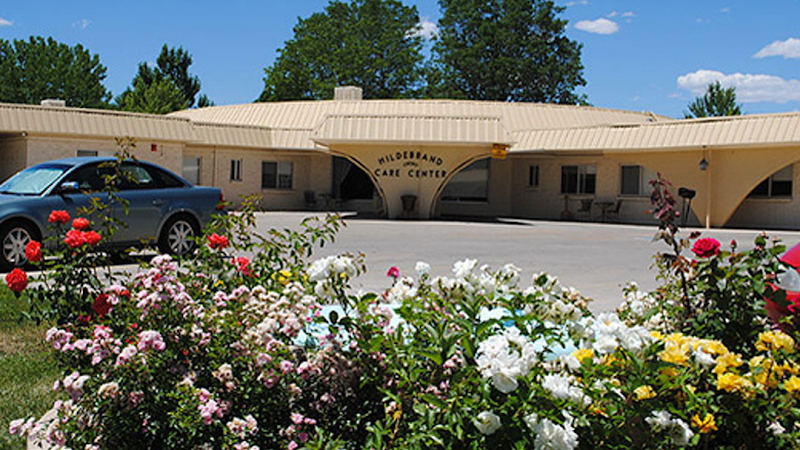
1401 PHAY AVE, CANON CITY, CO 81212 (719) 275-8656
For profit - Corporation 75 Beds Independent Data: November 2025 1 Immediate Jeopardy citation
Trust Grade
28/100
#106 of 208 in CO
Last Inspection: November 2023

Within standard 12-15 month inspection cycle. Federal law requires annual inspections.

Overview

Hildebrand Care Center has a Trust Grade of F, indicating significant concerns about the quality of care provided. Ranked #106 out of 208 facilities in Colorado, it falls in the bottom half, while its county rank of #2 out of 6 suggests it has a few local competitors that perform better. The facility is currently improving, with the number of issues decreasing from 8 in 2023 to just 1 in 2024. Staffing is a relative strength, with a 4 out of 5-star rating and a turnover rate of 42%, which is below the state average. However, the facility has incurred $44,600 in fines, which is higher than 85% of Colorado facilities, raising concerns about compliance. Specific incidents include a resident choking on improperly served food, which required emergency intervention, and another resident suffering a hip fracture due to inadequate fall prevention measures and delayed pain management. These findings highlight both the potential for improvement in care and the serious risks that have been identified.

Trust Score
F
28/100
In Colorado
#106/208
Top 50%
Safety Record
High Risk
Review needed
Inspections
Getting Better
8 → 1 violations
Staff Stability
○ Average
42% turnover. Near Colorado's 48% average. Typical for the industry.
Penalties
✓ Good
$44,600 in fines. Lower than most Colorado facilities. Relatively clean record.
Skilled Nurses
✓ Good
Each resident gets 48 minutes of Registered Nurse (RN) attention daily — more than average for Colorado. RNs are trained to catch health problems early.
Violations
⚠ Watch
18 deficiencies on record. Higher than average. Multiple issues found across inspections.
★★★☆☆
3.0
Overall Rating
★★★★☆
4.0
Staff Levels
★★★★☆
4.0
Care Quality
★★★☆☆
3.0
Inspection Score
Stable
2023: 8 issues
2024: 1 issues

The Good

  • 4-Star Staffing Rating · Above-average nurse staffing levels
  • 4-Star Quality Measures · Strong clinical quality outcomes
  • Full Sprinkler Coverage · Fire safety systems throughout facility
  • No fines on record
  • Staff turnover below average (42%)

    6 points below Colorado average of 48%

Facility shows strength in staffing levels, quality measures, fire safety.

The Bad

3-Star Overall Rating

Near Colorado average (3.1)

Meets federal standards, typical of most facilities

Staff Turnover: 42%

Near Colorado avg (46%)

Typical for the industry

Federal Fines: $44,600

Above median ($33,413)

Moderate penalties - review what triggered them

The Ugly 18 deficiencies on record

1 life-threatening 4 actual harm
Apr 2024 1 deficiency 1 IJ
CRITICAL (J) 📢 Someone Reported This

A family member, employee, or ombudsman was alarmed enough to file a formal complaint

Immediate Jeopardy (IJ) - the most serious Medicare violation

Quality of Care (Tag F0684)

Someone could have died · This affected 1 resident

**NOTE- TERMS IN BRACKETS HAVE BEEN EDITED TO PROTECT CONFIDENTIALITY** Based on record review and interviews, the facility failed to ensure one (#1) out of three sample residents received the care an...

Read full inspector narrative →
**NOTE- TERMS IN BRACKETS HAVE BEEN EDITED TO PROTECT CONFIDENTIALITY** Based on record review and interviews, the facility failed to ensure one (#1) out of three sample residents received the care and services necessary to maintain her highest practicable level of well-being. Specifically, the facility failed to serve Resident #1 the correct physician-ordered mechanical soft texture diet which contributed to her mental and physical decline. Resident #1, who had a history of dysphagia (difficulty swallowing) and dementia, had a physician-ordered texture diet of mechanical soft. On 3/3/24, Resident #1 was served large pieces of steak, mashed potatoes, and a bread roll for dinner. The resident began choking in the dining room, the Heimlich maneuver (a first aid procedure utilized to dislodge an obstruction from the throat) was performed and emergency services were called. In the emergency room, a large piece of meat was dislodged from her trachea (the airway that leads from the vocal box to the lungs). The resident was admitted to the hospital for acute hypoxic (low levels of oxygen in the body's tissues) respiratory failure due to choking. The resident's mental status did not recover and she was unresponsive to verbal stimuli. She was diagnosed with severe acute hypoxic encephalopathy (a type of brain damage from lack of oxygen in the brain). Resident #1 returned to the facility under hospice care on 3/7/24 and passed away on 3/10/24 at the facility, seven days after the choking incident. Findings include: Record review and interviews confirmed the facility corrected the deficient practice prior to the onsite investigation on 4/16/24 to 4/17/24, resulting in the deficiency being cited as past noncompliance with a correction date of 3/6/24. I. Situation of serious harm The facility failed to ensure Resident #1, who had a history of swallowing difficulties, was served the appropriate physician-ordered mechanical soft texture diet, which included ensuring food was chopped in small pieces and soft. This resulted in Resident #1 experiencing a choking episode in the dining room on 3/3/24. The facility's failure to serve the resident the physician-ordered diet led to the resident being sent to the hospital where a large piece of meat was removed from her trachea in the emergency room. The resident was admitted to the hospital for acute hypoxic respiratory failure due to choking; however, she was unable to recover and was readmitted to the facility on [DATE] with hospice services. Resident #1 passed away at the facility on 3/10/24, seven days after the choking incident. Record review and interviews during the complaint investigation confirmed the deficient practice had been corrected and the facility was in substantial compliance at the time of the survey from 4/16/24 to 4/17/24. II. Facility plan of correction A. Immediate action The corrective action plan the facility implemented in response to Resident #1's choking incident on 3/3/24 was provided by the nursing home administrator (NHA) on 4/17/24 at 2:00 p.m. On 3/5/24, a huddle was conducted with the dietary staff to discuss the incident of Resident #1's choking. On 3/6/24, an educational in-service was conducted for all dietary staff regarding the importance of ensuring residents received the correct physician-ordered diet texture. The education included a review of all diet textures. B. Systemic changes On 3/5/24, the facility implemented a new system of diet cards for all residents. The facility implemented one card (instead of two pieces of paper) that included the diet texture, resident preferences, resident allergies, and the resident's food order for each meal. Education was provided to all staff, including dietary and nursing staff, on the new system put in place to ensure residents received the correct diet texture. On 3/6/24, an education write-up was completed for a dietary staff member. On 4/3/24 and 4/4/24, annual skills testing was conducted for all staff on diet textures, modified liquids and the importance of following physician-ordered diet textures. The facility conducted direct observations of staff serving meals with the correct diet tickets following the skills testing. C. Monitoring On 3/6/24, meal service audits were started and continued daily at different meals. Audits would be continued indefinitely. All audits were to be reviewed daily by the dietary manager, discussed weekly in the interdisciplinary team meetings (IDT), and reviewed during monthly QAPI (quality assurance and performance improvement) meetings. Interviews and record review during the complaint investigation revealed corrective actions to identify the resident and other residents who had the potential to be affected by the deficient practice, systematic changes to prevent its recurrence, and monitoring to ensure sustained corrections were in place. III. Facility policy and procedure The NHA provided the Mechanical Soft Diet policy and procedure, dated 2011, on 4/17/24 at 1:30 p.m. It revealed in pertinent part, A mechanical soft diet is used for individuals who have difficulty chewing regular textured foods. Foods that are difficult to chew are chopped, ground, shredded and/or soft cooked to facilitate chewing and ease of swallowing. Protein foods (fish, seafood, lean meat, poultry, eggs, cooked dry beans/peas/lentils as tolerated, soy products, etc): soft, tender, ground, shredded or chopped. IV. Incident of choking A. Resident status Resident #1, age greater than 65, was admitted on [DATE], readmitted on [DATE], and expired at the facility on 3/10/24. According to the March 2024 computerized physician orders (CPO), diagnoses included dementia without behavioral disturbance, chronic obstructive pulmonary disease (COPD), chronic respiratory failure with hypoxia, interstitial pulmonary disease, and dysphagia. The 3/3/24 minimum data set (MDS) assessment revealed the resident had short-term memory impairment with modified independence in making decisions regarding tasks of daily life. She required set-up assistance with eating. B. Record review The cognition care plan, initiated on 7/19/23, documented the resident had a cognitive deficit with signs and symptoms of memory loss and dementia. The interventions included allowing the resident to participate in daily decisions to the best of her ability, contacting the resident's family to assist in major decision-making, encouraging the resident to share memories past and present, explaining procedures to the resident, and allowing her time to process and respond. The nutrition care plan, initiated on 9/6/23, documented the resident's diet was changed on 9/1/23 due to a previous choking incident from a regular texture to a mechanical soft texture. The interventions indicated the resident should be served the mechanical soft texture diet as ordered by the physician. The March 2024 CPO documented the following physician order: Regular diet, mechanical soft texture, chin tuck with swallowing, and no straws for diet. Order date 9/1/23. The 2/28/24 nutrition/dietary progress note documented the resident was ordered by the physician to be served a mechanical soft texture diet. The 3/3/24 nursing progress note documented Resident #1 was observed choking in the dining room during dinner. The resident was not breathing, was unable to communicate verbally and her skin was noted to be severely cyanotic (bluish or purplish discoloration of the skin due to deficient oxygenation of the blood). The Heimlich maneuver was performed without success. Oral suction was performed with an output of a thick tan-colored substance, possibly bread, after several minutes. Resident #1 was taking slow and shallow breaths when emergency services arrived at the facility. The resident's oxygen saturation was 67% (percent) on 6 L (liters) of oxygen with a non-rebreather mask (oxygen mask that delivers high concentrations of oxygen). The resident was transferred to the emergency room. On 3/3/24 at 6:28 p.m., the facility nurse contacted the emergency room for an update on Resident #1's condition. Resident #1 was intubated (a tube inserted into the airway to assist with breathing) and moved to the intensive care unit (ICU). The 3/3/24 emergency room physician's progress note documented in pertinent part, Presented with respiratory distress in the setting of a possible foreign body aspiration. The resident arrived in respiratory distress with marked inspiratory stridor (abnormal, high-pitched respiratory sound produced by irregular airflow in a narrowed airway) while on 100 % oxygen via a non-rebreather mask. EMS (emergency medical services) reported that she was at a local nursing facility eating dinner and possibly choked on a dinner roll. On arrival, she has an oxygen saturation of 84% while on the non-rebreather mask. Her tongue was depressed, which revealed a foreign body in the oropharynx (middle part of the throat, behind the mouth). At the time of direct visualization, a large piece of meat was visualized with complete occlusion (blocking) of the trachea at the level of the vocal cords. Forceps were used to remove this piece of meat. After successful removal of this large piece of meat obstructing the patient's airway, it was collectively decided that the patient needed to be intubated for airway protection. She remained hypoxic on a 100% non-rebreather mask. The 3/4/24 nursing progress note documented Resident #1 remained in the ICU and intubated. It indicated the resident was still intubated due to the physical trauma to her airway. Resident #1 was readmitted to the facility on [DATE] with hospice services. The 3/7/24 facility physician progress note, written after the resident's readmission to the facility on 3/7/24, documented that on 3/3/24, Resident #1 had a choking episode in the dining hall. The progress note read in pertinent part: Nursing staff state efforts were made to dislodge a large piece of meat from her throat. At the same time, other staff were alerting emergency services to take her to the hospital. Staff indicated she was becoming cyanotic as she left the facility and was transported to the hospital. She was brought to the hospital emergency room on a non-rebreather mask and was gasping for air per the emergency room report. A large piece of meat was dislodged from the trachea in the emergency room. She was admitted for acute hypoxic respiratory failure secondary to choking. After being intubated in the emergency room for airway protection, she was admitted to the ICU. A ventilator bundle with lung protective ventilation was implemented and her respiratory status improved. The patient did pass spontaneous breathing trials and was extubated (the tube for breathing was removed). However, her mental status did not recover and she remained obtunded (slowed response to stimulation). The physician diagnosed her with severe acute hypoxic encephalopathy in the setting of multiple comorbidities. Prognosis for recovery to baseline function was deemed very poor. Just prior to her hospital discharge, the resident's family decided to place her on comfort care. The 3/7/24 nursing progress note documented the resident was unresponsive and unable to swallow. All of the resident's medications were discontinued except for medications used for comfort. The 3/10/24 nursing progress note documented one of the certified nurse aides (CNA) went to check on the resident and found her cold. The CNA said she could not see the resident breathing. The nurse checked on the resident and found her with no respirations, heartbeat and eyes were fixed. The physician and family were notified of the resident's death. V. Staff interviews The NHA, director of nursing (DON), and the dietary manager (DM) were interviewed on 4/16/24 at 1:44 p.m. The DON said on 3/3/24, Resident #1 had a choking episode during the dinner meal. She said the nurse who was in the dining room passing medications attended to the resident. She said the nurse called out for assistance, grabbed the crash cart and started the Heimlich maneuver. She said the nurse attempted oral suctioning of the resident for several minutes before dislodging a bit of food from the resident's airway. The DON said while the resident was being assisted, another nurse had called for emergency services. She said Resident #1 was blue on her lips, face and arms. The DON said after the suctioning dislodged a little bit of food, the resident was able to breathe. She said the nurse placed the resident on high-flow oxygen and then EMS arrived and transported the resident to the hospital. The DON said the assistant director of nursing (ADON) was working the day of the incident. She said the ADON immediately began an investigation and it was determined that the resident must have been served the wrong diet texture or the wrong plate of food. She said all dietary staff were interviewed and no one admitted to serving the resident. The DM said a dietary staff member was provided a formal written education. She said the investigation showed that the old system of tray cards was ineffective. The DM said the old system had a paper that showed the residents'physician-ordered diet and then another paper that had their order for each meal. She said the two different papers were confusing to the staff and easily got mixed up on the tray serving line. The DM said the dietary aides delivered the food to the residents in the dining room. She said the cook was responsible for checking the meal ticket, ensuring the correct diet texture and the residents' order, plating the food and placing it on the tray line. The DM said the dietary aide was responsible for checking the meal against the meal ticket to ensure it was correct and then serving the meal to the resident. The DM said she created a new tray card system that streamlined the resident's diet texture, likes and dislikes, allergies and their orders for each meal. The DM said education was provided to all dietary and nursing staff immediately following the incident. She said education was provided to all staff as well as during the orientation of all new staff working at the facility. She said the facility added the situation and process to the skills fair completed in April 2024 and it would be included during every skill fair going forward. The DM said she thought one of the dietary staff members grabbed the wrong plate and served it to Resident #1. She said the new card system had been successful so far and thought it would prevent incidents such as that which occurred with Resident #1 from happening again. The DM said audits of the meal service were being conducted every day during a meal to ensure residents were being provided with the appropriate diet textures. She said the audits were reviewed daily, weekly in the IDT meeting and then during QAPI monthly. She said the audits would continue indefinitely. The DM said the new process was added to the skills fair and competency checklist. She said she observed staff at meal times to ensure the process was working appropriately. The NHA said a blue binder was placed in the kitchen with every resident's diet texture, assistance level and any assistive devices. The DON said all dietary staff and nursing staff had been educated on the binder and had access to the binder. The DON said the binder was checked every morning to ensure any diet changes were implemented.
Nov 2023 6 deficiencies
CONCERN (D)

Potential for Harm - no one hurt, but risky conditions existed

Deficiency F0561 (Tag F0561)

Could have caused harm · This affected 1 resident

**NOTE- TERMS IN BRACKETS HAVE BEEN EDITED TO PROTECT CONFIDENTIALITY** Based on observations, record review and interviews, the facility failed to honor resident choices for one (#37) of one out of 3...

Read full inspector narrative →
**NOTE- TERMS IN BRACKETS HAVE BEEN EDITED TO PROTECT CONFIDENTIALITY** Based on observations, record review and interviews, the facility failed to honor resident choices for one (#37) of one out of 31 sample residents. Specifically, the facility failed to ensure Resident #37 received anti-nausea medication in a timely manner upon request. Findings include: I. Facility policy and procedure The Resident Self Determination and Participation policy and procedure, revised August 2022, was provided by the director of nursing (DON) on 11/16/22 at 2:00 p.m. It read, in pertinent part, Our facility respects and promotes the right of each resident to exercise his or her autonomy regarding what the resident considers to be important facets of his or her life. Each resident is allowed to choose activities, and schedule health care and healthcare providers, that are consistent with his or her interests, values, assessments and plans of care, including: daily routine, such as sleeping and waking, eating, exercise and bathing schedules; personal care needs, such as bathing methods, grooming styles and dress; and health care scheduling, such as times of day for therapies and certain treatments. II. Resident #37 status Resident #37, age [AGE], was admitted on [DATE]. According to the November 2023 computerized physician's orders (CPO) diagnoses included alcoholic cirrhosis of the liver with ascites, depression, chronic obstructive pulmonary disease and panic disorder. According to the 5/10/23 minimum data set (MDS) assessment, the resident had mild cognitive impairment with a brief interview for mental status (BIMS) score of eight out of 15. The resident required extensive assistance with bed mobility, dressing and personal hygiene and was totally dependent on staff with toileting. It indicated that the resident was bed bound. It indicated that it was important to the resident to choose what clothes to wear, choose the type of bath received, have snacks available between meals and have family involved in discussions about care. B. Observations On 11/15/23 at 10:50 a.m. Resident #37 activated her call light. Certified nurse aide (CNA) #1 responded to the call light. Resident #37 requested Zofran (anti-nausea) medication. CNA #1 informed registered nurse (RN) #1 that Resident #37 complained of feeling nauseous and requested Zofran. RN #1 said she would assist the resident in a few minutes. At 11:03 a.m. Resident #37 activated her call light again. CNA #1 responded and told the resident that she notified the nurse of her request and the nurse said it would be a few minutes before she could get the medication for her. At 12:08 p.m. RN #1 administered Zofran to Resident #37, over an hour after Resident #27 had requested the medication C. Resident interview Resident #37 was interviewed on 11/15/22 at 12:18 p.m. Resident #37 said she did not like it when she had to wait such a long time for anti nausea medication. D. Record review The November 2023 CPOs documented the physician had ordered Ondansetron (Zofran) HCI 4 milligrams (mg) to be given every six hours as needed for nausea. The November 2023 medication administration record (MAR) documented that the resident had not received Zofran within the previous six hours and was within the parameters of being able to receive the medication at the time it was requested. III. Staff interviews CNA #1 was interviewed on 11/15/23 at 11:58 a.m. She said when a resident requested medication, she would inform the nurse first, the second time the resident requested she would let the resident know what the nurse said, and the third time the call light was activated she would tell the nurse again. CNA #1 said the nurse said it would be a little bit to administer the medication to Resident #37. She said she relayed the message to the resident. RN #2 was interviewed on 11/15/23 at 12:00 p.m. RN #2 said he should have administered the anti nausea medication within 15 minutes of being notified of the request. He said an hour was too long for Resident #37 to have to wait for requested medication. The DON was interviewed on 11/16/23 at 10:12 a.m. She said when a resident requested medication, the resident should be medicated within 15 minutes of the request. She said it was not appropriate for a resident to wait an hour for a requested medication.
CONCERN (D)

Potential for Harm - no one hurt, but risky conditions existed

Grievances (Tag F0585)

Could have caused harm · This affected 1 resident

**NOTE- TERMS IN BRACKETS HAVE BEEN EDITED TO PROTECT CONFIDENTIALITY** Based on interviews and record review, the facility failed to ensure one (#6) out of 31 sample residents were provided prompt ef...

Read full inspector narrative →
**NOTE- TERMS IN BRACKETS HAVE BEEN EDITED TO PROTECT CONFIDENTIALITY** Based on interviews and record review, the facility failed to ensure one (#6) out of 31 sample residents were provided prompt efforts by the facility to resolve grievances. Specifically, the facility failed to document and provide a resolution to Resident #6's missing item. Findings include: I. Facility policy and procedure The Resident Grievance Policy, revised April 2018, was provided by the director of nursing (DON) on 11/16/23 at 2:00 p.m. It revealed, in pertinent part, It is the policy of the facility to help residents, their representatives (sponsors), and other interested family members, or resident advocates file grievances or complaints when such requests are made. Any resident, his/her representative, family member, or advocate may file a grievance or complaint concerning his/her treatment, medical care, behavior of other residents, or staff members, and theft of property without fear of threat of reprisal in any form. The Administrator has delegated the responsibility of grievance and/or complaint investigation to the Social Services Director. Grievance and/or complaints may be submitted orally or in writing. Written complaints or grievances must be signed by the resident or the person filing the grievance or complaint on behalf of the resident. The Grievance Investigation Report must be filed with the administrator within two working days of the receipt of the grievance or complaint form. The administrator will review the findings with the person investigating the complaint to determine what corrective actions, if any, need to be taken. The resident, or person filing the grievance and/or complaint on behalf of the resident, will be informed of the findings of the investigation and the actions that will be taken to correct any identified problems. Such a report will be made orally by the administrator or his/her designee within three working days of the filing of the grievance or complaint with the facility. A written summary of the report will also be provided to the resident, and a copy will be filed in the business office. II. Resident #6 A. Resident status Resident #6, age [AGE], was admitted on [DATE]. According to the November 2023 computerized physician orders (CPO), the diagnoses included vascular dementia, unspecified depression, insomnia, and chronic kidney disease. The 7/11/23 minimum data set (MDS) assessment revealed the resident was cognitively intact with a brief interview for a mental status score of 15 out of 15. She required extensive assistance for bed mobility, transfers, dressing, and personal hygiene, and was independent with eating. She had no behavioral symptoms. B. Resident interview Resident #6 was interviewed on 11/13/23 at 11:02 a.m. The resident said she often had items missing from her room. She said the most recent item was a beauty facial cream her sister purchased for her on her birthday. She said her sister purchased two of the same facial creams and one of them had been missing for over a month. Resident #6 said those facial creams were very important to her since they were a gift given to her on her birthday. Resident #6 said she reported the missing item to all staff members who had entered her room. She said she reported it several times to registered nurse (RN) #3. She said she was told by the facility staff that the social services director, who was the grievance official, was too busy. Resident #6 said the facility had not located her missing item or found a resolution for it. She said no one had come to talk to her about her complaint and whenever she asked RN #3 for an update, she would tell her that the SSD was busy. Resident #6 said the situation made her upset and she wanted her facial cream back. C. Record review The facility ' s grievance log from September 2023 through November 2023 was reviewed on 11/16/23 at 10:30 a.m. It did not reveal documentation that a grievance had been filed on behalf of Resident #6 for her missing facial cream. III. Staff interviews RN #3 was interviewed on 11/16/23 at 9:32 a.m. She said Resident #6 had reported a missing facial cream that the resident had received for her birthday over two weeks ago. She said she felt that the resident had used the facial cream and it was not actually missing since her birthday was in March. RN #3 said she verbally reported it to the SSD. RN #3 said she assisted residents in filing grievances based on the circumstances of the complaint, but she did not feel that all complaints should be filed as a grievance. RN #3 said she did not complete a grievance form for Resident #6 ' s missing facial cream The assistant social services director (ASSD) was interviewed on 11/16/23 at 9:24 a.m. The ASSD said a grievance form should be completed for all missing items. She said the staff member who received the report should assist the resident in completing the grievance form and searching for the item. She said if the staff member was unable to find the item, then the facility would either replace the item or refund the cost of the item to the resident. The SSD was interviewed on 11/16/23 at 9:50 a.m. He said he did not receive a verbal or written notification that Resident #6 was missing facial cream. He said he was unaware of Resident #6 ' s complaint. He said all complaints and missing items reported to staff should be treated seriously, a grievance form completed and investigated. The SSD said he would provide education for all staff members regarding the grievance process. The DON was interviewed on 11/16/23 at 12:00 p.m. The DON said staff should report all concerns and missing items to the grievance official. She said the facility's goal was to resolve all grievances within 72 hours of the report. She said it was not up to the staff member to determine if a grievance form should be completed. She said she would provide education to all facility staff on the grievance process.
CONCERN (D)

Potential for Harm - no one hurt, but risky conditions existed

Deficiency F0685 (Tag F0685)

Could have caused harm · This affected 1 resident

**NOTE- TERMS IN BRACKETS HAVE BEEN EDITED TO PROTECT CONFIDENTIALITY** Based on observations, record review and interviews, the facility failed to ensure proper treatment and assistive devices to mai...

Read full inspector narrative →
**NOTE- TERMS IN BRACKETS HAVE BEEN EDITED TO PROTECT CONFIDENTIALITY** Based on observations, record review and interviews, the facility failed to ensure proper treatment and assistive devices to maintain vision abilities for one (#121) of one resident reviewed for visual problems out of 31 sample residents. Specifically, the facility failed to ensure Resident #121 was assisted to wear his glasses. Findings include: I. Resident #121 status Resident #121, age [AGE], was admitted on [DATE]. According to the November 2023 computerized physician orders (CPO), the diagnoses included multiple sclerosis, dementia without behavioral disturbance, cognitive communication deficit and paraplegia. The 11/6/23 minimum data set (MDS) assessment revealed the resident had moderate cognitive impairment with a brief interview for mental status score of 10 out of 15. He required total assistance with all activities of daily living. It indicated the resident had impaired vision with the use of corrective lenses. A. Observations On 11/13/23 at 2:48 p.m. Resident #121 was observed sitting in his wheelchair. He did not have his glasses on. Resident #121 said he usually wore glasses but was not sure where they were. On 11/14/23 at 12:15 a.m. Resident #121 was observed sitting in the dining room. He did not have his glasses on. On 11/15/23 at 10:00 a.m. Resident #121 was observed sitting in his wheelchair at the nursing station. He did not have his glasses on. B. Record review The cognitive deficit care plan, initiated 11/9/23, documented that the resident had a cognitive deficit and a cognitive communication deficit due to a diagnosis of dementia. The interventions included allowing the resident to participate in daily decision making to the best of his ability, encouraging the resident to share memories, explaining procedures to the resident and allowing him time to process and respond. The 10/26/23 baseline care plan documented that Resident #121 wore glasses. II. Staff interviews Certified nurse aide (CNA) #2 was interviewed on 11/13/23 at 2:50 p.m. She said she was an agency staff member and it was her first day working at the facility. She said she was provided information on each resident's level of care during a verbal report from the previous shift CNA. She said she did not know if Resident #121 worse glasses, hearing aids or dentures. She said she was only provided information on each resident's physical level of care. She said she did not have access to each residents' plan of care. CNA #3 was interviewed on 11/15/23 at 2:00 p.m. She said she worked on Saturday, 11/11/23, and Resident #121 was wearing his glasses. She said she was aware that he was not wearing them today. She said was not able to find his glasses. She said she had not reported his missing glasses to social services yet. She said she would do that immediately. The director of nursing (DON) was interviewed on 11/16/23 at 11:48 a.m. She said dentures, hearing aids and dentures were documented on the CNA tasks for each resident and the plan of care. She said each CNA had access to the tasks for each resident to be able to see if the resident wore glasses. She confirmed Resident #121 was admitted to the facility wearing glasses. She said the facility had been able to locate his glasses in the laundry. She said they were broken and were working on getting an appointment for him to see an optometrist. She said she was aware the facility had communication concerns with agency staff. She said the facility was currently working on a solution, but did not have a plan finalized and in place. She said the agency CNA should have had access to the resident's tasks which should have indicated he wore glasses.
CONCERN (D)

Potential for Harm - no one hurt, but risky conditions existed

Accident Prevention (Tag F0689)

Could have caused harm · This affected 1 resident

**NOTE- TERMS IN BRACKETS HAVE BEEN EDITED TO PROTECT CONFIDENTIALITY** Based on observations, record review and interviews, the facility failed to ensure one (#121) of three out of 31 sample resident...

Read full inspector narrative →
**NOTE- TERMS IN BRACKETS HAVE BEEN EDITED TO PROTECT CONFIDENTIALITY** Based on observations, record review and interviews, the facility failed to ensure one (#121) of three out of 31 sample residents received adequate supervision to prevent accidents. Specifically, the facility failed to agency staff were aware of Resident #121 ' s history and risk of elopement. Findings include: I. Facility policy and procedure The Wandering and Elopement policy and procedure, reviewed May 2019, was provided by the director of nursing (DON) on 11/16/23 at 2:00 p.m. It revealed, in pertinent part, The facility will identify residents who are at risk of unsafe wandering and strive to prevent harm while maintaining the least restrictive environment for residents. If identified as at risk for wandering, elopement, or other safety issues, the resident ' s care plan will include strategies and interventions to maintain the resident ' s safety. II. Resident #121 status Resident #121, age [AGE], was admitted on [DATE]. According to the November 2023 computerized physician orders (CPO), the diagnoses included multiple sclerosis, dementia without behavioral disturbance, cognitive communication deficit and paraplegia. The 11/6/23 minimum data set (MDS) assessment revealed the resident had moderate cognitive impairment with a brief interview for mental status score of 10 out of 15. He required total assistance with all activities of daily living. It indicated the resident did not wander during the assessment period. A. Observations On 11/13/23 at 2:48 p.m. Resident #121 wheeled himself down the hallway toward the common area. In the common area, Resident #121 went toward the door that led outside and pushed it. An alarm sounded and certified nurse aide (CNA) #2 stood in the hallway, approximately 20 feet away from the resident. She said to Resident #121 that she did not know the code to make the alarm stop sounding. Resident #121 asked if there was another door that he could leave through. CNA #2 said she was not sure and asked him if he was allowed to leave. He said, I don ' t see why not. Another staff member was observed walking down the hallway. She used a code to disable the alarm. She told Resident #121 that he could go and sit outside on the patio outside of the dining room. CNA #2 said she would take him there and wheeled him down the hallway. B. Record review The November 2023 CPOs documented the following physician orders: -Code alert to notify staff of unsupervised exit attempts – ordered 10/26/23; and -Check placement of the code alert every shift – ordered 10/26/23. A review of the baseline care plan documented that the resident had a history of exit seeking behavior. The 10/26/23 elopement evaluation documented the resident had a history of exit seeking at home and a previous facility. It indicated the resident verbally expressed the desire to go home, packed his belongings to go home or stayed near an exit door. III. Staff interviews Certified nurse aide (CNA) #2 was interviewed on 11/13/23 at 2:50 p.m. She said she was an agency staff member and it was her first day working at the facility. She said she was provided information on each resident ' s level of care during a report from the previous shift CNA. She said she did not know if Resident #121 worse glasses, hearing aids or dentures. She said she was only provided information on each resident ' s physical level of care. She said she did not have access to each residents ' plan of care. She said she was not aware if the resident had cognitive impairment or was at risk for exit seeking. She said she was not told the resident had a code alert that sounded an alarm when he was near an exit. She said she would be aware of it from then on out. The DON was interviewed on 11/16/23 at 11:48 a.m. She said dentures, hearing aids and dentures were documented on the CNA tasks for each resident and the plan of care. She said each CNA had access to the tasks for each resident to be able to see if the resident was at risk for exit seeking. She confirmed Resident #121 was at risk for exit seeking. She said each nursing station had a binder of residents that were at risk along with the front desk at the facility. She said the facility had the code alert system that sounded whenever someone who was at risk got close to an exit door. She said the outside patio also was armed so residents could still go outside but could not exit through the gate. She said she was aware the facility had communication concerns with agency staff. She said the facility was currently working on a solution, but did not have a plan finalized and in place. She said the agency CNA should have been informed verbally in report that the resident was at risk for exit seeking. She said she provided information to the agency on the facility policies, which included the code alert system and where to find the binder of the residents who were at risk for exit seeking.
CONCERN (D)

Potential for Harm - no one hurt, but risky conditions existed

Respiratory Care (Tag F0695)

Could have caused harm · This affected 1 resident

**NOTE- TERMS IN BRACKETS HAVE BEEN EDITED TO PROTECT CONFIDENTIALITY** Based on resident observations, record review, and staff interviews, the facility failed to ensure residents received respirator...

Read full inspector narrative →
**NOTE- TERMS IN BRACKETS HAVE BEEN EDITED TO PROTECT CONFIDENTIALITY** Based on resident observations, record review, and staff interviews, the facility failed to ensure residents received respiratory treatment as ordered for two (#20 and #64) of two residents reviewed for supplemental oxygen use out of 31 sample residents. Specifically, the facility failed to ensure Resident #20 and Resident #64 received oxygen at the liter flow prescribed by the physician. Findings include: I. Facility policy and procedure The Oxygen Administration policy and procedure, revised October 2021, was provided by the director of nursing (DON) on 11/16/23 at 2:00 p.m. It read, in pertinent part, The purpose of this procedure is to provide guidelines for safe oxygen administration. Verify that there is a physician ' s order for this procedure and review the physician orders or the facility protocol for oxygen administration. II. Resident #20 status Resident #20, age [AGE], was admitted on [DATE]. According to the November 2023 computerized physician ' s orders (CPO), diagnoses included unspecified dementia, chronic diastolic congestive heart failure, chronic respiratory failure and chronic obstructive pulmonary disease (COPD). According to the 8/29/23 minimum data set (MDS) assessment, the resident had moderate cognitive impairment with a brief interview for mental status (BIMS) score of 10 out of 15. The resident required extensive assistance from one person for bed mobility, grooming, and toileting and one person set up assistance with eating. It indicated that the resident received oxygen therapy. A. Observations On 11/13/23 at 2:01 p.m. Resident #20 was observed sitting down in her wheelchair with an oxygen nasal cannula in her nostril. The resident's oxygen concentrator was set to 1.5 liters per minute (LPM). On 11/14/23 at 11:13 a.m., Resident #20 was sitting in the dining room area with her cannula on. The portable oxygen concentrator was set at 2 LPM. On 11/16/23 at 11:05 a.m., Resident #20 was seen in her room wearing a nasal cannula connected to a portable oxygen tank set at 2 LPM. B. Record review The respiratory care plan, initiated on 9/7/23, identified that the resident had an alteration in respiratory status with a physician ' s order for the use of supplementary oxygen at 4 liters via nasal cannula. The interventions included providing oxygen as ordered by the physician. The November 2023 CPOs documented for the resident to receive oxygen therapy at 4 LPM continuously via nasal cannula - ordered 8/17/23. III. Resident #64 status Resident #64, age [AGE], was admitted on [DATE]. According to the November 2023 CPOs, diagnoses included unspecified schizophrenia, unspecified pulmonary fibrosis, anxiety disorder, depression, and dependence on supplemental oxygen. According to the 8/14/23 MDS assessment, Resident #64 was cognitively intact with a BIMS score of 13 out of 15. She required supervision for bed mobility, transfers, grooming, and toileting. It indicated that the resident received oxygen therapy. A. Observations On 11/13/23 at 3:21 p.m., Resident #64 was observed walking down the hallway without oxygen. There was no portable oxygen tank observed in the resident ' s room. On 11/14/23 at 11:24 a.m. Resident #64 was observed sitting in the dining room waiting for her lunch to be served. The resident was not wearing oxygen. The facility staff observed in the dining room did not get oxygen for the resident. On 11/15/23 at 3:15 p.m., Resident #64 was observed walking down the hallway to the dining room without oxygen. The resident went to the dining room and sat by the dining table waiting for dinner. The facility staff did not get oxygen for the resident. B. Record review The respiratory care plan, initiated on 8/17/23, identified that the resident had the potential alteration in respiratory status. The interventions included checking the portable oxygen tank often to make sure it has oxygen and working properly and refilling it as needed. The November 2023 CPOs documented a physician ' s order for the resident to receive oxygen therapy at 2 LPM, continuously via nasal cannula for pulmonary fibrosis - ordered on 8/9/23. IV. Staff interviews Certified nurse aide (CNA) #4 was interviewed on 11/16/23 at 11:09 a.m. CNA #4 said Resident #20 used oxygen continuously. She said she did not know how many liters the physician had ordered for the resident. CNA #4 confirmed the portable oxygen tank indicated the resident was receiving 2 LPM. Upon verifying from the unit nurse, CNA #4 confirmed that Resident #20 should have been receiving 4 LPM. CNA #4 said Resident #64 used oxygen continuously. She confirmed Resident #64 did not have a portable oxygen tank in her room. Licensed practical nurse (LPN) #4 was interviewed on 11/16/23 at 11:20 a.m. LPN #4 said Resident #20 received oxygen therapy due to her diagnosis of COPD. She said Resident #20 required continuous oxygen at 4 LPM. She said the resident could suffer medical emergencies such as dizziness, and lightheadedness due to low oxygenation. LPN #4 said Resident #64 refused to wear oxygen when she left her room, however confirmed the resident ' s medical record did not reflect those refusals. She confirmed that there was no portable oxygen tank in the resident ' s room. She said Resident #64 required continuous oxygen at 2 LPM continuously for pulmonary fibrosis. The director of nursing (DON) was interviewed on 11/16/23 at 12:00 p.m. The DON said oxygen therapy required a physician's order in order to be administered. She said Resident #20's oxygen should have been administered as ordered by the physician. She said Resident #20 could have experienced respiratory distress from not receiving the appropriate amount of oxygen therapy. The DON said Resident #64 should have her oxygen on at all times. She said the nursing staff should have ensured oxygen orders were followed according to physician orders She said the nursing staff should document all refusals, notify the provider of the refusal, and offer education to the resident.
CONCERN (D)

Potential for Harm - no one hurt, but risky conditions existed

Deficiency F0761 (Tag F0761)

Could have caused harm · This affected 1 resident

Based on observations and interviews the facility failed to ensure two out of two medication refrigerators stored narcotic medications in accordance with accepted professional standards and that only ...

Read full inspector narrative →
Based on observations and interviews the facility failed to ensure two out of two medication refrigerators stored narcotic medications in accordance with accepted professional standards and that only licensed staff had access to resident-prescribed medications. Specifically, the facility failed to: -Ensure the treatment cart and medication cart was locked when left unattended; and -Ensure controlled medications were in a locked storage container that was permanently secured to the refrigerator. Findings include: I. Facility policy and procedure The Storage of Medications policy and procedure, revised April 2007, was provided by the director of nursing (DON) on 11/16/23 at 2:00 p.m. It read in the pertinent part, Compartments (including, but not limited to, drawers, cabinets, rooms, refrigerators, carts, and boxes) containing drugs and biologicals shall be locked when not in use, and trays or carts used to transport such items shall not be left unattended if open or otherwise potentially available to others. II. Observations On 11/13/23 at 9:00 a.m. the treatment cart on the west hall was unlocked and unattended. Several residents were returning from breakfast and walked past the cart to go to their rooms. One resident with a traumatic brain injury (TBI) also walked past the cart. The treatment cart contained prescription creams, ointments, over-the-counter creams and supplies for wound care. At 12:37 p.m. the treatment cart on the east hall was unlocked and unattended. Several residents were near the cart including two residents who had a diagnosis of dementia and had a historying of wandering. The treatment cart contained prescription creams, ointments, over-the-counter creams and supplies for wound care. Licensed practical nurse (LPN) #3 was notified and she locked the cart. On 11/15/23 at 10:36 a.m. the medication refrigerator on the east hall was observed. There was a controlled medication lock box in the refrigerator that was not permanently affixed to the refrigerator and it contained three bottles of liquid Ativan (a benzodiazepine and a schedule IV controlled substance used to treat agitation that tranquilizes the patient) and two vials of Ativan for emergency use. At 10:39 a.m. the medication refrigerator on the west hall was observed. There was a controlled medication lock box in the refrigerator that was not permanently affixed to the refrigerator. It did not have any controlled medications in it at the time of observation but LPN #1 said it normally contained Ativan. At 11:49 a.m. the medication cart on the east hall was unlocked and unattended. The nurse was not in direct line of sight. Registered nurse (RN) #1 exited a resident's room and returned to the cart. She immediately noticed she had left it unlocked. III. Staff interviews LPN #3 was interviewed on 11/13/23 at 12:38 p.m. She said the treatment cart should always be locked. She said residents could get into treatments that were not safe. RN #1 was interviewed on 11/15/23 at 10:37 a.m. She said the controlled medication box in the refrigerator should be permanently affixed to the refrigerator. She said anyone with access to the refrigerator could just take the box of controlled medications out of the refrigerator. The DON was interviewed on 11/16/23 at 10:14 a.m. The DON said medication carts and the medication rooms should be locked at all times when not attended by a licensed nurse. She said the controlled medication boxes should be permanently affixed to the refrigerators. She said if they are not permanently affixed they could be carried out of the facility by anyone with access to the refrigerator.
Jul 2023 2 deficiencies 2 Harm
SERIOUS (G) 📢 Someone Reported This

A family member, employee, or ombudsman was alarmed enough to file a formal complaint

Actual Harm - a resident was hurt due to facility failures

Accident Prevention (Tag F0689)

A resident was harmed · This affected 1 resident

**NOTE- TERMS IN BRACKETS HAVE BEEN EDITED TO PROTECT CONFIDENTIALITY** Based on record review and interviews, the facility failed to ensure one (#1) of three residents reviewed for accidents out of t...

Read full inspector narrative →
**NOTE- TERMS IN BRACKETS HAVE BEEN EDITED TO PROTECT CONFIDENTIALITY** Based on record review and interviews, the facility failed to ensure one (#1) of three residents reviewed for accidents out of three sample residents remained as free from accident hazards as possible. The facility failed to ensure interventions were implemented to prevent major injury from falls for Resident #1. Interviews during the survey revealed the facility still was not implementing interventions for toileting per the care plan. Furthermore, interviews and documentation revealed the staff did not provide transfer assistance to the resident with two person assistance as ordered. Due to the facility's failures to implement effective interventions, Resident #1 sustained a fracture of the left hip from a fall on 2/1/23. Additionally, the facility delayed assessing and monitoring Resident #1's injuries and related pain after the fall on 2/1/23, when the resident complained of having severe pain in his leg for two days after the fall (cross-reference F697). The facility failed to implement effective interventions when Resident #1 returned from the hospital on 2/6/23 which caused him to sustain additional falls. Finding include: I. Facility policy and procedure The Falls and Fall Risk Management policy, revised March 2018, was received from the director of nursing (DON) on 7/6/23 at 12:15 p.m. The policy documented in pertinent part, Based on previous evaluations and current data, the staff will identify interventions related to the resident' s specific risks and causes to try to prevent the resident from falling and to try to minimize complications from falling. Resident conditions that may contribute to the risk of falls, incontinence. The nurse shall assess and document/report the following when a fall has occurred: Vital signs, the condition in which the resident was found-resident found lying on the floor between bed and chair, any injury, especially fracture or head injury, subsequent first aid administered, musculoskeletal function, observing for change in normal range of motion, weight bearing, change in cognition or level of consciousness, neurological status, pain, frequency and number of falls since last physician visit, precipitating factors, details on how fall occurred, pertinent medication, especially those associated with dizziness or lethargy. Nursing staff will observe for delayed complications of a witnessed fall for 72 hours. Vital signs will be taken at the time of the fall and then every shift for the first 24 hours, then everyday on day shift for two subsequent days, Nursing staff will follow the fall, neurological record frequency for obtaining vital signs and neurological checks if a fall is unwitnessed and or head trauma is suspected. The staff, with the physician's guidance will follow up on any fall with associated injury until the resident is stable and delayed complications such as late fracture or subdural hematoma have been ruled out. II. Resident #1 A. Resident status Resident #1, age [AGE], admitted on [DATE] and readmitted on [DATE]. According to the July 2023 computerized physician orders (CPO) diagnosis included history of left femur fracture and left hip pain, neuropathy (weakness, numbness from nerve damage) and repeat falls. The 5/15/23 minimum data set (MDS) assessment revealed the resident had moderate cognitive impairment with a brief interview for mental status score (BIMS) with a score of nine out of 15. The resident required extensive two person assistance with transfers and toileting; and extensive one person assistance with bed mobility, dressing and personal hygiene, The resident had almost constant pain which limited daily activity. The assessment documented he had no falls since his prior assessment. -However, the resident fell on 1/18/23, 2/1/23 and 2/10/23; then again on 4/1/23 just before the above MDS assessment was completed (see below). B. Resident and resident representative interviews Two of the resident's representatives were interviewed via telephone on 7/6/23 at 10:19 a.m. The first representative said the resident called her all night in pain on 2/1/23. On 2/2/23 the representative called the facility and spoke to registered nurse (RN) #1. The representative requested the resident be sent to the hospital for an x-ray. The representative said the facility did not send Resident #1 to the hospital but had a mobile x-ray come out to the facility on 2/2/23. The representative said she had also asked the nurse about pain medication and the nurse said they were giving the resident pain medication. The representative later found out the resident had only received one Tylenol. The representative said there were no x-ray results on 2/2/23. She had called the facility multiple times as Resident #1 was in so much pain. The representative said Resident #1 called her all night again on 2/2/23 with complaints of pain to his left leg and inability to move the leg. The representative said she called the facility again 2/3/23, in the morning, to see if the x-ray results were available and was told the results were not back. The first representative said she received a call, a short time later that morning from the facility, to notify her the resident had a hip fracture and was being sent to the hospital. A second resident representative joined the telephone interview. The second resident representative said Resident #1 had called her all night on 2/1/23 and 2/2/23 with stabbing pain to his left leg. She said the resident told her his leg was displaced out to the side and he could not move the leg. The second representative was getting ready in the morning to head to the facility, while the first resident representative kept calling the facility to get the resident help. While on the way the representative said she received the information that the resident had a fracture of the left hip and was being sent to the hospital. The second representative said Resident #1 laid in bed for two days in pain, even after the first representative requested that the facility send Resident #1 to the hospital. The first representative said he continued to have a lot of pain to this day. Resident #1 was interviewed on 7/6/23 at 11:28 a.m. Resident #1 said he remembered when he fell and broke his hip. He said he had fallen in the bathroom. Resident #1 said he had a lot of pain for a few days and could not move his leg. He said anytime he tried to move it the pain was severe, but if he did not move it then it was not as bad. He said the nurses gave him Tylenol but that did not help much. He said the pain was a sharp pain and remembered he could not move his leg. He said the nurses had an x-ray done and then he went to the hospital for surgery. Resident #1 said he still had pain, and it was difficult to put any weight on his left leg. Resident #1 said the staff did not check with him throughout the day to offer assistance with toileting. He said he had to call them, and they were slow to answer the call light. C. Record review The fall care plan, initiated 8/29/22, documented potential for falls and injury related to osteoarthritis, history of falls, cognitive impairment, balance issues, unsteady gait, activity intolerance, bilateral lower extremity weakness, history of hip fracture from fall. Interventions included: physical therapy (PT) evaluation and treatment for transfer safety 8/29/22, 2/2/23 and 6/5/23, Dycem (anti slip material) in recliner 5/15/23, walker for short distance, transfers and wheelchair for long distance 5/15/23, two assist for transfers 2/14/23, urinal to be given at bedtime for night usage 2/13/23, visual aide to close footrest on recliner before getting up 11/22/22, resident forgets to lock brakes on wheelchair, anti roll backs in place 11/21/22, reacher, grabber encourage resident to use it to reach out of reach items 11/14/22, non skid strips in bathroom, gripper socks 10/3/22, toilet riser 9/26/22, education provided on proper footwear and ensuring shoes are on correctly, and how to use grabber reacher 9/21/22, bed bars to aide in bed mobility 8/31/22, orange nameplate alert placed to increase staff awareness of increase fall frequency 8/30/22, grab bars in bathroom [ROOM NUMBER]/29/22, call light in reach 8/29/22, keep personal items in reach maintain clean clutter free environment 8/29/22, observe resident and room frequently for any safety needs 8/29/22. The urinary incontinence care plan, initiated 8/29/23 documented the resident needed assistance with toileting, offer and aide in bathroom or use of urinal before and after meals, approximately every two hours while awake and as indicated. Fall history On 1/18/23 at 6:10 a.m., the nursing progress notes documented the resident was observed on the floor in the bathroom with a gash to his head and left arm. He was seen to the ER. The progress note documented the day shift would notify the physician. The resident returned to the facility in approximately two hours, with no new orders. -There were no progress notes indicating the physician was notified. The hospital transfer form documented the resident was alert and oriented and was independent with transfers, toileting and dressing. -However, the urinary care plan, dated 8/31/22, documented Resident #1 needed to be offered and assisted to the bathroom before and after meals, and every two hours while awake. The care plan documented the resident had an overactive bladder and would attempt to toilet himself. On 1/19/23 at 11:34 a.m. the nursing progress notes documented the resident sustained a skin tear to the left forehead one centimeter (cm) by 0.9 cm and a skin tear to the left arm three cm by 2.8 cm. -There were no new interventions documented in the progress notes or the care plan (see above). On 1/23/23 at 11:17 a.m. the nursing progress notes documented the resident was on a bowel and bladder program and should be encouraged, offered and assisted to the bathroom every two hours from 2:00 p.m. to 10:00 p.m. On 2/1/23 at 4:51 p.m. the nursing progress notes documented the resident had taken himself to the bathroom and fell pulling up his pants, obtaining a skin tear to the left wrist and abrasion to the low back. No other injuries noted. The family and physician were notified. -However, the resident did develop pain by midnight and was administered Tylenol (see below). On 2/2/23 at 7:55 a.m., a restorative progress note documented restorative was held due to recent fall and the resident was in bed. The certified nursing aide (CNA) documentation for 2/1/23 to 2/3/23 was reviewed. -There was no documentation after the fall on 2/1/23 until 2/2/23. On 2/2/23 under transfers, the CNA documented that it did not occur. -There was no documentation for 2/3/23. On 2/2/21 at 1:31 p.m. the nursing notes documented PT evaluation and treatment due to fall. On 2/3/23 at 7:55 a.m. the nursing notes documented the resident's daughter called about the x-ray results. The nurse documented the facility had not received them yet. -There was no documentation in the medical record regarding why or when an x-ray had been ordered. There was no further assessment of the resident documented since the fall 2/1/23 at 4:51 p.m. There was no further assessment of his left leg or hip. On 2/2/23 at 8:29 a.m. the nursing notes documented the x-ray results were received and the physician was notified. Orders were received to transfer the resident to the hospital with a hip fracture. The x-ray report documented the x-ray was done on 2/2/23 at 3:26 p.m. -There were no records in the facility progress notes regarding an x-ray having been done. On 2/3/23 at 12:53 a.m. (after the resident is sent to the hospital) a late entry was added to the progress notes for 2/2/23. The note documented the resident had an unwitnessed fall in his restroom. The resident was in the restroom and was attempting to pull up his pants, the resident lost his balance and fell resulting in a skin tear to his left wrist and an abrasion to his low back. The resident has had two falls in the last 90 days and eight total falls since his admission. Current interventions that were in place at the time of the fall and that remain to be deemed appropriate include: visual aide in room to remind resident to put the feet of his recliner down, anti-roll backs added to w/c (wheelchair), time pattern of falls reviewed with no time pattern noted, non-skid strips placed in bathroom, gripper socks were offered and provided, orange name plate (used to identify resident as high fall risk) and bed bars to aide in independent bed mobility. New intervention, PT to eval. The hospital record dated 2/3/23, documented Resident #1 was admitted after a fall from a standing height. He was hypoxic (low oxygen levels) due to atelectasis (collapsed lung or section of lung) after laying around for two to three days post fall. The left hip was x-rayed and confirmed an acute fracture. The resident had surgery to repair the left hip on 2/3/23. -However, the investigation did not identify that the last two falls occurred in the bathroom and there were no new interventions on 1/18/23. In addition, no new interventions related to toileting the resident for the fall on 2/1/23. The February 2023 medication administration record (MAR) and treatment administration records (TAR) were reviewed there were no pain assessments for Resident #1. Resident #1 received Tylenol 325 mg one tablet as needed, on 2/2/23 at 12:33 a.m., 2/2/23 at 12:54 p.m. and 2/3/23 at 7:34 a.m. for undocumented pain levels. The Tylenol was documented as not effective 2/2/23 at 12:54 p.m. and 2/3/23 at 7:34 a.m. There was no follow up documented for the residents pain (cross-reference F697, pain management) The February 2023 TAR had an order dated 2/1/23, Monitor status for 72 hours for bruising, change in mental status or condition, pain or other injuries. However, the resident was in pain, with an externally rotated and shortened left leg as documented in the ER report. The facility nurses gave Resident #1 Tylenol and documented it was not effective. Despite initially the TAR, the licensed nurses did not follow up timely on the resident's change of condition, pain, or injury to the left hip. The July 2023 CPO documented to transfer with assistance of two persons, dated 2/14/23. The weekly summaries in the nursing progress notes were reviewed for May 2023 through 7/5/23. The progress notes revealed the following: On 5/3/23 at 1:26 a.m. the weekly summary documented the resident was ambulatory (ability to get around) with his wheelchair. -There was no documentation regarding the level of transfer assistance. There were no further weekly summaries for May 2023. On 5/23/23 at 10:47 a.m., the interdisciplinary (IDT) note documented Resident #1 required two person assistance with transfers. On 6/7/23 at 12:59 a.m., the weekly summary documented the resident requiring one person assistance with transfers. On 6/14/23 there were two weekly summaries. The one at 12:59 a.m., documented the resident was a one person assist with transfers. The weekly summary at 11:19 a.m. documented the resident was independent with a cane and wheelchair. On 6/21/23 at 12:36 a.m., the weekly summary documented the resident required two person assistance with transfers. On 6/28/23 at 1:19 a.m., the weekly summary documented the resident required two person assistance with transfers. On 7/5/23 at 12:55 a.m., the weekly summary documented the resident required two person assistance with transfers. III. Staff interviews Registered nurse (RN) #1 was interviewed on 7/5/23 at 2:07 p.m. RN #1 looked at his laptop and said there was no documentation about the resident's condition or pain after the fall; but there should have been. RN #1 said he had sent a text to the physician for an x-ray on 2/2/23. He could not remember the resident's pain level at that time or what prompted him to call for an x-ray. RN #1 said he should have documented the x-ray order and reason in the notes. RN #1 said there should have been follow up documentation on the resident's condition. He said the resident was independent with toileting and ambulation in his room at the time. RN #1 said he was not supposed to be independent, but he was. RN #1 said Resident #1 now required the assistance of one person when using the bathroom. -However, the resident's medical record documented that prior to the fall Resident #1 was a two person assist with transfers (see above). Certified nurse aide (CNA) #1 was interviewed on 7/6/23 at 9:10 a.m. CNA #1 had been working at the facility for five months and had started at the end of February 2023. CNA #1 said she was not working at the facility when the resident fell and broke his hip. CNA #1 said she was familiar with Resident #1 and was usually assigned to the hall he lived on. CNA #1 said Resident #1 would call if he needed to use the toilet. She said he did not need to be prompted or cued. She said he also had a urinal that he used. While in the resident's room she looked around for the resident's urinal but could not find it near the resident; but found the urinal in the resident's bathroom. CNA #1 said maybe the resident only used the urinal at night. CNA #1 said the resident required extensive one person assistance to transfer. She then said she thought maybe it was supposed to be two persons to assist with transfers, after looking on his wall (where his transfer status was posted) and seeing it indicated he needed two people. There were two apples on the resident's wall. The CNA said this meant he needed two person assistance. She then said he could transfer with one person's assistance. -However, the resident care plan and MDS assessment documented that the resident required two person assistance. RN #2 was interviewed on 7/6/25 at 9:20 a.m. RN #2 said he was familiar with Resident #1. RN #2 said he was not the resident's nurse when he fell and broke his hip. RN #2 said the resident required one person assistance ambulating to the bathroom. RN #2 said if a resident had a fall the process was for the RN to assess the resident, call the physician and notify the family. If the fall was unwitnessed or witnessed and the resident hit their head, the nurse would do neurological checks. He said he did not know if there was any follow up documentation that needed to be in the nursing progress notes. He said sometimes there was a place on the resident's TAR where the nurse signed off that they monitored the resident for 72 hours. The director of nursing (DON) and assistant director of nursing (ADON) were interviewed on 7/6/23 at 9:34 a.m. The DON said she had been at the facility a little over a month. She said if a resident fell, there should be an assessment completed by the RN, and an event was initiated in the resident's electronic medical record (EMR). She said the nurse should notify the physician and family. The DON said neurological checks should be done for an unwitnessed fall or a fall with head injury. She said the nurses should document in the progress notes for the next 72 hours and observe for any injury or pain. She was not familiar with the fall for Resident #1 on 2/1/23. IV. Additional falls A. Record review On 2/10/23 at 2:15 a.m. the nursing progress notes documented Resident #1 had a fall from bed. The Resident's brief was wet, but not soaked. There was no injury. A urinal was provided on 2/13/23 for use at night. On 4/1/23 at 9:05 p.m. the nursing progress notes documented the resident was found on the floor near his bed. He was on his back fully dressed. He stated he had pushed the call light and was trying to get into the bed. His wheelchair was about two feet from where he was found on the floor. The nurse documented his vital signs and neurological checks were normal. On 4/1/23 at 2:51 a.m. the same nurse documented the resident had been sleeping most of the night. No further complaints of pain. Vital signs were stable at this time. Neuro (neurological) checks were within normal limits. -However, there were no vital signs or neurological checks in the record. There were no interventions implemented. There was no further documentation or update to the care plan. On 7/5/23 at 12:55 a.m. the nursing progress notes documented Resident #1 had a fall on 7/3/23, no injuries were noted. -There was no documentation before the 7/5/23 note that the resident had fallen on 7/3/23. There was no assessment, notifications or further information. B. Staff interview The DON and ADON were interviewed on 7/6/23 at 9:34 a.m. The DON said she did not know why there was no follow up from the 4/1/23 fall. She said she did not have any neurological checks or vital signs. She said there had been no new interventions added to the care plan for that fall. The DON said the resident's care plan told the staff how a resident should be transferred; gave bowel and bladder information; and information for toileting and incontinence care. Additionally, the information was put on the resident's room wall. The DON said if the resident had one apple posted on the wall in their room, the resident required a one person transfer assist, if two apples they were two person assist. The DON said she thought it had been an agency nurse who documented the 4/1/23 fall but he had not returned to the facility since that night. The DON reviewed the nursing notes dated 7/5/23 regarding a fall 7/3/23. The DON said she did not remember a fall in the past week for Resident #1. The DON thought the note might have been an error. The DON said he would investigate -No further information was provided by the end of the survey on 7/6/23. V. Facility follow-up A Performance improvement Project Guide, Reduce number of falls, dated 3/30/23, with review date set for 7/30/23, was received from medical records (MR) on 7//23 at 6:25 p.m. The form documented three items under plan, 1. Educating on orange nameplate and banner (used to identify resident as a high fall risk); Check In program for high reported to staff on floor at that time, the start date was listed as ongoing 2. Weekly rounds with Restorative RN, Director of Rehabilitation (DOR) and MDS, start date 4/6/23. 3. All staff inservice: Removing clutter/trip hazards Examples to avoid falls. Reporting decline or concerns. Day. Answering call lights, started 4/17/23, completed 4/17/23. -There was no further documentation on the plan indicating when it was reviewed for effectiveness, since it was written three months prior to the survey. A copy of a text sent 2/2/23 at 3:50 p.m. to the physician for Resident #1, was received from MR on 7/6/23 at 8:30 a.m. The text documented, Resident #1 was stating his left hip was hurting after a fall, may we get in house x-ray. The physician responded at 3:53 p.m., yes. -However, the x-ray results documented the x-ray was done at 3:26 p.m.
SERIOUS (G) 📢 Someone Reported This

A family member, employee, or ombudsman was alarmed enough to file a formal complaint

Actual Harm - a resident was hurt due to facility failures

Deficiency F0697 (Tag F0697)

A resident was harmed · This affected 1 resident

**NOTE- TERMS IN BRACKETS HAVE BEEN EDITED TO PROTECT CONFIDENTIALITY** Based on interviews and record review, the facility failed to manage pain in a manner consistent with professional standards of ...

Read full inspector narrative →
**NOTE- TERMS IN BRACKETS HAVE BEEN EDITED TO PROTECT CONFIDENTIALITY** Based on interviews and record review, the facility failed to manage pain in a manner consistent with professional standards of practice, the comprehensive person-centered care plan, and the resident's goals and preferences for one (#1) of three residents reviewed out of three sample residents. Resident #1 fell on 2/1/23 in the bathroom. He had increased pain, at the facility, for two days until 2/3/23, when an x-ray confirmed he had a fracture of the left hip. Two resident representatives were interviewed. Both representatives said Resident #1 had called them all night long on 2/1/23 and 2/2/23 complaining of being in pain and being unable to move his left leg. The representatives said they had requested the resident be sent to the emergency room (ER) on 2/2/23 for an x-ray of the left hip. However, the facility had an x-ray at the facility, without results until 2/3/23. Resident #1 was interviewed on 7/6/23. He said he had severe stabbing pain and had been unable to move his leg for two days after falling in the bathroom on 2/1/23. He said he was then sent to the ER, from the facility, after a couple days of being in pain and had surgery related to injuries from the fall. There was no additional documentation of facility staff monitoring the resident's condition for pain or evaluation of the resident's change of condition after the initial fall evaluation on 2/1/23, between 2/1/23 to 2/3/23. Resident #1 was given only one tablet of 325mg (milligrams) of acetaminophen (Tylenol) for pain three times as needed from 2/1/23 to 2/3/23 for an undocumented (unknown) pain level. On 2/2/23 and 2/3/23 the Tylenol was documented as not effective. There was no documentation of what was done for the resident when the one tablet of Tylenol was not effective. The resident had an order for Norco pain medication as needed on admission 8/23/22; however, the facility staff said it had never been ordered from the facility pharmacy and therefore was not available to administer for the resident's unresolved pain, during the 2/1/23 to 2/3/23 time period. The 2/3/23 emergency room assessment notes documented the resident was in pain with any motion and his leg was externally rotated and shortened. The resident had surgery to repair the fracture and returned to the facility on 2/6/23. Resident #1 continued to complain of daily pain and difficulty placing weight on the left leg during the survey period. Cross-reference F689 accident hazards for the facility's failure to implement effective fall interventions that caused a fall with major injury and subsequent falls after he returned to the facility. Findings include: I. Facility policy and procedure The Pain Clinical Protocol, revised March 2018, was received from medical records (MR) on 7/5/23 at 5:50 p.m. The policy documented in pertinent part, The nursing staff will assess each individual for pain whenever there is a significant change in condition. The staff and physician will identify the characteristics of pain such as location, intensity, frequency, pattern, and severity. Staff will use a consistent approach and a standardized pain assessment instrument appropriate to the resident's cognitive level. II. Resident #1 A. Resident status Resident #1, age [AGE], admitted on [DATE], and readmitted on [DATE]. According to the July 2023 computerized physician orders (CPO) diagnosis included, history of left femur fracture and left hip pain, neuropathy (nerve pain), chronic low back pain and repeat falls. The 5/15/23 minimum data set (MDS) assessment revealed the resident had moderate cognitive impairment with a brief interview for mental status score (BIMS) with a score of nine out of 15. The resident required extensive one person assistance with bed mobility, dressing and personal hygiene; and required extensive two person assistance with transfers, and toileting. The assessment documented the resident reported his worst pain level on a 0 to 10 scale (with 10 being the worst pain on the scale); was 4 out of 10. The assessment further documented that the resident said he had almost constant pain that limited his daily activity. B. Resident and resident representative interviews Two of the resident's representatives were interviewed via telephone on 7/6/23 at 10:19 a.m. The first representative said the resident called her all night complaining of being in pain on 2/1/23. On 2/2/23 the representative called the facility and spoke to registered nurse (RN) #1. The representative requested the resident be sent to the hospital for an x-ray. The representative said the facility did not send Resident #1 to the hospital but had a mobile x-ray come out to the facility on 2/2/23. The representative said she had asked the nurses on the phone about pain medication and they said they were giving the resident pain medication. The representative later found out the resident had only received one Tylenol for his pain. The representative said there were no x-ray results on 2/2/23. She had called the facility multiple times requesting alternative treatment for the resident, as Resident #1 was in so much pain. The representative said Resident #1 called her all night again on 2/2/23 with complaints of pain to his left leg and inability to move the leg. The representative said she called the facility again 2/3/23, in the morning, to see if the x-ray results were available, and was told the results were not back yet. The representative said she received a call, a short time later that morning (2/3/23) from the facility, to notify her the resident had a hip fracture and was being sent to the hospital. A second resident representative joined the telephone interview with the first resident representative. The second resident representative said Resident #1 had also called her all night on 2/1/23 and 2/2/23 complaining of stabbing pain to his left leg. She said he told her his leg was out to the side and he could not move the leg. The second representative was getting ready in the morning to head to the facility on 2/3/23, while the first resident representative kept calling the facility. The second representative said that while on the way to the facility she received the information that the resident had a fracture of the left hip and was being sent to the hospital. The second representative said Resident #1 layed in bed for two days in pain, even after being asked by the first representative that the resident be sent to the hospital. The second representative said the facility only gave the resident Tylenol which was ineffective for pain from a fractured hip. The first representative said he continued to have a lot of pain to this day. Resident #1 was interviewed on 7/6/23 at 11:28 a.m. Resident #1 said he remembered when he fell and broke his hip. He said he had fallen in the bathroom. Resident #1 said he had a lot of pain for a few days and could not move his leg. He said anytime he tried to move it the pain was severe, but if he did not move it then it was not as bad. He said the nurses gave him Tylenol but that did not help much. He said the pain was a sharp pain and remembered he could not move his leg. He said the nurses had an x-ray done and then he went to the hospital for surgery. Resident #1 said he still had pain, and it was difficult to put any weight on his left leg. Resident #1 said the staff did not check with him throughout the day to offer assistance with toileting. He said he had to call them, and they were slow to answer the call light. C. Record review The pain care plan, initiated 8/26/22, documented in pertinent part, potential for alteration in comfort related to chronic back low back pain, osteoarthritis, peripheral neuropathy, and history hip surgery which was added on 5/17/23. Interventions included: -Monitoring for side effects of Tylenol, dated 8/26/23. Monitoring for side effects of narcotic pain medications, dated 8/26/22. -Give medications as ordered, dated 8/26/22, and monitor for side effects, and effectiveness. -Notify the physician if there were side effects or if medication were consistently ineffective. -Report to nurse vocal and non verbal indication of pain. Pain assessment quarterly and as indicated. It documented the resident's acceptable level of pain was extreme. Use dementia face scale if needed. Try alternate methods of pain relief such as repositioning rest, stretching, ambulating, warmth, coolness, and distraction. On 2/1/23 at 4:51 p.m. the nursing progress notes documented the resident had taken himself to the bathroom, and fell pulling up his pants, obtaining a skin tear to the left wrist and abrasion to the low back. No other injuries noted (cross-reference F689). On 2/3/23 at 7:55 a.m. the nursing notes documented the resident's daughter called about the x-ray results. The nurse documented the facility had not received them yet. -There was no documentation in the medical record regarding why or when an x-ray had been ordered. There was no further assessment of the resident documented since the fall 2/1/23 at 4:51 p.m. On 2/2/23 at 8:29 a.m. the nursing notes documented the x-ray results were received and the physician was notified. Orders were received to transfer the resident to the hospital with a hip fracture. The hospital record dated 2/3/23, documented Resident #1 was admitted after a fall from a standing height. He was hypoxic (low oxygen levels) due to atelectasis (collapsed lung or section of lung) after laying around for two to three days post fall. The left hip was x-rayed and confirmed an acute fracture. The resident had surgery to repair the left hip on 2/3/23. The February 2023 medication administration record (MAR) and treatment administration records (TAR) were reviewed. -There were no pain assessments documented for the resident. The MAR documented the resident was on routine acetaminophen (Tylenol) 325 mg one tablet three times per day. The MAR documented the resident had an order for as needed (PRN) Tylenol 325 mg every four hours as needed for pain, dated 10/25/22. The MAR documented the resident had an order for Hydrocodone-acetaminophen (Norco) 5-325 mg by mouth every six hours as needed for pain (scale 4-10), ordered 8/23/22. On 2/1/23 the resident did not receive any PRN Tylenol. On 2/2/23 at 12:33 a.m. the resident received as needed Tylenol for pain.It documented the Tylenol was effective. -There was no pain level documented. On 2/2/23 at 12:54 p.m. the resident received PRN Tylenol. The pain medication was documented as not effective. -No pain levels were documented and here was no follow up on the resident's pain. On 2/3/23 at 7:34 a.m., the resident received Tylenol and the pain medication was documented as not effective. -The was no pain level documented. The nursing notes documented at 7:55 a.m. the physician would be called about getting the resident's Norco (hydrocodone and acetaminophen 5-325 mg, opioid narcotic analgesic) refilled. -However, the resident was admitted to the facility with the order for Norco. The interviews (see below) revealed the facility had never sent the Norco order to the pharmacy and therefore it had never been filled or available for the resident. An Interview for Pain Assessment, dated 2/13/23, after the resident's hip fracture, was reviewed. The assessment documented the resident had a history of neuropathy, chronic low back pain and pain in the left hip due to a history of fracture. The pain assessment documented Resident #1 was on schedule pain medication and had received PRN pain medication. It documented he had received non-medication interventions. The interview documented the pain was occasional and made sleeping difficult. On a scale of 1 to 10, Resident #1 rated his pain at a 10 for the worst it had been. -There was no information on what exacerbated the pain or made it better. There was no information on what an acceptable level of pain was or pain goal. There was no description of the pain, characteristics of the pain or the location of the pain. There were no listed non-medication interventions listed on the pain assessment. -The May 2023 Interview for Pain Assessment was requested from the DON and not received by the end of the survey on 7/6/23. The MDS assessment, dated 5/23/23, documented the resident had constant pain which affected his activities of daily living. Weekly nursing charting in the progress notes was reviewed for the last 90 days. There was a weekly summary twice in April 2023, once in May 2023 and four times in June 2023. -The weekly charting, when it was done weekly, did not contain documentation regarding pain. It did not document whether the resident had pain or not. The June and July 2023 medication administration records revealed the following: -Resident #1 received Tylenol 325mg (milligrams), by mouth, three times daily routinely, order date 2/6/23 for June and July 2023. -Resident #1 received gabapentin (antiseizure medication used for nerve pain) 600 mg three times per day routinely for neuropathy, order date 2/6/23, for June and July 2023. Additionally, the resident had as needed (PRN) orders started on 5/1/23 for Hydrocodone-acetaminophen (Norco) 5-325 mg by mouth every six hours as needed for pain (scale 4-10). Tylenol (acetaminophen) capsule 325 mg, one tablet by mouth every four hours as needed for pain. The June 2023 MAR documented Resident #1 received Norco 6/11/23, 6/15/23 two times, 6/23/23, 6/24/23 and 6/25/23 for pain of 8 out of 10. Pain included the lower extremities, lower back, and reddened buttocks. On 6/16/23, there was no Norco signed out as administered. However, on 6/16/23 at 11:46 p.m, the nurse documented that the Norco was documented as somewhat effective. However, there was no time documented for when it was given or what pain level. Resident #1 received PRN Tylenol for an undocumented pain level on 6/10/23 and 6/30/23. The MAR from 7/1/23 to 7/5/23, documented Resident #1 received Tylenol for pain of 4 out of 10 on 7/3/23. -However, the orders were to give Norco for pain levels of 4 to 10. On 6/12/23 at 12:14 p.m., the nursing progress notes documented the resident had pain to the buttocks on 6/12/23 at 12:14 p.m. The buttocks were documented as red, shiney and sore. -There were no pain levels and no PRN Tylenol or Norco given per the nursing notes and MAR. On 6/16/23 at 1:58 p.m., the nursing progress notes documented the resident complained of pain to his buttocks and coccyx. The area was documented as red and the resident requested to go to the hospital due to the pain. -There was no pain level documented and no PRN Tylenol or Norco documented as given. The nursing notes documented again at 6:22 p.m. that the resident complained of pain to the reddened buttocks. -It is unknown if Norco was given, or at what time and for what level of pain on 6/16/23 (see above). There was no pain level. III. Staff interviews Registered nurse (RN) #1 was interviewed on 7/5/23 at 2:07 p.m. RN #1 looked at his laptop and said there was no documentation about the resident's condition or pain level after the fall. He said there should have been. RN #1 said he had sent a text to the physician for an x-ray on 2/2/23 due to the resident being in pain. He could not remember the resident's pain level at that time or what prompted him to call for an x-ray. RN #1 said he should have documented the x-ray order and reason in the notes. RN #1 said there should have been documentation on the resident's condition. RN #1 said he did not know why the resident was given one tablet of Tylenol for pain after his fall 2/1/23, instead of the Norco ordered on admission. The controlled drug count sheet was requested for the Norco for January and February 2023. RN #1 said he did not have one. He said to check with the director of nursing (DON). RN #2 was interviewed on 7/6/25 at 9:20 a.m. He said he knew Resident #1. RN #2 said Resident #1 was on Trazadone (antidepressant) for pain. -However, the resident was not on Trazodone for pain, but for depression. RN #2 said the Resident #1 had an order for Norco which he said the resident received for pain. RN #2 said the licensed nurses did not currently document a routine pain level. He said a pain level was only assessed and documented if the resident or someone else came and reported pain. He said he heard the facility was going to start doing pain assessments routinely, but he did not know when that was to start, and could not remember who told him this. The DON and assistant director of nursing (ADON) were interviewed on 7/6/23 at 9:34 a.m. The DON said she had been at the facility a little over a month. She said if a resident fell, there should be an assessment completed by the RN, and an event was initiated in the electronic medical record (EMR). She said the nurses should document in the progress notes for the next 72 hours, and observe for any injury or pain. She was not familiar with the fall for Resident #1 on 2/1/23. The DON said pain was assessed quarterly and as needed. She said pain was documented in the resident's weekly summary in the progress notes. -However, the weekly summaries reviewed for the last 90 days, when done weekly, did not contain information about pain. The ADON said pain should be assessed every shift and documented on the resident's MAR and when any pain medication was given. The DON said there was no count sheet for the Resident #1's Norco during the time prior to the resident's transfer to the hospital on 2/3/23. The DON said she had spoken to the pharmacy and the Norco had not been ordered. The ADON said the Norco was ordered and administered as needed after the resident returned form the hospital on 2/6/23. The ADON said she had started a performance improvement plan (PIP) for pain management yesterday (7/5/23) and would provide a copy. IV. Facility follow-up A document titled Performance Improvement Plan, Project Name: Pain Assessment and Management, initiated 7/5/23, was received from medical records on 7/6/23 at 5:58 p.m The plan documented the goal was to have a complete record of the resident's pain levels with a start date of 7/5/23. Action items initiated were, add pain question to daily Grand Rounds 7/7/23, no responsible person was listed, electronic health record will prompt nurses for basic pain assessment every shift as well as during administration of medications and treatments start 8/1/23, no responsible person was listed. Educate nurses on regular pain documentation every shift especially 72 hours after a fall or when new orders obtained with diagnosis of pain example, new order for tylenol or x-ray, no date or responsible person was listed, all medications for pain will have associated pain scales initiated on approved by medical director no date or responsible person was listed, policy update to reflect changes 7/6/23, final approval with medical director and interdisciplinary team 7/24/23, no responsible person listed. Indicators and Measures documented there would be electronic medical record documentation audits, it was unclear what would be audited, there was no start date, frequency, or responsible person identified. The PIP documented incidents would be audited for complete documentation by ADON weekly, and quarterly comprehensive pain assessments by the MDS coordinator.
Nov 2022 2 deficiencies
CONCERN (F) 📢 Someone Reported This

A family member, employee, or ombudsman was alarmed enough to file a formal complaint

Potential for Harm - no one hurt, but risky conditions existed

Deficiency F0837 (Tag F0837)

Could have caused harm · This affected most or all residents

Based on record review and interviews, the facility's governing body failed to appoint an administrator who was licensed by the State. Specifically, the facility failed to ensure the temporary nursing...

Read full inspector narrative →
Based on record review and interviews, the facility's governing body failed to appoint an administrator who was licensed by the State. Specifically, the facility failed to ensure the temporary nursing home administrator license was valid and did not expire. Findings include: I. Entrance interview On 11/29/22 at 10:45 a.m. the entrance conference was conducted with the director of nursing (DON). The DON was acting as the nursing facility's administrator (NHA) at the time of the survey and the facility had active job listings posted for a permanent licensed nursing home administrator. II. Record review On 11/29/22 at 10:50 a.m. a review was conducted on the State licensing website. The website showed the DON had not applied for a temporary NHA license for emergency situations. III. Interviews The DON was interviewed on 11/22/22 at 11:00 a.m. She had not applied for a temporary NHA license because she was told she did not need the license since she had a registered nurse license. A member of the governing body was interviewed on 11/22/22 at 2:04 p.m. He stated he was unaware of the need for the DON to apply for a temporary NHA license, but he would make sure it was completed by the close of business on 11/22/22. The board member stated the facility had interviews for the permanent NHA position scheduled for December 2022, and would have the NHA position filled by year end. The DON was interviewed again on 11/22/22 at 2:30 p.m. She stated she had applied for the temporary NHA license and provided the invoice for the license. The invoice was reviewed and showed application and payment for the temporary license.
CONCERN (F) 📢 Someone Reported This

A family member, employee, or ombudsman was alarmed enough to file a formal complaint

Potential for Harm - no one hurt, but risky conditions existed

Deficiency F0839 (Tag F0839)

Could have caused harm · This affected most or all residents

Based on record review and interviews, the facility failed to ensure professional staff was licensed, certified, or registered in accordance with applicable State laws. Specifically, the facility fail...

Read full inspector narrative →
Based on record review and interviews, the facility failed to ensure professional staff was licensed, certified, or registered in accordance with applicable State laws. Specifically, the facility failed to ensure the acting nursing home administrator's license was valid. Findings include: I. Entrance interview On 11/29/22 at 10:45 a.m. the entrance conference was conducted with the director of nursing (DON). The DON was acting as the nursing facility's administrator (NHA) at the time of the survey and the facility had active job listings posted for a permanent licensed nursing home administrator. II. Record review On 11/29/22 at 10:50 a.m. a review was conducted on the State licensing website. The website showed the director of nursing (DON) had not applied for a temporary NHA license for emergency situations. II. Interviews The DON was interviewed on 11/22/22 at 11:00 a.m. She stated she had not applied for a temporary NHA license because she was told she did not need the license since she had a registered nurse license. The information technology/health information manager (IT/HIM) was interviewed on 11/22/22 at 1:45 p.m. She stated that she had pulled the State/Federal regulations for nursing home administrators, and had interpreted the regulations incorrectly. She stated she would assist the DON in completing the temporary license application to ensure she was licensed as the NHA by the end of the day. The DON was interviewed again on 11/22/22 at 2:30 p.m. She stated she had applied for the temporary NHA license and provided the invoice for the license. The invoice was reviewed and showed application and payment for the temporary license.
Jul 2022 3 deficiencies
CONCERN (E)

Potential for Harm - no one hurt, but risky conditions existed

Deficiency F0561 (Tag F0561)

Could have caused harm · This affected multiple residents

**NOTE- TERMS IN BRACKETS HAVE BEEN EDITED TO PROTECT CONFIDENTIALITY** Based on observations, record review, and interviews, the facility failed to honor the bathing preferences for four residents (#...

Read full inspector narrative →
**NOTE- TERMS IN BRACKETS HAVE BEEN EDITED TO PROTECT CONFIDENTIALITY** Based on observations, record review, and interviews, the facility failed to honor the bathing preferences for four residents (#61, #47, #21, #23) of five residents reviewed for choices out of 37 sample residents. Specifically, the facility failed to provide routine bathing consistent with the residents' preferences for Resident #61, #47, #21 and #23. Findings include I. Facility policy The Nursing Home Residents ' Rights ' policy, not dated, was provided via email by the director of nursing (DON) on 7/28/22 at 12:15 p.m. It was revealed in pertinent part;, It is the policy of our facility to promote and protect your rights as a resident. We believe that you have a right to a dignified existence, self-determination, and communication with and access to persons and services inside and outside the facility. Therefore, as a resident, you have: The right to choose activities, schedules, and care consistent with your interests, assessments, and plan of care. The facility will allow you to make choices about what you wear, how you are groomed, with whom you eat, etc. The right to receive services with reasonable accommodation of individual needs and preferences. II. Resident #61 A. Resident status Resident #61, age over 80, was admitted on [DATE]. According to the July 2022 computerized physician orders (CPO), the diagnoses included intervertebral disc disorder, dementia, tremors, repeated falls, hypertension (high blood pressure), and macular degeneration. The 7/13/22 minimum data set (MDS) assessment revealed the resident had short and long term memory problems, the resident had continuous disorganized thinking, and difficulty with focused attention. The resident did not reject care provided by staff. She required extensive assistance with locomotion on and off the unit, dressing, toilet use, and personal hygiene. The resident had total dependence on staff for bathing. B. Interview Resident #61 was interviewed on 7/25/22 at 2:07 p.m. She said it was very important to her that she received her showers on the days that she prefered. She said she liked her showers to be done on Monday and Thursday. She said she did not like when staff skipped her showers or moved her showers to another day. C. Record review The shower log documentation for the facility was provided on 7/28/22 at 8:21 a.m. by the director of nursing (DON). It was revealed in pertinent part, Resident #61 requested to have her showers provided on Monday and Thursday each week. -The week of 5/15/22-5/21/22 the resident only received a shower on Monday 5/16/22. The resident did not receive a second shower on Thursday or any other day that week. -The week of 5/22/22-5/28/22 the resident received a shower on Monday 5/23/22. The resident did not receive a second shower on Thursday or any other day that week. -The week of 5/29/22-6/4/22 the resident received only a shower on Sunday 5/29/22 and did not receive any showers on Monday or Thursday or the rest of the week. -The week of 6/5/22-6/11/22 the resident only received a shower on Thursday 6/9/22. She had no shower on Monday nor any documentation of refusals. -The shower documentation for the week of 6/12/22-6/18/22 was not provided by the facility. -The shower documentation for the week of 6/26/22-7/2/22 was not provided by the facility. -The week of 7/3/22-7/9/22 the resident received her shower on Sunday 7/3/22 and not on her preferred day of Monday. III. Resident #47 A. Resident status Resident #47, age over 80, was admitted on [DATE]. According to the July 2022 computerized physician orders (CPO), the diagnoses included type 2 diabetes mellitus, hypertension (high blood pressure), polyneuropathy (damaged peripheral nerves), chronic rhinitis (nasal congestion), intervertebral disc disorders, and muscle wasting and atrophy. The 6/2/22 minimum data set (MDS) assessment revealed the resident was cognitively intact with a brief interview for mental status score of 15 out of 15. He required substantial maximum assistance with showering and bathing. The resident did not reject care provided by staff. B. Interview Resident #47 was interviewed on 7/25/22 at 2:05 p.m. He said he and his wife Resident #61, liked their showers on Monday and Thursday. He said it was important to have showers twice per week. He said he felt when the facility was short-staffed, his showers did not happen. He said it was okay if the staff let him know that his shower was rescheduled for the following day if they were short staffed. He said for his wife that he lived with it was never okay to change her shower days or to miss a shower day. He said he wanted showers twice per week and his wife needed her showers twice per week on the days that she wanted or it upset her. C. Record review The shower log documentation for the facility was provided on 7/28/22 at 8:21 a.m. by the director of nursing (DON). It was revealed in pertinent part, Resident #47 requested to have his showers provided on Monday and Thursday each week. -The week of 5/15/22-5/21/22 the resident only received a shower on Monday 5/16/22. The resident did not receive a second shower on Thursday or any other day that week. -The week of 5/22/22-5/28/22 the resident received a shower on Monday 5/23/22. The resident did not receive a second shower on Thursday or any other day that week. -The week of 5/29/22-6/4/22 the resident received a shower on Sunday 5/29/22 and did not receive any showers on Monday or Thursday. The resident received a shower on Saturday 6/4/22. -The week of 6/5/22-6/11/22 the resident received a shower on Monday 6/6/22 and Friday 6/10/22. -The shower documentation for the week of 6/12/22-6/18/22 was not provided by the facility. -The week of 6/19/22-6/25/22 the resident received a shower on Monday 6/20/22 and Friday 6/24/22. -The shower documentation for the week of 6/26/22-7/2/22 was not provided by the facility. -The week of 7/3/22-7/9/22 the resident received his shower on Friday 7/8/22 and not on his preferred day of Thursday. -The week of 7/10/22-7/16/22 the resident received his shower on Tuesday 7/12/22. He did not receive any other showers that week. -The week of 7/17/22-7/23/22 the resident received his shower on Friday 7/22/22 instead of his preferred day of Thursday. IV. Resident #21 A. Resident status Resident #21, age [AGE], was admitted on [DATE] and readmitted on [DATE]. According to the July 2022 computerized physician orders (CPO), the diagnoses included quadriplegia, disorders of bone density and structure, asthma, history of urinary tract disorders (UTI), and the use of a colostomy. The 5/18/22 minimum data set (MDS) assessment revealed the resident requested staff do not do a brief interview for mental status score (BIM). He was independent with his cognitive decision making skills. He was totally dependent on staff for bathing, dressing, eating, toilet use, eating, and locomotion on and off the unit. He required extensive assistance with transfers. The resident did not reject care provided by staff. B. Interview Resident #21 was interviewed on 7/25/22 at 10:09 a.m. He said he had not had a shower in nine days. He said he was a quadraplegic and needed staff to give him a shower. He said he only wanted a shower one time per week and that staff did not give it to him every week. He said, Look at how greasy my hair is, this bothers me. This is just awful. And my nails are dirty and need to be trimmed. He said showers were an ongoing problem over his nine years living in the facility. I've complained but I am not sure who listens to me. Resident #21 was interviewed again on 7/26/22 at 11:00 a.m. He said after he spoke with a surveyor Monday morning a staff person came in Monday afternoon and gave him a shower. He said he was happy now that he had his shower and his nails were trimmed and cleaned. He said nine days was too long in between showers. He said he was glad he had a shower yesterday. C. Observations On 7/25/22 at 10:09 a.m. Resident #21 was observed to have very greasy hair, and long fingernails with dirt under his nails. D. Record review The shower log documentation for Resident #21 was retrieved from the electronic medical records (EMR) on 7/27/22 at 3:40 p.m. It revealed in pertinent part, -The resident received a shower on 5/4/22 and eight days later on 5/12/22. -The resident received a shower on 6/4/22 and eight days later on 6/12/22. -The resident received a shower on 6/26/22 and eight days later on 7/3/22. -The resident received a shower on 7/16/22 and nine days later on 7/25/22. V. Resident #23 A. Resident status Resident #23, age [AGE], was admitted on [DATE] and readmitted on [DATE]. According to the July 2022 CPO, diagnoses included depression, anxiety, long-term use of antibiotics, history of urinary tract infections, hypothyroidism and chronic pain. The 5/23/22 MDS assessment revealed Resident #23 was cognitively intact with a BIMS score of 15 out of 15. The resident exhibited physical, verbal and other behavioral symptoms directed toward others one to three days including rejection of care for the past seven days. She required extensive to total assistance and one to two-person physical assistance with all activities of daily living (ADLs) and totally dependent upon staff for showering. B. Resident interview Resident #23 was interviewed on 7/25/22 at 2:17 p.m. She said there was not enough staff, she said she only received a shower once a week and her preference was to have a shower every night. C. Record review The ADL care plan, initiated 11/24/09 and revised on 5/24/22 revealed Resident #23's preference was to shower twice a week. Review of the shower book with shower schedule located on the unit revealed a schedule for the week during survey dated 7/24/22 to 7/30/22 it revealed Resident #23 had a shower on Sunday 7/24/22. On 7/26/22 at 12:02 p.m. shower records were requested from the director of nursing (DON) for the months of May, June and July 2022; she said she started a performance improvement plan (PIP) for showers (see record review and interview below). On 7/27/22 at 3:25 p.m. additional shower schedules were provided it revealed the following: -For 5/1/22 to 5/7/22 documentation for the resident was not available; -For 5/8/22 to 5/14/22 the resident had one shower for the week on 5/9/22; -For 5/15/22 to 5/21/22 the resident did not have a shower for the week; -For 5/22/22 to 5/28/22 documentation for the resident was not available; -For 5/29/22 to 6/4/22 the resident refused on 5/29/22 and received a shower on 6/4/22; -For 6/5/22 to 6/11/22 the resident did not have a shower for the week; -For 6/12/22 to 6/18/22 the resident had one shower for the week on 6/12/22; -For 6/19/22 to 6/25/22 the resident had a shower 6/19/22 and on 6/22/22 -For 6/26/22 to 7/2/22 the resident received a shower on 6/26/22 and on 7/1/22; -For 7/3/22 to 7/9/22 the resident received a shower on 7/3/22 and 7/9/22; -For 7/10/22 to 7/16/22 the resident had a shower on 7/11/22, 7/15/22 and 7/16/22; and, -For 7/17/22 to 7/23/22 the resident had one shower for the week on 7/17/22. For the first four weeks 5/1/22 to 5/28/22 Resident #23 received one shower out of eight opportunities. For the following four weeks from 5/29/22 to 6/25/22 Resident #23 received four showers out of eight opportunities with one refusal. For the following four weeks from 6/26/22 to 7/23/22 Resident #23 received a shower eight times out of eight opportunities; however Resident #23 only had one shower for the week of 7/17/22 to 7/23/22. VI. Staff interviews Certified nurse aide (CNA) #2 was interviewed on 7/25/22 at 12:54 p.m. He said at the nurses stations there were shower documentation books. He said each resident's name was listed in the shower book and their preferred shower days were designated with an asterisk. He said Resident #61 and Resident #47 had asterisks on Monday and Thursday because those were their preferred days to receive their showers. He said it was very important for Resident #61 to receive her showers on Monday and Thursday. He said Resident #47 would prefer his showers on Monday and Thursday but if he did not receive his showers on those days he was okay to receive his showers the next day if the staff communicated with him about the change. He said both Resident #61 and #47 did not refuse when they were offered showers. He said staff were to document showers on the shower sheets at the nurses station. He said then after the week was over a staff member would put that documentation into the electronic medical record (EMR) for each resident. He said it was part of the CNAs responsibilities to give the residents their showers. He said the facility did not have a bath aide who only worked to give the residents showers. He said sometimes a CNA did not come to work when they were scheduled and then staff may need to rearrange showers for the residents due to missing staff. The social service director (SSD) was interviewed on 7/28/22 at 11:00 a.m. He said when a resident was admitted into the facility he was responsible to conduct an interview with the resident and ask them what their preferred days for showers were. He said he would then communicate that information to the nurses and the nurses would then write the information on the shower documentation logs. He said he received a complaint from Resident #21 last Monday on 7/25/22 during the survey. He said Resident #21 was a quadraplegic and was unable to write. He said Resident #21 asked a CNA to write a complaint for him to be turned into the SSD. He said the CNA wrote a complaint on a napkin for Resident #21. He said the complaint was that Resident #21 had not received a shower in nine days and he wanted one. He said he rewrote the complaint on the napkin onto a grievance form. He said he then went to the director of nursing (DON) and spoke to her about Resident #21's complaint. He said when he brought the complaint to the DON during the survey a performance improvement plan (PIP) was written up to handle not only the shower for Resident #21 but for the entire facility. The DON was interviewed on 7/28/22 at 12:00 p.m. She said the SSD had brought to her attention the grievance filed by Resident #21 on Monday 7/25/22 during the survey. The SSD told her that Resident #21 had not had a shower in nine days. She said Resident #21 was given a shower on Monday after he filed a complaint. She said she immediately began a PIP and had management sign it. She said she also educat the nursing staff about showers. She said the shower plan would begin fully after the survey was completed. She said a resident's preferred shower days were important for the facility to honor. VII. Record review of the PIP for showers The quality improvement and performance plan was emailed by the DON on 7/28/22 at 3:37 p.m. It was revealed in pertinent part, Nursing department PIP Observations: Showers have been given inconsistently. Refusals not being documented. General concerns. Action: Daily audit by RN (registered nurse) /charge (charge nurse). Weekly audit conducted by DON/designee. Ensure documentation. Alternatives are being offered. Goal or measure of success and date: 90 days from 7/25/22. Action plan completed on 7/25/22. (during the survey) The action planned was signed by the DON, SSD, and the nursing home administrator (NHA).
CONCERN (E)

Potential for Harm - no one hurt, but risky conditions existed

Drug Regimen Review (Tag F0756)

Could have caused harm · This affected multiple residents

**NOTE- TERMS IN BRACKETS HAVE BEEN EDITED TO PROTECT CONFIDENTIALITY** V. Resident #59 A. Resident status Resident #59, age [AGE], was admitted on [DATE]. According to the July 2022 computerized phys...

Read full inspector narrative →
**NOTE- TERMS IN BRACKETS HAVE BEEN EDITED TO PROTECT CONFIDENTIALITY** V. Resident #59 A. Resident status Resident #59, age [AGE], was admitted on [DATE]. According to the July 2022 computerized physician orders (CPO), diagnoses included Alzheimer's disease, Chronic obstructive pulmonary disease, and anxiety disorder. The 7/6/22 minimum data set (MDS) assessment revealed the brief interview for mental status (BIMS) was not conducted. The staff assessment for mental status was completed and revealed short term and long term memory problems. He required extensive assistance with one person for dressing, toilet use, bathing and personal hygiene. Limited assistance with one person for transfers, and walking in the room. Supervision with one person for bed mobility. The resident received antipsychotic medication, antidepressant, and anticoagulant medications. B. Record review Review of the July 2022 CPO revealed resident # 59 received the following medications: -Lubricant eye drops (carboxymethylcellulose sodium) OTC drops, 0.5 %. Two gtts ophthalmic (eye), PRN for dry eyes. Started 4/26/22. -Senna OTC tablet, 8.6 mg, two tablets by mouth PRN. Give two tablets daily as needed for constipation. Start date 4/16/22. Review of Resident #59's clinical record revealed the medication regimen review was not completed for the month of April 2022. VI. Interviews The director of nursing (DON) was interviewed on 7/27/22 at 10:00 a.m. She said the pharmacist was out ill the month of April 2022. She said the facility had done their due diligence to keep up with the resident's medical records but the pharmacy reviews were not done for the month of April 2022. She said the pharmacist did not complete several resident MRR's. The DON said she knew it was a regulation that pharmacy reviews were to be completed every month. She said she understood that it was very important for a pharmacist to review every medication a resident received. She said the pharmacy reviews were monthly sent to the four different facility physicians. She said the doctors would review the pharmacist's medication reviews and the doctor might make recommendations. She said the physician would either accept, decline, or change an order upon a pharmacist's medication review. She said when a physician's review of a pharmacy review was completed, she would let the nurses in the facility know of any changes, and she would put any changes into the resident's medical record. She said there was no April 2022 MRR for many residents in the facility. She said the MRR was not done and it should have been completed. She said she did not realize that it had not been done for the month of April 2022. She said she would correct the situation so that it did not happen again. The facility pharmacist (PH) was interviewed on 7/27/22 via the phone at 4:05 p.m. She said she was not working the month of April 2022. She said typically the pharmacy had a backup pharmacist to cover when she was sick and not working who would complete resident MRRs for her. She said it is ultimately on me that this happened. She said her company must have had a missed communication because an entire month of pharmacy reviews were not done. She said there was no documentation of any MRR being done for the month of April 2022 for several residents in the facility. She said she would fix the situation so that it would not happen again. Based on record review and interviews, the facility failed to ensure the drug regimen of each resident was reviewed at least once a month by a licensed pharmacist for four (#51, #6, #59, #23) of six residents reviewed for unnecessary medications out of 37 sample residents. Specifically, the facility failed to complete a monthly drug review by a licensed pharmacist for April 2022 for five Residents. Findings include: I. Facility policy and procedure The Medication Regimen Reviews policy revised May 2019, was emailed by the director of nursing (DON) on 7/27/22 at 3:37 p.m. It revealed in pertinent part: The consultant pharmacist reviews the medication regimen of each resident at least monthly. Policy Interpretation and Implementation The consultant pharmacist performs a medication regimen review (MRR) for every resident in the facility receiving medication. Medication regimen reviews are done upon admission (or as close to admission as possible) and at least monthly thereafter, or more frequently if indicated. The goal of the MRR is to promote positive outcomes while minimizing adverse consequences and potential risks associated with medication. The MRR involves a thorough review of the resident's medical record to prevent, identify, report and resolve medication related problems, medication errors and other irregularities, for example: A. Medications ordered in excessive doses or without clinical indication; B. Medication regimens that appear inconsistent with the resident's stated preferences; C. Duplicative therapies or omissions of ordered medications; D. Inadequate monitoring for adverse consequences; E. Potentially significant drug-drug or drug-food interactions; F. Potentially significant medication-related adverse consequences or actual signs and symptoms that could represent adverse consequences; G. Incorrect medications, administration times or dosage forms; or H. Other medication errors, including those related to documentation. The medication regimen and associated treatment goals involve collaboration with the resident (or representative), family members, and the interdisciplinary team (IDT). As such, the MRR includes a review of the resident's (or representative's) stated preferences, the comprehensive care plans and information provided about the risks and benefits of the medication regime. The consultant pharmacist provides the director of nursing services and medical director with a written, signed and dated copy of all medication regimen reports. Copies of medication regime reports, including physician responses, are maintained as part of the resident permanent record. II. Resident #51 A. Resident status Resident #51, age [AGE], was admitted on [DATE] and readmitted on [DATE]. According to the July 2022 computerized physician orders (CPO), the diagnoses included type 2 diabetes mellitus, macular degeneration, dysphagia (difficulty swallowing), anxiety disorder, alcohol abuse, depression, anemia, and hypertension (high blood pressure). The 6/28/22 minimum data set (MDS) assessment revealed the resident was cognitively intact with a brief interview for mental status score (BIMS) of 15 out of 15. She required supervision with toilet use and personal hygiene. She was independent with bed mobility, transfers, eating, and dressing. B. Record review Review of the record revealed the resident did not have an MRR done for April 2022 conducted by the facility pharmacist. According to the July 2022 CPO the resident started the following medications in April 2022: -On 4/1/22 alum-mag hydroxide simeth suspension, 400-400-40 mg (milligram)/ 5mL (milliliter) and 30 ml (milliliter) oral every four hours PRN (as needed) for indigestion heartburn. -On 4/11/22 Zolofot 50 mg (milligrams) one time per day for depression. -On 4/11/22 chiropractic to evaluate and treat back pain. III. Resident #6 A. Resident status Resident #6, age under 70, was admitted on [DATE]. According to the July 2022 computerized physician orders (CPO), the diagnoses included multiple sclerosis (MS), pressure ulcers, gastro esophageal reflux disease (GERD), hepatitis C, and dysphagia (difficulty swallowing). The resident was admitted to the facility with a hospice provider with a diagnosis of heart failure. The 7/19/22 minimum data set (MDS) assessment revealed the resident had severe cognitive impairment with a brief interview for mental status score (BIMS) of five out of 15. She required extensive assistance with bed mobility, eating, dressing, and personal hygiene. She required total dependence on staff for toilet use. B. Record review Review of the record revealed the resident did not have an MRR done for April 2022 conducted by the facility pharmacist. On 4/28/22 the hospice provider ordered morphine sulfate 20 mg/mL oral concentrate, .25 ml orally every four hours. IV. Resident #23 A. Resident status Resident #23, age [AGE], was admitted on [DATE] and readmitted on [DATE]. According to the July 2022 CPO, diagnoses included depression, anxiety, hypertension, gastroesophageal reflux disease (GERD), long-term use of antibiotics, history of urinary tract infections, hypothyroidism and chronic pain. The 5/23/22 MDS assessment revealed Resident #23 was cognitively intact with a BIMS score of 15 out of 15. The resident exhibited physical, verbal and other behavioral symptoms directed toward others one to three days including rejection of care for the past seven days. B. Record review Review of the July 2022 CPO revealed Resident #23 received the following medications were added on 3/31/22 and the month April 2022: -Biofreeze 5% topically three times daily as needed for pain, (the site for application was not documented), ordered on 3/31/22; -Hydrocodone 5-325 mg by mouth three times daily for pain, ordered on 4/4/21; and, -Fiber lax tablets give two tablets by mouth every morning with eight ounces of water for constipation, ordered on 4/29/21. Review of Resident #23's clinical record revealed the medication regimen review was not completed for the month of April 2022.
CONCERN (F)

Potential for Harm - no one hurt, but risky conditions existed

Deficiency F0576 (Tag F0576)

Could have caused harm · This affected most or all residents

Based on observation, record review and interview, the facility failed to ensure that residents had reasonable access to send and receive mail during the routine United States Postal Service hours of ...

Read full inspector narrative →
Based on observation, record review and interview, the facility failed to ensure that residents had reasonable access to send and receive mail during the routine United States Postal Service hours of operation. Specifically, the facility failed to ensure residents' personal mail was delivered timely on Saturday. Findings include: I. Facility policy and procedure The resident's handbook and admission packet, dated March 2021, page eight, item number 17, was received from the director of IT (DIT) on 7/28/22 at 12:33 p.m. It read in pertinent part, the facility and its staff are committed to total compliance with all State and Federal regulations. Mail will be delivered unopened to the resident. Mail delivery is Monday through Friday. II. Resident interview and observation The resident council president, Resident #64 was interviewed on 7/26/22 at 3:00 p.m. He said the mail was not delivered on the weekend. Resident #4, #52, #63, and #46 were interviewed on 7/26/22 at 3:05 p.m. The residents were a part of the resident council. The residents said the mail was not delivered on Saturdays. They said they did not know why and thought it was related to not having a weekend receptionist. III. Staff interview and observation The front desk (FD) receptionist was interviewed on 7/26/22 at 3:58 p.m. She said they were hiring for a weekend receptionist and did not currently have one. She said the United States postal service (USPS) did not deliver mail to the facility on Saturdays. The local USPS representative was interviewed 7/27/22 at 3:39 p.m. He confirmed it was correct that there was no mail delivery to the facility on Saturdays. He said there were quite a few residents living there that could be receiving mail on Saturdays. The USPS representative said it was at the facility's discretion if they wanted to receive mail on Saturday but the mail carrier had been instructed to not deliver on Saturdays by the facility. The FD receptionist was interviewed on 7/26/22 at 4:23 p.m. She said she had worked in the business office for the last nine months and there had been no Saturday mail delivery during that time. The nursing home administrator (NHA) was interviewed on 7/26/22 at 4:35 p.m. He said he was not aware that there was no mail delivery to the facility on Saturdays. The NHA went and spoke with the payroll clerk and she confirmed that the mail had not been delivered on Saturdays for quite some time. The payroll clerk was interviewed on 7/28/22 at 8:27 a.m. She said the FD receptionist gets the mail Monday-Friday, in front of the facility there is a mailbox. The payroll clerk said she had worked at the facility since 1999. The mail had not been delivered on Saturday all these years. She was not sure why and said she thought it started because there was no FD receptionist on the weekends. She said she did not know if anyone had reached out to the post office to resolve the issue. The business office manager (BOM) was interviewed on 7/28/22 at 8:45 a.m. She said she had worked at the facility since 2018 and for those years the mail had not been delivered on the weekend. She was not sure when that started, it had always just been that way. She said they explained to the residents upon admission so they were aware. The NHA was interviewed on 7/28/22 at 8:52 a.m. He said he did not know the mail had not been running on the weekend. He said he had worked at the facility for over four years. He said he did not know if anyone had spoken to or reached out to the post office to inquire about why the mail was not delivered on Saturdays. The NHA said to his knowledge no one had reached out to the post office but he would now since it was brought to his attention. The director of admissions and activities (DAA) was interviewed on 7/28/22 at 12:50 p.m. She said she had worked at the facility for over 35 years. She said back in the 1990's there was another NHA and he had asked the post office to hold the mail on Saturdays and not deliver it because when it arrived there were too many hands in the pot. The DAA said the facility weekend staff had not sorted the mail properly and some things may have been distributed that should not have been so the NHA handled the problem by canceling the mail on Saturdays.
May 2021 4 deficiencies 2 Harm
SERIOUS (G)

Actual Harm - a resident was hurt due to facility failures

Deficiency F0692 (Tag F0692)

A resident was harmed · This affected 1 resident

**NOTE- TERMS IN BRACKETS HAVE BEEN EDITED TO PROTECT CONFIDENTIALITY** Based on observations, record review, and interviews; the facility failed to maintain acceptable parameters of nutritional statu...

Read full inspector narrative →
**NOTE- TERMS IN BRACKETS HAVE BEEN EDITED TO PROTECT CONFIDENTIALITY** Based on observations, record review, and interviews; the facility failed to maintain acceptable parameters of nutritional status for one (#52) of three residents reviewed for nutrition out of 22 total sample residents. Resident #52 with diagnosis of severe weight loss and unspecified dementia, was at risk for weight loss. The facility failed to document, track and monitor weight records consistently. The facility failed to provide the appropriate level of assistance with eating. The facility failed to update the resident's care plan with nutritional risks and interventions. Due to the facility failures, Resident #52 sustained a 13 pound avoidable weight loss considered significant in six months. Findings include: I. Facility policy and procedures The Nutrition policy, revised October 2017, was received from the health information manager (HIM) on 5/19/21 at 10:50 a.m. It read in pertinent part: As part of the resident assessment, a nutritional assessment should be conducted including nutritional status and risks for impaired nutritional status for each resident upon admission. The registered dietician along with the nursing staff and other administration staff shall conduct the nutrition assessment. The assessment team shall identify risk factors for impaired nutritional status such as cognitive decline, pain and increased need for calories or protein. Once conditions and risk factors are identified, individualized care plans will be developed to help minimize those risk factors such as to identify the causes of impaired nutritional status along with the residents' personal preferences and benchmarks for improvement. II Resident #52 A. Resident status Resident #52, age [AGE],was admitted on [DATE]. According to the May 2021 computerized physician orders (CPO) diagnosis included unspecified dementia, pressure ulcer of the right heel and severe weight loss. The 4/7/21 minimum data set (MDS) assessment revealed a brief interview for mental status (BIMS) revealed the resident was severely cognitively impaired with non-traumatic brain dysfunction.The MDS indicated the resident had a five percent or more weight loss in the last 30 days. According to the MDS the resident was not on a physician prescribed weight loss program. Her weight and height were not indicated on the MDS. She required maximal two-person assistance with dressing, bathing and transferring, and one person assistance with eating. B. Observations of meals On 5/5/21 at 11:20 a.m. Resident #52 was seated in her wheelchair at a table in the dining room. An unidentified certified nurse aide (CNA) accompanied her. -At 11:25 a.m. the resident received her meal. The meal was chili dogs and potato salad. The food was chopped up in small pieces. -At 11:27 a.m. the CNA proceeded to give Resident #52 a bite of food. The resident chewed the food and swallowed it. -At 11:28 a.m. the CNA gave the resident a drink of juice through a straw. She swallowed the juice. -At 11:30 a.m. the CNA gave the resident another bite of food. She would not open her mouth to take the bite. No alternative was offered to the resident. One bite of the food was eaten which left 99% of the food on the plate. -At 11:32 a.m. the CNA tried again to give the resident a bite of food. She again did not open her mouth to take the food. -At 11:34 a.m.the CNA offered the resident a drink of the health shake which she drank. The resident took six more drinks of the shake and then refused to take anymore. -At 11:36 a.m. the CNA offered the resident another drink of the health shake. The resident did not open her mouth to take a drink. On 5/6/21 at 9:00 a.m CNA #2 sat with Resident # 52 at the nurses station. -At 9:05 a.m. to 9:30 a.m. CNA #2 assisted Resident #52 to eat oatmeal and drink her health shake. The CNA took a health shake from the fridge in the nurses station. She offered the shake in between bites of oatmeal. The resident consumed approximately 25% of the oatmeal. She was not offered an alternative. She drank 50% of the health shake. She refused to take any more after that. On 5/10/21 at 11:00 a.m Resident #52 sat at the table at the nurses station in her wheelchair. Registered nurse (RN) #2 was sitting at the table with her. This was thirty minutes before lunch started. -At 11:05 a.m. the RN gave the resident a drink of her health shake. -At 11:07 a.m. the resident took a drink of the shake assisted by RN#2. -At 11:09 a.m. the RN offered the resident a drink of the shake and she did not open her mouth. -At 11:12 a.m. the resident fell asleep in her chair. The nurse got up from the table and went to the medication cart.The cup of shake was half empty. The RN#2 threw the cup away. -At 11:16 a.m. the assistant director of nursing (ADON) came to the nurses station and assisted the resident to her room. C. Record Review The nutrition care plan initiated upon admission on [DATE] indicated Resident #52 had potential for weight loss due to dementia and major depressive disorder. The interventions included in the care plan on admission were to monitor the resident for change in nutritional status, intake, and her ability to feed herself. The care plan was updated on 2/11/21 to include the physician order of the Ensure clear. -There was no other nutrition care plan for the resident.The care plan failed to show any update on new interventions until 2/10/21 after the resident had lost weight (see below). Review of the resident's documented weights from January 2021 through May 2021 were as follows: 1/12/21= 112 pounds (lbs) 2/3/21= 106 lbs, 6 lbs weight loss in one month, 5.4% considered significant; 3/4/21= 104 lbs 4/7/21= 100.5 lbs 5/6/21= 99lbs, 13 lbs weight loss in six months, 11.6% considered significant. The resident experienced significant weight loss at 11.6% with a 13 lbs weight loss. -The medical record failed to show the registered dietitian (RD) did a complete and thorough assessment which included calorie needs and assessments of the current interventions, as the resident had experienced a significant weight loss and was not completed until 5/11/21 (see below, five days after the weight was recorded on 5/6/21). Review of the May 2021 CPO revealed the following physician orders -Regular diet, texture solids and thin liquids with a start date of 6/20/2020; -House supplement shake eight ounces to be administered with meals for continued weight loss. Give her as many shakes as she wants with a start date of 7/30/2020; -Ensure clear eight ounces twice daily with a start date of 2/10/21. -The Ensure clear was not implemented until 2/10/21 which was seven days after the resident had a recorded weight loss on 2/3/21 (see above). Review of the medication administration records (MAR) for 4/28/21 to 5/11/21 revealed the resident drank Ensure clear 100% on three of the days. The record indicates that the resident drank 50% to 75 % on the rest of the days. The intake record for the house shake dated 4/28/21 to 5/11/21 indicates that the resident drank 50% to 100% on six of those days. The record indicates the resident consumed 0% to 50% on eight of those days. Review of the resident's food and fluid intakes beginning 3/1/21 to 5/6/21 showed the resident consistently ate on an average of up to 25% per meal. The average fluid intake varied from 180 ml to 300ml per day. Snacks were taken on 10% of the days. A nutrition note dated 4/8/21 the RD documented, the resident did not feed herself and she ate her meals at the assisted medical dining room (MDR). The 5/11/21 registered dietitian (RD) note indicated that Resident #52 was prescribed a maximum of 1920 calories per day along with 76 grams of protein with nutritional supplements. She indicated Resident #52 needed a minimum of 1350 calories per day to maintain her current weight of 99 pounds.She said the intervention would be for staff to notify her if the resident did not meet the minimum requirements of 1350 calories per day. She included she would then notify the doctor and the family. -However, based on observations and record review (see above) the resident was not meeting the minimum calories per day. No additional interventions were added after the resident sustained a 13 lbs weight loss (see above). D. Interviews Certified nurse aide (CNA) #8 was interviewed on 5/10/21 at 10:31 a.m. She said Resident #52 sometimes ate 80% of her breakfast. She indicated that the resident's intake fluctuated on a daily basis. She said the resident experienced no weight loss lately. She indicated that the resident was a total assist with feeding. CNA #8 said the resident would not open her mouth if she did not want to eat. She indicated that there were foods Resident #52 liked in the nursing refrigerator like pudding, applesauce and yogurt to offer if she refused to eat her meal. She said she did not document anywhere if the resident ate those foods. She indicated that the resident would sometimes eat her meals in bed. The registered dietitian (RD) was interviewed on 5/10/21 at 11:00 a.m. The RD said she was aware Resident #52 had experienced a severe weight loss. The RD said she was aware of the resident's daily intake of food. A meal alternative was not suggested if the resident had not eaten the meal. She included the resident was prescribed meal shakes and Ensure clear as a supplement if she did not eat. She stated that the CNAs weighed the resident on a weekly basis. -However, the vital record above indicated the resident was weighed monthly (see above). CNA #2 was interviewed on 5/11/21 at 9:11 a.m. She said Resident #52 food intake was documented in the resident's medical record. She said the CNAs did not document what food was offered to the resident. She indicated the staff assisted the resident with what they could get her to eat. She included Resident #52 liked cottage cheese, yogurt and pudding. She said the resident's intake was hit or miss meaning that some days she would eat and some days she would not. CNA #2 said the resident would close her mouth when she did not want to eat. She included Resident #52 refused snacks most of the time. The director of rehab (DOR) was interviewed on 5/11/21 at 9:15 a.m. She said Resident#52 did not have swallowing issues. She said the restorative aides assisted the resident with eating three times per week. She said the aides did not document what the resident ate. She included that the resident would shut down sometimes when staff tried to help her eat.The DOR acknowledged the incidents of the resident declining to eat should be recorded and reported to the IDT. The RD was interviewed again on 5/11/21 at 10:30 a.m. She said the staff were to notify her and the nursing staff if Resident #52 did not meet the minimum daily intake requirements of 1350 calories per day. She stated that she would then alert the resident's physician and the family to inform them of the decline in the resident's intake. The RD acknowledged she did not provide any interventions for the resident when she did not meet the minimum intake requirements of 1350 calories per day.
SERIOUS (G)

Actual Harm - a resident was hurt due to facility failures

Deficiency F0742 (Tag F0742)

A resident was harmed · This affected 1 resident

**NOTE- TERMS IN BRACKETS HAVE BEEN EDITED TO PROTECT CONFIDENTIALITY** Based on observation, record review and interviews the facility failed to provide appropriate treatment and services to a reside...

Read full inspector narrative →
**NOTE- TERMS IN BRACKETS HAVE BEEN EDITED TO PROTECT CONFIDENTIALITY** Based on observation, record review and interviews the facility failed to provide appropriate treatment and services to a resident with depression to correct the assessed problem or to attain the highest practicable mental and psychosocial well-being for one (#16) of four out of 22 sampled residents. Resident #16, with a diagnosis of major depressive disorder and anxiety disorder, often expressed feelings of wanting to die and about going to heaven. On several occasions, it was documented and staff interviews revealed the resident was persistently depressed and had feelings of anxiety. The facility failed to provide the appropriate treatment and services to the resident to attain the highest practical mental and psychosocial well-being. Cross-reference F745 provision of social services. Findings include: I. Facility policy and procedure The Behavior Assessment, Intervention, and Monitoring policy, updated in December 2016, was provided by the health information manager (HIM) on 5/10/21 at 3:00 p.m. It read in pertinent part Residents who do not display symptoms of or have not been diagnosed with, a mental, psychiatric psychosocial adjustment or post-traumatic stress disorder will not develop a pattern of decreased social interaction or increased withdrawn, angry or depressive behaviors from baseline or historical status of, that cannot be explained or attributed to a specific clinical condition that makes the pattern unavoidable. Residents will have minimal complications associated with the management of altered or impaired behavior. Appropriate assessment and treatment of behavioral symptoms require differentiating between behavioral symptoms that can be managed by treating underlying factors, and those that cannot. II. Resident #16 Resident #16, aged 78, was admitted to the facility on [DATE]. The May 2021 computerized physician orders revealed a diagnosis of major depressive disorder, anxiety disorder, and congestive heart failure. The 2/19/21 minimum data set (MDS) revealed the resident had moderate cognitive impairment with a brief interview for mental status (BIMS) score of 11 out of 15. The resident's depression assessment, patient health questionnaire-9 (PHQ-9, depression questionnaire), revealed the resident had moderately severe depression with a score of 15 of 27. The resident required extensive two-person assistance with bed mobility, extensive one-person assistance with dressing, toileting, and hygiene, supervision and one-person assistance with eating, and one-person physical assistance while bathing. III. Resident interview and observation The resident was interviewed on 5/5/21 at 9:45 a.m. She said she hates this whole thing. She said she could not walk, could barely hold her head up, or feed herself. She said her tremors (shakes) were so bad it interfered with her ability to feed herself. She said she prayed all the time (visible tears began running down the resident's face). She said she wished there was something the facility could do to help her feel better about her situation that did not have so many side effects (medication). She said she was on some funny pills that gave her hallucinations and nightmares. The resident was interviewed on 5/6/21 at 10:45 a.m. She said she was ready to go to heaven and be with Jesus. She said she did not wish to be a burden to her children and was ready to leave this world. The resident was interviewed again at 3:40 p.m. She said God needed her in heaven and it was her time to go. The resident was interviewed on 5/10/21 at 10:44 a.m. She said she still felt like she needed to go to heaven. She said she had talked with multiple facility staff about her feelings of wanting to go to heaven. She said a priest came to visit her on Sunday and they discussed her feelings of wanting to die and if it would be a sin to choose to die. She said she was not sure if she wanted to try other medications for her depression or anxiety. She said the certified nurse aides (CNA) and nurses talked with her, held her hand, and validated her feelings when she talked about going to heaven. She said if she was not all crippled up she would be trying harder. She said she knew she was not going to get better so she did not feel like trying. She said she preferred to stay in her room and enjoyed independent activities. She did not like using the mechanical lift for transfers because of the pain she experienced. IV. Record review A PASRR (Preadmission Screening and Resident Review) note, dated 2/16/21, documented the resident was receiving scheduled Zoloft 25 mg for depression and as needed (PRN) Ativan (anti-anxiety medication). The medications were to be tracked and monitored for two weeks to determine effectiveness. Staff reported on several occasions that the resident expressed being miserable and not caring about anything. While the nurse was completing a blood draw the resident had a flat affect and expressed little joy. A nursing note, dated 2/18/21, documented the resident reported not feeling well and wished to see her family. Staff informed her that while she was in isolation she could not receive visitors. The resident stated that she did not think she would be alive at the end of her isolation. Staff tried to reassure the resident but she seemed pretty down. Social services were notified and were in the room talking with the resident. The care plan, dated 2/23/21, documented psychosocial well-being related to (R/T) recent hospital stay and recent nursing home admission. The resident was not oriented to the facility, the resident's BIMS was completed 2/15/21 with a score of 8/15, and PHQ9 (depression scale) was 15/27. Her strengths included strong family support. Documented interventions included allowing the resident to voice concerns and validate, encourage meals in the main dining room and join out of room activities of choice to encourage socialization, encourage participation in activities of daily living (ADL) to the best of her ability and assist as needed, encourage family visits often for support, explain procedures to the resident and allow time to process and respond, reassure the resident that she is safe and her needs are being met, and social service (SS) visits one-to-one (1:1) as needed. A 2/23/21 PASRR note documented the physician recommendations for a gradual dose reduction to the residents PRN Ativan medication from 0.5 milligrams (mg) to 0.25 mg and was to continue for the remainder of the two weeks. The physician increased the resident's Zoloft from 25 mg to 50 mg each day. The medication changes were made due to the resident's change in overall condition, the resident's power of attorney (POA) was notified and gave verbal consent. A 2/24/21 nursing note documented the resident received her first increased dose of Zoloft this morning. Monitoring for effectiveness and side effects initiated. No side effects were noted and the resident was cooperative and pleasant. Will continue to monitor. A nursing note, dated 2/25/21, documented the resident was crying and refusing care from CNAs. The resident stated that she did not want to do this anymore. Staff provided reassurance and support to the resident. Monitoring for an increase in Zoloft medication in progress. A 2/26/21 PASRR note documented the facility being out of 0.25 mg Ativan. The PRN 0.5 mg Ativan order was reactivated due to the resident being in great mental distress related to changes in her routine. A nursing note, dated 2/26/21, documented the resident was teary-eyed and refusing a bath before her transfer out of isolation. The resident stated that she did not want to be there and that she just wanted to die. A 2/27/21 nursing note documented the resident requested her PRN Ativan related to her room change. She said she was feeling anxious and needed to get some sleep. The resident slept through the night following the medication. The resident did not appear in distress or discomfort. The resident was being monitored for the increase in Zoloft with no apparent side effects. A 2/27/21 activity note documented the resident did not feel up to having a visit from activity staff that day. A 3/1/21 nursing note documented the resident experienced one episode of anxiety and reported feeling like the walls were closing in on her. The writer spoke with the resident and reassured her she was safe and upon exiting the room, left the door open so the resident could see into the hallway. PRN medication was given and no other behaviors noted. A nursing note, dated 3/2/21, documented the resident expressed she felt the walls were coming in on her around 12:45 p.m. Staff talked with the resident and reassured her safety, and offered her as needed (PRN) antianxiety medication. She accepted and rested well the rest of the night. A 3/5/21 nursing note documented the resident was on behavioral charting for an increase in Zoloft medication. No signs or symptoms of an adverse reaction and no unusual behaviors displayed or reported. The resident was compliant with medications and provided care. The resident reported a low appetite this evening and declined to eat dinner. A 3/11/21 nursing note documented the resident continued on behavior monitoring for an increase in Zoloft. No adverse effects noted. The resident requested PRN Ativan last night while experiencing a panic attack. Medication was effective and the resident rested peacefully after receiving medication. A 3/12/21 nursing note documented the discontinuation of the resident PRN Ativan. The resident continues on an increased dose of Zoloft at the hour of sleep for depression and anxiety. The resident's generalized anxiety disorder scale evaluation, dated 3/25/21, revealed the resident had moderate anxiety with a score of 10 out of 21. The evaluation indicated the resident's anxiety made it somewhat difficult to work, take care of things at home, or get along with other people. A nursing note dated 4/12/21 documented a one-week hold of the resident's antidepressant (Zoloft) medication was completed and the resident was to resume the medication that day. The resident was teary-eyed and expressing she did not want to be home, she did not want to be at the facility, and that she just wanted to go to heaven. The resident complied with getting out of bed for the breakfast meal but requested to go immediately back to bed after she finished. A 4/17/21 nursing note documented the resident refused her Zoloft during medication pass. The resident asked the nurse if she was still receiving those funny pills and the nurse said yes. The resident stated she did not ever want those pills again. This nurse assured the resident that she would not receive any medications she did not want and provided education about why she was taking Zoloft. When asked why the resident did not want to take the medication she said she thought they made her see things that were not there. The physician was notified and approved the discontinuation of the medication until further notice. The care plan, updated 4/23/21, documented the resident was taking antidepressant medication for depression and an as-needed antianxiety medication for anxiety. Target behaviors included expressions of sadness and apathy. The care plan documented an increase in antidepressant medication on 2/23/21 and the discontinuation of the antidepressant medication on 4/17/21. Documented interventions included give medication as ordered and monitor effectiveness, monitor and report side effects of sleepiness or fatigue, dizziness, dry mouth, nausea, tremors, headaches, and constipation, monitor need for continued use or potential for an alternate approach, non-pharmacological interventions included refocus on functional progress and encourage spirituality, and to report changes in mood and behavior to the nurse. A dietary note dated 5/6/21 documented that while the registered dietitian (RD) was visiting with the resident, the resident expressed that she did not wish to get up for meals, only for family visits. The resident voiced that she wanted to go to heaven and did not have an appetite. A nursing note dated 5/11/21 documented that while the activity assistant was visiting with the resident, the resident asked that if she stopped taking her meds (medication) would she still go to heaven. The activity assistant explained to her the only God decides how long we live. The activity assistant also discussed with her the benefit of medication and how they affect her wellbeing while she was alive. V. Staff interviews Certified nurse aide (CNA) #1 was interviewed on 5/10/21 at 11:46 a.m. She said person-centered care to her was getting to know the resident's preferences, encouraging residence independence, encouraging residents to do their best, and reassuring the safety and security of the residents. She said some residents did express a wish to die, and she struggled with this. She said when residents expressed this to her she reassured the resident that they were not alone and she was here to help them and make their day better. She said when residents express a desire to die she notified the nurse. She said she informed the nurse if the resident appeared depressed or was displaying behaviors of any kind. She said she had not received behavior training regarding depression or anxiety from the facility but had from other facilities she worked at. She said some residents with depression will not eat much or at all, they want to stay in their room in bed or brought up going to heaven. She said the staff did use the resident care plans for care preferences and programs the resident was involved in. She said she was not sure if behaviors or emotional problems were included in the care plan. She said the nurse knew and told her most of the behavioral information she needed to know about residents. She said it could be hard to help new residents acclimate to the facility. She said she tried to get to know the residents and their needs and helped them acclimate by meeting those needs and orienting them to their environment. She said she worked with Resident #16 when she first arrived at the facility and after she moved out of isolation. She said they would talk and pray together. She said Resident #16 told her often that she wanted to go to heaven. She said when the resident expressed this she would reassure the resident that she was safe and would pray with her. She said the last time the resident told her she wanted to go to heaven was five days ago (5/5/21) on her last shift. She said she tried to advocate for the residents when they expressed wishes to die. Licensed practical nurse (LPN) #1 was interviewed on 5/10/21 at 12:08 p.m. She said person-centered care to her was meeting the resident's medical needs, talking with them about their families, and listening to them so they felt heard. She said when a resident expressed a wish to die she discussed with them why they felt that way, encouraged them to talk about their families, and focused on the good things in their life. She said if it was a serious expression and talking with them does not help she reports their feelings to the charge nurse and their physician. She said the behavior was tracked after the physician was informed and medication changes were made. She said new medications or medication changes were tracked daily for two weeks and the resident was monitored for side effects, improvements, and behavior changes. She said she received in-service training from the facility about depression and anxiety. She said signs and symptoms of depression and anxiety included isolating in their room, not wanting to get out of bed, and expressing concern for family members. She said signs and symptoms of depression and anxiety were resident-specific. She said non-pharmacological interventions for depression and anxiety included family phone calls and visits, offering preferred activities, staff visits, putting on their favorite movie or television show, offering favorite snacks or beverages, and encouraging safe socialization. She said she did use the resident's care plans and included routine preferences, favored activities, and interventions. She said Resident #16 frequently expressed wanting to go to heaven. She said Resident #16 expressed to her yesterday (5/9/21) that she wished to go to heaven, had no will to live, and a desire to unburden her family. She said the resident had been on antidepressant medications and refused them. She said the facility had been working medically and spiritually to meet her needs and it was not effective. She said social services (SS) notified the family of the residents ' expressions and maintained the families ' involvement in care. She said both of the social workers (SW) from the facility go in and talk with her about her feelings. The activity director (AD) was interviewed on 5/10/21 at 12:56 p.m. She said resident activity preferences were discovered through the initial activity preference interview and through reports from staff members. She said activity staff provided one-to-one sessions with residents who prefer to stay in their rooms. She said residents who had depression received one-to-one visits regularly from activity staff. She said if residents expressed a desire to die, the activity staff talked with them and informed the nurse and the social workers. She said Resident #16 received three one-to-one visits a week from activity staff. She said the resident expressed wanting to be out of bed only for family visits which she received often. The social service director (SSD) and the social service assistant (SSA) were interviewed on 5/10/21 at 1:34 p.m. They said they completed training with staff members about redirection and intervention for resident behaviors but did not keep in-service records or log-in sheets of the staff who attended. The SSD said when residents express feelings of wanting to die to staff, they often come to social services for tips and advice about how to discuss this with the residents. He said he or the SSA would also go talk with the resident about their feelings. He said they should be documenting these encounters with residents. He said he conducted annual training with staff about emotional issues the residents could face. He said when he was on the floor he would provide on-the-spot training to staff if he saw something that warranted it. He said staff informed himself or the SSA if resident behavior was out of the normal. He said non-pharmacological interventions for residents could be found in the care plan and progress notes. The SSA said he checked in with Resident #16 often to make sure she was doing alright. He said he felt she was having a hard time adjusting to life at the facility. He said she chooses to stay in her room except when she has visitors. He said a big part of acclimating to the facility was communal dining and socialization, which she declined. He said he met with the resident frequently to help her adjust to the facility. He said he should have documented his one-to-one sessions with the resident and what he assisted her with during the session. He said she frequently expressed her desire to die and go to heaven to him. He said she had no plan and did not express suicidal ideation. He said these expressions did not evoke concern because he had experienced this with other residents. He said when she expressed these feelings he would sit and talk with her about her family and the good times she had in her life and that usually helped her feel better. He said she mentioned going to heaven and dying twice to him that week. He said he should have documented these expressions, and had been asked to document his sessions with residents. He said he should have included her feelings and expressions of wanting to die in her care plan with intervention options for staff to use. He said a resident with a PHQ9 (depression scale) score of six or more, should be referred to senior counseling services. He said Resident #16 had a score of 15/27 and should have been referred to counseling, but he did not follow up on the recommendation. He said he should have offered her senior counseling services and that they could benefit her wellbeing. He said he had not offered or discussed senior counseling services with the resident. The DON and assistant director of nursing (ADON) were interviewed on 5/10/21 at 2:37 p.m. They said staff should offer reassurance and validate the resident's feelings when a resident expressed feelings of wanting to die. They said if the expression was odd or unusual for the resident the CNAs should tell the nurse who should inform social services (SS). They said a mood care plan should be included for residents who experience depression or anxiety and that is completed and updated by SS. They said SS conducts behavior, trauma-informed care (TIC), and dementia training annually with all floor staff members, and the annual training was scheduled for 7/26/21. The activity assistant (AA) was interviewed on 5/11/21 at 9:11 a.m. She said the facility and activities department specifically provided depression and anxiety training all the time. She said the training covered the general signs and symptoms of depression and anxiety, and how to maintain and establish the well-being of the residents. She said she learns more about the residents ' specific presentation of depression and anxiety by spending time and talking with them. She said she visited with Resident #16 three times a week. She said they typically pray, read scripture and sing during their visits. She said the resident asked her if she stopped taking her medications if God would be ok with that and she would still go to heaven. She said she reassured the resident that medications made her time on earth more comfortable and God would take her when he was ready for her. She said Resident #16 expresses her desire to go to heaven every time she meets with her. She said she informs the nurse for the hall when the resident expresses this. The registered dietitian (RD) was interviewed on 5/11/21 at 1:34 p.m. She said if a resident expressed a desire to go to heaven while she was talking with them she informs the SW. She said the emotional state of residents can have an impact on appetite. She said when Resident #16 told her she wanted to go to heaven, she was concerned and informed social services on 5/6/21. She said she called the family and informed them of the resident's lack of appetite. She said the family informed her that the resident did not have an appetite and had issues eating before being admitted to the facility. She said she continued to offer preferred food choices and the resident was not interested. She said the family brought her food often when they came to visit. VI. Follow-up A social service note dated 5/11/21 documented the resident's depression scale, PHQ9, results were forwarded to the psychiatric nurse for a referral to senior counseling services. The physician signed and approved the referral. A new order for Cymbalta 30 mg once a day was requested and approved by the resident physician on 5/11/21 for the resident's depression. The resident agreed to the medication and the POA was notified and gave verbal consent.
CONCERN (D)

Potential for Harm - no one hurt, but risky conditions existed

Accident Prevention (Tag F0689)

Could have caused harm · This affected 1 resident

**NOTE- TERMS IN BRACKETS HAVE BEEN EDITED TO PROTECT CONFIDENTIALITY** Based on record review and interviews, the facility failed to keep the residents and resident environment as free from accident ...

Read full inspector narrative →
**NOTE- TERMS IN BRACKETS HAVE BEEN EDITED TO PROTECT CONFIDENTIALITY** Based on record review and interviews, the facility failed to keep the residents and resident environment as free from accident hazards as was possible for one (#22) of three out of 22 total sample residents. Specifically, the facility failed to ensure Resident #22 had effective interventions in place after each fall. Findings include: I. Facility policy and procedure The Fall policy, revised in April 2013, was received from the health information manager (HIM) on 5/10/21 at 10:48 a.m. It read in pertinent part: As part of the resident's initial assessment the physician will help to identify those individuals who are at risk for falls. Staff members will ask the residents and the family members about the resident's fall history. The staff members will document risk factors in the resident medical record. Risk factors could include dizziness, gait and balance disorders,cognitive impairment and weakness. Staff should evaluate and document the falls when they occur, for example when and where they occur and observations of the events if any. Falls should be identified as witnessed or unwitnessed. After more than one fall the physician should review the resident's gait, balance and medications to determine if any of these factors contributed to the falls.the staff and the physician with identify interventions to prevent further falls and to address the serious risks of Falls. II Resident status Resident #22, age [AGE],was admitted on [DATE]. According to the May 2021 computerized physician orders (CPO), personal history of traumatic fracture, history of falling, anxiety disorder and hypertension. The 2/25/21 minimum data set (MDS) assessment revealed a brief interview for mental status (BIMS) was not conducted. He required maximal two-person assistance with dressing, bathing and transferring. The resident was not coded for behaviors. The MDS indicated the resident had a fall with fracture prior to admission and had experienced one fall since admission. III. Resident falls The care plan was updated on 3/22/21 identified Resident #22 was at risk for falls due to generalized weakness and history of falls with fractures.The care plan also documented, the resident was weak, and unsteady with balance problems. The care plan included the resident fell on 2/22/21,3/3/21, 3/721, 3/12/21 and 3/17/21. Pertinent interventions included: -A lipped mattress on the resident's bed, fall strips in front of the resident's bed and a fall mat (3/8/21). -Bariatric bed and foot cradle (3/12/21). -Keep frequently used items in reach. Arm rest caddy on recliner for remote (3/22/21). -Physical therapy and occupational therapy (5/10/21). The fall investigation reports were received from the HIM on 5/10/21 at 10:48 a.m. which documented: Fall #1 on 2/22/21 Resident # 22 experienced a fall at 10:22 a.m. in his room.The report indicated the resident did not use his call light prior to the fall. Resident #22 reported he was on the way to the bathroom and he fell. The fall was unwitnessed. The resident was in his bed when the certified nurse aide (CNA) entered his room and Resident #22 reported to her that he fell. This was the resident's first fall since his admission on [DATE]. An RN assessment was completed and showed no injury. The intervention added after the fall was to remind the resident to use his call light. -This intervention was not included on his care plan (see above). Fall #2 on 3/3/21 Resident #22 fell in his room after standing up from his recliner at 10:15 p.m.The report included the resident did not understand how to use the call light for assistance.The fall was unwitnessed. The resident received a skin tear on his upper left arm as a result of the fall. The report offered the resident had poor safety awareness and was unable to walk by himself. No other injuries found. An RN assessment was completed and skin tear was noted. The intervention noted was to place an orange nameplate and banner outside the resident's door to alert staff of fall risk. -This intervention was not included on his care plan (see above). Fall #3 on 3/7/21 Resident #22 fell at 8:40 p.m. in his room. He was found laying on the floor beside his bed. The call light was not in use at the time of the fall. The root cause analysis indicated that the resident had poor safety awareness, and was unsteady on his feet. An RN assessment was completed and no injury was reported. The fall intervention used was a reminder to use call light before trying to get out of bed. Other interventions placed were low bed, lipped mattress on the resident's bed. There was an orange name plate and a banner out side the resident's door. -The intervention of reminding the resident to use the call light was ineffective as the previous two falls the resident did not use the call light. The John Hopkins fall risk assessment dated [DATE] indicated Resident #22 had a recent fall on 3/7/21 and had a history of one or more falls within the past six months.The report included the resident required assistance with mobility, transfers and ambulation. His cognition score indicated the resident was impulsive and had poor safety awareness. The total score on the assessment was 28 which indicated a high fall risk Fall #4 on 3/12/21 The resident fell at 2:00 p.m. in his room. The resident was found laying on the floor beside his bed tangled in the bed sheets. Possible contributing factors noted were ADL decline, orthopedic issues, and neurological issues. The root cause analysis noted was poor safety awareness, and the resident was unable to walk. The call light was not in use at the time of the fall. An RN assessment was completed and no injuries were noted. -There were no interventions added after the resident had fallen. Fall #5 on 3/17/21 Resident #22 was found on the floor in front of his recliner at 4:45 p.m.The possible contributing factors to the fall were cardiac disease and orthopedic condition. The fall was unwitnessed. The call light was not in use at the time of the fall. The root cause analysis factors were: unsteady on his feet, poor safety awareness, decline in balance and transfer ability and impaired vision. An RN assessment was completed and no injuries were noted. Intervention added were armrest recliner caddy for the remote control. The resident was still working with a physical therapist and occupational therapist. The 3/17/21 fall risk assessment indicated the resident fell out of his rocking chair in his room.The fall was not witnessed. The report included it was not known if there was a pattern to resident's falls. -However, the resident had previous falls prior to this assessment (see above). Fall #6 on 5/8/21 The resident experienced a fall in his room at 5:52 p.m He was found on the floor in front of his recliner. The call light was not in use at the time of the fall. The root cause analysis factors included, poor safety awareness and unsafe act of resident.The fall was unwitnessed. An RN assessment was completed and showed no injuries. The intervention noted was to encourage the resident to use his call light when he needed help. A risk assessment completed by the interdisciplinary team documented, the resident slid out of his reclining chair in his room. It indicated the call light was not in use at the time of the fall. The fall was unwitnessed and the resident had no injury. The reason for the fall was indicated as poor safety awareness and the resident exhibited an unsafe act. The intervention noted was to ask the resident to use his call light. A progress note dated 3/18/21 indicated Resident #22 had four falls since admission on [DATE]. The fifth fall occurred on 3/17/21 in which the resident slid out of his reclining chair in his room. No injuries were noted. The call light was not in use at the time of the fall. The arm rest caddy was ordered for the recliner. The note indicated the interventions continued to be effective. Those interventions were lipped mattress, low bed and reminding the resident to use call light. -However, this intervention of reminding the resident to use call light was ineffective due to the resident not engaging his call light in previous falls (see above). III Interviews CNA #7 was interviewed on 5/10/21 at 8:11 a.m. She said Resident #22 was a fall risk. She said the resident tried to get up from his chair on his own. She said he moved around several from his chair to his bed. She said he was hard of hearing. She included he used his call light when he needed assistance. She said some fall interventions used for the resident were lipped mattress, low bed and fall mat. CNA#7 said he fell the first week he got to the facility. She included Resident #22 would help transfer himself for showers. CNA #2 was interviewed on 5/10/21 at 9:00 a.m. She said Resident #22 was a fall risk.She said the staff was to check on the resident several times during the shift for safety. She said there was no place to document when the CNAs did safety checks for the resident. The restorative registered nurse (RRN) was interviewed on 5/10/21 at 9:20 a.m. She said Resident #22 often was confused and restless. She said his falls occurred usually between 4:00 p.m. to 7:00 p.m. She included that skid strips had been ordered to put in front of his recliner.She said the staff were looking at finding a room for him that was closer to the nurses station. She said the resident was admitted to the facility for rehabilitation due to a fall with a fracture at his home.The resident had experienced six falls since admission.She said one contributor to his falls that the resident tried to reach for things that were out of his grasp.She offered the resident was pretty good at using his call light. She included the resident was placed on restorative therapy on 5/6/21.
CONCERN (D)

Potential for Harm - no one hurt, but risky conditions existed

Deficiency F0745 (Tag F0745)

Could have caused harm · This affected 1 resident

**NOTE- TERMS IN BRACKETS HAVE BEEN EDITED TO PROTECT CONFIDENTIALITY** Based on record review and interviews the facility failed to provide medically-related social services to attain or maintain the...

Read full inspector narrative →
**NOTE- TERMS IN BRACKETS HAVE BEEN EDITED TO PROTECT CONFIDENTIALITY** Based on record review and interviews the facility failed to provide medically-related social services to attain or maintain the highest practicable physical, mental and psychosocial well-being for one (#16) of four out of 22 sampled residents. Specifically, the facility failed to provide social services to a resident, who had recurrent depression and expressed her wish to die. Cross-reference F742 for treatment/psychosocial concerns. Findings: I. Facility policy and procedure The Behavior Assessment, Intervention, and Monitoring policy, updated in December 2016, was provided by the health information manager (HIM) on 5/10/21 at 3:00 p.m. It read in pertinent part Residents who do not display symptoms of or have not been diagnosed with, a mental, psychiatric psychosocial adjustment or post-traumatic stress disorder will not develop a pattern of decreased social interaction or increased withdrawn, angry or depressive behaviors from baseline or historical status of, that cannot be explained or attributed to a specific clinical condition that makes the pattern unavoidable. Residents will have minimal complications associated with the management of altered or impaired behavior. Appropriate assessment and treatment of behavioral symptoms require differentiating between behavioral symptoms that can be managed by treating underlying factors, and those that cannot. II. Resident #16 Resident #16, aged 78, was admitted to the facility on [DATE]. The May 2021 computerized physician orders revealed a diagnosis of major depressive disorder, anxiety disorder, and congestive heart failure. The 2/19/21 minimum data set (MDS) revealed the resident had moderate cognitive impairment with a brief interview for mental status (BIMS) score of 11 out of 15. The resident's depression assessment, patient health questionnaire-9 (PHQ-9, depression questionnaire), revealed the resident had moderately severe depression with a score of 15 of 27. The resident required extensive two-person assistance with bed mobility, extensive one-person assistance with dressing, toileting, and hygiene, supervision and one-person assistance with eating, and one-person physical assistance while bathing. III. Resident interview and observation The resident was interviewed on 5/5/21 at 9:45 a.m. She said she hates this whole thing. She said she could not walk, could barely hold her head up, or feed herself. She said her tremors (shakes) were so bad it interfered with her ability to feed herself. She said she prayed all the time (visible tears began running down the resident's face). She said she wished there was something the facility could do to help her feel better about her situation that did not have so many side effects (medication). She said she was on some ' funny pills ' that gave her hallucinations and nightmares. The resident was interviewed on 5/6/21 at 10:45 a.m. She said she was ready to go to heaven and be with Jesus. She said she did not wish to be a burden to her children and was ready to leave this world. The resident was interviewed again at 3:40 p.m. She said God needed her in heaven and it was her time to go. The resident was interviewed on 5/10/21 at 10:44 a.m. She said she still felt like she needed to go to heaven. She said she had talked with multiple facility staff about her feelings of wanting to go to heaven. She said a priest came to visit her on Sunday and they discussed her feelings of wanting to die and if it would be a sin to choose to die. She said she was not sure if she wanted to try other medications for her depression or anxiety. She said the certified nurse aides (CNA) and nurses talked with her, held her hand, and validated her feelings when she talked about going to heaven. She said if she was not all crippled up she would be trying harder. She said she knew she was not going to get better so she did not feel like trying. She said she preferred to stay in her room and enjoyed independent activities. She did not like using the mechanical lift for transfers because of the pain she experienced. IV. Record review A nursing note, dated 2/18/21, documented the resident reported not feeling well and wished to see her family. Staff informed her that while she was in isolation she could not receive visitors. The resident stated that she did not think she would be alive at the end of her isolation. Staff tried to reassure the resident but she seemed pretty down. Social services were notified and were in the room talking with the resident. The care plan, dated 2/23/21, documented psychosocial wellbeing related to (R/T) recent hospital stay and recent nursing home admission. The resident was not oriented to the facility, the resident's BIMS was completed 2/15/21 with a score of 8/15, and PHQ9 (depression scale) was 15/27. Her strengths included strong family support. Documented interventions included allowing the resident to voice concerns and validate, encourage meals in the main dining room and join out of room activities of choice to encourage socialization, encourage participation in activities of daily living (ADL) to the best of her ability and assist as needed, encourage family visits often for support, explain procedures to the resident and allow time to process and respond, reassure the resident that she is safe and her needs are being met, and social service (SS) visits one-to-one (1:1) as needed. The care plan, updated 4/23/21, documented the resident was taking antidepressant medication for depression and an as-needed antianxiety medication for anxiety. Target behaviors included expressions of sadness and apathy. The care plan documented an increase in antidepressant medication on 2/23/21 and the discontinuation of the antidepressant medication on 4/17/21. Documented interventions included give medication as ordered and monitor effectiveness, monitor and report side effects of sleepiness or fatigue, dizziness, dry mouth, nausea, tremors, headaches, and constipation, monitor need for continued use or potential for an alternate approach, non-pharmacological interventions included refocus on functional progress and encourage spirituality, and to report changes in mood and behavior to the nurse. -No additional notes or documentation were provided or found regarding social services (SS) provided to the resident. -The social services department did not initiate counseling services, conduct regular visits that were documented, encourage the resident to be involved in dining and activities to acclimate the resident to the facility (as indicated in the interview, see below). In addition, communicate with the physician about the resident's persistent depression and statements of wanting to die communicated by the interdisciplinary team. V. Staff interviews The social service director (SSD) and the social service assistant (SSA) were interviewed on 5/10/21 at 1:34 p.m. They said they completed training with staff members about redirection and intervention for resident behaviors but did not keep in-service records or log-in sheets of the staff who attended. The SSD said when residents express feelings of wanting to die to staff, they often come to social services for tips and advice about how to discuss this with the residents. He said he or the SSA would also go talk with the resident about their feelings. He said they should be documenting these encounters with residents. He said he conducted annual training with staff about emotional issues the residents could face. He said when he was on the floor he would provide on-the-spot training to staff if he saw something that warranted it. He said staff informed himself or the SSA if resident behavior was out of the normal. He said non-pharmacological interventions for residents could be found in the care plan and progress notes. The SSA said he checked in with Resident #16 often to make sure she was doing alright. He said he felt she was having a hard time adjusting to life at the facility. He said she chooses to stay in her room except when she has visitors. He said a big part of acclimating to the facility was communal dining and socialization, which she declined. He said he met with the resident frequently to help her adjust to the facility. He said he should have documented his one-to-one sessions with the resident and what he assisted her with during the session. He said she frequently expressed her desire to die and go to heaven to him. He said she had no plan and did not express suicidal ideation. He said these expressions did not evoke concern because he has experienced this with other residents. He said when she expressed these feelings he would sit and talk with her about her family and the good times she had in her life and that usually helped her feel better. He said she mentioned going to heaven and dying twice to him that week. He said he should have documented these expressions, and had been asked to document his sessions with residents. He said he should have included her feelings and expressions of wanting to die in her care plan with intervention options for staff to use. He said a resident with a PHQ9 (depression scale) score of six or more, should be referred to senior counseling services. He said Resident #16 had a score of 15/27 and should have been referred to counseling, but he did not follow up on the recommendation. He said he should have offered her senior counseling services and that they could benefit her wellbeing. He said he had not offered or discussed senior counseling services with the resident. The DON and assistant director of nursing (ADON) were interviewed on 5/10/21 at 2:37 p.m. They said staff should offer reassurance and validate the resident's feelings when a resident expressed feelings of wanting to die. They said if the expression was odd or unusual for the resident the CNAs should tell the nurse who should inform social services (SS). They said a mood care plan should be included for residents who experience depression or anxiety and that is completed and updated by SS. They said SS conducts behavior, trauma-informed care (TIC), and dementia training annually with all floor staff members, and the annual training was scheduled for 7/26/21. VI. Follow up A social service note dated 5/11/21 documented the resident's depression scale, PHQ9, results were forwarded to the psychiatric nurse for a referral to senior counseling services. The physician signed and approved the referral. A new order for Cymbalta 30 mg once a day was requested and approved by the resident physician on 5/11/21 for the resident's depression. The resident agreed to the medication and the power of attorney was notified and gave verbal consent.
Understanding Severity Codes (click to expand)
Life-Threatening (Immediate Jeopardy)
J - Isolated K - Pattern L - Widespread
Actual Harm
G - Isolated H - Pattern I - Widespread
Potential for Harm
D - Isolated E - Pattern F - Widespread
No Harm (Minor)
A - Isolated B - Pattern C - Widespread

Questions to Ask on Your Visit

  • "What changes have you made since the serious inspection findings?"
  • "Can I speak with families of current residents?"
  • "What's your RN coverage like on weekends and overnight?"

Our Honest Assessment

Strengths
  • • 42% turnover. Below Colorado's 48% average. Good staff retention means consistent care.
Concerns
  • • Multiple safety concerns identified: 1 life-threatening violation(s), 4 harm violation(s), $44,600 in fines, Payment denial on record. Review inspection reports carefully.
  • • 18 deficiencies on record, including 1 critical (life-threatening) violation. These warrant careful review before choosing this facility.
  • • $44,600 in fines. Higher than 94% of Colorado facilities, suggesting repeated compliance issues.
  • • Grade F (28/100). Below average facility with significant concerns.
Bottom line: Trust Score of 28/100 indicates significant concerns. Thoroughly evaluate alternatives.

About This Facility

What is Hildebrand's CMS Rating?

CMS assigns HILDEBRAND CARE CENTER an overall rating of 3 out of 5 stars, which is considered average nationally. Within Colorado, this rating places the facility higher than 0% of the state's 100 nursing homes. This mid-range rating indicates the facility meets federal standards but may have areas for improvement.

How is Hildebrand Staffed?

CMS rates HILDEBRAND CARE CENTER's staffing level at 4 out of 5 stars, which is above average compared to other nursing homes. Staff turnover is 42%, compared to the Colorado average of 46%. This relatively stable workforce can support continuity of care.

What Have Inspectors Found at Hildebrand?

State health inspectors documented 18 deficiencies at HILDEBRAND CARE CENTER during 2021 to 2024. These included: 1 Immediate Jeopardy (the most serious level, indicating potential for serious harm or death), 4 that caused actual resident harm, and 13 with potential for harm. Immediate Jeopardy findings are rare and represent the most serious regulatory concerns. They require immediate corrective action.

Who Owns and Operates Hildebrand?

HILDEBRAND CARE CENTER is owned by a for-profit company. For-profit facilities operate as businesses with obligations to shareholders or private owners. The facility operates independently rather than as part of a larger chain. With 75 certified beds and approximately 66 residents (about 88% occupancy), it is a smaller facility located in CANON CITY, Colorado.
How Does Hildebrand Compare to Other Colorado Nursing Homes?

Compared to the 100 nursing homes in Colorado, HILDEBRAND CARE CENTER's overall rating (3 stars) is below the state average of 3.1, staff turnover (42%) is near the state average of 46%, and health inspection rating (3 stars) is at the national benchmark.

What Should Families Ask When Visiting Hildebrand?

Based on this facility's data, families visiting should ask: "What changes have been made since the serious inspection findings, and how are you preventing similar issues?" "Can I visit during a mealtime to observe dining assistance and food quality?" "How do you handle medical emergencies, and what is your hospital transfer rate?" "Can I speak with family members of current residents about their experience?" These questions are particularly relevant given the facility's Immediate Jeopardy citations.

Is Hildebrand Safe?

Based on CMS inspection data, HILDEBRAND CARE CENTER has documented safety concerns. Inspectors have issued 1 Immediate Jeopardy citation (the most serious violation level indicating risk of serious injury or death). The facility has a 3-star overall rating and ranks #100 of 100 nursing homes in Colorado. Families considering this facility should ask detailed questions about what corrective actions have been taken since these incidents.

Do Nurses at Hildebrand Stick Around?

HILDEBRAND CARE CENTER has a staff turnover rate of 42%, which is about average for Colorado nursing homes (state average: 46%). Moderate turnover is common in nursing homes, but families should still ask about staff tenure and how the facility maintains care continuity when employees leave.

Was Hildebrand Ever Fined?

HILDEBRAND CARE CENTER has been fined $44,600 across 2 penalty actions. The Colorado average is $33,525. While any fine indicates a compliance issue, fines under $50,000 are relatively common and typically reflect isolated problems that were subsequently corrected. Families should ask what specific issues led to these fines and confirm they've been resolved.

Is Hildebrand on Any Federal Watch List?

HILDEBRAND CARE CENTER is not on any federal watch list. The most significant is the Special Focus Facility (SFF) program, which identifies the bottom 1% of nursing homes nationally based on persistent, serious quality problems. Not being on this list means the facility has avoided the pattern of deficiencies that triggers enhanced federal oversight. This is a positive indicator, though families should still review the facility's inspection history directly.