SUITES AT HOLLY CREEK CARE CENTER, THE
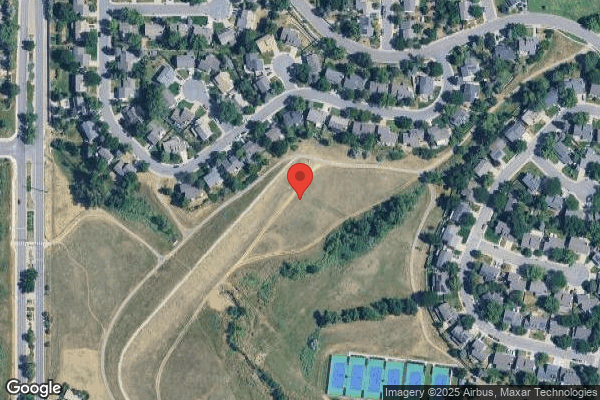
5590 E PEAKVIEW AVE, CENTENNIAL, CO 80121 (720) 266-5888
Non profit - Corporation 25 Beds Independent Data: November 2025
Trust Grade
80/100
#47 of 208 in CO
Last Inspection: November 2024

Within standard 12-15 month inspection cycle. Federal law requires annual inspections.

Overview

The Suites at Holly Creek Care Center in Centennial, Colorado has a Trust Grade of B+, indicating it is above average and recommended for families considering long-term care. It ranks #47 out of 208 facilities in Colorado, placing it in the top half, and #6 out of 20 in Arapahoe County, which means only five local options are better. However, the facility's trend is worsening, with issues increasing from 1 in 2023 to 3 in 2024. Staffing is a strength, earning a 5/5 star rating with a low turnover rate of 14%, significantly better than the state average. On the downside, the facility has incurred $45,201 in fines, which is higher than 96% of Colorado facilities, suggesting ongoing compliance challenges. Additionally, while RN coverage is good, exceeding 82% of state facilities, there have been serious incidents, such as a resident not receiving timely care for pressure injuries and staff failing to follow infection control protocols. Overall, while the home has strengths in staffing and general care, families should be aware of the increasing compliance issues and specific incidents that require attention.

Trust Score
B+
80/100
In Colorado
#47/208
Top 22%
Safety Record
Moderate
Needs review
Inspections
Getting Worse
1 → 3 violations
Staff Stability
✓ Good
14% annual turnover. Excellent stability, 34 points below Colorado's 48% average. Staff who stay learn residents' needs.
Penalties
⚠ Watch
$45,201 in fines. Higher than 81% of Colorado facilities, suggesting repeated compliance issues.
Skilled Nurses
✓ Good
Each resident gets 102 minutes of Registered Nurse (RN) attention daily — more than 97% of Colorado nursing homes. RNs are the most trained staff who catch health problems before they become serious.
Violations
○ Average
7 deficiencies on record. Average for a facility this size. Mostly minor or procedural issues.
★★★★★
5.0
Overall Rating
★★★★★
5.0
Staff Levels
★★★☆☆
3.0
Care Quality
★★★★☆
4.0
Inspection Score
Stable
2023: 1 issues
2024: 3 issues

The Good

  • 5-Star Staffing Rating · Excellent nurse staffing levels
  • Low Staff Turnover (14%) · Staff stability means consistent care
  • Full Sprinkler Coverage · Fire safety systems throughout facility
  • No fines on record
  • Staff turnover is low (14%)

    34 points below Colorado average of 48%

Facility shows strength in staffing levels, staff retention, fire safety.

The Bad

Federal Fines: $45,201

Above median ($33,413)

Moderate penalties - review what triggered them

The Ugly 7 deficiencies on record

2 actual harm
Nov 2024 3 deficiencies 1 Harm
SERIOUS (G)

Actual Harm - a resident was hurt due to facility failures

Pressure Ulcer Prevention (Tag F0686)

A resident was harmed · This affected 1 resident

**NOTE- TERMS IN BRACKETS HAVE BEEN EDITED TO PROTECT CONFIDENTIALITY** Based on observations, record review and interviews, the facility failed to ensure one (#6) of one resident reviewed for pressur...

Read full inspector narrative →
**NOTE- TERMS IN BRACKETS HAVE BEEN EDITED TO PROTECT CONFIDENTIALITY** Based on observations, record review and interviews, the facility failed to ensure one (#6) of one resident reviewed for pressure injuries out of 20 sample residents received care consistent with professional standards of practice to prevent and heal pressure injuries. Resident #6 was admitted on [DATE] for long term care. At the time of admission, the resident was identified for being at risk for developing pressure injuries. Upon admission, the resident had a surgical incision on her right leg and her skin was otherwise intact. Resident #6 attended dialysis three times a week. On 8/2/24, a primary care physician documented Resident #6 developed a blister on her left heel that had thick white drainage which may have represented some early infection. Preventative measures to protect the resident's heels were not implemented until after the development of the blister on 8/2/24. On 9/6/24, a physician's progress note documented the resident's left heel had developed eschar (dead tissue). On 11/7/24, when the wound care physician took over care (three months after the blister was initially identified), the wound was classified as an unstageable ulcer to the left heel. Due to the facility's failure to implement effective pressure injury interventions in a timely manner, Resident #6 developed a facility-acquired unstageable pressure injury to her left heel. Findings include: I. Professional reference According to the National Pressure Injury Advisory Panel, European Pressure Injury Advisory Panel and Pan Pacific Pressure Injury Alliance Prevention and Treatment of Pressure Injuries: Clinical Practice Guideline, third edition, [NAME] Haesler (Ed.), EPUAP/NPIAP/PPPIA: 2019, retrieved on 11/24/24 from https://www.internationalguideline.com/guideline, Pressure ulcer classification is as follows: Category/Stage 1: Nonblanchable Erythema (discoloration of the skin that does not turn white when pressed, early sign of tissue damage) Intact skin with nonblanchable redness of a localized area usually over a bony prominence. Darkly pigmented skin may not have visible blanching; its color may differ from the surrounding area. The area may be painful, firm, soft, warmer or cooler as compared to adjacent tissue. Category/Stage 1 may be difficult to detect in individuals with dark skin tones. May indicate 'at risk' individuals (a heralding sign of risk). Category/Stage 2: Partial Thickness Skin Loss Partial thickness loss of dermis presenting as a shallow open ulcer with a red pink wound bed, without slough. May also present as an intact or open/ruptured serum filled blister. Presents as a shiny or dry shallow ulcer without slough or bruising.This Category/Stage should not be used to describe skin tears, tape burns, perineal dermatitis, maceration or excoriation. Category/Stage 3: Full Thickness Skin Loss Full thickness tissue loss. Subcutaneous fat may be visible, but bone, tendon or muscle are not exposed. Slough may be present but does not obscure the depth of tissue loss. May include undermining and tunneling. The depth of a Category/ Stage 3 pressure ulcer varies by anatomical location. The bridge of the nose, ear, occiput and malleolus do not have subcutaneous tissue and Category/ Stage 3 ulcers can be shallow. In contrast, areas of significant adiposity can develop extremely deep Category/Stage 3 pressure ulcers. Bone/tendon is not visible or directly palpable. Category/Stage 4: Full Thickness Tissue Loss Full thickness tissue loss with exposed bone, tendon or muscle. Slough or eschar may be present on some parts of the wound bed. Often include undermining and tunneling. The depth of a Category/Stage 4 pressure ulcer varies by anatomical location. The bridge of the nose, ear, occiput and malleolus do not have subcutaneous tissue and these ulcers can be shallow. Category/ Stage 4 ulcers can extend into muscle and/ or supporting structures (fascia, tendon or joint capsule) making osteomyelitis possible. Exposed bone/tendon is visible or directly palpable Unstageable: Depth Unknown Full thickness tissue loss in which the base of the ulcer is covered by slough (yellow, tan, gray, green or brown) and/or eschar (tan, brown or black) in the wound bed. Until enough slough and/or eschar is removed to expose the base of the wound, the true depth, and therefore Category/ Stage, cannot be determined. Stable (dry, adherent, intact without erythema or fluctuance) eschar on the heels serves as 'the body's natural (biological) cover' and should not be removed. Suspected Deep Tissue Injury: Depth Unknown Purple or maroon localized area of discolored intact skin or blood-filled blister due to damage of underlying soft tissue from pressure and/or shear. The area may be preceded by tissue that is painful, firm, mushy, boggy, warmer or cooler as compared to adjacent tissue. Deep tissue injury may be difficult to detect in individuals with dark skin tones. Evolution may include a thin blister over a dark wound bed. The wound may further evolve and become covered by thin eschar. Evolution may be rapid, exposing additional layers of tissue even with optimal treatment. II. Facility policy and procedure The Pressure Injury Prevention and Management policy and procedure, revised November 2022, was received from the nursing home administrator (NHA) on 11/21/24 at 2:46 p.m. It documented in pertinent part, The purpose of the policy is to prevent the formation of avoidable pressure injuries and to promote healing of existing pressure injuries. Preventative interventions can be, but are not limited to, frequent position changing and support of pressure points, adequate hydration and nutrition, appropriate exercise and movement, frequent perineal care, proper lifting techniques, correct application of pressure relieving devices and frequent inspection and assessment of skin integrity. Compliance with interventions will be documented in the medical record. The effectiveness of interventions will be monitored through ongoing assessment of the resident and/or wound. A key implementation to pressure ulcer management will be interdisciplinary team (IDT) involvement and review and comprehensive care planning. III. Resident #6 A. Resident status Resident #6, age [AGE], was admitted on [DATE]. According to the November 2024 computerized physician orders (CPO), diagnoses included diabetes mellitus (high blood sugar), end stage kidney disease (kidneys can no longer support body's needs) with hemodialysis (process where a machine filters and cleans the body's blood), right below the knee amputation and peripheral vascular disease (narrow blood vessels). According to the 10/19/24 minimum data set (MDS) assessment, Resident #6 was cognitively intact with a brief interview for mental status (BIMS) score of 15 out of 15. She required substantial/maximal assistance for showering/bathing, dressing and transferring. She was independent with wheeling in her motorized wheelchair. The MDS assessment documented that the resident was at risk of developing pressure ulcers and had one unstageable pressure ulcer due to the coverage of the wound bed by slough (soft, dead tissue, usually cream or yellow in color) and/or eschar. B. Resident interview Resident #6 was interviewed on 11/18/24 at 2:53 p.m. Resident #6 said the wound to her left heel developed at the facility and the facility staff were not floating the heel or using the blue botties prior to it developing. She said the heel wound started as a blister. C. Wound observation and interview On 11/20/24 at 2:10 p.m., a wound observation was completed with the assistant director of nursing (ADON). Resident #6 was positioned in her motorized wheelchair. The resident was wearing a soft blue bootie on her left foot. With consent from the resident, the ADON removed the dressing to the resident's left heel. Moderate light brown drainage was observed on the dressing. The wound on the resident's heel was round in shape, covering the entire heel. The wound was covered in black tissue (eschar), obstructing the wound. The periwound (skin surrounding the wound) was red. The ADON said there was stable eschar covering the wound. She said the periwound was red. She said there was little to no drainage. She said she had been tracking the wound since it started as a blister. She said at first it was cellulitis and the resident was started on an antibiotic. D. Record review The admission Braden scale for predicting pressure sore risk was completed on 7/15/24. It documented Resident #6 had a score of 18 which indicated she was at risk for developing pressure ulcers due to being chairfast, having slightly limited mobility, not having adequate nutrition and a potential problem for friction and shear. The skin integrity care plan, initiated 6/12/24 and revised 8/30/24, identified the resident had actual impairment to skin integrity with a right below the knee amputation and a left heel open blister. The care plan documented Resident #6 chose to remain in her wheelchair for long periods of time despite the potential risk of skin breakdown attributed to prolonged immobility (added 8/30/24). Interventions included cellulitis identified with pitting edema causing a blister. Treatment initiated. Prevelon boot (soft blue boot) ordered for offloading therapy (initiated 8/2/24), avoiding scratching and keeping hands moist and keeping fingernails short, educating caregivers and the resident of causative factors and measures to prevent skin injury (initiated 6/21/24), following facility protocols for treatment (initiated 8/13/24), using booties at night for skin integrity (initiated 8/6/24), providing a pressure-redistributing bed with a pump to prevent pressure ulcers due to her immobility (initiated 8/30/24) and monitoring/documenting location, size and treatment of skin injury and reporting abnormalities, failure to heal, signs and symptoms of infection or maceration to the physician (initiated 6/21/24). Review of Resident #6's November 2024 CPO revealed a physician's order to float the resident's heel when in bed, ordered 8/2/24. -However, review of the resident's August 2024 treatment administration record (TAR) revealed there was no documentation of the left heel being offloaded until 8/6/24, four days after the wound was identified and the above physician's order was obtained. A note from the vascular surgeon on 9/30/24 documented a follow up appointment Resident #6's left heel wound. The note documented the resident had adequate blood flow to her left lower leg. The wound care physician's (WCP) progress note from 11/21/24 documented Resident #6's left heel wound was an unstageable pressure wound due to necrosis (dead tissue). It was documented that there was moderate serous exudate (clear to light yellow fluid leaking from the wound) with 90% thick adherent devitalized necrotic tissue and 10% slough (shedding). IV. Staff interviews Certified nurse assistant (CNA) #4 was interviewed on 11/20/24 at 2:30 p.m. CNA #4 said Resident #6 had a wound to her left heel. She said she required one staff member's assistance for dressing, bathing and transferring with a slide board. She said on the days the resident went to dialysis, she required two people for assistance because staff used the hoyer lift so she had a sling under her body for transferring at dialysis. CNA #4 said Resident #6 never refused care. The director of nursing (DON), the ADON and the NHA were interviewed on 11/20/24 at 3:00 p.m. The DON said Resident #6 was readmitted on [DATE] after a right below the knee amputation. She said the resident was weight-bearing as tolerated and working with therapy. She said the resident scored a mild risk for pressure injury development on her admission Braden scale, so additional interventions were not put into place. She said on the Braden scale from 7/29/24, she scored a moderate risk so an intervention for a wheelchair cushion was added to help prevent pressure injury to her bottom. The DON said Resident #6's left heel blister was identified on 8/2/24 and a Prevelon boot (protective boot) was ordered. She said there was an order to offload the resident's heel until the boot came in on 8/6/24. She said the boot was not appropriate for the resident prior to the development of the wound because she was working with therapy and was weight-bearing as tolerated. She said she was wearing a regular shoe prior to the development of the heel blister. The DON said once the eschar formed on the wound and it was deteriorating, a pressure-reducing mattress was ordered on 8/30/24. The DON said Resident #6's vascular surgeon and the resident's primary care physician were managing the left heel wound initially. She said the WCP began to manage the wound on 11/7/24 (three months after the development of the wound). The WCP was interviewed on 11/21/24 at 12:00 p.m. The WCP said Resident #6's left heel wound was an unstageable ulcer with 100% necrotic eschar that had been stable for the past three weeks, since she had taken over her wound care management. She said the first week, on 11/7/24, when she saw Resident #6, there was no drainage to the wound. She said on 11/21/24 there was moderate serous drainage. The WCP said since the wound had deteriorated, she did a small debridement on 11/21/24 and talked to Resident #6 about ordering a different style of boot that would offer more protection to the heel. She said the wound was caused by pressure between the foot and the bed or chair. She said the resident had multiple comorbid factors which included diabetes type two, peripheral vascular disease and neuropathy that were likely all contributing factors to the development of the wound. She said offloading the heel was always a beneficial intervention for pressure injury prevention.
CONCERN (D)

Potential for Harm - no one hurt, but risky conditions existed

Accident Prevention (Tag F0689)

Could have caused harm · This affected 1 resident

**NOTE- TERMS IN BRACKETS HAVE BEEN EDITED TO PROTECT CONFIDENTIALITY** Based on observations, record review and interviews, the facility failed to ensure two (#4 and #10) of two of 20 sample resident...

Read full inspector narrative →
**NOTE- TERMS IN BRACKETS HAVE BEEN EDITED TO PROTECT CONFIDENTIALITY** Based on observations, record review and interviews, the facility failed to ensure two (#4 and #10) of two of 20 sample residents remained free from accidents hazards. Specifically, the facility failed to ensure Resident #4 and Resident #10 had a physician's order, a consent and a completed safety assessment before the implementation of a floor to ceiling transfer pole by the resident's bed. Findings include: I. Facility policy and procedure The Bed Mobility Devices policy, approved October 2024, was provided by the nursing home administrator (NHA) on 11/20/24 at 10:30 a.m. The policy revealed bed mobility devices had the potential to cause actual harm or entrapment to residents. The facility would follow the recommendations and guidelines as outlined to ensure resident safety and the appropriate use of the devices. Residents considered for a bed mobility device must be evaluated by physical therapy for safety and benefit. This therapy evaluation included an evaluation for safety as well as a discussion of the risk versus the benefits waiver and a consent. The safety evaluation included the resident's physical ability, cognition and ability to understand the education. II. Resident #4 A. Resident status Resident #4, age greater than 65, was admitted on [DATE]. According to the November 2024 computerized physician orders (CPO), diagnoses included dementia, muscle weakness, atrial flutter (fast heart rate), abnormalities of gait and mobility. The 8/17/24 minimum data set (MDS) assessment revealed the resident had severe cognitive impairments with a brief interview for mental status (BIMS) score of five out of 15. The resident required partial/moderate staff assistance to sit to stand (ability to come to a standing position from sitting in a chair, wheelchair or on the side of a bed) and chair/bed to chair transfer (ability to transfer to and from a bed to a chair or a wheelchair). B. Resident observations On 11/18/24 at 12:34 p.m. a floor to ceiling transfer pole was observed beside the resident's bed and near the resident's recliner. The resident was sitting in a recliner across from the bed. On 11/19/24 at 1:39 p.m, a floor to ceiling transfer pole was observed beside the resident's bed and near the resident's recliner. The resident was sitting in a recliner across from the bed. On 11/20/24 at 12:50 p.m., a floor to ceiling transfer pole was observed beside the resident's bed and near the resident's recliner. The resident was sitting in a recliner across from the bed. The transfer pole by the bed measured eight inches away from the bed frame, toward the center of the room. C. Record review A fall risk assessment dated [DATE] at 11:37 p.m. revealed a score of 12.5 which indicated the resident was a high fall risk. The care plan for activities of daily living (ADL) self-care performance deficit was revised on 4/30/24. The pertinent interventions included providing extensive staff assistance for transfers. One staff member was to provide assistance to move the resident between surfaces. The resident had a transfer bar (pole) located adjacent to the bed and recliner. A review of the resident's electronic medical record (EMR) on 11/20/24 did not reveal a physician's order for the use of a transfer pole, the assessment or the consent. III. Resident #11 A. Resident status Resident #11, age greater than 65, was admitted on [DATE]. According to the November 2024 CPO, diagnoses included diaphragmatic hernia, retention of urine, long term use of an anticoagulant and an acute embolism and thrombosis of the deep veins of the left lower extremity. The 11/2/24 MDS assessment revealed the resident was cognitively intact with a BIMS score of 15 out of 15. The resident required substantial/maximal staff assistance to sit to stand and chair/bed to chair transfer. B. Resident observations and interview On 11/18/24 at 12:51 p.m. a floor to ceiling transfer pole was observed beside the resident's bed and a second transfer pole was near the resident's recliner. On 11/19/24 at 11:17 a.m. a floor to ceiling transfer pole was observed beside the resident's bed and a second transfer pole was near the resident's recliner. The resident was sitting in the recliner and said he used both transfer poles to help him stand up. On 11/20/24 at 12:40 p.m. a floor to ceiling transfer pole was observed beside the resident's bed and a second transfer pole was near the resident's recliner. The resident was sitting in the recliner. The transfer pole by the bed measured five inches away from the bed frame, toward the center of the room. C. Record review A fall risk assessment, dated 11/1/24 at 2:54 p.m., revealed a score of 10.5 which indicated the resident was at high fall risk. The care plan for ADLs self-care performance deficit was revised on 7/31/24. The pertinent interventions included the resident required extensive staff assistance for transfers. Two staff were to provide assistance to move the resident between surfaces. -The care plan did not reveal the resident utilized transfer poles. A review of the resident's EMR on 11/20/24 did not reveal a physician's order for the use of a transfer pole, the assessment or the consent. IV. Staff interviews The director of rehabilitation (DOR) was interviewed on 11/20/24 at 2:03 p.m. The DOR said there was no official transfer pole assessment for either resident, prior to the installation of the transfer poles. She said the transfer poles would be placed by each resident's bed frame so that the pole could be used by the resident to assist with transfers and a sufficient distance from the bed frame so that entrapment did not occur. The NHA and the director of nursing (DON) were interviewed on 11/21/24 at 11:40 a.m. The NHA said Resident #4 was a high fall risk. The NHA said the resident had no falls nor any injuries related to the use of a transfer pole. The NHA said that physical therapy did not do an official transfer pole assessment prior to the installation of either of the transfer poles in the resident's room on 10/14/24. The NHA said the ability or the functionality of each resident, determined the distance the transfer pole was positioned adjacent to the bed frame. The NHA said the resident's beds were always in a locked position and the relative distance to the transfer pole remained the same. The NHA said the physician's order and consent for the transfer poles were obtained on 11/19/24 (during the survey). The NHA said the resident's transfer pole assessment was completed by physical therapy services on 11/20/24 (during the survey). The NHA said the sequence for the use of a transfer pole was to obtain a physician's order, complete the safety assessment, obtain a consent from the resident or their legal representative and then the installation of the device. The NHA and the DON were interviewed together on 11/21/24 at 12:06 p.m. The NHA said Resident #11 had good cognition and good upper body strength. She said the resident used the transfer poles and had not had any issues with them. The NHA said the physician's order and consent for the transfer poles were obtained on 11/19/24(during the survey). The NHA said the resident's transfer pole assessment was completed on 11/20/24 (during the survey). V. Additional provided documents (during survey) A physician's order dated 11/19/24 at 5:57 p.m. (during the survey) revealed to place a transfer pole next to Resident #4 and Resident #10's bed and recliner. The staff were to check the placement and secure the transfer poles. The staff were to notify environmental services if the devices needed adjustments for every day and night shift for mobility. A Transfer Pole consent and release form was signed by the Resident #4 and Resident #10 on 11/19/24 (during the survey). A transfer pole assessment for Resident #4 and #10 was completed by the DOR on 11/20/24 at 8:52 p.m. (during the survey). The assessment did not reveal any concerns with the resident using transfer poles.
CONCERN (E)

Potential for Harm - no one hurt, but risky conditions existed

Infection Control (Tag F0880)

Could have caused harm · This affected multiple residents

**NOTE- TERMS IN BRACKETS HAVE BEEN EDITED TO PROTECT CONFIDENTIALITY** Based on observations and interviews, the facility failed to maintain an infection control program designed to provide a safe, s...

Read full inspector narrative →
**NOTE- TERMS IN BRACKETS HAVE BEEN EDITED TO PROTECT CONFIDENTIALITY** Based on observations and interviews, the facility failed to maintain an infection control program designed to provide a safe, sanitary and comfortable environment to help prevent the possible development and transmission of infectious diseases. Specifically, the facility failed to: -Ensure staff donned (put on) appropriate personal protective equipment (PPE) when providing care to a resident on enhanced barrier precautions (EBP); and, -Ensure staff followed appropriate infection control practices while cleaning resident rooms. Findings include: I. Failure to ensure staff donned appropriate PPE when providing care to a resident on EBP A. Professional reference According to the Centers for Disease Control and Prevention (CDC) Frequently Asked Questions (FAQs) About Enhanced Barrier Precautions (EBP) In Nursing Homes (6/28/24) retrieved on 11/12/24 from https://www.cdc.gov/long-term-care-facilities/hcp/prevent-mdro/faqs.html, EBP are an infection control strategy that involves wearing gowns and gloves during high-contact resident care activities. Enhanced Barrier Precautions are recommended for residents with any of the following: infection or colonization, or a wound or indwelling medical device, even if the resident is not known to be infected or colonized with a multi drug resistant organism (MDRO). B. Facility policy and procedure The Enhanced Barrier precautions policy and procedure, revised July 2024, was received from the nursing home administrator (NHA) on 11/20/24 at 12:50 p.m. It documented in pertinent part, EBP are an infection control intervention designed to reduce the transmission of resident organisms that employs targeted gown and glove use during high contact resident care activities. EBP may be indicated for residents with any of the following: wounds, indwelling medical devices and infection or colonization with a multi-drug resistant organism. Examples of high contact resident care activities requiring gown and gloves use for EBP include dressing, bathing, transferring, providing hygiene, changing linens, changing briefs or assisting with toileting, device care and wound care. C. Observations On 11/20/24 at 9:20 a.m., certified nursing assistant (CNA) #2 was completing catheter care for Resident #20. The sign on the cabinet in the resident's room indicated the resident was on EBP and the required PPE included wearing gloves and a protective gown when performing high contact direct resident care. CNA #2 washed her hands, applied clean gloves and proceeded to complete catheter care for the resident. -CNA #2 did not put a protective gown on prior to entering Resident #20's room and performing catheter care. D. Staff interviews CNA #4 was interviewed on 11/20/24 at 2:30 p.m. CNA #4 said when she was providing care to residents with catheters, she would wear gloves for any care she provided. She said she would only wear a gown if the resident was on contact precautions. The infection preventionist (IP) was interviewed on 11/21/24 at 11:50 a.m. She said chronic wounds, foley catheter, and any open lines qualified a resident to be placed on EBP. She said CNA #4 should have followed the appropriate PPE recommendations and donned a gown prior to performing catheter care for Resident #20. II. Failure to ensure staff followed appropriate infection control practices while cleaning resident rooms A. Professional reference According to the CDC Recommendations for Hand Hygiene for Healthcare Workers, (2024), retrieved on 11/26/24 from https://www.cdc.gov/clean-hands/hcp/clinical-safety/index.html, CDC provides the following recommendations for hand hygiene in healthcare settings. Know when to clean your hands: after touching a patient's surroundings, immediately after gloves removal. B. Facility policy and procedure The Hand Hygiene policy and procedure, revised November 2022, was received from the regional director of clinical services (RDCS) on 11/21/24 at 12:17 p.m. It documented in pertinent part, the community considers hand hygiene the primary means to prevent the spread of infections. Hand hygiene includes both hand washing and the use of alcohol-based hand sanitizer. The use of gloves does not replace hand hygiene. C. Observations During a continuous observations on 11/20/24, beginning at 8:20 a.m. and ending at 9:15 a.m., the following was observed: Housekeeper (HSKP) #2 was observed cleaning resident room [ROOM NUMBER]. She donned clean gloves and sprayed down all high touch surfaces. She removed the gloves and without sanitizing her hands, donned clean gloves. She wiped down all the surfaces in the bedroom and bathroom and sprayed the shower with water. She removed her gloves and without sanitizing her hands, donned clean gloves. She swept the bathroom and entry way and mopped the bathroom and entry way. She dusted the shelves, vacuumed the bedroom and changed the trash. She removed her gloves and without sanitizing her hands, donned clean gloves. She moved her cart down the hall. HSKP #1 was observed cleaning resident room [ROOM NUMBER]. She was in the middle of cleaning with just mopping left to complete. She removed her gloves and without sanitizing her hands, donned clean gloves. She mopped the bathroom and entry way. D. Staff interviews The IP was interviewed on 11/21/24 at 11:50 a.m. The IP said the staff should complete hand hygiene to be completed prior to and after glove removal. The environmental services coordinator (ESC) and the RDCS were interviewed together on 11/21/24 at 11:45 a.m. The ESC said the expectation for housekeepers cleaning resident rooms was to change gloves between cleaning each room, which included the kitchen, bedroom and bathroom. She said there would be at least three gloves changes and she would expect hands to be sanitized after each glove removal.
Jul 2023 1 deficiency 1 Harm
SERIOUS (G)

Actual Harm - a resident was hurt due to facility failures

Accident Prevention (Tag F0689)

A resident was harmed · This affected 1 resident

**NOTE- TERMS IN BRACKETS HAVE BEEN EDITED TO PROTECT CONFIDENTIALITY** III. Resident #20 A. Resident status Resident #20, age [AGE], was admitted on [DATE]. According to the March 2023 computerized ...

Read full inspector narrative →
**NOTE- TERMS IN BRACKETS HAVE BEEN EDITED TO PROTECT CONFIDENTIALITY** III. Resident #20 A. Resident status Resident #20, age [AGE], was admitted on [DATE]. According to the March 2023 computerized physician orders (CPO), diagnoses included Parkinson's disease, chronic kidney disease, polyneuropathy (malfunction of small vessels throughout the body), hypotension (low blood pressure), and complete atrioventricular block (electrical signals cannot pass to the chambers of the heart to allow proper blood flow). The 6/15/23 minimum data set (MDS) assessment revealed the brief interview for mental status (BIMS) score was 13 out of 15 indicating the resident was cognitively intact. The resident required extensive assistance with bed mobility, transfers, dressing, eating, toilet use, personal hygiene, and physical help, in part, with bathing/showering. The resident was unsteady on his feet and was not able to stabilize with staff assistance. The resident was occasionally incontinent of both bowel and bladder. The resident used a walker for ambulatory support and/or a wheelchair. B. Observations 7/24/23 -At 11:40 a.m. the resident was seated in a wheelchair sitting in the dining room with an older adult female.The resident stood up from his wheelchair and attempted to back away from the table. A CNA assisted the resident to sit down. -At 4:10 p.m. the resident was sitting in the dining room at the same table. A CNA sits and speaks with the resident about his need for assistance with his meal and reminded the resident to not get up from the table 7/25/23 -At 12:43 p.m. the resident was seated in a recliner in the activities room with his feet elevated and a neck pillow atop his shoulders. The resident was squirming in his seat, trying to sit up, moaning, and moving his hands back and forth under his thighs. 7/26/23 -At 10:19 a.m. to 10:43 a.m. the resident was seated in the activities room in a wheelchair among 4 other residents; he asked a staff member to put his feet down because he felt trapped. -At 12:40 pm the resident was moved from the dining room to the activities room and transferred from wheelchair to recliner by a male staff member. The resident declined to have his feet elevated saying he felt trapped. 7/31/23 -At 11:05 a.m. the resident was sitting in the dining room drinking a cup of coffee, looking into the cup, and attempted to rise from the chair. A male CNA comes toward the resident and eases the resident down to the chair. The CNA sits with the resident for 2 minutes. C. Record review The fall prevention care plan, initiated on 3/17/23, read Resident #16 was at a high risk for falling due to activities of daily living self care performance deficit, bowel/bladder incontinence, acute/chronic pain, and limited physical mobility. The fall interventions read, physical therapy evaluate and treat as ordered or as needed, review information on past falls and attempt to determine cause of falls. Alter or remove any potential causes if possible, and educate the resident, the family, and caregivers/interdisciplinary team as to the cause. The fall prevention plan of care was not revised until 3/30/23 after three separate fall events occurred. The resident was evaluated and treated with physical therapy beginning 6/8/23 (one day after three separate falls) for gait training therapy. Therapeutic approaches focused on remediation targeted at joint pain and stiffness, flexibility, adaptability, and efficiency of performance. Fall on 3/18/23 The 3/18/23 at 12:43 a.m. nursing investigative fall report read a CNA heard a voice and entered the resident's room and found the resident on the floor face down partly under the bed with both under garment and gown removed both of which were at the end of the bed. The resident said he needed the bathroom and took a step or two and could not walk. The resident was rolled onto a draw sheet and assisted to a wheelchair. Vital signs were stable and neurological checks were at baseline. A skin assessment revealed the resident sustained an abrasion to the left knee and a bruise to the left side of his forehead. The resident said he may have hit his head. The on-call provider was notified and advised the nurse to monitor the resident closely and to send the resident to the emergency room if there were changes to the resident's vital signs. The resident's oxygen saturation was at 80% and the nurse placed the resident on 5 liters of oxygen via a non-rebreather mask that increased the residents' oxygen saturation to 100% over 10 minutes. Predisposing physiological (normal function) factors included bowel/bladder urgency/frequency, gait imbalance, impaired memory, weakness, and confusion. Responsible parties are notified, spouse was not called. -The facility failed to reinforce the resident's use of the call light to request assistance with ambulation based upon the resident's inability to remember to use the call light. -Furthermore the facility failed to identify the resident's poor balance and incontinence as a potential culprit to the resident's falling. Fall on 3/20/23 The 3/20/23 at 12:30 a.m. nursing investigative fall report read a CNA went into the resident's room and found him on the floor on his right side next to his bed. The resident said he did not know what happened. The resident was incontinent of urine. The resident was lifted by two staff members and assisted back to bed to be cleaned and changed into dry clothing. Skin assessment revealed no new injuries, no reports of pain by resident. Floor mat was placed beside the bed on both sides, and the bed was placed in the lowest position. The resident was alert and talking and denied pain. Predisposing physiological factors included bowel/bladder urgency/frequency, gait imbalance, impaired memory, weakness, confusion, and incontinence. Predisposing situational factors include admitted within the last 72 hours. -The facility failed to address the resident's unsteady gait, impaired balance, poor memory, weakness and confusion as a culprit to the resident's falls. -The facility failed to implement fall prevention initiatives like floor mats immediately on admission based on the resident's fall history. Fall on 3/24/23 The 3/24/23 at 1:49 a.m. nursing investigative fall report read the resident was found on the bedside kneeling on the floor mat with upper body partially on the bed. The resident stated he slid off of the bed and he was confused. The resident denied hitting his head, no injuries noted, and the resident was alert and oriented. The resident's blood pressure was 77/46 (normal blood pressure 120/80). Provider was notified and recommended the resident be sent to the hospital for evaluation. The resident was given intravenous fluids and returned to the facility in stable condition, blood pressure 128/68. Predisposing physiological (normal function) factors included impaired memory, weakness, confusion, hypotensive, and incontinence. Predisposing situational factors include call light/pendant not used. -The facility failed to acknowledge the resident's hypotension (low blood pressure) may have precipitated the resident experiencing a fall. -The facility failed to address the resident's need for assistance with scheduled toileting, toileting behaviors, including the time of the resident's toileting needs. Fall on 4/2/23 The 4/2/32 at 3:50 a.m. nursing investigative fall report read the resident was found with his knees on the floor mat and upper body on bed. There were no apparent injuries upon assessment, no complaints of pain, did not hit head, neurological assessment within normal limits. Vital signs stable, blood pressure 128/72. No predisposing physiological or situational factors noted. Wife and medical provider notified. -The facility failed to address the resident's need for assistance with scheduled toileting, toileting behaviors, including the time of the resident's toileting needs. - The facility failed to include assigning the resident's care to the same nursing personnel to promote continuity of care. Fall on 4/5/23 The 4/5/23 at 4:15 a.m. nursing investigative fall report read the resident was found nude laying on the floor mat next to his bed. The resident said he crawled out of bed because staff were not monitoring him. The resident further stated I tried staying in bed but couldn't, you should've been watching me. The resident denied hitting his head and denied pain. Skin assessment revealed no bruising or skin tears. Blood pressure at 144/73, neurological assessment within normal limits. The resident was assisted back to bed with two person assist, the resident was incontinent of urine, new brief applied, pajamas replaced. Predisposing physiological (normal function) factors included incontinence. -The facility failed to include the use of a sit-to-stand lift to support pivot transfers and to assist the resident with toileting. -Furthermore, the facility failed to add consistent and close observation into the plan of care based on the residents ambulating unassisted in his room. D. Resident interview The resident was interviewed on 7/31/23 at 11:13 a.m. The resident said he was seated in the activities room because he did bad things and he needed to be watched. The resident said he was here because he fell at home and fractured his left leg. The resident said he plans to go home after he healed up because he did not necessarily like this place and no one looks in on him when he needs the bathroom. The resident said he forgets to use the call light and needs to be reminded. The resident said the staff are good to him and some are really good but he would rather be at home. The resident said all he needs is a little help to get to the bathroom. E. Staff interviews CNA #2 was interviewed on 7/27/23 at 11:34 a.m. CNA #2 said the resident needs help with everything, including, walking, transferring, toileting, etc. CNA #2 said when the resident was admitted in March 2023, the resident could walk with a walker but now he was unable to walk with a walker. CNA #2 said the resident often awakened at night, removed his clothing and was incontinent of urine. As a result the resident was often tired and fatigued the next morning. CNA #2 said the resident was awakened by 6:15 a.m and staff needed to assist him to the bathroom, help him shower, brush his teeth, dress him and get him ready for the day. RN #2 was interviewed on 7/27/23 at 4:00 p.m. RN #2 said the resident was always within sight to prevent him from falling. RN #2 said the resident was not left in his room alone because he has very poor balance and sometimes low blood pressure that caused him to fall. RN #2 said the resident eats all his meals in the dining room, he sits at the same table, among the same people that allows for close observation. RN #2 said the routine was productive for the resident due to his Parkinson's. RN #2 said the staff moved the resident's personal recliner in the activities room to give the resident comfort and familiarity. The director of nursing (DON) was interviewed on 7/31/23 at 1:00 p.m. The DON said the staff are finding new approaches to assure the resident's safety. The DON said the resident was situated in the activities room to allow staff to check on the resident every 15 minutes and to ask the resident what he needs, especially toileting. The DON said the resident's wife hired a private aide to stay with the resident during the night to assure the resident did not get up by himself and to assist the resident to the bathroom. The DON said we try to assign the resident with the same CNA for continuity of care and to build trust. The physical therapy assistant (PTA) was interviewed on 7/31/23 at 2:20 p.m. The PTA said the resident demonstrated poor rehab potential to achieve his goals due to a lack of motivation to actively participate in physical therapy. The PTA said she started inviting the resident's wife to physical therapy and that seemed to motivate the resident. The PTA said she recently facilitated the use of a sit-to-stand lift to support pivot transfers and to assist the resident with toileting. The PTA said one CNA in particular arrived to learn more about pivot transfers to make it easy on the CNA staff and the resident. IV. Resident #16 A. Resident status Resident #16, age [AGE], was admitted on [DATE]. According to the May 2023 computerized physician orders (CPO), diagnoses included hypertensive heart disease with heart failure (chronic high blood pressure), acute-on-chronic heart failure (damage to the heart that develops over time), and diabetes mellitus (elevated glucose levels). The 6/19/23 minimum data set (MDS) assessment revealed the brief interview for mental status (BIMS) score was 15 out of 15 indicating the resident was cognitively intact. The resident required extensive assistance with bed mobility, transfers, ambulation, dressing, toilet use, personal hygiene, and physical help, in part, with bathing. The resident was unsteady and was not able to stabilize with staff assistance. The resident was occasionally incontinent of both bowel and bladder. The resident used a four wheeled walker for ambulatory support and had a history of falling. B. Observations 7/24/23 -3:26 p.m. the resident was sitting in a recliner facing the television. The resident had yellowish brown bilateral black eyes, a yellowish brown bruise above the right eye, a large yellowish brown bruise on the forehead and a yellowish brown bruise to the left side of her face. There were small scattered bruises on both arms and legs. 7/25/23 -At 10:00 a.m. the resident was in the recliner with a walker on the right side of the recliner, the resident pulled the walker to the front of her and used the arm rests of the recliner to raise to a standing position, the resident is unsteady on her feet and sits down. The resident attempted to stand again and lost her balance and sat down. The resident did not use her call light. -At 4:10 p.m. the resident remained seated in the recliner, the television volume was loud. The resident did not acknowledge a staff member entering her room. The nurse administered medication one-by-one by name. The nurse reminds the resident to use her call light. 7/26/23 -At 7:22 a.m. a CNA entered the resident's room and offered the resident assistance with hygiene. The resident and CNA moved out of sight toward the bathroom. The resident was unsteady on her feet while using a walker. -At 1:47 p.m. to 2:22 p.m. the resident had not left her room in the past three days and remained seated in the recliner in front of the television. The resident raised herself from sitting to standing on two separate occasions The resident was unsteady on her feet both times. The resident did not use her call light. 7/27/23 -At 11:05 a.m. the resident was escorted by one CNA to the shower in the resident's room, the resident was using the four wheeled walker. The resident was unsteady on her feet and sat down on the right side of her bed. The CNA uses the call light to request help with assisting the resident to the shower. C. Record review The falls care plan, initiated on 5/20/23, read Resident #16 was at a high risk for falling due to limited physical mobility, altered respiratory status, and difficulty with communicating basic needs. The fall interventions read, educate/remind the resident about safety, encourage participation in activities that promote exercise, physical activity for strengthening for improved mobility, ensure appropriate non-skid footwear when ambulating, evaluate and supply the resident with adaptive equipment as needed, re-evaluate for continued appropriateness to ensure least restrictive device or restraint. The resident was evaluated and treated with physical therapy beginning 6/8/23 (one day after three separate falls) for gait training therapy. Therapeutic approaches focused on remediation targeted at joint pain and stiffness, flexibility, adaptability, and efficiency of performance. Although the resident experienced five actual falls and the circumstances involved were not added to the care plan. Fall on 5/23/23, three days after admission The 5/23/23 at 1:36 a.m. nursing fall investigative report read the resident was found on the floor sitting in the bathroom with the resident's walker beside her. The resident was barefoot. The resident sustained a small laceration to the left side at the back of the head which was actively bleeding. Range of motion to all extremities were normal. Laceration to the back of head cleaned with wound cleanser to stop the bleeding. Neurological checks were within normal limits and the resident was alert and oriented. No vital signs were documented. Predisposing physiological factors included gait imbalance. Responsible parties are notified. -The facility failed to monitor the resident's toileting patterns, reinforce the use of the call light and ensure the resident had non-skid footwear accessible and within reach. -The facility failed to document post fall vital signs following the resident striking her head. Fall on 6/1/23 The 6/1/23 at 8:03 p.m. nursing investigative fall report read the resident's call light was answered and the resident was observed getting up atop her bed. The resident said she was trying to get to the bathroom but urinated on herself and the bed sheet. The resident reported she bumped her nose on the walker but there was no deviation or bleeding. The staff member assisted the resident to the bathroom to change her clothing but the resident declined help. The staff member left the resident's side to change the bedding and while the resident was washing her hands, the resident fell again onto her left elbow. Neurological checks were at baseline, the resident was alert and oriented, and range of motion to the left upper extremity was at baseline. Staff member reminded the resident to use the call light and wait for assistance, and the resident agreed by nodding her head up and down. No vital signs were documented. Predisposing physiological factors included gait imbalance and incontinence. Responsible parties are notified. -The facility failed to respond to the residents' call light in a timely manner, toileting assistance. -The facility failed to ensure the resident was not left alone in the bathroom immediately after the initial fall, resulting in a secondary fall. Fall on 6/7/23 The 6/7/23 at 3:10 p.m. nursing investigative report read a staff member was assisting the resident with a transfer and the resident lost her balance causing the resident to fall onto her left side. The resident did not hit her head but assessment of the left upper extremity revealed the resident had three skin tears. The skin tears were cleaned with wound cleanser, patted dry, and dressed with a dry dressing. The skin tears to the resident's left arm were well approximated. Neurological checks were at baseline and the resident was alert and oriented, range of motion to left upper extremity at baseline. The resident's blood pressure was measured at 107/61 with no additional vital sign abnormalities. Predisposing physiological factors included gait imbalance and confusion. Responsible parties are notified. -Although the resident was injured during a staff-assisted transfer and therapy was initiated, the facility failed to develop a plan to ensure the resident had two person assistance in response to the resident's balance issues. -Furthermore, the facility failed to provide transfer training as part of the resident's therapy plan. -The care plan identified the resident experienced a fall on 6/26/23 (no time included) while under the care of a hospice nurse resulting in a bruise to the resident's face. There are no additional details related to the fall and there was an absence of a nursing fall investigative report related to the fall. Fall on 7/5/23 The 7/5/23 at 6:35 a.m. nursing investigative fall report read two CNAs (one off-going and the other on-coming) heard a loud noise coming from the resident's room. The CNAs entered the room and found the resident sitting on the floor facing the door entrance. The resident reported she lost her balance while trying to shut the door. The resident denied hitting her head. The nurse post fall assessment identified bruising to the resident's upper back and right forearm. The resident's blood pressure measured at 88/47 with no additional vital sign abnormalities. The resident was assisted from the floor by the CNAs using a gait belt. The resident was alert and oriented. Predisposing physiological factors included gait imbalance and weakness. Predisposing situational factors include call light/pendant not used. Responsible parties are notified. -The facility failed to respond to the resident's poor safety awareness, joint stiffness, weakness, and fatigue and educate the resident to avoid ambulating without assistance or use of her walker. -The facility failed to address the resident's hypotension (low blood pressure) nor identify the resident's low blood pressure as a precursor to her falling. D. Resident interview The resident was interviewed on 7/27/23 at 3:26 p.m. The resident said her facial bruising was a result of a fall that occurred prior to her admission to skilled nursing. The resident said she was using her walker at the time of the fall. The resident said she tripped between the carpet and the floor panel in front of the door to her apartment. The resident said she did not recall the exact details of the fall except that she fell forward striking her face on the floor and the walker. The resident said after the fall she was hospitalized for bloody stools (unrelated to the fall) for a few days and released to skilled nursing for rehabilitation. The resident said she wanted to return to her apartment in assisted living in the near future. The resident said she fell a few times since her arrival to skilled nursing and feared the falls would keep her from returning to assisted living. The resident said she had a history of falling. E. Staff interviews CNA #1 was interviewed on 7/27/23 at 10:50 a.m CNA #1 said the resident sat in her recliner in view of staff as they passed her room. Each staff member knows the resident was at a high fall risk due to her history of falling. If the resident isn't sitting in her recliner we knock and enter to see what's going on. CNA #1 said the resident does not use her call light/pendant to ask for assistance. CNA #1 said the resident had fallen a few times already and the bruises on her face were already there before she came to skilled nursing. CNA #1 said he did not know what happened regarding the facial bruising. LPN #3 was interviewed on 7/27/23 at 11:10 a.m. LPN #3 said the resident came directly from the hospital to skilled nursing. LPN #3 said the resident fell while in assisted living that resulted in facial bruising. LPN #3 said the resident had poor safety awareness and the resident's falls were a result of her getting up to go to the bathroom unassisted. LPN #3 said the resident waited until she could not hold her urine or stool any longer and rushed to the bathroom. LPN #3 said the resident rarely used her call light despite reminders daily on every shift, plus, education on how and when to use the pendant to call for assistance. LPN #3 said the resident was confused at times but very clear by mid afternoon. The physical therapist (PT) was interviewed on 7/31/23 at 5h:05 p.m. The PT said interventions for the resident include strengthening to avoid repeat falls after two separate hospitalizations for heart failure and gastrointestinal bleed. The PT said the resident was independent with bed mobility and transfers with use of a walker but joint pain, stiffness, weakness and fatigue contributed to decreased independence and safety. The director of nursing (DON) was interviewed on 7/31/23 at 9:18 a.m. The DON said the interdisciplinary team (IDT) said the staff recognize the attention the resident needs to avoid future falls. The DON said she talks to the residents on a regular basis and got the resident's consent to change rooms to better serve the resident and avoid repeat falls. The DON confirmed the resident fell in assisted living and suffered facial bruising. V. Resident #3 A. Resident status Resident #3, age [AGE], was admitted on [DATE]. According to the June 2023 computerized physician orders (CPO), diagnoses included muscular sclerosis (a disabling disease of the brain and spinal cord), orthostatic hypotension (an decrease in blood pressure upon assuming an upright position) and neurogenic bladder (lack of bladder control due to brain, spinal cord, or nerve problems). The 6/5/23 minimum data set (MDS) assessment revealed the brief interview for mental status (BIMS) score was 15 out of 15 indicating the resident was cognitively intact. The resident required extensive assistance with bed mobility, transfers, dressing, and personal hygiene and was dependent on staff for bathing and toilet use. The resident was unable to walk, had a urinary catheter for a neurogenic bladder related to muscular sclerosis and was bowel incontinent. The resident was assessed to be at risk of falling due to balance problems and unsteadiness and was only able to stabilize with staff assistance. The resident used a motorized wheelchair for mobilization. B. Observations 7/25/23 -At 4:57 p.m. the resident was sitting upright in a motorized wheelchair; the resident had his back to the door reading the newspaper. Two staff members entered the resident's room with a hoyer lift and proceeded to transfer the resident to a shower chair. The resident was unable to assist with the transfer. -At 5:20 p.m. the resident was up in a motorized wheelchair with visitors in his room; the call light was on. One staff member responded and a second staff member entered the room with a hoyer lift to assist the resident with toileting. The resident was unable to assist with the transfer. 7/26/23 -At 7:20 a.m. the resident was assisted with hygiene and dressing while in bed. Two staff members used the lift to transfer the resident from bed to wheelchair. The resident's brows were creased and the resident appeared to be holding his breath. The resident was unable to assist with hygiene, dressing or transfer. 7/31/23 -At 10:40 a.m. the resident was lifted into his wheelchair with a hoyer lift by the help of two male staff members. The resident complained he despised the lift because he felt vulnerable. C. Record review The falls care plan, initiated on 2/16/23 read Resident #3 was at high risk for falling due to activities of daily living (ADL) self performance deficit and limited physical mobility. The fall interventions initiated on 2/16/23 read, staff will educate/remind the resident about safety, encourage the resident to participate in physical activity for strengthening and improve mobility, minimize the potential for falls while providing diversion and distraction, evaluate and supply the resident with appropriate adaptive equipment or devices as needed, promote a safe environment free of spills and clutter, reachable call light, personal items in reach, and review past falls and attempt to determine root cause for falls and educate the resident and family members as to fall causes. The resident was evaluated and treated with physical therapy from 3/7/23 to 6/4/23 for repeated falls, muscle weakness, abnormal gait and impaired mobility. Therapeutic approaches focused on remediation targeted at body structure and function primarily walking with poor prognosis for improvement. Fall on 3/15/23 The 3/15/23 at 3:45 p.m. nursing fall investigative report read the resident was found on the floor in a supine (face up) position next to a recliner in the resident's room. The resident explained he attempted to self transfer from the recliner to the scooter and fell because he physically couldn't make it. The resident denied injury or hitting his head and an assessment of the resident confirmed the resident was uninjured. Neurological checks were negative and at baseline and the resident's vital signs were stable. The nurse provided the resident with education related to use of the call light. Predisposing physiological factors included gait imbalance. Predisposing situational factors included transfer. Both the resident's physician and family member were notified of the fall event. -Although the resident said he was having difficulty with transferring, the facility failed to offer further assistance, supervision or education on using his call light when he needed transfer assistance. Fall on 3/21/23 The 3/21/23 at 1:15 p.m. nursing fall investigative report read the resident was found on the floor on his back next to the left side of the recliner. The resident explained he attempted to self transfer from the scooter to the recliner (the scooter was facing the recliner) and pressed his call light but did not wait for staff assistance. The resident was not injured and he denied hitting his head. The resident's neurological assessment was within normal limits while the resident's blood pressure was measured at 106/66. All other vital signs were within normal limits. Predisposing physiological factors included impaired memory. Predisposing situational factors included transfer. Notification of fall event to MD, family member, and DON. -This was the resident's second fall involving self transferring to or from the scooter. He had used his call light as instructed. However, the facility failed to develop a plan to respond more timely to his call light, provide therapy for transfer training or provide additional education and reinforcement of call light use, although the facility was aware he could be impatient and impulsive. Fall on 4/12/23 The 4/12/23 at 1:46 a.m. the nursing fall investigative report read the resident was found on the floor with his motorized wheelchair behind him. The resident's left knee was wedged between the carpet and the right leg. The resident sustained bruises to both sides of the left knee which was cleansed with normal saline and dressed with a dry dressing, no additional injuries were noted. The resident denied pain or hitting his head. The resident said he pushed the call light after the fall. The resident's vital signs were normal and his neurological assessment was absent of mental/physical deficits. Predisposing physiological factors were marked other without specifying additional comments. Predisposing situational factors include transfer. Responsible parties were notified. -The facility failed to instruct and reinforce resident education on call light usage prior to leaning forward, reaching or transferring. -The facility failed to acknowledge the resident's vulnerability to falling based on the resident's decreased energy, poor activity tolerance and fatigue as identified by physical therapy. D. Resident interview Resident #3 was interviewed on 7/26/23 at 11:42 a.m. The resident said he was diagnosed with muscular sclerosis in 1988 and remained independent and active until 2005 when he began to decline physically. The resident said he had a history of falling while residing in independent living, assisted living and now in skilled nursing. The resident said he fell a few times before he entered the facility. The resident said the latest fall on 4/12/23 scared him because he did not realize he could slide out of his wheelchair as he reached for pen and paper. The resident said he stopped taking Rebif (medication for muscular sclerosis) in May 2023 and immediately became more weak and tired. E. Staff interviews Certified nurse aide (CNA) #1 was interviewed on 7/27/23 at 10:36 a.m. CNA #1 said the resident came to skilled nursing with a history of falling. CNA #1 said the resident was very weak, could not stand upright or walk[TRUNCATED]
May 2022 3 deficiencies
CONCERN (D)

Potential for Harm - no one hurt, but risky conditions existed

Unnecessary Medications (Tag F0759)

Could have caused harm · This affected 1 resident

Based on observations, record review, and interviews, the facility failed to ensure it was free of a medication error rate of five percent (%) or greater. Specifically, the medication administration o...

Read full inspector narrative →
Based on observations, record review, and interviews, the facility failed to ensure it was free of a medication error rate of five percent (%) or greater. Specifically, the medication administration observation error rate was 12%, or three errors out of 25 opportunities for error; registered nurse (RN) #1 failed to ensure Resident #4 had an order to crush medications prior to administration; and RN #1 crushed a medication for blood pressure (Metoprolol Succinate) which should not have been crushed. Findings include: I. Facility policy The Medication Administration policy dated 2007, was received by the executive director (ED) on 5/25/22 at 8:10 a.m. It documented, in pertinent part, Prior to administration, review and confirm medication orders for each individual resident on the Medication Administration Record (MAR). If it is safe to do so, medication tablets may be crushed or capsules emptied out when a resident has difficulty swallowing or is tube-fed, using the following guidelines and with a specific order from the prescriber. The need for crushing medications is indicated on the resident's orders and the MAR so that all personnel administering medications are aware of this need and the consultant pharmacist can advise on safety and alternatives, if appropriate, during Medication Regimen Reviews. Long-acting, extended release or enteric-coated dosage forms should generally not be crushed; an alternative should be sought. For products that appear on the Medications Not To Be Crushed List, check with the pharmacist regarding a suitable alternative, and request a new order from the prescriber if appropriate. II. Observation of medication errors and staff interview RN #1 was observed preparing Resident #4's medication on 5/24/22 at 9:27 a.m. RN #1 prepared Eliquis (anticoagulant) 2.5 mg (milligram) tablet, Metoprolol succinate (extended release blood pressure medication) 100 mg one and half tablets, and Tylenol (pain reliever) 500 mg two tablets. RN #1 said Resident #4 accepted her medications crushed, then placed Resident #4's medications in a plastic sleeve and crushed them, placed them in apple sauce and administered them to the resident. III. Staff interviews RN #1 was interviewed on 5/24/22 at 3:58 p.m. He said staff should obtain an order to crush medications from the physician prior to medication administration. He confirmed Resident #4 did not have an order to crush medications. He said he thought it was okay to crush Metoprolol Succinate, but needed to contact the pharmacist to ensure it could be crushed. RN #1 was interviewed a second time on 5/24/22 at 4:07 p.m. He said he contacted the pharmacist and the physician who stated Metoprolol succinate should not be crushed. He said the physician implemented new orders to discontinue Metoprolol Succinate and start Metoprolol Tartrate 100 mg twice daily and he received a physician order to crush Resident #4 ' s appropriate medications (after being brought to his attention during the survey on 5/24/22). The assistant director of nursing (ADON) was interviewed on 5/24/22 at 4:52 p.m. She said staff should obtain orders to crush appropriate medications from the physician prior to administration. She said the facility had standing orders to crush appropriate medications; however, the order still needed to be verified by the physician. The regional clinical specialist (RCS) was interviewed on 5/25/22 at 1:52 p.m. She said the facility started an action plan. She said the physician changed Resident #4's blood pressure medication to a crushable form. She said she completed a full house audit of residents who received their medications crushed to ensure the resident's had a crush order from the physician. She said the facility discovered three other residents who did not have an order to crush medications. She said moving forward the facility had an audit in place to ensure those residents who needed their medications crushed had an appropriate order, started education with nursing staff and planned to complete medication management competency with all nursing staff.
CONCERN (D)

Potential for Harm - no one hurt, but risky conditions existed

Deficiency F0849 (Tag F0849)

Could have caused harm · This affected 1 resident

**NOTE- TERMS IN BRACKETS HAVE BEEN EDITED TO PROTECT CONFIDENTIALITY** Based on resident record review and staff interviews, the facility failed to collaborate with the hospice provider to attain or ...

Read full inspector narrative →
**NOTE- TERMS IN BRACKETS HAVE BEEN EDITED TO PROTECT CONFIDENTIALITY** Based on resident record review and staff interviews, the facility failed to collaborate with the hospice provider to attain or maintain the highest practicable physical, mental and psychosocial well-being for one (#6) of two out of 20 sample residents. Specifically the facility failed to: -Ensure adequate and timely documentation and coordination of care with the hospice agency; and, -Ensure there was written documentation of hospice visits for approximately four months, which included hospice staff not speaking with the facility nursing staff about their visits. There was no documentation the resident received from hospice the care planned twice weekly showers. Findings include: I. Facility policy The Hospice/Palliative Care Coordination policy, dated August 2021, was provided by the nursing home administrator (NHA) via email on 5/25/22 at 8:10 a.m. It revealed in pertinent part; The written agreement shall include, at a minimum, the following: How the Community and hospice and/or palliative care will communicate with each other and coordinate services. The Director of Nursing (DON) / Health and Wellness Director (HWD) or a designee is responsible for coordinating care that is ordered by the practitioner/healthcare provider and documenting this in the resident's service plan/care plan. The hospice and/or palliative care provider (shall) sign and shall adhere to standards set forth in the agreement. Which include but not limited to the following: Provide documentation for the resident record as soon as practicable. Provide a verbal or written report to the DON .or designee on a regular basis (weekly is preferred) or more frequently if indicated (e.g. change in resident condition/status) or per Community expectations set forth during service coordination. II. Resident #6 A. Resident status Resident #6, age over 65 years, was admitted on [DATE]. According to the May 2022 computerized physician orders (CPO), the diagnoses included Parkinson's disease, dementia with behavioral disturbances, hypotension (low blood pressure), insomnia, dysphagia (difficulty swallowing), muscle weakness, and a history of falling. The 3/6/22 quarterly minimum data set (MDS) assessment revealed the resident had severe cognitive impairment and was unable to answer questions during a brief interview for mental status (BIMS). She required extensive assistance with bed mobility, transfers, dressing, eating, toilet use, and personal hygiene. The resident was on hospice care and services. III. Record review The long term care plan 5/27/21 documented the resident signed on with hospice services. Pertinent interventions with hospice providers included, responsibility for the coordinated plan of care, assessed effectiveness of pain medication, collaboration with patient and family/caregiver regarding medications, treatments, and care needs. The hospice staff was to provide routine bathing/showering twice per week for the resident and facility staff was to provide showers per as needed. The hospice provider had a log book on the nurse's station. The log book was reviewed during survey on 5/23/22. The sheets for documented visits were titled the Facility Integration Tool. The sheets were to document hospice service provider's visits which included: days the resident was visited by the hospice nurse, hospice aide, social worker, chaplain, music therapist, or other staff who visited the resident. The tool had sections to document showers, incontinence care, and shampooing of the resident's hair. Hospice was to utilize the documentation tool to document each time the resident received visits and services provided. -The log book had the following documented visits from the hospice provider: -On 12/20/21 a music therapist visited. -On1/3/22 the resident was provided a shower by the hospice certified nurse aide (CNA). -On 1/17/22 a music therapist visited. -On 1/28/22 a CNA washed the resident's hair. There was no documentation of a received shower. The last visit entry in the hospice provider's log book was handwritten on 1/28/22. Approximately four months had passed with no written documentation. (See below nurses interviews) The last facility electronic medical records (EMR) entry for hospice care was on 7/12/21. (See medical record director interview below) The care plan 7/27/21 and revised on 3/10/22 revealed the resident might have less than six months to live due to Parkinson's disease. Resident #6 was to be provided routine showers twice per week by the hospice provider and the facility was to provide showers per as needed. The hospice CNA was to come visit the resident and provide care twice per week, and hospice nursing care was to provide visits one time per week. The resident was to work cooperatively with the hospice team to ensure spiritual, emotional, intellectual, physical and social needs were met. The facility shower log was reviewed on 5/24/22 and a 30 day look back period did not reveal any showers were provided to the resident from the facility staff. The resident's medical chart on the nurse's station contained information in a plastic sleeve. The plastic sleeve had a prior hospice company's name, and phone numbers to call should the facility staff need to contact hospice. -The medical chart did not contain information about the current hospice provider. IV. Staff interviews Registered nurse (RN) #1 was interviewed on 5/23/22 at 10:23 a.m. He said he was unaware the hospice provider had not documented any visits in the resident's hospice log book since January 2022. He said That particular hospice provider does not generally communicate with the facility nursing staff when they are in the building. I can ' t remember the last time I saw them in the building. He said maybe the medical records director (MRD) had documentation in their office. He said the hospice providers were to write in their communication books that were on the nurse's station every time they visited the residents. The medical records director (MRD) was interviewed on 5/23/22 at 10:30 a.m. She said she was unaware the last EMR hospice record was from July 2021. She said she was unaware there were no current hospice provider notes in the EMR. The assistant director of nursing (ADON) was interviewed on 5/24/22 at 12:43 p.m. She said she was the prior director of nursing (DON) but now was the ADON. She said she was the acting DON until the position was filled. She said she was unaware the last logbook documentation from the hospice provider was January 2022. She said the facility did not know when that hospice provider was in the building because they did not get reports from them. She said the hospice company did not collaborate with the facility staff. She said there was no documentation the resident had received a shower over the last four to five months. She said the facility did not know if Resident #6 was visited by a nurse, a CNA or had received showers from her hospice provider. She said the facility staff did not document showers in the resident EMR because it would mean that the facility staff had given the shower. She said she did not know when Resident #6 had her last shower. She said the facility had a problem with the hospice provider and she said it seemed they changed staff often when she would call them to complain. She said she called the hospice provider yesterday during the survey to tell them to send over any visit notes they had, if any. Licensed practical nurse (LPN) #1 was interviewed on 5/24/22 at 2:35 p.m. He said a new documentation was added to the hospice log book yesterday. He said the hospice CNA documented she spoke to a qualified medication administration person (QMAP) and had the QMAP sign off that a visit had been provided. LPN #1 said in a skilled nursing facility there were only nurses and there were no QMAPs who provide care. He said he did not know who the hospice provider would have spoken to as there were no signatures of facility staff on the log sheet either. He said he did not know when hospice providers for this resident were in the building because they did not provide reports to the nursing staff. The hospice clinical director (HCD) was interviewed over the phone on 5/24/22 at 3:25 p.m. She said the facility staff had called the hospice company during survey about the lack of documentation on Resident #6. She said she did not know why there were no notes to document care since January 2022. She said her staff were to write and date every visit in the hospice binder at the nurse's station. She said if one of her staff had to miss a visit that should have been documented also. She said We take part ownership in this situation. I don't know if we have ever been invited to a care conference at the facility. I did not know the previous contact provider's information was in the resident's chart at the nurse's station. We should have a sticker on the resident's chart with our hospice provider's phone numbers for who to call. -However, there was no sticker on the resident's chart with the current hospice provider. She said a CNA visited the facility yesterday and she said she was unaware the CNA wrote a QMAP signed off that she was in the building when there were no QMAPs in the facility, only nurses. The social service director (SSD) was interviewed on 5/25/22 at 9:40 a.m. She said she invited Resident #6's hospice provider to attend the resident's care conferences on 9/13/21 and 1/3/22. She said the hospice provider did not respond to her invite and they did not attend. She said the resident's family lived in England and it would be helpful to have the hospice provider be a part of care conferences. She said she was unaware the wrong hospice company with their contact information was in the resident's chart on the nurse's station. She said she did not know who was responsible to ensure the correct hospice information was in the chart. She said I can tell you we have tried to terminate their contract before and get a different hospice company for the resident. I cannot say without documentation if the resident had a shower in the past several months. V. Facility follow-up The MRD was interviewed again on 5/24/22 at 10:10 a.m. She said the ADON called the hospice provider during the survey to send the facility any visit notes of visits they had done. She said what she did receive, she electronically uploaded into the records during the survey as well as added printed copies into the hospice binder. The ADON was interviewed again on 5/25/22 at 11:00 a.m. She said that hopefully the hospice company would collaborate with the facility in the future. She said she would ensure the correct information was in the resident's chart to call the correct hospice company. She said she would make sure the resident had showers and that it was documented. She said on 5/24/22 during the survey she and the MDR added in the resident's EMR and in the hospice book on the nurses station any notes from the hospice provider that they currently received. The nursing home administrator (NHA) on 5/26/22 at 11:03 a.m. emailed further information. The NHA wrote the information (provided) was not kept at the nurse station but was in the resident's closet. The email included some hospice visit documentation not signed off by facility staff and the hospice Integration Tool policy. It revealed in pertinent part: The Hospice agency will coordinate services with each long-term care/assisted living provider. The hospice and provider will jointly ensure collaborative, integrated efforts between the long-term care provider and the hospice, by documenting which services will be provided, by whom, the frequency of services, updates when changes occur, dated signatures of both long-term care provider and hospice staff. The Facility Integration Plan of Care will be initiated by the Hospice provider upon start of care in the LTC (long term care) and will be continuously updated with any changes as needed and at recertification. Procedure Complete the Hospice resident name, corresponding room number, and Hospice diagnosis at the top of the Facility Integration Plan of Care. Complete the name of the Hospice agency, phone numbers and staff assigned for each discipline. Circle the days of the week the hospice nurse plans to visit. Update any ongoing schedule changes on the next line. Circle the days of the week the hospice aide plans to visit. Update any ongoing schedule changes on the next line. List the frequency of visits planned for the social worker, chaplain, music therapist or other staff. Update this section by marking through the previous schedule with one line and listing the new schedule with the current date. Indicate at the bottom of the page, signatures and dates of review for both facility representative and the Hospice staff member making the changes. The document is not considered completed without both Hospice staff and Facility staff signatures.
CONCERN (E)

Potential for Harm - no one hurt, but risky conditions existed

Resident Rights (Tag F0550)

Could have caused harm · This affected multiple residents

**NOTE- TERMS IN BRACKETS HAVE BEEN EDITED TO PROTECT CONFIDENTIALITY** Based on record review and interviews, the facility failed to ensure residents had the right to a dignified existence. Specifica...

Read full inspector narrative →
**NOTE- TERMS IN BRACKETS HAVE BEEN EDITED TO PROTECT CONFIDENTIALITY** Based on record review and interviews, the facility failed to ensure residents had the right to a dignified existence. Specifically, the facility failed to ensure residents experienced a dignified living experience by answering the call lights timely for two (Resident #9 and Resident #13) of 16 out 20 residents and addressed continued call light complaints voiced during resident council for several months. Findings include: I. Facility policy A call light policy was requested during survey 5/23/22 to 5/25/22; however the executive director (ED) reported the facility did not utilize a call light policy. The Resident Rights policy, dated August 2021 was received by ED on 5/25/22 at 8:10 a.m. It documented, in pertinent part, All residents have the right to equal access to quality care regardless of diagnosis, severity of condition, or payment source. The community will encourage and assist residents in the fullest possible exercise of these rights. Residents have the right to the reasonable accommodation of residents' needs as long as it does not endanger the health or safety of residents or other residents. Residents have the right to voice grievances on behalf of themselves or others to the associate of the Community, government officials or any other person and to join with other residents and individuals within or outside of the Community to work for improvements in resident services and care. The Community must promptly resolve issues presented. II. Resident interviews All residents were identified by facility and assessment as interviewable. Resident #9 was interviewed on 5/23/22 at 9:23 a.m. He said there had been times it took up to an hour for staff to answer his call lights. Resident #13 was interviewed on 5/23/22 at 10:25 a.m. She said staff took over an hour to answer her call light and it recently happened one evening when she wanted to get in bed. III. Record review 1. Call light log The call light log was received by the ED on 5/25/22 at 8:10 a.m. It documented the following from 5/11/22 to 5/24/22: Resident #9 -On 5/13/22, 5/17/22, 5/19/22 and 5/20/22 the resident waited 20 to 26 minutes for his call light to be answered. -On 5/11/22 and 5/12/22 the resident waited 30 to 33 minutes for his call light to be answered. -On 5/13/22, 5/16/22 and 5/22/22 the resident waited one hour for his call light to be answered. Resident #13 -On 5/11/22, 5/12/22, 5/14/22, 5/18/22 and 5/23/22 the resident waited 20 to 28 minutes for her call light to be answered. -On 5/11/22, 5/16/22, 5/21/22 and 5/22/22 the resident waited 30 to 34 minutes for her call light to be answered. -On 5/19/22 the resident waited one hour for her call light to be answered. 2. Resident council minutes Review of the 3/9/22 resident council minutes revealed a resident reported it was still taking staff a long time to respond to his/her call light. The assistant director of nursing (ADON) stated she would run a call light audit and educate the staff. Review of the 4/13/22 resident council minutes revealed residents stated it took too long for a care partner to answer their call light. The ADON's response was to trial an increase in staff at bedtime/evening to help with the call light response. Review of the 5/11/22 resident council minutes revealed residents continued to report long call light wait times. The resident council group was informed that the facility was in the process of having non-nursing associates carry a device to receive call light notifications so that there were more staff answering call lights. IV. Observation and staff interviews Certified nurse aide (CNA) #3 and the ADON were interviewed 5/24/22 at 3:34 p.m. The ADON said they switched to using mostly phones instead of pagers in December 2021, and felt the facility showed some improvement with their Wi-Fi call light system. CNA #3 demonstrated how the call light system worked as the facility had three different mechanisms in which the resident could call for assistance, nurse call (the wall call cord), pendant (call button which was placed around the resident as a necklace) and the bathroom call cord. CNA #3 activated the nurse call cord/button then the pendant call cord/button in room [ROOM NUMBER]. As the light was activated the light could be viewed on the main monitor at the nurse's station and on staff pagers and cell phones. The ADON said if you cleared the wall system, at times staff could not hear the alert on their phone. She acknowledged that the pendant call was viewable on the phone even though the alert was not sounding, so at any point the staff could still see that there was an alert initiated in that room and if they had been in to assist the resident at that time they should have cleared the call light. V. Additional interviews The ADON was interviewed a second time on 5/25/22 at 12:28 p.m. She said the staff competencies did not include orientation to Wi-Fi call light system and it was not included on the new staff checklist. She said staff were educated during their two to five day shadowing orientation but it was not anything they needed to sign off on for completion. She said the facility was aware of the call light concerns from residents and she planned to re-implement rounding; but just had not gotten to it because of all the duties she had been taking care of as interim director of nursing, minimum data set (MDS) coordinator, infection preventionist (IP) and covering for the social services director at times. The executive director (ED) was interviewed on 5/25/22 at 2:57 p.m. He said he and the ADON had implemented an actual call light audit form to complete rounds, but the ADON was the only who was rounding and now he realized issues started rising up again. He acknowledged problems with answering call lights as it was a continuous problem voiced in resident council and planned to re-implement rounding with their audit form.
Understanding Severity Codes (click to expand)
Life-Threatening (Immediate Jeopardy)
J - Isolated K - Pattern L - Widespread
Actual Harm
G - Isolated H - Pattern I - Widespread
Potential for Harm
D - Isolated E - Pattern F - Widespread
No Harm (Minor)
A - Isolated B - Pattern C - Widespread

Questions to Ask on Your Visit

  • "Can I speak with families of current residents?"
  • "What's your RN coverage like on weekends and overnight?"

Our Honest Assessment

Strengths
  • • Grade B+ (80/100). Above average facility, better than most options in Colorado.
  • • 14% annual turnover. Excellent stability, 34 points below Colorado's 48% average. Staff who stay learn residents' needs.
Concerns
  • • Multiple safety concerns identified: 2 harm violation(s), $45,201 in fines, Payment denial on record. Review inspection reports carefully.
  • • 7 deficiencies on record, including 2 serious (caused harm) violations. Ask about corrective actions taken.
  • • $45,201 in fines. Higher than 94% of Colorado facilities, suggesting repeated compliance issues.
Bottom line: Generally positive indicators. Standard due diligence and a personal visit recommended.

About This Facility

What is Suites At Holly Creek, The's CMS Rating?

CMS assigns SUITES AT HOLLY CREEK CARE CENTER, THE an overall rating of 5 out of 5 stars, which is considered much above average nationally. Within Colorado, this rating places the facility higher than 99% of the state's 100 nursing homes. This rating reflects solid performance across the metrics CMS uses to evaluate nursing home quality.

How is Suites At Holly Creek, The Staffed?

CMS rates SUITES AT HOLLY CREEK CARE CENTER, THE's staffing level at 5 out of 5 stars, which is much above average compared to other nursing homes. Staff turnover is 14%, compared to the Colorado average of 46%. This relatively stable workforce can support continuity of care.

What Have Inspectors Found at Suites At Holly Creek, The?

State health inspectors documented 7 deficiencies at SUITES AT HOLLY CREEK CARE CENTER, THE during 2022 to 2024. These included: 2 that caused actual resident harm and 5 with potential for harm. Deficiencies causing actual harm indicate documented cases where residents experienced negative health consequences.

Who Owns and Operates Suites At Holly Creek, The?

SUITES AT HOLLY CREEK CARE CENTER, THE is owned by a non-profit organization. Non-profit facilities reinvest revenue into operations rather than distributing to shareholders. The facility operates independently rather than as part of a larger chain. With 25 certified beds and approximately 23 residents (about 92% occupancy), it is a smaller facility located in CENTENNIAL, Colorado.

How Does Suites At Holly Creek, The Compare to Other Colorado Nursing Homes?

Compared to the 100 nursing homes in Colorado, SUITES AT HOLLY CREEK CARE CENTER, THE's overall rating (5 stars) is above the state average of 3.2, staff turnover (14%) is significantly lower than the state average of 46%, and health inspection rating (4 stars) is above the national benchmark.

What Should Families Ask When Visiting Suites At Holly Creek, The?

Based on this facility's data, families visiting should ask: "Can I visit during a mealtime to observe dining assistance and food quality?" "How do you handle medical emergencies, and what is your hospital transfer rate?" "Can I speak with family members of current residents about their experience?"

Is Suites At Holly Creek, The Safe?

Based on CMS inspection data, SUITES AT HOLLY CREEK CARE CENTER, THE has a clean safety record: no substantiated abuse findings (meaning no confirmed cases of resident harm), no Immediate Jeopardy citations (the most serious violation level indicating risk of serious injury or death), and is not on the Special Focus Facility watch list (a federal program monitoring the lowest-performing 1% of nursing homes). The facility has a 5-star overall rating and ranks #1 of 100 nursing homes in Colorado. While no facility is perfect, families should still ask about staff-to-resident ratios and recent inspection results during their visit.

Do Nurses at Suites At Holly Creek, The Stick Around?

Staff at SUITES AT HOLLY CREEK CARE CENTER, THE tend to stick around. With a turnover rate of 14%, the facility is 32 percentage points below the Colorado average of 46%. Low turnover is a positive sign. It means caregivers have time to learn each resident's needs, medications, and personal preferences. Consistent staff also notice subtle changes in a resident's condition more quickly. Registered Nurse turnover is also low at 14%, meaning experienced RNs are available to handle complex medical needs.

Was Suites At Holly Creek, The Ever Fined?

SUITES AT HOLLY CREEK CARE CENTER, THE has been fined $45,201 across 3 penalty actions. The Colorado average is $33,531. While any fine indicates a compliance issue, fines under $50,000 are relatively common and typically reflect isolated problems that were subsequently corrected. Families should ask what specific issues led to these fines and confirm they've been resolved.

Is Suites At Holly Creek, The on Any Federal Watch List?

SUITES AT HOLLY CREEK CARE CENTER, THE is not on any federal watch list. The most significant is the Special Focus Facility (SFF) program, which identifies the bottom 1% of nursing homes nationally based on persistent, serious quality problems. Not being on this list means the facility has avoided the pattern of deficiencies that triggers enhanced federal oversight. This is a positive indicator, though families should still review the facility's inspection history directly.