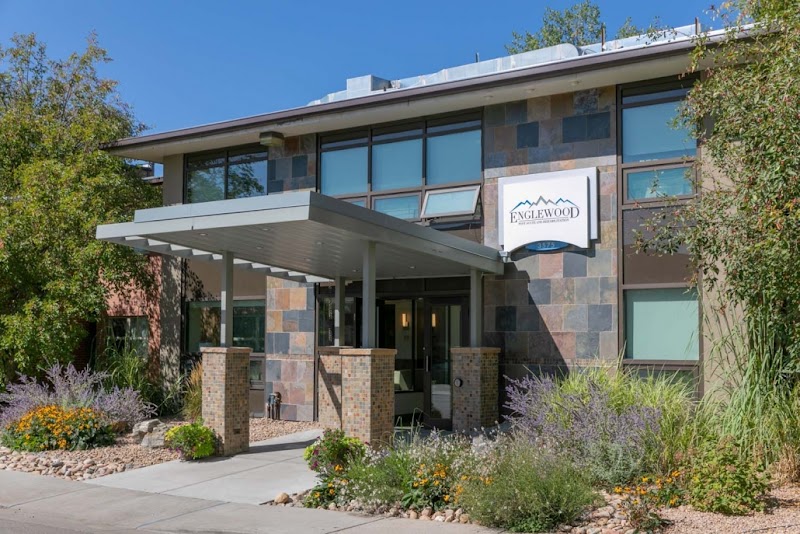
ENGLEWOOD POST ACUTE AND REHABILITATION

3575 S WASHINGTON ST, ENGLEWOOD, CO 80113 (303) 789-2265
For profit - Corporation 82 Beds THE ENSIGN GROUP Data: November 2025
Trust Grade
58/100
#62 of 208 in CO
Last Inspection: November 2024

Within standard 12-15 month inspection cycle. Federal law requires annual inspections.

Overview

Englewood Post Acute and Rehabilitation has a Trust Grade of C, which means it is average and sits in the middle of the pack compared to other facilities. It ranks #62 out of 208 facilities in Colorado, placing it in the top half, but #8 out of 20 in Arapahoe County indicates there are only a few local options that perform better. The facility's performance is worsening, as the number of reported issues increased from 4 in 2023 to 6 in 2024. Staffing is a weakness with a rating of 2 out of 5 stars and a turnover rate of 54%, which is higher than the state average, suggesting staff may not be consistently familiar with residents. There have been concerning incidents, including a resident experiencing a significant weight loss of 21.6% due to inadequate coordination of care and another resident developing pressure ulcers due to improper wheelchair sizing and lack of routine skin evaluations. While the facility has some strengths, such as an overall rating of 4 out of 5 stars for health inspections, the serious issues noted should be carefully considered by families researching this nursing home.

Trust Score
C
58/100
In Colorado
#62/208
Top 29%
Safety Record
High Risk
Review needed
Inspections
Getting Worse
4 → 6 violations
Staff Stability
⚠ Watch
54% turnover. Above average. Higher turnover means staff may not know residents' routines.
Penalties
✓ Good
$17,696 in fines. Lower than most Colorado facilities. Relatively clean record.
Skilled Nurses
✓ Good
Each resident gets 43 minutes of Registered Nurse (RN) attention daily — more than average for Colorado. RNs are trained to catch health problems early.
Violations
⚠ Watch
16 deficiencies on record. Higher than average. Multiple issues found across inspections.
★★★★☆
4.0
Overall Rating
★★☆☆☆
2.0
Staff Levels
★★★☆☆
3.0
Care Quality
★★★★☆
4.0
Inspection Score
Stable
2023: 4 issues
2024: 6 issues

The Good

  • Full Sprinkler Coverage · Fire safety systems throughout facility
  • No fines on record

Facility shows strength in fire safety.

The Bad

Staff Turnover: 54%

Near Colorado avg (46%)

Higher turnover may affect care consistency

Federal Fines: $17,696

Below median ($33,413)

Minor penalties assessed

Chain: THE ENSIGN GROUP

Part of a multi-facility chain

Ask about local staffing decisions and management

The Ugly 16 deficiencies on record

3 actual harm
Nov 2024 6 deficiencies
CONCERN (D)

Potential for Harm - no one hurt, but risky conditions existed

Safe Environment (Tag F0584)

Could have caused harm · This affected 1 resident

**NOTE- TERMS IN BRACKETS HAVE BEEN EDITED TO PROTECT CONFIDENTIALITY** Based on observations and interviews, the facility failed to provide a comfortable and homelike environment in one of four units...

Read full inspector narrative →
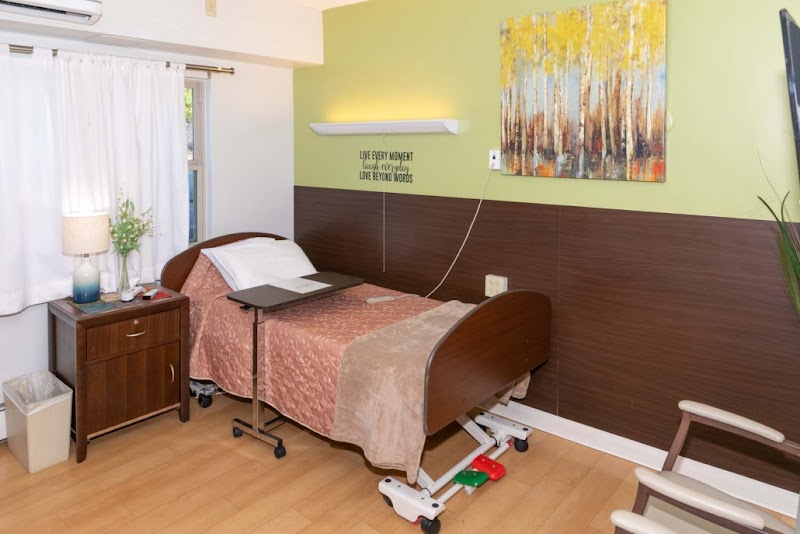
**NOTE- TERMS IN BRACKETS HAVE BEEN EDITED TO PROTECT CONFIDENTIALITY** Based on observations and interviews, the facility failed to provide a comfortable and homelike environment in one of four units. Specifically, the facility failed to ensure: -Resident room [ROOM NUMBER], #204, #206, #209, and #212 were in good repair; and, -Baseboards in the common areas on the second floor unit were clean. Findings include: I. Facility policy and procedure The Safe Homelike Environment policy, revised October 2024, was provided by the nursing home administrator (NHA) on 11/8/24 at 10:12 a.m. It revealed in pertinent part, The facility provides a safe, clean, comfortable and homelike environment and allows the resident to use their personal belongings to the extent possible. The facility staff and management maximizes, to the extent possible, the characteristics of the facility that reflect a personalized, homelike setting. These characteristics include a clean, sanitary and orderly environment. The facility staff and management minimizes, to the extent possible, the characteristics of the facility that reflect a depersonalized, institutional setting. II. Ensure resident rooms were in good repair A. Observations On 11/4/24 at 2:52 p.m. room [ROOM NUMBER] was observed to have multiple paint chips averaging six to twelve inches on the wall alongside the resident's bed. During a tour of the north 200 hallway on 11/5/24, from 4:05 p.m to 4:25 p.m., room [ROOM NUMBER], #204, #209,and #212 were observed to have multiple paint chips averaging six to twelve inches on the wall between the bathroom and closet. B. Resident interviews Resident #24 was interviewed on 11/5/24 at 2:19 p.m. Resident #24 said the resident rooms needed to be painted. She said she preferred her home to be in good repair. III. Ensure common areas were clean A. Observations During a tour of the second floor of the facility on 11/5/24, from 4:05 p.m. to 4:25 p.m., the baseboards were dirty. The baseboards had several black skid marks. IV. Staff interviews The maintenance director (MTD) was interviewed on 11/5/24 at 4:25 p.m. The MTD said he was responsible for the building's maintenance. He said he did not have additional staff to support the work orders for the building. The MTD said he knew the walls in room [ROOM NUMBER], #204, #206, #209 and #212 needed to be sanded and painted. He said he prioritized repairs that needed to be completed in the empty rooms after the residents were discharged . He said he did not know when the rooms with residents who lived at the facility long-term would be completed. The MTD said knew the baseboards needed to be cleaned. The MTD said he was in a backlog of maintenance tickets. The NHA was interviewed on 11/6/24 at 3:31 p.m. The said the facility started a repaint project about a month ago. He said he knew the walls in the resident rooms needed to be sanded and painted. He said he knew the baseboards in the hallway needed to be cleaned. He said the maintenance department prioritized the empty rooms after the residents were discharged . The NHA said he did not have a plan on how maintenance could paint the rooms with residents who lived at the facility long-term. The NHA said he realized his current paint project failed to include how to paint all of the resident's rooms including the rooms that were occupied.
CONCERN (D) 📢 Someone Reported This

A family member, employee, or ombudsman was alarmed enough to file a formal complaint

Potential for Harm - no one hurt, but risky conditions existed

Free from Abuse/Neglect (Tag F0600)

Could have caused harm · This affected 1 resident

**NOTE- TERMS IN BRACKETS HAVE BEEN EDITED TO PROTECT CONFIDENTIALITY** Based on interviews and record review, the facility failed to thoroughly investigate resident-to-resident allegations of physica...

Read full inspector narrative →
**NOTE- TERMS IN BRACKETS HAVE BEEN EDITED TO PROTECT CONFIDENTIALITY** Based on interviews and record review, the facility failed to thoroughly investigate resident-to-resident allegations of physical abuse and staff-to-resident allegations of neglect of care to prevent further instances of abuse and residents from feeling neglected for two (#60 and #18) of four residents out of 40 sample residents. Specifically, the facility failed to: -Develop a care plan focus for Resident #18, who had a known history of aggressive behaviors towards others and a history of discharge from other facilities due to aggressive behavior; -Gather all pertinent unbiased observations to identify pertinent facts of the events that occurred before, during and immediately following the incident to determine necessary interventions to prevent further abuse. This could include but not limited to observations of the assailant's behavior; words; gestures; facial expression; demeanor; tone and volume of voice; proximity and assailant and victim during the incident; and other applicable details and responses of each resident; -Investigate the extent and medical implications of the assailant's alleged hallucinations to determine if they could occur in other settings including common areas of the facility if the resident fell asleep or experienced similar conditions that occurred during this reported incident on 9/24/24; and, -Complete thorough investigations of the alleged violation of resident-to-resident physical abuse between Resident #18 towards Resident #60 that included sufficient evidence to allow the nursing home administrator (NHA) to determine what actions were necessary to protect the victim, Resident #60, and others residents in the facility from potential abuse by Resident #18 when in common areas of the facility. Findings include: I. Facility policy and procedure The Abuse Prevention of and Prohibition Against Policy, revised October 2024, was provided by the NHA on 11/04/24 at 9:00 a.m. It read in pertinent part, It is the policy of this facility that each resident has the right to be free from abuse, neglect, misappropriation of resident property, and exploitation. All identified events are reported to the administrator immediately. A licensed nurse will immediately examine the resident upon receiving reports of alleged physical or sexual abuse. All allegations of abuse, neglect, misappropriation of resident property, and exploitation will be promptly and thoroughly investigated by the administrator or his/her designee; An interview will be conducted with staff members (on all shifts) who may have information regarding the alleged incident. Interviews will be conducted with other residents to whom the accused employee provides care or services or who may have information regarding the alleged incident. The investigation will include the following: -An interview with the person(s) reporting the incident; -An interview with the resident(s); -Interviews with any witnesses to the incident, including the alleged perpetrator, as appropriate; and, -A review of the resident's medical record, including a review of all circumstances surrounding the incident. At the conclusion of the investigation, the facility will attempt to determine if abuse, neglect, misappropriation of resident property, or exploitation has occurred. The investigation, and the results of the investigation, will be documented. If the allegation of abuse, neglect, misappropriation of resident property, or exploitation involves another resident, the facility will continue to assess, monitor and intervene as necessary to maximize resident health and safety. At the conclusion of the investigation, the facility will take action, as necessary, in light of the information gathered, which may include but is not limited to: -If the allegation is substantiated, analyzing the occurrence to determine why abuse, neglect, misappropriation of resident property, or exploitation occurred, and determining what changes are needed to prevent further occurrences; and, -Defining how care provision will be changed and/or improved to protect residents receiving services, if appropriate II. Resident to resident allegation of physical abuse towards Resident #60 by Resident #18 on 9/24/24 A. Facility investigation 1. Description of the incident The facility investigation, dated 9/25/24, revealed that nursing staff found Resident #18 standing over Resident #60 who was in bed. Resident #60 was holding on to Resident #18. The nurse separated the two residents. The responding nurse was not sure of what had occurred at the time of the intervention. A nursing note, in Resident #18's electronic medical record (EMR), dated 9/24/24 at 10:30 p.m. and written by the responding nurse, revealed that the nurse went to Resident #60 and Resident #18's room to answer the call light. Upon entering the room, the nurse observed Resident #60 sitting on the side of his bed holding on to the wrist of Resident #18. The nurse separated the two residents and took Resident #18 to the bathroom. -The nursing note failed to provide an assessment of Resident #18's cognitive status or assess his state of mind other than he was calm and cooperative as he was separated from Resident #60. There was no indication if the resident was assessed for consciousness or other altered state of mind as he was observed standing over Resident #60. 2. Witness statements Resident #60 was interviewed by staff just after the incident. Resident #60 said he woke up to find Resident #18 standing over him punching him in the left cheek with a closed fist. Resident #60 said he pushed Resident #18 off of him and held him by the wrist until the nurse was able to remove him. Resident #18 was interviewed by staff just after the incident. Resident #18 said he did not know what was going on and he did not have a problem with his roommate so he must have been hallucinating. A nursing note, dated 9/24/24 at 10:30 p.m., documented that Resident #18 was unable to tell the responding nurse what had occurred and that he did not know why he did that or what he did. Resident #18 said he did not mean it and apologized to Resident #60 several times then said I must have been hallucinating. The residents were moved to separate rooms pending an investigation. -There was no documentation in the investigative report indicating that the investigator asked the responding nurse for detailed information on the exact words of the residents involved or if she had any indication that Resident #18 might have been in an altered state or appeared to have been hallucinating at the time of discovery. There was no indication of which resident turned on the call light or why the call light was turned on in the first place. B. Resident #60 (victim) 1. Resident status Resident #60, age [AGE], was admitted on [DATE]. According to the November 2024 computerized physician orders (CPO), diagnoses included cognitive communication deficit, generalized muscle weakness and acute respiratory disease. The 10/19/24 minimum data set (MDS) assessment revealed the resident was cognitively intact with a brief interview for mental status (BIMS) score of 13 out of 15. The resident did not display aggressive behaviors. The resident had a full range of motion (ROM) in the upper extremities (arms) and limited ROM in the lower extremities (legs). He used a manual wheelchair to get around the facility but was able to stand and transfer himself. 2. Resident interview Resident #60 was interviewed on 10/7/24 at 10:30 a.m. Resident #60 said his old roommate punched him and he was glad he had a new roommate. 3. Record review A progress note dated 9/25/24, documented that the interdisciplinary team (IDT) reviewed the resident-to-resident physical altercation that occurred on 9/24/24 and all details in the investigative report (see above). The IDT determined the room move to separate the living situation of the two residents was sufficient to prevent further incidents for Resident #60. -The progress note had no determination of the root cause of the incident and no recommendations for preventing future incidents. -There was no additional information in the resident's EMR from what was in the facility investigation (see above). C. Resident #18 (assailant) 1. Resident status Resident #18, age [AGE], was admitted on [DATE]. According to the November 2024 CPO, diagnoses included anxiety, depression and cerebral infarction (stroke caused by brain tissue death). The 8/1/24 MDS assessment revealed the resident was cognitively intact with a BIMS score of 14 out of 15. Resident #18 required partial to moderate assistance from staff for bathing, dressing, transfers and bed mobility. He used a wheelchair for mobility. The MDS assessment did not indicate Resident #18 had hallucinations, delusions or aggressive behavior. 2. Resident interview Resident #18 was interviewed on 11/5/24 at 3:00 p.m. Resident #18 said he did have an altercation with another resident a long time ago. Resident #18 said he hit the other guy, who was his roommate at the time of the altercation. Resident #18 said he was hallucinating at the time. He said he got along with everyone now and he had his own room. 3. Record review -The comprehensive care plan, initiated 4/9/24, did not have a care focus to address Resident #18's history of aggressive behavior prior to the resident-to-resident alteration on 9/24/24. Following the resident to the resident altercation, Resident #18 was prescribed risperidone (an antipsychotic medication) on 9/25/24 for the diagnosis of aggression. A care plan was initiated for the antipsychotic medication and the incident (resident-to-resident altercation) on 9/26/24. -However, the care plan interventions for resident-to-resident altercations only provided interventions for the 72-hours post-incident and did not provide staff with interventions for the possibility of future resident-to-resident altercations. -There was no intervention for staff to monitor the resident for hallucinations as a precursor to aggressive acts towards their residents. The 9/10/24 psychiatric nurse practitioner follow-up note revealed Resident #18 had not been experiencing hallucinations but had a history of aggression and had been asked to leave previous long-term care facilities for his behavior. -However, there was no evidence in the resident's record that the facility addressed this assessment or that they care-planned the resident's history of aggression. According to the 9/24/24 nursing progress note, nursing staff found Resident #18 standing over the bed of Resident #60. The other resident said Resident #18 hit him on the left side of the face with a closed fist. Resident #18 was unable to tell staff what happened or why he would have hit the other resident. Resident #18 said he may have been hallucinating. The 9/26/24 physician's progress note documented Resident #18 had been hallucinating often, was combative with staff and was likely experiencing terminal agitation due to end-stage liver disease. -However, the nursing progress notes for September 2024 did not include any documentation about Resident #18 being combative with staff or hallucinating. D. Staff interviews The director of nursing (DON), the social services director (SSD), the social services consultant (SSC) and the NHA were interviewed together on 11/7/24 at 2:30 p.m. The NHA, the SSC and the DON said that they did not substantiate the allegation of abuse for the resident-to-resident altercation between Resident #18 and Resident #60 because neither of the residents were injured and neither were fearful. The DON said the IDT reviewed the incident and since Resident #18 said he was hallucinating, the IDT determined Resident #18's actions were not intentional. The DON said she had the staff assist Resident #18 to move to a different room on the second floor while Resident #60 stayed in his room and no longer had a roommate. She said both residents were happy with their new living arrangements. The NHA and the DON said they did not think of considering Resident 18's hallucination as a potential trigger for committing aggressive acts towards other residents whom he might encounter in the common areas of the facility. The DON said Resident #18's physician examined him after the incident and determined aggression had occurred. The DON said the physician ordered risperidone, to help him control his aggressive behaviors. The SSD said following the allegation/incident of physical abuse, the IDT implemented interventions for increased monitoring of Resident #18 that included daily visits from social services to assess the resident for risk of aggression and 15-minute checks by nursing staff to ensure he remained calm. She said these interventions remained in place for 72 hours after the incident occurred. She said, in that time, facility staff did not see any evidence of repeated aggression, so the monitoring interventions were considered completed.
CONCERN (D)

Potential for Harm - no one hurt, but risky conditions existed

Deficiency F0645 (Tag F0645)

Could have caused harm · This affected 1 resident

**NOTE- TERMS IN BRACKETS HAVE BEEN EDITED TO PROTECT CONFIDENTIALITY** Based on record review and interviews, the facility failed to refer one (#20) of one resident reviewed out of 40 sample resident...

Read full inspector narrative →
**NOTE- TERMS IN BRACKETS HAVE BEEN EDITED TO PROTECT CONFIDENTIALITY** Based on record review and interviews, the facility failed to refer one (#20) of one resident reviewed out of 40 sample residents to the appropriate state-designated authority for Level II preadmission screening and resident review (PASRR) evaluation and determination for services. Specifically, the facility failed to: -Ensure Resident #20 was properly assessed on the PASRR Level I screen to gain and maintain their highest practicable medical, emotional and psychosocial well-being; and, -Submit a new PASRR Level I on three separate occasions when Resident #20 received qualifying mental illness diagnoses. Findings include: I. Professional reference According to John Hopkins Institute, Mood Disorders Overview, (reviewed 2024), retrieved on 11/19/24 from https://www.hopkinsmedicine.org/health/conditions-and-diseases/mood-disorders#:~:text=A%20mood%20disorder%20is%20a%20class%20of%20serious%20mental%20illnesses,can%20all%20have%20mood%20disorders, Mood disorders are serious illnesses. They are likely caused by an imbalance of brain chemicals. A mood disorder can negatively affect your ability to function normally. It can have serious consequences in all aspects of life, from personal to professional. The F39 diagnosis code represents an unspecified mood (affective) disorder. This is a broad category for mood disorders that do not meet the full criteria for a more specific mood disorder, like major depressive disorder or bipolar disorder. It can vary in severity and may or may not involve psychotic features. II. Facility policy and procedure The facility's PASRR policy was requested on 11/7/24. The director of nursing (DON) said the facility did not have a related policy and followed the regulation guidance for PASRR submissions. III. Resident #20 A. Resident status Resident #20, age [AGE], was admitted on [DATE]. According to the November 2024 computerized physician orders (CPO), diagnoses included anxiety disorder, depression and mood affective disorder. The 4/8/24 minimum data set (MDS) assessment revealed the resident was cognitively intact with a brief interview for mental status (BIMS) score of 15 out of 15. The assessment indicated the resident did not have a serious mental illness diagnosis and did not meet the criteria for a Level II PASRR. The assessment indicated the resident had active diagnoses of anxiety disorder, depression and unspecified affective mood disorder. B. Record review The Initial admission Record assessment dated [DATE] documented the resident was receiving psychotropic medication. Resident #20's pre-admission PASRR Level I screening questionnaire, undated, documented the resident had no known or suspected diagnosis of a major mental illness and no signs or symptoms of a major mental illness. -However, the resident was admitted with diagnoses of anxiety disorder, depression and unspecified affective mood disorder (see resident status above). The PASRR Level I notice of determination (NOD), dated 4/4/24, documented the following in pertinent part, Determination: approved. Determination Reason: no Level II required The review of the submitted PASRR Level I Screen resulted in a finding of no known or suspected mental illness, or intellectual/developmental disability, or related condition. If the member's status changes or new information is acquired that provides evidence of a known or suspected PASRR condition as noted above, the facility should resubmit a new PASRR Level I. -However, the facility failed to include Resident #20's diagnoses of anxiety disorder, depression and unspecified affective mood disorder as potential qualifying mental illness diagnoses when the initial PASRR Level I was submitted. The Psychotherapeutic Medication Review Committee note dated 7/9/24 documented the resident received a new prescription for Abilify (an antipsychotic medication) for major depressive disorder. -However, the facility failed to submit a new Level I PASRR when the resident was diagnosed with major depressive disorder on 7/9/24. A social services assessment dated [DATE] documented Resident #20 had a history of anxiety disorder and depression. The resident scored a 15 out of 27 on her last Patient Health Questionnaire-9 (PHQ-9) assessment (a screening tool that helps diagnose and monitor depression) which indicated the resident had moderately severe depression. A medical note dated 9/26/24 revealed the resident had a history of psychiatric conditions including depression, anxiety and post-traumatic stress disorder (PTSD) and had past psychiatric hospital admissions. The resident was diagnosed with recurrent major depressive disorder with psychotic features. -However, the facility failed to submit a new Level I PASRR when the resident was diagnosed with recurrent major depressive disorder with psychotic features on 9/26/24. The Interdisciplinary Team (IDT) Care Plan Review document dated 10/30/24 documented that the resident was assessed to have a moderately severe mood disorder and was being followed by behavioral health for a psychiatric condition. -However, the facility failed to submit a new Level I PASRR when the resident was diagnosed with moderately severe mood disorder on 10/30/24. IV. Staff interviews The social services director (SSD) and the social services consultant (SSC) were interviewed together on 11/6/24 at 2:14 p.m. The SSD said PASRR assessments were completed upon admission and with a change of condition in mental health. She said the need for a PASRR Level II assessment was triggered if the resident had a diagnosed major mental illness. The SSD said the PASRR Level II assessment would review the resident's mental health history and current condition and provide the facility with treatment recommendations to ensure the resident's mental health condition was properly treated. The SSD said, upon a resident's admission, she would review the resident's admission intake information and complete a PASRR Level I questionnaire for submission to the state mental health authority. The SSC said she was not sure if Resident #20's diagnosis of unspecified mood adjustment mood disorder would be considered a major mental illness but the PASRR oversight agency should have been notified of the diagnosis for their consideration and possible care and treatment recommendations. The SSD said she would resubmit a new PASRR Level I assessment to the state mental health authority for Resident #20.
CONCERN (D)

Potential for Harm - no one hurt, but risky conditions existed

Deficiency F0658 (Tag F0658)

Could have caused harm · This affected 1 resident

**NOTE- TERMS IN BRACKETS HAVE BEEN EDITED TO PROTECT CONFIDENTIALITY** Based on observation and interviews, the facility failed to ensure that services provided met professional standards of quality ...

Read full inspector narrative →
**NOTE- TERMS IN BRACKETS HAVE BEEN EDITED TO PROTECT CONFIDENTIALITY** Based on observation and interviews, the facility failed to ensure that services provided met professional standards of quality for one (#21) of one resident out of 40 sample residents. Specifically, the facility failed to: -Ensure medications were not left unattended on top of the medication cart; and, -Ensure medications were not left unattended in Resident #21's room. Findings include: I. Professional reference According to the National Library of Medicine Nursing Pharmacology (Internet). 2nd Edition, Chapter 2: Legal/Ethical, retrieved on 11/13/24 from https://www.ncbi.nlm.nih.gov/books/NBK597872/, Use medicines safely: do not leave medications unattended. II. Facility policy and procedure The Medication Access and Storage policy, dated August 2024, was provided by the director of nursing (DON) on 11/7/24 at 5:45 p.m. It read in pertinent part, It is the policy of this facility to store all drugs and biologicals in locked compartments under proper temperature control. The medication supply is accessible only to licensed nursing personnel, pharmacy personnel, or staff members legally authorized to administer medication. Only licensed nurses, the consultant pharmacist and those lawfully authorized to administer medication are allowed access to medications. The medication rooms, carts and supplies are locked or attended by persons with authorized access. III. Resident status Resident #21, age greater than 65, was admitted to the facility on [DATE]. According to the computerized physician orders (CPO), diagnoses included renal (kidney) failure, dementia, anxiety and depression. The 8/20/24 minimum data set (MDS) assessment revealed Resident #21 had severe cognitive impairments with a brief interview for mental status (BIMS) score of six out of 15. IV. Observations On 11/5/24 at 4:24 p.m. registered nurse (RN) #1 was administering medication to residents on the second floor south hall. RN #1 prepared four pills (famotidine, gabapentin, magnesium oxide and propranolol) in a medication cup for Resident #21 and removed a bottle of eye drops and a tube of Aspercreme from the medication cart. She moved the cup of pills and the eye drops to the back of the cart behind her computer screen and left the Aspercreme on the front of the cart. All of the medications were on top of the medication cart, unsecured. -RN #1 left the medication cart and went to retrieve applesauce from the dining room. The cart was out of her sight during this time and the medications remained on top of the cart, unsecured. After approximately one minute, RN #1 returned to the medication cart and took the pills, eye drops and applesauce to Resident #21's room at the end of the south hall. -RN #1 left the Aspercreme medication behind, on top of the medication cart unattended. A cognitively impaired resident was observed wheeling his wheelchair near the unattended medication cart and another resident walked by the unattended medication cart on his way to the dining room. RN #1 took Resident #21's pulse with the pulse oximeter (a small device that measures oxygen saturation in the blood and pulse) and obtained a reading of 59 beats per minute (bpm), below the parameter to give the resident's propranolol (blood pressure medication). RN #1 said she needed to get her stethoscope to recheck the pulse and left the resident's room. -RN #1 left the medication cup of pills and eye drops unattended in the room with Resident #21 and her roommate. RN #1 walked back down the hall to the nurse's station and returned with a stethoscope, after approximately two minutes. She rechecked the resident's pulse manually, obtained a count of 61 bpm and proceeded to administer Resident #21's medications and eye drops. V. Staff interviews RN #1 was interviewed on 11/5/24 at 4:35 p.m. RN #1 said she forgot the Aspercreme medication was on top of the cart and she should not have left it unsecured and unattended. RN #1 said she should not have left the prepared medications unattended on the medication cart when she went to get the applesauce from the dining room. RN #1 said she moved the cup of medications out of sight, behind her computer, but she should have taken them with her when she left the cart unattended. RN #1 said she should also not have left the medications unattended in Resident #21's room. RN #1 said she should have taken the medications with her when she went to get her stethoscope. The DON was interviewed on 11/7/24 at 12:03 p.m. The DON said medications should not be left unattended on the medication cart or in a resident's room.
CONCERN (E)

Potential for Harm - no one hurt, but risky conditions existed

Assessment Accuracy (Tag F0641)

Could have caused harm · This affected multiple residents

**NOTE- TERMS IN BRACKETS HAVE BEEN EDITED TO PROTECT CONFIDENTIALITY** Based on record review and interviews, the facility failed to ensure the minimum data set (MDS) assessment accurately reflected ...

Read full inspector narrative →
**NOTE- TERMS IN BRACKETS HAVE BEEN EDITED TO PROTECT CONFIDENTIALITY** Based on record review and interviews, the facility failed to ensure the minimum data set (MDS) assessment accurately reflected residents' status based on the criteria outlined in the resident assessment instrument (RAI) for three (#15, #36 and #63) residents out of 40 sample residents. Specifically, the facility failed to: -Ensure the MDS assessments for Resident #15 and Resident #36 accurately documented that the residents had a preadmission assessment screening and resident review (PASRR) Level II qualifying diagnosis; -Ensure the MDS assessment for Resident #15 accurately documented the resident was receiving hospice services; and, -Ensure the MDS assessment for Resident #63 accurately documented the resident was receiving dialysis. Findings include: I. Professional reference According to the American Association of Post-Acute Care Nursing (AAPACN) The Minimum Data Set (MDS) Resident Assessment Instrument (RAI) Process (October 2023), retrieved on 11/12/24 from https://www.aapacn.org/resources/rai-manual/, The RAI helps nursing home staff in gathering definitive information on a resident's strengths and needs, which must be addressed in an individualized care plan. Interdisciplinary use of the RAI promotes this emphasis on quality of care and quality of life. The MDS assessment is a core set of screening, clinical, and functional status elements, including common definitions and coding categories, which formed the foundation of a comprehensive assessment for all residents of nursing homes certified to participate in Medicare or Medicaid. II. Resident #15 A. Resident status Resident #15, age [AGE], was admitted on [DATE]. According to the November 2024 computerized physician's orders (CPO), diagnoses included bipolar disorder, manic severe with psychotic features, major depressive disorder and anxiety. The 8/22/24 MDS assessment documented that the resident was not currently considered by the state Level II PASRR process to have serious mental illness and/or intellectual disability or a related condition. Additionally, there was no MDS assessment that accurately documented that the resident was receiving hospice service while a patient of the facility. B. Record review The comprehensive care plan, initiated 8/30/2020 and revised 5/16/23, documented a care focus for psychosocial conditions, as well as mood and behavior. The care plan revealed that the resident had a PASRR Level II diagnosis of major depression and an extensive history of psychiatric treatment. -However, the MDS assessment failed to document the resident's PASRR Level II diagnosis. A review of the resident's electronic medical record (EMR) revealed that the resident was admitted to hospice services on 8/24/24. -However, the MDS assessment was not updated to reflect hospice services were being provided for the resident. III. Resident #36 A. Resident status Resident #36, age [AGE], was admitted on [DATE]. According to the November 2024 CPO, diagnoses included bipolar disorder, manic severe with psychotic features, moderate depression and anxiety. The 9/25/24 MDS assessment documented that the resident was not currently considered by the state Level II PASRR process to have serious mental illness and/or intellectual disability or a related condition. B. Record review The PASRR Level II assessment, dated 1/26/2020, revealed that Resident #36 was diagnosed with bipolar disorder before 2018. The assessment review documented in pertinent part, Based on the Level II evaluation, the state mental health authority has determined that the individual meets the criteria for a PASRR mental illness. The comprehensive care plan, initiated 10/11/18 and revised 1/20/24, documented a care focus for mood and behavior. The care plan revealed that the resident was reassessed for a PASRR Level II and the resident had a qualifying diagnosis for PASRR Level II. -However, the MDS assessment failed to document the resident's PASRR Level II diagnosis. IV. Resident #63 A. Resident status Resident #63, under the age of 65, was admitted on [DATE]. According to the November 2024 CPO, diagnoses included dependence on renal dialysis, and chronic kidney disease stage 5. -However, the 9/25/24 MDS assessment failed to accurately document that the resident was receiving dialysis while a patient of the facility. V. Staff interviews The social services director (SSD) and the social services consultant (SSC) were interviewed together on 11/6/24 at 2:14 p.m. The SSD said she completed the MDS sections on hearing, speech and vision, cognition, mood, behavior, participation in assessments, state-specific and care area summary and the minimum data set coordinator (MDSC) or nursing staff completed the rest of the MDS assessment. The SSD said when a resident entered with a PASRR Level II diagnosis, she would notify the MDSC who completed the relevant section and the MDSC was responsible for accurately documenting the resident's PASRR level status. The SSD said the nursing staff and the MDSC were responsible for assessing the resident for medical diagnoses and services and making sure the MDS assessment was accurately documented for medical concerns and services. The MDSC was interviewed on 11/8/24 at 2:18 p.m. The MDSC said when completing the initial, quarterly, and significant change MDS assessments, she started by reviewing the resident's EMR to make sure entries to the MDS assessment were accurate. The MDSC said she reviewed the entire MDS assessment for accuracy and a registered nurse signed off on her work. The MDSC said she got resident PASRR information from the SSD, along with other updates and changes in resident care, in the morning meeting with the leadership team and then would update the MDS assessments as required. The MDSC said she had been on an extended leave so she was not sure why Resident #15, Resident #36 and Resident #63's MDS assessments were not accurate. The MDSC said she would work with the corporate MDS consultant to get the MDS assessments corrected with accurate information.
CONCERN (E)

Potential for Harm - no one hurt, but risky conditions existed

Infection Control (Tag F0880)

Could have caused harm · This affected multiple residents

**NOTE- TERMS IN BRACKETS HAVE BEEN EDITED TO PROTECT CONFIDENTIALITY** Based on observations and interviews, the facility failed to maintain an infection prevention and control program designed to pr...

Read full inspector narrative →
**NOTE- TERMS IN BRACKETS HAVE BEEN EDITED TO PROTECT CONFIDENTIALITY** Based on observations and interviews, the facility failed to maintain an infection prevention and control program designed to provide a safe, sanitary and comfortable environment and to help prevent the development and transmission of communicable diseases and infections on two of four hallways. Specifically, the facility failed to: -Ensure appropriate infection control practices were followed during wound care; and, -Ensure housekeeping staff followed appropriate hand hygiene practices and disinfectant dwell times when cleaning residents' rooms. Findings include: I. Failure to ensure housekeeping staff followed appropriate hand hygiene practices and disinfectant dwell times when cleaning residents' rooms A. Facility policy and procedure The Infection Control Housekeeping policy, dated April 2024, was provided by the director of nursing (DON) on 11/7/24 at 5:45 p.m. It read in pertinent part, It is the policy of this facility to provide effective environmental sanitation to lessen the hazards of exposure to contaminated air, dust, furnishings, equipment and other fomites (objects likely to carry infection). Frequent cleaning of the facility's interior will aid in physically removing some of the micro-organisms which might cause these hazards. Personnel working in resident areas will follow strict hand washing procedures. B. Manufacturer's recommendations The manufacturer's recommendations for Comet Professional Multi-Purpose Disinfecting Cleaner with Bleach was provided by the housekeeping supervisor (HSKS) on 11/7/24. The recommendations indicated the product should be left on surfaces for one minute in order to properly disinfect the surface. The manufacturer's recommendations for Clorox Healthcare Hydrogen Peroxide Cleaner Disinfectant were provided by the HSKS on 11/7/24. The recommendations indicated the product should be left on surfaces for 30 seconds to properly disinfect the surface. C. Observations During a continuous observation on 11/6/24, beginning at 9:38 a.m. and ending at 10:00 a.m., the following was observed: Housekeeper (HSKP) #1 was cleaning room [ROOM NUMBER], a double occupancy room with only one resident residing on side one of the room. HSKP #1 sprayed the toilet and sink with Comet Professional Multi-Purpose Disinfecting Cleaner with Bleach and said she would let that sit while she cleaned other parts of the room. HSKP #1 sprayed the over bed table and nightstand with Clorox Healthcare Hydrogen Peroxide Cleaner Disinfectant and immediately wiped both surfaces with her rag. -HSKP #1 did not allow the Clorox disinfectant to sit for at least 30 seconds, which was the manufacturer's required dwell time for disinfecting surfaces (see manufacturer's recommendations above). HSKP #1 sprayed the trash can with the Clorox disinfectant and immediately wiped it down, inside and outside. HSKP #1 got a clean rag from her cart and cleaned the call light, the cord and the television, spraying each item with the Clorox disinfect and wiping them off immediately. -HSKP #1 did not remove her soiled gloves, perform hand hygiene and put on clean gloves when changing rags and moving from the trash can to high touch surfaces. -HSKP #1 did not allow the Clorox disinfectant to sit for at least 30 seconds on the trash can, the call light, the cord or the television. HSKP #1 changed her gloves and began cleaning the bathroom. She sprayed and cleaned the mirror with a glass cleaner. She sprayed the grab bars and chrome on the back of the toilet with the Clorox disinfectant and immediately wiped them off. HSKP #1 opened a package of toilet paper and put it in the dispenser with the same gloves she was cleaning with. -HSKP #1 did not change her gloves and perform hand hygiene before opening the toilet paper and putting it in the dispenser and she did not follow the Clorox disinfectant dwell times. HSKP #1 wiped the top and bottom of the toilet, squirted a toilet bowl cleaner in the toilet and scrubbed it with the toilet brush. -HSKP #1 proceeded to wipe out the sink using the same rag and wearing the same gloves she used to clean the toilet. After cleaning the toilet and wiping the sink, HSKP #1 disposed of her soiled gloves and put on new gloves. -HSKP #1 did not perform hand hygiene before putting on the new gloves. During a continuous observation on 11/06/24, beginning at 10:10 a.m. and ending at 10:22 a.m., the following was observed: HSKP #2 was cleaning room [ROOM NUMBER], a single occupancy room. HSKP #2 sprayed the door handles, light switches, the sink and toilet with Comet Professional Multi-Purpose Disinfecting Cleaner with Bleach. After two minutes, HSKP #2 wiped down the door handles and light switches. She sprayed her rag with the same disinfectant and wiped the night stand, the over bed table, the call light, the bed control and the remote control for the television. -HSKP #1 did not allow the disinfectant to remain on the surface of the items for the manufacturer recommended dwell time (see manufacturer's recommendations above). HSKP #1 took a different rag and cleaned the bathroom and toilet. HSKP #2 got the mop and mopped the bathroom, changed mop heads and mopped the bedroom. -HSKP #2 did not change her gloves or perform hand hygiene after cleaning the bathroom and toilet. D. Staff interviews HSKP #1 was interviewed on 11/6/24 at 10:00 a.m. HSKP #1 said she did not know she should perform hand hygiene when changing gloves. She said she only performed hand hygiene when she completed cleaning a room. HSKP #2 was interviewed on 11/6/24 at 10:22 a.m. HSKP #2 said the Comet disinfectant did not need to sit on surfaces for any certain amount of time and she could wipe it off right away. The HSKS was interviewed on 11/6/24 at 3:00 p.m. The HSKS said housekeepers should change their gloves between surfaces when cleaning a room, usually three to four times per resident room. The HSKS said staff should perform hand hygiene when changing gloves. The HSKS said the dwell time for the Clorox disinfectant was 30 seconds to one minute. She said staff should leave the disinfectant on high touch surfaces for 30 seconds to one minute before wiping it off. The HSKS said the Comet disinfecting cleaner dwell time was three minutes and staff should leave it on surfaces for three minutes before wiping it off. -However, according to the manufacturer's recommendations for dwell times (see above), the Clorox disinfectant had a dwell time of 30 seconds and the Comet disinfecting cleaner had a dwell time of one minute. The DON was interviewed on 11/7/24 at 11:32 a.m. The DON said housekeeping staff should change gloves between surfaces, such as after cleaning the toilet. The DON said staff should perform hand hygiene when changing gloves. II. Failure to follow appropriate infection control practices during wound care A. Professional reference According to the Centers for Disease Control and Prevention (CDC) Clinical Safety: Clean Hands for Healthcare Workers (2/27/24), retrieved on 11/12/24 from https://www.cdc.gov/clean-hands/hcp/clinical-safety,: If your task requires gloves, perform hand hygiene before donning gloves and touching the patient or the patient's surroundings. Always clean your hands after removing gloves. B. Facility policy and procedure The Hand Washing and Hand Hygiene policy, dated October 2024, was provided by the DON on 11/7/24 at 5:45 p.m. It read in pertinent part, It is the policy of this facility to provide the necessary supplies, education, and oversight to ensure healthcare workers perform hand hygiene based on acceptable standards. Use alcohol based hand rub containing at least 62% (percent) alcohol, or alternatively soap and water, for the following situations: Before and after coming on duty, before and after direct contact with residents, before and after handling medication, before performing any non-surgical invasive procedure, before and after handling an invasive device, before donning (putting on) sterile gloves, before handling a clean or soiled dressing or gauze pads, before moving from a contaminated body site to a clean body site during resident care, after contact with a resident's intact skin, after contact with blood or body fluids, after handling used dressings or contaminated equipment, after contact with objects in the immediate vicinity of the resident, after removing gloves, before and after entering isolation precaution settings and after removing or disposing of personal protective equipment (PPE). The Clean Dressing Change policy, dated October 2024, was provided by the DON on 11/7/24 at 5:45 p.m. It read in pertinent part, It is the policy of this facility to provide wound care in a manner to decrease potential for infections and/or cross-contamination. Set up a clean field on the over bed table with needed supplies for wound cleansing and dressing application. Wash hands and put on gloves, loosen tape and remove the existing dressing, remove gloves pulling inside out over the dressing and discard. Wash hands and put on clean gloves, clean the wound as ordered, wash hands and put on clean gloves, apply topical ointments and clean dressing, mark dressing with initials and date. Discard gloves and disposable items in the trash receptacle and wash hands. C. Observations On 11/6/24 at 8:11 a.m. the minimum data set coordinator (MDSC) was providing wound care to Resident #30. The MDSC brought the wound care supplies into the resident's room and laid the supplies directly on the resident's mattress. -The MDSC did not set up a clean field to put the wound care supplies on. The MDSC took the clean gauze and saline and cleansed the wound. She opened the package of collagen dressing, cut a piece and applied it to the clean wound. -The MDSC did not remove her soiled gloves, perform hand hygiene and put on clean gloves after cleansing the wound and before applying the dressing to the wound. The MDSC completed the application of wound dressings, disposed of the soiled gloves and supplies and performed hand hygiene. D. Staff interviews The MDSC was interviewed on 11/6/24 at 8:15 a.m. The MDSC said she forgot to prepare a clean field for her wound supplies and should not have set them on the resident's mattress. The MDSC said she should have removed her gloves and performed hand hygiene before putting on clean gloves after cleansing the wound and before opening and applying the dressings to the wound. The DON was interviewed on 11/7/24 at 11:32 a.m. The DON said clean supplies for wound care should be placed on a clean area near the resident. The DON said staff should change gloves and perform hand hygiene after cleaning a wound and before applying the dressings.
Jun 2023 4 deficiencies 1 Harm
SERIOUS (G)

Actual Harm - a resident was hurt due to facility failures

Quality of Care (Tag F0684)

A resident was harmed · This affected 1 resident

**NOTE- TERMS IN BRACKETS HAVE BEEN EDITED TO PROTECT CONFIDENTIALITY** Based on observations, record review and interviews, the facility failed to provide needed care of services, resulting in an act...

Read full inspector narrative →
**NOTE- TERMS IN BRACKETS HAVE BEEN EDITED TO PROTECT CONFIDENTIALITY** Based on observations, record review and interviews, the facility failed to provide needed care of services, resulting in an actual decline in physical, mental and psychosocial well-being for one (#275) out of four residents reviewed out of 33 sample residents. Resident #275, who had a severe cognitive impairment, was admitted to the facility 1/26/23. The resident did not have a medical decision maker, so the facility proceeded to implement a medical health proxy on 3/5/23. The facility failed to notify and coordinate with the health care proxy regarding the resident's care, the contact documented with the health care proxy was 5/20/23. Resident #275 had lost weight since her admission to the facility on 1/26/23, 21.6% in total in four months, which was considered severe. Her admission weight was 108.4 lbs. (pounds) on 2/5/23 and on 6/1/23 she weighed 85 lbs. The registered dietitian (RD) implemented measures with the resident's weight loss; however, those interventions were ineffective due to the resident having ongoing swallowing problems and nausea/vomiting. Speech therapy worked with the resident due to her swallowing difficulties; however, the interventions were ineffective due to her medical condition. Resident #275 had an esophagram (a series of x-rays of the esophagus) on 3/3/23, however she did not see the gastroenterology outpatient provider until 5/5/23, which was over two months later. During this time, she lost an additional 4.6 lbs. Resident #275 went to a gastroenterology outpatient provider on 5/5/23 where they indicated she had narrowing of the esophagus. Resident #275 required a follow up diagnostic procedure, an esophagogastroduodenoscopy (EGD), to further examine her esophagus. Due to the facility's failures, including not coordinating with the health care proxy in a timely manner, Resident #275 continued to sustain significant weight loss as a result of impaired nutrition related to the narrowing of her esophagus. Resident #275 sustained an additional 10.4 lbs weight loss (10.7%) that occurred after the procedure was recommended on 5/5/23. Per the physician assistant at the outpatient clinic (see interview), the resident sustained the additional 10 lb weight loss as a result of her not getting the recommended procedure from the 5/5/23 appointment. Findings include: I. Resident status A. Resident #275 Resident #275, age [AGE], was admitted on [DATE]. According to the January 2023 computerized physician orders (CPO), diagnoses included dementia, subarachnoid hemorrhage (bleeding in brain), dysphagia (difficulty swallowing), fractured femur (broken leg), diabetes and muscle wasting. The 2/2/23 minimum data set (MDS) assessment revealed the resident had a severe cognitive impairment with a brief interview for mental status (BIMS) score of five out of 15. The resident required two person physical assistance for transfer and toileting and one person assist for bed mobility, locomotion on the unit, dressing, hygiene and eating. Weight loss was not coded on the assessment. Difficulty with swallowing was coded on the assessment. The medical record showed the resident had a proxy decision maker by Statute dated 3/5/23. The proxy provided the authority to consent to medical procedures for Resident #275. II. Resident representative (health care proxy) and outpatient provider The healthcare proxy of Resident #275 was interviewed on 6/6/23 at 3:46 p.m. She said she had not been contacted by the facility to sign a consent form for the esophageal dilation until that week (the week of 6/6/23, which was over a month later). She said if she had been contacted on 5/5/23, she would have happily signed and showed up in person if that was needed. The gastroenterology physician assistant (GPA) was interviewed on 6/9/23 at 9:30 a.m. The GPA said she had seen the resident on 5/5/23 and it had been determined the resident required an esophageal dilation. She said the facility staff did not inform her or her office that the resident had a medical proxy in place since March 2023. She said the procedure could have been completed much sooner if the facility had communicated that to her. She said when she saw the resident, she was 95 pounds, and had lost approximately 10 lbs. of weight that was not needed because the facility failed to communicate timely. The GPA said the office tried to reach out to the facility previous to 6/1/23 to coordinate the follow up. III. Failure to ensure required medical procedure was scheduled Progress note dated 5/5/23 from the GPA showed the resident was seen for difficulty swallowing and nausea/vomiting. The GPA referred to an x-ray esophagram, which was done on 3/3/23. The esophagram indicated there was a narrowing of the esophagus, which prevented the passage of a tablet. The GPA indicated that the resident needed an EGD procedure (a diagnostic procedure that examines the esophagus) and the nursing facility had been contacted to determine the next steps to obtain consent for the EGD. IV. Observations On 5/31/23 at 1:40 p.m. the resident in her room provided eating assistance with her meal. She was coughing after eating bites of food. On 6/6/23 at 12:20 p.m. the resident was in the dining room and was assisted by certified nurse aide (CNA) #1. Resident #275 was periodically coughing after eating bites of food. She was observed to consume approximately 75% of her meal. V. Weight loss documentation The resident's weights were as follow: 2/5/23: 108.4 lbs. (10 days after her admission) 2/6/23: 107.6 lbs. 3/1/23: 100.8 lbs. 3/13/23: 100.2 lbs. 4/13/23: 95.0 lbs. 4/19/23: 96.2 lbs. 4/25/23: 96.4 lbs. 5/10/23: 95.2 lbs. 5/15/23: 91.6 lbs. 5/24/23: 86.0 lbs. 6/1/23: 85.0 lbs. The resident had lost 21.6% in total body weight since admission 1/26/23. Resident #275 weighed 95.2 lbs on 5/10/23 (five days after her GI consultation appointment). By 6/1/23, her weight was 85 lbs, which was 10.2 lbs. (10.7%) weight loss in 22 days, which was considered severe weight loss. The 6/1/23 RD progress note documented the reason for the weight loss was due to frequent vomiting after consuming food or liquid which was related to narrowing esophagus. The resident had a weight loss of 10.7% in the previous two weeks, 15.2% over 2.5 months and 21.6% weight loss over four months. VI. Medical proxy documentation The 5/4/23 social services director (SSD) progress note documented the resident did not have a representative in place for decision making. The 5/12/23, 5/18/23 and 5/24/23 SSD notes documented she requested assistance with getting the resident a representative for decision making. -However, the health care proxy was initiated on 3/5/23 (see above) to make medical decision for Resident #275. The 5/20/23 case manager (CM) progress note indicated the medical orders for scope treatment (MOST) form was signed and sent back to the facility by the proxy. VII. Staff interviews CNA #1 was interviewed on 6/6/23 at 1:30 p.m. CNA #1 said she was familiar with Resident #275. She said Resident #275 did well today, however, that resident struggled with swallowing during meals. The RD was interviewed on 6/6/23 at 2:00 p.m. The RD stated Resident #275 had weight loss for several months. The RD stated over the past three weeks she had significant weight loss. She stated an esophageal dilation procedure was needed for the resident to improve and the CM was working on this. The RD stated dilating the esophagus would allow the food to flow into her stomach. The RD stated Resident #275 had previously had an appointment with a gastroenterologist and the facility was waiting on a proxy placement for the resident to have the procedure that would help her. The SSD and CM were interviewed on 6/6/23 at approximately 2:30 p.m. The CM said Resident #275 did not have next of kin or friends, so the facility used a resource from a list. The healthcare proxy was completed when the resident went to long term care around 2/16/23. -However, the health proxy was not initiated until 3/5/23 (see above). The SSD stated she had been looking for permanent guardianship/conservatorship for the resident since she was not sure if the healthcare proxy could be used for medical care decisions. The SSD said she then found out that the proxy would have to be there in person. -However, the SSD made no attempts to coordinate with the health care proxy who was willing to go to the appointments (see interview above). The director of nursing, (DON) was interviewed on 6/6/23 at 3:15 p.m. The DON said the resident had a healthcare proxy in place. She said the signed consent was sent to the clinic on 6/1/23. The DON stated the gastroenterology office would not accept a proxy and education was needed on the clinic side. She said she was told the proxy had to show up in person. -However, there was no documentation of what the gastroenterology office had indicated to the DON. In addition, the GPA indicated the clinic had not been informed of medical proxy and it did not interfere with the resident being seen more timely by the office. She stated she left a message for the proxy today to see if she could be there in person. The DON said the consent could have been faxed to the clinic over a month ago. VIII. Facility follow-up The 6/1/23 CM progress note (during the survey) indicated she left a message for the GI (gastroenterology) clinic to request consent forms for treatment which would be sent to Proxy for signature, then resident can be scheduled for treatment for esophageal narrowing.
CONCERN (D)

Potential for Harm - no one hurt, but risky conditions existed

Deficiency F0554 (Tag F0554)

Could have caused harm · This affected 1 resident

**NOTE- TERMS IN BRACKETS HAVE BEEN EDITED TO PROTECT CONFIDENTIALITY** Based on observations, record review and interviews, the facility failed to ensure that self-administration of medications were ...

Read full inspector narrative →
**NOTE- TERMS IN BRACKETS HAVE BEEN EDITED TO PROTECT CONFIDENTIALITY** Based on observations, record review and interviews, the facility failed to ensure that self-administration of medications were stored and clinically appropriate for two (#31 and #38) of two residents reviewed for self-administration out of 33 sample residents. Specifically, the facility failed to: -Ensure Resident #31 stored medication she was assessed to self administer and the medications she was able to self-administered were stored appropriately; and, -Ensure Resident #38 was assessed for the appropriateness and safety for self-administration of medications. Findings include: I. Resident #31 A. Resident status Resident #31, age [AGE], was admitted on [DATE]. According to the June 2023 computerized physician orders (CPO), the diagnoses included dystrophic nails (change in color, texture, growth of nails) and gastroesophageal reflux disease (GERD, stomach acid that can irritate the throat). The 4/28/23 minimum data set (MDS) assessment revealed the resident had mild cognitive impairment with a brief interview for mental status (BIMS) score of 12 out of 15. She required limited assistance of one staff member with transfers, toilet use and personal hygiene. B. Observation On 5/31/23 at 11:04 a.m. and 6/1/23 at 1:00 p.m. a bottle with liquid was on the bedside table belonging to Resident #31. The label on the bottle read 6.6 milliliter (ml) Ciclopirox (antifungal medication), topical solution 8%. Three containers with a label reading Tums (antacid) were on the bedside table belonging to Resident #31. The medications were not secured. Resident #31 identified the bottle of liquid as antifungal medication she applied on her toes to remedy itching and she took Tums for heartburn. C. Record review The 9/7/22 self administration of medication evaluation for Ciclopirox medication revealed Resident #31 was fully capable of stating name medication, what the medication was for, when the medication should be taken and how much, how the medication should be applied, side effects of medication and was able to demonstrate secure storage of medication kept in room. The June 2023 CPO revealed Resident #31 was able to self administer Ciclopirox (antifungal medication) to toenails per orders. The order was to apply to toe nails topically at bedtime for dystrophic nails (change in color, texture, growth of nails). The June 2023 CPO revealed Resident #31 had an order for calcium carbonate oral tablet chewable (antacid) to be taken as needed for stomach acid. -It did not indicate Resident #31 could self administer the antacid medication. The 5/17/23 care plan revealed Resident #31 had a rash on toes related to diagnosis of dystrophic nail (change in color, texture, growth of nails). Intervention included medication be given as ordered, and side effects were to be monitored and documented for effectiveness. A focus on gastroesophageal reflux disease was indicated in the care plan. Interventions included the resident be given medications as ordered, and effectiveness be monitored and documented. D. Staff interviews Licensed practical nurse (LPN) #2 was interviewed on 6/1/23 at 11:04 a.m. She was unaware of the assessment process to determine residents ability to self administer. She said medications for residents who can self administer could be stored in the resident room or stored on a nursing medication cart. She said not all medications stored in a resident room have to be locked in drawers or cabinets. She said it depends who the resident was and what the care plan documented. Certified nurse aide with medication authority #1 was interviewed on 6/1/23 at 11:10 a.m. She said residents should be assessed prior to approval to self administer. She said medication should be stored on a nursing medication cart and provided upon resident request. She said medications stored in a resident room should be locked in a drawer or cabinet. The director of nursing (DON) was interviewed on 6/1/23 at 4:01 p.m. She said residents need to be assessed for ability to self administer medication if they wish to do so. She said after an assessment was completed a doctor's order needed to be in place. She said once it had been determined a resident was safe to self administer medication, the medication should be stored in a locked cabinet, drawer or box in the resident room. She said there needs to be two keys, one for the resident and one for nursing staff. She said another option was to store the medication on a nursing cart and provide upon resident request. II. Resident #38 A. Resident status Resident #38, age [AGE], was admitted on [DATE]. According to the June 2023 computerized CPO, the diagnoses included unspecified pain, polyp of colon (small clump of cells forming on lining of colon) and malaise (general discomfort). The 4/29/23 MDS assessment revealed the resident had moderate cognitive impairment with a BIMS score of nine out of 15. He required supervision and set up only with bed mobility, transfers, eating and toilet use. B. Observation and interview On 5/31/23 at 12:40 p.m. the bedside table of Resident #38 had saline nasal spray, fluticasone-propionate-nasal-spray, good sense nasal spray, topical skin cream-triamcinolone acetonide cream 0.1% (topical cream used to treat various skin conditions causing discomfort) and hemorrhoidal cream (ease discomfort of swollen veins of lower rectum). Resident #38 said he preferred to keep medication at his bedside. Resident #38 said he used nasal spray daily, hemorrhoidal cream and the topical treatment when needed for skin discomfort. C. Record review -Review of the June 2023 CPO revealed Resident #38 did not have a physician's order to self administer medication. -Review of Resident #38's assessment history revealed the resident had not had a self-administration of medications assessment conducted. -Review of Resident #38's comprehensive care plan, updated 3/28/23, revealed the resident did not have a care plan focus for the self-administration of medications. D. Staff interview and observation The minimum data set coordinator (MDSC) was interviewed on 6/1/23 at 2:38 p.m. She said a resident would need an assessment for ability to self administer medication. She said if a resident could self administer a medication, the medication would need to be in a lock box or stored in a nursing medication cart. She said all resident rooms have nightstands with a locking drawer or the facility could provide a lock box if needed. The MDSC entered room of Resident #38 and observed saline nasal spray, fluticasone-propionate-nasal-spray, good sense nasal spray, topical skin cream-triamcinolone acetonide cream 0.1% and hemorrhoidal cream. The MDSC informed Resident #38 an assessment for self administration would be completed and medications would need to be kept in a locked drawer of his choosing. The resident nodded his head and verbalized agreement.
CONCERN (D)

Potential for Harm - no one hurt, but risky conditions existed

Deficiency F0583 (Tag F0583)

Could have caused harm · This affected 1 resident

**NOTE- TERMS IN BRACKETS HAVE BEEN EDITED TO PROTECT CONFIDENTIALITY** Based on observation, record review and interviews, the facility failed to ensure the residents personal privacy for one (#10) o...

Read full inspector narrative →
**NOTE- TERMS IN BRACKETS HAVE BEEN EDITED TO PROTECT CONFIDENTIALITY** Based on observation, record review and interviews, the facility failed to ensure the residents personal privacy for one (#10) out of four residents reviewed for dignity out of 33 sample residents. Specifically, the facility failed to ensure a resident's personal privacy by offering a leg bag for the urinary catheter for Resident #10. Findings include: I. Resident status Resident #10, age [AGE], was admitted on [DATE]. According to the June 2023 computerized physician orders (CPO), the diagnoses included neuromuscular dysfunction of the bladder (lack or bladder control). The 4/18/23 minimum data set (MDS) assessment revealed the resident was cognitively intact with a brief interview for mental status score of 15 out of 15. She required limited assistance of one staff member with transfers, dressing, toilet use and personal hygiene. The resident had an indwelling catheter. II. Observation and interview On 5/31/23 at 10:30 a.m. Resident #10 had catheter tubing (a tube inserted into the bladder, allowing urine to drain freely) coming out top of pants attached to a catheter bag (drainage bag that collects urine) hanging from the walker. Resident #10 said, upon admission, the facility had used a small bag attached to her leg, under her clothing, to collect urine but staff did not offer this option. Resident #10 said she preferred to use the smaller leg bag during the day. III. Record review Review of the June 2023 CPO revealed the resident had an order to change catheter bag as needed. -The order did not indicate an option was available for the type of catheter bag. -Review of Resident #10's progress notes with a date range of 4/11/23 to 6/6/23 did not reveal options that had been discussed regarding the type of catheter bag. Review of Resident #10's care plan, with a revision date of 5/3/23, revealed a catheter care plan. -The interventions did not include providing the resident with a choice for a type of catheter bag. -The certified nurse aides (CNA) tasks reviewed on 6/6/23 at 10:00 a.m., with a 30 day lookback time frame, did not reveal instructions to offer Resident #31 a different type of catheter bag. IV. Staff interviews Restorative Nurse Assistant (RNA) #1 was interviewed on 6/6/23 at 11:00 a.m. She said she was not aware of Resident #10 having a preference to use a leg bag. She said she thought Resident #10 preferred to have the catheter tube come out top of her pants and catheter bag attached to the walker. CNA #1 was interviewed on 6/6/23 at 11:10 a.m. She said Resident #10 refused to use a catheter leg bag because it filled with urine too quickly. She said staff encouraged Resident #10 to use a catheter leg bag but the resident declined. She did not know where to find information regarding catheter bag preference for Resident #10. She said staff had not charted if Resident #10 declined or accepted leg bag because they just knew to provide the option everyday. The minimum data set coordinator (MDSC) was interviewed on 6/6/23 at 11:49 a.m. She was unable to find information regarding preference of catheter bag being offered to Resident #10. She asked Resident #10 about catheter bag preference. She said Resident #10 accepted an offer to use a catheter leg bag. She said the care plan would be updated. The director of nursing (DON) was interviewed on 6/6/23 at 5:50 p.m. She said it was important to have proper positioning of catheter tubing and bag for comfort, flow and skin integrity. She said it was important to conceal tubing if possible to promote dignity. She said residents should have a preference regarding the type of catheter bag used. She said information on preferences should be available to facility staff in resident's care plans and communicated as a CNA task.
CONCERN (D)

Potential for Harm - no one hurt, but risky conditions existed

Deficiency F0742 (Tag F0742)

Could have caused harm · This affected 1 resident

**NOTE- TERMS IN BRACKETS HAVE BEEN EDITED TO PROTECT CONFIDENTIALITY** Based upon observation, interviews and record review, the facility failed to ensure that a resident who displays or is diagnosed...

Read full inspector narrative →
**NOTE- TERMS IN BRACKETS HAVE BEEN EDITED TO PROTECT CONFIDENTIALITY** Based upon observation, interviews and record review, the facility failed to ensure that a resident who displays or is diagnosed with a mental disorder or psychosocial adjustment difficulty received the appropriate treatment and services to correct the assessed problem or to attain the highest practicable physical, mental and psychosocial well-being for one resident (#65) reviewed for a mental disorder out of 33 sample residents. Specifically, the facility failed to ensure interventions were in place to address Resident #65's verbally aggressive behavior. Findings include: I. Resident status Resident #65, age [AGE], was admitted on [DATE]. According to the June 2023 computerized physician orders (CPO), diagnoses included substance abuse and paranoid schizophrenia. The 4/24/23 minimum data set (MDS) assessment was documented with a brief interview for mental status (BIMS) score of eight out of 15, indicating moderate cognitive impairment. The MDS did not identify or code any behavioral symptoms. The MDS coded functional status of two persons assist for transfer, toileting and dressing and one person assist for locomotion, hygiene and eating. The MDS assessment documented Resident #65 participated in his activity preference assessment and revealed he listened to music that he liked, doing his favorite activities and going outside to get fresh air when the weather was good were very important to him. II. Record review Progress notes were reviewed related to the resident's behavior: 5/16/23 at 4:39 p.m., the nurse documented the resident was not cooperative with care, refused to be changed and cursed at staff. 5/17/23 at 5:57 a.m., the nurse documented the resident removed his brief and urinated on the floor. The resident was yelling and cursing at a certified nurse aide (CNA). Educated the resident about using respectful language. Two staff were placed for care and requested the social services director (SSD) be notified. 5/20/23 at 4:18 p.m., the nurse documented the resident was increasing with verbal sexually inappropriate behavior toward female staff and was verbally aggressive with most staff during the past week. Case manager was notified and was to pass on to the SSD. The resident was constantly yelling out and the roommate and his wife were very offended by his language. Resident #65 continued to urinate on the floor. 5/22/23 at 4:18 a.m., the nurse documented the resident was verbally aggressive with the nursing staff and redirection was attempted with little success. The resident threw soiled incontinence briefs on the floor and at staff. 5/29/23 at 11:40 a.m., the nurse documented the housekeeper reported Resident #65 called her into the room. The resident removed his brief and demanded she touch and reposition him. Staff were encouraged to care for the resident with two people. 5/31/23 at 6:57 p.m., the nurse documented she was notified of Resident #65 being accused of making threatening statements toward his roommate. The resident was placed on 15 minute checks and roommates were separated until his roommate was moved to another room. The physician was notified. The director of nursing (DON) was involved and the police department was notified. 5/31/23 at 7:49 p.m., the nurse documented the resident was verbally aggressive and combative during transfers and the resident cursed at the nurse. 6/1/23 at 4:34 p.m. (during the survey), the SSD noted that the resident was offered psych support and declined at that time. -There was no other documentation by the SSD addressing the resident's increasing behaviors. -The interdisciplinary team (IDT) did not develop and implement individualized care approaches to the resident's behaviors, addressing his diagnosis of paranoid schizophrenia and substance abuse. -The IDT did not monitor and provide ongoing assessment of what care approaches were effective with the resident's behaviors and identify the root cause of the resident's behaviors. The care plan, last revised 5/10/23, indicated the resident was at risk for impaired cognitive function/dementia and interventions included the following: Administer medications as ordered; Communicate with family/caregivers regarding residents capabilities and needs; Communication: Identify yourself at each interaction. Face resident when speaking and make eye contact. Reduce any distractions, including turning off television, radio and close door. Use simple direct sentences. Provide necessary cues. Stop and return if agitated; Give step by step instructions one at a time as needed to support cognitive function; Keep routine consistent and try to provide consistent care givers as much as possible to decrease confusion; and, Monitor/document/report to physician any changes in cognitive function. -The care plan had not been updated since reports of resident's behaviors in the nursing progress notes. -The nursing staff implemented two persons to provide care to the resident due to his behaviors. The intervention was not consistently implemented or incorporated into the resident's care plan. -The resident had known aggression with his roommate with no interventions implemented for his behaviors to protect other residents. III. Staff interviews CNA #2 was interviewed on 5/31/23 at 5:35 p.m. Resident #65 cursed a lot at other residents due to being impatient. The CNA stated she did not know the resident well and did not know what approaches were utilized for Resident #65's behavior. Registered nurse (RN) #1 was interviewed on 5/31/23 at 5:55 p.m. The RN said she was an agency RN and she was taking care of Resident #65 and his roommate today. The RN stated the roommate was upset at Resident #65, but Resident #65 did not seem upset. The RN stated the roommate told her Resident #65 was rude, bossy and demanding. The roommate told her to transfer him out of the room due to Resident #65 threatening him. The RN stated she planned to talk with the SSD to follow up. The RN did not know what strategies the facility implemented for Resident #65's aggressive behavior. The social services director (SSD) was interviewed on 6/6/23 at 4:41 p.m. The SSD stated staff expressed Resident #65's behaviors as being sexually inappropriate including complaints from staff about when the resident was showering. He was verbally aggressive toward staff. The SSD stated Resident #65 was pleasant when she interacted with him. The SSD stated on 5/31/23 was the first time she had heard of verbal aggression and threats toward his roommate. -However, the resident was aggressive previous to 5/31/23, when the case manager was notified to let the SSD know as early as 5/20/23 (see above). The SSD said Resident #65 denied yelling at his roommate and denied being aggressive toward anyone. The SSD stated she had checked on him every day since and he had been in a stable mood with no aggressive behaviors. She has since educated staff about triggers for Resident #65. The SSD stated the plan was to not have a roommate with this resident. -The SSD provided staff education on the resident's behaviors during the survey, however it was after the resident had been having increasing behaviors and she had been notified by the nursing staff about his behaviors. There were no individualized care approaches addressing his aggressive behaviors indicated on his care plan. The director of nursing (DON) was interviewed on 6/6/23 at 5:46 p.m. The DON stated that Resident #65's behaviors fluctuated from day to day and he could be stable one day, then not on the next. He could be verbally aggressive. The physician had thoroughly reviewed his medications. The care team has questioned whether his behavior worsened at night due to sundowning. The DON stated the previous roommate was not happy with the resident due to his urinating on the floor and his vulgarity. The DON stated the facility goal was to keep him in a private room since the report of the verbal abuse toward his roommate. -However, there was no documentation of the IDT addressing his aggressive behaviors toward staff and his roommate.
Mar 2020 6 deficiencies 2 Harm
SERIOUS (G)

Actual Harm - a resident was hurt due to facility failures

Quality of Care (Tag F0684)

A resident was harmed · This affected 1 resident

**NOTE- TERMS IN BRACKETS HAVE BEEN EDITED TO PROTECT CONFIDENTIALITY** Based on observations, record review, and interviews, the facility failed to ensure that residents receive treatment and care in...

Read full inspector narrative →
**NOTE- TERMS IN BRACKETS HAVE BEEN EDITED TO PROTECT CONFIDENTIALITY** Based on observations, record review, and interviews, the facility failed to ensure that residents receive treatment and care in accordance with professional standards of practice, the comprehensive person-centered care plan and the resident's choices and provide needed care and services that are resident centered, in accordance with the resident's preferences, goals for care and professional standards of practice that will meet each resident's physical, needs for one (#28) of three residents reviewed for quality of care out of 33 sample residents. The facilities failure to provide Resident #28 with a wheelchair of the appropriate size to accommodate his weight and to provide a pressure relieving cushion that was the correct size for the wheelchair seat, contributed to the development of multiple stage 2 pressure ulcers on the resident's posterior thighs, causing undue discomfort. Cross-reference F686-failure to prevent the development of pressure ulcers. Findings include: I. Resident status Resident #28, age [AGE], was admitted on [DATE] and readmitted on [DATE]. According to the March 2020 computerized physician orders (CPO) diagnoses included acute kidney failure, Type 2 Diabetes Mellitus with hyperglycemia, muscle weakness, unsteadiness on feet, and spinal stenosis. The 12/26/19 minimum data set (MDS) assessment revealed he was cognitively intact with a brief interview for mental status (BIMS) score of 15 out of 15. There were no documented skin issues but he received applications of ointments/medications other than to his feet. He required extensive assistance of one staff member with bed mobility, transfers, dressing, toilet use, and personal hygiene. He was at risk for pressure ulcers and no skin issues were documented. He was not steady during transitions, had no impairment of upper or lower extremities, and used a walker and wheelchair for mobility. II. Observations On 3/4/2020 at 10:21 a.m. Resident #28 was seated in his wheelchair in his room. The wheelchair appeared too small for the resident's size. His lower body from his waist, at arm rest height, through his hips and thighs, to where his knees bend at the edge of the seat, was touching the wheelchair surfaces of the side panels, armrests, back of the wheelchair, and the seat. He said he would like a bigger wheelchair because his hips and legs touch both sides and they become sore, especially on the right leg. He was seen rubbing his right outer thigh. On 3/5/2020 at 4:00 p.m. the resident had returned from being out of the facility for the day. He was seated in his wheelchair in his room. When an unknown certified nurse aide (CNA) and registered nurse (RN) #4 assisted him to the restroom, it was noted his pants (jeans) and the pad on top of the cushion underneath him in the wheelchair were saturated with urine. He said he would sit in his wheelchair for three to four hours at a time without being assisted to stand. When his pants were lowered and his posterior thighs were exposed it was noted that both thighs were discolored, reddened, and purple in color. The skin appeared hardened and macerated (skin coming in contact with moisture for too long), with open creased areas on the outer right thigh and scaly areas on the left thigh. RN #4 said his posterior thighs had been that way for months. The director of nursing (DON) was present at this time and used a flashlight to visualize the open areas, but had no comment. While he was seated in the restroom, observation of the wheelchair revealed the cushion under the pad he had been sitting on, was circular in shape and did not fit the wheelchair seat. There were several inches of gap on each side between the cushion and the edges of the seat. After RN #4 applied barrier cream to both thighs and his lower legs, he was assisted with a clean brief and jeans and was assisted back into his wheelchair. Resident #28 said he had outgrown that wheelchair and needed a new one. The DON was asked to look at the resident's wheelchair. She said the cushion in the seat did not fit the wheelchair and the resident needed a different type of cushion. III. Record review Review of the care plan initiated 6/10/19 and revised 3/5/2020 revealed Resident #28 had potential/actual impairment to skin integrity related to decreased mobility, weakness, and Diabetes Mellitus. Interventions included to identify/document potential causative factors and eliminate/resolve where possible, follow facility protocols for treatment of injury, needs pressure relieving cushion to protect skin while up in chair, and reposition for comfort as needed/tolerated. After the resident's admission on [DATE], physical therapy (PT) did not evaluate him until 7/16/19 when the order was entered. He was referred by nursing to skilled PT due to increasing assistance needed for transfers. He had impaired strength of both lower extremities. There was no documentation of what type of wheelchair or cushion was provided to him. He was discharged from PT on 8/27/19 with instructions for the restorative nursing program (RNP). He was not evaluated by occupational therapy (OT) after admission. He had no further therapy evaluations after his discharge from PT on 8/27/19 until the concern for his wheelchair size, cushion size, and the skin issues mentioned above were brought to the attention of the DON on 3/5/2020. Review of the March 2020 CPO revealed an order entered on 3/7/2020 for PT to evaluate wheelchair positioning. An order for OT to evaluate and treat was entered on 3/9/2020. (This was after the concern was brought to the facility staffs attention during survey) The 3/7/2020 PT evaluation indicated he was referred by nursing for wheelchair seating system assessment as he makes daily trips out of the facility from 9:00 a.m. to 4:00 p.m. He had impaired strength of both lower extremities with edema (swelling), impaired gross motor coordination, and sensory processing. Recommendations included a standard wheelchair 20 inches wide in order to continue to be able to self propel. Skilled PT was indicated related to a decline in functional mobility and posture in current seating system due to fluctuations in weight. Patient with bilateral lower extremities pressed firmly against sides of chair and complained of discomfort in current seating system. The 3/7/2020 PT treatment encounter note read: Wheelchair management training in new standard chair in order to accommodate patient hip width and improve comfort/posture and ease of mobility. Improvement noted in functional posture with newly issued wheelchair. The 3/10/2020 PT treatment encounter note read: Patient states difficulty with propelling chair and presents with mild forward thrust. Provided patient with anti-thrust cushion that has increase in thickness in order to improve patient alignment in chair and accommodate patient height as unable to raise chair further from wheels. Patient requires 2 inch thick cushion 20 inches wide by 16 deep. Will plan to evaluate 20 inch wide versus 22 inch wide wheelchair to improve patient alignment in wheelchair, however, 22 inch wide wheelchair may pose difficulty for patient in mobility and toilet transfers. IV. Interviews Resident #28 was interviewed on 3/4/2020 at 10:21 a.m. He said he would like a bigger wheelchair because his hips and legs touch both sides of the wheelchair and become sore. He said he had outgrown his current chair because he had gained weight. He said he had not had any therapy for quite some time and had never received a different wheelchair, just the one I have now. The DON was interviewed on 3/5/2020 at 4:51 p.m. She said she had been working at the facility for about a month and a half and was the facility's wound care nurse. She said when she started, Resident #28 was not on the wound round list for her to look at. She said she was unaware of the condition of the resident's posterior thighs. She was unaware of the open areas on the resident's posterior thighs. She acknowledged the wheelchair the resident currently had was too small for him and the cushion in the seat of the wheelchair was not the correct size or shape and the resident's outer posterior thighs likely rested on the edges of the cushion as the cushion did not extend to cover the entire wheelchair seat. She said he needed a different cushion and wheelchair and she would have PT and OT evaluate him for a new wheelchair and pressure relieving cushion. The therapy manager (TM) was interviewed on 3/9/2020 at 8:25 a.m. She said Resident #28 had not been evaluated or screened for therapy, a new wheelchair, or cushion since admission. She said residents were not screened or treated unless nursing entered an order to do so. She said they received an order on 3/7/2020 to evaluate Resident #28 for wheelchair positioning and she provided a copy of the PT evaluation/screening done on that day that resulted in the resident receiving a different wheelchair and cushion. V.Follow up-cushion still not fitting appropriately Resident #28 was interviewed again on 3/9/2020 at 9:00 a.m. He said as far as he knew he did not have the areas on the back of his thighs when he was admitted to the facility. He felt the wheelchair and the cushion were part of the problem. He said the cushion did not fit the wheelchair and the chair was too small for him. He said the areas hurt and they had not put any cream on them since last week. He was seated in a different wheelchair this morning and he said they put a different cushion in it, but felt it was still not right.(see interview with DON below) The DON was again interviewed on 3/9/2020 at 10:46 a.m She said therapy provided a different wheelchair and cushion for Resident #28 on 3/7/2020. Upon observation of the new cushion with the DON revealed it still did not cover the entire surface of the wheelchair seat, with a gap on each side of approximately an inch. The DON acknowledged the cushion should cover the entire surface of the wheelchair seat to provide maximum protection.
SERIOUS (G)

Actual Harm - a resident was hurt due to facility failures

Pressure Ulcer Prevention (Tag F0686)

A resident was harmed · This affected 1 resident

**NOTE- TERMS IN BRACKETS HAVE BEEN EDITED TO PROTECT CONFIDENTIALITY** Based on observations, record review, and interviews, the facility failed to ensure one (#28) of five residents reviewed for pre...

Read full inspector narrative →
**NOTE- TERMS IN BRACKETS HAVE BEEN EDITED TO PROTECT CONFIDENTIALITY** Based on observations, record review, and interviews, the facility failed to ensure one (#28) of five residents reviewed for pressure ulcers out of 33 sample residents, received the care and services necessary to prevent pressure injuries and to promote healing. The facility failed to complete routine skin evaluations, evaluate his wheelchair for size and positioning, and failed to evaluate the size and effectiveness of the pressure relieving cushion in the wheelchair, contributing to the development of stage 2 pressure ulcers to Resident #28's thighs. The facility also knew Resident #28, who presented with multiple risk factors for skin breakdown due to co-morbidities and his dependence on one staff member for mobility, was at risk. Futhermore, the resident was observed with open areas to his right posterior thigh which were undocumented. Cross-reference F684-quality of care pertaining to appropriate positioning/mobility Findings include I. Professional references A. The NPUAP Pressure Injury Stages | The National Pressure Ulcer Advisory Panel - NPUAP. The National Pressure Ulcer Advisory Panel NPUAP. Web. (2/4/2018) http://www.npuap.org/resources/educational-and-clinical-resources/npuap-pressure-injury-stages reads: A pressure injury is localized damage to the skin and/or underlying soft tissue, usually over a bony prominence as a result of pressure, or pressure in combination with shear. The updated staging system includes the following definitions: -Stage 1 Pressure Injury: Intact skin with a localized area of non-blanchable erythema. -Stage 2 Pressure Injury: Partial-thickness skin loss with exposed dermis. The wound bed is viable, pink or red, moist, and may also present as an intact or ruptured serum-filled blister. Adipose (fat) is not visible and deeper tissues are not visible. Granulation tissue, slough and eschar are not present. These injuries commonly result from adverse microclimate and shear in the skin over the pelvis and shear in the heel. -Stage 3 Pressure Injury: Full-thickness skin loss. Full-thickness loss of skin, in which adipose (fat) is visible in the ulcer and granulation tissue and epibole (rolled wound edges) are often present. Slough and/or eschar may be visible. If slough or eschar obscures the extent of tissue loss this is an Unstageable Pressure Injury. -Stage 4 Pressure Injury: Full-thickness skin and tissue loss. Full-thickness skin and tissue loss with exposed or directly palpable fascia, muscle, tendon, ligament, cartilage or bone in the ulcer. Slough and/or eschar may be visible. If slough or eschar obscures the extent of tissue loss this is an Unstageable Pressure Injury. -Unstageable Pressure Injury: Obscured full-thickness skin and tissue loss. Full-thickness skin and tissue loss in which the extent of tissue damage within the ulcer cannot be confirmed because it is obscured by slough or eschar. If slough or eschar was removed, a Stage 3 or Stage 4 pressure injury will be revealed. B. According to the National Pressure Ulcer Advisory Panel (NPUAP), Prevention and Treatment of Pressure Ulcers, Quick Reference Guide. [NAME] Haesler (Ed.). Cambridge Media: [NAME] Park, Western Australia; 2014: Steps to prevent the worsening of existing pressure injuries and to promote healing include: Avoiding positioning that places pressure on the pressure injury, assessment and documentation of the pressure injury when discovered and reassessment and documentation at least weekly. Assessment should include location, category/stage, size, tissue types, color, periwound (the skin around the wound) condition, wound edges, and evidence of undermining or tunneling, exudate, and odor. C. According to the National Pressure Ulcer Advisory Panel, Pressure Injury Prevention Points, April 2016, http://www.npuap.org/wp-content/uploads/2016/04/Pressure-Injury-Prevention-Points-2016.pdf (December 2017), the following recommendations were identified: -Cleanse the skin promptly after episodes of incontinence. -Reposition weak or immobile individuals in chairs hourly. II. Facility policy The Pressure Ulcer Skin Monitoring and Management policy and procedure, dated 11/2019, provided by the director of nursing (DON) on 3/9/2020 at 3:45 p.m., read in pertinent part: It is the policy of this facility that a resident having pressure ulcers receives necessary treatment and services to promote healing, prevent infection, and prevent new avoidable sores from developing. -Identify risk factors which relate to the possibility of skin breakdown and/or the development of pressure ulcers which include; Impaired/decreased mobility and decreased functional mobility Co-morbid conditions such as Diabetes Mellitus Resident's refusal of some aspects of care and treatment Exposure of skin to urinary and fecal incontinence History of healed pressure ulcer and its stage if known -Assessment of wounds on admission, readmission, weekly, and discharge -Use preventative measures as appropriate such as pressure reduction, continence care, and mobility. III. Resident status Resident #28, age [AGE], was admitted on [DATE] and readmitted on [DATE]. According to the March 2020 computerized physician orders (CPO) diagnoses included acute kidney failure, Type 2 Diabetes Mellitus with hyperglycemia, muscle weakness, unsteadiness on feet, and spinal stenosis. The 12/26/19 minimum data set (MDS) assessment revealed he was cognitively intact with a brief interview for mental status (BIMS) score of 15 out of 15. There were no documented skin issues but he received applications of ointments/medications other than to his feet. He required extensive assistance of one staff member with bed mobility, transfers, dressing, toilet use, and personal hygiene. He was always incontinent of urine and was frequently incontinent of bowel. He was at risk for pressure ulcers and no skin issues were documented. He was not steady during transitions, had no impairment of upper or lower extremities, and used a walker and wheelchair for mobility. IV. Observations On 3/4/2020 at 10:21 a.m., Resident #28 was seen seated in his wheelchair in his room. The wheelchair was too small for the resident's size. His lower body from his waist, at arm rest height, through his hips and thighs to where his knees bent at the edge of the seat, was touching the wheelchair surfaces of the side panels, armrests, back of the wheelchair, and the seat. He said he would like a bigger wheelchair because his hips and legs touched both sides (width) and they became sore, especially on the right leg as he rubbed his right outer thigh. On 3/5/2020 at 4:00 p.m. the resident had returned from being out of the facility for the day. He was seated in his wheelchair in his room. When the unknown certified nurse aide (CNA) and registered nurse (RN) #4 assisted him to the restroom, it was noted his pants (jeans), brief, and the pad on top of the cushion underneath him in the wheelchair were saturated with urine. He said he would sit in his wheelchair for three to four hours at a time without being assisted to stand. When his pants were lowered and his posterior thighs were exposed both thighs were discolored, reddened and purple in color, and macerated (skin coming in contact with moisture for too long). The skin was macerated (softening and breaking down of skin resulting from prolonged exposure to moisture), with open creased areas on the outer right thigh and scaly areas on the left thigh. RN #4 said his posterior thighs had been that way for months. The director of nursing (DON) was present at this time and used a flashlight to visualize the open areas, but had no comment. While he was seated in the restroom, observation of the wheelchair revealed the cushion under the pad he had been sitting on, was circular in shape and did not fit the wheelchair seat. There were several inches of gap on each side between the cushion and the edges of the seat. After RN #4 applied barrier cream to both thighs and his lower legs, he was assisted with a clean brief and jeans and was assisted back into his wheelchair. Resident #28 said he had outgrown that wheelchair and needed a new one. The DON acknowledged at this time the cushion in the seat did not fit the wheelchair and the resident needed a different type of cushion. The DON was interviewed on 3/5/2020 at 4:51 p.m. She said she had been working at the facility for about a month and a half and was the facility's wound care nurse. She said when she started, Resident #28 was not on the wound round list for her to look at. She said she was unaware of the condition of the resident's posterior thighs. She said, Barrier cream would be appropriate for moisture associated skin damage (MASD) since the resident would sit in urine alot. She was unaware of the open areas on the resident's posterior thighs. She acknowledged the wheelchair the resident currently had was too small for him and the cushion in the seat of the wheelchair was not the correct size or shape, and the resident's outer posterior thighs likely rested on the edges of the cushion, as the cushion did not extend to cover the entire wheelchair seat. She said he needed a different cushion and wheelchair and she would have physical therapy (PT) and occupational therapy (OT) evaluate him for a new wheelchair and pressure relieving cushion. V. Record review The care plan initiated 6/10/19 and revised 3/5/2020 revealed Resident #28 had potential/actual impairment to skin integrity related to bowel/bladder incontinence, decreased mobility, weakness, and Diabetes Mellitus. Interventions included to follow facility protocol for treatment of injury. Identify/document potential causative factors and eliminate/resolve where possible. Keep skin clean and dry. Monitor/document location, size, and treatment of skin injury. Report abnormalities, failure to heal, maceration (occurs when skin is in contact with moisture for too long). Needs a pressure relieving/reducing chair to protect the skin while up in the chair. Resident #28 had potential for pressure ulcer development related to immobility with interventions that included: Administer treatments as ordered and monitor for effectiveness. Notify the nurse immediately of any new areas of skin breakdown noted during bath or daily care. Requires pressure relieving/reducing device on bed/chair. Weekly head to toe skin at risk assessment. Reposition for comfort as needed/tolerated. The 6/10/19 physician admission history and physical (H&P) documented Resident #28s skin as warm, dry, no rash. Review of the 6/15/19 initial licensed nurse skin evaluation, documented by RN #3, completed five days after admission, revealed five noted pressure areas: -Right thigh (rear)-Length (L) 2.8 centimeters (cm) x Width (W) 3.0 cm x Depth (D) .5 cm Stage II -Right thigh (rear)-L 2 cm x 1.0 cm x .5 cm Stage II -Right thigh (rear)-L 3.2 cm x 1.7 cm x .5 cm Stage II -Right thigh (rear)-L 3.0 cm x 2 cm x .5 cm Stage II -Sacrum L 1.5 cm x 1.5 cm x .02 cm Stage I Documentation read: Skin assessment reveals, posterior thigh pressure breakdown, shallow, open areas x 4. Red center, granular edges. Dried flaky skin surrounding. No drainage, blanchable and warm. Application of skin prep and barrier cream with peri care. teaching frequent weight shifts and encouraged him not to wear jeans as the thickness of the jeans may be the cause. sacral stage 1, blanchable, no heat, no odor, afebrile. oral mucosa pink moist, all other surface skin areas cdi (clean, dry, intact). The 6/10/19 admission Braden Scale for Predicting Pressure Sore Risk assessment was scored 18 indicating low risk, even though his skin assessment documented five pressure areas. The 6/17/19 MDS assessment documented Resident #28 was at risk for pressure ulcers but was negative for any unhealed pressure ulcers. He was not on a turning/repositioning program and did not receive pressure ulcer care. The 7/26/19 physician progress note documented the resident's skin as warm, dry, no rash. He was wheelchair bound. The July 2019 weekly skin evaluations documented by licensed practical nurse (LPN) #4 and RN #5 read: Skin clean, warm and intact. No skin concerns noted or reported. One skin evaluation was missing. The 8/14/2019 9:36 p.m. nursing note documented by an unknown nurse read: Found discoloration and maceration to posterior right thigh when resident assisted to bed. No open area noted. Resident with episodes of leaving facility in the morning and coming back at dinner. Also has episodes of refusing care when offered by staff. The August 2019 weekly skin evaluations documented by RN #5 and LPN #4 read: Resident skin remains clean, warm and intact.No skin concerns noted or reported. One skin evaluation was missing. The 9/10/19 Braden Scale score was 16 indicating low risk The 9/17/19 MDS assessment documented the resident was at risk for pressure ulcers and negative for unhealed pressure ulcers but was positive for MASD. He was not on a turning/repositioning program and did not receive pressure ulcer/injury care. The 9/25/19 and 12/26/19 MDS assessments revealed the resident was at risk for pressure ulcers, negative for any unhealed pressure ulcers, he was not on a turning/repositioning program and did not receive pressure ulcer care. The 10/9/2019 4:27 p.m. nursing note read: Resident's guardian asked nurse to do skin assessment in front of her. Patient was taken to his room. He stood up while holding onto the front wheeled walker and shirt and pants removed. Patient's buttocks cleansed (had small BM), brief changed and groin area examined. No redness noted. However, there was old scratch marks, and peeled off dry skin noted to posterior right thigh. When examined, there was a metal bottom to the corner of wheelchair right corner. Pt stated he sometimes sits on the bottom. Barrier cream was applied to the area, guardian stated she would go to the gym to talk to therapists to see if they could cover the metal bottom. The 12/10/19 Braden Scale score was 20 indicating low risk The 12/26/19 MDS revealed Resident #28s weight was 254 pounds. The 1/3/2020 weekly skin evaluation documented by LPN #2 read: Skin warm, dry and intact. Slight redness noted to buttocks and peri area, barrier cream applied as needed and with incontinence cares. No other redness or open areas noted. Review of the skin observation sheets for January and February 2020, completed by the CNAs on resident shower days, revealed no documented skin issues with multiple refusals by the resident. Review of the January 2020 treatment administration record (TAR) revealed Resident #28 was to have weekly skin evaluations completed on Mondays at 7:00 a.m. One evaluation out of four was documented as completed. The February 2020 TAR revealed two skin evaluations out of four were completed. 28 days had passed between the last evaluation in January to the first evaluation in February. The March 2020 TAR revealed no skin evaluation had been completed until 3/5/2020 after the facility was made aware of the posterior thigh skin issue noted above. It had been 17 days since the last skin evaluation was completed in February until the one was completed in March. The 3/5/2020 weekly skin evaluation-skin assessment completed by RN #1 read: Resident noted with MASD to left and right gluteal area, and resident noted with + 2 edema to BLE. Resident also noted with patches of skin that are rough to BLE that causes him to itch, notified physician of findings, new order to continue to apply barrier cream to buttock and right and left gluteal area. Physician will assess on tomorrow. The 3/6/2020 physician progress note revealed the resident was seen for follow up of wounds. Has MASD to buttocks. He primarily sits in wheelchair for most of the day. Will have in-house wound team follow as indicated. Monitor wounds for any signs of new skin disruption. The 3/9/2020 Braden Scale score was 14 indicating moderate risk The 3/9/2020 physician progress note read: He does now have a small opening on left buttock, already evaluated by wound RN and dressed. Primarily sitting in wheelchair most of the day. MASD to buttocks, small shallow open wound on buttock, being addressed by wound team and wound rounds. He is on wound rounds this week. On 3/9/2020 at 10:46 a.m. observation of the resident's posterior thighs with the DON revealed some of the areas on the right thigh have thin coverings of tan/reddish material over the open areas that were recognized on 3/5/2020 but one area remains open. The DON used a flashlight to visualize the area and acknowledged the one area was open, she did not measure the area or place any new treatment orders in the resident's chart. The 3/9/2020 wound/skin evaluation documented by the DON at 10:58 a.m. read: Open area to right thigh (rear) noted to be open. Wound bed noted to be pink. No drainage noted. No odor noted. Peri wound noted to be clean, dry and intact. No maceration noted. No complaints of pain or discomfort voiced. The 3/9/2020 5:25 p.m. nursing note documented by the DON read: Skin impairment noted to right upper thigh (rear) measuring approximately 1.5 x 0.3 x 0.1. Wound bed noted to be pink. Edges noted to be slightly macerated. Periwound noted to be clean, dry and intact without redness. No drainage noted. No odor noted. Continue to apply barrier cream to area. Education provided to resident regarding the needs and benefits of allowing staff to change brief frequently. The 3/9/2020 skin committee interdisciplinary team (IDT) note documented by the DON at 5:34 p.m. read: Skin impairment noted to right upper thigh (rear) measuring approximately 1.5 x 0.3 x 0.1. Wound bed noted to be pink. Edges noted to be slightly macerated. periwound noted to be clean, dry and intact without redness. No drainage noted. No odor noted. Continue to apply barrier cream to area. Resident is diabetic. Resident has history of pressure ulcers, decreased mobility, non-compliance with cares at times. Education provided to resident regarding the needs and benefits of allowing staff to change brief frequently. Resident continues to use cushion to wheelchair. Resident frequently goes out of facility for extended periods during the day. Resident is frequently observed to have wet pants upon return to facility. Resident evaluated by PT 3/7/2020 and OT 3/9/2020. VI. Interviews The DON was interviewed on 3/10/2020 at 9:27 a.m. She said she realized there was an issue with monitoring of the resident's skin and the weekly skin evaluations were not being done consistently and if they had been completed as required, the areas on his posterior thighs would have been recognized and addressed. She said the resident was on her radar now and on the routine wound rounds list to be seen by the wound doctor and she was going to ask him what product would be best to use for this resident because he was normally out of the facility for so long each day and sat in urine in his wheelchair all the time when he is away. LPN #3 was interviewed on 3/10/2020 at 9:51 a.m. He said residents' weekly skin evaluations were a head to toe assessment and were done routinely every week on a scheduled day and shift. He said they were to be done as scheduled and signed off as being completed by the LPN or RN. If a new skin issue was identified, a skin integrity form was to be filled out in the computer and an order for any treatments was to be obtained from the physician. He said there was no excuse for the skin check not being completed CNA #1was interviewed on 03/10/2020 at 10:26 a.m. She said when showers were given the CNAs were to look at all areas of the resident's skin and if any new areas were noted they fill out a shower sheet to document and describe the area. She said they were to report to the nurse as well if they identified a new area whether it was during a shower or during any cares. She said some of the nurses would come in during a shower to complete the resident's skin check but not all did that.
CONCERN (E)

Potential for Harm - no one hurt, but risky conditions existed

Deficiency F0561 (Tag F0561)

Could have caused harm · This affected multiple residents

**NOTE- TERMS IN BRACKETS HAVE BEEN EDITED TO PROTECT CONFIDENTIALITY** Based on observations, interviews, and record review, the facility failed to honor resident choices for three out of 25 resident...

Read full inspector narrative →
**NOTE- TERMS IN BRACKETS HAVE BEEN EDITED TO PROTECT CONFIDENTIALITY** Based on observations, interviews, and record review, the facility failed to honor resident choices for three out of 25 resident ' s reviewed for self-determination. Specifically, the facility failed to ensure Residents #11, #42, and #43 received showers according to their choice of frequency. Findings include: I. Facility policy and procedure The Bath and Shower policy, revised November 2019, was provided by the director of nursing (DON) on 3/9/2020. It read, in pertinent part, When residents admit please review the preference sheet with the resident. Residents may choose the days of the week they choose to bathe or shower. Residents may change their preferences at any time during the stay. Facility is transitioned to electronic for bathing documentation through point of care. Facility is also completing shower sheets upon completion of showers by the aides. II. Resident #11 A. Resident status Resident #11, age above 70, was admitted on [DATE]. According to the March 2020 computerized physician orders (CPO) diagnoses included dementia, muscle weakness, and post polio syndrome. The 12/14/19 minimum data set (MDS) assessment revealed the resident had moderate cognitive impairments with a brief interview for mental status (BIMS) score of seven out of 15. She required one person supervision and set up help with activities of daily living (ADL). She used a wheelchair for mobility. The resident did not reject any cares during the assessment. B. Resident interview The resident was interviewed on 3/5/2020 at 2:00 p.m. She said she frequently missed showers and went a week without a shower multiple times. She said she has had to clean herself up in her sink because there was nobody available to give her a shower. She said she would like showers more than two times per week but she did not know she had the option for more frequent showers. C. Record review Documented preferences were requested for this resident, none given before exit. The shower schedule revealed Resident #11 was scheduled to receive showers every Tuesday and Friday. The shower records revealed the resident missed the following showers: -Six out of nine opportunities for a shower in December 2019; -Five out of nine opportunities for a shower in January 2020; and, -Five out of eight opportunities for a shower in February 2020. III. Resident #42 A. Resident status Resident #42 age, above 70, was admitted on [DATE]. According to the March 2020 CPO diagnoses included dementia, anxiety disorder, and fracture of right tibia. The 1/28/2020 MDS assessment revealed the resident was cognitively intact with a BIMS score of 15 out of 15. She required extensive one person assistance with ADLs. The resident did not reject any cares during the assessment. B. Resident interview Resident #42 was interviewed on 3/4/2020 at 9:35 a.m. She said she asked to shower daily because that ' s what she did at home but she was told by facility staff that she could not shower more than twice per week because they did not have enough staff to help her daily. She said one week she never got a shower. C. Record review The comprehensive care plan, revised 2/13/2020, revealed the resident ' s preference was to shower daily. The shower records revealed the resident received six showers since she was admitted to the facility on [DATE]. She missed 58 shower opportunities based on her preference to shower daily. IV. Resident #43 Resident #43 age, above 70, was admitted on [DATE]. According to the March 2020 CPO, diagnoses included multiple sclerosis, muscle weakness, and anxiety disorder. The 1/29/2020 MDS assessment revealed the resident was cognitively intact with a BIMS score of 15 out of 15. She required one person assistance with ADLs and she used a wheelchair for mobility. Rejection of cares occurred four to six times but less than daily. B. Resident interview Resident #43 was interviewed on 3/5/2020 at 2:00 p.m. She said she frequently missed showers and had gone weeks without getting a shower. She said she didn ' t know her shower schedule and was not asked her shower preference. She said she would accept two showers per week. C. Record review Documented preferences were requested for this resident, none given before exit. The shower schedule for Resident #43 revealed the resident was on the schedule to receive a shower on Wednesday only. The shower records revealed the resident received two showers in February and one in March. -There was no additional documentation for her showers. V. Staff interviews CNA #2 was interviewed on 3/10/2020 at 10:35 a.m. She said she followed the schedule posted in the shower book for daily showers. She said if a resident refuses a shower it should be documented on the shower sheet and the nurse should sign the shower sheet. She said a resident should be offered a shower three times before officially documenting as refused. She said residents get showers twice per week and if they want additional showers they can get one any time. CNA #3 was interviewed on 3/10/2020 at 11:46 a.m. She said she followed the schedule posted in the shower book for daily showers. She said the shower sheet should be completed and signed off by a nurse when showers were given and when the resident refused them. She said there was usually enough staff to give showers and residents could have additional showers if they wanted them more than twice per week. The DON was interviewed on 3/10/2020 at 1:03 p.m. She said the residents receive showers based on their preference sheet that was filled out upon admission. She said the facility offered two showers per week minimum, unless a resident requested more frequent showers. She said CNAs should complete shower sheets when they complete a shower and when the resident refuses. She said the CNAs should also document showers in the electronic medical records. She said she was unsure how often residents were asked on their preferences after admission to the facility. She said she was unaware Resident #43 was only on the schedule to receive a shower one time per week and she should have been offered a shower at least twice per week.
CONCERN (E)

Potential for Harm - no one hurt, but risky conditions existed

Grievances (Tag F0585)

Could have caused harm · This affected multiple residents

**NOTE- TERMS IN BRACKETS HAVE BEEN EDITED TO PROTECT CONFIDENTIALITY** IX. The undated facility admission Agreement, provided by the NHA on 3/3/2020 at 9:00 a.m., read in pertinent part: A. Section X...

Read full inspector narrative →
**NOTE- TERMS IN BRACKETS HAVE BEEN EDITED TO PROTECT CONFIDENTIALITY** IX. The undated facility admission Agreement, provided by the NHA on 3/3/2020 at 9:00 a.m., read in pertinent part: A. Section XV (15) Personal and Other Property: -If damage or loss to resident's property, the facility will investigate each incident of loss or damage to determine liability and assess responsibility depending on the facts and circumstances of each incident. The facility shall be responsible for only such losses or damages as are attributed by the facility to be the negligence or fault of the facility. -If resident's personal property remains unclaimed for thirty days after permanent transfer or discharge, the facility may dispose of resident's property. B. Resident interview Resident #27 was interviewed on 3/4/2020 at 9:31 a.m. He said about eight months ago items went missing that included a coat, jacket, sneakers, shoes, shirts, and pants. He said he notified administration about it but they did not do anything. C. Record review Review of Resident #27s admission inventory sheet revealed two items, a pair of glasses and a cell phone. No clothing items were listed. Review of the social service notes from 7/16/19 through 10/25/19 revealed no mention of a grievance filed for Resident #27 for missing personal items. Review of grievances filed by Resident #27 revealed on 10/21/19 he reported the above mentioned missing items. CNA #4 assisted him with completing the grievance form. He said things had been missing since June 2019 when he was on the first floor. CNA #4 reported the missing items to the social worker and searched laundry but did not locate them. The grievance was marked as resolved on 10/25/19. The social worker documented, Explained to resident that items unclaimed after a month are donated. D. Staff interview The NHA was interviewed on 3/10/2020 at 12:20 p.m. She said, she and the social worker handle the grievances and they try to have them resolved in three days depending on the situation. If something needs to be ordered it may take longer to resolve. She said the social worker that handled this particular grievance was no longer employed at the facility. She said the resolution to this grievance was not acceptable. She said the resident's inventory sheet should be filled out completely upon admission and updated when new items were brought in. She acknowledged that was an issue the facility needed to work on. She said at this point she would re-approach the resident to find out what was still missing. She said if the resident purchased new items to replace those lost, and provided receipts, the facility would reimburse him for those items. Based on record review and interviews, the facility failed to resolve grievances in a timely manner, including taking immediate action to prevent further violations of any resident right for eight (#13, #58, #56, #43, #26, #27, #61 and #28) out of 33 sample residents. Specifically, the facility failed to resolve grievances in a timely manner related to call light response for Residents #13, #58, #56, #43, #26, #27 and #28 and missing personal items for Resident #27. I. Facility policy and procedure Review of the Grievances policy, provided by registered nurse (RN) #2 on 3/9/2020 at 4:10 p.m. revealed in part, The facility ' s grievance official is responsible for overseeing the grievance process, receiving and tracking grievances; leading to necessary investigations by the facility .general concerns may be voiced at resident and /or family council meetings .the grievance official evaluates and investigates the concern and takes immediate action to resolve the concern and prevent further potential violations . II. Resident #13 and Resident #58 status Resident #13, age [AGE], was admitted on [DATE] with readmission 7/13/2017. According to the March 2020 computerized physician orders (CPO), diagnoses included dependence on wheelchair, acquired absence of left above knee, acquired absence of right leg above knee and muscle weakness. The 12/18/2019 minimum data set (MDS) assessment revealed the resident had intact cognition with a brief interview for mental status (BIMS) score of 14 out of 15. The resident was an extensive assistant for transfers, dressing and personal hygiene. Resident #58, age [AGE], was admitted on [DATE] with readmission 6/15/2017. According to the March 2020 CPO, diagnosis included difficulty in walking, muscle weakness, muscle wasting, anxiety and repeated falls. The 2/6/2020 MDS assessment revealed the resident had moderately impaired cognition with a BIMS score of 12 out of 15. The resident was an extensive assistance for transfers, dressing toilet use and personal hygiene. A. Record review and interviews Review of the grievance/feedback form, dated 1/3/2020, revealed: -Name of resident: Resident #13 and Resident #58 -Summary of concern: Call light taking too long to be answered, every shift is the worst, -Immediate action taken: concern form, validated. -Resolution: Residents educated, see care plan. -Grievance resolved: Yes. Resident #13 was interviewed on 3/4/2020 at 10:04 a.m. He said they got a bad certified nurse aide (CNA) every once in a while and at one point he had been left in his chair for over 12 hours. He said they asked nicely, but the staff would shoot out the door. Resident #58 said the CNA on 3/3/2020 had went off and left him. Review of the call analysis response time log (2/9/2020 through 3/9/2020) for Resident #13 and Resident #58 revealed call light time response was over 30 minutes for 74 out of 371 calls and over an hour for 24 out of 371 calls. The average response time was: 18.2 minutes. III. Resident #56 status Resident #56, age [AGE], was admitted on [DATE]. According to the March 2020 CPO, diagnosis included functional diarrhea and muscle wasting. The 2/4/2020 MDS assessment revealed the resident had intact cognition with a BIMS score of 15 out of 15. The resident was an extensive assistance for bed mobility, dressing, toilet use and personal hygiene. A. Record review and interviews Resident #56 was interviewed on 3/4/2020 at 9:02 a.m. She said she had been waiting for over an hour a couple of days ago. She said the CNAs would come in to turn the light out and then never come back. She said she had complained about this to someone but could not remember who it was. Review of the call analysis response time log (2/9/2020 through 3/5/2020) for Resident #56 revealed call light time responses were over 30 minutes for 12 out of 208 calls and over an hour for three out of 208 calls. The average response time was: 9.3 minutes. IV. Resident #43 status Resident #43, age [AGE], was admitted on [DATE] with readmission 1/24/2018. According to the March 2020 CPO, diagnosis included multiple sclerosis, muscle weakness, anxiety, muscle wasting and difficulty in walking. The 1/29/2020 MDS assessment revealed the resident had intact cognition with a BIMS score of 15 out of 15. The resident was limited assistance for transfers, dressing and personal hygiene. A. Record review and interviews Resident #43 was interviewed on 3/4/2020 at 9:37 a.m. She said there was not enough staff on the day shift. She said she has had to wait up to an hour for a response. She said she would get tired of waiting and would go find someone to help her. Review of the call analysis response time log (2/9/2020 through 3/9/2020) for Resident #43 revealed call ight time response was over 30 minutes for 12 out of 71 calls and over an hour for seven out of 71 calls. The average response time was: 19.8 minutes. V. Resident #26 and Resident #27 status Resident #26, age [AGE], was admitted on [DATE] with readmission 2/18/2020. According to the March 2020 CPO, diagnosis included unspecified dementia with behavioral disturbance, muscle wasting and unsteadiness on feet. The 12/26/2019 MDS assessment revealed the resident had intact cognition with a BIMS score of 14 out of 15. The resident was an extensive assistance for transfers, dressing, toilet use and personal hygiene. Resident #27, age [AGE], was admitted on [DATE] with readmission 7/16/2019. According to the March 2020 CPO, diagnosis included weakness, muscle weakness and mood disorder. The 12/26/2019 MDS assessment revealed the resident had intact cognition with a BIMS score of 15 out of 15. The resident was an extensive assistance for transfers, dressing, toilet use and personal hygiene. A. Record review and interviews Resident #26 was interviewed on 3/4/2020 at 9:11 a.m. He said he has had to wait up to three hours at bedtime. He said it took a long time for staff to answer his call light. He said the longest call light had been up to an hour, recently. Resident #27 was interviewed on 3/4/2020 at 9:33 a.m. He said he had to wait up to two hours the week before to remove feces from his brief. He said it burned his skin. He said he filed a grievance. He said he should not have to wait to get off the toilet. Review of the call analysis response time log (2/9/2020 through 3/9/2020) for Resident #26 and Resident #27 revealed call light time response was over 30 minutes for 54 out of 336 calls and over an hour for 15 out of 336 calls. The average response time was: 16.3 minutes. VI. Resident #61 status Resident #61, age [AGE], was admitted on [DATE]. According to the March 2020 CPO, diagnosis included unspecified dementia, history of falling and muscle wasting. The 2/7/2020 MDS assessment revealed the resident had intact cognition with a BIMS score of 13 out of 15. The resident was an extensive assistance for personal hygiene. A. Record review and interviews Resident #61 was interviewed on 3/4/2020 at 11:09 a.m. She said the staff did not always answer the call light. She said it took an hour or so. She said that had been going on for a long time. She said she thought she had filled out a grievance, but was not sure. Review of the call analysis response time log (2/9/2020 through 3/9/2020) for Resident #61 revealed call ight time response was over 30 minutes for 15 out of 69 calls and over an hour for three out of 69 calls. The average response time was 15.4 minutes VII. Resident #28 status Resident #28, age [AGE], was admitted on [DATE]. According to the March 2020 CPO, diagnosis included gastroenteritis and colitis, left shoulder arthritis and muscle weakness. The 12/26/2019 MDS assessment revealed the resident had intact cognition with a BIMS score of 15 out of 15. The resident was an extensive assistance for transfers, dressing, toilet use and personal hygiene. A. Record review and interviews Resident #28 was interviewed on 3/4/2020 at 10:12 a.m. He said he had to wait up to an hour for his call light to be answered. Review of the call analysis response time log (2/11/2020 through 3/9/2020) for Resident #26 revealed call ight time response was over 30 minutes for six out of 16 calls and over an hour for two out of 16 calls. The average response time was: 23.9 minutes. VIII. Interviews A group interview was completed on 3/5/2020 at 2:00 p.m. with five residents the facility deemed interviewable. Two residents said call light times were the longest around meal times and bedtime. Makes the residents feel like the staff doesn ' t care. The director of nurses (DON) was interviewed on 3/10/2020 at 9:13 a.m. She said the nursing home administrator (NHA) was in charge of grievances. She said nobody monitored the electronic call light responses regularly. She said she had noticed some staff going into a residents room and forgot to turn the light off. She said she would prefer a different call light system in which the light would be displayed above the door. She said they had call light screens on the halls and at the nursing station. The NHA was interviewed on 3/10/2020 at 12:07 p.m. She said she was responsible for the grievances along with social services. She said social services had been out sick. She said they tried to resolve grievances within three days, depending on the situation. She said Resident #58 and Resident #13 had called the facility instead of using their call lights, so education was completed with the residents. She said they would complete a call light audit as an intervention. She said they would pull the call light and see how long it took for staff to respond. She said the electronic call light system was only monitored when there was a concern. She said when the grievance said it was validate, that meant the electronic call light records matched what the resident said. She acknowledged the call light response times were long.
CONCERN (E)

Potential for Harm - no one hurt, but risky conditions existed

Food Safety (Tag F0812)

Could have caused harm · This affected multiple residents

Based on observations, record review and interviews, the facility failed to store, prepare, distribute and serve food in accordance with professional standards for food service safety for three of thr...

Read full inspector narrative →
Based on observations, record review and interviews, the facility failed to store, prepare, distribute and serve food in accordance with professional standards for food service safety for three of three kitchens. Specifically, the facility failed to ensure: -Thermometers were cleaned properly; and, -Dietary supplements were disposed of upon expiration. I. Facility policy and procedure Review of the Checking Food Temperatures policy, revised 8/2018, provided by the dietary director (DD) on 3/10/2020 at 1:44 p.m. revealed in part, Thermometers should be clean and sanitized before and after use using an alcohol probe wipe or through a 3-step clean/rinse/sanitize process Review of the Food Storage policy, revised 8/2017, provided by the DD on 3/10/2020 at 8:49 a.m. revealed in part, Dietary staff should frequently monitor food storage areas so that foods may be used within the appropriate time frame or discarded if past the use-by-date or quality has diminished. II. Thermometer use The first floor dining room kitchen was observed on 3/4/2020 at 12:06 p.m. Diet aide (DA) #3 was observed taking temperatures of the food on the steam table. She cleaned the thermometer with a towel and wiped her fingers on the same towel. No sanitizer was used. She took the thermometer out of a food item and cleaned the thermometer with a towel. She proceeded to place the thermometer into other food items without sanitizing. The second floor dining room kitchen was observed on 3/5/2020 at 12:06 p.m. DA #2 was taking temperatures on the steam table. He took the thermometer out of the ground ham and wiped the thermometer with a towel. He placed the thermometer into the mashed potatoes without sanitizing. The first floor dining room kitchen was observed on 3/9/2020 at 12:12 p.m. DA #1 was taking temperatures of the food items on the steam table. She placed her entire bare left hand on the thermometer stem and placed the stem into the pureed cornbread without sanitizing. III. Expired supplements The main kitchen was observed on 3/9/2020 at 9:01 a.m. There were over 15 (8-ounce) containers of very high calorie supplement with a use-by-date of December 22, 2019. The DD said they usually used the other supplement. He said that he and the registered dietitian (RD) were responsible for ensuring expired foods were disposed of. IV. Interviews The DD was interviewed on 3/10/2020 at 1:00 p.m. He said the staff needed to use alcohol pads when taking temperatures in between food items. He said he had just heard of staff using a towel to wipe the thermometers and he was trying to educate staff on the proper practice. He said he may have to educate staff every week. The RD was interviewed on 3/10/2020 at 1:15 p.m. She said they did not usually use the very high calorie supplement. She said she did not know how that expired item got missed. She acknowledged the staff needed to be educated on proper infection control practices.
CONCERN (F)

Potential for Harm - no one hurt, but risky conditions existed

Infection Control (Tag F0880)

Could have caused harm · This affected most or all residents

Based on observations, record review, and interviews, the facility failed to establish and maintain an infection prevention and control program designed to provide a safe, sanitary and comfortable env...

Read full inspector narrative →
Based on observations, record review, and interviews, the facility failed to establish and maintain an infection prevention and control program designed to provide a safe, sanitary and comfortable environment, and to help prevent the development and transmission of communicable diseases and infections. Specifically the facility failed to: -Properly clean and store blood glucose meters used for multiple residents requiring blood glucose monitoring; and, -Implement and maintain a water management program to test for legionella in their water systems. Findings include: I. Professional reference According to the Centers for Disease Control and Prevention (CDC) Injection Safety, Infection Prevention during Blood Glucose Monitoring and Insulin Administration, retrieved from https://www.cdc.gov/injectionsafety/blood-glucose-monitoring.html (6/2019): The CDC has become increasingly concerned about the risks for transmitting hepatitis B virus (HBV) and other infectious diseases during assisted blood glucose monitoring and insulin administration. CDC is alerting all persons who assist others with blood glucose monitoring and/or insulin administration of the following infection control requirements: Finger stick devices should never be used for more than one person. Whenever possible, blood glucose meters should not be shared. If they must be shared, the device should be cleaned and disinfected after every use, per manufacturer's instructions. If the manufacturer does not specify how the device should be cleaned and disinfected then it should not be shared. Meters requiring preloading of the test strip may come in direct or close contact with the resident's finger stick wound. Subsequent residents can be exposed when the meter is used on them. Staff hands can become contaminated with blood that is transferred to the meter when they obtain the reading. Blood remaining on the meter can be transferred to subsequent residents through staff hands when they perform the next procedure. According to the CDC Infection Prevention during Blood Glucose Monitoring and Insulin Administration, obtained from https://www.cdc.gov/injectionsafety/blood-glucose-monitoring.html#anchor_1556215485 on 6/20/19, Whenever possible, blood glucose meters should be assigned to an individual person and not be shared. If blood glucose meters must be shared, the device should be cleaned and disinfected after every use, per manufacturer's instructions to prevent carry-over of blood and infectious agents. II. Facility policies The Infection Prevention Control Program policy, dated 8/29/16 and revised 9/2017, provided by the director of nursing (DON) on 3/9/2020 at 9:29 a.m. read in pertinent part: It is the policy of this facility to maintain an ongoing system of surveillance designed to identify possible communicable diseases or infections to ensure that measures are taken to prevent any potential outbreak. The Glucometer Disinfection policy, undated, was provided by the DON on 3/9/2020 at 9:29 a.m., read in pertinent part: The purpose of this procedure is to provide guidelines for the disinfection of capillary-blood sampling devices (glucose meters) to prevent transmission of blood borne diseases to residents and employees. Disinfection is a process that eliminates many or all pathogenic microorganisms, except bacterial spores, on inanimate objects. -Glucometers should be cleaned and disinfected before and after each use and according to manufacturer's instructions, regardless of whether they are intended for single resident or multiple resident use. -Glucometers should be disinfected with a wipe pre-saturated with an environmental protection agency (EPA) registered healthcare disinfectant that is effective against human immunodeficiency virus (HIV), Hepatitis C, and Hepatitis B virus. The facility currently uses Medline Micro-Kill Bleach Wipes, which have been validated by the glucometer manufacturer. -Because of the inadvertent contamination, the used glucometer should not be placed directly on a surface, for example (e.g. medication cart) until cleaned and disinfected. -Clean and disinfect the glucometer thoroughly with the disinfecting wipe following manufacturer's instructions: cleanse the glucometer with the disinfectant wipe; three minute contact time is required. Reapply wipe as necessary to ensure the surface remains wet for the entire contact time. Allow glucometer surface to air dry. III. Manufacturer's instructions A. Evencare G2 blood glucose monitoring system The cleaning and disinfecting guidelines for the glucometer read in pertinent part: -Cleaning and disinfecting your meter and lancing device is very important in the prevention of infectious disease. Cleaning also allows for subsequent disinfection to ensure germs and disease causing agents are destroyed on the meter and lancing device surface. The following product is validated for disinfecting the meter and lancing device; Medline Micro-Kill Bleach Germicidal Bleach Wipes. -To disinfect your meter, clean the meter with one of the validated disinfecting wipes. -Wipe all external areas of the meter or lancing device including both front and back surfaces. Allow the surface of the meter or lancing device to remain wet at room temperature for the contact time listed on the wipes directions for use; allow to air dry. -If the meter or lancing device is being operated by a second person who is providing testing assistance to the user, the meter or lancing device should be disinfected prior to use by the second person. B. Micro-Kill Bleach Germicidal Bleach Wipe The healthcare facility disinfection directions for use read in pertinent part: -Apply pre-moistened towelette and wipe desired surface to be disinfected. A three minute contact time is required for efficacy. Reapply as many additional towelettes as necessary to ensure that the surface remains wet for the entire contact time. Allow surface to air dry. IV. Observations On 3/4/2020 at 8:51 a.m. observations of the medication carts (med carts) on the first and second floors revealed blood glucose meters lying on top of plastic boxes (similar to kids pencil boxes) or lying on top of the medication carts. There was no barrier between the devices and the surface they were on. At 9:40 a.m. the blood glucose meters were again lying on top of the medication carts or on top of the plastic boxes without barriers underneath. On 3/5/2020 at 9:00 a.m. the plastic boxes were seen on top of the medication carts on the first and second floors. Glucometers were seen on top of the boxes and lying on the medication cart without a barrier underneath. At 11:10 a.m. the certified medication aide (CMA), on the 1 South hall, was observed during a resident's blood glucose check. The equipment-lancets, alcohol prep pads, individual disinfecting wipes, and the glucometer, were contained in a plastic box with a snap lid. She removed the glucometer from the box, and used a disinfecting wipe to swipe the front and back of the device. She then placed it on a tissue on top of the med cart. She did not leave the device wet for the required three minute dwell time as recommended by the wipe manufacturer. She placed the machine back in the box on top of lancets, alcohol prep pads, and packaged disinfecting wipes. She closed the lid of the box and entered the resident's room. She placed the box on the resident's over bed table, without a clean barrier underneath. She removed the blood glucose meter from the box and obtained the blood glucose reading. She then removed an alcohol prep pad from the box and swiped the front and back of the machine and placed it back in the box. She returned to the medication cart, placed the box on top, removed the single disinfecting wipe and cleaned the outside of the plastic box and placed it back on top of the med cart. The glucometer remained in the box and was not cleaned with a disinfecting wipe as required by the manufacturer of the device. At 3:50 p.m. registered nurse (RN) #4 was observed during a resident's blood glucose check on the 2 North hall. The glucometer was lying on top of a plastic box on the med cart with no barrier underneath the device. The box contained lancets, alcohol prep pads and separately packaged, single use, disinfecting wipes. RN #4 opened a disinfecting wipe and cleaned the glucometer, she did not allow it to remain wet for the recommended three minute dwell time per manufacturer's instructions. She then placed it on top of the med cart without a barrier underneath. She opened the box, cleaned the inside of the lid of the box with the same wipe she used to clean the glucometer, closed the lid then wiped the entire outside of the box with the same wipe and placed the box on the medication cart and the glucometer on top of the box with no barrier underneath. She entered the resident's room and placed the box on the resident's bedside table without a clean barrier underneath. She obtained the blood glucose reading and placed the glucometer and the used lancet on top of the box. She exited the room, returned to the medication cart and repeated the same cleaning process (noted above) as she had done prior to obtaining the reading and placed the glucometer on top of the box with no barrier underneath. At 4:24 p.m. licensed practical nurse (LPN) #1 was observed obtaining a resident's blood glucose reading on the 1st floor North hall. A plastic box was lying on top of the med cart. The glucometer was inside the box on top of lancets, alcohol prep pads, loose 4 inch x 4 inch gauze pads, and single use packages of disinfecting wipes. LPN #1 cleaned the device with the disinfecting wipe and placed it on the med cart with no clean barrier underneath. She did not allow it to remain wet for the required three minute dwell time per manufacturer's instructions. She then picked it up and dried it with a gauze pad and placed it back on the med cart with no barrier underneath. She carried the box and the glucometer in her bare hands to the resident's room. She placed the box on the resident's over-bed table and obtained the blood glucose reading. She exited the room and returned to the medication cart. She used the disinfecting wipe to clean the machine, held it in her gloved hand for a few seconds and placed it back in the box on top of the med cart. She did not allow the device to remain wet for the required three minute dwell time. V. Interviews RN #4 was interviewed on 3/5/2020 at 11:30 a.m. She said each medication cart had one glucometer to be used for blood glucose monitoring for the residents on each hall. She said the 2 North hall had seven residents that required blood glucose monitoring and the 2 South hall had two residents with ordered blood glucose checks. At 5:12 p.m. RN #4 was again interviewed. She said she was told to never put the glucometer inside the box with the lancets, that they were never to touch. She said the procedure for cleaning the glucometer was to use the disinfecting wipe provided in the box, clean the entire glucometer and place it on top of the box until it was used the next time. She was unaware of how long the glucometer needed to remain wet or the dwell time recommended by the manufacturer of the disinfecting wipe. She said, A couple minutes?, um 2 minutes?, yeah 2 minutes. The DON was interviewed on 3/5/2020 at 5:30 p.m. She said the proper procedure for cleaning the glucometer machines was to use an approved disinfecting wipe. She was unsure of the dwell time recommended by the manufacturer of the wipe. She said the nurses were to clean all surfaces of the glucometer and it was to remain wet, or wrapped in the wipe, for the recommended time per the manufacturer and left to air dry. It was to be stored in the plastic box on the medication carts and not on top of the medication cart without a clean surface underneath it. She said it was to be cleaned after each use but did not have to be cleaned before use. The clinical resource RN #1 was interviewed on 3/5/2020 at 5:40 p.m. She said the facility had 23 diabetic residents that had physician ordered blood glucose monitoring with five of those residents having once monthly blood sugar checks. She said none of the diabetic residents had any blood borne pathogen diagnosis. VI. Facility follow-up After the facility was made aware, on 3/5/2020, of the above mentioned breaks in infection control, an observation on 3/9/2020 at 7:55 a.m. of all four medication carts in the facility revealed the plastic boxes that had been on top of the carts and contained blood glucose meters, alcohol prep pads, lancets, and disinfecting wipes, were removed from the carts. The DON said over the weekend, blood glucose meters had been purchased for each diabetic resident that required blood glucose monitoring and the devices were no longer shared. She said she had videos and in-service training in place that was required for all nurses that perform blood glucose testing. On 3/9/2020 at 8:43 a.m. the facility pharmacist was seen on the second floor dating the test strip containers, in each blood glucose meter case, with the open date. She said each diabetic resident that required blood glucose monitoring now had their own devices.
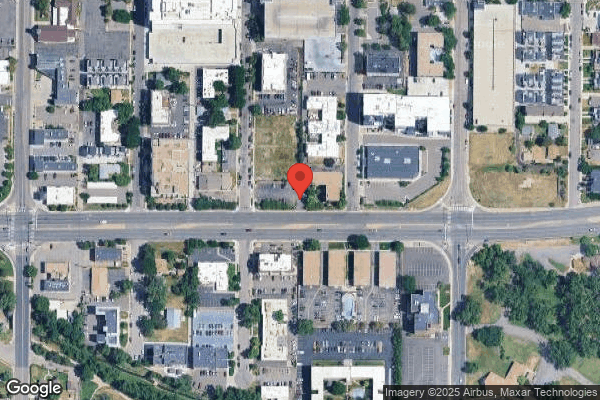
Understanding Severity Codes (click to expand)
Life-Threatening (Immediate Jeopardy)
J - Isolated K - Pattern L - Widespread
Actual Harm
G - Isolated H - Pattern I - Widespread
Potential for Harm
D - Isolated E - Pattern F - Widespread
No Harm (Minor)
A - Isolated B - Pattern C - Widespread

Questions to Ask on Your Visit

  • "Can I speak with families of current residents?"
  • "What's your RN coverage like on weekends and overnight?"

Our Honest Assessment

Strengths
  • • Licensed and certified facility. Meets minimum state requirements.
Concerns
  • • Multiple safety concerns identified: 3 harm violation(s). Review inspection reports carefully.
  • • 16 deficiencies on record, including 3 serious (caused harm) violations. Ask about corrective actions taken.
  • • $17,696 in fines. Above average for Colorado. Some compliance problems on record.
  • • Grade C (58/100). Below average facility with significant concerns.
Bottom line: Mixed indicators with Trust Score of 58/100. Visit in person and ask pointed questions.

About This Facility

What is Englewood Post Acute And Rehabilitation's CMS Rating?

CMS assigns ENGLEWOOD POST ACUTE AND REHABILITATION an overall rating of 4 out of 5 stars, which is considered above average nationally. Within Colorado, this rating places the facility higher than 99% of the state's 100 nursing homes. This rating reflects solid performance across the metrics CMS uses to evaluate nursing home quality.

How is Englewood Post Acute And Rehabilitation Staffed?

CMS rates ENGLEWOOD POST ACUTE AND REHABILITATION's staffing level at 2 out of 5 stars, which is below average compared to other nursing homes. Staff turnover is 54%, compared to the Colorado average of 46%.

What Have Inspectors Found at Englewood Post Acute And Rehabilitation?

State health inspectors documented 16 deficiencies at ENGLEWOOD POST ACUTE AND REHABILITATION during 2020 to 2024. These included: 3 that caused actual resident harm and 13 with potential for harm. Deficiencies causing actual harm indicate documented cases where residents experienced negative health consequences.

Who Owns and Operates Englewood Post Acute And Rehabilitation?

ENGLEWOOD POST ACUTE AND REHABILITATION is owned by a for-profit company. For-profit facilities operate as businesses with obligations to shareholders or private owners. The facility is operated by THE ENSIGN GROUP, a chain that manages multiple nursing homes. With 82 certified beds and approximately 75 residents (about 91% occupancy), it is a smaller facility located in ENGLEWOOD, Colorado.

How Does Englewood Post Acute And Rehabilitation Compare to Other Colorado Nursing Homes?

Compared to the 100 nursing homes in Colorado, ENGLEWOOD POST ACUTE AND REHABILITATION's overall rating (4 stars) is above the state average of 3.1, staff turnover (54%) is near the state average of 46%, and health inspection rating (4 stars) is above the national benchmark.

What Should Families Ask When Visiting Englewood Post Acute And Rehabilitation?

Based on this facility's data, families visiting should ask: "Can you walk me through typical staffing levels on day, evening, and night shifts?" "Can I visit during a mealtime to observe dining assistance and food quality?" "How do you handle medical emergencies, and what is your hospital transfer rate?" "Can I speak with family members of current residents about their experience?" These questions are particularly relevant given the below-average staffing rating.

Is Englewood Post Acute And Rehabilitation Safe?

Based on CMS inspection data, ENGLEWOOD POST ACUTE AND REHABILITATION has a clean safety record: no substantiated abuse findings (meaning no confirmed cases of resident harm), no Immediate Jeopardy citations (the most serious violation level indicating risk of serious injury or death), and is not on the Special Focus Facility watch list (a federal program monitoring the lowest-performing 1% of nursing homes). The facility has a 4-star overall rating and ranks #1 of 100 nursing homes in Colorado. While no facility is perfect, families should still ask about staff-to-resident ratios and recent inspection results during their visit.

Do Nurses at Englewood Post Acute And Rehabilitation Stick Around?

ENGLEWOOD POST ACUTE AND REHABILITATION has a staff turnover rate of 54%, which is 8 percentage points above the Colorado average of 46%. Moderate turnover is common in nursing homes, but families should still ask about staff tenure and how the facility maintains care continuity when employees leave.

Was Englewood Post Acute And Rehabilitation Ever Fined?

ENGLEWOOD POST ACUTE AND REHABILITATION has been fined $17,696 across 1 penalty action. This is below the Colorado average of $33,256. While any fine indicates a compliance issue, fines under $50,000 are relatively common and typically reflect isolated problems that were subsequently corrected. Families should ask what specific issues led to these fines and confirm they've been resolved.

Is Englewood Post Acute And Rehabilitation on Any Federal Watch List?

ENGLEWOOD POST ACUTE AND REHABILITATION is not on any federal watch list. The most significant is the Special Focus Facility (SFF) program, which identifies the bottom 1% of nursing homes nationally based on persistent, serious quality problems. Not being on this list means the facility has avoided the pattern of deficiencies that triggers enhanced federal oversight. This is a positive indicator, though families should still review the facility's inspection history directly.