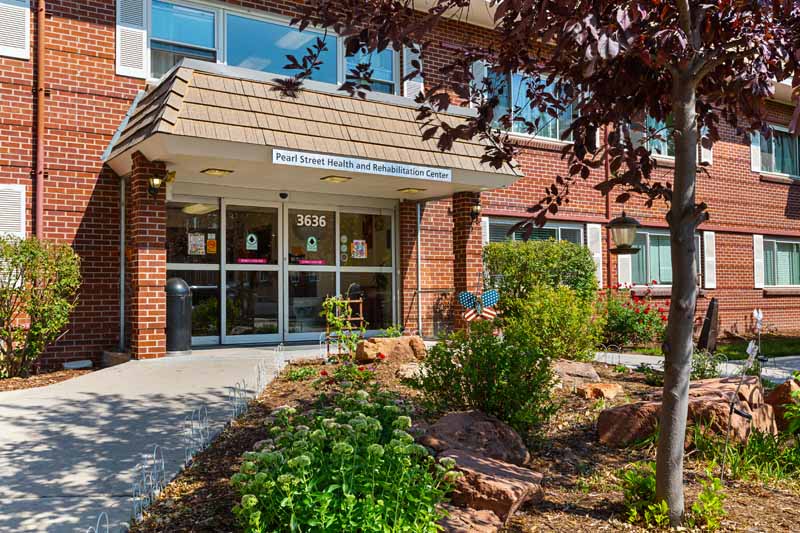
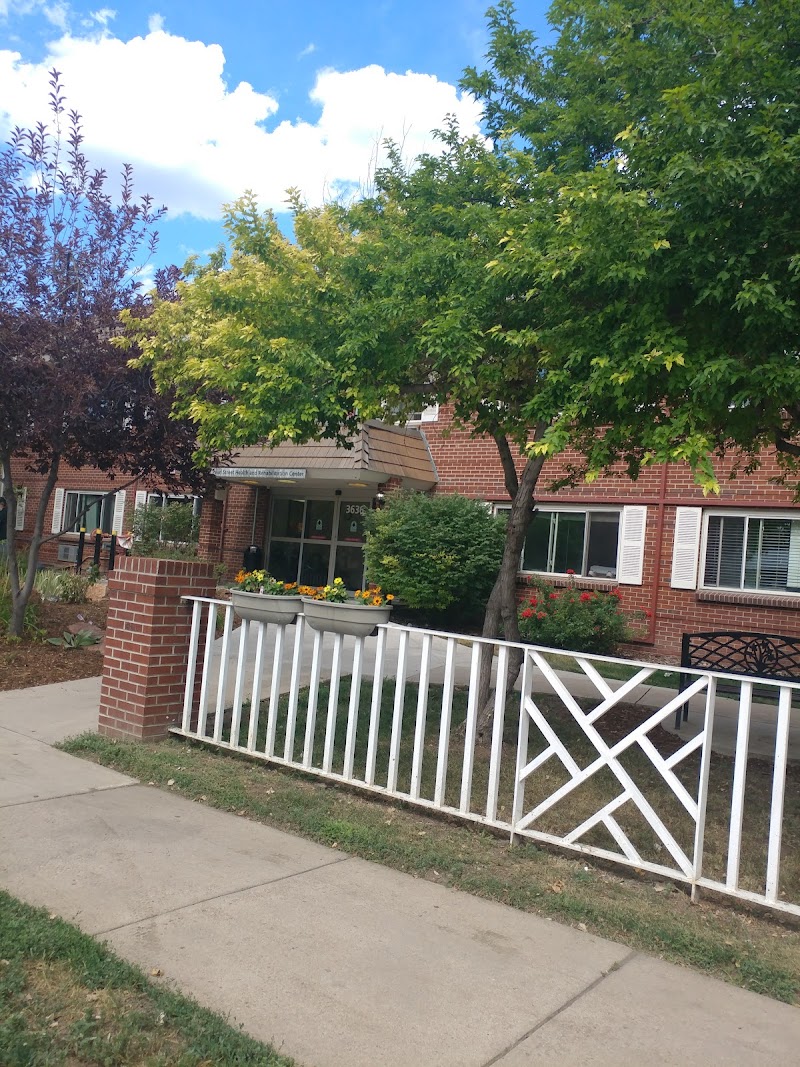
WELLSPRINGS CARE CENTER

3636 S PEARL ST, ENGLEWOOD, CO 80113 (303) 761-1640
For profit - Limited Liability company 81 Beds Independent Data: November 2025
Trust Grade
40/100
#176 of 208 in CO
Last Inspection: February 2024

Within standard 12-15 month inspection cycle. Federal law requires annual inspections.

Overview

Wellsprings Care Center has a Trust Grade of D, indicating that it is below average with some concerning issues. It ranks #176 out of 208 facilities in Colorado, placing it in the bottom half, and #20 out of 20 in Arapahoe County, meaning there are no better local options. The facility's trend is improving, as the number of issues decreased from 13 in 2024 to 7 in 2025. Staffing is a concern, with a rating of 2 out of 5 stars and a high turnover rate of 74%, significantly above the state average. Although there have been no fines, which is a positive sign, the RN coverage is below average, with less coverage than 98% of other Colorado facilities. Specific incidents of concern include failure to maintain a clean environment, such as debris on the smoking patio and dirty floors in residents' rooms, as well as lapses in food safety practices like improper food handling and unsanitary kitchen conditions. Overall, while there are some strengths like no fines and a trend of improvement, the facility has significant weaknesses that families should carefully consider.

Trust Score
D
40/100
In Colorado
#176/208
Bottom 16%
Safety Record
Low Risk
No red flags
Inspections
Getting Better
13 → 7 violations
Staff Stability
⚠ Watch
74% turnover. Very high, 26 points above average. Constant new faces learning your loved one's needs.
Penalties
✓ Good
No fines on record. Clean compliance history, better than most Colorado facilities.
Skilled Nurses
⚠ Watch
Each resident gets only 23 minutes of Registered Nurse (RN) attention daily — below average for Colorado. Fewer RN minutes means fewer trained eyes watching for problems.
Violations
⚠ Watch
32 deficiencies on record. Higher than average. Multiple issues found across inspections.
★★☆☆☆
2.0
Overall Rating
★★☆☆☆
2.0
Staff Levels
★★★★★
5.0
Care Quality
★☆☆☆☆
1.0
Inspection Score
Stable
2024: 13 issues
2025: 7 issues

The Good

  • 5-Star Quality Measures · Strong clinical quality outcomes
  • Full Sprinkler Coverage · Fire safety systems throughout facility
  • No fines on record

Facility shows strength in quality measures, fire safety.

The Bad

2-Star Overall Rating

Below Colorado average (3.1)

Below average - review inspection findings carefully

Staff Turnover: 74%

28pts above Colorado avg (46%)

Frequent staff changes - ask about care continuity

Staff turnover is very high (74%)

26 points above Colorado average of 48%

The Ugly 32 deficiencies on record

Jun 2025 1 deficiency
CONCERN (E) 📢 Someone Reported This

A family member, employee, or ombudsman was alarmed enough to file a formal complaint

Potential for Harm - no one hurt, but risky conditions existed

Deficiency F0659 (Tag F0659)

Could have caused harm · This affected multiple residents

**NOTE- TERMS IN BRACKETS HAVE BEEN EDITED TO PROTECT CONFIDENTIALITY** Based on record review and interviews, the facility failed to ensure that services provided or arranged in accordance with the r...

Read full inspector narrative →
**NOTE- TERMS IN BRACKETS HAVE BEEN EDITED TO PROTECT CONFIDENTIALITY** Based on record review and interviews, the facility failed to ensure that services provided or arranged in accordance with the resident's plan of care were delivered by individuals who have the skills, experience and knowledge to do a particular task or activity for four (#2, #4, #6 and #7) of seven residents out of 11 sample residents. Specifically, the facility failed to: -Ensure Resident #2, Resident #5, Resident #6 and Resident #7's post fall assessments were completed timely by a qualified person and documented in the residents medical record. Findings include: I. Facility policy and procedure The Fall Management policy, dated 2/29/24, was provided by the nursing home administrator (NHA) on 6/24/25 at 4:00 p.m. It read in pertinent part, All fall risk evaluation will be completed within the first 24 hours of admission and a baseline care plan will be initiated for residents to be at risk. If a resident experiences a fall with a head injury, the fall is unwitnessed, or the resident self-reports a fall, neurological checks will be initiated. The facility will review all falls daily during the morning QAPI meeting. Falls review will include the following: review the risk management incident to ensure complete and appropriate parties have been notified regarding the incident, review the interdisciplinary team (IDT) risk management to ensure complete and appropriate interventions have been implemented, review that a care plan has been initiated, and provided revisions to the plan of care as necessary after falls. II. Resident #2 A. Resident status Resident #2, age less than 65, was admitted on [DATE]. According to the June 2025 computerized physician orders (CPO), diagnoses included hepatic encephalopathy (brain dysfunction resulting from liver disease), left arm fracture, schizophrenia (mental disorder), type 1 diabetes mellitus, chronic obstructive pulmonary disease (COPD), cirrhosis of the liver (build up of scar tissue on the liver) and alcohol abuse. The 5/25/25 minimum data set (MDS) assessment indicated the resident was cognitively intact with a brief interview for mental status (BIMS) score of 15 out of 15. The resident required staff supervision for showering including tub/shower transferring and was independent with all other activities of daily living (ADL). B. Record review A 5/30/25 nursing progress note documented at 8:19 p.m. revealed Resident #2 reported to licensed practical nurse (LPN) #1 that he had an unwitnessed fall. The note documented Resident #2 was assessed by LPN #1 to have sustained an abrasion to the right eye and the right hand above the 2nd and 3rd fingers. The resident's neurological status was intact. -A review of Resident #2's electronic medical record (EMR) did not reveal documentation of Resident #2 being assessed by a registered nurse (RN). III. Resident #5 A. Resident status Resident #5, age greater than 65, was admitted on [DATE]. According to the June 2025 CPO, diagnoses included encephalopathy , aphasia (language disorder affecting the ability to communicate), schizophrenia, anoxic brain damage (oxygen deprivation), acute respiratory failure and category three blindness (severe vision impairment). The 6/8/25 MDS assessment indicated the resident was cognitively intact with a BIMS score of 15 out of 15. The resident was dependent on staff for assistance with all ADL. B. Record review The 5/2/25 fall investigation documented LPN #2 heard Resident #5's wife calling for help. Upon observation, the resident was on the floor between the toilet and the wall. The resident attempted to self transfer from the wheelchair to the toilet and fell. The 5/5/25 (three days after the fall) nursing progress note documented by the director of nursing (DON) revealed was noted on the floor in the bathroom and attempted to transfer himself. Resident #5 was assessed for injuries and range of motion was within normal limits. IV. Resident #6 A. Resident status Resident #6, age less than 65, was admitted on [DATE]. According to the June 2025 CPO, diagnoses included multiple sclerosis, chronic obstructive pulmonary disease, schizophrenia, and history of falling. The 4/13/25 MDS assessment indicated the resident was severely cognitively impaired with a BIMS score of 6 out of 15. The resident required moderate staff assistance with bathing, supervision with hygiene and was independent with all other ADL. B. Record review A review of Resident #6's fall investigation and nursing progress notes documented by an LPN on 3/17/25 that Resident #6's roommate pressed the call button. A certified nurse aide (CNA) found the resident sitting on the floor. The resident was alert and oriented and not in distress with stable vital signs. The resident stated she fell asleep while using the bathroom and woke up on the floor. The resident was assessed by an LPN with no abnormal findings, vital signs were stable and the resident was assisted back to bed. Neurological checks were initiated. -A review of Resident #6's EMR and fall investigation did not reveal documentation of Resident #6 being assessed by a RN. V. Resident #7 A. Resident status Resident #7, age less than 65, was admitted on [DATE]. According to the June 2025 CPO, diagnoses included neurofibromatosis (tumor growth on nerve tissues), malignant neoplasm (tumor) of the spinal cord, muscle weakness, need for assistance with personal care and cognitive communication deficit. The 4/17/25 MDS assessment indicated the resident was cognitively intact with a BIMS score of 15 out of 15. The resident needed moderate staff assistance for bathing, set up for eating and moderate staff assistance for all other ADL. B. Record review The 5/2/25 fall investigation review documented it was reported to a LPN at approximately 2:00 p.m. that the resident slipped off the toilet. When the nurse arrived at the resident's bathroom the resident was already sitting up on the toilet seat. The resident was attempting to shift his weight while he was with an occupational therapist. The investigation documented the LPN assessed the resident for pain and vital signs, and notified the DON and physician. -A review of Resident #7's EMR did not reveal documentation of Resident #5 being assessed by a RN. A 6/23/25 progress note (written during the survey) by RN #1 documented she was notified on 3/19/25 at approximately 2:00 p.m. that this resident had a witnessed fall. The resident was assessed and no injuries were noted, the resident denied pain or hitting his head. The resident's vital signs were within normal limits. The DON and physician were notified of the resident's fall. VI. Staff interviews The quality mentor was interviewed on 6/24/25 at 9:30 a.m. The quality mentor said RN #1 received a report on 5/30/25 from the nurse on duty that Resident #2 had an unwitnessed fall. The quality mentor said RN #1 assessed Resident #2 at 10:00 p.m. when she arrived at the facility for the start of her shift. The quality mentor said RN #1's assessment did not result in different findings than LPN #1's (see above) so RN #1 did not document her assessment. The quality mentor said she provided education to RN #1 that when she assessed a resident the assessment should be documented in the resident's EMR. The quality mentor said RN #1 also failed to document her assessment for Resident #6 and Resident #7's fall because her assessments resulted in the same findings as the LPN's initial assessment. The NHA, the DON and the quality mentor were interviewed together on 6/24/25 at 2:30 p.m. The DON said she assessed Resident #5 after his fall on 5/2/25 but did not document her assessment until 5/5/25. The DON said she completed the assessment and it was in her list of papers and she forgot to enter the assessment timely. The DON said she asked RN #1 to document the results of her assessment of Resident #7 in the resident's EMR during the survey. The NHA said if an RN was not in the facility to assess a resident then the staff should notify the DON. The quality mentor said RN #1 was documenting her assessments by exception. The quality mentor said because RN #1's assessments resulted in the same results, RN #1 chose not to document the assessment but had since been educated on the correct process (see below). VII. Facility follow up The resident assessment education, dated 6/23/25 (during the survey), was provided by the quality mentor on 6/24/25 at 9:30 a.m. The education documented it was provided to LPN #1, RN #1 and the DON on 6/23/25 by the quality mentor. The education documented that upon assessment of fall, a progress note should be written at the time of the fall to ensure that the assessment was documented in the medical record and findings were addressed as necessary. The LPN should also document in the progress notes that an RN completed the assessment. An action plan for falls, dated 6/23/25 (during the survey), was provided by the quality mentor on 6/24/25 at 2:30 p.m. The action plan documented on 6/23/25 it was identified the fall system was not being properly carried out and complete re-education by the DON or other designee with licensed nursing staff would be completed. The education included that anytime a resident fell a post fall assessment was completed by the RN, the LPN should document that the RN completed the assessment and the RN should document the findings in the medical record.
Jun 2025 3 deficiencies
CONCERN (D) 📢 Someone Reported This

A family member, employee, or ombudsman was alarmed enough to file a formal complaint

Potential for Harm - no one hurt, but risky conditions existed

Notification of Changes (Tag F0580)

Could have caused harm · This affected 1 resident

**NOTE- TERMS IN BRACKETS HAVE BEEN EDITED TO PROTECT CONFIDENTIALITY** Based on record review and interviews, the facility failed to notify the resident representative when there was a significant ch...

Read full inspector narrative →
**NOTE- TERMS IN BRACKETS HAVE BEEN EDITED TO PROTECT CONFIDENTIALITY** Based on record review and interviews, the facility failed to notify the resident representative when there was a significant change in the resident's condition for two (#7 and #8) of three residents reviewed out of 12 sample residents. Specifically, for Resident #7 and Resident #8, the facility failed to: -Keep the resident's current designated representative's name and contact information updated in the resident's record; and, -Make additional attempts or try alternative methods to contact the representative when the representative was not reachable. Findings include: I. Facility policy and procedure The Change of Condition policy, dated 2/29/24, was provided by the nursing home administrator (NHA) on 6/4/25 at 12:24 p.m. It read in pertinent part, The resident, attending physician and legal representative or interested family member are notified when changes in condition or certain events occur. Communication with the IDT (interdisciplinary team) and caregivers is also important to ensure that consistency and continuity are maintained for the resident's benefit. The facility must immediately inform the resident; consult with the resident's physician; and if known, notify the resident's legal representative or an interested family member when there is a significant change in the resident's physical, mental, or psychosocial status (a deterioration in health, mental, or psychosocial status in either life - threatening conditions or clinical or a decision to transfer or discharge the resident from the facility. II. Resident #7 A. Resident status Resident #7, age less than 65, was admitted on [DATE]. According to the June 2025 computerized physician orders (CPO), diagnoses included chronic obstructive pulmonary disease (COPD), atrial fibrillation (abnormal heartbeat), chronic respiratory failure, depression and type 2 diabetes mellitus with diabetic neuropathy. According to the 4/17/25 minimum data set (MDS) assessment, the resident was cognitively intact with a brief interview for mental status (BIMS) score of 15 out of 15. B. Resident interview Resident #7 was interviewed on 6/3/25 at 10:30 a.m. Resident #7 said the facility failed to notify his representative when he was sent out to the hospital and his representative had been worried when he was not able to contact him at the facility. He said it made him very upset that his representative did not know his whereabouts. Resident #7 said his representative only found out about his hospitalization when he called his representative to see if he was going to come to the hospital. Resident #7 said it was very important to him to have his representative involved in his care. He said he updated his representative`s phone number before the last two hospitalizations, so he was not sure why the facility was unable to notify his representative that he was hospitalized . Resident #7 did not remember who he informed about the change. He said he would inform the NHA to update his representative`s information when needed. C. Record review Resident #7`s clinical resident profile, in the electronic medical record (EMR), was reviewed on 6/3/25 at 12:15 p.m. with Resident #7. The phone number listed for the resident's representative was verified as the correct number by Resident #7. The Situation, Background, Appearance, Review and Notify (SBAR) communication form, dated 4/2/25, revealed that the facility made one attempt to call Resident #7`s representative and the alternative representative on that date (4/2/25). A progress note, dated 4/2/25, revealed licensed practical nurse ( LPN) #3 was not able to reach the resident's representatives and no message was left when the representatives were unreachable. -There was no documentation in Resident #7's EMR to indicate the facility attempted to notify the resident's representatives again after the initial attempt to notify them. III. Resident #8 A. Resident status Resident #8, age less than 65, was admitted on [DATE] and readmitted on [DATE]. According to the June 2025 CPO, diagnoses included chronic systolic heart failure, COPD, bipolar disorder and abnormalities of gait and mobility. According to the 4/28/25 MDS assessment, the resident was cognitively intact with a BIMS score of 15 out of 15. B. Resident interview Resident #8 was interviewed on 6/3/25 at 1:30 p.m. She said the facility failed to notify her representative about her hospitalizations numerous times. She said her representative was only informed about her hospitalization when she came to visit her at the nursing home while she was hospitalized in April 2025. The contact information in the resident's EMR was reviewed with Resident #8 during the interview and she said the person listed on file as her representative was not correct. She said the person listed as her representative in the EMR had passed away last year and her EMR should have been updated to list her current representative contact. She said she did not know why her current representative's information was not on her clinical resident profile. She said the facility did not ask to verify her representative`s information during her stay or at any of her care conferences. She said she was unsure how to make sure the facility had up-to-date contact information for her representative`s phone number. C. Record review -Review of Resident #8`s current clinical profile information, reviewed on 6/3/25 at 1:30 p.m. with Resident #8, did not contain the correct name or contact information for the resident's current representative (see resident interview above). The SBAR communication form dated 4/21/25, revealed that Resident #8's representative was unreachable but there was no documentation of who the nurse attempted to contact. -However, the representative's information listed in Resident #8's EMR was for the resident's previous representative (see above). IV. Staff interview LPN #3 was interviewed on 6/3/25 at 11:40 a.m. LPN #3 said she would call the residents' representative`s number on the clinical resident profile when she needed to update them. She said she would attempt to call two to three times to reach the representative if she was not able to leave a voicemail. She said staff would request a call back without leaving a detailed message and would say whether the call was an emergency or not. She said there was no timeframe to reach the representative, but she said in the case of an emergency, staff would call right away. She said staff documented all calls in the progress notes. She said she would inform the director of nursing (DON) or the resident's physician about an unsuccessful representative notification. -However, there was no documentation to indicate LPN #3 attempted to contact Resident #7's representative more than one time (see record review above). LPN #3 was interviewed a second time on 6/4/25 at 7:45 a.m. LPN #3 said the nurses were able to update residents' representative contact information in the EMR. She said nurses could also forward the information to the social services department or the medical records department so the information could be corrected for other contact lists. She said she was unsure what to do if staff could not reach the resident's representative in an emergency situation, other than making a progress note. LPN #3 said she thought the DON would read progress notes daily and notice if there was an unsuccessful call to the resident's representative and take care of it. She said nurses were not able to send emails to the residents' representatives. The social services director (SSD) was interviewed on 6/4/25 at 10:30 a.m. The SSD said the facility used the hospital`s referral packet to obtain the residents' representative's contact information most of the time. She said residents were asked to verify information upon admission if they were able to verify the information. She said the facility would ask residents to verify current representative information during their care conferences. She said if the resident or the resident's representative needed to update the representative's contact information, they should notify the social services department, the medical record department or the nurses. The regional nurse consultant (RNC) was interviewed on 6/4/25 at 10:40 a.m. The RNC said there was no official procedure to update the residents' representative information. She said the nurses were able to update this information. She said nurses recorded all notifications to residents' representatives in the EMR progress notes. She said there were two ways the DON would be notified about an unsuccessful representative notification. She said the DON read all notes, including change of condition notes, each morning. She said the DON could also filter notes in the residents' EMRs for high risk notes or change of condition notes. She said it was the nurse`s responsibility to notify representatives about a hospitalization. The RNC said nurses should notify the DON if a representative's notification was unsuccessful. She said the facility expected nurses to reach out to the representatives a couple of times and record all attempts to call the representative in the progress notes. She said the facility should never rely on the hospital`s information. She said the facility should have a better system to keep representatives' information updated during the residents' stay at the facility. She said staff should indicate the representative`s name and number in the progress note. She said staff should attempt to reach the second emergency contact if needed. She said using email could be another way to notify representatives. She said the facility would educate the residents about how to update their representative`s contact information. The NHA was interviewed on 6/4/25 at 12:30 p.m. The NHA said nurses would document all resident representative notification attempts in the residents' progress notes. She said nurses would call the second contact if they could not reach the first representative. She said nurses would reach out to the facility`s management if no contact was able to be made with the representative. She said the facility updated the residents' representative information during quarterly care conference meetings. She said the facility should have updated Resident #3`s representative`s information once he returned from the hospital and all the previous attempts were unsuccessful. -However, there was no documentation to indicate the facility attempted to contact Resident #7's representative more than one time (see record review above). The NHA said she knew that Resident #8`s previous representative had passed away and said the resident's clinical resident profile should have been updated with the resident's current representative's name and contact information.
CONCERN (D) 📢 Someone Reported This

A family member, employee, or ombudsman was alarmed enough to file a formal complaint

Potential for Harm - no one hurt, but risky conditions existed

Free from Abuse/Neglect (Tag F0600)

Could have caused harm · This affected 1 resident

**NOTE- TERMS IN BRACKETS HAVE BEEN EDITED TO PROTECT CONFIDENTIALITY** Based on record review and interviews, the facility failed to ensure three (#1, #2 and #5) of three residents reviewed for abuse...

Read full inspector narrative →
**NOTE- TERMS IN BRACKETS HAVE BEEN EDITED TO PROTECT CONFIDENTIALITY** Based on record review and interviews, the facility failed to ensure three (#1, #2 and #5) of three residents reviewed for abuse out of 12 sample residents were kept free from abuse. Specifically, the facility failed to: -Ensure Resident #2 and Resident #5 were kept free from physical abuse from each other; and, -Ensure Resident #1 was kept free from physical abuse by Resident #2. Findings include: I. Facility policy and procedure The Abuse policy and procedure, dated 5/3/23, was provided by the nursing home administrator (NHA) on 6/4/22 at 12:24 p.m. It revealed in pertinent part, The facility does not condone resident abuse and shall take every precaution possible to prevent resident abuse by anyone, including staff members, other residents, volunteers, and staff of other agencies serving the resident, family members, legal guardians, resident representative, sponsors, friends, or any other individuals. If a resident experiences a behavior change resulting in aggression toward other residents, the facility will implement interventions for protection of the alleged assailant and other residents. The facility conducts further assessment and arranges for appropriate psychiatric evaluation for further screening. The resident's care plan is revised to include new approaches to reduce or eliminate any further chance of abuse. Recommendations for appropriate intervention, up to and including hospitalization, can then be implemented. Resident abuse is defined as the willful infliction of injury, unreasonable confinement, intimidation, or punishment of a resident resulting in physical harm or pain, mental anguish, deprivation of goods or services that are necessary to attain or maintain physical, mental, or psychosocial well-being. Also, verbal abuse, sexual abuse, physical abuse, and mental abuse, including abuse facilitated or enabled through use of technology. Physical abuse is defined as abuse that results in bodily harm with intent. It includes hitting, slapping, pinching, kicking, and controlling behavior through corporal punishment and willful neglect of the resident's basic needs. II. Incident of physical abuse between Resident #5 and Resident #2 on 4/20/25 A. Facility investigation The facility's abuse investigation, dated 4/20/25, documented that at 11:00 a.m. Resident #2 and Resident #5 were sitting outside on the second floor patio area. Resident #2 asked Resident #5 a question, and before Resident #5 could reply, Resident #2 punched Resident #5 in the face twice with a closed fist. Resident #12 witnessed the incident. Licensed practical nurse (LPN) #2 heard loud voices coming from the patio area. LPN #2 ran from the nurse's station to the patio and observed Resident #2 and Resident #5 arguing and in each other's faces. LPN #2 immediately got in the middle and separated the residents. Registered nurse (RN) #1 assessed Resident #5. Resident #5 said that his tooth was cracked. RN #1 assessed Resident #5 and found no dental injuries. RN #1 offered dental care but Resident #5 declined. LPN #2 completed an injury assessment on Resident #2 and observed an abrasion to Resident #2's forehead, however, the injury did not require more than first aid treatment. The investigation documented that Resident #2 had dementia with impaired cognitive function, resulting in poor impulse control and impaired thought processes. He had a history of behavioral issues, including refusal of medications and occasional verbal and physical aggression directed towards others. He exhibited impaired thought processes and was diagnosed with dementia. Resident #5 was interviewed by the social services director (SSD) on 4/20/25 at 11:30 a.m., following the incident. Resident #5 said that he was complaining about the food and Resident #2 responded by telling him, if you don't like it, there's the street. Resident #5 said he replied that he was capable of making his own decisions and then Resident #2 punched him in the face twice. Resident #5 said he stood up from his wheelchair and struck Resident #2 once in the face. Resident #5 said Resident #2 then made a comment accusing Resident #5 of faking his need for a wheelchair. Resident #2 was interviewed by the SSD on 4/20/25 at 11:40 a.m., following the incident. Resident #2 said that Resident #5 had been speaking negatively about the facility and staff, which upset him. Resident #2 said he told Resident #5 he could leave and then Resident #5 hit him. Resident #2 said he did not strike Resident #5. The investigation documented that Resident #12 provided a verbal witness statement. Resident #12 said he saw Resident #2 hit Resident #5 twice and Resident #5 hit Resident #2 back. Resident #12 said Resident #2 told Resident #5 There is the street and Resident #5 responded that he knew where the street was. The investigation documented the facility substantiated that the allegation of resident-to-resident physical abuse occurred. The interventions put into place after the incident for Resident #2 included 15-minute checks and increased notifications to the resident's family members, the NHA and the director of nursing (DON) if the resident refused medications. B. Resident #5 - victim and assailant 1. Resident status Resident #5, age less than 65, was admitted on [DATE]. According to the June 2025 computerized physician orders (CPO), diagnoses included diabetes and a history of psychoactive substance use. The 4/23/25 minimum data set (MDS) assessment revealed the resident was cognitively intact with a brief interview for mental status (BIMS) score of 15 out of 15. He did not need assistance with the activities of daily living (ADL). The MDS assessment revealed the resident displayed verbal behavioral symptoms directed toward others. 2. Resident interview Resident #5 was interviewed on 6/3/25 at 1:25 p.m. Resident #5 said Resident #2 punched him twice because Resident #2 became upset when he spoke negatively about the facility. He said he felt it was wrong for Resident #2 to tell him to go on the street. He said he later apologized to Resident #2. Resident #5 said he did not hate Resident #2 and he felt safe at the facility. 3. Record review The behavioral care plan, initiated 4/29/25, documented Resident #5 could become loud or verbally aggressive when refusing care. It indicated the resident had mood and behavior challenges, including yelling or verbal aggression. Pertinent interventions included monitoring, documenting and reporting as needed for increased anger, agitation, or feeling threatened by others and consulting behavioral health as needed. The 4/20/25 nurse progress note revealed that Resident #5 was in a physical altercation with another resident and the altercation resulted in a cracked tooth. C. Resident #2 - assailant and victim 1. Resident status Resident #2, age less than 65, was admitted on [DATE]. According to the June 2025 CPO, diagnoses included delusional disorders, alcohol dependence, restlessness and agitation. The 4/10/25 MDS assessment revealed the resident had moderate cognitive impairment with a BIMS score of 12 out of 15. The resident required set-up assistance from one staff member to complete ADLs. The MDS assessment revealed the resident did not display physical behaviors directed towards others during the assessment period. 2. Resident interview Resident #2 was interviewed on 6/3/25 at 2:37 p.m. Resident #2 said he did not punch anyone because if he had, the police would have been notified and he would not still be at the facility. He said another resident called him a racial slur and although the comment upset him, he did not react. He said that if the incident had occurred on the street, it would have ended differently. 3. Record review The behavioral care plan, initiated 7/24/24 and revised 5/5/25, documented Resident #2 had a history of verbal and physical aggression toward others, with behaviors related to poor impulse control due to encephalopathy and a subdural hematoma. It indicated Resident #2 had impaired cognitive functioning and impaired thought processes related to dementia. Pertinent interventions included analyzing key times, places, circumstances and triggers that escalated his behavior; assessing his understanding of situations and allowing time for the resident to express himself and his feelings. The care plan documented that Resident #2 could become verbally aggressive when he perceived others as invading his space or when he felt disrespected. Staff were directed to intervene before agitation escalated, guide the resident away from the source of distress, and engage him calmly in conversation. If the resident responded aggressively, staff were instructed to walk away calmly and approach again later. His behavior was noted to de-escalate when he was given time alone. The 4/20/25 nurse progress note revealed that Resident #2 and Resident #5 argued with each other and that Resident #2 hit Resident #5. III. Incident of physical abuse between Resident #1 and Resident #2 on 4/28/25 A. Facility investigation The facility abuse investigation, dated 4/28/25, documented that at 7:30 a.m. Resident #1 made a derogatory racist comment to Resident #2 as Resident #2 was getting up from the table to leave the dining room. Resident #2 grabbed Resident #1's hair while passing by and pulled it. Certified nurse aide (CNA) #2 witnessed the incident and immediately intervened to remove Resident #2's hand from Resident #1's hair. Resident #9 witnessed the incident and provided a written witness statement. RN #1 attempted to assess Resident #1 for injury; however, Resident #1 refused assessment and no treatment was provided. The investigation documented Resident #1 had poor impulse control and the potential to become verbally aggressive, including the use of derogatory names and racial slurs directed towards other residents. Resident #2 was interviewed by the NHA on 4/29/25 regarding the incident that occurred on 4/28/25. Resident #2 initially denied doing anything. He then said, Maybe, but he is fine in reference to pulling Resident #1's hair. He continued by saying that everyone always said he did things he was not doing and added, Whatever, just get me out of this place. The NHA observed that Resident #2 became increasingly agitated and the interview was ended at that time. Resident #1 was interviewed by the NHA on 5/3/25 at 11:30 a.m. regarding the incident. Resident #1 initially refused to discuss the matter and said, it is done and over with. When the NHA brought up the resident's use of racial slurs directed towards Resident #2, Resident #1 admitted making the comment and said he would come up with something else to call Resident #2. Resident #1 was redirected and informed that further disruptive or disrespectful behavior could result in being removed from the dining room. Resident #1 responded dismissively and asked if the NHA was done talking to him. The investigation documented CNA #2 provided a written witness statement. CNA #2 said he observed Resident #2 holding onto Resident #1's hair so he grabbed Resident #2's hand to prevent him from pulling Resident #1's hair. The interventions put into place after the incident for Resident #2 included 15-minute checks, resident education on respect and appropriate peer interactions, encouraging both residents not to sit near each other and staff was educated on visual monitoring during mealtimes in the dining room. Interventions for Resident #1 included staff intervening before agitation escalated, guiding the resident away from the source of distress, engaging the resident in calm conversation, and, if the resident's response was aggressive, staff were to remain calm, walk away and approach later. The investigation concluded the abuse was substantiated. C. Resident #1 - victim 1. Resident status Resident #1, age [AGE], was admitted on [DATE]. According to the June 2025 CPO, diagnoses included encephalopathy (brain disorder) and acute kidney failure. The 5/13/25 MDS assessment revealed the resident had short-term memory impairment, per the staff assessment for mental status. He was independent with ADLs. The MDS assessment indicated the resident demonstrated rejection of care during the assessment look back period. 2. Record review The behavioral care plan, initiated 10/9/24 and revised 1/17/25, documented Resident #1 had poor impulse control and the potential to become verbally aggressive, including the use of derogatory names and racial slurs towards other residents. Pertinent interventions included intervening before agitation escalated, guiding the resident away from the source of distress, engaging calmly in conversation and walking away and approaching later if the resident responded aggressively. The 4/28/25 nurse progress note revealed that two CNAs witnessed Resident #2 grabbed Resident #1's hair in the dining room. Resident #1 refused to allow staff to assess his skin. D. Resident #2 - assailant The 4/29/25 nursing progress note revealed that Resident #2 informed the nurse that he had pulled another resident's hair. The resident said that Resident #1 called him a racial slur in the dining room and Resident #2 got up and pulled the resident's hair. -However, the care plan was not revised until 5/5/25, seven days after the 4/28/25 incident involving Resident #1. E. Resident #9 interview Resident #9 was interviewed on 6/3/25 at 4:02 p.m. Resident #9 said Resident #1 had called Resident #2 a racial slur and Resident #2 became upset and pulled Resident #1's hair. IV. Staff interviews Certified nurse aide (CNA) #2 was interviewed on 6/3/25 at 4:26 p.m. CNA #2 said he had been in the dining room when the incident occurred between Resident #1 and Resident #2 on 4/28/25. CNA #2 said he had been the staff member who held Resident #2's hand to prevent him from pulling Resident #1's hair. He said that since the incident, staff had increased monitoring of the two residents and ensured they did not sit together. He said he redirected residents when he observed potential triggers and, if they attempted to sit at the same table, staff separated them or adjusted their dining times to prevent them from being in the dining room at the same time. CNA #2 said he was not working during the 4/20/25 incident involving Resident #5 and Resident #2 but he had heard about the incident from the management team. He said staff were expected to observe the residents closely and monitor for any signs of agitation to help ensure resident safety. CNA #3 was interviewed on 6/4/25 at 9:45 a.m. CNA #3 said she had worked at the facility for 17 years. She said she had heard about the altercation between Resident #1 and Resident #2 that occurred on 4/28/25 and said that Resident #2 got upset easily. She said that since the incident, a nurse had consistently been present in the dining room when Resident #1 and Resident #2 were there to ensure their safety. She said when she observed any altercations, she intervened and notified the nurse and then the NHA. She said Resident #2 tended to ignore CNAs but responded better when nurses were present. She said that since the incident in the dining room between Resident #1 and Resident #2, a nurse had always been present there to help prevent a recurrence. She said she was not working on 4/20/25, the day of the incident between Resident #2 and Resident #5 but she had heard about the incident from other staff. CNA #1 was interviewed on 6/4/25 at 10:04 a.m. CNA #1 said he had worked at the facility for one year and was familiar with Resident #2. He said Resident #2 became upset when others used racial slurs or violated his personal space. He said that when there was an altercation, he intervened, redirected the residents, and notified the nurse, the DON, and the NHA. He said that following the incident in the dining room when Resident #2 pulled Resident #1's hair, Resident #1 had been eating in his room for 30 days to avoid further altercations. The DON was interviewed on 6/4/25 at 12:30 p.m. The DON said staff completed crisis prevention intervention (CPI) training during onboarding and as needed. She said leadership discussed resident behaviors and related concerns during staff meetings. She said once she became aware of an incident, she separated the residents involved and placed the aggressor on 15-minute checks for 24 hours. She said the facility did not implement checks for the victim if no injury was observed, as frequent checks could agitate some residents. She said if the aggressor continued to escalate, staff implemented one-to-one supervision for the resident. The DON said Resident #2 was difficult to manage due to multiple diagnoses, refusals of medications and elevated blood sugars. She said staff notified her when a resident missed two consecutive doses of medication, especially if increased behavioral symptoms were observed. The DON said Resident #1 had previously been restricted from dining in the dining room for one week due to an altercation. She said Resident #1's behaviors tended to improve before escalating again, and despite staff efforts, the facility could not always prevent resident-to-resident altercations.
CONCERN (E) 📢 Someone Reported This

A family member, employee, or ombudsman was alarmed enough to file a formal complaint

Potential for Harm - no one hurt, but risky conditions existed

Safe Environment (Tag F0584)

Could have caused harm · This affected multiple residents

**NOTE- TERMS IN BRACKETS HAVE BEEN EDITED TO PROTECT CONFIDENTIALITY** Based on observations and interviews the facility failed to provide a safe, clean, sanitary and comfortable homelike environment...

Read full inspector narrative →
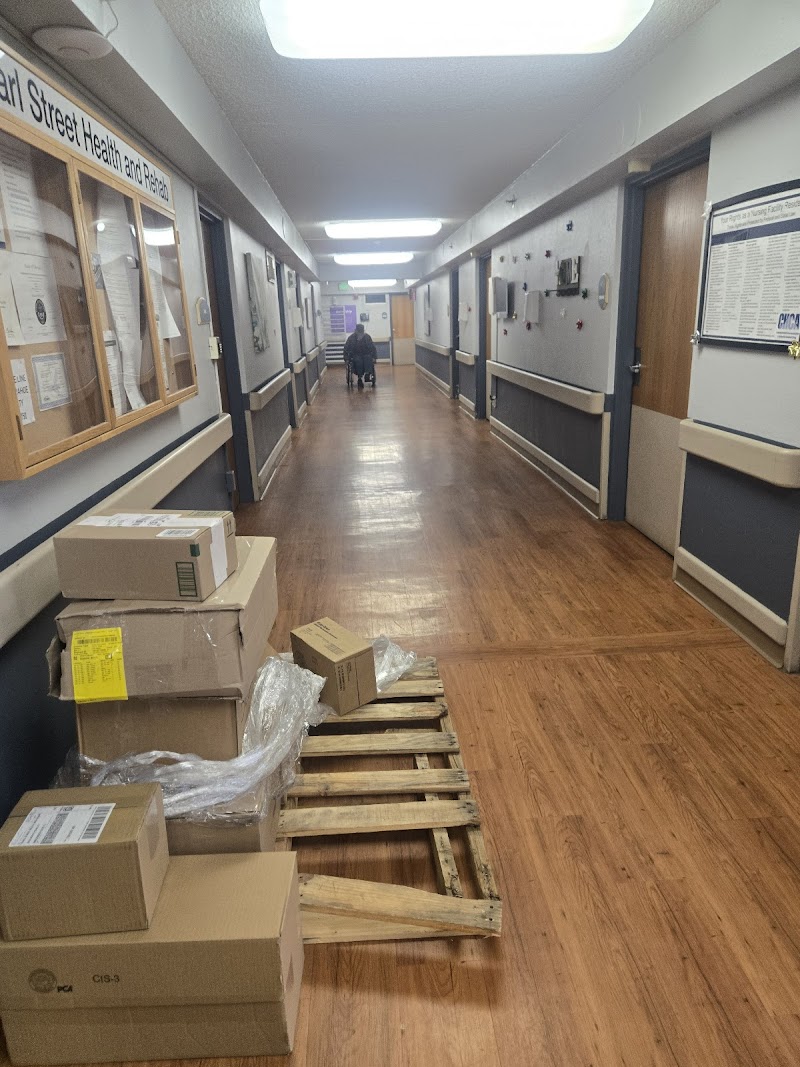
**NOTE- TERMS IN BRACKETS HAVE BEEN EDITED TO PROTECT CONFIDENTIALITY** Based on observations and interviews the facility failed to provide a safe, clean, sanitary and comfortable homelike environment throughout the facility in three out of four hallways. Specifically the facility failed to: -Ensure resident rooms were clean and odor free; -Ensure the residents had clean bed linens and privacy curtains; -Ensure the dining room and common areas were clean; and, -Ensure the facility was free from institutional odors. Findings include: I. Facility policy and procedure The Homelike Environment policy, revised February 2021, was provided by the nursing home administrator (NHA) on 6/4/25 at 12:24 p.m. The policy read in pertinent part, Residents are provided with a safe, clean, comfortable and homelike environment. The facility staff and management maximizes, to the extent possible, the characteristics of the facility that reflect a personalized, homelike setting. These characteristics included a clean, sanitary and orderly environment, clean bed and bath linens that are in good condition, and pleasant, neutral scents. The facility staff and management minimizes, to the extent possible, the characteristics of the facility that reflect a depersonalized, institutional setting. These characteristics included institutional odors. II. Observations Observations of the facility's second floor were conducted on 6/3/25 between 8:47 a.m. to 11:30 a.m. The following was observed: The second floor hallways had a strong smell of urine, cigarettes and body odor. The second floor dining room had food, cigarette butts and a hair tie filled with hair on the floor. The heating unit covers had cigarette butts, dirt and clumps of dust underneath. The window blinds were covered in dust and dirt with pieces broken off. The tables had dried paint splatter and food stains. The second floor dining room was observed again on 6/3/25 at 11:30 a.m., during lunch. The floor had not been cleaned and there were no tablecloths placed on the stained table. The second floor common area's heating unit was covered with dirt and dust, there were clumps of dust and dirt underneath the heating unit and the vending machines. The common area smelt of urine and cigarettes. Resident room [ROOM NUMBER] had broken blinds on the floor underneath the window, which left the window with no privacy covering to the front of the facility. The resident who resided in that room said the blind had been off for a week. Resident rooms #218 and #221 had broken closet doors. room [ROOM NUMBER]'s closet door was off the track and room [ROOM NUMBER]'s had missing closet hardware. Resident rooms #218, #219 and #221's privacy curtains had yellow and brown stains. Resident rooms #211, #219, #221 and #205 had a strong smell of urine and body odor. Resident room [ROOM NUMBER]'s toilet lid was broken off and placed near the toilet. The overhead light covering had dark yellow stains. Observations made of the facility's first floor were conducted on 6/3/25 at 1:30 p.m. The following was observed: Resident rooms #109 and #111 had brown stained sheets. The blanket on the made bed had brown color stains. Both rooms had a urine odor. Resident room [ROOM NUMBER] had a brown colored, dried sticky substance on the bathroom floor. There was a brown stain around the toilet floor. The window curtains had broken hooks and were partly hanging off the curtain rod. Resident room [ROOM NUMBER] had a urinal that was three quarters full of urine that was left on the bedside table. The urinal did not have a lid and was stained a dark yellow color and the outside of the urinal was soiled. An observation on 6/4/25 at 10:00 a.m. revealed the following: The second floor had food on the floor. The dirt and clumps of dust under the heating unit was still there. The hair tie and cigarette butts remained under the heating unit along the wall. The tables had no coverings and were stained with paint and food. The second floor had a smell of urine and body odor. III. Resident interviews The resident who resided in room [ROOM NUMBER] was interviewed on 6/3/25 11:30 a.m. He said the blinds had been broken off for at least a week. The resident said he told a staff member about the blinds, but did not remember who he told. The resident who resided in room [ROOM NUMBER] was interviewed on 6/3/25 at 11:15 a.m. The resident said her room was not cleaned daily. She said she had many personal items but she expected the bathroom to be cleaned everyday. She said if the bathroom was not cleaned, she cleaned it herself. The resident said she had to keep her door closed because the odor from the hallway had been so bad. IV. Staff interviews Housekeeper (HK) #1 was interviewed on 6/3/25 at 9:44 a.m. HK #1 said she cleaned the rooms daily. She said when completing a daily clean of a resident's room, she dusted, swept and mopped the floor, dusted around a resident's personal items, cleaned the bathrooms and took out the trash. She said the maintenance director (MTD) would tell her when a room needed a deep clean. She said if a resident had too many personal items or refused to have the room cleaned she would report it to her supervisor. HK #1 said she did not know how often the privacy curtains were cleaned. The NHA and the MTD interviewed together on 6/3/25 at 1:17 p.m. The MTD said the residents' rooms needed to be cleaned everyday. The MTD said daily cleaning consisted of sweeping and mopping the floors, cleaning high-touch areas (light switches, door knobs), bathrooms and removing trash. The MTD said one room a day got deep cleaned, which included wiping down the walls, beds and mattresses along with the daily cleaning schedule. He said he was working with the residents on decluttering rooms and providing plastic bins to pack up belongings, especially food items. The MTD said the privacy curtains were washed when they were soiled and if a privacy curtain had stains it would be replaced. He said that each room was scheduled to be repaired and painted within the next several weeks. The NHA said if the bed linens or privacy curtains needed to be replaced, she would order new ones. Licensed practical nurse (LPN) #1 was interviewed on 6/4/24 at 10:50 a.m. LPN #1 said the residents'sheets were changed on the resident's shower days, which were twice a week. She said if a resident refused the shower the certified nurse aide (CNA) would still change the sheets. LPN #1 said if a resident refused to have the sheets changed, the nurse kept a log that documented refusals of showers and bedding changes. CNA #1 was interviewed 6/4/25 at 11:00 a.m. CNA #1 said the CNAs were responsible for making the residents' beds everyday. He said the CNAs changed the sheets on shower days, which was twice a week and as needed. CNA #1 said if the bedding looked stained or had holes he would replace the bedding.
Feb 2025 3 deficiencies
CONCERN (D) 📢 Someone Reported This

A family member, employee, or ombudsman was alarmed enough to file a formal complaint

Potential for Harm - no one hurt, but risky conditions existed

Deficiency F0602 (Tag F0602)

Could have caused harm · This affected 1 resident

**NOTE- TERMS IN BRACKETS HAVE BEEN EDITED TO PROTECT CONFIDENTIALITY** Based on interviews and record review, the facility failed to ensure one (#7) of one resident out of 23 sample residents was pro...

Read full inspector narrative →
**NOTE- TERMS IN BRACKETS HAVE BEEN EDITED TO PROTECT CONFIDENTIALITY** Based on interviews and record review, the facility failed to ensure one (#7) of one resident out of 23 sample residents was protected from exploitation and misappropriation of property. Specifically, the facility failed to prevent a staff member from taking $5,060 from Resident #7. Findings include: I. Facility policy and procedure The Staff Acceptance of Gifts, Gratuities and Payments policy, dated 2/2/17, was provided by the corporate nurse consultant (CNC) on 2/13/25 at 2:15 p.m. It read in pertinent part, Staff are not to accept or solicit gifts, including items such as cash, loans, gratuity, service, or promise of future employment. Offered gifts are to be politely and respectfully declined. This policy is not meant to apply when the gift is of nominal value of $5.00 or less. II. Resident #7 A. Resident status Resident #7, age less than 65, was admitted on [DATE]. According to the February 2025 computerized physician's orders (CPO), diagnoses included stroke (damage caused by blocked blood vessels in the brain), hemiplegia (weakness on one side of the body), aphasia (difficulty producing speech) and diabetes. The 12/23/24 minimum data set (MDS) assessment revealed the resident was cognitively intact with a brief interview for mental status (BIMS) score of 15 out of 15. The resident used a manual wheelchair, was dependent on staff for transfers, dressing and bathing and required set-up assistance with eating. B. Resident interview Resident #7 was interviewed on 2/11/25 at 11:40 a.m. Resident #7 said that in November 2024 she received a large influx of money. She said she had to spend the money, so she gave some of the facility staff cash money tips. She said most staff would not take the money, but a few did. She said one of the housekeepers took a large amount of money and wanted more. Resident #7 said she had wanted to help the housekeeper, so she gave her $3,000. She said the housekeeper was not working at the facility anymore. Resident #7 said she did not think other residents gave tips to the staff. III. Facility investigation The facility investigation, undated, documented that when assisting Resident #7 in recertifying eligibility for insurance coverage in January 2025, the nursing home administrator (NHA) found evidence that housekeeper (HK) #2 was receiving money transfers directly to her banking account. HK #2's name was directly listed on Resident #7's banking statement. HK #2 received deposits to her account from Resident #7's account on 11 occasions, from 11/4/24 to 11/13/24, totaling $5,060. The NHA asked Resident #7 how this occurred. Resident #7 told the NHA that she wanted to recognize the staff for their work and she had been giving staff cash. The resident said she withdrew a large sum of money and handed out 500.00 bills to several staff at the facility and spent some on herself. During the investigation, Resident #7 provided a list of staff names that she gave cash and explained how she was providing HK #2 cash money transfers to her account. Resident #7 said HK #2 continued to ask the resident for more money and she felt she wanted to help HK #2 with her financial struggles. The NHA suspended all of the staff that was accused of taking money from Resident #7 during the investigation. The staff who were alleged to have received cash money all denied accepting money from Resident #7. HK #2 denied receiving money until presented with the bank statement evidence. The police were notified of the allegation. HK #2 was terminated. All staff were reminded of the facility policy on accepting gifts from residents (see policy above). IV. Staff interview The NHA was interviewed on 2/12/25 at 10:20 a.m. The NHA said she was not aware of residents giving bonuses or tips to staff, except for the incident that occurred between Resident #7 and a previously employed housekeeper. The NHA said Resident #7 received a large settlement check back in November 2024. The NHA said Resident #7 was educated that the money from the check either had to be spent in a period of time as mandated by her insurance or it would be counted as an asset and it would be claimed by the insurance provider for payment of care. The NHA said the resident opened up a bank account, in November 2024, and then in January 2025, Resident #7 was asked for copies of her bank statements to assist her with her insurance redetermination. The NHA said that was when the facility discovered transactions on Resident #7's bank statements that transferred money to a staff member's account. The NHA said the accused staff members were suspended during the investigation. The NHA said at first Resident #7 had said she gave other employees cash tips, but all the staff she named denied taking money from the resident. The NHA said she investigated further and was unable to prove that claim because there was no evidence and all of the staff denied the claim. The NHA said she was able to substantiate the allegation that HK #2 accepted a large amount of money from the resident because the resident's bank statement showed a direct withdrawal and deposit to HK #2's account. The NHA said after substantiating the allegation against HK #2, HK #2 was terminated. The NHA said the police were involved and were investigating the allegation. The NHA said that all of the staff had been educated that it was not permissible to take or borrow anything from residents. The NHA said the facility policy was presented to staff for review. The NHA said all of the staff were expected to read and sign an acknowledgment of the Staff Acceptance of Gifts, Gratuities and Payments policy upon hire.
CONCERN (E) 📢 Someone Reported This

A family member, employee, or ombudsman was alarmed enough to file a formal complaint

Potential for Harm - no one hurt, but risky conditions existed

Safe Environment (Tag F0584)

Could have caused harm · This affected multiple residents

**NOTE- TERMS IN BRACKETS HAVE BEEN EDITED TO PROTECT CONFIDENTIALITY** Based on observations and interviews, the facility failed to provide a safe, clean, sanitary, and comfortable environment throug...

Read full inspector narrative →
**NOTE- TERMS IN BRACKETS HAVE BEEN EDITED TO PROTECT CONFIDENTIALITY** Based on observations and interviews, the facility failed to provide a safe, clean, sanitary, and comfortable environment throughout the facility. Specifically, the facility failed to: -Ensure resident rooms were clean, sanitary and odor-free; -Ensure the resident common areas were clean and odor-free; -Ensure residents' bed sheets were changed regularly and when soiled; and, -Ensure residents had hand towels available for use in their rooms. Findings include: I. Facility policy and procedure The Safe and Homelike Environment policy, revised February 2021, was provided by the corporate nurse consultant (CNC) on 2/13/25 at 2:14 p.m. It read in pertinent part, The facility staff and management maximize, to the extent possible, the characteristics of the facility that reflect a personalized, homelike setting. These characteristics include a clean, sanitary and orderly environment. Clean bed and bath linens that are in good condition, and have pleasant natural scents. The facility staff and management minimizes, to the extent possible, the characteristics of the facility that reflect a personalized, institutional setting. These characteristics include institutional odors. II. Observations A tour of the facility was conducted on 2/10/25 from 10:56 a.m. to 12:01 p.m. The following was observed: There was a strong overwhelming odor of urine, body odor and smoked cigarettes throughout the building, on the first and second floors. Resident rooms #215, #218, #223 and #209 had heavily soiled and black-stained flooring. There were dried liquid spills and crumbs on the floors in the rooms. Resident room [ROOM NUMBER] had a bed with white sheets that were dingy. The bathroom smelled of urine and the floor had a dried sticky substance around the base of the toilet. Resident room [ROOM NUMBER] had a bed with sheets stained with large brown stains. A tour of the first floor was conducted on 2/11/25 from 10:00 a.m. to 12:30 p.m. and again at 2:00 p.m. The following was observed: The second floor had a strong lingering smell of body odor and urine. Some areas of the second floor had a strong odor of feces and smoked cigarettes. Resident room [ROOM NUMBER] had no hamper and there was a pile of dirty clothing on the floor. Resident room [ROOM NUMBER] had no hand towels in the room. Resident room [ROOM NUMBER] had a cable cord that was pulled out of the wall outlet, leaving a hole in the wall. Resident room [ROOM NUMBER] had a stained blanket on the made-up bed and there were no hand towels in the room. Resident room [ROOM NUMBER] had a pungent nauseating odor. The first-floor resident shower rooms had solid linens and trash stored in the room. The trash contained soiled adult incontinent briefs and the room had a strong smell of urine and feces. On 2/12/25 at 9:49 a.m. the second-floor hallways had a strong lingering smell of urine and body odor. On 2/13/25 at 9:20 a.m. the bottom baseboards of the walls in the main dining room were broken and paint was peeling off of them. The heating unit covers were heavily soiled with black dust and debris. There was a large pink stain on the floor at the entrance to the dining room and the rest of the floor was stained and streaked with black marks. On 2/13/25 at 11:05 a.m. resident room [ROOM NUMBER] had heavily stained sheets and pillowcases. Both the sheets and the pillowcases had large dark brown stains on them. The floor was heavily soiled and had dust, debris and crumbs on it. The bookshelf next to the resident's bed had large glops of a pink gooey-looking matter and dried dark brown matter across the front of the shelf. On 2/13/25 at 11:46 a.m., resident room [ROOM NUMBER] had food crumbs on the floor next to the resident's bed and near the closet. A bowl of food was tipped over on the floor at the resident's feet and its contents were spilled out on the floor. Pieces of trash were on the floor, including wrappers, tissues and other unidentifiable items. On 2/13/25 at 2:20 p.m. the food bowl in resident room [ROOM NUMBER] had been placed on the unoccupied bed in the room, however, the food from the bowl was still on the floor, along with the pieces of trash. III. Resident interviews The resident who resided in room [ROOM NUMBER] was interviewed on 2/11/25 at 10:45 a.m. The resident said he never had clean towels in his bathroom. The resident who resided in room [ROOM NUMBER] was interviewed on 2/11/25 at 2:00 p.m. The resident said her bed sheets did not get changed, even with constant requests. She said the bed sheets were changed once a month if she was lucky. The resident said she cleaned her own room because if she waited for staff to clean her room, it would never get cleaned. The resident who resided in room [ROOM NUMBER] was interviewed on 2/13/25 at 11:46 a.m. The resident said his room used to get cleaned every day, but since the facility hired the new housekeeper a few weeks ago, his room only got cleaned once a week. He said his room had been messy since yesterday (2/12/25). He said his certified nurse aide (CNA) told housekeeping that his room was messy and needed some cleaning. He said the housekeeper came in to clean but she did not do a good job. IV. Staff interviews Housekeeper (HK) #1 was interviewed on 2/12/25 at 9:55 a.m. HK #1 said she was in charge of cleaning the second floor and tried to clean all the residents' rooms every day, however, she said she was not able to keep up with the daily cleaning routine. HK #1 said when she missed a room cleaning, the room that did not get cleaned was the first room on her list for cleaning the next day. HK #1 said, throughout the day, nurses and residents let her know when there were spills or when something was dirty and she would go do a spot-clean. HK #1 said most of the residents left their doors open, so she also was able to peek into rooms and clean them again if she saw one was dirty. The director of nursing (DON) was interviewed on 2/13/25 at approximately 10:00 a.m. The DON said she had ordered more washcloths because residents said they preferred those. She said she would hand them out to residents once the order arrived. Registered nurse (RN) #1 was interviewed on 2/12/25 at 10:10 a.m. RN #1 said the facility stored dirty incontinent briefs in the shower rooms until they were taken to the dumpster. RN #1 said the nursing staff were supposed to take out the trash, including the soiled briefs, at the end of each shift. Licensed practical nurse (LPN) #2 was interviewed on 2/12/25 at 5:25 p.m. LPN #2 said when the nursing staff were unable to manage the odors, she reported smells and odors to the facility's administration so they could get rid of the odors. HK #1 was interviewed a second time on 2/13/25 at 11:30 a.m. HK #1 said she started working at the facility two weeks ago and was still learning. She said she was trying to clean faster so she was able to get to all the residents' rooms on her assignment. HK #1 said she mopped resident rooms daily when she had enough time, however, she said there were times when the residents' rooms were too messy and she was unable to mop the entire floor. HK #1 said the CNAs were supposed to straighten up the residents' rooms and change the residents' bedding. CNA #1 was interviewed on 2/13/25 at 12:10 p.m. CNA #1 said when the residents got their showers, their sheets were to be changed. CNA #1 said if residents did not leave their rooms, it became difficult to change their sheets. CNA #1 said if a resident's bed was wet or soiled, their sheets needed to be changed immediately. The maintenance director (MTD) was interviewed on 2/13/25 at 12:19 p.m. The MTD said he had some repair projects planned. He said he was ordering new baseboards for the dining room and the facility was going to strip and rewax the flooring throughout the facility, including in the residents' rooms. The MTD said the facility used cleaning products and air fresheners to control offensive odors and smells throughout the building and staff was expected to take out the soiled incontinent supplies in the shower rooms on a regular basis. The MTD said there was a book at each nursing station where staff could write up maintenance requests.
CONCERN (E) 📢 Someone Reported This

A family member, employee, or ombudsman was alarmed enough to file a formal complaint

Potential for Harm - no one hurt, but risky conditions existed

Free from Abuse/Neglect (Tag F0600)

Could have caused harm · This affected multiple residents

**NOTE- TERMS IN BRACKETS HAVE BEEN EDITED TO PROTECT CONFIDENTIALITY** Based on record review and interviews, the facility failed to ensure three (#12, #14 and #23) of five residents reviewed for abu...

Read full inspector narrative →
**NOTE- TERMS IN BRACKETS HAVE BEEN EDITED TO PROTECT CONFIDENTIALITY** Based on record review and interviews, the facility failed to ensure three (#12, #14 and #23) of five residents reviewed for abuse out of 23 sample residents were kept free from abuse. Specifically, the facility failed to: -Prevent Resident #12 from being sexually abused by Resident #13; -Prevent Resident #14 and Resident #23 from being physically abused by Resident #13; and, -Implement a care plan focus to assess and monitor Resident #13 for inappropriate behavior when he had a known history of violent aggression and other inappropriate behaviors. Findings include: I. Facility policy and procedure The Abuse Policy, revised 5/3/23, was provided by the corporate nurse consultant (CNC) on 2/13/25 at 2:14 p.m. It read in pertinent part, Community does not condone resident abuse and shall take every precaution possible to prevent resident abuse by anyone, including staff members, other residents, volunteers, and staff of other agencies serving the resident, family members, legal guardians, resident representative, sponsors, friends, or any other individuals. Residents have the right to be free from abuse, neglect, misappropriation of resident property and exploitation. This includes, but is not limited, to freedom from corporal punishment, involuntary seclusion, verbal, mental, sexual or physical abuse, and physical or chemical restraints not required to treat the resident's symptoms. Resident abuse is defined as the willful infliction of injury, unreasonable confinement, intimidation, or punishment of a resident resulting in physical harm or pain, mental anguish, deprivation of goods or services that are necessary to attain or maintain physical, mental, or psychosocial well-being. Also, verbal abuse, sexual abuse, physical abuse, and mental abuse, including abuse facilitated or enabled through use of technology. Sexual abuse is non-consensual sexual contact of any type with a resident. If two residents want to participate in a relationship or intimate acts, the intimacy consent assessment is completed to ensure that the relationship or intimacy can be consented to by both parties. If one of the residents is unable to consent based on assessment, the community will implement interventions to protect the resident who cannot consent. Physical abuse is defined as abuse that results in bodily harm with intent. It includes hitting, slapping, pinching, kicking, and controlling behavior through corporal punishment and willful neglect of the resident's basic needs. Infrequent arguments or disagreements that occur during the course of normal social interactions would not constitute abuse. II. Sexual abuse of Resident #12 by Resident #13 on 2/1/25 A. Facility investigation On 2/1/25 at approximately 3:15 a.m. Resident #12 called nursing staff to her room and told nursing staff that Resident #13 entered her room while she was asleep and touched her vagina. Resident #12 said Resident #13's actions woke her up. Resident #12 said she did not like what happened to her. The investigation report documented the registered nurse (RN) on duty contacted the nursing home administrator (NHA) and reported that Resident #12 pulled the call light and told staff that the new resident who spoke Spanish kept coming into her room and touching her. After the incident was reported to the NHA, Resident #13 was placed on 15-minute checks for the next 24 hours. The following morning, 2/2/25 at approximately 3:54 a.m., the floor nurse observed Resident #13 entering Resident #12's room. The nurses followed Resident #13 and entered Resident #12's room to observe Resident #13 with his hands on the hem of Resident #12's dress. The nurse immediately redirected Resident #13 out of Resident #12's room and back to his room. Later in the morning on 2/2/25, the incident was explained to the director of nursing (DON) and Resident #13 then placed on line-of-sight monitoring and moved to a room on the first floor. Resident #13 was moved to a room on the first floor after nursing staff observed him with his hands on Resident #12 as she slept. -The investigation did not include a statement from the RN on duty on 2/1/25 to who Resident #12 reported her concerns regarding Resident #13 touching her vagina. -The facility investigation did not include statements from the staff on duty who witnessed Resident #13 with his hands on the hem of Resident #12's dress on 2/1/25. B. Resident #13 (assailant) 1. Resident status Resident #13, age less than 65, was admitted on [DATE]. According to the February 2025 computerized physician orders (CPO), diagnoses include unspecified dementia, psychotic disturbance, mood disturbance, anxiety and mild cognitive disturbance. The 12/23/24 minimum data set (MDS) assessment revealed the resident had moderate cognitive impairments with a brief interview for mental status (BIMS) score of nine out of 15. The resident was Spanish-speaking only. The resident displayed no aggressive behavior or other inappropriate behavior in the look back assessment review period. 2. Resident interview Resident #13 was interviewed in Spanish on 2/12/25 at approximately 1:00 p.m. Resident #13 said he was from a Latin American country and just moved to the facility. He said he did not have any friends in the facility and did not have a girlfriend. The resident said it was very difficult for him because he was the only one who spoke Spanish. 3. Record review Review of Resident #13's comprehensive care plan, dated 1/29/25, documented a care plan focus, initiated 2/7/25, for Resident #13's wandering into other residents' rooms. Interventions included behavioral monitoring, discussing inappropriate behavior with the resident and explaining/reinforcing why the behavior was inappropriate and/or unacceptable, intervening as necessary to protect the rights and safety of others, approaching the resident and speaking in a calm manner, diverting the resident's attention and removing the resident from the situation and taking the resident to an alternate location as needed, monitoring behavior episodes and attempting to determine the underlying cause, considering the location, time of day, persons involved and situations and documenting behavior and potential causes. Review of Resident #13's care plan revealed a care plan focus for physical aggression related to dementia and poor impulse control, initiated 2/11/25. This care plan focus revealed the goal was to minimize the resident's risk of harming himself or others. Interventions included analyzing times of day, places, circumstances, triggers, and what de-escalated the resident's behavior and documenting, providing redirection and limit setting, as needed, monitoring/documenting/reporting as needed any signs or symptoms of Resident #12 posing danger to himself and others, when the resident became agitated, staff was to intervene before the agitation escalated, guiding the resident away from the source of distress, engaging the resident calmly in conversation, and if the response was aggressive, staff were to walk calmly away and approach the resident later. -However, the care plan focuses above were not initiated until several days after incidents of resident-to-resident abuse allegations occurred, despite the facility having information at admission that the resident had a history of violent aggressions (see hospital note below). The hospital referral document, dated 10/9/24, revealed Resident #13 had a history of dementia, stroke, and hypertension and was brought to the hospital by law enforcement on a mental health arrest (M1) hold due to confusion and inability to care for himself. The resident was alert and oriented to self and place, but not year and had very limited understanding of the situation. A lot of the resident's history was obtained from the emergency room physician who obtained the history from social work. The hospital referral also documented that in the past, Resident #13 was in a healthcare facility but was removed due to violent behavior. He lacked the capacity for complex medical decision-making and had a court-appointed guardian. Review of Resident #13's electronic medical record (EMR) revealed a progress note, dated 2/2/25, that documented a certified nurse aide (CNA) on duty reported observing Resident #13 sneaking down hall and entering Resident #12's room. The CNA on duty followed and observed Resident #13 pulling back Resident #12's privacy curtain and picking up the hem of Resident #12's dress. Resident #12 was sleeping at the time of the incident. When CNA asked Resident #13 what he was doing (via phone translator), the resident started complaining about the swelling in his leg. Resident #13 was removed from Resident #12's room and taken to the activity room. The NHA was notified and instructed the staff to place Resident #13 on one-to-one supervision until he could be moved to another room in the facility. C. Resident #12 (victim) 1. Resident status Resident #12, age less than 65, was admitted on [DATE]. According to the February 2025 CPO, diagnoses include schizophrenia, anxiety disorder and dementia with behavioral disturbance. The 12/19/24 MDS assessment revealed the resident had moderately impaired cognition with a BIMS score of 11 out of 15. The resident had no behaviors in the seven-day look back assessment review period. 2. Resident interview Resident #12 was interviewed on 2/13/25 at 2:10 p.m. Resident #12 said that a Mexican man came into her room twice and touched her vagina and she said it happened a few days ago. She said she could not remember if he touched her over her clothes or the sheet, or if he touched her bare skin. Resident #12 said the man had woken her from a deep sleep but she was still not fully awake so she had not yelled when it happened. She said he touched her and pushed her and then he stopped. Resident #12 said the staff did not come in to get him, he just stopped. She said she was not worried about anyone else in the facility. Resident #12 said she called and told the nurse she wanted it to stop 3. Record review -Review of Resident #12's EMR failed to reveal a progress note written by the nurse on duty on 2/1/25 and 2/2/25 related to Resident #12's report of being touched by Resident #13. A behavior progress note, written by the NHA (who was not a direct witness to the event between Resident #12 and Resident #13) on 2/1/25 8:23 p.m. documented the NHA attempted to speak with Resident #12, however, the resident did not want to speak with her. The progress note documented the nurse on duty said she had a good rapport with the resident and would try to talk to the resident. When that nurse asked Resident #12 if anything happened during the night, the resident first stated that the night was good, then stated that a male resident entered her room and she did not like him in her room. When asked if Resident #13 touched her, Resident #12 said no, I do not want to talk to you. -There were no further progress notes documented regarding the incident with Resident #13 on 2/1/25. -Review of Resident #12's EMR failed to reveal documentation related to the incident on 2/2/25 when Resident #13 was witnessed by nursing staff to be in Resident #12's room and touching the hem of her dress (see investigation above). III. Physical abuse of Resident #14 by Resident #13 on 2/8/25 A. Facility investigation An incident report documented an incident of resident-to-resident physical abuse occurring on 2/8/25 at 3:30 p.m., where Resident #13 physically assaulted Resident #14, who was Resident #13's roommate. The incident investigation report documented that Resident #13 hit Resident #14 on his ear. The event was not observed by staff, however, the floor nurse told the facility investigator (the social services director - SSD) that she responded to Resident #14's room after hearing a loud, bang-like noise. When the nurse entered the residents' room, she saw Resident #13 sitting on his bed and Resident #14 with his hand on the right side of his head. Resident #14 told the nurse that Resident #13 just hit him. Resident #14 had redness to the ear but no cuts, bruising, abrasions or lasting pain. The residents were separated and Resident #13 was moved, for a second time, in less than seven days, to a different first floor room on the other side of the building from Resident #14. Resident #13 was interviewed on 2/9/25 by the SSD. Resident #13 admitted to hitting Resident #14 because Resident #14 had annoyed him. -The investigation did not include an interview with Resident #14. B. Resident #13 (assailant) 1. Record review A review of Resident #13's EMR revealed there was no documentation related to the incident with Resident #14 on 2/8/25. C. Resident #14 (victim) 1. Resident status Resident #14, age less than 65, was admitted on [DATE]. According to the February 2025 CPO, diagnoses include schizophrenia, hypertension and chronic respiratory failure. The 12/23/24 MDS assessment revealed the resident was cognitively intact with a BIMS score of 15 out of 15. The resident had no behavior in the seven-day look back assessment review period. 2. Resident interview Resident #14 was interviewed on 2/13/25 at 2:45 p.m. Resident #14 said his roommate, Resident #13, assaulted him for no reason. Resident #14 said he was sitting on his own side of the room minding his own business and that he and his roommate had not been arguing or even talking when Resident #13 just walked over to him on his side of the room and hit him in the right ear. Resident #14 said his ear hurt initially and was red but had since cleared up. He said he was glad the facility moved his roommate out of the room and gave him a new roommate, who he had no problems with. 3. Record review A progress note, dated 2/8/25, documented that Resident #14 complained of being slapped on the right ear by Resident #13. Resident #14 called the police to report the incident. Resident #14 reported that his ear was hurting after the incident. IV. Physical abuse of Resident #23 by Resident #13 on 2/12/25 A. Facility investigation An incident report documented an incident of resident-to-resident physical abuse occurring on 2/12/25 at 8:00 p.m., where Resident #13 physically assaulted Resident #23. The incident occurred in the common area and was witnessed by staff and residents. The facility investigation documented that Resident #23 accidentally spilled his coffee, but not on any resident. Resident #13, without any warning, walked over to Resident #23 and slapped him on the left side of his face with an open hand. Resident #23 had no physical injury but he expressed fear of Resident #13 due to the nature of his aggression. Several residents who witnessed the incident expressed fear of Resident #13. Resident #13 was taken out of the common area and sent to the hospital for a psychiatric assessment. Due to Resident #13's history of violent behavior, unprovoked physical aggression and allegation of sexual abuse against a female peer, the facility determined they were unable to provide Resident #13 with the level of care needed to keep all residents in the facility safe from future instances of abuse. Resident #23 and the other residents witnessing the incident were placed on psychosocial follow-up for at least a week following the incident. B. Resident #23 (victim) 1. Resident status Resident #23, age less than 65, was admitted on [DATE]. According to the February 2025 CPO, diagnoses include schizophrenia, dementia without behavioral disturbance, chronic obstructive pulmonary disorder (CPOD) and anxiety. The 12/18/24 MDS assessment revealed the resident had severe cognitive impairments and was unable to participate in the BIMS assessment. The resident was, however, able to recall the current season, the location of his room, staffs' names and faces and knew he was in a facility. The resident did display verbal aggression directed towards others and reflected some aspects of care. 2. Resident interview Resident #23 was interviewed on 2/13/25 at 2:30 p.m. Resident #23 said Resident #13 hit him and he was glad they got Resident #13 out of there because he was afraid it would happen again. 3. Record review Review of Resident #23's EMR revealed a progress note, dated 2/12/25, that documented Resident #23 was slapped in the left ear by Resident #13. Per the progress note, Resident #23 spilled coffee on the floor and Resident #13 walked up to him and slapped him. The resident denied pain and had no observed injuries. V. Staff interviews RN #1 was interviewed on 2/12/25 at 12:20 p.m. RN #1 said Resident #13 was not physically aggressive and the facility was only monitoring him for verbal aggressions. RN #1 said the nursing staff were using a translation phone application to communicate with Resident #13. RN #1 said the nursing staff were doing 15-minute checks on Resident #13 after the incident on 2/1/25 and staff were to report any distressing behavior to the NHA and the DON. CNA #3 was interviewed on 2/12/25 at 12:32 p.m. CNA #3 said he was working the first-day Resident #13 arrived at the facility (1/29/25). He said he knew that Resident #13 moved to a new room downstairs but he did not know why. He said the resident was alone most of the day and every time he saw the resident, he looked happy. Licensed practical nurse (LPN) #2 was interviewed on 2/12/25 at 12:33 p.m. LPN #2 said all she knew about Resident #13 was that he only spoke Spanish and he was in a room on the second floor briefly before being transferred to a different room, but she did not know why he changed rooms. -CNA #3 and LPN #2 were not aware of Resident #13's aggressive behaviors or his altercations with other residents, despite Resident #13 having been involved in three abuse incidents within 10 days. LPN #1 was interviewed on 2/12/25 at 12:37 p.m. LPN #1 said she had heard that over the previous weekend (2/8/25), there was an altercation between Resident #13 and Resident #14. She said the nurse on duty called the administrator and Resident #14 called the police. She said Resident #14 accused Resident #13 of slapping/hitting his ear. She said after the altercation, Resident #13 was monitored every 15 minutes for a while. She said every 15 minutes, staff had to visualize Resident #13 and document what he was doing. LPN #1 said she had never seen or heard of Resident #13 doing anything like that before. She said staff learned of the resident behaviors like from the previous nurse's report or by looking at the resident's care plan. CNA #2 was interviewed on 2/12/25 at 12:43 p.m. CNA #2 said he had not seen Resident #13 do anything to another resident but he said he was told that Resident #13 had been verbally aggressive at times. CNA #2 said he had heard there was a possible incident between Resident #13 and Resident #14. He said he had heard that Resident #14 had claimed that Resident #13 hit him in the ear. CNA #2 said residents' aggressive behaviors were documented in the computer and additional behaviors could be added to make the list more resident-specific. The NHA, the DON and the social services director (SSD) were interviewed together on 2/12/25 at 2:02 p.m The NHA said she was not at the facility at the time of the incident on 2/1/25 when Resident #12 initially reported the incident of Resident #13 touching her inappropriately to the nurse on duty. The NHA said when the nurse called her about the incident, she initially thought Resident #13 had just walked into Resident #12's room, which was why she had only recommended Resident #13 to be placed on frequent checks. The NHA said she did not learn until the next morning (2/2/25), when she arrived at the facility and read the nursing progress note, that Resident #12 had said that Resident #13 touched her vagina. The NHA said she did not have a statement from the nurse on duty at the time of the 2/1/25 and she did not document the conversation she had with the nurse for the investigation but there was a nursing progress note. -However, the progress note was written by the NHA and not the nurse on duty at the time of the incident (see Resident #12's record review above). The NHA said she had checked with the CNA who was on duty that night, but discovered nobody had witnessed the occurrence. The NHA said she, the SSD and the nurse on duty tried to interview Resident #12 the next day (2/2/25) but she did not want to discuss what happened. She said all Resident #12 would say was that she did not like it (Resident #13 touching her) and she wanted it to stop. The NHA said Resident #13 denied the allegation and said he never went into Resident #12's room. The NHA said a nurse witnessed Resident #13 entering Resident #12's room and observing him touching the hem of her dress. She said Resident #13 was redirected out of Resident #12's room immediately. The NHA said no staff witnessed the allegation that Resident #13 touched Resident #12's vagina so she did not substantiate that part of the allegation. The NHA said after Resident #13 was observed with his hand on Resident #12's dress, the facility made a decision to move him to a different unit so he had less opportunity to re-enter her room. The NHA did not think that other female residents were at risk of being victimized but did not further investigate the incident on 2/2/25. The NHA and the SSD said nobody had noticed any inappropriate interactions between Resident #12 and Resident #13 within the few days since Resident #13 arrived at the facility (on 1/29/25). The NHA said Resident #13 primarily only spoke to Spanish-speaking staff and otherwise ate in the dining room and kept to himself. The NHA said she was unaware that Resident #13 had been evicted from another healthcare facility or what was the cause of that eviction prior to his admission to the facility on 1/29/25. The NHA and the DON said the facility did not know that Resident #13 had a past history of aggression, but she said even if they did know, they would not have asked the referring hospital for any details of the resident's past history of aggression because they believed the hospital would not provide that kind of information accurately. The NHA and the SSD said they did not believe they needed to monitor Resident #13 for aggressive behaviors because he had not displayed any negative behaviors in his first couple of days in the facility. The DON said it was the responsibility of the floor nurse on duty, at the time of admission, to read the hospital referral packet and educate the CNAs on the resident's care needs. The DON said the floor nurses should also write the resident's care plan for any relevant care needs. The NHA said Resident #13 had not displayed any physically aggressive behaviors and she did not think the care plan needed any additional interventions. However, after reviewing Resident #13's care plan, the NHA said the care plan could have included more details related to the nature of Resident #13's care needs and behavioral struggles. The NHA, the DON, the SSD and corporate consultant (CC) #1 and CC #2 were interviewed together on 2/12/25 at 6:30 p.m. The team said they would educate the staff about the behavioral history of Resident #13 and provide education on monitoring the resident for potential presenting of negative behavior to prevent Resident #13 from initiating any further display of inappropriate sexual behaviors or aggression toward other residents in the facility. -However, Resident #13 was involved with another incident of physical abuse against Resident #23 on the evening of 2/12/25 (see incident above). The corporate nurse consultant (CNC) was interviewed on 2/13/25 at 9:00 a.m. The CNC said the facility decided to send Resident #13 to the hospital for mental health treatment after he abused a third resident (Resident #23) in the facility. The CNC said after reviewing the initial hospital referral packet and talking with the referring hospital on 2/12/25, they found out that the hospital had more information on the resident and his history of aggressive and abusive behavior. The CNC said, based on that new information, the facility came to the conclusion that this placement was not appropriate for Resident #13 and was not safe for the other residents in the community. She said other residents in the facility had become fearful of Resident #13 and his impulsive and aggressive behavior and the facility did not have the capability to provide the level of behavioral care and oversight that Resident #13 needed to keep him and the existing residents safe. The CNC said leadership was exploring other facility settings with the hospital. Additionally, the CNC said the facility was planning to revamp the admission intake process and educate the referral agents on gathering more extensive and detailed information on a potential resident's history and background.
Dec 2024 3 deficiencies
CONCERN (D) 📢 Someone Reported This

A family member, employee, or ombudsman was alarmed enough to file a formal complaint

Potential for Harm - no one hurt, but risky conditions existed

ADL Care (Tag F0677)

Could have caused harm · This affected 1 resident

**NOTE- TERMS IN BRACKETS HAVE BEEN EDITED TO PROTECT CONFIDENTIALITY** Based on observations, record review and interviews, the facility failed to ensure residents who were unable to carry out activi...

Read full inspector narrative →
**NOTE- TERMS IN BRACKETS HAVE BEEN EDITED TO PROTECT CONFIDENTIALITY** Based on observations, record review and interviews, the facility failed to ensure residents who were unable to carry out activities of daily living (ADL) received the necessary services to maintain good grooming and personal hygiene for one (#1) of six residents reviewed out of 11 sample residents. Specifically, the facility failed to ensure Resident #1, who was dependent on staff for bathing, received her scheduled showers. Findings include: I. Facility policy and procedure. The Activities of Daily Living policy, revised March 2018, was provided by the quality mentor (QM) on 12/4/24 at 11:20 a.m. The policy read in pertinent part, Appropriate care and services will be provided for residents who are unable to carry out ADLs independently, with the consent of the resident and in accordance with the plan of care, including appropriate support and assistance with hygiene (bathing, dressing, grooming, and oral care). II. Resident status Resident #1, age less than 65, was admitted on [DATE]. According to the December 2024 computerized physician orders (CPO), diagnoses included muscle wasting and atrophy (decrease in size of a body part), chronic obstructive pulmonary (lung) disease, depression, epilepsy (seizure disorder) and kidney disease. The 9/18/24 minimum data set (MDS) assessment revealed the resident was cognitively intact with a brief interview for mental status (BIMS) score of 15 out of 15. The resident used a wheelchair and had impairments in both legs. The resident required partial/moderate assistance with personal hygiene (grooming) and substantial/maximal assistance with showering/bathing herself. III. Resident interview and observation Resident #1 was interviewed on 12/3/24 at 3:35 p.m. Resident #1 said the staff did not change the linens and she had not received her showers as scheduled. Resident #1 said she had only received three showers over the past two months. Resident #1 said she needed help to shower. Resident #1 said a lot of the residents smelled like urine and were not receiving their showers. Resident #1 was sitting on the bed. Her hair was disheveled and there was a smell of body odor in the room. IV. Record review Resident #1's care plan, revised on 4/26/24, revealed the resident required partial assistance with personal hygiene. -The care plan did not specify the specific assistance required for showering, however, it revealed instructions to provide a sponge bath to Resident #1 when a full bath or shower could not be tolerated. Review of the shower schedule posted at the nurse's station revealed Resident #1 was scheduled to receive showers every week on Wednesdays and Saturdays. Resident #1's bathing/shower record from 9/30/24 to 12/3/24 was provided by the QM on 12/4/24 at 9:24 a.m. The bathing/shower record and the treatment administration record (TAR) were reviewed from 9/30/24 to 12/3/24. The records revealed the following: Resident #1 received five showers out of 16 opportunities. -Review of the resident's electronic medical record (EMR) revealed multiple entries showing the shower was either not applicable or resident was not available, however, the record also revealed no shower refusals and no documentation regarding attempted interventions to resolve Resident #1's missed showers from 9/30/24 to 12/3/24. V. Staff interviews Certified nurse aide (CNA) #2 was interviewed on 12/4/24 at 11:00 a.m. CNA #2 said if a resident refused a shower, the refusal was documented on a shower refusal form. CNA #2 said Resident #1 had no refusal forms completed at that time. CNA #2 said if a resident was not available to shower, there should be follow-up with the resident to arrange the shower or document reasons the resident did not shower and report the follow-up conversation as needed. Licensed practical nurse (LPN) #1 was interviewed on 12/4/24 at 11:10 a.m. LPN #1 said she did not know why there were documentation entries of not applicable or not available on Resident #1's shower record. She said the staff were trained to document when a resident received showers or if the resident refused. She said staff should not document not applicable for the residents' showers. LPN #1 said Resident #1 might have been outside of the building from 8:00 a.m. to 4:00 p.m. on some dates, but she would expect staff to ask the resident about showering upon return, and to document the outcome on the same day. CNA #1 was interviewed on 12/4/24 at 11:25 a.m. CNA #1 said if a resident was out of the building or unavailable, there should be documentation which included that the shower was not completed and the reason why it was not done. CNA #1 said when a resident did not shower, the information should be passed on to the next shift during report and follow up documentation completed. CNA #1 said documentation that the resident was not available did not mean the resident refused and follow up with the resident was required The director of nursing (DON) and the QM were interviewed together on 12/4/24 at 12:43 p.m. The DON said she did not know if the staff were documenting shower refusals and she did not have records for refusals of showers.The DON said the documentation of showers was identified as a needed process improvement process which had not yet been implemented. The DON said she did not know if Resident #1 received showers on the dates when not applicable or not available were documented. The QM said she would expect Resident #1 to receive eight showers in a four week period and would have expected 16 showers during the two month period from 9/30/24 to 12/3/24. The QM said she would expect the staff to follow up with Resident #1 if she was initially not available and then document shower completion or refusal at each occurrence.
CONCERN (D) 📢 Someone Reported This

A family member, employee, or ombudsman was alarmed enough to file a formal complaint

Potential for Harm - no one hurt, but risky conditions existed

Quality of Care (Tag F0684)

Could have caused harm · This affected 1 resident

**NOTE- TERMS IN BRACKETS HAVE BEEN EDITED TO PROTECT CONFIDENTIALITY** Based on record review and interviews, the facility failed to ensure one (#6) of one resident out of 11 sample residents receive...

Read full inspector narrative →
**NOTE- TERMS IN BRACKETS HAVE BEEN EDITED TO PROTECT CONFIDENTIALITY** Based on record review and interviews, the facility failed to ensure one (#6) of one resident out of 11 sample residents received treatment and care in accordance with professional standards of practice. Specifically, the facility failed to: -Ensure Resident #6 was weighed weekly per physician orders; and, -Ensure Resident #6's care plan was updated to include new weight monitoring interventions related to his diagnosis of atrial fibrillation and heart failure. I. Resident status Resident #6, age less than 65, was admitted on [DATE] and readmitted on [DATE]. According to the December 2024 computerized physician orders (CPO), diagnoses included chronic obstructive pulmonary disease (COPD), depression, atrial fibrillation (irregular heartbeat), high blood pressure and heart failure. The 11/28/24 minimum data set (MDS) assessment revealed the resident was cognitively intact with a brief interview for mental status (BIMS) score of 15 out of 15. He needed set up assistance with showers and tub transfers, supervision with bathing and was independent for all other activities of daily living (ADL). The MDS assessment documented the resident did not reject care or have weight loss or weight gain of 5% or more in the last month or 10% or more in the last 6 months. II. Record review A review of Resident #6's electronic medical record (EMR) documented his weight upon admission was 324.6 pounds (lbs). Resident #6's weights were documented in the EMR as follows: On 8/22/24 the resident weighed 322 lbs; On 9/4/24 the resident weighed 340.6 lbs; and, On 9/19/24 the resident weighed 342.2 lbs. -Resident #6 had a weight gain of 20.2 lbs between 8/22/24 and 9/19/24. -Resident #6's weight was not obtained between 8/22/24 and 9/4/24 or between 9/4/24 and 9/19/24. -There was no documentation to indicate Resident #6 had refused to be weighed between 8/22/24 and 9/4/24 or between 9/4/24 and 9/19/24. A review of Resident #6's September 2024 CPO revealed a physician's order to weigh Resident #6 weekly on Sundays one time a day for weight monitoring and to document any refusals, ordered on 9/19/24. On 10/4/24 Resident #6 weighed 354.4 lbs, an additional weight gain of 12.2 lbs since the resident's last documented weigh on 9/19/24 -Despite the 9/19/24 physician order to weigh Resident #6 weekly, the facility failed to obtain the resident's weight between 9/19/24 and 10/4/24. -There was no documentation to indicate Resident #6 had refused to be weighed between 9/19/24 and 10/4/24. An 11/7/24 re-admission note in Resident #6's EMR documented the resident was admitted to the hospital from [DATE] to 11/5/24 for acute respiratory failure and volume overload (too much water and sodium). He was found to have irregular heart rhythms. He was diuresed (to expel fluids) at the hospital to a dry weight (ideal body weight without the excess fluid) of 326 lbs. Resident #6 was discharged from the hospital back to the facility on [DATE] with physician orders for the facility to monitor the resident's daily weights and report to the provider if the resident had more than a three lbs weight gain in one day or a five lbs weight gain in one week. -A review of the resident's comprehensive care plan revealed the resident's care plan was not updated after his 11/5/24 re-admission to include the new order for monitoring the resident's daily weights and reporting to the provider if more than a three lbs weight gain in one day or a five lbs weight gain in one week occurred. III. Staff interviews The nursing home administrator (NHA), the quality mentor (QM), the regional MDS coordinator (RMC) and the director of nursing (DON) were interviewed together on 12/4/24 at 12:15 p.m. The QM said the facility policy was to obtain weights weekly from all the residents after admission. The QM said with regards to residents who received cardiac care, weekly weights were monitored to help identify possible fluid build up. The QM said a resident with congestive heart failure (CHF) was weighed and if the weight triggered (above or below 5%, 7.5% or 10%), the resident's weight would be reviewed in the morning meeting. The DON said weekly weights were important to monitor for fluid overload in a resident with CHF. The DON said if a resident's weight appeared incorrect or a resident needed to be re-weighed for verification, a certified nurse aide (CNA) would obtain the new weight. The NHA said Resident #6's care plan should have been updated with his diagnosis of CHF.She said the facility reviewed residents' care plans quarterly and as needed. The NHA said Resident #6's missing weight should have been identified at the time it was missed.
CONCERN (F) 📢 Someone Reported This

A family member, employee, or ombudsman was alarmed enough to file a formal complaint

Potential for Harm - no one hurt, but risky conditions existed

Safe Environment (Tag F0921)

Could have caused harm · This affected most or all residents

**NOTE- TERMS IN BRACKETS HAVE BEEN EDITED TO PROTECT CONFIDENTIALITY** Based on observations and interviews, the facility failed to provide a safe, functional, sanitary and comfortable environment fo...

Read full inspector narrative →
**NOTE- TERMS IN BRACKETS HAVE BEEN EDITED TO PROTECT CONFIDENTIALITY** Based on observations and interviews, the facility failed to provide a safe, functional, sanitary and comfortable environment for residents, staff and the public. Specifically, the facility failed to: -Ensure the resident's second floor smoking patio was free from debris and the fire blanket was visible; -Ensure the outdoor refuse area was free from debris and items were properly disposed of; and, -Ensure a resident's room was free of long standing stains on the floor. I. Facility policy and procedure The Homelike Environment policy, revised February 2021, was provided by the quality mentor (QM) on 12/4/24 at 12:30 p.m. The policy revealed in pertinent part, Residents are provided with a safe, clean, comfortable and homelike environment and encouraged to use their personal belongings to the extent possible. Staff provides person-centered care that emphasizes the residents' comfort, independence and personal needs and preferences. The facility staff and management maximizes, to the extent possible, the characteristics of the facility that reflect a personalized, homelike setting. These characteristics include a clean, sanitary and orderly environment, inviting colors and décor, and personalized furniture and room arrangements. II. Observations On 12/3/24 at 1:00 p.m., room [ROOM NUMBER] was observed with an approximate 12 inch circular pink stain on the floor in front of the bed. The floor also had many scuff marks scattered throughout the room and brown crumbs/debris on the floor in front of the television. Resident #3 said the pink stain had been on the floor for approximately two months and was due to a spilled red drink. Resident #3 said the housekeepers did not clean the floor every day and had not done anything significant beyond regular mopping for removal of the pink stain. An environmental tour of the facility was conducted on 12/3/24 at 2:15 p.m. Observations revealed the following: On the second floor resident smoking patio, a wooden pallet approximately three feet by four feet square was in the far corner of the patio next to the wall. On top of the wood pallet was a flattened cardboard box under a square ceiling duct approximately two feet by two feet square. The ceiling duct was rusted and black on the sides. A red fire blanket box, approximately a foot long and eight inches high was on the ground next to the wood pallet. -The fire blanket box was not visible at the entrance of the smoking patio, and only became visible after walking across the patio and standing directly in front of the wooden pallet. The facility had two large outdoor garbage dumpsters enclosed on three sides by a fence. Next to the fence was an unorganized pile of approximately 20 wooden pallets, each approximately three feet by four feet square and two shopping carts which could be seen from the second floor patio. A second environmental tour of the facility was conducted on 12/4/24 at 11:00 a.m. Observations revealed the same concerns as the tour that was conducted on 12/3/24 (see above). On 12/4/24 at 12:34 p.m., room [ROOM NUMBER] was observed with a pink stain still remaining on the floor in front of the bed. There was also dried brown liquid stain approximately three inches wide by 36 inches long in front of the bedside table in front of the television. Resident #3 said the brown liquid stain was due to a spilled chocolate drink yesterday. He said many staff members had been in his room since the spill occurred yesterday, yet it had not been cleaned. Observations on 12/5/24 at 9:30 a.m. revealed the ceiling duct, box and wood pallet had been removed from the resident's second floor smoking patio and the fire blanket box was visible from the entrance of the smoking patio. The approximately 20 wooden pallets were still present next to the outdoor garbage receptacle. III. Staff interviews Housekeeper (HSK) #1 was interviewed on 12/4/24 at 1:05 p.m. HSK #1 said she was aware of the pink stain on the floor in room [ROOM NUMBER]. HSK#1 said she had been unable to remove the stain. HSK#1 said there were also several rooms that needed to have stains removed from the floor and this information had not yet been reported. She said she should have reported these stains so they could be removed. HSK #1 said a different cleaning solution was required to remove the stains and she was going to report the rooms with stains to the housekeeping supervisor (HSKS). Certified nurse aide (CNA) #3 was interviewed on 12/5/24 at 11:00 a.m. CNA #3 said she knew the fire blanket was on the patio and it was to be used in case a resident was smoking and a fire on the resident's clothing needed to be put out. CNA #4 was interviewed on 12/5/24 at 11:05 a.m. CNA #4 said he worked for a staffing agency. CNA #4 said he did not know there was a fire blanket on the resident's smoking patio but he knew there was a fire blanket in the linen closet (the opposite direction of the smoking patio) and the blanket was used to smother a fire on the resident or their clothes. The HSKS and the QM were interviewed together on 12/5/24 at 11:07 a.m. The HSKS said the resident rooms were usually cleaned daily and this included the floors. The HSKS said there were some rooms that were not cleaned on Mondays recently due to a housekeeper on leave. He said HSK #1 was unfamiliar with the process for removing stains. He said HSK #1 could use certain chemicals to remove stains and if attempts to remove did not work within a week, it should be reported to the HSKS for removal as a different process would be required. The maintenance supervisor (MS) was interviewed on 12/5/24 at 12:20 p.m. The MS said the facility was replacing all of the swamp coolers in the building. The MS said the ceiling duct on the resident's second floor smoking patio was removed from the facility's roof and placed there by the facility's contracted vendor because it was nearby instead of being taken out of the facility. The MS said the contracted vendor was still working to replace the cooling system in the facility and was not yet finished. The MS said when the ceiling duct was placed on the patio a gap was left so the staff could walk to the fire extinguisher and grab the fire blanket if needed. The MS said the staff should know the location of the fire blanket. The MS said the pallets next to the outdoor garbage dumpsters were under the products that were delivered to the facility by contracted vendors. The MS said someone usually picked up the wood pallets and removed them but the pallets had not been removed recently. The MS said the contracted vendors would not take the wood pallets back or remove them at the time of delivery to the facility.
Oct 2024 1 deficiency
CONCERN (E) 📢 Someone Reported This

A family member, employee, or ombudsman was alarmed enough to file a formal complaint

Potential for Harm - no one hurt, but risky conditions existed

Safe Environment (Tag F0584)

Could have caused harm · This affected multiple residents

**NOTE- TERMS IN BRACKETS HAVE BEEN EDITED TO PROTECT CONFIDENTIALITY** Based on observations and interviews, the facility failed to maintain a clean and sanitary homelike environment for residents on...

Read full inspector narrative →
**NOTE- TERMS IN BRACKETS HAVE BEEN EDITED TO PROTECT CONFIDENTIALITY** Based on observations and interviews, the facility failed to maintain a clean and sanitary homelike environment for residents on three of four units. Specifically, the facility failed to: -Ensure residents experienced a clean and sanitary homelike environment with living spaces free from odors, dirt, debris and soiled areas; and, -Ensure that mouse droppings were removed and the surfaces were properly sanitized from possible rodent contamination. Findings include: I. Professional reference According to the Centers for Disease Control Controlling (CDC) Wild Rodent Infestations, (4/28/24), retrieved on 10/21/24 from https://www.cdc.gov/healthy-pets/rodent-control/index.html#:~:text=Rodents%2C%20such%20as%20rats%2C%20mice,Rodent%20bites, What to know: Rodents can carry many diseases that can spread directly or indirectly to people. Rodents, such as rats, mice, and chipmunks, are known to carry many diseases. These diseases can spread to people directly, through handling of rodents, contact with rodent droppings (poop), urine, or saliva and rodent bites. Rodent droppings, urine, and saliva can spread by breathing in air or eating food that is contaminated with rodent waste. How to Clean Up After Rodents: It's important to clean up all urine, droppings (poop), dead rodents, and nesting materials safely. Prepare to clean up: Always take precautions when cleaning to reduce your risk of getting sick. Before you begin cleaning, prepare by gathering the proper equipment. Use a preferred disinfectant. Use a general-purpose household disinfectant cleaning product or a bleach solution for disinfecting. Wear proper protective equipment: Wear rubber or plastic gloves. Additional precautions should be used for cleaning homes or buildings with heavy rodent infestation. Do not vacuum or sweep rodent droppings?. Diseases are mainly spread to people from rodents when they breathe in contaminated air. Don't vacuum or sweep rodent urine, droppings, or nesting materials. This can cause tiny droplets containing viruses to get into the air. II. Policy and procedures The Homelike Environment policy, revised February 2021, was received from corporate consultant (CC) #1 on 10/10/24 at 5:43 p.m. It read in pertinent part, Residents are provided with a safe, clean, comfortable and homelike environment and encouraged to use their personal belongings to the extent possible. Staff shall provide person centered care that emphasizes the residents' comfort, independence and personal needs. The characteristics of the homelike environment are: -Clean, sanitary, orderly environment; -Clean bed and bath linens that are in good condition; and, -Pleasant, neutral scents. III. Observations On 10/7/24, between 11:22 a.m. and 12:30 p.m., the following was observed: The hallway walls on the first floor were soiled with black marks and dried liquid and particle debris from the floor level to the handrails. room [ROOM NUMBER]: Three residents resided in the room. Upon opening the door to the room, there was a strong smell of body odor and urine. The bed closest to the door had heavily soiled sheets from top to bottom including the pillowcase. The bedding was soiled with a variety of stains in different shades of brown, crumb debris and pieces of dirt and grass. The odor of urine became stronger while approaching the middle bed and the bed at the far side of the room had no sheets. The surface of the mattress on the far bed was torn up. The walls in room [ROOM NUMBER] were soiled with brown and pink matter. There was a heavy layer of black dust and debris on the metal electrical cord cover that ran across the middle of the wall. The floors in each of the residents' closets had dust and debris on them. The shelving and the floors had remnants of mouse droppings scattered all over the surface. The bathroom in room [ROOM NUMBER] had a strong smell of urine which burned the nostrils as soon as the door was opened. The floor was heavily soiled and stained with blackened matter and the baseboard was cracked and peeling away from the wall. There were several flies in the room and a couple of the flies were crawling in and out of the cracked surface of the bed with the torn mattress. room [ROOM NUMBER]: The floor was heavily stained with dried light brown liquid debris and globs of brown matter on the floor. One resident was sitting on the floor working on an electronics project. The floor space under the heating vent had crumb debris and the baseboards were heavily soiled. The floor was stained with black marks. room [ROOM NUMBER]: The floor was heavily stained with blackened marks. There was a heavy build-up of crumbs and other debris on the floor where it met with the baseboards. The baseboards and walls were stained with light tan and black dried matter. There were remnants of mouse droppings on the floor and in the residents' closets. room [ROOM NUMBER]: The floor at the edges of the room had crumbs and debris built up on it. room [ROOM NUMBER]: The floor was soiled with dirt and dried black and brown matter and the walls had peeling paint. There were a few mouse droppings in the corner of the room. room [ROOM NUMBER]: The floor was stained with blackened marks and there were mouse droppings along the edges in the back corner of the room. The resident's bed was made and the bedding was soiled and dirty with brown stains. room [ROOM NUMBER]: The floors were stained with blackened marks and there were crumbs and other debris along the edges of the floor and in the corners of the room. The floor in the resident's closet had a lot of mouse droppings on it. room [ROOM NUMBER]: The floor in the room was heavily soiled with blackened matter and there were dried-up pieces of food on the floor, including lettuce, spaghetti and chips. None of the food items on the floor had been on the 10/7/24 breakfast or lunch menu. There were crumbs under the heating unit and mouse droppings along the floor around the edges of the room. The second-floor common room walls were soiled with dried debris (possibly liquid spills). The second-floor common area smelled like a mixture of bleach and urine. room [ROOM NUMBER]: There were several mouse droppings on the floor in the resident's closet. room [ROOM NUMBER]: The floor in the room was stained with blackened marks. There was silver duct tape on the floor at the transition between the hallway and the room to hold the flooring down. The duct tape was peeling up and debris was building up on the peeled-up tape. The closet doors were soiled with dust and an orange matter. IV. Resident interviews Resident #5 was interviewed on 10/7/24 at 10:33 a.m. Resident #5 said he had seen mice in his room on several occasions and they left behind a mess. He said he did not think housekeeping was doing as good a job cleaning his room as they had in the past. He said the housekeepers used to sweep and mop but now they were just sweeping. -During the interview, Resident #5's room was observed to be dirty and had evidence of mice dropping on the floor and in the closet. Resident #7 was interviewed on 10/7/24 at 10:33 a.m. Resident #7 said he was not sure if he had seen any mice in his room but he said there were mouse droppings in his room. Resident #7 said the housekeepers did not do a good job cleaning his room. -During the interview, Resident #7's room was observed to be dirty and had mice droppings on the floor and the shelves of his closet. IV. Record review Resident council minutes, dated 5/30/24, revealed that the residents in attendance complained about mice in the building and requested mouse traps be placed around the building to eliminate the unsanitary problem of mice in the building. Resident council minutes, dated 7/25/24, revealed that the residents in attendance asked for an update on the mice infestation problem and were told it was improving. Pest control records from May 2024 to October 2024 were reviewed. The service notes revealed the pest control provider was coming in monthly to assess the occurrence of mice, reset traps, and provide treatment recommendations for eradicating the pests and unsanitary conditions they created. The maintenance director (MTD) was resetting traps in between visits and successfully removing mice from the building. V. Staff interviews Housekeeper (HSKP) #1 was interviewed on 10/7/24 at 11:33 a.m. HSKP #1 said she was to clean each resident's room daily, starting with all high-touch areas, removing the trash, sweeping the whole room, mopping the room and cleaning the bathroom. She said it was important to mop the floors to remove bodily fluids that could cause odors and it would be very important to clean up mouse droppings immediately. HSKP #1 said the nursing staff was tasked with changing the residents' sheets and towels when they were soiled with bodily fluids to prevent odors in the building. HSKP #1 said the residents frequently asked her to clean their rooms and did not like their rooms to be dirty and did not like the odors throughout the building. The MTD was interviewed on 10/7/24 at 3:00 p.m. The MTD said the facility had been aggressively treating a mice infestation and removing them with the assistance of a pest control company. The MTD was unaware the housekeepers were not cleaning up the mouse droppings left behind in residents' rooms and throughout the building. The MTD said the housekeepers should be cleaning the residents' rooms and common areas daily. He said the housekeepers should clean and disinfect the residents' rooms and common areas and they should make sure to sweep up mouse droppings. The MTD said he would talk to the housekeepers about conducting better housekeeping practices and making sure they removed all evidence of mice and disinfecting areas where mouse droppings were left behind. The MTD agreed that it was unsanitary for mouse droppings to be present in the facility environment. CC #1 was interviewed on 10/8/24 at 3:30 p.m. CC #1 said the mattress in room [ROOM NUMBER] was replaced with an intact mattress to ensure sanitation.
Feb 2024 9 deficiencies
CONCERN (D)

Potential for Harm - no one hurt, but risky conditions existed

Deficiency F0625 (Tag F0625)

Could have caused harm · This affected 1 resident

**NOTE- TERMS IN BRACKETS HAVE BEEN EDITED TO PROTECT CONFIDENTIALITY** Based on record review and interviews, the facility failed to provide bed hold documentation for residents being discharged to t...

Read full inspector narrative →
**NOTE- TERMS IN BRACKETS HAVE BEEN EDITED TO PROTECT CONFIDENTIALITY** Based on record review and interviews, the facility failed to provide bed hold documentation for residents being discharged to the hospital for one (#27) of two residents reviewed for the bed hold policy out of 37 sample residents. Specifically, the facility failed to provide Resident #27 with an appropriate bed hold notification when being transferred to the hospital on [DATE] and 11/29/23. Findings include: I. Facility policy and procedure The Bed hold policy and procedure, dated 10/1/21, was provided by the nursing home administrator (NHA) on 2/16/24 at 11:20 a.m. It read in pertinent part, It is the policy of this facility to provide written information to the resident and/or the resident representative regarding bed hold policies prior to transferring a resident to the hospital or the resident goes on therapeutic leave. Bed-hold: holding or reserving a resident's bed while the resident is absent from the facility for therapeutic leave or hospitalization. The facility will have a process in place to ensure residents and/or their representatives are made aware of the facility's bed hold and reserve bed payment policy well in advance of being transferred to the hospital. The facility will provide written information about these policies to residents and/or resident representatives prior to and upon transfer for such absences. The written information given to the resident and/or resident representative will include the following: The duration of the state bed-hold, if any, during which the resident is permitted to return and resume residence in the nursing facility. II. Resident #27 A. Resident status Resident #27, age [AGE], was admitted on [DATE] and readmitted on [DATE]. According to the February 2024 computerized physician orders (CPO), diagnoses include hypertension (high blood pressure), chronic respiratory failure, chronic obstructive pulmonary disease (COPD), discitis (infection of discs of the back), cerebral infarction (disrupted blood flow to the brain), abnormalities of gait and mobility (walking), end stage renal disease, dependance on renal dialysis and heart disease. The 12/21/23 minimum data set (MDS) assessment revealed the resident had normal cognitive function with a brief interview for mental status (BIMS) score of 15 out of 15. The resident required one person limited assistance with personal hygiene, supervision for bed mobility, dressing, toileting and transfers. The resident was independent for eating. B. Record review The care plan for discharge, revised on 9/21/23, documented the resident had experienced some declines in health status and discharge planning had changed and the resident no longer planned to return to his home and was considering long term care (LTC). Interventions included an assessment of the residents discharge needs will begin upon admission and continue to be assessed throughout the stay and the resident will be assessed for discharge needs, included in the discharge planning process. The hospital note dated 11/2/23 documented the resident presented at the emergency department (ED) with nausea and vomiting, elevated blood pressure and renal failure. -The facility failed to provide the resident/representative with bed hold documentation. The hospital note dated 11/29/23 at 3:10 p.m. documented the resident presented at the ED with shortness of breath. -The facility failed to provide the resident/representative with bed hold documentation. An email from the NHA on 2/14/24 at 10:33 a.m. documented the facility did not have bed hold documentation for Resident #27's admission to the hospital for 11/2/23 and 11/29/23. III. Staff interview Registered nurse (RN) #1 was interviewed on 2/14/24 at 12:53 p.m. She said the documentation staff sent with a resident when they go to the hospital includes the medication list, face sheet, and a medical orders for scope of treatment (MOST) form. She said she did not know about a bed hold form or what should be done with one. RN #2 was interviewed on 2/14/24 at 12:55 p.m. RN #2 said staff provided the resident with two bed hold forms, one to sign and one to take with them to the hospital. If the resident was incapacitated, the facility held the form for them. The clinical nurse consultant (CNC) was interviewed on 2/14/24 at 12:57 p.m. The CNC said the procedure for discharging a resident to the hospital included informing the resident of the bed hold and transfer information. She said the resident should sign the bed hold form and take a copy to the hospital. She said if the resident was unable to sign the form the nursing staff should follow up with the hospital.
CONCERN (D)

Potential for Harm - no one hurt, but risky conditions existed

Deficiency F0698 (Tag F0698)

Could have caused harm · This affected 1 resident

**NOTE- TERMS IN BRACKETS HAVE BEEN EDITED TO PROTECT CONFIDENTIALITY** Based on observations, record review and interviews, the facility failed to ensure one resident (#8) of four reviewed for dialys...

Read full inspector narrative →
**NOTE- TERMS IN BRACKETS HAVE BEEN EDITED TO PROTECT CONFIDENTIALITY** Based on observations, record review and interviews, the facility failed to ensure one resident (#8) of four reviewed for dialysis care out of 37 sample residents received dialysis services consistent with professional standards of practice. Specifically, the facility failed to communicate with the dialysis center when the communication form was not completed. Findings include: I. Facility policy The Hemodialysis policy, dated 5/4/23, was provided by the nursing home administrator (NHA) on 2/14/24 at 11:20 a.m. It read in pertinent part, The facility provides residents with safe, accurate, and appropriate care, assessments and interventions to improve outcomes in coordination/collaboration with the dialysis center. A dialysis communication record is initiated and sent to the dialysis center each appointment; ensure it is received upon return. II. Resident #8 Resident #8, age below 65, was admitted on [DATE]. According to the February 2024 computerized physician orders (CPO), diagnoses included hypertensive heart and chronic kidney disease with heart failure, end stage renal disease, dependence on renal dialysis, type 2 diabetes mellitus and morbid obesity. The 1/19/24 minimum data set (MDS) assessment revealed the resident was cognitively intact with a brief interview for mental status score (BIMS) of 15 out of 15. He had no behaviors and did not reject care. He had impairment to one side of his lower extremities. He received dialysis care. III. Observation Resident #8 was observed on 2/14/24 at 11:27 a.m. returning from his dialysis session. Registered nurse (RN) #1 spoke with Resident #8 upon his return. RN #1 asked Resident #8 for his dialysis communication book. Resident #8 yelled at RN #1 that the facility staff did not send his communication book with him and that he wanted it because it had important papers in it. IV. Record review The pre/post dialysis communication logs were provided by the NHA on 2/13/24 at 3:11 p.m. Each log had three sections which were read and revealed: The general information section was to be completed by the facility with the date, resident's name, dialysis frequency, dialysis time, dialysis center, attending physician, facility contact person, unit and facility phone number. The pre-dialysis section was to be completed by the facility with the resident's vital signs including temperature, pulse, respirations, and blood pressure. The section included were any medications administered prior to the session, were medications sent with the resident to take to the dialysis center, was a meal given to the resident to take to the dialysis center and the resident's cognition. A signature/title/date and time were to be added by the facility staff. The third section was to be completed by the dialysis center after the resident completed their dialysis session. The section included pre-weight, post-weight, whether dialysis was completed with or without incident, any problems with the access site, whether any lab work was completed, any medications given at the dialysis center and any recommendations or follow up. A signature,date and dialysis center phone number were to be added by the dialysis center nurse. The pre/post dialysis communication logs from November 2023 to February 2024 revealed the following incomplete communication forms: -11/24/23 the dialysis center did not complete their section of the resident's visit on the communication log. -11/27/23 the dialysis center did not complete their section of the resident's visit on the communication log. -12/13/23 the dialysis center did not complete their section of the resident's visit on the communication log. -12/15/23 the dialysis center did not complete their section of the resident's visit on the communication log. -12/18/23 the dialysis center did not complete their section of the resident's visit on the communication log. -12/20/23 the dialysis center did not complete their section of the resident's visit on the communication log. -1/1/24 the dialysis center did not complete their section of the resident's visit on the communication log. -1/8/24 the dialysis center did not complete their section of the resident's visit on the communication log. -1/22/24 the dialysis center did not complete their section of the resident's visit on the communication log. -1/24/24 the dialysis center did not complete their section of the resident's visit on the communication log. -1/26/24 the dialysis center did not complete their section of the resident's visit on the communication log. -1/31/24 the dialysis center did not complete their section of the resident's visit on the communication log. -2/5/24 the dialysis center did not complete their section of the resident's visit on the communication log. -2/7/24 the dialysis center did not complete their section of the resident's visit on the communication log. -2/7/24 there were two forms for this date. They were missing the 2/9/24 form. The dialysis center did not complete their section of the resident's visit on the communication log. -2/12/24 the dialysis center did not complete their section of the resident's visit on the communication log. -2/14/24 there was no communication form sent with the resident. V. Staff interviews RN #1 was interviewed on 2/14/24 at 9:07 a.m. She said each resident who received dialysis services had their own individual communication book. She said the communication book accompanied the resident to their dialysis sessions. She said then the communication book was returned with the resident with the events of the session. She said if the dialysis center did not complete their section of the communication form, the nurse would call the dialysis center for the information. She said she did not document when she called the dialysis center or the information that was provided of the events of the session. The MDS coordinator was interviewed on 2/14/24 at 9:39 a.m. She said each resident who received dialysis services took their communication book with them to the dialysis center and returned with it. She said if the dialysis center did not complete their section of the communication form, the nurse should call the dialysis center and document it in the progress notes. The interim director of nursing (DON) was interviewed on 2/14/24 at 9:41 a.m. She said before the resident was given the communication book, the nurse was to fill out the top two sections of the communication form. She said the dialysis center was responsible for completing the third section following the resident's dialysis session. She said if the dialysis center failed to complete their section, the nurse should call the dialysis center and document the call in the progress notes. The NHA was interviewed on 2/14/24 at 3:11 p.m. She said for February 2024 Resident #8 had two dialysis communication forms dated 2/7/24. She said he was missing his 2/9/24 dialysis communication form and she assumed the wrong date was placed on one of the forms.
CONCERN (D)

Potential for Harm - no one hurt, but risky conditions existed

Deficiency F0761 (Tag F0761)

Could have caused harm · This affected 1 resident

**NOTE- TERMS IN BRACKETS HAVE BEEN EDITED TO PROTECT CONFIDENTIALITY** Based on observation and interviews, the facility failed to ensure medications and biologicals were stored and labeled properly ...

Read full inspector narrative →
**NOTE- TERMS IN BRACKETS HAVE BEEN EDITED TO PROTECT CONFIDENTIALITY** Based on observation and interviews, the facility failed to ensure medications and biologicals were stored and labeled properly on one of four medication carts. Specifically, the facility failed to: -Ensure insulin (medication used for blood glucose control) pens were labeled with resident name and open dates; -Ensure medications were not left unattended on the medication cart; -Ensure medications were disposed of properly; and, -Ensure medication carts were kept clean. Findings include: I. Professional reference According to the Lantus glargine package insert, retrieved [DATE] from: https://www.accessdata.fda.gov/drugsatfda_docs/label/2022/021081s076lbl.pdf, when not in use store in refrigerated temperatures of 36 to 46 degrees. When in use, it can be kept at room temperature for up to 28 days. According to the Humalin N kwikpen instructions for use, retrieved on [DATE] from: https://pi.lilly.com/us/HUMULIN-N-KWIKPEN-IFU.pdf, Throw away the Humulin N pen after 14 days even if it still has insulin in it. II. Facility policy and procedure The Insulin Administration policy, dated [DATE], was received from the nursing home administrator (NHA) on [DATE] at 11:21 a.m. It revealed in pertinent part, To provide guidelines for the safe administration of insulin to residents with diabetes. Check expiration date, if drawing from an open multi-dose vial. If opening a new vial, record expiration date and time on the vial (follow manufacturer's recommendations for expiration after opening). The Medications Administration policy and procedure, dated [DATE], was received from the NHA on [DATE] at 11:21 a.m. It revealed in pertinent part, medications were administered at the time they were prepared. Follow the medication/pharmacy guidelines for storage. III. Observations and staff interviews During medication administration observation on [DATE] at 9:13 a.m. licensed practical nurse (LPN) #1 had a medication cup with crushed medications in yogurt sitting on top of the medication cart. LPN #1 left the crushed medication in the cup out of sight while she administered medications two other residents. LPN #1 said she poured the medication for Resident #6 and then could not administer them since she was in the dining room for breakfast. LPN #1 said she should have either locked the medications up in the medication cart or disposed of the medications and poured them again when the resident returned from breakfast. LPN #1 said leaving medications unattended and not secured could lead to another resident finding them and taking something not prescribed to them. LPN #1 then disposed of the medication cup into the trash can attached to her medication cart. -However, the trash can was not an appropriate location for disposal of medications. The second floor north medication cart was reviewed with LPN #1 at 9:21 a.m. There were nine whole tablets and a half tablet of medication loose in the cart. A Lantus insulin pen with no resident name or open date, a Humalog pen with no open date and one Humalog pen dated [DATE]. -The insulin two insulin pens had no open dates and one insulin pen expired past the recommended manufacturer's expiration date. LPN #1 was unable to identify any of the loose medication found in the medication cart. LPN #1 said she did not know who or when the medication carts were cleaned. LPN #1 disposed of the loose pills into the drug buster. LPN #1 said insulin pens open dates were important to know when the medication expires and they were good for 14 days and then they should be discarded. LPN #1 said she would remove the three insulin pens from the cart and get new ones in place with names and open dates on them. LPN #1 said she disposed of the crushed medications in the cup in the trash since they were already crushed and could not go into the drug buster since they were not whole. The director of nursing (DON) was interviewed on [DATE] at 10:01 a.m. She said insulin pens were dated so staff were aware of when they expire and insulin was good for 28-31 days. The DON said medications should not be left on top of the cart as residents could take medication not prescribed to them. The DON said medications that needed to be destroyed/discarded should be placed into the drug buster regardless of being crushed or being mixed with yogurt. The DON said they did not have a cleaning schedule for their medication carts.
CONCERN (E)

Potential for Harm - no one hurt, but risky conditions existed

Free from Abuse/Neglect (Tag F0600)

Could have caused harm · This affected multiple residents

**NOTE- TERMS IN BRACKETS HAVE BEEN EDITED TO PROTECT CONFIDENTIALITY** Based on record review and staff interviews, the facility failed to ensure four residents (#27, #39, #212 and #6) of six residen...

Read full inspector narrative →
**NOTE- TERMS IN BRACKETS HAVE BEEN EDITED TO PROTECT CONFIDENTIALITY** Based on record review and staff interviews, the facility failed to ensure four residents (#27, #39, #212 and #6) of six residents reviewed for abuse were kept free from abuse out of 37 sample residents. Specifically, the facility failed to ensure Residents #27, #39, #212 and #6 were kept free from physical abuse from Resident #49. Findings include: I. Facility policy The Abuse policy, dated 5/3/23, was received from the nursing home administrator (NHA) on 2/12/24 at 2:02 p.m. It revealed in pertinent part, Communities does not condone resident abuse and shall take every precaution possible to prevent resident abuse by anyone, including staff members, other residents. Residents have the right to be free from abuse. Resident abuse was defined as the wilful infliction of injury, unreasonable confinement, intimidation, or punishment of a resident resulting in physical harm or pain, mental anguish,deprivation of goods or services that were necessary to attain or maintain physical, mental, or psychosocial well being. Physical abuse was defined as abuse that results in bodily harm with intent. It includes hitting, slapping, pinching, kicking, and controlling behavior through corporal punishment and willful neglect of the residents basic needs. If a resident experiences a behavior change in aggression towards other residents, the community will implement interventions for protection of the alleged assailant and other residents. The facility conducts further assessment and arranges for appropriate psychiatric evaluation for further screening. The residents care plan was revised to include new approaches to reside or eliminate any further chances of abuse. II. Incident on 10/15/23 between Resident #49 and Resident #27 Review of the facility investigation of the altercation on 10/15/23 documented that Resident #49 hit Resident #27. Interviews conducted by the facility documented Resident #27 reported he was leaving the dining room when he and Resident #49 were in each other's way and both told each other to move. Both parties began yelling at each other then Resident #49 hit Resident #27 and Resident #27 hit Resident #49 back. There were no injuries to either resident. The interview with Resident #49 said he was going into the dining room when someone told him to move but they were in his way. The other resident (#27) began yelling and moving his arms like he was going to hit him so he hit him then the other resident hit him back until someone told them to stop. The facility investigation documented an interview from a staff member who heard and witnessed Resident #27 and #49 verbally yelling at each other and hitting each other. The facility substantiated the physical abuse between Resident #27 and Resident #49. Interventions put into place to prevent recurrence: both residents were placed on 15 minute checks and social services staff was to meet with both residents for psychosocial needs. III. Incident on 11/1/23 between Resident #49 and Resident #39. The facility investigation of the altercation on 11/1/23 documented Resident #49 hit Resident #39 on the head. The interview with Resident #39 documented he was punched in the eye five times. The interview with Resident #49 documented he punched Resident #39. Resident #39 was hit in the head five times with no injuries or marks. The facility substantiated the incident. Interventions put into place to help prevent recurrence: both residents placed on 15 minute checks, social service staff to follow up with both residents for psychosocial needs, medication review for Resident #49 and a room move offered to Resident #39 to change floors from Resident #49, however, he did not accept. IV. Incident on 12/14/23 between Resident #49 and Resident #212 The facility's investigation of the altercation on 12/14/23 documented Resident #49 hit Resident #212 on the head. The interview with Resident #49 documented Resident #49 told Resident #212 to put on pants and then he hit Resident #212. There were no injuries documented. The facility substantiated the incident. Interventions the facility put into place to help prevent reoccurrence: social worker to follow up with residents involved, victim (#212) moved rooms and education for Resident #49 to seek out staff members to assist him with issues involving other residents or staff. V. Incident on 1/7/24 between Resident #49 and Resident #6 The facility investigation of the altercation on 1/7/24 documented Resident #49 hit Resident #6 on the shoulder. The interview with Resident #6 documented she was hit on her right shoulder but did not know why Resident #49 hit her as she was just trying to get on the elevator. The interview with Resident #49 documented Resident #6 got in his way and they argued so Resident #49 pushed her. Resident #49 said he felt bad after hitting people. Another resident witness statement documented Resident #6 came one way and Resident #49 came from the other way, they were arguing the whole way and when they came to the same space Resident #49's arms were flying. The interview of an agency certified nurse aide (CNA) documented when she tried to calm Resident #49 down and redirect him to his room he spit in her face and threatened to fight her. The CNA walked away and a nurse stepped in to help. The facility substantiated the incident. Interventions put in place to help prevent a recurrence were: the NHA was to follow up with both residents for psychosocial needs, a medication review for Resident #49 and education given to staff to monitor and help when the elevator area gets congested during times of heavy traffic. A nursing progress note on 1/7/24 for Resident #6 documented the resident complained of pain in the right shoulder and did receive treatment for pain. VI. Resident #49 A. Resident status Resident #49, younger than 65, was admitted on [DATE]. According to the February 2024 computerized physician orders (CPO), diagnoses included schizoaffective disorder, bipolar type (disorder affecting mood, energy, activity levels and concentration) and traumatic brain injury. The 12/15/23 minimum data set (MDS) assessment revealed the resident was moderately cognitively impaired with a brief interview for mental status (BIMS) score of 11 out of 15. It documented physical behaviors directed towards others. He required supervision for dressing and personal hygiene. He was independent with transfers, eating and toileting. B. Record review The behavior care plan initiated on 1/9/24 plan documented Resident #49's behavior at times was physically aggressive related to schizophrenia, anxiety, bipolar and history of traumatic brain injury. Interventions included: -15 minute monitoring if Resident #49 displayed aggression towards others; -Administer medications as ordered and monitor/document side effects and effectiveness; -Analyze times of day, places, circumstances, triggers, and what de-escalates behavior and documents; -Assess and anticipate residents' needs: food, thirst, toileting needs, comfort level, body positioning and pain; -Communication: provide physical and verbal cues to alleviate anxiety; give positive feedback, assist verbalization of source of agitation, assist to set goals for more pleasant behavior, encourage seeking out of staff member when agitated; -Monitor/document/report as needed any sign or symptoms of resident posing danger to self and others; -Offer and document non pharmacological interventions prior to administering medication and as needed: range of motion, massage, relaxation and breathing techniques, imagery and distraction, repositioning, aroma therapy, therapeutic touch. Offer snacks, drink, redirect to an activity, offer independent activity supplies, offer to call a loved one, assist outside, sit with residents as needed, offer a bath, active listening and validation; -Psychiatric consult as indicated; and, -When the resident becomes agitated: intervene before agitation escalates; guide away from source of distress; engage calmly in conversation; if response was aggressive, staff walk calmly away and approach later. -Although the resident's care plan was recently updated, the care plan did not identify the root cause of what triggered the resident before an altercation and personalized interventions to help mitigate the potential for future altercations. VII. Resident #27 Resident #27, older than 65, was admitted on [DATE]. According to the February 2024 CPO, diagnoses included cerebral infarction (interruption of blood flow to the brain), chronic obstructive pulmonary disease (abnormal oxygen exchange, COPD) and end stage renal disease abnormal kidney function. The 12/21/23 MDS assessment revealed the resident was cognitively intact with a BIMS score of 15 out of 15. The activities of daily living (ADL) care plan documented the resident required supervision with bed mobility, dressing, personal hygiene, toileting and transfers. VIII. Resident #39 A. Resident status Resident #39, older than 65, was admitted on [DATE]. According to the February 2024 CPO, diagnoses included osteomyelitis (infection of the bone), type two diabetes (abnormal blood glucose regulation), opioid dependence and hypertension (high blood pressure). The 1/9/24 MDS assessment revealed the resident was moderately cognitively impaired with a BIMS score of 12 out of 15. The resident was independent with eating, dressing, and personal hygiene. B. Resident interview Resident #39 was interviewed on 2/12/24 at 11:52 a.m. He said a couple months ago, around November 2023, he was involved in an altercation with another resident. The other resident wanted to use his lighter and Resident #39 said no. The other resident got agitated and hit Resident #39 five times on the left eye. The nursing staff did not keep him apart from the other resident that he was in an altercation with. Resident #39 said he still smoked with the other resident who hit him and staff did not keep them apart. IX. Resident #212 Resident #212, older than 65, was admitted on [DATE]. According to the February 2024 CPO, diagnoses included aphasia (loss of the ability to express or understand speech), paranoid schizophrenia (mental disorder), major depressive disorder and hypertension. The 10/13/23 MDS assessment revealed the resident was cognitively intact with a BIMS score of 14 out of 15. The resident was independent with eating, toileting, dressing, and set up assistance for personal hygiene. X. Resident #6 Resident #6, younger than 65, was admitted on [DATE]. According to the February 2024 CPO, diagnoses included multiple sclerosis (disease affecting the central nervous system) COPD, schizophrenia, bipolar disease and dementia (impaired memory and ability to make decisions affecting everyday decisions). The MDS 1/12/24 assessment revealed the resident was cognitively intact with a BIMS score of 13 out of 15. The resident was independent with eating, toileting, dressing and personal hygiene. XI. Staff interviews Licensed practical nurse (LPN) #2 was interviewed on 2/14/24 at 9:37 a.m. She said Resident #49 had outbursts towards staff and other residents that were physical at times. CNA #1 was interviewed on 2/14/24 at 9:47 a.m. She said Resident #49 was known to have behaviors towards other residents and staff. CNA #1 said she would separate the resident if an altercation occurred but she did not know what triggered Resident #49's behaviors. The social service assistant (SSA) was interviewed on 2/14/24 at 3:00 p.m. She said she spoke with residents after an altercation occurred to help investigate and to see how the resident was doing after. The SSA said Resident #49 had issues with other residents and usually the incidents occurred in communal areas. The SSA said after a resident to resident altercation residents involved were all placed on 15 minute checks for safety reasons. The NHA was interviewed on 2/14/24 at 3:15 p.m. She said the focus was to keep residents safe and, after an altercation, staff were to separate residents, place them on 15 minute checks for 72 hours, notify the physician, representatives and the NHA and complete a progress note in the resident's medical record. The NHA was unsure what Resident #49's triggers were but he was having staff monitor areas around the elevator during busy times like during meals.
CONCERN (E) 📢 Someone Reported This

A family member, employee, or ombudsman was alarmed enough to file a formal complaint

Potential for Harm - no one hurt, but risky conditions existed

Unnecessary Medications (Tag F0759)

Could have caused harm · This affected multiple residents

**NOTE- TERMS IN BRACKETS HAVE BEEN EDITED TO PROTECT CONFIDENTIALITY** Based on observations, record review and interviews, the facility failed to ensure the medication error rate was less than five ...

Read full inspector narrative →
**NOTE- TERMS IN BRACKETS HAVE BEEN EDITED TO PROTECT CONFIDENTIALITY** Based on observations, record review and interviews, the facility failed to ensure the medication error rate was less than five percent. Specifically, the facility had a medication error rate of 17.24%, which was five errors out of 29 opportunities for error. Findings include I. Professional reference According to [NAME], P.A., [NAME], A.G., et.al., Fundamentals of Nursing, 10 ed. (2020), E.[NAME], St. Louis Missouri, pp. 606-607. Take appropriate actions to ensure the patient receives medication as prescribed and within the times prescribed and in the appropriate environment. Professional Standards such as nursing scope and standards of practice apply to the activity of medication administration. To prevent medication errors, follow the seven rights of medication administration consistently every time you administer medications. Many medication errors can be linked in some way to an inconsistency in adhering to these seven rights: 1. The right medication 2. The right dose 3. The right patient 4. The right route 5. The right time 6. The right documentation 7. The right indication. II. Facility policy and procedure The Medications Administration policy and procedure dated 5/31/23, was received from the nursing home administrator (NHA) on 2/14/24 at 11:21 a.m. It revealed in pertinent part, Resident medications were administered in an accurate, safe, timely, and sanitary manner. Medications were administered in accordance with written orders of the attending physician or physician extender. Verify medication label against the medication administration record (MAR) for accuracy of drug, duration, strength and route. The nurse was responsible to read and follow precautionary or instructions on the prescription label. If the label and MAR were different and the container was not flagged indicating a change in directions or if there was any other reason to question the dosage or directions the physician orders were checked for the correct dosage schedule. Report any discrepancy to the pharmacy. Do not administer the medications until the discrepancy was resolved. Be sure to check the bottles label against the physician's order. Double check the amount of medication to be administered. Medications were to be given in compliance with physician orders. III. Observations and staff interviews On 2/13/24 at 8:48 a.m. licensed practical nurse (LPN) #1 was observed administering medication to Resident #6. LPN #1 dispensed 20 milliliters (ml) of Lactulose for Resident #6. Review of the MAR the order read Lactuolse 20 milligrams (mg)/30 ml give 60 ml one time a day. -LPN #1 did only dispense 20 ml which was 40 ml less than the amount ordered per the physician order. When LPN #1 was asked about the order she said she needed to dispense more and added 10 ml to the medication cup. When asked a second time about the medication dose, LPN #1 said she was still missing 30 ml to complete the 60 ml ordered. Resident #6 had orders for spironolactone (medication used to reduce fluid/swelling in the body) 25 mg and furosemide (medication to reduce fluids/swelling in the body) 40 mg ordered medications were not available to be administered to the resident. LPN #1 said she needed to order the medication as there were not any for Resident #6. -Review of Resident #6 progress notes for 2/13/24 indicated the resident's physician was not notified of the medication not being administered due to not being available. -LPN #1 failed to administer two ordered medications to Resident #6 and failed to notify the physician. On 2/14/24 at 9:07 a.m. LPN #3 was observed administering medications to Resident #39. LPN #3 administered Advair 45-21 micrograms (MCG) via two puffs instead of the ordered medication Breo Elipta 50-25 MCG. LPN #1 said the pharmacy replaced the Breo with Adviar and she pulled up the order in the resident's MAR for Breo which showed a picture attached to the order indicating Adviar was replaced by pharmacy. LPN #3 was not sure if the physician was aware of the change. LPN #3 said the order needed to be changed to reflect Adviar was ordered instead of Breo and this would ensure the physician was aware of the medication change by the pharmacy. LPN #3 administered Methadone (used for opioid addiction) 180 mg to Resident #39. The physician order documented Methadone 170 mg. -LPN #3 administered 10 mg more than the prescribed dose. LPN #3 said the Methadone medication came from an outside pharmacy used by the prescriber from the Methadone clinic in pre-filled individual bottles with tamper tape on them so the order had to be changed with the new shipment. LPN #3 said the order should have been clarified due to the dispensed dosage not matching the physician order in the resident's MAR. LPN #3 reviewed the narcotic sign out sheet and she said it documented the shipment of Methadone was received on 2/7/24 and the order should have been reviewed at that time and again by every nurse who administered the medication subsequently. IV. Administrative interviews The director of nursing (DON) was interviewed on 2/14/24 at 10:09 a.m. She said nurses were to administer medications according to the seven rights of medication administration. If a medication was not available, it should be ordered and the physician should be notified about the missed dose. The clinical nurse consultant (CNC) was interviewed on 2/14/24 at 10:16 a.m. She said if the pharmacy sent a replacement medication for an order it should be changed in the physician orders to match in order to prevent medication errors. If an outside provider sent an order it needed to be verified with the attending physician at the facility to ensure all physicians were aware of the resident's needs.
CONCERN (F)

Potential for Harm - no one hurt, but risky conditions existed

Food Safety (Tag F0812)

Could have caused harm · This affected most or all residents

Based on observations, record review and interviews, the facility failed to ensure food was prepared, distributed and served under sanitary conditions in the kitchen. Specifically, the facility failed...

Read full inspector narrative →
Based on observations, record review and interviews, the facility failed to ensure food was prepared, distributed and served under sanitary conditions in the kitchen. Specifically, the facility failed to: -Ensure staff wore hair restraints to prevent hair from contacting food; -Ensure the freezer was within appropriate operating range to maintain frozen foods solid; -Ensure dry goods were stored in sealed containers to prevent rodents; -Ensure staff practiced appropriate hand hygiene and glove use when necessary during food preparation activities; and, -Ensure food in the nourishment refrigerator was dated. Findings include: I. Ensure staff wore hair restraints A. Professional reference The Colorado Retail Food Regulations, effective 1/1/19, were retrieved 2/15/24 from https://cdphe.colorado.gov/environment/food-regulations. It revealed in pertinent part, Food employees shall wear hair restraints such as hats, hair coverings or nets, beard restraints, and clothing that covers body hair, that are designed and worn to effectively keep their hair from contacting exposed food; clean equipment, utensils, and linens; and unwrapped single-service and single-use articles. B. Facility policy and procedure The Food Wholesomeness policy and procedure, revised January 2024, was provided by the nursing home administrator (NHA) on 2/5/24 at 3:33 p.m. It revealed in pertinent part, Staff always wear proper clothing and footwear, preferably uniforms, and hair restraints on. C. Observations On 2/13/24 at 10:30 a.m. cook (CK) #1 and CK #2 were in the kitchen without beard nets. CK #1 throughout the day between 10:30 a.m. to 4:30 p.m. and did not wear a beard net while in the kitchen cooking and preparing food. CK #1 had a mustache that covered his upper lip that measured approximately two inches in length. CK #2 throughout the day between 10:30 a.m. to 4:30 p.m. and did not wear a beard net while in the kitchen cooking and preparing food. The cook had a full beard that covered his upper lip, cheeks and chin. CK #2's beard measured approximately four inches in length. On 2/14/24 at 11:03 a.m. CK #1 was preparing lunch in the kitchen. CK #1 did not have a beard net. The dietary manager (DM) told CK #1 to put a beard net on while he was in the kitchen. D. Staff interviews CK #1 was interviewed on 2/14/24 at 11:04 a.m. He said he never wore a beard net. The DM was interviewed on 2/14/24 at 11:05 a.m. He said all kitchen staff needed to wear beard nets to prevent hair from falling into food and it was important for staff to follow kitchen guidelines. The DM said due to all the concerns brought to his attention he would need to provide education to staff and post signage in the kitchen. The maintenance director was interviewed on 2/14/24 at 11:08 a.m. He said all kitchen staff needed to wear beard nets to maintain their professional appearance and because hair should not fall into food. The NHA was interviewed on 2/14/24 at 3:46 p.m. She said it was not best practice for kitchen staff to not wear beard nets while in the kitchen. The NHA said it was unsanitary for cooks with beards or facial hair to cook without beard nets. II. Ensure the freezer was operating within the appropriate temperature range to maintain frozen foods solid A. Professional reference The Colorado Retail Food Regulations, effective 1/1/19, were retrieved 2/15/24 from https://cdphe.colorado.gov/environment/food-regulations. It revealed in pertinent part, Stored frozen foods shall be maintained frozen. B. Facility policy and procedure The Food Wholesomeness policy and procedure, revised January 2024, was provided by the NHA on 2/14/24 at 3:33 p.m. It revealed in pertinent part, Cold foods are kept between 34-41 degrees before serving and frozen foods are kept at 0 degrees or below. C. Observations On 2/12/24 at 8:35 a.m. freezer #1 had boxed goods of vegetables, breads and desserts that were piled high to the freezer fan. The boxes obstructed the freezer fan and the airflow of the freezer fan. The freezer coils were observed to have approximately four inches of ice that formed. The machine was set into defrost mode. The internal temperature of Freezer #1 was 20 degrees Fahrenheit (F) which impacted the following foods: -Brussel sprouts appeared fully thawed and were not frozen solid. -A bag of cinnamon rolls appeared fully thawed and were soft to the touch. -Two French silk pies were observed fully thawed and were not frozen solid. D. Staff interviews The DM was interviewed on 2/14/24 at 11:05 a.m. He said the freezer should be operating at zero degrees or lower to keep foods frozen solid and maintain their nutritional value. He said he threw out all goods that were not frozen and changed the order schedule to come in every two weeks instead of monthly which led to the large amount of boxes that were stacked high and obstructed the freezer fan. The maintenance director was interviewed on 2/14/24 at 11:08 a.m. He said the freezer was out of range due to the boxes that were piled to the top and blocked the freezer fan and led the coils to freeze. The freezer automatically put itself in defrost mode and therefore it was reading at a higher out of normal operating temperature. He said moving forward he would provide training to kitchen staff about stacking boxes and to ensure they contacted him immediately when the freezer temperature was out of range. The NHA was interviewed on 2/14/24 at 3:46 p.m. She said the freezer should be at zero degrees or lower to ensure foods did not spoil and remained solid. III. Ensure dry goods were stored in sealed containers to prevent rodents A. Professional Reference The Colorado Retail Food Regulations, effective 1/1/19, were retrieved 2/15/24 from https://cdphe.colorado.gov/environment/food-regulations. It revealed in pertinent part, Food shall be protected from contamination by storing the food: (1) in a clean, dry location; (2) where it is not exposed to splash, dust, or other contamination; and the premises shall be maintained free of insects, rodents, and other pests. the presence of insects, rodents, and other pests shall be controlled to eliminate their presence on the premises by: routinely inspecting incoming shipments of food and supplies. B. Facility policy and procedure The Food Wholesomeness policy and procedure, revised January 2024, was provided by the NHA on 2/14/24 at 3:33 p.m. It revealed in pertinent part, The facility shall store, prepare, distribute, and serve food under sanitary conditions. Foods are stored under cleanable conditions. C. Observations On 2/12/24 at 9:25 a.m. the dry storage room had rat droppings on the ground and within a box that stored an open bag of rice. The bag of rice was not sealed and it was exposed to the environment within the room. Twelve pieces of spaghetti were on the floor by the rat droppings. The bag of pasta was stored within a plastic bag that was exposed to the environment within the room. The bag of spaghetti appeared to be chewed open by a rodent. D. Staff interviews The DM was interviewed on 2/14/24 at 11:05 a.m. He said the rat droppings should be cleaned up. He said all dry goods should be stored in a sealed container to prevent rodent access and maintain the nutritional value of the dry goods. He said the dry storage room needed to be cleaned up and all unsealed and or tampered bags of dry goods would be thrown out. The maintenance director was interviewed on 2/14/24 at 11:08 a.m. He said it was important to keep dry goods stored in a sealed container to prevent access to rodents and insects. The NHA was interviewed on 2/14/24 at 3:46 p.m. She said it was unsanitary to have exposed dry goods. She said it was unsanitary to not have the room maintained and swept to prevent rodents and their droppings. IV. Ensure staff practiced appropriate hand hygiene and glove use A. Professional Reference The Colorado retail food regulations, effective 1/1/19, were retrieved 2/15/24 from https://cdphe.colorado.gov/environment/food-regulations. It revealed in pertinent part, Employees are preventing cross-contamination of ready-to-eat food with bare hands by properly using suitable utensils such as deli tissue, spatulas, tongs, single-use gloves, or dispensing equipment. Food employees shall clean their hands and exposed portions of their arms immediately before engaging in food preparation including working with exposed food, clean equipment and utensils, and unwrapped single service and single-use articles and: after touching bare human body parts other than clean hands and clean, exposed portions of arms; after using the toilet room; after coughing, sneezing, using a handkerchief or disposable tissue, using tobacco, eating, or drinking; after handling soiled equipment or utensils; during food preparation, as often as necessary to remove soil and contamination and to prevent cross contamination when changing tasks; when switching between working with raw food and working with ready-to-eat food; before donning gloves to initiate a task that involves working with food; after engaging in other activities that contaminate the hands. Food employees shall use the following cleaning procedure in the order stated to clean their hands and exposed portions of their arms, including surrogate prosthetic devices for hands and arms: rinse under clean, running warm water; apply an amount of cleaning compound recommended by the cleaning compound manufacturer; rub together vigorously for at least 10 to 15 seconds while paying particular attention to removing soil from underneath the fingernails during the cleaning procedure and creating friction on the surfaces of the hands and arms or surrogate prosthetic devices for hands and arms, finger tips, and areas between the fingers. thoroughly rinse under clean, running warm water. immediately follow the cleaning procedure with thorough drying using a method to avoid re-contaminating hands or surrogate prosthetic devices. food employees may use disposable paper towels or similar clean barriers when touching surfaces such as manually operated faucet handles on a handwashing sink. B. Facility policy and procedure The Food Wholesomeness policy and procedure, revised January 2024, was provided by the NHA on 2/15/24 at 3:33 p.m. It revealed in pertinent part, Food is handled properly with frequent hand washing and proper sanitation guidelines per local, state and federal guidelines and codes. Handwashing is done regularly after using the restroom, after breaks and after handling raw foods. Bare hands do not touch ready to eat foods C. Observations On 2/13/24 at 11:33 a.m. CK #1 was preparing lunch in the kitchen. CK#1 handled a frozen hamburger patty after engaging in hand hygiene for four seconds after serving a resident on the tray line. CK #1 washed his hands after handling the frozen hamburger patty for four seconds prior to returning to the service line. At 11:46 a.m. CK #2 was assisting in the lunch service. CK #2 wore gloves and prepared salads and fruit cups. CK #2 moved from the service line to prepare a hamburger patty. CK #2 removed his gloves and put new gloves on and did not engage in hand hygiene. CK #2 grabbed a frozen patty and placed it on the grill and removed his gloves and put new gloves on without engaging in hand hygiene and continued to assist with the lunch meal service. D. Staff interviews The DM was interviewed on 2/14/24 at 11:05 a.m. He said staff should always engage in hand hygiene for at least 20 seconds when moving from one service area to another. He said if staff used gloves then they should have engaged in hand hygiene prior to putting on a new pair of gloves when moving from one area to another. The maintenance director was interviewed on 2/14/24 at 11:08 a.m. He said cooks should always wash their hands to prevent bacteria from being transferred from one area to another. He said even if a cook wore gloves they would need to engage in hand hygiene prior to wearing new gloves. The NHA was interviewed on 2/14/24 at 3:46 p.m. She said hand hygiene should always be practiced for at least 20 seconds when moving from one area of the kitchen to another whether gloves were worn or not to maintain a sanitary environment. V. Ensure food in the nourishment refrigerator was dated A. Professional Reference The Colorado Retail Food Regulations, effective 1/1/19, were retrieved 2/15/24 from https://cdphe.colorado.gov/environment/food-regulations. it revealed in pertinent part, Ready-to-eat, time/temperature control for safety food prepared and held in a food establishment for more than 24 hours shall be clearly marked to indicate the date or day by which the food shall be consumed on the premises, sold, or discarded when held at a temperature of 41 degrees F or less for a maximum of 7 days. the day of preparation shall be counted as day 1. B. Facility policy and procedure The Food Wholesomeness policy and procedure, revised January 2024, was provided by the nursing home administrator (NHA) on 2/5/24 at 3:33 p.m. It revealed in pertinent part, Foods not in original containers are labeled and dated with opening and suggested to have a use by date. C. Observations On 2/12/24 at 8:45 a.m. the reach in refrigerator #1 contained six undated sandwiches of peanut butter and jelly. At 9:35 a.m. the second floor nursing station contained eight sandwiches of peanut butter and jelly that were stored on the counter. The sandwiches were not dated and were not stored in a refrigerator. D. Staff interviews The DM was interviewed on 2/14/24 at 11:05 a.m. He said all sandwiches should be stored within the refrigerator and should have the date they were made and they should be thrown away within 72 hours and should not be stored for more than seven days in a refrigerator. He said all undated sandwiches would be thrown out and he needed to provide education to all kitchen staff. The NHA was interviewed on 2/14/24 at 3:46 p.m. She said all items in the refrigerator needed to be dated to ensure staff knew when they would expire and to ensure residents did not receive expired food.
CONCERN (F) 📢 Someone Reported This

A family member, employee, or ombudsman was alarmed enough to file a formal complaint

Potential for Harm - no one hurt, but risky conditions existed

Garbage Disposal (Tag F0814)

Could have caused harm · This affected most or all residents

Based on observations, record review and staff interviews, the facility failed to ensure garbage and refuse was properly disposed of and the dumpster lid was closed to prevent harborage to pests and i...

Read full inspector narrative →
Based on observations, record review and staff interviews, the facility failed to ensure garbage and refuse was properly disposed of and the dumpster lid was closed to prevent harborage to pests and insects. Specifically, the facility failed to: -Ensure all dumpster lids were closed and not overflowing with garbage; and, -Ensure garbage was cleaned up around and under dumpsters. Findings include: I. Facility policy and procedure The Pest Control policy and procedure, last revised May 2008, was provided by the nursing home administrator (NHA) on 2/14/19 at 4:05 p.m. It revealed in pertinent part, The facility shall maintain an effective pest control program. Garbage and trash are not permitted to accumulate and are removed from the facility daily. Maintenance services assist, when appropriate and necessary, in providing pest control services. II. Observations On 2/12/24 at 9:34 a.m. the dumpster area was found to have one of the two lids open on the dumpsters.There were used gloves, used cups, rotisserie chicken, a bag of lettuce and plastic bags on the ground next to and behind the dumpsters. On 2/13/24 at 9:42 a.m. the dumpster area was found to have one of the two lids open on the dumpster. There were still used gloves, used cups and plastic bags on the ground all around the dumpsters. On 2/13/24 at 1:22 p.m. the dumpster area was found to have one of the two lids open. There was a piece of bread beside the dumpster. A gray rodent was observed under the dumpster and measured approximately 12 inches in length. The rodent ran out from under the dumpster and then ran back under the dumpster. III. Staff interviews The maintenance director was interviewed on 2/13/24 at 9:45 a.m. He said the dumpster area was checked every morning by the maintenance staff. He said a waste management service came twice a week except for Sundays and major holidays. He said when he came in every morning he made sure the dumpster lids were closed and if they were full, he would call waste management to see when their estimated time of arrival would be. He said pest control came out once a month and he said keeping the dumpster area clean would help with pest control. He looked at the dumpster area and stated he would get his equipment and clean it up right away. At 9:42 a.m. he went outside to the dumpster area with a broom and shovel. The dietary manager (DM) was interviewed on 2/14/24 at 11:31 a.m. He said the dumpster area should have the lids closed at all times and there should be no trash around it. The DM said the trash surrounding the dumpster would attract rodents and insects. The DM said he needed to provide the kitchen staff with an in-service and education related to keep the dumpster lids closed and to ensure there was no waste or trash on the floor around the dumpster. The nursing home administrator (NHA) was interviewed on 2/14/24 at 2:31 p.m. She said the dumpster lids needed to be closed when not in use and there should be no trash on the floor around the dumpster. The NHA said the open lid and trash on the floor would attract rodents and insects and that it was in an unsanitary condition when observed on 2/12/24. The NHA said the facility would provide education to staff to ensure they kept the lids closed and ensured the area around the dumpster remained clean and if the dumpster was full to notify the maintenance staff. IV. Record review A pest control invoice, dated 2/12/24, revealed the exterior area was inspected and mice noted during service with heavy feeding on exterior bait stations. The rodent stations were inspected and serviced. Additionally, the exit door did not close/seal properly. A 0.25 inch gap or greater existed. Several doors had light shining underneath them which meant easy access for pests.
CONCERN (F) 📢 Someone Reported This

A family member, employee, or ombudsman was alarmed enough to file a formal complaint

Potential for Harm - no one hurt, but risky conditions existed

Infection Control (Tag F0880)

Could have caused harm · This affected most or all residents

**NOTE- TERMS IN BRACKETS HAVE BEEN EDITED TO PROTECT CONFIDENTIALITY** Based on observations and interviews, the facility failed to maintain an infection control program designed to provide a safe, s...

Read full inspector narrative →
**NOTE- TERMS IN BRACKETS HAVE BEEN EDITED TO PROTECT CONFIDENTIALITY** Based on observations and interviews, the facility failed to maintain an infection control program designed to provide a safe, sanitary and comfortable environment to help prevent the development and transmission of diseases and infection for two out of four units in the facility. Specifically, the facility failed to: -Ensure high touch areas were cleaned appropriately by the housekeeping staff; -Ensure proper proper disinfectant times were utilized by staff; -Ensure housekeeping staff performed hand hygiene while cleaning resident rooms; -Ensure each resident was provided with hand hygiene prior to meals; -Ensure hand sanitizer dispensers were operational; and, -Ensure resident laundry was covered while being transported in the hallways. Findings include: I. Housekeeping failures A. Professional reference The Centers for Disease Control (CDC) Environment Cleaning Procedures https://www.cdc.gov/hai/prevent/resource-limited/cleaning-procedures.html# retrieved on 2/15/24 read in pertinent part, High-Touch Surfaces: The identification of high-touch surfaces and items in each patient care area is a necessary prerequisite to the development of cleaning procedures, as these will often differ by room, ward and facility. Common high-touch surfaces include: -bedrails -IV (intravenous) poles -sink handles -bedside tables -counters -edges of privacy curtains -patient monitoring equipment (keyboards, control panels) -call bells -door knobs Proceed From Cleaner To Dirtier Proceed from cleaner to dirtier areas to avoid spreading dirt and microorganisms. Examples include: -During terminal cleaning, clean low-touch surfaces before high-touch surfaces. -Clean patient areas (patient zones) before patient toilets. -Within a specified patient room, terminal cleaning should start with shared equipment and common surfaces, then proceed to surfaces and items touched during patient care that are outside of the patient zone, and finally to surfaces and items directly touched by the patient inside the patient zone. In other words, high-touch surfaces outside the patient zone should be cleaned before the high-touch surfaces inside the patient zone. -Clean general patient areas not under transmission-based precautions before those areas under transmission-based precautions. B. Facility policy and procedures The Handwashing/Hand Hygiene policy, revised August 2019, was provided by the nursing home administrator (NHA) on 2/16/24 at 11:20 a.m. It read in pertinent part: This facility considers hand hygiene the primary means to prevent the spread of infections All personnel shall be trained and regularly in-serviced on the importance of hand hygiene in preventing the transmission of healthcare-associated infections. All personnel shall follow the handwashing/hand hygiene procedures to help prevent the spread of infections to other personnel, residents and visitors. Hand hygiene products and supplies (sinks, soap, towels, alcohol-based hand rub) shall be readily accessible and convenient for staff to use. Hand hygiene is the final step after removing and disposing of personal protective equipment. The use of gloves does not replace hand washing/hand hygiene. The following equipment is necessary for hand hygiene -alcohol-based hand rub. The Housekeeping of Resident Rooms procedure, undated, was provided by the maintenance/housekeeping/laundry manager (HLM) on 2/14/24 at 11:15 a.m. It read in pertinent part: Empty garbage cans in bedroom and bathroom, change gloves and sanitize hands after this task. Clean toilet, change gloves and sanitize hands after this task. Wipe down soap dispenser, paper towel dispenser and handles, change gloves and sanitize hands after this task. Mop bathroom floor, change gloves and sanitize hands after this task. Mop bed room, change gloves and sanitize hands. The Housekeeping In-service Training, undated, was provided by NHA on 2/16/24 at 11:20 a.m. it read in pertinent part: To show housekeeping employees the proper method to sanitize a washroom or bathroom in a long-term care facility. Clean and sanitize the sink, use germicide to clean the sink to be sure it is disinfected. Minimum kill time may be as low as 30 seconds, maximum may be as high as 10 minutes. Clean and sanitize the commode, using a separate rag and a germicide solution, wipe every area of the commode moving from clean to dirty. Minimum kill time may be as low as 30 seconds, maximum may be as high as 10 minutes. C. Disinfectants used in the facility The disinfectants in the facility were identified as BNC-15 (red), one step disinfectant cleaner with one minute surface disinfectant time and NABC concentrate (blue), non-acid disinfectant bathroom cleaner with 30 second surface disinfectant time. D. Observations During a continuous observation on 2/12/24 at approximately 11:06 a.m. in room [ROOM NUMBER], housekeeper (HSK) #2 was cleaning the resident's room. HSK #2 sprayed the red disinfectant on the sink and outside of the toilet wiping dry after 10 seconds. -The HSK failed to clean grab bars, soap and paper towel dispensers and bathroom call button. The HSK failed to clean high touch surfaces including the door knobs, call button, television remote, bed control and bedside table. During continuous observation on 2/13/24 at approximately 10:45 a.m. in room [ROOM NUMBER]. The HSK cleaned the bathroom and changed gloves but did not perform hand hygiene after cleaning the toilet and mopping the floor before moving to the bedroom. The HSK did not spray or wipe the door handles, over bed table, bedside table, television remote or bed controls. -HSK #1 failed to perform hand hygiene between cleaning the bathroom and bedroom. The HSK failed to clean high touch surfaces including the television remote, bedside table, and door knobs. IV. Hand sanitizer dispensers On 2/12/24 on the first floor south wing between 8:10 and 8:50 a.m. approximately eight hand sanitizer dispensers were empty, four in resident rooms, two in resident hallways, one near the main entrance and one in the basement near the business office. At 9:50 a.m. hand sanitizer dispensers were empty in the hall outside of room [ROOM NUMBER], in room [ROOM NUMBER], 108, 109, and 110. On 2/14/24 at approximately 1:30 p.m. on the second floor north hallway, approximately five hand sanitizer dispensers were empty. Staff were required to use sanitizer dispensers on the nursing carts. -However, according to the staff (see below) the hand sanitizers on the wall should be filled and operational. V. Hand hygiene offered to residents prior to the meal During a continuous observation on 2/12/24 at approximately 11:25 a.m. during the lunch meal in the first floor dining room the staff failed to offer hand hygiene to approximately 15 to 20 residents, approximately half of the residents had arrived by self propelling their wheelchair. VI. Laundry cart An observation on 2/13/24 at 2:17 p.m. a member of the laundry staff brought a rack of resident clothing off the elevator from the basement to the first floor for delivery to resident rooms without a cover; the rack was not equipped with a built-in cover. The meal consisted of a dinner roll, which was considered a ready-to-eat food. VII. Staff interview HSK #2 was interviewed on 2/12/24 at 11:22 a.m. The HSK said the bathroom was considered a high touch area. She said the call buttons and door knobs should be cleaned but most of the time the residents do not use them. HSK #1 was interviewed on 2/13/24 10:44 a.m. The HSK said the over the bed lights, table tops, and bed rails were high touch areas. She said door handles were high-touch areas and should be cleaned. The interim director of nursing (IDON) and corporate nurse consultant (CNC) were interviewed on 2/14/24 at approximately 10:50 a.m. The CNC said the hand sanitizer dispensers should have sanitizer in them. The IDON and CNC said the staff should offer each resident hand sanitizer or a hand wipe before each meal. The CNC said housekeeping staff should perform hand hygiene after cleaning the bathroom of resident rooms. The IDON and CNC said high touch areas included door knobs, bedside tables, call lights, light switches, grab bars and soap and paper towel dispensers. The housekeeping/laundry/maintenance manager (HLM) was interviewed on 2/14/24 at 11:03 a.m. The HLM said the laundry, including resident clothes, should be covered by the staff when taking it upstairs. The HLM said anything above waist height was a high touch area including call lights and the call light cord, over bed lights and on top of the mirror. He said the door handles should be cleaned as the housekeepers exit the room and the disinfectant should stay on the knob for one minute before wiping it off. He said the housekeeping staff should clean everything in the bathroom, including the grab bars. The HLM said bed controls and television remote should be cleaned. He said housekeeping staff should follow the cleaning task list while cleaning resident rooms including when to perform hand hygiene.
CONCERN (F) 📢 Someone Reported This

A family member, employee, or ombudsman was alarmed enough to file a formal complaint

Potential for Harm - no one hurt, but risky conditions existed

Safe Environment (Tag F0921)

Could have caused harm · This affected most or all residents

**NOTE- TERMS IN BRACKETS HAVE BEEN EDITED TO PROTECT CONFIDENTIALITY** Based on observations and interviews, the facility failed to provide a safe, functional, sanitary and comfortable environment fo...

Read full inspector narrative →
**NOTE- TERMS IN BRACKETS HAVE BEEN EDITED TO PROTECT CONFIDENTIALITY** Based on observations and interviews, the facility failed to provide a safe, functional, sanitary and comfortable environment for residents, staff and the public. Specifically, the facility failed to: -Ensure resident rooms, dining rooms, hallways, and the elevator were free from debris and food; -Ensure the dumpsters were closed at all times and the area was free from debris, food, and trash; -Ensure kitchen was free from mice droppings and dry storage was stored properly; and, -Ensure the entrance to the facility was free from extinguished cigarette butts disposed on the ground. Findings include: I. Facility policy The Homelike Environment policy, undated, was provided by the nursing home administrator on 2/16/24 at 2:03 p.m. It read in pertinent part, The resident has the right to a safe, clean, comfortable and homelike environment. Environment refers to any environment in the facility that is frequented by residents, including the residents' rooms, bathrooms, hallways, dining areas, lobby, outdoor patios, therapy areas, and activity areas. II. Observations Entrance, front lobby and elevator On 2/12/24 at 8:00 a.m. there were multiple cigarette butts on the ground by the front door. The front lobby and hallway to the elevator had debris on the floor and the hallways had a gritty residue throughout. The elevator had dirt debris on the floor, corners and along the edges. Basement On 2/12/24 at 8:10 a.m. the basement, which housed the business office and conference room, had debris on the floor throughout the area. The conference room floor had dirt debris, bread ties and plastic lids under and around the table. The basement bathroom floor had toilet paper strips on the floor, stains in the sink, the faucet handles had dirty water spots on them and the paper towel dispenser was empty. Second floor On 8/12/24 at 8:16 a.m. the second floor hallways had a gritty residue throughout. There were several boxes of boxed gloves sitting on the floor outside of room [ROOM NUMBER]. Resident #18's room had a pile of dirt in a corner by the door that the resident swept up in the room (see interview below). Resident #49's room had long black streaks on the white floor at the entrance to the room. The second floor nurses station was observed on 2/14/24 at 1:09 p.m. There was a hardened liquid orange stain under the desk. Dumpster and kitchen The outside dumpster was observed on 2/12/24 at 7:55 a.m. The garbage was overflowing, there were bags of trash behind one of the dumpsters, there were used gloves and other trash on the ground and a large opened bag of lettuce on the ground where a large mouse was observed. Cross-reference F814 for garbage refuse. The kitchen was observed on 2/12/24 at 8:07 a.m. The dry storage room was noted to have two open containers of rice and pasta. The pasta bag had been chewed through. There were mice droppings and pasta on the floor. Cross-reference F812 for kitchen sanitation. Resident room Resident #33's was observed on 2/12/24 at 10:05 a.m. The floor was unswept with debris and dirt. The overbed table and night stand were full of crumbs and dirt. The same room was observed a second time on 2/14/24 at 10:55 a.m. The overbed table had stains from liquids, dust, crumbs and a used fork sitting on top. The nightstand had crumbs, dust, a used knife and an open bottle of strawberry syrup. III. Resident interviews Resident #36 was interviewed on 2/12/24 at 8:29 a.m. The resident said the housekeepers did not clean the door handles. Resident #18 was interviewed on 2/12/24 at 9:43 a.m. He said the pile of dirt in the corner by the door was there because he swept his own room. He said the pile of dirt had been there for two days and housekeeping still had not swept it up. Resident #37 was interviewed on 2/12/24 at 9:53 a.m. He said there were mice in his room and a mouse was on his bed. He said there was a mouse trap in his room. Resident #49 was interviewed on 2/13/24 at 3:37 p.m. He said his room was not clean and he had long black streaks on his floor from his walker. He said it bothered him because it looked dirty and he was not a dirty person. Resident #33 was interviewed on 2/14/24 at 10:55 a.m. He said housekeeping cleaned his room every other day. He said they had never cleaned his overbed table or his night stand and they needed to be cleaned. IV. Staff interviews The maintenance director (MTD), who was also the housekeeping/laundry supervisor, was interviewed on 2/14/24 at 1:05 p.m. He said housekeeping staff were responsible for cleaning resident rooms and common areas daily. He said they had just cleaned that day and it still looked dirty. He said they would clean again before they left for the day. He said the facility was using a contract housekeeping staff until January 2024 and they were cleaning four days a week. He said now the facility had its own staff who cleaned the facility and resident rooms daily. The social services assistant (SSA) was interviewed on 2/14/24 at 3:00 p.m. She said the floor in Resident #49's room had black streaks from his walker scraping against the floor. She said the streaks have been there since she started in September 2023. The NHA was interviewed on 2/14/24 at 3:10 p.m. She said the housekeeping staff were responsible for cleaning the common areas and resident rooms. She said the facility driver worked as a floor technician when he was not transporting residents. She said he would mop the floors. She said the facility was using a contract housekeeping company but had terminated their contract. She said they were now using their own staff who should be cleaning the facility and resident rooms daily. She said training would be provided to the housekeeping staff on the proper cleaning techniques.
Nov 2022 3 deficiencies
CONCERN (D)

Potential for Harm - no one hurt, but risky conditions existed

Report Alleged Abuse (Tag F0609)

Could have caused harm · This affected 1 resident

**NOTE- TERMS IN BRACKETS HAVE BEEN EDITED TO PROTECT CONFIDENTIALITY** Based on interviews, record reviews, document review, and facility policy review, it was determined the facility failed to repor...

Read full inspector narrative →
**NOTE- TERMS IN BRACKETS HAVE BEEN EDITED TO PROTECT CONFIDENTIALITY** Based on interviews, record reviews, document review, and facility policy review, it was determined the facility failed to report an allegation of staff-to-resident abuse to the state survey agency (SSA) within two hours after the allegation was made for 1 (Resident #3) of 4 sampled residents reviewed for abuse. On 10/31/2022 at approximately 6:30 AM, Resident #3 alleged that Certified Nursing Assistant (CNA) #1 yelled at the resident and made an inappropriate hand gesture toward the resident. The facility did not report the allegation to the SSA until 11:29 AM, approximately five hours after the resident made the allegation. Findings included: Review of a facility policy titled, The Elder Justice Act and Reporting Suspected Crimes Against Residents Policy and Procedures, dated 2017, revealed the purpose of the policy was, To facilitate efforts to prevent, detect, treat, intervene in, and prosecute elder abuse, neglect, and exploitation and to protect elders with diminished capacity while maximizing their autonomy and their right to be free of abuse, neglect, and exploitation. The policy also indicated alleged violations should be reported, Immediately (for alleged violations involving abuse, neglect, exploitation or mistreatment, including injuries of unknown source and misappropriation of resident property) but not later than: 2 hours-if the alleged violation involves abuse or results in serious bodily injury. Review of an admission Record revealed Resident #3 had diagnoses including borderline personality disorder, anxiety disorder, and post-traumatic stress disorder. Review of a quarterly Minimum Data Set (MDS), dated [DATE], revealed Resident #3 scored 15 on a Brief Interview for Mental Status (BIMS), which indicated the resident was cognitively intact. According to the MDS, the resident exhibited verbal behavioral symptoms directed toward others on one to three days during the seven-day assessment period. Review of a Care Plan, dated as revised 05/19/2022, revealed Resident #3 sometimes made accusations about staff that were unfounded. Interventions included that staff would practice care in pairs and would investigate all accusations made. Review of the Colorado Department of Public Health and (&) Environment's Occurrences reporting system revealed the Administrator initially reported an allegation of verbal abuse on 10/31/2022 at 11:29 AM. According to the report, on the morning of 10/31/2022 (no time specified), a CNA went into Resident #3's room and turned on the overhead light. Resident #3 asked the CNA to turn off the overhead light and use the light on the roommate's side of the room. The report indicated the CNA told Resident #3 This isn't just your room. Resident #3 then told the CNA to get out of the room. As the CNA was leaving and before she turned off the light, the CNA allegedly flipped [the resident] off. According to the report, Resident #3 requested the CNA not be allowed back in the room. During an interview on 10/31/2022 at 10:00 AM, Resident #3 stated that CNA #1 came into the resident's room that morning at approximately 6:30 AM, turned the lights on, and woke up Resident #3 and the resident's roommate. Resident #3 reported being unhappy about being awakened so early and stated he/she told CNA #1 to turn off the lights. Resident #3 stated CNA #1 made an inappropriate hand gesture by raising her middle finger at the resident, yelled, Fine then, turned off the light, and left the room. Resident #3 stated this was reported to Registered Nurse (RN) #1 immediately. During an interview on 10/31/2022 at 11:17 AM, RN #1 stated Resident #3 came to her at approximately 7:30 AM (approximately four hours before the allegation was reported to the state agency) and reported that CNA #1 yelled at the resident and made an inappropriate hand gesture with her middle finger. RN #1 stated she immediately sent CNA #1 home and called the Director of Nursing (DON) to report the allegation. Per RN #1, the DON came to the facility at approximately 8:30 AM. During an interview on 11/03/2022 at 8:33 AM, the DON stated RN #1 called her at approximately 7:50 AM on 10/31/2022 and reported that CNA #1 refused to get a resident out of bed and had raised her middle finger towards Resident #3; subsequently, RN #1 sent CNA #1 home. However, per the DON, Resident #3's abuse allegation was not reported to the state within two hours of notification because the DON did not know it was an abuse allegation. Once management realized it was a reportable event, it was reported to the state. During an interview on 11/02/2022 at 2:25 PM, the Social Services Director (SSD) revealed abuse allegations should be reported to the Administrator. The SSD stated when there was an allegation of abuse, she was responsible for completing resident interviews for the investigation and completing any follow-up needed. Per the SSD, the DON reported Resident #3's abuse allegation to her on 10/31/2022 at approximately 9:30 AM and she began interviewing residents. During an interview on 10/31/2022 at 10:56 AM, the Administrator stated she was in the process of reporting Resident #3's allegation against CNA #1 to the state agency. According to the Administrator, she was not aware of the abuse allegation until approximately 9:00 AM on 10/31/2022, when the SSD told her what had allegedly happened that morning. During a follow-up interview with the Administrator on 11/03/2022 at 9:26 AM, the Administrator stated she was notified of Resident #3's allegation against CNA #1 at approximately 9:20 AM on 10/31/2022. Prior to that time, she thought RN #1 sent CNA #1 home only because they were arguing amongst themselves. The Administrator further stated she expected to be notified of the allegation when it was made because there was a specified window to report the allegation to the state.
CONCERN (D)

Potential for Harm - no one hurt, but risky conditions existed

Investigate Abuse (Tag F0610)

Could have caused harm · This affected 1 resident

**NOTE- TERMS IN BRACKETS HAVE BEEN EDITED TO PROTECT CONFIDENTIALITY** Based on observation, interviews, record review, document review, and facility policy review, the facility failed to protect 1 (...

Read full inspector narrative →
**NOTE- TERMS IN BRACKETS HAVE BEEN EDITED TO PROTECT CONFIDENTIALITY** Based on observation, interviews, record review, document review, and facility policy review, the facility failed to protect 1 (Resident #3) of 4 residents from further potential abuse while an abuse allegation investigation was being conducted. On 10/31/2022, at approximately 7:43 AM, Registered Nurse (RN) #1 sent Certified Nursing Assistant (CNA) #1 home after Resident #3 reported that CNA #1 yelled at the resident and made an inappropriate hand gesture by raising the middle finger. However, the facility allowed CNA #1 to return to work at 9:22 AM before an investigation was completed. Findings included: A review of the facility policy The Elder Justice Act and Reporting Suspected Crimes Against Residents Policy and Procedures, dated 2017, revealed the purpose of the policy/procedure was To facilitate efforts to prevent, detect, treat, intervene in, and prosecute elder abuse, neglect, and exploitation and to protect elders with diminished capacity while maximizing their autonomy and their right to be free of abuse, neglect, and exploitation. Further review of the policy/procedure revealed In response to allegations of abuse, neglect, exploitation, or mistreatment, the facility shall: iii. Prevent further potential abuse, neglect, exploitation, or mistreatment while the investigation is in progress. Review of an admission Record revealed Resident #3 had diagnoses including borderline personality disorder, anxiety disorder, and post-traumatic stress disorder. Review of a quarterly Minimum Data Set (MDS), dated [DATE], revealed Resident #3 scored 15 on a Brief Interview for Mental Status (BIMS) assessment, which indicated the resident was cognitively intact. During an interview on 10/31/2022 at 10:00 AM, Resident #3 stated CNA #1 came into their room that morning at approximately 6:30 AM, turned on the lights, and woke up Resident #3 and his/her roommate. Resident #3 stated he/she was not happy about being awakened so early and told CNA #1 to turn off the lights. Per Resident #3, CNA #1 made an inappropriate hand gesture by raising her middle finger, yelled Fine then, turned off the light, and left the room. Resident #3 stated he/she reported the incident to RN #1 immediately afterward. Per Resident #3, the facility sent CNA #1 home, then the facility called CNA #1 back to the building shortly after the surveyors entered. Resident #3 stated once CNA #1 was back on the floor, she came to Resident #3's room to let the resident know she was back in the building. A review of CNA #1's time sheet dated Monday, 10/31/2022, revealed CNA #1 began her shift at 6:18 AM and then left the facility at 7:43 AM. The review revealed CNA #1 then resumed her shift at 9:22 AM and clocked out again at 10:02 AM. However, observation on 10/31/2022 at 10:30 AM revealed CNA #1 was aiding another resident on the hallway where Resident #3 lived. During an interview on 10/31/2022 at 10:40 AM, Resident #3 stated the Director of Nursing (DON) came to the resident's room after the surveyor left and had Resident #3 write down the resident's concerns regarding CNA #1 on a concern form. A follow up interview with Resident #3 on 11/02/2022 at 9:02 AM revealed the resident felt angry and upset when CNA #1 came back into the resident's room after being sent home. Per Resident #3, the facility brought CNA #1 back into work because they were short staffed and because surveyors were in the building. During an interview on 10/31/2022 at 11:17 AM, RN #1 stated Resident #3 came to her at approximately 7:30 AM stating CNA #1 yelled at the resident and made an inappropriate hand gesture by raising their middle finger at Resident #3. RN #1 stated she immediately sent CNA #1 home and called the DON to report the allegation so the DON could conduct an investigation. Per RN #1, the DON came in at approximately 8:30 AM that morning, and RN #1 did not know why CNA #1 was back on the floor working after being sent home. During an interview on 10/31/2022 at 11:05 AM, the Staffing Coordinator stated the Administrator called her at approximately 9:00 AM and instructed her to call CNA #1 to come back to work after RN #1 sent her home. The Staffing Coordinator stated she thought there was some sort of misunderstanding between CNA #1 and Resident #3 but was not aware of any abuse allegation. According to the Staffing Coordinator, the Administrator told her that it was acceptable for CNA #1 to come back to work. An interview with CNA #1 on 10/31/2022 at 10:42 AM revealed RN #1 asked her to leave the facility at approximately 7:45 AM. CNA #1 stated she thought she was asked to leave the facility because one of the residents made an accusation that CNA #1 made an inappropriate hand gesture by raising her middle finger to Resident #3. CNA #1 stated the Staffing Coordinator called her back at approximately 9:00 AM and asked her to resume her shift. According to CNA #1, when she came back to work, she resumed her shift as normal with no restrictions, had further interactions with Resident #3, and was given no feedback regarding Resident #3's allegation. During an interview on 11/02/2022 at 2:25 PM, the Social Services Director (SSD) stated when a resident made an abuse allegation, she immediately reported it to the Administrator to keep all residents safe. The SSD further stated that, in her role, she conducted resident interviews for investigations and followed up with residents to ensure residents felt safe in the facility. Per the SSD, she was not aware of the incident until the DON told her about Resident #3's abuse allegation on 10/31/2022 at approximately 9:30 AM, and she started interviewing residents shortly after to initiate an investigation. A review of Resident #3's statement, dated 10/31/2022, revealed Resident #3 stated that on the morning of 10/31/2022, CNA #1 came into their room and made an inappropriate hand gesture by raising her middle finger at Resident #3. Further review revealed Resident #3 then told the SSD, who stated she would tell the DON about the incident. A review of CNA #1's statement, dated 10/31/2022, revealed CNA #1 went to get Resident #3's roommate up for breakfast. Per the statement, Resident #3 became upset and told CNA #1 to get out of their room. CNA #1 left the room to get another staff member to help. As CNA #1 left, Resident #3 yelled to shut the light off and then CNA #1 left the room. A review of Licensed Practical Nurse (LPN) #4's statement revealed Resident #3 called the nurses' station and stated the resident did not want CNA #1 in his/her room because the CNA turned on the light. CNA #1 then came to the nurses' station and asked for help to get Resident #3's roommate out of bed. According to the statement, CNA #1 started arguing with RN #1; however, the LPN did not know why CNA #1 and RN #1 were arguing. During an interview on 11/03/2022 at 8:33 AM, the DON stated when a resident made an abuse allegation against a staff member, the staff member should be immediately removed and suspended pending investigation. The DON further stated alleged perpetrators should also be kept off the floor where residents resided until management completed an investigation into the allegation. According to the DON, RN #1 called her at approximately 7:50 AM on 10/31/2022 and reported that CNA #1 refused to get a resident up and raised her middle finger toward Resident #3. The RN reported that she sent CNA #1 home. The DON stated she went to the facility at approximately 8:20 AM to talk with Resident #3; however, the resident did not want to discuss the incident at that time. The DON stated surveyors then entered for the facility's annual survey and the DON then spoke with Resident #3 at approximately 9:10 AM, after the surveyor initially spoke to them. During an interview on 10/31/2022 at 10:56 AM, the Administrator initially stated she was not sure why CNA #1 was sent home earlier that morning and noted the CNA was currently writing a statement. Per the Administrator, CNA #1 notified her by text that the CNA was going home at 8:13 AM on 10/31/2022. The Administrator then stated she had the Staffing Coordinator call CNA #1 to come back to the facility so she could talk to her about arguing with a nurse. According to the Administrator, she was not notified that Resident #3 made an abuse allegation against CNA #1 until approximately 9:00 AM, when the SSD told her what had allegedly happened. The Administrator stated once she was aware of a resident's abuse allegation, she immediately suspended CNA #1, ensured resident safety, and started an investigation. A follow-up interview with the Administrator on 11/03/2022 at 9:26 AM, revealed when a resident made an allegation against a staff member, the Administrator expected staff to ensure resident safety. To protect residents following an allegation, the Administrator stated an alleged perpetrator should be pulled from the floor, followed by management staff obtaining statements, calling the police, and starting an investigation. Per the Administrator, she was not notified of Resident #3's allegation against CNA #1 until approximately 9:20 AM on 10/31/2022. Prior to that, she thought RN #1 sent CNA #1 home only because they were arguing amongst themselves. The Administrator further stated that if she was aware of the allegation that CNA #1 made an inappropriate hand gesture by raising their middle finger and yelled at Resident #3, she never would have called CNA #1 back into work.
CONCERN (F)

Potential for Harm - no one hurt, but risky conditions existed

Food Safety (Tag F0812)

Could have caused harm · This affected most or all residents

Based on observations, interviews, document review, and facility policy review, the facility failed to maintain proper kitchen sanitation when Dietary Aide (DA) #1 continued to wash dishes using a low...

Read full inspector narrative →
Based on observations, interviews, document review, and facility policy review, the facility failed to maintain proper kitchen sanitation when Dietary Aide (DA) #1 continued to wash dishes using a low temperature dish machine without ensuring the proper sanitizer concentration. The facility further failed to maintain a log of refrigerator and freezer temperatures. These deficient practices had the potential to affect all residents residing in the facility who received food from the kitchen. Findings included: 1. A review of the facility's Warewashing policy, dated 05/2014 and revised 09/2017, revealed, The Dining Services staff will be knowledgeable in the proper technique for processing dirty dishware through the dish machine, and proper handling of sanitized dishware. The policy further revealed, Temperature and/or sanitizer concentration logs will be completed, as appropriate. A review of the October 2022 Dish Machine Log revealed DA #1 recorded a sanitizer concentration of 100 parts per million (ppm) for the morning of 10/31/2022. During a concurrent observation and interview on 10/31/2022 at 8:40 AM, DA #1 was observed pushing multiple loads of dishes through the dish machine. DA #1 stated the dish machine was a low temperature machine and needed to reach 120 degrees Fahrenheit (F). DA #1 was asked to test the sanitizer concentration using a test strip and it was noted the test strip did not change colors, which indicated there was no sanitizer in the concentration. DA #1 then stated he tested the sanitizer concentration that morning (10/31/2022) before washing the dishes, and the test strip did not change colors then, either. DA #1 further stated he should not have continued to wash dishes if the sanitizer concentration did not register, and he also should not have documented the concentration as 100 ppm on the Dish Machine Log for that morning. During an interview on 11/01/2022 at 11:45 AM, the District Manager stated she conducted education with the kitchen staff on properly checking the dish machine sanitizer. During an interview on 11/02/2022 at 11:07 AM, the Account Manager stated she expected her staff to notify her if the dish machine was not working properly. The Account Manager further stated DA #1 should not have kept running the dish machine with no sanitizer because it was important to ensure proper dish sanitization. In a follow-up interview on 11/02/2022 at 11:15 AM, the District Manager stated their vendor came out and assessed the dish machine on 10/06/2022 and did not leave any additional sanitizer at that time. The District Manager then stated she grabbed a full container from a sister facility for use in the kitchen, and all dishes previously washed on 10/31/2022 were re-washed to ensure proper sanitization. Per the District Manager, it was important to ensure the dish machine's sanitizer was working properly to prevent the spread of infection. During an interview on 11/03/2022 at 8:33 AM, the Director of Nursing stated the kitchen staff should have notified the Account Manager that the dish machine sanitizer was not registering and should have found another way to sanitize the dishes. During an interview on 11/03/2022 at 12:15 PM, the Administrator stated she expected DA #1 to log the correct dish machine sanitizer concentration. Per the Administrator, if the sanitizer was not registering, DA #1 should have told the Account Manager or notified the Administrator if the dish machine was not working properly so it could be corrected. 2. A review of the facility's Food Storage: Cold Foods policy, dated 05/2014 and revised 09/2017, revealed, All perishable foods will be maintained at a temperature of 41º [degrees] F [Fahrenheit] or below, except during necessary periods of preparation and service. Freezer temperatures will be maintained at a temperature of 0º F or below. An accurate thermometer will be kept in each refrigerator and freezer. A written record of daily temperatures will be recorded. A review of the October 2022 Refrigerator Temperature Log revealed morning and afternoon temperatures were recorded from 10/01/2022 to 10/24/2022. The log was blank for the dates 10/25/2022 to 10/31/2022. A review of the October 2022 Freezer Temperature Log revealed morning and afternoon temperatures were recorded from 10/01/2022 to 10/24/2022. The log was blank for the dates 10/25/2022 to 10/31/2022. During an interview on 10/31/2022 at 8:40 AM, the Account Manager stated staff should be documenting refrigerator and freezer temperature logs daily, and she was responsible to make sure the logs were complete. In a follow-up interview on 11/02/2022 at 11:07 AM, the Account Manager stated she expected the staff to document the refrigerator and freezer temperatures daily. Per the Account Manager, it was important to do so to ensure food safety when in cold storage. During an interview on 11/02/2022 at 11:15 AM, the District Manager stated she had counseled the kitchen staff on 10/31/2022 on completing refrigerator and freezer temperature logs and to ensure staff understood the importance of checking the temperatures in the refrigerator and freezer daily for food safety. During an interview on 11/03/2022 at 8:33 AM, the Director of Nursing stated she expected the kitchen staff to ensure correct refrigerator and freezer temperatures and to complete the temperature logs to ensure food safety. During an interview on 11/03/2022 at 11:00 AM, the cook stated he was responsible for completing the refrigerator and freezer temperature logs, and the staff had not completed temperatures checks the prior week because the facility was short staffed, and he overlooked it. During an interview on 11/03/2022 at 12:15 PM, the Administrator stated she expected the kitchen staff to monitor the refrigerator and freezer temperatures daily, and if it could not be done, to notify their supervisor immediately. Per the Administrator, it was important to monitor these temperatures to ensure food safety and to prevent any foodborne illness.
Aug 2021 9 deficiencies
CONCERN (D)

Potential for Harm - no one hurt, but risky conditions existed

Grievances (Tag F0585)

Could have caused harm · This affected 1 resident

**NOTE- TERMS IN BRACKETS HAVE BEEN EDITED TO PROTECT CONFIDENTIALITY** Based on interviews and record review, the facility failed to ensure residents were provided prompt efforts by the facility to r...

Read full inspector narrative →
**NOTE- TERMS IN BRACKETS HAVE BEEN EDITED TO PROTECT CONFIDENTIALITY** Based on interviews and record review, the facility failed to ensure residents were provided prompt efforts by the facility to resolve grievances for all residents including one resident (#23). The facility failed to develop and maintain a grievance process that ensured the resident received appropriate resolution to her identified concern. Specifically, the facility failed to ensure Resident #23's grievance regarding missing money was properly resolved to the resident's satisfaction. Findings include: I. Facility policy and procedure The Grievance policy and procedure, last revised June 2021, was provided by the regional nurse consultant (RNC) on 8/3/21. It revealed, in pertinent part, The center actively resolves concerns submitted orally or in writing to any member of the center's staff. If the event that is reported in the concern causes reasonable suspicion of a crime against any individual who is a resident of, or receives care from, the center, it must be reported in accordance with the Elder Justice policy. The resolution is documented on the Concern Form. II. Resident status Resident #23, age [AGE], was admitted on [DATE]. According to the July 2021 computerized physician's orders (CPO) diagnoses included acute pulmonary edema, acute respiratory failure with hypoxia, and syncope and collapse. According to the 5/11/21 minimum data set (MDS) assessment, the resident had no cognitive impairment with a brief interview for mental status (BIMS) score of 15 out of 15. She had no short or long term memory concerns. There was no acute change in mental status from the resident's baseline. A. Resident interview Resident #23 was interviewed on 7/27/21 at 11:40 a.m. She said that she had a couple hundred dollars in her purse that went missing. She said she reported it to a facility staff member whose name she could not remember, but no one had ever come back to her to tell her what the resolution was. She said she always kept her money in her purse, in her room. She said the facility had once, a long time ago, offered to provide her with a lock box, but they had never returned to her with the product. She said she still had no idea what happened to her money after she had reported it missing, because no one came back to her to tell her if they investigated it or found where her money had gone. She was not asked if she was satisfied with the facility's determined resolution, because she was not aware the grievance investigation had been concluded. B. Record review Review of the resident's record failed to identify that she kept money in an unsecured area. There was no documentation that she had been offered a lock box or locked drawer to provide a safer place for her to secure her money. No secured area for Resident #23's money was observed in her room. Her purse was laying on the bed beside her. There was no documentation in the resident's record to indicate that she had reported a recent concern about missing money, or that she had been informed of the outcome of the investigation. Review of the concern/grievance log for the facility from January 2021 to July 2021 failed to identify any concerns from Resident #23. A request of a comprehensive grievance log was requested by the nursing home administrator (NHA) on 7/26/21 and again on 8/3/21. The NHA was unable to find any documentation of the grievance brought to management regarding her missing money. III.Staff interviews The nursing home administrator (NHA) was interviewed on 7/26/21 at 2:00 p.m. She said that she looked for the concern/grievance log for the facility for the past three months, and could not locate a comprehensive binder. She said that she was able to determine that there had been three grievances in April, none in May or June 2021, and was still looking for information for July. The NHA was interviewed on 7/26/21 at 2:15 p.m. She said she had identified that there was a breakdown in the grievance process, and was going to have to create a plan to correct it. She said that upon review of the facility documentation, there was no current plan of action to correct the grievance process. She said she would be implementing one now. The social service director (SSD) was interviewed on 8/3/21 at 9:25 a.m. She said that when someone had a grievance, she would make sure that the concern went to the right department for investigation. She said that she would write a synopsis on the grievance form to explain the investigation, what the follow-up was, and that the resident was okay with the action taken to resolve the concern. She said the facility had a concern log. She said the expectation was to have a 72 hour turn around, after the appropriate department was informed. She said the management also discussed concerns in the morning meetings. She said they also discussed the concerns for the month in the monthly quality assurance meetings. She said that if there was a concern about missing property, the facility staff would want to rule out the item was not stolen. She said they would report the concern to the police, and try to help look for the missing items. If the items were not found, the facility would try to help the resident replace their items. She said that she would want to talk to Resident #23 about her money, where it was stored, and to see if she would want a locked storage box. SSD said that if the resident was missing money, she would speak to her to see if it had already been resolved. She was not aware of any prior resolution. The SSD and the behavioral health coordinator (BHC) were interviewed on 8/3/21 at 9:34 a.m. The BHC said that she was not aware of the resolution for Resident #23's missing money. The SSD said that the BHC would have investigated the concern, but the NHA would have reported it. The SSD said that ultimately the NHA was responsible for the action to address the concern, and to make sure there was appropriate resolution. The BHC then said that the concern had been brought to her attention, and that the NHA had recommended a lock box or a locked dresser drawer for Resident #23. She said that the facility had offered this resolution to the resident. The BHC said she could not recall any additional information. The BHC said she would speak with the maintenance director to see if he had put the locked box or drawer in the resident's room. The SSD said that the NHA was always supposed to sign off on the grievance form to identify that the resolution was completed. The director of nursing (DON) and regional nurse consultant (RNC) were interviewed on 8/3/21 at 11:45 a.m. They both said that if a resident was missing money, and they did not know how it had gone missing, they should document a grievance. They both said that this was how they could be sure to follow-up on what happened, and to make sure the resolution was appropriate. The maintenance supervisor (MS) was interviewed on 8/3/21 at 12:24 p.m. He said that he had just installed a lock on Resident #23's dresser. He said usually residents preferred a lock box. He said he had just been asked to put the lock in place in the past week, but he had to wait for the lock device to arrive at the facility. He said no one had come to him before now to have a secured area installed for the resident.
CONCERN (D)

Potential for Harm - no one hurt, but risky conditions existed

Free from Abuse/Neglect (Tag F0600)

Could have caused harm · This affected 1 resident

**NOTE- TERMS IN BRACKETS HAVE BEEN EDITED TO PROTECT CONFIDENTIALITY** Based on observation, record review and interviews, the facility failed to protect a resident's right to be free from any type o...

Read full inspector narrative →
**NOTE- TERMS IN BRACKETS HAVE BEEN EDITED TO PROTECT CONFIDENTIALITY** Based on observation, record review and interviews, the facility failed to protect a resident's right to be free from any type of abuse, including corporal punishment, and neglect, that results in, or has the likelihood to result in physical harm, pain, or mental anguish for one allegation involving residents (#41 and #51) out of five allegations reviewed. Specifically, the facility failed to: -Prevent verbal and mental abuse between Resident # 41 and Resident #51 form occurring and failed to prevent the resident form reengaging two additional times after the first resident-to-resident altercation; -Document a full assessment of each resident's physical and mental status following the resident-to-resident altercation for each interaction following staff discovery; -Fully investigate the incident and identify and document a timeline of events in order to identify all possible cause of the verbal alteration an implement all possible intervention to prevent future recurrence; and, -Identify all possible witnesses and obtain all witness statements in order to identify the facts of the incident and identify any other affected residents. Findings include: I. Facility policy and procedure The Abuse and Neglect Prohibition policy and procedure, revised July 2019, was provided by the nursing home administration (NHA) on 7/27/21 at 3:30 p.m. The policy read, in pertinent part: Each resident has the right to be free from abuse, neglect, mistreatment . Purpose: To help ensure a resident's right to a safe and healthy environment. - Mental abuse includes, but is not limited to, humiliation, harassment, and threats. II. Allegation of verbal abuse between Resident #41 and #51 A. Facility report incident detail The summary of events briefly documented that Resident #51 asked Resident #41 to turn his music down and Resident #41 told Resident #51 no. They exchanged some words and Resident #41 told Resident #51 he would choke him with his (#51's) oxygen tubing. -The report lacked details of physical actions, proximity, and words exchanged. There was no list of resident and staff witnesses. The report lacked witness statements for all staff in and around the locations where the two residents had engaged in their altercations. The facility reported a resident-to-resident allegation of verbal abuse occurring between Resident #51 and Resident #41. According to the State Agency database the facility reported the incident occurred on 7/5/21 at 3:00 p.m. According to the facility investigation packet the incident occurred on 7/5/21 at approximately 8:30 p.m. (a discrepancy in timeline of events). -The facility investigative report gave no further detail in the timeline of events or how the resident-to-resident altercation played out through the day. It was reported in the investigation by the resident account the residents had three separate verbal altercations (see witness statements of Resident #41 and #51 below). The investigation report did not clearly define this in the summary of the occurrence. The report did not list staff witnesses despite resident witness statements (see below) that there were at least two staff present for different parts of the altercation. There was no documentation in either the incident report or the resident's progress notes of who assessed each resident's mental or physical condition or the finding of the exam and resident assessment. B. Facility investigative report The 7/5/21 incident investigative report failed to summarize the reports of the two residents named in the allegation. The summary of events (see above) leads one to conclude that this incident occurred in one location and only lasted a short period of time. Based on the information in the investigative report there were three separate negative resident-to-resident exchanges on the date when the incident occurred; this was only mentioned in the resident statements' and not transferred to any summary of findings. The final summary of events was very vague and did not conclude the root cause of the event or any detail and timeline of events. The investigation failed to explore the details of the incident with all witnesses. C. Witness statements included in the investigation packet 1. Resident #51 Resident #51's statement, dated 7/6/21, read in part: Resident #51 said he went outside to the common area and asked Resident #41 to turn his music down. Resident #41 was not happy about the request and said the request was bull---. A nurse (not identified in the statement) came by and said she would ask Resident #41 to turn his music down. Later in the day, Resident #41 came to Resident #51's room looking for a resident who use to live there but was no longer the room with Resident #51. Resident #41 told Resident #51 that he was going to hurt him and left. Resident #51 said he wanted to know why Resident #41 was so mad so he went outside to find out. They exchanged words (the statement did not go not any detail of the verbal exchange) and that was when Resident #41 threatened to choke him with his oxygen tubing. One of the certified nurse aides was passing by at the time and intervened preventing any further interaction. 2. Resident #41 Resident #41 statement, dated 7/6/21, document Resident #41 said he was outside playing music. Resident #51 asked him to turn the volume down then one of the nurses came by and asked him to turn his music down and he listened and turned the music down. Later in the day, he went to Resident #51's room thinking it was the room of a different resident room. When he found out the person he was looking for was not there he left and went outside. Resident #51 came outside looking for him and they exchanged words again (the statement did not explain the verbal exchange). That was when he told Resident #51 that he was going to put the oxygen tubing around his neck. Resident #41 said they were nose to nose at the time. One of the certified nurse aides (CNA) was passing by at the time (the statement did not identify the CNA); she saw them arguing and intervened. 3. Registered nurse (RN) #2 RN #2, statement, dated 7/6/21 at 11:13 a.m., documented that RN#2 said he was working the floor during the time of the incident. RN #2 said he was at the nurses station on the first floor, Resident #51 approached with complaints of being short of breath and needing a nebulizer treatment. Resident #51 reported that he asked Resident #41 not to play his music so loud and Resident #41 became angry and threatened to use Resident #51's oxygen tubing to choke him. One of the CNAs (not identified in the statement) was passing by as the altercation occurred and intervened, redirecting the residents away from each other. As RN #2 was talking with Resident #51, CNA #4 walked by; Resident #51 thanked her for splitting up the situation. -The witness statement did not explain if the resident was provided any medical treatment or medication. RN #2 said A few minutes afterward talking with Resident #51, Resident #41 approached the medication cart saying that everyone was enjoying the music except for Resident #51 and admitted that he told Resident #51 he would use his oxygen cord to choke him. RN #2 said he educated Resident #41 that his expression was inappropriate. Resident #41's response was that he did not care and that Resident #51 should not have talked to him outside. Resident #41 said he would not hurt anyone, but he thought it was funny that he threatened to harm Resident #51. 4. Other witness statements On 7/8/21 three days after the resident-to-resident altercation in a span of 15 minutes, five residents residing on the first floor and five residents residing on the second floor were asked one question each. Each resident was asked yes or no, do you feel safe here? Each resident answered yes. -The residents were not asked any question of whether or not another resident had ever started a verbal argument with them or had said anything to them that upset them; or if they had ever witnessed any other residents arguing; and if either situation had happened did staff intervene and how the integration made them feel. None of the resident were asked if they witnessed the resident-to-resident altercation between Resident #41 and Resident #51. On 7/8/21 three days after the resident-to-resident altercation in a span of 5-minutes, five staff do you feel the residents are safe in this facility? Each staff member answered yes. The staff were not asked if they had witnessed the resident-to-resident altercation between Resident #41 and Resident #51; and they were not asked question related to the relationship between Resident #41 and #51. There were no questions to gain knowledge about how Resident #41 loud music affected the resident population. Staff were not asked questions to gauge their ability to prevent this or a similar altercation for occurring or reoccurring; such as how they would respond to a verbal altercation between residents if observed. There was no additional witness statement in the investigation neither staff nor resident. Not even from the nurse who passing by and intervened outside during the first referenced resident-to-resident interaction or from CNA #4 who intervened during the third referenced resident-to-resident interaction (see resident interview statements above). In addition, the investigation report did not give a list of staff who were on duty on the date and time of the resident-to-resident altercations who may have knowledge and detail of the resident-to-resident altercation. This evidence may have been helpful in developing the most effective interventions to protect residents from future recurrence of verbal and/or mental abuse. D. Immediate interventions Both Resident #51 and #41 were placed on frequent checks for 72 hours following the discovery of the incident. -There was no evidence or assessment of current interventions or implementing of long-term interventions to prevent reoccurrence of a resident-to-resident altercation between Resident #41 and #51 or any similar further altercation between other residents. III. Involved residents 2. Resident #41 a. Resident status Resident #41 under the age of 65, was admitted on [DATE]. According to the July 2021 computerized physician orders (CPO), diagnosis included altered mental status, anxiety disorder and depression. The 6/21/21 minimum data set (MDS) assessment revealed the resident was unable to complete the brief interview for mental status (BIMS) assessment. Staff assessed the resident's mental status. The resident had no short or long-term memory problems; he was able to recall the current season, the location of his room, staff names and faces and that he was residing in a nursing facility. The resident had some difficulty with daily decision making in new situations only. The resident had delusions or behaviors during the time of the assessment. The resident was stead when walking and required supervision, oversight, cuing and encouragement to complete activities of daily living (ADLs). b. Record review Behavior note dated 7/5/21 8:41 p.m., read in part: Resident #41 displays anger and aggression towards other residents as evidenced by threats toward Resident #51. Resident was playing music loudly when Resident #51 approached him to ask for the music to be turned down. Resident #51 refused to turn down the music and told Resident #51 that he would strangle him with his oxygen tubing. A CNA witnessed the altercation, diffused the situation and encouraged separation between both residents. Resident was educated that his behavior is inappropriate. This nurse is continuing to monitor residents for further aggressive behavior. -There was no follow up documentation about Resident #41's behavior. Behavior note dated 7/6/21 at 8:48 a.m., read in part: Late entry: resident #41 had a verbal altercation with another resident and is on frequent checks for 72hrs. Resident #41 will meet with the facility behavioral health coordinator (BHC) for four weeks or until as needed. Nursing note dated 7/6/21 at 5:59 p.m., it read: Resident monitored every 15 minutes. He stayed in the room most of the shift . Asked several times to turn loud music down. Nursing note dated 7/8/21 at 4:55 p.m., it read: Resident remains on 15 minute observation, he was pleasant this shift will to monitor. Resident #41's comprehensive care plan, documents a care focus for Resident #41's anger. The care focus revised on 4/12/21, read in pertinent part: When I get angry, I sometimes curse and hit others. Interventions: Continue to offer and encourage mental health treatment and counseling services. Remind me of alternate coping skills to use when I get angry such as going into my room to calm down, taking a walk, talking with staff or even going out to smoke a cigarette. Provide verbal praise when I am able to do this and discuss my issues calmly. A second care focus for interacting with other resident, who may be angry, was initiated 7/8/21 three days after the resident-to-resident altercation with Resident #41. It read in pertinent part: Sometimes when I am angry, I can make threats that I will hurt others. Interventions: Resident will be put on frequent checks if he makes any threats to other residents. Staff will notify the BHC if they notice the resident becoming agitated. Staff will offer resident a calm place if the resident starts to become agitated. Staff will redirect resident, if any threats are made. -There was no care focus to address Resident #41 playing his music so loud that it could be heard throughout the unit and may be a bother to other residents; or that he may become angry and aggressive towards other residents if they ask him to turn the volume down. Medical practitioner note dated 6/29/21 documented Chief complaint: patient once again has been consuming alcohol on a daily basis. In his intoxicated state, he had been aggressive towards staff and residents .Resident #41 was reminded he needed to treat staff and residents with respect. 2. Resident #51 a. Resident status Resident #51, age [AGE], was admitted on [DATE]. According to the July 2021 CPO, diagnosis included anxiety disorder, bipolar disorder, post-traumatic stress disorder (PTSD) and chronic respiratory failure with hypoxia. The 7/2/21 MDS assessment, revealed the resident had intact cognition with a BIMS score of 15 out of 15. The resident had no observed behaviors and no indicators of psychosis. b. Record review Behavior note dated 7/6/21 at 9:36 a.m., read: Late entry: Resident #51 and another resident had a verbal altercation. Resident #51 will meet with the facilities BHC weekly for four weeks or until as needed. Psychological services note dated 7/6/21 at 8:00 a.m. to 8:40 a.m. documented a session with a licensed psychologist. The session focused on ongoing sources of frustration and anxiety. Resident #51 expressed feelings of anxiety and fear following a recent conflict with another male resident. Resident #51 said the male resident got into his face and threatened to strangle him. Resident #51 focused on the worst moment which was the threat. The session concluded with the resident reporting relaxation. Social services note dated 7/16/21 at 1:35 p.m., read: This writer checked in with Resident #51. Resident #51 reports no further incidents. He reports things have been going well. This writer will continue to check in with Resident #51 as needed. Resident #51's comprehensive care plan, documents a care focus for mood and behavior. The care focus initiated 3/26/21 read in part: Resident #51 has a mood problem related to a history of trauma due to being attacked and hit in the head with a hammer as well as a history of bipolar disorder. My mood can be labile (easily changed) at times. Interventions: Avoid any known triggers such as loud noises. I need time to talk , as needed. Encourage me to express my feelings. A second care focus for interacting with other resident, who may be angry, was initiated 7/8/21 three days after the resident-to-resident altercation with Resident #41. It read in pertinent part: Sometimes I want to know why someone is upset with me. I often will approach them when it may not be a good time. This sometimes causes conflict. Interventions: Staff will redirect each resident when they see a resident approaching another resident who may be escalated. IV. Resident interviews Resident #41 was interviewed on 7/26/21 at 11:12 a.m. Resident #41 said everything was going well and he had no concerns. He did not want to discuss any past events. Resident #51 was interviewed on 7/26/21 at 1:10 p.m. Resident #51 said things were going well and he was no longer afraid of Resident #41. He and Resident #41 had not had any further arguments, but Resident #41 still plays his music loud and refused to turn it down; it sometimes bothered him. V. Staff interviews CNA #5 was interviewed on 8/2/21 at 4:50 p.m. CNA #5 said he participated in abuse and dementia last week. He was not aware of any resident complaining or arguing about noise levels or playing loud music. Licensed practical nurse (LPN) #2 was interviewed on 8/2/21 at 5:04 p.m. LPN #2 said she was not aware of any resident playing loud music and had not received any complaints or concerns from any residents about noise or loud music. The behavioral health coordinator (BHC) was interviewed on 7/29/21 at 2:48 p.m., the (current) NHA was also present. The BHC said upon discovery of an allegation of abuse the first priority was to make sure all involved residents were safe and then make notifications to the NHA. Once the resident(s) were safe and provided any necessary treatment and all notifications were made an investigation was started. The BHC said she had been placed in charge of investigating the 7/5/21 allegations of verbal abuse between Resident #51 and Resident #41, at the direction of the previous NHA. The BHC recalled immediate interventions including placing both residents on frequent checks for 72 hours. The BHC could not confirm when the implementation of the 15-minute checks started and it was not documented in the investigative report. Frequent checks were defined and laying eyes on the resident every 15 minutes. Additionally, both residents were assigned to receive weekly check-ins with the BHC for four weeks following the incident. So far both residents report things were going well and both residents reported they have not had any additional altercations. The BHC said she did not ask either resident any specific question about the details of the incident because she did not want to further traumatize either of them. The BHC said Resident #41 continued to play his music loud on occasion and they had offered him headphones to listen to his music but he refused all requests. Staff continued to redirect him to keep the volume low. The director of nursing (DON) was interviewed on 7/29/21 at 3:59 p.m. The DON said staff were expected to make sure all residents remained safe. They were to follow the resident's care plan and report any suspected abuse or potentially harmful situations to the DON or NHA immediately upon discovery.
CONCERN (D)

Potential for Harm - no one hurt, but risky conditions existed

Investigate Abuse (Tag F0610)

Could have caused harm · This affected 1 resident

Based on record review and staff interviews, the facility failed to thoroughly investigate an allegation of verbal abuse, mental abuse, and neglect for two of five facility reported incident involving...

Read full inspector narrative →
Based on record review and staff interviews, the facility failed to thoroughly investigate an allegation of verbal abuse, mental abuse, and neglect for two of five facility reported incident involving Resident #12 and #44, out of 36 sample residents. Specifically, the facility failed to have evidence that all alleged violations were thoroughly investigated and maintain documentation that an alleged violation was thoroughly investigated, related to: -An allegation of verbal abuse toward Resident #12 by a staff member; and, -An allegation of physical abuse between Resident #12 and Resident #44. Findings include: I. Facility policy The Abuse and Neglect Prohibition policy and procedure, revised July 2019, provided by the nursing home administration (NHA) on 7/27/21 at 3:30 p.m. The policy read, in pertinent part: Facility supervisors will immediately investigate and correct reported or identified situations in which abuse, neglect, injuries of unknown origin, or misappropriation of resident property is at risk for occurring. Investigation: -The facility will timely conduct an investigation of any alleged abuse/neglect, exploitation, mistreatment, injuries of unknown origin, or misappropriation of resident property in accordance with state law. -Any employee alleged to be involved in an instance(s) of abuse and/or neglect will be interviewed and suspended immediately, and will not be permitted to return to work unless and until such allegations of abuse/neglect are unsubstantiated. Correct: -Facility supervisors will immediately investigate and correct reported or identified situations in which abuse, neglect, injuries of unknown origin, or misappropriation of resident property is at risk for occurring. Protect: - If an alleged violation is verified, appropriate corrective action must be taken using the four point plan of correction approach. -The policy did not document the requirements to maintain adequate evidence to show proof of a thorough investigation and implemented adequate long-term protection for the residents in order to prevent recurrence of the alleged abuse. II. Facility reported incidents A. Allegation of verbal abuse-7/5/21 1. Record review Resident #12 was the alleged victim of alleged verbal abuse by six staff members on 7/5/21. The nursing home administrator (NHA) provided the abuse investigation on 7/29/21 at 8:50 p.m. The investigation revealed Resident #12 called the facility compliance line on 7/5/21 at 7:00 p.m. with several allegations. Resident #12 alleged that six staff members called her names; laughed at her and made rude jokes about two other residents; one staff member stole her flash drive; and staff on the night shift did not answer call lights in a timely manner. When the resident was interviewed the following morning on 7/6/21, Resident #12 focused her allegation on one of the six staff members calling her names. 2. Investigation findings The conclusion of the investigation found that since all six accused staff denied Resident #12's allegations that they were verbally abusive of #12. Because of the staff denial and Resident #12 history of making false allegations, the investigation was not substantiated. The flash drive was found locked in the activities office where the resident left it the day before. The facility failed to have documented evidence that they thoroughly investigated this allegation. The investigative report failed to: -Establish a timeline of events of when each of the resident's allegations occurred and who was present for each allegation; -Identify if there were any other potential witnesses to the allegation; -Show proof that they interviewed all six employees whom Resident #12 initially accused of being verbally abusive towards her, in order to uncover what they did; what they witnessed or might have known about how other staff interacted with Resident #12 during the shift; -Provide documentation and detail of all evidence examined including what was seen and heard on the video surveillance footage; -Show proof that they conducted a thorough investigation assessment of the nighttime call light response times; -Document an investigation of the event preceding and leading up to the alleged abuse to see if there were any root cause factors; and, -Document attempts to identify and interview the other two resident whom Resident #12 said the staff had allegedly made rude jokes about to see if they too felt verbally abused by staff. 2. Resident interview Resident #12 was interviewed on 7/27/21 at 11:40 a.m. Resident #12 was not interested in discussing this past allegation and wanted to talk about other things. Resident #12 acknowledged she had several concerns with staff over the time she was in the facility. Resident #12 said she reported all of her concerns with the facility and declined to discuss this past allegation further. B. Allegation of physical abuse 6/18/21 1. Record review Resident #12 and #44 were the alleged victims of alleged verbal and physical abuse in a resident-to-resident altercation on 6/18/21. The nursing home administrator (NHA) provided the abuse investigation on 7/29/21 at 8:50 p.m. The investigative revealed that Resident #12 allegedly threatened to hit Resident #44 and was calling her names. Resident #44's witness summary read in part: Resident #44 said Resident #12 was hitting the unit nurse, she defended the nurse and Resident #12 started yelling and cursing at Resident #44 calling her names. Resident #12 then followed Resident #44 to the activity room and kept cursing at her she was trying to get away but Resident #12 kept following her. -The witness summary did not answer any questions in response to Resident #12's allegations towards Resident #44, or if any staff intervened. Resident #12's witness summary read in part: Resident #12 said Resident #44 got into a mood swing and started yelling at Resident #12 calling her names. The nurse (not identified by name) got in-between the residents. Resident #12 said she went to her room. -The witness summary did not answer any questions in response to Resident #44's allegations towards Resident #12. Other resident were interviewed but not asked if they witness an altercation between Resident #12 and #44; they were only asked if they felt safe in the facility. -The nurse witness was not identified and there was no evidence of an interview statement of what the nurse observed and how she responded to the resident-to-resident altercation. 2. Investigation findings The investigative report failed to document any investigative conclusion or findings. Only that the residents had conflicting descriptions of the incident. A behavior note dated 6/18/21 at 11:32 p.m. in Resident #12's medical record read: This resident was yelling at Resident #44 and calling her fat, the Resident #44 was walking towards the activity room when this resident followed and threatened to hit her. The police were called. -This note did not verify if the nurse who wrote the note was the nurse who witnessed the resident-to-resident altercation and did not give detail of how staff intervened to prevent recurrence of the resident to resident altercation. -There was no documentation in Resident #44's chart to document this altercation. -There was no examination of potentially significant factors leading up to the resident-to-resident altercation or documentation of whether or not the residents had any a negative relationship that would cause this type of incident to reoccur. The immediate protections were to separate the residents and implement frequent checks through 6/24/21. The facility failed to have documented evidence that they thoroughly investigated this allegation. The investigative report failed to: -Document an interview with the nurse witness to gain an accurate and detailed timeline of event; -Identify if there were any other potential witnesses to the allegation; -Provide documentation and detail of all evidence examined including what was seen and heard on the video surveillance footage; and, -Document an investigation of the event preceding and leading up to the alleged abuse to see if there were any root cause factors. D. Resident interviews Resident #12 was interviewed on 7/26/21 at 11:40 a.m. Resident #12 denied having concerns with other residents and did not want to discuss her peers. Resident #44 was interviewed on 7/28/21 at 3:45 p.m. Resident #44 said she was having problems with another resident threatening her and following her around. Resident #44 did not know the resident name, but identified her alleged aggressor by pointing her out (it was not Resident #12). The alleged aggressor was walking the hall and not paying attention to Resident #44, as she passed by. Resident #44 denied having problems with any other resident that she could remember. E. Staff interviews The behavioral health coordinator (BHC) was interviewed on 7/29/21 at 2:48 p.m., the (current) NHA was also present. The BHC said the previous NHA assigned the responsibility to conduct all abuse and neglect allegations. The BHC followed the investigative report as the guide to conducting all investigations; answering the questions on the form and summarizing the outcome. Once the investigation was complete, she turned the investigation into the NHA for final review. The NHA reviewed the investigation and sometimes asked her to add additional information to the reports. The facility had video footage in common areas with audio capability. The previous NHA always viewed the video footage and presented the BHC with a summary of the video. The BHC never got to view the video as a part of investigative evidence. The BHC was not sure how the investigative evidence was used in implementing measures to protect the residents from further abuse. The BHC said once assigned an investigation she first interviewed the resident(s) involved in the allegation, and the staff who reported the allegation. She acknowledged she did not always get witness statements from all potential witnesses. After the witness statements, she developed a basic question or set of questions; one set for the staff and one set for the residents. She chose a few staff to interview and a few residents from each unit. When choosing the interviewees, she did not specifically select persons who may have witnessed the allegation to interview and the questions asked of the general population was not necessarily geared toward any detail of the allegation. These questions were based mostly on the resident's overall experience and whether or not they felt safe in the facility. The BHC chose a couple of residents from each unit, and a few staff from each shift. She acknowledged she did not make the staff selection based on who was on shift or who might have witnessed the alleged abuse. She asked all who were interviewed the same question; The BCH acknowledged it would have been beneficial to ask the staff and resident's specific questions about the allegation and incident to determine if the incident was isolated or systemic in nature. The NHA was interviewed on 8/3/21 at 12:45 p.m. The NHA acknowledged the facility's investigations needed to be more detailed and thorough to include an interview with all individual witnesses. Based on the NHA's review of how the incident investigations were handled by the previous NHA, the facility would be looking at the investigative process and taking a different approach with the investigations, based on facility policy and protocol. The process would be handled with all notifications of an allegation of abuse would be made directly to the NHA, the NHA would review all implemented safety measures to ensure every possible safety and protective measure was implemented and being followed. Two fully trained staff would be placed in charge of investigations. The interdisciplinary treatment team (IDT) will have more involvement in the review of findings and implementation of preventative and protective measures to prevent further abuse. The quality assurance committee would review and assess the investigative process, developing quality measures to ensure overall effectiveness of the process.
CONCERN (D)

Potential for Harm - no one hurt, but risky conditions existed

Safe Transfer (Tag F0626)

Could have caused harm · This affected 1 resident

**NOTE- TERMS IN BRACKETS HAVE BEEN EDITED TO PROTECT CONFIDENTIALITY** Based on interviews and record review, the facility failed to permit one (#303) of three residents out of 36 sample residents to...

Read full inspector narrative →
**NOTE- TERMS IN BRACKETS HAVE BEEN EDITED TO PROTECT CONFIDENTIALITY** Based on interviews and record review, the facility failed to permit one (#303) of three residents out of 36 sample residents to return to the facility following a facility initiated transfer to the hospital. Specifically, the facility failed to readmit Resident #303 to the facility following a facility initiated transfer. The facility failed to provide Resident #303 and the resident's representative an involuntary discharge notice prior to or after the resident was transferred to the hospital for a behavioral evaluation and did not permit the resident to return to the facility. Cross-referenced to F623 failure to provide a discharge notice as soon as practicable possible. Findings include: I. Facility policy and procedure The Transfer and Discharge Procedures policy, revised November 2017, was provided by the nursing home administrator (NHA) on 7/28/21/at 2:42 p.m. It read in pertinent part: The facility will not transfer or discharge a resident except as provided by Federal and State regulations. Transfer and discharge procedures must provide sufficient preparation and orientation of the resident to ensure a safe, orderly transfer or discharge from the facility The physician completes Physician Discharge Summary that provides a brief summary of the course of the resident's stay at the facility. II. Resident #303 A. Resident status Resident #303, age of 75, was admitted on [DATE] and discharged on 7/16/2020. According to the June 2020 computerized physician's orders (CPO), diagnoses included schizophrenia - bipolar type, Alzheimer's disease, dementia with behavioral disturbance and extrapyramidal (involuntary) movement disorder. The 6/30/2020 minimum data set (MDS) revealed the resident had moderately impaired cognition and was unable to complete the brief interview for mental status (BIMS) assessment. Staff assessed the resident cognition and determined the residents had short and long-term memory problems. The resident was able to identify the current season, location of own room, staff names and faces and that she was in a nursing home. The resident had difficulty communicating some words or finishing thoughts. The resident comprehended most of the conversation but missed some part/intent of the message. The resident had disorganized thinking; daily decision-making was moderately impaired as evidenced by poor decisions; cues and supervision were required. The resident's behavioral symptoms included hallucinations, delusions and other behavioral symptoms not directed toward others (e.g., physical symptoms such as hitting or scratching self, pacing, rummaging, disrobing in public, or verbal/vocal symptoms like screaming) which present one to three days a week. The resident wandered and rejected care one to three day a week. The resident's vision was highly impaired-object identification was in question, but the resident's eyes appear to follow objects. The resident needed supervision from staff during mobility, walking and transfers from surface to surface in the form of oversight, encouragement and cuing assistance. The assessment document, there was no active discharge planning occurring for the resident to return to the community. B. Record review 1. Care plan The comprehensive care plan last reviewed 5/18/2020, failed to document a care focus for discharge or a plan for anticipated length of stay in the facility. There were no developed person-centered care focuses to meet the resident's needs to prevent an involuntary transfer/discharge. 2. Discharge planning review The resident discharge panning review assessment dated [DATE], documented the resident's anticipated length of stay was unknown, but documented the need for long-term care for medication management, 24 hour structure and ADL assistance. Currently there are no plans for discharge. Resident #303 would benefit from a secure unit in a skilled nursing facility, although as of this time secure unit placement had not been found. 3. Progress notes Progress notes from December 2020 through July 2020 revealed the facility felt the resident would be better served in a facility, which offered a secured memory care unit with the ability to provide more structured care and services. Several referrals went out to secure such a placement. During that time the facility continued to provide care to Resident #303, up until the immediate discharge on [DATE]. Social services note dated 7/16/2020 at 3:47 p.m., read: This writer spoke with Resident #303`s medical power of attorney (MDPOA) to inform Resident #303 had been taken to the hospital and possibly be admitted to the behavioral health unit. The MDPOA was aware that alternate placement was being sought and that two facilities have said they are willing to accept her for placement. This information and contacts were also given to the case manager at the hospital. The resident record failed to document that the hospital did not admit the resident to the hospital behavioral health unit for treatment; but instead had called this facility to discharge the resident back into their care. Per the hospital caseworker (see the interview below) after initial treatment in the hospital emergency room the resident was stable and no longer exhibiting the behavioral symptoms for which she had been sent to the emergency room in the first place. Social services note dated 7/20/2020 at 10:48 a.m., read in part: Just before Resident #303's hospitalization, the resident was accepted for placement at two other facilities. -There was no documentation of how the facility discussed these transfer options with the resident or assisted the resident in a safe transfer. 4. Transfer to hospital 7/16/2020 Behavior note 7/16/2020 at 11:28 a.m., read: This writer was notified that the resident was across the street and was non-redirectable. During that time, Resident #303 stood in the middle of the street and would not move; then the resident was at the apartment across the street trying to get inside, she would not leave and she became physically aggressive. Administrator requested for M1 hold (mental health hold) from the resident's physician. An ambulance took the resident to the hospital. Still waiting on the hospital to call back and update us with information. -The resident was not accepted back to the facility for readmission after completion of hospital treatment while she waited for final transfer processing to an alternative facility. -No written notice of discharge was found in the resident's medical record or provided when requested. Cross-reference F623. III. Interviews The HCM #2 for Resident #303 was interviewed on 8/2/21 at 10:59 a.m. HCM #2 said Resident #303 was sent to the emergency room on 7/17/21 on a mental health hold; with a request to admit the resident to the geriatric psychiatric unit for assessment. There was no indication that the facility was discharging the resident to hospital permanently. This was the second time the facility had sent the resident to this hospital for geriatric psychiatric treatment; as the facility was informed the first time the hospital was unable to admit the resident or any person to the geriatric psychiatric unit when they had a diagnosis of dementia. The resident was assessed and treated for presenting behavioral health symptoms. Once stabilized there was no further need for emergency care for Resident #303 the facility was contacted to facilitate a transfer back to her residence. The facility refused to readmit and failed to provide justification for the refusal to readmit the resident. There was apparently another facility willing to take the resident but there were several forms and steps necessary before the new facility was willing to make the new admission official. The facility who had transferred the resident to the hospital was unwilling to take the resident back to complete the resident transfer to a new facility when they had all of her treatment records and historical history of care. The director of nursing (DON) was interviewed on 8/2/21 at 11:55 p.m. The DON said in Resident #303's case she needed to be in a secured placement location where they could provide the level of supervision she required to prevent her leaving the facility unsupervised and from placing herself in harmful situations. The DON said there was a facility willing to take the resident and the resident was eventually transferred there from the hospital. The NHA was interviewed on 8/2/21 at 10:05 a.m. The NHA said she was new to the facility and did not know the circumstances of the resident discharge. Going forward all resident discharges would follow facility policy. The social services assistant (SSA) was interviewed on 8/3/21 at 12:28 p.m. The SSA said prior to a resident discharge the interdisciplinary team (IDT) meets to discuss discharge and resident needs in order to develop a safe discharge plan. The facility must exhaust all interventions to provide care and explore all possible placement options. Once a decision to discharge a resident was made the social services department will notify the resident, the ombudsman, the resident's physician, the resident's responsible party and anyone involved with the residents care. The IDT will work with the resident to obtain appropriate placement.
CONCERN (D)

Potential for Harm - no one hurt, but risky conditions existed

ADL Care (Tag F0677)

Could have caused harm · This affected 1 resident

**NOTE- TERMS IN BRACKETS HAVE BEEN EDITED TO PROTECT CONFIDENTIALITY** Based on observation, record review, and interviews, the facility failed to ensure two (#13 and #253) of six residents who were ...

Read full inspector narrative →
**NOTE- TERMS IN BRACKETS HAVE BEEN EDITED TO PROTECT CONFIDENTIALITY** Based on observation, record review, and interviews, the facility failed to ensure two (#13 and #253) of six residents who were unable to carry out activities of daily living (ADLs) received the necessary services to maintain good nutrition, hygiene, dressing and grooming, out of 36 total sample residents. Specifically, the facility failed to: -Provide timely incontinent care for Resident #13; and, -Provide staff assistance for Resident #253's care needs; including incontinence, positioning and level of supervision while the resident was in the dental office leaving community members to provide care assistance to the resident in the absence of trained nursing staff. Findings include: I. Resident #13 A. Facility policy and procedure The Routine Resident Care, revised September 2011, was provided by the regional nursing consultant (RNC) on 8/3/21 at 12:52 p.m. It read in pertinent part: Residents receive the necessary assistance to maintain good grooming and personal/oral hygiene .Incontinence care is provided timely according to each resident's needs. The Resident admission Agreement packet was provided by the NHA on 7/27/21 at 4:03 p.m. It read in pertinent part: Facility obligations and rights: . The Facility will provide the resident with basic room and board as well as nursing and personal care and other ancillary items and services needed for the resident's health, safety and well-being, consistent with the orders of the resident's attending physician and the resident's plan of care. B. Resident status Resident #13, age [AGE], was admitted on [DATE]. According to the July 2021 computerized physician orders (CPO), diagnosis included toxic encephalopathy (brain damage), non-traumatic subarachnoid hemorrhage (aneurysm) and diabetes mellitus. The 4/28/2021 minimum data set (MDS) exam revealed the resident had severely impaired cognition with a brief interview for mental status (BIMS) score of three out of 15. The resident was dependent on staff to roll from left to right and to move from a sitting position to a lying flat position. The resident did not walk and needed extensive assistance with all ADL's including bed mobility, transfers, toileting, and personal hygiene. The resident was always incontinent of both bowel and bladder and was at risk for developing pressure injuries. C. Resident interview and observation Resident #13 was interviewed on 7/26/21 at 8:54 a.m. Resident #13 said she was uncomfortable but was unable to explain why. The disposable blue incontinent pad placed under Resident #13's body was soaked with dark yellow urine from the resident's lower thigh to her armpit/upper back and she had a strong smell of urine that was noticeable just after entering into the resident's room. When asked if she was wet and needed to be assisted Resident #13 said, I don't know. Resident #13 was observed continuously from 9:06 a.m. to 10:52 a.m. Resident #13 was lying in bed. The resident was sleeping on and off during the observation. -At 9:06 a.m. the resident was still soiled with urine in the same condition as described in the above observation. -At 9:30 a.m., certified nursing aide (CNA) #7 entered the room and made up Resident #13's roommate's bed and emptied the trash. The CNA left the room without providing Resident #13 incontinent care. CNA #5 entered the resident room at 10:27 to assist the resident roommate to the bathroom, the CNA left the room at 10:32 a.m. without acknowledging or assisting Resident #13 with incontinent care. CNA #5 came back to the residents ' room to assist Resident #13's roommate to the common television room with out acknowledging or checking on Resident #13. It was not until 10:52 a.m. when CNA #5 returned to provided incontinent care for Resident #13. Resident #13 was observed continuously on 7/29/21 from 9:08 a.m. to 12:10 p.m. Resident #13 was lying in bed on her back facing left toward the door. The resident was sleeping on and off during the observation. CNA #3 was in and out of the resident's room to wash her hands but did not provide the resident incontinent care or repositioning assistance during the entirety of the observation. D. Record review The resident comprehensive care plan documented a care focus for incontinence last revised 5/13/21, read in pertinent part: I have bowel and bladder incontinence related to severely limited physical mobility and requiring total nursing assist with toileting. I am not taken to sit on the toilet, due to safety concerns. The goal: I will be clean, dry and odor free with intact skin. Interventions: Check and change resident frequently. Provide peri care with each incontinent episode. Change clothing as needed. Frequently monitor skin condition for signs and symptoms of excoriation and irritation of skin. Provide good peri care after each episode of incontinence. E. Staff interviews Licensed practical nurse (LPN) #3 was interviewed on 7/29/21 at 12:11 p.m. LPN #3 said she was not aware that Resident #13 had not been changed in the last three hours. The CNAs were expected to check and change Resident #13 every two hours or as needed. LPN #2 said last she observed the resident's skin was intact without redness, but she did not want to check the resident at this time because the resident was asleep. LPN #3 said she would talk to the CNA's to make sure they were assisting the resident with incontinent care and changed her regularly. LPN #3 checked with the assistant director of nursing (ADON) and the ADON said she could not bother the resident while she was sleeping. LPN #1 was interviewed on 8/3/21 at 10:16 a.m. LPN #1 said Resident #13 should be checked for incontinence and repositioned every two hours even if the resident was a little wet or if staff had to wake her up. CNA #1 was interviewed on 8/3/21 at 10:26 a.m. CNA #1 said Resident #13 should be checked every 2-3 hours. The resident had a heavy urine output; so CNA #1 said she tried to get back to Resident #13 as often as possible to change her even if she had to wake the resident to change her. The resident did not have any redness or pressure ulcers that CNA #1 was aware of. The director of nursing (DON) was interviewed on 8/3/21 at 11:08 a.m. The DON said Resident #13 should be checked every two hours and repositioned. Staff should change her anytime she is soiled with urine or feces, it did not matter how wet the resident was the staff should change her incontinent brief. If Resident #13 was asleep, staff should wake her up to change her and apply barrier cream to her skin. II. Resident #253 A. Facility policies and procedures A policy for assistance at medical appointments was requested on 7/29/21; both the nursing home administration (NHA) and the regional nurse consultant (RNC) said the facility did not have a specific policy for this care area. The Resident Transportation policy, revised July 2014, was provided by the RNC on 8/2/21 at 5:17 p.m. It read in part: A facility employee in addition to the driver should accompany the resident to and from the appointment unless the following conditions exist: -An assessment of the resident has been conducted and the resident is found to be capable of managing the appointment on his or her own; or -A family member/friend of the resident will accompany the resident. B. Resident status Resident #253, age [AGE], was admitted on [DATE]. The resident passed away on 11/17/2020. According to the November 2020 computerized physician orders (CPO), diagnoses included schizophrenia disorder, bipolar type, vascular dementia and wandering. The 10/30/2020 minimum data set (MDS) assessment revealed the resident had a significant change of condition. The resident had severely impaired cognition with a brief interview for mental status (BIMS) score of three out of 15. The resident understood clear communication but had difficulty communicating some words or communicating thoughts. The resident was short tempered and easily annoyed, had perceptual disturbances as evidenced by hallucinations and delusions. The resident had symptoms of delirium as evidenced by the presence of inattention, disorganized thinking and altered mental status which fluctuated daily. The resident was distracted and disorganized at his baseline. The resident was unable to get around like he was and he was having more difficulty making his needs known, leading to a reliance on staff to anticipate his needs. The resident had a decline in continence and was not as active as he had been in past weeks The resident did not walk and was not able to transfer on his own. He had difficulty maintaining a sitting balance and was at increased risk for falls and fall-related injuries. The resident needed the assistance of two staff to transfer from surface to surface and stabilize once transferred. The resident was always incontinent of bowel and bladder and required extensive assistance from staff with incontinent care. C. Record review Dental patient history report, dated 7/28/21, was provided by the NHA on 7/28/21, revealed the resident had been to the dentist office on five separate occasions between June 2020 and July 2020; including a visit on 7/30/2020. Social services assessment, dated 7/31/2020, revealed Resident #253 was in need of 24 hour assistance. Resident #253 relied on staff to anticipate his basic needs daily and assist him with all activities of daily living (ADLs). A social services note dated 8/4/2020 at 4:21 p.m., read in part: Resident #253 had some emergency dental work needed recently and due to limited visitors allowed in the facility, the resident went out to a community dentist. Today this writer spoke with a provider at the dental office who said they have done a total of 12 extractions so far and the resident was scheduled to have some fillings in the remaining teeth and they are in the final stages of making his dentures. The resident is scheduled to return to the office on 8/13/20 and they request staff from the facility escort him for his assistance. On 7/28/21 at 12:05 p.m. a request was made for any grievance or concern forms filed on behalf of Resident #253 regarding dental visits on or around the date of 7/30/2020. The NHA confirmed the facility had no grievance reports or concern forms for the resident related to any community dental visits and the previous NHA and van driver who were working in the facility back on 7/30/2020 were no longer employed by the facility. The comprehensive care plan implemented 11/29/19 documented the resident had abnormal gait; was at risk for falls, was at risk for altered mental status and delirium; had significantly impaired ability for ADL self-care; impaired thought processes requiring cueing, reorient and supervise from staff. Additionally, the resident had impaired communication, which could lead to discomfort or distress for the resident. A care focus related to bowel and bladder elimination needs, revised on 11/18/2020, read in part: I can have frequent bowel and bladder accidents because I have dementia, the need to go to the bathroom is urgent. By the time, I feel it and I am often not able to make it in time. Interventions: I need help to get to and from the bathroom; help me with my clothing when I need to use the bathroom. D. Interviews The resident was no longer available for interviews. The NHA was interviewed on 7/28/21 at 12:05 p.m. The NHA said the facility's transport position was currently vacant. The facility was currently using medical transport service as needed. If a resident needed assistance during a community medical appointment, the facility should provide qualified staffing to accompany the resident at the appointment to provide care assistance. The facility had some staff turnover, the NHA who was also new to the facility in the last week checked with staff who were employed in July 2020 and no one had knowledge of a concern with the resident's dental appointment that occured on 7/30/2020 or any other dental appointments for this or any other resident. The director of nursing (DON) was interviewed on 7/28/21 at 1:33 p.m. The DON said she did not recall there being any concerns from the dentist or anyone else regarding the Resident #253's or concerns because the resident did not have facility staff to assist him during the dental appointment. The DON said the facility routinely sends staff with residents to community medical appointments when the resident needs supervision or ongoing care assistance. Helpers would include the driver staying with the resident for supervision and a certified nurse aide (CNA), if the resident needed care during an appointment. The dental office manager (DOM) was interviewed on 8/2/21 at 10:46 a.m. The DOM said she remembered Resident #253 very well. The facility sent him to the office several times without him being accompanied by facility staff to assist with his needs. The facility driver would drop the resident off with a stick note that read call this number when Resident #253 was done with his appointment. The DOM said Resident #253 arrived for his appointment on 7/30/2020 with a driver for the facility where the resident lived; the resident must have had to use the bathroom, because the driver pushed the resident into the bathroom, but left the resident in the bathroom alone and unassisted. The dental office staff were not permitted to transfer a person out of their wheelchair on to the toilet. The driver just left the office and did not tell anyone that he left the resident in the bathroom alone. If the office knew they would have insisted the driver stay and take care of their resident. This was not the first time this happened; the office staff and dentist were very frustrated with the performance of the facility staff and the risky position they left the dental office and resident in. One of the other patients entered the bathroom, the door was unlocked, and found Resident #253 in the bathroom alone. The resident had urinated all over himself. The dental staff had a hard time moving Resident #253 but with the help of the other patient, we got him out of the bathroom. Resident #253 was able to see the dentist after that. At the conclusion of the appointment, the resident was sliding out of his wheelchair. The office staff were not permitted to assist individuals with toileting or positioning assistance because we were not trained for that, we have no nurses on staff. The same patient who helped Resident #253 out of the bathroom and a second patient of ours volunteered to help Resident #253 reposition in his wheelchair so he did not fall onto the floor. The resident was at the edge of his seat by the time his appointment was over. Both patients tried to pull him up in the chair several times and were able to prevent the resident from sliding out of his wheelchair when the facility's driver arrived to pick Resident #253 up. When the driver realized Resident #253 was sliding out of his chair because he had no foot rests on the wheelchair the driver left the office, without helping to position Resident #253. The driver said he would be right back. When we checked the dental office, the van was gone. The two patients in the office assisted the resident by pulling him back up into his wheelchair. The facility driver arrived back about 20 minutes later with footrests for the wheelchair. The office supervisor called the facility and asked for a staff to remain with Resident #253 for the duration of any future appointments. A community member/dental patient (CMDP) witness to the events of 7/30/2020 was interviewed on 8/2/21 at 4:48 p.m. The CMDP said she was in the dental office on 7/30/2020 at approximately 12:45 p.m. waiting for her son to finish his appointment when Resident #253 arrived for an appointment. She observed a staff from the nursing facility dropping off a patient who was identified as Resident #253. The resident was in a wheelchair and his feet were dragging the ground, the soles of his tennis shoes were at least half way off, as his feet dragged and twisted about because there were no pedals on his wheelchair. The staff pushed Resident #253 to the back area of the office. The staff came back out alone and left the office. Shortly thereafter, the CMDP said she went to use the office bathroom. It was a one-person restroom. No one answered when she knocked; she entered and found Resident #253 inside trying to use the bathroom on his own. The CMDP alerted office staff that they said they were not trained to assist people in the bathroom so the CMDP assisted the resident out of the bathroom. The CMDP and an office staff helped Resident #253 out of the bathroom and he went in to see the dentist. At the conclusion of Resident #253 appointment, the CMDP said she observed him stiffening at the waist and trying to push himself back into his wheelchair. He was sliding out of the wheelchair. The facility staff arrived and CMDP offered to assist the staff in repositioning the resident back into the seat of the wheelchair. The staff did not appear to have any idea how to reposition Resident #253 and after two tries, another dental patient offered assistance. The waistband of Resident #253's sweatpants were soaked with urine, the front of his pants were visibly soaked and he had a strong urine smell. The facility staff person appeared frustrated and said I can't get him in the van like this, I'm going to have to get some foot pedals. The facility staff person left the office and drove away in the facility van not saying where he was going. We called the facility to report this situation. The driver returned about 20 minutes later with foot rests to pick up Resident #253.
CONCERN (D)

Potential for Harm - no one hurt, but risky conditions existed

Accident Prevention (Tag F0689)

Could have caused harm · This affected 1 resident

**NOTE- TERMS IN BRACKETS HAVE BEEN EDITED TO PROTECT CONFIDENTIALITY** Based on observation, record review and interview, the facility failed to ensure the resident environment remained as free of ac...

Read full inspector narrative →
**NOTE- TERMS IN BRACKETS HAVE BEEN EDITED TO PROTECT CONFIDENTIALITY** Based on observation, record review and interview, the facility failed to ensure the resident environment remained as free of accident hazards as possible and that each resident received adequate supervision and assistive devices to prevent accidents; for two residents (#5 and #303) out of three residents assessed for elopement risk and one resident (#43) out of two residents assessed for fall risk; of 36 sample residents. Specifically the facility failed to: -Prevent resident elopement for residents assessed have poor judgment and be unsafe in the community when unsupervised, for Resident #5 and #303; -Continuously monitor elopement behaviors and follow care-planned interventions to prevent unsafe elopements, for Resident #5 and #303; -Provide adequate supervision and assistance to a Resident #303 who expressed they were leaving to walk across a busy street to the grocery store; -Locate a Resident #5 by visual confirmation after the resident triggered the wander guard alarm, when the resident was the only resident in the facility with a placed wander guard; -Investigate resident elopements resulting in the residents being held in the hospital under psychiatric assessment for 72 hours on a mental health hold (m1 hold); (A m1 hold wasplaced when an individual wasdeemed to be in imminent danger of harming him or herself or someone else), for Resident #5 and #303, and; -Follow care plan interventions to prevent a resident assessed to be at risk for falls from falling and being injured for Resident #43. Findings included I. Elopement A. Facility policy The Resident Elopement policy, revised June 2021, was provided by the nursing home administrator (NHA) on 7/29/21 at 5:12 p.m. The policy read in pertinent part: The center strives to provide a safe environment and preventive measures for elopement. Personnel must report and investigate all reports of missing residents. Wander/Elopement Alarm Activation: -If an employee hears a door alarm, he or she should: Immediately go to the site of the alarm. -If a resident was observed attempting to elope, follow the steps outlined below for attempted elopement; -If no resident was found to be exiting the center, the employee should: Exit the center, walk around the building, and ensure that a resident had not already exited the center; IMPORTANT: .Complete a head count to ensure that all residents are accounted for. Attempted Elopement: If an employee observes an attempted elopement, he or she should: -Be courteous in preventing the departure and in returning the resident to the center; -Obtain assistance from other staff members in the immediate vicinity, if necessary; and -Instruct another staff member to inform the Director of Nursing and the Administrator that a resident was attempting to leave the premises. Upon return of the resident to the center, the Director of Nursing and the Administrator should ensure that the below was completed: .Examine the resident for injuries . -Make appropriate notations in the resident's medical record. -Investigate how the resident attempted to elope and make recommendations regarding safety measures to the Quality Assurance and Performance Improvement Committee; and -Update the resident's care plan with preventive interventions for elopement. Missing Resident: Should an employee discover that a resident was missing from the center, he or she should: Determine if the resident was out on an authorized leave or pass. -Make a thorough search of the building(s) and premises. -Upon return of the resident to the center .: -Examine the resident for injuries -Contact the attending physician, report findings and conditions of the resident, and follow the physician's orders . -Make appropriate entries into the resident's medical record -Investigate how the resident eloped and make recommendations regarding safety measures to the Quality Assurance and Performance Improvement (QAPI) Committee and or the Safety Team Committee (as necessary); and -Update the resident's care plan with interventions for elopement prevention. The Elopement Management System practice guidelines, revised July 2017, was provided by the NHA on 7/29/21 at 5:31 p.m. It read in pertinent part: Each resident was assisted in attaining/maintaining his or her highest practicable level of function by providing the resident with adequate supervision, activity/functional programs as appropriate and safety interventions to minimize elopement risk. Signaling devices may be used, if available, and determined to be an appropriate intervention. The interdisciplinary team (IDT) evaluates each resident to identify elopement risk. A care plan was developed and implemented based on this evaluation, with ongoing review of care. Care kardexes are updated and communicated to staff. The administrator and director of nursing are responsible for coordination of an interdisciplinary approach to managing the process for prediction, risk assessment, treatment, evaluation, and monitoring of exit-seeking behavior. The goal of the elopement management system was to identify residents with potential exit-seeking behavior, to assure the care plan and kardex reflect effective and consistent interventions and safety measures, and to assure staff are educated regarding the Elopement Management System and resident specific interventions. - Residents assessed on admission with the risk for elopement will have: Interventions implemented to promote safety; and preventative measures implemented to mitigate elopement risk. -Care Plan interventions may include the placement of a signaling device. -If a resident who was at risk for elopement exhibits exit-seeking behavior, the behavior must be documented on the 24-Hour Report and the resident must be assessed for the need for additional interventions. -The Maintenance Director or designee will complete preventive maintenance. Instructions for preventive maintenance for door monitor testing, door range testing, function tester maintenance and elopement drills. Elopement controls are reviewed monthly and identified trends reported to the Quality Assurance & Performance Improvement (QAPI) committee. B. Resident #5 1. Resident status Resident #5, under the age of 65, was admitted on [DATE]. According to the July 2021 computerized physicians orders (CPO), diagnoses included psychotic symptoms, paranoid schizophrenia, catatonic schizophrenia, major depressive disorder, altered mental status, toxic encephalopathy (brain damage), and insomnia. The 7/27/21 minimum data set (MDS) assessment revealed the resident had intact cognition with a brief interview for mental status (BIMS) score of 13 out of 15. The resident was usually able to understand others and make self-understood in conversation. The resident did not have delirium or disruptive/abusive behavior, but had hallucinations and delusions. The resident did not reject care and was not making elopement attempts at the time of the assessment. The resident did wear a wander guard alarm daily. The resident walked without staff assistance or assistive device but needed supervision/oversight with locomotion off the unit. 2. Record review a. Facility reported incident report A facility reported incident report dated 5/24/21 documented the resident eloped the facility on 5/20/21. The resident set off the second floor elevator alarm at 6:35 p.m.; confirmed by facility video footage. The activities director (who was no longer employed by the facility) was observed responding to the elevator alarm and was observed on facility video turning off the elevator wander guard alarm without first locating Resident #5. Staff on duty report they last observed the resident in the facility after dinner 5:30 p.m. The unit nurse (also no longer employed by the facility) realized the resident's absence when attempting to locate the resident to administer medication. The unit nurse notified the NHA (who was also no longer employed by the facility), of the resident's absence from the facility at 7:00 p.m. The NHA notified the resident family that Resident #5 was missing. The resident's family call the facility back within five minutes to let the facility know Resident #5 had been picked up by the police and taken to the hospital emergency room; because Resident #5 was wandering the streets, was not making sense and was unable to say where he lived. b. Progress notes Behavior note dated 5/20/21 at 7:44 p.m, read in part: Late entry: Resident #5 eloped at approximately 6:35 p.m. on 5/20/21, according to what the cameras showed. Resident #5 was found by the police and brought to the hospital emergency room; he was later transferred to the hospital where the resident had received ongoing psychiatric treatment, for a psychiatric evaluation. Nursing note dated 5/21/21 at 3:49 p.m., read in part: On 5/20/2021, at approximately 7:00 p.m., Resident #5's charge nurse went to this his room to give him his scheduled medication and noted that resident was not in his room. Charge nurse and the certified nurse aides (CNA) searched every room in facility, and outside of the building and surrounding area, unable to find resident. NHA was notified immediately. Resident's family and police were notified. The resident family returned a called to notify the NHA that resident was sent to the emergency room by the police. Charge nurse called the emergency room and gave report to the nurse. The hospital reported the psychiatric team will evaluate the resident Received report that the resident was sent to the hospital where he had been previously until he returns to his baseline, and received his scheduled ECT (electroconvulsive therapy) treatments. c. Hospital treatment records Hospital discharge paperwork dated 6/7/21, read in pertinent part: Resident #5 was admitted [DATE], after being transferred form a neighborhood emergency room, patient is well known by hospital staff . Resident #5 was found 5/20/21, by the police department wandering the streets .The police noticed the patient seemed off, they stopped to talk to him and he seemed confused and disoriented to place; so they called an ambulance. The patient said that he was trying to get back to the nursing home where he lived, but cannot tell us where this was . Unable to review bodily systems, the resident was not forthcoming and was only able to give one syllable answers . Patient reports he was depressed all his life. Patient reports he was not suicidal. Patient difficult to interview, he was not understanding questioning. Asked what he likes to do he reported nothing .Very bizarre affect and poor historian. Should continue electric shock therapy to avoid any further decompensation. Patient had a history of schizophrenia with recurrent catatonia (a behavioral symptom marked by inability to move normally) 3. Care plan The resident's comprehensive care plan documented the following care focuses: -Elopement risk, revised 11/12/19: Resident #5 is an elopement risk and wanderer related to disoriented to place, history of attempts to leave facility unattended, Impaired safety awareness. Resident #5 continues to wear a wander guard and adhered to the wander guard policy. Interventions: Observe resident's location at regular and frequent intervals. Successful elopement, initiated 5/24/21: On 5/20/21, I eloped from the facility and was found at the hospital. I am currently in the hospital for a psychiatric evaluation. Staff have been educated on what to do when my wander guard sets off the alarm. Interventions: Staff will respond properly when the resident's wander guard sets off the alarm. Upon return from hospital resident will remain on 15 minute checks for the first 72 hours. -The care plan failed to provide long term interventions to prevent unsafe wandering and elopement attempts. 4. Resident observations and interview The resident was observed wandering the hall on two occasions on 7/26/21 at 1:22 p.m. and 7/29/21 at 3:42 p.m. Staff did not interact with the resident as he wandered the hall. Resident #5 was interviewed on 7/26/21 at 10:22 a.m. Resident #5 did not want to discuss his elopement on 5/20/21. 5. Staff interviews Licensed practical nurse (LPN) #3 was interviewed on 7/28/21 at 3:45 p.m. LPN #3 said the charge nurse was to check the resident's wander guard every shift. The nurse demonstrated the testing device and showed the resident's wander guard device was in place and was functioning properly. LPN #3 said the resident wander guard alarm was very sensitive and alarmed as soon as he got within a foot of the alarm sensor. The first floor alarm would also sound when the resident was on the second floor and walked over the sensor placed on the first floor. If the wander guard alarm sounded either on the second or first floor, staff were required to respond immediately and visually locate the resident before turning off the alarm. The alarm was very loud and could be heard at either end of the unit. Staff on the first floor also had responsibility to respond to the alarm. The maintenance director (MTD) was interviewed on 7/28/21 at 5:15 p.m. The MTD said he tested the wander guard alarm weekly and had not found the device to be faulty. The MTD demonstrated the alarm test, which was successful. The alarm control box had a locked cover; it was only possible for staff to silence the alarm, not the entire system. Staff were responsible to respond to every alarm no matter how often it went off, and responded immediately to every alarm no matter how often it went off. The facility had only one current resident with a wander guard. If the alarm sounded staff were required to locate the resident confirming an in person sighting. If the resident could not be located the staff were to check each room and closet within the facility, even if the door was locked. If the resident was not located, staff were to expand their search to the exterior facility grounds, the local neighborhood and frequented places a resident might go; for example the community park and the local grocery store and plaza. If the resident was not located, the staff were to notify the police and request assistance. The facility had elopement packed for each resident in case they went missing. Elopement drills were conducted on a regular basis with all staff as a part of the emergency preparedness plan. The NHA was interviewed on 8/2/21 at 8:45 a.m. The NHA provided records of staff training that was provide to staff following Resident #5's elopement and confirmed that not all staff were in service on expectations for resident elopements. There was no documented proof that the activities director had been in-service immediately following Resident #5's 5/20/20 elopement. Since this incident occurred the facility held a staff in-service, on 1/29/21 for clinical on response expectation for resident elopement. Staff were educated using the elopement policy and management plan. The NHA expects all staff to respond to the wander guard and door alarms immediately and visually locate any resident prescribed a wander guard. CNA #5 was interviewed on 7/28/21 at 3:25 p.m. CNA #5 said staff were to respond to the wander guard alarm immediately. The facility had only one resident with a wander guard. If the alarm sounded they were to go to the front door to look for the resident, if the resident was not at the door or immediately outside the door they were to go to the second floor to look for the resident. If staff were not able to locate the resident they were to initiate an indoor search and expand the search walking round the building to the neighborhood. If the resident was not found they were to notify the NHA and the police. LPN #2 was interviewed on 7/28/21 at 3:44 p.m. LPN #2 said the wander guard alarm was audible through the unit. If the alarm sounded all staff were to respond the staff closest to the door would check the door and the front of the building for the resident. If the resident was not found a staff would be assigned to go to the second floor to check for the resident. If visual confirmation of the resident could not be verified the charge nurses would direct an official search for the resident and notify the NHA and police of the resident's absence. C. Resident #303 1. Resident status Resident #303, age of 75, was admitted on [DATE] and discharged on 7/16/2020. According to the June 2020 CPO, diagnoses included schizophrenia - bipolar type, Alzheimer's disease, dementia with behavioral disturbance and extrapyramidal (involuntary) movement disorder. The 6/30/2020 MDS revealed the resident had moderately impaired cognition and was unable to complete the BIMS assessment. Staff assessed the resident cognition and determined the residents had short and long-term memory problems. The resident was able to identify the current season, location of own room, staff names and faces and that she was in a nursing home. The resident had difficulty communicating some words or finishing thoughts. The resident comprehended most conversations but missed some part/intent of the message. The resident had disorganized thinking; daily decision-making was moderately impaired as evidenced by poor decisions; cues and supervision were required. The resident's behavioral symptoms included hallucinations, delusions and other behavioral symptoms not directed toward others (e.g., physical symptoms such as hitting or scratching self, pacing, rummaging, disrobing in public, or verbal/vocal symptoms like screaming) which present one to three days a week. The resident wandered and rejected care one to three day a week. The resident's vision was highly impaired - object identification was in question, but the resident's eyes appear to follow objects. The resident needed supervision from staff during mobility, walking and transfers from surface to surface in the form of oversight, encouragement and cuing assistance. 2. Record review a. Care plan The resident's comprehensive care plan had a care focus for behavioral concerns including elopement. The care focuses read in pertinent part: Elopement risk, initiated 8/26/18 and revised 6/24/2020: I have the potential to wander outside. I wear a wander-guard to notify staff when I leave the facility .Interventions: -Staff will provide supervision when out of the facility, initiated 12/10/19; -One to one (per the director of nursing, a one to one meant staff had to have the resident in direct line of sight at all times) scheduled for monitoring for safety, initiated 12/11/19; -15 minute checks implemented today, initiated 5/15/2020; -Staff to offer to purchase items from store as an alternative to resident going to the store on her own, initiated 6/18/2020; -Staff will educate and encourage resident to remain within the facility, initiated 6/18/2020. Behavioral concern, revised 3/28/19: I may choose not to speak or acknowledge you when I am being spoken to. I may become angry and strike out when I am pressured to speak when I choose not to. I may strike out with little to no provocation. I have poor impulse control at times and was issued a citation of harassment from the police for striking out. Behavioral concern, revised 10/16/19: I choose to stand in my room without clothing on, listening to music with the door open. I choose not to close the door for privacy even when encouraged by staff. At times, I take my clothes off in public areas, and have a potential to run down the hall or go out on the smoking patio without any clothes. Interventions: -Please provide redirection and encouragement of privacy if my behavior disturbs the living environment, initiated 3/11/19; -Provide redirection as needed to go to my room or private area when I choose to have no clothing on, initiated 3/28/19. b. Progress notes Social services note dated 3/25/2020 at 11:33 a.m., read in part: Resident continues to try to leave to go to the apartment across the street and was not easily redirected. Referral paperwork sent to alternative facilities who said they may consider her for their secure unit. Social services note dated 3/26/2020 at 2:35 p.m., documented that the facility had reached out to admissions offices and alternative facilities due to the resident's declining psychiatric needs. Nursing note dated 3/26/2020 at 7:29 p.m., read in part: This nurse got a call from the hospital emergency room that the resident was brought to them by the police, and that they will be sending her back to us after they evaluate her. Res (resident) returned back to the facility at 1:00 p.m. and was placed on 15 minute checks per facility protocol. Social services note dated 4/25/2020 at 3:51 p.m., it read in part: This writer was notified that the resident was across the street at the apartment building. When this writer approached, the resident said she was waiting for the apartment manager (who she claims to be her husband) to let her into her apartment. This writer spoke with the resident to remind her that her home was at the facility; offered her a cigarette to go back home. Resident came with this writer. Floor staff notified. 15 minute checks in place. Social services note dated 4/29/2020 at 4:16 p.m., it read in part: Late entry: On 4/23/2020 Resident #303 wandered to the grocery store down the street from our facility where two staff members discovered she was there and walked back to the facility with her to ensure her safety. On 4/24/2020, Resident #303 had been fixated on going to the grocery store (the grocery store was three quarters of a mile from the facility across a busy highway) and had wandered down the street three times today. Staff had been able to get her to come back however; it was becoming difficult to get her to come back each time. Resident #303 wasnow on 15-minute checks. Social services note dated 5/1/2020 at 2:46 p.m., it read in part: Resident #303 wandered to the grocery store today after taking money out of the bank. She did not appear to want to come back right away. After sitting with her a while and a nurse, talking with her she decided to walk back to the facility. She [NAME] 15-minute checks and nursing staff had been notified. Nursing note dated 5/6/2020 at 3:01 p.m., it read in part: The DON met with the resident for the weekly IDT/at risk meeting. Resident #303 continues on 15-minute checks related to the previous attempt to leave the facility to go to the grocery store. Resident #43 requires frequent redirection with attempts to go to the grocery store or attempts to smoke in her room. Resident refuses to allow a prescribed wander guard to be placed on her person since she removed it manually. The activities department and staff were to encourage resident to engage in activities. Will continue to observe resident. Nursing note dated 5/19/2020 at 9:27 p.m., read in part: This nurse was notified by the DON that the resident wandered to the grocery store and she needed to be on 15-minutes checks. It should be noted that the resident wasa dementia patient who was alert and oriented to person and place and goes in and out of the facility, as she wants. Even when staff were aware that the resident was leaving the facility, no one was able to stop her because of the physicality that may be required. Based on this fact, 15-minute checks are an inadequate intervention to guarantee resident's safety. Resident would however benefit from a locked facility or a one on one sitter to go around with resident wherever she desires. This nurse had this conversation with DON, social worker and notified MD at 9:17 p.m. Resident however, returned to the facility on her own at 3:00 p.m., and she had been on the second floor all evening except during scheduled smoke breaks. Nursing note dated 6/18/2020 at 5:01 p.m., read in part: Late entry: Correction: NHA educated nurse on educating resident regarding not leaving the facility. That staff could run the errands for her and obtain whatever she needed. The IDT completed the most recent community assessment and the IDT felt the resident was not safe to leave the facility on her own. Despite continuous education and encouragement, the resident was adamant regarding leaving the facility independently. Resident returned to the facility. No issues noted. Will continue to encourage and re-educate the resident on not leaving the facility. Social services note dated 6/30/2020 at 4:22 p.m., it read: (Second note of this type). Resident was found undressing on the patio. Staff talked with the resident, helped the resident get dressed and educated the resident about the proper place to dress and undress, such as her room. Behavior note dated 7/1/2020 at 12:02 a.m., read in part: Resident #303 signed out that she was going to the grocery store to buy some stuff. Around 9:15 p.m., I received a call from the hospital emergency room that she was found naked inside the grocery store. The police brought her to the hospital. Resident was brought back by ambulance around 10:15 p.m. Nursing note dated 7/7/2020 at 1:46 p.m., read in part: The IDT met regarding resident non-compliance with leaving the facility independently despite constant re-education. Resident had been offered alternatives to shopping independently. Staff offers to shop for her daily. Resident continues to refuse a prescribed wander guard. Resident had a history of cutting it off when she allowed staff to place it on her person . Nursing note 7/8/2020 10:40 a.m., read in part: Late entry: the IDT met regarding resident change of condition on 7/9/2020. Resident began one to one supervision on 7/8/2020 due to increased behaviors and exit seeking. Resident noted with a resident-to-resident altercation on the evening of 7/7/2020. Police report was filed. No injuries to fellow resident. Resident continues to refuse staff to administer the prescribed wander guard on her person, had a history of removing it on multiple occasions and will not allow us to attempt to apply wander guard anymore without screaming, bloody murder. Resident meets with behavior analysts one time weekly until further notice. Social services had been actively sending out referrals for smoking locked units Resident refused prescribed antipsychotics medication on 7/5/2020, 7/9/2020, 7/10/2020, and 7/11/2020; multiple attempts by multiple staff members to encourage resident to take her prescribed medication. Education provided to resident regarding adverse effects of medication refusal. Incentives like cigarettes and snacks to encourage compliance were unsuccessful. Physician notified. Behavior note dated 7/16/2020 at 11:28 a.m., read in part: This writer was notified that resident was across the street and was non-redirectable. During that time the resident stood in the middle of the street and would not move, and was at the apartment across the street trying to get inside. She would not leave and became physically aggressive. Administrator requested for M1 (mental health) hold and it was signed by the resident's physician. 3. Staff interviews The DON was interviewed on 8/2/21 at 3:28 p.m., the NHA was present during the interview. The DON said Resident #303's wandering behavior episodes increased overtime, it was getting harder and harder to redirect. Medication compliance was poor and aggressive behavior became more frequent. The IDT assess Resident #303 and recommended staff provide constant monitoring when she was out in the community for her safety due to poor judgment and decision making ability. If Resident #303 left, the facticity staff were to accompany on her outing. Many times the staff were walking behind her watching her to ensure her safety. Initially Resident #303 wore a wander guard but developed a delusion about being traced by the government, and refused to continue wearing the wander guard. After she refused to wear the wander guard, the facility placed her on 15-minute checks, staff were to lay eye on her every 15 minutes to make sure she had not eloped the facility and if she went out for a walk or to the store staff were expected to go with her even if she declined staff escort. We educated staff who did not go with her on outings that she was supposed to have staff with her at all times when out in the community. There were several managers on duty during the day, into the evening, and over the weekend during day time hours to accompany her when nursing staff were busy caring for other residents. The DON said the facility was supposed to conduct an internal investigation every time a resident eloped without staff being aware or when staff failed to provide monitoring and oversight when a resident at elopement risk left the facility without staff supervision. A request was made for the investigative reports for Resident #303's elopement incident on 3/26/2020, 4/23/2020 and 7/1/2020. The DON said she would look for the investigations. The NHA was interviewed on 8/2/21 at 4:44 p.m. The NHA said they were unable to locate investigations into any of Resident #303's unwitnessed elopement incidents. The NHA acknowledged the facility would typically conduct an internal investigation following an elopement when the resident care plan and level of supervision was not followed or if a resident at risk for elopement left the facility without staff's knowledge regardless of how long they had been unsupervised or missing. Going forward staff would be educated to follow the elopement policy and procedures. II. Fall risk A. Facility policy The Fall Management policy, revised June 2017, was provided by the regional nurse consultant (RNC), on 8/2/21 at 5:17 p.m. It read in pertinent part: The facility assists each resident in attaining/maintaining his or her highest practicable level of function by providing the resident adequate supervision, assistive devices and/or functional programs, as appropriate, to minimize the risk for falls. The interdisciplinary team (IDT) evaluates each resident's fall risks. A care plan was developed and implemented, based on this evaluation, with ongoing review Best Practice: Conduct a Fall Huddle meeting after a fall to identify potential causes and interventions to reduce the potential for future falls. B. Resident #43 1. Resident status Resident #43, age of 85, was admitted on [DATE]. According to the July 2021 CPO, diagnoses included dementia, Parkinson's disease and diabetes mellitus. The 6/25/21 MDS revealed the resident had severely impaired cognition with a BIMS score or zero out of 15. Staff assessed the resident cognition and determined the residents had short and long-term memory problems. The resident had limited ability to make concrete requests and sometimes understood conversation if the communication was simple and direct. The resident did not walk and needed extensive assistance from two staff with bed mobility, transfers. The resident had two falls while in the facility. 2. Record review The comprehensive care plan documented a care focus to prevent falls, revised 6/24/21. The care focus read in pertinent part: I am at high risk for falls .I require total assistance of staff using Hoyer lift for transfers. Goal: I will not experience any injuries related to falls. Interventions: -Be sure my call light was within reach and encourage me to use it for assistance, as needed; -Educate staff to place all items needed, in place and close; -Follow facility fall protocol; -Resident # 43 had a flat pancake call light and a fall mat on the floor when in bed. -Staff to make frequent checks to ensure bed was in lowest position, call light within reach, and fall mat in place; -To ensure staff make frequent checks on resident due to her im[TRUNCATED]
CONCERN (E)

Potential for Harm - no one hurt, but risky conditions existed

Safe Environment (Tag F0584)

Could have caused harm · This affected multiple residents

**NOTE- TERMS IN BRACKETS HAVE BEEN EDITED TO PROTECT CONFIDENTIALITY** Based on observations and staff interviews, the facility failed to provide a clean and sanitary homelike environment in four of ...

Read full inspector narrative →
**NOTE- TERMS IN BRACKETS HAVE BEEN EDITED TO PROTECT CONFIDENTIALITY** Based on observations and staff interviews, the facility failed to provide a clean and sanitary homelike environment in four of four rooms and around the facility. Specifically, the facility failed to: -Ensure resident rooms were cleaned and did not have odor; and, -Ensure the facility's outside perimeter was clean. Findings include: I. Resident room observations and interviews Resident #1 was interviewed 7/26/21 at 9:07 a.m. Resident #1 said she would like it if the staff helped her straighten her room more often; and picked up after themselves because they knocked things over and did not pick the items up. I never have a housekeeper on the weekend. On 7/26/21 at 9:07 a.m. and 7/29/21at 9:22 a.m., resident room [ROOM NUMBER], in the resident's space was observed with several used food containers laying around the room on the dresser and other furnishings. The floor was littered with food wrappers, strips removed from stick tape of incontinent briefs, used gloves, and food crumbs (possible crackers or cookies). The room was dusty and cluttered with personal items that had tipped over and left straightened. The unoccupied side of the room had several boxes of incontinent briefs and other medical supplies stacked in a manner, which they could easily tip over. Some of the boxes were empty. On 7/26/21 at 9:26 a.m., and 7/29/21 at 9:09 a.m., resident room [ROOM NUMBER] in bed C, at the resident's space was observed with a large area of a dried brown substance dried on the wall directly beside the bed, the air mattress pump was covered on the top and sides with a dried brown substance. There were brown, green and yellowish-white drips dried on the edge of the bed frame where the mattress laid. The dresser, television and windowsill were very dusty. There was an aerosol can, a stuffed animal and a toothbrush on the floor at the foot of the bed next to the dresser. There were food particles and dried brown spots on the floor under the resident's bed; and there were used gloves on the floor by the shelving that held the resident's soda can supply. On 7/26/21 at 10:30 a.m. a strong urine odor was observed in resident room [ROOM NUMBER]. On the wall behind the resident's bed were old dried food stock on the wall. There were brown dry food particles observed on the floor. A used pair of gloves was observed on the floor behind the resident's bed. The fall mat in front of the resident's bed had old brown sticky material on it. The above observations were made on 7/27/21 and 7/28/21 continuously. On 7/27/21 at 10:00 a.m. a strong urine order was observed in room [ROOM NUMBER]'s bathroom. There were dark brown spots around the base of the commode. Under the commode seat was also dark brown spots. The urine's odor was detected at the entrance of the resident's room. The above observations were made on 7/28/21 and 7/29/21 continuously. On 7/27/21 at 11:00 a.m. resident room [ROOM NUMBER] was observed. The resident was observed in bed. On the side of the mattress were old dry brown (enteral formula) stains. A portable standing fan was blowing on the resident. The fan had spider webs on the front, the back and dust inside. The above observations were made on 7/28/21 and 7/29/21 continuously. On 7/27/21 at 1:00 p.m. resident room [ROOM NUMBER] was observed. There were multiple dark brown dried stains on the floor and in the closet. In the bathroom, there were dark brown stains on the walls behind the commode. The above observations were made on 7/28/21 and 7/29/21 continuously. Housekeeper (HSK) #1 was interviewed on 7/29/21 at 9:43 a.m. She said she was responsible to clean the first floor. She said the facility was short a housekeeper which made her work load heavy. She said some of the residents would urinate on the floors which made the rooms smell like urine. She said she requested a deodorizer chemical from her supervisor that would eliminate the urine odor but she has not received it yet. She said because of the heavy workload, she was unable to clean all the rooms daily. She said she needed help. She acknowledged the rooms had strong urine odor and were not clean properly. She said she would reclean the rooms. She said she was not responsible for cleaning the resident's personal property. She said the fan in room [ROOM NUMBER] was not the facility's property. The housekeeping supervisor (HSKS) was interviewed on 7/29/21 at 1:30 p.m. She said the HSKs were trained to clean all rooms daily. She acknowledged that the rooms were not clean and had a strong odor of urine. She said HSK #1 should have cleaned the rooms and ensured the rooms did not smell like urine. She said she was currently looking for another HSK. She said she would re-educate HSK #1 and re-clean the rooms. On 8/3/21 at 9:09 a.m., resident room [ROOM NUMBER] bed C, the resident's space was observed with the same brown substance dried on the wall directly resident the bed. The bed frame was still dirty and streaks with various dried substances. There is a plastic bag with used tissues in it on the floor near the head of the bed. The director of nursing (DON) was interviewed on 8/3/21 at 10:40 a.m. She said her expectation was for the HSKs to clean all resident's rooms daily. She said nursing staff were responsible for cleaning items in the resident's room when they were dirty. She said HSK #1 should have cleaned the resident's rooms and ensured they did not have a urine odor. She said nursing staff should have cleaned the resident in room [ROOM NUMBER]'s fan and the side of her mattress. She said she would provide education to the nursing staff. II. Facility perimeter observation and interview On 7/27/21 at 5:00 p.m. there were nine empty bottles of whisky observed on the ground next to the facility building and fencing. On 7/28/21 at 1:08 a.m. numerous empty bottles of whisky were observed on the ground outside the front door of the building. The maintenance supervisor (MS) was interviewed on 7/27/21 at 5:30 p.m. He said that the perimeter of the facility accumulated empty and discarded alcohol bottles on a regular basis. He said that he assumed the residents, who were regularly observed drinking alcohol outside, were the ones discarding the bottles. The MS said that he had to clean the facility grounds a few times each week.
CONCERN (E)

Potential for Harm - no one hurt, but risky conditions existed

Deficiency F0740 (Tag F0740)

Could have caused harm · This affected multiple residents

**NOTE- TERMS IN BRACKETS HAVE BEEN EDITED TO PROTECT CONFIDENTIALITY** Based on record review, observations, and resident and staff interviews, the facility failed to provide the necessary behavioral...

Read full inspector narrative →
**NOTE- TERMS IN BRACKETS HAVE BEEN EDITED TO PROTECT CONFIDENTIALITY** Based on record review, observations, and resident and staff interviews, the facility failed to provide the necessary behavioral health care and services to attain and maintain the highest practicable physical, mental, and psychosocial well-being for one (#15) of three residents reviewed for mood and behavior of 36 sampled residents. Specifically, the facility failed to: -Develop and follow a process to ensure a resident with a substance abuse history was properly monitored for unsafe alcohol usage; -Ensure the physician was informed and had an order in place for alcohol consumption; and, -Ensure the facility staff monitored for alcohol withdrawals. Findings include: I. Facility policies and procedures A.The Alcoholic Beverage protocol policy and procedure, last revised November 2019, was provided by the regional nurse consultant (RNC) on 8/3/21. It revealed, in pertinent part, Alcoholic beverages may be consumed by residents or patients who desire to drink them, if indicated by a physician's order. Any alcoholic beverage brought into the center by any person, including the resident or patient, their legal/personal representative(s), or a family member or friend, must be checked in with the charge nurse or member of the management team and stored in a locked area. A staff member observing an alcoholic beverage or an item that is suspected to be an alcoholic beverage entering the center (brought in by a resident or other person, delivered, or placed on the premises awaiting pick up) will secure the item and report it to the nurse or member of the management team immediately to determine next steps. Chronic intoxication, behavioral issues resulting from alcohol use, and/or failure to comply with this policy that create safety concerns for residents, patients, or others may result in an involuntary discharge from the center. B.The Alcohol Consumption guidelines, undated, was provided by the nursing home administrator (NHA) on 8/2/21 at 9:27 a.m. It read in pertinent part: Alcohol brought into the facility must be labeled with the resident's name and given to the charge nurse to be stored in a locked and secure location. Alcohol is not allowed to be kept in the resident's room for the safety of others. The resident will be allowed to consume the amount of alcohol deemed safe by the physician, if desired, under the supervision of the licensed nurse assigned to the resident. Residents who have consumed alcohol off premises will be assessed for signs of intoxication and asked how many alcohol beverages they consumed. If the resident presents back to the facility intoxicated, they will have violated the alcohol consumption policy. II. Resident incident on 7/27/21 A. Resident and staff observations and interviews Resident #15 was observed on 7/27/21 at 9:45 a.m. sitting in her wheelchair in her private room. She had a large unopened can of beer tucked between her legs. There was an empty bottle of vodka on the floor by her bedside, which she said belonged to her. She said that she would buy her alcohol herself, and often get it from other residents or people in the community. She would not clarify further on how she accessed alcohol. She was observed slurring her words significantly. Her hair was disheveled and knotted. She was wearing a shirt, and a disposable brief. She was not dressed below the waist. Licensed practical nurse (LPN) #2 was interviewed on 7/27/21 at 10:05 a.m., after observing and interviewing Resident #15. She said that residents, including Resident #15, were supposed to drink alcohol off of the property. She said if staff saw a resident inside the facility with alcohol, they were supposed to remove the alcohol. She said staff would then report what happened to social services or the director of nursing (DON), so they could then handle the situation. She said she would then document the situation in the resident's record. Certified nurse aide (CNA) #5 was interviewed on 7/27/21 at 10:25 a.m. while cleaning the resident's room. He said that the staff was informed that residents had the right to drink if they wanted. He said because of the rights of the residents, he said he was educated that he was not allowed to remove any resident's alcohol from their rooms. It was the resident's property. On 7/27/21 at 10:37 a.m. the resident was again observed in her room, sitting in her wheelchair. There were two unopened cans of beer on the floor by her bed, and she was actively drinking from a new bottle of vodka. Numerous staff were inside the resident's room speaking with the resident about getting dressed, and handing over her alcohol. The behavioral health coordinator (BHC) was interviewed on 7/27/21 at 10:40 a.m., outside Resident #15's room. She said that residents had a right to have alcohol on their premises, but if they were not actively holding alcohol, the staff could remove it. If the resident had the alcohol on their person, they would have to ask permission to remove the alcohol. She said the expectation was for residents to drink the alcohol outside the facility. She said the nurse should document the concern when the resident was observed drinking, so they could document the infraction. She said the staff should be keeping count of how often the resident was drinking inside, so they could keep track of the infractions. The BHC was interviewed on 7/27/21 at 2:52 p.m. She said that when a resident was found with alcohol, they would not take it, because it was the resident's property. She said staff would only remove the alcohol if the resident gave permission. She said the staff should contact the doctor each time the resident was observed intoxicated. She said a different resident had a physician order to have measured alcohol consumption each day, and that individual was doing better. The director of nursing (DON) was interviewed on 7/27/21 at 3:29 p.m. She said the staff had been around the residents a long time, and knew when the residents had been drinking. She said nurses did assessments if they saw signs of intoxication and would notify the doctor. She said when new staff started they would orient them to resident care plans and how to look for behaviors. She said for all residents that had a diagnosis of alcoholism, and then tendency to drink, they offered them safe detox, cessation materials, and transport or virtual alcohol support groups. She said that Resident #15's alcohol consumption was generally weekly. III. Resident incident on 8/2/21 A. Resident observation and resident and staff interviews Resident #15 was observed on 8/2/21 at 1:20 p.m. sitting outside the facility in her wheelchair. She was observed wearing a t-shirt and disposable briefs. She did not have pants on. She had two bottles of alcohol tucked between her legs. Numerous other residents were observed in close proximity to Resident #15, smoking and visiting outside the front door. The resident was observed slowly going towards the front facility door to enter. Resident #15 was interviewed on 8/2/21 at 1:28 p.m. She said she had not been offered any additional clothes. She said her clothes had often been shrunk in the laundry, and she did not have additional clothing to wear. She continued to enter the facility, to go up the elevator to her resident room. She continued to have two alcohol drinks between her legs. Certified nurse aide (CNA)#2 was observed walking near Resident #15. He did not speak with her, offer to help her with clothing, or request the alcohol from her persons. The CNA turned away and proceeded to inform management in the NHA office. CNA #1 and #2 then entered the elevator together. They both said that Resident #15 had been a difficult resident to get to wear any clothing, and had been for an extended period of time. They both said that if they see the resident with alcohol, they were supposed to ask her if they could take it from her. If they were successful, they would put the resident's name on the bottle, and then give it to management. If they were not successful, they would tell management, which he said he did in this case. IV. Resident status Resident #15, age [AGE], was admitted on [DATE]. According to the July 2021 computerized physician orders (CPO) diagnoses included post-traumatic stress disorder (PTSD), alcohol dependence with intoxication, neuralgia and neuritis, major depressive disorder, and alcohol dependence with withdrawal. According to the 4/30/21 minimum data set (MDS) assessment, the resident had moderate cognitive impairment with a brief interview for mental status (BIMS) score of 11 out of 15. She was documented to have no behaviors, mood, delirium, nor rejection of care. She was documented to require supervision with one person physical assist for dressing and personal hygiene. A. Record review A care plan, initiated 3/1/19, and last revised 1/26/2020, documented the resident had an activities of daily living (ADL) self-care performance deficit related to activity intolerance, confusion, fatigue, impaired balance, and diagnoses of compression fractures of lower vertebrae, PTSD, depression, and nerve pain. Intervention included, in pertinent part: to assist her in choosing simple comfortable clothing that enhanced her ability to dress herself; she required supervision assistance of one person to get dressed, perform personal hygiene, and oral care. A care plan, initiated 4/15/19, and last revised 7/14/21, documented in pertinent part that the resident had a history of alcohol and other nonprescription drug use. She could become physically and verbally aggressive when intoxicated, and had declined alcoholic anonymous (AA) meetings or other similar type support groups. She chose to continue drinking and does not believe she has a drinking problem, and does not plan to quit. Interventions included in pertinent part: monitor for alcohol withdrawal symptoms; notify doctor if the resident was thought to be intoxicated; and, provide redirection/limit setting as needed. -A review of July 2021 electronic medication administration records (EMAR) and electronic treatment orders (ETAR) did not identify any physician orders to indicate the resident was given an order to drink alcohol, per facility policy (noted above). -A review of the July 2021 EMAR did not identify any physician orders to monitor the resident for alcohol withdrawal symptoms. Resident #15 had a 7/18/21 physician order for Clorazepate Dipotassium Tablet 7.5mg, give one tablet by mouth every 8 hours as needed for alcohol withdrawal. The order was discontinued on 7/22/21. Review of the July 2021 EMAR revealed the resident was not administered this medication. The 7/26/21 Psychotropic medication management review documented that the resident had no current behavior. Recommendations reported that the resident was not interested in Clorazepate Dipotassium, so medication was ceased due to drinking per resident choice. The resident was documented to have been offered AA, counseling, and detox. -Record review of the resident record failed to document physician communication for each instance of observed intoxication (see above). V. Additional staff interviews The physician assistant (PA) #1 was interviewed on 7/27/21 at 3:10 p.m. She said that Resident #15 was known to drink regularly, and that it was an ongoing problem. She said the expectation would be for the facility staff to contact her or the physician anytime they have observed the resident intoxicated. She said the resident would often try to hide the alcohol, or drink outside. She said the resident was possibly more susceptible to alcohol withdrawals. Because the resident tried to hide everything from the staff, they would not always know when she was going to be going through withdrawals. Certified nurse aide (CNA) #4 was interviewed on 7/27/21 at 4:13 p.m. She said that the facility had a lot of residents with substance abuse issues. She said that she had not seen residents drinking, but had seen them actually appear drunk. She said staff try to talk to those residents, and were supposed to report this to the nurse. She said the nurse would then take control of the situation. She said they were educated weekly to be aware of these situations, look for any abuse, and try to help get the resident back to their room if they were intoxicated. She said staff found empty alcohol containers in the trash cans, or in resident rooms. She said Resident #15 was one of the biggest substance abusers. Licensed practical nurse (LPN) #1 was interviewed on 7/27/21 at 4:23 p.m. She said she had seen residents drink alcohol outside the front of the facility, but not in their rooms. She said they were educated to hold medications and call the doctor if a resident was observed to be drunk, such as staggering or being off balanced. She said she had not needed to document intoxication in quite a while. She said she could not think of any residents that she had been told to keep a close eye on recently because they had an issue with substance abuse. CNA #5 was interviewed on 7/27/21 at 4:37 p.m. He said the facility had residents who had substance abuse issues. He said Resident #15 seemed to drink daily. He had seen slurring and staggering. He said if staff saw residents in this state, they were supposed to let the nurse know. If staff see residents with alcohol, they were educated to try to get the resident to give the alcohol to the staff. They then would inform the nurse if the resident had alcohol. The assistant director of nursing/staff development coordinator (ADON/SDC) was interviewed on 8/2/21 at 12:14 p.m. She said that every time a staff member found a resident with alcohol, they were supposed to ask the resident if they could remove it. She said the staff needed to call the doctor and let them know. The staff should contact any responsible parties and find out if the doctor would want to withhold any of the resident's medications. All of these steps, according to the ADON/SDC, should be charted in the resident's record.
CONCERN (E)

Potential for Harm - no one hurt, but risky conditions existed

Infection Control (Tag F0880)

Could have caused harm · This affected multiple residents

**NOTE- TERMS IN BRACKETS HAVE BEEN EDITED TO PROTECT CONFIDENTIALITY** Based on observations and interviews, the facility failed to maintain an infection control program designed to provide a safe, s...

Read full inspector narrative →
**NOTE- TERMS IN BRACKETS HAVE BEEN EDITED TO PROTECT CONFIDENTIALITY** Based on observations and interviews, the facility failed to maintain an infection control program designed to provide a safe, sanitary and comfortable environment to help prevent the development and transmission of disease and infection, including COVID-19. Specifically, the facility failed to: -Ensure shower chairs were properly disinfected in between residents; -Ensure housekeeping staff followed proper cleaning and hand hygiene protocols when cleaning resident rooms; and, -Ensure proper hand hygiene protocols were followed while staff was assisting residents to eat. Findings include: I. Failure to ensure shower chairs were properly disinfected in between residents A. Professional reference The Centers for Disease Control and Prevention (CDC) Interim Infection Prevention and Control Recommendations to Prevent SARS-CoV-2 Spread in Nursing Homes (updated 3/29/21), retrieved on 8/9/21 from https://www.cdc.gov/coronavirus/2019-ncov/hcp/long-term-care.html, read in pertinent part, Environmental Cleaning and Disinfection: develop a schedule for regular cleaning and disinfection of shared equipment, frequently touched surfaces in resident rooms and common areas; ensure Environmental Protection Agency (EPA)-registered, hospital-grade disinfectants are available to allow for frequent cleaning of high-touch surfaces and shared resident care equipment; use an EPA-registered disinfectant from List N:disinfectants for coronavirus (COVID-19) on the EPA website to disinfect surfaces that might be contaminated with SARS-CoV-2. Ensure health care personnel (HCP) are appropriately trained on its use and follow the manufacturer's instructions for all cleaning and disinfection products. B. Facility policy and procedures The Disinfection of Noncritical Patient Care Equipment policy, last revised 11/20/2020, was provided by the nursing home administrator on 7/29/21 at 3:13 p.m. It read in pertinent part, Disinfect the patient care equipment with an EPA-registered, facility approved disinfectant, following the label's safety precautions and directions for use. Make sure that the item is exposed to the disinfectant for the length of time indicated on the product label. C. Manufacturing instructions for disinfectant According to the label on the Virex II 256 disinfectant spray bottle, to disinfect, all surfaces must remain wet for 10 minutes. D. Observations On 7/29/21, the following observations were made: At 9:07 a.m., the second floor shower room was observed. There was a white shower chair in the shower drain area. There was a brown stain on the seat at the front of the chair. There was a fly sitting on the seat of the chair. There was a wad of brown hair on the floor near the shower drain. There were no disinfecting agents observed in the shower room. At 9:10 a.m., certified nurse aide (CNA) #3 walked by the second floor shower room. She said she had given a shower 10 minutes prior and was preparing to clean the shower room. CNA #3 continued to walk down the hall away from the shower room. She returned a few minutes later with a disinfecting spray bottle. She confirmed the brown stain on the seat of the shower chair was feces. CNA #3 proceeded to spray the entire shower chair, the handrails in the shower, and the shower floor with the bottle of disinfectant. At 9:22 a.m., after she had sprayed the shower area with the disinfectant, CNA #3 left the shower room and said she would be back in five minutes to rinse the shower chair and shower stall. At 9:26 a.m., CNA #3 returned to the shower room, put on a pair of gloves, and started spraying down the shower chair, handrails, and shower floor with warm water. The disinfectant had been on the surface of the chair for four minutes instead of the manufacturer's recommended 10 minutes. After rinsing the area with water, CNA #3 said she was finished cleaning the shower room, picked up the disinfectant spray, and left the room. E. Staff interviews CNA #3 was interviewed on 7/29/21 at 9:13 a.m., during the observation of the shower cleaning. CNA #3 said she was not sure how long the disinfectant was supposed to stay on the surface of the shower chair. She said she always let it sit for five minutes before rinsing it off. She said she had been working at the facility since 7/12/21, however, she said she was not trained on the shower cleaning protocol when she started. CNA #3 said she always tried to clean the shower right after she finished using it because the facility had independent residents who would let themselves into the shower room to take a shower. CNA #3 said there had been a couple of times an independent resident had tried to use the shower before it was cleaned, however, she said the residents usually told somebody if it did not look clean. The housekeeping supervisor (HSKS) was interviewed on 7/29/21 at 1:56 p.m. The HSKS said the disinfectant spray should remain on surfaces for 10 minutes to ensure the areas were disinfected appropriately. The infection preventionist (IP) was interviewed on 8/2/21 at 10:22 a.m. The IP said the shower chair and shower stalls should be cleaned immediately after a shower was given. She said the shower chair and shower area should be sprayed with disinfectant between residents. She said staff should also disinfect the shower chair prior to giving a resident a shower if they were unsure if the chair had been disinfected previously. The IP said the disinfectant should remain on the surface of the shower chair for the full duration recommended by the manufacturer to ensure proper disinfection of the surface. II. Failure to ensure housekeeping staff followed proper cleaning and hand hygiene protocols when cleaning resident rooms A. Professional reference The CDC Hand Hygiene in Healthcare Settings (updated January 2020), retrieved on 8/9/21 from https://www.cdc.gov/handhygiene/providers/guideline.html, read in pertinent part, Healthcare personnel should use an alcohol-based hand rub (ABHR) or wash with soap and water for the following clinical indications: after touching a patient or the patient's immediate environment and after contact with blood, body fluids, or contaminated surfaces. B. Facility policy and procedure The Hand Hygiene policy, revised 4/2021, was provided by the IP on 8/2/21 at 12:05 p.m. It read in pertinent part, Handwashing/hand hygiene is generally considered the most important single procedure for preventing healthcare associated infections. Washing with soap and water is appropriate when the hands are visibly soiled or contaminated with blood or other body fluids. Using an ABHR is appropriate for decontaminating the hands before putting on gloves, after contact with a patient, after contact with body fluids and excretions, after removing gloves, and after contact with inanimate objects in the patient's environment. C. Observation On 7/29/21 at 9:36 a.m., housekeeper (HSK) #1 was observed cleaning room [ROOM NUMBER]. room [ROOM NUMBER] was not on transmission-based precautions. HSK #1 put on a pair of gloves, then proceeded to use a rag soaked in a disinfectant solution to wipe down the flat surfaces, including the television, in the room. After wiping down the flat surfaces, HSK #1 returned to her cart and put the used rag in a dirty bin. Without changing her gloves or sanitizing her hands, HSK #1 opened the container on top of her cart which contained clean rags soaked in the disinfectant solution. She reached into the container to get another rag. She then dropped the rag back into the solution, pulled her hand out, and removed her dirty gloves. HSK #1 sanitized her hands with ABHR, then put on a new pair of gloves. She proceeded to grab a new disinfectant soaked rag from the container and returned to the resident's room. HSKP #1 entered the bathroom where she proceeded to clean the toilet, including the toilet bowl, with the new disinfectant rag. After cleaning the toilet, HSK #1 moved to the sink. Without changing her gloves or the rag she had just used to clean the toilet, HSK #1 proceeded to clean the sink. After cleaning the sink, she threw the rag in the dirty bin on the cart. HSK #1 changed her gloves, but did not sanitize her hands before putting on a new pair of gloves. She returned to the room with a clean disinfectant soaked rag and wiped down the wardrobe and window ledge in the room. She threw the rag in the dirty bin. After putting the rag in the dirty bin, HSK #1 paused to adjust her facemask with her dirty gloves. HSK #1 proceeded to change her gloves, but did not sanitize her hands. After putting on a new pair of gloves, she took a disinfectant soaked mop rag, placed it on the floor in the room, and attached her mop handle to it. She did not sweep the room prior to using the wet mop. HSK #1 picked up the fall mat which was lying beside the resident's bed, folded it up and placed it by the wardrobe. She did not clean the fall mat. HSK #1 proceeded to the bathroom to mop the floor. When she finished mopping the bathroom floor, she returned to the main part of the resident's room and mopped the floor with the same mop rag that she used on the bathroom floor. HSK #1 removed the mop rag from the handle, threw the rag in the dirty bin, then removed her gloves and sanitized her hands with ABHR. She then proceeded on to the next room to clean. D. Interviews HSK #1 was interviewed on 7/29/21 at 9:50 a.m., during the cleaning of room [ROOM NUMBER]. HSK #1 said gloves should be changed in between touching something dirty before touching something clean. She said hands should be sanitized when gloves were changed. The HSKS was interviewed on 7/29/21 at 1:56 p.m. The HSKS said housekeeping staff should be changing gloves and sanitizing their hands with ABHR before touching anything clean after touching something dirty. She said resident rooms should be cleaned using the method of one side of the room first, then the other side, and finishing with the bathroom. She said the bathroom should always be cleaned last. She said HSK #1 should have cleaned the sink before she cleaned the toilet. The HSKS said the toilet should always be the last thing cleaned. She said if a resident had a fall mat in their room, the fall mat should be disinfected with the wet mop. She said after disinfecting the fall mat, housekeeping staff should change the mop rag before mopping the rest of the room because there was a potential for bodily fluids to be on the fall mat. The HSKS said she performed audits with the housekeepers to make sure they were cleaning rooms correctly. She said she had just completed one with HSK #1 the morning of 7/29/21. She said HSK #1 understood everything about the procedure when she was talking to her, however, she said she would need to do more education with HSK #1. The IP was interviewed on 8/2/21 at 10:22 a.m. The IP said HSK #1 should have cleaned the toilet last. She said housekeeping staff was trained to clean from the cleanest areas to the dirtiest areas to avoid contaminating surfaces. The IP said housekeeping staff should change gloves and sanitize their hands before touching something clean after touching something dirty. III. Failure to ensure proper hand hygiene protocols were followed while staff was assisting residents to eat A. Observations The following observations were made in the first floor dining room on 7/26/21: At 11:40 a.m., the director of therapy (DOT) was observed wearing gloves as he assisted Resident #36 with eating. At 11:51 a.m., the DOT finished assisting Resident #36. He got up from the table and went to assist Resident #7 with his meal. The DOT removed his gloves, but did not sanitize his hands prior to putting on a new pair of gloves and assisting Resident #7 with eating. At 12:11 p.m., the DOT got up from the table where he was assisting Resident #7 to eat. He did not change his gloves or sanitize his hands. He went over to Resident #36 and assisted him with putting on a yellow facemask. After helping Resident #36 put his facemask on, the DOT returned to Resident #7 and began to help him eat again. He did not change his gloves or sanitize his hands in between touching the two residents. B. Staff interview The IP was interviewed on 8/2/21 at 10:22 a.m. The IP said the DOT should not have been wearing gloves to assist residents with eating. She said the DOT should have sanitized his hands in between assisting the two residents. She said staff should sanitize their hands in between touching two different residents. The IP said she would provide education to the DOT regarding hand hygiene while assisting residents with eating. IV. Facility COVID-19 status The nursing home administrator (NHA) was interviewed on 7/26/21 at 10:57 a.m. The NHA said the facility census was 50 residents. She said the facility had no COVID-19 positive residents and no COVID-19 positive staff. She said there were no presumptive positive COVID-19 residents with COVID-19 tests pending, and no pending COVID-19 tests for staff.
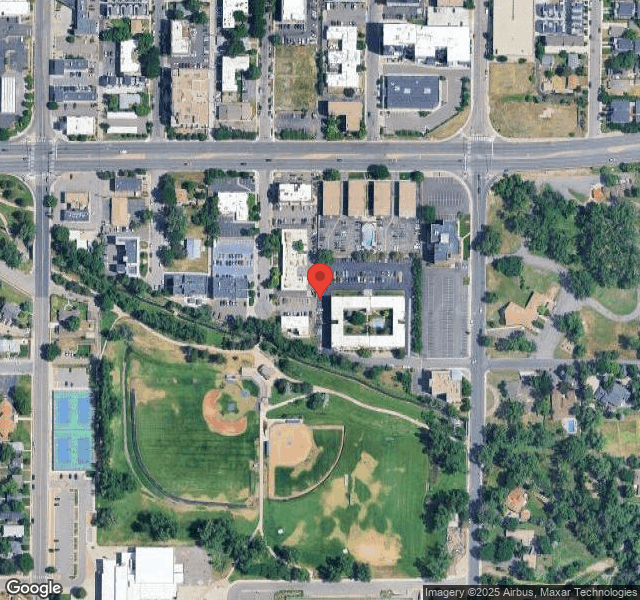
Understanding Severity Codes (click to expand)
Life-Threatening (Immediate Jeopardy)
J - Isolated K - Pattern L - Widespread
Actual Harm
G - Isolated H - Pattern I - Widespread
Potential for Harm
D - Isolated E - Pattern F - Widespread
No Harm (Minor)
A - Isolated B - Pattern C - Widespread

Questions to Ask on Your Visit

  • "Why is there high staff turnover? How do you retain staff?"
  • "Can I speak with families of current residents?"
  • "What's your RN coverage like on weekends and overnight?"

Our Honest Assessment

Strengths
  • • No major safety red flags. No abuse findings, life-threatening violations, or SFF status.
  • • No fines on record. Clean compliance history, better than most Colorado facilities.
Concerns
  • • 32 deficiencies on record. Higher than average. Multiple issues found across inspections.
  • • Grade D (40/100). Below average facility with significant concerns.
  • • 74% turnover. Very high, 26 points above average. Constant new faces learning your loved one's needs.
Bottom line: Trust Score of 40/100 indicates significant concerns. Thoroughly evaluate alternatives.

About This Facility

What is Wellsprings's CMS Rating?

CMS assigns WELLSPRINGS CARE CENTER an overall rating of 2 out of 5 stars, which is considered below average nationally. Within Colorado, this rating places the facility higher than 0% of the state's 100 nursing homes. A rating at this level reflects concerns identified through health inspections, staffing assessments, or quality measures that families should carefully consider.

How is Wellsprings Staffed?

CMS rates WELLSPRINGS CARE CENTER's staffing level at 2 out of 5 stars, which is below average compared to other nursing homes. Staff turnover is 74%, which is 28 percentage points above the Colorado average of 46%. High turnover can affect care consistency as new staff learn residents' individual needs. RN turnover specifically is 73%, which is notably high. RNs provide skilled clinical oversight, so turnover in this role can affect medical care quality.

What Have Inspectors Found at Wellsprings?

State health inspectors documented 32 deficiencies at WELLSPRINGS CARE CENTER during 2021 to 2025. These included: 32 with potential for harm.

Who Owns and Operates Wellsprings?

WELLSPRINGS CARE CENTER is owned by a for-profit company. For-profit facilities operate as businesses with obligations to shareholders or private owners. The facility operates independently rather than as part of a larger chain. With 81 certified beds and approximately 57 residents (about 70% occupancy), it is a smaller facility located in ENGLEWOOD, Colorado.

How Does Wellsprings Compare to Other Colorado Nursing Homes?

Compared to the 100 nursing homes in Colorado, WELLSPRINGS CARE CENTER's overall rating (2 stars) is below the state average of 3.1, staff turnover (74%) is significantly higher than the state average of 46%, and health inspection rating (1 stars) is much below the national benchmark.

What Should Families Ask When Visiting Wellsprings?

Based on this facility's data, families visiting should ask: "How do you ensure continuity of care given staff turnover, and what is your staff retention strategy?" "Can you walk me through typical staffing levels on day, evening, and night shifts?" "Can I visit during a mealtime to observe dining assistance and food quality?" "How do you handle medical emergencies, and what is your hospital transfer rate?" These questions are particularly relevant given the facility's high staff turnover rate and the below-average staffing rating.

Is Wellsprings Safe?

Based on CMS inspection data, WELLSPRINGS CARE CENTER has a clean safety record: no substantiated abuse findings (meaning no confirmed cases of resident harm), no Immediate Jeopardy citations (the most serious violation level indicating risk of serious injury or death), and is not on the Special Focus Facility watch list (a federal program monitoring the lowest-performing 1% of nursing homes). The facility has a 2-star overall rating and ranks #100 of 100 nursing homes in Colorado. While no facility is perfect, families should still ask about staff-to-resident ratios and recent inspection results during their visit.

Do Nurses at Wellsprings Stick Around?

Staff turnover at WELLSPRINGS CARE CENTER is high. At 74%, the facility is 28 percentage points above the Colorado average of 46%. Registered Nurse turnover is particularly concerning at 73%. RNs handle complex medical decisions and coordinate care — frequent RN changes can directly impact care quality. High turnover means new staff may not know residents' individual needs, medications, or preferences. It can also be disorienting for residents, especially those with dementia who rely on familiar faces. Families should ask: What is causing the turnover? What retention programs are in place? How do you ensure care continuity during staff transitions?

Was Wellsprings Ever Fined?

WELLSPRINGS CARE CENTER has no federal fines on record. CMS issues fines when nursing homes fail to meet care standards or don't correct problems found during inspections. The absence of fines suggests the facility has either maintained compliance or corrected any issues before penalties were assessed. This is a positive indicator, though families should still review recent inspection reports for the full picture.

Is Wellsprings on Any Federal Watch List?

WELLSPRINGS CARE CENTER is not on any federal watch list. The most significant is the Special Focus Facility (SFF) program, which identifies the bottom 1% of nursing homes nationally based on persistent, serious quality problems. Not being on this list means the facility has avoided the pattern of deficiencies that triggers enhanced federal oversight. This is a positive indicator, though families should still review the facility's inspection history directly.