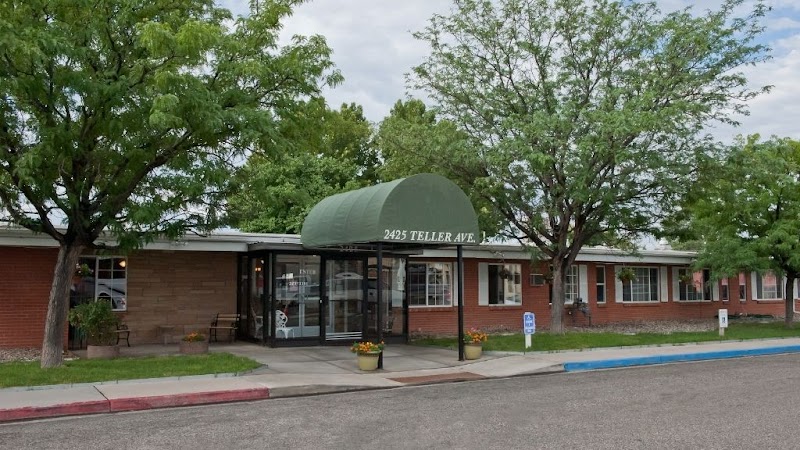
EAGLE RIDGE POST ACUTE

2425 TELLER AVE, GRAND JUNCTION, CO 81501 (970) 243-3381
For profit - Corporation 70 Beds PACS GROUP Data: November 2025
Trust Grade
25/100
#184 of 208 in CO
Last Inspection: June 2024

Within standard 12-15 month inspection cycle. Federal law requires annual inspections.

Overview

Eagle Ridge Post Acute has received a Trust Grade of F, indicating poor performance with significant concerns about care quality. It ranks #184 out of 208 nursing homes in Colorado, placing it in the bottom half of facilities, and #6 out of 7 in Mesa County, meaning there is only one local option that is rated worse. Although the facility is showing improvement, with issues decreasing from 27 in 2024 to 5 in 2025, the overall situation remains concerning. While staffing is rated average with a turnover rate of 53%, the facility has significant issues, including $30,746 in fines, which is higher than 79% of Colorado facilities, and below-average RN coverage compared to 92% of similar facilities. Specific incidents include a resident experiencing severe weight loss due to inadequate nutritional care and another resident suffering from delayed treatment for acute pain, highlighting serious gaps in medical response and oversight.

Trust Score
F
25/100
In Colorado
#184/208
Bottom 12%
Safety Record
Moderate
Needs review
Inspections
Getting Better
27 → 5 violations
Staff Stability
⚠ Watch
53% turnover. Above average. Higher turnover means staff may not know residents' routines.
Penalties
○ Average
$30,746 in fines. Higher than 51% of Colorado facilities. Some compliance issues.
Skilled Nurses
⚠ Watch
Each resident gets only 29 minutes of Registered Nurse (RN) attention daily — below average for Colorado. Fewer RN minutes means fewer trained eyes watching for problems.
Violations
⚠ Watch
43 deficiencies on record. Higher than average. Multiple issues found across inspections.
★☆☆☆☆
1.0
Overall Rating
★★★☆☆
3.0
Staff Levels
★★★★☆
4.0
Care Quality
★☆☆☆☆
1.0
Inspection Score
Stable
2024: 27 issues
2025: 5 issues

The Good

  • 4-Star Quality Measures · Strong clinical quality outcomes
  • Full Sprinkler Coverage · Fire safety systems throughout facility
  • No fines on record

Facility shows strength in quality measures, fire safety.

The Bad

1-Star Overall Rating

Below Colorado average (3.1)

Significant quality concerns identified by CMS

Staff Turnover: 53%

Near Colorado avg (46%)

Higher turnover may affect care consistency

Federal Fines: $30,746

Below median ($33,413)

Moderate penalties - review what triggered them

Chain: PACS GROUP

Part of a multi-facility chain

Ask about local staffing decisions and management

The Ugly 43 deficiencies on record

2 actual harm
Jul 2025 4 deficiencies
CONCERN (D) 📢 Someone Reported This

A family member, employee, or ombudsman was alarmed enough to file a formal complaint

Potential for Harm - no one hurt, but risky conditions existed

Notification of Changes (Tag F0580)

Could have caused harm · This affected 1 resident

**NOTE- TERMS IN BRACKETS HAVE BEEN EDITED TO PROTECT CONFIDENTIALITY** III. Failed to ensure Resident #2's representative was notified when the resident was sent to a cardiology appointment and start...

Read full inspector narrative →
**NOTE- TERMS IN BRACKETS HAVE BEEN EDITED TO PROTECT CONFIDENTIALITY** III. Failed to ensure Resident #2's representative was notified when the resident was sent to a cardiology appointment and started on an anticoagulant medication A. Resident status Resident #2, age greater than 65, was admitted on [DATE]. According to the June 2025 CPO, diagnoses included type 2 diabetes mellitus without complications, other specified diabetes mellitus with diabetic neuropathy, presence of cardiac pacemaker, dementia, unspecified severity without behavioral disturbance, psychotic disturbance, mood disturbance and anxiety and unspecified atrial fibrillation. The 4/23/25 MDS assessment identified Resident #2 was cognitively intact with a brief interview for mental status (BIMS) score of 15 out of 15. Resident #2 used a walker for mobility and was independent with most of his activities of living (ADL). B. Resident interview Resident #2 was interviewed on 6/30/25 at 4:40 p.m. Resident #2 said he was placed on a blood thinner medication after he went to his cardiology appointment. He said he let his representative know of the medication changes. He said his representative did not know about the appointment and medication changes until he told her about them. C. Resident representative interview Resident #2's former representative was interviewed on 7/1/25 at 2:13 p.m. The former representative said while she was the resident's representative, she was not informed of medication changes and medical appointments by the facility. She said the facility started Resident #2 started on a blood thinner medication and he had a cardiology appointment. She said the facility never notified her about the cardiology appointments or the medication changes. She said she did not find out about the medication change and appointment until later in May 2025 when Resident #2 told her about them. D. Record review A 12/2/24 cardiologist encounter note identified Resident #2 had a cardiology appointment on 12/2/24. The 12/2/24 facility nursing note identified Resident #2 returned from the cardiology appointment. -Review of Resident #2's EMR did not reveal documentation to indicate that resident #2's representative had been notified of the 12/2/24 cardiology appointment. A 3/17/25 cardiologist encounter note identified Resident #2 had a cardiology appointment on 3/17/25. The encounter note indicated that Resident #2 would be started on Eliquis (anticoagulant/ blood thinner medication) 5 milligrams (mg) twice a day. The 3/17/25 order note identified Resident #2 returned to the facility from his cardiology appointment on 3/17/25 with a new medication order. Review of Resident #2's July 2025 CPO revealed a physician's order for Apixaban (Eliquis) 5 mg twice a day for unspecified atrial fibrillation, ordered 3/17/25. -Review of Resident #2's EMR did not reveal that Resident #2's representative was notified of the 3/17/25 appointment or the medication change. E. Staff education A 7/1/25 staff in-service training (conducted during the survey) with an attached staff participation log was provided by the NHA on 7/1/25 at 11:40 a.m. The education read, Long-term care, the standard of care for documenting conversations with residents and families involves timely, accurate, and objective charting that reflects relevance and supports quality of care, communication, and regulatory compliance. According to the training, documentation should occur immediately after a conversation was had with the resident's representative or before the end of the shift in which the event occurred. The staff participation log documented 15 staff members attended the 7/1/25 documentation training service. F. Staff interviews The NHA was interviewed on 7/1/25 at 2:29 p.m. The NHA said residents' representatives should be contacted when there was a change in condition, such as a medication change, or when a resident had a medical appointment scheduled. The NHA said Resident #2 had a cardiology appointment in December 2024 and again in March 2025. The NHA said Resident #2's EMR did not indicate Resident #2's representative was notified of the medication change or of his appointments. The NHA said the facility had multiple changes in managerial staff in recent months and there was no standardized process to notify residents' representatives and where to document the notifications. She said the facility nursing staff was educated today (7/1/25) regarding the documentation and notification process. The NHA said the director of nursing (DON) would provide oversight to ensure residents' representatives were appropriately notified and the staff documented the notification in the residents' EMRs. The DON was interviewed on 7/1/25 at 5:16 p.m. The DON said she was new to the facility but she or a designated staff member would be responsible for notifying a resident's representative when there was a change of condition for the resident. The DON said the resident's representative would be called on the phone unless the representative identified another form of communication. She said if the representative was not available to take the call, she would leave a message and make sure to call them back again if they did not return the call. The DON said communication with residents' representatives and families was very important. The DON said good communication ensured residents' safety, an accurate care plan and made sure everyone was on the same page. Based on record review and interviews, the facility failed to make immediate notification to the resident representative when the resident had a significant change in condition requiring a need to alter treatment, initiate a resident's transfer or discharge from the facility or when the resident was involved in an accident with an injury for two (#8 and #2) of four residents out of eight sample residents. Specifically, the facility failed to: -Ensure Resident #8's representative was notified when the resident reported pain to her right hip and had difficulty bearing weight on her right leg on 6/24/25 or when the resident was transferred later that same day from an outpatient physician's office visit to the hospital for Xrays of her right leg; and, -Ensure Resident #2's representative was notified when the resident was sent to a cardiology appointment and started on an anticoagulant medication (a blood thinning medication used to reduce the risk of heart attacks, strokes and blood clots). Findings include: I. Facility policy and procedure The Change in Condition of Status policy, revised January 2021, was provided by the nursing home administrator (NHA) on 7/1/25 at 5:10 p.m. It read in pertinent part, Our facility promptly notifies the resident, his or her attending physician, and the resident representative of changes in the resident's medical/mental condition and/or status (changes in level of care, billing/payments, resident rights). A significant change of condition is a major decline or improvement in the resident's status that: -will not normally resolve itself without intervention by staff or by implementing standard disease-related clinical interventions; -impacts more than one area of the resident's health status; -requires interdisciplinary review and/or revision to the care plan; and, -ultimately is based on the judgment of the clinical staff and the guidelines outlined in the resident assessment instrument. II. Failed to ensure Resident #8's representative was notified when the resident reported pain to her right hip and had difficulty bearing weight on her right leg on 6/24/25 or when the resident was transferred later that same day from an outpatient physician's office visit to the hospital for Xrays of her right leg A. Resident status Resident #8, age greater than 65, was admitted on [DATE] and discharged to the hospital on 6/24/25. According to the computerized physician orders (CPO), diagnoses included legal blindness, history of falls and muscle weakness. The 6/19/25 minimum data set (MDS) assessment was not completed. The 6/19/25 admission summary documented Resident #8 was alert and oriented to person, place, time and situation. B. Resident representative interview Resident #8's representative was interviewed on 7/1/25 at 3:11 p.m. The representative said Resident #8 was still in the hospital. He said to his knowledge, Resident #8 planned to return to the facility soon. He said he remembered the facility calling him when Resident #8 first fell on 6/21/25, but the facility did not tell him Resident #8 was reporting hip pain and difficulty walking occurring on 6/24/25. The representative said he did not find out about the resident's change in mobility until Resident #8 was at an outpatient physician's appointment on 6/24/25 at 3:45 p.m. He said the physician's office called to tell him they wanted to send Resident #8 to the hospital for Xrays. He said he did not receive an update from the facility about Resident #8 being sent to the hospital until approximately 9:00 p.m. on 6/24/25, after he had already visited Resident #8 at the hospital. C. Record review The progress note, dated 6/24/25 at 5:28 a.m., documented Resident #8 reported pain to her right hip and difficulty bearing weight on her right leg. Registered nurse (RN) #2 documented she would have the day shift nurse conduct an additional assessment of Resident #8 and the day shift nurse would make the appropriate phone calls. -However there was no further documentation of a change in condition assessment for Resident #8 or documentation or documentation to indicate the facility notified the resident's representative of the resident's change in condition. The progress note, dated 6/24/25 at 4:32 p.m., documented the outpatient physician's office contacted the facility to notify the facility that Resident #8 was sent to the hospital from the physician's office for Xrays. The note documented that the outpatient office contacted the resident's representative to inform him of the situation. -However, there was no documentation in the resident's electronic medical record (EMR) to indicate the facility had followed up with the resident's representative to ensure he was aware that the resident had been transferred to the hospital from the physician's office. D. Staff interviews The NHA was interviewed on 7/1/25 at 4:30 p.m. The NHA said the facility was notified by the outpatient physician's office (on 6/24/25) that Resident #8 was being sent to the hospital for Xrays. She said the facility assisted with the resident's transport to the hospital. She said she did not have any documentation that indicated the facility notified Resident #8's representative to inform him that the resident was being admitted to the hospital. She said she recently recognized that the facility could improve the documentation regarding communication with residents' families/representatives. E. Facility follow-up On 7/2/25 at 11:46 a.m. the NHA sent an email communication which documented she had spoken with the nurse caring for Resident #8 on the evening of 6/24/25 and the unit nurse told her she had spoken to Resident #8's representative in the evening (on 6/24/25). The NHA documented in the email that the unit nurse told her she did not document notifying the resident's representative because she thought he already knew. The NHA provided an updated late entry progress note which documented the notification to the resident's representative on 6/24/25 at 8:01 p.m. -However, the resident's representative was not notified by the facility at the time the resident was initially sent to the hospital from the physician's office, at least four hours prior to the progress note documentation on 6/24/25.
CONCERN (D) 📢 Someone Reported This

A family member, employee, or ombudsman was alarmed enough to file a formal complaint

Potential for Harm - no one hurt, but risky conditions existed

Free from Abuse/Neglect (Tag F0600)

Could have caused harm · This affected 1 resident

**NOTE- TERMS IN BRACKETS HAVE BEEN EDITED TO PROTECT CONFIDENTIALITY** Based on observations, record review and interviews, the facility failed to ensure one (#4) of three residents reviewed for abus...

Read full inspector narrative →
**NOTE- TERMS IN BRACKETS HAVE BEEN EDITED TO PROTECT CONFIDENTIALITY** Based on observations, record review and interviews, the facility failed to ensure one (#4) of three residents reviewed for abuse out of eight sample residents were kept free from abuse. Specifically, the facility failed to protect Resident #4 from verbal abuse and physical abuse by Resident #5. Findings include: I. Facility policy and procedure The Abuse, Neglect, Exploitation or Misappropriation-Reporting and Investigating policy, revised September 2022, was provided by the nursing home administrator (NHA) on 7/2/25 at 11:10 p.m. via email. The policy read in pertinent part, All reports of resident abuse (including injuries of unknown origin), neglect, exploitation, or theft/misappropriation of resident property are reported to local, state and federal agencies (as required by current regulations) and thoroughly investigated by facility management. Findings of all investigations are documented and reported. Upon receiving any allegations of abuse, neglect, exploitation, misappropriation of resident property or injury of unknown source, the administrator is responsible for determining what actions (if any) are needed for the protection of residents. II. Facility investigations of incidents between Resident #4 and Resident #5 A. Incident of verbal abuse of Resident #4 by Resident #5 on 5/27/25 The facility investigation was provided by the NHA on 6/30/25 at 2:45 p.m. The investigation documented that on 5/27/25 Resident #5 verbally threatened Resident #4. According to the investigation, Resident #5 was interviewed on 5/28/25, a day after the incident occurred. The alleged assailant interview summary documented Resident #5 was very upset and did not want to see Resident #4 in her hall. The interview summary indicated Resident #5 was instructed to use her call light if she thought someone was going to enter her room. Resident #5 agreed to the use of the call light. The investigation identified Resident #4 was interviewed on 5/28/25, a day after the incident occurred. According to the alleged victim summary, Resident #4 was calm and did not remember the incident. The investigation revealed Resident #5 saw Resident #4 in the hallway. Resident #5 made threatening statements towards Resident #4 while following her and told Resident #4 that she should not be in this hall or around Resident #5's room. The investigation documented the residents immediately were separated as Resident #5 continued to make threatening statements to staff that she would kill Resident #4 if she came into her room. Resident #5 was educated on the use of threatening and strong language towards other residents. According to the investigation, Resident #5 was reassured that staff was always available to make sure that Resident #4 did not enter Resident #5's room. The investigation documented the residents ' rooms were on different sides of the facility and staff were instructed to re-direct residents who wandered down towards Resident #5's room. The facility substantiated the verbal abuse allegation based on interviews with staff and documentation. B. Incident of physical abuse of Resident #4 by Resident #5 on 5/29/25 The facility investigation was provided by the NHA on 6/30/25 at 2:45 p.m. The investigation documented that on 5/29/25 a staff member witnessed Resident #5 grab and choke Resident #4. The residents were assessed and no injuries were noted. Resident #4 was interviewed on 5/29/25. She could not recall the incident. Resident #5 was interviewed on 5/29/25 after the incident. The alleged assailant interview summary documented Resident #5 said she saw Resident #4 coming down the hall and went after her because she did not want the resident to go into her room. The interview summary identified Resident #5 was worried that someone would enter her room. Resident #5 was offered a stop sign across her room door and reminded to use her call light. The facility substantiated that physical abuse occurred. III. Resident #4 (victim) A. Resident status Resident #4, age greater than 65, was admitted on [DATE]. According to the July 2025 computerized physician orders (CPO), diagnoses included dementia, severe with mood disturbance, Alzheimer's disease with late onset, cognitive communication deficit, need for assistance with personal care, weakness and difficulty in walking. The 6/10/25 minimum data set (MDS) assessment identified Resident #4 had severe cognitive impairments with a brief interview for mental status (BIMS) score of four out of 15. She required assistance with activities of daily living (ADLs) and used a wheelchair for mobility. The assessment indicated the resident had inattention, disoriented thinking and verbal behavioral symptoms directed towards others. The assessment indicated she did not have wandering behaviors. B. Resident interview and observation On 7/1/25 at 4:35 p.m. Resident #4 was in her room sitting on her bed. The resident wore a wanderguard around her ankle. Resident #4 said everyone was nice to her and she felt safe. C. Record review The elopement care plan, revised 3/7/25, identified Resident #4 wandered related to Alzheimer's/dementia or other cognitive deficit behavior. According to the elopement care plan goal, Resident #4's safety would not be endangered related to her behaviors. Interventions, initiated 10/31/24, directed staff to monitor Resident #4's whereabouts frequently and monitor her environment for hazards which may increase need for supervision. The cognition care plan, initiated 11/8/24 and revised 6/25/25, identified Resident #4's severe cognitive deficit impaired her decision making skills. According to the care plan, Resident #4 would wander in the halls and into other residents ' rooms. Interventions included anticipating Resident #4's needs and promptly meeting those needs (initiated 11/8/24) and providing redirection when she wandered (initiated 6/2/25). -The comprehensive care plan did not identify Resident #4 was at risk for abuse due to her cognition and wandering into other residents ' rooms. Review of Resident #4's electronic medical record (EMR) revealed the following progress notes: The 3/28/25 nursing note identified Resident #4 was slapped by another resident (Resident #5). -However, according to the facility investigation, Resident #4 was the aggressor. The 5/28/25 weekly summary note documented Resident #4 had an incident that involved another resident (Resident #5) during the week. According to the note, staff would continue to monitor her. -There was no further documentation regarding the 5/27/25 verbal abuse incident with Resident #5 documented in Resident #4's EMR. The 6/4/25 weekly summary note documented there were no new skin concerns this week and Resident #4 had an altercation with another resident. According to the note, the nurse would continue to monitor. -There was no further documentation regarding the 5/29/25 physical abuse incident with Resident #5 documented in Resident #4's EMR. The 6/10/25 social services note document Resident #4 was pleasant and showed no signs of distress. IV. Resident #5 (assailant) A. Resident status Resident #5, age greater than 65, was admitted on [DATE]. According to the July 2025 computerized physician orders (CPO), diagnoses included multiple sclerosis, other symptoms and signs involving cognitive functions and awareness, anxiety disorder, depression, dementia in other diseases classified elsewhere, severe with mood disturbance. The 4/15/25 MDS assessment identified Resident #5 had severe cognitive impairments with a BIMS score of six out of 15. Resident #5 did not use a mobility device and was independent with most of her ADLs. She did not have inattention and disoriented thinking, but she had hallucinations and delusions. The assessment did not identify the resident had physical and verbal behavioral symptoms directed towards others. B. Resident interview and observation Resident #5 was interviewed on 7/1/25 at 4:48 p.m. Resident #5 said she was trying to get over being angry. She said there was a lady that lived at the facility that came into her room and destroyed all her photos of her family. She said she beat up the resident when she saw her. Resident #5 said she was going to go after her again when she saw the resident a couple days ago but God stopped her from doing anything. She said a couple staff members saw the resident near her room and ran down the hall to get the other resident away from her. Resident #5 said she was offered a stop sign but the stop sign did not work to keep the other resident out of her room. She said the other resident came into her room anyway. Resident #5 pointed at a balled up stop sign banner resting on top of a box next to the door. She said she just wanted the other resident to stay away from her. She said the other resident's room was on the other side of the facility. She said she had recently accepted the Lord and knew she could not do anything to the other resident. C. Record review The behavior care plan care plan, initiated 6/2/25 and revised 6/12/25, identified Resident #5 was at risk for psychosocial well-being concerns. According to the care plan, she believed that someone else was messing with her belongings in her room. Interventions included assisting Resident #5 with conflict resolution as needed, observing for tearfulness, increased agitation, and decreased participation in care (initiated 4/24/25) and providing her with a stop sign barrier for her room door to reduce anxiety associated with her beliefs that unwelcome people would enter her room (initiated 6/12/25). -The stop sign barrier was not initiated until two weeks after Resident #5 was involved in two abuse incidents with Resident #4 (see investigations above). The psychosocial-mood care plan, initiated 6/2/25 and revised 6/12/25, identified Resident #5 was at risk for decreased psychosocial well-being and adjustment issues, emotional distress, ineffective coping skills, poor impulse control, adverse effects on function, mental, physical, social, or spiritual wellbeing related to depression and dementia with behaviors/hallucinations/delusions. According to the care plan, Resident #5 believed there was a tiny woman in her room and believed residents would come into her room, touch her belongings and possibly take them. The care plan identified Resident #5 would exhibit behaviors of agitation and verbal aggression. Interventions, initiated on 6/2/25, directed staff to administer medications as ordered and monitor for side effects as indicated, assess coping strategies and respect Resident #5's wishes to the extent possible, encouraging her to voice feelings and frustrations as indicated, and listening attentively, observing ineffective sleeping patterns, tearfulness, increased agitation, and decreased participation in care. The anxiety care plan, initiated 5/13/25, directed staff to monitor/record/document occurrences and targeted behavior symptoms of pacing, wandering, disrobing, inappropriate response to verbal communication, and violence/aggression towards staff/others. -The comprehensive care plan did not identify specific residents that Resident #5 should be kept apart from as identified in the 5/27/25 progress note (see below). -The comprehensive care plan did not identify Resident #5 was at risk for abuse or of abusing others. Review of Resident #5's July 2025 CPO revealed a physician's order to document Resident #5's targeted behaviors of combativeness, harm to self or others, delusions, hallucinations or other behaviors, ordered 5/23/25. The May 2025 medication administration record (MAR) identified Resident #5 had behaviors on 5/25/25 (hallucinations), however, the MAR documented the resident did not have any behaviors on 5/27/25 or 5/29/25, marking No for behaviors. -However, Resident #5 was the assailant in a verbal incident with Resident #4 on 5/27/25 and a physical incident with Resident #4 on 5/29/25 (see investigations above). Review of Resident #5's EMR revealed the following progress notes: The 3/16/25 behavior note identified Resident #4 would not leave Resident #5's room so Resident #5 attempted to physically move Resident #4 out of room. Resident #5 reported to staff that Resident #4 would frequently try to go into her room so she would put a trash can in front of her to try to keep Resident #4 out of her room. The 3/28/25 nursing note documented Resident #5 suffered physical abuse from another resident (Resident #4). Resident #5 said she was attacked in her bedroom. According to the note, Resident #5 had a bruise to her right arm from defending herself. The 3/29/25 summary for providers note identified Resident #5 was moved to another room in another unit after the incident because Resident #4 and Resident #5 shared a bathroom. According to the note, the physical altercation incident should not happen again. The 5/27/25 summary for providers note identified Resident #5 had behavioral symptoms of new or worsened delusions or hallucinations and verbal aggression. According to the note, the recommendations were to keep them apart. The note did not identify who to keep apart or details of the 5/27/25 verbal aggression incident. -There was no further documentation regarding the 5/27/25 verbal abuse incident with Resident #4 documented in Resident #5's EMR. The 5/29/25 nursing progress note documented Resident #5 was involved in a resident to resident altercation. The progress note identified the residents were separated and skin assessments were completed. According to the progress note, there were no injuries and Resident #5 was educated to notify staff prior to physical contact with another resident. The 6/2/25 interdisciplinary (IDT) note documented staff met with Resident #5 to provide active listening and determine the root cause of her increased anxiety and fear of others entering her room. The note indicated Resident #5 was provided education regarding language utilized in hallways and around/towards other residents or staff. According to the note, the resident's feelings were validated and offered alternative options when she had increased anxiety regarding other residents, such as staff notification and allowing staff to intervene. The resident was provided with relaxing and coping strategies. The 6/7/25 weekly summary note documented Resident #5's hallucinations were improving. According to the note, there were decreased reports of her seeing other people in the room. However, the note indicated she continued to talk about another resident coming to her room. The note identified Resident #5 started to barricade her room door with a walker. The resident was told that staff would check on her at times and there was no need to barricade the door. The 6/12/25 IDT note documented Resident #5's room had a stop sign barrier in place as needed to reduce her anxiety surrounding the belief that someone may enter her room unwelcomed. According to the note, the resident's Risperdal (anti-psychotic medication) was increased on 6/9/25 due to hallucinations and delusions that resulted in her restless agitation which sometimes escalated to verbal and physical altercations. V. Staff education An undated staff education posting was provided by the NHA on 7/1/25 at 6:56 p.m. The posting documented the purpose of the education was to educate floor staff on effective, person-centered redirection techniques for residents exhibiting confusion, exit-seeking, agitation, or repetitive behaviors related to dementia or cognitive impairment. The education outlined the key points of person-centered redirection techniques, to include understanding the purpose of redirection; recognizing when redirection was needed; techniques; examples and team approaches. According to the education, staff should utilize resident behavior tracking to identify patterns or triggers and communicate redirection strategies during change of shift reports. The posting indicated consistency between the shifts (on the strategies) were essential (see interview below). VI. Staff interviews The NHA was interviewed on 6/30/25 at 4:32 p.m. The NHA identified herself as the facility's abuse coordinator. She said after an abuse incident or allegation, statements would be gathered, skin assessments would be completed, video cameras would be checked and the appropriate parties would be notified. She said she would try to determine what happened and report the incident to the State Agency. Registered nurse (RN) #1 was interviewed on 7/1/25 at 5:07 p.m. RN #1 identified herself as Resident #5's nurse but she said she had only worked with the resident four times. She said she was told Resident #5 had moved to her current room because there was a problem with another resident. She said she had not had any problems with Resident #5. RN #1 said Resident #5 had been polite to her and she had not seen any signs of aggression towards others. She said Resident #5 spent most of her time in her room. She said she was not told there were certain residents that Resident #5 should avoid having contact with or that she should not be near other than residents who wandered. She said she had not seen wandering residents near Resident #5 or her room. RN #1 said she was not told that Resident #5 needed extra supervision or monitoring. She said the resident spent most of her time in her room. The director of nursing (DON) was interviewed on 7/1/25 at 5:16 p.m. The DON said all reports of abuse went to the NHA. She said the facility was in the process of educating staff that if a resident used words identifying they were fearful or words that were threatening, it could be an indication of abuse and needed to be reported. The DON said she was aware of the altercations between Resident #4 and Resident #5. She said the staff were directed to use frequent purposeful rounding to prevent future altercations between the residents. She said the rounding was not documented. She said staff had been notified that there was a resident (Resident #4) that would wander from the East hall to the [NAME] hall were Resident #5 resided. The DON said staff should watch the whereabouts of both residents. She said the residents should be care planned for their risk of abuse. Certified nurse aide (CNA) #2 was interviewed on 7/1/25 at 5:32 p.m. CNA #2 was identified as a CNA for the East hall. CNA #2 said to prevent resident-to-resident altercations, she would redirect the residents and try to find out what the residents needed or offer a distraction. CNA #2 said she was not aware of any residents who had specific interventions to prevent altercations or what frequent purposeful rounding was. CNA #1 was interviewed on 7/1/25 at 5:39 p.m. CNA #1 was identified as a [NAME] side CNA. She said to help prevent resident to resident altercations, she would try to walk with the resident, get them a drink or snack. She said if the resident recognized a certain person as the source of agitation, she would separate the residents from each other. She said she knew staff had separated Resident #4 and Resident #5 from each other because the residents were supposed to remain as separated as possible. She said if the one resident from the East hall wandered down the other hall, staff would distract and redirect her back to her hall. She said she thought the frequent purposeful rounding was brought up at a staff or nurses meeting, but she was not able to stay in the meeting long enough to hear everything about it. The NHA was interviewed on 7/1/25 at 6:13 p.m. The NHA said Resident #4 and Resident #5 had a history of behaviors with each other. She said Resident #4 and Resident #5 used to share an adjoining bathroom. She said Resident #4 would get confused and would exit out the wrong bathroom door and into Resident #5's room. The NHA said staff put up a stop sign by Resident #5's bathroom door but it would continue to happen. She said staff moved Resident #5 out of the room with the shared bathroom and across the hall, but on 3/28/25, Resident #4 went into Resident #5's room again causing a resident to resident altercation. She said Resident #5 agreed to move to a room on the opposite side of the facility. The NHA said Resident #5 started to perseverate on her photos looking different in April 2025 but nothing changed with the photos and no one was doing anything to them. The NHA said Resident #5 was having delusions and a medication change was made. The NHA said on 5/27/25 the residents started to argue in the common area and Resident #5 threatened to harm Resident #4. The NHA said on 5/29/25, staff reported they witnessed Resident #5 was trying to strangle Resident #4. She said she looked at the video footage but could only identify Resident #4's shirt was grabbed by Resident #5. She said neither resident had injuries as a result of the altercations. The NHA said a stop sign at the door was offered to Resident #5 after the physical altercation but the resident did not use it. The NHA said Resident #5 said she did not need it because God told her not to hurt anyone. The NHA was interviewed again on 7/1/25 at 6:27 p.m. The NHA said she provided staff with a verbal education and posted a sign at the East nurses ' station for staff to read after the 5/29/25 resident to resident altercation between Resident #4 and Resident #5. The NHA said she could not find the education posting at the East nurses ' station but would continue to look for it or provide a copy (see above). The NHA said the facility needed to do a better job of documenting interventions and education. She said there was only a short period of time between the verbal abuse incident and the physical abuse incident between Resident #5 and Resident #4 in May 2025. She said staff should have been educated as soon and preferably right after the 5/27/25 incident or first thing the next morning, to help prevent future incidents. The NHA said there should have been more documented, other than a nurse's note that identified the residents should be kept separated after the 5/27/25 incident. She said there might have been another piece of documentation to keep an eye on the residents but she was not sure.
CONCERN (D) 📢 Someone Reported This

A family member, employee, or ombudsman was alarmed enough to file a formal complaint

Potential for Harm - no one hurt, but risky conditions existed

Deficiency F0627 (Tag F0627)

Could have caused harm · This affected 1 resident

**NOTE- TERMS IN BRACKETS HAVE BEEN EDITED TO PROTECT CONFIDENTIALITY** Based on record review and interviews, the facility failed to ensure one ( #1) of three residents were provided the care and ser...

Read full inspector narrative →
**NOTE- TERMS IN BRACKETS HAVE BEEN EDITED TO PROTECT CONFIDENTIALITY** Based on record review and interviews, the facility failed to ensure one ( #1) of three residents were provided the care and services necessary to ensure a safe discharge from the facility to the community out of eight sample residents. Specifically, the facility failed to: -Allow Resident #1 to return to the facility after an unplanned discharge to the hospital; -Provide documentation made by Resident #1 ' s physician, including the specific resident needs the facility could not meet, the facility ' s efforts to meet those needs and the specific services the receiving facility would provide to meet the needs of the resident which could not be met at the current facility; and, -Reassess Resident #1 for readmission after he was stabilized at the hospital and ready to return to the facility. Findings include: I. Facility policy and procedure The Transfer or Discharge policy, revised March 2025, was provided by the nursing home administrator (NHA) on 7/1/25 at 5:10 p.m. The policy read in pertinent part, If the basis for the transfer or discharge is that the transfer or discharge is necessary for the resident ' s welfare, and the resident ' s needs can not be met in the facility, the resident ' s physician (or provider) documents: the specific resident needs that can not be met; the facility ' s attempt to meet those needs; and, the receiving facility ' s service(s) that are available to meet those needs. In situations where the facility determines the resident ' s clinical or behavioral status endangers the safety or health of individuals in the facility, the documentation regarding the reason for the transfer or discharge is provided by a physician or provider (but not necessarily the resident ' s physician or provider). Upon notice of transfer or discharge, the resident is provided with a statement of his or her right to appeal the transfer or discharge, including: the name, address, email, and telephone number of the entity which receives such requests; information about how to obtain, complete, and submit an appeal form; how to get assistance completing the appeal process; and, the facility bed-hold policy. II. Resident #1 A. Resident status Resident #1, age less than 65, was admitted on [DATE] and discharged to the hospital on 6/9/25. According to the June 2025 computerized physician orders (CPO), diagnoses included depression, developmental delay in childhood, suicide attempt, skin graft failure, muscle contractures and larynx stenosis (a condition requiring a permanent tracheostomy). The 3/19/25 minimum data set (MDS) assessment revealed the resident had moderate cognitive impairment with a brief interview for mental status (BIMS) score of 12 out of 15. The resident required assistance with eating, bathing and hygiene. The MDS assessment indicated the resident had behavioral symptoms directed at others, including yelling, threatening, cursing and throwing items. B. Resident #1 ' s representative interview Resident #1 ' s representative was interviewed on 6/30/25 at 11:23 a.m. The representative said another representative received a call from the facility in the evening on 6/9/25 to inform them Resident #1 was transferred to the hospital due to his behaviors. The representative said the hospital told her Resident #1 appeared stable in the emergency room and did not meet inpatient criteria. She said the hospital was willing to provide a courtesy admission because Resident #1 required assistance to maintain his tracheostomy. She said she spoke with the NHA the next day (6/10/25) and the NHA told her Resident #1 was not allowed to return to the facility, because they could no longer meet his needs and his behaviors were a danger to himself and others. She said the facility reiterated to her that Resident #1 was not allowed to return to the facility on 6/12/25 and she was served a notice of discharge on [DATE], 11 days after the transfer occurred. The representative said the hospital told her Resident #1 had mildly disruptive behavior but had been redirectable by staff. She said the facility and the hospital had spoken to her about finding a new facility for Resident #1, but he had not been accepted anywhere and remained at the hospital at the time of the interview. The representative said Resident #1 wanted to return to the facility and the representative said she was not aware Resident #1 was allowed to appeal the discharge or who to contact for assistance with filing the appeal. C. Record review The progress note, dated 6/9/25, documented Resident #1 had escalating behaviors throughout the shift including yelling and cursing at staff, threatening to kill everybody, repeatedly slamming his door and attempting to take apart his tracheostomy device. The charge nurse, the NHA and emergency medical services (EMS) were called. Resident #1 was placed on five-minute checks. The note documented that when EMS arrived to the facility, Resident #1 told EMS he wanted to harm the facility staff and he was assisted to the local area hospital by EMS. The notice of discharge, dated 6/20/25, was provided by the NHA on 7/1/25 at 3:35 p.m. It documented the reason for discharge was Resident #1 ' s welfare could not be met in the facility and the safety or health of individuals in the facility was endangered. It documented the needs that could not be met were Resident #1 ' s multiple attempts to harm himself during his stay and he threatened to harm staff. -However, review of Resident #1 ' s electronic medical record (EMR) did not reveal documentation that a physician agreed to the resident ' s discharge. -The section of the form for the physician ' s signature was blank and there was no physician's order for discharge. -The section of the form that indicated the contact information for the ombudsman's office for assistance if the resident wished to appeal the discharge was blank. -Additionally, the facility documented an address to another facility for Resident #1 to discharge to, however the facility listed on the form denied the resident ' s admission. -Review of Resident #1 ' s EMR did not reveal documentation that the facility reassessed Resident #1 after he was stabilized in the hospital and ready to return to the facility in order to determine if the facility could meet the residents needs. III. Interviews A frequent visitor was interviewed on 6/30/25 at 11:23 a.m. The frequent visitor said the local hospital called her on 6/17/25 and informed her the facility refused to readmit Resident #1. She said she contacted the facility on 6/18/25 because she had not received a notice of discharge for the resident. She said the facility told her the NHA decided Resident #1 was not allowed to come back to the facility. She said she received a notice of discharge from the facility on 6/20/25, but she told the NHA the form was missing the contact information for the local frequent visitor required on discharge and she told the NHA she needed a corrected form. She said she had not received a corrected form at the time of the interview. The hospital case manager was interviewed on 7/1/25 at 12:14 p.m. The hospital case manager said Resident #1 arrived at the hospital with the initial complaint of becoming aggressive with staff after an argument over the resident having a can of soda. She said according to observations from hospital staff, Resident #1 had been redirectable with boundaries and reminders from unit staff. She said at no time since his admission to the hospital had Resident #1 required one-to-one supervision or the use of as needed medication to manage his behaviors. She said he told staff he had friends at the facility and would like to return home. The hospital case manager said she contacted her supervisor when the facility told her Resident #1 was not allowed to return to the facility. She said the regional operations manager from the facility told her Resident #1 had an accepted referral to a sister facility. She said when she contacted the sister facility, she was told the facility had not received referral information for Resident #1. The supervisor of case management for the hospital was interviewed on 7/1/25 at 12:38 p.m. supervisor of case management said she spoke with the regional operations manager for the facility on 6/20/25. She said the regional operations manager told her he reached out to other facilities in their network. She said she heard back from the regional operations manager later and only one facility considered admitting Resident #1, but declined due to his tracheostomy. She said she had not heard anything new from the facility since those referrals fell through. The facility ' s admissions assistant was interviewed on 6/30/25 at 1:52 p.m. The admissions assistant said she usually managed the discharge process for residents at the facility. She said normally if a resident needed to be sent to a hospital, it was a transfer and completed by nursing staff because the expectation was for the resident to return to the facility. She said when she found out Resident #1 was transferred to the hospital and discharged from the facility without notice, she told the NHA she was not comfortable completing the discharge. She said to her knowledge, the NHA completed the discharge process for Resident #1. The NHA was interviewed on 6/30/25 at 3:12 p.m. The NHA said she was called about Resident #1 ' s behavior on 6/9/25 and directed the nursing staff to contact EMS. She said a few days later, the hospital was requesting to send Resident #1 back to the facility. She said she spoke with her regional operations manager and they agreed that Resident #1 was not allowed to return to the facility because the facility could not meet his needs and because Resident #1 was a danger to himself and other residents. She said when the interdisciplinary team (IDT) reviewed his case, the facility did not follow all of the regulations for Resident #1 ' s discharge, but felt the danger Resident #1 posed to other residents and staff outweighed the risk. She said she and the regional operations manager contacted other facilities in their network but the only potential facility fell through. The NHA said the last time she spoke with the case manager from the local hospital was approximately 6/23/25 when the potential facility fell through. She said to her knowledge, Resident #1 remained at the hospital as of the time of the interview.
CONCERN (D) 📢 Someone Reported This

A family member, employee, or ombudsman was alarmed enough to file a formal complaint

Potential for Harm - no one hurt, but risky conditions existed

Deficiency F0742 (Tag F0742)

Could have caused harm · This affected 1 resident

**NOTE- TERMS IN BRACKETS HAVE BEEN EDITED TO PROTECT CONFIDENTIALITY** Based on record review and interviews, the facility failed to ensure that residents requiring treatments and services for mental...

Read full inspector narrative →
**NOTE- TERMS IN BRACKETS HAVE BEEN EDITED TO PROTECT CONFIDENTIALITY** Based on record review and interviews, the facility failed to ensure that residents requiring treatments and services for mental disorders or psychosocial adjustment difficulties received appropriate treatment and services to correct the assessed problem or to attain the highest practicable mental and psychosocial well being for one (#1) of three residents reviewed out of eight sample residents. Specifically, the facility failed to provide mental health counseling services for Resident #1. Findings include: I. Facility policy and procedure The Behavioral Health Services policy, revised February 2019, was received from the nursing home administrator (NHA) on 7/1/25 at 5:53 p.m. The policy read in pertinent part, Behavioral health services are provided to residents as needed as part of the interdisciplinary, person-centered approach to care. Residents who exhibit signs of emotional/psychosocial distress receive services and support that address their individual needs and goals for care. II. Resident #1 A. Resident status Resident #1, age less than 65, was admitted on [DATE] and discharged to the hospital on 6/9/25. According to the June 2025 computerized physician orders (CPO), diagnoses included depression, developmental delay in childhood, suicide attempt, skin graft failure, muscle contractures and larynx stenosis (a condition requiring a permanent tracheostomy). The 3/19/25 minimum data set (MDS) assessment revealed the resident had moderate cognitive impairment with a brief interview for mental status (BIMS) score of 12 out of 15. The resident had behavioral symptoms directed at others including yelling, threatening, cursing and throwing items. The resident required assistance with eating, bathing and hygiene. B. Record review Review of the behavior care plan, revised 5/20/25, revealed Resident #1 exhibited symptoms of striking out, grabbing others, verbally or physically abusive, rearranging his room and furniture and inappropriate sexual behavior. Interventions included administrating antipsychotic medications, behavior monitoring by staff for changes in behavior, documentation of changes in behavior including frequency and potential triggers and providing a psychiatrist consultation as indicated. The Preadmission Screening and Resident Review (PASRR) Level II notice of determination for mental illness, dated 3/4/24, revealed specialized services were required for Resident #1. Services required included psychiatric case consultation, individual therapy and a neuropsychological assessment to understand his capacity and the assistance he required. The progress note, dated 4/27/25 at 10:53 p.m., revealed Resident #1 slammed his bedroom door and cursed at staff when staff attempted to redirect Resident #1 from giving soda to another resident who was diabetic. The progress note, dated 5/1/25 at 1:37 p.m., revealed Resident #1 yelled at staff when Resident #1 was asked by staff to leave another resident's room while the resident was not in the facility. The progress note, dated 5/2/25 at 8:25 a.m., revealed Resident #1 cursing at the respiratory therapist after the respiratory therapist noted the room was rearranged and asked the resident where he placed the suction machine. The progress note, dated 5/5/25 at 10:42 p.m., documented Resident #1 had sexually inappropriate behavior toward staff The progress note, dated 5/7/25 at 10:26 a.m., documented Resident #1 cursing at staff. -Review of Resident #1's electronic medical record (EMR) did not reveal documentation that indicated the facility set-up psychiatric case consultation or individual therapy despite the resident having increased behaviors. III. Staff interviews The nurse manager (NM) was interviewed on 6/30/25 at 2:54 p.m. The NM said he was the nurse on the unit the day Resident #1 was transferred to the local area hospital and the nurse who called emergency medical services (EMS). He said Resident #1 attempted to take apart and remove his tracheostomy multiple times on 6/9/25. The NM said Resident #1 had previous outbursts, but normally if the resident was asked to stop and given space he would calm down. The NM said on 6/9/25 Resident #1 was unable to be redirected and his behavior endangered himself and other residents. The NM said he did not know if Resident #1 received any individual therapy services, but the team was attempting to adjust his medications and the activities staff were trying to help with the resident's behavior with non-pharmicological interventions like music. The NHA was interviewed on 6/30/25 at 3:12 p.m. The NHA said in March 2025 Resident #1 left for the week to visit family. She said she was contacted and informed the police were called out to the home during the family visit due to a family altercation. She said Resident #1 had increased behavioral symptoms after this visit. She said when reviewing the weeks of documentation prior to Resident #1's discharge, she noted other times Resident #1 attempted to take apart his tracheostomy and that the facility could no longer keep the resident safe. Cross reference F627: failure to complete an appropriate discharge. The social services director (SSD) was interviewed on 6/30/25 at 3:48 p.m. She said she spoke with Resident #1 frequently, often checking in with him daily. She said when Resident #1 returned to the facility in March 2025 he told her his visit with family was not good and he could not go back. She said initially Resident #1 did not have increased behavior the week after the visit, so she thought he was okay. The SSD said Resident #1 did not receive any individual therapy services because the facility did not have a contract with a third party to provide individual therapy sessions until recently. She said it had been a long time since the previous company stopped providing services. She said to her knowledge, Resident #1 had not received individual therapy services since he was admitted to the facility on on 10/19/24 to present. The NHA was interviewed again on 7/1/25 at 6:12 p.m. The NHA said the facility signed a contract with a new mental health provider on 5/27/25. She said she was not sure when the previous contract ended, but it had been a long time. The NHA said the facility used to have a provider that met with the residents in person, but they started showing up less frequently until they no longer came to the facility at all. The NHA said the facility then contacted a telehealth company for remote mental health services but the residents did not like the remote sessions. She said she did not know if any individual mental health services were provided to Resident #1 this spring while his behaviors escalated.
Feb 2025 1 deficiency
CONCERN (E) 📢 Someone Reported This

A family member, employee, or ombudsman was alarmed enough to file a formal complaint

Potential for Harm - no one hurt, but risky conditions existed

Deficiency F0565 (Tag F0565)

Could have caused harm · This affected multiple residents

Based on record review and interviews, the facility failed to ensure prompt action was taken upon the filing of a grievance of a group. Specifically, the facility failed to follow up with residents' c...

Read full inspector narrative →
Based on record review and interviews, the facility failed to ensure prompt action was taken upon the filing of a grievance of a group. Specifically, the facility failed to follow up with residents' concerns regarding call light times. Findings include: I. Facility policy and procedure The Grievance/Complaints, Filing policy, revised April 2017, was provided by the nursing home administrator (NHA) on 2/11/25 at 5:12 p.m. The policy read in pertinent part, Residents and their representatives have the right to file grievances, either orally or in writing, to the facility staff or to the agency designated to hear grievances. The administrator and staff will make prompt efforts to resolve grievances to the satisfaction of residents and/or representatives. Any resident, family member, or appointed resident representative may file a grievance or complaint concerning care, behavior of other residents, staff members, theft of property, or any other concerns regarding his or her stay at the facility. All grievances, complaints or recommendations stemming from resident or family groups concerning resident care issues in the facility will be considered. Actions on such issues will be responded to in writing, including irrational for response. Upon receipt of a grievance and/or complaint, the grievance officer will review, investigate the allegations and submit a written report of such findings to the administrator within seven working days of receiving the agreements and/or complaint. The administrator will review the findings with the grievance officer to determine what corrective actions, if any, need to be taken. The resident, or person filing the grievance and or complaint on behalf of the resident, will be informed verbally and in writing of the findings of the investigation and the actions that would be taken to correct any identified problems. The Resident Council policy, revised April 2017, was provided by the NHA on 2/11/25 at 6:15 p.m. The policy read in pertinent part, A resident council response form will be utilized to track issues and their resolution. The facility department related to any issues will be responsible for addressing the items of concern. II. Resident interviews Resident #1 was interviewed on 2/10/25 at 4:08 p.m. He said he often had to wait 30 to 45 minutes for staff to answer his call light. He said the facility added a float certified nurse aide (CNA) at night but most of his concerns were during the day. Resident #20 was interviewed on 2/11/25 at 1:20 p.m. Resident #20 said that it often took almost an hour to have his incontinent brief change, receive his medication or other needed assistance. He said the biggest concern of lack of timely response was at night and on the weekends. He said he submitted grievances to the staff but nothing has changed and the staff did not tell him what they were going to do to correct his grievances. He said the staff just gave him excuses that they had call offs. He said he kept the originals/or copies of grievances forms that he turned in. Resident #20 retrieved three grievances forms for a clip board next to his bed. The three hand written grievances identified the resident's concerns on long waits to receive care. Resident #19 was interviewed on 2/11/25 at 10:46 a.m. Resident #19 said she was a member of the resident council. She said she was able to do most of her care needs herself but other residents have had problems with long call light waits for staff assistance. She said the facility had a new electronic call light system but staff would go into a resident's room and turn off the call light. She said the staff would tell the resident that they would be back while the resident had to continue to wait. Resident #5 was interviewed on 2/11/25 at approximately 11:00 a.m. Resident #5 said she was a member of the resident council and call lights timeliness was a concern. She said there was not enough staff at night before 10:00 p.m. to meet everyone's needs. She said the residents, including herself, had to wait too long. She said there were some residents that continued to require a lot of the staff's time resulting in the other resident's having to wait awhile for help. III. Grievance forms and interviews Two grievance forms, dated 1/23/25, were provided by the NHA on 2/11/25 at 1:55 p.m One of two grievances identified a concern with the lack of timely staff response: The grievance documented Resident #20 waited 35 minutes for help with his oxygen machine on 1/22/25 at 9:00 p.m. The undated findings notation on the grievance form indicated the resident was spoken to and he said the issue was ongoing. According to the notation, the resident would be followed up with weekly. -The concern related to oxygen was rewritten from original 1/22/25 oxygen grievance that was presented during Resident #20's 2/11/25 interview (see above). -The grievances provided by the facility on 2/11/25 did not include the other grievances dated 1/23/25 presented by the resident during Resident #20's 2/11/25 interview. Two resident grievance forms written by Resident #20 on 1/23/25 were provided by the NHA on 2/11/25 at 2:10 p.m. The NHA said she spoke to Resident #20 and retrieved the 1/23/25 grievances on 2/11/25 (see interviews below). The grievances indicated the following: The first grievance form indicated Resident #20 documented he had been left to lay in his feces between 30 minutes and one and a half hours before getting his bedding changed on multiple occasions in the past few months. -The undated findings notation on the grievance form indicated the resident was spoken to and he said the issue was ongoing. According to the notation, the resident would be followed up weekly. The second grievance form indicated Resident #20 documented it took two hours and five minutes to answer his call light, get his bed changed and receive his pain medication. Resident #20 wrote there had been multiple times when the call light response took over an hour. -The undated findings notation on the grievance form indicated the resident was spoken to and he said the issue was ongoing. According to the notation, the resident would be followed up with weekly. IV. Resident council minutes The 12/9/24 resident council minutes documented the residents felt it took too long of a wait to get help from staff in the evenings. -The minutes did not include the action or a response to the grievance that the facility would take or did take to address the residents' concern of long waits for help. -Request for the December 2024 action plan/grievance for long waits for help was not provided by the facility. The 1/12/25 resident council minutes documented most of the night shifts should have four CNAs unless there were call offs. According to the minutes, tasks like cleaning wheelchairs and handing out new ice water pitchers should be completed during that time. -The minutes did not identify the scheduling of four CNAs at night, were in response to the resident concern of long waits. The minutes did not identify if the residents felt their concern of long waits for help from the 12/9/24 meeting were resolved. V. Frequent visitor interview A frequent visitor was interviewed on 2/10/25 at 3:37 p.m. He said the residents have had an ongoing unresolved concern regarding timely staff assistance on nights and weekends. VI. Electronic call light log The call light alarm log between 1/11/25 to 2/11/25 was provided by the NHA on 2/11/25 at 3:16 p.m. A sample of the call lights were reviewed for Resident #20, Resident #1 and Resident #5. The log identified the following before the call light was shut off: The call light alarm log indicated for Resident #20 that seven call light response times were between 15 minutes and 20 minutes; five call light response times were between 20 and 30 minutes; and two call lights were 40 minutes or more before the call lights were turned off. -On 1/21/25 at 5:13 p.m. Resident #20's call light response time was logged at 46 minutes. -On 1/22/25 at 8:10 p.m. Resident #20's call light response time was logged at 40 minutes. The call light alarm log indicated for Resident #1 that 51 call light response times were between 15 minutes and 20 minutes; 50 call light response times were between 20 and 30 minutes; 16 call lights were between 30 minutes and 40 minutes; and three call lights were 40 minutes or more before the call lights were turned off. -On 1/12/25 at 4:56 a.m. the call light was on for 40 minutes before the call light was turned off. -On 2/3/25 at 9:46:15 p.m the call light was on for 41 minutes before the call lights were turned off. -On 2/4/25 at 6:23:49 p.m. the call light was on for 41 minutes before the call lights were turned off. The call light alarm log indicated for Resident #5 that 10 call light response times were between 15 minutes and 20 minutes; 15 call light response times were between 20 and 30 minutes; and one call light was between 30 minutes and 40 minutes before the call lights were turned off. -On 1/31/25 at 9:29 p.m. Resident #5's call light was 38 minutes long before it was turned off. VII. Facility education A 12/12/24 and 12/14/24 nurse and CNA meeting agenda was provided by the director of nursing (DON) on 2/11/25 at 12:19 p.m. The agenda identified the CNAs should do at least a two hour rounding of rooms offering care such as toileting and checking and changing the resident. The agenda also identified the 2:00 p.m. to 10:00 p.m. shift and the 4:00 p.m. to 10:00 p.m. shift should assist on the floor while the day and night shift completes their charting. According to the agenda the 2:00 p.m. and 4:00 p.m. shift should answer call lights, stock rooms, pass water and ensure the residents were cared for. -The agenda did not identify education on call light timeliness or interventions to improve call light timeliness in response to the December 2024 resident council concern for long waits for help. VIII. Staff interview The NHA was interviewed on 2/11/25 at 1:55 p.m. The NHA said she could only find two grievances for Resident #20, a food concern and one regarding him having to wait for 35 minutes for his oxygen to be refilled. She said she had not seen any other grievances dated 1/22/25 and 1/23/25 for delayed care. The NHA said the grievances she received for him were likely rewritten by staff because he might have used inappropriate language. She said she would look for the other grievances again but if she could not find them, she would ask him for his copies. The NHA was interviewed again on 2/11/25 at 2:10 p.m. She said she could not find the grievances in question so she asked the resident for his copies of the grievances on the delayed care concerns. She said she added the findings statement (see record review above) after receiving the grievances copies today (2/11/25). The NHA said she asked Resident #20 which staff member he originally handed the grievance forms to but he could not recall who but he turned them in to someone. She said she did not know why the grievances were not provided to her after he submitted them. She said she would immediately educate the staff on who to turn the grievances into when they receive them from a resident. The NHA was interviewed again on 2/11/25 at 3:36 p.m. The NHA said she reviewed Resident #20 and Resident #1's call light response times from the electronic call light log and said the response times were too long. The NHA said in January 2025 she started a call light look back for one week per month to review the average time of call light responses. She said she had looked at average times as a whole but she did not look at individual rooms to identify individual resident call light response times. The social service director (SSD) was interviewed on 2/11/25 at 4:14 p.m. The SSD said if a staff member received a grievance from a resident, they should have turned the grievance form into her box in the copy room, slid it under her office door or personally handed it to her. She said when she received a grievance, she would log it to track it and then hand it to the appropriate department the grievance pertained to. She said the department identified had seven days to rectify the grievance. The SSD said the resident would be followed up with after 14 days of submitting the grievance to give a seven day opportunity for the action taken to attempt to rectify the grievance, to take effect. The SSD said the grievances were reviewed during the morning stand up meetings with the interdisciplinary team. The SSD said if the resident had a problem, it needed to be fixed right away and the staff should help the resident resolve the concern. She said she was not aware of Resident #20's grievances of being left without incontinence care for long periods at a time or long call waits. The SSD said she would rewrite a resident's grievance if she felt it was not legible. She said she would not keep the resident's original grievance form, just the one she rewrote. The DON was interviewed on 2/11/25 at 4:24 p.m. The DON said she just saw (on 2/11/25) Resident #20's 1/22/25 and 1/23/25 grievances regarding his concerns on long waits to receive care. She said she looked at call light logs every couple of weeks but did not look at his times. The DON said she did not know about Resident #20's concerns. She said if she was made aware of his grievances, he would have been more on her radar to identify why he was not getting or feeling that he was not getting timely care. She said she had noticed the long call light times of Resident #1. The DON said she has not done an investigation yet on why Resident #1's call light response times have been long. She said long times for the resident to have to wait could be attributed to staff not making routine rounds as they should or not anticipating the residents' needs. She said the staff received education on rounding in December 2024 (see education above). The DON said she would need to do more staff education to remind them that all residents needed timely care. The NHA was interviewed on 2/11/25 at 5:12 p.m. She said the call light average was six minutes in December 2024 and now the average time was five minutes so overall times are improving. She said she thought the resident council concern of long waits for help was resolved because it was not brought up in the last resident council. The NHA said she did not look at resident council minutes as thoroughly as she should. She said the facility did not have action plans/grievances related to resident council's concerns of long staff waits for help to identify a follow up to their concern. The NHA said moving forward she would start looking at individual call light times to watch for patterns and which staff were working at the time and try to find out why there were long light response times. XI. Facility follow-up The grievance process education was provided by the NHA on 2/11/25 at approximately 5:15 p.m. The education was provided to 28 staff members on 2/11/25 (during the survey process). According to the provided education, the staff were instructed to promptly bring any grievance forms they received from residents to the SSD, the DON or the NHA.
Aug 2024 2 deficiencies
CONCERN (D) 📢 Someone Reported This

A family member, employee, or ombudsman was alarmed enough to file a formal complaint

Potential for Harm - no one hurt, but risky conditions existed

Resident Rights (Tag F0550)

Could have caused harm · This affected 1 resident

**NOTE- TERMS IN BRACKETS HAVE BEEN EDITED TO PROTECT CONFIDENTIALITY** Based on record review and interviews, the facility failed to ensure care for residents in a manner and in an environment that m...

Read full inspector narrative →
**NOTE- TERMS IN BRACKETS HAVE BEEN EDITED TO PROTECT CONFIDENTIALITY** Based on record review and interviews, the facility failed to ensure care for residents in a manner and in an environment that maintains or enhances each resident's dignity and respect, in full recognition of his or her individuality for one (#1) of five residents reviewed for respect and dignity out of 11 sample residents. Specifically, the facility failed to assist Resident #1, who was dependent on staff for all care, to turn in bed when he requested assistance. Findings include: I. Facility policy and procedure The Resident Rights policy, revised December 2016, was provided by the director of nursing (DON) on 8/22/24 at 11:26 a.m. It read in pertinent part, Federal and state laws guarantee certain basic rights to all residents of this facility. These rights include the resident's right to self-determination, and to be informed of, and participate in, his or her care planning and treatment. II. Resident #1 A. Resident status Resident #1, age less than 65, was admitted on [DATE]. According to the August 2024 computerized physician orders (CPO), diagnoses included complete paraplegia (paralysis below the waist) and incomplete quadriplegia (weakness or paralysis in all four limbs), bipolar disorder, and anxiety disorder. The 7/2/24 minimum data set (MDS) assessment revealed the resident was cognitively intact with a brief interview for mental status (BIMS) score of 15 out of 15 . The MDS assessment indicated Resident #1 had no rejections of care. Resident #1 was dependent upon staff for all activities of daily living (ADL). B. Record review The skin management plan of care, initiated on 2/9/24 and revised on 7/22/24, included interventions to encourage turning and repositioning frequently and as needed and to re-approach the resident at a later time if he refused treatments. Resident #1's behavioral management plan of care, initiated on 11/17/2020 and revised on 7/22/24, included an intervention to give Resident #1 as many choices as possible about his care and activities. A progress note, dated 6/11/24 at 9:18 p.m., documented Resident #1 requested to be turned in bed and the nursing care staff told the resident his next turn was at 10:30 p.m. The progress note documented the nursing care staff told Resident #1 they could not turn the resident every hour as he had requested that evening. The progress note documented that Resident #1 was angry and cursed at the nursing staff when he was told this. A progress note, dated 7/18/24 at 9:42 a.m., documented Resident #1 requested to be left alone when staff attempted to wake the resident. The progress note documented the staff returned with medications to administer to the resident. The progress note documented Resident #1 requested the staff to leave his room again. A progress note, dated 7/18/24 at 9:59 a.m., documented the resident did not respond to the nursing staff when they asked him about his shower preferences. The progress note documented when Resident #1 woke up and was not aggressive with staff he would be informed that the next available shower time to accommodate his preferences would be at 1:00 p.m. A progress note, dated 8/4/24, documented Resident #1 was offered to be turned in bed in the morning and then the resident requested to be turned again at 12:00 p.m. The progress note documented the staff told Resident #1 that it would not be possible to turn him at 12:00 p.m. The progress note documented Resident #1 requested a plan for him to get turned. A progress note, dated 8/13/24, documented Resident #1 was aggravated when the certified nurse aides (CNA) told Resident #1 that there was a time constraint of 25 to 30 minutes on assisting him with repositioning. C. Staff interviews CNA #1 was interviewed on 8/19/24 at 10:07 a.m. CNA #1 said Resident #1 was known to refuse care but the staff needed to work with his preferences to ensure his care was being done. CNA #1 said some of the nursing staff members worked better with Resident #1 than others. CNA #1 said there had been several agency staff members working in the facility and the turnover rate of staff that Resident #1 knew and trusted had affected how often he refused care. CNA #1 said if Resident #1 requested to be turned in bed after refusing other cares, the care requested should be accommodated. CNA #2 was interviewed on 8/19/24 at 10:13 a.m. CNA #2 said Resident #1 was known to be a difficult resident to work with because he occasionally refused care. CNA #2 said the staff were not always able to accommodate Resident #1's requests to be turned in bed because he required maximum assistance of two staff members and often a hoyer lift as well. Licensed practical purse (LPN) #1 was interviewed on 8/20/24 at 1:34 p.m. LPN #1 said he had spoken to Resident #1 about his skin prevention plan of care previously. LPN #1 said Resident #1 felt frustrated when he could not be repositioned when he requested to do so. LPN #1 said Resident #1 had refused cares from him many times in the past and the staff knew to reoffer or reschedule cares for Resident #1 when he refused care. The DON was interviewed on 8/20/24 at 3:14 p.m. The DON said Resident #1 had the right to request to be turned in bed when he wanted to be and this was important to heal his current pressure ulcers as well as prevent future pressure ulcers from occurring. The DON said Resident #1 was known to refuse care for several years. The DON said staff should honor Resident #1's requests for care according to his daily preferences. The DON said it was unacceptable for nursing staff members to tell residents they could not be turned, even if they refused repositioning earlier in the day. The DON said when the residents refused care it should be reoffered often and usually on the same day. The DON said she did not know why the MDS assessment did not accurately record Resident #1's rejection of care.
CONCERN (D) 📢 Someone Reported This

A family member, employee, or ombudsman was alarmed enough to file a formal complaint

Potential for Harm - no one hurt, but risky conditions existed

Deficiency F0760 (Tag F0760)

Could have caused harm · This affected 1 resident

**NOTE- TERMS IN BRACKETS HAVE BEEN EDITED TO PROTECT CONFIDENTIALITY** Based on record review and interviews, the facility failed to ensure one (#8) of one resident out of 11 sample residents was fre...

Read full inspector narrative →
**NOTE- TERMS IN BRACKETS HAVE BEEN EDITED TO PROTECT CONFIDENTIALITY** Based on record review and interviews, the facility failed to ensure one (#8) of one resident out of 11 sample residents was free of significant medication errors. Specifically, the facility failed to ensure Resident #8 received her full three-week course of antibiotics as recommended by the hospital. Findings include: I. Professional reference Combating Antibiotic Resistance, reviewed 10/29/19, was retrieved on 8/23/24 from https://www.fda.gov/consumers/consumer-updates/combating-antibiotic-resistance. It read in pertinent part, Antibiotic resistance is a growing public health concern worldwide. In cooperation with other government agencies, the Food and Drug Administration (FDA) has launched several initiatives to address antibiotic resistance. The agency has issued drug labeling regulations, emphasizing the prudent use of antibiotics. The regulations encourage health care professionals to prescribe antibiotics only when clinically necessary, and to counsel patients about the proper use of such drugs and the importance of taking them as directed. It is important to take the medication as prescribed by your doctor, even if you are feeling better. If treatment stops too soon, and you become sick again, the remaining bacteria may become resistant to the antibiotic that you have taken. II. Resident #8 A. Resident status Resident #8, age [AGE], was admitted on [DATE], discharged on 7/27/24 and readmitted on [DATE]. According to the August 2024 computerized physician orders (CPO), diagnoses included type 2 diabetes with other diabetic kidney complications, acute osteomyelitis (infection in the bone) of the left ankle and the left foot, encounter for orthopedic aftercare following surgical amputation, sepsis (infection of the blood) and acquired absence of the left great toe. The 8/7/24 minimum data set (MDS) assessment revealed Resident #8 was cognitively intact with a brief interview for mental status (BIMS) score of 13 out of 15. The MDS assessment indicated Resident #8 was receiving antibiotics. B. Record review The 7/1/24 admission note documented Resident #8 was admitted to the facility with a wound on her left big toe. The wound bed was pink, slough (dead tissue and pus on the surface on the wound) was present and scant (small amount) drainage was noted. The 7/27/24 progress note documented the staff received verbal orders from the physician to send Resident #8 to the emergency room to be evaluated. The 7/28/24 progress note documented the staff called the emergency room and requested an update on the resident's condition. The hospital staff informed the nurse that Resident #8 had been admitted to the hospital. The 7/29/24 hospital operation summary was uploaded to Resident #8's electronic medical record (EMR). It documented the resident had her left great toe amputated due to osteomyelitis. The surgeon documented Resident #8's postoperative plan included three weeks of antibiotics. Resident #8 received intravenous (IV) antibiotics at the hospital and needed to complete oral antibiotics when she discharged from the hospital. The 7/29/24 progress note documented Resident #8 readmitted to the facility. The 8/2/24 nursing progress note documented the nurse received a clarification regarding Resident #8's order for Vancomycin (antibiotic). The facility reached out to the hospital and the dialysis center and determined the dialysis center was going to administer the resident's IV Vancomycin during the resident's dialysis sessions while the facility planned to administer Resident #8's oral Augmentin (antibiotic). The 8/2/24 nursing progress note documented the facility staff spoke with the pharmacist for a STAT (immediate) order of Augmentin. The note documented the pharmacy informed the facility staff that the Augmentin was set to be delivered that same day, on 8/2/24. The 8/2/24 admission note documented the resident had her great toe amputated on 7/29/24. The August 2024 CPO revealed the resident had a physician's order for five milliliters (ml) of Augmentin oral suspension two times a day for 17 days, ordered 8/2/24. The August 2024 medication administration record (MAR) (from 8/1/24 to 8/31/24) documented the resident had an order for five ml of Augmentin twice a day with a start date of 8/2/24 at 7:00 p.m. and an end date of 8/19/24 at 7:00 p.m. -Resident #8 received 26 doses of Augmentin out of the 32 total doses prescribed. On 8/15/24 at 9:17 p.m., a medication administration note documented the facility ran out of the resident's Augmentin. -Review of the resident's EMR did not indicate the physician was notified that the resident missed the dose of Augmentin or that the pharmacy was notified for a refill of the medication. On 8/16/24 at 8:51 a.m., a medication administration note documented the facility ran out of the resident's Augmentin. -Review of the resident's EMR did not indicate the physician was notified that the resident missed the dose of Augmentin or that the pharmacy was notified for a refill of the medication. On 8/16/24 at 9:15 p.m., a medication administration note documented the facility ran out of the resident's Augmentin. -Review of the resident's EMR did not indicate the physician was notified that the resident missed the dose of Augmentin or that the pharmacy was notified for a refill of the medication. On 8/17/24 at 8:26 a.m., a medication administration note documented the facility ran out of the resident's Augmentin. -Review of the resident's EMR did not indicate the physician was notified that the resident missed the dose of Augmentin or that the pharmacy was notified for a refill of the medication. On 8/17/24 at 7:22 p.m., a medication administration note documented the facility ran out of the resident's Augmentin. -Review of the resident's EMR did not indicate the physician was notified that the resident missed the dose of Augmentin or that the pharmacy was notified for a refill of the medication. The 8/17/24 nursing progress note, documented at 7:59 p.m., revealed the staff called the on-call physician and received an order to hold the resident's Augmentin until Monday 8/19/24. The on-call physician said the staff needed to inform the medical director (MD) on 8/19/24 regarding the discontinuation date for the Augmentin. On 8/18/24 at 9:10 a.m., a medication administration note documented the facility ran out of the resident's Augmentin. -Review of the resident's EMR did not indicate the physician was notified that the resident missed the dose of Augmentin or that the pharmacy was notified for a refill of the medication. III. Staff interviews The medical director (MD) was interviewed on 8/20/24 at 11:29 a.m. The MD said she was unable to recall if Resident #8 received a full course of antibiotics for three weeks as prescribed in her postoperative care. The MD said, after reviewing the resident's EMR, the resident did not receive all of the required doses of the Augmentin. The MD said the facility had a lot of agency staff members who did not understand the process to refill medications. The MD said the antibiotic needed to be administered according to the physician's order. She said she was not informed that the resident was out of the Augmentin. Licensed practical nurse (LPN) #1 was interviewed on 8/20/24 at 1:34 p.m. LPN #1 said the night shift nurses ordered medications that were due to be refilled every Monday, Wednesday and Friday. He said the pharmacy took anywhere from one to three days to deliver the medications, depending on what the medications were. LPN #1 said the facility had a backup medication system in the facility which stocked Augmentin. He said it was concerning that Resident #8 did not receive the antibiotics for seven doses and the director of nursing (DON) should have been informed. LPN #1 said he was unaware the medication was not filled by the pharmacy or that the resident missed doses. The pharmacist (PH) was interviewed on 8/20/24 at 1:41 p.m. The PH said the Augmentin was originally ordered on 8/2/24. She said the pharmacy received a refill request from the facility on 8/14/24 at 9:22 p.m. She said the Augmentin was not filled by the pharmacy and she was unable to explain why because there were no notes documented in the system. LPN #2 was interviewed on 8/20/24 at 2:01 p.m. LPN #2 said the night shift nurses refilled the medications every Monday, Wednesday and Friday. LPN #2 said she knew the facility had a backup medication system which stocked antibiotics. She said if the facility's backup system was out of a medication, the staff filled the medication at a community pharmacy and picked up the medications. She said, although she worked on the hall Resident #8 resided, she said she was unaware the resident was out of her Augmentin or that she missed doses of the antibiotic. The DON was interviewed on 8/20/24 at 3:15 p.m. The DON said the staff needed to call the pharmacy as soon as the first missed dose occurred. She said the facility had stocked medications, including antibiotics, that the staff were able to pull the medication from if the pharmacy was unable to deliver it that day. The DON said the nurse was supposed to contact the pharmacy, call the DON and call or send a fax to the on-call physician if a medication had not been refilled. She said the Augmentin ran out on a Friday during the day shift and the pharmacy would have been able to fill the medication. The DON said she was not informed the medication was out and she was not sure why the pharmacy did not fill the medication when the request was received. The DON said all antibiotic courses needed to be completed to prevent antibiotic resistance and Methicillin-resistant Staphylococcus aureus (MRSA- a staph infection that is resistant to antibiotics). IV. Facility follow-up The DON provided follow-up on 8/22/24 at 11:26 a.m. regarding the missed antibiotics. The follow-up documented the missed doses of the Augmentin was a significant medication error. The DON provided education to all of the nurses and corrective actions to the nurses involved in the seven missed doses. The DON completed an audit to identify if other residents missed doses of medications due to the pharmacy not refilling the medicine or the facility not following up with the pharmacy when medications were not received. The DON said she planned on completing the nurse education by 8/30/24. She said beginning 8/30/24, the DON or designee was going to conduct medication administration audits each week for four weeks then monthly for two months and the audit would be re-evaluated at that point in time. The audits were scheduled to be reviewed monthly in each quality assurance and performance improvement (QAPI) meeting until the committee determined the facility sustained compliance.
Jun 2024 25 deficiencies 1 Harm
SERIOUS (G) 📢 Someone Reported This

A family member, employee, or ombudsman was alarmed enough to file a formal complaint

Actual Harm - a resident was hurt due to facility failures

Deficiency F0692 (Tag F0692)

A resident was harmed · This affected 1 resident

**NOTE- TERMS IN BRACKETS HAVE BEEN EDITED TO PROTECT CONFIDENTIALITY** Based on observations, record review and interviews, the facility failed to ensure one (#54) of five residents out of 45 sample ...

Read full inspector narrative →
**NOTE- TERMS IN BRACKETS HAVE BEEN EDITED TO PROTECT CONFIDENTIALITY** Based on observations, record review and interviews, the facility failed to ensure one (#54) of five residents out of 45 sample residents received the care and services necessary to meet their nutrition needs and to maintain their highest level of physical well-being. Resident #54 was admitted to the facility for long term care on 11/10/23 with diagnoses of chronic obstructive pulmonary disease (COPD), diabetes and generalized muscle weakness. The resident was initially weighed on 11/19/23 and weighed 149 pounds (lbs). The resident was admitted to the hospital from [DATE] to 1/8/24 for electrolyte imbalances. Upon readmission to the facility the resident weighed 135.2 lbs. On 1/22/24 and 1/29/24 the resident weighed 123.6 lbs. On 2/5/24 the resident weighed 123 lbs. The resident sustained a 26 lbs (17.4%) weight loss in three months and 12.2 lbs (9%) in one month, which was considered severe weight loss. The facility failed to assess the resident and implement nutrition interventions after the resident sustained severe weight loss on 2/5/24. The facility did not weigh the resident after she sustained severe weight loss, despite the registered dietitian (RD) requesting the resident to be weighed. Findings include: I. Facility policy and procedure The nutritional assessment policy, revised October 2017, was provided by the nursing home administrator (NHA) on 6/11/24 at 3:14 p.m. It documented in pertinent part: The dietitian, in conjunction with the nursing staff and healthcare practitioners, will conduct a nutritional assessment for each resident upon admission (within current baseline assessment timeframes) and as indicated by a change in condition that places the resident at risk for impaired nutrition. Once current conditions and risk factors for impaired nutrition are assessed and analyzed, individual care plans will be developed that address or minimize to the extent possible the resident' s risks for nutritional complications. Such interventions will be developed within the context of the resident' s prognosis and personal preferences II. Resident #54 A. Resident status Resident #54, over the age of 65, was admitted to the facility on [DATE] and readmitted on [DATE]. According to the June 2024 computerized physician orders (CPO), diagnoses included COPD, diabetes type II and generalized muscle weakness. The 4/9/24 minimum data set (MDS) assessment revealed the resident had moderate cognitive impairment with a brief interview for mental status (BIMS) score of 11 out of 15. The resident required set-up or clean-up assistance with eating. The resident required substantial or maximum assistance with transfers, showers, toileting and personal hygiene. The assessment documented the resident was 64 inches (5 foot, 4 inches) tall. The assessment did not indicate the residents weight. It documented the resident had not had any significant weight loss or weight gain. -However, the resident had sustained a 26 lbs (17.4%) weight loss in three months and 12.2 lbs (9%) in one month, which was considered severe weight loss. B. Resident interview Resident #54 was interviewed on 6/6/24 at 9:41 a.m. Resident #54 said she preferred to eat in her room with her roommate. Resident #54 said she was served scrambled eggs for breakfast several times per week and she did not like them because of how bland they were. Resident #54 said she sent her breakfast back several times each week because of how bland the scrambled eggs were. Resident #54 said she had lost weight because of this. Resident #54 said she skipped several meals throughout the week because she did not like to eat the bland eggs. Resident #54 said she often felt very hungry by lunch time. C. Observations On 6/10/24 at 8:12 a.m., Resident #54 was observed to have a breakfast tray on her bedside table. The breakfast had been consumed except for scrambled eggs that were untouched on the breakfast tray. D. Record review The nutrition care plan, initiated on 11/21/23 and revised on 11/28/23, documented the resident was at a minimal nutritional risk with consistent food intake greater than 50%. The care plan documented the resident would be offered nutrition for comfort and pleasure while the resident was receiving hospice services. The interventions included monitoring the resident' s intake, obtaining weights as ordered, completing an assessment by the RD and monitoring the resident' s skin for signs of breakdown. -However, a review of the resident' s electronic medical record (EMR) did not reveal the resident was receiving hospice services. -A review of the comprehensive care plan did not reveal documentation indicating new interventions were implemented after the resident sustained severed weight loss on 2/5/24. The 11/14/23 dietary pre-screen assessment documented the resident liked fried and poached eggs and spicy foods. The resident was hospitalized on [DATE], and readmitted to the facility on [DATE] for electrolyte imbalances. The December 2023 CPO revealed Resident #54 was to be weighed weekly for four weeks on Friday mornings, initiated on 11/17/23 and discontinued on 12/8/23. The June 2024 CPO revealed the resident had a physician' s order to be weighed weekly for four weeks, every Monday, ordered 1/15/24 and discontinued on 2/6/24. Resident #54' s weights were documented in the EMR as follows: -On 11/19/23, the resident weighed 149 lbs; -On 1/8/24, the resident weighed 135.2 lbs; -On 1/22/24, the resident weighed 123.6 lbs; -On 1/29/24, the resident weighed 123.6 lbs; and, -On 2/5/24, the resident weighed 123 lbs. -The resident lost 12.2 lbs (9%) from 1/8/24 to 2/5/24, in one month, which was considered severe. -The resident lost 26 lbs (17.4%) from 11/19/23 to 2/5/24, in three months, which was considered severe. -No additional physician orders to obtain weight were documented in the resident' s EMR. The facility had not obtained the resident' s weight in more than four months between 2/6/24 and 6/11/24 after this significant weight loss was documented. A review of the certified nurse aide (CNA) task response history (from 5/15/24 to 6/11/24) revealed staff had documented the amount the resident had eaten for 51 out of 81 meal opportunities during the review period. -There were no documented resident refusals for meals. It was documented the resident ate less than 50% of her meals for two of 51 documented meals. The 6/11/24 nutrition progress note documented the resident was last weighed on 2/5/24 when the resident weighed 123 pounds. IV. Staff interviews Licensed practical nurse (LPN) #1 was interviewed on 6/10/24 at 8:42 a.m. LPN #1 said he had seen the kitchen serve Resident #54' s scrambled eggs. He said when this occurred he would ask the kitchen for different eggs. LPN #6 was interviewed on 6/12/24 at 10:29 a.m. LPN #6 said there was not a current physician' s order to weigh Resident #54 weekly or monthly. LPN #6 said nursing staff followed the physician' s order for obtaining the resident's weights. She said a nurse could request to weigh a resident if there was a weight concern identified by nursing staff. The RD was interviewed on 6/12/24 at 11:47 a.m. The RD said the facility did not have a current weight for Resident #54. The RD said she was concerned about the facility using different scales from January 2024 to February 2024 to weigh the resident. The RD said she had verbally requested the nursing staff to obtain additional weights. The RD said she did not document when she requested to have the resident reweighed after 2/5/24. The RD said she did not know why the significant weight loss was not identified or followed up on. The RD said new interventions should have been identified when Resident #54 sustained significant weight loss to prevent further weight loss. The director of nursing (DON) was interviewed on 6/12/24 at 1:05 p.m. The DON said Resident #54 experienced significant weight loss and the facility did not identify it. The DON said no new nutrition interventions were implemented to prevent further weight loss after 2/5/24. The DON said no new weights were obtained for Resident #54 after she sustained severe weight loss on 2/5/24. The DON said Resident #54 should have had her significant weight loss identified in her plan of care and more weights should have been obtained after 2/5/24 to monitor the resident' s status. The DON said the facility could have offered a nutritional supplement, such as a Mighty shake (frozen nutritional supplement), to help maintain Resident #54' s weight. The DON said she was not aware of any inaccurate scales in the facility. The DON was interviewed again on 6/12/24 at 4:32 p.m. The DON said the quality assurance and performance improvement (QAPI) committee had identified that the facility had an issue obtaining and documenting weights in the facility within the last few months, but had not implemented a correction plan. The DON said she needed to work with the RD to ensure residents were getting weighed on a regular basis. The DON said she needed to review weight loss interventions in the facility to ensure they were being updated and documented.
CONCERN (D)

Potential for Harm - no one hurt, but risky conditions existed

Deficiency F0567 (Tag F0567)

Could have caused harm · This affected 1 resident

Based on record review and interviews, the facility failed to ensure that personal funds accounts were managed adequately for one (#19) of five residents out of 45 sample residents. Specifically, the...

Read full inspector narrative →
Based on record review and interviews, the facility failed to ensure that personal funds accounts were managed adequately for one (#19) of five residents out of 45 sample residents. Specifically, the facility failed to have personal funds withdrawal sheets signed to ensure the Resident #19' s permission was obtained to withdraw funds from his personal needs account. Findings include: I. Personal funds withdrawal The Personal Funds Withdrawal sheet was reviewed for Resident #19 on 6/10/24. The resident was found to have three withdrawals from his account with no signed authorization. The withdrawals were as follows: -On 5/7/24 a withdrawal was made for $94.00; -On 4/11/24 a withdrawal was made for $105.00; and, -On 3/4/24 a withdrawal was made for $110.00. -The facility failed to provide receipts or signed authorization from the resident for the withdrawals. II. Staff interviews The business office manager (BOM) was interviewed on 6/11/24 at 11:45 a.m. The BOM said Resident #19' s legal representative requested the resident' s funds from the resident' s personal needs account each month to pay for Resident #19' s bills. She said she had another representative who did the same thing but provided a copy of the receipts for the bill. She said she never thought of asking Resident #19' s legal representative to provide receipts. The BOM said she had no way to prove the money was used for the resident' s bills or not. The BOM said she was unaware the resident was supposed to sign a personal funds withdrawal for his legal representative to spend his personal funds. The BOM said she was auditing all of the resident' s accounts to update the consent forms and ensure the residents signed for the use of personal funds.
CONCERN (D) 📢 Someone Reported This

A family member, employee, or ombudsman was alarmed enough to file a formal complaint

Potential for Harm - no one hurt, but risky conditions existed

Notification of Changes (Tag F0580)

Could have caused harm · This affected 1 resident

**NOTE- TERMS IN BRACKETS HAVE BEEN EDITED TO PROTECT CONFIDENTIALITY** Based on record review and interviews, the facility failed to inform the resident's representative of a change of condition for ...

Read full inspector narrative →
**NOTE- TERMS IN BRACKETS HAVE BEEN EDITED TO PROTECT CONFIDENTIALITY** Based on record review and interviews, the facility failed to inform the resident's representative of a change of condition for one (#173) of four residents reviewed for notification of change out of 45 sample residents. Specifically, the facility failed to ensure Resident #173' s responsible party was notified after an unwitnessed fall. Findings include: I. Facility policy The Fall and Fall Risk, Managing policy, revised March 2018, was provided by the facility on 6/12/24. According to the policy, a fall was: Unintentionally coming to rest on the ground, floor or lower level, but not as a result of an overwhelming external force. An episode where a resident lost his or her balance and would have fallen, if not for another person or if he or she had not caught himself, is considered a fall. A fall without injury is still a fall. Unless there is evidence suggesting otherwise, when a resident is found on the floor, a fall is considered to have occurred. II. Resident #173 A. Resident status Resident #173, age [AGE], admitted on [DATE] and discharged on 2/14/24. According to the February 2024 computerized physician's orders (CPO), diagnoses included fusion of the spine, cervical region, encounter for surgical aftercare following surgery of the nervous system, acquired absence of left leg below knee, difficulty in walking, lack of coordination, dependence on a wheelchair, muscle weakness and adjustment disorder with mixed anxiety and depressed mood. The 2/14/24 minimum data set (MDS) assessment identified the resident was cognitively intact with a brief interview for mental status with a score of 15 out 15. She required set-up assistance and supervision or touch assistance for transferring. B. Record review The contact information for Resident #173 documented two resident representatives were listed as emergency contacts #1 and #2. III. Failure to notify the designated resident representative after a fall A. Resident representative interview Resident representative #1 was interviewed on 6/11/24 at 5:19 p.m. Resident representative #1 said she was not notified when Resident #173 fell while a resident at the facility, which was concerning her because the resident was there for post surgery care after she broke her neck. She said she received a photograph on 2/14/24 from the resident's care giver after the resident was discharged from the facility. The representative said Resident #173 had a bruise and swelling under her eye and cheekbone. She said Resident #173 told her she had fallen at the facility (cross-reference F689 accident hazards). The resident representative said she was the resident's power of attorney (POA) and emergency contact and should have been made aware of and notified when the resident fell. B. Unwitnessed fall documentation The 2/10/24 nurses note read Resident #173 had an unwitnessed fall on 2/10/24. The resident fell when she was transferring herself from her bed to her scooter and lost her balance then lowered herself to the floor. The resident was found sitting on the floor between the bed and her scooter. According to the note, there were no injuries and the resident did not hit her head. The 2/10/24 change of condition evaluation documented in part that a change of condition had been noted. The symptoms included a fall on 2/10/24. Under the resident representative notification section, the evaluation listed Resident #173 as the family/resident representative notified on 2/10/24 at 6:10 a.m. -The evaluation did not identify the resident's family/representative was notified after the fall. The 2/10/24 unwitnessed incident report identified Resident #173 was notified of her fall on 2/10/24 at 6:47 a.m. -The incident report did not identify the resident's representative was notified after the fall. IV. Staff interviews The director of nursing (DON) was interviewed on 6/12/24 at 11:58 a.m. The DON said staff needed to notify the physician, the DON and the power of attorney (POA) after a resident fell. The DON said the family of the resident should always be contacted when listed as the emergency contact. The DON was interviewed again on 6/12/24 at 4:11 p.m. The DON reviewed the documented notifications after Resident #173's fall on 2/10/24. The DON said the notification of the fall should not have been the resident but the resident's family. She said the resident's emergency contact should have been notified after the fall.
CONCERN (D)

Potential for Harm - no one hurt, but risky conditions existed

Deficiency F0582 (Tag F0582)

Could have caused harm · This affected 1 resident

**NOTE- TERMS IN BRACKETS HAVE BEEN EDITED TO PROTECT CONFIDENTIALITY** Based on record review and interviews, the facility failed to inform one (#216) of three residents reviewed for beneficiary noti...

Read full inspector narrative →
**NOTE- TERMS IN BRACKETS HAVE BEEN EDITED TO PROTECT CONFIDENTIALITY** Based on record review and interviews, the facility failed to inform one (#216) of three residents reviewed for beneficiary notices out of 45 sample residents of changes in their services covered by Medicare in a timely manner. Specifically, the facility failed to provide a Notice of Medicare Provider Non-Coverage (NOMNC) to Resident #216 two days prior to discharge of Medicare Part A funded services. Findings include: I. Facility policy and procedure The NOMNC procedure was provided by the nursing home administrator (NHA) on [DATE] at 10:15 a.m. It read in pertinent part, A Medicare provider must deliver a completed copy of the Notice of Medicare Non-Coverage (NOMNC) to beneficiaries or enrollees receiving covered skilled nursing, home health, comprehensive outpatient rehabilitation facility and hospice services. The NOMNC must be delivered at least two calendar days before Medicare-covered services end. II. Record review A. Resident #216 The electronic medical record (EMR) revealed Resident #216 was discharged from Medicare Part A funded therapy services on [DATE]. The resident was discharged to her home. The NOMNC was provided by the regional operations manager (ROM) on [DATE] at 10:15 a.m. The notice read the resident's last covered day of Medicare Part A services would be [DATE]. The NOMNC notice was signed by Resident #216 on [DATE], the same day her Medicare Part A benefits ended. -Resident #216 was not given timely information about the termination of Medicare Part A services (within the required two calendar days notification timeframe), in order to give the resident the opportunity to appeal the decision if desired. III. Staff interviews The admission/discharge coordinator (ADC) was interviewed on [DATE] at 11:39 a.m. The ADC said the NOMNC was a notification of the discontinuation of Medicare part A l services. She said she provided NOMNCs to the residents 72 hours before residents'benefits ended. The ADC said there was not a set timeframe when she had to provide the NOMNC. The ADC said she sent the NOMNC to Resident #216's medical durable power of attorney (MDPOA) 72 hours before the resident's benefits were going to expire. The ADC said she sent the NOMNC through the facility's electronic system and the system was unable to provide a confirmation. She said Resident #216's MDPOA lived out of the state and was unable to open the NOMNC to sign it. The ADC said Resident #216's MDPOA called and asked the ADC to have the resident sign the NOMNC and the resident signed it on [DATE]. The ADC said she signed verbal consents on the NOMNC if the MDPOA did not ask for the resident to sign it. The ADC was interviewed again on [DATE] at 8:57 a.m. The ADC said she was unaware there was a requirement for the NOMNC to be provided at least two calendar days before benefits expired. The ADC said she was able to send NOMNCs through the facility's electronic system and she never received a confirmation that it was sent. She said she completed a lot of NOMNCs and there was no way for her to track the forms being sent before the benefits expired.
CONCERN (D)

Potential for Harm - no one hurt, but risky conditions existed

Investigate Abuse (Tag F0610)

Could have caused harm · This affected 1 resident

**NOTE- TERMS IN BRACKETS HAVE BEEN EDITED TO PROTECT CONFIDENTIALITY** Based on record review and interviews, the facility failed to investigate an allegation of abuse for one (#17) of three resident...

Read full inspector narrative →
**NOTE- TERMS IN BRACKETS HAVE BEEN EDITED TO PROTECT CONFIDENTIALITY** Based on record review and interviews, the facility failed to investigate an allegation of abuse for one (#17) of three residents reviewed for abuse out of 45 sample residents. Specifically, the facility failed to investigate an incident where Resident #17 reported a staff member threatened him. Findings include: I. Facility policy The Abuse, Neglect, Exploitation and Misappropriation Prevention Program policy, revised April 2021, was provided by the nursing home administrator (NHA) on 6/6/24 at 2:40 p.m. It read in pertinent part, Residents have the right to be free from abuse, neglect, misappropriation of resident property and exploitation. This includes but is not limited to freedom from corporal punishment, involuntary seclusion, verbal, mental, sexual or physical abuse, and physical or chemical restraint not required to treat the resident's symptoms. The program consists of a facility-wide commitment and resource allocation to support the following objectives: -Protect residents from abuse, neglect, exploitation or misappropriation of property by anyone; -Develop and implement policies and protocols to prevent and identify abuse or mistreatment of residents; -Establish and maintain a culture of compassion and caring for all residents; -Provide staff orientation and training or orientation programs that include such as abuse prevention and identification and reporting of abuse; -Implement measures to address factors that may lead to abusive situations; -Identify and investigate all possible incidents of abuse, neglect, mistreatment or misappropriation of resident property; -Investigate and report any allegations within timeframes required by federal requirements; and, -Protect residents from any further harm during investigations. The Abuse, Neglect, Exploitation or Misappropriation Reporting and Investigation policy, revised September 2022, was provided by the NHA on 6/6/24 at 2:40 p.m. It read in pertinent part, All reports of resident abuse (including injuries of unknown origin), neglect, exploitation, theft or misappropriation of resident property are reported to local, state and federal agencies and thoroughly investigated by facility management. Findings of all investigations are documented and reported. If resident abuse is suspected, the suspicion must be reported immediately to the administrator and to other officials according to state law. Upon receiving any allegations, the administrator is responsible for determining what actions (if any) are needed for the protection of residents. All allegations are thoroughly investigated. The administrator initiates investigations. The administrator ensures that the resident and the person(s) reporting the suspected violation are protected from retaliation or reprisal by the alleged perpetrator, or by anyone associated with the facility. Any employee who has been accused of resident abuse is placed on leave with no resident contact until the investigation is complete. All relevant professional and licensing boards are notified when an employee is found to have committed abuse; If the investigation reveals that the allegation(s) of abuse are founded, the employee is terminated; Any allegations of abuse are filed in the accused employee's personnel record; If the investigation reveals that the allegation(s) of abuse are unfounded, the employee may be reinstated to their former position with back pay; Records concerning allegations that are determined to be unfounded are destroyed or archived per human resources policy; and, Corrective actions may include a full review of the incident by the quality assurance performance improvement (QAPI) committee. II. Resident status Resident #17, age greater than 65, was admitted on [DATE]. According to the June 2024 computerized physician orders (CPO), diagnoses included paraplegia (paralysis of the lower body), depressive episodes, muscle weakness and the need for assistance with personal care. The 4/16/24 minimum data set (MDS) assessment documented Resident #17 was cognitively intact with a brief interview for mental status (BIMS) score of 15 out of 15. III. Resident interview Resident #17 was interviewed on 6/6/24 at 9:14 a.m. Resident #17 said he had an incident with a staff member and she raised her voice and yelled at him over a disagreement. Resident #17 said he did not want the situation to escalate because he was afraid of retaliation. He said he filed a grievance about the staff member being disrespectful. Resident #17 said the NHA told him the staff member was no longer assigned to his care. Resident #17 said he asked not to get in trouble repeatedly and said he was afraid of retaliation. IV. Record review A copy of Resident #17's grievance form regarding the staff member was provided by the social services director (SSD) on 6/11/24 at 10:20 a.m. The grievance form documented the following: On 5/1/24 Resident #17 filed a grievance with the NHA. Resident #17 said that on 4/24/24 the admission and discharge coordinator (ADC) entered the resident's room to discuss a billing issue. Resident #17 said he felt threatened by the conversation. He said the ADC pointed outside and told him he would be on the street if the billing matter was not taken care of. The investigation findings documented the NHA had spoken to the ADC to let her know that Resident #17 no longer wanted to discuss personal matters with her. The intervention was documented as Resident #17 no longer wanted the ADC to handle his personal matters and he was fine with the rest of the administrative staff. V. Staff interviews The NHA was interviewed on 6/12/24 at 9:01 a.m. The NHA said she did not investigate the incident as abuse because she felt it was not an abuse situation. She said Resident #17 changed his story multiple times and then asked for it to be dropped because he did not want to cause any problems. The NHA said threats were considered abuse and she should have investigated it. She said the ADC was suspended on 6/12/24 (during the survey) and an investigation was started.
CONCERN (D)

Potential for Harm - no one hurt, but risky conditions existed

Deficiency F0661 (Tag F0661)

Could have caused harm · This affected 1 resident

**NOTE- TERMS IN BRACKETS HAVE BEEN EDITED TO PROTECT CONFIDENTIALITY** Based on record review and interviews, the facility failed to ensure a discharge summary was in place for one (#65) of three res...

Read full inspector narrative →
**NOTE- TERMS IN BRACKETS HAVE BEEN EDITED TO PROTECT CONFIDENTIALITY** Based on record review and interviews, the facility failed to ensure a discharge summary was in place for one (#65) of three residents reviewed for discharge out of 45 sample residents. Specifically, the facility failed to ensure Resident #65's discharge summary included a recapitulation of the resident's stay and a complete final summary of the resident's status. Findings include: A. Resident status Resident #65, age [AGE], was admitted on [DATE] and discharged to another long-term care facility on 4/5/24. According to the April 2024 computerized physician orders (CPO), diagnoses included hyperkalemia (higher than normal potassium in the blood), benign prostatic hyperplasia (enlargement of the prostate) and major depressive disorder. The 2/6/24 minimum data set (MDS) assessment revealed the resident was cognitively intact with a brief interview for mental status (BIMS) score of 13 out of 15. The resident required supervision with activities of daily living (ADL). B. Record review The Discharge summary dated [DATE] documented the resident was discharged to another long-term care facility. -The discharge summary was not completed in its entirety. The following information was missing from the discharge summary: -Physical and mental functional status including activities of daily living (ADLs); -Continence status; -Vision status; -Behavior; -Cognitive status; and, -Pertinent lab results. C. Staff interviews The social service director (SSD) was interviewed on 6/11/24 at 11:00 a.m. The SSD said Resident #65 was discharged to another long-term care facility per the family's request. She said when a resident was discharged from the facility, a discharge summary was completed by the interdisciplinary team (IDT). She said each member of the IDT was responsible for completing their section of the discharge summary. The corporate clinical manager (CCM) was interviewed on 6/11/24 at 5:28 p.m. The CCM said, for a discharge summary, each member of the IDT was responsible for completing their section for the recapitulation of the resident's stay. The CCM reviewed Resident #65's discharge summary and said several areas on the discharge summary had not been completed. She said she would provide education to the IDT.
CONCERN (D)

Potential for Harm - no one hurt, but risky conditions existed

Deficiency F0685 (Tag F0685)

Could have caused harm · This affected 1 resident

**NOTE- TERMS IN BRACKETS HAVE BEEN EDITED TO PROTECT CONFIDENTIALITY** Based on observations, record review and interviews, the facility failed to ensure proper treatment and assistive devices to mai...

Read full inspector narrative →
**NOTE- TERMS IN BRACKETS HAVE BEEN EDITED TO PROTECT CONFIDENTIALITY** Based on observations, record review and interviews, the facility failed to ensure proper treatment and assistive devices to maintain vision abilities for one (#19) of one resident reviewed for vision problems out of 45 sample residents. Specifically, the facility failed to ensure Resident #19 was assisted to receive his new glasses. Findings include: I. Resident #19 A. Resident status Resident #19, age greater than 65, was admitted on [DATE]. According to the June 2024 computerized physician orders (CPO), diagnoses included chronic obstructive pulmonary disease with exacerbation and malignant neoplasm of the prostate. The 4/30/24 minimum data set (MDS) assessment revealed the resident had no cognitive impairment with a brief interview for mental status (BIMS) score of 14 out of 15. The resident required substantial assistance with activities of daily living (ADL). The MDS assessment documented the resident had adequate vision with eye glasses. B. Resident interview Resident #19 was interviewed on 6/6/24 at 9:52 a.m. Resident #19 said he needed to get new glasses as his current glasses were out of date. He said his vision was blurry. He said he had seen an eye doctor but the facility had not assisted him with getting new eyeglasses. C. Record review The 2/8/23 eye consult office visit revealed Resident #19 had an eye exam. The note documented the resident needed to have his glasses upgraded with a new prescription. The note had a new prescription for eyeglasses with it. The prescription was signed by the physician on 2/8/23. -Review of Resident #19's electronic medical record (EMR) did not reveal documentation to indicate the resident had his eye glasses replaced D. Interviews The social service director (SSD) was interviewed on 6/10/24 at 12:15 p.m. The SSD said she would review the record to check to see if the resident received his new glasses. The regional operations manager (ROM) was interviewed on 6/10/24 at 12:45 p.m. The ROM said after reviewing the medical record, it was determined the resident was seen by the eye doctor on 2/8/23, however, the facility missed obtaining the new eyeglasses for Resident #19. He said the SSD made an appointment (during the survey) for the resident to get his new glasses as the prescription was still in good standing. The appointment was scheduled within the next week.
CONCERN (D) 📢 Someone Reported This

A family member, employee, or ombudsman was alarmed enough to file a formal complaint

Potential for Harm - no one hurt, but risky conditions existed

Deficiency F0688 (Tag F0688)

Could have caused harm · This affected 1 resident

**NOTE- TERMS IN BRACKETS HAVE BEEN EDITED TO PROTECT CONFIDENTIALITY** Based on record review and interviews, the facility failed to ensure one (#54) of three residents with limited range of motion r...

Read full inspector narrative →
**NOTE- TERMS IN BRACKETS HAVE BEEN EDITED TO PROTECT CONFIDENTIALITY** Based on record review and interviews, the facility failed to ensure one (#54) of three residents with limited range of motion received appropriate treatment and services out of 45 sample residents. Specifically, the facility failed to provide restorative therapy services to Resident #54. Findings include: I. Professional Reference According to the American Association of Post-Acute Nursing (AAPACN) Guidelines for Restorative Nursing Programs, retrieved on 6/17/24 from aapacn.org/restorative-programs-guide/, The risk for functional decline in long term care residents is a serious issue that often leads to falls, pressure ulcers/injuries, weight loss, depression, and other negative outcomes. To ensure quality outcomes and to comply with federal regulation, nursing facilities must have a comprehensive and effective restorative therapy program that encourages each resident's highest level of function. II. Resident #54 A. Resident status Resident #54, age greater than 65, was admitted to the facility on [DATE] and readmitted on [DATE]. According to the June 2024 computerized physician orders (CPO), diagnoses included chronic obstructive pulmonary disease (COPD), diabetes and generalized muscle weakness. The 4/9/24 minimum data set (MDS) assessment revealed the resident had moderate cognitive impairments with a brief interview for mental status (BIMS) score of 11 out of 15. The resident required set-up or clean-up assistance with eating. The resident required substantial or maximum assistance with transfers, showers, toileting and personal hygiene. B. Resident interview Resident #54 was interviewed on 6/5/24 at 10:14 a.m. Resident #54 said she was not receiving restorative therapy services to prevent physical decline. Resident #54 said she felt like she had become weaker since her readmission to the facility on 1/10/24. Resident #54 said she wanted to work towards walking more so she could be more independent in her room. Resident #54 said she felt both worried and sad that she was becoming more dependent on staff for assistance when she would rather work with the therapy department to keep as much of her independence as possible. C. Record review An interdisciplinary team (IDT) conference review summary was documented on 1/19/24 at 1:24 p.m by the social services director (SSD). The assessment documented the resident was not receiving restorative therapy services. A physical therapy Discharge summary dated , 1/26/24, documented that physical therapy services ended because of a lack of payment source for the resident's physical rehabilitation services. The discharge summary recommended a home exercise program and a restorative therapy program for the resident. The discharge summary documented Resident #54 and facility staff were educated on positioning maneuvers, pressure relieving techniques, safe transfer techniques, assistive device use and compensatory strategies in order to facilitate functional independence for Resident #54. -A review of the June 2024 CPO revealed the resident did not have an order for restorative nursing services. III. Staff interviews Certified nurse aide (CNA) #2 was interviewed on 6/10/24 at 10:38 a.m. CNA #2 said she did not know what restorative therapy services were. CNA #2 said she knew physical therapy was provided in the building, but was unsure who provided restorative therapy services to residents. Licensed practical nurse (LPN) #6 was interviewed on 6/12/24 at 10:29 a.m. LPN #6 said she knew what restorative therapy services were, but she was not aware of any restorative therapy services being provided in the building. LPN #6 said Resident #54 was not receiving restorative therapy services. LPN #6 said Resident #54 did not have a physician's order for restorative therapy services. The physical therapist (PT) was interviewed on 6/11/24 at 1:19 p.m. The PT said restorative therapy services were recommended for residents whenever physical therapy ended for a resident without any expectation of improvement. The PT said she had started working at the facility in March 2024 and did not know anything about residents in the facility before that time. The PT said no one in the physical therapy department had worked with Resident #54 in the last several months. The PT said she did not know the resident wished to continue working with restorative therapy services to maintain her current level of function. The director of rehabilitation (DOR) was interviewed on 6/12/24 at 12:24 p.m. The DOR said restorative therapy services were an important maintenance program to maintain a resident's current level of function and to prevent further physical decline. The DOR said the therapy department at the facility did not complete restorative therapy services, but the therapy department would provide recommendations to the nursing staff for residents to receive restorative therapy services, which was documented in the residents' medical record. The DOR said restorative therapy services would have helped prevent physical decline for Resident #54. The director of nursing (DON) was interviewed on 6/12/24 at 1:05 p.m. The DON said restorative therapy services were important to maintain a resident's baseline physical function. The DON said Resident #54 did not receive restorative therapy services. The DON said there was no documentation in Resident #54's medical record to indicate she received restorative therapy services. The DON said the facility had experienced significant turnover in the physical therapy department and recommendations for restorative therapy services were not communicated effectively due to the turnover. -However, PT discharge summary documentation revealed the PT department had communicated and educated nursing staff on the restorative therapy services Resident #54 required on 1/26/24. The nursing home administrator (NHA), the regional operations manager (ROM), and the DON were interviewed together on 06/12/24 at 4:32 p.m. The NHA said the facility had identified restorative therapy services as an area of needed improvement within the facility quality assurance and performance improvement (QAPI) committee. The DON said the facility had been talking about the need to properly offer and complete restorative therapy services for residents in the facility. The DON said she had been working to provide restorative therapy services education to nursing staff. The ROM said the DOR identified a need to hire a restorative therapy services aide to ensure restorative therapy services were appropriately completed. The DON said a restorative therapy services aide would be starting in the facility in July 2024 to provide restorative services to residents.
CONCERN (D) 📢 Someone Reported This

A family member, employee, or ombudsman was alarmed enough to file a formal complaint

Potential for Harm - no one hurt, but risky conditions existed

Accident Prevention (Tag F0689)

Could have caused harm · This affected 1 resident

**NOTE- TERMS IN BRACKETS HAVE BEEN EDITED TO PROTECT CONFIDENTIALITY** Based on record review and interviews, the facility failed to provide adequate supervision and assistance to prevent falls, and ...

Read full inspector narrative →
**NOTE- TERMS IN BRACKETS HAVE BEEN EDITED TO PROTECT CONFIDENTIALITY** Based on record review and interviews, the facility failed to provide adequate supervision and assistance to prevent falls, and failed to assess, implement and monitor interventions consistent with resident needs for one (#173) of four residents reviewed for falls out of 45 sample residents. Specifically, the facility failed to: -Assess Resident #173 after a potential fall and after injuries were identified and report the potential fall; -Monitor Resident #173 after facial injuries were identified; -Ensure safe smoking practices were conducted for Resident #173 and care planned; and, -Ensure interventions were care planned for Resident #173 who was identified at moderate risk for falls. Findings include: I. Facility policy The Fall and Fall Risk Managing policy, revised March 2018, was provided by the facility on 6/12/24. The policy documented in pertinent part, Based on previous evaluations and current data, the staff will identify interventions related to the resident specific risk and cost to prevent the resident from falling and try to minimize complications from falling. The staff, with input from the attending physician, will implement a resident centered fall prevention plan to reduce the specific risk factors of falls for each resident at risk or with a history of falls. If a systematic evaluation of a resident's fall risk identifies several possible interventions, the staff may choose to prioritize interventions. If underlying causes cannot be readily identified or corrected, staff will try various interventions, based on assessment of the nature of the category of falling, until falling is reduced or stopped, or until the reason for the continuation of the falling is identified as unavoidable. In conjunction with the attending physician, staff will identify and Implement relevant interventions to try to minimize serious consequences of falling. The Smoking Residents policy, revised October 2023, was provided by the nursing home administrator (NHA) on 6/12/24 at 4:26 p.m. According to the policy, the facility established and maintained safe resident smoking practices. The policy read in pertinent part, Any resident with smoking privileges requiring monitoring shall have direct supervision of a staff member, family member, visitor or volunteer at all times while smoking. II. Resident #173 A. Resident status Resident #173, age [AGE], was admitted on [DATE] and discharged on 2/14/24. According to the February 2024 computerized physicians orders (CPO), diagnoses included fusion of the spine in the cervical region, encounter for surgical aftercare following surgery of the nervous system, acquired absence of left leg below knee, difficulty walking, lack of coordination, dependence on a wheelchair, muscle weakness and adjustment disorder with mixed anxiety and depressed mood. The 2/14/24 minimum data set (MDS) assessment identified the resident was cognitively intact with a brief interview for mental status (BIMS) score of 15 out 15. She required set-up and supervision or touch assistance for transferring. The MDS assessment documented the resident did not have any falls or injuries since her admission to the facility. III. Resident representative interview Resident #173's representative #1 was interviewed on 6/11/24 at 5:19 p.m. The representative said Resident #173 had a fall at the facility which resulted in a bruise and swelling under her eye and cheekbone. The resident'srepresentative said she was not notified of the fall but believed the fall occurred on 2/12/24 (cross-reference F580 notification of a change in condition). She said Resident #173 told her she fell when she was outside at night smoking. She said the resident told her she slipped off her scooter and hit her face on the concrete. IV. Resident interview Resident #173 was interviewed on 6/11/24 at 6:51 p.m. Resident #173 said she had two falls during her stay at the facility. She said the first fall happened in the morning when she slid off her bed trying to reach for her scooter. Resident #173 said she fell a second time when she went outside alone at night to smoke. She said a cigarette fell on the ground. She said she went to reach for it and her scooter cushion slipped off and she hit the ground hard. She said a CNA came outside to smoke and found her on the ground after 10 to 15 minutes. She said the CNA notified the nurse. The resident said she asked the nurse not to make a report because she was going to be able to be discharged home soon and did not want any setbacks or concerns of her returning home. She said the nurse agreed not to report the incident and told her she hated doing accident reports. Resident #173 said she had a bruise under her eye and her face was swollen the next day. She said another CNA asked her what happened after seeing the facial injuries. The resident said she told the CNA she hit her face on her scooter's handlebars when her cushion slid from her. She said she lied because she wanted to go home and did not want to get anyone in trouble. V. Record review Resident #173'ssmoking care plan, initiated on 2/5/24, read Resident #173 had potential for injury related to smoking. The resident'ssafety and hygiene was to be maintained every shift. The care plan did not identify interventions to direct staff of the safe smoking safety needs of Resident #173. -The review of Resident #173'scomprehensive care plan, initiated on 2/5/24, 2/6/24 and 2/9/24 and revised on 2/26/24, did not identify the resident was at risk for falls or fell at the facility. -The care plan did not identify interventions to decrease the risk of her falls. The 2/10/24 fall risk observation/assessment read the resident was at a moderate risk for falls and ambulated with problems and devices. The 2/10/24 nurses note read Resident #173 had an unwitnessed fall on 2/10/24. The resident fell when she was transferring herself from her bed to her scooter and lost her balance then lowered herself to the floor. The resident was found sitting on the floor between the bed and her scooter. According to the note, there were no injuries or bruising and the resident did not hit her head. -The review of the progress notes did not identify there was a second fall between 2/10/24 and the resident's discharge on [DATE]. -The review of the progress notes did not identify the resident had bruising and swelling to her face or other related injuries. The 2/10/24 change of condition evaluation documented in part, that a change of condition had been noted. The symptoms included a fall on 2/10/24. -The resident was not identified to have injuries to her face. -The review of the resident'sassessments did not identify the resident had a second fall or injuries to her face from a fall or hitting her scooter. The 2/10/24 post fall review documented the resident had not had any falls at the facility prior to the 2/10/24 fall. The 2/10/24 fall risk observation/assessment read the resident was at a moderate risk for falls and ambulated with problems and devices. The 2/10/24 unwitnessed incident report read Resident #173 was transfering from her bed to the scooter, lost her balance and lowered herself to the floor so she would not fall. According to the incident report, the resident was assessed after the fall and there were no injuries observed at the time of the fall. The interdisciplinary team (IDT) fall note read Resident #173 had an unwitnessed fall on 2/10/24 at 6:32 a.m. The note did not identify the details of the fall or if the resident had injuries. According to the note, the intervention after the 2/10/24 fall was to ensure non-slip footwear or non-skid socks were on during resident transfers. The 2/12/24 daily skilled charting form for the night shift, completed on 2/13/24 at 5:15 a.m. read the resident needed extensive assistance with transfers with two staff but was able to reposition herself in bed. According to the skilled charting, the resident had bilateral leg edema and a healing post surgical incision. No other concerns were identified for the resident's skin. -The skilled charting did not identify the resident had a fall or injuries that were being monitored. The 2/13/24 daily skilled charting form for the day shift, completed on 2/13/24 at 2:22 p.m. read the resident was a current smoker and there were no signs or symptoms of distress observed and she used a motorized wheelchair. The form did not identify concerns with the resident'sskin. -The skilled charting form did not identify the resident had a fall or injuries that were being monitored The 2/13/24 daily skilled charting form for the night shift, completed on 2/13/24 at 5:46 a.m. did not identify the resident had a fall or injuries that were being monitored. According to the skilled charting, the resident had a healing post surgical incision. No other concerns were identified for the resident'sskin. The 2/13/24 nurse'snote at 9:56 a.m. read day three of three post fall neurological checks. According to the note, there were no delayed injuries voiced or observed. The review of Resident #173's neurological checks with the director of nursing (DON) identified the checks ended the morning of 2/13/24. The checks did not continue until the resident was discharged on 2/14/24. The 2/14/24 at 11:55 a.m. nurse note read discharge instructions were discussed with Resident #173. The resident'scaregiver gathered all the belongings of the resident. The note at discharge did not document the resident'sbruise on her face. VI. Staff interviews The DON was interviewed on 6/12/24 at 11:58 a.m. The DON said all residents should be assessed after a fall. She said the nurses should complete a risk management assessment and check the resident for injuries. She said if the resident hit their head, staff would complete neurological checks for three days. The DON said Resident #173 was at the facility for a short rehabilitation stay. She said the resident was discharged from the facility on 2/14/24. She said the resident fell on 2/10/24 and was seen by the physician on 2/12/24 and there was no bruising noted to the resident'sface. She said the resident did not have injuries from her fall on 2/10/24 and there were no other falls documented or injuries to the resident'sface identified. Certified nurse aide (CNA) #2 was interviewed on 6/12/24 at 1:07 p.m. CNA #2 said she noticed the resident had a bruise under her eye under her eye glasses. She said the bruise was blue in color when she first noticed it. She said the resident told her that she hit her face when she was attempting to transfer from her bed to her scooter and did not want anyone to know she had a bruise. She said the resident did not tell anyone she hit her face. CNA #2 said she reported the bruise to the nurse. The CNA said the bruise started under her eye but then moved down one side of her face by her cheekbone. She said the bruised area was not protruding and then started to fade yellow. The DON was interviewed again on 6/12/24 at 4:11 p.m. The DON said she interviewed all the nurses and CNAs who worked the night of 2/12/24 and those who called her back did not recall Resident #173 falling outside or any other location. The DON said she contacted Resident #173 on 6/12/24 and the resident told her she had a second fall. She said the resident said she fell when she was outside smoking. The DON said the resident said she yelled out and a CNA came outside to find her on the ground. She said the resident said she begged the nurse not to report the fall. The DON said the bruise on her face was from the fall outside. The DON said she interviewed CNA #2 who confirmed the bruise was found under the resident's eye prior to discharge. She said CNA #2 reported the injury to the nurse but the nurse did not notify the DON of the reported bruise. The DON said there was no documentation to show the resident was assessed after the resident fell outside or after a bruise on the resident'sface was identified. The DON said the nurse should have reported the incident and injury to the DON, assessed the resident and documented the fall and injury. The DON said she needed staff to report any incident so the facility could determine the next follow-up action and interventions and notify the physician and family. She said she would follow-up and complete an education with the nurses and the CNAs to report all incidents to the DON and would educate them on the importance of reporting incidents. The DON said she would inform her staff that it was important to timely assess residents after an incident to ensure resident safety and ensure there was no head trauma and the completion of neurological checks. She said staff needed to completely assess the resident to know all the circumstances associated with the fall/and or injuries, monitor for injuries and create interventions to help prevent future falls. The DON said if she had been made aware the resident'scushion slipped/moved from her scooter seat, a non-slip material could have been placed under the seat. The DON said all of the residents were supervised smokers. She said there was a breakdown in the smoking policy. She said the resident should not have been smoking outside alone. She said all of the residents should have their cigarettes in a locked box with the nurse. She said she was not sure if the resident had cigarettes in her room not locked up or if she got the cigarettes from the nurse who knew she went outside to smoke. The DON said the resident told her she did not know if staff knew she went outside to smoke when she fell. The DON said, starting 6/13/24, all staff and resident smokers would be re-educated on the smoking policy and the risk of not following the smoking policy. She said the risk of staff and residents not following the smoking policy could result in burns, falling if the resident attempted to pick up a fallen cigarette and the risk of a fire. The DON said the education would also include agency staff and would be continued with all new hire staff during orientation. VII. Facility follow-up The facility initiated fall investigation was provided by the DON on 6/12/24 at approximately 4:30 p.m. The investigation included a 6/12/24 interview with CNA #2, an interview with Resident #173 and a list of staff she contacted or attempted to contact who worked the night shift around the approximate time the resident had a second fall or report of injury. The DON's interview with Resident #173 read the resident fell four days or so prior to her discharge. The resident said she went out to the courtyard at 1:00 a.m. or 2:00 a.m. Her cushion on her scooter slipped. According to the documented interview, the resident started to yell and a CNA came outside and found her. The CNA then got a nurse. The resident did not know the name of the nurse but was able to describe her. A 6/12/24 witness statement from CNA #2 read CNA #2 entered Resident #173's room. The resident had glasses on and when she turned her head CNA #2 noticed a bruise on the side of her face. According to the statement, CNA #2 asked the resident what happened and the resident told her she hit her head while transferring. CNA #2 asked the resident if the nurse was aware and the resident said no. CNA #2 left the room and reported the incident to the nurse on duty. CNA #2 did not recall who she reported the incident to. The list of staff the DON contacted documented the staff who returned the DON's call did not recall the incident, injury or CNA #2 reporting a bruise. The staff education on safe resident smoking and smoking policy, conducted on 6/14/24 and 6/17/24, was provided by the NHA on 6/17/24 at 2:36 p.m. via email. According to the provided education, 36 staff members received education on the smoking policy, resident smoking times, and safe smoking standards at the facility to include: -Residents must be supervised by a staff member; -Residents were not allowed to smoke outside of smoking times unless accompanied by family or a friend; and, -The cigarettes and lighters were to remain in a locked box at the nurses station and a staff member would light the cigarette for the residents.
CONCERN (D)

Potential for Harm - no one hurt, but risky conditions existed

Medication Errors (Tag F0758)

Could have caused harm · This affected 1 resident

**NOTE- TERMS IN BRACKETS HAVE BEEN EDITED TO PROTECT CONFIDENTIALITY** Based on interviews and record review, the facility failed to ensure residents were free from unnecessary psychotropic medicatio...

Read full inspector narrative →
**NOTE- TERMS IN BRACKETS HAVE BEEN EDITED TO PROTECT CONFIDENTIALITY** Based on interviews and record review, the facility failed to ensure residents were free from unnecessary psychotropic medications for one (#22) of five residents reviewed for medications out of 45 sample residents. Specifically, the facility failed to ensure as needed (PRN) psychotropic medications were discontinued after 14 days for Resident #22. Findings include: I. Resident status Resident #22, age over 65, was admitted on [DATE]. According to the June 2024 computerized physician orders (CPO), diagnoses included chronic obstructive pulmonary disease (COPD), major depressive disorder and chronic systolic (congestive) heart failure. The 3/15/24 minimum data set (MDS) assessment documented Resident #22 was cognitively intact with a brief interview for mental status (BIMS) score of 15 out of 15. The assessment documented Resident #22 had felt down, depressed or hopeless, felt tired or had little energy, had a poor appetite, felt bad about himself and had trouble concentrating nearly every day during the assessment look back period. II. Record review Review of Resident #22's June 2024 CPO revealed the following physician's order: Lorazepam (an anti-anxiety medication) 2 milligrams (mg)/milliliters (ml), give 0.5 ml every hour as needed for shortness of breath for 90 days, ordered on 6/8/24 with an end date of 9/6/24. III. Staff interviews The director of nursing (DON), the nursing home administrator (NHA) and the corporate consultant (CC) were interviewed on 6/11/24 at 4:42 p.m. The DON said she was not sure how long PRN psychotropic medications were ordered for but thought it was for 90 days or six months. The DON asked the CC how long PRN psychotropic medications were ordered for. The CC said psychotropic medications should only be ordered for 14 days at a time unless the resident's physician specified a reason why the medication was ordered for more than 14 days. The CC said she there should have been a rationale documented for Resident #22's order if the physician wanted it to be ordered for 90 days and she did not know why there was not one documented. The NHA said the facility recently switched pharmacies and she was unaware if the pharmacist reviewed PRN psychotropic medications to see if they were ordered for the appropriate length of time. The DON said she entered all of the medication orders for the residents at the facility. The DON said she was going to reach out to the medical director (MD) and get the orders for PRN psychotropic medications corrected to the appropriate length of 14 days. The pharmacist (PH) was interviewed on 6/12/24 at 10:39 a.m. The PH said PRN psychotropic medications should be ordered for 14 days at a time and required the physician to see the resident in order to prescribe the medication again. He said, when he reviewed residents' medications, if he saw a medication ordered for 90 days he requested the physician to change the order to 14 days or document a clinical reason for the 90 days order. The PH said he was behind schedule on his resident medication reviews and therefore he had not yet seen the 90-day PRN order for Resident #22's lorazepam.
CONCERN (D)

Potential for Harm - no one hurt, but risky conditions existed

Deficiency F0761 (Tag F0761)

Could have caused harm · This affected 1 resident

**NOTE- TERMS IN BRACKETS HAVE BEEN EDITED TO PROTECT CONFIDENTIALITY** Based on observations, record review and interviews, the facility failed to ensure all drugs and biologicals were properly store...

Read full inspector narrative →
**NOTE- TERMS IN BRACKETS HAVE BEEN EDITED TO PROTECT CONFIDENTIALITY** Based on observations, record review and interviews, the facility failed to ensure all drugs and biologicals were properly stored in accordance with professional standards in one of two medication storage rooms and one of two medication storage carts. Specifically, the facility failed to: -Ensure all medications and biologicals were stored appropriately in a secure location; and, -Maintain a medication refrigerator temperature log for one of three medication refrigerators. Findings include: I. Professional reference According to [NAME], P.A., [NAME], A.G., et.al., Fundamentals of Nursing, 10 ed. (2022), Elsevier, St. Louis Missouri, pp. 1976, retrieved on 6/19/24, All drugs are secured in designated areas only accessible to nurses. II. Observations On 6/10/24 at 8:59 p.m., the central hall medication cart was observed in the unlocked position. At 9:02 p.m., registered nurse (RN) #1 approached the medication cart and locked it. III. Record Review The East nursing station refrigerator medication log records from 3/1/24 to 6/10/24 were obtained from the nursing home administrator (NHA) on 6/11/24 at 1:51 p.m. Out of 102 days of documentation opportunities, refrigerator temperatures were documented on 88 of those days. The East medication refrigerator temperatures were documented on only one day (5/31/24) between 5/28/24 and 6/5/24, a nine day period of time. IV. Staff Interviews RN #1 was interviewed on 6/10/24 at 9:24 p.m. RN #1 said medication carts should always be locked when not in use. Licensed practical nurse (LPN) # 9 was interviewed on 6/11/24 at 10:18 a.m. LPN #9 said medication carts should always be locked when not in use. LPN #9 said night shift nurses were responsible for observing and documenting medication refrigerator temperatures. LPN #9 said it was important for medication refrigerator temperatures to be checked to ensure medications stored within the refrigerators remained safe and effective for resident use. The director of nursing (DON) was interviewed on 6/12/24 at 3:18 p.m. The DON said the night shift nurses were responsible for recording medication refrigerator temperatures.The DON said medication carts should always be locked when not in use. The DON said more education was needed for bedside nursing staff regarding locking medication carts appropriately. The nursing home administrator (NHA) was interviewed on 6/12/24 at 3:40 p.m. The NHA said the refrigerator temperature logging concern was originally identified as a problem in the facility on 5/8/24, and the facility put a performance improvement plan in place at that time. The NHA said the plan included new colorful signage for temperature logging and identifying night shift nurses as responsible for logging temperatures for medication refrigerators. The NHA said the medication refrigerator temperatures should be logged every day. -However, the facility failed to document medication refrigerator temperatures for eight of the 28 days after the performance improvement plan was initiated on 5/8/24.
CONCERN (D)

Potential for Harm - no one hurt, but risky conditions existed

Deficiency F0805 (Tag F0805)

Could have caused harm · This affected 1 resident

**NOTE- TERMS IN BRACKETS HAVE BEEN EDITED TO PROTECT CONFIDENTIALITY** Based on observations, record review and interviews the facility failed to ensure two (#62 and #4) of six residents with an orde...

Read full inspector narrative →
**NOTE- TERMS IN BRACKETS HAVE BEEN EDITED TO PROTECT CONFIDENTIALITY** Based on observations, record review and interviews the facility failed to ensure two (#62 and #4) of six residents with an order for an altered mechanical soft texture, out of 45 sample residents received food and fluids prepared in a form designed to meet their needs per physician orders. Specifically, the facility failed to provide Resident #62 and Resident #4 the correct mechanically altered diet texture. Findings include: I. Professional reference The Common Ground Between National Dysphagia Diet (NDD) and International Dysphagia Diet Standardisation Initiative (IDDSI), reviewed July 2021, retrieved on 6/17/24 from https://iddsi.org/IDDSI/media/images/CountrySpecific/UnitedStates/NDD-to-IDDSI-Implementation.pdf . It read in pertinent part NDD of 2002 is being replaced by the IDDSI Framework, founded in 2013. This is the only professionally recognized and supported diet framework as of October 2021. NDD level three dysphagia advanced is now IDDSI soft and bite-sized level six. The NDD description stated bite-sized, soft, moist and not sticky. However, bite-sized guidelines were larger than the typical diameter of an airway. The IDDSI name of soft and bite-sized is more descriptive of what food consistency the kitchens should produce. The Soft and Bite-sized Framework, revised January 2019, retrieved on 6/14/24 from, https://iddsi.org/IDDSI/media/images/ConsumerHandoutsAdult/6_Soft_Bite_Sized_Adult_consumer_handout_30Jan2019.pdf. It read in pertinent part, Level six, soft and bite-sized foods: -Soft, tender and moist, but with no thin liquid leaking or dripping; -Ability to bite off a piece of food is not required; -Ability to chew bite-sized pieces so that they are safe to swallow is required; -Bite-sized piece no bigger than one and a half centimeters by one and a half centimeters (half an inch by half an inch) in size; -Food can be mashed or broken down with pressure from a fork; and -A knife is not required to cut this food. Examples of soft and bite-sized food for adults: -No regular bread due to a high choking risk; and Food characteristics to avoid are soup with pieces of food, cereal with milk, nuts, raw vegetables, dry cakes, bread, dry cereal, steak, pineapple, candies, marshmallows, raw carrot, raw apple, popcorn, peas, grapes, chicken or salmon skin, meat with gristle, overcooked oatmeal, lettuce, cucumber, uncooked baby spinach, crisp bacon, etc. II. Resident #62 A. Resident status Resident #62, age greater than 65, was admitted on [DATE]. According to the June 2024 computerized physician order (CPO), diagnoses included acute and chronic respiratory failure with hypoxia (not enough oxygen going through the body), dysphagia (difficulty swallowing) and dysphagia oropharyngeal phase (difficulty swallowing in the throat and mouth). The 5/13/24 minimum data set (MDS) assessment documented Resident #62 had moderate cognitive impairments with a brief interview for mental status (BIMS) score of 12 out of 15. Resident #62 experienced coughing or choking episodes during meals or when she swallowed her medications. The resident was prescribed a mechanically altered diet. B. Observations and interviews During a continuous observation during the lunch meal on 6/10/24, beginning at 11:18 a.m. and ending at 12:49 p.m., the following was observed: At 11:48 a.m. the dietary director (DD) told the cook (CK) Resident #62' s meal tray was ready to be served. The plate consisted of a sandwich cut in half and soup. The resident' s meal ticket documented she was on a mechanical soft diet. The DD said Resident #62 refused to eat the mechanically altered food so he served her regular food. The DD said he used to offer Resident #62 the mechanical soft food first then would make her a new plate but he wanted to cut back on food waste. The DD said he knew the resident would refuse the mechanically altered diet, so he did not offer it to the resident. C. Record review The June 2024 CPO revealed Resident #62 had a physician' s order for a mechanical soft diet with thin liquids, ordered on 5/27/24. Resident #62' s care plan, revised 5/7/24, documented she was at risk for aspiration, choking or difficulty swallowing related to a diagnosis of dysphagia. An intervention was documented as serving her diet as ordered. III. Resident #4 A. Resident status Resident #4, age greater than 65, was admitted on [DATE]. According to the June 2024 CPO, diagnoses included sequelae (residual effects) of cerebral infarction (stroke), dysarthria (difficulty speaking) following cerebral infarction, acute respiratory failure with hypoxia (not enough oxygen throughout the body), dysphagia oropharyngeal phase and dysphagia following cerebral infarction. The 4/30/24 MDS assessment documented Resident #4 had moderate cognitive impairments with a BIMS score of 12 out of 15. Resident #4 had no swallowing problems. Resident #4 was prescribed a mechanically altered diet. B. Observations and interviews During a continuous observation during the lunch meal on 6/10/24, beginning at 11:18 a.m. and ending at 12:49 p.m., the following was observed: At 12:18 p.m. the CK began plating Resident #4' s meal.The meal included regular texture spaghetti with two whole meatballs and half of a slice of garlic toast. Resident #4' s meal ticket documented the resident was prescribed a mechanical soft diet. The CK put Resident #4' s tray in the hot box to be served to the resident in his room. At 12:20 p.m. upon prompting, the CK removed Resident #4' s plate from the hot holding box and the DD made Resident #4 a new plate. The CK put the new tray back into the hot holding box. The DD said he did not realize he was serving an incorrect texture for Resident #4. C. Record review The June 2024 CPO revealed Resident #4 had a physician' s order for a mechanical soft diet with thin liquids, ordered on 8/21/23. Resident #4' s care plan, revised 8/30/23, documented Resident #4 was at minimal nutritional risk, was independent with eating and made his needs known. Interventions included observing for signs or symptoms of dysphagia which included pocketing food, coughing, choking, drooling or holding food in his mouth. IV. Staff interviews The nursing home administrator (NHA), the director of nursing (DON) and the corporate consultant (CC) were interviewed together on 6/11/24 at 4:42 p.m. The DON said all physician' s orders entered into the resident' s electronic medical record (EMR) needed to be followed. The DON said a mechanically altered diet was ordered to assist residents with difficulty swallowing. The NHA said mechanical soft diets needed to be followed for the safety of the residents. The NHA said she was unaware of any residents who refused their textures and said she was going to look into it. The registered dietitian (RD) was interviewed on 6/12/24 at 11:47 a.m. The RD said all diet orders needed to be followed by the staff. She said mechanically altered diets were followed because of swallowing concerns and to prevent aspiration or choking. The RD said if a resident refused their prescribed diet texture there needed to be an interdisciplinary team (IDT) meeting to discuss other approaches. The RD said she was unaware of any residents currently at the facility who consistently refused their diets. The DD and the NHA were interviewed together on 6/12/24 at 1:17 p.m. The DD said he needed to provide more training to the dietary department regarding mechanically altered diets. He said he was going to ensure all diet orders were followed by the dietary staff and if the resident refused their mechanically altered diet he was going to make sure it was being tracked in the resident' s EMR.
CONCERN (D)

Potential for Harm - no one hurt, but risky conditions existed

Deficiency F0849 (Tag F0849)

Could have caused harm · This affected 1 resident

**NOTE- TERMS IN BRACKETS HAVE BEEN EDITED TO PROTECT CONFIDENTIALITY** Based on record review and interviews, the facility failed to meet all the requirements for the provision of hospice care for on...

Read full inspector narrative →
**NOTE- TERMS IN BRACKETS HAVE BEEN EDITED TO PROTECT CONFIDENTIALITY** Based on record review and interviews, the facility failed to meet all the requirements for the provision of hospice care for one (#19) of four residents out of 45 sample residents. Specifically, the facility failed to ensure the hospice agency notes regarding Resident #19's care were easily accessible to the facility staff in an attempt to effectively coordinate care with the hospice agency. Findings include: I. Resident #19 A. Resident status Resident #19, age greater than 65, was admitted on [DATE]. According to the June 2024 computerized physician orders (CPO), diagnoses included chronic obstructive pulmonary disease (COPD) with exacerbation and malignant neoplasm of the prostate. The 4/30/24 minimum data set (MDS) assessment revealed the resident had no cognitive impairment with a brief interview for mental status (BIMS) score of 14 out of 15. The resident required substantial assistance with activities of daily living (ADL). The assessment documented the resident was receiving hospice services. B. Resident interview Resident #19 was interviewed on 6/6/24 at 9:58 a.m. Resident #19 said he was not aware he was receiving hospice services. C. Record review The June 2024 CPO revealed a physician's order for Resident #19 to receive a hospice consultation on 1/24/24. -However, there was not a physician's order for hospice care services documented in the June 2024 CPO. The 2/11/24 care plan identified Resident #19 had an end of life care plan and received hospice services for weight loss, worsening skin integrity and abnormal breathing. Pertinent interventions included, to coordinate resident's needs with hospice staff. The care plan did not include hospice on any other part of the care plan to indicate what the hospice care team would be involved with. -The electronic medical record (EMR) failed to reveal any progress notes from the hospice services provider or a hospice care plan. D. Staff interview The licensed practical nurse (LPN) #9 was interviewed on 6/10/24 at 3:40 p.m. LPN #9 reviewed Resident #19's EMR and confirmed there was not a physician's order for hospice services. LPN #9 said she was not aware if the resident was receiving hospice services because she could not locate any nurses notes. LPN #9 said the director of nursing (DON) would know if the resident was receiving hospice services. . The DON was interviewed on 6/10/24 at approximately 4:30 p.m. The DON said Resident #19 was receiving hospice services. She said there should be a physician's order for hospice services in the resident's EMR because she was the person who entered physician's orders for hospice services. -However, Resident #19's EMR did not include a physician's order for hospice services (see record review above). The social service director (SSD) was interviewed on 6/10/24 at 4:30 p.m. The SSD said Resident #19 was on hospice services and she was responsible for putting an end of life care plan in the comprehensive care plan. The corporate consultant (CC) was interviewed on 6/11/24 at approximately 4:00 p.m. The CC said, after talking with Resident #19's hospice services provider, she found that the hospice services agency was sending all their progress notes for Resident #19 to the facility's previous medical records director (MRD). She said the hospice services provider said they did not know there was a new MRD at the facility and they did not have the email address for the new MRD in order to know where to send Resident #19's information. The hospice certified nurse aide (HCNA) was interviewed on 6/11/24 at 12:00 p.m. The HCNA said she documented her notes in her phone and then the notes were sent over the hospice services provider. She said the hospice services provider would send the notes to the facility when they received her notes via phone. The new MRD was interviewed on 6/11/24 at 5:00 p.m. The MRD said she now had the hospice services provider's email address and the provider now had her correct email address so they could send the hospice notes for Resident #19 to her. She said she had now received all of the hospice notes for Resident #19.
CONCERN (E)

Potential for Harm - no one hurt, but risky conditions existed

Deficiency F0565 (Tag F0565)

Could have caused harm · This affected multiple residents

Based on record review and interviews, the facility failed to act promptly upon the grievances concerning issues of resident care and life in the facility that were important to the residents. Specifi...

Read full inspector narrative →
Based on record review and interviews, the facility failed to act promptly upon the grievances concerning issues of resident care and life in the facility that were important to the residents. Specifically, the facility failed to timely create effective interventions and maintain a systematic approach to ongoing resident grievances of call light response times addressed in resident council. Findings include: I. Facility policy and procedure The Resident Council policy, revised April 2017, was provided by the nursing home administrator (NHA) on 6/12/24 at 11:23 a.m. The policy read in pertinent part, The purpose of the resident council is to provide a forum for: -Residents, families and resident representatives to have input in the operation of the facility; -Discussion of concerns and suggestions for improvement; -Consensus building and communication between residents and facility staff; and, disseminating information and gathering feedback from interested residents. A resident council response form will be utilized to track issues and their resolution. The facility department related to any issues will be responsible for addressing the items of concern. The quality assurance and performance improvement (QAPI) committee will review information and feedback from the resident council as part of their quality review. Issues documenting on the resident council response forms may be referred to the copy committee if applicable. The Grievance/Complaints, recording and investigating policy, revised April 2017 was provided by the NHA on 6/12/24 at 11:23 a.m. The policy read in pertinent part, All grievances and complaints filed with the facility will be investigated and corrective actions will be taken to resolve the grievances. II. Resident group interview Six residents (#5, #7, #20, #24, 26 and #34), who were identified as interviewable by the facility and assessment, were interviewed on 6/6/24 at 10:00 a.m. During the group interview the following comments were made regarding call light response time: -Had to wait a long time for staff to respond to a call light to have assistance off the toilet. -When staff respond to the call light they turn it off and come back later or do not come back. -The nurses would turn off the call light and say they would tell someone else but no one returns. -Feel angry when the staff does not come back to help. -Staff said they have to find a partner to help with the two person transfer. The CNA could not always able to find a partner so they do a two person transfer by themselves. -Had to wait anywhere between five minutes and two hours for call lights. -There was too much staff turnover which contributed to the long call lights. The slow call lights were sometimes because staff were talking to each other and not responding to the residents. The residents said they had told the staff their call light concerns. The following comments were made: -When a call concern was brought up, staff said they would look into it or take care of it. -Grievances were filed but nothing was done about the call lights. -It does not do any good to file a grievance. -When trying to talk to the administration they say they have the amount of staff they need or are not able to get all the staff they need. III. Additional resident interviews Resident #7 was interviewed on 6/05/24 10:11 a.m. Resident #7 said she has had to wait over an hour for her call lights to be answered after she initiated it. She said she and her roomate sometimes had to work together to push both call lights to get response from staff. Resident #54 was interviewed on 6/05/24 10:11 a.m. Resident #54 said she had waited over an hour for call light to be answered. Resident #16 was interviewed on 6/5/24 at 2:19 p.m. Resident #16 said nursing staff needed help. He was a two person assistance for turns in bed or transfers with the hoyer lift. He said sometimes he had to wait a really long time for help. Resident #28 was interviewed on 6/5/24 at 3:11 p.m. Resident #28 said when the certified nurse aides (CNA) answered her call light, they would turn it off and say they would come back later. Resident #27 was interviewed on 6/5/24 at 11:21 a.m. Resident #27 said she has had to wait over an hour for staff to respond to her call light. Resident #25 was interviewed on 6/5/24 at 10:38 a.m. Resident #25 said he has had to wait more than an hour for his call light to be answered. Resident #47 was interviewed on 6/5/24 at 12:48 p.m. Resident #47 said lately he had waited 30 minutes for a call light response. Resident #40 was interviewed on 6/5/24 at 5:26 p.m. Resident #40 said the facility was short staffed at night. She said the facility had one CNA in her hall and there were residents who needed multiple staff to transfer them while other residents had to wait. She said the longest wait she has had was 45 minutes. She said she had spoken to the director of nursing (DON) and the night nurses about the concern but nothing had been done about it. IV. Resident council minutes The December 2023, January 2024, February 2024 and June 2024 resident council minutes were provided by the facility on 6/12/24. The March 2024, April 2024 and May 2024 resident council minutes were provided by the director of nursing (DON) on 6/5/24 at 10:48 a.m. via email. The review of the above resident council minutes identified residents indicated concerns with call light response. The concerns were not resolved according to the council minutes, resident interviews (see above interviews) or resident call light response time logs. The December 2023 resident council minutes read call light times were still an issue. According to the minutes the residents said the facility needed more CNAs for day and night shifts. The January 2024 resident council minutes documented under the old business section that the call lights were not answered in a timely manner. The action to address the concern was to follow-up on call light audits and cameras. The status for the concern was unresolved. According to the January 2024 minutes the residents still felt call light timeliness was still a concern. The minutes read a new call light system was in process to be installed. The system would record how long it took to answer a call light. Meanwhile, the facility could look back at cameras to calculate timing of call lights. The February 2024 resident council minutes identified the residents said the call lights were still taking too long to be answered. The ongoing call light concern remained unresolved and noted on the minutes and staff was still working on the concern. There were no new actions identified in the February 2024 resident council minutes to resolve the concern. The March 2024 resident council minutes read the call light concern was unresolved and the residents felt call light response times were still too long per residents. According to the minutes, the facility was still working on the issue but saw an improvement. According to the minutes, the DON educated nursing and touched on the topic in staff meetings. The April 2024 resident council minutes read the call light concern remained unresolved and the NHA was to follow-up with the concern. The minutes read the residents were still upset and wanted results. The residents were waiting too long to be assisted to the restroom and not getting dressed until the afternoon. The call light times were worse in the evenings and on the East hall. The NHA said she would have a staff meeting and bring up the concerns. The NHA would also check with individual resident concerns and address those concerns. The May 2024 resident council minutes read the call light concern was unresolved. According to the minutes, administration asked the residents for specific times and days of the long call lights. The minutes read the NHA said staff were receiving education on the concern and was in the process of hiring more staff. The residents were told to report the date and time of the occurrence so staff could follow up with each individual resident. The June 2024 resident council minutes identified the residents felt the call lights still took too long to answer and remained unresolved but satisfied with some results. V. Grievance forms The resident grievance forms regarding concerns addressed in resident council and individual call light concerns between January 2024 and June 2024 were provided by the NHA on 6/12/24 at 10:42 a.m. The grievance forms included the nature of the grievance, a findings section, the resolution section to respond to the resident or designee within seven working days of the concern with a resolution, and a date to mark the grievance resolved 10 working days after resolution/action plan was implemented. A 1/8/24 grievance form from a former resident who attended the 1/8/24 resident council, documented the resident felt when she turned the call light on it took 45 minutes for staff to come. Sometimes when staff answered her call light, they would tell her they would be back and then they did not come back. Sometimes staff told her they had to get someone to help them and turn the light off, but nobody returned to provide assistance. The findings on the grievance form read the resident stated when she called for assistance in the morning to get up she had to wait a long time and the resident stated she knew they were busy. The response to the resident within seven working days read staff were spoken to in the west hall about concerns of call lights and time taking to answer them. The staff would be more aware of timing when possible. The grievance form read the grievance was resolved on 1/10/24 and read the resident verbally acknowledged. The grievance form did not identify a follow-up with a resident was conducted to ensure action taken resolved the call light concern 10 days after the action plan was implemented. A 1/8/24 grievance form from a former resident who attended the 1/8/24 resident council, documented the resident felt her call light in the evenings sometimes took 40 minutes for someone to come in. The resident said at night time the call lights took longer than 40 minutes. The findings read it happened once or twice when she needed assistance to go to bed. According to the grievance form, the resolution was to educate the night staff to help assist residents to go to bed early in the center hall. The two hoyer lift residents preferred to go to bed early. The grievance form read the grievance was resolved on 1/10/24 and read the resident verbally acknowledged. -The grievance form did not identify when the education with the night staff was completed or if it was completed. The grievance form did not identify a follow up with a resident was conducted to ensure action taken resolved the call light concern 10 days after the action plan was implemented. A 1/8/24 grievance form from Resident #7 who attended the 1/8/24 resident council, documented she felt her call light took 15 to 20 minutes to answer and then the staff assisted her roommate but not checked on her needs. The resident said she had to push the call light a second time and wait again. According to the grievance, the resident said one day it took four hours to answer her call light and she missed two smoke breaks. The findings read the residents' usual wake time had changed from 10:00 a.m. to 7:00 a.m. The resident wanted to get up at 7:00 a.m. The resolution read staff were educated to ask both residents in the room if they needed assistance. Resident #7 agreed to speak up when the CNAs were in her room to let them know she needed assistance. The grievance form read the grievance was resolved on 1/10/24 and the resident refused to sign. -The grievance form did not identify when the staff were educated. The grievance form did not identify a follow up with a resident was conducted to ensure action taken resolved the call light concern 10 days after the action plan was implemented. -No grievance forms were generated after the February 2024 resident council meeting. A 3/11/24 grievance form from Resident #44 who attended the 3/11/24 resident council, documented the resident felt she waited a considerable amount of time for her call light to be answered. According to the findings a call light audit on the resident's call light time was conducted on 3/11/24 and 3/12/24 with four call light observations. The response time ranged between less than one minute and under six minutes. The resolution read education was provided to the floor staff on answering call lights in a timely manner. The resolution was signed by the DON and the residents on 3/18/24. The date resolved was not marked. Attached to the 3/11/24 grievance form was an education with six staff. The education read call light should not be longer than 10 minutes. It was the responsibility of the employee to answer the call lights promptly and failure to do so would result in disciplinary action. The education read call lights were to be answered as soon as possible for the safety and well being of the residents. -The review of the grievance forms did not identify new grievance forms were generated for call lights after the resident council continued to address concerns with call lights in April 2024, May 2024 and June 2024. VI. Call light audits The call light audits were provided by the NHA on 6/12/24 at 11:23 p.m. The call lights audits were conducted in June 2023, September 2023, and November 2023. -The review of call light audits did not identify call light audits were conducted in January 2024 or the following month as indicated in the January 2024 resident council minutes. VII. Staff education The all staff education agendas were provided by the NHA on 6/12/24 at 10:47 a.m. The January 2024 staff education read in pertinent part, Residents continue to stay there light is on for extended periods of time. all staff may answer a call light. It is not just the floor CNAs and nurses responsible for answering call lights. Our new call system is currently being installed. This will allow us to know how long a call light has been on. If you answer the call light and need to find a second person to assist you, please leave the call light on while you are looking for hebe pulled in many directions. -The February 2024 all staff meeting agenda did not identify call light response times were addressed in the meeting. -The March 2024 all staff meeting agenda did not identify call light response times were addressed in the meeting. -The April 2024 all staff meeting did not identify call light response times were addressed in the meeting. -The review of the provided staff education identified the resident council call light response concern was only addressed during the January 2024 all staff meeting. VIII. Call light logs The call light logs between 3/1/24 and 6/1/24 were reviewed. The call light log identified numerous call lights with high call wait times throughout the facility and throughout the day and night. The following sample call light times were reviewed for 3/1/24, 4/1/24, 5/1/24, and 6/1/24. The following call light response times were logged on 3/1/24 at: -3:38 a.m. for 16 minutes; -4:55 a.m. for 22 minutes; -6:35 a.m. for 35 minutes; -6:58 a.m. for 27 minutes; -7:31 a.m. for 22 minutes; -8:22 a.m. for 21 minutes; -8:42 a.m. for 23 minutes; -10:56 a.m. for 53 minutes; -11:45 a.m. for 29 minutes; -12:44 p.m. for 29 minutes; -1:22 p.m for 23 minutes; -5:19 p.m. for 51 minutes; -5:36 p.m. for 37 minutes; -6:07 p.m. for 38 minutes; -6:31 p.m. for 26 minutes; -6:50 p.m. for 43 minutes; -7:09 p.m. for 20 minutes; -7:28 p.m. for 22 minutes; -7:57 p.m. for 23 minutes; and, -8:33 p.m. for 46 minutes. The following call light response times were logged on 4/1/24 at: -1:00 a.m. for 23 minutes; -5:45 a.m. for 45 minutes; -6:25 a.m. for 20 minutes; -8:41 a.m. for 28 minutes; -9:06 a.m. for 20 minutes; -9:18 a.m. for 43 minutes; -9:52 a.m. for 37 minutes; -10:41 a.m. for 28 minutes; -12:51 p.m. for 22 minutes; -1:17 p.m. for 25 minutes; -2:46 p.m. for 28 minutes; -3:19 p.m. for 47 minutes; -3:57 p.m. for 32 minutes; -7:30 p.m. for 46 minutes; and, -11:01 p.m. for 26 minutes. The following call light response times were logged on 5/1/24 at: -12:07 a.m. for 21 minutes; -7:04 a.m. for 24 minutes; -7:20 a.m. for 20 minutes; -7:29 a.m. for 27 minutes; -9:24 a.m. for 31 minutes; -9:44 a.m. for 42 minutes; -10:00 a.m. for 24 minutes; -12:35 p.m. for 3 hours and 58 minutes; -12:40 p.m. for 21 minutes; -12:53 p.m. for 33 minutes; -1:05 p.m. for 44 minutes; -2:05 p.m. for 25 minutes; -2:30 p.m. for 23 minutes; -2:59 p.m. for 21 minutes; -6:00 p.m. for 44 minutes; -6:17 p.m. for 24 minutes; -6:18 p.m. for 34 minutes; -6:21 p.m. for 49 minutes; -6:57 p.m. for 26 minutes; -9:14 p.m. for 36 minutes; -9:17 p.m. for 21 minutes; and, -11:24 p.m. for 21 minutes. The following call light response times were logged on 6/1/24 at: -12:08 a.m. for 24 minutes; -12:24 a.m. for 22 minutes; -12:34 a.m. for 24 minutes; -1:20 a.m. for 47 minutes; -3:01 a.m. for 33 minutes; -6:08 a.m. for 22 minutes; -9:26 a.m. for 23 minutes; -11:48 a.m. for 27 minutes; -1:59 p.m. for 29 minutes; -3:07 p.m. for 21 minutes; -3:27 p.m. for 40 minutes; -6:59 p.m. for 21 minutes; -7:48 p.m. for 25 minutes; and, -8:42 p.m. for 28 minutes. IX. Staff interviews The social service director (SSD) was interviewed on 6/11/24 at 1:17 p.m. The SSD said when a concern was brought up in the resident council meeting, she would start a grievance form and delegate the concerns to the appropriate department. She said a response needed to be completed within seven days of the concern. She said the identified concern would be discussed during the following resident council meeting. She said if the residents did not feel the concern was resolved, the concern was considered ongoing until it was resolved. The SSD said the action plan to improve call lights was call light audits and the call light system was upgraded. The activity director (AD) was interviewed on 6/12/24 at 9:39 a.m. The AD said after the resident council meeting, she and the SSD wrote up the grievances together. She said the SSD delegated the grievances. She said the concerns/grievances were reviewed in the next resident council meeting and the residents were asked if they felt the concern was resolved and the concern closed. The AD said the call light wait times had been an ongoing issue for the residents since December 2023. The AD said the NHA told the residents she was trying to figure out how to improve call light times. The AD said there had been some staff education but the residents still felt they had long call light waits. She said the residents said there was some improvement but call light concern had been an important issue for the residents and the residents felt it still was not resolved. The AD said the residents should be able to voice their opinions and feel they were heard and their concerns were followed up on. The NHA was interviewed on 6/12/24 at 9:56 a.m. The NHA said the former assistant director of nursing was responsible for documenting staff education but she was just having staff sign off an education without specifying what education was provided. She said the new call light system and reminding staff to answer call lights was reviewed in the all staff meeting in January 2024. The NHA said she did not have additional records to show additional education with call light response times were completed. The NHA said she was aware of one grievance filed by a resident regarding call lights when the resident was left on the toilet. The NHA said the facility also completed call light audits. The NHA said when a resident filed a grievance, they signed the grievance form and staff talked to them about the concern. The NHA said all grievances should be addressed on a grievance form. The regional operations manager (ROM) was interviewed on 6/12/24 at 11:05 a.m. The ROM said the call light times were reviewed daily in the morning meeting. He said the average wait time was around eight minutes with some occasional outliers. She said there had not been too many concerns other than one resident expressed a concern in March 2024 about staff turning off call lights. The DON was interviewed on 6/12/24 at 12:13 p.m. The DON said she educated some of the staff a couple of months ago that call lights should be answered in 10 minutes or less after a resident complained about long call lights (refer to March 2024 grievance above). She said in January 2024, at the all staff meeting, the staff were reminded it was everyone's responsibility to answer the call lights. The DON said a lot of the call lights could be addressed by non-clinical staff. The DON said prompt response to call lights could reduce falls to prevent the residents from attempting to do things by themself. She said in the monthly resident council meeting usually one resident brought up the call light concern and then the other residents would agree. The DON said she reviewed the call light log and confirmed times of 45 minutes occurred most frequently between 7:00 p.m. and 9:00 p.m. The DON said call lights were not a concern until December 2023. She said there had been a resident census increase but it fluctuated. She said she was trying to get more staff to work the evening hours. She said at night there were three CNAs but she wanted to try to have four CNAs. She said there had been staff turn over recently. She said two CNAs were hired but then quit. She said one of the CNAs might return. She said the facility recently started advertising the positions and agency staff would help provide coverage starting on 6/17/24 to help during the night peak times. The DON said the root cause of the call light concerns was there were three CNAs scheduled at night and the facility needed four CNA's. The DON said she started scheduling four CNAs as of 6/1/24 to provide additional help with night time activities of daily living (ADL) care. The regional operations manager (ROM) was interviewed again on 6/12/24 at 4:32 p.m. The ROM said in every quality assurance and performance improvement (QAPI) meeting, the committee reviewed all the grievances brought up in resident council meetings. He said all grievances from the resident council meetings should receive follow-up within seven days of the identification of the concern. He said if the grievance was not resolved, a new action plan should be created and the interventions should be adjusted.
CONCERN (E)

Potential for Harm - no one hurt, but risky conditions existed

PASARR Coordination (Tag F0644)

Could have caused harm · This affected multiple residents

**NOTE- TERMS IN BRACKETS HAVE BEEN EDITED TO PROTECT CONFIDENTIALITY** Based on record review and interviews, the facility failed to coordinate assessment with the preadmission screening resident rev...

Read full inspector narrative →
**NOTE- TERMS IN BRACKETS HAVE BEEN EDITED TO PROTECT CONFIDENTIALITY** Based on record review and interviews, the facility failed to coordinate assessment with the preadmission screening resident review (PASRR) program for five (#26, #36, #4, #18 and #22) of eight residents reviewed for PASRR out of 45 sample residents. Specifically, the facility failed to coordinate a PASRR Level II evaluation for Resident #26, #36, #4, #18 and #22. Findings include: I. Resident #26 A. Resident status Resident #26, age [AGE], was admitted on [DATE]. According to the June 2024 computerized physician orders (CPO), diagnoses included generalized anxiety disorder and bipolar disorder (mental illness that causes shifts in a person's behaviors). The 2/26/24 minimum data set (MDS) assessment documented Resident #26 was cognitively intact with a brief interview for mental status (BIMS) score of 15 out of 15. Resident #26 experienced feeling down, depressed or hopeless for several days during the review period. B. Record review Resident #26 had a PASRR Level I identification screen approved on 5/31/23 that documented a PASRR Level II was needed. -A review of Resident #26's electronic medical record (EMR) did not reveal documentation that a Level II PASRR had been completed. II. Resident #36 A. Resident status Resident #36, age [AGE], was admitted on [DATE]. According to the June 2024 CPO, diagnoses included anxiety disorder and recurrent major depressive disorder. The 5/21/24 MDS assessment documented Resident #36 had a severe cognitive impairment with a BIMS score of four out of 15. Resident #36 had difficulty concentrating on things nearly every day. Resident #36 experienced feeling down, depressed or hopeless for more than half of the days during the review period. B. Record review Resident #36 had a PASRR Level I identification screen approved on 5/9/23 that documented a PASRR Level II was needed. -A review of Resident #36's EMR did not reveal documentation that a Level II PASRR had been completed. III. Resident #4 A. Resident status Resident #4, age [AGE], was admitted on [DATE]. According to the June 2024 CPO, diagnoses included major depressive disorder, unspecified intellectual disabilities and adult failure to thrive. The 4/30/24 MDS assessment documented Resident #4 had moderate cognitive impairments with a BIMS score of 12 out of 15. Resident #4 experienced trouble falling asleep or sleeping too much nearly every day. Resident #4 experienced feeling down, depressed or hopeless and felt tired or had little energy for more than half the days during the review period. B. Record review Resident #4 had a provisional PASRR completed on 8/18/23. He had a PASRR Level I identification screen approved on 4/18/24 that documented a PASRR Level II was needed. -A review of Resident #4's EMR did not reveal documentation that a Level II PASRR had been completed. IV. Resident #18 A. Resident status Resident #18, age greater than 65, was admitted on [DATE]. According to the June 2024 CPO, diagnosis included recurrent major depressive disorder. The 5/21/24 MDS assessment documented Resident #18 was cognitively intact with a BIMS score of 14 out of 15. Resident #18 experienced feeling down, depressed or hopeless and felt tired or had little energy for more than half the days during the review period. B. Record review Resident #18 had a PASRR Level I identification screen approved on 8/11/23 that documented a PASRR Level II was needed. -A review of Resident #18's EMR did not reveal documentation that a Level II PASRR had been completed. V. Resident #22 A. Resident status Resident #22, age, 84, was admitted on [DATE] and passed away at the facility on 6/9/24. According to the June 2024 CPO, diagnoses included major depressive disorder. The 3/15/24 MDS assessment documented Resident #22 was cognitively intact with a BIMS score of 15 out of 15. Resident #22 experienced feeling down, depressed or hopeless, felt tired or had little energy, had a poor appetite or overate, felt bad about himself and had trouble concentrating nearly every day. B. Record review Resident #22 had a PASRR Level I identification screen approved on 3/14/24 that documented a PASRR Level II was needed. -A review of Resident #22's EMR did not reveal documentation that a Level II PASRR had been completed prior to Resident #22 passing away on 6/9/24. VI. Staff interviews The social services director (SSD) was interviewed on 6/11/24 at 9:53 a.m. The SSD said if a resident was admitted with a provisional PASRR she had 30 days to submit the PASRR Level I. The SSD said if a PASRR Level II was needed, she scheduled the assessment with the evaluator and the resident. The SSD said she identified a problem with the PASRRs that were not followed up on accurately when she completed her quarterly report. She said she was learning the PASRR system because she was from another state and needed more education for the process. The SSD said it was important to complete the PASRRs and the evaluations to ensure the residents received the care and special treatment they needed for their mental health. VII. Facility follow-up The NHA provided follow-up on 6/17/24 at 4:27 p.m. The follow-up information included the following information: Resident #26 had a new PASRR submitted on 6/17/24 (after the survey exit) and was waiting for an assessor to schedule the PASRR Level II evaluation. Resident #36 had a new PASRR submitted on 6/14/24 (after the survey exit) and had an evaluation scheduled for 6/18/24 at 10:00 a.m. Resident #4 had a new PASRR submitted on 6/14/24 (after the survey exit) and had an evaluation scheduled for 6/17/24 at 2:00 p.m. Resident #18 had a new PASRR submitted on 6/13/24 (after the survey exit) and had an evaluation scheduled for 6/17/24 at 2:00 p.m. Resident #22 passed away on 6/9/24 and a new PASRR was not able to be submitted.
CONCERN (E)

Potential for Harm - no one hurt, but risky conditions existed

Deficiency F0730 (Tag F0730)

Could have caused harm · This affected multiple residents

Based on record review and interviews, the facility failed to complete a performance review of every nurse aide at least once every 12 months and provide regular in-service education based on the outc...

Read full inspector narrative →
Based on record review and interviews, the facility failed to complete a performance review of every nurse aide at least once every 12 months and provide regular in-service education based on the outcome of these reviews for four out of five staff reviewed. Specifically, the facility had not completed annual performance reviews and/or provided regular in-service education based on the outcome of the reviews for certified nurse aide (CNA) #2, CNA #5, CNA #4 and CNA #3. Findings include: I. Record review CNA #2 (hired on 5/16/23), CNA #5 (hired on 8/18/21), CNA #4 (hired on 4/6/17), and CNA #3 (hired on 2/1/23) did not have an annual performance review completed. The CNAs did not have an in-service education plan based on the outcome of the review. II. Staff interviews The director of nursing (DON) was interviewed on 6/6/24 at 4:25 p.m. The DON said she was the staff development coordinator because the facility just hired someone who was still in training. The NHA and the DON were interviewed together on 6/11/24 at 4:10 p.m. The DON said she was unaware when she provided CNAs with in-service training she needed to base the in-service training on the CNAs performance reviews. The NHA said staff training was an area the facility needed to improve on and it was a work in progress. The NHA said the facility provided each staff member with a performance evaluation and the staff member completed the self-evaluation before they met with the DON. The NHA said she was unsure when these were completed. The NHA said the facility wanted to hold the staff accountable for the evaluations but needed a better tracking system. CNA #5 was interviewed on 6/12/24 at 10:36 a.m. CNA #5 said she had never completed a performance evaluation at the facility.
CONCERN (E) 📢 Someone Reported This

A family member, employee, or ombudsman was alarmed enough to file a formal complaint

Potential for Harm - no one hurt, but risky conditions existed

Deficiency F0804 (Tag F0804)

Could have caused harm · This affected multiple residents

Based on observations, record review and interviews, the facility failed to ensure residents consistently received food prepared by methods that conserve nutritive value, palatable in taste, texture, ...

Read full inspector narrative →
Based on observations, record review and interviews, the facility failed to ensure residents consistently received food prepared by methods that conserve nutritive value, palatable in taste, texture, appearance and temperature. Specifically, the facility failed to ensure food was served palatable, attractive and served at the appropriate temperature. Findings include: I. Resident interviews Resident #4 was interviewed on 6/5/24 at 10:25 a.m. Resident #4 said the food was not always good. Resident #4 said the food was under seasoned at times and sometimes he received his meal cold. Resident #22 was interviewed on 6/5/24 at 11:00 a.m. Resident #22 said the food was awful and tasted bad. He said he ate his meals in his room and the food was delivered to him cold. Resident #22 said the food looked how it tasted. He said the food was undercooked and over-seasoned. Resident #57 was interviewed on 6/5/24 at 3:35 p.m. Resident #57 said the food was awful and his lunch on 6/5/24 had no seasoning to it. The resident said his food was normally bland and he did not like to eat it. Resident #17 was interviewed on 6/6/24 at 9:20 a.m. Resident #17 said the quality of the food was not good. He said the food was processed and bland. Resident #54 was interviewed on 6/6/24 at 11:36 a.m. Resident #54 said she skipped several meals a week because the food did not taste good. II. Observations A test tray for a regular diet was evaluated by three surveyors immediately after the last resident had been served their room tray for lunch on 6/10/24 at 12:51 p.m. The test tray consisted of spaghetti and meatballs, lima beans, garlic toast and chocolate pudding. -The spaghetti and meatballs were 130 degrees Fahrenheit (F); -The lima beans were 103 degrees F and mushy and bland. The lima beans appeared gray and were not a vibrant green; -The garlic toast was overcooked and hard, chewy and salty. The garlic toast appeared partially burnt; and, -The chocolate pudding was 54.5 degrees F and did not feel cold. III. Staff interviews The dietary director (DD) and the nursing home administrator (NHA) were interviewed together on 6/12/24 at 1:17 p.m. The DD said the pudding cups were prepared, portioned out and placed in the walk-in refrigerator until it was time to serve. The DD said the pudding should have been stored on ice during the meal service to help maintain the correct temperature since the pudding was made with dairy products. The DD said cold foods needed to be served below 41 degrees F. The DD said the containers of pudding on the counter were going to be thrown away at the end of the meal service, since they had not been held at the correct temperature. The DD said he wanted the residents to receive the hot foods at 135 degrees F and the hot boxes were set to 135 degrees F. The NHA said more education would be provided and the facility had started a food committee for the residents on 6/12/24 (during the survey). The NHA said the residents' feedback from the food committee was going to help improve the food.
CONCERN (E)

Potential for Harm - no one hurt, but risky conditions existed

Food Safety (Tag F0812)

Could have caused harm · This affected multiple residents

Based on observations, record review and interviews, the facility failed to store, prepare, distribute and serve food in a sanitary manner in the main kitchen and three of three unit refrigerators. S...

Read full inspector narrative →
Based on observations, record review and interviews, the facility failed to store, prepare, distribute and serve food in a sanitary manner in the main kitchen and three of three unit refrigerators. Specifically, the facility failed to: -Ensure staff followed appropriate hand washing and glove usage in the main kitchen; and, -Ensure food was labeled and stored appropriately in the main kitchen refrigerator and freezer and in three unit refrigerators. Findings include: I. Staff hand hygiene A. Professional reference According to The Colorado Department of Public Health and Environment (2024) The Colorado Retail and Food Establishment Rules and Regulations, retrieved on 6/24/24 from https://drive.google.com/file/d/1kEtv4f6YciFXXzLEu6amUc9Anu9uWGYn/view, Food employees shall clean their hands and exposed portions of their arms immediately before engaging in food preparation including working with exposed food, clean equipment and utensils, and unwrapped single-service and single-use articles and: after touching bare human body parts other than clean hands and clean, exposed portions of arms; after using the toilet room; after coughing, sneezing, using a handkerchief or disposable tissue; after handling soiled equipment or utensils; before donning gloves to initiate a task that involves working with food; and, after engaging in other activities that contaminate the hands. If used, single-use gloves shall be used for only one task such as working with ready-to-eat food or with raw animal food, used for no other purpose, and discarded when damaged or soiled, or when interruptions occur in the operation. B. Facility policy and procedure The Sanitization policy, revised November 2022, was provided by the nursing home administrator (NHA) on 6/12/24 at 1:30 p.m. It read in pertinent part, All kitchens, kitchen areas and dining areas are kept clean and free from garbage and debris. C. Observations During a continuous observation on 6/10/24, beginning at 11:18 a.m. and ending at 12:45 p.m., the following was observed: At 11:45 a.m. the dietary director (DD) put on a pair of gloves and began plating lunch. -The DD did not wash his hands prior to putting on a pair of gloves. At 12:01 p.m. the DD plated a resident's cheeseburger using gloved hands. -The DD removed the pair of gloves and put a new pair on without performing hand hygiene. The DD proceeded to prepare 10 residents' food plates with the same gloves. -The DD used his gloved hands to pick up a slice of garlic toast for each resident's plate after touching multiple meal tickets. At 12:12 p.m. the DD placed two pieces of cheese on a hamburger patty on the flat top and used his gloved hand to push the burger down. -The DD did not change his gloves or wash his hands after touching the cheeseburger. At 12:23 p.m. the DD washed his hands for the first time and put on another pair of gloves. D. Staff interviews The DD was interviewed on 6/12/24 at 1:17 p.m. The DD said hand hygiene needed to be completed when gloves were changed, products were switched and upon entering or leaving the kitchen. The DD said he did not realize he was wearing the same pair of gloves and was touching multiple things, including clean and dirty items. II. Food storage and date marking system A. Professional reference According to the 2022 Food Code U.S. Food and Drug Administration, (1/18/23), retrieved on 6/24/24 from Chapter 3, Page 11 3-301.12, Except for containers holding food that can be readily and unmistakably recognized such as dry pasta, working containers holding food or food ingredients that are removed from their original packages for use in the food establishment, such as cooking oils, flour, herbs, potato flakes, salt, spices and sugar shall be identified with the common name of the food. The Colorado Department of Public Health and Environment (2019) The Colorado Retail Food Establishment Rules and Regulations, retrieved on 6/24/24 from https://drive.google.com/file/d/18-uo0wlxj9xvOoT6Ai4x6ZMYIiuu2v1G/view, read in pertinent part, Marking the date or day of preparation, with a procedure to discard the food on or before the last date or day by which the food must be consumed on the premises, sold, or discarded; Marking the date or day the original container is opened in a food establishment, with a procedure to discard the food on or before the last date or day by which the food must be consumed on the premises, sold, or discarded; or Using calendar dates, days of the week, color-coded marks, or other effective marking methods, provided that the marking system is disclosed to the department upon request. The Hormel Health Labs Code Date and Handling Information, revised 2024, was retrieved on 6/24/24 from https://www.hormelhealthlabs.com/wp-content/uploads/HHL-Code-Date_Handling-Sheet-04_2024.pdf, page 12. It revealed in pertinent part, Mighty nutritional shakes have a shelf life of 14 days in the refrigerator once thawed. B. Observations On 6/5/24 at 8:55 a.m., an initial tour of the kitchen was conducted and the following was observed in the walk-in refrigerator: -A large bowl of meat and sauce did not have a label indicating what the food was and had a date of 5/28/24; -23 single-serving condiment containers with a white condiment that was unlabeled and undated; -A container of chopped lettuce that was open and undated; -A chocolate pie that was unlabeled and undated; and, -Three cartons of egg whites that were opened but were not dated. At 9:10 a.m. the following was observed in the walk-in freezer: -A puff pastry that was uncovered and undated; -A box of raw beef hamburger patties that was uncovered and undated; -A bag of frozen potatoes that were unlabeled and undated; and, -A bag of frozen egg rolls that were undated. -On 6/10/24 at 9:27 p.m. the Center hall refrigerator had seven thawed Mighty Shakes (nutritional health shakes) that were not dated. -At 9:30 p.m. the East hall refrigerator had 14 thawed Mighty Shakes that were not dated. -At 9:35 p.m. the [NAME] hall refrigerator had eight thawed Mighty Shakes that were not dated. C. Staff interviews The DD was interviewed on 6/12/24 at 1:17 p.m. The DD said the dietary staff were required to label all food stored in the kitchen that was not in the original packaging. The DD said the morning dietary shift stocked the refrigerator and rotated out the health shakes in the unit refrigerators. The DD said the dietary staff needed to date the health shakes when they were thawed and he was unsure how long the health shakes were good for once they were thawed. The DD said the staff followed the manufacturer's use by date that was on the health shakes. The DD said he was going to move the food delivery orders into the refrigerator and freezer himself to ensure things were labeled and dated correctly.
CONCERN (E)

Potential for Harm - no one hurt, but risky conditions existed

Room Equipment (Tag F0908)

Could have caused harm · This affected multiple residents

**NOTE- TERMS IN BRACKETS HAVE BEEN EDITED TO PROTECT CONFIDENTIALITY** Based on observations, record review and interviews, the facility failed to maintain all mechanical, electrical and patient care...

Read full inspector narrative →
**NOTE- TERMS IN BRACKETS HAVE BEEN EDITED TO PROTECT CONFIDENTIALITY** Based on observations, record review and interviews, the facility failed to maintain all mechanical, electrical and patient care equipment in safe operating condition. Specifically, the facility failed to ensure facility staff used a blood pressure cuffs which were rated for medical use. Findings include: I. Professional reference According to the [NAME] Advantage for Basic Nursing handbook, third edition, retrieved on 6/17/24 from Treas, [NAME] S., et al. [NAME] Advantage for Basic Nursing: Thinking, Doing, and Caring. F. A. [NAME] Company, 2022., Blood Pressure - Practical Knowledge, Electronic blood pressure monitors may be less accurate than those with an aneroid monitor (a manual blood pressure measuring device). To ensure accuracy, you should auscultate (listen to) a baseline blood pressure before initiating automatic monitoring. Ensure devices are rated for medical use. The width of the blood pressure cuff bladder of a properly fitting cuff will cover approximately two-thirds of the length of the upper arm for an adult, and the entire upper arm for a child. Alternative sites you can use are the forearm, thigh, or calf. However, systolic pressure may be 20 to 30 mmHg (millimeters of mercury) higher in the lower extremities than in the arms, but diastolic pressures are similar. Abnormally high or low blood pressure readings should be rechecked by the provider. According to Medaval Certified Accuracy (a company that provides accreditation, validation and equivalence services for medical devices) Equate 4000 series (UA-4000WM, retrieved on 6/20/24 from https://www.medaval.ie/resources/EN/devices/Equate-4000-Series-UA-4000WM.html, The Equate 4000 Series (UA-4000WM) is an automatic blood pressure monitor. Medaval has not found evidence proving the accuracy of its blood pressure measurement technology. Blood pressure measurements are taken from the upper arm. It is intended for self-measurement and home use. II. Observations On 6/6/24 at 9:48 a.m., licensed practical nurse (LPN) #5 was observed using an Equate model VA-4000WM blood pressure cuff to take Resident #166's blood pressure. -LPN #5 did not use a blood pressure cuff rated for medical use to obtain Resident #166's blood pressure (see professional references above and interview below). On 6/10/24 at 9:08 p.m., registered nurse (RN) #1 was observed taking Resident #51's blood pressure using an Ever Ready First Aid wrist blood pressure cuff. -RN #1 did not use a blood pressure cuff rated for medical use to obtain Resident #51's blood pressure (see professional references above and interview below). III. Staff interviews LPN #5 was interviewed on 6/6/24 at 9:49 a.m. LPN #5 said she used the Equate model VA-4000WM blood pressure cuff to obtain blood pressures on residents. RN #1 was interviewed on 6/10/24 at 9:19 p.m. RN #1 said that she used the Ever Ready First Aid blood pressure cuff to take blood pressures on residents. RN #1 said if the reading was inaccurate she would use the Equate model VA-4000WM blood pressure cuff to obtain physician-ordered blood pressures on residents. LPN #6 was interviewed on 6/11/24 at 10:18 a.m. LPN #6 said she used the Equate model VA-4000WM blood pressure cuff to obtain physician-ordered blood pressures on residents. The nursing home administrator (NHA) was interviewed on 6/11/24 at 3:41 p.m. The NHA said the Equate model VA-4000WM blood pressure cuff and the Ever Ready First Aid blood pressure cuff were not rated for medical use. The NHA said there was no documentation to indicate that the Equate model VA-4000WM blood pressure cuff and the Ever Ready First Aid blood pressure cuff were safe or accurate to use at the facility to obtain accurate resident blood pressures. The NHA said the facility was ordering new blood pressure cuffs on 6/11/24 that were rated for medical use. The NHA said new blood pressures would be obtained on all residents in the facility using blood pressure equipment rated for medical use by the end of the day on 6/11/24. The NHA said it was important to use blood pressure cuffs rated for medical use to ensure blood pressure readings could be accurately obtained.
CONCERN (E)

Potential for Harm - no one hurt, but risky conditions existed

Deficiency F0943 (Tag F0943)

Could have caused harm · This affected multiple residents

Based on record review and interview, the facility failed to provide training to their staff that at a minimum educates staff on activities that constitute abuse, neglect, exploitation and misappropri...

Read full inspector narrative →
Based on record review and interview, the facility failed to provide training to their staff that at a minimum educates staff on activities that constitute abuse, neglect, exploitation and misappropriation of resident property as set forth, procedures for reporting incidents of abuse, neglect, exploitation, or misappropriation of resident property and dementia management and resident abuse prevention. Specifically, the facility failed to: -Ensure the activities assistant (AA), the cook (CK) and housekeeper (HSKP) #1 received annual training that covered abuse, reporting incidents of abuse and resident abuse prevention over the last 12 months; and, -Ensure the CK, dietary aide (DA) #2 and the maintenance assistant (MA) received annual training that covered dementia management. Findings include: I. Facility policies The Abuse, Neglect, Exploitation and Misappropriation Prevention Program, revised April 2021, was provided by the nursing home administrator (NHA) on 6/6/24 at 2:40 p.m. It read in pertinent part, Residents have the right to be free from abuse, neglect, misappropriation of resident property and exploitation. The resident abuse, neglect, exploitation prevention program consists of a facility-wide commitment and resource allocation to support the following objectives provide staff orientation and training or orientation programs that include topics such as abuse prevention, identification and reporting of abuse, stress management and handling verbally or physically aggressive resident behavior. The Dementia Clinical Protocol policy, revised 2001, was provided by the NHA on 6/10/24 at 1:00 p.m. It read in pertinent part, Nursing assistants will receive initial training in the care of residents with dementia and related behaviors. In-services will be conducted at least annually thereafter. Additionally, performance reviews will be conducted annually and in-service education will be based on the results of the review. II. Training records A request was made for training records for the past 12 months (June 2023 to June 2024) for documentation to indicate the AA, the CK, HSKP #1 and the MA had participated in annual abuse and dementia training. The NHA provided the training records on 6/10/24 at approximately 1:00 p.m. -The training records indicated the CK, the AA and HSKP #1 had not received training that covered abuse, reporting incidents of abuse and resident abuse prevention over the past 12 months. -The training records further indicated DA #2, the CK and the MA had not received training that covered dementia management over the past 12 months. III. Staff interviews The director of nursing (DON) was interviewed on 6/6/24 at 4:25 p.m. The DON said she was the staff development coordinator because the facility hired someone who was still in training. The NHA and the DON were interviewed together on 6/11/24 at 4:10 p.m. The DON said the facility offered a four-hour dementia class to the staff and abuse training was provided through the facility' s electronic training system. The NHA said she was unaware that non-clinical staff needed abuse and dementia training. The NHA said she was unable to find the completed abuse training for the CK, the AA and HSKP #1. The NHA said she was unable to find the completed dementia training for DA #2, the CK and the MA. The NHA said she was working on a new process to track the trainings.
CONCERN (E)

Potential for Harm - no one hurt, but risky conditions existed

Deficiency F0947 (Tag F0947)

Could have caused harm · This affected multiple residents

Based on interviews and record review, the facility failed to ensure certified nurse aides (CNA) received at least 12 hours of annual in-service training that also included dementia management trainin...

Read full inspector narrative →
Based on interviews and record review, the facility failed to ensure certified nurse aides (CNA) received at least 12 hours of annual in-service training that also included dementia management training and resident abuse prevention training to ensure continued competence for four out of five staff reviewed. Specifically, the facility failed to ensure CNA #2, #5, #4 and #1 received 12 hours of continuing education annually in all required training topic areas, including dementia management training and resident abuse prevention training. Findings include I. Training record review Five randomly selected CNA training records were reviewed on 6/10/24. Of the five employees reviewed, four of the CNAs (#2, #5 #4 and #1) did not receive a full 12 hours of annual training. A. CNA #2 -CNA #2, hired on 5/16/23, had participated in six hours and 45 minutes of training during the annual training year. B. CNA #5 -CNA #5, hired on 8/18/21, had participated in a four-hour dementia class. The nursing home administrator (NHA) was unable to provide her complete training record, including completed training for abuse, neglect or exploitation. C. CNA #4 -CNA #4, hired on 4/6/17, had participated in four hours and 30 minutes of training during the annual training year and had no record of completing abuse, neglect or exploitation training. D. CNA #1 -CNA #1, hired on 4/6/23, had participated in six hours and 30 mins of training during the annual training year. II. Staff interviews The director of nursing (DON) was interviewed on 6/6/24 at 4:25 p.m. The DON said she was the staff development coordinator because the facility just hired someone who was still in training. The NHA and the DON were interviewed together on 6/11/24 at 4:10 p.m. The DON said she was unaware when she provided CNAs with in-service training she needed to document the length of the training. The NHA said staff training was an area the facility needed to improve and it was a work in progress. CNA #5 was interviewed on 6/12/24 at 10:36 a.m. CNA #5 said the staff were assigned training on the computer and she tried to complete it when she was able to. She said she completed a four-hour dementia training that she signed up for to attend.
CONCERN (F)

Potential for Harm - no one hurt, but risky conditions existed

QAPI Program (Tag F0867)

Could have caused harm · This affected most or all residents

Based on observations, interviews and record review, the facility failed to ensure an effective quality assurance program to identify and address facility compliance concerns was implemented in order ...

Read full inspector narrative →
Based on observations, interviews and record review, the facility failed to ensure an effective quality assurance program to identify and address facility compliance concerns was implemented in order to facilitate improvement in the lives of nursing home residents, through continuous attention to qualify of care, quality of life, and resident safety. Specifically, the facility's quality assurance and performance improvement (QAPI) program committee failed to effectively identify and address concerns related to residents' quality of care, quality of life, staff training and infection prevention and control. Findings include: I. Facility policy and procedure The Quality Assurance and Performance Improvement Program (QAPI) Analysis and Action policy, dated March 2020, was provided by the nursing home administrator (NHA) on 6/17/24 at 2:36 p.m. via email. The policy read in pertinent part, The QAPI program, overseen by the QAPI committee, is designed to identify and address quality deficiencies through the analysis of the underlying causes and actions targeted at correcting systems at a comprehensive level. The methodology for analysis and action is guided by a written QAPI plan that includes: -Definition of the problem, based on information obtained through data, self-assessment and feedback systems; -Analysis of root cause of the problem from a system's perspective; -Measurable goals or benchmarks for improvement; -To take interventions aimed at correcting the problem and achieving the state of goals or benchmarks; and, -Methods and frequency of monitoring performance improvement objectives. II. Cross-referenced citations Cross-reference F565: The facility failed to ensure effective interventions to resident council grievances of call light response time. Cross-reference F567: The facility failed to ensure proper consent and notification of spending of personal funds. Cross-reference F580: The facility failed to ensure a resident's representative was notified after a change in condition. Cross-reference F582: The facility failed to give the proper two day notification before Medicare A benefits expired. Cross-reference F610: The facility failed to investigate a potential allegation of abuse. Cross-reference F644: The facility failed to submit a PASRR Level I based on diagnosis. Cross-reference F645: The facility failed to complete a PASRR Level II after a PASRR Level I determination. Cross-reference F661: The facility failed to ensure a discharge summary was completed after a resident was discharged . Cross-reference F685: The facility failed to ensure a resident received eye glasses after an eye exam. Cross-reference F688: The facility failed to provide restorative nursing services. Cross-reference F689: The facility failed to assess a resident after injuries were identified after a potential fall. Cross-reference F692:The facility failed to implement interventions to prevent further weight loss after a resident had significant weight loss. Cross-reference F730: The facility failed to complete annual evaluations for certified nurse aides (CNA). Cross-reference F732: The facility failed to have an accurate nursing staff posting. Cross-reference F744: The facility failed to provide adequate dementia care training for the secure unit; failed to implement a dementia care plan for refusals of food, medications, fluids and vital signs. Cross-reference F758: The facility failed to limit PRN (as needed) psychotropic medications to 14 days or have physician documentation of the rationale. Cross-reference F761: The facility failed to ensure all medications were stored appropriately and maintain medication refrigerator temperature logs. Cross-reference F804: The facility failed to serve palatable food in taste and temperature. Cross-reference F805: The facility failed to serve food according to a physician's order. Cross-reference F812: The facility failed to prepare, store and serve food in a sanitary manner. Cross-reference F842: The facility failed to accurately document fluid intake. Cross-reference F849: The facility failed to ensure the facility received hospice notes and physician orders. Cross-reference F880: The facility failed to implement an effective infection prevention and control program, to include identifying residents who required enhanced barrier precautions, ensure personal protective equipment was available, ensure the facility had an effective water management plan, ensure resident rooms were properly sanitized, ensure residents had clean bed linens after wound dressing changes and ensure residents were offered hand hygiene before meals. Cross-reference F882: The facility failed to have an infection preventionist at least part time to run an effective infection control program. Cross-reference F908: The facility failed to ensure the use of appropriate medical grade blood pressure cuffs. Cross-reference F943: The facility failed to ensure all staff completed abuse training annually. Cross-reference F947: The facility failed to ensure CNAs received 12 hours of required training annually. Cross-reference EP004: The facility failed to ensure the emergency preparedness plan was reviewed annually. Cross-reference EP039: The facility failed to conduct emergency exercises annually. II. Interviews The NHA, the regional operations manager (ROM) and the director of nursing (DON) were interviewed together on 6/12/24 at 4:32 p.m. The NHA said the QAPI committee meeting was held monthly. The NHA said the meeting included the interdisciplinary (IDT) team as well as the medical director and pharmacist. The NHA said the QAPI committee identified areas of concerns, created performance improvement plans, set goals and reviewed the progress of the plans and determined if additional meetings and education were needed on the concerns and/or one-on-on interventions. The NHA said to ensure systematic change, the facility continued the conversations of the identified concern and determined if revisions to the plan were necessary. The NHA said several of the identified concerns were reviewed in the QAPI meetings but the facility had had changes to personnel and the support provided was not enough. The NHA said the facility had to make significant changes over the last few months. The NHA said the changes were underway but not as quickly as the facility would want. The ROM said the QAPI committee was not really conducting a full quality assurance review with the ongoing concerns. He said the IDT discussed several of the identified concerns in the morning stand up meetings, but not all the discussed concerns were brought to QAPI, so the breakdown of the problems did not fully occur. The ROM said the facility's QAPI plan failed. The DON said some areas of concern had been overlooked. The DON said the QAPI committee needed to look at all concerns and potential concerns with fresh eyes. The DON said the committee needed to hold each other accountable and determine what the facility could do to help each other with the identification and correction of the concerns.
CONCERN (F) 📢 Someone Reported This

A family member, employee, or ombudsman was alarmed enough to file a formal complaint

Potential for Harm - no one hurt, but risky conditions existed

Infection Control (Tag F0880)

Could have caused harm · This affected most or all residents

**NOTE- TERMS IN BRACKETS HAVE BEEN EDITED TO PROTECT CONFIDENTIALITY** Based on observations, record review and interviews, the facility failed to maintain an infection control program designed to pr...

Read full inspector narrative →
**NOTE- TERMS IN BRACKETS HAVE BEEN EDITED TO PROTECT CONFIDENTIALITY** Based on observations, record review and interviews, the facility failed to maintain an infection control program designed to provide a safe, sanitary and comfortable environment to help prevent the possible development and transmission of infectious diseases. Specifically, the facility failed to: -Ensure housekeeping staff changed gloves and performed hand hygiene consistently when appropriate during resident room cleaning; -Ensure housekeeping staff properly used a disinfectant chemical per manufacturer's instructions when cleaning resident rooms; -Ensure staff donned (put on) the appropriate personal protective equipment (PPE) when providing direct care to residents on enhanced barrier precautions (EBP); -Ensure a process was in place to ensure staff were aware of which residents required EBP; -Provide clean linens after performing wound care and a wound dressing change; -Offer hand hygiene to residents before meals; and, -Implement an effective water management plan. Findings include: I. Housekeeping failures A. Facility policy and procedure The Infection Prevention and Control Program policy, revised October 2018, was received from the nursing home administrator (NHA) on 6/10/24 at 10:24 a.m. It documented in pertinent part, Policies and procedures reflect the current infection prevention and control standards of practice. Important facets of infection prevention include educating staff and ensuring that they adhere to proper techniques and procedures, implementing appropriate isolation precautions when necessary, and following established general and disease-specific guidelines such as those of the Centers for Disease Control (CDC). The Hand Hygiene policy, revised October 2023, was provided by the nursing home administrator (NHA) on 4/12/24 at 2:59 p.m. It read in pertinent part: All personnel are trained and regularly in-serviced on the importance of hand hygiene in preventing the transmission of healthcare-associated infections. All personnel are expected to adhere to hand hygiene policies and practices to help prevent the spread of infections to other personnel, residents and visitors. Hand hygiene is indicated immediately before touching a resident, before performing an aseptic task, after contact with blood, bodily fluids, or contaminated surfaces, after touching a resident, after touching a resident's environment, before moving from work on a soiled body site to a clean body site on the same resident; and immediately after glove removal. The Centers for Disease Control and Prevention (CDC) Environment Cleaning Procedures, (revised 3/19/24) was retrieved on 6/20/24 from https://www.cdc.gov/healthcare-associated-infections/hcp/cleaning-global/appendix-c.html. It read in pertinent part, High-Touch Surfaces: The identification of high-touch surfaces and items in each patient care area is a necessary prerequisite to the development of cleaning procedures, as these will often differ by room, ward and facility. Common high-touch surfaces include: bed rails, IV (intravenous) poles, sink handles, bedside tables, counters, edges of privacy curtains, patient monitoring equipment (keyboards, control panels), call bells and door knobs. Proceed from cleaner to dirtier areas to avoid spreading dirt and microorganisms. Examples include: during terminal cleaning, clean low-touch surfaces before high-touch surfaces, clean patient areas (patient zones) before patient toilets, within a specified patient room, terminal cleaning should start with shared equipment and common surfaces, then proceed to surfaces and items touched during patient care that are outside of the patient zone, and finally to surfaces and items directly touched by the patient inside the patient zone. In other words, high-touch surfaces outside the patient zone should be cleaned before the high-touch surfaces inside the patient zone and clean general patient areas not under transmission-based precautions before those areas under transmission-based precautions. B. Manufacturer's guidelines for Diffense disinfecting cleaner The Diffense disinfecting cleaner instructions were retrieved from https://www.spartanchemical.com/products/product/102403#top on 6/18/24. It read in pertinent part: Diffense offers 60-second disinfection for most common bacteria and viruses. Diffense kills clostridium difficile (C-diff) in 8 (eight) minutes. C. Observations On 6/10/24 at 10:18 a.m. housekeeper (HSKP) #2 was observed cleaning room [ROOM NUMBER]. HSKP #2 sprayed high-touch surfaces with Diffense disinfecting cleaner. While spraying high-touch surfaces, HSKP #2 touched the toilet seat with gloved hands. HSKP #2 then cleaned the sink and mirror. After cleaning the sink and mirror, HSKP #2 changed her gloves and performed hand hygiene. HSKP #2 then donned new gloves and began cleaning the door and cabinet handles. HSKP #2 sprayed the door and cabinet handles with Diffense disinfecting spray, then immediately wiped the wet spray off with a dry cloth. -The call light cord in the bathroom was not touched or cleaned by HSKP #2 during the room cleaning process. -HSKP #2 failed to change gloves and perform hand hygiene after touching the toilet seat before cleaning the sink and mirror. -HSKP #2 failed to allow the disinfectant to remain on surfaces for the manufacturer's recommended dwell time to ensure effective disinfection. -HSKP #2 failed to clean the room call light cord. On 6/11/24 at 10:12 a.m. HSKP #3 was observed cleaning room [ROOM NUMBER]. HSKP #3 was observed to spray Diffense disinfecting cleaner on the room's door handles before immediately wiping off the wet spray with a dry cloth. -The call light cord in the bathroom was not touched or cleaned by HSKP #3 during the room cleaning process. -HSKP #3 failed to allow the disinfectant to remain on surfaces for the manufacturer's recommended dwell time to ensure effective disinfection. D. Staff interviews HSKP #2 was interviewed on 6/10/24 at 10:38 a.m. HSKP #2 said she was not fluent in the English language, and this created a communication barrier between both spanish-speaking housekeepers and administrative staff. HSKP #2 said Diffense disinfecting cleaner required one minute to kill most bacteria and viruses, and required three minutes to kill clostridium difficile. -However, according to the manufacturer's guideline, the disinfectant required eight minutes to kill clostridium difficile (see manufacturer's guidelines above). HSKP #2 said she had not left the Diffense disinfecting spray on the door and cabinet handles for long enough before wiping it off with a dry cloth. HSKP #2 said gloves must be changed in between contaminated surfaces. HSKP #2 said she had not received training in the facility for how to clean rooms in her preferred language because her supervisors did not speak Spanish. HSKP #3 was interviewed on 6/11/24 at 10:11 a.m. HSKP #3 said she was not fluent in the English language, and this created a communication barrier between the housekeeping staff and all other staff who only spoke English. HSKP #3 said the Diffense disinfecting cleaner had a 60-second dwell time to kill bacteria. HSKP #3 said she did not allow the disinfectant to dwell for 60 seconds before wiping it off with a cloth. HSKP #3 said she had not received training on how to clean a room from her supervisor in her preferred language. The NHA was interviewed on 6/11/24 at 2:04 p.m. The NHA said she was currently acting in the role of the housekeeping supervisor. The NHA said housekeepers should change their gloves and perform hand hygiene after touching a resident's toilet. The NHA said housekeepers should allow enough time for the Diffense disinfectant solution to properly disinfect the high touch surface areas before wiping off the disinfectant. The NHA said door handles, call lights, and cabinet handles were considered high-touch areas that should be disinfected every day to prevent the spread of infection. II. Enhanced barrier precautions (EBP) A. Facility policy and procedure The Enhanced Barrier Precautions policy, undated, was received from the NHA on 6/10/24 at 10:24 a.m. It documented in pertinent part, All staff receive training on enhanced barrier precautions upon hire and at least annually and are expected to comply with all designated precautions. Clear signage will be posted on the door or wall outside of the resident room indicating the type of precautions, required personal protective equipment (PPE), and the high-contact resident care activities that require the use of gown and gloves. Nursing staff may place residents with certain conditions or devices on enhanced barrier precautions empirically while awaiting physician orders. Make gowns and gloves available immediately outside of the resident's room. The infection preventionist will incorporate periodic monitoring and assessment of adherence to determine the need for additional training and education. The Personal Protective Equipment policy, dated October 2018, was received from the NHA on 6/10/24 at 10:24 a.m. It documented in pertinent part, PPE required for transmission-based precautions is maintained outside and inside the resident's room, as needed. B. Record review According to the EMR of Resident #19 (admitted [DATE]), the resident had an ostomy, which necessitated EBP to be identified and PPE to be worn during direct care of the resident. According to the EMR of Resident #16 (admitted [DATE]), the resident had a wound and a catheter, which necessitated EBP to be identified and PPE to be worn during direct care of the resident. According to the EMR of Resident #34 (admitted [DATE]), the resident had a catheter, which necessitated EBP to be identified and PPE to be worn during direct care of the resident. C. Observations On 6/10/24 at 10:31 a.m. licensed practical nurse (LPN) #1 was observed assisting Resident #19 to the bathroom without wearing PPE. On 6/10/24 at 4:19 p.m., an unidentified staff member was observed assisting Resident #16 without wearing PPE. The director of nursing observed this with the survey team. (see interview below) On 6/10/24 at 9:27 p.m. LPN #8 was observed assisting Resident #16 with eating and drinking without wearing PPE. On 6/10/24 at 9:39 p.m. LPN #8 was observed assisting Resident #34 to the bathroom in his room without wearing PPE. D. Staff interviews CNA # 2 was interviewed on 6/10/24 at 10:38 a.m. CNA #2 said that she did not know what enhanced barrier precautions were or which residents required PPE for EBP. CNA #2 said if she was unsure if a resident required PPE during care, she would ask a nurse what to do. Licensed practical nurse (LPN) #1 was interviewed on 6/10/24 at 11:29 a.m. LPN #1 said that he was unsure if one of the residents identified as needing EBP required contact isolation precautions instead. LPN #1 said that he followed the directions of what was on the isolation door sign when he did wound care. LPN #1 said if a room did not have an isolation type sign on the door, there was no requirement to wear PPE during resident care. -However, Resident #19 required PPE for EBP when staff provided direct care for the resident (see observations above). The DON was interviewed on 6/10/24 at 4:23 p.m. The DON said the staff member assisting Resident #16 should have been wearing PPE while assisting the resident. She said staff should wear PPE with residents who were on EBP when providing direct care to residents. -However, staff members continued to assist residents on EBP without wearing PPE after the DON's interview. (see observations above) III. Failure to offer hand hygiene to residents before meals A. Observations On 6/5/24 at 11:53 a.m. an unidentified resident in a plaid shirt was observed using his hands to wheel himself in his wheelchair to a table in the main dining hall. -The resident was not offered hand hygiene before his meal was served. On 6/5/24 at 11:55 a.m., Resident #2 was observed using his hand to wheel himself in his wheelchair to the main dining hall. -The resident was not offered hand hygiene before his meal was served. The resident ate a hamburger which required the use of his hands. On 6/5/24 at 12:03 p.m. Resident #19 was observed using his hands to wheel himself in his wheelchair to the main dining hall. -The resident was not offered hand hygiene before his meal was served. -On 6/10/24 at 11:58 a.m. residents eating at the table in the common area of the rehabilitation unit were not offered hand hygiene prior to receiving their meal. B. Resident Interview Resident #5 was interviewed on 6/5/24 at 11:47 a.m. Resident #5 said nursing staff did not normally offer hand hygiene to all residents before meals. Resident #5 said she tried to assist nursing care staff with remembering to offer hand hygiene to residents, but she was unable to watch everyone because she also needs to eat a meal during meal times. C. Staff interviews Certified nurse aide (CNA) #7 was interviewed on 6/6/24 at 3:14 p.m. CNA #7 said residents should be offered hand hygiene before meals. The NHA and the regional operations manager (ROM) were interviewed on 6/12/24 at 4:32 p.m. The NHA said that the facility had not identified hand hygiene as a concern in the facility. The NHA said all staff assisted during meal times with resident trays. The NHA said the facility needed to do more to ensure residents received hand hygiene before meals. The ROM said hand hygiene concerns had been discussed among administration several times in the recent past. IV. Failure to change soiled bedding after wound dressing change A. Observations On 6/10/24 at 11:29 a.m. Resident #166's wound dressing change was observed with LPN #1. A draw sheet containing a mixture of blood and yellow drainage was observed under the resident's legs during the wound dressing change. After the leg wound dressing changes had been completed by LPN #1, the resident's leg, with the new dressing on it, was placed on top of the old draw sheet containing the old wound drainage. LPN #1 proceeded to doff (remove) his PPE, performed hand hygiene and left the room. -Resident #166's bed linens were not appropriately changed after his wound dressing change. (see Resident #166 interview below) B. Resident Interview Resident #166 was interviewed on 6/11/24 at 1:05 p.m. Resident #166 said no one had changed his soiled draw sheet from 6/10/24 dressing change. Resident #166 volunteered to lift his top bed sheet which exposed a blood and yellow fluid-soaked bed sheet under the resident's legs. -The facility failed to change soiled linens for more than 24 hours following a wound dressing change. C. Staff interview The DON was interviewed on 6/11/24 at 1:14 p.m. The DON said a newly-changed wound dressing should not be placed on dirty linens. The DON said placing a new wound dressing on soiled linens could invite contamination of the wound. The DON said more education was needed in the facility to ensure cleaned wounds were not placed on soiled bed linens. V. Failure to have an effective water plan A. Facility policy The Legionella Water Management Program policy was obtained from the director of maintenance (DM) on 6/11/24 at 2:51 p.m. It documented in pertinent part, As part of the infection control program, our facility has a water management program, which is overseen by the water management team. The purpose of the water management program is to identify areas in the water system where legionella bacteria can grow and spread, and to reduce the risk of legionnaire's disease. The water management program used by our facility is based on the Centers for Disease Control and Prevention and ASHRAE recommendations for developing a legionella water management program. B. Record review The facility's water management plan was requested from the DM. On 6/11/24 at 2:51 p.m. the DM provided the following information: A facility water map which contained hand-drawn lines in pen indicating where water pipes were in the building. -The facility failed to assess all locations where legionella and other waterborne pathogens could spread in the facility (see interview below). A document which identified the facility had tested for Legionella on 8/23/23 and the test was negative. -However, the test was completed as an independent action of the facility and was not a part of a documented full water management plan (see interview below). -The documentation provided by the DM failed to include an assessment to identify where Legionella and other opportunistic waterborne pathogens could grow and spread. and -Additionally, the documentation failed to identify measures implemented by the facility, such as visible inspections, disinfectant use and water temperature monitoring, to prevent the growth of opportunistic waterborne pathogens and how to monitor the measures. C. Staff interviews The DM and the ROM were interviewed together on 6/11/24 at 3:01 p.m. The DM said he did not know what a water management program was or what elements were required to be in compliance with federal regulations. The DM said the water management program responsibility was given to him a week prior to the survey and he was not given any guidance or training regarding water management programs. The DM said the facility's water systems had been upgraded many times over the years and he did not know where all the water pipes in the facility were. The DM said there could be old pipes with stagnant water in the facility that he did not know about. The DM said he knew empty rooms needed to have the water run weekly, but that had not been a problem in the facility as there has not been a vacant room in the facility for seven continuous days. The DM said the facility map with hand-drawn lines was provided to demonstrate that he knew where all water pipe access points were in the facility. The ROM said the facility did not have a water management program in place currently. The ROM said he understood the facility was not in compliance with water management program requirements. The ROM said that he did not know how to develop a federally-compliant management plan and would research it. The ROM was interviewed again on 6/12/24 at 4:32 p.m. The ROM said the Quality Assurance and Performance Improvement (QAPI) committee had not previously identified concerns with the water management program in the facility.
CONCERN (F)

Potential for Harm - no one hurt, but risky conditions existed

Deficiency F0882 (Tag F0882)

Could have caused harm · This affected most or all residents

Based on observations and interviews, the facility failed to ensure a qualified infection preventionist (IP) was in place for providing guidance to the facility on the infection control policy and pro...

Read full inspector narrative →
Based on observations and interviews, the facility failed to ensure a qualified infection preventionist (IP) was in place for providing guidance to the facility on the infection control policy and programs which had the potential to affect all 74 residents residing in the facility at the time of the survey. Specifically, the facility failed to have a designated IP who had the time necessary to properly assess, develop, implement, monitor, and manage the infection prevention and control program (IPCP) for the facility. Findings include: I. Facility policy and procedure The Infection Prevention and Control Program policy, revised October 2018, was received from the nursing home administrator (NHA) on 6/10/24 at 10:24 a.m. It documented in pertinent part, Policies and procedures reflect the current infection prevention and control standards of practice. II. Observations Observations throughout the survey (from 6/5/24 to 6/12/24) revealed multiple infection control failures within the facility. Cross-reference F880 for failure to implement an effective infection prevention and control program. III. Interviews The director of nursing (DON) was interviewed on 6/10/24 at 3:51 p.m. The DON said she was also the infection preventionist and was operating in both roles at the facility. The DON said she did not have enough time to effectively conduct the infection preventionist's responsibilities. The regional operations manager (ROM) was interviewed on 6/12/24 at 4:35 p.m. The ROM said he recognized the DON could not complete all of the infection preventionist assignments she was currently responsible for. The ROM said the facility had been working to hire another staff member to take over the role of the infection preventionist for the DON.
MINOR (C)

Minor Issue - procedural, no safety impact

Staffing Information (Tag F0732)

Minor procedural issue · This affected most or all residents

Based on observations, interviews and record review, the facility failed to post nurse staffing information daily. Specifically, the facility failed to: -Post the total number of actual hours worked ...

Read full inspector narrative →
Based on observations, interviews and record review, the facility failed to post nurse staffing information daily. Specifically, the facility failed to: -Post the total number of actual hours worked by the licensed and unlicensed staff directly responsible for resident care per shift; and, -Maintain staffing data for 18 months as required. Findings include: I. Observations Observations in the facility on 6/5/24 at 10:00 a.m. revealed no nurse staffing posting. Observations in the facility on 6/6/24 at 12:00 p.m. revealed no nurse staffing posting. II. Record review A request for the required May 2023 to May 2024 staff posting was requested on 6/6/24 at 4:25 p.m. The DON said the facility had not utilized staff posting in over four years (see interview below). III. Staff interviews The director of nursing (DON) was interviewed on 6/6/24 at 4:25 p.m. The DON said she was covering as the staff development coordinator until the new staff development coordinator, who was hired, was fully trained. She said she used a sheet similar to the daily working schedule and had them posted at each nurses' station. The DON said she was unaware that the staffing data needed to be posted in a visible area for residents and families. She said when she was a floor nurse the night shift nurse filled out the staffing data posting. She said that form had not been used in over four years.
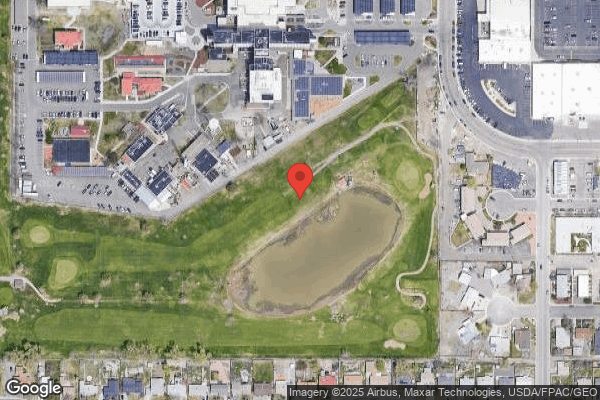
Nov 2023 1 deficiency
CONCERN (D) 📢 Someone Reported This

A family member, employee, or ombudsman was alarmed enough to file a formal complaint

Potential for Harm - no one hurt, but risky conditions existed

Accident Prevention (Tag F0689)

Could have caused harm · This affected 1 resident

**NOTE- TERMS IN BRACKETS HAVE BEEN EDITED TO PROTECT CONFIDENTIALITY** Based on record review and interviews, the facility failed to take steps to prevent one (#2) of three residents reviewed for wan...

Read full inspector narrative →
**NOTE- TERMS IN BRACKETS HAVE BEEN EDITED TO PROTECT CONFIDENTIALITY** Based on record review and interviews, the facility failed to take steps to prevent one (#2) of three residents reviewed for wandering of 12 sample residents safe from eloping from the facility. Specifically, the facility: -Failed to identify goals and interventions on the baseline care plan to ensure Resident #2 ' s health and safety related to elopement; -Failed to ensure a thorough shift report was provided to the oncoming nurse during change of shift to inform of Resident #2 ' s wandering activities, and -Failed to ensure Resident #2 did not elope from the facility. Findings include: I. Facility policy and procedure The Elopement, Risk Reduction Strategies, and Management of Missing Residents policy, dated 7/17/23, was provided by the director of nursing (DON) on November 22, 2023 at 6:57 a.m. It included the following: An elopement risk assessment is completed by the nursing staff on all residents at admission, readmission, quarterly, upon change of condition, and after an elopement event. The initial resident assessment is conducted at admission if possible, otherwise no later than eight hours from admission. A facility-approved risk assessment tool (or scoring system is utilized. The assessment is based on various risk factors that may precipitate an elopement event. The risk score includes a defined parameter which, when reached, indicates an increased risk and prompts risk reduction strategies, as described below. The risk assessment and new resident observation addresses the resident ' s mobility and psychological, behavioral, physical, and cognitive functions. Specific risk factors include: An involuntary admission, a history of wandering prior to admission or finding the resident lost in the facility after admission. Any cognitive impairment which results in an inability of the resident to appreciate safety risks and an inability to protect themselves. Actual wandering behaviors (wandering due to boredom or lack of activity, pacing, exit-seeking or hovering at exits. The policy included the following risk reduction measures for residents identified as high risk for elopement: Frequent monitoring of the resident ' s whereabouts, room placement close to communal areas, promoting activities that are in full view of staff members, alternate activities to maintain the interest level of the wanderer, and implementation of wander bracelet or other electronic alert system. The policy did not include risk reduction measures for residents identified to be at risk to wander. II. Resident #2 A. Resident #2 status Resident #2, age [AGE], was admitted on [DATE] for a five-day respite stay. According to the July 2023 computerized physician orders, diagnoses included Alzheimer ' s disease and recurrent major depressive disorder. The 7/14/23 minimum data set (MDS) entry assessment documented the resident was admitted to the facility from the community, and a comprehensive MDS assessment was not due. The 7/16/23 MDS discharge assessment documented the resident had an unplanned discharge from the facility to an acute hospital, with no return anticipated. B. Record review The baseline care plan, initiated 7/14/23, identified health and safety concerns related to the resident ' s cognition. He was admitted to the facility for a five-day respite stay and was confused as to place and dates. He was independent with bed mobility, transfers, and walking, and required set up help with dressing, toileting and grooming/hygiene. The care plan documented the resident was ambulating throughout the building at this time, gait steady. He was identified to be at risk for falls as evidenced by impaired cognition, Alzheimer ' s disease, and poor safety awareness yet is independent with mobility . The section for Elopement Risk was void of documentation. There were no interventions or goals identified to ensure his health and safety. The activities section of the baseline care plan identified Resident #2 ' s activities and hobbies documented that he liked movies, but was unable to answer which kinds of movies when given a list to choose from. He said he did not really like TV or music. There were no interventions or goals identified related to his activity preferences. The admission Evaluation Assessment, dated 7/14/23 at 7:05 p.m., documented the resident had a walker at home but did not use it, ambulation was unsteady at times, was oriented to the call light but was forgetful, and will continue to monitor. The Wandering Risk Observation/Assessment, dated 7/14/23, documented a score of nine out of 23, which indicated he was at risk to wander. (Low risk score was zero to eight, at risk to wander was nine to 10, and high risk to wander was 11 to 23). The assessment included Resident #2 had a history of wandering (past hospitalization or history from resident/family). The Nursing—Daily Skilled Charting, dated 7/14/23 at 10:31 p.m., documented Resident #2 was confused most of the time, wandering looking for downstairs. A call was placed to the resident ' s family member who confirmed the resident had confusion. One on one monitoring was documented, but no additional details or documentation was completed regarding this. The teaching/training notes included call light was in reach but not used as instructed, and staff to anticipate needs, and every two hour checks. There was no documentation to indicate every two hour checks were completed. The Nursing—Daily Skilled Charting, dated 7/15/23 at 10:47 a.m., documented Resident #2 was confused and unable to make his needs known due to confusion, and did not understand how to use the call light, but it was kept in reach. Staff anticipate his needs and provide cares .Monitor stand by assist ambulating in halls, wonders [sic] into other residents ' rooms. There were no additional interventions implemented to address Resident #24 ' s wandering. The Incident Report for Resident #2 ' s elopement documented the event occurred on 7/15/23 and the facility became aware that he was missing at 6:15 p.m. He was last seen at 5:45 p.m. walking near the main entrance of the facility. The facility notified the resident ' s son, who was out of town, and the local police department who also began to search for him as well. Another resident informed facility staff that she had seen Resident #2 sitting on a bench outside the main entrance at 5:45 p.m., and when she reentered the facility at 6:15 p.m., he was no longer sitting there. A full search of the facility rooms were completed three times, and multiple staff members were walking the streets in search of the resident. The incident report documented the resident was not known to be an exit seeker or elopement risk, which was not consistent with the above Wandering Risk Observation/Assessment or the Nursing Daily Skilled Charting documentation. There was no additional documentation or discharge summary related to Resident #2 ' s current disposition or discharge from the facility. C. Family interviews Resident #2 ' s family member was interviewed on 11/9/23 at 2:42 p.m. She said after the facility notified her that the resident was missing, she immediately got on the phone and called her children to go out and start looking for him as well. She said a local hospital notified them that Resident #2 was found at approximately 2:40 a.m. on the railroad tracks by a railroad worker. The location was approximately four blocks from the facility and missing for over seven hours. He had cuts on his arms, elbows, knees and had a bruise on the side of his face. He was taken to a local emergency department by ambulance and they were told he had no significant injuries. She said they did not want the resident to return to the facility when he was discharged and they took him home. III. Staff interviews Registered nurse (RN) #1 was Resident #2 ' s nurse on the day of his elopement, and she was interviewed on 11/14/23 at 3:10 p.m. She said she was not informed that Resident #2 was at risk for elopement or that he had tried to elope previously. She said during the afternoon of that shift, she had been informed that someone had seen the resident outside, in an alcove on a bench in front of the facility. She explained that if she would have known he was at risk for elopement, she would not have allowed him to be outside alone. She said he was not wearing a wander guard and the facility staff initiated a search for him immediately when they realized he was missing. She said the facility did not have a photo to give the police, so a family member was asked to provide that to aid in their search. She said she was very upset that he was missing and was determined to stay at the facility until he was found, but it was getting late and she was forced to go home. She said she did not take the time to read the previous nursing documentation that stated he was wandering at times in the facility. The activities director (AD) was interviewed on the afternoon of 11/17/23 and she said had been in that position for a few months. She remembered Resident #2 and said he was admitted late in the afternoon on a Friday, and he was not evaluated by the activities staff before the weekend. She said there were no therapeutic interventions implemented for him related to person centered activities. The DON was interviewed on 11/17/23 at 3:30 p.m. She said she had been the facility ' s DON since September 2023, and was in that position at the time of Resident #2 ' s elopement. She said the nursing change of shift report usually included general aspects about the residents ' day, any changes that were noticed that day or from previous shifts, any behaviors, new orders, and vital signs changes. She said residents were allowed to go outside and out the front doors without supervision, if they did not have a wander guard on. The DON said the facility ' s process for first assessing residents for their risk of wandering or elopement was completed during their initial assessment to the facility upon admission. She said their electronic medical record included a pop up screen that prompted the nurse to complete upon admission. She said prior to Resident #2 ' s elopement, the initial elopement assessment was required to be completed within eight hours, but that had been shortened to four hours for all newly admitted residents. The DON said it could be difficult to determine a resident ' s risk for wandering when they were new to the facility, and would hope the family could provide a wandering history. She said nursing staff might place a wander guard on someone if there was a concern, and see if it was appropriate. She said placing a wander guard long term required getting permission from the family and receiving an order for it from the physician. Moving forward, she said they would be watching residents who were confused more closely, because they do not want someone to get out and become missing. The DON said she was not aware that the family of Resident #2 said he had a history of wandering, or that he was identified by the facility staff as at risk to wander. She said Resident #2 was admitted on a weekend evening (Friday), and she would have expected the nursing staff to place a wander guard on him until the department heads were in the facility to help make that final decision and stated, because we can always take someone outside if they want to go out with a wander guard. The DON said the one to one monitoring meant that one staff member would sit with that resident for 24 hours per day, which she did not feel was possible due to their current level of staffing. Rather, she said frequent monitoring would be something they could implement, which would be every 15 or 30 minute checks. She said a floor nurse could initiate having the certified nurse aides (CNA) complete frequent checks and document them, and to keep doing them until the resident settled down or they could figure out a better way to care for them. The DON said another intervention that could have been implemented for Resident #2 when he was wandering into other residents ' rooms was redirection or distraction with an activity. She said even though Resident #2 was admitted for a five day respite stay, he should have had his interests and activities explored because they did not want a person sitting in their room for five days without anything to do, unless it was their preference to do so. The DON said knowing what was charted in Resident #2 ' s clinical record, and he was wandering and actively exit seeking, he should have had a wander guard placed. She said, That is the safest way.
Feb 2020 5 deficiencies 1 Harm
SERIOUS (G)

Actual Harm - a resident was hurt due to facility failures

Quality of Care (Tag F0684)

A resident was harmed · This affected 1 resident

**NOTE- TERMS IN BRACKETS HAVE BEEN EDITED TO PROTECT CONFIDENTIALITY** Based on interviews and record review, the facility failed to ensure one (#11) of four residents reviewed of 31 sample residents...

Read full inspector narrative →
**NOTE- TERMS IN BRACKETS HAVE BEEN EDITED TO PROTECT CONFIDENTIALITY** Based on interviews and record review, the facility failed to ensure one (#11) of four residents reviewed of 31 sample residents received timely treatment and care in accordance with professional standards of practice and facility policy. For Resident #11, the facility failed to: -Timely respond, assess, communicate and report to the physician the resident's severe acute pain; -Timely acknowledge, and sign off on, and implement physician orders; -Schedule Resident #11's outpatient ultrasound in a timely manner although the resident was experiencing pain; and -Notify the physician of a change in status and the resident's increased pain. These failures resulted in the resident having a delayed transport to the outpatient imaging center, while the resident was experiencing new acute pain at levels of 7-10 on a scale of 0 out of 10. The facility did not call the imaging center to attempt to schedule Resident #11's ultrasound ordered at 9:40 a.m. by the physician until the next day, and the resident experienced pain and discomfort during that delay. The resident was eventually sent to the hospital after the ultrasound, for immediate surgical intervention due to testicular torsion. The resident experienced prolonged, severe pain and required surgery to have a testicle removed. These failures by the facility resulted in the resident having delayed treatment and surgery, as well as prolonged severe pain. Findings include: I. Facility policy and procedure The Changed in Resident Condition policy, revised 11/23/19, provided by the director of nursing (DON) on 2/12/2020 at 15:45 p.m., read a facility must immediately inform the resident; consult with the resident's physician; and if known, notify the residents legal representative or an interested family member when there is a significant change in the resident's physical, mental, or psychosocial status such as a deterioration in health, mental, or psychosocial status in either life- threatening conditions or clinical. Examples of a clinical condition change include any change in resident from resident's baseline or onset of new concern or incident. II. Resident #11 A. Resident status Resident #11, age [AGE], was admitted on [DATE]. According to the February 2020 computerized physician orders (CPO), diagnoses included hypertensive heart disease with heart failure, chronic obstructive pulmonary disease, and disorder of kidney and ureter. According to the minimum data set (MDS) assessment completed 11/19/2020, the resident was severely impaired cognitively with a brief interview for mental status (BIMS) score of four of 15. The resident complained of occasional mild pain that did not affect ability to sleep or limit the resident's day to day activities. B. Record review 1. Resident care plan Resident #11's care plan, initiated 11/15/19 and revised 11/19/19, focused, I have a potential for pain/discomfort related to impared mobility, cellulitis of right lower leg, factitial dermatitis, and according to my medical durable power of attorney, I have zero pain tolerance. An intervention listed on the care plan read, Notify physician if interventions are unsuccessful or if current complaints are a significant change from resident's past experience of pain. 2. Medication administration record (MAR) The resident's February 2020 MAR showed the resident had received tylenol 650 mg every six hours as needed for pain (unspecified location) on 2/3/2020 for a pain level of 5/10 at 7:33 p.m. The resident also received tylenol the next night at 9:34 p.m. on 2/4/2020 for a pain level of 4/10. The resident did not receive tylenol for the next 5 days according to the MAR. The resident also had an order for tramadol 25 mg every 6 hours as needed for pain. There was no administration of this medication between 2/1/2020-2/9/2020. Resident #11's MAR showed the resident received the following pain medication administrations: 2/10/2020: Tylenol 650 mg every 6 hours as needed for pain: -6:33 a.m. for a pain level of 9 -12:50 p.m. for a pain level of 8 -7:11 p.m. for a pain level of 7 Tramadol give 25 mg every 6 hours as needed: -10:31 a.m. for a pain level of 9 -7:11 p.m. for a pain level of 7 2/11/2020: Tylenol 650 mg every 6 hours as needed for pain: -8:37 a.m. for a pain level of 10 Tramadol 25 mg every 6 hours as needed for pain -8:36 a.m. for a pain level of 10 Record review revealed Resident #11 was sent to ultrasound after receiving his 2/11/2020 morning pain medication. Record review and interview below show the pain medication was administered for testicle/scrotal pain, which was not documented on the MAR above. 3. Progress notes and ultrasound order A progress note by the medical director (MD) showed she had seen the resident on 2/10/2020 at 8:22 a.m. A handwritten treatment order by the MD on 2/10/2020 at 9:30 a.m. showed the MD ordered: -US (ultrasound) Left testicle - color doppler for a diagnosis of pain; and -Urine Analysis with culture and sensitivity if indicated. The physician's order was signed and acknowledged by the nursing clinical coordinator (NCC) #2 at 12:40 p.m. (three hours and 10 minutes later). 4. Hospital records The resident's hospital admission records dated 2/11/2020 were obtained and reviewed. The emergency department (ED) doctor's exam noted the resident was complaining of pain at a level of seven out of 10 that was worsened with palpation of the left testicle. Symptoms were improved by nothing he was aware of. Resident #11 had significant edema and tenderness to palpation with swelling of the left testicle and hemiscrotum. The swelling was so diffuse the physician could not find any way to try and twist or detorse the testicle at that time. The ultrasound was consistent with a left testicular torsion with hydrocele (swelling in the scrotum). The urology/surgical consult history showed the scrotal pain was sharp and consistent that started Sunday evening. The urology physical exam revealed an exquisitely tender left testicle. The urology surgical notes showed the testicle was edematous and adhered to the surrounding tissue. The urologist noted the ability to free the testicle and spermatic cord using electrocautery and then ligating (closing off) the spermatic cord, and sending the testicle off for pathology (no pathology results). The resident's procedure was completed without complication and with a post procedure diagnosis of testicular torsion. 5. Nursing documentation A nursing note signed by licensed practical nurse (LPN) #2 on 2/10/2020 at 5:12 p.m. showed the resident's left testicle was hurting. The pain was ranging from 6-9 out of 10. The resident was in tears several times that day. Mildly relieved by tylenol, no relief with tramadol. Cool washcloth did not help. UA (Urine analysis) ordered by physician. Resident was resting in bed, will continue to monitor. There was no documentation the MD was notified of the resident's severe pain and tearfulness. The next progress noted dated 2/11/2020 at 3:20 a.m. by registered nurse (RN) #2 showed the resident did continue with complaints of testicle pain. She visualized the testicles, no redness or swelling was observed. She offered a warm compress which the resident denied. Tramadol and tylenol were administered at night, no further complaints of pain. The writer encouraged the resident to alert staff if the pain worsened or if he was experiencing any swelling, redness, or difficulty urinating. The resident verbalized understanding. There was no documentation the MD was notified On 2/11/2020 at 5:30 a.m. another progress note by RN #2 showed upon awakening that morning. The resident was complaining of severe pain in the testicles. He was then complaining of pain in both testicles. Upon palpation, the testes were noted to be hardened and swollen. They were not warm to touch and the resident was complaining of more pain upon palpation. RN #2 was not able to roll the testes in the fingers, as they were too hard and the resident was complaining of too much pain. She noted tylenol was administered. (The MAR did not reflect tylenol given at 5:30 a.m. on this date) There was no documentation the MD was notified. A weekly nursing documentation assessment completed by NCC #1 on 2/11/2020 at 7:00 a.m., showed the resident was alert and oriented to person, place, time, and situation with good memory recall and speech impediment. His bowel sounds were active, abdomen soft and with complaints of pain to his testicles. The resident required extensive assistance with ADLs at this time and staff assistance with wheelchair mobility due to extreme pain. Under pain management it read, Resident is in extreme pain. Testicles extremely swollen. US scheduled this AM. There was no documentation the MD was notified. 6. Staff interviews RN #2 was interviewed on 2/11/2020 at 6:20 p.m. She said the resident was having testicular pain around 6:00 a.m. and she gave the resident some pain medications around 7:00 a.m. She said around 5:45 a.m. Resident #11's testes were noted to be hard and full, and more sore than before. She said throughout the night, on 2/10-2/11/2020, he was not reporting pain or changes, but that Resident #11 was not always forthcoming. She said she had asked him if the testes were the normal size, but she definitely knew there was a difference in form and pain from when she first started her shift. She said she could see he was physically in pain when he was sitting. She said she was on the fence about sending the resident to the hospital and feared it was testicular torsion from some research she did on her shift. She said because they had the US ordered and some interventions in place she did not call the MD. She said it was nursing judgment at the facility if she needed to send a resident out, but because it was not affecting his speech or breathing she didn't call. She said it was routine at the facility to call the doctor if there was a change in condition. She said Resident #11 was alert and oriented with some intellectual or developmental delays, but he definitely could make his needs known. NCC #1 was interviewed on 2/11/2020 at 6:30 p.m. She said yesterday the MD came in and looked at him as he was complaining of testicular pain, and she ordered an ultrasound, which he had that morning (2/11/2020 next day after order) that showed testicular torsion. She said Resident #11 went to the emergency room from the ultrasound and needed surgery. She said she was told in handoff report earlier that morning with RN #2 the resident was in a lot of pain. She said she called CNA #4, who was also the transport driver and scheduler, and told her that the ultrasound needed to be done that morning of 2/11/2020 (the next day after initial order). She said she had called the MD when the resident went out to the ultrasound, but had not called her prior to that. Resident #11 was interviewed on 2/12/2020 at 9:56 a.m He said the pain had started Sunday night and they came in Monday and looked at it. He said the pain was so god damn bad Monday morning, and the nurse had him pee in a cup. He said Tuesday morning they took him to get it checked out and he ended up at the hospital. He said it was huge and twisted up and had to remove one (testicle). He said during that time he was given pain medication and it helped a little bit but not much and still had pain after the medication. He said he had not had pain issues prior to this and his pain was much better this morning (2/12/19). He said because of the pain he had not slept Sunday or Monday nights, and had slept last night (Tuesday night, post surgery) much better. LPN #2 was interviewed on 2/13/2020 at 10:05 a.m. She had been the nurse caring for Resident #11 on 2/10/2020. She said she was told by the night nurse when she arrived for her shift Resident #11 was not feeling well and was in pain. She said she left to give him some tylenol and the MD was there and let her know. She said there was no swelling or red flags at that time, so the MD ordered a urinalysis and an ultrasound. She said NCC #2 was helping her with getting the ultrasound scheduled. She said she did not call the ultrasound imaging center to schedule the ultrasound because as far as she knew NCC #2 was taking care of that. She said the tylenol helped the resident's pain a little but he was still in pain so she gave him the tramadol, which didn't help nearly as much so she gave the tylenol again. She said the MD told her verbally she was ordering the ultrasound and wrote the treatment order form as well. She said she would have called the imaging center to set up the ultrasound, but NCC #2 was helping her with that. She said the normal routine when a doctor ordered an outpatient test was to enter it in the computer then call the center and set it up, but she was not sure the process NCC #2 used that day. She said she had not spoken to the transport van driver, CNA #4 who scheduled tests as well, because NCC #2 was taking care of all that for her. She said Resident #11 was having pain throughout that day (2/10/2020) and was still having pain when she left at shift change. CNA #4, who also served as the transporter and scheduler, was interviewed on 2/12/2020 at 11:57 a.m. She said for outpatient tests ordered by doctors the nurses put the order in her box, and most of the time they would come to her and tell her if there was an order that needed to be done right away. She said for the most part though, nurses just stick the order in her box and she checks it every three to four hours. She said the order for Resident #11's ultrasound was not given to her until 2:00 p.m. on Monday (2/10/2020), and she asked NCC #1 what else she needed to schedule the ultrasound. She said NCC #1 told her the imaging center required an order with the ICD 10 code diagnosis (billing diagnosis) on it, and NCC #1 had helped her get that by calling the MD's secretary. She said by the time the referral with the ICD 10 code came back, the imaging center was closed and she was heading out the door home, which she said was around 4:30-5:00 p.m. She said in that situation the test would just be done the next day as the order was not a stat order. She said if something needed to be done after hours that would have come from the direction of the nurses, but she said there was no sense of urgency from nursing that it needed to be done right away, and nobody told her the resident was having pain. She said it was a good question and she did not know why the order did not come to her until 2:00 p.m. when it was given at 9:30 a.m. by the MD and signed off by NCC #2 at 12:40 p.m. She said the next morning she wrote stat on the order and sent it over to the imaging center and they left around 8:30 a.m. She said he was premedicated with pain medicine prior to leaving, but she could tell he was hurting and uncomfortable for sure. Record review showed the referral with the ICD 10 code was received back at the facility with a fax stamp of 2:54 p.m. and was confirmed with NCC #2. NCC #2 was interviewed on 2/12/2020 at 11:45 a.m. She said Monday (2/10/2020) the MD saw Resident #11 and ordered the resident to have a urinalysis and ultrasound. She said the resident did not regularly complain of pain, nor had he complained of pain in the groin area before. She said that morning on 2/10/2020 he was not in terrible distress as he was jovial but did grimace with some pain. She said the physician should be notified if a resident was having a change in status or increased or uncontrolled pain for further instruction. She said she and NCC #1 helped out the floor nurse when or if they were behind and put in orders for them. She said there was a stack of orders and she put in the order for Resident #11's ultrasound. She said she gave the order to CNA #4 by putting it in her box, and she had not attempted to call the imaging center herself. She said she saw the fax with the ICD code later sitting in the fax machine by happenstance as she was down on the other nursing unit where the fax came in, and put that in CNA #4's box and left for the day. She said she did not know why there was a delay in putting the order in at 12:40 p.m. when it was ordered originally by the MD at 9:30 a.m. She said it was not reasonable the resident had not received the ultrasound the same day when it was originally ordered at 9:40 a.m. She said if the resident was having continued pain the on-call physician should have been called and maybe the resident sent to the hospital, and if she had been working that night that's what she would have done. She said it was NCC #1 the next day that said the resident needed to be transported ASAP to the ultrasound. The MD was interviewed on 2/13/2020 at 8:28 a.m. She said she was notified the resident was having pain right away by the nurse when she walked on the unit around 8:30 a.m. on Monday. She said she and the nurse had examined the resident together. She said the order for the ultrasound was not stat and expected it to be done in one to two days. She said she told the nurse verbally about the ultrasound and wrote it out on the treatment order form as well. She said she was not notified the resident was having pain and was in tears nor of the increased pain in both testicles and newly identified swelling, and was only notified the next day when he was refusing to go to the ultrasound because he was so uncomfortable. She said she would have expected to be notified of the pain and change in status, and would expect the facility to at least try to have scheduled the ultrasound for the same day. III. Facility failure The MD ordered the ultrasound at 9:30 a.m. for Resident #11's newly reported testicular pain. However, the order was not entered into the computer and signed off by NCC #2 until 12:40 p.m., she did not attempt to call the imaging center to schedule the ultrasound. CNA #4 did not receive the order for the transport until 2:00 p.m., when she identified she needed a different order form and worked with NCC #1 to contact the MD's office to get the proper order form. The fax was sent back to the facility at 2:54 p.m. NCC #2 said she saw the fax and put it in the transporters box at an unknown time, she again did not attempt to call the imaging center to schedule the ultrasound. CNA #4 said she saw the proper referral/order with the ICD 10 code around 4:30 p.m.-5:00 p.m. when she was done for the day and heading out the door, and she had not called to schedule the ultrasound at any time that day. During this time record review and interviews show the resident was experiencing pain to the point he was expressing tears and worsened to the point the next morning his testicles were swollen and hard. Prior to his transport it was documented the resident was in Extreme Pain and his testciles were extremly swollen. The physician was not notified of any changes or pain issues with the resident. V. Director of nursing (DON) interview The DON was interviewed on 2/13/2020 at 12:04 p.m. She said it was the process at the facility the doctors wrote paper treatment orders and they were later transposed into the electronic medical record (EMR). When an order for an outpatient test came in they were generally routed to CNA #4 so she could arrange the transportation and accommodations. She said the time frame on this depended on if it was a routine order which could take one to three days, but if it were something super pressing they would get it done immediately. She said nurses should call the MD with significant changes, uncontrolled pain, and new or worsening symptoms and the MD was very welcoming about being contacted. She said Resident #11 was not as alert and oriented as he presented, but was able to make his basic needs known. She said he had the testicular situation starting on Monday and going into Tuesday, and as far as she knew, this was new for him. She said after reviewing the chart and with her staff it was her understanding the pain started on Sunday but he had not made anyone aware till Monday. She said they assessed him and the MD ordered some tests. She said his pain had fluctuated on Monday and they were using tylenol, which seemed to bring him more down to baseline. She said overnight they had treated him for pain and as long as he was not sitting compressing his testicles, it was not bothering him. She said in the morning when he sat up he had more pain and it was more urgent and they sent him out for the ultrasound. She said it was correct that the ultrasound order was put in at 9:40 a.m. and he had not gone out for the test until 8:30 a.m. the next day, and the resident was experiencing fluctuating pain during that time. She said they were waiting on the results of the urinalysis, but she did not see an order from the MD to wait for those results. She said the role of the NCC was to support the floor staff, and that day NCC #2 went to help out and put orders in. She said there was an issue with the ICD 10 code order and they had to fax that over to the MD's office, and by the time the shuffling of papers was over the imaging center was not taking patients. She felt as far as she knew it was followed through timely as the order was routine and it was not something urgent and felt it was ok to wait. She said if it was ordered routine in the morning, she would expect the imaging center to be called that day and did not know if they were called that day for Resident #11.
CONCERN (D)

Potential for Harm - no one hurt, but risky conditions existed

ADL Care (Tag F0677)

Could have caused harm · This affected 1 resident

**NOTE- TERMS IN BRACKETS HAVE BEEN EDITED TO PROTECT CONFIDENTIALITY** Based on observations, record review, and interviews, the facility failed to ensure one (#46) of three residents reviewed for ba...

Read full inspector narrative →
**NOTE- TERMS IN BRACKETS HAVE BEEN EDITED TO PROTECT CONFIDENTIALITY** Based on observations, record review, and interviews, the facility failed to ensure one (#46) of three residents reviewed for bathing and grooming received the necessary assistance with activities of daily living (ADLs) of 31 sample residents. Specifically, the facility failed to ensure Resident #46 received timely assistance with wheelchair positioning, and clothing and eye cleanliness. Findings include: I. Facility policy and procedures A. The Activities of Daily Living, Supporting policy and procedure, dated November 2019, was provided by the director of nurses (DON) on 2/13/2020 at 1:15 p.m. It included residents who were unable to carry out ADLs independently would receive the services necessary to maintain good nutrition, grooming, and personal and oral hygiene. Appropriate care and services would be provided for residents who were unable to carry out ADLs independently, with the consent of the resident and in accordance with the plan of care, including appropriate support and assistance with hygiene (bathing, dressing, grooming, and oral care), mobility, elimination, dining, and communication. If residents with cognitive impairment or dementia resisted care, staff would attempt to identify the underlying cause of the problem and not just assume the resident was refusing or declining care. It might be appropriate to approach the resident in a different way, at a different time, or have another staff member speak with the resident. B. The Resident Mobility and Range of Motion policy and procedure, dated July 2017, was provided by the DON on 2/13/2020 at 1:15 p.m. It included residents with limited mobility would receive appropriate services, equipment and assistance to maintain or improve mobility unless reduction in mobility was unavoidable. II. Resident #46 status Resident #46, age [AGE], was admitted on [DATE]. According to the 2/12/2020 current physician orders (CPO), diagnoses included atrial fibrillation, dysphagia, diabetes, and dementia with behavioral disturbance. The 1/6/2020 minimum data set (MDS) assessment revealed the resident had severe cognitive impairment with a brief interview for mental status (BIMS) score of six out of 15. She required extensive assistance with bed mobility, transfers, dressing, toilet use, and personal hygiene. She required supervision and oversight with eating and used a wheelchair for mobility. She had no psychosis, behavioral symptoms, or rejection of care. III. Observations On 2/10/2020 at 10:25 a.m., Resident #46 was propelling herself in her wheelchair down the hallway towards her room. She was wearing a purple shirt and purple pants, and both had dried white splatter and food debris on them. She was slouched down and leaning to the right in the wheelchair and her bottom was towards the front of the seat. On 2/10/2020 at 2:19 p.m., Resident #46 was sitting in her wheelchair in the doorway of her room, facing the hallway. She was leaning significantly to the right side and drool was running down in strings from her mouth to her purple shirt, which was saturated wet. On 2/11/2020 at 11:12 a.m., Resident #46 was sitting in her wheelchair in the main dining room, alone, holding an empty water glass. There was a puddle of liquid on the floor in front of her, as well as an ice cream spill on the table directly behind her, that extended approximately eight feet long, back to the wall where it accumulated in a puddle. Resident #46 was crying quietly and her chin was resting on her hand. On 2/11/2020 at 5:00 p.m., Resident #46 was sitting in her wheelchair in the doorway of her room, holding a cup of hot chocolate. Her head was hanging downward and she was leaning significantly to the right side. Her sweatshirt and sweatpants were stained with dried, crusted stains on the chest and thigh areas. Her eyes were matted with crusted tan debris on the upper and lower lashes. On 2/13/2020 at 9:10 a.m., Resident #46 was sitting in her wheelchair in her room in front of her bed. Her head was hanging downward near her lap and she was holding a glass of milk. She was wearing black pants and the left thigh area had a saucer-sized wet spot on them. IV. Record review The care plan, initiated 6/5/17 and last revised 8/8/19, identified Resident #46 had an ADL self-care performance deficit related to impaired mobility, muscle weakness, unsteadiness on feet, and cognition deficit. The approaches documented she required extensive assistance of one staff member with bathing and showering, and she was to be offered a shower twice weekly and as needed. She required extensive assistance by one-to-two staff to dress, who helped her pick out her clothes. She required set up/supervision by one staff to eat, and used adaptive ware. She required extensive assistance from one-to-two staff with personal hygiene care. The bathing records were reviewed from 1/1/2020 through 2/13/2020 and documented the following: -1/1 through 1/25 = received baths every two or three days -2/1/2020 = bathed (six days since last bathed) -2/7 - 2-13 = no baths documented (seven days since last bathed) The documentation did not include any refusals of care by the resident. The nursing progress notes were reviewed from 12/28/19 through 2/12/2020. A weekly nursing note, dated 2/11/2020, documented the resident required extensive to total assistance with ADLs and transfers, and was able to feed herself after set up, but needed cuing. She was resistant to cares, yelling out. However, the documentation was not specific as to which cares she was resistant to, and did not include dates or times when she refused care. V. Staff interviews Certified nurse aide (CNA) #1 was interviewed on 2/13/2020 at 11:15 a.m., and she confirmed she routinely worked with Resident #46. She said if a resident's clothing was soiled or wet she would take them back to their room, explain to them what needed to happen, and ask for their consent to change their clothing. She stated, Nobody wants to sit in a soiled shirt or pants. She explained the facility did not currently utilize bath aides and the CNAs working on each hallway were responsible for giving them during their shifts. She said Resident #46 required extensive assistance with dressing, toileting, and personal hygiene, and supervision for eating. The CNA said Resident #46 rarely refused care and said it depended on the staffs' approach to her. She said refusals for care should be documented in the electronic medical record, as well as let the nurse know. Licensed practical nurse (LPN) #1 was interviewed on 2/13/2020 at 11:56 a.m., and she confirmed she routinely worked with Resident #46. She said residents should be provided with ADL care throughout the day that included toileting, offering to lay down in between meals, personal hygiene, and oral care. She explained CNAs, nurses, and restorative nursing staff could help provide ADLs and assist if their clothing was soiled. She said Resident #46 was totally dependent on staff for ADL care and occasionally refused care at times. She said if a resident refused care, the CNAs would report it to the nurse and would write a progress note about it. The DON was interviewed on 2/13/2020 at 12:01 p.m. She said the ADL care was performed by CNAs most often, and the typical care provided for residents daily was toileting, bathing, teeth brushing, and fingernail care. She said if a resident's clothing was soiled, staff should ask them if they would like to change it. She clarified that many times, they would say no, and for residents who had dementia, staff needed to be inventive with the way they offered things. She said ideally residents should be seated upright and centered in their wheelchair seats, and their bottoms should be as far back in the seat as possible. If a resident was leaning over, staff should offer to assist them with realigning. She explained if residents declined to receive ADL care the staff should document it as a refusal. She said Resident #46 had refused ADL care at times and thought staff had just not documented their attempts in a progress note. She said she, herself, had attempted to reposition Resident #46 in her wheelchair recently, and the resident refused, but the DON did not document the attempt or refusal.
CONCERN (D)

Potential for Harm - no one hurt, but risky conditions existed

Deficiency F0697 (Tag F0697)

Could have caused harm · This affected 1 resident

**NOTE- TERMS IN BRACKETS HAVE BEEN EDITED TO PROTECT CONFIDENTIALITY** Based on interviews and record review, the facility failed to monitor and document pain management for one (#20) of four residen...

Read full inspector narrative →
**NOTE- TERMS IN BRACKETS HAVE BEEN EDITED TO PROTECT CONFIDENTIALITY** Based on interviews and record review, the facility failed to monitor and document pain management for one (#20) of four residents reviewed for pain management of 31 sample residents. Specifically, the facility failed to implement the resident's pain management care plan, and monitor, document and assess Resident #20's level of pain at least every shift. Findings include: I. Facility policy and procedure The pain management policy, revised 10/11/19, was provided by the nursing home administrator (NHA) on 2/12/20 at 1:30 p.m. It documented the purpose of this policy was to accurately assess and achieve pain control for the facility's residents. It documented a pain evaluation should include the following: location(s), quality, intensity, associated symptoms, precipitating, aggravating and relieving factors, chronology, pattern (frequency, onset and duration of pain), medication regimen and other treatment modalities used for pain management and their degree of effectiveness. It documented all subsequent pain evaluations would be documented in the MAR (medication administration record), as applicable, to include location, intensity rating and response to pain management interventions. It documented, for every shift, pain checks should be documented on the MAR after a resident received their routine pain medications. It documented non-pharmacological interventions should be documented in progress notes and included on the individual resident care plan. II. Resident #20 status Resident #20, age [AGE], was admitted on [DATE]. According to the February 2020 computerized physician orders (CPO), diagnoses included multiple sclerosis, chronic pain, panic disorder, anxiety disorder and major depression. The 12/2/19 minimum data set (MDS) assessment revealed the resident had a severe cognitive deficit with a brief interview for mental status (BIMS) score of three out of 15. It documented the resident required supervision and set up to ambulate in her electric wheelchair. She required extensive assistance of one for dressing and personal hygiene; extensive assistance of two or more for bed mobility, transfers and toileting; and was totally dependent on two or more for bathing. The MDS revealed the resident was receiving both scheduled and PRN (as needed) pain medications, but was not receiving any non-medication interventions for pain. It documented a pain assessment should be completed and the resident said she had frequent pain at a moderate level during the last five days of the MDS look-back period. She said the pain did not limit her daily activities or prevent her from sleeping. III. Record review The February 2020 CPO documented the resident was ordered acetaminophen, 650 mg QD (every day) for body pain and Tylenol, 650 mg Q 4 hours PRN (every four hours as needed). The care plan dated 12/3/19 related to pain documented the resident had the potential for pain due to chronic pain, weakness, impaired mobility and age related discomfort. Interventions included evaluating the effectiveness of pain interventions 45 minutes to one hour after the resident received the medication and prn. Staff was to review for compliance, alleviation of symptoms, dosing schedules and resident satisfaction with results, impact on functional ability and impact on cognition. It documented staff was also to monitor and record pain characteristics every shift and prn to include the quality and severity of the pain, the anatomical location, the onset and duration of the pain and what tended to aggravate or relieve the resident's pain. The MDS pain interview dated 12/2/19 documented Resident #20 had pain in the last five days. It documented the pain was frequent. The resident said it did not make it difficult for her to sleep and had not limited her day to day activities. She rated her pain level as moderate. Indicators of pain were daily, vocal complaints of pain. This assessment did not include location of the pain or any associated symptoms. It did not include what aggravated or alleviated the resident's pain. The February 2020 medication administration records (MARs) and treatment administration records (TARs) were reviewed and pain was not being tracked or monitored for Resident #20. A discontinue order dated 8/15/17 revealed the medication order to monitor pain every shift using a 0-10 pain scale for pain level was discontinued on that date. The order did not include a reason for the discontinuation of the order. It documented an acceptable level of pain for Resident #20 was 3. C. Staff interviews The director of nursing (DON) was interviewed on 2/11/20 at 5:40 p.m. She said she looked and could not find pain being monitored for Resident #20. She said the resident had a neurological disorder and had frequent pain. She said she would be doing a facility wide audit and correct the omission for Resident #20. The DON was interviewed on 2/12/20 at 8:59 a.m. She said Resident #20 should have had a pain assessment documented on the MAR and staff should have been assessing the resident's level of pain every shift. She said she would check to see how long the facility had been failing to document the resident's level of pain. She said she completed a full facility assessment last evening related to pain documentation and found some more issues with residents who'd been living in the facility for some time. She said she was uncertain why pain assessments dropped off the computerized system for certain residents. She said the system had been corrected the evening of 2/11/20. The DON was interviewed on 2/12/20 at 9:40 a.m. She said the facility had not been monitoring this resident's pain since 8/15/17 due to a transposing error by discontinuing the physician's order to monitor pain every shift. She said the facility should have been documenting the residents' level of pain every shift and they had not been doing that for quite some time.
CONCERN (E)

Potential for Harm - no one hurt, but risky conditions existed

Safe Environment (Tag F0584)

Could have caused harm · This affected multiple residents

**NOTE- TERMS IN BRACKETS HAVE BEEN EDITED TO PROTECT CONFIDENTIALITY** Based on observations, interviews and record review, the facility failed to ensure a safe, clean, comfortable and homelike envir...

Read full inspector narrative →
**NOTE- TERMS IN BRACKETS HAVE BEEN EDITED TO PROTECT CONFIDENTIALITY** Based on observations, interviews and record review, the facility failed to ensure a safe, clean, comfortable and homelike environment in two (east and west) of three resident hallways. Specifically, the facility failed to ensure residents had adequate access to clean bath linens at all times. Findings include: I. Facility policy and procedure The Quality of Life - Homelike Environment policy, revised May 2017, was provided by the nursing home administrator (NHA) on 2/13/2020 at 1:30 p.m. It documented the purpose of this policy was to provide the residents with a safe, clean, comfortable and homelike environment by maximizing the characteristics of the facility which reflected a personalized, homelike environment. One of those characteristics included clean bath linens that were in good condition. II. Resident council interview During the resident council interview conducted on 2/12/20 from 10:00 a.m. through 11:00 a.m., Resident #34 showed a picture he had taken on his cell phone at 9:25 a.m. that morning of only one used washcloth on his towel rack. He said that was not an adequate supply of linens and the resident council had been bringing up this issue for several months. He said he would be showing the picture to the NHA after the resident council meeting. The majority of the 13 residents who attended the resident council interview agreed the facility had a problem with getting enough clean washcloths and hand towels to the residents. III. Resident council minutes The minutes from the November 11, 2019 resident council meeting documented the issue with restocking towels in resident rooms remained unresolved. The minutes from the December 9, 2019 meeting documented room stocking continued to be an issue. The minutes from the January 13, 2020 meeting documented the issue with stocking rooms was ongoing and the nursing home administrator (NHA) would look into the situation. The minutes from the February 10, 2020 meeting documented the NHA stated, I have been looking at the cameras and night shift has been stocking rooms with towels and washcloths. The residents stated they had still been having some issues with stocking linens on [NAME] hall. IV. Resident room observations A. room [ROOM NUMBER] (west hall) was observed on 2/12/2020 at 9:00 a.m. and there was only one used washcloth on the towel rack in this room. B. A visual audit of bath linens on the west hall was conducted on 2/13/2020, from 9:25 a.m. through 9:40 a.m. The following was observed: -room [ROOM NUMBER]: No linens at all were observed on the towel rack in this room. -room [ROOM NUMBER]: The resident in this room said she only had one washcloth and one hand towel delivered that morning, but she would prefer at least two of each daily. C. A facility wide linen audit was conducted in the resident rooms on 2/13/20, from 12:00 p.m. through 12:25 p.m. The following was observed: -room [ROOM NUMBER] still did not have any linens on the towel rack. -room [ROOM NUMBER] did not have any washcloths. -room [ROOM NUMBER] did not have any linens on the towel rack. -room [ROOM NUMBER] had two soiled hand towels and one soiled washcloth on the rack. The resident said she always needed more linens. -room [ROOM NUMBER] had one soiled hand towel on the rack. -room [ROOM NUMBER] had no washcloths on the rack. -room [ROOM NUMBER] had no washcloths and two used hand towels on the rack. -room [ROOM NUMBER] had no linens on the towel rack. -room [ROOM NUMBER] had no linens on the towel rack. -room [ROOM NUMBER] had one soiled hand towel on the rack. -room [ROOM NUMBER] had no washcloths in her room. She said she wanted more washcloths as she washed her face several times a day. -room [ROOM NUMBER] had two soiled hand towels and no washcloths on the towel rack. -room [ROOM NUMBER] had no washcloths on the rack. -room [ROOM NUMBER] had no linens on her towel rack. She said she often ran out of those types of linens. V. Staff interview The NHA was interviewed on 2/13/20 at 9:45 a.m. She said the issue of insufficient linens was brought to her attention approximately six or seven months ago. She said she created a QAPI (quality assessment and performance improvement) plan for this issue and purchased additional washcloths and hand towels for the resident's rooms. She said this issue was a work in progress because once she thought she had the solution to the problem, additional issues kept coming up. She said she learned the capacity of the current washers and dryers in the facility were not sufficient enough to keep up with all the laundry during any given 24-hour period. She said she just got a proposal for a new washer and dryer to take to the corporate office later in the week. She said she increased laundry staff hours, but that did not solve the problem. She said the residents brought their linen concerns to her attention again in December 2019, so she had the previous director of nursing (DON) meet with the facility certified nurse aides (CNAs) for additional training into stocking the resident's rooms adequately. She said the issue got better for a short time, then the resident council brought it to her attention again during the January 2020 meeting. She said, given the situation had not been corrected, she began looking at the cameras in the facility hallways to ensure the stocking was being done. She said she observed staff going to each hall's linen closets and taking the linens into the resident rooms. She said she interviewed a nurse who personally saw the CNAs delivering linens to the resident's rooms the nights of 2/9/20 and 2/10/20. She said she spoke with the CNAs who said they are stocking the rooms with linens. She said it was laundry's responsibility to keep the linen closets stocked and each hall had its own separate linen closet. She said she did a facility wide audit of the linens in resident rooms earlier that morning at 6:00 a.m. and she saw linens in all the resident's rooms. She said she had no idea where the linens were going and wondered if residents or staff were throwing away the linens by accident. The NHA said she was planning on hiring a new supervisor for the housekeeping and laundry to see if this would help to alleviate the problem with insufficient linens. She was asked for a policy related to linen distribution at this time, but she said she was doubtful the facility had a policy specifically related to this issue. She said the linen QAPI was a work in progress, with several issues contributing to the problem. She said she had thought about the possibility of needing more than one linen pass per day to help solve the issue.
CONCERN (F)

Potential for Harm - no one hurt, but risky conditions existed

Deficiency F0725 (Tag F0725)

Could have caused harm · This affected most or all residents

Based on resident, family and staff interviews and record review, the facility failed to ensure sufficient nursing staff to provide nursing and related services to attain or maintain the highest pract...

Read full inspector narrative →
Based on resident, family and staff interviews and record review, the facility failed to ensure sufficient nursing staff to provide nursing and related services to attain or maintain the highest practicable physical, mental, and psychosocial well-being of each resident for nine (#60, #36, #63, #13, #29, #14, #24, #34, #43) of 31 sample residents. Resident, family, and staff interviews revealed the facility failed to consistently provide adequate nursing staff resulting in delayed call light response, and prolonged wait times for assistance with activities of daily living such as assistance to and from the toilet. Findings include: I. Facility policy and procedure The Staffing policy, revised 10/2017, provided by the director of nursing (DON) on 2/13/2020 at 12:00 p.m. read, our facility provides sufficient number of staff with the skills and competency necessary to provide care and services for all resident in accordance with resident care plans and the facility assessment. II. Resident census and conditions According to the resident census and conditions report signed by the nursing home administrator (NHA) on 2/10/2020, the resident census was 68, and the following care needs were identified: -63 residents required assistance of one or two staff members with bathing. -62 residents required assistance of one or two staff with dressing. -52 residents required assistance of one or two staff with transferring, seven were totally dependent. -63 residents required assistance of one or two staff with toileting. -38 residents required assistance of one or two staff with eating. III. Facility assessment According to the Facility Assessment for 2020 completed 1/10/2020, facility resources needed to provide competent support and care for our resident population every day and during emergencies for nurse aides was 2.0-2.30 hour per patient day. IV. Record review B. January/February 2020 Daily Staffing sign in sheets The staffing daily sign in sheets for January and February of 2020 showed missing signatures or call offs for any given shift for every day in those two months, except 2/4/2020 and 1/31/2020, for certified nurse aides (CNA). V. Resident/family interviews Resident #60 was interviewed on 2/10/2020 at 2:03 p.m. She said she felt the facility needed more staff because it would take quite a while for call lights to be answered. She said no particular day or time was worse for call light waits, but she did feel the facility needed more staff in the dining room helping residents eat as well. Resident #36 was interviewed on 2/10/2020 at 3:33 p.m. She said during the hours of breakfast, lunch, and dinner the CNAs were in the dining room helping out there, which took them away from the residents on the floor. She said occasionally she needs assistance toileting during meal times and because all the staff are in the dining room she will have to wait up to 30 minutes for assistance. She said the facility had a small amount of staff and a lot of patients, and they were just stretched too thin. Resident #63 was interviewed on 2/10/2020 at 9:14 a.m. She said call lights have been taking too long to be answered. She said it used to be a five to 10 minute wait for call lights to be answered, but now it was anywhere from 15-30, which angered her because she was very incontinent and had no control and was very uncomfortable. She said she and other residents have had incontient episodes while waiting for their call light to be answered by staff. She said the facility had eliminated the shower aides about three weeks ago, so now the CNAs were expected to take care of the hall duties and showers. She said she felt the facility was trying to recoup losses from a fine, and now it was not a happy place anymore and the staff just griped. Resident #13 was interviewed on 2/11/2020 at 8:56 a.m. He said he required assistance with range of motion and they did not have enough staff all the time to help him with that. He said staff members call off almost every night and they try to pull people from other units or call people in. He said the last couple weeks had been really bad, and staff are burned out and tired of having to cover for people all the time. Resident #29 was interviewed on 2/10/2020 at 4:44 p.m. She said she felt in the last couple of weeks staff had just disappeared. She said she suspected staff members had quit. Resident #14 was interviewed on 2/10/2020 at 2:49 p.m. She said she felt there was not enough staff at the facility. She said recently on 2/1/2020 she had to wait for 40 minutes for her call light to be answered. Resident #24 was interviewed on 2/10/2020 at 9:32 a.m. She said the staff sometimes took too long to answer her call light and she is worried she'll pee the bed. She said she has to argue with staff about what the call light was for because she feels they don't listen to the button (call light). Resident #34 was interviewed on 2/10/2020 at 1:06 p.m. He said the facility had a problem with staff calling off sick regularly. He said instead of having two or three CNAs they would sometimes have just one. He said there were some care issues with other residents who required more time and attention from staff, and sometimes he needed help to the bathroom and because of the staffing and other resident needs he had waited too long in the past and had incontient episodes. He said the incontient episodes while waiting for care were every now and then and the last time was about a month ago. He said he also had been left on the toilet too long while waiting for help as well. Resident #43's family member was interviewed on 2/13/2020 at 8:44 a.m. via telephone. The family member stated she did not feel the facility had enough staff working on the east hall to manage all the resident's behaviors, as well as toilet them in a timely manner. She said her family member was often continent of urine, but she had discovered her loved one wet on many occasions. She said her family member would have been continent if toileted timely and that her loved one was essentially aphasic with word salad and she could not express her needs to the staff. VI. Staff interviews CNA #6 was interviewed on 2/12/2020 at 1:24 p.m. She said on her days off, like today (day of interview), she was called and asked to work, which happens regularly. She said she works around 90 to 110 hours every two weeks. She said sometimes she would be getting off her shift but nobody was coming in and the facility would ask her to stay over and tell her, the longest they could keep her was 16 hours. She said they were in a staffing crisis currently and she had to work 14 hours yesterday when she was scheduled for only an 8 hour shift. She said she had identified call light delays around the facility and she'll go in to answer a call light and residents will tell her it's been on for 15 minutes. She said the facility goes through a lot of staff, and they are currently having to pull the bath aides to work the floor. She said residents are sometimes going without their baths/showers, especially on their first bath or shower during the week. CNA #3 was interviewed on 2/12/2020 at 1:34 p.m. She said she was responsible for about 26 to 28 residents along with another staff member, which was not manageable. She said she was supposed to be working as the bath aide, but since the beginning of February she had been on the floor because they were short staffed. She said they were trying to do both the floor duties and the showers for residents as well, but when you only have two people it was hard. She said it was hard alone just trying to do the floor duties with two people. She said she felt the current staffing levels were not meeting the resident needs and/or meeting them in a timely fashion. She said they don't even have enough people to work the floor and they were doing their best. She said the problems with staffing started about the middle of November when people just stopped showing up or quit. She said they had lost five CNAs she knew of and some were terminated as well. She said she would come in and rooms were not stocked with linens or briefs because of short staffing on nights. She said the rooms not being stocked would delay her in the morning with her regular patient responsibilities cause she would have to fill portable tanks and stock rooms. CNA #5 was interviewed on 2/12/2020 at 3:25 p.m. The staff member said, I won't lie. Staffing here sucks. It's unorganized and they don't have enough staff. He said resident call lights were taking too long to be answered and residents were experiencing incontinent episodes because they were waiting too long. He said he had 25 residents to care for on his unit and sometimes he was by himself. He said when there was another CNA, that the CNA and nurse would take lunch together everyday leaving him by himself, and the only reason they weren't doing that today was because of survey. He said working by himself everyday was very hard, and the workload was not manageable. He said his unit had too many residents with behaviors and there should be three CNAs on his unit all the time but they don't have the staff to do it. He said he had not seen some upper level staff members down on his unit in a year, but because of the survey they were doing things differently and helping out. He said because of the short staffing the staff were showing signs of frustration, which was affecting the residents. Licensed practical nurse (LPN) #2 was interviewed on 2/13/2020 at 10:05 a.m. She said lately they have been down a few staff members, which made work a little more difficult. She said they were doing the best they could with what they had. CNA #1 was interviewed on 2/13/2020 at 10:25 a.m. She said she was the restorative CNA, but was regularly pulled to work the floor because of staffing levels. She said residents were missing their restorative cares because she was working the floor frequently. She also said it was not plausible to complete her restorative duties in a 12 hour shift if doing 15 minutes of restorative care on all the residents who were supposed to receive it. She said this month they have been without bath aides all month She said residents were missing showers because of low staffing, and having incontinent episodes while waiting for care but that was not very often. She said the dining room was a big obstacle for her trying to get all the residents fed who need assistance. She said they were doing the best with what they were given right now. The staffing coordinator (SC) was interviewed on 2/13/2020 at 10:40 a.m. She said as the acuity of residents was higher they increased one of the units to have 3 CNAs on days, so there would be two CNAs on the other units and three CNAs on that unit. She said there were evening shifts as well with a float CNA at night, but February had been a little rough with staffing. She said right now they have had call offs and some sickness in the area as well as balancing children and personal issues. She said right now the bath aides were working the floor, so what they were doing was assigning about two showers to the floor aides and she was picking up showers as well. She said she would pull the restorative aide sometimes but just to fill the immediate needs. The nursing clinical coordinator (NCC) #2 was interviewed on 2/13/2020 at 10:04 a.m. She said in nursing she thought there could always be more staff. She said they would have two CNAs on each hall when they pull the restorative aide to the floor. She said that happens only maybe once every two weeks, and today (2/13/2020) the restorative aide only worked until another CNA came in to help. She said they currently did not have bath aides because they recetnly lost some CNA staff, and the bath aides were working the floor. She said that had been going on just in February 2020 that the bath aids were working the floor. She said the CNAs were now doing baths as well as their normal duties. She said residents have told her they feel bad about the workload staff have and they needed more help. She said they have had problems with CNA staffing but not nursing. The director of nursing (DON) was interviewed on 2/13/2020 at 12:04 p.m. She said she felt anytime you go anywhere they will say they are short staffed. She said the bath aids were generally not often pulled to work the floor, but just in the last week or two that has happened. She said generally the bath aides did showers in the facility but the last couple weeks the floor aides had been doing them with occasional help from the SC and an activities staff member who was a CNA as well. She said only recently had the restorative staff members been pulled to work the floor, which was due to other staff starting late because of weather issues in the morning. She said all staff try to squeeze in restorative duties, but it doesn't get done consistently as they don't have a good handle on restorative. She said generally speaking the facility was meeting the needs of residents, but there was a crisis with some scheduling conflicts and staff vacations. She said she did not feel any resident care was denied or anything intentionally missed. She said it was more of a can we get to you tomorrow?' type of situation. She said they were currently hiring staff, and they always need more as needed (PRN) staff.
Dec 2018 5 deficiencies
CONCERN (D)

Potential for Harm - no one hurt, but risky conditions existed

Accident Prevention (Tag F0689)

Could have caused harm · This affected 1 resident

**NOTE- TERMS IN BRACKETS HAVE BEEN EDITED TO PROTECT CONFIDENTIALITY** Based on observations, record review, and interviews, the facility failed to ensure the resident's environment remained as free ...

Read full inspector narrative →
**NOTE- TERMS IN BRACKETS HAVE BEEN EDITED TO PROTECT CONFIDENTIALITY** Based on observations, record review, and interviews, the facility failed to ensure the resident's environment remained as free from accident hazards as possible for one (#45) of six residents reviewed for falls of 32 sample residents. Specifically, the facility failed to ensure the call light was placed in a safe position and remained within reach for Resident #45. Findings include: I. Facility policy and procedure The Fall Management policy, dated 2/4/16, was provided by the medical records coordinator (MR) on 12/13/18 at 3:02 p.m., and documented a fall reduction program would be established and maintained, to assess all residents to determine their risk for falls. The facility was to identify risk factors that included the resident's physical health, functional status, and environmental conditions, which were followed by timely and appropriate interventions. II. Resident #45 status Resident #45, age [AGE], was admitted on [DATE]. According to the December 2018 computerized physician orders, diagnoses included Alzheimer's disease, dementia with behavioral disturbance, history of falling, urinary incontinence, and generalized muscle weakness. The 11/5/18 minimum data set (MDS) assessment revealed the resident had moderate cognitive impairment with a brief interview for mental status (BIMS) score of eight out of 15. He required extensive assistance with bed mobility, transfers, dressing, toileting, and personal hygiene, and had no rejection of care. He was not currently on a urinary toileting program and was always incontinent of urine. He used a wheelchair for mobility. The care plan, initiated 1/20/17 and revised 8/20/18, identified Resident #45 was at high risk for falls related to impaired mobility, poor safety awareness, and a history of falls. Interventions included: make sure call light was within reach and encourage him to use it for assistance as needed. Staff were to provide a prompt response to all requests for assistance and his environment was to remain safe which included keep the floors free from spills or clutter, adequate light, a working and reachable call light, the bed in low position at night, and positioning bars on the bed to assist with his transfers and bed mobility. Staff were to ensure Resident #45 was wearing appropriate footwear, and non-skid socks when ambulating or mobilizing in his wheelchair. A. Observations and Resident #45 interview On 12/10/18 at 2:40 p.m., Resident #45 was sitting in his wheelchair in his room talking with his wife. He was wearing one white sock and one grey sock that did not have non-skid tread on them. He said he would prefer to wear shoes rather than just socks during the day, and needed help to put them on. The resident's pad call light was hanging on a nail on the wall above his bed and was not within reach. At 2:45 p.m., his wife said the call light was not functioning properly and she pushed it to demonstrate that staff would not respond to it. There was no temporary bell visible at his bedside or alternate way to notify staff when he needed help. At 3:04 p.m., no one had responded to the call light and his wife stated, That is how he falls. She said when he needed help he had to holler to get the staff's attention. At 3:07 p.m., staff had still not responded to the call light and the resident became anxious and said he needed to use the restroom. The call light above his door was not illuminated. There were no available staff at the nurses' station or visible in the hallway. The transportation director (TD), who was also a certified nurse aide (CNA), was seated at a desk behind the nurses' station and was asked to check on the resident. She entered his room at 3:12 p.m. to assist him. At 3:22 p.m., the TD exited Resident #45's room holding a bag of soiled clothing he had just been wearing, and she confirmed the resident had been incontinent of urine. She said his call light was not currently working properly. At 3:29 p.m., the TD provided an update on Resident #45's call light. She explained there were two rooms on the east hall that currently had call lights that were not functioning properly, and Resident #45's was one of them. She said the maintenance staff was working on it but a technician needed to be called and was currently on his way to the facility. On 12/11/18 at 11:58 a.m., Resident #45 was lying in bed in his room on his left side, facing the door. His call light cord was wrapped around his ankles and he appeared to be asleep. A maintenance staff person was in the hallway working on the call light system and there were no nurses or CNAs visible in the hallway. At 12:01 p.m., the director of nurses (DON) was walking down the hallway and was stopped and shown the call light cord around the resident's ankles. She immediately entered the room, removed the call light from his feet and repositioned it in a safe position. On 12/12/18 at 9:14 a.m., Resident #45 was lying in bed in his room. The call light cord in the wall above his bed was draped across his bed and over his feet, and the touch pad was wrapped around the turning rail. At 9:43 a.m., the call light cord was lying across the top of the resident's feet, wrapped in his covers. At 9:44 a.m., CNA #5 was asked to check on the resident's call light placement. She entered his room and unplugged the cord from the wall, untangled it from the covers over his feet, and replaced it on the bed along the wall so it was not lying over him. On 12/12/18 at 9:39 a.m., Resident #45 was not in his room. The call light was pushed but it did not begin to alarm and the light above his door did not illuminate in the hallway. There were no staff members who responded to the call light. B. Record review The Fall Risk Evaluation, dated 11/1/18, revealed the resident had a score of 18, which indicated he was at high risk for falls. The Fall Investigations were reviewed from 7/1/18 through 11/12/18 and revealed Resident #45 had five falls during that four-month period. The falls occurred on 7/19/18 at 8:05 a.m., 8/7/18 at 4:27 p.m., 9/10/18 at 11:39 p.m., 9/19/18 at 8:17 a.m., and 10/27/18 at 11:41 p.m. The documentation included the following: -Fall on 8/7/18 at 4:27 p.m.: Resident #45 was found in his room on the floor next to the bed. He was last seen in bed and the bed was in the low position. His call light was not in reach and his call light was not on. -Fall on 9/10/18 at 11:39 p.m.: Resident #45 was found in his room on fall mat by the side of his bed. The call light was not in reach and his call light was not on. C. Staff interviews CNA #5 was interviewed on 12/12/18 at 9:50 a.m. She said she did not routinely work with Resident #45, but worked on another hall in the facility, and had been assigned to his hall to work that day. She said the call light cord should not be positioned over the top of the resident's feet because it could be tangled and create an accident hazard. CNA #4 was interviewed on 12/13/18 at 2:10 p.m., and she confirmed she routinely worked with Resident #45. She said the resident's call light should be placed within reach or clipped to his clothing for easy access. She said he required assistance for transfers and toileting and did not always wait for help before he got up. She said he was able to use his call light purposefully and stated, It just varies with him. She explained he would either push on the call light or yell out for help. CNA #4 was not aware the resident's call light had not been working recently. She said the resident would lay it on the bed and get tangled up in it. She said it did not happen very often, but when she saw that, she would hang it up on the wall or where he could reach it. However, she said the call light should be positioned on the side of the bed with the positioning bar, which would require the call light cord to extend across his body. Licensed practical nurse (LPN) #1 was interviewed on 12/13/18 at 10:33 a.m., and confirmed she routinely worked with Resident #45. She said he was incontinent of urine all the time, and was on a toileting program that included checking him every two hours. She said he was able to use his call light purposefully about 50% of the time and he calls out for help most of the time. She said his call light should be positioned next to him where he was able to reach it. The DON was interviewed on 12/13/18 at 2:18 p.m. She confirmed call lights should be positioned where residents could reach them, and the placement was different for each resident. She said some of them liked it placed on the side of their bed, or clipped to their clothing. She said did not know where Resident #45 preferred to keep his call light. She explained he was able to propel his wheelchair independently but was not able to transfer himself consistently well. She said he was allowed to get up without help and they were not going to be able to stop him. She said he was impulsive. The DON said Resident #45 was able to use his call light purposefully sometimes, and said he shouted out if he needed help. She said she was unsure how long his call light was not functioning and would have to ask the maintenance director. She said she believed it was now fixed. The DON acknowledged the resident's call light should not have been placed over his feet and said she had not identified any trends with his previous falls.
CONCERN (D)

Potential for Harm - no one hurt, but risky conditions existed

Medical Records (Tag F0842)

Could have caused harm · This affected 1 resident

Based on record review and interviews, the facility failed to ensure accuracy of the electronic medical record (EMR) for two (#63 and #45) of four residents reviewed for weight discrepancies of 32 sam...

Read full inspector narrative →
Based on record review and interviews, the facility failed to ensure accuracy of the electronic medical record (EMR) for two (#63 and #45) of four residents reviewed for weight discrepancies of 32 sample residents. Specifically, the facility failed to ensure that resident weights were both timely and accurately documented for Residents #63 and #45. Findings include: I. Facility policy and procedure The Weight Management policy, dated 10/1/13, was provided by the director of nursing (DON) on 12/13/18 at 1:25 p.m., and documented all residents were to be weighed upon admission, then monthly or as indicated by physician orders, and document the results in the medical record. Residents were monitored for significant weight change on a regular basis. Results were reviewed and analyzed by the facility for intervention as appropriate. II. Record review A. Resident #45 Resident #45's weights were reviewed from 9/3/18 through 12/3/18. The weights were documented in three separate places in the medical record including the bath sheets, a Master Sheet that was sent to the dietary department, and in the electronic medical record (EMR). Resident #45 was given a bath on 11/13/18 and his weight of 130.8 pounds (lbs) was obtained and recorded manually on the bath sheet at that time. The certified nurse aide (CNA) who provided the bath also documented the weight on the Master Sheet, which was kept in the tub room. However, the date was documented incorrectly on the Master Sheet as 11/7/18, rather than 11/13/18. The Master Sheet was also incorrect and was one day off because it only documented 30 days in October rather than 31. Further, the dietary manager (DM) entered the weight of 130.8 lbs in the EMR on 11/15/18, and that was the date she documented that the weight was obtained, which was incorrect. Additionally, the Master Sheet recorded a weight for Resident #45 as 130.2 lbs on 9/25/18. This was compared to the documented weight in the EMR, which was recorded by the DM, and was 130.2 lbs on Monday, 10/1/18. However, the resident did not have a bath sheet for this date because it was not his day to bathe, and he was receiving his showers on Tuesdays and Fridays. B. Resident #63 Resident #63's weight was documented on the Master Sheet as 131.8 lbs on 11/6/18. However, the DM recorded the weight in the EMR as 135.0 lbs. There was no bath sheet provided for this date with a weight; however, on 11/5/18 the resident's weight was recorded on a bath sheet as 127.4 lbs. On 11/21/18 the resident's weight was recorded on the bath sheet as 127.4 lbs. In the EMR the resident's weight was documented for the same day as 129.2 lbs. No Master Sheet was provided for this date. On 12/3/18 the resident's weight was documented in the EMR as 129.6 lbs. The bath sheet for 12/3/18 recorded the resident's weight as 123.7 lbs. One week prior the Master Sheet recorded the weight of 129.6 lbs. III. Staff interviews The DM was interviewed on 12/12/18 at 3:17 p.m. The DM stated that the CNAs would weigh the residents during shower times and fill out both the bath sheet and the Master Sheet. The DM stated that the weight for resident #63 on 12/3/18 was a discrepancy between the bath sheet and what was entered in the EMR. The DM stated the accurate weight for that date was 123.7 lbs as opposed to the 129.6 lbs which was recorded and that she should really start matching these weights. The DM was interviewed a second time on 12/13/18 at 11:43 a.m. She clarified the master sheet was filled out by the CNAs and dropped off at her office at the end of each week. The following Monday she would enter the weights recorded on the Master Sheet into the EMR. The DM stated that the weights she entered in the EMR were a week old because she did not know how to update and change the dates so that they accurately reflected the day the weight was taken. She stated no one had shown her how to do that in the EMR and the recorded dates of the weights were the day she entered them and not the day they were taken. The DM stated this was a problem because it could have an impact on the resident's care plan, and by mistake, a resident's inaccurate weight documentation could cause a resident to be missed and not flagged for weight loss, which was what happened with resident #63. The nursing home administrator (NHA) was interviewed on 12/13/18 at 11:57 a.m. The NHA stated she was unsure who provided the EMR training to the DM because she was on staff prior to the NHA starting at the facility. The NHA stated it was important to have residents' weights accurately documented in terms of both loss and gains, and the DM should have known how to modify the dates in the EMR so the date accurately reflected the day the weight was taken. The NHA also stated that the weights documented in the EMR should reflect the dates they were taken and not a week later. The director of nursing (DON) was interviewed on 12/13/18 at 10:33 am. The DON stated that the CNAs obtained the weights on the residents and filled out both the bath sheet and the Master Sheet, and then it was the DM's responsibility to enter the weight in the EMR. The DON stated that there should be no discrepancies between the bath sheets, the Master Sheets, or the weight entered in the EMR, and they should all match.
CONCERN (D)

Potential for Harm - no one hurt, but risky conditions existed

Infection Control (Tag F0880)

Could have caused harm · This affected 1 resident

Based on observations, record review and interviews, the facility failed to ensure infection control standards of practice were followed for one of three blood glucose monitoring devices. Specifically...

Read full inspector narrative →
Based on observations, record review and interviews, the facility failed to ensure infection control standards of practice were followed for one of three blood glucose monitoring devices. Specifically, the facility failed to properly disinfect and store the blood glucose monitoring device after use on Resident #48. Findings include: I. Professional reference According to the Centers for Disease Control and Prevention (2017) Injection Safety, retrieved from https://www.cdc.gov/injectionsafety/blood-glucose-monitoring.html, blood glucose meters are devices that measure blood glucose levels. Whenever possible, blood glucose meters should be assigned to an individual person and not be shared. If blood glucose meters must be shared, the device should be cleaned and disinfected after every use, per manufacturer's instructions, to prevent carry-over of blood and infectious agents. If the manufacturer does not specify how the device should be cleaned and disinfected then it should not be shared. II. Facility policy and procedure According to the Cleaning and Disinfecting Glucometers policy developed 9/27/13 and provided by the director of nursing (DON) on 12/13/18 at 10:00 a.m., glucometers at the facility were used on more than one resident/patient, and were a specific concern for infection control. The Centers for Disease Control and Prevention (CDC) states that hepatitis B virus can survive for at least one week in dried blood on environmental surfaces or on contaminated instruments. III. Observations Licensed practical nurse (LPN) #4 was observed on 12/12/18 at 4:43 p.m. obtaining a blood sugar sample on Resident #48. The blood glucose monitoring device was stored in a carrying caddy device along with other supplies such as fingerstick lancet devices, alcohol swabs, and test strips. The LPN was observed bringing the entire caddy storage device into the resident's room with a pair of gloves on top of the caddy lid, and then setting it on the resident's wheel chair seat with no barrier between the caddy and the seat. The LPN then opened the caddy and the lid and base of the caddy were then exposed to the dirty surface of the wheel chair seat. The LPN prepared the device for the blood sample, washed her hands, donned gloves, and then prepared the resident's finger for the fingerstick with an alcohol prep pad. The LPN then discharged the lancet and obtained the blood sample. The test strip at this time was observed to fail to read, and the nurse then with the same gloves removed the failed test strip and reached into the caddy carrying container and grabbed the tube of new test strips. With the same contaminated gloves the LPN was observed reaching into the container of new test strips and obtained a new test strip while contaminating the remaining new strips in the tube in the process. The LPN then returned the tube of new test strips to the caddie storage container. The LPN then inserted the test strip into the blood glucose monitoring device and obtained her sample and blood sugar reading for the resident. After obtaining her reading the LPN then placed the blood sugar monitoring device back into the caddy storage container, contaminating the inside of the container. The LPN then removed her gloves and washed her hands and returned the blood sugar monitoring device inside the caddie container to the nursing station where she placed the contaminated caddie container on top of the medication cart that was used for all residents. The LPN took out the blood glucose monitoring device and disinfected the device with an approved EPA disinfectant wipe and let it sit to dry inside a plastic cup. After letting the device dry the LPN then returned the device to the contaminated caddie container. IV. Record review The User Instruction Manual for the blood sugar monitoring device used by the facility stated the manufacturer suggested cleaning and disinfecting the meter between patient/resident use using a commercially available EPA registered disinfectant detergent or germicide wipe. V. Interviews LPN #1 was interviewed on 12/13/18 at 8:37 a.m. The LPN explained the process for obtaining blood sugars using the blood glucose monitoring device. The LPN stated that she takes the glucometer and one strip with her into the resident's room using plastic cups double stacked to carry the device and needed supplies. She places the cups on a clean paper towel inside the resident's room so as to not contaminate the cups. The LPN stated that after she obtained her sample the device was brought out of the room, the cup discarded, and the device disinfected with a registered EPA approved wipe and allowed to dry for three minutes inside a new disposable plastic cup, as to not contaminate the medication cart surface, before being placed back into the medication cart. The LPN stated that this was how she was trained when she started at the facility four years ago, and that the cup method was not a facility policy but prevented cross contamination. The DON was interviewed on 12/12/18 at 5:18 p.m. The DON stated that the cup method was the proper way that nurses should be obtaining blood glucose samples, and that the carrying caddie should not be taken into residents' rooms. The DON acknowledged the cross contamination of the test strips by LPN #4 and the carrying caddie storage container, and recontamination of the device after being placed back inside the dirty container. The DON stated that the test strips should have been immediately discarded if contaminated and the caddie should have been disinfected as well using the EPA approved disinfectant wipe. The DON stated that the LPN would need a follow up inservice/training on the proper way to obtain the blood glucose sample and how to prevent cross contamination of the storage containers, supples, and the device itself. The following day on 12/13/18 at 11:00 a.m. the DON provided documentation on follow up training provided to LPN #4 that reviewed the process for transporting the blood sugar monitoring device and supplies as well as the step by step process to obtain the blood sugar sample, and the proper step by step instructions on the disinfection method for preventing cross contamination.
CONCERN (E)

Potential for Harm - no one hurt, but risky conditions existed

Safe Environment (Tag F0584)

Could have caused harm · This affected multiple residents

**NOTE- TERMS IN BRACKETS HAVE BEEN EDITED TO PROTECT CONFIDENTIALITY** Based on observations, interviews and record review, the facility failed to provide housekeeping and maintenance services necess...

Read full inspector narrative →
**NOTE- TERMS IN BRACKETS HAVE BEEN EDITED TO PROTECT CONFIDENTIALITY** Based on observations, interviews and record review, the facility failed to provide housekeeping and maintenance services necessary to maintain a sanitary and orderly interior in three of three hallways for residents residing in the facility. Findings include: I. Observations A. Resident rooms in the [NAME] hallway On 12/11/18 at 9:49 a.m., in room [ROOM NUMBER] there were approximately 10 one and one half inch x shaped marks on the north facing wall where nails had been in the wall. The white caulking in the lower left corner of the window had black streaks on the edges with a solid black center. On 12/12/18 at 12:56 p.m. in room [ROOM NUMBER] the toilet seat was loose and moved side to side. B. Resident rooms in the Center hallway On 12/10/18 at 9:16 a.m., in room [ROOM NUMBER] there was a large crack in the wall next to the resident's mirror. On 12/11/18 at 8:51 a.m., additional cracks in the wall were observed in the resident bathroom. The bottom shelf of the medicine cabinet was rusted and not a cleanable surface. On 12/10/18 at 11:51 a.m., in room [ROOM NUMBER] the first shelf up from the bottom was broken and flipped over making it unusable. On 12/11/18 at 8:12 a.m., in room [ROOM NUMBER] there were numerous black scuff marks on the floor and a dried brown colored substance which contained tissue paper. There was no bedside commode in the room and the resident's bed blocked the entrance to the bathroom. There was a soiled wash cloth hanging from the edge of the sink. On 12/11/18 at 10:00 a.m., in room [ROOM NUMBER] there was black colored build up of grime, dirt and lint along the baseboard beneath the sink and directly below the soap dispenser. On 12/12/18 at 2:08 p.m., in room [ROOM NUMBER] there was a pronounced foul urine odor evident from the hallway. C. Resident rooms in the East hallway On 12/10/18 at 11:04 a.m., in room [ROOM NUMBER] the bottom shelf of the medicine cabinet was rusted and uncleanable. There was a strong odor of urine from stale urine in the unflushed toilet. On 12/10/18 1:47 p.m., in room [ROOM NUMBER] the bathroom window did not close completely. There was a metal piece of window tracking hanging downward from the window frame. On 12/10/18 at 2:37 p.m. in room [ROOM NUMBER] the resident's commode had areas of rust on the crossbar surfaces. On 12/10/18 at 3:06 p.m., in room [ROOM NUMBER] the bottom shelf of the medicine cabinet was heavily rusted and not a cleanable surface. Resident grooming items were stored directly on the rusted shelf. On 12/11/18 at 10:02 a.m., in room [ROOM NUMBER] the right front leg of the commode was rusted. On 12/11/18 10:20 a.m., in room [ROOM NUMBER] there was a metal piece of window track hanging diagonally from left to right across the open window and the window could not be closed. The bedside commode had areas of rust around the crossbar where the seat came down, exposing an area of non-cleanable surface and potential risk to cutting the resident. On 12/12/18 at 9:13 a.m., in room [ROOM NUMBER] the horizontal crossbar on the commode was rusted. On 12/12/18 at 09:21 a.m., in room [ROOM NUMBER] the commode was rusted on the cross bar with rust visible at all four weld joints. On 12/12/18 at approximately 9:30 a.m., in room [ROOM NUMBER] the metal track on the right side of the vinyl window was hanging from the window. The window was open and could not be closed. On 12/12/18 at 11:16 a.m., in room [ROOM NUMBER] the medicine cabinet bottom shelf was rusted and uncleanable. The window was open and a metal piece of the window track was protruding from the frame toward the room's interior. On 12/12/18 at 5:47 p.m., in room [ROOM NUMBER] the resident's commode had large areas of rust on the crossbar. The rusted surface was rough and with exposed edges rendering it uncleanable and a potential injury risk to the resident. D. Common areas On 12/10, 12/11, 12/12 and 12/13/18, there was a loose piece of cove base molding with an exposed jagged edge at the East hallway nurse's station. This corner was a high resident and staff traffic area where the main hallway intersects with the East dining area and a north-south resident hallway. On 12/11/18 at approximately 2:45 p.m., the cupboard below the sink in the East hallway dining and common area was observed. The vertical drain pipe had a shiny black residue caked around the two couplings to the u shaped trap pipe. Below the pipe was unfinished particle board saturated with a moist black colored substance. There was an inverted pink spit basin heavily covered with the black substance and a partially eroded cloth saturated with a black slime. The entire area was scattered with unidentifiable brown-blackish colored particles. The area smelled musty and damp. On 12/11/18 at approximately 3:00 p.m., the tall cabinet on the left side upon entry of the Bistro dining area was observed. The bottom of the lower left cabinet was covered with brown-black colored stains, multiple dime-sized pieces of food debris and too many to count smaller pieces of debris. The webbed rubber mat was folded over on itself and there were three water pitcher lids below the mat. On the shelf above there were food crumbs, brownish-black colored stains, and two empty sugar packets stuck to the shelf. On this shelf there were resident water pitchers and cups. II. Resident interviews Resident #6 was interviewed on 12/10/18 at approximately 3:30 p.m. He said there was an ongoing problem with beds not being made after waking and at times not made at all. He said he would ask staff to make his bed when needed but some residents were not able to ask. Resident #60 was interviewed on 12/11/18 at approximately 10:00 a.m. She said the floor in her room was spot mopped only. She said the edges of the floor by the wall were a build up over time of dirt and mop water. III. Resident group interview A group resident meeting was held on 12/10/18 at approximately 5:12 p.m. Comments made by residents in attendance included: -Beds are not made in time. -Laundry over-washes our clothes and new clothes are returned with holes or stains. IV. Record review The Resident Council meeting minutes from May 2018 through November 2018, provided by the activity director (AD) on 12/10/18 at 5:25 p.m., revealed the following resident concerns: On 5/14/18 under the new business heading it was reported beds were not being made in a timely manner and resident trash cans were not being emptied. On 6/11/18 under the old business heading it was reported beds were not being made and trash cans were not being emptied. The corrective action was stated as the director of nursing (DON) would re-educate the staff. On 7/9/18 under the new business heading it was stated resident trash had not been emptied and beds continued to not be made in a timely manner. On 8/13/18 under the old business heading it was reported beds were not being made and resident trash was not being emptied. The stated action was to discuss the issues at the next all-staff meeting. On 9/10/18 under old business it was reported beds were not made in a timely manner and sometimes not at all. The corrective action was to discuss these concerns at the next all-staff meeting. On 10/8/18 the minutes were abbreviated and there was no mention of bed making or trash disposal. The DON reported there had been a resident quarantine due to an outbreak of norovirus. On 11/12/18 under the old business heading, the concern regarding beds not being made daily at the 9/10/18 meeting was reported as resolved. The new business section once again stated beds were not made daily and resident trash was not taken out every night. V. Staff interviews The environmental tour with staff interviews was held on 12/13/18 from 10:05 a.m. through 10:40 a.m., with maintenance staff #1 and #2 and housekeeper #1 in attendance. Maintenance staff #1 said the windows had been or would be repaired that day. He said he would create a medicine cabinet and commode audit to evaluate and repair or replace any equipment in disrepair. He said the cove base was being replaced in the primary facility hallway and the work had begun at the east end, and the area at the East nurses' station would be repaired. Maintenance staff #1 said he had not been aware of the situation under the sink in the East dining area and it would be addressed immediately. Maintenance staff #2 said the holes in the wall with x marks over them would be patched and painted. Housekeeping #1 said the scuff marks on the floor in room [ROOM NUMBER] were being addressed by housekeeping, maintenance and nursing as their origin was unknown.
CONCERN (E)

Potential for Harm - no one hurt, but risky conditions existed

Deficiency F0761 (Tag F0761)

Could have caused harm · This affected multiple residents

Based on observations, record review and interviews, the facility failed to ensure that all drugs and biologicals were properly stored in three of three medication storage refrigerators. Specifically,...

Read full inspector narrative →
Based on observations, record review and interviews, the facility failed to ensure that all drugs and biologicals were properly stored in three of three medication storage refrigerators. Specifically, the facility failed to ensure that vaccines were stored according to practice standards and manufacturer guidelines. Findings include: I. Professional reference According to the Centers for Disease and Control and Prevention (CDC) Vaccine Storage and Handling (2018), retrieved from https://www.cdc.gov/vaccines/hcp/admin/storage/toolkit/storage-handling-toolkit.pdf, do not store any vaccine in a dormitory style or bar-style combined refrigerator/ freezer unit under any circumstances. These units have a single exterior door and an evaporator plate/cooling coil, usually located in an ice maker/freezer compartment. These units have been shown to pose a significant risk of freezing vaccines, even when used for temporary storage. All staff members who receive deliveries and/or handle or administer vaccines should be familiar with storage and handling policies and procedures at your facility. Failure to store and handle vaccines properly can reduce vaccine potency, resulting in inadequate immune responses in patients and poor protection against disease. II. Observations On 12/11/18 at 1:28 p.m. the east nursing unit medication storage room and refrigerator was inspected with licensed practical nurse (LPN) #4. The refrigerator was observed to be a dormitory style refrigerator/freezer combination unit with the freezer compartment containing a frozen ice pack. A vial of Aplisol tuberculin solution was stored in this refrigerator and confirmed with LPN #4. On 12/11/18 at 1:56 p.m. the west nursing station medication storage room and refrigerator was inspected with registered nurse (RN) #2. A dose of Afluria Quadrivalent flu vaccine was observed to be stored inside the medication storage refrigerator. The refrigerator was observed to be a dormitory style refrigerator/freezer combination unit with a frozen icepack stored in the freezer unit. On 12/11/18 at 1:40 p.m. the central nursing station medication refrigerator was inspected with RN #1. The refrigerator temperature was observed and confirmed with the RN to be 34 degrees fahrenheit. Several packages of Afluria Quadrivalent flu vaccine were observed to be stored in the refrigerator. The refrigerator temperature was again confirmed the following day with RN #1 on 12/12/18 at 2:13 p.m. to be 34 degrees fahrenheit. III. Record review A manufacturer medication insert for Afluria Quadrivalent flu vaccine received by LPN #2 on 12/12/19 at 2:00 p.m. read under the storage and handling to store the vaccine at 36 to 46 degrees fahrenheit. IV. Interviews LPN #4 and RN #1 were interviewed on 12/12/18 at 4:55 p.m. Neither staff member was aware of the storage temperature for Afluria Quadrivalent flu vaccine. LPN #4 obtained a manufacturer insert from the central nursing station and reported the storage temperature to be between 36 and 46 degrees fahrenheit. RN #4 stated knowing this information she would have to figure out how to increase the temperature in the central nursing station medication storage refrigerator. The director of nursing (DON) was interviewed on 12/13/18 at 9:15 a.m. The DON stated she was unsure of the storage temperatures for the Afluria Quadrivalent flu vaccine but thought it to be around 36 to 42 degrees fahrenheit. The DON confirmed that 34 degrees was too cold to store the flu vaccine according to the manufacturer instructions. The DON also stated that there was a current action plan in process on monitoring the temperatures of the medication storage refrigerators as she had previously identified a problem with staff not recording the temperatures, which should be done every night on night shift and adjusted by staff if out of range. The DON was unaware of the 2018 CDC recommendations to not under any circumstances store vaccines in a dormitory style refrigerator/freezer combination unit. However, the DON stated that learning of these recommendations, neither the flu vaccine nor the tuberculin solution should have been stored in these dormitory style refrigerator/freezer combination units.
Understanding Severity Codes (click to expand)
Life-Threatening (Immediate Jeopardy)
J - Isolated K - Pattern L - Widespread
Actual Harm
G - Isolated H - Pattern I - Widespread
Potential for Harm
D - Isolated E - Pattern F - Widespread
No Harm (Minor)
A - Isolated B - Pattern C - Widespread

Questions to Ask on Your Visit

  • "Can I speak with families of current residents?"
  • "What's your RN coverage like on weekends and overnight?"

Our Honest Assessment

Strengths
  • • Licensed and certified facility. Meets minimum state requirements.
Concerns
  • • Multiple safety concerns identified: 2 harm violation(s), $30,746 in fines, Payment denial on record. Review inspection reports carefully.
  • • 43 deficiencies on record, including 2 serious (caused harm) violations. Ask about corrective actions taken.
  • • $30,746 in fines. Higher than 94% of Colorado facilities, suggesting repeated compliance issues.
  • • Grade F (25/100). Below average facility with significant concerns.
Bottom line: Trust Score of 25/100 indicates significant concerns. Thoroughly evaluate alternatives.

About This Facility

What is Eagle Ridge Post Acute's CMS Rating?

CMS assigns EAGLE RIDGE POST ACUTE an overall rating of 1 out of 5 stars, which is considered much below average nationally. Within Colorado, this rating places the facility higher than 0% of the state's 100 nursing homes. A rating at this level reflects concerns identified through health inspections, staffing assessments, or quality measures that families should carefully consider.

How is Eagle Ridge Post Acute Staffed?

CMS rates EAGLE RIDGE POST ACUTE's staffing level at 3 out of 5 stars, which is average compared to other nursing homes. Staff turnover is 53%, compared to the Colorado average of 46%.

What Have Inspectors Found at Eagle Ridge Post Acute?

State health inspectors documented 43 deficiencies at EAGLE RIDGE POST ACUTE during 2018 to 2025. These included: 2 that caused actual resident harm, 40 with potential for harm, and 1 minor or isolated issues. Deficiencies causing actual harm indicate documented cases where residents experienced negative health consequences.

Who Owns and Operates Eagle Ridge Post Acute?

EAGLE RIDGE POST ACUTE is owned by a for-profit company. For-profit facilities operate as businesses with obligations to shareholders or private owners. The facility is operated by PACS GROUP, a chain that manages multiple nursing homes. With 70 certified beds and approximately 63 residents (about 90% occupancy), it is a smaller facility located in GRAND JUNCTION, Colorado.

How Does Eagle Ridge Post Acute Compare to Other Colorado Nursing Homes?

Compared to the 100 nursing homes in Colorado, EAGLE RIDGE POST ACUTE's overall rating (1 stars) is below the state average of 3.1, staff turnover (53%) is near the state average of 46%, and health inspection rating (1 stars) is much below the national benchmark.

What Should Families Ask When Visiting Eagle Ridge Post Acute?

Based on this facility's data, families visiting should ask: "Can I visit during a mealtime to observe dining assistance and food quality?" "How do you handle medical emergencies, and what is your hospital transfer rate?" "Can I speak with family members of current residents about their experience?"

Is Eagle Ridge Post Acute Safe?

Based on CMS inspection data, EAGLE RIDGE POST ACUTE has a clean safety record: no substantiated abuse findings (meaning no confirmed cases of resident harm), no Immediate Jeopardy citations (the most serious violation level indicating risk of serious injury or death), and is not on the Special Focus Facility watch list (a federal program monitoring the lowest-performing 1% of nursing homes). The facility has a 1-star overall rating and ranks #100 of 100 nursing homes in Colorado. While no facility is perfect, families should still ask about staff-to-resident ratios and recent inspection results during their visit.

Do Nurses at Eagle Ridge Post Acute Stick Around?

EAGLE RIDGE POST ACUTE has a staff turnover rate of 53%, which is 7 percentage points above the Colorado average of 46%. Moderate turnover is common in nursing homes, but families should still ask about staff tenure and how the facility maintains care continuity when employees leave.

Was Eagle Ridge Post Acute Ever Fined?

EAGLE RIDGE POST ACUTE has been fined $30,746 across 1 penalty action. This is below the Colorado average of $33,386. While any fine indicates a compliance issue, fines under $50,000 are relatively common and typically reflect isolated problems that were subsequently corrected. Families should ask what specific issues led to these fines and confirm they've been resolved.

Is Eagle Ridge Post Acute on Any Federal Watch List?

EAGLE RIDGE POST ACUTE is not on any federal watch list. The most significant is the Special Focus Facility (SFF) program, which identifies the bottom 1% of nursing homes nationally based on persistent, serious quality problems. Not being on this list means the facility has avoided the pattern of deficiencies that triggers enhanced federal oversight. This is a positive indicator, though families should still review the facility's inspection history directly.