MANTEY HEIGHTS REHABILITATION & CARE CENTER

2825 PATTERSON RD, GRAND JUNCTION, CO 81506 (970) 242-7356
For profit - Limited Liability company 88 Beds STELLAR SENIOR LIVING Data: November 2025
Trust Grade
0/100
#190 of 208 in CO
Last Inspection: December 2024

Within standard 12-15 month inspection cycle. Federal law requires annual inspections.

Overview

Mantey Heights Rehabilitation & Care Center has received a Trust Grade of F, indicating significant concerns about the facility's quality of care. It ranks #190 out of 208 nursing homes in Colorado, placing it in the bottom half of the state rankings, and it is the lowest-rated option in Mesa County. While the facility is showing some improvement, with issues decreasing from 11 in 2024 to 8 in 2025, it still faces serious challenges. Staffing is below average, with a rating of 2 out of 5 stars and a high turnover rate of 63%. Additionally, the center has incurred $159,827 in fines, which is concerning and suggests ongoing compliance issues. Specific incidents have raised alarms: one resident did not receive the necessary nutritional support, leading to unexplained weight loss, and another resident was left unattended in a wheelchair after a shower, creating a risk of neglect. Although there is average RN coverage, which can help catch potential problems, families should weigh both the facility's strengths and weaknesses carefully before making a decision.

Trust Score
F
0/100
In Colorado
#190/208
Bottom 9%
Safety Record
High Risk
Review needed
Inspections
Getting Better
11 → 8 violations
Staff Stability
⚠ Watch
63% turnover. Above average. Higher turnover means staff may not know residents' routines.
Penalties
○ Average
$159,827 in fines. Higher than 58% of Colorado facilities. Some compliance issues.
Skilled Nurses
✓ Good
Each resident gets 43 minutes of Registered Nurse (RN) attention daily — more than average for Colorado. RNs are trained to catch health problems early.
Violations
⚠ Watch
53 deficiencies on record. Higher than average. Multiple issues found across inspections.
★☆☆☆☆
1.0
Overall Rating
★★☆☆☆
2.0
Staff Levels
★★☆☆☆
2.0
Care Quality
★☆☆☆☆
1.0
Inspection Score
Stable
2024: 11 issues
2025: 8 issues

The Good

  • Full Sprinkler Coverage · Fire safety systems throughout facility
  • No fines on record

Facility shows strength in fire safety.

The Bad

1-Star Overall Rating

Below Colorado average (3.1)

Significant quality concerns identified by CMS

Staff Turnover: 63%

17pts above Colorado avg (46%)

Frequent staff changes - ask about care continuity

Federal Fines: $159,827

Well above median ($33,413)

Significant penalties indicating serious issues

Chain: STELLAR SENIOR LIVING

Part of a multi-facility chain

Ask about local staffing decisions and management

Staff turnover is elevated (63%)

15 points above Colorado average of 48%

The Ugly 53 deficiencies on record

7 actual harm
Jun 2025 3 deficiencies
CONCERN (D) 📢 Someone Reported This

A family member, employee, or ombudsman was alarmed enough to file a formal complaint

Potential for Harm - no one hurt, but risky conditions existed

Deficiency F0561 (Tag F0561)

Could have caused harm · This affected 1 resident

**NOTE- TERMS IN BRACKETS HAVE BEEN EDITED TO PROTECT CONFIDENTIALITY** Based on record review, and interview, the facility failed to provide choices for preference of bathing schedule for two (#4 and...

Read full inspector narrative →
**NOTE- TERMS IN BRACKETS HAVE BEEN EDITED TO PROTECT CONFIDENTIALITY** Based on record review, and interview, the facility failed to provide choices for preference of bathing schedule for two (#4 and #1) of six residents reviewed for self-determination out of 10 sample residents. Specifically, the facility failed to ensure Residents #1 and Resident #4, who were dependent on staff for care, received regular bathing in accordance with preferences and plan of care. Findings include: I. Facility policy and procedure The Resident Self Determination policy, revised August 2022, was provided by the director of nursing (DON) on 6/11/25 at 6:05 p.m. The policy read in part, Our facility respects and promotes the right of each resident to exercise his or her autonomy regarding what the resident considers to be important facets of his or her life. Each resident is allowed to choose activities, schedule health care and healthcare providers, that are consistent with his or her interests, values, assessments and care plans including daily routine, such as sleeping and waking, eating, exercise, bathing schedules and personal care needs such as bathing methods and grooming styles and dress. The Activities of Daily Living (ADL), Supporting policy, revised 2018, was provided by the DON on 6/11/25 at 6:05 p.m. The policy read in part, Residents will be provided with care, treatment and services as appropriate to maintain or improve their ability to carry out activities of daily living. Residents who are unable to carry out activities of daily living independently will receive the services necessary to maintain good nutrition, grooming and personal and oral hygiene. Appropriate care and services will be provided for residents who are unable to carry out ADLs independently, with the consent of the resident and in accordance with the plan of care, including appropriate support and assistance with hygiene (bathing, dressing, grooming and oral care). If residents with cognitive impairments or dementia resist care, staff will attempt to identify the underlying cause of the problem and not just assume the resident is refusing or declining care. Approaching the resident in a different way or at a different time, or having other staff members speak with the resident may be appropriate. Intervention to improve or minimize a residents functional abilities will be in accordance with the residents assessed needs, preferences, stated goals and recognized standards of practice. The resident's response to interventions will be monitored, evaluated and revised as appropriate. II. Resident #4 A. Resident status Resident #4, age greater than 65, was admitted on [DATE]. According to the June 2025 computerized physician orders (CPO), the diagnoses included basal skin carcinoma of the skin, vascular dementia, hemiplegia and hemiparesis following cerebrovascular disease affecting left non-dominant side (limited movement on the left side due to a stroke), cerebral infarction (stroke), weakness and cognitive communication deficit. The 4/14/24 minimum data set (MDS) assessment identified Resident #4 was cognitively intact with a brief interview for mental status (BIMS) score of 13 out of 15. The assessment documented Resident #4 was dependent on staff for most of her ADLs to include bathing. The MDS assessment indicated Resident #4 had rejections of care behaviors. B. Resident interview Resident #4 was interviewed with her representative on 6/10/25 at 2:02 p.m. Resident #4 said she preferred to shower twice a week on Monday and Thursday or Friday. She said she did not always get her showers and she was not allowed to refuse her showers. Resident #4's representative said Resident #4 was lucky if she got a shower once a week. She said the facility told her that was told Resident #4 would often refuse her showers. She said she had asked staff to call her if Resident #4 refused the shower, but she had not received any calls from the facility regarding bathing refusals. C. Record review Resident #4's ADL care plan, initiated 11/20/24, identified Resident #4 had limitations in her ability to perform her ADLs related to her impaired mobility due to her cerebrovascular accident (CVA) with left sided hemiparesis. According to the care plan, Resident #4 preferred showers twice a week during the day shift and required extensive assistance of one to two staff with bathing. -The ADL care plan did not identify Resident #4 refused bathing opportunities or interventions on her to address her refusals. Resident #1's bathing record from 4/15/25 to 6/11/25 was provided by the DON on 6/11/25 at 2:09 p.m. The April 2025 bathing record indicated Resident #4 received one shower (4/25/25) in April 2025 and refused one shower (4/18/25) between 4/15/25 and 4/29/25. The April 2025 bathing record identified Resident #4 receive three showers/bed baths out of 16 opportunities for bathing. The May 2025 bathing record documented the resident refused a shower on 5/16/25. The May 2025 bathing record identified Resident #4 receive six out of 31 opportunities for bathing. The May 2025 and June 2025 bathing records between 5/20/25 and 6/2/25, did not indicate Resident #4 received or refused another bathing opportunity until 6/2/25. A review of Resident #4's progress note, dates documented on 5/25/25, documented Resident #4 refused her last shower day. -The 5/25/25 progress note did not document when the resident refused her shower or why she refused her shower. The 5/29/25 behavior note documented Resident #4 requested a shower and was out on the shower list for 5/29/25. -The note did not identify that she received a shower on 5/29/25. III. Resident #1 A. Resident status Resident #1, age greater than 65, was admitted on [DATE] and discharged on 2/1/25. According to the February 2025 CPO, the diagnoses included cerebral infarction, hemiplegia and hemiparesis following cerebral infarction affecting unspecified side (limited movement on one side of the body due to a stroke), weakness, dysphagia following other cerebral vascular disease (difficulty swallowing), other lack of coordination, unsteadiness on feet, cognitive communication deficit and aphasia following cerebral infarction (difficulty talking). The 2/28/25 MDS assessment revealed the resident had some difficulty in new situations that impacted independent decision making. According to the staff assessment mental status the resident did not have memory impairment. Resident #1 required partial to moderate staff assistance with most of her ADLs to include bathing. The MDS assessment indicated Resident #1 did not have rejections of care. B. Resident representative interview Resident #1's representative was interviewed on 6/11/25 at 11:15 a.m. via phone. The representative said Resident #1 had a shower everyday when she was at home. He said Resident #1 wanted a shower at least every other day while she was at the facility. He said Resident #1 did not receive showers every other day. He said she did not receive more than one shower a week while at the facility. He said her hair was dirty and she had an odor. Resident #1's representative said he sometimes had to take her home on the weekends to bathe her while she was at the facility. He said when he complained about the lack of bathing to the facility staff, he was told that people over the age of 60 did not like bathing everyday. C. Record review Review of Resident #1's care plan did not identify Resident #1 had an ADL specific care plan. Review of the comprehensive care plan did not reveal the resident required staff assistance with her ADL's. The care plan did not identify Resident #1 wanted to be bathed every other day. The care plan did not identify that the resident refused opportunities to bathe. The 11/21/24 admission data collection assessment identified Resident #1 wanted a shower every other day in the mornings. Resident #1's bathing record from 1/1/25 to 1/1/25 was provided by the DON on 6/11/25 at 2:09 p.m. The bathing record identified Resident #1 needed partial to total physical assistance from staff for her bathing. In January 2025 she received a shower on 1/2/25, 1/16/25, 1/20/25, 1/22/25, 1/27/25 and 1/30/25. The January 2025 EMR indicated Resident #1 receive six out of 31 opportunities for bathing. IV. Staff education Staff education for bathing documentation and the procedure to address bathing refusals was provided by the assistant director of nursing (ADON) on 6/11/25 at 5:05 p.m. The staff education was attended by 21 staff members on 6/4/25 and five staff members on 6/11/25 (during the survey). The education identified certified nurse aides (CNA) must report when residents refuse showers to the nurses. The nurses needed to determine the root cause of the resident's refusal if possible and offer interventions to help ensure the shower was completed. According to the provided education, if a resident continued to refuse a bathing opportunity, the nurse must notify the resident's representative and the resident's physician. The nurses needed to document the refusal in a progress note. The education indicated the refusal of a shower/bath must be documented in the resident's care plan. V. Staff interviews CNA #1 was interviewed on 6/11/25 at 4:13 p.m. CNA #1 said if a resident received a shower/bath or if they refused it should be documented in the bathing record. She said the staff should make three attempts to offer the shower and let the nurse know. She said staff should also document why the resident refused. The DON was interviewed on 6/11/25 at 4:40 p.m. The DON said residents received bathing opportunities twice a week unless they identified they preferred more or less showers/baths in a week. She said residents were asked their bathing preferences on admissions and throughout their staff at the facility. She said some of the residents wanted a shower daily and other residents wanted only a shower weekly. She said the facility tried to follow the residents' preferences for showering. The DON said if a resident refused a shower, staff should offer the shower three times that day and document the residents refusal. She said the nurse should encourage the resident to shower and determine why the resident continued to refuse the shower. The DON said the nurse should contact the POA in efforts to encourage the resident to shower and notify the resident's physician. The DON said in May 2025, she noticed holes in residents' bathing documentation and felt staff needed increased education to ensure showers were documented and offered according to the residents'shower schedule and their preferences. She said she did verbal education with staff in May 2025 and the ADON formalized the education in June 2025. The DON said she wanted to make sure staff identified the root cause of the refusals so interventions could be put in place. The DON said Resident #4 frequently refused her showers but there was limited documentation identifying her refusals and her care plan did not identify interventions to address the refusals. The DON said documentation indicated Resident #4 was not offered bathing opportunities for over a week at time. She said she did not know if the resident was offered to bathe but refused and the staff did not document it appropriately . The DON said Resident #1 was scheduled to receive showers on Mondays and Thursdays. She said the resident's shower schedule did not identify the resident preferred to be showered every other day. The DON said the resident's EMR indicated she was not offered bathing opportunities for long periods at a time. She said she did not know why the resident was not offered showers routinely and as preferred. The DON said Resident #1's shower preference might have changed while she was at the facility but nothing was shown in the record to identify she wanted less showers or frequently refused showers. The DON said she would continue to provide staff education.
CONCERN (D) 📢 Someone Reported This

A family member, employee, or ombudsman was alarmed enough to file a formal complaint

Potential for Harm - no one hurt, but risky conditions existed

Deficiency F0573 (Tag F0573)

Could have caused harm · This affected 1 resident

Based on record review and interviews, the facility failed to ensure a copy of medical records were provided timely for two (#2 and #1) of three residents out of 10 sample residents. Specifically, the...

Read full inspector narrative →
Based on record review and interviews, the facility failed to ensure a copy of medical records were provided timely for two (#2 and #1) of three residents out of 10 sample residents. Specifically, the facility failed to ensure medical records were provided timely upon request to the representatives of Resident #2 and Resident #1. Findings include: I. Facility policy and procedure The Release of Information policy, revised November 2009, was provided by the director of nursing (DON) on 6/11/25 at 6:05 p.m. The policy read in pertinent part, The resident may initiate a request to release such information contained in his or her records and charts to anyone he or she wishes. Such requests will be honored only upon the receipt of a written, signed, and dated request from the resident or representative. A resident may obtain photocopies of his or her records by providing the facility with at least a 48 hour advance notice of such request. II. Residents' representative interviews Resident #2's representative was interviewed on 6/10/25 at 4:13 p.m. The representative said she requested Resident #2 medical records at the end 2024 and it took a week for the facility to provide them to her. She said she felt the medical records should have been provided to her within a couple days. She said she called the former social service director (SSD) a couple times to remind the facility of the request before she received them. Resident #1's representative was interviewed on 6/11/25 at 11:15 a.m. The representative said Resident #1 was at the facility from November 2024 through January 2025 and discharged on 2/1/25. Resident #1's representative said he requested the resident's medical record from the facility in spring 2025 for social security requirements. Resident #1's representative said he did not receive the medical records for over a week after he requested them. II. Record review The authorization for release of protected health information (PHI) forms for Resident #2 and Resident #1 were provided by the former medical records director (FMRD) on 6/11/25 at 4:17 p.m. The PHI authorization release for Resident #2 identified the request for the resident's record was on 9/10/24. The form did not identify when the representative received the records. Review of the provided forms did not identify another PHI authorization release request at the end of 2024 as identified by Resident #2's representative. The PHI authorization release form for Resident #1 identified a request for the resident's record on 4/2/25. The form did not identify when the representative received the records or when the records were sent to the representative. III. Staff interviews The FMRD was interviewed on 6/11/25 at approximately 3:30 p.m. The FMRD said when a resident or their representative requested medical records, they needed to submit an authorization for release of the medical records. The FMRD said the facility had 30 days to gather the records and send them to the requester. The FMRD was interviewed again on 6/11/25 at 4:17 p.m. The FMRD said Resident #1's medical records were requested by her representative on 4/2/25. She said the representative said he needed the medical records right away. The FMRD said she prioritized the request for Resident #1's medical records by providing them to Resident #1's representative within two weeks of the request. The FMRD said Resident #2's representative requested Resident #2's medical records on 9/10/24. She said she remembered she provided the representative the medical records on the day of the request. She said she did not find any other request for medical records for Resident #2. The DON was interviewed on 6/11/25 at 6:05 p.m. The DON said she would make sure the FMRD was aware of the facility's expectation of providing residents and/or the residents in 48 hours of the request.
CONCERN (D) 📢 Someone Reported This

A family member, employee, or ombudsman was alarmed enough to file a formal complaint

Potential for Harm - no one hurt, but risky conditions existed

Deficiency F0688 (Tag F0688)

Could have caused harm · This affected 1 resident

**NOTE- TERMS IN BRACKETS HAVE BEEN EDITED TO PROTECT CONFIDENTIALITY** Based on record review and interviews, the facility failed to ensure residents with limited mobility received appropriate servic...

Read full inspector narrative →
**NOTE- TERMS IN BRACKETS HAVE BEEN EDITED TO PROTECT CONFIDENTIALITY** Based on record review and interviews, the facility failed to ensure residents with limited mobility received appropriate services, equipment, and assistance to maintain or improve mobility for two (#4 and #1) of three residents out of 10 sample residents. Specifically, the facility failed to: -Provide timely restorative services, as was care planned and recommended, for Resident #4; and, -Offer and provide a restorative service program for Resident #1 to help maintain the resident's function after the resident was discharged from therapy services. Findings include: I. Facility policy and procedure The Functional Impairment policy, revised September 2012, was provided by the director of nursing (DON) on 6/11/25 at 6:05 p.m. The policy read in pertinent part, Upon admission to the facility, at any time a significant change of condition occurs, and periodically during the resident's stay, the physician and staff will assess the resident's physical condition and functional status. A physician, nurse or therapist may initiate screening for the potential to benefit from rehabilitation services such as physical and occupational therapy. Following the screening, the therapist will document whether the resident may benefit from a more detailed rehabilitation evaluation from unskilled therapy, as for example restorative nursing services that can be provided by caregivers or exercises with which family members can assist. In conjunction with the physician and staff, therapists will propose a rehabilitation or restorative care plan that provides an appropriate intensity, frequency and duration of interventions to help achieve anticipated goals and expected outcome efficiently using available resources. II. Resident #4 A. Resident status Resident #4, age greater than 65, was admitted on [DATE]. According to the June 2025 computerized physician orders (CPO), diagnoses included basal skin carcinoma of the skin, vascular dementia, hemiplegia and hemiparesis following cerebrovascular disease affecting left non-dominant side (limited movement on the left side due to a stroke), cerebral infarction (stroke), weakness and cognitive communication deficit. The 4/14/24 minimum data set (MDS) assessment identified Resident #4 was cognitively intact with a brief interview for mental status (BIMS) score of 13 out of 15. The assessment documented Resident #4 was dependent on staff for most of her activities of daily living (ADL). B. Resident and resident's representative interview Resident #4 was interviewed along with her representative on 6/10/25 at 2:02 p.m. Resident #4 said she recently fell out of bed. Resident #4's representative said Resident #4 had not been evaluated by therapy and she had not received restorative services even though she requested Resident #4 to be screened for services in May 2025. She said she was told by the facility that there were no restorative services available at the time, but the facility was working on hiring someone. C. Record review The restorative program care plan, initiated 1/9/23 and revised 6/11/25 (during the survey), directed staff to provide active range of motion (AROM) for Resident #4 to the right side of her body and passive (PROM) to the left side of her body. Interventions included staff providing and encouraging the resident with AROM exercises and AROM ADL self-care activities as tolerated (initiated 10/16/24) and a restorative nurse aide (RNA) was to encourage and assist Resident #4 with (PROM) to her upper and lower extremities as tolerated (initiated 10/10/24 and revised 6/11/25, during the survey). The fall and behavior care plan, revised 6/10/25, documented Resident #4 had a history of falling/removing herself from her bed. The resident's most recent fall (6/1/25) resulted in skin tear. According to the care plan, Resident #4 stated she climbed out of bed because staff was not paying enough attention to her. The intervention, initiated 6/3/25, directed staff to offer the resident a restorative program. The 6/3/25 interdisciplinary team (IDT) note documented the IDT reviewed Resident #4's 6/1/25 fall and recommended a physical therapy (PT) and occupational therapy (OT) evaluation for a restorative program for Resident #4. Review of Resident #4's May 2025 and June 2025 progress notes did not reveal documentation to indicate Resident #4 was on a restorative services program. III. Resident #1 A. Resident status Resident #1, age greater than 65, was admitted on [DATE] and discharged home on 2/1/25. According to the February 2025 CPO, diagnoses included cerebral infarction, hemiplegia and hemiparesis following cerebral infarction affecting unspecified side (limited movement on one side of the body due to a stroke), weakness, dysphagia following other cerebral vascular disease (difficulty swallowing), other lack of coordination, unsteadiness on feet, cognitive communication deficit and aphasia following cerebral infarction (difficulty talking). The 2/28/25 MDS assessment revealed the resident had some difficulty in new situations that impacted independent decision making. According to the staff assessment for mental status, the resident did not have memory impairment. Resident #1 required partial to moderate staff assistance with most of her ADLs. B. Resident's representative interview Resident #1's representative was interviewed on 6/11/25 at 11:15 a.m. via phone. The representative said Resident #1 had a decline in function before she was discharged on 2/1/25. The resident's representative said he was having to pay out-of-pocket for her PT/OT and speech therapy services. He said Resident #1 was not offered restorative services and he was not informed that restorative nursing was an option for Resident #1 to help maintain function with range of motion through the nursing program. He said he was only informed of services he would have to pay out-of-pocket for. C. Record review The fall care plan, initiated 12/8/24, directed staff to encourage Resident #1 to participate in activities that promoted exercise, physical activity for strengthening and improved mobility. The 1/11/25 physical therapy encounter note documented Resident #1 was discharged from PT due to a financial choice and slow progress. The 1/24/25 OT discharge summary identified Resident #1 was discharged from therapy related to an existing co-pay and the resident/responsible party declined treatment. -The OT discharge summary did not identify if a restorative program through the nursing department was recommended or available for Resident #1. IV. Staff interviews The DON and the assistant director of nursing (ADON) were interviewed together on 6/11/25 at 3:29 p.m. The DON said the facility had not had a restorative program for several months that could offer residents passive and active range of motion. She said the only restorative programming that the facility was able to offer for residents was meal assistance. She said the facility had just hired a restorative nurse aide and would now be able to start a complete restorative program. She said the facility's restorative program was currently being set up and they would soon be able to offer restorative services again. The ADON said after Resident #4 fell on 6/1/25, the IDT recommended OT to evaluate the resident for the restorative services program. She said there was some miscommunication between the IDT and OT. The ADON said OT did not evaluate Resident #4 when requested on 6/3/25 after the resident fell. The ADON said the resident would be immediately evaluated by OT and the facility would follow up with Resident #4 and her representative. The ADON was interviewed again on 6/11/25 at 4:28 p.m. The ADON said OT had just evaluated Resident #4 (on 6/11/25) and felt OT was not appropriate and recommended a restorative services program for the resident. The DON was interviewed again on 6/11/25 at 6:35 p.m. The DON said residents would usually be offered restorative services through the nursing department after discharging from OT and PT to help continue their functional goals and progress achieved with therapy. She said Resident #1 was not offered restorative services after she completed therapy in January 2025 because the facility did not have a restorative program at that time. V. Facility follow-up The 6/11/25 OT evaluation and plan of treatment documented Resident #4 was not appropriate for OT at the time of the 6/11/25 OT evaluation. According to the evaluation, Resident #4 would benefit from a restorative services program five to seven days a week for four weeks with active and passive range of motion. The 6/11/25 restorative services program note documented Resident #4's representative was contacted on 6/11/25 and informed that Resident #4 would be added to the facility's restorative program for active and passive range of motion.
Apr 2025 5 deficiencies
CONCERN (D) 📢 Someone Reported This

A family member, employee, or ombudsman was alarmed enough to file a formal complaint

Potential for Harm - no one hurt, but risky conditions existed

Free from Abuse/Neglect (Tag F0600)

Could have caused harm · This affected 1 resident

**NOTE- TERMS IN BRACKETS HAVE BEEN EDITED TO PROTECT CONFIDENTIALITY** Based on record review and interviews, the facility failed to ensure one (#7) of five residents reviewed were free from abuse ou...

Read full inspector narrative →
**NOTE- TERMS IN BRACKETS HAVE BEEN EDITED TO PROTECT CONFIDENTIALITY** Based on record review and interviews, the facility failed to ensure one (#7) of five residents reviewed were free from abuse out of 13 sample residents. Specifically, the facility failed to ensure Resident #7 was free from physical abuse by Resident #3. Findings include: I. Facility policy and procedure The Abuse, Neglect, Exploitation or Misappropriation-Investigating and Reporting policy, revised September 2022, was provided by the director of nursing (DON) on 4/2/25 at 3:34 p.m. The policy read in pertinent part, All reports of resident abuse, neglect, exploitation, or theft/misappropriation of resident property are reported to local, state and federal agencies and thoroughly investigated by the facility management. Findings of all investigations are documented and reported. Upon receiving any allegations of abuse, neglect, exploitation, misappropriation of Resident property or injury of unknown source, the administrator is responsible for determining what actions are needed (if any) for the protection of residents. II. Incident of physical abuse of Resident #7 by Resident #3 A. Incident of physical abuse on 3/10/25 The 3/10/25 incident report was provided by the DON on 4/2/25 at 5:05 p.m. The incident report revealed Resident #7 reported to a nurse and a certified nurse aide (CNA) that Resident #3 pinched his leg on 3/10/25 at 8:30 p.m. According to the report, another CNA witnessed the altercation. The incident report identified the CNA was pushing Resident #3 (in her wheelchair) to her room when Resident #3 leaned out from the wheelchair and pinched Resident #7. Resident #7 said ouch in response to the pinching. The incident report documented there were no injuries at the time of the incident or post incident. The nurse manager contacted the nurse practitioner, the on call nurse manager and the residents' representatives. B. Resident #7 (victim) 1. Resident status Resident #7, age greater than 65, was admitted on [DATE]. According to the April 2025 computerized physician orders (CPO), diagnoses included unspecified disorder of psychological development, lack of coordination, difficulty in walking, unqualified vision loss in the left eye, cerebral palsy, cerebellar ataxia (movement disorder, reduced mobility, dependence on a wheelchair, weakness and contracture of the right and left lower leg muscles. The 2/4/25 minimum data set (MDS) assessment documented Resident #7 had severe cognitive impairments with a brief interview of mental status (BIMS) score of seven out 15. The resident presented with inattention and disorganized thinking. The MDS assessment indicated Resident #7 did not exhibit verbal, physical or other behavioral symptoms directed towards others. He had upper extremity impairment to one side and lower extremity impairment to both sides. He used a manual wheelchair for mobility. 2. Record review The at-risk care plan, revised 4/12/22, identified Resident #7 was an at-risk adult due to a developmental delay. The care plan goal was to keep Resident #7 free from abuse. The interventions, revised 7/12/24, directed staff to observe Resident #7's interactions with others closely for safety, to provide emotional support and the opportunity for him to express himself and to thoroughly investigate allegations of abuse per policy and regulation. The 1/31/25 physical aggression care plan identified Resident #7 was a prior victim of physical aggression from another resident. According to the care plan, Resident #7 would remain safe and free from physical aggression from others. The 1/31/25 intervention directed staff to immediately separate Resident #7 and the other resident during incidents of physical aggression. The 3/17/25 intervention directed staff to monitor Resident #7's psychosocial well-being related to the physical aggression he received. The 3/10/25 alert note documented Resident #7 reported that another resident pinched his leg. The note indicated the resident's left thigh was assessed and there was no redness, bruising or open areas identified. According to the note, Resident #7 said his leg no longer hurt but it did at the time of the incident. The 3/17/25 IDT (interdisciplinary team) note documented the IDT met and reviewed the physical aggression received by Resident #7. The note identified Resident #7 often sat in his wheelchair in his room doorway or in the hall near his room. He has some difficulty communicating with other residents which may have led to intermittent tension. Resident #7 was reminded to ask staff for help when needed and to keep the halls clear when possible. The note read the resident often blocked the hallway with his chair while visiting with others. The IDT indicated his care plan was updated. C. Resident #3 (assailant) 1. Resident status Resident #3, age greater than 65, was admitted on [DATE]. According to the April 2025 CPO, diagnoses included unspecified dementia, and unspecified severity, without behavioral disturbance, psychotic disturbance, mood disturbance and anxiety. The 2/27/25 minimum data set (MDS) assessment documented Resident #3 had severe cognitive impairments with a BIMS score of two out 15. The resident presented with inattention and disorganized thinking. According to the MDS assessment, she did not have an upper extremity impairment and was able to propel her manual wheelchair for short and long distances. The MDS assessment indicated Resident #3 had physical and verbal behavioral symptoms directed at others. The MDS assessment identified her behaviors impacted others and put them at risk for physical injury. 2. Observations On 4/2/25 at 3:42 p.m. Resident #3 pounded on the side of the housekeeper's cart. A CNA asked her what she needed and moved her away from the cart. At 4:21 p.m. Resident #3 was sitting at the nurse's station when a male resident walked up to the nurse's station. Resident #3 proceeded to loudly yell at the male resident to shut his mouth and started to hit the wall in front of the nurse's station until the male resident walked away. An unidentified staff member at the nurse's station and licensed practical nurse (LPN) #2, who was in the hallway, observed the interaction but did not intervene. 3. Record review The adjustment care plan, initiated 2/4/25, indicated Resident #3 had difficulty transitioning to the facility. The interventions were to contact her family when she became upset or exhibited verbal/physical aggression and speak to her in a calm tone. The anti-psychotic medication care plan, initiated 2/21/25, identified Resident #3 was administered Seroquel (antipsychotic) for her dementia related to agitation and aggression. The care plan interventions directed staff to complete behavior tracking for the resident's increased aggression and elopement tendencies. The behavior care plan, initiated 3/17/25, revealed Resident #3 may become physically and/or verbally aggressive towards staff and others due to poor impulse control, dementia and history of harm to others. The behavioral care plan interventions directed staff to provide Resident #3 with physical and verbal cues to alleviate anxiety, give her positive feedback, assist verbalization of source of agitation, assist to set goals for more pleasant behavior, encourage her to seek out a staff member when agitated and, give the resident as many choices as possible about care and activities. The care plan identified Resident #3 could be physically aggressive towards others, usually due to sundowning (increased confusion later in day and or evening). According to the care plan, staff should attempt to redirect the behavior. Review of the March 2025 CPO revealed a physician's order that directed staff to monitor Resident #3's behavior every shift for behaviors of hitting herself or increased agitation, ordered 1/29/25. Review of the January 2025 (1/1/25 to 1/31/25), the February 2025 (2/1/25 to 2/28/25) and the March 2025 (3/1/25 to 3/31/25) treatment administration records (TAR) for Resident #3 documented she hit herself and/or had agitation, on at least one shift, 22 times between 1/29/25 and 3/9/25. Review of progress notes between January 2025 and March 2025 identified Resident #3 exhibited multiple incidents of verbal and physical aggression towards staff, including hitting a staff member with her shoe and slapping a staff member. The 2/20/25 IDT note documented Resident #3 had frequent verbal and physical behaviors that were increasingly aggressive in the afternoon. According to the note, the intervention was to add a new medication to increase the resident's comfort. The 3/10/25 alert note for Resident #3 identified the 3/10/25 witnessed physical altercation between Resident #3 and Resident #7. According to the note, the CNA asked the resident to apologize after Resident #3 pinched Resident #7 on the leg. Resident #3 apologized and then Resident #3 was assisted to her room. The March 2025 TAR did not identify Resident #3 exhibited behaviors on 3/10/25, the day she pinched Resident #7. The 30-day response history for behavioral symptoms for Resident #3 did not identify Resident #3 had physical aggression directed to others on 3/10/25. According to the response history, the resident did not have any behaviors on 3/10/25. The 3/10/25 eInteract situation, background, assessment, response (SBAR) summary for providers note documented Resident #3 had physical aggression. According to the note, the recommendation in response to the behavior was redirection and monitoring and reporting worsening behaviors. The 3/20/25 interdisciplinary note (IDT) note documented Resident #3 lacked impulse control, experienced cognitive decline related to disease process and required frequent redirection during episodes of verbal and physical aggression. The note identified the physician was notified and ongoing monitoring and behavior tracking continued. III. Resident interviews Resident #11 was interviewed on 4/1/25 at 11:12 a.m. Resident #11 said there was a resident who yelled all the time in the dining room. She said recently, the resident entered her room and started yelling at her. Resident #11 identified the resident as Resident #3. Resident #11 said staff were aware Resident #3 was yelling at her in her room. Resident #12 and Resident #13 were interviewed together on 4/1/25 at 11:25 a.m. Resident #12 said there was a resident that was always yelling and touching other residents. Resident #12 said she would pinch other residents. Resident #13 identified the resident as Resident #3. Resident #13 said Resident #3 would poke and hit staff. Both Resident #12 and Resident #13 denied being touched by Resident #3, but said they had seen it happen to other people. IV. Staff interviews CNA #3 was interviewed on 4/2/25 at 9:30 a.m. CNA #3 said Resident #3 was usually calm, easy to redirect and more cognizant in the morning. She said her behaviors usually increased after 2:00 p.m. and she was harder to redirect. The nursing home administrator (NHA) was interviewed on 4/2/25 at 10:25 a.m. The NHA said abuse prevention started with making sure the staff were appropriately trained to help prevent abuse occurrences. CNA #4 was interviewed on 4/2/25 at 10:42 a.m. CNA #4 said Resident #3 had good behaviors in the mornings but in the afternoons and evenings, she sundowned (increased confusion and agitation in the afternoon) and could be mean and aggressive. The DON was interviewed on 4/2/25 at 12:51 p.m. The DON said allegations of abuse should be reported to the nurse, the nurse leadership, including the DON, and the NHA should be alerted. She said the facility would then talk with staff and find out what happened. The NHA was interviewed again on 4/2/25 at 4:25 p.m. The NHA said after Resident #3 pinched Resident #7, the facility did a risk management review and felt the incident did not rise to the level of abuse. He said the pinching did occur but there was no potential for harm. The NHA said Resident #7 said ouch when he was pinched. He said Resident #7 may have said ouch out of a response to the pinching, but it might not have indicated he was in pain. The DON was interviewed again on 4/2/25 at 5:08 p.m. The DON said Resident #3 pinched Resident #7 on the leg and he said ouch. She said the incident was a resident-to-resident altercation. She said the IDT reviewed the incident and determined the pinching was intentional. She said the intervention after the incident was communicating with hospice and the resident's family. She said the family decided they wanted to move Resident #3 closer to other family members who could be more involved. The DON said the facility was currently in the process of seeking appropriate placement closer to the family. The DON said after the 3/10/25 incident, the facility implemented increased rounding and safety checks on Resident #3. She said the checks were not formal or documented. She said prior to the 3/10/25 resident-to-resident altercation, staff were not concerned about Resident #3's behaviors as a safety risk to other residents. The DON said since 3/10/25, Resident #3's behaviors had continued to progress. She said staff were now more aware and observant. The DON said resident-to-resident incidents were updated in the care plan as needed.
CONCERN (D) 📢 Someone Reported This

A family member, employee, or ombudsman was alarmed enough to file a formal complaint

Potential for Harm - no one hurt, but risky conditions existed

Incontinence Care (Tag F0690)

Could have caused harm · This affected 1 resident

**NOTE- TERMS IN BRACKETS HAVE BEEN EDITED TO PROTECT CONFIDENTIALITY** Based on observations, record review and interviews, the facility failed to consistently provide catheter care, treatment and se...

Read full inspector narrative →
**NOTE- TERMS IN BRACKETS HAVE BEEN EDITED TO PROTECT CONFIDENTIALITY** Based on observations, record review and interviews, the facility failed to consistently provide catheter care, treatment and services to minimize the risk of urinary tract infections for one (#2) of three residents reviewed for catheter care out of 13 sample residents. Specifically, the facility failed to: -Ensure staff provided appropriate catheter care for Resident #2, who had a history of recurring urinary tract infections (UTI); and, -Ensure Resident #2's baseline care plan included catheter care for his indwelling Foley catheter. Findings include: I. Facility policy and procedure The Catheter Care policy, revised August 2022, was provided by the director of nursing (DON) on 4/2/25 at 5:40 p.m. It read in pertinent part, The purpose of this procedure is to prevent urinary catheter-associated complications, including urinary tract infections. Use a clean washcloth with warm water and soap (or bathing wipe) to cleanse and rinse the catheter from the insertion site to approximately four inches outward. Ensure that the catheter remains secured with a securement device to reduce friction and movement at the insertion site. II. Resident #2 A. Resident status Resident #2, age less than 65, was admitted on [DATE]. According to the April 2025 computerized physician orders (CPO), diagnoses included stroke affecting the right dominant side, neuromuscular dysfunction of the bladder, sepsis and type 2 diabetes. The 2/25/25 minimum data set (MDS) assessment revealed that the resident had moderate cognitive impairment with a brief interview for mental status score (BIMS) score of nine out of 15. He was dependent with toileting, bathing, dressing, and personal hygiene. He required assistance with setup to eat and complete oral hygiene. B. Observation On 4/1/25 at 11:34 a.m. Resident #2's incontinence care was observed. Certified nurse aides (CNA) #1 and CNA #2 entered the resident's room to provide care. CNA #2 assisted the resident onto his side while CNA #1 cleaned the resident following an episode of bowel incontinence. -During the incontinence care, CNA #1 did not clean the resident's indwelling catheter or the catheter's insertion site, despite the fact that Resident #2 had been incontinent of bowel. C. Resident and resident representative interviews Resident #2 was interviewed on 4/1/25 at 10:02 a.m. Resident #2 said staff cleaned his catheter sometimes, but he said staff did not clean his catheter daily. Resident #2's representative was interviewed on 4/1/25 at 2:46 p.m. The resident's representative said she attended a care conference with the facility and the hospice agency on 3/18/25. She said they discussed the provision of hygiene assistance because she was concerned that the facility was not providing Resident #2 sufficient hygiene assistance and she was concerned that he had another UTI due to lack of consistent catheter care. The representative said Resident #2 had occasionally refused care, so she was not sure how they ensured proper catheter care was being completed for the resident. D. Record review The history and physical exam, completed 2/20/25, indicated the clinical justification for Resident #2's indwelling catheter was for neurogenic bladder dysfunction after suffering a stroke and failed voiding trials in the hospital prior to his admission to the facility. The exam indicated the resident had an indwelling catheter on admission to the facility that had clear yellow urine without discharge. The physician recommended continued management of the indwelling catheter in the admission assessment. -However, Resident #2's baseline care plan failed to document a care plan focus to address the care of the resident's indwelling catheter within 48 hours after the resident's admission to the facility. Review of Resident #2's comprehensive care plan, initiated 3/2/25, revealed the resident had an impaired urinary elimination pattern due to a neurogenic bladder diagnosis. Interventions included providing indwelling catheter care each shift and as needed and securing the catheter with a securement device without pulling on the catheter. -However, the facility did not provide catheter care as needed appropriately after bowel incontinence (see observation above). -Additionally, per the hospice registered nurse's (HRN) 3/9/25, nursing note, the securement device for the catheter was placed incorrectly (see note below). -Review of Resident #2's March 2025 treatment administration record (TAR) did not document a physician's order for catheter care until 3/2/25, 12 days after the resident's admission to the facility. -Additionally, there was no documentation that nursing staff were assessing the catheter's patency (flow) or performing indwelling catheter care prior to 3/2/25. The progress note, dated 3/9/25 at 7:18 a.m. documented an observation of purulent drainage thick, cloudy drainage) from Resident #2's indwelling catheter. The HRN note, dated 3/9/25, documented an observation of redness, swelling, and discharge around the resident's catheter insertion site. The note documented a concern that Resident #2's catheter was pulled to the side due to inappropriate placement of the securement device that held the catheter in place in line with the resident's anatomy (body). The HRN cleaned the area and readjusted the placement of the catheter tubing and securement device, so that it was not pulling on Resident #2's genitals at the insertion site. The facility progress note, dated 3/10/25, documented the HRN changed the indwelling catheter because the catheter was clogged. The HRN's progress note, dated 3/10/25, documented an observation of blood-tinged and foul smelling urine from Resident #2's indwelling catheter. The HRN requested the facility complete a urinalysis (UA) to assess for a possible infection. The UA results, dated 3/11/25, documented that Resident #2's urine tested positive for bacteria, indicating the resident had acquired a UTI. -The facility obtained new physician's orders for antibiotics to treat a UTI on 3/12/25. The March 2025 CPO documented the resident was prescribed Ciprofloxacin 250 milligrams (mg) twice a day, starting 3/12/25 with an end date of 3/15/25. III. Staff interviews Licensed practical nNurse (LPN) #1 was interviewed on 4/1/25 at 11:11 a.m. LPN #1 said the nurse on the unit was assigned to do daily catheter care. He said the CNAs should also clean the catheter if it was leaking or the resident was incontinent. CNA #1 was interviewed on 4/1/25 at 12:02 p.m. CNA #1 said the CNAs provided incontinence care and that the nurse provided Foley catheter care. She said she thought the nurses provided catheter care once a shift but she was not sure. She said she would ask the nurse for help if she found the catheter was leaking or looked infected. Registered nurse (RN) #1 was interviewed on 4/1/25 at 12:58 p.m. RN #1 said the CNAs were supposed to provide catheter care when they changed the resident or provided incontinence care, but said he also provided catheter care whenever a catheter appeared soiled. He said the CNAs did not always tell him if they did the catheter care and that there was no place for them to chart if they did or did not provide the care. The HRN was interviewed on 4/2/25 at 9:12 a.m. The HRN said she went to the facility on 3/10/25 to assess Resident #2 after the facility reported the resident's catheter had purulent drainage and foul smelling urine. The HRN said she observed that the resident's skin around the urethra was red, irritated and had discharge. She said she changed the catheter at that time and implemented new orders with the facility to keep the catheter flowing and test for a UTI. The HRN said she reminded the facility staff to provide catheter care following each episode of fecal incontinence and to bathe Resident #2 per the bathing agreement between hospice and facility staff. The DON was interviewed on 4/2/25 at 1:50 p.m. The DON said she attended a care conference for Resident #2 on 3/18/25. She said she remembered they discussed Resident #2 refusing care and how to reapproach him for care. She said they also discussed ways to communicate more effectively with hospice as to who was providing what type of care and on what day the care was to be provided. The DON was interviewed a second time on 4/2/25 at 5:15 p.m. The DON said she expected her staff to provide catheter care when completing incontinence care for bowel movements in order to reduce the risk for infection.
CONCERN (D) 📢 Someone Reported This

A family member, employee, or ombudsman was alarmed enough to file a formal complaint

Potential for Harm - no one hurt, but risky conditions existed

Medication Errors (Tag F0758)

Could have caused harm · This affected 1 resident

**NOTE- TERMS IN BRACKETS HAVE BEEN EDITED TO PROTECT CONFIDENTIALITY** Based on record review and interviews, the facility failed to ensure that residents were free of unnecessary psychotropic medica...

Read full inspector narrative →
**NOTE- TERMS IN BRACKETS HAVE BEEN EDITED TO PROTECT CONFIDENTIALITY** Based on record review and interviews, the facility failed to ensure that residents were free of unnecessary psychotropic medications for one (#1) of three residents reviewed for unnecessary medications out of 13 sample residents. Specifically, the facility failed to: -Document behaviors that justified the rationale for Resident #1's physician's order for the use of as needed (PRN) Lorazepam (an antianxiety medication) after 14 days; and, -Ensure the physician was notified of Resident #1's frequent refusals of scheduled Lorazepam and reassessed Resident #1 for the need to continue the medication. Findings include: I. Facility policy and procedure The Antipsychotic Medication Use facility policy and procedure, revised July 2022 was provided by the director of nursing (DON) on 4/2/25 at 6:08 p.m. It read in pertinent part, Residents will not receive PRN doses of psychotropic medications unless that medication is necessary to treat a specific condition that is documented in the clinical record. The need to continue PRN orders for psychotropic medications beyond 14 days requires that the practitioner document the rationale for the extended order. The duration of the PRN order will be indicated in the order. PRN orders for antipsychotic medications will not be renewed beyond 14 days unless the health care practitioner has evaluated the resident for the appropriateness of that medication. The staff will observe, document, and report to the attending physician information regarding the effectiveness of any interventions, including antipsychotic medications. The physician shall respond appropriately by clearly documenting (based on assessing the situation) why the benefits of the medication outweigh the risk or suspected or confirmed adverse consequences. II. Resident #1 A. Resident status Resident #1, age greater than 65 was admitted on [DATE]. According to the April 2025 computerized physician orders (CPO), diagnoses included Alzheimer's dementia with mood disturbance, abnormal gait and mobility and weakness. The 2/22/25 minimum data set (MDS) assessment revealed that the resident had significant cognitive impairment with a brief interview for mental status score (BIMS) score of zero out of 15. The resident was dependent on staff for bathing, dressing and grooming and required substantial assistance with personal hygiene and toileting. The MDS assessment documented the resident had no physical behavior symptoms, including biting, kicking, hitting or pinching. The MDS assessment indicated the resident consistently had an altered level of consciousness and disorganized speech and thought. B. Record review Review of Resident #1's April 2025 CPO revealed the following physician's orders: Lorazepam oral liquid 0.5 milligrams (mg) by mouth every six hours as needed for anxiety or agitation, ordered 1/15/25 with an end date of 4/15/25. Lorazepam 0.5 mg by mouth scheduled at bedtime, ordered 1/15/25. Review of a quarterly psychoactive medication evaluation, dated 2/6/25, documented to continue Resident #1's Lorazepam was ordered for aggression toward staff and refusal of care. -However, there was no documentation in the resident's EMR regarding aggressive behaviors to justify the continued use of the medication (see progress notes below). The monthly medication review document, dated 2/21/25, documented that the consulting pharmacist (CP) sent a recommendation to the prescribing physician to reassess the use of the PRN Lorazapam. The prescribing physician's response, dated 3/2/25, documented the physician disagreed with the recommendation and referred to the physician's face-to-face assessment of the resident on 1/15/25. -However, there was no documentation to indicate the physician had reassessed Resident #1 face-to-face to provide a rationale for the justification of the continued use of the medication since ordering the initial PRN Lorazepam on 1/15/25. Progress notes dated 1/26/25 and 1/27/25 documented Resident #1 was observed to have night time restlessness and confusion, but offered no verbal or non-verbal signs or symptoms of pain or other unmet needs. When asked, the resident was unable to express any unmet needs. Because the resident thought the call light was a microphone and was unable to use the call light, she was checked on frequently throughout the night. The resident was monitored frequently throughout the night and the notes failed to document any other behavioral concerns. A nursing note, dated 2/1/25, documented Resident #1 had episodes of sleeping all day and staying awake all night. The note did not document the resident was exhibiting aggression toward any person or refusing care. A medication administration order, dated 2/4/25, documented receipt of a new physician's order for Lorazepam 0.5 mg scheduled at bedtime for restlessness. -However, the first dose of Lorazepam was not administered until 2/6/25, because the medication was unavailable. -Additionally, there was no documentation in the nursing progress notes to indicate the resident was having aggressive behaviors toward others from 1/15/25 through 2/6/25. Review of Resident #1's March 2025 medication administration record (MAR) documented Resident #1 refused 17 out of 31 scheduled doses of Lorazepam and received one PRN dose of Lorazepam. -However, there was no documentation to indicate that the physician was notified of the resident's frequent refusals of Lorazepam or that the resident was reassessed by the physician for the continued need of the scheduled and/or PRN Lorazepam. -Additionally, there was no documentation of any nonpharmacological interventions attempted for aggressive behaviors or restlessness. III. Staff interviews The director of nursing (DON) was interviewed on 4/2/25 at 1:50 p.m. The DON said the facility recently changed pharmacy services. She said all PRN orders for Lorazepam should be reviewed every 14 days. The DON said the new consulting pharmacy held monthly reviews for gradual dose reductions (GDR) and appropriate physician's orders. The DON said if any concerns were found regarding physician's orders, the pharmacy contacted the facility's medical director. The CP was interviewed on 4/2/25 at 2:52 p.m. The CP said she oversaw all medications indicated for GDR each month and the pharmacy staff sent a recommendation to the prescribing physician on 2/21/25 regarding Resident #1's PRN Lorazepam. The CP said she was aware that PRN Lorazepam orders need to be reviewed or discontinued every 14 days. The CP said Resident #1's physician replied to her recommendation about the PRN Lorazepam on 3/2/25. She said the reply documented by the physician indicated that the physician disagreed with the recommendation based on the face-to-face visit conducted with the resident on 1/15/25. The CP said she was not sure how the 1/15/25 face-to-face physician's visit would be sufficient to rationalize extended use of Resident #1's PRN Lorazepam since it was before the order for Lorazepam was started on 1/16/25. The CP said she did not send another recommendation to Resident #1's physician in March 2025 since the physician had already replied earlier in the month and disagreed with the recommendation.
CONCERN (E) 📢 Someone Reported This

A family member, employee, or ombudsman was alarmed enough to file a formal complaint

Potential for Harm - no one hurt, but risky conditions existed

Report Alleged Abuse (Tag F0609)

Could have caused harm · This affected multiple residents

**NOTE- TERMS IN BRACKETS HAVE BEEN EDITED TO PROTECT CONFIDENTIALITY** Based on record review and interviews, the facility failed to report all alleged violations involving abuse, neglect, exploitati...

Read full inspector narrative →
**NOTE- TERMS IN BRACKETS HAVE BEEN EDITED TO PROTECT CONFIDENTIALITY** Based on record review and interviews, the facility failed to report all alleged violations involving abuse, neglect, exploitation or mistreatment, including injuries of unknown origin and misappropriation of resident property for three (#7, #8 and #3) of seven residents out of 13 sample residents. Specifically, the facility failed to: -Report an allegation of physical abuse towards Resident #7 by Resident #3 to the State Agency; -Report an allegation of sexual abuse towards Resident #8 by Resident #3 to the State Agency; and, -Report an allegation of sexual abuse towards Resident #3 by Resident #9 to the State Agency. Findings include: I. Facility policy and procedure The Abuse, Neglect, Exploitation or Misappropriation-Investigating and Reporting policy, revised September 2022, was provided by the director of nursing (DON) on 4/2/25 at 3:34 p.m. The policy read in pertinent part, All reports of resident abuse, neglect, exploitation, or theft/misappropriation of resident property are reported to local, state and federal agencies and thoroughly investigated by the facility management. Findings of all investigations are documented and reported. II. Incident of physical abuse of Resident #7 by Resident #3 A. Facility investigation The 3/10/25 incident report was provided by the DON on 4/2/25 at 5:05 p.m. The incident report revealed Resident #7 reported to a nurse and a certified nurse aide (CNA) that Resident #3 pinched his leg on 3/10/25 at 8:30 p.m. According to the report, another CNA witnessed the altercation. The incident report identified the CNA was pushing Resident #3 (in her wheelchair) to her room when Resident #3 leaned out from the wheelchair and pinched Resident #7. Resident #7 said ouch in response to the pinching. The incident report documented there were no injuries at the time of the incident or post-incident. The nurse manager contacted the nurse practitioner, the on call nurse manager and the residents' representatives. -The facility did not report the incident of physical abuse to the State Agency until 4/2/25 (during the survey), 22 days after the incident occurred. C. Resident #7 (victim) 1. Resident status Resident #7, age greater than 65, was admitted on [DATE]. According to the April 2025 computerized physician orders (CPO), diagnoses included unspecified disorder of psychological development, lack of coordination, difficulty in walking, unqualified vision loss in the left eye, cerebral palsy, cerebellar ataxia (movement disorder, reduced mobility, dependence on a wheelchair, weakness and contracture of the right and left lower leg muscles. The 2/4/25 minimum data set (MDS) assessment documented Resident #7 had severe cognitive impairments with a brief interview of mental status (BIMS) score of seven out 15. The resident presented with inattention and disorganized thinking. The MDS assessment indicated Resident #7 did not exhibit verbal, physical or other behavioral symptoms directed towards others. He had upper extremity impairment to one side and lower extremity impairment to both sides. He used a manual wheelchair for mobility. 2. Record review The 3/10/25 alert note documented Resident #7 reported that another resident (Resident #3) pinched his leg. The note indicated the resident's left thigh was assessed and there was no redness, bruising or open areas identified. According to the note, Resident #7 said his leg no longer hurt but it did at the time of the incident. The 3/17/25 IDT (interdisciplinary team) note documented the IDT met and reviewed the physical aggression received by Resident #7. D. Resident #3 (assailant) 1. Resident status Resident #3, age greater than 65, was admitted on [DATE]. According to the April 2025 CPO, diagnoses included unspecified dementia, and specified severity, without behavioral disturbance, psychotic disturbance, mood disturbance and anxiety. The 2/27/25 MDS assessment documented Resident #3 had severe cognitive impairments with a BIMS score of two out 15. According to the MDS assessment, she did not have an upper extremity impairment and was able to propel her manual wheelchair for short and long distances. The MDS assessment indicated Resident #3 had physical and verbal behavioral symptoms directed at others. The MDS assessment identified her behaviors impacted others and them at risk for physical injury. 3. Record review The 3/10/25 alert note documented a witnessed physical altercation occurred between Resident #3 and Resident #7. According to the note, the CNA asked the resident to apologize after Resident #3 pinched Resident #7 on the leg. Resident #3 apologized and then Resident #3 was assisted to her room. The 3/20/25 interdisciplinary note (IDT) note documented Resident #3 lacked impulse control, experienced cognitive decline related to disease process and required frequent redirection during episodes of verbal and physical aggression. III. Allegation of sexual abuse by Resident #3 towards Resident #8 on 3/16/25 -The facility did not report the allegation of sexual abuse by Resident #3 towards Resident #8 to the State Agency until 4/2/25 (during the survey), which was 16 days after the incident occurred. A. Resident #8 (victim) 1. Resident status Resident #8, age greater than 65, was admitted on [DATE]. According to the April 2025 CPO, diagnoses included Parkinson's disease without dyskinesia, without mention of fluctuations, anxiety disorder, major depressive disorder, recurrent, mild, abnormalities of the gate and mobility, weakness, and unsteadiness on his feet. The 2/12/25 MDS assessment documented Resident #8 was cognitively intact with a BIMS score of 13 out 15. The resident did not exhibit inattention and disorganized thinking. He required partial to moderate staff assistance with transfers from surface to surface and bed mobility. He used a manual wheelchair for mobility, According to the MDS assessment, he did not have an upper extremity impairment and was able to propel her manual wheelchair for short and long distances. Resident #8 did not exhibit behaviors directed at others. 2. Resident #8 interview Resident #8 was interviewed on 4/2/25 at 1:58 p.m. Resident #8 said Resident #3 was sitting next to him in an activity on 3/16/25 when she put her hand under his shirt. Resident #8 said Resident #3 put her hand in the sleeve of his t-shirt and proceeded to move her hand down his shirt and up against his side by his ribs. Resident #8 said Resident #3 started to move her fingers in a tapping fashion. He said he told her to stop but she continued, even after he told her to stop. He said Resident #3 continued to touch him in this manner for a couple minutes until the staff came over and stopped it. Resident #8 said the incident made him very uncomfortable. He said he felt Resident #3 was inappropriate towards him. He said he did not want to be around her and it would be uncomfortable if he was near her again. Resident #8 said Resident #3 came into his room last night (4/1/25) and was sitting by his bathroom while he was in bed until staff removed her. He said he was very wary of doing anything because she had touched him before. He said he had also seen that she had very aggressive behaviors and hit and pounded on things with her fists. 3. Record review The review of Resident #8's progress notes did not identify the 3/16/25 allegation of sexual abuse or facility follow-up with Resident #8 after the incident. B. Resident #3 (assailant) 1. Record review The 3/16/25 behavior note documented Resident #3 was observed touching another resident (Resident #8) inappropriately. According to the note, the other resident (Resident #8) reported that Resident #3 stroked his arm and side. When Resident #8 asked her to stop, she responded with you know you like it. The note indicated Resident #3 was then redirected with an activity. IV. Allegation of sexual abuse by Resident #9 towards Resident #3 on 3/31/25 A. Facility investigation The 3/31/25 incident report was provided by the DON on 4/2/25 at 5:08 p.m. The incident report identified Resident #9 was sexually inappropriate with another resident (Resident #3). Resident #9 hit the registered nurse (RN) in the face and cursed at her when she attempted to separate both residents. According to the incident report, Resident #9 was taken to his room and told his behaviors were highly inappropriate. The incident report documented the residents were not injured. The report identified the physician was notified on 3/31/25. -The facility did not report the alleged sexual abuse to the State Agency until 4/2/25 (during the survey, which was over 24 hours after Resident #9 was sexually inappropriate towards Resident #3. C. Resident #3 1. Record review The 3/31/25 note documented RN #2 responded to a reported event. The note documented another resident (Resident #9) exposed his genitals to Resident #3. The note indicated the RN immediately removed the other resident (Resident #9) from the situation. According to the note, neither resident could say exactly what had happened and Resident #3 could not identify who she was speaking with at the time of the incident. The note identified Resident #3's representative and the hospice staff were alerted to the situation. D. Resident #9 (assailant) 1. Resident status Resident #9, age less than 65, was admitted on [DATE] and readmitted on [DATE]. According to the April 2025 CPO, diagnoses included personal history of traumatic brain injury (TBI), bipolar disorder, lack of coordination and the dependence on a wheelchair. The 2/28/25 MDS assessment documented Resident #9 was cognitively intact with a BIMS score of 13 out 15. The MDS assessment indicated Resident #9 had fluctuating difficulty focusing his attention. He had lower extremity impairment to both sides. The resident did not have upper extremity impairment. He used a manual wheelchair and required substantial to maximum staff assistance for mobility. According the MDS assessment Resident #9 did not exhibit behaviors directed at others or rejections of care. 2. Record review The 3/31/25 eInteract situation, background, assessment, response (SBAR) summary for providers note documented Resident #9 had a change of condition related to physical aggression/verbal aggression. -The note did not identify Resident #9's sexually inappropriate behavior of exposing himself to Resident #3. The 4/1/25 IDT note identified the IDT met to review Resident #9's physical aggression According to the note, Resident #9 had a history of sexually inappropriate behaviors and verbal and physical aggression. The intervention was for the nursing home administrator (NHA) to speak with Resident #9 and his representative related to his behaviors and update the resident's plan of care to ensure safety of staff and residents. V. Staff interviews RN #2 was interviewed on 4/1/25 at 4:40 p.m. RN #2 said on 3/31/25 Resident #9 exposed his genitals to Resident #3. She said a dietary aide reported the incident to her and several other staff members also saw it happen. RN #2 said when she separated the two residents, Resident #9 attempted to hit her. She said she was not aware of other incidents of sexual behavior involving Resident #9. RN #2 said she reported the incident to the nurse supervisor and to the DON. The NHA was interviewed on 4/2/25 at 10:25 a.m. The NHA said abuse prevention started with making sure staff was appropriately trained to help prevent abuse occurrences. He said all potential abuse allegations should be investigated and reported to the State Agency. He said if there was injury involved in the allegation, the facility should report the allegation/incident within two hours of the occurrence. The NHA was interviewed again on 4/2/25 at 12:02 p.m. The NHA said the 3/16/25 incident between Resident #3 and Resident #8 was investigated by the nurse manager (NM). The NHA said the incident did not rise to the level of abuse because Resident #8 said Resident #3 just touched his arm. The NM was interviewed on 4/2/25 at 12:20 p.m. The NM said she was the nurse manager a few days a week. She said if an incident occurred on the weekend of her shift, the floor nurse would write up the incident in a progress note. The NM said she would make sure the incident was documented in a note and would look at the risk management process. The NM said on 3/16/25 the floor nurse, licensed practical nurse (LPN) #3, reported to her that another staff member told LPN #3 that they either witnessed or heard that Resident #3 touched Resident #8 and Resident #3 was told to stop. The NM said LPN #3 spoke to Resident #8 after the incident. She said LPN #3 told her Resident #8 said Resident #3 was touching his arm, he told her to stop and Resident #3 asked him if he liked it. CNA #4 was interviewed on 4/2/25 at 10:42 a.m. CNA #4 said Resident #9 recently was showing his genitals out in the open to Resident #3. The DON was interviewed on 4/2/25 at 12:51 p.m. The DON said allegations of abuse should be reported to the nurse, nurse leadership, including the DON, and the NHA should be alerted. She said the facility would talk with staff and find out what happened. The DON said if the incident was an abuse allegation, it should be reported to the State Agency within 24 hours. She said a reportable sexual abuse allegation would be reported if it was determined that there was inappropriate touching to a resident and if the resident who was touched did not consent. The DON said non-consentual touch could be considered sexual abuse. She said if a resident touched another resident and indicated it was not welcomed by words, such as no or don' t touch me, it could be considered sexual abuse. The DON said Resident #9 was exposing himself to Resident #3 on 3/31/25. She said the nurse assisted him to his room. She said Resident #9 had a history of sexual behaviors. She said she did not know if an investigation was started. She said she did not know if the incident was reported. The NHA was interviewed a third time on 4/2/25 at 1:25 p.m. The NHA said Resident #9 exposed himself on 3/31/25. He said Resident #9 did not expose himself to other residents. He said it was reported to him that Resident #9 exposed himself to RN #2. He said if the incident involved another resident, it needed to be reported to the State Agency. The NHA reviewed the 3/31/25 progress note identifying Resident #9 exposed himself to Resident #3 (see record review above). The NHA said he would see if an investigation was started. The NHA was interviewed a fourth time on 4/2/25 at 4:25 p.m. The NHA said after Resident #3 pinched Resident #7, the facility did a risk management review and felt the incident did not rise to the level of abuse. He said the pinching did occur but there was no potential for harm. The NHA said Resident #7 said ouch when he was pinched. He said the resident may have said ouch out of a response to the pinching but it might not have indicated he was in pain. He said the incident was not reported but he would report it today (4/2/25). The NHA said the facility needed to continue to train the staff on abuse. The NHA said the facility needed to do a better job with investigating alleged abuse.
CONCERN (E) 📢 Someone Reported This

A family member, employee, or ombudsman was alarmed enough to file a formal complaint

Potential for Harm - no one hurt, but risky conditions existed

Investigate Abuse (Tag F0610)

Could have caused harm · This affected multiple residents

**NOTE- TERMS IN BRACKETS HAVE BEEN EDITED TO PROTECT CONFIDENTIALITY** Based on record review and interviews, the facility failed to thoroughly investigate allegations of abuse for two (#7 and #8) of...

Read full inspector narrative →
**NOTE- TERMS IN BRACKETS HAVE BEEN EDITED TO PROTECT CONFIDENTIALITY** Based on record review and interviews, the facility failed to thoroughly investigate allegations of abuse for two (#7 and #8) of seven residents out of 13 sample residents. Specifically, the facility failed to complete a thorough investigation after: -An allegation of physical abuse towards Resident #7 by Resident #3; and, -An allegation of sexual abuse towards Resident #8 by Resident #3. Findings include: I. Facility policy and procedure The Abuse, Neglect, Exploitation or Misappropriation-Investigating and Reporting policy, revised September 2022, was provided by the director of nursing (DON) on 4/2/25 at 3:34 p.m. The policy read in pertinent part, All reports of resident abuse, neglect, exploitation, or theft/misappropriation of resident property are reported to local, state and federal agencies and thoroughly investigated by the facility management. Findings of all investigations are documented and reported. Upon receiving any allegations of abuse, neglect, exploitation, misappropriation of resident property or injury of unknown source, the administrator is responsible for determining what actions are needed (if any) for the protection of residents. Allegations are thoroughly investigated. The administrator initiates investigations. The individual conducting the investigation at minimum: reviews the documentation and evidence; reviews the resident's medical record determine the resident's physical and cognitive status at the time of the incident and since the incident; observes the alleged victim, including his or her interactions with staff and other residents; interviews the person reporting the incident; interviews any witnesses to the incident; interviews the resident (as medically appropriate) or the resident's representative; interviews the resident's attending physician as needed to determine the resident's conditions; interviews staff members (on all shifts) who have contact with the resident during the period of the alleged incident; interviews the resident's roommate, family members, and visitors. According to the policy, the individual conducting the investigation should review all events leading up to the alleged incident and document the investigation completely and thoroughly. The policy documented witness statements should be obtained in writing, signed and dated and a follow-up investigation should occur within five business days of the incident. The follow-up investigation report should include as much information as possible at the time of the submission of the report. The report should have sufficient information to describe the results of the investigation; what corrective actions were taken if the allegation was verified; and, the notification of the outcome of the investigation to the resident/representative. II. Incident of physical abuse of Resident #7 by Resident #3 A. Facility investigation The 3/10/25 incident report was provided by the DON on 4/2/25 at 5:05 p.m. The incident report revealed Resident #7 reported to a nurse and a certified nurse aide (CNA) that Resident #3 pinched his leg on 3/10/25 at 8:30 p.m. According to the report, another CNA witnessed the altercation. The incident report identified the CNA was pushing Resident #3 (in her wheelchair) to her room when Resident #3 leaned out from the wheelchair and pinched Resident #7. Resident #7 said ouch in response to the pinching. The incident report documented there were no injuries at the time of the incident or post incident. The nurse manager contacted the nurse practitioner, the on call nurse manager and the residents' representatives. -Review of the provided facility investigation did not include other staff or other residents' interviews after the 3/10/25 incident. -Additionally, the facility failed to investigate if other residents had been involved in altercations with Resident #3 and/or if they felt safe in the facility and free from abuse. Cross reference: F600 failure to protect Resident #7 from physical abuse. B. Resident #7 (victim) 1. Resident status Resident #7, age greater than 65, was admitted on [DATE]. According to the April 2025 computerized physician orders (CPO), diagnoses included unspecified disorder of psychological development, lack of coordination, difficulty in walking, unqualified vision loss in the left eye, cerebral palsy, cerebellar ataxia (movement disorder, reduced mobility, dependence on a wheelchair, weakness and contracture of the right and left lower leg muscles. The 2/4/25 minimum data set (MDS) assessment documented Resident #7 had severe cognitive impairments with a brief interview of mental status (BIMS) score of seven out 15. The resident presented with inattention and disorganized thinking. The MDS assessment indicated Resident #7 did not exhibit verbal, physical or other behavioral symptoms directed towards others. He had upper extremity impairment to one side and lower extremity impairment to both sides. He used a manual wheelchair for mobility. 2. Record review The 3/10/25 alert note documented Resident #7 reported that another resident (Resident #3) pinched his leg. The note indicated the resident's left thigh was assessed and there was no redness, bruising or open areas identified. According to the note, Resident #7 said his leg no longer hurt but it did at the time of the incident. The 3/17/25 IDT (interdisciplinary team) note documented the IDT met and reviewed the physical aggression incident involving Resident #7. The note identified Resident #7 often sat in his wheelchair in his room doorway or in the hall near his room. He had some difficulty communicating with other residents which may have led to intermittent tension. Resident #7 was reminded to ask staff for help when needed and to keep the halls clear when possible. The note indicated the resident often blocked the hallway with his wheelchair while visiting with others. The IDT note indicated his care plan was updated. C. Resident #3 (assailant) 1. Resident status Resident #3, age greater than 65, was admitted on [DATE]. According to the April 2025 CPO, diagnoses included unspecified dementia, and specified severity, without behavioral disturbance, psychotic disturbance, mood disturbance and anxiety. The 2/27/25 MDS assessment documented Resident #3 had severe cognitive impairments with a BIMS score of two out 15. The resident presented with inattention and disorganized thinking. According to the MDS assessment, she did not have an upper extremity impairment and was able to propel her manual wheelchair for short and long distances. The MDS assessment indicated Resident #3 had physical and verbal behavioral symptoms directed at others. The MDS assessment identified her behaviors impacted others and put them at risk for physical injury. 2. Record review The behavior care plan, initiated 3/17/25, revealed Resident #3 may become physically and/or verbally aggressive towards staff and others due to poor impulse control, dementia and history of harm to others. The care plan identified Resident #3 could be physically aggressive towards others, usually due to sundowning (increased confusion later in day and or evening). According to the care plan, staff should attempt to redirect the behavior. The 3/10/25 alert note for Resident #3 documented there was a witnessed physical altercation between Resident #3 and Resident #7 on 3/10/25. According to the note, the CNA asked the resident to apologize after Resident #3 pinched Resident #7 on the leg. Resident #3 apologized and then Resident #3 was assisted to her room. The 3/20/25 interdisciplinary note (IDT) note documented Resident #3 lacked impulse control, experienced cognitive decline related to disease process and required frequent redirection during episodes of verbal and physical aggression. D. Additional resident interview Resident #11 was interviewed on 4/1/25 at 11:12 a.m. She said there was a resident who yelled all the time in the dining room. She said recently the resident entered her room and started yelling at her. Resident #11 identified the resident as Resident #3. Resident #11 said staff were aware that Resident #3 was yelling at her in her room. III. Allegation of sexual abuse between Resident #8 and Resident #3 on 3/16/25 A. Facility investigation A request was made for the facility's investigation after an allegation of sexual abuse was documented in Resident #3 progress notes on 3/16/25 (see record review below). -The facility was unable to provide documentation indicating the sexual abuse allegation documented in Resident #3's electronic medical record (EMR) was investigated. B. Resident #8 (victim) 1. Resident status Resident #8, age greater than 65, was admitted on [DATE]. According to the April 2025 CPO, diagnoses included Parkinson's disease without dyskinesia, anxiety disorder, major depressive disorder, abnormalities of the gate and mobility, weakness and unsteadiness on his feet. The 2/12/25 MDS assessment documented Resident #8 was cognitively intact with a BIMS score of 13 out of 15. He required partial to moderate staff assistance with transfers from surface to surface and bed mobility. He used a manual wheelchair for mobility. Resident #8 did not exhibit behaviors directed at others. 2. Resident #8 interview Resident #8 was interviewed on 4/2/25 at 1:58 p.m. Resident #8 said Resident #3 was sitting next to him in an activity on 3/16/25 when she put her hand under his shirt. Resident #8 said Resident #3 put her hand in the sleeve of his t-shirt and proceeded to move her hand down his shirt and up against his side by his ribs. Resident #8 said Resident #3 started to move her fingers in a tapping fashion. He said he told her to stop but she continued even after he told her to stop. He said Resident #3 continued to touch him in this manner for a couple minutes until the staff came over and stopped it. Resident #8 said the incident made him very uncomfortable. He said he felt Resident #3 was inappropriate towards him. He said he did not want to be around her and it would be uncomfortable if he was near her again. Resident #8 said Resident #3 came into his room last night (4/1/25) and was sitting by his bathroom until the staff removed her. He said he was very wary of doing anything because she had touched him before. He said he had also seen that she had very aggressive behaviors and hit and pounded on things with her fists. 3. Record review The trauma care plan, initiated 5/6/24, identified Resident #8 was at risk for side effects of trauma. The 5/22/24 intervention directed staff to draw connections among the resident's history of trauma and subsequent consequences. -Review of Resident #8's progress notes did not identify documentation of the 3/16/25 incident or facility follow-up with Resident #8 after the incident. C. Resident #3 (assailant) 1. Record review The depression care plan intervention for Resident #3, initiated 1/28/25, directed staff to track her sexually inappropriate behaviors. The psycho-social care plan, revised 1/20/25, identified Resident #3 was semi-dependent on staff for meeting her emotional, intellectual, physical, spiritual and social needs. According to the care plan, Resident #3 could be very sexually inappropriate. The 1/31/25 care plan invention directed staff to draw boundaries, redirect her hands, offer her a task to help and redirect her to a conversation so she could have safe interactions with others. The review of Resident #3's progress notes identified the resident had multiple incidents of sexually inappropriate behaviors, including touching staff inappropriately, between 1/29/25 and 3/15/25. The 3/16/25 behavior note documented Resident #3 was observed touching another resident inappropriately. According to the note, the other resident (Resident #8) reported that Resident #3 stroked his arm and side. When Resident #8 asked her to stop, she responded with you know you like it. The note indicated Resident #3 was then redirected with an activity. -However, the facility did not investigate Resident #3's sexually inappropriate behavior towards Resident #8 on 3/16/25. D. Other resident interviews Resident #12 and Resident #13 were interviewed together on 4/1/25 at 11:25 a.m. Resident #12 said there was a resident that was always yelling. Resident #12 said resident would pinch other residents. Both Resident #12 and Resident #13 denied being touched by Resident #3 but said they had seen it happen to other people. They said the other resident inappropriately touched staff and other residents. IV. Staff interviews Registered nurse (RN) #2 was interviewed on 4/1/25 at 4:40 p.m. RN #2 said Resident #3 had a history of inappropriate sexual behaviors but it was usually directed at staff. She said she was not aware of incidents involving other residents. She said Resident #3 was difficult to redirect after her inappropriate sexual behaviors because Resident #3 did not think her behavior was wrong. RN #2 said Resident #3's representative said she had inappropriate sexual behaviors since she was diagnosed with dementia. CNA #3 was interviewed on 4/2/25 at 9:30 a.m. CNA #3 said Resident #3 was pretty calm and was easier to redirect and more cognizant in the mornings. She said her behaviors usually increased after 2:00 p.m. and she was harder to redirect. She said Resident #3 had physical and sexual behaviors. CNA #3 said Resident #3 had sexual behaviors directed toward staff and residents. She said she had not seen the sexual behavior towards residents herself but had been told it was a behavior. She said Resident #3 did not target one particular resident. She said when Resident #3 had inappropriate behaviors, staff would separate them and would try to redirect Resident #3 to an activity. The nursing home administrator (NHA) was interviewed on 4/2/25 at 10:25 a.m. The NHA said abuse prevention started with making sure staff was appropriately trained to help prevent abuse occurrences. He said all potential abuse allegations should be investigated and reported. The NHA was interviewed again on 4/2/25 at 12:02 p.m. The NHA said the 3/16/25 incident between Resident #3 and Resident #8 was investigated by the nurse manager (NM). The NHA said the incident did not rise to the level of abuse because Resident #8 said Resident #3 just touched his arm. -However, Resident #8 said Resident #3 put her hand under Resident #8's shirt (see Resident #8's interview above). The NM was interviewed on 4/2/25 at 12:20 p.m. The NM said she was the nurse manager a few days a week. She said if an incident occurred on her weekend shift, she would make sure the floor nurse documented the incident in a note and would look at the risk management process. The NM said on 3/16/25 the floor nurse, licensed practical nurse (LPN) #3 reported to her that another staff member told LPN #3 they either witnessed or heard that Resident #3 touched Resident #8 and Resident #3 was told to stop. The NM said LPN #3 spoke to Resident #8 after the incident. She said LPN #3 told her Resident #8 said Resident #3 was touching his arm, he told her to stop and Resident #3 asked him if he liked it. The NM said her role related to the investigation was to talk to LPN #3, direct her to write a progress note and report the incident to the DON. The NM said she completed no documentation and was not involved in any other part of the investigation. The NM said she did not usually do anymore in an investigation other than just oversight of the situation when she was the nurse manager on duty. She said the DON or the NHA did the full investigation. The social services designee (SSD) was interviewed on 4/2/25 at 10:30 a.m. The SSD said she had not been part of any investigations but was aware of Resident #3's inappropriate sexual behaviors toward staff. She said she was not aware of any incidents involving residents. She said Resident #3 tended to reach out and grab staff inappropriately. The SSD said she had displayed as many sexual behaviors in the past month since she was admitted to hospice services. She said the staff had been instructed to hold her hand when she tried to reach for them. She said she felt Resident #3 just needed a human touch. She said Resident #3's family decided they were going to move her closer to other family members to help with her behaviors, but the family and the facility had had difficulty finding another facility because of Resident #3's behaviors. The DON was interviewed on 4/2/25 at 12:51 p.m. She said allegations of abuse should be reported to the nurse, nurse leadership, including the DON, and the NHA should be alerted. She said the facility talked with staff and to find out what happened. The DON said if the incident was an abuse allegation, it should be reported to the State Agency within 24 hours. She said a reportable sexual abuse allegation would be reported if it was determined that there was a inappropriate touch to a resident and if the resident who was touch did not consent. The DON said non-consentual touch could be considered sexual abuse. She said if a resident touched another resident and indicated it was not welcomed by words, such as no or do not touch me, it could be considered sexual abuse. The DON said she did not have the investigation for the 3/16/25 investigation involving Resident #3 and Resident #8 but the NHA might have it. She said the NM spoke to LPN #3, Resident #3 and Resident #8 after the incident. The DON said a risk management report should have been completed after the 3/16/25 incident but she could not find one. The DON said, based on what Resident #8 reported the NM, she felt that the 3/16/25 incident was not an allegation of sexual abuse because there was not a concern of sexual contact. She said she could assume that was why a risk management report was not done. The DON said when there was a allegation of sexual abuse, the staff would review the resident's chart to look for similar behaviors. She said Resident #3 had a history of sexual behaviors towards staff. The DON said the physician was aware of the behaviors. She said the behaviors were tracked and reviewed in IDT and the medication review meeting. Physician (PHY) #1 was interviewed on 4/2/25 at 2:55 p.m. PHY #1 said she was the physician for Resident #3. She said during her rounds at the facility, she was told Resident #3 was inappropriate with another resident (Resident #8). She said the incident was reported to her one to two days after the incident occurred. She said she was not told what happened so she reviewed the chart and learned Resident #3 touched a male resident's arm and chest in his room and staff had to remove her. PHY #1 said she was told Resident #3 pinched the leg of another resident. She said anytime there was a new behavior, she and the facility would assess the behavior and the facility would update the care plan. PHY #1 said she would make recommendations. She said it was determined to continue Resident #3 with her current medications because hypersexual behavior was a normal behavior and could be expected with Alzheimer's dementia. The DON was interviewed again on 4/2/25 at 3:47 p.m. The DON said she reviewed the available documentation and the facility did not have an investigation for the 3/16/25 incident between Resident #3 and Resident #8. The NHA was interviewed again on 4/2/25 at 4:25 p.m. The NHA said after Resident #3 pinched Resident #7, the facility did a risk management review and felt the incident did not rise to the level of abuse. He said the pinching did occur but there was no potential for harm. The NHA said Resident #7 said ouch when he was pinched. He said the resident may have said ouch out of a response to the pinching but it might not have indicated he was in pain. The NHA said an investigation was not documented for the 3/16/25 incident between Resident #3 and Resident #8. The NHA said he would write out an investigation today (4/2/25). The NHA said the facility needed to continue to train the staff on abuse. He said the facility would work on notifying PHY #1 after an incident. The NHA said the facility needed to do a better job with investigating alleged abuse. The DON was interviewed a third time on 4/2/25 at 5:08 p.m. The DON said Resident #3 pinched Resident #8 on the leg and he said ouch. She said the incident was a resident-to-resident altercation. She said the IDT reviewed the incident and determined the pinching was intentional. The DON said after the 3/10/25 incident, the facility implemented increased rounding and safety checks on Resident #3. She said the checks were not formal or documented. She said prior to the 3/10/25 resident-to-resident altercation, staff were not concerned about Resident #3's behaviors as a safety risk to other residents. The DON said since 3/10/25, Resident #3's behaviors had continued to progress. She said the staff were now more aware and observant. The DON said Resident #3 did not have any new care plan interventions for sexual behaviors towards residents after the 3/16/25 incident because she and the NM did not think the incident was sexually inappropriate. The DON said now that she had dug more into the situation, she now felt the incident was a concern. She said that was why it was important to do a thorough investigation.
Dec 2024 9 deficiencies 1 Harm
SERIOUS (G)

Actual Harm - a resident was hurt due to facility failures

Deficiency F0692 (Tag F0692)

A resident was harmed · This affected 1 resident

**NOTE- TERMS IN BRACKETS HAVE BEEN EDITED TO PROTECT CONFIDENTIALITY** Based on observation, record review and interviews, the facility failed to ensure two (#9 and #65) of four residents reviewed fo...

Read full inspector narrative →
**NOTE- TERMS IN BRACKETS HAVE BEEN EDITED TO PROTECT CONFIDENTIALITY** Based on observation, record review and interviews, the facility failed to ensure two (#9 and #65) of four residents reviewed for nutrition out of 46 sample residents received the care and services necessary to meet their nutritional needs and maintain their highest level practicable physical well-being. Resident #9 was admitted to the facility for long-term care on 11/6/15 with diagnoses of unspecified disorder of psychological development, cerebral palsy, and cerebellar ataxia (difficulty with balance). On 8/20/24, Resident #9 weighed 167.2 pounds (lbs). On 9/24/24, Resident #9 weighed 160 lbs., a weight loss of 7.2 lbs (4.3%) in one month, which was not significant. However, the facility failed to implement nutritional interventions or closer monitoring of the resident's weight to prevent further weight loss for the resident. The resident's care plan documented that the facility implemented a nutritional intervention on 11/5/24 which included providing the resident with nutritional supplements two times per day, however, the intervention did not assist the resident to gain weight and the resident's weight continued to decline. On 12/11/24, Resident #9 weighed 144.8 pounds. Resident #9 lost 15.2 lbs (9.5%) from 9/24/24 to 12/11/24, in less than three months, which was considered severe weight loss. The resident lost 22.4 lbs (13.4%) from 8/20/24 to 12/11/24, in less than six months, which was considered severe weight loss. -Despite the resident's severe weight loss, the facility failed to implement additional nutritional interventions. Due to the facility's failure to effectively implement nutrition interventions to prevent weight loss timely, Resident #9's weight sustained a severe weight loss of 9.5% in less than three months and 13.4% in less than six months. Additionally, Resident #65 was admitted to the facility on [DATE] with diagnoses of chronic kidney disease, asthma and adult failure to thrive. Upon admission, the resident weighed 268.4 pounds (lbs). On 12/3/24, Resident #65 weighed 248.8 lbs. Resident #65 sustained a 19.6 lbs (7.3%) weight change from 8/23/24 to 12/3/24, in less than six months, which was not considered significant weight loss. However, an interview with the registered dietician (RD) revealed that she was unaware Resident #65 was experiencing weight loss because the nursing staff cleaned the trigger alerting that the resident was losing weight. A nutritional assessment performed by the RD on 12/2/24 documented Resident #65 was malnourished, however, the facility failed to implement nutritional interventions to address the resident's malnourishment. Findings include: I. Facility policy and procedure The Food and Nutrition policy, revised October 2017, was provided by the nursing home administrator (NHA) on 12/19/24 at 5:38 p.m. It documented in pertinent part, The multidisciplinary staff, including nursing staff, the attending physician and the dietician will assess each resident's nutritional needs, food likes, dislikes and eating habits, as well as physical, functional, and psychosocial factors that affect eating and nutritional intake and utilization. A resident-centered diet and nutritional plan will be based on this assessment. Meals and/or nutritional supplements will be provided within 45 minutes of either resident request or scheduled meal time, and in accordance with the resident's medication requirements. Reasonable efforts will be made to accommodate resident choices and preferences. The food and nutrition staff will be available and adequately staffed to assist residents with eating as needed. If an incorrect meal is provided to a resident, or a meal does not appear palatable, nursing staff will report it to the food service manager so that a new tray can be issued. Nourishing snacks are available to the residents 24 hours a day. The resident may request a snack as desired, or snacks may be scheduled between meals to accommodate the resident's typical eating patterns. The Nutritional Assessment policy, revised October 2017, was provided by the NHA on 12/19/24 at 5:38 p.m. It documented in pertinent part, As part of the comprehensive assessment, the nutritional assessment will be a systematic, multidisciplinary process that includes gathering and interpreting data and using that data to help define meaningful interventions for the resident at risk for or with impaired nutrition. Once current conditions and risk factors for impaired nutrition are assessed and analyzed, individual care plans will be developed that address or minimize to the extent possible the resident's risks for nutritional complications. Such interventions will be developed within the context of the resident's prognosis and personal preference. II. Resident #9 A. Resident status Resident #9, age greater than 65, was admitted on [DATE]. According to the December 2024 computerized physician orders (CPO), diagnoses included unspecified disorder of psychological development, cerebral palsy and cerebellar ataxia (difficulty with balance). The 11/4/24 minimum data set (MDS) assessment revealed the resident was moderately cognitively impaired with a brief interview for mental status (BIMS) score of eight out of 15. He required set-up or clean-up assistance while eating and was dependent on staff for assistance with all other activities of daily living (ADL). The assessment documented the resident was 66 inches (5 foot, 6 inches) tall. The assessment documented the resident weighed 161 lbs. The assessment documented the resident had not experienced any weight loss or weight gain. The assessment documented the resident did not require a specialty or therapeutic diet. B. Observations and resident interviews During a continuous observation in the main dining hall on 12/16/24, beginning at 11:18 a.m. and ending at 12:40 p.m., the following was observed: At 11:18 a.m. 13 residents were in the dining room. Resident #9 was sitting at a table by himself. At 12:14 p.m. Resident #9 was served his lunch tray. Resident #9 was provided with thick-handled silverware and a tall divided plate. At 12:26 p.m. Resident #9 finished eating his meal and self-propelled himself in his wheelchair out of the dining room. -Resident #9 was not offered additional food after consuming 100% of his lunch meal. Resident #9 was interviewed on 12/17/24 at 10:21 a.m. Resident #9 said he knew he had lost weight but did not know how much. Resident #9 said he felt weaker now than he did before. Resident #9 said the food in the dining hall did not taste good, but he would eat it anyway. Resident #9 said he sometimes felt hungry after eating a meal. Resident #9 said facility staff did not offer him extra food when he finished eating all of his food. During a continuous observation on 12/18/24, beginning at 4:26 p.m. and ending at 6:02 p.m. the following was observed: At 4:44 p.m. Resident #9 self-propelled himself into the dining room in his wheelchair. Resident #9 sat at a table by himself. At 5:35 p.m. Resident #9 received his dinner tray which included one scoop of plain mashed potatoes, a small plastic cup half full of ice cream and one small glass of chocolate milk. At 5:36 p.m. Resident #9 slammed his cup down on the table and said This meal is stupid! At 5:48 p.m. Resident #9 received an additional plate containing two sunny-side up eggs. At 5:56 p.m. Resident #9 finished eating 100% of his meal and drank all of his chocolate milk. Resident #9 then self-propelled himself in his wheelchair out of the dining hall. Resident #9 was interviewed again on 12/18/24 at 6:01 p.m. Resident #9 said he ate all of his dinner and still felt hungry. Resident #9 said he would eat more food if they had something he liked to eat in the kitchen. Resident #9 said he was not offered additional food after eating his entire dinner meal today. -Resident #9 was not offered additional food after consuming 100% of his dinner meal. C. Record review The nutrition care plan, initiated 5/30/17 and revised 11/5/24, revealed a goal of maintaining Resident #9's weight through the review period and ensuring Resident #9 did not have signs or symptoms of malnutrition. Interventions included that the resident often skipped lunch, the resident was not allowed to drink coffee, obtaining and recording weights per the facility protocol, the RD to evaluate and make diet change recommendations as needed, occupational therapy to screen and provide adaptive equipment as needed, providing and serving diet as ordered, providing oral nutritional supplements and recording intakes every meal. -A review of the comprehensive care plan revealed there were no new or revised interventions implemented after the resident sustained severe weight loss on 12/11/24. Resident #9's weights were documented in the EMR as follows: -On 8/20/24, the resident weighed 167.2 lbs; -On 9/3/24, the resident weighed 162.2 lbs; -On 9/17/24, the resident weighed 160.8 lbs; -On 9/24/24, the resident weighed 160 lbs; -On 10/1/24, the resident weighed 160.8 lbs; -On 11/1/24, the resident weighed 161 lbs; -On 12/4/24, the resident weighed 142.2 lbs; -On 12/5/24, the resident weighed 145.6 lbs; and, -On 12/11/24, the resident weighed 144.8 lbs. -The resident lost 15.2 lbs (9.5%) from 9/24/24 to 12/11/24, in less than three months, which was considered severe weight loss. -The resident lost 22.4 lbs (13.4%), from 8/20/24 to 12/11/24, in less than six months, which was considered severe weight loss. A review of Resident #9's December 2024 CPO revealed the following physician's orders related to nutrition: Regular diet, regular texture, thin liquid consistency, ordered 8/1/23. Offer snacks three times a day, ordered 4/26/24. Nutritional supplement, two times per day, ordered 11/5/24. Mini-nutritional assessment documentation, dated 8/6/24, documented that Resident #9 was at risk of malnutrition because he had lost between 2.2 and 6.6 lbs in the last three months and had a moderate decrease in food intake. -Despite the resident's documented risk for malnutrition, the facility failed to implement additional nutritional supplements. Dietary profile documentation, dated 11/4/24, documented that Resident #9 required partial assistance with eating. The assessment documented that Resident #9 required special utensils and/or assistive devices to eat. The profile documented that Resident #9 received regular-sized portions, had a good appetite and his favorite meal was dinner. The profile documented Resident #9 enjoyed eating grains and fruits. The profile documented Resident #9 did not like vegetables. The profile documented Resident #9 enjoyed chocolate, peanut butter and bananas. The profile documented that Resident #9 was eating snacks in between meals. Mini-nutritional assessment documentation, dated 11/5/24, documented that Resident #9 had not lost any weight, and had no decrease in food intake. The assessment documented that Resident #9 had a normal nutritional status and was not at risk of malnutrition. -However, the resident had lost 6.2 lbs between 8/20/24 and 11/1/24. The interdisciplinary team (IDT) weight variance note, dated 12/6/24, documented that Resident #9's most recent weight was 145.6 lbs and the resident had experienced a weight loss of 9.3% since he weighed 161 lbs on 11/1/24. The note documented that Resident #9's average intake was 25% to 75% of his meals. The note documented the resident had recently tested positive for COVID-19, but his intakes were improving. -However, despite the identified severe weight loss, the facility failed to implement additional nutritional interventions. Resident #9's meal intake documentation was reviewed between 11/19/24 and 12/18/24. Out of 83 meal opportunities, Resident #9 ate more than 75% of 32 meals, 51% to 75% of five meal opportunities, 26% to 50% of 13 meal opportunities and less than 25% of three meal opportunities. The facility documented Resident #9 refused his meal on 22 occasions. -However, there was no documentation in the resident's EMR of the facility re-offering meals or other meal alternatives to the resident after he refused the offered meals. -Additionally, the resident's nutritional plan of care did not include interventions to address Resident #9's meal refusals (see plan of care above). Resident #9's snack intake documentation was reviewed between 11/19/24 and 12/18/24. In the 30-day review period, snacks were offered three times per day on five days. The facility documented snacks were offered to Resident #9 one time per day on 21 of those days. The facility documented no snacks were offered to Resident #9 on two of those days. -The facility failed to offer snacks three times per day as ordered by the physician (see physician's orders above). III. Resident #65 A. Resident status Resident #65, age greater than 65, was admitted on [DATE]. According to the December 2024 CPO, diagnoses included chronic kidney disease, asthma and adult failure to thrive. The 11/30/24 MDS assessment revealed the resident was cognitively intact with a BIMS score of 13 out of 15. She required moderate assistance with bathing and was independent of all other ADLs. The assessment documented the resident was 64 inches (5 foot, 4 inches) tall. The assessment documented the resident weighed 267 lbs. The assessment documented the resident had not experienced any weight loss or weight gain. The assessment documented the resident did not require a specialty or therapeutic diet. The assessment documented the resident did not have any rejections of care. B. Observations and resident interview Resident #65 was interviewed on 12/17/24 at 10:32 a.m. Resident #65 said she was new to the facility and did not like the food that was served. Resident #65 said when she was first admitted to the facility she would often eat breakfast in her room, however, she said the food that was delivered to her room was always cold. Resident #65 said she began going to the dining room in the last few weeks so she could eat her food when it was still warm. Resident #65 said sometimes she could not eat the food because it was room temperature. Resident #65 said she had lost weight because of the food at the facility. Cross-reference F804 for food palatability. During a continuous observation on 12/18/24, beginning at 4:26 p.m. and ending at 6:02 p.m., the following was observed: At 4:56 p.m. Resident #65 entered the dining room and sat at a table with Resident #9. At 5:36 p.m. Resident #65 received her meal tray. She received mashed potatoes with gravy, carrots, a small cup half full of ice cream and a breaded chicken breast. At 5:37 p.m. Resident #65 requested her meal be reheated because it was served cold. An unidentified staff member took Resident #65's tray to the kitchen to reheat it. At 5:39 p.m. an unidentified staff member brought Resident #65's plate of food back to her. Resident #65 began to eat her meal. At 5:59 p.m. Resident #65 left the dining room. Resident #65 had eaten only the gravy off the top of the mashed potatoes and a few carrots, but ate all of her breaded chicken and ice cream. Resident #65 was interviewed again on 12/18/24 at 6:02 p.m. Resident #65 said her food was delivered to her cold at dinner. Resident #65 said the dining staff reheated her food in the kitchen but the food was still cold. Resident #65 said she could not eat the mashed potatoes because they were cold but the gravy on top was warm enough to eat. Resident #65 said she felt very frustrated that the kitchen struggled to bring her food that was warm enough to eat. Resident #65 said she felt it was not important to the facility to serve decent food to residents. C. Record review The nutrition care plan, initiated 9/12/24 and revised 12/2/24, revealed a goal of maintaining Resident #65's weight through the review period, ensuring Resident #65 consumed more than 50% of two meals per day and ensuring Resident #65 did not have signs or symptoms of malnutrition. Interventions included providing and serving supplements as ordered, providing and serving diet as ordered and for the RD to evaluate and make change recommendations as needed. -However, the resident did not have a physician's order for nutritional supplements and there was no documentation in the resident's EMR to indicate she was receiving a nutritional supplement (see physician's orders below). Resident #65's weights were documented in the electronic medical record (EMR) as follows: -On 8/23/24, the resident weighed 268.4 lbs; -On 8/25/24, the resident weighed 266.8 lbs; -On 8/26/24, the resident weighed 267 lbs; -On 9/2/24, the resident weighed 258 lbs; -On 10/1/24, the resident weighed 254 lbs; -On 11/1/24, the resident weighed 251 lbs; and -On 12/3/24, the resident weighed 248.8 lbs. -The resident lost 19.6 lbs (7.3%), from 8/26/24 to 12/3/24, in less than six months, which was not considered significant weight loss. -A review of Resident #65's December 2024 CPO failed to reveal any physician's orders for nutritional supplements. The Mini-nutritional assessment, dated 9/1/24, documented that Resident #65 was of normal nutritional status and was not at risk for malnutrition. The assessment documented Resident #65 had experienced no weight loss and had no decrease in her food intake. The Mini-nutritional assessment, dated 12/2/24, documented that Resident #65 was malnourished. The assessment documented the resident had experienced a weight loss greater than 6.6 lbs and had a moderate decrease in food intake. The assessment documented that nutritional supplements would be provided and served as ordered. -However, a review of Resident #65's December 2024 CPO revealed there were no physician's orders for nutritional supplements (see physician's orders above). Resident #65's meal intake documentation was reviewed between 11/20/24 and 12/19/24. Out of 86 meal opportunities, Resident #65 ate more than 75% on 50 meal opportunities, 51% to -75% on 16 meal opportunities, 26% to -50% on 13 opportunities and less than 25% of her meal on five opportunities. Resident #65's snack intake documentation was reviewed between 11/20/24 and 12/19/24. In 30 days of opportunities, snacks were offered to Resident #65 on nine of those days. The documentation included 11 days that Resident #65 refused snacks. IV. Staff interviews Licensed practical nurse (LPN) #2 was interviewed on 12/18/24 at 8:57 a.m. LPN #2 said she did not know if Resident #9 or Resident #65 were losing weight. LPN #2 reviewed the EMRs for Resident #9 and Resident #65. LPN #2 said Resident #9 was losing weight according to what was documented in the EMR, but she said she did not know why the resident was losing weight. LPN #2 said that offering snacks, supplements and extra food at meal times could all help Resident #9 gain weight. LPN #2 said Resident #65 had lost weight as well but she did not know why. Certified nurse aide (CNA) #7 was interviewed on 12/18/24 at 6:04 p.m. CNA #7 said Resident #9 and Resident #65 were both good at eating at dinner and sometimes enjoyed sitting together. CNA #7 said she did not know if Resident #9 or Resident #65 were experiencing weight loss. CNA #7 said she thought Resident #65 did not enjoy her meal this evening (12/18/24) because she asked it to be heated up but then did not eat it all. CNA #7 said she did not offer Resident #65 additional food because she did not seem to like what she was given the first time. LPN #3 was interviewed on 12/19/24 at 8:49 a.m. LPN #3 said when a resident experienced weight loss, the care plan would be updated and nursing staff and the RD worked together to find a way to stop the weight loss. LPN #3 said what was offered to decrease weight loss was different for every resident. LPN #3 said she did not know if Resident #9 or Resident #65 had experienced weight loss. The RD was interviewed on 12/19/24 at 11:17 a.m. The RD said she had worked at the facility for two years. The RD said she came to the building once a week in the middle of the week. The RD said her nutritional assessment process included reviewing information documented in the EMR, speaking to the residents about their preferences and observing the residents in the dining room, if possible. The RD said when a resident experienced weight loss, she would perform an assessment of the resident, place a progress note in the EMR, discuss the situation weekly in the risk meeting and the resident's care plan was updated with new interventions. The RD said she input the interventions into care plans at the facility. The RD said if a resident continued to lose weight despite new interventions, the resident's care plan should be reviewed and nutritional interventions should be changed or modified. The RD said residents who experienced weight loss should have additional or alternative food offered if they ate their entire plate of food during a meal. The RD said if a resident enjoyed a dessert for example, she would see if the facility could provide a double dessert or a second serving of a food item the resident liked. The RD said it was always better for residents to get their nutrition from food rather than supplements, if possible. The RD said if a resident received a cold meal or a meal that was not palatable to them, she would want the resident to let staff know so they could fix the meal to be more palatable for the resident. The RD said she would discuss food preferences with the resident and update that information in the resident's EMR. The RD reviewed Resident #9's EMR. The RD said Resident #9 was on her radar for weight loss before she took a medical leave in September 2024, but she did not know exactly how much weight he had lost. The RD said a weight loss trigger was inaccurately cleared on 9/3/24 by registered nurse (RN) #3, during the time of her medical leave before she returned to work on 9/12/24. The RD said the clearing of the weight loss trigger caused a delay for the facility to implement interventions for Resident #9. -However, Resident #9's documented weights identified the resident sustained a 15.2 lb (9.5%) from 9/24/24 to 12/11/24, in less than three months, which was considered severe, and the facility failed to implement additional nutritional interventions for the resident (see record review above). The RD said she was not aware that Resident #65 was losing weight. The RD said that RN #3 had also cleared the weight loss trigger notification warning in the resident's EMR. The RD said without that notification, she would have to manually calculate weight loss in all residents which was not feasible. The RD said Resident #65's weight loss caught her by surprise. The RD said she had not performed further evaluation or assessment of Resident #65's weight loss. The RD said Resident #65 did not have physician's orders to obtain weights weekly and the facility should begin watching her weight more closely. The director of nursing (DON) was interviewed on 12/19/24 at 4:51 p.m. The DON said she expected the RD to identify residents who experienced weight loss. The DON said she discussed residents who experienced weight loss on a weekly basis and the IDT then determined if there were additional contributing factors to the weight loss. The DON said the IDT would find the cause for the weight loss and could recommend interventions, such as double portions or food alternatives. The DON reviewed Resident #9's EMR. The DON said Resident #9 was not offered enough snacks. The DON said residents who experienced weight loss and consistently ate their entire meal should have additional food offered to them. The DON said Resident #65 should have palatable food offered to her. The DON said Resident #65 was not being monitored for weight loss but would be monitored more closely going forward.
CONCERN (D)

Potential for Harm - no one hurt, but risky conditions existed

Deficiency F0578 (Tag F0578)

Could have caused harm · This affected 1 resident

**NOTE- TERMS IN BRACKETS HAVE BEEN EDITED TO PROTECT CONFIDENTIALITY** Based on record review and interviews, the facility failed to ensure each resident had the right to formulate an advanced direct...

Read full inspector narrative →
**NOTE- TERMS IN BRACKETS HAVE BEEN EDITED TO PROTECT CONFIDENTIALITY** Based on record review and interviews, the facility failed to ensure each resident had the right to formulate an advanced directive for one (#63) of two residents out of 46 sample residents. Specifically, the facility failed to ensure Resident #63's proxy selected or refused life-saving treatments within the power of a proxy. Findings include: I. Medical Orders for Scope of Treatment (MOST) form The MOST form documented that a Proxy-by-Statute (decision maker selected through a proxy process) may not decline artificial nutrition or hydration for an incapacitated resident without an attending physician and a second physician trained in neurology who certified that artificial nutrition or hydration would merely prolong the act of dying and was unlikely to result in the restoration of the resident to independent neurological functioning. II. Resident status Resident #63, age greater than 65, was admitted on [DATE]. According to the [DATE] computerized physician orders (CPO), diagnoses included vascular dementia, atrial fibrillation (irregular heart rhythm), stroke and anxiety. The [DATE] minimum data set (MDS) assessment revealed the resident was severely cognitively impaired with a brief interview for mental status (BIMS) score of zero out of 15. III. Record review A proxy selection document, completed on [DATE], revealed that Resident #63 lacked decision-making capacity after experiencing multiple strokes and had a proxy appointed. Resident #63's MOST form, completed on [DATE], documented the resident was a do-not-resuscitate (DNR), indicating the resident did not want cardiopulmonary resuscitation (CPR). Resident #63's MOST form was completed by his proxy and the proxy declined artificial nutrition on [DATE]. -However, the facility failed to have a physician's note signed by the resident's physician and a neurologist declaring the artificial nutrition was only prolonging death, as was required and instructed on the MOST form (see above). IV. Staff interviews The social services director (SSD) was interviewed on [DATE] at 3:41 p.m. The SSD said he was not sure what the legal difference between a proxy and a power of attorney for healthcare was. The SSD reviewed the instructions printed on the back of Resident #63's MOST form. The SSD said he was not aware a proxy could not choose to decline artificial nutrition by tube without supporting documentation by a physician. The director of nursing (DON) and the nursing home administrator (NHA) were interviewed together on [DATE] at 4:51 p.m. The DON said a proxy was similar to a power of attorney with less legal power. The DON said she did not know if there was any part of the MOST form a proxy could not complete. The DON reviewed Resident #63's MOST form. The DON said she was not aware a proxy could not decline artificial nutrition by tube without supporting documentation by a physician. The NHA said a proxy could not complete the section outlining artificial nutrition on a MOST form. The NHA said Resident #63's MOST form would be updated today ([DATE]) to reflect only the decisions the resident's proxy could legally make.
CONCERN (D)

Potential for Harm - no one hurt, but risky conditions existed

Respiratory Care (Tag F0695)

Could have caused harm · This affected 1 resident

**NOTE- TERMS IN BRACKETS HAVE BEEN EDITED TO PROTECT CONFIDENTIALITY** Based on observations, record review, and interviews, the facility failed to provide necessary respiratory care consistent with ...

Read full inspector narrative →
**NOTE- TERMS IN BRACKETS HAVE BEEN EDITED TO PROTECT CONFIDENTIALITY** Based on observations, record review, and interviews, the facility failed to provide necessary respiratory care consistent with professional standards of practice, the resident's care plan, goals and preferences for two (#32 and #70) of two residents reviewed for respiratory care out of 46 sample residents. Specifically, the facility failed to: -Implement a care plan focus with purpose, goals and interventions to document Resident #32 and Resident #70's goals for using a Continuous Positive Airway Pressure/Bi-level Positive Airway Pressure (CPAP/BiPAP) machine; -Develop and implement effective interventions to maintain and clean Resident #32 and Resident #70's CPAP/BiPAP machines to ensure the non-invasive mechanical ventilators were maintained in a hygienic manner; and, -Develop and implement effective interventions for oxygen therapy for Resident #32 and Resident #70. Findings include: I. Manufacturer's recommendations The ResMed AirSense10 manufactures User Guide, dated 2021, was provided by the nursing home administrator (NHA) on 12/18/24 at 1:30 p.m. It read in pertinent part, It is important that you regularly clean your AirSense 10 device to make sure you receive optimal therapy. Regular cleaning of the tubing assembly, water tub, and mask prevents the growth of germs that can adversely affect health. Wash the water tube and air tube with warm water and mild detergent, rinse thoroughly and allow to dry thoroughly. Wipe the outer machine with a dry clean cloth. Clean the water tub and remove any white powder using a solution of one part household vinegar to 10 parts water. Replace any damaged parts. Check the air filter and replace it every six months or earlier if heavily soiled with dirt or dust. The filters are not washable or reusable. The device records your therapy data, so your care provider can view the data and make changes to your therapy if required. The VOCSN (ventilator, oxygen concentrator, cough assist, suction, and nebulizer) Clinical and Technical Manual, dated 2024, was provided by the NHA on 12/18/24 at 1:30 p.m. It read in pertinent part, Clean the outside of the machine between each use with a CaviWipe, Super Sani Cloth, Oxivir or Safetec SaniZide Plus cloth. Inspect the machine: Clean the air filters and fan filters every two weeks with warm water and mild detergent; rinse and allow to air dry. Do this to ensure the internal components are protected from dirt and dust. Replace the filters every six months. Replace the external bacterial and nebulizer filters every 30 days or when compromised, and the internal bacterial filter when it becomes contaminated. II. Facility policy and procedure The CPAP/BiPAP Support policy, revised March 2015, was provided by the NHA on 12/19/24 at 3:43 p.m. It read in pertinent part, Specific cleaning instructions are obtained from the manufacturers/suppliers of the PAP device. Machine cleaning: Wipe the machine with warm soapy water and rinse at least once a week and as needed. Humidifier is used: Fill with distilled water only in the humidifier chamber. Clean the humidifier weekly and air dry. To disinfect, place the vinegar water solution in the cleaned humidifier, soak for 30 minutes and rinse thoroughly. Filter cleaning: Rinse washable filter under running water once a week to remove dust and debris. Replace this filter at least once a year. Replace disposable filters once a month. Mask, nasal pillows and tubing: Clean daily by placing in warm soapy water and soaking/agitating for five minutes. Mild dish detergent is recommended. Rinse with warm water and allow it to air dry between uses. Headgear/strap: Wash with warm water and mild detergent as needed and allow to air dry. III. Resident #32 A. Resident status Resident #32, age [AGE], was admitted on [DATE]. According to the December 2024 computerized physician orders (CPO), diagnoses included chronic obstructive pulmonary disease (COPD), obstructive sleep apnea and respiratory failure with hypoxia (low levels of oxygen in the body's tissues). The 12/6/24 minimum data set (MDS) assessment revealed the resident had intact cognition with a brief interview for mental status (BIMS) score of 15 out of 15. The assessment indicated the resident used a non-invasive mechanical ventilator. B. Resident interview and observation Resident #32 was interviewed on 12/16/24 at 3:30 p.m. Resident #32 said her CPAP machine was very important to her health and she needed to use the machine to get a good night's sleep. Resident #32 said the nursing staff did not take measures to clean her CPAP machine, so she did it herself. She said it was too hard to clean her CPAP equipment in the sink in her room and there was no good place to dry the tubing. She said when she was home, her husband cleaned her machine for her. Observation of Resident #32's CPAP machine, a ResMed AirSensor 10 model, and room revealed the resident had no vinegar or detergent to be able to effectively clean her CPAP per the manufacturer's recommendations (see above). The larger hose looked dusty and had some whitish sediment inside. The CPAP nasal mask foam and straps were soiled with black marks and a pinkish-orange stain. The mask was stained with a whitish cloudy substance and was hooked to the nightstand, exposed to air and was not protected from airborne debris and bacteria. Resident #32 said she was not sure when the CPAP mask had last been replaced, but she said it had been a while. She said she had used the CPAP machine for 20 years. C. Record review Review of Resident #32's December 2024 CPO revealed the following physician's order: Resident to use CPAP when napping/sleeping at the setting of 15, every shift, ordered 10/23/24. -A review of Resident #32's comprehensive care plan revealed the care plan failed to document the resident's use of a CPAP machine and oxygen therapy. IV. Resident #70 A. Resident status Resident #70, age less than 65, was admitted on [DATE]. According to the December 2024 CPO, diagnoses included COPD, respiratory failure with hypoxia and heart failure. The 12/8/24 MDS assessment revealed the resident had intact cognition, however, the BIMS assessment was not completed. The assessment indicated the resident was receiving oxygen therapy and was using a non-invasive mechanical ventilator. B. Resident interview and observation Resident #70 was interviewed on 12/16/24 at 3:30 p.m. Resident #70 said he rented his BiPAP machine from a respiratory provider and the provider checked on the machine once in a while. Resident #70 said he was responsible for cleaning the machine, but he said he was unable to take the tubing and water reservoir apart to clean it due to his limited finger dexterity. Observation of the resident's BiPAP machine, a VOCSN model, revealed the resident had no supplies to clean the machine. The BiPAP mask was placed in the machine stand basket with miscellaneous items exposed to air and was not protected from airborne debris and bacteria. C. Record review Review of Resident #70's December 2024 CPO revealed the following physician's orders: Respiratory Orders: BIPAP with 6 LPM (liters per minute) of oxygen bled in at night to maintain O2 (oxygen) saturation between 87 to 94 percent (%) one time a day for COPD, ordered 8/27/24. Continuous oxygen at 6 LPM by nasal cannula. Titrate O2 to keep O2 saturation between 87% to 94%, every shift for COPD, ordered 8/27/24. -A review of Resident #70's comprehensive care plan revealed the care plan failed to document the resident's use of a BiPAP machine and oxygen therapy. V. Staff interviews Registered nurse (RN) #4 was interviewed on 12/18/24 at 11:25 a.m. RN #4 said the daytime nurses were not responsible for maintaining the residents' CPCP/BiPAP machines. She said the night shift nurses changed the oxygen in each of the residents' oxygen devices once a week. RN #4 said she thought the night nurses also cleaned the residents' oxygen machines at night but was not sure what they did to clean the machines. Licensed practical nurse (LPN) #3 was interviewed on 12/19/24 at 1:30 p.m. LPN #3 said the night nurses were responsible for maintaining and cleaning Resident #32 and #70's CPAP/BiPAP machines. The director of nursing (DON) and the NHA were interviewed on 12/19/24 at 4:00 p.m. The DON said the residents' CPAP and BiPAP machines were managed by the respiratory provider who supplied them to the resident. The DON said the company would come to the facility weekly to change tubing and maintain the equipment. The DON said the CPAP/BiPAP mask and tubing should be washed daily and believed the resident or their family were performing those tasks.
CONCERN (D)

Potential for Harm - no one hurt, but risky conditions existed

Deficiency F0883 (Tag F0883)

Could have caused harm · This affected 1 resident

**NOTE- TERMS IN BRACKETS HAVE BEEN EDITED TO PROTECT CONFIDENTIALITY** Based on record review and interviews, the facility failed to implement policies and procedures related to pneumococcal and infl...

Read full inspector narrative →
**NOTE- TERMS IN BRACKETS HAVE BEEN EDITED TO PROTECT CONFIDENTIALITY** Based on record review and interviews, the facility failed to implement policies and procedures related to pneumococcal and influenza vaccinations for two (#28 and #43) of five residents out of 46 sample residents. Specifically, the facility failed to offer pneumococcal vaccinations to Resident #28 or Resident #43. Findings include: I. Professional reference According to the Centers for Disease Control and Prevention (CDC) Recommended Immunization Schedule for Adults Aged 19 Years or Older, United States, 2022, retrieved on 1/2/25, from: https://www.cdc.gov/vaccines/schedules/downloads/adult/adult-combined-schedule.pdf, in pertinent part, Routine vaccination-pneumococcal: For those ages 19 to 64 with an additional risk factor or another indication was: One (1) dose PCV15 (pneumococcal 15-valent conjugate vaccine PCV15 Vaxneuvance) followed by PPSV23 (pneumococcal 23-valent polysaccharide vaccine PPSV23 Pneumovax 23)or one (1) dose PCV20 (pneumococcal 20-valent conjugate vaccine PCV20 Prevnar 20). For those over the age of 65 who meet age requirements and lack documentation of vaccination, or lack evidence of past infection was: One (1) dose PCV15 followed by PPSV23 or one (1) dose PCV20. Special situations: age [AGE]-64 years with certain underlying medical conditions or other risk factors who have not previously received a pneumococcal conjugate vaccine or whose previous vaccination history is unknown: One (1) dose PCV15 or one (1) dose PCV20. If PCV15 is used, this should be followed by a dose of PPSV23 given at least 1 year after the PCV15 dose. A minimum interval of 8 weeks between PCV15 and PPSV23 can be considered for adults with an immunocompromising condition, cochlear implant, or cerebrospinal fluid leak to minimize the risk of invasive pneumococcal disease caused by serotypes unique to PPSV23 in these vulnerable groups. Note: Immunocompromising conditions include chronic renal failure, nephrotic syndrome, immunodeficiency, iatrogenic immunosuppression, generalized malignancy, human immunodeficiency virus (HIV), Hodgkin disease, leukemia, lymphoma, multiple myeloma, solid organ transplants, congenital or acquired asplenia, sickle cell disease, or other hemoglobinopathies. Note: Underlying medical conditions or other risk factors include alcoholism, chronic heart/liver/lung disease, chronic renal failure, cigarette smoking, cochlear implant, congenital or acquired asplenia, CSF (cerebral spinal fluid) leak, diabetes mellitus, generalized malignancy, HIV, Hodgkin disease, immunodeficiency, iatrogenic immunosuppression, leukemia, lymphoma, multiple myeloma, nephrotic syndrome, solid organ transplants, or sickle cell disease or other hemoglobinopathies. II. Resident #28 A. Resident status Resident #28, over the age of 65, was admitted on [DATE]. According to the December 2024 computerized physician orders (CPO), diagnoses included bipolar disorder, gastroesophageal reflux disease (GERD) and benign prostatic hyperplasia (BPH). The 10/29/24 minimum data set (MDS) assessment revealed the resident had no cognitive impairments with a brief interview for mental status (BIMS) score of 15 out of 15. The assessment documented the resident had not received the pneumonia vaccine. The assessment documented the facility did not offer the pneumonia vaccine to the resident. B. Record review -Review of the resident's electronic medical record (EMR) did not reveal documentation of the most recent pneumonia vaccine offered or received by the resident. Documentation provided by the nursing home administrator (NHA) on 12/18/24 at 10:22 a.m. documented that Resident #28 had been offered the pneumonia vaccine on 12/18/24 (during the survey). -The facility failed to offer Resident #28 a pneumococcal vaccination prior to 12/18/24. III. Resident #43 A. Resident status Resident #43, over the age of 65, was admitted on [DATE]. According to the December 2024 CPO, diagnoses included dementia, hypertension (high blood pressure) and depression. The 10/26/24 MDS assessment revealed the resident had severe cognitive impairment and was unable to complete a BIMS assessment because she was rarely understood. The assessment documented the resident received a pneumococcal vaccination on 10/13/24. -However, there was no documentation in the resident's EMR to indicate the resident received a pneumococcal vaccination on 10/13/24 or that a vaccination consent had been obtained prior to 12/18/24 (see record review below). B. Record review Review of Resident #43's EMR revealed the resident received a Prevnar 13 pneumococcal vaccination on 8/22/18. -There was no documentation to indicate the resident had received an updated pneumococcal vaccination prior to 12/18/24 (see below). Documentation provided by the NHA on 12/18/24 at 10:22 a.m. documented that Resident #43 had been offered the pneumonia vaccine on 12/18/24 (during the survey). -The facility failed to offer Resident #43 a pneumococcal vaccination prior to 12/18/24. IV. Staff interviews The infection preventionist (IP) was interviewed on 12/19/24 at 12:59 p.m. The IP said she had been in her role for a few months and only gained access to the state immunization system in November 2024. The IP said the normal process for the facility was to go through all residents' vaccination consents and declinations at the same time as influenza and COVID-19 immunizations in October of each year. The IP said Resident #28 and Resident #43 were not offered a pneumococcal immunization before 12/18/24. The IP said Resident #28 and Resident #43 should have had a pneumococcal immunization offered to them prior to 12/18/24 The director of nursing (DON) was interviewed on 12/19/24 at 4:51 p.m. The DON said vaccinations should be offered to residents according to the recommendations of the CDC. The DON said Resident #28 and Resident #43 should have been offered a pneumococcal vaccination prior to 12/18/24.
CONCERN (E)

Potential for Harm - no one hurt, but risky conditions existed

Accident Prevention (Tag F0689)

Could have caused harm · This affected multiple residents

**NOTE- TERMS IN BRACKETS HAVE BEEN EDITED TO PROTECT CONFIDENTIALITY** Based on observations, record review and interviews, the facility failed to ensure an environment free from risk of accident haz...

Read full inspector narrative →
**NOTE- TERMS IN BRACKETS HAVE BEEN EDITED TO PROTECT CONFIDENTIALITY** Based on observations, record review and interviews, the facility failed to ensure an environment free from risk of accident hazards for five (#63, #9, #2, #57 and #23) of ten residents out of 46 sample residents. Specifically, the facility failed to: -Implement and update fall care plans in a timely manner for Resident #63; -Ensure neurological checks were completed appropriately for Resident #63 and Resident #9 following an unwitnessed fall; -Ensure Resident #2 was safely transferred using a slide board; -Ensure Resident #57 was appropriately monitored while smoking; and, -Ensure safe transfer pole use for Resident #23. Findings include: I. Failure to initiate a timely fall care plan and interventions to prevent falls for Resident #63 and complete neurological assessments after a fall for Resident #63 and Resident #9. A. Professional reference According to [NAME], P.A., [NAME], A.G., Fundamentals of Nursing, 10 ed. (2020), Elsevier, St. Louis Missouri, pp. 1780, retrieved on 12/30/24, In the event of a fall, perform a post-fall assessment to identify possible causes. Monitor residents closely for 48 hours after a fall. B. Facility policy The Assessing Falls and Their Causes policy, revised March 2018, was obtained from the corporate consultant (CC) on 12/18/24 at 13:12 p.m. It documented in pertinent part, Falls are a leading cause of morbidity and mortality among the elderly in nursing homes. After a fall, if a resident has just fallen, or is found on the floor without a witness to the event, evaluate for possible injuries to the head, neck, spine and extremities. Observe for delayed complications of a fall for approximately 48 hours after an observed or suspected fall and document findings in the medical record. The falls - Clinical Protocol policy, revised September 2012, was provided by the CC on 12/18/24 at 3:12 p.m. It documented in pertinent part, Falls should be categorized as those that occur while trying to rise from a sitting or lying to an upright position, those that occur while upright and attempting to ambulate, and other circumstances such as sliding out of a chair or rolling from a low bed to a floor. Falls should also be identified as witnessed or unwitnessed events. The staff and physician will continue to collect and evaluate information until either the cause of the falling is identified, or it is determined that the cause cannot be found or that finding a cause would not change the outcome or the management of falling and fall risk. If underlying causes cannot be readily identified or corrected, staff will try various relevant interventions, based on assessment of the nature or category of falling, until falling reduces or stops or until a reason is identified for its continuation (for example, if the individual continues to try and get up and walk without waiting for assistance). The nurse evaluations required after falls list, revised 2/13/2020, was provided by LPN # 2 on 12/19/24 at 8:59 a.m. It documented that after a fall, resident vital signs must be obtained on 12 occasions in the seven hours following a fall. It documented the seven hour schedule included obtaining vital signs every 15 minutes for four assessments, then vital signs were obtained every 30 minutes for four assessments, then vital signs were obtained hourly for four hours. After frequent checks were completed for seven hours, vital signs were obtained every shift until 72 hours had passed since the fall event. C. Resident #63 1. Resident status Resident #63, age greater than 65, was admitted on [DATE]. According to the December 2024 computerized physician orders (CPO), diagnoses included vascular dementia, atrial fibrillation (irregular heart rhythm) and anxiety. The 10/1/24 minimum data set (MDS) assessment revealed the resident was severely cognitively impaired with a brief interview for mental status (BIMS) score of zero out of 15. He required set-up or clean-up assistance with eating, substantial assistance with oral hygiene and dressing and was dependent on staff to complete toileting hygiene and personal hygiene care activities. The assessment documented the resident required substantial or maximum assistance to roll left and right in bed and he required moderate assistance with all other acts of mobility. 2. Record review The fall plan of care, initiated 7/7/24 and revised 11/7/24, documented Resident #63 had experienced a fall. The plan of care documented Resident #63's goal was to be free from injury through the review date. Interventions included educating staff regarding toileting the resident and to monitor Resident #63 for 72 hours for signs and symptoms of pain, bruising, change in mental status, or any new onset of confusion, sleepiness, inability to maintain posture, or agitation. The fall risk care plan, initiated 7/7/24 and revised 11/21/24, documented that Resident #63 was a fall risk. Interventions included ensuring the resident's call light was within reach, adding a fall mat, non-skid socks, and to offer the resident toileting assistance before and after meals and at bedtime. The nursing progress note dated 7/7/24 documented that Resident #63 experienced a witnessed fall. The note documented Resident #63 was observed to slip out of his wheelchair while wheeling himself down the hallway. -The facility failed to initiate a fall prevention plan of care until after Resident #63 fell on 7/7/24. The nursing progress note dated 9/16/24 documented Resident #63 experienced an unwitnessed fall in his room. The note documented staff found the resident between his bed and his night stand. The note documented the resident was unable to recall how the fall occurred. The note documented the resident's bed was not in the lowest position. The note documented Resident #63 reported pain in his knee. The neurological signs flow sheet, dated 9/16/24, documented the vital signs obtained and neurological assessments performed by nursing staff after Resident #63 fell on 9/16/24. The flow sheet documented eight neurological assessments that occurred between 3:00 p.m. and 5:30 p.m. on 9/16/24. One hourly neurological assessment was documented at 7:30 p.m. The flow sheet documented Resident #63 refused one hourly assessment at 9:30 p.m. -The facility failed to perform neurological assessments per the facility's protocol (see interview below). An Interdisciplinary team(IDT) post-fall assessment dated [DATE] documented Resident #63 experienced an unwitnessed fall. The assessment documented Resident #63 was found on the floor of his room at 2:50 p.m. The neurological signs flow sheet, dated 10/11/24, documented the vital signs obtained and neurological assessments performed by nursing staff after Resident #63 fell on [DATE]. The flow sheet documented Resident #63 was assessed eight times out of 12 opportunities between 3:00 p.m. and 10:00 p.m. -The facility failed to perform neurological assessments per the facility's protocol (see interview below). An IDT post-fall investigation, dated 12/9/24, documented that Resident #63 experienced a witnessed fall on 12/9/24. The investigation documented new interventions included frequent checks, and that Resident #63 required assistance at times. The investigation documented the facility reviewed and updated Resident #63's plan of care. -However, review of Resident #63's fall plan of care revealed the care plan was not updated with the new fall interventions after the resident's 12/9/24 fall (see plan of care above). A nursing progress note dated 12/12/24 documented that Resident #63 experienced an unwitnessed fall. The note documented the resident was found on the floor of his bedroom between the bed and the recliner. The note documented the resident was wearing his non-skid socks. The Neurological signs flow sheet, dated 12/12/24, documented the vital signs obtained and neurological assessments performed by nursing staff after Resident #63 fell on [DATE]. The facility documented 10 assessments out of 12 opportunities between 8:30 a.m. and 3:30 p.m. on 12/12/24. The 8:30 a.m. on 12/14/24 vital sign and neurological assessment documentation was left blank and undocumented. -The facility failed to perform neurological assessments per the facility's protocol (see interview below). An IDT post-fall investigation, dated 12/14/24, documented that Resident #63 experienced an unwitnessed fall on 12/12/24. The investigation documented new interventions included assisting Resident #63 with transferring back to bed. The investigation documented the facility reviewed and updated Resident #63's plan of care. -However, review of Resident #63's fall plan of care revealed the care plan was not updated with the new fall interventions after the resident's 12/12/24 fall (see plan of care above). D. Resident #9 1. Resident status Resident #9, age greater than 65, was admitted on [DATE]. According to the December 2024 CPO, diagnoses included unspecified disorder of psychological development, cerebral palsy and cerebellar ataxia (difficulty with balance). The 11/4/24 MDS assessment revealed the resident was moderately cognitively impaired with a brief interview for mental status (BIMS) score of eight out of 15. He required set-up or clean-up assistance while eating and was dependent on staff for assistance with all other activities of daily living (ADL). The assessment documented the resident required substantial assistance to roll left and right in bed and was dependent on nursing staff for all transfers. 2. Record review The fall care plan, initiated 5/6/23 and revised 10/24/24, documented that Resident #9 was a fall risk. Interventions included ensuring the resident's call light was within reach, encouraging the resident to go to bed when he appeared fatigued, ensuring incontinence products were positioned correctly underneath the resident, providing the resident with rest periods, utilizing a soft-touch call light while the resident was in bed and a therapy recommendation to use a stand assist with all resident transfers. An IDT post-fall investigation, dated 10/14/24, documented Resident #9 experienced an unwitnessed fall on 10/14/24. The investigation documented that Resident #9 was found on the floor of his room. A review of Resident #9's electronic medical record (EMR) revealed there was no documentation of vital signs or neurological assessments performed after Resident #9's unwitnessed fall in his room on 10/14/24. Fall documentation for Resident #9's 10/14/24 fall was provided by the CC on 12/18/24 at 2:51 p.m. The fall documentation failed to include facility documentation of neurological assessments performed for Resident #9 after his unwitnessed fall on 10/14/24. -The facility failed to perform neurological assessments per the facility's protocol (see interview below). E. Staff interviews Licensed practical nurse (LPN) #2 was interviewed on 12/18/24 at 2:41 p.m. LPN #2 said when a resident experienced an unwitnessed fall, a registered nurse (RN) would assess the resident immediately and neurological assessments were performed. LPN #2 said she could not recall exactly what the neurological assessment schedule was but would find a copy of it. LPN #2 said the schedule was hand written in as fall vital signs on the list of nurse evaluations required after falls list. LPN #2 said neurological assessments must always be performed according to the schedule to make sure there was not a delayed head injury. LPN #3 was interviewed on 12/19/24 at 8:49 a.m. LPN #3 said neurological assessments were performed after a resident had experienced an unwitnessed fall or had a suspected head injury. LPN #3 said the neurological assessments were performed according to the schedule written on the list of required nursing evaluations after falls. LPN #3 said it was important to perform neurological assessments according to the schedule to make sure a resident was not injured after the fall. The director of nursing (DON) was interviewed on 12/19/24 at 4:51 p.m. The DON said a fall was any unplanned descent to the floor. The DON said when a resident experienced a fall, the DON should be notified immediately, the resident would be assessed by a RN and a resident's care plan should be updated with interventions to reflect the reason for the fall. The DON said neurological assessments should be performed according to the fall vital sign schedule documented on the list of nursing evaluations required after falls. The DON said it was important to perform neurological assessments according to the schedule in order to ensure residents did not develop a delayed head injury or brain bleed. The DON said neurological assessments could only be missed if the resident refused the assessment. The DON said the facility did not have a policy or protocol that dictated exactly how neurological assessments were to be completed in the facility, but she said nursing staff members knew what the schedule was because it was written on the nurse evaluations required after falls list. The DON reviewed Resident #63's fall documentation for the falls sustained on 9/16/24, 10/11/24, 12/9/24 and 12/12/24. The DON said nursing staff did not complete neurological checks appropriately after Resident #63's unwitnessed falls on 9/16/24 and 10/11/24. The DON said nursing staff did not document neurological assessments in accordance with the expected documentation schedule. The DON said Resident #63's plan of care was not updated after he experienced two falls on 12/9/24 and 12/12/24. The DON said Resident #63's plan of care should have been reviewed and updated after each fall. II. Failure to ensure a safe transfer using a slide board for Resident #2 A. Resident status Resident #2, age greater than 65, was admitted on [DATE]. According to the December 2024 CPO, diagnoses included acute and chronic respiratory failure, generalized muscle weakness and lack of coordination. The 9/14/24 MDS assessment revealed the resident was cognitively intact with a BIMS score of 15 out of 15. She required set-up or clean-up assistance while eating, moderate assistance with oral hygiene and was dependent on staff for assistance with all other ADLs. B. Resident interview and observations Resident #2 and the director of rehabilitation (DOR) were overheard discussing Resident #2's fall on 12/16/24 at 1:59 p.m. Resident #2 informed the DOR that she was dropped on the floor this morning (12/16/24) while being transferred by two staff members using a slide board. The DOR said she was not aware of the fall and asked Resident #2 what happened. Resident #2 said the two certified nurse aides (CNA) that assisted her this morning (12/16/24) did not know what they were doing and the slide board slipped from their hands, which caused her to fall to the floor. The DOR said she had been working on educating staff members on how to use the slide board but not all staff members had received education. The DOR said all staff members were educated on using the hoyer lift and staff members should not have been using the slide board to transfer Resident #2 unless they were comfortable with doing so. Resident #2 said she was afraid to use the slide board again because she was dropped this morning (12/16/24) and requested to use the hoyer lift going forward. The DOR agreed and said she would enter an order to use a hoyer lift for the resident's future transfers. Resident #2 was interviewed on 12/16/24 at 2:04 p.m. Resident #2 said she had experienced a recent reduction in mobility in the last few days and had difficulty moving her legs. Resident #2 said she had used the slide board in physical therapy sessions but had not used the slide board with a CNA before this morning (12/16/24) when two CNAs dropped her while using the slide board. Resident #2 said she did not want to use a slide board ever again to transfer out of bed. Resident #2 said CNA #1 was one of the CNAs assisting her when she fell, but she was unsure who the other CNA was. CNA #1 and CNA #6 were overheard discussing Resident #2's fall on 12/16/24 at 2:13 p.m. in the Bookcliff Hall. CNA #1 said she was present when Resident #2 fell this morning (12/16/24) and asked CNA #6 for advice on how to prevent the fall incident from happening again in the future. CNA #6 provided CNA #1 education, including how to hold a slide board and how to safely brace a resident's knee if it began to buckle. C. Record Review An IDT progress note, dated 12/16/24, documented Resident #2 experienced a witnessed fall on 12/16/24. The note documented Resident #2 slid off a slide board during a transfer. The note documented this was the second time Resident #2 had slid off a transfer board in the last month and Resident #2 must now use a hoyer lift for all transfers. D. Staff interviews The DOR was interviewed on 12/16/24 at 2:02 p.m. The DOR said Resident #2 had experienced a decline in mobility in the last few days and the facility was working on finding the best way to transfer Resident #2. The DOR said she had used the slide board with Resident #2 in therapy sessions, which had gone well. The DOR said using the slide board was not typical in the facility and that was why she was providing education to staff members on how to use a slide board. CNA #1 was interviewed on 12/16/24 at 2:21 p.m. CNA #1 said she was present this morning (12/16/24) when Resident #2 slipped off the slide board. CNA #1 said she thought she had received training on how to use a slide board but she said she was not sure. CNA #6 was interviewed on 12/17/24 at 1:12 p.m. CNA #6 said she had received slide board education and was comfortable transferring residents with a slide board. CNA #6 said since the slide board incident with Resident #2, the resident's transfer orders had changed and now Resident #2 was to be transferred using a hoyer lift. CNA #6 said she did not know if all CNAs received education on how to use a slide board to transfer residents safely. The DON was interviewed on 12/19/24 at 4:51 p.m. The DON said staff members were provided education on how to use transfer equipment at the facility. The DON said the facility did not have documentation that slide board transfer education had been provided to staff members in the facility prior to 12/16/24.III. Failure to provide Resident #57 with appropriate monitoring while smoking A. Facility policy The Resident Smoking policy, revised August 2022, was provided by the nursing home administrator (NHA) on 12/19/24 at 5:38 p.m. It read in pertinent: Smoking is only permitted in designated resident smoking areas, which are located outside of the building. Smoking is not allowed inside the facility under any circumstances. Resident smoking status is evaluated upon admission. The evaluation includes current level of tobacco consumption, method of tobacco consumption, desire to quit smoking and ability to smoke safely with or without supervision (per a completed safe smoking evaluation). The staff consults with the attending physician and the DON to determine if safety restrictions need to be placed on a resident's smoking privileges based on the safe smoking evaluation. A resident's ability to smoke safely is re-evaluated quarterly, upon a significant change (physical or cognitive) and as determined by staff. Any smoking-related privileges, restrictions and concerns are noted on the care plan and all personnel caring for the resident shall be alerted to these issues. The facility may impose smoking restrictions on a resident at any time if it is determined the resident cannot smoke safely with the available levels of support and supervision. Any resident with smoking privileges requiring monitoring shall have the direct supervision of a staff member, family member, visitor or volunteer worker at all times while smoking. Residents who have independent smoking privileges are permitted to keep cigarettes and other smoking items in their possession. Residents are not permitted to give smoking items to other residents. Residents without independent smoking privileges may not have or keep any smoking items except under direct supervision. B. Resident #57 1. Resident status Resident #57, age greater than 65, was admitted on [DATE]. According to the December 2024 CPO, diagnoses included chronic obstructive pulmonary disease (COPD), chronic diastolic (congestive) heart failure, lack of coordination, cognitive-communication deficit, weakness and dementia. The 11/1/24 MDS assessment revealed Resident #57 had a moderate cognitive impairment with a BIMS score of nine out of 15. Resident #57 had no documented behaviors. 2. Observations During a continuous observation on 12/16/24, beginning at 11:00 a.m. and ending at 12:05 p.m., the following was observed: At 11:01 a.m. Resident #57 was sitting in his wheelchair on the smoking patio smoking without a smoking apron on or a staff member present. At 11:04 a.m. the only staff member observed to be present on the Grand Mesa Hall, where the smoking patio was located, was a housekeeper who was cleaning resident rooms. At 11:13 a.m. Resident #57 self-propelled his wheelchair from the smoking patio to the nurses' station. He asked CNA #2 for another cigarette. CNA #2 asked the resident to wait a couple of minutes. At 11:29 a.m. Resident #57 asked numerous staff members if it was time to smoke. At 11:48 a.m. Resident #57 self-propelled outside onto the smoking patio. An unidentified female resident was taken to the smoking patio by a family member. Resident #57 asked the female resident for a cigarette. The female resident declined to give the resident a cigarette and Resident #57 self-propelled back to the nurses' station. At 12:00 p.m. Resident #57 asked CNA #2 if she was able to provide him with a cigarette. CNA #2 told the resident to head to the smoking area and she would meet him there. During a continuous observation on 12/17/24, beginning at 1:15 p.m. and ending at 3:06 p.m., the following was observed: At 1:39 p.m. Resident #57 was on the smoking patio waiting for a cigarette. CNA #5 gathered the residents' smoking materials. At 1:41 p.m. CNA #5 gave Resident #57 a cigarette and assisted him with lighting the cigarette. Resident #57 was not wearing a smoking apron. At 1:44 p.m. CNA #5 placed a smoking apron on the supervised smokers, including Resident #57, after she lit all of the residents' cigarettes. At 2:10 p.m. CNA #5 assisted some of the residents back inside the building. At 2:16 p.m. Resident #57 returned to his bedroom which was located next to the smoking patio. At 2:28 p.m. Resident #57 self-propelled to the smoking patio. He went around the corner and had his back facing the door and was hunched over. Resident #57 was smoking a cigarette without a smoking apron on or staff supervision. At 2:34 p.m. Resident #57 disposed of his cigarette and was leaving the smoking patio when RN #1 approached the patio door and asked the resident if he was ready to come inside for his medications. 3. Resident interview Resident #57 was interviewed on 12/16/24 at 2:40 p.m. Resident #57 said the facility was a dump and he was not allowed to smoke whenever he wanted. 4. Record review Resident #57's smoking care plan, initiated 8/29/24, revealed the resident was a smoker and interventions included the resident was a supervised smoker. -However, the facility failed to document a smoking apron as an intervention and what staff needed to do when the resident smoked without supervision or inside the building. Resident #57's smoking safety evaluation, completed on 7/2/24, revealed the resident was safe to smoke independently. Resident #57's smoking safety evaluation, completed on 8/27/24, revealed the resident was no longer safe to smoke independently and required a smoking apron with staff supervision. -However, observations revealed the resident did not consistently wear a smoking apron while smoking and was not always supervised by staff when he was smoking. The 8/27/24 progress note revealed a CNA completed rounds and smelled smoke coming from Resident #57's room. The resident was found sitting on the side of his bed smoking. Resident #57 handed the CNA his cigarettes and lighter and apologized. Resident #57 said he had a nightmare and smoked a cigarette to ensure he was in reality. The 8/30/24 progress note revealed Resident #57 had a smoking safety assessment completed. The resident was able to smoke unsupervised but needed to keep his cigarettes and lighter at the nurses' station. Resident #57's smoking safety evaluation, completed on 10/29/24, revealed the resident was safe to smoke independently. -However, the resident's 8/27/24 smoking safety evaluation documented the resident was no longer safe to smoke independently and required a smoking apron with staff supervision (see above). Resident #57's smoking safety evaluation, completed on 12/5/24, revealed the resident was no longer safe to smoke independently and required a smoking apron with staff supervision. The 12/5/24 progress note revealed Resident #57 had been downgraded to a supervised smoker after a smoking safety evaluation was completed. The 12/8/24 progress note revealed Resident #57 was found outside of his room smoking a cigarette at 8:00 p.m. The smoking material was taken to the nurses' station and the nurse informed the resident he was able to ask for his materials when he wanted to smoke outside. The 12/9/24 social services note revealed Resident #57 was upset that his smoking materials were removed. The staff reminded the resident he had accidentally smoked in the building numerous times and that he needed to be a supervised smoker to ensure the resident did not smoke inside the facility anymore. The staff told the resident there were safety concerns and the resident needed to be supervised while smoking and pointed out the burn holes the resident had on his wheelchair. The 12/11/24 social services note revealed Resident #57 met with the NHA and the social services director (SSD) to discuss the resident wanting to be an unsupervised smoker. The staff reminded the resident he smoked inside the facility and that his hospice team found numerous cigarette butts disposed of improperly in his bedroom. The resident understood. The 12/12/24 progress note revealed Resident #57 was seen smoking numerous times without a smoking apron or staff supervision. The 12/14/24 progress note revealed Resident #57 was non-compliant with smoking restrictions even though the staff provided the resident with education. The resident was borrowing smoking materials from other residents and smoked without an apron or staff supervision. C. Staff interviews CNA #2 was interviewed on 12/16/24 at 12:05 p.m. CNA #2 said Resident #57 was a supervised smoker and wanted to smoke at all hours of the day instead of at the set smoking times. She said Resident #57 received cigarettes and lighters from other residents and often snuck outside to smoke without supervision. CNA #4 was interviewed on 12/19/24 at 2:10 p.m. CNA #4 said supervised smokers were able to smoke at 9:00 a.m., 1:00 p.m., 4:00 p.m. and 8:00 p.m. She said supervised smokers wore smoking aprons and smoked two cigarettes at each smoking time. She said the residents were not allowed to hold the smoking materials which were held at the nurses' station. CNA #4 said Resident #57 got smoking materials from other residents and often smoked unsupervised. CNA #4 said the resident was a supervised smoker due to staff finding the resident smoking in his bedroom during the night. CNA #4 said it was important for the supervised smokers to be supervised to ensure the residents' safety. RN #2 was interviewed on 12/19/24 at 2:20 p.m. RN #2 said supervised smokers were able to smoke at 9:00 a.m., 1:00 p.m., 4:00 p.m. and 8:00 p.m. She said supervised smokers wore smoking aprons and smoked two cigarettes at each smoking time. She said the residents were not allowed to hold the smoking materials which were held at the nurses' station. RN #2 said Resident #57 was not on her assigned hall but that she was informed the resident was caught smoking in his bedroom, which showed he was unsafe to smoke without supervision. RN #2 said the residents were not allowed to share smoking materials but the residents did anyway. The NHA and the DON were interviewed together on 12/19/24 at 6:34 p.m. The DON said if a resident failed the safe smoking evaluation, then the resident was unable to hold their smoking materials or smoke without supervision. The DON said Resident #57 was a supervised smoker due to the resident smoking inside the facility. The NHA said the facility's leadership team talked about Resident #57's noncompliance with the supervised smoking and discussed putting the resident on a behavioral contract. The NHA said one of the residents that was suspected of giving Resident #57 smoking materials was discharging on 12/20/24 and the IDT was hopeful Resident #57 would not be able to obtain further smoking materials from other residents. The NHA said there were a lot of safety concerns around Resident #57 smoking.IV. Failure to ensure safe transfer pole use for Resident #23 A. Facility policy and procedure The Assistive Devices and Equipment policy, revised February 2021, was provided by the NHA on 12/19/24 at 1:30 p.m. It read in pertinent part, Our facility maintains and supervises the use of assistive devices and equipment for residents. Recommendations for the use of the device and equipment are based on the comprehensive assessment and documented in the resident care plan. The following factors are addressed to the extent possible to decrease the risk of avoidable accidents associated with the devices and equipment. Staff and volunteers are trained to demonstrate competency on the use of devices and equipment prior to assisting or supervising residents. B. Manufacturer's recommendations The manufacturer's recommendations for the Stander Wonder Pole Slim transfer pole were provided by the NHA on 12/19/24 at 3:30 p.m. The recommendations read in pertinent part, This product is only intended to assist users to provide balance and support during the process of sitting and standing. This product should not be used by anyone who suffers from any paralysis, symptoms of dementia, sleeping disorders, incontinence, severe pain, uncontrolled body movement, or who are unable to walk safely without assistance. It should not be used by individuals who suffer from confusion, restlessness, terminal restlessness, or who are under the influence of any medications, drugs or any substance that could impair their balance or judgment or any other condition that could affect the user's physical and mental ability to safely use this product. Serious injury or harm can result if the product is not properly installed. This product may present entrapment and or fall hazards. In order to mitigate the hazards of entrapment or falls, this product must be installed in strict accordance with the instructions set forth herein. This product must not be used by anyone who has any condition that may cause confusion, who cannot walk without assistance or is otherwise at increased risk of injury because of the propensity to fall or lose their balance including individuals who are taking medication that makes them tired or dizzy. The user must have sufficient hand strength to grasp the product while standing up without slipping. Do not install product if the ceiling is angled or if there is a suspended ceiling or if the distance between the floor and the ceiling is more than 10 feet. If the product moves when used, the product is[TRUNCATED]
CONCERN (E)

Potential for Harm - no one hurt, but risky conditions existed

Deficiency F0804 (Tag F0804)

Could have caused harm · This affected multiple residents

Based on observations, record review and interviews, the facility failed to consistently serve food that was palatable and attractive at the appropriate temperatures. Specifically, the facility faile...

Read full inspector narrative →
Based on observations, record review and interviews, the facility failed to consistently serve food that was palatable and attractive at the appropriate temperatures. Specifically, the facility failed to ensure food was palatable and served at the appropriate temperature. Findings include: I. Facility policy and procedure The Food and Nutrition Services policy, revised October 2017, was provided by the nursing home administrator (NHA) on 12/19/24 at 5:38 p.m. It read in pertinent part, Each resident is provided with a nourishing, palatable, well-balanced diet that meets his or her daily nutritional and special dietary needs, taking into consideration the preferences of each resident. Food and nutrition services staff will inspect food trays to ensure that the correct meal is provided to each resident, the food appears palatable and attractive and it is served at a safe and appetizing temperature. If an incorrect meal is provided to a resident, or a meal does not appear palatable, the nursing staff will report it to the food service manager so that a new food tray can be issued. II. Resident interviews Resident #11 was interviewed on 12/15/24 at 1:59 p.m. Resident #11 said the food was always served cold. Resident #11 said the food was bland and did not taste good. Resident #51 was interviewed on 12/16/24 at 9:02 a.m. Resident #51 said the food was served cold. Resident #10 was interviewed on 12/19/24 at 8:51 a.m. Resident #10 said the food was served cold. Resident #65 was interviewed on 12/18/24 at 6:02 p.m. Resident #65 said she received a chicken cordon bleu with hollandaise sauce, carrots, mashed potatoes with gravy and a dinner roll. Resident #65 said her meal was not good and the food was served cold. She said the staff offered to reheat the plate for the resident. She said after her plate was reheated her food was still cold. Resident #65 said her mashed potatoes were extremely cold. Resident #65 said each time she received cold food she did not want to eat it and felt it was not important to the facility to serve decent food to the residents. III. Resident group interview A group interview consisting of five residents (#229, #35, #8, #36 and #20) who were assessed by the facility to be interviewable was conducted on 12/19/24 at 5:58 p.m. The residents said meals were served cold and it did not matter if the residents ate in their rooms or the dining room. Resident #20 said the food was bland and most of the time cheese was not served melted. IV. Observations Dinner observations were completed on 12/18/24 and revealed the following: The cook (CK) prepared chicken cordon bleu with a hollandaise sauce, mashed potatoes with gravy, cooked carrots, dinner roll and ice cream. The alternative meal was served as Italian wedding soup with the residents choice of sides. A test tray for a regular diet was evaluated by three surveyors immediately after the last resident had been served their room tray for dinner on 12/18/24 at 6:16 p.m. The test tray consisted of chicken cordon bleu without the hollandaise sauce, mashed potatoes with gravy, a dinner roll and Italian wedding soup. The Italian wedding soup was 115.5 degrees Fahrenheit (F). The soup was salty and the vegetables were undercooked. The mashed potatoes were gummy and gritty. The chicken cordon bleu felt lukewarm and had a temperature of 121 degrees F V. Resident council notes Resident council notes from 12/6/24 revealed the residents were concerned they were still not receiving food that was hot, especially in the dining room. The residents said when they requested their food to be warmed up it was still served cold. VI. Staff interviews The dietary manager (DM), the NHA and the director of nursing (DON) were interviewed together on 12/19/24 at 6:11 p.m. The DM said he had to leave during the meal service and was confident in his team's ability to serve dinner. The DM said he failed to try the CK's food before he had to leave. The DM said the soup had been cooking for hours and the vegetables should have been softened by the time it was served. He said he did not know the soup was salty. The DM said when the kitchen ran low on a meal item the CK should start preparing more or delegate it to another staff member to get more food so the residents would not go without food items. The NHA said the facility was aware of the complaints of the food's palatability and that was the reason the facility experienced a lot of turnover in the kitchen. The NHA said with the current DM there have been improvements but the DM had only been in the facility for about a month. The NHA said the food was getting better and was going to continue to improve.
CONCERN (E)

Potential for Harm - no one hurt, but risky conditions existed

Deficiency F0805 (Tag F0805)

Could have caused harm · This affected multiple residents

**NOTE- TERMS IN BRACKETS HAVE BEEN EDITED TO PROTECT CONFIDENTIALITY** Based on observations, record review and interviews the facility failed to ensure 10 (#12, #64, #4, #15, #41, #55, #7, #44, #18 ...

Read full inspector narrative →
**NOTE- TERMS IN BRACKETS HAVE BEEN EDITED TO PROTECT CONFIDENTIALITY** Based on observations, record review and interviews the facility failed to ensure 10 (#12, #64, #4, #15, #41, #55, #7, #44, #18 and #129) of 17 residents with an order for a mechanically altered diet texture out of 46 sample residents received food and fluids prepared in a form designed to meet their needs per physician orders. Specifically, the facility failed to: -Provide Resident #12, #64, #4, #15, #41, #55, #7, #44 and #18 with the correct altered mechanical soft diet texture: and, -Provide Resident #129 with the correct altered pureed diet texture. Findings include: I. Professional reference The comparison of National Dysphagia Diet (NDD) and International Dysphagia Diet Standardization Initiative (IDDSI), reviewed July 2021, was retrieved on 12/29/24 from https://iddsi.org/IDDSI/media/images/CountrySpecific/UnitedStates/NDD-to-IDDSI-Implementation.pdf. It read in pertinent part, NDD of 2002 is being replaced by the IDDSI Framework, founded in 2013. This is the only professionally recognized and supported diet framework as of October 2021. NDD level three dysphagia advanced is now IDDSI soft and bite-sized level six. The NDD description stated bite-sized, soft, moist and not sticky. However, bite-sized guidelines were larger than the typical diameter of an air way. The IDDSI name of soft and bite-sized is more descriptive of what food consistency the kitchens should produce. The Soft and Bite-sized Framework, finalized January 2019, was retrieved on 12/29/24: https://iddsi.org/IDDSI/media/images/ConsumerHandoutsAdult/6_Soft_Bite_Sized_Adult_consumer_handout_30Jan2019.pdf It read in pertinent part, Level six, soft and bite-sized foods: -Soft, tender and moist, but with no thin liquid leaking or dripping; -Ability to bite off a piece of food is not required; -Ability to chew bite-sized pieces so that they are safe to swallow is required; -Bite-sized piece no bigger than one and a half centimeters by one and a half centimeters (half an inch by half an inch) in size; -Food can be mashed or broken down with pressure from a fork; and, -A knife is not required to cut this food. Examples of soft and bite-sized food for adults: -Meat is cooked tender and chopped so pieces are no bigger than half an inch by half an inch lump size. If the meat cannot be served soft and tender, the meat needs to be served as minced and moist (chopped with a sauce); -Fish is cooked soft enough to break and serve pieces are no bigger than half an inch by half an inch; -Fruit is soft and chopped into pieces no bigger than half an inch by half an inch with any excess liquid drained. Do not use fibrous parts of the fruit; -Vegetables are steamed or boiled with the final cooked size no bigger than half an inch by half an inch. Stir-fried vegetables are too firm and are not suitable; -Cereal is served with pieces no bigger than half an inch by half an inch with their texture fully softened. Drain excess liquid before serving; -No regular bread due to a high choking risk; and, -Rice requires a sauce to moisten it and hold it together. [NAME] should not be sticky or gluey and should not separate into individual grains when cooked and served. Food characteristics to avoid are soup with pieces of food, cereal with milk, nuts, raw vegetables, dry cakes, bread, dry cereal, steak, pineapple, candies, marshmallows, raw carrot, raw apple, popcorn, peas, grapes, chicken or salmon skin, meat with gristle, overcooked oatmeal, lettuce, cucumber, uncooked baby spinach, crisp bacon, etc. The Pureed Framework, finalized January 2019, was retrieved on 1/2/5 from https://www.iddsi.org/images/Publications-Resources/PatientHandouts/English/Adults/4_pureed_adults_consumer_handout_30jan2019.pdf. It read in pertinent part, Level 4, pureed foods: -Are usually eaten with a spoon; -Do not require chewing; -Have a smooth texture with no lumps; -Hold shape on a spoon; -Fall off a spoon in a single spoonful when tilted; -Are not sticky; and, -Liquid (like sauces) must not separate from solids. Level 4 - Pureed Food may be used if you are not able to bite or chew food or if your tongue control is reduced. Pureed foods only need the tongue to be able to move forward and back to bring the food to the back of the mouth for swallowing. It's important that puree foods are not too sticky because this can cause the food to stick to the cheeks, teeth, roof of the mouth or in the throat. Pureed foods are best eaten using a spoon. Examples of foods to avoid: -Mixed thin and thick textures: Soup with pieces of food, cereal with milk; -Hard or dry food: nuts, raw vegetables (carrots, cauliflower, broccoli), dry cakes, bread, dry cereal; -Tough or fibrous foods: steak, pineapple; -Chewy: lollipops/candies/sweets, cheese chunks, marshmallows, chewing gum, sticky mashed potato, dried fruits, sticky foods: -Crispy; crackling, crisp bacon, cornflakes; -Crunchy food: Raw carrot, raw apple, popcorn: -Sharp or spiky: corn chips and crisps; -Crumbly bits: dry cake crumble, dry biscuits; -Pips, seeds: Apple seeds, pumpkin seeds, white of an orange; -Food with skins or outer shell: peas, grapes, chicken skin, salmon skin, sausage skin; -Foods with husks: corn, shredded wheat, bran; -Bone or gristle: chicken bones, fish bones, other bones, meat with gristle; -Round, long shaped food: sausage, grapes; -Sticky or gummy food: nut butter, overcooked oatmeal/porridge, edible gelatin, konjac containing jelly, sticky rice cakes; -Stringy food: beans, rhubarb; -Floppy foods: lettuce, cucumbers, uncooked baby spinach leaves; -Crust formed during cooking or heating: crust or skin that forms on food during cooking or after heating, for example, cheese topping, mashed potato; -Juicy food: where juice separates from the food piece in the mouth, for example watermelon; and, -Visible lumps: Lumps in pureed food or yogurt. II. Facility policy The Therapeutic Diets policy, revised October 2017, was provided by the nursing home administrator (NHA) on 12/19/24 at 5:38 p.m. It read in pertinent part, Therapeutic diets are prescribed by the attending physician to support the resident's treatment and plan of care and in accordance with his or her goals and preferences. The diet will be determined in accordance with the resident's informed choices, preferences, treatment goals and wishes. Diagnosis alone will not determine whether the resident is prescribed a therapeutic diet. A therapeutic diet must be prescribed by the resident's attending physician. A diet order should match the terminology used by the food and nutrition services department. A therapeutic diet is considered a diet ordered by a physician, practitioner or dietitian as part of treatment for a disease or clinical condition, to modify specific nutrients in the diet, or alter the texture of a diet. If a mechanically altered diet is ordered the provider will specify the texture modification. Snacks will be compatible with the therapeutic diet. III. Facility diet manual for mechanical soft The Diet Manual, revised 2022, was provided by the NHA on 12/19/24 at 10:00 a.m. It read in pertinent part, Mechanical soft diet (dysphagia advanced level three, similar to IDDSI soft and bite-sized level six): this diet provides a texture modification of the regular diet for residents with mild oral and/or pharyngeal phase dysphagia. Foods must be soft, tender and moist with no thin liquid leaking or dripping from food. The ability to bite off a piece of food is not required. The ability to chew bite-sized pieces is required. Foods that are difficult to chew are chopped, ground, shredded or cooked to make them easier to chew and swallow. General guidelines: Ease of chewing may be increased by mashing, chopping or slenderizing; pour syrups, honey or juices over bread products such as pancakes, french toast, waffles and muffins; serve soft crackers and other breads in soup; use gravies, broths and sauces on ground meats, poultry and other dishes; well-cooked, soft (or mashed) vegetables without skin, mashed potatoes and vegetable juices are well-tolerated; there are two divisions of mechanical soft chopped half-inch pieces and ground eight-inch pieces. Pay attention to specific differentiations in how to prepare food for both. Avoid vegetables that are raw or crunchy, vegetables with skin or husks like peas and corn, no stringy or floppy vegetables like string beans, celery, lettuce, cucumber and baby spinach leaves; and potatoes with skins or crispy fried potatoes. Protein must be very tender, small pieces and chopped to half-inch pieces moistened with gravy or sauce. Avoid tough or dry meats, poultry or fish. IV. Resident #12 A. Resident status Resident #12, age greater than 65, was admitted on [DATE]. According to the December 2024 computerized physician orders (CPO), diagnoses included Wernicke's encephalopathy (neurological disorder), malignant neoplasm of floor of mouth (oral cancer), dysphagia (difficulty swallowing) oral and oropharyngeal phase and alcohol dependence with alcohol-induced persisting dementia. The 10/7/24 minimum data set (MDS) assessment revealed Resident #12 was not assessed for a brief interview for mental status (BIMS). The assessment indicated Resident #12 was on a mechanically altered diet requiring a change in the texture of foods. B. Observations On 12/18/24 at 5:30 p.m., the cook (CK) served Resident #12 regular unthickened Italian Wedding soup with chopped vegetables in the soup and a regular dinner roll. Resident #12's meal ticket revealed the resident needed thickened Italian wedding soup and a soaked dinner roll. -The facility failed to serve the resident thickened soup with carrots no bigger than half-inch by half-inch in the soup. -The facility failed to serve the resident a soaked dinner roll that was very moist and soaked through the entire thickness of the roll. C. Record review Review of Resident #12's December 2024 CPO revealed a physician's order for a mechanical soft textured diet, ordered 11/1/24. Resident #12's dental care plan, initiated 3/19/24, revealed the resident was at risk for alteration of oral hygiene, mouth and or teeth due to a history of oral cancer. Interventions included assisting the resident with coordinating dental care, providing the resident with his diet as ordered and providing oversight management to the resident's care. V. Resident #64 A. Resident status Resident #64, age greater than 65, was admitted [DATE]. According to the December 2024 CPO, diagnoses included Alzheimer's disease with late onset, dysphagia oral and oropharyngeal phase, cognitive communication deficit and dementia. The 12/6/24 MDS assessment revealed Resident #64 had a severe cognitive impairment with a BIMS score of zero out of 15. The assessment indicated Resident #64 required substantial or maximal assistance with eating and was on a mechanically altered diet requiring a change in the texture of foods. B. Observations On 12/18/24 at 5:59 p.m., Resident #64 ordered the main entree, which was chicken cordon bleu. The cook (CK) served the resident a chicken cordon bleu that was cut into one-inch pieces and a whole regular roll. -The facility failed to cut the resident's chicken into no bigger than half-inch by half-inch sized pieces. -The facility failed to serve the resident a soaked dinner roll that was very moist and soaked through the entire thickness of the roll. C. Record review Review of Resident #64's December 2024 CPO revealed a physician's order for a mechanical soft textured diet, ordered 10/17/24. Resident #64's nutrition care plan, initiated 9/19/24, revealed the resident was on a regular diet. Interventions included occupational therapy screens and adaptive equipment as needed, providing and serving his diet as ordered, the registered dietitian (RD) to evaluate and make diet change recommendations and referring to the resident's likes and dislikes. -However, the facility failed to update Resident #64's care plan when he was ordered a mechanical soft texture change on 10/17/24. VI. Resident #4 A. Resident status Resident #4, age greater than 65, was admitted on [DATE]. According to the December 2024 CPO, diagnoses included dementia, dysphagia oropharyngeal phase and Alzheimer's disease with late onset. The 10/30/24 MDS assessment revealed Resident #4 was unable to participate in the BIMS assessment due to rarely being understood. The staff assessment revealed Resident #4 had short and long-term memory problems. The resident's daily decision-making skills were severely impaired. The assessment indicated Resident #4 was on a mechanically altered diet requiring a change in the texture of foods. B. Observations On 12/18/24 at 6:04 p.m., the CK served Resident #4 chicken cordon bleu cut into one-inch pieces, and a regular roll cut into bite-sized pieces. -The facility failed to cut the resident's chicken into no bigger than half-inch by half-inch size pieces. -The facility failed to serve the resident a soaked dinner roll that was very moist and soaked through the entire thickness of the roll. C. Record review Review of Resident #4's December 2024 CPO revealed a physician's order for a mechanical soft textured diet, ordered 12/13/23. Resident #4's nutrition care plan, revised on 4/30/24, revealed the resident was easily distracted during meals. Interventions included providing and serving diet as ordered and referring to the resident's likes and dislikes. VII. Resident #15 A. Resident status Resident #15, age greater than 65, was admitted on [DATE]. According to the December 2024 CPO, diagnoses included dementia and dysphagia oropharyngeal phase. The 10/8/24 MDS assessment revealed Resident #15 was unable to participate in the BIMS assessment due to rarely being understood. The staff assessment revealed Resident #15 had short and long-term memory problems. The resident's daily decision-making skills were severely impaired. The assessment indicated Resident #15 was on a mechanically altered diet requiring a change in the texture of foods. B. Observations On 12/18/24 at 5:09 p.m. the CK served Resident #15 chicken cordon bleu cut into one-inch pieces, a regular dinner roll was cut into bite-sized pieces and a bowl of regular Italian wedding soup. -The facility failed to cut the resident's chicken into no bigger than half-inch by half-inch sized pieces. -The facility failed to serve the resident a soaked dinner roll that was very moist and soaked through the entire thickness of the roll. -The facility failed to serve the resident soup with carrots no bigger than half-inch by half-inch in the soup. C. Record review Review of Resident #15's December 2024 CPO revealed a physician's order for a mechanical soft textured diet, ordered 8/2/23. Resident #15's nutrition care plan, revised 11/13/23, revealed the resident was on a mechanical soft diet. Pertinent interventions included having the resident eat at the assist table in the dining room, offering the resident brunch when she slept through breakfast, providing and serving her diet as ordered and referring to her likes and dislikes. VIII. Resident #41 A. Resident status Resident #41, age greater than 65, was admitted on [DATE]. According to the December 2024 CPO, diagnoses included dementia, dysphagia oropharyngeal phase and senile degeneration of the brain. The 12/5/24 MDS assessment revealed Resident #41 had severe cognitive impairment with a BIMS score of one out of 15. The assessment indicated Resident #41 was on a mechanically altered diet requiring a change in the texture of foods. B. Observations On 12/18/24 at 5:14 p.m. the CK served Resident #41 regular Italian Wedding soup with a regular roll cut into bite- sized pieces. Resident #41's meal ticket revealed the soup needed to be thickened and the roll needed to be soaked. -The facility failed to serve the resident thickened soup with carrots no bigger than half-inch by half-inch in the soup. -The facility failed to serve the resident a soaked dinner roll that was very moist and soaked through the entire thickness of the roll. C. Record review Review of Resident #41's December 2024 CPO revealed a physician's order for a mechanical soft textured diet with extra gravy or sauce at each meal, ordered 5/6/23. Resident #41's nutrition care plan, revised 11/22/24, revealed the resident was on a mechanical soft diet. Interventions included providing and serving her diet as ordered and referring to her likes and dislikes. IX. Resident #55 A. Resident status Resident #55, age greater than 65, was admitted on [DATE]. According to the December 2024 CPO, diagnoses included seizures, cognitive communication deficit and dysphagia oropharyngeal phase. The 9/17/24 MDS assessment revealed Resident #55 had severe cognitive impairment with a BIMS score of three out of 15. The assessment indicated Resident #55 was on a mechanically altered diet requiring a change in the texture of foods. B. Observations On 12/18/24 at 6:05 p.m. the CK served Resident #55 chicken cordon bleu cut into one-inch pieces with no sauce and a regular roll cut into bite-sized pieces. -The facility failed to cut the resident's chicken into no bigger than half-inch by half-inch sized pieces and serve it with extra gravy or sauce. -The facility failed to serve the resident a soaked dinner roll that was very moist and soaked through the entire thickness of the roll. C. Record review Review of Resident #55's December 2024 CPO revealed a physician's order for a mechanical soft textured diet with extra gravy or sauce at each meal and nectar thick liquids, ordered 12/13/24. Resident #55's nutrition care plan, revised 12/18/24, revealed the resident was on a mechanical soft diet. Interventions included providing and serving his diet as ordered and referring to his likes and dislikes. X. Resident #7 A. Resident status Resident #7, age greater than 65, was admitted on [DATE]. According to the December 2024 CPO, diagnoses included epilepsy, dementia and dysphagia oropharyngeal phase. The 10/16/24 MDS assessment revealed Resident #7 had a mild cognitive impairment with a BIMS score of 12 out of 15. B. Observations On 12/18/24 at 5:25 p.m. the CK served Resident #7 chicken cordon bleu cut into one-inch pieces and a roll cut into bite-sized pieces. -The facility failed to cut the resident's chicken into no bigger than half-inch by half-inch sized pieces. -The facility failed to serve the resident a soaked dinner roll that was very moist and soaked through the entire thickness of the roll. C. Record review Review of Resident #7's December 2024 CPO revealed a physician's order for a mechanical soft textured diet, ordered 10/24/24. Resident #7's nutrition care plan, revised 7/15/24, revealed the resident was on a mechanical soft diet. Interventions included providing and serving her diet as ordered and referring to her likes and dislikes. XI. Resident #44 A. Resident status Resident #44, age greater than 65, was admitted on [DATE]. According to the December 2024 CPO, diagnoses included a mild cognitive impairment and dysphagia oropharyngeal phase. The 10/25/24 MDS assessment revealed Resident #44 was cognitively intact with a BIMS score of 15 out of 15. The assessment indicated Resident #44 was on a mechanically altered diet requiring a change in the texture of foods. B. Observations On 12/18/24 at 5:28 p.m. the CK served Resident #44 two portions of chicken cordon bleu cut into one-inch pieces and two regular rolls cut into bite-sized pieces. -The facility failed to cut the resident's chicken into no bigger than half-inch by half-inch sized pieces. -The facility failed to serve the resident soaked dinner rolls that were very moist and soaked through the entire thickness of the roll. C. Record review Review of Resident #44's December 2024 CPO revealed a physician's order for a mechanical soft textured diet and double portions, ordered 7/20/22. Resident #44's nutrition care plan, revised 4/22/24, revealed the resident was on a mechanical soft diet. Interventions included providing double portions with each meal, providing and serving his diet as ordered and referring to his likes and dislikes. XII. Resident #18 A. Resident status Resident #18, age greater than 65, was admitted on [DATE]. According to the December 2024 CPO, diagnoses included heart failure and dysphagia oropharyngeal phase. The 12/10/24 MDS assessment revealed Resident #18 was unable to participate in the BIMS assessment due to rarely being understood. The staff assessment revealed Resident #18 had short and long-term memory problems. The resident's daily decision-making skills were severely impaired. The assessment indicated Resident #18 was on a mechanically altered diet requiring a change in the texture of foods. B. Observations On 12/18/24 at 5:54 p.m. the CK served Resident #18 a bowl of regular Italian wedding soup and a whole regular roll. -The facility failed to serve the resident thickened soup with carrots no bigger than half-inch by half-inch in the soup. -The facility failed to serve the resident a soaked dinner roll that was very moist and soaked through the entire thickness of the roll. C. Record review Review of Resident #18's December 2024 CPO revealed a physician's order for a mechanical soft textured diet and nectar thick liquids, ordered 7/12/24. Resident #18's nutrition care plan, revised 3/7/24, revealed the resident was on a mechanical soft diet. Interventions included providing and serving her diet as ordered and referring to her likes and dislikes. XIII. Resident #129 A. Resident status Resident #129, age greater than 65, was admitted on [DATE]. According to the December 2024 CPO, diagnoses included Alzheimer's disease with late onset and dementia. The 12/18/24 MDS assessment revealed Resident #129 had a severe cognitive impairment with a BIMS score of zero out of 15. B. Observation On 12/18/24 at 6:12 p.m., the CK served Resident #129 a bowl of watery pureed Italian wedding soup. -The facility failed to serve the resident pureed soup in a thick, mashed potato-like consistency. C. Record review Review of Resident #129's December 2024 CPO revealed a physician's order for a pureed textured diet, ordered 12/14/24. Resident #129's nutrition care plan, initiated 12/16/24, revealed the resident was on a pureed diet. Interventions included providing and serving the resident her diet as ordered and referring to her likes and dislikes. XIV. Staff interviews The dietary manager (DM) was interviewed on 12/18/24 at 4:45 p.m. The DM said residents who were on a mechanical soft textured diet were able to eat bread that was wet and cut into bite-sized pieces. The CK was interviewed on 12/18/24 at 5:13 p.m. The CK said the residents were able to eat bread if the bread was soft and cut into bite-sized pieces. He was unaware how big or small the pieces needed to be. Dietary aide (DA) #1 was interviewed on 12/18/24 at 5:59 p.m. DA #1 said the residents who received whole rolls did not like having their rolls cut up and that was how he always served the residents no matter what their diet textures were. The DM and the NHA were interviewed together on 12/19/24 at 6:11 p.m. The DM said he was unaware the facility had a diet manual that explained the difference in textures for mechanically altered diets. The NHA said she provided the DM with the diet manual. The DM said he was going to ensure he trained his staff on diet textures. He said if a resident was served the wrong diet texture, the resident could choke and the facility wanted to prevent that. The DM said the chicken needed to be cut in half-inch by half-inch pieces The DM said the CK should have soaked the dinner rolls
CONCERN (F)

Potential for Harm - no one hurt, but risky conditions existed

Food Safety (Tag F0812)

Could have caused harm · This affected most or all residents

Based on observations, record review and interviews, the facility failed to store, prepare, distribute and serve food in a sanitary manner in the main kitchen.conditions in the kitchen. Specifically, ...

Read full inspector narrative →
Based on observations, record review and interviews, the facility failed to store, prepare, distribute and serve food in a sanitary manner in the main kitchen.conditions in the kitchen. Specifically, the facility failed to: -Ensure the staff medications were not stored in the walk-in refrigerator with resident food; -Ensure the staff wore a beard net while preparing and serving meals; and, -Ensure the air vent above the food service line was free of dust and dirt. Findings include: I. Failure to ensure staff medications were not stored in the walk-in refrigerator A. Professional reference The Colorado Retail Food Establishment Rules and Regulations, Chapter 7-5, effective 3/16/24, was retrieved on 12/29/24, revealed in pertinent part, Medicines belonging to employees that require refrigeration and are stored in a food refrigerator shall be stored in a package or container and kept inside a covered, leakproof container that is identified as a container for the storage of medicines. B. Observations During the initial tour of the main kitchen on 12/16/24 at 9:57 a.m. the walk-in refrigerator had a plastic bag on the top shelf next to the resident's food. Inside the plastic bag was an insulin pen and glucose test strips. The medication and bag were not labeled. C. Staff interviews The dietary manager (DM) was interviewed on 12/16/24 at 1:00 p.m. The DM said the insulin pen belonged to a dining staff member. The DM said he put the insulin pen in the walk-in refrigerator because he had nowhere else to store it. The DM said he was not aware medications could not be stored in the refrigerator with food. II. Ensure kitchen staff wore appropriate hair restraints while preparing and serving food A. Professional reference The Colorado Retail Food Establishment Regulations, Chapter 2-21, effective 3/16/24, were retrieved on 12/29/24, revealed in pertinent part, Food employees shall wear hair restraints such as hats, hair coverings or nets, beard restraints, and clothing that covers body hair, that are designed and worn to effectively keep their hair from contacting exposed food, clean equipment, utensils, and linens. B. Observations During a continuous observation on 12/16/24, from 11:37 a.m. to 12:33 p.m., the following was observed: At 11:37 a.m., dietary aide (DA) #1 was at the kitchen serving window without a beard net or hair net on. His facial hair was approximately half an inch long. At 11:59 a.m., two unidentified male staff were in the kitchen without beard nets on. The cook (CK) had a beard that was roughly two inches long. At 12:00 p.m., an unidentified maintenance worker was in the kitchen walking around the food preperation area while food was being served without a beard net on. His beard was down to his chest, approximately six to seven inches long. During a continuous observation on 12/18/24, from 4:30 p.m. to 6:15 p.m., the following was observed: From 4:30 p.m. to 6:15 p.m. DA #1 was not wearing a beard net and his facial hair was longer approximately half an inch long. At 5:59 p.m. the CK returned to the kitchen and did not have his beard net on. His beard was approximately two inches long. C. Staff interviews The DM was interviewed on 12/16/24 at 1:00 p.m. The DM said he was informed beard nets were only required if the facial hair was longer than one-quarter of an inch. He said he never thought about having the kitchen staff wear beard nets. The DM was interviewed again on 12/19/24 at 6:11 p.m. The DM said he told the staff they needed to wear beard nets in the kitchen and was not sure why some of the staff continued to not wear anything. He said the staff member that had a long beard was a staff member from the maintenance department. The DM said he was not aware that the maintenance staff needed to wear a beard net in the kitchen too. III. Ensure the kitchen vents were free of dust and dirt A. Professional reference The Colorado Retail Food Establishment Regulations, Chapter 6-3, effective 3/16/24, were retrieved on 12/29/24, revealed in pertinent part: Attachments to walls and ceilings such as light fixtures, mechanical room ventilation system components, vent covers, wall mounted fans, decorative items and other attachments shall be easily cleanable. Intake and exhaust air ducts shall be cleaned and filters changed so they are not a source of contamination by dust, dirt and other materials. B. Facility policy and procedure The Sanitation policy, revised November 2022, was provided by the nursing home administrator (NHA) on 12/19/24 at 5:38 p.m. and read in pertinent part, All kitchens, kitchen areas and dining areas are kept clean, free from garbage and debris. All equipment, food contact surfaces and utensils are cleaned and sanitized using heat or chemical sanitizing solutions. C. Observations During the initial tour of the kitchen on 12/16/24 at 9:57 a.m. the air vent above the stove and food service line was covered in black dust. Some areas were thick and built up more than other areas. During the meal observation on 12/18/24 at 4:30 p.m. the air vent above the stove and food service line remained covered in black dust. Some of the areas were thick and built up more than other areas. The air conditioning system was on and was blowing the black dust around. D. Staff interviews The DM was interviewed on 12/19/24 at 6:11 p.m. The DM said the air conditioning was not supposed to be on during meal service. He said he had not realized the vent was covered in thick, black dust. The DM said he was going to get the air vent cleaned.
CONCERN (F)

Potential for Harm - no one hurt, but risky conditions existed

Infection Control (Tag F0880)

Could have caused harm · This affected most or all residents

**NOTE- TERMS IN BRACKETS HAVE BEEN EDITED TO PROTECT CONFIDENTIALITY** Based on observations, record review and interviews, the facility failed to maintain an infection control program designed to pr...

Read full inspector narrative →
**NOTE- TERMS IN BRACKETS HAVE BEEN EDITED TO PROTECT CONFIDENTIALITY** Based on observations, record review and interviews, the facility failed to maintain an infection control program designed to provide a safe, sanitary and comfortable environment to help prevent the possible development and transmission of infectious diseases. Specifically, the facility failed to implement an effective water management plan. Findings include: I. Professional reference According to Center for Disease Control (CDC), Controlling Legionella in Potable Water Systems, last reviewed 3/15/24, was retrieved on 12/31/24 from https://www.cdc.gov/control-legionella/php/toolkit/potable-water-systems-module.html It read in pertinent part, Operation, maintenance, and control limits guidance: Monitor temperature, disinfectant residuals, and pH frequently based on Legionella performance indicators for control. Adjust measurement frequency according to the stability of performance indicator values. For example, increase the measurement frequency if there's a high degree of measurement variability. Hot water: Store hot water at temperatures above 140°F (degrees Fahrenheit) or 60°C (degrees Celsius). Ensure hot water in circulation does not fall below 120°F (49°C). Recirculate hot water continuously, if possible. Cold water: Store and circulate cold water at temperatures below the favorable range for Legionella (77-113°F, 25-45°C). Legionella may grow at temperatures as low as 68°F (20°C). Flushing: Flush low-flow piping runs and dead legs at least weekly. Flush infrequently used fixtures (eye wash stations, emergency showers) regularly as needed to maintain water quality parameters within control limits. Ensure disinfectant residual is detectable throughout the potable water system. Clean and maintain water system components, such as thermostatic mixing valves, aerators, showerheads, hoses, filters, and storage tanks, regularly. Consider testing for Legionella in accordance with the routine testing module of this toolkit. B. Facility policy and procedure The Legionella Water Management Program policy and procedure, dated 6/26/23, was provided by the maintenance director (MTD) on 12/17/24 at 2:03 p.m. It documented in pertinent part, Dead run: flush and drain, if possible. Ideally, remove dead legs or redesign to allow for water recirculation, along with unused equipment and water lines from the system. Eliminate or minimize the use of rubber, plastic and silicone gaskets in the plumbing system. These materials may serve as growth substrates for bacteria, including legionella and other pathogenic microbes. Location: Various locations throughout the building. Frequency: Biannual and ongoing projects . -However, the CDC recommended that all dead legs and low flow piping runs should be flushed at least weekly to prevent the growth and spread of legionella (see professional reference above). Risk factor: Electronic and manual faucets: visually inspect for biofilm, scale, dirt, and debris buildup and clean with mild biocide such as vinegar, acidic cleaner or other cleaner Location: All units. Frequency: weekly, 25% of fixtures on a rotational basis . -However, the CDC recommended that all dead legs and low flow piping runs should be flushed at least weekly to prevent the growth and spread of legionella (see professional reference above). Water systems: little-used outlets. Flush for several minutes and until temperature stabilizes and is comparable to supply water. Have a flush program defined in the water management plan by the team. The Housekeeping Cleaning procedure, not dated, was provided by the MTD on 12/17/24 at 4:24 p.m. It documented that housekeeping staff flushed toilets daily. C. Record review The water management maintenance logs were provided by the MTD on 12/17/24 at 3:14 p.m. The maintenance logs documented the facility tested for legionella on 11/6/24 which was negative. The maintenance logs documented the maintenance department was conducting weekly flushing for five minutes and checking water temperatures for many locations throughout the building which included the laundry room sink, boiler room mixing valve, kitchen sinks, therapy room sink, two staff bathrooms, both bathing room tubs and sinks, the salon sink, the basement bathroom, and the basement hot water mixing valve. -The facility failed to document when empty resident rooms had been appropriately flushed to prevent the growth of legionella. On 12/17/24 at 5:12 p.m., the nursing home administrator (NHA) documented that two resident rooms had been unoccupied for seven contiguous days or more in the last 60 days. The NHA documented one of those unoccupied rooms had been vacant for seven contiguous days on two separate occasions. -The water management plan failed to document when empty resident rooms had low flow piping runs and lead legs flushed. D. Observations Housekeeper (HK) #1 was observed cleaning room [ROOM NUMBER] on 12/19/24 at 12:24 p.m. During the room cleaning, the sink faucet was not turned on or flushed. D. Staff interviews The MTD was interviewed on 12/17/24 at 4:07 p.m. The MTD said she had taken a legionella water management class previously and understood how to prevent the growth of legionella. The MTD said she started in this role in October 2024. The MTD said the water management plan was not hers and she did not contribute to forming the water management plan. The MTD said a few resident rooms were chosen each month to be flushed. She said not all resident rooms were flushed every month because rooms were chosen on a rotational basis. The MTD said all of the toilets were flushed daily as part of resident use and daily cleaning by housekeeping. The MTD said dead legs and low flow piping runs were flushed biannually. The MTD was interviewed again on 12/17/24 at 4:27 p.m. The MTD said she was told to flush the resident's rooms monthly. The MTD said that housekeepers flush sinks daily as part of their cleaning, but there was no specific documentation that the sinks had been flushed to prevent the growth of legionella. The MTD said the housekeepers documented the type of cleaning that was performed and this was sufficient to prove that sinks had been flushed. The MTD and the regional maintenance director (RMD) were interviewed together on 12/17/24 at 5:06 p.m. The MTD and the RMD said that flushing dead legs and low flow piping runs biannually was sufficient to prevent the growth and spread of legionella. The RMD said if the facility were to create a new dead leg it would be managed in accordance with the written water management plan. HK #1 was interviewed on 12/19/24 at 12:31 p.m. HK #1 said she had worked at the facility for several years. HK #1 said she did not turn on the sink when she cleaned room [ROOM NUMBER] today (12/19/24). HK #1 said she received training on how to clean resident rooms, but she did not receive education or instruction to flush sinks while she cleaned rooms. HK #1 said she normally flushed the toilets during every room clean.
May 2024 1 deficiency 1 Harm
SERIOUS (G) 📢 Someone Reported This

A family member, employee, or ombudsman was alarmed enough to file a formal complaint

Actual Harm - a resident was hurt due to facility failures

Free from Abuse/Neglect (Tag F0600)

A resident was harmed · This affected 1 resident

**NOTE- TERMS IN BRACKETS HAVE BEEN EDITED TO PROTECT CONFIDENTIALITY** Based on interviews and record review, the facility failed to take steps to protect one (#10) of six residents reviewed for abus...

Read full inspector narrative →
**NOTE- TERMS IN BRACKETS HAVE BEEN EDITED TO PROTECT CONFIDENTIALITY** Based on interviews and record review, the facility failed to take steps to protect one (#10) of six residents reviewed for abuse out of 24 sample residents. Resident #10, who had a diagnosis of anxiety disorder and was always incontinent of urine and occasionally incontinent of bowel, was dependent on staff assistance for all activities of daily living (ADL), including toileting hygiene, showering, upper and lower body dressing, personal hygiene and transfers. She required maximal assistance from staff to propel her wheelchair. She was able to use her call light to call staff when she needed assistance. On 5/3/24, certified nurse aide (CNA) #2 provided a shower to Resident #10. After the resident's shower, CNA #2 placed Resident #10 in her wheelchair near the bathroom in her room. CNA #2 left Resident #10's room, without making the resident's bed and without telling the resident she would be back or why she was leaving the room and closed the door of the room. Resident #10 was unable to maneuver her wheelchair independently in order to reach her call light, which was left approximately eight feet away from her, to call for assistance. Resident #10 began to feel afraid and began yelling out for help because she could not reach her call light. After 20 minutes, the resident's family member arrived for a visit. The family member heard Resident #10 yelling from the hallway, opened Resident #10's door, found the resident crying and upset and went to find a staff member (CNA #1) who could provide assistance to the resident. Additionally, on several occasions between 3/1/24 and 5/5/24, Resident #10's call light was on for 15 minutes or more before staff provided assistance to the resident. Due to the facility's failure, Resident #10 was afraid when she was left unattended and without access to the call light for 20 minutes. She felt abandoned, like she did not matter and that staff would forget her. Findings include: I. Facility policy and procedures The Resident Abuse Prevention policy and procedure, dated August 2017, was provided by the executive director (ED) on 5/10/24 at 5:25 p.m. The policy documented each resident had the right to be free from physical, mental or sexual abuse, neglect, corporal punishment, involuntary seclusion, and physical or chemical restraints. Neglect was defined as a failure to provide agreed upon care or services to a resident, failure to make a reasonable effort to assess what care was necessary for the well-being of the resident, or failure to provide a safe and sanitary environment. The Resident Call System policy and procedure, dated August 2017, was provided by the ED on 5/10/24 at 5:25 p.m. The policy documented each resident was provided with a means to call staff directly for assistance, and calls for assistance were answered as soon as possible, but no later than five minutes. Urgent requests for assistance were addressed immediately. II. Resident #10 A. Resident status Resident #10, age [AGE], was admitted on [DATE]. According to the May 2024 computerized physician orders (CPO), diagnoses included rheumatoid arthritis, anxiety disorder, Parkinsonism (term for a group of brain conditions that cause movement symptoms, such as slow movements, stiffness, walking and balance problems and tremors) and weakness. The 3/6/24 minimum data set (MDS) assessment revealed the resident had moderate cognitive impairment with a brief interview for mental status (BIMS) score of 12 out of 15. She was dependent on staff for toileting hygiene, showering, upper and lower body dressing, personal hygiene and transfers. She had no hallucinations, delusions or refusals of care. She was always incontinent of urine and occasionally incontinent of bowel. She required substantial/maximal assistance with the use of her wheelchair. B. Resident interview and observations Resident #10 was interviewed on 5/7/24 at 11:08 a.m. Resident #10 said there were times when she had to wait for 30 minutes or more for assistance from staff when she needed help. She said there was an incident the previous Friday (5/3/24) when she was left in her wheelchair in her room by a staff member who had just helped her bathe but did not finish and she did not have access to her call light. Resident #10 said CNA #2 placed her wheelchair near the bathroom, which was approximately eight feet away from where her call light was. She said CNA #2 left the room, closed the door without telling her she would be back or why she needed to leave and left the resident alone for 20 minutes without ensuring the call light was within reach. Resident #10 said she began to feel afraid and started yelling out for help to get her back into bed. She said her bed did not have any linens on it and had not been made. She said she felt abandoned and as if she did not matter. Resident #10 began to cry during the interview and said she had so many fears about that, and did not like the door to her room closed because she felt like the staff was going to forget her. Resident #10 said after approximately 20 minutes, her family member arrived for a visit, heard her yelling out for help from the hallway and opened the door and found her crying and upset. She said her family member told her she would make her bed and went to find a staff member (CNA #1) who could provide them with linens and assistance. Resident #10 was interviewed again on 5/10/24 at 10:23 a.m. Resident #10 said if staff took too long to answer her call light, she was incontinent of urine which made her bottom sore. She said she wore an incontinence brief and needed to be changed routinely, which was usually why she pushed the call light for help. Resident #10 became tearful and said sometimes it took half an hour to answer her call light, which was too long, and she said it made her feel like she didn't matter and she didn't count. C. Record review The care plan, initiated 6/5/23 and revised 5/10/24, identified Resident #10 had limitations in her ability to perform activities of daily living. Interventions included she required extensive assistance of two staff with bed mobility, position changes, dressing, personal hygiene and bathing. The resident experienced incontinence and required extensive assistance of two staff with toileting and was encouraged to use a call bell to call for assistance. The Past Calls log for Resident #10's use of the call light was reviewed from 3/1/24 through 5/5/24 and revealed the following response times: -The call light elapsed response time was greater than 15 minutes 54 times. -Of those 54 occasions, the response time was greater than 20 minutes 16 times. -Further, on 4/13/24, there was a response time of 30 minutes and on 4/30/24, there was a response time of 56 minutes. III. Incident of neglect of Resident #10 by CNA #2 The investigation was reviewed for the incident that occurred on 5/3/24 when Resident #10 was left without access to her call light. In summary, CNA #2 left the resident's room when they returned from the bathing room to obtain sheets to make the bed. CNA #2 went to the laundry room to wait for the dryer to finish drying the linens and when she returned to the resident's room, the bed had already been made. CNA #2 left the room to request staff assistance to place the resident back in bed. CNA #2 was unfamiliar with Resident #10 and did not know her routine. The Investigatory Interview Form for the incident on 5/3/24, completed by the social services director (SSD), was reviewed and documented Resident #10 said she was left in her room without her sheets being changed, assisted back to bed and no call light was provided. The documentation revealed CNA #2 apologized to the resident when she returned to the room, and Resident #10 said she did not like that she was left. The incident was reported and submitted to the State agency. IV. Staff interviews The SSD was interviewed on 5/10/24 at 12:27 p.m. The SSD said she was asked to follow up with Resident #10 about the incident that occurred on 5/3/24. The SSD said Resident #10 told her she could not reach her call light for 20 minutes after her shower and said, It is not fair because I could not do anything when she was unable to get help. The SSD said it was important for residents to have access to their call lights because it was the only way they could get their needs met, especially if they were not mobile. She said having the call light within reach could prevent possible falls, in case of emergencies, if they needed medicines or had pain or if someone was in their room who should not be. CNA #1 was interviewed on 5/10/24 at 2:47 p.m. CNA #1 said she routinely worked with Resident #10. She said the resident required assistance with dressing, personal hygiene, transfers and toileting and the amount of care she could provide for herself changed over time. She said she thought the resident might be getting weaker. CNA #1 said the resident was incontinent of urine most of the time and was usually wet when she would use her call light to request personal hygiene assistance. CNA #1 said the resident used her call light purposefully and there had always been a reason she needed help when she pushed it. CNA #1 said, on 5/3/24, she was working on a different hall than Resident #10 was on. She said the resident's family member came and got her to request assistance for Resident #10. She said when she entered the resident's room, the resident was crying, frustrated and really upset. She said the call light was not on and was across the room and not within the resident's reach. CNA #1 said CNA #2 was new to the facility and not very familiar with the resident. She said CNA #2 had left Resident #10 in her wheelchair after her shower which the staff usually did not do. CNA #1 assisted the resident to finish putting lotion on her face, changed the bed linens and got her back into bed. CNA #1 said the resident was very particular, and the staff did get busy at times, but she said if it had been her in that position, she probably would have felt abandoned, been crying and upset as Resident #10 had been. CNA #1 said she dropped everything she was doing to take care of the resident as if it had been her in that position. CNA #1 said residents' call lights should be left right next to them, within reach, even for the independent residents, in case they needed assistance. The ED was interviewed on 5/10/24 at 6:22 p.m. The ED said residents should have their call lights within reach at all times. She said, in the past, if she had identified a resident who did not have their call light within reach, she would give it to them, then go to the nurses' station and tell the staff to go make a sweep of all of the residents on the floor to make sure everyone had their call light within reach. She said Star rounds were rounds conducted three times each week by a dedicated management staff and that was one of the things they checked on for each resident during those rounds. -During the survey, CNA #2 had been suspended pending the abuse investigation and was unavailable for an interview. V. Facility follow-up The facility provided additional documentation on 5/13/24, after the survey exit. The documentation included an investigation that was conducted into the call light wait time of 56 minutes on 4/30/24 at 8:39 p.m. The investigation documented Resident #10 became upset when an agency CNA entered her room to provide hour of sleep care and she preferred to not have someone new providing her care. She became visibly agitated and asked the agency CNA to leave the room. The registered nurse (RN) caring for Resident #10 that evening was then approached by another CNA with an urgent concern from another resident that needed to be addressed. The facility alleged that the call light in Resident #10's room was not turned off after care was provided to her by the RN and a different CNA because they forgot to turn it off. -However, there was no additional documentation provided to explain the 4/13/24 call light response time of 30 minutes or the other extended response times of greater than 15 or 20 minutes for Resident #10.
Mar 2024 1 deficiency 1 Harm
SERIOUS (G) 📢 Someone Reported This

A family member, employee, or ombudsman was alarmed enough to file a formal complaint

Actual Harm - a resident was hurt due to facility failures

Deficiency F0692 (Tag F0692)

A resident was harmed · This affected 1 resident

**NOTE- TERMS IN BRACKETS HAVE BEEN EDITED TO PROTECT CONFIDENTIALITY** III. Resident #6 A. Resident status Resident #6, over the age of 65, was admitted on [DATE]. According to the March 2024 CPO, di...

Read full inspector narrative →
**NOTE- TERMS IN BRACKETS HAVE BEEN EDITED TO PROTECT CONFIDENTIALITY** III. Resident #6 A. Resident status Resident #6, over the age of 65, was admitted on [DATE]. According to the March 2024 CPO, diagnoses included dementia, dysphagia (difficulty swallowing), generalized muscle weakness and hypertension (high blood pressure). According to the 11/16/23 minimum data set (MDS) assessment, Resident #6 had cognitive impairment with a brief interview for mental status (BIMS) score of 10 out of 15. The assessment documented Resident #6 required set-up or cleaning assistance with meals. The resident was able to eat independently after set-up assistance was completed. B. Observation Resident #6 was observed on 3/14/24 in the dining room during lunch. -At 12:55 p.m. Resident #7 ate less than 10% of his meal of shepherd's pie and vegetable casserole. -At 12:56 p.m. the resident was provided an ice cream cup. The resident finished his ice cream cup. -At 1:09 p.m. the director of nursing (DON) collected his plate. She did not note how much the resident ate before she picked up his plate. On 3/18/24 at 1:04 p.m. Resident #6 left his room independently after eating lunch. The resident left more than half of his food on his plate including an entire biscuit, more than half of his meat and more than half of his vegetables. C. Record review PO intake dated 3/18/24 at 1:28 p.m. documented the resident consumed 51-75% of the meal eaten, which did not accurately portray the amount of food eaten by the resident. The dietary profile dated 2/19/24 documented the resident required mechanical soft food, regular liquids and could eat independently. The quarterly nutritional assessment dated [DATE] identified Resident #6 as at risk for malnutrition. This assessment identified interventions including nutritional supplements, adaptive eating equipment as necessary, and a registered dietitian evaluation. The quarterly nutritional assessment dated [DATE] identified Resident #6 was at risk for malnutrition. -This assessment did not identify additional interventions with the resident being at risk for malnutrition. The nutritional assessment dated [DATE] identified Resident #6 was at risk for malnutrition. The assessment documented the resident had a moderate decrease in food intake and weight loss between 2.2 and 6.6 pounds. The care plan dated 2/14/24 identified that Resident #6 was at risk for functional decline and he required set-up assistance for all meals. -The care plan failed to identify the resident's malnutrition risk or identify interventions to help prevent weight loss. The CPO documented nutritional supplements ordered by the physician on 8/10/23 to be consumed three times a day. The March 2024 medication administration record (MAR) documented the resident was receiving physician ordered nutritional supplements three times per day. The February 2024 and March 2024 MAR document a total of 141 nutritional supplement opportunities between 2/1/24 and 3/18/24. Of these 141 opportunities for nutritional supplementation, the resident refused the supplements three times, was not available for three administrations and was documented to consume 0 mL of the supplement 19 times. -Of the 25 times where the resident did not consume any nutritional supplements, no documentation was provided by the facility to show that the nutritional supplements were re-offered to the resident. IV. Resident #7 A. Resident status Resident #7, over the age of 65, was admitted on [DATE]. According to the March 2024 CPO, diagnoses included cerebral infarction (stroke), epilepsy, hemiplegia (paralysis to one side of the body) and dementia. According to the 12/19/23 minimum data set (MDS) assessment, Resident #7 had no cognitive impairment with a brief interview for mental status (BIMS) score of 15 out of 15. The assessment documented Resident #7 ate his meals independently. B. Observations Resident #7 was observed on 3/14/24 in the dining room during lunch. -At 12:55 p.m. Resident #7 said he was done with his meal. The resident's meal consisted of shepherd's pie, a vegetable casserole, a chocolate ice cream cup and a cookie. The resident ate all of his ice cream and less than 20% of his meal. The resident said he would eat his cookie later as a snack. Between 12:55 p.m. and 1:09 p.m. staff did not review or note how much the resident ate. -At 1:09 p.m. the DON collected his plate. She did not note how much the resident ate before she picked up his plate. Resident #7 was observed on 3/18/24 in the dining room during lunch. -At 12:37 p.m. Resident #7 said he was done with his meal. He ate all of his bowl of chicken, half of his portion of rice, none of the zucchini and all of an ice cream cup. -At 12:45 p.m. RA #1 was noting resident meal percentages on each individual meal ticket. The RA noted Resident #7 ate 100% of his meal on the meal ticket. C. Record review The nutritional assessments dated 4/1/23 and 12/27/23 both identified Resident #7 was at risk for malnutrition. These assessments documented a need to include a care plan focus for malnutrition. -The dietary assessments did not document other interventions with the resident being at risk for malnutrition. The dietary profile documented the resident was not picky and liked all foods. The care plan dated 1/17/24 identified the resident was at risk for malnutrition.The care plan documented a need to accurately observe and document Resident #7's PO intake because of his epilepsy, hemiplegia and dementia medical diagnoses. -The care plan failed to identify person-centered goals or interventions to prevent malnutrition. PO intake documentation showed the resident required set up or clean up assistance with meals on 37 occasions and required supervision with meals on one occasion. PO intake forms documented the resident ate 87 meals between 2/18/24 and 3/18/24. Of those 87 meal opportunities, the resident ate less than 50% of 15 of those meals and less than 25% of five of those meals. PO intake forms documented 66 events where the resident refused snack foods or fluids and 44 events the resident refused alternate meal options. -Interventions to reduce resident meal refusals or re-offering refused foods and fluids were not included in the plan of care. V. Staff interviews RA #1 was interviewed on 3/18/24 at 12:48 p.m. She said she determined how much percent residents ate by looking at the division of the plate into four categories. She said she marked 100% of what Resident #7 ate because she knew the residents well and most guys do not eat the vegetables. She said she would base a resident's intake on what their normal eating amount was as part of the percentage calculation. She said she marked 100% of what Resident #7 ate because she knew the residents well and most of the guys do not eat the vegetables. She said staff could also refer to the picture chart posters of food portions percentages hung up in staff areas. The RA said Resident #7 mostly ate his desserts. She said he did not have much of his regular meal but his dessert, she would mark that he ate 25% of his meal. She said if he ate two desserts she would mark that he ate 30% of his meal. The DON was interviewed on 3/18/24 at 4:29 p.m. The above meal observations for Resident #6 and Resident #7 on 3/14/24 and 3/18/24 were shared with the DON. The DON agreed that the documentation of Resident #6's lunch on 3/18/24 was inaccurate. The DON said resident refusals should include the reason for the refusal. The DON said resident refusals should be identified and addressed in the plan of care. The DON said she had concerns about weight accuracy being documented. The DON said more education was needed in the facility to improve PO intake and weight documentation to prevent inaccuracy in the future. Based on observation, record review and interviews, the facility failed to ensure three (#1, #6 and #7) of four residents reviewed for nutrition out of seven sample residents received the care and services necessary to meet their nutritional needs and maintain their highest level practicable physical well-being. Specifically, the facility failed to prevent a significant weight loss, implement interventions after a significant weight loss was identified, consistently monitor weights and ensure meal intake records were accurate. Resident #1 experienced a significant, unplanned weight loss of 10.88% in less than two months. Resident #1's weight record/log identified Resident #1 lost almost 20 pounds (lbs) between 11/6/23 and 12/27/23. Resident #1's weight on 11/6/23 was 180.2 lbs. On 12/27/23 the resident's weight was 160.6 lbs. Weight loss was not identified as a potential concern in November 2023. Resident #1's meal intake record indicated the resident ate well. Interviews identified the resident had a poor appetite, however, his meal intake record indicated he ate well. Interviews related to Resident #1 and observations with other sample residents indicated potential and actual meal intake inaccuracies. The registered dietitian (RD) recommended Resident #1 to be placed on weekly weights on 12/6/23. The resident was not weighed weekly as recommended until 12/27/23, after the RD requested the weekly weights a second time. Additional interventions were not put in place after the significant weight loss was identified on 12/27/23 to prevent potential future weight loss. Record review did not identify documentation indicating the resident's potential weight loss or actual weight loss was deemed unavoidable and the resident was not on a weight loss plan. According to the resident's care plan, the goal for the resident was not to have significant weight loss. The 10/13/23 nutritional assessment read the resident's nutritional goal was to maintain adequate nutritional status as evidenced by maintaining his weight within 5%. In addition, Resident #6 and resident #7 were at nutritional risk, both with a diagnosis of dementia. Interventions were implemented by the registered dietitian due to the resident's nutritional risk and history of weight loss, however, these interventions and recommendations were based on by mouth (PO) meal intake documentation. Observations during the survey revealed the resident's intake of nutritional supplements were not accurately documented by nursing staff. The facility's failure to accurately document meal intake presented a potential risk for weight loss. Findings include: I. Facility policies and procedures The Weight Assessment and Intervention policy, dated March 2022, was provided by the nursing home administrator (NHA) on 3/18/24 at 7:29 p.m. The policy read in pertinent part: Resident weights are monitored for undesirable or unintended weight loss or gain. Residents are weighed upon a mission at intervals established by the interdisciplinary team. Weights are recorded in each unit's resident record chart and in the individual's medical record. Any weight change of 5% or more since the last weight assessment is retaken the next day for confirmation. If the weight is verified, nursing will immediately notify the dietitian in writing. Unless notified of significant weight change, the dietitian will review the unit weight record monthly to follow individual weight trends over time. Undesirable weight change is evaluated by the treatment team whether or not the criteria for significant weight change had been met. The physician and the multidisciplinary team identify conditions and medications that may be causing anorexia, weight loss or increasing the risk of weight loss. Individualized care plan shall address to the extent possible the identified causes of weight loss semicolon goals and benchmarks for improvement; and time frames and perimeters for monitoring and reassessment. Interventions for undesirable weight loss are based on careful consideration of the following: -Resident choice and preferences; -Nutrition and hydration needs other resident; -Functional factors that may inhibit independent eating; -Environmental factors they may inhibit appetite or desire to participate in meals; -Chewing and swallowing abnormalities and the need for diet modifications; -Medications that may interfere with appetite, chewing, swallowing, or digestion; -The use of supplementation and /or feeding tubes; and -End of life decisions and advanced directives. A weight loss regimen will not be initiated for a cognitively capable resident without his or her approval or involvement. The weight assessment intervention policy identified the threshold for significant unplanned and undesired weight loss was based on the following: -In one month 5% weight loss is significant; greater than 5% was severe. -In 3 months 7.5% weight loss was significant; greater than 7.5% was severe. -In 6 months 10% weight loss was significant; greater than 10% was severe. The Intake, Measuring and Recording policy, dated October 2010, was received from NHA on 3/18/24 at 7:29 p.m. It documented in pertinent part: -The following information should be recorded in the resident's medical record, per facility guidelines: -The date and time the resident's fluid intake was measured and recorded. -The name and title of the individual who measured and recorded the resident's fluid intake. -The amount of liquid consumed in milliliters (mL). -The type of liquid consumed -If the resident refused, the reason(s) why and the intervention taken. -The signature and title of the person recording the data. II. Resident #1 A. Resident status Resident #1, over the age of 65, was admitted on [DATE] and was discharged home on 2/2/24. According to the March 2024 computerized physician order (CPO), diagnoses included type II diabetes mellitus with diabetic chronic kidney disease, nutritional deficiency, gastroesophageal reflux disease without esophagitis (acid reflux), cognitive communication deficit and generalized muscle weakness. According to the 1/2/23 minimum data set (MDS) assessment, Resident #1 had moderate cognitive impairment with a brief interview for mental status (BIMS) score of 12 out of 15. The MDS assessment identified Resident #1 required set up assistance for eating. The MDS assessment did not indicate the resident was at risk for malnutrition. B. Representative interview Resident #1's representative was interviewed on 3/14/24 at 12:32 p.m. The representative said the resident had a history of poor appetite. The representative said the resident would rarely eat more than a couple bites of food. The representative said the facility documented the resident ate 100% of his meals but felt the documentation was inaccurate. C. Record review The nutrition care plan, initiated 8/9/23, read Resident #1 was at a nutritional risk. The care plan goal identified the resident would not have a significant weight loss change as identified by a weight loss of less than 2% in one week, less than 5% in one month, less than 7.5% in three months and less than 10% in six months. The interventions included to provide his diet as ordered, monitor meal intakes as ordered and monitor his weights as ordered. Resident #1's weight record/log identified Resident #1's admission weight on 8/9/23 was 183.2 lbs by use of the wheelchair scale. The resident was placed on weekly weights for three weeks. The 8/11/23 evaluation summary read Resident #1's appetite remained poor. The 8/11/23 physician order note read the physician ordered Remeron once a day at bedtime to stimulate his appetite. The 8/11/23 interdisciplinary team (IDT) note read the resident required assistance at the table for all meals with self feeding and cues for meal intake. Resident #1's weight record/log on 8/12/23 identified the resident's weight was 172.5 lbs by use of the mechanical lift scale. -The resident was not reweighed on 8/12/23 to determine the accuracy of the weight after the record indicated a 10.7 lb weight loss. The 8/12/23 communication note read Resident #1 was not eating well. The resident's representative was contacted and identified the resident preferred hamburgers, hot dogs, fried chicken, mashed potatoes, corn chips, string beans and ravioli. The preferences would be shared during the nursing report. Resident #1's weight record/log on 8/15/23 identified the resident's weight was 184.2 lbs by use of the wheelchair scale. The 8/17/23 CPO read the resident had orders for Glucerna nutritional supplement once a day. The 8/30/23 admission dietary profile identified Resident #1 had a regular texture, controlled carbohydrate diet with large portions. The resident ate independently and did not snack between his meals. The resident had a good appetite at the time of his admission to the facility. Resident #1's weight record/log on 9/6/23 identified the resident's weight was 184.0 lbs by use of the sitting scale. The 9/20/23 CPO read Resident #1's restorative dining program was discontinued on 8/31/23. The resident was able to feed himself without difficulty. According to the CPO, the resident was a picky eater. The CPO directed nursing staff to monitor his intakes. The 9/26/23 CPO identified orders for Remeron to stimulate the resident's appetite was discontinued. Resident #1's weight record/log on 10/3/23 identified the resident's weight was 182.2 lbs, indicating a 1.8 lb weight loss by use of the standing scale. On 10/4/23 the resident was reweighed. The reweight confirmed the resident's weight of 182.2 lbs. by use of the sitting scale. The 10/9/23 evaluation summary read staff attempted to educate the resident on his food choices. According to the note, the resident ate a lot of hot dogs. The resident was encouraged to make better food choices. The 10/13/23 nutritional assessment identified Resident #1 had normal nutritional status with a body mass index (BMI) of 23 or greater. According to the assessment, the resident had no weight loss and no decrease in food intake. The assessment read the resident's nutritional goal was to maintain adequate nutritional status as evidenced by maintaining his weight within 5%, show no signs or symptoms of malnutrition and eat greater than 50% of at least two meals daily. Interventions included the registered dietitian (RD) to evaluate and make diet change recommendations as needed. The 10/15/23 progress note read the resident seemed increasingly depressed since his toe amputation. The resident spent more time in bed and was withdrawn. The November 2023 meal intake record from 11/1/23 to 11/30/23 was reviewed. Out of 90 meals served at the facility, Resident #1 had 86 opportunities for meals at the facility. Four of the resident's meals were not documented. The intake record indicated Resident #1 ate 45 meals at 76% to 100%. The resident was recorded to have eaten 18 meals at 51% to 75%. Eight of his meals were recorded at 26% to 50% intake. The resident ate less than 25% of five meals according to the meal intake record. The resident refused 10 of his meals. The resident was marked unavailable for one of his meals. Resident #1's weight record/log on 11/6/23 identified the resident's weight as 180.2 lbs, indicating a 2.0 lb weight loss by use of the sitting scale. The 11/9/23 IDT note identified Resident #1 was reviewed in the at-risk meeting. The note identified the resident continued to receive physical and occupational therapy following a September 2023 toe amputation. The 11/16/24 IDT note identified Resident #1 was reviewed in the at-risk meeting. The note identified the resident was positive for COVID-19. The 11/28/23 read Resident #1 ate less than 50% of all meals in a 24 hour period. The resident was offered snacks and meal alternatives. Resident #1's weight record/log for 11/29/23 and 12/4/24 with weights of 167.8 lbs and 167.11 lbs were marked off with a black line on 12/6/24 with notations that read error and wrong chart by the staff development coordinator (SDC). -The review of the resident's weight record did not identify the resident was weighed after the removal of the wrong weights. The weight record did not identify the resident was weighed at the beginning of December 2023 to establish a monthly weight (see interviews below). The December 2023 meal intake record was reviewed for Resident #1. The facility served 93 meals between 12/1/23 to 12/31/23. Resident #1 had 82 opportunities for meals at the facility. Eleven of the resident's meals were not documented. Resident #1 was recorded to have eaten 61 meals at 76% to 100%. The resident was recorded to have eaten 12 meals at 51% to 75%. Three of his meals were recorded at 26% to 50% intake. The resident ate less than 25% of two of his meals according to the meal intake record. The resident refused four of his meals. A 12/6/23 email from the registered dietitian (RD) to the SDC was provided by the RD on 3/15/24 via email. The email read the RD identified the last two weights entered (on 11/29/23 and 12/4/23) for Resident #1 were entered as dialysis weights but the resident was not on dialysis. The RD asked the SDC to fix it. A 12/6/23 email from the RD to the facility interim director of nursing (IDON), assistant director of nursing (ADON) and the NHA was provided by the RD on 3/15/24 via email. The email read the RD looked at the weights for all residents for the month and she still needed weights for 16 residents completed. The IDON responded back to the RD and wrote the weights were completed for all but one resident who declined. The facility had 11 residents' weights she was having reweighed on 12/7/23 due to variances from their usual weight. -The email did not identify if Resident #1 was included in the weights needed or the residents who needed to be reweighed. The 12/6/23 RD weight change note read Resident #1's weight of 167.8 lbs triggered a weight warning (see above error note). Resident #1 recently tested positive for COVID-19 and had feelings of depression. He was currently receiving daily Glucerna diabetic dietary supplement. The resident's meal intakes ranged from 50% to 100%. The note read Due to his optimal intakes, the RD requests weekly weights to establish baseline weight. -Review of Resident #1's weight record between 12/6/23 and 12/26/23 did not identify the resident was placed on weekly weight at the request of the RD. The 12/7/23 IDT note identified Resident #1 was reviewed in the at risk meeting. The resident was expressing an increase in depression. -The note did not identify concerns in the resident's weight or that the RD requested the resident to be weighed weekly on 12/6/23. The note did not identify the potential weight and nutritional impact on the resident as a result of the resident having feelings of depression. The 12/18/23 quarterly nutritional assessment identified Resident #1 was at risk for malnutrition. The assessment identified the resident's last recorded weight was 180.2 lbs on 11/6/23. According to the assessment, the resident had a 2.2 lb to 6.6 lb weight loss in the last three months. The resident did not have a decrease in food intake. Resident #1's weight record/log on 12/27/23 identified the resident was 160.6 lbs, indicating a 19.6 lb weight loss by use of the wheelchair scale. The weight loss was significant at 10.88%. The 12/28/23 IDT note read Resident #1 was discussed in the at-risk meeting. The resident had noted weight loss but his PO (by mouth) intakes were 75% to 100% for three meals a day times seven days. According to the note the IDT recommendation was to wait for the next January 2024 weight to establish a baseline weight and continue to follow his care plan. -The IDT note identified no new interventions were implemented after the identification of an almost 20 lb weight loss since 11/6/23. Resident #1's weight record/log on 1/8/24 identified the resident's weight was 163.3 lbs, indicating a 2.7 lb weight gain by use of the standing scale. The 1/8/24 weight change note read the resident had a 7.5% loss with a current weight of 163.3 lbs. The resident continued to have 75% to 100% intake for three meals a day at seven days. The note read, due to optimal intakes, there would be no changes to the current plan of care. Staff would continue to follow the care plan and monitor with weekly weights. The 1/11/24 IDT note read Resident #1 was discussed in the at-risk meeting. The resident requested three egg McMuffin style sandwiches for every dinner. Resident #1's weight record/log on 1/11/24 identified the resident's weight was 164.4 lbs, indicating a 1.1 lb weight gain by use of the wheelchair scale. The 1/11/24 nutrition note read the RD spoke to Resident #1 about his weight loss. He said when he was first at the facility he did not feel like eating. He said now he was better. Resident #1 said he was satisfied with current weight with no desire to regain the lost weight. The 1/12/24 nutrition note read Resident #1's representative was contacted to inform them of the resident's weight change. The representative had questions and concerns regarding Resident #1's weight change and dietary habits. The representative did not agree with the RD and the RD informed the representative of resident rights. Resident #1's weight record/log on 1/17/24 identified the resident's weight was 164.0 lbs, indicating a 0.4 weight loss by use of the wheelchair scale. Resident #1's weight record/log on 1/23/24 identified the resident's weight was 162.8 lbs, indicating a 1.2 lb weight loss by use of the standing scale. The 1/25/24 IDT note read Resident #1 lost one to two lbs the week of 1/25/24. His care plan would be continued. Resident #1's weight record/log on 1/31/24 identified the resident's weight was 162.0 lbs, indicating a 0.8 lb weight loss by use of the standing scale. The 2/1/24 IDT note read Resident #1's weight stability was discussed in the at risk meeting and he planned to go home on 2/2/24. D. Staff interviews The RD was interviewed on 3/14/24 at approximately 11:45 a.m. The RD said Resident #1 had significant weight loss between November 2023 and December 2023. The resident was not placed on weekly weights in November 2023 because the 11/6/23 weight did not identify a concern and the meal intake record in November 2023 showed the resident was eating well. The RD said she was at the facility at least weekly and she frequently communicated with the facility. The RD said she recommended the resident to be weighed weekly on 12/6/23 when an error weight was logged. She said she sent an email to the SDC regarding the weight error on 11/29/23 and 12/4/23 (see above). The weights were entered as dialysis weights and the resident was not on dialysis. The RD said she put a weekly weight recommendation in the 12/6/23 progress note (see above). She did not know why the resident was not weighed after her recommendation. She said she would have hoped the DON or the ADON would have seen her recommendation of weekly weights. The RD said she identified Resident #1 still needed his weekly weight completed and requested the recommendation again on 12/27/23 for Resident #1 to establish a baseline weight. The RD said residents were reviewed in the at-risk meeting when a resident was triggered for weight loss or was at risk. The RD said Resident #1 was placed back on the at-risk meetings for weight loss after 12/6/23. The RD said she believed that Resident #1's weight loss was discussed during the 12/7/23 risk meeting but she did not know why it was not documented in the 12/7/24 IDT note. The RD said she did not know what caused the weight loss. She said the resident's meal intakes identified the resident was eating well. She said he did not have edema to contribute to the weight change. The RD said the resident had expressed some depression. She said mood changes could cause the resident to lose or gain weight. She said had been concerned about inconsistent weight methods but felt it had improved over the last five to six months. The RD said the resident had a nine pound weight fluctuation when he first admitted but she felt the recorded weight was not accurate. The facility's clinical consultant determined the restorative aides started weighing the residents to help with a consistent method to weigh residents (same approximate time, same scale, same person). The RD said in January 2024 she started logging resident weights herself to help with the weight accuracy. The resident had additional weight loss in January 2023. She said she did not implement new interventions after 12/27/23 other than request weekly weights because his meal intakes were optimal at 75% intake. The RD said the resident had been on Glucerna since 8/17/23 for supplementation and wound healing. The RD said the resident expressed he was happy with the weight loss on 1/11/24. The RD said if a resident wanted to lose weight they could. The RD said there were no prior conversations with the resident to determine if the resident had a desire to lose weight or be on a weight loss plan. The RD said she had concerns with the accuracy of meal intake charting and had discussed her concerns with the facility in the past. The RD said the certified nurse aides (CNA) were very busy and would quickly go in and out of the dining room. She said she was concerned the CNAs were not logging how much the resident accurately ate. The RD said if Resident #1's meal oral intakes were correct in November 2023 and December 2023, she did not know how he would have lost 20 lbs in that short of a time. The RD said she was scheduled to conduct an education on nutrition with staff in the next couple of weeks. She said she would include meal intakes and accuracy and frequency of weights in the training with the nursing staff. CNA #1 was interviewed on 3/14/24 at 4:44 p.m. CNA #1 said she was trained to review a resident's plate and then log the percentage of how much the resident ate. She said after the resident finished his meal, she would try to log the percentage right away or try to remember what the resident ate and then document it the next time she was available to chart. CNA #2 was interviewed on 3/14/24 at 4:50 p.m. CNA #2 said when she was determining a resident's meal percentage of what was eaten she would gather the different food items left on the plate and make a determination based on the group items. CNA #2 said during and after meal times was a very busy time period for her. She said when a resident finished their meal, she would try to make herself a quick note of the percentage the resident ate and log the percentage later when she had time. She said some residents would still be in the dining room eating when she would have to help answer call lights so she would go back and forth in the dining room so she could log what the resident actually ate. CNA #2 said she should not determine what the resident ate until he was finished with his meal. Restorative aide (RA) #1 was interviewed on 3/18/24 at 12:48 p.m. RA #1 said the restorative department primarily recorded the residents' meal intakes so there would be consistent and accurate charting. She said she and the other RA were not at the facility everyday or for every meal so it would be up to the hall CNAs to record resident intakes. RA #1 said it was important to accurately record the resident's meal intake because if staff correctly recorded meal intake, a potential weight risk for loss or gain could be determined. RA #1 was interviewed again on 3/18/24 at 3:44 p.m. RA #1 said Resident #1 was on a restorative program for dining when he first admitted to the facility because he was an aspiration (choking) risk. He was not on a restorative dining program in November 2023. She said he would spend a lot of time in bed and his appetite was poor. She said his appetite started
Sept 2023 1 deficiency
CONCERN (D) 📢 Someone Reported This

A family member, employee, or ombudsman was alarmed enough to file a formal complaint

Potential for Harm - no one hurt, but risky conditions existed

Resident Rights (Tag F0550)

Could have caused harm · This affected 1 resident

**NOTE- TERMS IN BRACKETS HAVE BEEN EDITED TO PROTECT CONFIDENTIALITY** Based on resident and staff interviews and record review, the facility failed to promote resident dignity and respect for two (#...

Read full inspector narrative →
**NOTE- TERMS IN BRACKETS HAVE BEEN EDITED TO PROTECT CONFIDENTIALITY** Based on resident and staff interviews and record review, the facility failed to promote resident dignity and respect for two (#1 and #2) of four residents reviewed for dignity out of 11 sample residents. Specifically, the facility failed to ensure Resident #1 and Resident #2 were treated and spoken to in a dignified manner. Findings include: I. Facility policy The Dignity policy, revised February 2021, was provided by the corporate clinical consultant (CCC) on 9/12/23. The policy read in part: Each resident shall be cared for in a manner that promotes and enhances his or her sense of well-being, level of satisfaction with life, and feelings of self-worth and self-esteem. Residents are treated with dignity and respect at all times. Residents may exercise their right without interference, corrosion, discrimination or reprisal from any person or entity associated with this facility. The Resident Rights policy, revised February 2021, was provided by the CCC on 9/12/23. The policy read in part: Employees shall treat all residents with kindness, respect, and dignity. Federal and state laws guarantee certain basic rights to all residents of this facility. These rights include the residents' right to a dignified existence; be treated with respect, kindness, and dignity; be notified of his or her medical conditions and any changes in her his or her condition; be informed of, and participate in, his or her care planning and treatment; voice grievances to the facility, or other agency that hears grievances, without discrimination or appraisal and without fear or discrimination or reprisal. II. Resident #1 A. Resident status Resident #1, age [AGE], was admitted on [DATE]. According to the September 2023 computerized physician orders (CPO) diagnoses included unspecified dementia, major depressive disorder (recurrent and moderate), anxiety disorder, and chronic post-traumatic stress (C-PTSD) disorder. The 7/5/23 minimum data set (MDS) assessment showed the resident had mild cognitive impairment, with a brief interview for mental status (BIMS) score of 10 out of 15 B. Resident interview Resident #1 was interviewed on 9/7/23 at 2:50 p.m. He said he and the night nurse locked horns a couple of weeks ago because he questioned the timeliness of his anti-anxiety medication. Resident #1 said the nurse became upset with him and started to yell and holler at him. He said she became so upset that she started to cry and tell him you think you have PTSD but it was nothing compared to hers. He said she approached him a couple days after the incident and she tried to be nice to him but he just ignored her. He said he had not worked with her since and if it was up to him he would not work with her again. The resident said the night staff saw the interaction. Resident #1 said today (9/7/23), the director of nurses (DON) asked him about the incident with the night nurse. The resident expressed that he did not feel the interaction was abusive but it was not called for. He said he had not had concerns since and felt it was being taken care of. C. Record review Resident #1's witness statement, dated 8/30/23, was provided by the social service director (SSD) on 9/12/23 at 12:42 p.m. According to the resident's statement, referring to events on 8/26/23, RN #1 entered his room all wound up. He asked for his medication and the nurse said hang on, I will get them as soon as I can. When she brought the medications, she set them down on his table and left. Resident #1 checked the medication and felt he was missing some. The resident then approached RN #1. The statement read the resident felt the RN was short with him and accused him of yelling at her. The RN snatched the (medication) cup from me. She then came back to his room, returning the medication, and said the medication was all there and she was not coming back. According the the resident statement, RN #1 was tearful and continued to say you think you have PTSD, well I am worse. RN #1 approached him the following day and tried to be chummy with him, but he was not having it. The statement read the RN was not like that before and he did not know what her problem was but he would not allow it to happen again. The statement read the resident felt minimized. Resident #3's witness statement, dated 8/30/23, was provided by the SSD on 9/12/23 at 12:42 p.m. Resident #3 was identified as Resident #1's roommate. According to the statement, Resident #3 told the SSD, RN #1 blew up on him (Resident #1) when referring to an interaction between Resident #1 and RN #1 on 8/26/23. The SSD said she clarified what blew up on him meant and Resident #3 said RN #1 was all worked up. A staff witness statement from CNA #1 was provided by the interim nursing home administrator (INHA) on 9/11/23. The statement read the evening of 8/26/23 was very chaotic and frustrating. According to the witness's statement, RN #1 was observed to be very passive aggressive between 9:30 p.m. and 10:00 p.m. RN #1 was talking loud in the hallway saying Resident #1 was being super needy and made uncalled for comments. Resident #1 had asked for orange sherbet and RN #1 said yeah, that will help your heartburn. The statement read the CNA felt RN #1 was being a bully towards Resident #1 out of frustration. III. Resident #2 A. Resident status Resident #2, under the age of 65, was admitted on [DATE]. The 7/19/23 minimum data set (MDS) assessment identified Resident #2's diagnoses included multiple sclerosis (a chronic disease of the central nervous system), depression and neurogenic bladder. The 7/19/23 MDS assessment indicated the resident was cognitively intact, with a BIMS score of 15 out of 15. B. Resident interview Resident #2 was interviewed on 9/11/23 at 10:06 p.m. The resident said RN #1 was working nights on the weekend of 8/26/23. She said her medications did not seem right. Resident #2 said she felt the medication dosage was not correct and asked RN #1 about it. She said she took gabapentin 4 mg tablets at night but was given four 1 mg tablets. The dose was identified to be correct but according to the resident, her multiple sclerosis made it difficult to swallow multiple pills at one time. The resident said the RN #1 was very rude and disrespectful to her in both tone and in the manner in which she spoke to her. Resident #2 said RN #1 continued interrupting her when she was talking and would not let her explain the concern. Resident #2 said her daughter contacted the SSD and requested RN #1 not be allowed to administer medications to her or be allowed in her room. The resident said she had not seen RN #1 since. Resident #2 said she was fearful at first of being kicked out after reporting the incident but the SSD assured her that would not happen. She said she no longer felt that she was going to be told to leave. C. Record review Resident #2's witness statement, dated 8/31/23, identified Resident #2 said RN #1 was very rude to her related to a medication concern. The statement read RN #1 was offensive, did not allow the resident to explain herself, talked over the resident and continued to be rude in the interaction. According to Resident #3's statement, the RN was unwilling to listen or respect her intelligence. The resident told the SSD the interaction was unsettling. The RN was disrespectful and made her feel less intelligent because she was just a resident. IV. Staff interviews The DON was interviewed on 9/7/23 at 5:03 p.m. The DON said was recently out of town and she was told earlier today (9/7/23) by a staff member that Resident #2 was upset. The DON said she interviewed the resident and he told her a nurse had raised his voice to him. The DON said Resident #1 said the nurse told him that his PTSD was nothing compared to hers and was not going to come back to his room that night. The DON said based on the timing and schedule, she determined the nurse was registered nurse (RN) #1. She said the facility was currently investigating the incident. RN #2 was interviewed on 9/7/23 at 5:20 p.m. The RN said Resident #1 told him he did not like when RN #1 did not listen to him when he spoke to her. The INHA was interviewed on 9/7/23 at 5:52 p.m. The INHA said on 8/30/23, there were reports of a bad customer service moment with the RN #1. He said the SSD opened an investigation on 8/30/23. He said he was informed the concern was related to the way RN #1 explained PTSD to Resident #1 which upset the resident. The INHA said based on the statements Resident #1 made today (9/7/23) RN #1 would be suspended pending the results of the investigation. LPN #1 was interviewed on 9/11/23 at 1:30 p.m. She said on 8/28/23, it was reported to her by CNA #2 that Resident #1 was upset after interactions with RN #1 on the weekend of 8/26/23. Resident #1 was visibly upset and said RN #1 made fun of his PTSD and that he was giving PTSD to her. Resident #1 said the RN told him and that if he or his roommate, Resident #3, wanting anything else, then they needed to tell her now because she was not going to come back. The LPN said she reported the concern to the SSD on 8/29/23. CNA #2 was interviewed on 9/11/23 at 4:26 p.m. She said Resident #1 said he wanted to pack up up his bags and leave because RN #1 made fun of his PTSD on 8/26/23. The INHA was interviewed with the SSD on 9/12/23 at 12:42 p.m He said after reviewing the resident statements, it was concerning how staff were presenting themselves to the residents. The SSD said part of her role as the SSD was to be an advocate for resident rights. She said the concerned residents felt RN #1 could have been nicer to them. The SSD said a resident stating she was disrespected by a staff member, was not a resident feeling that they were treated with respect and dignity. The INHA said he took respect and dignity concerns just as seriously as abuse. The INHA was interviewed again on 9/12/23 at 3:11 p.m. He said the facility would undergo a very real education of respect and dignity with a more structured approach to respect and dignity concerns. V. Facility follow up A written statement was provided by the CCC on 9/12/23 at 3:01 p.m. The statement identified the facility would created and implement a performance improvement/action plan for RN #1 with immediate and sustained expectations regarding respect and dignity for all those who she encounters. The action would include ongoing training, performance, behavior monitoring and supervision with residents and/or staff. In addition, the facility would conduct all staff training regarding dignity and respect expectations and the avenues to report concerns. The facility would also continue their customer service resident rounds to ensure compliance of the facility's policy and procedures of resident rights.
Jul 2023 21 deficiencies 2 Harm
SERIOUS (G)

Actual Harm - a resident was hurt due to facility failures

Accident Prevention (Tag F0689)

A resident was harmed · This affected 1 resident

**NOTE- TERMS IN BRACKETS HAVE BEEN EDITED TO PROTECT CONFIDENTIALITY** Based on record review, observations and interviews, the facility failed to provide adequate supervision and/or safety devices t...

Read full inspector narrative →
**NOTE- TERMS IN BRACKETS HAVE BEEN EDITED TO PROTECT CONFIDENTIALITY** Based on record review, observations and interviews, the facility failed to provide adequate supervision and/or safety devices to prevent falls and accidents for three (#35, #20 and #8) of eight residents reviewed out of 37 sample residents. Specifically, the facility failed to ensure Resident #35 was not injured during a staff-assisted transfer out of her daughter's car on 4/2/23. The resident per facility assessments required two-plus person assist for transfers, but one staff person assisted Resident #35 to transfer out of the car into a wheelchair. The resident fell to the pavement and broke her foot causing her pain and discomfort and thereafter, reducing her mobility and contributing to a decline (cross-reference F692, weight loss/nutrition). Resident #20, who was at risk for elopement and had a wander guard, eloped from the facility on 6/21/23 and ambulated in her wheelchair into the parking lot toward the sidewalk. The sidewalk was adjacent to a busy four-lane street with fast-moving traffic. Before staff could find the alarming door through which the resident exited, a visitor had escorted and assisted the resident back into the facility. Resident #8 was at risk for falls and experienced multiple unwitnessed falls and a skin tear during a transfer due to inadequate assessments, assistance, equipment use and supervision. Findings include: I. Resident #35 A. Resident status Resident #35, age [AGE], was admitted on [DATE]. According to the July 2023 computerized physician orders, diagnoses included Alzheimer's disease, vascular dementia, type II diabetes mellitus with hyperglycemia and need for assist with personal care. According to the 6/22/23 minimum data set (MDS) assessment, Resident #35 had severe cognitive impairment with a brief interview for mental status (BIMS) score of three out of 15. She had a delirium indicator of inattention, being easily distractible and having difficulty keeping track of what was being said. She needed extensive two-plus person assistance with most activities of daily living (ADLs) including transfers. She had one fall with no injury. -The MDS was inaccurate as the resident had fallen and suffered a fracture on 4/2/23. -There had been no changes in the resident's assistance needs since the prior MDS assessment on 3/24/23 which documented no fall history. B. Observations Resident #35 was observed during the survey, conducted 7/10 through 7/13/23, spending her time in bed lying on her back. She was observed sitting up in her wheelchair one time on the morning of 7/10/23. C. Record review According to the Resident Roster Matrix provided by the nursing home administrator (NHA) on 7/10/23 at 10:00 a.m., Resident #35 had a fall with major injury. A fall risk assessment dated [DATE] revealed Resident #35 was at high risk for falls because she had 1-2 falls within the last 90 days, used a wheelchair, was not steady and unable to stand for three minutes, 85 years or older, and took medications that put her at risk for falls. A change in condition (COC) evaluation dated 4/2/23 documented Resident #35 had a fall on the afternoon of 4/2/23. The nurse documented Resident's legs are weak. Staff to assist with transfer using gait belt. The fall was reported to the physician and the recommendation was: Staff to use gait belt with all transfers. PT (physical therapy) for strengthening. The resident representative was present when the incident occurred. Nursing progress notes revealed: On 4/2/23 at 3:09 p.m., Resident's daughter came into facility to get staff to help her mom out of the car. Staff went out to help resident out of car and resident stood up to get into w/c (wheelchair) and sat down on her knees. Staff had to come and get 3 other staff members to get resident up off her knee in the parking lot. Resident was assessed, no redness noted to knees. A COC follow-up document dated 4/3/23 at 2:25 p.m. documented the resident had no pain. Interventions utilized to address the change in condition: pt (patient) not transferring in and out of car with family member. On 4/5/23 at 6:56 a.m., Spoke with resident's daughter. Gave her an update on (Resident #35's) right ankle discomfort and bruising. She is agreeable with the plan of care which includes an xray of the right ankle this day. She would like to be informed of the results when available as well. On 4/4/23 at 5:59 p.m., a COC form documented the resident had a little bit of pain. The intervention was Encourage family not to assist with transfers from vehicle. On 4/6/23 at 11:35 a.m., Spoke with (daughter) regarding xray results which were positive for a fracture. Informed her of the plan of care which includes applying boot to affected right foot. On 4/6/23 at 12:15 p.m., Received order for CAM boot to right ankle secondary to right mid/hind foot fracture. OTR (occupational therapist) issues CAM boot to resident this date. Multidisciplinary communication with CNA (certified nurse aide) and nurse on hall regarding orders, wear schedule and remove every day for skin check. OTR to fax physician for therapy orders. A COC form on 4/7/23 at 6:02 p.m. documented, fracture confirmed to right foot, boot in place non weight bearing. The resident had pain that hurts a little bit. The intervention was encourage family not to assist with transfers from vehicle. On 4/8 and 4/9/23 COC forms documented the resident was having pain that hurts a little bit. On 4/9/23 at 4:10 p.m., ice to right ankle (three times daily) as tolerated for seven days. On 6/1/23 at 9:50 a.m., an at-risk meeting was conducted with the interdisciplinary team (IDT) to discuss Resident #35. Physical therapy (PT) and occupational therapy (OT) were working toward safer transfers due to recent WBAT (weight bearing as tolerated) fracture on right foot. DOR (director of rehabilitation) updated the daughter regarding the transfer status and prognosis of therapy. Will continue to follow care plan. On 6/8/23 at 9:36 a.m., an IDT weekly at-risk meeting was held. Resident #35 was on PT and OT following her foot fracture, ambulated 10 feet with a walker on 6/7/23. Changed from full Hoyer to sit to stand device with nursing staff. On 6/28/23 at 10:46 a.m., an IDT note documented she was discharged from therapy due to limited participation and minimal functional progress. Resident #35's care plan for fall risk, initiated on 8/21/2020 and revised on 7/13/23 (during the survey) identified impaired mobility, decreased safety awareness and history of falling. The fall on 4/2/23 was identified as assisted to the ground. Interventions were: Therapy to eval/treat transfer safety and strengthening. Two staff to assist with car transfers for safety (4/3/23); OT eval/treat for transfer training. Encourage resident's daughter to obtain staff assistance with transferring in/out of car (7/13/22); Educate me and my family/caregivers about safety reminders and what to do if a fall occurs (8/4/21); My caregivers will ensure I am wearing appropriately fitting footwear and clothing (12/20/21); My caregivers will remind me to use my call light for assistance (12/20/21); Please do not tuck my blankets or sheets in at the bottom of my bed. I like to sit up on the side of my bed and my feet get tangled in the blankets (12/20/21). -The care plan was not updated regarding two-person assistance with transfers or transfers in/out of the car until 7/13/23 during the survey. -Although IDT meeting discussion of mechanical lifts was documented after the fall with fracture and the MDS (above) documented extensive two-plus-person transfer assistance, the care plan was not updated to indicate how the resident should be transferred. -Although the first COC form on 4/2/23 documented staff were to assist using gait belt, which indicated staff did not do so on 4/2/23, there was no evidence of a thorough investigation and follow-up staff training to ensure transfers were safe and did not lead to further resident injuries. -Although requested on 7/13/23, there was no evidence of staff training to follow-up on this incident with injury to Resident #35. D. Interviews Resident #35's daughter was interviewed by phone on 7/12/23 at 3:52 p.m. She said she blamed herself for her mother's injury during transfer. She said they had returned from an outing together and she went into the facility to ask for staff to help her mom transfer out of the car and into her wheelchair. She said one staff came out to assist, but they did not use a gait belt and her mom fell in the parking lot. She said the fall took away Resident #35's mobility. The director of nursing (DON) was interviewed on the afternoon of 7/13/23. She said she would have to check for the facility's investigation and follow-up actions taken after Resident #35's fall, whether or not staff used a gait belt, whether or not staff education was provided as a result, and if there was supporting documentation of the training. The DON had provided the documentation above, but was unable to provide further evidence of investigation and follow-up. During a follow-up interview on 7/13/23 at 6:30 p.m., the DON acknowledged the documentation of the incident was a little confusing but of course they (staff) should've used a gait belt. II. Resident #20 A. Resident status Resident #20, age [AGE], was admitted on [DATE]. According to the July 2023 CPO, diagnoses included disturbance, psychotic disturbance, mood disturbance and anxiety. According to the 5/3/23 MDS assessment, Resident #20 had severe cognitive impairment with a BIMS score of four out of 15. She had delirium and mood symptoms of disorganized thinking and trouble concentrating; and behavioral symptoms of physical and verbal aggression directed toward others, rejection of care and wandering. The section regarding impact on herself and others was left blank. She needed extensive assistance with dressing, toilet use and personal hygiene and used a wheelchair or walker for ambulation. She had two or more falls since her last assessment, some with injuries. An updated BIMS assessment on 6/21/23 documented a score of zero out of 15. B. Observations and staff interviews Resident #20 was observed throughout the survey, conducted 7/10 through 7/13/23, spending most of her time either in bed sleeping or ambulating throughout the facility. She and other residents set off the door alarms frequently with their wander guards. Upon entering the facility on 7/12/23 at 5:00 a.m., the survey team was able to enter the front door without setting off an alarm after pushing the accessible entry pad. The front doors opened automatically and remained open for several seconds. No staff were observed at the facility reception desk, in the dining room, at the front nurses' station, in the resident hallways and no staff were observed until arrival at the rehabilitation nurses' station near the back of the facility across from the chapel. Licensed practical nurse (LPN) #2 said in an interview at 5:10 a.m. she had just tested positive for COVID-19 and needed to leave the building after contacting a nurse to cover for her. Certified nurse aide (CNA) #16 was interviewed at 5:20 a.m. and said he had unlocked the doors at 5:00 a.m. for the dietary staff who usually arrived around that time, had seen the survey team members in the parking lot at that time, and afterward most other staff were probably assisting residents in their rooms. (Cross-reference F725, sufficient nursing staffing.) C. Record review Resident #20's care plan, initiated 2/17/23, identified I am an elopement risk/wanderer r/t (related to) dementia. Interventions were: -Distract resident from wandering by offering pleasant diversions, structured activities, food, conversation, television, book. Resident prefers: (left blank). Date initiated 2/17/23. -Identify pattern of wandering: Is wandering purposeful, aimless, or escapist? Is resident looking for something? Does it indicate the need for more exercise? Intervene as appropriate. Date Initiated: 2/17/23 -Staff aware of elopement risk. Date Initiated: 5/16/23 -Staff aware of wander risk. Date Initiated: 5/16/23 -Use of visual barriers, such as tape. Date Initiated: 5/16/23 -Wander guard placed for my safety. Check placement per facility policy and PRN (as needed). Check wander guard function per facility policy and PRN. Date Initiated: 2/17/23 -Resident #20's care plan was not person-centered, assessments called for were not documented as completed, and revisions were not documented after her 6/21/23 elopement (see below). Review of nursing progress and change of condition notes revealed the following: On 6/14/23, Resident continues to exit seek throughout the day and night and does not respond to redirect. Has wander guard on and will continue to attempt to leave building r/t confusion. Nursing progress notes on 6/21/23 at 7:30 p.m. by the director of nursing (DON) documented, Notified of elopement, arrived at approx. (6:20 p.m.) and ED (executive director) and maintenance and I tested doors with resident wander guard multiple times and multiple ways, with the guard working each time. We then tested doors with new wander guard and alarms went off appropriately. A COC evaluation dated 6/21/23 documented behavioral symptoms of exit seeking started on the night of 6/21/23. Resident #20 continued to get out of bed and exit seek without wheelchair or assistant throughout the night. She continued to exit seek throughout the day and night and did not respond to redirection. Has wander guard on and will continue to attempt to leave building r/t confusion. IDT notes on 6/22/23 at 9:51 a.m. documented in pertinent part Resident #20 was being reviewed for recent uptick in behavior issues, specifically exit seeking. Resident #20 was able to slip out the front doors as family came into the building using the handicap button, which holds the door open for several seconds. (Resident #20) frequently exit seeks, especially in the afternoons and evenings. Resident's wander guard was in working order and the door alarm was as well. Resident will be provided with the opportunity to engage in outdoor activities. Her wander guard will continue to be tested and ensured to be in good working order. She is on PT (physical therapy) and ST (speech therapy) services; she continues to trigger for weight. She enjoys ice cream and this is a good redirection tactic when she is exit seeking. Will continue to follow the care plan. IDT will continue to follow. Nursing notes on 6/29/23 at 9:34 a.m. documented, She has been more effectively exit seeking; she does redirect with offering ice cream. -The details of the 6/21/23 incident were not thoroughly documented and did not include how far into the parking lot toward the sidewalk and street Resident #20 was able to go, or that she was brought back into the building by a visitor not staff. (See staff interview below.) The nursing home administrator (NHA) provided the following undated document on 7/13/23 at 6:30 p.m.: On 6/21/23 at 6:32 p.m. a call was received that (Resident #20) had gotten out the front door and a family had been able to bring her back into the building. The family was upset and stated that (Resident #20) had been able to get out the door just by pushing on it. They stated that they were almost certain that the door had closed and latched behind them on entry. On entering the building I was able to confirm this statement with the family member and the wander guard on the resident was changed out. With the director of maintenance we tested the door with the old wander guard and despite all attempts at recreating a way for the resident to simply get out the door without the alarm going off and with it opening immediately we were unable to do so. This included pushing the door, pulling the door, pushing a number of times, using the handicap button, rushing to the door trying to get it open before the system may be able to detect the wander guard and lock it down. All attempts led to the door locking down and setting off the alarm. The only way to open the door with the wander guard was to hold it for 15 seconds. Doing this will allow the door to open but the alarm goes off on opening and gives warning sounds the entire time the door is being pressed. Staff responded to all attempts to test the door. The new wander guard on (Resident #20) was also tested and was in perfect working order. The director of maintenance also checked the door functioning to ensure to determine any potential issues with the system and was unable to identify any. Discussion with staff and based off of the reports from family it was determined likely cause was that the door had not fully closed and latched when (Resident #20) pushed it open and was able to exit at that time. Postings on doors telling visitors not to assist residents out were in place. Immediate actions taken: Door function was tested and determined to be in working order. Wander guard on resident replaced. Previous wander guard tested on door. Door tested with multiple other residents. Other wander guarded doors tested. Adjustment made to the door on Grand Mesa to widen detection range and ensure quicker alarm and lock down. Resident checked on frequently until placed into bed. Ongoing actions: Continue checks on function of wander guards and doors. Determine if replacing wander guard system on all doors with the exception of main door and alarming all other doors (on opening) would be appropriate and feasible. Reviewed with IDT: social services director (SSD), MDS coordinator, life enrichment director (LED), business office manager (BOM), staff development coordinator (SDC), director of rehabilitation (DOR), assistant DON (ADON), DON, director of maintenance (DOM). C. Staff interviews The DON was interviewed on 7/12/23 at 5:50 a.m. She said Resident #20 had gone out the front door recently and got to the parking lot. She said staff were already going to the front door because we were alerted by the alarm. She pointed out there was a device at each nurses' station that showed which door had been opened which showed a red light. She said Resident #20 was fast but easily redirectible. LPN #4 was interviewed on 7/12/23 at 10:27 a.m. She said she was present when Resident #20 eloped on 6/21/23. She was able to get out to the street and I reported it. She said she was helping residents in the dining room, heard the alarm going off, looked at the lights and staff were in the halls passing trays and assisting residents. A woman was bringing (Resident #20) in and she was irate. (The SDC) came up and asked what was going on. (The SDC) got (the NHA) here and they checked the doors. Visitors were leaving the building and the alarm did go off but the doors were all green because (Resident #20) didn't go out by herself. She was in the parking lot headed toward the sidewalk. The DON and NHA were interviewed on 7/13/23 at 6:37 p.m. They said that was the first time Resident #20 had left the building without staff knowing. The NHA said he talked with the visitor who let the resident out, and could not recall if he talked with other staff to investigate the incident. He talked to the maintenance director and everyone to make sure the wander guards were working. Resident #20's wander guard alarm worked at the time. The NHA said they were discussing utilizing a code system at the doors like one of their sister facilities had. He said the doors should be locked at night, and he believed they were. He said staff unlocked the front door at 5:00 a.m. and staff started arriving for the day shift at 5:45 a.m. During a follow-up interview on 7/13/23 at 8:00 p.m., the NHA said, What concerns me is there are so many exits. It might be better just to have a lockdown access where you need a code to go out the door. III. Resident #8 A. Resident status Resident #8, age [AGE], was admitted on [DATE]. According to the July 2023 CPO, diagnoses included autistic disorder, legal blindness, hearing loss, major depression and history of falling. According to the 4/8/23 MDS assessment, he had severe cognitive impairment with a BIMS score of two out of 15. He had mood symptoms of feeling down, depressed and hopeless. No behaviors or rejection of care were documented. He required limited assistance with bed mobility, dressing, toilet use and personal hygiene. He needed supervision with no setup or physical help to walk in his room and in the corridor. He used a walker for ambulation. He had one fall with injury but without major injury. -The MDS was inaccurate in that Resident #8 was observed using a wheelchair wheeled by staff on 7/10, 7/11, 7/12 and 7/13/23. He was never observed using a walker (see below). -Since his admission MDS assessment on 7/6/22, Resident #8 had experienced declines in cognitive status from a BIMS score of five down to two out of 15, and a continence status decline from continence to frequent incontinence of bladder. (Cross-reference F677, ADLs.) B. Observations Resident #8 was observed throughout the survey conducted 7/10, 7/11, 7/12 and 7/13/23 using a wheelchair pushed by staff. He spend most of his time in his room, in the dining room at meals or on the outside periphery of activities sitting alone at a dining room table (cross-reference F679, activities) or in front of the nurses' station. He was never observed using a walker. He was not observed to have a wide mattress on his bed (see fall documentation below). C. Record review The care plan initiated on 7/11/22 and revised on 7/5/23, identified risk for falls related to my vision and use of a four wheeled walker (4WW), decreased safety awareness and history of falling. I frequently turn and sit on my 4WW seat without locking my brakes. 11/15/2022 Found on floor 11/28/2022 Found on floor 12/1/2022 Found on floor 3/12/2023 Found on floor 4/3/2023 Witnessed slide from walker 5/2/2023 Found on floor 6/27/23 Found on floor next to bed 7/5/23 Found on floor. Interventions were: -11/21/22 Ongoing education and safety reminders to lock his brakes on his walker. Therapy to evaluate/treat. -11/28/22 Encourage resident to wear nonskid socks. Nonskid strips placed next to bed and in bathroom. Increased frequent monitoring due to acute illness. -12/6/22 Resident experiencing an acute illness, rolled out of bed. Occupational therapy evaluate/treat. -3/13/23 72-hour toileting trial. -4/5/23 Trial non-skid surface to walker seat. -5/3/23 Therapy evaluate and treat. Non-skid strips placed at bedside. -6/27/23 A larger mattress will be placed. Fax sent to physician for eval of medical conditions. -7/5/23 My curtain will remain open during the day so staff may monitor me better, it will be closed during cares and when I request it to be closed. -7/11/22 Anticipate and meet my needs. -11/21/22 Be sure the resident's call light is within reach and encourage the resident to use it for assistance as needed. -7/11/22 Ensure the resident is wearing appropriate footwear when ambulating. -7/11/22 Keep resident bed in lowest practical position -7/11/22 The resident needs a safe environment with: floors free from spills and/or clutter; adequate, glare-free light; a working and reachable call light, and personal items within reach. -Resident #8's care plan was not accurate in that he used a wheelchair, not a walker. Assessments and a toilet use plan were not documented. Although new interventions after the falls were documented on 5/3, 6/27 and 7/5/23, not all were implemented (mattress) or monitored for effectiveness. A. Fall on 3/12/23 According to the 3/12/23 at 5:07 p.m. COC evaluation and nurses' notes, Resident #8 was found squatting in the floor by the CNA, when asked via his sign language, he gestured that he fell. No injury was found, he can freely move extremities, strong grasps, alert and oriented, was able to gesture to ask for help to sit in his bed. Neuro checking initiated, VS (vital signs) were WNL (within normal limits). Faxed physician, called POA. The summary of observations, evaluation and recommendations read, Frequent monitoring is needed, call for assistance encouraged, use of call light reiterated. -There was no documentation of increased monitoring. Given the resident's BIMS score and history, encouraging calls for assistance and use of the call light were not effective interventions. The follow-up fall risk assessment dated [DATE] documented high fall risk score of 15 due to history of falls, highly or severely impaired vision, ambulates with problems and with devices, unsteady balance, one or two pertinent health conditions present and one or two pertinent medications. B. Fall on 4/4/23 A nursing note and COC evaluation on 4/4/23 at 1:30 a.m. documented, Res(ident) in hallway by the nurses station, sitting in his walker. Staff noted that resident slid out of the walker, landing on his knees while his arms continues to hang on to the walker. Once he let go of the walker, he landed on the floor. Did not hit his head, but received superficial bruising along bilat (bilateral, both) forearms. The COC follow-up documentation read in part, encourage resident to sit on walker frequently and the conflicting statement, Remind resident not to use walker as a seat. -It was erroneously documented that Resident #8 had had no falls within the last 90 days. The fall risk score on 4/4/23 was 10 but there was no description of the meaning of the score. The DON documented in nursing notes on 4/7/23 at 5:18 p.m., Weekly Falls Meeting with SDC and DON, Resident had a fall on 4/3/23 with no injury. Resident sat on his walker which has a lid that looks like a seat. Upon sitting on the walker he slid to the floor with his arms still on the handles. Bilateral bruising on bilateral arms from handles. Resident was helped up with Hoyer. Will continue to monitor resident and apply sticky tape to the seat of his walker to assist him to not slide. C. Fall on 5/2/23 A COC evaluation on 5/2/23 at 7:34 p.m. documented a fall in the morning with no further details about the circumstances involved other than vital signs and pain evaluations. The recommendation was more frequent monitoring. Interventions were listed as placement of call light, monitoring use of walker and non-slip socks. -These interventions had already proven ineffective. The resulting fall risk score was 24 with no explanation of what that meant, due to three or more falls in the last 90 days, cognitive status, impaired vision, need for assistance with elimination, ambulation with problems or devices, unable to attempt standing without physical help, three or more health conditions present, and one or two pertinent medications. Follow-up nursing and therapy notes documented no injuries or pain as a result of the fall. -Therapy offered no new interventions to prevent future falls. -No further details were documented regarding the circumstances of the 5/2/23 fall. D. Fall on 6/27/23 Nursing notes on 6/27/23 at 6:15 a.m. documented, Resident found on floor with head at foot of bed with pillow remaining on bed at foot of bed. Resident sleeping on floor next to low bed. No injury noted. ROM (range of motion) WNL (within normal limits). Neuro checks begun. Resident unable to describe what had occurred, but does not appear to be in any distress/pain. No guarding, able to bear weight. Hoyer (mechanical) lift back to bed. Stood to get into wheelchair without prompting by staff. The COC evaluation on 6/27/23 documented there was no injury and there had been a previous fall. The resulting 6/27/23 fall risk assessment score was 15 without explanation of what that meant. The assessment erroneously documented no prior falls in the last 90 days. Continence status was independent and incontinent. On 6/29/23 at 10:27 a.m. the DON documented in IDT notes Resident #8 was found on floor next to his bed, no injuries noted at time of fall. Plan to try a wider mattress for his movements in bed. Nursing notes on 6/29/23 at 4:44 p.m. documented, Resident on follow-up for fall of 6/27/23. Spoke with therapy as CNAs reporting resident no longer assisting with transfers. Eval to be performed. -No further interventions were documented including the new use of a wheelchair which had not been mentioned in the resident's fall assessments or nursing notes previously. There was no evidence of a therapy evaluation to follow-up on the 6/27/23 fall. Adding a wider mattress was not documented as done, although the care plan said it would be placed. Observations (above) revealed the resident's bed looked the same as the others in the facility. E. Injury during transfer on 7/1/23 An IDT note on 7/1/23 at 9:16 p.m. documented, Res was in bathroom with 2 assist CNA for transfer to toilet. While using sit to stand and on toilet, he obtained a skin tear to back of left hand. He had no s/sx (signs or symptoms of) infection to site. No s/sx pain. Scant blood. Area is 3cm x0.2 cm. No depth. Area was cleaned and dressed with steri strips and mepi border dressing. Res tol(erated) well. Supervisor notified. MD notified. -There was no documentation of staff follow-up training or transfer evaluation. F. Fall on 7/5/23 Nursing notes on 7/5/23 at 5:07 p.m. documented, 11:45 a.m. CNA made nurse aware resident was sitting on his bottom on the floor. Upon assessment, resident sitting on his bottom on the floor, unable to say what he was doing, denies pain when asked, able to move all extremities, vital signs stable. MD made aware via fax. POA made aware via phone. Neuro checks initiated. A follow-up nursing note on 7/6/23 at 10:39 a.m. documented, IDT met to discuss and care plan was changed for door to be open and curtain pulled back during the day so staff may monitor resident better. Curtain and door may be closed when resident requests and during care. Resident appears to be having a steady physical and mental decline. Will continue to monitor. On 7/6/23 at 7:06 p.m., nursing notes documented, Resident on follow up for fall. Noted small ecchymotic (bruised) area to back of left hand. Denies pain. ROM WNL. Appetite good. W/C (wheelchair) for mobility. -No COC evaluation or fall risk assessment were found or provided. Although the need for frequent monitoring and a decline in Resident #8's physical and cognitive status were documented after falls, no related interventions were added to the care plan. The wheelchair for mobility documented in 7/6/23 nursing notes was not added to the resident's care plan. On 7/12/23 at 12:28 p.m., a Fall Friends Report documented by the activity director read: This writer went to check on (Resident #8's) interventions in room. His c/l (call light) was next to his bed on his tray table, where he can access it. Non-skid strips are on the floor per his care plan, the floor is free of clutter and the bed was in a lower position, but not completely to the floor. (Resident #8) was at activities, then got a haircut. He is wearing non-skid socks per his interventions. IV. Staff interviews The DON was interviewed on the afternoon of 7/13/23 and fall investigations, follow-up and actions taken were requeste[TRUNCATED]
SERIOUS (G)

Actual Harm - a resident was hurt due to facility failures

Deficiency F0692 (Tag F0692)

A resident was harmed · This affected 1 resident

**NOTE- TERMS IN BRACKETS HAVE BEEN EDITED TO PROTECT CONFIDENTIALITY** Based on observations, record review, and interviews, the facility failed to ensure one (#35) of nine residents reviewed for wei...

Read full inspector narrative →
**NOTE- TERMS IN BRACKETS HAVE BEEN EDITED TO PROTECT CONFIDENTIALITY** Based on observations, record review, and interviews, the facility failed to ensure one (#35) of nine residents reviewed for weight loss out of 37 sample residents maintained adequate nutritional parameters. Specifically, Resident #35 had a condition change when she experienced a fall with a fracture on 4/2/23 (cross-reference F689 falls/accidents). Resident #35's weights, taken on 3/30/23 and 5/11/23, more than one month apart, demonstrated a 10-pound weight loss from 201.6 to 191 pounds, which was not followed up with timely nutritional assessments and interventions. Resident #35 was observed needing extensive to total assistance with dining although her assessments and care plan identified she was independent with setup help only; staff who provided care for Resident #35 said she had needed an extensive level of assistance for about one month. There was no evidence of a thorough assessment of the resident's current dining assistance needs as of 7/13/23. The facility failed to respond in a timely manner to Resident #35's dining assistance needs and failed to assess and implement measures to ensure she received the assistance and nutrition needed to prevent significant weight loss. These failures contributed to Resident #35 experiencing significant, unplanned weight loss of more than 10 percent within six months. Findings include: I. Facility policy and procedures The Nutrition (Impaired)/Unplanned Weight Loss-Clinical Protocol policy, provided by the director of nursing (DON) on 7/14/23 at 5:01 p.m., included: The nursing staff would monitor and document the weight and dietary intake of residents in a format which permitted comparisons over time. The staff and physician would define the individual's current nutritional status (weight, food/fluid intake and pertinent laboratory values) and identify individuals with weight loss or gain and significant risk for impaired nutrition. The staff would report to the physician significant weight gains or losses or any abrupt or persistent change from baseline appetite or food intake. When medical conditions or adverse consequences were causing or contributing to altered nutritional status, the physician and staff would collaborate in adjusting interventions, taking into account the status of those causes and the resident's responses, goals, wishes, prognosis, and complications. II. Resident status Resident #35, age [AGE], was admitted on [DATE]. According to the July 2023 computerized physician orders, diagnoses included Alzheimer's disease, vascular dementia, type II diabetes mellitus with hyperglycemia, and need for assist with personal care. According to the 6/22/23 minimum data set (MDS) assessment, Resident #35 had severe cognitive impairment with a brief interview for mental status (BIMS) score of three out of 15. She had a delirium indicator of inattention, being easily distractible, and having difficulty keeping track of what was being said. She needed extensive two-plus person assistance with most activities of daily living (ADLs) and was independent with setup help only for eating. She had no chewing or swallowing difficulties. She weighed 198 pounds (lbs) and weight loss/gain was no or unknown. -The MDS was inaccurate in that the resident's need for dining assistance and her recent weight loss were not identified (see below). III. Observations and staff interviews According to the meal service schedule, breakfast was served from 7:00 to 8:00 a.m., lunch from 11:30 a.m. to 12:30 p.m., and dinner from 5:00 to 6:00 p.m. Per observations, room trays were served first. On 7/10/23 at 9:45 a.m. Resident #35 was sitting in the hallway by the nurses' station near the main dining room repeatedly saying she wanted to go to bed. After repeating herself several times, staff assisted Resident #35 to her room. (Per meal intake records she ate 76-100% for breakfast.) Observations afterward throughout the survey conducted 7/10/23 through 7/13/23, revealed Resident #35 spent her time in bed, sleeping off and on. She also ate her meals in bed. When Resident #35 was approached as she lay in bed, she would sometimes wake up, reach out with her hand and ask if there was anything to eat. Her meals were often left covered and out of her reach on her bedside table for extended time periods after meals were served and frequently no staff were observed nearby to assist her with eating. Specifically: -On 7/12/23 at 7:51 a.m., Resident #35 was lying in bed and her breakfast tray was covered and sitting on her bedside table out of her reach, not set up for her. At 8:10 a.m. it was in the same place. At 8:34 a.m., her breakfast tray was gone. At 8:43 a.m., certified nurse aide (CNA) #1 said he assisted her to eat her breakfast and she enjoyed it. (She ate 76-100% per the meal intake record.) -On 7/13/23 at 8:00 a.m., Resident #35's breakfast was covered on her bedside table and out of her reach. CNAs #1 and #9 were assisting another resident to get out of bed. After assisting the other resident, CNA #1 took Resident #35's plate of pancakes to heat them up in the microwave and assisted her to eat her breakfast, after cutting up her pancakes into bite-sized pieces and adding syrup for her. -At 8:45 a.m., CNA #1 said Resident #35 ate all her bacon and wanted more and he was going to get her more. CNA #1 said her milk was probably not cold anymore. He said she would drink milk but only if assisted. He said if they set up her room tray and left her food within her reach she would pull it onto herself from the bedside table. He said she had been wanting to sleep more and more lately. CNA #1 said Resident #35 needed total assistance with eating and had needed this level of assistance for about the last month. (She ate 76-100% per meal intake records, see below.) CNAs #1 and #9 were interviewed on 7/13/23 at 8:45 a.m. CNAs #1 and #9 said they did not have enough staff to assist residents with dining timely while also providing care for residents on their hall (cross-reference F725, sufficient nursing staffing). IV. Record review Resident #35's weights, reviewed in the weights and vitals section of her medical record for the previous seven months, revealed the following: 7/11/23 - 189.6 Lbs 7/6/23 - 190.4 Lbs 6/7/23 - 198.0 Lbs 5/25/23 - 195.8 Lbs 5/17/23 - 197.0 Lbs 5/16/23 - 196.6 Lbs 5/11/23 - 191.0 Lbs 3/30/23 - 201.6 Lbs 3/22/23 - 190.8 Lbs 3/16/23 - 195.0 Lbs 3/9/23 - 195.6 Lbs 2/23/23 - 207.4 Lbs 2/9/23 - 201.4 Lbs 1/3/23 - 211.8 Lbs -Between 3/30 and 5/11/23, the resident had a fall with fracture (on 4/2/23) and lost 10 pounds. However, contrary to facility policy (see above) there was insufficient evidence her weight and nutritional status were closely monitored after that weight loss. Further, there was no evidence the physician was notified of Resident #35's weight loss and new orders requested until 7/11/23 after the survey began (see below). Physician orders: Resident #35's July 2023 CPO documented the following pertinent orders: -Offer snacks between meals, prefers sandwiches three times daily for nutrition ordered 3/16/23; -Regular texture diet, thin consistency fluids ordered 3/23/23; -Nutritional supplement twice daily for weight loss ordered 7/11/23. However, there was no documentation in the July 2023 medication administration record that the supplement was given on 7/11, 7/12, or 7/13/23. The nutritional care plan, initiated on 12/26/18 and revised on 6/19/23, identified dementia, coronary artery disease, hypertension, and obesity, with a 13 lb weight loss in 180 days, but weight stable for 90 days. The goal was adequate nutritional status and consuming more than 50 percent of at least two meals every day. Interventions were: monitor intake and record every meal, obtain weight and record per facility protocol, offer snacks between meals, provide and serve diet as ordered, RD to make diet change recommendations as needed. Other pertinent care plan entries documented specifically: Resident #35's activity needs care plan identified the following on 10/6/22: I ask for food often and I believe I am hungry. It may or may not be a real physical hunger, but having food supplicates me when I'm feeling anxious or confused. Any offer to get me something helps ease my mind. The care plan identified ADL limitations, with eating/dining needs documented on 12/20/21 as prompting and cueing during meals. The care plan further identified on 3/14/19, I am at potential risk for sustaining injury while consuming foods/fluids due to my functional limitations to balance or grip steadily cups, utensils and/or plates. The goal was no injury and the intervention was assist me by providing cueing-verbally and visuals as appropriate. Resident #35's most recent nutritional assessment, dated and signed on 6/19/23 by the registered dietitian (RD), documented her most recent weight was 198 pounds on 6/7/23 (12 days before). There was no decrease in food intake and no weight loss. There had been no acute disease or stress recently (although the resident had a fall with a fracture on 4/2/23). Her score was 11, indicating risk of malnutrition. -The nutritional assessment was inaccurate or incomplete in that her weight was not current; her recent meal intakes, nutritional/fluid needs, and recent lab values were not documented; and her dining assistance needs were not assessed. Nutrition at risk (NAR) meeting minutes regarding Resident #35 were requested on the afternoon of 7/13/23 and the following note was the only documentation provided: On 7/11/23 at 1:27 p.m. the registered dietitian (RD) documented, WEIGHT WARNING: -10.0% change over 180 day(s) [ 10.4% , 22.0 ] Noted wt (weight) stability this week. Will cont (continue) to offer and encourage all meals, supplements, and snacks to promote wt stability. Will cont to follow care plan and monitor with weekly weights. -There was no evidence consistent weekly weights were implemented before 7/11/23 (see weight list above which showed gaps of more than one month at a time). -The care plan was not revised regarding actual weight loss and recommended interventions. -There was no physician order for weekly weights per the RD's recommendation. -Twice-daily supplements were not given on 7/11, 7/12, or 7/13/23 in keeping with the RD recommendation and physician order. Meal and snack intake records, reviewed from 6/29/23 through 7/13/23, revealed Resident #35 consumed: Breakfast - 76-100% 10 times, 51-75% three times, 0% twice (once during survey on 7/11/23) Lunch - 76-100% five times, 51-75% nine times, 25-51% once (during survey on 7/11/23) Dinner - 76-100% four times, 51-75% six times, 25-51% or 0% four times Snacks were accepted 24 times out of 45 opportunities. V. Interviews Resident #35's daughter was interviewed by phone on 7/12/23 at 3:52 p.m. She said last Sunday (7/9/23) when she visited Resident #35, her meal was sitting out, and she nibbled at it but didn't really eat it. She was dozing on and off too, maybe she was just too tired to eat. I tasted it and the ham was not hot. Resident #35's daughter said the room tray sat there for about an hour after she arrived, and when she saw a staff person she requested that they take it away and bring her mother some ice cream. Resident #35 was unable to use utensils to eat her ice cream, so her daughter assisted her to eat. Sometimes I wonder if they need more help. There's Mom's lunch and an hour later there's nobody there to assist her (cross-reference F725, sufficient nursing staff). The RD was interviewed on 7/13/23 at 4:14 p.m. She said she had not ever observed Resident #35 during meals, and this was the first she had heard of the resident needing extensive to total assistance with eating. She said if the resident chose not to go to the dining room she should receive assistance in her room. In my opinion therapy should have done an assessment. The first thing I would do is notify the therapy department to do an evaluation for self-feeding. That's how I would handle it if somebody had let me know that information. The RD said appetite decreased along with dementia for older adults, and she always used a food-first approach. She said Resident #35 triggered for significant weight loss in July 2023. She's now on weekly weights and we discuss her weekly. I think I started charting on (Resident #35) in February. We started weighing her weekly to establish the difference between true weight loss and diuretic use and then she sort of stabilized. They started sandwiches and bacon for snacks at the beginning of March. From the beginning of June to now there had been an almost 10-pound weight loss. Sandwiches are not working any longer. That's when I decided to put the supplements on board. We've been following her for better than four months now. The RD said Resident #35's intakes in May through June 2023 were stable, but in July there was a decrease in her intake: 25-50% for breakfast and lunch and 50-75% for dinner times seven days. The RD said she was not aware the supplements she recommended on 7/11/23 were not yet being given.
CONCERN (D)

Potential for Harm - no one hurt, but risky conditions existed

Deficiency F0558 (Tag F0558)

Could have caused harm · This affected 1 resident

**NOTE- TERMS IN BRACKETS HAVE BEEN EDITED TO PROTECT CONFIDENTIALITY** Based on observations, interviews and record review, the facility failed to accommodate the needs of two (#63 and #16) of seven ...

Read full inspector narrative →
**NOTE- TERMS IN BRACKETS HAVE BEEN EDITED TO PROTECT CONFIDENTIALITY** Based on observations, interviews and record review, the facility failed to accommodate the needs of two (#63 and #16) of seven residents reviewed for environmental concerns out of 37 sample residents. Specifically, Residents #63 and #16, who used wheelchairs for ambulation, were unable to access their bathrooms, have privacy while in their bathrooms and/or fully utilize their toiletry items at the sink in shared rooms. Findings include: I. Resident #63 A. Resident status Resident #63, under age [AGE], was admitted on [DATE] and readmitted on [DATE]. According to the July 2023 computerized physician orders (CPO), diagnoses included chronic obstructive pulmonary disorder (COPD), pulmonary hypertension, hypoxic respiratory failure and stage 4 kidney disease. According to the 5/3/23 minimum data set (MDS) assessment, he was cognitively intact with a brief interview for mental status (BIMS) score of 14 out of 15. He had verbal behaviors directed toward others but no rejection of care. He required extensive assistance with transfers, toilet use and personal hygiene. He was continent of bladder and frequently incontinent of bowel. B. Resident interview and observations Resident #63 was interviewed on 7/11/23 at 9:26 a.m. His room smelled of body odor and urine. Two urinals, one full and the other one-third full of urine, were hanging over the edge of the wastebasket at his bedside near his over-bed table. Resident #63 said he was using a urinal because he could not access his bathroom in his wheelchair. He said he needed a different, more streamlined chair and he had to raise hell to get assistance to the bathroom to have a bowel movement because staff were slow to respond to his call light (cross-reference F677 ADLs and F725 sufficient nursing staffing). Resident #63 said even if he was able to access his bathroom in his wheelchair, he was unable to close the bathroom door for privacy. His roommate spent most of his time sitting in a recliner next to the bathroom door. Both residents used wheelchairs, the curtain was drawn between their bedroom areas and the small room was crowded and difficult to maneuver through with the residents' furniture and wheelchairs. Resident #63 and his roommate both said, These rooms weren't designed for two people in wheelchairs and the bathrooms weren't designed for a person living in a wheelchair. C. Record review The activities of daily living (ADL) care plan, initiated 1/26/23 and revised 3/7/23, identified limitations related to weakness, respiratory status and impaired mobility. The goal was for staff to assist Resident #63 to maintain his functional status and decrease his risks for ADL decline. Interventions included: I require extensive assistance of 1 with toileting upon arising, before and after meals, at bedtime and as needed and Discuss with resident/family/representative any concerns related to loss of independence, decline in function. The 2/15/23 care plan regarding transfer assistance identified, I have limitations in my ability to transfer and my locomotion related to impaired mobility and weakness. The interventions were: I require supervision to limited assistance of 1 with my wheelchair mobility and I require extensive assistance of 1 to 2 with my transfers. D. Staff interviews Certified nurse aide (CNA) #17 was interviewed on 7/11/23 at 10:00 a.m. He said Resident #63's room was very small, crowded and access to the bathroom was difficult for Resident #63 whose bed was by the door. He said the bathroom was situated so Resident #63 had to make a tight turn to access the bathroom with his wheelchair even with staff assistance. CNA #17 said he assisted residents into the bathroom if they were unable to access their bathroom independently. He said there had been times when he had to assist residents to the bathroom in the shower room because it was more accessible or if the bathroom in the room was occupied by the resident's roommate. The director of rehabilitation (DR) was interviewed on 7/12/23 at 12:32 p.m. She said she would follow up with Resident #63. During a follow-up interview on 7/12/23 at 2:37 p.m., the DR said, He now has a new wheelchair and he loves it. He was in a 20-inch wide chair and his new chair was 18 inches wide, lighter weight and easier to maneuver and had a new pressure-relieving cushion. She said she offered him a different room where he would have a straight shot into the bathroom and a roommate who did not get out of bed to use the bathroom. He wants to think about it. II. Resident #16 A. Resident status Resident #16, age [AGE], was admitted on [DATE] and readmitted on [DATE]. According to the July 2023 CPO, diagnoses included atrial fibrillation, congestive heart failure, hypertension, chronic obstructive pulmonary disease and respiratory failure. According to the 5/24/23 MDS assessment, he was cognitively intact with a BIMS score of 14 out of 15. No behavioral symptoms were documented. His mood symptoms were feeling down, depressed and hopeless; trouble sleeping, feeling tired with little energy; feeling bad about himself and trouble concentrating. He needed limited one-person assistance with transfers and toilet use. He used a wheelchair for ambulation. He was occasionally incontinent of bladder and always continent of bowel. B. Resident interview and observations Resident #16 was interviewed on 7/10/23 at 11:08 a.m. He said he was very short of breath and needed to wear supplemental oxygen all the time. He said the bathroom in his room was not wheelchair friendly; I have to use my walker. He said it was hard to access his sink because he had to pull his oxygen tubing along, so it was better to have sanitary wipes at his bedside. He said there was not enough shelf space for personal hygiene items at the bathroom sink. Per observation there were two small, narrow wall shelves on either side of the sink, one for each resident. It's hard to get around in this small space with a wheelchair. I have a lot of problems getting in and out of the bathroom, sink area and his side of the bedroom. Resident #16 said when he got into the bathroom using the wheelchair or walker, he was unable to close the door for privacy. Resident #16 was observed to share a room with a roommate, who per observation spent most of his time lying in bed facing the bathroom. The curtain was always drawn closed between their bedroom areas. Resident #16 had a walker, a small dresser and a bedside table next to his bed. His television was mounted high on the wall. He spent most of his time in his room watching television using headphones with the curtains drawn closed around him. He said he could not go to activities because he was on oxygen and diuretics. The bathrooms at the front are for staff and guests only. I can't make it all the way back to my room if he needed a bathroom because of his bladder urgency and shortness of breath. C. Staff interviews The DR was interviewed on 7/12/23 at 12:32 p.m. She said she would follow up with Resident #16 regarding his room accommodations. During a follow-up interview on 7/12/23 at 2:37 p.m., the DR said she had visited Resident #16 and offered him a room with a layout where he had easier access to the bathroom and he declined. She said he wanted to stay in his current room and did not want a string to close the bathroom door behind him. She said he was unable to close the bathroom door, the privacy curtain at the foot of his roommate's bed did close. She said she did not talk to him about that but she would. The activity director was interviewed on 7/13/23 at 9:00 a.m. She said Resident #16 wanted to move to an assisted living facility and discharge was his current focus. She said Resident #16 did attend activities in the dining room at times and she had seen him access the adjacent restrooms across the hall from the dining room, which residents could also use if they had the keypad code. -However, review of Resident #16's activity participation records revealed he had not attended a group activity since 6/28/23. The environmental tour was conducted on 7/13/23 at 5:54 p.m. with the maintenance director (MTD) and nursing home administrator (NHA). Residents #63's and #16's rooms were observed and Resident #16 was interviewed. Resident #16 said he was okay with the bathroom which he could access with his walker. He reiterated he and his roommate needed more storage space next to the sink for their toiletry items. His roommate said he did not care or notice what Resident #16 did when he went into the bathroom. Resident #63 was observed going into his bathroom in his new wheelchair but the door remained open and his roommate sat in his recliner next to the bathroom door, indicating privacy was still an issue for Residents #16 and #63 and their roommates. The NHA and MTD said they would discuss possible accommodations for Residents #16 and #63.
CONCERN (D)

Potential for Harm - no one hurt, but risky conditions existed

Safe Environment (Tag F0584)

Could have caused harm · This affected 1 resident

**NOTE- TERMS IN BRACKETS HAVE BEEN EDITED TO PROTECT CONFIDENTIALITY** Based on observations and interviews, the facility failed to ensure resident room temperatures were comfortable and safe for res...

Read full inspector narrative →
**NOTE- TERMS IN BRACKETS HAVE BEEN EDITED TO PROTECT CONFIDENTIALITY** Based on observations and interviews, the facility failed to ensure resident room temperatures were comfortable and safe for residents in one of three neighborhoods. Specifically, the residents who lived in two of eight resident rooms on the west side of Grand Mesa Hall experienced uncomfortably hot room temperatures when outdoor temperatures were high. Residents said all the rooms in that area of the building were uncomfortably hot and the facility's evaporative cooling system was ineffective. Findings include: I. Observations and resident interviews On 7/10/23 at 8:00 a.m. the facility hallways were observed with signs posted explaining why nursing facilities needed to have the room temperatures kept between 71 and 81 degrees Fahrenheit. High outdoor temperatures during the survey, conducted 7/10 through 7/13/23, ranged from 98 to 101 degrees Fahrenheit, according to the National Weather Service website. room [ROOM NUMBER] was observed on 7/10/23 at 9:32 a.m. Her bedroom was uncomfortably hot and she said it was always warm in the bedrooms on that hallway of the facility. room [ROOM NUMBER] was observed on 7/10/23 at 3:23 p.m. His bedroom was uncomfortably hot, even though he had two fans turned on and his door was open. room [ROOM NUMBER] was observed on 7/11/23 at 2:10 p.m. and was uncomfortably warm. room [ROOM NUMBER] was observed on 7/11/23 at 2:14 p.m. His bedroom was still hot, his door was opened and his two fans were turned on. The resident said the bedrooms in that hallway were always hot. He said he spoke to the maintenance staff and other staff about window tinting being installed on the windows of the affected rooms but was told it was too expensive. He said he had two fans running all the time and the door was always open, even though he and his roommate would like it closed sometimes for privacy. room [ROOM NUMBER] was observed on 7/12/23 at 6:30 a.m. asleep in his bed. His bedroom felt uncomfortably warm for that time of day. In room [ROOM NUMBER], both residents were observed on 7/13/23 at 5:01 p.m. sitting near the opened bedroom door with their fans on. They both said it was hot and the only way for them to be cooled was to sit in the doorway. room [ROOM NUMBER] was observed on 7/13/23 at 5:48 p.m. with one resident sitting by his opened door because he said his room was really hot. His roommate sat with him to cool off. II. Staff interviews Registered nurse (RN) #1 was interviewed on 7/12/23 at 3:40 p.m. He walked into room [ROOM NUMBER] and said the bedrooms in that hallway were always hot, especially in the afternoon and evening. The staff development coordinator (SDC) was interviewed on 7/13/23 at 5:08 p.m. She said the bedrooms on that hallway were always hot. She said it seemed to be worse in the afternoon and evening because the sun set on that side of the facility. The environmental tour was conducted on 7/13/23 at 5:48 p.m. with the maintenance director (MTD) and nursing home administrator (NHA). The MTD used a laser thermometer to take the temperature in room [ROOM NUMBER]. The area at the window had a temperature of 89 degrees Fahrenheit and the area of the bedroom away from the window had a temperature at 82.9 degrees Fahrenheit. The MTD said if the resident turned off the fans the cool air in the hallway would be able to enter the room via the facility's evaporative cooling system. The resident in room [ROOM NUMBER] said he had tried that and it did not help. The MTD and the NHA said they would do something to get it taken care of. They did not indicate that room temperatures were regularly monitored or their specific plan for improvement.
CONCERN (D)

Potential for Harm - no one hurt, but risky conditions existed

Report Alleged Abuse (Tag F0609)

Could have caused harm · This affected 1 resident

III. Verbal/mental abuse from registered nurse (RN) #1 toward Resident #50 A. Resident interview Resident #50 reported verbal/mental abuse by RN #1 during interviews on 7/10/23 and 7/12/23 (cross-ref...

Read full inspector narrative →
III. Verbal/mental abuse from registered nurse (RN) #1 toward Resident #50 A. Resident interview Resident #50 reported verbal/mental abuse by RN #1 during interviews on 7/10/23 and 7/12/23 (cross-reference F600 abuse). B. Record review Medical record review revealed Resident #50 had reported verbal/mental abuse to his therapist, documented in progress notes on 1/6/23 and 5/19/23. -Although documented in the medical record, there was no evidence of facility follow-up and investigation. Further, there was no evidence the therapist reported Resident #50's concerns to the NHA. C. Staff interview The NHA was interviewed on 7/13/23 at 11:08 a.m. He said RN #1 was suspended pending a facility investigation. He said he would provide the facility's investigative findings. -However, as of 7/26/23 no further information was provided and there was no evidence the incident was reported to the State Agency. Based on record review and interviews the facility failed to report incidents of potential abuse to the State Survey and Certification agency in accordance with State law for three (#4, #66 and #50) of 11 residents reviewed for abuse out of 37 sample residents. Specifically, the facility failed to report: -An incident of verbal abuse involving Resident #4 and Resident #66; and, -Incidents involving verbal/mental abuse by registered nurse (RN) #1 toward Resident #50 to the State Survey and Certification Agency. Cross-reference F600, failure to ensure residents were free from abuse. Findings include: I. Facility policy and procedure The Abuse, Neglect, Exploitation and Misappropriation Prevention policy and procedure, last reviewed April 2021, was provided by the nursing home administrator (NHA) on 7/18/23 at 4:06 p.m. It read in pertinent part: Identify and investigate all possible incidents of abuse, neglect, mistreatment, or misappropriation of resident property. Investigate and report any allegations within timeframes required by federal requirements. II. Abuse incident involving Residents #66 and #4 A. Record review An incident of verbal abuse by Resident #66 toward Resident #4 occurred on 7/10/23, that was reported to the nursing home administrator (NHA). (Cross-reference F600 for abuse.) -The facility provided documentation that an investigation was in progress on 7/13/23 but they failed to report the incident to the State Survey Agency until 7/13/23 after interview with the NHA (see below). B. Staff interview The NHA was interviewed on 7/13/23 at 1:30 p.m. He reviewed the investigation and said it did not meet criteria for abuse because Resident #4 did not express fear and did not remember the incident, therefore he did not report it to the State Survey Agency. -However, any allegation/incident of abuse must be reported to the State Agency. The facility substantiated verbal abuse occurred (cross-reference F600).
CONCERN (D)

Potential for Harm - no one hurt, but risky conditions existed

PASARR Coordination (Tag F0644)

Could have caused harm · This affected 1 resident

**NOTE- TERMS IN BRACKETS HAVE BEEN EDITED TO PROTECT CONFIDENTIALITY** Based on record review and interviews, the facility failed to coordinate assessment with the preadmission screening resident rev...

Read full inspector narrative →
**NOTE- TERMS IN BRACKETS HAVE BEEN EDITED TO PROTECT CONFIDENTIALITY** Based on record review and interviews, the facility failed to coordinate assessment with the preadmission screening resident review (PASRR) program for one (#50) of two residents reviewed for PASRR out of 37 sample residents. Specifically, the facility failed to submit another PASRR assessment when Resident #50's diagnosis changed in June 2023. Finding include: I. Facility policy The policy regarding PASRR assessments was requested from the nursing home administrator (NHA) on 7/12/23 at 2:40 p.m. The NHA said the facility did not have a policy for PASRRs. II. Resident status Resident #50, age [AGE], was admitted on [DATE]. According to the July 2023 computerized physician orders (CPO) diagnoses included unspecified dementia, major depressive disorder (recurrent and moderate), anxiety disorder, and chronic post-traumatic stress disorder (C-PTSD). The 7/5/23 minimum data set (MDS) assessment showed the resident had a mild cognitive impairment, with a brief interview for mental status (BIMS) score of 10 out of 15. A PASRR II was needed but not completed. III. Resident interview Resident #50 was interviewed on 7/10/23 at 5:08 p.m. He said he attended certain appointments at the veterans affairs (VA) hospital. He said he received some therapy sessions but it was not enough therapy services for his trauma and C-PTSD. He had not been seen by his therapist consistently and desired to see her more. I really need help processing my trauma from a lot of my family members passing away unexpectedly and my PTSD from serving in the war. I do not feel like I am getting enough help from this facility. He said some of the staff listened when he needed to vent, or when he expressed anxiety or fears, but not all of the staff. Resident #50 said some nurses had not understood his diagnosis or how they needed to help him. He was upset a nurse said his C-PTSD and trauma were all in my head and I did not need to take my medications my doctor ordered for me. (Cross-reference F600 abuse) IV. Record review Resident #50's care plan, initiated on 11/1/22 and not revised, identified his diagnosis of PTSD and trauma as a focused area. Interventions were documented as follows: Provide Resident #50 with the opportunity to express his fears and concerns when he felt anxious. Resident #50 had the opportunity to speak with a therapist at his discretion. Resident #50 would be empowered to share his experiences and not to be made to feel burdensome when he struggled with his trauma. The care plan also showed the resident utilized antidepressant medication for his depression and anxiety. -However, the care plan failed to show how staff needed to help Resident #50 with his anxiety and depression. A PASRR I was completed on 1/1/22. The documentation showed a PASRR II was not needed due to Resident #50's diagnoses at the time of admission. -The diagnosis of major depressive disorder was changed from a single episode to recurrent and entered in his CPO in June 2023. The facility failed to submit another PASRR assessment to get recommended services for Resident #50. V. Staff interviews The social services director (SSD) was interviewed on 7/12/23 at 11:57 a.m. She said a PASRR II was not needed for Resident #50 when he was admitted . She said since his major depressive disorder changed from a single occurrence to recurrent, he needed a PASRR II. The SSD said she was not aware the diagnosis changed in June 2023. She requested a new PASRR assessment during the interview. The SSD said Resident #50 had a trauma-informed care plan (noted above) for staff to allow expression of how he felt and his fears, he attended therapy as needed, and for him to share his experiences without feeling like he was a burden. She said the care plan was created based on Resident #50's wishes. The SSD said she would be notified of residents who received a new mental illness or developmental disability diagnosis and she would submit for a PASRR assessment, however, she was not notified of a diagnosis change for Resident #50. Certified nurse aide (CNA) #4 was interviewed on 7/12/23 at 1:50 p.m. CNA #4 said the CNAs were not educated enough on trauma-informed care, triggers for trauma or PTSD, and how staff needed to handle the residents' triggers. She said CNAs found this information in the residents' care plans, although triggers and care needed were not always documented in the care plans. The activities director (AD) was interviewed on 7/13/23 at 9:04 a.m. She said she and her activity aides (AA) received training for trauma-informed care in new employee orientation. The AD went over triggers for residents with her aides through their files since the aides did not have access to the facility's charting system. She said she ensured she went over each resident's trauma-informed care plans. CNA #2 was interviewed on 7/13/23 at 4:54 p.m. She said trauma-informed care and dementia training was provided by the facility every six months.
CONCERN (D)

Potential for Harm - no one hurt, but risky conditions existed

Deficiency F0679 (Tag F0679)

Could have caused harm · This affected 1 resident

**NOTE- TERMS IN BRACKETS HAVE BEEN EDITED TO PROTECT CONFIDENTIALITY** Based on observations, record review and interviews, the facility failed to provide an individualized activity program to meet t...

Read full inspector narrative →
**NOTE- TERMS IN BRACKETS HAVE BEEN EDITED TO PROTECT CONFIDENTIALITY** Based on observations, record review and interviews, the facility failed to provide an individualized activity program to meet the psychosocial needs of one (#8) of six residents reviewed out of 37 sample residents. Specifically, Resident #8 had specialized activity needs due to diagnoses of autism and major depression. Resident #8 was deaf and did not speak. The facility failed to develop effective methods to communicate with the resident, family and interdisciplinary team to assess, develop and implement activities in keeping with his preferences and communication needs to ensure he reached his highest practicable psychosocial potential and well-being. The facility failed to meet Resident #8's specialized, person-centered activity needs which contributed to his isolation. Findings include: I. Resident status Resident #8, age [AGE], was admitted on [DATE]. According to the July 2023 computerized physician orders, diagnoses included autistic disorder, legal blindness, hearing loss and major depression. According to the 4/8/23 minimum data set (MDS) assessment, he had severe cognitive impairment with a brief interview for mental status (BIMS) score of two out of 15. No interpreter was needed. He had mood symptoms of feeling down, depressed and hopeless. No behaviors or rejection of care were documented. Since his admission MDS assessment on 7/6/22, Resident #8 had experienced a decline in cognitive status from a BIMS score of five on 7/6/22 down to two out of 15 on 4/8/23. Although he was deaf, legally blind and did not speak, no American sign language (ASL) interpreter was documented as involved in the MDS assessment processes. According to the 7/6/22 admission MDS assessment, Resident #8's activity preferences included reading books, newspapers and magazines; going outside when the weather was nice; religious services and practices; animals and pets; keeping up with the news and snacks between meals. The resident and representative were not able to participate in the activity assessment. II. Observations Resident #8 was observed throughout the survey, conducted 7/10, 7/11, 7/12 and 7/13/23, spending most of his time in his room, in the dining/activity area sitting alone on the periphery of a group activity, or sitting in the hallway near the nurses' station. He was not observed engaged in activities. When in his room, his television was sometimes on but no actual show or movie or closed captioning was observed on the screen. His television, which was mounted high on the corner of his wall, was sometimes obstructed by the open bathroom door in the room he shared with a roommate. His blinds were usually closed. No books, magazines or newspapers were observed in his room. No music was playing. Resident #8 was observed communicating with staff in writing on paper that staff provided, but no white board was observed in the resident's room for communication. Staff were not observed communicating with him in sign language other than brief interactions involving brief answers to basic questions about care needs. Resident #8 did not appear to make eye contact and/or communicate with people he did not recognize. III. Representative interview Resident #8's representative was interviewed on 7/10/23 at 4:49 p.m. He said Resident #8 did not participate in activities at the facility but he did enjoy bingo. He said the resident spoke a combination of old and new ASL and could read lips. IV. Record review Resident #8's care plan, initiated 7/7/22 and not revised, identified he met PASRR II (Preadmission Screening and Resident Review) level of determination. Interventions were: resident to receive appropriate specialized services as indicated on PASRR Level II and resident to receive appropriate specialized services to attain or maintain his highest practicable psychological, physical, functional and psychosocial well-being. The activities care plan, initiated 7/11/22 and not revised, documented Resident #8 had little or no activity programming involvement due to his diagnosis of autism and he did not wish to participate in groups. Interventions were: I am a night owl. I prefer to stay up late and sleep in. I do not want to be involved in early morning activities. If you are bringing me a Daily Chronicle (the facility newsletter) and I am sleeping in, it is okay to enter my room and place it on my over the bed table so I can read it at my convenience. -I am a quiet person, related to I am mute and deaf. I enjoy books, watching TV and taking the Daily Chronicle. However, I have my own patterns and habits and it is very important I stick with them. Please allow me the privacy to do so comfortably. -I am Catholic and I enjoy personal Bible study but have no interest in attending non-denominational services here in the facility. -I enjoy nice weather. I would like to go outside, but may need assistance/encouragement to go since I currently do not have going outside in my daily routine. My routine is everything to me. -Remind me that I may leave programs at any time, and am not required to stay for the entire program should I choose to attend/participate in an activity. The care plan for communication, initiated 7/11/22 and not revised, documented, I am autistic, legally blind, deaf and mute and am at risk for miscommunication. I am able to make my needs known. Interventions were: Although I am legally blind I can read and write. I have notebooks and pens to use for communication. -I am allergic to fish. -I can use sign language to communicate. -I have dry erase white boards to use for my communication as needed. -My autism requires that I am given additional processing time when you make a request of me. Please ensure I have had time to read your request and respond prior to rushing to the next request. -Staff will be patient and pay attention to me and repeat my requests as needed to validate understanding. -Staff will stick to a topic and avoid quick shifts from topic to topic, so I may easily follow. -Use yes/no questions when I am having difficulty or as needed. The resident's 8/11/22 PASRR contingent notification documented a formal developmental disability determination was required. Specialized services recommended were: assistive technology, case management, day habilitation-specialized habilitation, day habilitation-supported community, connections and transportation. Resident #8 also had a PASRR Level II related to major depression but no related specialized services were recommended. -Almost one year later, the facility had failed to develop a care plan to provide the recommended specialized services from the PASRR Level II regarding Resident #8's autism diagnosis. Resident #8's activity participation documentation, provided by the activity director on 7/13/23 in the afternoon, documented he attended an average of 16.6 activities per week for a total of 133 activities. Those included mostly group activities, Daily Chronicle which involved handing him a facility newsletter, and one-on-one visits daily at 8:00 a.m. although he liked to sleep in. -There was no documentation he was taken outside when the weather was nice per his documented preference. Only two activities appeared to involve pet visits per his documented preferences. Eight activities involved music. Four activities involved treats and snacks. Participation in bingo was never documented although his representative (see above) said Resident #8 enjoyed bingo. V. Staff interviews The social services director (SSD) was interviewed on 7/13/23 at 12:27 p.m. She said Resident #8 had never received the specialized services recommended by the PASRR Level II because his representative was not really interested in him going into waiver services or day programming. She said Resident #8 was still being evaluated by the community centered board and she was waiting for their determination of whether he qualified for services. The SSD said she had been in contact with the county developmental services representative and was still awaiting a response. She said she needed to contact them again. The outside service provider is slow (to respond) here. The SSD said Resident #8 did not participate in activities. He liked to observe from a distance. She said she felt that was part of his autism. He's more of an observer of people than really getting in there and interacting with people. He tells us 'no' for bingo. She said she just brought him another white board that morning for communication and he told her no, so she responded she was putting it in his drawer so he could tell us what you need. She said writing and signing were his ways of communicating and he did like to write on the white board. I think he will seek out staff he recognizes most and tell other people 'no.' The activity director (AD) was interviewed on 7/13/23 at 9:00 a.m. She discussed Resident #8's activity preferences and the types of activities the facility provided for him. She said he used to love big bright pictures of fish and farm equipment in an activity book she prepared for him. That had kind of gone by the wayside recently, but occasionally he would still look at it. She said he received a Daily Chronicle every morning, he kept up with activities and he enjoyed music events. Her goal was to keep him socialized. The AD said Resident #8 participated passively in group activities in the dining room with things he could watch and see. She said he enjoyed trivia. She would read off questions without singling out anyone, make her own guess known, look over at him and see him looking and sometimes he would nod. Sometimes he would just look around. He's very sensory engaged. She said he had never participated in bingo and did not go to bingo. She thought staff had offered him a bingo card once and he waved the card away but watched the activity from a distance. She said his favorite activities were the music programs but he did not have music in his room. She did not know if his television had closed captioning. When an activity was not fulfilling a need he extracted himself from it. When he disengaged they would involve him in more one-on-one activities. Because of his disabilities he needed that extra one-on-one because he had risk factors she could not ignore. She read over the one-on-one activity documentation from her computer and said he was planned for three times one-on-one activities weekly. We put as much on his plate for options as we can. He's Catholic and he likes religious pictures but he doesn't really want to participate in Catholic services. She said one-on-one activities usually involved a chat with the activities assistant for at least 15 minutes, sometimes up to 45 minutes. She said she had not reviewed the PASRR Level II, and acknowledged day habilitation services as recommended on the PASRR level II would probably be beneficial to him. She said she would start reviewing PASRR level IIs to determine residents' applicable activities needs. She said she participated in care conferences when she was in the building and she participated in interdisciplinary team meetings.
CONCERN (D)

Potential for Harm - no one hurt, but risky conditions existed

Deficiency F0740 (Tag F0740)

Could have caused harm · This affected 1 resident

**NOTE- TERMS IN BRACKETS HAVE BEEN EDITED TO PROTECT CONFIDENTIALITY** Based on record review and interviews, the facility failed to provide the necessary behavioral healthcare and services to attain...

Read full inspector narrative →
**NOTE- TERMS IN BRACKETS HAVE BEEN EDITED TO PROTECT CONFIDENTIALITY** Based on record review and interviews, the facility failed to provide the necessary behavioral healthcare and services to attain or maintain the highest practical physical, mental, and psychosocial well-being in accordance with the comprehensive assessment and plan of care for one (#7) of four residents reviewed for behavioral services out of 37 sample residents. Specifically, the facility failed to document Resident #7's suicidal ideation and self-harm tendencies to ensure staff knew what behaviors or statements to watch for and how to help Resident #7 with her increased anxiety and depression. Findings include: I. Facility policy The Suicide Threats policy, revised in December 2007, was provided by the nursing home administrator (NHA) on 7/13/23 at 6:00 p.m. The policy included: Resident suicide threats shall be taken seriously and addressed appropriately. 1. Staff shall report any resident threats of suicide immediately to the nursing supervisor or the charge registered nurse (RN). 2. The nursing supervisor or charge RN shall immediately assess the situation and shall notify the charge RN or supervisor and/or director of nursing (DON) services of such threats. 3. A staff member shall remain with the resident until the nursing supervisor or charge RN arrives to evaluate the resident. 4. After assessing the resident in more detail, the nursing supervisor or charge RN shall notify the resident's attending physician and responsible party, and shall seek further direction from the physician. 5. All nursing personnel and other staff involved in caring for the resident shall be informed of the suicide threat and instructed to report changes in the resident's behavior immediately. 6. As indicated, a psychiatric consultation or transfer for emergency psychiatric evaluation may be initiated. 7. If the resident remains in the facility, staff will monitor the resident's mood and behavior and update care plans accordingly, until a physician has determined that a risk of suicide does not appear to be present. 8. Staff shall document details of the situation objectively in the resident's medical record. II. Resident status Resident #7, age [AGE], was admitted on [DATE]. According to the July 2023 computerized physician orders (CPO) diagnoses included major depressive disorder (recurrent and severe), schizoaffective disorder (depressive type), and anxiety disorder. The 4/13/23 minimum data set (MDS) assessment showed Resident #7 was cognitively intact with a brief interview for mental status (BIMS) score of 14 out of 15. III. Resident interview Resident #7 was interviewed on 7/10/23 at 1:47 p.m. The resident was lying in bed and stared into space without the television or any music playing. She said she requested a new anxiety medication to help calm her down, especially in the evenings. However, she said the doctors dropped the ball and the RNs cannot administer anything without an order. She said she felt like her anxiety and depression were worsening. Her anxiety was worse in the evenings which caused her heart to race. Her evening medications were not strong enough to help and made it hard to sleep at night because of the anxiety and increased heart rate. Resident #7 said she was unaware of her care plan and never received a copy. She was unaware of what the facility implemented to help her. She said she made all her choices about her care and did not have a power of attorney (POA). She also said she was not aware of what medications she was prescribed and what exactly the medications were prescribed for. IV. Record review According to Resident #7's July 2023 CPO the pertinent medications she was prescribed were as follows: Zoloft, an antidepressant medication Alprazolam, an antianxiety medication Clonazepam, a medication used for seizures and anxiety Clozapine, an antipsychotic medication Resident #7's care plan, revised 7/29/22, documented focus areas that she used an antipsychotic medication for schizophrenia, she used an antidepressant medication, and she used a medication often to treat anxiety with her seizure disorder. The goals and interventions were documented to focus on monitoring side effects and symptoms of the medications. -The facility failed to update the care plan with Resident #7's diagnoses in detail, show triggers, how staff handled behavioral changes, or what worked best for Resident #7 when she experienced episodes of anxiety, depression or hallucinations. A PASRR II evaluation was completed for Resident #7 on 5/2/22, effective on 5/6/22. It showed the resident had inpatient psychiatric care multiple times. Two times were for when the voices (hallucinations) got bad, three times for suicidal ideation, and once followed an overdose attempt. Resident #7 said her voices never fully went away but she learned to ignore them. The specialized services recommended for mental illness was individual therapy. Resident #7 had suicidal ideation on 5/17/23. A progress noted documented the resident approached a staff member and explained that she felt her medications needed to be evaluated because she was anxious and began thinking about suicide again. The resident said she did not feel she would harm herself but started having ideas. Another progress note documented Resident #7 would have attempted to harm herself if she had the right tool since the safety razor (shaver) would not break apart and she was unsuccessful in harming herself. The SSD explained to Resident #7 she would not have harmed herself with the type of razor she used. Documentation from the emergency room showed the resident had an extremely superficial abrasion (scrap) or laceration (cut) on her wrists. The emergency room medical team tried to determine if the resident was safe to be discharged . Resident #7 was monitored overnight and medically cleared the following day 5/18/23. She was discharged back to the facility and agreed to express changes in moods and suicidal ideation. A psychiatric progress note was documented by the resident's nurse practitioner (NP) in the resident's medical record on 5/19/23 at 1:17 p.m. The NP documented the resident was discharged to the emergency room due to suicidal ideation and attempted self-harm and discharged back to the facility. The NP said she talked with the facility staff and found out Resident #7's Clozapine (antipsychotic medication) was delivered late again and the resident went a couple of days without her medication. A progress note documented by the resident's therapist on 5/19/23 at 3:30 p.m. read: (Resident #7) had been discharged from care, however, due to recent suicidal ideation, writer made a visit. She was open to meeting with writer. She verbalized that 'her voices' were getting worse and telling her to hurt herself. We discussed this and she believes the Xanax her NP has increased for her is helping. She continues to tell the voices to leave her alone. She would benefit from psychiatric support more consistently as her mental health needs are outside the scope of practice related to her needs and ability to provide care and support. Will update the social services director (SSD) on this. (Resident #7) did say she is currently on 15 minutes checks and is unsure how long this will be. She denied suicidal ideation on this date. She gave writer verbal permission to coordinate with NP as needed. IV. Staff interviews The SSD was interviewed on 7/10/23 at 12 p.m. She said Resident #7 threatened suicide on 5/17/23. Resident #7 was observed with a safety razor blade, used for shaving, and tried to break apart the blade to cut her wrist. Resident #7 initially said she wanted to harm herself and the SSD was notified. The SSD visited the resident and asked if she could remove the sharps from her bedroom. Resident #7 agreed and sharps were removed. The facility attempted to notify the resident's psychiatric nurse practitioner (NP) however the NP had walked into the facility for a visit with Resident #7. The NP stayed with the resident while the SSD called the crisis hotline for guidance on the situation. It was recommended to send Resident #7 out to the emergency room for a psychiatric evaluation. The SSD explained suicidal ideation was pretty routine for the resident. The facility attempted to complete an intake from a psychiatric hospital however four appointments were missed by the psychiatric hospital staff. Resident #7 expressed fear to the SSD to complete the intake in person and declined that option. The SSD said the resident's anxiety in the evening being increased was an ongoing issue and that was why her NP visited the resident frequently. Resident #7's antidepressant was increased and the NP hoped it would help with the anxiety. Resident #7's team looked for the right medication without success. The facility provided supportive care for Resident #7 and ensured she attended the activities she liked. If the resident refused to participate in bingo (a preferred activity) the SSD ensured she visited the resident and checked that she was doing okay. She said the staff watched her patterns but the resident's care plan was not updated to focus on Resident #7's suicidal ideation or self-harm. The SSD said the care plan was not updated after the incident on 5/17/23 either. The SSD said the resident tried to kill herself because of her hallucinations, however If she listened to the voices she would try to harm/kill herself in ways that would not actually allow her to kill herself. The SSD was interviewed again on 7/13/23 at 3:57 p.m. She said Resident #7's primary care doctor (PCP) prescribed all her medications until her NP took over the psychiatric medications. Now her PCP handled all of her regular medications and the NP handled all of her psychiatric medications. The SSD said if Resident #7's NP declined a medication change then Resident #7 requested her PCP for the medication change. She said Resident #7 was great about self-reported anxiety to staff members or the SSD. The SSD said she was not aware the resident's Clozapine had not been delivered and could have caused increased mania which led Resident #7 to want to kill herself. The SSD said she would follow up on the psychiatric progress note her NP wrote after the incident occurred.
CONCERN (D)

Potential for Harm - no one hurt, but risky conditions existed

Unnecessary Medications (Tag F0759)

Could have caused harm · This affected 1 resident

Based on observations, record review and staff interviews, the facility failed to ensure the medication error rate was not greater than five percent. Specifically the facility's medication error rate...

Read full inspector narrative →
Based on observations, record review and staff interviews, the facility failed to ensure the medication error rate was not greater than five percent. Specifically the facility's medication error rate was 7.41% with two errors out of 27 opportunities. Findings include: I. Facility policy and procedure The Administering Medications policy and procedure, reviewed April 2019, provided by the nursing home administrator (NHA) on 7/13/23 at 6:00 p.m. It revealed in pertinent part, The individual administering the medication checks the label three times to verify the right resident, right medication, right dosage, right time and right method (route) of administration before giving the medication. II. Professional reference According to the Levemir FlexPen manufacturer guidelines, updated December 2022, retrieved from https://www.mynovoinsulin.com/content/dam/diabetes-patient/mynovoinsulin/branded/Levemir/Downloads/US22LV00014_LEV_FlexPen_Quick_Guide.pdf on 7/20/23 included the following recommendations, Before each injection, prime your pen by performing an airshot. Turn the dose selector to select 2 units. Holding your pen with the needle pointing up, tap the cartridge gently with your finger a few times to make any air bubbles collect at the top of the cartridge. Press and hold the green push button, Make sure a drop of insulin appears at the needle tip. III. Medication administration to Resident #3 On 7/12/23 at 7:30 a.m. registered nurse (RN) #1 checked Resident #3's insulin order of Levemir five units to be administered every morning. He obtained her labeled Levemir insulin pen. He then placed a disposable needle onto the Levemir FlexPen. He then entered Resident #3's room dialed five units into the insulin pen and administered the insulin into the back of Resident #3's arm. He returned to the medication cart and disposed of the used needle into the sharps container. RN #1 was observed not priming the pen prior to dialing in the dose to be administered (cross-reference F760 for significant medication error). IV. Medication administration to Resident #50 On 7/12/23 at 7:15 a.m. RN #1 was checked Resident #50's Spiriva inhaler order for two puffs every day and obtained the resident's labeled inhaler. RN #1 entered Resident #50's room and gave Resident #50 the Spiriva inhaler for the resident to self administer. Resident #50 was observed self administering one puff and returned inhaler to RN #1. RN #1 then returned to the medication cart. -RN #1 was not observed to confirm with Resident #50 the correct dosage of two puffs with Resident #50. V. Staff interview RN #1 was interviewed on 7/12/23 at 7:20 a.m. He confirmed the correct dosage for Spiriva was two puffs. RN #1 was interviewed on 7/12/23 at 7:35 a.m. He said prior to administering insulin from a Levemir FlexPen he said that the pen should be primed with at least one unit of insulin prior to dialing in the dose of insulin to be administered and administering it to the resident. He said an incorrect dose of insulin could be administered if the pen was not primed before administration. He said he had not primed the pen prior to administration. The director of nursing (DON) was interviewed on 7/12/23 at 7:37 a.m. She said insulin pens should be primed by pushing at least one unit through the pen prior to administering the ordered dose of insulin. She said this needed to be done to ensure the proper dose of insulin was administered. -However, according to the manufacturer's instructions the insulin pen should be primed with two units prior to administering the dose of insulin.
CONCERN (D)

Potential for Harm - no one hurt, but risky conditions existed

Deficiency F0760 (Tag F0760)

Could have caused harm · This affected 1 resident

**NOTE- TERMS IN BRACKETS HAVE BEEN EDITED TO PROTECT CONFIDENTIALITY** Based on observation, record review and interviews, the facility failed to ensure that residents were free from significant medi...

Read full inspector narrative →
**NOTE- TERMS IN BRACKETS HAVE BEEN EDITED TO PROTECT CONFIDENTIALITY** Based on observation, record review and interviews, the facility failed to ensure that residents were free from significant mediation errors for one (#3) of four residents reviewed for medication errors out of 37 sample residents. Specifically, the facility failed to ensure that Resident #3 was administered the correct dose of insulin by properly priming the insulin pen before insulin administration. Findings include: I. Professional reference According to the Levemir FlexPen manufacturer guidelines, last updated, December 2022, retrieved from https://www.mynovoinsulin.com/content/dam/diabetes-patient/mynovoinsulin/branded/Levemir/Downloads/US22LV00014_LEV_FlexPen_Quick_Guide.pdf on 7/20/23 included the following recommendations, Before each injection, prime your pen by performing an airshot. Turn the dose selector to select 2 units. Holding your pen with the needle pointing up, tap the cartridge gently with your finger a few times to make any air bubbles collect at the top of the cartridge. Press and hold the green push button, Make sure a drop of insulin appears at the needle tip. II. Resident #3 A. Resident status Resident #3, age [AGE], was admitted on [DATE]. According to the July 2023 computerized physician order (CPO), diagnoses included type two diabetes mellitus. The 6/2/23 minimum data set (MDS) assessment revealed the resident was cognitively intact with a brief interview for mental status score of 15 out of 15. She required the extensive assistance of one person for toileting, the limited assistance of one person for transfers, dressing, personal hygiene, set up with supervision bed mobility and was independent with eating. B. Observation On 7/12/23 at 7:30 a.m. registered nurse (RN) #1 checked Resident #3's insulin order of Levemir five units to be administered every morning. He obtained her labeled Levemir insulin pen. He then placed a disposable needle onto the Levemir FlexPen. He then entered Resident #3's room dialed five units into the insulin pen and administered the insulin into the back of Resident #3's arm. He returned to the medication cart and disposed of the used needle into the sharps container. RN #1 was observed not priming the pen prior to dialing in the dose to be administered. C. Record review The 7/12/23 CPO revealed Levemir FlexPen insulin pen to inject five units subcutaneously every morning for diabetes mellitus. D. Staff interviews RN #1 was interviewed on 7/12/23 at 7:35 a.m. He said prior to administering insulin from a Levemir FlexPen he said that the pen should be primed with at least one unit of insulin prior to dialing in the dose of insulin to be administered and administering it to the resident. He said an incorrect dose of insulin could be administered if the pen was not primed before administration. He said he had not primed the pen prior to administration. The director of nursing (DON) was interviewed on 7/12/23 at 7:37 a.m. She said insulin pens should be primed by pushing at least one unit through the pen prior to administering the ordered dose of insulin. She said this needed to be done to ensure the proper dose of insulin was administered. -However, according to the manufacturer's instructions the insulin pen should be primed with two units prior to administering the dose of insulin.
CONCERN (D)

Potential for Harm - no one hurt, but risky conditions existed

Deficiency F0761 (Tag F0761)

Could have caused harm · This affected 1 resident

Based on observations and staff interviews, the facility failed to ensure all drugs and biologicals were properly stored in one of three medication storage rooms. Specifically, the facility failed to:...

Read full inspector narrative →
Based on observations and staff interviews, the facility failed to ensure all drugs and biologicals were properly stored in one of three medication storage rooms. Specifically, the facility failed to: -Ensure expired medications were timely removed from the medication storage area and refrigerator; and, -Ensure expired tuberculin purified protein derivative (PPD) was removed timely from the medication storage refrigerator. Findings include: I. Professional reference Sanofi Pasteur. (2020). Package insert. Tuberculin Purified Protein Derivative (Mantoux): Tubersol. Food and Drug Administration (FDA). https://www.fda.gov/media/74866/download, retrieved on 7/20/23 at 1:38 p.m. A vial of Tubersol (tuberculin purified protein derivative) which has been entered and in use for 30 days should be discarded. Do not use it after the expiration date. U. S. Food and Drug Administration (FDA). (2/8/21). Don't be tempted to use expired medications. https://www.fda.gov/drugs/special-features/dont-be-tempted-use-expired-medicines#:~:text=Expired%20medical%20products%20can%20be,serious%20illnesses%20and%20antibiotic%20resistance retrieved on 7/20/23 at 1:50 p.m. Expired medical products can be less effective or risky due to a change in chemical composition or a decrease in strength. Once the expiration date has passed there is no guarantee that the medicine will be safe and effective. II. Observations On 7/13/23 at 10:00 a.m. the medication storage room was inspected with the director of nursing (DON) and the following was found: -Tuberculin PPD was found in refrigerator opened on 6/8/23 and marked as outdated on 7/8/23. -Lorazepam (antianxiety medication) 1 milliliter (ml) vial found in refrigerator opened and marked as expired on packaging on 6/13/23. -Epinephrine (used to treat severe allergies) 1 milligram (mg) prefilled ampule marked as expired on packaging 6/16/23. III. Staff interviews Registered nurse (RN) #3 was interviewed 7/13/23 at 10:30 a.m. She said the medications in the medication storage room refrigerators were supposed to be checked by the RNs. She said she did not know if any staff specifically was responsible to check or if there was a specific shift that was responsible. She said she was unaware of any checklist to verify if the medication storage room and refrigerators had been checked. RN #5 was interviewed on 7/13/23 at 11:00 a.m. She said nurses were responsible for checking medication expiration dates in the medication storage room refrigerator. She said it was not the responsibility of any one shift or any one nurse. She said there was no formal process to ensure that this was done. She said expired medication could become ineffective or unexpected side effects may occur if they were past their expiration dates. The DON was interviewed on 7/13/23 at 11:15 a.m. She said the RNs were responsible for checking the medications in the medication storage room refrigerators. She said usually the night staff were responsible for it but there was no set process and no checklist reminders. She said expired medications could potentially become ineffective and unexpected side effects could occur.
CONCERN (D)

Potential for Harm - no one hurt, but risky conditions existed

Deficiency F0849 (Tag F0849)

Could have caused harm · This affected 1 resident

**NOTE- TERMS IN BRACKETS HAVE BEEN EDITED TO PROTECT CONFIDENTIALITY** Based on observation, record review and interviews the facility failed to maintain communication with the hospice provider, incl...

Read full inspector narrative →
**NOTE- TERMS IN BRACKETS HAVE BEEN EDITED TO PROTECT CONFIDENTIALITY** Based on observation, record review and interviews the facility failed to maintain communication with the hospice provider, including how the communication would be documented between the facility and the provider for one (#47) of four residents reviewed for hospice care services out of 37 sample residents. Specifically, the facility failed to for Resident #47: -Demonstrate documentation of a collaboration of care between the facility and the hospice provider; -Delineate care responsibilities between facility care staff and hospice care staff and the frequency of the hospice staff visits; and, -Documentation of hospice staff visits and the hospice plan of care. Findings include: I. Facility policy The Hospice Program policy, revised July 2017, was provided by the nursing home administrator (NHA) on 7/12/23 at 4:51 p.m. The policy read in pertinent part: In general, it is the responsibility of hospice to manage the resident's care as it relates to the terminal illness and related conditions, including: determining the appropriate plan of care, providing medical direction, nursing and clinical management of the terminal illness. It is the responsibility of the facility to meet the resident's personal care and nursing needs in coordination with the hospice representative. Coordinated care plans for residents receiving hospice services will include the most recent hospice plan of care as well as the care and services provided by our facility in order to maintain the resident's highest practicable physical, mental and psychosocial well being. II. Resident status Resident #47, age [AGE], was admitted on [DATE]. According to the July 2023 computerized physician orders (CPO), diagnoses included Parkinson's Disease, type two diabetes, cachexia (weakness and wasting of the body), hypotension (low blood pressure), dysphagia (difficulty swallowing) and anorexia (abnormally low body weight). The 6/26/23 minimum data set (MDS) assessment documented the resident had cognitive impairment with a brief interview of mental status (BIMS) was eight out of 15. It revealed the resident had hospice and oxygen therapy treatment. III. Observations and interviews A hospice nurse visited the resident on 7/12/23 at 10:34 a.m. The hospice nurse stated the resident's oxygen saturations were in the 80s (with normal range being 95 or higher). The resident was lying in bed sleeping. The resident did not have oxygen on. At 2:10 p.m. the resident was sleeping with his mouth open and was not provided oxygen. -After the hospice nurse assessed the resident's oxygen saturation in the 80s, he did not communicate that with the care staff at the facility (see staff interviews below). Licensed practical nurse (LPN) #3 was interviewed on 7/12/23 at 2:10 p.m. She said the hospice staff went in the morning to see the resident because the facility asked them to come due his change of condition. She said the hospice staff would give a report if there was a change in condition based on their visit. She said she was not aware of the resident's oxygen saturation being in the 80s and was not given a report from the hospice nurse. She said sometimes they would leave orders or documentation in a tray by the unit fax machine. She went to the tray and was unable to find any documentation. The LPN went to check on the resident who shared his room with his wife. The LPN obtained his oxygen saturation level and said it was 84. The wife stated the hospice nurse visited in the morning and mentioned his oxygen was low. At 2:46 p.m. the LPN spoke with the hospice provider and placed oxygen on the resident and the resident was sitting comfortably. On 7/13/23 at 8:13 a.m. the resident was sitting upright in bed sleeping with oxygen via nasal cannula. IV. Representative interview The resident's representative was interviewed on 7/10/23 at 4:10 p.m. She said since the resident was admitted to the facility she had a hard time ensuring communication among all his providers. She stated she requested a meeting between the facility, the hospice provider and Veterans Affairs which was not held until 7/3/23 (which was two weeks after his admission). V. Record review The July 2023 CPO revealed the resident admitted with an order for hospice services dated 6/19/23 for terminal disease process. The CPO revealed the resident had a respiratory order for oxygen two liters per minute via nasal cannula at bedtime and as needed, ordered 6/19/23. The resident's comprehensive care plan was reviewed and the plan for hospice was initiated on 7/2/23. Pertinent care plan interventions initiated 7/2/23 included: -Work effectively with the hospice team to ensure that my spiritual, emotional, intellectual, physical and social needs are met. -Work with nursing staff to provide maximum comfort for me -The care plan did not delineate the care provided by the hospice provider and did not indicate the frequency of their visits. The hospice plan of care and visits from the hospice staff for Resident #47 were requested on 7/12/23. They were provided by the NHA the following day on 7/13/23. -However, the hospice documentation was not available for the facility staff to review in order to coordinate Resident #47's care. VI. Administrative interview The director of nursing (DON) was interviewed on 7/14/23 at 2:41 p.m. She said she was not aware that the daughter expressed concerns about the facility, hospice and Veterans Affairs not working together. The DON said if the resident's oxygen saturation was 84, she would place oxygen on the resident, call the doctor and remedy the situation.
CONCERN (D)

Potential for Harm - no one hurt, but risky conditions existed

Room Equipment (Tag F0908)

Could have caused harm · This affected 1 resident

Based on observations and interviews, the facility failed to ensure mechanical equipment was in safe, operational condition. Specifically, the facility failed to ensure necessary kitchen equipment was...

Read full inspector narrative →
Based on observations and interviews, the facility failed to ensure mechanical equipment was in safe, operational condition. Specifically, the facility failed to ensure necessary kitchen equipment was maintained in safe, working condition. Findings include: I. Observations On 7/10/23 at 8:10 a.m. a kitchen inspection revealed the hand washing sink and a food preparation sink had low pressure and was not warm to touch. At 4:21 p.m. the hand washing sink and food preparation sink had low pressure and was not warm to touch. On 7/11/23 at 11:19 a.m., the hand washing sink and food preparation sink had low pressure and was not warm to touch. On 7/12/23 at 7:02 a.m. the hand washing sink and food preparation sink had low pressure and was not warm to touch. II. Staff interviews Cook #3 was interviewed on 7/10/23 at 4:21 p.m. She said the maintenance department was aware that the hand washing sink did not have enough pressure and did not get as hot as she wanted it to be. She said sometimes her hands did not feel as clean as they should be after she washed her hands. Cook #1 was interviewed on 7/11/23 at 11:19 a.m. She said the hand washing sink did not have enough pressure and did not get as hot as she wanted it to be. She showed that the water sink for the food preparation was not warm and did not have enough pressure. She said she used a lot of soap because she did not think her hands were clean enough since the water pressure was low and the water temperature was not warm. The maintenance director (MTD) was interviewed on 7/11/23 at 3:13 p.m. He said he was aware the hand washing sink was not as hot as it was supposed to be and that it did not have enough pressure. He said they were working on it with their new water management plan. He was not aware of the food preparation sink. The nursing home administrator (NHA) was interviewed on 7/12/23 at 9:13 a.m. He was not aware of the water pressure and temperature. He said he would look into it. The MTD was interviewed again on 7/12/23 at 4:05 p.m. He said the water pressure and temperature was fixed. -However, the water pressure and temperature were not fixed until identified during the survey. The NHA was interviewed on 7/12/23 at 4:10 p.m. He said he was not notified by the MTD or other staff about the water pressure and temperature. He said there was not a mechanism in place to ensure the water pressure and temperature was at an appropriate level.
CONCERN (E)

Potential for Harm - no one hurt, but risky conditions existed

Free from Abuse/Neglect (Tag F0600)

Could have caused harm · This affected multiple residents

**NOTE- TERMS IN BRACKETS HAVE BEEN EDITED TO PROTECT CONFIDENTIALITY** IV. Verbal/mental abuse from registered nurse (RN) #1 toward Resident #50 A. Resident status Resident #50, age [AGE], was admitt...

Read full inspector narrative →
**NOTE- TERMS IN BRACKETS HAVE BEEN EDITED TO PROTECT CONFIDENTIALITY** IV. Verbal/mental abuse from registered nurse (RN) #1 toward Resident #50 A. Resident status Resident #50, age [AGE], was admitted on [DATE]. According to the [DATE] computerized physician orders (CPO) diagnoses included unspecified dementia, major depressive disorder (recurrent and moderate), anxiety disorder, and chronic post-traumatic stress (C-PTSD) disorder. The [DATE] minimum data set (MDS) assessment showed the resident had mild cognitive impairment, with a brief interview for mental status (BIMS) score of 10 out of 15. B. Resident interview Resident #50 was interviewed on [DATE] at 5:05 p.m. He said registered nurse (RN) #1 gave him a hard time when he requested help. He said on numerous occasions RN #1 told Resident #50 he was making up issues for attention. He said, (RN) #1 told me my trauma and PTSD was all in my head. He said I did not need my medications for anxiety or PTSD. Why would I not need the medications my doctor prescribed? Resident #50 was interviewed again on [DATE] at 3:34 p.m. His left eye was red and bloodied. He triggered his call light. RN #1 assessed his eye. While RN #1 retrieved the machine to obtain his vital signs, Resident #50 said, I am so glad you are in here because (RN #1) would have said it was all in my head or I made things up again. Thank you for being in here. It made it easier to ask for help from (RN #1). C. Record review Resident #50's care plan, initiated on [DATE] and not revised, identified his diagnosis of PTSD and trauma as a focused area. Interventions were documented as follows: Provide Resident #50 with the opportunity to express his fears and concerns when he felt anxious Resident #50 had the opportunity to speak with a therapist at his discretion. Resident #50 would be empowered to share his experiences and not to be made to feel burdensome when he struggled with his trauma. -The care plan also showed the resident utilized antidepressant medication for his depression and anxiety. A progress note was entered by Resident #50's therapist in the facility's charting system on [DATE] at 5:13 p.m. The note read in pertinent part: (Resident #50) reported his nurse today keeps telling him 'it is all in my head.' Ensuring education of trauma-informed care, will assist (Resident #50) in having his PTSD diagnosis cared for. Another progress note was entered by Resident #50's therapist on [DATE] at 3:24 p.m., which read in pertinent part: He also said there are staff that come up behind him to scare him and he talked about his PTSD and how he worries he may react to that and accidentally hurt someone. Writer will notify the social services director (SSD). The nursing home administrator (NHA) provided copies of staff members' schedules on [DATE] at 9:35 a.m. The schedules confirmed RN #1 was assigned to the hall Resident #50 lived on for [DATE] and [DATE]. D. Staff interviews The SSD was interviewed on [DATE] at 11:57 a.m. She said Resident #50's care plan documented to allow him to express how he felt or what he feared, therapy was scheduled as needed, and his experiences to be shared without staff making Resident #50 feel like a burden. She said staff needed to avoid preventing the resident from going outside because when the resident was triggered he needed to get out of his room. She said if he was anxious or triggered at night he wheeled himself through the facility to burn off energy. The SSD said she was informed by the resident's therapist about the allegation against RN #1 on [DATE]. She said she had spoken to the nurse and he said he attempted to explain something to the resident and it came out wrong. The SSD reminded RN #1 of the trauma informed care trainings and that Resident #50 needed to express how he felt. The SSD said she was not informed of the allegation with RN #1 on [DATE]. She said since Resident #50 was easily startled staff should approach him in a certain way. She said she would look for the most appropriate place for the information to be entered into and put something in place since it was not care planned already. -The facility failed to report the abuse allegation they were notified about on [DATE] and did not ensure the resident was free from further abuse from the staff member (Cross-reference F609 failure to report abuse allegations). Certified nurse aide (CNA) #4 was interviewed on [DATE] at 1:50 p.m. CNA #4 said the CNAs were not educated enough on trauma-informed care, triggers for trauma or PTSD and how staff needed to handle the residents' triggers. She said CNAs found this information in the residents' care plans, although triggers and care needed were not always documented in the care plans. The NHA was informed of the allegations on [DATE] at 11:08 a.m. He indicated he was unaware despite the two entries in Resident #50's medical record and the interview with the SSD the previous day (above). The NHA said RN #1 would be suspended pending a facility investigation. RN #1 was suspended and replaced by another nurse on [DATE] at approximately 5:00 p.m. He said he would provide documentation of the facility's findings and action taken. -However, the NHA provided no further information and there was no evidence the incident was reported to the State Agency (cross-reference F609 failure to report). V. Mistreatment/abuse incident by CNAs #14 and #15 toward Resident #125 A. Resident status Resident #125, age [AGE], was admitted on [DATE]. Due to being newly admitted the MDS assessments were not completed but staff reported Resident #125 had a diagnosis of dementia. B. Observations On [DATE] at 2:09 p.m. Resident #125 walked near the nurses' station with her one-to-one staff. Certified nurse aide (CNA) #14 walked with Resident #125 while she kept the wheelchair behind the resident as she was unsteady on her feet. CNA #15 approached to switch with the resident's one-to-one staff. CNA #14 explained to CNA #15, Resident #125 was very confused today, refused to be toileted and refused to sit in her wheelchair or use her walker. The resident placed both hands on the half door to the nurses' station while she looked up at the clock. CNA #14 said, It is 2:30 p.m. (Resident #125), it is time to get toileted. CNA #15 walked up to the left of the resident (blocked the witness's view) and moved her hands toward the resident's hands. CNA #14 grabbed the resident's gait belt with her fingers pointed down toward the wheelchair. When CNA #15 moved her hands the resident's hands moved with her and CNA #14 pushed down on the gait belt and forcefully pushed Resident #125 into her wheelchair. CNA #15 turned the wheelchair around and Resident #125 immediately stood up and walked away while she utilized the grab bars in the hallway. -The observation was reported to the nursing home administrator (NHA) on [DATE] at 4:10 p.m. He said the CNAs would be suspended pending investigation of the incident. B. Staff interviews The NHA was interviewed on [DATE] at 11:08 a.m. The NHA requested more information on the abuse witnessed. He said CNA #15 said she lightly placed her fingers under Resident #125's fingers and lightly lifted her hands while CNA #14 used the gait belt to put the resident in her wheelchair. CNA #14 told the NHA she did not pull the gait belt down but Resident #125's knees buckled and she helped her sit in her wheelchair. Both CNAs were suspended during the investigation. The NHA said Resident #125 was difficult to redirect and was very busy but not safe to herself, other residents or staff. He said the facility did not have specific one-to-one training. There was dementia training on the computer and open office (training provided for staff when the staff had time to stop by) hour training provided on [DATE]. The NHA said if the one-to-one staff was relieved by an agency staff (staff from an outside agency) they received a report from the current one-to-one staff and the NHA believed there was more information provided to the agency staff but he was unsure and needed to check. He did not provide further information. C. Facility follow-up An investigative report was completed on [DATE] for the incident with Resident #125. The report documented the facility was unable to substantiate the abuse allegation for CNA #15 but substantiated the abuse for CNA #14. The resident's care plan was updated and neither CNA worked at the facility following the investigation. VI. Verbal abuse incident by CNA #1 toward Resident #36 A. Resident status Resident #36, age [AGE], was admitted on [DATE]. According to the [DATE] MDS diagnoses included Alzheimer's disease, dementia and heart failure. The [DATE] MDS showed the resident had a severe cognitive impairment with a BIMS score of five out of 15. B. Observation On [DATE] at 1:50 p.m. Resident #36 was in his wheelchair by the nurses' station. He yelled out repeatedly and incoherently. CNA #1 looked frustrated and approached Resident #36. CNA #1 said shut up in a firm voice to Resident #36. CNA #1 stepped closer to Resident #36 and repeated shut up louder in a harsh tone. CNA #1 then firmly asked Resident #36, Why are you yelling? CNA #1's body looked tense and he walked away and still appeared frustrated. Resident #36 wheeled himself toward the dining room and continued to yell. An unidentified female CNA approached Resident #36 and calmly asked him, Why are we yelling? Resident #36 yelled, because I am a yeller. C. Interview The NHA was informed of the observation on [DATE] at 3:05 p.m. He said he did not like the phrase shut up and would investigate the incident. He said CNA #1 would be suspended immediately pending the investigation. D. Facility follow-up An investigative report was completed on [DATE] for the incident with Resident #36. The report said the facility interviewed staff members and no one witnessed CNA #1 yell at Resident #36 however another resident did. The resident's care plan was updated and CNA #1 no longer worked at the facility following the investigation. Based on observation, interviews and record review, the facility failed to ensure four (#4, #50, #125 and #36) of 11 residents reviewed out of 37 sample residents were kept free from abuse. Specifically, the facility failed to ensure Resident #4 did not suffer from verbal abuse by Resident #66. The facility failed to ensure effective personalized care planned interventions were in place for Resident #4 to prevent verbal abuse, who had a history of dementia and was exhibiting constant loud vocalizations. On [DATE] Resident #66 shouted at Resident #4, while in Resident #4's room, to shut up and stop yelling as she was disturbing him and the entire hallway. Resident #4 was observed hunched over in a wheelchair with hands covering her face. The facility further failed to ensure: -Resident #50 did not suffer from verbal/mental abuse by registered nurse (RN) #1; -Resident #125 did not suffer mistreatment/physical abuse by certified nurse aides (CNAs) #14 and #15; and, -Resident #36 did not suffer from verbal abuse by CNA #1. Findings include: I. Facility policy and procedure The Abuse, Neglect, Exploitation and Misappropriation Prevention policy and procedure, reviewed [DATE], was provided by the NHA (nursing home administrator) on [DATE] at 4:06 p.m. It revealed in pertinent part, Residents have the right to be free from abuse, neglect, misappropriation of resident property and exploitation. This includes but is not limited to freedom from corporal punishment, involuntary seclusion, verbal, mental, sexual or physical abuse and physical or chemical restraint not required to treat the resident's symptoms. Protect residents from abuse, neglect, exploitation or misappropriation of property by but not necessarily limited to: a. Facility staff; b. Other residents; c. Consultants; d. Volunteers; e. Staff from other agencies; f. Family members; g. Legal representatives; h. Friends; i. Visitors; j. Any other individual. II. Incident of abuse between Resident #4 and Resident #66 A. Resident #66 1. Resident status Resident #66, age [AGE], was admitted on [DATE]. According to the [DATE] computerized physician orders the diagnoses included dementia and major depressive disorder. The [DATE] minimum data set (MDS) assessment revealed the resident had moderate cognitive impairment with a brief interview for mental status score of and required 12 out of 15. He required setup assistance with one person assistance for dressing, set up assistance with supervision for bed mobility, eating and was independent with transfers, toileting and personal hygiene. It indicated he was not exhibiting any verbal or physical behaviors towards others. 2. Observation On [DATE] at 10:35 a.m. Resident #66 was observed standing inside the entryway to Resident #4's room. Resident #66 was observed shouting at Resident #4 to stop yelling and shut up and she was disturbing him and the whole hallway. He was observed leaving the room and saying that she yells all the time. He was observed returning to his room. An unidentified nurse was observed standing in the hallway at the medication cart and did not leave the medication cart to investigate the shouting by Resident #66. Resident #4 was observed sitting hunched over in a wheelchair in her room with her hands covering her face. On [DATE] at 10:45 the director of nursing (DON) was observed entering Resident #66's room and discussing with him his frustration regarding the constant yelling by Resident #4. On [DATE] at 12:00 p.m. the incident of alleged verbal abuse was reported to the nursing home administrator (NHA). 3. Record review The psychosocial well being care plan, initiated on [DATE], indicated the resident had alterations in his psychosocial status related to anxiety due to inability to meet current role expectations and acceptance of current health conditions. Interventions included assistance, supervision and support to identify precipitating factors and stressors, support identifying problems that cannot be controlled, support with identification of potential solutions to present problems and when conflict arises, remove resident to a calm safe environment. -A comprehensive review of the care plan failed to reveal person centered identification of precipitating factors for stress and interventions. The care plan was not updated after the verbal altercation on [DATE]. -A comprehensive review of the progress notes failed to reveal documentation of the [DATE] incident or prior incidents of verbal aggression. 4. Resident interview Resident #66 was interviewed on [DATE] at 10:45 a.m. He said that Resident #4 yells all the time and sometimes all night long. He said he was unable to concentrate when she was yelling and that it disturbed him. Resident #66 was interviewed on [DATE] at 10:00 a.m. He said staff had approached him since the incident on [DATE] and had offered him earphones and a change of room. B. Resident #4 1. Resident status Resident #4, age [AGE], was admitted on [DATE]. According to the [DATE] CPO the diagnoses included dementia, cognitive communication deficit and depression. The [DATE] MDS assessment revealed the resident had severe cognitive impairment with severe impairment in short and long term memory and severe impairment for cognitive skills in daily decision making. She required the extensive assistance of two people for transfers, the extensive assistance of one person for bed mobility, dressing, toileting, personal hygiene and supervision for eating. It indicated she exhibited verbal behaviors towards others. 2. Record review The abuse care plan, initiated [DATE], indicated she had been a victim of abuse. Interventions included observing interactions with others to observe for safety and provide emotional support and opportunity to express herself. The at risk adult care plan, initiated [DATE] revised [DATE], indicated that she was at risk for abuse, neglect and exploitation due to dementia. Interventions included monitoring interactions with others and observing for safety, providing emotional support and the opportunity to express herself and investigating all allegations of abuse. The mood and behavior care plan, initiated on [DATE] revised on [DATE], indicated she yells out and becomes disruptive to others around her. Interventions included administration of medications as ordered, anticipate resident's needs, caregivers to provide for positive interaction, intervene as necessary to protect the rights and safety of others, approach and speak in a calm manner, redirect and remove from the situation. -A comprehensive review of the care plan failed to reveal types of abuse the resident had experienced or personalized interventions to address prevention of the type of abuse. The care plan was not updated after the verbal altercation on [DATE]. -A comprehensive review of the progress notes failed to reveal any documentation of the incident. On [DATE] at 3:13 a.m. the nursing progress notes revealed the resident was in her room with her spouse and the one-to-one care provider. The resident began yelling and calling out asking for staff to help her and her husband. The resident became angry with staff and could not be redirected. She yelled for staff to get him out of the room. Staff moved the husband and the resident stated to staff that she was afraid someone would come in and hurt her. On [DATE] at 9:53 p.m. the nursing progress notes revealed the resident became upset with her spouse and told staff to get him out of the room. She became more agitated the longer the husband was in the room. She held onto the certified nursing assistant's (CNA) arm and asked to please not leave her because she was scared. 3. Resident interview Resident #4 was interviewed on [DATE] at 10:00 a.m. She was unable to recall the incident on [DATE] or express any emotional distress due to the incident. C. Resident #66 to Resident #4 verbal abuse investigation The [DATE] abuse investigation documented a witnessed resident to resident verbal altercation between Resident #66 and Resident #48. It indicated the alleged assailant (Resident #66) entered the victim's (Resident #4) room across the hall and shouted at Resident #4 to shut up and stop yelling. A comprehensive review of Resident #66's and Resident #4's nursing progress notes provided no documentation of the alleged incident or any prior history of verbal aggression by Resident #66. The [DATE] abuse investigation conclusion documented on [DATE] the verbal abuse was substantiated. It indicated that Resident #4 did not recall the incident and did not verbalize any fear. III. Staff interviews Certified nurse assistant (CNA) #10 was interviewed on [DATE] at 8:45 a.m. She said Resident #4 has some days that were worse than others for yelling and calling out. She said they would intervene by redirecting her, taking her to the dining room to give hot chocolate, sit and talk and check to see if she needed to be changed. She said she was not aware of any other residents expressing being disturbed by Resident #4 yelling out. Registered nurse (RN) #3 was interviewed on [DATE] at 2:30 p.m. She said she had observed another resident that had shouted at Resident #4 to shut up when she was calling out. She said that male resident had been moved to another hallway. She said, on previous occasions, she had observed Resident #66 shouting out of his door when Resident #4 yelled out to shut up and had called staff into his room to see if they could quiet her down. She said staff has tried diversion by taking her to an activities but that Resident #4 was very difficult to redirect. She was not aware of any other interventions tried for Resident #4. She said she was not aware if any staff had spoken to Resident #66 on prior occasions to address interventions for Resident #66's disturbance when Resident #4 was shouting. The nursing home administrator (NHA) was interviewed on [DATE] at 6:50 p.m. He said when Resident #4 yelled out that staff would give her alternative activities to distract. He said he was aware of another resident that had told Resident #4 to shut up and the resident had been relocated to another room in another hallway. He said he was not aware of Resident #66 expressing that Resident #4 yelling out was disturbing to him.
CONCERN (E)

Potential for Harm - no one hurt, but risky conditions existed

ADL Care (Tag F0677)

Could have caused harm · This affected multiple residents

**NOTE- TERMS IN BRACKETS HAVE BEEN EDITED TO PROTECT CONFIDENTIALITY** III. Resident #50 A. Resident status Resident #50, age [AGE], was admitted on [DATE]. According to the July 2023 computerized ph...

Read full inspector narrative →
**NOTE- TERMS IN BRACKETS HAVE BEEN EDITED TO PROTECT CONFIDENTIALITY** III. Resident #50 A. Resident status Resident #50, age [AGE], was admitted on [DATE]. According to the July 2023 computerized physician orders (CPO) diagnoses included unspecified dementia, major depressive disorder (recurrent and moderate), anxiety disorder, and chronic post-traumatic stress (C-PTSD) disorder. The 7/5/23 minimum data set (MDS) assessment showed the resident had a mild cognitive impairment, with a brief interview for mental status (BIMS) score of 10 out of 15. The MDS showed Resident #50 needed one person assistance during a shower with physical support from staff for part of the shower. B. Resident observations On 7/10/23 at 5:23 p.m. Resident #50 had greasy hair and looked disheveled. His fingernails were long and dirty. On 7/11/23 at 2:00 p.m. Resident #50's hair was greasy and his fingernails remained long and dirty. On 7/12/23 at 6:30 a.m. Resident #50 was asleep and his hair was still greasy. -At 7:02 a.m. Resident #50 was asleep and his hair was still greasy. -At 3:34 p.m. Resident #50's hair was greasy and his fingernails were long and dirty. His facial skin looked oily and his shirt was dirty. On 7/13/23 at 3:00 p.m. Resident #50 still had greasy hair, his fingernails were long and dirty, his skin was oily, and his shirt was dirty. -At 5:01 p.m. Resident #50 had changed his shirt but his fingernails and hair remained the same. C. Resident interviews Resident #50 was interviewed on 7/10/23 at 4:53 p.m. He said showers were supposed to be once a week but he had not showered since a couple of Saturdays ago (7/1/23). He said he preferred to shower two times a week but the facility did not have enough staff. Resident #50 said not showering affected his mental well-being. Resident #50 was interviewed on 7/13/23 at 5:01 p.m. He said he would be itchy and felt gross when he did not shower at least once a week. D. Record review The resident shower charts from May 2023 to July 2023 were provided by the director of nursing (DON) on 7/13/23 at 5:09 p.m. Shower entries were documented as follows for those months: 5/15/23-Showered 5/18/23-Showered 5/25/23-Showered 6/1/23-NA (non applicable) 6/5/23-NA 6/8/23-Refusal 6/12/23-Showered 6/15/23-NA 6/19/23-NA 6/22/23-NA 6/26/23-NA 6/29/23-NA 7/3/23-NA 7/6/23-Refusal 7/10/23-NA -The last documented shower for Resident #50 was 6/12/23, which meant he had not showered in a month. IV. Resident #7 A. Resident status Resident #7, age [AGE], was admitted on [DATE]. According to the July 2023 computerized physician orders (CPO) diagnoses included major depressive disorder (recurrent and severe), schizoaffective disorder (depressive type), and anxiety disorder. The 4/13/23 minimum data set (MDS) assessment showed Resident #7 was cognitively intact with a brief interview for mental status (BIMS) score of 14 out of 15. The MDS showed Resident #7 needed one person assistance from staff during a shower with transferring. B. Resident observations On 7/10/23 at 9:32 a.m. Resident #7 had greasy hair. -At 1:39 p.m. Resident #7 had greasy hair and part of it was slicked back. On 7/11/23 at 2:10 p.m. Resident #7 was asleep and her hair was still greasy. On 7/12/23 at 9:56 a.m. Resident #7 attended resident council. She looked disheveled, her shirt looked dirty, and she had greasy hair. C. Resident interview Resident #7 was interviewed on 7/10/23 at 9:32 a.m. She said she did not get showered enough. She tracked her showers on her calendar and her last shower documented was on 6/30/23. Resident #7 said not showering increased her anxiety and depression. She said she preferred to shower every day but would take a shower every other day at this point to shower consistently. D. Record review Resident #7's shower entries were documented as follows for May to June 2023: 5/15/23-Showered 5/17/23-Showered 6/1/23-Showered 6/5/23-NA 6/8/23-Bathed 6/12/23-Refusal 6/14/23-NA 6/19/23-NA 6/21/23-NA 6/26/23-NA 6/28/23-Showered 6/30/23-Showered 7/3/23-NA 7/5/23-NA 7/10/23-NA 7/12/23-NA -The last documented shower for Resident #7 was 6/30/23, which meant it had been two weeks since her last shower. V. Resident council interview The resident council members were interviewed on 7/12/23 at 9:56 a.m. The residents said it was getting longer in between showers. The residents said they chose if they took a bath or a shower and it was always honored, however, the number of times they preferred to shower each week was not honored. This angered the residents because they said they paid a lot of money to live at the facility and they could not even shower. VI. Staff interviews Certified nurse aide (CNA) #3 was interviewed on 7/11/23 at 2:45 p.m. He said when the facility was short-staffed showers were not consistent. He said the facility used to have two shower aides but if other CNAs called out the shower aides covered the floor and showers would not be completed. He said the facility needed more floor staff, especially CNAs for the residents to get the care they needed. CNA #4 was interviewed on 7/12/23 at 1:50 p.m. She said they facility did not have enough staff to provide the residents with the care they needed. She said, When we are short-staffed showers, oral hygiene, and repositioning gets skipped. I worked an extra shift every week to provide showers to the residents because on my days off it does not happen. She said CNAs documented showers as refusals when they could not be completed. CNA #4 said usually no one asked the residents if they wanted a shower, they just documented refusals. She said if she saw a documented refusal she went and asked the resident if they wanted a shower, to ensure it was a refusal. If the resident said they wanted a shower she showered them, if she had the time. She said she had spoken to the DON about being short-staffed and she only heard we are working on it back. She said she got frustrated because the residents should get the care they wanted and the care they needed. The assistant director of nursing (ADON) was interviewed on 7/12/23 at 2:46 p.m. She said the facility was aware showers were not consistent and she worked on a plan to correct it. She said if the CNAs felt there were not enough CNAs on the floor they resident would not get showered. She said upper management had offered to cover the floor so the resident received a shower. She said, We want the floor staff to come to us (management) when they need help. It is an all hands on deck situation. She said management frequented the floor to make their presence known. The ADON was redoing the bathing preferences so they matched the residents' orders in their charting system. She said the facility had tried hard to fix the problem. The facility had posted a bathing aide position online but no one applied. She said the managers needed to assign a CNA to showers each day since the bathing aide position could not be filled. The director of nursing (DON) and nursing home administrator (NHA) were interviewed 7/13/23 at 8:00 p.m. regarding quality assurance/process improvement. The NHA said bathing had been a challenge and it was something they were working to address. Based on observations, interviews and record review, the facility failed to ensure adequate assistance with activities of daily living (ADLs) for four (#8, #63, #50 and #7) of nine residents reviewed out of 37 sample residents. Specifically, the facility failed to ensure: -Resident #8 received adequate assistance with bathing, grooming and toilet use/incontinence; -Resident #63 received adequate assistance with bathing and grooming; -Resident #50 received adequate assistance with showers; and -Resident #7 received adequate assistance with showers. All the above residents needed physical assistance from staff with these ADLs. Residents #50 and #7 said the lack of showers affected their psychosocial well-being. Findings include: I. Facility policy The Activities of Daily Living (ADLs)-Supporting policy, provided by the nursing home administrator (NHA) on 7/13/23 at 6:00 p.m., documented in pertinent part: Residents will be provided with care, treatment and services as appropriate to maintain or improve their ability to carry out ADLs. Residents who are unable to carry out ADLs independently will receive the services necessary to maintain good nutrition, grooming and personal and oral hygiene. Residents will be provided with care, treatment and services to ensure their ADLs do not diminish unless the circumstances of their clinical conditions demonstrate that diminishing ADLs are unavoidable. Appropriate care and services will be provided for residents in accordance with the plan of care including support and assistance with: a. hygiene (bathing, dressing, grooming and oral care); b. mobility (transfer and ambulation, including walking); c. elimination (toileting); d. dining (meals and snacks); and e. communication (speech, language and any functional communication system). If residents with cognitive impairment or dementia resist care, staff will attempt to identify the underlying cause of the problem and not just assume the resident is refusing or declining care. Approaching the resident in a different way or at a different time, or having another staff member speak with the resident may be appropriate. The resident's response to interventions will be monitored, evaluated and revised as appropriate. II. Resident #8 A. Resident status Resident #8, age [AGE], was admitted on [DATE]. According to the July 2023 computerized physician orders (CPO), diagnoses included autistic disorder, legal blindness, hearing loss, major depression and history of falling. According to the 4/8/23 minimum data set (MDS) assessment, he had severe cognitive impairment with a brief interview for mental status (BIMS) score of two out of 15. No interpreter was needed. He had mood symptoms of feeling down, depressed and hopeless. No behaviors or rejection of care were documented. He required limited assistance with bed mobility, dressing, toilet use and personal hygiene. He needed physical assistance with part of the bathing activity. He was frequently incontinent of bladder. -Since his admission MDS assessment on 7/6/22, Resident #8 had experienced declines in cognitive status from a BIMS score of five down to two out of 15, and a continence status decline from continence to frequent incontinence of bladder. Although he was deaf, legally blind and did not speak, no American sign language (ASL) interpreter was involved in the MDS assessment processes. B. Resident representative interview Resident #8's representative was interviewed by phone on 7/10/23 at 4:30 p.m. The representative said he had talked to them and talked to them at the facility about ensuring Resident #8 received showers, assistance to the bathroom, changing his briefs and cutting his hair which he preferred short. That's why he's there, because he needs assistance. C. Observations Observations of Resident #8 revealed: On 7/10/23 at 9:44 a.m., he was sitting in a wheelchair, head down, sleeping, facing the window with the blinds closed. At 10:07 a.m. he looked up but did not respond to a greeting. He was holding his television remote, unable to get past the home screen on his television (TV). He smelled of urine, feces and body odor. His hair was oily and disheveled, he had quarter-inch-long stubble on his face, his nails were long jagged and had dark matter underneath, his glasses were smudged and needed cleaning, his belly was exposed and his clothing was covered with food debris. Certified nurse aide (CNA) #1 knocked and entered his room, said Let's get you out of your room, I'll take you to the cafe, and wheeled him out. The CNA did not offer to take him to the bathroom or provide grooming assistance. On 7/11/23 at 4:26 p.m. he was sleeping at a dining room table alone. His hair was oily and disheveled but he had been shaved. On 7/12/23 at 6:59 a.m. he was in bed sleeping, wearing the same plaid shirt from the day before. At 9:26 a.m. he was sitting in his wheelchair in his room waving for assistance. He smelled of urine. A CNA was notified and went in to assist him. On 7/13/23 between 8:00 a.m. and 9:00 a.m., Resident #8 was observed sitting at a dining room table alone and waved for assistance. A CNA was notified and she approached and wrote Resident #8 a note, What can I do? He responded by writing hamburg. She acknowledged they would get him a hamburger for lunch and asked what else she could do. He touched his belly and she asked him if his stomach hurt, then determined he needed the bathroom, asked and he responded yes. She wheeled him out of the dining room and down the hall and left him sitting outside his room which was being cleaned by housekeeping staff. She told him she would check back with him and went back to the dining room. -10 minutes later, Resident #8 was still sitting in the hall in front of his room. The housekeeper had moved on to the next room and no CNAs were observed nearby. The transportation director, who was a CNA, was notified and said she would assist Resident #8. Just then CNA #9 approached Resident #8, said she would help him and took him into the bathroom. -Throughout the survey, conducted on 7/10, 7/11, 7/12 and 7/13/23, Resident #8 was observed needing ADL assistance that was not provided in a timely manner. (Cross-reference F725, sufficient nursing staffing.) D. Record review Resident #8's care plan, initiated 11/1/22 and not revised, identified unique communication needs which cause me to engage in behavior that others may find offensive and socially unacceptable. Such as disrobing in places others can observe me, smearing feces, and invading upon others' personal space. Interventions were: provide assistance to complete hygiene tasks as needed, ranging from cues to hands-on assistance; provide reminders of others' personal space; and remind to close the curtain and/or door to room when changing or performing hygiene tasks. Resident #8's care plan, initiated 7/8/22 and revised 1/13/23, identified limitations in his ability to perform ADLs. The goal was for staff to help him maintain his functional status and/or assist with completing ADLs. Interventions included: -Toileting: I am continent of bowel and bladder and may require set-up/supervision with toileting; -Bathing: I require limited assistance from 1 staff with my bathing. I prefer a shower 5 times a week. -The ADL care plan documented Resident #8 was continent, but his MDS assessment documented he was frequently incontinent of bladder (see above). The care plan for meeting emotional, intellectual, physical, spiritual and social needs, initiated on 2/16/23, documented, I would like to maintain my independence as long as possible. Choosing between a shower (which is okay most of the time) and a bath (which I do enjoy soaking and scrubbing in at least once a month) is important to my autonomy. Please help support me in this goal. -There was no care plan for refusal of care or refusal of showers. Review of Resident #8's Bath Look Back for the past two months revealed he did not receive his care-planned five baths per week. He was documented to receive baths/showers on: 5/15/23, 5/19/23, 5/22/23, 5/24/23, 5/31/23 (six days since last shower), 6/3/23, 6/5/23, 6/9/23, 6/12/23, 6/16/23, 6/21/23, 6/26/23, 6/28/23, 7/1/23, 7/5/23 and 7/7/23. -Resident #16 received 16 out of his requested and care planned 40 showers in a two-month period. -No showers were documented after 7/7/23. There were several days between documented showers although the resident preferred showers five times per week. Two refusals were documented (5/19/23 and 7/7/23) but the resident accepted showers later the same day, indicating refusals were not an issue. A progress note documented on 7/12/23 at 12:28 p.m. by the activity director documented in part, (Resident #8) was at activities, then got a haircut. There was no documentation that he received a shower. E. Interviews LPN #4 was interviewed on 7/12/23 at 10:27 a.m. She said she had never seen Resident #8 say no to care. I've actually seen him grab his clothes and go sit by the shower. She said they did have a bath aide for a while who would provide 20 to 30 showers a day and the residents loved her. Without a bath aide, residents were doing without timely bathing assistance. III. Resident #63 A. Resident status Resident #63, under age [AGE], was admitted on [DATE] and readmitted on [DATE]. According to the July 2023 CPO, diagnoses included chronic obstructive pulmonary disorder (COPD), pulmonary hypertension, hypoxic respiratory failure and stage 4 kidney disease. According to the 5/3/23 MDS assessment, he was cognitively intact with a BIMS score of 14 out of 15. He had verbal behaviors directed toward others but no rejection of care. He required extensive assistance with transfers, toilet use and personal hygiene. He needed physical assistance with part of the bathing activity. He was continent of bladder and frequently incontinent of bowel. B. Resident interview and observations Resident #63 was interviewed on 7/11/23 at 9:28 a.m. He said he had gone three weeks without a bath. He said he preferred baths to showers and would like baths every other day but he was lucky to get once a week. His room smelled of body odor and urine. Two urinals, one full and the other one-third full of urine, were hanging over the edge of the wastebasket at his bedside near his over-bed table. His fingernails were long and had dark brown matter underneath. He acknowledged he needed nail care, and said he would like to have nail care with his baths every other day. C. Record review Resident #63's care plan, initiated on 3/7/23, identified limitations with his ability to perform ADLs related to weakness, respiratory status and impaired mobility. Interventions included: Bathing: I require extensive assistance of 1 staff with bathing. I prefer a bath or shower 2x week. -Toileting: I require extensive assistance of 1 with toileting upon arising, before and/or after meals, at bedtime and as needed. -Personal care/oral care: I require extensive assistance of 1 with my hygiene and oral care. -There was no care plan for refusal of care or refusal of baths/showers. Review of Resident #63's Bath Look Back for the past two months revealed he had showers or baths on 5/18/23 (shower), 5/24/23 (tub bath), 5/31/23 (shower), 6/10/23 (shower), and 7/5/23 (tub bath). Resident #63 received five out of his preferred 30 and 16 care planned showers in a two-month period. There were five refusals during the two-month period, two in one day on 7/2/23, but no evidence the underlying cause of the refusal was identified, or that baths were offered again the following day.
CONCERN (E)

Potential for Harm - no one hurt, but risky conditions existed

Deficiency F0725 (Tag F0725)

Could have caused harm · This affected multiple residents

**NOTE- TERMS IN BRACKETS HAVE BEEN EDITED TO PROTECT CONFIDENTIALITY** Based on observations, interviews and record review, the facility failed to provide sufficient nursing staff with the appropriat...

Read full inspector narrative →
**NOTE- TERMS IN BRACKETS HAVE BEEN EDITED TO PROTECT CONFIDENTIALITY** Based on observations, interviews and record review, the facility failed to provide sufficient nursing staff with the appropriate competencies and skills to ensure the residents received the care and services they required as determined by resident assessments and individual plans of care. Specifically, the facility failed to consistently provide adequate nursing staff which considered the acuity and diagnoses of the facility's resident population in accordance with the facility assessment, resident census and daily care required by the residents. Cross-reference F689 accident hazards and F677 activities of daily living (ADLs). Findings include: I. Facility policy The Staffing, Sufficient and Competent Nursing policy, revised August 2022, read in pertinent part: Our facility provides sufficient numbers of nursing staff with the appropriate skills and competency necessary to provide nursing and related care services for all residents in accordance with resident care plans and the facility assessment. Staffing numbers and the skills required of direct care staff are determined by the needs of the residents based on each residence plan of care, the resident assessment and the facility assessment. Factors considered in the determining appropriate staffing ratios and skills include an evaluation of the diseases, conditions, physical or cognitive limitations of the resident population, and acuity. II. Resident census and conditions According to the 7/10/23 Resident Census and Conditions of Residents report, the resident census was 69 and the following care needs were identified: -37 residents needed assistance from one or two staff with bathing and 15 residents were dependent. Two residents were independent. -49 residents needed assistance from one or two staff members for toilet use and two residents were dependent; 11 residents were independent. -51 residents needed assistance from one or two staff members for dressing and one was dependent; 10 residents were independent. -47 residents needed assistance from one or two staff members and four were dependent for transfers; nine residents were independent. -34 residents needed assistance from one or two staff members with eating and two were dependent; 26 residents were independent. -22 residents required supplemental oxygen and management. -30 residents had a dementia related diagnosis. -Three residents had an intellectual and/or developmental disability. The director of nursing (DON) provided a breakdown of the number of residents with specific and high care needs/supervision and assistance on 7/13/23 at 7:20 p.m. -15 residents required two person transfers. -13 residents were at a high risk for falls. -Seven residents had wandering behaviors. III. Observations On 7/10/23 at 5:19 p.m. Resident #50 triggered his call light. Registered nurse (RN) #4 answered the call light at 5:32 p.m., 13 minutes later. -At 6:13 p.m. room [ROOM NUMBER]'s call light was on. No staff were observed in the hallway to answer the call light. -At 6:23 p.m. the nursing home administrator (NHA) answered the call light. The resident said the sun was in her eyes. Her blinds were adjusted. On 7/11/23 at 2:16 p.m. Resident #50 triggered his call light. Housekeeping came into the room and dropped off his roommate's clothing and left. An unidentified CNA informed the residents there was live music in the dining room and left. The activities director (AD) entered the room and informed Resident #50's roommate about a meeting and left the room. At 2:26 p.m. the emergency bathroom call light was triggered, which caused the call light to blink. The call light was confirmed to be working above the door and no staff were seen in the hallway. At 2:31 p.m. CNA #4 responded to the call light. When she walked into the room she talked rudely but changed her tone once she saw someone else in the room. She said, What do you guys need-oh hello, is everything okay? The call light went unanswered for 15 minutes. -The DON and ADON said anyone in the facility could answer call lights, however the facility staff failed to check in and see what the residents needed. On 7/13/23 at 5:56 p.m. registered nurse (RN) #3 attempted to calm a confused resident who was yelling at RN #3 as the RN was trying to prepare for her medication pass. Approximately 10 minutes later a certified nurse aide (CNA) attempted to redirect the resident's behaviors, however, the resident continued to yell at the RN. -At 6:17 p.m. Resident #55 was observed in his wheelchair near the nursing desk. The resident had a strong odor of urine. -At 6:20 p.m. Resident #36 was observed in his restroom alone. The door to his room and bathroom was left open. The resident was loudly yelling as he sat on the toilet. Review of the resident's care plan identified Resident #36 required extensive assistance from one person and he had a history of multiple falls, including two falls in the previous month. Three other room call lights were seen down his hallway. -At 6:26 p.m. Resident #36 pulled the call light in the restroom. -At 6:29 p.m. Resident #36 was assisted in the restroom. -At 6:48 p.m. Resident #55 was observed rolling himself down the hallway. The resident continued to have a strong odor of urine. IV. Resident interviews and record review Resident #22 was interviewed on 7/10/23 at 9:30 a.m. She said call light response was too slow when she needed the bedpan or incontinence care. I'm two feet away from the bathroom but I can't get there. She said she felt upset and angry when she had to wait so long for call light response. Review of her call light audit/response times, reviewed from 6/29/23 through 7/13/23 at 8:28 a.m., revealed her average call light response time was six minutes but the highest elapsed time was 44 minutes. The following wait times for more than 15 minutes were documented for Resident #22: 21 minutes 46 seconds on 6/29/23 at 5:53 p.m., 24 minutes and 16 seconds on 6/30/23 at 2:31 p.m., 22 minutes 43 seconds on 7/1/23 at 11:45 a.m., 23 minutes 52 seconds on 7/1/23 at 8:20 p.m., 34 minutes 59 seconds on 7/2/23 at 7:51 a.m., 18 minutes 43 seconds on 7/3/23 at 3:18 p.m., 26 minutes 35 seconds on 7/3/23 at 4:37 p.m., 23 minutes 16 seconds on 7/3/23 at 5:43 p.m., 21 minutes 56 seconds on 7/4/23 at 6:43 p.m., 25 minutes 50 seconds on 7/4/23 at 8:31 p.m., 42 minutes 54 seconds on 7/4/23 at 9:07 p.m., 24 minutes 31 seconds on 7/5/23 at 11:20 a.m., 44 minutes six seconds on 7/6/23 at 6:29 p.m., 15 minutes 51 seconds on 7/7/23 at 9:29 a.m., 16 minutes 25 seconds on 7/7/23 at 2:11 p.m., 15 minutes 19 seconds on 7/8/23 at 10:07 p.m., 23 minutes 44 seconds on 7/9/23 at 5:51 p.m., 17 minutes 33 seconds on 7/10/23 at 7:27 a.m., 26 minutes 42 seconds on 7/10/23 at 8:44 p.m., 23 minutes 18 seconds on 7/11/23 at 4:19 p.m., 15 minutes 35 seconds on 7/12/23 at 7:59 p.m. Resident #7 was interviewed on 7/10/23 at 9:32 a.m. She said she did not get showered enough. She tracked her showers on her calendar and her last shower documented was on 6/30/23. Resident #7 said not showering increased her anxiety and depression. She said she preferred to shower every day but would take a shower every other day at this point to shower consistently. She said the facility seemed to be short-staffed or the facility had a high turnover rate. She said call lights took a very long time to be answered, especially in the afternoons and the weekends. Resident #16 was interviewed on 7/10/23 at 11:08 a.m. He said call light response was slow and it depended on how many staff were around to help. He said it typically took 10 to 15 minutes for his call light to be answered. He tried not to use his call light too often because there were other residents who needed more assistance than he did. He said the longest he had to wait was shortly after he was admitted , around lunch time, and he waited so long he fell asleep in the bathroom sitting on the toilet. That's when they wouldn't let me get up without calling somebody but now I can. I'm not going to sit in the bathroom half the morning. Good grief, you could die in there. Resident #10 was interviewed on 7/10/23 at 2:15 p.m. She said there were not enough staff on Sundays. They always have call-offs so they're short-handed on Sundays but you just expect it. She said it took a long time to get any response on Sundays. She said she waited too long for assistance to the bathroom and sometimes she ended up wet, all the way through her briefs to her clothes. She said it made her feel angry and it happened about once a week. Resident #50 was interviewed on 7/10/23 at 4:53 p.m. He said showers were supposed to be once a week but he had not showered since a couple of Saturdays ago (7/1/23). He said he preferred to shower two times a week but the facility did not have enough staff. Resident #50 said not showering affected his mental well-being. He said call lights took too long to be answered and the facility always had a lot of new staff because people would quit. -The past six months of call light logs were provided by the nursing home administrator on 7/13/23 at 11:45 a.m. Resident #50 had 26 call lights triggered that went unanswered for over 15 minutes from January 2023-July 2023. Resident #7 had 282 call lights triggered that went unanswered for over 15 minutes from January 2023-July 2023. The resident council members were interviewed on 7/12/23 at 9:56 a.m. The residents said it was getting longer in between showers. The residents chose if they took a bath or a shower and it was always honored, however, the number of times they preferred to shower each week was not honored. This angered the residents because they said they paid a lot of money to live at the facility and they could not even shower. The residents said call lights took a long time to be answered and sometimes it would be 30-45 minutes before someone responded to their call light. V. Resident council minutes The resident council minutes were reviewed from April 2023 to July 2023. The minutes on 4/7/23 said the residents reported call light times took up to 45 minutes for staff to respond and the longest wait times to have call lights answered were around 2:00 p.m. at shift change. The minutes from 5/5/23 said the residents reported the call light times still needed to improve. A resident said it was getting longer in between when they received a bath or shower. The shower complaint was documented as being addressed with that resident because it was not a complaint from the council members. The residents said they would like the registered nurses (RNs) and certified nurse aides (CNAs) to introduce themselves when they came onto their shift so the resident knew who to ask for help. The minutes from 7/7/23 said the residents requested the floor staff to introduce themselves and communicate what they could do for the residents when they came onto their shift. VI. Staff interviews CNA #3 was interviewed on 7/11/23 at 2:45 p.m. He said when the facility was short-staffed showers were not consistent. He said the facility used to have two shower aides but if other CNAs called out the shower aides covered the floor and showers would not be completed. He said the facility needed more floor staff, especially CNAs for the residents to get the care they needed. He said he was informed by another CNA that the staffing ratio was one CNA for 60 residents. CNA #3 said call lights were answered as fast as he could get to them but sometimes he could not get to them timely. If he saw a blinking light, which indicated the emergency bathroom light was triggered, he made it a priority to answer the light. When CNA #3 made rounds during his shift he said he would make a list of everything residents wanted or needed and prioritize the list. He said he did the best he could to answer all requests timely. He said when the facility was short-staffed he would take longer to answer call lights and unfortunately it would be over 30 minutes sometimes. He said, In reality we need more staff to safely run the floor and provide care to the residents. He said sometimes he completed lifts alone, instead of with two staff, because there was just was not another staff available to help. He said he expressed his concerns to management about being understaffed but never really received a response. A CNA who requested anonymity was interviewed on 7/12/23 at 6:33 a.m. S/he said evening staffing around 6:00 p.m. was a problem, when there was sometimes only one staff person on each hall and they needed more help for transferring residents, serving and assisting residents to eat and drink. Often the CNAs were serving meal trays so one staff was left in the dining room to assist residents. The management staff always left at 5:30 p.m. and when the problem was brought to their attention they would just say they were working on it. When there's lack of staff we pull staff to the floor. For example, we lost the shower aide and staff don't have time to give showers. Licensed practical nurse (LPN) #4 was interviewed on 7/12/23 at 10:27 a.m. She said she reported to management she was tired of her aides (the CNAs) and peers being burned out and management was not helping carry the load. They admit people left and right and they cannot provide the care residents deserve and are entitled to. Often there was only one person assisting residents in the dining room. LPN #4 said she hoped management staff would stagger their hours for coverage but that had not happened. LPN #4 said there was one CNA on her hall of 24 residents and from 2:00 to 6:00 p.m. Hearts are breaking because we can't take care of the residents. She said residents were doing without showers and baths, oral care and nail care, and the quiet residents were overlooked. I know the aides are doing their best and I hate to keep telling them 'do better.' She said some dependent residents did not receive dining assistance when they did not have enough staff. None of the residents who need assistance are getting the assist they need at dinner time. She said there were residents who yelled out during care or sitting in the hallway. I usually try to offer food (to residents who yell) but it's almost like staff get kind of callous to it. She said they did have a bath aide for a while and she would do 20 or 30 baths a day. The residents loved her. She said the major problem was staffing and she did not understand why the facility continued to admit and admit residents they were unable to care for. CNA #12 was interviewed on 7/12/23 at 12:38 p.m. briefly between passing resident room trays. She said, I'm not supposed to be here today. It's my day off. CNA #4 was interviewed on 7/12/23 at 1:50 p.m. She said the facility did not have enough staff to provide the residents with the care they needed. She said, When we are short-staffed showers, oral hygiene, and repositioning gets skipped. I worked an extra shift every week to provide showers to the residents because on my days off it does not happen. She said CNAs documented showers as refusals when they could not be completed. CNA #4 said, Usually no one asked the residents if they wanted a shower, they just documented refusals. She said if she saw a documented refusal she went and asked the resident if they wanted a shower, to ensure it was a refusal. If the resident said they wanted a shower she showered them, if she had the time. She said she had spoken to the DON about being short-staffed and she only heard we are working on it back. She said she got frustrated because the residents should get the care they wanted and the care they needed. CNA #4 said call lights were not answered timely, mainly because there would be one CNA working each hallway (roughly 20 residents). She said one CNA to 20-28 residents seemed pretty normal. CNA #4 also said if the facility provided two CNAs per hallway, it would make shifts run smoother and care would be provided the way it was needed. She said sometimes she transferred residents in a sit-to-stand lift, even though two staff were required because no one provided help or they were short-staffed. The director of nursing (DON) and assistant director of nursing (ADON) were interviewed on 7/12/23 at 2:46 p.m. The DON said it was facility policy for two staff to be used while providing any mechanical lifts and that she spoke to many CNAs because they choose to do that (use the lifts with one staff). The DON said her door was always open if floor staff needed help or they could ask the nurse assigned on any hallway that was not actively passing medications. She said there were also four clinical staff that were licensed and could assist with lifts. She said she educated staff on that topic because the CNAs did not know they needed two staff for mechanical lifts. The DON said she felt the facility had sufficient staff especially because she told the CNAs they could ask the licensed clinical staff for help on the floor. She said she knew the facility was hiring and posted vacancies online or attended job fairs to fill the vacancies. She said ever since she worked at the facility the CNAs had always complained about not having enough floor staff. The ADON said she worked on fixing the showering problem. She said a central theme is that you are giving me more work but you are not giving me more people on the floor. It is all hands on deck and we all have to be out on the floor to get care and showers completed. The ADON said the CNAs have the biggest complaint of not having enough floor staff and if they felt they were understaffed they would not bathe anyone. She said upper management covered the floor so showers could be provided and they were frequently on the floor to make their presence known. We want the floor staff to come to us when they need help. The ADON said any staff member, manager, or facility staff member could answer a call light and they provided care within their scope of practice or grabbed someone who could provide care that was not within their scope of practice. She said the facility listened to their residents and were redoing the bathing preferences list so they matched the residents' charts. She said the facility tried hard to fix the problem. The facility tried hiring bathing aides but decided they would need to assign a CNA each shift for showers. RN #1 was interviewed on 7/12/23 at 2:55 p.m. He said a CNA who was scheduled to work on his hall was injured so currently he had only one CNA working on his hall. The RN said his hall, (the first hall) was the biggest hall (with 29 residents) and had a lot of resident care needs. He said the hall really needed three CNAs or two really good CNAs. He said staff levels came in waves, sometimes there were days they had enough staff and sometimes there was not enough. He said the facility used a temporary agency to help staff the CNAs but the temporary staff did not always show up for their shifts. He said the facility did not have a bath aide. He said there was a high turnover with the bath aide position. CNA #1 interviewed on 7/12/23 at 3:10 p.m. The CNA said he was running to get to everyone. The CNA was slightly out of breath. The CNA the told RN #1 there was just not enough of us referring to staff. The CNA in the third hall was interviewed on 7/12/23 at 3:22 p.m. She said she was the only CNA in her hall (with 20 residents). The nursing staff scheduler (NSS) was interviewed on 7/12/23 at 3:18 p.m. She said she was trying to get staff to come in to work tonight and was waiting on call backs. CNA #11 was interviewed on 7/12/23 at 3:29 p.m. She said she was a temporary CNA and it was her first day. She said she was working on the second hallway. She said she was not familiar with the residents but would ask CNA #1 if she had questions. CNA #1 was observed in a resident's room on the second hallway The driver was interviewed on 7/12/23 at 3:25 p.m. The driver said he was CNA. He said he was CNA and was asked to do a resident's shower this afternoon. He said he did many jobs in the facility, including in the maintenance and dietary department. The NSS was interviewed with the NHA on 7/12/23 at 3:33 p.m.The NHA said the current census was 69 residents. The NSS said to meet resident needs, she tried to schedule a minimum of five CNAs during the day and evenings and three nurses; and, three CNAs and two nurses overnight for the three resident halls daily. She said the facility currently had open nurse and CNA positions and they were using temporary staff and current staff to fill the open positions. The NSS said the facility currently had positions open five day CNAs, four evening CNAs, a night CNA, and a bath aide. She said they needed two day nurse positions filled and one night nurse. The NHA said in addition to the open positions, the facility was trying to hire positions for census growth. The NSS said there were good days and bad days with the daily staffing levels. The NSS said daily staff schedules were impacted by frequent shift call offs and the staff did not want to work on the weekends. She said the weekends seem to run crazier. The NHA said the facility had a manager on duty who usually worked a few hours on the weekends and there was always a nurse manager on call. The NSS said the facility had some staff on restricted/light duty and were not able to do their regular assignments. The NSS said the facility had the one bath aide position open for a couple of months. The facility had two shower rooms. The facility would hire a second bath aide as the resident census increased. The facility used the current floor staff to try to cover resident bathing. -However, resident showers were not being provided consistently according to resident preference and schedule (cross-reference F677). The NSS said it had been a challenge to get people to work at the facility. The facility offered incentives; working with local CNA classes; online advertising: and, recruiting at job fairs. The NSS said the facility was trying to retain current staff by boosting positivity. The facility offered [NAME] prizes, special meals and a shaved ice truck was going to come to the facility. The NSS said the facility tried to talk to the staff to get staff's perspective on what the staff needed for staffing levels to accommodate residents timely and safely. CNA #5 was interviewed on 7/12/23 at 6:11 p.m. She said she was the restorative aide for the facility. CNA #5 said she was pulled to cover a hallway from 3:00 p.m. to 6:00 p.m. She said it was hard when she had to work the floor because she had 28 residents on a restorative program which kept her already busy. The staffing development coordinator (SDC) was interviewed on 7/13/23 at 2:34 p.m. The SDC said she was also the infection control nurse. She was often approached to help the CNAs and nursing staff with resident transfers, catheters and blood draws. She said sometimes she worked a cart when needed or helped call in staff to work. The SDC said the summer season tended to have less staff available to work. She said there had been staff turn over. She said between 6:00 and 10:00 p.m. was when residents had a lot of care needs. The SDC said 29 residents reside on the first hallway and the second and third hallway each have 20 residents. The SDC said two nurses usually worked the 6:00 p.m. to 6:00 a.m. shift. She said the facility was looking for a third nurse. She said the nurses at night split the three halls. The SDC said there were usually three to four CNAs at night. She said she thought there was enough staff most of the time. CNA #12 was interviewed on 7/13/23 at 5:43 p.m. She said she worked during the day and never at night. She said she was often the one CNA in her hall. CNA #12 said when she needed help with a resident, she would ask a CNA from another hall or her nurse for assistance. She said sometimes it was hard to be the only CNA on the hall for 20 residents but she tried her best so the residents did not have to wait too long. LPN #1 was interviewed on 7/13/23 at 5:55 p.m. She said when there was only one CNA on a hall, there was no staff to give baths/showers to residents. She said so many CNAs were getting burned out and the facility was losing good CNAs. She said she wished management would stagger their schedule so they could help more after hours (evening/weekends). CNA #13 was interviewed on 7/13/23 at 6:54 p.m. She said when there was not enough staff she could do it herself but it takes time to get to all residents. She said there were 30 to 45 residents who required to be checked and changed in the evening and night. She said the hall really could use two CNAs on the hall before 10:00 p.m. RN #3 was interviewed on 7/13/23 at 6:17 p.m. She said she primarily worked the day shift but sometimes would help cover a shift till 10:00 p.m. She said during the day there was only one nurse per hallway. She said when she was hired at the facility there were two nurses scheduled on the first hallway. She said each hall had a lot of high care residents and she did not feel the facility had enough staff currently to address all the needs. The director of nursing (DON) was interviewed on 7/13/23 at 7:07 p.m. She said the number of call offs had impacted staffing levels. The DON said the facility tried to offer incentives such as bonuses for picking up as needed shifts but staff would rather have more time at home with their family. The DON said the facility was trying to get three nurses at night when possible and two nurses in the first hall during the day. The DON said after dinner to bedtime was often a high impact time when many residents need a lot of assistance. She said she wanted to work on more staffing at that time. She said she recently spoke with her assistant director of nursing (ADON) to possibly work a Tuesday through Saturday shift or Sunday through Thursday. The DON said maybe the nurse managers could work a staggered day shift, coming in later and working after dinner but then the nurse managers would not be available for the morning meetings. She said the SDC often helped with staffing coverages when needed. She said when they hire more nurse managers, the facility may have more flexibility with staggered schedules. The DON said she was trying to get a call light system in her office so she knew when there were a lot of call lights on at one time, so she would know when staff needed help. She said she had told staff to come and get her if needed more assistance with the residents. The DON said she tried to be on the floor as much as possible for resident care but had to focus on her job too. She said she might be able to use a laptop computer and work outside of her office so she could see when needs arise and help. VII. Staff schedules Three months of the nurse and CNA working schedule was provided by the facility on 7/10/23. The review of schedules identified multiple staff call offs throughout the weeks. The following schedules did not include staff that were originally scheduled but called off for their shift. The May 2023, June 2023 and July 2023 working schedules, identified shifts that were under the facility's preferred schedule minimum of five CNAs during the day and evenings and three nurses; and, three CNAs and two nurses overnight for the three resident halls daily (see the staff scheduler and the director of nursing interview above). The May 2023 working schedule beginning on 5/10/23, identified the following: -On 5/10/23, four CNAs worked between 2:00 p.m. and 6:30 p.m.; three CNAs worked between 6:30 p.m. and 10:00 p.m. -On 5/12/23, four CNAs worked between 2:00 p.m. and 6:00 p.m. and two CNAs worked between 6:00 p.m. and 10:00 p.m. -On 5/13/23, four CNAs worked between 6:00 a.m. and 2:00 p.m.; two CNAs worked between 10:00 p.m. and 6:00 a.m.; and one nurse worked. -On 5/14/23 four CNAs worked between 6:00 a.m. and 10:00 a.m.; three CNAs worked between 10:00 a.m. and 2:00 p.m.; two CNAs worked between 2:00 p.m. and 6:00 p.m.; and three CNAs worked between 6:00 p.m. and 10:00 p.m. -On 5/19/23 four CNAs worked between 6:00 p.m. and 10:00 p.m. -On 5/21/23, four CNAs worked between 3:00 p.m. and 6:00 p.m. and three CNAs worked between 6:00 p.m. and 10:00 p.m. -On 5/28/23, four CNAs worked between 6:00 a.m. and 2:00 p.m.; four CNAs worked between 2:00 p.m. and 9:00 p.m.; and three CNAs between 9:00 p.m. and 10:00 p.m. The May 2023 working schedule identified three nurses worked from 6:00 a.m. and 6:00 p.m. -On 5/14/23 a fourth nurse was added between 12:00 and 6:00 p.m. Two nurses at night routinely scheduled except on 5/13/23 when there was only one nurse. The June 2023 working schedule identified the following shifts under the facility's preferred schedule minimum. -On 6/11/23, four CNAs worked between 6:00 p.m. and 10:00 p.m. -On 6/14/23, three CNAs worked between 6:30 p.m. and 10:00 p.m. -On 6/15/23, four CNAs worked between 6:30 p.m. and 10:00 p.m. -On 6/18/23, four CNAs worked between 6:00 p.m. and 10:00 p.m. -On 6/24/23, four CNAs worked between 6:00 p.m. and 10:00 p.m.; one CNA worked 10:00 p.m. and 11:00 p.m.; and, two CNAs worked between 11:00 p.m. and 6:00 a.m. -On 6/26/23, three CNAs worked between 10:00 p.m. and 2:00 a.m.; two CNAs worked between 2:00 a.m. and 6:00 a.m. -On 6/27/23, four CNAs worked between 6:30 p.m. and 10:00 p.m. -On 6/28/23, four CNAs worked between 6:30 p.m. and 10:00 p.m. -On 6/29/23, three CNAs worked between 6:00 p.m. and 10:00 p.m. The June 2023 working schedule identified three nurses worked from 6:00 a.m. and 6:00 p.m. -On 6/19/23, 6/20/23, 6/23/23, 6/24/23, 6/24/23, and 6/30/23 a fourth nurse was added, but was in training. Two nurses at night routinely scheduled except on 6/27/23 and 6/28/23 with a third nurse was scheduled or when a nurse was in training on 6/5/23; 6/6/23; 6/7/23; 6/12/23; 6/13/23; 6/15/23; and 6/19/23. The July 2023 working schedule identified the following shifts under the facility's preferred schedule minimum. -On 7/1/23, four CNAs worked between 6:00 p.m. and 10:00 p.m. -On 7/2/23, four CNAs worked between 6:00 p.m. and 10:00 p.m. According to the schedule, one CNA worked a 17 hour shift, between 6:00 a.m. and 11:00 p.m. -On 7/4/23, four CNAs worked between 12:00 p.m. and 2:00 p.m.; and three CNAs worked between 2:00 p.m. and 6:00 p.m. -On 7/6/23, three CNAs worked between 6:00 p.m. and 10:00 p.m. -On 7/9/23, three CNAs worked between 6:00 p.m. and 10:00 p.m. -On 7/12/23, four CNAs worked between 2:00 p.m. and 6:00 p.m The July 2023 working schedule identified three nurses worked from 6:00 a.m. and 6:00 p.m. -On 7/2/23 the third nurse was identified to be in training. Two nurses at night routinely scheduled except when a third nurse was in training on 7/7/23, 7/8/23 and 7/9/23.
CONCERN (E)

Potential for Harm - no one hurt, but risky conditions existed

Deficiency F0744 (Tag F0744)

Could have caused harm · This affected multiple residents

**NOTE- TERMS IN BRACKETS HAVE BEEN EDITED TO PROTECT CONFIDENTIALITY** III. Resident #50 A. Resident status Resident #50, age [AGE], was admitted on [DATE]. According to the [DATE] computerized physi...

Read full inspector narrative →
**NOTE- TERMS IN BRACKETS HAVE BEEN EDITED TO PROTECT CONFIDENTIALITY** III. Resident #50 A. Resident status Resident #50, age [AGE], was admitted on [DATE]. According to the [DATE] computerized physician orders (CPO) diagnoses included unspecified dementia, major depressive disorder (recurrent and moderate), anxiety disorder, and chronic post-traumatic stress (C-PTSD) disorder. The [DATE] minimum data set (MDS) assessment showed the resident had a mild cognitive impairment, with a brief interview for mental status (BIMS) score of 10 out of 15. B. Resident interview Resident #50 was interviewed on [DATE] at 5:05 p.m. He said registered nurse (RN) #1 gave him a hard time when he requested help. He said on numerous occasions RN #1 told Resident #50 he was making up issues for attention. He elaborated with RN #1 told me my trauma and PTSD was all in my head. He said I did not need my medications for anxiety or PTSD. Why would I not need the medications my doctor prescribed? Resident #50 was interviewed again on [DATE] at 3:34 p.m. His left eye was red and bloodied. He triggered his call light. RN #1 assessed his eye. While RN #1 retrieved the machine to obtain his vital signs, Resident #50 said I am so glad you are in here because RN #1 would have said it was all in my head or I made things up again. Thank you for being in here. It made it easier to ask for help from RN #1. C. Record review Resident #50's care plan, initiated on [DATE] and not revised, identified his diagnosis of PTSD and trauma as a focused area. Interventions were documented as follows: Provide Resident #50 with the opportunity to express his fears and concerns when he felt anxious. Resident #50 had the opportunity to speak with a therapist at his discretion. Resident #50 would be empowered to share his experiences and not to be made to feel burdensome when he struggled with his trauma. The care plan also showed the resident utilized antidepressant medication for his depression and anxiety. A progress note was entered by Resident #50's therapist in the facility's charting system on [DATE] at 5:13 p.m. The note read in pertinent part: Resident #50 reported his nurse today keeps telling him 'it is all in my head.' Ensuring education of trauma informed care, will assist Resident #50 in having his PTSD diagnosis cared for. Another progress note was entered by Resident #50's therapist on [DATE] at 3:24 p.m., which read in pertinent part: He also said there are staff that come up behind him to scare him and he talked about his PTSD and how he worries he may react to that and accidentally hurt someone. Writer will notify the social services director (SSD). The nursing home administrator (NHA) provided copies of staff members' schedules on [DATE] at 9:35 a.m. The schedules confirmed RN #1 was assigned to the hall Resident #50 lived on for [DATE] and [DATE]. IV. Resident #125 A. Resident status Resident #125, age [AGE], was admitted on [DATE]. Due to being newly admitted the MDS assessments were not completed but staff reported Resident #125 had a diagnosis of dementia. B. Observations On [DATE] at 2:09 p.m. Resident #125 walked near the nurses' station with her one-to-one staff. Certified nurse aide (CNA) #14 walked with Resident #125 while she kept the wheelchair behind the resident as she was unsteady on her feet. CNA #15 approached to switch with the resident's one-to-one staff. CNA #14 explained to CNA #15, Resident #125 was very confused today, refused to be toileted, and refused to sit in her wheelchair or use her walker. The resident placed both hands on the half door to the nurses' station while she looked up at the clock. CNA #14 said it is 2:30 p.m. Resident #125, it is time to get toileted. CNA #15 walked up to the left of the resident (blocked the witness's view) and moved her hands toward the resident's hands. CNA #14 grabbed the resident's gait belt with her fingers pointed down toward the wheelchair. When CNA #15 moved her hands the resident's hands moved with her and CNA #14 pushed down on the gait belt and forcefully pushed Resident #125 into her wheelchair. CNA #15 turned the wheelchair around and Resident #125 immediately stood up and walked away while she utilized the grab bars in the hallway. -The observation was reported to the nursing home administrator (NHA) on [DATE] at 4:10 p.m. V. Resident #36 A. Resident status Resident #36, age [AGE], was admitted on [DATE]. According to the [DATE] MDS diagnoses included Alzheimer's disease, dementia, and heart failure. The MDS showed the resident had a severe cognitive impairment with a BIMS score of five out of 15. B. Observations On [DATE] at 1:50 p.m. Resident #36 was in his wheelchair by the nurses' station. He yelled out repeatedly and incoherently. CNA #1 looked frustrated and approached Resident #36. CNA #1 said shut up in a firm voice to Resident #36. CNA #1 stepped closer to Resident #36 and repeated shut up louder in a harsh tone. CNA #1 then firmly asked Resident #36 why are you yelling? CNA #1's body looked tense and he walked away and still appeared frustrated. Resident #36 wheeled himself toward the dining room and continued to yell. An unidentified female CNA approached Resident #36 and calmly asked him why are we yelling? Resident #36 yelled, because I am a yeller. VI. Staff interviews The SSD was interviewed on [DATE] at 11:57 a.m. She said Resident #50's care plan documented to allow him to express how he felt or what he feared, therapy was scheduled as needed, and his experiences to be shared without staff making Resident #50 feel like a burden. She said staff needed to avoid preventing the resident from going outside because when the resident was triggered he needed to get out of his room. She said if he was anxious or triggered at night he wheeled himself through the facility to burn off energy. The SSD said she was informed, by the resident's therapist, about the allegation against RN #1 on [DATE]. She said she had spoken to the nurse and he attempted to explain something to the resident and it came out wrong. The SSD reminded RN #1 of the trauma informed care trainings and that Resident #50 needed to express how he felt. The SSD said she was not informed of the allegation with RN #1 on [DATE]. She said since Resident #50 was easily startled staff should approach him in a certain way. She said she would look for the most appropriate place for the information to be entered into and put something in place since it was not care planned for already. -The facility failed to report the abuse allegation they were notified about on [DATE] and did not ensure the resident was free from further abuse from the staff member (cross-reference F600 abuse and F609 failure to report). CNA #4 was interviewed on [DATE] at 1:50 p.m. CNA #4 said the CNAs were not educated enough on trauma-informed care, triggers for trauma or PTSD, and how staff needed to handle the residents' triggers. She said CNAs found this information in the residents' care plans, although triggers and care needed were not always documented in the care plans. The NHA was interviewed on [DATE] at 11:08 a.m. The NHA requested more information on the abuse witnessed. He said CNA #15 said she lightly placed her fingers under Resident #125's fingers and lightly lifted her hands while CNA #14 used the gait belt to put the resident in her wheelchair. CNA #14 told the NHA she did not pull the gait belt down but Resident #125's knees buckled and she helped her sit in her wheelchair. Both CNAs were suspended during the investigation. The NHA said Resident #125 was difficult to redirect and was very busy but not safe to herself, other residents, or staff. He said the facility did not have specific one-to-one training. There was dementia training on the computer and open office hour training provided on [DATE]. The NHA said if the one-to-one staff was relieved by an agency staff (staff from an outside agency) they received report from the current one-to-one staff and the NHA believe there was more information provided to the agency staff but he was unsure and needed to check. The NHA was informed of the observation on [DATE] at 3:05 p.m. He said he did not like the phrase shut up and would investigate the incident. CNA #1 was suspended pending the investigation. Based on interviews and record review, the facility failed to ensure four (#4, #36, #50 and #125) of 11 residents reviewed out of 37 sample residents had personalized behavioral interventions in place. Specifically, the failed to ensure: -Resident #4, who had a history of dementia, had effective personalized behavioral interventions care planned and in place who was exhibiting verbally disruptive behaviors and was at risk for abuse; and -Residents #36, #50 and #125 had personalized behavioral interventions care planned for dementia and trauma informed care for these residents that were difficult to redirect and had triggered behaviors. Findings include: I. Facility policy and procedure The Dementia Clinical Protocol policy and procedure, reviewed [DATE], and was provided by the nursing home administrator (NHA) on [DATE] at 6:00 p.m. It revealed in pertinent part, The staff and physician will review the current physical, functional, and psychosocial status of individuals with dementia, and will summarize the individual's conditions, related complications, and functional abilities and impairments. The interdisciplinary team (IDT) will adjust interventions and the overall plan depending on the individual's responses to those interventions, progression of dementia, development of new acute medical conditions or complications, changes in resident or family wishes, and other relevant factors. II. Resident #4 A. Resident status Resident #4, age [AGE], was admitted on [DATE]. According to the [DATE] CPOs the diagnoses included dementia, cognitive communication deficit and depression. The [DATE] MDS assessment revealed the resident had severe cognitive impairment with severe impairment in short and long term memory and severe impairment for cognitive skills in daily decision making. She required the extensive assistance of two people for transfers, the extensive assistance of one person for bed mobility, dressing, toileting, personal hygiene and supervision for eating. It indicated she exhibited verbal behaviors towards others. B. Observation On [DATE] at 10:35 a.m. Resident #66 was observed standing inside the entryway to Resident #4's room. Resident #66 was observed shouting at Resident #4 to stop yelling and shut up and she was disturbing him and the whole hallway. He was observed leaving the room and saying that she yells all the time. He was observed returning to his room. An unidentified nurse was observed standing in the hallway at the medication cart and did not leave the medication cart to investigate the shouting by Resident #66. Resident #4 was observed sitting hunched over in a wheelchair in her room with her hands covering her face. On [DATE] at 2:30 p.m. Resident #4 was observed lying in bed with the bed low to the ground. Resident was yelling out help. An unidentified certified nursing aide (CNA) was observed entering the room and checkin on the resident. -At 2:50 p.m. Resident #4 was heard calling out help. Resident #66 was heard calling out from his room across the hall shut up. -At 3:05 p.m. two unidentified CNAs were observed transferring Resident #4 from the bed to a wheelchair. Staff were observed wheeling resident around the unit in the wheelchair. Resident #4 was wheeled into her room and continued to be hollering help. C. Record review The abuse care plant, initiated [DATE], indicated she had been a victim of abuse. Interventions included observing interactions with others to observe for safety and provide emotional support and opportunity to express herself. The at risk adult care plan, initiated [DATE] revised [DATE], indicated that she was at risk for abuse, neglect and exploitation due to dementia. Interventions included monitoring interactions with others and observing for safety, providing emotional support and the opportunity to express herself and investigating all allegations of abuse. The mood and behavior care plan, initiated on [DATE] revised on [DATE], indicated she yells out and becomes disruptive to others around her. Interventions included administration of medications as ordered, anticipate resident's needs, caregivers to provide for positive interaction, intervene as necessary to protect the rights and safety of others, approach and speak in a calm manner, redirect and remove from the situation. A comprehensive review of the care plan failed to reveal effective personalized behavioral interventions to improve or prevent disruptive verbal behaviors. The [DATE] treatment administration record (TAR) revealed documentation of behavioral monitoring. On [DATE] no behaviors were documented being observed. On [DATE] no behaviors were documented being observed. On [DATE] no behaviors were documented being observed. On [DATE] on the 6:00 p.m. to 6:00 a.m. shift refusal of care and insomnia was documented. Interventions included redirection, one to one visit/supportive listening, activity, return to room, hydration/nutrition offered, repositioning and backrub. Outcome was documented as sleeping. On [DATE] on the 6:00 a.m. to 6:00 p.m. shift refusal of care and insomnia was documented. Interventions included redirection, one to one visit/supportive listening, activity, return to room, hydration/nutrition offered, repositioning and backrub. Outcome was documented as sleeping. On [DATE] no behaviors were documented being observed. On [DATE] no behaviors were documented being observed. On [DATE] no behaviors were documented being observed. On [DATE] on the 6:00 p.m. to 6:00 a.m. shift refusal of care and insomnia was documented. Interventions included redirection, one to one visit/supportive listening, activity, return to room, hydration/nutrition offered, repositioning and backrub. Outcome was documented as sleeping. On [DATE] on the 6:00 a.m. to 6:00 p.m. shift, tearfulness/increased sadness, refusal of care and insomnia was documented. Interventions included redirection, one to one visit/supportive listening, activity, return to room, hydration/nutrition offered, repositioning and backrub. Outcome was documented as sleeping. On [DATE] on the 6:00 p.m. to 6:00 a.m. shift refusal of care and insomnia was documented. Interventions included redirection, one to one visit/supportive listening, activity, return to room, hydration/nutrition offered, repositioning and backrub. Outcome was documented as sleeping. On [DATE] on the 6:00 a.m. to 6:00 p.m. shift, tearful/increased sadness was documented. Interventions included redirection, activity and hydration/nutrition offered. A comprehensive review of behavioral monitoring failed to reveal documentation of verbal behaviors with interventions. D. Staff interviews Certified nurse assistant (CNA) #10 was interviewed on [DATE] at 8:45 a.m. She said Resident #4 has some days that were worse than others for yelling and calling out. She said they would intervene by redirecting her, taking her to the dining room to give hot chocolate, sit and talk and check to see if she needed to be changed. She was not aware of anything specific that made the verbal behaviors better or worse. She said she was not aware of any other residents expressing being disturbed by Resident #4 yelling out. Registered nurse (RN) #3 was interviewed on [DATE] at 2:30 p.m. She said when Resident #4 yells out, staff has tried diversion by taking her to an activities but that Resident #4 was very difficult to redirect. She was not aware of any other interventions tried for Resident #4. She said was aware that Resident #4's verbal behaviors have disturbed other residents. She said one resident was moved to another hallway because her verbal behaviors were disturbing him and he had shouted at her. She said she was aware of a recent incident with a resident that lived across the hall and he had shouted at her to shut up. The director of nursing (DON) was interviewed on [DATE] at 6:50 p.m. She said that when Resident #4 yelled out that staff would give her alternative activities to distract. She said Resident #4 was difficult to distract and redirect. The nursing home administrator (NHA) was interviewed on [DATE] at 6:50 p.m. He said he was aware that Resident #4's verbal behaviors had disturbed a resident in the past where the resident had to be moved to another hallway.
CONCERN (E)

Potential for Harm - no one hurt, but risky conditions existed

Deficiency F0804 (Tag F0804)

Could have caused harm · This affected multiple residents

Based on interviews, observations and record review, the facility failed to consistently serve food that was palatable and attractive at the appropriate temperatures. Specifically, the facility faile...

Read full inspector narrative →
Based on interviews, observations and record review, the facility failed to consistently serve food that was palatable and attractive at the appropriate temperatures. Specifically, the facility failed to ensure resident food was palatable in taste, texture, temperature and appearance. Findings include: I. Resident group interview A group interview was conducted on 7/12/23 at 9:56 a.m. with four alert and oriented residents (#7, #26, #30 and #40). All the residents in the group interview said that the food was not palatable. Some of the comments were as follows: -The food was salty. -Chicken was dry and fatty. -The food was institutional food (lacked quality, variety and value). -The food came at room temperature. II. Resident interviews Resident #72 was interviewed on 7/10/23 at 9:10 a.m. The resident said he wanted eggs over medium but he was served runny eggs and scrambled eggs. Resident #43 was interviewed on 7/10/23 at 1:56 p.m. The resident said the food was bland and he would love to have a burrito or Thai chili. Resident #47's family representative was interviewed on 7/10/23 at 4:10 p.m. She said the pancakes served in the morning were too hard. She said she was unable to slice the pancakes with a knife. Resident #61 was interviewed on 7/11/23 at 9:24 a.m. The resident said the food was sometimes served cold. He said when he was served over medium eggs and the outside of the egg was crusty. III. Observation Meal tray pass was observed for lunch and dinner meals in two units. -The meal tray pass for Grand Mesa was observed on 7/10/23 at 11:47 a.m. The roll was served on top of chicken, green beans and rice which made the roll soggy. -The meal tray pass for Monument was observed on 7/10/23 at 12:01 p.m. The roll was served on top of chicken, green beans and rice which made the roll soggy. -The meal tray pass for Grand Mesa was observed on 7/10/23 at 5:35 p.m. The roll was served on top of macaroni and cheese and vegetables which made the roll soggy. IV. Test tray A test tray, regular diet was evaluated on 7/12/23 at 12:39 by three surveyors. The menu was beef patty with gravy, baked potato, mixed vegetables, roll and sour cream. An alternative menu was chicken in gravy, baked potato, mixed vegetables, roll and sour cream. The following was observed: -All hot menu items were served on one plate with a roll on top. -The vegetables were under seasoned. -The beef was a hamburger patty that was not seasoned and bland. -The gravy on top of the beef had too much pepper and tasted processed. -The chicken tasted like canned chicken. -The gravy with the thicken tasted like a gravy packet and was not seasoned. -The sour cream temperature was 64.7 degrees F. V. Interview The cook was interviewed on 7/12/23 at 7:02 am. The cook said the pancakes could be hard if they were in the steamer for a long time. The registered dietitian (RD) was interviewed on 7/13/23 at 1:30 p.m. The RD said there should be a cooling mechanism for the sour cream. The RD said cold foods should be held at 41 degrees F or below. The nursing home administrator (NHA) was interviewed on 7/13/23 at 3:30 p.m. He said he was aware that residents had complained about food in resident council meetings back to April 2023 and that those complaints were addressed. He was not aware that additional residents complained about the food. -However, according to the resident group and resident interviews there were still food concerns that may not have been addressed especially for those who did not attend the resident council meetings.
CONCERN (E)

Potential for Harm - no one hurt, but risky conditions existed

QAPI Program (Tag F0867)

Could have caused harm · This affected multiple residents

Based on interviews and record review, the facility failed to ensure its quality assurance and process improvement (QAPI) committee prioritized its improvement activities, developed and implemented ac...

Read full inspector narrative →
Based on interviews and record review, the facility failed to ensure its quality assurance and process improvement (QAPI) committee prioritized its improvement activities, developed and implemented action plans, measured the success of those actions, tracked performance, regularly reviewed and analyzed and acted on data collected. Specifically, the facility failed to identify and implement effective action plans to address repeat deficiencies and resident quality of life and quality of care issues related to abuse prevention, activities of daily living, dementia care, quality assurance and infection control. Findings include: I. Repeat deficiencies A. Abuse: cross-reference F600 abuse and F609 failure to report abuse allegations. Failure to investigate abuse allegations was cited at a harm level during the previous recertification survey on 5/19/22, 3/24/22 and was cited again during the current recertification survey on 7/13/23. B. Activities of daily living (ADLs): cross-reference F677. Failure to provide assistance with ADLs in keeping with resident needs and preferences was cited during the previous recertification survey on 5/19/22 and was cited again during the current recertification survey on 7/13/23. C. Dementia care: cross-reference F744. Failure to provide dementia care services was cited during the previous recertification survey on 5/19/22 and was cited again during the current recertification survey on 7/13/23. D. Quality assurance and process improvement. Failure to ensure the QAPI committee prioritized its improvement activities and developed and implemented effective action plans was cited during the previous recertification survey on 5/19/22 and was cited again during the current recertification survey on 7/13/23. E. Infection control: cross-reference F880. Failure to provide an effective infection control program was cited during the previous recertification survey on 5/19/22 and was cited again during the current recertification survey on 7/13/23. II. Staff interview The nursing home administrator (NHA) and director of nursing (DON) were interviewed on 7/13/23 at 8:00 p.m. regarding QAPI with their corporate operations consultant present. The NHA said their QAPI committee were looking at tracking and trending related to abuse. He said bathing and ADL assistance had been a challenge and it was something they were working to address. He said they tracked and trended staffing challenges, did a weekly call with the regional support team related to staff retention and recruiting, and had been doing that for a while. He said they had a recruiter just for the local market to help support the two local facilities. Regarding dementia care they developed education they were actually providing to staff that day, specifically for their residents at risk regarding their needs. Regarding infection control and Legionella mitigation they had chosen a company that developed a water management program that outlined the necessary tasks and kept track of everything through their operations computer system. He did not know why their Legionella mitigation treatment had been delayed. Regarding QAPI, he said he felt they were going to need to look at developing effective action plans and ensure they got their processes tightened.
CONCERN (F)

Potential for Harm - no one hurt, but risky conditions existed

Food Safety (Tag F0812)

Could have caused harm · This affected most or all residents

Based on observations and staff interviews, the facility failed to ensure the dietary department followed safe practices to prevent the potential contamination of food and spread of food-borne illness...

Read full inspector narrative →
Based on observations and staff interviews, the facility failed to ensure the dietary department followed safe practices to prevent the potential contamination of food and spread of food-borne illness. Specifically, the facility failed to: -Ensure cold food items were at appropriate temperatures; -Ensure expired food was discarded; and, -Ensure food items removed from its original packaging and opened had a dating system. Findings include: I. Food temperatures of cold and hot food items were not held at the proper temperature to reduce the risk of food-borne illness. A. Professional reference The Colorado Department of Public Health and Environment (2019) The Colorado Retail Food Establishment Rules and Regulations, https://www.colorado.gov/pacific/sites/default/files/DEHS_RetailFd_6CCR10102_RFFC_EffJan2019.pdf. It read in pertinent part, The food shall have an initial temperature of 41ºF (Fahrenheit) or less when removed from cold holding temperature control or 135°F or greater when removed from hot holding temperature control. (Retrieved 7/18/23). B. Ensuring holding temperatures 1. Medication carts On 7/12/23 at 10:23 a.m., there was a cooler on a medication cart for the Grand Mesa unit. There was one yogurt and chocolate pudding in the cooler. The yogurt and chocolate pudding was not cold to touch. The yogurt was 60 degrees F and the chocolate pudding was 62 degrees F. At 10:36 a.m., there was a cooler on a medication cart for the Monument unit. There was one yogurt in the cooler. The yogurt was not cold to touch and the temperature was 61.8 degrees F. 2. Temperature of cold On 7/12/23 during the lunch, sour cream was served in individual plastic containers, with no mechanism to keep them cold. At 12:39 p.m. after all residents were served lunch the sour cream temperature was 64.7 degrees F. 3. Interviews Certified nursing assistant (CNA #8) was interviewed on 7/12/23 at 12:50 p.m. She said the sour cream was served with the hot food on a plate for residents who had their meal in their room. Registered nurse (RN) #1 was interviewed on 7/12/23 at 10:28 a.m. The RN said he did not know what the temperature of the yogurt or the pudding located in the cooler that was located on the medication cart was supposed to be. He did not have a thermometer on the cart or with him to check the temperature. The RN removed the pudding and yogurt from the cooler and added more ice to the cooler. Licensed practice nurse (LPN) #3 was interviewed on 7/12/23 at 10:45 a.m. The LPN said she did know what the temperature of the yogurt located on the medication cart was supposed to be. She did not have a thermometer on the cart or with her to check the temperature. The registered dietitian (RD) was interviewed on 7/13/23 at 1:30 p.m. The RD said there should be a cooling mechanism for the yogurt and pudding located on the medication carts. The RD said cold foods should be held at 41 degrees F or below. II. Food label A. Professional reference The Colorado Department of Public Health and Environment (2019) The Colorado Retail Food Establishment Rules and Regulations, retrieved from: https://www.colorado.gov/pacific/sites/default/files/DEHS_RetailFd_6CCR10102_RFFC_EffJan2019.pdf. It revealed in pertinent part, A date marking system may include: Using a method approved by the Department for refrigerated, ready-to eat potentially hazardous food (time/temperature control for safety food) that is frequently rewrapped, such as lunch meat or a roast, or for which date marking is impractical, such as soft serve mix or milk in a dispensing machine; Marking the date or day of preparation, with a procedure to discard the food on or before the last date or day by which the food must be consumed on the premises, sold, or discarded; Marking the date or day the original container is opened in a food establishment, with a procedure to discard the food on or before the last date or day by which the food must be consumed on the premises, sold, or discarded; or Using calendar dates, days of the week, color-coded marks, or other effective marking methods, provided that the marking system is disclosed to the Department upon request. (Retrieved 7/18/23). B. Food label 1. Main Kitchen On 7/10/23 at 8:10 a.m. the main kitchen had the following items: -In the prep refrigerator, orange thickened liquid, lemon thickened liquid and cranberry thickened liquid; per the label on the thicken liquids once opened it needs to be used within seven days; -Underneath a prep counter, soft white bread, hot dog buns and hamburger buns in plastic bags with no expiration date or an open date; -In the pantry, English muffins were in a bag with no expiration date or opened date. 2. Monument dining room On 7/10/23 at 11:40 am., the dining room had the following items: -In the refrigerator, apple and lemon thickened liquids with no open dates and sliced watermelon in a ziplock container with no date; and, -In the cabinet between the refrigerator and the microwave, bread in a plastic bag with no expiration date or a date when opened. 3. Interviews The dietary manager (DM) was interviewed on 7/10/23 at 3:59 p.m. He said the opened items should have had a date when the food item was opened and when to use the food. The RD was interviewed on 7/13/23 at 1:30 p.m. She said the opened items should have had a date when it was opened and when to use the food. III. Expired Food A. Professional References The Colorado Department of Public Health and Environment (2019) The Colorado Retail Food Establishment Rules and Regulations, retrieved from: https://www.colorado.gov/pacific/sites/default/files/DEHS_RetailFd_6CCR10102_RFFC_EffJan2019.pdf. The day or date marked by the food establishment may not exceed a manufacturer's use-by-date if the manufacturer determined the use-by date based on food safety. (Retrieved 7/18/23) B. Expired food On 7/10/23 at 8:10 a.m. the kitchen main refrigerator had bean sprouts in a plastic opened bag inside a box. The box was marked 6/29. The bean sprouts were brown, had liquid and had a foul odor. C. Interviews The DM was interviewed on 7/10/23 at 3:59 p.m. He said bean sprouts were expired and should have been discarded. The RD was interviewed on 7/13/23 at 1:30 p.m. She said expired food should be discarded.
CONCERN (F)

Potential for Harm - no one hurt, but risky conditions existed

Infection Control (Tag F0880)

Could have caused harm · This affected most or all residents

**NOTE- TERMS IN BRACKETS HAVE BEEN EDITED TO PROTECT CONFIDENTIALITY** Based on observations, record review and staff interviews, the facility failed to maintain an infection prevention and control p...

Read full inspector narrative →
**NOTE- TERMS IN BRACKETS HAVE BEEN EDITED TO PROTECT CONFIDENTIALITY** Based on observations, record review and staff interviews, the facility failed to maintain an infection prevention and control program designed to provide a safe, sanitary and comfortable environment and to help prevent the development and transmission of communicable diseases and infections. Specifically, the facility failed to ensure remedial actions were followed and timely implemented after the identification of Legionella was detected in the facility's water. Findings include: I. Professional reference The Center for Disease Control and Prevention (CDC) recommendations for Legionella, last reviewed on 3/25/21, was retrieved on 7/17/23 at https://www.cdc.gov/legionella/wmp/healthcare-facilities/healthcare-wmp-faq.html under Heathcare Water Mangement read in pertinent part: Healthcare facilities, such as hospitals and nursing homes, usually serve the populations at highest risk for Legionnaires' disease. These include older people and those who have certain risk factors, such as being a current or former smoker, having a chronic disease, or having a weakened immune system. Also, healthcare facilities can have large complex water systems that promote Legionella (the bacterium that causes legionnaires' disease) growth if not properly maintained. For these reasons, the Centers for Medicare and Medicaid Services (CMS) and the Centers for Disease Control and Prevention (CDC) consider it essential that hospitals and nursing homes have a water management program that is effective in limiting legionella and other opportunistic pathogens of premise plumbing (waterborne pathogens, for short) from growing and spreading in their facility. Legionella and other waterborne pathogens occur naturally in the environment, in bodies of water like lakes, [NAME], and streams. Although municipalities treat their water with disinfectants like chlorine that can kill these pathogens, a number of factors may allow these pathogens to enter a building's water distribution system, such as construction (including renovations and installation of new equipment). Vibrations and changes in water pressure can dislodge biofilm and release legionella or other waterborne pathogens. Biofilm is a slimy layer in pipes in which pathogens can live; it can give pathogens a safe harbor from disinfectants. Water management programs identify hazardous conditions and take steps to minimize the growth and spread of legionella and other waterborne pathogens in building water systems. Developing and maintaining a water management program is a multi-step process that requires continuous review. In general, the principles of effective water management include: -Maintaining water temperatures outside the ideal range for legionella growth (77-113 Fahrenheit). -Preventing water stagnation. -Ensuring adequate disinfection. -Maintaining premise plumbing, equipment, and fixtures to prevent sediment, scale, corrosion, and biofilm, all of which provide a habitat and nutrients for legionella. Members of a building water management program team work together to: -Identify ways to minimize growth and spread of legionella and other waterborne pathogens -Conduct routine checks of control measures to monitor areas at risk. -Take corrective action if a problem is found. Once established, water management programs require regular monitoring of key areas for potentially hazardous conditions. Programs should include predetermined responses to correct hazardous conditions if the team detects them. II. Facility policy and procedure The Legionella Testing procedure under the Water Management Plan, expiring 6/15/24, was provided by the maintenance director (MTD) of 7/13/23. The MTD identified the provided procedure was the facility's new Legionella policy. The procedure read: Legionella are commonly found in almost all natural water resources, so sampling of water systems and services will often yield positive results. Failure to detect legionella should not lead to the relaxation of control measures and monitoring. Neither should monitoring for the presence of legionella in a cooling system be used as a substitute in any way for vigilance with control strategies and those measures identified in the risk assessment. If a legionella positive sample is found outside of control limits, more frequent samples may be required as part of the review of the system operation, in order to establish the source of contamination and determine whether the system is back within control limits as specified in the water management plan. According to the procedure, testing for Legionella requires a skilled microbiological laboratory and proper training for assessment and interpretation. Legionella testing was a common undertaking for hot and cold water systems, particularly in healthcare establishments, where there are concentrations of susceptible individuals, and can be valuable in cases of unproven techniques or in all systems in which control is difficult. III. Identification of Legionella in the facility The 3/4/22 certificate of analysis Legionella summary sheet was provided by the MTD on 7/13/23 at 3:36 p.m. The summary sheet identified four water samples that were collected from the facility on 2/23/22. The samples were analyzed and reported back to the facility on 3/4/22. According to the analysis, one out of the four samples identified an isolated Legionella species that was not pneumophila. The Legionella summary sheet provided a description of Legionella species that was not pneumophila: The [NAME] legionella is a pathogenic group of gram-negative bacteria. This organism lives in potable and non-potable water. Legionella is not transmissible from person to person, furthermore, most people exposed to the bacteria do not become ill. Through the use of serokits (a testing method), the lab has determined that this specific organism does not belong to pneumophila species. The analysis Legionella summary sheet read a water sample was taken from a room in a construction location. The summary read a sample, with a volume of 250 milliliters (ML), with a minimal risk level (MRL) of 0.4, within a colony-forming unit (CFU) per ML, detected a legionella species at 15.6 CFU per ML. The three other samples from different locations within the facility identified no Legionella isolated. The 3/4/22 analysis Legionella summary sheet listed remedial actions by level. Level four identified immediate action was needed. The cleaning and or biocide treatment of the equipment was indicated. The level four remedial action read: This level of legionella represents a moderately high level of concern, since it is approaching levels that may cause outbreaks. It is uncommon for samples to contain (a) number of legionella that fall in this category. IV. Interviews The MTD was interviewed on 7/13/23 at 12:53 p.m. The MD said he circulated the water weekly to help prevent the development of Legionella in stagnant water. He said he circulated the water by running it in various parts of the facility every week. The MTD said the facility was due for another Legionella test. He said the last time the facility was tested was in February 2022. He said testing was due annually. The February 2022 Legionella test identified low levels of Legionella was found in one of the rooms under construction. He said the room was not occupied by a resident at the time the Legionella was identified. The faucets in the rooms under construction were not regularly used. The MTD said he felt he corrected the problem by running the water in the area to flush the pipes. The area where the Legionella was found was no longer under construction and the water was routinely used, helping prevent the water from sitting in the pipes. He said the facility has not had more water samples collected and analyzed since February 2022, to ensure the facility did not have Legionella in the water. -The MTD flushed the pipes after Legionella was detected but he did not clean or use biocide treatment (as indicated by the report, see above). The MTD said the facility had a new management plan, created by an outside contractor, as of June 2023. Part of the plan was to sanitize the water system, track temperatures and follow a water management schedule that was tracked on the facility's preventive maintenance log. The MTD said he still needed to add disinfectant to the water according to the water management plan. He said he recently received the kits to collect the samples. He said he was planning on collecting the samples on 7/17/23 and sending the samples to the laboratory for Legionella testing. The staff development coordinator (SDC) was interviewed on 7/13/23 at 2:11 p.m. She identified herself as the facility's infection preventionist (IP). The IP said it was important to have a water management plan in place to identify and prevent the spread of Legionella in the water. She said Legionella could potentially make the staff and residents sick. The IP said Legionella created a lower respiratory infection that could quickly turn into pneumonia and could be debilitating. She said the facility's job was to protect the residents and prevent Legionella from infecting residents. She said the facility had an evaporative/swamp cooler. The cooler puts water in the air causing a potential risk in Legionella, if Legionella was identified in the water. She said she was not aware of reports of Legionella in the water. The IP said the facility had residents with pneumonia but none of the residents with pneumonia were diagnosed with Legionnaires disease. The MTD was interviewed again on 7/13/23 at 3:27 p.m. The MTD said he was not aware the Legionella test was due. He said he found out the test was last done over a year ago when he saw a bill from the laboratory last done in February 2022. He said he notified his corporate maintenance consultant and the nursing home administrator (NHA) to request approval for a new Legionella testing kit because the test should be done annually. The NHA approved the kits and had a water management contractor come into the facility and create a water management plan. The MTD said stagnant water created a potential risk for Legionella. He said additional devices in the facility could contribute to the spread of Legionella if not properly maintained such as the ice machine, the evaporative cooler, sink faucets and shower heads. He said he recently received a verbal education on Legionella risk factors when the contractor created the water management plan in June 2023. The MTD said a better facility record keeping could have helped prevent missing annual Legionella tests. He said the new water management plan now includes a breakdown on when each water management step should be completed. He said the water management plan has now been added to the life safety book. The preventive maintenance log now includes weekly flushes of the faucets and a directive to test annually for Legionella. The MTD said when the facility received the report from the February 2022 testing identifying the Legionella, he started the flushing of the pipes weekly. The MTD said he requested a water management program setup to implement the recommended steps to address the Legionella. The MTD said no other measurements were done besides flushing the pipes because there was a dispute regarding which contractor the facility should use for their water management program and the associated costs; the facility was in between nursing home administrators and then the facility went into a COVID outbreak occupying the facility's focus. The MTD said having the new water management plan with outlined timelines to complete each water management procedure and adding the procedures and testing schedule to the preventive maintenance tracking log, would prevent future occurrences of missed Legionella testing dates and Legionella identification follow through. He said the water management plan had been added to the life safety book. The MTD said he would send off the testing kits after he collects them on 7/17/23 and start flushing the water systems three times a week until the new Legionella testing results come back from the lab. The NHA was interviewed on 7/13/23 at 4:36 p.m. The NHA said the MTD requested a contractor to come into the facility to set up a solid water management plan. The NHA said he approved the contractor to come to the facility and the regional corporate maintenance director set up the contractor to create the water management plan. The NHA said he was not the NHA the last time the facility was tested for Legionella and was not aware of the finding of the test in February 2022. The NHA was informed Legionella was identified with one of the water samples during the February 2022 test. A microbiologist from the laboratory used during the February 2022 legionella testing was interviewed on 7/13/23 at 4:51 p.m. The microbiologist reviewed the results from the February 2022 test. The microbiologist said with samples at 15.6, level four actions needed to be taken (see above for level four remedial action). The microbiologist said older adults' immune system were not as strong as younger persons and were more susceptible to Legionella. V. Record review The water management plan, dated 6/26/23, was provided by the MTD on 7/13/23 at 3:47 p.m. The water management plan identified its purpose was to establish the minimum Legionellosis risk management requirements through procedures that minimize the risk of Legionnaires' disease. According to the water management plan, the prevention of outbreaks caused by hot and cold-water systems depends on a comprehensive application of a water management plan with thorough attention to good design, management and control systems. The water management plan under the hot and cold water systems for little used outlets, identified the facility should flush little used water outlets for several minutes twice a week where uses are at high risk. According to the management plan, faucets should be used daily or handled as little used outlets. The risk assessment under water management plan identified under general risk factors read the facility housed and treated residents who had chronic and acute medical problems or weakened immune systems. Additional risks included: -The facility housed residents over [AGE] years of age; -The facility contained multiple housing units and a centralized water heating system; -The facility had any centrally installed misters, atomizers, air washers or humidifiers or ice machines or pools; -The facility had kitchen and beauty shop facilities; -The facility had laundry room facilities; and, -The facility had recirculating pumps installed on the water heaters. The risk assessment identified the following devices in the facility that could spread contaminated water droplets: -Aerators; -Backflow preventers and check valves; -Dead runs; -Expansion tanks; -Eye wash stations; -Electronic and manual faucets; -Ice machines; -Medical devices to include continuous positive airway pressure (CPAP) machines and heater-cooler units; -Pipes, valves and fittings that are not in continuous use; -Shower heads and hoses; -Water filters; and, -Water heaters.
May 2022 12 deficiencies 2 Harm
SERIOUS (G)

Actual Harm - a resident was hurt due to facility failures

Investigate Abuse (Tag F0610)

A resident was harmed · This affected 1 resident

**NOTE- TERMS IN BRACKETS HAVE BEEN EDITED TO PROTECT CONFIDENTIALITY** Based on interviews and record review, the facility failed to thoroughly and timely investigate an allegation of sexual abuse an...

Read full inspector narrative →
**NOTE- TERMS IN BRACKETS HAVE BEEN EDITED TO PROTECT CONFIDENTIALITY** Based on interviews and record review, the facility failed to thoroughly and timely investigate an allegation of sexual abuse and protect one (#43) of two residents out of 30 sample residents during and after the investigation and, failed to investigate a subsequent allegation reported in resident council of staff's rough treatment. Resident #43 alleged sexual abuse by registered nurse (RN) #4 on 3/12/22. The facility failed to timely respond, thoroughly investigate and protect Resident #43, and allowed RN #4 to continue working with Resident #43. As a result, Resident #43 said she felt very upset and angry that she was not believed, and was fearful of RN #4. There was insufficient evidence the facility took measures to reassure Resident #43 and ensure she felt safe in her home. The facility's failures contributed to Resident #43 experiencing anger and fear over a month after the allegation was reported. Record review also revealed the facility further failed to investigate an allegation during a resident council meeting on 5/6/22 that some certified nurse aides were a little rough. Findings include: I. Facility policy The Abuse Prevention Program policy, revised in 2016, was provided by the interim nursing home administrator (NHA) on the morning of 5/16/22. The policy included in pertinent part that residents had the right to be free from abuse. The administration would investigate and report any allegations of abuse within the time frame as required by federal regulations, and protect residents during abuse investigations. The Report Abuse, Neglect and Exploitation of Vulnerable Adults policy, revised 8/11/21, was provided by the interim NHA on the morning of 5/16/22. The policy documented that signs of abuse included residents being withdrawn, passive, fearful and reports or suspicions of sexual abuse. II. Allegation of abuse reported by Resident #43 A. Resident status Resident #43, age [AGE], was admitted [DATE]. According to the May 2022 computerized physician orders, diagnoses included vascular dementia without behavioral disturbance, major depressive disorder and anxiety disorder. According to the 4/13/22 minimum data set (MDS) assessment, Resident #43 was cognitively intact with a brief interview for mental status (BIMS) score of 15 out of 15. She felt down, depressed or hopeless one day during the review period. She had no behavioral symptoms and no care rejection. She needed extensive assistance for bed mobility, transfers, ambulation with her wheelchair, dressing, and toilet use. B Resident interview Resident #43 was interviewed on 5/16/22 at 10:07 a.m. When discussing abuse, she said a male nurse had grabbed her breast a month ago when he was applying her clothing protector. She said it happened in the dining room, nobody else was around, and it was at noon. She was sitting at the dining room table. He put my clothes cover on me and then he grabbed me. She said she did not say anything to him or anyone else at the time, and she reported it afterward to the DON (director of nursing) and other nurses and everybody. Resident #43 said she survived a trauma when she was young, and this incident brought that back and I'm really angry about it because I am afraid of him, and he's the nurse . he knows manners. She said when she reported the incident, they did not believe her. She said after she reported the allegation, They keep asking me if I'm sure and saying that no one else has had a problem. She said the facility's disbelief made her very upset. She said, I'm not senile, I don't have dementia, I can remember about everything. She said RN #4 was not allowed to come in her room alone now; he had to have a female certified nurse aide (CNA) with him when he came into her room. She named the RN, and said he still worked with her. She was unable to say how often he provided care for her because nursing staff switched halls frequently. II. Facility investigation of Resident #43's allegation A. Staff knowledge of the alleged abuse incident 1. The NHA was interviewed on 5/16/22 at 1:47 p.m. She said she started as interim NHA about a month ago and said she may have heard about the resident's allegation of abuse. She said as the NHA, she was the facility abuse officer but the DON had been handling the investigation. (The DON was not in the facility during the survey and was not available for an interview.) The NHA said she thought the social services director (SSD) might recall the allegation. 2. The SSD was interviewed with the NHA on 5/16/22 at 1:52 p.m. The NHA said she had found the State Agency report and said the incident involved RN #4, and it had happened on 3/12/22 when neither she nor the SSD were working at the facility. The NHA explained she started at the facility on 3/16/22, and the SSD explained she had been gone for a month, since 2/21/22, and returned on 3/21/22. The SSD said, however, that she was familiar with the incident. She said the DON investigated the resident's allegation and said it was reported and investigated. She said they unsubstantiated it based on interviews with everybody that was there and because the staff member was putting her clothing protector on. The SSD said she did not know if she could access the investigation and supporting documents, but she remembered asking the DON if RN #4 was scheduled to work with Resident #43 and he had said no. The SSD said Resident #43 had a history of making similar allegations, and this history was documented in her care plan. Regarding emotional support for Resident #43, she said Resident #43 has a mental health counselor who comes in and sees her weekly. The SSD said she (the SSD) was in constant communication with Resident #43, and that she kind of comes and goes through cycles. When she cycles, we start seeing allegations, like a large amount of lost money. It's kind of her cycle to go in and out of those things. During those times, her counselor and I will communicate back and forth to see if it's a rough week, a good week. I do visit with her regularly, ask her how she's doing, and ask her if she's going to see (her counselor) this week. The SSD said, We did have a care conference with her daughter. We didn't discuss the allegation, and she didn't bring it up. Regarding facility follow-up on the resident's allegation, the SSD said, What was intended was that he (RN #4) was not interacting with her (Resident #43) at all. We'll double check the schedule. No other residents have complained about (RN #4). 3. On 5/16/22 at 2:15 p.m., the NHA said she received a call from the DON who said he investigated the allegation and the report was in his office. The NHA said she would find the report and share it. The NHA said the staff development coordinator (SDC) was with the DON when he was investigating the allegation and Resident #43 had agreed with the investigation outcome and plan. The NHA said the investigative report was provided to the State Agency, which she printed and provided. 4. The SDC was interviewed on 5/16/22 at 3:06 p.m. The SDC said she was aware of Resident #43's allegation and said the DON had learned about the allegation from Resident #43's daughter on 3/16/22. She thought the daughter had gone straight to the DON and told him that on the previous weekend, her mom had told her that the nurse had groped her breast. The SDC said she remembered the DON doing interviews on 3/17/22 but she only sat through the interview with Resident #43 and the DON on 3/17/22. She said during the interview, Resident #43 didn't seem upset that day, didn't seem urgent or anything like that. It was a simple interview. The SDC said they had decided two persons would care for Resident #43, and if RN #4 was on the resident's hall, another nurse would provide care for Resident #43 while he was there. She said they had two persons going in for her care at all times because of her previous allegations. The SDC said she had worked in the facility for a long time and this was not the first allegation of abuse Resident #43 brought to their attention. All of them have been unfounded. 5. The assistant DON (ADON) was interviewed on 5/16/22 at 3:30 p.m. She said Resident #43 had a history of liking male staff and when they don't reciprocate, she makes false allegations. The ADON said she had worked at the facility for four years and had known Resident #43 to report an allegation of abuse three times. She reviewed the care plan (see below) which did not document other incidents, and said there should be a previous care plan but due to their corporation change, it might be difficult to acquire. B. Failures in facility response to Resident #43's allegation of abuse. 1. Resident care plan - not resident specific and without reference to incident 3/12/22 Review of Resident #43's care plan, dated 3/17/22 (five days after the alleged abuse incident with no history or more current revisions), revealed no evidence of a history of allegations by the resident. One incident was documented in the care plan as follows: I have potential for alteration in mood/behaviors aeb (as evidenced by) making unsubstantiated allegations. The goal was: I will have less evidence of behavior issues through the next review date. Interventions were: -Administer medications as ordered. Monitor/document side effects and effectiveness (cross-reference F758) -Anticipate and meet my needs. -Assist me to develop the most appropriate methods of coping and interacting. Encourage me to express feelings appropriately. -Intervene as necessary to protect the rights and safety of others. Approach/speak in a calm and controlled manner. Redirect. Remove from situation and take to alternate location as needed. -Minimize potential for allegations by performing all cares in pairs. -Monitor behavior episodes and attempt to determine underlying etiology/cause. Consider location, time of day, persons involved, and situations. Document behavior and potential causes and recommendations for avoidance of behavioral episodes. -Provide activities of interest and accommodate my status. -Provide positive reinforcement/praise. The care plan was based on one incident and did not document a history of unsubstantiated allegations as stated by the SSD, SDC and ADON. There were no interventions for checking in with the resident, reassuring the resident and ensuring her comfort and safety in her home. There was no identification of her vulnerability or trauma-informed care needs. There was no mention that the resident was not to receive care from a certain staff member, who could have been documented without naming RN #4. 2. Investigation documents - The investigation was initiated and reported late, and the facility action plan was not followed. An investigation document provided by the NHA, revealed a sexual abuse allegation by Resident #43, reported on 3/16/22 at 5:00 p.m., that had happened on 3/12/22 at 12:00 p.m. The DON documented that Resident #43 reported to a staff member that a male staff member had groped her while placing a clothing protector on her while in the dining room. Six staff and six residents were immediately interviewed. The resident was care planned to have two staff members for care at all times. Her daughter was informed and stated she agreed with this plan. The daughter further stated that her mother told her on Wednesday, but my mom makes allegations often. If for a moment I thought she was serious I would have reported it immediately. Mother just smiled and winked at me. The residents who were interviewed all denied concerns with staff being inappropriate with them or witnessing such behavior and stated they felt safe. Six staff members were interviewed and denied witnessing inappropriate behavior by any staff members. Staff interviewed were staff that frequently worked with the alleged staff member. The resident's daughter was interviewed over the phone. Residents were kept safe by ensuring the alleged staff member was not scheduled to work during the investigation. Due to the seriousness of the allegations, the investigation was completed as quickly as possible for resolution. The care plan was updated for two staff to provide all interactions with Resident #43. It was explained to the resident that her daughter was also notified and she agreed to care plan changes and that the alleged staff member would not be assigned to her. The resident said, I feel you have addressed the situation. Thank you. The conclusion of the internal investigation was: Allegations were found to be unsubstantiated. Care plan updated as needed and alleged staff will not be assigned direct care for resident. The statement that the alleged staff would not provide direct care of the reporting resident was repeated three times throughout the document. -The document was inaccurate and not implemented in that RN #4 was in fact working with residents on 3/12/22, and did work with Resident #43 after she alleged abuse by him. On 5/18/22 at 1:34 p.m., the NHA provided medication administration records (MARs) for Resident #43 and said that RN #4 had, in fact, administered medications to Resident #43 but said there was a staff person with him every time. Per MAR review, he had given Resident #43's medications twice during May 2022. -Further, RN #4 was neither reassigned nor suspended immediately upon learning of Resident #43's allegation and pending the investigation. Further, he was not reassigned to ensure he did not provide care for Resident #43 after 3/12/22. (See interviews below) The supporting documentation provided by the facility was reviewed and revealed the following: The police were notified on 3/17/22 and took a report but did not document conducting an onsite investigation at the facility. The DON documented an interview with Resident #43 on 3/18/22: We discussed having 2 staff at all times for cares. To provide safety for (Resident #43) as well as staff and resident. (Resident #43) agrees to help remind staff that they need to have 2 and be part of the team! I feel you addressed the situation. Thank you. Signed by resident, DON and SDC on 3/18/22. -The DON and SDC did not tell Resident #43 that RN #4 would not provide care for her as documented in their investigative report to the State agency. -The care plan was not specifically revised with this plan. -The responsibility for ensuring two staff provided care was given by staff to the resident, instead of ensuring and monitoring it was done. -There was no documentation of an interview with RN #4, the alleged assailant. -No investigative summary was written. -The investigation was reported and investigated late, and was not thorough in that only six residents were interviewed, including Resident #43. -Although Resident #43 alleged abuse on 3/12/22, the investigation was not initiated until 3/16/22 per the documents above. The NHA learned that the DON did not know of the allegation until 3/16/22 and he reported it to the State and started an investigation on 3/16/22, four days after the incident. The NHA said the dietary manager initiated an investigation when it was reported to him on 3/12/22, and he notified the former NHA. C. Follow-up staff interviews - confirmation of delay and incomplete investigation and failure to implement plan to protect Resident #43 1. The dietary manager (DM) was interviewed on 5/18/22 at 1:18 p.m. when it was learned that he initiated the investigation of Resident #43's allegation on 3/12/22. He said he was the manager on duty on 3/12/22, and the former NHA had him do the investigation into Resident #43's allegation. He said the activity assistant (AA) had told one of the certified nurse aides (CNAs) that Resident #43 alleged RN #4 had groped her. The CNA reported to him and he interviewed the AA, the CNA and Resident #43. The DM said he had written it all down and gave it to the former NHA on 3/16/22, but she no longer worked in the facility and they were unable to find it. He said the allegation was reported to him on 3/12/22 after lunch, around 1:00 or 2:00 p.m. by a CNA. He said some of the interviews were contradictory regarding the circumstances and where the incident allegedly occurred. The DM said he did not recall seeing RN #4 in the dining room at lunch time on 3/12/22, that he was just in the hallway, and another nurse said she was the one who helped Resident #43 don her clothing protector. The DM said when he interviewed Resident #43 she did not express fear, and did not say what she wanted the facility to do. He reassured her he would look into it and pass it along to the NHA. The DM said he did not interview any other residents except Resident #43. He said the former NHA told him to let RN #4 know there had been an allegation and an investigation was underway but they did not tell the DM to tell RN #4 to stay away from any particular residents. He said he interviewed the AA, the CNA and Resident #43. He said after the interviews, he called the NHA and she asked if it was founded or unfounded, so he told her what his investigation concluded and she did not suspend RN #4 at that time. He said he was not concerned that RN #4 was not suspended. He said the NHA told him that Resident #43 had a history of making unfounded allegations. He said he concluded his part of the investigation that day after interviewing Resident #43, the CNA, the AA and the nurse on duty but not RN #4 or any other residents. When the NHA returned to work on Monday, the DM said he gave her the investigative documents and he did not know how she handled the situation after that. He said he was asked if RN #4 was Resident #43's nurse and he was not working on that hall that day, he was working on Grand Mesa hall. 2. The AA was interviewed on 5/19/22 at 9:40 a.m. She said she was the first person Resident #43 reported the incident to, when she was taking her out to smoke after lunch on 3/12/22. Resident #43 told her she did not like RN #4 as they passed by him in the hall, and said he touched her breast when he was applying her clothing protector. The AA said that is not okay, and told a CNA who must have notified management and an investigation was initiated. She said she did not know what was done about it but when she spoke to Resident #43 a few days later she told the AA she was not pleased with the facility follow-up because they still allowed RN #4 to come in her room with someone else. She said she had observed RN #4 giving Resident #43 medications from the medication cart in the hallway, but she did not observe him going in her room. She said Resident #43 had told the DON in her presence that she was not pleased with the outcome of the investigation. 3. RN #4 was on vacation during the survey, conducted 3/16 through 3/19/22, and was not available for an interview. 4. The NHA, interviewed on 5/19/22 at 9:58 a.m., said she thought that, based on the interview with Resident #43's daughter, it was okay if RN #4 went in Resident #43's room with another staff person. She said she would have preferred that he had not taken care of her, that another nurse would have given her medications. She said she also would have preferred he was assigned to a different hall. That's what I'm doing now. She said when the allegation was first reported, RN #4 should have been suspended by the former NHA. On 5/19/22 at 11:15 a.m., the NHA said she had just talked with Resident #43, reassured her and told her RN #4 would not be working with her anymore, was out of the facility this week, and would be assigned to a different hall from now on. The NHA said Resident #43 was grateful. 5. The ADON and regional nurse resource (RNR) were interviewed on 5/19/22 at 5:30 p.m. The ADON said the first she heard of Resident #43's allegation was on 3/16/22 when she was discussing it with the DON. She said they were now educating staff on reporting to the department head immediately, either the manager on duty or charge nurse, and ensure they notify the NHA and the NHA will come in to investigate. The ADON said if an abuse allegation was reported to her, she would definitely come into the facility to investigate. The ADON and RNR said RN #4 was suspended on 3/16 and 3/17/22, after the DON found out about the allegation. The former NHA was in the facility all day on 3/16/22 and was terminated on 3/17/22 at noon. She had all day to take care of it but she didn't. We went through the drawers to see if we could find any investigation but couldn't find it. (The current interim NHA) didn't know about it because (the DON) had handled it. They felt like what they did was okay but it wasn't and it won't happen again. It's a learning experience for (the DON). (The DM) had the interviews he said but they disappeared when (the former NHA) was terminated. D. Outcome to Resident #43 Resident #43 said she was not satisfied with the outcome of the facility's investigation, felt staff did not believe her, and felt afraid of RN #4. Record review revealed little evidence of emotional support and reassurance was provided to Resident #43 by facility staff, to check in to ensure she felt safe, and to provide reassurance the facility was following up on her concerns. Specifically: Review of the resident's medical record revealed: There was no documentation in interdisciplinary team IDT progress notes on 3/12/22 or thereafter regarding the abuse allegation by facility staff. Review of IDT progress notes for the previous six months revealed no documentation of abuse allegations or inappropriate behavior with staff members. A mental health provider (MHP) note on 3/24/22 documented in part she received an email from the SSD today related to Resident #43's increased depression. She talked with the resident after talking with staff. She's recently accused a staff person and it is being investigated. She did talk about this today. She also said she is depressed and feels it more than usual. She reported feeling neglected and ignored by staff. The MHP documented she would let the SSD know and increase frequency of sessions. A social services review note dated 4/13/22 that documented in part, (Resident #43) was showing increased signs and symptoms of depression for several weeks, she reports she is feeling better and this is reflected in her interactions with others. (Resident #43) often makes false allegations and can be sexually inappropriate with others when she is more depressed. A mental health provider (MHP) note on 4/15/22 at 4:28 p.m. documented a session was held with Resident #43 who was able to work through feelings of not feeling like her life has meant anything. She discussed old trauma and this was communicated to facility staff. When interviewed on 5/16/22 (see above), Resident #43 mentioned the abuse allegation from 3/12/22. She said she was very upset and angry about the incident and that she was not believed, and fearful of RN #4. III. Resident council grievance/concern - failure to investigate allegation of rough treatment Review of the 5/6/22 resident council meeting minutes revealed under new business, Residents state some CNAs are being a little rough. There was no evidence of a facility investigation regarding this comment by residents until the survey was conducted (cross-reference F565, grievances of the resident group). The NHA was interviewed on 5/18/22 at 8:41 a.m. to follow up on grievances regarding resident council concerns. She said the facility management team did not initiate any grievances or investigations related to resident council meetings. She said they would develop an action plan and start doing so this month, as it was not done before to her knowledge. The NHA and SSD initiated an investigation regarding the allegation of rough treatment, which was ongoing on 5/19/22. Cross-reference F565 for details.
SERIOUS (G)

Actual Harm - a resident was hurt due to facility failures

Pressure Ulcer Prevention (Tag F0686)

A resident was harmed · This affected 1 resident

**NOTE- TERMS IN BRACKETS HAVE BEEN EDITED TO PROTECT CONFIDENTIALITY** Based on observations, record review and interviews, the facility failed to provide one (#8) of two residents reviewed out of 30...

Read full inspector narrative →
**NOTE- TERMS IN BRACKETS HAVE BEEN EDITED TO PROTECT CONFIDENTIALITY** Based on observations, record review and interviews, the facility failed to provide one (#8) of two residents reviewed out of 30 sample residents, the care and services necessary to prevent the development of a stage 4 pressure injury to the resident's left foot, third digit (toe) that became infected and painful and was amputated within two months of admission. Resident #8 was admitted to the facility on [DATE] with no documented pressure injuries but at risk for such injuries. He was a diabetic and had a history of toe amputations of both feet, and a hyperkeratotic lesion (thickening of skin) on the third digit on his left foot, one of his three remaining toes. The facility failed to consistently assess, monitor and document the condition of Resident #8's feet despite his history of diabetes and toe ulcers until 3/21/22, although wound clinic notes documented a superficial ulceration of the third digit, left foot a week earlier. The 3/21/22 nurses' note read the resident's toe was red, inflamed and tender. He was diagnosed with cellulitis and antibiotics were started. Resident #8 was taken to the wound clinic on 3/21/22, but the facility did not consistently document and implement the wound physician's recommendations, revise the resident's care plan, or document specifics about resident education and follow-up when the resident refused assessments and treatments. On 4/1/22, less than two months after admission, Resident #8 had a stage 4 pressure injury on his left foot, third digit, with bone exposed. On 4/20/22, the resident was diagnosed with a pseudomonas infection to the wound and osteomyelitis, a bone infection. Resident #8 was hospitalized on [DATE] after a fall and change of condition and was readmitted to the facility on [DATE]. His toe was amputated on 4/28/22 while hospitalized . The facility's failures contributed to Resident #8's pressure wound on his third left toe progressing to a stage 4 pressure injury that was associated with infection and pain and amputation. Cross-reference F689, adequate supervision and assistance to prevent falls with injury. Cross-reference F880, infection control. Findings include: I. Facility policy The Skin and Wound Management Program Overview policy, revised 11/26/18, was provided by the staff development coordinator (SDC) on 5/19/22 at 1:22 p.m. The purpose of the policy was to provide care and services to promote the prevention of pressure injury development, promote the healing process of pressure injuries that were present, prevent the development of additional pressure injury, and ensure the resident's pain was monitored during treatment. Pertinent definitions of pressure injuries included: -Stage 2 pressure injury: partial-thickness loss of skin with exposed dermis. The wound bed is viable, pin or red, moist, and may also present as an intact or ruptured serum-filled blister. Adipose (fat) and deeper tissues are not visible. Granulation tissue, slough, and eschar are not present. These injuries commonly result from adverse microclimate and shear. -Stage 4 pressure injury: full-thickness skin and tissue loss with exposed or directly palpable fascia, muscle, tendon, ligament, cartilage, or bone in the injury. Slough and/or eschar may be visible. Policy guidelines included: -An interdisciplinary approach, which includes screenings, comprehensive evaluations, reviews and monitoring, and plans of care. -The program is the responsibility of everyone who provides care to the residents, each with their own set of responsibilities. -A licensed nurse performs a visual 'head-to-toe- skin review within 8 hours of admission or readmission to determine general skin condition and identify any pre-existing skin concerns and/or wounds. Findings are documented. -A visual 'head-to-toe' skin review is performed by a certified nursing assistant (CNA), preferably during a bath/shower, to identify any new areas of skin concerns or other types of skin breakdown. Results are verified and documented by a licensed nurse. The skin check and verification are documented. -Whenever a new wound is identified, a licensed nurse conducts a comprehensive evaluation and documents the findings on the Initial Wound Review Form. Pressure injuries are numerically staged, by a registered nurse or licensed nurse with a current certification as a wound care nurse. -All wounds are monitored daily (as required) by a licensed nurse, with documentation on the Daily Wound review form that includes date observed, status of the wound if no dressing and status of the dressing if present, whether dressing is intact, whether drainage is present, review of the surrounding skin that can be observed without removing the dressing, presence of possible complications, and presence of pain. -All wounds are monitored at least weekly by a licensed nurse during wound rounds, with documentation on the Weekly Wound Progress Review Form. The weekly wound tracking form is completed by the certified wound care licensed nurse during weekly wound rounds. It is reviewed by the IDT during the weekly IDT meeting to monitor improvement toward healing. This form is not part of the resident's medical record. II. Resident status Resident #8, under age [AGE], was admitted on [DATE] with diagnoses including hyperkalemia, dementia without behavioral disturbance, post-traumatic stress disorder (PTSD), heart failure, stage 4 (severe) chronic kidney disease, type 2 diabetes mellitus, essential hypertension, polyneuropathy, long term use of anticoagulants and insulin, and acquired absence of other right toes. According to the 2/15/22 admission minimum data set (MDS) assessment, Resident #8 had severe cognitive impairment with a brief interview for mental status (BIMS) score of six out of 15. He had delirium symptoms of inattention and trouble concentrating; and a verbal behavioral symptom of threatening, screaming and cursing directed toward others but there was no evidence of care rejection. -For activities of daily living (ADLs), he needed supervision/oversight/cueing and physical assistance for bed mobility, transfers, toilet use and personal hygiene. He needed limited assistance for dressing. His balance was unsteady, and he had upper and lower extremity range of motion impairments on both sides. He used a walker or wheelchair for ambulation, and needed supervision and set-up help only for ambulation. He needed physical assistance for bathing. -There was no end-of-life prognosis and no hospice care. He was underweight at 72 inches tall and 139 pounds. -He rarely experienced pain, but moderate pain was present. -He was at risk but had no pressure injuries, ulcers or skin problems. He had pressure relieving devices on his bed and wheelchair. II. Record review A timeline of the resident's skin conditions, interdisciplinary team notes (IDT) and physician progress notes and hospital notes were provided by the facility. These documents revealed the facility failed to consistently assess, monitor and document the condition of Resident #8's feet despite his history of diabetes and toe ulcers until 3/21/22, although wound clinic notes documented a superficial ulceration of the third digit, left foot a week earlier. The 3/21/22 nurses' note read the resident's toe was red, inflamed and tender. He was diagnosed with cellulitis and antibiotics were started. The documents further revealed Resident #8 was taken to the wound clinic on 3/21/22; however, the facility did not consistently document and implement the wound physician's recommendations, revise the resident's care plan, or document specifics about resident education and follow-up when the resident frequently refused assessments and treatments. On 4/1/22, less than two months after admission, Resident #8 had a stage 4 pressure injury on his left foot, third digit, with bone exposed. On 4/20/22, the resident was diagnosed with pseudomonas infection to the wound and osteomyelitis, a bone infection. Resident #8 was hospitalized on [DATE] after a fall and change of condition and was readmitted to the facility on [DATE]. His toe was amputated on 4/28/22 while he was hospitalized . A. Skin condition on admission - failure to comprehensively assess and respond to resident risk factors for skin breakdown. A timeline of the resident's skin conditions was provided the afternoon of 5/19/22 by the staff development coordinator (SDC)/wound nurse. It read that on 11/19/21, prior to admission, Resident #8 had a wound to the left third digit diagnosed as a hyperkeratotic lesion. The accompanying 11/29/21 podiatry note documented the resident presented to the wound care clinic for evaluation of prior foot amputations and diabetic foot care. Patient reports that he has been diabetic for years. He notes that the toe amputations happened for gangrene and were performed by a physician in a nearby city . At the time, the resident had right transmetatarsal (all or part of the forefoot) amputation and left 1st and 2nd digit amputations, hammertoe deformities to remaining digits left. -See below; in an interview on 5/19/22 at 3:09 p.m., the SDC/wound nurse agreed Resident #8 was admitted with the hyperkeratotic lesion to his left 3rd digit, and described it as a stage 2, open and red. On 2/9/22, per admission progress notes by registered nurse (RN) #3, the resident was a new admit with a medical history of DM (diabetes mellitus) II, PTSD, AF (atrial fibrillation), HTN (hypertension), homelessness, smoker, toes amputated. He is insulin dependent. He is A&O (alert and oriented) X2. On 2/10/22, the registered dietitian documented the resident had amputation of toes on bilateral feet, his skin was free from breakdown, and his Braden score was good at 22. (A score of 19-22 equals no risk.) On 2/10/22, a physician progress note documented in pertinent part: Significant PTSD and self-care deficits, extremities: all 10 toes missing, skin: no significant rash and skin turgor normal. On 2/11/22 a nursing note documented an order for Miconazole powder, apply to affected area topically one time a day for fungal (stet). Apply small amount in clean, dry socks daily. The resident's response was documented as, I don't need it anymore. On 2/11/22, a nursing evaluation summary documented Resident #8 can be resistive to cares, and refuses occasionally, wear nonskid footwear when up OOB (out of bed). The summary included no documentation of the resident's feet or skin. Notwithstanding the resident's history, risks for skin breakdown and order for Miconazole (antifungal) powder, record review revealed no documentation of a full skin assessment on admission and no documentation regarding the condition of the resident's feet. Further, notwithstanding the MDS assessment above that identified the resident at risk for pressure injury, record review revealed no care plan addressing the resident's pressure injury risk. B. Skin condition following admission - failure to identify skin breakdown on resident's left foot, third digit. 1. 2/16 to 3/1/22 On 2/16, 2/23 and 3/1/22, facility skin assessments documented no new wounds or changes per the SDC's timeline notes. However, on 2/25/22, a wound/podiatry clinic note documented the resident was seen for diabetic foot care. He presents to clinic in his diabetic shoes and inserts. Left 3rd digit PIPJ (proximal interphalangeal joint or middle knuckle) superficial ulceration measuring 0.6x0.6x0.1cm with a granular base and no surrounding erythema or edema or drainage, stable eschars to excoriations to right dorsal foot. Debrided nonviable tissue from ulceration and cleansed with carraklenz and dressed with bacitracin and a bandage. Dispensed a small surgical shoe for the left foot. Order placed for new shoes with neoprene topcovers. Order placed for sensifeet compression socks as I wonder if his nonslip socks are bunching in his shoe and causing problems. Patient to RTC (return to clinic) in approx. 2 weeks for follow up. -There was no documentation that anyone from the facility accompanied the resident to this appointment to document the above orders and recommendations. -This first documentation of a wound to the resident's left third toe was not included in the documentation provided by the facility in the SDC's timeline. There was no nursing note regarding the resident's 2/25/22 clinic visit. -Although a care plan was opened on 3/14/22 that read the resident had open areas to his left 3rd digit and left 1st metatarsal, there was no care plan update regarding the above interventions, recommendations/orders. There was no care plan for staff on how to address the resident's diabetic foot care. Rather, the 3/14/22 interventions included to off load heels as needed, wheelchair cushion, encourage good nutrition and hydration, keep fingernails short and skin clean and dry; use lotion on dry skin as needed. -On 3/3/22, a nurse practitioner (NP) note documented the resident was seen, dictation to follow. However, there was no corresponding NP note or evidence of concerns about the resident's wound. -On 3/5/22, nursing notes documented the resident was given acetaminophen for right foot pain. On 3/6/22, nursing notes documented the resident was given acetaminophen for left foot pain. However, there was no documentation on either date that the resident's feet were assessed after he complained of pain. 2. 3/15/22 to 3/18/22 On 3/15/22, per SDC timeline notes, the skin assessment documented no new wounds or changes. However, three days later, on 3/18/22, per wound care clinic notes, there was a follow up visit for the ulcer to the resident's left digit. The wound assessment revealed the resident's left 3rd digit PIPJ full thickness ulceration measuring 0.7x1x0.1cm with a granular base probing very close to bone with mild surrounding erythema and edema but no significant drainage. The exam findings were explained to the resident, the ulceration was cleansed with carraklenz and dressed with puracol and a bandage the resident received follow up on the ulcer to his left 3rd digit. The clinic notes also read the resident presented to the clinic in his new diabetic shoes and inserts, but not wearing his surgical shoe prior to getting his new shoes with soft material over the toes. (See 2/25/22 wound clinic note above that read a small surgical shoe was dispensed for the left foot.) Orders were placed for doxycycline 100mg Q (every) 12 hours for 14 days, order placed for bil(ateral) foot Xrays, patient to RTC in 1 week for follow up. -While the care plan was updated to read oral antibiotics to treat wounds on left foot, there were no directions to staff on how to protect the resident's feet and what type of footwear he needed. -There was no documentation that nursing staff had accompanied the resident to the appointment to ensure the orders were implemented. There was no corresponding nursing note in the resident's chart on 3/18/22 other than the order for doxycycline, documented by the nurse as given for mild pain related to type 2 diabetes mellitus. A potential drug interaction was flagged due to the resident's ferrous sulfate (iron) which might decrease the antimicrobial effectiveness of doxycycline. C. Further decline in resident's third toe, left foot pressure injury - failure by facility to accurately document injury, and monitor and treat the injury as ordered, contributing to stage 4 wound with infection, pain and osteomyelitis. 1. 3/21/22 On 3/21/22 the SDC timeline notes documented a wound to the left toe, received antibiotics for cellulitis, red, inflamed, tender, doxycycline 100 mg BID (twice daily). The corresponding nurses' note documented infection on his Rt. (right) toes. He is on Doxycycline for his infection. Wound is not draining or has odor, but is red and inflamed. It is tender to touch. Ongoing assessment continues. -This was the first wound note for Resident #8, almost a month after it was diagnosed at the wound clinic, and three days after it was identified as a full thickness wound at the wound clinic. The nursing note referred to the wrong foot, as the SDC documented in her timeline notes says right, but should be left. The right foot wound was also documented on 3/23 and 3/24/22. -There was no evidence of sizing or staging of the wound, IDT review, change of condition note, or conversation with the resident's physician other than the new antibiotic order. 2. 3/25/22 The 3/25/22 wound clinic visit notes revealed the resident was not wearing a dressing, was not accompanied by nursing staff to the appointment, and clinic orders were not fully followed. According to the clinic notes, bone was exposed and amputation was likely. On 3/25/22, the wound clinic note documented the resident presents to clinic in his new diabetic shoes and inserts. There is no dressing on his toe and the order from the prior note did not make it into his orders for his facility. -The assessment documented full thickness ulceration measuring 0.4x0.8x0.1cm with bone exposed and granular borders and mild surrounding erythema and edema but minimal sanguinous drainage on sock. -Evaluated patient and explained exam findings to patient. Cleansed ulceration with carraklenz and dressed with puracol and a bandage and wrote orders for facility to do the same MWF and driver will make sure the director of nursing is aware and that the wound care orders make it into (stet). It looks like he is on doxycycline per his orders for his facility. Reviewed results of Xrays but explained that there is bone exposed and he will likely need the toe amputated in the future. Patient to RTC in 1 week for follow up. In contrast to the above orders, the SDC timeline on 3/25/22 read, new order for cleansing, bacitracin, dry dressing. It was not until three days later, on 3/28/22, that a nurses' note read, Cleanse ulcer to left foot on Monday/Wednesday/Friday and dress with puracol plus with silver. Cover with D/D (dry dressing) one time a day every Mon., Wed., Fri. In contrast to the wound clinic physician note above, the SDC timeline for 3/27, 3/28, and 3/30/22 documented, wound note, healing. 3. 4/1/22 to 4/7/22. Worsening pressure wound - bone exposed, increased erythema and edema, small amount of purulent looking drainage and pain On 4/1/22, the SDC timeline documented a wound clinic/podiatrist appointment revealed bone exposed, 1.3x1.2 cm. New order for Dankins, acticoat, gauze. Continue doxycycline 100mg BID. -A corresponding nurses' note documented, Resident went to podiatry appointment this day. New orders: 1. Continue doxycycline for 2 more weeks (new end date 4/15/22). 2. Clean left foot wounds with Dankin daily and dress left 3rd toe with acticoat and left 1st metatarsal head with puracel and secure with tape and gauze. Resident noted to have had a wound culture at appointment. 3. Appointment for CTA with runoff (computed tomography angiography for imaging of arteries and blood flow to lower extremities) on 4/6/22 at 130pm. 4. RTC (return to clinic) 1 week for follow up. MD also noted resident will have to have toes amputated in near future. Resident aware and returned upset. Noted. The 4/1/22 wound clinic note documented a superficial ulcer to the distal left 1st metatarsal head measures 0.6 x1.1x0.1cm and full thickness ulcer with exposed bone to 3rd digit PIPJ measuring 1.3x1.2cm with increased erythema and edema and small amount of purulent looking drainage that was sent for culture, HPK sub 5th metatarsal head left, no ulcerations to the right foot. -The plan was: evaluated patient and explained exam findings to patient. Cleansed ulceration with dakins and cultured drainage from 3rd toe, dressed left 3rd digit with acticoat and left 1st metatarsal head with puracol plus and secured with gauze and tape with puracol and a bandage. Order placed for 2 more weeks of doxycycline and will change antibiotics if needed based on culture. He will have CTA with runoff on 4/6 and will have more information regarding the plan next week depending on how that looks. Patient will need amputation of his remaining 3 toes and possible tendoachilles lengthening at that time. Patient to RTC in 1 week for follow up. The SDC timeline documented the 4/1/22 appointment, the orders were documented on 4/2/22, a wound note on 4/6/22 documented 1.0cm, and the wound clinic was called for orders on 4/7/22 resident refusing to change except on baths. On 4/8/22, dressing orders to leave dressing until seen at (wound clinic) podiatry. Corresponding nurses' notes revealed there was nothing documented about the resident's toe wound until 4/6/22 when RN #3 documented the resident had a bath and wound care to left foot completed after his bath. Assessment as follows: third toe on the Lt foot has a stage 2; 1 cm, open wound; there is bloody drainage which stopped after cleaning, surrounding tissue is pink, warm, without odor. He has pedal pulses bilaterally, CMS (circulation, motor, sensory) checks (+) on foot and remaining toes, CRT (capillary refill test) < 3 sec on remaining toes as well. Wound is clean, and new dressing applied. It is tender to touch, and resident verbalized that he only wants his dressing changed on his bath days. He is following the wound clinic every Friday for his foot wound. -In contrast to the nurses' assessment 4/6/22, the wound clinic notes documented since 3/18/22 that the pressure injury on the resident's third digit, left foot was a full thickness ulcer [stage 4]. Further, RN #3 documented the wound as a stage 2, although the wound physician documented that bone was exposed. The 4/7/22 physician communication note by RN #3 documented Lt. (left) toes and the wound care/orders. Called (wound clinic) and requested podiatry and spoke with (physician) who is following (Resident #8). (Physician) said she has known about his wound on his Lt. third toe since 2/25/22. She has specific orders for his wound care for M,W,F every week. He follows the podiatry every Friday. Dressing change on 4/6/22 as follows (described as above). C/o (complained of) pain and tenderness with palpation/touch. Recommendations: He is to follow D.O. (doctor orders) for care, eat and drink to maintain his nutrition, monitor his DM II. He has an appt every Friday. (Wound care physician) sent over notes which were given to the wound nurse (SDC). Podiatry phone number (documented). 4. On 4/8/22 - bone excision - failure to accurately document status of pressure wound On 4/8/22, wound clinic notes documented the resident presented to the clinic for follow up on the ulcer to his left 3rd digit with his driver. The wound(s) were assessed as follows: superficial ulcer to distal left 1st metatarsal head measures 0.7 X 1 x0.1 cm. Full thickness [stage 4] ulcer with entire head of proximal phalanx exposed to the left 3rd digit with reduced erythema and edema and small amount of purulent looking drainage, HPK sub 5th metatarsal head left. -The physician explained to Resident #8 that the bone is exposed and I would like to send a specimen in for a culture in attempts to best target the bacteria growing and also to reduce the amount of bacteria in the wound in attempts to avoid needing to amputate any more toes. He says to do whatever I think. Cleansed ulcerations with carraklenz and cut piece of exposed bone off and sent for culture and flushed site with dakins and applied sorbact inside of wound and dressed with kling and secured with tape, swabbed macerated interspaces with betadine, dressed 1st metatarsal head ulcer with puracol plus and mepilex. -Order placed for the dressing to be left clean, dry, and intact until his next visit on Wednesday next week. Driver is aware of the vascular consult and they are expecting a call today or early next week to schedule. Explained to patient why I want him to see the vascular doctors to give him the best chance of healing. Asked if he knew what state his emergency contact on his contact information lived in - he does not know who he would have listed. Patient to RTC next week for follow up and will get noninvasive labs that day as well. On 4/8/22 at 4:09 p.m. the SDC/wound nurse documented, Visited with resident on a couple of occasions regarding his wound to toe(s) He goes to the podiatrist every Friday, notes received. Res(ident) is not allowing the nurses to change the dressing to the toe every day and only on bath days. This nurse attempted to change dressing on 4/7 to get a picture of it and check progress, but resident did not want me to do that. He stated 'I will be going to the podiatrist on Friday.' Dressing was intact, not saturated and secured Res did not c/o pain to the area. Examined the heel and the other toes, no apparent injuries. Podiatrist has n/o (new order) today, do not change dressing and she will see him on Wed of next week. She is aware that res does not want us to change dressing. However, there was no documentation in the resident's facility record that the resident had a full thickness [stage 4] pressure ulcer with bone exposed, had a bone excision at the wound clinic that day, or that amputation was being discussed. 5. 4/10/22 - failure to report new signs of further decline in wound On 4/10/22 at 1:44 p.m., a nurse documented L. toes bleeding onto sock this shift, sock changed, dressing reinforced per last (wound clinic) note. Res encouraged not to wear shoes bc (because) of dressing reinforcement not fitting into shoe comfortably but non-skid socks and to be careful not to stub toes. Odor noted. Res did not c/o pain or discomfort, area around dressings normal temp. & color. Although bleeding and odor were noted by the nurse, there was no documentation this observation and concern was reported to the physician, the SDC/wound care nurse or the director of nursing. There was no evidence of any IDT meetings since the resident's wound was first observed. There was no documentation or care plan update regarding how the resident's foot would be protected from further injury. 6. 4/13/22 - wound clinic visit - second antibiotic treatment On 4/13/22 at 10:17 a.m., the SDC/wound nurse documented, Res is going to podiatrist at the (wound clinic) today for wound dressing changes. Orders are not to change dressing until seen in office. Will attempt to get a picture of the wound while at (wound clinic) today. Res is not c/o pain to the toes at this time and dressing is in place. This was only the second note from the SDC/wound nurse for Resident #8, and the first time she accompanied him to a wound clinic appointment. On 4/13/22 the wound physician documented the resident presented for follow up on the ulcer to his left 3rd digit with his driver and the wound nurse from (the facility). He will have his noninvasive vascular studies today and will see vascular surgery on 5/5. He was pleasant and less agitated today. The assessment revealed the superficial ulcer to distal left 1st metatarsal head measures 1.2x0.2.0.1cm, full thickness ulcer to the left 3rd digit measuring 0.7x1x1 with reduced erythema and edema and sanguinous drainage, HPK sub 5th metatarsal head left, no ulcerations to the right foot. The ulcer left 3rd digit had cellulitis and osteomyelitis. The ulcerations were cleansed with carraklenz and cultured left 3rd digit, dressed both ulcerations with puracol plus, mepitel, kling, and tape and facility to do the same M/W/F. Order placed for clindamycin x 14 days. Patient to RTC in 1 week for follow up. On 4/14/22 at 9:30 a.m., RN #3 documented the resident had an infection on his LLE (left lower extremity) on his toes. He has osteomyelitis and recovering from PNA (pneumonia). He is following the wound clinic/podiatry every week and the facility wound nurse is following resident as well. He was started on ABX (antibiotic) therapy as follows: he is finishing doxycycline and started on clindamycin. Orders per (wound physician). On 4/14/22 at 11:22 a.m., the MDS coordinator documented an IDT note, Weekly weight and skin meeting with IDT, please see attached notes, care plan updated. However, there were no attached notes. This was the first IDT meeting mentioned in Resident #8's nursing notes. On 4/14/22 at 11:43 a.m., the SDC/wound nurse documented Resident #8 had two wounds to his left foot that are being seen by the (wound clinic) podiatrist. Wound #1 to the left foot 3rd toe started on 2/25/22 and has improved. Wound measures 1.8x2.3x1.0, is red and no s/sx of infection this week. (Wound physician) did a wound culture this week and awaiting results. (Wound physician) did a bone biopsy and he has a dx of osteomyelitis. New dressing orders for Mon, Wed, Fri. Wound #2 to the metatarsal is unstageable 0.9x0.7x0cm and has been ongoing for greater than 6 months, per the (wound physician). New orders for dressing care. Start Arginaid BID x 60 days. Res has DM and has had chronic foot ulcers and wounds prior to admission treated at the (wound clinic) and resulted in amputation. Res is not always cooperative with dressing changes and foot care. Educated on the risk of amputation when not following recommendation for foot care by the (wound clinic) podiatrist and nursing. On 4/14/22 at 12:00 p.m. the registered dietitian (RD) documented the resident had a stage 4 wound to his left 3rd digit and an unstageable wound to his left foot 1st metatarsal. His weight was 145.8# which was improved since admission. Intakes were good at 75-100% at each meal; he also receives Glucerna BID with good acceptance at 85%. He has increased protein needs of approximately 92-99g/day. Current intakes are adequate to meet his needs but will add Arginaide Extra BID to provide l-arginine, zinc and vitamin C to promote healing. Care plan updated. On 4/14/22 at 12:04 p.m., the social services director documented, Resident is historically resistant to assistance with cares and self neglect. Resident refuses to follow recommendations of physician and other professionals. Will continue to educate and support resident on potential effects of self neglect. On 4/19/22 at 3:11 p.m., RN #3 documented the resident wouldn't allow nurse to assess his foot this shift although he is following (wound clinic) every Wednesday. Surrounding skin on his Lt. foot is warm, pink, without erythema and intact. Remains on ABX therapy without s/sx of adverse reaction. However, review of the resident's medical record did not reveal how the resident was specifically educated. There was documentation in the record about occasional refusals of various medications and procedures, but frequent refusals of dressing changes or wound care were not documented. Resident #8's MDS assessments did not document refusals of care and there were no interventions on his care plan on how to minimize his refusals. 8. 4/20/22 - further decline in condition On 4/20/22 the resident was seen at the wound clinic with his driver. The wound physician documented, He had the noninvasive vascular studies this morning. He will see vascular surgery on 5/5. The superficial ulcer to the distal left 1st metatarsal head measures 1.3x0.3x0.1cm, full thickness ulcer to the left 3rd digit measuring 0.45x0.7x1cm with dramatically reduced erythema and edema and no drainage, HPK sub 5th metatarsal head left. The plan included: Order placed for labs as requested by (primary care physician). Cleansed ulcerations with carraklenz and debrided a small amount of nonviable tissue and cultured left 3rd digit, dressed[TRUNCATED]
CONCERN (D)

Potential for Harm - no one hurt, but risky conditions existed

Deficiency F0561 (Tag F0561)

Could have caused harm · This affected 1 resident

**NOTE- TERMS IN BRACKETS HAVE BEEN EDITED TO PROTECT CONFIDENTIALITY** Based on observations, record review and interviews, the facility failed to allow residents to make choices about aspects of the...

Read full inspector narrative →
**NOTE- TERMS IN BRACKETS HAVE BEEN EDITED TO PROTECT CONFIDENTIALITY** Based on observations, record review and interviews, the facility failed to allow residents to make choices about aspects of their life in the facility that were significant to them for two (#39 and #46) out of 30 sample residents. Specifically, the facility failed to provide routine bathing consistent with the residents' preferences for Resident #39 and #46. Findings include: I. Facility policy The Person-Centered Care Plan Guidelines policy and procedure, dated 9/1/18, was provided by the assistant director of nurses (ADON) on 5/19/22 at 5:09 p.m., in lieu of a policy and procedure for resident choices. It documented that interventions that accounted for each residents' life story and identity should be included in their preferences and choices. These offered the resident control in their life throughout the day, helped the resident feel safe, and supported in their surroundings. II. Failure to provide bathing according to preference A. Resident #39 Resident #39, age [AGE], was admitted [DATE] and readmitted [DATE]. According to the May 2022 Medication Review Report (MRR), diagnoses included difficulty in walking, generalized muscle weakness, and lack of coordination. The 4/7/22 minimum data set (MDS) assessment revealed the resident was cognitively intact with a brief interview for mental status (BIMS) score of 13 out of 15. She required extensive assistance with activities of daily living (ADL) with two-person physical assistance. She had no delirium, behavioral symptoms, or rejection of care, and was always incontinent of urine. 1. Resident #39 interview Resident #39 was interviewed on 5/16/22 at 9:35 a.m. She was sitting in a recliner in her room and there was a strong odor of urine. She was asked if she was able to make choices about her daily life that were important to her, and she said no, not when it came to bathing. She said she preferred to bathe at least every other day because when she was still living in her own home, she showered every morning and it was her routine. She said she had been going for a week at times without being bathed, and when that happened, she feels crummy and was uncomfortable. She said she needed help from the facility staff to bathe properly. She said the facility used to have one staff member dedicated to provide residents with baths and that worked out really well. However, the certified nurse aides (CNA) assigned to work on the floors were now responsible for providing the bathing, and she did not feel like they had enough time in the day to complete them. Resident #39 said there was not enough staff to provide the scheduled bathing because one CNA was usually assigned to her hallway and was responsible for caring for 20 residents. She said, There might be one CNA and one nurse, and that is not enough. She said facility staff had informed her that they were sufficiently staffed with a full schedule of employees and that they did not need any more help, but she said she did not believe that. She said if they had more employees, she would not be going for seven days or longer without a bath. 2. Record review The ADL care plan, initiated 7/30/2020 and last revised 2/2/22, identified the resident had limitations in her ability to perform her ADLS, which varied at times due to her weakness. The goal was the staff would perform and/or assist with completing her ADLs and her needs would be met. The approaches documented she required extensive assistance from one staff member with her bathing, and she might choose to shower/bathe at the same time as her spouse (who was her roommate) so that she could support his emotional well-being and quality of life. The bathing preferences for Resident #39 were void of documentation. The facility did not identify whether she would prefer a shower or tub bath, how often she preferred to be bathed, the time of day she would like, or any other preferences related to bathing. The bathing records were reviewed from 3/1/22 through 5/18/22 and the following was documented: On 3/6/22, received tub bath On 3/15/22, received tub bath (nine days since last bathed) On 3/24/22, received tub bath (nine days since last bathed) On 4/2/22, received tub bath (nine days since last bathed) On 4/8/22, received tub bath (six days since last bathed) On 4/16/22, received tub bath (eight days since last bathed) On 5/7/22, received tub bath (21 days since last bathed) On 5/18/22, no bathing documented since 5/7/22, so at least 11 days since last bathed. -There were no refusals documented during that timeframe. 3. Staff interviews CNA #1 was interviewed on 5/19/22 at 3:08 p.m., and she confirmed she routinely worked with Resident #39. She said bathing preferences were obtained by the CNAs upon the resident's admission to the facility by completing a questionnaire that identified whether the resident wanted a bath, shower, or had no preference, if they wanted their bathing provided by a male or female staff member, time of day, and how frequently they preferred to bathe. She explained that questionnaire was included in the admission packet and then that piece of paper was placed in the bathing book in the tub room. She said the residents' preferences were communicated verbally among CNAs to the next oncoming CNA and she said, We kind of try to do showers as we can. She said refusals would be documented in the CNA charting. CNA #1 said Resident #39 was not able to provide care for herself and required extensive assistance with ADLs. She said the resident preferred a bath two to three times each week and rarely refused bathing. CNA #1 said there had been some challenges providing baths as scheduled for residents because they did not have enough staff to help at times. She said if Resident #39's bath was missed, she or one of the other CNAs tried to get to her and offer her a bath as soon as they could. Licensed practical nurse (LPN) #3 was interviewed on 5/19/22 at 3:38 p.m., and she confirmed she routinely worked with Resident #39. She said it was difficult to ensure baths were being provided for residents at times because they had been short staffed with CNAs and it was hard for them to get them completed. She said should would help by watching the floor and have the CNAs go and give showers at times. She said, I'm not going to lie. We have been shorthanded. B. Resident #46 Resident #46, age [AGE], was admitted [DATE]. According to the May 2022 MRR, diagnoses included chronic pain, urinary tract infection, and age-related physical debility. The 4/20/22 MDS assessment revealed the resident's cognition was moderately impaired with a BIMS score of 11 out of 15. She required supervision with ADLs with one-person physical assistance for bathing. She was occasionally incontinent of urine and had a urinary tract infection in the last 30 days. She had no delirium, behavioral symptoms, or rejection of care. The bathing activity itself did not occur during the entire lookback period of seven days. 1. Resident #46 interview On 5/16/22 at 10:07 a.m., Resident #46 was interviewed and was asked if she was able to make choices about her daily life that were important to her, and she said no, not when it came to bathing. She stated, I almost have to beg for a shower or a bath. I don't get them near as often as I'd like. She said she was prone to urinary tract infections so she liked to keep clean, but said she was lucky if she received a bath once a week. She said her preference would be to receive a bath at least twice a week, and would love it daily, but said she did not think that was an option. She preferred a tub bath with the jets rather than a shower, and was unable to remember when the last time the facility provided her with a bath. She said in the meantime, she used disposable wipes on the back of the toilet for personal hygiene. She said when she did not receive baths twice a week, It makes me feel like I'm smelly. She said the CNAs would tell her they were already booked up for the day and did not have time to give her a bath. She said her scheduled bath days were Mondays and Thursday and stated, But I bet if I asked for it today, they would tell me they didn't have enough staff. I would take either day, to be honest with you. 2. Record review The ADL care plan, initiated 4/14/22 and revised on 5/17/22, identified the resident had limitations in her ability to perform her ADLs related to impaired mobility. The goal was the staff would assist her to maintain her functional status and decrease her risks for functional decline to perform and/or assist with completing her ADLs. The approaches included she required limited to extensive assistance of staff with her baths, and she required set-up assistance with her personal hygiene and oral care. The Bathing Preferences form, dated 4/13/22, for Resident #46 documented she preferred both a shower and a bath in the afternoons twice a week or as needed. The bathing records were reviewed from 4/14/22 (date of admission) through 5/18/22 and the following was documented: On 4/24/22, received shower (11 days since last bathed) On 5/9/22, received tub bath (15 days since last bathed) On 5/12/22, received tub bath (three days since last bathed) On 5/17/22, received shower (five days since last bathed) 3. Staff interviews CNA #1 was interviewed on 5/19/22 at 3:08 p.m., and she confirmed she routinely worked with Resident #46. She said the resident required minimal assistance with her bathing cares and preferred a shower twice a week. She said the resident did not refuse to be showered and was not sure which days were her scheduled bathing days. She explained that the CNA charting software had a dashboard display each morning that listed the residents who had not received a bath or shower for four days, so they were the residents who would receive bathing priority that day. III. Assistant director or nurses (ADON) and regional resource nurse (RRN) interviews The ADON and RRN were interviewed on 5/19/22 at 4:30 p.m. because the director of nurses (DON) was not available. The ADON said the facility learned the residents' preferences and choices when they were first admitted and utilized a form to collect the information. The CNAs and nursing staff completed the document that included the type of bathing they preferred, time of day they would like to receive a shower or bath, and the frequency they would like. Once that information was obtained, it was placed on the resident's care plan for reference. The ADON said residents should receive baths and showers per their preferred frequency, and explained she was aware that the facility had identified a problem with their lack of bathing documentation. She thought maybe baths were being given but not documented, and said an action plan for bathing documentation had been started approximately one month ago that included education provided to the CNA staff about documentation expectations. However, that education was not reflected in the bathing documentation. The RRN said the ADON was in the process of conducting a root-cause-analysis investigation to identify how to solve the problem of ensuring residents received their baths as scheduled and that the documentation accurately reflected the bathing that had occurred.
CONCERN (D)

Potential for Harm - no one hurt, but risky conditions existed

Deficiency F0578 (Tag F0578)

Could have caused harm · This affected 1 resident

**NOTE- TERMS IN BRACKETS HAVE BEEN EDITED TO PROTECT CONFIDENTIALITY** Based on record review and interview, the facility failed to protect a resident's right to formulate advance directives for one ...

Read full inspector narrative →
**NOTE- TERMS IN BRACKETS HAVE BEEN EDITED TO PROTECT CONFIDENTIALITY** Based on record review and interview, the facility failed to protect a resident's right to formulate advance directives for one (#43) of one resident reviewed out of 30 sample residents. Specifically, although Resident #43 was facility assessed as cognitively intact, her power of attorney (POA)/family signed her advance directives and designated her status as do not resuscitate (DNR). Findings include: I. Facility policy The Resident Rights policy, revised December 2016, was provided by the nursing home administrator on the afternoon of 5/19/22. The policy documented in pertinent part: Federal and state laws guarantee certain basic rights to all residents of this facility. These rights include the resident's right to: -Exercise his or her rights as a resident of the facility; and -Be supported by the facility in exercising his or her rights. -The policy did not mention advance directives and the facility did not have a specific policy regarding advance directives. II. Resident status Resident #43, age [AGE], was admitted on [DATE]. According to the May 2022 computerized physician orders (CPO), diagnoses included vascular dementia without behavioral disturbance, major depressive disorder and anxiety disorder. According to the 4/13/22 minimum data set (MDS) assessment, Resident #43 was cognitively intact with a brief interview for mental status (BIMS) score of 15 out of 15. She felt down, depressed or hopeless one day during the review period. She had no behavioral symptoms and no care rejection. She needed extensive assistance for most activities of daily living. III. Record review Record review on 5/16/22 at 2:58 p.m. revealed Resident #43's advance directives in her chart were signed by her daughter/POA and her status was documented as DNR. The May 2022 CPO documented, Do not resuscitate - DNR on 12/18/18. The resident's care plan, initiated 1/12/2020 and revised on 8/4/21, identified, My advanced directives are I am a DNR. Interventions included, I will be asked yearly about changing or keeping my current advanced directives. (8/4/21). -Documentation could not be found in the resident's medical record that Resident #43 preferred her POA to sign documents for her with her BIMS score being 15, cognitively intact. IV. Staff interview The nursing home administrator (NHA) and social services director (SSD) were interviewed on 5/19/22 at 4:20 p.m. The SSD said the resident's POA/daughter assisted the resident with decision making regarding care and finances. The SSD and NHA acknowledged residents have the right to formulate their advance directives. The SSD said she would visit with Resident #43 and update her advance directives with her signature today.
CONCERN (D)

Potential for Harm - no one hurt, but risky conditions existed

Deficiency F0744 (Tag F0744)

Could have caused harm · This affected 1 resident

**NOTE- TERMS IN BRACKETS HAVE BEEN EDITED TO PROTECT CONFIDENTIALITY** Based on observations, record review and interviews, the facility failed to ensure one (#19) of five residents reviewed for deme...

Read full inspector narrative →
**NOTE- TERMS IN BRACKETS HAVE BEEN EDITED TO PROTECT CONFIDENTIALITY** Based on observations, record review and interviews, the facility failed to ensure one (#19) of five residents reviewed for dementia care of 30 sample residents, received the appropriate treatment and services to maintain their highest practicable physical, mental and psychosocial well-being. Specifically, the facility failed to comprehensively identify person-centered approaches for dementia care for Resident #19. Findings include: I. Professional standard The Gerontologist (February 2018), retrieved from on 6/1/22: https://academic.oup.com/gerontologist/article/58/suppl_1/S1/4816759?login=true The Alzheimer's Association Dementia Care Practice Recommendations included the following foundations for person-centered care: 1. Know the person living with dementia. It is important to know the unique and complete person, including his/her values, beliefs, interests, abilities, likes, and dislikes-both past and present. This information should inform every interaction and experience. 2. Recognize and accept the person's reality. It is important to see the world from the perspective of the individual living with dementia. Doing so recognizes behavior as a form of communication, thereby promoting effective and empathetic communication that validates feelings and connects with the individual in their reality. 3. Identify and support ongoing opportunities for meaningful engagement. Engagement should be meaningful to, and purposeful for, the individual living with dementia. It should support interests and preferences, allow for choice and success, and recognize that even when the dementia is most severe, the person can experience joy, comfort, and meaning in life. 4. Build and nurture authentic, caring relationships. Persons living with dementia should be part of relationships that treat them with respect and dignity, and where their individuality is always supported. This type of caring relationship is about being present and concentrating on the interaction, rather than on the task. It is about doing with rather than doing for as part of a supportive and mutually beneficial relationship. 5. Create and maintain a supportive community for individuals, families and staff. This allows for comfort and creates opportunities for success. 6. Evaluate care practices regularly and make appropriate changes. II. Facility policy and procedure A policy and procedure for dementia care was requested from the assistant director of nurses (ADON) and regional resource nurse (RRN) on 5/19/22 at 4:30 p.m., but was not provided as of 5/27/22. Instead, on 5/19/22 at 5:09 p.m., the ADON provided an outline of a training that was provided to facility staff in April 2022 titled, Managing Difficult the Difficult (sic) Behavior of Residents with Dementia. It included the following: Behavior was a form of communication, even when exhibited by those with dementia. Anticipate their needs and meet them before the resident had to act out. Reassurance and empathetic listening provided support and comfort. Help them focus on another topic or activity. Engagement in something helpful and meaningful could prevent behavior incidents. III. Resident census and conditions The 5/16/22 resident census and conditions form, signed by the minimum data set coordinator, revealed 56 total residents with 29 residents (52%) with dementia and 17 residents with behavioral healthcare needs (30%). IV. Resident #19 A. Resident status Resident #19, age [AGE], was admitted [DATE]. According to the May 2022 computerized physician orders (CPO), diagnoses included dementia with behavioral disturbance, dementia without behavioral disturbance, insomnia, and generalized anxiety disorder. The 3/19/22 minimum data set (MDS) assessment revealed the resident was severely cognitively impaired with a brief interview for mental status (BIMS) score of zero out of 15. He experienced hallucinations, delusions, and had no physical or verbal behavioral symptoms. Wandering was present and occurred one to three days during the lookback period and he received an antipsychotic and antidepressant medication. He had adequate hearing, speech and vision, and was able to express his needs and wants both verbally and non-verbally and be understood. The previous annual MDS assessment, dated 9/16/21, his daily and activity preferences revealed it was very important to him to keep up with the news. It was somewhat important to him to listen to music he liked and to go outside to get fresh air when the weather was good. B. Resident observations On 5/16/22 at 11:25 a.m., Resident #19 was ambulating independently in the front lobby area. He was bending over looking at a sign posted that included instructions for visitors and clipboards that had visitor screening documented on them. He moved around the area without clear direction or purpose for a few minutes, and then was assisted back to his room by a staff member. At 11:53 a.m., Resident #19 was sitting on the edge of his bed with his hands folded in his lap. His television (TV) was not on and the window blinds were closed. He spent approximately 15 minutes sitting there, not engaged in any activity or task. On 5/17/22 at 11:11 a.m., Resident #19 ambulated independently down the hallway, stopped at a glass exit door, and looked outside for a few minutes. He returned to his room and began rummaging through his closet but did not retrieve any items. He walked down the hallway to the main dining room and looked inside where a group exercise activity was in progress, then proceeded down the hall to the therapy gym, He looked inside the room briefly, then walked on towards the front entrance of the facility. He did not appear to have a specific direction or goal he was walking towards and was not approached or spoken to by any staff members. At 12:30 p.m., Resident #19 was sitting on the edge of his bed in his room. He had three pair of tennis shoes on the floor in front of him, and his right tennis shoe was on his foot. He was attempting to place another right tennis shoe of a different pair on his left foot. Then he placed the shoe back on the floor, picked up another shoe, and began adjusting the shoelaces. He did this multiple times in a row over a period of approximately 10 minutes. The window blinds were pulled closed and the TV was not on. At 3:15 p.m., Resident #19 was wandering around the hallway alone, outside of his room. He walked independently to the nurses' station where he stopped and looked around. He appeared to be looking for something but did not verbalize anything. He pointed to a soda that was on ice and looked at nursing aide (NA) #1, and she told him he could have it. He picked it up and walked back to his room. A Sentimental Journeys activity was in progress in the chapel but the resident did not attend. On 5/18/22 at 12:55 p.m., Resident #19 was walking around independently in the hallway in front of the nurses' station and did not appear to have a purpose or destination. Registered nurse (RN) #1 stopped and talked with him briefly, then guided him back to his room for lunch. At 1:39 p.m., Resident #19 was lying in bed, alone in his room. He was awake and appeared restless, tossing and turning. The window blinds were pulled shut and the TV was off. At 2:48 p.m., Resident #19 was sitting on the edge of his bed, alone in his room. There was a BINGO game activity in progress in the main dining room, but he did not attend. An unopened box contained a white model truck on the bedside table next to his bed. The window blinds were pulled shut and his TV was off. At 4:00 p.m., Resident #19 was sitting on the edge of his bed in his room. There was an art and music activity in progress in the chapel, but he did not attend. The window blinds were pulled shut and his TV was off. At 4:44 p.m., Resident #19 was sitting on the edge of his bed in his room, holding a warm up jacket on his lap. He was moving the zipper on the jacket back and forth, looking around the room. His wife, who was his roommate, said he liked to go outside on walks and enjoyed sitting down with small groups of people and talking about different topics. She stated, He's forgotten almost everything. He's forgotten who he is and that's what is so hard. C. Record review The care plan, initiated 6/25/21 and last revised 8/4/21 (10 months ago), identified the resident was dependent on staff and his wife for meeting his emotional, intellectual, physical, spiritual, and social needs related to his diagnosis of Alzheimer's disease, dementia and generalized anxiety disorder. The goal was he would choose which activities were of interest to him and express his wish to decline or accept and participate. The approaches included providing him with a monthly activities calendar and be notified of any changes to the calendar, interact with him in a calm, reassuring manner, and sometimes he would accept encouragement to attend activity programs. The care plan, initiated 11/14/19 and last revised 6/3/21 (12 months ago), identified the resident had impaired cognitive function/dementia and impaired thought processes related to Alzheimer's disease and dementia. The goals were he would be able to communicate basic needs on a daily basis, maintain his current level of cognitive function, and develop skills to cope with cognitive decline and maintain safety. The interventions included administer medications as ordered and monitor for effectiveness, ask yes/no questions in order to determine his needs, use his preferred name, staff were to identify themselves at each interaction and reduce distractions, and encourage him to make decisions regarding tasks of daily living. Another intervention included Resident #19 had a tendency to wander into others' rooms and get confused or agitated about this in his own head, but there was no approach included with this statement. The activity review log for Resident #19 was reviewed from 4/19/22 through 5/18/22, and listed 158 total opportunities for activities offered. Of those, the resident was not invited or offered to attend 73 of those activities, or 46%. The treatment administration records (TAR) were reviewed from 2/1/22 through 5/16/22 and included monitoring for behavioral episodes that included going into others' rooms/rummaging, hallucinations about war, and hitting/shoving/punching others. The following was documented: For February 2022, the resident had one episode on the night shift of 2/4/22 of hallucinations about the war. The intervention included redirection and his outcome improved. There were no other behavioral events documented for the month. For March 2022, the resident had one episode on the night shift of 3/10/22 of going into others' rooms/rummaging. The intervention included redirection and removing the resident from the environment with an improved outcome. There were no other behavioral events documented for the month. For April 2022, the resident had one episode on the night shift of 4/10/22 of going into others' rooms/rummaging. The intervention was redirection with an improved outcome. There were no other behavioral events documented for the month. For 5/1-5/16/22, the resident had no behavioral events documented. The most recent therapeutic recreation evaluation was conducted 9/14/21, which was eight months prior. His preferred time of day for activities was in the morning and a comment included he preferred to sit in a chair and watch TV next to his wife. His limitations and special needs included activities should be modified to accommodate his cognitive deficit and he had a diagnosis of dementia. In the past, his activity preferences included outdoor programs, being outside, light exposure, pet therapy, religious services, Bible study, praying, music, singing, group music or sing-a-longs, and singing hymns. He liked dogs, classic country music, guitar, sweets, sardines, and Coke-a-Cola. Other medical conditions that affected his ability to participate in activities and/or adaptations included the documentation that the resident's cognition had made him confused more often and he had a diagnosis of dementia. The evaluation included a section titled, Preferred Dimensions of Wellness, for emotional, physical, intellectual, social and spiritual types of programs preferred, and all documented not applicable. D. Staff interviews Certified nurse aide (CNA) #1 was interviewed on 5/19/22 at 3:08 p.m., and she said she routinely worked with Resident #19. She said he enjoyed looking outside and would walk up to the front door frequently and just look out the glass. She said his window blinds in his room were closed all the time and thought they were closed because it was his roommate's preference. She said he did not participate in group activities and stated, You can bring him down and he will wander back to his room. She said he liked to do one on one activities like crossword puzzles, and did not know what kind of specific dementia care-related activities he had in place. When asked what type of dementia care activities she provided for him each day, she said they made sure he had underwear on and changed his clothes for him every day. She stated, That's really about it. The activities director was interviewed on 5/18/22 at 11:50 a.m., and explained they had provided Resident #19 with snap-together model cars and other crafts he could do in his room. She said he would obsess about tying his shoes over and over, so they provided him with some activities he could do with his hands. She said they had brought him to an activity where they were painting bird houses and he was not very successful at it, but he enjoyed the socialization. She said he wandered a lot, as if he was looking for something, but she did not know what. She said when he was walking they would try to get him in to participate in an activity, but that was not very successful either. She said he liked to join the socials because he would get a little food, like a treat, and he enjoyed that. The AD said his background was in aeronautics, Which is why we got the model care for him. The AD said she knew he could assemble birdhouses in his room by himself, but he often would just go back to those shoelaces. She said he liked to go for walks outside, and the last time he had been taken out was last Friday, which was seven days prior. She said going for walks outside was not a scheduled activity for him and he had to go out escorted by staff. She said he liked to watch TV programs like Bonanza, [NAME] 12, Gunsmoke, and the news. He liked to go to the window and look outside at the fire department across the street. The AD said she and one other full time employee provided the therapeutic programming to the residents. Normally there were three staff members, but they had lost a staff member recently and were working on replacing them. The social services director (SSD) was interviewed on 5/19/22 at 5:01 p.m., and she explained she had been in the position for a brief time and was currently enrolled in a training with the National Council for Certified Dementia Practitioners that included providing resident centered dementia care for residents. She said her goal was to bring the facility more up to date on the care they provided for residents who had dementia, and had noticed a pattern that the facility staff were implementing outdated approaches and interventions. She said it was not useful for staff to try to reorient residents and cue them to the here and now. She said that did not work and she had identified that the facility staff were a little behind the times. The SSD said the facility provided staff with dementia care training in their software education, but it was currently nonfunctional. She said she had recently provided an in person training to the facility staff on how to deal with difficult behaviors and best approaches. She said she wanted the facility staff to be good at dealing with residents who had dementia. The SSD said she did not currently have a role in coordinating the residents' therapeutic recreation activities related to dementia care, but hoped to in the future. She said activities were an integral piece to a person's life and she would be spending a lot more time with the activities director (AD), streamlining those activities to bring meaning to their lives. The SSD said the staff spend a lot of time reassuring Resident #19 that he was okay and safe because his anxiety was high at times, related to his experiences in World War II. She said they helped him restring his shoelaces at times, or sat down with him and discussed cars, or provided him with a soda and stated, He lights up. She said the core of their dementia care should know their residents, who they are and who they were and what things that were meaningful to them. The director of nurses was not available for interview, so on 5/19/22 at 4:30 p.m., the ADON and RRN were interviewed. The ADON said the facility staff were provided with dementia care training on their electronic software education program upon hire and annually after that. She explained the facility's corporate ownership had changed recently and they did not currently have access to the previous corporation's training and education records in the same software program. The ADON said for residents who had dementia, their world tended to look skewed and scary for them. She said it was important for the facility staff to find out from the residents' families what their individual preferences were and what their lifestyle was like, because they remembered things from their past at times. The RRN said the facility would strive to meet the guidelines for person-centered dementia care, and the facility staff had been provided with recent training on how to deescalate residents who had agitation and behaviors after they had experienced some incidents. She said the SSD was currently enrolled in a program to obtain a certification to provide the facility staff with dementia training. The ADON said Resident #19's dementia care included doing crossword puzzles, Just trying to agree with his opinions, and walk silently beside him and let him talk. She said he wanted to feel heard.
CONCERN (D)

Potential for Harm - no one hurt, but risky conditions existed

Dental Services (Tag F0791)

Could have caused harm · This affected 1 resident

**NOTE- TERMS IN BRACKETS HAVE BEEN EDITED TO PROTECT CONFIDENTIALITY** Based on record review and resident and staff interviews, the facility failed to provide routine and emergency dental services t...

Read full inspector narrative →
**NOTE- TERMS IN BRACKETS HAVE BEEN EDITED TO PROTECT CONFIDENTIALITY** Based on record review and resident and staff interviews, the facility failed to provide routine and emergency dental services to meet the needs of each resident for one (#38) of one resident reviewed for dental out of 30 sample residents. Specifically, Resident #38 was not timely offered the opportunity to see a dentist, impacting his ability to safely chew all his food and receive food choices of his preference. Findings include: I. Resident status Resident #38, age [AGE], was admitted on [DATE]. According to the May 2022 computerized physicians orders (CPO) diagnoses included heart failure, muscle weakness, atrial fibrillation, major depressive disorder, and gastro-esophageal reflux disease without esophagitis. According to the 4/7/22 minimum data set (MDS) assessment, the resident's brief interview for mental status (BIMS) score was four out of 15 and indicated severe cognitive impairment. He required supervision with set only for all his activities of daily living (ADL). The resident's oral and dental status was not assessed during the 4/7/22 MDS lookback period. The 1/5/22 MDS indicated the resident was edentulous, the resident did not have natural teeth. An interview with the social service director (SSD) on 5/18/22 at 2:01 p.m. identified the resident had a significant improvement in his cognitive status. According the SSD, she recently reassessed Resident #38 and he scored 11 out of 15 on the BIMS assessment indicating only moderate cognitive impairment. II. Resident interview Resident #38 was interviewed on 5/16/22 at 4:19 p.m. He said his dentures need to be fixed. Resident #38 said he had bumps on his gums and his dentures no longer fit right. He said he has told his nurses about it but staff has followed up with him about it. He said he needed to go to the dentist. The resident said he was not sure who he should talk to. He said when he gets new dentures, it would be easier for him to eat meat. Resident #38 was interviewed again on 5/19/22 at 12:20 p.m. The resident said he could not chew tough meat. He said on 5/16/22 he was served pork chops which was one of his favorite meals. Resident #38 said he tried to gum the pork chops with no teeth but he just ended up having to spit it out. He said when he could not eat what was offered, he felt like he was going to have to starve to death. He said the only meat he could eat was chicken because it was soft. He said he will have to continue just eating chicken until he has a dentist appointment. He said he kept his dentures in a container in his dresser for when they could be fitted and worn again. III. Record review The 1/4/22 nutrition note read Resident #38 received a general/regular diet. He reported he did not wear his dentures often because they did not fit well. According to the nutrition note, he did not want his meat ground. He requested the meat to be served to him whole because he was able to cut it up into small enough pieces to chew. The note indicated a nutrition care plan was developed. The care plan for nutrition, initiated on 4/5/22 read the resident was at risk for inability to maintain my nutrition due to diagnosis of post traumatic stress disorder (PTSD), dementia, a-fib, depression and gerd. The nutrition care plan did not include the resident was edentulous, did not ground meat but had to have his meat cut small so he could eat it, or needed soft cuts of meat. -The review of Resident #38's complete care plan did not identify the resident did not have teeth or dentures in place. The care plan did not include interventions to provide assistance and risk factors related to not having teeth or dentures. IV. Staff interview The SSD was interviewed on 5/18/22 at 2:01 p.m. The SSD said she was not employed at the facility between late February 2022 and late March 2022. She said the facility did not fill the SSD position while she was gone. She said before she left, she recalled Resident #38's daughter requested the resident to have a dentist appointment. He was scheduled to see the Veterans Affairs (VA) dentist in February 2022 or March 2022 but then it had to be rescheduled because he had COVID. She said she did not know if the appointment was rescheduled or not. She said would request for the facility scheduler to make an appointment. The SSD said she would check with the resident to determine if he would like to be seen by the VA or a dentist in town. The registered dietitian (RD) was interviewed on 5/19/22 at 1:32 p.m. The RD said if residents were having difficulty chewing, it would be a sign that they may need a diet texture downgrade and the resident would be screened by therapy. The RD said Resident #38 did not have current weight loss and was on a regular diet. The RD reviewed her 1/4/22 nutrition note. She said she asked the resident if he was having difficulty chewing and if he wanted his meat cut up or ground. She said she would normally tell the resident's nurse to make a dental appointment. She said she did not document she requested an appointment or document who she spoke to but she felt she probably told nursing or social services because that was her usual practice. The RD said the resident did not have swallowing issues, just did not have teeth. Certified nurse aide (CNA) #1 was interviewed on 5/19/22 at 3:22 p.m. The CNA said had seen when Resident #38 was not able to chew his meat. She said usually when a resident was having difficulty eating, she would let nurses know and see if the resident needed a new diet. CNA #1 said Resident #38 was particular about his food and did not want to downgrade his diet.
CONCERN (E)

Potential for Harm - no one hurt, but risky conditions existed

Deficiency F0565 (Tag F0565)

Could have caused harm · This affected multiple residents

Based on interviews and record review, the facility failed to take action on grievances of the resident group. Specifically, resident council members brought forward the following concerns: -Some cert...

Read full inspector narrative →
Based on interviews and record review, the facility failed to take action on grievances of the resident group. Specifically, resident council members brought forward the following concerns: -Some certified nurse aides (CNAs) were being a little rough (cross-reference F610 to investigate allegations of abuse); -Call light response was too slow, and as a result residents did not receive timely assistance to the bathroom, and did not receive baths/showers; -Water cups were not being changed enough and the water got warm or their cups were empty; -Laundry service was slow and clothing items were missing and not returned; -Food orders were not being taken correctly, so residents were not receiving their food choices; and -Food and coffee needed to be hotter. The facility failed to initiate, document and investigate grievances associated with resident council concerns, take action, and report back to residents to ensure the issues were resolved. The facility further failed to communicate to residents their rights to file grievances orally and in writing, and contact the State Agency to file complaints regarding their care and services in the facility. Findings include: I. Facility policies A. The Resident Rights policy, revised December 2016, required in pertinent part: Employees shall treat all residents with kindness, respect, and dignity. Federal and state laws guarantee certain basic rights to all residents of this facility. These rights include the resident's right to: -Voice grievances to the facility, or other agency that hears grievances, without discrimination or reprisal and without fear of discrimination or reprisal; -Have the facility respond to his or her grievances. B. The Grievances/Complaints, Filing policy, revised April 2017, provided in pertinent part: Residents and their representatives have the right to file grievances, either orally or in writing, to the facility staff or the agency designated to hear grievances (e.g., the State Ombudsman). The administrator and staff will make prompt efforts to resolve grievances to the satisfaction of the resident and/or representative. Upon receipt of a grievance and/or complaint, the grievance officer will review and investigate the allegations and submit a written report of such findings to the administrator within five working days of receiving the grievance and/or complaint. The administrator will review the findings with the grievance officer to determine what corrective actions, if any, need to be taken. The grievance forms documented a resolution/action plan should be reviewed with the resident/complainant who would approve or disapprove the action taken and respond to whether the grievance was addressed and resolved. II. Record review Resident council (RC) meeting minutes for March, April and May 2022 were provided by the activities director (AD) on 5/17/22 at 2:12 p.m. A. The 3/11/22 RC minutes documented one resident said the CNAs needed to just do their job. -There was no evidence that the residents were asked for details regarding what the CNAs were or were not doing, and what care and services residents were not receiving as a result. The director of nursing (DON), nursing home administrator (NHA) and social services director (SSD) were not listed as present at the RC meeting to hear and follow up on resident concerns. No grievances were generated from the March 2022 RC meeting. B. The 4/8/22 RC minutes documented under old business that last month the issue had come up regarding CNAs not doing their job. When asked if this was resolved, the residents said the problem was ongoing. The response documented was: Staff is reviewing response times from new system with education being given for a maximum 5 minute (call light) response time. Under new business, residents said they did not always get what they ordered when CNAs took their orders. Residents asked that dietary staff check all meal requests to insure accuracy. Residents stated they were not getting fresh/refilled water throughout the day. Residents said laundry took too long to get back to them and they were getting the wrong clothes. The environmental services director (ESD) said they were doing an internal audit of the laundry, to rectify whose clothes were whose and increase (stet) turnaround times back to residents after cleaning. -The NHA and SSD were listed as present but the DON was not. Again, it was not explored with the residents what they were doing without when CNAs failed to do their jobs and respond timely to call lights. There was no discussion about how call light response could be improved. No grievances were generated from the April 2022 RC meeting. C. The 5/6/22 RC meeting minutes revealed under old business that the problem with orders being taken correctly was not resolved, and laundry taking too long to be returned to the room was not resolved. Two residents said their clothes were missing. Under new business, residents said their water cups were not being changed enough and their water got warm or their cup was empty. Residents state some CNAs are being a little rough. Residents said they would like food and coffee to be hotter. The AD explained state regulations on temperatures. Residents seemed satisfied. The May 2022 action plan documented, Nursing management is going to address each issue through training. DON is on vacation and will address any further actions to resolve before June resident council. The dietary manager explained that due to state guidelines for food handling, temperatures must be maintained in a regulated range. The final paragraph in RC minutes documented, No other comments or concern require a plan of action at this time. Staff will continue to address each resident's concern/comment throughout the month. All concerns will be addressed at the June resident council. -No grievances were generated from the May 2022 RC meeting. Facility staff did not further investigate the allegation of staff roughness to identify or rule out mistreatment or abuse. The food temperatures were not discussed with the residents to determine whether food temperatures were in fact appropriate and palatable. Residents were not asked about care and services related to call light response, which should have been covered under old business. III. Resident group interview A resident group interview was held on 5/18/22 at 10:00 a.m. with five residents (#1, #9, #14, #25 and #46) including the RC president, three residents who regularly attended RC meetings, and one resident who did not typically attend. When asked, residents said: -The facility did not consider the views of the RC group and act promptly upon grievances and recommendations. -The grievance official did not respond to the RC group's concerns and insufficient rationale was provided. -Residents did not know how to file a grievance. -Residents did not receive the help and care they needed without having to wait a long time. -Staff did not respond to their call lights timely. -Residents were not informed of their right to formally complain to the State Agency about the care they were receiving. The RC president said she would like to have RC meetings at the end of each week so they could make sure issues were followed up. Residents said there was never enough help, not enough fresh ice water, you have to ask. They acknowledged this could be a problem for residents who were unable to request fresh ice water. Residents said it was their impression that RC concerns were not brought to all residents' and staff's attention and addressed. None of the residents present had been treated roughly by CNAs. The residents said the facility did not have sufficient nursing staffing, and made the following comments: -Ideally we should get a shower every day or two but there aren't enough staff available to do that. -All the residents present said showers and assistance to the bathroom were a problem. -Resident #9 said she had experienced incontinence because of slow staff response to call lights (cross-reference F677, activities of daily living). -Residents #14 and #9 said they had fallen due to short staffing and slow call light response (cross-reference F689, falls/accidents). IV. Staff interviews The nursing home administrator (NHA) was interviewed on 5/18/22 at 9:45 a.m. She acknowledged that grievances were not developed, investigated and action taken as a result of resident council meetings. She said she was following up with an investigation regarding residents' voiced concerns from the 5/6/22 RC meeting about CNA staff being a little rough. She provided a QAPI (quality assurance and process improvement) Action Plan Related to Root Cause Analysis, dated 5/17/22, that she had initiated, which identified a concern about the resident rights to voice grievances and failure to follow grievance policy. There were two action items: -The facility social worker/designee will interview all residents to identify any concerns or grievances that are new or unresolved, start date 5/17/22, estimated completion date 5/31/22. -Group grievances through resident council will be written in resident council meeting and given to the appropriate department head and actions will be taken to correct concern, start date 5/17/22, no estimated completion date. The NHA was interviewed a second time on 5/19/22 at 3:50 p.m. with the social services director (SSD). The SSD said she had determined that three residents (#1, #3 and #28) had said in the May 2022 RC meeting that CNA staff were sometimes a little rough, and all three residents denied the use of the word rough when she interviewed them. Resident #28 said sometimes the lift was uncomfortable and he sometimes felt rushed. Resident #1 said she had pain in her body from being old and nobody could fix that. She said she felt rushed but not manhandled, did not feel like anybody was rough, and did not remember anyone saying rough during resident council. She said nobody had ever been rough with her. She said, Sometimes they're in a hurry and it's not their fault that my body hurts. She said they were not rough. She said she did not believe she used that word. Resident #3 said she did not remember saying that, and did not feel like anyone was ever rough with her. The SSD said that out of the 54 residents we have, there are five who are non-interviewable. They interviewed 49 residents. Three out of the 49 said someone who lived or worked in the facility had abused them. One was Resident #43 who alleged abuse by registered nurse #4 (cross-reference F610 failure to investigate an abuse allegation). Two residents, #31 and #15, said they were abused by a former resident, who no longer resided in the facility and were investigated previously. The SSD said they asked residents about five randomly selected staff including RN #4. There were no further resident concerns regarding RN #4 from their interviews. The NHA said they would continue to investigate, document and take action regarding resident concerns, complaints and grievances.
CONCERN (E)

Potential for Harm - no one hurt, but risky conditions existed

ADL Care (Tag F0677)

Could have caused harm · This affected multiple residents

**NOTE- TERMS IN BRACKETS HAVE BEEN EDITED TO PROTECT CONFIDENTIALITY** Based on observations, interviews and record review, the facility failed to provide necessary assistance with activities of dail...

Read full inspector narrative →
**NOTE- TERMS IN BRACKETS HAVE BEEN EDITED TO PROTECT CONFIDENTIALITY** Based on observations, interviews and record review, the facility failed to provide necessary assistance with activities of daily living (ADLs) for four (#11, #14, #3 and #8) of six residents reviewed out of 30 sample residents. Specifically, the facility failed to provide timely: -Incontinence care, grooming and bathing for Resident #11; -Incontinence care, assistance with toilet use and bathing for Resident #14. -Baths/showers for Resident #3; and, -Incontinence care, grooming and showers for Resident #8. Findings include: I. Facility policy The Activities of Daily Living (ADLs), Supporting policy was provided by the nursing home administrator (NHA) on the afternoon of 5/19/22. The policy statement included: Residents who are unable to carry out activities of daily living independently will receive the services necessary to maintain good nutrition, grooming and personal hygiene. Appropriate care and services will be provided for residents who are unable to carry out ADLs independently, with the consent of the resident and in accordance with the plan of care, including appropriate support and assistance with: -Hygiene (bathing, dressing, grooming); -Elimination (toileting). If residents with cognitive impairment or dementia resist care, staff will attempt to identify the underlying cause of the problem and not just assume the resident is refusing or declining care. Approaching the resident in a different way or at a different time, or having another staff member speak with the resident may be appropriate. The resident's response to interventions will be monitored, evaluated and revised as appropriate. II. Resident #11 A. Resident status Resident #11, age [AGE], was admitted on [DATE]. According to the May 2022 computerized physician orders (CPO), diagnoses included Alzheimer's disease, dementia without behavioral disturbance, fatigue and failure to thrive. According to the 2/18/22 minimum data set (MDS) assessment, Resident #11 had severe cognitive impairment with a brief interview for mental status (BIMS) score of two out of 15. She had delirium symptoms of inattention and disorganized thinking. She had verbal behavioral symptoms directed toward others and care rejection. B. Observations Resident #11 was first observed on 5/16/22 at 7:52 a.m. She had just awakened and said she was ready to eat. -The resident's room smelled of urine. Her call light was out of reach, coiled up around the call box on the wall near the foot of her bed. -The resident's upholstered chair at the foot of her bed had a large wet urine stain, more than a foot long and six inches wide. A brown smear about four inches long was observed on the floor next to the resident's bed. -At 8:02 a.m. certified nurse aide (CNA) #3 entered the resident's room, dropped off the resident's breakfast tray, looked around the room and said she would get some gloves and get the resident situated. -CNA #3 returned at 8:04 a.m., donned gloves without first performing hand hygiene, handled the resident's plate and told the resident she would get butter and syrup for her pancakes. She returned to the resident's room with the items but did not offer the resident assistance to the bathroom before she left the resident's room. She did not place the resident's call light next to her before leaving the room. On 5/18/22 at 8:15 a.m., the resident was in bed with her head under the covers. At 9:04 a.m., the resident was stirring in bed. At 9:21 a.m. she called out, Where's my breakfast? Her call light was out of her reach, wrapped around the call light box on the wall at the foot of her bed. Upon ringing the resident's call light for her, registered nurse (RN) #1 entered the room. When she observed the position of the resident's call light, she said, Oh my, and gave it to the resident, asked her what she wanted for breakfast, and said she would get it for her. On 5/18/22 at 10:39 a.m. the resident was sitting in her chair eating breakfast. Her call light was out of reach, on her bed. -At 5:00 p.m. the resident was lying on her back in bed, her brief on the floor next to her bed, open, with feces inside. -At 5:47 p.m. the resident was lying in bed, her brief still on the floor, her food tray on her bedside table near her bed shoved on top of the soiled brief. Her call light was covered up under her clothes and shoes. -At 5:50 p.m. a CNA was notified, and she asked the resident if she needed some help. The resident responded, I guess. The CNA said she was working on the other hall but would help the resident. She said she would give her some privacy and added there might be some yelling because she doesn't like us to change her. A few moments later the CNA left the room, said Resident #11 kicked her out and she would ask someone else to approach her and offer to change her later. On 5/19/22 at 8:10 a.m. Resident #11 was sleeping in her chair, her call light out of her reach on her bed. During observations on 5/16 and 5/18/22, Resident #11 spent most of her time in bed or sitting up in her chair in her room. Her hair looked disheveled and unkempt. C. Record review The resident's ADL care plan, initiated 3/27/2020 and revised 3/17/22, identified a decline in condition and need for increased staff assistance. Interventions included: I prefer female caregivers. Encourage me to use bell to call for assistance as needed. Assist me with my bathing twice weekly and as needed. I experience incontinence and require limited to extensive assistance with toileting upon arising, before and/or after meals, at bedtime and as needed. The incontinence care plan instructed staff to provide peri care after each incontinence episode. -The resident's preferences for tub baths and/or bed baths per the MDS (above) were not documented in her care plan. The resident's behavioral care plan, initiated 4/7/2020 and revised on 3/18/22, identified mood/behavioral symptoms such as yelling/cussing at staff and refusing care. Interventions included: anticipate needs, provide opportunity for positive interaction, offer choices, explain procedures, allow sufficient time to respond, do not rush. There are days that I will decline services and care from staff because I prefer to do ADLs on my own. -The care plan and nursing notes did not identify approaching the resident in a different way or at a different time, or having another staff member speak with the resident if she refused assistance with ADLs. There was no evidence of monitoring, evaluating and revising interventions based on the resident's responses. The resident's bath records were reviewed for the previous four months. The Bath Look Back forms showed the following showers/baths: 2/19, 3/1 (tub bath), 3/9, 3/23, 3/26, 3/30, 4/6, 4/12, 4/29, 5/9, and 5/18/22. -Although the care plan documented the resident was to receive bathing assistance twice weekly, she received bathing assistance once per week or less. -There were gaps of up to 14 days between documented baths/showers. -Multiple refusals were documented, but no offers the following day were documented. -Although the MDS documented the resident preferred tub baths or bed baths, she was only documented to receive showers, with one exception on 3/1/22 where she received a tub bath. D. Staff interviews CNAs #2 and #5 were interviewed on 5/18/22 at 2:44 p.m. They said they did not have enough staff to provide baths frequently enough, provide toileting assistance and incontinence care every two hours, and answer call lights timely. It's impossible. They said some nurses would help but not all. They said all staff did not respond to call lights to see if they could assist residents with something they were capable of doing for them, because they considered it a CNA duty. The assistant director of nursing (ADON) and regional nurse resource (RNR) were interviewed on 5/19/22 at 5:17 p.m. The ADON said toileting and incontinence care needs should be met every two hours. She said Resident #11 sometimes got angry and resistive, but she had told staff to come and get her for assistance. The ADON and RNR said showers and baths should be given per resident preference. The RNR said they had identified issues with bathing and were working as a team on this as a QAPI project right now. She said it sounded like they needed to reassess resident preferences. III. Resident #14 A. Resident status Resident #14, under age [AGE], was admitted on [DATE]. According to the May 2022 CPO, diagnoses included muscle weakness, history of falling, difficulty walking, healing multiple rib fractures, hypertension, and history of transient ischemic attack (TIA) and cerebral infarction without residual deficits. According to the 3/1/22 MDS assessment, Resident #14 had moderate cognitive impairment with a BIMS score of nine out of 15. He had no behavioral symptoms and no rejection of care. He needed extensive assistance with bed mobility, dressing, toilet use, personal hygiene and bathing. He used a wheelchair for ambulation. He was always incontinent of bladder and frequently incontinent of bowel. B. Resident interview and observation Resident #14 was interviewed on 5/16/22 at 1:22 p.m. He said he had not had a bath in two weeks, call light response was a problem due to short staffing, he was incontinent and needed changing and that was delayed due to short staffing. He said he had fallen after waiting so long for call light response that he got up unassisted. He said he was wet now and needed to be changed. Before the interview, staff were just observed taking him to his room from the dining room, but parked his wheelchair next to his bed and did not offer him changing or assistance to the bathroom before they left. Resident #14 was observed to have greasy hair, lots of long ear hair, and long jagged dirty nails. Said he used to shower every day and would prefer to shower every couple of days here (in the facility) but he had not had a shower in two weeks. Resident #14 was encouraged to use his call light, which he did, and the staff development coordinator (SDC) answered three minutes later. The resident told her he needed the bathroom, and a CNA entered shortly after to assist. On 5/18/22 at 9:09 a.m., the resident was in his room watching television (TV). He said he had a shower the day before and he felt better. However, his ear hair was still long and had not been trimmed, and his fingernails were still long and soiled underneath, and needed to be cleaned and trimmed. C. Record review The resident's ADL care plan, initiated 12/20/21 and revised 4/19/22, identified ADL limitations related to impaired mobility. Interventions included extensive assistance from one staff with bathing, and please check my nail length and trim and clean on bath day and as necessary. -The resident's preferences for bathing/showering frequency was not documented in his care plan. Bathing records were reviewed for the previous three months. Bath Look Back reports documented: During March 2022, he received only three showers: on 3/10, 3/26, and 3/31/22. There was no documentation of refusals. During April 2022, he received only three showers: on 4/6, 4/14, and 4/17/22. There was no evidence of refusals. During May 2022, the resident received showers on 5/3/22 and 5/17/22. He refused a shower on 5/5/22 but the reason was not documented and he was not re-offered a shower. -Review of IDT progress notes for the past six months revealed nothing was documented regarding showers or ADL care other than a nursing note on 4/24/22 that read, Resident's roommate came out of room to inform staff that resident was on the floor. Resident stated he was trying to get up to go to the bathroom. (Cross-reference F689, falls/accidents) D. Staff interview The ADON was interviewed on 5/19/22 at 5:57 p.m. She said she was unaware Resident #14 was not receiving adequate assistance with toileting, incontinence care and showers. She said she would have to look into it. IV. Resident #3 A. Resident status Resident #3, age [AGE], was admitted on [DATE]. According to the May 2022 CPO, diagnoses included heart disease, respiratory failure and kidney disease. According to the 2/4/22 MDS assessment, Resident #3 was cognitively intact with a BIMS score of 14 out of 15. No behavioral symptoms or refusal of care were documented. She needed physical assistance with bathing. She was frequently incontinent of bladder. B. Resident interview and observation Resident #3 was interviewed on 5/16/22 at 9:17 a.m. She said she did not get showers as often as she preferred. She said she was supposed to receive showers twice a week, but said she had gone two weeks at a time without a shower. She said call light response was not timely, as she needed some bathroom assistance with peri care after bowel movements. She also needed assistance sometimes to get her incontinence briefs back on, especially when they did not provide her with pull-ups. The resident's hair was messy and unkempt, were nails were jagged and soiled underneath, and her sandaled feet looked dirty and her skin was dry. She complained about her skin being dry and said it would be better if she got more frequent showers and assistance to apply moisturizing lotion. C. Record review The ADL care plan, initiated 4/20/22, identified potential for ADL limitations. The goal was for the resident's needs to be met. Interventions included: I require limited to extensive assistance from one staff with my bathing. I may require limited assistance of one staff at times for toilet use. -The resident's preferred bathing frequency was not documented. Review of Bath Look Back forms for the previous three months revealed no evidence of refusals. The resident was documented to receive showers on the following dates: 2/21, 2/28, 3/1, 3/10, 3/14, 3/21, 3/24, 3/28, 4/4, 4/12, and 5/16/22. -There were gaps of up to nine days between showers. -Only one shower was documented during May 2022, during the survey, which showed more than a month since the resident's previous shower. -There were only three documented refusals: on 3/4/22, 3/31/22 and 5/5/22. The resident was not offered another shower the following day. Otherwise there was no evidence of resident refusals. D. Staff interview The ADON and RNR were interviewed on 5/19/22 at 5:23 p.m. The RNR said they were educating staff on how to properly document and offer showers per resident preference. She said restorative aides pitched in to assist with call light response. She said the DON and ADON helped out, as well as the MDS coordinator and SDC. All staff were expected to answer call lights. V. Resident #8 A. Resident status Resident #8, under age [AGE], was admitted on [DATE]. According to the May 2022 CPO, diagnoses included hyperkalemia, Alzheimer's disease, vascular dementia without behavioral disturbance, post-traumatic stress disorder, chronic osteomyelitis, and acquired absence of other left toes. According to the 2/15/22 admission MDS assessment, Resident #8 had severe cognitive impairment with a brief interview for mental status (BIMS) score of six out of 15. He had delirium symptoms of inattention and trouble concentrating; and a verbal behavioral symptom of threatening, screaming and cursing directed toward others. There was no evidence of care rejection. He needed physical assistance for bathing and used a walker or wheelchair for ambulation. B. Observations During observations on 5/16 and 5/18/22, Resident #8 was observed spending all his time in his room. He often called out for help but staff were often not available to assist him. Staff were not observed to check on him frequently to identify and address his ADL needs, and provide reassurance and comfort when needed. On 5/16/22 at 9:07 a.m., the resident was eating his breakfast while lying in bed, dropped his knife on the floor, CNA noticed and got him a new knife. After eating most of his breakfast, he covered his head with his blanket, moaned and cursed, then quieted. On 5/16/22 at 11:15 a.m., the resident was up out of bed walking around his room. A large smear of feces was observed on the incontinence pad on his bed. The nurse saw him up and went quickly to retrieve his walker. She donned gloves, began cleaning up his bed, and asked him if he needed the bathroom. He said he needed a cigarette. He looked unkempt and disheveled. The nurse left the resident's room, saying she needed to take care of his neighbor and she would be back with a blanket for him. She reported to a CNA that he was up walking. A certified nurse aide (CNA) entered the resident's room On 5/16/22 at 11:20 a.m. the resident was sitting in his doorway in his wheelchair, saying he wanted to go outside to smoke. Staff walked by him but did not offer to assist him to the bathroom. His nails were long and dirty with brown matter underneath, one of his non-skid socks had a brown stain on the side of his foot. A male CNA approached, offered to assist him in his room, and closed his door. On 5/18/22 at 9:05 a.m., the resident was lying in bed, leaning forward and to the right eating breakfast off his bedside table. On 5/18/22 at 9:15 a.m., registered nurse (RN) #3 was talking with the resident in his room and picking up his breakfast tray. He was sitting in his doorway wearing only an incontinence brief, flannel shirt and non-skid socks. RN #3 asked a CNA to assist, and she entered his room and closed the door. -At 9:23 a.m., the CNA had left the resident's room and gone to the laundry room for fresh linens. Upon knocking and entering the room, the resident was observed lying on his side in bed, his brief obviously soaked; his sheets were also soaked with urine and a small brown spot of feces. -At 9:26 a.m. the CNA re-entered the resident's room with a clean shirt and sweat pants, but no clean linens. On 5/18/22 at 11:51 a.m. the resident was standing in his bathroom doorway holding the doorknob, crying and calling for help. No staff were around. CNA #5 was notified and CNA #2 went to assist him. They closed his door to provide care. At 11:58 a.m., CNA #5 left his room with a bag of soiled laundry and CNA #2 asked if he needed anything else. He was lying in bed moaning but told her no, that he was okay. He quieted and seemed to rest. On 5/18/22 at 5:02 p.m., the resident was in his room sitting in his wheelchair moaning, saying help me. No staff were around. He did not say what he needed, but pulled his flannel shirt over his head and leaned forward. On 5/18/22 at 5:46 p.m., the resident was eating dinner with his hands (French fries and a chicken patty) in his room. His fingernails were long and dirty, and he had chocolate stains on his hands from a snack earlier in the day. C. Record review The resident's ADL care plan, initiated on 3/14/22, identified ADL limitations due to Alzheimer's. An update on 4/14/22 identified, I am resistive to cares at times. Interventions included: limited assistance of one staff with bathing; check nail length and trim and clean on bath day and as necessary; occasionally incontinent of urine and requires supervision to limited assistance of one for toileting. -Observations (above) revealed because of the resident's confusion and recent hospitalization for toe amputation (cross-reference F686, pressure ulcers), he needed extensive assistance to initiate bathing and grooming activities. Bath Look Back records were reviewed for the previous three months and revealed the resident received: Three baths in March 2022, on 3/2, 3/27 and 3/29/22; One bath in April 2022 on 4/6/22; and No baths in May 2022 as of 5/18/22. -There was no evidence of refusals. Observations (above) and record review revealed the resident would at times initially refuse care -but when re-approached, he would consent. -There was no documentation of an IDT review regarding the resident's response to care and how to ensure his ADL needs were met. D. Staff interview The ADON and RNR were interviewed on 5/19/22 at 5:49 p.m. The ADON said Resident #8 was at times resistive to care. She said it depended on Resident #8's mood whether he would consent to showers and other ADL assistance. Where he lived before, people would take his things if he left his room, so she did not know if that was part of it or not.
CONCERN (E)

Potential for Harm - no one hurt, but risky conditions existed

Accident Prevention (Tag F0689)

Could have caused harm · This affected multiple residents

**NOTE- TERMS IN BRACKETS HAVE BEEN EDITED TO PROTECT CONFIDENTIALITY** Based on staff interviews, observations and record review, the facility failed to ensure four (#6, #8, #14 and #38) reviewed for...

Read full inspector narrative →
**NOTE- TERMS IN BRACKETS HAVE BEEN EDITED TO PROTECT CONFIDENTIALITY** Based on staff interviews, observations and record review, the facility failed to ensure four (#6, #8, #14 and #38) reviewed for accident hazards of six residents out of 30 sample residents, were provided adequate supervision and a safe environment to prevent accidents and the re-occurrence of accidents. Specifically, the facility failed to: -Comprehensively review, implement effective interventions and update the resident's care plans after multiple falls for Resident #6, #8 and #14; and, -Provide a safe environment with adequate supervision to avoid potential safety hazards for Resident #38. Findings include: I. Facility policy The Fall Management and Investigation policy, effective 9/1/18, was provided by the facility on 5/19/22. The policy read in pertinent part: The (facility) utilizes all reasonable efforts to provide a system to review residents 'potential risk for falls and provide a proactive program of supervision, assistive devices and interventions to manage and minimize falls and identify residents' continued needs .(A) fall is defined according to the centers for Medicare and Medicaid Services (CMS) guidelines as 'unintentionally coming to rest on the ground, floor or other than lower level . An episode where a resident lost his or her balance and would have fallen, if not for staff intervention, is considered a fall. A fall without injury is still a fall. Unless there is evidence suggesting otherwise, when a resident is found on the floor, a fall is considered to have occurred.' Clinical policies and procedures serve as clinical guidelines to assist in clinical staff decision-making, staff education/training, and evaluation of employee performance. All residents are assessed prior to, or shortly after, move-in or admission for fall risk, which includes history of falls. A care plan or service plan is developed that addresses potential risk factors for falls and recommended interventions. Residents, family members and staff are educated on fall interventions. Fall interventions are documented in the resident record . According to the policy, the director of nursing was responsible for supervising the process of the fall review, including the management and the monitoring procedures of the residents at risk for falls. The policy identified the DON (director of nursing) was also responsible for fall intervention and care plan review processes after each fall and weekly with the interdisciplinary team. The DON provide management and processes for prediction, minimization, treatment, monitoring, and calculation of the facility's fall rates. Under post fall procedures, the policy read: A licensed nurse evaluates the resident immediately. The resident is not moved until the evaluation is completed, unless there is an immediate safety concern .Staff determines whether resident actions, if known, prior to the fall can be helpful in identification of intrinsic factors using the QAPI (quality assurance performance improvement) post fall investigation tool The Attending physician is notified .The rehabilitation department is notified .The care plan/services plan is reviewed and revised with interventions with resident/family participation. Changes are communicated to staff, the resident and family. A 72 hour post fall follow-up license notes are documented in the resident's record. Under post fall management and plan care, the policy identified: All interventions are reviewed for continued effectiveness at weekly at-risk meetings. Revised interventions are routinely reviewed and updated to ensure effectiveness at the weekly at risk meeting. Person centered interventions are reviewed with the staff, family and Resident for safety awareness and the risk and benefits for fall prevention. Under post fall investigations, the policy identified: Falls are investigated, reported, and documented, using root cause analysis concepts. The administrator is responsible for instituting / commencing the investigation process. A careful review and analysis of the possible contributing factors to the fall with or without injuries is completed using the QAPI post fall investigation 4. The director of nursing (DON) or designee, analyzes results for trends and patterns in resident falls to use as the basis for implementation of process improvement. An action plan is implemented. Follow-up evaluation of effectiveness of the action plan at the weekly at rest meeting. Fall investigations and trend analysis are presented to the fall QAPI committee for review . The Safety and Supervision of Residents policy, revised in July 2017, was provided by the facility on 5/19/22. The policy read in part: Our facility strives to make the environment as free from accident hazards as possible. Resident safety and supervision and assistance to prevent accidents are facility-wide priorities. Our facility oriented approach to safety addresses risk for a group of residents. Safety risks and environmental hazards are identified on an ongoing basis through a combination of employee training, employee monitoring, and reporting processes; QAPI reviews of safety and incident/accident data; and a facility-wide commitment to safety at all levels of the organization .Employees shall be trained on potential accident hazards and demonstrate confidence see on how to identify and Report accident Hazard, and try to prevent avoidable accidents. The QAPI Committee and staff shall monitor interventions to mitigate accident hazards in the facility and modify as necessary .The facility oriented in Resident oriented approaches to safety are used together to implement a systems approach to safety, which considers the hazards identified in the environment and individual resident risk factors, and then ingest interventions accordingly. Resident supervision is a core component of a systems approach to safety. The type and frequency of resident supervision is determined by the individual's resident assessments and identified hazards in the environment. The type and frequency of resident supervision may vary among residents and overtime for the same resident. For example, resident supervision may need to be increased when there are temporary hazards in the environment or if there is a change in the resident's condition. II. Falls A. Resident #6 1. Resident status Resident #6, age [AGE], was admitted on [DATE]. According to the May 2022 computerized physician orders (CPO), diagnoses included unspecified dementia without behavioral disturbances, chronic systolic (congestive) heart failure, weakness, generalized muscle weakness, difficulty walking, lack of coordination, and repeated falls. The 2/10/22 minimum data set (MDS) assessment identified the resident's cognition was severely impaired with a BIMS score of two out of 15. According to the MDS, Resident #6 required limited assistance of one person for most of his activities of daily living (ADLs), including bed mobility, transferring, locomotion on and off the unit, dressing, toileting, and personal hygiene. The MDS identified the resident was frequently incontinent of bowel. According to the care plan, the resident was not on a bowel toileting program. The review of the 2/10/22 identified the resident's fall history prior to admission and after admission was not completed. The MDS did not identify the resident had recent falls. The review of the MDS did not indicate the resident had a change of condition assessment after the resident's frequent falls. The MDS indicated Resident #6 received hospice care. 2. Observations and resident interview Resident #6 was observed between 5/16/22 and 5/19/22. On multiple occasions staff attempted to speak to the resident with and without hearing aids. He would often say yes to the question or nod his head if the question was not formulated in a yes or no question. On 5/18/22 at 8:31 a.m. Resident #6 was asleep in his bed. The bed was in a low position. There was a fall mat on the floor next to the bed. A soiled brief was on top of the fall mat. The resident's touchpad call light button was on the floor, between the mat and the wall. The touchpad call light was not within the resident's reach. The roommate's call light was on. A unidentified CNA entered the room, observed Resident #6 and exited the room to retrieve another staff member to assist her. -At 5/18/22 at 9:05 a.m. Resident #6 was observed awake, dressed for the day, sitting in his wheelchair, eating breakfast. The privacy curtain was pulled across his side of the room. Resident #6 was not visible from the hallway or from his bedroom doorway as he ate behind the curtain. The resident's call light remained on the floor, next to the wall. The touchpad call light was not within the resident's reach. -At 9:23 p.m. Resident #6 was interviewed. He indicated he could not hear. He wore hearing aids in both ears but he still could not hear. There was not a communication board/dry erase board within view. Questions were written out on the surveyor's computer screen. The resident could read the screen and answer appropriately. He said he was not sure where his communication board was. He said he did not often understand what the staff were asking him. He said if they wrote to him, he would understand them better. He said it was frustrating and he felt incomplete when he did not know what they wanted. CNA #1 entered the room. She said his communication board was in his drawer. The CNA pulled out the board and a dry erase marked and placed it in front of the resident. The CNA left the room. The marker was attempted to be used on the board but the ink was very light and hard to read, indicating the marker was dried out. On the floor next to the wall, the call light remained on the floor. -At 9:32 a.m. CNA #1 entered the room of Resident #6. She told the resident she was going to make his bed. He told her he could not hear her. She wrote on the board her intention. With a pause as the resident read the board, he told the CNA okay. CNA #2 and an unidentified CNA entered the room. -At 9:38 a.m. The three CNAs exited the room of Resident #6. The curtain remained pulled, limiting the view of the resident from the doorway. The call light remained on the floor next to the wall. Resident #6 was interviewed again on 5/19/22 at 10:05 a.m. before participating in an activity. The resident said he fell because he was clumsy. Observations identified the resident did not have interventions in place to help prevent a fall by having the call light within reach and the curtain pulled back. (See care plan below.) 3. Family interview A family member of Resident #6 was interviewed on 5/17/22 at 2:23 p.m. The family member said he has been frustrated about the repeated falls of Resident #6. He said Resident #6 has had bumps on his head, skin tears, a cut on his arm, and has hurt his hand from the falls. The family member said most of his falls were unsupervised/unwitnessed. He said one time he came out of his wheelchair in the dining room and fell to the floor. The family member said most of the falls occurred in the resident's room when he tried to get up on his own or needed to go to the bathroom. The family member said the resident was very hard of hearing and often needed questions written out for him. The family member said he visited frequently and often could not find the communication board so they would usually bring in their own to use. The family member said Resident #6 was in hospice. He said they have been their saving grace related to stepping up the resident's cares and supervision, however they were not at the facility all the time. He said he has spoken to the corporation about his concerns related to Resident #6's care and planned to attend a care conference with the facility. 4. Record review a. Falls Fall documentation and investigations were reviewed on 5/18/22 regarding Resident #6's multiple falls between February 2022 and May 2022. The documentation included progress notes, situation, background, assessment and recommendation (SBAR) communication forms, QAPI post fall investigation forms, change of condition follow up, and the fall risk data collection, and incident reports. The review of the fall documentation identified Resident #6 had a total of 13 falls between 2/15/22 and 5/11/22. The fall documentation was found to be inconsistent with what forms were used. The fall documentation was often incomplete and did not indicate a thorough investigation, identifying patterns, trends, and what the facility was going to implement to prevent future falls from occurring in the same manner. Fall #1 The review of the fall documentation identified Resident #6 fell on 2/15/22 at 6:48 p.m. in his room. He was found on the floor next to his bed. The fall was not witnessed. It was determined the resident fell without requesting assistance. According to the documentation, the resident forgot to use the call bell when transferring. Fall #2 The review of the fall documentation identified Resident #6 fell on 2/21/22 at 5:15 p.m. in the therapy gym. He was found with his wheelchair behind him and his legs on the walkway ramp. According to the documentation, it was unknown what the resident was trying to do and he was unable to answer questions. The fall documentation indicated it was baseline for the resident not to be able to answer questions. The resident wore non-skid socks and was last seen approximately 10 minutes prior to the fall, heading towards the dining room. He denied pain. It was noted the contributing physical factor to the fall was weakness. Fall #3 The review of the fall documentation identified Resident #6 fell on 2/22/22 at 3:40 a.m. in his room. He was found sitting on the floor next to bed. He was incontinent of bowel. The resident was unable to describe how the fall occurred. According to the documentation, the resident was taken to the bathroom, cleaned up, and placed back in bed. There were no injuries. It was noted the resident usually stand pivots himself into the wheelchair independently. Fall #4 The review of the fall documentation identified Resident #6 fell on 2/27/22 at 10:26 p.m. in the bathroom. The resident was found on the right side in the doorway of the bathroom. His wheelchair was against the foot of the bed, his pants were partially pulled up. The resident was unable to give a description of the occurrence. There were no injuries. The resident was assisted back into the wheelchair and into bed. The fall was not witnessed. Fall #5 The review of the fall documentation identified Resident #6 fell on 3/2/22 at 11:45 p.m. in the bathroom. The resident was found sitting on the bathroom floor in front of the toilet. His wheelchair was parked by his bed. There were no injuries. The resident was unable to give a description. The fall was not witnessed. According to the documentation the resident appeared to be walking to the bathroom. The resident was assessed and placed back in bed. Fall #6 The review of the fall documentation identified Resident #6 fell on 3/4/22 at 11:59 p.m. The resident was found lying on the floor at the foot of his bed. He had bruises on left cheek, left hip and left elbow. There was an abrasion to his left side. The bruising tender to the touch. He had a large soft stool in his brief. The resident was assisted back in his bed, cleaned and changed. His bedding was also changed. The fall was unwitnessed. Fall #7 The review of the fall documentation identified Resident #6 fell on 3/6/22 at 1:02 p.m. The resident was found on the floor on the side of his bed. The fall was not witnessed and appeared to have slid out of his bed. The resident was not able to report what happened. There were no injuries or reports of pain. The resident was lifted back into bed and a fall mat was placed next to the bed. According to the documentation, the physical factor of the fall was his incontinence. Fall #8 The review of a progress note identified Resident #6 fell on 3/7/22. No additional information was provided. No additional documentation or an investigation was generated for the 3/7/22 fall. Fall #9 The review of the fall documentation identified Resident #6 fell on 3/28/22 at 10:28 a.m. The resident was found on the floor in the dining room next to his wheelchair with his legs under the table. The fall was unwitnessed. He had a large skin tear to his arm presumably from his wheelchair. The resident complained of back pain. He was provided Tylenol 650 milligrams (mg) and his skin tear was treated. He was assisted to bed with a pain level at 2 (out of 10, with 10 being the worst pain) with occasional moaning or groaning. Fall #10 The review of the fall documentation identified Resident #6 fell on 4/16/22 at 8:30 p.m. The resident was found lying on the floor next to his bed with a pillow under his head. His bed was in a raised position. The resident was removed from the floor and placed on bed after assessment. There were no injuries or pain. The fall documentation identified a physical factor to the fall as incontinence. Fall #11 The review of the fall documentation identified Resident #6 fell on 4/30/22 12:26 p.m. According to the documentation, the CNA walked in the resident room to assist him in the bathroom. The resident was observed already in the bathroom attempting to sit on the toilet. His legs became weak and the CNA assisted the resident to the floor. The resident stated I need to get onto the toilet! The resident was educated to wait for staff to assist him. Implement toileting the resident every two hours and ask the resident every hour if needed to use the bathroom. The documentation noted the resident was impatient and did not understand the need to wait for help related to safety and weakness. Fall #12 The review of the fall documentation identified Resident #6 fell on 5/11/22 at 12:30 a.m. The resident was found on the floor left of the fall mattress. He had a laceration to the top of the scalp and a skin tear to his left elbow. His pain level was 2 out of 10. He had some moaning or groaning. According to the documentation, his predisposing physiological factor to the fall was the resident was incontinent. Fall #13 The review of the fall documentation identified Resident #6 fell again on 5/11/22 at 11:00 a.m. The resident was found on the floor in another resident's room. When the resident was asked what he was doing before the fall, he said he was trying to lay down. According to the documentation, the resident was attempting to self transfer from the unlocked wheelchair to the bed. The wheelchair moved and the resident fell to the floor. He was assisted up by three staff. Physiological factors included improper footwear, wandering, and weakness. The documentation read the resident had decreased safety awareness, decreased strength and balance, impaired memory, is deaf and visually impaired. The fall was witnessed by three staff. b. Care plans -The review of Resident #6 care plan identified the resident had not had new interventions after each resident fall, identifying new approaches to prevent the continued occurrence of the resident's frequent falls. The review of the care planned interventions identified the care plan had limited interventions initiated in 2022, considering the resident had multiple falls in a three month period, including falls that were back to back or within days of each other. The care plan for falls, last revised on 5/2/22, was provided by the facility on 5/17/22. The fall care plan read Resident #6 was at risk for falls. The care plan read the resident was impulsive, had a decreased safety risk, and did not always ask for assistance. The care plan identified multiple falls between 2019 and 2021. The care plan indicated the resident fell most often found on the floor in various locations in his room. The care plan revealed Resident #6 had nine falls between 2/15/22 and 4/30/22. The care plan identified most of the care plan interventions that were initiated before 2022. The care plan interventions initiated on in 2022 after the resident had multiple falls included: -Assist the resident with toileting upon rising, before and or after meals, at hs (bedtime) and every two hours. The intervention had a start date of 2/22/22. The intervention was initiated on the care plan after the resident fell on 2/15/22, 2/21/22 and 2/22/22. -Offer assistance and or observe for safety, if staff saw the resident walking without a assistive device and or self transferring. The intervention had a start date of 3/3/22. The intervention was initiated on the care plan after the resident fell on 2/27/22 and again 3/2/22. -Place a mattress on the floor next to the bed when the resident was in bed because he choose to put himself on the floor at times. The intervention had a start date of 3/22/22. The intervention was initiated on the care plan after the resident fell on 3/4/22 and again 3/6/22. -Place the resident's bed in the lowest position possible. The intervention had a start date of 4/17/22. The intervention was initiated on the care plan after the resident fell again on 4/16/22. The intervention was not initiated as care planned intervention until the resident had eight falls in 2022 and a long history of falls. -Change the call light to a touch pad call light for the resident's safety. The intervention was initiated on 4/18/22. -Use lumex (stand assist device) with all transfers. The intervention had a start date of 5/2/22. The intervention was initiated after the resident had another fall on 4/30/22. Additional fall care plan interventions initiated between 2019 and 2021 included: -Make sure the resident call light was within reach and encouraged him to use it as needed. -Educate the residents and caregivers about safety reminders and what to do if a fall occurs. -Encouraged the resident to participate in activities that promote exercise, physical activity for strengthening and improved mobility. -Ensure the resident wore appropriate footwear. -Provide the resident with a safe environment such as floors free of spills and or clutter, adequate lighting, and personal items within reach. -Staff would make sure my assistive devices, call device was within reach and were in working condition. Encourage the resident to use his call light. -A night light was to be placed in his room for safety. -The resident's privacy curtain was to be pulled back to allow visualization. -Remind the resident to lock the wheelchair before exiting and entering the wheelchair. -Make sure the wheelchair was next to the resident's bed and within his reach. An updated fall care plan, revised on 5/18/22, during the survey period, was provided by the facility on 5/19/22. The updated care plan identified the resident had another fall on 5/11/22. A third fall care plan was provided by the facility on 5/19/22. The care plan, initiated on 4/17/22, read Resident #6 had an actual fall. Two interventions were included in the actual fall care plan. According to the first intervention, initiated on 4/17/22, staff were to monitor/document/report as needed and at 72 hours to the physician, signs and symptoms of pain, bruises, changes in mental status. The staff should also document and report new onset symptoms of confusion, sleepiness, inability to maintain posture, and agitation. The actual fall care plan included a second intervention, with a start date of 5/11/22, after the resident fell on 5/11/22. The intervention on 5/11/22 directed staff to conduct frequent neurological checks. The transfer care plan, initiated on 5/29/19, read the resident had a potential for limitations in his ability to transfer. According to the care plan, the resident strived for independence and did not usually call for assistance. The interventions identified the resident needed staff to use the lumex stand assist device. The intervention was initiated on 4/20/22. The care plan intervention indicated the use of the stand assist device was not a new intervention that was initiated on 5/2/22 after the 4/30/22 fall. The care plan for ADLs read the resident had limitations in his ability to perform his ADLs According to the care plan, his ADL abilities may vary at times. The care plan was initiated on 8/3/19. According to the intervention, staff should encourage the resident to use the toilet upon rising, before and or after meals and as needed (PRN). The care plan directed staff to assist him with toileting. The intervention had a start date of 2/11/2020. -The ADL care plan intervention for toileting, identified the intervention was not a new intervention after the resident fell on 2/15/22, 2/21/22 and 2/22/22. The toileting intervention should have already been assisting the resident to void at multiple times during the day. The only change between the 2/11/2020 and 2/22/22 interventions was staff should offer toileting every two hours as opposed to as needed. The care plan identifying the resident continued to try to sleep on the floor, initiated on 3/9/22, directed staff to place a mattress on the floor for resident comfort and safety. -This intervention was also included on the fall care plan. The hearing care plan intervention, initiated on 5/29/19, read staff needed to anticipate his needs by paying attention to his non-verbal cues and behaviors. Staff should look for possible discomfort, frustration or distress. According to the hearing care plan intervention, initiated on 4/20/21, Resident #6 also needed a communication board to understand when you were talking to him. 5. Staff interview The regional resource nurse (RRN) was interviewed on 5/18/22 at 4:32 p.m. with the assistant director of nursing (ADON) and the MDS coordinator (MDSC). The RRN, the ADON and the MDSC said they could speak on behalf of the director of nursing (DON) who was not available. The ADON and the MDSC said they were involved in fall reviews. The RRN identified a fall as a loss in gravity. The fall team said when a resident fell, they were assessed for injury and pain, vital signs and neurological checks were conducted, and staff reviewed the resident's needs. The nurses started an SBAR, a fall risk data collection, contacted appropriate parties, started a QAPI post fall investigation, and created an incident report. The interdiscipline department team (IDT) reviews the fall within 48 to 72 hours and recommended interventions to prevent the recurrence of the fall. The care plan was a care directive used for staff communication. Interventions should be care planned after the incident report was completed. If staff fills out a fall risk data collection, the interventions would be automatically transferred to the care plan. The RRN said after a fall, staff should identify and document how the resident was found; what the resident believed occurred and why; determine if there were obstacles, contributing factors such as physical needs or unmet needs; and identify which resident was last checked on. They said the facility could be proactive in their approach by involving them in activities and restorative programs, offer assistive devices, and increase supervision. The ADON said she just incorporated the charting in the resident halls instead of at the nurses desk so staff could be more present. She said staff were to use iPads and wall mounted computers in each resident room hall. They should only use the computers at the nursing station if they could be positioned to face the resident hallway. The RRN said care plans would also be considered a proactive approach to falls. The care plans should be person-centered, specific to each resident's individual needs. The falls and fall documentation for Resident #6 was reviewed with RRN, the ADON and the MDSC. The RRN, the ADON and the MDSC determined the fall forms were not complete, and often did not give a clear picture of what occurred. They said there were gaps in the documentation. The incident reports gave a better summary of the event but still lacked key information such as when the last time the resident was checked on, when was the last time he was toileted. The ADON they had identified staff was not adequately trained on how to complete the new incident reports and we have started working on improving the documentation with examples and clear steps. They confirmed there was limited follow up and interventions to several of the falls. The concluded more information about the falls would be helpful in fall prevention. They said they could have expanded on interventions after determining patterns and trends of the falls. The team acknowledged the resident frequently fell at night and often related to the need to use the bathroom. 6. Facility follow-up The RRN was interviewed again on 5/19/22 at 9:53 a.m. The RRN said Resident #6 was currently their biggest fall risk in the facility due to his repetitive falls. She said new interventions would be added to the resident's care plan and immediately. Interventions would include a trail of a one week voiding diary to identify bowel and bladder pattern. She said a bariatric bed had been ordered to give the resident more space to roll around on his bed. The RRN said the resident would also be screened by restorative. The RRN said she would start attending the weekly fall meeting virtually to help the facility track and trend falls, and ensure fall documentation was completed. The RRN said she would be a facility resource for falls helping identify appropriate interventions. She said she would continue to be actively involved in the facility's fall program until she felt the immediate concerns of the facility's overall fall program were resolved. The RRN said the DON and the ADON would continue to attend the morning meetings, discuss falls and seek out more information after a resident fell. They would look at the rooms where the fall occurred, talk with staff, and create a root cause analysis. Staff education started on 5/18/22 and would continue through next week. Education would include adding more details in risk management, and progress notes. Examples would be provided for the staff. Once the staff was fully trained, the facility would hold them responsible for incomplete charting. Audits would also be routinely done to help quickly determine if documentation was completed. The facility would follow up with staff's questions while monitoring their performance. The RRN said she would also complete random audits. The facility would improve their fall investigations, interventions, and care planning. The ADON and the MDSC was interviewed on 5/19/22 at 10:51 a.m. regarding Resident #6. They have started tracking the trend on the resident's bathroom needs, and timing he goes to and from the dining room for meals. They were in process of educated staff to ensure Resident #6's needs were met and have instructed staff to follow him back to his room to determine if he has to use the bathroom. The ADON said she was working on a fall competition with staff that could help identify fall trends, was fun for staff and potentially effective in resident fall reduction. The NHA was interviewed on 5/19/22 at 5:03 p.m. She confirmed the bariatric bed was ordered for Resident #6 and delivery was pending. Resident #6 was also provided with a large box of new dry erase markers to improve staff communication with him. She said she would have a general question communion tool created or ordered for Resident #6. She would ask the therapy department on potential resources they might have in ways of communication tools. B. Resident #8 1. Resident status Resident #8, under age [AGE], was admitted on [DATE] with diagnoses including hyperkalemia, dementia without behavioral disturbance, post-traumatic stress disorder (PTSD), heart failure, stage 4 (severe) chronic kidney disease, type 2 diabetes mellitus, essential hypertension, polyneuropathy, lo[TRUNCATED]
CONCERN (E)

Potential for Harm - no one hurt, but risky conditions existed

Medication Errors (Tag F0758)

Could have caused harm · This affected multiple residents

**NOTE- TERMS IN BRACKETS HAVE BEEN EDITED TO PROTECT CONFIDENTIALITY** Based on record review and interviews, the facility failed to ensure three (#19, #20 and #43) of five residents reviewed for med...

Read full inspector narrative →
**NOTE- TERMS IN BRACKETS HAVE BEEN EDITED TO PROTECT CONFIDENTIALITY** Based on record review and interviews, the facility failed to ensure three (#19, #20 and #43) of five residents reviewed for medications of 30 sample residents were free from unnecessary medications. Specifically, the facility failed to: -Obtain an informed consent for Residents #19, #20 and #43 for the use of antipsychotic medication; and, -Create a care plan that addressed the use of an antipsychotic medication for Resident #20. Findings include: I. Facility policy and procedure The Antipsychotic Medication Use policy and procedure, dated December 2016, was provided by the assistant director of nurses (ADON) on 5/19/22 at 5:09 p.m. It included residents who would only receive antipsychotic medications when necessary to treat specific conditions for which they are indicated and affected. Based on assessing the resident's symptoms and overall situation, the physician would determine whether to continue, adjust, or stop existing antipsychotic medication. -The policy and procedure did not include guidance for advising the resident or their responsible party about their treatment with antipsychotic medications that included indications for use, potential side effects or adverse consequences. II. Resident #19 A. Resident #19 status Resident #19, age [AGE], was admitted on [DATE]. According to the May 2022 computerized physician orders (CPO), diagnoses included Alzheimer's disease, dementia without behavioral disturbance, dementia with behavioral disturbance, generalized anxiety disorder, and delusional disorders. The 3/19/22 minimum data set (MDS) assessment documented the resident was severely cognitively impaired with a brief interview for mental status (BIMS) score of zero out of 15. He experienced hallucinations and delusions, and had no physical or behavioral symptoms. Wandering was present and occurred one to three days during the lookback period, he received antipsychotic medications routinely, for five of the last seven days, and a gradual dose reduction had been attempted 12/9/21. B. Record review The care plan, initiated 9/21/21 and revised on 11/11/21, identified the resident received antipsychotic medications. The goal was he would remain free of psychotropic drug related complications including movement disorder, discomfort, hypotension, gait disturbance, constipation/impaction or cognitive/behavioral impairment. The approaches included administration of the medications as ordered by the physician, monitor for side effects and effectiveness every shift, educate the resident/family/caregivers about risks, benefits and the side effects and/or toxic symptoms of psychotropic medication use, monitor behaviors, and report adverse reactions of unsteady gait, tardive dyskinesia, extrapyramidal symptoms including shuffling gait, rigid muscles and shaking, frequent falls, refusal to eat, difficulty swallowing, dry mouth, depression, suicidal ideations, social isolation, blurred vision, diarrhea, fatigue, insomnia, loss of appetite, weight loss, muscle cramps, nausea, vomiting, and behavioral symptoms not usual to the resident. The May 2022 CPO revealed the resident received Abilify (antipsychotic) two milligrams by mouth once a day for psychosis. This was started on 3/18/22. According to [NAME] Nursing Drug Handbook 2020 (copyright 2020), page 87: Abilify had a Black Box Alert that included increased risk of mortality in elderly patients with dementia-related psychosis, mainly due to pneumonia, heart failure. -The medical record was reviewed in its entirety and did not include a psychoactive medication consent or documentation that the resident or his responsible party were informed and aware of the Black Box warning related to Abilify, or it's indications for use, and ensure they were fully informed of the potential adverse consequences of taking the medication. C. Staff interviews Licensed practical nurse (LPN) #3 was interviewed on 5/19/22 at 3:38 p.m., and she confirmed she routinely worked with Resident #19. She said when an antipsychotic medication was ordered for a resident, the nurse who entered that order into the electronic medical record was responsible for obtaining the consent for psychopharmacological medications from the resident or their responsible party and completing the consent form. She said information reviewed with them included the name and type of medication it was, indications for use, and risks versus benefits of the drug. She said this was important because it helped the resident or family member understand the rational for the use of the medication and if there were any Black Box warnings or side effects that could possibly happen, to help them understand that. She said, Because they don't know. She explained she always called the family member, let them know about the new medication, and obtain a verbal informed consent from them over the phone. Then, the next time they came into the facility, they could physically sign the consent form. LPN #3 said Resident #19 was not sure why he was prescribed Abilify, but thought it had helped minimize his anxiety. III. Resident #20 A. Resident status Resident #20, age [AGE], was admitted [DATE]. According to the May 2022 CPO, diagnoses included anxiety disorder, major depressive disorder, dementia with behavioral disturbance, dementia without behavioral disturbance, delusional disorder and hallucinations. The 3/20/22 MDS assessment revealed the resident was severely cognitively impaired with a BIMS score of zero out of 15. She had physical and verbal behavioral symptoms directed towards others and rejections of care that were present one to three days during the lookback period. She required extensive assistance with activities of daily living (ADL) and received antipsychotic medication seven days on an as needed basis only for seven days during the lookback period, and a gradual dose reduction had not been attempted. B. Record review The care plan initiated 9/11/21 and not revised since that time, identified the resident used an antidepressant medication. The goal was she would be free from discomfort or adverse reactions related to antidepressant therapy, and the interventions included monitoring for changes in behavior, mood or cognition, hallucinations/delusions, social isolation, suicidal thoughts, withdrawal, decline in ADL ability, gait changes, rigid muscles, balance problems, movement problems, tremors, falls, fatigue, appetite loss, weight loss, or insomnia. -However, the resident did not have a care plan that addressed her use of an antipsychotic medication. The May 2022 CPO revealed the resident received Abilify two milligrams by mouth once a day for Alzheimer's disease with behaviors. The medication was started 3/11/22. -The medical record was reviewed in its entirety and did not include a psychoactive medication consent or documentation that the resident or her responsible party were informed and aware of the Black Box warning related to Abilify, or it's indications for use, and ensure they were fully informed of the potential adverse consequences of taking the medication. C. Staff interviews LPN #3 was interviewed on 5/19/22 at 3:38 p.m., and she confirmed she routinely worked with Resident #20. She said the resident had frequent hallucinations and was taking Abilify to help enhance the effects of the antidepressant the resident was also taking. The LPN was asked if the medication was helping the residents and she stated, Some days yes, some days no. She was not aware of the potential side effects of Abilify but was sure it had a Black Box warning of some kind. She did not know if an informed consent had been obtained from the responsible party or not. The pharmacist consultant (PC) and ADON were interviewed on 5/19/22 at 1:17 p.m. The PC said she conducted monthly chart reviews at the facility and helped them keep track of psychotropic medications, ensuring the appropriate gradual dose reductions were completed, and documented clinical contraindications for the medications. She said she was not involved in the process for obtaining informed consents for the psychotropic medications, and the facility staff did that. She said Abilify had a Black Box warning that went along with it and had routinely seen that included on psychoactive medication informed consents provided to residents or their responsible parties. She said it should include information about potential side effects, target behaviors and the risks versus benefits of the medication. The ADON and regional resource nurse (RRN) were interviewed on 5/19/22 at 4:30 p.m. The ADON said when a new order for a psychoactive medication was received; it was the responsibility of the nurse caring for the resident to obtain the psychotropic informed consent from either the resident or their responsible party. She said it should be obtained immediately, during their shift, and then that would be documented in the resident's electronic medical record (EMR). If the consent were obtained over the phone, the communication with the responsible party would be documented in a progress note and then uploaded into the EMR. The ADON said it was important to provide information about psychoactive medications to residents and their responsible parties so that the people who are making the decisions about their care know what is going on with their loved one and can make informed decisions. The ADON confirmed Abilify was a medication that included a Black Box warning and should be reviewed with residents or their responsible parties when the medication was started. She said she was not aware Residents #19 and #20 did not have informed consents obtained for their use of Abilify and did not know why they were not previously obtained. The RRN said that moving forward, a discussion regarding informed consents would be included in their interdisciplinary team's (IDT) morning meeting process, and if there were a new order for a psychotropic medication, the IDT would stop to make sure there was an informed consent obtained. They were going to implement a house-wide audit to see if other residents were missing psychoactive consents and ensure they were obtained from residents or their responsible parties. IV. Resident #43 A. Resident status Resident #43, age [AGE], was admitted on [DATE]. According to the May 2022 computerized physician orders (CPO), diagnoses included vascular dementia without behavioral disturbance, major depressive disorder and anxiety disorder. According to the 4/13/22 minimum data set (MDS) assessment, Resident #43 was cognitively intact with a brief interview for mental status (BIMS) score of 15 out of 15. She felt down, depressed or hopeless one day during the review period. She had no behavioral symptoms and no care rejection. She needed extensive assistance for most activities of daily living. B. Record review The May 2022 CPO documented an order for Abilify (antipsychotic antidepressant), 1 mg one time a day related to major depressive disorder, recurrent, moderate, ordered 8/30/18. The resident also had an order for Cymbalta (antidepressant) capsule delayed release particles 60 mg one time a day for nerve pain and depression, ordered 6/3/21. The pharmacist consultant recommended a gradual dose reduction for Abilify but the physician declined and documented the resident was stable on her medication regimen. The care plan, initiated 1/5/18 and revised 4/24/21, identified the use of antipsychotic medication Abilify. The goal was for the resident to be free of complications including movement disorder, discomfort, hypotension, gait disturbance, constipation/impaction or cognitive/behavioral impairment. Interventions included, Discuss with PCP (primary care physician), family re: ongoing need for use of medication. Review behaviors/interventions and alternate therapies attempted and their effectiveness as per facility policy. -The care plan did not mention involving the resident in the discussion of the ongoing need for the antipsychotic medication. There was no evidence in the resident's medical record that she was educated regarding the Black Box warning risks, potential side effects, and reason for the medication being given. -This information was requested on 5/19/22. C. Staff interview The nursing home administrator said on the afternoon of 5/19/22 that they were unable to find education/consent for Resident #43 for Abilify.
CONCERN (E)

Potential for Harm - no one hurt, but risky conditions existed

Infection Control (Tag F0880)

Could have caused harm · This affected multiple residents

Based on observations, interviews and record review, the facility failed to implement an effective infection prevention and control program to prevent the potential spread of infection. Specifically, ...

Read full inspector narrative →
Based on observations, interviews and record review, the facility failed to implement an effective infection prevention and control program to prevent the potential spread of infection. Specifically, the facility failed to: -Provide wound care in a sanitary manner for Resident #8; -Provide hand hygiene for residents before meal service; -Maintain a clean and sanitary environment for residents in their rooms; and, -Ensure staff used appropriate personal protective equipment (PPE). Findings include: I. Facility policy The Hand Washing policy, revised 10/1/17, provided by the staff development coordinator (SDC) on 5/19/22 at 1:22 p.m. included: Hand washing is the most important component for managing the spread of infection. Hand washing is one of the most crucial measures in reducing transmission of pathogens in healthcare settings. The use of gloves does not eliminate the need to wash hands. Hand washing is performed: -If moving from a contaminated-body site to a clean-body site during resident care. -After contact with an object or source where there is a concentration of micro-organisms such as mucous membranes, non-intact skin, body fluids or wounds. -Before eating or after personal grooming. -While handling food. -Before taking part in a medical procedure. -Before applying and after removal of surgical gloves. -Before donning gloves when working with food. -After contact with a resident's skin (when taking a blood pressure, pulse and lifting a resident). II. Wound care On 5/18/22 at 4:15 p.m., wound care was observed for Resident #8 who had the third toe on his left foot amputated on 4/28/22. Wound care was performed by the staff development coordinator (SDC)/wound/infection control nurse and registered nurse (RN) #3 who later came to assist. After donning gloves, the SDC removed Resident #8's gripper socks and set his feet directly on the floor without a protective barrier underneath. All the toes to his right foot had been amputated and had healed. His left foot had two remaining toes, the fourth and fifth, and a bandage covered the area where his left third toe had been removed. The SDC handled Resident #8's left foot, removed his bandage, put a small marker sticker near the quarter-sized black scab to label it, took a picture handling hand-held computer, touched the scab and said the wound looked much better than when she had last seen it, then washed her hands and left to get the supplies to treat the wound. RN #3 entered the room carrying a new bandage, turned on the light and sat down next to the resident and peeled the cover of the bandage partially off with her bare hands. The SDC returned to the room, donned gloves and handed gloves to RN #3. The SDC painted the resident's scab/wound with Betadine and asked RN #3 if she had scissors. RN #3 handed the SDC a pair of scissors from her pocket which also contained several markers and pens. The SDC used the scissors to cut the bandage to the proper shape, returned the scissors to RN #3 which she returned to her pocket, and the SDC applied the bandage to the resident's toe wound. The resident's feet were dry and crusty and his two remaining toenails were long and thick. His fingernails were long and dirty and he had food on his fingers (cross-reference F677 activities of daily living). The nurses did not clean his hands, clean his feet, trim his nails or apply lotion to his dry feet, ankles and lower legs. The SDC then put the resident's same dirty gripper socks back on his feet, washed her hands and left the sink for RN #3 to wash her hands. RN #3 and the SDC were interviewed on 5/18/22 at 4:30 p.m. after the wound care observation above. RN #3 said she had never used the scissors before, they were brand new, and she always sanitized her scissors between resident use. She acknowledged they should not have been stored in her pocket at all. She acknowledged she should have donned gloves before opening the bandage, and said she had sanitized her hands before entering the resident's room. The SDC said she usually stored her scissors in the medication cart and wiped them down with a purple (disinfecting) wipe between residents. The SDC said she felt okay putting his feet down on the floor without a protective barrier because he did not have wounds on his heels. She acknowledged she should have applied lotion to his feet and should have donned clean socks for Resident #8 after changing the dressing. III. Hand hygiene for residents at mealtime On 5/16/22 at 11:40 a.m.13 residents were observed sitting in the dining room. An additional four other residents entered the dining room, with and without staff assistance between 11:44 a.m. and 11:56 a.m. Two of the residents observed were able to self propel their wheelchair with their hands on their wheels. The residents were not offered hand hygiene when they entered the dining room. Residents sitting in the dining room were not observed to be offered hand hygiene as they waited for their meals. -At 11:59 a.m. the first plated meal was served to a resident. He was not offered hand hygiene prior to receiving his meal. -At 12:10 p.m. the second plated meal was served to a resident. She was not offered hand hygiene prior to receiving the meal. Over the course of ten minutes, the remainder of the residents were served the meal of smothered pork chops or beef tater tot casserole with herbed rice, seasoned peas, spice cake and bread or a roll. The residents in the dining room picked up their rolls/bread to eat with their hands. Continued observations did not reveal residents in the dining room performed hand hygiene by use of alcohol based hand rub (ABHR) or individual hand wipes or received hand hygiene from staff, prior to eating their meal. On 5/18/22 at 12:07 p.m., lunchtime room trays were being passed to residents. Staff did not offer residents hand hygiene when their meals were served. No hand sanitizer or sanitizing hand wipes were provided or offered to the residents. The lunch plates included a bread roll which would typically be buttered and pulled apart by hand. Residents #8 and #14 had long, soiled fingernails and needed staff assistance with activities of daily living. They were observed during mealtimes on 5/16 and 5/18/22, not being offered hand hygiene by staff, and eating finger foods (cross-reference F677). IV. Infection control concerns in residents' rooms Resident #11's room was observed on 5/16/22 at 7:52 a.m. The resident's room smelled of urine. The resident's upholstered chair at the foot of her bed had a large wet urine stain, more than a foot long and six inches wide. A brown smear about four inches long was observed on the floor next to the resident's bed. During subsequent observations on 5/16, 5/18 and 5/19/22, the resident's chair was covered with an incontinence pad. Resident #43's room was observed on 5/16/22 at 8:00 a.m. The resident's room smelled of urine. The bedside commode (BSC) stored in her bathroom had been wiped out, but the bottom was still smeared with feces. During a subsequent observation at 10:00 a.m. on 5/16/22, the bedside commode was in the same condition and had not been cleaned and sanitized. On 5/18/22 at 5:00 p.m. Resident #11 was lying on her back in bed, her brief on the floor next to her bed, open, with feces inside. At 5:47 p.m. the resident was lying in bed, her brief still on the floor, her food tray on her bedside table near her bed shoved on top of the soiled brief. Nursing staff was notified and assisted the resident. (Cross-reference F677, activities of daily living) V. Mask use On 5/18/22 at 11:28 a.m. dietary aide (DA) #1 was observed in the dining room as she placed plated room trays in a meal delivery cart from the kitchen service window. Residents were in the dining room as they waited for lunch. DA #1 wore surgical face mask. She did not wear an N-95 face mask while she was in a resident care area. -At 11:35 a.m. DA #1 finished loading the cart, exited the dining room with the cart and dropped off the cart down the hall in another resident care area. -At 11:38 a.m. DA #1 entered the kitchen, with a N-95 face mask in her hand and a surgical face mask over her nose and mouth. The DA was not observed to enter a resident care area after she entered the kitchen with the N-95 in her hand. -At 5:53 p.m. the staff development coordinator (SDC) was in the dining room wearing a surgical face mask instead of N-95. The SDC was standing next to the residents. She bent down to talk to them, with less than a two feet distance between her and the resident as they ate their food. The SDC was asked during the observation if COVID precautions have changed within the building and county and she said no. She said she should have been wearing an N-95 but forgot she was still wearing a regular surgical mask. -At 5:45 p.m. two staff were observed in the resident care area wearing a surgical face mask. They did not wear a N-95 face mask. DA #2 was observed pushing a cart down the hallway as an unidentified certified nurse aide (CNA) passed meal items to resident rooms. On 5/19/22 at 8:00 a.m., an oxygen delivery vendor was observed entering and exiting the building without use of an N-95 mask, wearing a regular surgical mask. VI. Staff interviews The staff development coordinator (SDC) was interviewed on 5/18/22 at 10:20 a.m. The SDC was identified as the facility infection preventionist (IP). The SDC provided an update on their COVID-19 status. She said a staff member tested COVID positive on 5/17/22 per a rapid test. He entered through the front entrance to pick up COVID test and went outside to take it and for it to be processed. He was not feeling well. The rapid was positive so he left the facility and did not reenter. He did a PCR test on 5/16/22 per facility's routine testing and they did not receive results back until 5/18/22 which confirmed he was positive for COVID. On 5/15/22 and 5/16/22 he was in contact with various staff members. According to the SDC, all staff he had contact with had negative rapid tests. She said none of the identified staff have had symptoms. The SDC said there were no other exposed residents and none of the residents were presenting symptoms. She said rapid tests were not completed on the residents. She said PCR tests were conducted and results were pending. The SDC said the county positivity rate for the county was increased to substantial as of 5/18/22. All staff in the facility had upgraded their face masks to N-95s and were using eye protection. The SDC was interviewed again on 5/19/22 at 10:00 a.m. The SDC was informed of the observation on 5/19/22 at 8:00 a.m. when an oxygen delivery vendor entered and exited the building without use of an N-95 mask, a regular surgical mask. There was no signage posted near the entrance of the facility informing visitors and vendors of the need to wear the N-95 masks and eye protection. The SDC said vendors and visitors would be offered an N-95 mask but she said she did not know how to ensure that they wore the N-95 mask in the facility. She said she would contact the local health department to seek their advice. The SDC was informed residents were not offered hand hygiene prior to meal service. The SDC said all residents should be offered hand hygiene before meals. She said there should have been hand wipes on each meal tray for resident use. If the resident can not use the wipe on their own, staff should offer it. She said hand hygiene should be offered to the residents in the dining room as well. The SDC said she did not know if it was offered to residents in the room before service. She said staff try to do all of their activities of daily living (ADL) before meal service. She said she usually saw that residents' faces and hands were washed before they came down to the dining room. She said if residents propel themself to the dining room, they should have hand hygiene performed again. The SDC reiterated that residents should have hand hygiene before meals. She said the facility would conduct staff training immediately. She said she would also observe how they were performing resident hand hygiene. The SDC said the facility had sanitizing wipes which could be used with residents in the dining room. The SDC said each staff member should also have a bottle of ABHR in their pocket. The SDC was informed that several residents were observed with long dirty nails eating finger foods. The SDC said CNAs should help the residents with nail care and trimming when residents were bathed if the resident was not diabetic, had complications or on a blood thinner. The SDC said the nurses should recognize the care need and make sure it was completed on a regular basis. Resident #8's wound care observations were reviewed again with SDC. She said the scissors pulled out of the pocket of the nurse was just pulled out of the original package from her pocket. The SDC said the nurse was informed the scissors should have been kept in another pocket or cleaned right before use. The wound care observation of not providing a clean surface under the feet of a resident dressing change. The SDC confirmed a clean surface was not provided during dressing change but the nurse thought because the wound was on the top of his foot and not on his heel, the procedure did not require a clean surface of his feet. The SDC said staff sanitized, gloved, looked at the top of his toe, resantized and then regloved so staff believed infection control practices were implemented. The SDC said she did know how to respond to the nurse not changing gloves during the resident's dressing change. Resident #11's saturated reclining chair on 5/16/22 that smelled urine was reviewed with the SDC. The SDC said she was not sure if the recliner was recently shampooed. The SDC said the resident was very incontinent and difficult to approach and had dementia. The SDC said the would call staff by names if they did not approach Resident #11 well or she did not like them that day. The SDC said the resident liked her and the MDS coordinator. The SDC said when staff had difficulty they would usually ask her (SDC) to assist them. The SDC said they have talked about offering the resident snacks and her favorite drinks. She said most of the time offering her coffee and muffin work well. She said they encouraged the resident while she was up (with the snacks) to also get cleaned up. The SDC said that approach would usually get her up and moving so she could be changed. She said staff has had training in new hire orientation on what to do and not to do with residents with dementia with Alzheimer's education was completed annually. The SDC said the facility was due for their annual behavior training this year. She would be scheduled when the director of nursing returns to the facility. She said the training would probably occur in June 2022. The SDC was informed staff were observed in resident care areas wearing a surgical face mask and not the N-95 during lunch and dinner on 5/18/22. She said she passed N-95s out to all staff that morning. She said most staff have been fitted with N-95 masks which were tight and uncomfortable. She said staff do not like to wear them but they still should comply. She said some staff may be experiencing rashes from the masks. She said she would contact the local health department on other brands of the N-95 face masks which may work better for some of the staff. The SDC was also informed of a separate observation on the afternoon of 5/18/22. A staff member stood behind the nurses ' station. She wore a surgical face mask and not the N-95 mask. The staff member said she was not clocked in yet for her shift. She retrieved a N-95 mask from the nurses ' station and entered the restroom. The SDC said there were N-95 masks next to the downstairs entrance so staff could place them on immediately as they entered the facility. The SDC said she would ensure there proper signage in place informing staff and she would also do immediate on the spot education with all staff on 5/19/22. The dietary manager (DM) was interviewed on 5/19/22 at approximately 2:00 p.m. The DM said he was under the impression that dietary staff did not have to wear an N-95 in the kitchen. The observations of staff in resident care areas were shared with the DM.
CONCERN (F)

Potential for Harm - no one hurt, but risky conditions existed

QAPI Program (Tag F0867)

Could have caused harm · This affected most or all residents

Based on interviews and record review, the facility failed to ensure an effective quality assurance program to identify and address facility compliance concerns was implemented, in order to facilitate...

Read full inspector narrative →
Based on interviews and record review, the facility failed to ensure an effective quality assurance program to identify and address facility compliance concerns was implemented, in order to facilitate improvement in the lives of nursing home residents, through continuous attention to quality of care, quality of life, and resident safety. Specifically, the quality assurance performance improvement (QAPI) program committee failed to identify concerns and or implement effective action plans to mitigate the repetition facility failures including quality of care and infection control. Findings include: I. Facility policy The Quality Assurance and Performance Improvement (QAPI) Program policy, revised February 2020, was proved by the nursing home administrator (NHA) on 5/16/22.The policy read in pertinent parts, The facility shall develop, implement, and maintain an ongoing, facility-wide, data-driven QAPI program that is focused on indicators of the outcomes of care and quality of life for our residents. According to the policy, the QAPI program objectives were to: -Provide a means to measure current and potential indicators for outcomes of care and quality of life; -Provide means to establish and Implement performance Improvement projects to correct identify negative or problematic indicators; -Reinforce and build upon effective systems and processes related to the delivery of quality care and services. -Establish systems through which to monitor and evaluate corrective actions. II. Review of the facility's regulatory record revealed the facility failed to operate a quality assurance (QA) program in a manner to prevent repeat deficiencies. Repeat deficiencies included: -F578 Advanced Directives During the survey on 12/16/19, advanced directives were cited at an D scope. During the recertification survey on 5/19/22, the facility was cited again at a D scope. -F677 Activities of Daily Living (ADLs) for Dependent Residents. During the survey on 12/16/19, ADLs for dependent residents was cited at an G scope. During the recertification survey on 5/19/22, the facility was cited at a E scope. -F686 Prevention of Pressure Ulcers During the survey on 12/16/19, pressure ulcers was cited at an G (harm) scope. During the recertification survey on 5/19/22, the facility was cited again at a G scope. -F689 Free from Accident Hazards During the survey on 12/16/19, accident hazards were cited at an G scope. During the recertification survey on 5/19/22, the facility was cited at a E scope. -F758 Free from Unnecessary Psychotropic Medication During the survey on 12/16/19, unnecessary psychotropic medication was cited at an D scope. During the recertification survey on 5/19/22, the facility was cited again at a E scope. -F867 QAPI program/plan During the survey on 12/16/19, QAPI was cited at an H scope. During the recertification survey on 5/19/22, the facility was cited at a F at widespread scope. -F880 Infection control During the survey on 12/16/19, infection control was cited at an E pattern scope. Infection control was also cited on 3/22/22, during an infection control survey. Infection control was cited again on 5/19/22 during the recertification survey on 5/19/22 at anE scope. III. Cross-referenced citations Cross-reference F578: The facility failed to ensure advanced directives were signed by the appropriate parties. Cross-reference F610: The facility failed to investigate thoroughly and timely allegations of abuse. Cross-reference F677: The facility failed to ensure ADL care was provided for dependent residents. Cross reference F686: The facility failed to prevent the development and or worsening of pressure ulcers. Cross reference F689: The facility failed to ensure residents were free from accident hazards. Cross-reference F744: The facility failed to provide appropriate dementia care and services. Cross reference F758: The facility failed to ensure residents were free from unnecessary psychotropic medication. Cross-reference F880: The facility failed to maintain an infection prevention and control program designed to provide a safe, sanitary and comfortable environment and to help prevent infections, including the development and transmission based infections and viruses. IV. Interviews The NHA was interviewed on 5/19/22 at 5:03 p.m. The NHA identified she was an interim NHA and had only been at the facility for a couple of months until a permanent NHA was hired. The NHA said the QAPI committee was composed of members of the interdisciplinary team (IDT). According to the NHA, they meet monthly to review department announcements, facility sub-committee reports, review policies, education needs, and most recent citation action plans. The NHA identified they have included infection control as part of their QAPI based on the most recent F880 citation. Deficient practice of improper room cleaning practices, specifically cross-contamination and hand hygiene was cited during infection control survey on 3/22/22. Based on the citation from the ICS and review of their root cause analysis, the facility increased a need for more education around resident room cleaning and monitoring of room cleanliness. The NHA said resident psychotropics were reviewed in the psychotropic meeting. She said currently nursing was left up to nursing to make sure medication consents were in place. The NHA said the facility had not identified that all consents were not in place or created an action plan for improvement. The NHA said advanced directives had not been recently identified as a concern in QAPI. She said they would now put focus on what the resident wants if the resident has been deemed cognitively able. She said if a resident's brief interview for mental status (BIMS) score was at 11 out of 15 or above, the resident could sign the advanced directive instead of the resident's power of attorney (POA). The NHA said QAPI has not recently reviewed pressure ulcers as a concern or action plan. She said skin conditions were reviewed in the morning meeting. The NHA said she felt the staff development coordinator/infection preventionist did a good job with maintaining residents' skin integrity. The NHA said dementia care has been reviewed in QAPI. She said they discussed the need to have a nurse go onsite to review potential new admissions, determine if there was sufficient sundowning behaviors and ensure all provided notes were thoroughly reviewed to determine if the facility could meet their needs and create a plan. The NHA said the facility did not have an action plan for accidents. She said falls and changes in medications were reviewed during the daily morning meetings. The NHA said if a resident falls they do a fall investigation after each fall and try to determine the root cause. She said they have noticed a recent increase in falls even though they have had an increase in staffing. She said members of leadership have been looking into ways to decrease falls such as staff incentive based games with a focus on fall safety. The NHA said the facility had reviewed ADLs as a concern related to incontinence care and how it could be incorporated into a fall intervention. -The QAPI however, did not identify a concern or create an action plan related to showers or grooming. The NHA said showers should be tracked on residents' electronic medical records. The NHA said in March 2022, QAPI reviewed bowel and bladder plans, incontinent care and toileting. She said they discussed the need for staff to check on residents every two hours offering assistance to the bathroom, added increased toileting to residents ' care plans and added several touchpad call lights for easier resident use. The NHA said the QAPI would need to continue to review how to sustain systematic changes including update training that could be staff interactive. She said the facility's goal was also to have more consistent leadership which could also improve sustainability. She said a new NHA would start at the facility next week (5/23/22).
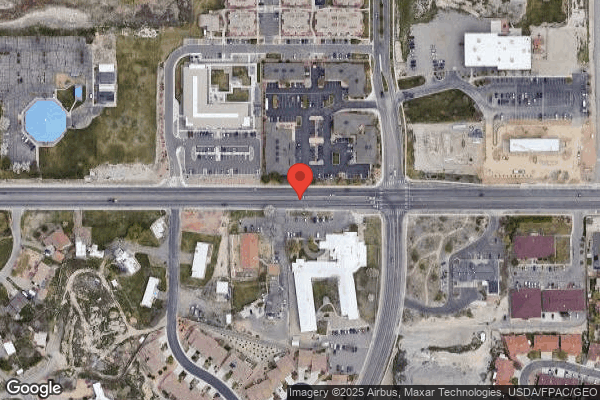
Understanding Severity Codes (click to expand)
Life-Threatening (Immediate Jeopardy)
J - Isolated K - Pattern L - Widespread
Actual Harm
G - Isolated H - Pattern I - Widespread
Potential for Harm
D - Isolated E - Pattern F - Widespread
No Harm (Minor)
A - Isolated B - Pattern C - Widespread

Questions to Ask on Your Visit

  • "What safeguards are in place to prevent abuse and neglect?"
  • "Why is there high staff turnover? How do you retain staff?"
  • "Can I speak with families of current residents?"
  • "What's your RN coverage like on weekends and overnight?"

Our Honest Assessment

Strengths
  • • Licensed and certified facility. Meets minimum state requirements.
Concerns
  • • Multiple safety concerns identified: Federal abuse finding, 7 harm violation(s), $159,827 in fines, Payment denial on record. Review inspection reports carefully.
  • • 53 deficiencies on record, including 7 serious (caused harm) violations. Ask about corrective actions taken.
  • • $159,827 in fines. Extremely high, among the most fined facilities in Colorado. Major compliance failures.
  • • Grade F (0/100). Below average facility with significant concerns.
Bottom line: This facility has a substantiated abuse finding. Extreme caution advised. Explore alternatives.

About This Facility

What is Mantey Heights Rehabilitation &'s CMS Rating?

CMS assigns MANTEY HEIGHTS REHABILITATION & CARE CENTER an overall rating of 1 out of 5 stars, which is considered much below average nationally. Within Colorado, this rating places the facility higher than 0% of the state's 100 nursing homes. A rating at this level reflects concerns identified through health inspections, staffing assessments, or quality measures that families should carefully consider.

How is Mantey Heights Rehabilitation & Staffed?

CMS rates MANTEY HEIGHTS REHABILITATION & CARE CENTER's staffing level at 2 out of 5 stars, which is below average compared to other nursing homes. Staff turnover is 63%, which is 17 percentage points above the Colorado average of 46%. High turnover can affect care consistency as new staff learn residents' individual needs. RN turnover specifically is 74%, which is notably high. RNs provide skilled clinical oversight, so turnover in this role can affect medical care quality.

What Have Inspectors Found at Mantey Heights Rehabilitation &?

State health inspectors documented 53 deficiencies at MANTEY HEIGHTS REHABILITATION & CARE CENTER during 2022 to 2025. These included: 7 that caused actual resident harm and 46 with potential for harm. Deficiencies causing actual harm indicate documented cases where residents experienced negative health consequences.

Who Owns and Operates Mantey Heights Rehabilitation &?

MANTEY HEIGHTS REHABILITATION & CARE CENTER is owned by a for-profit company. For-profit facilities operate as businesses with obligations to shareholders or private owners. The facility is operated by STELLAR SENIOR LIVING, a chain that manages multiple nursing homes. With 88 certified beds and approximately 71 residents (about 81% occupancy), it is a smaller facility located in GRAND JUNCTION, Colorado.

How Does Mantey Heights Rehabilitation & Compare to Other Colorado Nursing Homes?

Compared to the 100 nursing homes in Colorado, MANTEY HEIGHTS REHABILITATION & CARE CENTER's overall rating (1 stars) is below the state average of 3.1, staff turnover (63%) is significantly higher than the state average of 46%, and health inspection rating (1 stars) is much below the national benchmark.

What Should Families Ask When Visiting Mantey Heights Rehabilitation &?

Based on this facility's data, families visiting should ask: "What safeguards and monitoring systems are in place to protect residents from abuse or neglect?" "How do you ensure continuity of care given staff turnover, and what is your staff retention strategy?" "Can you walk me through typical staffing levels on day, evening, and night shifts?" "Can I visit during a mealtime to observe dining assistance and food quality?" These questions are particularly relevant given the substantiated abuse finding on record, the facility's high staff turnover rate, and the below-average staffing rating.

Is Mantey Heights Rehabilitation & Safe?

Based on CMS inspection data, MANTEY HEIGHTS REHABILITATION & CARE CENTER has documented safety concerns. The facility has 1 substantiated abuse finding (meaning confirmed case of resident harm by staff or other residents). The facility has a 1-star overall rating and ranks #100 of 100 nursing homes in Colorado. Families considering this facility should ask detailed questions about what corrective actions have been taken since these incidents.

Do Nurses at Mantey Heights Rehabilitation & Stick Around?

Staff turnover at MANTEY HEIGHTS REHABILITATION & CARE CENTER is high. At 63%, the facility is 17 percentage points above the Colorado average of 46%. Registered Nurse turnover is particularly concerning at 74%. RNs handle complex medical decisions and coordinate care — frequent RN changes can directly impact care quality. High turnover means new staff may not know residents' individual needs, medications, or preferences. It can also be disorienting for residents, especially those with dementia who rely on familiar faces. Families should ask: What is causing the turnover? What retention programs are in place? How do you ensure care continuity during staff transitions?

Was Mantey Heights Rehabilitation & Ever Fined?

MANTEY HEIGHTS REHABILITATION & CARE CENTER has been fined $159,827 across 4 penalty actions. This is 4.6x the Colorado average of $34,677. Fines at this level are uncommon and typically indicate a pattern of serious deficiencies, repeated violations, or failure to correct problems promptly. CMS reserves penalties of this magnitude for facilities that pose significant, documented risk to resident health or safety. Families should request specific documentation of what issues led to these fines and what systemic changes have been implemented.

Is Mantey Heights Rehabilitation & on Any Federal Watch List?

MANTEY HEIGHTS REHABILITATION & CARE CENTER is not on any federal watch list. The most significant is the Special Focus Facility (SFF) program, which identifies the bottom 1% of nursing homes nationally based on persistent, serious quality problems. Not being on this list means the facility has avoided the pattern of deficiencies that triggers enhanced federal oversight. This is a positive indicator, though families should still review the facility's inspection history directly.