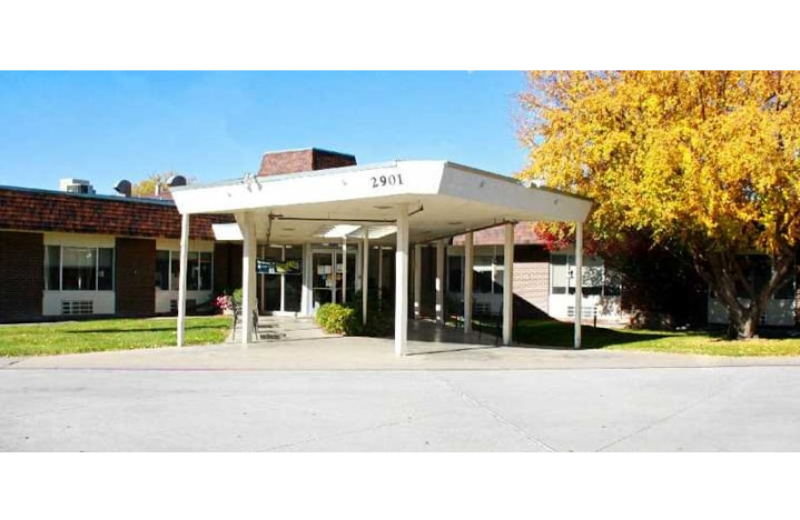
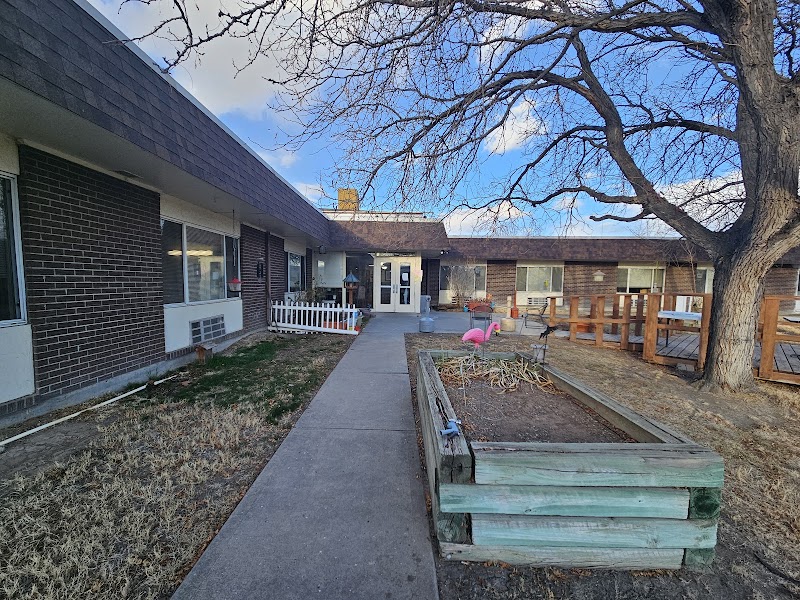
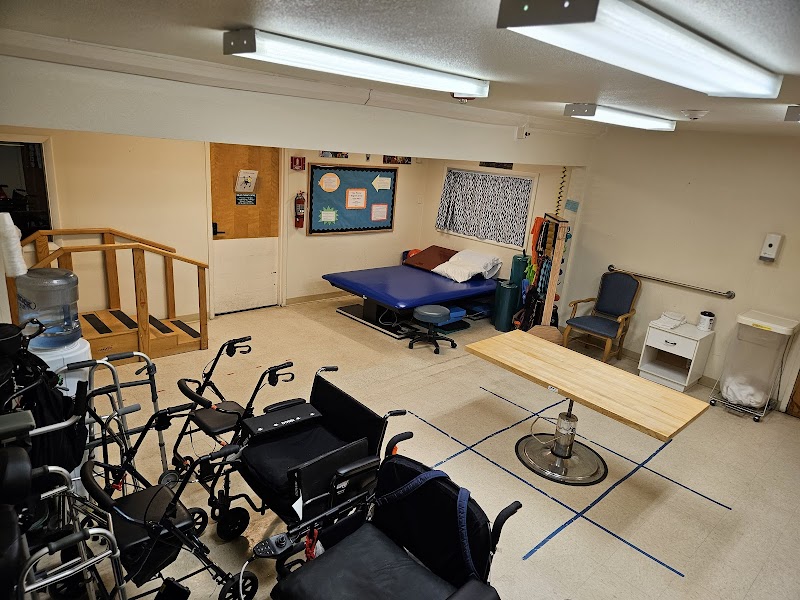
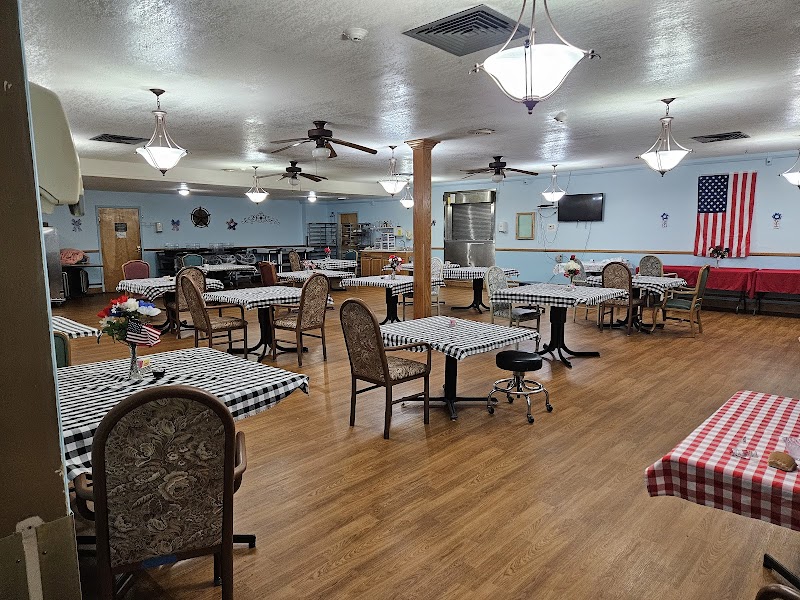
RED CLIFFS POST ACUTE

2901 N 12TH ST, GRAND JUNCTION, CO 81506 (970) 243-7211
For profit - Corporation 89 Beds PACS GROUP Data: November 2025 1 Immediate Jeopardy citation
Trust Grade
13/100
#165 of 208 in CO
Last Inspection: January 2025

Within standard 12-15 month inspection cycle. Federal law requires annual inspections.

Overview

Red Cliffs Post Acute has received a Trust Grade of F, indicating significant concerns about the quality of care provided. It ranks #165 out of 208 facilities in Colorado, placing it in the bottom half, and #4 out of 7 in Mesa County, meaning only three local options are better. The facility is worsening, with issues increasing from 2 in 2024 to 12 in 2025. Staffing is a concern, with a rating of 2 out of 5 stars and a turnover rate of 64%, which is higher than the state average. While the facility has not incurred any fines, it has been cited for serious incidents, including a critical medication error that resulted in a resident's death due to missed insulin doses and a failure to properly maintain food hygiene, risking infection for residents. Overall, families should weigh these significant weaknesses against the facility's lack of fines to make an informed decision.

Trust Score
F
13/100
In Colorado
#165/208
Bottom 21%
Safety Record
High Risk
Review needed
Inspections
Getting Worse
2 → 12 violations
Staff Stability
⚠ Watch
64% turnover. Above average. Higher turnover means staff may not know residents' routines.
Penalties
✓ Good
No fines on record. Clean compliance history, better than most Colorado facilities.
Skilled Nurses
○ Average
Each resident gets 40 minutes of Registered Nurse (RN) attention daily — about average for Colorado. RNs are the most trained staff who monitor for health changes.
Violations
⚠ Watch
44 deficiencies on record. Higher than average. Multiple issues found across inspections.
★★☆☆☆
2.0
Overall Rating
★★☆☆☆
2.0
Staff Levels
★★★☆☆
3.0
Care Quality
★★☆☆☆
2.0
Inspection Score
Stable
2024: 2 issues
2025: 12 issues

The Good

  • Full Sprinkler Coverage · Fire safety systems throughout facility
  • No fines on record

Facility shows strength in fire safety.

The Bad

2-Star Overall Rating

Below Colorado average (3.1)

Below average - review inspection findings carefully

Staff Turnover: 64%

17pts above Colorado avg (46%)

Frequent staff changes - ask about care continuity

Chain: PACS GROUP

Part of a multi-facility chain

Ask about local staffing decisions and management

Staff turnover is elevated (64%)

16 points above Colorado average of 48%

The Ugly 44 deficiencies on record

1 life-threatening 1 actual harm
Jan 2025 12 deficiencies
CONCERN (D)

Potential for Harm - no one hurt, but risky conditions existed

Resident Rights (Tag F0550)

Could have caused harm · This affected 1 resident

**NOTE- TERMS IN BRACKETS HAVE BEEN EDITED TO PROTECT CONFIDENTIALITY** Based on observations, record review and interviews, the facility failed to ensure care for residents in a manner and in an envi...

Read full inspector narrative →
**NOTE- TERMS IN BRACKETS HAVE BEEN EDITED TO PROTECT CONFIDENTIALITY** Based on observations, record review and interviews, the facility failed to ensure care for residents in a manner and in an environment that maintains or enhances each resident's dignity and respect, in full recognition of his or her individuality for two (#3 and #44) residents of 32 sample residents. Specifically, the facility failed to: -Have staff members identify themselves when entering Resident #3's room, who was blind; and, -Assist Resident #44 to use the restroom in a dignified manner. Findings include: I. Failure of staff to identify themselves appropriately to Resident #3 A. Resident status Resident #3, age less than 65, was admitted on [DATE]. According to the January 2025 computerized physician orders (CPO), diagnoses included low vision of the right and left eye, macular degeneration and generalized anxiety disorder. The 12/27/24 minimum data set (MDS) assessment revealed the resident was cognitively intact with a brief interview for mental status (BIMS) score of 15 out of 15 . Resident #44 required set-up or clean-up assistance with eating and oral hygiene and was dependent on staff for all other cares. B. Resident interview Resident #3 was interviewed on 1/13/25 at 3:18 p.m. Resident #3 said that she had very low vision but was essentially blind. Resident #3 said she felt afraid when staff members entered her room without announcing who they were. Resident #3 explained that her experience when staff did not announce who they were was limited to hearing the door open and then hearing footsteps approaching her. Resident #3 said sometimes she guarded her body when she heard footsteps approaching her because she did not know if someone was coming into the room to touch her body, or not. C. Observations During a continuous observation of the 300 hall on 1/15/25, beginning at 1:09 p.m. and ending at 2:53 p.m., the following was observed: At 1:27 p.m., an unidentified laundry aide was knocked on Resident #3's door. The laundry aide entered the resident's room without announcing his name or title. At 1:42 p.m., Resident #3 illuminated her call button, indicating that she requested assistance. Certified nursing aide (CNA) #5 knocked on Resident #3's door and said the resident's name and walked inside without announcing her name or title. D. Record Review The psychosocial and behavioral plan of care, initiated on 11/24/24 and revised on 11/27/24, documented that Resident #3 was exhibiting or at risk for behavioral symptoms, poor coping mechanisms, or willingness to use inappropriate behaviors in response to her anxiety. The documented goals included Resident #3 would accept supportive strategies and demonstrate adequate control of emotions which would not result in injury to self or others, that Resident #3 would respond to early interventions influencing the alterability of her behaviors, and that Resident #3 would be compliant with nursing care. Interventions included to establish a rapport with Resident #3, to announce your name and title when entering her room, and to announce what you are providing her in her room. The plan of care documented Resident #3 had a deep past history of mistrust with caregivers, family and loved ones. II. Failure to provide Resident #44 restroom assistance in a dignified manner A. Resident status Resident #44, age less than 65, was admitted on [DATE]. According to the January 2025 CPO, diagnoses included pelvic and perineal pain, dementia, cognitive communication deficit and wheelchair dependence. The 10/21/24 MDS assessment revealed the resident was moderately cognitively impaired with a BIMS score of eight out of 15. The MDS assessment indicated Resident #44 had no rejections of care. Resident #44 required moderate assistance with eating, and substantial or maximum assistance with all other activities of daily living (ADL). B. Observation and resident interview During a continuous observation on the 100 hall on 1/14/25, beginning at 3:01 p.m. and ending at 4:43 p.m., The following was observed: At 4:07 p.m., the light outside of room [ROOM NUMBER] illuminated, indicating a request for assistance. A voice was heard coming from room [ROOM NUMBER] which loudly proclaimed I need to urinate really badly. At 4:11 p.m., Resident #44 self-propelled herself in her wheelchair to exit her room. Resident #44 then proceeded to self-propell herself to the nurses station, where she observed her nurse on the phone taking a medical report. Resident #44 then self-propelled herself into the rehabilitation room. At 4:12 p.m., a loud voice was heard in the rehabilitation room which said I need to urinate really badly. A second voice was heard in response, Okay, just go back to your room, turn your call light on and your CNA (certified nurse aide) will help you. Resident #44 was interviewed on 1/14/25 at 4:14 p.m. Resident #44 said that she had been instructed to return to her room, turn on her call light, and wait for assistance. Resident #44 also said that she needed to urinate very badly. Resident #44 had a furrowed brow. At 4:17 p.m., Resident #44 was offered and assisted to use the restroom by a staff member. C. Record review The functional mobility plan of care, initiated on 10/16/24 and revised on 10/31/24, documented that Resident #44 was dependent on one staff member to assist with toileting needs, and that Resident #44 required moderate assistance with the stand-pivot transfer with assist rails. III. Staff interviews Registered nurse (RN) #1 was interviewed on 1/16/25 at 10:07 a.m. RN #1 said that it was not okay to turn away a resident who was asking you for help. RN #1 said that she would help the resident right away. RN #1 said it was not helpful for staff or residents to send the resident back to their room. RN #1 said residents should be assisted when they asked for help. RN #1 said that staff knew to say who they were when entering Resident #3's room. RN #1 said residents should have their preferences honored. Licensed practical nurse (LPN) #3 was interviewed on 1/16/25 at 11:25 a.m. LPN #3 said that if a resident requested assistance, it would not be okay to send the resident back to their room. LPN #3 said he would assist the resident right away because he personally empathized with how uncomfortable that feeling was and residents need help right away when they have the need to void. LPN #3 said it was not respectful to send a resident back to their room. LPN #3 said when he worked on the 300 hall he knew to always introduce himself when entering Resident #3's room. LPN #3 said Resident #3 was known to get scared and upset, so it was extra important to be calm and respectful with her. The director of nursing (DON) was interviewed on 1/16/25 at 2:05 p.m. The DON said it was not acceptable for staff members to tell a resident to return to their room and wait when they request assistance. The DON said the staff member should have either assisted the resident or found someone else who could assist the resident. The DON said it was not acceptable to enter Resident #3's room without announcing who you were, and that was written on her plan of care. The DON said Resident #3's plan of care should be followed.
CONCERN (D)

Potential for Harm - no one hurt, but risky conditions existed

Deficiency F0569 (Tag F0569)

Could have caused harm · This affected 1 resident

Based on record review and interviews, the facility failed to ensure money from personal funds accounts was managed accurately for one (#39) of five residents reviewed for personal funds accounts out ...

Read full inspector narrative →
Based on record review and interviews, the facility failed to ensure money from personal funds accounts was managed accurately for one (#39) of five residents reviewed for personal funds accounts out of 32 sample residents. Specifically, the facility failed to notify Resident #39, who was Medicaid funded, or their legal representative, when the resident's personal funds account reached $200.00 less than the eligibility resource limit for one person. Findings include: I. Facility policy and procedure The Accounting and Records of Resident Funds, revised 2001, was provided by the nursing home administrator (NHA) on 1/16/25 at 12:57 p.m. It read in pertinent part, A representative of the business office informs the resident if the balance in his or her personal funds account reaches $200 (two-hundred dollars) less than the resident's resource limit and that if the amount in the account reaches the resource limit for one person, the resident may lose eligibility for Medicaid. II. Record review A. Resident #39 A review of the facility's current trust account balance revealed that Resident #39 had $1,960.86 in his account as of 1/15/25, which was $39.14 away from exceeding the allotted limit for Medicaid-funded residents. -There was no documentation indicating the facility notified Resident #39 or his legal representative when his personal funds account reached $200 less than the eligibility resource limit until 1/15/25 (during the survey). III. Staff interviews The NHA and business office manager (BOM) were interviewed together on 1/15/25 at 2:33 p.m. The BOM said she notified Resident #39 his account was close to the allotted limit for Medicaid. The BOM said she did not have documentation indicating the resident was notified his account was close to the allotted limit for Medicaid prior to 1/15/25. The NHA said the facility would work with the BOM to implement a performance improvement plan (PIP) to prevent this from happening again. The BOM said Resident #39, or any other resident, with funds over the limit was at risk of losing their Medicaid. IV. Facility follow-up The NHA provided a PIP for Medicaid allowable limit on 1/15/25 at 3:16 p.m. which read in pertinent part, It was identified during the annual survey on 1/15/25 that there was no documentation of notification to resident or resident guardian or power of attorney (POA) of Medicaid allowable limit almost being reached for two residents. We have created a binder to ensure that going forward there will be proof that the notification was sent out. When the notification is sent out, the date and document will be put into the binder with resident's name. This will be audited weekly to ensure compliance. The binder will be updated weekly, updated yearly with the correct personal needs account amount on the authorization sheet and added to the binder. There will be a monitoring lof updated weekly, and brought to quality assurance and performance improvement (QAPI) monthly for three months to ensure compliance.
CONCERN (D) 📢 Someone Reported This

A family member, employee, or ombudsman was alarmed enough to file a formal complaint

Potential for Harm - no one hurt, but risky conditions existed

Free from Abuse/Neglect (Tag F0600)

Could have caused harm · This affected 1 resident

**NOTE- TERMS IN BRACKETS HAVE BEEN EDITED TO PROTECT CONFIDENTIALITY** Based on interviews and record review, the facility failed to ensure one (#34) of three residents reviewed were free from abuse ...

Read full inspector narrative →
**NOTE- TERMS IN BRACKETS HAVE BEEN EDITED TO PROTECT CONFIDENTIALITY** Based on interviews and record review, the facility failed to ensure one (#34) of three residents reviewed were free from abuse out of 32 sample residents. Specifically, the facility failed to ensure Resident #34 was free from physical abuse by Resident #53. Findings include: I. Facility policy and procedure The Abuse policy, dated September 2022, was provided by the nursing home administrator (NHA) on 1/16/25 at 12:57 p.m. The policy identified in pertinent part, All reports of resident abuse, neglect, exploitation, or theft/misappropriation of resident property are reported to local, state and federal agencies and thoroughly investigated by facility management. All findings of all investigations are documented and reported. II. Incident of physical abuse of Resident #34 by Resident #53 A. Incident on 12/28/24 The 12/31/24 investigation report for abuse was provided by the NHA on 1/15/25 at 3:15 p.m. p.m. The investigation report documented pushing was the nature of the suspected physical abuse. The report identified Resident #34 informed the staff that his roommate (Resident #53) made contact with his chest on 12/28/24 when Resident #34 forgot to close the bedroom door. The report indicated both residents were assessed without injury on 12/31/24 and offered emotional support. The facility issued a room move to separate Resident #34 and Resident #53. The facility interviewed both residents on 1/2/25. According to the documented interviews, Resident #53 said he was upset with Resident #34 because he let Resident #53's dog out of the room when he did not shut the door. Resident #34 said he returned to his room after smoking. He was walking to his side of the shared room when Resident #53 put his hands on Resident #34's chest. Resident #34 said he was startled, was backed up to the wall and put his hand out in front of him to get Resident #53 away from him. Resident #34 said he did not tell anyone because he was trying to make efforts to get along. Resident #34 said he decided to report the incident because he felt Resident #53 would otherwise get away with the bad treatment towards Resident #34. The investigation report indicated five other residents and five staff members were interviewed on 1/3/25 without concerns of abuse. The investigation for abuse determined physical abuse was substantiated because of the intentionality of the incident. B. Resident #34 - victim 1. Resident status Resident #34, age greater than 65, was admitted on [DATE]. According to the January 2025 computerized physician orders (CPO), diagnoses included chronic ischemic heart disease, epilepsy (seizure disorder), history of falling, weakness, depression and encounter for palliative care. The 10/17/24 minimum data set (MDS) assessment identified Resident #34 was cognitively intact with a brief interview for mental status (BIMS) score of 13 out 15. He did not exhibit behaviors or disorganized thinking or inattention. Resident #34 did not have physical and verbal behaviors other behavioral symptoms directed to others. The resident was independent in most of his activities of daily living (ADL) cares and used both a walker and wheelchair for mobility. 2. Resident interview Resident #34 was interviewed on 1/14/25 at 4:09 p.m. He said Resident #53 was a new roommate and would yell at Resident #34 because his remote control for his television would unintentionally change the channels on Resident #53's television. He said he told the maintenance director (MTD) of the remote control malfunction and the MTD said he had a plan and would come back later to try to fix it. Resident #34 said one day he used the remote control, forgetting it was a problem, and changed the channel on his television which inadvertently changed the channel on his roommate's television. Resident #34 said Resident #53 started to yell, scream and curse at him. Resident #34 said he tried to explain to Resident #53 that he did not change the channel on purpose and maintenance was going to try to fix the problem but his roommate continued to yell at him. Resident #34 said the yelling happened a couple of times, both in the evening hours between 6:00 p.m. and 8:00 p.m. Resident #34 said he was surprised no one heard him or came to the room. Resident #34 said he told MTD that Resident #53 would get crazy, curse at him and go ballistic when he yelled at him because he was mad about the television remote control situation. Resident #34 said a few days later, on Saturday (12/28/24) morning between 7:30 a.m. and 8:00 a.m., he went outside to smoke. He said when he came back to his room his roommate came up from behind him and shoved him with so much force that Resident #34 almost fell down. He said Resident #53 started yelling at him to close the door. He said he turned around and Resident #53 started to come at him again so he grabbed Resident #53's throat to protect himself. Resident #34 said his roommate then backed away and left the room. He said a couple days later he told the marketing director (MKD) what happened. He said the following day Resident #53 was moved out of his room. He said he later realized that Resident #53 wanted the door shut because his dog spent time with him and he did not want the dog to get out. Resident #34 said the altercations with Resident #53 made him feel bad. Tearfully, he said he had always been a sensitive person and had a hard time forgetting when bad things happened to him. He said it was always something he had difficulty with. Resident #34 said he felt that when he was shoved he was not going to say anything but the more he thought about it, he felt it was abusive and wrong to attack another resident so he decided to report Resident #53. He said he currently felt safe in the facility but at the time of the incident, he did feel a little fearful. He said he could not hear well and did not hear when the resident came from behind him. He said he was startled and then felt fear when he turned around and Resident #53 was coming at him so he put his hands out to stop him. Resident #34 said he had seen Resident #53 outside when he went to smoke but there had not been any more concerns and the television remote control was now fixed. 3. Record review The psychosocial emotional trauma care plan, revised 7/29/24, indicated the resident was at risk for decreased psychosocial wellbeing; adjustment issues; emotional distress; ineffective coping skills; poor impulse control; and, adverse effects on function, mental, physical, social, or spiritual wellbeing related to the history of stressful events or experience. Interventions, dated 4/21/24, directed staff to encourage Resident #34 to express emotions and help him identify triggers that prompted symptoms. The psychosocial well-being care plan, initiated on 1/13/25 (during the survey), indicated Resident #34 was at risk for psychosocial well-being concerns related to diagnosis of depression and his overall health status. Interventions, dated 1/13/25, directed staff to allow Resident #34 to voice feelings and frustrations as needed; assist Resident #34 to communicate with his family and friends through phone calls, video calls, and email; assist Resident #34 with conflict resolution as needed; encourage Resident #34's friends and family to visit; listen to Resident #34 attentively and observe Resident #34 for tearfulness, increased agitation, and decreased participation in care. -Review of Resident #34's progress notes between 12/1/24 and 1/14/25, did not identify altercations, behavior monitoring or concerns between Resident #34 and Resident #53. The progress notes did not identify visits offered to the resident offering emotional support or follow up after the 12/28/24 incident. The January 2025 CPO revealed a physician's order for targeted behavior for sad statements. It directed staff to monitor how often the sad behavior occurred and how he responded to redirection for every day and night shift, ordered on 11/28/24 and discontinued on 12/10/24. -The December 2024 treatment administration record (TAR) did not identify Resident #34's behaviors were monitored between 12/11/24 and 12/31/24. The January 2025 TAR did not identify Resident #34's behaviors were monitored between 1/1/25 and 1/14/25. C. Resident #53 - assailant 1. Resident status Resident #53, age greater than 65, was admitted on [DATE] and readmitted on [DATE]. According to the January 2025 CPO, diagnoses included chronic obstructive pulmonary disease, alcohol dependence with alcohol-induced persisting dementia, major depressive disorder, single episode, severe without psychotic features and insomnia. The 12/13/24 MDS assessment identified Resident #53 had moderate cognitive impairments with a BIMS score of 10 out of 15. The MDS assessment indicated Resident #53 did not have physical or verbal behavioral symptoms other behaviors directed by others. Resident #53 did not have limitations with upper and lower range of motion. The resident's functional ability identified the resident was independent or needed some supervision with his ADLs. According to the MDS, he did not use a mobility device for ambulation. 2. Resident interview Resident #53 was interviewed on 1/13/25 at 2:45 p.m. Resident #53 said he had a lot of problems with his former roommate (Resident #34) and referred to him as a derogatory name. He said they had a lot of verbal fights, cursing at each other, but he did not hit him (Resident #34) because he did not want to get discharged from the facility. He said he was now in a new room and had not had any problems with his new roommate. 3. Record review The behavior care plan, revised 12/23/24, identified Resident #53 exhibited or was at risk for behavioral symptoms, including striking out, grabbing others, combative, verbally, or physically abusive, inappropriate disrobing, smearing/throwing food/feces/objects) due to: anxiety, dementia, depression, history of alcohol abuse, history of substance abuse, insomnia and major depression. Interventions, dated 11/17/24, directed staff to anticipate Resident #53's needs and meet the needs promptly; encourage the resident to verbalize his feelings; maintain a calm, slow, and understandable approach; manage environmental factors to optimize comfort; observe and document changes in behavior, including frequency of occurrence and potential triggers with outward frustration or verbal aggression toward other residents or roommates; observe the resident's mood and response to medication; observe whether the behavior endangers the resident and/or others and intervene if necessary, removing others from the surrounding area; and, reduce stimulation such as noise, crowding, other physically aggressive residents to the extent possible. The psychosocial unsettled relationships care plan, initiated 1/13/25 (during survey), indicated Resident #53 had an unsettled relationship with friends, other residents, and roommates. He could become irritated and exhibit verbal or physical behaviors with increased confusion and frustration without processing the situation. Interventions, dated 1/13/25, directed staff to assess Resident #53 for mood and/or behavioral problems; assist the resident with psychosocial needs, to include preferences with placement of roommates who had similar likes/interests; assist the resident in identifying the origin of the complaint or concern; monitor Resident #53's behavior and determine appropriate interventions for each situation; encourage the resident to verbalize feelings of anger, anxiety, or sadness in an acceptable manner; provide understanding and validation of his preference of routine; establish a therapeutic relationship; redirect and offer solutions with the resident when he was frustrated; encourage Resident #53 to share how staff could assist or correct a situation; praise efforts in the use of effective coping strategies and provide reassurance and active empathetic listening. A maintenance work order sheet was provided by the NHA on 1/15/25 at 4:56 p.m. The work order sheet revealed a work order was created on 12/21/24 for the shared room of Resident #34 and Resident #53 and set to be completed on 12/24/24. According to the work order notes, the televisions were placed back to back so (the remotes) did not change each other's (television). The December 2024 TAR directed staff to monitor Resident #53's targeted behaviors of aggression. According to the December 2024 TAR, the resident exhibited easily altered aggression on 12/29/24, 12/30/24, and 12/31/24. -The TAR did not identify behaviors on 12/21/24 and 12/24/24 (see interview below) or behaviors on 12/28/24 when the physical altercation occurred. -Review of progress notes did not identify what the behavior was that was documented on 12/30/24 and 12/31/24 as a targeted aggressive behavior on the December 2024 TAR. The 12/29/24 medication administration note identified Resident #53's roommate exited the bedroom without shutting the bedroom door behind him. Resident #53 was alone in his room and got up out of bed and said loud enough for the nurse to hear in the hallway that he was going to initiate a physically aggressive act towards his roommate because the roommate did not shut the bedroom door. The note documented a manager on call was notified of Resident #53's behavior. According to the note, staff would make sure the door was closed at all times to prevent an altercation. -However, according to the investigation report, a physical altercation had already occurred on 12/28/24. -The 12/29/24 medication administration note did not identify the resident's roommate (Resident #34) was asked if he had been threatened by Resident #53 or if there had been any physical or verbal altercations with Resident #53. The review of the December 2024 progress notes for Resident #53 revealed the 12/29/24 medication administration note was the only note in December 2024 that identified concerns or behaviors related to Resident #53's roommate. III. Staff interviews The MTD was interviewed on 1/15/25 at 10:35 p.m. The MTD said a work order was created to look at Resident #34's television. He said he was told that Resident #34's remote control was changing Resident #53's television channels. The MTD said when he was looking at the televisions, he fixed the remote control situation (on 12/24/24). The MTD said Resident #34 told him there was tension between him and his roommate. He said Resident #34 said his roommate cursed and yelled at him. The MTD said he was not sure he mentioned Resident #34's concerns to someone else. The MTD said he thought Resident #34's concerns were something that may have already been reported. The MTD said he probably should have made sure someone else knew about the report of cursing and tension towards Resident #34 from Resident #53. The NHA was interviewed on 1/15/25 at 3:18 p.m. The NHA said any reports of pushing, the use of threatening words and cursing at another resident would warrant immediate follow up with the residents to determine what was going on. The NHA said he was not aware of any verbal altercations between Resident #53 and Resident #34. He said he would want to know if there were reports of a verbal altercation before the situation escalated to a physical altercation. He said cursing at a resident and/or talk of threatening a resident would need to be investigated and reported. The NHA said allegations should be reported to him, as the abuse coordinator, and he needed to know what was going on so actions could be taken. He said he should have been made aware of the verbal altercation reported to the MTD by Resident #34. The NHA said threatening behavior and/or cursing at another resident could cause the resident harm. The NHA said he was notified of the reported 12/28/24 physical altercation between Resident #34 and Resident #53 by the social service director (SSD) on the evening of 12/30/24. He said he reported the allegation and started the investigation on 12/31/24. He said he substantiated the allegation of physical abuse based on intent. He said Resident #53 intentionally pushed Resident #34. He said the residents were separated and Resident #53 was provided a different room on 12/31/24. He said if he would have been made aware of situation sooner, than he would have started an investigation and looked into moving Resident #53 prior to the physical altercation. The NHA said knowing about the concerns between Resident #34 and #53 before 12/30/24 could have potentially decreased Resident #34's discomfort. The NHA said Resident #53 had a history of altercations with another roommate. He said Resident #53 was moved to Resident #34's room after the altercation with his former roommate in November 2024. He said there was an argument between the two roommates and Resident #53 threatened his roommate at the time. The NHA said he was not aware of the threatening words made by Resident #53 as documented on 12/29/24. He said the interdisciplinary team tried to review progress notes to identify potential concerns, but the note was not identified as a concern. The NHA said behavior tracking was documented in TARs and a note documented a behavior would usually just be completed when there was a significant change from a resident's baseline behavior. The NHA said the nurse supervisor should have informed the DON and the NHA when Resident #53's threatening remarks were reported to her so an investigation could have been started. He said the facility's abuse training was ongoing and he would look at additional education needs. The DON and the NHA were interviewed together on 1/15/25 at 4:54 p.m. The DON said the nurse who documented the threatening words spoken on 12/29/24 by Resident #53 notified licensed practical nurse (LPN #1), who was identified as the supervisor on 12/29/24 that the nurse reported her concern to. The DON said LPN #1 did not notify her of the threatening statement. She said the nurses were not trained to report remarks by a resident made to themselves in the privacy of their room. The DON said the threatening statement was made loud enough for the nurse in the hallway to hear him but Resident #34 was not in the room at the time. She said no one followed up with Resident #34 or initiated an investigation to identify if he was being threatened by Resident #53 or if there were concerns between the two roommates. The DON said Resident #53 was already on behavior tracking so his behaviors should have been monitored. The DON said she would report the 12/29/24 incident on the evening of 1/15/25. The DON was interviewed again on 1/16/25 at 1:20 p.m. She said she was in the process of reeducating the staff on abuse and reported Resident #53's 12/29/24 threats of physical aggression. The NHA was interviewed on 1/16/25 at 1:32 p.m. The NHA said there were two opportunities missed to identify and address the situation between Resident #34 and #53 before the physical altercation. He said even a check-in with the residents could have potentially prevented the physical altercation. IV. Facility follow-up A 1/16/25 abuse reporting and investigation training participation sheet was provided by the NHA on 1/16/25 at 12:57 p.m. The participation sheet identified 31 facility staff members received abuse training on 1/16/25.
CONCERN (D)

Potential for Harm - no one hurt, but risky conditions existed

Deficiency F0658 (Tag F0658)

Could have caused harm · This affected 1 resident

**NOTE- TERMS IN BRACKETS HAVE BEEN EDITED TO PROTECT CONFIDENTIALITY** Based on observations, record review and interviews, the facility failed to ensure services provided to one (#10) of seven resid...

Read full inspector narrative →
**NOTE- TERMS IN BRACKETS HAVE BEEN EDITED TO PROTECT CONFIDENTIALITY** Based on observations, record review and interviews, the facility failed to ensure services provided to one (#10) of seven residents met professional standards of quality out of 32 sample residents. Specifically, the facility failed to ensure Resident #10's enteric-coated omeprazole was not crushed prior to administration. Findings include: I. Professional reference According to the MayoClinic, Omeprazole oral route (2024) was retrieved on 1/21/25 from https://www.mayoclinic.org/drugs-supplements/omeprazole-oral-route/description/drg-20066836 It read in pertinent part, Do not crush or chew the tablet. Do no crush or open the capsule. Swallow whole. II. Resident #10 A. Resident status Resident #10, age greater than 65, was admitted on [DATE]. According to the January 2025 computerized physician orders (CPO) diagnoses included gastro-esophageal reflux disease, chronic obstructive pulmonary disease (COPD) and need for assistance with personal care. The 11/25/24 minimum data set (MDS) assessment revealed Resident #10 was unable to participate due to rarely being understood. The staff assessment revealed Resident #10 had short-term and long-term memory problems and her cognitive skills for daily decision-making were severely impaired. B. Observations and interview On 1/15/25 at 9:55 a.m., licensed practical nurse (LPN) #4 was crushing Resident #10's morning medications, which included an Omeprazole Capsule Delayed-Release 20 mg capsule. LPN #4 said the resident's medications needed to be crushed and ready for when the resident woke up. LPN #4 said any medication that was enteric coated, an extended-release or a delayed-release could not be crushed. She said if there was a medication that needed to be crushed but was unable to be crushed she would call the doctor asking for an alternative option. C. Record review On 6/23/21 a physician's order was entered for Resident #10 for Omeprazole Capsule Delayed-Release 20 milligrams (mg) to be administered every morning. III. Staff interviews LPN #5 was interviewed on 1/15/25 at 9:40 a.m. LPN #5 said any medication that was enteric coated, an extended-release or a delayed-release could not be crushed. She said if there was a medication that needed to be crushed, but was unable to be crushed she would call the doctor asking for an alternative option. Registered nurse (RN) #3 was interviewed on 1/15/25 at 9:45 a.m. RN #3 said any medication that was enteric coated, an extended-release or a delayed-release could not be crushed. She said if there was a medication that needed to be crushed, but was unable to be crushed she would call the doctor asking for an alternative option. The director of nursing (DON) and the corporate consultant (CC) were interviewed together on 1/15/25 at 10:30 a.m. The DON said any medication that was enteric coated, an extended-release or a delayed-release could not be crushed. She said if there was a medication that needed to be crushed, but was unable to be crushed she would call the doctor asking for an alternative option. The DON said she was preparing education for the nursing staff regarding crushing medications. IV. Facility follow-up The CC provided education that was provided to the nursing staff on 1/15/25 at 11:00 a.m. (during the survey). The education explained that any medication that was enteric coated, an extended-release or a delayed-release could not be crushed. The facility posted a list of medications from the pharmacy describing which medications were crushable and which medications were not crushable.
CONCERN (D)

Potential for Harm - no one hurt, but risky conditions existed

Accident Prevention (Tag F0689)

Could have caused harm · This affected 1 resident

**NOTE- TERMS IN BRACKETS HAVE BEEN EDITED TO PROTECT CONFIDENTIALITY** Based on record review and interviews, the facility failed to ensure an environment free from risk of accident hazards for one (...

Read full inspector narrative →
**NOTE- TERMS IN BRACKETS HAVE BEEN EDITED TO PROTECT CONFIDENTIALITY** Based on record review and interviews, the facility failed to ensure an environment free from risk of accident hazards for one (#8) of five residents out of 32 sample residents. Specifically, the facility failed to: -Implement and update fall care plans in a timely manner for Resident #8; and, -Ensure neurological checks were completed appropriately for Resident #8 following an unwitnessed fall. Findings include: I. Facility policy and procedure The Falls and Fall Risk, Managing policy, revised March 2018, was provided by the corporate consultant (CC) on 12/18/24 at 3:12 p.m. It documented in pertinent part, According to the minimum data set (MDS), a fall is defined as unintentionally coming to rest on the ground, floor or other lower level, but not as a result of an overwhelming external force (e.g. a resident pushes another resident). An episode where a resident lost his/her balance and would have fallen, if not for another person or if he or she had not caught him/herself, is considered a fall. A fall without injury is still a fall. Unless there is evidence suggesting otherwise, when a resident is found on the floor, a fall is considered to have occurred. The staff, with the input of the attending physician, will implement a resident-centered fall prevention plan to reduce the specific risk factor(s) of falls for each resident at risk or with a history of falls. In conjunction with the attending physician, staff will identify and implement relevant interventions (hip padding or treatment of osteoporosis, as applicable) to try and minimize serious consequences of falling. The Neurological Record Documentation procedure, not dated, was provided by the director of nursing (DON) on 1/16/25 at 4:57 p.m. It documented in pertinent part, that after a fall, resident vital signs must be obtained and neurological assessments must be performed every 15 minutes for one hour following the fall event, then every 30 minutes for two hours after the first hour assessments, then assessments are performed every hour for the following two hours, then assessments were performed every shift thereafter until 72 total hours had passed since the fall even occurred. II. Resident #8 A. Resident status Resident #8, age greater than65, was admitted on [DATE] and readmitted [DATE]. According to the January 2025 computerized physician orders (CPO), diagnoses included dementia, congestive heart failure (CHF) and rheumatoid arthritis. The 11/6/24 minimum data set (MDS) assessment revealed the resident had moderate cognitive impairments with a brief interview for mental status (BIMS) score of nine out of 15. He was independent when eating, required set-up or clean-up assistance with oral hygiene, required moderate assistance with personal hygiene, and required substantial or maximum assistance with showering, toileting hygiene, lower body dressing, and footwear. The assessment documented the resident required substantial or maximum assistance with all acts of mobility. B. Record review The fall plan of care, initiated 8/3/23 and revised 10/29/24, documented Resident #8 had experienced a fall on 10/26/24. The plan of care documented Resident #8's goal was to have no falls with injury through the review date of 2/16/25. Interventions included keeping Resident #8's bed in a low position, ensuring non-slip grips were placed next to the resident's bed and bathroom and assisting the resident to organize belongings for a clutter-free environment. An intervention for the resident to be evaluated and treated by therapy as indicated was documented to have been added to the fall plan of care on 10/29/24. Nursing fall risk assessment, dated 10/26/24, documented Resident #8 was a moderate risk for falling. Interdisciplinary (IDT) -fall progress note, dated 10/29/24, documented Resident #8 experienced an unwitnessed fall on 10/26/24 at 3:00 p.m. when he was attempting to self-transfer to his bed from his wheelchair and slid to the ground. The progress note documented that physical therapy and occupational therapy would evaluate and provide treatment forResident #8 because he fell. The neurological record documentation, dated 10/26/24 to 10/29/24, documented the vital signs obtained and neurological assessments performed by nursing staff after Resident #8 fell on [DATE]. -The flow sheet failed to document neurological assessments performed or vital signs obtained during the day shift on 10/27/24 and 10/28/24. -The facility failed to perform neurological assessments per the facility's protocol (see interview below). A review of Resident #8's January 2025 CPO revealed a physician's order for physical therapy to evaluate and provide treatment to the resident, ordered on 10/29/24. Physical therapy note, dated 10/29/24, documented Resident #8 was evaluated by physical therapy on 10/29/24. -The facility failed to implement the newly identified fall prevention intervention in a timely fashion (see record review above and interviews below). D. Staff interviews The physical therapist (PT) was interviewed on 1/15/25 at 2:19 p.m. The PT said if a resident was referred to PT following a fall, the resident could be seen the same day if the therapy department was notified. The PT said she was not aware of a time the PT could not see a resident the day it was ordered, unless it was ordered near the end of the day. Registered nurse (RN) #1 was interviewed on 1/16/25 at 10:07 a.m. RN #1 said if a resident experienced an unwitnessed fall she would immediately assess the resident for any injuries and start obtaining neurological assessments per the facility schedule printed on the documentation sheet. RN #1 said it was not okay to skip or miss neurological assessments for any reason unless the resident refused. RN #1 said it was important to complete neurological assessments to watch for delayed head injuries. Licensed practical nurse (LPN) #3 was interviewed on 1/16/25 at 11:25 a.m. LPN #3 said if a resident had an unwitnessed fall, he would make sure the resident was okay and then get a RN to assess the resident. LPN #3 said neurological assessments were then completed by the protocol printed on the documentation form. LPN #3 said it was never acceptable to miss a neurological assessment because nurses had to make sure the resident did not develop a head injury. The DON was interviewed on 1/16/25 at 2:05 p.m. The DON said she considered a fall to be an unplanned descent to the floor. The DON said when a resident experienced an unwitnessed fall, she expected a RN to perform an assessment, ensure the resident did not have injuries and begin neurological assessments. The DON said neurological assessments should be performed according to the printed schedule on the neurological record documentation sheet. The DON said neurological assessments should not be skipped or missed unless the resident was not in the building. The DON said it was important to perform all the neurological assessments according to the printed schedule to ensure residents did not injure their brain. The DON said she reviewed the neurological record documentation for Resident #8. The DON said the facility did not document a neurological assessment or vital signs on day shift of 10/27/24 or 10/28/24 for Resident #8. The DON said after a resident experienced a fall, the facility would review and update the plan of care with new interventions. The DON said the new intervention should closely match the reason for the fall. The DON said that physical therapy could see residents the same day if needed. The DON said it should not have taken three days for Resident #8 to be evaluated by physical therapy.
CONCERN (D)

Potential for Harm - no one hurt, but risky conditions existed

Incontinence Care (Tag F0690)

Could have caused harm · This affected 1 resident

**NOTE- TERMS IN BRACKETS HAVE BEEN EDITED TO PROTECT CONFIDENTIALITY** IV. Resident #58 A. Resident status Resident #58, age greater than 65, was admitted on [DATE]. According to the January 2025 CPO...

Read full inspector narrative →
**NOTE- TERMS IN BRACKETS HAVE BEEN EDITED TO PROTECT CONFIDENTIALITY** IV. Resident #58 A. Resident status Resident #58, age greater than 65, was admitted on [DATE]. According to the January 2025 CPO, diagnoses included neuromuscular dysfunction of the bladder, unspecified urinary incontinence, other urethral stricture, male, unspecified site, benign prostatic hyperplasia with lower urinary tract symptoms and obstructive and reflux uropathy. The 12/17/24 MDS assessment documented Resident #58 was cognitively intact with a BIMS score of 14 out of 15. He did not have inattention, disorganized thinking or rejection of care behaviors. The resident required partial to moderate assistance with most of his activity of daily living (ADL) care needs. Resident #58 used a wheelchair for mobility. According to the MDS assessment, the resident used an indwelling catheter B. Resident interview and observation Resident #58 was observed in his room on 1/13/25 at 3:20 p.m. Resident #58 sat in his wheelchair. His indwelling catheter bag laid flat on the floor in front of him. The long catheter tubing was outstretched by more than six inches from his feet. He said he placed the catheter bag on the floor earlier when he was urinating and had not picked it up off the floor. He said he placed the catheter bag on the floor so when he urinated the urine would go straight to the bag and not back up the catheter tube. He said he routinely would lay the catheter bag on the floor when he was sitting in his wheelchair and urinated. Resident #58 said he was prone to urinary track infections and in the past he went to the hospital for sepsis. Resident #58 picked up the catheter bag from the floor and clipped the bag to the wheelchair. A loop was created in the catheter tubing when he clipped the bag. Resident #58 was interviewed on 1/15/25 at 2:01 p.m. He said his catheter was leaking during the night of 1/14/25 and today (1/15/25) he had a burning feeling when he urinated. He said he told the staff and they told him they would keep an eye on it for now. Resident #58 was observed a second time on 1/15/25 at 5:02 p.m. His catheter bag was hooked to the bottom rail of his wheelchair. A section of catheter tubing hung below the catheter bag and about one inch off the floor, creating a dependent loop. Resident #58 was interviewed on 1/16/25 at 1:02 p.m. He said he still had a burning sensation when he urinated and told his nurse. C. Record review The indwelling foley catheter care plan, revised 10/15/24, identified Resident #58 was at risk for complications with urinary system related to his indwelling catheter for wound healing history of obstruction and reflux uropathy bladder with retention. The care plan included the following interventions, dated 9/13/23, providing the resident catheter care and empty his catheter every shift and as needed; notifying the nurse of foul-smelling urine, blood, or discharge; keeping the catheter anchored for security and to prevent trauma; and, notifying the physician of signs and symptoms of a UTI such as mental status changes, foul smelling urine, color change in urine, hematuria, sedimentation, burning with urination and an increased body temperature. The 11/12/24 physician's order directed staff to monitor placement of Resident #58's foley catheter. According to the CPO, staff should make sure the catheter had no kinking or compression that could obstruct urine flow to the gravity bag during catheter care on every day and night shift. -However, observations revealed the resident's catheter tubing had a loop, which could prevent the flow of urine (see observations above). The 1/3/25 nurse progress note documented Resident #58's nurse clamped the catheter drainage tubing for 40 to 45 minutes at two separate times before attempting to collect urine from the catheter after disconnecting drainage tubing. According to the note, the nurse was unable to collect urine at that time and would pass the concern on to the day nurse. The 1/5/25 laboratory note documented a urine culture was collected from the foley port of Resident #58 and sent to the hospital lab for analysis. The 1/8/25 CPO identified the resident had a physician's order for Cephalexin (Keflex) oral tablet antibiotics. The CPO directed staff to give the resident 500 milligrams (mg) twice a day for five days for a UTI with a start date 1/8/25 and competed on 1/13/25. The 1/9/25 72-hour charting note documented Resident #58 started Keflex for a UTI. According to note, the resident denied pain or discomfort and had no adverse reactions during this shift The 1/10/25 72-hour charting note documented Resident #58 continued on Keflex for a UTI. According to note, the resident denied pain or discomfort and had no adverse reactions during this shift The 1/11/25 72-hour charting note documented Resident #58 continued on Keflex for a UTI. According to note, the resident denied pain or discomfort and had no adverse reactions during this shift The 1/12/25 72-hour charting note documented Resident #58 continued on Keflex for a UTI. According to note, the resident denied pain or discomfort and had no adverse reactions during this shift The January 2025 medication administration record (MAR) documented Resident #58 took his last dose of antibiotics for his UTI on the morning of 1/13/25. Review of Resident #58's electronic medical record (EMR) did not identify the resident was placed on 72 hour charting after he completed his prescribed antibiotics on 1/13/25 (see interviews below). The EMR did not identify the resident was assessed for UTI symptoms after he completed the antibiotics on the morning of 1/13/25. D. Staff interview The DON and the CC were interviewed together on 1/16/25 at 1:04 p.m. The DON said Resident #58 has a history of concerns with UTI's and was followed by a urologist. The CC said he was last seen by the urologist on 11/19/24. The DON said Resident #58 recently was treated with antibiotics for a UTI. She said the nurses would complete 72 hour charting to monitor the response to the antibiotics. She said the nurses should complete 72 hour charting after the resident completed the antibiotics for a UTI to make sure the UTI was gone and he no longer had signs and symptoms of an infection. The DON said she reviewed Resident #58 progress notes. She said there were no 72 hour progress notes that identified the nurses were assessing the resident for signs and symptoms of the UTI after he completed the course of antibiotics. She said the nurses were probably asking how he was feeling but did not chart his response or if there were concerns. The DON said she would reeducate the nursing staff to complete 72 charting the completion of antibiotics. The DON said a catheter bag should never be placed on the floor because of the risk of cross-contamination and infection. She said she was not aware that Resident #58 placed the catheter bag on the floor to help with drainage to the catheter bag. The RCR said a loop in the catheter tubing could cause back flow of the urine. The DON said she would review the resident's catheter and look at solutions to these concerns to decrease the risk of infection. Based on record review and interviews, the facility failed to ensure catheter care in accordance with professional standards of care for two (#50 and #58) of three residents reviewed for appropriate catheter use and care out of 32 sample residents. Specifically, the facility failed to: -Provide suprapubic catheter care to Resident #50; -Conduct a thorough assessment after Resident #58 completed antibiotics for a urinary tract infection (UTI) to ensure the resident did not display further signs or symptoms of an UTI. Findings include: I. Professional reference According to the National Institutes of Health Library of Medicine: Prevention of Dependent Loops in Urine Drainage Systems in hospitalized Patients, retrieved on 1/22/25 from https://pmc.ncbi.nlm.nih.gov/articles/PMC4423413/#F1. It revealed in pertinent part, A dependent loop is formed by excess drainage tubing in a urine drainage system where urine or liquid can accumulate. Dependent loops trap drained urine and are suspected of impeding bladder drainage and increasing the residual volume of retained urine in the bladder. II. Facility policy and procedures The Urinary Tract Infections (Catheter-Associated), Guidelines for Preventing policy, revised June 2014, was provided by the corporate consultant (CC) on 1/15/25 at 11:55 a.m. It documented in pertinent part, Be able to identify and report the clinical signs and symptoms of a urinary tract infection (with or without catheter), including: acute dysuria, fever, pain, swelling or tenderness of testes, suprapubic tenderness, costovertebral angle tenderness, leukocytosis, hematuria, incontinence, increased urgency or frequency, hypotension, confusion and/or functional decline, and/or purulent discharge around the catheter. Perform daily meatal hygiene with soap and water for residents with indwelling catheters. The Catheter Care, Urinary policy, revised August 2022, was provided by the facility on 1/15/25 at 11:55 a.m. The policy directed staff to make sure the catheter tubing and drainage bag were kept off the floor, observe and report complaints of burning, tenderness or pain in the urethral area. The Infections, Clinical Protocol policy, revised March 2018, was provided by the CC on 1/15/25 at 11:55 a.m. The policy documented the nursing staff and the physician would monitor the progress of a resident with an infection until it was resolved with no further significant clinical signs of symptoms. III. Resident #50 A. Resident status Resident #50, age greater than 65, was admitted on [DATE] and readmitted [DATE]. According to the January 2025 computerized physician orders (CPO), diagnoses included bladder disorder unspecified, other retention of urine and obstructive and reflux uropathy (abnormal urine flow in the urinary system). The 10/24/24 minimum data set (MDS) assessment revealed the resident was moderately cognitively impaired with a brief interview for mental status (BIMS) score of 11 out of 15. He was dependent on staff for assistance with bathing and toileting hygiene. He required substantial or maximal assistance with dressing, footwear and personal hygiene. B. Resident interviews and observations Resident #50 was observed and interviewed on 1/14/25 at 10:18 a.m. Resident #50 said he was experiencing discomfort at his suprapubic catheter insertion site. Resident #50 said his suprapubic catheter was not being cleaned daily. Resident #50 said he did not think his suprapubic catheter had been changed since October 2024. Resident #50 said he was concerned about his suprapubic catheter. Resident #50 revealed his suprapubic catheter site. The suprapubic catheter site skin appeared to be dark and inflamed, with inflammation extending approximately one centimeter (cm) lateral to the insertion site. A small amount of white drainage was seen where the suprapubic catheter entered the body. Black and brown matter was adhered to approximately one cm of length of the yellow catheter tube. No dressing was observed on the suprapubic catheter at the insertion site. Resident #50's suprapubic catheter site was observed again on 1/15/25 at 11:12 a.m. The suprapubic catheter tubing had black and brown matter adhered to approximately one cm of length of the yellow catheter tube. No dressing was on the suprapubic catheter at the insertion site. Resident #50 was interviewed again on 1/15/25 at 11:14 a.m. Resident #50 said facility staff had not assessed or cleaned his suprapubic catheter yesterday or today. Resident #50 said he had experienced several UTIs in the facility before and he was concerned that these symptoms indicated another UTI was developing. C. Record Review The suprapubic catheter plan of care, initiated 2/7/24 and revised 8/13/24, documented Resident #50 had a suprapubic catheter placed on 1/2/24 by a urologist as a result of multiple traumatic urinary diagnoses. The resident's goal was to be free from catheter-related trauma and complications through the review date. Interventions included performing catheter care every shift and as needed, cleansing the suprapubic catheter daily with normal saline, patting dry and covering with a dry dressing every day and as needed if soiled or dislodged, checking the suprapubic catheter tubing for kinks each shift, monitoring and documenting intake and output each shift, monitoring and document pain or discomfort due to the catheter, and to monitor, record and report signs and symptoms of urinary tract infection such as: pain, burning, blood tinged urine, cloudiness, no urinary output, deepening of urine color, increased pulse, increased temperature, urinary frequency, foul smelling urine, fever, chills, altered mental status, change in behaviors, or changes in eating patterns. Point of care documentation of catheter care offered and provided was reviewed for 30 days (12/17/24 and 1/16/25). In 30 days of opportunities, the facility documented catheter care was performed daily on 29 of those 30 days. The facility documented catheter care was performed on 1/14/25 and 1/15/25. -However, black and brown matter was observed to be adhered to the catheter tubing on 1/14/25 and 1/15/25, indicating catheter care had not been performed. -Licensed practical nurse (LPN) #6 and the CC said Resident #50's catheter needed to be cleaned on 1/15/25 (see interviews below). Urinary catheter staff education was provided by the CC on 1/15/25 at 4:48 p.m. The education documented that five staff members received education on 1/15/25 on how to properly clean urinary catheters. The education consisted of a printed facility urinary catheter care policy that was individually signed by the staff members. The education included documentation that perineal hygiene included using a clean washcloth with warm water and soap (or bathing wipe) to cleanse and rinse the catheter from insertion site to approximately four inches outward. D. Staff interviews LPN #6 was interviewed on 1/15/25 at 11:35 a.m. LPN #6 said she had not observed Resident #50's catheter or performed catheter care for Resident #50 today. (1/15/25) LPN #6 said catheter care should be performed daily and as needed if the tubing was dirty. LPN #6 said she was not aware of any concerns with Resident #50's suprapubic catheter. LPN #6 then entered and observed Resident #50's suprapubic catheter with the resident's permission. LPN #6 said there was black and brown matter on the suprapubic catheter tubing and the tubing needed to be cleaned. LPN #6 said that urine was flowing freely into the drainage bag and the urine color itself had not changed. LPN #6 said she was not concerned with how Resident #50's suprapubic catheter appeared on observation at that time. LPN #6 said she would perform catheter care to remove the black and brown matter that adhered to the tubing. The CC was interviewed on 1/15/25 at 12:08 p.m. The CC said she had an opportunity to look at Resident #50's catheter. The CC said the catheter needed to be cleaned. The CC said that there was no current concern to change the catheter tubing or involve a physician at this time. The CC said education would be provided to all nursing staff on how to clean a urinary catheter. Registered nurse (RN) #1 was interviewed on 1/16/25 at 10:07 a.m. RN #1 said suprapubic catheters should be cleaned every day. RN #1 said if there was visible matter on the suprapubic catheter, it should be scrubbed off because it was an infection risk for the resident. Licensed practical nurse (LPN) #3 was interviewed on 1/16/25 at 11:25 a.m. LPN #3 said all catheters should be cleaned daily and as needed when the tubing was unclean. LPN #3 said if any matter was visible on the catheter tubing, it must be scrubbed off to prevent infection. The DON was interviewed on 1/16/25 at 2:05 p.m. The DON said that indwelling catheters should be cleansed daily and as needed. The DON said that if a resident had a catheter with white drainage, or if a resident was experiencing pain or discomfort at their catheter site it should be reported to the physician. The DON said she did not have a chance to see Resident #50's catheter on 1/15/25. The DON said black or brown matter adhered to the urinary catheter should be cleansed off of the catheter tube because the adhered matter can contribute to the development of a urinary tract infection.
CONCERN (D)

Potential for Harm - no one hurt, but risky conditions existed

Deficiency F0744 (Tag F0744)

Could have caused harm · This affected 1 resident

**NOTE- TERMS IN BRACKETS HAVE BEEN EDITED TO PROTECT CONFIDENTIALITY** Based on observations, record review and interviews, the facility failed to ensure a resident diagnosed with dementia, received ...

Read full inspector narrative →
**NOTE- TERMS IN BRACKETS HAVE BEEN EDITED TO PROTECT CONFIDENTIALITY** Based on observations, record review and interviews, the facility failed to ensure a resident diagnosed with dementia, received the appropriate treatment and services to attain or maintain his or her highest practicable physical, mental, and psychosocial well-being for one (#53) of four residents reviewed for mood and behavior out of 32 sample residents. Specifically, the facility failed to effectively implement person-centered approaches for dementia care to prevent resident-to-resident altercations. Cross-reference: F600 failure to prevent resident abuse. Findings include: I. Facility policy and procedure The Dementia Clinical Protocol policy and procedure, revised November 2018 was provided by the nursing home administrator (NHA) on 1/16/25 at 3:29 p.m. The policy read in part, For the individual with confirmed dementia, the IDT (interdisciplinary team) will identify a resident-centered care plan to maximize remaining function and quality of life. The IDT will identify and document the resident's condition and level of support needed during care planning and review changing needs as they arise. Resident needs will be communicated to direct care staff through care plan conferences, during change of shift communications and through written documentation (nurses' notes and documentation tools). Progressive or persistent worsening of symptoms and increased need of staff support will be reported to the IDT. The staff will monitor the individual with dementia for changes in condition and decline in function and will report these findings to the physician. The IDT will adjust interventions and the overall plan depending on the individual's responses to those interventions, progression of dementia, development of new acute medical conditions or complications, changes in resident or family wishes, and other relevant factors. II. Resident status Resident #53, age greater than 65, was admitted on [DATE] and readmitted on [DATE]. According to the January 2025 computerized physician's orders (CPO), diagnoses included chronic obstructive pulmonary disease, alcohol dependence with alcohol-induced persisting dementia, major depressive disorder, single episode, severe without psychotic features, and insomnia. The 12/13/24 minimum data assessment (MDS) assessment identified Resident #23 had moderate cognitive impairments with a brief interview for mental status (BIMS) score of 10 out of 15. The MDS assessment indicated Resident #53 did not have physical or verbal behavioral symptoms other behaviors directed by others. The resident's functional ability on admission identified the resident was independent or needed some supervision with his ADLs. According to the MDS assessment, he did not use a mobility device for ambulation. III. Incident of physical abuse of Resident #34 by Resident #53 The 12/31/24 investigation report for abuse was provided by the NHA on 1/15/25 at 3:15 p.m. p.m. The investigation report identified Resident #53 pushed Resident #34 on 12/28/24 because he did not shut the shared bedroom door and Resident #53 did not want his dog to get out of the room. The facility was not aware of the incident until Resident #34 reported the incident to a staff member on 12/30/24. The investigation for abuse determined physical abuse was substantiated because of the intentionality of the incident. IV. Resident interviews Resident #53 was interviewed on 1/13/25 at 2:45 p.m. Resident #53 said he had a lot of problems with his former roommate (Resident #34) and referred to him as a derogatory name. According to the resident, he and his roommate had a lot of verbal fights, cursing at each other. Resident #34 was interviewed on 1/14/25 at 4:09 p.m. Resident #34 said his roommate yelled and cursed at him on two different occasions prior to the 12/28/24 incident of physical abuse. He said he reported yelling and cursing to the maintenance director when he worked on his television remote (12/24/24). -The facility failed to document and observe potential triggers, outward frustration or verbal aggression toward other residents or roommates and intervene as necessary as identified by Resident #53's behavior care plan (see below). V. Record review The behavior care plan, revised 12/23/24, identified Resident #53 exhibited or was at risk for behavioral symptoms (for example) striking out, grabbing others, combative, verbally, or physically abusive, inappropriate disrobing, smears/throws food/feces/objects) due to: anxiety, dementia, depression, history of alcohol abuse, history of substance abuse, insomnia and major depression. Interventions, dated 11/17/24, read in pertinent part, directed staff to anticipate Resident #53's needs and meet the needs promptly; encourage the resident to verbalize his feelings; maintain a calm, slow, and understandable approach; manage environmental factors to optimize comfort; observe and document changes in behavior, including frequency of occurrence and potential triggers with outward frustration or verbal aggression toward other residents or roommates; observe the resident's mood and response to medication; observe whether the behavior endangers the resident and/or others and intervene if necessary, removing others from the surrounding area; and, reduce stimulation such as noise, crowding, other physically aggressive residents to the extent possible. The psychosocial unsettled relationships care plan, initiated 1/13/25 (during survey), indicated Resident #53 had an unsettled relationship with friends, other residents, and roommates. He could become irritated and exhibited verbal or physical behaviors with increased confusion and frustration without processing the situation. Interventions, dated 1/13/25, directed staff to assess Resident #53 for mood and/or behavioral problems; assist the resident with psychosocial needs, to include preferences with placement of roommates who had similar likes/interests; assist the resident in identifying the origin of the complaint or concern; monitor Resident #53's behavior and determine appropriate interventions for each situation; encourage the resident to verbalize feelings of anger, anxiety, or sadness in an acceptable manner; provide understanding and validation of his preference of routine; establish a therapeutic relationship; redirect and offer solutions with the resident when he was frustrated; encourage Resident #53 to share how staff could assist or correct a situation; praise efforts in the use of effective coping strategies and provide reassurance and active empathetic listening. -The facility did not implement new interventions to address Resident #53's mood and behavior until 1/13/25, two weeks after physical abuse was reported and substantiated and provided a new roommate. The December 2024 treatment administration record (TAR) directed staff to monitor Resident #53's targeted behaviors of aggression. According to the December 2024 TAR, the resident exhibited easily altered aggression on 12/29/24, 12/30/24, and 12/31/24. The TAR did not identify behaviors on the 12/21/24 and 12/24/24 (see interview below) or behaviors on 12/28/24 when the physical altercation occurred. Review of progress notes did not identify what the behavior was on 12/30/24 and 12/31/24 as a targeted aggressive behavior on the December 2024 TAR as directed by Resident #53's behavior care plan. The 12/29/24 medication administration note identified Resident #53's roommate exited the bedroom without shutting the bedroom door behind him. Resident #53 was alone in his room and got up out of bed and said loud enough for the nurse to hear in the hallway that he was going to initiate a physically aggressive act towards his roommate because the roommate did not shut the bedroom door. The note documented a manager on call was notified of the Resident #53's behavior. According to the note, staff would make sure the door was closed at all times to prevent an altercation. -The facility failed to address the physically aggressive threat other than to document they would make sure the door was shut. -The staff did not approach the Resident #43 to understand Resident #53 feelings and concerns as identified in his behavior care plan. -Resident #53 was not provided another room to separate him from the situation that was triggering his aggression as identified in his behavior care plan. The review of the December 2024 progress notes for Resident #53 revealed the 12/29/24 medication administration note was the only note in December 2024 that identify concerns or behaviors related to Resident #53's roommate. VI. Staff interview The maintenance director (MTD) was interviewed on 1/15/25 at 10:35 p.m. The MTD said when he was looking at the televisions (12/24/24), Resident #34 told him there was tension between him and his roommate. He said Resident #34 said his roommate would curse and yell at him. The MTD said he was not sure he mentioned Resident #34's concerns to someone else. The MTD said he thought the Resident #34's concerns were something that may have already been reported. The MTD said he probably should have made sure someone else knew about the report of cursing and tension towards Resident #34 from Resident #53. The NHA was interviewed on 1/15/25 at 3:18 p.m. The NHA identified the resident had a pattern of altercations with a roommate. He said he was moved to Resident #34's room after an altercation with his former roommate in November 2024. He said there was argument between the two roommates and Resident #53 threatened his roommate at the time. The NHA said he was not aware of the threatening words made by Resident #53 as documented on 12/29/24. He said the interdisciplinary team tried to review progress notes to identify potential concerns but the note was not identified as a concern. The NHA said behavior tracking was documented in TARs and a note documented a behavior would usually just be completed when there was a significant change from a resident's baseline behavior. The director of nursing (DON) was interviewed on 1/15/25 at 4:54 p.m. The DON said the threatening remarks on 12/29/24 were loud enough for the nurse in the hallway to hear him but Resident #34 was not in the room at the time. The DON said Resident #53 was already on behavior tracking so his behaviors should have been monitored. The social service director (SSD) was interviewed on 1/16/25 at 3:07 p.m. The SSD said she helped the facility with dementia care training with the certified nurse aides (CNA). She said she helped the CNAs understand and familiarize themselves with person centered care planned interventions. The SSD said Resident #53 had vascular dementia which could contribute to aggressive behaviors. She said Resident #53 was reclusive. His personal space and visits with his dog was very important to him. The SSD said he could make his needs known and it was important for staff to meet him where he was at, meaning identifying his behavior needs. She said staff attempted to pair him with an appropriate roommate. She said his new roommate (after the 12/28/24 incident) spent most of his time on his side of the shared room in bed. She said moving Resident #53 to another room was the safest option after the 12/28/24 physical aggression. The SSD said to help prevent Resident #53's aggressive behaviors, staff should watch for restlessness and changes in his normal behavior. She said if they observe any concerns in his behavior, staff should ask him if there was something bothering him so the concern could be addressed. The SSD said arguing with his roommate would be an opportunity to use dementia care inventions. She said staff should have watched Resident #53's watch body language and interactions. She said it would have been important to keep an eye on the interactions between Resident #53 and Resident #34. The SSD said she was not made aware of the augments between the roommates or Resident #53's threat of physical aggression until 1/15/25. She said it was important to involve social services when their behavioral concerns with residents because she focuses on residents' psychosocial wellness and could help deescalate potential altercations and provide additional support needs. The SSD said additional dementia care resources could have been family support. She said she could have requested family involvement and encouraged them to come to visit. The SSD said she would continue to provide dementia care education and remind staff to report any changes staff see with Resident #53.
CONCERN (E)

Potential for Harm - no one hurt, but risky conditions existed

Deficiency F0561 (Tag F0561)

Could have caused harm · This affected multiple residents

**NOTE- TERMS IN BRACKETS HAVE BEEN EDITED TO PROTECT CONFIDENTIALITY** III. Resident #11 A. Resident status Resident #11, age greater than 65, was admitted on [DATE]. According to the January 2025 CP...

Read full inspector narrative →
**NOTE- TERMS IN BRACKETS HAVE BEEN EDITED TO PROTECT CONFIDENTIALITY** III. Resident #11 A. Resident status Resident #11, age greater than 65, was admitted on [DATE]. According to the January 2025 CPO diagnoses included generalized muscle weakness, need for assistance with personal care, age-related physical debility, dependence on a wheelchair, Parkinson's (neurological disorder) disease without dyskinesia (involuntary movements) and dementia. The 10/16/24 MDS assessment revealed Resident #11 had mild cognitive impairments with a BIMS of nine out of 15. Resident #11 had an impairment to one side of his body affecting one upper extremity and one lower extremity. B. Resident interview Resident #11 was interviewed on 1/14/25 at 9:12 a.m. Resident #11 said he usually got two showers a week but requested three showers a week on Mondays, Wednesdays and Fridays. He said showers were important to him because he sweated a lot. C. Record review Resident #11's functional mobility and ADLs care plan, revised 8/21/23 revealed the resident preferred three showers a week. Resident #11's bathing chart was provided by the corporate consultant (CC) on 1/16/25 at 3:49 p.m. The bathing chart revealed the resident received showers on the following days: 12/18/24, 12/20/24, 12/23/24, 12/27/24, 12/30/24, 1/3/25, 1/8/25, 1/13/25 and 1/15/25. -However, out of 11 opportunities, Resident #11 received nine showers. -Resident #11 preferred to shower three times per week as identified on his comprehensive care plan. CNA #2 was interviewed on 1/16/25 at 2:34 p.m. She said she was unsure what time or day Resident #11 preferred his showers. The DON was interviewed on 1/16/25 at 10:15 a.m. She said all residents had their preferences for bathing completed and the staff needed to follow the preferences. She said Resident #47 preferred three showers a week and was care planned for it and should be given three showers a week. IV. Resident #47 A. Resident status Resident #47, age greater than 65, was admitted on [DATE]. According to the January 2025 CPO diagnoses included need for assistance with personal care, dementia and Alzheimer's disease with late onset. The 1/12/25 MDS assessment revealed Resident #47 had mild cognitive impairments with a BIMS of 11 out of 15. Resident #47 needed set-up assistance or supervision with bed mobility, eating, toileting and personal hygiene. B. Resident interview Resident #47 was interviewed on 1/13/25 at 10:12 a.m. Resident #47 said she often received showers in the evening and wanted to shower in the morning. Resident #47 said she wanted showers in the morning so she could relax in the evenings. C. Record review Resident #47's bathing chart was provided by the CC on 1/16/25 at 3:49 p.m. The bathing chart revealed the resident received the following showers: -On 12/19/24 at 3:29 p.m.; -On 1/7/25 at 10:53 a.m.; -On 1/11/25 at 5:59 p.m.; -On 1/11/25 at 9:22 p.m.; and -On 1/13/25 at 5:04 p.m. -However, out of five showers Resident #47 only received one shower in the morning. D. Staff interviews CNA #2 was interviewed on 1/16/25 at 2:34 p.m. CNA #2 said she believed Resident #47 preferred her showers in the morning. The DON was interviewed on 1/16/25 at 10:15 a.m. The DON said she was unaware that Resident #47 was receiving showers in the afternoon and evenings. She said if the resident preferred morning showers then she needed to be showered in the morning. Based on record review and interviews, the facility failed to offer choices to residents for three (#8, #11, and #23) of five residents reviewed for activities of daily living (ADL) out of 32 sample residents. Specifically, the facility failed to ensure Resident #8, Resident #1 and Resident #23 received showers consistently according to their choice of frequency. Findings include: I. Professional reference According to [NAME], P.A., [NAME], A.G., et.al., Fundamentals of Nursing, 10 ed. (2020), Elsevier, St. Louis Missouri, page 1794, retrieved on 1/21/25, Frequent bathing and skin care help promote overall health and wellness. Older adults may find it necessary to bathe only every two or three days, use less soap, and increase the use of skin moisturizers. II. Resident #8 A. Resident status Resident #8, over the age of 65, was admitted on [DATE] and readmitted [DATE]. According to the January 2025 computerized physician orders (CPO), diagnoses included dementia, congestive heart failure (CHF), and rheumatoid arthritis. According to the 11/6/24 minimum data set (MDS) assessment Resident #8 was moderately cognitively impaired with a brief interview for mental status (BIMS) score of 9 out of 15. The assessment documented the resident required substantial or maximum assistance with bathing cares. B. Resident interview Resident #8 was interviewed on 1/13/25 at 2:18 p.m. Resident #8 said he wanted two baths every week but usually received one bath per week. Resident #8 said he felt ignored when staff did not assist him to bathe twice weekly. Resident #8 said he was often asked to have a bath in the afternoon which he did not prefer. C. Record review Bathing preference documentation, dated 8/23/23, documented that Resident #8 preferred to receive two baths per week on Monday and Thursday. The facility documented Resident #8 preferred to receive his bath in the morning. Point of care bathing task documentation was reviewed for 30 days between 12/18/24 and 1/15/25. The facility documented Resident #8 was offered six baths in the review period. The facility documented Resident #8 refused one bath on 12/18/24 at 3:21 p.m. because it was too late in the day for him to receive a bath. All six occasions bathing was offered to Resident #8 in the last 30 days of the review period was documented to occur between 1:22 p.m. and 5:59 p.m. -The facility failed to offer morning bathing twice weekly in accordance with Resident #8's bathing preferences. D. Staff interviews Registered nurse (RN) #1 was interviewed on 1/16/25 at 10:07 a.m. RN #1 said residents were bathed according to their preferences. RN #1 said that was typically two or three times per week for each resident. RN #1 said that if a resident refused a bath, then it should be reoffered the same day or the following morning. Licensed practical nurse (LPN) #3 was interviewed on 1/16/25 at 11:25 a.m. LPN #3 said residents were bathed according to their preferences. LPN #3 said most of the residents preferred two baths each week. LPN #3 said if a resident refused their bath, he would reoffer it a few hours later or later on the same day. LPN #3 said it was important that residents were bathed to keep their skin clean. Certified nursing aide (CNA) #3 was interviewed on 1/16/25 at 11:37 a.m. CNA #3 said residents were usually bathed twice each week or according to their wishes. CNA #3 said if a resident refused a bath it would be reoffered the next day. The director of nursing (DON) was interviewed on 1/16/25 at 2:05 p.m. The DON said residents should be bathed in accordance with their preferences, but the facility tried to offer bathing twice a week to the residents. The DON said bathing preferences of each resident was obtained on admission and any time the resident wished to change their bathing preference. The DON said if a resident refused a bath, it should be reoffered the next day. The DON reviewed Resident #8's bathing preferences and bathing documentation in the electronic medical record (EMR). The DON said Resident #8 should have been offered more baths. The DON said staff should have reoffered a bath to Resident #8 after he refused it on 12/18/24. The DON said facility staff documented not applicable on two occasions which meant those were not his day to receive a bath.
CONCERN (E)

Potential for Harm - no one hurt, but risky conditions existed

Deficiency F0847 (Tag F0847)

Could have caused harm · This affected multiple residents

**NOTE- TERMS IN BRACKETS HAVE BEEN EDITED TO PROTECT CONFIDENTIALITY** Based on record review and interviews, the facility failed to ensure residents or their representative were aware of the nature ...

Read full inspector narrative →
**NOTE- TERMS IN BRACKETS HAVE BEEN EDITED TO PROTECT CONFIDENTIALITY** Based on record review and interviews, the facility failed to ensure residents or their representative were aware of the nature and implications of the facility's arbitration agreement to inform their decision on whether or not to enter into such agreements for four (#15, #36, #58 and #74) of six residents out of 32 sample residents. Specifically, the facility failed to: -Thoroughly explain the arbitration agreement in a form and in a manner the residents and/or resident representatives understood the agreement before signing the arbitration agreement; -Accurately inform residents the arbitration agreement was a binding agreement before the agreement was signed; -Accurately inform residents the agreement waived residents' right to a trial before a judge or jury for all disputes between the resident and the facility. -Accurately inform residents the agreement could be rescinded by written notice within 90 days of the signing of the agreement; and, -Ensure staff reviewing the arbitration agreement with residents understood the components of the agreement. Findings include: I. The arbitration agreement The Voluntary Agreement for Arbitration, undated, was provided by the nursing home administrator (NHA) on 1/16/25 at 1:27 p.m. The agreement read in part, Under Colorado law two or more parties may agree in writing for the settlement by binding arbitration of any dispute arising between them, including disputes relating to health care matters. By signing this agreement, you will give up your constitutional right to a jury or court trial as you are agreeing that any dispute between you and the facility will be subject to binding and final arbitration. You, as our resident, have the right to seek legal counsel concerning this agreement, and you have the absolute right to rescind this agreement by written notice within 90 days after the agreement has been signed and executed by both parties. The resident and or legal representative understands, agrees to, and has received a fully executed copy of the voluntary arbitration agreement, and acknowledges that terms have been explained to him/her, or his/her designee, in a manner that he/she understands by an agent of the facility and that he/she has had an opportunity to ask questions. Each party agrees to waive the right to a trial, before a judge or jury, for all disputes, including those at law or equity, subject to arbitration under this voluntary arbitration agreement.In the event that any portion of this voluntary arbitration agreement is determined to be invalid or enforceable, the remainder of this voluntary arbitration agreement will be deemed to continue to be binding upon parties hereto in the same manner as if the valid or enforceable provision were not part of the agreement. The undersigned acknowledged that each of them has read this voluntary arbitration agreement and understands that by signing each has waived his/her right to a trial before a judge or jury and that each of them voluntarily consents to all of the terms of the voluntary agreement. By signing this agreement you are agreeing to have any issue of medical malpractice decided by neutral binding arbitration rather than by a jury or court trial. You have the right to legal counsel and you have the right to rescind this agreement within 90 days from the date of signature by both parties unless the agreement was signed in contemplation of hospitalization in which case you have 90 days after discharge or release from the hospital to rescind the agreement. II. Explanation of arbitration to the residents The admissions coordinator (AC) was interviewed on 1/14/25 at 4:39 p.m. The AC said she completed most of the admissions paperwork with the new admissions to the facility. She said when she was not available, the marketing director (MKD) was her back up and completed the admission paperwork process. The AC said most of the admissions paperwork, including the arbitration agreement, was signed by the resident's power of attorney (POA) but she has had several residents that signed their own paperwork. The AC said she always checked with the facility's clinical team to determine if the resident was capable of signing their own paperwork when a POA was not present or in place. The AC said she was trained to explain to the residents that if there were any challenges between the facility and the resident, the facility would try to settle the concern without involving lawyers. She said the arbitration agreement was optional and they did not have to sign it. She said the agreement was not binding and would assume it was a resident right to change their mind if they signed the agreement but still wanted to go to court. She said she was not aware of a timeline/deadline a resident had to rescind the agreement once it was signed. The AC said she would always offer the residents a copy of the arbitration agreement but usually the residents did not want a copy. III. Resident interview Resident #15 was interviewed on 1/15/25 at 1:11 p.m. Resident #15 said he signed all of his admission paperwork but no one told him about the details of the arbitration agreement. He said he had some forgetfulness but would remember something like that. He said he would want to address any legal concerns he had with the facility with the option to sue if warranted. He said if he signed the agreement, he would want to know the deadline to change his mind. Resident #36 was interviewed on 1/15/25 at approximately 1:20 p.m. Resident #36 said she was not familiar with an arbitration agreement. She said was not aware of signing the agreement or anything regarding settling facility disputes with a third party. Resident #58 was interviewed on 1/15/25 at 1:49 p.m. Resident #58 said he signed all of his own paperwork. He said he was not told what an arbitration agreement was or that signing the agreement would waive his right to go to court. He said he had a lawyer and that would be something we would have wanted to review with his lawyer before signing. Resident #74 was interviewed on 1/16/25 at 9:12 a.m. Resident #74 said she did not know what arbitration was and was not aware that she signed an arbitration agreement. She said she would have wanted someone to explain the agreement to her before signing anything. Resident #54 was interviewed on 1/16/25 at 9:18 a.m. He said he knew what an arbitration agreement was and he had signed the agreement with the facility. He said he probably would not ever feel the need to rescind the agreement but he was not told of a timeline when he could change his mind if he wanted to. IV. Record review Arbitration agreements were reviewed for Resident #15, Resident #36, Resident #58, Resident #74 and Resident #54. Each resident signed their own arbitration agreement. The arbitration agreements were signed by either the AC or the marketing director (MKD) as the facility representatives. Resident #15 was admitted on [DATE]. The arbitration agreement was signed by AC on 11/27/24. The arbitration agreement was signed by Resident #15 on 11/27/24. Resident #36 was admitted on [DATE]. The arbitration agreement was signed by the AC on 10/28/24. The arbitration agreement was signed by Resident #36 on 10/28/24. Resident #58 was admitted on [DATE]. The arbitration agreement was signed by the MKD on 10/25/24. The arbitration agreement was signed by Resident #58 on 10/25/24. Resident #74 was admitted on [DATE]. The arbitration agreement was signed by the AC on 12/17/24. The arbitration agreement was signed by Resident #74 on 12/17/24. Resident #54 was admitted on [DATE]. The arbitration agreement was signed by the MKD on 12/27/24. The arbitration agreement was signed by Resident #54 on 12/27/24. IV. Staff interviews The MKD was interviewed on 1/16/25 at 9:23 a.m. The MKD said he would occasionally review the admissions paperwork including the arbitration agreement with the residents and or their POA's when the AC was not available. He said he would look at the arbitration agreement together with the resident and make sure they understand and were comfortable with signing before signing it was comfortable. He said the arbitration agreement was voluntary and not binding. He said he was not sure of a deadline to rescind the agreement, he would have to read it with them. The NHA was interviewed on 1/16/25 at 9:38 a.m. The NHA said the intent of the agreement was to solve disputes but it did not limit the resident from going to court. He said if a resident signed the agreement, they had 30 days to rescind the agreement but if they did not rescind the agreement, they could still go to court. He said the facility wanted to make sure the residents knew that if they had any concerns, the facility wanted to help resolve the concern. He said the residents can request a copy of the agreement and have it read to them. V. Facility follow-up A plan of improvement, dated 1/16/25, was provided by the NHA on 1/16/25 at 12:12 p.m. According to the plan, arbitration agreement education was provided to the AC and the MKD on 1/16/25. The documented education identified the AC and the MKD were trained to ensure the signing party understood they had 30 days to take back their arbitration. According to the provided education, the residents signed away their right to go to court and will use an unbiased party as the arbitrator. The plan of improvement identified the facility would add documentation in the residents' charts that the resident/POA had the right to revise the agreement within 30 days of signing it. -However, the arbitration agreement the facility had in place, documented the residents had 90 days to rescind the agreement. According to the plan of improvement, an audit was conducted to ensure residents/POA who signed the arbitration agreement in the last 30 days understood the agreement. The plan identified the notification to six of the facility's residents or their representatives who signed the arbitration agreement. -The plan of improvement did not include Resident#15, Resident #36, Resident #58, and Resident #74
CONCERN (F)

Potential for Harm - no one hurt, but risky conditions existed

Food Safety (Tag F0812)

Could have caused harm · This affected most or all residents

Based on observations, record review and interviews, the facility failed to store, prepare, distribute and serve food in a sanitary manner in one of one kitchen and dining room. Specifically, the faci...

Read full inspector narrative →
Based on observations, record review and interviews, the facility failed to store, prepare, distribute and serve food in a sanitary manner in one of one kitchen and dining room. Specifically, the facility failed to: -Ensure hand hygiene was conducted appropriately after touching potential contaminated surfaces; and, -Ensure hand hygiene was conducted before and after glove use. Findings include: I. Professional reference The Center for Disease Control and Prevention (CDC) About Hand Hygiene For Patients in Healthcare Settings (2/27/24), was retrieved on 1/23/25 from https://www.cdc.gov/clean-hands/about/hand-hygiene-for-healthcare.html, read in pertinent part, Patients in healthcare settings are at risk of getting infections while receiving treatment for other conditions. Cleaning your hands can prevent the spread of germs, including those that are resistant to antibiotics, and protects healthcare personnel and patients. According to the CDC, hand washing should occur before preparing or eating food, before touching the eyes, nose or mouth, and after touching potential contaminated surfaces. II. Facility policy and procedure The Food Preparation and Service policy, undated, was provided on nursing home administrator (NHA) on 1/16/25 at 3:22 p.m. The policy read in pertinent part, Food and nutrition services employees prepare, distribute and serve food in a manner that complies with safe food handling practices. Cross contamination can occur when harmful substances, (for example) chemical or disease-causing microorganisms are transferred to food by hands including gloved hands, food contact services, sponges, cloth towels, or utensils that are not adequately cleaned. The Preventing Foodborne Illness policy, revised November 2022, was provided on nursing home administrator (NHA) on 1/16/25 at 3:22 p.m. The policy read in pertinent part, Food and nutrition services employees follow appropriate hygiene and sanitary practices to prevent the spread of foodborne illnesses. All employees who handle, prepare or serve food are trained in the practices of safe food handling and preventing foodborne illnesses. Employees will demonstrate knowledge and competency in these practices prior to working with food or servicing food to residents. According to the policy, employees must wash their hands during food preparation, as often as necessary to remove soil and contamination and prevent cross contamination when changing tasks and/or after engaging in activities that contaminate the hands. The policy identified that gloves are considered single-use items. The gloves must be discarded after completing the task. According to the policy, hands were to be washed after the gloves were removed and before the new gloves were replaced. B. Observations During a continuous observation of the lunch meal service in the dining room on 1/13/25, beginning at 11:45 a.m and ending at 12:52 p.m., the following was observed: At 12:03 p.m. dietary aide (DA) #4 began delivering meal trays to residents in the dining room. DA #4 did not perform hand hygiene before serving three meal trays to residents. At 12:06 p.m. DA #4 touched the outer surface of his face mask with his hand. He did not perform hand hygiene after touching his mask. He proceeded to serve two more meal trays to residents before performing hand hygiene. At 12:15 p.m DA #4 touched the outer surface of his face mask with his hand, delivered a meal tray to a resident in the dining room and placed five meal trays in a mobile food cart before he performed hand hygiene at 12:17 p.m. During a continuous observation of the lunch meal service in the kitchen on 1/15/25, beginning at 11:40 a.m and ending at 12:55 p.m., the following was observed: At 12:01 p.m. DA #1 touched the outer surface of her mask and proceeded to sort meal tickets. She did not change her gloves and wash her hands after she touched her mask. Between 12:07 p.m. and 12:15 p.m DA #1 placed the meal tickets, desert bowls and napkin rolled utensils on each resident meal tray without changing her gloves and performing hand hygiene after touching her mask. At 12:11 p.m. cook (CK) #1 removed her gloves and placed new gloves on her hands without performing hand hygiene. CK #1 separated a pot pie from the disposable cardboard shell with a cooking utensil but touched the rim of the pie crust with her gloved hand. At 12:16 p.m. DA #2 placed gloves on his hands without washing his hands. DA #2 proceeded to place meal tickets, napkins, utensil and dessert bowls on each of the resident meal trays. At 12:43 p.m. DA #2 touched the outer surface of his face mask with the back of his gloved hand, touched four resident meal bowls before removing his gloves and performing hand hygiene. C. Record review The online hand hygiene education certificates for the dietary staff were provided by the NHA on 1/16/25 at 3:22 p.m. The certificates identified DA #1, DA #2, DA #3, DA #4 and DA #5 last completed basic hand hygiene training and handling food safely training in November 2023. The DM completed basic hand hygiene training in November 2023 but evidence of handling food safety training was not provided by the facility. Review of the provided educations did not identify CK #1 received the online basic hand hygiene training or handling food safety training. D. Staff interviews DA #2 was interviewed on 1/16/25 at 2:05 p.m. He said hand hygiene should be completed anytime the hands touch something dirty and between glove changes. CK #1 was interviewed on 1/16/25 at 2:07 p.m. She said hand hygiene should be completed when gloves were changed and after touching any potential surfaces. DA #5 was interviewed on 1/16/25 at 2:07 p.m. He said hand hygiene was completed in between tasks, every time a task was changed and when serving trays. DA #3 was interviewed on 1/16/25 at 2:09 p.m. He said staff should wash their hands after using the restroom, every time they enter the kitchen and before touching resident dishes. He said he was trained to perform hand hygiene with alcohol base hand rub (ABHR) after every third delivery of a meal tray. The DM was interviewed on 1/16/25 at 2:11 p.m. She said her staff has had hand hygiene training but it had not been recent. She said the dietary staff also attended an all staff infection control training that demonstrated proper hand hygiene but the training was not food handling specific. The DM said staff should wash their hands anytime they touch something potentially contaminated and between glove changes. The DM said she trained her to use ABHR after every third tray delivered to the residents. Registered nurse (RN) #2 was interviewed on 1/16/25 at 2:54 p.m. RN #2 identified herself and the facility ' s infection control nurse. She said hand hygiene should be performed before placing gloves on and after removing the gloves, anytime the hands touch potentially contaminated surfaces, or touch a resident. She said staff delivering meal trays should use ABHR between each meal delivery to avoid potential cross-contamination. RN #2 said staff should wash their hands after three uses of ABHR. RN #2 said she had not completed hand hygiene training with the dietary staff. RN #2 was interviewed again on 1/16/25 at 3:45 p.m. RN #2 said she audited the hand hygiene practices in the kitchen with the dietary staff on 1/16/25. She said she identified concerns with hand hygiene and re-educated the dietary on proper hand hygiene procedures. D. Facility follow-up The Clinical Competency Validation for Hand Hygiene audit checklist was provided by the clincal consulant (CC) on 1/16/25 at 4:58 p.m. The review of the competency audit identified hand hygiene practices of five (DM and DA #2, #3, #5 and #6) dietary staff were observed by RN #2 on 1/16/25. According to the audit, there were hand hygiene concerns identified during the observation. RN #2 addressed the identified concerns and provided hand hygiene education to the present dietary staff.
CONCERN (F)

Potential for Harm - no one hurt, but risky conditions existed

Infection Control (Tag F0880)

Could have caused harm · This affected most or all residents

Based on observations, record review and interviews, the facility failed to maintain an infection control program designed to provide a safe, sanitary and comfortable environment to help prevent the p...

Read full inspector narrative →
Based on observations, record review and interviews, the facility failed to maintain an infection control program designed to provide a safe, sanitary and comfortable environment to help prevent the possible development and transmission of infectious diseases. Specifically, the facility failed to implement an effective water management plan. Findings include: I. Professional reference According to Center for Disease Control (CDC), Controlling Legionella in Potable Water Systems, last reviewed 1/3/25, was retrieved on 1/21/25 from https://www.cdc.gov/control-legionella/php/toolkit/potable-water-systems-module.html It read in pertinent part, Operation, maintenance, and control limits guidance: Monitor temperature, disinfectant residuals, and pH frequently based on Legionella performance indicators for control. Adjust measurement frequency according to the stability of performance indicator values. For example, increase the measurement frequency if there's a high degree of measurement variability. Hot water: Store hot water at temperatures above 140°F (degrees Fahrenheit) or 60°C (degrees Celsius). Ensure hot water in circulation does not fall below 120°F (49°C). Recirculate hot water continuously, if possible. Cold water: Store and circulate cold water at temperatures below the favorable range for Legionella (77-113°F, 25-45°C). Legionella may grow at temperatures as low as 68°F (20°C). Flushing: Flush low-flow piping runs and dead legs at least weekly. Flush infrequently used fixtures (eye wash stations, emergency showers) regularly as needed to maintain water quality parameters within control limits. Ensure disinfectant residual is detectable throughout the potable water system. Clean and maintain water system components, such as thermostatic mixing valves, aerators, showerheads, hoses, filters, and storage tanks, regularly. Consider testing for Legionella in accordance with the routine testing module of this toolkit. B. Facility policy and procedure The Legionella Water Management Program policy and procedure, dated July 2024, was provided by the nursing home administrator (NHA) on 1/13/25 at 2:17 p.m. The program did not include documentation of when dead legs and low-flow piping runs were appropriately flushed to prevent the growth and spread of legionella. -However, the CDC recommended that all dead legs and low flow piping runs should be flushed at least weekly to prevent the growth and spread of legionella (see professional reference above). III. Record review The water management maintenance logs were provided by the NHA on 1/13/25 at 2:17 p.m. The maintenance logs documented the facility had obtained water temperature readings in the building on a weekly basis. -There was no documentation available to verify that dead legs and low flow piping runs had been flushed in the last calendar year. On 1/14/25 at 12:52 p.m., the NHA documented that two resident rooms had been unoccupied for seven contiguous days or more in the last 60 days. -The water management plan failed to document when empty resident rooms had low flow piping runs and lead legs flushed. IV. Staff interviews The maintenance director (MTD) was interviewed on 1/15/25 at 10:23 a.m. The MTD said he had recently assumed the MTD role in the past few months. The MTD said the facility tested for legionella annually, which was negative in August 2024. The MTD said he did not know where all the water piping and dead legs in the building were. The MTD said he did not know how often dead legs and low flow piping runs such as sink and toilet p-traps (back drainage) should be flushed to prevent the growth and spread of waterborne bacteria such as legionella. The MTD said the facility did not have documentation to show when resident rooms or infrequently used water fixtures were flushed. The NHA was interviewed on 1/15/25 at 10:44 a.m. The NHA said he was not sure how often dead legs and low flow piping runs should be flushed to prevent the growth of legionella. The NHA said the facility did not have documentation to verify that flushing of dead legs and low-flow piping runs had occurred in the last calendar year.
MINOR (C)

Minor Issue - procedural, no safety impact

Deficiency F0577 (Tag F0577)

Minor procedural issue · This affected most or all residents

Based on observations, record review and interviews,, the facility failed to ensure residents, family members and legal representatives had full access to review the results of the facility's most rec...

Read full inspector narrative →
Based on observations, record review and interviews,, the facility failed to ensure residents, family members and legal representatives had full access to review the results of the facility's most recent survey findings including the survey results, certifications, complaint investigations and plans of correction in effect for the preceding three years. Specifically, the facility failed to: -Ensure the residents knew where the state survey results were located; and, -Ensure the binder was accessible for review by residents and visitors. Findings include: I. Facility policy and procedure The Availability of Survey Results policy, undated, was provided by the nursing home administrator (NHA) on 1/16/25 at 12:57 p.m. It read in pertinent part, The survey binder is located in the main lobby and is available for review by interested persons who wish to review information relative to our company's compliance with federal and state rules, regulations and guidelines governing our company's operations. A representative of management is assigned the responsibility of making weekly inspections of the survey binder to ensure that the binder contains current information, is located in its designated area(s) and is readily accessible without one having to ask staff members for the information. II. Group interview The group interview was conducted on 1/15/25 at 10:30 a.m., with eight residents (#11, #51, #47, #35, #5, #62, #24 and #23), who were identified as alert and oriented by facility and assessment. The residents said they were unaware they could view the federal and state survey results. The residents said they were not aware the results of the surveys had been posted for them to be able to access and read. The residents said they were unaware there was a binder accessible for residents and family members to read past survey results. The residents said they would be interested in reading the results of previous surveys. III. Observations On 1/14/25 at 12:00 p.m., the binder containing the past survey results was unable to be located and there was not a sign posted in the facility indicating where the binder was located. On 1/15/25 at 2:47 p.m., the binder containing the past survey results was unable to be located and there was not a sign posted in the facility indicating where the binder was located On 1/16/25 at 12:20 p.m., the binder containing the past survey results was located on the lowest shelf underneath another binder in the front area near the receptionist's desk. The binder was unlabeled. -The binder was not easily accessible by residents or visitors and there was not a sign that indicated where the binder could be located. IV. Staff interviews The NHA was interviewed on 1/16/25 at 12:25 p.m. The NHA walked to the main lobby and pulled the state survey binder from the bottom shelf and removed it from underneath another binder. He said the residents would not know where the binder was located without asking a staff member. The NHA said he was going to label the binder and ensure it was not on the bottom shelf or underneath other binders.
Oct 2024 2 deficiencies
CONCERN (D) 📢 Someone Reported This

A family member, employee, or ombudsman was alarmed enough to file a formal complaint

Potential for Harm - no one hurt, but risky conditions existed

Free from Abuse/Neglect (Tag F0600)

Could have caused harm · This affected 1 resident

**NOTE- TERMS IN BRACKETS HAVE BEEN EDITED TO PROTECT CONFIDENTIALITY** Based on record review and staff interviews, the facility failed to ensure one (#2) of four residents reviewed for abuse out of ...

Read full inspector narrative →
**NOTE- TERMS IN BRACKETS HAVE BEEN EDITED TO PROTECT CONFIDENTIALITY** Based on record review and staff interviews, the facility failed to ensure one (#2) of four residents reviewed for abuse out of 13 sample residents was kept free from abuse. Specifically, the facility failed to: -Protect Resident #2 from verbal abuse from Resident #3 on two separate occasions (9/1/24 and 9/16/24); -Report an allegation of verbal abuse on 9/1/24 and 9/16/24; -Thoroughly investigate an allegation of verbal abuse of Resident #2 from Resident #3; and, -Initiate and implement interventions to prevent future resident to resident verbal altercations between Resident #2 and Resident #3. Findings include: I. Facility policy and procedure The Abuse, Neglect, Exploitation or Misappropriation, Reporting and Investigating policy, dated 2001, was provided by the nursing home administrator (NHA) on 10/2/24 at 11:44 a.m. The policy read in pertinent part, All reports of resident abuse, neglect, exploitation, or theft/misappropriation of resident property are reported to local, state and federal agencies and thoroughly investigated by facility management. Findings of all investigations are documented and reported. Staff conducting the investigation should as a minimum: -Review the documentation and evidence; -Review the resident's medical record to determine the resident's physical and cognitive status at the time of the incident and since the incident; -Observe the alleged victim to include his interactions with staff and other residents; -Interview the person(s) reporting the incident; -Interview any witnesses to the incident; -Interview the resident or resident's representative; -Interview any witnesses to the incident; -Interview staff members on all shifts who have had contact with the resident during the period of the alleged incident; -Interview the resident's roommate, family members, and visitors; -Interview other residents; and, -Review all events leading up to the alleged incident; and, document the investigation completely and thoroughly. Witness statements should be obtained in writing, signed and dated and the NHA was responsible for determining what actions were needed for the protection of the residents after any allegations of abuse. II. Allegations of verbal abuse/resident to resident altercation between Resident #2 and Resident #3 on 9/1/24 and 9/16/24. A. Allegation of verbal abuse on 9/1/24 The NHA provided the 9/1/24 investigation on 10/1/24 at 5:10 p.m. The investigation was an interview with Resident #2 and Resident #3, conducted by the social services director (SSD). The 9/1/24 interview with Resident #2 documented Resident #2 was asked if he was called derogatory names. Resident #2 said no and said he had three friends at the facility. He said he did not know if Resident #3 knew where his family placed his items but he was looking for his bags and boxes. The SSD documented Resident #2 was pleasantly confused with the questions asked but did not show any fear, concern or outward discomfort in the questions asked regarding Resident #3. Resident #2 said he felt safe. The 9/1/24 interview with Resident #3 documented Resident #3 said Resident #2 defecated on the floor and Resident #3 stepped into it. Resident #3 said Resident #2 also had been in his dresser drawers and got lost on Resident #3's side of the room. Resident #3 said he did not get mad and knew Resident #2 could get confused. Resident #3 said if he (Resident #3) became upset, he would go for a walk. He said he did not know what the nurse was talking about in reference to the allegation. Resident #3 said he did not get mad, verbally talk down to Resident #2 or show outward aggression towards him. Resident #3 said he liked his roommate and would not hurt anyone at the facility. The resident said he felt safe. A 9/1/24 interview with another resident (Resident #6) was provided by the NHA on 10/2/24 at 6:25 p.m. The interview was conducted by the SSD. Resident #6 was asked if she had heard any verbal concerns or seen any aggression with other residents on the hall. She said she did not recall anything or she would have reported it to the SSD. Resident #6 said she felt safe at the facility. -No other documentation was provided by the facility pertaining to the 9/1/24 investigation. -There was no documentation or evidence that an allegation of abuse was reported to the appropriate parties, including the State Agency. -There was no evidence of a thorough investigation to determine if the allegation of verbal abuse was substantiated or unsubstantiated. -Review of Resident #2's electronic medical record (EMR) did not identify Resident #2 was monitored for any changes in behaviors specific to the 9/1/24 incident. -Review of Resident #2's and Resident #3's EMRs or the provided documentation did not identify either resident was offered or encouraged a room change (see interviews below) as an intervention to prevent future altercations or verbal abuse towards Resident #2 from Resident #3. -Review of Resident #2's and Resident #3's comprehensive care plans did not reveal person centered interventions were put into place for either resident after the 9/1/24 verbal abuse allegation. B. Allegation of verbal abuse on 9/16/24 Resident #3's 9/16/24 behavior progress note, documented at 12:10 p.m., revealed Resident #3 had signs and symptoms of alcohol intoxication and his speech was incoherent. According to the progress note, the staff would monitor him for safety and other behaviors. The 9/16/24 behavior progress note, documented at 10:45 p.m., revealed Resident #3 had signs and symptoms of drinking such as a strong odor of alcohol, stumbling in the hall and in his room and slurred speech. According to the progress note, Resident #3 called his roommate a derogatory name again. -Review of the requested and provided documentation revealed there was no evidence an investigation was conducted after a nurse wrote in the 9/16/24 progress note that Resident #3 called Resident #2 a derogatory name. The review of Resident #2's progress notes did not identify anyone spoke to Resident #2 on 9/16/24 or after 9/16/24 to determine how he felt about the incident, if he felt safe and he any frustration or concerns with Resident #3. -Review of Resident #2's EMR did not identify Resident #2 was monitored for any changes in behaviors specific to the 9/16/24 incident or that any person centered interventions were implemented to prevent further incidents of verbal abuse from Resident #3. III. Resident #2 A. Resident status Resident #2, age greater than 65, admitted to the facility on [DATE] and was readmitted on [DATE]. According to the October 2024 computerized physician orders (CPO), diagnoses included Alzheimer's disease, dementia in other diseases classified elsewhere, severe, without behavioral disturbance, psychotic disturbance/mood disturbance and anxiety, Parkinson's disease without dyskinesia and major depressive disorder. The 8/9/24 minimum data set (MDS) assessment documented Resident #2 had severe cognitive deficits with a brief interview for mental status (BIMS) score of five out of 15. Resident #2 required partial to moderate assistance with his activities of daily living (ADL) and used a wheelchair for mobility. According the MDS assessment, Resident #2 did not have physical or verbal behavioral symptoms directed at others or rejections of care. B. Resident interview Resident #2 was interviewed on 10/1/24 at 2:40 p.m. Resident #2 said he liked his current roommate but his former roommate (Resident #3) would get drunk and then be mean to him. Resident #2 said he could not recall what Resident #3 would say to him but it would make him mad. Resident #2 was interviewed a second time on 10/2/24 at 12:20 p.m. Resident #2 again said he liked his current roommate and was happy his former roommate was gone. C. Record review The cognitive impairment care plan, initiated 4/25/24, directed staff to anticipate and meet Resident #2's needs promptly. The psychosocial care plan, initiated 7/18/24, identified the following interventions: allowing the resident to have control over situations as much as possible; assessing the resident for mood or behavior issues; and, determining if the resident's mood and behavior endangered the resident and intervening if necessary. The room change care plan, initiated 7/18/24, documented Resident #2 had the potential for an impaired adjustment related to room change due to his dementia. The care plan interventions, directed staff to: -Allow the resident expressions of fear and/or concerns; -Assist the resident in problem-solving methods to assure roommate compatibility; -Encourage the resident to express feelings regarding room change; and, -Monitor the resident for adjustment to his new room. Resident #2's room change care plan goal, revised on 8/20/24, was to verbalize acceptance of his new room/roommate. -Review of Resident #2's room change care plan did not identify new interventions after 8/20/24 or after Resident #2's roommate (Resident #3) made potential verbally abusive remarks towards Resident #2 on 9/1/24 and 9/16/24. -Resident #2's progress notes did not identify monitoring of Resident #2 after an allegation of verbal abuse on 9/1/24 and 9/16/24. IV. Resident #3 A. Resident status Resident #3, age less than 65, was admitted on [DATE] and discharged home on 9/18/24. According to the October 2024 CPO, diagnoses included alcohol dependence with alcohol-induced persisting dementia, alcohol use, unspecified with withdrawal delirium and other abnormalities of gait and mobility. The 9/18/24 MDS assessment documented Resident #3 was cognitively intact with a BIMS score of 15 out of 15. The assessment indicated Resident #3 was independent with most of his ADLs. According to the MDS assessment, Resident #3 had verbal behavioral symptoms directed towards others as examples of threatening others, screaming at others, and/or cursing at others. B. Family representative interview Resident #3's family representative was interviewed on 10/2/24 at 6:48 p.m. The family representative said Resident #3 went to the facility for rehabilitation but started drinking again at the facility. She said there was nothing more the facility could do for Resident #3 so she and Resident #3 decided to have him return home. She said she was not informed of other behaviors or concerns other than drinking at the facility. C. Record review The mood care plan, revised 4/11/24, revealed Resident #3 was at risk of emotional distress, ineffective coping skills, and poor impulse control. The interventions directed staff to: -Assess clinical issues that could cause or contribute to his mood pattern; -Encourage the resident to express his feelings/concerns; and, -Observe for signs and symptoms of depression/emotional distress and notify the physician as needed. The alcohol dependence care plan, revised 4/11/24, documented the resident was at risk for cognitive and behavioral changes. Interventions included monitoring for any signs or symptoms of alcohol withdrawal and notifying the physician if observed, monitoring the resident for signs of depression and referring to a psychiatrist and/or psychologist as indicated. -Review of Resident #3's care plan did not identify a behavior care plan addressing verbal aggression towards others. -Review of Resident #3's care plan did not identify new interventions after he made potential verbally abusive remarks towards Resident #2 on 9/1/24 and 9/16/24. The 9/17/24 care conference note documented a care conference was held with Resident #3 and his family representative. According to the note, Resident #3 felt it would be best for him to discharge from the facility so he could step away from triggers and bad habits that negatively affected his sobriety. According to the note, the staff discussed the current concerns of Resident #3's alcohol use relapse. -The care conference note did not identify behaviors, such as potential verbal abuse of his roommate on 9/1/24 and 9/16/24, were discussed with the resident representative. V. Staff interviews A frequent facility visitor (FFV) was interviewed on 10/1/24 at 2:51 p.m. The FFV said the facility informed her that Resident #3 called Resident #2 derogatory names so the facility conducted an investigation and was going to do a room change. The NHA was interviewed on 10/1/24 at 5:10 p.m. The NHA said he was notified by the SSD on 9/1/24 of an incident between Resident #3 and Resident #2. He said a nurse reported to the SSD that Resident #3 called Resident #2 derogatory names on 9/1/24. The NHA said he started a soft file investigation. He said the SSD interviewed both of the residents and there was no indication of psychosocial distress with either resident. He said the interviews with Resident #2 and Resident #3 was the extent of the facility's investigation of the allegation. The NHA said the facility started to discussed moving Resident #3 to a different room but Resident #3 ended up discharging from the facility on 9/18/24. He said the allegation was not reported to the State Agency because neither resident expressed distress. The NHA said he was not aware of any other allegations or altercations between Resident #3 and Resident #2. He said nothing was reported to him regarding Resident #3 calling Resident #2 derogatory names again on or after 9/16/24. The SSD was interviewed on 10/2/24 at approximately 10:00 a.m. The SSD said a certified nursing assistant (CNA) informed her Resident #3 was verbally inappropriate towards Resident #2 after Resident #2 had an accident on the floor. She said Resident #3, under the influence of alcohol, may have stepped in it and responded by not saying nice things to Resident #2. The SSD said she spoke to Resident #3 on 9/1/24, after it was reported to her of the use of derogatory language towards Resident #2. The SSD said Resident #3 told her Resident #2 had defecated on the floor but he was not mad or irritated at Resident #2. The SSD said Resident #2 got confused and would go through Resident #3's drawers but Resident #3 liked Resident #2. The SSD said Resident #3 told her if he felt upset with Resident #2, he would just go for a walk. The SSD said her conversation with Resident #3 was normal and he did not state aggression towards Resident #2. The SSD said she did not recall the name of the CNA who informed her of the incident, but had asked the CNA who reported the concern to fill out a witness statement. She said she had not retrieved the statement back from the CNA but the CNA might have given it to someone else. She said it would be good to have the witness statement so it could be placed in the investigation file. The SSD said a nurse had also told her Resident #3 called Resident #2 a derogatory name and did not feel it was okay that Resident #2 was called the name. The SSD said she did not recall the name of the nurse and the nurse did not fill out a witness statement. She said she was not sure exactly when the nurse reported the name calling to her. The SSD said she spoke to Resident #2 after she heard of the 9/1/24 incident. She said she asked him how he felt about his roommate, if he had concerns about his roommate and if his roommate was ever hurtful to him. The SSD said Resident #2 did not recall Resident #3 calling him names. She said Resident #2 was pleasantly confused. She said sometimes he had good recall and other days he did not. The SSD said Resident #2 showed no changes in behaviors or emotional distress. She said Resident #2 did not show any cause for concern. The SSD said the NHA was the abuse coordinator but she helped with the investigations. She said she did not interview any other residents regarding the incidents between Resident #2 and Resident #3 on 9/1/24 or 9/16/24. The NHA was interviewed again on 10/2/24 at 3:55 p.m. The NHA said the facility had not collected witness statements but the CNA who reported the 9/1/24 incident had been identified as CNA #1 and was going to come to the facility on [DATE] and fill out the witness statement. The NHA said the nurse also reported the derogatory name calling and was also asked to complete a witness statement but she was now stating she did not recall the incident. The NHA said, on 9/16/24, a care conference was held and discharge was discussed for Resident #3. The NHA said Resident #3 did not feel he needed anything more from the facility and did not express distress. The NHA said because Resident #3 was leaving the facility, the facility did not do anything else related to the situation. The NHA said there was no investigation after a nurse documented on 9/16/24 that Resident #2 was called a derogatory name again by Resident #3. He said the nurse was not interviewed and a witness statement was not collected. He said he had no other information other than what was in the progress note. The NHA said he would report the 9/16/24 incident this afternoon (10/2/24) and do an investigation after he was informed Resident #2 felt Resident #3 was mean and was mad about the interactions. He said it was not originally reported because there were no signs of distress. He said the facility should have done more of a follow up investigation after the incident was documented in a progress note on 9/16/24. CNA #2 was interviewed on 10/2/24 at 4:09 p.m. CNA #2 said sometimes Resident #3 was not nice and would get defensive. She said he spoke to others in a negative way. She said she heard Resident #3 call Resident #2 derogatory names and used expletive language. CNA #2 said she reported to the nurse her concerns of Resident #3's derogatory name calling towards Resident #2 on a couple of occasions. She said the last occasion she was aware of occurred over a month ago. She said when Resident #3 called Resident #2 names she would take Resident #2 to a safe space and tell Resident #3 that it was not okay to speak to Resident #2 in that manner. CNA #2 said the staff was trying to figure out what to do regarding the situation, and then Resident #3 left the facility. Licensed practical nurse (LPN) #1 was interviewed on 10/2/24 at 4:26 p.m. LPN #1 said she was the unit manager. She said when there was an allegation of abuse the staff met as a team and tried to determine what happened, how it affected the resident(s) and review the abuse procedure criteria. She said the facility tried to determine if the allegation caused harm and if the residents involved felt afraid. She said other residents in the facility would also be interviewed. She said the staff who may have witnessed the incident, staff who worked on the shift when the incident occurred and, if needed, staff who worked on other shifts would be interviewed. She said all interviews would be documented in a soft file. LPN #1 said the residents involved would be monitored to make sure they were doing okay after the incident. She said the monitoring would be documented in progress notes and if needed on a change of condition form. LPN #1 said calling a resident derogatory names would potentially be verbal abuse.
CONCERN (D) 📢 Someone Reported This

A family member, employee, or ombudsman was alarmed enough to file a formal complaint

Potential for Harm - no one hurt, but risky conditions existed

Accident Prevention (Tag F0689)

Could have caused harm · This affected 1 resident

**NOTE- TERMS IN BRACKETS HAVE BEEN EDITED TO PROTECT CONFIDENTIALITY** Based on interviews and record review, the facility failed to ensure one (#1) of three residents reviewed for accidents out of 1...

Read full inspector narrative →
**NOTE- TERMS IN BRACKETS HAVE BEEN EDITED TO PROTECT CONFIDENTIALITY** Based on interviews and record review, the facility failed to ensure one (#1) of three residents reviewed for accidents out of 13 sample residents received adequate supervision to decrease and/or prevent risk for accident hazards. Specifically the facility failed to: -Implement an effective plan of care that adequately addressed the risks posed to Resident #1 and other residents in the facility due to Resident #1's excessive alcohol consumption; -Provide adequate supervision for Resident #1, inside and outside the facility, due to the resident's excessive alcohol consumption; and, -Follow physician's orders for Resident #1 to have supervision when the resident was out of the facility. Findings include: I. Facility policy and procedure The Falls Clinical Protocol policy, dated 2001, was provided by the nursing home administrator (NHA) on 10/2/24 at 6:25 p.m. It read in pertinent part, The physician will help identify individuals with a history of falls and risk factors for falling. Staff will ask the resident and the caregiver or family about the history of falling. The staff and the physician will document in the medical record a history of one or more recent falls. While many falls are isolated individual incidents, a few individuals fall repeatedly. Those individuals often have an identifiable underlying cause. The Alcoholic Beverage policy, dated 2001, was provided by the NHA on 10/2/24 at 6:25 p.m. It read in pertinent part, A physician's order must be received before any alcoholic beverages may be administered to a resident. Should such an order be received, the nursing supervisor receiving the order must contact the pharmacist. Should there be a medication that would interact with the alcohol, the nurse supervisor must inform the physician of the medications. Record and follow the physician's instructions. Alcoholic beverages must be paid for by the resident, his family, and/or the resident's representative. The nurse supervisor receiving the alcohol beverage must label the bottle. The label must contain the resident's name and room number. The alcoholic beverage must be treated as a medication and stored in the medication room. II. Resident status Resident #1, age greater than age [AGE], was admitted on [DATE]. According to the October 2024 computerized physician orders (CPO), diagnoses included major depressive disorder, history of falling, atherosclerosis (plaque build up) of the native arteries of extremities with intermittent claudication (a symptom of the disease causing pain, cramping or muscle fatigue) and rest pain of the left leg, generalized muscle weakness, other abnormalities of the gait and mobility, and unspecified dementia, moderate without behavioral disturbance psychotic disturbance, mood disturbance and anxiety. The 7/26/24 minimum data set (MDS) assessment revealed the resident had moderate cognitive impairment with a brief interview for mental status (BIMS) score of 12 out of 15. The resident used a walker for mobility. She was independent in most activities of daily living (ADLs) According to the MDS assessment, the resident had rejection of care behavioral symptoms. III. Resident interview and observation Resident #1 was interviewed on 10/2/24 at 3:15 p.m. Resident #1 said she came to the facility because she had a bad ankle but planned to return home when her ankle improved. She said she did not want to stay long term at the facility. She said she was not told on admission that she could not leave the facility independently or bring in her own alcohol. Resident #1 said the facility should have told her rights at the facility before she was admitted . She said if she knew about the rules she would not have agreed to come. Resident #1 said the facility found her with a couple of beers and a bottle of wine. She said she knew there were about 42 residents at the facility and there were 26 residents who drank or used to drink but she was the one with a bad reputation. She said some residents wanted a beer from her but she had not given them alcohol. She said the residents needed to ask for alcohol from their nurse. Resident #1 said she knew she was not supposed to leave the facility alone. She said she could go out on pass but she had to have someone come with her. She said she liked to go to thrift stores and go to the grocery store. She said she would take a cab to go shopping. She said she was supposed to have someone go with her but staff did not always have the time to go with her. Resient #1 said a lot of the residents needed help so she would visit them and see what she could do to help them. During the interview, Resident #1 did not show any signs of intoxication or being under the influence of alcohol. The resident's room was observed with the resident. There were no observations or odors of alcohol observed in her room. IV. Other resident interview Resident #7 was interviewed on 10/2/24 at 2:15 p.m. Resident #7 said a few of weeks ago Resident #1 offered her a walker bag. She said Resident #1 opened up her walker seat and a pint of whisky fell out on the floor. She said Resident #1 laughed, quickly put it back in her seat, and told Resident #7 that she did not see anything. Resident #7 said she was worried another resident would get into Resident #1's alcohol and would have to go to the hospital because they had a bad reaction with their medications and the alcohol. V. Record review The fall care plan, initiated on 4/22/24 and revised on 8/8/24, revealed Resident #1 was at risk for falls with and without injuries related to her antidepressant medication, alcohol use, antihypertensive medication, and history of falling. The resident's goal was to minimize her risk for falls to the extent possible. An intervention, dated 8/8/24, documented Resident #1 had a tendency to walk to the liquor store or call a taxi cab and bring alcohol into the facility. The intervention directed staff to keep Resident #1 within a supervised view as much as possible. According to the care plan, a request was made with the taxi cab company to speak to staff prior to picking up the resident and taking her shopping. The 5/12/24 medication administration note documented the resident's primary concern was how to get out of the facility on good terms. The resident was informed she needed to be discharged by the physician. The resident said she would speak to the physician because she needed to get some items out of storage. A 5/15/24 physician's order revealed the physician recommended Resident #1 only leave the facility with supervision and only related to housing issues. The psychosocial care plan, initiated 5/27/24, identified the resident preferred spending time away from the facility drinking alcohol. According to the care plan, the resident understood she had a PRN (as needed) order for five ounces of wine that reset every 24 hours. A physician's order dated 6/11/24 identified the resident could have a five ounce (oz) glass of wine per day every 24 hours as needed. The 6/16/24 at 5:28 a.m. nurse note identified the nurse entered the room of Resident #1 on the morning of 6/16/24. The resident was slurring her words and the room smelled of alcohol. The resident confirmed she had been drinking but said it was okay because management allowed her to have four ounces of alcohol. According to the note, there were beer cans under her bed, a brown bag with alcohol in it and multiple open and empty alcohol containers around her bed. Resident #1 refused to allow staff to clean up the area. The nurse notified the night nurse supervisor. A 6/16/24 behavior noted documented Resident #1 was walking around her room without pants or underwear on. The resident said she had been drinking. The alcohol was observed in the resident's room. The resident consented to the removal of two unopened 24 oz beers at 8.1% (percent) alcohol and three empty 11.2 oz containers of [NAME] mixed drinks, including an open but not finished [NAME] drink and a partially finished can of beer. The director of nursing (DON) and the manager on duty were notified. A late entry 6/19/24 social service note read the social services director (SSD) spoke to Resident #1 regarding consuming alcohol, sharing her alcohol, and bringing it to her room. The resident agreed to work with staff to care plan and create a safety plan. The note identified an alcohol anonymous (AA) meeting would be held in the facility starting on 6/19/24. She was encouraged to attend. According to the note, the SSD informed the resident she had the option to discharge and how to safely discharge if the resident wanted to. -Review of Resident #1's electronic medical record (EMR) and staff interviews (see interviews below) did not identify a specific safety plan or discharge plan for Resident #1. -There was no further documentation to indicate the AA meeting had occurred or whether Resident #1 had attended the meeting. A 6/19/24 health status note documented Resident #1 was sitting outside in front of the facility from 7:00 p.m. to 10:00 p.m. Resident #1 was drinking beer and sharing it with another resident. Resident #1 had several bags and boxes stacked on top of her walker. The resident denied drinking but she was very unsteady when she attempted to walk and had an odor of alcohol on her. According to the note, management was notified. -There was no further documentation to indicate the facility's management team followed up further with the resident regarding bringing alcohol into the facility and/or sharing alcohol with other residents. The 6/17/24 at 3:53 p.m. medication administration note identified Resident #1 left the facility without signing out. The 6/17/24 at 10:17 p.m. medication administration note documented the resident returned to the facility at approximately 10:17 p.m. The 6/23/24 behavior note identified Resident #1 returned from the store with bottles of alcohol. The resident was informed that she was not allowed to bring alcohol into the facility or have it in her room. The resident said she was not aware that she could not bring in alcohol into the facility and she was going to save the alcohol for a family member. The resident allowed the staff to lock up the alcohol in the medication room. The medical director and manager on duty were notified. A 6/28/24 medication administration note documented the resident's gabapentin for neuropathy was held because the resident told the nurse she had a lot of alcohol to drink. The 6/29/24 at 5:07 a.m. nurse's note documented Resident #1's gabapentin and antidepressant were held the night of 6/28/24 due to her intoxication. According to the note, the resident said she had not been drinking but she was mumbling in speech. The nurse educated the resident that mixing her medications with alcohol could cause an adverse reaction. The resident told the nurse that she had recently drank alcohol and repeated alot three times. The resident refused for the nurse to remove any other alcohol she had in her room. -There was no further documentation to indicate the facility's management team followed up further with the resident regarding removing the alcohol from the resident's room. The 7/3/24 physician's note documented Resident #1 was buying and bringing in alcohol in the facility. The staff was concerned about her intoxication. The resident had had falls in the facility. According to the note, the resident spoke to the physician again regarding her desire to return home. The physician wrote the resident's thought's were delusional and the resident lacked medical decision making capacity. The note identified the resident did not have a medical power of attorney and would be appropriate to assign a physician proxy (a physician decision maker for unrepresented residents). -The physician's note did not identify a plan related to the resident's alcohol use and fall risk. The 7/10/24 at 6:26 p.m. medication administration note read Resident #1 left the facility at 11:00 a.m. and was asked to return back to the facility for wound care and afternoon medication. According to the note, the resident still had not returned to the facility as of 6:26 p.m. -There was no further followup documentation to the medication administration note. A 7/15/24 physician's order documented Resident #1 could go out on supervised passes for shopping without medications. Another 7/15/24 physician's order documented Resident #1 could have a pass for two hours only at a time for leaving the facility for safety purposes. The 7/15/24 at 12:35 a.m. nurse's progress note documented the nurse was notified by the certified nurse aides (CNA) of a strong smell of alcohol in Resident #1's room and there was a nearly empty bottle of spiced rum by her bed, knocked over on the floor. The resident consented to the disposal of the alcohol. The physician was notified. -There was no further documentation to indicate the facility's management team followed up further with the resident regarding bringing alcohol into the facility. The 7/24/24 medication administration note for two hour passes identified the resident was seen dropped off by the taxi near the back of the facility. The resident did not sign out and staff was unsure how long the resident was gone. The 7/24/24 medication administration note for supervision with passes identified the resident did not have staff supervision when she was out of the facility and returned by the taxi. -There was no further documentation to indicate the facility's management team followed up further with the resident regarding not leaving the facility unsupervised. The 7/26/24 social service note read the SSD spoke with the resident reminding her not to assist other residents with cares, transfers or pushing them in their wheelchairs. The SSD informed the resident of the safety concerns. The 7/31/24 at 6:41 p.m. medication administration note documented Resident #1 went out of the facility without permission and for an undetermined amount of time. -There was no further documentation to indicate the facility's management team followed up further with the resident regarding not leaving the facility unsupervised. The July 2024 quality assurance and performance improvement (QAPI) meeting minutes were provided by the NHA on 10/2/24 at 6:10 p.m. According to the minutes, the IDT discussed the incident trend of Resident #1 and her alcohol consumption. The minutes documented the facility was going to contact the taxi company to limit her taxi rides. The minutes read the facility was going to investigate where she was getting the alcohol from and what they could do about it (see interview below). -The QAPI minutes did not specify when the investigation was to be completed by or identify any interventions to immediately address the safety concerns related to Resident #1's alcohol consumption. A 8/8/24 physician note identified Resident #1 did not arrive at the 8/8/24 scheduled appointment. Resident #1 had requested the appointment for leg pain. The staff at the facility was contacted when the resident missed the appointment. According to the note, the resident frequently went shopping outside of the facility and purchased alcohol for herself and others. Resident #1 tried to transfer other residents. The note read the resident wanted to be helpful but did not remember she should not try to assist other residents. A 8/9/24 at 11:09 a.m. patient safety note identified Resident #1 had a glass of wine and left in a cab on pass. According to note the staff and the DON were aware and staff would monitor the resident upon her return to the facility. An 8/9/24 at 6:11 p.m. alert note documented the resident returned to the facility at 4:30 p.m. The alcohol she returned to the facility with was placed in the medication room and the NHA, the DON, and the nursing staff were made aware. Her medications were placed on hold for safety. Two medication administration notes on 8/9/24 documented Resident #1 had a pass to leave the facility for two hours every shift for safety concerns. According to the notes, the resident went out whenever she wanted and however long she wanted too. A 8/10/24 change of condition evaluation documented Resident #1 hid alcohol and drank throughout the day. The evaluation identified the resident appeared to have fallen (on 8/10/24) after drinking alcohol. According to the evaluation, the resident said she fell out of her chair. A 8/12/24 nurse note documented Resident #1 requested her order for alcohol. The resident was informed she had already had her daily limit of ordered alcohol. Resident #1 said Well I guess I will have to do a delivery. According to the note, the staff would watch for further behaviors. The 8/13/24 behavior note read Resident #1 was seen giving alcohol to another resident on 8/13/24. The resident denied having the alcohol with her after she was observed hiding the alcohol under a tree. -There was no further documentation to indicate the facility's management team followed up further with the resident regarding bringing alcohol into the facility and/or sharing alcohol with other residents. A 8/19/24 at 5:44 p.m. nurse note documented Resident #1 left the facility by herself without anyone. She went to the store and obtained bottles of beer. The alcohol was confiscated by the DON and locked in the medication room. According to the note, the nurse asked the resident why she left the facility and the resident responded because I can and walked away when the nurse was attempting to educate the resident about the importance of not leaving the facility alone. The note identified the resident had a strong odor of alcohol. The resident let go of her walker as she walked down the hallway and began to push another resident (in a wheelchair) down the hallway. The note described the resident as wobbling as she pushed the other resident down the hall. The resident was stopped by the nurse and reminded of the safety concern. The 8/24/24 behavior note identified Resident #1 enter the facility from the outside. She had a staggering gait and smelled of alcohol. The staff found several empty containers of alcohol in the trashcan near where the resident preferred to sit when she was outside. According to the note, the resident had not notified anyone she was leaving the facility. The resident said she had only walked around the building. The resident was informed of the importance of notifying staff when she exited the building for safety. The note documented an empty bottle of wine and an empty bottle of spiced rum were found in her room. The resident was reminded of the importance of not drinking more than she was allowed to. The resident responded she could do whatever she wanted to. The DON was notified of the situation. -There was no further documentation to indicate the facility's management team followed up further with the resident regarding bringing alcohol into the facility. The August 2024 QAPI minutes were provided by the NHA on 10/2/24 at 6:10 p.m. According to the minutes, the IDT questioned the possibility the resident was getting alcohol from potentially two other named residents and spoke with the taxi company. -The QAPI minutes did not identify any additional plans to address safety concerns for Resident #1's use of alcohol. The 9/4/24 behavior note documented Resident #1 was sleeping in her bed during the morning medication pass, with a plastic cup filled halfway with alcohol. The resident woke up to take her medication and asked not to have the cup removed. According to the note, at 9:30 a.m. a CNA observed a bottle of alcohol in the basket of the resident's walker. The bottle was half empty. The medical director and the nurse manager were notified. The resident gave the bottle to the nurse manager on request. -There was no further documentation to indicate the facility's management team followed up further with the resident regarding bringing alcohol into the facility and/or identified a plan to address the alcohol concerns. The 9/11/24 behavior note identified a nurse entered Resident #1's room for a medication pass. The resident was wandering in the room when the nurse noticed five to six empty bottles of alcohol in the middle of the resident's room floor. -There was no further documentation to indicate the facility's management team followed up further with the resident regarding bringing alcohol into the facility and/or identified a plan to address the alcohol concerns. The 9/23/24 behavior note documented Resident #1 continued to assist residents in wheelchairs to their rooms. According to the note, the resident had been educated multiple times not to push residents and she needed to use a walker for safe mobility. VI. Staff interviews The NHA was interviewed on 10/1/24 at 5:10 p.m. The NHA said the facility had had issues with alcohol and residents sneaking out of the facility. He said Resident #1 was providing alcohol to at least one other resident who had since been discharged from the facility. He said Resident #1 would use the back door near the kitchen to exit and enter the facility. He said staff would leave the back door propped open when it should have been locked after the NHA realized the open back door was how Resident #1 was getting back into the facility. The NHA said he was not monitoring to make sure the back door was shut. He said staff had been educated and now the door was kept shut at all times. The NHA said he was not concerned about Resident #1 eloping because she would always return to the facility and she had not expressed wanting to leave the facility. The NHA said Resident #1 was no longer leaving the facility because the back door was now shut. The NHA said the backdoor can not be open from the outside. He said Resident #1 could not enter the facility without someone noticing her. He said she would have to enter the facility from the front door. He said he did not how Resident #1 continued to still get alcohol in the facility. The NHA said the investigation into Resident #1's alcohol use had been an ongoing process. He said he had been trying to find the source of her alcohol supply. He said he had spoken to staff but had not interviewed residents or residents with known alcohol use that Resident #1 spent time with. He said he would expand the investigation to interviewing residents and more staff. The NHA said Resident #1 had physician orders for wine in hopes it would deter her from seeking out additional alcohol but Resident #1 continued to consume other alcohol. He said her use was preventing her from receiving other medications because of the risk of adverse reactions with the alcohol and increased her fall risk. The NHA said Resident #1's behavior was a liability to the facility, increasing the risk of concerns that contributed to the alcohol use. He said social services and a frequent facility visitor (FFV) had met with Resident #1 to offer support and remind her of the need for supervised passes out of the facility. The NHA said Resident #1 did not have a behavior contract in place. He said he had not felt the situation had risen to that level. Licensed practical nurse (LPN) #2 was interviewed on 10/1/24 at 5:44 p.m. LPN #2 said she was concerned about how much alcohol Resident #1 brought into the facility. She said Resident #1 had fallen a couple times because she was intoxicated. LPN #2 said she had found alcohol in Resident's #1's pillow case. She said Resident #1 had snuck out of the facility several times and picked up alcohol. She said Resident #1 would contact a taxi, give them a false name and get picked up by the taxi from the facility. She said, in the last couple of weeks, Resident #1 had been more compliant with getting someone to supervise her out on pass. She said staff tried to monitor the resident during the week but thought she went out on the weekends to pick up the alcohol. LPN #2 said she had concerns for Resident #1's safety related to her fall risk and her medications because of her alcohol use. She said the resident's gait was unstable when she was under the influence of alcohol and her room was frequently cluttered. LPN #2 said the resident was on several medications she should not have with alcohol but she had an order for alcohol and she would not always know if the resident had other alcoholic beverages. She said if Resident #1 stated she drank or showed signs of intoxication, she would hold the medication. LPN #2 said she was also concerned for other residents due to Resident #1's alcohol use. She said was concerned that another resident would go into her room and drink her alcohol. She said there was one resident who lived on the same hallway as Resident #1 who wandered, however she had not seen her go into Resident #1's room. LPN #2 said she was concerned she would share her alcohol with other residents. LPN #2 said she was worried about Resident #1 helping other residents, especially if she was under the influence of alcohol. She said Resident #1 would go into other residents' rooms and answer their call lights. The maintenance service director (MSD) was interviewed on 10/2/24 at approximately 9:30 a.m. The MSD said he had found bottles of alcohol hidden around the facility grounds. The social service director (SSD) was interviewed on 10/2/24 at approximately 10:00 a.m. The SSD said Resident #1 had a history of alcohol use prior to admitting to the facility. She said the staff started noticing Resident #1 bringing in alcohol near the end of May 2024 or the beginning of June 2024. She said the resident said she used alcohol for pain and felt sad and alone. She said a therapist was recommended but the resident said she felt it would be a waste of time. The SSD said an AA meeting was held at the facility about a month ago but she was not sure if she went to the meeting or not. The SSD said Resident #1 was receptive to conversations with her regarding coping skills and activities she enjoyed. The SSD said Resident #1 was starting to get better about asking staff to go out on pass with her before she left the facility. The SSD said the facility did not have a problem with alcohol until Resident #1 admitted to the facility. The SSD said staff reported that the resident had been intoxicated in the facility and bottles of alcohol had been found in her room. She said the staff had reported Resident #1 shared and provided alcohol to another resident who was discharged in mid-September 2024. She said the other resident could have also been providing the alcohol. The SSD said the alcohol in the facility had decreased since the former resident was discharged . The SSD said there were still some alcohol concerns but she had not asked Resident #1 where she was getting the alcohol. The SSD said Resident #1 had dementia and had poor decision making skills. She said she had a deep need to have time out of the facility. The SSD said she was concerned that the resident left the facility unsupervised. Registered nurse (RN) #1 was interviewed on 10/2/24 at 11:58 a.m. RN #1 said her biggest concern in the facility was alcohol. She said she had found six empty bottles of alcohol in Resident #1's room a couple of weeks ago. RN #1 said, on 9/30/24, Resident #1 was found asleep in her room with a cup of wine still in her hand. She said a couple of weeks ago a bottle of alcohol was found in her bed. RN #1 said another resident admitted to the facility so he would not drink but was influenced by Resident #1's alcohol in the facility and started to drink again. She said he was recently discharged from the facility because of the alcohol. RN #1 said shooters of alcohol had been found on the facility grounds. She said nurses would find Resident #1 with other residents drinking outside and have to ask them to come back into the facility. She said she was not sure if Resident #1 was giving alcohol to other residents, but she was concerned that she tried to provide care to other residents. She said she would push other residents wheelchairs. She said one time Resident #1 started to push a resident in a wheelchair down the hall and the other resident's foot dropped and started to drag under the wheelchair. RN #1 said Resident #1 would try to transfer other residents. She said she was worried the resident would fall when she was intoxicated. She said Resident #1 could fall on another resident. RN #1 said, within the last couple of weeks, she saw Resident #1 return to the facility after leaving without supervision. She said the resident would have the taxi drop her by the back of the facility and she would come in by the front door. She said Resident #1 would have alcohol in her room but staff could not remove it unless she consented. LPN #2 was interviewed again on 10/2/24 at 2:46 p.m. LPN #2 said staff tried to keep tabs on Resident #1 but there was no specific monitoring plan or documentation to track. LPN #2 said close monitoring and tracking of the resident would be a good idea. The housekeeping director (HKD) was interviewed on 10/2/24 at 2:57 p.m. The HKD said Resident #1 asked her on 10/2/24 if she could have a little refrigerator placed in her room so she could chill her beer and tequila. The HDK said she did not see the alcohol, but a couple of weeks prior to the interview, she had found empty bottles in the resident's room and had seen the resident with red eyes and slurred speech. CNA #2 was interviewed on 10/2/24 at 4:09 p.m. CNA #2 said she frequently worked with Resident #1. She said she had not seen too many concerns with Resident #1 during the day but at night she would sometimes show signs of intoxication such as sweating, stuttering speech and having to lean on the handrail when walking and standing in the hall. She said she had seen these concerns in the last couple of weeks. She said she was not sure where she was getting the alcohol but she had seen Resident #1 leave the facility and come back with shooters and a case of beer. She said she had seen her outside hiding near the back dumpster. CNA #2 said Resident #1 hid a lot of alcohol under her bed. She said the resident was observed stumbling at night so the CNAs helped her to her room to help prevent her from falling. CNA #2 said she had witnessed Resident #1 giving alcohol to a former resident and had observed her sitting outside drinking. CNA #2 said the staff had been asked to let the supervisors know if they had seen concerns or the resident was acting differently and redirect the resident when possible. She said she was concerned for Resident #1's quality of life and safety due to her alcohol use. She said the resident was not stable when she walked with her when she was under the influence of alcohol because she already had a bad leg and limped. CNA #2 said Resident #1 was not happy she was not supposed to leave the facility independently. She said she felt like the staff kept eyes on her and tried to provide extra supervision. LPN #1 was interviewed on 10/2/24 at 4:26 p.m. LPN #1 said she was the facility's unit manager. LPN #1 said Resident #1 was at risk for falls and when she was under the influence of alcohol, she would have more of a risk for falling. CNA #3 was interviewed on 10/2/24 at approximately 6:05 p.m. CNA #3 said she worked part time at the facility and sometimes had worked as Resident #1's CNA. She said residents could only have alcohol if they had a physician's order for it. LPN #3 was interviewed on 10/2/24 at 7:03 p.m. She said Resident #1 drank a lot and she had seen bottles of alcohol in the resident's room within the last couple of weeks. She said when the resident drank a lot she had slurred speech and was not steady when she walked. LPN #3 said Resident #1 had orders for five oz of wine twice a day and would usually ask for the wine between 2:00 a.m. and 4:00 a.m. She said she would hold some of her medications when the resident drank because it could cause an increase in[TRUNCATED]
Oct 2023 12 deficiencies
CONCERN (D)

Potential for Harm - no one hurt, but risky conditions existed

Resident Rights (Tag F0550)

Could have caused harm · This affected 1 resident

**NOTE- TERMS IN BRACKETS HAVE BEEN EDITED TO PROTECT CONFIDENTIALITY** Based on observations, interviews and record review, the facility failed to ensure care for residents in a manner and in an envi...

Read full inspector narrative →
**NOTE- TERMS IN BRACKETS HAVE BEEN EDITED TO PROTECT CONFIDENTIALITY** Based on observations, interviews and record review, the facility failed to ensure care for residents in a manner and in an environment that maintains or enhances each resident's dignity and respect, in full recognition of his or her individuality for one (#13) of two residents reviewed for respect and dignity out of 30 sample residents. Specifically, the facility failed to: -Treat Resident #13 with respect and dignity when she requested pain medication after identifying her preferences of no males in her room; and -Communicate Resident #13's preference for no male caregivers. Findings include: I. Facility policy The Resident Rights policy, revised December 2016, was provided by the administrator in training (AIT) on 10/26/23 at 6:20 p.m. The policy read staff should treat all residents with kindness, respect, and dignity. The policy read in pertinent part: Federal and state laws guarantee certain basic rights to all residents in this facility. these rights include the residents right to: -A dignified existence; -Self-determination; and, -Be supported by the facility and exercising his or her rights. II. Resident #13 Resident #13, age [AGE], with an initial admission on [DATE] and was readmitted [DATE]. According to the October 2023 computerized physician orders (CPO), diagnoses included unspecified fracture of the shaft of the left tibia, Alzheimer's disease, unspecified dementia, severe with agitation, other problems related to social environment, dementia in other diseases, without behavioral disturbance, psychotic disturbance, mood disturbance and anxiety, history of falls and chronic pain. The 9/17/23 minimum data set (MDS) assessment revealed the resident had severe cognitive impairment, with a brief interview for mental status (BIMS) score of six out of 15. According to the assessment, the resident did not have inattention or disorganized thinking. She did not have rejections of care. She did not have physical or verbal behaviors or other behavioral symptoms directed towards others. III. Resident interview Resident #13 was interviewed on 10/26/23 at 10:50 a.m. She said she preferred female caregivers instead of male caregivers. She could not remember when she last had a male caregiver in her room. She said she felt safe at the facility but did not have good feelings with men except for her male physician. IV. Record review The medical record identified Resident #13 had a major fall with injury on 9/7/23 resulting in a fractured tibia and required surgery. The record identified the resident expressed a high level of pain after the surgery, when she returned to the facility. The medication administration record, identified Resident #13 was experiencing 10 out 10 pain on 10/5/23 at 2:37 a.m. The 10/5/23 at 2:35 a.m. nurse note read Resident #13 informed the male certified nurse aide (CNA) #8 that she did not want males in her room. The note read a short time later, the resident demanded pain medication. According to the note, the male registered nurse (RN) #1, assigned to her hall, instructed a female CNA #7 to tell Resident #13 that she needed to come to the nursing station to get her medication because the male nurse could not enter her room. Resident #13 came to the nursing station screaming and demanding Tylenol, which she could not have yet. The note read the resident was offered ibuprofen but the resident would not stop screaming and said she had been waiting a half an hour. According to the note, it had been five minutes. A female nurse provided the medication. The psychosocial well-being for mood care plan was initiated 10/25/23. The care plan identified the resident was at risk for decreased psychosocial well-being and adjustment issues, emotional distress and ineffective coping skills, poor impulse control, adverse effects on function, mental, physical, social, or spiritual well-being related to feeling bad about herself or that she was a failure or have let herself or her family down. The psychosocial well-being care plan goal was to minimize risk for mood and behavioral disturbance. The care plan included the following interventions: -Administer medications as ordered and monitor for side effects as indicated. Notify physician if observed. -Assess coping strategies and respect the resident's wishes to the extent possible. -Assess preferences and choices with activities and encourage involvement. -Assist with conflict resolution as needed. -Encourage friends and family support/visits. -Encourage to voice feelings and frustrations as indicated. -Establish rapport using therapeutic communication. -Listen attentively. -Observe for tearfulness, increased agitation, and decreased participation in care. -Provide emotional support. The preferences care plan was initiated 10/25/23. The preferences care plan goal was to honor the residents preferences within facility limits and participate in the development of a person centered care plan to the extent possible. The preferences care plan included the following interventions: -Assist the resident to identify and promote individualized choices. -Encourage to verbalize /communicate personal preferences to staff. -Honor quality of life choices to the extent possible. -Monitor for safety and facility guidelines regarding personal preferences. For the resident and other residents in regards to their rights in the facility. The preference care plan identified the resident had preference on where she ate her meals. -The care plan did not identify Resident #13 did not want male caregivers. The review of the medical record did not identify a follow up on Resident #13's preferences or accommodations made based on the resident's documented preference in regards to no males in her room. V. Staff interview The director of nursing (DON) was interviewed on 10/26/23 at 3:34 p.m. with the assistant director of nursing (ADON). The 10/5/23 note was reviewed with the DON. She said she was not aware of the note or the incident. The DON said she was shocked by the note. The DON said the resident should not have been made to come out of her room in the very early morning hours, especially if she was in pain. The DON said the situation probably made the resident feel horrible. She said the resident was not treated appropriately and it was not okay that the incident occurred. The DON said she would investigate what happened. The DON said the residents have the right to have their preferences honored. She was not aware Resident #13 did not want males in her room, including male caregivers. She said staff did not communicate to her the resident's preferences related to no males in her room. She said she needed to find out why the resident did not want male caregivers in her room. The DON said her preferences should have been communicated and care planned. She did not know if the resident continued to receive male caregivers or not. The DON and the ADON said they were in the process of reviewing all progress notes and orders in the morning meeting to improve oversight of documentation. VI. Staff schedule The review of the staff schedule between 10/5/23 and 10/26/23, identified male staff were frequently assigned the the hall of Resident #13. The staff schedule did not identify a female nurse and CNA would be assigned to Resident #13 when a male nurse or CNA was providing care in the resident's hall.
CONCERN (D) 📢 Someone Reported This

A family member, employee, or ombudsman was alarmed enough to file a formal complaint

Potential for Harm - no one hurt, but risky conditions existed

Free from Abuse/Neglect (Tag F0600)

Could have caused harm · This affected 1 resident

**NOTE- TERMS IN BRACKETS HAVE BEEN EDITED TO PROTECT CONFIDENTIALITY** Based on interviews and record review, the facility failed to ensure one (#30) of four residents were free from abuse from staff...

Read full inspector narrative →
**NOTE- TERMS IN BRACKETS HAVE BEEN EDITED TO PROTECT CONFIDENTIALITY** Based on interviews and record review, the facility failed to ensure one (#30) of four residents were free from abuse from staff members out of 30 sample residents. Specifically, the facility failed to ensure Resident #30 was free from abuse from a staff member. Findings include I. Facility policy The Abuse, Neglect, Exploitation or Misappropriation Reporting and Investigating policy, revised September 2022, was provided by the director of nursing (DON) on 10/25/23 at 2:30 p.m. which read in pertinent: Policy statement: All reports of resident abuse (including injuries of unknown origin), neglect, exploitation, or theft/misappropriation of resident property are reported to local, state, and federal agencies (as required by current regulations) and thoroughly investigated by facility management. Findings of all investigations are documented and reported. II. Resident status Resident #30, age over 65, was admitted on [DATE]. According to the October 2023 computerized physician orders (CPO), diagnoses included weakness, repeated falls, spinal stenosis (narrowing of the spine in the lower back), polyosteoarthritis (protein makeup of the cartilage decreases), and mild cognitive impairment. The 9/28/23 minimum data set (MDS) showed a mild cognitive impairment with a brief interview for mental status (BIMS) assessment score of 10 out of 15. It documented that Resident #30 needed extensive assistance from staff for bed mobility, transfers, dressing, toileting, personal hygiene, bathing and oral hygiene; she used a wheelchair when she was out of bed. III. Resident interview Resident #30 was interviewed on 10/24/23 at 2:56 p.m. She said a female CNA was rough with her and hurt her while she tried to give the resident a bed bath. She said CNA #5 kept pulling on her and was really rough. Resident #30 said she did not want the CNA to change her shift because she had just changed it but CNA #5 tried to change it anyway. She said CNA #5 told her she did not clean up bowel movements and it made the resident feel like CNA #5 was special by not having to provide the care and did not have to cater to us dumb old people. Resident #30 said she did not tell CNA #5 to dig out her bowel movement but said she was having a hard time going to the bathroom. Resident #30 said most of the staff were good to her and she did not have problems with them. IV. Abuse incident report The final report of the facility's internal investigation was provided by the DON on 10/26/23 at 3:52 p.m. and read: The investigation was started on 6/6/23. The resident is alert and oriented times three and is able to make her needs known. She can become confused and forgetful at times with a mild cognitive impairment. The resident has a diagnosis of major depressive disorder in which she will become very upset and anxious with redirection and encouragement. Her BIMS was an 11 out of 15. She prefers to have minimized environmental stimuli. The resident is primarily bed-bound and is not able to balance self while transferring to and from bed, not able to independently support self. She is unable to independently enter or exit her bed safely and unable to transfer safely to and from bed. She requires bedrest and the Hoyer (mechanical) lift is required for transfers. The resident exhibits or is at risk for distressed or fluctuating mood symptoms related to depression or grief. She can become resistive to cares or declines cares and will require follow-up as needed. It was reported to nursing that CNA (certified nurse aide) #5 was attempting to give the resident a bed bath and had tried to remove the resident's shirt, the resident was saying no to these cares and became very upset with the actions of the CNA and her right to refuse. Resident #30 was interviewed in private, assessed by a nurse and the facility offered her psychological counseling. Resident #30 said she felt terrible, upset and mad during the investigation. She said she had never seen CNA #5 before 6/6/23 and that CNA #5 went into her room and demanded that she was going to get a bed bath. The resident told her no because she was having a bowel movement at the time and CNA #5 rudely said she did not do bowel movements. The resident said there was no introduction from CNA #5 or a formal first impression when she entered the room. Resident #30 said CNA #5 was very snotty to me. Resident #30 said she completed her bowel movement and CNA #5 again told her she did not do bowel movements and that she was going to give Resident #30 a bed bath. Resident #30 told CNA #5 no and CNA #5 asked her why not. Resident #30 told CNA #5 because you are being rude to me and I said no. Resident #30 said that statement made CNA #5 mad and she jerked the blankets off of me and left me laying here exposed after having my bowel movement and she told me she was doing the bed bath. I told her no, no you are not and she stormed out of the room. Resident #30 said CNA #6 came into her room and she told CNA #5 that CNA #6 could complete her bed bath but CNA #5 was not doing it. CNA #6 put the blankets back on Resident #30 and cleaned her up then did the resident's bed bath. Resident #30 said if that woman could of hit me, she probably would have, in all my years of life I have never had anyone talk to me the way she did. I do not think she needs to be working with older people, I know we can be crabby, I try not to be crabby but I do not think I did anything wrong to her. Resident #30 said she does feel safe at the facility and that typically her needs are always being met. CNA #5 was interviewed on 6/6/23. It documented the resident was having a hard time having a bowel movement and had asked her to assist by manually removing the stool. CNA #5 said she told the resident she could not do that. CNA #5 told Resident #30 she was listed for a bed bath and was going to get everything ready to give her one. She said she picked out clothes and the resident said she did not want to wear it and that her clothes were fine. CNA #5 told Resident #30 she had food on her shirt and it needed to be changed. She said she stepped out of Resident #30's room to get assistance from CNA #6 and when she went back into the room the resident was yelling at her and did not want CNA #5 to assist her. CNA #5 said she told Resident #30 if she did not bathe that day she would have to wait until next week before she got one. CNA #5 said she understands what abuse means and is familiar with personal boundaries. She denies not continuing cares when she is told no and that she can not have a resident sit in her bowel movement. CNA #5 said she knows they have the right to refuse care and has never been in any other disciplinary action. CNA #5 also mentioned she is here to help residents and not here to get money, she wants them cared for like how she will need to be cared for one day. CNA #6 was interviewed on 6/6/23. It documented, CNA #6 said she witnessed the interaction with Resident #30. CNA #6 said CNA #5 came and her to help give Resident #30 a bed bath. She said when they entered the room Resident #30 told CNA #6 she did not want CNA #5 in her room and not to touch her. CNA #5 told CNA #6 she had not been rude to Resident #30 or even touched her until then (when they walked back into the room). CNA #6 witnessed CNA #5 attempt to take Resident #30's shirt off and the resident kept saying no, do not touch me as she was trying to back up in her bed. CNA #5 told Resident #30 she was getting a bed bath now. CNA #6 said Resident #30 said she would get a bed bath but not from CNA #5. CNA #6 said she stepped in and told CNA #5 she could do the bed bath by herself. CNA #5 said fine and left the room. CNA #6 completed the resident's bed bath and then reported the incident to the DON and unit manager (UM). A follow-up interview was completed on 6/12/23 with CNA #6. It documented CNA #6 said CNA #5 continued to try and remove Resident #30's shirt and the resident kept pulling away while saying no. She said CNA #5 was trying to take the resident's shirt off over her head while the resident was pulling away. CNA #6 said CNA #5 removed the shirt off Resident #30's arm and the resident said no, I do not want you to touch me. CNA #6 said CNA #5 told the resident I have not been rude, we are giving you a bed bath now. Resident #30 said I do not mind getting a bed bath but not from you (CNA #5) and CNA #6 then stepped in. CNA #6 said CNA #5 was not saying anything rude and did not raise her voice. The facility actions put in place were preferences made on cares, revised resident choice on staff and right to refuse any or all cares updated. Mental and emotional wellbeing with resources made available as needed for the resident in regards to emotional distress. Education was provided to the staff on residents' right to refuse and upon hire care plans will be viewed on preferences and facility policies reviewed. The facility concluded that the allegation of physical abuse is neither substantiated nor unsubstantiated. The resident's right for refusal and to say no to cares were violated and did cause emotional distress on the resident. However, there was insufficient evidence to either prove or disprove the allegations of physical abuse. CNA #5 was terminated. V. Staff interviews The DON and assistant director of nursing (ADON) were interviewed on 10/26/23 at 10:13 a.m. The DON said if a resident said staff were rough with them they immediately started an abuse investigation and suspended the staff while the investigation was ongoing. If a resident refused care from a certain gender of staff the facility documented it in their care plan and updated the staff. If a resident refused care from a particular staff member, the facility informed the staff member, but did not put that particular staff member's name in the care plan of the resident. The nursing home administrator (NHA) and administrator in training (AIT) were interviewed on 10/26/23 at 4:26 p.m. The NHA and AIT said they were not at the facility during the time of the incident. The NHA said he considered the incident to be psychological or mental abuse if it was not considered physical abuse. The NHA said if a resident said no and was forced anyway then it was not good. The AIT said he considered the incident some type of abuse as well and would have substantiated the allegation. The NHA said an allegation should be substantiated or unsubstantiated; however, he said he was not the NHA at the time of the incident.
CONCERN (D)

Potential for Harm - no one hurt, but risky conditions existed

PASARR Coordination (Tag F0644)

Could have caused harm · This affected 1 resident

**NOTE- TERMS IN BRACKETS HAVE BEEN EDITED TO PROTECT CONFIDENTIALITY** Based on record review, and interviews, the facility failed to coordinate and obtain the Preadmission screening and resident scr...

Read full inspector narrative →
**NOTE- TERMS IN BRACKETS HAVE BEEN EDITED TO PROTECT CONFIDENTIALITY** Based on record review, and interviews, the facility failed to coordinate and obtain the Preadmission screening and resident screening review (PASRR) screening for one (#20) of two residents reviewed for PASRR out of 30 sample residents. Specifically, the facility failed to obtain a PASRR level II screening, which was used to determine whether or not the facility could adequately care for certain medical or mental health conditions for Resident #20. Findings include: I. Facility policy A. The PASRR policy, dated 2023, was received by the nursing home administrator (NHA) on 10/26/23. The policy read in pertinent part: Per the title, delegated staff will; Follow the state guidelines in terms of completion for admissions and discharges. When triggered level II's, social services will set up meetings with assessment scheduled to complete level II assessments and update the resident's care plan accordingly. B.The admission Criteria policy, dated March 2019, was received by the NHA on 10/26/23. The policy read in pertinent part: The objectives of our admission criteria policy are: To admit residents who can be cared for adequately by the facility; Address concerns of residents and families during the admission process; Assure the facility receives appropriate medical and financial records for the potential resident's admission; Resident's are admitted to this facility as long as their needs can be met adequately by the facility. The acceptance of residents with certain conditions or needs may require approval by the medical director, director of nursing (DON), and/or the NHA. All potential admissions are screened for mental disorders (MD), intellectual disabilities (ID) or related disorders per the PASARR process. If the level I PASRR score indicates the individual may meet the criteria for MD or ID, he or she is referred to the state PASRR representative for the level II screening process. The social worker is responsible for making referrals to the appropriate state authority. The state PASRR representative provides a copy of the report to the facility. The facility interdisciplinary team reviews the PASRR report and determines whether the facility is capable of meeting the needs and services of the potential resident. If the level II screen indicates that the individual meets the criteria for a MD, ID, or related disorder (RD), he or she is referred to the state PASRR representative for the level II screening process. The admitting nurse notifies the social services department when a resident is identified as having a possible MD, ID, or RD. The social worker is responsible for making referrals to the appropriate state-designated authority. Upon completion of the Level II evaluation, the state PASRR representative determines if the individual has a physical or mental condition, what specialized or rehabilitative services he or she needs, and whether placement in the facility is appropriate. The state PASRR representative team determines whether the facility is capable of meeting the needs and services of the potential residents that are outlined in the evaluation. Once the decision is made, the state PASRR representative, the potential resident and his or her representative are notified. II. Resident status Resident #20, age [AGE], was admitted on [DATE]. According to the October 2023 computerized physician orders (CPO) the diagnoses included bipolar disorder, anxiety, post-traumatic stress disorder and schizophrenia. The 9/26/23 minimum data set (MDS) assessment revealed the resident had no cognitive impairment with a score of 15 of 15 on the brief interview for mental status (BIMS). The resident required supervision from one staff member for all activities of daily living. The resident had moderately severe depression with a score of 16 of 27 on the patient health questionnaire (PHQ9). III. Record review The record review revealed the facility obtained PASRR level I screening for the resident on 9/2/23. The level one screening determined a level II PASRR assessment was required for the resident upon his admission to the facility. The facility failed to initiate the level II PASRR assessment. IV. Interviews The social services director (SSD) was interviewed on 10/26/23 at 1:15 p.m. The SSD said it was her responsibility to initiate the PASRR screenings for the state for review. She said she was unaware the resident's level II PASRR screening had not been completed after his admission. The DON was interviewed on 10/26/23 at 1:41 p.m. The DON said the SSD was responsible to monitor and obtain the level one and level II PASRR assessments. She said the PASRR completion was required and used by the state to ensure the mental health needs of each resident could be provided at the facility. She said the PASRR reports included individualized mental health care recommendations and for each resident. The DON said she was unaware the PASRR level II for Resident #20 was not initiated after he was admitted . V. Facility follow-up On 10/26/23 at 4:03 p.m., the SSD provided documentation a level II PASRR for Resident #20 was initiated.
CONCERN (D)

Potential for Harm - no one hurt, but risky conditions existed

Deficiency F0645 (Tag F0645)

Could have caused harm · This affected 1 resident

**NOTE- TERMS IN BRACKETS HAVE BEEN EDITED TO PROTECT CONFIDENTIALITY** Based on record review and interviews, the facility failed to ensure level I preadmission screening and resident review (PASARR)...

Read full inspector narrative →
**NOTE- TERMS IN BRACKETS HAVE BEEN EDITED TO PROTECT CONFIDENTIALITY** Based on record review and interviews, the facility failed to ensure level I preadmission screening and resident review (PASARR) were completed for two (#41 and #44) residents of five residents reviewed for PASARR to gain and maintain their highest practical medical, emotional and psychosocial well-being out of 30 sample residents. Specifically, the facility failed to ensure Resident #41 and #44 had a level I PASARR screening completed timely. Findings include: I. Facility policy The Admissions policy, revised March 2019, was provided by the facility on 10/26/23. According to the policy, all new admissions and readmissions are screened for mental disorders (MD) and intellectual disabilities (ID) or related disorders (RD) per the Medicaid pre-admission screening and resident review process (PASARR). The PASARR I and PASARR II policy, was dated 2023. The policy identified delegated facility staff will: Follow the state of Colorado guideline in terms of completion, admissions and discharges. Monthly audit for new or missing PASARR within resident charts and missions paperwork. Social Services/administration to follow the timeline of submitting Passar's level I's . II. Resident #44 A. Resident status Resident #44, age [AGE], was admitted on [DATE]. According to the October 2023 computerized physician orders (CPO), diagnoses included delusional disorders, visual hallucinations, neurocognitive disorder with Lewy Bodies, dementia in other diseases classified elsewhere, unspecified severity and other behavioral disturbance. The 8/29/23 MDS assessment revealed the resident had severe cognitive impairment with a brief interview for mental status (BIMS) score of three out of 15. According to the assessment, the resident had not been screened for a level II PASARR to determine if he had a serious mental illness or related condition. B. Record review The review on the Resident #44 medical records on 10/23/23, did not reveal evidence that a level I PASARR preliminary assessment was completed to determine if the resident qualified for additional services on 8/23/22. III. Resident #41 A. Resident status Resident #41, age [AGE], was admitted on [DATE]. According to the October 2023 CPO, diagnoses included Wernicke's encephalopathy (a brain disorder causing confusion), alcohol use, unspecified with alcohol-induced persisting amnestic disorder, alcohol dependence with alcohol-induced persisting dementia, dementia in other diseases classified elsewhere, unspecified severity without behavioral disturbance, psychotic disturbance, mood disturbance and anxiety. The 12/19/22 MDS assessment revealed the resident had moderate cognitive impairment with a brief interview for mental status (BIMS) score of 12 out of 15. According to the assessment, the resident had not been screened for a level II PASARR to determine if he had a serious mental illness or related condition. B. Record review The review on the Resident #41's medical records on 10/23/23, did not reveal evidence that a level I PASARR preliminary assessment was completed on 3/3/22. IV. Staff interview The social services director (SSD) was interviewed on 10/23/23 at 11:12 a.m. According to the SSD, the facility had residents who did not have PASARRs in their files. She said over the past couple weeks, she had been working with the PASARR program to complete PASARRs and had be able to send in multiple PASARRs at a time. The SSD said it was a timely process but she was currently auditing all resident records for PASARRs. She said she learned that all residents should have at least a PASARR level I. The SSD said the facility did a level I for all residents to see if a level II was needed. The SSD was interviewed on 10/23/23 at 1:55 p.m. The SSD said Resident #41 did not have a PASARR level I from admission or readmission and was currently working on completing it. The SSD was interviewed on 10/25/23 at 4:00 p.m. The SSD said Resident #44 did not have a PASARR level I. She said she submitted Resident #44's PASARR level I on 10/25/23. She said he had been a resident at the facility before she started and was under the COVID-19 waiver and currently receiving hospice services. -However, the waiver delayed when a PASARR level I need to be completed and should have been submitted within 30 days of her admission on [DATE]. She said she was working down her list of residents that did not have a PASARR level I completed. The SSD said level I needed to be completed to make sure the needs of the resident were met. She said she was new to the PASARR process and was trying to learn the steps to complete the PASARRs. The SSD said the majority of her PASARR training was done on her own but had the support of the facility and was working with the PASARR program to learn the requirements. She said she did not have access to submit the PASARRs until August 2023. The SSD said she could submit up to ten PASSAR requests a day if she provided notification of the amount she was sending. She said realistically, she could only complete a couple of PASARR requests in a day due to her current workload. The nursing home administrator (NHA) was interviewed with the administrator in training (AIT) on 10/26/23 at 7:00 p.m. The NHA said the AIT and himself would be helping the SSD with her workload so PASARRS could be completed timely. V. Facility follow-up The authorization request summary and level I PASARR screening for Resident #41 and Resident #44 was provided by the SSD on 10/25/23. The authorization request identified the level I screening was submitted by the facility on 10/25/23 for both residents.
CONCERN (D) 📢 Someone Reported This

A family member, employee, or ombudsman was alarmed enough to file a formal complaint

Potential for Harm - no one hurt, but risky conditions existed

Quality of Care (Tag F0684)

Could have caused harm · This affected 1 resident

**NOTE- TERMS IN BRACKETS HAVE BEEN EDITED TO PROTECT CONFIDENTIALITY** Based on observations, record review and interviews facility failed to ensure that the resident received treatment and care in a...

Read full inspector narrative →
**NOTE- TERMS IN BRACKETS HAVE BEEN EDITED TO PROTECT CONFIDENTIALITY** Based on observations, record review and interviews facility failed to ensure that the resident received treatment and care in accordance with professional standards of practice and the comprehensive person-centered care plan for one (#40) of three resident reviewed for change of condition out of 30 sample residents. Specifically, the facility failed to assess Resident #40's rashes on both of her arms and have a physician order for treatment provided. Findings include: I. Facility policy The Change in a Resident's Condition or Status policy, revised February 2021, was provided by the director of nursing (DON) on 10/25/23 at 2:30 p.m. read in pertinent: Policy statement: Our facility promptly notifies the resident, his or her attending physician, and the resident representative of changes in the resident's medical or mental condition and/or status. Policy interpretation and implementation: 1. The nurse will notify the resident's attending physician or physician on call when there has been a(n): a. Accident or incident involving the resident; b. Discovery of injuries from an unknown source; c. Adverse reaction to medication; d. Significant change in the resident's physical/emotional/mental condition; 3. Prior to notifying the physician or healthcare provider, the nurse will make detailed observations and gather relevant and pertinent information for the provider. 5. Except in medical emergencies, notifications will be made within twenty-four hours of a change occurring in the resident's medical or mental condition or status. 7. The nurse will record in the resident's medical record information relative to changes in the resident. II. Resident status Resident #40, age [AGE], was admitted on [DATE]. According to the October 2023 computerized physician orders diagnoses included dementia, adult failure to thrive, type two diabetes mellitus with hyperglycemia (high blood sugar) and long-term current use of insulin. According to the 9/12/23 minimum data set (MDS) assessment Resident #40 had a mild cognitive impairment with a brief interview for mental status assessment score of 10 out of 15. III. Resident interview and observations Resident #40 was interviewed on 10/23/23 at 11:08 a.m. She said she had rashes on the inside of both her arms and did not know where they came from. She said they were painful and registered nurse (RN) #3 gave her some cream to be applied but she ran out of the cream. Both of her arms were severely reddened on the inside of her arms, from above the elbows to below the elbows. IV. Record review and interview A change of condition assessment was not documented on 10/23/23 and there were no orders in Resident #40's CPO to treat the rashes. RN #3 was interviewed on 10/23/23 at 11:20 a.m. She said Resident #40 had rashes on her arms that appeared to be from excessive scratching. She treated the rashes with an ointment similar to Bacitracin (topical antibiotic ointment). She said she would bring Resident #40 some more since she ran out of the one she had. A change of condition was documented on 10/24/23 at 11:16 p.m. The resident presented with a reddened area on both arms that went from one-fourth of the way up the bicep to one-fourth of the way down the forearm on the inside of both arms. The rash did not appear raised and the resident reported no pain or discomfort at the time of the assessment. The resident was unsure of where the rashes came from. The rash was described as a recent onset of localized or diffuse pruritic rash (irritation or allergic reaction). The on-call doctor was notified on 10/24/23 at 11:29 p.m. V. Staff interviews The director of nursing (DON) and assistant director of nursing (ADON) were interviewed on 10/26/23 at 10:13 a.m. The ADON said RN #3 needed to complete a change in condition for Resident #40's rashes. A change in condition was completed on 10/24/23 but the ADON and DON were unaware RN #3 noticed the rashes on 10/23/23 and treated it without a physician order. The DON said she provided RN #3 with additional training and guidance. The ADON said a nurse should not provide treatment without an order from the physician.
CONCERN (D) 📢 Someone Reported This

A family member, employee, or ombudsman was alarmed enough to file a formal complaint

Potential for Harm - no one hurt, but risky conditions existed

Accident Prevention (Tag F0689)

Could have caused harm · This affected 1 resident

**NOTE- TERMS IN BRACKETS HAVE BEEN EDITED TO PROTECT CONFIDENTIALITY** II. Smoking A. Facility policy and procedure The Smoking policy, revised August 2022, was provided by the DON on 10/25/23 at 2:3...

Read full inspector narrative →
**NOTE- TERMS IN BRACKETS HAVE BEEN EDITED TO PROTECT CONFIDENTIALITY** II. Smoking A. Facility policy and procedure The Smoking policy, revised August 2022, was provided by the DON on 10/25/23 at 2:30 p.m. which read in pertinent: Policy statement: This facility has established and maintains safe resident smoking practices. Policy interpretation and implementation: 1. Prior to, and upon admission, residents are informed of the facility's smoking policy, including designated smoking areas, and the extent to which the facility can accommodate their smoking or non-smoking preferences. 2. Smoking is only permitted in designated resident smoking areas, which are located outside of the building. Electronic cigarettes are permitted in designated areas only. Smoking is not allowed inside the facility under any circumstances. 3. Oxygen use is prohibited in smoking areas. 6. Resident smoking status is evaluated upon admission. If a smoker, the evaluation includes: a. Current level of tobacco consumption; b. Method of tobacco consumption (traditional cigarettes, electronic cigarettes, and tobacco pipes); c. Desire to quit smoking; and d. Ability to smoke safely with or without supervision (per a completed safe smoking evaluation). 7. The staff consults with the attending physician and the director of nursing services to determine if safety restrictions need to be placed on a resident's smoking privileges based on the safe smoking evaluation. 8. A resident's ability to smoke safely is re-evaluated quarterly, upon significant change (physical or cognitive) and as determined by the staff. 9. Any smoking-related privileges, restrictions, and concerns (for example, the need for close monitoring) are noted on the care plan, and all personnel caring for the resident shall be alerted to these issues. 10. The facility may impose smoking restrictions on a resident at any time if it is determined that the resident cannot smoke safely with the available levels of support and supervision. 11. Any resident with smoking privileges requiring monitoring shall have the direct supervision of a staff member, family member, visitor or volunteer worker at all times while smoking. 12. Resident who have independent smoking privileges are permitted to keep cigarettes, electronic cigarettes, pipes, tobacco, and other smoking items in their possession. 13. Residents are not permitted to give smoking items to other residents. 14. Residents without independent smoking privileges may not have or keep any smoking items, including cigarettes, lights, or tobacco except under direct supervision. 16. This facility maintains the right to confiscate smoking items found in violation of our smoking policies. 17. Confiscated resident property is itemized and ultimately returned to the resident, or his or her legal representative. Smoking policy continued: It is the facility's responsibility to ensure all residents are kept safe. Violations of the smoking policy can result in a discharge notice. B. Resident #21 1. Resident status Resident #21, under the age of 65, was admitted on [DATE]. According to the October 2023 computerized physician order (CPO) diagnoses included cerebral infarction (stroke) due to occlusion (blockage of arteries) or stenosis of the small artery (small arteries in the skull), dysarthria (difficulty speaking) following cerebral infarction, lack of coordination, acquired absence of right leg above the knee and chronic systolic (congestive) heart failure. According to the 9/28/23 MDS assessment, the resident had a mild cognitive impairment with a brief interview for mental status (BIMS) assessment completed with a score of 12 out of 15. The MDS documented that Resident #21 had an impairment on both sides of his upper extremities and one side of his lower extremities (left leg). 2. Resident interview Resident #27 was interviewed on 10/24/23 at 8:57 a.m. He said he was not a supervised smoker. He said the staff tried to make him a supervised smoker but it did not work. Resident #27 said he kept his cigarettes, lighters and chewing tobacco in his room. He said when he was first admitted to the facility the staff tried to make him wear a smoking apron and provided supervision while he smoked but he did not follow their guidance. He said the nursing staff never completed another smoking assessment after he was admitted . 3. Observations On 10/23/23 at 9:17 a.m. Resident #27 went outside to the smoking area in front of the facility and smoked a cigarette alone without a smoking apron. At 5:42 p.m. Resident #27 went outside to the smoking area in front of the facility with his roommate and smoked a cigarette, without a staff member present and he was not wearing a smoking apron. On 10/24/23 at 1:30 p.m. Resident #27 was observed outside in front of the facility at the smoking area. He had a light blue plastic container in his hand with his cigarettes and lighter in it. He lit and smoked a cigarette without a staff member present and he was not wearing his smoking apron. At 8:10 p.m. the unit manager (UM) opened the door for Resident #27 to go outside in front of the building to smoke. She did not go outside with him until a few minutes later when she asked the resident a question. The resident went outside as he held his smoking materials and was not wearing a smoking apron. At 8:16 p.m. Resident #27 entered the facility holding a blue plastic container with his cigarettes and light. He kept his smoking materials in his lap as he propelled himself in his wheelchair back to his room. On 10/25/23 at 3:30 p.m. Resident #27 was observed wearing a sweatshirt that had two burn holes, one in the center of the chest area and one in the center of the stomach area. At 4:43 p.m. Resident #27 and his roommate went outside to the front of the building to the smoking area. A staff member was not present and the resident was not wearing a smoking apron as he lit his cigarette. On 10/26/23 at 12:58 p.m. Resident #27 was observed outside in the front of the facility at the smoking area without a smoking apron on and without a staff member. He had his cigarettes and lighter in a blue plastic container. The DON walked by the front doors and saw Resident #27 outside smoking but did not provide supervision. 4. Record review Resident #27 had a smoking evaluation completed on 10/26/22 that documented the resident used oxygen and had a diagnosis of dementia with poor memory. The resident demonstrated the location of the designated smoking area. The resident did not have a history of fire setting or arson but did have a history of unsafe smoking habits and a history of sharing or selling cigarettes and smoking materials. Observations during the evaluation documented Resident #27 held his cigarette safely, lit the cigarette safely, properly disposed of his ashes or cigarette butts, and smoked safely without using a smoking apron. The resident was not cognitively or physically safe to manage or store his smoking materials. The facility determined Resident #27 needed supervision while smoking and he needed to store his smoking materials at the nurses' station. Another smoking evaluation was completed on 3/24/23 that documented the resident used oxygen and had a diagnosis of dementia with poor memory. The resident demonstrated the location of the designated smoking area. The resident did not have a history of fire setting or arson but did have a history of unsafe smoking habits. The assessment documented the resident did not have a history of sharing or selling cigarettes and smoking materials. Observations during the evaluation documented Resident #27 safely held his cigarette and disposed of the ashes and cigarette butts appropriately but he was unable to light his cigarette. Resident #27 was documented as unable to smoke safely without the use of a smoking apron and he was unable to store his smoking materials safely. The facility determined Resident #27 needed supervision while smoking and he needed to store his smoking materials at the nurses' station. Resident #27's last smoking evaluation was completed on 10/23/23. The evaluation documented the resident smoked multiple times throughout the day and night. His known issues were documented as cognitive loss, visual deficits, and dexterity problems (problems completing skills with hands). The evaluation documented the resident held and lit his cigarettes. The facility determined the resident needed to use a smoking apron and staff supervision while he smoked, however, the facility said the resident was non-compliant with smoking with supervision. The interdisciplinary team (IDT) determined the resident could smoke with supervision but the resident is non-compliant with smoking with supervision. Resident gets cigarettes from independent smokers and smokes independently regardless of direction from nursing staff. Refused to wear the smoking apron. The facility documented that Resident #27's care plan would be updated with the potential for injury related to smoking as a focus. -However, his non-compliance was not documented before the smoking evaluation on 10/23/23. Since the resident refused the smoking apron, the staff should provide supervision while he smoked to ensure he would be safe from injury. Resident #27's smoking care plan was originally implemented on 10/25/22. The focus documented the resident may smoke with supervision per smoking evaluation. The resident was non-compliant with smoking with supervision, got tobacco products from independent smokers, and smoked independently regardless of nursing education. Resident frequently refused to wear the smoking apron (initiated 10/25/22 and revised 10/24/23). The facility documented the interventions as: The resident agreed and signed the facility's smoking policy statement (initiated and revised on 10/12/23), Educate patient/health care decision maker on the facility's smoking policy (initiated 1/26/23), Inform and remind the patient of the location of smoking areas and times (initiated 10/25/22), Ensure that there is no oxygen use in the smoking area(s) (initiated 10/25/22), Monitor patient's compliance to smoking policy (initiated 10/25/22), And maintain the patient's smoking materials at the nurses' station (initiated 10/25/22). C. Staff interviews The nursing home administrator (NHA) and administrator in training (AIT) were interviewed on 10/25/23 at 4:30 p.m. The AIT said if the residents smoked out in front of the facility they were independent smokers. The AIT was under the impression that Resident #27 was an independent smoker. He said the supervised smokers smoked in the back of the facility with a staff member at specific smoking times. The DON, unit manager (UM), and assistant director of nursing (ADON) were interviewed on 10/26/23 at 11:19 a.m. The DON said if a resident was to be a supervised smoker should smoke with staff supervision in the back of the facility. The UM said Resident #27 was a supervised smoker because he was not safe to smoke alone. She said she provided Resident #27 with a smoking apron and it angered him. The UM said if she was available she went outside with him and provided supervision as he smoked. She said the facility tried to provide supervision as much as they could but he did not want staff to watch him. She said she could not keep him from going out the door and could not go through his belongings to confiscate his smoking materials. The ADON said Resident #27 was diabetic and ran high blood sugar but ate a lot of sweets which made his sugars higher. She said they documented that incident in the care plan and he said he tried to make better decisions but then refused. -However, during the observations (see above) no staff were observed going with him to smoke outside or offering him a smoke apron. The UM said Resident #27 admitted to the facility with his clothing that had burn holes in them so she did not believe the burns were acquired in the facility. Based on observations, record review and interviews, the facility failed to provide an environment as free from accident hazards and risks as possible for one (#44) of 12 residents reviewed for falls and one (#21) of one resident reviewed for safe smoking out of 30 sample residents. Specifically, the facility failed to: -Conduct thorough and complete fall investigations and implement effective interventions to help prevent the repeated falls for Resident #44; and, -Provide adequate supervision to Resident #21 during smoke breaks as indicated on his smoking assessment for safety and prevent unsafe smoking habits. Findings include: I. Falls A. Facility policy and procedure The Falls and Fall Risk Managing policy, revised March 2018, was provided by the director of nursing (DON) on 10/25/23 at 2:30 p.m. which read in pertinent: Definition: According to the minimum data set (MDS), a fall is defined as unintentionally coming to rest on the ground, floor, or other lower level, but not as a result of an overwhelming force (a resident pushes another resident). An episode where a resident lost his/her balance and would have fallen, if not for another person or if he or she had not caught himself/herself, is considered a fall. A fall without an injury is still a fall. Unless there is evidence suggesting otherwise, when a resident is found on the floor, a fall is considered to have occurred. Fall risk factors may include environmental factors, resident conditions, and medical diagnosis. 1. Resident-centered fall prevention plan should be reviewed and revised as appropriate. 2. Several possible interventions may be identified considering resident fall risks, and the staff may prioritize certain interventions based on the circumstances. 3. Medications associated with increased risks for falls may be identified and adjusted in consultation with the consultant pharmacist, nursing staff, and attending physician. If falling recurs despite initial interventions, staff may implement additional or different interventions. Monitoring subsequent falls and fall risk: 1. If interventions have been successful in preventing falls, such interventions should be continued, as appropriate. 2. If the resident continues to fall, the situation should be reevaluated to determine whether it would be appropriate to continue or change current interventions. B. Resident #44 1. Resident status Resident #44, age [AGE], was admitted on [DATE]. According to the October 2023 computerized physician orders (CPO), diagnoses included bilateral primary osteoarthritis of the knee, presence of a right and left artificial knee joint, generalized muscle weakness, unsteadiness on feet, unspecified abnormalities of the gate and mobility, difficulty in walking, need for assistance with care, lack of coordination, delusional disorders, visual hallucinations, neurocognitive disorder with Lewy Bodies, dementia in other diseases classified elsewhere, unspecified severity and other behavioral disturbances. The 8/29/23 minimum data set (MDS) assessment revealed the resident had severe cognitive impairment with a brief interview for mental status (BIMS) score of three out of 15. The assessment identified the resident had two or more falls with no injury. 2. Observation Resident #44 was observed on 10/24/23 at 1:38 p.m. in a room at the end of the hall, attempting to transfer himself. The resident was standing up holding on the bed rail with his wheelchair. The resident's legs were shaking. The resident did not attempt to sit back down in his chair. The staff were located at the opposite end of the hallway. CNA #1 was notified. The CNA assisted with his transfer. The CNA informed the resident that he should not transfer himself. Resident #44 was observed on 10/24/23 at 2:26 p.m. sleeping in his bed. The bed was not in a low position. Resident #44 was observed on 10/24/23 at 4:12 p.m. the resident was sitting up in his bed with his legs over the side of the bed. His bed was in a low position. The resident said he needed to use the restroom. The resident attempted to push the soft touch call light multiple times but the call light was not working. CNA #1 was notified and she attempted to test the call light. The CNA said the call light was not working. The CNA said she would report the broken call light to the maintenance staff. 3. Record review The fall care plan, initiated 8/23/2022, read Resident #44 was at risk for falls related to his cognition, history of falling, unsteadiness on feet, lack of coordination, difficulty walking, muscle weakness, and unspecified abnormalities of gait and mobility. Interventions included: -Placing the bed in a low position. -Observe for changes in medical status, pain status, mental status and medication side effects that may contribute to cognitive loss/dementia/delirium that could lead to increase fall risk and report to the physician as indicated. -Provide a wheelchair for the resident to use for locomotion in his room. Encourage resident to use a wheelchair. -Physical therapy evaluation/treat as indicated. -Reposition items as needed to location within the visual field. -Social service visits to provide support, as needed. The review of Resident #44 medical records identified the resident had four falls in two months, two which occurred on the same day. a. Fall on 9/2/23 at approximately 11:30 a.m. The 9/2/23 at 7:04 a.m. medication administration note read Resident #44 had four bowel movements last night, spreading all over. The 9/2/23 at 12:07 p.m. The SBAR summary note identified Resident #44 had a change of condition. According to the progress note, the resident had a fall. The SBAR summary under nursing observations, evaluation, and recommendations read: Resident #44 was confused, and used the call light when help was needed. According to the SBAR, staff should check on the resident often and place the bed at the lowest position. -The SBAR note did not identify when the resident fell. The SBAR communication form was provided by the DON on 10/26/23. The SBAR progress form read the physician for Resident #44 was contacted at 11:31 a.m. identifying the resident fell before 11:31 a.m. The 9/2/23 at 12:27 p.m. nurse note read Resident #44 was witnessed falling on the floor in his bathroom. According to note, CNA staff said the resident did not hit his head. The note read upon arriving in the resident's bathroom, the resident was sitting up on the floor. The registered nurse (RN) staff assessed the resident. The resident denied any pain or discomfort. -9/2/23 note identified the fall was witnessed however the note did not identify how the resident fell or if the resident was with staff when he fell in the bathroom. The 9/6/23 interdisciplinary team (IDT) note for the fall on 9/2/23 read the resident fell on 9/2/23 at 11:56 a.m. in the bathroom. According to the IDT note, the resident required one-person assistance with transfers and was independent in a wheelchair with locomotion. Prior interventions included to provide the resident with opportunities for choice; place the bed in the low position; observe for changes in medical status, pain status, mental status and medication side effects that may contribute to cognitive loss/dementia/delirium that could lead to increased fall risk; and report to the physician as indicated; provide a wheelchair for resident to use for locomotion in his room; encourage the resident to use his wheelchair; reposition items as needed to location within visual field; social service visits to provide support, as needed; and, physical therapy (PT) evaluation/treat as indicated. The IDT note read to continue with prior interventions, and update the care plan to include offering toileting the resident before meals, at bedtime and as needed. According to the note, the IDT attendees were the DON and the unit manager (UM). b. Fall on 9/2/23 at 6:10 p.m. The 9/2/23 at 6:10 p.m. The SBAR summary note identified Resident #44 had a change of condition. According to the progress note, the resident had another fall. Resident #44 was assessed for injury. He had a nickel-sized abrasion to his left knee. His range of motion (ROM) was intact. The resident was assisted back into bed. The resident was wearing nonskid socks at the time of the fall. The vitals were obtained and a neurological check was started. All appropriate parties were notified. A 9/2/23 at 9:22 p.m. IDT note for a fall on 9/2/23 at 6:10 p.m. read Resident #44 was found seated with his back to the bed on the floor. His wheelchair was turned on its side next to him with all the blankets strewn about the room. The note read current interventions were frequent rounding. The note did not identify if the resident was continent at the time he was found or if he needed to use the restroom at the time of the fall. The 9/2/23 6:35 p.m. medication administration note read the resident was having multiple loose stools. The 9/5/23 72-hour charting note read Resident #44 was found on the floor by his bed. He did not have complaints of pain noted. His vital signs were at baseline. According to the 72 note after the fall, the resident had a left knee skin tear from the fall with no signs or symptoms of an infection or drainage. The 9/6/23 IDT fall note for the 9/2/23 fall at 6:10 p.m. read the resident took depakote, risperidone and clopidogrel medication. Resident #44 required one person assistance with transfers and was independent in a wheelchair with locomotion. Current interventions included updating the plan of care to include touch sensitive call light and communication with the activities director to assess the need for one to one activities for the resident. The 9/2/23 post fall review form was provided by the DON on 10/26/23. The review identified the resident had multiple falls in the last six months. He was frequently incontinent. The post fall review identified the resident was unable to independently come to a standing position; exhibits loss of balance while standing; strays off the straight path of walking; requires hands-on assistance to move from place to place; uses short discontinuous steps and/or shuffling steps; exhibits jerky or instability when making turns; and, used an assisted device for mobility. The 9/2/23 fall risk observation/assessment identified the resident was a high risk for falls with a score of 22 out of 42. The fall risk assessment read the resident ambulates with problems and with devices. He required bowel and bladder elimination with assistance. The resident had multiple health condition risk factors. The resident displayed one or more of the following behaviors: was easily distracted; of altered perception or awareness of surroundings; episodes of disorganized speech; restlessness; periods of lethargy; mental function varies over course a day; wanders; abusive and resistance to care. -The post fall review did not include why and how the resident had a witnessed fall in the bathroom in the morning of 9/2/23. The post fall review did not include if the resident was in his wheelchair or was in bed when he was found on the floor in the evening of 9/2/23 and what the resident was attempting to do. The post falls review did not identify when the resident was last observed before his fall in the evening of 9/2/23 or when he was last assisted to the resident room. The fall care plan was updated on 9/6/23 after the resident had two falls on 9/2/23. -Provide resident/patient with opportunities for choice. -Offer one-to-one activities. -Offer toileting to the resident before meals, at bedtime and as needed. -Provide a touch sensitive call light. c. Fall on 10/14/23 fall The 10/14/23 at 4:30 p.m. SBAR summary note read the resident had a change in condition. According to the note, the resident had a fall. The SBAR note read Resident #44 has a history of being unstable while ambulating. His room area was cleared of clutter. The CNAs were instructed to increase his toileting schedule. The fall recommendations read to continue observation, call if condition worsens. The SBAR summary note did not identify when the resident fell or how the resident fell or where the resident fell. The note did not identify what condition could worsen or who staff should call. The note did not identify if the resident was injured. The 10/14/23 at 5:30 p.m. post-fall huddle form was provided on 10/26/23 by the DON. The post huddle identified the resident was trying to go to the bathroom at the time of the fall. The fall was not witnessed. The resident said he did not know what happened and he slowly sank. The resident was last toileted at 3:00 p.m. According to the huddle form, there were no injuries but the resident had complaints of minor tailbone pain. The huddle form read interventions were in place to prevent the immediate cause of the fall. According to the post fall huddle form, the fall could have been prevented with more free toileting. The huddle form read to increase monitoring to prevent a repeat fall based on the same root cause and protect the resident from injury. The form read the care plan and the tasks have been updated to include to toilet the resident before all meals, before bedtime. The 10/14/23 fall risk assessment/observation read the resident was at a high risk for falls with a score of 30 out of 45. The 10/14/23 at 10:37 p.m. neurological checklist read neurological checks were completed. The resident's vitals were last taken at 7:00 p.m. The resident was able to respond appropriately to simple commands. He did not have non-verbal or verbal expressions of pain. He was able to move and had sensations in his extremities. The 10/15/23 post fall screen form was provided by the DON on 10/26/23. The post fall screen identified the resident fell on [DATE] at 4:30 p.m. The resident was taking himself to the bathroom when the resident slid down slowly. According to the post fall screen, the resident used a walker. He had a recent change in safety and had been increasingly confused. The resident had minor right wrist pain. The recommendations were to speak to the IDT regarding therapy. An elevation was requested and no skilled skill services were indicated at that time. The 10/17/23 IDT fall investigation note read Resident #44 often hallucinated and became restless. The note directed staff to check on the resident when they were walking up and down the hall to make sure he was safe and not restless. If the resident was noted to be restless, bring him out of his room and offer activities, food, snacks, assess pain, and offer toileting. The investigation did not identify how, or when or where the resident fell on [DATE]. The investigation did not identify how restless and hallucinations attributed to the fall related to toileting. The fall care plan, initiated on 10/17/23, read Resident #44 often hallucinates and becomes restless. When staff were walking up and down the hallway, check on the resident to make sure he is safe and not restless. If the resident is noted to be restless, bring him out of his room and offer activities, food, snacks, assess pain, and offer toileting. The 10/20/23 communication note read Resident #44 the resident's family was contacted to request a room move so the resident could be closer to the door and as part of another resident's safety plan. -However, observations identified the resident, who was at high risk for falls, was moved to the last room at the end of the hall, limiting staff traffic and opportunity for staff observation. d. Fall on 10/21/23 The nurse note on 10/21/23 at 4:37 p.m. read Resident #44 was washing at his bathroom sink in his bathroom with his wheelchair behind him. According to his roommate, Resident #44 was reaching for something that was not there. The resident lost his balance and fell on his bottom. He did not hit his head and no injuries were identified. Staff initiated a neurological check and his vitals were taken. The resident was in place back in bed and he quickly fell asleep. According to the nurse note, frequent checks were conducted after the fall. The 10/21/23 post fall screen read the fall was witnessed. The resident was standing in front of the sink in his room washing his face and hands. His chair was directly behind him with the brakes on. He turned around to talk to his roommate and lost his balance during the spin and his feet were tangled. He went directly to the floor sitting on his bottom. Under recommendations, physical therapy screen after the fall and denied need for therapy. The 10/22/23 post fall review identified the resident exhibited loss of balance while standing; strays off the straight path of walking; uses short discontinued steps and/or shuffling steps and used an assistive device. The 10/21/23 SBAR communication summary form was provided by the DON on 10/26/23 the form read the resident did not have functional changes from baseline and did not have pain. The 10/21/23 post huddle form was provided by the DON on 10/26/23. The post huddle read the root cause of the fall was the resident was in a new room and the resident was reaching for something that was not there. The post huddle form undated on 10/26/23 read the resident's care plan had been updated to include providing activities such as cleaning and folding laundry. The 10/25/23 fall risk assessment identified the resident remained a high risk for falls with a fall score of 20 out of 42. According to the assessment, the resident had visual hallucinations or occasion and was in a new room in the past 72 hours. The 10/26/23 IDT fall note identified current new interventions after the 10/21/23 fall. According to the IDT fall note, activities were to provide the resident with dry cleaning cloth as the resident enjoys cleaning the rails, and objects around the facility. The resident had been observed washing his socks in the sink and ringing them out to dry. Activities would provide a laundry basket full of socks and clothes to allow the resident to fold laundry. The IDT note read staff should continue prior all interventions. -The intervention was added to the fall care plan on 10/26/23. A second fall care plan was initiated on 10/26/23. The intervention read frequent checks on the resident as he is a high fall risk in attempts to self transfer frequently. All staff were to frequently walk past the resident's room to ensure the resident was safe. -However, increased monitoring of Resident #44 was implemented on 10/17/23. The resident had another fall 10/21/23 after he was in a room with less opportunity for staff to walk past. The intervention did not identify how all staff were to walk past his room at the end of the hall and how frequently. C. Staff interview The maintenance service director (MSD) was interviewed on 10/24/23 at 4:15 p.m. He said the soft touch call light in Resident #44's was not working and he replaced it immediately after he was notified of the concern. The MSD was interviewed on 10/25/23 at 2:31 p.m. He said he completed a whole house audit on 10/25/23 to ensure all call lights were working properly. He said rooms had working call lights. The MSD said he audits call lights monthly to make sure the call lights were working. He said the last time if checked the current room of Resident #44 was in September 2023. He said staff should have checked if his call light was working properly when they moved him last week. The MSD said he did not know if staff checked to see if his call light was working when he was moved to his new room. He said he did not know if the call light was working between the time he moved to his new room (10/20/23) and 10/24/23 when it was identified to be broken. The DON was interviewed on 10/26/23 at 2:49 p.m. She said on 9/2/23 the resident had two falls, one in the bathroom and one by his bed. The DON said did not know how the resident had a witness[TRUNCATED]
CONCERN (D)

Potential for Harm - no one hurt, but risky conditions existed

Deficiency F0692 (Tag F0692)

Could have caused harm · This affected 1 resident

**NOTE- TERMS IN BRACKETS HAVE BEEN EDITED TO PROTECT CONFIDENTIALITY** Based on record review and interviews, the facility failed to ensure nutritional parameters were maintained for one resident (#5...

Read full inspector narrative →
**NOTE- TERMS IN BRACKETS HAVE BEEN EDITED TO PROTECT CONFIDENTIALITY** Based on record review and interviews, the facility failed to ensure nutritional parameters were maintained for one resident (#52) of two residents reviewed for nutrition out of 30 sample residents. Specifically, the facility failed to: -Consistently respond to an identification of a significant weight loss or gain even though the resident had health conditions that could affect his body fluid levels for Resident #52; and, -Ensure the accuracy of the weight of Resident #52. Findings include: I. Facility policy and procedure The Facility Nutrition program policy, revised April 2007, was provided by the director of nursing (DON) on 10/26/23. According to the policy, the facility would have an organized nutritional-related program. The nutrition program identified the following: -Direct Care staff, assisted by the facility's clinical dietitian, will evaluate each individual's physical functional and psychosocial factors that affect eating and nutritional intake and utilization. -Physicians and related healthcare practitioners will help the staff identify specific factors in individual residents (medical conditions, medications.) that may affect a resident appetite, nutrition needs, nutritional utilization, and hydration status. -A facility dietitian will help assess the nutritional needs and risks of all residents and patients in the facility, and will help the facility assure that it provides appropriate meals and other nutritional interventions. -The facility administrator will ensure the effective coordination of the disciplines and related activities involved in the facility's clinical nutritional program. -As part of the facility's quality improvement program, the staff, administrator, and medical director will review nutrition-related outcomes and address related problems. II. Resident status Resident #52, age [AGE], was admitted on [DATE]. According to the October 2023 computerized physician orders (CPO), diagnoses included syndrome of inappropriate antidiuretic hormone secretion (a condition where the body makes too much antidiuretic hormone, causing the body to retain water), atherosclerotic heart disease of native coronary artery without angina pectoris, ([NAME]/narrowing of the arteries), hypo-osmolality and hyponatremia (condition affecting extracellular fluid volume level), chronic obstructive pulmonary disease (COPD) abdominal aortic aneurysm, without rupture, hypertension and chronic respiratory failure. According to the 7/24/23 minimum data set (MDS) assessment, the resident had moderate cognitive impairment with a brief interview for mental status (BIMS) score of 12 out of 15. The resident had malnutrition or was at risk for malnutrition. The resident has had a loss of 5% or more in the last month or a loss of 10% or more in the last six months. III. Record review The 7/18/23 CPO read to weigh Resident #52 every day shift, every Wednesday for four weeks and every day shift, every one month starting on the 1st for five days and one time only for one day. The weight log for Resident #52 identified large swings in the resident's weight, indicating a significant weight loss and gain, including a 22.7 lbs (pounds) weight gain in three days between 10/1/23 and 10/4/23. -7/19/23 the resident was documented to weigh 95.4 lbs using the wheelchair scale. -7/26/23 the resident was documented to weigh 103 lbs using the standing scale. -8/3/23 the resident was documented to weigh 99.4 lbs using the wheelchair scale. -9/3/23 the resident was documented to weigh 116.4 lbs using the standing scale. -9/3/23 the resident was documented to weigh 116.4 lbs using the standing scale -9/29/23 the resident was documented to weigh 102 lbs using the wheelchair scale -10/1/23 the resident was documented to weigh 102.3 lbs using the wheelchair scale -10/4/23 the resident was documented to weigh 125 lbs using the wheelchair scale -10/5/23 the resident was documented to weigh 125 lbs using the wheelchair scale -The weight log identified the resident was reweighed when the resident had a significant weight loss or gain and the weight remained the same or almost the same. -Between 8/3/23 and 9/3/23 the resident was identified to have had a weight increase of 17.1% with a 17 lbs significant weight gain. The weight was obtained by using two different scales. -Between 9/3/23 and 9/29/23 the resident was identified to have had a weight loss of 12.37% with a 14.4 lb significant weight loss. The weight was obtained by using two different scales. -Between 10/1/23 and 10/4/23 the resident was identified to have had a weight gain of 22.19% with a 22.7 lb significant weight gain. The weight was obtained by using the same scale. The 7/22/23 nutrition progress note read Resident #52 was eating well but was currently on a fluid restriction. The resident had a low body mass index (BMI). According to the note, the resident's weight should be monitored closely and was at risk for malnutrition. The resident needed to be monitored to determine when it was appropriate to liberalize fluid restriction, per his physician. The 7/25/23 CPO read to provide the resident a house supplement two times a day for weight maintenance. The 7/26/23 dehydration care plan read the resident was at risk for dehydration as evidenced by a fluid restriction of 1000 milliliters (ml) per day on admit and medications of diuretics and laxatives. The dietitian would evaluate estimated fluid needs. The care plan directed staff to monitor for effectiveness and signs and symptoms of side effects and report as indicated. The 8/14/23 nutrition note read Resident #52 was underweight, with a weight range between 95.4 and 103 lbs. His most current weight was 99.4 lbs as of 8/3/23. He received a house supplement and he ate 75% to 100% at most meals. The note read the resident was identified to have malnutrition and cachexia (weakness and wasting of the body). The note identified Resident #52's fluid restriction was discontinued. The 8/11/23 nutrition care plan was at risk for malnutrition and was underweight. The goal identified in the care plan was a 5% weight increase or a gradual weight gain of one to two lbs a week to minimize signs of malnutrition. The 10/7/23 weight change note identified a weight warning. According to the note, there were large weight fluctuations and the resident needed to be monitored. IV. Staff interview The registered dietitian (RD) was interviewed on 10/26/23 at 12:00 p.m. The RD said Resident #52 had his quarterly assessment due the week of 10/26/23 and was in the process of reviewing his nutritional needs. The RD reviewed his most recent weights and said Resident #52 has had a huge weight discrepancy which she was not aware of and did not know why. The RD said the facility should have contacted her when there was a significant weight change. She said in the resident at risk meeting she reviewed weight weekly with the assistant director of nursing (ADON) and the wound nurse (WN) for any residents who had been identified with a weight concern or change. The RD said Resident #52 was not reviewed in the weekly meeting because she was not aware of his weight fluctuations and no staff addressed it as a concern. She said the scales were possibly the problem with the weight changes but she was not sure. She said staff needed to make sure the weight was accurate. The RD said she should have been contacted but the staff did not always notice and so she would email the facility when she saw a concern. The RD continued to review the resident's medical record and said he was on a diuretic and his fluid restriction was discontinued. She said the resident did not present with edema but he could have fluid up causing the weight gain that was not seen based on his current health conditions. The RD said she would review Resident #52's weights with his physician to determine if his weight fluctuations could be related to excess fluid. She said the physician would need to know if there were possible heart issues. The RD said excess fluid could mask malnutrition. She said with current documented weights, it was to tell what his true weight was and how he was doing nutritionally and healthwise. The RD said the resident needed to be weighed more often. The RD said according to the weight record, the resident has had a 30 lb weight gain in three months. The ADON (assistant director of nursing) was interviewed on 10/26/23 at 3:46 p.m. The ADON said the interdisciplinary team (IDT) during the quality performance and improvement meeting in April 2023 identified the facility had a problem with their scales. The ADON said staff was using too many different scales and the method to weigh the residents was inconsistent. She said in October 2023, staff recently determined the bathroom scale was inaccurate. The ADON said the IDT was currently on a standardized list on how to instruct staff to weigh a resident such as the same wheelchair, same scale and with little accessories such as oxygen tanks when possible. The ADON said the list would be available for all the certified nurse aides (CNAs) weighing the residents and the CNAs would know the resident's prior weight to determine if there was a weight discrepancy and notify management. The ADON said the facility needed to determine if the facility scales were currently accurate. She said she was not sure how often the scales were calibrated. The ADON said if the RD was concerned with any of the weights, she would let the facility know. The ADON and the WN (wound nurse) were interviewed on 10/26/23 at 4:45 p.m. The WD said she was the facility wound nurse and she oversaw resident weights. The resident's labs were last done in August 2023 and he did not show signs of malnutrition. The WD said the resident was weighed today (10/26/23) and the scale read he weighed 124 lbs. He was eating better and received a supplement. She said when the resident's weight went from 116 lbs to 102 lbs, she had the staff reweigh him but nothing further was done. The WD said she did not follow up on the significant weight loss. The ADON said when the resident went up to 125 lbs, the IDT was celebrating his weight gain and assumed he was just getting better. The ADON said the IDT should have reviewed and followed up on his significant weight loss and his rapid three day, 20 pound weight gain. The ADON said he needed to step up the frequency of his weights and look at his daily intakes and not wait to review his until there was a vast discrepancy. The ADON said the IDT should have been asking the five whys in the root cause analysis and look into what was going on. The ADON and WD said it would have been a normal process to notify the physician and the RD and they should have. The ADON said the facility needed to improve their communication when a resident had a change and document. She said documentation was an effective tool to make sure the facility captured the concern, the root cause and what the IDT was going to about the concern. She said they need clear communication with the physician and the RD and follow their recommendation. The ADON said she was not aware that the RD was not monitoring all the residents' weights unless notified or unless they were due for a review. The WD said it was important for the facility to be able to accurately track and trend a resident's weight. She said significant weight loss could affect a resident's risk for falls, bones, skin integrity, wound care, their heart and malnutrition. If there was a significant weight gain in a short time, the gain would need to be reviewed to ensure it was accurate and a true weight gain based on intake. The ADON said the IDT needed to identify the weight discrepancy, find the root cause and correct it.
CONCERN (D)

Potential for Harm - no one hurt, but risky conditions existed

Deficiency F0697 (Tag F0697)

Could have caused harm · This affected 1 resident

**NOTE- TERMS IN BRACKETS HAVE BEEN EDITED TO PROTECT CONFIDENTIALITY** Based on observations, record review and interviews, the facility failed to ensure pain was adequately managed for one (#27) of ...

Read full inspector narrative →
**NOTE- TERMS IN BRACKETS HAVE BEEN EDITED TO PROTECT CONFIDENTIALITY** Based on observations, record review and interviews, the facility failed to ensure pain was adequately managed for one (#27) of five residents reviewed for pain out of 30 sample residents. Specifically, the facility failed to: -Manage Resident #27's chronic back pain; -Provide Resident #27 with her as-needed (PRN) pain medication timely; and, -Provide non-pharmacological interventions to help Resident #27's pain. Findings include: I. Facility policy The Pain Assessment and Management policy, revised October 2022, was provided by the director of nursing (DON) on 10/25/23 at 2:30 p.m. which read in pertinent: The purpose of this procedure is to help the staff identify pain in the resident and to develop interventions that are consistent with the resident's goals and needs and that address the underlying causes of pain. General guidelines: 1. The pain management program is based on a facility-wide commitment to appropriate assessment and treatment of pain, based on professional standards of practice, the comprehensive care plan, and the resident's choices related to pain management. 2. 'Pain management' is defined as the process of alleviating the resident's pain based on his or her clinical condition and established treatment goals. 3. Pain management is a multidisciplinary care process that includes the following: a. Assessing the potential for pain; b. Recognizing the presence of pain; c. Identifying the characteristics of pain; d. Addressing the underlying causes of pain; e. Developing and implementing approaches to pain management; f. Identifying and using specific strategies for different levels and sources of pain; g. Monitoring for the effectiveness of interventions; and h. Modifying approaches as necessary. 5. Review the medication administration record to determine how often the individual requests and receives PRN pain medication, and to what extent the administered medications relieve the resident's pain. Monitoring and modifying approaches: 5. Contact the prescriber immediately if the resident's pain is not adequately controlled. 6. If pain has not been adequately controlled, the multidisciplinary team, including the physician, shall reconsider approaches and make adjustments as indicated. II. Resident #27 Resident #27, age [AGE], was most recently admitted on [DATE]. According to the October 2023 computerized physician's order (CPO) diagnoses included osteoarthritis (degenerative joint disease), ataxia (loss of muscle control), dorsalgia (tightness or stiffness of the muscles in the upper or lower back), chronic pain, uterovaginal prolapse (muscle and tissue weakness in the pelvis), dementia, history of falling, uncomplicated opioid dependence, age-related physical debility, weakness, pain in joints of right hand, sciatica (pain, tingling, weakness) of right leg and sciatica of left leg. According to the 7/24/23 minimum data set (MDS) Resident #27 had minimal cognitive impairment with a brief interview for mental status (BIMS) assessment was completed with a score of 13 out of 15. Resident #27 had a pain assessment that documented she used scheduled pain medications, as-needed (PRN) pain medications and non-medication interventions for pain. The pain assessment showed Resident #27 had experienced pain that occurred frequently but the pain did not affect her sleep at night and did not limit her day-to-day activities. Her worst pain was documented as an 8 out of 10 on the assessment. III. Resident interview Resident #27 was interviewed on 10/23/23 at 9:57 a.m. She said she experienced chronic pain in her lower back above her hips. She said most of the time her pain was at a 7 out of 10 or higher and she could only get her PRN pain medication every 12 hours. Resident #27 said the pain medication she received was not enough to help her chronic pain. She said she was annoyed yesterday (10/22/23) because she was in a lot of pain and her call light went unanswered for 20 minutes. She looked out into the hallway and was unable to locate a staff member. She said she walked to the center of the facility before she found a nurse to help with her request for pain medications. Resident #27 said before day shift ended on 10/22/23 she noticed five call lights were on and one resident was yelling out for help for 35 minutes. She said she needed her pain medication and again had to hunt down a nurse to get help. Resident #27 said she had used a heating pad for her pain but it caused her to fall and she had to give the heating pad to her daughter to take home. She said she tried to rest when in pain however sometimes she could not get comfortable. IV. Observations On 10/25/23 at 2:08 p.m. Resident #27 came out of her room and asked her certified nurse aide (CNA) #2 where her nurse was. CNA #2 said registered nurse (RN) #3 was on her lunch break and asked if there was anything she could do to help Resident #27. The resident told the CNA she needed her pain medication. The CNA told the resident she could not help with that and asked her if she could wait about 15 minutes for RN #3 to return from her lunch break. Resident #27 said she would try to wait. At 2:21 p.m. Resident #27 entered the hallway hunched over, walking really slow, moaning out in pain and gritting her teeth as she looked for RN #3 again. RN #3 was nowhere to be seen and had not returned from her lunch break. Resident #27 approached the surveyor asking for a nurse to administer her as-needed (PRN) pain medication as she was in too much pain to walk down another hallway to find a nurse. Resident #27 said her pain was a 9 out of 10 and that her brain, lower back, and hip hurt really bad. She said she tried to lay down for a nap while she waited for her nurse to return from her lunch however her pain was extreme and she could not sleep. The surveyor found the wound nurse (WN) who administered her PRN Hydrocodone 10mg tablet at 2:31 p.m. almost 30 minutes after her initial request for her pain. V. Record review Resident #27's care plan documented the following related to chronic pain: Resident exhibits or is at risk for alterations in comfort related to chronic continuous back pain due to diagnosis of spinal stenosis (initiated and revised 7/21/23). Goal: Resident will achieve an acceptable level of pain control as defined by the patient through the next review. Interventions: Evaluate pain characteristics: quality, severity, location, precipitating/relieving factors (initiated 7/21/23); Utilize pain scale (initiated 7/21/23); Evaluate the resident's past coping mechanisms to determine what measures work best; relaxation, diversional activities, and visualizations (initiated 7/21/23); Advise the resident to request pain medications before the pain becomes severe (initiated 7/21/23); Encourage and assist resident to eliminate additional stressors or sources of discomfort (initiated 7/21/23); Medicate the resident as ordered from pain and monitor for effectiveness and monitor for side effects, report to the physician as indicated (initiated 7/21/23); Monitor the frequency of episodes of breakthrough pain to determine the need for pain medication adjustment (initiated 7/21/23); Assist the resident to a position, utilizing pillows and appropriate positioning devices (initiated 7/21/23); and, And manage pain by providing ice packs or cold compresses to the applicable area (initiated 7/21/23). The resident uses antidepressant medication (Cymbalta) for chronic back pain (initiated and revised 10/23/23). Goal: The resident will be free from discomfort or adverse reactions related to antidepressant therapy. Interventions: Educate Resident #27 about the risks, benefits, and side effects or toxic symptoms of antidepressant drugs being given (initiated and revised 10/23/23); Give antidepressant medications ordered by the physician. Monitor/document side effects and effectiveness (initiated 10/23/23); and, And monitor/document/report to the medical director (MD) as needed (PRN) ongoing signs and symptoms of depression unaltered by antidepressant medication (initiated 10/23/23). Resident #27 had a pain assessment completed on 8/30/23 which showed the resident had chronic lower back pain that was achy all the time. Resident #27 said her pain was at a 7 out of 10 during the assessment. She said her pain was a 10 out of 10 when it was at its worst. She said moving around a lot, sitting too long and lying down too long worsened the pain. Resident #27 said a heating pad, Tylenol and her hydrocodone pain medication helped the pain feel better and the pain affected her sleep, rest, social activities, appetite, physical activity, mobility and emotions. The resident's medications were documented as what would take her pain from an 8 out of 10 to a 2 or 3 out of 10. Resident #27 had another pain assessment completed on 10/19/23 which showed the resident had sharp and heavy chest pain and lower back pain. Her pain was documented as an 8 out of 10 at the time of the assessment. She said rest and medication made her pain better while going too long without her pain medication, overdoing it and anxiety made her pain worse. Her pain was documented as a 5 out of 10 when she had her lowest amount of pain and a 10 out of 10 when her pain was at the worst. The resident said her pain affected her sleep, rest, social activities, appetite, physical activity, mobility and emotions. She said deep breathing, decreasing anxiety and rest helped with her pain. Resident #27 had her pain scale documented on her electronic medication administration record (EMAR) under her PRN Tylenol 650mg eight-hour extended-release tablets for mild pain: 10/1/23 at 5:09 a.m. her pain was a 6 out of 10 and she received her PRN Tylenol 650mg. 10/1/23 at 8:05 p.m. her pain was a 6 out of 10 and she received her PRN Tylenol 650mg. 10/2/23 at 6:10 p.m. her pain was an 8 out of 10 and she received her PRN Tylenol 650mg. 10/3/23 at 4:58 p.m. her pain was a 5 out of 10 and she received her PRN Tylenol 650mg. 10/5/23 no pain was documented for PRN Tylenol. 10/6/23 at 6:32 a.m. her pain was an 8 out of 10 and she received her PRN Tylenol 650mg. 10/7/23 no pain was documented for PRN Tylenol. 10/8/23 at 8:09 a.m. her pain was a 5 out of 10 and she received her PRN Tylenol 650mg. 10/9/23 at 1:42 p.m. her pain was an 8 of 10 and she received her PRN Tylenol 650mg. 10/10/23 at 7:51 a.m. her pain was a 6 out of 10 and she received her PRN Tylenol 650mg. 10/10/23 at 8:18 p.m. her pain was a 7 out of 10 and she received her PRN Tylenol 650mg. 10/11/23 at 9:43 a.m her pain was an 8 out of 10 and she received her PRN Tylenol 650mg. 10/11/23 at 8:34 p.m. her pain was an 8 out of 10 and she received her PRN Tylenol 650mg. 10/12/23 at 4:52 a.m. her pain was an 8 out of 10 and she received her PRN Tylenol 650mg. 10/12/23 at 7:22 p.m. her pain was a 6 out of 10 and she received her PRN Tylenol 650mg. 10/13/23 at 10:35 a.m. her pain was an 8 out of 10 and she received her PRN Tylenol 650mg. 10/14/23 at 7:00 a.m. her pain was an 8 out of 10 and she received her PRN Tylenol 650mg. 10/15/23 at 8:30 p.m. her pain was an 8 out of 10 and she received her PRN Tylenol 650mg. 10/16/23 at 8:14 p.m. her pain was an 8 out of 10 and she received her PRN Tylenol 650mg. 10/17/23 at 11:35 a.m. her pain was a 6 out of 10 and she received her PRN Tylenol 650mg. 10/17/23 at 8:38 p.m. her pain was an 8 out of 10 and she received her PRN Tylenol 650mg. 10/18/23 at 5:34 a.m. her pain was an 8 out of 10 and she received her PRN Tylenol 650mg. 10/19/23 at 4:34 p.m. her pain was an 8 out of 10 and she received her PRN Tylenol 650mg. 10/20/23 at 8:15 p.m. her pain was an 8 out of 10 and she received her PRN Tylenol 650mg. 10/21/23 at 4:15 a.m. her pain was a 7 out of 10 and she received her PRN Tylenol 650mg. 10/21/23 at 7:57 p.m. her pain was a 7 out of 10 and she received her PRN Tylenol 650mg. 10/22/23 at 8:45 p.m. her pain was an 8 out of 10 and she received her PRN Tylenol 650mg. 10/23/23 at 2:57 p.m. her pain was an 8 out of 10 and she received her PRN Tylenol 650mg. 10/24/23 at 2:51 a.m. her pain was a 7 out of 10 and she received her PRN Tylenol 650mg. -However, there were no pain parameters for Tylenol to explain what mild pain was considered. Resident #27 had an order from 8/31/23 to 10/18/23 for Hydrocodone-acetaminophen 7.5-325 mg one-half tab by mouth every 12 hours as needed for pain on a scale of 5 out of 10 or higher. Her order was changed on 10/18/23 to Hydrocodone-acetaminophen 5-325 mg one tab by mouth every every 12 hours as needed for pain on a scale of 6 out of 10 or higher: 10/1/23 at 10:52 a.m. her pain was an 8 out of 10 and she received her PRN Hydrocodone. 10/2/23 at 11:01 a.m. her pain was a 7 out of 10 and she received her PRN Hydrocodone. 10/3/23 at 5:41 a.m. her pain was an 8 out of 10 and she received her PRN Hydrocodone. 10/3/23 at 8:07 p.m. her pain was a 7 out of 10 and she received her PRN Hydrocodone. 10/4/23 at 12:35 p.m. her pain was an 8 out of 10 and she received her PRN Hydrocodone. 10/5/23 at 8:10 p.m. her pain was an 8 out of 10 and she received her PRN Hydrocodone. On 10/6/23 the PRN Hydrocodone was not administered. On 10/7/23 the PRN Hydrocodone was not administered. 10/8/23 at 2:36 p.m. her pain was a 9 out of 10 and she received her PRN Hydrocodone. 10/8/23 at 11:55 p.m. her pain was a 9 out of 10 and she received her PRN Hydrocodone and her medication was documented as ineffective. On 10/9/23 the PRN Hydrocodone was not administered. 10/10/23 at 11:09 a.m. her pain was a 5 out of 10 and she received her PRN Hydrocodone. 10/10/23 at 11:30 p.m. her pain was an 8 out of 10 and she received her PRN Hydrocodone. 10/11/23 at 8:34 p.m. her pain was an 8 out of 10 and she received her PRN Hydrocodone. 10/12/23 at 12:16 p.m. her pain was a 9 out of 10 and she received her PRN Hydrocodone. 10/12/23 11:53 p.m. her pain was a 7 out of 10 and she received her PRN Hydrocodone. 10/13/23 at 8:49 p.m. her pain was an 8 out of 10 and she received her PRN Hydrocodone. 10/14/23 at 10:20 a.m. her pain was a 9 out of 10 and she received her PRN Hydrocodone. 10/15/23 at 1:57 a.m. her pain was an 8 out of 10 and she received her PRN Hydrocodone. 10/15/23 at 8:30 p.m. her pain was an 8 out of 10 and she received her PRN Hydrocodone. 10/16/23 at 10:08 a.m. her pain was an 8 out of 10 and she received her PRN Hydrocodone. 10/16/23 at 11:29 p.m. her pain was an 8 out of 10 and she received her PRN Hydrocodone. 10/17/23 at 8:06 p.m. her pain was an 8 out of 10 and she received her PRN Hydrocodone. 10/18/23 at 11:18 her pain was a 7 out of 10 and she received her PRN Hydrocodone and her medication was documented as ineffective. 10/19/23 at 11:31 p.m. her pain was an 8 out of 10 and she received her PRN Hydrocodone. 10/20/23 at 8:15 p.m. her pain was an 8 out of 10 and she received her PRN Hydrocodone. 10/21/23 at 12:15 p.m. her pain was an 8 out of 10 and she received her PRN Hydrocodone. 10/22/23 at 4:29 a.m. her pain was an 8 out of 10 and she received her PRN Hydrocodone. 10/22/23 at 3:51 p.m. her pain was a 7 out of 10 and she received her PRN Hydrocodone. 10/23/23 at 5:48 a.m. her pain was a 9 out of 10 and she received her PRN Hydrocodone. 10/23/23 at 8:43 p.m. her pain was an 8 out of 10 and she received her PRN Hydrocodone. 10/24/23 at 10:30 p.m. her pain was a 5 out of 10 and she received her PRN Hydrocodone and her medication was documented as ineffective. -However, there was no documentation showing what staff did when Resident #27's pain medications were ineffective. VI. Staff interviews The director of nursing (DON) and assistant director of nursing (ADON) were interviewed on 10/26/23 at 10:13 a.m. The ADON said the nurses should not take their lunch breaks during medication administration times and needed to let the other nurses know they were taking their lunch so the other nurses could cover any PRN medications needed by residents. If a resident told a CNA they needed pain medication, the CNA knew to grab another nurse to get it administered. She said if the CNA could not find another nurse she retrieved her nurse from her lunch break and asked her to clock in to administer the medications, however that was not completed. The DON said RN #3 was terminated on the evening of 10/25/23. The DON had worked with RN #3 for a few months on uncompleted assessments, resident care not being provided, uncompleted vital signs, change of conditions were not documented, she had not completed her EMARs when administering medications or when she provided treatments and she did not follow the DON's guidance in other areas. RN #3 showed she needed more training in. The DON said Resident #27 had an excessive use of opioids and the medical director (MD) was concerned about Resident #27's history of addiction and wanted her to go to a pain clinic for an evaluation. Resident #27 had a pain clinic appointment scheduled but was unable to attend the appointment, however they did not say why. Licensed practical nurse (LPN) #1 was interviewed on 10/26/23 at 2:41 p.m. He said he asked the residents about the level of pain they experienced if they were able to tell him. If not, he looked at their body language and determined if they were in pain through expressions of their face, legs being normal and relaxed, their activity, if they were crying and through a consolability (FLACC) behavioral pain assessment. He said he checked their orders and saw what medications the resident had available. If it was a PRN medication he administered it or if it was a scheduled medication he checked to see how close it was to being able to be administered. LPN #1 provided non-pharmacological techniques like ice and heat. He said if nothing helped the resident's pain he called the doctor and tried to find alternative options with the doctor's help. RN #2 was interviewed on 10/26/23 at 5:00 p.m. She asked the residents what their pain level was and checked their orders to see what they received for pain. If the residents were unable to tell RN #2 was their pain was she said she checked their body language and watched how they were acting to determine their pain level. She said if the pain medications were ineffective she reached out to the doctor to see what could be done to relieve the pain. RN #2 said she provided non-pharmacological to the residents like ice and heat.
CONCERN (D)

Potential for Harm - no one hurt, but risky conditions existed

Deficiency F0699 (Tag F0699)

Could have caused harm · This affected 1 resident

**NOTE- TERMS IN BRACKETS HAVE BEEN EDITED TO PROTECT CONFIDENTIALITY** Based on observations, record review and interviews, the facility failed to provide trauma informed care in order to eliminate o...

Read full inspector narrative →
**NOTE- TERMS IN BRACKETS HAVE BEEN EDITED TO PROTECT CONFIDENTIALITY** Based on observations, record review and interviews, the facility failed to provide trauma informed care in order to eliminate or mitigate triggers that caused re-traumatization for two of three (#20 and #23) residents reviewed trauma informed care out of 30 sample residents. Specifically, Residents #20 and #23 admitted with post traumatic stress disorder (PTSD) and the facility failed to: -Include PTSD in the resident's comprehensive care plans; -Identify and control individual traumatic triggers; and, -Involve the residents with the development of their plan of care including plans for medication adjustments. Findings include: I. Professional reference Guidelines for Trauma-Informed Care in Behavioral Health Services were reviewed on 11/5/23 at the Substance Abuse and Mental Health Services Administration (SAMHSA) website: https://store.samhsa.gov/sites/default/files/d7/priv/sma15-4420.pdf which documented: Although many people exposed to trauma demonstrate few or no lingering symptoms, individuals who have experienced repeated, chronic, or multiple traumas are more likely to exhibit pronounced symptoms and experience negative consequences, including substance use disorders, mental illness, and physical health problems. Trauma can significantly affect how an individual functions in major life areas and responds to treatment. Many people who have substance use or mental disorders have experienced trauma as children or adults. People with substance use disorders who have experienced trauma have worse treatment outcomes than those without histories of trauma. Traumatic stress increases one's risk for mental illness and increases the symptom severity of mental illness. Individuals with serious mental illness who have histories of trauma often present with other psychological symptoms or disorders commonly associated with trauma, including anxiety, mood, and substance use disorders. II. Facility policy The facility's policy for trauma informed care was requested on 10/26/23 and not received. III. Resident #20 A. Resident status Resident #20, age [AGE], was admitted on [DATE]. According to the October 2023 computerized physician orders (CPO) the diagnoses included bipolar disorder, anxiety, post traumatic stress disorder and schizophrenia. The 9/26/23 minimum data set (MDS) assessment revealed the resident had no cognitive impairment with a score of 15 of 15 on the brief interview for mental status (BIMS). The resident required supervision from one staff member for all activities of daily living. The resident had moderately severe depression with a score of 16 of 27 on the patient health questionnaire (PHQ9). B. Resident interview Resident #20 was interviewed on 10/24/23 at 3:50 p.m. He said he felt the facility had not identified care needs for his PTSD and he went several weeks until he received medication for his PTSD. The resident said his triggers were money related because he no longer had an income and a place to live and that he had very little understanding of his long term plan of care. He said his daughter was his power of attorney and thought the facility communicated with his daughter instead of him regarding his discharge. C. Record review On 9/25/23 and 10/4/23 the resident was evaluated by the resident's primary physician. The physician's progress notes did not include an evaluation or plan for the resident's PTSD. On 10/2/23 the MDS coordinator progress note read the resident's medication for PTSD and/or bipolar were held when he was in the hospital and the physician would follow up on treatment. On 10/11/23 the resident was referred to the psychiatric nurse practitioner (NP) for bipolar. On 10/21/23 a CPO was initiated for the antipsychotic medication Ariprazole 10 milligrams once a day at bedtime. -The 9/20/23 care plan failed to include goal setting and interventions to care for the resident's PTSD and bipolar diagnoses. IV. Resident #23 A. Resident status Resident #23, age [AGE], was admitted on [DATE]. According to the October 2023 CPO the diagnoses included major depression, severe with psychotic symptoms, suicidal ideations, anxiety, opioid abuse and psychoactive substance dependence. The 9/28/23 MDS assessment revealed the resident had a severe cognitive impairment with a score of seven out of 15 on the BIMS. The resident was independent with all activities of daily living. The facility did not complete the mood interview, PHQ9. B. Resident interview Resident #23 was interviewed on 10/24/23 at 4:10 p.m. Resident #23 said he had PTSD with triggers from a gunshot several years ago, conflict within his family and an uncertain discharge plan. He said he had anxiety and his previous doctor prescribed Xanax and he felt that was the only thing that worked to control his anxiety. The resident said he felt the facility staff were not providing care for his PTSD. He said he had tried to explain his feelings to staff and he felt the staff did not have time to care. He said he had to get into it already once with the staff about taking the Xanax away. C. Record review On 9/25/23 the physician noted the resident had PTSD. The resident was referred to a psychiatric NP for evaluation of depression and anxiety. The physician noted the resident's diagnoses were unclear, the resident had suicidal ideation in August 2023 and considered if the resident had an addiction to benzodiazepine and opioid medications. On 9/30/23 the resident was evaluated by a psychiatric NP. The NP progress note read the plan for his multiple traumatic experiences of being shot, time in prison and childhood abuse was to consider evaluation by a trauma informed therapist for evaluation and treatment of PTSD. The NP progress note read the resident had anxiety and felt depressed nearly everyday. The progress note did not reflect the resident's medication used to treat anxiety, a benzodiazepine (Xanax). The NP documented her discussion with the resident regarding the use of opioid medication for his chronic pain. The 10/12/23 facility registered nurse (RN) progress note documented an episode of the resident's behavior. The note read the resident threatened to leave the facility in the morning because the Xanax tapering orders were initiated on 10/11/23 without anyone first speaking to him. On 10/13/23 the facility physician evaluated the resident and documented the resident reported his previous primary care provider had adjusted his Xanax medication to a five times daily dose and the medication worked and kept him from killing himself. The physician's progress note read the physician discussed tapered dosing of Xanax with the resident on 10/13/23. -The 9/22/23 care plan revealed the facility failed to identify and include triggers for the resident's PTSD and was not updated to include the plan to taper the resident from the Xanax medication. IV. Staff interviews Certified nurse aide (CNA) #1 was interviewed on 10/25/23 at 11:24 a.m. CNA #1 said she was unaware of any specific triggers for Residents #20 and #23. She said she had received training for trauma informed care and knew it was important to know the care preferences for residents. She said she was unaware of behavior concerns for either resident. Licenced practice nurse (LPN) #1 was interviewed on 10/25/23 at 11:32 a.m. LPN #1 said she was unaware Residents #20 and #23 had PTSD. She said staff cared for residents individually. She said she was aware Resident #23 had anxiety and a recent history of suicidal ideation and was admitted from a psychiatric hospital. The LPN said when the resident was first admitted staff kept a close eye on the resident, with frequent safety checks every 15 minutes. She said except for the one event (10/12/23), Resident #23 had no behaviors or triggered behaviors. The LPN was unable to elaborate and explain specific care established for the resident's PTSD. The social services director (SSD) was interviewed on 10/26/23 at 1:15 p.m. She said trauma informed care was the most important care provided from the resident's view. She said it was important for staff to be educated on trauma informed care and that it was important for staff to listen and validate resident feelings and allow the resident to share experiences that cause PTSD. She said when residents talk about the triggered feelings and experiences staff should support the resident. The SSD said staff referred to resident care plans to learn what individual triggers exist and learn how to mitigate the feelings that result from the triggers. The SSD said all staff, including CNAs, need to know which residents have PTSD and the staff should be able to identify triggers on a care plan, shift report sheet, task list or another manner. The SSD said staff receive education and training on providing trauma informed care when hired and at staff meetings. The SSD said it was her responsibility to interview residents with PTSD within five days of admission, identify their triggers and develop interventions for controlling the triggers with the resident. The SSD said she would then initiate a resident centered care plan and include trigger specific information for the staff to reference when providing care for the resident and ultimately mitigate or eliminate the resident from experiencing PTSD episodes. She said that she had a list of residents to complete assessments for and Residents #20 and #23 were on that list. -However, Residents #20 and #23 had been admitted to the facility for over a month. The director of nursing (DON) was interviewed on 10/26/23 at 1:41 p.m. The DON said staff received education on providing trauma informed care when hired and periodically at staff meetings. She said staff use shift reports to share care-related concerns about residents. She said staff monitored behaviors for both Residents #20 and #23 and nurses monitored for side effects of medications. She said the SSD completed an assessment on every resident upon admission. If the assessment revealed a history of PTSD the individual resident care plan was updated by the SSD to reflect the needs of the resident. The DON said she was aware of the Xanax order and taper concerns of Resident #23 and said the physician had reviewed the orders and made adjustments agreeable with Resident #23. She said she was unaware the resident's care plan did not include a focus and interventions for trauma informed care and of the NP recommendation for Resident #23 to be evaluated by a trauma informed therapist.
CONCERN (E) 📢 Someone Reported This

A family member, employee, or ombudsman was alarmed enough to file a formal complaint

Potential for Harm - no one hurt, but risky conditions existed

Deficiency F0565 (Tag F0565)

Could have caused harm · This affected multiple residents

**NOTE- TERMS IN BRACKETS HAVE BEEN EDITED TO PROTECT CONFIDENTIALITY** Based on resident, family, and staff interviews; and record review, the facility failed to act promptly upon the grievances of t...

Read full inspector narrative →
**NOTE- TERMS IN BRACKETS HAVE BEEN EDITED TO PROTECT CONFIDENTIALITY** Based on resident, family, and staff interviews; and record review, the facility failed to act promptly upon the grievances of the resident council concerning issues of resident care and lift in the facility that were important to the residents. These failures affected the resident council vice president and other residents who participated in the resident council over the past three months, regarding call lights, staff not being friendly and providing follow-up on grievances. Findings included: I. Facility policy The Resident Concern or Grievance Program policy, revised 12/17/06, was provided by the social services director (SSD) on 10/25/23 at 2:36 p.m. which read: The facility observes the right of each resident, family member, responsible party, and staff member to voice concerns and grievances with respect to treatment or care and refusals to care. Accordingly, a formal system known as the Resident and Family Concern or Grievance Program is in place to review and act upon concerns or grievances expressed. Any resident has the right to voice grievances without discrimination or reprisal. Grievances may include, but are not limited to, management of funds, behaviors of others, lost clothing lost items, violations of rights, care, services provided, and services and products provided by outside agencies or companies. A resident's concern or grievance may be verbal or non-verbal and does not have to be in writing. The program is intended to reflect the facility policy which acknowledges the right of residents to voice concerns and the expectation of prompt effects by the facility to resolve them. This program is supported by the resident council. Any resident, family member, or staff member may generate a resident concern or grievance report in response to a concern or grievance identified as a result of an individual concern or grievance from a resident, family member, and/or staff member. Procedure: 1. The SSD (social services director) is designated for collecting, reviewing, and communication concerns or grievances to the administrator. These shall be completed within one business day. Responses and results will be completed within five business days. It is the policy of the facility to handle any complaints or grievances relating to abuse immediately and according to the facility abuse prohibition and control manual. 2. Concerns or grievances shall be communicated in writing. The SSD may be called upon to assist in writing these and to complete any necessary forms. Resident Rights assures each resident of the right to voice any grievances, complaints, or concerns without reprisal. 3. The facility Concern Report includes the following components: a. Date submitted (date the written concern is received), b. Person receiving complaint (this person fills out the form), c. Complainant name, d. Nature of concern or grievance (encouragement provided to complainant to write in their own words the nature of their concern), e. Investigation findings, f. Follow-up to concern, g. Administrator must sign and date. 4. The SSD will complete an investigation and confer with the administrator. The administrator may or may not be involved in the actual investigation. Responses will be communicated within 72 hours of completion of the investigation. 5. The SSD will complete a follow-up interview within 7 to 10 days to ensure that the approach taken by the facility has resolved the concern. If the concern remains unresolved the SSD will confer with the administrator and department director to develop a revised approach, which is to be implemented immediately upon development (no more than 72 hours following identification that the initial resolution was not satisfactory). The SSD will complete an additional follow-up interview within 7 to 10 business days to ensure that the corrective action taken by the facility has resolved the concern. 6. All information is maintained according to HIPPA (Health Insurance Portability and Accountability Act) guidelines and only those with a legal right to know will be informed of any information relating to concerns or grievances. 7. The SSD will bring all resident concern reports to the quality assurance committee meeting to review with the team to assess for the need for possible further action. II. Resident council interviews A. Resident council president The resident council president (Resident #19) was interviewed on 10/25/23 at 11:12 a.m. She said she did not believe the facility followed up on any grievances filed by the residents or resident council. B. Resident council vice president The resident council vice president (Resident #39) was interviewed on 10/25/23 at 11:12 a.m. He said he felt like the grievances were blown off by the facility. He said he filed a grievance when he had an issue with another resident and never received a follow-up from anyone. He said he wished someone from management provided one-on-one time with the residents to see if something was going on and would assist them with filling out a grievance. He said he did not see a lot of follow-up from grievances provided by the resident council. C. Resident #3's advocate Resident #3's advocate was interviewed on 10/25/23 at 11:12 a.m. She spoke on behalf of the resident. She said it would be helpful if the facility had someone that would help the residents or their families fill out grievances and the staff were not very interactive with the residents. She said when a call light was triggered the nursing staff turned off the call light and said I have one more thing to finish and then I will be back to help you, but it would take upwards of 30 minutes for the staff to return. Resident #3 was not able to speak more than one word at a time and communicated by making gestures. She nodded in agreement with her advocate about the staff who turned off the call lights and said they would return in a moment. D. Frequent visitor A frequent visitor of the facility was interviewed on 10/23/23 at 3:50 p.m. She said call lights and bathing had been grievances in the resident council meetings for the past few months and there was no follow-up provided. She said residents complained that if a bath aide was not working they did not receive a bath. The visitor also said the residents had complained of call lights not being answered for a long time (30-40 minutes). She said the social services director (SSD) would write down the concerns but failed to provide solutions. The frequent visitor said she brought this up to the nursing home administrator (NHA) and how the SSD was an advocate for the residents but she was not doing her job because she seemed overwhelmed and needed help. She said when the director of nursing (DON) worked the call lights were answered timely but when she was not working the call lights went unanswered for a long time. III. Record review Departmental response forms were filled out for resident council grievances on 8/17/23. One was for human resources, five were for dietary and three were for nursing. -Each department did not fill out a response to the grievances and were not signed by the administrator or executive director. Departmental response forms were filled out for resident council grievances on 9/21/23. Three were submitted to dietary, one was submitted to social services, three were submitted to housekeeping and two were submitted to nursing. -All departments responded on the form except nursing. Departmental response forms were filled out for resident council grievances on 10/19/23. One was submitted to social services but the response provided was referred to nursing and no follow-up was provided. The other grievance was sent to nursing and was provided a follow-up. -Resident council minutes failed to document residents' complaints about call lights and bathing. IV. Observations On 10/26/23: At 9:07 a.m. a call light was triggered in room [ROOM NUMBER]. At 9:11 a.m. three certified nurse aides (CNAs) were observed sitting outside at a picnic table on a break together. At 9:15 a.m. the resident's family member opened the resident's door and scanned the hallway as he looked for a staff member. At 9:16 a.m. the three CNAs were still outside on a break. At 9:17 a.m. the resident's family member exited the room with the resident in a wheelchair. The family member took the resident to another hallway and found a CNA. They returned to the resident's room and was assisted with washing her hands so she could eat breakfast. At 9:18 a.m. the management team was in a morning meeting in the office while the three CNAs were outside on break. V. Staff interviews The DON and the assistant director of nursing (ADON) were interviewed on 10/26/23 at 10:13 a.m. The ADON said CNAs were not allowed to take breaks at the same and the ADON provided education to the CNAs that took the break at the same time on 10/25/23 and 10/26/23. The ADON said the facility did not have a call light system that tracked how long call lights were triggered. She said they would watch the panel that showed lights that were turned on and timed how long they were on. After the ADON or DON timed the panels, they provided feedback to the nursing staff. The SSD was interviewed on 10/23/23 at 11:12 a.m. She said she was not solely responsible for grievances and the department the concern was related to was responsible for providing the follow-up. -However, the policy documented the SSD was responsible for ensuring the grievances were sent to the right department and followed up on. The nursing home administrator (NHA) was interviewed on 10/26/23 at 4:26 p.m. He said he was the compliance officer for the facility but grievances initially went to the SSD. He said any staff was able to assist the residents with a grievance. The NHA said when a concern or grievance was received, a copy was made and each department who needed to respond received a copy. The SSD was responsible for making sure grievances were followed up on. The grievance form said a follow up would be provided in seven to 10 days but the NHA felt that was too long and tried to follow up on grievances within three days or less. He said when the grievance was finalized they would follow up with the resident again. He said grievances were given to staff or placed in a locked box outside the SSD's office. He said the SSD checked the locked box and sent the grievances to the correct department but was unsure how the residents would know if the grievances were received after being placed in the locked box. A concerns and grievances committee was formed within the facility that had four people on the committee. He said management provided education to staff on the resident council minutes that certain things needed to be followed up on. If concerns were brought up at the resident council meetings, the activities director (AD) documented the concerns and wrote them out with the residents, made them a copy and placed a copy in a binder. The binder was supposed to be brought to leadership morning meetings to be discussed but it was not being brought. He said the SSD was great at bringing up concerns at the morning meetings but nothing happened to resolve it after the discussion.
CONCERN (E)

Potential for Harm - no one hurt, but risky conditions existed

Deficiency F0744 (Tag F0744)

Could have caused harm · This affected multiple residents

**NOTE- TERMS IN BRACKETS HAVE BEEN EDITED TO PROTECT CONFIDENTIALITY** IV. Resident #40 A. Resident status Resident #40, age [AGE], was admitted on [DATE]. According to the October 2023 CPO diagnoses...

Read full inspector narrative →
**NOTE- TERMS IN BRACKETS HAVE BEEN EDITED TO PROTECT CONFIDENTIALITY** IV. Resident #40 A. Resident status Resident #40, age [AGE], was admitted on [DATE]. According to the October 2023 CPO diagnoses included dementia, adult failure to thrive, type two diabetes mellitus with hyperglycemia (high blood sugar) and long-term current use of insulin. According to the 9/12/23 MDS assessment Resident #40 had a mild cognitive impairment with a BIMS assessment score of 10 out of 15. The active discharge planning was not occurring for Resident #40. The assessment documented the resident did not want to speak to someone about returning to the community and a referral was not needed. B. Resident interview Resident #40 was interviewed on 10/23/23 at 10:48 a.m. She said staff told her she was supposed to be discharged home over the previous weekend. She said the staff kept telling her she was stable and ready to be discharged home but it kept getting pushed off and said no one is helping me go home. She wanted to know the facility's plan for her to be discharged home and how soon it was going to happen because her diabetes was stable and she did not need long-term care. C. Record review Resident #40's care plan documented she desired to go back home once she was feeling better (initiated and revised on 6/13/22). -However, the care plan had no interventions or goals documented for this and the resident was staying long term according to the social services director (see interview below). Her care plan documented the resident has impaired or declined cognitive function or impaired thought processes related to dementia (initiated and revised on 6/23/22) The interventions were: -Observe and evaluate types of changes in cognitive status (initiated on 6/23/22); -Monitor medications, especially new/changed/discontinued, for side effects and the resident's response contributing to cognitive loss or dementia (initiated 6/23/22); -Allow the resident to make daily decisions. Use verbal cues, gestures, and demonstration to assist in decision making, if needed (initiate 6/23/22); -Break down tasks to support short-term memory deficits and provide cueing or assistance as needed (initiated 6/23/22); -Provide consistent, trusted caregiver and structured daily routine, when possible (initiated 6/23/22); -Provide an environment that is conducive to the resident's ability to get adequate sleep and maintain the resident's preferred sleep/wake schedule (initiated 6/23/22); -And explain all care, including procedures (one step at a time), and the reason for performing the care before initiating (initiated 6/23/22). -However, the care plan did not document anything about the resident's confusion about being discharged home or personalized interventions to address when she said she wanted to go home. A quarterly social history review was completed on 9/11/23. Resident #40's cognitive pattern, mood, and behavioral status said the resident was alert and oriented and able to make her needs known. Her BIMS score was documented as a 10 out of 15 and the resident was forgetful at times and needed redirection. Her mood during the meeting was calm and pleasant. The review documented the resident would become upset if she felt misunderstood and she enjoyed conversations and being informed of her choices. The discharge assessment documented no discharge plans are in place. The resident was in long-term care. D. Staff interviews The social services director (SSD) was interviewed on 10/23/23 at 11:12 a.m. She said Resident #40 was very confused and had dementia. She said the resident's current and past perceptions were blended and she had always said she was about to be discharged home with her husband. The SSD said Resident #40's power of attorney (POA) explained to the resident that she was admitted to the facility for long-term care and seemed to explain it well to the resident. The SSD said, I think most of it is care planned that Resident #40 will say she is moving out or discharging. She said the facility documented her cognitive function and her decline because of her dementia in the resident's care plan. The DON was interviewed on 10/26/23 at 11:19 a.m. She said Resident #40 was admitted to the facility because her family was not able to take care of her. The DON said she was admitted for long-term care however she was aware the resident said she was to be discharged from the facility. The DON said she did not know how staff were handling the conversation but staff should not have told her she was to be discharged from the facility over the last weekend. The DON said the facility should have documented interventions or guidance for staff in Resident #40's care plan so they knew how to direct the conversation. Based on observations, record review, and interviews, the facility failed to ensure a resident diagnosed with dementia, received the appropriate treatment and services to attain or maintain his or her highest practicable physical, mental, and psychosocial well-being for three (#44, #13 and #40) of three residents reviewed for dementia care out of 30 sample residents. Specifically, the facility failed to: -Effectively implement a meaningful activity program for Resident #44; -Implement person centered interventions for Resident #13's behaviors; and, -Implement person centered interventions and care plan for Resident #40. Findings include: I. Facility policy The Dementia policy, revised November 2018, was provided by the administrator in training (AIT) on 10/26/23 at 6:20 p.m. The policy read in pertinent part: As part of the initial assessment, the physician will help identify individuals who have been diagnosed as having dementia and those with otherwise impaired cognition. For the individual with confirmed dementia, the interdisciplinary team (IDT) will identify a resident centered care plan to maximize remaining function and quality of life. Direct Care staff will support the resident and initiate completing activities and tasks of daily living. bathing, dressing, meal times, and therapeutic and recreational activities will be supervised and supported throughout the day as needed. Resident needs will be communicated to direct care staff through care plan Conference during change of shift communication and through written documentation. The IDT will just interventions with the overall plan depending on the individual's response to those interventions, progression of dementia, development of new acute medical conditions or complications, changes in resident or family wishes, and other relevant factors. The Activity Program policy, revised August 2006, was provided by the activity director (AD) on 10/26/23 at 6:44 p.m. The policy read in pertinent part: Activity programs designed to meet the needs of each resident are available on a daily basis. Our activity programs are designed to encourage maximum individual participation and are geared to the individual resident's needs. Individualized and group activities are provided that: -Reflect The schedules, choices and rights of the residents; -Are offered at hours convenient to the residents, including evenings, holidays and weekends; reflect the cultural and religious interest, hobbies, life experiences, and personal preferences of the residents, and, appeal to men and women as well as those of various age groups residing in the facility. II. Resident #44 A. Resident status Resident #44, age [AGE], was admitted on [DATE]. According to the October 2023 computerized physician orders (CPO), diagnoses included unspecified dementia, unspecified severity, without behavioral disturbance, psychotic disturbance, mood disturbance, and anxiety, neurocognitive disorder with Lewy Bodies, dementia in other diseases classified elsewhere, unspecified severity and other behavioral disturbance, need for assistance with care, lack of coordination, delusional disorders, visual hallucinations and history of falling. The 8/29/23 minimum data set (MDS) assessment revealed the resident had severe cognitive impairment with a brief interview for mental status (BIMS) score of three out of 15. The review for preferences and activities for Resident #44 was not completed to identify the resident's current preferred activities and routine. B. Observations and interviews Resident #44 was interviewed on 10/23/23 at 11:34 a.m. The resident was observed sitting in his room looking down at his lap. The resident did not have music or television on and there were no visible activity supplies observed. The resident said he did not do much of anything. Observations throughout the morning on 10/24/23 identified Resident #44 sitting in his room without purposeful activity or rolling down the hallways. The resident was not engaged in an independent or group activity and had some difficulty navigating down the hall in his wheelchair, frequently getting stuck on handrails or around obstacles. Resident #44 was observed on 10/24/23 at 1:38 p.m. in a room attempting to transfer himself from his chair to his bed. On 10/25/23 at approximately 2:00 p.m. the resident was observed wiping off a handrail. The AIT said the resident liked to dust and help clean. On 10/26/23 at 9:21 a.m. Resident #44 was observed in the activity room folding a basket of laundry. The resident said he was happy to help. Certified nurse aide (CNA) #1 said the resident used to be a janitor. C. Record review The activity visit log identified the following logged visits for Resident #44: -On 9/21/23 the resident received comfort/help to his room. -On 9/25/23 the resident received comfort/snacks. -On 10/02/23 the resident received a snack/health. -On 10/09/23 the resident had a dog visit/comfort. -On 10/23/23 the resident received a snack. The activity participation record between 8/30/23 and 10/26/23 documented the resident engaged in the following: -On 8/30/23 the resident strolled through the hallway. -On 8/31/23 the resident strolled through the hallway. -On 9/2/23 the resident strolled the patio and lobby. -On 9/6/23 the resident strolled through the hallway. -On 9/7/23 the resident strolled through the hallway and was offered a snack. -On 9/13/23 the resident was offered a snack. -On 9/14/23 the resident strolled through the hallway. -On 9/19/23 the resident strolled through the hallway. -On 9/20/23 the resident engaged in and animal visits was offered a snack -On 9/21/23 the resident strolled the hallway, had a conversation with reminisce and was offered a snack. -On 9/22/23 the resident was offered a snack. -On 9/25/23 the resident was offered coffee/treats and a snack. -On 9/26/23 the resident engaged in a snack. -On 9/27/23 the resident was offered a snack. -On 9/28/23 the resident was offered a snack. -On 9/29/23 the resident strolled through the hallway. -On10/2/23 the resident was offered a snack. -On 10/3/23 the resident was offered a snack. -On 10/4/23 the resident was offered a snack. -On10/3/23 the resident had an animal visit. -On 10/5/23 the resident engaged in cleaning and had a pet visit. -On 10/6/23 the resident strolled the hallway, engaged in cleaning, and was offered a snack. -On 10/9/23 the resident strolled the hallway, engaged in conversation with reminisce, colored and rested. -On 10/10/23 the resident engaged in cleaning, strolled the hallway, worked on a puzzle and was offered a snack. -On 10/11/23 the resident strolled the hallway and had an animal visit. -On 10/12/23 the resident engaged in cleaning, strolled the hallway and was offered a snack. -On 10/14/23 the resident strolled through the hallway. -On 10/15/23 the resident engaged in cleaning and strolled through the hallway. -On 10/18/23 the resident was offered a snack. -On 10/19/23 the resident engaged in a music sing-along. -On 10/20/23 the resident engaged in was offered a snack. -On 10/23/23 the resident engaged in conversation and reminisce. -On 10/25/23 the resident was offered a snack. -On 10/26/23 the resident engaged in a music activity. -The participation record identified the resident primarily self-propelled himself down the hallway and received snacks during the two month review. The activity and preferences care plan, initiated on 8/26/22, identified Resident #44 had expressed multiple specific activity interests. The care plan identified how staff could assist him with pursuing his activities and preferences. The activity care plan read: Resident #44 had impaired/decline in cognitive function or impaired thought processes related to a condition other than delirium: dementia with [NAME] bodies. While in the facility, Resident #44 states that it is important that he has the opportunity to engage in daily routines that are meaningful relative to his preferences. He enjoys watching NCIS (television show about naval crime investigation), the channel that airs the Battle Against the Bands, and Dancing with the Stars. He expressed an interest in hunting, fishing and gun magazines. He helped start a gun club. His career was in the lumber industry. His favorite activity is building model airplanes and flying his remote control helicopter. His sister is caring for his dog, which he misses very much. His vision is severely impaired. He is interested in listening to [NAME] L'amour books on tape. Background noise makes it difficult for him to hear. He speaks softly and mumbles. He has dementia, needs time to process his thoughts and respond. He displays visual hallucinations and wears glasses to read. His sister and brother live locally. He has two boys that live in (in a nearby town). He used a wheelchair for general mobility. The care plan directed staff to assist and encourage: -Resident #44 participation in activity preferences of watching his favorite television programs, looking at magazines of interest, reading the bible and literature of his faith, looking out the window, listening to [NAME] L'amour books on tape, visiting with his family and engaging in conversation with the staff and offer frequent to checks if he needed or wanted anything. According to the care plan, -It was important for the staff to know which of my personal belongings he preferred to take care of himself. -It was important for him to choose his bedtime and he preferred to go to bed whenever he wanted. -It was important for him to have family involved in discussions about his care. -It was important for him to be able to use the center phone in private. -It was important for me to have reading materials such as hunting, fishing magazines, and listen to [NAME] L'amour on tape. -It was important for him to go outside when the weather is good and enjoy sitting, talking/visiting. -He would like pet visits. The care plan identified he liked to participate in going to the gun club, target shooting and flying model and remote control planes with groups of people. Half of the guys I used to hang out with have moved away. Resident #44 liked to listen to music, look out the window, lay down/rest, pray, look at magazines, think and watch his favorite television programs and movies in his room. He was interested in listening to [NAME] L'amour books on tape from the Colorado Talking Book Library. He was of Lutheran faith and would like to participate in religious services/practices such as reading the bible and other literature of my faith. The care plan outlined how staff could help engage in activities of interest even though he had physical and cognitive impairments. According to the care plan, Resident #44 would benefit from: -Accommodation for hearing loss by limited background noise, placement near speaker/leader, for people to adjust their tone of voice, and repeat the conversation. -Accommodation for cognitive limitations by using decreased environmental clutter, reminders, one-to-one settings, physical prompts, verbal prompts, allow me time to process my thoughts and respond. I have episodes of intermittent delusions, and visual hallucinations. I speak softly and tend to mumble. -Accommodation for physical limitations by observing me for safety when transferring from the wheelchair and back. -Accommodations for visual impairments by using audiobooks/books on tape, someone to read to him, large print materials, and wearing his glasses. D. Staff interview The hospice nurse for Resident #44 was interviewed on 10/25/23 at 11:02 a.m. She said the resident usually roamed the halls and sometimes cleaned. The social service director (SSD) was interviewed on 10/26/23 at 11:12 a.m. She said other residents did not usually interact with Resident #44 unless he was in their way. The director of nursing (DON) was interviewed on 10/26/23 at 2:49 p.m. She said Resident #44 had multiple falls. She said in September 2023 she requested the activity department to provide one-to-one activities for Resident #44 after the resident had two falls. The DON said after the third fall on 10/14/23, the interdisciplinary team (IDT) identified the resident was restless and encouraged more activity interventions. She said she reviewed Resident #44's one-to-one activities and identified the resident was primarily just getting snacks as his one-to-one activity. She said he needed more purposeful activities. She said he always liked to investigate items and wanted to clean. The DON said after the last fall on 10/21/23, she requested staff to provide him with clean clothes. The activity director (AD) was interviewed on 10/26/23 at 5:43 p.m. The AD said Resident #44 did not show interest in group activities and would just go in and out of bingo. She said she did not have activities that were specific or geared for residents with dementia or cognitive loss. She said it was not identified to her that there was a need for dementia activities for residents. The AD said the resident did not have a current activity assessment completed, identifying his interests. She said she had been in the AD position for the past two months. The AD said Resident #44 primarily received snacks as his activity intervention with her department. She said he independently would dust off the handrails in the hall. She said she was asked today (10/26/23) to offer Resident #44 a laundry basket of clothes to fold. III. Resident #13 A. Resident status Resident #13, age [AGE], with an initial admission on [DATE] and was readmitted [DATE]. According to the October 2023 CPO, diagnoses included unspecified fracture of the shaft of the left tibia, Alzheimer's disease, history of falls, chronic pain syndrome, osteoarthritis, generalized muscle weakness unspecified dementia, severe with agitation and other problems related to social environment. The 9/17/23 MDS assessment revealed the resident had severe cognitive impairment, with a BIMS score of six out of 15. The resident had one fall with a major injury and one surgery since her admission. According to the assessment, Resident #13 did not have rejections of care, physical or verbal behaviors or other behavioral symptoms directed towards others. B. Record review The fall risk care plan for Resident #13, 6/22/23 revised on 9/12/23, read Resident #13 was at risk for falls related to cognitive loss, lack of safety awareness, medications, and agitated behaviors that included throwing or breaking things. The care plan read Resident #13 threw liquids on the floor, creating an unsafe environment. The fall care planned interventions initiated on 6/22/23 included providing the resident with opportunities for choice; observe for changes in medical status, pain status, mental status and medication side effects that may contribute to cognitive loss/dementia delirium that can lead to increased fall risk and report to the physician as indicated. Assist the resident to organize belongings for a clutter free environment in the resident room and consistent furniture arrangement. The 7/4/23 cognition care plan read Resident #13 had impaired/decline in cognitive function or impaired thought processes related to a condition other than delirium with impaired decision making. Interventions included staff to observe and evaluate types of changes in cognitive status such as confusion,orientation, forgetfulness, decision making ability, ability to express self, ability to understand others, impulsivity, mental status and notify physician as needed: and, create a calm, soothing environment by using dim lighting, reducing noise, limiting number of people and reducing clutter. The 7/10/23 behavior care plan read Resident #13 exhibited or had the potential to demonstrate verbal behaviors related to dementia with depressed mood and other problems related to the social environment. -The behavior care plan did not identify the resident had behaviors of throwing items on the floor. The 7/7/23 general progress note read Resident #13 was angry when her dinner tray was delayed and the food was not to her liking. The resident proceeded to throw the meal tray on the floor. Later that evening during her medication administration, the resident knocked her tray table over onto the floor. The resident said she did not get her medications from the facility because she worked at the facility. The resident was de-escalated by staff and then took her medications. The physician was contacted. The 8/13/23 medication administration identified the resident was throwing items around the room, requesting to leave the facility. The 8/14/23 general note read the resident was throwing objects towards the staff, swearing and demanding pain medication every hour. The resident was provided safety and pain management. The physician provided new medication orders. The 9/6/23 at 12:48 a.m. nurse note read the resident requested Tylenol at about 12:10 a.m. however the orders for 325 milligrams (mg) of Tylenol were to be given at 1:00 a.m. The nursing staff entered the resident's room to explain the orders and the resident began to curse loudly. The resident was within her time window and was offered 325 mg to the resident as requested. Resident #13 became angry and showed her copy of medication administration record (MAR). The note read the resident did not appreciate the difference between 325 mg dose and 650 mg dose and all education failed. Resident #13 was yelling and swept all her items from the bedside table onto the floor. Three nurses entered the resident's room and provided printouts of the MAR. The resident yelled in response and said I don't give a damn, get out! The three nurses left and the resident continued to moan and yell behind a closed door. The 9/7/23 at 11:45 a.m. unwitnessed fall report read in part, Resident #13 was found on the floor in her room by a certified nurse aide (CNA). The resident was found on the floor of her room, the floor surrounding the resident had a puddle of water on it and the door to the resident's room was shut. According to the fall report, the resident said she saw water spilled from the floor and got out of bed to clean it up when she slipped and fell. The resident said that she fell back on her left foot. The predisposing environmental, physiological and situation factors to the fall included a wet floor, pain, refusal of care. -The fall report did not include when the resident was last observed and or what her mood or behavior was leading up to the fall. -According to the resident, there was water on the floor that she attempted to clean up. The fall report did not identify how or why the water was on the floor. The 9/12/23 post fall review form was provided by the DON on 10/26/23 at 3:20 p.m. The post fall review form identified during a seven day look period, identified the resident and behaviors occurred daily or more than daily. The fall care plan interventions initiated on 9/12/23 read the resident frequently threw items in her room when she's angry which causes an increase in her fall risk. The care plan instructed staff to conduct frequent checks in rooms to ensure there were no liquids on the floor or tripping hazards due to the resident throwing items when she was angry. -The comprehensive care plan did not identify interventions for her behaviors of throwing items until after she had a 9/7/23 fall. The care plan interventions initiated on 10/26/23 the staff to utilize proactive approaches and response to aggressive behaviors. -However, the intervention using proactive approaches was not personalized for staff to know how to respond to her aggressive behaviors. C. Staff interview The DON was interviewed on 10/26/23 at 3:23 p.m. The DON said the cause of the fall was because the resident threw water on the floor. The DON said when the resident was angry and wanted to have her pain medications all the time even when she was not scheduled for her pain medications. The DON said this resulted in behaviors of throwing things in her room and making messes. The DON said after the 9/7/23 fall, the new intervention was to conduct frequent checks of the resident's room to make sure the floor was clean and dry with no trip hazards. -However, there was no root cause analysis to identify strategies to implement before the resident had behaviors that included getting angry and throwing items.
CONCERN (F)

Potential for Harm - no one hurt, but risky conditions existed

Food Safety (Tag F0812)

Could have caused harm · This affected most or all residents

Based on observations and interviews the facility failed to prepare and serve food in a safe and sanitary manner to prevent cross-contamination and potential food borne illnesses, in one of one kitche...

Read full inspector narrative →
Based on observations and interviews the facility failed to prepare and serve food in a safe and sanitary manner to prevent cross-contamination and potential food borne illnesses, in one of one kitchens during meal services. Specifically, the facility failed to: -Ensure staff followed accepted hand hygiene practices during the meal service to prevent potential cross-contamination; -Ensure safe storage of food for resident use; and, -Ensure a clean environment and equipment where food was prepared. Findings include: I. Professional standards The Centers for Disease Control and Prevention (CDC), reviewed 9/3/23, retrieved on 11/7/23 from: https://www.cdc.gov/foodsafety/keep-food-safe.html, under Four Steps to Food Safety read to Wash your hands for at least 20 seconds with soap and warm or cold water before, during, and after preparing food and before eating. According to the Colorado Department of Public Health and Environment (CDPHE) The Colorado Retail Food Establishment Rules and Regulations, January 2019, retrieved on 11/7/23 from: https://www.colorado.gov/pacific/sites/default/files/DEHS_RetailFd_6CCR10102_RFFC_EffJan2019.pdf. identified in pertinent part: Equipment food-contact surfaces and utensils shall be clean to sight and touch; clean equipment and utensils need to be stored in a self-draining position that allows air drying; a food in an unopened hermetically sealed container (a container that is designed and intended to be secure against the entry of microorganisms) that is commercially processed to achieve and maintain commercial sterility under conditions of non-refrigerated storage and distribution; the day the original container is opened in the food establishment shall be counted as day 1; and, the day or date marked by the food establishment may not exceed a manufacturer's use-by date if the manufacturer determined the use-by date based on food safety. II. Observations and interviews The initial kitchen tour was on 10/23/23 at 9:40 a.m. The following was observed: -A can of black beans dated 10/20/23 was in the day storage room stacked on a can holding shelf ready for use. The can had a large dent on its side. The dietary manager (DM) was notified. She said all cans should be free from dents and should not have been put on the rack. She said she would educate her staff again on the risk of bacteria growth in the canned food if the seal was breached. The DM removed the dented can from the rack. -The refrigerators and the freezer in the kitchen identified multiple missing dates on the temperature log indicating the temperatures were not checked daily for October 2023. -In one of the refrigerators was a large container of pre-made chicken soup. The container cover was not sealed shut. The lid was lifted up on one of the corners. The container lid had a date of 9/22/23 written on the top of it with a marker. The date was over a month past the observation date of 10/23/23. -On a metal rack were plastic bins with kitchenware. One of the bins contained metal lids used for the steam line. The lids were wet and placed on top of each other in a vertical fashion with no air between multiple surfaces. -Next to the metal rack was a stacking plate and bowl wheeled cart where resident dishes were stored. On the top surface of the cart where the bottom dishes touched, there was debris dust and dried food. -The kitchen floor contained dirt, debris and dried and stuck food remains over most of its visible surface and there was a dusty plastic lid in the floor underneath the oven. -There was a metal table with a rack of cutting boards on the table shelf just above the floor. The cutting boards had deep grooves and stains on them. On one of the cutting boards was a long hair wrapped around the edge and bottom surface of the cutting board adhered by a sticky substance. -On the surface of the metal table was a fan without the cover on. The fan blades and spokes on the back were covered in dust. A continuous observation of the lunch meal preparation and service was completed on 10/25/23 between 11:40 a.m. and 1:00 p.m. -At 11:45 a.m. the cutting boards, pre-made chicken soup and the wheeled dish cart were observed. The cutting board continued to have a hair attached to the surface of the board. The dish cart surface had debris when the dishes touched the cart. The pre-made chicken soup lid was sealed and the date was changed from 9/22/23 to 10/22/23. -At 12:01 p.m. the cook dropped a serving utensil on the kitchen floor. The cook picked up the serving utensil and placed the utensil in the sink and returned to the steam line. The cook did not wash her hands after picking up the utensil off the floor. -At 12:39 p.m. dietary aide (DA) #1 stood at the service window preparing for the next meal to be plated. The DA scratched his head and placed his hand on his face as he waited. The DA retrieved the meal from the cook and served the meal to the resident. The DA did not perform hand hygiene before serving the meal and after touching his face. III. Staff interview The dietary manager (DM) was interviewed on 10/25/23 at 1:02 p.m. The DM said staff should be checking the temperature in the refrigerators and the freezers and recording the temperatures on the log to make sure all cold food was stored correctly. She said the staff did not always do it as they should. The DM said residents were served the premade chicken soup as an alternate choice this week. She said she changed the date because she identified she wrote the wrong month on the lid. The DM said it was important to make sure the food was dated correctly and used or thrown out within the appropriate time period so the food would not have bacteria growth and risk getting residents sick. She said the lid should have been closed so it would not be exposed to anything and prevent potential cross-contamination.The DM said she was in the process of getting new cutting boards. She said the old and marked cutting boards would be replaced. She said the cutting boards should have been clean when ready for use and should have hair or sticky substances on them. The DM was interviewed on 10/26/23 at 11:31 a.m. The DM said staff hand hygiene should be done every time staff touches a potentially contaminated surface. She said hand hygiene should have been completed after picking up the utensil from the floor, when the cook left the service line and after the DA touched his face and then served residents. The DM said dishes, including medal lids, should not have been stacked together wet. She said bacteria could grow between the wet surfaces when there was not enough airflow. The DM said she had instructed staff in the past to make sure the dishes were dry before they were put away. The DM said she started as the DM two months ago and the kitchen was in poor condition. She said she had been working on kitchen cleanliness but it was a work in progress. The DM said she would continue to provide training and oversight. The DM said the registered dietitian (RD) would be at the facility on 11/3/23 training staff on diets and the DM would ask her to go over infection control. The DM said the former infection preventionist reviewed hand hygiene with her staff and the assistant director of nursing (ADON) was a good resource that she could go to for infection control questions. The RD was interviewed on 10/26/23 at 12:37 p.m. She said she usually went into the kitchen weekly. The RD said she did monthly sanitation checks and shared her observations with the DM. She said the facility's corporate office sent monthly training in-services as a kitchen review. The RD said the new DM had made a lot of improvements but there were still areas to focus on.
May 2023 1 deficiency
CONCERN (E) 📢 Someone Reported This

A family member, employee, or ombudsman was alarmed enough to file a formal complaint

Potential for Harm - no one hurt, but risky conditions existed

Investigate Abuse (Tag F0610)

Could have caused harm · This affected multiple residents

**NOTE- TERMS IN BRACKETS HAVE BEEN EDITED TO PROTECT CONFIDENTIALITY** Based on interviews and record review, the facility failed to have evidence that all allegations of abuse were thoroughly invest...

Read full inspector narrative →
**NOTE- TERMS IN BRACKETS HAVE BEEN EDITED TO PROTECT CONFIDENTIALITY** Based on interviews and record review, the facility failed to have evidence that all allegations of abuse were thoroughly investigated for five (#1, #2, #3, #4 and #5) out of 20 sample residents. Specifically, the facility failed to: -Conduct thorough investigations on five separate complaints/allegations of inappropriate touching, kissing, hugging, tickling, verbal gestures, unwanted care and intrusive behavior by certified nurse aide (CNA) #1 between 12/31/22 and 3/15/23; and, -Provide a clear corrective action and a monitoring/supervision plan to protect all residents. Findings include: I. Facility policy and procedure The Abuse Prohibition policy, revised 10/24/22, was provided by the director of nursing (DON) on 5/16/23. The policy showed in pertinent part: The Center will implement an abuse prohibition program through the following: Screening of potential hires; Training of employees (both new employees and ongoing training for all employees); Prevention of occurrences; Identification of possible incidents or allegations which need investigation; Investigation of incidents and allegations; Protection of patients during investigations; and Reporting of incidents, investigations, and Center response to the results of their investigations. II. Allegations and investigative failures A. Sexual abuse reported by Resident #1 on 12/31/22 1. Resident status Resident #1, under age [AGE], was admitted on [DATE] with diagnoses including hemiplegia (paralysis) and hemiparesis (partial weakness) following cerebral infarction (stroke) affecting the left non-dominant side. According to the minimum data set (MDS) dated [DATE], the resident was cognitively intact with a brief interview for mental status (BIMS) score of 15 out of 15. The resident had no behavioral symptoms and had no rejection of care. The resident required limited assistance with one staff member for transfers and toileting and had occasional incontinence. 2. Record review According to the facility investigative report dated 12/31/22, the resident reported to her floor nurse that CNA #1 inappropriately touched her during care. The report revealed that a mandatory police report had been filed and the family, the ombudsman, the physician and adult protection services (APS) had been notified. The resident was kept safe, the CNA was immediately removed from the floor and the manager on duty immediately placed the alleged assailant on administrative leave. An interview documented by the director of social services (DSS) on 1/3/23 revealed Resident #1 stated that CNA #1 caressed her outer/top area of her leg while performing care and said it was weird so she reported it to the nurse. The resident stated CNA #1 kissed her left cheek and said I love you. The resident stated CNA #1 had done this before, but she had not reported it. The resident stated she felt safe at the facility. Resident questionnaires, dated 1/5/23, were completed with nine other residents by staff. No other residents reported inappropriate touching. Staff interview records, dated 1/5/23, were completed by six staff members. The records revealed licensed practical nurse (LPN) #1 stated Resident #1 reported CNA #1 rubbed her leg and made her uncomfortable. CNA #1 was interviewed by phone by the NHA on 1/5/23. CNA #1 stated he did not place his hands in a caressing way and denied kissing the resident. A follow-up interview summary dated 1/5/23 (five days after the reported incident) showed Resident #1 stated, I don't believe he sexually assaulted me, I just don't like him, he makes me uncomfortable due to approach. I don't like him and don't want him caring for me. The resident care plan showed updated preferences that allowed her choice of caregivers, and was initiated on 1/5/23. A signed statement by the assistant director of nursing (ADON) and CNA #1 dated 1/7/23 (seven days after the reported incident) documented, If at any time you feel uncomfortable caring for a resident or they feel uncomfortable with you please ask another staff member to switch with you and or provide care in pairs. The document stated CNA #1 was cleared to work on halls 2, 3, and 1 but prefer you do not work on hall 4 as there is a higher percentage of females that prefer female caregivers. A clarification of oversight plan, signed by CNA #1 and the DON dated 5/16/23 (during the survey), documented CNA #1 is not allowed to complete any peri-care, dressing, toileting, or changing of brief or clothes without having a second person present. 3. Staff interviews The nursing home administrator (NHA) and DON were interviewed on 5/17/23 at 11:45 a.m. The NHA stated the DSS interviewed the resident and the nursing administration did staff interviews to investigate Resident #1's allegation. The NHA followed up on discrepancies. The NHA stated she had Resident #1 walk through what occurred and it wasn't making sense because Resident #1's story changed. The NHA stated the (the facility management team) answered questions from adult protection services (APS) and police. The NHA stated they removed CNA #1 from care duties for Resident #1 and updated her care plan to document Resident #1 preferred female caregivers. The NHA and DON reported rumors from facility staff began circulating about another investigation (see below) involving CNA #1. The NHA stated she followed up with Resident #1 and she said everything was fine and declined counseling. The NHA stated CNA #1 returned to work from suspension on 1/7/23. CNA #1 was educated on checking the [NAME] (CNA care plans) for residents' caregiver gender preference. CNA #1 was to provide care in pairs and if he or the resident felt uncomfortable he would notify the nurse so the care plan would be updated. He was told not to work on Hall 4. The DON stated CNA #1 was educated on introductions and care expectations with residents and cautioned it was never okay to hug or kiss residents as it was considered inappropriate and could be misconstrued. Rubbing shoulders, patting arms or legs needed resident consent. CNA #1 was interviewed 5/17/23 at 8:30 a.m. He stated he was assigned care in pairs after the facility management finished investigating and unsubstantiated an allegation. He stated I've followed all the rules and done everything they told me to do. I don't think I should have limitations on my work. He stated he felt the assignment was made because I'm a male CNA and to protect me as a CNA until the investigations are done. He revealed that monitoring and supervising consisted of to make sure I ask a registered nurse (RN) or another CNA to help with any care on ladies that needed care. He stated he let them know who he was caring for and there was always a nurse in the hall. We have radios to communicate with other staff. He stated all the nurses were responsible for monitoring his care. 4. Investigative failures -The facility failed to interview LPN #1 directly about the incident after it was revealed she was the staff nurse to whom Resident #1 reported on the night of the allegation, 12/31/23. -The facility failed to interview family members for other residents or representatives for Resident #1. -The facility failed to provide clear instructions on care limitations to CNA #1 and how care would be monitored. Specifically, the facility failed to document CNA #1 was not to provide care for Resident #1. -The facility unsubstantiated Resident #1's allegation although she reported she was uncomfortable with how she was touched by CNA #1 and did not want him to provide care for her. B. Inappropriate touching reported by Resident #2 on 2/18/23 1. Resident status Resident #2, over age [AGE], was admitted [DATE] with diagnoses including polyosteoarthritis, spinal stenosis and diabetes mellitus. According to the MDS dated [DATE], the resident had mild cognitive impairment with a BIMS score of 11 out of 15. The resident had no behavioral symptoms and had no rejections of care. The resident was dependent on staff assistance for transfers and toileting and had frequent incontinence of bowel and bladder. 2. Record review A facility investigative report began with an email message which revealed the ADON was notified on 2/18/23, a CNA reported Resident #2 reported to her that CNA #1 kissed her hand and said she thought he was gross. The ADON requested the CNA write a report and slip it under the desk of the NHA. The email message showed the NHA did not receive the CNA's report. A statement dated 2/20/23 from the NHA stated she was aware of the allegation and Resident #2 did not believe it to be sexual abuse but did not like it. It documented the DON provided education to CNA #1. A typed statement with no date from the ADON stated another CNA confirmed comments from Resident #2 regarding CNA #1 kissing her hand and it made her uncomfortable. The statement contained the ADON's interview with Resident #2 and her daughter. It stated Resident #2 was highly annoyed with him and his stupid jokes. She stated concern about CNA #1 making a joke during a visit with her church [NAME] and taking up time allowed for the visit. The statement showed Resident #2 thought he was trying to be kind by kissing her hand but she personally did not need that kind of gesture and she did not want CNA #1 to provide care for her. -The plan of care for Resident #2, last revised on 4/13/23, showed no updates for changes in preference of care staff. 3. Staff interviews The DON and NHA were interviewed at 11:45 a.m. on 5/17/23. The DON and NHA reported CNA #1 had been counseled two times in response to allegations or rumors. 4. Investigative failures -The facility failed to conduct and document an interview with CNA #1, the subject of the resident's allegation. -The facility failed to show evidence that corrective action was taken to protect Resident #2 and honor her choice to not have CNA #1 care for her. C. Allegation involving Resident #3 on 3/15/23 1. Resident status Resident #3, under age [AGE], was admitted [DATE] with diagnosis including cerebral infarction, dysphagia (swallowing difficulty) following cerebral infarction, dysarthria (difficulty speaking) following cerebral infarction, pleural effusion and acute respiratory failure. According to the MDS dated [DATE], Resident #3 was cognitively intact with a BIMS score of 14 out of 15. Resident #3 had no behavioral symptoms, and no rejections of care. Resident #3 required extensive assistance with two staff members for transfers and toileting and had frequent incontinence of bowel and bladder. 2. Record review A statement dated 3/15/23 at 7:05 a.m. from the medical records manager (MRM) stated she witnessed CNA #1 cleaning Resident #3 and the resident said stop multiple times but CNA #1 continued. She asked the resident if he wanted CNA #1 to stop and confirmed that he wanted him to stop. A statement dated 3/15/23 from the NHA documented she received a report that CNA #1 was observed washing Resident #3 to get him ready for an appointment and the resident told CNA #1 to stop. CNA #1 told the resident he had urine on him and needed to get him clean for his appointment. Resident #3 did not want to file a report, but just did not like being told what to do. An internal investigation document dated 3/15/23 by the DSS, revealed Resident #3 stated CNA #1 was okay and it is all just too much sometimes. Resident #3 stated, He was doing his job, there is no ill will there, I just didn't want to be cleaned and he said I had to, that's all. The resident stated he felt safe at the facility. 3. Resident and staff interviews Resident #3 was interviewed on 5/16/23 at 1:12 p.m. He said he had no concerns regarding staff treatment and indicated he was grateful for the care he received in the facility. The MRM was interviewed on 5/16/23 at 3:52 p.m. regarding the reported incident. She said she was standing in the hall and saw CNA #1 wiping Resident #3's face, Resident #3 said no and CNA #1 lifted his shirt and wiped his stomach. The MRM said she asked Resident #3 later in private if she heard him correctly, and he responded, Yeah, I said no. She said her immediate feeling was, The resident said no. It's against their rights and I believe that's abuse. When a resident says 'no' you should stop immediately. She said she wrote up a statement and reported immediately within two hours. CNA #1 was interviewed by phone on 5/17/23 at 8:30 a.m. He denied the allegations he continued to provide care after a resident told him to stop. He stated no staff had talked to him about any such incident. CNA #1 stated that residents have the right to say no or not want something. 4. Investigative failures -The facility failed to show evidence of an interview with the MRM who witnessed and reported the incident. -The facility failed to interview CNA #1 regarding the incident. -The facility failed to provide evidence that corrective action was taken to protect Resident #3 from further distress. D. Allegation involving Resident #4 on 3/14/23 1. Resident status Resident #4, under age [AGE], was admitted on [DATE] with diagnoses including cerebral infarction, hemiplegia and hemiparesis following cerebral infarction affecting left non-dominant side and atherosclerotic heart disease. According to the MDS dated [DATE], Resident #4 had severe cognitive impairment with a BIMS score of five out of 15. The resident had behavioral symptoms of wandering and had no rejections of care. The resident required extensive assistance with one staff member for transfers and toileting and had frequent incontinence of bowel and bladder. 2. Record review In a written statement dated 3/14/23, the business office manager (BOM) documented she saw CNA #1 conversing with Resident #4 in the hall. CNA #1 asked Resident #4 why does it hurt to smile? CNA #1 proceeded to tickle and poke at the resident's neck and ear area. The resident tried to push CNA #1 away, but could not reach him and tried to get out of his wheelchair. A statement dated 3/14/23 by the NHA documented a staff member reported CNA #1 was observed touching Resident #4 around the neck and shoulder area which appeared as a tickle or poke then the resident swatted the CNA's hand and tried to stand up from the wheelchair. Administration met with CNA #1. CNA #1 stated I don't tickle anyone, and stated he did pat the resident on the shoulder when talking to him. 4. Staff interviews The BOM was interviewed on 5/16/23 at 2:40 p.m. regarding the incident. She said she knew CNA #1 was trying to joke with Resident #4 by asking him if his smile was broken and then he started tickling him on the neck and that's when it really clicked, and (Resident #4) was trying to bat him away, and I told (CNA #1) 'he's had enough.' The BOM said she knew Resident #4 gets upset quickly and it was starting to frustrate him. She said Resident #4 was trying to get up out of his chair, trying to get away from that. She said as soon as she reported the incident they had her write up a statement and said they would speak with CNA #1 right away. CNA #1 was interviewed 5/17/23 at 8:30 a.m. He stated he had tickled Resident #4's foot one time and was told by the DON not to do that because the resident had mood swings. He denied poking or speaking disrespectfully to the resident at any other time. 5. Investigative failures -The facility failed to show evidence of an interview with the BOM who witnessed the incident. -The facility failed to interview other staff or witnesses in the area at the time of the incident. -The facility failed to provide evidence that corrective action was taken to protect Resident #4 from further distress. E. Incident involving Resident #5 on 3/12/23 1. Resident status Resident #5 was admitted [DATE] with diagnoses including senile degeneration of brain, interstitial pulmonary disease and respiratory failure with hypoxia (decreased blood oxygen). According to the MDS dated [DATE], the resident had mild cognitive impairment with a BIMS score of 10 out of 15. The resident had no behavioral symptoms and had no rejections of care. The resident was bed bound and required extensive assistance with two staff members for toileting and bed mobility. The resident had frequent incontinence of bowel and bladder. 2. Record review A statement dated 3/12/23 from the ADON documented unit manager (UM) #2 received a complaint from Resident #5 regarding CNA #1. She had advised CNA #1 and licensed practical nurse (LPN) #2 that CNA #1 was only to provide care in pairs. It revealed that CNA #1 stated he had previously been instructed not to provide care alone to this particular resident. A statement dated 3/13/23 from the NHA documented the ADON had spoken to the resident who told the ADON she was uncomfortable with CNA #1. It was determined CNA #1 had provided care in pairs with a student nurse and she provided the peri-care. An undated statement from the student nurse documented she provided peri-care while giving care in pairs to Resident #5. A facility internal investigation statement dated 3/14/23 by the DSS documented the resident was reluctant to talk. Resident #5 stated she doesn't like to get people in trouble and she felt safe. -The plan of care for Resident #5, last reviewed 5/9/23, showed no updates for changes in preference of care staff. 4. Resident interview Resident #5 was interviewed on 5/16/23 at 2:57 p.m. She stated, I am very uncomfortable with (CNA #1) and his general attitude. It is hard to be in his presence. He's intrusive. I get angry and frustrated when he comes into my room to help with my care. 5. Investigative failures -The facility failed to initiate interviews with staff present at the time the resident reported feeling uncomfortable. -The facility failed to contact the resident's representative for an interview. -The facility failed to provide evidence corrective action was taken and residents were protected. III. Leadership interview The NHA and DON were interviewed on 5/17/23 at 11:50 a.m. They said CNA #1 had been suspended previously and was currently on suspension, effective the morning of 5/16/23. The DON said CNA #1 would not return to work due to the repeated abuse allegations, his apparent lack of understanding regarding the nature of the allegations and the facility's inability to continue providing care in pairs while CNA #1 was on duty due to staffing.
Nov 2022 1 deficiency 1 IJ
CRITICAL (J) 📢 Someone Reported This

A family member, employee, or ombudsman was alarmed enough to file a formal complaint

Immediate Jeopardy (IJ) - the most serious Medicare violation

Deficiency F0760 (Tag F0760)

Someone could have died · This affected 1 resident

**NOTE- TERMS IN BRACKETS HAVE BEEN EDITED TO PROTECT CONFIDENTIALITY** Based on record review and interviews, the facility failed to ensure the residents were kept free from significant medication er...

Read full inspector narrative →
**NOTE- TERMS IN BRACKETS HAVE BEEN EDITED TO PROTECT CONFIDENTIALITY** Based on record review and interviews, the facility failed to ensure the residents were kept free from significant medication errors for one (#1) out of three sample residents. On 10/19/22 Resident #1's insulin orders were discontinued by licensed practical nurse nurse (LPN) #1. The facility failed to have a system in place to confirm and verify the accuracy of the discontinuation of resident medications. Resident #1's insulin orders were discontinued on 10/19/22 by the LPN #1 who thought the orders were a duplicate. This caused the resident to miss (one dose) of 16 units of her Basaglar (long acting insulin) and three units (one dose) of her Novolog (short acting insulin). The resident's blood sugar on 10/21/22 at 7:30 a.m. was 600 milligram/deciliter (mg/dl, with a normal fasting range 70 to 100 mg/dl). The resident was sent to the emergency room for evaluation and treatment, and passed away on 10/21/22 at 11:41 a.m. Findings include: Record review and interviews confirmed the facility corrected the deficient practice prior to the onsite investigation on 11/7/22 to 11/10/22, resulting in the deficiency being cited as past noncompliance with a correction date of 10/27/22. I. Facility policy and procedure The Medication Errors policy and procedure, revised 6/1/21, was provided by the nursing home administrator (NHA) on 11/9/22 at 6:11 p.m. It documented the following: Medication error at a (name of the facility) will be investigated and appropriate interventions will be implemented. Staff will report, log, and trend medication errors. A medication error is defined as a discrepancy between what the physician/advanced practice provider ordered and what the patient received. Types of errors include; medication omission; wrong patient, dose, route, rate, or time; incorrect preparation; and/or incorrect administration technique. The NHA stated the facility did not have a policy prior to 10/19/22 for the process to discontinue medications. The NHA stated the facility had implemented a new policy and procedure on 10/27/22. That policy and procedure documented the following: Under no circumstances are resident orders to be discontinued without physician orders. Moving forward all verbal orders will be written on the new physician telephone order form provided. 1. The nurse will take the physician order and write it on the order form and read it back to the physician to ensure orders are clear and concise. 2. (The) nurse will enter (the) order in the computer and place the written order and place it in the queue (of the electronic medical record system). 3. (The) physician order form will be given to the second (2nd) nurse to read and confirm (the) order was entered correctly. 4. (The) physician order will be placed in a folder labeled 24 hour chart checks. 5. (The) night shift (nurse) will conduct 24 hour chart checks to ensure order accuracy. 6. Every nurse on every shift (willO process orders for their shift, no exceptions. 7. Order baskets (are) available at one (1) hall and four (4) hall. II. Immediate Jeopardy for serious harm A. Situation of Immediate Jeopardy Resident #1 insulin orders were discontinued on 10/19/22 by the LPN #1 who thought the orders were a duplicate. This caused the resident to miss (one dose) of 16 units of her Basaglar (long acting insulin) and three units (one dose) of her Novolog (short acting insulin) on 10/20/22. The resident's blood sugar on 10/21/22 at 7:30 a.m. was 600. The resident was sent to the emergency room for evaluation and treatment, and passed away on 10/21/22 at 11:41 a.m. The NHA was notified of the immediate jeopardy on 11/9/22 at 11:40 a.m. Record review and interviews during the complaint investigation confirmed the deficient practice which had been correct and the facility was in substantial compliance at the time of the survey. B. Facility plan to remove the Immediate Jeopardy situation The NHA provided the facility's plan of correction (POC) dated 10/27/22, on 11/8/22 at 11:15 a.m. The POC documented the following: 1. Corrective action- Resident (#1) insulin discontinued. (The) resident (was) sent out to the hospital of choice. 2. Identification of others - All residents have the potential to be affected by this practice. All other residents' on insulin orders were reviewed and confirmed for accuracy by the Medical Director (MD). 3. Systematic measures- Director of nursing (DON) and/or designee provided education to licensed personnel on transcribing and implementing physician orders, medication administration, second (2nd) nurse verification for an new orders or discontinuation of orders, shift to shift report, process for reviewing new orders, identifying change in condition documentation. (The) pharmacy representative to audit for any duplicate orders. 4. Monitoring performance- (The) DON and/or designee will conduct audits 5 (five) times a week of blood glucose (sugar) results and insulin administration for 4 (four) weeks, then weekly for 4 (four) weeks, then monthly for one (1) month, until compliance is sustained. The nursing home administrator (NHA) and/or DON and/or designee will review the results of the audits and reports results in the monthly quality assurance performance improvement (QAPI) Committee meeting monthly for one quarter to ensure compliance is achieved and sustained. Subsequent plans of corrections will be implemented as necessary. 5. Date of compliance- immediately. A review of the training completed by the DON revealed all the nurses in the facility had been trained prior to 10/27/22. C. Removal of Immediate Jeopardy Interview and record review during the complaint investigation revealed corrective actions to identify the resident and other residents having potential to be affected by the deficient practice, systematic changes to prevent its recurrence and monitoring to ensure sustained correction. Therefore, the deficient practice was corrected prior to the onsite investigation and represented past noncompliance at G level, actual harm that is isolated. III. Failure to have a system in place to confirm and verify discontinued medications A. Resident #1 status A. Resident status Resident #1, age [AGE], was admitted to the facility on [DATE]. According to the October 2022 computerized physician orders (CPO), the diagnoses included type 1 diabetes, and long term (current) use of insulin. The 8/11/22 minimum data set (MDS) assessment revealed the resident was cognitively intact with a brief interview for mental status (BIMS) score of 13 out of 15. She required extensive assistance of one person for bed mobility, transfers and dressing, and total dependence of one person for eating, personal hygiene and eating. The MDS documented the resident received insulin for seven days of the seven day look back period. B. Record review A review of the resident's October 2022 physician orders revealed the following orders: -Basaglar KwikPen Solution Peninjector (long acting insulin) 100 unit/ml (milliliter); inject 16 units subcutaneously one time a day for diabetes, with a start date of 8/19/22, and a discontinue date of 10/19/22. The discontinue note read: duplicate of order: Three (3) units every 12 hours as needed for BG (blood glucose) above 400. -Novolog solution (fast acting insulin) 100 units/ml; inject 3 (three) units subcutaneously in the morning for diabetes, give only if she eats more than 50 percent of breakfast, with a start date of 8/19/22, and a discontinue date of 10/19/22. The discontinue note read: duplicate of order: Three (3) units every 12 hours as needed for BG (blood glucose) above 400. -HumaLog injection (fast acting insulin) solution 100 unit/ml; inject 3 (three) units subcutaneously as needed up to twice daily if blood sugar (is) over 400, with a start date of 9/24/22, and a discontinue date of 10/19/22. The discontinue note read: duplicate of order: Three (3) units every 12 hours as needed for BG (blood glucose) above 400. A review of the resident's nursing progress notes revealed the following progress notes on 10/21/22: 3:57 a.m. Resident c/o (complained of) indigestion. Stated she had a big supper with mac and cheese. CNA (certified nurse aide) confirmed this report stated resident ate 100 percent of her meal. Resident requested ginger ale or seven-up for GI (gastrointestinal) upset. Small amount of Mt. Dew (soda) given, less than 100 cc (cubic centimeter). Approximately 10 minutes later, resident had an emesis which was dark brown and roughly 100 cc (cubic centimeters). Resident a/o (alert and oriented) stated she felt much better. Vital signs taken, resident back to sleep shortly after this no further complaints. 5:09 a.m. Received (a) report from (the) CNA resident with GI (gastrointestinal) upset. BG (blood glucose) taken 393. Reviewed previous day BGs which were all running in the 200 range which is the resident norm. Historically PRN (as needed) insulin not given until BG greater than 400. 5:40 a.m. Received confirmation from (name of Resident #1) (that an) order (was) placed on resident MAR (medication administration record) for HgA1C (diagnostic test to determine the amount of glucose in the blood). Advised (the) resident labs to be drawn in house since hospital personnel (were) unavailable. Resident stated that she did not want to go to the hospital. Remained alert and oriented and stated she felt ok. 6:15 a.m. Report given to oncoming nurse at bedside. Previous emesis retained in the sink for inspection. A variety of open snacks noted on residents bedside table specifically a package of graham crackers with several crackers missing. It is unknown to this author how much or how many of the residents personal snacks were consumed. Resident remains alert and oriented with little changes in vital signs (which) were taken by (name of CNA). Advised resident further physician involvement (was) warranted to evaluate source of GI upset and or additional orders. Resident still stating she did not want to go to the hospital. Oncoming nurse will place (a) call (to the) physician. 9:32 a.m. Resident had dark brown emesis last night and this morning. Her BG (blood glucose) also higher than 600. PCP (primary care physician) and family have been notified. The PCP gave (an) order to send (the) resident to (name of hospital) at 9:30 a.m. 1:00 p.m. The nurse called to check on the resident if there was any update. The daughter who answered informed the nurse that her mom passed away. It was heartbreak for the staff. A review of the residents blood glucose monitoring revealed the following: 10/19/22 8:37 a.m. 150 mg/dl (milligram per deciliter) 12:45 p.m. 138 mg/dl 5:44 p.m. 158 mg/dl 7:50 p.m. 151 mg/dl 10/20/22 7:35 a.m. 208 mg/dl 2:02 p.m. 279 mg/dl 4:58 p.m. 231 mg/dl 7:22 p.m. 268 mg/dl 10/21/22 5:09 a.m. 392 mg/dl 8:33 a.m. 600 mg/dl A review of the hospital documents from Resident #1's hospitalization on 10/21/22 documented the following: History of present illness: Patient is an [AGE] year old female with a history of insulin-dependent diabetes .presents to the emergency department by EMS (emergency medical services) for evaluation of elevated blood sugars, nausea and vomiting the (sic) been getting progressively worse over the last two days. Patient herself is an extremely poor historian. She states she began feeling very nauseous and had multiple episodes of vomiting over the last 48 hours. Patient states that the nurses noted the emesis was extremely dark sometime yesterday. They attempted to obtain a blood sugar this morning and it was over 400. Patient states that she has not gotten any of her insulin due to her not eating or drinking in the past in the last one to two days. Medical decision making: 11:00 a.m. Patient appears to be extremely ill at this point. Patient appears to be in acute diabetic ketoacidosis. She does have evidence of acute renal insufficiency. She also most likely has an upper GI (gastrointestinal) bleed .Patient is started on insulin drip. 11:41 a.m. Called to the patient's bedside for bradycardia (slow heart rate) and altered mental status .patient is pronounced dead at 11:41 a.m. C. Interviews The county coroner was interviewed on 11/8/22 at 10:30 a.m. He stated an autopsy had been completed with Resident #1, as well as various pathology tests. The coroner said the pathology tests had not been completed as of 11/8/22, and until they were completed he would be unable to determine a cause of death for Resident #1. The coroner said he had completed his own investigation, and had determined that Resident #1's insulin orders had been discontinued on 10/19/22, with the reason of being a duplicate order and no physician order to discontinue any of the insulin medications. He said the resident had several health problems, and was a very sick person, but her insulin medication not being administered could have contributed to her death. Licensed practical nurse (LPN) #1 was interviewed on 11/8/22 at 11:41 a.m. She stated she was the nurse who had discontinued all of Resident #1 insulin medications, but she did not recall doing it. She said the facility had done education with her regarding when and how to discontinue resident medications. She said she was still on administrative leave while the facility investigated the incident, and she was getting additional training when she returned to the facility. The LPN said the facility had implemented a new system for discontinuing medication, which included having two nurses verify the physician orders to ensure the accuracy of the order. The medical director (MD) was interviewed on 11/8/22 at 12:34 p.m. The MD said she was also Resident #1 primary care physician (PCP). The MD said she was not aware Resident #1 insulin orders had been discontinued until several days after Resident #1 had been sent to the hospital. The MD said the facility had made her aware of the resident's change of condition on 10/19/22, 10/20/22 and 10/21/22, but at that time she was not aware the resident's insulin had been discontinued. The MD said the facility had continued to monitor the resident's blood glucose (BG), which was within Resident #1's BG parameters. The MD said although Resident #1 had other medical conditions that also contributed to her death, however it was not good that she had missed her insulin. The MD said she had not been a part of the facility investigation, but she did ask the facility to tell her the result of their investigation and what they determined were the system failures. The MD said the conclusion of the investigation was there was not a system in place to check the accuracy of nurses discontinuing medications. Licensed practical nurse (LPN) #2 was interviewed on 11/9/22 at 9:05 a.m. She said she had been in the facility for about three months, and recently had training regarding discontinuing physician orders. She said prior to 10/27/22, nurses would simply discontinue an order in the resident's medical record, and just create a note which stated the reason the medication was discontinued. She said now when an order comes in for a medication to be discontinued, that order had to be verified by a second nurse working the floor, and then the order was placed into a folder for a third check by the night nurse, to ensure the accuracy of the discontinued order. LPN #3 was interviewed on 11/9/22 at 9:11 a.m. She said she had worked in the facility for about two years, and there had been a recent change to the process of discontinuing orders for residents. The LPN said prior to the medication error with Resident #1, nurses would discontinue orders in resident's medical records by writing a quick note of why the medication was discontinued and there was no system in place to confirm the accuracy of the order being discontinued. She said as of 10/27/22 there was a new process in place. She said now when a nurse gets an order to discontinue a medication, the order is now written out so there is a paper trail to ensure the order is accurately understood by the nurse, and the nurse is to read back the order to the physician to ensure it was transcribed correctly. The nurse then needed to have a second nurse double check the physician order before it was discontinued. The LPN said the final step was placing the order in a folder, which the night nurses reviewed, essentially creating a triple check of each order to ensure the accuracy. The unit manager (UM) was interviewed on 11/9/22 at 9:22 a.m. She said she was the nurse who had discovered Resident #1's insulin medications had been discontinued. She said there was no physician order for any of the insulin medications to be discontinued, and LPN #1 stated the orders were discontinued because they were duplicate orders. The UM said they were not duplicate orders, and should never have been deleted. The UM said the facility had a new process in place which included two nurses checking discontinued medications when they were put into the resident's electronic medical record, and a third check happening on the night shift to ensure the accuracy of all discontinued medications. The director of nursing (DON) was interviewed on 11/9/22 at 9:37 a.m. She said prior to the medication error on 10/19/22, the facility did not have a system in place to ensure the accuracy of discontinued medications. The DON said nurses would discontinue physician orders, and there was no second or triple check system in place, so if orders were transcribed incorrectly, or discontinued incorrectly it could potentially take days before the error was identified and corrected. The pharmacist was interviewed on 11/9/22 at 10:48 a.m. She stated she had been made aware of the situation with Resident #1 yesterday (11/8/22), and had briefly looked over her medical record. The pharmacist stated from her review, all of Resident #1's prescribed insulin had been discontinued. She said she was unable to locate a physician order to discontinue the medications. She said LPN had noted the insulin was discontinued due to being a duplicate order, but the pharmacist said it was not a duplicate order. The pharmacist said the standard practice for discontinuing a medication was to have a nurse check the system was in place, meaning a nurse could not discontinue a physician order without having a second nurse checking the accuracy of the order that was being discontinued. The pharmacist said had that system been in place prior to 10/19/22, this would not have occurred. The pharmacist said since LPN #1 discontinued the medications without a physician order, and therefore the medications were not given, a significant medication error occurred. The nursing home administrator (NHA) was interviewed on 11/9/22 at 11:30 p.m. She said the facility did not have a system in place prior to 10/19/22 to ensure nurses were accurately discontinuing medications. The NHA said the new system, implemented on 10/27/22, now had two nurses verifying physician orders at the time the order was put into the resident's electronic medical record to discontinue medication, along with a third nurse checking for accuracy during night shift.
Jul 2022 16 deficiencies 1 Harm
SERIOUS (G)

Actual Harm - a resident was hurt due to facility failures

Accident Prevention (Tag F0689)

A resident was harmed · This affected 1 resident

**NOTE- TERMS IN BRACKETS HAVE BEEN EDITED TO PROTECT CONFIDENTIALITY** III. Resident #316 A. Resident status Resident #316, age [AGE], was admitted on [DATE]. The July 2022 computerized physicians or...

Read full inspector narrative →
**NOTE- TERMS IN BRACKETS HAVE BEEN EDITED TO PROTECT CONFIDENTIALITY** III. Resident #316 A. Resident status Resident #316, age [AGE], was admitted on [DATE]. The July 2022 computerized physicians orders (CPO) included diagnoses of dementia with behavioral disturbance, major depressive disorder, and weakness, and lack of coordination. A minimum data set (MDS) with brief interview for mental status (BIMS) was not performed as the resident was a new admission. B. Record review Resident #316's care plan for falls, initiated 7/8/22, the date of admission, focused on cognitive loss, lack of safety awareness, impaired mobility, and seizures. Interventions implemented to prevent falls included: -Assist resident to organize belongings for a clutter free environment in the resident's room for consistent furniture arrangement -Observe for changes in medical status, pain status, mental status and medication side effects that may contribute to cognitive loss/dementia/delirium and can lead to increased fall risk, and report to physician as indicated. -Arrange patient's environment to enhance vision and maximize independence -Bed in low position -Gently guide the resident from the environment while speaking in a calm, reassuring voice when needed. -Observe for signs/symptoms of depression and anxiety and promote self-management strategies. -The care plan was not updated or modified after the initiation date of 7/8/22, although the resident experienced repeated falls and injuries. A nursing note on the day of admission, 7/8/22 at 5:55 p.m., showed the resident was admitted to the facility at 4:45 p.m. with goals for physical therapy (PT) and occupational therapy (OT). She was noted to have advanced dementia with inability to understand her reason for admission. She was noted to be confused but oriented to person only and to be unsteady with transferring from surface to surface as well as unsteady with transferring to the toilet, but she was able to stabilize with staff assistance. The resident was noted to be experiencing agitation and restlessness. The resident was noted to have a past medical history of cancer, dementia, seizure, and poor safety awareness. The 7/8/22 admission fall risk assessment, included with the nursing assessment, documented no falls in the last two to six months prior to admission, and no falls in the last month prior to admission/readmission. -The resident's fall risk was otherwise not assessed. 1. Fall #1 A situation, background, assessment, and recommendation (SBAR) note on 7/9/22 at 12:00 a.m., the night of admission, reported the resident's first fall in the facility. The nursing observations section read, CNA alerted me that resident had fallen in her bedroom. Resident was found curled in a ball between the bed and the wall. No footwear was in place. Resident stated, ' I need to go to the bathroom NOW. ' Resident assessed for injuries, none found. Assisted into wheelchair and to bathroom, then back to bed. Resident required 1+ (one staff plus) max assist for transfers. Attempted to put non-skid socks on the resident, but she pulled them off immediately. Bed pushed against wall. The fall investigation form dated 7/9/22 at 12:00 a.m. showed predisposing situational factors for the fall as improper footwear, ambulating without assistance, a history of falls, and new admission within the last seven days. The provider was notified at 2:46 a.m. on 7/9/22. -There were no updates or changes to the care plan. -The change in condition evaluation form dated 7/9/22 at 12:00 a.m. did not reveal any new information about the nature of the fall. It was noted the resident required extensive assistance in standing up and maintaining posture, but this information was not added to the resident's care plan. A follow up nursing documentation note on 7/9/22 at 2:00 p.m. showed the resident had not complained of any pain post fall but that she was a high fall risk. She was noted to have continued trying to transfer herself from the bed to the wheelchair. -This new information was also not included in the resident's care plan. 2. Falls #2 and #3 resulting in injuries A change in condition evaluation form dated 7/10/22 at 1:25 a.m. showed the resident had experienced two more falls at approximately 1:00 a.m. and 1:05 a.m., five minutes apart. The resident was found on the floor both times at bedside. After the resident was returned to bed and while the nurse was gathering supplies to perform neurological checks from the first fall, the resident had fallen out of bed again. A large hematoma to the face and bruising to the right hip were noted. The resident was complaining of severe pain to her head with slight photosensitivity to the right eye. The nurse noted they spoke with the daughter and provider and the resident was transferred to the hospital for evaluation at 1:25 a.m. Nursing notes for 7/10/22 showed the resident was returned to the facility the same day as she was administered medication at 4:46 p.m. -There were no updates, changes, or new interventions to the care plan noted. The fall investigation showed the resident was oriented to person and only identified the resident as a new admit as a predisposing factor. -There were no corresponding updates, changes, or new interventions to the care plan noted. -The SBAR communication note did not reveal any different information from the change in condition or fall investigation. There were no new orders or interventions implemented. 3. Fall #4 A nursing progress note on 7/11/22 at 10:04 a.m. showed the resident was found on the floor. She was noted to be getting out of bed without assistance. She did have on non-skid socks and a fall mat with call light were in place. The certified nurse aide (CNA) assisted her back into bed. The resident was noted to have bitten her lower lip with no other injuries observed. The resident's physician and son were notified. -There was no SBAR, change in condition, or fall investigation documentation provided for this fall, nor were there any new changes to the resident's care plan or interventions implemented. 4. Fall #5 A nursing progress note on 7/18/22 at 5:32 p.m. showed the resident was found on the floor next to her bed. The resident was assisted back to bed without complaint of discomfort. The vital signs were reported to be within normal limits. The resident's son and provider were notified. -There was no SBAR, change in condition, or fall investigation documentation provided for this fall, nor were there any new changes to the resident's care plan or interventions implemented. 5. Fall #6 A nursing progress note dated 7/24/22 showed at around 1:30 p.m. Resident #316 was found on the floor. She had hit her head on the right side and was bleeding. The resident was assisted to her wheelchair and cleaned. Emergency medical technicians were called and she was sent to the hospital. The family was noted to be contacted. At 4:59 p.m. the hospital had notified the nurse the resident would be returning to the facility. It was noted they used glue instead of sutures for the newly acquired head wound. -The fall investigation on 7/24/22 at 1:30 p.m. did not reveal any different information from the progress note, nor did it implement any new interventions or updates to the care plan. The change in condition note dated 7/25/22 at 2:58 a.m., after the resident returned to the facility, showed the resident did have skin glue applied to her head. -There were no new orders or interventions to prevent further falls identified or implemented. C. Observations On 7/25/22 at 1:13 p.m. Resident #316 was observed yelling out for help. Staff were seen entering the room to assist the resident with care. At 1:25 p.m. the resident's door was observed to be closed, and the resident was confirmed to be alone in the room. The unknown staff member said she must have closed the door after leaving the resident's room. On 7/26/22 at 1:50 p.m. the resident was observed in her bed in lowest position with her call light within reach and her water out of reach on the bed side table. On 7/28/22 at 9:18 a.m. the resident's injuries to her head were observed. She was noted to have a scab over her right forehead as well as a surgically glued laceration to the right back of her head. There were no signs of active bleeding or infection. D. Staff interviews CNA #6 was interviewed on 7/28/22 at 3:55 p.m. She said she had been working at the facility for about three weeks and floated between Resident #316's hall and another hall. She said Resident #316 does scream out a lot from her room. She said the resident wants another person in the room with her. She said fall interventions for Resident #316 included a fall mat in front of the bed with the bed in the lowest position, and she would prop a pillow under the fitted sheet to keep her from rolling out of bed and hurting herself. She said she has not fallen on any of her shifts. She said she has a sitter today, which was new for the resident. CNA #4 was interviewed on 7/27/22 at 2:06 p.m. She said Resident #316 had a one-to-one staff member today because she was more agitated and she was a fall risk when she was agitated. She said Resident #316 had very severe dementia/Alzheimer's. She said fall precautions for the resident included a fall mat on the floor in front of her bed, every two hour checks, and when she was working she would get eyes on her every 15 minutes, which was not written anywhere to do. She said she left the door open so she could constantly keep an eye on her. She said the resident did have behaviors and kept yelling out for someone named Johnny the day before, and someone has to be around her at times to keep her safe. She said they had one-to-one staff supervision with the resident previously. -There was no documentation the resident had one-to-one supervision with a staff member prior to this interview. The rehab service director (RSD) was interviewed on 7/28/22 at 10:06 a.m. She said Resident #316 has been on therapy service since she was admitted , but she was discharged today due to lack of progression and limited potential. Licensed practical nurse (LPN) #3 was interviewed on 7/28/22 at 8:20 a.m. She said Resident #316 has a laceration on her head from a fall as the resident literally just face plants as she was trying to get up. She said Resident #316 cannot stand on her own and has no safety awareness at all. She said fall prevention interventions for the resident were: bed in low position, a fall mat, and constant checks. She said the hematoma was from her earlier fall and the laceration was from the most recent, and the rest of the falls were non-injury falls. She said the resident was doing okay this morning with the one to one, and she felt overall fall prevention techniques had been effective for the resident. The nursing home administrator (NHA), a registered nurse, and the director of nursing in training (DON) were interviewed on 7/28/22 at 6:18 p.m. They said residents were assessed for falls upon admission, quarterly, annually, and upon a significant change in condition. They said the nursing assessment covered all the admission assessments, there was nothing else specific to falls. They said they were working on a list of updates they needed for the electronic medical record (EMR) that added a section to the post fall charting where the nursing staff could update new interventions implemented after a fall, and they were going to teach the staff to update the care plans as well. The NHA said Resident #316 was a one-to-one staff assistance. She said the resident would yell out, but that the resident was fairly new still and she was not that familiar with her. She said she was very confused, and she believed that her symptoms were more from confusion than behaviors. She said Resident #316 would have been assessed for falls upon admission, and her fall prevention interventions included a fall mat, but that again Resident #316 had not been in the facility that long. She said when Resident #316 was more restless today, she implemented the one to one with a staff member, but she did this intervention more for the resident's anxiety, not for falls. She thought the reason she was getting up and falling was because she was anxious. The NHA said because of the documentation system they had, they did not have a post fall document like most systems did, and they had lots of plans they wanted to implement. They wanted to do an initial investigative assessment and then a five-day review to determine the effectiveness of interventions. The NHA said she was out of the facility for some time off but she would have expected the nursing staff to update the care plan with new interventions. The DON said she felt the interventions were effective because the resident had not had a fall in a couple days, and they were now implementing the one-to-one supervision which had been more effective and that would be more comfortable for the resident. Based on record review and interviews, the facility failed to ensure the facility provided adequate supervision and monitoring for two (#16 and #316) residents out of three residents reviewed for falls and accidents out of 29 sample residents. Systematic facility failures were identified for Resident #16 and Resident #316. The failures resulted in repeat falls resulting in injury and pain. Resident #16 had a history of falls with injury. On 7/14/22 staff identified the resident had a four inch long, deep purple bruise on his left arm. His left arm was swollen and he expressed a worsening of pain. Documentation identified the resident requested to have an x-ray to his arm. The resident did not have the x-ray until 7/26/22, 12 days after his request. The 7/26/22 x-ray determined Resident #16 had a fracture to his left shoulder. The facility did not identify how the resident acquired the injuries. The facility did not conduct a fall investigation on or after 7/14/22. The facility did not conduct a bruise of unknown origin investigation. The resident's nursing staff said the bruising and swelling was due to a possible blood clot, or a residual injury from a fall on 6/12/22. The staff confirmed the injuries were not observed prior to 7/14/22 and the resident had x-rays after the 6/12/22 fall. The physician assessed the resident on 7/14/22 and felt the resident had a possible rotator cuff injury. The physician was informed by the unit manager, Resident #16 was in horrible pain. On 7/15/22, the physician prescribed pain medication and physical therapy. The physician did not provide orders for an x-ray on 7/15/22. The resident was evaluated for physical therapy on 7/19/22, fours days after the order, for transfer training and left shoulder pain. During physical therapy on 7/20/22, the resident expressed he was in pain and refused to have his left arm moved, stating it's broken. The physician provided an order for the x-ray on 7/20/22 but did not receive x-rays until 7/26/22, six days after the order. Additional facility failures for Resident #16 included lack of new fall interventions implemented and care planned after the resident fell on 6/12/22 and the probable fall on 7/14/22, to prevent the recurrence of future falls. Resident #16 suffered pain and delay in treatment. The facility delayed the resident's treatment when he did not have an x-ray to rule out a significant injury for over two weeks after the resident's request. The x-rays determined there was a significant injury and the resident was provided a sling for arm and shoulder support. The resident also had a delay in treatment after the resident fell on 6/12/22. The resident was not provided orders to have therapy services after the 6/12/22 fall. Resident #316 was newly admitted with severe dementia, poor safety awareness and unsteadiness. The facility failed to identify, assess and implement interventions to prevent falls with injury. These failures contributed to the resident experiencing a fall on her first night in the facility, and a total of six falls within three weeks. As a result, the resident suffered large hematomas to her face and right hip, a head injury, severe pain, and two emergency room visits for treatment after falls. Findings include: I. Facility policy The Fall Management policy, last reviewed on 6/15/22 , was provided by the nursing home administrator on 8/3/22 via email. The policy read in pertinent part: Interventions to reduce the risk and minimize injury would be implemented as appropriate .Patients experiencing a fall will receive appropriate care and post-fall interventions will be implemented. According to the policy, the purpose was to: -Identify risk for falls and minimize the risk of recurrence of falls. -Evaluate the patient for injury post-fall and provide appropriate and timely care. -Ensure the patient-centered care plan is reviewed and revised according to the resident's fall risk status. The steps for post fall management were outlined in the policy. The policy identified: -If a fall occurred, an assessment will be completed to determine possible injury. -Notify the physician of the fall, report findings and the extent of injury, and obtain orders if indicated. -If the injury is of an emergent nature, the resident will be transported to the hospital. -If the extent of the injuries can not be determined, the nurse will notify emergency medical services (EMS) for evaluation and transport to the hospital. -Any resident who sustained an injury to the head from a fall and or had a non-witnessed fall will be observed for neurological abnormalities by performing neuro check, per policy. The physician will be notified of any abnormal findings. -The resident's representative will be notified of the fall and any follow-up treatment needed. -The staff should document the circumstances of the fall, complete a post-fall assessment, and document resident's fall under risk management, a change of condition, and on the 24 hour report. II. Resident #16 A. Resident status Resident #16, age [AGE], was admitted on [DATE]. According to the July 2022 computerized physician orders (CPO), diagnoses included displaced spiral fracture of the shaft of humerus, left arm, subsequent encounter for fracture with routine healing (onset 7/26/22), hemiplegia and hemiparesis (paralysis, muscle weakness) following cerebral infarction (stroke) affecting left non-dominant side, epilepsy, history of falling, unsteadiness on feet, muscle weakness, abnormalities of the gait and mobility, visual loss, and anxiety. The 4/27/22 minimum data set (MDS) assessment identified the resident was not able to complete the brief interview for mental status (BIMS) assessment. According to the MDS, Resident #16 had moderately impaired cognition, made poor decisions and needed cuing and supervision. He did not exhibit disorganized thinking or inattention. The MDS identified he required extensive assistance of more than two staff for toileting, dressing, bed mobility and transfer. He required one person's physical assistance for personal hygiene. The MDS indicated the resident had a history of falls with injury. B. Resident observation and interview Resident #16 was interviewed on 7/26/22 at 9:18 a.m. He said his shoulder was uncomfortable and was told he would have an x-ray today (7/26/22). He said he recently fell in the bathroom. The resident's left arm was under his blanket as he laid flat in bed. Resident #16 was interviewed on 7/27/22 at 10:18 a.m. The resident was observed in his bed, he wore a sling on left arm. He said he had x-ray yesterday (7/26/22). The resident clearly described how he was injured. He said took himself to the bathroom. He stood up from the toilet, lost his balance and fell into the door. He said he pulled himself up by using a wall mounted bar and went back to his bed. He said he told a certified nurse aide (CNA) what happened. He said he did not know the CNA's name. Resident #16 said the fall in the bathroom was recent. He said the fall in the bathroom was after the fall when he received significant injuries to his face. C. Record review The fall care plan, last revised on 5/20/22, read Resident #16 was at risk for falls related to his history of CVA (cerebrovascular accident/stroke), hemiplegia and recent TBI (traumatic brain injury.) The care plan identified the resident had multiple falls with injury. Review of the care plan revealed the resident had no new interventions related to falls. The most recent intervention initiated on 11/27/19 and revised on 5/20/22, read the resident's last physical therapy (PT) evaluation and treatment was initiated on 4/10/22. The skin care plan, initiated on 2/18/21, identified the resident was at risk for skin breakdown and had a history of falls with injury. The care plan directed staff to observe the resident's skin daily and report abnormalities. The care plan for the resident had new interventions beginning on 7/22/22 directing staff to: -Apply lower and upper extremity protectors. -Observe for verbal and nonverbal signs of pain related to wound or wound treatment and administer medication as ordered. -Conduct weekly wound assessment with measurements and descriptions of the wound status. The 6/12/22 hospital emergency department evaluation read Resident #16 had facial trauma from a fall. The evaluation identified the resident had x-rays and a CT (computer axial tomography) scan. The x-rays showed the resident had multiple facial fractures. The evaluation findings read the resident had no other fracture, dislocation, or other acute bony abnormality. The 6/13/22 e-interact change in condition evaluation identified the resident fell the afternoon on 6/12/22. He did not express discomfort. The resident was sent to the emergency room for testing and x-rays. The evaluation read the resident had laceration sutures to his upper orbital area of his face. According to evaluation, the 6/12/22 x-rays determined the resident had facial fractures. -The evaluation did not identify the resident had fractures to any other part of his body based on the x-ray results. The 6/15/22 nurse practitioner evaluation read the resident was seen on 6/15/22. The evaluation read the resident did not have discomfort. -The evaluation did not indicate the resident expressed pain or concern with his left shoulder and arm. The pain scale between 7/1/22 and 7/12/22 identified Resident #16 reported zero to four out of 10 for pain with one reported pain level of five on 7/7/22. The 7/5/22 physician evaluation performed by the primary care physician (PCP) read the resident was seen on 7/5/22. The evaluation read there was no acute concerns with Resident #16 and he was eating, drinking and sleeping well. According to the evaluation, the resident was not in acute distress, not acutely ill, and not uncomfortable. The 7/5/22 physician note read Resident #16 was sent to the hospital due to facial fractures. The note did not indicate a concern with his left shoulder. The 7/5/22 skin check read the resident's laceration to his left eye was in the healing process. -The skin check did not identify a bruise or contusion to his left arm. The 7/14/22 at 4:05 a.m. general note read a CNA said Resident #16's arm was swollen and bruised. The general note identified the resident requested an x-ray. The resident was assessed (see note below). -There were no additional follow up notes pertaining to the resident's arm or shoulder or if the injuries were a result of a fall. The 7/14/22 at 6:45 a.m. e-interact SBAR (situation, background,assessment, and recommendation) form read Resident #16 had a change in condition. According to the SBAR, the resident had new or worsening edema, new or worsening pain and a contusion (bruise). The SBAR nursing observations, evaluation, and recommendations read Resident #16's arm was swollen and bruised. There was edema present from shoulder to wrist with a 4 (inch) linear, deep purple bruise surrounded by yellow bruising, presumably from fall on 6/13/22. Weak pulse palpable on the left wrist and slightly colder than right. The SBAR read the resident requested an x-ray. The SBAR indicated there was a concern regarding a possible occlusion/blockage. The on call physician was contacted and recommended to alternate heat and ice and then elevate. The SBAR read heat was applied to the resident and his arm elevated. The resident's primary physician was also notified. -The SBAR did not identify if the primary physician offered recommendations and or new interventions. The pain scale beginning on 7/13/22, identified the resident expressed an increase of pain to his left arm. On 7/13/22 he reported a pain level of six. The pain scale on 7/14/22 identified Resident #16 reported a pain level of six. The 7/14/22 at 4:49 p.m. text message between unit manager (UM) #1 and the physician was provided by the UM on 7/27/22 at 11:59 a.m. According to the text message, the UM informed Resident #16's primary care provider/physician (PCP) that Resident #16 had complained of pain since the fall in June 2022. His arm was assessed (on 7/14/22) and his muscle was hard, tight, and painful. Resident #16 had edema to his lower arm and had horrible pain with minimal movement. The UM informed PCP that the UM and the director of nursing (DON) assessed the resident and felt he required further assessment. The PCP told the UM she saw Resident #16 on the afternoon of 7/14/22 and provided orders to registered nurse (RN) #1 via text. The PCP indicated the x-rays in the emergency room (prior to 7/14/22), were normal. The PCP identified she felt the resident had a rotator cuff injury. The 7/15/22 CPO read the resident had orders for PT to evaluate. The orders did not indicate the reason for the evaluation. The 7/15/22 CPO identified the resident had a new order for pain medication. The 7/15/22 order directed staff to administer 650 milligrams (mg) acetaminophen tablet, by mouth, three times a day for left upper extremity (pain) for 14 days. The review of the CPO between 7/15/22 and 7/26/22 did not identify the resident had orders to immobilize the left arm/shoulder to provide support when the resident expressed increased pain and exhibited swelling to the arm. -The CPO did not identify an order for an x-ray after the resident requested the x-ray on 7/14/22. The pain scale on 7/17/22 identified Resident #16 reported a pain level of six. The 7/19/22 physical therapy (PT) evaluation, conducted five days after the PT evaluation order and over a month after the resident fell on 6/12/22, indicated Resident #16 was referred to therapy due to a fall on 6/12/22 and was found on his left side. He complained of shoulder pain and has had a decline in transfers. The x-ray results (following the 6/12/22 fall) identified the resident was negative for a fracture. The PT evaluation revealed the resident was in a good deal of pain. The PT evaluation pain assessment indicated the resident had a pain intensity of eight out 10, located in his upper left arm/shoulder. The evaluation read PT would communicate to staff therapy's findings and determine if further testing of the left shoulder was indicated. The 7/20/22 CPO read Resident #16 had orders for physical therapy due to decline in transfer and shoulder pain. The 7/20/22 PT treatment encounter note read Resident #16 complained of left shoulder pain during treatment and did not want his left arm moved. The note read Resident #16 told PT it's broken! The PT note identified the resident's arm was swollen and painful. The therapist contacted the PCP who reported told PT Resident #16's x-ray was negative. The evaluation suggested if the resident did not have tolerance for range of motion (ROM), he may need to revisit diagnostics. The 7/20/22 handwritten physician orders were provided by the facility on 7/26/22. According to the orders, Resident #16 had an order for an x-ray for left shoulder pain. The 7/20/22 skin check read Resident #16 had a skin injury. -The skin check did not identify what or where the skin injury was. The skin check did not identify the resident had a bruise or the condition of the bruise. The 7/22/22 skin check read the resident had an open area on the middle of his right hand. -The skin check did not identify the resident had a bruise or the condition of the bruise. The appointment log was provided by the facility on 7/28/22. The log identified Resident #16 had an appointment request submitted on 7/25/22. The request read the resident needed an x-ray on his left shoulder STAT (urgent) signed by UM #1. The 7/25/22 request had a line drawn through it. The status of the appointment was left blank. The appointment log identified a second appointment request was made on 7/26/22. The 7/26/22 appointment request was not marked STAT. The status of the appointment was dated 7/27/22, indicating the appointment was completed. The resident appointment log identified the resident had an appointment scheduled for an x-ray, six days after the resident had orders for the x-ray. The 7/26/22 alert note at 12:28 p.m. read the hospital informed the facility that Resident #16 had a spiral fracture to the left humerus. The resident was provided a shoulder immobilizer to keep mobile. According to the alert note, the hospital informed the facility Resident #16 would send results to orthopedics. The hospital indicated the resident probably would not need surgery. The identified Resident #16 would have physical therapy. The 7/26/22 review and 30 day look back of the facility in house and reported investigations after incident occurrence, did not identify the facility conducted an investigation for a fall or a bruise of unknown origin after the resident had a swollen arm with a large four inch purple bruise on the early morning of 7/14/22. D. Staff interview Registered nurse (RN) #1 was interviewed on 7/26/22 at 9:25 a.m. He identified he was Resident #16's regular nurse. He confirmed Resident #16 was scheduled for an x-ray on 7/26/22. The RN said the PCP had already evaluated the resident's arm. RN #1 said the resident's swollen arm and deep purple bruise could have been from the fall on 6/12/22 or because the resident did not often move his left arm due to hemiplegia/hemiparesis. He said he was not aware of any falls the resident may have had after 6/12/22. He said the resident was seen by therapy related to his arm. RN #1 was interviewed again on 7/27/22 at 9:23 a.m. The RN said Resident #16's x-ray indicated the resident had a broken shoulder. He said the resident now had a sling. The RN acknowledged the broken shoulder could have occurred on or around 7/14/22. He said the staff originally thought the bruise was from a blood clot and contacted the physician. He said the physician evaluated the resident's arm and ruled out a blood clot. He said he was aware the resident requested an x-ray however the resident often complained of pain. The RN said the facility received orders for an x-ray from the physician. RN #1 said he was not aware of an x-ray appointment delay after the facility received orders. He said the appointment scheduler/facility driver (FD) was responsible for scheduling the x-ray. The RN said he still believed the injuries were caused by the 6/12/22 because no one reported a fall to him. He said it was possible the hospital did not identify the shoulder fracture at that time. The RN said the resident can not use his arm because of a stroke, so it was possible the change was not identified by staff. The RN said he did not observe the deep purple bruise or swelling of the arm prior to 7/14/22. The RN acknowledged the inability to use the arm would not cause a bruise and a fracture. The PCP was interviewed on 7/27/22 at 10:49 a.m. The PCP said she evaluated Resident #16's arm after staff reported to her [TRUNCATED]
CONCERN (D)

Potential for Harm - no one hurt, but risky conditions existed

Free from Abuse/Neglect (Tag F0600)

Could have caused harm · This affected 1 resident

**NOTE- TERMS IN BRACKETS HAVE BEEN EDITED TO PROTECT CONFIDENTIALITY** Based on interviews, observations, and record review, the facility failed to take steps to protect one (#19) from resident to re...

Read full inspector narrative →
**NOTE- TERMS IN BRACKETS HAVE BEEN EDITED TO PROTECT CONFIDENTIALITY** Based on interviews, observations, and record review, the facility failed to take steps to protect one (#19) from resident to resident abuse out of 29 sample residents Specifically, the facility failed to ensure Resident #19 was free from physical abuse from Resident #43 that occured on 7/8/22. Findings include: I. Facility policy and procedure The Abuse policy and procedure, revised on 5/11/22, was provided by the nursing home administrator (NHA) on 7/27/22. It revealed in pertinent part: The center will implement an abuse prohibition program through the following: screening of potential hires, training of employees, prevention of occurrences, identification of possible incidents or allegations which need investigation. Investigation of incidents and allegations, protection of patients during the investigation, and reporting of incidence, and investigations. And agency response to the results of their investigations. If the suspected abuse is patient to patient: The patient who has in any way threatened or attacked another will be removed from the setting or situation and an investigation will be completed. The Central provides adequate supervision when the risk of patient-to-patient altercation is suspected. The center is responsible for identifying patients who have a history of disruptive or intrusive interactions or who exhibit other behaviors that make them more likely to be involved in an altercation. The family and physician will be notified and any follow-up recommend it will be completed. Options for room changes will be provided based on the situation. The center should seek alternative placement for patients exhibiting the abuse of behavior if warranted. II. Incident of physical abuse between Resident #19 and Resident #43 on 7/8/22 On 7/8/22 Resident #19 was sitting in her wheelchair in the smoking area where she was the victim of unprovoked physical abuse perpetrated by Resident #43. Resident #43 grabbed and scratched Resident #19's arm, which was red and the scratches could be seen. Both residents were separated. The police were called. Resident #19 was interviewed on 7/8/22 she indicated there was no provocation and she was grabbed and scratched out of the blue. Resident #43 was interviewed on 7/8/22 in which she could not recall the altercation. The nursing home administrator (NHA) provided the investigation, which included the circumstances of the altercation (see above). The file also included one an interview from a certified nurse aide (CNA) and also the facility driver who observed the altercation, admission records, care plans, and medication administration records for both residents. The intervention added was to clip Resident #43's nails. -The facility investigation did not indicate whether or not the abuse was substantiated, however Resident #43 willfully grabbed and scratched Resident #19's arm. III. Residents A. Resident #43 1. Resident status Resident #43, age [AGE], was admitted on [DATE]. According to July 2022 computerized physician's orders (CPO), diagnoses include schizoaffective disorder and dementia without behavioral disturbances. The minimum data set (MDS) assessment dated [DATE], documented that the resident was unable to complete the brief interview for mental status (BIMS) with severely impaired cognition. The resident was rarely or never able to make herself understood or able to understand. The MDS indicated the resident had daily behavior problems such as hitting others. 2. Record review The behavioral care plan, dated 6/28/22, documented that Resident #43 has impaired/decline in cognitive function or impaired thought processes related to a condition other than delirium: Dementia (other than Alzheimer's disease), impaired decision making. Pertinent interventions included, to observe and evaluate types of changes in cognitive status, such as confusion, orientation, forgetfulness, decision-making ability, ability to express self, ability to understand others, impulsivity, mental status, and notifying the physician as needed. Observe for pain and effectiveness of current interventions. Attempt nonpharmacologic interventions. -Resident #43's behavior care plan was not updated after the 7/8/22 altercation. B. Resident #19 Resident #19, age under 65, was admitted on [DATE]. According to the 5/11/22 MDS assessment, her BIMS score is 13 out of 15. According to the MDS assessment, diagnosis includes debility and cardiorespiratory conditions. IV. Staff interviews The social service director (SD) was interviewed on 7/28/22 at 1:02 p.m. She said she completed abuse investigations at the facility. She said there was an altercation between Resident #19 and Resident #43 on 7/8/22. She said the residents were separated, she notified the physician, the family, the police, and the power of attorneys. She said their intervention was to clip Resident #43's nails.
CONCERN (D)

Potential for Harm - no one hurt, but risky conditions existed

Quality of Care (Tag F0684)

Could have caused harm · This affected 1 resident

**NOTE- TERMS IN BRACKETS HAVE BEEN EDITED TO PROTECT CONFIDENTIALITY** III. Resident #51 A. Resident status Resident #51, age [AGE], admitted on [DATE]. According to the July 2022 computerized physic...

Read full inspector narrative →
**NOTE- TERMS IN BRACKETS HAVE BEEN EDITED TO PROTECT CONFIDENTIALITY** III. Resident #51 A. Resident status Resident #51, age [AGE], admitted on [DATE]. According to the July 2022 computerized physician orders, diagnoses included, of unspecified chronic pain, restless leg syndrome, Alzheimer's disease, and anxiety disorder. The 6/23/22 minimum data set (MDS) assessment included the resident having no cognitive impairment with a brief interview for mental status of 15 out of 15. The resident required supervision with toileting, dressing or personal hygiene, the pain assessment interview in MDS indicated the resident experienced pain on a daily basis. The number the resident referred to on the pain scale was 3 which was a tolerable level for Resident #51 which indicates mild pain. B. Resident interview Resident #51 was interviewed on 7/25/22 at 9:30 a.m. She said she had pain in her left arm all of the time. She said the pain medication worked well only part of the time. Resident # 51 was interviewed again on 7/28/22 1:40 p.m. She said she was on hospice care and received Morphine sulfate solution at 7.5 milligrams three times a day. She said it helped pretty well with pain but sometimes she needed Tylenol as well to supplement the Morphine. C. Record review Pain measurement on the pain scale for mild pain was between 1-3, moderate pain was between 4-6 and severe was between 7-10. The resident was admitted to hospice on 6/22/22. The July 2022 CPO showed an order which read, Tylenol 325 mg tab, give 2 tabs every 4 hours as needed for mild pain. The medication administration record (MAR) for July 2022 showed that Resident #51 experienced moderate pain (over four on the pain scale) on 16 days of that month. According to the MAR, the resident was experiencing moderate to severe pain and she was administered the dose of Tylenol that was intended for mild pain. D. Interviews Licensed practical nurse (LPN) #4 was interviewed on 7/28/22 at 1:50 p.m. LPN #4 said Resident # 51 usually experienced moderate or severe pain. He said the resident was prescribed a morphine sulfate solution 7.5 milligrams dose three times a day for pain. He said if the resident was still in pain an hour later, he would administer the PRN (as needed) Tylenol dose. The director of nursing (DON) on 7/28/22 at 3:16 p.m. She said the Tylenol order on the July 2022 MAR was incorrect because the resident had moderate pain most of the time and the order indicated a dose for mild pain. Based on observations, record review, interviews, the facility failed to provide treatment and care in accordance with professional standards of practice for two (#8 and #51) of two residents out of 29 sample residents. Specifically, the facility failed to: -Ensure the Resident #8's edema was routinely monitored and documented; -Ensure Resident #8 had interventions in place and timely to prevent the worsening of edema; -Ensure Resident #8 had opportunities and assistance to elevate her legs to prevent the worsening of the edema that were based on her preferences of daily routine; and, -Ensure physician's orders were followed for Tylenol administration for Reident #51. Findings include: I. Facility policy The Skin/Wound Management policy, undated, was provided by the nursing home administrator (NHA) on 7/28/22. The policy identified staff should provide weekly skin/wound status updates to the Interdisciplinary team members including therapists and dieticians. They should notify skin ruin status updates to healthcare decision makers including providing appropriate education requiring resident risk factors wound status wound goals and resident goals. Staff should notify the provider and obtain orders as indicated. And notify the director of nursing (DON) and the NHA of any deviation from guidelines requested by the physician/provider. According to the policy, staff should monitor all dressings and wounds daily to include: -The status of the dressing including if the dressing was intact and not leaking. -The status of the tissue surrounding the dressing such as no new redness or swelling. -If there was the presence of wound pain. II. Resident #8 A. Resident status Resident #8, age [AGE], was admitted on [DATE] and readmitted on [DATE]. According to the July 2022 computerized physician orders (CPO) diagnoses included type two diabetes mellitus with diabetic chronic kidney disease, pulmonary hypertension due to lung disease and hypoxia, heart failure, difficulty walking, reduced mobility, and morbid obesity. The 4/19/22 minimal data set assessment (MDS) identified the resident required extensive assistance from more than two persons for bed mobility. She needed extensive assistance from one person for transfers, dressing, toileting and personal hygiene. The brief interview for mental status (BIMS), last completed during the 2/21/22 MDS assessment, indicated the resident had moderate cognitive impairment with a BIMs score of 12 out of 15. B. Resident observation and interview Resident #8 was interviewed on 7/25/22 at 11:12 a.m. She said her feet were hurting her. The resident sat in a wheelchair in her room. Her feet rested directly on the floor. The resident did not have foot pedals. She had wraps loosely hanging off her legs, exposing her very edematous (swollen) and red feet. Resident #8 said she was supposed to elevate her legs but her lounge chair was broken and the foot lift no longer supported her feet when she sat in it. Observations of the room did not identify supportive devices to elevate her legs. The resident did not have a bed located on her side of the room. She said she used the lounge chair as a bed because it was uncomfortable for her to lay flat in bed. She said she would rest her legs on her wheelchair when she slept in her lounge chair. She said did not want to spend all day in her broken lounge chair so she would only use it to sleep. The resident said the foot stand to the lounge had not worked for the past few weeks and was told they are waiting on a part. She said besides resting her feet on her wheelchair at night, she did not have any other way to elevate her legs. She said staff had not been offered any other means, such as a stool, to elevate her legs. Resident #8 said the swelling and pain have increased. Resident #8 was interviewed on 7/26/22 at 4:56 p.m. Observations through the afternoon of 7/26/22 identified the resident sat in her wheelchair with her feet directly on the ground. Her feet were completely wrapped from calves to her toes.The resident said she had not elevated her legs on 7/26/22 since she got up for the day. She said staff has not offered or encouraged her to elevate her legs as she sat in her wheelchair for the day. Additional observations identified Resident #8 routinely did not have her legs elevated during the day. On 7/27/22 between 8:51 a.m. and 9:16 a.m. the resident ate breakfast in her room with her feet resting on the floor. -At 10:17 a.m. Resident #8 remained in her room in her wheelchair. Her left foot was partially unwrapped and approximately a foot in length of her dressing was on the floor. -At 12:20 p.m. her legs were wrapped. Resident #8 said her feet were really hurting this morning. She said her feet feel better when they are tightly wrapped and not wet. She said her wraps often come undone at night and then continue to unravel in the morning until the nurse rewrapped them. Her feet remained on the floor not elevated. -At 2:01 p.m. the resident's legs were wrapped but not elevated. -At 2:55 p.m. Resident #8 was in her wheelchair in her room. Her feet were on elevated foot rests fastened to her wheelchair. She said the facility just put them on and said her feet felt better elevated. She would do anything not to have them not hurt. She said she was concerned if she would be able to propel her wheelchair with just the use of her arms. She said she usually would use her feet to move her wheelchair. She said she would talk to the nurse about it. On 7/28/22 at 8:39 a.m. a bed was added to her room. She said she tried it last night but she could not sleep well. She said she talked with her roommate and the roommate will let borrow her lounge chair until Resident #8's lounge chair was fixed. C. Record review The clinical management care plan, last revised 2/12/21, read the resident's weight was expected to fluctuate due to edema and diuresis (increased urine production). The edema care plan, last revised 3/4/21, read Resident #8 was at risk for or exhibited fluid volume excess in her bilateral lower extremities. According to the care plan, the resident needed to have her legs elevated as tolerated when sitting. -The care plan did not identify any new interventions since 3/4/21. The skin integrity care plan, last revised 11/17/21, directed staff to elevate the resident's legs. The care plan read the resident requested to have her bed removed from her because of her chronic obstructive pulmonary disease (COPD) with shortness of breath. The care plan read the resident preferred to sleep and sit in her care plan. The care plan read bilateral lower extremities but the care plan did not identify how her bilateral lower extremities related to the care plan. According to the care plan, the resident's reclining lounge chair broke 11/12/21 and she had a bed. -However according to staff interview (see below) and Resident #8's interview, the chair broke in June 2022. The care plan did not identify if the resident's chair broke in November 2021, was fixed, and broke again in June 2022. The care plan did not identify the resident had edema. The 12/8/21 CPO directed staff to measure Resident #8's bilateral lower extremities (BLE) and contact the lymphedema clinic for recommendations on treatment options and call the physician with the recommendations. The 3/4/21 CPO read for Resident #8 to have her wheelchair cushion beneath heels to promote increased elevation secondary to edema management. The orders were directed to ensure placement twice a day. The weight record for Resident #8 identified she had an increase of 12.2 lbs pounds between 6/1/22 and 7/21/22 (last weight recorded). The skin check assessments between 6/2/22 and 7/21/22 read Resident #8 had a Braden score of 15 indicating the resident had a mild risk for skin breakdown related to incontinence, injections, decreased activity, eczema, frail and fragile skin. The skin checks did not identify the resident had edema. The skin checks read the resident had a skin injury. The skin check identified the resident had a small opening identified on her buttocks. According the skin checks, staff should: -Observe skin for signs/symptoms of skin breakdown such as redness, cracking, blistering, decreased sensations and not blanched skin. -Evaluate for any localized skin problems such as redness, pustules, and inflammation. -Observe skin conditions daily with activities of daily living (ADLs) and report abnormalities. -Off load/float while in recliner with wheelchair cushion as tolerated. -Obtain skilled physical therapy/occupational therapy evaluation to improve function and mobility. -Provide pressure redistribution surface to her chair per therapy recommendation. -Obtain a dietitian's consultation as needed or ordered. -Provide preventive skin care as ordered. -The skin checks between 6/2/22 and 7/21/22 did not change interventions, identify edema, or identify the pitting measurements of the edema. The skin checks remained the same week after week. A 6/3/22 maintenance request was provided by the maintenance service director (MSD) on 7/27/22 at 12:26 p.m. According to the 6/3/22 work order, Resident #8's chair was not working and the technician was coming on 6/4/22. A second maintenance request follow up, undated, was provided by the maintenance service director (MSD) on 7/27/22 at 12:26 p.m. The request follow up read the retail store technician looked at the chair on 6/4/22. On 7/7/22 the chair parts arrived at another store. The parts would arrive in two to four weeks and would contact the facility when the parts were available. The 7/13/22 physician note indicated Resident #8 weight increase and an increase in lower extremity edema. The note read the resident had increased fluid in her legs and reported leaking for several weeks. The July 2022 treatment administration record (TAR) record read the resident staff placed a wheelchair cushion under the resident's heels with the resident in her recliner every day twice a day except the night of 7/8/22 and the morning of 7/14/22. The 7/20/22 CPO directed staff to administer Bumex tablet (diuretic) at two milligrams (mg) by mouth twice daily for chronic heart failure (CHF). The 7/21/22 quarterly review nursing note read the resident occasionally complained of pain related bilateral leg swelling. According to the note, the resident was educated on the importance of elevating due to the swelling. The 7/21/22 general note read the nurse removed the resident's dressing from her bilateral lower extremities. Resident #8 had 4 out of 4 pitting edema. According to the note, there was a large amount of drainage coming from both legs. The were blisters present with green colored pus draining out of the blisters. Her lower extremities were cleansed with soap, water and a wound cleaner. The note identified ABD (highly absorbing dressing) pads were applied to the weeping areas of the legs, wrapped with ace wraps and covered with TED (thigh anti-embolism) stockings. The note indicated the physician was notified. The 7/27/22 CPO directed staff to cleanse the resident skin with soap water and washcloth pat dry and then cleanse with a wound cleaner. Apply gentamicin to a non adherent pad, and place side to the wounds with the pad. Wrap tubi grip size G over abdominal pad and kerlix. Change the dressing on Tuesday, Thursday and Saturday and as needed every 12 hours. -The CPO did not identify where the wounds were identified and needed to be treated. The 7/28/22 general note read Resident #8 was encouraged to utilize a bed due her huge edema.'' The resident agreed to use the bed. According to the note, staff would continue to encourage her to elevate her legs which might help to decrease the edema. D. Staff interview The maintenance service director (MSD) was on 7/27/22 at 12:14 p.m. He was informed in June 2022, Resident #8's personal lounge chair was not working. The retail outlet she ordered from was contacted and a technician was sent out. The technician identified the chair needed replacement parts to fix. The parts have been on order and trying to work out funding with the business office and family. The rehab service director (RSD) was interviewed on 7/28/22 at 10:32 a.m.The RSD said Resident #8 was not currently on therapy/rehab services nor were services requested by the physician or nursing to have therapy suggest potential solutions to help the resident elevate her edematous legs. The RSD said it was very important to elevate legs to reduce edema. She said if Resident #8's legs were not elevated, it could worsen the edema. She said staff have not requested therapy/rehab services to evaluate her since April 2022. The RSD said the resident had gone to an edema clinic. The RSD said Resident #8 could be a good candidate for therapy for wheelchair mobility while she used her foot pedals. The RSD said therapy could also look at her pain related to her edema. She said she would set up a therapy evaluation for Resident #8. Licensed practical nurse (LPN) #3 was interviewed on 7/27/22 at 2:10 p.m. The LPN #3 said she has been Resident #8's nurse for the past month. She said the resident did not like to elevate her legs in her reclining lounge chair during the day but had not documented the refusals. She said she was aware that the lounge chair leg rest was broken. She said recently she had trying to problem solve how to elevate Resident #8's legs with the resident's other nurse, registered nurse (RN) #1. She said they were still in the brainstorming phase of finding a solution. She said they have not thought about involving therapy on possible ways to elevate the resident's legs during the day. She said if the resident wanted to recline in her chair with her feet up, they could place a wheelchair under the chair's foot rest. LPN #3 was interviewed and on 7/27/22 at 3:01 p.m. She said they have fastened foot pedals to the resident's wheelchair to help elevate her legs a little. She said she would ask therapy to evaluate her if her foot rests impact the resident's mobility. The LPN said she has been concerned about the significant swelling of Resident #8's feet. She said Resident #8's edema had been bad. She said her toes looked like they would pop right off. Unit manager (UM) #1 was interviewed on 7/27/22 at 5:01 p.m. The UM said on 7/27/22 the physician put new orders on the CPO to elevate her legs and chart refusals. Staff would continue to look at her medication, lab work and kidney function. The UM said nursing also needed to get a new weight for Resident #8. She said she would educate the nursing staff to encourage and assist the resident with elevating her legs and chart refusals. UN #1 said the nursing staff should chart when and why the resident refused to elevate her legs so they could identify a pattern and notify the physician. She said there was always a reason why someone would refuse an order, they needed to find out. She said staff needed to offer to assist the resident out of her wheelchair and foot elevation options. The registered dietitian (RD) was interviewed on 7/28/22 at 2:24 p.m. She said increased edema would increase the resident's weight related to a fluid increase. She said she was not aware of the resident's current edema. She said she would look at the resident's salt intake. She said the resident was already on a controlled carbohydrate (CCHO) diet. UM #1 was interviewed on 7/27/22 at 5:25 p.m. She said staff placed a bed in the resident's room on 7/27/22. She said the resident agreed to use it to help elevate her legs. The NHA and the director of nursing (DON) were interviewed on 7/28/22 at 7:20 p.m. They said they were not aware the resident's reclining wheelchair was broken or her increased edema. The NHA said she would work on creating an ottoman so the resident could put her feet up during the day when she was in her wheelchair. She said she would also reach out to the corporate office to help buy the resident another chair if that was necessary. The NHA said if staff would have communicated the concern with her sooner, she would have taken action sooner. She said the facility was in a transition related to new nursing management. She said she needed to work with staff to improve communication and monitoring. She said staff need to also chart refusals so they can get to the root cause of the problem and set up a new care planned intervention. The NHA, also a RN, said edema could be related to cardiac issues and could cause breathing problems, heart problems, and skin pain.
CONCERN (D)

Potential for Harm - no one hurt, but risky conditions existed

Deficiency F0688 (Tag F0688)

Could have caused harm · This affected 1 resident

**NOTE- TERMS IN BRACKETS HAVE BEEN EDITED TO PROTECT CONFIDENTIALITY** Based on record review and interviews, the facility failed to ensure two (#51 and #36) of seven residents with limited range of ...

Read full inspector narrative →
**NOTE- TERMS IN BRACKETS HAVE BEEN EDITED TO PROTECT CONFIDENTIALITY** Based on record review and interviews, the facility failed to ensure two (#51 and #36) of seven residents with limited range of motion received appropriate treatment and services out of 29 sample residents. Specifically, the facility failed to establish a consistent restorative nursing program within the facility to ensure Resident #51 and #36 did not have a potential decline in activities of daily living (ADL). Findings include: I. Resident #51 A. Resident status Resident #51, age [AGE], admitted on [DATE]. The July 2022 computerized physician orders indicated a diagnosis of unspecified chronic pain, colostomy status, restless leg syndrome, Alzheimer's disease, anxiety disorder, and dysphagia (swallowing difficulty). The 6/23/22 minimum data set (MDS) assessment included the resident having no cognitive impairment with a brief interview for mental status of 15 out of 15. The resident required supervision with toileting, dressing or personal hygiene, and one person assistance with bathing. The resident had functional limitations in range of motion with impairment on one side. The MDS indicated that the resident was not involved in any kind of restorative or rehabilitative therapy. B. Record review The care plan for Resident #51, dated 7/7/22, documented the resident required assistance/was dependent for ADL care in bathing, locomotion, toileting related to: limited mobility. Resident #51 would maintain highest capable level of ADL ability throughout the next review period as evidenced by his/her ability to perform:locomotion/ambulation. -There was no restorative program or care plan indicated in the resident's medical chart. II. Resident #36 A. Resident status Resident #36, age [AGE], was admitted on [DATE]. The July 2022 computerized physicians orders indicated a diagnosis of chronic pain syndrome, cerebral infarction (stroke) and contracture of left arm. The 6/10/22 minimum data set (MDS) assessment included the resident was cognitively intact for a brief interview of mental status (BIMS) of 15 out of 15. The resident required limited assistance with bed mobility, transfers, extensive assistance with toilet use, dressing and bathing. The resident had functional limitations in range of motion on one side. The MDS indicated the resident was not involved in any kind of restorative therapy. B. Record review The care plan for Resident #36, dated 3/24/22, indicated the resident was at risk for alteration functional mobility related to a decrease in range of motion, left hemiplegia. The resident has a contracture of her left leg related to non use. The goal for the resident is the resident will have no increase in contractures in the next 90 days. Intervention included to provide adaptive equipment for activities of daily living (ADLs) as indicated with the knee and wrist brace program. -There was no restorative program or care plan indicated in the resident's medical chart. III. Interviews Certified nurse aide (CNA #1) was interviewed on 7/28/22 at 9:47 a.m. She said there was no restorative program in place however she did help Resident #51 with a range of motion exercises every morning. She said registered nurse (RN) #3 asked the CNAs to assist the residents with a range of motion exercises. She said there was no record of the range of motion exercises in the charts. The director of nursing (DON) was interviewed on 7/28/22 at 2:56 p.m. She said the facility did not have a restorative CNA or nursing program for the residents. RN #3 was interviewed on 7/28/22 at 5:06 p.m. She said the facility did not have a restorative program and had not for a while. She said Resident #36 had left side affected due to a stroke and was not receiving treatments for this. The DON and nursing home administrator (NHA) were interviewed on 7/28/22 at 6:00 p.m. The NHA said the facility did not have a restorative program but the CNAs should be doing a range of motion exercises with the residents regardless. The DON said the facility will be implementing a restorative program for the residents very soon.
CONCERN (D)

Potential for Harm - no one hurt, but risky conditions existed

Deficiency F0692 (Tag F0692)

Could have caused harm · This affected 1 resident

**NOTE- TERMS IN BRACKETS HAVE BEEN EDITED TO PROTECT CONFIDENTIALITY** Based on observations, record review and staff interviews, the facility failed to ensure one (#34) of two residents observed for...

Read full inspector narrative →
**NOTE- TERMS IN BRACKETS HAVE BEEN EDITED TO PROTECT CONFIDENTIALITY** Based on observations, record review and staff interviews, the facility failed to ensure one (#34) of two residents observed for nutrition/hydration maintained acceptable parameters of nutritional status to avoid unintended weight loss out of 29 sample residents. Specifically, the facility failed to timely address Resident #34's weight loss. Findings include: I. Facility policy and procedure The Nutrition/Hydration Management policy, revised 6/1/21, was provided by the nursing home administrator (NHA) on 7/28/22. According to the policy, staff would consistently observe and monitor residents for changes and implement revisions to the plan of care as needed. The policy identified staff should: -Review appropriate assessment information. -Address and new changes pertinent to the resident's nutritional needs/status with dietitian and physician. -Review the dietitian's recommendations. -Develop an interdisciplinary plan of care for enhancing oral intake and promoting adequate nutrition and hydration. -Monitor resident's weight. -Revise the resident's care plan as needed. II. Resident #34 A. Resident status Resident #34, age [AGE], was admitted on [DATE]. According to the July 2022 computerized physician orders (CPO), diagnoses included type 2 diabetes mellitus without complications, congestive heart failure, morbid (severe) obesity, vascular dementia, sequelae of cerebral infarction (residual effects from stroke). The 6/14/22 minimum data set (MDS) assessment revealed the resident's cognition was severely impaired with a brief interview for mental status (BIMS) score of two out of 15. The resident required extensive physical assistance with two or more persons for bed mobility and toileting. He needed extensive physical assistance from one person for dressing, and personal hygiene. Resident #34 needed supervision of one person for eating. The MDS indicated Resident #34 did not have a weight loss of 5% or more in a month in the MDS look back period and did not have a 10% weight loss or more in the six months prior to 6/14/22. There were no identified concerns with the resident's oral/dental status or swallowing. B. Observations Resident #34 was observed on 7/25/22 during the noon meal. The resident ate about 75% of his meal and requested his tray to be removed from his room. The resident did not express concerns with the meal. C. Record review The 6/30/22 CPO read to weigh the resident monthly starting on the first of the month. The 8/30/21 CPO read Resident #34 had an order for a house supplement three times a day for weight maintenance and wound healing. The 2/24/22 CPO read Resident #34 had an order for a two gram sodium 1800 calorie diet. The 7/26/21 CPO read Resident #34 had an order for liquid protein for wound healing. The CPO identified the liquid protein was not ordered for weight management. The nutrition care plan, initiated on 7/6/21, last revised 1/4/22, read Resident #34 received insulin and was on diuretic therapy. According to the care plan, house supplements between meals for weight stability. The care plan read a gradual weight loss of two pounds per week and a body mass index of 24% to 30% would be beneficial for optimal health. The care plan identified Resident #34 had no new interventions added to the care plan after 8/30/21. The last nutrition intervention, initiated on 8/30/22 directed staff to provide and serve supplements as ordered. -There were no new interventions after significant weight loss was identified on 7/1/22 as indicated in the weight record (see below.) The weight record identified Resident #34 lost 15.8 pounds (lbs) between 6/7/22 and 7/1/22. Resident #34 lost 7.14% of his body weight, which was considered significant weight loss. The weight record read as follows: -6/2/22, Resident #34 weighed 221.4 lbs by use of the bath scale. -6/7/22, Resident #34 weighed 221.4 lbs by use of the mechanical lift scale. -7/1/22, Resident #34 weighed 205.6 lbs lbs. by use of the bath scale. Resident #34 had the same weight (221.4 lbs) on two different scales a week apart. The scale indicated the resident lost 15.8 lbs from 6/7/22 and 7/1/22. A re-weigh was requested, however was not completed (see staff interviews below). -The weight record identified the resident had more than a two pound weight loss per week between 6/7/22 and 7/1/22. The last nutritional assessment, dated 6/14/22 read Resident #34 has had a gradual weight loss of 13% or 33.6 lbs in the past year, which was considered desirable due to history of obesity. According to the assessment, the resident's current (based on the 6/7/22 weight) body mass index (BMI) suggested the resident had an overweight status at 31.8%. The nutritional assessment read the resident remained on a two gram sodium diet with regular texture. He ate in his room and required limited assistance. Resident #34 received and accepted the house supplement three times a day (TID) and liquid protein twice a day (BID) to promote tissue regeneration. The 6/14/22 nutritional assessment read the resident's meal intakes were back to baseline at 76-100% intake average with meals, after Resident #34 was treated for antibiotics for a urinary tract infection (UTI). According to the assessment, the resident used a diuretic which may cause weight fluctuations but the weight was stable for the past 180 days (per the 6/7/22 weight.) The nutritional assessment read Resident #34's had no new nutritional concerns at this time and no significant weight changes. -The registered dietitian did not re-assess Resident #34 after the resident was recorded to have lost 15.8 lb between 6/7/22 and 7/1/22. The 6/22/22 weight report, labeled NAR (nutrition at risk) meeting, was provided by the NHA on 8/1/22 via email. The weight report identified Resident #34 weighed 221.4 lbs the week on 6/8/22 and 222.6 lbs, 180 days prior to the 6/8/22 week weight. -The weight report did not identify a weight concern for Resident #34. A 7/21/22 email, provided by the NHA on 7/28/22 at 6:14 p.m, was sent between the RD, the weekend supervisor, both unit managers (UM) #1 and UM #2, and the NHA. The email identified the residents reviewed during the nutrition at risk (NAR) meeting minutes/review, on the week of 7/11/22. -The minutes identified Resident #34 was not reviewed during the NAR meeting. D. Staff interviews The registered nurse (RN) #1 was interviewed on 7/28/22 at 8:50 p.m. He confirmed Resident #34 had not had a weight taken since 7/1/22 after the resident lost 15.8 lbs. He said he would have the staff to weigh him. The registered dietitian (RD) was interviewed on 7/28/22 at 3:50 p.m. She said residents with weight concerns were discussed in the nutrition at risk (NAR) meetings. During the recent NAR, the RD said she expressed a concern with the use of different scales potentially creating weight fluctuations with residents. She said if staff identified a large swing in weight in either a loss or gain, the resident should have been reweighed. The RD said she believed Resident #34 was reviewed in NAR at the beginning of July 2022. The RD said she was aware of the weight loss but was waiting for staff to reweigh him to ensure accuracy. She said staff were using different scales on residents each time they were weighed causing variations in the weights. The weight loss was reviewed with the RD who confirmed the use of the scales would not have impacted Resident #34's weight on 7/1/22 because the same scale, the bath scale,was used on 6/2/22 and 7/1/22. The staff used the mechanical lift scale on 6/7/22 but the weight was the exact same as the bath scale on 6/2/22. The RD said there were no new interventions after the recorded 7/1/22 weight loss except for staff to reweigh him. She wanted to make sure it was a true weight loss and eliminate possible error. The RD said Resident #34 was not discussed during the 7/21/22 NAR because she was still waiting for staff to reweigh. The RD said Resident #34 was already on a prescribed weight loss plan. She said the goal for the weight loss was one to two lbs. The RD confirmed the resident had a greater than one to two lb weight loss per week, between 6/2/22 and 7/1/22. She said the 7% weight loss in a month was faster than what was recommended. The RD said Resident #38 had good meal intake. The resident was already on house supplements and Prosat and the resident still lost weight. The RD said communication with the facility needed to improve, and share concerns promptly so they could be addressed and fixed. She said there has been a lot of staff turnover. She said she would like to have set staff assigned to collect residents weights, and use the same scale for each weight. She said moving forward she would request staff to reweigh residents if there was more than a 5% change in weight. She would request nurse management to bring to her attention a list of residents they were concerned about or had weight loss so interventions, medication adjustments and lab work and other potentially triggering factors could be reviewed. She said would work with the DON to improve the process. The NHA and the director of nursing (DON) was interviewed on 7/28/22 at 7:05 p.m. According to the NHA and the DON, staff should reweigh a resident to determine if the weight loss was accurate. If the weight loss was significant and determined to be accurate, the RD would be notified so she could make a recommendation or intervention. The NHA said she was not aware Resident #34 had weight loss. She said staff should have reweighed him as soon as a weight change was identified. She said they would have reviewed his labs, diet, and intake. The resident should have had additional weights over the last month to monitor his weight. The NHA said the facility had a recent nursing management change of the last few weeks and now has a new DON and two new unit managers. The nurse management team will focus on symptom improvements such as weight monitoring. She said the facility would also focus on streamlining communication between the facility and the RD. III. Facility follow-up The 7/27/22 staff education read nursing staff at the start of their shift must identify if residents' weights were due and inform the CNAs who needed to be weighed. According to the education, CNAs must weigh the identified residents before breakfast and on the same specific scale used to collect prior weights to ensure weight accuracy. The education informed staff that weights could not be missed. The education directed staff to reweigh the resident if there was a significant gain or loss.
CONCERN (D)

Potential for Harm - no one hurt, but risky conditions existed

Respiratory Care (Tag F0695)

Could have caused harm · This affected 1 resident

**NOTE- TERMS IN BRACKETS HAVE BEEN EDITED TO PROTECT CONFIDENTIALITY** Based on observations, record reviews, and interviews, the facility failed to ensure residents who needed respiratory care were ...

Read full inspector narrative →
**NOTE- TERMS IN BRACKETS HAVE BEEN EDITED TO PROTECT CONFIDENTIALITY** Based on observations, record reviews, and interviews, the facility failed to ensure residents who needed respiratory care were provided such care, consistent with professional standards of practice for one (#43) of one out of 29 sample residents. Specifically, the facility failed to ensure oxygen was administered according to physician orders for Resident #43. Findings include: I. Professional reference According to [NAME]/[NAME], Fundamentals of Nursing, ninth edition, Elsevier, Canada, 2017, p 900, Oxygen is a therapeutic gas and must be prescribed and adjusted only with a health care provider's order. II. Facility policy The Oxygen Concentrator policy, revised on June 6, 2022, was provided by the nursing home administrator (NHA) on 7/28/22. The policy read in pertinent part, Verify order, set liter flow per order, document, the date and time oxygen started, method of administration, liter flow, and patient's response to therapy. III. Resident #43 A. Resident status Resident #43, age [AGE], was admitted on [DATE]. According to the July 2022 computerized physicians orders (CPO), diagnoses included unspecified heart failure, chronic atrial fibrillation, dementia in other diseases classified elsewhere without behavioral disturbances, chronic obstructive pulmonary disease, and dependence on supplemental oxygen. The 3/16/21 minimum data set (MDS) assessment showed the resident had minimal cognitive impairments with a BIMS score of 13 out of 15. The resident required extensive assistance with mobility and with personal hygiene. The resident was coded as using oxygen. B. Observations 7/25/22 -At 11:03 a.m. the resident did not have her oxygen cannula on, however, the concentrator was set at three liters per minute (LPM). -At 11:43 a.m., the oxygen cannula was not on the resident. The concentrator was set at three LPM. 7/26/22 -At 12:59 p.m., the oxygen cannula was not on; the concentrator was set at three LPM. -At 1:58 p.m., the oxygen cannula was not on the resident, however, the concentrator was set at three LPM. -At 3:13 p.m., the resident had the oxygen cannula on, and the oxygen was set at three LPM. -At 3:23 p.m., the resident was observed to remove her oxygen. The oxygen was set at three LPM. -At 3:43 p.m., certified nurse aide (CNA) #2 went in to assist Resident #43 in her room. She picked the cannula off the ground, threw it over the table, and left the room. She did not assist to put the oxygen cannula on the resident. -At 3:44 p.m., licensed practical nurse (LPN) #2 entered Resident #43's room and failed to place the oxygen back on resident -At 3:48 p.m., LPN #2 was observed to remove the cannula off of the bedside table and placed it into her nose. LPN #2 did not clean the cannula prior to placing it into her nose. 7/27/22 -At 8:07 a.m., Resident #43 was sleeping, and the oxygen cannula was wrapped and on the concentrator. The concentrator was on and set at three LPM. -At 8:24 a.m. LPN #2 entered resident #43's room and failed to put oxygen back on the resident. -At 9:47 a.m., the oxygen cannula was not on the resident, and the concentrator was set at three LPM. -At 10:12 a.m., the oxygen cannula was not on, and the concentrator was set at three LPM. -At 10:14 a.m. LPN #2 woke up the resident to administer medications, however, she did not place the oxygen onto the resident, prior to leaving the room. -At 10:40 a.m., the oxygen was not on the resident, but the concentrator was running and set to three LPM. -At 10:50 a.m., LPN #2 observed the resident did not have the oxygen cannula on, however, the concentrator was set at three LPM. She then placed the cannula on the resident and adjusted the liter flow to one LPM. She did not check the resident's pulse oxygen saturation level before adjusting the amount of oxygen. C. Record review The July 2022 CPO documented a physician order for oxygen ordered on 7/20/2020, to be on night and day shifts, at 1 liter per minute (continuously), delivered through NC (nasal cannula). After treatment, evaluate heart rate, respiratory rate, pulse oximetry, skin color, and breath sounds. D. Interviews LPN #2 was interviewed on 7/28/22 at 10 30 a.m. LPN #2 reviewed the physician orders. She stated that she should be on one LPM and that her oxygen should be on at all times per the physician's order. She said that if the resident refused the oxygen then it would be documented on the resident's medication administration record (MAR). The director of nursing (DON) was interviewed on 7/28/22 at 4:00 p.m. The DON said the oxygen orders needed to be checked regularly to ensure that nursing staff were following doctors' orders. She said the resident should be observed by the licensed nurse to ensure that oxygen was on and at the proper setting.
CONCERN (D)

Potential for Harm - no one hurt, but risky conditions existed

Medication Errors (Tag F0758)

Could have caused harm · This affected 1 resident

**NOTE- TERMS IN BRACKETS HAVE BEEN EDITED TO PROTECT CONFIDENTIALITY** Based on interview, and record review, the facility failed to ensure for one (#30) of five residents reviewed for the use of unn...

Read full inspector narrative →
**NOTE- TERMS IN BRACKETS HAVE BEEN EDITED TO PROTECT CONFIDENTIALITY** Based on interview, and record review, the facility failed to ensure for one (#30) of five residents reviewed for the use of unnecessary medications out of 29 residents were free from unnecessary drugs. Specifically, the facility failed to ensure gradual dose reduction (GDR) was attempted for Resident #30 who was administered psychotropic medications. Findings include: I. Facility policy and procedure The Unnecessary Medication policy, revised 7/1/21, was received from the nursing home administrator (NHA) on 8/1/22 at 12:32 p.m. It read in pertinent part: Patients who exhibit behavioral symptoms will be individually evaluated to determine the behavior. Based on the comprehensive assessment, staff must ensure that a patient: Who displays or is diagnosed with mental disorders receives appropriate treatment and services to correct the assessed problem or to attain the highest practicable mental and psychosocial well-being. Staff will use non-pharmacological interventions as the first line of approach to managing challenging behaviors. Behaviors and interventions will be addressed in the care plan. Behavior rounds are recommended as a best practice to identify and manage behavioral symptoms. Staff will monitor for and document in the medical records any exhibited behavioral symptoms which include, but are not limited to: Verbally aggressive behaviors such as threatening, screaming, cursing, insulting, or intimidating others; Physically aggressive behaviors, such as hitting, kicking, grabbing, scratching, pushing, biting, spitting, threatening gestures, throwing objects; sexually inappropriate behaviors such suggestive sexual comments, public masturbation, unnecessary self exposure or touching of others and wandering that places resident at significant risk in getting to a dangerous place or significantly intrudes on the privacy or activities of others. II. Resident #30 Resident #30, age [AGE], was admitted on [DATE]. According to the July 2022 computerized physicians orders the diagnosis included type two diabetes, Alzheimer's disease, dementia with behavioral disturbance,and need for assistance with personal care. According to the 6/15/22 minimum data set (MDS) the resident was severely cognitively impaired, could not understand others and could not be understood by others.The resident required supervision with bed mobility and transfers. She also required limited assistance with dressing and toilet use.The resident exhibited no behaviors and was coded receiving antidepressant medications. The MDS indicated a gradual dose reduction of Resident #30 medications were not requested. III. Record review Physicians orders for Resident #30 indicated: -Depakote 250 mg tab one tab two times per day for dementia, agitation and psychosis with start date of 12/11/21. -Trazodone 50 mg tab for restlessness, one tab by mouth in the evening, started on 6/21/21. -No GDR had been done for the Depakote or the Trazodone medication identified in the resident ' s medical record. IV.Interviews Certified nurse aide (CNA) # 1 was interviewed on 7/28/22 at 11:00 a.m. She said the resident had presented some behaviors lately and she thought it was due to a urinary tract infection (UTI). She said the resident usually did not exhibit behaviors. Licensed practical nurse (LPN) #4 was interviewed on 7/28/22 at 3:58 p.m. He said there was no GDR for the Depakote and Trazodone medication. He said there was no need for GDR because the medication was helping the resident and stabilized her mood. The NHA and director of nursing (DON) were interviewed on 7/28/22 at 6:00 p.m. The NHA said there was a psychotropic review in the medical record for Resident #30 on 7/26/22 with no irregularities found. The DON said she could not find a GDR for Resident #33 Depakote and Trazadone in the medical record. The NHA said consent required for increase or decrease in dose should be assessed twice a year. The DON said a gradual dose reduction needs to take place for a resident's medication when the resident had not had one in over six months and was taking antipsychotic medication or medications for depression and behaviors.
CONCERN (D)

Potential for Harm - no one hurt, but risky conditions existed

Deficiency F0760 (Tag F0760)

Could have caused harm · This affected 1 resident

Based on observations, interviews and record review the facility failed to ensure residents were kept free from significant medication errors for two out of 29 sample residents. Specifically, the faci...

Read full inspector narrative →
Based on observations, interviews and record review the facility failed to ensure residents were kept free from significant medication errors for two out of 29 sample residents. Specifically, the facility failed to ensure insulin pens were primed prior to medication administration on two occasions. Findings include: I. Professional reference According to Novo Nordisk, Novolog Flexpen, 2022, https://www.novolog.com/type-2-diabetes/just-heard-about-novolog-t2/novolog/using-flexpen.html (Obtained 8/3/22): Preparing your (insulin pen) -Wash your hands. Check the label to make sure that you are using the right type of insulin. This is especially important if you take more than 1 type of insulin -Pull off the pen cap. Wipe the rubber stopper with an alcohol swab -Remove the protective tab from the needle and screw it onto your FlexPen® tightly. It is important that the needle is placed on straight -Never place a disposable needle on your FlexPen® until you are ready to take your injection -Pull off the big outer needle cap and then pull off the inner needle cap. Throw away the inner needle cap right away -Always use a new needle for each injection -Be careful not to bend or damage the needle before use -To reduce the risk of needle stick, never put the inner needle cap back on the needle Doing the airshot before each injection Small amounts of air may collect in the cartridge during normal use. To avoid injecting air and ensure proper dosing: -Turn the dose selector to 2 units -Hold your (insulin pen) with the needle pointing up, and tap the cartridge gently a few times, which moves the air bubbles to the top -Press the push-button all the way in until the dose selector is back to 0. A drop of insulin should appear at the tip of the needle -If no drop appears, change the needle and repeat. If you still do not see a drop of insulin after 6 tries, do not use the (insulin pen) and contact (manufacturer). A small air bubble may remain at the needle tip, but it will not be injected. II. Facility policy and procedure The Insulin Pens policy, revised 6/1/21, provided by the nursing home administrator (NHA) on 7/28/22 at 10:36 a.m. read in pertinent part, insulin pens containing multiple doses of insulin are meant for single patient use only and must never be used for more than one person, even when the needle is changed. Insulin pens will be clearly labeled with the patient name and other identifiers to verify that the correct pen is used on the correct patient. Practice standards included: -Never use a syringe to draw insulin out of an insulin pen. -Store insulin pens at room temperature. -Insulin pens are to be primed prior to each use to prevent the collection of air in the insulin reservoir III. Observations and interview On 7/27/22 at 5:35 p.m. licensed practical nurse (LPN) #3 was observed to administer Novolog insulin 12 units via an insulin pen to a resident. The LPN did not prime the pen needle prior to administration. On 7/27/22 at 5:56 p.m. LPN #3 was observed administering 15 units of insulin Lispro via an insulin pen to a resident. The LPN did not prime the pen needle prior to administration. The LPN was interviewed at this time, and she said she did not prime the insulin pen needles prior to administering insulin pens. IV. Additional interviews LPN #4 was interviewed on 7/28/22 at 8:48 a.m. He said the proper way to use an insulin pen was to first wipe the top off with an alcohol prep pad, then screw on the needle and prime the pen to get the bubbles out. He said he was taught to prime the pen in nursing school, not something specific from the facility. The NHA, a registered nurse, and the director of nursing in training (DON) were interviewed on 7/28/22 at 6:18 p.m. They said agency staff upon first hire shadowed a nurse at the facility to get oriented and that should include insulin administration with insulin pens. They said insulin pens were to be primed with two units of insulin prior to administering the dose to a resident.
CONCERN (E)

Potential for Harm - no one hurt, but risky conditions existed

Deficiency F0679 (Tag F0679)

Could have caused harm · This affected multiple residents

**NOTE- TERMS IN BRACKETS HAVE BEEN EDITED TO PROTECT CONFIDENTIALITY** Based on observations, record review, and staff interviews, the facility failed to provide an ongoing program to support residen...

Read full inspector narrative →
**NOTE- TERMS IN BRACKETS HAVE BEEN EDITED TO PROTECT CONFIDENTIALITY** Based on observations, record review, and staff interviews, the facility failed to provide an ongoing program to support residents in their chosen activities, designed to meet the interests of and support the physical, mental, and psychosocial well-being of each resident, encouraging both independence and interaction in the community for three (#43, #28, #24) of five out of 29 sample residents. Specifically, the facility failed to offer and provide personalized activity programs for Resident #43, #28, and #24. Findings include: I. Facility policy and procedure The Recreation Services policies and procedure, revised 4/1/18, provided by the nursing home administrator (NHA) on 7/28/22. It was documented in the pertinent part, Residents have the right to participate or not participate in leisure and recreation of their choosing. The purpose is to provide leisure, recreation, and social involvement opportunities. Residents should be invited to participate in activities. Assistance will be offered to residents/patients who wish to participate but cannot get to activities independently. Residents who prefer not to participate in structured programs will be provided alternatives and necessary support/resources for meaningful individual pursuits of leisure interests. II. Resident #43 A. Resident status Resident #43, aged 86, was admitted on [DATE]. According to July 2022 computerized physician's orders (CPO), diagnoses included schizoaffective disorder and dementia without behavioral disturbances. The minimum data set (MDS) assessment dated [DATE], documented that the resident was unable to complete the brief interview for mental status (BIMS) with severely impaired cognition. The resident was rarely or never able to make herself understood. She required extensive assistance with bed mobility, dressing, toileting, and personal hygiene. The resident had moderately impaired hearing and no hearing aides. She could not hear unless the volume was increased and the speaker spoke distinctly. The section on preferences for activities had not been completed. The MDS assessment dated [DATE], documented that the section on preferences for activities was completed by staff, not the resident or family. Staff indicated that it is important to the resident to have snacks between meals, listen to music, have access to animals, participate in group activities, spend time outdoors, and participate in religious activities. B. Resident observations 7/25/22 -At 11:03 a.m., the resident was sitting in the wheelchair in her room and her television was turned off. -At 11:43 a.m., the resident was sitting in the wheelchair in her room and her television was turned off. The activities available to the resident per the activities calendar were one-on-one room visits and fresh air outdoors. 7/26/22 -At 12:59 p.m., the resident was sitting in the wheelchair in her room, turned away from her television and the television was muted. -At 1:58 p.m., the resident was sitting in the wheelchair in her room, turned away from her television and the television was muted. -At 3:13 p.m., the resident was sitting in the wheelchair in her room, turned away from her television and the television was muted. -At 3:23 p.m., the resident asked if she could get her nails done. -At 3:43 p.m., the resident was sitting in the wheelchair in her room, turned away from her television and the television was muted. -At 3:48 p.m., the resident was sitting in the wheelchair in her room, turned away from her television and the television was muted. -At 3:55 p.m., licensed practical nurse (LPN) #2 assisted the resident to the smoking area. The resident asked the activities director (AD) if she would do her nails; The AD said she would do them when the resident finished smoking. -At 4:30 p.m., the resident asked the AD to get her a Coke, the AD said that she would and left the resident in the hallway. After waiting a period of five minutes, the resident began to pull herself down the hall to her room using the hand railing. The AD did not return. 7/27/22 -At 8:07 a.m., the resident was still sleeping with her television on at a high volume. -At 8:24 a.m. LPN #2 entered the room but did not turn down the television. -At 9:47 a.m., the resident was sleeping with her television on at a high volume. -At 10:12 a.m., the resident was still sleeping with her television on at a high volume. -At 10:14 a.m., LPN #2 came in and woke up the resident to administer medications. -At 10:40 a.m., the resident was awake in her wheelchair in her room with a cup of coffee. She was yelling for the staff but no staff responded. -At 11:03 a.m., certified nurse aide (CNA) #2 entered her room, changed and dressed the resident, then brought her to the foyer to wait to go outside and smoke. No one talked to her as she waited. -At 11:12 a.m., CNA #2 brought her outside to smoke. Her nails had still not been painted. C. Record review The activity assessment, dated 3/15/21, documented that it was important to the resident to have access to magazines, music, group activities, religious practices, animals, television, and going outside. She would like more salon activities. The comprehensive care plan, dated 6/28/22, documented in the activities section that the resident was dependent on staff to meet her emotional, intellectual, physical, spiritual, and social needs related to the disease process of dementia, immobility, and physical limitations. Staff were to ensure activities were being initiated and offered that met her preferences. Her preferences were to watch westerns on her television, watch videos on her IPad of dogs, be taken outside, receive communion, get her nails done and look at fashion magazines. The 7/1/22-7/28/22 activity participation record showed the resident participated every day in physical activities, movies, relaxing, looking out the window, and socializing. The record documented that the resident participated in an outside activity 21 out of the 28 days offered. D. Staff interviews Certified nurse aide (CNA) #7 was interviewed on 7/28/22 at 9:00 a.m. She said that she often worked the hall where the resident resided but did not know what the resident liked to do and that she usually stayed in her room most of the day besides going out to smoke a cigarette Certified nurse aide (CNA) #2 was interviewed on 7/28/22 at 10:30 a.m. She said the resident's participation in activities depended on how she felt for the day. She said the resident spent the majority of her time in her room. The CNA said the resident liked to go outside to smoke and watch television. She needed assistance to get around in her wheelchair and showed a desire to roam around the building. The activities director (AD) was interviewed on 7/28/22 at 2:30 p.m. The AD said that the resident liked to spend time in her room. The activities she enjoyed were getting her nails done and looking through magazines. The AD also identified smoking and getting attention from staff as activities the resident enjoyed. She said that the resident's socialization needs were being met because the staff spends time with her. III. Resident #28 A. Resident status Resident #28, aged 70, was admitted on [DATE]. According to July 2022 computerized physician orders (CPO), diagnoses include Parkinson's disease, unspecified dementia with behavioral disturbances, progressive neurological conditions, and abnormalities of gait and mobility. The 6/2/22 minimum data set (MDS) assessment showed the resident required one person extensive assistance with bed mobility, transfers, toileting, and personal hygiene. The section on cognition and preferences for activities was not completed by staff. The last MDS to include the residents' preferences for activities was 8/30/21. The source of information for the assessment was family or significant other, not the resident. It was documented that it was important to the resident to have access to the news, animals or pets, group activities, and family visits. It was also important to him to be able to go outdoors. B. Observation 7/26/22 -At 8:27 a.m, the resident was sitting in a wheelchair in his room without music or television on. -At 9:00 a.m., the resident remained in the same position with his television on but set to the home screen. -At 10:30 a.m., the resident remained in the same position without music or television on. -At 11:30 a.m., the resident remained in the same position without music or television on. -At 1:05 p.m., the resident remained in the same position without music or television on. -At 1:58 p.m., the resident remained in the same position without music or television on. 7/27/22 -At 8:46 a.m., CNA #5 brought the resident to his room after breakfast. The resident was left positioned in his wheelchair in the room without music or television on. -At 9:14 a.m., the resident remained in the same position without music or television on. -At 9:25 a.m., the resident remained in the same position without music or television on. -At 9:37 a.m., CNA#5 came into the resident's room and failed to offer him an activity. -At 9:42 a.m., the resident remained in the same position, the television was now on with volume low. -At 9:54 a.m., the resident remained in the same position, the television was now on with volume low. -At 10:04 a.m. CNA #5 came into the room to inform him that he would be taking a bath shortly but failed to offer him an activity. -At 10:06 a.m., LPN #2 went into his room to ask if he wanted to call his wife. -At 10:11 a.m., LPN #2 returned with the phone. -At 10:16 a.m., CNA #5 said he was able to talk to his wife. The resident was observed continuously from 10:20 a.m. to 11:40 a.m. During continuous observation, the resident remained in the same position in his wheelchair in the room without music or television on. Throughout the observations from 8:30 a.m. to 11:40 a.m., no staff came into the resident's room to invite him to attend group activities or offer one-on-one visits from the activities staff. C. Record review The activity assessment, dated 8/30/21, documented that the resident indicated it was important to him to have access to books, newspapers, magazines, animal visits, television to watch or listen to, music, group activities, and the outside. The comprehensive care plan, dated 3/16/22, documented in the activities section that the resident was dependent on staff to meet his emotional, intellectual, physical, spiritual, and social needs related to the disease process of dementia. His preferences were to play cards, share stories and reminisce, look at his books, watch his favorite programs, spend time with family, and receive one on one visits from activities staff one to two times a week. D. Staff interviews CNA #7 was interviewed on 7/28/22 at 9:00 a.m. She said that the resident sits in his room watching television and eating snacks. He required staff assistance to attend group activities or independent activities in his room. CNA #2 was interviewed on 7/28/22 at 10:30 a.m. She said the resident usually has visitors and they bring him snacks and play games with him. The activity director (AD) was interviewed on 7/28/22 at 2:30 p.m. She said that the resident liked to spend time visiting with staff and having one-on-one time with them. He ate in the dining room and because staff spends time with him, his socialization needs were being met. The director of nursing (DON) was interviewed on 7/28/22 at 4:09 p.m. She said that activities were offered to residents throughout the day by staff. IV. Resident #24 A. Resident status Resident #24, aged 89, was admitted on [DATE]. According to July 2022, CPO diagnoses include dysphasia (swallowing difficulty) and cognitive-communication deficits. The 5/17/22 MDS assessment showed the resident was cognitively intact with a score of 14 out of 15 for the BIMS. The resident required one-person assistance with supervision, oversight, encouragement, and cueing for bed mobility, transfers, bathing, and toileting. The resident had limitations to his range of motion on both sides of his upper and lower extremities. He used a wheelchair for mobility. It was documented that it was important to the resident to attend religious services, have access to the news, animal visits, and go outdoors. B. Resident interview The resident was interviewed on 7/26/22 at 9:27 a.m. The resident stated that he did not have enough to do. He spent his day in his room watching television. He said he was not assisted outside by the staff and he had always enjoyed being outside and doing outdoor activities. The only time he was assisted outside was when his grandson came to visit him. C. Observations Throughout the survey from 7/25/22 through 7/28/22, the resident was observed sitting in his wheelchair in his room. The television was on, but the resident was not assisted outdoors. D. Record review The activities assessment dated [DATE] documented that the resident enjoyed the outdoors, birdwatching, and observing wildlife. The activity participation records for June 2022 and July 2022 failed to show the resident was assisted outdoors by staff. The activity director (AD provided a July 2022 activities calendar on 7/28/22 at 2:30 p.m. It showed that fresh air outdoor activity was offered once a day. The comprehensive care plan revised on 5/16/22 identified that it was important for the resident to go outside. The pertinent intervention was to ensure the resident was encouraged to participate in activities he enjoyed. E. Staff interview The activity director (AD) was interviewed on 7/28/22 at 2:30 p.m. The AD confirmed the resident spent the majority of his day in his room and he liked to go outdoors. She was not able to say how often he was assisted outside by staff.
CONCERN (E)

Potential for Harm - no one hurt, but risky conditions existed

Pressure Ulcer Prevention (Tag F0686)

Could have caused harm · This affected multiple residents

**NOTE- TERMS IN BRACKETS HAVE BEEN EDITED TO PROTECT CONFIDENTIALITY** Based on record review, interviews and observations the facility failed to ensure proper monitoring and assessments of pressure ...

Read full inspector narrative →
**NOTE- TERMS IN BRACKETS HAVE BEEN EDITED TO PROTECT CONFIDENTIALITY** Based on record review, interviews and observations the facility failed to ensure proper monitoring and assessments of pressure injuries for three (#56, #18, and #24) of five residents reviewed for pressure injuries of 29 sample residents. Specifically, the facility failed to continuously monitor and assess wound measurements for residents. Findings include: I. Professional reference The NPUAP Pressure Injury Stages,The National Pressure Ulcer Advisory Panel, was retrieved on 8/2/22 at http://www.npuap.org/resources/educational-and-clinical-resources/npuap-pressure-injury-stages read in pertinent part: A pressure injury is localized damage to the skin and/or underlying soft tissue, usually over a bony prominence as a result of pressure, or pressure in combination with shear. The updated staging system includes the following definitions: -Stage 1 Pressure Injury: Intact skin with a localized area of non-blanchable erythema. -Stage 2 Pressure Injury: Partial-thickness skin loss with exposed dermis. The wound bed is viable, pink or red, moist, and may also present as an intact or ruptured serum-filled blister. Adipose (fat) is not visible and deeper tissues are not visible. Granulation tissue, slough and eschar are not present. These injuries commonly result from adverse microclimate and shear in the skin over the pelvis and shear in the heel. -Stage 3 Pressure Injury: Full-thickness skin loss. Full-thickness loss of skin, in which adipose (fat) is visible in the ulcer and granulation tissue and epibole (rolled wound edges) are often present. Slough and/or eschar may be visible. If slough or eschar obscures the extent of tissue loss this is an Unstageable Pressure Injury. -Stage 4 Pressure Injury: Full-thickness skin and tissue loss. Full-thickness skin and tissue loss with exposed or directly palpable fascia, muscle, tendon, ligament, cartilage or bone in the ulcer. Slough and/or eschar may be visible. If slough or eschar obscures the extent of tissue loss this is an Unstageable Pressure Injury. -Unstageable Pressure Injury: Obscured full-thickness skin and tissue loss. Full-thickness skin and tissue loss in which the extent of tissue damage within the ulcer cannot be confirmed because it is obscured by slough or eschar. If slough or eschar was removed, a Stage 3 or Stage 4 pressure injury will be revealed. II. Facility policy and procedure The Skin Integrity Management policy, revised 6/1/21, provided by the nursing home administrator (NHA) on 7/28/22 at 10:30 a.m. read in pertinent part the implementation of an individual patient's skin integrity management occurs within the care delivery process. Staff continually observe and monitor patients for change and implement revision to the plan of care as needed. Practice standards included performing wound observations and measurements and complete skin integrity report upon initial identification of altered skin integrity, weekly, and with anticipated decline of wound. III. Resident #56 A. Resident status Resident #56, age [AGE], was admitted on [DATE]. The July 2022 computerized physician orders (CPO) included diagnoses of multiple sclerosis, contracture of muscle in multiple sites, and pressure ulcer of right buttock stage 2. According to the 6/24/22 minimum data set (MDS) the resident scored a 14 out of 15 on the brief interview for mental status (BIMS) assessment indicating the resident was cognitively intact. The MDS did not indicate the resident had any pressure related injuries. III. Record review A. Progress notes According to the July 2022 computerized physician orders (CPO) the resident was diagnosed with a stage 2 pressure injury acquired during her stay in the facility onset of 11/22/21. A nursing progress note on 11/22/21 at 12:41 a.m. identified the first documentation of treatment for the wound showing the wound was cleansed and patted dry before calcium alginate was packed into the wound and dressed with a mepilex dressing. The primary care provider (PCP) was noted to be notified. There were no measurements given. Treatment administration records (TARs) provided by the facility for the resident showed wound care treatments for the pressure injury initially began on 11/22/21. B. Skin integrity reports Skin integrity report were provided by the facility, these reports included an assessment of the wound measurements, drainage, wound edges, undermining, tunneling, wound related pain, odor and appearance The first skin integrity assessment was dated on 11/29/21(seven days after initial identification). It was noted the wound was in-house acquired. Skin integrity reports continued to show the wound was assessed weekly through the month of December 2021. Skin integrity reports for January 2022 were documented for 1/3/22, 1/10/22, and 1/17/22. -There were no other skin reports for the month of January 2022 or documentation of wound assessments. The skin integrity reports were noted for February 2022 on 2/10/22 (three weeks since last assessment), 2/14/22, and 2/21/22. The skin integrity reports were noted for March 2022 on 3/1/22, 3/9/22, and 3/28/22 (19 days later). The skin integrity reports for March were noted on 4/4/22, 4/12/22, and 4/18/22. -There were no further skin integrity reports documented for the resident. The next documentation showing the wound assessment was on 7/25/22 at 3:37 p.m. in a nursing progress note which noted the measurements of the wound (no significant changes from previous measurements), and no signs or symptoms of infection. It was noted the wound appeared to be healing and the resident denied any pain. IV. Resident #18 A. Resident status Resident #18, age [AGE], was admitted initially on 1/29/22, and readmitted on [DATE]. The July 2022 CPO diagnoses included necrotizing fasciitis (bacterial infection of the skin), end stage renal disease, type two diabetes mellitus, and pressure ulcer of sacral region present on admission. According to the 3/10/22 minimum data set the resident scored a 15 out of 15 on the brief interview for mental status (BIMS) assessment indicating the resident was cognitively intact. According to the MDS the resident was being treated for a pressure injury stage 1 or higher. A. Progress notes A wound nurse consultation from the hospital on 1/24/22 showed the resident was being treated and would be discharged with an unstageable pressure injury to her coccyx. The resident's facesheet provided by the facility showed the resident was admitted with an unstageable pressure injury on 1/29/22. B. Skin integrity reports Skin integrity report were provided by the facility, these reports included an assessment of the wound measurements, drainage, wound edges, undermining, tunneling, wound related pain, odor and appearance The initial skin integrity report after admission was documented on 1/31/22 with full measurements (two days after admission). Weekly skin integrity reports were provided for February 2022 on 2/9/22, 2/11/22, 2/15/22, 2/18/22, and 2/21/22 (it was noted the resident had gone to the hospital at some point after the 2/21/22 assessment for a reason other than the wound and readmitted on [DATE]). The March 2022 skin integrity reports were only documented for the resident on 3/7/22 and 3/29/22. The April 2022 skin integrity reports were documented on 4/1/22, 4/12/22, and 4/19/22. The 4/19/22 report was the last documented assessment. There were no further measurements noted in the electronic medical record (EMR) for the resident's wounds until a wound management tracking tool dated 7/27/22 provided by the facility on paper showed the measurements significantly improved since the last measurement (4/19/22) and healing. V. Resident #24 A. Resident status Resident #24, age [AGE], was admitted on [DATE]. According to the July 2022 CPO diagnoses included, dysphasia (swallowing difficulty), multiple myeloma (cancer), and cognitive communication deficits. The 5/17/22 MDS assessment showed the resident was cognitively intact with a score of 14 out of 15 for the brief interview for mental status (BIMS). The resident required supervision with activities of daily living. The MDS coded the resident as having an unhealed stage 2 pressure injury. B. Record review The July 2022 CPO showed a physician order to cleanse buttocks with wound cleanser and pat dry. Place Medpliex to the right inner buttock wound, skin prep to surrounding area. Check placement every day and change on bath days and PRN (as needed) Review of the skin assessment dated [DATE] showed the resident had a skin impairment. -However, the document did not indicate the stage of the pressure injury, or the measurements. The 3/4/22 skin integrity report from the wound physician documented a stage 2 pressure injury and was 0.75 centimeters (cm) x 0.75 cm x 0.2 cm in size. -The medical record did not have any further documentation in regards to the measurements, or the progress of the wound. C. Observation On 7/26/22 at 3:04 p.m., the resident was observed to receive the dressing change. The pressure injury was scabbed over. The Medpliex was placed over the scab with no obvious signs or symptoms of infection. The resident did not complain of pain with care. D. Interviews The resident was interviewed on 7/26/22 at 9:38 a.m. The resident said he had a pressure ulcer on his buttocks. He said that the nurses put a patch on it. He said it did not hurt. Licensed practical nurse (LPN) #2 was interviewed on 7/28/22 at 12:16 p.m. LPN #2 said the stage 2 pressure ulcer was healed, and it was scabbed over. She said the staff place the patch over it to protect it. She said no one kept track of the measurements of the wound. She said staff would only track measurements when it was open. VI. Weekly skin reports Weekly skin reports were provided by the facility. They did not include continuous assessments of current wounds with measurements for residents. VII Staff interviews Unit manager (UM) #2 was interviewed on 7/27/22 at 10:30 a.m. She said she was taking over the wound care since the previous wound care nurse quit at some point in April 2022, but she had only been working at the facility for two weeks. She was unsure where or if documentation for wounds was being monitored during that time in between. Licensed practical nurse (LPN) #2 was interviewed on 7/27/22 at 3:40 p.m. She said they had a wound nurse that was completing the weekly measurements and assessments of wounds but she had left. She said the floor nurses would do it only if they saw a drastic change in the wound otherwise they would just document they did the wound care and the weekly skin assessments which did not include the measurements. The NHA, a registered nurse, and the director of nursing (DON) were interviewed on 7/28/22 at 6:18 p.m. The NHA said the process for the nurses were to do weekly skin assessments, but the skin assessments did not include the assessment for infection or measurements of wounds. She said the previous wound nurse had left employment with the facility so the nurses were supposed to take over the responsibility for wound assessments and measurements until recently when the UM #2 took it over. She said the corporate owner of the facility has identified issues with wound care and they had a team coming in to train their nurses via a corporate program on wound care which would qualify her staff to sit for wound care certification.
CONCERN (E)

Potential for Harm - no one hurt, but risky conditions existed

Deficiency F0761 (Tag F0761)

Could have caused harm · This affected multiple residents

Based on observations, record review and interviews, the facility failed to ensure proper storage of pharmaceuticals for one of one medication storage rooms. Specifically, the facility failed to ensu...

Read full inspector narrative →
Based on observations, record review and interviews, the facility failed to ensure proper storage of pharmaceuticals for one of one medication storage rooms. Specifically, the facility failed to ensure proper temperatures for refrigerated pharmaceuticals. Findings include: I. Facility policy and procedure The Medication and Vaccine Refrigerator/Freezer Temperatures policy, revised 11/15/2020, provided by the NHA on 7/28/22 at 12:00 p.m. read in pertinent part, refrigerators and freezers used to store medication and vaccines will operate within acceptable temperatures ranges and will be checked twice a day for proper temperatures. The acceptable refrigerator temperature range for meditation and vaccine storage is 36-46 degrees fahrenheit. II. Observations The facility medication storage room was inspected with licensed practical nurse (LPN) #1 on 7/27/22 at 5:00 p.m. The medication storage refrigerator internal temperature was observed to be 26.2 degrees fahrenheit and this was confirmed with the LPN, which was not within the acceptable refrigerator range of 36-46 degrees fahrenheit. Inside the refrigerator the following medications/vaccine were stored: -Aplisol tuberculin -Prevnar 13 -Hepatitis B Vaccine -Shingles Vaccine -Insulin Lispro -Humilin R (insulin) -Insulin Glargine -Lorazepam solution III. Record review The facility's refrigerator log for July 2022 was reviewed. The log did not indicate a range of appropriate temps for the refrigerator and was only checked once a day by staff. The following dates indicated a temperature outside of 36-46 degrees fahrenheit: -7/1/22: 33.1 degrees fahrenheit -7/2/22: 34.8 degrees fahrenheit -7/3/22: 31.8 degrees fahrenheit -7/5/22: 34.5 degrees fahrenheit -7/10/22: no temperature recorded -7/11/22: 33.9 degrees fahrenheit -7/13/22: 30.8 degrees fahrenheit -7/14/22: 31.7 degrees fahrenheit -7/16/22: 31.7 degrees fahrenheit -7/17/22: 34.2 degrees fahrenheit -7/19/22: 22.1 degrees fahrenheit -7/20/22: 21.3 degrees fahrenheit -7/21/22: no temperature recorded -7/23/22: 34.26 degrees fahrenheit -7/26/22: 32.36 degrees fahrenheit -7/27/22: 34.1 degrees fahrenheit Manufacturer storage instructions for some of the medications stored in the refrigerator indicated: Manufacturer storage instructions for Aplisol tuberculin provided by the facility read, DO NOT FREEZE. This product should be stored between 36-46 degrees fahrenheit. Manufacturer storage instructions for Lorazepam oral concentrate provided by the facility read, Store at cold temperature-refrigerate between 36-46 degrees fahrenheit IV. Interviews LPN #1 was interviewed on 7/27/22 at 5:00 p.m. She said the facility management had told her the staff were supposed to be monitoring the refrigerator temperature and directed her to make the temperature log sheet. She said she was never told the correct temperature range, and that was why it was not on the log sheet. She said she generally tried to keep the temperature range between 32 and 38 degrees fahrenheit. The NHA, a registered nurse, and the director of nursing in training (DON) were interviewed on 7/28/22 at 6:18 p.m. The NHA said the temperatures were checked nightly and if out of range the staff were to adjust the refrigerator and mediations inside the refrigerator would be discarded. She said the temperatures should be kept per the manufacturer instructions, which was generally 36-46 degrees fahrenheit. She said staff should be recording the temperature on the log on the refrigerator and the temperature range should be on that log and it would be added.
CONCERN (E)

Potential for Harm - no one hurt, but risky conditions existed

Deficiency F0804 (Tag F0804)

Could have caused harm · This affected multiple residents

Based on observations,interviews and record review, the facility failed to consistently serve food that was palatable and attractive at the appropriate temperatures. Specifically, the facility failed...

Read full inspector narrative →
Based on observations,interviews and record review, the facility failed to consistently serve food that was palatable and attractive at the appropriate temperatures. Specifically, the facility failed to ensure that residents' food was papatable in taste, texture, appearance and temperature. Findings include: I.Facility policy and procedure The Food and Nutrition Service policy, revised 7/15/18, was delivered by the nursing home administrator (NHA) on 7/1/22 at 12:32 p.m. It read in pertinent part: Critical food functions are continuously measured as part of the quality improvement program. Food service quality includes meal delivery, meal quality, meal accuracy and meal satisfaction.The director of the dining service is responsible for communicating department quality indicators to the executive director, quality assurance and registered dietitian. Meal quality standards:foods are held at appropriate holding temperatures, Foods have an acceptable taste and are of appropriate texture for the food or for the diet modification. All meals are attractively garnished. Meal/Tray is complete and served according to the menu and food preferences.Foods are prepared, held, and served in a safe and sanitary manner. II. Resident council A group of six residents were interviewed on 7/27/22 at 3:00 p.m. The residents said they had concerns about the food. The comments made were the meat could be tough, the vegetables over cooked and there was not enough flavor in the food. The group said they were aware there was a new dining services director, however, there has not been enough improvement in the food. The group also said the kitchen ran out of brown sugar for almost a month. III. Observation The tray line was observed on 7/27/22 beginning at 4:52 p.m. The plates were warm, and the room trays were placed with a cover, however, there was no heating element on the plate to ensure the food would stay hot as it was transported to the unit. The temperatures on the tray line were: -Baked fish 180 F (degrees fahrenheit) -Zucchini- 190 F A test tray, regular diet was evaluated immediately after the last resident had been served on the 400 hallway on 7/27/22 at 6:18 p.m. The baked fish looked mushy and a slice of bread was added to the top of the top of the fish which was soggy.The vegetables tasted bland with no flavor and were cool to the palate with a temperature of 118 F. The potatoes tasted bland with no butter flavor. The fish was 118 F and soggy to taste.The zucchini were mushy with no flavor and no taste of butter or other seasoning. There was no lemon or parsley garnish on the plate as listed on the menu. IV. Resident interviews All residents were identified by facility and assessment as interviewable. Resident #35 was interviewed on 7/26/22 at 9:15 a.m. The resident said the food needed help. He said that the food did not look good and it had no flavor. Resident #24 was interviewed on 7/26/22 at 9:30 a.m. The resident said the kitchen ran out of food and had run out of brown sugar. The resident said the food needed to have more flavor as it was bland in taste. Resident #56 was interviewed on 7/26/22 at 9:30 a.m. The resident said the food was not good. She said they did not serve past any longer. She said that she did not always get what she ordered. V. Staff interviews The dining service director (DSD) was interviewed on 7/28/22 at 4:35 p.m. He said that the corporate office has approved him to get a new plate warmer for the kitchen. He said the residents got mad at him because of the food being late to the units and also the food was cold. He said the residents complained to him that they did not get what they ordered. He said he was going to implement a different way of taking orders from the residents. He agreed the fish from the supper meal on 7/27/22 was soggy and the vegetables were mushy. He said he was sure the cook had seasoned the food. He indicated he would pay closer attention to this next time. VI. Record review Monthly food committee notes dated 6/14/22. Three residents were in attendance.This was the first food committee meeting held at the facility since the DSD started working at the facility.The second meeting was to be held on 7/29/22. It documented comments from residents which were the food's appearance could be better, the food looks sloppy on the plate and the food should come to the units faster and then it would not be cold.
CONCERN (E)

Potential for Harm - no one hurt, but risky conditions existed

Infection Control (Tag F0880)

Could have caused harm · This affected multiple residents

**NOTE- TERMS IN BRACKETS HAVE BEEN EDITED TO PROTECT CONFIDENTIALITY** Based on observations and interviews, the facility failed to maintain an infection control program designed to provide a safe, s...

Read full inspector narrative →
**NOTE- TERMS IN BRACKETS HAVE BEEN EDITED TO PROTECT CONFIDENTIALITY** Based on observations and interviews, the facility failed to maintain an infection control program designed to provide a safe, sanitary and comfortable environment to help prevent the development and transmission of disease and infection, including COVID-19 for three of four units. Specifically, the facility failed to: -Ensure equipment and supplies were disinfected between resident uses; -Ensure residents were offered hand hygiene before meals in both the dining rooms and room trays; -Ensure personal protective equipment were worn properly; and, -Ensure proper disposal of medication syringes. Findings include: I. Cleaning equipment A. Professional reference According to the Centers for Disease Control and Prevention (last reviewed 5/24/2019) Disinfection of Healthcare Equipment, retrieved 8/4/22 from https://www.cdc.gov/infectioncontrol/guidelines/disinfection/healthcare-equipment.html, read in part, Medical equipment surfaces (e.g., blood pressure cuffs, stethoscopes, hemodialysis machines, and X-ray machines) can become contaminated with infectious agents and contribute to the spread of healthcare-associated infections. For this reason, noncritical medical equipment surfaces should be disinfected with an EPA-registered low- or intermediate-level disinfectant. Use of a disinfectant will provide antimicrobial activity that is likely to be achieved with minimal additional cost or work. B. Observations On 7/27/22 at 10:35 a.m., the activity assistant (AA) was observed to enter three separate resident rooms with a beach ball. She then proceeded to hit the beach ball back and forth with residents. She failed to clean the ball between residents. On 7/26/22 at 4:31 p.m., certified nurse aide (CNA) #8 was observed to take vital signs for the resident in 208A. He placed the blood pressure cuff, and the pulse ox on his finger. After he completed the vitals, he then rolled up the cuff and placed it into the basket with the pulse ox. He did not clean the equipment. He was then observed to cross the hallway and completed the vitals on the resident in room [ROOM NUMBER]B. On 7/27/22 at 11:50 a.m. CNA #5 and CNA #7 assisted a resident in 209B with the sit-to-stand lift. The resident held onto the grab bar, and the CNAs maneuvered the lift with gloved hands as they assisted the resident. However, when completed, the sit-to-stand lift was placed back where it was stored for next use, without being cleaned. C. Interviews The AA was interviewed on 7/27/22 at 11:30 a.m. The AA confirmed that she did not disinfect the beach ball in between each resident. She said that usually she would use a balloon but today used the beach ball. She said it was on the calendar to go room to room and to play volleyball with the residents. She said she did not know she had to clean the ball between residents. The director of nurses was interviewed on 7/28/22 at 2:21 p.m. The DON said all equipment needed to be disinfected with the micro Kill wipes. She said the staff had been trained to clean the equipment between uses. II. Failure to ensure residents were offered hand hygiene before meals A. Professional reference The CDC Interim Infection Prevention and Control Recommendations to Prevent SARS-CoV-2 Spread in Nursing Homes (updated 2/2/22), retrieved on 8/1/22 from https://www.cdc.gov/coronavirus/2019-ncov/hcp/long-term-care.html, read in pertinent part, Educate residents and families through educational sessions and written materials on topics, including information about SARS-CoV-2, actions the facility is taking to protect them and their loved ones from SARS-CoV-2, and actions they should take to protect themselves and others in the facility, emphasizing when they should wear source control, physically distance, and perform hand hygiene.Facilities should provide instruction, before visitors enter the patient's room, on hand hygiene, limiting surfaces touched, and use of PPE according to current facility policy. B. Facility policy The Hand Hygiene policy, effective 12/1/06, provided by the DON on 7/28/22 at 6:13 p.m. read in pertinent part, adherence to hand hygiene practices was maintained by all residential care facility personnel. This included washing with soap and water when hands are visibly soiled and the use of alcohol based hand rubs for routine decontamination in clinical situations. Decontaminate hands using an alcohol based hand rub or wash hands with antimicrobial soap and water in the following situations: -Before any direct contact with a resident -Before putting on gloves -Before inserting catheter, vascular access or other invasive devices -After contact with a residents intact skin -After contact with blood, body fluids, or excretions, mucous membranes, non-intact skin, or wound dressings. -When moving from contaminated body site to clean body site during resident care -After contact with an inanimate object in the immediate vicinity of the resident -after removing gloves. C. Observations 7/27/22 -At 12:41 p.m., CNA #2 was observed to pass a room tray to 204A. She set the resident up and raised his bed. She did not offer hand hygiene to the resident prior to leaving the room. CNA #2 failed to perform hand hygiene when she left the room and before she took another tray from the food cart. -At 12:43 p.m., CNA #5 was observed to pass a room tray to 206A. She moved the bedside table, and relocated personal items from the table. She proceeded to set the meal tray up. She did not offer hand hygiene to the resident prior to leaving the room. She failed to perform hand hygiene when she left the room and prior to retrieving another tray from the food cart. -At 12:45 p.m., the business office manager (BOM) passed a tray to a resident in room [ROOM NUMBER]. She did not offer hand hygiene to the resident prior to the meal. -At approximately 12:45 p.m., the activities director passed a room tray to the resident in 208 bed one. The AD failed to offer hand hygiene to the resident prior to the meal. D. Interviews The BOM was interviewed on 7/27/22 at 12:50 p.m. The BOM said she was newly employed and that she assisted to pass resident room trays usually at the noon meal. She said she had not gone through any training and was not educated to offer hand hygiene to the residents prior to their meal. The AD was interviewed on 7/27/22 at approximately 12:50 p.m. The AD said she passed out resident trays regularly. She did confirm she did not offer hand washing. She said she had been trained on the importance of offering hand hygiene, but somehow she did not remember. She said she would offer from now on. The DON was interviewed on 7/28/22 at 2:21 p.m. The DON said residents needed to be offered hand hygiene with either a packaged hand cleaning cloth, or other means, such as soap and water. She said the staff had been trained on the importance of offering hand hygiene. III. Mask use A. Facility policy and procedure The personal protective equipment (PPE) guide for healthcare personnel, dated 5/3/22, provided by the DON on 7/28/22 at 2:45 p.m. read in part, Source control referred to the use of respirator or well fitting masks or cloth masks to cover a person mouth and nose to prevent the spread of respiratory secretions when they are breathing, talkin, sneezing, or coughing. Source control and physical distancing are recommended for everyone in a healthcare setting. This was particularly important for individuals regardless of their vaccination status who live or work in counties with substantial to high community transmission. B. Observations On 7/25/22 at 3:35 p.m. an unknown staff member was observed exiting resident room [ROOM NUMBER]B with garbage bags and her mask down below her chin. On 7/25/22 at 5:30 p.m. an unknown staff member was observed on the kitchen line serving food while over the counter with her mask pulled down below her chin. On 7/28/22 at 12:28 p.m., a visitor was speaking with licensed practical nurse (LPN) #2 on the 200 hallway. The visitor had her face mask below her chin. LPN #2 did not tell the visitor to pull her mask up. C. Interview The DON was interviewed on 7/28/22 at 2:21 p.m. The DON said staff including visitors should wear face masks at all times and properly, which included, covering the nose and the mouth while in the facility. IV. Disposal of sharps/syringes A. Professional reference According to the CDC Safe and Proper Sharps Disposal During the COVID-19 Mass Vaccination Campaign (last reviewed 8/17/21), obtained on 8/4/21 from https://www.cdc.gov/vaccines/covid-19/training-education/safe-proper-sharps-disposal.html#:~:text=Best%20practice%20is%20to%20immediately,or%20other%20potentially%20infectious%20material. -Do not remove, recap, break, or bend contaminated needles or separate contaminated needles from syringes before discarding them into a sharps disposal container as this increases the risk of a needlestick injury and a bloodborne pathogen exposure. Best practice is to immediately place the connected needle and syringe into the sharps disposal container. -Use sharps containers to dispose of needles and other sharps contaminated with blood or other potentially infectious material. B. Observations On 7/26/22 at 8:45 a.m., a family member was observed exiting resident's room [ROOM NUMBER], who was on transmission based precautions, holding a used syringe while saying it was left on the bedside table. C. Interview The DON was interviewed on 7/28/22 at 2:21 p.m. She said syringes should be disposed of in the sharps container in the resident room, and she had already provided education to the staff member who was identified to have left the syringe on proper disposal.
CONCERN (F)

Potential for Harm - no one hurt, but risky conditions existed

Deficiency F0882 (Tag F0882)

Could have caused harm · This affected most or all residents

Based on interviews and record review, the facility failed to have a qualified infection preventionist on staff. Specifically, the facility failed to have a qualified infection preventionist on staff...

Read full inspector narrative →
Based on interviews and record review, the facility failed to have a qualified infection preventionist on staff. Specifically, the facility failed to have a qualified infection preventionist on staff. Findings include: I. Facility policy and procedure The Infection Prevention and Control Program (IPCP) Description policy, revised 6/7/21, was provided by the health information manager (HIM) on 7/28/22 at 5:00 p.m. It read, Design and Role Responsibilities the IPCP was facilitated through a coordinated effort between the designated infection preventionist, center executive director, center nurse executive, and nurse practice educator/staff development coordinator, and the entire health care team. The infection preventionist develops, implements, and monitors and maintains the IPCP and fulfills the basic requirement for the role. II. Interviews The director of nursing (DON) and interim assistant director of nursing (IADON) were interviewed on 7/28/22 at 2:21 p.m. They said neither of them had completed the Nursing Home Infection Preventionist Training course provided by the Centers for Disease Control and Prevention (CDC). The IADON said he was newly employed and he was currently working on the course and was part way through. He said he had recently been put into the IP role and was putting together many ideas for his new responsibilities. The DON said currently there was no one certified in the role of IP for the facility.
CONCERN (F)

Potential for Harm - no one hurt, but risky conditions existed

Deficiency F0886 (Tag F0886)

Could have caused harm · This affected most or all residents

**NOTE- TERMS IN BRACKETS HAVE BEEN EDITED TO PROTECT CONFIDENTIALITY** Based on interviews and record review, the facility failed to test facility staff, and individuals providing services under arra...

Read full inspector narrative →
**NOTE- TERMS IN BRACKETS HAVE BEEN EDITED TO PROTECT CONFIDENTIALITY** Based on interviews and record review, the facility failed to test facility staff, and individuals providing services under arrangement and volunteers for COVID-19 which had the potential to affect all 69 residents residing in the facility at the time of the survey. Specifically, the facility failed to complete weekly lab based PCR (polymerase chain reaction) testing for COVID-19, and rapid molecular or antigen test consistently prior to the start of their shift, based on the facility's county positivity rate. Findings include: I. Professional reference The healthcare community transmission levels for the facility ' s county of residence, obtained from https://covid19.colorado.gov/healthcare-providers/long-term-care-facilities/healthcare-community-transmission-levels, were reviewed for the time of survey (7/25-7/28/22) and found to be in High levels of transmission. Facilities should use their community transmission level as the trigger for staff testing frequency https://www.cdc.gov/coronavirus/2019-ncov/hcp/long-term-care.html#anchor_1631031062858 In nursing homes, HCP (health care personal) who are not up to date with all recommended COVID-19 vaccine doses should continue expanded screening testing based on the level of community transmission as follows: In nursing homes located in counties with substantial to high community transmission, these HCP should have a viral test twice a week. If these HCP work infrequently at these facilities, they should ideally be tested within the 3 days before their shift (including the day of the shift). II. Staff interviews Licensed practical nurse (LPN) #4 was interviewed on 7/28/22 at 11:24 a.m. He said he had the first original vaccines but no booster. He said they only tested if there was an exposure or incident, but there was no weekly testing. The dietary service director (DSD) was interviewed on 7/28/22 at 11:28 a.m. He said he had the single dose Johnson & Johnson vaccine and no booster. He said he was scheduling himself to get the booster. He said he was testing twice a week on Tuesday and Friday. Licensed practical nurse (LPN) #2 was interviewed on 7/28/22 at 11:30 a.m. LPN #2 said she was not up to date on her vaccination. She said that she had not received the booster and had not been encouraged. She said she had not tested prior to her shift. She said she was supposed to be tested twice weekly with a PCR, but was not always. Unit manager (UM) #1 was interviewed on 7/28/22 at 11:33 a.m. She said she had the original two vaccination series and no booster. She said she was testing twice a week on Tuesday and Friday. The health information manager (HIM) was interviewed on 7/28/22 at 11:40 a.m. The HIM said she was not up to date on her vaccination. She said she received two doses, but had refused to get the third dose. She said she did not test daily prior to her shift. III. COVID testing The healthcare community transmission rate was high beginning on 7/25/22 when the survey began. According to the resident comprehensive mitigation plan, the staff who were not up to date on their vaccinations needed to complete a rapid POC test prior to their shift. The POC testing reviewed for time of survey showed no staff were performing POC tests until 7/28/22. The staff who were not up to date on vaccinations along with testing prior to the shift, must also complete a Lab based PCR (polymerase chain reaction) twice a week. Review of the PCR records showed not all staff who were not up to date on their vaccinations did not test twice a week with a PCR. For example: -Certified nurse aide (CNA) #2 provided by the facility showed the staff member was last tested on [DATE], which was 12 days prior to the survey start. Lab based testing for UM #1 provided by the facility showed that the staff member was last tested on [DATE], which was 12 days prior to the survey start. There were no POC testing documentation for LPN #4 or the DSD for the time of survey (7/25-7/28/22). IV. Nursing leadership interview The director of nursing (DON) and interim assistant director of nursing (IADON) were interviewed on 7/28/22 at 2:21 p.m. The DON said if the facility were in an outbreak the not up to date staff would be performing POC testing prior to start of shift daily. They said currently they were not performing routing POC testing. They said only non up to date staff were performing the lab based testing as well. The DON said she was unaware the staff who were not up to date on vaccinations were to perform a POC test prior to their shift. They said they had not been checking the county transmission rates, but they would be checking it daily now. They said they should have been doing POC testing daily for not up to date staff and lab based testing twice a week and have not been doing that.
CONCERN (F)

Potential for Harm - no one hurt, but risky conditions existed

Deficiency F0888 (Tag F0888)

Could have caused harm · This affected most or all residents

Based on observations, record review and interviews, the facility failed to develop and implement a COVID-19 staff vaccination process to address all facility staff, including agency staff who provide...

Read full inspector narrative →
Based on observations, record review and interviews, the facility failed to develop and implement a COVID-19 staff vaccination process to address all facility staff, including agency staff who provided care, treatment and other services to facility and/or residents. Specifically, the facility failed to obtain the vaccination status of other outside providers. The facility did not have the vaccination status for all of the outside providers. The facility was unable to provide a listing of the vaccination status of all contracted providers/staff who enter the facility on a regular basis and provide direct care to residents. Cross-reference F886 (COVID-19 testing) Findings include: I. Facility policy and procedure The Universal COVID-19 Vaccination policy, revised 4/1/22, provided by the nursing home administrator (NHA) on 7/28/22 at 12:00 a.m. read in pertinent part The company requires that all personnel are fully immunized against COVID-19 as follows. All center based personnel or national, market, or divisional personnel who regularly work in or visit centers or company offices, and all office based personnel who regularly, routinely, or intermittently work in and or visit company offices and all company leaders at the level of vice president or above. All personnel will be fully vaccinated against COVID-19 and obtain any necessary booster immunization when and if the booster are required and/or are necessary. Students, members of medical staff, volunteers, care partners, non-employed caregivers, physicians/advanced practice providers, intermittent providers, and contracted personnel must provide proof of vaccination. The nursing home administrator was provided a request for a matrix for all staff and outside providers and volunteers on 7/25/22 at approximately 8:30 a.m. A second request for the record of immunizations for outside and contracted providers was requested on 7/26/22 at 3:00 p.m. The interim assistant director of nursing (IADON) said he would have to figure out where that information was and get back. It was not provided until 7/28/22 at 6:00 p.m. The interim assistant director of nursing (IADON) was interviewed on 7/26/22 at approximately 4:00 p.m. The IADON said he was currently working on obtaining the vaccination status of other outside providers. He said the facility did not have the vaccination status for all of the outside providers. II. Record review Staff vaccination histories were provided by the facility. The vaccination histories failed to ensure all staff were up to date on their vaccination status. -Dietary service director: documentation showed no response for any doses and waiting for vaccine card. -Review of the matrix provided by the facility failed to include the medical providers, which included, primary physicians, hospice and other professionals. III. Interviews The director of nursing (DON) and interim assistant director of nursing (IADON) were interviewed on 7/28/22 at 2:21 p.m. They said they were new to the roles they were in and they were working on developing a staff tracking system for staff and outside providers. The IADON said he was recently put into the role two weeks ago for the infection preventionist (IP). The IADON said he was unsure of the current numbers of staff who were not up to date, as he said there were some refusals, but he would be working on a line tracking system to keep current information of staff/providers vaccination status. IV. Facility COVID-19 status The facility COVID-19 line listing as of 7/27/22 showed the facility had no confirmed positive cases of COVID-19 in either resident or staff members. The facility had one presumptive resident as of 7/28/22.
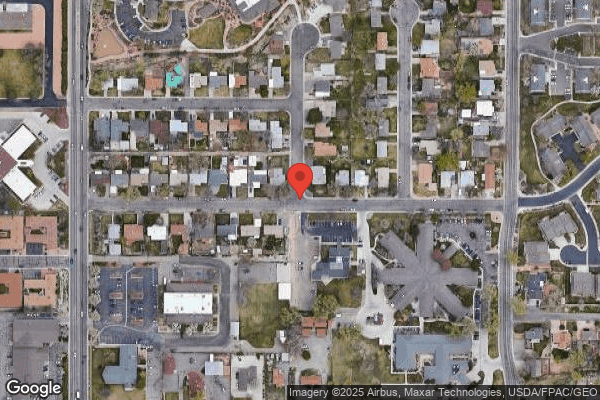
Understanding Severity Codes (click to expand)
Life-Threatening (Immediate Jeopardy)
J - Isolated K - Pattern L - Widespread
Actual Harm
G - Isolated H - Pattern I - Widespread
Potential for Harm
D - Isolated E - Pattern F - Widespread
No Harm (Minor)
A - Isolated B - Pattern C - Widespread

Questions to Ask on Your Visit

  • "What changes have you made since the serious inspection findings?"
  • "What safeguards are in place to prevent abuse and neglect?"
  • "Why is there high staff turnover? How do you retain staff?"
  • "Can I speak with families of current residents?"
  • "What's your RN coverage like on weekends and overnight?"

Our Honest Assessment

Strengths
  • • No fines on record. Clean compliance history, better than most Colorado facilities.
Concerns
  • • Multiple safety concerns identified: Federal abuse finding, 1 life-threatening violation(s), 1 harm violation(s). Review inspection reports carefully.
  • • 44 deficiencies on record, including 1 critical (life-threatening) violation. These warrant careful review before choosing this facility.
  • • Grade F (13/100). Below average facility with significant concerns.
  • • 64% turnover. Above average. Higher turnover means staff may not know residents' routines.
Bottom line: This facility has a substantiated abuse finding. Extreme caution advised. Explore alternatives.

About This Facility

What is Red Cliffs Post Acute's CMS Rating?

CMS assigns RED CLIFFS POST ACUTE an overall rating of 2 out of 5 stars, which is considered below average nationally. Within Colorado, this rating places the facility higher than 0% of the state's 100 nursing homes. A rating at this level reflects concerns identified through health inspections, staffing assessments, or quality measures that families should carefully consider.

How is Red Cliffs Post Acute Staffed?

CMS rates RED CLIFFS POST ACUTE's staffing level at 2 out of 5 stars, which is below average compared to other nursing homes. Staff turnover is 64%, which is 17 percentage points above the Colorado average of 46%. High turnover can affect care consistency as new staff learn residents' individual needs.

What Have Inspectors Found at Red Cliffs Post Acute?

State health inspectors documented 44 deficiencies at RED CLIFFS POST ACUTE during 2022 to 2025. These included: 1 Immediate Jeopardy (the most serious level, indicating potential for serious harm or death), 1 that caused actual resident harm, 41 with potential for harm, and 1 minor or isolated issues. Immediate Jeopardy findings are rare and represent the most serious regulatory concerns. They require immediate corrective action.

Who Owns and Operates Red Cliffs Post Acute?

RED CLIFFS POST ACUTE is owned by a for-profit company. For-profit facilities operate as businesses with obligations to shareholders or private owners. The facility is operated by PACS GROUP, a chain that manages multiple nursing homes. With 89 certified beds and approximately 75 residents (about 84% occupancy), it is a smaller facility located in GRAND JUNCTION, Colorado.

How Does Red Cliffs Post Acute Compare to Other Colorado Nursing Homes?

Compared to the 100 nursing homes in Colorado, RED CLIFFS POST ACUTE's overall rating (2 stars) is below the state average of 3.1, staff turnover (64%) is significantly higher than the state average of 46%, and health inspection rating (2 stars) is below the national benchmark.

What Should Families Ask When Visiting Red Cliffs Post Acute?

Based on this facility's data, families visiting should ask: "What changes have been made since the serious inspection findings, and how are you preventing similar issues?" "What safeguards and monitoring systems are in place to protect residents from abuse or neglect?" "How do you ensure continuity of care given staff turnover, and what is your staff retention strategy?" "Can you walk me through typical staffing levels on day, evening, and night shifts?" These questions are particularly relevant given the facility's Immediate Jeopardy citations, the substantiated abuse finding on record, the facility's high staff turnover rate, and the below-average staffing rating.

Is Red Cliffs Post Acute Safe?

Based on CMS inspection data, RED CLIFFS POST ACUTE has documented safety concerns. The facility has 1 substantiated abuse finding (meaning confirmed case of resident harm by staff or other residents). Inspectors have issued 1 Immediate Jeopardy citation (the most serious violation level indicating risk of serious injury or death). The facility has a 2-star overall rating and ranks #100 of 100 nursing homes in Colorado. Families considering this facility should ask detailed questions about what corrective actions have been taken since these incidents.

Do Nurses at Red Cliffs Post Acute Stick Around?

Staff turnover at RED CLIFFS POST ACUTE is high. At 64%, the facility is 17 percentage points above the Colorado average of 46%. High turnover means new staff may not know residents' individual needs, medications, or preferences. It can also be disorienting for residents, especially those with dementia who rely on familiar faces. Families should ask: What is causing the turnover? What retention programs are in place? How do you ensure care continuity during staff transitions?

Was Red Cliffs Post Acute Ever Fined?

RED CLIFFS POST ACUTE has no federal fines on record. CMS issues fines when nursing homes fail to meet care standards or don't correct problems found during inspections. The absence of fines suggests the facility has either maintained compliance or corrected any issues before penalties were assessed. This is a positive indicator, though families should still review recent inspection reports for the full picture.

Is Red Cliffs Post Acute on Any Federal Watch List?

RED CLIFFS POST ACUTE is not on any federal watch list. The most significant is the Special Focus Facility (SFF) program, which identifies the bottom 1% of nursing homes nationally based on persistent, serious quality problems. Not being on this list means the facility has avoided the pattern of deficiencies that triggers enhanced federal oversight. This is a positive indicator, though families should still review the facility's inspection history directly.