LIFE CARE CENTER OF GREELEY

4800 W 25TH ST, GREELEY, CO 80634 (970) 330-6400
For profit - Corporation 124 Beds LIFE CARE CENTERS OF AMERICA Data: November 2025
Trust Grade
73/100
#36 of 208 in CO
Last Inspection: July 2024

Within standard 12-15 month inspection cycle. Federal law requires annual inspections.

Overview

Life Care Center of Greeley has received a Trust Grade of B, indicating it is a good choice but not without its issues. It ranks #36 out of 208 facilities in Colorado, placing it in the top half, and #5 out of 8 in Weld County, meaning there are only a few better local options. Unfortunately, the facility's performance is worsening, with the number of identified issues increasing from 1 in 2023 to 4 in 2024. Staffing is a moderate concern, with a 3 out of 5 rating and a turnover rate of 36%, which is better than the state average. However, the facility has been fined $12,285, which is average compared to others in Colorado, and it has less RN coverage than 85% of state facilities, which is a drawback since RNs can identify problems that CNAs might miss. Specific incidents of concern include a resident who developed a pressure ulcer due to inadequate repositioning, and another resident who suffered a fall from a mechanical lift during a transfer, resulting in head trauma. While the facility has received high ratings for overall quality and health inspections, these serious incidents highlight the need for improvements in care and safety protocols.

Trust Score
B
73/100
In Colorado
#36/208
Top 17%
Safety Record
High Risk
Review needed
Inspections
Getting Worse
1 → 4 violations
Staff Stability
○ Average
36% turnover. Near Colorado's 48% average. Typical for the industry.
Penalties
○ Average
$12,285 in fines. Higher than 73% of Colorado facilities. Some compliance issues.
Skilled Nurses
○ Average
Each resident gets 36 minutes of Registered Nurse (RN) attention daily — about average for Colorado. RNs are the most trained staff who monitor for health changes.
Violations
○ Average
6 deficiencies on record. Average for a facility this size. Mostly minor or procedural issues.
★★★★★
5.0
Overall Rating
★★★☆☆
3.0
Staff Levels
★★★★★
5.0
Care Quality
★★★★☆
4.0
Inspection Score
Stable
2023: 1 issues
2024: 4 issues

The Good

  • 5-Star Quality Measures · Strong clinical quality outcomes
  • Full Sprinkler Coverage · Fire safety systems throughout facility
  • No fines on record
  • Staff turnover below average (36%)

    12 points below Colorado average of 48%

Facility shows strength in quality measures, fire safety.

The Bad

Staff Turnover: 36%

Near Colorado avg (46%)

Typical for the industry

Federal Fines: $12,285

Below median ($33,413)

Minor penalties assessed

Chain: LIFE CARE CENTERS OF AMERICA

Part of a multi-facility chain

Ask about local staffing decisions and management

The Ugly 6 deficiencies on record

3 actual harm
Jul 2024 4 deficiencies 2 Harm
SERIOUS (G)

Actual Harm - a resident was hurt due to facility failures

Pressure Ulcer Prevention (Tag F0686)

A resident was harmed · This affected 1 resident

**NOTE- TERMS IN BRACKETS HAVE BEEN EDITED TO PROTECT CONFIDENTIALITY** Based on observations, record review and interviews, the facility failed to ensure one (#67) of three residents reviewed for pre...

Read full inspector narrative →
**NOTE- TERMS IN BRACKETS HAVE BEEN EDITED TO PROTECT CONFIDENTIALITY** Based on observations, record review and interviews, the facility failed to ensure one (#67) of three residents reviewed for pressure-related skin conditions out of 32 sample residents received care consistent with professional standards of practice to prevent pressure ulcers from developing. Resident #67, who was at risk for developing pressure injuries due to paraplegia, weakness and the inability to move both legs, was admitted on [DATE]. The facility provided a pressure reducing mattress and wheelchair pad upon admission. The resident was able to make small movements to reposition herself, however, the staff did not provide the resident with consistent repositioning per the resident's needs On 7/4/24, a wound was observed on the resident's sacral area (bony area just above the tailbone). The nurse who observed the wound on 7/4/24 failed to notify the unit manager or the physician of the wound. On 7/11/24, the wound was again noted by a nurse and a specialty mattress was ordered for the resident (seven days after the initial identification of the wound). On 7/12/24 and 7/15/24, the facility's nurse practitioner (NP) and the resident's physician documented the resident had what appeared to be an early stage wound to her coccyx which would continue to be monitored, however, neither the NP nor the physician observed the resident's wound. On 7/15/24 (11 days after the initial identification of the wound) Resident #67's wound was observed by the wound team for the first time. The wound was classified as a Stage 3 pressure injury to the sacrum and wound care orders for treatment of the wound and nutritional supplement orders were obtained from the physician (11 days after the initial identification of the wound). Due to the facility's failures to implement timely interventions and obtain wound care orders after the initial identification of the wound, Resident #67 developed a Stage 3 pressure wound to her sacrum. The findings include: I. Professional reference According to the National Pressure Injury Advisory Panel, European Pressure Injury Advisory Panel and Pan Pacific Pressure Injury Alliance Prevention and Treatment of Pressure Injuries: Clinical Practice Guideline, third edition, [NAME] Haesler (Ed.), EPUAP/NPIAP/PPPIA: (2019), retrieved from chrome-extension://efaidnbmnnnibpcajpcglclefindmkaj/https://static1.squarespace.com/static/6479484083027f25a6246fcb/t/6553d3440e18d57a550c4e7e/1699992399539/CPG2019edition-digital-Nov2023version.pdf on 7/17/24, Pressure ulcer classification is as follows: Category/Stage 1: Nonblanchable Erythema (discoloration of the skin that does not turn white when pressed, early sign of tissue damage) Intact skin with nonblanchable redness of a localized area usually over a bony prominence. Darkly pigmented skin may not have visible blanching; its color may differ from the surrounding area. The area may be painful, firm, soft, warmer or cooler as compared to adjacent tissue. Category/Stage 1 may be difficult to detect in individuals with dark skin tones. May indicate 'at risk' individuals (a heralding sign of risk). Category/Stage 2: Partial Thickness Skin Loss Partial thickness loss of dermis presenting as a shallow open ulcer with a red pink wound bed, without slough. May also present as an intact or open/ruptured serum filled blister. Presents as a shiny or dry shallow ulcer without slough or bruising. This Category/Stage should not be used to describe skin tears, tape burns, perineal dermatitis, maceration or excoriation. Category/Stage 3: Full Thickness Skin Loss Full thickness tissue loss. Subcutaneous fat may be visible, but bone, tendon or muscle are not exposed. Slough may be present but does not obscure the depth of tissue loss. May include undermining and tunneling. The depth of a Category/ Stage 3 pressure ulcer varies by anatomical location. The bridge of the nose, ear, occiput and malleolus do not have subcutaneous tissue and Category/ Stage 3 ulcers can be shallow. In contrast, areas of significant adiposity can develop extremely deep Category/Stage 3 pressure ulcers. Bone/tendon is not visible or directly palpable. Category/Stage 4: Full Thickness Tissue Loss Full thickness tissue loss with exposed bone, tendon or muscle. Slough or eschar may be present on some parts of the wound bed. Often include undermining and tunneling. The depth of a Category/Stage 4 pressure ulcer varies by anatomical location. The bridge of the nose, ear, occiput and malleolus do not have subcutaneous tissue and these ulcers can be shallow. Category/ Stage 4 ulcers can extend into muscle and/ or supporting structures (fascia, tendon or joint capsule) making osteomyelitis possible. Exposed bone/tendon is visible or directly palpable. Unstageable: Depth Unknown Full thickness tissue loss in which the base of the ulcer is covered by slough (yellow, tan, gray, green or brown) and/or eschar (tan, brown or black) in the wound bed. Until enough slough and/or eschar is removed to expose the base of the wound, the true depth, and therefore Category/ Stage, cannot be determined. Stable (dry, adherent, intact without erythema or fluctuance) eschar on the heels serves as the body's natural (biological) cover and should not be removed. Suspected Deep Tissue Injury: Depth Unknown Purple or maroon localized area of discolored intact skin or blood-filled blister due to damage of underlying soft tissue from pressure and/or shear. The area may be preceded by tissue that is painful, firm, mushy, boggy, warmer or cooler as compared to adjacent tissue. Deep tissue injury may be difficult to detect in individuals with dark skin tones. Evolution may include a thin blister over a dark wound bed. The wound may further evolve and become covered by thin eschar. Evolution may be rapid, exposing additional layers of tissue even with optimal treatment. II. Facility policy and procedure The Pressure Injuries policy, revised on 7/9/24, was provided by the nursing home administrator (NHA) on 7/17/24 at 4:35 p.m. It read in pertinent part, Residents will receive a comprehensive skin assessment upon admission or readmission to the facility. The Braden Scale (a tool used for determining pressure ulcer risk) will be completed for each resident upon admission or readmission, weekly for four weeks, quarterly, and as needed based upon each resident's specific needs. Resident skin assessments will be performed weekly by a licensed nurse. Any changes or open areas noted by a certified nurse aide (CNA) will be reported to the nurse. CNAs will report to the nurse if a topical dressing is soiled, saturated or dislodged. The nurse will complete further inspection and provide treatment if needed. Measures to maintain and improve the resident's tissue tolerance to pressure will be implemented in the plan of care. All residents upon admission are considered to be at risk for pressure injury development. Upon admission and throughout, a pressure redistribution surface mattress will be used with turning and repositioning as needed with care, assistance, and incontinent care. Skin barriers will be applied as needed and a preventative wheelchair cushion used if indicated. Measures to protect the resident against the adverse effects of pressure, friction, and shear will be implemented in the plan of care, including repositioning at least every two to four hours (per NPIAP standards) as consistent with overall patient goal and medical condition, utilizing positioning devices to keep bony prominences from direct contact, placing a pressure redistribution mattress under the resident and placing the resident on a pressure reduction device and repositioning the resident when in a wheelchair. Staff will educate the resident and significant others regarding the preventive skin care plan. If skin breakdown occurs, it requires attention and a change in the plan of care if indicated. III. Resident #67 A. Resident status Resident #67, age greater than 65, was admitted on [DATE]. According to the July 2024 computerized physician orders (CPO), diagnoses included acute infarction of the spinal cord (interruption of blood flow to the spinal cord), incomplete paraplegia (paralysis of the lower body), generalized muscle weakness, difficulty in walking and osteoarthritis. The 6/24/24 minimum data set (MDS) assessment revealed the resident was cognitively intact with a brief interview for mental status (BIMS) score of 13 out of 15. She was dependent on staff for bed mobility and transfers, needed substantial assistance with toileting and moderate assistance with bathing. The assessment indicated the resident was at risk for developing pressure ulcers but had none upon admission. B. Resident interview Resident #67 was interviewed on 7/10/24 at 10:37 a.m. Resident #67 said she woke up at 5:00 a.m. and waited for about three hours until someone could help her out of bed. She said at night, she spent a lot of time in her wheelchair before getting help transferring to bed. The resident said she had a wound on her bottom that was being treated with cream and a bandage. She said she thought the wound happened because she sat in her wheelchair so much and laid on her back when she was in bed while waiting for staff to get her up. On 7/11/24 at 1:16 p.m., the resident was overheard telling an unidentified therapist that staff did not get around to getting her out of bed until after 9:00 a.m. C. Observations On 7/15/24 at 3:10 p.m., Resident #67's wound was visualized with CNA #2 and LPN #2. CNA #2 and LPN #2 rolled Resident #67 onto her left side. LPN #2 peeled away the corner of the resident's dressing to reveal a sacral wound approximately the size of a nickel, which was red at the base and had slough (white, dead tissue) in the upper portion of the wound. The wound had no odor or drainage. D. Record review A Braden Scale assessment dated [DATE] at 9:54 p.m. revealed Resident #67 was at high risk for developing pressure ulcers due to very limited sensory perception, occasional moisture, being confined to bed and completely immobile and having the potential for friction and shear. A care plan, initiated 6/20/24, revealed Resident #67 was at risk for a break in skin integrity. Interventions to reduce risk of skin breakdown included cleaning and drying the resident's skin after incontinent episodes, using a pressure reducing mattress, providing treatments as ordered and conducting weekly skin checks. A care plan initiated 7/12/24 by registered nurse (RN) #2 and updated by the NHA on 7/15/24 (during the survey), revealed that the resident had a Stage 3 pressure ulcer to her sacrum. Weekly skin checks were already in place, and the resident had a specialty air mattress and gel wheelchair cushion placed on 7/11/24. Additional interventions, which were added to the care plan on 7/15/24 (during the survey) included encouraging the resident to offload her buttocks while in the wheelchair and providing the resident with supplements as ordered to promote wound healing. From 6/28/24 to 7/15/24, CNA documentation revealed that bed mobility assistance was given to Resident #67 between two and three times per 24- hour period. From 6/28/24 to 7/15/24, CNA documentation revealed Resident #67 was provided one or two-person transfer assist between the bed, chair, or wheelchair. The time stamps on the documentation indicated the resident received two to three transfers per day, in combination with assistance given to her while in bed. A weekly skin assessment, dated 6/27/24 at 11:09 p.m. by LPN #2, did not reveal any pressure injuries. A weekly skin assessment, dated 7/4/24 at 9:36 p.m. by LPN #2, revealed an open area to Resident #67's coccyx. It documented the resident was repositioned frequently for skin integrity and comfort, a dryness lotion was applied, and the finding was not new. -However, the 6/27/24 weekly skin assessment documented the resident did not have any open areas (see above). -No progress note was written and there was no documentation that a physician or unit manager was notified of the open area. A weekly skin assessment, dated 7/11/24 at 9:37 p.m. by LPN #2, revealed an area of blanchable redness to the coccyx (tailbone). A skilled nursing note, dated 7/6/24 at 9:29 p.m. revealed the resident had an open slit above the coccyx (tailbone). A nurse practitioner (NP) note, dated 7/12/24 at 8:31 a.m., revealed the NP had not seen the resident's wound, but noted it appeared to be an early stage coccyx wound. The wound development status was reviewed with the resident, the resident was educated on offloading, was to utilize the new mattress and seat cushion and the wound would be monitored. The resident informed the NP that she received the new mattress and gel seat cushion for her wheelchair. A skilled nursing note, dated 7/12/24 at 10:44 p.m., revealed the resident had an open slit above the coccyx that was covered with an intact, mepilex (a kind of foam) dressing. A physician's progress note, dated 7/15/24 at 10:33 a.m., revealed the physician (MD) had not seen the resident's wound, but noted it appeared to be an early stage coccyx wound. The resident was educated on offloading, utilizing the new mattress and seat cushion and the wound would continue to be monitored. A skilled nursing note, dated 7/15/24 at 1:36 p.m., revealed there were dressing changes ordered for a sacral wound. There were no signs of wound infection and the resident was now followed by the wound care team. -The note was documented during the survey investigation. A nursing progress note, dated 7/15/24 at 8:32 p.m. revealed that staff would continue to turn and reposition the resident frequently to prevent skin breakdown. An NP progress note dated 7/16/24 at 9:18 a.m., revealed the NP had not seen the resident's wound, but noted it appeared to be an early stage coccyx wound. The resident was educated on offloading. She was using the new mattress and seat cushion, and the wound would be monitored. The July 2024 CPO revealed the following physician's orders: Ensure air mattress is on and functioning every shift, ordered 7/12/24. Monitor the open area to the resident's sacrum and notify the physician for signs and symptoms of infection, ordered 7/13/24. Apply santyl ointment (to remove dead tissue from pressure wound) 250 units per gram to the sacrum, ordered 7/15/24. Cleanse the small open area to the sacrum with normal saline and pat dry. Apply nickel thick santyl and cover with mepilex. Change daily and as needed, ordered 7/15/24. Two Cal med pass oral nutritional supplement, ordered 7/15/24. -The dressing orders and the nutritional supplement orders were not obtained until 11 days after the initial identification of Resident #67's wound. A Wound Observation Tool was completed by the director of nursing (DON) on 7/15/24 at 6:24 p.m. (during the survey). It documented Resident #67 had a Stage 3 pressure injury to the sacrum. The wound was documented as round, with 70% slough tissue (yellow, tan, white, stringy) and dimensions of 1.2 centimeters (cm) length by 0.5 cm width by 0.2 cm depth. The wound had no drainage or signs of infection and was not painful to the resident. The DON documented that the NP, the resident, and the resident's representative were previously notified of the wound, on 7/12/24. The DON further documented that the current treatment plan included cleansing the wound with normal saline and patting dry, [NAME] Nickel thick Santyl, covering the wound with mepilex, and changing daily and as needed. Special equipment and preventive measures included a pressure reducing specialty air mattress and pressure reducing wheelchair cushion. The resident was to be repositioned as tolerated to reduce pressure on her buttocks and both heels. Daily skin care was to be provided. D. Staff interviews RN #1 was interviewed on 7/15/24 at 4:10 p.m. RN #1 said she treated residents'pressure related wounds. She said the wound team, which consisted of herself, RN #2, the registered dietitian (RD), and the NP, rounded on wounds every Wednesday. She said the NP measured the wounds and wrote the more complicated wound orders. RN #1 said residents at high risk for skin breakdown (and all residents upon admission), received a dietitian consultation and weekly skin assessments. She said those were standard interventions for residents who did not currently have a wound. RN #1 said all residents were originally given pressure-reducing mattresses. She said residents with a pressure wound or redness received a low-air loss mattress which had a pump to intermittently inflate and deflate. RN #1 said she did not know about Resident #67's wound because the resident was not on her assigned hallway. She said RN #2, who was on vacation, knew more about the resident. RN #1 said she had not seen the resident yet but the resident was on the list to be seen by the wound care team on Wednesday (7/17/24). She said RN #2 must have completed a referral form for the wound team to assess the wound the previous Friday, before she left. RN #1 said if a nurse noticed an open area on a resident's skin, they would let the unit manager know and they would proceed with notifying the physician and wound team. RN #1 said she did not know why wound care treatments for Resident #67 had not been initiated when the wound was initially identified. She said taking two weeks to get treatments into place after noticing an open wound was not good practice. CNA #2 was interviewed on 7/16/24 at 2:48 p.m. CNA #2 said upon admission, Resident #67 had a deficit in her right leg and needed two staff members to assist her with a mechanical lift. She said the resident moved around in bed and had, to some extent, been able to reposition both legs in bed, but she needed some help moving the right leg. She said the resident was consistent in pressing the call light to let staff know she wanted to be moved or repositioned. CNA #2 said Resident #67 never complained of pain at the site of the wound. She said since the wound developed, the resident had gotten a new air mattress, they repositioned her even more often than before, and were more diligent about making sure the site of the wound and the dressing were clean, especially after changing her brief. LPN #1 was interviewed on 7/16/24 at 3:02 p.m. LPN #1 said she was not usually on Resident #67's unit and had only known the resident for the past two days. She said the resident could move her left leg some, but not the right one. She said she needed a mechanical lift for transfers but she could move around on her own in her wheelchair using her upper body. She said the resident could not really roll in bed on her own. LPN #1 said if a new opening was noticed on a resident's skin, it would be documented in the skin assessment and the unit manager and wound care team would be notified for new interventions to be placed. She said, usually, the wound team nurse would stage and measure the wound. LPN #1 said since the wound developed, Resident #67 had received a new air mattress, they did daily dressing changes and she was on a supplement for wound healing. She said the resident did not complain of pain from the wound. The DON was interviewed on 7/16/24 at 4:44 p.m. The DON said upon admission Resident #67 could not do much. She said interventions to prevent wound development for Resident #67 had included offloading her bottom and repositioning the resident at least every two hours and whenever the resident requested repositioning. She said rounds for more independent residents were every two hours, so staff should round even more frequently for residents who could not reposition independently. The DON said residents at high risk for pressure injuries on the Braden assessment would have certain interventions in place, such as a specialty air mattress, a gel cushion for the wheelchair, and they would be placed on a check-and-change or frequent repositioning schedule. The DON said on 7/4/24 Resident #67's wound was open and on 7/11/24 it was closed again and had blanchable redness. She said the resident's mattress was changed and the treatments were changed as soon as the blanchable redness was noticed. The DON said she talked to LPN #2 about the wound. She said LPN #2 told her she had put barrier lotion on the wound and covered it with mepilex but she did not tell anyone about the wound when it originally developed. The DON said education about wound care documentation began on 7/15/24 (during the survey) for the nursing staff.
SERIOUS (G)

Actual Harm - a resident was hurt due to facility failures

Accident Prevention (Tag F0689)

A resident was harmed · This affected 1 resident

**NOTE- TERMS IN BRACKETS HAVE BEEN EDITED TO PROTECT CONFIDENTIALITY** Based on record review and interviews, the facility failed to ensure one (#6) of nine residents reviewed for accidents out of 32...

Read full inspector narrative →
**NOTE- TERMS IN BRACKETS HAVE BEEN EDITED TO PROTECT CONFIDENTIALITY** Based on record review and interviews, the facility failed to ensure one (#6) of nine residents reviewed for accidents out of 32 sample residents remained as free from accident hazards as possible. The facility failed to prevent Resident #6's fall from a mechanical (hoyer) lift while transferring her. On [DATE] two certified nurse aides (CNA) #1 and #3 attempted to transfer Resident #6 from her bed to her wheelchair. During the transfer, Resident #6 fell from the sling attached to the mechanical lift's sling bar (a bar with two safety latches on each end the sling attaches to), onto the floor and hit her head on the mechanical lift. As a result, Resident #6 sustained head trauma (laceration) to the back of her head. Immediately after Resident #6's fall staff observed that one (right upper body) of the four sling handles had disconnected from the mechanical lift sling bar. Resident #6 was assessed at the facility and transported to the hospital where she was treated and received staples for the head laceration. She returned to the facility the same day at 9:00 p.m. On [DATE] Resident #6 complained of pain to her right shoulder. New orders for an x-ray for her right shoulder and arm were obtained. Imaging showed a fracture to Resident #6's right clavicle. The facility was unable to identify during their investigation how the sling could have come unhooked from the mechanical lift resulting in Resident #67 ' s fall. Due to the facility's failure to adequately supervise Resident #6 during her mechanical lift transfer, Resident #6 fell and sustained head trauma and a fractured right clavicle. The facility failed to identify during the course of their investigation a specific procedural failure that occurred during the transfer of Resident #6 on [DATE]. Findings include: Record reviews, observations and interviews confirmed the facility corrected the deficient practice related to Resident #6's fall prior to the onsite investigation on [DATE] to [DATE]. The deficiency was cited as past non-compliance with a correction date of [DATE]. I. Incident on [DATE] The nursing home administrator (NHA) provided an investigation on [DATE] at 9:15 a.m. regarding Resident #6's fall from the mechanical lift while being transferred by CNA #1 and CNA #3. A. Investigative report An investigative timeline that documented the initial reported incident on [DATE] and follow up actions of interviews, assessments, mechanical lift inspections, education and reporting. The investigation, action plan and facility wide education was completed [DATE]. The facility concluded Resident #6 fell from the sling attached to the mechanical lift's sling bar (a bar with two safety latches on each end the sling attaches to), onto the floor and hit her head on the mechanical lift. She sustained a laceration to her head requiring staples and a fractured right clavicle. B. Investigation timeline and mechanical lift inspection history On [DATE]: At 4:08 p.m. a CNA reported to the nurse that Resident #6 fell from the mechanical lift and the resident was assessed by two registered nurses (RN). At 4:15 p.m. the physician, the director of nursing (DON) and the resident's representative were all notified. At 4:18 p.m. orders were received from the physician to transfer Resident #6 to the emergency department for evaluation and treatment. At 4:35 p.m. Resident #6 transferred out to a local hospital via ambulance. At 9:00 p.m. Resident #6 returned from the local hospital emergency department. On [DATE]: At 9:00 a.m. staff and resident interviews were conducted, Resident #6 was assessed by a physician and she denied having pain. At 9:05 a.m. the interdisciplinary team (IDT) met to discuss the fall and interventions. On [DATE]: Resident #6 had no complaints of pain. On [DATE]: At 10:43 a.m. Resident #6 refused to use her right arm. Orders for immediate imaging were obtained. At 4:00 p.m. Resident #6's x-ray results were received and the physician was notified the resident had a right clavicle fracture. The facility's work history report documented monthly inspections of all facility mechanical lifts for the prior year from [DATE] to [DATE]. C. Resident and staff interviews CNA #3 provided a written witness statement on [DATE]. The statement read in pertinent part, CNA #1 and myself were getting Resident #6 up for dinner. While transferring her from her bed to her wheelchair, the sling slipped out of the hook of the hoyer (mechanical lift) and before we could realize, the resident slipped out of the sling and hit her head on the leg of the hoyer (mechanical lift). CNA #1 provided a written witness statement on [DATE]. The statement read in pertinent part, My coworker and I were getting Resident #6 ready to go down to the dining room. We were transferring her from the bed to the wheelchair with the hoyer lift. She was on the hoyer lift off the bed when one arm of the sling came off and she (Resident #6) fell on the floor. -Neither statement documented what kind of safety checks CNA #1 and CNA #3 performed prior to transferring Resident #6 from her bed to her wheelchair. Seven residents throughout the facility were interviewed on [DATE] by the social services director (SSD), two of which were transferred utilizing the mechanical lift. All of the residents denied concerns regarding their transfers during daily care. Nine CNA's were interviewed on [DATE] and [DATE] and they all denied concerns or issues with the mechanical lift and falls and knew what steps to take if a resident fell. The maintenance supervisor (MS) provided a written statement on [DATE]. It read in pertinent part, The NHA and I immediately went and found the lift (used for Resident #6's transfer) for an inspection to rule out a failure of the equipment in any way. The hoyer (mechanical) lift was working properly, wheels rolled, brakes locked, legs open and closed, mast went up and down, emergency stop was working, remote functioned and the sling safety latches were present on the swivel bar. This was corroborated by multiple department heads. We (the staff) tried to recreate the incident on our own as the staff members were present. We (the staff) could not recreate any failures. Out of an abundance of caution I (the MS) removed the lift from service until such time that the staff could show what happened. The lift was removed from use on the floor at around 10:00 a.m. on [DATE]. All other mechanical lifts were inspected at this time as well to assure all safety features are present and lifts are indeed in working order. The mechanical lift was out of service until the staff involved could show how the incident occurred. II. Facility plan of correction A. Immediate action to correct the deficient practice for Resident #6 Both CNA #1 and CNA #3 demonstrated the use of appropriate mechanical lift procedures on [DATE] immediately following Resident #6's fall. Both CNA's correctly demonstrated use of the lift separately and then together showing the procedure they used to transfer Resident #6. B. Identification of other residents The NHA reviewed care plans and assessments of all residents who required assistance with transferring via mechanical lifts first, and expanded the care plan review and examined residents with recliners in their rooms that might be a fall risk. C. Systematic changes All nursing staff were re-educated on proper mechanical lift procedures and provided a return demonstration of knowledge by [DATE]. D. Monitoring The NHA was interviewed on [DATE] at 5:41 p.m. The NHA said the facility discussed the [DATE] hoyer lift incident in the quality assurance program improvement (QAPI) meeting and were continuing to monitor. Interviews and record review during the investigation revealed corrective actions to identify the resident and other residents who had the potential to be affected by the deficient practice, systematic changes to prevent its recurrence, and monitoring to ensure sustained corrections were in place. III. Facility policy and procedure The Limited Lift Program (Safe Patient Handling) policy, revised [DATE], was provided on [DATE] at 11:00 a.m. by the nursing home administrator (NHA). The policy read in pertinent part, The facility will assess residents for the need for assistance with transfer activities, mobility or repositioning utilizing a validated mobility assessment by either nursing or therapy. Associates will be responsible for utilizing mechanical lifting devices, transferring devices, proper body mechanics to lift, transfer and/or pivot non-ambulatory patients as indicated. The facility must ensure that the resident environment remains as free of accident hazards as possible, and each resident receives adequate supervision and assistance devices to prevent accidents. The facility will provide education to residents and resident representatives on the use of a mechanical lifting device to ensure the safety of the resident and associate. IV. Mechanical lift manual The user manual for the Golvo 7000ES/7007ES mechanical lift was provided by the NHA on [DATE] at 11:00 a.m. It read in pertinent part, Before using always make certain that: -Persons using the equipment have received appropriate instructions and training; -All manuals have been carefully studied and understood; -The sling is securely locked into position on the sling bar and cannot accidentally unlock; -All lift components, material and seams are intact and show no signs of damage or wear; -The patient is positioned firmly and securely so that no part of the body can be injured; and, -The safety split or pin or nut is securely fastened in the bolt that holds the sling bar or other accessories. V. Resident status Resident #66, over the age of 65, was admitted on [DATE]. According to the [DATE] computerized physician orders (CPO), diagnoses included metabolic encephalopathy (chemical imbalance in the blood affecting the brain), chronic obstructive pulmonary disease (COPD), type two diabetes mellitus, dementia, weakness and difficulty walking. The [DATE] minimum data set (MDS) assessment revealed the resident had a memory problem and was severely impaired in her decision making abilities for everyday life based on the staff interview for mental status. She was dependent on care for toileting hygiene, transfers and rolling from left to right/right to left in bed, needed substantial assistance with dressing, bathing and personal hygiene and moderate assistance with oral hygiene and set up help only with eating. The MDS assessment did not indicate the resident had a fall. VI. Record review The fall care plan, revised [DATE], documented Resident #6 was at risk for falling and injuring herself due to her diagnoses of muscle weakness, difficulty walking and dementia. She required extensive assistance for most of her daily care. She used her wheelchair as her primary mode of locomotion in the facility. The care planned intervention on [DATE] included the use of a mechanical lift with the assistance of two staff members to transfer Resident #6. Resident #6's progress notes documented the following: On [DATE] two CNAs transferred Resident #6 with the mechanical lift. Resident #6 was in the sling and the CNAs proceeded to lift the resident off her bed and into her wheelchair when one of the sling's handles came off of the mechanical lift sling bar. Resident #6 then fell to the floor and hit her head. There was a laceration to the back of her head. The resident was transported by ambulance to a local hospital at 4:40 p.m. On [DATE] Resident #6 returned to the facility from the hospital at approximately 9:00 p.m. with a scalp laceration closed by staples. On [DATE] Resident #6's fall interventions were reviewed and remained unchanged. She was re-assessed for the correct sling size which also remained unchanged for the resident and she remained appropriate for the mechanical lift. On [DATE] Resident #6 refused to use her arm in a full range of motion and immediate x-rays were ordered. On [DATE] Resident #6 was non weight bearing on her right arm due her right clavicle (collarbone) fracture diagnosis. VII. Staff interviews The NHA and MS were interviewed together on [DATE] at 10:36 a.m. The MS said, on [DATE], the day after Resident #6's fall, he and the NHA utilized the same mechanical lift staff used during Resident #6's fall multiple times to complete a transfer with the mechanical lift and the sling stayed secure each time. The NHA said CNA #1 and CNA #3 demonstrated separately how to use the mechanical lift and the sling after Resident #6's fall and both CNAs provided a correct demonstration on how to use the lift for a resident transfer. The NHA said Resident #6's sling hung on the back of her bathroom door and was kept in her room. CNA #1 was interviewed on [DATE] at 3:15 p.m. CNA #1 said she assisted in Resident #6's transfer on [DATE] from the resident's bed to the resident's wheelchair. CNA #1 said she used the sling hanging on the back of Resident #6's door for the transfer. CNA #1 said she was trained to use the lift during her CNA training at the facility, and there was ongoing training and a reeducation after Resident #6's fall. CNA #1 said one of the four sling handles came off the lift itself and she noticed this after the resident fell. CNA #1 said she and CNA #3 placed the sling under Resident #6 while she was in bed. CNA #1 said Resident #6 fell from the lift during her transfer off her bed, and when the resident fell, she and CNA #3 noticed a sling handle was not secured on the hook. She said she did a visual inspection to ensure the sling was in the correct place prior to Resident #6's transfer. CNA #1 said she and CNA #3 followed the correct mechanical lift procedures during Resident #6's transfer. Registered nurse (RN) #1 was interviewed on [DATE] at 3:15 p.m. RN #1 said the right shoulder side of the sling detached from the mechanical lift during Resident #6's transfer. RN #1 said ongoing assessment occurred for CNA #1 and CNA #3 for four weeks and the staff were assessed at random five times a week for 12 weeks. She said staff monitoring started immediately after the fall on [DATE]. The DON and RN #1 were interviewed together on [DATE] at 11:00 a.m. RN #1 said when she entered the resident's room after Resident #6 fell, CNA #1 and CNA #3 had already unhooked the sling from the mechanical lift. RN #1 said one sling handle came unhooked and Resident #6 slipped out of the sling and fell, which resulted in a laceration on the back of her head. RN #1 said Resident #6 was transported to the hospital and assessed. RN #1 said the CNAs reported Resident #6 was in the mechanical lift and was lifted from her bed when she fell. RN #1 said the facility ordered and replaced all the mechanical lift slings in the facility. RN #1 said she did not work on the recreation of Resident #6's fall with the MS and the NHA. The DON and RN #1 said based on their interviews with CNA #1 and CNA #3, Resident #6's sling was connected correctly to the lift during her transfer. RN #1 said if the sling was not attached to the lift correctly Resident #6 would have fallen back onto her bed immediately after the staff began lifting her. RN #1 said Resident #6 was already lifted off the bed and was mid-transfer off the bed when she fell from the sling. The DON said she interviewed both CNA #1 and CNA #3 after Resident #6's fall. The DON said CNA #1 and CNA #3 both demonstrated the correct use of the mechanical lift to her and the MS after Resident #6's fall. The DON said if a sling was broken, frayed or staff were unsure if it was intact, the staff could bring the sling to a nurse on duty. She said the nurse on duty could then assess the sling. The DON said the facility assessed the sling used during Resident #6's fall and the sling was intact and had no deformities. CNA #4 was interviewed on [DATE] at 1:35 p.m. CNA #4 said she received mechanical lift training prior to starting work as a CNA. CNA #4 said two staff members should always be present to use the mechanical lift while transferring a resident. CNA #4 said after Resident #6's fall on [DATE], the staff were required to demonstrate their knowledge on how to use the mechanical lift. CNA #4 said before the mechanical lift slings were utilized in the facility, the slings were inspected by a nurse. CNA #4 said she knew the size of a resident's sling because there was a posted sign listing all residents' correct sling sizes which all staff had access to. CNA #4 said she checked the slings prior to use to see if the sling was frayed or torn and would tell a nurse if she observed damage to a sling. CNA #4 said while using a mechanical lift to transfer a resident, one staff member controlled the lift while the second staff member guided the resident. CNA #4 said guiding the resident involved holding the sling or the resident's legs to keep the resident from moving. CNA #4 said she was trained how to the lift's emergency button and, if the mechanical lift malfunctioned, the emergency button stopped the mechanical lift immediately. CNA #5 was interviewed on [DATE] at 1:40 p.m. CNA #5 said he had extensive training on how to use the mechanical lift and sit to stand hoyer lift. CNA #5 said mechanical lifts were always operated with two staff members attending. CNA #5 said he was shown how to use the mechanical lift, had demonstrated how to use the lift with a coworker and he himself had been in a lift for training. CNA #5 said he was trained and knew how to use the emergency button on a lift but had not had to use it. CNA #5 said the staff member guiding the resident during a transfer steadied the resident while in the sling. CNA #5 said one person operated the lift and both staff members should both be watching the resident during the transfer. CNA #5 said if he ever determined a lift was not safe to use he would tell a nurse for assistance. He said he had received training to use a mechanical lift prior to working as a CNA and received ongoing training and was observed using a mechanical lift. The NHA, DON and RN #1 were interviewed together on [DATE] at 1:45 p.m. The NHA said CNA #3's written statement (see above) indicated Resident #6 fell and then the CNAs looked up and saw a sling handle had come off the sling bar hook. The NHA said Resident #6 fell quickly. The NHA said the facility was unsure how the resident fell and the sling came unhooked if all the procedures were followed correctly. The DON said CNA #1 and CNA #3 reported all the sling hooks were attached to the mechanical lift prior to Resident #6's transfer on [DATE]. The DON said the resident was not over the chair but lifted and being transferred over the floor when she fell. The DON said when CNA #1 and CNA #3 demonstrated how they used the mechanical lift to recreate Resident #6's lift prior to her fall, she did not take notes or write down what the staff said or what they demonstrated. RN #1 said the sling was intact immediately after Resident #6's fall and it was not frayed or torn. CNA #3 was interviewed on [DATE] at 3:15 p.m. CNA #3 said she was one of two CNAs who transferred Resident #6 with the mechanical lift on [DATE]. CNA #3 said Resident #6 fell from the sling attached to the lift very quickly. CNA #3 said CNA #1 attached the sling to the hooks prior to the transfer and she (CNA #3) guided the resident by her legs. She said both she and CNA #1 gave a quick glance to ensure the sling was connected correctly and it was. CNA #3 said Resident #6 was lifted out of the bed and the CNAs started to turn the lift when Resident #6 slid out of the sling. CNA #3 said Resident #6 slid all the way out of the sling onto the floor. She said immediately after the resident fell, both CNAs saw the right shoulder sling handle was disconnected from the sling bar. CNA #3 said she went to get a nurse while CNA #1 stayed with the resident. CNA #3 said the additional training post-fall helped assure her that she used the right sling size for Resident #6 during her transfer on [DATE]. CNA #3 said she and CNA #1 transferred Resident #6 correctly. The NHA said the facility identified the incident, investigated, and put in place a plan of correction that included facility wide education that was fully completed by [DATE].
CONCERN (D)

Potential for Harm - no one hurt, but risky conditions existed

Quality of Care (Tag F0684)

Could have caused harm · This affected 1 resident

**NOTE- TERMS IN BRACKETS HAVE BEEN EDITED TO PROTECT CONFIDENTIALITY** Based on record review and interviews, the facility failed to provide services in accordance with currently accepted professiona...

Read full inspector narrative →
**NOTE- TERMS IN BRACKETS HAVE BEEN EDITED TO PROTECT CONFIDENTIALITY** Based on record review and interviews, the facility failed to provide services in accordance with currently accepted professional principles for one resident (#44) of three residents reviewed for blood pressure management out of 32 sample residents. Specifically, the facility failed to assess and document Resident #44's blood pressure consistently prior to administering blood pressure medications. Findings include: I. Facility policy and procedure The Oral Medication Administration policy, revised 9/22/21, was provided by the nursing home administrator (NHA) on 7/17/24. It read in pertinent part, The facility will provide oral medication administration in accordance with professional standards of practice, as outlined by [NAME] through the procedures below: -Assess parameters, such as blood pressure and pulse, as needed, before administering a medication with dose-holding parameters. II. Resident #44 A. Resident status Resident #44, age [AGE], was admitted on [DATE]. According to the July 2024 computerized physician orders (CPO), diagnoses included diabetes, encephalopathy (a disease in which the functioning of the brain is affected by some agent or condition), ascites (fluid build up) and cirrhosis (liver damage). The 5/13/24 minimum data set (MDS) assessment revealed the resident was cognitively intact with a brief interview for mental status (BIMS) score of 14 out of 15. The MDS assessment indicated he had a fluid build up (ascites) and was prescribed a diuretic medication. B. Record review The July 2024 CPO revealed a physician's order for furosemide (a diuretic medication) 40 milligrams (mg), give one tablet by mouth two times a day for fluid build up due to cirrhosis. Hold for a systolic blood pressure less than 90 millimeters of mercury (mmHg) and a diastolic blood pressure less than 60 mmHg, ordered 6/6/24. Resident #44's medication administration record (MAR) was reviewed for June 2024 and 7/1/24 to 7/16/24. The MAR revealed the resident was administered the medication on all days reviewed. -However, the resident's blood pressure was not recorded on the MAR and there was no documentation on the MAR to indicate the resident's blood pressure was assessed prior to the administration of the medication. The blood pressure (BP) records were reviewed from the vital signs section of the resident's electronic medical record (EMR) and revealed the following: On 6/21/24 at 9:49 a.m. the resident's BP was 89/58 mmHg. -However, according to the June 2024 MAR, the medication had been administered. On 6/15/24 at 4:23 p.m. the resident's BP was 83/57 mmHg. -However, according to the June 2024 MAR, the medication had been administered. On 6/11/24 at 3:24 p.m. the resident's BP was 90/52 mmHg. -However, according to the June 2024 MAR, the medication had been administered. On 6/9/24 at 2:47 p.m. the resident's BP was 92/58 mmHg. -However, according to the June 2024 MAR, the medication had been administered. On 7/1/24, 7/2/24, 7/3/24, 7/5/24, 7/6/24, 7/7/24 and 7/8/24, the resident's blood pressure was documented one time in the vital signs section. -However, the resident's blood pressure was to be obtained two times per day prior to the administration of the furosemide. On 7/4/24 the resident's BP was not documented in the vital sign section of the EMR. -However, according to the June 2024 MAR, the medication had been administered. II. Staff interviews Licensed practical nurse (LPN) #3 was interviewed on 7/15/24 at 2:45 p.m. LPN #3 reviewed Resident #44's EMR and said the resident's blood pressure was not consistently documented or taken. She said the resident was scheduled to receive medication at 8:00 a.m. and 1:00 p.m. every day, however the blood pressure on some days was documented only once. She said it was important to check blood pressure prior to the administration of furosemide to ensure that it was safe to administer the medication. She said if the blood pressure was too low and the medication was given, the resident's blood pressure could get critically low. LPN #3 said she would communicate the findings to the unit manager. She said she would correct the record to ensure the resident's blood pressure was documented on the MAR so all the nurses would have to document the resident's blood pressure before administering medications. The director of nursing (DON) was interviewed on 7/16/24 at 3:50 p.m. The DON said she was not aware that Resident #44 received furosemide when his blood pressure was below normal. She said the nurses should follow the physician's order and check the resident's blood pressure prior to medication administration. She said if the resident's blood pressure was below the recommended parameters, the medication should not be administered. The DON said she would provide education to all the licensed nursing staff to remind them about following the holding parameters for medications.
CONCERN (D)

Potential for Harm - no one hurt, but risky conditions existed

Infection Control (Tag F0880)

Could have caused harm · This affected 1 resident

III. Failure to follow proper infection control procedures during wound care A. Observations On 7/15/24 at 10:50 a.m. registered nurse (RN) #1 and RN #3 were observed providing wound care to Resident ...

Read full inspector narrative →
III. Failure to follow proper infection control procedures during wound care A. Observations On 7/15/24 at 10:50 a.m. registered nurse (RN) #1 and RN #3 were observed providing wound care to Resident #21 in his room. Resident #21 was seated in his chair while wound care was provided to his right lower leg. Resident #21's wound care supply container was set on his bedside table next to his chair. At 10:53 a.m. RN #3 began to unwrap the top of Resident #21's ace bandage from his right calf. RN #3 reached into her right pants pocket and removed a pair of medical grade bandage scissors with her hand. -Without cleaning or sanitizing the scissors, RN #3 cut the top of Resident #21's wound bandage around his right calf, touching the scissors to his skin. RN #3 then placed the scissors on the resident's bedside table and continued with Resident #21's wound care. -At 11:05 a.m. RN #3 placed the scissors back in her right pants pocket without cleaning or sanitizing the scissors. RN #1 was interviewed at 11:07 a.m. after the completion of Resident #21's wound care. RN #1 said RN #3 used her own personal scissors to perform wound care on Resident #21, but the facility had scissors in each resident's individual wound care supply container. B. Staff interviews RN #4 was interviewed on 7/16/24 at 10:39 a.m. RN #4 said if personal scissors were used to provide wound care, the scissors should be on top of the medication cart and not in a clothing pocket. RN #4 said if scissors were kept in a staff member's pocket, the scissors would need to be cleaned and sanitized prior to providing wound care and then cleaned again after use. RN #1 was interviewed again on 7/16/24 at 11:00 a.m. RN #1 said scissors were kept in each residents' container of supplies for wound care. RN #1 said if a nurse used their personal scissors for wound care, the scissors should be sanitized before and after providing a resident's wound care, and the scissors should also be kept in their own holster or package. RN #1 said she corrected RN #3 after completing Resident #21's wound care and told RN #3 that she should have sanitized her scissors prior to using them to cut the resident's wound dressing. RN #1 said RN #3 did sanitize her scissors after RN #1 instructed her to do so. RN #1 said RN #3 used her own scissors because the scissors usually in Resident #21's wound supply container were not present for his wound care on 7/15/24. The infection preventionist (IP) was interviewed on 7/16/24 at 4:10 p.m. The IP said wound care scissors pulled from a pocket in a nurse's clothing should be cleaned and sanitized before and after each use and the scissors should have their own holster to carry them in. Based on observations and staff interviews, the facility failed to establish and maintain an infection prevention and control program designed to provide a safe, sanitary and comfortable environment and to help prevent the development and transmission of communicable diseases and infections on one of two units. Specifically, the facility failed to: -Ensure licensed practical nurse (LPN) #3 followed proper infection control during medication administration; and, -Follow proper infection control procedures by sanitizing scissors pulled from a nurses pocket prior to their use for Resident #21's wound care. Findings include: I. Facility policy and procedure The Infection Prevention and Control Program policy, revised 5/19/23, was provided by the nursing home administrator (NHA) on 7/17/24 at 4:35 p.m. The policy read in pertinent part, General procedures include: Ensure staff follow the Infection Prevention and Control Program policy and procedures such as hand hygiene and appropriate use of PPE (personal protective equipment) and to the degree possible/consistent with the resident's capacity, provide supplies necessary to adhere to recommended infection prevention and control practices such as hand hygiene supplies, respiratory hygiene and cough etiquette, PPE and environmental cleaning and disinfection. Implementing strategies to achieve the goals include methods to reduce the risks associated with procedures, medical equipment and medical devices, including the following: appropriate storage, cleaning, disinfection and/or disposal of supplies and equipment, no resume of equipment designated by the manufacturer as disposable in a manner that is consistent with regulatory and professional standards, and the appropriate use of PPE. II. Failure to follow proper infection control during medication administration A. Observations On 7/15/24 at 9:59 a.m. licensed practical nurse (LPN) #3 was observed as she was administering morning medications to residents. LPN #3 dropped one pill on the medication cart. -LPN #3 picked the pill up with her ungloved hands and put it back in the medication cup. At 10:08 a.m. LPN #3 was observed administering topical medications in a resident's room. LPN #3 applied lotion to the resident's ankle using her left gloved hand. She was not wearing gloves on her right hand which she had used to remove the resident's sock. -LPN #3 did not wash her hands after touching the resident's ankle and before offering the resident the oral medications from a medication cup. B. Staff interviews The infection preventionist (IP) was interviewed on 7/16/24 at 11:45 a.m. The IP said all medications that came in contact with the medication cart surface should be disposed of because the medication cart surface was considered unclean. The IP said nurses should wash their hands when they removed gloves. She said LPN #3 should have washed her hands after she was finished applying lotion, after she removed her gloves and prior to offering the resident her medications. She said LPN #3's hands were not considered clean since they came in contact with the resident's feet when she helped the resident remove her sock.
Feb 2023 1 deficiency
CONCERN (D)

Potential for Harm - no one hurt, but risky conditions existed

Free from Abuse/Neglect (Tag F0600)

Could have caused harm · This affected 1 resident

**NOTE- TERMS IN BRACKETS HAVE BEEN EDITED TO PROTECT CONFIDENTIALITY** Based on interviews and record review, the facility failed to ensure one (#51) of five out of 29 sample residents were kept free...

Read full inspector narrative →
**NOTE- TERMS IN BRACKETS HAVE BEEN EDITED TO PROTECT CONFIDENTIALITY** Based on interviews and record review, the facility failed to ensure one (#51) of five out of 29 sample residents were kept free from neglect and abuse. Specifically, the facility failed to ensure Resident #51, who required extensive assistance from two staff for toileting, was not left on the toilet commode for 70 minutes on 1/12/23. Findings include: Record review and interviews confirmed that the facility corrected the deficient practice prior to the onsite investigation completed on 2/9/23-2/14/23. The deficiency was cited as past noncompliance with a correction date of 1/15/23. No other incidents of resident neglect have occurred at the facility. I. Facility policy and procedure The Abuse and Neglect Prohibition policy and procedure, not dated, was provided by the nursing home administrator (NHA) on 2/9/23. The policy read in part, Neglect includes cases where the facility's indifference or disregard for resident care, comfort or safety, resulted in or could have resulted in, physical harm, pain, mental anguish, or emotional distress. Neglect may be the result of a pattern of failures or may be the result of one or more failures involving one resident and one staff person. II. Resident #51 A. Resident status Resident #51, age [AGE], was admitted on [DATE]. According to the January 2023 computerized physician orders (CPO), the diagnoses included unspecified dementia, unspecified severity, without behavioral disturbances, hemiplegia (paralysis) and hemiparesis (weakness) affecting right dominant side following cerebral infarction (stroke), anxiety disorder, aphasia (loss of ability to understand or express speech), dysarthria and anarthria (motor speech disorder), difficulty in walking, arthritis, pain, and general muscle weakness. The 1/6/23 minimum data set (MDS) assessment revealed the resident's cognition was severely impaired with a brief interview for mental status score of two out of 15. She required extensive assistance of two staff members with transfers and toilet use. B. Record review The care plan for activities of daily living (ADLs) last reviewed on 11/21/22 identified the resident had an ADL, self-care performance deficit related to dementia, and hemiplegia (paralysis)/hemiparesis (weakness) following a CVA (stroke) affecting the right dominant side. Pertinent care interventions include the extensive assistance of one staff member and use of stand-to-pivot disc when performing toilet use and transfers. The care plan for memory/cognition last reviewed on 11/21/22 identified the resident had an impaired cognitive ability and thought process related to dementia diagnosis. Pertinent care interventions include cue, reorient and supervise as needed. The care plan for communication last reviewed on 11/21/22 identified the resident had a communication deficit related to diagnosis of dementia, dysarthria and anarthria (motor speech disorder), and aphasia (loss of ability to understand or express speech) following a CVA (stroke). Pertinent care interventions include anticipating and meeting needs. Provide a safe environment: call light in reach, adequate low glare light, bed in lowest position and wheels locked, avoid isolation. III. Facility investigation An investigation conducted by facility on 1/12/23 read Resident #51 was left on the toilet unattended for approximately 70 minutes. A description of the resident's response read, when found in the restroom by staff Resident #51 was tearful. A few minutes later when social services director (SSD) spoke with her she was smiling and when asked if she was okay resident responded 'yeah.' The immediate actions by the facility included suspending both certified nurse aides (CNAs) that were working with Resident #51, and conducting an audit of other vulnerable residents. The investigation concluded that Resident #51 was left on the toilet by morning CNA #4 due to miscommunication with oncoming CNA #1. CNA #4's understanding was that she would take resident to the bathroom and CNA #1 would assist the resident back from the bathroom. At the time of the incident, the resident's call light was not engaged, indicating that resident did not use the call light to call for help. The resident's skin was assessed immediately after the incident and no bruising or other injuries were observed. On 1/13/23 resident was assessed by her primary care physician, who documented, Facility asked me to evaluate the patient as she had inadvertently been sitting on the toilet for over one hour. (Resident) was smiling and jovial (cheerful, friendly) as always when I spoke to her and had completed her entire lunch. She stated she was 'fine' and the skin exam revealed no suspicious areas. Documentation continued to state, Mood and affect are appropriate and pleasant. The facility conducted an audit of all residents having similar deficits with cognitive and physical limitations and implemented corrective actions to not leave resident's unattended in bathrooms while toileting. Staff education and training for not leaving identified resident's unattended on the toilet began on 1/12/23 and was completed on 1/15/23. The facility did not substantiate neglect due to the investigation failed to prove the intent of neglect (see NHA interview below). IV. Staff interviews Certified nurse aide #2 was interviewed on 2/13/23 at 10:30 a.m. She said she approached Resident #51 to inquire on care needs. She said Resident #51 did not use a call light for assistance. CNA #3 was interviewed on 2/13/23 at 10:35 a.m. She said she approached Resident #51 to inquire on care needs. She said Resident #51 was inconsistent with using call light for assistance. Registered nurse (RN) #1 was interviewed on 2/13/23 at 10:45 a.m. She said Resident #51 initiated conversation and used her call light inconsistently. RN #2 was interviewed on 2/13/23 at 10:50 a.m. She said Resident #51 initiated conversation and used her call light inconsistently. CNA #1 was interviewed over the phone on 2/14/23 at 10:20 a.m. She said she arrived for work on 1/12/23 and received a report from the departing shift. She said she asked CNA #4 to toilet Resident #51 before they left for the day. She said that CNA #4 was in agreement of doing so. She said she witnessed CNA #4 go into room of Resident #51. She said she did not see CNA #4 exit room of Resident #51. She said later she was approached by wellness aide (WA #1) who told her Resident #51 was sitting on the toilet in the bathroom. She said the resident was crying upon arrival. She said the Resident was not able to stand up and hold on to the bar as she always did. The resident continued to lean to her right side. She said assistance from a second CNA was needed to transfer the resident from the toilet back into the wheelchair. She said on previous occasions Resident #51 needed only the assistance of one staff member when toileting. She said Resident #51 was not reliable to use call light appropriately. She said the resident was non-verbal and forgetful at baseline. She stated, I have always stayed with her because she's non-verbal and she usually doesn't take long in the bathroom. Wellness aide #1 was interviewed on 2/14/23 at 11:20 a.m. She said that upon entering room of Resident #51 she heard soft crying from the bathroom. She said she entered the bathroom and observed the resident sitting on the toilet. She said the resident was crying and leaning against the bathroom wall. She said her call light was not turned on. She said she left to find a CNA to assist Resident #51. The physical therapist (PT) was interviewed on 2/14/23 at 11:40 a.m. He said the most recent evaluation for the Resident #51 was completed in 2021. He said the resident was discharged from the therapy with recommendation of one person assistance for transfers and ADLs. He said to the best of his knowledge the resident's status had not changed since then and the resident was not working with therapy since 2021. He said in general, anyone with a diagnosis of stroke and one side weakness should not be left alone in the bathroom due to the risk of falls. The director of rehabilitation (DOR) was interviewed on 2/14/23 at 12:00 p.m. He said he worked with Resident #51 on transfers and toileting abilities. He said he observed the resident transferring with one person's assistance and she was deemed as safe to be left alone in the bathroom. He said the resident's inability to stand straight after the incident, when she required two person assistance, was indicative of emotional distress that she was in at the time of the incident. He said after the incident the resident did not show any signs of physical changes or decline. The social services director (SSD) was interviewed on 2/14/23 at 12:15 p.m. She said she talked to the resident on the day of the incident. She said the resident was not in distress. She said she did not conduct any formal assessment for the resident after the incident, but she spoke to her on several occasions and the resident appeared to be at her baseline. The nursing home administrator (NHA) was interviewed on 2/14/23 at 1:34 p.m. She said it's fair to say that Resident #51 uses call light inconsistently. She said this is the first occurrence of a resident being left unattended for an extended period of time. She said the physician and family were notified. She said the staff members involved were suspended, and ongoing skin assessment were conducted on Resident #51. She said the facility implemented a new practice and educated staff. She said the new practice included an audit that was completed to identify all residents with similar cognitive and physical impairment limitations and the interdisciplinary team provided input. She said the facility implemented a plan of correction for those identified residents who should not be unattended while toileting. She said the allegations of neglect were not substantiated as the investigation failed to prove the intent of neglect. The director of nursing (DON) was interviewed on 2/14/23 at 1:45 p.m. She said it was not appropriate for Resident #51 to be left unattended in the bathroom prior to the incident. She said, she's been here a long time and this is the first incident that occurred. She said after the incident the facility placed a plan of correction in place to make sure vulnerable residents with similar conditions were not left unattended in the bathroom. She said a list of identified residents was placed on every nursing station and all staff were educated on the new plan. She said care plans and [NAME] were updated with new interventions for identified individuals. She said the education for all direct and indirect care staff in the facility was completed by 1/15/23.
Oct 2021 1 deficiency 1 Harm
SERIOUS (G)

Actual Harm - a resident was hurt due to facility failures

Accident Prevention (Tag F0689)

A resident was harmed · This affected 1 resident

**NOTE- TERMS IN BRACKETS HAVE BEEN EDITED TO PROTECT CONFIDENTIALITY** II. Resident #27 A. Resident status Resident #27, age [AGE], was admitted on [DATE] and readmitted on [DATE]. According to the O...

Read full inspector narrative →
**NOTE- TERMS IN BRACKETS HAVE BEEN EDITED TO PROTECT CONFIDENTIALITY** II. Resident #27 A. Resident status Resident #27, age [AGE], was admitted on [DATE] and readmitted on [DATE]. According to the October 2021 CPO, pertinent diagnoses included muscle weakness, difficulty in walking, cognitive communication deficit, attention and concentration deficit; and new diagnoses on 10/2/21 of non-displaced fracture of base of second metacarpal (bones between the wrist and fingers) left hand, and displaced fracture of shaft of third metacarpal bone left hand. The 9/15/21 MDS indicated Resident #27 was severely cognitively impaired with a BIMS score of three out of 15. She did not have mood or behavior symptoms. She required extensive assistance of two staff members for bed mobility, transfers and toilet use, and required extensive assistance of one staff member for personal hygiene and dressing. She was always incontinent of bladder and was occasionally incontinent of bowel. She was not on a toileting program. No restraints or alarms were used. No falls were documented. She was not steady when moving from a seated to a standing position, when transferring from surface to surface or when moving on and off the toilet, and was only able to stabilize with staff assistance. She used a wheelchair for mobility. B. Observations On 10/19/21 at 4:30 p.m. Resident #27 was seen in her room seated in her wheelchair in front of the television that was located beyond the foot of her bed. Her call light was clipped to the hem of her shirt. Both brakes on her wheelchair were in the locked position. She had a purple hard cast on her left arm that covered her hand, up to her mid forearm. She said she did not know how to call for help if she would need it. She was unaware of what the call light was for and did not know how to operate the brakes on her wheelchair. There were four white non-skid strips secured to the floor beside her bed. -At 4:57 p.m. Resident #27 was still seated in her wheelchair with both brakes locked on her wheelchair. She had scooted herself closer to the television and was slumped down in the seat of the wheelchair. On 10/20/21 at 8:15 a.m. Resident #27 was seen in her room attempting to propel her wheelchair toward the door of the room, while pushing the overbed table in front of her that had her breakfast tray on top of it. She had pulled her oxygen tubing from the portable tank that was lying on her bed. Her call light was clipped to the blanket on the side of her bed. An unknown CNA entered her room and positioned her wheelchair in front of her television. She did not place her call light within her reach. It remained behind her, clipped to the blanket toward the head of the bed. -At 8:40 a.m. Resident #27 was seated in her wheelchair, and had moved her wheelchair in her room again. The white strips, seen previously adhered to the floor beside her bed, were gone and a fall mat was seen folded underneath her bed. -At 12:29 p.m. Resident #27 was seen seated in her wheelchair in front of her television at the end of her bed with her lunch tray on the overbed table in front of her. Both brakes on her wheelchair were locked and her call light was clipped to the blanket behind her toward the head of the bed, out of her reach. On 10/21/21 at 8:20 a.m. Resident #27 was seen seated in her wheelchair in her room positioned in front of the television. Her breakfast tray was on the overbed table in front of her. Both brakes on her wheelchair were locked. Her call light was clipped to the top of her mattress at the head of the bed, under the blanket, out of her reach. -The resident was unable to independently lock or unlock her wheelchair brakes, per interview below. C. Record review The care plan, initiated 10/6/21, indicated Resident #27 had impaired cognitive skills related to short and long term memory loss, forgetfulness, poor recall, poor orientation to current time related to her diagnosis of dementia, attention and concentration deficit and cognitive communication deficit. Staff were to cue, reorient and supervise as needed. Per the care plan, initiated 10/6/21, Resident #27 was at risk for falling and injuring herself related to muscle weakness, and difficulty waking secondary to a diagnosis of dementia, osteoporosis, polyneuropathy (malfunction of peripheral nerves), and right foot drop. She required extensive assistance for most activities of daily living (ADLs). Interventions included: -Anticipate and meet the resident's needs. -Call light within reach. -Nonskid strips to ground next to bed. -Offer toileting before and after meals to minimize risk of self transfers. -Staff to supervise and cue (Resident #27) when up in her wheelchair to not lean forward to pick items off the ground. -The care plan was not updated to indicate actual falls with injuries, and effective interventions were not added to the care plan after the resident's unwitnessed falls, including the fall mat and bed in low position. Per the care plan, initiated 10/6/21, Resident #27 had an ADL self care performance deficit related to muscle weakness and difficulty walking, and required extensive assistance with most ADLs. Interventions included: -Resident #27 used a wheelchair for mobility. -She required extensive assistance of one staff member for bed mobility, toilet use and transfers. -Encourage Resident #27 to use bell to call for assistance. Review of the September and October 2021 fall risk evaluations revealed the following scores of greater than 10, that indicated Resident #27 was at high risk for falls: -9/22/21 Status Post Fall-score 20 -10/1/21 Status Post Fall-score 18 -10/10/21 Status Post Fall-score 22 -10/18/21 Status Post Fall-score 24 D. Falls Fall #1, 9/22/21 unwitnessed fall: The 9/22/21 fall investigation and event note documented by certified nurse aide (CNA) #2 and registered nurse (RN) #4 at 7:30 p.m. read in part: (Resident #27) was crying for help in the bathroom. She was sitting with her back to the wall and her legs out in front of her. Her wheelchair was by the sink. Resident assessed, states pain to left knee when attempting to move her leg. Able to move right leg without difficulty, bruising noted to inner left knee. Able to move arms without any pain or discomfort. No injuries to head noted, continues to complain of left knee pain when palpated, just above the knee. The resident stated she was trying to get to the bathroom by herself, the call light was not on. The intervention for this fall was to place a sensory alarm on the bathroom door. -There were no interventions to conduct 15-minute checks, how to anticipate and provide the resident's needs, or a toileting plan. The 9/22/21 pain evaluation completed after this fall indicated Resident #27's pain level was eight (severe) out of 10 for pain to her left knee. The 9/22/21 plan of care note documented by the DON at 9:00 p.m. read in part: All fall interventions were reviewed and remain appropriate and current at this time. Additional intervention, sensory alarm placed to bathroom door. -This was not added to the resident's care plan. The 9/23/21 physician documentation indicated Resident #27 was seen related to a fall. Fall safety and prevention reviewed although considerably limited by patient's dementia. Fall #2, 10/1/21 unwitnessed fall: The 10/1/21 fall investigation documented by licensed practical nurse (LPN) #1 at 3:30 p.m. read in part: This nurse was in another room and walked into the hall to see two CNAs and another nurse lifting (Resident #27) off the floor with a mechanical lift. There was bruising above her right eyebrow, a small cut on her bottom lip and a skin tear to her right 'pinky' finger knuckle with bone exposure. Resident stated that her wrists hurt. The physician was notified and stated to continue to monitor. Skin tear dressed. The resident said she fell forward out of the wheelchair. She had been in the hall outside her room self propelling in her wheelchair. The cause of the fall was felt to be due to her diagnosis of dementia. The intervention for this fall was to do frequent checks on the resident and staff were to supervise and cue the resident when up in her wheelchair to not lean forward to pick items off the ground. -However, the DON did not provide documentation of frequent checks completed for Resident #27. Further, there was no documentation of how often the frequent checks should be conducted. -There was no pain evaluation completed after this fall. The 10/1/21 event note documented by the DON at 4:00 p.m. read in part: Ground level fall occurred at 4:00 p.m. Noted to have skin tear to lateral right hand, approximated skin and steri strips applied. Bruising noted above right eyebrow. Physician was notified with no new orders at this time. The intervention for this fall was to have therapy evaluate wheelchair size and resident's positioning in the chair. -However, the resident was not evaluated by therapy until 10/5/21. The 10/2/21 health status note documented by LPN#1 at 9:00 a.m. read in part: Noted bruising to right side of jaw this morning, as of yesterday after fall no bruising was noted, bruising is light purple in color. Moderate purple bruising noted to right forehead bump, slightly darker in color from previous day. Right hand down to mid forearm edema noted as previous date none was noted, moderate purple bruising noted to this area as well as previous date none was noted. Resident complains of pain with and without touch to her right wrist. Physician notified to obtain orders for right wrist x-rays. The 10/2/21 transfer to hospital summary, documented by RN #4 at 2:55 p.m., read in part: Resident with left hand blackened from fingertips to down below the wrist, hand deviated slightly outward and very painful, swollen and hot. Unable to manipulate joint as it was too painful. Resident was transferred to the hospital. She was alert but confused at time of transfer. The 10/2/21 emergency department x-ray result indicated Resident #27 had a minimally displaced spiral fracture along the left third metacarpal shaft and a nondisplaced fracture at the base of the second metacarpal with possible intra-articular (fracture that crosses a joint surface) extension at the carpometacarpal (CMC) joint (at base of thumb) with soft tissue swelling along the left hand and wrist. The 10/2/21 event note documented by RN #4 at 5:38 p.m. read in part: Spoke with the emergency department at the hospital, they state (Resident #27) has multiple fractures in her left hand that is splinted and will need follow up with orthopedic (ortho) specialist. The 10/2/21 health status note documented by RN #4 at 7:22 p.m. read in part: Returned from the hospital emergency department. Left hand is in splint. Orders to follow up with orthopedic surgeon in three days. -However, the resident was not seen by orthopedics until 10/12/21, 10 days later, and after she had yet another fall. The 10/6/21 health status note, documented by RN #1 at 12:26 p.m., read in part: Resident has splint on left wrist for wrist fractures which she frequently removes. The 10/7/21 physician documentation indicated Resident #27 was seen related to a fall with injury resulting in an ER visit and return to the facility with instructions to follow up with orthopedics. The patient is able to point to her most recent injuries sustained in a recent fall. Left hand and wrist splint in place and secured with an ace (elastic) bandage. Fall #3, 10/10/21 unwitnessed fall The 10/10/21 fall investigation, documented by LPN #4 at 3:30 p.m., read in part: CNA (#3) notified the nurse that (Resident #27) was on the floor. The nurse saw the resident sitting upright on the floor. She was unable to say how she got on the floor. She complained of pain to her left hand. She was assisted into her wheelchair with a mechanical lift. The intervention for this fall was to leave the door to her room open and apply non-skid strips next to her bed. -Leaving her door open, defined frequent checks, therapy assessments, and anticipating/meeting needs and how to do so were not added as interventions to the care plan. The 10/10/21 pain evaluation completed after this fall indicated Resident #27 scored a three out of 10 for pain to her coccyx and left hand. The 10/10/21 event note, documented by LPN #5 at 5:15 p.m., read: Resident was sent to the hospital for evaluation. The 10/10/21 event note, documented by LPN #3 at 9:52 p.m., read in part: Resident returned at this time via emergency medical services. No additional fractures to her left hand. The emergency department staff resplinted the left hand and rewrapped. Resident also has a urinary tract infection now being treated. The 10/11/21 plan of care note, documented by the DON at 10:20 a.m., read: Fall huddle with interdisciplinary team (IDT), direct care staff, and patient to discuss recent fall. All fall interventions were reviewed and remain appropriate and current at this time. Immediate intervention, patient was sent to emergency room (ER) for full evaluation, returned with no new fractures however was diagnosed with urinary tract infection (UTI) and started on oral antibiotics. Long term intervention, non-skid strips to ground next to bed, this is effective at this time per staff report. The 10/11/21 health status note, documented by RN #4 at 7:39 p.m., read in part: Resident continues on neurologic (neuro) checks for unwitnessed fall, no new injuries noted. Continues to have left hand in splint from previous fall. Resident removes splint often and has to be rewrapped. Resident climbing out of bed (OOB) often this evening, has no safety awareness. The 10/11/21 physician documentation indicated Resident #27 was seen related to an ER visit on 10/10/21 for a fall. The patient was alert and sitting in her wheelchair in her room slightly agitated. Patient states she has no idea what's been going on. X-rays in ER confirmed wrist fracture and patient was started on antibiotic for apparent UTI. Left brace in place but patient has been giving nurses a difficult time about wearing it. Fall safety and prevention reviewed although considerably limited by patient's dementia. The 10/12/21 health status note, documented by LPN#6 at 1:00 p.m., read in part: Alert charting for recent fall. Continues on neuro checks. Out for ortho follow up, pending results. Hand in splint for multiple fractures. The 10/14/21 health status note, documented by RN #1 at 11:37 a.m., read in part: Resident returned from ortho appointment with hard cast on left wrist. Fall #4, 10/18/21 unwitnessed fall The 10/18/21 event note documented by RN #4 at 9:50 p.m. read in part: Heard resident talking from her room, went into room and noted resident lying on the floor on left side next to her bed, head off the ground. Resident in bare feet. Resident states the floor is slippery and she was trying to stand up. Resident assessed and able to move all extremities without difficulty, no injuries noted. Short arm cast intact to left hand/wrist. Denies any pain or discomfort. Assisted back to bed with hoyer ( mechanical lift) and three person assist without difficulty. The intervention for this fall was to remove the non-skid strips from the floor next to her bed and place a fall mat beside the bed. -There was no evidence that therapy was included in the post-fall evaluation. The 10/18/21 pain evaluation completed after this fall indicated Resident #27 denied pain. The 10/19/21 physician documentation indicated Resident #27 was seen related to a fall. Patient states she doesn't remember falling from bed this morning (AM). She was in good spirits and pleasantly confused. Nursing reports patient rolled out of bed this AM with no injuries noted. Left wrist hard cast in place. Fall safety and prevention reviewed although considerably limited by patient's dementia. D. Staff interviews RN #1 and #2 were interviewed on 10/20/21 at 3:15 p.m. They acknowledged Resident #27 had frequent falls over the last few weeks. They said the resident was confused and current interventions included having her bed in a low position with a fall mat next to the bed because she had fallen from bed a few times. The staff were to anticipate her needs. They were to do frequent checks to look in on her whenever they were down that hall. They were to have her call light in reach. RN #2 said the resident did know how to use the call light but she was very forgetful. They were unsure if she was receiving therapy. CNA #1 was interviewed on 10/21/21 at 9:24 a.m. She said she usually worked on the rehab side of the facility but would help out on the long term side when needed, as she had done 10/18-10/21/21. She said she was unaware Resident #27 had fallen several times over the last few weeks and was unaware of what interventions were in place for her. She said Resident #27 required a sit to stand lift or a full body lift with the assistance of two staff members to transfer. She said when a resident had multiple falls the staff were to do frequent checks, every 15 to 30 minutes, if the resident was in their room, but those checks were not documented in their medical record. She said Resident #27 was very impulsive and would try to transfer herself and she did not use the call light to ask for help. She said Resident #27 would not be capable of locking the brakes on her wheelchair, especially since she had a cast on her left arm. III. Resident #42 A. Resident status Resident #42, age [AGE], was admitted on [DATE] with diagnoses of Alzheimer's disease, unspecified dementia with behavioral disturbance, anxiety and insomnia. The 9/22/21 MDS assessment revealed the resident sometimes was able to understand others and her cognitive skills for daily decision making were severely impaired. She required limited assistance with bed mobility and walking, extensive assistance with transfers, dressing, toilet use and personal hygiene, and supervision with eating. She was frequently incontinent of urine. She had one fall with no injury. She received antipsychotic and antidepressant medications daily. B. Record review 1. Care plans The resident's care plan for falls documented: (Resident) is at risk for injury due to falls r/t (related to) functional & mobility impairment, poor safety awareness and cognitive deficits. Date initiated 6/10/21 Interventions included: Anticipate and meet the resident's needs, call light within reach, adequate lighting in room/bathroom, clutter free pathway, non-skid foot wear with transfers and mobility, nonskid strips to ground at bedside. The following interventions were added after Resident #42's three falls, on 10/14/21, Therapy evaluation and treat, and staff to make frequent checks on (resident's name). The resident's care plan for antipsychotic medication use documented: (Resident) uses psychotropic medications r/t (related to) behavior management. Date initiated 6/10/21. Intervention included: Observe for and report PRN (as needed) any adverse reactions of psychotropic medications: unsteady gait, tardive dyskinesia, EPS (extrapyramidal symptoms), shuffling gait, rigid muscles, shaking, frequent falls, refusal to eat, difficulty swallowing, dry mouth, depression, suicidal ideations, social isolation, blurred vision, diarrhea, fatigue, insomnia, loss of appetite, weight loss, muscle cramps, nausea, vomiting, behavior symptoms not usual to the person. Consult with pharmacy, MD (physician) to consider dosage reduction when clinically appropriate at least quarterly. Discuss with MD (physician), family ongoing need for use of medication. Review behaviors/interventions and alternate therapies attempted and their effectiveness as per facility policy. Educate the resident/family/caregivers about risks, benefits and the side effects and/or toxic symptoms of psychotropic medication drugs being given. The resident is on a behavior management program: distraction. The interventions were dated 6/10/21. -The facility failed to implement appropriate interventions to prevent falls for this resident with severely impaired cognitive status who was administered antipsychotic (Risperidone) and anti-anxiety (Ativan) medications. 2. Fall risk evaluation The score 10 and above indicated high risk for falls. The following fall risk evaluations indicated Resident #42 was at high risk for falls: -9/26/21 score 22 -10/11/21 score 14 -10/13/21 score 22 -10/14/21 score 30 3. The resident's medical record revealed the following falls: Fall #1 A 10/11/21 nursing note revealed: CNA (certified nurse aide) notified this nurse that resident was on the floor. Observed resident sitting on her bottom in front of her chair in her room, legs straight out in front of her. Her shoes were on. Call light was not on. Assessed for injuries, none noted. Neuro assessment WNL (within normal limit). Denies pain. Assisted into chair with assist of two. Skin intact, no redness or bruising noted . Call light within reach. A 10/12/21 IDT note revealed: Fall huddle with IDT, direct care staff, and patient to discuss recent fall. All fall interventions were reviewed and remain appropriate and current at this time. New intervention, staff to make frequent checks on (Resident). The facility Incident Management Soft File review revealed the resident fell on [DATE] at 8:50 p.m. There was no fall investigation included in this document. It was further documented: Staff to make frequent checks on (Resident). -There was no specified frequency, time, or how often the staff should check on the resident. As a result the resident sustained two more falls. Fall #2 A 10/13/21 nursing note revealed: CNA opened the door to res(ident's) room as she is on isolation and noted res(ident) sitting on the floor in the doorway of her bathroom. Res(ident) alert with confusion. Res(ident) did not have any shoes on only her socks. This nurse and (name) RN (registered nurse) went to the room to assess the res(ident). No injuries noted. Res(ident) was transferred to her bed using the Hoyer lift and 2 (two) assist. Res(ident) very confused, was able to move all her extr(emities) without any noted pain. Vital signs and neuro checks started per protocol. Call light in reach. The facility Incident Management Soft File review revealed the resident fell on [DATE] at 4:45 p.m. The investigative report documented by a CNA read in part: in her room, leaving the bathroom, last time saw the resident 3:00 p.m. She was sleeping in bed last I saw her. Fall #3 A 10/14/21 nursing note revealed: CNA reports that when she went to residents room to give her fresh ice water she observed resident sitting on the floor facing her bathroom door with her shoes on both feet. She made no statement when asked how she had gotten there. Noted circular shearing pink open area to right outer knee, faint purple bruising to her right inner forearm, dried skin tear 1.5cm x 1.5cm to right elbow. Open areas cleaned with sterile saline, 1 steri strip applied to right elbow once edges were approximated. PERL, resident up with two assist Hoyer lift. She was returned to bed, wound care given, neuros started. 15 minutes resident came out of her room on her own and sat on the floor outside of her room, no new injury observed. She was brought to the nurses' station in w/c (wheelchair) for close observation. A 10/14/21 IDT note revealed: Fall huddle with IDT, direct care staff, and patient to discuss recent fall. All fall interventions were reviewed and remain appropriate and current at this time. New intervention, after medication review conducted with PA (physician assistant), PRN Ativan will be d/c'd (discontinued) at this time. The facility Incident Management Soft File review revealed the resident fell on [DATE] at 4:10 a.m. There was no fall investigation included in this document. The care plan was updated with the new intervention: Therapy evaluation and treatment. -The resident, who was found after her unwitnessed falls, was not cognitively capable of following up on staff reminders to call for assistance. No further interventions or IDT review were documented. C. Staff interview LPN#2 was interviewed on 10/21/21 at 11:15 a.m. She said Resident #42's interventions for falls prevention included frequent checks however the staff was not educated on how frequent. She said at the time of all three falls Resident #42 was in isolation with the room door closed and her agitation increased. She said the staff should check on the resident every 15 minutes if not more often. IV. Resident #39 A. Resident status Resident#39, age [AGE], was admitted to the facility on [DATE] with diagnoses of left femoral neck fracture, methicillin resistant staphylococcus aureus (MRSA) infection due to internal left hip prosthesis, epilepsy, chronic kidney disease stage 3 and cognitive communication deficit. The 10/7/21 MDS assessment revealed moderate cognitive impairment with BIMS score of 12 out of 15. No hallucinations, delusions or rejection of care behavior were present. He required extensive assistance of one staff with bed mobility, dressing and personal hygiene, extensive assistance of two staff with transfers and toilet use, and was independent with eating. No falls or fall history were documented. He was occasionally incontinent of urine. He received an anticoagulant medication daily. B. Record review 1. Care plans The resident's care plan for fall risk was dated 10/1/21. Interventions included: Assist with ADLs (activities of daily living) as needed. Call light within reach. Complete fall risk assessment. Orient resident to room. (10/1/21); 'Call don't Fall' visual aide on closet door. Adequate lighting in room. Bed is placed along the wall per patient preference. Clutter free pathway in room. Educate on high risk medications. Educate on safety awareness and what to do if a fall occurs. Glasses with transfers and mobility. Patient to wear nonskid footwear with transfers and mobility (10/4/21); Staff to encourage use of reacher to pick items off the floor (10/13/21); Soft touch call light 10/15/21. 2. Fall risk assessments Fall Risk Evaluation, dated 10/1/21, revealed a score of 20 (score 10 and above considered high risk for falls) Fall Risk Evaluation, dated 10/8/21, revealed a score of 22 Fall Risk Evaluation, dated 10/15/21, revealed a score of 20 A 10/4/21 nursing note revealed: Prevention fall huddle with IDT and patient to discuss fall intervention strategies. Patient recently admitted from (facility name) for LTC (long term care) placement. Patient is s/p (status post) left hip fx (fracture) following a fall. He subsequently got MRSA in the wound which required an I&D (incision and drainage); he is on IV (intravenous) Vancomycin through 10-22-21. He is educated on the potential trip hazard IV tubing/IV pole could pose which he reports understanding; staff is aware and will assist with IV tubing/pole with transfers and mobility. He is A&Ox3 9alert and oriented times three), able to make needs known. Patient and staff report compliance with use of call light and waiting for assist with transfers and mobility. Patient was encouraged to continue with use of call light for safety which he reports understanding. Patient reports he has had 3 (three) falls in the last 6 months due to weakness. He is educated on safety awareness and what to do if a fall occurs which he reports understanding. He wears nonskid footwear with transfers and mobility. Due to fall hx (history) a Call don't fall sign is placed on closet door. His bed is positioned along the wall per his preference to allow a greater space for w/c (wheelchair) mobility. He wear glasses; staff is aware and glasses will be worn with transfers and mobility. Room is clutter free with adequate lighting. Educated on high risk medications . Call light and personal belongings in place. 3. Falls/accidents Fall/accident #1 A 10/8/21 nursing note revealed: Pt (patient) observed sitting on the floor picking up some cheese and crackers. No visible injury noted, no c/o (complaint) pain or discomfort noted. Pt (patient) assist to bed using a Hoyer lift with another nurse. Neuro check and vital signs are WNL (within normal limits). All responsible parties have been notified including the on call M.D. (physician). A 10/9/21 nursing note revealed: Pt (patient) in room and has very poor safety awareness requires frequent visual check from staff to prevent falls. Pt (patient) currently on neuro check post fall from last night without injury. Call light within his reach. A 10/10/21 nursing note revealed: Resident alert and forgetful, able to make his needs known. On PT (physical therapy) OT (occupational therapy) for endurance and strengthening. He frequently tries to get up unattended because of his dementia. Uses a W/C (wheelchair) for transfers one person assist. Call light is within reach. A 10/11/21 interdisciplinary team (IDT) note revealed: Fall huddle with IDT, direct care staff, and patient to discuss recent fall. All fall interventions were reviewed and remain appropriate and current at this time. New intervention, provided resident with a reacher and staff to encourage use of reacher to pick items off the floor. Fall/accident #2 A 10/15/21 nursing note revealed: This nurse was getting report from the night nurse when the CNA alerted me of a patient on the floor. Upon entering, I observed patient sitting on his bottom in front of the bathroom door in his room. The call light was not on. The wheelchair was not near him and he did not have proper footwear on. Patient was not able to give a description of what happened. No injuries noted. Pt denies any pain. Pt is able to move all 4 extremities. Pt was lifted off the floor via Hoyer lift. VS (vital signs) taken and WNL (within normal limits). The Investigative Report, dated 10/15/21, revealed: Resident activity at the time of incident: was walking to the bathroom. Accident #3 A 10/16/21 nurse note revealed: This nurse and a CNA had put patient to bed around 2300 (11:00 p.m.), using standup lift. Around 0030 (12:30 a.m.), I was doing rounds and noticed patient sitting up on side of bed, he was trying to stand up. I entered room and tried to get him to lay back down. He was very confused, and was searching for something. I spent 20 min., in patient's room talking to him and trying to get him to lay back down, at this point he was a serious fall risk. I decided to get him up in w/c (wheelchair) and bring him to the desk. With the help of another CNA, we tried to get him up with the standup lift. In the middle of the process, he starting kicking and hitting us. The safest thing at that point was to get him down into the w/c (wheelchair). While he was kicking, he sheared off the skin on his right lower shin, the size of a quarter. No bleeding at that time. Area cleansed and dressing applied. Denies any discomfort. He was brought out to the desk and sat there with me for about an hour and a half. He did settle down and then I put him back to bed, and he went right to sleep. The 10/18/21 interdisciplinary team (IDT) note revealed: Fall huddle with IDT, direct care staff, and patient to discuss recent fall and effectiveness of new intervention. All fall interventions were reviewed and remain appropriate and current at this time. Soft touch call light put into place and per staff report pt (patient) has increased compliance with this call light vs ([NAME][TRUNCATED]
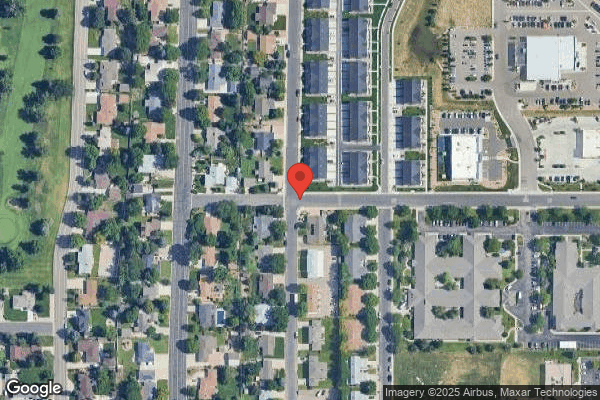
Understanding Severity Codes (click to expand)
Life-Threatening (Immediate Jeopardy)
J - Isolated K - Pattern L - Widespread
Actual Harm
G - Isolated H - Pattern I - Widespread
Potential for Harm
D - Isolated E - Pattern F - Widespread
No Harm (Minor)
A - Isolated B - Pattern C - Widespread

Questions to Ask on Your Visit

  • "Can I speak with families of current residents?"
  • "What's your RN coverage like on weekends and overnight?"

Our Honest Assessment

Strengths
  • • 36% turnover. Below Colorado's 48% average. Good staff retention means consistent care.
Concerns
  • • Multiple safety concerns identified: 3 harm violation(s). Review inspection reports carefully.
  • • 6 deficiencies on record, including 3 serious (caused harm) violations. Ask about corrective actions taken.
  • • $12,285 in fines. Above average for Colorado. Some compliance problems on record.
Bottom line: Mixed indicators with Trust Score of 73/100. Visit in person and ask pointed questions.

About This Facility

What is Life Of Greeley's CMS Rating?

CMS assigns LIFE CARE CENTER OF GREELEY an overall rating of 5 out of 5 stars, which is considered much above average nationally. Within Colorado, this rating places the facility higher than 99% of the state's 100 nursing homes. This rating reflects solid performance across the metrics CMS uses to evaluate nursing home quality.

How is Life Of Greeley Staffed?

CMS rates LIFE CARE CENTER OF GREELEY's staffing level at 3 out of 5 stars, which is average compared to other nursing homes. Staff turnover is 36%, compared to the Colorado average of 46%. This relatively stable workforce can support continuity of care.

What Have Inspectors Found at Life Of Greeley?

State health inspectors documented 6 deficiencies at LIFE CARE CENTER OF GREELEY during 2021 to 2024. These included: 3 that caused actual resident harm and 3 with potential for harm. Deficiencies causing actual harm indicate documented cases where residents experienced negative health consequences.

Who Owns and Operates Life Of Greeley?

LIFE CARE CENTER OF GREELEY is owned by a for-profit company. For-profit facilities operate as businesses with obligations to shareholders or private owners. The facility is operated by LIFE CARE CENTERS OF AMERICA, a chain that manages multiple nursing homes. With 124 certified beds and approximately 72 residents (about 58% occupancy), it is a mid-sized facility located in GREELEY, Colorado.

How Does Life Of Greeley Compare to Other Colorado Nursing Homes?

Compared to the 100 nursing homes in Colorado, LIFE CARE CENTER OF GREELEY's overall rating (5 stars) is above the state average of 3.2, staff turnover (36%) is near the state average of 46%, and health inspection rating (4 stars) is above the national benchmark.

What Should Families Ask When Visiting Life Of Greeley?

Based on this facility's data, families visiting should ask: "Can I visit during a mealtime to observe dining assistance and food quality?" "How do you handle medical emergencies, and what is your hospital transfer rate?" "Can I speak with family members of current residents about their experience?"

Is Life Of Greeley Safe?

Based on CMS inspection data, LIFE CARE CENTER OF GREELEY has a clean safety record: no substantiated abuse findings (meaning no confirmed cases of resident harm), no Immediate Jeopardy citations (the most serious violation level indicating risk of serious injury or death), and is not on the Special Focus Facility watch list (a federal program monitoring the lowest-performing 1% of nursing homes). The facility has a 5-star overall rating and ranks #1 of 100 nursing homes in Colorado. While no facility is perfect, families should still ask about staff-to-resident ratios and recent inspection results during their visit.

Do Nurses at Life Of Greeley Stick Around?

LIFE CARE CENTER OF GREELEY has a staff turnover rate of 36%, which is about average for Colorado nursing homes (state average: 46%). Moderate turnover is common in nursing homes, but families should still ask about staff tenure and how the facility maintains care continuity when employees leave.

Was Life Of Greeley Ever Fined?

LIFE CARE CENTER OF GREELEY has been fined $12,285 across 1 penalty action. This is below the Colorado average of $33,202. While any fine indicates a compliance issue, fines under $50,000 are relatively common and typically reflect isolated problems that were subsequently corrected. Families should ask what specific issues led to these fines and confirm they've been resolved.

Is Life Of Greeley on Any Federal Watch List?

LIFE CARE CENTER OF GREELEY is not on any federal watch list. The most significant is the Special Focus Facility (SFF) program, which identifies the bottom 1% of nursing homes nationally based on persistent, serious quality problems. Not being on this list means the facility has avoided the pattern of deficiencies that triggers enhanced federal oversight. This is a positive indicator, though families should still review the facility's inspection history directly.