BROOKDALE GREENWOOD VILLAGE

6450 S BOSTON ST, GREENWOOD VILLAGE, CO 80111 (303) 224-9455
For profit - Corporation 90 Beds BROOKDALE SENIOR LIVING Data: November 2025
Trust Grade
60/100
#92 of 208 in CO
Last Inspection: March 2024

Within standard 12-15 month inspection cycle. Federal law requires annual inspections.

Overview

Brookdale Greenwood Village has a Trust Grade of C+, which means it is slightly above average but not without its concerns. It ranks #92 out of 208 nursing homes in Colorado, placing it in the top half of facilities in the state, and #12 out of 20 in Arapahoe County, indicating that there are only a few local options that are rated better. Unfortunately, the facility's trend is worsening, with issues increasing from 3 in 2022 to 15 in 2024. On a positive note, staffing is a strength, with a 4/5 star rating and a turnover rate of 40%, which is better than the state average of 49%. There have been no fines reported, which is reassuring; however, specific incidents include failures to provide necessary adaptive dining equipment for residents, issues with food safety and sanitation in kitchens, and a lack of effective infection control measures. Overall, while there are strengths in staffing and no fines, the increasing number of concerns and specific incidents highlight a need for improvement.

Trust Score
C+
60/100
In Colorado
#92/208
Top 44%
Safety Record
Low Risk
No red flags
Inspections
Getting Worse
3 → 15 violations
Staff Stability
○ Average
40% turnover. Near Colorado's 48% average. Typical for the industry.
Penalties
✓ Good
No fines on record. Clean compliance history, better than most Colorado facilities.
Skilled Nurses
✓ Good
Each resident gets 55 minutes of Registered Nurse (RN) attention daily — more than average for Colorado. RNs are trained to catch health problems early.
Violations
⚠ Watch
25 deficiencies on record. Higher than average. Multiple issues found across inspections.
★★★☆☆
3.0
Overall Rating
★★★★☆
4.0
Staff Levels
★★★★☆
4.0
Care Quality
★★★☆☆
3.0
Inspection Score
Stable
2022: 3 issues
2024: 15 issues

The Good

  • 4-Star Staffing Rating · Above-average nurse staffing levels
  • 4-Star Quality Measures · Strong clinical quality outcomes
  • Full Sprinkler Coverage · Fire safety systems throughout facility
  • No fines on record
  • Staff turnover below average (40%)

    8 points below Colorado average of 48%

Facility shows strength in staffing levels, quality measures, fire safety.

The Bad

3-Star Overall Rating

Near Colorado average (3.1)

Meets federal standards, typical of most facilities

Staff Turnover: 40%

Near Colorado avg (46%)

Typical for the industry

Chain: BROOKDALE SENIOR LIVING

Part of a multi-facility chain

Ask about local staffing decisions and management

The Ugly 25 deficiencies on record

Mar 2024 14 deficiencies
CONCERN (D)

Potential for Harm - no one hurt, but risky conditions existed

Deficiency F0561 (Tag F0561)

Could have caused harm · This affected 1 resident

**NOTE- TERMS IN BRACKETS HAVE BEEN EDITED TO PROTECT CONFIDENTIALITY** Based on record review and interviews, the facility failed to offer choices to residents for two (#1 and #23) of three residents...

Read full inspector narrative →
**NOTE- TERMS IN BRACKETS HAVE BEEN EDITED TO PROTECT CONFIDENTIALITY** Based on record review and interviews, the facility failed to offer choices to residents for two (#1 and #23) of three residents reviewed for activities of daily living (ADL) out of 35 sample residents. Specifically, the facility failed to: -Ensure Resident #1 and #23 received showers consistently according to their choice of frequency. Findings include: I. Record review The 3rd floor shower schedule was obtained from certified nurse aide (CNA) #3 on 3/28/24 at 1:22 p.m. It documented odd numbered rooms' residents were to receive showers on day shift and even numbered rooms' residents were to receive showers on the night shift. It documented specific days each room number would be showered. According to the shower schedule, Resident #1's room was to receive showers on Tuesdays and Fridays and Resident #23's room was to receive showers on Wednesdays and Saturdays. II. Resident #1 A. Resident Status Resident #1, over the age of 65, was admitted on [DATE]. According to the March 2024 computerized physician order (CPO), diagnoses included multiple sclerosis (MS), respiratory failure and neuromuscular dysfunction of the bladder (bladder unable to be controlled by the resident). According to the 3/15/24 minimum data set (MDS) assessment Resident #1 had severe cognitive impairment with a brief interview for mental status (BIMS) score of five out of 15. The assessment documented the resident was dependent on staff assistance for bathing. B. Resident Interview Resident #1 was interviewed on 3/25/24 at 4:20 p.m. Resident #1 said she did not have a choice of when she bathed. Resident #1 said that she had to take her bed bath when it was offered to her or it would not be done. Resident #1 pointed to a sign in her room that said her bath days were on Tuesday and Friday in the morning, which was selected by the facility. Resident #1 said if her bath was not completed it was not re-offered to her. III. Resident #23 A. Resident Status Resident #23, over the age of 65, was admitted on [DATE]. According to the March 2024 CPO, diagnoses included heart failure, respiratory failure, cataracts and arthritis. According to the 3/7/24 MDS assessment Resident #23 was cognitively intact with a BIMS score of 13 out of 15. The assessment documented the resident was dependent on staff assistance for bathing. B. Resident Interview Resident #23 was interviewed on 3/26/24 at 9:18 a.m. Resident #23 said her shower days were assigned to her. Resident #23 said if she did not accept her shower at the assigned time she would not get a shower. Resident #23 said she felt she didn't have any choice about how she would prefer to shower and it was dependent on staff workload instead of her preferences. Resident #23 said that she was not comfortable with the current shower assignments. IV. Staff interviews CNA #2 was interviewed on 3/27/24 at 2:31 p.m. CNA #2 said bathing was assigned to residents. CNA #2 said if one resident preferred a different bath day nursing staff would have to switch another resident's schedule to try to accommodate the resident's request. CNA #3 was interviewed on 3/28/24 at 10:40 a.m. CNA #3 said residents did not choose when they received a shower and their showers were scheduled upon admission based on which room the residents were admitted to. CNA #3 said the shower schedule was arranged by room number so staff could get everyone's showers done appropriately. CNA #3 said the shower schedule was determined by the facility and resident rooms were assigned specific days and times for bathing. The director of nursing (DON) was interviewed on 3/28/24 at 11:15 a.m. The DON said residents got choices for when they bathed. The DON said the shower assignment sheet was a guideline to help ensure nursing staff completed bathing for residents and residents could choose other days to shower if they wished. -However, based on resident and staff interviews, residents' shower days and times were assigned to residents according to their room numbers.
CONCERN (D)

Potential for Harm - no one hurt, but risky conditions existed

ADL Care (Tag F0677)

Could have caused harm · This affected 1 resident

**NOTE- TERMS IN BRACKETS HAVE BEEN EDITED TO PROTECT CONFIDENTIALITY** IV. Resident #23 A. Resident status Resident #23, over the age of 65, was admitted on [DATE]. According to the March 2024 comput...

Read full inspector narrative →
**NOTE- TERMS IN BRACKETS HAVE BEEN EDITED TO PROTECT CONFIDENTIALITY** IV. Resident #23 A. Resident status Resident #23, over the age of 65, was admitted on [DATE]. According to the March 2024 computerized physician order (CPO), diagnoses included heart failure, respiratory failure, cataracts and arthritis. According to the 3/7/24 MDS assessment, Resident #23 was cognitively intact with a BIMS score of 13 out of 15. The assessment documented the resident required substantial or maximum assistance with oral hygiene. B. Resident interview Resident #23 was interviewed on 3/26/24 at 9:18 a.m. Resident #23 said she needed help with setting up her oral care supplies and she did not always get assistance with that Resident #23 said staff helped her brush her teeth now and then but it was often forgotten. Resident #23 said she hated how her teeth felt when they were not brushed and said she felt forgotten. C. Record review -Review of the comprehensive care plan, initiated 3/11/24, failed to document Resident #23's oral care assistance needs. -Review of the CNA tasks in Resident #23's electronic medical record (EMR) revealed the resident was to receive oral hygiene assistance, however, there was no documentation to indicate Resident #23 had received the assistance she needed. D. Staff interviews CNA #4 was interviewed on 3/28/24 at 9:15 a.m. CNA #4 said she was unable to locate oral care documentation for Resident #23. CNA #4 said Resident #23 required set-up assistance with oral care. LPN #6 was interviewed on 3/28/24 at 9:19 a.m. LPN #6 said she could not find oral care documentation for Resident #23. LPN #6 said Resident #23 required one person assistance with oral care. The DON was interviewed on 3/28/24 at 9:31 a.m. The DON said there was no oral care documentation for Resident #23. The DON said Resident #23's oral care documentation did not include the proper question to document oral care properly. Based on observation, record review and interviews the facility failed to provide the necessary services to maintain personal hygiene for two (#49 and #23) of four residents reviewed for services to maintain highest practicable quality of life out of 35 sample residents. Specifically, the facility failed to: -Ensure Resident #49 received assistance for nail care; and, -Ensure Resident #23 received assistance to maintain oral hygiene. Findings include: I. Facility policy and procedure The Oral Health Care and Dental services policy, dated November 2017, was received from the director of nursing (DON) on 3/28/24 at 5:41 p.m. It documented in pertinent part, Nursing associates will conduct oral health assessments on admission and at least quarterly to assure that each resident receives adequate oral hygiene. -The nail care policy was requested but was not received by the end of the survey. II. Resident #49 A. Resident status Resident #49, age [AGE], was admitted on [DATE]. According to the March 2024 computerized physician orders (CPO), diagnoses included alcohol abuse and adult failure to thrive. The 2/6/24 minimum data assessment (MDS) assessment showed the resident was cognitively intact with a brief interview for mental status (BIMS) score of 15 out of 15. The resident required partial to moderate assistance with all activities of daily living (ADL). B. Observations On 3/25/24 at 11:12 a.m., Resident #49's fingernails were observed to be long and discolored. Resident #49's fingernails were visibly soiled and had a dark substance under several nails. On 3/28/24 at 5:16 p.m., Resident #49's fingernails continued to be long and visibly soiled. A dark substance was still present under several nails. C. Resident interview Resident #49 was interviewed on 3/25/24 at 2:07 p.m. Resident #49 said he tried to trim his own nails but had difficulty doing so. Resident ##49 said the facility staff had not offered to trim his nails. D. Record review The comprehensive care plan, initiated on 12/1/23 and revised on 12/12/23, revealed Resident #49 had an ADL self care performance deficit. Pertinent interventions included checking nail length, trimming and cleaning nails on bath day and as necessary and notifying nursing staff of any changes. The comprehensive care plan further revealed Resident #49 had potential for impairment to skin integrity. Pertinent interventions included keeping the resident's fingernails short. The 1/10/24 progress note from the social services director (SSD) revealed Resident #49 needed nail care and the certified nurse aide (CNA) and nurse on staff were notified. The 1/31/24 skin evaluation revealed Resident #49 had long fingernails and had multiple scratches on his legs. E. Staff interviews CNA #2 was interviewed on 3/27/24 at 2:31 p.m. CNA #2 said CNAs at the facility trimmed residents' nails whenever they needed them to be trimmed. CNA #2 said the residents were due for a nail trim whenever the nails started to look longer but some residents declined having their nails trimmed. CNA #3 was interviewed on 3/28/24 at 2:27 p.m. CNA #3 said CNAs could cut the fingernails of nondiabetic residents whenever they saw they were long. LPN #5 was interviewed on 3/28/24 at 5:16 p.m. LPN #5 said Resident #49's fingernails looked bad and they needed to be trimmed. LPN #5 said Resident #49's fingernails did not look clean and were too overgrown.
CONCERN (D)

Potential for Harm - no one hurt, but risky conditions existed

Quality of Care (Tag F0684)

Could have caused harm · This affected 1 resident

**NOTE- TERMS IN BRACKETS HAVE BEEN EDITED TO PROTECT CONFIDENTIALITY** II. Resident #16 A. Facility policy and procedure The Weight and Height policy, was received by the registered dietitian on 3/2...

Read full inspector narrative →
**NOTE- TERMS IN BRACKETS HAVE BEEN EDITED TO PROTECT CONFIDENTIALITY** II. Resident #16 A. Facility policy and procedure The Weight and Height policy, was received by the registered dietitian on 3/28/24 at 4:07 p.m. It read in pertinent part: Residents should be weighed upon admission/re-admission, weekly for three weeks, and as needed. Residents will be weighed on admission/readmission and then weekly for three weeks, monthly or as needed thereafter. For 2 pound weight variance, conduct re-weigh as needed for accuracy. Notify the charge nurse of weight variances as indicated. B. Resident status Resident #16, [AGE] years old, was admitted on [DATE]. According to the March 2024 CPO, diagnoses included hemiplegia and hemiparesis (paralyzed and and weakness) following cerebral infarction (disruption in blood flow) affecting right dominant side, diabetes mellitus type two, seizures, heart failure, cardiac pacemaker and muscle weakness. The 2/13/24 MDS assessment revealed the resident was severely cognitively impaired with a BIMS score of six out of 15. She required substantial assistance with oral hygiene and personal hygiene. She was dependent with toileting, showering, dressing. She had no behaviors or rejections of care. C. Record review The nutrition care plan, revised 2/14/24, revealed the resident was at nutritional risk as evidence by varied meal intakes and weight loss. Interventions included monitor weights as ordered. The February and March 2024 medication administration record (MAR) was reviewed. It revealed the following orders: -Weight on admission and repeat weekly for three weeks every day shift for weight monitoring. Start 2/14/24. -The resident refused on 2/6/24 and 2/21/24. -The 2/14/24 weight was 134.8 pounds. -The MAR documented not applicable for 2/28/24. -There was no documentation that the provider or registered dietitian (RD) was notified that the weights were not obtained. Resident #16's weight history revealed the following: -On 2/7/24, the resident weighed 134.8 pounds; -On 2/14/24, the resident weight 134.8 pounds; and -On 3/1/24, the resident weighed 129.8 pounds. -There was no reweigh documented with the weight change of more than two lbs from 2/14/24 to 3/1/24. D. Staff interviews The DON was interviewed on 3/28/24 at 12:44 p.m. She said if a resident refused to be weighed, the staff should attempt to weigh the resident the next day. The RD should be notified. The registered dietitian (RD) was interviewed on 3/28/24 at 2:32 p.m. She said there would be weekly weights ordered at time of admission for most residents because of the resident's comorbidities like congestive heart failure and diabetes. If there was a discrepancy, she would ask the certified nurse aide (CNA) to re-weigh the resident and check to see if the scale malfunctioned. She said if a resident refused a weight, the staff should attempt again within 24 hours. She said the provider and she should be notified during morning meetings. She said weights were important because it helped give a better understanding of the resident's health. The RD said Resident #16 was at the facility over six months ago. She had c-difficile (a germ that causes diarrhea). She lost weight from her previous admission so that was a trigger for weight loss. She said she had the order for weekly weights in the first month. Based on record review and interviews, the facility failed to ensure two (#47 and #16) of three residents out of 35 sample residents received treatment and care in accordance with professional standards of practice and the comprehensive person-centered care plan. Specifically, the failed to: -Assess and document Resident #47's blood pressure and heart rate consistently prior to administering blood pressure medications; and, -Obtain weights according to the physician's orders for Resident #16. Findings include: I. Resident #47 A. Professional reference According to Khashayar, F., [NAME], J. (2022). Beta Blockers. Stat Pearls. National Library of Medicine, retrieved from: https://www.ncbi.nlm.nih.gov/books/NBK532906 on 4/1/24. Beta receptors are found all over the body and induce a broad range of physiologic effects. The blockage of these receptors with beta-blocker medications can lead to many adverse effects. Bradycardia (low heart rate) and hypotension (low blood pressure) are two adverse effects that may commonly occur. The patient's heart rate and blood pressure require monitoring while using beta-blockers. According to Kizior, R. J., [NAME], K. J. (2023). Metoprolol. [NAME] Nursing Drug Handbook. Elsevier, p. 770. Assess B/P (blood pressure), heart rate immediately before drug administration. If pulse is 60 beats per minute or less or systolic B/P (upper number) is less than 90 mmHg (millimeters of mercury) withhold medication and contact physician. B. Resident status Resident #47, age [AGE], was admitted on [DATE]. According to the March 2024 computerized physician orders (CPO), diagnoses included type two diabetes mellitus, hypertension (high blood pressure) and heart disease. The 3/6/24 minimum data set (MDS) assessment revealed the resident was cognitively intact with a brief interview for mental status (BIMS) score of 15 out of 15. He required set-up assistance for eating, oral hygiene and personal hygiene. He required supervision assistance with toileting and showering. C. Record review The March 2024 CPO documented a physician order of Metoprolol Tartrate Oral Tablet 25 mg (milligrams), give 25 mg by mouth every 12 hours related to essential hypertension, hold for SBP (systolic blood pressure) <110 (less than) or HR (heart rate) <55, ordered 2/28/24. The February 2024 and March 2024 vital signs summary revealed Resident #47 blood pressure and heart rate were not assessed for the morning dose of Metoprolol on Resident #47's blood pressure and heart rate were not assessed prior to the administration of Metoprolol on 3/11, 3/14, 3/16, 3/17 and 3/23/24. Review of the medication administration record (MAR) revealed the Metoprolol was held for the morning dose of Metoprolol on 3/18/24 due to the resident's vitals not being within parameters. -However, there was no documentation in the resident's medical record that indicated the resident's blood pressure and heart rate were assessed prior to the medication being held. D. Staff interviews Licensed practical nurse (LPN) #1 was interviewed on 3/27/24 at 4:04 p.m. LPN #1 said blood pressure and pulse should be taken prior to administering blood pressure medications. LPN #1 said most physician orders for blood pressure medications had parameters indicating when to hold the medication. LPN #1 said when administering a blood pressure medication the electronic charting system typically prompted the nurse to document the resident's blood pressure and pulse prior to administering the medications. LPN #1 said Resident #47's order for Metoprolol was not imputed correctly into the electronic charting system and was not alerting the nurses to document the resident pulse and blood pressure. The director of nursing (DON) was interviewed on 3/28/24 at 9:58 a.m. The DON said she recently implemented having the physician orders for blood pressure medications requiring the blood pressure and pulse to be taken and documented on the MAR prior to administration of the medication. The DON said if the vital signs were not documented in the resident's medical record she assumed they were not completed. The DON was interviewed again on 3/28/24 at 12:39 p.m. The DON said she followed up with the licensed nurse who held Resident #47's Metoprolol on 3/18/24 due to the resident's vitals not being within the parameters in the physician's order. The DON said the licensed nurse recalled seeing the vital signs documented by a certified nurse aide (CNA) on a piece of paper. The DON said she was unable to locate the piece of paper that had the documented vital signs. The DON said she would begin immediate education to the CNAs on the importance of documenting vital signs and ensuring blood pressure and pulse were taken prior to the administration of blood pressure medications.
CONCERN (D)

Potential for Harm - no one hurt, but risky conditions existed

Deficiency F0687 (Tag F0687)

Could have caused harm · This affected 1 resident

**NOTE- TERMS IN BRACKETS HAVE BEEN EDITED TO PROTECT CONFIDENTIALITY** Based on observations, record review, and interviews the facility failed to ensure two (#49 and #16) of four residents reviewed ...

Read full inspector narrative →
**NOTE- TERMS IN BRACKETS HAVE BEEN EDITED TO PROTECT CONFIDENTIALITY** Based on observations, record review, and interviews the facility failed to ensure two (#49 and #16) of four residents reviewed for ancillary services out of 35 sample residents received proper foot care and treatment according to standards of practice. Specifically, the facility failed to ensure foot care was provided for Resident #49 and Resident #16. Findings include: I. Facility policy and procedure The foot care policy was requested on 3/28/24 at 6:01p.m. however it was not received. II. Resident #49 A. Resident status Resident #49, age [AGE], was admitted to the facility on [DATE]. According to the March 2024 computerized physician orders (CPO), diagnoses included alcohol abuse and adult failure to thrive. The 2/6/24 minimum data assessment (MDS) assessment showed the resident was cognitively intact with a brief interview for mental status (BIMS) score of 15 out of 15. The resident required partial to moderate assistance with all activities of daily living. -The CPO did not reveal any diagnoses of diabetes or other comorbidities. B. Resident interview Resident #49 was interviewed on 3/25/24 at 2:07 p.m. Resident #49 said he tried to trim his own nails but had difficulty doing so. Resident #49 said the facility staff had not offered to trim his nails and his toenails were significantly worse than his fingernails. C. Observations On 3/27/24 at 3:40 p.m. licensed practical nurse (LPN) #4 removed Resident #49's socks. Resident #49's toenails were several millimeters thick, discolored and growing at different angles. One of Resident #49's toenails had grown out and curved completely over the end of the resident's toe pad. D. Record review The 12/1/23 care plan, revised on 12/12/23, revealed Resident #49 had an activities of daily living self care performance deficit. Pertinent interventions included checking nail length, trimming and cleaning nails on bath day and as necessary and notifying nursing staff of any changes. The 1/10/24 progress note from the social services director (SSD) revealed Resident #49 needed nail care and the certified nursing aide (CNA) and nurse on staff were notified. The 2/2/24 physician notes indicated Resident #49 had thick, yellow toenails were several centimeters thick on both feet. Resident #49 had a fungal infection on his feet and the left great toe and severe onychomycosis (a fungal infection affecting nails). The 2/14/24 physician notes indicated Resident #49 had continued severe onychomycosis of his toenails. There was concern that a topical regiment may not have been effective in treating the infection and Resident #49 declined an oral medication regimen. A podiatry evaluation for Resident #49 was pending. The 2/28/24 physician notes indicated Resident #49 had continued severe onychomycosis of his toenails. Resident #49 declined an oral medication regimen and a topical regimen would not suffice. A podiatry services sheet revealed Resident #49 had been signed up for podiatry services on 1/18/24. -However, he was not provided services (see interview below) on 1/18/24 and there was no documentation on why he did not receive services. -No additional podiatry consults for Resident #49 were revealed. E. Staff interviews CNA #2 was interviewed on 3/27/24 at 2:31 p.m. CNA #2 said the CNAs at the facility trimmed residents' nails whenever they needed them to be trimmed. CNA #2 said the residents were due for a nail trim whenever the nails started to look longer but some residents declined having their nails trimmed. CNA #2 said the facility's podiatrist came once a month to provide services and trim diabetic residents' nails. LPN #4 was interviewed on 3/27/24 at 3:57 p.m. LPN #4 said he reviewed the podiatry consult list and saw that Resident #49 refused podiatry services on 1/18/24. LPN #4 said he was not sure if Resident #49 had podiatry services offered since that time but had not seen anything indicating the resident had been offered additional podiatry services. The director of nursing (DON) was interviewed on 3/27/24 at 4:22 p.m. The DON, upon examining Resident #49's toenails, said his toenails needed to be seen by the facility's podiatrist. The DON said she would get Resident #49 seen by the podiatrist very soon. The DON said residents' need for ancillary services was identified by the physician, nurse or the resident's family. The DON said assessments for ancillary services were done at least annually. CNA #3 was interviewed on 3/28/24 at 2:27 p.m. CNA #3 said that CNAs could cut the finger and toenails of nondiabetic residents whenever they saw they were long. CNA #3 said she tried not to cut residents' toenails because she was worried about causing ingrown nails. MDS coordinator (MDSC) #2 was interviewed on 3/28/24 at 2:26 p.m. MDSC #2 said residents' need for ancillary services was identified during daily care by the nursing staff and added to the ancillary service log. MDSC #2 said this was the same procedure for podiatry services. LPN #5 was interviewed on 3/28/24 at 5:16 p.m. LPN #5 said Resident #49's nails needed to be trimmed. LPN #5 said Resident #49's nails did not look clean and were too overgrown. LPN #5 said Resident #49's nails needed to be taken care of by the facility podiatrist. LPN #5 said the facility podiatrist came every month to provide services to the residents. III. Resident #16 A. Resident status Resident #16, [AGE] years old, was admitted on [DATE]. According to the March 2024 CPO, diagnoses included hemiplegia and hemiparesis (paralysis and and weakness) following cerebral infarction (disruption in blood flow) affecting right dominant side, diabetes mellitus type two, seizures, heart failure, cardiac pacemaker and muscle weakness. The 2/13/24 MDS assessment revealed the resident was severely cognitively impaired with a BIMS score of six out of 15. She required substantial assistance with oral hygiene and personal hygiene. She was dependent with toileting, showering, dressing. She had no behaviors or rejections of care. B. Resident interview and observations Resident #16 was interviewed on 3/25/24 at 2:48 p.m. She said she loved to have someone trim her toe nails, specifically her left big toe nail. Her left big toe nail was long, approximately one half an inch longer than her toe. Resident #16 was interviewed on 3/28/24 at 9:25 a.m. She said she wanted her toenails to be looked at. Her left big toe nail was the same length as observed on 3/25/24. C. Record review The diabetes mellitus care plan, revised 2/14/24, revealed an intervention was to refer Resident #16 to a podiatrist or foot care nurse to monitor and document foot care needs and to cut long nails. The ADL self care performance deficit care plan, revised 2/19/24, revealed the CNA to check nail length and trim and clean on bath day and as necessary. Report any changes to the nurse. -The resident's electronic medical record (EMR) did not reveal that Resident #16's nail care was addressed by nursing and social services department or by the resident's [NAME] (tool utilized by staff to help provide consistent care for residents). D. Staff interview LPN #7 was interviewed on 3/28/24 at 9:27 a.m. She said nurses were responsible for nail care. Nail care was documented as a nurse note in the resident's EMR. She was not aware that Resident #16's left toenail was long. The DON was interviewed on 3/28/24 at 11:22 a.m. She said a podiatrist came every 62 days for toe nail care. She said nurses were responsible for nail care for residents who were diabetic and CNAs were responsible for nail care for residents who were not diabetic. She said if the CNA was responsible for nail care their task documentation informed them who needed nail care. She was not aware Resident #16's left toenail was long and she said she would schedule the podiatrist to see the resident the next time the podiatrist made a visit. She said the podiatrist was scheduled in the next couple of days.
CONCERN (D)

Potential for Harm - no one hurt, but risky conditions existed

Accident Prevention (Tag F0689)

Could have caused harm · This affected 1 resident

**NOTE- TERMS IN BRACKETS HAVE BEEN EDITED TO PROTECT CONFIDENTIALITY** Based on observations, record review and interviews, the facility failed to ensure an environment free from risk of accident haz...

Read full inspector narrative →
**NOTE- TERMS IN BRACKETS HAVE BEEN EDITED TO PROTECT CONFIDENTIALITY** Based on observations, record review and interviews, the facility failed to ensure an environment free from risk of accident hazards for two (#6 and #41) of three residents out of 35 residents Specifically, the facility failed to ensure Resident #6 and Resident #41, who were both at risk for falls, had their beds in the lowest position when the residents were in bed. Findings include: I. Professional reference According to [NAME], P.A., [NAME], A.G., et.al., Fundamentals of Nursing, 10 ed. (2020), E. [NAME], St. Louis Missouri, pp. 2016, retrieved on 4/1/24, Patient safety is your priority, so although you should raise the bed for a comfortable working level, be sure to place the resident's bed in the lowest position before leaving the bedside. II. Facility policy The Falls Management policy was obtained from the director of nursing (DON) on 3/27/24 at 5:41 p.m. It documented in pertinent part, Residents have the potential to fall and therefore the facility has identified universal fall precautions for all residents which include an admission fall risk evaluation. The Falling Star Program policy was obtained from the DON on 3/27/24 at 5:41 p.m. It documented in pertinent part, A resident will be referred to the falling star program if they are identified as being at risk for falls or if the resident has suffered two or more falls. Referral to the falling star program includes placing a yellow star on the door of the identified resident and additional care planning for fall prevention. III. Resident #6 A. Resident status Resident #6, over the age of 65, was admitted on [DATE]. According to the March 2024 computerized physician order (CPO), diagnoses included chronic kidney disease, gout and hypothyroidism. According to the 2/18/24 minimum data set (MDS) assessment, Resident #6 had severe cognitive impairment with a brief interview for mental status (BIMS) score of five out of 15. The resident required dependent care for bathing, toileting, and dressing. The resident required substantial assistance with oral hygiene and moderate assistance with eating. B. Observations and interview Resident #6 was observed to have a yellow star on their door throughout the survey, which indicated the resident was a member of the Falling Stars Program (see policy above). On 3/25/24 at 2:06 p.m., Resident #6 was lying in bed with the bed in a high position. No staff were present in the room with the resident. On 3/26/24 at 1:00 p.m., Resident #6 was lying in bed with the bed in a high position. No staff were present in the room with the resident. On 3/27/24 at 8:41 a.m., Resident #6 was lying in bed with the bed in a high position. No staff were present in the room with the resident. On 3/27/24 at 4:07 p.m., Resident #6 was lying in bed with the bed in a high position. The DON said the resident's bed was not in the lowest position as it should be when the resident was in bed. She said Resident #6 had been identified as a fall risk and was a member of the Falling Star Program. The DON entered the resident's room and proceeded to use the bed control to lower the resident's bed to its lowest position, approximately 12 inches off the floor. Record review Review of Resident #6's care plan, revised 12/14/23, identified the resident was at risk for falls. The care plan documented the resident was added to the Falling Star Program on 3/19/24. -The care plan failed to document that the resident's bed should be in the lowest position when the resident was in bed. IV. Resident #41 A. Resident status Resident #41, over the age of 65, was admitted on [DATE]. According to the March 2024 CPO, diagnoses included depression, generalized anxiety disorder and hypertension (high blood pressure). According to the 3/20/24 MDS assessment, Resident #41 had moderate cognitive impairment with a BIMS score of 10 out of 15. The resident was dependent on care for his toileting and bathing needs, and required substantial assistance with eating, personal hygiene and dressing. B. Observations Resident #41 was observed to have a yellow star on their door throughout the survey, which indicated the resident was a member of the Falling Star Program. On 3/25/24 at 2:25 p.m., Resident #41 was lying in bed with the bed in a high position. No staff were present in the room with the resident. The resident was yelling into the hallway that he needed help getting out of bed. On 3/26/24 at 4:00 p.m., Resident #41 was lying in bed with the bed in a high position. No staff were present in the room. The bed was approximately three feet above the floor. On 3/27/24 at 8:22 a.m., Resident #41 was lying in bed with the bed in a high position. No staff were present in the room with the resident. Record review Review of Resident #41's care plan, revised 3/14/24, revealed the resident was at risk for falls. The resident was identified as a member of the Falling Stars Program and an intervention to provide the resident a safe environment was documented. -The care plan failed to document that the resident's bed should be in the lowest position when the resident was in bed. V. Staff interviews Licensed practical nurse (LPN) #2 was interviewed on 3/27/24 at 3:32 p.m. LPN #2 said beds in the facility were able to be lowered to about 12 inches off the floor. LPN #2 said a low bed position must be included in the resident's plan of care for nursing staff to put beds in a low position. LPN #2 said it was not required for resident beds to be in the lowest position and it was up to nursing judgment to determine what the safest bed position was for the resident. The DON was interviewed on 3/27/24 at 4:07 p.m. The DON said all residents identified as a risk for falls should have their beds in the lowest position when they were in bed. The DON said nursing staff was to follow the facility's protocol, not make their own judgment call, for keeping beds in the lowest position when residents identified as fall risks were in bed to ensure resident safety.
CONCERN (D)

Potential for Harm - no one hurt, but risky conditions existed

Deficiency F0697 (Tag F0697)

Could have caused harm · This affected 1 resident

**NOTE- TERMS IN BRACKETS HAVE BEEN EDITED TO PROTECT CONFIDENTIALITY** Based on record review, interviews and observations, the facility failed to provide an effective pain management regime in a man...

Read full inspector narrative →
**NOTE- TERMS IN BRACKETS HAVE BEEN EDITED TO PROTECT CONFIDENTIALITY** Based on record review, interviews and observations, the facility failed to provide an effective pain management regime in a manner consistent with professional standards of practice, resident-centered care plans and resident preferences for one (#216) out of 35 sample residents. Specifically, the facility failed to: -Ensure a pain assessment was completed that identified the onset, the presence and duration of pain for Resident #216; -Ensure to identify the resident's goal for pain management and acceptable level of pain for Resident #216; -Ensure to identify a new pain location for Resident #216; and, -Ensure to monitor the effectiveness of the pain medication for Resident #216. Findings include: I. Facility policy and procedure The Pain Management policy, effective March 2021, was received by the director of nursing (DON) on 3/28/24 at 6:01 p.m. It read in pertinent part: The onset or complaint of unrelieved pain should be documented in the resident record. Interventions for pain management should be documented in the resident's record. The resident's response to pharmacological and non-pharmacological pain management and other interventions should be documented in the resident's electronic chart. The resident's response to pain management interventions should be evaluated for effectiveness. A review of a resident's pain management strategy should be completed during the next evaluation with the resident unless a review is necessitated earlier by a change of condition or ineffective pain management plan. The Pain Management policy, revised October 2022, was received by the DON on 3/28/24 at 6:01 p.m. It read in pertinent part: The program should provide a systematic approach to data collection using objective measurements of the pain level and effectiveness of the pain relief medication. On admission resident should be evaluated for pain. Resident pain causative factors were identified. If the resident is having pain, the level of pain should be measured using a scale of zero to ten, a verbal descriptive scale or PAINAD (a scale used in advanced dementia). Non pharmacological interventions could be appropriate alone or in conjunction with medications. Pharmacological medications may be prescribed to manage pain. The healthcare provider and interdisciplinary team (IDT) should establish a treatment regime based on consideration of the resident's current medical condition, history of opiod use disorder, current medication regime, nature, severity and cause of the pain, course of the illness, and treatment goals. New or worsening pain should be identified as a change of condition and should be reviewed by the IDT during the collaborative care review. II. Resident #216 A. Resident status Resident #216, age [AGE], was admitted on [DATE]. According to the March 2024 computerized physician order (CPO), the diagnoses include displaced fracture of lateral malleolus of left fibula, closed fracture, Parkinson's, dementia, hypertension (high blood pressure) and depression. The 3/19/24 minimum data set (MDS) assessment revealed the resident was cognitively intact with a brief interview m status (BIMS) score of 13 out of 15. She required supervision with eating, oral hygiene and personal hygiene. She required partial assistance with toileting and bathing. She was on a pain medication regimen and received non-medication interventions for pain. She had pain in the past five days. Her pain rarely occurred and rarely made it difficult to sleep and rarely limited rehabilitation therapy. A numeric scale was not completed for pain intensity. The resident said her pain intensity was described as mild. B. Resident interview and observation The resident was interviewed on 3/26/24 at 9:52 a.m. She said she was in pain. On a scale from zero to ten, she rated her pain as a seven to eight. She said she took oxycodone but it did not help. She said she came from the hospital after she fell at her home. She said she had a compound fracture on her left ankle and three bones were shattered. She said she was in pain and her pain was in her left knee and not her left foot. C. Record review The pain care plan, revised 2/19/24, revealed the resident was at risk to experience pain. Interventions included administer pain medication as ordered, anticipate Resident #216's need to relieve pain, provide pain interventions and follow up for effectiveness of interventions, encourage resident to report pain and monitor, record and report complaints of pain or request for pain intervention. Notify the physician if interventions are unsuccessful or if the current complaint is a significant change from the resident's past pain experience. -The care plan did not identify the location of her pain and non-pharmacological interventions being provided to help alleviate her pain. The 3/12/24 initial pain assessment revealed the resident had a diagnosis which indicated she would be in pain. -The onset, duration, treatment, location, lifestyle and pain intensity was left blank. -The resident's goal for pain management was not identified. -The care plan and pain assessment did not identify her tolerable pain level. The March 2024 medication administration record (MAR) revealed the following: -Pain observation and non-pharmacological interventions every shift. Non-pharmacological interventions included relaxation techniques, food or fluids, music, change position, adjust room temperature, backrub or message, pet therapy and minimizing noise and light. Start date 3/12/24. -Acetaminophen 500 mg. Take one tablet by mouth every eight hours for pain. Start 3/12/24, discontinue 3/18/24. -Acetaminophen 500 mg. Take one tablet by mouth three times a day for chronic pain related to displaced fracture of lateral malleolus of left fibula. Give at 8:00 a.m. for breakthrough pain before therapy starts. Start 3/18/24. -Oxycodone 5 mg. Take one tablet by mouth three times a day for left ankle surgery. Start 3/13/24, discontinue 3/19/24. -Oxycodone 5 mg. Take one tablet every four hours for left ankle surgery. Start 3/20/24. -Lidoderm patch 5 percent. Apply topically in the evening for pain to left knee. Start 3/27/24 (added during the survey). -Oxycodone 5mg was not administered on 3/20/24 at 12:00 a.m., 3/23/24 at 6:00 p.m. and 3/26/24 at 2:00 p.m. The 3/26/24 nurse progress note documented the medication was on order from the pharmacy. -There was no documentation that the physician was notified. -There was no documentation why the medication was not administered on 3/20/24 and 3/23/24. The resident's pain level prior to acetaminophen 500 mg medication administration revealed the resident's pain level was above five out of 10 eight times out of 26 times the medication was administered. -The resident's pain level was not assessed before or after the administration of acetaminophen from 3/12/24 until 3/18/24. The resident's pain level prior oxycodone 5 mg medication administration revealed the resident's pain level was above five on 20 times out of 42 times the medication from 3/13/24 until 3/19/24. -The resident's pain level was not assessed before or after the administration of oxycodone from 3/13/24 until 3/19/24. -The resident's electronic medical record did not reveal that the facility followed up to see if the acetaminophen and oxycodone pain medication intervention were effective. The 3/19/24 nurse progress note revealed the resident had complaints of pain distress oxycodone every six hours with no breakthrough. She slept well through the night until she was awaken with pain in her left knee. The 3/20/24 nurse progress note revealed the resident had complaints of pain distress oxycodone was scheduled to change to every four hours with some breakthrough noticed but not by much. She slept much better but with little distress every once in a while. The 3/22/24 nurse progress note revealed the resident complained about pain in her left ankle. The oxycodone 5 mg was administered every four hours and the last dose was at 5:16 a.m. The 3/25/24 nurse progress note revealed the resident had complaints of pain and distress. Oxycodone was changed to every four hours. The resident had some breakthrough when the schedule was kept. The resident was sleeping better but with little distress every once in a while. The 3/27/24 nurse progress note revealed the resident had complaints of pain. The 3/27/24 (during the survey) provider note revealed the resident had knee pain with the use of Oxycodone every four hours. She had breakthrough pain, mostly at her knee and felt it was helping her. She was not interested in reducing the dose frequency. She requested something for knee pain. The pain management plan was tylenol 500 mg every hours, change oxycodone 5 mg to every four hours. The medication helped but not drastically. Lidocaine patch to the left knee due to ongoing complaints of stiffness and soreness. The 3/28/24 provider note revealed the resident's pain management plan was tylenol 500 mg every eight hours and oxycodone 5 mg every four hours. Lidocaine patch to left knee for complaints of stiffness and soreness. Volaren was used in the past but did not help. III. Staff interviews Licensed practical nurse (LPN) #8 was interviewed on 3/28/24 at 9:39 a.m. He said an assessment was completed at time of admission by the admission nurse. The assessment determined if the resident was in pain. If the resident was in pain, the nurse would ask the location of the pain and ask the resident to rate the pain on a scale from zero to ten. Zero on the scale meant the resident did not have pain and ten meant the resident was in the worst pain. He said typical interventions included over the counter pain medications, ice and repositioning. When a pain medication was administered, he asked the resident to rate their pain on a scale from zero to ten. He followed up with the resident 30 minutes to one hour later to see if the medication was effective. LPN #8 said Resident #216 was in pain. He said her pain was in her left knee. He said when the resident tried to stand he could hear the bone clicking so he knew the resident had to be in a lot of pain. He said her pain in the past week was in her left knee after she fell. She did not report any pain in her left ankle since she fell. He said one non-pharmacological intervention was to have the resident lay flat and place a pillow under her knee. He reviewed the physician orders for oxycodone and acetaminophen. He did not know why the medication was not updated to reflect that the pain medication was for her knee pain or ankle pain. He said he worked the day shift on 3/23/24. He said the resident was not in any pain between her 2:00 p.m. and 6:00 p.m. scheduled time for oxycodone. He relayed the resident's report to the night nurse. LPN #8 said the night nurse was responsible for documenting why the resident did not get her medication at 6:00 p.m. on 3/23/24. LPN #8 said the facility had an ekit (emergency medication stock) to obtain medications if medication were out of stock. For a controlled medication like oxycodone, he had to call the pharmacy to obtain a verification code before the medication was available. The director of nursing (DON) was interviewed on 3/28/24 at 12:44 p.m. She said a pain assessment was completed at time of admission, five days after admission and every shift. She said the assessment covered the ability for the resident to report pain, if the resident was in pain and if additional assessment was needed. She said pain assessments should be completed every shift. She said the pain assessment should cover the onset, presence, duration, characteristics, cause, location and interventions. She said that the resident's pain management goal should be documented and the assessment did not cover the pain management goal and acceptable level of pain. The DON said if a medication was not administered according to the doctor's order, the nurse needed to notify the physician and family. If the medication was out of stock, the nurse needed to contact the pharmacy to see when the medication would be available. She said the facility had an ekit that included narcotics. She was not working the days Resident #216 did not receive her oxycodone 5 mg. The DON said Resident #216 had post surgical left knee pain. She said the nurse knew to evaluate the effectiveness because the electronic medical record would alert the nurse to check 30 minutes after administration. Resident #216's chart was reviewed with the DON and she did not know why the alert for nurses to document effectiveness did not work for Resident #216. She was not working the days Resident #216 did not receive her oxycodone 5 mg. She said a pain assessment should have been done once the knee pain was identified. She said it was done verbally but there was not an assessment in the resident's record.
CONCERN (D)

Potential for Harm - no one hurt, but risky conditions existed

Deficiency F0760 (Tag F0760)

Could have caused harm · This affected 1 resident

**NOTE- TERMS IN BRACKETS HAVE BEEN EDITED TO PROTECT CONFIDENTIALITY** Based on observations, record review and interviews, the facility failed to ensure residents were free from significant medicati...

Read full inspector narrative →
**NOTE- TERMS IN BRACKETS HAVE BEEN EDITED TO PROTECT CONFIDENTIALITY** Based on observations, record review and interviews, the facility failed to ensure residents were free from significant medication errors for one (#265) of four residents reviewed for medication errors out of 35 sample residents. Specifically, the facility failed to follow physician ordered parameters for medication administration for Resident #265's midodrine (a medication used to treat low blood pressure). Findings include: I. Manufacturer's guidelines The midodrine hydrochloride manufacturer's guidelines, dated July 9th 2020, were obtained from the National Institute of Health (NIH) Library of Medicine database on 3/29/24. It documented in pertinent part: Warnings: Supine hypertension (elevated blood pressure when lying down): The most potentially serious adverse reaction associated with midodrine therapy is marked elevation of supine arterial blood pressure (supine hypertension). II. Facility Policy The Physician/Prescriber Authorization and Communication of Orders to Pharmacy policy, dated 2013, was obtained from the nursing home administrator (NHA) on 3/27/24 at 11:14 a.m. It documented that the facility should not administer medications or biologicals except upon the order of a physician/prescriber lawfully authorized to prescribe for and treat human illnesses. The General Dose Preparation and Medication Administration policy, dated 2013, was obtained from the NHA on 3/27/24 at 11:14 a.m. It documented that facility staff should follow manufacturer medication administration guidelines. III. Resident #265 A. Resident Status Resident #265, over the age of 65, was admitted on [DATE]. According to the March 2024 computerized physician order (CPO), diagnoses included myelodysplastic syndrome (a group of disorders caused by blood cells), orthostatic hypotension (low blood pressure when rising from a lying or seated position) and high cholesterol. According to the 10/4/23 minimum data set (MDS) assessment, Resident #265 had no cognitive impairment with a brief interview for mental status (BIMS) score of 15 out of 15. B. Record Review According to the February 2024 CPO, midodrine was ordered to be administered three times a day and the medication was to be held (not administered) if the systolic blood pressure (SBP) was above 120 millimeters of mercury (mmHg). -The February medication administration record (MAR) documented 26 different medication administrations of midodrine where the medication should not have been given to the resident because the resident's blood pressure was greater than the physician ordered SBP parameter. -Three of the 26 incorrectly given medication administrations documented a SBP above 140 mmHg, however, the medication was still administered. IV. Staff interviews Licensed practical nurse (LPN) #2 was interviewed on 3/27/24 at 8:37 a.m. LPN #2 said medication orders should always be followed. LPN #2 said it was important to give midodrine according to blood pressure parameters ordered by the physician to make sure the resident's blood pressure did not get too high or too low. The director of nursing (DON) was interviewed on 3/27/24 at 9:12 a.m. The DON said medication orders, including blood pressure parameters, should always be followed. The pharmacist (PH) was interviewed on 3/28/24 at 9:53 a.m. The PH said physician ordered parameters for midodrine should always be followed. The PH said administering the midodrine to a resident with blood pressure above ordered parameters could increase the resident's blood pressure further. The medical director (MD) was interviewed on 3/28/24 at 10:07 a.m. The MD said physician ordered blood pressure parameters for medications should always be followed. The MD said administering midodrine for a systolic blood pressure over 140 mmHg was not acceptable and adverse effects from raising the resident's blood pressure could occur.
CONCERN (D)

Potential for Harm - no one hurt, but risky conditions existed

Deficiency F0761 (Tag F0761)

Could have caused harm · This affected 1 resident

**NOTE- TERMS IN BRACKETS HAVE BEEN EDITED TO PROTECT CONFIDENTIALITY** Based on observations, record review and interviews, the facility failed to ensure all drugs and biologicals were properly store...

Read full inspector narrative →
**NOTE- TERMS IN BRACKETS HAVE BEEN EDITED TO PROTECT CONFIDENTIALITY** Based on observations, record review and interviews, the facility failed to ensure all drugs and biologicals were properly stored in accordance with professional standards on two of 6 medication carts. Specifically, the facility failed to ensure medication carts were locked appropriately when they were unattended. Findings include: I. Professional reference According to [NAME], P.A., [NAME], A.G., et.al., Fundamentals of Nursing, 10 ed. (2020), E.[NAME], St. Louis Missouri, pp. 1976, retrieved on 4/1/24, All drugs are secured in designated areas only accessible to nurses. II. Facility Policy The Storage and Expiration of Medications, Biologicals, Syringes, and Needles policy was obtained from the nursing home administrator (NHA) on 3/27/24 at 11:14 a.m. It read in pertinent part, The facility should ensure that only authorized facility staff should have possession of keys, access cards, electronic codes, or combinations which open medication storage areas. The facility should ensure that all medications and biologicals are securely stored in a locked cabinet or cart that is inaccessible to residents and visitors. III. Observations On 3/25/24 at 4:56 p.m., the medication cart in the middle hallway of the third floor was left unlocked. Keys were inserted in the medication cart lock, which was in the unlocked position, and the keys were dangling from the lock. There was not a nurse visible near the medication cart. At 5:03 p.m., keys remained in the medication cart in the unlocked position. Licensed practical nurse (LPN) #2 said the keys were his. He took the medication keys, locked the medication cart and removed the keys from the lock. On 3/26/24, during a continuous observation beginning at 10:24 a.m. and ending at 10:29 a.m., the medication cart in the left hallway of the third floor was observed in the unlocked position. There was not a nurse visible near the medication cart. At 10:29 a.m., LPN #3 returned to the medication cart and locked it. IV. Staff Interviews LPN #2 was interviewed at 5:03 p.m. on 3/25/24. LPN# 2 said medication carts should be locked at all times and keys should never be left in medication carts. LPN #2 said the keys hanging from the unlocked medication cart was a mistake on his part. The director of nursing (DON) was interviewed on 3/27/24 at 9:12 a.m. The DON said medication carts should be locked properly at all times and nurses should have the medication cart keys in their possession at all times. The DON was interviewed again on 3/29/24 at 4:14 p.m. The DON said she was working to implement a plan to ensure medication cart keys were not left in medication carts in the future.
CONCERN (D)

Potential for Harm - no one hurt, but risky conditions existed

Deficiency F0807 (Tag F0807)

Could have caused harm · This affected 1 resident

**NOTE- TERMS IN BRACKETS HAVE BEEN EDITED TO PROTECT CONFIDENTIALITY** Based on observation, interview and record review, the facility failed to ensure residents maintained adequate hydration for two...

Read full inspector narrative →
**NOTE- TERMS IN BRACKETS HAVE BEEN EDITED TO PROTECT CONFIDENTIALITY** Based on observation, interview and record review, the facility failed to ensure residents maintained adequate hydration for two (#31 and #266) of two residents reviewed for hydration out of 35 sample residents. Specifically, the facility failed to: -Encourage fluid intake for Resident #31; and, -Provide thickened liquids per physician's orders for Resident #31 and Resident #266. Findings include: I. Facility policy The Thickened Liquids policy, revised May 2020, was received from the director of nursing (DON) on 3/28/24 at 6:01p.m. It reads in pertinent part: The purpose of this policy is to provide appropriate food and fluid for residents with health care provider diet orders for thickened liquids to provide adequate hydration and to diminish risk of aspiration. (Charge nurse roles and responsibilities include) collaborate with the Registered Dietician (RD) as needed and communicate diet restrictions to Certified Nursing Assistants (CNA). The Resident Hydration and Prevention of Dehydration policy, revised October 2017, was received from the director of nursing (DON) on 3/28/24 at 6:01 p.m. It reads in pertinent part: The dietician will assess all residents for hydration as part of the comprehensive assessment, at least quarterly, and more often as necessary per resident need. Nurses' aides will provide and encourage intake of bedside, snack and meal fluids, on a daily and routine basis as part of daily care. Intake will be documented in the medical record. Aides will report intake of less than 1200 milliliters per day to nursing staff. If potential inadequate intake and/or signs and symptoms of dehydration are observed, intake and output monitoring will be initiated and incorporated into the care plan. II. Resident #31 A. Resident status Resident #31, age [AGE], was admitted to the facility on [DATE]. According to the March 2024 computerized physician orders (CPO), diagnoses included dementia and adult failure to thrive. The 2/6/24 minimum data assessment (MDS) assessment showed the resident had significant cognitive impairment. The resident required substantial maximum assistance with eating and drinking and was dependant with most other activities of daily living. B. Resident representative interview The resident's representative was interviewed on 3/27/24 at approximately 2:00 p.m. The resident's representative said Resident #31 had intravenous (IV) fluid since the physician said she needed fluid. She said the resident should have her glass next to her so she can drink when she wants. C. Observations On 3/27/24 at 3:11 p.m. Resident #31 had a full glass of thickened orange juice in a Kennedy cup on her bed tray. The tray was pushed away from the end of Resident #31's bed and was not within reach for the resident. At 4:06 p.m. there were three quart-sized bottles of nectar thick apple juice in a bin of ice in Resident #31's room. -However, the resident was supposed to have honey thick liquids (see below). On 3/28/24 at 11:05 a.m. Resident #31 had a full glass of water and juice in a Kennedy cup on her bed tray. The tray was pushed away from the end of Resident #31's bed and was not within reach for the resident. D. Record review The 9/27/22 care plan, revised 2/21/24, revealed Resident #31 was at nutritional risk resulting from being on hospice care and requiring honey thickened liquids. Pertinent interventions included providing extra fluids with each food tray, including four to six ounces of orange juice or other juices twice a day. A dietary evaluation note on 3/4/24 at 4:04 p.m. revealed Resident #31 consumed approximately 50% of all meals and some feeding assistance was noted. Resident #31 was to receive Magic Cup (nutritional supplement) and 120 milliliters of Med Pass (nutritional supplment)four times daily. -No fluid intake parameters were established in this assessment. A progress note on 3/24/24 at 3:48 p.m. revealed a doctor ordered 1000 milliliters of 0.9% saline to be administered IV. The doctor did this in order to treat Resident #31 for suspected dehydration. Further orders from the physician included encouraging fluids and continuing to provide a regular diet with honey thick liquids for Resident #31. A comprehensive nursing assessment from 3/24/24 at 11:04 p.m. revealed Resident #31 received peripheral IV fluids for dehydration. -There were additional measures to ensure the resident received additional oral fluids with her risk of dehydration. Snack/fluid intake from 2/28/24 to 3/28/24 revealed Resident #31 was offered snacks or fluids 57 times. Of these 57 instances, it was charted that Resident #31 consumed 0-25% of what was offered in 37 of these instances. -There were no indications in the record to determine if Resident #31 was offered a snack, fluids, or both for each instance. -Record review did not reveal any areas in the electronic medical record that specifically recorded fluid intake. E. Staff interviews Certified nurse aide (CNA) #2 was interviewed on 3/27/24 at 3:11 p.m. CNA #2 said Resident #31 drank coffee, orange juice and water but the resident did not like many liquids. CNA #2 said Resident #31 drank nectar thick liquids and said the orange juice Resident #31 had on her bed tray was nectar thick. -However, the resident was ordered honey thick liquids. Licensed practical nurse (LPN) #4 was interviewed on 3/27/24 at 3:40 p.m. LPN #4 said Resident #31 was ordered to receive honey thick liquids. LPN #4 was not sure what the difference between honey and nectar thick liquids but said he would speak with the registered dietitian (RD) to clarify. LPN #4 said the bottles of nectar thick apple juice in the resident's room belonged to Resident #31 and he would clarify with the RD if Resident #31 could drink them. LPN #4 said the bottles of apple juice were not correct and he was going to change them. LPN #4 said that thicker liquids were easier to swallow and that if a resident received the wrong consistency they could cough or aspirate. The director of nursing (DON) was interviewed on 3/27/24 at 4:23 p.m. The DON said it was important for residents to receive the correct consistency of liquid because it could become an aspiration risk. The DON said she was not sure where fluid intake was recorded in the electronic medical record. LPN #5 was interviewed on 3/28/24 at 11:29 a.m. LPN #5 said Resident #31 usually received nectar thickened liquids. LPN #5 said she did not know what the difference between nectar and honey thickened liquids but said she could ask the RD. The RD was interviewed on 3/28/24 at 2:31 p.m. The RD said she was not sure when the nursing staff received their last training on altered liquid consistencies. The RD said residents who received thickened liquids could be at a higher risk of experiencing dehydration and that their fluid intake should be tracked. The RD said there was a difference between honey and nectar thickened liquids, nectar was thinner than honey thick liquid. The RD said that if a resident received the wrong consistency of liquid, they could be at a higher risk of aspiration. The RD said she was not made aware of Resident #31's episode of suspected dehydration. The RD said she would want to know about any episodes of dehydration so she could monitor the resident's fluid intake. The RD said Resident #31's last assessment of fluid intake needs was done during her last quarterly dietary assessment but the RD wanted to reassess her to see what her fluid needs were since the episode. The primary care physician (PCP) was interviewed on 3/28/24 at 4:08 p.m. The PCP said Resident #31's fluid intake should have been monitored after her episode of dehydration. The PCP said Resident #31 had an episode of dehydration prior to the most recent episode but did not elaborate on this. III. Resident #266 A. Resident status Resident #266, age [AGE], was admitted to the facility on [DATE]. According to the March 2024 CPO, diagnoses included dysphagia (swallowing difficulty), mild cognitive impairment and metabolic encephalopathy (a change in mental state and function due to chemical imbalances in the blood). The 2/6/24 MDS) assessment showed the resident had moderate cognitive impairment with a brief interview for mental status (BIMS) score of 10 out of 15. The resident required substantial maximum assistance with most activities of daily living and supervision or touching assistance with eating. B. Observation On 3/27/24 at 2:47 p.m. Resident #266 had an Ensure nutritional shake on her bedside table. -The resident was ordered nectar thick liquids (see record review below). At 3:11 p.m. Resident #266 had regular consistency water in her cup at her bedside. C. Record review The 2/20/24 speech language pathologist evaluation revealed Resident #266 had a history of aspiration problems and was a definite risk for aspiration on thin liquids. The evaluation recommended nectar thickened liquids for Resident #266 as a result. The March 2024 CPO revealed Resident #266 required nectar thick liquid consistency. D. Staff interview CNA #2 was interviewed on 3/27/24 at 3:11 p.m. CNA #2 said Resident #266 needed nectar thick liquids. CNA #2 identified that Resident #266 had regular consistency water in her cup and said this was not okay for the resident. CNA #2 was not sure who gave Resident #266 regular consistency water. LPN #4 was interviewed on 3/27/24 at 3:40 p.m. LPN #4 said Resident #266 was ordered to receive nectar thick liquids. LPN #4 said thicker liquids were easier to swallow and if a resident received the wrong consistency they could cough or aspirate.
CONCERN (D)

Potential for Harm - no one hurt, but risky conditions existed

Deficiency F0883 (Tag F0883)

Could have caused harm · This affected 1 resident

**NOTE- TERMS IN BRACKETS HAVE BEEN EDITED TO PROTECT CONFIDENTIALITY** Based on record review and interviews, the facility failed to implement policies and procedures related to pneumococcal immuniza...

Read full inspector narrative →
**NOTE- TERMS IN BRACKETS HAVE BEEN EDITED TO PROTECT CONFIDENTIALITY** Based on record review and interviews, the facility failed to implement policies and procedures related to pneumococcal immunizations for one (#6) of five residents reviewed for immunizations out of 35 sample residents. Specifically, the facility failed to administer the pneumococcal vaccination after consent was provided for Resident #6. Findings include: I. Professional reference According to the Centers for Disease Control and Prevention (CDC) Recommended Immunization Schedule for Adults Aged 19 Years or Older, United States, 2024, retrieved on 4/4/24, from: https://www.cdc.gov/vaccines/schedules/downloads/adult/adult-combined-schedule.pdf, in pertinent part, Routine vaccination-pneumococcal-For those ages 19 to 64 with an additional risk factor or another indication was: One (1) dose PCV15 (pneumococcal 15-valent conjugate vaccine PCV15 Vaxneuvance) followed by PPSV23 (pneumococcal 23-valent polysaccharide vaccine PPSV23 Pneumovax 23)or one (1) dose PCV20 (pneumococcal 20-valent conjugate vaccine PCV20 Prevnar 20). For those over the age of 65 who meet age requirements and lack documentation of vaccination, or lack evidence of past infection was: One (1) dose PCV15 followed by PPSV23 or one (1) dose PCV20. Special situations: age [AGE]-64 years with certain underlying medical conditions or other risk factors who have not previously received a pneumococcal conjugate vaccine or whose previous vaccination history is unknown: One (1) dose PCV15 or one (1) dose PCV20. If PCV15 is used, this should be followed by a dose of PPSV23 given at least 1 year after the PCV15 dose. A minimum interval of 8 weeks between PCV15 and PPSV23 can be considered for adults with an immunocompromising condition, cochlear implant, or cerebrospinal fluid leak to minimize the risk of invasive pneumococcal disease caused by serotypes unique to PPSV23 in these vulnerable groups. Note: Immunocompromising conditions include chronic renal failure, nephrotic syndrome, immunodeficiency, iatrogenic immunosuppression, generalized malignancy, human immunodeficiency virus (HIV), Hodgkin disease, leukemia, lymphoma, multiple myeloma, solid organ transplants, congenital or acquired asplenia, sickle cell disease, or other hemoglobinopathies. Note: Underlying medical conditions or other risk factors include alcoholism, chronic heart/liver/lung disease, chronic renal failure, cigarette smoking, cochlear implant, congenital or acquired asplenia, CSF (cerebral spinal fluid) leak, diabetes mellitus, generalized malignancy, HIV, Hodgkin disease, immunodeficiency, iatrogenic immunosuppression, leukemia, lymphoma, multiple myeloma, nephrotic syndrome, solid organ transplants, or sickle cell disease or other hemoglobinopathies. II. Facility policy and procedure The Influenza Vaccine policy, revised October 2022, was provided by the director of nursing (DON) on 3/28/24 at 3:11 p.m. It read in pertinent part: Resident or resident representatives should be offered the influenza vaccine annually to encourage and promote the benefits associated with immunization against influenza. Obtain a written order from the health care provider. Obtain a written, informed consent upon admission and annually from the resident or resident representative. III. Resident #6 A. Resident status Resident #6, over the age of 65 years, was admitted on [DATE]. According to the March 2024 computerized physician orders (CPO), diagnoses include chronic kidney disease, osteoporosis and gout. The 2/18/24 minimum data set revealed the resident did not receive the influenza vaccine in the facility and she was not offered the vaccine. She was not up to date on pneumococcal vaccine and she was offered and declined the vaccine. B. Resident representative interview The resident representative was interviewed on 3/28/24 at 2:00 p.m. The representative said they always wanted the resident to be up to date on all vaccinations. The representative said the decision for the resident to receive the pneumococcal vaccination was made with the resident and for her best interest. C. Record review A review of the resident's electronic medical record on 3/28/24 revealed the resident had not received the pneumococcal vaccination. The 1/4/24 informed consent for pneumococcal revealed the immunization was refused. -However, the form was not signed by the family representative, instead it document do not consent and was signed as verbal. This was contradictory to the resident's representative interview (see above). IV. Staff interview The infection preventionist (IP) and DON were interviewed on 3/28/24 at 3:54 p.m. The IP started working at the facility in January 2024. The IP said the nurse was responsible to offer the immunizations the resident needed. If the resident was not up to date on their vaccines, the nurse would have the resident or resident sign a consent. If the resident was eligible for a vaccine but did not want a vaccine, they would sign the consent. The consent indicated they refused the vaccine. The vaccination consents for Resident #6 were reviewed with the IP and DON. The IP and DON said it was not clear who refused the vaccines on the consent. The IP would contact the resident's representative to confirm they wanted Resident #6 to be updated with all vaccines.
CONCERN (E)

Potential for Harm - no one hurt, but risky conditions existed

Deficiency F0810 (Tag F0810)

Could have caused harm · This affected multiple residents

**NOTE- TERMS IN BRACKETS HAVE BEEN EDITED TO PROTECT CONFIDENTIALITY** Based on observations, record review and interviews, the facility failed to provide accessible dining equipment and utensils for...

Read full inspector narrative →
**NOTE- TERMS IN BRACKETS HAVE BEEN EDITED TO PROTECT CONFIDENTIALITY** Based on observations, record review and interviews, the facility failed to provide accessible dining equipment and utensils for residents who need them for three (#22, #18, and #1) of three residents reviewed for adaptive equipment out of 35 sample residents. Specifically, the facility failed to: -Provide adaptive drinking equipment for Resident #22 and Resident #18; and, -Provide plate guards for Resident #1. Findings include: I. Facility policy The Adaptive Equipment policy, revised May 2010, was received from the director of nursing (DON) on 3/28/24 at 6:01 p.m. It read in pertinent part: The Dining Services Management should ensure residents who require adaptive equipment to enhance independence and/or support habilitation during dining will be provided equipment. II. Resident #22 A. Resident status Resident #22, age [AGE], was admitted to the facility on [DATE]. According to the March 2024 computerized physician orders (CPO), diagnoses included dysphagia and Alzheimer's disease. The 3/5/24 minimum data assessment (MDS) assessment showed the resident had moderate cognitive impairment with a brief interview for mental status (BIMS) score of 10 out of 15. The resident was dependent for most activities of daily living (ADL) and required substantial maximal assistance with eating. B. Observations On 3/27/24 at 2:26 p.m., Resident #22 had a cup with no lid and handles, a Styrofoam cup, and a soda can with a straw in it on her bedside table. On 3/28/24 at 11:21 a.m., Resident #22 was given a cup of water without handles and with a straw in it by an unidentified facility staff member. At 11:49 a.m., Resident #22 was assisted to the dining room. Resident #22 had a cup without handles and a straw in it on the table in front of her. C. Record review The comprehensive care plan, initiated 8/30/21 and revised 9/1/22, revealed Resident #22 was at nutritional risk due to dysphagia. Pertinent interventions included using a nosey cup (an adaptive cup with a cut out for the resident's nose) for cold liquids and a two handled mug for hot liquids. A dietary meal ticket from 3/28/24 revealed Resident #22 was to be provided with handled cups as available. III. Resident #18 A. Resident status Resident #18, age greater than 65, was admitted on [DATE]. According to the March 2024 CPO, diagnoses included dysphagia, parkinsonism, and dementia. The 12/24/23 MDS assessment showed the resident had severe cognitive impairment with a BIMS score of seven out of 15. The resident was dependent with most ADLs and required partial or moderate assistance with eating. B. Observations On 3/27/24 at 5:19 p.m., Resident #18 had two beverages served in glass goblets with a straw in each goblet. On 3/28/24 at 11:48 a.m., Resident #18 was given a soda can with a straw in it. C. Record review The nutrition care plan, initiated 8/15/23, revealed Resident #18 had a nutritional problem due to dysphagia. Pertinent interventions included having occupational therapy screen the resident and provide adaptive equipment for feeding as needed. A dietary meal ticket from 3/28/24 revealed Resident #18 required Kennedy cups (a spill-proof cup that is designed to be used with a straw) as available and a plate guard. IV. Resident #1 A. Resident status Resident #1, age [AGE], was admitted on [DATE]. According to the March 2024 CPO, diagnoses included multiple sclerosis. The 3/15/24 MDS assessment showed the resident had severe cognitive impairment with a BIMS score of five out of 15. The resident was dependent for most ADLs and required substantial maximal assistance with eating. B. Observation On 3/28/24 at 11:55a.m. Resident #1 was given a plate of food during lunch service without a plate guard on it. C. Record review The nutrition care plan, initiated 11/6/19 and revised 1/10/24, revealed Resident #1 was at risk of nutritional decline due to multiple sclerosis. Pertinent interventions included assisting Resident #1 with meals and liquids as needed. Review of the comprehensive care plan further revealed Resident #1 was at risk for hot liquid injury. Pertinent interventions included cueing and assisting Resident #1 with meals and snacks as needed. -Neither Resident #1's care plan or the March 2024 CPO revealed any interventions put into place for adaptive equipment to assist the resident with eating or drinking. A dietary meal ticket from 3/28/24 revealed Resident #1 required handled cups as available, a plate guard and light-weight built up handles for eating utensils. V. Staff interview The registered dietician (RD) was interviewed on 3/28/24 at 2:31 p.m. The RD said staff members in the therapy and the dietary divisions provided accessible devices such as plate guards. The RD said dietary and nursing staff were both responsible for making sure residents got the equipment they needed during dining service. The RD said the facility was running low on Kennedy cups and they had done the best they could. In lieu of Kennedy cups, the RD said the facility had been putting plastic wrap over the mouth of cups served to residents with a straw through the plastic wrap and using coffee mugs with handles on them.
CONCERN (E)

Potential for Harm - no one hurt, but risky conditions existed

Food Safety (Tag F0812)

Could have caused harm · This affected multiple residents

Based on observations, interviews and record review the facility failed to store, prepare, distribute and serve food in a sanitary manner in two satellite kitchens. Specifically, the facility failed ...

Read full inspector narrative →
Based on observations, interviews and record review the facility failed to store, prepare, distribute and serve food in a sanitary manner in two satellite kitchens. Specifically, the facility failed to: -Ensure food was labeled and dated and disposed of timely; and -Ensure ready to eat foods were handled appropriately. Findings include: I. Food was labeled and dated and disposed of timely A. Professional reference The Colorado Department of Public Health and Environment (2024) The Colorado Retail Food Establishment Rules and Regulations, retrieved on 4/9//24 from:https://drive.google.com/file/d/1kEtv4f6YciFXXzLEu6amUc9Anu9uWGYn/view read in pertinent part, A date marking system that meets the criteria may include: Using a method approved by the Department for refrigerated, ready-to eat potentially hazardous food (time/temperature control for safety food) that is frequently rewrapped, such as lunch meat or a roast, or for which date marking is impractical, such as soft serve mix or milk in a dispensing machine; Marking the date or day of preparation, with a procedure to discard the food on or before the last date or day by which the food must be consumed on the premises, sold, or discarded; Marking the date or day the original container is opened in a food establishment, with a procedure to discard the food on or before the last date or day by which the food must be consumed on the premises, sold, or discarded as specified in (b) of this section; or Using calendar dates, days of the week, color-coded marks, or other effective marking methods, provided that the marking system is disclosed to the Department upon request. B. Observations On 3/27/24 at 11:23 a.m. the refrigerator in the satellite kitchen on the second floor was observed. There was one opened carton of soy milk with an expiration date of 1/21/24. The manufacturer label said the milk stayed fresh for seven to ten days after opening. There was no date when the carton was opened. There were two opened Hormel thick and Easy Clear thickener drinks plastic cartons. There was no date when the cartons were opened. The manufacturer label said to discard if not used within 10 days. The cartons were reviewed with the dietary manager (DM) and he discard the soy milk and thickener cartons in the trash. C. Staff interview The registered dietitian (RD) was interviewed on 3/28/24 at 2:53 p.m. The RD said opened containers should have an open by and used by date. She said food and beverages should be discarded by the expiration date. The thickener liquid drinks should have an expiration date and the soy milk should have been discarded on or before 1/21/24. II Ready to eat foods A. Professional reference The Colorado Department of Public Health and Environment (2024) The Colorado Retail Food Establishment Rules and Regulations, retrieved on 4/4/24 from https://drive.google.com/file/d/1kEtv4f6YciFXXzLEu6amUc9Anu9uWGYn/view Except when washing fruits and vegetables as specified, food employees may not contact exposed, ready to eat food with their bare hands and shall use suitable utensils such as deli tissue, spatulas, tongs, single-use gloves, or dispensing equipment B. Observations Third floor satellite kitchen On 3/27/24 beginning at 11:28 a.m. the tray line was observed. Dietary aide (DA) #1 began serving the noon meal. DA #1 placed the serving utensils into the pans on the tray line with bare hands. Prior to donning the gloves she failed to perform hand hygiene. DA #1 was observed to leave the tray line to get something from the refrigerator. She began service by touching the handles of the utensils, which were placed into the pans touched by her bare hands. She took hotdog buns out of the bag and separated the bun with her gloved hands and placed the hotdog onto the bun. DA #1 failed to change her gloves throughout the meal service. -At 12:03 p.m. DA #1 began to remove the dinner rolls from the package with the same gloved hands. She did not use utensils or clean gloved hands to remove the ready to eat food. -At 12:26 p.m. she placed her gloved hand over a sandwich and cut the sandwich in half. C. Staff interview The DM was interviewed on 3/28/24 at 4:18 p.m. He said ready to eat foods should have be handled with a utensil or clean gloves.
CONCERN (E)

Potential for Harm - no one hurt, but risky conditions existed

Infection Control (Tag F0880)

Could have caused harm · This affected multiple residents

**NOTE- TERMS IN BRACKETS HAVE BEEN EDITED TO PROTECT CONFIDENTIALITY** Based on record review, observations and interviews, the facility failed to maintain an infection control program designed to pr...

Read full inspector narrative →
**NOTE- TERMS IN BRACKETS HAVE BEEN EDITED TO PROTECT CONFIDENTIALITY** Based on record review, observations and interviews, the facility failed to maintain an infection control program designed to provide a safe, sanitary and comfortable environment to help prevent the development and transmission of diseases and infections on two of two units. Specifically, the facility failed to: -Ensure housekeeping staff cleaned from cleaner to dirtier areas; -Ensure housekeeping changed gloves and performed hand hygiene between cleaning the bathroom and bedroom; -Provide accurate isolation precaution and appropriate use of personal protective equipment (PPE); -Ensure staff performed hand hygiene; -Ensure residents were offered hand hygiene prior to eating; and, -Follow the water management plan I. Housekeeping failures A. Professional reference According to The Centers for Disease Control (CDC) Environment Cleaning Procedures, (5/4/23), retrieved on 4/9/24 from https://www.cdc.gov/hai/prevent/resource-limited/cleaning-procedures.html#, Proceed From Cleaner To Dirtier Proceed from cleaner to dirtier areas to avoid spreading dirt and microorganisms. Examples include: -During terminal cleaning, clean low-touch surfaces before high-touch surfaces. -Clean patient areas (patient zones) before patient toilets. -Within a specified patient room, terminal cleaning should start with shared equipment and common surfaces, then proceed to surfaces and items touched during patient care that are outside of the patient zone, and finally to surfaces and items directly touched by the patient inside the patient zone. In other words, high-touch surfaces outside the patient zone should be cleaned before the high-touch surfaces inside the patient zone. -Clean general patient areas not under transmission-based precautions before those areas under transmission-based precautions. B. Observation and interview On 3/27/24 at 9:11 a.m., the housekeeping supervisor (HSKS) was cleaning room [ROOM NUMBER]. She donned gloves before entering the room. She swept the floor and returned the broom to the cart. She took the cleaning supply caddy from the cart. She sprayed disinfectant on the toilet seat, the exterior of the toilet, the grab bars and the sink in the bathroom. She took a dry cloth and sprayed disinfectant on the cloth. She proceeded to clean the dresser, nightstand and phone in the resident's room. She returned to the bathroom and wiped down the toilet seat, the exterior of the toilet, the grab bars and the sink of the bathroom. Without changing her gloves, she returned the cleaning supply caddy to the cart. She used a clean mop head, which she attached to the mop handle with the same gloves she had been wearing throughout the cleaning of the entire room, to mop the bedroom area and then replaced the mop head before cleaning the bathroom. After mopping the bathroom, the HSKS exited the room, removed her gloves and performed hand hygiene. -The HSKS failed to clean the bathroom from a cleaner area to a dirtier area when she wiped the toilet before wiping the sink. -The HSKS failed to change her gloves and perform hand hygiene after wiping the toilet and before wiping the sink. -The HSKS again failed to change her gloves and perform hand hygiene after cleaning the bathroom and before picking up the cleaning caddy, returning it to the cart and grabbing a clean mop head. C. Staff interview The HSKS was interviewed on 3/27/24 at 9:38 a.m. The HSKS said she changed gloves and performed hand hygiene only between resident's rooms. She said she received training from the facility's infection preventionist (IP). The IP was interviewed on 3/28/24 at 3:05 p.m. The IP said housekeeping should perform hand hygiene and change gloves between cleaning the residents' bathroom and the bedroom. The IP said it was important to perform hand hygiene and change gloves because it prevented the potential spread of bacteria or viruses. II. Isolation precautions/PPE failures A. Professional references According to the Centers for Disease Control and Prevention (CDC) Recommended Routine Infection Prevention and Control (IPC) Practices During the COVID-19 pandemic (revised 7/2024), retrieved on 4/9/24 from https://www.cdc.gov/infectioncontrol/pdf/guidelines/Isolation-guidelines-H.pdf, If they (N95 masks) are used during the care of patients for which a NIOSH (National Institute for Occupational Safety and Health) Approved respirator or facemask is indicated for personal protective equipment (PPE), they should be removed and discarded after the patient care encounter and a new one should be donned. Place a patient with suspected or confirmed SARS-CoV-2 (COVID-19) infection in a single-person room. The door should be kept closed. HCP (Health Care Personnel) who enter the room of a patient with suspected or confirmed SARS-CoV-2 infection should adhere to standard precautions and use a NIOSH Approved particulate respirator with N95 filters or higher, gown, gloves, and eye protection (goggles or a face shield that covers the front and sides of the face). According to the CDC's Core Infection Prevention and Control Practices for Safe Healthcare Delivery in All Settings (revised 11/29/22), retrieved on 4/9/24 from https://www.cdc.gov/infectioncontrol/guidelines/core-practices/index.html?CDC_AA_refVal=https%3A%2F%2Fwww.cdc.gov%2Fhicpac%2Frecommendations%2Fcore-practices.html, Remove and discard PPE, other than respirators, upon completing a task before leaving the patient's room or care area. If a respirator is used, it should be removed and discarded after leaving the patient room or care area and closing the door. Ensure that healthcare personnel have immediate access to and are trained and able to select, put on, remove, and dispose of PPE in a manner that protects themselves, the patient, and others. B. Observations On 3/25/24 at 11:51a.m., room [ROOM NUMBER], which was a COVID-19 positive resident's room, was observed. An unidentified certified nurse aide (CNA) donned a gown, gloves and eye protection. -The CNA put a surgical mask on, but failed to don a N95 mask. She said she was ready to go into the room to serve the meal. The CNA she said she did not know she needed to put the N95 on when she was just passing a tray. On 3/26/24 at 9:17 a.m., room [ROOM NUMBER] was observed again. Two unidentified staff members prepared to enter the room. Both staff members donned a gown, gloves and eye protection. One staff member removed her surgical mask and placed an N95 before entering the room. -The other unidentified staff member had a surgical mask on and placed a N95 mask over the surgical mask before entering the room. C. Staff interviews The IP was interviewed on 3/28/24 at 3:05 p.m. The IP said staff should put on a N95 mask prior to entering a COVID-19 positive room. The IP said if staff were wearing a surgical mask they should remove the surgical mask prior to donning a N95 mask. III. Hand hygiene failures A. Professional reference The CDC Hand Hygiene in Healthcare Settings (1/30/2020), retrieved on 4/9/24 from https://www.cdc.gov/handhygiene/providers/guideline.html, included the following recommendations, in pertinent part for hand hygiene, Use an alcohol-based hand sanitizer immediately before touching a patient, before performing an aseptic task or handling invasive medical devices, before moving from work on a soiled body site to a clean body site on the same patient, after touching a patient or the patient's immediate environment, after contact with blood, body fluids or contaminated surfaces, and immediately after glove removal. According to The Colorado Department of Public Health and Environment (2024) The Colorado Retail Food Establishment Rules and Regulations, retrieved on 4/4/24 from https://drive.google.com/file/d/1kEtv4f6YciFXXzLEu6amUc9Anu9uWGYn/view, Food employees shall clean their hands and exposed portions of their arms immediately before engaging in food preparation including working with exposed food, clean equipment and utensils, and unwrapped singled service and single-use articles and: after touching bare human body parts other than clean hands and clean, exposed portions of arms; after using the toilet room; after caring for or handing service animals or aquatic animals, after coughing, sneezing, using a handkerchief or disposable tissue, using tobacco, eating or drinking; after handling soiled equipment or utensils; during food preparation, as often as necessary to remove soil and contamination and to prevent cross contamination when changing tasks; when switching between working with raw food and working with ready-to-eat food; before donning gloves to initiate a task that involves working with food; and, after engaging in other activities that contaminate the hands. B. Observations On 3/25/24 at 11:51 a.m., CNA #5 delivered a meal tray to a resident in room [ROOM NUMBER]. -CNA #5 failed to offer hand hygiene to the resident prior to the meal being served. -At 11:53 a.m., CNA #5 delivered a meal tray to the resident in room [ROOM NUMBER]. -CNA #5 failed to offer hand hygiene to the resident prior to the meal being served. On 3/25/24, during a continuous observation of the third floor dining room beginning at 11:44 a.m. and ending at 12:20 p.m., staff was delivering lunch meals to residents seated at the tables. -None of the residents in the dining room were offered hand hygiene prior to being served their lunch. On 3/27/24 at 11:45 a.m., the dining services supervisor (DSS) grabbed and adjusted a resident's wheelchair wheel. The DSS proceeded to rearrange Resident #18's silverware. -The DSS failed to perform hand hygiene after touching the resident's wheelchair and before touching Resident #18's silverware. On 3/27/24, during a continuous observation of the third floor dining room beginning at 11:33 a.m. and ending at 12:37 p.m., staff was delivering lunch meals to residents seated at the tables. -None of the residents in the dining room were offered hand hygiene prior to being served their lunch. C. Interviews The dietary manager (DM) was interviewed on 3/28/24 at 4:18 p.m. He said the DSS should have performed hand hygiene after she adjusted the wheelchair wheel before touching Resident #18's silverware. The IP and director of nursing (DON) were interviewed on 3/28/24 at 3:05 p.m. The IP said handwashing should be offered to residents before and after meals, after using the bathroom and when they got dressed in the morning. The DON said hand wipes were previously used before meals and she did not know when hand wipes stopped being offered to residents. IV. Water management plan A. Professional reference According to theCDC Legionella (Legionnaires Disease and Pontiac fever) (reviewed 3/25/21), retrieved on 4/9/24 from https://www.cdc.gov/legionella/wmp/toolkit/index.html?CDC_AA_refVal=https%3A%2F%2Fwww.cdc.gov%2Flegionella%2Fmaintenance%2Fwmp-toolkit.html and https://www.cdc.gov/legionella/wmp/overview.html, Many buildings need a water management program to reduce the risk for Legionella growing and spreading within their water system and devices. Legionella bacteria are typically found naturally in [NAME] environments, but can become a health concern when they grow and spread in human-made water systems. Legionella can cause a serious type of pneumonia (lung infection) known as Legionnaires disease. Some water systems in buildings have a higher risk for Legionella growth and spread than others. Legionella water management programs are now an industry standard for many buildings in the United States. Legionella bacteria can cause a serious type of pneumonia (lung infection) called Legionnaires disease. Legionella bacteria can also cause a less serious illness called Pontiac fever. The key to preventing Legionnaires disease is to reduce the risk of Legionella growth and spread. Building owners and managers can do this by maintaining building water systems and implementing controls for Legionella. Water management programs identify hazardous conditions and take steps to minimize the growth and transmission of Legionella and other waterborne pathogens in building water systems. Developing and maintaining a water management program is a multi-step process that requires continuous review. Seven key elements of a Legionella water management program are to: -Establish a water management program team -Describe the building water systems using text and flow diagrams -Identify areas where Legionella could grow and spread -Decide where control measures should be applied and how to monitor them -Establish ways to intervene when control limits are not met -Make sure the program is running as designed (verification) and is effective (validation) -Document and communicate all the activities. Principles: In general, the principles of effective water management include: -Maintaining water temperatures outside the ideal range for Legionella growth - Preventing water stagnation -Ensuring adequate disinfection -Maintaining devices to prevent sediment, scale, corrosion, and biofilm, all of which provide a habitat and nutrients for Legionella. Once established, water management programs require regular monitoring of key areas for potentially hazardous conditions and the use of predetermined responses to respond when control measures are not met. A consultant with Legionella-specific environmental expertise may sometimes be helpful in implementing and operating water management programs. According to the CDC Controlling Legionella in Potable Water Systems (reviewed 2/3/21, retrieved on 4/1/24 from https://www.cdc.gov/legionella/wmp/control-toolkit/potable-water-systems.html, Store hot water at temperatures above 140 degrees fahrenheit (F) and ensure hot water in circulation does not fall below 120 degrees F. Recirculate hot water continuously, if possible. Store and circulate cold water at temperatures below the favorable range for Legionella (77 degrees F to 113 degrees F)); Legionella may grow at temperatures as low at 68 degrees F. B. Facility policy The Legionella Water Management Program policy, revised February 2022, was provided by the nursing home administrator (NHA) on 3/27/24 at 3:00 p.m. It read in pertinent part, Our community is committed to the prevention, detection and control of water-borne contaminants including Legionella. The water management program includes the following elements: an interdisciplinary water management team, the identification of areas in the water system that could encourage the growth and spread of Legionella or other waterborne bacteria. A diagram of where control measures are applied. A system to monitor control limits and the effectiveness of control measures. C. Record review The NHA provided the Legionella water management plan on 3/27/24. The water management plan was updated on 3/21/24. The program team listed the director of nursing and nursing home administrator. -The names listed on the plan for the DON and NHA did not match the names of the facility's current DON and NHA. The water system flow diagram was a chart that showed the receiving (the boiler room), the cold water distribution, the heating, the hot water distribution and waste. -The diagram did not include a facility map of where the boiler was located, where the distribution points, heating points and hot water distribution points were located. -The diagram did not state how many hot water distribution points were in the facility. -The water management plan did not include when the cold and hot water systems were last verified and when the due date was for next verification. D. Staff interview The NHA and interim maintenance director (IMD) was interviewed on 3/28/24 at 3:49 p.m. The NHA said the IMD was responsible for reviewing the water management plan. He said the staff that were listed on the previous plan revision had not been at the facility for a while. The IMD said the temperatures were documented in an electronic system. The IMD said the water layout and flow was located in the kitchen, everywhere that there were chemicals, laundry, housekeeping, janitor's closet and nurses stations. There was a main ice maker in the kitchen and each satellite kitchen (two) had an ice machine. The NHA said they would review and update the water management plan to make sure that it was specific to their facility and met the regulations.
MINOR (C)

Minor Issue - procedural, no safety impact

Staffing Information (Tag F0732)

Minor procedural issue · This affected most or all residents

Based on observations, record review staff interviews, the facility failed to ensure staffing information was posted in a prominent place, readily accessible to residents and visitors. Specifically, t...

Read full inspector narrative →
Based on observations, record review staff interviews, the facility failed to ensure staffing information was posted in a prominent place, readily accessible to residents and visitors. Specifically, the facility failed to post the total number of actual hours worked by the licensed and unlicensed staff directly responsible for resident care per shift. Findings include: I. Failure to have staffing posted Observations in the facility on 3/26/24 at 4:01 p.m. revealed no nurse staff posting. On the third floor there was a binder that said staffing information. The binder said for only facility staff and agency staff were able to open the binder. The director of nursing (DON) was interviewed on 3/28/24 at 10:07 a.m. The DON said the staffing was typically posted at the nurses station or on a board near the nurses station. The DON said the nursing schedule was in a binder located behind the nurses station on the second floor unit. The DON said the nursing schedule was in a binder at the nurses station on the third floor unit. The DON said she was unsure why there was a sign on the staffing binder that said for facility and agency staff only. The DON said the nursing staffing schedule was not posted in the building where residents and visitors were able to view it. The DON said she would ensure the nursing staffing was posted daily for visitors and residents to read. II. Facility follow up On 3/28/24 at 10:15 a.m. the DON indicated staffing information was posted on the second and third floor units in a visible area.
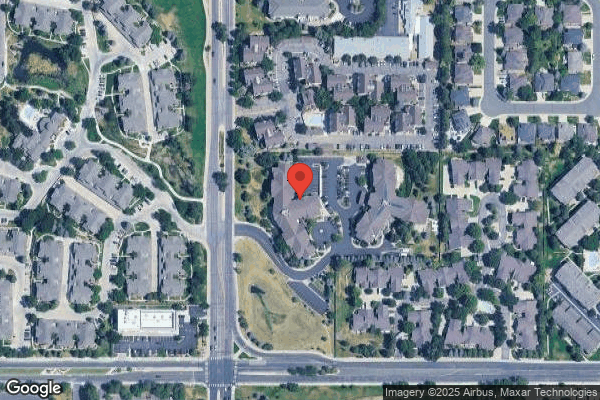
Jan 2024 1 deficiency
CONCERN (D) 📢 Someone Reported This

A family member, employee, or ombudsman was alarmed enough to file a formal complaint

Potential for Harm - no one hurt, but risky conditions existed

Infection Control (Tag F0880)

Could have caused harm · This affected 1 resident

Based on observations and interviews, the facility failed to maintain an infection control program designed to provide a safe, sanitary, and comfortable environment to help prevent the development and...

Read full inspector narrative →
Based on observations and interviews, the facility failed to maintain an infection control program designed to provide a safe, sanitary, and comfortable environment to help prevent the development and transmission of diseases and infection for one of two resident rooms. Specifically, the facility failed to wear appropriate personal protective equipment (PPE) in a resident room was symptomatic and positive for influenza. Findings include: I. Professional reference According to the Center for Disease Control (CDC), Prevention Strategies for Seasonal Influenza in Healthcare Settings retrieved on 1/30/24 from: https://www.cdc.gov/flu/professionals/infectioncontrol/healthcaresettings.htm (reviewed 5/13/21) revealed in pertinent part, Adhere to droplet precautions: droplet precautions should be implemented for patients with suspected or confirmed influenza for seven days after illness onset or until 24 hours after the resolution of fever and respiratory symptoms, whichever is longer, while a patient is in a healthcare facility. II. Facility policy and procedure The Isolation Precautions Competency policy, revised September 2023, was provided by the director of nursing (DON) on 1/30/24 at 12:06 p.m. It revealed in part: Personal protective equipment (PPE) for droplet transmission (influenza) include surgical mask, gloves, faceshield and gown when providing direct care contact with symptomatic/confirmed positive residents. III. Observations On 1/30/24 at 10:16 a.m. certified nursing aide (CNA) #1 was seen entering a resident room had a droplet precaution sign on the door. -The sign failed to have use of a gown included in the required PPE and there were two residents who were symptomatic and positive for influenza. She donned a surgical mask, face shield and gloves but did not put on the surgical gown. When CNA #1 left the room she went to the unit manager to ask about what PPE was appropriate for residents on droplet precautions. IV. Staff interviews CNA #1 was interviewed on 1/30/24 at 10:25 a.m. She said she was following the directions on the sign on the door and was not sure if she should wear a gown when entering a resident's room who had droplet precautions in isolation. She said the residents residing in the room had been in the facility for six days and were still experiencing a cough. The infection preventionist (IP) was interviewed on 1/30/24 at 12:01 p.m. She said the facility used specific infection control policies that were more stringent than the CDC. She said all staff were to be trained on those policies and follow them when engaging with residents who had infection control concerns. The director of nursing (DON) was interviewed on 1/30/24 at 2:03 p.m. She said all care staff were to follow specific infection control measures. She said any care provided to residents on droplet precautions should include donning a surgical mask, face shield, gloves and surgical gown. She said all PPE should be donned before entering a resident room and doffed when exiting the room. She said all infection control signs in the facility would be updated with all specific procedures for residents on droplet precautions.
Dec 2022 3 deficiencies
CONCERN (D)

Potential for Harm - no one hurt, but risky conditions existed

Deficiency F0561 (Tag F0561)

Could have caused harm · This affected 1 resident

**NOTE- TERMS IN BRACKETS HAVE BEEN EDITED TO PROTECT CONFIDENTIALITY** Based on observations, interviews, and record review, the facility failed to ensure the residents' right to make choices about a...

Read full inspector narrative →
**NOTE- TERMS IN BRACKETS HAVE BEEN EDITED TO PROTECT CONFIDENTIALITY** Based on observations, interviews, and record review, the facility failed to ensure the residents' right to make choices about aspects of their lives in the facility that were significant to them for two (#164 and #33) out of five residents reviewed for bathing preferences out of 26 sample residents. Specifically, the facility failed to provide consistent showers for Resident #164 and Resident #33 according to their preferences and routine shower schedules. Findings include: I. Facility policy The Supporting Activities of Daily Living policy, dated March 2018, was provided by the director of nursing (DON) on 12/21/22 at 1:30 p.m. It revealed in pertinent part: Residents should be provided with care, treatment and services as appropriate to maintain or improve their ability to carry out activities of daily living (ADLs). Residents who are unable to carry out activities of daily living independently should receive the services necessary to maintain good nutrition, grooming, personal and oral hygiene. Appropriate care and services should be provided by residents who are unable to carry out ADLs independently, with the consent of the resident and/or resident representative and in accordance with the plan of care, including appropriate support and assistance with: Hygiene (bathing, dressing, grooming, and oral care); Interventions to improve or minimize a resident's functional abilities should be in accordance with the resident's assessed needs, preferences, stated goals, and recognized standards of practices. II. Resident #164 A. Resident status Resident #164, age [AGE], was admitted on [DATE]. According to the December 2022 computerized physician orders (CPO), the diagnoses included type two diabetes mellitus, vascular dementia with mood disturbance, major depressive disorder, and hypertension (high blood pressure). The 10/31/22 minimum data set (MDS) assessment revealed the resident was not interviewed (in section C) for cognitive impairment with a brief interview for mental status score (BIMS). The resident had clear speech, understood others, and was able to express her ideas and wants. She required extensive assistance with transfers, locomotion on the unit, dressing, eating, toilet use, and personal hygiene. She was dependent on staff for bathing. B. Observations On 12/19/22 at 3:00 p.m., on 12/20/22 at 2:00 p.m., and on 12/21/22 at 10:03 a.m. the resident was observed in her bed on all three days. Her long gray hair looked unkempt, uncombed and greasy, and she was in a hospital gown during all three observations. On 12/19/22 at 3:00 pm. a shower schedule was attached to the resident's armoire (a wardrobe cabinet) in her room. The schedule was on a 8 ½ x 11 piece of white paper with black writing which revealed the resident's shower days were Wednesday and Saturday. C. Resident interviews Resident #164 was interviewed on 12/19/22 at 3:00 p.m. She said, I don't get showers here at the facility, and definitely not on the days I ask for them. It just doesn't happen here. She said she was to receive her showers on Wednesdays and Saturdays. She said when a shower day was missed the facility staff did not offer to provide a shower on a different day. The resident was interviewed again on 12/20/22 at 2:00 p.m. shortly after the EMR documented she refused her shower on 12/20/22 at 1:11 p.m. (see record review below). She said, Look at me, do I look like I have had a shower? She said she had never refused a shower. She said, No one came in today to offer me a shower. She said she was not sure when she would get a shower. She said the staff do not ask her if she would like a shower. She said she was too shy to ask the staff to give her a shower. The resident was interviewed again on 12/21/22 at 10:03 p.m. She said she would never want a bed bath. She said she would always prefer to receive a shower. She said she cannot get out of bed without staff helping her. She said she did not receive a shower yesterday because no one offered her a shower. D. Record review The comprehensive care plan dated 10/25/22 revealed the resident required staff assistance with bathing and showering. The shower task documentation of a 30 day lookback in the EMRs from 11/19/22 through 12/20/22 revealed the following: -On Tuesday 11/22/22 the EMR revealed the activity (shower) did not occur. The record did not reveal if the resident was offered or if the resident refused a shower. -On Thursday 11/24/22 the resident received a bed bath. -On Thursday 11/29/22 the resident received a bed bath. -On Friday 12/9/22 the resident refused a shower. -On Tuesday 12/13/22 the resident refused a shower. -On Wednesday 12/14/22 the resident received a shower. -On 12/16/22 the resident refused a shower. -On 12/20/22 at 1:11 p.m. the documentation revealed the resident refused a shower when she was offered. (The resident's interview above on 12/20/22 at 2:00 p.m. revealed she said she was not offered a shower on 12/20/22) III. Resident #33 A. Resident status Resident #33, age [AGE], was admitted on [DATE]. According to the December 2022 computerized physician orders (CPO), the diagnoses included chronic obstructive pulmonary disease (COPD), peripheral vascular disease, unspecified dementia without behavioral disturbances, age related osteoporosis, stage three chronic kidney disease, and major depressive disorder. The 10/17/22 minimum data set (MDS) assessment revealed the resident had moderate cognitive impairment with a brief interview for mental status (BIMS) score of 12 out of 15. She required extensive assistance with locomotion off the unit, and toilet use. She required limited assistance with bed mobility, transfers, locomotion on the unit, dressing, and personal hygiene. The resident required physical help with transfers only with bathing. The resident did not reject care from staff. B. Observation On 12/19/22 at 1:10 pm. a shower schedule was attached to the resident's armoire (a wardrobe cabinet) in her room. The schedule was on a 8 ½ x 11 piece of white paper with black writing which revealed the resident's shower days were Wednesday and Saturday. C. Resident interview Resident #33 was interviewed on 12/19/22 at 1:10 p.m. She said showers were not given to her at all by the facility staff. She said the facility did not provide showers on Wednesday and Saturday which were the days she should receive her showers. She said the facility staff did not offer or provide showers on any other days of the week either. She said the staff do not ask her if she would like a shower. She said she could only remember refusing a shower one time about a month ago. She said staff did not offer her a shower last Saturday 12/17/22. (The record below documented she refused her shower on 12/17/22.) D. Record review The comprehensive care plan revised on 9/15/22 revealed in pertinent part that the resident required a one person staff assistance for her shower. The director of nursing (DON) on 12/21/22 at 2:46 p.m. provided the shower task documentation of a 30 day lookback in the EMRs from 11/19/22 through 12/20/22 which revealed the following: -On Saturday 11/19/22 the resident refused a shower. -On Saturday 11/26/22 the resident refused a shower. -On Wednesday 12/10/22 the resident refused a shower. -On Saturday 12/17/22 the resident refused a shower. (The resident said in interview above that the facility staff did not offer her a shower on that day) -The resident received a shower on 11/26/22 and 12/14/22. IV. Staff interviews Licensed practical nurse (LPN) #1 was interviewed on 12/21/22 at 12:00 p.m. He said each resident had a sign in their room which revealed which shower days they preferred. He said the certified nurse aides (CNAs) were to read the signs and offer showers on the resident's preferred days. He said if a resident refused a shower the CNAs would tell a nurse on that unit or the nurse manager of the floor that a resident refused their shower. He said when a resident refused a bath or a shower he did not know which other days would be offered for a shower instead. CNA #1 was interviewed on 12/21/22 at 12:06 p.m. She said the residents had signs in their rooms with their preferred shower days written on them. She said the CNAs look at the signs as well as read a red notebook marked for showers at the nurse's station. She showed the red shower book and said each resident had a tab with their name on it. She said each week a new sheet of paper for each resident was placed in the shower book on Mondays. She said after the tab a piece of paper had the resident's name and their preferred shower days. She said when a resident refused a shower the CNAs were to ask more than one time on that day and record how many times the resident refused. She said when a resident refused their showers on their shower day the CNAs were to write on the following day the resident's name to be added to the next day's shower list. She said if a resident refused a shower on Wednesday she would mark their refusal in the EMR. She said the next day, Thursday, the resident would have a shower or a refusal of a shower documented in the EMR also. -On 12/21/22 at 1:18 p.m. LPN #1 provided a copy of the daily shower sheets instructions from the red shower notebook which revealed in pertinent part: Please review daily to ensure that all the residents assigned to have showers are completed. If you have a refusal for a shower, attempt to ask twice, also have your nurse ask the resident. After three refusals, document on the shower sheet and in the EMRs (brand name). Remind your nurse to document as well. Place any resident that does not have their scheduled shower on the add on list for the next day. -The red shower notebook listed Resident #164 and Resident #33 were to receive their showers on Wednesday and Saturday on the day shift. The DON was interviewed on 12/21/22 at 1:47 p.m. She said when a resident was admitted into the facility they were given an assigned shower day based on even or odd room numbers. She said the resident was also given a preference of any day during the week to receive their showers. She said normally a CNA told a resident today was their shower day. She said if a resident refused their shower they were to be asked multiple times if they would like a shower. She said if the resident continued to refuse a shower they were to be told by the CNA that they (the resident) would be asked again tomorrow if they would like a shower. She said all showers and refusals of showers are documented in the EMRs. She said if a resident continued to refuse their showers then the management would be notified, and the facility management would investigate further as to why a resident kept refusing. She said it was unacceptable that Resident #164 and Resident #33 had not received their showers or were not offered showers on a different day if they refused. She said she would educate the staff on showers. She said she would look into the EMRs to investigate what staff gave the two residents showers as well as what staff marked that the residents refused their showers. She said it should not have happened that the residents were not provided showers. She said she would fix the situation for the residents to receive their showers as they preferred. She said she would also make sure both Resident #164 and Resident #33 were offered showers today. She said she will educate staff about Resident #164's preference for a shower and not a bed bath.
CONCERN (D)

Potential for Harm - no one hurt, but risky conditions existed

Pressure Ulcer Prevention (Tag F0686)

Could have caused harm · This affected 1 resident

**NOTE- TERMS IN BRACKETS HAVE BEEN EDITED TO PROTECT CONFIDENTIALITY** Based on observations, record review and interviews the facility failed to ensure one (#55) of two residents reviewed for pressu...

Read full inspector narrative →
**NOTE- TERMS IN BRACKETS HAVE BEEN EDITED TO PROTECT CONFIDENTIALITY** Based on observations, record review and interviews the facility failed to ensure one (#55) of two residents reviewed for pressure injuries received care and services, consistent with professional standards of practice, to prevent development and promote healing of pressure injuries, out of 26 sample residents. Specifically, the facility failed to: -Ensure Resident #55's Prevalon (offloading) boots were in place; and, -Implement interventions (Prevalon boots and air mattress) to Resident #55's care plan to promote wound healing. Findings include: I. Professional reference According to the National Pressure Ulcer Advisory Panel, European Pressure Ulcer Advisory Panel and Pan Pacific Pressure Injury Alliance Prevention and Treatment of Pressure Ulcers: Clinical Practice Guideline, [NAME] Haesler (Ed.), Cambridge Media: [NAME] Park, Western Australia; 2014, retrieved from https://www.ehob.com/media/2018/04/prevention-and-treatment-of-pressure-ulcers-clinical-practice-guidline.pdf on 1/4/23, pressure ulcer classification is as follows: Suspected Deep Tissue Injury: Depth Unknown Purple or maroon localized area of discolored intact skin or blood-filled blister due to damage of underlying soft tissue from pressure and/or shear. The area may be preceded by tissue that is painful, firm, mushy, boggy, warmer or cooler as compared to adjacent tissue. Deep tissue injury may be difficult to detect in individuals with dark skin tones. Evolution may include a thin blister over a dark wound bed. The wound may further evolve and become covered by thin eschar. Evolution may be rapid, exposing additional layers of tissue even with optimal treatment. Skin assessment is crucial in pressure ulcer prevention because skin status is identified as a significant risk factor for pressure ulcer development. The skin can serve as an indicator of early pressure damage. Skin and tissue assessment underpins the selection and evaluation of appropriate preventive interventions. Repositioning to Prevent and Treat Heel Pressure Ulcers Heel pressure ulcers are a challenge to prevent and manage. The small surface area of the heel is covered by a small volume of subcutaneous tissue that can be exposed to high mechanical load in individuals on bedrest. It is important to conduct regular inspection and correct positioning in order to relieve heel pressure while avoiding potential complications such as Achilles tendon damage, foot drop and deep vein thrombosis (DVT). II. Facility policy and procedure The Sin Observation and Wound Prevention protocol, updated October 2022, was provided by the director of nursing (DON) on 12/21/22 at 1:30 p.m. It read in pertinent part, Update plan of care with each intervention. Update care plan at the time of new in-house pressure injury/ulcer or skin integrity issues, when identified and/or change of condition is identified. IDT (interdisciplinary team) to discuss interventions and/or new interventions and recommendations during collaborative care review. III. Resident status A. Resident #55 Resident #55, age [AGE], was admitted on [DATE]. The December 2022 computerized physicians orders (CPO) indicated diagnosis of fall risk, unspecified convulsions, cerebral infarction (stroke) affecting right side, lack of coordination and pressure induced tissue damage of left and right heel. The 11/15/22 minimum data set (MDS) assessment revealed the resident was severely cognitively impaired and could not be understood by others nor understand others.Resident #55 required extensive two-person assistance with bed mobility, transfers, dressing, toilet use and personal hygiene. The 11/15/22 MDS assessment indicated the resident was at risk for development of pressure ulcers, there was one deep tissue injury to the left heel noted upon admission to the facility. B. Observations A continuous observation of Resident #55 on 12/19/22 from 3:00 p.m. to 4:30 p.m. revealed the resident was lying in bed. He was not wearing his Prevalon boots. A continuous observation of Resident #55 on 12/20/22 from 10:00 a.m. to 1:00 p.m. revealed the resident was lying in his bed. He was not wearing his Prevalon boots. A continuous observation of Resident #55 on 12/21/22 from 2:00 p.m. to 3:30 p.m. revealed the resident was lying in his bed. He was not wearing his Prevalon boots. -At 5:45 p.m. Resident #55 was lying in his bed and he was wearing his Prevalon boots. The director of nursing (DON) was observed providing wound care to Resident #55's right heel on 12/21/22 at 4:30 p.m. The DON performed hand hygiene and then removed bandage from the right heel of Resident #55 to expose the right heel. The area was red (not blanchable) and dry around the wound area. There were no clearly defined wound edges or slough. The wound measures 5 centimeters long and 3 centimeters wide. The DON classified the wound as a deep tissue injury. She said the wound had worsened that week. The DON did not provide wound care to the resident's left heel. She said although the wound was not healed, it was improving. C. Record review 1. Care Plan The care plan, initiated on 11/7/22 indicated Resident #55 was admitted to the facility on [DATE] with a severe deep tissue injury(SDTI) to the left heel. Interventions were low air loss (LAL) air mattress (added 12/20/22), occupational therapist (OT) to evaluate and treat the resident; and Prevalon boots (added 12/7/22). The wound that developed on 12/7/22 to Resident #55's right heel was not listed on the resident's care plan. 2. Physicians Orders Review of the December 2022 CPO revealed the following orders: -12/16/22 clean the left heel with betadine and apply a foam pad dressing; -12/20/22 Prevalon boots while in bed as the resident tolerates; and, -12/20/22 Pressure redistribution mattress, low air loss, check to see that mattress is functioning properly on each shift. Review of the treatment administration records(TAR) for December 2022 revealed orders for skin prep to both heels every shift for heel protection start date 12/7/22 and discontinue date 12/20/22; and Prevalon boots every shift for heel prevention start date 12/7/22 and discontinue date 12/20/22. 3. Wound tracker Wound tracker note dated 12/7/22 indicated a deep tissue injury on the right heel with measurements of 2 centimeters by 2 centimeters by 0 centimeters. This wound was identified on 12/7/22. The measurements for the left heel were 3 centimeters by 2 centimeters by 0 centimeters. The left heel DTI was present on admission on [DATE]. The note indicated the healing of the wound was delayed by impaired mobility and aging. It was documented the resident needed offloading boots. The wound tracker note dated 12/14/22 revealed a deep tissue injury on the right heel with the measurements of 2 centimeters, by 2 centimeters, by 0 centimeters. The form did not reveal if the wound had gotten better or worse. The measurements for the left heel were 3 centimeters by 2 centimeters by 0 centimeters. The note indicated that wound healing was delayed by impaired mobility, and aging. The wound tracker note dated 12/21/22 indicated a deep tissue injury on the right heel of Resident #55. The measurements for the wound were 5 centimeters by 4 centimeters by 0. Preventative measures were listed as air mattress, offloading heels, wheelchair cushion and placed in care plan. The condition of the wound was classified as worse than last week on 12/14/22. The notes indicated the delay in healing contributed by limited mobility, and aging. The wound tracker dated 12/21/22 for the left heel indicated a deep tissue injury with measurements of 2.7 centimeters by 2 centimeters by 0.1 centimeters. The condition of the wound was classified as better than last week on 12/14/22. D. Interviews The DON was interviewed on 12/21/22 at 3:45 p.m. She said Resident #55 had a deep tissue injury on his right heel and on his left heel. She said interventions for this injury were air mattress, floating boots, and frequent skin checks. She said the injury to Resident #55's right heel was not in the care plan. She said the deep tissue injury on the right heel was acquired after admission.The deep tissue injury on the left heel was present upon admission.She said any change of condition should be implemented in the care plan right away. She said the Prevalon boots were implemented on 12/7/22 and the resident should have had them on during the observations above. Certified nurse aide (CNA) #3 was interviewed on 12/21/22 at 4:00 p.m. She said she worked with Resident #55 on the restorative program. She said the resident had deep tissue pressure injuries on the left heel and on the right heel. She said it is part of her job to remind the CNAs to put the Prevalon boots on Resident #55 when he was assisted to bed.
CONCERN (D)

Potential for Harm - no one hurt, but risky conditions existed

Deficiency F0698 (Tag F0698)

Could have caused harm · This affected 1 resident

**NOTE- TERMS IN BRACKETS HAVE BEEN EDITED TO PROTECT CONFIDENTIALITY** Based on observations, record review and interviews, the facility failed ensure ongoing assessment of the resident's condition b...

Read full inspector narrative →
**NOTE- TERMS IN BRACKETS HAVE BEEN EDITED TO PROTECT CONFIDENTIALITY** Based on observations, record review and interviews, the facility failed ensure ongoing assessment of the resident's condition by monitoring for complications before and after dialysis treatments for one (#60) out of one resident reviewed for hemodialysis of 26 sample residents. Specifically, the facility failed to ensure for Resident #60: -The facility received ongoing communication and collaboration with the dialysis facility regarding the dialysis care and services; -Facility staff completed the pre and post dialysis communication forms for seven out of eleven dialysis treatments; -Documentation in the medical record was consistent with pre and post dialysis condition and weight measurements; and, -Evaluate the resident's response to the dialysis session. Findings include: I. Facility policy The Dialysis Care policy, revised December 2015, was provided by the director of nurses (DON) on 12/21/22 at 1:30 p.m. The policy read in pertinent part, provide nursing care that maintains the patency of arteriovenous shunt (a catheter that connects from hemodialysis access point to a major artery) to prevent complications and identifies specific measures to be followed if complications occur. General guidelines were to protect the extremity where the shunt is located, it is important to prevent stress or tension which can cause irritation to the cannula-blood vessel connection. Pressure above or below the extremity should be avoided. This would include evaluating if restrictive clothing or dressing or prolonged bending is occurring. Routine shunt care: -inspect total shunt site for color, warmth, redness, edema, and drainage once per shift; -routinely check shunt site for a bruit (swooshing sound) once per shift; -record the date, time, shunt catheter site condition, as well as patency pre and post dialysis, and shunt or central line care in the medical record; -check the resident's weight pre and post dialysis, which may be provided by the dialysis center. III. Resident status A. Resident #60 Resident #60, age [AGE], was admitted on [DATE]. According to the December 2022 computerized physician orders (CPO) diagnoses included end stage renal disease and dependence on dialysis. The 11/24/22 minimum data set (MDS) assessment revealed that the resident had no cognitive impairment with a score of 15 out of 15 on the brief interview for mental status (BIMS) assessment. The resident required assistance from staff to complete activities of daily living (ADL) including extensive assistance for bed mobility, transfers, dressing, toilet use, and personal hygiene, and limited assistance from staff to walk in the room and corridor. The resident was admitted to the facility with a hemodialysis shunt and required hemodialysis three times a week. B. Observations On 12/21/22 at 8:55 a.m., the resident had a tube exiting the top of his gown. He stated the tube was his dialysis shunt that was inserted into his right chest. The resident stated his dialysis treatments were completed as scheduled and after the treatments he returned to the facility feeling tired. He stated the facility nurses checked his shunt site sometimes after dialysis and thought the site was checked at least once a day. C. Record review The December 2022 CPO directed: -Dialysis Mondays, Wednesdays, and Fridays at 12:15 p.m; -Dialysis pre-treatment and post-treatment dialysis form should be completed with each Dialysis; and, -Monitor the arteriovenous shunt site for warmth, redness, tenderness, edema on every shift, check for bruit every shift. The 11/18/22 CPO for monthly weight was initiated at admission. -Although, the facility policy for caring for a resident on hemodialysis indicated the resident weight should be recorded pre and post dialysis (see above). -A review of the resident's vital sign information, indicated daily weights began on 12/9/22 but did not differentiate if the recorded weight was pre or post dialysis and also was initiated three weeks after his admission. The 11/23/22 nurses progress note the general documented the dialysis for post treatment, the nurse was unable to get the dialysis form, unable to locate pre and post assessment form. The care plan was updated on 12/6/22 identified the resident had renal fissure and went out of the facility for hemodialysis. Interventions included: -keep dialysis site clean and dry, monitor for redness, swelling, or draining; -report abnormalities to physician, monitor for edema, shortness of breath, chest pain, increased blood pressure as they may indicate fluid overload; -report abnormalities to physician, monitor shunt for signs and symptoms of poor circulation as evidenced by decrease in bruit and thrill; -no B/P (blood pressure), IVs (intravenous fluids), injections, venipuncture, or restrictive clothing to arm with AV (arteriovenous) fistula, vital signs as ordered and report abnormalities to physician. -The care plan for the hemodialysis failed to include assessment of the resident's weight pre and post dialysis, and completing a pre and post dialysis assessment. A review of the electronic record revealed there were no daily nursing assessments for 12/9/22 on a dialysis day. The dialysis communication binder was reviewed with registered nurse (RN) #3 revealed the pre and post dialysis form was not located for 11/21, 11/23, 11/25, 12/2, 12/5, 12/7, 12/9, and 12/16/22. IV. Staff interviews RN #3 was interviewed on 12/21/22 at 12:50 p.m. RN #3 said the pre dialysis communication form was completed prior to the resident's departure to the dialysis center. The communication form was a means to communicate with the dialysis center on how the resident was doing and to include any changes. RN #3 stated the resident's dialysis binder would travel with the resident to the dialysis provider. The dialysis provider reviewed the pre dialysis information and then recorded on the post communication form how the session went. The RN confirmed the dialysis provider did not always send the communication form back. The DON was interviewed on 12/21/22 at 2:55 p.m. The DON reviewed the resident's record including the dialysis communication binder. She confirmed the post dialysis information was not present, and said it had been difficult to obtain post dialysis information from the treatment center because the pre and post communication form was sometimes not returned to the facility. The DON stated when the form was not returned or was incomplete the facility nurse should contact the dialysis center and request the post dialysis information. The DON stated when the post dialysis information remained unavailable, the nurse should complete an assessment according to the facility dialysis policy and document that assessment in the resident's medication record. She said it was important to receive the communication as the dialysis provider may include recommendations for care and treatment. The DON stated the communication form was used to monitor patient status and response to dialysis and to communicate recommendations between providers. When the form was completed and available, the facility nurse was expected to review and follow up accordingly with any new information.
Aug 2021 7 deficiencies
CONCERN (D)

Potential for Harm - no one hurt, but risky conditions existed

Notification of Changes (Tag F0580)

Could have caused harm · This affected 1 resident

Based on observations, record review, and interviews, the facility failed to ensure physician notification for two (Residents #35 and #41) of two residents out of 30 sample residents reviewed for late...

Read full inspector narrative →
Based on observations, record review, and interviews, the facility failed to ensure physician notification for two (Residents #35 and #41) of two residents out of 30 sample residents reviewed for late medication administration. Specifically the facility failed to: -Ensure the physician was notified of medications administered more than 60 minutes past the scheduled administration times over a two month period for Residents #35 and #41. Findings include: I. Resident #35 Review of Resident #35s medical record and medication administration record (MAR) for July and August 2021 revealed 29 instances of her thyroid hormone medication being given more than 60 minutes after the scheduled administration time and there was no documentation that the physician had been notified. II. Resident #41 Review of Resident #41s medical record and MAR for July and August 2021 revealed 59 instances of her hypotension medication and her antidepressant being given more than 60 minutes after the scheduled administration time and 46 instances of her thyroid hormone medication being given more than 60 minutes after the scheduled administration time. There was no documentation that the physician had been notified. Both Residents #35 and #41 were observed to be given their medications late during medication administrations during the survey. Cross-reference F 759 for medication errors. III. Director of nursing (DON) interview The DON was interviewed on 8/30/21 at 1:27 p.m. She said medications that were scheduled for a specific time were to be given up to an hour before to an hour after the scheduled time. After that time frame they were considered late. The physician should be contacted if medications were administered late and if the resident requested medications be given at a certain time, the physician should be notified as well. She said the physicians were responsible for entering the resident medication orders and times of administration into the computer and sometimes the administration times got overlooked and were not corrected. She said the nurses should have recognized the medications had been given late for quite some time and they should have contacted the physician to request an adjustment to the scheduled administration time. She said they would need to re-educate the physicians on medication entry orders as well. She acknowledged there was no nursing documentation indicating the physician was notified of the numerous times the medications had been given late.
CONCERN (D)

Potential for Harm - no one hurt, but risky conditions existed

Incontinence Care (Tag F0690)

Could have caused harm · This affected 1 resident

**NOTE- TERMS IN BRACKETS HAVE BEEN EDITED TO PROTECT CONFIDENTIALITY** Based on record review and interviews, the facility failed to ensure residents with indwelling catheters received the appropriat...

Read full inspector narrative →
**NOTE- TERMS IN BRACKETS HAVE BEEN EDITED TO PROTECT CONFIDENTIALITY** Based on record review and interviews, the facility failed to ensure residents with indwelling catheters received the appropriate care and services according to professional standards for two (#23 and #26) of three residents reviewed for catheters of 30 sample residents. Specifically, the facility failed to: -Obtain physician orders for catheter use and maintenance for Resident #26; and -Ensure Resident #23 was assessed by the facility upon admission for appropriate catheter use and treatment needs; had a physician's order for the catheter; and had a person centered care plan to address all care needs related to the resident indwelling catheter. Findings include: I. Facility policy and procedure The Urinary Catheter Care policy, last revised October 2016, was provided by the director of nursing (DON) on 8/30/21 at 2:45 p.m. The purpose of the policy was to prevent infection of the resident's urinary tract. The policy also revealed the residents medical record should include: -The date catheter care was given; -Drainage, redness, bleeding, irritation, crusting, or pain at the meatus; and, -How the resident tolerated the procedure. The Comprehensive Care Plan policy, revised August 2009, was provided by DON on 8/30/21 at 2:45 p.m., it read in part: The comprehensive care Plan will describe treatments and services to assist the resident to attain or maintain the highest level of physical, mental and psychosocial wellbeing. Each resident's comprehensive care plan will describe: -The resident's goals for care and desired outcomes; -Identified resident issues, conditions, risk factors and safety issues; -The resident's unique characteristics and strengths; -The resident's desires regarding care treatment; -Person centered measurable objectives and timeframes that will be used to evaluate progress toward goals; . -Appropriated interdisciplinary approaches to care plan development to improve the Resident's functional abilities; -Reflect currently recognized standards of practice for problem areas and conditions; -Will aid in preventing or reducing declines in the resident's function status or functional Levels. The resident's comprehensive care plan will be developed within seven (7) days of the completion of the resident's comprehensive minimum data set (MDS) assessment in accordance with the Centers for Medicaid and Medicare services resident assessment instrument (CMS RAI) completion guidelines. Information from the Interim Care plan will be incorporated into the Comprehensive Care Plan, as appropriate. II. Resident #26 A. Resident status Resident #26, age [AGE], was admitted on [DATE]. According to the August 2021 computerized physician orders (CPO), the diagnoses included benign prostatic hyperplasia without lower urinary tract symptoms and bladder neck obstruction. The 7/14/21 minimum data set (MDS) assessment revealed, the resident had moderate cognitive impairment with a brief interview for mental status score (BIMS) of 11 out of 15. He required extensive assistance with bed mobility, transfers, dressing, and personal hygiene. He had an indwelling catheter. B. Record review The care plan, initiated 7/26/21, revealed the resident had an indwelling catheter related to bladder neck obstruction. Interventions included: -Catheter care per policy; -Change catheter as ordered per physician; and, -Monitor/document for pain/discomfort due to catheter. Review of the resident's physician orders revealed there were no orders for the use of the catheter. Review of the August 2021 treatment administration record (TAR) revealed there were no orders for catheter care or monitoring. C. Staff interviews Certified nurse aide (CNA) #3 was interviewed on 8/30/21 at 10:36 a.m. She said she did not know if Resident #26 had a catheter or not because he was new to the unit and was currently out of the facility for an appointment. She said CNAs were responsible for providing catheter care. The unit manager (UM) was interviewed on 8/30/21 at 10:40 a.m. She reviewed Resident #26's CPO and acknowledged he did not have an order for the catheter use nor catheter care. She said a physician order should have been in place for the catheter use, the catheter output and catheter care. She said catheter care should be performed every shift for infection prevention by the nurse. She said she would immediately call the physician and get an order. The infection preventionist (IP) was interviewed on 8/30/21 at 10:48 a.m. She said Resident #26 was admitted with a catheter because of blood in his urine. She acknowledged a catheter order was not in place. She said a nurse needed a physician order to perform catheter care. She said catheter care should have been done every shift to prevent infections. III. Resident #23 A. Resident status Resident #23, age [AGE], was admitted on [DATE]. According to the August 2021 computerized physician orders (CPO), diagnoses included benign prostatic hyperplasia without lower urinary tract symptoms, paroxysmal atrial fibrillation dysphagia (difficulty swallowing) following a cerebral infection (stroke) and congestive heart failure. The 7/16/21 admission minimum data set (MDS) assessment revealed the resident had moderately impaired cognition as evidenced by a brief interview for mental status (BIMS) score of 12 out of 15. The resident did not reject care but had behavioral symptoms not directed towards others. These behaviors did not put the resident at significant risk for physical injury; did not interfere with daily activities or care needs; and did not affect others in the community. The resident required extensive assistance from two staff for bed mobility, transfers, toileting, bathing, and for locomotion on and off the unit. The MDS indicated he had an indwelling catheter; was frequently incontinent of bowel; and was not on any type toileting/bowel management program. B. Record review The August 2021 CPO included: -Flomax Capsule 0.4 milligrams (mg) (Tamsulosin HCl); give one capsule by mouth one time a day related to benign prostatic hyperplasia without lower urinary tract symptoms; started 7/20/21. -Finasteride tablet 5 mg, give one tablet by mouth at bedtime related to benign prostatic hyperplasia without lower urinary tract symptoms; started 7/11/21. -Contact isolation for methicillin-resistant staphylococcus aureus (MRSA) in urine. Precautions every shift; start 7/12/21. -Catheter care for indwelling catheter. Cleanse area every shift monitor for redness, irritation, swelling, signs and symptoms of urinary tract infection (UTI); start 8/6/21. -Change Foley bag and tubing as needed for Foley bag change; start 8/6/21. -Catheter bag to gravity drainage below level of bladder, no directions specified for order. -Leg bag, as needed, no directions specified for order. -Apply a dignity bag. -Check for placement each shift; start 8/6/21. There was no specific physician's order for the catheter related to type and size of catheter and diagnosis for catheter use. The comprehensive care plan, initiated 7/12/21 and last revised 8/2/21 failed to document a care plan focus, goals for use, or interventions for the resident placed indwelling catheter. The initial interim care plan dated 7/11/21 documented the resident had problems with urinary incontinence and had an indwelling catheter. It read: The resident has (Specify: Condom/Intermittent/Indwelling Suprapubic) Catheter related to -The above copy and pasted sentence was not finished and the type of catheter was not specified; the assessor left all types of catheter after the specified field. Goal: The resident will show no signs of symptoms of urinary infection through the review date. Intervention: catheter care per policy. Change catheter as ordered per medical doctors (MD) orders. -There were no orders for the type and size catheter. Intervention: Secure catheter to reduce friction. Task: Resident has a Foley catheter. Position catheter bag and tubing below the level of the bladder. The Nursing admission Data Collection – Bladder assessment dated [DATE], read in part: Onset, duration, precipitating event, previous treatment: Resident is currently continent (to have sufficient voluntary control over urination) of bladder? Yes. Monitor resident for risk factors for urinary incontinence: None. There rest of the assessment was left blank, with no assessment related to the appropriateness and care needs for the resident use of an indwelling catheter. The questions were: -Potentially reversible (transient) causes of urinary incontinence? -Contributing diagnosis /medical conditions -Medications that may be contributing to bladder dysfunction? -Review for residents with indwelling catheters? -Diagnosis for catheter? -Summary and program placement decision? Progress notes document: -Evaluation summary note dated 7/11/21 at 5:50 p.m., read: This a nursing admission note for Resident #23: resident is alert and oriented, able to make needs known, some confusion, admitted from the hospital with diagnosis of UTI, sepsis and history of MRSA in urine, so contact precaution. Resident has chronic Foley catheter, new changed on 7/6/21 . This medical information regarding the resident diagnosis of a UTI, sepsis, or MRSA in the urine was not care planned and not included in the initial care plan or in the comprehensive care plan. C. Resident interview and observations Resident #23 was interviewed on 8/25/21 at 10:05 a.m. Resident #23 was in his wheelchair his urinary drainage bag was lying on the floor. The resident was unaware of the placement of his urinary drainage bag. Resident #23 staff had been in to empty his catheter drainage bag this morning but had not done catheter care. D. Staff interviews Certified nurse aide (CNA) #4 was interviewed on 8/30/21 at 10:54 am. CNA #4 said the CNA were supposed to practice hand hygiene before and after performing catheter care. She said, upon starting her shift she conducted rounds she performed hand hygiene and then checked on the resident. She emptied his urinary drainage bag at the beginning of her shift, changed her gloves preformed hand hygiene, and preformed catheter care by wiping down the tubing with an alcohol swab. She said, catheter care was also done when the CNA assisted the resident with bathing or incontinent care after the resident had a bowel movement. She said, hand hygiene was very important before and after care with the resident. Resident #23 remained in bed most of the time so he usually used the large catheter bag, the bag was supposed to be secured off the floor. She said if a CNA had any concerns they were to notify the nurse. Licensed practical nurse (LPN) #4 was interviewed on 8/30/21 at 11:02 a.m. LPN #4 said if there was no specific time frame to change Resident #23 ' s catheter, the catheter would only be changed if it became blocked or the resident was in pain or distress and after assessment, it was determined the catheter needed to be changed. She said if the catheter needed to be changed, she would check to see what size catheter the resident was currently using and replace the catheter with the exact same size catheter. LPN #4 acknowledged there should be an order for the resident ' s catheter with the type of catheter, size of catheter and balloon inflation amount. LPN #4 looked into the resident CPO and was unable to find the order for the resident ' s catheter to include the type and size of catheter. LPN #4 said she could add an order into the residents medical record. I will check to see what size catheter the resident is currently using and add an order for that size catheter to the Resident #23 ' s CPO. LPN #4 said the floor nurse had responsibility to start the initial care plan based on admission-assessed needs and then the MDS coordinator was to check the resident intake paperwork and other medical documentation to create the comprehensive care plan to include all assessed care needs including the use of an indwelling catheter. The director of nursing (DON) was interviewed on 8/30/21 at 10:44 a.m. She said Resident #23 should have had an order and a comprehensive care plan for the indwelling catheter. The DON said she would check the resident records and make sure all necessary orders for the resident catheter and care plan focus were added to the resident ' s record. The DON was interviewed again on 8/30/21 at 11:13 a.m. She said all residents who have a catheter should have a physician order that included the size and indication for use. She said a physician order was also needed for the nurse to perform catheter care. She said catheter care was important to keep the resident free of infections.
CONCERN (D)

Potential for Harm - no one hurt, but risky conditions existed

Unnecessary Medications (Tag F0759)

Could have caused harm · This affected 1 resident

Based on observations, record review, and interviews, the facility failed to ensure it was free of a medication error rate of five percent (%) or greater. Specifically, the medication administration o...

Read full inspector narrative →
Based on observations, record review, and interviews, the facility failed to ensure it was free of a medication error rate of five percent (%) or greater. Specifically, the medication administration observation error rate was 19.23%, or five errors out of 26 opportunities for error as a result of an injectable medication for one (Resident #102) of four residents administered incorrectly and four medications administered more than 60 minutes past the scheduled administration times for two (Residents #35 and #41) of four residents who resided on one of four halls. Findings include: I. Facility policy/manufacturer's package insert The General Dose Preparation and Medication Administration policy, dated 12/1/07, revised 1/1/13, provided by the director of nursing (DON) on 8/30/21 at 2:45 p.m., read in pertinent part: -Prior to administration of medication facility staff should verify that it is the correct medication, at the correct dose, at the correct route, at the correct rate, at the correct time and for the correct resident. -Confirm that the medication administration record (MAR) reflects the most recent medication order. -If necessary, obtain vital signs. -Administer medications within timeframes specified by facility policy. -Follow manufacturer medication administration guidelines. -Document necessary medication administration information such as when medications are given, injection site of a medication and if medications are refused. The manufacturer's package insert instructions for Lovenox (anticoagulant) subcutaneous injection read in pertinent part: -Do not expel the air bubble from the prefilled syringes before the injection to avoid the loss of medication. II. Medication errors observations and interviews A. Resident #41 On 8/26/21 at 8:55 a.m. registered nurse (RN) #2 was observed preparing to administer medications to Resident #41 on the third floor. Three medications on the medication administration computer screen were colored red. The following medications were scheduled to be given at 7:00 a.m., Fludrocortisone Acetate 0.1 milligram (mg) (give three tablets) by mouth one time a day for hypotension. Levothyroxine 100 microgram (mcg) by mouth every day for hypothyroidism. Zoloft 75 mg by mouth one time a day for depression. RN #2 said the medications were considered late when the computer screen turns red. She said Resident #41 did not want to take those medications at 7:00 a.m. and she had told the nursing staff that she would take them around 9:00 a.m. She said it's always been that way with her because she generally doesn't get up until around 9:00 a.m. She acknowledged she did not notify the physician the medications were late. -Even thought RN#2 stated the resident usually gets up about 9:00 a.m. there was no documentation found the physician was notified of the resident's daily routine to make an adjustment in the administration time of her medications. B. Resident #35 On 8/26/21 at 9:00 a.m. RN #2 was observed preparing to administer medications to Resident #35. One medication on the medication administration computer screen was colored red. The following medication was scheduled to be given at 7:00 a.m., Levothyroxine 75 mg one time a day for hypothyroidism. RN #2 said the resident did not get up until 9:00 or 9:30 a.m. and she did not want to be awakened when this medication was due. She said it happens this way every day. She again did not acknowledge the physician had been notified of the resident receiving the medication late on numerous occasions. -Even thought RN#2 stated the resident usually gets up between 9:00 and 9:30 a.m., there was no documentation found the physician was notified of the resident's daily routine to make an adjustment in the administration time of her medications. Cross-reference F580 for failure to notify the physician of medications administered late for Resident #41 and #35. C. Resident #102 On 8/30/21 at 8:30 a.m. licensed practical nurse (LPN) #2 was observed administering medications to Resident #102. The resident had an order for Lovenox (anticoagulant) 30 mg subcutaneous (SQ) once daily. LPN #2 obtained the pre-filled syringe that contained the dosage the resident was to receive. She removed the rubber needle guard and expelled the air bubble from the syringe prior to administering the medication resulting in drops of the medication being expelled as well. -The correct dosage of medication to be administered was contained in the prefilled syringe. She was unaware the air bubble was to remain in the syringe during injection if the entire dose was to be given. III. Record review Review of the medication administration times for the facility revealed scheduling times of: -One time a day: 7:00 a.m. -At bedtime: 9:00 p.m. -Two times a day: 7:00 a.m.-11:00 a.m. and 6:00 p.m.-11:00 p.m. -Three times a day: 7:00 a.m., Noon, 5:00 p.m. -Four times a day: 7:00 a.m., Noon, 5:00 p.m., 9:00 p.m. -Five times a day: 7:00 a.m., 11:00 a.m., 2:00 p.m., 5:00 p.m., 9:00 p.m. -Before meals: 7:00 a.m., Noon, 5:00 p.m. -After meals: 8:30 a.m., 1:30 p.m., 6:30 p.m. -With meals: 7:30 a.m., 11:30 a.m., 5:30 p.m. The medical records of the above mentioned residents were reviewed for adverse side effects from receiving their medications late. None were noted to have any abnormal blood pressure readings, change in depression symptoms or physical symptoms of a change in thyroid hormone levels. IV. DON interview The DON was interviewed on 8/30/21 at 1:27 p.m. She said medications that were scheduled for a specific time were to be given up to an hour before to an hour after the scheduled time. After that time frame they were considered late. The physician should be contacted if medications were administered late and if the resident requested medications be given at a certain time, the physician should be notified as well. She said the physicians were responsible for entering the resident medication orders and times of administration into the computer and sometimes the administration times got overlooked and were not corrected. She said the nurses should have recognized the above medications had been given late for quite some time and they should have contacted the doctor to request an adjustment to the scheduled administration time. She said they would need to re-educate the physicians on medication entry orders as well.
CONCERN (D)

Potential for Harm - no one hurt, but risky conditions existed

Food Safety (Tag F0812)

Could have caused harm · This affected 1 resident

Based on observation, interviews and record review the facility failed to distribute and serve food in accordance with professional standards for food service safety for two of three meal services obs...

Read full inspector narrative →
Based on observation, interviews and record review the facility failed to distribute and serve food in accordance with professional standards for food service safety for two of three meal services observed during three separate meal times in two of two satellite kitchens observed. Specifically the facility failed to handle and serve food in a sanitary manner whereby the serving staff utilized proper personal hygiene practices when handling and plating ready-to-eat foods; in order to prevent contamination of food. Findings include: I. Professional standards According to the Colorado Retail Food Establishment Rules and Regulations (effective 1/1/19), retrieved online https://drive.google.com/file/d/18-uo0wlxj9xvOoT6Ai4x6ZMYIiuu2v1G/view, 9/7/21; read: If used, single-use gloves shall be used for only one task, such as working with ready-to-eat food. Single-use gloves shall be used for no other purpose, and discarded when damaged, when interruptions occur in the operation, or when the task is completed. Food employees shall clean their hands and exposed portions of their arms immediately before engaging in food preparation including working with exposed food, clean equipment and utensils, and unwrapped single-service and single-use articles and before handling or putting on single-use gloves for working with food, and between removing soiled gloves and putting on clean gloves. II. Facility policy and procedure The Serving Food policy, revised May 2010, was provided by the director of nursing (DON) on 8/30/21 at 2:45 p.m., it read: The Dining Services Management should ensure foods are served using clean and sanitized utensils. When utensils are not practical, certain foods may be served by first washing hands and then wearing approved food handling gloves. -All foods should be served with clean, sanitized utensils such as a scoop, spoodle spoon, tongs, ladle, etc. -If a food item needs to be picked up by hand, hands must be washed and an approved food handler's glove worn. -When gloves become soiled by touching soiled or dirty items, gloves must be removed, hands washed and new gloves put on. The Use of Gloves: Meal Service policy revised May 2010, was provided by the director of nursing (DON) on 8/30/21 at 2:45 p.m., it read: Single use, approved food handlers gloves shall be used for only one task such as working with ready-to-eat food or with raw animal food, used for no other purpose, and discarded when damaged or soiled, or when interruptions occur in the operation. III. Observations Lunch service was observed on the second floor on 8/31/21 from 11:55 a.m. to 12:30 p.m. Dining services worker (DSW) #2 was observed plating food on the second floor satellite kitchen. DSW#2 wore gloves throughout the service; touching scoop and tong handles, meal ticket orders that were present to the kitchen from staff who went room to room with the meal tickets prior to the meal service taking resident meal orders. The meal tickets, regular sheets of paper, had been handled by multiple staff prior to presenting to the DSW. The meal tickets were placed on several surfaces including the counter outside the kitchen and on the serving window before ending up in the kitchen where the server picked up each with the same gloved hand she was serving residents ready-to-eat foods with. DSW#2 picked up a meal ticket in her gloved hand, plate hot foods with tongs and scoops then went to the salad/garnish bar to plate entrée toppings. DAW#2 scooped up cut tomatoes, lettuce and cheese with the same-gloved hand that had just touched the meal ticket, scoop and tong handles on the steam table. DAW#2 then passed the pated food onto a tray and repeated the process numerous times each time picking up entrée toppings with the same gloved hand. DAW#2 did not change gloves or wash her hands between touching the ready-to eat cold food and scooping the hot foods. She also did not use tongs or scoops to ensure she did not have to touch ready-to-eat foods with her gloved hands. Occasionally DSW#2 ' s surgical mask would slip off her nose DAW#2 uses her gloved hand to readjust the mask and continued serving food in the same manner as described above without washing her hand before or after touching her mask or changing her contaminated gloves. When serving hamburgers for the meal DAW#2 went to the food rack, touched and opened the plastic bag with her gloved hand, removed the roll with the gloved hand and plated it. DSW #2 then opened the roll touching both sides of the roll with the same gloves; with the same-gloved hands DSW#2 plated the hamburger and went to the salad bar to top the hamburger with tomatoes and lettuce, plating those food items with the same-gloved hands. DAW#2 was also observed handling the refrigerator door, soda cans, more meal tickets, countertop surfaces and then handling cut tomatoes, lettuce, cheese, rolls, potato chips, and scoop hands with the same gloved without proper hand hygiene or glove changes. This method continued throughout the meal services. All plated foods were served to resident of the facility. Lunch service was observed on the third floor on 8/25/21 from 11:30 a.m. to 12:20 p.m. DSW#1 was observed plating food from the satellite kitchen. DSW#1 was wearing gloves and touching multiple ready to eat food items (such as hamburger buns, hotdog buns, tortillas, garnish cut tomatoes, lettuce, and cheese); with the same gloved hands after touching multiple potentially contaminated surfaces (plastic bags that held the buns, a ketchup bottle, plates, plastic plate covers, a knife handle the refrigerator door counter surfaces). DSW#1 did not change her gloves or perform proper hand hygiene between handling serving plates, trays and utensils, ready to eat food items or kitchen surfaces. While preparing a meal that contained a tortilla, and wearing gloves DSW#1 touched the plate, the plastic plate holder, the meal order card, then placed the tortilla shell onto the plate topped the tortilla with meat and lettuce, tomatoes and a piece of garnish that she handled with the same gloved hand she touched then other multiple surfaces with. This food was then served to a resident. DSW#1 repeated the same process when she prepared a hamburger, wearing the same gloves she opened the plastic bag that contained the hamburger buns, removed one bun, placed it on a plate and placed the hamburger meat on the bun. DSW#1 then added ketchup from a bottle, pushed the hamburger down with her gloved hand, picked up a knife and cut the hamburger in half, added a piece of garnish to the plate and served it to a resident. There was no hand hygiene or glove changes between touching the multiple items. Breakfast was observed on the third floor on 8/26/21 from 8:12 a.m. to 8:22 a.m. DSW#1 was observed plating food from the satellite kitchen DAW#1 was wearing gloves and touched multiple potentially contaminated surfaces such as menu cards, bowls, fruit cups, plate covers, and plate guards then opened a plastic bag of bread and reached inside with the same gloved hand and removed two slices of bread and placed them in the toaster. DSW#1 then opened another plastic bag that contained English muffins, removed one, used a knife to slice it in half, held it in her hand and picked up a bottle of liquid butter, squeezed some onto the muffin and placed the muffin on a plate and served it to a resident. DAW#1 reached into a small metal container of shredded cheese and used the same-gloved hand to remove some cheese, then sprinkled the cheese onto the top of the uncooked tortilla to be served to a resident. IV. Staff interview The dietary manager (DM) and executive chef (EC) were interviewed on 8/31/21 at 10:27 a.m. The DM said staff were trained based on a safe serve course curriculum. It was a facility policy for staff to wear gloves when handling ready-to-eat foods; however staff were also instructed to change the gloves when they became soiled or after handling a contaminated item before touching another ready-to-eat food item. Staff were to be particularly careful to change gloves after handling meat items and then plating food for a resident choosing to eat a vegetarian diet. The DM acknowledged touching one's mask and not washing one's hands was a problem in any situation. The DM acknowledged it was best practice for staff to using tongs and scoops to plate foods from the salad bar (items such as tomatoes lettuce cheeses, etc.) to prevent potential contamination of items on the salad bar and eliminate the potential of cross contamination from other potentially contaminated surfaces to the salad bar and other ready to eat items. The DM and EC said they would immediately retrain all dining staff to use serving utensils with ready-to-eat foods and be more vigilant about hand hygiene and glove changes when they did touch ready-to-eat food intended to be served to a resident.
CONCERN (E)

Potential for Harm - no one hurt, but risky conditions existed

Respiratory Care (Tag F0695)

Could have caused harm · This affected multiple residents

**NOTE- TERMS IN BRACKETS HAVE BEEN EDITED TO PROTECT CONFIDENTIALITY** Based on record review, observations and interviews, the facility failed to ensure four (#5,#14, #8 and #38) out of six resident...

Read full inspector narrative →
**NOTE- TERMS IN BRACKETS HAVE BEEN EDITED TO PROTECT CONFIDENTIALITY** Based on record review, observations and interviews, the facility failed to ensure four (#5,#14, #8 and #38) out of six residents reviewed for respiratory care were provided such care in accordance with professional standards of practice out of 30 sample residents. Specifically, the facility failed to administer oxygen therapy as ordered by the physician for all four residents. Findings include: I. Facility policy The Oxygen Management Policy, revised November 2017, was provided by the director of nursing (DON) on 8/30/21 at 2:00 p.m. It read in pertinent part, This policy will provide associates guidelines for the safe storage and use of oxygen. Verify that there is a physician order for this procedure. Review the health care provider's orders or community protocol for oxygen administration. Review the resident's care plan to evaluate any special needs of the resident. The nurse shall monitor oxygen administration and record the resident's response to oxygen therapy in the medical record. Transcribe physician orders for oxygen therapy to include the amount of oxygen to be delivered per minute and device through which the oxygen is to be delivered II. Resident #5 and #14 A. Resident #5 1. Resident status Resident #5, below the age of 65, was admitted to the facility on [DATE]. According to the August 2021 computerized physician orders (CPO), the diagnoses included chronic obstructive pulmonary disease, morbid obesity with alveolar hyperventilation, obstructive sleep apnea and congestive heart failure. According to the 6/1/21 minimum data set (MDS) assessment, the resident was cognitively intact with a brief interview for mental status (BIMS) score of 13 out of 15. The resident required supervision from staff to perform activities of daily living. The resident assessment indicated the resident required oxygen therapy. 2. Resident interview and observation Resident #5 was interviewed on 8/25/21 at 10:54 a.m. He said that he received four liters per minute of oxygen flow. He said his breathing felt fine at that time but occasionally he would become short of breath when exerting himself. The resident was observed seated in a chair in his room wearing a nasal cannula connected to his oxygen concentrator. The oxygen concentrator in the resident's room was set to 2.5 liters per minute of oxygen flow. 3. Record review A physician order dated 2/23/21 ordered the resident to receive oxygen at four liters per minute via nasal cannula every shift related to chronic obstructive pulmonary disease. The care plan, revised 6/29/21, included that the resident had impaired airway clearance related to chronic obstructive pulmonary disease. Interventions included that the resident receive four liters per minute of oxygen flow via nasal cannula as ordered. B. Resident #14 1. Resident status Resident #14, age [AGE], was admitted on [DATE]. According to the August 2021 CPO diagnosis included chronic obstructive pulmonary disease, obstructive sleep apnea, supraventricular tachycardia and peripheral vascular disease. According to the 6/14/21 MDS assessment, the resident was cognitively intact with a brief interview for mental status (BIMS) score of 15 out of 15. The resident required extensive assistance from staff to perform activities of daily living. The resident assessment indicated that the resident received oxygen therapy. 2. Resident interview and observation Resident #14 was interviewed on 8/25/21 at 11:23 a.m. She said she said she had no issues breathing. She said she received four liter per minute of oxygen flow. The resident was observed seated in her wheelchair next to her bed wearing her nasal cannula; the oxygen concentrator in the room was set to 4.5 liters per minute of oxygen flow. 3. Record review A physician order dated 6/17/21 ordered that the resident receive two liter per minute of oxygen flow via nasal cannula. The care plan, revised 3/17/21, included that the resident had impaired airway clearance related to chronic obstructive pulmonary disease, chronic respiratory failure and hypoxia. Interventions included that the resident receive two liters per minute of oxygen flow via nasal cannula as ordered. C. Staff interviews Registered nurse (RN) #1 was interviewed on 8/30/21 at 10:09 a.m. She said it was the nurse's responsibility to ensure that oxygen was administered as ordered by the physician. She said that certified nurse aides (CNA) would monitor the resident's vital signs twice daily and would report any issues; if oxygen saturation levels dipped, nursing interventions could adjust the liter flow per minute and as needed and the physician should be contacted right away. She said CNAs should not adjust the concentrators and nurses should verify oxygen concentrators were properly adjusted to the correct liter flow per minute as ordered by the physician, The unit manager (UM) was interviewed on 8/30/21 at 10:21 a.m. She said that oxygen concentrators should always be set as specified in the physician order. She said the resident vitals are monitored twice daily and nursing interventions can be implemented to titrate the oxygen if needed but the physician should be contacted and the order should be updated. The DON was interviewed on 8/30/21 at 2:18 p.m. She said that oxygen therapy was considered medication and should be administered as ordered by the physician. She reviewed the physician oxygen administration order for Resident #5 and said he was prescribed four liters of oxygen per minute. She went to the resident's room, observed his oxygen concentrator and said that it was set to 2.5 liters per minute flow. She adjusted the resident's concentrator to four liters per minute as ordered. She reviewed the oxygen administration order for Resident #14 and said that the resident was ordered to receive two liters per minute of oxygen flow. She went to the resident room and observed that the oxygen contractor was set to 4.5 liters per minute of oxygen flow. She adjusted the liter flow to two liters per minute as ordered. She said that the resident would adjust her concentrator herself at times and was frequently non compliant with wearing her nasal cannula. CNA #1 was interviewed on 8/31/21 at 1:16 p.m. She said that CNAs should not adjust resident's oxygen concentrators but would adjust portable oxygen concentrators to match the liter flow of the concentrators in the resident's rooms. She said that nurses would verify the resident's physician order for oxygen therapy and adjust the concentrator to be the correct liter flow as ordered. III. Resident #8 and #38 A. Resident #8 1. Resident status Resident #8, age [AGE], was admitted [DATE] and readmitted [DATE]. According to the August 2021 CPO diagnoses included chronic obstructive pulmonary disease (COPD) and obstructive sleep apnea. The 6/9/21 MDS assessment revealed Resident #8 was cognitively intact with a BIMS score of 15 out of 15. She required extensive assistance of one staff member with activities of daily living (ADLs) and required the use of oxygen on a daily basis. 2. Resident interview Resident #8 was interviewed on 8/25/21 at 10:08 a.m. She said she used oxygen at all times and she thought it was to be set on five liters per minute (LPM). She said the nurses were the ones who set it where it needs to be. 3. Observations On 8/25/21 at 10:08 a.m. Resident #8 was seated in her wheelchair next to her bed. She was wearing oxygen and the oxygen concentrator flow was set on 5LPM. On 8/26/21 at 10:21 a.m. Resident #8 was seen seated in her wheelchair beside her bed. She was wearing oxygen and the oxygen concentrator was on the other side of the bed with the oxygen flow set on 5LPM. On 8/30/21 at 9:39 a.m. Resident #8 was seen seated in her wheelchair in her room. She was wearing oxygen and the concentrator was set on 5LPM. -At 10:36 a.m. Resident #8's oxygen concentrator remained set on 5LPM. 4. Record review The August 2021 CPO included orders dated 6/6/2020: -Oxygen (O2) at 3-4 liters per nasal cannula, notify physician of O2 saturations less than 90%. Oxygen at 3 liters per nasal cannula when resting, oxygen at 4 liters per nasal cannula when active. -Spiriva (bronchodilator) HandiHaler Capsule 18 microgram (mcg) inhale 1 puff orally one time a day related to COPD. -Ayr Saline Nasal Gel (saline) one application in each nostril every four hours as needed for dry nostrils/irritation in the nose. -ProAir Albuterol (bronchodilator) Aerosol Solution 108 (90 Base) mcg/actuation (act) inhale two puffs orally every four hours as needed for shortness of breath (sob)/wheezing. The 6/16/21 care plan revealed Resident #8 had potential for impaired airway clearance and was dependent on supplemental oxygen related to COPD. Interventions included: -Oxygen via nasal cannula per order. -O2 saturation as ordered. -Monitor for signs and symptoms of respiratory distress and report to the physician: respirations, pulse oximetry, increased heart rate (tachycardia), restlessness, diaphoresis (sweating), headaches, lethargy (lack of energy), confusion, atelectasis (partial or complete collapse of lung), hemoptysis (spitting of blood), cough, pleuritic (chest) pain, accessory muscle usage, skin color. Review of the June, July, and August 2021 treatment administration record (TAR) revealed nursing staff documented each shift that the resident was receiving oxygen at three LPM. 5. Interview Licensed practical nurse (LPN) #3 was interviewed on 8/30/21 at 10:36 a.m. He said Resident #8s oxygen should be set on 3LPM per the physician order because at this time she was at rest. He acknowledged the concentrator was currently set on 5 LPM. He said the nurses were supposed to check the oxygen concentrators at least daily to make sure they were set on the correct LPM. He said it was important to follow the physician's order since oxygen was considered a medication. Although he had signed off on the TAR that the resident's oxygen was set on 3 LPM, he acknowledged he had not checked the resident's concentrator after he arrived for his shift for the day. B. Resident #38 1. Resident #38 status Resident #38, age [AGE], was admitted [DATE] and readmitted [DATE]. According to the August 2021 CPO diagnoses included chronic respiratory failure with hypoxia (low oxygen). The 7/30/21 MDS assessment indicated Resident #38 was cognitively intact with a BIMS score of 15 out of 15. She required extensive assistance of two staff members with ADLs and required the use of oxygen on a daily basis. 2. Resident interview Resident #38 was interviewed on 8/25/21 at 10:40 a.m. She said she wore oxygen at all times and she thought it was to be set on 3 LPM. She said the nurses take care of that, I don't mess with it. 3. Observations On 8/25/21 at 10:40 a.m. Resident #38 was seen lying in bed wearing oxygen per a nasal cannula. The oxygen concentrator flow was set on 3LPM. On 8/26/21 at 11:07 a.m. Resident #38 was seen lying in bed wearing oxygen and the oxygen concentrator was set on 3LPM. On 8/30/21 at 9:36 a.m. Resident #38 was again lying in bed wearing oxygen and the concentrator was set on 3LPM. -At 10:36 a.m. the resident's oxygen concentrator remained set on 3LPM. 4. Record review The August 2021 CPO included orders dated 7/21/2020: -Oxygen at 2 liters per nasal cannula. -Notify physician of O2 saturations less than 90% or with respiratory symptoms. The care plan, initiated 12/28/2020, revised 5/24/21 indicated Resident #38 had oxygen therapy related to ineffective gas exchange. Interventions included: -Change resident's position as needed to facilitate lung secretion movement and drainage. -Oxygen setting at 2LPM continuously via nasal cannula. Review of the June, July, and August 2021 TAR revealed nursing staff documented the resident was receiving oxygen at 2LPM continuously. 5. Interviews LPN #3 was interviewed on 8/30/21 at 10:36 a.m. He said Resident #38s oxygen order was for 2LPM and he acknowledged it was set on 3LPM at this time. He said the nurses were to follow the physician's order as it was written because oxygen was a medication. He said the nurses were to check the oxygen concentrators at least once during their shift to make sure they were set on the correct LPM. Although he signed off on the TAR that the resident was receiving oxygen at 2LPM, he acknowledged he had not checked her concentrator this morning. The DON was interviewed on 8/30/21 at 1:30 p.m. She said oxygen was a medication and the nursing staff were to follow physician's orders for the correct LPM. They should check the resident's oxygen flow during the first medication pass their shift and throughout the day or night to ensure it was set to the correct LPM, and that it matched the physician's order. IV. Facility follow up The DON was reinterviewed on 8/31/21 at 12:46 p.m. She said the facility had conducted an audit of residents in the building who received oxygen therapy. She said the nursing staff printed out the physician orders for all residents who received oxygen (29 residents on two units) and went to each resident's room to verify the concentrators were set to the correct liter flow as ordered. She said the audit revealed that out of 29 residents who received oxygen therapy; they they had identified that 15 residents were not receiving the correct amount of oxygen as ordered. She said education had been provided to CNAs and nurses on each unit. She said CNAs were educated that they should not be adjusting the oxygen contractors for residents but could adjust portable oxygen concentrators. She said the facility added physician orders for residents who received oxygen therapy for nurses to verify that concentrators were set to the correct liter flow each morning when administering medications. The UM was reinterviewed on 8/31/21 at 1:19 p.m. She said that verbal education had been provided to all the nursing staff on her unit in regards to proper administration of oxygen therapy. She said she was provided education to nursing staff as they arrived for their shifts.
CONCERN (E)

Potential for Harm - no one hurt, but risky conditions existed

Deficiency F0761 (Tag F0761)

Could have caused harm · This affected multiple residents

Based on observations, record review, and interviews the facility failed to ensure all drugs, biologicals, and blood collection equipment were properly labeled/stored/removed in two of four medication...

Read full inspector narrative →
Based on observations, record review, and interviews the facility failed to ensure all drugs, biologicals, and blood collection equipment were properly labeled/stored/removed in two of four medication carts and two of two medication storage rooms. Specifically, the facility failed to: -Ensure expired and discontinued medications were removed timely from two medication carts and two medication storage rooms; -Ensure loose tablets/capsules were properly stored/labeled in two medication carts; and, -Ensure expired blood collection equipment was removed timely from one medication storage room. Findings include: I. Facility policy/package inserts The Storage and Expiration of Medications, Biologicals, Syringes and Needles policy, dated 12/1/07, revised 1/1/13, provided by the director of nursing (DON) on 8/30/21 at 2:45 p.m., read in pertinent part: -Facility should ensure that medications and biologicals have an expiration date on the label and have not been retained longer than recommended by manufacturer or supplier guidelines. -Once any medication or biological package has been opened, (sic) facility should follow manufacturer/supplier guidelines with respect to expiration dates for opened medications. -Facility staff should record the date opened on the medication container when the medication has a shortened expiration date once opened. -Facility should destroy and reorder medication and biologicals with soiled, illegible, worn, makeshift, incomplete, damaged, or missing labels. -Facility should ensure the medications and biologicals for each resident are stored in the containers in which they were originally received. -Facility should ensure that medications and biologicals are stored at their appropriate temperatures according to the United States Pharmacopeia guidelines for temperature ranges. -Facility should ensure that medications and biologicals for expired or discharged residents are stored separately away from use until destroyed or returned to the provider. -Facility should destroy or return all discontinued, outdated/expired or deteriorated medications or biologicals in accordance with pharmacy return/destruction guidelines. -Facility personnel should inspect nursing station storage areas for proper storage compliance on a regularly scheduled basis. -Facility should request that pharmacy perform a routine nursing unit inspection for each nursing station in the facility to assist facility in complying with its obligations pursuant to applicable law relating to the proper storage, labeling, security and accountability of medications and biologicals. The manufacturer's package insert instructions for the Fluzone High Dose Quadrivalent influenza vaccine read in part: -Do not use after the expiration date shown on the label. The manufacturer's package insert instructions for the Lantus insulin pen read in pertinent part: -Once the insulin pen is taken out of cool storage it can be used for up to 28 days at room temperature, do not use after this time. II. Observations and interviews On 8/30/21 at 9:30 a.m. review of a medication cart on the third floor with licensed practical nurse (LPN) #3 revealed the following: -One Lantus insulin pen with an opened date of 7/21/21 that should have been removed from use after 28 days (8/18/21). -One blister pack that contained seven tablets of Zofran (anti-nausea medication) 4 milligram (mg) that were not contained in their original packaging. -One blister pack that contained four tablets of Loperamide (antidiarrheal) 2 mg not contained in their original box. -One bottle of 1,000 Ibuprofen (anti-inflammatory) 200 mg tablets that was one half full and expired 6/21/21. LPN #3 said the nurses were responsible for ensuring the medication carts were reviewed regularly for any expired, unlabeled, and improperly packaged medications. He acknowledged the insulin pen should have been discarded after the 28 day time frame and the expired medication should have been removed from the cart. On 8/30/21 at 10:50 a.m. review of the third floor medication storage room with LPN #3 revealed the following: -One red topped Vacutainer (blood collection tube) that expired 7/31/21. -Eighteen blue topped Vacutainer tubes that expired 9/30/2020. On 8/30/21 at 11:00 a.m. review of the second floor medication storage room with the assistant director of nursing (ADON) revealed the following: -Thirty-two individual doses of Fluzone High Dose Quadrivalent influenza vaccines that expired 6/30/21. -Two small infusion bags of Ceftriaxone (antibiotic) 2 gram (gm)/50 milliliter (ml) intravenous medication that expired 8/8/21. The ADON said the resident was no longer in the facility. -One unused Humalog insulin pen that was unlabeled and not contained in its original packaging. -One multi-dose vial of Prochlorperazine (antipsychotic)10 mg/2 ml that was one fourth full and was not labeled or contained in its original packaging. -One full 500 ml bottle of Nystatin (antifungal)/Maalox (antacid)/Lidocaine (anesthetic) oral suspension that was at the back of the refrigerator, which was covered in ice, and the medication was frozen solid. It expired 8/16/21 and the ADON said the resident was no longer in the facility. The ADON acknowledged the influenza vaccines should have been discarded in June 2021 when they expired, she was unaware why they were still in the refrigerator. She did not know who the insulin pen or the antipsychotic medication belonged to and said the intravenous medication and the oral suspension should have been removed when the residents discharged . On 8/30/21 at 11:30 a.m. review of a second floor medication cart with LPN #1 revealed the following loose, unlabeled, expired, and incorrectly packaged medications: -One blister pack that contained one Mucinex (expectorant) 600 mg tablet. -One blister pack that contained two Omeprazole (heartburn medication) 20 mg tablets. -One blister pack that contained five Zofran 4 mg tablets. -One blister pack that contained two Famotidine (acid reducer) 20 mg tablets. -One blister pack that contained one Loperamide 2 mg tablet. -One blister pack that contained six Loratadine (antihistamine)10 mg tablets. -One unlabeled Amlodipine (blood pressure medication) 5 mg tablet that expired 7/31/21. -One unlabeled Carvedilol (blood pressure medication) 25 mg tablet. -One 10 ounce bottle of Magnesium Citrate (laxative) that expired May 2021. -One bottle that was one third full of Glucosamine/Chondroitin (supplement) double strength capsules that expired July 2021. LPN #1 said she thought all the nurses were responsible for maintaining the medication carts to remove any expired medications and ensuring all medications were labeled and stored properly. She was unaware the blister pack medications had to be in their original boxes. III. DON interview The DON was interviewed on 8/30/21 at 1:29 p.m. She said the unit managers were responsible for reviewing all the medication carts and medication storage rooms to ensure all medications were labeled, stored correctly, and had not expired. She said they were to go through the medication carts and medication storage rooms on a weekly basis. She said the pharmacy did not routinely inspect the medication carts or the medication storage rooms. She said the refrigerators in the medication storage rooms were to be monitored and defrosted when needed and should not have ice build up in them. She said a while back the thermometer inside the refrigerator in the second floor medication storage room had quit working and she thought the nurses kept turning up the temperature on the refrigerator and that caused the ice to form on the back of it. IV. DON follow up On 8/31/21 at 8:15 a.m. the DON said the nursing home administrator (NHA) bought a new refrigerator to replace the one in the medication storage room on the second floor where the oral suspension medication was found frozen.
CONCERN (E)

Potential for Harm - no one hurt, but risky conditions existed

Deficiency F0943 (Tag F0943)

Could have caused harm · This affected multiple residents

Based on record review and interview, the facility failed to provide training to their staff that at a minimum educates staff on: Activities that constitute abuse, neglect, exploitation, and misapprop...

Read full inspector narrative →
Based on record review and interview, the facility failed to provide training to their staff that at a minimum educates staff on: Activities that constitute abuse, neglect, exploitation, and misappropriation of resident property as set forth, procedures for reporting incidents of abuse, neglect, exploitation, or misappropriation of resident property and dementia management and resident abuse prevention. Specifically the facility failed to: -Provide annual abuse identification and prevention training for 115 out of 166 employees; and -Provide dementia management training for 138 out of 166 employees. Findings include: I. Facility policy and procedures The Abuse, Neglect and Exploitation policy, revised May 2021, was provided by the nursing home administrator (NHA) on 8/25/21 at 11:00 a.m., read in part: Orientation program will include training on what constitutes and how to recognize abuse, neglect, and exploitation. In addition, community associates also receive a copy of the Associate Handbook that includes information on the facilities code of business conduct and ethics, resident abuse and reporting resident abuse. -Annual and as necessary in-service will be provided to review how to recognize, prevent and report any actual or suspected resident abuse, neglect, mistreatment or exploitation. The Reporting Suspected Crimes under the Elder Justice Act (External reporting requirements) policy, last revised October 2021, was provided by the NHA on 8/25/21 at 11:00 a.m., it read in part: Annual Training: Associates must be notified annually of their reporting obligation under the Act. Although requested the facility did not provide a policy for annual dementia management training for all facility staff. II. Training records A request was made for training records for the past 12 months (8/1/2020 to 8/31/21) for proof of all staff's participation in annual abuse and dementia management training. The facility human resources director (HRD) provided training records on 8/31/21 at 10:55 a.m. The training records provided listed staff training records from 7/7/2018 through 6/26/21. Training records revealed several staff who had not participated in annual abuse identification and prevention training and/or annual dementia management training over the past 12 calendar months. Abuse training records revealed the following information about staff most involved in direct care and or direct contact with residents. -15 of 19 licensed practical nurses (LPN) had not participated in annul abuse training; -29 of 47 certified nurse aids (CNA) had not participated in annul abuse training; -12 of 21 registered nurses (RN) had not participated in annul abuse training; -Nine of 11 dining servers (DS) had not participated in annul abuse training; and, -Five of six housekeepers (HSKP) had not participated in annual abuse training. Dementia management training records revealed the following information about staff most involved in direct care and or direct contact with residents. -16 of 19 LPN's had not participated in annual dementia management training; -43 of 47 CNA's had not participated in annual dementia management training; -19 of 21 RN's had not participated in annual dementia management training; -10 of 11 DS's had not participated in annual dementia management training; and, -Six of six HSKP's had not participated in annual dementia management training. III. Staff interviews The HRD was interviewed on 8/31/21 at 10:55 a.m. The HRD said she maintained the staff training records and had provided the most up to date records for review. The facility recently changed to a computerized training system, staff were assigned the required training topic and completed the required training sessions independently. All staff were required to complete the assigned training. The NHA and director of nursing (DON) were interviewed on 8/31/21 at 2:25 p.m. The DON said the facility had recently changed the training system and were now using computerized training for all staff. All staff should have completed annual abuse and dementia training. The NHA said he was not sure who was responsible for tracking the staff's compliance with required training requirements and acknowledged they needed to establish a system of accountability. IV. Additional findings On 8/31/21, a full list of staff without proof of annual abuse identification and prevention and/or dementia management training for the last 12 months was provided to the NHA with a request for additional proof of training. The NHA followed up by email saying the facility had no additional proof of the training at this time.
Understanding Severity Codes (click to expand)
Life-Threatening (Immediate Jeopardy)
J - Isolated K - Pattern L - Widespread
Actual Harm
G - Isolated H - Pattern I - Widespread
Potential for Harm
D - Isolated E - Pattern F - Widespread
No Harm (Minor)
A - Isolated B - Pattern C - Widespread

Questions to Ask on Your Visit

  • "Can I speak with families of current residents?"
  • "What's your RN coverage like on weekends and overnight?"

Our Honest Assessment

Strengths
  • • No major safety red flags. No abuse findings, life-threatening violations, or SFF status.
  • • No fines on record. Clean compliance history, better than most Colorado facilities.
  • • 40% turnover. Below Colorado's 48% average. Good staff retention means consistent care.
Concerns
  • • 25 deficiencies on record. Higher than average. Multiple issues found across inspections.
Bottom line: Mixed indicators with Trust Score of 60/100. Visit in person and ask pointed questions.

About This Facility

What is Brookdale Greenwood Village's CMS Rating?

CMS assigns BROOKDALE GREENWOOD VILLAGE an overall rating of 3 out of 5 stars, which is considered average nationally. Within Colorado, this rating places the facility higher than 0% of the state's 100 nursing homes. This mid-range rating indicates the facility meets federal standards but may have areas for improvement.

How is Brookdale Greenwood Village Staffed?

CMS rates BROOKDALE GREENWOOD VILLAGE's staffing level at 4 out of 5 stars, which is above average compared to other nursing homes. Staff turnover is 40%, compared to the Colorado average of 46%. This relatively stable workforce can support continuity of care.

What Have Inspectors Found at Brookdale Greenwood Village?

State health inspectors documented 25 deficiencies at BROOKDALE GREENWOOD VILLAGE during 2021 to 2024. These included: 24 with potential for harm and 1 minor or isolated issues.

Who Owns and Operates Brookdale Greenwood Village?

BROOKDALE GREENWOOD VILLAGE is owned by a for-profit company. For-profit facilities operate as businesses with obligations to shareholders or private owners. The facility is operated by BROOKDALE SENIOR LIVING, a chain that manages multiple nursing homes. With 90 certified beds and approximately 62 residents (about 69% occupancy), it is a smaller facility located in GREENWOOD VILLAGE, Colorado.

How Does Brookdale Greenwood Village Compare to Other Colorado Nursing Homes?

Compared to the 100 nursing homes in Colorado, BROOKDALE GREENWOOD VILLAGE's overall rating (3 stars) is below the state average of 3.1, staff turnover (40%) is near the state average of 46%, and health inspection rating (3 stars) is at the national benchmark.

What Should Families Ask When Visiting Brookdale Greenwood Village?

Based on this facility's data, families visiting should ask: "Can I visit during a mealtime to observe dining assistance and food quality?" "How do you handle medical emergencies, and what is your hospital transfer rate?" "Can I speak with family members of current residents about their experience?"

Is Brookdale Greenwood Village Safe?

Based on CMS inspection data, BROOKDALE GREENWOOD VILLAGE has a clean safety record: no substantiated abuse findings (meaning no confirmed cases of resident harm), no Immediate Jeopardy citations (the most serious violation level indicating risk of serious injury or death), and is not on the Special Focus Facility watch list (a federal program monitoring the lowest-performing 1% of nursing homes). The facility has a 3-star overall rating and ranks #100 of 100 nursing homes in Colorado. While no facility is perfect, families should still ask about staff-to-resident ratios and recent inspection results during their visit.

Do Nurses at Brookdale Greenwood Village Stick Around?

BROOKDALE GREENWOOD VILLAGE has a staff turnover rate of 40%, which is about average for Colorado nursing homes (state average: 46%). Moderate turnover is common in nursing homes, but families should still ask about staff tenure and how the facility maintains care continuity when employees leave.

Was Brookdale Greenwood Village Ever Fined?

BROOKDALE GREENWOOD VILLAGE has no federal fines on record. CMS issues fines when nursing homes fail to meet care standards or don't correct problems found during inspections. The absence of fines suggests the facility has either maintained compliance or corrected any issues before penalties were assessed. This is a positive indicator, though families should still review recent inspection reports for the full picture.

Is Brookdale Greenwood Village on Any Federal Watch List?

BROOKDALE GREENWOOD VILLAGE is not on any federal watch list. The most significant is the Special Focus Facility (SFF) program, which identifies the bottom 1% of nursing homes nationally based on persistent, serious quality problems. Not being on this list means the facility has avoided the pattern of deficiencies that triggers enhanced federal oversight. This is a positive indicator, though families should still review the facility's inspection history directly.