AHC OF LAKEWOOD, LLC
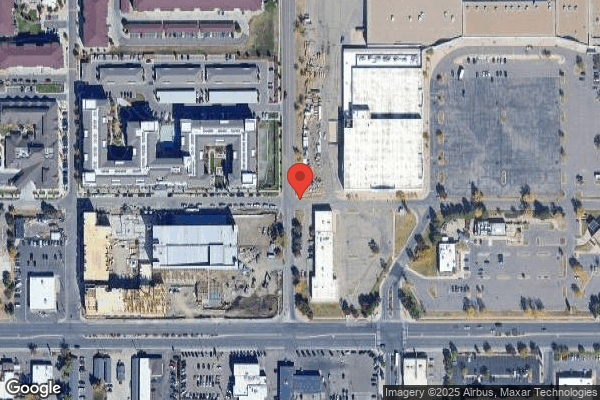

11155 W 15TH PL, LAKEWOOD, CO 80215 (720) 866-8400
For profit - Limited Liability company 36 Beds ADVANCED HEALTH CARE Data: November 2025
Trust Grade
75/100
#3 of 208 in CO
Last Inspection: December 2023

Within standard 12-15 month inspection cycle. Federal law requires annual inspections.

Overview

AHC of Lakewood, LLC has a Trust Grade of B, which indicates it is a good choice among nursing homes, though not the absolute best. Ranking #3 out of 208 facilities in Colorado and #1 out of 23 in Jefferson County places it in the top tier for quality care. The facility is newly inspected, so there is no trend data available yet. Staffing is a concern, with a turnover rate of 69%, significantly higher than the state average of 49%, but it does have good RN coverage, exceeding that of 93% of Colorado facilities. However, the facility has incurred $72,634 in fines, which is troubling as it is higher than 98% of other nursing homes in the state, indicating potential compliance issues. Specific incidents noted during the inspection include the failure to properly assess the resources needed for resident care and the lack of ongoing education for certified nurse aides based on their performance reviews. Additionally, the facility did not honor the care plans for two residents by failing to provide them with the showers they were entitled to. While there are strengths in overall ratings and RN coverage, families should be aware of the staffing challenges and compliance issues that could affect resident care.

Trust Score
B
75/100
In Colorado
#3/208
Top 1%
Safety Record
Moderate
Needs review
Inspections
Too New
0 → 7 violations
Staff Stability
⚠ Watch
69% turnover. Above average. Higher turnover means staff may not know residents' routines.
Penalties
⚠ Watch
$72,634 in fines. Higher than 97% of Colorado facilities. Major compliance failures.
Skilled Nurses
✓ Good
Each resident gets 120 minutes of Registered Nurse (RN) attention daily — more than 97% of Colorado nursing homes. RNs are the most trained staff who catch health problems before they become serious.
Violations
○ Average
7 deficiencies on record. Average for a facility this size. Mostly minor or procedural issues.
★★★★★
5.0
Overall Rating
★★★★☆
4.0
Staff Levels
★★★★★
5.0
Care Quality
★★★★☆
4.0
Inspection Score
Stable
: 0 issues
2023: 7 issues

The Good

  • 4-Star Staffing Rating · Above-average nurse staffing levels
  • 5-Star Quality Measures · Strong clinical quality outcomes
  • Full Sprinkler Coverage · Fire safety systems throughout facility
  • No fines on record

Facility shows strength in staffing levels, quality measures, fire safety.

The Bad

Staff Turnover: 69%

23pts above Colorado avg (46%)

Frequent staff changes - ask about care continuity

Federal Fines: $72,634

Well above median ($33,413)

Moderate penalties - review what triggered them

Chain: ADVANCED HEALTH CARE

Part of a multi-facility chain

Ask about local staffing decisions and management

Staff turnover is elevated (69%)

21 points above Colorado average of 48%

The Ugly 7 deficiencies on record

Dec 2023 7 deficiencies
CONCERN (D)

Potential for Harm - no one hurt, but risky conditions existed

Deficiency F0561 (Tag F0561)

Could have caused harm · This affected 1 resident

**NOTE- TERMS IN BRACKETS HAVE BEEN EDITED TO PROTECT CONFIDENTIALITY** Based on record review and interviews, the facility failed to honor resident choices for two (#22 and #94) of three residents re...

Read full inspector narrative →
**NOTE- TERMS IN BRACKETS HAVE BEEN EDITED TO PROTECT CONFIDENTIALITY** Based on record review and interviews, the facility failed to honor resident choices for two (#22 and #94) of three residents reviewed for showers out of 21 sample residents. Specifically, the facility failed to ensure Resident #22 and Resident #94 received two showers a week and identified on the baseline care plan. Findings include: I. Resident #22 A. Resident status Resident #22, age over 65, was admitted on [DATE] and readmitted on [DATE]. According to the December 2023 computerized physician orders (CPO), diagnoses included chronic kidney disease, end stage renal disease and type II diabetes mellitus. The 12/9/23 minimum data set (MDS) assessment revealed the resident had intact cognition with a brief interview for mental status (BIMS) score of 14 out of 15. She had no behaviors or rejections of care. The assessment identified dialysis care. B. Record review The care plan, initiated 12/18/23, identified ADL functional status and rehabilitation potential. Interventions included staff to assist with showers twice a week and as needed per patient preference. The care plan, initiated 12/18/23, identified behavioral symptoms such as rejection of cares. Interventions included to document any refusals of care to the physician. The shower logs provided by the director of nursing (DON) on 12/21/23 at 9:02 a.m. The shower sheets for Resident #22 from readmission on [DATE] to 12/19/23 documented three showers in the last 16 days. -The resident's electronic chart did not document notification to the provider of any refusals. C. Interviews Certified nurse aide (CNA) #6 was interviewed on 12/21/23 at 11:07 a.m. She said each resident was scheduled for two showers a week. The shower schedule was based on the room number and offered twice a week, except on Mondays when the shower aide was off. She said if a resident refused the shower aide, another aide would offer. She said if the resident continued to refuse, the aide would notify the nurse on duty, and complete a refusal form and have the resident sign it. CNA #7, who was the shower aide, was interviewed on 12/21/23 at 11:09 a.m. She said she assisted residents twice a week with showers. She said each room was scheduled twice a week. She said if a resident refused a shower she would write refuse on the shower sheet, report the refusal to the nurse and have the resident sign the refusal sheet. She said if a resident refused a shower they usually were not offered another shower until the next scheduled shower day. If a resident asked for another shower and if she had the time, she would give the shower. Licensed practical nurse (LPN) #1 was interviewed on 12/21/23 at 11:15 a.m. She said if a CNA reported a refused shower, she would go talk to the resident and try to persuade them to take the shower. She said if the resident refused a shower, the aide was to mark refusal on the shower sheet and the staff were to complete a refusal sheet for the resident to sign. She said the nurse would then complete a progress note and let the director of nursing (DON) know. The DON was interviewed on 12/21/23 at 11:20 a.m. She said Resident #22 had a history of refusing showers. She said there were no shower sheets or refusal sheets signed by the resident. She said the provider was not notified of the refusals. She said if a resident refused showers, the staff were to document on the shower sheet refused. She said not every refusal would be a progress note. She said she would provide more education with the staff on expectations for shower refusals. II. Resident #94 A. Resident status Resident #94, age over 65, was admitted on [DATE]. According to the December 2023 CPO, diagnoses included subarachnoid hemorrhage (brain bleed), chronic kidney disease and heart failure. The MDS assessment was not completed since the resident recently admitted to the facility. B. Resident interview Resident #94 was interviewed on 12/18/23 at 9:13 a.m. He said he had not had a shower since his admission and would like one. C. Record review The baseline care plan, initiated on 12/13/23, identified the resident would receive two showers a week. The shower logs provided by the DON on 12/21/23 at 9:02 a.m. The two shower records, dated 12/19/23 and 12/20/23, did not identify if a shower was provided. One shower sheet had a refusal written on it and it had been signed by the resident. D. Interviews The DON was interviewed on 12/19/23 at 2:50 p.m. She said she did not know he had not received a shower. On 12/21/23 at 11:20 a.m. the DON said on one of the shower sheets dated 12/20/23 included the word refusal and CNA #7, LPN #1 and Resident #94's signatures. She said she would follow up with the resident and work to provide a shower for him.
CONCERN (D)

Potential for Harm - no one hurt, but risky conditions existed

Deficiency F0655 (Tag F0655)

Could have caused harm · This affected 1 resident

**NOTE- TERMS IN BRACKETS HAVE BEEN EDITED TO PROTECT CONFIDENTIALITY** Based on record review and interviews, the facility failed to develop and implement a baseline care plan that included the instr...

Read full inspector narrative →
**NOTE- TERMS IN BRACKETS HAVE BEEN EDITED TO PROTECT CONFIDENTIALITY** Based on record review and interviews, the facility failed to develop and implement a baseline care plan that included the instructions needed to provide effective and person-centered care of the resident that met professional standards of quality care for one (#22) of three residents out of 21 sample residents. Specifically, the facility failed to develop a person-centered baseline care plan for Resident #22 that included dialysis care and services. Findings include: I. Facility policy The Baseline Person Centered Care Plan policy, revised 9/11/23, provided by the director of nursing (DON) on 12/21/23 at 9:02 a.m. included: The baseline person centered care plan is developed during the admission process to direct patient care prior to the development of the comprehensive care plan. The baseline person centered care plan is written to include care to be given, goals to be accomplished, and actions necessary to attain the goals. This form covers the basic information utilized to disseminate information to provide care for a newly admitted or readmitted patient. II. Resident #22 Resident #22, age over 65, was admitted on [DATE] and readmitted on [DATE]. According to the December 2023 computerized physician orders (CPO), diagnoses included chronic kidney disease, end stage renal disease and type II diabetes mellitus. The 12/9/23 minimum data set (MDS) assessment revealed the resident had intact cognition with a brief interview for mental status (BIMS) score of 14 out of 15. She had no behaviors or rejections of care. The assessment identified dialysis care. III. Record review The baseline care plan, dated 10/5/23, did not include the resident received dialysis. The December 2023 CPO included: -Assess dialysis access for appearance, signs of infection, drainage, bleeding. -Three times a week weight post hemodialysis. -Assess vital signs pre and post dialysis. -No blood pressure on left arm, has a fistula for dialysis. -Patient has dialysis at (dialysis center) on Monday, Wednesday and Friday. VI. Interview The DON was interviewed on 12/19/23 at 2:50 p.m. She said Resident #22 received dialysis. She said upon admission the facility was aware the resident needed dialysis. She said dialysis was not included on the baseline care plan because there was not a section on the admission form that identified dialysis. She said dialysis should have been identified somewhere on the baseline care plan. She said she would update the admission form to include dialysis. V. Facility follow-up The DON provided an updated admission form on 12/21/23 at 6:41 p.m. The updated admission form had a space for dialysis care.
CONCERN (D)

Potential for Harm - no one hurt, but risky conditions existed

Deficiency F0660 (Tag F0660)

Could have caused harm · This affected 1 resident

**NOTE- TERMS IN BRACKETS HAVE BEEN EDITED TO PROTECT CONFIDENTIALITY** Based on record review and interviews, the facility failed to develop and implement an effective discharge plan for one (#242) r...

Read full inspector narrative →
**NOTE- TERMS IN BRACKETS HAVE BEEN EDITED TO PROTECT CONFIDENTIALITY** Based on record review and interviews, the facility failed to develop and implement an effective discharge plan for one (#242) resident reviewed for discharge planning out of 21 sample residents. Specifically, the facility failed to ensure the discharge planning process was developed, communicated and documented in Resident #242's medical records. Findings include: I. Resident status Resident #242, age [AGE], was admitted on [DATE]. According to the December 2023 computerized physician order (CPO), diagnoses included hypertension, cellulitis (skin infection) of right arm, spondylosis (abnormal wear on the cartilage and bones of the neck), heart disease with heart failure, type two diabetes mellitus with diabetic neuropathy, hyperlipidemia, sleep apnea, atrial fibrillation, anemia, depression, insomnia, weakness and fall. The 12/13/23 minimum data set (MDS) assessment revealed the resident was cognitively intact with a brief interview for mental status score of 14 out of 15. The resident required limited one person assistance with bed mobility, transfers and toileting. It indicated that the resident expected to be discharged to the community in a group home. II. Resident interview The resident was interviewed on 12/18/23 at 1:53 p.m. He said that no staff talked to him about his care plan and his discharge plans. He thought he would stay at the facility for two to three more weeks. III. Record review -A review of Resident #242's medical record did not reveal documentation that the resident's discharge plan was part of the resident's comprehensive plan of care. It did not document the resident's discharge goal, interventions used to achieve the resident's goals or the discharge planning process. -The 12/7/23 baseline care plan did not document if the resident wanted to stay in the facility long term or to return to the community. The discharge planning progress notes revealed that the resident planned to be discharged on 1/9/24 to a group home. It was added on 12/19/23 at 1:22 p.m. by the corporate nurse consultant (CNC). The 12/13/23 letter addressed to the resident documented the discharge time frame was three to four weeks. -No further documentation was in Resident #242's medical record regarding his discharge plan and goals. IV. Staff interviews The director of nursing (DON) was interviewed on 12/21/23 at 12:21 p.m. She said the discharge planner was responsible for discharge planning. She was unavailable to be interviewed. The DON said the CNC, the facility liaison and the DON provide backup support when the discharge planner was not available. The DON said discharge planning should start as soon as the resident was admitted . The discharge plan was reviewed weekly and more often as needed. The admission nurse explained the process at time of admission to reduce the questions from residents and family members on when the resident would be discharged . She said that discharge planning was reviewed with the resident and family members on a weekly basis by the discharge planner. The DON said discharge planning was documented in a spreadsheet that was not linked to the resident's medical record. The DON provided a letter regarding the discharge plan for Resident #242 on 12/21/23 at 12:40 p.m. She said the spreadsheet did not provide additional information about the discharge plan but was a tool to generate the discharge letter. -However, there was a lack of communication/documentation regarding Resident #242's discharge until identified during the survey when a discharge letter was provided.
CONCERN (D)

Potential for Harm - no one hurt, but risky conditions existed

Deficiency F0760 (Tag F0760)

Could have caused harm · This affected 1 resident

Based on observation, record review and interviews, the facility failed to ensure that residents were free from significant medication errors for one (#242) of five residents reviewed for medication e...

Read full inspector narrative →
Based on observation, record review and interviews, the facility failed to ensure that residents were free from significant medication errors for one (#242) of five residents reviewed for medication errors of 21 sample residents. Specifically, the facility failed to ensure that Resident #242 was administered the correct dose of insulin by properly priming the insulin pen before insulin administration. Findings include: I. Professional reference According to the Lantus (glargine) manufacturer guidelines, updated 2022, retrieved from https://www.lantus.com/dam/jcr:817aed9c-a677-4cd6-a6b3-d93d8aba629a/lantus-solostar-pen-guide.pdf on 12/28/23 included the following recommendations, Perform a safety test. Dial a test dose of two units. Hold the pen with the needle pointing up and lightly tap the insulin reservoir so the air bubbles rise to the top of the needle. This will help you get the most accurate dose. Press the injection button all the way in and check to see that insulin comes out of the needle. The dial will automatically go back to zero after you perform the test. If no insulin comes out, repeat the test two more times. If there is still no insulin coming out, use a new needle and do the safety test again. Always perform the safety test before each injection. Never use the pen if no insulin comes out after using a second needle. II. Observation On 12/21/23 at 7:12 a.m. registered nurse (RN) #1 checked Resident #242's insulin order of glargine insulin 14 units to be administered in the morning. She obtained the resident's labeled glargine insulin pen and dialed 14 units into the pen. She then administered the insulin in the resident's right upper arm and disposed of the needle in the sharps container. She did not prime the pen prior to administration. III. Staff interviews RN #1 was interviewed on 12/21/23 at 7:25 a.m. She said insulin pens were primed only when the pen was brand new prior to the first administration. She said she was not aware of insulin pens needing to be primed prior to every administration of insulin. The director of nursing (DON) was interviewed on 12/21/23 at 7:58 a.m. She said insulin pens should be primed by pushing two units through the pen prior to administering the ordered dose of insulin. She said this needed to be done to ensure air was eliminated in the pen and the resident received the correct dosage of insulin.
CONCERN (D)

Potential for Harm - no one hurt, but risky conditions existed

Infection Control (Tag F0880)

Could have caused harm · This affected 1 resident

**NOTE- TERMS IN BRACKETS HAVE BEEN EDITED TO PROTECT CONFIDENTIALITY** Based on observations, interviews and record review, the facility failed to maintain an infection control program designed to pr...

Read full inspector narrative →
**NOTE- TERMS IN BRACKETS HAVE BEEN EDITED TO PROTECT CONFIDENTIALITY** Based on observations, interviews and record review, the facility failed to maintain an infection control program designed to provide a safe, sanitary and comfortable environment to help prevent the development and transmission of disease and infection in one out of one units. Specifically, the facility failed to: -Ensure an intravenous (IV) administration set was stored in a sanitary manner; and, -Ensure the hub of an insulin pen was cleaned off prior to the administration of insulin Findings include: I. Professional reference [NAME], J., [NAME]. B. (August 2022). Enhancing Peripheral Line Maintenance Practices Among Nurses in a Critical Care Setting: A Quality Improvement Project. University of New Hampshire. https://scholars.unh.edu/cgi/viewcontent.cgi?article=1700&context=honors, retrieved on 1/2/24. The Institute for Safe Medication Practices (ISMP) has identified that there are two common practices that continue to put patients at risk for infection including 1) failure to place a sterile cap on the end of a reusable intravenous (IV) administration set that has been removed from a saline lock or IV catheter hub and 2) failure to properly disinfect the IV port when accessing IV sets. The Centers for Disease Control (CDC). (June 2019). Frequently Asked Questions Regarding Safe Practices for Medical Injections. https://www.cdc.gov/injectionsafety/providers/provider_faqs_med-prep.html, retrieved on 1/2/24. Parenteral medications (medications that enter the body by injection) should be accessed in an aseptic manner. This includes using a new sterile syringe and sterile needle to draw up medications while preventing contact between the injection materials and the non sterile environment. Proper hand hygiene should be performed before handling medications and the rubber septum should be disinfected with alcohol prior to piercing it. II. Observations On 12/19/23 at 12:20 p.m. Resident #193's IV administration tubing was observed without a sterile cap on the end of tubing disconnected from the resident and hanging on the IV pole. It was not dated or timed when the tubing was hung or changed. Resident #193's IV tubing was observed hanging in an unsanitary manner without a sterile cap over the end to ensure it remained free of contamination. On 12/21/23 at 7:18 a.m. registered nurse (RN) #1 was observed obtaining Resident #242's labeled insulin pen. RN #1 was observed placing a new sterile needle onto the hub of the insulin pen and dialing 14 units into the pen. RN #1 was observed not cleaning off the hub of the insulin pen with alcohol before applying the sterile needle. III. Staff interviews Licensed practical nurse (LPN) #2 was interviewed on 12/19/23 at 12:25 p.m. He said IV administration tubing, after it is disconnected from the resident and stored for possible future use, should have a sterile cap placed on the end of the tubing to ensure it was kept free from contamination. RN #1 was interviewed on 12/21/23 at 7:25 a.m. She said the rubber stopper on the insulin pen should be cleaned off in an aseptic technique using an alcohol pad to ensure the stopper was not contaminated before applying a sterile needle. The director of nursing (DON) was interviewed on 12/21/23 at 7:58 a.m. She said IV administration tubing, after it was disconnected from the resident, should have a sterile cap placed on the end of the administration tubing to ensure the end of the tubing was not contaminated and stored in a sanitary manner. She said the rubber stoppers on insulin pens should be cleaned off with alcohol prior to being accessed with a sterile needle to prevent contamination of the sterile needle prior to insulin administration.
CONCERN (E)

Potential for Harm - no one hurt, but risky conditions existed

Deficiency F0730 (Tag F0730)

Could have caused harm · This affected multiple residents

Based on record review and interviews, the facility failed to complete a performance review of every nurse aide at least once every 12 months and must provide regular in-service education based on the...

Read full inspector narrative →
Based on record review and interviews, the facility failed to complete a performance review of every nurse aide at least once every 12 months and must provide regular in-service education based on the outcome of these reviews for three of five certified nurse aides (CNAs) reviewed. Specifically, the facility had not provided inservice education based on the outcome of the performance reviews for CNA #1, #2 and #4. Findings include: I. Record review CNA #1 (hired 8/10/22) had a performance review on 11/10/23. CNA #2 (hired 8/10/22) had a performance review on 11/11/23. CNA #4 (hired 8/10/22) had a performance review on 8/10/23. -The CNAs did not have an inservice education plan based on the outcome of the review. II. Interview The director of nursing (DON) was interviewed on 12/21/23 at 9:45 a.m. She said the facility had completed the annual performance reviews, but was not aware the performance reviews needed to develop regular inservice education based on the outcome of the performance reviews. She said the facility would develop a plan to complete the performance reviews going forward.
CONCERN (F)

Potential for Harm - no one hurt, but risky conditions existed

Deficiency F0838 (Tag F0838)

Could have caused harm · This affected most or all residents

Based on record review, and staff interviews, the facility failed to conduct and document a facility-wide assessment to determine what resources are necessary to care for its residents competently dur...

Read full inspector narrative →
Based on record review, and staff interviews, the facility failed to conduct and document a facility-wide assessment to determine what resources are necessary to care for its residents competently during both day-to-day operations and emergencies. Specifically, the facility failed to develop a facility assessment which included the use of an electronic elopement prevention system, dialysis services and hospice services. Findings include: I. Record review The facility assessment was provided by the nursing home administrator (NHA) on 12/19/23 at 11:27 a.m. The facility assessment was last reviewed on 10/17/23 by the NHA, director of nurses (DON) and the interdisciplinary team (IDT). The facility assessment failed to include the following: -The facility had an electronic elopement prevention system. -The facility offered contracted dialysis and hospice services. II. Interview The NHA was interviewed on 12/19/23 at 11:41 a.m. He said he was not aware the services identified were not included in the facility assessment. He said the facility assessment should be a reflection of all the services available to residents. III. Facility follow-up The NHA provided an updated facility assessment to include an electronic elopement prevention system, dialysis services and hospice services on 12/19/23 at 2:09 p.m.
Understanding Severity Codes (click to expand)
Life-Threatening (Immediate Jeopardy)
J - Isolated K - Pattern L - Widespread
Actual Harm
G - Isolated H - Pattern I - Widespread
Potential for Harm
D - Isolated E - Pattern F - Widespread
No Harm (Minor)
A - Isolated B - Pattern C - Widespread

Questions to Ask on Your Visit

  • "Why is there high staff turnover? How do you retain staff?"
  • "Can I speak with families of current residents?"
  • "What's your RN coverage like on weekends and overnight?"

Our Honest Assessment

Strengths
  • • Licensed and certified facility. Meets minimum state requirements.
Concerns
  • • $72,634 in fines. Extremely high, among the most fined facilities in Colorado. Major compliance failures.
  • • 69% turnover. Above average. Higher turnover means staff may not know residents' routines.
Bottom line: Generally positive indicators. Standard due diligence and a personal visit recommended.

About This Facility

What is Ahc Of Lakewood, Llc's CMS Rating?

CMS assigns AHC OF LAKEWOOD, LLC an overall rating of 5 out of 5 stars, which is considered much above average nationally. Within Colorado, this rating places the facility higher than 99% of the state's 100 nursing homes. This rating reflects solid performance across the metrics CMS uses to evaluate nursing home quality.

How is Ahc Of Lakewood, Llc Staffed?

CMS rates AHC OF LAKEWOOD, LLC's staffing level at 4 out of 5 stars, which is above average compared to other nursing homes. Staff turnover is 69%, which is 23 percentage points above the Colorado average of 46%. High turnover can affect care consistency as new staff learn residents' individual needs.

What Have Inspectors Found at Ahc Of Lakewood, Llc?

State health inspectors documented 7 deficiencies at AHC OF LAKEWOOD, LLC during 2023. These included: 7 with potential for harm.
Who Owns and Operates Ahc Of Lakewood, Llc?

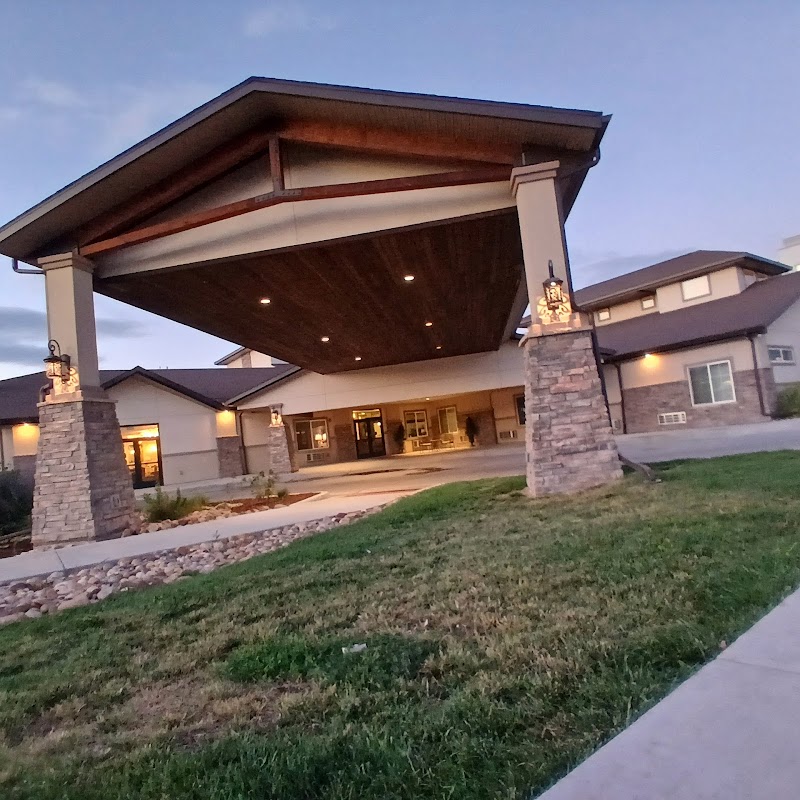
AHC OF LAKEWOOD, LLC is owned by a for-profit company. For-profit facilities operate as businesses with obligations to shareholders or private owners. The facility is operated by ADVANCED HEALTH CARE, a chain that manages multiple nursing homes. With 36 certified beds and approximately 29 residents (about 81% occupancy), it is a smaller facility located in LAKEWOOD, Colorado.
How Does Ahc Of Lakewood, Llc Compare to Other Colorado Nursing Homes?

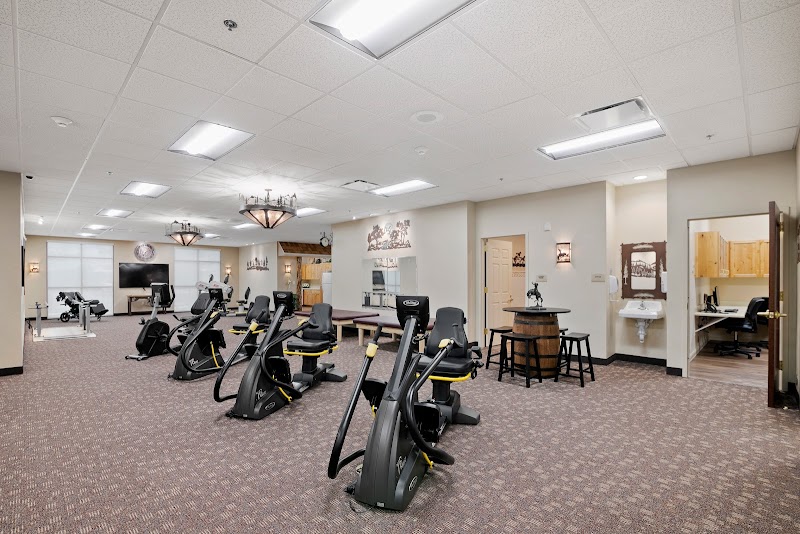
Compared to the 100 nursing homes in Colorado, AHC OF LAKEWOOD, LLC's overall rating (5 stars) is above the state average of 3.2, staff turnover (69%) is significantly higher than the state average of 46%, and health inspection rating (4 stars) is above the national benchmark.

What Should Families Ask When Visiting Ahc Of Lakewood, Llc?

Based on this facility's data, families visiting should ask: "How do you ensure continuity of care given staff turnover, and what is your staff retention strategy?" "Can I visit during a mealtime to observe dining assistance and food quality?" "How do you handle medical emergencies, and what is your hospital transfer rate?" "Can I speak with family members of current residents about their experience?" These questions are particularly relevant given the facility's high staff turnover rate.

Is Ahc Of Lakewood, Llc Safe?

Based on CMS inspection data, AHC OF LAKEWOOD, LLC has a clean safety record: no substantiated abuse findings (meaning no confirmed cases of resident harm), no Immediate Jeopardy citations (the most serious violation level indicating risk of serious injury or death), and is not on the Special Focus Facility watch list (a federal program monitoring the lowest-performing 1% of nursing homes). The facility has a 5-star overall rating and ranks #1 of 100 nursing homes in Colorado. While no facility is perfect, families should still ask about staff-to-resident ratios and recent inspection results during their visit.

Do Nurses at Ahc Of Lakewood, Llc Stick Around?

Staff turnover at AHC OF LAKEWOOD, LLC is high. At 69%, the facility is 23 percentage points above the Colorado average of 46%. High turnover means new staff may not know residents' individual needs, medications, or preferences. It can also be disorienting for residents, especially those with dementia who rely on familiar faces. Families should ask: What is causing the turnover? What retention programs are in place? How do you ensure care continuity during staff transitions?

Was Ahc Of Lakewood, Llc Ever Fined?

AHC OF LAKEWOOD, LLC has been fined $72,634 across 17 penalty actions. This is above the Colorado average of $33,805. Fines in this range indicate compliance issues significant enough for CMS to impose meaningful financial consequences. Common causes include delayed correction of deficiencies, repeat violations, or care failures affecting resident safety. Families should ask facility leadership what changes have been made since these penalties.

Is Ahc Of Lakewood, Llc on Any Federal Watch List?

AHC OF LAKEWOOD, LLC is not on any federal watch list. The most significant is the Special Focus Facility (SFF) program, which identifies the bottom 1% of nursing homes nationally based on persistent, serious quality problems. Not being on this list means the facility has avoided the pattern of deficiencies that triggers enhanced federal oversight. This is a positive indicator, though families should still review the facility's inspection history directly.