CAMBRIDGE CARE CENTER
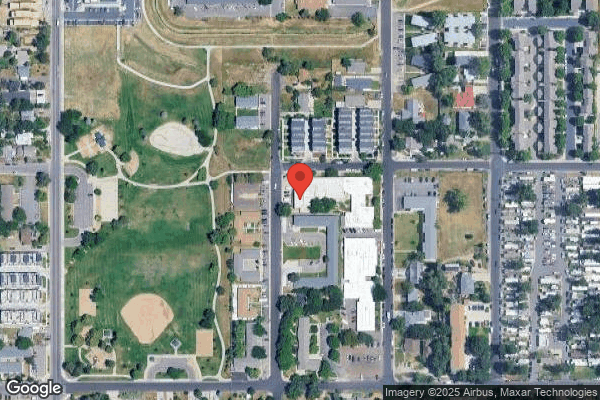
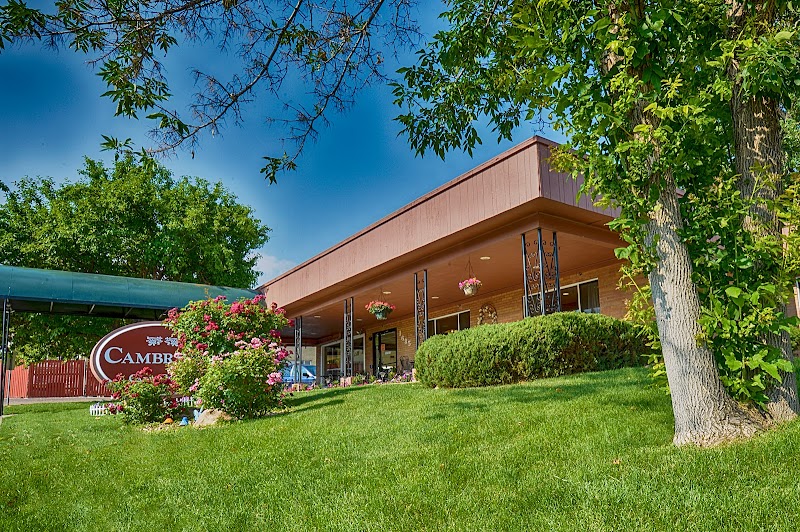
1685 EATON ST, LAKEWOOD, CO 80214 (303) 232-4405
For profit - Limited Liability company 110 Beds VIVAGE SENIOR LIVING Data: November 2025
Trust Grade
68/100
#57 of 208 in CO
Last Inspection: April 2024

Within standard 12-15 month inspection cycle. Federal law requires annual inspections.

Overview

Cambridge Care Center has a Trust Grade of C+, indicating that it is slightly above average in quality compared to other facilities. It ranks #57 out of 208 in Colorado, placing it in the top half of the state, and #6 out of 23 in Jefferson County, meaning there are only five local options that are better. The facility is improving, with the number of issues decreasing from six in 2024 to two in 2025. Staffing is a strength, rated at 4 out of 5 stars, with a turnover rate of 46%, which is slightly below the state average, suggesting that staff are familiar with the residents. However, the facility has faced some concerning incidents, including a serious failure to properly manage a resident's discharge, which left them vulnerable after leaving the facility. Additionally, there were incidents of physical abuse between residents that were not adequately addressed, indicating room for improvement in resident safety and mental health services.

Trust Score
C+
68/100
In Colorado
#57/208
Top 27%
Safety Record
Moderate
Needs review
Inspections
Getting Better
6 → 2 violations
Staff Stability
⚠ Watch
46% turnover. Above average. Higher turnover means staff may not know residents' routines.
Penalties
○ Average
$8,151 in fines. Higher than 54% of Colorado facilities. Some compliance issues.
Skilled Nurses
✓ Good
Each resident gets 45 minutes of Registered Nurse (RN) attention daily — more than average for Colorado. RNs are trained to catch health problems early.
Violations
⚠ Watch
16 deficiencies on record. Higher than average. Multiple issues found across inspections.
★★★★☆
4.0
Overall Rating
★★★★☆
4.0
Staff Levels
★★★★★
5.0
Care Quality
★★★☆☆
3.0
Inspection Score
Stable
2024: 6 issues
2025: 2 issues

The Good

  • 4-Star Staffing Rating · Above-average nurse staffing levels
  • 5-Star Quality Measures · Strong clinical quality outcomes
  • Full Sprinkler Coverage · Fire safety systems throughout facility
  • No fines on record

Facility shows strength in staffing levels, quality measures, fire safety.

The Bad

Staff Turnover: 46%

Near Colorado avg (46%)

Higher turnover may affect care consistency

Federal Fines: $8,151

Below median ($33,413)

Minor penalties assessed

Chain: VIVAGE SENIOR LIVING

Part of a multi-facility chain

Ask about local staffing decisions and management

The Ugly 16 deficiencies on record

1 actual harm
Jun 2025 1 deficiency
CONCERN (E) 📢 Someone Reported This

A family member, employee, or ombudsman was alarmed enough to file a formal complaint

Potential for Harm - no one hurt, but risky conditions existed

Free from Abuse/Neglect (Tag F0600)

Could have caused harm · This affected multiple residents

**NOTE- TERMS IN BRACKETS HAVE BEEN EDITED TO PROTECT CONFIDENTIALITY** Based on observations, record review and interviews, the facility failed to ensure three (#8, #6 and #1) of six residents review...

Read full inspector narrative →
**NOTE- TERMS IN BRACKETS HAVE BEEN EDITED TO PROTECT CONFIDENTIALITY** Based on observations, record review and interviews, the facility failed to ensure three (#8, #6 and #1) of six residents reviewed for abuse out of 12 sample residents were kept free from abuse. Specifically, the facility failed to: -Protect Resident #9 from physical abuse by Resident #2; -Protect Resident #6 from physical abuse by Resident #2; and, -Protect Resident #1 from physical abuse by Resident #2. Findings include: I. Incident of physical abuse by Resident #2 towards Resident #8 on 1/30/25 A. Facility investigation The facility investigation, dated 1/30/25, was provided by the nursing home administrator (NHA) on 6/17/25 at 11:45 a.m. The investigation revealed the following: On 1/30/25 Resident #2 pushed Resident #8 in the coffee area of the dining room. Resident #8 fell and landed on her bottom. Resident #8 did not have any signs of injury or pain. The residents were separated and assessed, and several staff members and nearby residents were interviewed. The incident was witnessed and reported by a facility staff member, who said Resident #2 was cleaning the coffee area when Resident #8 walked by. The staff member said Resident #2 then pushed Resident #8 and she fell onto her bottom. The staff member said an intervention that helped Resident #2 was to keep the coffee area clear of people. The investigation indicated Resident #2 did not have a history of behaviors and did not have a behavior care plan. The investigation indicated Resident #2 had been involved with a physical occurrence in July 2024. The investigation revealed Resident #8 was not fearful but said she was startled and confused as to why Resident #2 pushed her. An interview with Resident #8, conducted on 1/31/25, revealed Resident #8 was getting coffee and did not know what happened. Resident #8 said she was shaken up but okay. Resident #2 was interviewed on 1/31/25. Resident #2 said Resident #8 was in his way and he tried to get her out of the way. Resident #2 said he did not intend to hurt Resident #8. The facility concluded the allegation of physical abuse was unsubstantiated as there were no marks or signs of injury on Resident #8 and there was no intent to harm Resident #8 by Resident #2. Resident #8 and Resident #2's care plans were updated. -However, physical abuse occurred due to Resident #2 pushing Resident #8 to the ground. B. Resident #2 (assailant) 1. Resident status Resident #2, age [AGE], was admitted on [DATE]. According to the June 2025 computerized physician orders (CPO), diagnoses included fracture of left femur, acute and chronic respiratory failure, unspecified symptoms and signs involving cognitive function and awareness and metabolic encephalopathy (a change in how the brain works due to an underlying medical condition). The 4/7/25 minimum data set (MDS) assessment revealed the resident was severely cognitively impaired with a brief interview for mental status (BIMS) score of five out of 15. The resident was independent for most activities of daily living (ADL). The MDS assessment documented the resident did not have physical or verbal behaviors directed at others or other behavioral symptoms not directed toward others. 2. Observations On 6/16/25 at 2:01 p.m. Resident #2 was sitting in his wheelchair in front of the coffee maker in the dining room. An unidentified resident walked past Resident #2 and began speaking with him. Resident #2 began to swing his arm out and gesture at the other resident. Resident #2 yelled at the resident to put some expletive clothes on. The other resident told Resident #2 not to be jealous of him and walked away. -No staff members were present in the dining room at the time of observation. 3. Record review The behavior care plan, initiated 12/7/24 and revised 3/26/25, revealed Resident #2 had a behavior problem due to his disease process. Resident #2 had poor impulse control and may unintentionally become physical by what may appear or be perceived to be pushing or grabbing another person when attempting to make his way through, when others were in his way, or when trying to express his thoughts. Pertinent interventions included frequent checks as needed, discussing Resident #2's behavior and explaining why it was inappropriate, intervening as necessary to protect the rights and safety of others, encouraging the resident to communicate his thoughts verbally, anticipating his needs, redirecting as needed and offering the resident coffee. The mood care plan, revised 2/24/25, revealed Resident #2 had a mood challenge due to his disease process and had the potential to become agitated/physical with anyone who was in his way. Pertinent interventions included behavioral health consults as needed, assisting Resident #2 and his family in identifying strengths and positive coping skills, and monitoring/recording his mood. A progress note, dated 1/30/25 at 3:22 p.m., revealed a nursing staff member entered the dining room and found Resident #8 on the floor and Resident #2 standing up out of his wheelchair. The nurse assessed Resident #8, separated the residents and put each resident on 15-minute checks. The unit manager and the NHA were notified. Resident #2 was assessed and did not have any pain or signs of injury. The director of nursing (DON), the physician, the nurse manager and Resident #2's representative were notified. An interdisciplinary team (IDT) note, dated 1/31/25 at 1:04 p.m., revealed Resident #2 had an incident of physical aggression on 1/30/25. The root cause of the incident was poor impulse control. Interventions put into place included frequent checks, educating and encouraging Resident #2 on successful coping and interaction with peers, to which the resident verbalized understanding. A progress note, dated 2/1/25 at 9:34 a.m., revealed a social services staff member made an incident report regarding Resident #2 pushing a female resident down on 1/30/25. There were no injuries and Resident #2 could not recall the incident. 4. Resident representative interview Resident #2's representative was interviewed on 6/17/25 at 8:56 a.m. The resident's representative said Resident #2 had issues with other residents and had been aggressive a few times. The resident's representative said the facility was trying to move Resident #2 upstairs where it was less hectic. The resident's representative said the facility had been renovating the room they wanted Resident #2 to move into. The resident's representative said Resident #2 did not want to move rooms, but they hoped once they showed him his new room he would get used to the change. The resident's representative said Resident #2 tended to stay around the kitchen area and help with cleaning up the coffee area. The resident's representative said Resident #2 hit another resident once and pushed another resident down. The resident's representative said she did not know of any triggers Resident #2 had, but thought the incidents were caused by people crowding around the area or Resident #2's dementia. C. Resident #8 (victim) 1. Resident status Resident #8, age [AGE], was admitted on [DATE]. According to the June 2025 CPO, diagnoses included major depressive disorder and dementia. The 6/3/25 MDS assessment revealed the resident had moderate cognitive impairments with a BIMS score of ten out of 15. The resident was independent for most ADLs. The MDS assessment documented the resident did not have physical or verbal behaviors directed at others or other behavioral symptoms not directed toward others. 2. Record review A progress note, dated 1/30/25 at 5:51 p.m., revealed Resident #8 had a witnessed fall in the dining room. Resident #8 was getting paper towels when a resident (Resident #2) pushed her to the ground. Resident #8 said she fell on her buttocks. Resident #8 had no new skin issues at the time and reported a pain of 1 from her buttocks on a pain scale of 1-10. Resident #8 was placed on 15-minute checks starting at 2:00 p.m. that afternoon (1/30/25). A progress note, dated 2/1/25 at 9:39 a.m., revealed a social services staff member made an incident report regarding another resident pushing Resident #8 down. Resident #8 said she was not sure why the other resident pushed her. An IDT note, dated 2/6/25 at 11:41 a.m., revealed Resident #8 had a gait imbalance and unsteady gait which caused her to fall. -However, Resident #8 was pushed by Resident #2 which caused her to fall to the ground. An IDT note, dated 2/6/25 at 4:40 p.m., revealed Resident #8 had an incident in which she received physical aggression on 1/30/25. The root cause was unable to be determined. Per Resident #8 she was trying to get paper towels at the time of the incident. Interventions put into place included maintaining safety, frequent checks and educating Resident #8 to request staff assistance as needed with getting paper towels. An IDT note, dated 2/6/25 at 4:47 p.m., revealed Resident #8 had a witnessed fall on 1/30/25. The root cause was physical aggression, as Resident #8 was pushed by Resident #2. Interventions put into place included maintaining safety, frequent checks and educating Resident #8 to request staff assistance as needed. II. Incident of physical abuse towards Resident #6 by Resident #2 on 2/21/25 A. Facility investigation The facility investigation, dated 2/21/25, was provided by the quality mentor (QM) on 6/16/25 at 4:21 p.m. The report revealed the following: On 7/21/24 there was an altercation between Resident #6 and Resident #2. The residents were separated and placed on frequent checks. Resident #6 was interviewed on 2/21/25 at 12:00 p.m. Resident #6 said he was walking in the dining room and cleaning tables when Resident #2 came up behind him, hit his back and tried to push him from behind. Resident #6 said Resident #2 hit him for no reason. Video footage of the incident was reviewed by the NHA on 2/22/25 but the camera did not capture a good view of the incident. Resident #2 was interviewed on 2/21/25. Resident #2 said he wanted to go out to smoke but Resident #6 was blocking his way. Resident #2 said he tried to get Resident #6's attention by tapping his back. An interview on 2/21/25, with a nursing staff member who witnessed the incident, revealed Resident #6 was cleaning the tables in the dining room when Resident #2 was trying to get outside to smoke and Resident #6 was blocking his way. Resident #2 tapped Resident #6's back to tell him to get out of the way. A second interview with the nursing staff member on 2/22/25 revealed Resident #2 tapped Resident #6 on the back to get past him then pushed him out of the way. The nursing staff member said she saw Resident #2 get angry quickly and knew to intervene and get people out of his way. An interview with a housekeeping staff member who witnessed the incident revealed Resident #2 hit Resident #6's back then pushed him. The housekeeper said she was not sure if Resident #2 wanted to hurt Resident #6 but that he wanted to get past Resident #6. The facility's investigation concluded Resident #2 tapped Resident #6's back before pushing him and Resident #2 had a history of agitation. The facility concluded the allegation of physical abuse was unsubstantiated due to there not being any signs of injury, no harm or intent to harm, and no fear from the victim. Follow-up actions included a medication review for Resident #2, bringing the resident to a safe space if agitation was noted, and providing frequent checks or offering Resident #2 to go outside to smoke. -However, physical abuse occurred due to Resident #2 pushing Resident #6. B. Resident #2 (assailant) 1. Record review A progress note, dated 2/21/25 at 11:33 a.m., revealed at 9:00 a.m. that morning Resident #2 was going outside to smoke. Resident #6 was in Resident #2's path to go outside and he grabbed Resident #6 by his shoulder and pushed him out of the way to go smoke. The residents were separated, Resident #2 went into his room and was placed on 15-minute checks. A provider note, dated 2/21/25 at 8:04 p.m., revealed the nursing staff had reported to the provider that Resident #2 had an altercation with another resident (Resident #6) outside while smoking. Resident #2 had pushed the other resident (Resident #6), but there were no injuries to either resident. The note documented there was discussion with the facility staff about ordering Hydroxyzine (medication used to treat anxiety) as needed to have available when Resident #2 felt aggressive or anxious. Resident #2 could not remember the altercation to discuss it with the provider during the visit. An IDT note, dated 2/24/25 at 3:26 p.m., revealed Resident #2 had an incident of physical aggression on 2/21/25. The root cause of the incident was poor impulse control. Resident #2 said he was trying to get by and did not push anyone. Interventions put into place included frequent checks as needed, encouraging Resident #2 to communicate his thought process verbally, provide redirection as needed, and submit laboratory work as ordered. A social services progress note, dated 3/6/25 at 5:35 p.m., revealed Resident #2 was at baseline and able to make some needs known. The note documented Resident #2 could become quickly and easily aggressive and could become physically aggressive. Resident #2 was not always easily redirectable. A progress note, dated 4/10/25 at 10:33 a.m., revealed Resident #2 and another resident were at the coffee machine in the dining room when Resident #2 kicked the other resident in the leg. A social services staff member asked why Resident #2 kicked the other resident, but Resident #2 could not recall why or that the event happened. A progress note, dated 4/10/25 at 10:41 a.m., revealed Resident #2 was observed kicking another resident on the leg. Resident #2 was educated on not touching, kicking, or being verbally aggressive to other residents. Resident #2 verbalized understanding of the education provided. A psychiatric pharmacy review note, dated 2/25/25 at 1:06 p.m., revealed Resident #2 was taking an anti-anxiety medication, Hydroxyzine 10 milligram tablets. An order was given to give one tablet by mouth every twelve hours as needed. Resident #2's behaviors included being resistant to care, breaking the facility's smoking policy, and he could become physically and verbally aggressive. C. Resident #6 (victim) 1. Resident status Resident #6, age less than 65, was admitted on [DATE]. According to the June 2025 CPO, diagnoses included mixed receptive-expressive language disorder (difficulty understanding and expressing language), hemiplegia and hemiparesis (paralysis on one side of the body) and dysarthria (a motor speech disorder that makes it difficult to articulate words clearly). The 5/14/25 MDS assessment revealed the resident had moderate cognitive impairments with both short and long-term memory problems through staff assessment. The resident was independent for all ADLs. The MDS assessment documented the resident did not have physical or verbal behaviors directed at others or other behavioral symptoms not directed toward others. 2. Record review A progress note, dated 2/21/25 at 11:19 a.m., revealed a facility staff member notified a member of the nursing staff of an incident involving Resident #6. Resident #6 did not have any injuries noted and did not complain of any pain or discomfort. An IDT note, dated 2/24/25 at 9:30 a.m., revealed Resident #6 had received physical aggression on 2/21/25. Interventions put into place included maintaining safety and frequent visual checks. III. Incident of physical abuse towards Resident #1 by Resident #2 on 4/11/25 A. Facility investigation The facility investigation, dated 4/11/25, was provided by the QM on 6/16/25 at 4:21 p.m. The report revealed the following: On 4/11/25 at 9:40 a.m. it was reported that Resident #2 kicked Resident #1 in the leg to get him out of his way but did not intend to harm him. The residents were separated, Resident #2 was placed on frequent checks, the police and ombudsman were notified, and interviews of staff and residents were completed. The investigation documented Resident #2 had a history of using physical touch as a way to communicate. Resident #2's care plan for behaviors included interventions such as keeping others clear from Resident #2, offering the resident coffee and anticipating his needs. An interview with Resident #1 on 4/17/25 revealed Resident #1 did not recall the incident and did not have any issues with anyone at the facility. Resident #2 was assessed on 4/16/25. An interview with Resident #2 revealed the resident wanted to get Resident #1 out of his way so he kicked him to tell him to move. An interview with a nursing staff member who witnessed the incident revealed Resident #2 kicked Resident #1 in the leg and told him to move. The nursing staff member said Resident #2 was redirectable with coffee and cigarettes. The facility's investigation concluded Resident #2 had a history of physical behaviors. The facility staff said Resident #2 was impulsive and liked to drink coffee and smoke. Interventions for Resident #2 included offering him coffee and keeping other residents clear of him in common areas. The facility concluded the allegation of physical abuse was unsubstantiated as there were no marks on Resident #1, no pain, and no harm. Resident #2 was offered a room change to a different floor of the building. -However, physical abuse occurred due to Resident #2 kicking Resident #1. B. Resident #2 (assailant) 1. Record review A progress note, dated 4/11/25 at 12:07 p.m., revealed Resident #2 kicked Resident #1 in the dining room at the coffee station because the resident was in Resident #2's way. The residents were immediately separated, moved to a safe location and checked for injury. No injuries or pain were reported and no visible marks were seen. A social services staff member followed-up with Resident #2 on 4/11/25 and provided education that it was never appropriate to kick other residents or staff when they were around him. Resident #2 voiced agreement to not kick anyone. The note documented Resident #2 reported no memory of the incident. An IDT note, dated 4/14/25 at 9:43 a.m., revealed Resident #2 had an incident of physical aggression on 4/10/25. The root cause of the incident was poor impulse control. Resident #2 said he was trying to get by and did not push anyone. Interventions put into place included frequent checks as needed, encouraging Resident #2 to respect others'space and ask others verbally instead of being physical, providing redirection as needed, and encouraging the resident to engage in positive interactions. A progress note, dated 4/14/25 at 1:49 p.m., revealed Resident #2 was started on 15-minute checks for safety after an altercation with another resident in the dining room. Both residents involved reported no physical contact was made between them. Both residents denied feeling fear and reported they felt safe. A progress note, dated 4/14/25 at 5:03 p.m., revealed a clarification that no altercation took place since there was no contact made, both residents reported there was physical contact. Both residents denied feeling fear and reported they felt safe. A progress note, dated 4/14/25 at 8:21 p.m., revealed Resident #2 was in the dining room waiting near the coffee machine when Resident #7 was standing near the coffee machine. Resident #7 did not move out of Resident #2's way so he grabbed her walker and shook it to get her attention. Resident #2 denied touching Resident #7. Both residents reported there was physical contact. Both residents denied feeling fear and reported they felt safe. An IDT note, dated 4/15/25 at 10:41 a.m., revealed Resident #2 had an incident on 4/10/25 during which he touched another resident's walker. The root cause of the incident was poor impulse control. Interventions put into place included offering Resident #2 coffee as needed and encouraging Resident #2 to keep a safe distance. A progress note, dated 5/5/25 at 11:38 a.m., revealed a social services staff member had called Resident #2's representative to inform her of a room change notification. A provider note, dated 5/13/25 at 1:24 p.m., revealed Resident #2 had intermittent aggression. Resident #2 had not had any recent altercations per the nursing staff and had an order for Hydroxyzine as needed. A psychiatric pharmacy review note, dated 4/29/25 at 9:12 a.m., revealed Resident #2 was not taking any psychoactive medications. Resident #2's behaviors included hitting others, pulling at other residents ' walkers and pushing his way through crowded areas. No medication changes were recommended by the provider but a room move to another floor in the facility was mentioned. A room change notification, undated, revealed Resident #2 was to move from the first floor to the second floor of the facility, effective 5/6/25, for the health and safety of Resident #2 and other residents. The room change notification was signed by Resident #2's representative on 4/4/25. C. Resident #1 (victim) 1. Resident status Resident #1, age [AGE], was admitted on [DATE]. According to the June 2025 CPO, diagnoses included dementia, mood disorder, unsteadiness on feet and history of traumatic brain injury. The 5/16/25 MDS assessment revealed the resident had moderate cognitive impairments with a BIMS score of nine out of 15. The resident required staff supervision or touching assistance for most ADLs. The MDS assessment documented the resident did not have physical or verbal behaviors directed at others or other behavioral symptoms not directed toward others. 2. Record review A progress note, dated 4/10/25 at 5:45 p.m., revealed Resident #1 was getting coffee in the dining room and Resident #2 was waiting for his turn to get coffee when Resident #2 became impatient and kicked Resident #1 on the leg. Resident #1 did not have any bruising on assessment and denied pain or discomfort. Both residents were separated and continued monitoring was initiated. A progress note, dated 4/11/25 at 11:59 a.m., revealed Resident #1 was kicked by Resident #2 in the dining room at the coffee station on 4/10/25. The residents were immediately separated, moved to a safe location and checked for injury. Resident #1 did not report any injury or pain, and no visible marks were seen. The NHA interviewed Resident #1 and he was not fearful of Resident #2. A member of the social services team followed up with Resident #1 on 4/11/25 and the resident reported feeling safe and had no memory of the incident. An IDT note, dated 4/14/25 at 9:50 a.m., revealed Resident #1 had received physical aggression on 4/10/25. Interventions put into place included maintaining safety and frequent checks as needed. IV. Staff interviews Certified nurse aide (CNA) #1 was interviewed on 6/16/25 at 11:04 a.m. CNA #1 said Resident #2 had a temper with both the facility staff and other residents. CNA #1 said if someone was in Resident #2's way he would yell at them or push them. CNA #1 said Resident #2 did not have behavioral incidents often and the last incident was several months before. CNA #1 said Resident #2 was somewhat redirectable. CNA #1 said if Resident #2 wanted to go out to smoke but it was not time for a scheduled smoke break, the nursing staff could tell him to wait, but Resident #2 would be agitated. CNA #1 said Resident #2 was stubborn. CNA #1 said Resident #2's temper was sporadic and not able to be predicted. CNA #1 said when Resident #2 had a temper, the nursing staff knew to move other residents out of his way. Licensed practical nurse (LPN) #1 was interviewed on 6/16/25 at 1:49 p.m. LPN #1 said she had only heard of one resident-to-resident incident at the facility. LPN #1 said Resident #2 had grabbed Resident #7's walker to get her out of the way of the coffee maker. LPN #1 said after this incident, the facility staff had to file a report, initiate 15-minute checks on both residents and ensure they both felt safe. LPN #1 said Resident #2 had occasional outbursts but often forgot any education the staff gave him on how to control his outbursts. LPN #1 said Resident #2 had not had any issues with any other residents that she knew of. LPN #1 said Resident #2 was usually pretty chilled out. Restorative nurse aide (RNA) #1 was interviewed on 6/16/25 at 3:10 p.m. RNA #1 said Resident #2 had a temper and sometimes exploded at other residents. RNA #1 said Resident #2 lashed out whenever another resident was over by the coffee maker when he was there, and Resident #2 would yell at the residents and push them. RNA #1 said Resident #2's behavior was not able to be predicted and these incidents happened every two months or so. RNA #1 said whenever the facility staff saw Resident #2 was getting frustrated they would tell him to calm down. The social services assistant (SSA) and the social services director (SSD) were interviewed together on 6/17/25 at 9:50 a.m. The SSA said Resident #2 was independent, easygoing and very redirectable. The SSD said Resident #2 got impatient and liked coffee. The SSD said if the area by the coffee maker in the dining room got too packed with people Resident #2 would push himself into other residents to get through. The SSD said Resident #2 had to be redirected and reminded to be patient and not push people. The SSD said the facility was moving Resident #2 upstairs so he would not have as much traffic to get through to get his coffee. The SSD said Resident #2 was going to be moved to a different unit at the end of the week. The SSA said the activities personnel did their group activities in the main dining room, so the staff members had paid more attention to Resident #2 and helped him get his coffee. The SSA said Resident #2's behaviors also surrounded smoking and getting outside to smoke. The SSD said the facility staff had talked to Resident #2 and provided him with education on being patient. The SSD said the staff asked Resident #2 if they could get his coffee and try to anticipate his needs. The SSD said the facility staff had been educated to ask Resident #2 if they could get things for him to anticipate his needs and avoid conflict with other residents. The SSD said Resident #2 was going to have a room change in May 2025 but the roommate pairing would not have been good for the resident, so they were waiting for another availability. The SSD said Resident #2 did not want to move upstairs because he liked living downstairs. The SSD said the change seemed to be the issue for Resident #2, but once he moved he would be okay. The SSD said moving rooms was the best choice for Resident #2 for his independence and the safety of others. The SSD said when it was time for a smoke break the staff reminded Resident #2 early so he would be the first one to the smoking area to avoid the crowd. The SSD said crowds seemed to be a trigger for Resident #2. The DON was interviewed on 6/17/25 at 10:07 a.m. The DON said she had not seen any behaviors with Resident #2. The DON said Resident #2 became frustrated easily but was redirectable. The DON said there was one instance in which Resident #2 was on his way to smoke and got frustrated with another resident. The DON said Resident #2 tried to tell the other resident to move but expressed it as something different. The DON said Resident #2 did not mean to push anyone and said he did not push anyone. -However, the facility investigation revealed Resident #2 was witnessed pushing Resident #8 on 1/30/25 and he pushed Resident #6 on 2/21/25 (see record review above). The DON said Resident #2's behavioral interventions included providing redirection and offering him snacks and coffee. The DON said it was hard to tell what triggered Resident #2's frustration, and she said she wished she knew what his triggers were. The NHA was interviewed on 6/17/25 at 10:32 a.m. The NHA said Resident #2 had some incidents in which he had gotten aggravated in the dining room when there was a lot of commotion. The NHA said Resident #2 had a few instances where he had kicked someone's leg to get them out of the way of the smoking area. The NHA said Resident #2 never really threatened or gestured at anyone. The NHA said Resident #2 had a significant decrease in behaviors recently. The NHA said the facility still planned to move Resident #2 upstairs where there was less activity and could have documented more to show he was safe downstairs for the time being. The NHA said the facility staff had been anticipating Resident #2's needs more, offering him coffee and trying to intervene before he could be impulsive. The NHA said Resident #2's triggers were sensory, such as having a lot of people in his way when he wanted to accomplish a task. The NHA said Resident #2 got anxious to get outside around smoking times. The NHA said after the incident in January 2025, the providers completed a medication review for Resident #2 to see what could be adjusted. The NHA said after the incident in February 2025 they tried to adjust the external stimuli for Resident #2 and keep him away from crowds. The NHA said after the incident in April 2025 they began looking at moving Resident #2's room, anticipating his needs, and did a psychiatric pharmacy review. The NHA said anticipating Resident #2's needs seemed to work well so they were not as pressed to move him upstairs at that point. The NHA said the facility was protecting other residents by anticipating Resident #2's needs, identifying when other residents were crowding around him, and ensuring that all floor staff were aware of the resident's triggers. The NHA said the nursing staff knew Resident #2 could have an extra cigarette, or reward him with extra cigarettes if his behavior improved. -However, not all floor staff members were aware of Resident #2's triggers (see interviews above). The NHA said he did not substantiate any of the incidents involving Resident #2 as abuse as they did not cause any harm or fear with any of the residents. The NHA said Resident #2 did not intend or want to hurt anyone but tried to move them out of the way or let them know they were in his way.
Feb 2025 1 deficiency
CONCERN (D) 📢 Someone Reported This

A family member, employee, or ombudsman was alarmed enough to file a formal complaint

Potential for Harm - no one hurt, but risky conditions existed

Deficiency F0698 (Tag F0698)

Could have caused harm · This affected 1 resident

**NOTE- TERMS IN BRACKETS HAVE BEEN EDITED TO PROTECT CONFIDENTIALITY** Based on record review and interviews, the facility failed to ensure residents who required dialysis services received such serv...

Read full inspector narrative →
**NOTE- TERMS IN BRACKETS HAVE BEEN EDITED TO PROTECT CONFIDENTIALITY** Based on record review and interviews, the facility failed to ensure residents who required dialysis services received such services consistent with professional standards of practice for one (#4) of three residents reviewed for dialysis out of 13 sample residents. Specifically, the facility failed to: -Follow the physician's dialysis orders for Resident #4; -Consistently get Resident #4 to his dialysis appointments at his scheduled time; and, -Consistently and thoroughly complete dialysis communication forms between the facility and the dialysis center for Resident #4. Findings include: I. Facility policy and procedure The Hemodialysis Residents Policy, dated 2/29/24, was provided by the nursing home administrator (NHA) on 2/11/25 at 12:18 p.m. via email. It revealed in pertinent part, The facility provides residents with safe, accurate, and appropriate care, assessments and interventions to improve resident outcomes in coordination/collaboration with (the) dialysis center. Review and ensure orders upon admission are received for follow-up dialysis center appointments, shunt care, no BP (blood pressure) in arm that has shunt, diet and fluid restriction (physician discretionary). A dialysis communication record is initiated and sent to the dialysis center each appointment; ensure it is received upon return. Post Hemodialysis/ongoing care: Check vital signs post dialysis or per physician's order. Do not take blood pressure on the arm with dialysis shunt. Monitor for signs of postural hypotension. Instruct the resident to change positions slowly for a short time to avoid dizziness and possible falls. Monitor resident for signs and symptoms of toxic or adverse medication reactions. Documentation: Dialysis communication record Key medical record documentation elements: vital signs, pertinent comments related to resident status and weight. II. Resident #4 A. Resident status Resident #4, age less than 65, was admitted on [DATE]. According to the February 2025 computerized physician orders (CPO), diagnoses included end stage renal disease, hepatitis C, venous hypertension, congestive heart failure (CHF), anemia in chronic kidney disease and hypertension (high blood pressure). The 12/29/24 minimum data set (MDS) assessment revealed the resident had moderate cognitive impairment with a brief interview for mental status score (BIMS) of 12 out of 15. He was independent with oral hygiene, and toileting. He required set up or clean up assistance with eating, and showers or bathing. He did not reject care from staff. The MDS assessment indicated the resident received dialysis treatments. B. Resident interview Resident #4 was interviewed on 2/12/25 at 4:00 p.m. Resident #4 said he preferred to go to dialysis early in the morning. He said he felt the transportation service that the facility scheduled to pick him up for dialysis was often late, which made him late for his appointments. He said he gave his dialysis communication sheets to whoever was his nurse when he returned to the facility after his dialysis appointments. C. Record review Review of Resident #4's February 2025 CPO revealed the following physician's orders related to dialysis: Check port site to right chest for bleeding during the shift after the resident returns. If bleeding occurs, apply direct pressure until it is controlled. Notify medical provider if bleeding lasts longer than 30 minutes or is severe, ordered 1/21/25. Remove dialysis communication sheet from resident's bag. File the form in his dialysis binder at the nursing station after checking it for follow ups, ordered 1/21/25. File dialysis communication form in resident's dialysis binder at the nursing station after checking it for follow ups, ordered 2/4/25. Fill in dialysis communication form. Resident to go with it (communication form) at dialysis center, ordered 2/4/25. Review of Resident #4's dialysis care plan, initiated 12/23/24 revealed the resident needed hemodialysis for the disease process. -However, the care plan did not identify what disease process the hemodialysis was needed for. Interventions (initiated 12/23/24) included encouraging the resident to go for the scheduled dialysis appointments on (Tuesday, Thursday, Saturday, regular chair time was at 5:40 a.m. and the resident was to arrive at 5:20 a.m.), monitoring vital signs twice a shift after dialysis on dialysis days and notifying the physician of significant abnormalities. The following intervention was added to Resident #4's dialysis care plan on 2/12/25: Nursing staff was to complete the pre-dialysis communication form before the resident left for dialysis. The dialysis center was to complete the form while the resident was at dialysis. Nurses were to complete the post-dialysis form upon the resident's return from dialysis and review the dialysis part of the form. Any part of the dialysis form required follow-up, and the DON (director of nursing) needed to be notified of any concerns. -The intervention was not added to the care plan until 2/12/25, during the survey. The dialysis communication log books were provided by registered nurse (RN) #1 on 2/11/25 at 5:00 p.m. Each log had three sections on one sheet of paper which revealed the following: The pre-dialysis section was to be filled in by the facility with the date, and the resident's vital signs including, temperature, pulse, respirations, blood pressure and pain. The section also included if a meal or snack was given to the resident to take to the dialysis center. There was a section for additional information such as changes in condition, physician orders and new labs since the resident's last dialysis visit. A nurses' signature was required to validate the information was completed. The middle section of the log was to be filled out by the dialysis center staff. The same information was included as above in the pre-dialysis section. The dialysis center staff filled in the middle section with the current vital signs the resident had while at the dialysis center. A section for additional information included, changes in condition, medications administered, laboratory work (labs) drawn and lab results and other communication.) The middle section included a place for physician orders and recommendations, if any were given and a place for the dialysis nurses' signature. The post-dialysis section was to be completed by the facility when the resident returned after he received dialysis. The post-dialysis section repeated all the vital signs to be recorded again as in the pre-dialysis section. The facility was to fill in the resident's current vital signs and sign again with the nurses' signature, date and time that the post-dialysis information was obtained. Review of Resident #4's dialysis communication logs from 1/2/25 through 2/11/25 revealed the following: -On 1/2/25 Resident #4's dialysis communication form sheet was blank and all three sections of the form were not filled in; and, -The post-dialysis sections were not completed by the facility on 1/4/25, 1/9/25, 1/11/25, 1/14/25, 1/16/25, 1/21/25, 1/23/25, 1/25/25, 1/28/25, 1/30/25 and 2/4/25. Additionally, the dialysis communication forms (from 1/2/25 to 2/11/25) revealed the following communication from the dialysis center to the facility regarding Resident #4's late arrival times for dialysis: -On 1/21/25 the dialysis center communicated Resident #4 missed his make-up time; -On 1/25/25 the dialysis center communicated Resident #4 missed his make-up appointment yesterday (1/24/25); -On 1/28/25 the dialysis center communicated Resident #4 was one and a half hours late to his appointment and the dialysis center questioned how the facility could get the resident to the appointments on time; and, -On 2/4/25 the dialysis center communicated Resident #4 needed to arrive on time for his appointments. III. Staff interviews The dialysis center social worker (DCSW) was interviewed on 2/12/25 at 12:15 p.m. via the telephone. The DCSW said the dialysis center wrote on the communication forms several times for the facility to have Resident #4 be on time for dialysis. The DCSW said the dialysis center called and spoke to the facility's DON several times over the telephone about the facility getting Resident #4 to his dialysis appointments at his scheduled time. The DCSW said the DON told the dialysis center the situation would be fixed and Resident #4 would arrive on time for his appointments.The DCSW said there had been no negative outcomes as of yet, but she said Resident #4 could have physical complications if the facility did not send him to his appointments as the physician ordered. The DCSW said the resident was late to his appointments approximately four times in 2025. The DCSW said the facility had recently fixed whatever the problem was and the resident now arrived on time for his appointments. Registered nurse (RN) #1 was interviewed on 2/11/25 at 4:00 p.m. RN #1 said they were the nurse responsible for Resident #4's care for the day (2/11/25). RN #1 said they did not know whose job it was to complete Resident #4's post-dialysis section when he returned from his dialysis appointments, however, they said it was not their responsibility to complete it. The NHA and the corporate nurse (CN) were together interviewed on 2/12/25 at 3:30 p.m. The NHA said he was unaware that Resident #4 had been late to some of his dialysis appointments. The NHA said he had not been aware that the post-dialysis sections of the resident's dialysis communication forms were not filled in by the resident's nurse when he returned from dialysis appointments. The NHA said yesterday (2/11/25) he called the dialysis center and set up a meeting with them to remedy the situation and handle any other concerns. He said the problem was the facility nursing staff did not fill in the post-dialysis sections, therefore no one read the dialysis centers' communication notes. He said he asked the nursing staff if anyone remembered talking to the dialysis center, but no nursing staff remembered speaking to the dialysis center over the telephone about Resident #4. The CN provided the nursing staff signatures of attendees and education that had been implemented during the survey (beginning on 2/11/25) about dialysis residents. The CN said the education would be ongoing for the nursing staff about dialysis residents and processes. The NHA said to help correct the situation with the dialysis communication logs, he began a new process on 2/12/25. The NHA said every day when there was a morning meeting, the communication books for residents who went to dialysis the day prior would be reviewed for compliance by management staff. The NHA said the DON or designee would read all of the residents' dialysis binder books weekly to double check everything was handled correctly. The NHA said for the next quarter, the quality assurance and performance improvement (QAPI) meetings would monthly discuss the plan of action and its implementation for residents who received dialysis. The NHA said, moving forward from 2/12/25, whoever was the RN or LPN (licensed practical nurse) for the resident on dialysis days would be responsible for filling out the post-dialysis information when the resident returned from their dialysis appointment. The NHA said the facility also made a change to send residents with a dialysis binder, a book which contained their dialysis communication sheets, and not just a single sheet of paper which could be misplaced.
Aug 2024 1 deficiency
CONCERN (D) 📢 Someone Reported This

A family member, employee, or ombudsman was alarmed enough to file a formal complaint

Potential for Harm - no one hurt, but risky conditions existed

Deficiency F0660 (Tag F0660)

Could have caused harm · This affected 1 resident

**NOTE- TERMS IN BRACKETS HAVE BEEN EDITED TO PROTECT CONFIDENTIALITY** Based on record review and interviews, the facility failed to develop and implement an effective discharge plan for one (#1) of ...

Read full inspector narrative →
**NOTE- TERMS IN BRACKETS HAVE BEEN EDITED TO PROTECT CONFIDENTIALITY** Based on record review and interviews, the facility failed to develop and implement an effective discharge plan for one (#1) of three residents reviewed for discharge planning out of 12 sample residents. Specifically, the facility failed to: -Ensure consistent efforts in the discharge planning process were made, which resulted in the potential delay in Resident #1's discharge to another facility; -Ensure Resident #1's representative received consistent communication regarding Resident #1's discharge planning process; and, -Ensure the discharge planning process was documented in Resident #1's electronic medical record (EMR). Findings include: I. Facility policy and procedure The Social Service policy and procedure, dated 8/31/22, was provided by the corporate consultant (CC) on 7/21/24 at 7:30 p.m. via email. The policy read in pertinent part, Social services members are responsible for planning, organizing, and directing all administrative and operational activities of the social services department in accordance with current federal, state, and local standards, guidelines and regulations, and the facility's established policies and procedures. Assisting residents in planning for discharge by coordinating service delivery with the nursing staff and by assessing availability and facilitating use of financial and social support services in the community. Coordinating transfers (other than medical transfers) within and out of the facility and assist residents in adjusting to intra-facility transfers. II. Resident #1 A. Resident status Resident #1, age less than 65, was admitted on [DATE] and readmitted on [DATE]. According to the August 2024 computerized physician orders (CPO), diagnoses included anoxic brain damage, acute respiratory failure with hypoxia, aphasia, unspecified intracranial injury without loss of consciousness and the need for assistance with personal care. The 7/19/24 minimum data set (MDS) assessment identified the resident had severe cognitive impairment. The staff assessment for mental status revealed the resident had short and long term memory problems. She was not identified to have inattention or disorganized thinking. Resident #1 had unclear speech and was rarely understood. According to the MDS assessment, she did not exhibit behaviors or rejections of care. She was dependent on staff for all of her activities of daily living (ADL). The MDS assessment did not identify the resident's overall goal for discharge was to discharge to another facility. According to the MDS assessment, there was not an active discharge plan in place to return to the community, however, the MDS assessment also indicated a referral to a local contact agency was made. -Review of of Resident #1's EMR identified the resident's representative wanted a discharge to another facility. -Provided records did not identify referrals and follow up were conducted between 2/26/24 and 6/6/24 when requested by the resident's representative (see below). III. Resident's representative interview Resident #1's representative was interviewed on 8/21/24 at 9:49 a.m. The resident's representative said Resident #1 was admitted to the facility in 2021 with the anticipation of discharging the resident to another facility within a year. She said she wanted Resident #1 to move closer to her so the representative could increase the frequency of family visitations. She said the distance of the resident to the representative was becoming a hardship. The resident's representative said Resident #1 had been denied admission by some facilities because of her age, payor status, and/or high care needs. She said she had declined a facility that accepted Resident #1 because she saw the facility and felt it was not clean and did not feel they could meet her needs. The resident's representative said she was concerned that efforts to pursue her request for transfer to another facility had been delayed because of inconsistent staff and lack of follow through from the facility. The resident's representative said she started working with the facility's corporate health plan liaison (HPL) who was in the process of helping her in the discharge/transfer process but she was told the HPL was no longer handling the facility's referrals. She said the position was left open for a while and no one was handling the referrals to other facilities. She said the facility's social service department had very little to do with the discharge and referrals process. She said the facility later hired an admissions coordinator (AC) who said she was going to help her with the discharge process. The resident's representative said she then found out the AC was no longer at the facility. She said the facility had very little communication with her on the status and/or efforts made to provide assistance with Resident #1's discharge plan. The resident's representative said last winter (2023/2024) there was a virtual meeting conducted with facility #3. She said the HPL said the meeting went well but the resident's representative said she did not hear anything more until she contacted facility #3 a couple of months ago and was told that facility #3 had staffing changes and did not have records of a request for a referral or documentation of the prior meeting. The resident's representative said the former AC at the resident's current facility did not know anything about the other facility referral so the resident's representative asked her to do another referral to that facility. The resident's representative said she provided the AC with a list of eight other facilities she wanted more information on as potential transfer facilities but she was not provided anymore information of the status of referrals. The resident's representative said no one was telling her if and why Resident #1 had been denied admission from the listed facilities or if all the referrals were sent out. She said she had not been provided communication or updates. She said she attended a care conference but the attendance was small and little was known about the status of Resident #1's discharge plan. She said the social service director (SSD) requested another list from her on potential facilities and he gave her a list of potential facilities but she said she was not aware of any other steps toward a discharge for Resident #1. IV. Record review Resident #1's discharge care plan, initiated and revised on 7/17/24, documented Resident #1's representative wished for discharge in the future to a facility closer to the resident's representative. The care plan read the healthcare proxy denied possible transition to other communities that had accepted Resident #1. The discharge care plan intervention, initiated on 6/25/21 and revised on 5/16/23 directed the facility to establish a pre-discharge plan with the resident/family/caregivers and evaluate the progress and revise the plan . The discharge care planned intervention, initiated on 6/25/21 and revised on 5/16/23 directed the facility to prepare and give the resident, family member/caregiver contact numbers for all community referrals. The discharge care plan intervention, initiated on 6/25/21 and revised on 7/17/24, directed the facility to review possible facilities with family and make referrals as necessary. A 11/6/23 text message between the resident's representative and the health plan liaison (HPL) was provided by the CC on 8/21/24 at 2:23 p.m. via email. The text read a virtual meeting would be conducted on 11/6/23 with facility #3. The following email chain between the former social service assistant (SSA) and the HPL on 1/30/24 was provided by the CC on 8/21/24 at 11:55 via email. The email read Resident #1's representative requested a transfer to facilities closer to the location where the resident's representative lived. The resident was very friendly, compliant, easy-going and dependant with all ADLs. According to the email, a referral was attached to the email and the resident's representative could be offered video greetings and an in-person meeting. A second 1/30/24 email between the director of care transitions (DCT), the HPL and the former SSA read the resident was accepted to facility #1 in the past but the resident's representative declined the facility because she did not like it. According to the email, the DCT asked if the resident's representative would be open to facility #1 again. The DCT said facility #6, facility #9, facility #2 and facility #10 could be an option. A follow up email on 1/30/24 between the former SSA, the DCT and the HPL read the former SSA did not think the resident's representative would be interested in facility #1 again. The SSA asked if the DCT and the HPL could send the referrals to the listed facilities or if that was something he should do. The DCT responded to the SSA that she sent the HPL Resident #1's information and would let the SSA know. A follow up email on 1/30/24 identified the senior director of care transitions (SDCT) requested the community director of care transitions (CDCT), the former SSA, the DCT, and the HPL to work on finding a facility for Resident #1. The 1/30/24 social service progress note documented the former SSA received an email from the DCT. The email stated a referral would be sent to a liaison in the resident representative's preferred area. A second 1/30/24 social service note read referrals were emailed to the facility's corporate community referrals. An email chain between 2/2/24 and 2/5/24 between facility #2, the HPL and the CDCT was provided by the CC on 8/21/24 at 11:55 a.m. via email. The email chain identified a referral was sent to facility #2 but the family declined and wanted to see if another facility was available to take Resident #1. A 2/2/24 text message between the resident's representative and the HPL was provided by the CC on 8/21/24 at 2:23 p.m. The text message read the resident's representative requested referrals for facility #5, facility #6, facility #8 and facility #9. A 2/5/24 email between the HPL and the CDCT was provided by the CC on 8/21/24 at 11:55 a.m. via email. According to the email, the CDCT requested the HPL to forward information to whichever facility she felt the family may be interested in. The follow up email, dated 2/5/24, read the HPL could assist with the request. A 2/7/24 and 2/8/24 text message between the resident's representative and the HPL read the resident's representative requested to find out what the status was of facility #4. A 2/8/24 follow up text message between the resident's representative and the HPL read the HPL would send a referral to facility #4. A 2/26/24 email between the HPL and the CDCT was provided by the CC on 8/21/24 at 11:55 a.m. via email. The email read the HPL was going to send an updated referral packet to the CDCT and requested community director of transition to send it to facility #3 and facility #8. The 2/26/24 social service note read a referral was sent to community transitions to request a referral be sent to facility #3 and facility #4. The facility #4 referral/discharge/admission spreadsheet was provided by the CC on 8/21/24 at 2:23 p.m. via email. The spreadsheet read Resident #1 was denied admission at facility #4 on 2/26/24 because the facility did not have enough mechanical lifts. -Review of the progress notes, provided text messages and emails between 2/26/24 and 6/6/24 did not identify any referral follow up with suggested or requested facilities. -Review of the progress notes, provided text messages and emails between 2/26/24 and 6/6/24 did not identify communication with the resident's representative on the status of the suggested and requested facilities for potential transfer. A 6/6/24 email between the HPL and the NHA was provided by the NHA on 8/21/24 at 12:41 p.m. via email. The HPL informed the NHA that the resident's representative was asking for a follow up. According to the email, the resident's representative wanted to know if the facility had sent out the referrals. A 6/6/24 email between the social service director (SSD) and the HPL was provided by the NHA on 8/21/24 at 12:41 p.m. via email. The SSD wrote he would talk to the admissions coordinator (AC) and find out what referrals could be sent out and he would also talk to Resident #1's representative the next time she was at the facility. The 6/24/24 care transitions note read Resident #1's representative had come in to the admissions office to discuss potentially moving Resident #1 to another facility closer to her. She said she had been asking for months and was tired of the back and forth drive between her location and the facility's location. According to the note, the AC would send out a referral to facility #3 and follow up in a day or two to see the status of the referral. The 7/19/24 social service note read the AC sent out a referral to facility #3 because it was too hard for the resident's representative to drive to the resident's current facility. According to the note, admissions would follow up. -Review of the progress notes and provided emails identified there was no documented follow up with the resident representative's request or referral status communicated regarding facility #3 between 6/24/24 and 7/19/24. The 7/22/24 social service note read admissions contacted facility #5 per the request of the resident's representative and would like to transfer Resident #1 to the facility. The note read the resident was denied admission due to the resident's payor status. -The 7/22/24 social service note did not identify the resident's representative was informed of the denial of admission by facility #5. A 7/25/24 to 7/27/24 text message chain between the resident's representative and the director of nursing (DON) was provided by the CC on 8/21/24 at 3:05 p.m. via email. The text chain identified that, on 7/25/24, the resident's representative texted the DON to ask if she had any information regarding the referral status of facility #3. The DON texted back and wrote she contacted the facility and the information was shared with the facility's DON. The resident's representative texted back that she contacted facility #3 on 7/26/24 and found out Resident #3 was denied admission but she did not know why. A 7/29/24 email was provided by the NHA on 8/21/24 at 12:41 p.m. between the NHA, the CDCT, the DCT and another corporate representative. The email read the resident's representative was looking for placement for Resident #1. The NHA requested assistance from the corporate representatives. According to the email, facility #3 denied admission of the resident. A 7/29/24 email was provided by the NHA on 8/21/24 at 12:41 p.m. between the AC and the NHA. The email read the resident's representative gave a list of facilities to the AC that she would like the AC to look into because two of the facilities could not accept Resident #1. According to the email, the AC was going to follow up with the facilities and follow up with the resident's representative. -Progress notes, facility provided text messages and emails did not identify additional follow up with the facilities or communication with the resident's representative between 7/29/24 and 8/13/24. The following 8/13/24 email chain was provided by the NHA on 8/21/24 at 12:41 p.m. A 8/13/24 email between the NHA, the SSD and the corporate representatives read the NHA asked if the team could help find placement for Resident #1. The 8/13/24 email between the SSD, the NHA, and the corporate representatives read the SSD had given a list of facilities in the resident representative's area. According to the email, the resident representative had not gotten back to him regarding the referral options. The SSD wrote the resident's representative told him at the last care conference that she had a list of referral options but had not provided a list to him. The 8/13/24 email between the NHA, the SSD and the corporate representatives read the NHA informed the SSD that the resident's representative provided the list of requested referrals to the AC. The NHA asked the SSD if he called the resident's representative to follow up and directed him to call her if he had not already done so. The 8/13/24 email between the SSD, the NHA and the corporate representatives read the SSD checked in the office of the AC and did not find the referral list and would contact the resident representative and ask her to send him the list so he could start sending out the referrals. The 8/13/24 social service note read Resident #1's representative would send a list of places she wanted social services to send referrals to for discharge. The 8/19/24 social service note read the (current) SSA contacted facility #6 and confirmed there were no open beds at that time. The SSA attempted to contact facility #7 but was not able to reach anyone. Facility #4 was contacted and a referral was sent. -Review social service notes between 8/19/24 and 8/21/24 did not identify additional attempts were made to contact facility #7. The 8/21/24 at 12:49 p.m social service note, documented during the survey, revealed the SSA contacted facility #2 to follow up with the referral sent on 8/19/24. According to the note, a voicemail was left and the facility was waiting for a response back. The 8/21/24 at 1:00 p.m social service note read the SSA received a call back from facility #7 on 8/21/24 (during survey) and obtained the facility's fax number and faxed the referral. V. Staff interviews The SSD and the NHA were interviewed together on 8/21 at 9:32 a.m. The SSD said the former AC handled the referrals over the past few months. He said the HPL handled the referrals prior to the AC and he documented what he was made aware of in the progress notes. The SSD said when a resident or their representative requested a transfer to another facility, a referral would be sent to the requested facility and other appropriate facilities if needed. The SSD said the facility would follow up with the potential admitting facility and inform the resident and/or their representative of the referral status. The SSD said he and his new SSA were handling referral requests for the past few weeks since the AC left her position. The NHA said the referral process for Resident #1 was started in 2021 when the resident's representative requested the resident to be transferred to another facility. The NHA said referrals were sent out and Resident #1 was either denied admission by the referral facilities or the family did not like the facility. The NHA said, in the last month, the resident's representative started to request again for Resident #1 to be transferred to another facility. The SSD said he provided the resident's representative with a list of potential facilities Resident #1 could be referred to but the resident representative did not respond right away. He said once she did respond, referrals were sent out last week (week of 8/12/24). -However, review of the provided emails identified the requested 8/13/24 referral list was the second list provided to the facility from the resident's representative in a month's time as identified in the above 7/29/24 and 8/13/24 emails. The known 7/29/24 facility referral list was not looked at to proceed with the referral process until 8/13/24, resulting in an additional delay. The CC was interviewed on 8/21/24 at 12:40 p.m. The CC said Resident #1 had been denied admission by some facilities because of her high care needs. The CC said the resident was accepted at facility #1 and facility #2 but the family declined. The CC said the facility should have done a better job documenting the discharge efforts but the facility was currently still sending out referrals. The CC and the NHA were interviewed together on 8/21/24 at 3:38 p.m. The CC said facility #3 denied admission for Resident #1. The CC said the facility did not have adequate documentation to show the denials and communication to the referral facilities and the resident's representative. The CC said the facility had reached out to facility #7 and facility #6 and they had a waiting list. She said the facility would try facility #4 again. The NHA said he would have the SSD contact the resident's representative to provide her an update. The NHA said the former AC was in her position between the end of April 2024 to the end of July 2024. He said the SSA who was assisting with some of the process was no longer at the facility and he was unsure when he left his position. The SSD was interviewed on 8/21/24 at approximately 6:30 p.m. The SSD said he contacted Resident #1's representative on 8/21/24. He said she was happy to have the follow up and that more referrals would be sent out.
Apr 2024 5 deficiencies 1 Harm
SERIOUS (G) 📢 Someone Reported This

A family member, employee, or ombudsman was alarmed enough to file a formal complaint

Actual Harm - a resident was hurt due to facility failures

Transfer Requirements (Tag F0622)

A resident was harmed · This affected 1 resident

**NOTE- TERMS IN BRACKETS HAVE BEEN EDITED TO PROTECT CONFIDENTIALITY** Based on record review and interviews, the facility failed to ensure a facility-initiated discharge procedure for non-payment wa...

Read full inspector narrative →
**NOTE- TERMS IN BRACKETS HAVE BEEN EDITED TO PROTECT CONFIDENTIALITY** Based on record review and interviews, the facility failed to ensure a facility-initiated discharge procedure for non-payment was followed for one (#140) of three residents reviewed for discharge out of 34 sample residents. Resident #140, who had a diagnosis of urinary tract infection, atrial fibrillation (abnormal heart rhythm), type II diabetes mellitus, history of falling, depression and anxiety disorder, was admitted to the facility on [DATE] and discharged on 3/8/24. The facility failed to provide preparations for a safe and orderly facility-initiated discharge for non payment. The resident chose not to transition to long term care (LTC) insurance. Resident #140 was found down on the floor of his motel room three days after the facility discharged him. The facility failed to provide the resident with a 30 day discharge notice and failed to notify the ombudsman of the discharge. Cross-reference F623 failure to notify the ombudsman so that protection, support, assistance and representation could have been provided to the resident. The facility failed to provide/refer home health services to the resident to continue his work with physical therapy (PT), occupational therapy (OT) and nursing care to provide wound care treatment for wounds to his feet and toes. The facility failed to provide and document resident education for wound care to his feet and toes and failed to provide and document the issuance of wound care supplies. Due to the facility's failure, the resident was found down on the floor of his motel room for three days by the driver hired to take the resident from the facility to the motel. He had gone back to check on the resident three days later out of concern for the resident's ability to care for himself. The resident was admitted to the hospital via emergency medical services (EMS) on 3/11/24 and was there as of 4/1/24 due to the lack of capacity to make medical or discharge decisions. Findings include: I. Facility policy and procedure The Discharge Planning policy and procedure, dated 2/29/24, was provided by regional clinical resource (RCR) on 4/1/24 at 3:47 p.m. It read in pertinent part, In cases where the resident wishes to be discharged to a setting that does not appear to meet his or her post-discharge needs, or is determined be unsafe, the interdisciplinary team will treat this situation similarly to refusal of care: Discuss with the resident, (and/or their representative, if applicable) and document the benefits and/or risks, review alternative options, and document refusals of other options that could meet the resident's needs. If discharge to community is determined to not be feasible, the facility will document in the clinical record who made the determination and why. An active individualized discharge plan will address, at a minimum: -Discharge destination, -Identified needs, such as medical, nursing, equipment, educational, or psychosocial needs. -Caregiver/support person availability and the resident's or caregiver's/support person's capacity and capability to perform required care. II. Resident status Resident #140, age [AGE], was admitted on [DATE] and discharged on 3/8/24 to a motel. According to the March 2024 computerized physician orders (CPO), diagnoses included urinary tract infection, atrial fibrillation (abnormal heart rhythm), type II diabetes mellitus, history of falling, depression and anxiety disorder. The 1/15/24 admission minimum data set (MDS) assessment revealed the resident was cognitively intact with a brief interview for mental status (BIMS) score of 15 out of 15. He was dependent with shower/bathing, upper and lower body dressing, toileting hygiene, bed mobility and transfers. He was able to walk 10 feet once standing with set up help. The resident used a manual wheelchair. The 3/8/24 discharge MDS assessment revealed a BIMS score of 14 out of 15. He was independent with shower/bathing, upper and lower body dressing, toileting hygiene, bed mobility and transfers. Walking 10 feet was not attempted due to medical conditions or safety concerns. He was independent with a manual wheelchair. Active discharge planning was already occurring for the resident to return to the community. No referral had been made to the local contact agency and the reason was referral not wanted. -However, the discharge MDS assessment of the resident's functional abilities differed from the physical therapy (PT) and occupational therapy (OT) discharge assessments (see record review below). III. Hospital representative interview The hospital clinical social worker (HCSW) was interviewed on 4/1/24 at 12:07 p.m. She said the resident was still in the hospital and did not have the capacity to make medical/discharge decisions at this time nor had he throughout his entire admission. The HCSW said it was only on 3/26/24 that the providers felt he had capacity to designate a decision maker and his medical power of attorney (MDPOA) was now the driver who found the resident down in the motel. IV. Record review -Review of the comprehensive care plan revealed the resident did not have a care plan related to his discharge plan. The physician order dated 2/21/24 revealed, Wound care right lateral foot: cleanse with wound cleanser, pat dry, apply medihoney to wound bed cover with bordered gauze. The physician order dated 2/29/24 revealed, Wound care: right proximal heel: cleanse with sound cleanser, air dry, skin prep peri wound, medihoney gel to wound bed, cover with foam island dressing. The physician order dated 2/29/24 revealed, Wound care: right 2nd toe: paint with betadine and leave open to air. The physician order dated 3/6/24 revealed, Wound care: left 2nd toe: cleanse with wound cleaner, pat dry, apply medihoney to wound bed and cover with bordered gauze. The physician order dated 3/7/24 revealed, Wound care: right heel: cleanse with wound cleanser, air dry, skin prep peri wound, xeroform to wound bed and cover with bordered gauze. The physician order dated 3/8/24 revealed, Okay to discharge resident to the community on 2/8/24, revised 3/8/24. -However, there was no documentation that wound care supplies were issued to the resident at discharge with instructions on how to perform wound care with a return demonstration. -Home health nursing for wound care was not ordered for the resident. -Review of the PT/OT notes revealed there was no home evaluation completed prior to discharge. Review of the 3/6/24 OT discharge summary, with dates of service from 1/14/24 to 3/6/24 revealed the discharge reason was per physician or case manager. The short-term goals of safely completing toileting with moderate assistance with use of durable medical equipment (DME) as needed was not met, maximum assistance has continued to rely on certified nurse aide (CNA) assistance for brief changes. Resident was able to complete lower body dressing with moderate assistance with use of assistive equipment and compensatory strategies as needed. Resident was able to safely complete bathing with minimum assistance with use of DME and compensatory strategies as needed. Goal of the resident self-propelling wheelchair independently in order to access items needed for participation in ADLs and other functional tasks was not met, patient requires assistance to manage wheelchair over any kind of uneven surface, in tight spaces, and around obstacles. The long term goal of completing all ADL related transfers with modified independence with least restrictive assistive device (AD) in order to reduce risk of falls was not met, resident required contact-guard (CGA) to minimum assistance. Discharge location was other homeless shelter. Assistance/support to be provided was none. Functional skills assessment at discharge was, eating set-up or clean-up assistance; oral hygiene supervision or touching assistance; toileting hygiene dependent; shower/bath partial/moderate assistance; upper body dressing partial/moderate assistance; lower body dressing substantial/maximal assistance; putting on/off footwear substantial/maximal assistance. Discharge recommendations: OT recommended that patient convert to LTC, but despite education from IDT (interdisciplinary team) patient has consistently refused this and will now be discharging to a homeless shelter. OT recommends HH (home health) as available. -However, the resident was discharged without a home health referral. Review of the 3/7/24 PT discharge summary, with dates of service from 1/11/24 to 3/7/24 revealed the discharge reason was exhausted benefits, patient declines treatment. The short-term goals of five times sit to stand was not met, patient is unable to complete without physical assistance. The short-term goal of patient will decrease risk for falls as evidenced by a decrease (improved) score on the TUG (timed up and go) to two minutes was not met, patient is unable to participate. The long-term goal of patient will ambulate 200 feet with rollator with modified independence was not met, ambulates 20 feet with two wheel walker and contact guard to minimum assistance. Discharge location was other (hotel). Assistance/support to be provided was none. Functional skills assessment at discharge, bed mobility Independent; transfers sit to stand partial to moderate assistance; chair/bed to chair transfer partial to moderate assistance; toilet transfer partial to moderate assistance; ambulation 10 feet with partial to moderate assistance. Resident uses a wheelchair. Picking up objects partial to moderate assistance. Progress and response to treatment, patient demonstrates minimal progress as patient continues to require assistance for activities of daily living (ADLs) and functional skills. Discharge recommendations: patient not deemed safe to discharge from facility without assistance. -However, the facility discharged the resident without assistance. -Review of all the progress notes revealed there were no IDT or care conference notes related to discharge planning. The discharge summary (undated) listed the current functional status as partial/moderate assistance for sit to lying and lying to sit transfers, eating and oral hygiene; supervision or touching assistance for sit to stand transfers, chair/bed to chair transfers, toilet transfers, walking 50 feet with two turns once standing. The dietary summary of stay revealed in pertinent part, He is anxious about his upcoming discharge with no changes in his housing situation. The resident has bilateral foot ulcers. His ulcers are being followed by the wound care team and no signs of infection noted. He also worked with PT/OT and is now able to transfer with minimal assistance. They are now discharging him home. The social services summary revealed other (insurance) as the reason for the initiated discharge. Reason for discharge listed as, end of insurance coverage. Discharge goal, return to the community. Will the resident have a caregiver after discharge? No. Comments, The Veterans Administration (VA) was unable to accept so the facility bought resident hotel room for three nights. Home health services? No. Nurse note dated 3/8/24 revealed, Taxi came to pick the resident up and take him to (brand name) motel in Aurora. Left at 1500 (3:00 p.m.) and left with all of his belongings, discharge packet, medication and times. Skin is intact but his both feet that had frost bites, and his dressing were changed before he left. Denied any pain when asked. Resident signed the discharge packet before he left. Hospital emergency department and admission notes, dated 3/11/24, revealed in pertinent part, Patient presented after being found down. He states that he was non ambulatory but was told he would have to leave his post-acute facility because of insurance. States that the facility paid for three days at a motel and discharged him. He ended up lowering himself to the ground when he got there he could not get up. The only symptom he endorses is dysuria (pain or burning with urinating) of unknown time-course. Patient reports that he was trying to transfer, however he ended up on the ground. No fall or head strike. Unable to get up due to weakness. Remained on the ground for three days until a friend found him and brought him to the emergency department. Noted that he had previously been in rehab however his insurance ran out and he was sent to a motel room. Reports dysuria and hematuria (blood in urine). The hospital progress note dated 3/13/24, Patient's prior provider reported history of cognitive impairment and lack of insight however patient was discharged to motel without any support. Patient continues to lack capacity today as he is agreeable to placement but cannot name any downside and has assigned a virtual stranger as MDPOA and again cannot name any downsides of this decision. Patient reports feeling much better today. He didn't remember who we were today but he was in shock when we saw him yesterday. He remembers being discharged to the motel and living in his car prior to the (rehab) stay. He reported that the (rehab) didn't give him any other option than to discharge to the motel and he was scared of being on his own. He could not identify how he could have gotten food or other care. -The resident was admitted to the hospital on [DATE] and was there as of 4/1/24 due to the lack of capacity to make medical or discharge decisions. V. Staff interviews The social services director (SSD) was interviewed on 3/28/24 at 8:47 a.m. The SSD said he processed the discharge for Resident #140. The SSD said he was hoping that the resident would stay for LTC, but he did not want to. The SSD said the resident did not qualify with the VA so he arranged for the motel for three days. The SSD said he did not have any IDT or care conference notes but a lot of information was discussed in the morning meeting. However, he said the team did not do a good job of documenting the discussions. The SSD said adult protective services (APS) was called but they declined to open a case. The SSD said he did not contact/refer to home health services because he thought they did not go to motels. The SSD said Resident #140 did not have a cell phone but thought he would use the motel phone for his needs. The SSD said for food he thought the resident would order it like he did before when he was homeless. The undated discharge summary documented for the resident to call 911 if he did not feel well. -However, the resident had no cell phone and was on the floor and unable to reach the motel phone. The business office manager (BOM) was interviewed on 3/28/24 at 9:01 a.m. She said she spoke with the resident on multiple occasions and the resident did not want to stay in the LTC. He wanted to go to the community. She said the resident did not want to pay his patient liability and was over-resourced and did not want to spend down in order to qualify for Medicaid. The BOM said the discharge date was determined by the resident's managed care insurance company. She said according to the resident's managed care insurance company he had reached his maximum potential. The BOM said she provided the resident notice regarding his discharge from therapy and told him how to appeal. She said the resident needed to discharge from the facility or go private pay because he did not want to activate Medicaid. The BOM said she did not issue a facility-initiated discharge notice from the facility for non-payment. The director of nursing (DON) was interviewed on 3/28/24 at 12:14 p.m. The DON said she reviewed all of Resident #140's notes. The DON said she talked to the wound care nurse (WCN) and the WCN had educated Resident #140 however she had not documented her education. The DON said she did not see any documentation about issuing Resident #140 wound care supplies at discharge. The DON said she had started nursing education the night before regarding the proper discharge process including documentation of wound care education and teaching others about medication. The DON said she was not sure why home health services were not ordered she thought it would have been. Licensed practical nurse (LPN) #3 was interviewed on 3/28/24 at 2:48 p.m. She said she was the nurse who discharged Resident #140 on 3/8/24. She said she recorded the discharge in the nurses notes and reviewed the medications with him. She said she did not document she educated the resident and Resident #140 did not do a return demonstration about the wound care. LPN #3 said she did not document that wound care supplies were offered to the resident and he said he did not need it because he was not going to do his wound care. LPN #3 said she did not know why the facility did not order home health care for the resident because they usually did. LPN #3 said Resident #140 used a wheelchair to get to the cab at discharge. The RCR was interviewed on 4/1/24 at 2:55 p.m. She said the facility did not issue a facility initiated discharge notice to Resident #140 beyond the discharge from therapy and the signed discharge summary on the day of discharge. IV. Facility follow-up The DON provided the following educational information on 3/28/24 at 1:14 p.m. It read in pertinent part, Will report on discharges monthly during QAPI. Nurse education of requirements of hospital discharge paperwork requirements and bed hold policy. Topic: transfer to hospital; against medical advice (AMA); another facility; discharge to death process. Staff sign-in sheet provided. Transfer to hospital education and Discharge to another facility education. The facility physician (PHY) provided his discharge summary to the facility on 3/28/24 at 1:36 p.m. The progress note was dated 3/5/24 and read in pertinent part, Reason for Appointment: DC (discharge) planning. History of Present Illness: Follow-up: Patient with multiple hospitalizations due to failure to thrive. Planning to discharge back into the community despite not having any stable housing. Discussion with the patient regarding the risk of progressive decline with unstable housing and unpredictable care in the community but he is not willing to consider staying long-term or transitioning to the assisted living due to concerns about losing his income. He reports having income from both Social Security, veterans administration and a pension he has. Patient verbalizes understanding that his decision to discharge back to the motel and partially living out of his car is fraught with risk. Recent hospitalization with frostbite. Wounds to both lower extremities with significant improvement. No signs of infection. Continues to have episodes of blood in the urine but this is significantly decreased since cutting back on the Eliquis (anticoagulant) dosing. No significant drop in his hemoglobin in the interim. Denies any pain with urination. No Dizziness. Denies shortness of breath or increased oxygen requirement. He has been making some progress with therapy. Able to ambulate for short distances with a walker. No fall reported during today's visit. Medication list verified in the facility MARS (medication administration record). Recent labs reviewed. Discussion with facility staff. Treatment: Clinical Notes: Failure to thrive in adult-patient unlikely to thrive on his own in the community but does not want to be institutionalized as yet. Discussion at length with the patient regarding the risk of discharging since he does not have any reliable caregivers or other residents in the community. Agreed with the patient that we will call back if he finds himself struggling in the community for readmission to the facility. Housing instability-patient living between his current motels. Not willing to transition to long-term or assisted living facility due to concerns regarding his income being taken by the facility. Likelihood of him not feeling well was discussed with the patient and he verbalizes understanding.
CONCERN (D) 📢 Someone Reported This

A family member, employee, or ombudsman was alarmed enough to file a formal complaint

Potential for Harm - no one hurt, but risky conditions existed

Transfer Notice (Tag F0623)

Could have caused harm · This affected 1 resident

**NOTE- TERMS IN BRACKETS HAVE BEEN EDITED TO PROTECT CONFIDENTIALITY** Based on record review and staff interviews, the facility failed to ensure one (#140) of three residents and/or their responsibl...

Read full inspector narrative →
**NOTE- TERMS IN BRACKETS HAVE BEEN EDITED TO PROTECT CONFIDENTIALITY** Based on record review and staff interviews, the facility failed to ensure one (#140) of three residents and/or their responsible person and the ombudsman were provided a written discharge notice to include the reasons for the move in a language and manner they would understand out of 34 sample residents. Specifically, the facility failed to provide Resident #140 an appropriate written notice of discharge from the facility that included: -The reason for transfer or discharge; -The effective date of transfer or discharge; -The location to which the resident was transferred or discharged ; -A statement of the resident's appeal rights, including the name, address (mailing and email), and telephone number of the entity which receives such requests; -Information on how to obtain an appeal form and assistance in completing the form and submitting the appeal-hearing request; and, -The name, address (mailing and email) and telephone number of the Office of the State. In addition, the facility failed to provide notice to the ombudsman of Resident #140's discharge. Findings include: I. Facility policy The admission Agreement policy, dated 2018, was provided by the regional clinical resource (RCR) on 3/31/24 at 5:54 p.m. It read in pertinent part, Nonpayment of invoices or failure to arrange for payments from a payment source will result in your discharge. You will receive a written notice of your impending discharge at least thirty (30) days before the effective date of such discharge. As a resident of our facility, you may not be transferred or discharged from our facility against your wishes except for the following reasons: You fail to pay for your stay at our facility after reasonable and appropriate notice, including your failure to submit the necessary paperwork for third-party payment after the third-party payor (including Medicare and Medicaid) denies the claim and you refuse to pay for your stay. We will provide you with written notification thirty (30) days in advance of the planned (non-emergency) transfer or discharge. The written notice also will contain a statement regarding your right to appeal the decision and any other information required by applicable Federal or state law. II. Resident status Resident #140, age [AGE], was admitted on [DATE] and discharged on 3/8/24 to a motel. According to the March 2024 computerized physician orders (CPO), diagnoses included urinary tract infection, atrial fibrillation (abnormal heart rhythm), type II diabetes mellitus, history of falling, depression and anxiety disorder. The 1/15/24 admission minimum data set (MDS) assessment revealed the resident was cognitively intact with a brief interview for mental status (BIMS) score of 15 out of 15. He was dependent with shower/bathing, upper and lower body dressing, toileting hygiene, bed mobility and transfers. He was able to walk 10 feet once standing with set up help. The resident used a manual wheelchair. The 3/8/24 discharge MDS assessment revealed a BIMS score of 14 out of 15. He was independent with shower/bathing, upper and lower body dressing, toileting hygiene, bed mobility and transfers. Walking 10 feet was not attempted due to medical conditions or safety concerns. He was independent with a manual wheelchair. The assessment indicated active discharge planning was already occurring for the resident to return to the community. The assessment indicated no referral had been made to the local contact agency and the reason was referral not wanted. III. Record review Record review revealed the facility failed to provide a written notice for the facility initiated discharge to Resident #140 to include his appeal rights and failed to send a copy of the notice to a representative of the office of the state long-term care ombudsman. On 4/1/24 at 2:55 p.m. documentation of the discharge notice that was provided to the resident and notification of the ombudsman were requested from the facility. -However, the facility failed to provide documentation of the discharge notice and notification to the ombudsman (see interviews below). The resident was discharged on 3/8/24 to a motel paid for by the facility for three days without home health services. The resident was admitted to the hospital on [DATE] after being found by the driver who dropped him off at the motel (cross-reference F622 for transfer and discharge requirements). The social services summary revealed other (insurance) as the reason for the initiated discharge. Reason for discharge was listed as, end of insurance coverage. Discharge goal, return to the community. Will the resident have a caregiver after discharge? No. Comments, The Veterans Administration (VA) was unable to accept so the facility bought resident hotel room for three nights. Home health services? No. Nurse note dated 3/8/24 revealed in pertinent, Taxi came to pick the resident up and take him to (brand name) motel in (name or city). Left at 1500 (3:00 p.m.) and left with all of his belongings, discharge packet, medication and times. Skin is intact but his both feet that had frost bites, and his dressings were changed before he left. Denied any pain when asked. Resident signed the discharge packet before he left. Hospital emergency department and admission notes, dated 3/11/24, revealed in pertinent part, Patient presented after being found down. He states that he was non ambulatory but was told he would have to leave his post-acute facility because of insurance. States that the facility paid for three days at a motel and discharged him. The hospital progress note dated 3/13/24, Patient's prior provider reported a history of cognitive impairment and lack of insight however patient was discharged to motel without any support. IV. Staff interviews The social services director (SSD) was interviewed on 3/28/24 at 8:47 a.m. The SSD said he did not contact the ombudsman or issue a facility discharge notice. The regional clinical resource (RCR) was interviewed on 4/1/24 at 2:55 p.m. The RCR said the facility did not issue a facility initiated discharge notice to the resident or notify the ombudsman.
CONCERN (D)

Potential for Harm - no one hurt, but risky conditions existed

Deficiency F0678 (Tag F0678)

Could have caused harm · This affected 1 resident

**NOTE- TERMS IN BRACKETS HAVE BEEN EDITED TO PROTECT CONFIDENTIALITY** Based on record review and interview, the facility failed to maintain medical records on each resident that were accurately docu...

Read full inspector narrative →
**NOTE- TERMS IN BRACKETS HAVE BEEN EDITED TO PROTECT CONFIDENTIALITY** Based on record review and interview, the facility failed to maintain medical records on each resident that were accurately documented for one (#11) out of 18 residents reviewed out of 34 sample residents. Specifically, the facility failed to ensure Resident #11's medical orders for scope of treatment (MOST) form corresponded with physician orders for resuscitation orders. Finding include: I. Facility policy and procedure The Advanced Directives policy and procedure, reviewed [DATE], was provided the the regional clinical resource (RCR) on [DATE]at 3:48 p.m. It read in pertinent part, The advance directive and cardiopulmonary resuscitation (CPR) decisions will be reviewed in writing on admission and annually, when requested by the resident or as needed. II. Resident #11 A. Resident status Resident #11, age less than 65, was admitted on [DATE] and readmitted [DATE]. According to the [DATE] computerized physician orders (CPO), the diagnoses included respiratory failure, chronic obstructive pulmonary disease (COPD) and schizoaffective disorder. The [DATE] minimum data set (MDS) assessment revealed the resident was cognitively intact with a brief interview for mental status score (BIMS) of 15 out of 15. He was independent with eating, toileting, personal hygiene, bed mobility and transfers. B. Record review The MOST form, dated [DATE] by the resident and signed and dated by advanced practice nurse (APN) on [DATE], revealed the resident wished to receive CPR (cardiopulmonary resuscitation). The March CPO revealed an order for Resident #11's code status as do no resuscitation (DNR), ordered [DATE]. -The electronic medical record physician order did not correspond with the directive on the MOST form, after the resident was readmitted . III. Staff interviews Registered nurse (RN) #2 was interviewed on [DATE] at 11:00 a.m. He said the admitting nurse was responsible for obtaining the signatures for the MOST form. He said it was his responsibility for making sure the forms were filled completely and accurately. He said he was responsible for ensuring the physician orders accurately reflected the resident's wishes in the MOST form. He said there was discrepancy between the MOST form and the physician order for Resident #11. The nursing home administrator was interviewed on [DATE] at 1:35 p.m. He said the health information manager was responsible for completing MOST form audits to ensure completeness and accuracy. They currently did not have a health information manager. The director of nursing (DON) was admitted on [DATE] at 2:01 p.m. If a resident returned after a hospitalization the MOST form needed to be reviewed and completed. If the resident's wishes changed after readmission and if their wishes changed a new MOST form needed to be completed. A review and audit of MOST forms were conducted during quarterly care conferences. She said the facility conducted monthly audits of the MOST forms and the unit manager was responsible for ensuring this was completed. She said in an emergency it was important MOST form and the electronic medical record were accurate and matched so there was no confusion during an emergency.
CONCERN (D)

Potential for Harm - no one hurt, but risky conditions existed

Deficiency F0685 (Tag F0685)

Could have caused harm · This affected 1 resident

**NOTE- TERMS IN BRACKETS HAVE BEEN EDITED TO PROTECT CONFIDENTIALITY** Based on observations, interviews and record review, the facility failed to assist residents with making appointments and arrang...

Read full inspector narrative →
**NOTE- TERMS IN BRACKETS HAVE BEEN EDITED TO PROTECT CONFIDENTIALITY** Based on observations, interviews and record review, the facility failed to assist residents with making appointments and arranging transportation for vision services for one (#14) resident reviewed for vision/ancillary services out of 34 sample residents. Specifically, the facility failed to offer and make an appointment for optometry services for Resident #14. Findings include: I. Facility policy The Ancillary Services policy and procedure, revised 9/29/23, was provided by the nursing home administrator (NHA) on 4/1/24 at 3:47 p.m. It revealed in pertinent part, any resident needing or requesting ancillary services such as dental, vision, audiology and podiatry will have their needs met timely. The facility will keep available a provider for ancillary services and/or assist the resident with utilizing the provider of their choice. Ancillary services are available to all residents requiring routine and emergency ancillary services care. Social Services and or designee will be responsible for ensuring residents needing ancillary services receive needed/requested services in a timely manner. The facility staff designee will coordinate transportation and appointments with all other pertinent parties to ensure Ancillary service appointments are met. Records of ancillary services will be kept in the resident's medical record for a period of one year. II. Resident status Resident #14, age greater than 65, was admitted on [DATE]. According to the March 2024 computerized physician orders (CPO), diagnoses included bipolar disorder, schizoaffective disorder, type 2 diabetes, hypertension and depression. The 12/22/23 minimum data set (MDS) assessment revealed the resident had moderate cognitive impairment with a brief interview for mental status (BIMS) score of 10 out of 15. He was independent with eating, toileting and used a walker for mobility. The 12/22/23 MDS assessment revealed the resident had adequate vision but did not wear any corrective lenses. III. Resident observation and interview Resident #14 was interviewed on 3/27/24 at 2:06 p.m. The resident was wearing glasses at the time of the interview. Resident #14 said he had a hard time seeing. He said his vision had become blurry and it was hard to read any documents or words on the television. He said he needed to wear his glasses all the time to see and without them he could not see and he never knew he could get his prescription updated. Resident #14 said he had told nursing staff he needed to see the eye doctor a few months ago but no staff had followed up with him about an appointment. He said his vision was worse since she was admitted and he would love to see the eye doctor and get a new prescription or updated glasses in order to see again. IV. Record review The March 2024 CPO revealed the following physician's order: The resident may have dental, podiatry, audiology and optometry care as needed. Ordered 4/20/23 -Review of Resident #14's care plan, revised 12/11/23, revealed the resident did not have a care plan in place for vision and or corrective lenses. -Review of Resident #14's electronic medical record (EMR) did not reveal the resident was offered or provided access to optometry services. The 12/22/23 MDS assessment was revised on 3/28/24 (during the survey). The MDS revision on 3/28/24 revealed the resident wore corrective lenses and had adequate vision. The resident's care plan was updated on 4/1/24 (during the survey), the care plan revealed Resident #14 has impaired visual function. He reports that he has trouble seeing with his current glasses. Interventions included: Arrange consultation with eye care practitioners as required, ensure appropriate visual aids (glasses) are available to support resident's participation in activities, identify/record factors affecting visual function. V. Staff interviews Certified nurse aide (CNA) #1 was interviewed on 3/28/24 at 3:58 p.m. CNA #1 said she was unsure if Resident #14 wore glasses or if he had impaired vision. She said if the resident complained to her about impaired vision she would let the nurse know. She said sometimes it was hard to remember to tell the nurse if she got busy and had to provide care to other residents. Licensed practical nurse (LPN) #3 was interviewed on 3/28/24 at 4:04 p.m. LPN #3 said she was aware Resident #14 had to wear glasses in order to see and without them he had difficulty seeing. She said if the resident complained of vision problems she would notify the social services director (SSD) so he could put the resident on the list to be seen by the eye doctor. The SSD was interviewed on 3/28/24 at 4:27 p.m. The SSD said residents and/or the residents' responsible party should be offered ancillary services upon admission and every quarter during the care plan conference. He said the resident should also have a care plan in place if a resident worse glasses or had any corrective lenses and or had impaired vision. He said he was unable to find documentation to indicate Resident #14 and/or his representative were offered optometry services since the resident's admission on [DATE]. The director of nursing (DON) was interviewed on 3/28/24 at 4:35 p.m. The DON said if a resident experienced changes in their vision or had impaired vision the nursing staff should contact the physician for orders. She said nursing staff should notify the SSD in order to place the resident on the ancillary services list to ensure the resident was seen by the optometrist. The DON said she needed to provide an all staff education related to ancillary services.
CONCERN (D)

Potential for Harm - no one hurt, but risky conditions existed

Dental Services (Tag F0791)

Could have caused harm · This affected 1 resident

**NOTE- TERMS IN BRACKETS HAVE BEEN EDITED TO PROTECT CONFIDENTIALITY** Based on observations, record review and interviews, the facility failed to ensure one (#14) resident reviewed for ancillary ser...

Read full inspector narrative →
**NOTE- TERMS IN BRACKETS HAVE BEEN EDITED TO PROTECT CONFIDENTIALITY** Based on observations, record review and interviews, the facility failed to ensure one (#14) resident reviewed for ancillary services out of 34 sample residents received routine dental care obtaining routine and 24-hour emergency dental care. Specifically, the facility failed to refer Resident #14 to the dentist to obtain dentures and address his mild teeth pain. Findings include: I. Facility policy The Ancillary Services policy and procedure, revised 9/29/23, was provided by the nursing home administrator (NHA) on 4/1/24 at 3:47 p.m. It revealed in pertinent part, any resident needing or requesting ancillary services such as dental, vision, audiology and podiatry will have their needs met timely. The facility will keep available a provider for ancillary services and/or assist the resident with utilizing the provider of their choice. Ancillary services are available to all residents requiring routine and emergency ancillary services care. Social Services and or designee will be responsible for ensuring residents needing ancillary services receive needed/requested services in a timely manner. The facility staff designee will coordinate transportation and appointments with all other pertinent parties to ensure Ancillary service appointments are met. Records of ancillary services will be kept in the resident's medical record for a period of one year. II. Resident status Resident #14, age greater than 65, was admitted on [DATE]. According to the March 2024 computerized physician orders (CPO), diagnoses included bipolar disorder, schizoaffective disorder, type 2 diabetes, hypertension and depression. The 12/22/23 minimum data set (MDS) assessment revealed the resident had moderate cognitive impairment with a brief interview for mental status (BIMS) score of 10 out of 15. He was independent with eating, toileting and used a walker for mobility. The assessment revealed the resident did not have any mouth or facial pain, discomfort or difficulty with chewing. III. Resident observation and interview Resident #14 was interviewed on 3/27/24 at 2:06 p.m. The resident's teeth were observed. The resident's top set of teeth had four incisors remaining with one chipped. Resident #14 said he had a hard time chewing food due to pain and missing teeth. He said since he was admitted he wanted to see the dentist and told nursing care staff who admitted him. He said he needed partial dentures for his top set of teeth in order to eat foods he liked such as apples. Resident #14 said he had mild teeth pain since February 2024 that remained unaddressed. IV. Record review The March 2024 CPO revealed the following physician's order: The resident may have dental, podiatry, audiology and optometry care as needed. Ordered 4/20/23. -Review of Resident #14's care plan, revised 12/11/23, revealed the resident did not have a care plan in place for dental care and or oral hygiene. -Review of Resident #14's electronic medical record (EMR) did not reveal the resident was offered or provided access to dental services. The resident's care plan was updated on 4/1/24 (during the survey), the care plan revealed Resident #14 reported he has oral/dental health problems. He has consented to be seen by the dentist. Interventions included: coordinate arrangements for dental care, transportation as needed/as ordered, monitor,document and report as needed any signs or symptoms of oral and dental problems needing attention: pain (gums, toothache, palate), teeth missing, loose, broken, eroded, and decayed. V. Staff interviews Certified nurse aide (CNA) #1 was interviewed on 3/28/24 at 3:58 p.m. CNA #1 said she was unsure if Resident #14 had missing teeth or if he wanted dentures. She said if the resident complained to her about tooth pain then she would let the nurse know. She said sometimes it was hard to remember to tell the nurse if she got busy and had to provide care to other residents. Registered nurse (RN) #1 was interviewed on 3/28/24 at 4:04 p.m. RN #1 said she was aware Resident #14 had missing top teeth. She said if the resident complained of tooth pain and or a request for dentures she would notify the social services director (SSD) so he could put the resident on the list to be seen by the eye doctor. The SSD was interviewed on 3/28/24 at 4:27 p.m. The SSD said residents and/or the residents' responsible party should be offered ancillary services upon admission and every quarter during the care plan conference. He said the resident should have a care plan in place for dental care if he had missing teeth and or tooth pain. The SSD said he was unable to find documentation to indicate Resident #14 and/or his representative were offered dental services since the resident's admission on [DATE]. The director of nursing (DON) was interviewed on 3/28/24 at 4:35 p.m. The DON said if a resident experienced tooth pain and or had concerns about their teeth then the nursing staff should contact the physician for orders. She said nursing staff should notify the SSD in order to place the resident on the ancillary services list to ensure the resident was seen by the dentist. The DON said she needed to provide an all staff education related to ancillary services.
Dec 2022 6 deficiencies
CONCERN (D)

Potential for Harm - no one hurt, but risky conditions existed

Deficiency F0660 (Tag F0660)

Could have caused harm · This affected 1 resident

**NOTE- TERMS IN BRACKETS HAVE BEEN EDITED TO PROTECT CONFIDENTIALITY** Based on record review and interview, the facility failed to develop and implement an effective discharge plan for one (#76) out...

Read full inspector narrative →
**NOTE- TERMS IN BRACKETS HAVE BEEN EDITED TO PROTECT CONFIDENTIALITY** Based on record review and interview, the facility failed to develop and implement an effective discharge plan for one (#76) out of three residents reviewed for discharge planning out of 22 sample residents. Specifically, the facility failed to: -Ensure the discharge planning process was ongoing during Resident #76's admission to the facility; and, -Ensure Resident #76 was assisted to discharge to a lower level of care per the resident's preadmission screening and resident review (PASRR) level II. Findings include: I. Facility policy and procedure The Discharge Summary and Plan policy, revised December 2016, was provided by the nursing home administrator (NHA) on 12/16/22 at 10:00 a.m. It revealed, in pertinent part, The post-discharge plan will be developed by the care planning/interdisciplinary team (IDT) with the assistance of the resident and his or her family and will include: where the individual plans to reside; arrangements that have been made for follow-up care and services; a description of the resident's stated discharge goals; the degree of caregiver/support person availability, capacity and capability to perform required care; how the IDT will support the resident or representative in the transition to post-discharge care; what factors may make the resident vulnerable to preventable readmission; and, how those factors will be addressed. II. Resident #76 status Resident #76, age [AGE], was admitted on [DATE]. According to the December 2022 computerized physician orders (CPO), the diagnoses included chronic obstructive pulmonary disease (COPD), bipolar disorder, anxiety, depression and alcohol abuse. The 9/29/22 minimum data set (MDS) assessment revealed the resident was cognitively intact with a brief interview for mental status with a score of 13 out of 15. He required supervision with bed mobility, walking, dressing and toileting. He required extensive assistance of one person for personal hygiene and was independent with transfers and eating. The assessment indicated the residents discharge plan was unknown or uncertain. III. Resident interview Resident #76 was interviewed on 12/12/22 at 2:40 p.m. He said he desired to discharge to a facility close to downtown. He said he did not like living in Lakewood. He said the social worker had not assisted him in discharging to another facility. IV. Record review The 9/23/22 IDT discharge planning for post-acute admissions assessment documented the resident was admitted from the hospital and his prior living situation was an apartment. The assessment documented the resident had the apartment until the end of November (see interview below). The resident's discharge goal was unknown at that time. The assessment documented the obstacle to getting home was that the resident did not have a home. The 9/23/22 social services initial psychosocial assessment and history that was signed and locked on 12/9/22 documented the resident lived in an apartment prior to admission, but the resident would not have access to the apartment at the end of November. The assessment documented the resident admitted for rehabilitation and maybe long term care. The assessment documented the resident would need rehabilitation as a discharge planning need. The resident was also anticipated to stay long term. The 9/26/22 psychosocial progress note documented Resident #76 was admitted to the facility for long term care. The discharge care plan, initiated on 9/26/22, revealed Resident #76 was unsure of his discharge plan at that time. It documented the resident was unsure if he had living arrangements after November. The interventions included: discussing the residents current living arrangements and desire to discharge to the community with the family periodically and as needed, introducing Resident #76 to his peers and tablemates as needed and inviting the resident to activities as desired. The 10/21/22 PASRR recommendations included case management services. The PASRR documented the resident would need case management services to help secure appropriate housing at a lower level of care, such as an assisted living, where he could care for himself. A review of the resident's medical record on 12/14/22 at 1:20 p.m. revealed a baseline care plan was started on 9/23/22, but did not include the resident's discharge plans. A review of the resident's medical record on 12/14/22 at 1:30 p.m. did not reveal documentation of the 30 day care conference (as indicated by the NHA interview, see below). A request was made for the documentation of the residents 30 day care conference on 12/15/22. The facility did not provide this documentation. V. Staff interviews The social services director (SSD), the social worker (SW) and the regional social worker (RSW) were interviewed on 12/14/22 at 2:31 p.m. The RSW said PASRR recommendations should be implemented and on the resident's care plan. The social services director (SSD) was interviewed on 12/15/22 at 11:15 a.m. He said the discharge planning process started when the resident was admitted to the facility. He said an assessment was completed within 72 hours of the resident admitting to the facility. The SSD said the IDT team works together alongside the resident and family to develop a discharge plan. He said the discharge plan should be included in the resident's plan of care and in the resident's medical record. The SSD said Resident #76 admitted to the facility in September of 2022 for rehabilitation services. He said Resident #76 said he did not have a place to live at the end of November 2022, so a discharge plan was not created for him. The SSD said Resident #76 was transitioned off therapy services two to three weeks after he admitted to the facility and stayed for long term care. The SSD said he was not sure the last time he spoke to Resident #76 about the discharge process. The SSD said he was not actively working on a discharge plan for Resident #76, but would follow up with the resident in the next few days. The director of nursing (DON) and the NHA were interviewed on 12/15/22 at 2:28 p.m. The NHA said the discharge progress began immediately after a resident was admitted to the facility and was an ongoing progress. The NHA said the initial baseline care plan was completed upon admission, which included the resident's discharge goals. The NHA said Resident #76 was admitted for long term care. The NHA said the SSD may have confused the residents as he was not the primary discharge planner (it was another staff member no longer employed). The NHA said a 72 hour meeting was conducted and then a care conference was held within the first 30 days of a resident's admission to discuss their discharge goals. The NHA said Resident #76 had a 72 hour meeting and a 30 day care conference. -However, there was no documentation in Resident #76's medical record revealing a 30 day care conference was held.
CONCERN (D)

Potential for Harm - no one hurt, but risky conditions existed

Accident Prevention (Tag F0689)

Could have caused harm · This affected 1 resident

**NOTE- TERMS IN BRACKETS HAVE BEEN EDITED TO PROTECT CONFIDENTIALITY** Based on observations, record review and interviews, the facility failed to ensure one (#10) of two residents reviewed for accid...

Read full inspector narrative →
**NOTE- TERMS IN BRACKETS HAVE BEEN EDITED TO PROTECT CONFIDENTIALITY** Based on observations, record review and interviews, the facility failed to ensure one (#10) of two residents reviewed for accidents out of 22 sample residents received adequate supervision to prevent accidents. Specifically, the facility failed to: -Ensure Resident #10 had a wander guard in place per physician orders; and, -Ensure Resident #10 was not a hazard toward other residents. Findings include: I. Ensure Resident #10's elopement interventions were in place A. Facility policy and procedure The Elopement and Wandering policy, revised 5/9/19, was provided by the nursing home administrator (NHA) on 12/14/22 at 8:40 a.m. It revealed, in pertinent part, Purpose: to ensure the safety and well being of all residents with potential elopement risk. If the resident is identified as an elopement risk, the following will be maintained: elopement resident identification form, including the current color photo, physical description of the resident, as well as approaches for an individualized plan of care, implementing and care planning interventions to address safety and decrease risk of elopement, a physical restraint use consent shall be obtained from the resident's responsible party if an electronic device is utilized, physician order will be required fo the use of monitoring device - the order will include checking placement of device every shift and checkin function of device daily, the care plan will be updated to include that an electronic alarm system is used for resident's safety. B. Resident #10 status Resident #10, under the age of 65, was admitted on [DATE]. According to the December 2022 computerized physician orders (CPO), the diagnoses included epileptic seizures, anoxic brain injury (complete lack of oxygen to the brain), severe intellectual disabilities, wandering in diseases classified elsewhere and need for assistance with personal care. The 10/13/22 minimum data set (MDS) assessment revealed the resident was severely impaired per staff interview for cognitive impairment. He required extensive assistance of two people for bed mobility, transfers, dressing, toileting and personal hygiene. He required extensive assistance of one person for eating. He required supervision of one person for walking in his room and the corridor and for locomotion on and off the unit. The assessment documented the resident had no wandering behaviors. The assessment documented the resident did not have any behaviors directed towards others. C. Observations During a continuous observation on 12/13/22 beginning at 2:17 p.m. and ended at 3:08 p.m. the following was observed: -At 2:49 p.m. Resident #10 was observed outside his room propelling himself down the hallway. -At 2:50 p.m. an unidentified certified nurse aide (CNA) told Resident #10 to go back to his room. The CNA assisted the resident to his room and immediately left. -At 3:04 p.m. Resident #10 grabbed the incontinence pad from his bed and propelled himself to his doorway. He began fiddling with the pad. -At 3:06 p.m. an unidentified nursing staff member asked the resident what are you doing buddy? -At 3:07 p.m. licensed practical nurse (LPN) #1 saw Resident #10 in the hallway and helped him back to his room. LPN #1 took the pad from the resident and placed it back on the bed. -At 3:35 p.m. LPN #1 confirmed Resident #10 had the wanderguard band around his wheelchair base, but the wanderguard device was missing. D. Record review The cognitive impairment care plan, initiated on 9/22/14 and revised on 11/23/16, revealed Resident #10 had severe cognitive impairment and had poor cognitive skills for decision making. The resident was unable to make decisions for himself and required total staff assistance for all day to day activities. The interventions included: asking his family and friends his preferences, watching for facial expressions that indicated he was unhappy, reapproaching him with other caregivers if he became agitated during cares, anticipating his needs, approaching him calmly and speaking clearly using simple phrases. The comprehensive care plan, initiated on 9/22/14 and revised on 7/28/19, revealed Resident #10 had a brain injury and could be resistant to care at times. He had a history of wandering, reaching out to other residents and going through other residents' things due to his injuries. Resident #10 would grab the back of other residents' wheelchairs or onto other residents and needed redirection. The interventions included: anticipating the residents care needs, attempting to identity the cause for his resistance and reduce if able, attempting to find alternative ways he will accept care, attempting to coax him but not forcing him to accept cares, administering medications as ordered and redirecting him when he becomes socially or physically inappropriate. The elopement care plan, initiated on 9/22/14 and revised on 6/10/19, revealed Resident #10 was a high risk for elopement risk and wandering related to his diagnosis of altered mental status, impaired safety awareness and disoriented to place. Per physician Resident #10 wore a wanderguard for safety. The interventions included: checking the wanderguard function weekly, identifying patterns of wandering, distracting the resident from wandering by offering pleasant diversions, providing structured activities, monitoring location every two hours, documenting wandering behavior and attempted diversional interventions. monitoring fatigue and weight loss and providing a wanderguard. The December 2022 CPO documented the following physician orders: -Wander guard placed increased wander risk Crossbar under wheelchair seat, ordered 4/18/19, discontinued 12/13/22 (during the survey process). -Check wander guard placement every shift, crossbar under wheelchair seat, every shift, ordered 4/18/19, discontinued 12/13/22 (during the survey process). -Check wander guard function and expiration date every saturday. Cross bar under seat of wheelchair. Every night shift every saturday for elopement risk, ordered 4/20/18, discontinued 12/13/22 (during the survey process). The October 2022 medication administration record (MAR) documented check wander guard placement every shift. Crossbar under wheelchair seat. On the following days the MAR documented to see the progress notes: 10/15/22 day and evening shifts, 10/16/22 day shift, 10/22/22 day and evening shifts and 10/29/22 day shift. The progress notes on these days documented: unable to locate wander guard. The November 2022 medication administration record (MAR) documented check wander guard placement every shift. Crossbar under wheelchair seat. On the following days the MAR documented to see the progress notes: 11/6/22 day shift, 11/12/22 day and evening shift, 11/13/22 day shift, 11/19/22 day, evening and night shift, 11/26/22 day, evening and night shift and 11/27/22 day and evening shift. The progress notes on these days documented: unable to locate wander guard. The December 2022 medication administration record (MAR) from 12/1/22 through 12/13/22 documented check wander guard placement every shift. Crossbar under wheelchair seat. On the following days the MAR documented to see the progress notes: 12/3/22 day and evening shift, 12/10/22 day and evening shift, 12/11/22 day shift. The progress notes on these days documented: unable to locate wander guard. The 7/25/22 Wander/Elopement Risk Evaluation assessment documented Resident #10 did not do the following: expressed anger at nursing home placement, verbalized leaving the facility, used alcohol or other substances, had previous attempts to elope prior to placement and had previous attempts to elope at the facility. Resident #10 did the following: emulated independently or used a wheelchair independently, routinely wanders or paces, wanders or paces in a manner that places their safety at risk, had a diagnosis of Alzheimer ' s, dementia or other diagnosis impacting cognition and memory and had a diagnosis or medical condition currently impacting decision making. The assessment summary documented Resident #10 ambulated independently, but could make poor safety decisions due to his impaired cognition. The resident remained a high risk for wander/elopement. The assessment outcome documented the resident had one or more risk factors that would indicate a high risk of elopement. The 10/10/22 Wander/Elopement Risk Evaluation assessment documented Resident #10 did not do the following: expressed anger at nursing home placement, verbalized leaving the facility, used alcohol or other substances, had previous attempts to elope prior to placement and had previous attempts to elope at the facility. Resident #10 did the following: emulated independently or used a wheelchair independently, routinely wanders or paces, wanders or paces in a manner that places their safety at risk, had a diagnosis of Alzheimer ' s, dementia or other diagnosis impacting cognition and memory and had a diagnosis or medical condition currently impacting decision making. The assessment summary documented the resident ambulated impulsively and independently at times. The resident had severe cognitive impairment and poor safety awareness. The resident remained at a high risk for wandering/elopement behaviors. The assessment outcome documented the resident had one or more risk factors that would indicate a high risk of elopement. The 12/13/22 Wander/Elopement Risk Evaluation assessment documented the resident did not do the following: ambulate independently or use a wheelchair independently, routinely wanders or paces, wanders or paces in a manner that places their safety at risk, expresses anger at nursing home placement, verbalization of leaving the facility, use alcohol or other substances, have previous attempts to elope prior to placement or have previous attempts to elope at the community. The assessment document the resident did have a diagnosis of Alzheimer ' s, dementia, or other diagnosis impacting cognition and memory and had a diagnosis or medical condition that currently impacted decision making. The assessment summary documented the resident would propel himself within the facility, but would go back to his room. It documented he had not been observed attempting to leave the facility. The assessment outcome was the resident was not an elopement or wander risk (completed during the survey process). E. Staff interviews CNA #3 was interviewed on 12/13/22 at 3:21 p.m. She said Resident #10 went to a day program most days from about 9:00 a.m. to 2:30 p.m. She said Resident #10 would wander around the building, but did not attempt to leave the building. LPN #1 was interviewed on 12/13/22 at 3:31 p.m. He said Resident #10 was often out of the building for a day program. LPN #1 said Resident #10 was able to walk without his wheelchair. He said Resident #10 did not wander throughout the building. He said Resident #10 would often stay in one spot in the facility for multiple hours in a day. LPN #1 said staff often encouraged Resident #10 to go back to his room. LPN #1 said Resident #10 did not have a wanderguard ordered. The director of nursing (DON) and the regional clinical resource (RCR) #3 were interviewed on 12/13/22 at 3:50 p.m. The DON said he was notified that Resident #10's wanderguard had been broken for about a week. He said the wanderguard device was in his office. The DON said he was not aware the nursing staff were documenting they were unable to locate Resident #10's wanderguard. He said if the staff were unable to locate the wanderguard they should have notified the nursing supervisor. The DON said he did not believe Resident #10 needed a wanderguard in place. He said he would complete a new elopement assessment. The DON said Resident #10 had not made an attempt to leave the building. The NHA was interviewed on 12/13/22 at 4:28 p.m. He said Resident #10 needed a wanderguard based on the most recent elopement assessment. The NHA said the DON completed a new assessment that identified Resident #10 at a low elopement risk and the wanderguard was discontinued on 12/13/22 (during the survey process). The NHA said an audit was conducted of all the residents who required a wanderguard to ensure they were in place. The NHA said they were not aware Resident #10's wanderguard was missing. II. Ensure Resident #10 was not a hazard toward Resident #39 A. Resident #10 1. Record review The comprehensive care plan, initiated on 9/22/14 and revised on 7/28/19, revealed Resident #10 had a brain injury and could be resistant to care at times. He had a history of wandering, reaching out to other residents and going through other residents' things due to his injuries. Resident #10 would grab the back of other residents' wheelchairs or onto other residents and needed redirection. The interventions included: anticipating the residents care needs, attempting to identity the cause for his resistance and reduce if able, providing 30 minute checks as needed, attempting to find alternative ways he will accept care, attempting to coax him but not forcing him to accept cares, providing administering medications as ordered and redirecting him when he becomes socially or physically inappropriate. The behavior care plan, initiated on 2/5/19 and revised on 12/8/21, revealed Resident #10 had a behavior problem of poor cognition with physically grabbing other residents within reach. Resident #10 had poor impulse control and poor safety awareness. Resident #10 occasionally threw himself out of his chair or sat on the floor. Resident #10 came out of his room without wearing a face mask. The interventions included: anticipating and meeting the Resident's care needs, assisting and encouraging mask use and hand hygiene, assisting the resident to sit in his chair as he allowed, attempting to redirect the resident as needed, keeping Resident #10 at arms length from other residents as much as possible and reoffering a mask as needed. The 8/17/22 incident progress note documented Resident #10 was observed by an aide holding on to the left hand of Resident #39 and would not let go. Staff assisted the resident to take his hand off the other resident. The resident had dementia and did not intend to cause any arm or fear to the other resident. Resident #10 was provided pudding to distract him. The note documented no injury or signs or symptoms of pain were noted for Resident #10. A review of the 8/18/22 alleged resident physical abuse investigation revealed, Resident #39 was grabbed by Resident #19 on both wrists. Resident #10 had severe brain damage and very low cognition. The investigation documented Resident #10 often grabbed things or others without reason or wherewithal. Resident #10 had a BIMS score of zero. Resident #39 was bruised on her wrists and expressed distress at the time of the incident. The investigation documented the NHA followed up with Resident #39 and she said she was not fearful of Resident #10 and did not think he knew what he was doing. The 8/18/22 incident progress note documented there were no concerns with the resident in the morning. The resident went out to a day program. No signs or symptoms of aggression or pain observed. The 8/19/22 nursing progress note documented no unusual behavior was noted. Redirection and reorientation was provided with cues. The 8/22/22 interdisciplinary (IDT) risk management review note documented Resident #10 had physician aggression on 8/17/22. The IDT team determined the root cause of the physical aggression was the resident had aphasia (difficulty communicating), confusion and poor impulse control. The note documented there was no indication of intent. The intervention that was put into place was the resident was distracted and assisted to his room. -However, the intervention of keeping the resident an arms length away from other residents was already on the care plan. The intervention of distracting the resident was already on the care plan as an elopement risk intervention. B. Resident #39 1. Resident status Resident #39, age [AGE], was admitted on [DATE]. According to the December 2022 CPO, the diagnoses included dementia, chronic obstructive pulmonary disease (COPD) and mood disorder. The 11/23/22 MDS assessment revealed the resident has severe cognitive impairment with a brief interview for mental status score of seven out of 15. She required limited assistance of one person with bed mobility, dressing, toileting and personal hygiene. She required supervision for transfers and locomotion. 2. Record review The 8/18/22 Weekly Nursing Documentation assessment documented Resident #39 was alert and oriented times two to three and able to make her needs known. The resident had a behavior of pacing. The resident denied chest pain and had no edema. The resident was not short of breath and did not have a cough. Resident #39 was incontinent of bowel and had her last bowel movement on 8/18/22. She had no distention and her abdomen was soft and nontender. The resident needed assistance as allowed and she ambulated with a front wheeled walker. The resident denied pain and had positive effects with tylenol. The resident denied dental concerns. The assessment documented the resident had fair skin turgor, had a skin tear to the back of her left lower leg and had a skin tear with bruising to her left forearm. The 8/22/22 IDT Risk Management Review progress note documented Resident #39 was the victim of physical aggression. The IDT team determined the root cause of the incident was confusion and disease process. The interventions put into place after the incident was the resident was assessed and denied pain or fear. There was no indication of intent from the other resident. Frequent checks and redirection as needed were initiated. The wound care team was notified of the incident. C. Staff interviews The NHA and the regional clinical resource (RCR) #2 were interviewed on 12/15/22 at 12:01 p.m. The NHA said Resident #10 grabbed Resident #39 on the wrists of both arms. The NHA said Resident #10 often grabbed things that were within reach as a behavior. He said Resident #10 was confused and had a BIMS score of zero. The NHA said when he followed up with Resident #39 she said she was not in fear and realized Resident #39 was confused. The NHA said the two residents were immediately separated and 15 minute checks were initiated. The NHA said Resident #10's care plan included his poor cognition and his history of grabbing. He said the interventions included keeping Resident #10 an arm's length away from other residents and attempting to redirect him.
CONCERN (E)

Potential for Harm - no one hurt, but risky conditions existed

Deficiency F0742 (Tag F0742)

Could have caused harm · This affected multiple residents

**NOTE- TERMS IN BRACKETS HAVE BEEN EDITED TO PROTECT CONFIDENTIALITY** Based on record review and interviews, the facility failed to ensure four (#2, #9, #65 and #76) of seven out of 22 sample reside...

Read full inspector narrative →
**NOTE- TERMS IN BRACKETS HAVE BEEN EDITED TO PROTECT CONFIDENTIALITY** Based on record review and interviews, the facility failed to ensure four (#2, #9, #65 and #76) of seven out of 22 sample residents who displayed or was diagnosed with a mental disorder or psychosocial adjustment difficulty, or who had a history of trauma and/or post-traumatic stress disorder, received appropriate treatment and services to correct the assessed problem or to attain the highest practicable mental and psychosocial well-being. Specifically, the facility failed to provide mental health services for Residents #2, #9, #65 and #76. Findings include: I. Facility policy and procedure The Behavioral Health Services policy and procedure, revised February 2019, was provided by the nursing home administrator (NHA) on 12/15/22 at 12:13 p.m. It documented, in pertinent part, The facility will provide and residents will receive behavioral health services as needed to attain or maintain the highest practicable physical, mental and psychosocial well-being in accordance with the comprehensive assessment and plan of care. Behavioral health services are provided to residents as needed as part of the interdisciplinary, person-centered approach to care. Residents who exhibit signs of emotional/psychosocial distress receive services and support that address their individual needs and goals for care. Residents who do not display symptoms of, or have not been diagnosed with, mental, psychiatric, psychosocial adjustment, substance abuse or post-traumatic stress disorders will not develop behavioral disturbances that cannot be attributed to a specific clinical condition that makes the pattern unavoidable. Staff training regarding behavioral health services includes, but not limited to; recognizing changes in behavior that indicate psychological distress. Implementing care plan interventions that are relevant to the resident's diagnosis and appropriate to his or her needs. Monitoring care plan interventions and reporting changes in conditions and protocols and guidelines related to the treatment of mental disorders, psychosocial adjustment difficulties, history of trauma and post-traumatic stress disorder. Behavioral health services are provided by staff who are qualified and competent in behavioral health and trauma informed care. II. Resident #2 A. Resident status Resident #2, age under 65, was admitted on [DATE]. According to the December 2022 computerized physician orders (CPO) diagnoses included schizoaffective disorder bipolar type. According to the 11/10/22 minimum data set (MDS) assessment, the resident was cognitively intact with a brief interview for a mental status (BIMS) score of 15 out of 15. He required no assistance in activities of daily living. According to the 11/7/22 patient health questionnaire depression scale (PHQ-9) assessment, the resident scored a one out of 27 indicating minimal depression. B. Resident interview The resident was interviewed on 12/12/22 at 11:45 a.m. He said he experienced stress and anxiety. He said he had post traumatic stress disorder (PTSD) and he has asked to see a psychotherapist. He said unknown staff told him they would get him one but it has been months ago. C. Record review The purpose of the Preadmission Screening and Resident Review (PASRR) Level II evaluation is to evaluate and determine whether nursing facility services are needed, whether an individual has mental illness or intellectual or developmental disability and whether specialized mental health or intellectual or developmental disability. The 12/2/18 PASSR II revealed the resident should continue working with a mental health case manager. It included providing ongoing support to assist with transition, assist with advocating for him and assist with possible interpersonal conflicts that arise. The 2/11/22 PASRR I assessment revealed there is no need for additional level II evaluation and the facility would continue to follow guidance from previous PASRR II evaluation. The behavioral care plan initiated on 8/1/21 and revised on 10/5/22, revealed the resident seeks and refuses medication. The interventions included: Encourage resident to notify staff regarding his needs including snacks as needed. Notify JCMH (Jefferson County Mental Health) /guardian/MD (medical doctor) and follow up as indicated. Offer and document non pharmacological interventions PRN (as needed): Relaxation and breathing techniques, imagery and distraction techniques, re-positioning, offer a snack, drink, offer independent activity supplies, sit with resident as needed, offer shower or a bath, active listening and validation. The behavioral care plan, initiated on 6/7/19 and revised on 10/5/22, revealed the resident had a diagnosis of bipolar disorder. It indicated the resident was impulsive and unprovoked angry outbursts. The interventions included to administer medications as ordered. Allow resident to make decisions about treatment regime, to provide sense of control. A mental health progress note indicated the last time he was seen was on 8/11/22. It indicated Resident #2 would continue to have access to mental health support at least once a month or as needed. -There were no additional notes regarding mental health treatments. III. Resident #9 A. Resident status Resident #9, age [AGE], was admitted on [DATE]. According to the December 2022 CPO diagnoses included unspecified dementia, major depressive disorder and bipolar II. According to the 11/22/22 minimum data set (MDS) assessment, the resident was cognitively intact with a BIMS score of 13 out of 15. He required one-on-one supervision with hygiene and toilet use and no assistance for other activities of daily living skills. According to the 11/7/22 PHQ-9 assessment, the resident scored a five out of 27 indicating mild depression. B. Observations On 12/12/22 at 1:00 p.m. Resident #9 came out of his room for lunch with unknown staff. He sat down and yelled he hated the state and clinched his hands. The staff asked him if he wanted to go to his room for lunch he remained in his room until 2:00 p.m. On 12/14/22 from 10:00 a.m. until 2:15 p.m. the resident remained in his room asleep. C. Record review The 5/25/21 PASRR II evaluation revealed the resident would benefit from continued following by [NAME] County Mental Health for case and medication management. He would benefit from day habilitation to help increase his leisure opportunities, socialization, and skill building opportunities. The behavioral care plan on 2/8/19 and revised on 7/13/21, revealed the resident had a history of aggressive behavior. The interventions include monitoring behavior episodes and attempting to determine underlying cause. Consider location, time of day, persons involved, and situations. Document behavior and potential causes. Praise any indication of progress/improvement in behavior. Caregivers to provide opportunity for positive interaction, attention A mental health progress note indicated the last time he was seen was on 5/2/22. It indicated Resident #9 would continue to have access to mental health support at least once a month or as needed. -There were no additional notes regarding mental health treatments. IV. Resident #65 A. Resident status Resident #65, age [AGE], was admitted on [DATE]. According to the December 2022 CPO, the resident's diagnoses included schizoaffective disorder and bipolar. According to the 9/28/22 minimum data set (MDS) assessment, the resident was cognitively intact with a brief interview for a mental status score of 14 out of 15. She required one-on-one supervision with bed mobility, transfers, locomotion, dressing, hygiene and toilet use and no assistance for other activities of daily living skills. According to the 11/7/22 PHQ-9 assessment, the resident scored a 15 out of 27 indicating mildly severe depression. B. Observations On 12/12/22 at 12:21 p.m. the resident was in the dining area. She was talking to herself and her hands were shaking that she almost dropped her cup. She had a grimace on her face. She said she was not doing good but could not communicate what was wrong. On 12/13/22 at 10:53 a.m. she was in her room alone. She was mumbling things that did not seem to make sense. She appeared to be upset. At 11:25 a.m. she walked to the dining room shuffling her feet and mumbling to herself. On 12/14/22 at 11:42 a.m. she walked to the dining room from her room muttering to herself. She had a frown on her face and appeared upset. She was shuffling as she walked. The resident's hands were shaky. C. Record review The 5/9/22 PASRR II evaluation revealed the resident would benefit from individual therapy to focus on her feelings and to help her to accept her current situation. The behavioral care plan on 5/17/22, revealed the resident has a PASSAR II interventions include the following: Resident #65 would benefit from therapy to focus on her feelings and to help her accept her current situation. A referral was submitted to a mental health professional on 5/17/22. Provide a program of activities that is of interest and accommodates resident's status. According to physician orders on 12/14/22 there was an order for behavioral health services for evaluation and treatment. -There is no documentation that mental health services have been provided for Resident #65. V. Resident #76 A. Resident status Resident #76, age [AGE], was admitted on [DATE]. According to the December 2022 CPO, the diagnoses included chronic obstructive pulmonary disease (COPD), bipolar disorder, anxiety, depression and alcohol abuse. The 9/29/22 MDS assessment revealed the resident was cognitively intact with a BIMS with a score of 13 out of 15. He required supervision with bed mobility, walking, dressing and toileting. He required extensive assistance of one person for personal hygiene and was independent with transfers and eating. B. Record review The mood care plan, initiated on 9/26/22, revealed Resident #76 had a diagnosis of bipolar, anxiety and depression. It documented the resident reported he had been receiving therapy services for many years. The interventions included: administering medications as ordered, providing behavioral health consults as needed, monitoring and recording the residents mood, monitoring and reporting to the physician of any episodes of sadness and monitoring and reporting to the physician as needed for mood patterns with signs and symptoms of depression, anxiety or sad mood. The antidepressant medication care plan, initiated on 9/30/22, documented Resident #76 used an antidepressant medication related to a diagnosis of depression. The interventions included: monitoring behavior, educating the resident on the risks and benefits of the medication, monitoring for adverse reactions to the medications, conducting depression scales and reviewing medications quarterly and as needed. The anxiety medication care plan, initiated on 9/23/22, documented Resident #76 used an anti-anxiety medication related to anxiety disorder. The interventions included: administering medications as ordered, monitoring behavior for anti-anxiety medication, educating the resident on risks and benefits of the medication, offering non-pharmacological interventions and reviewing medications quarterly and as needed. The antipsychotic medication care plan, initiated on 9/23/22 and revised on 9/30/22, documented Resident #76 used antipsychotic medications for his diagnosis of bipolar disorder. The interventions included: administering medications as ordered, completing abnormal movement assessments quarterly or as needed, monitoring behaviors, consulting with the pharmacy and physician as needed, educating the resident on the risks and benefits of the medications and completing medication reductions assessments as needed. The 10/21/22 PASRR recommendations included case management services. The PASRR documented the resident would benefit from individual therapy, psychology case consult, case management and group therapy. The PASRR documented Resident #76 would benefit from individual therapy that focuses on his mental health and his substance abuse disorders. It also documented the resident should continue to receive psych consults. Resident #76 should be enrolled in group therapy that focuses on substance abuse. A request was for Resident #76's individual therapy, psych consult and group therapy was made on 12/13/22. The regional social worker (RSW) said he was unable to obtain the individual therapy notes. VI. Staff interviews The social services assistant (SSA) was interviewed on 12/14/22 at 11:25 a.m. He said he did not know the residents were not receiving mental health services. He said no staff had brought this to his attention. The social services director (SSD) was interviewed on 12/14/22 at 11:25 a.m. He said PASRR evaluations for residents were completed upon admission and when there was a change of condition. He said the staff would follow the recommendations on the PASRR. He said residents should have access to mental health providers. He said interventions should be found in the resident's care plan. They should have interventions including mental health services documented in the resident's progress notes. He said they did not have documentation for services from the mental health provider for above residents. The SSD and NHA have been trying to access notes for Residents #12, #9, #65 and #76. The SSD and RSW were interviewed on 12/14/22 at 2:31 p.m. The RSW said they had attempted to obtain the mental health notes for Resident #76, but were not able to obtain them. The SSD said he was not aware Resident #76's PASRR recommendations included group therapy and a psych consultation. He said he made the referral for the psych consult on 12/14/22 (during the survey process). The SSD said he had not sent a referral for group therapy regarding substance abuse for Resident #76. The nursing home administrator (NHA) was interviewed on 12/14/22 at 3:42 p.m. He said the residents were getting behavioral health service, but the facility did not have documentation to show they were receiving mental health services. The director of nursing was interviewed on 12/14/22 at 3:45 p.m. He said he was not aware residents were not receiving mental health services. He said the residents have not complained to him about not receiving services. VII. Facility follow-up An email sent by NHA on 12/16/22 at 4:46 p.m. indicated the facility was not able to obtain any notes from the mental health provider, or any additional evidence that above residents received mental health services.
CONCERN (E)

Potential for Harm - no one hurt, but risky conditions existed

Deficiency F0804 (Tag F0804)

Could have caused harm · This affected multiple residents

Based on interviews, observations and record review, the facility failed to consistently serve food that was palatable and attractive at the appropriate temperatures for all residents. Specifically, t...

Read full inspector narrative →
Based on interviews, observations and record review, the facility failed to consistently serve food that was palatable and attractive at the appropriate temperatures for all residents. Specifically, the facility failed to ensure resident food was palatable in temperature. Findings include: I. Resident interviews Resident #29 was interviewed on 12/12/22 at 1:36 p.m. He said the temperature of his meals were always cold. He said sometimes staff would reheat his food, but not always. Resident #39 ws interviewed on 12/12/22 at 2:05 p.m. She stated the temperature of the food was never good. She said hot foods were cold and cold foods were hot. Resident #76 was interviewed on 12/12/22 at 2:40 p.m. He said the food was often terrible. He said the food was frequently served cold. Resident #75 was interviewed on 12/13/22 at 9:31 a.m. She said her food was often delivered to her cold. II. Observations A test tray was made at 12:49 p.m. The room tray insulated cart left the dining room at 12:50 p.m. At 12:52 p.m. the first room tray was delivered. The test tray for a regular diet was evaluated immediately after the last resident had been served their room tray for lunch on 12/14/22 at 12:55 p.m. The test tray consisted of glazed ham, scalloped potatoes, mixed vegetables, a roll and pineapple tidbits. The food and nutrition manager (FNM) took the temperature of the menu items as follows: -The glazed ham had a temperature of 108 degrees fahrenheit (°F). -The mixed vegetables had a temperature of 105°F. -The pineapple tidbits had a temperature of 59.2°F. III. Staff interviews The FNM and the registered dietitian (RD) were interviewed on 12/14/22 at 1:36 p.m. The FNM said serving temperatures of food should be 135°F or higher. He said the temperature of the ham and the mixed vegetables from the test tray on 12/14/22 were low. The FNM said sometimes he has received complaints regarding the temperature of the food. He said the staff then warm the food back up for the residents. The FNM said one hallway had a rack that was not insulated, while the other hallway had an insulated rack for room trays. He said depending on the time it takes for the room trays to be delivered to the residents, the food could cool down. The RD said the serving temperatures were fine for food safety temperatures, but were not aesthetically pleasing.
CONCERN (E)

Potential for Harm - no one hurt, but risky conditions existed

Food Safety (Tag F0812)

Could have caused harm · This affected multiple residents

Based on observations, interviews and record review the facility failed to store, prepare, distribute, and serve food in a sanitary manner in a resident room and in one of two satellite kitchens. Spe...

Read full inspector narrative →
Based on observations, interviews and record review the facility failed to store, prepare, distribute, and serve food in a sanitary manner in a resident room and in one of two satellite kitchens. Specifically, the facility failed to: -Ensure food was reheated properly in Resident #58's room; and, -Ensure drinks were served in a sanitary manner in the first floor dining room. Findings include: I. Ensure food was reheated properly A. Professional reference The Colorado Department of Public Health and Environment (2019) The Colorado Retail Food Establishment Rules and Regulations, https://www.colorado.gov/pacific/sites/default/files/DEHS_RetailFd_6CCR10102_RFFC_EffJan2019.pdf. It read in pertinent part; The food shall have an initial temperature of 41ºF or less when removed from cold holding temperature control or 135°F or greater when removed from hot holding temperature control. Reheated in a microwave oven for hot holding shall be reheated so that all parts of the food reach a temperature of at least 74 degrees C (165 degrees F) and the food is rotated or stirred, covered, and allowed to stand covered for 2 minutes after reheating. (Retrieved 12/20/22). B. Facility policy and procedure The Food From Outside Sources policy, dated 3/27/17, was provided by the nursing home administrator (NHA) on 12/8/22 at 3:00 p.m. If food is from a home source, it must be heated to 165 degrees for 15 seconds and served at 150 degrees or less. Food temperatures are recorded for service. Restaurant leftovers need to be labeled with date, name and consumed within twenty four hours. If reheating is needed, follow home food guidelines. C. Observations On 12/14/22 at 11:36 a.m. certified nurse aide (CNA) #2 was observed taking Resident #58's meal out of the microwave in his room. CNA #2 said she had to find the thermometer to take the temperature of the resident's meal. -At 11:37 a.m. CNA #2 took the temperature of the resident's meal that consisted of reheated fish, rice and snap peas. The temperature of the fish was 92 degrees fahrenheit (°F), the rice was 112 °F and the snap peas were 102°F. CNA #2 said the food needed to be reheated to 110°F. D. Staff interviews The food and nutrition director (FND) and the registered dietitian (RD) were interviewed on 12/14/22 at 1:36 p.m. The FND said Resident #58 was Kosher and all of his food came from an outside source and was stored in the resident's personal refrigerator in his room. The FND said the CNAs were responsible for reheating the resident's food. The FND said reheated food needs to be cooked to 165°F then cooled to 150°F prior to being served to a resident. The FND said he educated CNA #2 on proper reheating temperatures on 12/15/22 (during the survey process). II. Ensure drinks were served in a sanitary manner A. Observations During a continuous observation on 12/12/22 beginning at 11:43 a.m. and ended at 12:44 p.m. the following was observed: -At 12:11 p.m. uncovered glasses of milk were approximately one inch from the handwashing sink in the first floor dining room. During a continuous observation on 12/13/22 beginning at 12:11 p.m. and ended at 12:47 p.m. the following was observed: -At 12:14 p.m. three unidentified staff members took turns washing their hands in the dining room on the first floor. There were uncovered beverages approximately one inch from the handwashing sink. One of the staff members shook their hands off and then used paper towels to dry their hands. -At 12:16 p.m. an unidentified maintenance staff member washed their hands in the sink next to the uncovered full glasses. -At 12:16 p.m. registered nurse (RN) #3 washed his hands next to the uncovered beverages. -At 12:16 p.m. an unidentified staff member washed their hands next to the uncovered beverages. During a continuous observation on 12/14/22 beginning at 12:10 p.m. and ended at 12:24 p.m. the following was observed: -At 12:10 p.m. CNA #3 washed her hands in the dining room on the first floor. There were uncovered cups full of lemonade and water approximately one inch from the hand washing sink. -At 12:24 p.m. the RD washed her hands in the handwashing sink next to the beverages, at this time the beverages were covered. B. Staff interviews The food and nutrition director (FND) and the registered dietitian (RD) were interviewed on 12/14/22 at 1:36 p.m. The FND said he was typically in the dining room to tell staff not to put drinks next to the hand washing sink. He said putting cups next to the handwashing sink could cause cross contamination. The RD said the drinks should be covered.
CONCERN (E)

Potential for Harm - no one hurt, but risky conditions existed

Infection Control (Tag F0880)

Could have caused harm · This affected multiple residents

Based on observations, record review and interviews, the facility failed to maintain an infection control program designed to provide a safe, sanitary, and comfortable environment to help prevent the ...

Read full inspector narrative →
Based on observations, record review and interviews, the facility failed to maintain an infection control program designed to provide a safe, sanitary, and comfortable environment to help prevent the development and transmission of disease and infection in one of two dining rooms and laundry areas. Specifically, the facility failed to: -Use appropriate hand hygiene practices during meals or after touching unclean surfaces; and, -Bag laundry items when a laundry chute was in use and ensure laundry bags were closed with no loose items. Findings include: I. Failure to appropriate hand hygiene practices during meals or after touching unclean surfaces A. Professional reference The Centers for Disease and Prevention (CDC) Hand Hygiene in Healthcare Settings, last reviewed 1/30/2020, retrieved on 12/19/22 from https://www.cdc.gov/handhygiene/providers/guideline.html included the following recommendations, in pertinent part for hand hygiene, Use an alcohol-based hand sanitizer immediately before touching a patient, before performing an aseptic task or handling invasive medical devices, before moving from work on a soiled body site to a clean body site on the same patient, after touching a patient or the patient's immediate environment, after contact with blood, body fluids or contaminated surfaces, and immediately after glove removal. B. Facility policy and procedure The Handwashing/Hand Hygiene policy, revised August 2019, was provided by the infection preventionist (IP) on 12/15/22 at 9:50 a.m. It read in pertinent part, All personnel shall follow the handwashing/hand hygiene procedures to help prevent the spread of infection to other personnel, residents and visitors. Use an alcohol-based hand rub containing at least 60% alcohol; or alternatively, soap (antimicrobial or non-antimicrobial) and water for the following situations: before and after direct contact with residents, after removing gloves, before and after assisting a resident with meals and after personal use of the toilet or conducting personal hygiene. C. Observations On 12/13/22 at 12:31 p.m. an unidentified staff member was observed coughing into her elbow while wearing a surgical mask. She then adjusted the front of her surgical mask with her hand. Without performing hand hygiene, she took a sheet of paper from the medication cart and dropped it off at the nurses station. She then touched the front of her surgical mask again. She did not perform hand hygiene and then delivered a lunch tray to a resident. On 12/14/22 continuous observations were made outside the dining room from 11:45 a.m. to 12:55 p.m. -11:50 a.m. certified nursing assistant (CNA) #2 touched the front of her surgical mask. She did not perform hand hygiene and then adjusted a table cloth at a resident's table in the dining room. -11:55 a.m. CNA #3 touched the front of her surgical mask. She did not perform hand hygiene and then pushed a resident in his wheelchair. -11:58 a.m. CNA #2 picked up rolled silverware sets and held it against her uniform. CNA #2 then touched her surgical mask and pulled it down from the nose to speak to another unidentified staff member. CNA #2 then pushed the surgical mask back up over her nose, and then used both hands to carry the remaining six sets of rolled silverware and set them on the dining room tables. She then washed her hands. -11:59 a.m CNA #3 touched her hair, did not perform hand hygiene, and then passed out sets of rolled silverware in the dining room. -12:11 p.m. housekeeper (HK) #1 was carrying a roll of hand towels. He adjusted the front of his surgical mask with his free hand, then grabbed the roll of hand towels with both hands. He then went into the kitchen to change the towels. On 12/15/22 at 10:22 a.m. HK #1 was observed wearing his surgical mask below his nose while mopping the dining room. HK #1 then pulled his surgical mask up over his nose then returned to mopping without performing hand hygiene. D. Staff interviews The infection preventionist (IP) was interviewed on 12/14/22 at 1:30 p.m. She stated with regards to cough etiquette while wearing a surgical mask, staff should cough into their elbow and then perform hand hygiene. If the mask was moist they should change the mask. She stated she did handwashing training for almost every monthly staff in-service. The nursing home administrator (NHA) provided the handwashing in-service on 12/14/22 at 3:24 p.m. A handwashing inservice was presented on 11/22/22. It read in pertinent part, Wash your hands often; after blowing your nose, coughing or sneezing; after handling your mask; before touching your face. Avoid touching your eyes, nose and mouth with unwashed hands. If you were wearing a mask you could cough and sneeze into your mask. Put on a new clean mask as soon as possible and wash your hands. The director of nursing (DON) was interviewed on 12/15/22 at 2:24 p.m. He stated if staff were in the dining room and touched a resident, utensils, mask, food or coughed, they should wash their hands. He stated hands should be sanitized after staff touched their surgical mask. II. Failure to bag laundry items when a laundry chute was in use and ensure laundry bags were closed with no loose items A. Professional reference The Centers for Disease and Prevention (CDC) Hand Hygiene in Healthcare Settings, last reviewed 3/27/22, retrieved on 12/19/22 from https://www.cdc.gov/hai/prevent/resource-limited/laundry.html included the following recommendations, in pertinent part for linen and laundry management, Never carry soiled linen against the body. Always place it in the designated container. Carefully roll up soiled linen to prevent contamination of the air, surfaces, and cleaning staff. Do not shake linen. Place soiled linen into a clearly labeled, leak-proof container (bag, bucket) in the patient care area. Do not transport soiled linen by hand outside the specific patient care area from where it was removed. B. Facility policy and procedure The Laundry and Linen policy, revised January 2014, was provided by the NHA on 12/15/22 at 10:06 a.m. It read in pertinent part, All soiled linen must be placed directly into a covered laundry hamper which can contain the moisture. If laundry chutes were used, only closed and leak resistant bags would be put into the chute. Loose items will not be placed in the laundry chute. C. Observations On 12/14/22 at 10:15 a.m. it was observed in the sorting area at the bottom of the laundry chute there were four laundry bins. Some dining table cloths and other items were observed loosely placed in the bins and not enclosed in bags. On 12/15/22 at 10:34 a.m. it was observed that four of the five hallway laundry hampers had linens placed inside that were not bagged first. On 12/15/22 at 1:15 p.m. the kitchen supervisor (KS) was cleaning dirty dishes and tablecloths off the dining room tables after lunch. She pulled the dirty tablecloths from the tables, held them against her uniform and placed them on a dining room chair. D. Staff interviews The KS was interviewed on 12/15/22 at 1:30 p.m. She said dining staff usually cleared the dining room table linens and replaced them with the clean linens. They then put the dirty linens in a bag to send to laundry through the laundry chute. The infection preventionist (IP) was interviewed on 12/14/22 at 1:30 p.m. She stated linens should be placed in bags before being placed in the hampers. The director of nursing (DON) was interviewed on 12/15/22 at 2:24 p.m. He stated non-soiled linens could go right into the hamper, otherwise if soiled they should be bagged first.
Aug 2021 2 deficiencies
CONCERN (E)

Potential for Harm - no one hurt, but risky conditions existed

Resident Rights (Tag F0550)

Could have caused harm · This affected multiple residents

**NOTE- TERMS IN BRACKETS HAVE BEEN EDITED TO PROTECT CONFIDENTIALITY** Based on observations, interviews and record review, the facility failed to ensure there was an environment that promoted mainte...

Read full inspector narrative →
**NOTE- TERMS IN BRACKETS HAVE BEEN EDITED TO PROTECT CONFIDENTIALITY** Based on observations, interviews and record review, the facility failed to ensure there was an environment that promoted maintenance or enhancement of his or her quality of life for three (#47, #40 and #45) of seven residents reviewed out of 29 sample residents. Specifically, the facility failed to ensure there was warm water for showering in three of four shower rooms affecting three residents (#47, #40 and #45) with showering. Cross-reference F921 for shower water temperature not getting to a comfortable temperature in three out of four shower rooms. Findings include: I. Facility policy and procedure The facility policy regarding checking water temperatures was requested form the plant maintenance director (PMD) on 8/23/21 at 12:36 p.m. -The PMD said he did not have a policy for checking water temperatures. II. Resident council interview On 8/23/21 at 10:45 a.m., a group of four residents, who were identified by facility and assessment as interviewable, were interviewed in resident council. The group said the resident council met monthly and staff, department heads, were always present with the council's permission. One resident in the group, Resident #57, said Resident #47 and Resident #40 had complained about cold showers on the second floor at some of the resident council meetings. He could not remember the dates. The group of residents said to speak to Resident #47 and Resident #40 about their experiences with cold showers. III. Resident #47 A. Resident status Resident #47, under the age [AGE], was admitted on [DATE]. According to the August 2021 computerized physician orders (CPO), the diagnoses included bipolar disorder, epilepsy obesity and hypertension. The 7/5/21 minimum data set (MDS) assessment revealed the resident was cognitively intact with a brief interview for mental status (BIMS) score of 15 out of 15. Resident #47 was independent with bed mobility, transfers, and bathing. He required supervision with toileting, dressing and personal hygiene. B. Observations and interviews Resident #47 was observed in his room lying on his bed on 8/18/21 at 1:41 pm. He lived on the second floor of the facility. His hair was greasy and he was unshaven. He had brown matter in his teeth. His clothes were clean and smelled of cigarette smoke. Resident #47 said showers were a concern for him. He said that the water in the shower rooms was too cold to shower for months. He said he was independent with showering and wanted to shower every day. Resident #47 said it was difficult to shower even twice per week due to the cold water in the shower rooms. He said this made him angry, feel dirty and upset. Resident #47 said the warmest the water ever got was luke warm. B. Record review The shower records for 8/1/21 to 8/18/21 revealed the resident showered independently with no help provided at least three times per week. -However, the resident said he would have preferred to shower every day if the water was warm. IV. Resident #40 A. Resident status Resident #40, under the age [AGE], was admitted on [DATE]. According to the August 2021 computerized physician orders (CPO), the diagnoses included schizoaffective disorder, major depression, anxiety disorder and obesity. The 7/2/21 minimum data set (MDS) assessment revealed the resident was cognitively intact with a brief interview for mental status (BIMS) score of 15 out of 15. Resident #40 was independent with transfers, toileting and bathing. He required supervision with bed mobility, dressing and personal hygiene. B. Observation and interview Resident #40 was observed in his room on 8/24/21 at 8:48 a.m. His hair was long and uncombed but appeared clean. He was unshaven, but his clothes were clean. He smelled of cigarette smoke. He said the showers independently without help from the staff. He said the water was so cold he had to hurry and shower as quickly as he could. Resident #40 said this caused him to feel anxious. He said he had reported the cold water in the showers to several staff members but he could not remember their names. C. Record review The shower records for 8/1/21 to 8/22/21 revealed the resident showered independently with no help provided two times per week and as requested by the resident. V. Resident #45 A. Resident status Resident #45, under the age [AGE], was admitted on [DATE]. According to the August 2021 computerized physician orders (CPO), the diagnoses included cerebral vascular accident (stroke) with left sided hemiparesis and hemiplegia, epilepsy, diabetes mellitus and chronic pain. The 7/9/21 minimum data set (MDS) assessment revealed the resident was cognitively intact with a brief interview for mental status (BIMS) score of 15 out of 15. Resident #45 required extensive one serson assistance with bed mobility, dressing, toileting and personal hygiene. He required extensive two person assistance with transfers, and was dependent on one staff person for assistance with bathing. B. Observations and interviews Resident #45 was observed in his room on 8/18/21 at 11:40 a.m. He said he was concerned that there was no hot water for showers. He said the sink in his room had hot water, but not in the shower room. C. Record Review The shower records for 8/1/21 to 8/22/21 revealed the resident was dependent on staff and showered two times per week and as requested by the resident. VI. Staff Interviews The PMD was interviewed on 8/23/21 at 11:19 a.m. He said the NHA had told him about the shower concerns. He said in Shower room [ROOM NUMBER] on the second floor, the hot and cold had been mislabeled. He said the labeling had been corrected. The PMD said in Shower room [ROOM NUMBER] on the second floor he said the faucet had been removed and a large amount of sediment was clogging the system and was removed. He said the faucet had then been tightened as it was very loose.The PMD said he did not know what the shower temperature should be, but he liked it to be below 120 degrees F. He said he checked the water temperatures weekly. He said he thought that the kitchen staff left the hot water running all morning that day on 8/19/21. -However, the residents had not complained of lack of hot water for one day and it was an ongoing concern (see resident interviews above). The NHA was interviewed on 8/24/21 at11:13 a.m. She said there were no work orders for showers in the past three months that she had seen. She said the facility had an action plan for hot water concerns from May 2021. She said the PMD was supposed to be checking the water temperatures daily, but he had only been checking the water temperatures weekly. She said he was working by himself and the facility was planning to hire him an assistant. The NHA said I knew we had some issues, I thought it was getting better.
CONCERN (E)

Potential for Harm - no one hurt, but risky conditions existed

Safe Environment (Tag F0921)

Could have caused harm · This affected multiple residents

**NOTE- TERMS IN BRACKETS HAVE BEEN EDITED TO PROTECT CONFIDENTIALITY** Based on observations, record review and interviews, the facility failed to provide a comfortable environment to meet resident n...

Read full inspector narrative →
**NOTE- TERMS IN BRACKETS HAVE BEEN EDITED TO PROTECT CONFIDENTIALITY** Based on observations, record review and interviews, the facility failed to provide a comfortable environment to meet resident needs in three of four shower rooms. Specifically, the facility failed to ensure the water temperatures in three of four shower rooms were at a comfortable temperature for showering. Cross-reference F550, resident rights, for failure to provide comfortable shower temperature levels for resident showers. Findings include: I. Facility policy and procedure The facility policy regarding checking water temperatures was requested form the plant maintenance director (PMD) on 8/23/21 at 12:36 p.m. -The PMD said he did not have a policy for checking water temperatures. II. Observations and interviews On 8/19/21 at 8:58 a.m., Shower room [ROOM NUMBER] on the second floor was observed. The water was turned on and set on H for hot. After five minutes the water was trickling out, and the temperature was cool to touch. The temperature was checked with a thermometer, it was 80.5 degrees Fahrenheit (F). On 8/19/21 at 9:23 a.m., Shower room [ROOM NUMBER] was observed again with certified nurse aide (CNA) #1. CNA #1 said she used the shower to assist residents with bathing. She said you have to move the handle back and forth several times to get the warm water to come out. She then moved the handle back and forth several times. The water temperature remained cool to touch. CNA #1 said it was too cool for someone to shower comfortably. The temperature was checked again with CNA #1 present. The temperature was 80.6 degrees F after being turned to hot for two minutes. On 8/19/21 at 9:25 a.m., Shower room [ROOM NUMBER] was observed with registered nurse (RN) #2. The shower faucet had one knob with a blue and a red label behind the knob. The handle on the shower faucet was turned to red for the hot water. The water was cold to touch after running for five minutes. RN #1 touched the water after five minutes, and said yes that is too cold for showers. The water temperature was checked, it was 77 to 79 degrees F. The handle was turned to the blue side of the faucet. It began to get warm, 80.5 degrees F. On 8/19/21 at 9:45 a.m. the nursing home administrator (NHA) stated the facility plant maintenance director (PMD) was out of the facility today. She introduced the maintenance assistant (MA) from a sister facility, who she said was helping out at the facility. Shower room [ROOM NUMBER] was observed with the NHA and MA. The MA and NHA said they did not have a thermometer to check the water temperature and agreed to use the surveyors. The water was turned to hot in Shower room [ROOM NUMBER]. The water was allowed to run for a full five minutes. It remained cool to touch.The temperature was 87.2 degrees F. The NHA touched the water and said it was too cool for showers. The MA touched the water and said it was too cool for a shower. The MA said he did not know why there was no hot water but he would work on it. Additionally, the NHA said she would have the knobs in Shower room [ROOM NUMBER] labeled correctly for hot and cold water. On 8/19/21 at 10:02 a.m., Shower room [ROOM NUMBER] on the first floor was observed with the NHA and MA. The water temperature on hot was 80.5 degrees F after five minutes. The MA said he would look into the issue. The water was trickling out slowly. The NHA said she thought there might be a leak. On 8/19/21 at 10:10 a.m., Shower room [ROOM NUMBER] on the first floor was observed with the NHA and MA. The water on the faucet was turned to hot. The water was 113.8 degrees F, in less than one minute. III. Staff interviews The PMD was interviewed on 8/23/21 at 11:19 a.m. He said the NHA had told him about the shower concerns. He said in Shower room [ROOM NUMBER] on the second floor, the hot and cold had been mislabeled. He said the labeling had been corrected. The PMD said in Shower room [ROOM NUMBER] on the second floor he said the faucet had been removed and a large amount of sediment was clogging the system and was removed. He said the faucet had then been tightened as it was very loose.The PMD said he did not know what the shower temperature should be, but he liked it to be below 120 degrees F. He said he checked the water temperatures weekly. He said he thought that the kitchen staff left the hot water running all morning that day on 8/19/21. -However, the residents had not complained of lack of hot water just that day and it was an ongoing concern (cross-reference F550). The NHA was interviewed on 8/24/21 at 11:13 a.m. She said there were no work orders for showers in the past three months that she had seen. She said the facility had an action plan for hot water concerns from May 2021. She said the PMD was supposed to be checking the water temperatures daily, but he had only been checking the water temperatures weekly. SHe said he was working by himself and the facility was planning to hire him an assistant. The NHA said I knew we had some issues, I thought it was getting better. C. Record review On 8/19/21 at 11:23 a.m., grievances related to shower temperatures were requested from the NHA. She said she had no grievances for shower temperatures. The resident council minutes were requested for the previous three months from the NHA on 8/19/21 at 11:23 a.m. There was no documentation in the resident council minutes regarding resident concerns with water temperatures for showers. However, the group of residents interviewed on 8/23/21 at 10:45 a.m. reported that residents had complained in resident council of cold shower temperatures (cross-reference F550). The water temperature logs for the last three months were requested from the NHA on 8/19/21 at 2:00 p.m. The logs provided revealed the following: -7/5/21 at 8:18 am, the shower temperatures were logged at 113.8 to 115.7; -8/2/21 at 7:20 a.m., the shower temperatures were logged at 115 to 116; -8/8/21, no time listed, shower temperatures were logged at 111 to 113; -8/11/21, at 11:20 a.m., shower temperatures were logged at 115 to 116; -8/14/21 at 11:48 a.m., shower temperatures were logged at 109 to 114; and, -8/19/21 at 10:00 a.m., shower temperatures were logged at 116 to 117. -However, the PMD was out of the facility on 8/19/21, and the shower temperatures were checked with the MA and NHA. The MA said he did not have a thermometer that day. It was unclear how he would have checked the temperatures at 116 to 117 degrees F as was logged. He had been in the shower rooms on 8/19/21 from 9:45 to 10:10 a.m with the NHA and the surveyor, and the temperatures were only at 80.5 degrees (see above observations). The action plan for hot water issues was received from the NHA on 8/19/21 at 3:07 p.m. The form documented Action Plan for Hot Water Issues-May (2021) The form documented facility struggled to maintain hot water temperatures in resident care areas due to multiple reasons. Boiler replaced during complaint survey 5/13/21, hot water heater replaced early June (2021), washer fixed-hot water draining straight through-no date, staff and residents leave water running which depletes [NAME] water sources, remind staff and residents to turn off water and not allow it to run consistently-ongoing, take water temps throughout facility. -There was no frequency listed for how often to check the water temperatures and did not address the ongoing concerns of residents not having hot water for showers (cross-reference F550).
Understanding Severity Codes (click to expand)
Life-Threatening (Immediate Jeopardy)
J - Isolated K - Pattern L - Widespread
Actual Harm
G - Isolated H - Pattern I - Widespread
Potential for Harm
D - Isolated E - Pattern F - Widespread
No Harm (Minor)
A - Isolated B - Pattern C - Widespread

Questions to Ask on Your Visit

  • "Can I speak with families of current residents?"
  • "What's your RN coverage like on weekends and overnight?"

Our Honest Assessment

Strengths
  • • Licensed and certified facility. Meets minimum state requirements.
Concerns
  • • 16 deficiencies on record, including 1 serious (caused harm) violation. Ask about corrective actions taken.
Bottom line: Mixed indicators with Trust Score of 68/100. Visit in person and ask pointed questions.

About This Facility

What is Cambridge's CMS Rating?

CMS assigns CAMBRIDGE CARE CENTER an overall rating of 4 out of 5 stars, which is considered above average nationally. Within Colorado, this rating places the facility higher than 99% of the state's 100 nursing homes. This rating reflects solid performance across the metrics CMS uses to evaluate nursing home quality.
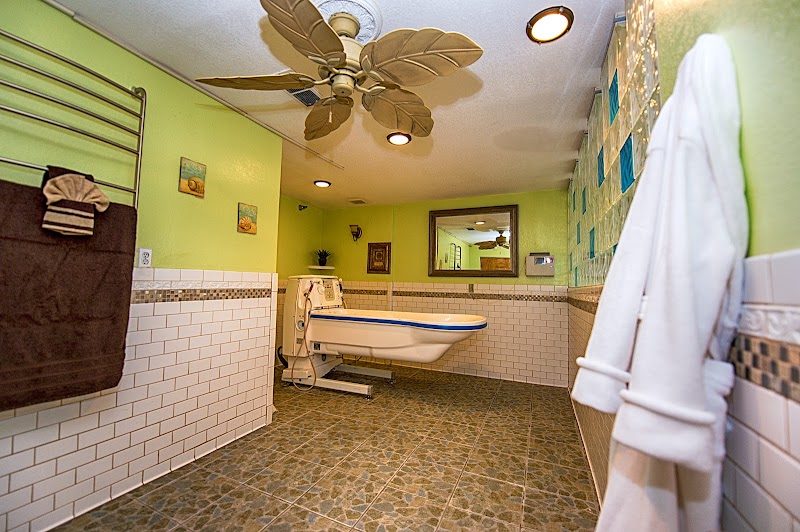
How is Cambridge Staffed?

CMS rates CAMBRIDGE CARE CENTER's staffing level at 4 out of 5 stars, which is above average compared to other nursing homes. Staff turnover is 46%, compared to the Colorado average of 46%.

What Have Inspectors Found at Cambridge?

State health inspectors documented 16 deficiencies at CAMBRIDGE CARE CENTER during 2021 to 2025. These included: 1 that caused actual resident harm and 15 with potential for harm. Deficiencies causing actual harm indicate documented cases where residents experienced negative health consequences.
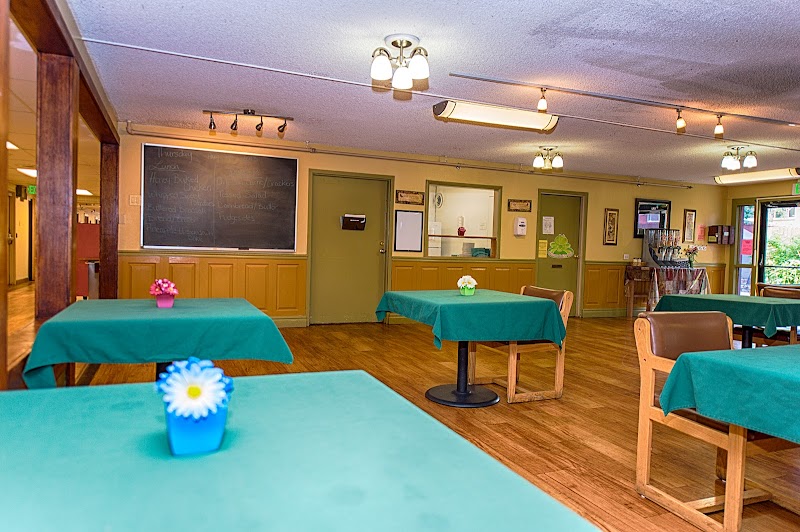
Who Owns and Operates Cambridge?

CAMBRIDGE CARE CENTER is owned by a for-profit company. For-profit facilities operate as businesses with obligations to shareholders or private owners. The facility is operated by VIVAGE SENIOR LIVING, a chain that manages multiple nursing homes. With 110 certified beds and approximately 88 residents (about 80% occupancy), it is a mid-sized facility located in LAKEWOOD, Colorado.
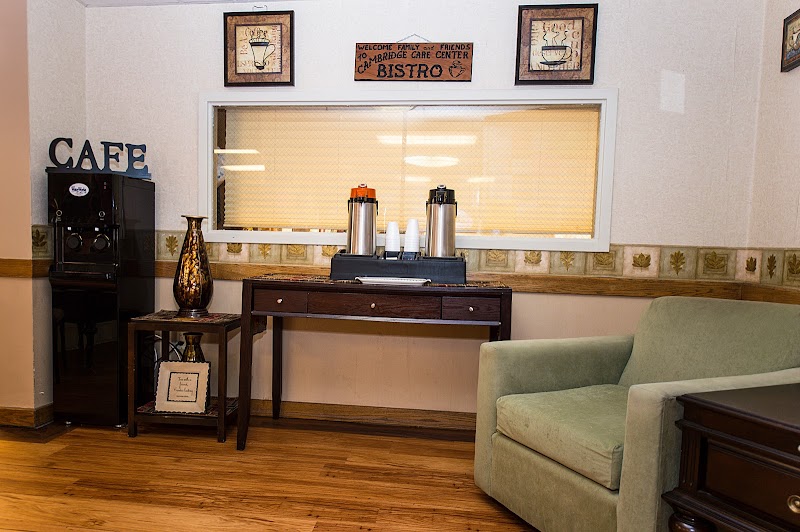
How Does Cambridge Compare to Other Colorado Nursing Homes?

Compared to the 100 nursing homes in Colorado, CAMBRIDGE CARE CENTER's overall rating (4 stars) is above the state average of 3.1, staff turnover (46%) is near the state average of 46%, and health inspection rating (3 stars) is at the national benchmark.

What Should Families Ask When Visiting Cambridge?

Based on this facility's data, families visiting should ask: "Can I visit during a mealtime to observe dining assistance and food quality?" "How do you handle medical emergencies, and what is your hospital transfer rate?" "Can I speak with family members of current residents about their experience?"

Is Cambridge Safe?

Based on CMS inspection data, CAMBRIDGE CARE CENTER has a clean safety record: no substantiated abuse findings (meaning no confirmed cases of resident harm), no Immediate Jeopardy citations (the most serious violation level indicating risk of serious injury or death), and is not on the Special Focus Facility watch list (a federal program monitoring the lowest-performing 1% of nursing homes). The facility has a 4-star overall rating and ranks #1 of 100 nursing homes in Colorado. While no facility is perfect, families should still ask about staff-to-resident ratios and recent inspection results during their visit.

Do Nurses at Cambridge Stick Around?

CAMBRIDGE CARE CENTER has a staff turnover rate of 46%, which is about average for Colorado nursing homes (state average: 46%). Moderate turnover is common in nursing homes, but families should still ask about staff tenure and how the facility maintains care continuity when employees leave.

Was Cambridge Ever Fined?

CAMBRIDGE CARE CENTER has been fined $8,151 across 1 penalty action. This is below the Colorado average of $33,160. While any fine indicates a compliance issue, fines under $50,000 are relatively common and typically reflect isolated problems that were subsequently corrected. Families should ask what specific issues led to these fines and confirm they've been resolved.

Is Cambridge on Any Federal Watch List?

CAMBRIDGE CARE CENTER is not on any federal watch list. The most significant is the Special Focus Facility (SFF) program, which identifies the bottom 1% of nursing homes nationally based on persistent, serious quality problems. Not being on this list means the facility has avoided the pattern of deficiencies that triggers enhanced federal oversight. This is a positive indicator, though families should still review the facility's inspection history directly.