CEDARS HEALTHCARE CENTER

1599 INGALLS ST, LAKEWOOD, CO 80214 (303) 232-3551
For profit - Limited Liability company 130 Beds STELLAR SENIOR LIVING Data: November 2025 2 Immediate Jeopardy citations
Trust Grade
16/100
#134 of 208 in CO
Last Inspection: March 2024

Within standard 12-15 month inspection cycle. Federal law requires annual inspections.

Overview

Cedars Healthcare Center has received a Trust Grade of F, indicating significant concerns regarding the quality of care provided. It ranks #134 out of 208 facilities in Colorado, placing it in the bottom half, and #16 out of 23 in Jefferson County, meaning only a few local options are worse. While the facility is improving-reducing its issues from 8 in 2024 to 2 in 2025-there are still serious deficiencies, including critical incidents where residents did not receive proper treatment, leading to severe health complications. Staffing is a relative strength, with a 4 out of 5 rating and a turnover rate of 33%, which is below the state average. However, the facility has received fines totaling $41,413 and has concerning RN coverage, being less than 80% of state facilities, which could impact the quality of care provided.

Trust Score
F
16/100
In Colorado
#134/208
Bottom 36%
Safety Record
High Risk
Review needed
Inspections
Getting Better
8 → 2 violations
Staff Stability
○ Average
33% turnover. Near Colorado's 48% average. Typical for the industry.
Penalties
✓ Good
$41,413 in fines. Lower than most Colorado facilities. Relatively clean record.
Skilled Nurses
○ Average
Each resident gets 33 minutes of Registered Nurse (RN) attention daily — about average for Colorado. RNs are the most trained staff who monitor for health changes.
Violations
⚠ Watch
44 deficiencies on record. Higher than average. Multiple issues found across inspections.
★★☆☆☆
2.0
Overall Rating
★★★★☆
4.0
Staff Levels
★★★★★
5.0
Care Quality
★☆☆☆☆
1.0
Inspection Score
Stable
2024: 8 issues
2025: 2 issues

The Good

  • 4-Star Staffing Rating · Above-average nurse staffing levels
  • 5-Star Quality Measures · Strong clinical quality outcomes
  • Full Sprinkler Coverage · Fire safety systems throughout facility
  • No fines on record
  • Staff turnover below average (33%)

    15 points below Colorado average of 48%

Facility shows strength in staffing levels, quality measures, fire safety.

The Bad

2-Star Overall Rating

Below Colorado average (3.1)

Below average - review inspection findings carefully

Staff Turnover: 33%

13pts below Colorado avg (46%)

Typical for the industry

Federal Fines: $41,413

Above median ($33,413)

Moderate penalties - review what triggered them

Chain: STELLAR SENIOR LIVING

Part of a multi-facility chain

Ask about local staffing decisions and management

The Ugly 44 deficiencies on record

2 life-threatening 1 actual harm
Jul 2025 2 deficiencies 1 IJ
CRITICAL (J) 📢 Someone Reported This

A family member, employee, or ombudsman was alarmed enough to file a formal complaint

Immediate Jeopardy (IJ) - the most serious Medicare violation

Quality of Care (Tag F0684)

Someone could have died · This affected 1 resident

**NOTE- TERMS IN BRACKETS HAVE BEEN EDITED TO PROTECT CONFIDENTIALITY** Based on record review, observations and interviews, the facility failed to ensure one (#7) of six residents reviewed for qualit...

Read full inspector narrative →
**NOTE- TERMS IN BRACKETS HAVE BEEN EDITED TO PROTECT CONFIDENTIALITY** Based on record review, observations and interviews, the facility failed to ensure one (#7) of six residents reviewed for quality of care out of seven sample residents, received treatment and care in accordance with professional standards of practice.IMMEDIATE JEOPARDYResident #7 was admitted on [DATE] with diagnoses of Parkinson's disease (a progressive disease that causes symptoms such as tremors, stiffness and slow movement), epilepsy without status epilepticus (seizure lasting longer than five minutes, or two or more seizures without the resident gaining consciousness in between them), chronic respiratory failure, dependence on supplemental oxygen and cognitive communication deficit.On 6/26/25, Resident #7 experienced seizure activity that lasted longer than 30 minutes. During the seizure activity, the resident was observed to be having seizures by several staff members. The nurse practitioner (NP) was notified three times, by three different staff members, during the resident's seizure activity, however the NP did not ask staff to obtain vital signs or conduct any assessment of the resident. The NP did not give staff a physician's order to send Resident #7 to the emergency department (ED) until the resident had been experiencing seizure activity for over 30 minutes.When emergency medical services (EMS) arrived at the facility, Resident #7's airway was compromised, and he required an artificial airway placement (a medical device inserted into the trachea (windpipe) to maintain or restore a patient's airway, especially when they cannot breathe effectively on their own). Resident #7 was admitted to the intensive care unit (ICU) and placed on a ventilator.On 6/26/25, Resident #7 experienced a situation of serious harm. The facility's failure to implement a plan to ensure staff were trained on how to monitor residents for seizure activity, how to identify seizure activity and respond timely and appropriately when a resident was experiencing seizures to ensure the incident did not reoccur created the potential for serious harm to Resident #7 and other residents with a seizure disorder if the situation was not immediately corrected. ADDITIONAL FAILURES FOR RESIDENT #7Further review of Resident #7's electronic medical record (EMR) revealed Resident #7 readmitted to the facility following his hospitalization for seizure activity on 7/7/25. On 7/9/25 a physician's order was given for midazolam (an anticonvulsant medication for breakthrough seizure activity), however, the facility failed to ensure the medication was obtained from the pharmacy until 7/15/25, six days after the medication was obtained.Additionally, the facility failed to ensure nursing staff were trained on how to appropriately administer the midazolam medication to Resident #7 in the event the resident experienced another seizure episode.Specifically, the facility failed to:-Provide timely assessment and intervention during a change of condition for Resident #7; and,-Obtain Resident #7's breakthrough seizure medication in a timely manner after a new physician's order was given on 7/9/25 and ensure staff were trained on how to administer the medication to the resident.Findings include:IMMEDIATE JEOPARDYI. Findings of Immediate Jeopardy On 6/26/25, at 1:33 p.m. a care conference was held with the resident's representative. The resident's representative reported to the clinical team that she was concerned whether or not the resident's seizure medications were effective for Resident #7, as he had had several seizures in the last hour. After the care conference conference, around 1:49 p.m., registered nurse (RN) #3 called the NP and received a verbal physician's orders for lab work for Resident #7. -However, RN #3 did not check on the resident and did not assess him for seizure activity. At 2:00 p.m. RN #2 was notified by a dietary staff member of Resident #7's emergency. RN #2 went to Resident #7's room and observed Resident #7 having seizure activity. -However, RN #2 did not complete or document the resident's vital signs or overall condition. RN #2 contacted the same NP a second time, at approximately 2:20 p.m. and reported the seizure activity for Resident #7. The NP said she needed to review the resident's chart and would call back. -However, the NP did not call back within the next 10 minutes. At 2:30 p.m. the NP was called a third time by licensed practical nurse (LPN) #4 to notify the NP about Resident #7's seizure activity that had been occurring for more than 30 minutes. The NP gave a physician's order to send the resident to the hospital via EMS. Resident #7 was admitted to the ICU and placed on a ventilator. The director of nursing (DON) was interviewed on 7/10/25 at 3:20 p.m. The DON said Resident #7 had a history of behaviors. The DON said the resident would stare at the wall and not respond to staff if the staff were not providing his care as he preferred. The DON said Resident #7 had Parkinson's tremors, and when he was first discovered on 6/26/25, he had tremors. The DON said when the staff realized the tremors were worse, they called EMS.Staff interviews on 7/14/25 (during the survey) revealed that staff was not able to recognize the difference between the resident's Parkinson's tremors and seizure activity. The staff said they had not received any recent training on seizure management (see interviews below).During the survey, the facility was unable to find documentation to indicate the licensed nursing staff completed assessments or vitals signs during the time period on 6/26/25 when Resident #7 was experiencing seizure activity (see record review and interviews below).The DON was interviewed on 7/14/25 at 9:50 a.m. The DON said the facility's IDT had not reviewed Resident #7's seizure incident. She said she reviewed the incident and determined facility staff responded appropriately to Resident #7 on 6/26/25. The DON said she was unable to locate documented nursing assessments or vital signs related to the incident. The DON said the staff completed an Hospital Transfer form, which acted as the assessment.The facility failed to provide the licensed nursing staff education regarding seizure activity monitoring and procedures to follow in the event that a resident was experiencing a seizure. On 7/15/25 at 12:40 p.m. the nursing home administrator (NHA) and the DON were notified that the facility's failure to timely assess and intervene appropriately when Resident #7 had a change of condition related to seizure activity and the facility's failure to educate the licensed nursing staff regarding seizure activity monitoring and procedures after the incident on 6/26/25 created the potential for serious harm if the situation was not immediately corrected. B. Facility plan to remove the immediate jeopardyOn 7/16/25 at 3:10 p.m. the NHA provided a plan to remove the immediate jeopardy situation. The removal plan read: Plan of Correction: Beginning 7/11/25 and completed on 7/15/25, the nursing staff were provided seizure-specific education, including types of seizures, management of seizures, and response to seizures.Monitoring for seizure activity would occur every two hours for all residents with a seizure diagnosis, starting 7/15/25.Resident #7's midazolam rescue inhaler was received on 7/15/25 and placed in the Main Hall medication cart. The charge nurse on duty, RN #2, for Resident #7 was educated on the proper use of medication on 7/16/25.On 7/15/25 the facility identified additional residents with a seizure condition based on medical diagnosis and history and physical.Starting 7/15/25 the identified residents with a seizure diagnosis would have physician's orders in place to monitor seizure activity and the number of seizures every shift, with a note to contact the physician if seizure activity was observed.Beginning 7/16/25 all residents with a seizure diagnosis would be reviewed every morning by the interdisciplinary team (IDT). The residents' medication administration records (MAR) and plan of care would be reviewed daily with the IDT to ensure that new findings (such as seizure activity) were communicated to the physician. The IDT would ensure there was physician feedback documented in the resident's medical records.On 7/15/25 the care plans for all residents with a seizure diagnosis had been updated to reflect seizures and monitoring.On 7/15/25 Resident #7's Kardex (staff directive tool utilized to provide personalized resident care) was reviewed to ensure documentation was listed as indicated to reflect seizures and monitoring.On 7/15/25 physician's orders for parameters were placed in all residents' charts with a seizure diagnosis that read For seizure lasting greater than five minutes, despite interventions or if airway compromised, call 911 and send to ED (emergency department).On 7/15/25 a physician's order was added to Resident #7's CPO for differentiation of tremors versus seizures. This would be assessed by pulse oximetry (a non-invasive method used to measure the oxygen saturation level in the blood) per the physician. Oxygen saturations (level of oxygen in the blood) would be monitored every shift.C. Measures implemented to prevent recurrenceOn 7/16/25 the medical director (MD) initiated seizure-specific training to the nursing staff.On 7/11/25 the staff development coordinator (SDC) began educating the nursing staff on types of seizures and seizure management, as specified by the physician's orders, the residents' Kardex and the care plans. Each nurse would receive the training before the beginning of their next shift.On 7/11/25 all nursing staff would be educated by the SDC on appropriate documentation of emergency situations, changes in condition and physician notification. Each nurse would receive the training before the beginning of their next shift.D. Removal of immediate jeopardyOn 5/16/25 at 5:50 p.m. the NHA was notified that the immediate jeopardy situation was removed, based on the facility's plan and evidence of its implementation. However, deficient practice remained at a G level, actual harm that is not immediate jeopardy, isolated.II. Professional referencePotter, P. A., & [NAME], A. G. (2023). Fundamentals of Nursing E-Book (11th ed., pp. 824-834). Elsevier Health Sciences was reviewed and included instructions for nurses for managing seizure activity as follows: Call 911 if a person has repeated seizures, if a seizure lasts five minutes or longer, or if seizures occur closer together than usual for that person. When a seizure begins, note the time, track the duration of the seizure, and notify the provider immediately. Time the seizure from the beginning to the end of the active seizure. Turn the person onto their side if they are not awake or aware, with the mouth pointing toward the ground. Prolonged or repeated seizures indicate status epilepticus, a medical emergency that requires intensive monitoring and treatment. It is important that you observe the patient carefully before, during, and after the seizure so that you can document the episode accurately. Seizure precautions encompass nursing interventions to protect a patient from traumatic injury, to position for adequate ventilation and drainage of oral secretions, and to provide privacy.III. Facility policy and procedureThe Change in a Resident's Condition or Status policy and procedure, dated February 2021, was received from the DON on 7/14/25 at 12:01 a.m. It read in pertinent part, Our facility promptly notifies the resident, the attending physician, and the resident's representative of the resident's medical condition and status. The nurse will notify the resident's attending physician when there has been a significant change in the resident's physical condition. A significant change is a major decline in the resident's status that will not normally resolve itself without intervention by staff and is ultimately based on the judgment of the clinical staff. Except in medical emergencies, notifications will be made within 24 hours of a change occurring in the resident's status. The nurse will record in the resident's medical record information relative to changes in the resident's status.IV. Resident #7A. Resident statusResident #7, age greater than 65, was admitted on [DATE], discharged to the hospital on 6/26/25 and readmitted on [DATE]. According to the July 2025 computerized physician's order (CPO), diagnoses included Parkinson's disease, epilepsy without status epilepticus, chronic respiratory failure, dependence on supplemental oxygen, and cognitive communication deficit. The 6/19/25 minimum data set (MDS) assessment revealed the resident was moderately cognitively impaired with a brief interview for mental status (BIMS) score of 11 out of 15. Resident #7 was dependent on staff assistance for all activities of daily living (ADL). The MDS assessment identified Resident #7 had a seizure disorder or epilepsy and was prescribed midazolam. B. Resident #7's representative interviewResident #7's representative was interviewed on 7/14/25 at 3:41 p.m. The representative said that on 6/26/25 at approximately 12:30 p.m., she arrived at the facility to visit Resident #7. The representative said that between 12:30 p.m. and 1:30 p.m., she observed Resident #7 experience three seizures. She said each seizure lasted a few minutes, in which Resident #7 had tremors, his body was stiff and he was unable to respond. She said each seizure lasted longer than the previous seizure and the third seizure was not normal for Resident #7 because it lasted longer and he did not recover as quickly from the seizure. The representative said she was scheduled to attend a care conference for Resident #7 on 6/26/25 at 1:30 p.m. The representative said when she arrived for the care conference, she reported to the staff that she was concerned that the resident's recent medication changes were causing seizures and that she wanted the medication stopped. The representative said the care conference ended promptly due to Resident #7 having seizure activity. The representative said when she returned from the care conference to Resident #7's room, he was not responsive and was experiencing a seizure. The representative said nurses went to the resident's room to check on Resident #7. She said she did not recall what actions the nurses took, but said she heard a discussion and was aware the provider was contacted. The representative said the nurse never left Resident #7's room and did not administer any medications to stop the seizure activity. The representative said she heard the nurses discussing facility protocol and procedure, and the agency nurse (LPN #4) asked the facility staff what the facility protocol and procedure were for emergencies. The representative said before EMS arrived, she heard Resident #7 having gurgling sounds when he was breathing. C. Record review1. Care planThe neurological status care plan, initiated on 6/24/18, revealed the resident had an altered neurological condition related to a seizure disorder and Parkinson's disease with a history of antipsychotic medication use. Pertinent interventions included assessing Resident #7 for effects of psychotropic medications, involuntary dystonia (muscle spasms), akinesia (restlessness), akinesia (difficulty with voluntary movements), rigidity, and tremors (initiated 6/27/18), placing the resident on his side, maintaining an open airway and removing obstacles to ensuring a safe environment if seizure activity occurred (initiated 6/27/18), notifying the physician if the resident had a seizure (initiated 6/27/18), following seizure precautions, including not leaving the resident alone, protecting the resident from injury removing or loosening tight clothing (initiated 6/27/18), providing medications for breakthrough seizures as ordered and monitoring for side effects and effectiveness (initiated 7/14/25), monitoring for seizure activity every shift (initiated 7/14/25), monitoring for tremors, rigidity, changes in level of consciousness and slurred speech every shift (initiated 7/14/25), notifying the physician in the event of seizure activity (initiated 7/14/25) and providing visual checks every two hours and as needed for signs and/or symptoms of seizures (initiated 7/14/25).2. EMS documentationThe 6/26/25 EMS documentation was provided on 7/18/25 at 10:05 a.m. from the EMS company. The EMS documentation, dated 6/26/25 at 2:41 p.m., revealed Resident #7 was unresponsive. The resident's blood pressure was 140/80 millimeters of mercury (mmHg), his heart rate was 160 beats per minute (BPM -normal adult range is 60 to100 BPM), and had premature ventricular contractions (abnormal heart rhythm). The resident's respirations were 20 breaths per minute and his breathing was labored. His blood sugar was 170 milligrams per deciliter (mg/dl) and his body temperature was 102 degrees Fahrenheit (F). The EMS staff administered an injection of Versed (a medication to slow down brain activity), placed the resident on high-flow oxygen with a non-rebreather mask and suctioned Resident #7's airway. The EMS staff noted Resident #7 did not have an intact airway and the resident was not taking adequate breaths. The EMS staff removed the non-breather oxygen mask and inserted an artificial airway. The EMS staff provided respiration assistance to the resident using a bag, valve and mask technique with suction. 3. NP documentationThe Summary of Episode note, dated 6/27/25 at 7:39 p.m., written by the NP, was received from the DON on 7/15/25 at 3:34 p.m. The episode summary documented Resident #7's respiratory rate was 18 breaths per minute, his blood pressure was 118/78 mmHg, his body temperature was 98.2 F, his rate rate was 77 BPM, his oxygen saturation level was 82% (percent) and his blood sugar level was 122 mg/dl.-However, the vital signs documented in the episode summary note were the vital signs that had been documented in Resident #7's EMR on 6/25/25 at 8:31 p.m. (the night before the resident's seizure episode), with the exception of the resident's blood sugar level which was documented on 6/14/25, 12 days prior to the seizure episode. -The NP's episode summary note did not include documentation of the verbal telephone orders for lab work that were provided to RN #3 at 1:49 p.m. or the telephone calls RN #2 and LPN #4 made to the NP. -There were no additional provider progress notes documented in the EMR until 7/7/25, when Resident #7 returned from the hospital.4. Change in condition assessmentThe 6/26/25 2:45 p.m. Hospital Transfer form documented at 2:45 p.m. was provided by the DON on 7/15/25 at 3:34 p.m. The Hospital Transfer form documented Resident #7's respiratory rate was 18 breaths per minute, his blood pressure was 118/78 mmHg, his body temperature was 98.2 F, his rate rate was 77 BPM, his oxygen saturation level was 82% (percent) and his blood sugar level was 122 mg/dl.-However, the vital signs documented in the Hospital Transfer form were the vital signs that had been documented in Resident #7's EMR on 6/25/25 at 8:31 p.m. (the night before the resident's seizure episode), with the exception of the resident's blood sugar level which was documented on 6/14/25, 12 days prior to the seizure episode.-Review of Resident #7's EMR revealed there were no additional vital signs obtained or documented in the resident's EMR after the resident's representative reported seizure activity and the facility staff observed the resident with seizure activity on 6/26/25. -The Hospital Transfer form documented that Resident #7 had a risk for seizures but did not include information about the 6/26/25 seizure activity on the form.5. Progress notes-There was no documentation to indicate RN #3 notified the NP about the seizure activity before the care conference.The 6/26/25 at 2:32 p.m. nursing progress note, documented by RN #2, revealed RN #2 was called to Resident #7's room at 2:00 p.m. where he observed Resident #7 with seizure activity. Resident #7 was unconscious and had involuntary movement which lasted longer than 30 minutes. -However, there was no documentation in Resident #7's EMR to indicate that RN #2 assessed Resident #7, recorded what time the NP was contacted, the NP's response, or what time emergency services were contacted.The 6/26/25 at 3:07 p.m. nursing progress note, documented by LPN #4, revealed LPN #4 revealed that the NP was called a third time, and informed that Resident #7 had continued seizure activity for 30 minutes. The note revealed that a physician's order was obtained from the NP to transfer Resident #7 to the ED. -However, there was no documentation in Resident #7's EMR to indicate that LPN #4 assessed Resident #7, what time the NP was contacted, the NP's response, or what time emergency medical services were contacted. -Review of Resident #7's EMR revealed there was no documentation to indicate an assessment was conducted by a licensed nurse during Resident #7's seizure activity on 6/26/25.D. Staff interviewsRN #2 was interviewed on 7/10/25 at 3:00 p.m. RN #2 said nurses could provide several interventions to manage residents' seizure activity. RN #2 said if a resident had seizure activity, they should be placed on their side and the provider should be notified. He said if the resident had medications for breakthrough seizures ordered the medications should be administered when the resident was experiencing a seizure.The DON was interviewed on 7/10/25 at 3:20 p.m. The DON said Resident #7 had a history of behaviors. The DON said the resident would stare at the wall and not respond to staff if the staff were not providing his care as he preferred. The DON said Resident #7 had Parkinson's tremors, and when he was first discovered on 6/26/25, he had tremors. The DON said when the staff realized the tremors were worse, they called EMS.The DON was interviewed again on 7/14/25 at 9:50 a.m. The DON said the facility's IDT had not reviewed Resident #7's seizure incident. The DON said she was unable to locate documented nursing assessments or vital signs related to the incident. The DON said the staff completed a Hospital Transfer form, which acted as the assessment.Certified nurse aide (CNA) #1 was interviewed on 7/14/25 at 1:00 p.m. CNA #1 said she did not remember receiving any training regarding seizure monitoring or seizure protocol. She said if she noticed a resident having abnormal movement, she would notify the nurse on duty. She said Resident #7 had mild tremors to his right arm because he had Parkinson's disease. She said Resident #7 was always able to answer questions and respond appropriately. CNA #2 was interviewed on 7/14/25 at 1:20 p.m. CNA #2 said she did not know who she needed to monitor residents for seizure activity because that was the nurse's job. She said her nurse manager never told her that she needed to monitor residents for seizure activities and she was not trained to do so. LPN #1 was interviewed on 7/14/25 at 2:00 p.m. LPN #1 said it was her first day working at the facility. LPN #1 said she did not receive any facility-specific training before the start of her shift. She said if she noticed a resident having continuous seizures for more than one minute, she would reach out to the physician for emergency medication orders. She said if a seizure was noted to last more than five minutes, she would immediately call 911 for medical transfer to the hospital. She said additionally, she would complete a progress note to document the event details because the facility did not have a seizure-specific documentation assessment.RN #1 was interviewed on 7/14/25 at 2:10 p.m. RN #1 said if a resident was having a seizure, he would protect the resident from injury by making sure their limbs did not hit any bed rails and he would turn the resident's head to the side so they did not aspirate. RN #1 said that if a resident had a seizure for more than three minutes, he would call 911. RN #1 said he did not know if that was the facility's protocol, but that was what he would do, based on his years of experience as a bedside nurse. RN #1 said typically, the DON would do the education for the staff regarding what to monitor for resident seizure activity. RN #1 said he thought he received education on seizures, but he was not sure.LPN #3 was interviewed on 7/14/25 at 2:17 p.m. via telephone. LPN #3 said she looked at the residents' care plans for interventions on how to monitor a resident with a history of seizures. She said she would also check the physician's orders for rescue medication to stop the seizure if it exceeded five minutes in duration. She said immediate action would include assessing the resident's vital signs, documenting the type and duration of the seizure and notifying the physician immediately. She said it was important to follow these steps because if a seizure lasted more than five minutes, it could cause brain damage or death. She said she started working at the facility four months ago. LPN #3 said she did not remember receiving any type of training on seizure protocol.The NP was interviewed on 7/15/25 at 10:00 a.m. The NP said she remembered the events of that day (6/26/25). The NP said she received a total of three calls from the staff regarding Resident #7. The NP said the first call was regarding a medication change and she ordered STAT labs. She said about 20 minutes later, she received a second call from a nurse saying that Resident #7 was having active prolonged seizures. The NP said during the second call, she told the nurse on the phone that she would review Resident #7's EMR and give him a call back. The NP said she did not ask for vital signs or a resident assessment and the staff did not provide her with information obtained from a resident assessment. She said she received the third call a few minutes later, from a different nurse, indicating that Resident #7 needed to go to the hospital. The NP said she did not ask for Resident #7's assessment or vital signs during the third phone call. She said she gave a verbal physician's order to the third nurse to send the resident to the hospital. The medical director (MD) was interviewed on 7/15/25 at 10:30 a.m. The MD said he often had issues with the nurses at the facility not completing assessments on residents in emergency situations. The MD said he was not notified the day that Resident #7 had a seizure (6/25/25). The MD said if he was notified of the seizure activity, he would have asked the nurses to do a complete assessment in order to help him correctly treat the acute issue. The MD said based on the severity and the resident's medical history, a prolonged continuous seizure lasting in excess of 30 minutes could cause harm to a resident.E. Facility follow-upOn 7/14/25 at 8:15 a.m. (during the survey) the DON provided a written statement from RN #2. The statement, dated 7/13/25, read in pertinent part, This writer (RN #2) and LPN #4 assessed Resident #7 for Parkinson's disease signs and symptoms due to the resident always having involuntary upper arm movement, while monitoring oxygen saturation and vital signs. -However, review of Resident #7's EMR did not reveal additional documentation of the resident's vital signs after the vital signs that were taken on 6/25/25 at 8:31 p.m. (see record review above).RN #3 sent an email communication to the DON on 7/15/25 at 2:07 p.m. (during the survey). The email was provided by the DON on 7/15/25 at 3:34 p.m The email documented that RN #3 had attended the care conference for Resident #7 on 6/26/25 at 1:33 p.m. via telephone. RN #3 said she notified the NP that Resident #7's representative was concerned about the resident's medications after the resident had a couple of episodes of staring into space for a few seconds on 6/26/25, before the care conference. RN #3 said she informed the representative that she would notify the physician of the concerns and that the facility would see if there was a different medication for Resident #7. RN #3 documented in the email that she notified the NP on 6/26/25 at 1:49 p.m. of the staring episodes. RN #3 said the NP ordered STAT (immediate, without delay) labs for the resident. RN #3 documented in the email that she informed RN #2 about the lab work.-However, review of Resident #7's EMR did not reveal any documentation regarding RN #3's conversation with the resident's representative or her phone call with the NP, where physician's orders were obtained for lab work. V. ADDITIONAL FAILURES FOR RESIDENT #7A. Facility policy and procedureThe Administering Medications policy, dated April 2019, was provided by the DON on 7/15/25 at 10:06 a.m. The policy read in pertinent part, Medications are administered in a safe and timely manner, and as prescribed. Only persons licensed or permitted may prepare, administer, and document the administration of medications. The director of nursing services (DON) supervises and directs all personnel who administer medications and/or have related functions. Medications are administered by prescriber orders, including any required time frame. Medication administration times are determined by resident need and benefit, not staff convenience. Factors that are considered include: - Enhancing the optimal therapeutic effect of the medication; -Preventing potential medication or food interactions; and-Honoring resident choices and preferences, consistent with their care plan. The individual administering the medication checks the label three (3) times to verify the right resident, right medication, right dosage, right time, and right method (route) of administration before giving the medication. If a drug is withheld, refused, or given at a time other than the scheduled time, the individual administering the medication shall initial and circle the medication administration record (MAR) space provided for that drug and dose. The individual administering the medication signs the resident's MAR on the appropriate line after giving each medication and before administering the next ones. As required or indicated for a medication, the individual administering the medication records in the resident's medical record:-The date and time the medication was administered;-The dosage;-The route of administration;-The injection site (if applicable);-Any complaints or symptoms for which the drug was administered;-Any results achieved and when those results were observed; and,-The signature and title of the person administering the drug.B. Resident #71. Record reviewA review of Resident #7's July 2025 CPO revealed the following physician's order:Midazolam nasal solution solution 5 mg/0.1ml. Administer one spray in the left nostril every 24 hours as needed for breakthrough seizure activity. Administer one spray to the left nostril for one dose, repeat dose in the other nostril for one dose in ten minutes, if needed, ordered 7/9/25 at 2:11 p.m. -However, the midazolam medication was not delivered until 7/15/25 at approximately 8:00 p.m. (see DON interview below).C. Staff interviews RN #2 was interviewed on 7/10/25 at 3:00 p.m. RN #2 said if a resident had medications for breakthrough seizures ordered the medications should be administered when the resident was experiencing a seizure. RN #2 said emergency medications were available in the emergency medication kit which was stored in the medication room, however, he said he was unaware if there were emergency medications for seizures available in the facility.The DON was interviewed on 7/14/25 at 4:52 p.m. The DON said she was unaware that the midazolam medication was not available for Resident #7. The DON said the nurses should have monitored the status of the resident's midazolam until it was delivered from the pharmacy. The DON was interviewed again on 7/16/25 at 3:00 p.m. The DON said Resident #7's Midazolam medication ordered for seizures on 7/9/25 was delivered on 7/15/25 at approximately 8:00 p.m.The DON said it was the responsibility of the licensed nurses to follow up with the pharmacy when they realized a medication was not delivered promptly. The DON said this was concerning because Resident #7 could have had another seizure and there was no medication available.
CONCERN (D) 📢 Someone Reported This

A family member, employee, or ombudsman was alarmed enough to file a formal complaint

Potential for Harm - no one hurt, but risky conditions existed

Medical Records (Tag F0842)

Could have caused harm · This affected 1 resident

**NOTE- TERMS IN BRACKETS HAVE BEEN EDITED TO PROTECT CONFIDENTIALITY** Based on record review and interviews, the facility failed to maintain medical records in accordance with accepted professional ...

Read full inspector narrative →
**NOTE- TERMS IN BRACKETS HAVE BEEN EDITED TO PROTECT CONFIDENTIALITY** Based on record review and interviews, the facility failed to maintain medical records in accordance with accepted professional standards and practices for two (#1 and #2) of six residents out of seven sample residents.Specifically, the facility failed to accurately document the administration of scheduled medications for Resident #1 and Resident #2. Findings include:I. Facility policy and procedureThe Administering Medications policy, dated April 2019, was provided by the director of nursing (DON) on 7/15/25 at 10:06 a.m. The policy read in pertinent part, Medications are administered in a safe and timely manner, and as prescribed. Only persons licensed or permitted may prepare, administer, and document the administration of medications. The director of nursing services (DON) supervises and directs all personnel who administer medications and/or have related functions. Medications are administered by prescriber orders, including any required time frame. Medication administration times are determined by resident need and benefit, not staff convenience. Factors that are considered include: - Enhancing the optimal therapeutic effect of the medication; -Preventing potential medication or food interactions; and-Honoring resident choices and preferences, consistent with their care plan. The individual administering the medication checks the label three (3) times to verify the right resident, right medication, right dosage, right time, and right method (route) of administration before giving the medication. If a drug is withheld, refused, or given at a time other than the scheduled time, the individual administering the medication shall initial and circle the medication administration record (MAR) space provided for that drug and dose. The individual administering the medication signs the resident's MAR on the appropriate line after giving each medication and before administering the next ones. As required or indicated for a medication, the individual administering the medication records in the resident's medical record:-The date and time the medication was administered;-The dosage;-The route of administration;-The injection site (if applicable);-Any complaints or symptoms for which the drug was administered;-Any results achieved and when those results were observed; and,-The signature and title of the person administering the drug.The Leave of Absence (LOA) policy, revised 8/1/24, was provided by the DON on 7/15/25 at 10:06 a.m. The policy read in pertinent part, This policy applies to all healthcare providers involved in the preparation of a resident for a leave of absence medications.A physician should provide an order indicating the resident may take a leave of absence, along with a list of medications to be taken during the leave. The facility nurse and prescriber should review the list of current medications, the total number of doses required for each medication, and the length of time the resident will need the medication. The facility should have the resident sign for the receipt of medications for the leave of absence. The facility should chart the following on the MAR:-Quantity of each medication released to the resident or responsible party,-Date medication is released to the resident or responsible party,-Time medication is released to the resident or responsible party, and,-Name of the person receiving the medication. The facility should record the release of controlled substances that require tracking on a separate inventory sheet for the leave of absence. When the resident returns to the facility, the nurse should count all doses of controlled substances and document the doses used while on leave of absence.II. Resident #1A. Resident statusResident #1, age greater than 65, was admitted on [DATE]. According to the July 2025 computerized physician orders (CPO), diagnoses included panic disorder, anxiety, schizoaffective disorder (mental illness), iron deficiency anemia, protein-calorie malnutrition, dementia, fibromyalgia (pain disorder) and chronic pain. The 4/16/25 minimum data set (MDS) assessment revealed Resident #1 was cognitively intact with a brief interview for mental status (BIMS) score of 15 out of 15. Resident #1 was independent with all activities of daily living (ADL). B. Resident #1's family member interviewA family member for Resident #1 was interviewed via telephone on 7/10/25 at 11:14 a.m. The family member reported she picked Resident #1 up for a pass on 5/19/25 to 5/22/25. She said the facility provided her with medications for one day, but did not provide a list of the medications because she was not Resident #1's designated representative. The family members reported that the medications received on 5/19/25 were incorrect medications. The family member said she returned to the facility on 5/20/25 and then received additional medications for 5/20/25. The family member said the medications received for 5/20/25 were correct but were different from the medications received for 5/19/25.C. Record reviewReview of Resident #1's MARS and treatment administration records (TARS), from 2/1/25 to 7/15/25, revealed there were multiple days when the resident's medications did not include staff documentation to indicate the medications were administered to the resident. Additionally, there were multiple days when the entry for medications read 09, which indicated a progress note was required to explain if a medication was not provided or treatment refused (see interviews below).Review of #1's MARs and TARS revealed the following:Med Pass, 240 milliliters (ml), two times a day for nutritional support, ordered 2/1/25.-There was no documentation to indicate the Med Pass was administered on 2/6/25, 2/18/25, 4/11/25, 4/13/25, 5/19/25, 6/2/25, 6/8/25, 6/10/25, 6/12/25. -The administration entry for the Med Pass was coded as 09 with no corresponding progress note on 3/2/25, 3/4/25, 3/9/25, 3/11/25, 3/16/25, 3/18/25, 3/23/25, 3/25/25, 3/30/25, 5/1/25, 5/4/25, 5/6/25, 5/11/25, 5/13/25, 5/25/25, 5/27/25, 5/30/25, 6/1/25, 6/3/25, 6/8/25, 6/10/25, 6/15/25, 6/17/25, 6/22/25 and 6/29/25.Tylenol 500 milligrams (mg) give three times a day for pain, ordered 1/30/25. -There was no documentation to indicate the Tylenol medication was administered on 3/29/25 for the bedtime dose.Glucosamine 500 mg three times a day for supplement, ordered 1/30/25.-The administration entry for the glucosamine medication was coded as 09 with no corresponding progress note on 5/20/25 morning, and 5/22/25 for the morning and afternoon dose.-There was no documentation to indicate the glucosamine medication was administered on 2/6/25 afternoon, 2/18/25 afternoon, 5/19/25 bedtime, 6/2/25 afternoon , 6/8/25 afternoon, 6/10/25 afternoon and 6/12/25 afternoon.Gabapentin 100 mg three times a day for right arm nerve pain, ordered 3/5/25. -There was no documentation to indicate the gabapentin medication was administered on 5/19/25 evening, 6/2/25, 6/8/25, 6/10/25, 6/12/25. -On 5/20/25 and 5/21/25, the gabapentin medication was documented as administered, however Resident #1 was out of the facility on a pass with family from 5/19/25 to 5/22/25 (see interview above).Oxycodone 10 mg one tablet every six hours for chronic pain, ordered 2/3/25. There was no documentation to indicate the oxycodone medication was administered on 5/4/25 at 5:00 a.m. and 5/19/25 at 5:00 p.m.-On 5/21/25 at 11:00 a.m. and 5:00 p.m., the oxycodone 10 mg medication was documented as administered, however, Resident #1 was out of the facility on a pass with family from 5/19/25 to 5/22/25 (see interview above).Benztropine one mg daily for tremors, ordered 1/31/25.-There was no documentation to indicate the benztropine medication was administered on 6/2/25, 6/8/25, 6/10/25 and 6/12/25.Paliperidone 234 mg/1.5 ml, inject one time a day on the 17th of each month for schizoaffective disorder, ordered 2/17/25. -There was no documentation to indicate the paliperidone medication was administered on 4/17/25.Track hours of sleep every shift for insomnia, ordered 1/30/25. -The administration entry for the hours of sleep tracking was coded as 09 with no corresponding progress note on the day shift on 6/3/25 and 6/30/25. -The administration entry for the hours of sleep tracking was coded as 09 with no corresponding progress note on the evening shift on 6/6/25, 6/7/25, 6/13/25, 6/14/25, 6/15/25, 6/20/25, 6/27/25 and 6/28/25.Monitor oxygen nasal cannula placement and oxygen saturation every shift for COPD, ordered 1/30/25. -The administration entry for the oxygen nasal cannula placement and oxygen saturation was coded as 09 with no corresponding progress note on the day shift on 6/3/25 and 6/30/25.-The administration entry for the oxygen nasal cannula placement and oxygen saturation was coded as 09 with no corresponding progress note on the evening shift on 6/6/25, 6/7/25, 6/13/25, 6/14/25, 6/15/25, 6/20/25, 6/27/25, 6/28/25 and 6/30/25.Monitor behavior for antipsychotic medication use every shift for delusions, ordered 2/27/25. -The administration entry for the behavior monitoring for antipsychotic medication use for delusions was coded as 09 with no corresponding progress note on the day shift on 6/3/25, 6/6/25, 6/7/25, 6/14/25, 6/14/25, 6/15/25, 6/20/25, 6/21/25, 6/27/25, 6/28/25 and 6/30/25.-The administration entry for the behavior monitoring for antipsychotic medication use for delusions was coded as 09 with no corresponding progress note on the evening shift on 6/27/25, 6/28/25 and 6/30/25.Monitor behavior for antipsychotic medication use every shift for depression, ordered 2/27/25. -The administration entry for the behavior monitoring for antipsychotic medication use for depression was coded as 09 with no corresponding progress note on the day shift on 6/3/25, 6/6/25, 6/7/25, 6/14/25, 6/14/25, 6/15/25, 6/20/25, 6/21/25, 6/27/25, 6/28/25 and 6/30/25.-The administration entry for the behavior monitoring for antipsychotic medication use for depression was coded as 09 with no corresponding progress note on the evening shift on 6/27/25, 6/28/25 and 6/30/25. Monitor behavior for rapid heart rate, racing thoughts, and anxiety for anxiety every shift, ordered 2/27/25. -The administration entry for the behavior monitoring for rapid heart rate, racing thoughts, and anxiety for anxiety was coded as 09 with no corresponding progress note on the day shift on 6/3/25, 6/6/25, 6/7/25, 6/14/25, 6/14/25, 6/15/25, 6/20/25, 6/21/25, 6/27/25, 6/28/25 and 6/30/25.-The administration entry for the behavior monitoring for rapid heart rate, racing thoughts, and anxiety for anxiety was coded as 09 with no corresponding progress note on the evening shift on 6/27/25, 6/28/25 and 6/30/25.Monitor behavior for depression, sadness, and suicide ideation for antidepressant use every shift, ordered 2/27/25.-The administration entry for the behavior monitoring for depression, sadness, and suicide ideation for antidepressant use was coded as 09 with no corresponding progress note on the day shift on 6/3/25, 6/6/25, 6/7/25, 6/14/25, 6/14/25, 6/15/25, 6/20/25, 6/21/25, 6/27/25, 6/28/25 and 6/30/25.-The administration entry for the behavior monitoring for depression, sadness, and suicide ideation for antidepressant use was coded as 09 with no corresponding progress note on the evening shift on 6/27/25, 6/28/25 and 6/30/25.III. Resident #2A. Resident statusResident #2, age greater than 65, was admitted on [DATE]. According to the July 2025 CPO, diagnoses included depressive disorder, diabetes, epilepsy, asthma and stroke, anxiety, muscle weakness, obesity and iron deficiency anemia.The 4/9/25 MDS assessment revealed Resident #2 was cognitively intact with a BIMS score of 15 out of 15. Resident #2 was independent with ADLs.B. Record reviewReview of Resident #2's MARS and TARS, from 2/1/25 to 7/15/25, revealed there were multiple days when the resident's medications did not include staff documentation to indicate the medications were administered to the resident. Additionally, there were multiple days when the entry for medications read 09, which indicated a progress note was required to explain if a medication was not provided or treatment refused.Review of Resident #2's MARs and TARS revealed the following:Levothyroxine 75 micrograms (mcg) one tablet daily for thyroid hormone, ordered 12/18/24.-There was no documentation to indicate the levothyroxine medication was administered on 2/6/25 and 5/6/25. Ozempic 2 mg, inject every Monday for diabetes, ordered 1/6/25.-There was no documentation to indicate the Ozempic medication was administered on 3/24/25, 4/14/25, 5/5/25, 5/12/25, 5/26/25 and 6/2/25; -The administration entry for the Ozempic medication was coded as 09 with no corresponding progress note on 2/24/25, 3/3/25, 3/10/25, 3/17/25, 3/24/25 and 4/28/25. Snack for diabetes management, give a snack two times daily, ordered 1/30/25-There was no documentation to indicate the snack was given on 4/18/25, 4/23/25, 5/4/25, 5/5/25, 5/7/25, 5/11/25, 5/14/25, 5/21/25, 5/25/25 and 5/28/25.Blood sugar monitoring, check twice daily and notify the provider if over 400 milligrams/deciliter (mg/dl), ordered 12/17/24.-There was no documentation to indicate the blood sugar monitoring was completed in the morning on 2/6/25, 6/1/25 and 6/6/25.-There was no documentation to indicate the blood sugar monitoring was completed in the afternoon on 3/14/25, 3/17/25, 5/4/25 and 5/5/25.On 6/24/25, the blood sugar was 443 mg/dl. -There was no documentation that the provider was notified of the high reading.On 6/25/25, the blood sugar was 426 mg/dl. -There was no documentation that the provider was notified of the high reading.Oxycodone give 5 mg every eight hours for pain, ordered 12/17/24. -There was no documentation to indicate the oxycodone 5 mg medication was administered on 2/2/25 at 6:00 a.m., 2/6/25 at 6:00 a.m., 2/8/25 at 6:00 a.m., 2/14/25 at 6:00 a.m., 2/16/25 at 6:00 a.m., 2:00 p.m. and 9:00 p.m., 2/23/25 at 6:00 a.m., 3/7/25 at 6:00 a.m., and 3/8/25 at 6:00 a.m. Oxycodone 5 mg pain medication give every four hours, ordered 3/14/25 to start at 6:00 p.m. -The administration entry for the oxycodone 5 mg medication was coded as 09 with no corresponding progress note on 3/18/25 at 2:00 p.m.Oxycodone 5 mg for pain management, give 5 mg every eight hours, ordered 3/18/25 to start at 2:00 p.m. -There was no documentation to indicate the oxycodone 5 mg medication was administered on 3/18/25 at 2:00 p.m. and 3/22/25 at 6:00 a.m., 3/30/25 at 2:00 p.m., 4/11/25 at 6:00 a.m. and 4/14/25 at 2:00 p.m. -The administration entry for the oxycodone 5 mg medication was coded as 09 with no corresponding progress note on 3/29/25 at 6:00 a.m. and 3/30/25 at 6:00 a.m.Oxycodone 5 mg for pain management, give three times a day, ordered 4/14/25. -There was no documentation to indicate the oxycodone 5 mg medication was administered on 6/8/25, 6/10/25 and 6/12/25 for the afternoon doses. Eliquis 5 mg, one tablet twice daily for blood thinner, ordered on 12/18/24. -There was no documentation to indicate the Eliquis medication was administered on 3/26/25 in the morning, 3/26/25 in the afternoon, and 5/4/25 in the afternoon.Anticoagulant monitoring, monitor every shift, notify provider if adverse outcome is present, ordered 12/17/24. -The administration entry for the anticoagulant monitoring was coded as 09 with no corresponding progress note on 3/3/25, 3/10/25, 3/11/25, 3/13/25, 3/20/25, 3/25/25, 3/31/25, 4/1/25, 4/3/25, 4/8/25, 4/14/25, 4/15/25, 4/17/25, 4/21/25, 4/22/25, 4/24/25, 4/28/25, 4/29/25, 5/1/25, 5/6/25, 5/8/25, 5/12/25, 5/13/25, 5/15/25, 5/19/25, 5/20/25, 5/22/25, 5/26/25, 5/27/25, 5/29/25, 6/2/25, 6/3/25, 6/14/25, 6/20/25 and 6/30/25.Lantus 100 units/ml inject 53 units every morning, ordered 12/17/24. -There was no documentation to indicate the Eliquis medication was administered on 3/26/25 and 5/23/25. Mupirocin ointment, 2% (percent) for infection. Apply to left toe daily, ordered 3/14/25. -There was no documentation to indicate the Mupirocin ointment was administered on 3/14/25, 3/16/25, 6/14/25 and 6/16/25.Lyrica 150 mg twice daily for pain management, ordered on 12/17/24.-There was no documentation to indicate the Lyrica medication was administered in the morning on 3/16/25.-The administration entry for the Lyrica medication was coded as 09 with no corresponding progress note on 3/15/25 in the morning. Dulera inhaler 100-5 micrograms (mcg) give two puffs twice daily for asthma, ordered 3/10/25. -There was no documentation to indicate the Dulera inhaler was administered in the evening on 5/4/25.Cetaphil cream for dry skin. Apply two times daily, ordered 12/18/24.-There was no documentation to indicate the Cetaphil cream was administered in the evening on 5/4/25 in the evening.Eucerin cream for skin treatment. Apply to face twice daily, ordered 5/12/25.-There was no documentation to indicate the Eucerin cream was administered on 5/21/25. -The administration entry for the Eucerin cream was coded as 09 with no corresponding progress note on 5/8/25, 5/10/25 and 5/20/25. Keppra 250 mg give one tablet twice daily for seizure prevention. -There was no documentation to indicate the Keppra medication was administered in the morning and the afternoon on 5/4/25.Miconazole 2% apply to skin twice daily for skin infection, ordered 12/19/24.-The administration entry for the miconazole was coded as 09 with no corresponding progress note on 6/8/25, 6/10/25, 6/14/25, 6/15/25, 6/17/25, 6/20/25, 6/22/25 and 6/29/25.Macrobid 100 mg twice daily for infection, ordered 6/18/25 to start at 4:00 p.m. -The administration entry for the Macrobid medication was coded as 09 with no corresponding progress note on 6/18/25 at 4:00 p.m. IV. Staff interviewsLicensed practical nurse (LPN) #2 was interviewed on 7/10/25 at 12:15 p.m. LPN #2 said the MAR was used to document medications and treatments ordered by the physician. LPN #2 said that when the MAR reflected a blank for a scheduled medication or treatment, that indicated the medication or treatment was not completed. LPN #2 said the MAR had specific codes to use for the nurses to indicate if residents refused or if they were out of the facility. LPN #2 said the use of the code 09 meant a progress note was required to explain if a medication was not provided or was refused or for other concerns. LPN #2 said the nurse documentation entered from a 09 code was saved to the corresponding resident's progress notes. The director of nursing (DON) was interviewed on 7/10/25 at 1:31 p.m. The DON said that she received a grievance from a family member of Resident #1 regarding the medications provided when the resident was on pass from 5/19/25 to 5/22/25. The DON said she recognized the documentation was not sufficient and educated staff on the policy regarding how to document when residents went on a pass and what medications were provided. The DON was interviewed again on 7/14/25 at approximately 8:30 a.m. The DON said that when there was a blank entry on the MAR, that would indicate the medication or treatment was not completed as ordered by the physician. The DON said that if applicable, the nurse would use the 09 code and enter a corresponding progress note with the reason the medication or treatment was not administered. The DON said that she had not identified trends for the medication administrations not being documented. The DON said she reviewed the MARs every day for completeness. She said if a MAR included blank entries or if she had other concerns, she printed the MAR and took the MAR to the nurse involved. The DON said she expected that all physician's orders would be completed promptly. The DON said she began reviewing the MARs for completeness in March 2025 and had not identified concerns.The DON was interviewed a third time on 7/14/25 at 5:06 p.m. The DON said she had no performance improvement projects for quality improvement regarding medication administration documentation. She said the staff development coordinator (SDC) was responsible for completing residents' MAR audits and she had not been notified of any concerns. The DON said that she expected medications and treatments to be signed off by the nurse when they were administered. The DON was interviewed a fourth time on 7/16/25 at 5:07 p.m. The DON said she completed daily audits of resident's MARs so she could address any concerns the same day. The DON said, in the nursing world, if it is not documented then it did not happen. The DON said if blood glucose checks were not documented, then she would follow up with the resident and the nurse. The DON said the nurses should document medication administrations or their medication refusals in the resident's MARs at the time of the medication administration or the refusal.
Aug 2024 1 deficiency
CONCERN (D) 📢 Someone Reported This

A family member, employee, or ombudsman was alarmed enough to file a formal complaint

Potential for Harm - no one hurt, but risky conditions existed

Quality of Care (Tag F0684)

Could have caused harm · This affected 1 resident

**NOTE- TERMS IN BRACKETS HAVE BEEN EDITED TO PROTECT CONFIDENTIALITY** Based on record review and interviews, the facility failed to ensure one (#1) of three residents out of five sample residents re...

Read full inspector narrative →
**NOTE- TERMS IN BRACKETS HAVE BEEN EDITED TO PROTECT CONFIDENTIALITY** Based on record review and interviews, the facility failed to ensure one (#1) of three residents out of five sample residents received treatment and care for optimal skin condition of a contracted hand, in accordance with professional standards of practice. Specifically, the facility did not provide adequate skin care to prevent skin breakdown in Resident #1's contracted hands and between the resident's fingers and the thumb. Findings include: I. Professional reference According to the [NAME] Health NHS Foundation Trust Hand Contractures, February 2022, retrieved on 8/28/24, from https://www.oxfordhealth.nhs.uk/wp-content/uploads/sites/24/2023/06/1.6.3-Hand-Contractures-Advice-Sheet-for-Care-Homes.pdf, It is vital to adequately manage this condition in order to prevent pressure sores and skin breakdown in the palm and fingers. Once a hand contracture is present it can become very painful. Movements can be uncomfortable, but it is essential to maintain adequate hand hygiene; Hand hygiene is essential management of hand contractures. This should be achieved by regular washing and drying of the hand at least two to three times a day. It is especially important to ensure the skin is properly dry. If the skin is wet/sweaty this increases the changes to the normal skin barrier and can lead to breakdown, sores and infections. Allowing a little time to dry the hand will prevent skin from breaking down and prevent odor, which can become offensive. Also, ensure nails are regularly cut to prevent digging into the hand. II. Facility policy and procedure On 8/20/24 a request was made to the director of nursing (DON) for the facility's policy on contracture management and skin integrity management. -The facility did not provide any policies by the end of the survey on 8/20/24. III. Resident #1 A. Resident status Resident #1, age less than 65, was admitted to the facility on [DATE]. According to the computerized physician's orders (CPO), diagnoses included quadriplegia (paralysis of all four limbs), traumatic brain injury and muscle contractures to several body parts. The 7/30/24 minimum data set (MDS) assessment documented the resident had moderately impaired cognition with a brief interview for mental status (BIMS) score of eight out of 15. The resident had contractures to several body parts. The resident was dependent upon staff for mobility and was unable to perform some positioning due to a medical condition. The resident was at risk of developing pressure injuries. B. Observations Resident #1 was observed in bed on 8/19/24 at 11:22 a.m. and 8/20/24 at 3:12 p.m. Resident #1 had contractures in both his right and left hands where his fingers were resting on the palms of his hands. The resident was wearing a splint on his right hand and his left hand had a bandage on the thumb and a small single gauze pad, folded in half, between each of his fingers. There was no type of absorbent material in the palm of either hand to absorb moisture buildup and protect the palms from skin breakdown. C. Resident and family interview A resident family representative was interviewed on 8/19/24 at 10:00 a.m. The representative said Resident #1 had developed sores on his hands from his contracted fingers and the nursing staff were not providing consistent preventative care. The representative said that family members were supplementing hand hygiene when nursing staff did not provide the necessary care to maintain the resident's skin integrity. The resident's representative said the resident's hands frequently had a foul odor, there was redness between his fingers and his palms and his fingers were often overly moist from sweat buildup and lack of proper hygiene. Resident #1 and his family representative were interviewed on 8/19/24 at 11:32 a.m. The family representative said they had to continually remind the nursing staff to place protective materials in the resident's hand to prevent skin injury from pressure and moisture build-up. Resident #1 was interviewed on 8/20/24 at 2:15 p.m. Resident #1 said he did not want to wear his splints but he was agreeable to the gauze being placed between his fingers and said the nurses did not place any gauze or other absorbing materials between his contracted fingers or where they rested on his hand and palms. D. Record review An admission progress note dated 4/22/24 documented Resident #1's hospital diagnoses including severe spasticity, left facial asymmetry, bilateral upper extremities with flexion contractures, his hands were clenched and his left lower extremity was unable to release. A skin wound note dated 7/13/24 documented Resident #1 had a new skin issue on the left thumb which looked to be from moisture due to the contracture of the hands of the resident. A physician's note dated 7/24/24 documented Resident #1 was seen for new open wounds in his palms and between his fingers due to hand contractures. There was no sign of infection or yeast overgrowth, but the resident only allowed a limited examination due to the pain of spreading his fingers apart for the examination. A physician note dated 7/25/24 documented Resident #1 had contractures to the right and left upper extremity. The resident's left thumb had an open wound , (related to contracture pressure) and had received a status of not healed. Healing was expected to be delayed due to identified factors of impaired mobility, the inevitable effect of aging, and malnutrition. The contracture management care plan, initiated 7/25/24 revealed Resident #1 had potential for impairment to skin integrity and had contractures present on admission. The resident had a left thumb with an open wound related to contractures. The goal of the care plan was for the resident to maintain or develop clean and intact skin. Care plan interventions included providing therapy for splinting and contracture management, educating the resident/family/caregivers on causative factors and measures to prevent skin injury, following facility protocols for treatment of injury, identifying and documenting potential causative factors and eliminating and resolving them where possible, monitoring and documenting the location, size and treatment of skin injury and reporting abnormalities to the physician. Further review of the progress notes revealed the resident was resistant to wearing his hand splints consistently as recommended he was agreeable to wearing the gauze pads between his fingers and his wound dressings. The resident's guardian was also contributing to the removal of the splints when the resident complained about not wanting to wear the splints. IV. Staff interviews The licensed practical nurse (LPN) #1 was interviewed on 8/20/24 at 1:14 p.m. LPN #1 said the resident frequently refused his splints and or his family would remove them when they came in for visits. LPN #1 said the resident was at risk for skin breakdown due to his contracture and the nursing staff assisted him with hand hygiene as much as he would tolerate. The resident had developed a pressure wound on his hand due to his contractures and he was tolerant of wound care and the addition of gauze pads being placed between the fingers. LPN #1 said the resident did not have an order for a washcloth or other absorbent material to be placed between his contracted fingers and his palm and they did not apply any gauze pads on the palms of his hands. The DON was interviewed on 8/20/24 at 4:15 p.m. The DON said the facility was working with Resident #1 and his family to help them understand the importance of using splints to manage his hand contracture and not removing the bandage in between bandage changes. The DON said the family wanted to see the wound and would often remove the bandage to look at the wound when it was not time for a bandage change and this was impairing wound healing. Additionally, the family was not consistent in encouraging the resident to wear his splints consistently as recommended. The DON said she was not sure if the nursing staff had tried to apply a washcloth or some other type of thin absorbent material to the resident's palm to protect skin integrity but she would talk to the interdisciplinary treatment team to find out what had been tried. The DON said they were in the process of setting up a meeting with the resident's family to discuss Resident #1's care and care needs as well as his contractures and treatment of his wound and maintenance of the skin on his hands in particular.
Mar 2024 7 deficiencies
CONCERN (D) 📢 Someone Reported This

A family member, employee, or ombudsman was alarmed enough to file a formal complaint

Potential for Harm - no one hurt, but risky conditions existed

Deficiency F0604 (Tag F0604)

Could have caused harm · This affected 1 resident

**NOTE- TERMS IN BRACKETS HAVE BEEN EDITED TO PROTECT CONFIDENTIALITY** Based on observations, record review and interviews, the facility failed to ensure residents were free from physical restraints ...

Read full inspector narrative →
**NOTE- TERMS IN BRACKETS HAVE BEEN EDITED TO PROTECT CONFIDENTIALITY** Based on observations, record review and interviews, the facility failed to ensure residents were free from physical restraints for two (#180 and #40) of six residents out of 34 sample residents. Specifically the facility failed to: -Ensure Resident #180 was evaluated on admission for use of a restraint; -Ensure a consent was signed for use of a restraint for Resident #180 and #40; -Ensure there was a physician's order for restraints for resident #180 and #4; and, -Ensure there was a quarterly wander risk evaluation completed for Resident #40. Findings include: I. Facility policy and procedure The Use of Restraint policy, revised April 2017, was received from the nursing home administrator (NHA) on 3/18/24 at 8:04 a.m. It revealed in pertinent part, Restraints shall only be used for the safety and well being of the residents. Prior to placing a resident in a restraint, there shall be a pre-restraining assessment and review to determine the need for restraint. Restraints shall only be used upon the written order of a physician and after obtaining consent from the resident and/or representative. Residents and/or sponsors shall be informed about the potential risks and benefits. Restrained individuals shall be reviewed regularly (at least quarterly) to determine whether they are candidates for restraint reduction, less restrictive methods of restraints, or total restraint elimination. II. Resident #180 A. Resident status Resident #180, age younger than 65, was admitted on [DATE]. According to the March 2024 computerized physician orders (CPO), diagnoses included cerebral palsy (affects a person's ability to move and their posture). The 3/7/24 minimum data set (MDS) assessment was not completed at the time of survey. The baseline care plan documented the resident had an activity of daily living (ADL) self care deficit and was dependent on staff for mobility. B. Observations On 3/13/24 at 12:47 p.m., Resident #180 was sitting in his wheelchair with a seat belt secured over his lap. On 3/18/24 at 9:11 a.m., Resident #180 was sitting in his wheelchair with a seat belt secured over his lap. A wound vacuum (vac, specialized machine for wound drainage and healing) was strapped in with the seatbelt against Resident #180 thigh. On 3/18/24 at 2:40 p.m., Resident #180 was in his room with visitors and licensed practical nurse (LPN) #3. He was sitting in his wheelchair with the wound vac next to his thigh. The seat belt was secured over the wound vac and the resident's lap. C. Record review -The March 2024 CPO failed to document a physician's order for seat belt use for Resident #180. -The 2/29/24 nursing admission assessment for Resident #180 failed to document the use of a seat belt while in a wheelchair. -The 2/29/24 baseline care place failed to document the use of a seat belt while the resident was in his wheelchair. -There was no facility safety risk evaluation completed for Resident #180 to use a seat belt while in the wheelchair. D. Staff interviews LPN #3 was interviewed on 3/18/24 at 2:42 p.m. LPN #3 said there was no order for Resident #180 to use a seatbelt restraint in the wheelchair. LPN #3 was unable to locate an assessment for use of restraints, such as a seat belt in Resident #180's electronic medical record (EMR). LPN #3 said the wound vac should not be strapped into the seatbelt as it affected the seat belt from being secured and could lead to potential skin concerns or, if the seat belt was not positioned properly, the resident could slip out and the seat belt could cause more harm than good. The director of rehabilitation (DOR) was interviewed on 3/18/24 at 3:09 p.m. THe DOR said the facility did not currently have any residents who needed a seatbelt on their wheelchair. The DOR said Resident #180 was a new admission who she evaluated on 3/6/24 but she was unaware the resident had a seatbelt. The DOR said Resident #180 would not be able to independently release the seatbelt due to his mobility issues. The director of nursing (DON) was interviewed on 3/18/24 at 3:18 p.m. The DON said the therapy department needed to complete a safety evaluation for seatbelt use and then the nursing department would obtain consent for the restraint to be used. The DON said it was important for the therapy department to evaluate the resident for safety to identify risks of entrapment and if the resident could easily release the seatbelt if he needed to get out of the wheelchair. The DON said the wound vac should not be secured with the wheelchair seatbelt. III. Resident #40 A. Resident status Resident #40, age greater than 65, admitted on [DATE]. According to the March 2024 CPO, diagnoses include Alzheimer's disease (memory impairment), dementia (memory impairment) and chronic kidney disease (decreased kidney function). The 1/4/24 MDS assessment revealed the resident had moderately impaired short term and long term memory impairment. The assessment did not document the use of a wander/elopement device. B. Record review Review of Resident #40's care plan initiated on 5/26/19, documented the resident was an elopement/wander risk related to history of wandering behaviors and would not be able to find her way back. The care plan further revealed on n 1/6/21 the wander guard was discontinued secondary to Resident #40 not exhibiting wandering behaviors. The care plan indicated the wanderguard was replaced on 5/22/23 as Resident #40 preferred to keep the wander guard on and became upset when it was removed. -However, the resident did not attempt to exit the facility without staff assistance. The care plan interventions placed by the facility included a wandering/elopement risk evaluation to be completed on admission,quarterly and as needed. The 1/3/22 wander risk evaluation documented Resident #40 was a low risk for elopement/wandering. -There were no further wander risk evaluations documented in Resident #40's EMR after 1/3/22. -The 7/6/23, 10/5/23 and 1/4/24 MDS assessments all documented Resident #40 did not have a wander/elopement alarm. Restorative certified nurse aide (CNA) documentation identified Resident #40's wander guard was checked for proper function 13 times in March 2024 and 12 times in February 2024. A consent for the wander guard was signed on 5/10/19 by Resident #40. -There was no new consent signed for the 5/22/23 reapplication of the wander guard. The March 2024 CPO documented an order, initiated on 3/13/24 (during the survey), to place a wander guard to person for safety per resident's request/comfort. Check functioning every shift. C. Staff interview The DON was interviewed on 3/18/24 at 3:30 p.m. The DON said she did not know why there was not an order to check wander guard placement for Resident #40 until 3/13/24 (during the survey). The DON said the last order to check placement for the wander guard was discontinued on 1/7/21 but she was unable to determine why it was discontinued. The DON said the facility should have obtained a new consent when the wander guard was reapplied to Resident #40. The DON said a restorative CNA was responsible to check the function of the wander guards and it should be completed at least weekly. The DON said residents should be re-evaluated for wandering on admission and quarterly. IV. Facility follow-up The facility provided documentation for Resident #180 on 3/19/24, after the survey was completed, which included the following:. -Safety device authorization and consent signed on 3/18/24 (during the survey) for a seat belt to the resident's motorized wheelchair.
CONCERN (D) 📢 Someone Reported This

A family member, employee, or ombudsman was alarmed enough to file a formal complaint

Potential for Harm - no one hurt, but risky conditions existed

Deficiency F0645 (Tag F0645)

Could have caused harm · This affected 1 resident

**NOTE- TERMS IN BRACKETS HAVE BEEN EDITED TO PROTECT CONFIDENTIALITY** Based on record review and interviews, the facility failed to conduct a preadmission screening resident review (PASRR) for indiv...

Read full inspector narrative →
**NOTE- TERMS IN BRACKETS HAVE BEEN EDITED TO PROTECT CONFIDENTIALITY** Based on record review and interviews, the facility failed to conduct a preadmission screening resident review (PASRR) for individuals remaining in a facility 30 days past provisional admission approval for one (#56) of one resident reviewed for PASRR out of 34 sample residents. Specifically, the facility failed to submit a new PASRR level I once an automatically approved provisional admission from a hospital had expired for Resident #56 after she had resided in the facility for more than 30 days. Findings include: I. Facility policy The admission Criteria policy, revised [DATE], was received from the nursing home administrator (NHA) on [DATE] at 11:15 a.m. It read in pertinent part: This facility coordinates assessments with the preadmission screening and resident review (PASRR) program under Medicaid to ensure that individuals with a mental disorder, intellectual disability, or a related condition receives care and services in the most integrated setting appropriate to their needs. Exceptions to the preadmission screening program include those individuals who: Are readmitted directly from a hospital (unless there are significant changes) Are admitted as a Medicaid Respite recipient If there is approval from the PASRR entity for a limited approval If a resident who was not screened due to an exception above and the resident remains in the facility The facility must screen the individual using the State's Level I screening process and refer any resident who has or may have MD, ID or a related condition to the appropriate state-designated authority for Level II PASRR evaluation and determination. The Social Services Director shall be responsible for keeping track of each resident's PASRR screening status, and referring to the appropriate authority. II. Resident status Resident #56, age younger than 65, was admitted on [DATE]. According to the [DATE] computerized physician orders (CPO), diagnoses included acute and chronic respiratory failure with hypoxia, chronic obstructive pulmonary disease, post-traumatic stress disorder and anxiety disorder. The [DATE] minimum data set (MDS) assessment revealed the resident was cognitively intact with a brief interview for mental status score (BIMS) of 15 out of 15. She required moderate assistance with toilet hygiene, and set up for personal hygiene. The assessment revealed the resident had no behaviors and did not reject care. She received an antidepressant medication. The assessment revealed the resident had post-traumatic stress disorder. III. Record review According to the [DATE] requested PASRR review, Resident #56 was provided an auto approved provisional admission to remain in the facility for 30 days. It read in pertinent part: The facility is responsible for submitting a new Level 1 PASRR Screen if the member is anticipated to reside in the facility beyond the approved provisional admission timeline as noted below. Exempted Hospital Discharge = The need for nursing home (NH) regarding convalescent (recovering from an illness or operation) care due to a discharge from an acute care hospital where the rehabilitation care relates to the reason for the hospitalization and has been certified by the attending physician to likely require fewer than 30 days of nursing services. -A Level I PASRR was completed on [DATE], during the survey process. (50 days post admission) IV. Interviews The social service assistant (SSA) was interviewed on [DATE] at 11:24 p.m. The SSA said she was responsible for obtaining a Level I PASRR which would have triggered a Level II PASRR. She said Resident #56 was at the hospital and a Level I PASRR was done there on [DATE], prior to the resident's admission to the facility. The SSA said Resident #56 was a provisional admission because she was supposed to be at the facility for only 30 days and after the 30 days the resident would have required a new Level I PASRR. She said Resident #56 was due for a Level I PASRR since she had resided at the facility past the 30 day provisional admission timeline. She said Resident #56 was auto approved for a Level II PASRR if she was admitted for under 30 days. The SSA said she had started a list to keep track of PASRRs to ensure other residents' PASRRs did not get missed. The director of nursing (DON) was interviewed on [DATE] at 9:04 a.m. The DON said the facility should have obtained a PASRR Level I after admission since the resident resided in the facility past 30 days. The DON said previously there were issues with obtaining passwords before residents were admitted to the facility. The DON said the facility had recently hired a new admissions coordinator that she was working with to ensure all PASRRs were reviewed, tracked and submitted as required.
CONCERN (D) 📢 Someone Reported This

A family member, employee, or ombudsman was alarmed enough to file a formal complaint

Potential for Harm - no one hurt, but risky conditions existed

ADL Care (Tag F0677)

Could have caused harm · This affected 1 resident

**NOTE- TERMS IN BRACKETS HAVE BEEN EDITED TO PROTECT CONFIDENTIALITY** Based on observations, record review and interviews, the facility failed to ensure residents who were unable to carry out activi...

Read full inspector narrative →
**NOTE- TERMS IN BRACKETS HAVE BEEN EDITED TO PROTECT CONFIDENTIALITY** Based on observations, record review and interviews, the facility failed to ensure residents who were unable to carry out activities of daily living received the necessary services to maintain good grooming and personal hygiene for one (#64) of three residents reviewed out of 34 sample residents. Specifically, the facility failed to ensure Resident #64, who was dependent on staff for bathing, received her scheduled showers. Findings include: I. Facility policy The Activities of Daily Living (ADL) policy, revised March 2018, was provided by the director of medical records (DMR) on 3/18/24 at 4:48 p.m. It read in pertinent part: Appropriate care and services will be provided for residents who are unable to carry out ADLs independently, with consent of the resident and in accordance with the plan of care, including appropriate support and assistance with hygiene (bathing, dressing, grooming, and oral care). II. Resident #64 A. Resident status Resident #64, age below 65, was admitted on [DATE]. According to the March 2024 computerized physician orders (CPO), diagnoses included personal history of transient ischemic attack (stroke), major depressive disorder, post traumatic stress disorder (PTSD), borderline personality disorder, difficulty walking, muscle weakness and history of urinary tract infections. The 11/15/23 minimum data set (MDS) assessment revealed the resident was cognitively intact with a brief interview for mental status score (BIMS) of 15 out of 15. She was dependent on staff for bathing. She had impairment to one side of her upper and lower extremities. She was dependent on a wheelchair for mobility. B. Resident interview Resident #64 was interviewed on 3/13/24 at 2:05 p.m. She said she had not had a shower in two weeks and her showers were missed frequently. She said she was scheduled for two showers a week on Thursdays and Saturdays. C. Record review Review of the January through March 2024 shower logs revealed she received only six showers and had four refusals out of 24 opportunities. The ADL care plan, revised on 7/24/23, revealed Resident #64 had an increased risk for limitation with her ADLs related to mobility limitations, left hemiparesis (paralysis), discomfort and memory loss. Interventions included showers once or twice weekly with extensive assistance to total assistance by staff. III. Staff interviews Certified nurse aide (CNA) #1 was interviewed on 3/18/24 at 3:30 p.m. He said showers should be given on their scheduled days by the CNA. He said it was important to keep track of the showers to ensure residents were getting at least one shower a week. He said the showers were documented in the medical record and should include whether the resident refused or accepted the bathing. Licensed practical nurse (LPN) #1 was interviewed on 3/18/24 at 3:35 p.m. She said the CNA was responsible for completing scheduled showers. She said the shower was then logged into the medical record. She said if the shower was missed, staff needed to document why it was missed. She said showers should be given on the scheduled days for infection control purposes, dignity and their overall well being. The director of nursing (DON) was interviewed on 3/19/24 at 8:59 a.m. She said showers should be given on their scheduled days and as needed per the resident's request. If the resident refused their shower, the CNA should document the refusal in the medical record and report it to the nurse. The nurse should attempt to figure out what's going on with the resident and why they refused the shower and then make a nurse's note in the medical record. She said the main benefit to completing the required scheduled showers was for skin integrity, personal hygiene, preventing skin breakdown, minimizing infections, decreasing body odor and increasing the residents' self worth. She said when a resident was clean it made them feel better and promoted a better quality of life.
CONCERN (D) 📢 Someone Reported This

A family member, employee, or ombudsman was alarmed enough to file a formal complaint

Potential for Harm - no one hurt, but risky conditions existed

Incontinence Care (Tag F0690)

Could have caused harm · This affected 1 resident

**NOTE- TERMS IN BRACKETS HAVE BEEN EDITED TO PROTECT CONFIDENTIALITY** Based on record review and interviews, the facility failed to ensure residents with indwelling catheters received the appropriat...

Read full inspector narrative →
**NOTE- TERMS IN BRACKETS HAVE BEEN EDITED TO PROTECT CONFIDENTIALITY** Based on record review and interviews, the facility failed to ensure residents with indwelling catheters received the appropriate care and services according to professional standards for one (#74) of two residents reviewed for catheters of 34 sample residents. Specifically, the facility failed to: -Obtain physician orders for catheter use for Resident #74; -Ensure Resident #74 had a clinical indication (diagnosis) for catheter use prior to administration; -Ensure Resident #74 had a person centered care plan to address all care needs related to the resident indwelling catheter; and, -Ensure Resident #74's catheter drainage bag was not touching the floor. Findings include: I. Facility policy and procedure The Urinary Catheter Care policy, revised August 2022, was provided by the director of medical records (DMR) on 3/19/24 at 10:21 a.m. It read in pertinent part: The purpose of the policy was to prevent infection of the resident's urinary tract. Review and document the clinical indication for catheter use prior to inserting. Nursing and the interdisciplinary team should assess and document the ongoing need for a catheter that was in place. Remove the catheter as soon as it is no longer needed. Use aseptic technique when handling or manipulating the drainage system. Be sure the catheter tubing and drainage bag were kept off the floor. II. Resident status Resident #74, age above 65, was admitted on [DATE] and readmitted on [DATE]. According to the March 2024 computerized physician orders (CPO), diagnoses included unspecified dementia, severe protein-calorie malnutrition, adult failure to thrive, acute and chronic respiratory failure and muscle weakness. The 2/29/24 minimum data set (MDS) assessment revealed the resident had severe cognitive impairment with a brief interview for mental status score (BIMS) of three out of 15. He did not reject care. He used a wheelchair and a mechanical lift. He had impairment to both lower extremities. He was dependent on staff for toileting, showering and bathing. He required maximal assistance with personal hygiene. He had an indwelling catheter. He was always incontinent of bowel and bladder. III. Observations Resident #74 was observed on 3/13/24 at 10:17 a.m. laying in bed. His bed was in a low position and his foley drainage bag was hanging from the bed frame and was touching the floor. IV. Record review A nursing progress note dated 12/1/23 revealed the physician was called to discontinue the foley catheter related to no indication or diagnosis for the need of the catheter. A new order was received to discontinue the catheter and monitor for any residual. An evaluation summary note, dated 12/8/23 revealed Resident #74 was incontinent of bowel and bladder. A skilled evaluation note dated 2/17/24 revealed Resident #74 was incontinent of urine, used adult briefs and a check and change program was in place. A nursing progress note dated 2/19/24 revealed Resident #74 was sent to the emergency department for shortness of breath. A nursing progress note dated 2/24/24 revealed Resident #74 was readmitted to the facility with a foley catheter and was receiving an antibiotic for a urinary tract infection. -There was no physician's order with a diagnosis or to insert a foley catheter. -There was no care plan addressing all care needs related to the indwelling catheter. V. Staff interviews Certified nurse aide (CNA) #1 was interviewed on 3/18/24 at 3:30 p.m. He said a foley drainage bag should hang below the bladder in a privacy bag. He said the catheter drainage bag should not be touching the floor because bacteria could enter the bladder and cause an infection. Licensed practical nurse (LPN) #1 was interviewed on 3/18/24 at 3:35 p.m. She said Resident #74 had a catheter in place because of frequent urinary tract infections. She said he was readmitted to the facility from the hospital on 2/24/24 with the catheter in place. She said she did not know if a care plan was required for the catheter. She said the catheter drainage bag should not be touching the floor and should have had a privacy cover in place. The director of nursing (DON) was interviewed on 3/19/24 at 8:59 a.m. She said the indication for use/diagnosis should be documented on the physician order as well as the care plan. She said the catheter drainage bag should be hung below the bladder for drainage but it should not be touching the floor. She said the drainage bag should be covered with a dignity bag. She said Resident #74 was admitted to the hospital and returned with the foley catheter. She said the foley catheter should have been discontinued if there was no indication of use. The infection preventionist (IP) was interviewed on 3/19/24 at 12:14 p.m. She said Resident #74 should have had a physician order for the catheter as well as a diagnosis. She said a care plan should have been initiated to address the care and maintenance of the catheter. She said a catheter drainage bag should never touch the floor because the floor was considered dirty and could cause a urinary tract infection.
CONCERN (D) 📢 Someone Reported This

A family member, employee, or ombudsman was alarmed enough to file a formal complaint

Potential for Harm - no one hurt, but risky conditions existed

Deficiency F0699 (Tag F0699)

Could have caused harm · This affected 1 resident

**NOTE- TERMS IN BRACKETS HAVE BEEN EDITED TO PROTECT CONFIDENTIALITY** Based on record review and interviews, the facility failed to ensure that a resident who was a trauma survivor received cultural...

Read full inspector narrative →
**NOTE- TERMS IN BRACKETS HAVE BEEN EDITED TO PROTECT CONFIDENTIALITY** Based on record review and interviews, the facility failed to ensure that a resident who was a trauma survivor received culturally competent, trauma-informed care in accordance with professional standards of practice and accounting for residents' experiences and preferences in order to eliminate or mitigate triggers that may cause re-traumatization of the resident for one (#56) of one resident out of 34 sample residents. Specifically, the facility failed to identify Resident #56's post-traumatic stress disorder (PTSD) and identify triggers which may retraumatize her. Findings include: I. Facility Policy The Trauma Informed Care policy and procedure, undated, was provided by the nursing home administrator (NHA) on 3/19/24 at 11:25 a.m. It read in pertinent part: It was the policy of the facility to ensure residents who were trauma survivors received culturally competent, trauma-informed care in accordance with professional standards. The facility will account for residents' experiences, preferences, and cultural differences in order to eliminate or mitigate triggers that may cause re-traumatization of the resident. Potential causes of re-traumatization by staff may include, but are not limited to: -Being unaware of the residents' traumatic history -Failing to screen residents for trauma history prior to treatment planning -Challenging or discounting reports of traumatic events -Endorsing a confrontational approach to counseling -Failing to provide adequate safety -Minimizing, discrediting or ignoring residents' responses. II. Resident status Resident #56, age younger than 65, was admitted on [DATE]. According to the March 2024 computerized physician orders (CPO), diagnoses included acute and chronic respiratory failure with hypoxia, chronic obstructive pulmonary disease , post-traumatic stress disorder (PTSD) and anxiety disorder. The 2/1/24 minimum data set (MDS) assessment revealed the resident was cognitively intact with a brief interview for mental status score (BIMS) of 15 out of 15. She required moderate assistance with toilet hygiene and set up for personal hygiene. The assessment revealed the resident had no behaviors and did not reject care. She received an antidepressant medication. The assessment revealed the resident had post-traumatic stress disorder. III. Resident interview Resident #56 was interviewed on 3/18/24 at 11:37 a.m. Resident #56 said the facility never assessed her PTSD, and stressful situations such as yelling triggered her. Resident #56 said she got scared and nervous frequently and she suffered from anxiety. Resident #56 said she felt it would have been helpful for the facility and their staff to know what her triggers were for PTSD. IV. Record review -Review of Resident #56's comprehensive care plan, initiated 1/31/24, revealed there was no care plan focus related to Resident #56's post-traumatic stress disorder to include person-centered individualized interventions, personalized triggers, or personalized signs and symptoms. -Review of the progress notes did not identify any documentation related to the resident's PTSD. The 1/4/24 trauma screen revealed the resident had a positive trauma history and reported current associated emotional symptoms. The resident was in agreement with further addressing issues related to her trauma history through psychological services. -However, there was no documentation found in Resident #56's electronic medical record (EMR) to indicate the facility followed up with providing psychological services for the resident. V. Staff interviews Certified nurse aide (CNA) #1 was interviewed on 3/18/24 at 9:24 a.m. CNA #1 said she was not aware of Resident #56's diagnosis of PTSD and did not know what her triggers were. She said if a resident was having behaviors she would be told what their triggers were but otherwise she was not aware of individual resident triggers and she did not know if Resident #56 had any special needs related to her PTSD. Licensed practical nurse (LPN) #1 was interviewed on 3/18/24 at 11:11 a.m. LPN #1 said Resident #56 had triggers such as laundry not being labeled and her routine being disrupted by any verbal altercations around her. LPN #1 said the staff should be very gentle with her because she was very sensitive. LPN #1 said Resident #56 should have had a care plan for her PTSD that identified her triggers so staff could provide the resident with extra support. The social service assistant (SSA) was interviewed on 3/18/24 at 11:24 p.m. The SSA said Resident #56 should have had a care plan for her PTSD with specific triggers, interventions and behaviors. The SSA said an assessment for trauma should have been completed to identify the resident's triggers. The director of nursing (DON) was interviewed on 3/19/24 at 9:04 a.m. The DON said a Trauma-informed Care assessment should have been completed on admission because the facility and its staff needed to know how to provide care for Resident #56. The DON said the resident's care plan should identify the resident's triggers and the history of PTSD to provide a full picture for the nursing care staff in order for them to fully give Resident #56 the best care possible.
CONCERN (D)

Potential for Harm - no one hurt, but risky conditions existed

Deficiency F0761 (Tag F0761)

Could have caused harm · This affected 1 resident

Based on observation and interviews, the facility failed to ensure medications and biologicals were stored and labeled properly on one of two medication carts and one medication storage room of two me...

Read full inspector narrative →
Based on observation and interviews, the facility failed to ensure medications and biologicals were stored and labeled properly on one of two medication carts and one medication storage room of two medication storage rooms. Specifically the facility failed to: -Ensure insulin (medications used for glucose control) pens and vials were labeled with open dates; and, -Ensure expired or discontinued medications were removed from the medication room and medication cart. Findings include: I. Professional reference According to the Lantus glargine package insert, retrieved 3/19/24 from: https://www.accessdata.fda.gov/drugsatfda_docs/label/2022/021081s076lbl.pdf, When not in use store in refrigerated temperatures of 36 to 46 degrees. When in use, it can be kept at room temperature for up to 28 days. According to the Humalog (lispro insulin) package insert, retrieved 3/19/24 from: https://www.accessdata.fda.gov/drugsatfda_docs/label/2013/020563s115lbl.pdf, Should be used within 28 days or be discarded, even if they still contain Humalog. According to the Novolog package insert, retrieved on 3/19/24 from:https://www.accessdata.fda.gov/drugsatfda_docs/label/2015/020986s082lbl.pdf, After initial use a vial may be kept at temperatures below 86 degrees fahrenheit for up to 28 days. II. Facility policy and procedure The Medication Labeling and Storage policy and procedure, revised February 2023, was received from the nursing home administrator (NHA) on 3/19/24 at 11:53 a.m. It revealed in pertinent part If the facility has discontinued, outdated or deteriorated medication or biologicals, the dispensing pharmacy was contacted for instructions regarding returning or destroying these items. Multiple dose vials that have been opened or accessed were dated and discarded within 28 days unless the manufacturer specifies a shorter or longer date for the open vial. III. Observations and staff interviews On 3/19/24 at 9:14 a.m., the swing unit medication cart was reviewed with licensed practical nurse (LPN) #2. The following items were found: -Two Lantus insulin pens were not labeled with the date they were open; -One vial of Novolog insulin was not labeled with the date it was opened; and, -A vial of lispro insulin was labeled with an open date of 1/6/24 (the insulin should have been discarded 28 days after opening, on 2/3/24). LPN #2 said insulins needed to be labeled with an open date to indicate when they were no longer to be used. LPN #2 said the lispro insulin vial with the date of 1/6/24 was expired and should have been removed from the medication cart so nurses did not administer it. LPN #2 said the medication carts were cleaned monthly by the pharmacy. On 3/19/24 at 9:24 a.m., the medication storage room on the swing unit was observed with LPN #2. The refrigerator contained three intravenous (IV) antibiotic bags that expired on 3/2/24. LPN #2 said the expired antibiotic was discontinued as the resident's antibiotic needs had changed. LPN #2 said the medication should have been removed from the refrigerator to ensure it was not used when it was discontinued. IV. Additional interview The director of nursing (DON) was interviewed on 3/19/24 at 9:45 a.m. The DON said medication carts were wiped down by the floor nurses at the beginning of their shift. She said the weekend nurse supervisor was to check the medications carts for cleanliness and expired medications. The DON said the facility pharmacy consultant would do random medications cart and medication storage room checks monthly when they were in the facility. The DON said open dates on medications were important so nurses used medications before the date they expired. She said if medication was used past the recommended date after being opened it may not be as effective. The DON said insulins were good for 28 days once they were opened. The DON said IV medications should be removed from the refrigerator once the medication had expired, been discontinued or changed to a different medication to help decrease potential medication errors. The DON said the medications could be returned to the pharmacy or be sent for destruction.
CONCERN (E) 📢 Someone Reported This

A family member, employee, or ombudsman was alarmed enough to file a formal complaint

Potential for Harm - no one hurt, but risky conditions existed

Infection Control (Tag F0880)

Could have caused harm · This affected multiple residents

**NOTE- TERMS IN BRACKETS HAVE BEEN EDITED TO PROTECT CONFIDENTIALITY** Based on observations and interviews, the facility failed to maintain an infection control program designed to provide a safe, s...

Read full inspector narrative →
**NOTE- TERMS IN BRACKETS HAVE BEEN EDITED TO PROTECT CONFIDENTIALITY** Based on observations and interviews, the facility failed to maintain an infection control program designed to provide a safe, sanitary and comfortable environment to help prevent the development and transmission of diseases and infection on two of three units. Specifically, the facility failed to: -Ensure housekeeping staff were following the proper cleaning techniques for cleaning resident rooms and disinfecting high frequency touch areas (call lights, door handles and handrails); -Ensure housekeeping staff were trained appropriately on housekeeping procedures; and, -Ensure surface disinfectant times were adhered to. Findings include: I. Professional reference Assadian O, Harbarth S, Vos M, et al. Practical recommendations for routine cleaning and disinfection procedures in healthcare institutions: a narrative review. The Journal of Hospital Infection. 2021 Jul;113:104-114, retrieved on 3/22/24, revealed in pertinent part: High-touch surfaces, on the other hand, are usually close to the patient, are frequently touched by the patient or nursing staff, come into contact with the skin and, due to increased contact, pose a particularly high risk of transmitting pathogens (virus or microorganism that can cause disease) Healthcare-associated infections (HAIs) are the most common adverse outcomes due to delivery of medical care. HAIs increase morbidity and mortality, prolonged hospital stay, and are associated with additional healthcare costs. Contaminated surfaces, particularly those that are touched frequently, act as reservoirs for pathogens and contribute towards pathogen transmission. Therefore, healthcare hygiene requires a comprehensive approach. This approach includes hand hygiene in conjunction with environmental cleaning and disinfection of surfaces and clinical equipment. The Centers for Disease Control (CDC) Environment Cleaning Procedures, retrieved on 3/22/24 from, https://www.cdc.gov/hai/prevent/resource-limited/cleaning-procedures.html#, read in pertinent part, High-Touch Surfaces: The identification of high-touch surfaces and items in each patient care area is a necessary prerequisite to the development of cleaning procedures, as these will often differ by room, ward and facility. Common high-touch surfaces include: -bedrails -IV (intravenous) poles -sink handles -bedside tables -counters -edges of privacy curtains -patient monitoring equipment (keyboards, control panels) -call bells -door knobs Proceed from cleaner to dirtier areas to avoid spreading dirt and microorganisms. Examples include: -During terminal cleaning, clean low-touch surfaces before high-touch surfaces. -Clean patient areas (patient zones) before patient toilets. -Within a specified patient room, terminal cleaning should start with shared equipment and common surfaces, then proceed to surfaces and items touched during patient care that are outside of the patient zone, and finally to surfaces and items directly touched by the patient inside the patient zone. In other words, high-touch surfaces outside the patient zone should be cleaned before the high-touch surfaces inside the patient zone. -Clean general patient areas not under transmission-based precautions before those areas under transmission-based precautions. II. Facility policy and procedure The Housekeeping Services policy and procedure, undated, was provided by the nursing home administrator (NHA) on 3/19/24 at 11:30 a.m. It read in pertinent part, General [NAME] is start from top to bottom, cleanest to dirtiest. Start the room clean by hand hygiene and put on appropriate personal protective equipment. Knock on the door, state your name, and let the resident know you are housekeeping and here to clean the room, Place 'wet floor'/caution' sign at entrance to resident room. Spray toilet inside and outside, bathroom doorknob, sink, faucet, counter area and assist rails in bathroom with alkaline bathroom cleaner allow to set for dwell time, do not wipe yet. Spray assist rails if present with multi-surface disinfectant cleaner, allow to set for dwell time. Using a duster dust all horizontal surfaces working from high to low for TVs, over bed lights, vanity light, lamps, blinds, pictures (if present), top of door frames. III. Manufacturer's Instructions The disinfectant used in the facility was Ecolab Rapid Multi Surface disinfectant cleaner. The label on the disinfectant cleaner read in pertinent part, A one-step hospital use germicidal cleaner and deodorant designed for general cleaning, disinfecting, and controlling mold and mildew odors on hard, non-porous surfaces: 1. Pre-clean visibly soiled surfaces. 2. Apply solution with a sponge, brush, cloth, mop, low pressure mechanical spray device, or coarse trigger sprayer to hard, non-porous surfaces. 3.Spray 6-8 (six to eight) inches from the surface, making sure to wet surfaces thoroughly. All surfaces must remain visibly wet for 3-5 (three to five) minutes. IV. Observations During a continuous observation on 3/19/24, beginning at 10:30 a.m. and ending at 11:09 a.m., housekeeper (HSKP) #1 was observed cleaning room [ROOM NUMBER] on the Main unit and room [ROOM NUMBER] and room [ROOM NUMBER] on the University unit. HSKP #1 followed the same cleaning process in all three rooms. The following observations were made in each room: -HSKP #1 used a bathroom cleaner solution, which was not a disinfectant, and wiped all horizontal surfaces in each room (night stand, drawers and tray table). -HSKP #1 wiped the surfaces in each room with a water soaked soap cloth for four seconds per surface. -No high frequency touch areas (call lights, door knobs, light switches, closet handles, bathroom grab bars and bed remote) were disinfected by HSKP #1 in any of the three rooms. -The bathroom safety rail, which was shared between two residents, was not disinfected in all three rooms. During a continuous observation on 3/19/24, beginning at 11:30 a.m. and ending at 11:45 a.m., HSKP #2 was observed cleaning room [ROOM NUMBER] on the University unit. The following observations were made: -HSKP #2 diluted the surface disinfectant cleaner with water, however, the product label did not indicate the solution should be diluted with water. -HSKP #2 sprayed four sprays of the diluted Ecolab disinfectant cleaner onto a cloth and wiped downall of the horizontal surfaces in the room (night stand, drawers and tray table). The surfaces in the room remained visibly wet for less than 30 seconds. -No high frequency touch areas (call lights, door knobs, light switches, closet handles, bathroom grab bars and bed remote) were disinfected by HSKP #2. V. Staff interviews HSKP #1 was interviewed on 3/19/24 at 11:10 a.m. HSKP #1 said she did not disinfect the room with the approved disinfecting/cleaning product for the facility. She said she did not know how long the disinfectant was required to remain on surfaces. She said she did not clean all high frequency touch areas in the resident's room. HSKP #1 said she only received training when she was hired in a language she did not understand well. HSKP #1 said she was never evaluated by her supervisor. HSKP #2 was interviewed on 3/19/234 at 11:45 a.m. HSKP #2 said she did not know how long the disinfectant was required to remain on surfaces. She said she did not know what high frequency touch areas were. She said she was never supervised, evaluated and/or provided feedback regarding her room cleaning processes. The housekeeping director (HKD) was interviewed on 3/19/24 at 12:15 p.m. The DOH said there were areas of opportunity related to housekeeping and routine room cleaning procedures. The DOH said housekeeping staff did not clean the residents' rooms according to the facility's procedure. The DOH said the approved facility disinfectant should be used when cleaning resident rooms and all high frequency touch areas should be disinfected. The DOH was uncertain of the correct dwell time for the disinfectant product. The DOH said he needed to provide training to all housekeeping staff and needed to revise the current training and onboarding program to cover surface disinfectant times, room cleaning procedures and high frequency touch areas. The director of nursing (DON) was interviewed on 3/19/23 at 1:03 p.m. The DON said the surface disinfectant time of five minutes should be adhered to in order to ensure surfaces were properly disinfected and all pathogens were destroyed. The DON said high frequency touch areas should be disinfected and only approved facility disinfectant products should be used.
Oct 2023 2 deficiencies 1 IJ
CRITICAL (J) 📢 Someone Reported This

A family member, employee, or ombudsman was alarmed enough to file a formal complaint

Immediate Jeopardy (IJ) - the most serious Medicare violation

Quality of Care (Tag F0684)

Someone could have died · This affected 1 resident

**NOTE- TERMS IN BRACKETS HAVE BEEN EDITED TO PROTECT CONFIDENTIALITY** Based on record review and interviews, the facility failed to ensure one (#1) of three residents out of eight sample residents r...

Read full inspector narrative →
**NOTE- TERMS IN BRACKETS HAVE BEEN EDITED TO PROTECT CONFIDENTIALITY** Based on record review and interviews, the facility failed to ensure one (#1) of three residents out of eight sample residents received treatment and care in accordance with professional standards of practice. The facility failed to identify and respond to Resident #1's non-pressure related skin condition resulting in the development of osteomyelitis (bone infection), hospitalization and amputation of his left great toe. Resident #1, diagnosed with heart disease with heart failure and type 2 diabetes mellitus, was admitted to the facility 12/14/21. The facility failed to follow standards of practice in identifying, documenting, reporting to physicians and providing treatment per physician orders. The facility responded by educating nursing staff on the appropriate protocol for wound identification, management, condition changes and notification to appropriate parties. The education proved to be ineffective when the nurses were interviewed and revealed they were not able to identify when a skin condition should be reported to the doctor and documented. The plan was not comprehensive enough and had not included those who were diabetic and dependent with mobility. In addition, the licensed practical nurse (LPN) #4 who had completed the skin assessment on Resident #1 on 10/3/23 had documented there were no wounds. Hospital records revealed it resulted in the distal aspect of Resident #1's left great toe to be necrotic (death of cells or tissue) with an open wound down to bone. The x-ray series of the left foot showed the osteomyelitis of the left great toe with destruction of the distal aspect of the phalanx (bones in toe). Resident #1 required evaluation and treatment at the emergency department (ED), eight days of hospitalization from 10/6/23 to 10/13/23 with amputation of the great left toe. The facility's failure to implement an immediate and comprehensive review of the facility's system and response to Resident #1's non-pressure related skin condition, placed residents at risk for serious harm if not immediately corrected. Findings include: I. Immediate Jeopardy A. Findings of immediate jeopardy Review of the investigation of the resident's skin breakdown on 10/6/23 for Resident #1, observations conducted from 10/12/23 through 10/17/23 and staff interviews revealed the facility failed to take immediate and comprehensive steps following discovery of Resident #1's left great toe necrosis and opened wound down to bone on 10/6/23. There was no evidence the facility thoroughly investigated the incident to uncover and address root cause analysis and uncover why the nurses completed inaccurate assessments. B. Facility notice of immediate jeopardy On 10/12/23 at 4:15 p.m. the nursing home administrator (NHA) was notified that the facility's failure to identify and respond to preventable skin conditions created an immediate jeopardy situation. C. Facility plan to remove immediate jeopardy On 10/16/23 at 5:59 p.m. the facility submitted a final plan for the immediate jeopardy. The plan read: On 10/12/23 facility will immediately assess all residents who are bed fast, diabetic, dependent with toileting, dependent with transfers and dependent for bathing and are at risk for developing wounds and implement interventions to prevent the development of wounds. Their care plans will be reviewed and updated to ensure interventions are in place Beginning 10/12/23 and completed 10/15/23 the facility assessed all residents currently residing at community for developing wounds and implemented interventions to prevent the development of wounds. Residents identified in this full house skin sweep as having skin breakdown their care plans were reviewed and updated to ensure interventions are in place by 10/15/23. Beginning 10/12/23 100% of Nursing staff ( RN's [Registered nurses], LPN's [licensed practical nurses] and C.N.A's [certified nurse aides]) will be educated before they work their next shift until completed to ensure they can identify and respond appropriately to skin condition concerns (including infections, pain, etc) with any other residents. IDENTIFICATION Residents will receive the care and services necessary to prevent the development of additional wounds and /or worsening wounds. The facility will ensure the tracking of all wounds is accurate, consistent, and complete. In addition, the facility will ensure residents with risk for skin breakdown are identified utilizing the admission data collection tool, the RAI (resident assessment instrument) care planning process, and the Braden scale, and review of comorbidities and will provide treatment interventions associated with those risks and monitoring of wounds to prevent wounds from declining. On 10/12/23 the facility immediately evaluated all residents' skin who are at risk for developing wounds and implemented interventions to prevent the development of wounds. Residents identified in this full house skin sweep as having skin breakdown their care plans were reviewed and updated to ensure interventions are in place by 10/15/23. SYSTEMIC CHANGES Beginning 10/12/23 100% of Nursing staff ( RNs , LPNs, C.N.As) prior to working their next shift will be educated until completed to ensure they can identify and respond appropriately to skin condition concerns (including infections (including osteomyelitis and sepsis), pain, etc) with any other residents. Residents will be reviewed for their risk of skin breakdown on admission utilizing the Braden and the admission skin assessment, weekly times four weeks after admission, quarterly, annually, and with significant changes in status, which includes development of wounds. Licensed nurses communicate any newly identified wounds to the IDT (interdisciplinary team) via the 24 hour communication report. Residents with wounds will be reviewed and progress will be evaluated weekly with corresponding documentation. All of the residents residing at the facility will have a total skin evaluation completed weekly by a licensed nurse, which is documented in the treatment administration record on (medical record system). Immediate action to include treatment orders and notification of MD (medical doctor)/family will be provided for any issues noted. The care plans will be reviewed/revised/updated as indicated at that time. Beginning 10/12/23 completed 10/15/23, 100% of all licensed nursing staff and C.N.A's will be inserviced on the system above as well as identification, treatment, and prevention of wounds according to policy and procedure and required actions when a wound is identified. Those who didn't attend education will be provided 1:1 (one-to-one) education prior to their next working shift. Any agency staff will be educated prior to working their scheduled shift. MONITORING The Nurse Managers will review the resident's treatment records for completion of the weekly skin assessments as well as ordered treatment documentation three times a week for one month, and then weekly for one month, then monthly and prn (as needed) until a pattern of compliance has been met. (Medical record system) telephone orders will be reviewed in the morning meeting (stand-up) to review new orders and follow up as needed. Quality of care rounds will be completed by the DON/MDS/designee weekly for three months and then prn to ensure care planned interventions for residents with wounds are in place. Issues identified will be corrected at that time with on-the-spot reeducation. The completed quality of care rounds will be reviewed by the QAPI (quality assurance and performance improvement) team recommendations will be addressed as needed to ensure continued compliance. Results of treatment sheet reviews will be reviewed by the QAPI committee. Recommendations will be addressed as needed to ensure continued compliance. Identified issues will be reported to the monthly QAPI committee to ensure the plan has been implemented, achieved, sustained and evaluated for its effectiveness. D. Removal of immediate jeopardy Based on the facility's plan above, the immediate jeopardy was removed on 10/16/23 at 5:59 p.m. However, deficient practice remained at a G scope and severity. II. The facility failed to identify and respond to Residents #1's non-pressure related skin condition A. Professional reference [NAME], J. L. L., [NAME], Y. G. et al. (2019). Optimal management of diabetic foot osteomyelitis. Diabetes Metabolic Syndrome and Obesity. National Library of Medicine. https://www.ncbi.nlm.nih.gov/pmc/articles/PMC6593692/ retrieved on 10/13/23. Diabetic foot osteomyelitis (DFO) is the most frequent infection associated with diabetic foot ulcer, occurs in >20% of moderate infections and 50-60% of severe infections and is associated with high rates of amputation. DFO represents a challenge in both diagnosis and therapy, and many consequences of its condition are related to late diagnosis, delayed referral, or ill indicated treatment. B. Facility policy and procedure The Pressure Ulcers/Skin Breakdown Clinical Protocol policy and procedure, revised April 2018, was provided by the DON on 10/12/23 at 3:19 p.m. It read in pertinent part, Assessment and recognition: The nursing staff and practitioner will assess and document an individual's significant risk factors for developing pressure ulcers; for example, immobility, recent weight loss, and a history of pressure ulcer(s). In addition, the nurse shall describe and document/report the following: full assessment of pressure sore including location, stage, length, width, and depth, presence of exudates or necrotic tissue; pain assessment; resident's mobility status; current treatments, including support surfaces; and all active diagnoses. The Acute Condition Changes Clinical Protocol policy and procedure, revised March 2018, was provided by the DON on 10/12/23 at 3:19 p.m. It read in pertinent part, Assessment and recognition: Direct care staff, including nursing assistants will be trained in recognizing subtle but significant changes in the resident (for example, a decrease in food intake, increased agitation, changes in skin color or condition) and how to communicate these changes to the nurse. C. Resident #1-risk of skin breakdown 1. Resident status Resident #1, age [AGE], was admitted on [DATE]. According to the October 2023 computerized physician orders (CPO), the diagnoses included heart disease with heart failure and type 2 diabetes mellitus. The 9/21/23 minimum data set (MDS) assessment revealed the resident was cognitively intact with a brief interview for mental status (BIMS) score of 14 out of 15. He was totally dependent with the assistance of two people for transfers, the extensive assistance of one person for bed mobility, dressing, toileting, personal hygiene and supervision with set up assistance with eating. He did not have any pressure wounds, venous or arterial wounds or diabetic foot wounds. He was at risk for pressure ulcer/injury. His Braden scale for predicting pressure sore risk assessment was conducted 8/1/23 and revealed a score of 14 indicating a moderate risk. 2. Review of 10/6/23 incident On 10/12/23 at 11:56 a.m. the DON provided the investigation of the resident's skin breakdown on 10/6/23. The report revealed the following in pertinent part: Wound chart audit: Resident #1 current wound left great toe. Medication/orders: left great toe status post twice a day 3/30/22 to 4/13/22; collagen 3/23/22 to 3/30/22; Right great toe: xeroform dressing 3/12/22 to 3/16/22; 3/10/22 to 3/12/22. Wound history: On 10/6/23 showered by CNA after dinner, noted left great toe open. 4/13/22 left great toe vascular resolved. 3/23/22 left great toe stable. 3/16/22 left toe improved. 3/9/22 right toe 'error' is left toe. 3/2/22 antibiotics initiated left toe infection, mild infection. Braden: 8/1/23 score 14. Pain 6 (scale 1-10). Labs: 10/2/23 white blood counts within normal limits. Skin evaluation dates: 10/3/23 LPN #4 no new wounds; 9/26/23 LPN #4 no new wounds; 9/19/23 LPN #4 no new wounds; 9/12/23 LPN #4 no new wounds; 9/5/23 LPN #1 no new wounds; 9/3/23 LPN #5 no new wounds; 8/28/23 LPN #5 no new wounds; 8/22/23 LPN #4 one new wound but no note; 8/20/23 LPN #1 no new wounds; 8/13/23 LPN #5 no new wounds; 8/8/23 LPN #4 no new wounds; 8/1/23 LPN #4 no new wounds; 7/25/23 LPN #3 no new wounds. Nurses notes: 7/7/23 podiatrist no areas of concern; 4/7/23 podiatrist no areas of concern. Add foot cradle to bed, chart review, staff interviews. Interviews conducted by DON: 10/6/23 CNA #1: Last night after giving him a shower. There was already a bandaid on it. It's been awhile since I've worked with him. LPN #4: Noticed for a couple months. Was on the list for wound cleanser and bandaid. No order in chart. 'I think there was, seriously you have to check. It has been intact, didn't question wound rounds or need to report.' One-to-one education. LPN #3: Last I saw it, it was just a scab. LPN #4 was doing treatment on days. Last saw it as scab four days ago. Education on scab versus eschar. Podiatrist debrided eschar, resulting in exposed wound. Skin evaluations, started 10/6/23 for residents with a Braden score of 12 and less and if history of skin impairment. -However, Resident #1 had a score of 14 (see Braden scale above) which identified him at moderate risk but he would not have been included in the skin evaluations based on this criteria. 3. Record review-steps taken after the resident's skin breakdown identified on 10/6/23. The 10/3/23 total body skin assessment, conducted weekly, was reviewed. It revealed the skin assessment was conducted by LPN #4. It documented Resident #1 had no new wounds. 10/6/23 at 4:05 a.m. Health status note: Resident's shower provided by female CNA after dinner, noted his left great toe open area, toe red and warm to touch. Cleansed area with wound cleanser, pat dried and covered with bandaid temporarily. To notify the wound nurse when she comes early this morning. Podiatrist visit 10/6/23 revealed, Left great toe distally has a wound that is palpable to bone. The bone feels as if it has deteriorated and is infected. The distal phalanx appears to be destroyed distally. X-rays three views, augmentin 875 mg bid until patient can get into the hospital. Patient should be transferred to (hospital name) today for evaluation and treatment of the left toe pending approval from vascular. 10/6/23 at 12:08 p.m. Social services note: Resident was seen by the podiatrist today. Podiatrist recommended resident be sent out to the hospital for treatment of osteomyelitis of the L (left) big toe on the L foot. Podiatrist did explain to resident that he will likely need the toe amputated. Podiatrist spoke with the resident's nurse. Nurse is calling resident's doctor and POA (power of attorney). 10/6/23 at 1:37 p.m. Infection note type and location of infection: Left great toe. Osteomyelitis. Current Signs and Symptoms: Inflammation of bone caused by infection. Adverse Reactions: none. Treatment/Response: Vital signs within normal limits: 101/69 (blood pressure),70 (heart rate), 16 (respiration), 91% Room Air (oxygen saturation), 97.5 (temperature). Alert and Oriented x3 (person, place, and time) baseline. Podiatrist visited with resident and ordered that he be sent to the ER (emergency room) for vascular consult, and treatment. Resident is Full Code and agreed to go to the ER for treatment. Hospital notes Resident #1 was admitted to hospital on [DATE] at 2:15 p.m. Emergency department encounter noted in pertinent part, The distal aspect of his left great toe is necrotic with open wound down to bone. X-ray series of the left foot shows the osteomyelitis of the left great toe with destruction of the distal aspect of the phalanx. Patient summary in pertinent part, Nursing home resident sent to hospital by nursing home podiatrist for admission on [DATE] for suspect osteomyelitis of left great toe with open painful wound, elevated CRP (for tracking infections). Interval history: Left great toe remains sore. Says he has been receiving care for this at the skilled nursing facility (SNF) where he stays. -However, the facility had no physician orders for wound care to the left toe, the nursing staff had not documented there was a wound, the nurses were applying wound cleanser and a bandaid. Hospital assessment and plan: Diabetic foot infection left great toe, likely osteomyelitis. Ceftrianone and vancomycin (antibiotics) initiated in the ED 10/6/23 and have been continued. Open wound with frank drainage, toe appears necrotic. Reason for continued hospitalization: IV(intravenous) antibiotics and surgical intervention for left great toe. Surgery 10/8/23, pre and postoperative diagnosis: Left great toe infection. Principal procedure: Left great toe amputation with primary closure. Resident #1 was discharged back to the facility on [DATE] at 4:24 p.m. Operative procedure performed: Amputation left great toe. III. Staff interviews LPN #1 was interviewed on 10/12/23 at 11:25 a.m. She said she was the wound care nurse that rounded with the wound physician once a week. She said skin assessments were scheduled and done during shower day by the CNAs and nurses. She said if a skin issue was identified they would notify her by text message right away and she would follow up with the resident and include those residents in the wound care physician rounds. She said she had not been notified by the staff that Resident #1 had a scab. She said skin issues and skin assessments were documented on the skin assessment form in the resident's medical record and there was a check off box on the treatment assessment record (TAR) that a skin assessment was completed. The wound care physician would come in once a week for residents that were identified with skin issues or wounds. She said she was not able to follow up with Resident #1's scab since the nursing staff had not notified her. The DON was interviewed on 10/12/23 at 11:30 a.m. She said that Resident #1 was not on wound care physician rounds. She said LPN #3 notified her on 10/6/23 that Resident #1 had a wound on the left great toe. She said she notified the podiatrist on 10/6/23 and he came in, assessed the wound and recommended Resident #1 be transported to the hospital for evaluation and treatment for osteomyelitis of his left great toe wound. She said there was no documentation on the skin assessment forms of new wounds and no prior notification by nurses of an existing wound. She had been told by nurses during interviews they had known about the scab on Resident #1's left great toe. She said they conducted an investigation and had interviewed nurses and began auditing every resident with a Braden score of 12 or less. They were in the process of educating staff on how to identify wounds and what to do after a wound had been identified. She said the cause of the wound was due to the resident's immobility and diabetes diagnosis. The medical director (MD) was interviewed on 10/12/23 at 1:36 p.m. He said he was a wound care certified physician. He said he became aware on 10/6/23 that Resident #1 had developed a wound on his foot and ended up in the hospital that required an amputation. He said Resident #1 was in bed all the time and never got out of bed. He said Resident #1 was difficult to reposition. He said Resident #1 was a high risk of developing wounds on his feet and losing more toes. He said Resident #1 had issues with arterial insufficiency. He said a protective boot would have helped prevent the formation of the wound. He said for someone who had diabetes or was compromised, a wound would take at least a week to develop. LPN #3 was interviewed on 10/12/23 at 2:10 p.m. She said skin assessments were done from head to toe scheduled weekly during the resident's showers. She said when nursing staff identified any new wound issues they were reported to the wound nurse and the DON. She said any new or existing skin wound or issue should be documented under the skin assessment in the resident's medical record. She said a new scabbed area was reported depending on whether it looked like it was healing, if it appeared to be healing then it was not a problem and reporting was not needed. She said if a scabbed area looked like it was getting worse then it would be reported. She said Resident #1 had a scabbed area on his left great toe for approximately three weeks and had looked like it was dried blood and appeared to be healing. She said she was called on 10/5/23 after Resident #1's shower and the scab had come off the left great toe and it was bleeding and the toe was red. She placed a bandaid on it at that time and notified the wound nurse and the DON on 10/6/23 in the morning. LPN #4 was interviewed on 10/12/23 at 2:44 p.m. She said skin assessments were done during shower time once a week. She said that if a new skin issue was identified a skin risk assessment was done and the doctor, the DON and the wound nurse was called in order for there to be follow-up with the wound doctor. She said skin conditions should be reported and assessed were moisture associated skin damage, new open areas, abrasions and scabbed areas that were new. She said she was aware of the wound on Resident #1's left great toe and said an evening nurse had noticed it approximately two weeks ago. She said it had not been documented in the medical record and it had not been reported to the physician, wound nurse or DON. She said staff had thought he had just hit his foot on the footboard of his bed. IV. Facility follow-up Documentation was received from the DON on 10/12/23 at 3:19 p.m. The action plan for wounds read in pertinent part, Compliance plan Pressure injuries. Through the facility's own quality monitoring and QAPI plan the facility has self identified some deficient practices pertaining to the pressure injury system, those include but are not limited to: Action plan: All residents Braden reviewed for risk. Any resident that has a Braden of 12 or less a complete skin assessment to be completed. Any areas of concern that are noted during assessment will be documented, physician will be notified, and treatment will be implemented. Residents found with wounds that indicate an assessment need from the wound MD will be added to the rounding list. All CNAs and nurses will be educated on the appropriate protocol for wound identification, management, and condition changes. Education will also include notification to appropriate parties. Correction: Residents will receive the care and services necessary to prevent the development of additional pressure injuries and/ or worsening pressure injuries. The Facility will ensure the tracking of pressure injuries is accurate, consistent, and complete. In addition, the facility will ensure residents with risk for skin breakdown are identified and will provide treatment interventions associated with those risks and monitoring of pressure injuries to prevent pressure injuries from declining. Identification: On or before 10/9/23 DON/designee will review records of those residents residing at the facility, specifically the most recent Braden risk score, to identify those residents at low, medium, and high risk for development of pressure injuries. The care plans will be reviewed/revised/updated as indicated to ensure interventions are in place to address identified risks at that time and identify any resident whose care plan may not appropriately address resident's risk. The DON/designee will meet along with IDT to evaluate all residents currently with pressure injuries to review current care plan interventions (including mattress and cushion) to evaluate effectiveness. Care plan will be revised if indicated. Systemic changes: Residents will be reviewed for their risk of skin breakdown on admission, weekly times four weeks after admission, quarterly, annually, and with significant changes in status, which includes development of new pressure injuries. Licensed nurses communicate any newly identified pressure injuries to the IDT via the 24 hour communication report. Residents with pressure injury will be reviewed daily and pressure injury progress will be evaluated weekly with corresponding documentation. All of the residents residing at the facility will have a total skin evaluation completed weekly by a licensed nurse, which is documented in the treatment administration record. Immediate action to include treatment orders and notification of MD/family will be provided for any issues noted. The care plans will be reviewed/revised/updated as indicated at that time. Prior to 10/23/23 all licensed nursing staff will be inserviced on the system above as well as prevention of pressure injury according to policy and procedure and required actions when a pressure injury is identified. An attendance sheet will be kept and reconciled with an active roster of licensed nursing staff and those unable to attend will be provided with 1:1 reeducation. Prior to 10/23/23 all CNA's will be inserviced on prevention of pressure injuries. An attendance sheet will be kept and reconciled with an active roster of CNA's and those unable to attend will be provided with 1:1 reeducation. Monitoring: The nurse managers will review the resident's treatment records for competition of the weekly skin assessments as well as ordered treatment documentation three times a week for one month, and then weekly for one month, then monthly and prn until a pattern of compliance has been met. Telephone orders will be reviewed in the morning meeting (stand-up) to review new orders and follow up as needed. DON and/or designee will facilitate. Quality of care rounds will be completed by the DON/MDS/designee weekly for three months and then prn to ensure care planned interventions for residents with pressure injuries are in place. Issues identified will be corrected at that time with on the spot reeducation. The completed quality of care rounds will be reviewed by the QAPI team Recommendations will be addressed as needed to ensure continued compliance. Results of treatment sheet reviews will be reviewed by the QAPI committee. Recommendations will be addressed as needed to ensure continued compliance. Identified issues will be reported to the monthly QAPI committee to ensure the plan has been implemented, achieved, sustained and evaluated for its effectiveness. Compliance 10/31/23. -However the plan had not included a complete skin assessment for those who were diabetic and for those who were dependent with functional mobility. It had included a plan to screen residents with a Braden score of 12 or less however Resident #1 had a score of 14 and would have been missed using this criteria. The nurse staff education did not include a written test to assess knowledge base.
CONCERN (D) 📢 Someone Reported This

A family member, employee, or ombudsman was alarmed enough to file a formal complaint

Potential for Harm - no one hurt, but risky conditions existed

Deficiency F0676 (Tag F0676)

Could have caused harm · This affected 1 resident

**NOTE- TERMS IN BRACKETS HAVE BEEN EDITED TO PROTECT CONFIDENTIALITY** Based on observations, record review and interviews, the facility failed to ensure a resident who was unable to carry out activi...

Read full inspector narrative →
**NOTE- TERMS IN BRACKETS HAVE BEEN EDITED TO PROTECT CONFIDENTIALITY** Based on observations, record review and interviews, the facility failed to ensure a resident who was unable to carry out activities of daily living (ADLs) receives the necessary services and assistance with mobility for one (#4) of three out of eight sample residents. Specifically, the failed to provide necessary care and services to ensure for mobility consistent Resident #4's needs and choices. Findings include: I. Facility policy The Activities of daily living (ADLs) policy, reviewed March 2018, was provided by the nursing home administrator (NHA) on 10/17/23 at 12:53 p.m. The policy read in part, Residents would be provided with care, treatment and services as appropriate to maintain or improve their ability to carry out activities of daily living (ADLs). Appropriate care and services will be provided for residents who are unable to cany out ADLs independently, with the consent of the resident and in accordance with the plan of care, including appropriate support and assistance with: mobility (transfer and ambulation, including walking). II. Resident #4 A. Resident status Resident #4, age under 65, was admitted on [DATE]. According to the October 2023 computerized physician orders (CPO), diagnoses included oxygen dependant, depression and morbid obesity. According to the 8/23/23 minimum data set (MDS) assessment, the resident had no cognitive impairment with a brief interview for mental status (BIMS) score of 15 out of 15. The resident had no behaviors. He required extensive assistance for bed mobility, transfers, grooming, bathing and toilet use. B. Resident interview Resident #4 was interviewed on 10/16/23 at 3:42 p.m. He said he had trouble getting the staff to take him outside for four weeks. He said he changed rooms because his room needed to be fumigated for bugs. Resident #4 said the facility left his power wheelchair in his old room and did not return it due to needing to be disinfected. The resident made multiple attempts to have the staff retrieve it. Resident #4 in his new room he was not taken outside by the staff after asking to go several times. The resident said he had friends come to visit on the weekends, who were the only ones who took him outside. Resident #4 said it was important for him to go outside for his mental health but since he was unable to take himself he needed the staff to assist. C. Observations On 10/17/23 at 4:30 p.m. Resident #4 was observed in his room in bed. The resident activated his call light and the staff went to check in on him. He requested to be taken outside and the staff member declined because she said she was too busy at the moment and she did not have time to sit with the resident outside. No attempt to offer the resident a later time was made by the staff member. D. Record review The care plan, initiated 1/6/23 and revised 10/17/23, identified the resident was at risk for decreased mobility, and needed assistance with ADLs (activities of daily living). Interventions include assistance getting to and from activities and all programs and assistance with toileting and showers. The activity care plan, initiated 1/6/23 and revised 10/17/23, identified the resident's need to go outside was important to him and he required assistance from staff to do so. III. Staff interviews Certified nurse aide (CNA) #1 was interviewed on 10/16/23 at 4:41 p.m. She said any resident that requested to go outside would be assisted by a staff member who would either sit with the resident outside if time permitted or assist the resident outside for them to spend time alone and the staff member would follow up after a time to see if the resident was ready to go inside. The director of nursing (DON) was interviewed on 10/17/23 at 9:40 a.m. She said all residents were allowed to spend time outside of the facility and the care staff were responsible to assist. She said Resident #4 was able to transfer in his room but could not leave his room without his power wheelchair. The DON said the resident's wheelchair had been inaccessible to the resident for the past four weeks because it needed to be treated for bugs. She said the facility staff could have retrieved the wheel chair but no attempts were made to her knowledge. She said moving forward the facility would give the resident access to his wheelchair and would recommend the resident for one-to-one activities to ensure the resident was being interacted with. The activities director (AD) was interviewed on 10/17/23 at 9:54 a.m. He said the residents could request the activities team to assist them outside at any time. He said the resident was not currently enrolled in the facility's one-to-one activity program but said he would be a good fit for it. The AD said that he did try to check in on the resident at least once a week but said that was not enough to be considered an effective one-to-one.
Sept 2023 1 deficiency
CONCERN (E)

Potential for Harm - no one hurt, but risky conditions existed

Deficiency F0883 (Tag F0883)

Could have caused harm · This affected multiple residents

**NOTE- TERMS IN BRACKETS HAVE BEEN EDITED TO PROTECT CONFIDENTIALITY** Based on record review and staff interviews, the facility failed to implement policies and procedures related to pneumococcal im...

Read full inspector narrative →
**NOTE- TERMS IN BRACKETS HAVE BEEN EDITED TO PROTECT CONFIDENTIALITY** Based on record review and staff interviews, the facility failed to implement policies and procedures related to pneumococcal immunizations for five (#1, #2, #3, #5 and #8) of eight residents reviewed for immunizations out of eight sample residents. Specifically, the facility failed to: -Administer the pneumococcal vaccine after consent signed for Resident #2 and #5; and, -Offer the pneumococcal vaccination to Resident #1, #3 and #8 yearly after a refusal. Findings include: I. Professional reference According to the Centers for Disease Control and Prevention (CDC) Recommended Immunization Schedule for Adults Aged 19 Years or Older, United States, 2023, retrieved on 9/27/23, from: https://www.cdc.gov/vaccines/schedules/downloads/adult/adult-combined-schedule.pdf, in pertinent part: Routine vaccination - pneumococcal -For those ages 19 or older with an additional risk factor or another indication was: One (1) dose PCV15 (pneumococcal 15-valent conjugate vaccine PCV15 Vaxneuvance) followed by PPSV23 (pneumococcal 23-valent polysaccharide vaccine PPSV23 Pneumovax 23)or one (1) dose PCV20 (pneumococcal 20-valent conjugate vaccine PCV20 Prevnar 20). (see notes) -For those over the age of 65 who meet age requirement and lack documentation of vaccination, or lack evidence of past infection was: One (1) dose PCV15 followed by PPSV23 or one (1) dose PCV20. Special situations: age [AGE]-64 years with certain underlying medical conditions or other risk factors who have not previously received a pneumococcal conjugate vaccine or whose previous vaccination history is unknown: One (1) dose PCV15 or one (1) dose PCV20. If PCV15 is used, this should be followed by a dose of PPSV23 given at least 1 year after the PCV15 dose. A minimum interval of 8 weeks between PCV15 and PPSV23 can be considered for adults with an immunocompromising condition, cochlear implant, or cerebrospinal fluid leak to minimize the risk of invasive pneumococcal disease caused by serotypes unique to PPSV23 in these vulnerable groups. -Note: Immunocompromising conditions include chronic renal failure, nephrotic syndrome, immunodeficiency, iatrogenic immunosuppression, generalized malignancy, human immunodeficiency virus (HIV), Hodgkin disease, leukemia, lymphoma, multiple myeloma, solid organ transplants, congenital or acquired asplenia, sickle cell disease, or other hemoglobinopathies. -Note: Underlying medical conditions or other risk factors include alcoholism, chronic heart/liver/lung disease, chronic renal failure, cigarette smoking, cochlear implant, congenital or acquired asplenia, CSF (cerebral spinal fluid) leak, diabetes mellitus, generalized malignancy, HIV, Hodgkin disease, immunodeficiency, iatrogenic immunosuppression, leukemia, lymphoma, multiple myeloma, nephrotic syndrome, solid organ transplants, or sickle cell disease or other hemoglobinopathies. II. Facility policy The Pneumococcal Vaccine policy, effective date of 11/7/14, was received from the director of nurses (DON) on 9/27/23. It revealed in pertinent part, community may also make available to residents a pneumonia shot depending on state regulation requirements. Community will document which residents have elected received a shot and which residents have declined. III. Resident #3 A. Resident #3 Resident #3, age [AGE], was admitted on [DATE]. According to the September 2023 computerized physician orders (CPO) diagnoses included chronic obstructive pulmonary disease, peripheral vascular disease and cognitive communication deficit. The 7/26/23 minimum data set assessment (MDS) revealed Resident #3 had moderate cognitive impairment with a brief interview for mental status (BIMS) score of nine out of 15. -The MDS assessment the resident was offered the pneumococcal vaccination and declined. B. Record review A review of Resident #3's electronic medical record (EMR) revealed the resident was offered and declined the pneumococcal vaccine on 12/2/08, however there was no evidence the resident had been offered the pneumococcal vaccination. IV. Resident #2 Resident #2, age [AGE], was admitted on [DATE]. According to the September 2023 CPO diagnoses included history of falling, anxiety and diabetes type II. The 7/20/23 MDS assessment revealed Resident #2 had moderate cognitive impairment with a brief interview for mental status (BIMS) score of seven out of 15. -The MDS assessment the resident was offered the pneumococcal vaccination and declined. B. Record review The resident signed a consent on 12/16/22 to have the pneumococcal vaccination administered. -However, the pneumococcal vaccination was not administered. The Colorado Immunization Information System (CIIS) dated 10/7/22 showed she was due for the PCV 15. V. Resident #1 Resident #1, age [AGE], was admitted on [DATE]. According to the September 2023 CPO diagnoses included chronic kidney disease, diabetes mellitus type II and Parkinson's disease. The 9/7/23 minimum data set assessment (MDS) revealed Resident #1 had no cognitive impairment with a brief interview for mental status (BIMS) score of 15 out of 15. -The MDS assessment the resident was offered the pneumococcal vaccination and declined. B. Record review A review of Resident #1's electronic medical record (EMR) revealed the immunization record showed the resident was offered the pneumococcal vaccination and refused. -However, the medical record failed to show evidence that the resident had been offered and refused. VI. Resident #8 Resident #8, age under 65 years, was admitted on [DATE]. According to the September 2023 CPO diagnoses included dementia, hypertension, chronic kidney disease and history of traumatic brain injury. The 8/24/23 MDS assessment revealed the resident had moderate cognitive impairment with a BIMS score of nine out of 15. -The MDS assessment the resident was offered the pneumococcal vaccination and declined. B. Record review A review of Resident #5's electronic medical record (EMR) revealed a pneumococcal and influenza consent dated 10/25/09. -The consent was neither accepted or declined. There was no further evidence which showed the resident as offered the pneumococcal vaccination. VII. Resident #5 Resident #5, age [AGE], was admitted on [DATE]. According to the 7/27/23 MDS assessment diagnoses included dementia, multiple sclerosis and seizure disorders. The 7/27/23 MDS assessment revealed the resident had severe cognitive impairment with a BIMS score of four out of 15. -The MDS assessment inaccurately coded the resident was offered the pneumococcal vaccination and declined. However, had not received, although had a consent to receive the pneumococcal vaccination. B. Record review A review of Resident #5's electronic medical record (EMR) revealed the resident's power of attorney signed a consent to have the pneumococcal vaccination on 11/30/22. -However, pneumococcal vaccine, was not administered. VIII. Residetn Census and Condition The Resident Census and Condition dated 9/28/23 showed a census of 81 residents. Thirty one residents were coded as receiving a pneumococcal vaccination. IX. Interview The director of nurses (DON) and the infection preventionist (IP) was interviewed on 9/27/23 at approximately 4:00 p.m. The IP said he had only been in his position for the past three weeks. He said he was currently enrolled in the class to get his certification as an IP. The DON said she held a certificate in IP. The DON said the Colorado Immunization Information system (CIIS) database was utilized to ensure the resident's vaccination record was received. She said the admitting nurse would then offer and provide education to the resident in regard to the importance of being vaccinated against pneumonia. She said if the resident accepted the pneumonia vaccination then the consent was signed and the vaccination was administered after receiving the physician's order. She said if the resident refused then the resident signed the consent form. She said that the resident should be asked again within a year. She said that the facility followed the CDC pneumococcal vaccination timing for adults. She said the Pneumococcal 20 should be offered. The IP was interviewed again on 9/27/23 at 4:25 p.m. The IP said she reviewed the medical records for the specific residents (see above). She said there were two residents who had consented to a pneumococcal vaccination, however, did not receive it. She said that she saw there were no refusals of consents, as the immunization showed.
Mar 2023 3 deficiencies
CONCERN (D) 📢 Someone Reported This

A family member, employee, or ombudsman was alarmed enough to file a formal complaint

Potential for Harm - no one hurt, but risky conditions existed

Deficiency F0561 (Tag F0561)

Could have caused harm · This affected 1 resident

**NOTE- TERMS IN BRACKETS HAVE BEEN EDITED TO PROTECT CONFIDENTIALITY** Based on record review and interviews, the facility failed to ensure the residents' right to make choices about aspects of their...

Read full inspector narrative →
**NOTE- TERMS IN BRACKETS HAVE BEEN EDITED TO PROTECT CONFIDENTIALITY** Based on record review and interviews, the facility failed to ensure the residents' right to make choices about aspects of their lives in the facility that were significant to them for one (#1) of five out of eight sample residents. Specifically, the facility failed to provide consistent showers for Residents #1 according to his preferences and routine shower schedule. Findings include: I. Facility policy and procedures The Activities of Daily Living (ADLs) Supporting policy and procedure, revised March 2018, was provided by the nursing home administrator (NHA) on 3/16/23 at 12:10 p.m. It read, in pertinent part, Residents who are unable to carry out activities of daily living independently will receive the services necessary to maintain food nutrition, grooming and personal and oral hygiene. Appropriate care and services will be provided for residents who are unable to carry out ADLs independently, with the consent of the resident and in accordance with the plan of care, including appropriate support and assistance with hygiene (bathing, dressing, grooming, and oral care). II. Resident #1 A. Resident status Resident #1, age [AGE], was admitted on [DATE]. According to the March 2023 computerized physician orders (CPO), diagnoses included alpha-1-antitrypsin deficiency (a condition that raises your risk for lung and other diseases), diabetes mellitus type 2, and morbid obesity. The 1/13/23 minimum data set (MDS) assessment revealed the resident was cognitively intact with a brief interview for mental status (BIMS) score of 15 out of 15. He required extensive assistance with two people for bed mobility and transfers and extensive assistance with one person for locomotion on/off the unit, dressing, toilet use, and personal hygiene. The resident required physical assistance of one person for bathing. It indicated the resident did not have any behavioral symptoms or rejection of care. B. Resident observations and interview On 3/13/23 at 9:35 a.m. Resident #1 was observed lying in bed. On 3/14/23 at 9:50 a.m. Resident #1 was observed sitting on the edge of bed eating his breakfast. Resident #1 was interviewed on 3/14/23 at 3: 27 p.m he said his bathing preferences was three to four times per week and he preferred a shower. Resident #1 said if he did not get a shower he felt stinky, smelly, got rashes, felt bad about himself and easily got fungal infections and rashes in the groin area. He said he may get showers one to two times a week at best. Resident #1 said when he did get his shower he felt much better about himself and felt refreshed. Resident #1 was interviewed on 3/16/23 at 9:39 a.m. He said the only time he refused a shower was when he asked the staff to come back another time because he was talking to his son who lived in [NAME]. Resident #1 said did not get his shower yesterday (Wednesday 3/15/23). He said the staff had not offered him a shower. Resident #1 said his shower days were supposed to be Wednesdays and Saturdays. C. Record review The bathing intervention task revealed Resident #1 ' s preferred and scheduled bath days were Wednesday and Saturday evenings. The bathing intervention task for January 2023 was reviewed and it revealed the resident received a shower on 1/19/23 (Thursday). -It indicated the resident had four refusals on 1/11/23 (Wednesday), 1/22/23 (Sunday), 1/26/23 (Thursday), and 1/28/23 (Saturday). The PRN (as needed) bathing intervention tasks for January 2023 revealed the resident received three showers on 1/12/23 (Thursday), one shower on 1/23/23 (Monday) and one shower on 1/30/23 (Monday). It did not document any refusals. On 1/12/23 12:50 p.m. nursing progress note revealed the resident received a shower, unable to chart it in point of care. On 1/26/23 at 4:36 p.m. nursing progress note revealed the resident had a shower that evening. The resident received a total of five showers with three refusals. Of the five showers received none were on the preferred or scheduled bath days. He should have received seven showers on his preferred and scheduled bath days. The bathing intervention task for February 2023 revealed the resident received two showers on 2/4/23 (Saturday) and on 2/25/23 (Saturday) -It indicated the resident had two refusals on 2/9/23 (Thursday), and 2/23/23 (Thursday). The PRN bathing intervention task for February 2023 revealed the resident received three showers on 2/4/23 (Saturday), one on 2/10/23 (Friday), and 2/20/23 (Monday). It did not document any refusals. The resident received a total of four showers in the month of February 2023 with two refusals. Of the four showers received, two were on the preferred and scheduled bath days. He should have received eight showers on his preferred and scheduled bath days. The bathing intervention task for March 2023 (3/1-3/16) revealed the resident received two showers on 3/5/23 (Sunday) and one shower on 3/12/23 (Sunday) -It indicated the resident refused on 3/2/23. The PRN bathing intervention task for March 2023 revealed the resident did not receive or refuse any showers from 3/1/23 to 3/16/23. The resident received a total of two showers and refused one shower. Of the two showers received none were on the preferred and scheduled bath days. He should have received five showers on his preferred and scheduled bath days. The admission data collection assessment dated [DATE], revealed the resident preferred to go to bed at night at 9:00 p.m. and get up at 7:30 a.m. The resident preferred a shower two to three days a week in the morning. The ADL care plan did not document any interventions for showers/bathing or his preferences. D. Staff interviews Certified nursing aide (CNA) #2 was interviewed on 3/16/23 at 10:08 a.m. She said they received a report each day which indicated which resident needed a shower that day. CNA #2 said if the resident refused she would provide a bed bath instead. CNA #2 said if she could not get to everyone on the list she would try to get to the resident the next day. CNA #2 said she documented showers in the point of care (POC) system. CNA #2 said if the resident refused, she would reapproach and communicate with them. CNA #3 was interviewed on 3/16/23 at 10:14 a.m. She said if a resident refused their shower, she would ask two times and then report it to the nurse. CNA #3 said if she got too busy to complete the showers she would make arrangements to get it done another day. The director of nursing (DON) was interviewed on 3/16/23 at 10:32 a.m. She said she recommended the residents receive showers two times per week. The DON said showers were important because it helped keep healthy skin. She said they had some residents who were scheduled for showers three times per week according to their preference. The DON said they asked residents what their preferred date and time was for showers upon admission and during the quarterly care conference. The DON said the benefit of consistent showers was to keep skin clean, decrease odors, and was a good time for the nurse to do a thorough skin assessment. She said it also gave the residents a bit of me time, like a spa. The DON said the CNA ' s documented in the POC/task section. The DON said the nurses will document in the progress notes if the resident refused bathing. She said the staff offered a shower three times and also gave incentives. She said if the resident refused one day then the staff would try the next day for a PRN shower. The DON said she would follow up to see why Resident #1 did not get a shower offered yesterday (3/15/23).
CONCERN (E) 📢 Someone Reported This

A family member, employee, or ombudsman was alarmed enough to file a formal complaint

Potential for Harm - no one hurt, but risky conditions existed

Safe Environment (Tag F0584)

Could have caused harm · This affected multiple residents

Based on observations and interviews, the facility failed to provide a comfortable and homelike environment for the residents in three out of five resident areas. Specifically, the facility failed to ...

Read full inspector narrative →
Based on observations and interviews, the facility failed to provide a comfortable and homelike environment for the residents in three out of five resident areas. Specifically, the facility failed to ensure temperatures in the hallways, dining room and in resident rooms were within the safe range of 71 degrees F (Fahrenheit) to 81 degrees F. Findings include: I. Policy and procedure The Homelike Environment policy and procedure, revised February 2021, was provided by the nursing home administrator (NHA) on 3/15/23 at 3:26 p.m. It read, in pertinent part, Residents are provided with a safe, clean, comfortable and homelike environment and encouraged to use personal belongings to the extent possible. The facility staff and management maximizes, to the extent possible, the characteristics of the facility that reflect a personalized, homelike setting. These characteristics include: comfortable and safe temperatures (71 degrees F-81 degrees F). II. Facility observations A tour was conducted with the maintenance director (MTD) on 3/13/23 at 12:51 p.m. The following was observed throughout the facility: -The main dining room registered at 85 degrees F. -Broadway nursing unit hallway registered at 78 degrees F. -University nursing unit hallway did not have a thermometer (see interview below). The nurses station had the windows open with a floor fan. III. Resident interviews Resident #1 was interviewed on 3/14/23 at 3:27 p.m. He said when he first moved into his room, his phone app for temperatures said his room was 91 degrees F. Resident #1 said the heat was making him feel sick and sweaty. Resident #1 said he was heavy set and easily got rashes in his folds. Resident #1 said he had to sit naked with wet, cold towels on his body, and he smelled. Resident #1 said he told the facility staff constantly about the heat. Resident #1 said the staff acknowledged the heat and said his room was above the boiler in the basement but that was all. Resident #1 said they did not offer to move him to another room. He said he was only moved after his roommate became COVID-19 positive. Resident #1 said that he brought a fan from home, but did not feel the facility helped change the heat temperature levels in his room although he had told many staff members. Resident #8 was interviewed on 3/16/23 at 11:09 a.m. He said it got hot in his room. He said it was really hot on 3/13/23, but that the facility staff just turned the heater off. Resident #8 said he had talked to the maintenance staff about the heat and they said the heater only went on or off for the whole building and there was no way to adjust it. Resident #8 said they did give him a floor fan, and he opened his window and just dealt with it. IV. Staff interviews The MTD was interviewed on 3/13/23 at 12:51 p.m. He acknowledged the 85 degree temperature in the dining area and said that it was too warm. The MTD said there were no thermostats throughout the facility, only in the basement. The MTD said the temperature goal for the facility was between 71 degrees to 81 degrees. The MTD said the facility had a number of swamp coolers and an old boiler system used for heat. He said there was a thermometer on the wall on the Broadway nursing unit hall but there were no other thermometers because they had not put the thermometers back up since the facility renovation. The MTD returned from the basement and said the other maintenance worker had already turned the heat down a bit that morning but that it would take a while to take effect. The NHA was interviewed on 3/15/23 at 1:37 p.m. The NHA said if a resident had a concern or complaint, a written customer service concern/grievance form should be completed. The NHA said this had been one of the facility's learning curves and she had educated the staff that complaints need to be documented. She said the prior family advisor was assigned to handle the grievances, however he had not followed the facility policy and left grievances uncompleted. The NHA said she had did not have a concern or grievance form completed for Resident #1, although Resident #1 had told multiple staff members of his heat concerns. The NHA said she did not have any documentation that there was follow up with Resident #1 after a resident advocate had notified the facility about his hot room concerns. Maintenance worker (MW) #1 was interviewed on 3/15/23 at 3:23 p.m. He said there had been some resident complaints regarding the heat in the facility since they had completed the new insulation in the attic. MW #1 said the facility usually had thermometers in the buildings to monitor the heat but not since the renovations. MW #1 said the thermometers came down on the university wing approximately three months ago, but he put them back up yesterday (during the survey process) when it was brought to his attention. MW#1 said they had been using a laser thermometer to check the temperatures, which was completed once a week. MW #1 said they discovered a couple of warm spots throughout the facility and had encouraged residents and staff to open windows as needed. MW #1 said he would turn down the heat, turn the heat off or offer a fan when residents had concerns of the temperatures throughout the facility. MW#1 said he was aware Resident #1 was hot when he moved rooms, so he brought him an oscillating fan. MW#1 said Resident #1 had his own swamp cooler in his room. MW#1 said the facility had a boiler with radiator heat at the floor and there was no way to shut it off. MW#1 said he could put an insulation pad over the resident's heater if the resident was too hot. The NHA was interviewed on 3/15/23 at 4:15 p.m She said she began working at the facility on 5/6/22. The NHA said the facility renovation had started in January of 2022. The NHA said the renovation started in the dining room because the ceiling had caved in because the pipes had burst. The NHA said the resident room renovations started at the end of June 2022. The NHA was interviewed on 3/16/23 at 10:41 a.m. She said she was aware the facility had been hot but was not aware that it was outside of the safe ranges. The NHA said they had recently replaced the insulation starting in July 2022 and was now completed throughout the building. She said she thought the replaced insulation could be the reason the facility was hot. The NHA said if a resident said their room was hot or a resident was temperature sensitive, the temperature of the room should be taken, offer a fan to the resident, and suggest opening the window and the door in order to get an air flow. The NHA said she was not aware the dining room was 85 degrees F on Monday 3/13/23 until it was brought to her attention. The NHA said the thermometers had been taken down and they were using the handheld ones. She said the facility had ordered new thermometers.The NHA said the facility would increase the temperature monitoring frequency. The NHA said they would start monitoring six days a week and once the temperatures were stable, she would reduce the monitoring to three times a week.
CONCERN (E) 📢 Someone Reported This

A family member, employee, or ombudsman was alarmed enough to file a formal complaint

Potential for Harm - no one hurt, but risky conditions existed

ADL Care (Tag F0677)

Could have caused harm · This affected multiple residents

**NOTE- TERMS IN BRACKETS HAVE BEEN EDITED TO PROTECT CONFIDENTIALITY** Based on observations, interviews, and record review, the facility failed to ensure three (#6, #5 and #2) of five of eight sampl...

Read full inspector narrative →
**NOTE- TERMS IN BRACKETS HAVE BEEN EDITED TO PROTECT CONFIDENTIALITY** Based on observations, interviews, and record review, the facility failed to ensure three (#6, #5 and #2) of five of eight sample residents for assistance with activities of daily living (ADL) received appropriate treatment and services to maintain or improve his or her abilities. Specifically, the facility failed to provide and document that incontinence care was provided regularly to prevent odors throughout the facility. Findings include: I. Facility policy and procedure The Homelike Environment policy, dated February 2021, was provided by the nursing home administrator (NHA) on 3/15/23 at 3:31 p.m. It revealed, in pertinent part, The facility staff and management minimizes, to the extent possible, the characteristics of the facility that reflect a depersonalized, institutional steering. These characteristics include: overhead paging, institutional odors, institutional signage, medication carts and chair and bed alarms. The ADL policy, dated March 2018, was provided by the director of nursing (DON) on 3/16/23 at 12:10 p.m. It revealed, in pertinent part, Residents who are unable to carry out activities of daily living independently will receive the services necessary to maintain good nutrition, grooming and personal and oral hygiene. Appropriate care and services will be provided for residents who are unable to carry out ADLs independently, with the consent of the resident and in accordance with the plan of care, including appropriate support and assistance with: hygiene, mobility, elimination, dining and communication. II. Observations On 3/13/23 at 9:05 a.m. the north and south university unit had a strong urine odor in the hall. On 3/14/23 at 9:44 a.m. the north university unit had a strong urine odor in the hall. On 3/15/23 at 9:39 a.m. the north and south university unit had a strong urine odor in the hall. On 3/16/23 at 9:32 a.m. the 200 unit had a strong urine smell. -At 9:35 a.m. the 300 unit had a strong urine smell. -At 10:04 a.m. outside room [ROOM NUMBER] a bariatric wheelchair had an incontinence pad lying in it. There was a urine stain on the pad. III. Resident #6 A. Resident status Resident #6, age [AGE], was admitted on [DATE]. According to the March 2023 computerized physician orders (CPO), the diagnoses included memory deficit, vascular dementia, dysphagia (swallowing difficulty), gastro-esophageal reflux disease (GERD),urgency of urination and prediabetes. The 12/14/22 minimum data set (MDS) assessment revealed the resident had moderate cognitive impairment with a brief interview for mental status (BIMS) with a score of nine out of 15. She required extensive assistance of one person for bed mobility, locomotion of and off the unit, dressing, toileting and personal hygiene. She required total assistance of two people for transfers and supervision with eating. It indicated the resident was always incontinent of bowel and bladder. B. Record review The ADL care plan, initiated on 8/3/17 and revised on 1/25/21, revealed Resident #6 had an increased risk for limitations in her ability to perform ADLs related to memory loss and sensory impairment. The interventions included, in pertinent part, encouraging the resident to use her call light for assistance and monitor her skin daily with care. The bowel and bladder care plan, initiated on 10/6/17 and revised on 10/11/22, revealed Resident #6 had frequent bowel and bladder incontinence episodes and was at risk for symptoms related to incontinence. The interventions included notifying nursing of incontinent episodes during activities; using large briefs or pull ups; changing the resident ' s incontinence brief routinely or as needed; cleaning the perineal area with each incontinence episode; checking the resident routinely upon arising, before and after meals, at bedtime, throughout the night and as needed for incontinence; washing, rinsing and drying the perineum; changing the resident ' s clothing as needed after incontinence episodes; monitoring and documenting for signs and symptoms of urinary tract infections; and monitoring and documenting any possible causes of incontinence. A review of Resident #6 ' s toileting log on 3/16/23 at 1:00 p.m. revealed the resident was provided toileting assistance: -On one occasion on 3/9/23 at 1:45 p.m.; -On one occasion on 3/11/23 at 1:45 p.m.; -On two occasions on 3/12/23 at 7:05 a.m. and 10:07 p.m.; -On two occasions on 3/14/23 at 3:01 a.m. and 11:03 a.m.; and -On three occasions on 3/15/23 at 1:48 a.m., 7:02 a.m. and 11:41 p.m. -Resident #6 was not provided toileting assistance on 3/10/23 and 3/13/23. -The toileting log revealed the resident was toileted an average of 1.3 times per day in the last 30 days. IV. Resident #5 A. Resident status Resident #5, under the age of 65, readmitted on [DATE] and discharged on 3/6/23. According to the March 2023 CPOs, the diagnoses included aphasia following nontraumatic intracerebral hemorrhage (difficulty speaking following a stroke), post-traumatic stress disorder, panic disorder, cerebral infarction (stroke), hemiplegia and hemiparesis following cerebral infarction affecting left non-dominant side (difficulty moving the left side of the body following a stroke). The 12/15/23 MDS assessment revealed the resident had short-term memory impairment. The resident had severe impairment in making decisions regarding tasks of daily life. She required total assistance of two people for bed mobility, transfers, toileting and total assistance of one person for locomotion on and off the unit, dressing, eating and personal hygiene. It indicated the resident was always incontinent of bowel and bladder. B. Record review The ADL care plan, initiated on 6/9/22 and revised on 11/14/22, revealed Resident #5 had an increased risk for limitations in her ability to perform ADLs related to post traumatic brain injury and a stroke with hemiplegia and memory loss. Resident #5 had aphasia (difficulty speaking),yelled out and required total assistance with incontinence care. The interventions included, in pertinent part: encouraging the resident to use her call light for assistance. The incontinence care plan, initiated on 11/14/22, revealed the resident had bowel and bladder incontinence related to impaired mobility and a history of a stroke. The interventions included changing the resident routinely and as needed using disposable briefs; cleaning the peri-area with each incontinence episodes; checking the resident routinely throughout the day, at night and as needed for incontinence; washing, rinsing and drying the perineum; changing the resident ' s clothing as needed; and monitoring and documenting for signs and symptoms of urinary tract infections. A review of Resident #5 ' s toileting log in her medical record from 2/6/23 through 3/5/23 revealed the resident was provided toileting assistance: -On one occasion on 2/28/23 at 12:57 a.m.; -On two occasions on 3/1/23 at 5:55 p.m. and 8:48 p.m.; -On two occasions on 3/2/23 at 10:28 a.m. and 10:08 p.m.; -On one occasion on 3/3/23 at 12:15 p.m.; and -On two occasions on 3/5/23 at 12:00 a.m. and 7:38 p.m.\ -Resident #5 was not provided toileting assistance on 2/27/23 and 3/4/23. The toileting log revealed the resident was toileted an average of 1.2 times per day. C. Resident representative interview The resident ' s mother was interviewed on 3/14/23 at 2:45 p.m. She said Resident #5 was non-verbal and unable to make her needs known. She said when she visited she often found Resident #5 wet, soiled and smelt bad. V. Resident #2 A. Resident status Resident #2, age [AGE], was admitted on [DATE] and discharged on 1/9/23. According to the January 2023 CPO, the diagnoses included degeneration of nervous system due to alcohol, chronic obstructive pulmonary disease (COPD) and dermatitis (inflammation of the skin). The 11/2/23 MDS assessment revealed the resident had severe cognitive impairment with a BIMS score of five out of 15. The 1/9/23 MDS assessment revealed he required limited assistance for bed mobility, personal hygiene and transfers. He required extensive assistance for dressing, eating, toileting. It indicated the resident was always incontinent of bowel and occasionallyincontinent of bowel. B. Record review The ADL care plan, initiated on 5/6/2020 and revised on 6/8/22, revealed the resident had increased risks for limitations in his abilities to perform ADLs related to mobility limitations, weakness and discomfort. The interventions included, in pertinent part: encouraging the resident to participate in each interaction, encouraging the resident to use the call light for assistance, monitoring for changes of a decline in function and providing the resident with extensive assistance with toileting and peri-hygiene. The incontinence care plan, initiated on 5/6/2020 and revised on 6/8/22, revealed the resident had occasional bowel and bladder incontinence. The interventions included, in pertinent part, notifying the nurse if an incontinent episode occurred during activities; changing briefs routinely and as needed; cleaning the peri-area with each incontinence episode; offering the resident toileting upon rising, before and after meals, at bedtime and as needed; checking routinely and as needed for incontinence episodes; washing, rinsing and drying the peri-area; and monitoring for signs and symptoms of urinary tract infections. A review of Resident #2 ' s toileting log in his medical record from 1/1/23 through 1/8/23 revealed the resident was provided incontinence care: -On one occasion on 1/1/23 at 9:11 a.m.; -On two occasions on 1/4/23 at 12:13 a.m. and 10:08 p.m.; and -On one occasion on 1/5/23 at 1:24 p.m. The resident was not provided toileting assistance on 1/3/23, 1/6/23, 1/7/23 and 1/8/23. -The resident was sent to the hospital on 1/9/23 Resident #2 was toileted an average of .63 times in eight days. C. Resident representative interview Resident #2 ' s responsible party was interviewed on 3/14/23 at 10:32 p.m. He said he often found Resident #2 soiled from incontinence episodes. He said Resident #2 ' s room often smelt. He said at one time he had to leave the facility, because the resident ' s room smelled foul. VI. Staff interviews Certified nurse aide (CNA) #1 was interviewed on 3/15/23 at 1:42 p.m. She said Resident #6 was incontinent. She said she assisted Resident #6 every two hours with incontinence care. CNA #1 said when she changed a resident she documented it in the residents medical record. CNA #2 was interviewed on 3/16/23 at 9:45 a.m. She said she was aware the building had urine smells. She said some residents were on diuretics or had other comorbidities that caused them to urinate frequently. She said she attempted to change those residents every hour, but that did not always help the smell. CNA #2 said the housekeepers had a deodorizer spray that helped with the smell in the building. She said several residents had bought their own sprays, such as Frebreze to help eliminate the smells in their rooms. Housekeeper (HSKP) #1 was interviewed on 3/16/23 at 10:07 a.m. He said he had noticed urine smells throughout the building. He said he had an odor eliminator spray that he would spray in resident rooms. He said the odor eliminator spray did not cover up all the smells in the building. The DON was interviewed on 3/16/23 at 10:22 a.m. She said one or two residents in the building had very strong smelling urine. She said those residents were frequently checked for urinary tract infections. The DON said there were a couple residents who refuse incontinent care frequently, which could lead to the odors in the building. She said she was going to propose to the NHA to get deodorizer plug in sprays for the hallway to help prevent the smells. The DON said residents who were incontinent should be changed every two to three hours or as needed. She said she was aware residents did not have accurate ADL documentation. She said she was unable to provide additional information indicating the residents had been toileted more frequently. She said she was going to review ADL documentation in the upcoming staff meeting.
Dec 2022 10 deficiencies
CONCERN (D)

Potential for Harm - no one hurt, but risky conditions existed

Deficiency F0553 (Tag F0553)

Could have caused harm · This affected 1 resident

**NOTE- TERMS IN BRACKETS HAVE BEEN EDITED TO PROTECT CONFIDENTIALITY** Based on interviews and record review, the facility failed to ensure one (#45) of one resident out of 42 sample residents had th...

Read full inspector narrative →
**NOTE- TERMS IN BRACKETS HAVE BEEN EDITED TO PROTECT CONFIDENTIALITY** Based on interviews and record review, the facility failed to ensure one (#45) of one resident out of 42 sample residents had the right to participate in the development and implementation of her person-centered plan of care. Specifically, the facility failed to conduct consistent care plan meetings for Resident #45 and ensure either the resident or the responsible party was involved in the conferences. Findings include: I. Facility policy and procedure The Comprehensive Care Plan policy and procedure, revised March 2022, was provided by the nursing home administrator (NHA) on 12/12/22 at 12:12 p.m. It revealed, in pertinent part, The resident, the resident's family and/or the resident's legal representative/guardian or surrogate are encouraged to participate in the development of and revisions to the resident's care plan. Care plan meetings are scheduled at the best time of the day for the resident and family when possible. If it is determined that the participation of the resident or representative is not practicable for development of the care plan, an explanation is documented in the medical record. II. Resident #45 A. Resident status Resident #45, age younger than 65, was admitted on [DATE]. According to the November 2022 computerized physician orders (CPO), the diagnoses included Friedreich Ataxia (a disorder that affects the body's nerves) and congestive heart failure. The 9/27/22 minimum data set (MDS) assessment revealed the resident was cognitively intact with a brief interview for a mental status score of 15 out of 15. She required total assistance of two people with bed mobility, dressing, toileting and personal hygiene. B. Resident interview Resident #45 was interviewed on 11/28/22 at 2:06 p.m. She said that she did not get invited to any care conferences since she had been admitted . She said that she had multiple changes to her care plan but she had not been involved with the changes made. Resident #45 said that she wanted to be more involved because she was trying to have a better timeline for when she would be discharged from the facility. C. Record review The 3/27/22 admission care conference documented that the resident needed assistance with all activities of daily living, was a fall risk and the facility would monitor for any pain, bruising or changes in mental status. It indicated the facility would assist with the resident's discharge planning. A review of the resident's medical record did not reveal documentation the facility had conducted any care conferences with the resident and her responsible party other than the care conference upon admission. III. Staff interviews The director of social services was interviewed on 12/1/22 at 4:00 p.m. She said that care conferences should be completed every quarter. She said the resident, and family members should be invited to the care conferences. She said that when a family member was not able to attend the care conference after receiving the facility's invitation, the facility was responsible for rescheduling and documenting the change in the resident's electronic record. The director of nursing was interviewed on 12/1/22 at 4:00 p.m. She said that care conferences should be held once a quarter with the resident in attendance. She said that it was the facility's responsibility to find a date that worked for the resident when the care conference was scheduled. She said if the resident or family of the resident were unable to attend, then a new date was chosen and the facility documented a progress note in the resident's electronic record. She confirmed Resident #45 did not have any care conferences documented, other than the care conference upon the resident's admission to the facility.
CONCERN (D)

Potential for Harm - no one hurt, but risky conditions existed

Free from Abuse/Neglect (Tag F0600)

Could have caused harm · This affected 1 resident

**NOTE- TERMS IN BRACKETS HAVE BEEN EDITED TO PROTECT CONFIDENTIALITY** Based on record review and staff interviews, the facility failed to ensure two (#40 and #32) of four residents remained free fro...

Read full inspector narrative →
**NOTE- TERMS IN BRACKETS HAVE BEEN EDITED TO PROTECT CONFIDENTIALITY** Based on record review and staff interviews, the facility failed to ensure two (#40 and #32) of four residents remained free from resident-to-resident abuse, out of 42 sample residents. Specifically, the facility failed to: -Prevent resident-to-resident physical abuse between Residents #40 and #74; and, -Prevent resident-to-resident physical abuse between Residents #18 and #32. Findings include: I. Facility policy The Abuse Prevention Program policy, revised December 2016, was provided by the nursing home administrator (NHA) on 11/29/22 at 9:00 a.m. It revealed in pertinent part, Our residents have the right to be free from abuse; this includes physical abuse. As part of the resident abuse prevention, the administrator will: Protect our residents from abuse by anyone, including but not limited to, facility staff, (and) other residents. Develop and implement policies and procedures to aid our facility in preventing abuse, neglect, or mistreatment of our residents. II. Incident of physical abuse between Resident #40 and Resident #74 A. Resident #40 (assailant) 1. Resident status Resident #40, age [AGE], was admitted on [DATE]. According to the November 2022 computerized physician orders (CPO), the diagnoses included Alzheimer's disease, dementia with other behavioral disturbances, memory deficit following a cerebral infarction (stroke), type two diabetes mellitus, stage two chronic kidney disease, mood disorder due to known psychological condition with depressive features, and major depressive disorder. The 12/31/22 minimum data set (MDS) assessment revealed the resident was cognitively intact with a brief interview for mental status score (BIMS) of 14 out of 15. The resident had symptoms of feeling down, depressed, or hopeless. He required limited assistance with bed mobility, transfers, dressing, toilet use, and personal hygiene. 2. Record review The behavior progress note dated 10/1/22 revealed Resident on monitoring for behaviors related to starting Ativan (anti anxiety medication) for agitation. (This was prior to the abuse incident. Also, see the director of nursing interview below about this progress note.) The comprehensive care plan dated 10/11/22 revealed in pertinent part, Focus: Resident had memory loss due to a diagnosis of dementia, and had difficulty expressing himself and understanding staff at times. He had actual and/or the potential for alteration in his mood and behavior. Interventions: The resident can be socially inappropriate at times, staff were to redirect as they were able, and were to keep him safe. The facility staff were to attempt non-drug approaches to redirect behavior. The facility staff were to monitor/record/report/ to MD (medical doctor) as needed when (the resident was) at risk for harming others: (and/or) increased anger, labile (unstable) mood, or agitation. B. Resident #74 (victim) 1. Resident status Resident #74, age [AGE], was admitted on [DATE] and passed away 11/21/22. According to the November 2022 computerized physician orders (CPO), the diagnoses included congestive heart failure (CHF), obesity, type two diabetes mellitus, restlessness and agitation, alcohol abuse, and bipolar disorder. The 9/21/22 minimum data set (MDS) assessment revealed the resident was cognitively intact with a brief interview for mental status score (BIMS) of 12 out of 15. He required limited assistance with bed mobility, walking in his room, transfers, dressing, toilet use, and personal hygiene. 2. Record review The comprehensive care plan initiated 8/29/22 and revised 10/18/22 revealed, Focus: Resident #74 had actual and/or potential for alteration in his mood and behavior. His preferences were to be left alone in his room to watch TV (television). Resident had impaired insight to his needs. The resident had impaired cognitive function/dementia or impaired thought processes. Interventions: The resident can be socially inappropriate, redirect him as able, and keep him safe. Report any mental status changes to (the) supervisor (excessive worrying, anxiety or fear, confused thinking, problems concentrating, changes in eating habits, excessive anger or hostility, changes in behavior). C. Facility investigation The facility investigation of the physical abuse by Resident #40 was provided by the NHA on 11/29/22 at 1:20 p.m. It revealed in pertinent part: On 11/6/22 certified nurse aide (CNA) #1 pushed Resident #40 into his room in his wheelchair. Resident #40's roommate Resident #74 was near (by) in the room. Resident #40 hit Resident #74 on the side of his face and his neck. CNA #1 attempted to pull Resident #40's wheelchair to exit the room as Resident #40 grabbed Resident #74's arm. CNA #1 was able to get Resident #40 to release Resident #74's arm and Resident #40 was then removed from the resident's room. Per staff report the two men were arguing earlier in the day. The primary care physician was notified to review Resident #40 due to his increased agitation and physical aggression. Resident #74 said that Resident #40 got mad at him earlier because he told Resident #40 not to drink out of his water glass. He said he (Resident #40) left the room and when he came back he hit him (Resident #74) on the side of his face. Resident #40 said he did not like his roommate and that he did not know what he did to him. He said he did not like him because he lies. He said he did not like having a roommate. The facility substantiated the resident-to-resident physical abuse because staff witnessed the incident. The behavior note on 11/6/22 revealed CNA #1 witnessed Resident #40 hit his roommate Resident #74 at the right side of his neck, right jaw, and grabbed his right arm when CNA #1 pulled him (Resident #40) out of the room. The residents were separated. Resident #40 was put into a private room and Resident #74 remained in the original room by himself. D. Staff interviews CNA #1 was interviewed on 11/30/22 at 8:40 a.m. She said she was the CNA for the two men on the day Resident #40 hit Resident #74. She said the two roommates were argumentative a lot that day. She said Resident #40 seemed confused because of his dementia and he kept drinking from Resident #74's glass. She said the residents argued again as she redirected Resident #40 back into his room and that was when Resident #40 punched Resident #74. The director of nursing (DON) was interviewed on 12/1/22 at 2:00 p.m. She said she could not comment about the care plans and progress notes for Resident #40 and Resident #74 but she would investigate and review both of their medical records. She said she did not know why the two men were put together to be roommates. She said she could not comment on why Resident #40 started a medication for agitation over a month before the physical abuse happened. She said she could not comment on why Resident #74's care plan documented he preferred to be alone in his room. She said she would investigate each resident and if she found documentation as to why the residents were moved into the same room she would email the information. She said she would ask the management team why the team decided to put the two men together as roommates. -No documentation or follow-up was provided by the facility during or after survey. Resident #40 declined to be interviewed during the survey. Resident #74 passed away on 11/12/22 (before the survey).III. Incident of physical abuse between Resident #18 and Resident #32 A. Resident #18 1. Resident status Resident #18, age [AGE], was admitted on [DATE]. According to the December 2022 CPO, the diagnoses included unspecified personality disorder and vascular dementia with mood disturbance. The 8/31/22 MDS assessment revealed the resident had mild cognitive impairment with a brief interview for mental status score of 12 out of 15. She required extensive assistance of two people with bed mobility, dressing, toileting and personal hygiene and total dependence of two people with transfers. It indicated the resident did not exhibit any behaviors during the assessment period. 2. Observations On 12/1/22 at 10:30 a.m. Resident #18 was observed sitting in her wheelchair, wheeling herself down the hallway. She had a long wooden stick (reacher) with metal prongs in the front resting on her wheelchair seat, next to her leg. 3. Record review The PASRR (preadmission screening and resident review) care plan, initiated on 3/28/18 and revised on 9/6/19, documented the resident had an unspecified neurocognitive disorder and an unspecified personality disorder. It indicated the resident's personality disorder may manifest as verbal or physical aggression, inappropriate social behavior (disregard for others' feelings and manipulation of others), paranoia/delusions, hoarding and declining accountability. Resident #16 was difficult to redirect when she exhibited behaviors related to her personality disorder. The behavior care plan, revised on 10/17/22, documented the resident exhibited inappropriate behaviors toward others such as speaking obscenities, trying to spit at staff and manipulate others. It indicated the resident could become physically aggressive toward others at times, without observable provocation, and due to her personality disorder may not exhibit insight or empathy regarding others. The interventions included anticipating the resident's needs, attempting to assist the resident to develop the most appropriate methods of coping and interacting with others as needed, encouraging the resident to express her feelings appropriately, explaining expectations for her conduct and that aggression is not acceptable or tolerated, reviewing potential outcomes is the resident is aggressive toward others, removing the resident from the situation when she is aggressive and providing verbal praise when the resident responds positively. The restorative program care plan, initiated on 9/15/22, documented the resident had hemiplegia (paralysis) and required assistance with transfer from a mechanical lift. The resident was able to independently ambulate throughout the facility with the use of a wheelchair. -A review of the resident's medical record on 11/29/22 at 4:00 p.m. did not reveal documentation of the physical altercation between Resident #18 and Resident #32. B. Resident #32 1. Resident status Resident #32, age [AGE], was admitted on [DATE]. According to the December 2022 computerized physician orders (CPO), the diagnoses included dementia and Parkinson's disease. The 8/17/22 MDS assessment revealed the resident was cognitively intact with a brief interview for mental status score of 15 out of 15. He was independent with all activities of daily living. 2. Record review -A review of the resident's medical record on 11/29/22 at 4:43 p.m. did not reveal documentation of the physical altercation between Resident #32 and Resident #18. -It did not reveal documentation that Resident #32 had been physically assessed following the incident or had any continued monitoring for potential injury following being hit by a wooden reacher (see below). C. Investigation of physical abuse on 11/1/22 The 11/1/22 abuse investigation documented Resident #32 was standing at the nursing station, yelling and cursing at staff, saying that someone had stolen his wheelchair. Resident #18 told Resident #32 to stop yelling at the nursing staff. When Resident #32 continued to yell and curse, Resident #18 grabbed her wooden cane (reacher) and struck Resident #32 on the arm three to four times. It indicated Resident #18 continued to attempt to hit Resident #32 as he walked away from the nursing station to his room. The conclusion of the investigation documented that although the victim was struck, the incident did not meet the definition of abuse and therefore was unsubstantiated. -However, the incident should have been substantiated for physical abuse due to Resident #18 willfully striking Resident #32 with her wooden reacher. D. Staff interviews Licensed practical nurse (LPN) #2 was interviewed on 12/1/22 at 11:00 a.m. She said after an incident of physical abuse the resident who was the recipient of the physically aggressive behavior should be immediately assessed by the nurse. She said a skin assessment should be completed and documented in the resident's medical record. She said the resident should be monitored for any signs and symptoms of injury for a minimum of three days. She said the aggressor's behavior should be monitored for a minimum of three days. She said Resident #18 had a history of verbally and physically aggressive behavior. She said she would curse, attempt to kick and hit other residents. She said the resident carried the wooden reacher with her at all times. She said she once saw Resident #18 lying in bed and used the wooden reacher like a whip to hit a certified nurse aide (CNA). She said the CNA was just trying to lower the bed into a safe position and Resident #18 kept trying to hit her. The social services coordinator (SSC) was interviewed on 12/1/22 at 11:30 a.m. She said Resident #18 had a lot of complaints about other residents. She said the resident would take it upon herself to correct other residents when there was an issue, instead of getting staff to assist. She said Resident #18 had a history of verbal and physical aggression. She said the resident had attempted to kick her once. She said Resident #18 had a wooden reacher. She said the resident carried it with her at all times. She said she was aware the resident had used the wooden reacher to hit Resident #32. She said she was unaware if the reacher had been evaluated and determined if it was appropriate for the resident to have because of the resident's physically aggressive behavior toward another resident with the reacher. The NHA was interviewed on 12/1/22 at 12:00 p.m. She said she had conducted the investigation of the physical altercation between Resident #18 and Resident #32. She said she had determined physical abuse did not occur because Resident #18 did not intend to harm the resident, but just wanted him to stop yelling at the facility staff. She confirmed Resident #18 willfully struck Resident #32 on 11/1/22 in that moment. She confirmed the federal definition of abuse was a willful act. She confirmed the physical abuse should have been substantiated. She said the facility staff had not evaluated the wooden reacher, which was carried by Resident #18 at all times. She said after a discussion with the interdisciplinary team that day (12/1/22), they had decided it was not safe for the resident to continue to possess the reacher. She said Resident #18 had agreed to give up the wooden reacher that day (12/1/22). The director of nursing (DON) was interviewed on 12/1/22 at 4:20 p.m. She said she was not at the facility when the incident happened and was not involved in the investigation. She said the nurse should have physically assessed Resident #32 following the physical altercation and placed on monitoring for 72 hours. She said the assessment should have been documented in the resident's medical record. She confirmed there was no documentation that an assessment had been completed for Resident #32. She said Resident #18 should have been placed on monitoring for physically aggressive behavior for at least 72 hours and her comprehensive care plan should have been updated to reflect the incident and additional interventions put into place. She confirmed there was no documentation that the resident had been placed on behavior management, nor that the comprehensive care plan had been updated.
CONCERN (D) 📢 Someone Reported This

A family member, employee, or ombudsman was alarmed enough to file a formal complaint

Potential for Harm - no one hurt, but risky conditions existed

ADL Care (Tag F0677)

Could have caused harm · This affected 1 resident

**NOTE- TERMS IN BRACKETS HAVE BEEN EDITED TO PROTECT CONFIDENTIALITY** Basedonobservations recordreviewandinterviewsthefacilityfailedtoensurethatactivitiesofdailyliving(ADL fordependentresidentswerep...

Read full inspector narrative →
**NOTE- TERMS IN BRACKETS HAVE BEEN EDITED TO PROTECT CONFIDENTIALITY** Basedonobservations recordreviewandinterviewsthefacilityfailedtoensurethatactivitiesofdailyliving(ADL fordependentresidentswereprovidedforthree(#42, #14 and#65) oftenoutof42 sampleresidents Specifically thefacilityfailedto -EnsurethatResident#42 and#14, whowereatriskforskinbreakdown wererepositionedtimely and -Resident#65 wasofferedandprovidedshowers Findingsinclude I Professionalreference AccordingtoPechlivanoglou P etal Turninghighriskpatients Aneconomicevaluationofrepositioningfrequencyinlongtermcare JournaloftheAmericanGeriatricsSociety 2018 July 66(7): 1409-1414. https//wwwncbinlmnihgovpmcarticlesPMC097929/ retrievedon12/5/22. AccordingtocurrentUS(UnitedStates practiceguidelines nursinghomeresidentsshouldberepositionedasfrequentlyasrequiredbytheircondition PracticeguidelinesinCanadaandtheUSrecommendthatpatientsathighriskofpressureulcersberepositionedeverytwohours II Facilitypolicyandprocedure TheRepositioningpolicyandprocedure revisedinMay2013, wasprovidedbythenursinghomeadministrator(NHA on12/5/22 at12:12 pm Itread inpertinentpart Repositioningisacommon effectiveinterventionforpreventingaskinbreakdown promotingcirculation andprovidingpressurerelief Repositioningiscriticalforaresidentwhoisimmobileordependentuponstaffforrepositioning Encouragethechairboundresident whoisabletomove tochangepositionsorshiftweightatleasteveryfifteenminutes orasoftenaspossible III. Resident#42 A Residentstatus Resident#42, age92, wasadmitted on12/14/21. AccordingtotheNovember2022 computerizedphysicianorders(CPO, thediagnosesincludedhypertension congestiveheartfailure typeIIdiabetesmellitus prostatecancer chronicobstructivepulmonarydisease(COPD andweakness The9/21/22 minimumdataset(MDS assessmentrevealedtheresidentwascognitivelyintactwithabriefinterviewformentalstatusscoreof15 outof15. Herequiredextensiveassistanceofonepersonwithbedmobility dressing toileting personalhygieneandtotalassistanceoftwopeoplefortransfers B Observations Duringacontinuousobservationon11/28/22 at10:00 am Resident#42 wasobservedlyingonhisbackwithcrumbsalloverthefrontofhisshirt -At1:55 pm Resident#42 wasobservedlyingonhisback inthesameposition Theresidenthadnotbeenrepositionedinoverthreehours Duringacontinuousobservationon11/29/22 at10:05 am Resident#42 wasobservedlyingonhisbackinbed -At12:00 pm Resident#42 wasobservedtostillbelyingonhisbackinbed inthesameposition -At3:30 pm theresidentremainedinthesameposition -At4:35 pm Resident#42 wasobservedlyinginthesameposition Theresidenthadbeenlyinginthesamepositionforoversixhours Facilitystaffwerenotobservedenteringtheresident' s room and offering to provide repositioning. On 12/1/22 at 9:15 a.m. Resident #42 was observed lying on his back in bed. -At 10:30 a.m. CNA #4 entered Resident #42's room to provide the resident pericare. CNA #4 was observed putting gloves on and unhooking the resident's disposable briefs. During the peri care, the resident's skin over the sacral area and bilateral buttocks was a dark red to purple in color. CNA #4 applied Lantiseptic cream over the buttocks and the sacral area. C. Record review The activities of daily living (ADL) care plan, initiated on 6/6/22, documented that the resident required extensive assistance to turn and reposition in bed. The skin integrity care plan, initiated on 3/29/22 and revised on 3/29/22, documented the resident had potential for skin impairment due to mobility limitations and incontinence. It indicated the resident's disposable briefs should be checked and changed routinely and as necessary. IV. Resident #14 A. Resident status Resident #14, age [AGE], was admitted on [DATE]. According to the November 2022 CPO, the diagnoses included polymyositis (chronic muscle inflammation causing weakness), atrial fibrillation, displaced spiral fracture of right fibula (calf bone) and osteoporosis. The 9/7/22 MDS assessment revealed the resident had moderate cognitive impairment with a brief interview for mental status score of 12 out of 15. She required extensive assistance of one person with bed mobility, dressing, toileting, personal hygiene and total assistance of two people for transfers. B. Observations On 11/28/22 at 10:00 a.m. Resident #14 was observed lying in bed, on her back. -At 1:55 p.m. Resident #14 was observed in the same position. The resident had not been repositioned in over three hours. During a continuous observation on 11/29/22 at 10:05 a.m. Resident #14 was observed lying in bed on her back. -At 12:00 p.m. Resident #14 remained in the same position. -At 3:30 p.m. Resident #14 was observed in the same position. -At 4:35 p.m. Resident #14 remained in the same position. The resident had not been repositioned in over six hours. During a continuous observation on 11/30/22 starting at 8:50 a.m. and ending at 12:50 p.m. Resident #14 was observed to be sitting up in a wheelchair with television on and dressed. -At 10:05 a.m. an unidentified CNA entered the resident's room, turned the call light off and closed the door. At 10:20 a.m., the CNA left the room with a trash bag which included a soiled brief from the CNA providing Resident #14's spouse pericare. Resident #14 remained in the same position; sitting in her wheelchair. -At 11:15 a.m. Resident #14 remained in the same position. She would occasionally wheel herself to the doorway to look out into the hallway. -At 12:50 p.m. Resident #42 (her spouse and roommate) activated his call light and requested that his wife, Resident #14, be put back to bed. The resident had not been repositioned for four hours. C. Record review The skin integrity care plan, initiated on 6/7/22 and revised on 9/6/22, documented that the resident was at risk for skin breakdown due to mobility limitations and incontinence. It indicated the resident's disposable brief should be checked and changed. The ADL care plan, initiated on 6/7/22, documented the resident required the use of a mechanical lift for transfers. She required physical assistance with turning and repositioning in bed. V. Staff interviews CNA #4 was interviewed on 12/1/22 at 1:45 p.m. She said that Resident #42 and Resident #14 should be checked for incontinence and repositioned every two hours. She said both residents required staff assistance with repositioning. The director of nursing (DON) was interviewed on 12/1/22 at 4:00 p.m. She said that Resident #42 and #14 should be repositioned every two to three hours. She said residents need to be at least offered to be repositioned and provided pillows and appropriate positioning wedges for offloading to prevent skin breakdown. VI. Resident #65 A. Resident status Resident #65, age [AGE], was admitted on [DATE] and readmitted on [DATE]. According to the November 2022 computerized physician orders (CPO), the diagnoses included paraplegia (paralysis of the legs and lower body), spinal stenosis (pressure on the spinal cord and nerve roots), hypertension (high blood pressure), muscle spasms, and muscle weakness. The 10/5/22 minimum data set (MDS) assessment revealed the resident was cognitively intact with a brief interview for mental status score of 15 out of 15. He required limited assistance with bed mobility, and dressing. He required extensive assistance with toilet use. He required maximum/substantial assistance from staff for bathing. The resident did not reject care from staff. B. Resident interview Resident #65 was interviewed on 11/28/22 at 1:10 p.m. He said he wanted his showers on Sunday and Wednesday. He said last night, Sunday, a staff member told him the staff were unable to give him his Sunday shower and maybe the staff could give a shower to him the next day on Monday. He said the staff did not give him a shower today on Monday. He said not receiving showers at any time was his only complaint about the facility. He said he needed staff to shower him because he could not do it on his own. He said he did not get showers when he wanted. He said he would understand if the staff had to give him a shower the following day. He said the staff do not give him a shower the next day either. He said he had never refused the staff when he was offered a shower. Resident #65 was interviewed again on 11/29/22 at 4:04 p.m. He said as of today Tuesday, staff had not made up for his shower that he was to get last Sunday. He said he had been in the facility for six months and had not received many showers. He said maybe tomorrow on Wednesday he would receive a shower but he said he was not sure it would happen. Resident #65 was interviewed again on 12/1/22 at 11:27 a.m. He said he had still not received his shower on Thursday that he should have received yesterday on Wednesday. He said staff came into his room with a shower chair. He said seeing the staff with a shower chair made him hopeful he would receive a shower. He said but within minutes the staff member was called away and the staff member left his room with the shower chair. He said no staff returned to give him his shower. He said, I was hopeful for a minute when I saw the shower chair but that hope didn't last long. He said the staff did not return and reschedule his shower either. He said he wanted his showers on Sunday and Wednesday. He said he would be happy to get a shower one time a week but that did not happen either. He said his shower records would reveal he had not received many showers all month. He said he did not know when he would finally receive a shower. C. Record review The shower documentation for November 2022 revealed the resident preferred his showers on Wednesday and Sunday. During November 2022, a 30 day look back revealed the resident received only three showers in the month out of an estimated nine showers the resident should have based on his preference of two per week. -On Sunday 11/6/22 -On Thursday 11/10/22 (not his preferred shower day) -On Sunday 11/20/22 D. Staff interview The director of nursing (DON) was interviewed on 12/1/22 at 2:00 p.m. She said she was unaware that Resident #65 had not received his scheduled showers. She said she was unaware what happened with the staff yesterday who came into his room with a shower chair but then never returned to give him a shower or to speak with him to reschedule his shower. She said she gave daily sheets to the staff of a list of residents who were due for their showers that day. She said she expected residents to receive the showers on the day that the residents preferred. She said if a resident missed a shower day the staff were to ask the resident which day they would like the shower made up. She said if a shower was missed for any reason it would be discussed the following morning in the managers meeting. She said she would look into why Resident #65 had only three showers in 30 days. She said she would immediately fix the situation and make sure Resident #65 received his showers.
CONCERN (D)

Potential for Harm - no one hurt, but risky conditions existed

Accident Prevention (Tag F0689)

Could have caused harm · This affected 1 resident

**NOTE- TERMS IN BRACKETS HAVE BEEN EDITED TO PROTECT CONFIDENTIALITY** Based on observations, record review and interviews, the facility failed to ensure that the residents environment was free from ...

Read full inspector narrative →
**NOTE- TERMS IN BRACKETS HAVE BEEN EDITED TO PROTECT CONFIDENTIALITY** Based on observations, record review and interviews, the facility failed to ensure that the residents environment was free from accident hazards and received supervision and assistance to prevent accidents and hazards for one (#37) out of 42 sample residents. Specifically, the facility failed to ensure that Resident #37 did not keep medications at the bedside. Findings include: I. Facility policy and procedure The Self-Administration of Medications policy and procedure, reviewed February 2021, was provided by the nursing home administrator (NHA) on 12/5/22 at 12:12 p.m. It revealed in pertinent part, Residents may self-administer their own medications only if the attending physician, in conjunction with the interdisciplinary care planning team, has determined that they have the decision making capacity to do so safely. The interdisciplinary team considers the following factors when determining whether self-administration of medications is safe and appropriate for the resident: The medication is appropriate for self-administration, the residents able to read and understand medications labels, the resident can follow directions and tell time to know when to take the medication, the resident comprehends the medication's purpose,proper dosage, timing, signs of side effects and when to report these to the staff, the resident has the physical capacity to open medication bottles, remove medications from a container and to ingest and swallow (or otherwise administer) the medication, and the residents able to safely and securely store the medication. Any medications found at the bedside that are not authorized for self-administration are turned over to the nurse in charge for return to the family or responsible party. II. Resident #37 A. Resident status Resident #37, age [AGE], was admitted on [DATE]. According to the November 2022 computerized physician orders (CPO), the diagnoses included Parkinson's Disease, chronic kidney disease, anxiety disorder and insomnia. The 9/7/2022 minimum data set (MDS) assessment revealed the resident was cognitively intact with a brief interview for mental status score of 15 out of 15. She required limited assistance of one person with bed mobility, personal hygiene and extensive assistance of one person with transfers, dressing and toileting. B. Observations On 11/29/22 at 10:30 a.m. Flonase and Melatonin were observed on top of Resident #37's bedside table. -At 3:20 p.m. the Flonase and Melatonin were observed in the same position. Resident #28 was observed 11/29/22 and 11/30/22 wandering down the hallway where Resident #37's room was located (cross-reference F744 for dementia care). C. Record review The 3/8/21 medication self administration evaluation revealed that the resident required assistance reading the melatonin label, verbalizing the correct dosage and time, side effects, special instructions and opening the container. The final evaluation revealed that Resident #37 was unable to safely self-administer and store own melatonin. The November 2022 CPO did not reveal documentation of a physician's order for the administration of Melatonin. III. Staff interviews Licensed practical nurse (LPN) #1 was interviewed on 11/29/22 at 5:20 p.m. She said the Flonase was left in error at the resident's bedside by another nurse. She said Resident #37 was able to self administer her own medications. She confirmed there was not a physician's order for the resident to self-administer medications, nor was it part of the resident's comprehensive care plan. She said she was unsure if the facility had performed a self-administration assessment for the resident. The director of nursing (DON) was interviewed on 12/1/22 at 3:45 p.m. She said residents were able to self-administer medications with a physician order and a self administration assessment. She said the nurse still needed to observe the resident take the medications, even if the resident was able to self administer. She said Resident #37 was able to self administer medications but she could not self administer the Melatonin. She confirmed the medications should not have been left at the resident's bedside.
CONCERN (D)

Potential for Harm - no one hurt, but risky conditions existed

Deficiency F0744 (Tag F0744)

Could have caused harm · This affected 1 resident

**NOTE- TERMS IN BRACKETS HAVE BEEN EDITED TO PROTECT CONFIDENTIALITY** Based on observations, record review and interviews the facility failed to provide person centered interventions for one (#28) r...

Read full inspector narrative →
**NOTE- TERMS IN BRACKETS HAVE BEEN EDITED TO PROTECT CONFIDENTIALITY** Based on observations, record review and interviews the facility failed to provide person centered interventions for one (#28) resident, who was diagnosed with dementia, to maintain her highest physical, mental and psychosocial well being out of 42 sample residents. Specifically, the facility failed to ensure that effective person centered interventions for Resident #28 with a dementia diagnosis and who wandered. Findings include: I. Facility policy and procedure The Wandering and Elopement policy and procedure, revised March 2019, was provided by the nursing home administrator (NHA) on 12/5/22 at 12:12 p.m. It read, in pertinent part, The facility will identify residents who are at risk of unsafe wandering and strive to prevent harm while maintaining the least restrictive environment for residents. If identified as at risk for wandering, elopement, or other safety issues, the resident's care plan will include strategies and interventions to maintain the resident's safety. II. Resident status Resident #28, age [AGE], was admitted on [DATE]. According to the November 2022 computerized physician orders (CPO), the diagnoses included major depressive disorder and dementia. The 8/9/22 minimum data set (MDS) assessment revealed the resident had short-term and long-term memory impairment and had moderate impairment in making decisions regarding tasks of daily life. She required limited assistance of one person with bed mobility, transfers, dressing, toileting and personal hygiene. III. Resident interviews Resident #11, who was determined by the facility to be cognitively intact, was interviewed on 11/28/22 at 10:27 a.m. She said that Resident #28 was confused and had tried to come into her room on many occasions. Resident #11 said she had to close her door to keep Resident #28 out of her room so she was able to sleep. Resident #29, who was determined by the facility to be cognitively intact, was interviewed on 11/28/22 at 11:37 a.m. She said that Resident #28 had Alzheimer's disease and wandered throughout the facility. She said Resident #28 bothered everyone and yelled at all hours of the day and night. She said that Resident #29 wandered into hers and other residents' rooms. IV. Observations On 11/28/22 at 1:55 p.m. yellow and red stop banners were observed across the doorway for resident room [ROOM NUMBER] and 429. On 11/29/22 at 10:00 a.m. Resident #28 was observed standing and attempting to enter room [ROOM NUMBER]. An unidentified certified nurse aide (CNA) directed Resident #28 to sit down in her wheelchair. She did provide Resident #28 any alternate activities or other effective interventions other than to tell the resident to sit down. On 11/30/22 at 11:30 a.m. Resident #28 was observed sitting in a wheelchair in an empty resident room at the end of the hallway. An unidentified staff member walked by the room, saw the resident and then wheeled the resident out of the room. The staff member took the resident into her room and then left. She did not provide any alternate activities of effective interventions. She just wheeled the resident to her room and left. V. Record review Resident #28's elopement risk care plan, initiated 2/11/2020 and revised on 11/11/22, documented the resident was at risk for elopement from the facility due to a diagnosis of dementia and visual hallucinations. The interventions included offering the resident diversions; providing one-to-one and structured activities, food, conversation, television and books; documenting any attempts to leave the facility unattended; identifying patterns of wandering; orienting and redirecting the resident as needed; placing a wanderguard bracelet on the resident and checking the placement and function of the bracelet every shift. -The comprehensive care plan did not provide any person-centered effective interventions other than providing re-direction for the resident. VI. Staff interviews CNA #3 was interviewed on 12/1/22 at 2:30 p.m. She said Resident #28 tried to go into other resident rooms throughout the day. She said the staff would try and redirect the resident and take her back to her own room. She said redirection, validation, offering food, companionship and puzzles were interventions the staff used when Resident #28 wandered throughout the facility. The lifestyle enrichment director (LED) was interviewed on 12/1/22 at 4:00 p.m. He said Resident #28 enjoyed exercise, bingo, card games, news and brews and other entertainment such as music. He said she had been moved to a new room two to three weeks ago and that has caused Resident #28 to experience more confusion and anxiety. He said she would often wander throughout the facility and into other resident rooms, looking for her daughter and granddaughter. The social service director (SSD) was interviewed on 12/1/22 at 4:15 p.m. She said Resident #28 would wander throughout the facility, looking for her daughter. She said Resident #28 was recently relocated, two to three weeks ago, to a new room. She said the resident tried to return to her old room. She said activities, snacks and chocolate helped in redirecting the resident. She said sometimes getting her daughter or granddaughter on the phone helped but they were not always available. She said the stop banners that were placed across other residents' doors did help Resident #28 from going into other residents' rooms. The director of nursing (DON) was interviewed on 12/1/22 at 4:30 p.m. She said Resident #28 had extensive dementia and wandered the halls calling for her daughter. She said that the resident was not easily directed. She said they had tried other interventions such as tactile stimulation and essential oils which did not help. She said the facility tried gentle redirection and activities but resident did not do well in large groups. She confirmed the resident wandered into other residents' rooms throughout the facility. She said she was unaware of any person-centered interventions to prevent the resident from wandering into other residents' rooms who had a history of physical aggression. She said the interdisciplinary team (IDT) needed to meet to discuss potential interventions to keep the resident safe.
CONCERN (E) 📢 Someone Reported This

A family member, employee, or ombudsman was alarmed enough to file a formal complaint

Potential for Harm - no one hurt, but risky conditions existed

Safe Environment (Tag F0584)

Could have caused harm · This affected multiple residents

**NOTE- TERMS IN BRACKETS HAVE BEEN EDITED TO PROTECT CONFIDENTIALITY** Based on observations and interviews, the facility failed to provide a comfortable and homelike environment on one out of three ...

Read full inspector narrative →
**NOTE- TERMS IN BRACKETS HAVE BEEN EDITED TO PROTECT CONFIDENTIALITY** Based on observations and interviews, the facility failed to provide a comfortable and homelike environment on one out of three units. Specifically, the facility failed to ensure resident rooms were kept clean and residents had their belongings unpacked during a facility renovation. Findings include: I. Observations During the initial tour on 11/28/22 at 9:30 a.m. of the University unit, the following was observed: -Wheelchairs, mechanical lifts and cardboard boxes were observed stored on both sides of the hallway. -room [ROOM NUMBER] had food debris and trash including paper, tissues and linens lying on the floor. The A side of the room had corrugated cardboard boxes stored on top of the empty bed with a mattress propped up next to the bed. -room [ROOM NUMBER] A side had food debris lying on the floor around and underneath the bed. Trash, including tissues and paper, was observed lying on the floor next to the bed. -At 11:37 a.m. room [ROOM NUMBER] was observed with boxes and plastic bags placed in front of the vanity and in the corner by the bathroom door. A large pile of washcloths and personal items were placed on the vanity and in the sink. Additional belongings including clothing and personal items were lying on an empty bed for storage. -At 12:00 p.m. the end of the hallway had the double doors open and accessible to residents. The area was observed to be used as a storage area and contained wheelchairs, mechanical lifts, corrugated boxes and miscellaneous parts to wheelchairs and equipment lying on the floor. -On 11/30/22 at 9:40 a.m. housekeeper (HS) #1 swept and mopped the floor in room [ROOM NUMBER]. Debris and trash remained under both residents' beds after she was finished. During a facility tour on 11/30/22 at 3:00 p.m. the University unit, the following was observed: -room [ROOM NUMBER] was observed to have food wrappers and tissues on the floor. The A side bed had corrugated boxes stored on top. -room [ROOM NUMBER] had food debris and paper observed on the floor around the A bed. -room [ROOM NUMBER] was observed to have boxes and plastic trash bags with resident belongings placed in the corner by the bathroom. Additional personal items were stored on an unoccupied bed. II. Resident interviews Resident #29 was interviewed on 11/28/22 at 11:37 a.m. She said the facility was doing renovations and moving residents to new rooms. She said the facility had packed up her belongings, brought it to her new room and just put her stuff on the floor and next to the bathroom. She said staff have not assisted her in unpacking or putting her belongings away. Resident #37 was interviewed on 11/29/22 at 10:34 a.m. She said this was not her usual room and the facility staff had put all her belongings into plastic bags. She said the facility staff had not assisted her with putting any of her belongings away. III. Staff interviews Certified nursing assistant (CNA) #3 was interviewed on 12/1/22 at 3:00 p.m. She said she did not know who was responsible for moving and putting the residents belongings during the renovation process. The social service director (SSD) was interviewed on 12/1/22 at 5:00 p.m. She said the facility had teams of two to three staff members that included department heads, certified nurse assistants, hospitality and restorative therapy that packed up the residents belongings and moved them during the renovation. She said the facility was still in the process of moving the residents. She confirmed that the relocation of residents for the renovation was not well organized. The nursing home administrator (NHA) was interviewed on 12/1/22 at 5:15 p.m. She said that there were delays in the renovation process and it was taking longer than expected. She said she was not aware of any complaints from residents regarding their belongings.
CONCERN (E)

Potential for Harm - no one hurt, but risky conditions existed

Deficiency F0679 (Tag F0679)

Could have caused harm · This affected multiple residents

**NOTE- TERMS IN BRACKETS HAVE BEEN EDITED TO PROTECT CONFIDENTIALITY** Based on observations, record review and interviews, the facility failed to ensure activities designed to support residents' phy...

Read full inspector narrative →
**NOTE- TERMS IN BRACKETS HAVE BEEN EDITED TO PROTECT CONFIDENTIALITY** Based on observations, record review and interviews, the facility failed to ensure activities designed to support residents' physical, mental, and psychosocial well-being were provided for three (#48, #45 and #5) of three residents out of 42 sample residents. Specifically, the facility failed to: -Ensure there was a system in place to identify residents in need of one-to-one activities and developed a comprehensive care plan which addressed Resident #48, #45, #5's socialization and activity needs; and, -Provide the residents with a one-to-one activities plan. Findings include: I. Facility policy and procedure The Activities Program policy and procedure, revised September 2014, was provided by the nursing home administrator (NHA) on 12/5/22 at 12:12 p.m. It revealed, in pertinent part, Ensure there are a variety of activities available in outings, social, health and fitness, education, crafts and that they reflect the constantly changing needs of the resident based on their abilities and preferences Meet one to one with each resident to review preferences and the abilities with specific adherence to the needs of assisted living residents. II. Resident #48 status Resident #48, age under 65, was admitted on [DATE]. According to the November 2022 computerized physician orders (CPO), the diagnoses included hemiplegia (paralysis) and aphasia (loss of ability to understand or express speech). The 9/19/22 minimum data set (MDS) assessment revealed the resident had short-term and long-term memory impairment and had severe impairment in making decisions regarding tasks of daily life. She required total assistance of two people with bed mobility, dressing, toileting and personal hygiene. It indicated that it was important to the resident to spend time with her husband and listen to music. A. Observations and resident representative interview During a continuous observation on 11/28/22 from 11:30 a.m to 3:29 p.m. Resident #48 was observed laying in bed with no meaningful activities and was not offered any meaningful activities by the facility staff. During a continuous observation on 11/29/22 from 9:00 a.m. to 1:00 p.m. Resident #48 was observed laying in bed with no meaningful activities and was not offered activities by the facility staff. Resident #48's husband was interviewed on 11/29/22 at 10:04 a.m. He said that the resident spent most of her time in her room, alone. He said the resident was rarely offered any one-to-one activities by the facility staff. During a continuous observation on 11/30/22 from 10:30 a.m. to 1:30 p.m. resident was observed laying in bed with no meaningful activities within reach. B. Record review The activity care plan, revised on 11/1/22, documented the resident had hemiplegia and required assistance with transfers and care. It indicated that the resident enjoyed visits with her husband, listening to music and watching television. The interventions included providing assistance and escorting the resident to programs, inviting and encouraging the resident's family to attend activity programs with her in order to support participation, providing the resident with one to one visits that she may enjoy such as manicures. A review of the resident's medical record on 11/29/22 at 10:00 a.m. revealed documentation of a comprehensive care plan that was developed to identify and address the socialization and activity needs of the resident which included one-to-one visits in her room with an activities team member. -However, according to the one-to-one activity documentation, Resident #48 received only two one-to-one activity visits from September 2022 to November 2022, on 10/4/22 and 10/13/22. -The details of those two visits were not included in the documentation. III. Resident #45 status Resident #45, age under 65, was admitted on [DATE]. According to the November 2022 CPO, the diagnoses included Friedreich Ataxia (a disorder that affects the body's nerves) and congestive heart failure. The 9/27/22 MDS assessment revealed the resident was cognitively intact with a brief interview for mental status score of 15 out of 15. She required total assistance of two people with bed mobility, dressing, toileting and personal hygiene. It indicated that the resident preferred to use her phone for games, calling family members, and going outside to see the fish and birds. A. Resident interview Resident #45 was interviewed on 11/28/22 at 2:06 p.m. She said that she did not get invited to any group activities because her motorized wheelchair was broken and was not able to get out of bed without extensive assistance. She said that she would like some one-to-one activities but said that the activities staff rarely visited her. B. Observations During a continuous observation on 11/28/22 from 11:00 a.m. to 3:00 p.m. Resident #45 was observed laying in bed with no meaningful activities within reach. The facility staff were not observed entering the resident's room to offer her activities. During a continuous observation on 11/29/22 from 9:00 a.m. to 1:00 p.m. the resident was observed laying in bed with no meaningful activities within reach. The resident interacted with her cell phone for a duration of 15 to 20 minutes. The facility staff did not enter the resident's room to offer to take her to group activities or provide any meaningful activities. During a continuous observation on 11/30/22 from 10:30 a.m. to 1:30 p.m. Resident #45 was observed laying in bed with no meaningful activities within reach. C. Record review The activity care plan, revised on 9/12/22, documented the resident had Friedreich Ataxia and required assistance with transfers and care. It indicated that the resident preferred to use her phone for games, calling family members, and going outside to see the fish and birds. The interventions included providing the resident assistance and escorting her to activity programs, providing the resident with one to one visits and outings to see animals in the courtyard. A review of the resident's medical record on 11/29/22 at 10:30 a.m. revealed documentation of a comprehensive care plan that was developed to identify and address the socialization and activity needs of the resident including one-to-one visits in her room with an activities team member. -However, according to one-to-one activity documentation, Resident #45 had only four one to one visits documented from September 2022 to November 2022, on 10/12/22, 10/19/22, 11/16/22 and 11/30/22. IV. Resident #5 status Resident #5, age under 65, was admitted on [DATE]. According to the November 2022 CPO, the diagnoses included quadriplegia (paralysis of all limbs) and aphasia. The 8/25/22 MDS assessment revealed the resident had severe cognitive impairment with a brief interview for a mental status score of five out of 15. He required total assistance of two people with bed mobility, dressing, toileting and personal hygiene. It indicated that the resident enjoyed one to one visits from the activities staff, listening to rock music, watching sports and playing BINGO in his room. A. Observations During a continuous observation on 11/28/22 from 11:00 a.m. to 3:00 p.m. Resident #5 was observed laying in bed with no meaningful activities within reach. The activity staff did not provide one to one activities. During a continuous observation on 11/29/22 from 9:00 a.m. to 1:00 p.m. the resident was observed laying in bed with no meaningful activities in reach. The activity staff did not provide any one to one activities. During a continuous observation on 11/30/22 from 10:30 a.m. to 1:30 p.m. the resident was observed laying in bed with no meaningful activities in reach. The activity staff did not provide any one-to-one activities. B. Record review The activity care plan, revised on 9/15/21, documented the resident had quadriplegia and required assistance with transfers and care. It indicated that the resident enjoyed one to one visits from the activities staff. He liked listening to rock music, watching sports and playing BINGO in his room. The interventions included assisting the resident with television as needed to help find pretty girls or sports, offering music and creating a playlist, providing enrichment encounters to promote socialization, promoting rapport with staff and stimulation opportunities. A review of the resident's medical record on 11/29/22 at 11:00 a.m. revealed documentation of a comprehensive care plan that was developed to identify and address the socialization and activity needs of the resident including one-to-one visits in his room with an activities team member. -However, Resident #5 had only five one-to-one visits documented from September 2022 to November 2022 on 9/8/22, 9/12/22, 10/6/22, 10/13/22 and 11/4/22. V. Staff interviews The activity director (AD) was interviewed on 12/1/22 at 12:40 p.m. He said the facility provided one-to-one activities every Monday, Wednesday and Friday. He said his goal as director was to have each resident receive at least one one-to-one visit per week. He said that he did not have a compiled list of residents or a system of who should receive a one-to-one activity program. He said he had been in the position of AD for three months. He said he did not have the certification for the activities director and had not been provided with a consultant to help assist him with the program. Cross reference F680: the facility failed to employ a qualified activities director in order to provide a program of activities for residents requiring activity and recreational support. The director of nursing (DON) was interviewed on 12/1/22 at 4:40 p.m. She said the activity director should have a list of residents that should receive one-to-one activities based on their comprehensive care plan. She said that the one-to-one visits should be provided twice per week with visits lasting at least 15 minutes. She said that the care team would have been able to assist the activities staff if they had been provided information regarding which residents needed one-to-one visits. She said she was not aware the AD was not certified and a regional health and life consultant should have been provided to the AD by the facility's corporate office.
CONCERN (E)

Potential for Harm - no one hurt, but risky conditions existed

Deficiency F0680 (Tag F0680)

Could have caused harm · This affected multiple residents

Based on observations, interviews and record review, the facility failed to ensure the activities program was directed by a qualified professional. Specifically, the facility failed to employ a quali...

Read full inspector narrative →
Based on observations, interviews and record review, the facility failed to ensure the activities program was directed by a qualified professional. Specifically, the facility failed to employ a qualified activities director in order to provide a program of activities for residents requiring activity and recreational support. Findings include: I. Professional reference According to the National Certification Council of Activity Professionals (NCCAP) at www.nccap.org, accessed 12/5/22, an activity director must meet specific qualifications in education, certification and/or experience. The qualifications read in part: The activities program must be directed by a qualified professional who is a qualified therapeutic recreation specialist or an activities professional who is: Licensed or registered, if applicable, by the State in which practicing; Eligible for certification as a therapeutic recreation specialist or as an activities professional by a recognized accrediting body. Has 2 years of experience in a social or recreational program within the last 5 years, one of which was full-time in a therapeutic activities program; or is a qualified occupational therapist or occupational therapy assistant; or has completed a training course approved by the State. An activity director is responsible for directing the development, implementation, supervision and ongoing evaluation of the activities program. This includes the completion and/or directing/delegating the completion of the activities component of the comprehensive assessment; and contributing to and/or directing/delegating the contribution to the comprehensive care plan goals and approaches that are individualized to match the skills, abilities, and interests/preferences of each resident. Directing the activity program includes scheduling of activities, both individual and groups, implementing and/or delegating the implementation of the programs, monitoring the response and/or reviewing/evaluating the response to the programs to determine if the activities meet the assessed needs of the resident, and making revisions as necessary. II. Record review The facility was unable to provide documentation during the survey process (11/28/22 to 12/1/22) that the activity director (AD) had been enrolled in or had taken the required courses to be considered a qualified activity director. -In addition, the facility was unable to provide documentation that the facility had employed an activity consultant to provide oversight to the activities department. III. Staff interviews The AD was interviewed on 12/1/22 at 12:40 p.m. He said he had been the AD since August 2022. He said he had not taken any certification courses to become an AD. He said that he worked with developmentally disabled persons before he accepted the AD position but had never worked in long term care and did not have a degree related to his current position. He said he was not aware if the facility had hired an activities consultant since he started working at the facility. The nursing home administrator (NHA) was interviewed on 12/1/22 at 5:00 p.m. She said she was aware the AD was not certified. She said corporate leadership should have brought in a consultant to assist the AD but that had not been done.
CONCERN (E)

Potential for Harm - no one hurt, but risky conditions existed

Deficiency F0760 (Tag F0760)

Could have caused harm · This affected multiple residents

**NOTE- TERMS IN BRACKETS HAVE BEEN EDITED TO PROTECT CONFIDENTIALITY** Based on observations, record review and staff interviews, the facility failed to ensure one resident (#177) was free from signi...

Read full inspector narrative →
**NOTE- TERMS IN BRACKETS HAVE BEEN EDITED TO PROTECT CONFIDENTIALITY** Based on observations, record review and staff interviews, the facility failed to ensure one resident (#177) was free from significant medication errors out of 42 sample residents. Specifically, the facility failed to ensure the resident was administered her morning medications before she left at 7:00 a.m. for a scheduled blood infusion at a hospital. Findings include: I. Facility policy The Administering Medications policy, revised April 2019, was provided via email by the nursing home administrator (NHA) on 12/5/22 at 12:12 p.m. It revealed in pertinent part, Medications are administered in a safe and timely manner, and as prescribed. Only persons licensed or permitted by this state to prepare, administer and document the administration of medications may do so. The director of nursing services supervises and directs all personnel who administer medications and/or have related functions. Staffing schedules are arranged to ensure that medications are administered without unnecessary interruptions. Medications are administered in accordance with prescriber orders, including any required time frame. Medication administration times are determined by resident need and benefit, not staff convenience. Factors that are considered include: Enhancing optimal therapeutic effect of the medication; Honoring resident choices and preferences, consistent with his or her care plan. Medications are administered within one (1) hour of their prescribed time, unless otherwise specified (for example, before and after meal orders). II. Resident #177 Resident #177, age under 70, was admitted on [DATE]. According to the November 2022 computerized physician orders (CPO), the diagnoses included schizoaffective disorder bipolar type, type two diabetes mellitus, stage one pressure ulcer, major depressive disorder with psychotic symptoms, history of falling, adult failure to thrive, morbid obesity, hypertension (high blood pressure), and gastro esophageal reflux disease (GERD). The 11/28/22 minimum data set (MDS) assessment revealed the resident was cognitively intact with a brief interview for mental status score (BIMS) of 15 out of 15. She required extensive assistance with bed mobility, dressing, and toilet use. She only transferred and had locomotion on and off the unit once or twice in the week she had been in the facility. She did not reject care from staff. B. Resident and family interview Resident #177 was interviewed on 11/28/22 at 2:45 p.m. She said the facility sent her to her blood infusion appointment at the hospital without giving her any of her medications. She said she was nervous during the treatment because she did not take her medications. She said the hospital employee had to help her calm down from being nervous. Resident #177's husband was interviewed on 11/28/22 at 2:48 p.m. He said he was unable to get to the facility in the early morning when his wife was sent to the hospital for her appointment. He said he met his wife at the hospital that morning to sit with her during her infusion. He said her blood pressure was elevated during the hospital visit because she had not received any of her medications before she left the facility. He said his wife needed her medications for her mental conditions and her medications for blood pressure because she had high blood pressure. He said his wife had not received her medication for itching and the hospital gave her Benadryl before her infusion to help. He said the staff at the infusion center was concerned during the treatment because his wife was nervous and her blood pressure went up (see hospital record in follow-up). C. Observation On 11/28/22 at 2:58 p.m. the agency registered nurse (ARN) #1 came into Resident #177's room. The ARN #1 said to the resident that she was not to leave the facility before she got her medications. She said the medications were important and next time she should stop at the nurse's station to get her medication before she leaves on a transport for the hospital. She said she would give the resident her medications right now that she should have taken in the morning. ARN #1 gave a cup that had medications in it to Resident #177 who took what she was given with a glass of water. D. Record review According to the November 2022 CPO the resident had an order to receive the following medications ordered at 7:00 a.m. Amlodipine besylate tablet 5mg (milligram) for hypertension (high blood pressure), diphenhydramine HCI 25 mg (milligram) for itching, acetaminophen 500mg (milligram) for mild pain, acyclovir 400mg (milligram) one time a day for shingles prophylaxis, glipizide 5mg (milligram) every morning related to type 2 diabetes mellitus, levothyroxine sodium tablet 112 MCG (micrograms) every morning related to hypothyroidism, risperidone 1 mg (milligram) related to schizoaffective disorder, bipolar type, and tacrolimus capsule 1mg (milligram), related to aplastic anemia. The comprehensive care plan 11/28/22 revealed in pertinent part she had increased risks for actual/potential limitation to perform her activities of daily living. The resident required bi-weekly transfusions. Interventions included -Give medications as ordered. -Resident was totally dependent upon staff for transfers and used a mechanical lift. -Give hypertensive medications as ordered by the physician. Report any side effects such as orthostatic hypotension, and increased heart rate. -Transfusions were done bi-weekly at a hospital (name), on Mondays and Thursdays at 8:00 a.m. She would be picked up by a local transport agency in the mornings. The nursing progress note 11/28/22 at 3:57 p.m. revealed the resident went to a blood infusion appointment in the morning at 7:00 a.m. The resident was taken to the appointment before her medications were given. The resident was given her medications when she returned from her appointment around 3:30 p.m. E. Interviews The ARN #1 was interviewed on 11/28/22 at 3:30 p.m. She said she noticed the resident had left in the morning to go to the hospital for her blood infusion and had not taken her physician ordered medications. She said she had just given the medication to the resident around 3:00 p.m. ARN #1 said she did not know she was supposed to call the resident's physician if a resident missed their medications. She said she also did not know she was to call a physician to notify them that the resident's medications were late. She said she would call the doctor immediately and make a progress note that she had called. The director of nursing (DON) was interviewed on 12/1/22 at 1:30 p.m. She said ARN #1 was an agency registered nurse who should know to call the physician when a medication was given late or missed. She said ARN #1 would not be allowed to work in the facility again. She said she would call the hospital and get the documentation of what happened on 11/28/22 when the resident went to the hospital for her blood infusion without her daily medications. She said she expected the nursing staff to follow physician orders and give residents their medications as ordered. V. Facility follow-up The medication administration history report was provided by the DON on 12/1/22 at 12:00 p.m. It revealed ARN #1 documented that the resident was provided the morning medications (above in record review) on 11/28/22 at 4:12 p.m. ARN #1 was observed giving Resident #177 her medications on 11/28/22 at 2:58 p.m. The hospital summarization of (the) encounter report of the residents infusion visit on 11/28/22 was provided by the DON on 12/1/22 at 2:20 p.m. It revealed in pertinent part, Blood pressure was also elevated today and patient states they (the facility) did not give her meds (medications) in (the) a.m. Told (the) patient it was very important to take meds (medications) prior to (her) appointment.
CONCERN (E)

Potential for Harm - no one hurt, but risky conditions existed

Infection Control (Tag F0880)

Could have caused harm · This affected multiple residents

**NOTE- TERMS IN BRACKETS HAVE BEEN EDITED TO PROTECT CONFIDENTIALITY** Based on observations, interviews and record review, the facility failed to maintain an infection control program designed to pr...

Read full inspector narrative →
**NOTE- TERMS IN BRACKETS HAVE BEEN EDITED TO PROTECT CONFIDENTIALITY** Based on observations, interviews and record review, the facility failed to maintain an infection control program designed to provide a safe, sanitary and comfortable environment to help prevent the development and transmission of disease and infection in two out of three units. Specifically, the facility failed to: -Ensure resident rooms were cleaned in a sanitary manner; -Ensure hand hygiene was performed in between gloves changes and that gloves were changed throughout the cleaning process of resident rooms; -Ensure manufacturer recommended surface contact times were followed for effective disinfection; and, -Ensure oxygen tubing and nasal cannulas were stored off the floor, in a clean bag and replaced when contaminated. Findings include: I. Housekeeping A. Manufacturer's recommendations According to the Ecolab Peroxide Multi Surface Cleaner and Disinfectant manufacturer guidelines, revised on July 2019, was provided by the housekeeping supervisor (HSS) on 12/1/22 at 3:55 p.m. included the following recommendations, This EPA (Environmental Protection Agency) registered product disinfects in three to five minutes with hospital disinfection claims. B. Facility policy and procedure The Cleaning and Disinfection of Environmental Service policy and procedure, revised August 2019, was provided by the nursing home administrator (NHA) on 12/5/22 at 12:12 p.m. It read in pertinent part, Environmental surfaces will be cleaned and disinfected according to current CDC (Centers of Disease Control) recommendations for disinfection of healthcare facilities and the OSHA (Occupational Health and Safety Administration) bloodborne pathogens standard. Non-critical surfaces will be disinfected with an EPA registered intermediate or low-level hospital disinfectant according to the label's safety precautions and use directions. A one step process and an EPA registered hospital disinfectant designed for housekeeping purposes will be used in resident care areas where: a. Uncertainty exists about the nature of the soil on the surfaces (blood or body fluid contamination versus routine dust or dirt) or b. Uncertainty exists about the presence of multidrug-resistant organisms on such surfaces. C. Observations 1. Housekeeper (HS) #1 cleaned resident room [ROOM NUMBER] on 11/30/22 at 9:10 a.m. HS #1 donned gloves prior to entering the resident room. She did not perform hand hygiene before donning gloves. HS #1 sprayed the peroxide disinfectant directly onto the sink, towel and soap dispenser. She immediately wiped down the surfaces and did not wait the required dwell time of two to three minutes. HS #1 sprayed the peroxide disinfectant directly onto the toilet seat and toilet lid. She immediately wiped down both surfaces and did not wait the required dwell time. With the same cloth, she wiped down the toilet seat first and then the toilet lid. HS #1 cleaned the toilet bowl with peroxide disinfectant and a toilet brush. She then placed the toilet brush directly into a holder in the housekeeping cart. She did not sanitize the toilet brush. HS #1 started mopping in the bathroom, proceeded to the B (window) side of the room, then to the A side of the room and continued out the door without changing the mop head. She placed the mop head into a disinfectant solution at the housekeeping cart. HS#1 doffed her gloves into the trash and moved the housekeeping cart to resident room [ROOM NUMBER]. She wore the same gloves throughout the entire cleaning process for resident room [ROOM NUMBER], including the bathroom and both the A and B side of the room. HS #1 donned a new pair of gloves, grabbed supplies and entered resident room [ROOM NUMBER].She did not perform hand hygiene before donning new gloves. HS #1 sprayed the peroxide disinfectant directly onto the sink and immediately wiped it dry. She did not wait the required dwell time prior to wiping off the surface. HS #1 then mopped the room using the same mop head from room [ROOM NUMBER]. She started mopping the B side of the room, then continued on into the A side of the room and the bathroom without changing the mop head. She placed the mop head into the disinfectant solution. HS #1 wore the same gloves throughout the cleaning of the bathroom, the A side and B side of resident room [ROOM NUMBER]. HS #1 moved to clean resident room [ROOM NUMBER]. HS #1 donned new gloves, grabbed supplies and entered resident room [ROOM NUMBER]. She did not perform hand hygiene before donning new gloves. HS #1 sprayed peroxide disinfectant directly onto the sink, towel and soap dispenser, then entered the bathroom, sprayed the toilet bowl and flushed it. She came out to the vanity and wiped the sink down within 30 seconds of spraying the disinfectant. She did not wait the required dwell time for the disinfectant. She went back out to the housekeeping cart and placed the rag on top of the housekeeping cart. HS #1 mopped, using the same mop head from rooms #417 and #419, the bathroom first, then mopped side B of room and then moved to side A. The mop head was placed back in the mop head solution. HS #1 then removed her gloves. She did not perform hand hygiene. D. Staff interviews HS #1 was interviewed on 11/30/22 at 1:30 p.m. She said that the peroxide disinfectant was sprayed onto surfaces and left to sit for two to three minutes. She said she removed the trash, stripped and wiped the beds if able and then cleaned the bathroom. She said the toilet should be cleaned starting with the lid, then the seat and then the bowl. She said she changed her gloves after each room and changed the mop head and solution after every third room. The housekeeping supervisor (HSS) was interviewed on 12/1/22 at 2:45 p.m. She said the resident rooms were cleaned everyday. She said the disinfectant was sprayed from the lid to the toilet seat to the toilet bowl and let it sit for two to three minutes. She said hand hygiene and gloves should be changed only once, in between residents' rooms. She said the same gloves were able to be used for cleaning everything in the room, including the bathroom and both the A and B side of the room. She said the same mop head was used for the bathroom and the room. She said the mopping should begin in the bathroom and then move throughout the A and B side of the room. She said the mop head should be changed after each room. The director of nursing (DON) was interviewed on 12/1/22 at 4:40 p.m. She said she was also the infection preventionist for the facility. She confirmed the process should go from clean to dirty, and gloves and mop heads should be replaced after cleaning a dirty area and in between rooms. She said the same gloves should not be used to clean the bathroom and both sides of the room. She said hand hygiene should be performed after each glove change. She said the toilet lid should be cleaned prior to the toilet seat. II. Oxygen tubing A. Observations On 11/28/22 at 11:48 a.m. Resident #29 was sitting on the edge of her bed. The bilevel positive airway machine was on the bedside table with the attached oxygen tubing hanging down and curled up on the floor next to the resident's feet. The oxygen tubing was not dated. At 1:05 p.m.-2:10 p.m. Resident #175 was in her bed. She was not wearing her oxygen cannula. The room concentrator was placed on the floor at the foot of her bed with the nasal cannula and tubing directly laying on the floor. The tubing and cannula were touching the wheel of the resident's wheelchair. The wheel was black with brown dusty matter on it. On 11/30/22 at 2:15 p.m. Resident #29 was lying in bed, sleeping. The oxygen tubing, including the nasal cannula, was lying on the floor curled up next to the bedside table. The nasal cannula was directly touching the floor. B. Staff interviews The DON was interviewed on 12/1/22 at 4:40 p.m. She said the oxygen cannula should not be lying on the floor, but should be stored in the plastic bag. She said that if the oxygen cannula was lying on the floor it should be thrown away and replaced with a new one. She said the oxygen tubing should be labeled. She said the oxygen tubing was typically changed once per week.
Aug 2021 18 deficiencies 1 Harm
SERIOUS (G)

Actual Harm - a resident was hurt due to facility failures

Resident Rights (Tag F0550)

A resident was harmed · This affected 1 resident

**NOTE- TERMS IN BRACKETS HAVE BEEN EDITED TO PROTECT CONFIDENTIALITY** VI. Knock on door A. Resident status Resident #2, age [AGE], was admitted [DATE]. According to the August 2021 CPO diagnoses inc...

Read full inspector narrative →
**NOTE- TERMS IN BRACKETS HAVE BEEN EDITED TO PROTECT CONFIDENTIALITY** VI. Knock on door A. Resident status Resident #2, age [AGE], was admitted [DATE]. According to the August 2021 CPO diagnoses included, unspecified fracture of shaft of left tibia (shin bone), hypertension, and chronic viral hepatitis. The 5/5/21 minimum data set (MDS) assessment showed the resident was cognitively intact with a BIMS score of 15 out of 15. The resident required supervision with personal hygiene. B. Resident interview Resident #2 was interviewed on 8/12/21 at 9:52 a.m. The resident said that he did not like when staff entered his room without knocking. He said they just rush in without knocking. He said he had complained but had not had any resolution. C. Observations The resident's door had a sign on it to knock before entering. On 8/11/21 at 11:00 a.m.,the certified nurse aide (CNA) #5 taking orders for the meal was observed to go in and out of resident doors without knocking. On 8/12/21 at approximately 2:00 p.m., licensed practical nurse (LPN) #2 was observed to enter a room without knocking. On 8/16/21 at approximately 10:00 a.m., an unidentified housekeeper walked into Resident #2's room without knocking. D. Record review The grievance form was completed on 6/1/21 which documented LPN #5 entered the residents room without knocking. The grievance documented they (staff) walk right in, regardless if the door is open or shut. E. Interview The DON was interviewed on 8/18/21 at 11:55 a.m. The DON said she received the grievance and educated the LPN to be supportive to the resident and to knock before entering the room. She said she would provide education. Based on observations, interviews, and record review, the facility failed to ensure respect and dignity during resident to resident interactions in three (#50, #36, and #2) of three out of 32 sample residents. The facility failed to ensure Resident #50 had a dignified living experience. The facility failed to address complaints made by Resident #50 regarding negative comments and name calling being said to her by Resident #20 since October 2020. Resident #20 made comments regarding Resident #50's weight, which weretwo-ton, fat, and lazy. When Resident #50 was called these names, it made her feel self-conscious about her weight, humiliated, was embarrassing in front of her friends, and made her feel less of herself. The facility failed to ensure Resident #36 was not subjected to racially insensitive comments made by another resident, which in turn was hurtful and made him feel angry, hurt, discriminated against, and awful bad. In addition, the facility ensure staff were knocking on doors before entering. Findings include: I. Resident status A. Resident #50 status Resident #50, age [AGE], was admitted on [DATE]. According to the August 2021 computerized physician orders (CPO), diagnoses included depression, anxiety, and obesity. The 4/14/21 minimum data set (MDS) assessment revealed the resident was cognitively intact with a brief interview for mental status (BIMS) assessment score of 15 out of 15. The resident required extensive assistance for activities of daily living. The resident had no behaviors. B. Resident #20 status Resident #20, age [AGE], was admitted on [DATE]. According to the August 2021 CPO, diagnoses included dementia and stroke. The 6/1/21 MDS assessment revealed the resident had a moderate cognitive impairment with a BIMS assessment score of 11 out of 15. The resident required extensive assistance for activities of daily living. It indicated the resident had no behaviors. II. Resident #50 interviews and observation Resident #50 was interviewed on 8/11/21 at 2:20 p.m. She said Resident #20 calls her two-ton. She said Resident #50 will also call her fat and lazy. She said when this happened it humiliated her as she was self-conscious about her weight. She said staff was aware of this situation but nothing had been done. She said this had been happening since October 2020. During an interview with Resident #20 on 8/12/21 at 9:46 a.m., the resident referred to Resident #50 as two- ton. She said the resident had certified nurse aides in her room for an excess amount of time because she was talking to them and that took time away from the rest of the residents. The resident was interviewed again on 8/13/21 at 5:41 p.m. She said she had an interaction with Resident #20 earlier in the day in the smoking area. She said Resident #20 yelled two-ton repeatedly while Resident #50 was being pushed inside by the life enrichment assistant (LEA) #2. She said LEA #2 told her to ignore Resident #20 and not give Resident #20 a reaction. She said she did not file a grievance but told the social worker (SW) who said he would come by later in the day to talk. She said the interaction was embarrassing as it happened in front of her friends and that it made her feel less of herself. The resident was interviewed on 8/17/21 at 2:21 p.m. She said the SW never came by following the incident with Resident #20 on 8/13/21. III. Record review -Review of Resident #50's and Resident #20's medical record failed to show any evidence that the negative comments were addressed. IV. Staff interviews The LEA #2 was interviewed on 8/17/21 at 9:37 a.m. He said that on 8/13/21, he was pushing Resident #50 in the smoking area when Resident #20 began to yell two-ton repeatedly. He said he told Resident #50 to ignore Resident #20's comments and name calling and not to give her attention. He said Resident #20 makes negative comments to a few of the residents at the facility. Certified nurse aide (CNA) #3 who worked with the resident on a regular basis was interviewed on 8/17/21 at 2:10 p.m. She said Resident #20 called Resident #50 negative names almost daily. She said the nursing home administrator, director of nursing, and social worker knew about this but that nothing had been done. The SW was interviewed on 8/17/21 at 3:30 p.m. He said he had spoken to Resident #20 about her behaviors but that he could not tell her what she can or cannot say to other residents. He said Resident #50 had agreed to move to a new room in order to decrease interactions with Resident #20. He said he was made aware of these negative interactions between the residents a week prior. He said that Resident #50 reported to him that the name calling made her uncomfortable and self conscious as she was already self conscious about her weight and these interactions did not make her feel good. The DON was interviewed on 8/17/21 at 3:35 p.m. She said Resident #20 had been calling Resident #50 negative names for a few months. She said she heard the name calling on one occasion. She said she immediately talked to Resident #20 about it but it continued. V. Resident #36 A. Resident status Resident #36, age [AGE], was admitted on [DATE]. According to the August 2021 CPO diagnoses included, malignant neoplasm (cancer) of colon, and multi system degeneration of the autonomic nervous system. The 6/15/21 minimum data set (MDS) assessment showed the resident was cognitively intact with a brief interview for mental status (BIMS) of 15 out of 15. The resident was independent in all self care areas. The resident had no behavior issues. B. Resident interview Resident #36 was interviewed on 8/11/21 at 10:33 a.m. The resident said he could not relax living here at the facility. He said he had lived at the facility for the past five years and has had six different roommates. He said Resident #1 used to be his roommate, however, he moved approximately six months ago. Resident #1 was moved because he was making racial comments and name calling to him. The name calling was in regards to using the N word (considered a racial slur) to an African American male resident. He said when he was moved, he was moved directly across the hall from his room, and now he continued to use the N word toward himself and his current roommate. Resident #36 went on to say that the comments made him angry, and it was hurtful and made him feel awful bad and he did not understand why the facility had not done anything about this problem. He said the staff were aware and he did not like being treated this way, he feels he was discriminated against. C. Resident #1 Resident #1, age [AGE], was admitted on [DATE]. According to the August 2021 computerized physician orders (CPO), diagnoses included type two diabetes, dementia, coronary artery disease, hypertension, cataracts and dry eye syndrome with bilateral lacrimal glands. The 5/5/21 minimum data set (MDS) assessment revealed the resident had severe cognitive impairment with a brief mental status (BIMS) score of two out of 15. The resident required limited assistance of one person for bed mobility, transfers, bathing, hygiene, dressing and toilet use. He required supervision for mobility and eating. The resident was coded for having adequate vision without glasses. The resident was coded for not exhibiting verbal behaviors directed towards others. D. Observation On 8/11/21 at 9:00 a.m.,the resident was observed to be sitting in his doorway. Resident #1's room is directly across from Resident #36's room. On 8/11/21 at 9:33 a.m., the resident was observed to be walking with restorative certified nurse aide (RCNA) #2 down the hall. Resident #1 said to the RCNA #2 that he just saw that N word down the hall by his room. RCNA #2 did not address what Resident #1 said and continued to encourage him to focus on his walking. E. Record review Resident #36's electronic medical record failed to show any evidence that the facility reacted and handled this situation accordingly. F. Interview The RCNA #2 was interviewed on 8/17/21 at 11:28 a.m. The RCNA #2 said she had heard Resident #1 say the ' N word on 8/11/21 while he was walking in the morning. She said she would try to encourage him to talk about something else, but did not address what he was saying. She said Resident #1 said that word often and had heard him say it more than once. She said Resident #1 has talked about his wife having an affair with an African American man and that was why she believed he said that word when he saw the two African American residents who live across the hall from him. She said Resident #1 was roommates with an African American resident and the facility moved him across the hall when they identified he was calling his roommate the N word. She said she thought moving Resident #1 to a different hall would make a difference because he would not see the African American resident every day and having him live across the hall from him gives him more opportunity to say that word. Certified nurse aide (CNA) #3 was interviewed on 8/17/21 at a.m. The CNA confirmed Resident #1 called both Resident #36 and another resident the derogatory name (N word). The CNA said she had reported it to the administration, however, nothing had come of it. She said that she knew it bothered the gentlemen it was said to. CNA #3 said the resident had an experience in his past life with his wife having an extra marital affair with an African American man. She said that did not justify the reason to call the residents the derogatory name. The social worker (SW) was interviewed on 8/17/21 at 3:33 p.m. The SW said he was aware that Resident #1 used the N word toward Resident #36. The SW said that he has heard Resident #1 use the N word toward Resident #36. He said he had explained why it was inappropriate to use the word, however, he hoped it stuck. He said each time it was used a grievance form should be filled out. However, the SW said there have been no grievances filled out.
CONCERN (D)

Potential for Harm - no one hurt, but risky conditions existed

Report Alleged Abuse (Tag F0609)

Could have caused harm · This affected 1 resident

Based on interview and record review the facility failed to report an alleged violation of abuse to the State survey and certification agency in accordance with State law for one resident (#2) out of ...

Read full inspector narrative →
Based on interview and record review the facility failed to report an alleged violation of abuse to the State survey and certification agency in accordance with State law for one resident (#2) out of three residents reviewed for abuse out of 32 sample residents. Findings include: I. Facility policy The Abuse policy, dated 3/13/13, was received on 8/18/21 by a regional nurse consultant. The policy read in pertinent parts, the following qualify for reportable incidents, allegations of abuse or neglect, which includes physical, verbal and neglect. II. Failure to report alleged violations of abuse to the State Survey and Certification Agency involving Resident #2. (Cross-reference F610) The Grievance Form for Resident #2, dated 6/1/21, was provided by the social service director (SSD) on 8/11/21 at approximately 2:00 p.m. The grievance form revealed it was reported to the social service director on 6/1/21, documented, Resident #2 said a licensed nurse shook his fists at me. The form documented this had been going on for a while. The documentation of follow-up revealed the director of nursing interviewed the resident and the LPN on 6/2/21. -However, the facility did not investigate the allegation of abuse (F610) nor reported it to the State Agency until identified during the survey. III. Interviews The NHA was interviewed on 6/18/21 at 7:22 p.m. The NHA said she coordinated the investigations into abuse. She said as the coordinator she needed to be informed immediately. She said her phone number and email were posted throughout the building, and all staff were aware of the process. She said she was not notified of this abuse allegation when it was received. She said investigations were done by interviewing the persons involved. Abuse reports were made to the State Agency, police, family, medical director. She confirmed this abuse allegation was not reported to the State Agency, however, she had since reported it to the State Agency.
CONCERN (D)

Potential for Harm - no one hurt, but risky conditions existed

Investigate Abuse (Tag F0610)

Could have caused harm · This affected 1 resident

**NOTE- TERMS IN BRACKETS HAVE BEEN EDITED TO PROTECT CONFIDENTIALITY** Based on interviews and record review, the facility failed to timely and thoroughly investigate an alleged violation of physical...

Read full inspector narrative →
**NOTE- TERMS IN BRACKETS HAVE BEEN EDITED TO PROTECT CONFIDENTIALITY** Based on interviews and record review, the facility failed to timely and thoroughly investigate an alleged violation of physical abuse for one (#2) of two allegations reviewed out of 32 sample residents. Specifically, the facility failed to timely and thoroughly investigate an allegation of physical abuse reported by Resident #2. Findings include: I. Facility policy and procedure The Abuse policy, dated 3/13/13, was received on 8/18/21 by a regional nurse consultant. The policy read in pertinent part, An investigation is a formal and systematic collection and review of available evidence and factual information that seeks to describe or explain an event or series of events. The goal of every investigation are to: (1) Obtain as much factual information as possible in an effort to reconstruct and evaluate an incident, event or circumstance; (2) provide the possible, as to how and why an incident occured or whether an allegatio can or cannot be substantiated; (3) determine what remedial and/or corrective action , if any, may be appropriate to protect residents, prevent recurrence and improve quality of care; and (4) determine whether the incident must be reported to any regulatory body, governmental agency and/or licensing/accreditation organization. The following require prompt investigation and should be immediately reported to the Executive Director/Administratiro: allegations of resident abuse or neglect, which includes physical, verbal, psychological, sexual, involuntary seclusion or misappropriation of resident property or finances (Abuse), whether made by the resident, an employee, a family member/responsible party or visitor and whether made verbally or in writing. II. Resident status Resident #2, age [AGE], was admitted [DATE]. According to the August 2021 CPO diagnoses included, unspecified fracture of shaft of left tibia, hypertension, and chronic viral hepatitis. The 5/5/21 minimum data set (MDS) assessment showed the resident was cognitively intact with a brief interview for mental statu score of 15 out of 15. The resident required supervision with personal hygiene. III. Resident interview Resident #2 was interviewed on 8/11/21 at 9:53 a.m. The resident said he reported to the social worker (SW) a few months ago, that licensed practical nurse (LPN) #5 shook his fists in his face. He said that he had a grievance filled out, as this was not the first time he had words with this particular LPN. He said he had not heard of any outcome of the abuse allegation. IV. Record review The abuse allegation was filed under a grievance form and was filled out on 6/1/21 at 1:28 p.m. The form was signed by the SW. The grievance report documented Resident #2 reported LPN #5 shook his fists at me. The grievance outcome was dated 6/2/21 at 9:00 a.m. The summary documented the resident was interviewed and said the shaking of the fist only occurred once. The DON spoke with the LPN #5 and educated the LPN that the resident had a traumatic brain injury and may be experiencing a difficult reality and he needed to be supportive and gentle with the resident. -The grievance form documented the roommate and LPN #5 were interviewed, however, the investigation failed to show documentation of the actual interview. The investigation failed to show other residents, and staff members working were interviewed. The investigation was not completed timely as it was not addressed until the following day. -The facility did not report the allegation resident made against LPN #5 to the State Agency (cross-reference F609 for timely reporting of an abuse allegation). V. Interviews The SW was interviewed on 8/11/21 at approximately 1:00 p.m. The SW said that he did have a grievance on this situation, however, he turned it over to the director of nursing (DON). He was not aware of the outcome. The DON was interviewed on 8/18/21 at 11:55 a.m. The DON said she received the abuse allegation the following day. She said she interviewed the resident and he said the resident did not want the trash emptied, and that LPN shook his fist in his face. The LPN was interviewed and denied the allegation. The DON said the LPN had raised his arms while talking but was not doing it in a threatening manner. She said that she educated the LPN to be more supportive to the resident related to his traumatic brain disorder. The DON denied talking to other residents and to other staff members. She said the resident felt safe at the facility. The NHA was interviewed on 6/18/21 at 7:22 p.m. The NHA said she coordinated the investigations into abuse. She said as the coordinator she needed to be informed immediately. She said her phone number and email were posted throughout the building, and all staff were aware of the process. She said she was not notified of this abuse allegation when it was received. She said investigations were done by interviewing the persons involved and were to be completed immediately. She confirmed the investigation did not include other staff members or residents and was not completed timely.
CONCERN (D)

Potential for Harm - no one hurt, but risky conditions existed

Deficiency F0679 (Tag F0679)

Could have caused harm · This affected 1 resident

**NOTE- TERMS IN BRACKETS HAVE BEEN EDITED TO PROTECT CONFIDENTIALITY** III. Resident #22 A. Resident status Resident #22, age [AGE], was initially admitted on [DATE]. According to the August 2021 co...

Read full inspector narrative →
**NOTE- TERMS IN BRACKETS HAVE BEEN EDITED TO PROTECT CONFIDENTIALITY** III. Resident #22 A. Resident status Resident #22, age [AGE], was initially admitted on [DATE]. According to the August 2021 computerized physician orders (CPO), diagnoses included nontraumatic subarachnoid hemorrhage from unspecified intracranial artery, hemiplegia and hemiparesis following cerebral infarction (stroke) affecting right dominant side, aphasia (loss of ability to understand or express speech) dysphagia (difficulty swallowing) and abnormal weight loss. The 6/1/21 annual minimum data set (MDS) assessment revealed the resident was unable to complete a brief interview for mental status (BIMS.) The assessment documented she was moderately cognitively impaired for daily decisions Resident #22 required extensive two-person assistance with transfers, and extensive one person assistance with bed mobility, dressing, hygiene eating, and toileting. She had a feeding tube. -The preferences for the customary routine and activities section of the annual MDS was not completed. B. Observations On 8/11/21 at 9:22 a.m. a continuous observation was conducted and completed at 12:45 p.m. Resident #22 was observed lying in bed holding a hairbrush in her left hand. The television (TV) was on in her room. At 9:58 a.m. the life enrichment assistant (LEA) #2 was pushing an activity cart down the hall. LEA #2 was observed entering other resident rooms, but did not enter Resident #22's room. At 10:53 a.m. LEA #1 entered Resident #22's room to visit with her roommate. LEA #1 visited with the roommate for approximately 30 minutes, but did not engage or visit with Resident #22. At 12:45 p.m. the continuous observation ended and noted that no activity staff were observed interacting with Resident #22 or offering her social visits or activities of interest. At 1:55 p.m a continuous observation was conducted and completed at 4:00 p.m. Resident #22 was observed lying in bed with nothing in her hand. The television was on in her room. At 2:10 p.m. LEA #2 notified residents of a [NAME] movie on TV, but did not observe LEA #2 enter Resident #22's room. At 2:52 pm LEA #1 entered Resident #22's room to visit with her roommate. LEA #1 did not interact or visit with Resident #22. At 3:21 p.m. Resident #22 was lying in her bed holding a [NAME] Mouse doll. She had her TV channel on the facility's channel 37 which plays the movies and shows the activity department plays to match up with the activity calendar. She had the [NAME] movie on her TV but was not watching the movie. At 4:00 p.m. the continuous observation ended and noted that no activity staff were observed interacting with Resident #22 or offering her social visits or activities of interest. C. Record review The Life 360 admission Evaluation on 6/3/21 identified Resident #22 had a cognitive deficit, communication deficit, and needed assistance from staff for activity participation. The evaluation identified one-to-one visits from staff, hand massage, stuffed animals and spanish music as interventions and preferences for Resident #22. Review of Resident #22's activity care plan, initiated on 6/17/20 and revised on 7/19/21 revealed the resident was dependent on others for daily leisure needs. The care plan documented the resident enjoyed Spanish music, staff one-to-one social visits, hand massage with lotion, holding her stuffed animal and the rosary. -Since the resident was admitted on [DATE], there was a total of seven activity progress notes and one activity assessment completed. The life enrichment director (LED) provided Resident #22's August 2021 daily activity participation record on 8/18/21 at 1:00 p.m. The record revealed the resident participated in two to four activities a day on average. -The documentation did not provide the time of the activity or the staff person documenting the activity. The record did identify the activity and if the resident was available to participate. Numerous activities were documented reflecting that Resident #22 was not available to participate. -However, the resident was dependent on staff for participation and is bed bound. -In particular, on 8/11/21 the resident's participation record revealed that the resident participated in five activities and was unavailable for two activities, but the resident was observed to be in her bed without being offered activities (see above). D. Staff interview The LED was interviewed on 8/17/21 at 4:46 p.m. and again on 8/18/21 at 12:37 p.m. The LED had been at the facility as the LED for one year and was an activity assistant since 2009. He said he had two assistants who work a staggered schedule to cover the activity department seven days a week. He said he conducted the initial, annual and change of condition assessments on point click care (PCC) and had a paper log of the resident's daily participation in a binder. He said not all of the activity assistants were comfortable using PCC so they were doing the daily documentation on paper. The LED was responsible for the resident assessments and all of the activity staff were responsible for the daily documentation. He said he updates the care plans in PCC but does not document quarterly progress notes for the care plans and said the social worker runs the care conferences and assumed he wrote a quarterly note. The LED provided the daily participation record for Resident #22 and reviewed her participation. He said she receives most of her activities in her room in her bed. He said she enjoys watching TV and holding her stuffed animals. He said he has tried to set up Zoom meetings with her family but he cannot force the family to participate. He said he provides social visits and turns on music for her in her room. He said it would be important to know who was providing the activity and the time the activity was conducted to be reflected in the daily documentation. Based on observations, record review and staff interviews, the facility failed to provide an ongoing program to support residents in their choice activities, designed to meet the interests of and support the physical, mental, and psychosocial well-being of each resident, encouraging both independence and interaction in the community for two (#12 and #22) of three out of 32 sampled residents. Specifically, the facility failed to offer and provide personalized activity programs for Resident #12 and #22 as documented in the care plan. Findings include: I. Facility policy and procedure The Activity policy, initiated on 9/1/14, was provided by the nursing home administrator (NHA) on 8/24/21 at 9:00 a.m. It documented in pertinent partthe community will provide space, supplies, equipment and the staff support necessary for social physical, educational and leisurely activities, both within and outside the community, that are planned according to the preferences, needs and abilities of residents. The community will encourage participation in independent or self-directed activities as well as offer group activities at least three times a week. II. Resident #12 A. Resident status Resident #12, age [AGE], was admitted on [DATE]. According to the August 2021 computerized physician orders (CPO), diagnoses included legal blindness and difficulty walking. The 5/12/21 minimum data set (MDS) assessment revealed the resident had moderate cognitive impairments with a brief interview of mental (BIM) status score of nine out of 15. He required extensive assistance with transfer and total dependence with bed mobility. B. Observations and interview On 8/11/21, at 9:56 a.m. the resident was lying in bed. There was a radio in his room by the window. It was not turned on. The resident was lying on his back looking towards the ceiling. The television (TV) was on. The resident said he likes to listen to music (Spanish). He said he was blind and could not watch TV. He said the staff was supposed to turn his radio on and play his favorite Spanish music. He said no one came into his room to turn his radio on. He said he was bored. On 8/12/21 from 2:00 p.m. to 3:30 p.m., the resident was observed lying on his back in his room looking up to the ceiling without stimulation. The radio was observed in the room but was not turned on. Multiple staff walked by and no one offered to turn his radio on to listen to his favorite music. On 8/17/21 from 10:00 a.m. to 11:15 a.m. the resident was lying in his bed looking up to the ceiling without stimulation. Observed a radio in the room but it was not turned on. Observed activity staff on unit but they did not go into the resident's room to offer to turn his radio on to listen to his favorite music as documented in his plan of care. C. Record review The 2/9/21 MDS assessment, Section F (Interview for Activity Preferences) revealed it was very important to listen to music he likes, do favorite activities and participate in religious services. The comprehensive care plan initiated on 2/16/21 and revised on 8/3/21 identified the resident had little or no programing involvement related to physical limitations. Interventions included for activity staff to provide a radio in the resident's room. It documented the resident was happy when he heard Spanish language and music, the resident was able to listen to television and listen to the radio. The resident needs assistance/escort to programs. The August 2021 activity participation log was reviewed. It revealed multiple activities codes which identified the type of activity. It documented the following activities: 8/11/21-codes 36-resting, 30-social visits and 28-socializing with others. 8/12/21-codes 28 and 36. 8/17/21-codes 30, 28 and 31-food social. -Activity code 6 identified the type of activity as music/sing/play. However, the log did not document that the resident participated in his favorite activity as documented in his care plan. -There was no documentation of times and duration of the activities. D. Staff interviews Certified nurse aide (CNA) #1 was interviewed on 8/18/21 at 11:10 a.m. She said the resident had a radio in his room and he liked to listen to Spanish music. She said the activity staff was responsible for turning his radio on. She said he stayed in bed most of the time and he enjoyed listening to his music. She said sometimes when she was working with the resident, she would turn his radio on but not all the time. The life enrichment director (LED) was interviewed on 1/18/21 at 12:30 p.m. He said Resident #12 liked to listen to his favorite music. He said a radio was in the resident room for him to listen to his music. He said a couple of days ago, he turned the resident's favorite music on. He said the resident was happy when he heard his favorite music playing. He said the activity staff should have offered to turn the resident's radio on and play his favorite music. He said he was not aware that the resident's radio was not turned on in his room. He said he would educate the activity staff to offer the resident a chance to listen to the music of his choice.
CONCERN (D)

Potential for Harm - no one hurt, but risky conditions existed

Accident Prevention (Tag F0689)

Could have caused harm · This affected 1 resident

**NOTE- TERMS IN BRACKETS HAVE BEEN EDITED TO PROTECT CONFIDENTIALITY** Based on observations, record review and interviews, the facility failed to ensure supervision and assistive devices to prevent ...

Read full inspector narrative →
**NOTE- TERMS IN BRACKETS HAVE BEEN EDITED TO PROTECT CONFIDENTIALITY** Based on observations, record review and interviews, the facility failed to ensure supervision and assistive devices to prevent accidents for one (#12) of five residents reviewed for falls out of 32 sample residents. Specifically, the facility failed to ensure the fall mat was in place when the resident was in bed to prevent injury as according to the care plan. Findings include: I. Facility policy and procedure The Fall management and investigation policy dated 9/18/18 was provided by the nursing home administrator (NHA). It read in pertinent parts, Five stars utilizes all reasonable efforts to provide a system to review residents potential risk for falls and provide a proactive program of supervision, assistive devices and interventions to manage and minimize falls and identify resident's continued needs. Care plan is developed that addresses potential risk factors for falls and recommended interventions. Fall interventions are documented in the resident record. II. Resident status Resident #12, age [AGE], was admitted on [DATE]. According to the August 2021 computerized physician orders (CPO), diagnoses included legal blindness and difficulty walking. The 5/12/21 minimum data set (MDS) assessment revealed the resident had moderate cognitive impairments with a brief interview of mental (BIM) status score of nine out of 15. He required extensive assistance with transfer and total dependence with bed mobility. III. Observations On 8/11/21 at 9:50 a.m., on 8/12/21 at 2:00 p.m. and on 8/17/21 at 10:00 a.m.,the resident was lying in bed. The bed was in the low position. The fall mat was o folded at the foot of the resident's bed. The fall mat was not placed by the resident's bed. IV. Record review The 2/2/21 care plan revised on 6/28/21 identified the resident was at risk for falls related to history of falls, mobility limitations, weakness, discomfort, some memory loss, poor safety awareness at times and use of psychotropic medications. Some interventions were to ensure resident's call light was within reach and ensure resident was wearing appropriate fitting footwear and clothing, make sure frequently used objects, call devices are within reach and in working condition and will provide a safe environment free of clutter. The care plan failed to include a fall mat at the bedside when the resident was in bed as indicated in the post fall reviews. (see below) The Post falls reviews for falls on 6/28/21 and 8/6/21 were reviewed and documented the resident was on frequent checks for fall intervention and safety equipment (low bed and fall mat) were in place. V. Staff interviews Certified nurse aide (CNA) #1 was interviewed on 8/18/21 at 10:00 a.m. She said sometimes the resident would roll out of bed onto the floor. She said the fall mat was to be placed in front (parallel) of his bed all the time when the resident was in bed. She said sometimes the staff forget to put the fall mat by the resident's bed. She said the mat was there to prevent the resident from getting hurt if he falls. Registered nurse (RN) #1 was interviewed on 8/18/21 at 11:30 a.m. He said the resident usually rolled out of bed onto the floor. He said the fall mat should be by the bed whenever the resident was in bed to prevent injury from fall. He said sometimes when the staff go to assist the resident, they would remove the fall mat and forget to put it back. He said he would remind the staff to put the fall mat by the resident's bed after care was provided. The director of nursing (DON) was interviewed on 8/18/21 at 2:30 p.m. She said it was important to have the fall mat by the resident's bed when the resident was in bed. She said the resident was found on the floor twice. She said she would provide education to the staff to ensure fall mat was by the resident's bed at all times while he was in bed to prevent injury.
CONCERN (E)

Potential for Harm - no one hurt, but risky conditions existed

Deficiency F0553 (Tag F0553)

Could have caused harm · This affected multiple residents

**NOTE- TERMS IN BRACKETS HAVE BEEN EDITED TO PROTECT CONFIDENTIALITY** Based on interviews and record review the facility failed to ensure three (#50, #2 and #36) of four out of 32 sample residents r...

Read full inspector narrative →
**NOTE- TERMS IN BRACKETS HAVE BEEN EDITED TO PROTECT CONFIDENTIALITY** Based on interviews and record review the facility failed to ensure three (#50, #2 and #36) of four out of 32 sample residents reviewed had the right to participate in the development and implementation of their person-centered plan of care. Specifically, the facility failed to invite schedule a care conference with the Resident #50, #2 and #36. Findings include: I. Facility policy The care plan development and communication policy was provided by the regional nurse consultant on 8/17/21 at 3:00 p.m. It read, in pertinent part: The resident and/or responsible parties are invited in writing to the residents ' care plan meeting. Each resident and/or responsible party are invited and included at the specific time for the care conference. If the time is inconvenient for the resident and/or family member, a separate meeting is rescheduled to accommodate their needs. II. Residents not attending care conferences 1. Resident #50 A. Resident #50 status Resident #50, age [AGE], was admitted on [DATE]. According to the August 2021 computerized physician orders (CPO), diagnoses included hemiplegia and hemiparesis, depression, anxiety, and chronic pain. The 4/14/21 minimum data set (MDS) assessment revealed the resident was cognitively intact with a brief interview for mental status assessment score of 15 out of 15. The resident required extensive assistance for activities of daily living. The resident had no behaviors impacting care. B. Interviews Resident #50 was interviewed on 8/11/21 at 2:32 p.m. She said she was not involved in care planning. She said she was informed of the care conference meeting but that staff did not come to get her for the meeting. She said she was unable to ambulate herself or self propel herself to the meeting. C. Record review Progress notes indicated the last documented care conference meeting in the electronic medical record was 1/19/21. It did not list Resident #50 in attendance, invited or if the resident declined attending. 2. Resident #36 A. Resident status Resident #36, age [AGE], was admitted on [DATE]. According to the August 2021 CPO diagnoses included, malignant neoplasm (cancer) of colon, and multi system degeneration of the autonomic nervous system. The 6/15/21 minimum data set (MDS) assessment showed the resident was cognitively intact with a brief interview for mental status (BIMS) of 15 out of 15. The resident was independent in all self care areas. The resident had no behavior issues. B. Resident interview Resident #36 was interviewed on 8/11/21 at 10:47 a.m. The resident said he did not attend the care conference meetings. He said that he did not recall the last time he was invited. He said he had attended one in the past, and only the activity director was at the meeting. C. Record review Progress notes indicated the last documented care conference meeting in the electronic medical record was 6/22/21. It did not list Resident #36 in attendance, invited or if the resident declined to attend. 3. Resident #2 A. Resident status Resident #2, age [AGE], was admitted [DATE]. According to the August 2021 CPO diagnoses included, unspecified fracture of shaft of left tibia (shin bone), hypertension, and chronic viral hepatitis. The 5/5/21 minimum data set (MDS) assessment showed the resident was cognitively intact with a brief interview for mental statu score of 15 out of 15. The resident required supervision with personal hygiene. B. Resident interview Resident #2 was interviewed on 8/11/21 at 9:53 a.m. The resident said he had not been invited to his care conference. He said he would like to be involved with his plan of care. C. Record review Progress notes indicated the last documented care conference meeting in the electronic medical record was 2/16/21. It did not list Resident #2 in attendance, invited or if the resident declined attending. III. Staff interview The social worker (SW) was interviewed on 8/17/21 at 3:30 p.m. The SW said there were not sign in sheets at care conferences but those (staff, residents, family members) in attendance were included in the progress note. He said some residents may decline attending the care conference and that he should document that the resident was invited and declined. He said he was not documenting this currently.
CONCERN (E)

Potential for Harm - no one hurt, but risky conditions existed

Grievances (Tag F0585)

Could have caused harm · This affected multiple residents

Based on interviews and record review, the facility failed to ensure residents were provided prompt efforts by the facility to resolve grievances for all residents. The facility failed to develop and ...

Read full inspector narrative →
Based on interviews and record review, the facility failed to ensure residents were provided prompt efforts by the facility to resolve grievances for all residents. The facility failed to develop and maintain a grievance process that ensured the residents received appropriate resolution to their identified concerns. Specifically, the facility failed to ensure residents' grievances and concerns were reported, tracked, investigated and enacted a plan for resolution. Findings include: I. Facility policy The Complaints and Grievances policy, last revised September 2019, was provided by the regional nurse consultant (RNC) on 8/17/21 at 5:00 p.m. The policy revealed in pertinent part, In a healthcare community, in most instances, the Complaint/Grievance Officer is the Social services director or other appropriate designee. The Complaint/grievance officer provides oversight of the grievance process, including: -Receiving and tracking grievances through their conclusions; -staying in periodic contact with the person who filed the grievance until the matter is investigated, and a plan is enacted for resolution; -Coordinating the issuance of any necessary written response, at the direction of the Administrator, to the person who initiated the grievance and coordinating with state and federal agencies as needed; -The resident is advised to complete all sections of the complaint/grievance form as accurately as possible. Staff members of the community may assist the resident, family member, or representative with the completion of theth form; -The staff member who receives the completed complaint/grievance report form submits it to the designated complaint/grievance office or designee by the end of their shift; -The complaint/grievance officer, in consultation with the administrator, develops a process/plan for resolution of the grievance and notifies the complainant about the plan for resolution; and -A grievance is considered resolved when the resident or grievant is satisfied with the actions taken on his/her behalf. II. Record review The review of the Resident Council minutes from March 2021 through August 2021 revealed numerous resident concerns: -Residents requested ancillary services such as dental and eye care; -difficult to make an appointment with social services and needs not being met; -staff enter rooms without knocking; -staff walk by room without answering call lights; -lack of nurse staffing; -staff turnover and use of agency; -Activities only offered on tv; -Residents requested having games left out in the evening; Review of the concerns/grievance log for the facility failed to identify any of the concerns identified during the last six months of resident council minutes provided by the facility. III. Staff interviews The social worker (SW) was interviewed on 8/17/21 at 3:32 p.m. He said he was the one who manages the concern/grievance binder. He said anyone can fill out a grievance form and leave it in his mailbox. He said when he received a grievance form for a specific department he would give it to the department manager to follow up with the resident. Once the grievance was addressed the department manager will give the completed form to the nursing home administrator and he will put the completed form in the binder. The SW said he did not fill out any grievance forms from resident council and assumed the life enrichment director (LED) filld out the forms and delivers them to the appropriate department manager. The SW reviewed the last six months of resident council minutes and said he was unaware of the ancillary concerns noted in the minutes. He reviewed the grievance binder and was unable to find grievance forms addressing the concerns noted in the resident council minutes for the past six months. The Regional nurse consultant (RNC) was interviewed on 8/17/21 at 4:00 p.m. She reviewed the grievance binder and was not able to find completed grievance forms for the specific concerns identified during the resident council minutes. She said since the social services director resigned things have fallen through the cracks. She said she can tell us how the grievance process should be handled but can not say it was being done correctly currently in this facility. She said they have brought in a consultant to help the social services department and the consultant has also identified the grievance process as a concern. The RNC said she will help the SW with the follow-up and concerns identified with the department overall. The (LED) was interviewed on 8/17/21 at 4:46 p.m. He said that he is responsible for running the resident council meetings and writing up the minutes for each meeting. He said each department manager is invited and attends the meetings when possible. He said he provided the meeting minutes to the NHA and the department managers and assumed each manager would follow up with their department concerns. He said he did not fill out grievance forms from the meetings and assumed the managers would read the minutes and provide their own follow up specific to each department. He said he does fill out grievance forms for his own department.
CONCERN (E)

Potential for Harm - no one hurt, but risky conditions existed

Deficiency F0676 (Tag F0676)

Could have caused harm · This affected multiple residents

**NOTE- TERMS IN BRACKETS HAVE BEEN EDITED TO PROTECT CONFIDENTIALITY** 3. Resident #50 A. Resident #50 status Resident #50, age [AGE], was admitted on [DATE]. According to the August 2021 computerize...

Read full inspector narrative →
**NOTE- TERMS IN BRACKETS HAVE BEEN EDITED TO PROTECT CONFIDENTIALITY** 3. Resident #50 A. Resident #50 status Resident #50, age [AGE], was admitted on [DATE]. According to the August 2021 computerized physician orders (CPOs), diagnoses included hemiplegia and hemiparesis, depression, and chronic pain. The 4/14/21 minimum data set (MDS) assessment revealed the resident was cognitively intact with a brief interview for mental status assessment score of 15 out of 15. The resident required maximal assistance for activities of daily living including bathing. The resident had no behaviors impacting care. B. Observations and resident interview On 8/11/21 at 2:50 p.m. Resident #50 was observed in her room. The resident had returned from the smoking area outside and was upright in her wheelchair. Her hair appeared greasy and unkempt. On 8/17/21 at 2:20 p.m. Resident #50 was observed in her room. Her hair continued to appear greasy and matted in the back. She said she was offered a shower during the previous evening but did not want a full shower because the water is not hot. She said she was not offered an alternative. She said her hair was sensitive but she wanted to have it washed. She said later in the evening she asked if she could have her hair washed but a staff member told her it was too late. C. Staff interview Licenced practical nurse (LPN) #1 was interviewed on 8/18/21 at 11:37 p.m. She said Resident #50 refuses showers frequently. She said Resident #50 will request a bed bath ten minutes before shift change and is told she will need to wait. She said Resident #50 will then get upset because she has to wait and then will refuse the bed bath. She said Resident #50 would not allow staff to brush her hair. She said they have suggested the resident cut her hair but the hairstylist is not currently coming into the facility. D. Record review The activities of daily living care plan was revised on 8/4/21. It indicated the resident had a preference for showers to be provided in the evenings twice a week with extensive assistance. The July and August 2021 documentation report indicated the resident received no showers for either month with entries marked as resident refused. The medical record failed to show any evidence that the resident was provided any education or intervention when she refused her shower. Based on observations, interviews and record review, the facility failed to provide the necessary assistance with activities of daily living (ADL) for five (#65, #50, #37, #20, #34) of eight residents reviewed for activities of daily living out of 32 sample residents. Specifically, the facility failed to provide bathing according to the resident's preferences for Resident #65, #50, #37, #20 and #34. Cross-reference F725 for sufficient staffing. Findings include: 1. Resident #65 A. Resident status Resident #65, age [AGE], was admitted on [DATE]. According to the August 2021 computerized physician orders (CPO), the diagnoses included Parkinson's disease, peripheral vascular disease, dementia, muscle weakness and hypothyroidism. The 7/28/21 quarterly minimum data set (MDS) assessment revealed the resident was cognitively impaired with a brief interview for mental status (BIMS) unknown out of 15 because resident was rarely or never understood. He required two or more persons total assistance with bed mobility, transfers, dressing, toilet use and personal hygiene. He required total dependence on one staff member for eating, he was not able to walk and required total assistance for bathing. B. Observations On 8/11/21 at 10:10 a.m. Resident #65 laid in his bed with his knees bent to the right and faced the wall and could move his head facing forward. His hair had a dull and greasy appearance and had knots through his hair. He had a dry flaky appearance to his scalp and his fingernails were long and had a black and brown substance to most of them. His voice was garbled and unclear. C. Record review The care plan last update on 4/28/21 read Resident #65 was at risk for increased limitation in his ability to perform activities of daily living (ADL)s independently due to his diagnosis of Parkinson's disease, some memory loss, mobility limitations and weakness. The interventions related to this area included to check nail length and clean on his scheduled bath days as necessary, shower or bed bath twice weekly with extensive assistance by staff on Mondays and Thursdays. The shower task for Resident #65 revealed that he did not receive a shower, bathing or bed bath from 6/29/21 until 7/16/21, or 18 days. 2. Resident #37 A. Resident status Resident #37, age [AGE], was admitted on [DATE]. According to the August 2021 computerized physician orders (CPO), the diagnoses included paraplegia with post-polio syndrome, dementia with behavioral disturbances, scoliosis, depression, acute conjunctivitis, a history of fractured hip and weakness. The 6/16/21 minimum data set (MDS) assessment revealed the resident was cognitively impaired with a brief interview for mental status (BIMS) of three out of 15. She required total dependence with two or more people for assistance with transfers and bathing extensive assistance with two or more people with bed mobility, toilet use and dressing. Extensive assistance with one person assist with personal hygiene and supervision with set up help for eating. B. Observations On 8/12/21 at 10:45 a.m. Resident #37 rolled through the hallway to her room in her electric wheelchair. She had long jagged fingernails, and a black substance underneath her nails. Her hair looked greasy and dull. C. Resident interview Resident #37 was interviewed on 8/12/21 at 10:45 a.m. She said it had been awhile since the last time she had a shower. She felt like she did not get showers as often as she preferred and did not know who would listen to her. D. Record review The care plan last revised on 7/19/21 read the resident had limitations to complete her activities of daily living (ADL)'s because she had left sided weakness due to post-polio syndrome, general weakness and scoliosis. She required extensive to total assistance with bathing and preferred to receive a bath or shower once or twice every two weeks. Fingernails were needed to be trimmed and cleaned on bath days. Resident #37 shower records read she received one shower on 8/15/21 in the past 30 days from 8/18/21. E. Staff interviews The director of nursing (DON) was interviewed on 8/17/21 at 5:00 p.m. She said residents received their showers according to their preferences and their care plan. They are documented under the tasks in the electronic charting system.4. Resident #20 Resident #20, age [AGE], was admitted on [DATE]. According to the August 2021 computerized physician orders (CPO) diagnoses included diabetes, unspecified dementia without behavioral difficulties,and dysphagia. The 6/1/21 minimum data set (MDS) assessment showed the resident had minimal cognitive impairment with a score of 11 out of 15 for the brief interview for mental status (BIMS). The resident required extensive assistance from one for bathing. Resident interview The resident was interviewed on 8/11/21 at 2:14 p.m. The resident said she did not receive her showers twice a week as scheduled, due to lack of staff (cross-reference F725 sufficient staffing) and at times not enough hot water. The resident said she wanted a shower three times a week. Record review The care plan dated 1/25/21 identified the resident had limited ability to perform activities of daily living. Pertinent interventions were to assist with showers three times a week. The resident required extensive assistance with showers. Review of the August 2021 showed the resident was to receive a bath three times a week. -From 8/1/21 to 8/18/21 the resident received three shower out of eight opportunities 5. Resident #34 Resident #34, age [AGE], was admitted on [DATE]. According to the August 2021 CPO diagnosis included, bilateral muscle weakness, overactive bladder and hypertension. The 6/16/21 minimum data set (MDS) assessment showed the resident had minimal cognitive impairment with a score of 11 out of 15 for the brief interview for mental status (BIMS). The resident required supervision from one for bathing. Resident interview Resident #34 was interviewed on 8/17/21 at p.m. The resident said she did not receive her showers twice a week like she had been promised. She said the showers were not given because of short staff (cross-reference F725). Record review The care plan dated 1/25/21 identified the resident had limited ability to perform activities of daily living related to mobility limitations, and weakness. Pertinent interventions were to use short instructions such as hold your washcloth in your hand to promote independence, shower or tub bath once or twice a week. -Review of the July 2021 activities of daily living documentation showed the resident received five showers out of nine opportunities. Review of the August 2021 showed the resident was to receive a bath on Monday and Thursdays and as needed. -From 8/1/21 to 8/18/21 the resident received one shower out of five opportunities Interviews Certified nurse aide (CNA) #3 was interviewed on 8/17/21 at approximately 2:00 p.m. The CNA said showers were often skipped as there was not enough staff (F725). She said the residents could receive as many showers as they preferred, but were to receive at least two a week. The director of nursing was interviewed on 818/21 at approximately 5:00 p.m. The DON said she was aware that showers were skipped when the staffing was low. However, the showers were to be made up the next day. The DON said they used restorative CNAs to help make up showers.
CONCERN (E)

Potential for Harm - no one hurt, but risky conditions existed

Quality of Care (Tag F0684)

Could have caused harm · This affected multiple residents

**NOTE- TERMS IN BRACKETS HAVE BEEN EDITED TO PROTECT CONFIDENTIALITY** III. Physician orders for medication administration 1. Resident #18 A. Resident #18 status Resident #18, age [AGE], was admitted...

Read full inspector narrative →
**NOTE- TERMS IN BRACKETS HAVE BEEN EDITED TO PROTECT CONFIDENTIALITY** III. Physician orders for medication administration 1. Resident #18 A. Resident #18 status Resident #18, age [AGE], was admitted on [DATE]. According to the August 2021 computerized physician orders (CPO), diagnoses included Parkinson's Disease, osteoarthritis, and history of falls. The 6/8/21 minimum data set (MDS) assessment revealed the resident was cognitively intact with a brief interview for mental status (BIMS) score of 15 out of 15. The resident required extensive assistance for activities of daily living. B. Resident interview On 8/11/21 at 11:24 a.m. Resident #18 was interviewed. She said she falls over in the bathroom frequently. She said when this happens she falls into the backside of the toilet or her wheelchair. She said she becomes very dizzy and rigid during these episodes. She said this also happens when she leaves the smoking area to come inside. She said she needs someone to push her wheelchair so a staff member was present. C. Record review On 8/5/21 Resident #18 has an in office neurology appointment. It indicated Resident #18 was reporting dizzy spells involving slumping forward in her wheelchair. The physician suspected low blood pressure and ordered Florinef 0.1 milligram daily. The note was signed and received by the facility on 8/5/21. -However, the medication was not ordered until 8/17/21 (during survey). -Review of Resident #18's medical record did not reveal any documentation relating to the resident's neurological changes (being dizzy). D. Staff interviews Certified nurse aide (CNA) #3 was interviewed on 8/17/21 at 2:10 p.m. She said Resident #18 has seizures during every transfer and the resident may call them a fall. She said the protocol was to stay with her to make her feel safe. CNA #3 said she was unsure whether every seizure was reported to the physician. Licensed practical nurse (LPN) #3 was interviewed on 8/17/21 at 2:42 p.m. He said Resident #18 occasionally had seizures. He said he marked it in the progress notes and reported it to the physician. He said he did not think these were happening weekly. At 3:05 p.m. he said he followed up with the physician and clarified that these episodes during transfers were not seizures, but episodes of rigidity related to diagnosis of Parkinson's Disease. LPN #1 was interviewed on 8/18/21 at 9:02 a.m. She said Resident #18 called episodes of dizziness falls or seizures but they were not. She said they are episodes of freezing and dizziness. She read the neurology physician's orders dated 8/5/21 and located the corresponding orders in the resident's CPO. She said this medication was added on 8/17/21. She said when a resident went to an office specialist visit and returned with medication orders, it was the floor nurse's responsibility to call the primary care physician. She said if the primary care physician was in agreement with the specialist, the orders would get added. The director of nursing (DON) was interviewed on 8/18/21 at 9:20 a.m. She said that if a resident returns from a specialist visit with new orders, those orders should be added within 24 hours. She said a two week delay should not happen and she was unsure what happened in this case. 2. Resident #50 A. Resident #50 status Resident #50, under age [AGE], was admitted on [DATE]. According to the August 2021 computerized physician orders (CPOs), diagnoses included hemiplegia and hemiparesis, depression, and chronic pain. The 4/14/21 minimum data set (MDS) assessment revealed the resident was cognitively intact with a brief interview for mental status assessment score of 15 out of 15. The resident required maximal assistance for activities of daily living. The resident had no behaviors impacting care. B. Record review The DON provided the pharmacy consultation report on 8/17/21 at 3:30 p.m. The report was dated for 7/29/21. It indicated the acetaminophen order needed a defined parameter for body temperature or to remove fever from the order. As of 8/17/21 the acetaminophen order continued to instruct for two tablets to be given by mouth every four hours as needed for pain one through five or fever. Resident #50 received pain medication. The Oxycodone order read as follows: give five milligrams every four hours for pain six to 10 (out of 10 on a pain scale). According to the July and August 2021 medication administration record, Resident #50 was receiving this medication six times a day regardless of pain level. Pain was recorded at six or above on two occasions during the month of July 2021 and three occasions during the month of August 2021. C. Staff interviews LPN #1 was interviewed on 8/18/21 at 11:37 a.m. She said that Resident #50 took Oxycodone for pain that is a six to 10. She said when the resident was administered Oxycodone, it was effective for pain. She said the resident was administered Tylenol (acetaminophen) for pain that was a one through five. She said the Oxycodone was scheduled and the parameters that were included in the order were confusing. DON was interviewed on 8/18/21 at 4:24 p.m. She said if parameters were in an order, they should be followed accordingly. 3. Resident #1 A. Resident status Resident #1, age [AGE], was admitted on [DATE]. According to the August 2021 computerized physician orders (CPO), diagnoses included type two diabetes, dementia, coronary artery disease, hypertension, cataracts and dry eye syndrome with bilateral lacrimal glands. The 5/5/21 minimum data set (MDS) assessment revealed the resident had severe cognitive impairment with a brief mental status (BIMS) score of two out of 15. The resident required limited assistance of one person for bed mobility, transfers, bathing, hygiene, dressing and toilet use. He required supervision for mobility and eating. The resident was coded for not exhibiting verbal behaviors directed towards others. The resident was coded for having adequate vision without glasses. B. Record review The January 2021 medical administration record (MAR) was reviewed on 8/18/21. The January 2021 MAR did not have an order for Refresh Optive Sig-1gt, as ordered by the eye doctor on 12/28/2020. The August 2021 MAR was reviewed on 8/18/21. The August 2021 MAR did not have an order for Refresh Optive Sig-1gt, as ordered by the eye doctor on 12/28/2020. The resident's comprehensive care plan was reviewed on 8/17/21. The care plan revealed Resident #1 has a history of losing his eye glasses. The care plan did not include an intervention to secure his glasses or prevent him from misplacing them. The resident's social services progress note on 12/28/2020 revealed the resident was seen by the eye doctor. The resident's progress notes from the date of the last eye doctor appointment on 12/28/2020 were reviewed on 8/17/21. The resident did not have any notes regarding the prescription for Refresh Optive Sig-1gt as ordered by the eye doctor on 12/28/2020. IV. Glucometer calibration 1. Resident #56 A. Resident #56 status Resident #56, age [AGE], was admitted on [DATE]. According to the August 2021 computerized physician orders (CPO), diagnoses included type two diabetes, dementia, and chronic obstructive pulmonary disease. The 7/20/21 minimum data set (MDS) assessment revealed the resident had a severe cognitive impairment with a brief interview for mental status score of one out of 15. The resident required extensive assistance with activities of daily living. It indicated the resident was receiving insulin injections. B. Observations On 8/16/21 at 12:24 p.m., a staff member notified LPN #3 about concerns regarding Resident #56. Resident #56 was in bed with her mouth open and looking at the ceiling. LPN #3 entered the resident's room. He checked her blood sugar and asked the resident to squeeze his hand. At 12:30 p.m., he asked for a registered nurse (RN) to come assist. At 12:33 p.m., the DON arrived, entered the room and shut the door. At 12:30 p.m., the staff decided to send the resident to hospital as they suspected a stroke. LPN #3 reported blood sugar was recorded at 150 milligrams per deciliter (mg/dL). At 12:48 p.m., emergency medical services (EMS) arrived. EMS took vitals and reported blood sugar at 61 mg/dL. LPN #3 reported that resident's blood sugar was at 150 mg/dL at 12:30 p.m. EMS checked blood sugar again and reported it was at 61 mg/dL. At 12:51 p.m., LPN #3 notified physician of change of condition. Resident #56 left with EMS. C. Interviews LPN #6 was interviewed on 8/18/21 at 6:18 p.m. She said she was unsure where the glucometer audit was. She said it was her first night working. She located the glucometer audit form. She said each form was resident-specific and the glucometers were labeled for each resident. She did not find the August 2021 form for Resident #56. DON was interviewed on 8/18/21 at 7:24 p.m. She said the night nurses conducted weekly checks of glucometers and the staff development coordinator collected the audits monthly once complete. She said she was not aware that Resident #56 did not have an audit form for August 2021. She provided the audit form for July 2021. She then asked LPN #6 to create a form for August 2021. Based on observations, interview, and record review, the facility failed to ensure five (#18, #50, #35, #37, and #56) of five out of 32 sample residents received treatment and care in accordance with professional standards of practice and the comprehensive person-centered plan. Specifically, the facility failed to: -Follow physician orders for medication administration for Resident #18, #50, and #1; -Ensure glucometer audits were completed to maintain accuracy for Resident #56; -Notify nurse regarding a change in condition for Resident #37 observed by two other staff members; and, -Provided needed resources to prevent a decline for Resident #35. Finding include: I. Need resources to prevent decline Resident #35 A. Resident status: Resident #35, age [AGE], was admitted on [DATE]. According to the August 2021 computerized physician orders (CPO), the diagnoses included chronic respiratory failure, hypertension, heart failure, peripheral vascular disease and obesity. The 6/16/21 minimum data set (MDS) assessment revealed the resident was cognitively intact with a brief interview for mental status score (BIMS) of 14 out of 15. He required total dependence with two or more persons to assist with transfers, total extensive assistance with two or more persons to assist with bed mobility, dressing and toilet use, supervision with one person assistance to eat. He did not walk during the look back period for this MDS assessment. He was six feet tall and weighed 440 pounds B. Resident interview Resident #35 was interviewed on 8/12/21 at 10:15 a.m. He stated he wanted to get out of bed and sit in his wheelchair. He said he required maximum assistance with a mechanical lift to transfer out of bed. The resident said when he was transferred in the mechanical lift he had a lot of pain that he explained as a constant and unbearable pain in his legs felt squeezed and was scared when he was in the sling because he could not breathe. C. Record review According to the weights documented in the electronic medical record (EMR), Resident #35 had a weight gain difference from 336 pounds on 6/10/20 to 464 pounds on 4/21/21. The care plan last revised on 7/19/21 read, Resident #35 required maximum assistance and a mechanical lift for all transfers. Resident #35 had an increased risk for pain and would verbalize pain relief or incomplete pain relief. Staff interventions were to observe and report any changes to his usual routines, a decline in ADLs or resistive care. The admission 6/18/2020 MDS assessment read the resident was a maximum assist with two or more staff assistance for transfers, supervision with setup help only, he used a walker The 6/16/21 MDS assessment read the resident declined in transfers to total dependence on two or more staff assistance for transfers, supervision with one person physical assistance and did not use a walker. A progress note on 7/22/21 at 3:45 a.m. read the resident refused his shower because the mechanical lift hurt his legs. The physical therapy note on 5/30/21 read the resident was measured for an appropriate size wheelchair and for a bariatric sling. The note further documented, the specialty sling was not not available at the facility The resident physical therapy screening form dated 8/12/21 read, Resident #35 was recommended to physical therapy for an evaluation due to the mechanical lift sling caused was painful when he needed to transfer out of bed for showers or to be weighed. A bariatric sling was ordered by the business office. D. Staff interviews The director of nursing (DON) was interviewed on 8/18/21 at 4:00 p.m. The DON said she was aware the resident had not been getting out of bed as the facility did not have a bariatric sling. She said he needed a specialty sling as the current one, hurt him. She said the therapy department had been following the resident to assist with a better fitted sling, however, the specialized sling was not received as of yet. The director of rehabilitation (DOR) was interviewed on 8/19/21 at 2:32 p.m. The DOR said the resident had a large weight gain and had difficulty when he used the mechanical lift because the sling used with the mechanical lift caused him pain. The therapy department made modifications to the mechanical lift sling with additional towels or pillows for more cushion. He was discharged from therapy in November of 2020 and was not seen by therapy again until 5/30/21. E. Record review Resident #35 was evaluated by therapy on 5/30/21 because he had a decline in activities of daily living (ADL) and participation. Physical therapy took measurements of the resident for a new bariatric sling for the mechanical lift and bariatric chair. However, it was ordered by the business office on 8/12/21 as a request from the therapy department. Resident #35 requested to wait on more therapy until he received a mechanical lift that accommodated him without pain. The equipment the resident needed to improve or maintain Resident #35's ADLs were not available until it was ordered three months after the measurements were taken by the physical therapist. II. Notification of change of conditon 1. Resident #37 A. Resident status: Resident #37, age [AGE], was admitted on [DATE]. According to the August 2021 computerized physician orders (CPO), the diagnoses included paraplegia with post-polio syndrome, dementia with behavioral disturbances, scoliosis, depression, bilateral conjunctivitis, a history of fractured hip and weakness. The 6/16/21 minimum data set (MDS) assessment revealed the resident was cognitively impaired with a brief interview for mental status score (BIMS) of three out of 15. She required total dependence with two or more people for assistance with transfers and bathing extensive assistance with two or more people with bed mobility, toilet use and dressing. Extensive assistance with one person assistance with personal hygiene and supervision with set up help for eating. B. Observations On 8/16/21 at 11:20 a.m. Resident #37 said she felt like something was in her left eye and it was hurting. She had long fingernails with a black substance under them and used her fingernail to scratch the inside of her lower eyelid. At approximately 11:30 a.m., the resident's eye became more reddened and swollen and she said it was bothering her a lot. -At 11:45 a.m. the social worker (SW) leaned down to listen to her. The SW told the resident he would notify the licensed nurse that her eye was needing to be assessed. -At 12:10 p.m. the resident spoke with the life enrichment director (LED) and informed him her eye was hurting. The LED said he would tell her nurse. -At 12:10 p.m., certified nurse assistant(CNA) #5 asked resident #37 if she wanted her lunch in her room and the resident told her she was not feeling well. The resident was observed to notify three staff members to have the nurse come and assess her eye, however they failed to notify the nurse. C. Record review An order was initiated on 8/17/21 at 8:30 p.m. for artificial tear ointment to be applied to the resident's eyes at bedtime. The 8/17/21 provider progress note stated the resident had drainage, erythema (redness) to both eyes. Resident #37 was recently treated for conjunctivitis due to immunodeficiency (week immune system). She was diagnosed with allergic conjunctivitis at the provider visit, with eye gel ordered and to monitor for signs of infection in her eyes. D. Interviews Registered nurse (RN) #2 was interviewed on 8/16/21 at 1:30 p.m. The RN said he was not notified by the SW, LED or CNA #5 that Resident #37's eye was bothering her. He would like to know about the residents he cared for if they had a concern like that so the resident could receive treatment as soon as possible.
CONCERN (E)

Potential for Harm - no one hurt, but risky conditions existed

Deficiency F0688 (Tag F0688)

Could have caused harm · This affected multiple residents

**NOTE- TERMS IN BRACKETS HAVE BEEN EDITED TO PROTECT CONFIDENTIALITY** III. Resident #22 A. Resident status Resident #22, age [AGE], was admitted on [DATE]. According to the August 2021 computerized ...

Read full inspector narrative →
**NOTE- TERMS IN BRACKETS HAVE BEEN EDITED TO PROTECT CONFIDENTIALITY** III. Resident #22 A. Resident status Resident #22, age [AGE], was admitted on [DATE]. According to the August 2021 computerized physician orders (CPO), diagnoses included nontraumatic subarachnoid hemorrhage from unspecified intracranial artery, hemiplegia and hemiparesis following cerebral infarction affecting right dominant side, aphasia (loss of ability to understand or express speech) dysphagia (difficulty swallowing) and abnormal weight loss. The June 2021 annual minimum data set (MDS) assessment revealed the resident was unable to complete a brief interview for mental status (BIMS.) The assessment documented she was moderately cognitively impaired for daily decisions Resident #22 required extensive two-person assistance with transfers, and extensive one person assistance with bed mobility, dressing, hygiene eating, and toileting. She had a feeding tube. The assessment revealed impairment to both upper and lower extremities. The MDS reflected that the resident did not have any restorative services provided during the review period. B. Observations Resident #22 was observed on 8/11/21 at 9:30 a.m. lying in her bed on her back. Her upper body was leaning towards the left and her lower body was turned to the right. Her lower extremities were bent and her hands were contracted. She was not wearing a splint on either of her hands. Resident #22 was observed on 8/12/21 at 9:39 a.m. lying in bed. She was holding a [NAME] Mouse doll with her left hand. Her right hand was contracted and did not have a splint or a washcloth in her hand. She was lying on her back leaning to her left and her lower extremities were bent at the knees. Resident #22 was observed on 8/16/21 at 12:18 p.m. lying in her bed on her back. Her upper body was leaning to the left and her lower extremities were bent at the knees. Her hands were contracted. Hand cream and rolled wash clothes were observed on her bedside table. Resident #22 was observed in the afternoon with the wash clothes in her hands. C. Record Review The August 2021 treatment administration record (TAR) for Resident #22 revealed a daily treatment order to apply splint to resident upper extremities (RUE) and wear for six hours, on at 9:00 a.m. and off at 3:00 p.m. two times a day. The restorative care plan for Resident #22 was revised on 7/19/21, read in pertinent part, The intervention for Resident #22 was to complete twice a day (QD) for 15 minutes each task of bathing/washing/drying right hand, nail cutting to right hand and contracture management with washcloth/palm protector, as well as Passive range of motion (PROM) to both upper extremities (BUE). The restorative therapy referral for Resident #22 was provided by the restorative certified nursing aide (RCNA) #2 on 8/17/21 at 12:00 p.m. The referral was completed on 6/1/21. The problems identified were decrease in strength and ROM to BUE ' s and decrease in skin integrity, hand hygiene and right hand contracture The goals were to promote skin integrity, decrease risk for skin breakdown and decrease risk for further weakness and loss of ROM and contractures. The interventions are reflected in the current restorative order in the August 2021 plan of care (POC). The functional abilities performance assessment completed on 6/17/21 revealed the resident was dependent for all self care and mobility care needs. Restorative progress notes were documented weekly from 6/9/21 through 7/21/21 with the last weekly note of 7/21/21. -The restorative weekly progress note on 7/21/21 at 4:57 p.m. read PROM to both upper extremities and digits 10 x repetitions, wash/dry with nail care on right hand, contracture management also applied, wash cloth roll with skin checks for any skin issues before and after application, positioning in bed or recliner for comfort. Nurse progress notes: -The nursing progress note on 6/26/21 at 11:24 a.m. reported the splint was not placed on resident because of family visit. -The nursing progress note on 7/8/21 at 10:59 a.m. reported splint cannot be located, notified DON and therapy to get another one ordered if needed. -The nursing progress note on 8/11/21 at 10:03 a.m. reported splint was sent to laundry to be cleaned and not applied. -The nursing progress note on 8/18/21 at 1:51 p.m. reflects nurse signature that splint was placed on Resident #22 per order. The July 2021 task list report provided on 8/18/21 at 12:30 p.m. by the regional nurse consultant (RNC) revealed Resident #22 received range of motion to her upper extremities 28 out of 62 opportunities and received right hand hygiene 14 out of 62 opportunities with no refusals noted. The August 2021 task list report provided on 8/18/21 at 12:30 p.m. by the RNC revealed Resident #22 received range of motion to her upper extremities and hand hygiene four out of 28 opportunities with no refusals noted. D. Staff interviews RCNA #2 was interviewed on 8/17/21 at 11:29 a.m. She said there were three restorative aides offering the restorative program seven days a week. She said the therapy department evaluated the resident, created a restorative program and then the director of nursing (DON) set up the program in the resident ' s plan of care (POC). She said the program usually runs for three months with a minimum of three visits per week. She said it was only the RCNAs who provided range of motion and the floor CNAs did not provide the restorative program for the residents. She said they did not write daily progress notes after each visit, instead they wrote weekly notes. She said some of the residents were not getting the ordered amount of visits because RCNA #1 was on vacation for ten days and RCNA #3 worked weekends and had been getting moved from restorative to work the floor as a CNA (cross-reference F725). RCNA #2 said Resident #22 was referred to the restorative program on 6/1/21 and was getting restorative services for her right hand contractions, range of motion for her digits and was currently getting a washcloth rolled up and placed in her hands daily. She said she did not know about Resident #22 having a splint in the laundry and said she has not yet been assessed for a splint. Based on observations, record review and interviews the facility failed to ensure three (#24, #22 and #65) out of five residents with limited mobility received appropriate services, equipment and assistance to improve maintain and/or prevent further decrease in range of motion (ROM) out of 32 sample residents. Specifically the facility failed to: -Ensure Resident #24 and #65 received restorative range of motion exercises according to their plan of care; and, -Ensure Resident #22 received restorative nursing services and splinting assistance (palm guards) per therapy recommendations, to improve, maintain or prevent worsening of contractures and protect skin integrity. Findings include: I. Resident #24 A. Resident status Resident #24, under the age of 65, was most recently admitted on [DATE] from hospital after several years in the facility. According to the August 2021 computerized physician orders (CPO), the diagnoses included quadriplegia, hypertension, contractures of right and left hand, wrist, and feet and conjunctivitis of the right eye. The 7/13/21 minimum data set (MDS) assessment revealed the resident was cognitively impaired with an unknown brief interview for mental status score (BIMS). He required total assistance with bed mobility, transfers, toileting and dressing; he required total assistance from one person for personal hygiene and was unable to walk or eat. He was totally dependent on staff for bathing. He was impaired in both his arms and legs due to quadriplegia. He did not receive physical, occupational or restorative therapy during the look back period. B. Observations On 8/11/21 at 10:00 a.m. Resident #24 laid in his bed with his head tilted to the left, and both of his hands, elbows and feet had severe contractures. C. Record review The 7/22/21 physical therapy evaluation read that the resident was assessed to prevent new or worsening contractures with discharge recommendations for restorative therapy with a new functional maintenance program (FMP). The restorative recommendations from the 7/22/21 evaluation referenced the physical therapy discharge FMP from 3/19/2020 and to perform range of motion exercises (ROM).The exercises included gentle ROM to both elbows and wrists due to the increased tone (loss of ROM). The care plan last updated on 6/7/21 read the resident had a restorative program plan of care because he was dependent on staff for mobility and all cares due to quadriplegia with bilateral hand and wrist contractures. He needed to be seen daily for 15 minutes for each task, massage and stretch and ROM to both arms and both legs. The ROM exercises for July and August of 2021 were documented under the tasks section on the electronic medical record EMR for each resident. The ROM tasks read Resident #24 received ROM exercises one time on 8/15/21. The restorative progress notes were for the restorative exercises and tasks completed for the week. There were no restorative weekly notes after 7/29/21 therefore, Resident #24 did not have a restorative progress note for a minimum of two weeks. It did not read that the resident refused restorative therapy. D. Interviews Restorative certified nurse assistant (RCNA) #4 was interviewed on 8/17/21 at 3:00 p.m. He said that he picked up extra shifts to help with staffing, and was pulled to the floor about once a week from the restorative program (cross-reference F725 sufficient staffing). He was the one RCNA on Thursdays. The restorative book had the residents with their FMPs. He said residents were not assigned to specific RCNAs because they worked different shifts and usually one RCNA was available to perform restorative therapy each day of the week. He said he worked with Resident #24 before, however he did not work with him regularly. The director of nursing (DON) was interviewed on 8/18/21 at 3:45 p.m. She said she was the restorative program nurse. The FMP was given to the restorative nurse as a recommendation for each resident who was discharged from therapy. The FMP was then used to create the program for each resident and a copy was placed in the restorative therapy book. The restorative tasks were documented in the electronic medical record (EMR) by the RCNAs. The residents' care plan was then updated with their individualized restorative program. II. Resident #65 A. Resident status Resident #65, age [AGE], was admitted on [DATE]. According to the August 2021 computerized physician orders (CPO), the diagnoses included Parkinson's disease, peripheral vascular disease, dementia, muscle weakness and hypothyroidism. The 7/28/21 quarterly minimum data set (MDS) assessment revealed the resident was cognitively impaired and a brief interview for mental status (BIMS) that was unknown because the resident was rarely or never understood. He required two or more persons total assistance with bed mobility, transfers, dressing, toilet use and personal hygiene. He required total dependence on one staff member for eating, he was not able to walk and required total assistance for bathing. He had impairment of both his arms and legs due to Parkinson's disease. He did not receive physical, occupational or restorative therapy during the look back period. B. Observations On 8/12/21 at 9:30 a.m. Resident #65 was on his bed with the lights and television off. He had visible contractures to his knees that were bent with his legs folded all the way. His hips were twisted to the right while his torso was more facing forward. C. Record review The 1/25/21 therapy evaluation read the resident had contractures that measured; the right hip at 115 degrees, the right knee 120 degrees and the dorsiflex (foot) was two degrees. The measurements for the left hip was 111 degrees, the left knee 120 degrees and the dorsiflex (foot) was four degrees, that read Resident #65 had major contractures of his legs. The tasks for July and August of 2021 were documented in the electronic medical record EMR by the RCNAs after they were completed. The document read Resident #65 his brace was applied to his hands and transferred to his reclining wheelchair on 8/17/21. Other than on 8/17/21, the resident did not receive ROM exercises during the last 30 days reviewed until 8/18/21. The care plan last revised on 6/8/21 focused on the restorative program as he was dependent for activities of daily living (ADLs) and had extensive contractures to all his extremities and required assistance a minimum of three times a week to perform ROM exercises, dependent on staff for transfers to his reclining wheelchair and apply braces to his hands according to the restorative plan of care. The restorative progress notes were for the restorative exercises and tasks completed for the week. There were no restorative weekly notes after 7/29/21 therefore, Resident #65 did not have a restorative progress note for a minimum of two weeks. It was not documented that the resident refused therapy. D. Staff interviews RCNA #4 was interviewed on 8/18/21 at 3:00 p.m. He said that he works with Resident #65, three days a week.When the facility did not have enough CNAs to meet the residents' needs, RCNA #4 was pulled to the floor about once a week and picked up extra shifts (cross-reference F725). He provided him with restorative therapy on his scheduled days. He said he was not sure about the other days when he did not work, especially the weekends. The DON was interviewed on 8/17/21 at 5:00 p.m. Resident #65's FMP was used to plan his restorative program to maintain ROM and prevent contractures.
CONCERN (E)

Potential for Harm - no one hurt, but risky conditions existed

Tube Feeding (Tag F0693)

Could have caused harm · This affected multiple residents

**NOTE- TERMS IN BRACKETS HAVE BEEN EDITED TO PROTECT CONFIDENTIALITY** Based on observations, record review and staff interviews, the facility failed to provide the appropriate care and services for ...

Read full inspector narrative →
**NOTE- TERMS IN BRACKETS HAVE BEEN EDITED TO PROTECT CONFIDENTIALITY** Based on observations, record review and staff interviews, the facility failed to provide the appropriate care and services for one (#22) of two residents reviewed for enteral nutrition out of 32 sample residents. Specifically, the facility failed to provide enteral feedings according to the physician orders for Resident #22 Findings include: I. Facility policy and procedure The Enteral Nutrition Guidelines policy, last revised 9/1/18, was provided by the Nursing Home Administrator (NHA) on 8/24/21 at 8:41 a.m. It read in pertinent parts, The nurse administers the enteral feeding regimen according to formula, system, type and method of delivery ordered by the physician. Physician's orders are documented in the medical record and include the following: -Size and type of tube; -Insertion of tube and frequency of change (if applicable); -Name of formula, total calories, and flow rate. Total volume in a 24 hour period; -Method of administration (gravity, bolus, pump); -Amount and frequency of water to flush the tube (including before/after medications); -Frequency of residual checks and what amount to report to the physician; -Number of hours to run the continuous drip; and -Stoma site care, if a gastrostomy or jejunostomy. The care plan includes information on: -Who should provide cae and how often; -Immediate and long term goals of the enteral feedings; and -Anticipated duration of the enteral feeding. II. Resident #22 A. Resident status Resident #22, age less than 60, was initially admitted on [DATE]. According to the August 2021 computerized physician orders (CPO), diagnoses included nontraumatic subarachnoid hemorrhage from unspecified intracranial artery, hemiplegia and hemiparesis following cerebral infarction affecting right dominant side, aphasia (loss of ability to understand or express speech) dysphagia (difficulty swallowing) and abnormal weight loss. The June 2021 annual minimum data set (MDS) assessment revealed the resident was unable to complete a brief interview for mental status (BIMS.) The assessment documented she was moderately cognitively impaired for daily decisions Resident #22 required extensive two-person assistance with transfers, and extensive one person assistance with bed mobility, dressing, hygiene eating, and toileting. She had a feeding tube. II. Record review A. CPO for enteral feeding The August 2021 CPO revealed the following physician orders for enteral feedings: -Two times a day Jevity 1.5 via Percutaneous endoscopic gastrostomy (PEG); pump 55 ml/hour for 18 hours up at 4:00 p.m. and down at 10:00 a.m. to provide 990 ml/1485 cal -every shift Head of bed > 30 degrees during feedings -six times a day Flush 150 ml water via PEG -Nutritional Supplement one time a day Sugar Free (SF) ProStat advanced wound care (AWC), 30 ml via PEG -every shift flush PEG with water before and after medication administration B. Care plan for enteral feeding The enteral feeding section of the comprehensive care plan, last revised on 7/19/21, documented, Resident #22 required the need of an enteral feeding due to dysphagia from history of cerebrovascular accident (CVA) and a diet of nothing by mouth (NPO). Pertinent interventions included: -Monitor/document/report as needed any signs of symptoms of aspiration, fever, shortness of breath, tube dislodged, infection at tube site, self-extubation, tube dysfunction or malfunction, abnormal breath/lung sounds, abnormal lab values, abdominal pain, distention, tenderness, constipation or fecal impaction, diarrhea, nausea/vomiting, dehydration. -Resident #22 was dependent on tube feeding and water flushes. -The resident needs the head of the bed maintained at an angle of 30-45 degrees before starting a feeding/med pass and for at least 45-60 minutes afterwards. -The resident required the nurse to irrigate, check patency, and tolerance pre/post medication and enteral administration, and provide fluid flushes as ordered. -Please see the nutrition care plan for the current enteral nutrition regimen. -Skin around the feeding tube needs to be kept clean and free from irritation and/or infection, nurse to routinely evaluate the site for signs of redness, tenderness, drainage or erosion and treat areas as ordered. The nutrition section of the comprehensive care plan last revised on 7/19/21, documented, Resident #22 was dependent on tube feedings for enteral nutrition due to dysphagia related to CVA. -The resident was NPO but the care plan reported that staff will encourage her to drink fluids on each shift. -Provide enteral feeding as ordered. -Provide and serve supplements as ordered: SF Prostat AWC 30 ml daily via PEG. -The registered dietician (RD) to evaluate and make diet change recommendations as needed (PRN). C. nutritional evaluation The 5/28/21 RD nutritional evaluation documented Resident #22 was dependent on tube feeding for enteral nutrition due to dysphagia related to cerebrovascular accident stroke (CVA). She received a high fiber formula for bowel management and an additional protein supplement for history of poor skin integrity. Resident #22 was a total dependence on tube feeding, had difficulty swallowing and chewing and had a physician order for nothing by mouth (NPO) D. Review of the medication administration records (MAR) The August 2021 MAR revealed the following information: -The resident received 18 hours of daily enteral feeding according to the current POC reflected by nurse documentation two times a day to start the tube feeding at 4:00 p.m. and end at 10:00 a.m. -The MAR reflects daily feeding specifically on 8/11/21 was given to resident #22. See observation section related to resident not receiving tube feeding on 8/11/21. III. Observations On 8/11/21 at 9:45 a.m. Resident #22 was lying in bed receiving her feeding with the tube feeding pump on and Jeveti bag in place. The Jeveti bag hanging on the intravenous (IV) pole was dated 8/10/21 with a start time of 11:30 p.m. The Jeveti bag had a quantity of 1500 ml. On 8/12/21 at 8:50 am, Resident #22 was lying in her bed holding on to a stuffed animal. Her tube feeding pump was not hooked to the Jevity bag, and she was not receiving her tube feeding. The Jeveti bag hanging on the IV pole was dated 8/10/21 with a start time of 11:30 p.m. The Jeveti bag which held a 1500 ml and and was currently turned off with 200 ml left in the bag. On 8/12/21 at 5:12 p.m. Resident #22 was lying in her bed, and was not receiving her tube feeding. The Jeveti bag hanging on the IV pole was dated 8/10/21 with a start time of 11:30 p.m. The jeveti bag has a quantity of 1500 ml and is currently turned off with 200 ml left in the bag. IV. Staff interviews The DON was interviewed on 8/12/21 at 5:00 p.m. The DON reviewed Resident #22's MARs and confirmed she should have 55 ml 1.5 of jeviti tube feeding from 4:00 p.m. to 10:00 a.m. daily. She said it looked like the resident has received her scheduled feedings based on the documentation in the MAR. She went down to Resident #22's room and agreed the feeding tube pump was not running and the Jeviti bag hanging on the IV pole was dated 8/10/21 hung at 11:30 p.m. She confirmed the bag had not been changed for two days and she would ask her evening nurse who just arrived to start Resident #22's tube feeding. The DON was interviewed a second time on 8/12/21 at 5:28 p.m. She said she did not understand until now that Resident #22 had not been given her tube feeding since 8/10/21 and she would go get that taken care of right away. The Registered dietitian (RD) was interviewed on 8/18/21 at 2:20 p.m. She reviewed the Resident #22's current POC and confirmed the enteral feeding orders of 55ml/hour of jeviti and her water intake was 1692 ml daily, which included free water and flushes. She said her June 2021 labs are within normal limits. The RD said she would be concerned about a resident missing a scheduled tube feeding and would be notified by staff if that happened. She said she would be told directly by the nurse or it would be discussed in the morning meeting. She said there should also be documentation to reflect the missed tube feeding and there is not. She said she was not notified of Resident #22 missing a feeding.
CONCERN (E)

Potential for Harm - no one hurt, but risky conditions existed

Respiratory Care (Tag F0695)

Could have caused harm · This affected multiple residents

**NOTE- TERMS IN BRACKETS HAVE BEEN EDITED TO PROTECT CONFIDENTIALITY** V. Resident #31 A. Resident status Resident #31, age [AGE], was admitted on [DATE]. According to the August 2021 computerized ph...

Read full inspector narrative →
**NOTE- TERMS IN BRACKETS HAVE BEEN EDITED TO PROTECT CONFIDENTIALITY** V. Resident #31 A. Resident status Resident #31, age [AGE], was admitted on [DATE]. According to the August 2021 computerized physician order (CPO) diagnoses included major depressive disorder, chronic obstructive pulmonary disease, chronic respiratory failure and congestive heart failure. The 6/15/21 minimum data set (MDS) assessment revealed that the resident had moderate cognitive impairment with a brief interview for mental status (BIMS) of eight out of 15. She required two-person extensive assistance for activities of daily living (ADLs). She required the use of oxygen. B. Record review The June 2021 care plan identified the resident needed staff assistance to set up oxygen and follow the oxygen rate ordered via nasal cannula. The care plan did not specify a flow rate. The August 2021 CPO documented a physician order for continuous oxygen at 2 liters per minute (LPM) The August 2021 treatment authorization request (TAR) documented a physician order to clean the oxygen concentrator and change the mask/cannula and tubing every night shift every seven days. The August 2021 medical administration record (MAR) reflected the oxygen tubing was changed on 8/9/21. C. Observations On 8/11/21 at 1:42 p.m.Resident #31 lying in bed with her nasal cannula (tube to administer oxygen) on and the oxygen concentrator was set at 3LPM. The tubing was not dated. On 8/16/21 at 11:30 a.m. Resident #31 was lying in bed with her nasal cannula on and the oxygen concentrator was set at 3LPM. The tubing was not dated. D. Staff interview The licensed practical nurse (LPN) #2 was interviewed on 8/16/21 at 3:43 p.m. She said the oxygen tubing should be changed and dated weekly. She said it should be done by a nurse. LPN #2 reviewed Resident #31 ' s oxygen orders in her record and confirmed she should be on 2 liters of oxygen. LPN #2 entered Resident #31 ' s room and confirmed the oxygen tubing was not dated and said the concentrator was set at 3 liters and should be at 2 liters. She then stated she changed the liter flow down to 2LPM on her concentrator. Based on observations, interviews, and record review, the facility failed to ensure five (#56, #50, #35, #31, #61) of seven out of 32 sample residents received the necessary respiratory care as ordered by the physician. Specifically, the facility failed to: -Ensure oxygen tubing was replaced and labeled for Resident #56, #50, #31, and #61; -Replace damaged oxygen tubing for Resident #35; and, -Ensure residents oxygen administration orders were followed for Resident #31, #56, and #61. I. Facility policy The care and handling of respiratory equipment policy, last updated on 9/17/18, was provided by the regional nurse consultant on 8/17/21 at 11:00 a.m. by the regional nurse consultant (RNC). It indicated, in pertinent part: Equipment should be changed based on the following schedule/manufacturers recommendation or state regulations: Change weekly: Nasal cannula and humidifier. Nasal cannulas were required to be changed weekly. When the oxygen tubing or other respiratory equipment was changed the staff were to ensure continuous oxygen throughout the tubing. II. Resident #56 A. Resident #56 status Resident #56, age [AGE], was admitted on [DATE]. According to the August 2021 computerized physician orders (CPOs), diagnoses included chronic obstructive pulmonary disease, chronic respiratory failure, and personal history of COVID-19. The 7/20/21 minimum data set (MDS) assessment revealed the resident had a severe cognitive impairment with a brief interview for mental status score of one out of 15. The resident required extensive assistance with activities of daily living. It indicated the resident was receiving oxygen therapy. B. Record review The physician orders dated 8/15/17 indicated titrate to > ( greater than) or=90% SPO2 (oxygen saturation in the blood) as needed for SOB (shortness of breath)/Wheezing as needed The orders also indicated that as of 7/5/21, oxygen tubing to be changed every seven days. There was no indication of flow rate included in the orders. The respiratory care plan, updated on 8/4/21 indicated oxygen to be delivered via nasal cannula as ordered. C. Observations On 8/11/21 at 2:30 p.m. Resident #56's oxygen tubing was observed connected to the concentrator. The oxygen tubing was dated and labeled with the date of 7/1/21. The nasal cannula appeared dirty with brown tint near the nasal prongs. On 8/11/21 at 4:28 p.m. Resident #56 was in her room seated in her wheelchair. She was not wearing oxygen. The oxygen flow rate from the concentrator was set at 3.5 liters per minute (LPM). III. Resident #50 A. Resident #50 status Resident #50, age [AGE], was admitted on [DATE]. According to the August 2021 computerized physician orders (CPOs), diagnoses included asthma and personal history of COVID-19. The 4/14/21 minimum data set (MDS) assessment revealed the resident was cognitively intact with a brief interview for mental status assessment score of 15 out of 15. The resident required extensive assistance for activities of daily living. It indicated the resident was receiving oxygen therapy. B. Record review The physician orders, dated 4/7/21, indicated supplemental oxygen to be provided at three liters per minute via nasal cannula at bed time. The orders indicated that as of 7/5/21, oxygen tubing to be changed every week. The respiratory care plan, updated on 4/7/21 indicated supplemental oxygen to be delivered via nasal cannula at three liters per minute at night. C. Observations On 8/12/21 at 9:00 a.m. Resident #50 was in bed. The oxygen tubing was not labeled. The flow rate was set at 3.5 liters per minute and was delivered via concentrator. D. Staff interview On 8/16/21 at 3:43 p.m., LPN #2 was interviewed. She said there was no date on Resident #50 ' s oxygen tubing. She said she was not sure who is responsible for dating the tubing. She said it should be changed weekly. IV. Resident #35 A. Resident status Resident #35, age [AGE], was admitted on [DATE]. According to the August 2021 computerized physician orders (CPO), the diagnoses included chronic respiratory failure, dependent on oxygen, hypertension, heart failure, peripheral vascular disease and obesity. The 6/16/21 minimum data set (MDS) assessment revealed the resident was cognitively intact with a brief interview for mental status score (BIMS) of 14 out of 15. He required total dependence with two or more persons to assist with transfers, total extensive assistance with two or more persons to assist with bed mobility, dressing and supervision with one person assistance to eat. He required oxygen therapy and used a bi-pap machine. B. Resident interview and observations Resident #35 was interviewed on 8/16/21 at 3:34 p.m. He said that he required nine liters of oxygen through his nasal cannula and at times, used his bipap when he slept. On his nasal cannula a hole about the size of one centimeter was on the tubing with a large amount of oxygen leaking from it. He said that he had difficulty breathing like he was short of air. -The nasal cannula tubing used by the resident was dated 4/1/21, four and a half months prior to the observation. C. Director of nursing interview The director of nursing (DON) was interviewed on 8/16/21 at 3:35 p.m. She said the tubing for Resident #35 was changed. The nasal cannula was required per the policy to be changed more frequently. The staff would receive education about oxygen delivery and when the oxygen tubing needed to be changed. VI. Resident #61 A. Resident status Resident #61, age [AGE], was admitted on [DATE]. According to the August 2021 computerized physician orders (CPO), the diagnoses included chronic respiratory failure, hypoxemia (low oxygen in the blood), osteoporosis, hypertension, dementia, depression. The 7/21/21 quarterly minimum data set (MDS) assessment revealed the resident's cognitive status was unknown with a brief interview for mental status (BIMS) score out of 15 because she was rarely or never understood. She required extensive assistance from two or more persons with bed mobility, transfer and toileting; extensive assistance from one person with dressing and personal hygiene; supervision with one person physical assistance to eat and she was completely dependent on staff for bathing. She required oxygen delivered through a device. B. Observations On 8/16/21 at 2:58 p.m. Resident #61 received oxygen through a nasal cannula while she was in her room. The resident ' s oxygen tubing did not have a date for when it had been changed, therefore, it was unknown how long the tubing had been used for. C. Record review The physician order dated 5/11/21 read, Place continuous oxygen via nasal cannula, titrate to oxygen saturation greater than 89%, -The order failed to include how many liters per minute (LPM) were needed to maintain an appropriate oxygen saturation level. The medical record failed to show any evidence that the oxygen tubing was changed according to the order. The 7/5/21 physician order read, change cannula and tubing and oxygen filter every seven days D. Interviews Registered nurse (RN) #2 was interviewed on 8/16/21 at 3:00 p.m. He said Resident #61 did not have a date on the oxygen tubing as well as the resident was on three liters of oxygen without a specific order of how many liters of oxygen flow she needed. The DON was interviewed again on 8/16/21 at 4:30 p.m. She said the resident ' s oxygen orders needed the amount per litre the oxygen was delivered at to ensure they received a safe amount of oxygen. The oxygen tubing for every resident was replaced every weekend by the nurse supervisor and validated by the DON on Monday mornings as part of her rounds. The staff would be provided education on when to change the oxygen tubing and what the orders needed for the residents with oxygen.
CONCERN (E)

Potential for Harm - no one hurt, but risky conditions existed

Deficiency F0745 (Tag F0745)

Could have caused harm · This affected multiple residents

**NOTE- TERMS IN BRACKETS HAVE BEEN EDITED TO PROTECT CONFIDENTIALITY** 5. Resident #31 A. Resident status Resident #31, age [AGE], was admitted on [DATE]. According to the August 2021 computerized ph...

Read full inspector narrative →
**NOTE- TERMS IN BRACKETS HAVE BEEN EDITED TO PROTECT CONFIDENTIALITY** 5. Resident #31 A. Resident status Resident #31, age [AGE], was admitted on [DATE]. According to the August 2021 computerized physician order (CPO) , diagnoses included major depressive disorder, chronic obstructive pulmonary disease, chronic respiratory failure and congestive heart failure. The 6/15/21 annual minimum data set (MDS) assessment revealed that the resident had moderate cognitive impairment with a brief interview for mental status (BIMS) of eight out of 15. She required two-person extensive assistance for activities of daily living (ADLs). She required the use of oxygen. The dental section reflected that the resident did not have any dental or chewing problems. B. Record review The June 2021 care plan revised on 7/20/21 identified the resident to be placed on ancillary rotation for podiatry, dental, optometry and audiology as needed. The care plan goal is for the resident to be free of any ancillary issues though the next review date. The intervention is that social services will make sure the resident is seen by the necessary ancillary providers at the necessary time. Staff will notify social services if the resident is having any issues that require her to be seen by the necessary ancillary provider. Resident prefers to utilize the facility's dental services and the facility will ensure the resident is seen no less than annually and as needed. The staff will report to the licensed nurse if the resident is having difficulty chewing or if the dentures are fitting improperly. The dietary progress note dated 6/26/21 revealed Resident #31's diet was downgraded to a mechanical soft per the speech and language pathologist (SLP) recommendation. The resident has few lower teeth and has misplaced her upper dentures. The social services progress note dated 10/9/20 was the last note reflecting a visit by the dental hygienist for Resident #31. The 9/10/19 dental service report revealed Resident #31 received extractions and had impressions completed for dentures to be made. The 11/8/19 dental service report revealed the upper dentures were delivered but it was not a good impression. The report stated the dentist would take new impressions and will return with the full upper denture and lower partial denture. C. Resident and staff interview Resident #31 was interviewed on 8/16/21 at 11:30 a.m. She said she was missing her dentures and was eating foods that were soft and easy to chew. She said she did not mind most of the food and likes mashed potatoes and ice cream. She said she did not know who to talk to about her dentures and other items that are missing. She said she did not know who the social worker was for the facility. She said she believes she needed to talk to someone with Medicaid to order new dentures but they cant come into the building because of covid so she will need to wait. The SW was interviewed on 8/17/21 at 3:32 p.m. He said residents were offered ancillary services at time of initial admission assessment or the resident can ask for the services themselves when needed. He siad ancillary services were discussed during the initial care conference but that conversation is not documented. He said residents can notify any staff member if they need to see an outside provider and then he will be notified by the staff member. The staff will notify him directly, with a note or in electronic record or in the morning meetings. The SW said he was not aware of Resident #31 ever having dentures or needing dentures. He said he did not ask the residents during care conferences if they need ancillary services. He said the previous social services director managed the resident ancillary list and he does not have access to that list. He said he was not aware of residents with ancillary concerns. 4. Resident #18 A. Resident status Resident #18, age [AGE], was admitted on [DATE]. According to the August 2021 computerized physician orders (CPOs), diagnoses included Parkinson's Disease and dysphagia. The 6/8/21 minimum data set (MDS) assessment revealed the resident was cognitively intact with a brief interview for mental status (BIMS) score of 15 out of 15. The resident required extensive assistance for activities of daily living. It indicated the resident had no natural teeth. B. Resident interview Resident #18 was interviewed on 8/11/21 at 11:14 a.m. She said she wears dentures and had issues with the bottom set. She said the bottom set does not fit well and she has issues with glue. She said the dentist made recommendations during her last visit, but she was unsure about the follow up. She said the recommendations were related to getting new dentures. She said she was unsure if the dentist was coming due to COVID-19. She said it can be hard to talk to the social worker (SW). C. Staff interview The SW was interviewed on 8/17/21 at 3:30 p.m. He said the dentist comes once a month and the last visit was at the end of July. He said he has not heard from Resident #18 regarding wanting to see the dentist. D. Record review The dental status care plan was last updated on 8/4/21. It indicates Resident #18 has a preference to utilize the facilitie's dental services and be seen no less than annually. It indicated staff to observe and document issues with chewing such as loose fitting dentures. The dental services report indicates that the last dental visit was dated 9/30/2020. It indicated a recommendation for a clinical trial of lower implants. It did not indicate a date for follow up visit. III. Dental services 1. Resident #35 A. Resident status Resident #35, age [AGE], was admitted on [DATE]. According to the August 2021 computerized physician orders (CPO), the diagnoses included chronic respiratory failure, hypertension, heart failure, peripheral vascular disease and obesity. The 6/16/21 minimum data set (MDS) assessment revealed the resident was cognitively intact with a brief interview for mental status (BIMS) of 14 out of 15. He required total dependence with two or more persons to assist with transfers, total extensive assistance with two or more persons to assist with bed mobility, dressing and toilet use, supervision with one person assistance to eat. He did not walk during the look back period for this MDS assessment. He received scheduled pain medication. He required oxygen therapy and used a bi-pap machine. The resident had several teeth missing on the top and bottom of the left side of his mouth. B. Resident interview and observations Resident #35 was interviewed on 8/12/21 at 10:18 a.m. He said the left side of his mouth does not have teeth. He requested to see a dentist to get dentures six months prior; however, he had not seen a dentist. On 8/12/21 at 10:17 a.m. Resident #35 spoke and when his mouth was open the left side of his mouth was edentulous. C. Record review The care plan, last revised on 8/4/21, read Resident #35 was admitted and placed on a rotation for ancillary services and providers, including dentists. Social services were to ensure the resident received the ancillary services in a timely manner. Resident #35's care plan did not have information about his dental status, health or needs. D. Staff interviews The social worker (SW) was interviewed on 8/18/21 at 3:40 p.m. He stated he explained the facility provided services including dentists, as part of his introduction and how the social services department was involved with resident care when the residents were first admitted . If a resident wanted to be seen by an ancillary provider, they needed to let the SW know to add them to the list for them to see the provider. The documentation used the grievance forms for the residents. He also said Resident #35 did not have a documented request to see the dentist and was not aware the resident wanted to see a dentist. The RNC was interviewed on 8/17/21 at 5:40 p.m. She said a grievance form was now completed for Resident #35 and collected from the resident that after being notified he did not have a grievance filed by the facility he needed to see a dentist. 2. Resident #16 A. Resident status Resident #16, age [AGE], was admitted on [DATE]. According to the August 2021 computerized physician orders (CPO), diagnoses included type 2 diabetes and Parkinson disease. The 5/20/21 minimum data set (MDS) revealed the resident was cognitively intact with a brief interview of mental status (BIMS) score of 15 out of 15. The resident was independent with bed mobility and transfer. -Section L (oral/dental status) was not completed. B. Resident interview The resident was interviewed on 8/11/21 at 10:50 a.m. The resident said he had some broken/chipped teeth and needed to see a dentist for implants. He said he was not sure if the dentist came to the facility or if he had to go to an outside dentist. He said no staff offered or asked him if he would like to see the dentist. He said he would like to have his teeth fixed. C. Record review The 2/15/21 care plan revealed the resident had missing/teeth and poor condition requesting implants with the intervention being referred to social services (department). The 3/2/21 care conference notes were reviewed. There was no documentation that the resident was offered ancillary services. 3. Resident #44 A. Resident status Resident #44, age [AGE], was admitted on [DATE]. According to the August 2021 CPO, diagnosis included end stage renal disease. The 7/15/21 MDS revealed the resident was cognitively intact with a BIMS score of 15 out of 15. The resident was extensive assistance with bed mobility and total dependence with transfer. -Section L (oral/dental status) was not completed. B. Resident interview The resident was interviewed on 8/12/21 at 3:30 p.m. She said she had crowns over her teeth. She said her teeth were loose under the crowns and decaying. She said she would like to see the dentist before it got worse. She said no staff had offered her to see the dentist. She said she was not sure when she would see the dentist. C.Record review -The 4/8/21 comprehensive care plan failed to include dental needs. -There was no documentation in the resident's medical record that the resident was offered any ancillary services. D. Staff interviews The social worker (SW) was interviewed on 8/18/21 at 10:30 a.m. He said during care conferences, he would ask the residents for ancillary services (there was no documentation indicating that the residents were offered ancillary services). He said he was not aware that Resident #16 and #44 needed to see the dentist. He said he would follow-up with the residents and ensure appointments were made for Resident #16 and #44 to be seen by the dentist. The director of nursing (DON) was interviewed on 8/18/21 at 3:00 p.m. She said the social service department was responsible for ancillary services. She said the residents should be offered ancillary services and ensure appointments were made for the service the resident would like to get done. She said she would follow-up with social services regarding ancillary services. -No documentation was provided for Resident #16 and #44 before exit on 8/18/21. Based on record review and interviews, the facility failed to provide appropriate social services for six (#2, #16, #44, #35, #18 and #31) out seven of 32 sample residents to meet the needs and attain or maintain the highest practicable physical, mental and psychosocial well-being of each resident. Specifically, the facility failed to: -Ensure Resident #2 received eye glasses; and, -Ensure Resident #16, #44, #35, #18 and #31 received timely dental services. Findings include: I. Facility policy The Concrete Needs Policy, last revised on 9/2/18, was received by the regional nurse consultant (RNC) on 8/17/21 at 5:00 p.m. It read in pertinent part that the social services department was dedicated to assist the residents to obtain needed adaptive and other medical necessary items, with an example of dentures. II. Eye glasses 1. Resident #2 A. Resident status Resident #2, age [AGE], was admitted [DATE]. According to the August 2021 computerized physician orders (CPO) diagnoses included, unspecified fracture of shaft of left tibia (shin bone), hypertension, and chronic viral hepatitis. The 5/5/21 minimum data set (MDS) assessment showed the resident was cognitively intact with a brief interview for mental status score of 15 out of 15. The resident required supervision with personal hygiene. B Resident interview Resident #2 was interviewed on 8/11/21 at 9:53 a.m. The resident said he had requested to see an eye doctor and to get a pair of reading glasses. He had asked for a pair of sunglasses. However, he had not received any assistance in obtaining reading glasses. C. Record review The June 2021 resident council minutes documented the resident had requested to have a pair of cheap reading glasses The 7/9/21 resident council minutes showed the resident requested to see the eye doctor. -The medical record failed to show any evidence that the resident receiving services to obtain glasses. D. Interview The social worker (SW) was interviewed on 8/17/21 at 3:33 p.m. The SW said he was responsible to ensure the resident's received ancillary items. He said that he was not aware the resident had requested to receive a pair of reading glasses and to see the eye doctor. The SW said he had not reviewed the resident council minutes which indicated the resident had requested eye services and eye glasses.
CONCERN (E)

Potential for Harm - no one hurt, but risky conditions existed

Deficiency F0761 (Tag F0761)

Could have caused harm · This affected multiple residents

Based on observations, record review and interviews, the facility failed to ensure all drugs and biologicals used in the facility were labeled and stored in accordance with currently accepted professi...

Read full inspector narrative →
Based on observations, record review and interviews, the facility failed to ensure all drugs and biologicals used in the facility were labeled and stored in accordance with currently accepted professional standards in three out of five medication carts. Specifically, the facility failed to label inhalers, insulins, eye drops and remove expired medication from three medication carts according to manufacturer instructions. Findings include: I. Facility policy and procedure The Storage of Medications policy and procedures, revised 1/1/13, was provided by the regional nurse consultant (RNC) on 1/18/21 at 1:00 p.m. It read in pertinent part, Facility should ensure medications and biologicals: have an expiration date on the label, have not been retained longer than recommended by manufacturer or supplier guidelines or have not been contaminated or deteriorated, are stored separated from other medications until destroyed or returned to the pharmacy or suppliers. Once any mediation or biological package is opened, the facility should follow manufacturer/suppliers guidelines with respect to expiration dates for open medications. Facility staff should recall the date open on the container when the medication has a shortened expiration date when open. II. Observations and interviews A. Cart #1 (Broadway unit) On 8/18/21 at 11:09 a.m., medication cart #1 was inspected in the presence of the MDS coordinator who was covering the unit at that time. The following observations were made: -One Combigan solution eye drop was not labeled with an open date. -One Flovent HFA Aerosol inhaler was not labeled with an open date. -Three Fluticasone Propionate inhalers were not labeled with an open date. -One Lantus Solution(Insulin Glargine) was not labeled with an open date -One Combivent Respimat Aerosol inhaler was not labeled with an open date. The MDS coordinator said all medications should be labeled when first opened. She said the nurse who first opened the medication was responsible to label the medication with the opened date. She said she worked on the cart over the weekend and she opened a new insulin and labeled it with the opened date. She said probably the insulin was finished and the nurse opened another one and did not label it. She said she was not aware the inhalers were not labeled with the open dates and was not sure of the nurse who opened them. She said she would remove the insulin from the cart and call the pharmacy for replacement. She also said she would inquire from the pharmacy regarding the inhalers with no open date. All the above medications were currently being used. B. Cart #2 (Main Hall) On 8/18/21 at 11:20 a.m., medication cart #2 was inspected in the presence of licensed practical nurse (LPN) #4. The following observations were made: -One Humulin R insulin was labeled 6/28/21 with an open date (was not removed from the medication cart after 28 days). -One Pataday Solution 0.1 % (eye drops) was not labeled with an open date. -One Levemir FlexPen Solution (Insulin) was not labeled with an open date. -Two Fluticasone nasal spray was not labeled with an open date. LPN #4 said she was from the agency. She said it was her second day working in the facility. She said she was not aware the medications were not labeled with an open date. She said the nurse who first opens the medication should label it with the open it. All the above medications were currently being used except for Humulin R. C. Cart #3 (University unit) On 8/18/21 at 11:20 a.m., medication cart #3 was inspected in the presence of LPN #1. The following observations were made. -One Lantus solution was not labeled with an open date. -Two Albuteral sulfate inhalers were not labeled with an open date and one expired on 6/7/21. -One combivent Respinant was not labeled with an open date. -One Fluticasone nasal spray was not labeled with an open date. LPN #1 said the nurse who opened the medication first should have labeled it with the open date. She said insulins were good for 28 days from the date it was first opened so it was important to label it with the open date. She said the inhalers should have been labeled with the open date. She said she would remove the medication from the cart and open a new insulin and inhaler and label them with the open date. III. Management interview The director of nursing (DON) who was also the infection preventionist (IP) was interviewed on 8/18/21 at 3:26 p.m. She said it was the responsibility for every nurse to label medication when it was opened. She said the medication carts were checked weekly by the unit managers. She said that all medication carts were checked over the weekend and some expired medications were removed from Broadway ' s cart. She acknowledged that the medication carts were not checked thoroughly. She said she would provide education to the nurses to check the medications cart at the end of their shifts to ensure all medications were labeled with open dates and any expired medications removed from the cart.
CONCERN (F)

Potential for Harm - no one hurt, but risky conditions existed

Deficiency F0725 (Tag F0725)

Could have caused harm · This affected most or all residents

Based on observations, interviews and record review, the facility failed to provide sufficient nursing staff with the appropriate competencies and skills to ensure the residents received the care and ...

Read full inspector narrative →
Based on observations, interviews and record review, the facility failed to provide sufficient nursing staff with the appropriate competencies and skills to ensure the residents received the care and services they required as determined by resident assessments and individual plans of care. Specifically, the facility failed to consistently provide adequate nursing staff which considered the acuity and diagnoses of the facility's resident population in accordance with the facility assessment, resident census and daily care required by the residents. As a result of inadequate staffing, the facility had delayed call light response, failed to provide assistance with activities of daily living (ADLs ). Cross-reference F676 failure to provide assistance with activities of daily living and F688 for restorative services. Findings include: I. Resident census and conditions According to the 8/11/21 Resident Census and Conditions of Residents report, the resident census was 66 and the following care needs were identified: -54 residents needed assistance of one or two staff with bathing and 12 residents were dependent. One residents were independent. -58 residents needed assistance of one or two staff members for toilet use and three resident were dependent and five residents were independent. -60 residents needed assistance of one or two staff members for dressing and four were dependent and two residents were independent. -35 residents needed assistance of one or two staff members and 13 were dependent for transfers. Eighteen residents were independent. -29 residents needed assistance of one or two staff members with eating and four were dependent and 33 were independent. II. Staffing requirements for each station Broadway had two 12 hour shifts from 6:00 a.m. to 6:00 p.m. One to two CNAs for both shifts. One licensed nurse. University was to have two to three CNAS for day shift, two to three for evenings and night shift two CNAS. One licensed nurse for all three shifts. Main was to have two to three CNAs for both days and evenings and nights two CNAs. With one licensed nurse for each of the shifts. III. Resident council The review of the Resident Council minutes from March 2021 through August 2021 revealed numerous resident concerns: -Staff walk by room without answering call lights; -Lack of nurse staffing; and, -Staff turnover and use of agency. IV. Resident interviews Resident were identified by facility and assessment as interviewable. Resident #2 was interviewed on 8/11/21 9:59 a.m. The resident said the facility had a lot of new CNAs. He said call lights were always going off and not being answered. He said he hears them constantly. He said the low staffing was on weekends, and thought the day, evenings and nights. Resident #47 was interviewed on 8/11/21 at 10:31 a.m. The resident said the staffing was always low, however did not know why. Resident #36 was interviewed on 8/11/21 at 10:45 a.m. The resident said the facility was short staffed everyday. He said the call light was not answered timely, and when they did answer it, they said they would come back but never did. Call lights can be greater than an hour to be answered. Resident #18 was interviewed on 8/11/21 at 11:07 a.m. The resident said staffing was low, and it was the late afternoons when it could be up to half an hour up to an hour to have the call light answered. Resident #41 was interviewed on 8/11/21 at 2:04 p.m. The resident said it could takes a long time to get call lights answered. She said it could take up to 30 minutes. Resident #33 was interviewed on 8/11/21 at 2:09 p.m. She said the facility did not have enough staff for the residents and they were always low. The majority of the CNAs were from agencies so they were different people from day to day. Resident #33 said she preferred to be up and out of bed and dressed in the morning, however, because the facility had less staff that day and they were busy, she did not get assistance to get out of bed and change out of her pajamas. Resident #50 was interviewed on 8/11/21 at 2:28 p.m. The resident said the facility was short staffed. She said there was one CNA on her hallway (University). She said she had to wait an hour or two to receive assistance to get into bed. She said weekends were an issue on staffing. Resident #31 was interviewed on 8/12/21 at 10:09 a.m. The resident said the weekends were short staffed. The resident reported last weekend there was only one CNA for 20 residents. Resident #35 was interviewed on 8/12/21 at 10:21 a.m. He said the facility had one CNA during the night shift on 8/11/21 for all the residents. The staff from last night said three CNAs were scheduled to work; however, at the start of their shift, two of the CNAs left the facility because they knew the facility were short staffed CNAs to meet the resident needs for their shift. Resident #34 was interviewed on 8/18/21 at 10:00 a.m. The resident said her call light was not answered timely. She said she had a weak bladder and when she had to wait for the call light to be answered. She said she had a weak bladder and had accidents. V. Observations On 8/12/21 at 11:00 a.m., the restorative certified nurse aide (RCNA #3) was working the floor as a CNA. On 8/17/21 at 10:30 a.m., the RCNA #4 was working the floor as a CNA. On 8/17/21 at 6:00 p.m., licensed practical nurse (LPN) #6 was observed to work University hall as a CNA. The LPN worked on Main as the charge nurse earlier in the day. VI. Interview CNA #9 was interviewed on 8/15/21 at 7:50 p.m. The CNA said that often times there was only one CNA on the Broadway unit. She said that as a result they could not give showers. She said that yesterday was good because they had two CNAs and they were able to give all the showers which were required. She said currently she was the only CNA with one licensed nurse on Broadway. CNA #6 was interviewed on 8/12/21 at 2:25 p.m. The CNA said she worked the facility often from agency, she said the the University and Main hallways were often worked with only two CNAs. She said they were unable to complete all tasks, such as answer call lights timely and assist residents with showers. A staff member, who wished to stay anonymous, was interviewed on 8/12/21at 2:30 p.m. The staff member said the night shift had only two CNAs in the building last night. The staff member said things get skipped such as showers, and took longer to answer call lights. CNA #8 was interviewed on 8/12/21 at 2:38 p.m. The CNA said she had worked the unit (University unit) alone, because there was no other CNA scheduled to work. She said currently the administration were walking the floors, to help answer call lights, however, that did not occur on a regular basis. She said even when there were two CNAs it was difficult to get all tasks done such as showers. CNA #6 was interviewed on 8/12/21 at 3:40 p.m. She said she received report from one night shift CNA because she was the only CNA for the facility. Restorative certified nurse aide (RCNA) #5 was interviewed on 8/12/21 at 3:51 p.m. She said she was a restorative aide and was scheduled for Fridays, Saturdays and Sundays. She was pulled to the floor for Sunday shift and was working an extra shift that day. The central supply staff was pulled to the floor twice that week also. RCNA#3 was interviewed on 8/17/21 at 11:28 a.m. She said that her primary job was working as a restorative aide, however, she got pulled to work the floor when there was a vacant CNA shift. The RA said she got pulled to the floor yesterday. The RA said two other RAs also got pulled to the floor weekly. The director of nurses (DON) was interviewed on 8/17/21 at 5:37 p.m. The DON confirmed the facility had an issue with staffing. She said agency staffing was used, and that they were actively attempting to hire new staff. She said she has had licensed nurses working the floor as certified nurse aides, and that she has also had to pick up shifts to work as a charge nurse. She said they have recently began working with three staffing agencies, however, at times the agency CNA would call in sick and then there was no coverage. The DON said she was aware showers were not completed at times due to staffing, however, they were to be made up the next day. The DON said the facility was continuing to admit new residents (with staffing shortages).
CONCERN (F)

Potential for Harm - no one hurt, but risky conditions existed

Infection Control (Tag F0880)

Could have caused harm · This affected most or all residents

**NOTE- TERMS IN BRACKETS HAVE BEEN EDITED TO PROTECT CONFIDENTIALITY** Based on observations, interviews, and record review, the facility failed to have an effective infection control program. Specif...

Read full inspector narrative →
**NOTE- TERMS IN BRACKETS HAVE BEEN EDITED TO PROTECT CONFIDENTIALITY** Based on observations, interviews, and record review, the facility failed to have an effective infection control program. Specifically, the facility failed to: -Ensure staff members were utilizing appropriate personal protective equipment (PPE). -Offer and assist Residents with hand washing prior to meals and have staff wash hands after providing care. -Conduct COVID-19 testing in appropriate locations with appropriate PPE. -Ensure housekeeping staff were trained in proper infection control. Findings include: I. Appropriate personal protective equipment A. Professional reference The Center for Disease Control (CDC), Interim Infection Prevention and Control Recommendations for Patients with Suspected or Confirmed Coronavirus Disease 2019 (COVID-19) in Healthcare Settings, last updated 4/13/2020, retrieved 8/16/21 from: https://www.cdc.gov/coronavirus/2019-ncov/hcp/infection-control-recommendations.html#minimize, read in pertinent part, Healthcare Personnel as part of source control efforts, HCP should wear well-fitting source control at all times while they are in the healthcare facility, including in breakrooms or other spaces where they might encounter co-workers. B. Observations On 8/18/21 at 9:32 a.m., LPN #4 was observed in a room with a resident that was on droplet precautions. She could be seen providing care to the resident. She was wearing a disposable gown, gloves, face shield, and cloth mask. The mask which she was wearing was below her nose. Upon exiting the room she was interviewed. She said the resident was sent out to the hospital and upon return was put on droplet precautions. She said she has a physician's note indicating she cannot wear a surgical mask or N95. She said she was told to wear a face shield and her cloth mask. At 9:50 a.m., LPN #4 was observed in the hallway. She was continuing to wear her cloth mask that was worn in the droplet precaution room. She said she would change it. At 10:00 a.m. she returned to the floor with a new cloth mask. C. Director of nursing interview On 8/18/21 at 9:40 a.m., the director of nursing (DON) was interviewed. She said LPN #4 should not be entering isolation rooms to provide care since she cannot wear surgical or N95 mask. She said that all staff would need to wear an N95 in order to go into an isolation room. She said she would provide additional training to LPN #4. II. Hand Hygiene A. Professional reference The Centers for Disease Control (CDC) Hand Hygiene updated 5/17/2020, retrieved on 8/16/21 from: https://www.cdc.gov/coronavirus/2019-ncov/hcp/hand-hygiene.html, revealed in part, Hand hygiene is an important part of the U.S. response to the international emergence of COVID-19. Practicing hand hygiene, which includes the use of alcohol-based hand rub (ABHR) or handwashing, is a simple yet effective way to prevent the spread of pathogens and infections in healthcare settings. CDC recommendations reflect this important role. The exact contribution of hand hygiene to the reduction of direct and indirect spread of coronaviruses between people is currently unknown. However, hand washing mechanically removes pathogens, and laboratory data demonstrate that ABHR formulations in the range of alcohol concentrations recommended by CDC, inactivate SARS-CoV-2. ABHR effectively reduces the number of pathogens that may be present on the hands of healthcare providers after brief interactions with patients or the care environment. The CDC recommends using ABHR with greater than 60% ethanol or 70% isopropanol in healthcare settings. Unless hands are visibly soiled, an alcohol-based hand rub is preferred over soap and water in most clinical situations due to evidence of better compliance compared to soap and water. Hand rubs are generally less irritating to hands and are effective in the absence of a sink. B. Facility policy The DON provided facility hand washing policy on 8/18/21 at 5:02 p.m. It read, in pertinent part: Proper hand washing/hand hygiene technique must be used at all times when indicated. Hand washing is the most important component for managing the spread of infection. Hand washing is performed: 1. Before starting work. 2. When hands are visibly soiled or contaminated with blood or other body fluids. 3. Before and after each resident contact. 4. If moving from a contaminated-body site to a clean-body site during resident care. Alcohol based cleaners: Use for routine decontamination of hands in clinical areas. 1. Apply product to the palm of hand. 2. Rub hands together, covering all surfaces until hands are dry. C. Observations On 8/11/21 at 9:55 a.m., certified nurse aide (CNA) #2 was observed in hallway. She entered a droplet precaution room and did not wear appropriate PPE. She entered four additional rooms on the hallway and did not wash hands or use hand sanitizer between rooms. On 8/11/21 at 12:14 p.m., the admissions director (AD) was observed serving lunch to Resident #56. AD did not offer any assistance with hand washing. At 12:18 p.m., AD was observed serving an additional resident. She did not offer any assistance with hand washing. On 8/12/21 at 12:05 p.m. a male resident was served lunch. He was not offered or assisted to perform hand hygiene prior to eating. At 12:07 p.m. a resident was served lunch. She self propelled her wheelchair with her hands in order to move around the facility, She was not offered assistance to perform hand hygiene before she began eating her meal. On 8/16/21 at 12:10 p.m., CNA #7 was observed serving lunch trays to residents. She did not offer assistance to the residents for hand washing. At 12:24 p.m., minimum data set coordinator (MDSC) and AD were observed serving lunch. They entered room [ROOM NUMBER] to serve trays. They did not offer assistance with hand washing or hand sanitizer to the residents. On 8/16/21 at 12:30 p.m. a male resident in the main lobby area was served his lunch, he was not offered to perform hand hygiene and began to eat his meal. At 12:32 p.m. a female resident was not offered or assisted to perform hand hygiene prior to eating. On 8/17/21 at 9:40 a.m., MDSC was observed serving meals to residents. She did not offer assistance with hand washing or hand sanitizer to residents prior to meals. D. Interview On 8/17/21 at 5:00 p.m., the DON was interviewed. She said residents may need assistance with hand hygiene and this should be provided by the staff. She said she would provided education to the staff. III. COVID-19 testing 1. Observations On 8/11/21 at 9:43 a.m., COVID-19 testing was observed. The staff development coordinator (SDC) was completing the tests on residents. She was observed completed a test on a resident in the hallway. She was wearing a surgical mask and gloves, no other PPE. On 8/12/21 at 9:33 a.m., COVID-19 testing was observed. The SDC had a cart of supplies outside of a resident's room. Three additional facility staff members were seen at the cart with their masks down. The staff members were seen completing COVID-19 tests on themselves. The DON approached the cart and was seen speaking to the staff members. The staff members completed testing and moved masks to cover mouth and nose and walked away. They were not seen using hand sanitizer. 2. DON interview On 8/12/21 at 1:50 p.m., the DON was interviewed. She said the SDC completes the COVID-19 testing. She said the SDC completes testing around the same time everyday and reports the results back to her. She said the tests should be completed in the resident's room. She said during testing, the SDC should wear gloves, N95 mask, eye protection, and gown. She said staff should complete their test upon arrival to the facility and in the SDC's office. She said when testing is done in the hallway or reception area, it puts others at risk. IV. Housekeeping 1. Observations and staff interviews On 8/17/21 at 10:19 a.m., housekeeper (HSK) #1 was observed cleaning a resident's room. She was observed spraying hydrogen peroxide in the bathroom on walls, handrail, and toilet. She then began to use a towel to wipe these areas. She disposed of the towel, removed gloves, sanitized hands, and then donned new gloves. She sprayed a new towel with the hydrogen peroxide and began to clean the sink area. She then used the same towel to clean doorknobs and light switches in the room. Following exit from room, HSK #1 was interviewed. HSK #1 was Spanish speaking and the use of a translator was implemented. She said the dwell time for the hydrogen peroxide was one to two minutes. She said she was not trained on chemicals. She said she was trained on the proper cleaning of residents' rooms. On 8/18/21 at 9:17 a.m., HSK #2 was observed cleaning a resident's room. HSK #2 had gloves on upon entering the room. She emptied the trash. She then went into the bathroom and lifted the lid of the toilet and sprayed it with disinfectant. She then began to wipe this area with a towel. She continued to use the towel to clean the base of the toilet and handles. She returned to her cart and retrieved a spray bottle of Windex. She did not change gloves. She went back into the room and cleaned the sink area. During this, she touched and moved the resident's personal belongings including a drinking cup. She then began to wipe down furniture, television remote, and door handles using the same towel that was used on the sink. She moved items on the beside table while continuing to wear the gloves worn while cleaning the toilet. Following exit from room, HSK #2 was interviewed. She said she had not been training on chemicals at this facility. She said she had training on chemicals at another facility. She did not know the dwell time for the chemical used. 2. Housekeeping supervisor interview On 8/19/21 at 8:11 a.m., the housekeeping supervisor (HSKS) was interviewed. She said there are no full time housekeeping staff under her supervision and they are staffed using a staff agency. She said she had new staff almost everyday and had to complete training with them. She said she did not track this training. She said the typical procedure for cleaning a room involves donning gloves and a mask and entering the room. Then the chemical is sprayed onto the mirror, sink, toilet, and high touch areas. It should then be left for 5-7 minutes and then wiped down. The staff member should then dispose of rag and gloves and sanitize hands and don new gloves. She said the living area should be cleaned and this involves cleaning the blinds, [NAME], and tables. Gloves should then be taken off, hands sanitized, gloves replaced. Then the bathroom is cleaned with one to two new rags being used. The floor is mopped on the way out. She said gloves should be changed about three times.
MINOR (B)

Minor Issue - procedural, no safety impact

Safe Environment (Tag F0584)

Minor procedural issue · This affected multiple residents

**NOTE- TERMS IN BRACKETS HAVE BEEN EDITED TO PROTECT CONFIDENTIALITY** Based on observations, record review and interviews, the facility failed to provide a safe, sanitary, and comfortable homelike e...

Read full inspector narrative →
**NOTE- TERMS IN BRACKETS HAVE BEEN EDITED TO PROTECT CONFIDENTIALITY** Based on observations, record review and interviews, the facility failed to provide a safe, sanitary, and comfortable homelike environment for one resident (#44) out of 32 total residents. Specifically the facility failed to: -Ensure Resident #44's bathroom was sanitary and safe for the resident to use Findings include: A Observations On 8/11/21 at 9:12 a.m., Resident #44 bathroom had a black substance on the base of the walls where it met the floor. The baseboards were stripped away from about 75 percent of the walls and had a black substance on one side of them. There were several wipes with the black substance in a pile with the baseboards. The floor had a black substance around the back and sides. The toilet bowl had concentrated urine with toilet paper with some black substance in it The bathroom had a foul smell of mold and urine. Resident #44 resided in the room and was unable to use the toilet because of the bathroom conditions. -At 10:25 a.m. the two staff members moved Resident #44 with her packed belongings and moved her to another room. The staff member said the NHA instructed them the resident needed to be moved to a different room because of the conditon of the bathroom. B. Interviews Registered nurse (RN) #2 was interviewed on 8/11/21 at 9:20 a.m. He said the bathroom was not used for the last month, he had reported it to maintenance assistant (MA) #1 and the nursing home administrator (NHA). Certified nurse aide (CNA) #1 was interviewed on 8/11/21 at 11:51 a.m. She wrote a work order for the bathroom in 328 and placed it in the maintenance request book. However when she looked in the maintenance request book, she did not see the form she filled out and the other forms for the last week had been removed from the request book. The housekeeping supervisor (HSKS) was interviewed on 8/11/21 at 11:59 a.m. She said she was hired as the housekeeping supervisor about a month and half prior and the bathroom in resident room [ROOM NUMBER] was in the same condition as it was when she first began to work at the facility. She said she notified maintenance and asked her not to clean the resident room [ROOM NUMBER]. When Resident #44 asked to use the restroom, the staff brought her to the staff restroom next to the nurse's station and was incontinent at times. The NHA was interviewed on 8/11/21 at 11:00 a.m. She said the interdisciplinary team had a meeting about Resident #44 increased behaviors that caused the resident to pick at the walls in her room and bathroom. The resident moved from her room [ROOM NUMBER] to #318 because the bathroom needed extensive repairs. MA #1 was interviewed on 8/11/21 at 1:00 p.m. He said he used the maintenance book to know what repairs were needed in the building. The maintenance book was located at the nurses stations and the requests were removed from the book every week and when the work order was completed. He did not have requests for Resident #44's bathroom. in the last month. He said he asked the staff to leave the written requests in the books at the nurse station so that he would remember what they asked him for. He would work on the order when he would be able to and write on the work order when it was completed and place it in the completed orders. The maintenance director (MD) was interviewed on 8/18/21 at 5:15 p.m. He said the maintenance department had a request book at each nurses station and retrieved the forms every morning. The completion of the requests depended on the urgency of the request, the time to complete them and if parts needed to be ordered and would be completed as soon as possible. There was not a process for completed work orders to ensure they were finished.
MINOR (C)

Minor Issue - procedural, no safety impact

Deficiency F0574 (Tag F0574)

Minor procedural issue · This affected most or all residents

Based on observations and interviews, the facility failed to ensure residents received notices orally and in writing which included a written description of their legal rights. Specifically, the faci...

Read full inspector narrative →
Based on observations and interviews, the facility failed to ensure residents received notices orally and in writing which included a written description of their legal rights. Specifically, the facility failed to have the required posted information written in a readable font size and placed in an area that had ease of access for the residents. Findings include: A. Resident interviews An individual resident council interview with two out of three residents selected by the facility was completed on 8/17/21 at 2:30 p.m. Resident #18 said she was unsure where to locate the information in the facility on how to file a complaint with the state. She said that she would have to ask a staff member to help her locate the phone number if needed or use her personal cell phone to search for the information herself. Resident #34 said she was unaware of how to file a complaint with the state. She was not aware where the information was posted. B. Observation Postings were located in one location at the front of the building across from the administration offices. The postings were located on a bulletin board next to the administration conference room. The postings were behind closed doors from the rest of the building where the residents reside. The doors were closed with a sign stating residents were not allowed to pass through the doors. The State Health Department's email address was not included in the posting. C. Staff interviews The social services assistant (SSA) was interviewed on 8/17/21 at 3:32 p.m. He said he was not sure which department was responsible for the facility postings including Adult Protective Services phone number, State Health Department phone number, ombudsman phone number, and medicare fraud phone number. The SSA said he knows they are posted in the front of the building but he is not the one who put them there. The activity director (AD) was interviewed on 8/17/21 at 4:46 p.m. He said he did know the required notifications and contact information for residents was posted in the front of the building but he does not know who is responsible for posting the information. The nursing home administer (NHA) was interviewed on 8/18/21 at 7:00 p.m. The NHA said she was not aware all the contact information was not posted, and she was not aware residents were unsure of how to file a complaint with the state.
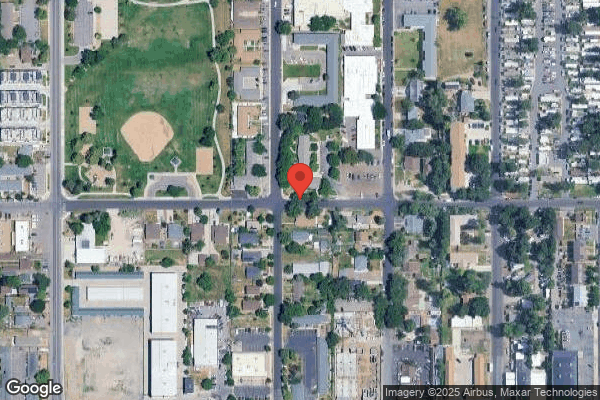
Understanding Severity Codes (click to expand)
Life-Threatening (Immediate Jeopardy)
J - Isolated K - Pattern L - Widespread
Actual Harm
G - Isolated H - Pattern I - Widespread
Potential for Harm
D - Isolated E - Pattern F - Widespread
No Harm (Minor)
A - Isolated B - Pattern C - Widespread

Questions to Ask on Your Visit

  • "What changes have you made since the serious inspection findings?"
  • "Can I speak with families of current residents?"
  • "What's your RN coverage like on weekends and overnight?"

Our Honest Assessment

Strengths
  • • 33% turnover. Below Colorado's 48% average. Good staff retention means consistent care.
Concerns
  • • Multiple safety concerns identified: 2 life-threatening violation(s), 1 harm violation(s), $41,413 in fines. Review inspection reports carefully.
  • • 44 deficiencies on record, including 2 critical (life-threatening) violations. These warrant careful review before choosing this facility.
  • • $41,413 in fines. Higher than 94% of Colorado facilities, suggesting repeated compliance issues.
  • • Grade F (16/100). Below average facility with significant concerns.
Bottom line: Trust Score of 16/100 indicates significant concerns. Thoroughly evaluate alternatives.

About This Facility

What is Cedars Healthcare Center's CMS Rating?

CMS assigns CEDARS HEALTHCARE CENTER an overall rating of 2 out of 5 stars, which is considered below average nationally. Within Colorado, this rating places the facility higher than 0% of the state's 100 nursing homes. A rating at this level reflects concerns identified through health inspections, staffing assessments, or quality measures that families should carefully consider.

How is Cedars Healthcare Center Staffed?

CMS rates CEDARS HEALTHCARE CENTER's staffing level at 4 out of 5 stars, which is above average compared to other nursing homes. Staff turnover is 33%, compared to the Colorado average of 46%. This relatively stable workforce can support continuity of care.

What Have Inspectors Found at Cedars Healthcare Center?

State health inspectors documented 44 deficiencies at CEDARS HEALTHCARE CENTER during 2021 to 2025. These included: 2 Immediate Jeopardy (the most serious level, indicating potential for serious harm or death), 1 that caused actual resident harm, 39 with potential for harm, and 2 minor or isolated issues. Immediate Jeopardy findings are rare and represent the most serious regulatory concerns. They require immediate corrective action.

Who Owns and Operates Cedars Healthcare Center?

CEDARS HEALTHCARE CENTER is owned by a for-profit company. For-profit facilities operate as businesses with obligations to shareholders or private owners. The facility is operated by STELLAR SENIOR LIVING, a chain that manages multiple nursing homes. With 130 certified beds and approximately 100 residents (about 77% occupancy), it is a mid-sized facility located in LAKEWOOD, Colorado.

How Does Cedars Healthcare Center Compare to Other Colorado Nursing Homes?

Compared to the 100 nursing homes in Colorado, CEDARS HEALTHCARE CENTER's overall rating (2 stars) is below the state average of 3.1, staff turnover (33%) is significantly lower than the state average of 46%, and health inspection rating (1 stars) is much below the national benchmark.

What Should Families Ask When Visiting Cedars Healthcare Center?

Based on this facility's data, families visiting should ask: "What changes have been made since the serious inspection findings, and how are you preventing similar issues?" "Can I visit during a mealtime to observe dining assistance and food quality?" "How do you handle medical emergencies, and what is your hospital transfer rate?" "Can I speak with family members of current residents about their experience?" These questions are particularly relevant given the facility's Immediate Jeopardy citations.

Is Cedars Healthcare Center Safe?

Based on CMS inspection data, CEDARS HEALTHCARE CENTER has documented safety concerns. Inspectors have issued 2 Immediate Jeopardy citations (the most serious violation level indicating risk of serious injury or death). The facility has a 2-star overall rating and ranks #100 of 100 nursing homes in Colorado. Families considering this facility should ask detailed questions about what corrective actions have been taken since these incidents.

Do Nurses at Cedars Healthcare Center Stick Around?

CEDARS HEALTHCARE CENTER has a staff turnover rate of 33%, which is about average for Colorado nursing homes (state average: 46%). Moderate turnover is common in nursing homes, but families should still ask about staff tenure and how the facility maintains care continuity when employees leave.

Was Cedars Healthcare Center Ever Fined?

CEDARS HEALTHCARE CENTER has been fined $41,413 across 2 penalty actions. The Colorado average is $33,493. While any fine indicates a compliance issue, fines under $50,000 are relatively common and typically reflect isolated problems that were subsequently corrected. Families should ask what specific issues led to these fines and confirm they've been resolved.

Is Cedars Healthcare Center on Any Federal Watch List?

CEDARS HEALTHCARE CENTER is not on any federal watch list. The most significant is the Special Focus Facility (SFF) program, which identifies the bottom 1% of nursing homes nationally based on persistent, serious quality problems. Not being on this list means the facility has avoided the pattern of deficiencies that triggers enhanced federal oversight. This is a positive indicator, though families should still review the facility's inspection history directly.