MAPLETON POST ACUTE

115 INGALLS ST, LAKEWOOD, CO 80226 (303) 237-1325
For profit - Corporation 90 Beds THE ENSIGN GROUP Data: November 2025
Trust Grade
55/100
#114 of 208 in CO
Last Inspection: December 2024

Within standard 12-15 month inspection cycle. Federal law requires annual inspections.

Overview

Mapleton Post Acute has a Trust Grade of C, which means it is average and ranks in the middle of the pack among nursing homes. It holds the #114 position out of 208 facilities in Colorado, placing it in the bottom half, and #13 out of 23 in Jefferson County, indicating that only a few local options are better. The facility is improving, with issues decreasing from 8 in 2024 to just 2 in 2025. Staffing is a concern, with a rating of 2 out of 5 stars and a turnover rate of 46%, slightly below the state average. Although there have been no fines, some serious incidents were noted, including a resident not receiving necessary pain medication and medications being left unattended, which raises questions about medication management and care quality. Overall, while there are strengths in the improvement trend and lack of fines, families should be aware of the staffing challenges and specific care incidents.

Trust Score
C
55/100
In Colorado
#114/208
Bottom 46%
Safety Record
Moderate
Needs review
Inspections
Getting Better
8 → 2 violations
Staff Stability
⚠ Watch
46% turnover. Above average. Higher turnover means staff may not know residents' routines.
Penalties
✓ Good
No fines on record. Clean compliance history, better than most Colorado facilities.
Skilled Nurses
○ Average
Each resident gets 36 minutes of Registered Nurse (RN) attention daily — about average for Colorado. RNs are the most trained staff who monitor for health changes.
Violations
⚠ Watch
31 deficiencies on record. Higher than average. Multiple issues found across inspections.
★★★☆☆
3.0
Overall Rating
★★☆☆☆
2.0
Staff Levels
★★★★★
5.0
Care Quality
★★☆☆☆
2.0
Inspection Score
Stable
2024: 8 issues
2025: 2 issues

The Good

  • 5-Star Quality Measures · Strong clinical quality outcomes
  • Full Sprinkler Coverage · Fire safety systems throughout facility
  • No fines on record

Facility shows strength in quality measures, fire safety.

The Bad

3-Star Overall Rating

Near Colorado average (3.1)

Meets federal standards, typical of most facilities

Staff Turnover: 46%

Near Colorado avg (46%)

Higher turnover may affect care consistency

Chain: THE ENSIGN GROUP

Part of a multi-facility chain

Ask about local staffing decisions and management

The Ugly 31 deficiencies on record

1 actual harm
Jun 2025 2 deficiencies
CONCERN (D) 📢 Someone Reported This

A family member, employee, or ombudsman was alarmed enough to file a formal complaint

Potential for Harm - no one hurt, but risky conditions existed

Deficiency F0582 (Tag F0582)

Could have caused harm · This affected 1 resident

**NOTE- TERMS IN BRACKETS HAVE BEEN EDITED TO PROTECT CONFIDENTIALITY** Based on record review and interviews, the facility failed to inform one (#3) of ten residents reviewed for beneficiary notices ...

Read full inspector narrative →
**NOTE- TERMS IN BRACKETS HAVE BEEN EDITED TO PROTECT CONFIDENTIALITY** Based on record review and interviews, the facility failed to inform one (#3) of ten residents reviewed for beneficiary notices and appeal rights out of 18 sample residents of changes in their services covered by Medicare in a timely manner. Specifically, the facility failed to provide a written notification of Medicare Notice of Non-Coverage (NOMNC) letter to Resident #3's representative when the resident's Medicare Part A covered skilled services were ending. Findings include: I. Facility policy and procedure The Medicare Notice of Non-Coverage (NOMNC) policy and procedure was provided by the nursing home administrator (NHA) on 6/17/25 at 7:27 p.m. It revealed in pertinent part, Providers are required to develop procedures to use when the beneficiary/enrollee is incapable or incompetent, and the provider cannot obtain the signature of the enrollee's representative through direct personal contact. If the provider is personally unable to deliver a NOMNC to a person acting on behalf of an enrollee, then the provider should telephone the representative to advise him or her when the enrollee's services are no longer covered. The date of the conversation is the date of the receipt of the notice. Confirm the telephone contact by written notice mailed on that same date. When direct phone contact can not be made, send the notice to the representative by certified mail, return receipt requested. The date that someone at the representative's address signs (or refuses to sign) the receipt is the date of receipt. II. Resident #3 A. Resident status Resident #3, age [AGE], was admitted on [DATE]. According to the June 2025 computerized physician orders (CPO), diagnoses included cerebral palsy (a group of neurological disorders that affect movement, posture and muscle coordination), monoplegia (paralysis or weakness) of lower and upper limb affecting the right dominant side and peripheral vascular disease (circulatory problem where narrowed or blocked blood vessels reduce blood flow to limbs). The 6/8/25 MDS assessment revealed the resident had short-term and long-term memory deficits through staff assessment. B. Resident's representative interview The resident's representative was interviewed on 6/17/25 at 11:05 a.m. The representative said she was not notified that Resident #3's medicare services had ended and said the resident was receiving rehabilitation. She said she did not receive anything in writing that the insurance had changed. -Resident #3 was no longer on skilled therapy services and was receiving restorative nursing services, however, Resident #3's representative believed the resident was still on skilled therapy services. C. Record review Review of Resident #3's electronic medical record (EMR) revealed Resident #3 was discharged from Medicare Part A skilled therapy services on 4/9/25. The NOMNC notice revealed the social services director (SSD) provided verbal notification to the resident's representative on 4/7/25 at 2:25 p.m. that the resident's Medicare Part A skilled therapy services would be ending on 4/9/25. The resident continued to live in the facility. The NOMNC form indicated that if verbal notification via telephone was given, notification must also be provided via mail. -However, the section on the NOMNC for confirmation of a follow-up notice by mail was not completed with a date or the method indicating the route the follow-up notice was sent. -A review of the resident's EMR revealed no documentation to indicate that Resident #3's representative was provided with a written notice that Resident #3's Medicare Part A skilled therapy services were ending, given the estimated cost of services the resident would incur if the representative chose to pay out of pocket to continue skilled therapy services, the reason why the Medicare Part A skilled therapy services were ending and the information the representative needed to appeal the decision, if desired. III. Staff interviews The SSD was interviewed on 6/17/25 at 5:05 p.m. The SSD said she and the director of rehabilitation (DOR) were responsible for notifying the resident or the resident's representative when their Medicare Part A benefits were ending. The SSD said she did not document in the resident's EMR that the resident or the resident's representative were notified. She said the signed NOMNC was uploaded to the resident's EMR which provided evidence that the resident or the resident's representative was informed of the appeal process. She said if the resident's representative was notified by phone, the NOMNC was sent by certified mail and she would document the call in the resident's EMR. She said she determined who signed the NOMNC based on whether or not the resident was alert and oriented or based on the resident's BIMS score. The SSD said she was familiar with Resident #3. She said she did not provide the written NOMNC to the resident's representative in April 2025. The DOR was interviewed on 6/17/25 at 5:56 p.m. The DOR said he or the SSD was responsible for notifying the resident or resident's representative when their Medicare Part A benefits were ending. He said he determined who signed the NOMNC based on who was the responsible party in the resident's EMR. He said if it was not clear on who the responsible party was, he asked the SSD. He said a copy of the written NOMNC was provided to the resident but he did not provide a copy of the NOMNC to the resident's representative. The DOR said he was familiar with Resident #3. He said a copy of the written NOMNC was not provided to the resident's representative in April 2025. The NHA was interviewed on 6/17/25 at 6:33 p.m. The NHA said the SSD and the DOR were responsible for notifying the resident or resident's representative when their Medicare Part A benefits were ending. She said the SSD or the DOR determined who signed the NOMNC based on the resident's cognition and their BIMS score. She said there should be documentation in the resident's EMR that the resident or the resident's representative was notified that the resident's r Medicare Part A benefits were ending in addition to the NOMNC form being added to the resident's EMR. She said a copy of the NOMNC was provided to the resident or resident's representative if they requested a copy. The NHA said she was familiar with Resident #3. She said she did not know a written copy of the NOMNC was supposed to be provided to the resident or the resident's representative. She said she did not know there was no documentation in Resident #13's EMR that the written copy of the NOMNC was delivered.
CONCERN (D) 📢 Someone Reported This

A family member, employee, or ombudsman was alarmed enough to file a formal complaint

Potential for Harm - no one hurt, but risky conditions existed

Deficiency F0628 (Tag F0628)

Could have caused harm · This affected 1 resident

**NOTE- TERMS IN BRACKETS HAVE BEEN EDITED TO PROTECT CONFIDENTIALITY** Based on record review and interviews, the facility failed to revise and implement an effective discharge plan for one (#16) of ...

Read full inspector narrative →
**NOTE- TERMS IN BRACKETS HAVE BEEN EDITED TO PROTECT CONFIDENTIALITY** Based on record review and interviews, the facility failed to revise and implement an effective discharge plan for one (#16) of three residents reviewed for discharge planning out of 18 sample residents. Specifically, the facility failed to: -Ensure the discharge planning was process was documented, including the reason for discharge in Resident #16's electronic medical record (EMR); -Notify Resident #16 and Resident #16's representative, in writing, of the discharge, including the reason for the move, the effective date of discharge, the location where the resident was being discharged to, a statement of the resident's appeal rights and the name, address and telephone number of the office of the state long term care ombudsman; and, -Notify the facility's ombudsman of Resident #16's discharge in writing. Findings include: I. Facility policy and procedure The Discharge Planning Process policy and procedure, revised April 2025, was provided by the nursing home administrator (NHA) on 6/17/25 at 7:27 p.m. It read in pertinent part, The facility's discharge planning process shall provide and document sufficient preparation and orientation to residents, in a form and manner that the resident can understand, to ensure safe and orderly transfer or discharge from the facility. II. Resident #16 A. Resident status Resident #16, age [AGE], was admitted on [DATE] and discharged on 6/5/25 to another skilled nursing facility. According to the June 2025 computerized physician orders (CPO), diagnoses included anoxic brain injury (brain is deprived of oxygen, leading to cell damage and potentially severe neurological consequences), alcohol dependence, chronic pancreatitis, and accidental poisoning by other opioids. The 6/3/25 minimum data set (MDS) assessment revealed the resident was cognitively impaired, with a brief interview for mental status (BIMS) score of five out of 15. The MDS assessment revealed there was no active discharge planning occurring for the resident. The MDS assessment revealed the resident did not want to talk about the possibility of leaving the facility and returning to live and receive services in the community. B. Record review The discharge care plan, initiated 3/2/24 and revised 3/4/24. revealed Resident #16 was admitted for long-term care following a hospitalization after a recent unintentional opioid overdose that resulted in a cardiac arrest. The resident reported his representative helped him with cleaning, cooking and shopping but it was decided by the resident and his representative that long term care was needed. The resident and his representative wanted to discuss community referrals and discharge planning on comprehensive assessments only. Interventions included encouraging the family to visit and call regularly, inviting the resident and the requested family to care plan quarterly, and social services providing assistance and support as needed. The 5/2/25 letter to Resident #16's representative revealed the facility was looking for alternative placement for the resident. -The letter did not reveal the reason the resident was being discharged , the effective date of discharge, the location where the resident was being discharged to, a statement of the resident's appeal rights and the name, address and telephone number of the office of the state long term care ombudsman. The 6/2/25 social services assessment revealed Resident #16's discharge plan was for alternate placement at a smoking nursing facility. The 6/2/25 IDT care plan review note revealed Resident #16 and his representative did not participate in the care plan review. The discharge plan was to continue long term care at the current facility. -The 6/2/25 IDT care plan review failed to review the resident needing a facility accommodating smoking, three days before the resident was discharged . -A review of Resident #16's EMR did not reveal documentation to indicate the resident was notified of the discharge in writing, including the reason for the move, the effective date of discharge, the location where the resident was discharged to, a statement of the resident's appeal rights and the name, address and telephone number of the office of the state long term care ombudsman. -A review of Resident #16's EMR did not reveal the ombudsman was notified of the resident's discharge in writing (see frequent visitor interview below). C. Frequent visitor interview A frequent visitor, with knowledge of the facility, was interviewed on 6/17/25 at 4:23 p.m. The frequent visitor said she was familiar with Resident #16. She said she was not aware Resident #16 was discharged from the facility. The frequent visitor checked her records during the interview and she said she did not have any documents in writing or in an electronic (e-mail) format from the facility which informed her that Resident #16 was being discharged from the facility. III. Staff interviews The social services director (SSD) was interviewed on 6/17/25 at 5:09 p.m. The SSD said she was responsible for coordinating a resident's discharge. She said discharge planning was reviewed at admission with a care conference, quarterly and as needed with the IDT team and the resident. She said discharge planning was documented in the care conference assessment, discharge planning assessment or as a progress note in the residents EMRs. She said the resident's family or representative participated in their care planning process if the resident wanted them to attend. She said the ombudsman attended discharge planning if a resident requested the ombudsman to attend. The SSD said she was familiar with Resident #16. She said he was admitted for long term care but he was discharged to live closer to his family member. She said his representative was hard to get a hold of by phone and if the representative did not answer his phone, she sent him a letter. She said the letter sent to the representative on 5/2/25 did not include the reason for Resident #16's discharge, the effective date of discharge, the location where the resident was being discharged to or a statement of the resident's appeal rights and the name, address and telephone number of the office of the state long term care ombudsman. She said she did not send a letter to the ombudsman informing her of Resident #16's discharge. She said the facility did not provide a letter to the resident or the resident's representative after 5/2/25. The NHA was interviewed on 6/17/25 at 6:15 p.m. The NHA said the IDT team was responsible for discharge planning. She said discharge planning was reviewed at admission, quarterly and as needed. She said discharge planning was documented as a progress note, in the IDT care conference assessment and social services quarterly assessment. She said the resident's family or representative attended the discharge planning care conference. She said Resident #16 was admitted for long-term care but he was discharged to live closer to his family member and at a facility that allowed smoking due to the fact that the current facility was a non-smoking facility. She said a letter was not provided to the resident or the resident's representative that included the reason for the resident's discharge, the effective date of discharge, the location where the resident was being discharged to or a statement of the resident's appeal rights and the name, address and telephone number of the office of the state long term care ombudsman. She said the facility did not send a letter to the ombudsman informing her of Resident #16's discharge.
Dec 2024 5 deficiencies
CONCERN (D) 📢 Someone Reported This

A family member, employee, or ombudsman was alarmed enough to file a formal complaint

Potential for Harm - no one hurt, but risky conditions existed

Deficiency F0660 (Tag F0660)

Could have caused harm · This affected 1 resident

**NOTE- TERMS IN BRACKETS HAVE BEEN EDITED TO PROTECT CONFIDENTIALITY** Based on record review and interviews, the facility failed to develop and implement an effective discharge plan for two (#128 an...

Read full inspector narrative →
**NOTE- TERMS IN BRACKETS HAVE BEEN EDITED TO PROTECT CONFIDENTIALITY** Based on record review and interviews, the facility failed to develop and implement an effective discharge plan for two (#128 and #125) of three residents reviewed for discharge planning out of 32 sample residents. Specifically, the facility failed to provide an appropriate discharge planning process for Resident #128 and #125. Findings include: I. Facility policy and procedure The Discharge Planning policy and procedure, not dated, was provided by the nursing home administrator (NHA) on [DATE] at 11:08 a.m. It read in pertinent part, It is the policy of this facility that discharge planning and evaluation will be provided by the social services staff for each resident. The discharge planning process focuses on the resident's discharge goals, the preparation of the resident to be active partners and effectively transition them to post-discharge care, and the reduction of factors leading to preventable readmissions. Discharge planning involves the resident, family, or responsible party, IDT (interdisciplinary team), and others involved in the resident's care plan. Monitoring of the discharge planning program is the responsibility of the Social Services staff. The social services staff will ensure that the discharge needs of each resident are identified and result in the development of a discharge plan for each resident. The Social Services staff member assigned to the resident regularly evaluates and re-evaluates the resident to identify changes that require modification of the discharge plan. The discharge plan must be updated, as needed, to reflect these changes. Referrals for discharge planning may be made by the physician, resident, family or responsible party, or staff member. It is essential to ensure that there is a planned program of continuing care to meet each resident's discharge needs Social Services or designee shall involve the interdisciplinary team (IDT) in the ongoing process of developing the discharge plan. Social Services or designee shall involve the resident and resident representative in the development of the discharge plan and inform the resident and resident representative of the final plan. Social Services or designee will document, complete on a timely basis based on the resident's needs, and include in the clinical record, the evaluation of the resident's discharge needs and discharge plan. The results of the evaluation will be discussed with the resident or the residents representative. All relevant resident information must be incorporated into the discharge plan to facilitate its implementation and to avoid unnecessary delays in the resident's discharge or transfer. II. Resident #128 A. Resident status Resident #128, over [AGE] years old, was admitted on [DATE] and discharged to the hospital on [DATE]. According to the [DATE] computerized physician orders (CPO), diagnoses included osteomyelitis left ankle and foot, type 2 diabetes mellitus, and trochanteric bursitis left hip. The [DATE] discharge minimum data set (MDS) assessment revealed the resident had severe cognitive impairment with a brief interview for mental status (BIMS) score of one out of 15. He required substantial/maximal assistance with showers, and lower body dressing. He required partial/moderate assistance with sit to stand, and transfers. The MDS assessment revealed active discharge planning was occurring for the resident to return to the community and no referrals had been made to the local contact agency because a referral was not wanted. Type of discharge: planned. B. Resident's representative interview Resident #128's representative was interviewed on [DATE] at 7:04 p.m. via email and phone. She said on [DATE] she took Resident #128 for a VA (Veterans Affairs) doctor's appointment to help facilitate him to go to a VA skilled nursing facility (SNF) however Resident #128 was unable to transfer to a car so they had to order an ambulance transport via stretcher. The representative said when they got to the VA doctor's appointment, regarding Resident #128's hip pain from bursitis, Resident #128 started talking gibberish so the VA doctor sent him to the hospital where he died the next day. The representative said the facility's social workers had not helped her with finding a facility placement that was contracted with the VA and that was why she was taking the resident to the VA appointment on [DATE]. The representative said the social services director (SSD) had not offered to help her with getting Resident #128 transferred or discharged to a facility who would accept the resident's VA benefits. The representative said when Resident #128's skilled benefits insurance ran out, the facility offered to help get the resident on Medicaid, but when she asked about using Resident #128's VA benefits no assistance was offered. The representative said the SSD had made no effort to move Resident #128 anywhere. The representative said the facility just told her that the insurance decided to stop paying and Resident #128 would need to get on Medicaid benefits to continue his stay at the facility. The representative said the responsibility of finding a facility that would accept Resident #128's VA benefits were placed totally on her and her sister. The representative said prior to Resident #128's discharge, she and her sister had considered caring for him at home but then realized that they were not prepared or able to care for him. The representative said she told the SSD she would not be able to care for him at home and had asked about getting the resident into a VA facility. She said the SSD did not offer her assistance with finding a VA facility. C. Record review Review of the discharge care plan, initiated [DATE], revealed Resident #128 was admitted to the facility for skilled services following a hospitalization. Prior to the hospitalization, the resident was living with family in the community and the resident and family felt that long-term care may be needed and were considering transition to long-term care. Interventions included reviewing the discharge plan quarterly and as needed, encouraging family/responsible parties to be involved in the facility events, plan of care and encouraging them to discuss feelings/concerns with impending discharge, monitoring for and addressing episodes of anxiety, fear, and distress, evaluating the resident's motivation to return to the community and inviting the resident and requested family to care plan and staff to provide any needed support. -The care plan was not updated to include the family's request for discharge to a VA facility. Review of the social services admission assessment/evaluation, dated [DATE], revealed the prior living arrangements were at home in the community with a family member. The discharge plan was long-term care placement in the current facility. -Review of Resident #128's progress notes revealed there was no documentation of any interdisciplinary team (IDT) meetings or care conference meetings or other discussions in regards to discharge planning. -Review of Resident #128's electronic medical record (EMR) did not reveal documentation which acknowledged the representative's wishes to find VA facility placement for the resident or documentation of referrals sent by the facility to VA facilities. The [DATE] physician note revealed, per social services, Resident #128's family member wanted Resident #128 sent non-emergently to the VA doctor appointment so they could assist with finding a facility placement that was contracted with the VA. The facility was working on coordinating transport. -The physician's note documented the reason for the transfer was so the VA physician could help find placement for the resident in a VA facility, however, there was no documentation in the resident's EMR that the SSD attempted to assist Resident #128's representative to find VA placement, despite the representative's request and reason for the resident's transport to the VA appointment. III. Resident #125 A. Resident status Resident #125, age [AGE], was discharged on [DATE], and readmitted on [DATE]. According to the [DATE] CPO, diagnoses included congestive heart failure (heart does not pump blood efficiently), acute respiratory failure with hypoxia (lungs cannot adequately oxygenate the blood leading to low oxygen levels), atrial fibrillation (abnormal heart rhythm) and adult failure to thrive (a condition of physical and cognitive decline, decreased functional status, and poor nutritional intake). The [DATE] MDS assessment revealed the resident was cognitively intact with a BIMS score of 15 out of 15. He was independent with all functional abilities. The MDS assessment revealed no behaviors or rejection of care. B. Resident interview Resident #125 was interviewed on [DATE] at 9:58 a.m. Resident #125 said his discharge plan was to go to a VA facility in a different state either a SNF or an assisted living facility (ALF) but he was not sure if social services was working on that for him. Resident #125 said he wanted to go to another state because it was warm there and he had spent many years as a bus driver in the cold. Resident #125 said he had tried to make the arrangements himself because the facility had not helped him and did not always follow his preferences. The social services assistant (SSA) walked past during the interview and said she thought Resident #125 wanted to discharge to a local ALF. Resident #125 responded that was not his preference and he wanted to go to a VA facility in a different state. C. Record review The [DATE] social services quarterly note revealed Resident #125 was currently in the facility for long-term care but was working with a transition's coordinator (who was not part of the facility) for potential ALF placement. Prior to admission, Resident #125 was living at a homeless shelter. Resident #125 was a veteran of the military forces and social services would continue to provide support as needed. -Review of Resident #125's EMR revealed there was no documentation of any IDT meetings, care conference meetings or other discussions with the resident in regards to discharge planning. The [DATE] physician note revealed Resident #125 wanted to discuss discharge planning with the physician. Resident #125 said he would like to move down to a different state as he had previously lived in the area and did better with the heat. Resident #125 said he had contacts at the VA and said he could easily get housing there. Resident #125 was competent and endorsed that he had bought a plane ticket. The facility had concerns about a potential safe discharge. Resident #125 was his own medical decision maker and was medically stable for discharge at that time. The physician's note documented the facility was to reach out to the resident's VA contacts to ensure a safe discharge for the resident. -However there was no facility or social services follow-up documentation that contact had been made with the VA community where the resident wanted to discharge to in order to ensure a safe discharge location. The [DATE] physician note revealed Resident #125 again asked to discuss with his physician his discharge plans. Resident #125 wanted to make sure that he had clearance for discharge but the resident had not yet been cleared by physical therapy for discharge. According to the physician's note, the facility confirmed that Resident #125 had a place to discharge to. -However, there was no facility or social services follow-up documentation that revealed the discharge location had been contacted. The [DATE] physician note revealed the facility had asked the physician to specifically follow up with the resident regarding discharge planning. Resident #125 was planning to discharge that weekend. He had a flight scheduled for Sunday. The physician was able to clarify Resident #125's discharge plan as there was concerns earlier in the week that Resident #125 was planning to fly to a different state and present to the emergency department. However, the physician's note documented the physician was able to clarify and confirm that Resident #125 had been in contact with the VA in the other state and would present to a VA facility there upon arrival. -However there was no social services discharge planning documentation in the progress notes that indicated the facility had been in contact with or arranged for Resident #125 to discharge to a VA facility in another state. The [DATE] discharge summary revealed Resident #125 had a planned discharge date of [DATE]. Discharge instructions were provided to the resident and he was able to make his needs known. The discharge location was a VA facility in a different state. -However there was no documentation in Resident #125's EMR to indicate the facility had contacted the VA facility in the other state to confirm the resident had been approved for acceptance at the facility or to provide a continuity of care handoff to the facility. The [DATE] discharge note revealed Resident #125 left the facility via ride-share services around 6:10 p.m. Resident #125 had everything ready and said he was flying (name of airline) he had everything in order and the airline ticket was confirmed. Resident #125 made his own decisions. A copy of the discharge and medications list and instructions were handed to the resident, including his medication. Resident #125 took all his belongings with him. -However there was no documentation that the facility had assisted with discharge planning or contacted the VA location to confirm the resident was being accepted at the location. The [DATE] physician note revealed Resident #125 had been discharged from the facility on [DATE] and was supposed to fly to another state where he planned to be admitted to a VA facility. He purchased a plane ticket and went to the airport then fell asleep and missed his flight. He stayed in the airport for multiple days until he finally called 911 for chest and abdominal pain and was taken to a medical center on [DATE]. Resident #125 was discharged back to the facility for ongoing medical management. The [DATE] nurses note revealed Resident #125 was re-admitted to the facility from the hospital via emergency medical services (EMS) accompanied by three paramedics via stretcher. Review of the discharge care plan, initiated [DATE] (upon the resident's readmission to the facility), revealed the resident readmitted for long-term care and was working with a transition's coordinator for potential ALF The goal was to find ALF placement in the near future. Interventions included for the discharge care plan to be reviewed quarterly and as needed, encouraging the resident to discuss feelings and concerns with impending discharge and to monitor for and address episodes of anxiety, fear, and distress, establishing a pre-discharge plan with the resident, family/caregivers and evaluating progress and revising the plan as needed, evaluating and discussing with resident/family/caregivers the prognosis for independent or assisted living, identifying, discussing and addressing limitations, risks, benefits and needs for maximum independence, evaluating motivation to return to the community and inviting the resident and the requested family to care plan quarterly and as needed and staff to provide any needed support. -However it was not documented in the care plan that Resident #125 wanted to go to a VA facility in another state. The [DATE] social services admission quarterly note revealed the resident had readmitted to the facility for long-term care and was working with a transition's coordinator for potential ALF placement. The goal was to find ALF placement for the resident in the near future. The resident had mild forgetfulness related to age and was able to make his own decisions. Social services would continue to provide support as needed. -There was no documentation of social services assistance or care conferences to discuss discharge planning since the resident returned to the facility and still desired to discharge to a VA facility in another state. IV. Staff interviews The SSD was interviewed on [DATE] at 1:44 p.m. The SSD said Resident #125 had gone to get on a plane to another state to go to a VA facility. The SSD said she had not contacted the facility or provided any assistance to Resident #125 with transferring there. The SSD said she had recommended an ALF to the resident but had not looked at any for him in the other state. The SSD was interviewed again on [DATE] at 2:00 p.m. The SSD said Resident #128's insurance for skilled benefits would not cover him anymore and the representative had wanted him to go to a VA facility. The SSD said the plan was for him to stay at the current facility but at the last minute the resident representative decided to take him to a VA clinic to facilitate a transfer to a VA facility. The SSD said she helped to coordinate the discharge planning for the representative to do that, but she did not write a care coordination conference note regarding the discharge. -However, there was no documentation in Resident #128's EMR regarding a discharge planning process (see record review above). The SSD was interviewed a third time on [DATE] at 9:59 a.m. The SSD said a referral could have been sent for Resident #128 to go from the current facility to a VA facility but she did not make any referrals. The SSD said it was a last minute decision that the resident's representative did not want him to stay at the facility and go onto Medicaid services. The SSD said, in the five years she had worked in the facility, she had never sent a referral to a VA facility before but she assumed it would be just like any other facility to facility transfer. The SSD said the resident;s representative had met with the business office about Resident #128's insurance ending but had opted to not transition to Medicaid because she wanted the resident to use his VA benefits. The SSD said the resident's representative decided to go to the VA for a medical appointment instead of staying at the facility and transitioning to Medicaid. The NHA was interviewed on [DATE] at 12:28 p.m. The NHA said when a resident was about to be discharged from therapy and the insurance would stop paying, the resident/representative would meet with the business office to discuss financial options, including discussions about Medicaid. The NHA said if the resident/representative did not want to transition to Medicaid, then private pay options would be discussed because the resident would need to have a payor source. The NHA said he was not sure how to work with VA resources and was still learning about that. The NHA said he would find out why, if a resident had VA resources, the social services department did not assist the resident/representative with transferring/exploring/researching the possibility of the resident transferring to a VA facility. The SSD was interviewed on [DATE] at 1:11 p.m. The SSD said she followed up with Resident #125 about his discharge goals (during the survey) and he still wanted to transfer to another state because it was warmer there. She said she researched and found out there were four VA facilities in the other state The SSD said she called all of them and was able to speak with two of the facilities.The SSD said she was working on getting a VA referral faxed over to the VA facilities she had spoken with in the other state.The SSD said she would notify Resident #125 that she had sent the referrals to the facilities in the other state.
CONCERN (D)

Potential for Harm - no one hurt, but risky conditions existed

Deficiency F0688 (Tag F0688)

Could have caused harm · This affected 1 resident

**NOTE- TERMS IN BRACKETS HAVE BEEN EDITED TO PROTECT CONFIDENTIALITY** Based on observations, record review and interviews, the facility failed to ensure each resident with limited range of motion re...

Read full inspector narrative →
**NOTE- TERMS IN BRACKETS HAVE BEEN EDITED TO PROTECT CONFIDENTIALITY** Based on observations, record review and interviews, the facility failed to ensure each resident with limited range of motion received appropriate treatment and services to increase range of motion (ROM) and/or prevent further decrease in ROM for one (#42) of two residents reviewed for restorative services out of 32 sample residents. Specifically, the facility failed to ensure Resident #42 was provided with a restorative nursing program to maintain and/or prevent deterioration of her current level of function and mobility. I. Facility policy and procedure The Restorative Nursing Program policy and procedure, reviewed January 2024, was received by the nursing home administrator (NHA) on 12/5/24 at 9:17 a.m. It read in pertinent part, It is the policy of this facility to provide maintenance and restorative services designed to improve residents' abilities to the highest practicable level. Nursing personnel are trained to basic or maintenance nursing care that does not require a qualified therapist or licensed nurse oversight. This training may include, but is not limited to, maintaining proper positioning and body alignment, encouraging and assisting residents, as needed, in turning and position changes, encouraging residents to remain active and assisting with any exercises according to plan of care, promoting independence in activities of daily living (ADL), performing tasks for residents only as needed to ensure completion of tasks, assisting residents in adjustment to their disabilities and use of any assistive devices, assisting residents with range of motion exercises and performing passive range of motion for residents who lack active range of motion ability. II. Resident #42 A. Resident status Resident #42, age greater than 65, was admitted on [DATE]. According to the December 2024 computerized physician orders (CPO), diagnoses included Alzheimer's disease, chronic kidney disease (CKD) and osteoarthritis. The 9/13/24 minimum data set (MDS) assessment revealed the resident had severe cognitive impairment with a brief interview for mental status (BIMS) score of three out of 15. She was dependent with toileting and bed mobility, she required partial/moderate assistance with personal hygiene and transfers and was independent with eating. The assessment indicated Resident #42 was not involved in a restorative nursing program during the seven day look back period. B. Observation and resident representative interview On 12/2/24 during a continuous observation, beginning at 11:57 a.m. and ending at 12:15 p.m., the following was observed: At 11:57 a.m., during the lunch meal, the director of rehabilitation (DOR) approached Resident #42 and the resident's representative. Resident #42's representative told the DOR she understood the resident did not qualify for skilled rehabilitation services but she wanted Resident #42 to continue to receive some form of mobility services. The representative told the DOR she wanted Resident #42 to be transferred from her wheelchair and placed in a recliner after lunch so the resident would be in a different position than she had been all morning. Resident #42's representative told the DOR she could only imagine how the resident felt sitting in her wheelchair all morning. Resident #42's representative told the DOR she did not want the resident to become stiff. The DOR told the Resident #42's representative that a a ROM program provided through a restorative nursing program would address what the representative wanted the facility to provide for the resident. However, the DOR told Resident #42's representative that the facility did not currently have a restorative nursing program to provide the services to the resident. Resident #42's representative was interviewed on 12/2/24 at 4:01 p.m. The representative said she and her family had requested some kind of therapy to help her mother walk with a walker to help minimize her falling. She said the family was aware the resident was not going to get better, but they wanted to prevent the resident from getting worse and losing muscle mass. Resident #42's representative said the facility had changed ownership and the current ownership had discontinued the restorative nursing program. She said she and her family had had conversations with the facility regarding the resident being in a restorative nursing program. She said the family had a care conference scheduled in December 2024 and she was going to talk with the facility again about having Resident #42 participate in a restorative nursing program. C. Record review The ADL care plan, initiated 3/20/23 and revised on 5/15/24, documented Resident #42 was at risk for self care performance related to Alzheimer's disease, poor balance, weakness, incontinence, CKD, osteoarthritis and chronic pain. Interventions included therapy evaluation and treatment. The fall care plan, initiated 3/20/23, indicated Resident #42 was at risk for falls due to previous fall with injury, weakness, dementia, poor balance and unsteady gait. Interventions included checking the resident's ROM, continuing therapy services and physical therapy to evaluate and treat as indicated. -A comprehensive review of Resident #42's care plan failed to reveal documentation that the resident was offered a restorative nursing program to help the resident maintain and/or prevent a decline in her functional and mobility levels. -The 9/16/24 quarterly interdisciplinary team (IDT) care plan review failed to reveal documentation of Resident #42's previous involvement in a nursing restorative program or a current personalized restorative nursing program plan. A review of Resident #42's electronic medical record (EMR) revealed restorative nursing program notes from 1/1/24 through 6/30/24. The restorative nursing program notes revealed Resident #42 was provided restorative nursing services for active range of motion (AROM), which included knee extensions, seated marches, hip abduction, ankle pumps, hamstring curls and walking from 1/1/24 through 6/30/24. -There was no further documentation of restorative nursing program services being provided to Resident #42 after 6/30/24. III. Staff interviews. The director of nursing (DON) and the physical therapy assistant (PTA) were interviewed on 12/4/24 at 10:13 a.m. The DON and the PTA said the facility had not had a restorative nursing program since July 2024. The DON and the PTA said the facility discontinued the restorative nursing program due to not having financial support for the program. The DON and the PTA said the facility was looking at restoring the restorative nursing program. The DOR was interviewed on 12/4/24 at 12:00 p.m. The DOR said the facility had to discontinue the restorative nursing program in July 2024 due to certified nurse aide (CNA) staffing issues and the facility needed to use the CNAs who provided the restorative nursing services to help staff the floor. She said the facility was in the process of reorganizing and reinstituting the program. She said she did not have a date when the restorative nursing program might be reinstated. She said she would be overseeing the program once it was available again. She said Resident #42 had been on a restorative nursing program until the facility discontinued the program in July 2024. She said the facility had eight to 10 residents who would benefit from a restorative nursing program.
CONCERN (E)

Potential for Harm - no one hurt, but risky conditions existed

Deficiency F0658 (Tag F0658)

Could have caused harm · This affected multiple residents

**NOTE- TERMS IN BRACKETS HAVE BEEN EDITED TO PROTECT CONFIDENTIALITY** Based on observations, record review and interviews, the facility failed to provide services for three (#39, #22 and #52) of fiv...

Read full inspector narrative →
**NOTE- TERMS IN BRACKETS HAVE BEEN EDITED TO PROTECT CONFIDENTIALITY** Based on observations, record review and interviews, the facility failed to provide services for three (#39, #22 and #52) of five residents out of 32 sample residents according to professional standards of practice. Specifically, the facility failed to monitor vital signs prior to the administration of a blood pressure medication for Resident #39, Resident #22 and Resident #52. Findings include: I. Professional reference According to Khashayar, F., [NAME], J. (2023). Beta Blockers. Stat Pearls. National Library of Medicine, was retrieved on 12/9/24 from https://www.ncbi.nlm.nih.gov/books/NBK532906/. Beta receptors are found all over the body and induce a broad range of physiologic effects. The blockade of these receptors with beta blocker medications can lead to many adverse effects. Bradycardia (low heart rate) and hypertension (low blood pressure) are two adverse effects that may commonly occur. The patient's heart rate and blood pressure require monitoring while using beta blockers. According to Bulara, K. G., [NAME], P., [NAME], M. (2024). Amlodipine. Stat Pearls. National Library of Medicine, was retrieved on 12/9/24 from https://www.ncbi.nlm.nih.gov/books/NBK519508/. Since amlodipine is an antihypertensive medication, clinics and patients should regularly measure blood pressure to achieve target levels per the 2017 American College of Cardiology/American Heart Association hypertension guidelines. According to Kiziour, R. J., [NAME], K. J. (2023). Metoprolol. [NAME] Nursing Drug Handbook. Elsevier. p. 770. Assess blood pressure (B/P), heart rate immediately before drug administration. If pulse is 60 beats per minute (bpm) or less or systolic B/P is less than 90 mm Hg (millimeters of mercury) withhold medication and contact physician. According to Kiziour, R. J., [NAME], K. J. (2023). Amlodipine. [NAME] Nursing Drug Handbook. Elsevier. p. 60. Assess B/P. If systolic B/P is less than 90 mm Hg, withhold medication and contact physician. According to Kiziour, R. J., [NAME], K. J. (2023). Amiodarone. [NAME] Nursing Drug Handbook. Elsevier. p. 52. Assess B/P, apical pulse immediately before drug is administered. If the pulse is 60 bpm or less or systolic B/P is less than 90 mm Hg, contact physician. II. Resident #39 A. Resident status Resident #39, age [AGE], was admitted on [DATE]. According to the December 2024 computerized physician orders (CPO), the diagnoses included hypertension (high blood pressure), diabetes mellitus (DM) and abdominal aortic aneurysm (a bulge in the aorta). The 10/21/24 minimum data set (MDS) assessment revealed the resident was cognitively intact with a brief interview for mental status score (BIMS) of 13 out of 15. He was independent with eating, toileting, personal hygiene, bed mobility and transfers. B. Observation On 12/4/24 at 9:00 a.m. registered nurse (RN) #1 was dispensing and administering Metoprolol 25 milligrams (mg) to Resident #39. RN #1 did not check the order for blood pressure parameters or review the resident's record for the resident's most recent vital signs prior to administration of the Metoprolol medication to Resident #39. C. Record review The December 2024 CPO documented a physician's order of Metoprolol 25 mg twice a day for hypertension and tachycardia (high pulse rate), ordered on 1/20/24. -The CPO did not document any vital sign parameters for when to hold the Metoprolol medication or when to notify the physician of irregular vital sign results. The December 2024 medication administration record (MAR) and treatment administration record (TAR) documented to check vital signs on the day shift every Wednesday, ordered on 2/14/24. The October 2024, November 2024 and December 2024 vital signs summary revealed Resident #35's blood pressure and pulse were only assessed on 10/2/24, 10/9/24, 10/14/24, 10/23/24, 10/30/24, 11/6/24, 11/13/24, 11/20/24, 11/27/24, 11/30/24 and 12/4/24 and not daily at the time the resident was given the prescribed Metoprolol tablets. III. Resident #22 A. Resident status Resident #22, age [AGE], was admitted on [DATE]. According to the December 2024 CPO, the diagnoses included congestive heart failure (CHF), atrial fibrillation (irregular heart rate) and right below the knee amputation. The 11/8/24 MDS assessment revealed the resident was cognitively intact with a BIMS score of 14 out of 15. She was dependent on staff for toileting, required substantial/maximal assistance with transfer, partial/moderate assistance with bed mobility and was independent with eating and personal hygiene. B. Observation On 12/4/24 at 9:10 a.m. RN #1 was dispensing and administering Amiodarone (medication that treats irregular and fast heart rhythms) 100 mg tablets, 1.5 tablets for a total of 150 mg to Resident #22. RN #1 did not check the order for blood pressure or pulse parameters or review the resident's record for the resident's most recent vital signs prior to administration of the Amiadarone medication to Resident #22. C. Record review The December 2024 CPO documented a physician's order of Amiodarone (medication used dto treat blood pressure) 100 mg tablets five 1.5 tablets for a total of 150 mg by mouth in the morning for atrial fibrillation, ordered on 9/30/24. -The CPO did not document any vital sign parameters for when to hold the Amiodarone medication or when to notify the physician of irregular vital sign results. The December 2024 MAR and TAR documented to check vital signs on the day shift every Wednesday, ordered on 7/8/24. The October 2024, November 2024 and December 2024 vital signs summary revealed Resident #22's vital signs were only assessed on 10/2/24, 10/9/24, 10/13/24, 1016/24, 10/23/24, 10/27/24, 10/30/24, 11/6/24, 11/13/24, 11/15/24, 11/16/24, 11/17/24, 11/20/24, 11/27/24. 11/29/24, 12/1/24, 12/2/24, 12/3/24, 12/4/24 and not daily when the resident was given the prescribed Amiodarone tablets. IV. Resident #52 A. Resident status Resident #52, age less than 65, was admitted on [DATE]. According to the December 2024 CPO, the diagnoses included hypertension, DM and chronic kidney disease (CKD). The 10/17/24 MDS assessment revealed the resident was cognitively intact with a BIMS score of 15 out of 15. He was independent with eating, toileting, personal hygiene, bed mobility and transfers. B. Observation On 12/4/24 at 9:15 a.m. RN #1 was observed dispensing and administering Amlodipine (medication used to treat blood pressure) 10 mg. RN #1 did not check the order for blood pressure or pulse parameters or review the resident's record for the resident's most recent vital signs prior to administration of the Amliodipine medication to Resident #52. C. Record review The December 2024 CPO documented a physician's order of Amliodipine 10 mg in the morning for hypertension, ordered on 4/10/24. -The CPO did not document any vital sign parameters for when to hold the Amliodipine medication or when to notify the physician of irregular vital sign results. The December 2024 MAR and TAR documented to check vital signs on the day shift every Wednesday, ordered on 5/3/24. The December 2024 documented an order to check vital signs every shift for hyperkalemia (high blood potassium), ordered 10/14/24. The November 2024 and December 2024 vital signs summary revealed Resident #52 blood pressure and pulse were only assessed on 11/4/24, 11/6/24, 11/7/24, 11/8/24. 11/13/24, 11/19/24, 11/20/24, 11/21/24, 11/23/24, 11/24/24, 11/25/24, 11/26/24, 11/27/24, 11/28/24, 11/29/24, 11/31/24. 12/3/24 and 12/4/24 and not daily at the time the resident was given the prescribed Amliodipine tablets. V. Staff interviews RN #1 was interviewed on 12/4/24 at 9:20 a.m. RN #1 said the residents who were admitted for rehabilitation had physician's orders to check vital signs every shift. She said the residents that were admitted for long term care had a physician's order to obtain their vitals taken once a week. She said not all blood pressure medications had parameters ordered. She said she checked vitals when there were parameters ordered. She said she did not routinely check vitals if there were not parameters ordered for blood pressure medications. The assistant director of nursing (ADON) was interviewed on 12/4/24 at 9:50 a.m. The ADON said residents had their vital signs checked once a week. She said the residents that had parameters ordered would have their vitals taken more frequently. She said the residents that did not have parameters did not have their vitals taken more frequently because the philosophy of the facility was to make it more homelike. She said part of the nursing assessment before giving a blood pressure medication was to assess making sure they were not dizzy or exhibiting any other signs of low blood pressure. She said part of the nursing assessment included taking vital signs and monitoring those vital signs before the administration of a blood pressure medication.
CONCERN (E)

Potential for Harm - no one hurt, but risky conditions existed

Infection Control (Tag F0880)

Could have caused harm · This affected multiple residents

**NOTE- TERMS IN BRACKETS HAVE BEEN EDITED TO PROTECT CONFIDENTIALITY** Based on observations, interviews and record review, the facility failed to maintain an infection control program designed to pr...

Read full inspector narrative →
**NOTE- TERMS IN BRACKETS HAVE BEEN EDITED TO PROTECT CONFIDENTIALITY** Based on observations, interviews and record review, the facility failed to maintain an infection control program designed to provide a safe, sanitary and comfortable environment to prevent the development and transmission of disease and infection on two out of two units. Specifically, the facility failed to: -Ensure glucometers were sanitized appropriately between uses; and, -Ensure the resident's rooms were cleaned in a sanitary manner. Findings include: I. Ensure glucometers were sanitized appropriately between uses A. Professional reference The Centers for Disease Control and Prevention (CDC). Considerations for Blood Glucose Monitoring and Insulin Administration (8/7/2024), was retrieved on 12/10/24 from https://www.cdc.gov/injection-safety/hcp/infection-control/index.html#:~:text=Unsafe%20practices%20during%20assisted%20monitoring,for%20more%20than%20one%20person. It read in pertinent part, Unsafe practices during assisted monitoring of blood glucose and insulin administration contribute to the spread of hepatitis B virus, hepatitis C virus, human immunodeficiency virus (HIV) and other infections. Unsafe practices include: using fingerstick devices for more than one person, using a blood glucose meter for more than one person without cleaning and disinfecting it in between uses. B. Facility policy and procedure The Glucometer Disinfection policy and procedure, reviewed on 1/1/24, was provided by the nursing home administrator (NHA) on 12/5/24 9:17 a.m. It read in pertinent part, Glucometers should be cleaned and disinfected before and after each use and according to manufacturer's instructions, regardless of whether they are intended for single resident or multiple resident use. Glucometers should be disinfected with a wipe presaturated with an environmental protection agency (EPA) registered healthcare disinfectant that is effective against human immunodeficiency virus (HIV), hepatitis C (HCV) and hepatitis B virus (HBV). The facility currently uses Medline Micro Kill Bleach Wipes, which have been validated by the glucometer manufacturer. C. Manufacturer recommendations The Medline Evencare G2 Blood Glucose Meter manufacturer cleaning and disinfecting guidelines. undated, were retrieved on 12/10/24 from https://www.medline.com/media/catalog/Docs/MKT/MAN_MPH1540_EvenCare%20G2%20Users%20Guide.pdf. It included the following recommendations in pertinent part, The following products are validated for disinfecting the Evencare G2 meter and lancing device: Dispatch Hospital Cleaner Disinfectant Towels with bleach, Medline Micro-Kill Disinfecting, Deodorizing Cleaning wipes with alcohol, Clorox Healthcare Bleach Germicidal and Disinfectant Wipes, Medline Micro-Kill Bleach Germicidal Bleach Wipes. Wipe all external areas of the meter or lancing device including both front and back surfaces until visibly clean. Allow the surface of the meter or lancing device to remain wet at room temperature for the contact time listed on the wipe's directions for use. The Medline Micro Kill One disinfectant wipes manufacturer guidelines, undated, was retrieved on 12/10/24 from https://www.medline.com/media/catalog/Docs/MKT/LIT998_CAT_Healthcare%20Disinfectant%20W.pdf. It read in pertinent part, One minute disinfectant time for HIV, HBV and HCV. D. Observations On 12/4/24 at 7:37 a.m licensed practical nurse (LPN) #1 took a glucometer out of Resident #13's labeled bag. She went to Resident #13's room and obtained the resident's blood glucose. She returned to the medication cart and placed the glucometer on top of the medication cart. She returned the glucometer to Resident #13's bag. -LPN #1 did not clean or disinfect the glucometer before or after use. On 12/4/24 at 7:45 a.m. LPN #1 took a new glucometer out of the box. LPN #1 went in to Resident #224's room and obtained the resident's blood glucose. She then returned to the medication cart and placed the glucometer next to the computer. She obtained a new bag and labeled it with Resident #224's name and placed the glucometer into the bag. -LPN #1 did not clean or disinfect the glucometer before or after use. On 12/4/24 at 7:56 a.m. LPN #1 took a glucometer out of Resident #26's labeled bag. She then went into Resident #26's room and obtained the resident's blood glucose. She returned to the medication cart and returned the glucometer back into Resident #26's labeled bag. -LPN #1 did not clean or disinfect the glucometer before or after use. E. Staff interviews LPN #1 was interviewed 12/4/24 at 8:42 a.m. LPN #1 said each resident that needed blood glucose checks had their own designated glucometer. She said the glucometers should be cleaned after every use before they were returned to their labeled bag. She said they used the Medline Micro Kill germicidal wipes, which had a contact disinfection time of one minute. She said she was aware she did not do the appropriate cleaning after using each glucometer. Registered nurse (RN) #1 was interviewed on 12/4/24 at 9:20 a.m. RN #1 said all of the glucometers were cleaned before and after use with the Medline Micro Kill wipes with a disinfection time of one minute. The assistant director of nursing (ADON) was interviewed on 12/4/24 at 9:50 a.m. The ADON said the glucometers were cleaned with the designated Medline Micro Kill with the disinfection time of one minute. She said this needed to be done before and after every use with every resident to kill microorganisms, especially blood borne pathogens (microorganisms that cause disease). She said LPN #1 was a newly graduated nurse and would provide follow up education. II. Ensure the resident's rooms were cleaned appropriately A. Professional reference The Centers for Disease Control and Prevention (CDC), Environment Cleaning Procedures (3/19/24), was retrieved on 12/10/24 from https://www.cdc.gov/healthcare-associated-infections/hcp/cleaning-global/procedures.html It read in pertinent part, Proceed from cleaner to dirtier areas to avoid spreading dirt and microorganisms. Proceed from high to low to prevent dirt and microorganisms from dripping or falling and contaminating already cleaned areas. Include identified high touch surfaces and items in checklists and other job aids to facilitate completing procedures. Common high touch surfaces include: bedrails, intravenous poles (IV) sink handles, bedside tables, call bells, doorknobs and light switches. B. Manufacturer's recommendations According to [NAME] Bay Lemon Disinfectant manufacturer guidelines, reviewed 2024, retrieved on 12/11/24 from https://s3.amazonaws.com/imperialdade.com/apps/catalog/digital-assets/55877/product-documentation/eb73269ecc51efb6993f5bef4a5e1a1aca22f589.pdf. It read in pertinent part, For use as a one step, general, hospital, medical disinfectant, fungicide, virucide, cleaner, deodorizer. Treated surfaces must remain visibly wet for two minutes to kill SARS CoV 2 or for 10 minutes to kill all organisms listed on the label. According to the [NAME] Bay Non Acid Disinfectant Bathroom Cleaner manufacturer guidelines retrieved on 12/11/24 from https://s3.amazonaws.com/imperialdade.com/apps/catalog/digital-assets/55879/product-documentation/fc5575bf4104f772b21e594fb2a632fdce4be18e.pdf. It read in pertinent part, For use as a one step, general, hospital, medical disinfectant, fungicide, virucide, cleaner, deodorizer. Treated surfaces must remain visibly wet for two minutes to kill SARS CoV 2 or for 10 minutes to kill all organisms listed on the label. D. Observations On 12/5/24 at 9:20 a.m. the housekeeper (HSK) #1 was observed cleaning room [ROOM NUMBER] A and B. HSK #1 performed hand hygiene and put on gloves. She lightly sprayed the [NAME] Bay Lemon Disinfectant on the B side of the room, the top of the bedside tables and then sprayed the A side's top of the bedside table. She then sprayed the top of the bathroom vanity, the toilet hand rails, the top of the toilet seat, under the seat and top of the toilet bowl. She then placed the disinfectant bottle on the handrail next to the vanity. She obtained a clean towel and immediately started wiping down B side bedside tables. She disposed of the towel, removed her gloves and performed hand hygiene, obtained a new towel and wiped down the A side bedside tables. -HSK #1 failed to ensure surfaces remained visibly wet for the two minute virucidal and the ten minute total disinfection time specified by the manufacturer's guidelines. HSK #1 cleaned the inside of the toilet bowl with toilet brush, she then wiped down the hand rails on either side of the toilet, wiped the top of the toilet tank, top of the lid, under the lid and then the top of the toilet bowl. She then carried the used towel, picked up other used towels and cleaning supplies at the vanity and went to the housekeeping cart. She then disposed of used towels and placed cleaning supplies back into the housekeeping cart. -HSK #1 failed to change gloves, perform hand hygiene after cleaning the toilet and picking up used towels and before touching a clean disinfectant bottle and the housekeeping cart. -HSK #1 failed to clean high touch surface areas which included light switches, door knobs and call lights. On 12/5/24 at 9:35 a.m. HSK #1 was observed cleaning room [ROOM NUMBER]. HSK #1 performed hand hygiene and put on gloves. She lightly sprayed the book case that was next to the resident's bed, the top of the bedside table and the door knobs on the door into the room and the bathroom. She lightly sprayed the toilet tank, toilet lid, toilet bowl and toilet hand rails. She then immediately wiped down the bookcase and bedside table. She wiped down the door handles on the door from the hallway and to the bathroom. She disposed of used towel. She removed gloves and performed hand hygiene. -HSK #1 failed to ensure surfaces remained visibly wet for the two minute virucidal and the ten minute total disinfection time specified by the manufacturer's guidelines. HSK #1 wiped the toilet hand rails, wall around the hand rail, down the lid, down the top of the toilet bowl, down the sides of the toilet bowl and the toilet tank. She then left the bathroom, picked up the trash, disposed of a used towel on the housekeeping cart and returned cleaning supplies to the cleaning cart. She removed her gloves and performed hand hygiene. -HSK #1 failed to clean the inside of the toilet bowl. She failed to change gloves and perform hand hygiene after cleaning down the toilet bowl and returning up to the toilet tank. She failed to remove her gloves and perform hand hygiene after disposing of used towel and before touching cleaning supplies and the housekeeping cart. E. Staff interviews HSK #1 was interviewed on 12/5/24 at 10:00 a.m. using a staff interpreter. HSK #1 said after cleaning a dirty area gloves must be changed and hand hygiene performed and a new towel before wiping a clean or high area. She said after cleaning the toilet, her gloves must be removed and hand hygiene be performed before touching clean supplies and the housekeeping cart. She said high touch areas including light switches, door knobs and call lights. She said the disinfection time for the cleaning supplies is two to three minutes. The housekeeping supervisor (HSKS) was interviewed on 12/5/24 at 10:05 a.m. The HSKS said gloves must be changed and hand hygiene performed after cleaning or touching a dirty area and before touching a clean area. He said the disinfection time of the cleaners is a three minute contact time.
CONCERN (F)

Potential for Harm - no one hurt, but risky conditions existed

Deficiency F0761 (Tag F0761)

Could have caused harm · This affected most or all residents

IV. Failure to leave medications unattended with residents A. Observations and interview On 12/2/24 at 2:07 p.m. during an interview with Resident #28, a yellow tablet that was cut in half in a medic...

Read full inspector narrative →
IV. Failure to leave medications unattended with residents A. Observations and interview On 12/2/24 at 2:07 p.m. during an interview with Resident #28, a yellow tablet that was cut in half in a medication cup was on the bedside table. Resident #28 said the nurses left the medication at her bedside table. Registered nurse (RN) #2 was interviewed on 12/2/24 at 2:20 p.m. in Resident #28's room. RN #2 said the yellow tablet that was on the bedside table. RN #2 said she did not know what type of medication was left on the resident's bedside table. RN #2 did not remove the medication from the resident's bedside table. B.Record review A review of Resident #28's electronic medical record did not reveal a record that the resident was able to self-administer medications. C. Staff interviews LPN #1 was interviewed on 12/5/24 at 11:04 a.m. LPN #1 said medications should never be left at a resident's bedside. LPN #1 said the only time a medication could be left with a resident was if the resident had an assessment indicating the resident was able to self-administer medications. LPN #1 said she only worked on the North unit and there were no residents on the North unit who could self-administer medications. The DON was interviewed on 12/5/24 at 3:30 p.m. The DON said the only time medications could be left with a resident was if the resident had an assessment indicating the resident was able to self-administer medications. The DON said Resident #28 could not self-administer medications because she did not have the agility to handle medications and because of her disease process. The DON said RN #2 told him on 12/2/24 a medication was left with Resident #38. V. Failure to leave medications unattended at medication carts A. Observations On 12/4/24 from 11:06 a.m., a medication cart on the North unit was observed with triple antibiotic cream on top of the medication cart. There was no nurse within the vicinity of the cart. At 11:23 a.m. LPN #1 and DON were at the medication cart on the North unit and they removed the triple antibiotic cream from the top of the medication cart. On 12/4/24 at 3:00 p.m., a tube of Aspercream (topical pain medication), a bottle of magnesium oxide tablet and a tube of triple antibiotic cream were left on top of a medication cart on the North unit. There was no nurse within the vicinity of the cart. B. Staff interviews LPN #1 was interviewed on 12/5/24 at 11:04 a.m. LPN #1 said medications including over-the-counter medications and creams should never be left unattended on the medication and treatment cart. LPN #1 said it was important not to leave medications unattended because the residents could take the medication and cause harm to themselves. The DON was interviewed on 12/4/24 at 3:30 p.m. The DON said he saw the antibiotic cream on top of the North unit's medication cart on 12/4/24 when he talked with LPN #1. The DON said he told LPN #1 not to leave any medication, creams, or over-the-counter medications on the cart when left unattended. The DON said it was important not to leave medications unattended because residents who can ambulate could easily take the medication and cause harm to themselves. Based on observation and interviews, the facility failed to ensure all drugs and biological used in the facility were properly stored and labeled in two out of two units. Specifically, the facility failed to: -Ensure medications that were self administered were stored securely at the bedside for Resident #33; -Ensure a medication storage room was securely locked; -Ensure medications that were not administered were not left unsecured at Resident #28's bedside; and, -Ensure medications were not left unattended on medication and treatment carts. Findings include: I. Facility policy and procedure The Medication Access and Storage policy and procedure, reviewed November 2022, was provided by the nursing home administrator (NHA) on 12/5/24 at 11:08 a.m. It read in pertinent part, Only licensed nurses, the consultant pharmacist and those lawfully authorized to administer medications (medication aides) are allowed access to medications. Medication rooms, carts and medication supplies are locked or attended by persons with authorized access. II. Ensure medications that were self administered were stored securely at the bedside for Resident #33 A. Observations and resident interview On 12/3/24 at 9:34 a.m. Resident #33 was observed with one medication card of sevelamer (a medication used to control phosphorus levels in the blood) and two medication cards of calcium acetate (a medication used to treat high phosphorus levels in the blood) unsecured on his bedside table. Resident #33 was interviewed on 12/3/24 at 9:35 a.m. He said the staff evaluated him and he was allowed to self administer his own medications. On 12/3/24 at 1:47 p.m. Resident #33 was observed with sevelamer and calcium acetate (a medication used to treat high phosphorus levels in the blood) medication cards on the bedside table. III. Ensure the medication storage room was securely locked On 12/4/24 at 3:30 p.m. the director of nursing (DON) was observed opening the south side nurses station medication room door by pushing on the door without entering the code on the coded lock on the door. IV. Staff interviews The DON was interviewed on 12/3/24 at 2:00 p.m. The DON said Resident #33 had been evaluated and had a physician's order to be able to self administer his own sevelamer and calcium acetate medications. He said the resident had recently changed rooms and this was a reason why his medications were unsecured on top of his bedside table. He said the medications should not be left out unsecured because other residents could have access to them if they were unsecured. The DON was interviewed on 12/4/24 at 3:15 p.m. The DON said the outer door of the medication storage room should always be locked to prevent unlicensed and unauthorized personnel from being able to access medications in the medication storage room.
Mar 2024 3 deficiencies 1 Harm
SERIOUS (G) 📢 Someone Reported This

A family member, employee, or ombudsman was alarmed enough to file a formal complaint

Actual Harm - a resident was hurt due to facility failures

Deficiency F0697 (Tag F0697)

A resident was harmed · This affected 1 resident

**NOTE- TERMS IN BRACKETS HAVE BEEN EDITED TO PROTECT CONFIDENTIALITY** Based on record review and interviews, the facility failed to provide an effective pain management regimen in a manner consisten...

Read full inspector narrative →
**NOTE- TERMS IN BRACKETS HAVE BEEN EDITED TO PROTECT CONFIDENTIALITY** Based on record review and interviews, the facility failed to provide an effective pain management regimen in a manner consistent with professional standards of practice, resident-centered care plans and resident preferences for one (#2) of three residents reviewed for pain management out of five sample residents. The facility failed to ensure Resident #2, with a diagnosis of chronic low back pain, low back compression fractures, spinal stenosis (spaces inside bones get small putting pressure on spinal cord), spinal fusion, history of infection in the back with sepsis (infection of the bloodstream), repeat falls and anxiety, was administered scheduled pain medication as ordered. Resident #2 was interviewed about her pain during the survey, she cried and sobbed, hardly able to speak when she described how she was not administered her pain medication due to it not being available. She reported severe pain to her lower back, legs and nose affecting her ability to sleep and do any day to day activities. Record review revealed the resident did not receive her scheduled Oxycontin on 3/16/24 or 3/17/24 and only received it on 3/18/24 after the missing medication doses were brought to the facility's attention during the survey. The facility documented the medication was pending from the pharmacy. There was no documentation the provider was notified for further orders when the medication was not available. Further record review revealed there were multiple occasions when the resident did not receive her scheduled pain medication. Findings include: I. Facility policy and procedure The Pain Recognition and Management policy, revised April 2023, was received from director of nursing (DON) #2, on 3/19/24 at 10:56 a.m. It read in pertinent part, Pain will be documented in the electronic health record using a scale of one to 10. Monitor pain status every shift. If the pain management program is not effective, contact the physician. Medication received and response will be documented in the electronic medication administration record (MAR). II. Resident #2 A. Resident status Resident #2, age greater than 65, was admitted on [DATE] and readmitted on [DATE]. According to the March 2024 computerized physician orders (CPO), diagnoses included chronic low back pain, low back compression fractures, spinal stenosis, spinal fusion, history of infection in the back with sepsis, repeat falls and anxiety. According to the 2/19/24 minimum data set (MDS) assessment, the resident was cognitively intact with a brief interview for mental status (BIMS) score of 15 out of 15. She required substantial maximal assistance from staff with toileting, and partial to moderate assistance with bed mobility, transfers, dressing and personal hygiene. The assessment documented she had pain almost constantly with the worst being a pain level of 10 on a scale of 1-10, with 10 being the worst pain. The pain frequently affected her sleep and constantly affected her ability to perform day to day activities. The assessment further documented the resident was on scheduled and as needed (PRN) pain medication. B. Resident interview Resident #2 was interviewed on 3/18/24 at 1:14 p.m Resident #2 cried and sobbed, hardly able to speak when she described how she had not gotten her scheduled pain medication, Oxycontin, over the weekend. She said her pain was over 10 on a scale of 1-10, with 10 being the worst pain. Resident #2 said the pain was in her lower back, legs and her nose, as she had recently fallen out of bed and fractured her nose. She said the pain affected her sleep, her day to day activity and made her more anxious. She said the provider had come in to see her this morning (3/18/24) after it had been reported she went all weekend without the scheduled Oxycontin. Resident #2 had asked the provider to increase her PRN Oxycodone, until the long acting scheduled, Oxycontin was back in her system. She said the provider agreed. Resident #2 said this was not the first time she experienced a severe increase in her pain due to the facility not having her scheduled pain medication (cross-reference F760 significant medication errors). C. Record review The February 2024 CPO revealed: -On 2/1/24 the resident had orders for Oxycontin 20 mg (milligrams) in the morning and at bedtime for pain. -On 2/19/24, after readmission from the hospital for lumbar (back) incision dehiscence (separation of surgical wound edges due to failure of proper wound healing) the resident had orders for Oxycontin 40 mg in the morning and at bedtime for seven days for pain. The March 2024 CPO revealed: -On 3/8/22, the resident had orders for Oxycontin 10 mg twice daily for pain. -On 3/13/24, the resident had orders for Oxycontin 20 mg twice daily for pain. On 3/16/24 at 7:45 a.m. the nursing progress notes documented the Oxycontin was not given because it was enroute from the pharmacy. On 3/16/24 at 9:14 p.m. the nursing progress notes documented the Oxycontin was not given because it was enroute from the pharmacy. On 3/17/24 at 5:33 a.m. the nursing progress notes documented the Oxycontin was not given because it was on order. On 3/18/24 at 6:17 a.m. the nursing progress notes documented the Oxycontin was not given because it was pending from the pharmacy. On 3/18/24 at 11:34 a.m., after it was brought to the facility's attention, the nursing progress notes documented the physician was notified. -There was no previous documentation of provider notification for further orders when the scheduled Oxycontin was not available. The narcotic count sheet for the Oxycontin was reviewed on 3/18/24 at 10:00 a.m. The count sheet documented the resident did not receive the scheduled Oxycontin 40 mg twice daily as ordered on 2/21/24, 2/23/24, 2/24/24 and 2/26/24. On 3/8/24, when the Oxycontin was reduced to 10 mg twice daily, the resident received 20 mg once daily on 3/8/24, 3/9/24 and 3/10/24 (cross-reference F760). After 3/13/24, when the Oxycontin was increased to 20 mg twice daily, the resident did not receive the Oxycontin on 3/14/24, received one dose on 3/13/24, and no Oxycontin on 3/16/24, 3/17/24 or 3/18/24 until it was brought to the facility's attention. The February 2024 MAR revealed the resident's PRN Oxycodone dose on 2/26/24 when the Oxycontin was not available, was documented as ineffective for pain levels of seven to nine. The March 2024 MAR revealed the PRN Oxycodone doses on 3/14/24, when the Oxycontin was not available, was documented as ineffective for pain levels of nine. The pain care plan, initiated 1/9/24, documented to follow pain scale to medicate as ordered and monitor/document for side effects of pain medication. Observe for constipation, new onset or increased agitation, restlessness, confusion, hallucinations, nausea, vomiting, dizziness and falls. Report occurrences to the physician. Observe and report changes in usual routine, sleep patterns, decrease in functional abilities, decreased range of motion (ROM), withdrawal or resistance to care. -There were no resident centered non-pharmacological interventions on the care plan. III. Staff interviews The nursing home administrator (NHA) was interviewed on 3/18/24 at 12:03 p.m. The NHA said the facility had identified in their quality assurance performance improvement (QAPI) meetings that medications were not given because they were not available. He said the facility had changed pharmacies in March 2024. He said the facility had not identified medications continued to not be available and administered as ordered (cross-reference F867 QAPI). The interim director of nursing (IDON) and the director of nursing from a sister facility (DONSF) were interviewed on 3/18/24 at 12:52 p.m. The IDON said if a medication was unavailable the nurse should obtain the medication from the facility's emergency medication machine and notify the pharmacy. If the medication was still unavailable, the nurse should notify the provider for further orders. The IDON said the facility had changed pharmacies due to multiple issues including timeliness of medication refills. The IDON further said non-pharmacological interventions should be documented in the care plan to assist with pain management. The IDON said the floor nurses were responsible for completing a pain care plan for the residents. However, the licensed nurses should have notified the provider when the medication was not available. The IDON reviewed the narcotic sheet for Oxycontin, the resident CPOs for February 2024 and March 2024. She said there were several missed doses of Oxycontin on the narcotic count sheet, despite the medication being signed off on the MARs as administered. The IDON said she did not know what the problem was or why this had happened. She said the problem seemed to be with the nurses not following up with the pharmacy and the provider. She said she did not think this was an issue with the new pharmacy. The IDON reviewed the nursing progress notes in the resident's record and said there was no documentation the provider was notified. She said the nurses did not notify the provider and should have. The DONSF said she had spoken with the provider and the provider did not know she needed to write a prescription for Oxycontin. The IDON said the resident had just received a dose of the Oxycontin, after it was brought to the facility's attention this morning (3/18/24). The IDON said the nurse did give the resident her Oxycodone during the days she missed the Oxycontin. However, she said this was supposed to be as needed for breakthrough pain. The IDON and DONSF were interviewed again on 3/18/24 at 2:58 p.m. The DONSF said the pharmacy had not received a prescription from the provider for the Oxycontin for Resident #2. She said the nurse should have contacted the pharmacy and the provider when the Oxycontin was not available to be administered.
CONCERN (F) 📢 Someone Reported This

A family member, employee, or ombudsman was alarmed enough to file a formal complaint

Potential for Harm - no one hurt, but risky conditions existed

Deficiency F0760 (Tag F0760)

Could have caused harm · This affected most or all residents

**NOTE- TERMS IN BRACKETS HAVE BEEN EDITED TO PROTECT CONFIDENTIALITY** Based on record review and interviews, the facility failed to ensure residents were kept free from significant medication errors...

Read full inspector narrative →
**NOTE- TERMS IN BRACKETS HAVE BEEN EDITED TO PROTECT CONFIDENTIALITY** Based on record review and interviews, the facility failed to ensure residents were kept free from significant medication errors for five (#2, #3, #4, #5 and #1) of five residents reviewed for medication errors. Specifically, the facility failed to ensure Residents #2, #3, #4, #5 and #1 received medications according to the physician's orders which resulted in significant medications errors. The failure to ensure medications were given according to physician orders affected all five sample residents and was recognized to affect all other residents prescribed medications in the facility. Record review and interviews showed the facility systematically had problems with the pharmacy filling orders and staff ordering medications. Findings include: I. Facility policy The Medication Management and Administration policy, undated, was received from the interim director of nursing (IDON) on 3/18/24 at 1:20 p.m. It read in pertinent part: Every effort must be exhausted to provide a medication to a resident. This includes, but is not limited to: checking the med (medication) cart, checking the med fridge (refrigerator), pull from the 1st (first) dose machine, call pharmacy. Don't wait until you are out of a medication to re-order or notify management. Nursing must notify the provider when a medication is unable to be administered. Nursing must enter a note into (electronic medical record system) that includes: what medication couldn't be given and why, what was done to get it, any new orders received from the provider. II. Resident #2 A. Resident status Resident #2, age greater than 65, was admitted on [DATE] and readmitted on [DATE]. According to the March 2024 computerized physician orders (CPO), diagnoses included chronic low back pain, low back compression fractures, spinal stenosis, spinal fusion, history of infection in the back with sepsis, repeat falls and anxiety. According to the 2/19/24 facility assessment, the resident was cognitively intact with a brief interview for mental status (BIMS) score of 15 out of 15. She required substantial maximal assistance from staff with toileting, and partial to moderate assistance with bed mobility, transfers, dressing and personal hygiene. B. Resident interview Resident #2 was interviewed on 3/18/24 at 1:14 p.m. Resident #2 said she did not receive her pain medications over the weekend. Resident #2 said she had missed medications prior to this episode (cross-reference F697 for pain management). C. Record review The 1/9/24 care plan, revised 2/4/24, revealed Resident #2 had acute and chronic pain resulting from compression of her vertebrae, spinal stenosis, and spinal fusion. Pertinent interventions included following a pain scale to medicate as ordered and anticipate the resident's need for pain relief. The 1/9/24 care plan revealed Resident #2 had hypothyroidism. Pertinent interventions included giving thyroid replacement therapy as ordered, and monitoring for side effects and effectiveness. The 2/2/24 care plan revealed Resident #2 was on diuretic therapy. Pertinent interventions included administering medications as ordered. The March 2024 CPO revealed Resident #2 was prescribed the following medications: -Oxycontin 10 mg (milligrams) oral extended release tablets. Resident #2 was prescribed originally 10 mg by mouth twice a day for pain on 2/1/24, but was changed to 20mg twice a day on 3/13/24; and, -Spironolactone 25 mg oral tablet. Give 25 mg by mouth in the morning for hypertension. Started on 2/19/24. Progress notes revealed Resident #2 did not receive the following medications due to the medication being on order: -Oxycontin on 1/8/24 and 3/16/24 to 3/18/24; and, -Spironolactone on 3/10/24 to 3/14/24 and 3/17/24. The oxycontin controlled drug record for Resident #2 revealed the following: -No tablets were marked as administered between 2/22/24 and 2/25/24 and 3/7/24; -Tablets were marked as administered once a day from 3/8/24 to 3/10/24; -No tablets were marked as administered between 3/10/24 and 3/13/24; -No tablets were marked as administered on 3/9/24 nor 3/11/24; and, -Tablets were marked as administered once a day on 3/13/24 and 3/14/24. -However, according to the orders the oxycontin was supposed to be administered twice a day. It was not administered according to the orders or not at all for the days indicated. D. Staff interviews The IDON and the director of nursing from a sister facility (DONSF) were interviewed on 3/18/24 at 12:53 p.m. The DONSF said Resident #2 running out of her Oxycontin due to the nurse and disciplinary action would be taken. The provider had been notified that morning, as the nurses had not notified them at any point over the weekend that Resident #2 was out of this medication (cross-reference F697). III. Resident #3 A. Resident status Resident #3, age [AGE], was admitted on [DATE]. According to the March 2024 CPO, diagnoses included chronic kidney disease, pulmonary hypertension, gastroesophageal reflux disease and arthritis. The 1/24/24 MDS assessment revealed the resident was mildly cognitively impaired with a BIMS score of 12 out of 15. The resident was mostly dependent and required supervision and assistance with most activities of daily living. B. Record review The 3/1/23 care plan identified Resident #3 had a potential for mood problems resulting from anxiety and depression. Pertinent interventions included administering medications as ordered. The 3/7/23 care plan identified Resident #3 was on palliative care. Pertinent interventions included administering pain medications as ordered. The 3/18/24 care plan identified Resident #3 had a urinary tract infection (UTI). Pertinent interventions included administering medications as ordered. The March 2024 CPO revealed Resident #3 was prescribed the following medications: -Cephalexin 500 mg tablets. Give 500 mg orally three times a day for seven days for UTI. Start date was 3/16/24. -Butrans (buprenorphine) transdermal patch 5 mcg (micrograms)/hour. Apply one patch transdermally every seven days for chronic pain. Started on 1/24/24, discontinued 2/8/24 and restarted on 3/11/24. -Fexofenadine HCl 180 mg tablet. Give one tablet by mouth in the morning for allergic rhinitis and vertigo. Started on 3/4/24. -Lorazepam oral tablet 0.5 mg. Give 0.5 tablet by mouth in the morning related to anxiety disorder. Started on 2/14/24. -Sertraline HCl 100 mg tablet. Give 1.5 tablets by mouth one time a day related to anxiety disorder. Started on 7/24/23. -Oxycodone HCl oral tablet 5 mg. Give 0.5 tablet by mouth two times a day for chronic pain. Started on 2/2/24 and discontinued 3/11/24. -Carvedilol Oral tablet 12.5 mg. Give 0.5 tablet by mouth every morning and at bedtime related to hypertensive heart disease and chronic kidney disease. Started on 2/22/24. The January 2024 MAR revealed Resident #3 had a Butrans transdermal patch applied on 1/4/24 at 6:29 a.m., 1/11/24 at 9:42 a.m. and 1/18/24 at 8:49 a.m. Resident #3's buprenorphine transdermal patch controlled drug record revealed the resident had a patch signed out on 1/15, 1/16, 1/17 and 1/18/24. -The MAR and controlled drug record revealed inconsistencies from when the patch was signed out and administered. In addition, the resident was not administered the patch on 1/22/24, 1/23/24, 1/24/24 and 2/1/24 due to it being on order. Progress notes revealed Resident #3 did not receive the following medications due to the medication being on order: -Butrans on 1/22/24 1/23/24, 1/24/24 and 2/1/24; -Sertraline on 2/1/24, 2/27/24, 3/3/24 and 3/10/24; -Carveditol on 3/10/24; -Oxycodone on 3/10/24; -Cephalexin on 3/17/24; and, -Fexofenadine HCl on 3/17/24 and 3/18/24. C. Staff interviews The IDON, DONSF and nursing home administrator (NHA) were interviewed on 3/19/24 at 11:01 a.m. The IDON assessed the controlled drug log for Resident #3's Butrans patch and said the patches were signed out once a day from 1/15/24 to 1/18/24. The IDON said when signing things out on a narcotic book, it means that it was taken out and administered that day. IV. Resident #4 A. Resident status Resident #4, age [AGE], was admitted on [DATE]. According to the March 2024 CPO, diagnoses included hypertension, gastroesaphogeal reflux disease (GERD) and hypothyroidism. The 2/9/24 MDS assessment revealed the resident was cognitively intact with a BIMS score of 15 out of 15. The resident was mostly independent and required supervision and assistance with few activities of daily living. B. Record review The March 2024 CPO revealed Resident #4 was prescribed the following medications: -Nexium 20 mg oral packet. Give 20 mg by mouth two times a day for GERD. Started on 1/12/24. -Sertraline HCl 125 mg tablet. Give 125 mg by mouth one time a day for anxiety. Started on 1/6/23. -Fentanyl 50 mcg/hour 72 hour patch. Apply 50 mcg transdermally one time a day every three days for pain. Started 11/22/22. -Levothyroxine sodium 50 mcg oral tablet. Give one tablet by mouth in the morning for hypothyroidism. Started on 1/10/24. -Hydrocodone 5-325 mg tablet. Give one tablet by mouth two times a day related to chronic pain. Started on 3/24/22. -Lasix 20 mg tablet. Give 20 mg by mouth in the morning for edema. Started on 3/7/23. -Eliquis 2.5 mg oral tablet. Give one tablet by mouth two times a day for chronic embolism and thrombosis of veins. Started on 9/11/23. -Metoprolol tartrate 25 mg tablet. Give one tablet by mouth two times a day for hypertension. Started on 10/8/22. -Myrbetriq 25 mg extended release tablet. Give one tablet by mouth in the morning for overactive bladder. Started on 2/8/24. Progress notes revealed Resident #4 did not receive the following medications due to the medication being on order: -Nexium on 1/26/24, 2/20/24, 3/3/24 and 3/10/24; -Hydrocodone on 1/29/24, 3/3/24, 3/4/24 and 3/6/24; -Sertraline on 2/8/24 and 2/20/24; -Myrbetriq on 2/9/24, 2/26/24 and 3/13/24; -Levothyroxine on 2/13/24, 3/4/24 and 3/10/24; -Lasix on 3/10/24; -Eliquis on 3/10/24; -Metoprolol on 3/10/24; and, -Fentanyl patch on 3/11/24. V. Resident #5 A. Resident status Resident #5, age [AGE], was admitted on [DATE]. According to the March 2024 CPO, diagnoses included hypothyroidism, chronic pain, trigeminal neuralgia (a type of nerve pain) and heart failure. The 12/14/23 MDS assessment revealed the resident was significantly cognitively impaired with a BIMS score of three out of 15. The resident was dependent and required supervision and assistance with most activities of daily living. B. Record review The March 2024 CPO revealed Resident #5 was prescribed the following medications: -Hydrocodone 5-325 mg tablet. Give one tablet by mouth two times a day related to trigeminal neuralgia. Started on 4/27/23. -Metoprolol tartrate 12.5 mg tablet. Give 12.5 mg by mouth two times a day for hypertension. Started on 2/19/24. Progress notes revealed Resident #5 did not receive the following medications due to the medication being on order: -Hydrocodone on 1/17/24, 2/5/24 and 3/5/24; and, -Metoprolol on 3/3/24 and 3/7/24. VI. Resident #1 A. Resident status Resident #1, age [AGE], was admitted on [DATE] and passed away on 2/3/24. According to the March 2024 CPO, diagnoses included pancreatic cancer, gastritis and gastric ulcer. B. Record review The physician orders 2/1/24 revealed the following: -Morphine sulfate 15 mg extended release tablets. Take one tablet by mouth every twelve hours for pain. -Morphine 20 mg/ml (milliliters) solution. Take 0.25 ml (5 mg) by mouth every four hours as needed for pain. -Lorazepam 2 mg/ml oral concentration. Take 0.25 ml by mouth/under the tongue every six housr as needed for anxiety. -Ondansetron 4 mg tablet. Take one tablet by mouth every eight hours for nausea. The 2/2/24 care plan identified that Resident #1 had occasional nausea and vomiting resulting from pancreatic cancer and gastritis. Pertinent interventions included administering anti-emetics as ordered. The 2/2/24 care plan identified that Resident #1 was on pain medication therapy due to having pancreatic cancer. Pertinent interventions included administering medications as ordered as ordered and reviewing pain medication efficacy. Progress notes from 2/1/24 at 7:09 p.m. revealed Zofran (ondansetron) was on order and not able to be given. Progress notes from 2/1/24 at 7:04 p.m. revealed Resident #1's morphine tablets were on order and not able to be given. The notes indicated liquid morphine was available for use for Resident #1. Progress notes from 2/2/24 at 5:08 a.m. revealed Resident #1's Zofran was on order and not able to be given. The February 2024 MAR revealed the following: Zofran was not administered from the afternoon of 2/2/24 to the morning of 2/3/24 due to the medication being on order; no resident refusals were indicated. Resident #1's liquid morphine controlled drug record revealed the resident was given 0.25mL at 7:15 p.m. on 2/1/24. An additional 0.75mL was administered to Resident #1 at 8:30 p.m. on 2/1/24. -Liquid morphine was not administered from the night of 2/1/24 to the afternoon of 2/2/24. VII. Staff interviews The IDON and DONSF were interviewed on 3/18/24 at 12:53 p.m. The IDON said when a medication was out, the nurses in the facility should check the Pyxis (a secured automated medication dispensing system) to see if the medication was available through those means, alert the resident's physician and have the physician reorder the medication from the pharmacy. The IDON said the facility switched pharmacies at the beginning of March 2024 due to issues with ordering. Per the IDON, the issue with ordering was identified in January 2024. The IDON said the staff had been educated on what to do if medications were out of stock and agency staff were educated through a portal prior to coming in for their shifts. Certified nurse aide with medication authority (CNAMA) #1 was interviewed on 3/18/24 at 1:50 p.m. CNAMA #1 said medications in the facility were not being administered correctly and that sometimes the correct medication was not being given altogether. CNAMA #1 said Naloxone had been given to residents instead of Methadone, among other errors. Licensed nurse practitioner (LPN) #1 was interviewed on 3/18/24 at 3:52 p.m. LPN #1 said whenever a medication was out, she would check the Pyxis, call the pharmacy to get a refill and call the physician to get orders of what to do in the meantime. LPN #1 said that since the facility changed pharmacies the issue of running out of medications had been much better. When these medications ran out, LPN #1 said she notified the physician that the resident missed their dose and the residents were closely monitored in the meantime before their medication was delivered. VIII. Performance improvement plan (PIP) The facility's PIP, dated 1/25/24, was provided by the NHA on 3/18/24 at 2:46 p.m. The PIP identified that the facility failed to have medications available according to policy. The causes identified were a lack of consistent direct staffing and a lack of pharmacy timely delivery of new admission resident's medications. The solutions identified included nurse managers monitoring and auditing medications and contacting the pharmacy and providers for new orders. The PIP also identified that if their pharmacy at the time failed to provide timely medications, the facility would cancel its contract and look for a new pharmacy. -However, even though the facility had implemented a PIP and switched pharmacies, the residents were still missing their medications.
CONCERN (F) 📢 Someone Reported This

A family member, employee, or ombudsman was alarmed enough to file a formal complaint

Potential for Harm - no one hurt, but risky conditions existed

QAPI Program (Tag F0867)

Could have caused harm · This affected most or all residents

Based on interviews and record review, the facility failed to ensure an effective quality assurance program to identify and address facility compliance concerns were implemented in order to facilitate...

Read full inspector narrative →
Based on interviews and record review, the facility failed to ensure an effective quality assurance program to identify and address facility compliance concerns were implemented in order to facilitate improvement in the lives of nursing home residents through continuous attention to quality of care, quality of life and resident safety. Specifically, the quality assurance performance improvement (QAPI) program committee failed to identify and address concerns related to quality of care. Findings include: I. Facility policy and procedure The facility QAPI policy was requested from the nursing home administrator (NHA) on 3/19/24 at 10:58 a.m. -The policy was not received by the end of the survey on 3/19/24. II. Cross-reference citations Cross-reference F697:The facility failed to manage residents' pain resulting in actual harm that was isolated. Cross-reference F760: The facility failed to prevent significant medication errors resulting in substandard quality of care, facility wide. III Staff interviews The NHA was interviewed on 3/18/24 at 12:03 p.m. The NHA said the facility had identified in their QAPI meetings that medications were not given because they were not available. He said the facility had changed pharmacies in March 2024. He said the facility had not identified medications continued to not be available and administered as ordered. The interim director of nursing (IDON) and the director of nursing from a sister facility (DONSF) were interviewed together on 3/18/24 at 12:52 p.m. The IDON said she did not know what the problem was or why this had happened. She said the problem seemed to be with the nurses not following up with the pharmacy and the provider. She said she did not think this was an issue with the new pharmacy. The DONSF said she had spoken with the provider and the problem was the provider did not know she needed to write a prescription for the pain medication (cross-reference F697). The NHA was interviewed again on 3/19/24 at 10:38 a.m. The NHA said he was not aware and had not reviewed the continued issues with medications not being administered due to not being available, despite the new pharmacy. The NHA said the QAPI committee had not identified that nurses still were not notifying providers when medications were not available, including significant pain medications. He said he felt the service with the new pharmacy was better but not perfect. The NHA said he had trusted that the DON was following up. He said that DON was no longer with the facility. The NHA said he would review the medication concerns at the next QAPI meeting in March 2024. He said the facility had started a new performance improvement plan yesterday when he was made aware that residents still were not receiving prescribed medications. The medical director (MD) was interviewed on 3/25/24 at 9:59 a.m. He said he remembered the facility had switched pharmacies in January 2024, but did not recall what the specific issues were or if the unavailability of medications had been discussed in the February 2024 QAPI meeting. He said he had not heard concerns regarding providers not knowing they needed to provide prescriptions for controlled substances as a reason for medication not being available. The MD said in the March 2024 QAPI meeting, he reminded the facility that they could call him for a prescription if needed.
Jun 2023 14 deficiencies
CONCERN (D)

Potential for Harm - no one hurt, but risky conditions existed

Investigate Abuse (Tag F0610)

Could have caused harm · This affected 1 resident

**NOTE- TERMS IN BRACKETS HAVE BEEN EDITED TO PROTECT CONFIDENTIALITY** Based on interviews and record review, the facility failed to timely and thoroughly investigate an alleged violation of physical...

Read full inspector narrative →
**NOTE- TERMS IN BRACKETS HAVE BEEN EDITED TO PROTECT CONFIDENTIALITY** Based on interviews and record review, the facility failed to timely and thoroughly investigate an alleged violation of physical abuse for one (#219) of three reviewed for abuse out of 38 sample residents. Specifically, the facility failed to investigate an abuse allegation reported by Resident #219 to her hospice nurse and licensed practical nurse (LPN) #3. Findings include: I. Facility policy and procedure The Abuse: Prevention of and Prohibition against policy and procedure, revised January 2023, was received from the nursing home administrator (NHA) on 6/26/23 at 1:17 p.m. It revealed in pertinent part, Each resident has the right to be free from abuse, neglect, misappropriation of resident property, and exploitation. Facility staff with knowledge of an actual or potential violation of this policy must report the violation to his or her supervisor or the facility administrator immediately. All allegations of abuse, neglect, misappropriation of resident property, and exploitation will be promptly and thoroughly investigated by the administrator or his/her designee. II. Resident status Resident #219, age [AGE], admitted on [DATE]. According to the June 2023 computerized physician orders (CPO) diagnoses included fracture of right pubis (broken pubic bone), obstructive uropathy (obstructed urinary flow), neoplasm of the right kidney (cancerous tumors) and B-cell lymphoma (type of cancer). The 6/15/23 minimum data set (MDS) assessment revealed the resident was cognitively intact with a brief interview for mental status (BIMs) score of 15 out of 15. She required one person assistance with bed mobility, transfers, dressing, toileting and personal hygiene. She required set up assistance with eating. The resident had an indwelling foley catheter (collects urine) and was occasionally incontinent of bowel. III. Resident and family interview Resident #219 was interviewed on 6/26/23 at 4:26 p.m. She said sometimes staff were rude or crude to her. Resident #219 explained it was either a nurse or certified nurse aide (CNA) last week around 4:00 a.m. when she requested to have a brief change and was told she could do it herself and to use the bed chucks (protective covering on bed for incontinence episodes) to have a bowel movement. Resident #219 said she told the staff member she would report her and the staff member said she did not care. She was unable to identify the staff member by name or recall the date of the incident. She identified the staff member as female. Resident #219 said she felt disrespected by staff and degraded. Resident #219 reported she told her hospice nurse about it the next morning, who told her good help could not be found anymore. Resident #219 said she told her sister about the situation via the telephone. She was under the impression the hospice nurse was going to tell someone about what happened to her. Resident #219's sister was present during the interview and stated she recalled her sister calling her and telling her about a situation that happened with a staff member last week but was unable to recall the day her sister told her about it. The information indicated by the resident was reported to the regional clinical consultant (RCC) on 6/26/23 at 5:08 p.m. IV. Record review There were no progress notes in the electronic medical record (EMR) about Resident #219 ' s reported incident. There was no hospice progress notes in the EMR and there was not a hospice binder in the facility for resident #219. The 6/12/23 comprehensive care plan was reviewed and documented the resident had a self care deficit for activities of daily living (ADL) interventions implemented on 6/12/23 were one staff member for toileting, transfers and bed mobility. V. Facility abuse investigation The abuse investigation the facility completed was reviewed on 6/29/23 at 1:30 p.m. The interview facility completed with Resident #219 told the facility at 4:00 a.m. sometime last week she was told by a staff member to use the bed chucks to have a bowel movement. She described the staff member. Resident #219 reported she had the staff member as a caregiver since the incident. Resident #219 said she felt disrespected. Staff assisted Resident #219 through the facility via wheelchair to see if the staff member was in the facility and if the resident was able to identify. Resident #219 did not identify any staff member in the facility as the staff member from that night. Facility completed staff interviews: The hospice nurse interview confirmed the resident reported an incident between the resident and a staff member possibly around 6/23/23. The hospice nurse said Resident #219 told her it happened around 4:00 a.m. when she asked to have her brief changed and was denied by staff. Licensed practical nurse (LPN) #3 reported Resident #219 mentioned that a nurse on a previous shift was rude to her. LPN #3 thought it was Monday morning (6/26/23) after his weekend off. He felt the situation did not pose as an abusive situation. -However, LPN #3 did not report it to the administration to be investigated to rule out potential abuse. VI. Staff interviews The RCC was interviewed on 6/27/23 at 10:00 a.m. She said the facility started the investigation immediately after they became aware on 6/26/23. The RCC said the interview with Resident #219 resulted in a very descriptive staff member which did not match any staff in the facility and she personally escorted Resident #219 around the facility to see if she could identify the staff member. LPN #3 was interviewed on 6/29/23 at 3:52 p.m. He said abuse could be verbal, physical, sexual, emotional and neglect. Any type of abuse should be reported to the NHA or the director of nursing (DON) as soon as possible. LPN #3 said Resident #219 had reported a staff member being rude to her. He said he felt Resident #219 was not very concerned with what she reported to him. He said she held a normal conversation with him like every day he worked, she did not express anger so he did not report it to a supervisor or the NHA. The social worker resource (SWR) was interviewed on 6/29/23 at 5:38 p.m. She said it was the facility ' s expectation staff were to report any allegation of abuse to the abuse coordinator immediately to ensure the safety of the resident. She said if the allegation occurred on the evening shift/night shift it was to be called in to the NHA or DON and investigation should be started at time of report. The SWR said if abuse by a staff member was suspected the staff member was to be suspended until the investigation was complete. She said an investigation was used to determine if something happened and why it happened for determination of a root cause to to help prevent it from occurring again. The SWR said investigation for Resident #219 started on 6/29/23 after the facility was made aware of the allegation and the facility did not substantiate this allegation. The SWR said the facility had four verbal abuse allegations on 6/26/23 that were brought to their attention so the facility interviewed many staff members and looked at resident assessments and follow up interviews. She said three of the allegations were reported by state surveyors and one from resident interviews. She said the facility found one staff member and one agency nurse who did not have a great attitude, flat during their interviews and felt their overall demeanor could make others perceive they did not have a great approach towards residents. The SWR said the facility felt the two nurses were the reason they received these complaints and the agency nurse would not be returning to the facility and the staff nurse was given a final write up with education on customer service with a one-on-one approach. The SWR said the facility was out of touch with the residents and were implementing ambassador rounds to meet with residents individually on a weekly basis now. The SWR said even if a situation voiced by a resident was not abuse, the allegation should be reported for follow up. The DON was interviewed on 6/29/23 at 6:12 p.m. She said the two identified nurses only worked from 6/17/23 to 6/25/23. The DON said hospice staff were not trained by the facility on abuse; it was to be completed by their place of employment and the hospice nurse should have reported what Resident #219 told her to the facility staff immediately. The DON said staff from providers were mandated to report allegations of abuse to the staff and the facility staff had access to NHA and DON phone numbers at each nurses station. The DON said LPN #3 had a great rapport with his residents and should have reported what Resident #219 told him about the staff being rude to rule out abuse.
CONCERN (D)

Potential for Harm - no one hurt, but risky conditions existed

Pressure Ulcer Prevention (Tag F0686)

Could have caused harm · This affected 1 resident

**NOTE- TERMS IN BRACKETS HAVE BEEN EDITED TO PROTECT CONFIDENTIALITY** Based on record review and interviews the facility failed to ensure one (#40) of one out of 38 sampled residents with a pressure...

Read full inspector narrative →
**NOTE- TERMS IN BRACKETS HAVE BEEN EDITED TO PROTECT CONFIDENTIALITY** Based on record review and interviews the facility failed to ensure one (#40) of one out of 38 sampled residents with a pressure ulcer received the necessary treatment and services according to professional standards of practice. Specifically, the facility failed to: -Identify the continued system breakdown of ensuring changes to treatment orders were translated from the physician wound notes to the treatment administration record (TAR) timely, specifically, that Resident #40 received wound treatments as ordered by the physician; and -Ensure interventions ordered by the physician were included and updated on the comprehensive care plan. Findings include: I. Professional reference According to [NAME], P.A., [NAME], A.G., et.al., Fundamentals of Nursing, 10 ed. (2022), Elsevier, St. Louis Missouri, pg 1262. A health care provider's order for wound care indicates the dressing type, the frequency of changing, and any solutions or ointments to be applied to the wound. According to [NAME], P.A., [NAME], A.G., et.al., Fundamentals of Nursing, 10 ed. (2022), Elsevier, St. Louis Missouri, pg 277. Changes in patients' condition, needs or abilities makes alterations of the care plan necessary. This will require you to continue interventions either as planned or less/more often, or you will choose to add interventions focused on the factors affecting goal achievement. II. Facility policy and procedure The Pressure Ulcer Skin Monitoring and Management policy and procedure, revised March 2023, was provided by the nursing home administrator (NHA) on 6/29/23 at 5:07 p.m. It revealed in pertinent part, a resident having a pressure ulcer receives necessary treatment and services to promote healing, prevent infections, and prevent new, avoidable sores from developing. Once the wound has been identified, assessed , and documented, nursing shall administer treatment to each affected area as per the physician order. III. Resident #40 A. Resident status Resident #40, age [AGE], was admitted on [DATE]. According to the June 2023 computerized physician orders (CPO) diagnoses included pressure ulcer (wound over bony prominence) of the sacral region, pneumonitis (inflammation of lung tissues), compression fracture of the lumbar spine, chronic obstructive pulmonary disease (air flow blockage) and type two diabetes (abnormal glucose levels). The 5/25/23 minimum data set (MDS) assessment revealed the resident was cognitively intact with a brief interview for mental status (BIMS) score of 15 out of 15. She required two person physical assistance with transfers and one person physical assistance with bed mobility, dressing, eating, toileting and personal hygiene. It indicated the resident had a stage II pressure ulcer (partial thickness skin loss). B. Record review The May 2023 TAR documented the following physician orders: -Wound care to coccyx area: cleanse area, apply medi honey (specialized ointment for wounds) to the wound bed and cover with a foam dressing to be changed daily and as needed every evening shift - ordered on 5/24/23 and discontinued on 6/7/23; -Air mattress: check placement and function every shift - ordered on 5/24/23; and -Pressure reduction cushion - ordered on 3/15/23. The June 2023 TAR documented the following physician orders: -Wound order for coccyx: cleanse area, apply santyl to the wound bed and cover with foam dressing, change daily and as needed - ordered on 6/7/23, and discontinued on 6/23/23; and -Wound order for coccyx: cleanse the area, apply medi honey to the wound bed, cover with foam dressing, change daily and as needed - ordered 6/23/23. The 5/25/23 physician wound notes indicated the wound orders for the coccyx wound: cleanse with normal saline, apply santyl, cover with foam dressing daily. It indicated additional orders for an air mattress and wheelchair cushion. -However, the treatment documented in the physician notes did not match the treatment documented on the TAR. The 6/1/23 physician wound notes indicated the following wound orders for the coccyx: cleanse with normal saline, apply santyl, cover with foam dressing and change daily. -However, according to the TAR, the wound treatment was not changed to match the physician's new order until 6/7/23. The 6/8/23 and the 6/15/23 physician wound notes indicated the following wound care orders for the coccyx: cleanse with normal saline, apply santyl, cover with foam dressing, change daily. Additional interventions, documented on 6/8/23, were to turn and reposition the resident frequently while in bed or chair, shift weight while in bed or chair. The treatment that was provided to Resident #40 from 5/25/23 to 6/7/23 was not the treatment ordered by the wound physician. -The facility failed to ensure the treatment changes made by the wound physician were transcribed onto the TAR and implemented timely. Cross-reference F867: the facility failed to identify the continued system breakdown of ensuring changes to treatment orders were translated from the physician wound notes to the treatment administration record (TAR) timely. The skin breakdown care plan, revised on 3/9/23, documented the resident had a pressure ulcer. The interventions, initiated on 3/9/23, included the resident would have intact skin, free of redness, blisters or discoloration; floating the resident's heels as tolerated; monitoring the resident's nutritional status; serving the resident's diet as ordered and monitoring the resident's intake; and monitoring, documenting and reporting skin changes to the physician. -The care plan failed to address and implement interventions that were ordered by the physician, to include: an air mattress, wheelchair cushion and frequent turning and repositioning of the resident. IV. Staff interviews The DON was interviewed on 6/29/23 at 4:31 p.m. She said it was important to follow physician treatment orders to promote the healing of pressure injuries. The DON said she completed wound rounds weekly with the wound physician and it was her responsibility to enter new treatment orders into the residents chart from wound rounds. The DON confirmed the physician notes provided during the survey indicated orders for santyl and not medi honey from 5/25/23 to 6/7/23. The minimum data set resource (MDSR) was interviewed on 6/29/23 at 5:24 p.m. She said new skin interventions should be added to the comprehensive care plan. The MDSR confirmed the physician ordered interventions for Resident #40's coccyx wound (discovered on 5/24/23) were not documented in the resident's comprehensive care plan. The MDSR said the physician orders for an air mattress and the wheelchair cushion should have been added to the comprehensive care plan. V. Additional information received from the facility The facility provided additional wound physician progress notes on 7/5/23 at 2:33 p.m. The wound physician progress notes documented the following: The wound physician notes dated 5/25/23, 6/1/23, 6/8/23 and 6/15/23 were altered to add medi honey can be used if Santyl was not available. The 5/25/23 notes were digitally signed on 6/29/23 at 3:57 p.m. The 6/1/23, 6/8/23 and the 6/15/23 wound physician notes were digitally signed on 6/29/23 at 3:58 p.m
CONCERN (D)

Potential for Harm - no one hurt, but risky conditions existed

Accident Prevention (Tag F0689)

Could have caused harm · This affected 1 resident

**NOTE- TERMS IN BRACKETS HAVE BEEN EDITED TO PROTECT CONFIDENTIALITY** Based on observations, record review and interviews, the facility failed to ensure two (#13 and #7) of two residents received ad...

Read full inspector narrative →
**NOTE- TERMS IN BRACKETS HAVE BEEN EDITED TO PROTECT CONFIDENTIALITY** Based on observations, record review and interviews, the facility failed to ensure two (#13 and #7) of two residents received adequate supervision to prevent accidents out of 38 sample residents. Specifically, the facility failed to ensure two staff members were present during the transfers of Resident #7 and Resident #13 using a mechanical lift. Findings include: I. Professional reference According to [NAME], P.A., [NAME], A.G., et.al., Fundamentals of Nursing, 10 ed. (2022), Elsevier, St. Louis Missouri, pg 812. If a patient was unable to cooperate or does not have sufficient upper or lower body strength, use ceiling, hydraulic floor, or power driven lift to transfer the patient from bed to chair. Use a minimum of two to three caregivers. II. Resident #13 A. Resident status Resident #13, age [AGE], admitted on [DATE]. According to the June 2023 computerized physician orders (CPOs), the diagnosis included dementia (abnormal memory), hypertension (increase in blood pressure) and traumatic brain injury. The 5/23/23 minimum data set (MDS) assessment revealed the resident had severe cognitive impairment with a brief interview for mental status (BIMs) score of three out of 15. He required two person physical assistance with transfers and toileting and one person physical assistance with bed mobility, dressing, eating and personal hygiene. B. Observations On 6/27/23 at 4:21 p.m., certified nurse aide (CNA) #1 was observed transferring Resident #13 from her bed to her wheelchair with a mechanical lift. CNA #1 placed the sling underneath the resident, set up the mechanical lift over the resident, secured the sling to the lift, instructed the resident to his cross arms and began to lift the resident up off the bed. -CNA #1 moved the mechanical lift over the wheelchair, turned the resident and began lowering the resident into the wheelchair. The resident was four to five inches in the air above the wheelchair when the mechanical lift slid backwards away from the wheelchair and the CNA. Resident #13 said I am going to slide off and appeared to be reaching for something to grab onto. CNA #1 continued to lower the resident into the wheelchair. Once resident was in the wheelchair, CNA #1 disconnected the sling from the mechanical lift and then had to manually adjust the resident by pulling him with the sling as his hips were not all the way back in the wheelchair. -CNA #1 failed to ensure a second staff member was present to assist with the mechanical lift transfer. CNA #1 failed to lock the breaks on the mechanical lift prior to lowering the resident into the wheelchair. C. Record review The activities of daily living (ADL) care plan, revised on 3/9/23, documented the resident had a self-care deficit related to weakness. It indicated the resident required one to two person assistance with transfers (initiated on 3/9/23). The June 2023 CNA point of care (POC) documentation revealed Resident #13 required extensive assistance to total dependence on staff during transfers. III. Resident #7 A. Resident status Resident #7, age [AGE], was admitted on [DATE]. According to the June 2023 CPOs the diagnosis included cerebral infarction, hemiplegia (paralysis) affecting the right side, type two diabetes (abnormal insulin), chronic kidney disease (decrease in kidney function) and heart failure (decrease in heart function). The 5/11/23 MDS assessment revealed the resident was cognitively intact with a BIMs score of 15 out of 15. He required two person physical assistance with transfers and toileting and one person physical assistance with bed mobility, dressing, and personal hygiene. B. Observations On 6/27/23 at 3:38 p.m., Resident #7 was observed laying in bed. -At 4:10 p.m. CNA #1 was observed entering Resident #7 ' s room alone with a mechanical lift. -At 4:17 p.m. CNA #1 exited room with Resident #7 in a wheelchair, returned to the room, disinfected the mechanical lift and left it in the hallway. No other staff were seen entering or exiting Resident # 7 ' s room. -CNA #1 failed to ensure a second staff member was present while transferring Resident #7 with a mechanical lift. C. Record review The ADL care plan documented the resident had a self care deficit related to the disease process and limited mobility. It indicated a mechanical lift was to be used for all transfers (initiated on 3/22/23). The June 2023 CNA POC documentation indicated that Resident #7 required extensive assistance to total assistance with transfers. -It indicated that the resident was transferred with the physical assistance of two or more staff members. IV. Staff interviews CNA #1 was interviewed on 6/27/23 at 4:33 p.m. She said the [NAME] documented each resident's transfer status. CNA #1 said one or two staff members were able to transfer a resident with the mechanical lift. She said using one or two staff members depended upon staffing. She said agency staff were difficult to find, so she would often transfer residents using the mechanical lift by herself. CNA #1 said she had not been given any training on mechanical lift transfers upon hire. CNA #1 confirmed she transferred Resident #7 and Resident #13, using the mechanical lift, by herself. Licensed practical nurse (LPN) #3 was interviewed on 6/27/23 at 4:36 p.m. He said two staff members were required to transfer a resident with the mechanical lift to prevent a resident from falling or coming in contact with the lift and sustaining an injury. The director of nursing (DON) was interviewed on 6/27/23 at 4:38 p.m. She said mechanical lift transfers were to be completed with two staff members for the safety of a resident.
CONCERN (D)

Potential for Harm - no one hurt, but risky conditions existed

Incontinence Care (Tag F0690)

Could have caused harm · This affected 1 resident

**NOTE- TERMS IN BRACKETS HAVE BEEN EDITED TO PROTECT CONFIDENTIALITY** Based on observations, resident interview, record review, and staff interviews, the facility failed to ensure residents maintain...

Read full inspector narrative →
**NOTE- TERMS IN BRACKETS HAVE BEEN EDITED TO PROTECT CONFIDENTIALITY** Based on observations, resident interview, record review, and staff interviews, the facility failed to ensure residents maintained continence or received treatment and services to restore continence to the extent possible for one (#219) of two residents out of 38 sample residents. Specifically failed to ensure Resident #219's catheter was secured. Findings include: I. Professional reference According to [NAME], P.A., [NAME], A.G., et.al., Fundamentals of Nursing, 10 ed. (2022), Elsevier, St. Louis Missouri, pg 1187. Securing catheter reduces risk of movement, urethral erosion, or accidental catheter removal. Attachment of securement device at the catheter bifurcation prevents occlusion of catheter. II. Facility policy and procedure The Indwelling Urinary Catheter Care policy and procedure, revised March 2023, was received from the nursing home administrator (NHA) on 6/29/23 at 12:00 p.m. It revealed, in pertinent part, to promote hygiene, comfort and decrease the risk of infection for a resident with an indwelling urinary catheter. Secure the tubing with a securement device to prevent migration, friction or tension of the catheter. Make sure the resident was comfortable. III. Resident #219 status Resident #219, age [AGE], admitted on [DATE]. According to the June 2023 computerized physician orders (CPO) medical diagnosis included fracture of right pubis (broken pubic bone), obstructive uropathy (obstructed urinary flow), neoplasm of the right kidney (cancerous tumors) and B-cell lymphoma (type of cancer). The 6/15/23 minimum data set (MDS) assessment revealed the resident was cognitively intact with a brief interview for mental status (BIMs) score of 15 out of 15. She required one person assistance with bed mobility, transfers, dressing, toileting and personal hygiene. She required set up assistance with eating. It indicated the resident used an indwelling catheter. A. Resident interview and observations On 6/26/23 at 4:26 p.m., Resident #219 was observed sitting on the side of the bed. The tubing from the catheter was hanging off the resident leg. A securement device was not observed for the catheter tubing. Resident #219 said the sticky device she had on her leg would no longer stick. She said a nurse told her they would get her a new one or another device to hold it in place last week but still had not received anything. She said she had to hold the tubing during transfers, but would often forget and it was uncomfortable and sometimes hurt when it would get pulled. On 6/28/23 at 3:21 p.m., Resident #219 was observed sitting on the side of the bed. She said the nurse had secured the catheter tubing to her leg that day. She lifted her blanket and showed that the tubing was secured to her leg with a self adhering elastic compression wrap. She said it was not the appropriate securement device but this was the nurses temporary solution. On 6/29/23 at 11:00 a.m. Resident #219's catheter was observed secured with self adhering compression wrap. B. Record review The indwelling foley catheter care plan, revised on 6/16/23, documented the resident used an indwelling foley catheter due to urinary obstruction from a renal mass. The interventions included monitoring and documented for pain and discomfort. The [NAME] (an overview of the resident's care) indicated the facility staff should assist Resident #219 with toileting and provide indwelling catheter care every shift. IV. Staff interviews The assistant director of nursing (ADON) was interviewed on 6/28/23 at 5:34 p.m She said central supply (CS) and the director of nursing (DON) were responsible for ordering supplies for the facility. The DON was interviewed on 6/28/23 at 5:40 p.m. She said a catheter should be secured to a resident's leg with a leg strap or a catheter stat lock (specialized securement device for catheters). The DON said securing the catheter lines to a residents' thighs would help prevent the catheter tubing from being pulled on, pulled out and cause injury to the resident. Registered nurse (RN) #2 was interviewed on 6/29/23 at 11:00 a.m. She said that Resident #219's catheter tubing had been secured to her leg with a self adhering compression wrap. RN #2 said she saw the tubing secured with the self adhering wrap yesterday evening. She said she was unable to find the proper securement device for the resident. CS was interviewed on 6/29/23 at 11:11 a.m. He said he was informed by the nursing staff verbally when supplies were running low. CS said he would provide a list to the DON weekly of supplies that needed to be ordered. During a review of the south wing supply room with CS, he was unable to locate a catheter securement device. CS was observed entering a larger supply room in the basement for the catheter securement device. He had to move several boxes to access the shelf with all the urinary supplies. He was unable to identify the two types of catheter securement devices on the shelf. RN #2 was interviewed on 6/29/23 at 11:45 a.m. She said Resident #219 had complained that her catheter securement device was not functioning properly over the past weekend. She said she was unable to locate one to replace it at the time so the resident went without a securement device. The DON was interviewed on 6/29/23 at 4:31 p.m. She said she completed the ordering of supplies for the facility. She said the facility did not have a supply issue. She said education needed to be provided to the facility staff on where items could be found.
CONCERN (D)

Potential for Harm - no one hurt, but risky conditions existed

Deficiency F0692 (Tag F0692)

Could have caused harm · This affected 1 resident

**NOTE- TERMS IN BRACKETS HAVE BEEN EDITED TO PROTECT CONFIDENTIALITY** Based on observations, record review and staff interviews, the facility failed to ensure one (#15) out of one resident reviewed ...

Read full inspector narrative →
**NOTE- TERMS IN BRACKETS HAVE BEEN EDITED TO PROTECT CONFIDENTIALITY** Based on observations, record review and staff interviews, the facility failed to ensure one (#15) out of one resident reviewed for hydration of 38 sample residents was provided sufficient fluids to maintain hydration and health. Specifically, the facility failed to: -Offer and encourage Resident #15 to drink sufficient fluids with a history of dehydration, an altered liquid consistency (thickened liquids) and diuretic medication and provide care planned interventions to address her increased risk of dehydration; and, -Ensure Resident #15 was served the appropriate liquid consistency. Findings include: I. Resident status Resident #15, age [AGE], was admitted on [DATE]. According to the June 2023 computerized physician orders (CPO) diagnoses included Parkenson ' s disease, type II diabetes, protein calorie malnutrition and dehydration. The 4/28/23 minimum data set (MDS) assessment showed the resident had cognitive status was not completed. The resident required extensive assistance with personal care and set up help with meals. The resident had a problem with dehydration and having a UTI. The resident received hydrochlorothiazide (HCTZ) during the look back period. -It did not code the resident being on a diuretic. II. Risk factors The June 2023 CPO showed an order for nectar thick liquid. The April 2023 CPO showed the resident was prescribed the following medication: -Hydrochlorothiazide (HCTZ) 25 mg give one tablet by mouth in the morning for HTN with a start date of 4/13/23 and a discharge date of 4/17/23. -Hydrochlorothiazide (HCTZ) 25 mg give one tablet by mouth in the morning for HTN with a start date of 4/23/23 and a discharge date of 5/5/23. Although, the resident had risk factors for dehydration the care plan last updated on 5/9/23 did not have a care plan specific for dehydration. III. Observations 6/27/23 -At 11:00 a.m., the resident did not have thickened water at her bedside. 6/28/23 The resident was continuously observed from 8:30 a.m. to 1:00 p.m. for nearly five hours. -At 8:30 a.m., the resident was at the dining room table. She was served three 240 millimeters (ml) of water, juice and milk. The resident consumed 120 ml of the juice. -At 8:40 a.m., the resident was assisted away from the table by the physical therapist assistant (PTA). The resident was not offered any other drink when she left the table. -At 8:45 a.m., the resident worked with the PTA in the hallway. -At 9:06 a.m., the resident was administered medications by licensed practical nurse (LPN) #2. The resident was given 60 ml of fluid. -At 9:22 a.m., the resident finished with the physical therapy. The PTA assisted the resident to her room. The resident was not offered any fluids. The resident ' s room continued to not have any thickened water at the bedside. -At 9:45 a.m., the resident remained in her room. -At 10:15 a.m., the resident remained in her room. -At 10:50 a.m., certified nurse aide (CNA) #3 asked the resident her preference for lunch. She brushed her hair and assisted the resident out of the room to the dining room. She was assisted to the table and the CNA left. She was not provided anything to drink. -At 11:45 a.m., LPN #2 served the resident 240 ml of thin water. At 11:46 a.m., the surveyor alerted the CNA that she was served thin water. The CNA confirmed that was incorrect and replaced the thin water with a 240 ml of thickened water. -At 11:50 a.m., the resident received one 240 ml of juice and one 240 ml of water. The resident consumed 120 ml of the juice. She did not touch the water. -At 11:56 a.m., the resident had only drank 120 ml of the juice. She had not touched the water. She had not received any encouragement to drink the water. -At 12:02 p.m., the resident was not eating or drinking. -At 12:15 p.m., the resident drank some of the juice, however, no water. She had not received encouragement. -At 12:22 p.m., the resident was assisted away from the table. She drank approximately 180 ml of fluid. She was not encouraged to drink prior to being assisted from the table. -At 12:30 p.m., she was in her room. The room continued to not have any thickened water or drink at the bedside. -At 1:00 p.m., the resident continued to be in her room. -At 5:27 p.m., the resident received one 240 ml of nectar thick water. She consumed 120 ml of the water. -At 5:38 p.m., the resident continued to have one 240 ml of thickened water. -At 6:06 p.m., the resident was observed with the director of nurses to have only consumed 120 ml of the thickened water. 6/29/23 -At 11:58 a.m., the resident received 240 ml of water and 240 ml of juice. -At 12:15 p.m., the resident had consumed 240 ml of the juice. She had not drink any of the water. -At 12:31 p.m., the resident continued to not have any thickened water at her bedside. IV. Change of condition The progress notes dated 4/17/23 showed the resident son was in visiting and was concerned as the resident was acting unusual. The registered nurse (RN) at bedside assessed the resident was slow to respond, lethargic, pale gray and she was confused. She was sent to the hospital. The hospital history and physical dated 4/17/23 showed the leading concern was acute toxic metabolic encephalopathy (acute mental status altercation due to medication or toxic chemicals) due to urinary tract infection (UTI). It further documented the acute medical problem was complicated UTI, suspected. There was a diagnosis of dehydration included. The physician ordered Sodium Chloride Solution 0.9% use 75 ml/hr intravenously x 72 hours for hydration for three days with a start date of 4/28/23. The progress note dated 4/29/23 the resident had pulled out the IV. She returned to the facility on 5/2/23. The nurse practitioner note dated 5/2/23 documented the resident was requested to be seen. The note documented the resident had recently returned from the hospital where she was diagnosed with metabolic encephalopathy due to a UTI. History of the present illness showed the resident was ordered IVF, she pulled it out the line after one day of receiving. Staff have been pushing fluids and she was drinking fluids when offered. Skin turgor (elasticity) good. The assessment and plan documented dehydration: I did not change medication for Resident #15 ' s dehydration. Monitor. Review of the medical record showed the care plan last revised 5/9/23 identified the resident was altered nutrition status related to diagnosis of history of UTI, cellulitis (skin infection) of lower left extremities, weakness. The care plan documented, the resident had received IVF for hydration in the facility. Pertinent approaches included, diet as ordered, nectar thick liquids. The skin care plan had an approach to encourage good hydration for healthier skin. -The care plans did not address the history of dehydration, diuretic medication and her risk with having an altered liquid consistency (thicken liquids). The care plan did not have additional interventions to promote sufficient hydration with her known risk. The 5/19/23 nurse practitioner (NP) note documented, the resident had no signs of dehydration, continue the plan to push fluids to monitor her volume status. The 5/30/23 NP note documented, the dehydration was resolved. V. Resident hydration needs The nutritional assessment dated [DATE] based on the adjusted weight of 68.1 kg (149.9 lbs) fluids were assessed at 1700-2045 ml per day. The 5/11/23 nutrition at risk (NAR) committee showed the resident received 500 to 700 ml fluids from meals. VI. Hydration monitoring Although the resident had a history of UTI ' s and she returned from the hospital on 4/17/23 with a UTI the facility failed to show the resident received the necessary amount of fluid to maintain or improve hydration. The hydration sheets showed the following for April 2023: 4/25/23 480 ml 4/26/23 430 ml 4/27/23 920 ml 4/28/23 0 ml was documented 4/29/23 740 ml 4/30/23 200 ml The hydration sheets showed the following for May 2023. 5/1/23 580 ml 5/2/23 480 ml 5/3/23 620 ml 5/4/23 400 ml 5/5/23 480 ml 5/6/23 120 ml 5/7/23 200 ml 5/8/23 0 ml was documented 5/9/23 950 ml 5/10/23 700 ml 5/12/23 1380 ml 5/13/23 200 ml 5/14/23 400 ml The remainder of May 2023 continued to have similar totals. The April 2023, May 2023 and June 2023 medication administration record (MAR) failed to show any additional fluid was ordered with her history of UTI and dehydration. VII. Interviews The registered dietitian (RD) and diet technician (DT) were interviewed on 6/28/23 at 3:09 p.m. The DT said he assessed all residents for nutritional needs. He said when a resident had a change of condition he would receive an email or phone call. The DT said he was familiar with Resident #15, although he was not aware the resident had a diagnosis of dehydration. The DT confirmed he had completed the nutritional assessment and the total fluid need for the resident on 4/28/23 was 1700-2045 ml a day to maintain hydration needs. The DT said the resident was reviewed weekly in the nutrition at risk (NAR) meeting. However, the primary focus was weight loss. The RD said the dietary department was not responsible for ensuring the resident had water at the bedside. The assistant director of nurses (ADON) and the director of nurses (DON) were interviewed on 6/28/23 at 5:46 p.m. The ADON reviewed the medical record. She said the resident was admitted to the hospital on [DATE] related to altered mental status. She said she was lethargic when she was sent out. She returned on 4/23/23 with a diagnosis of a urinary tract infection (UTI). She was on an antibiotic and encouraged fluids. On 4/25/23 the resident was discharged once again to the hospital with altered mental status. The DON said the resident was no longer dehydrated and the UTI had been treated with antibiotics and the resident labs were within normal limits. The DON said fluids should be offered when she was provided care and in between meals. She said the RD calculated out the estimated needs. The DON said the resident did not like water, however the family would bring in a particular ice tea and she would drink it. The DON confirmed the facility did not have any of the ice tea at the facility, but would obtain some. She said the water was not premade and needed to be mixed at the time the fluid was given to the resident. VIII. Facility follow-up A physician order was obtained on 6/28/23 to encourage and offer nectar thick liquids between meals after meals and at bedtime for hydration encouragement
CONCERN (D)

Potential for Harm - no one hurt, but risky conditions existed

Respiratory Care (Tag F0695)

Could have caused harm · This affected 1 resident

**NOTE- TERMS IN BRACKETS HAVE BEEN EDITED TO PROTECT CONFIDENTIALITY** Based on observations, record review and interviews, the facility failed to ensure one (#40) of three out of 38 sample residents...

Read full inspector narrative →
**NOTE- TERMS IN BRACKETS HAVE BEEN EDITED TO PROTECT CONFIDENTIALITY** Based on observations, record review and interviews, the facility failed to ensure one (#40) of three out of 38 sample residents who required respiratory care were provided such care and services consistent with professional standards of practice. Specifically, the facility failed to ensure Resident #40 received supplemental oxygen according to physician orders. Findings include: I. Facility policy and procedure The Oxygen Administration policy and procedure, revised March 2023, was received from the nursing home administrator (NHA) on 6/29/23 at 11:59 a.m. It revealed, in pertinent part, Oxygen therapy was administered, as ordered by the physician or as an emergency measure until the order can be obtained. II. Resident #40 status Resident #40, age [AGE], was admitted on [DATE]. According to the June 2023 computerized physician orders (CPO) diagnoses included pneumonitis (inflammation of lung tissues), compression fracture of the lumbar spine, chronic obstructive pulmonary disease (air flow blockage) and type two diabetes (abnormal glucose levels). The 5/25/23 minimum data set (MDS) assessment revealed the resident was cognitively intact with a brief interview for mental status (BIMS) score of 15 out of 15. She required two person physical assistance with transfers, one person physical assistance with bed mobility, dressing, eating, toileting and personal hygiene. It indicated the resident used oxygen. A. Observations On 6/26/23 at 4:20 p.m., Resident #40 was observed laying in bed with oxygen in place. The oxygen was observed at 6 liters per minute (LPM) via nasal cannula. On 6/27/23 at 8:50 a.m., the resident was observed laying in bed with a family member in the room. The resident was receiving 6 LPM of oxygen via nasal cannula. On 6/28/23 at 3:25 p.m., the resident was observed receiving oxygen at 6 LPM via nasal cannula. On 6/29/23 at 9:45 a.m., the resident was observed receiving oxygen at 6 LPM via nasal cannula. B. Family interview Resident #40's family member was interviewed on 6/27/23 at 8:50 a.m. She said Resident #40 had increased oxygen needs over the weekend and was diagnosed with pneumonia (lung infection) on 6/26/23. She said that the resident had been on 6 lpm of oxygen since the weekend. She said the facility had brought in a special oxygen concentrator to be able to deliver the higher concentration of oxygen that the resident needed to maintain her oxygen levels above 90%. C. Record review The respiratory care plan, revised 5/25/23, documented the resident required oxygen therapy due to COPD (congestive obstructive pulmonary disease). The interventions included applying oxygen via nasal cannula at two LPM continuously, to ensure the resident's oxygen saturation remained at or above 90%. The June 2023 CPOs documented a physician's order for oxygen at 2 LPM via nasal cannula continuously to keep the resident's oxygen saturation at or above 90% - ordered on 3/31/23. The medication administration record (MAR) documented the resident received 2 LPM of oxygen via nasal cannula, which was signed off as being administered by the nursing staff from 6/1/23 to 6/29/23. III. Staff interviews Certified nurse aide (CNA) #2 was interviewed on 6/28/23 at 3:25 p.m. She said the nurses communicated the oxygen rates for each resident. She said when the resident switched from the concentrator to the portable, she would ensure the portable was at the same flow rate as the concentrator. CNA #2 confirmed Resident #40's concentrator indicated the resident was receiving 6 LPM of oxygen. Licensed practical nurse (LPN) #3 was interviewed on 6/28/23 at 3:50 p.m. He said that Resident #40 was receiving 6 LPM of supplemental oxygen. LPN #3 said Resident #40 had been on 6 LPM since at least 6/25/23. LPN #3 confirmed the CPO indicated that the resident was to receive two LPM of supplemental oxygen, not 2 LPM. LPN #3 said physician orders should be followed as written to ensure residents receive the correct treatments or medications. LPN #3 said the physician should have been contacted to change the order for supplemental oxygen from 2 LPM to 6 LPM. The director of nursing (DON) was interviewed on 6/28/23 at 5:43 p.m. She said a physician's order was required for any medication or treatments. She said in an emergent situation, oxygen could be administered or increased, but a physician's order should be obtained within 24 hours of the change. The DON said it was the licensed nurses responsibility to ensure residents were on the correct liter flow of oxygen.
CONCERN (D)

Potential for Harm - no one hurt, but risky conditions existed

Deficiency F0806 (Tag F0806)

Could have caused harm · This affected 1 resident

**NOTE- TERMS IN BRACKETS HAVE BEEN EDITED TO PROTECT CONFIDENTIALITY** Based on observations, record review and interviews; the facility failed to provide food that accommodated resident allergies, i...

Read full inspector narrative →
**NOTE- TERMS IN BRACKETS HAVE BEEN EDITED TO PROTECT CONFIDENTIALITY** Based on observations, record review and interviews; the facility failed to provide food that accommodated resident allergies, intolerances and preferences for one (#44) of two residents out of 38 sample residents. Specifically, the facility failed to provide food that accommodated Resident #44's wheat allergy. Findings include: I. Facility policy The Allergies and Preferences policy, updated October 2021, was provided by the consulting registered dietitian (CRD) on 6/29/23 at 2:00 p.m. It read in pertinent part, Each individual will be visited by the food service manager or designee for a personal interview to obtain food preferences upon admission and periodically as needed. The information is kept on file in the on-line charting system and menu system, and is used to assure that each individuals needs and desires for food are met. The dietary department will provide appropriate foods as indicated by a resident's preferences and allergies. Removing the allergen is unacceptable. Discard the entire order. A food substitute for the food allergy, intolerance, or preference should be a suitable substitute, and be provided by the community. II. Resident status Resident #44, age [AGE], was admitted on [DATE]. According to the June 2023 computerized physician orders (CPO) diagnoses included, diabetes mellitus type II and heart disease. The 4/23/23 minimum data set (MDS) assessment revealed the resident was moderately cognitively impaired with a brief interview for mental status score of nine out of 15. She needed extensive assistance from two people for bed mobility and toilet use; extensive assistance from one person for transfers, dressing and personal hygiene. She was independent with eating and required set up help only. The June 2023 CPO showed the resident had an allergy to wheat. The care plan updated 4/5/23 showed the resident had an allergy to wheat. III. Interviews and observation On 6/26/23 at 12:42 p.m. the resident received her meal; she received the Salisbury steak with gravy and spinach with garlic. She asked the certified nurse aide (CNA) if she could eat the meal and the CNA said yes. At 12:45 p.m. the resident's husband was served a meal, the unidentified CNA said the resident's husband ate with her daily. She said the husband received a meal daily. Resident #44 was interviewed on 6/26/23 at 4:35 p.m. The resident said she was allergic to wheat and she was to eat a gluten free diet, however, she did not receive a gluten free diet. She said her stomach got upset, diarrhea at times and red bumps on her skin when she had gluten. On 6/27/23 at 12:00 p.m. Resident #44's meal ticket was observed during meal service and her meal ticket listed wheat allergy; the ticket was placed on a serving tray with a plate. The cook added tuna casserole (containing regular pasta made with wheat) and vegetables to the plate. The CRD said to hold the resident's tray. However, at 12:23 p.m. the resident received the meal of tuna casserole. The resident received a corn muffin with the tuna casserole. The resident asked if she could eat the meal, the CNA said yes, but took the corn muffin from her. At 12:26 p.m. the CRD stopped by the room and told the resident the tuna casserole was not gluten free. The CRD removed the meal tray. At 12:30 p.m. Resident #44 was served four tacos on her meal tray in her room. The resident said she did not want the tacos. The CRD asked her if she would like a bean burrito. The resident said ok. At 12:37 p.m. the CRD told the resident he would like to sit down with her and speak to her about what she can eat. He told the resident and her husband he wanted to go to the store to purchase gluten free items which would always be available. At 12:46 p.m. the resident was still waiting for her tray. At 12:51 p.m. the resident received a bowl of red chili with corn chips. The resident's husband was interviewed on 6/27/23 at approximately 1:30 p.m. The resident's husband said that he had spoken to the nurses, certified nurse aides, and no staff had been able to help to ensure she would receive gluten free. He was thankful the CRD was speaking with him and Resident #44. On 6/28/23 at 12:35 p.m. Resident #44 had a muffin on her lunch plate and asked if the muffin was gluten free. A CNA said the resident probably could not have the muffin since it looked like a regular muffin. The CNA asked another CNA to go to the kitchen and asked the dietary staff if Resident #44 could have the muffin on her plate. The CNA returned at 12:39 p.m. with a piece of sliced bread in a clear ziploc bag and said the bread was gluten free and the muffin was not. -A review of the gluten restricted menu extension revealed the appropriate substitution for the tuna casserole was a baked fish filet with mixed vegetables and a gluten free bread or roll. The gluten free dessert option was fresh strawberries with whipped topping. IV. Grievance form The grievance resolution form dated 4/17/23 showed the topic of the concern was gluten allergy. The form documented the resident had received cream of wheat and sandwiches with bread. The resolution dated 4/19/23 was the dietary manager spoke with the resident's spouse and said would pick up gluten free bread. V.Staff interviews The dietary manager (DM) was interviewed on 6/29/23 at 9:30 a.m. She said she purchased gluten free bread for Resident #44 at the store because the facility ran out of the gluten free bread that day. She said she was working on a menu to modify so the menu contains the food items on hand at the facility. She said the staff could have made Resident #44 tuna salad for lunch on 6/27/23. The DM said Resident #44's allergy was so severe the resident needed her items made in separate pans. The CRD was interviewed on 6/29/23 at 1:30 p.m. He said Resident #44 was allergic to wheat and when she consumed wheat products the reaction showed as a rash or bumps on her hands. He said he went to get tacos for Resident #44 on 6/27/23 because he thought that was just easier due to everything going on in the kitchen during lunch. He said it was possible the staff did not know if Resident #44's muffin was gluten free on 6/28/23 as not many people really understood gluten free diets or wheat allergy and he would provide education for the facility staff. He said the Resident #44's husband was eating Resident #44's food and then requesting another plate because the husband was not sure if Resident #44's food was gluten free. He said they had multiple gluten free offerings for Resident #44's alternate menu items.
CONCERN (D)

Potential for Harm - no one hurt, but risky conditions existed

Deficiency F0849 (Tag F0849)

Could have caused harm · This affected 1 resident

**NOTE- TERMS IN BRACKETS HAVE BEEN EDITED TO PROTECT CONFIDENTIALITY** Based on record review and interviews, the facility failed to meet all the requirements for the provision of hospice care for on...

Read full inspector narrative →
**NOTE- TERMS IN BRACKETS HAVE BEEN EDITED TO PROTECT CONFIDENTIALITY** Based on record review and interviews, the facility failed to meet all the requirements for the provision of hospice care for one (#219) of two out of 38 sampled residents. Specifically, the facility failed to ensure the hospice agency notes regarding Resident #219 care was easily accessible to facility staff in an attempt to effectively coordinate care with the hospice agency and there was no end of life care plan. Findings include: I. Facility policy and procedure The Hospice Care and Treatment policy and procedure, revised March 2023, was provided by the nursing home administrator (NHA) on 6/29/23 at 5:07 p.m. It revealed, in pertinent part, the facility will have a written agreement with the hospice provider that specifies the care and services to be provided and the process for hospice and nursing home communication of necessary information regarding the resident's care. The facility will utilize a systemic approach for recognition, assessment, treatment and monitoring of hospice care. The facility and hospice will coordinate a plan of care and will implement interventions in accordance with the residents needs and goals. The plan of care will identify the care and services each entity will provide in order to meet the needs of the resident. II. Resident #219 status Resident #219, age [AGE], was admitted on [DATE]. According to the June 2023 computerized physician orders (CPO) medical diagnosis included fracture of right pubis (broken pubic bone), obstructive uropathy (obstructed urinary flow), neoplasm of the right kidney (cancerous tumors) and B-cell lymphoma (type of cancer). The 6/15/23 minimum data set (MDS) assessment revealed the resident was cognitively intact with a brief interview for mental status (BIMs) score of 15 out of 15. She required one person assistance with bed mobility, transfers, dressing, toileting and personal hygiene. It indicated the resident received hospice services. A. Record review The June 2023 CPOs documeed the resident was admitted to hospice care on 6/9/23. The comprehensive care plan, revised on 6/16/23, revealed the resident was admitted to hospice care with a diagnosis of renal cell carcinoma with a goal for resident's comfort to be maintained. The interventions included adjusting provisions of activities of daily living (ADL) to compensate for the resident's changing abilities, encouraging the resident's participation to the extent the resident wishes to participate, consulting with physician and social services to have hospice care for resident in the facility, encouraging a support system of family and friends, keeping the resident's environment quite and calm, ensuring low lighting and familiar objects and working with the nursing staff to provide maximum comfort for the resident. A review of the resident's medical record did not reveal documentation from the hospice agency or hospice progress notes. III. Staff interviews The director of nursing (DON) was interviewed on 6/29/23 at 9:55 a.m. She said a binder was kept at the nurses station for each resident who received hospice services. She said the binder was used to communicate with the hospice team along with the hospice staff checking in with the facility nurse when in the facility. The DON was unable to locate the hospice binder for Resident #219 at the nurses station. Registered nurse (RN) #2 was interviewed on 6/29/23 at 10:07 a.m. She said communication with the hospice staff occurred verbally. She said each resident who received hospice care should have a binder at the nurses station for their notes. The DON was interviewed on 6/29/23 at 5:07 p.m. She said the baseline care plan was developed within 24 hours of the resident's admission to the facility. She said the comprehensive care plan was developed by the seventh day of the resident's stay at the facility. The minimum data set resource (MDSR) was interviewed on 6/29/23 at 5:24 p.m. She said hospice care plans were uploaded into the miscellaneous tab in the residents' electronic medical record. She said she was unable to locate the hospice care plan in Resident #219's electronic medical record. The MDSR said that the care plan in the comprehensive plan of care did not identify the care that hospice provided versus the care the facility provided. She said the hospice care plan may be in the residents' hospice binder at the nurses station. She said she was unaware that Resident #219 did not have a hospice binder located at the nurses station. The social service director (SSD) was interviewed on 6/29/23 at 5:35 p.m. She said she emailed the hospice company to obtain the hospice progress notes for Resident #219 and created a hospice binder during the survey process. She said she was unable to locate a hospice binder at the nurses station for Resident #219. She said she was unaware why a hospice binder had not been created for Resident #219. -The hospice binder provided on 6/29/23 at 5:35 p.m. by the SSD failed to include the hospice contact information, develop a hospice and facility care plan and identify what services were to be provided by the hospice staff with the days specified.
CONCERN (E)

Potential for Harm - no one hurt, but risky conditions existed

ADL Care (Tag F0677)

Could have caused harm · This affected multiple residents

**NOTE- TERMS IN BRACKETS HAVE BEEN EDITED TO PROTECT CONFIDENTIALITY** Based on observations, interviews and record review, the facility failed to ensure five (#62, #13, #217, #5 and #49) of six resi...

Read full inspector narrative →
**NOTE- TERMS IN BRACKETS HAVE BEEN EDITED TO PROTECT CONFIDENTIALITY** Based on observations, interviews and record review, the facility failed to ensure five (#62, #13, #217, #5 and #49) of six residents reviewed out of 38 sample residents for assistance with activities of daily living (ADL) received appropriate treatment and services to maintain or improve his or her abilities. Specifically, the facility failed to: -Ensure dependent Residents #62, #13, #217 and #49 were provided with showers; and, -Reposition Resident #5 in accordance with her plan of care. Findings include: I. Facility policy The Activities of Daily Living policy, revised October 2022, was provided by the director of nursing (DON) on 6/29/23 at approximately 2:00 p.m. It read in pertinent part, It is the policy of this facility that residents are given the appropriate treatment and services to maintain or improve his or her abilities. ADL (activity of daily living) self-performance measures what the resident actually did within each ADL category. Extensive assistance is defined as while the resident performed part of the activity, he or she required weight bearing support into order to complete the activity. Residents who are unable to carry out activities of daily living (ADL) will receive necessary services or support from staff. ADL documentation will be maintained in the electronic health record under tasks, care plan, assessments and therapy documentation including personal hygiene. ADL's will be care planned to reflect the resident specific needs. II. Resident #62 A. Resident status Resident #62, over age [AGE], was admitted on [DATE]. According to the June 2023 computerized physician orders (CPO), diagnoses included dementia, diabetes mellitus type two, protein-calorie malnutrition, visual loss, muscle wasting, heart failure and chronic kidney disease. The 6/12/23 minimum data set (MDS) assessment revealed the resident was cognitively intact with a brief interview for mental status (BIMS) score of 15 out of 15. She required extensive assistance of two people with bed mobility, transfers, and toilet use; extensive assistance of one person while walking in her room and corridor, ambulating on and off the unit and dressing and hygiene; and, she was a one person assist with bathing. Resident #62's vision was severely impaired; no vision or saw only light, colors or shapes. B. Resident interview Resident #62 was interviewed on 6/26/23 at 2:30 p.m. She said she had not received a shower for two weeks. She said the staff wanted to give her a shower before breakfast and she did not want that, so the staff left her room and never came back. C. Record review Resident #62's bath preference sheet completed 4/24/23 revealed the resident preferred a shower or bed bath offered once a week. Resident #62's ADL care plan, initiated 3/2/23 and revised 3/10/23, revealed she had a self-care performance deficit related to blindness to both eyes and limited mobility. She could make some of her needs known and staff also anticipated her needs. She was limited-to-maximum assistance with bed mobility, dressing, toileting, personal hygiene and bathing. Pertinent interventions included bathing with the assistance of one person, initiated and revised 3/2/23; resident shower preference one day a week, initiated 5/12/23. Resident #62's [NAME] (resident care overview) indicated her bathing preference was Wednesday with the assistance of one person. Resident #62's electronic health record bathing task sheet revealed she had a shower on 6/2/23 (Friday) and refused a shower on 6/7/23 (Wednesday). A 6/9/23 progress note documented Resident #62 did not have a shower or bath documented in the electronic health record within four days due to refusals and a shower was offered to the resident and the resident declined. -There were no additional documented shower refusals in the electronic health record or progress by Resident #62 except on 6/7/23. Resident #62's electronic record task sheet documented the response of not applicable marked on 6/21/23 (Wednesday) and she had a shower on 6/27/23 (Tuesday). -The documentation provided revealed Resident #62 went 25 days without a bath or shower and at least 18 days without being offered a bath or shower. -Per the resaident's interview, she refused to shower due to not being offered at her preferred time (see above). III. Resident #217 A. Resident status Resident #217, age [AGE], was admitted on [DATE] and discharged on 6/27/23. According to the June 2023 CPO, diagnoses included bleeding on the brain, fall, sciatica (pressure to lower back nerve), back pain, diabetes mellitus type two and muscle weakness. The 6/22/23 minimum data set (MDS) assessment revealed the resident was severely cognitively impaired with a brief interview for mental status (BIMS) score of five out of 15. She required extensive assistance of one-person with bed mobility, transfers, ambulating on and off the unit, dressing, toileting and bathing. She was independent and needed set up help only with eating, and needed supervision with two person assistance walking in her room and hallway. Bathing support provided and bathing self-performance was marked as did not occur. B. Resident interview Resident #217 was interviewed on 6/27/23 at 8:40 a.m. She said she had been at the facility for 10 days and wanted to have a shower but the staff had not given her one. C. Record review The care plan, updated 1/4/23, identified Resident #217 was mostly independent/supervision for ADL care in grooming, transfer, walking/locomotion toileting and eating and required assistance of one staff for bathing, bed mobility and dressing. Pertinent interventions included for bathing: Resident #217 needed staff assistance with her bathing, initiated and revised 6/19/23. Resident #217's [NAME] documented the resident preferred bathing Tuesday and Friday; and wash hair. Resident #217 needed staff assistance with her bathing. Resident #217's electronic health record bathing task sheet documented not applicable on 6/18/23 and Resident #217 was not available on 6/21/23 and 6/27/23. -There was no documentation of bathing offered to the resident or resident refusal of bathing. IV. Staff interviews Certified nurse aide (CNA) #1 was interviewed 6/28/23 at 6:38 p.m. She said the facility usually scheduled a bath aide so she did not provide too many resident showers but she had done some previously. She said showers were documented and charted showers in the resident's electronic health record. She said the staff documented the type of shower or bath, how much help the resident needed and how many staff needed to help the resident. If the resident refused, the staff asked the resident a couple more times if they wanted their shower or bath and then charted the resident's response. She said they then had to tell the nurse if a resident refused. She said she did not know if the nurse charted why the resident refused a shower or bath in the resident's progress notes. She said the shower aide worked 6:00 a.m. to 6:00 p.m. for showers and sometimes the facility was short staffed and the shower aide was required to stop providing showers and move onto the floor to help the residents and to substitute for the missing CNA. The director of nursing (DON) was interviewed on 6/29/23 at 4:30 p.m. She said the staff should tell a nurse if a resident refused a shower. She said she did ask staff to ask Resident #62 if she wanted a shower yesterday. She said the facility was working with staff to acclimate to the electronic health record as they were using paper charting when the new management started in March 2023. VI. Resident #13 A. Resident status Resident #13, [AGE] years old, admitted on [DATE]. According to the June 2023 CPO diagnoses included dementia (abnormal memory), hypertension (increase in blood pressure) and traumatic brain injury. The 5/23/23 MDS assessment revealed the resident was severely cognitively impaired with a BIMS score of three out of 15. He required two person physical assistance with transfers and toileting. One person physical assistance with bed mobility, dressing, eating and personal hygiene. Resident #13 required substantial to maximal assistance with showering. B. Observations On 6/27/23 at 1:27 p.m. Resident #13 was sitting at nurses station in his wheelchair, his hair was unkempt, shiny and greasy in appearance. At 3:45 p.m. Resident #13 was observed laying in bed with greasy, shiny hair. On 6/28/23 at 11:45 a.m. Resident #13 was sitting in a wheelchair in the main dining room with shiny, greasy, slicked back hair. C. Record review According to the electronic medical record reviewed on 6/27/23 at 3:52 p.m. Resident #13 received three showers out of possible eight in the last 30 days. The residents preference sheet dated 4/19/23 indicted Resident #13 prefers showers two times a week. The [NAME] indicated bathing was scheduled for Mondays and Wednesdays with one to two person assistance. D. Facility follow-up The facility provided more documentation that revealed Resident #13 received a shower on 6/5/23, 6/26/23 and 6/28/23. -However, the resident had three showers out of possible eight for the month of June 2023. VII. Resident #5 A. Resident status Resident #5, age [AGE], was admitted on [DATE]. According to the June 2023 CPO diagnoses included dementia, depression, peripheral vascular disease (decrease in circulation), candidiasis of skin (fungal infection) and heart failure (decrease heart function). The 6/16/23 MDS assessment revealed the resident was moderately cognitively impaired with a BIMS score of nine out of 15. She required two person physical assistance with bed mobility, transfers, dressing, toileting and personal hygiene. Resident #5 was at risk for pressure ulcer development and was incontinent of bowel and bladder. B. Observations On 6/26/23 at 4:00 p.m. Resident #5 was sitting in her recliner with feet touching the floor in her room. Her feet were not offloaded to prevent skin breakdown. On 6/27/23 during continuous observation from 12:00 p.m. to 4:30 p.m. Resident #5 was sitting in her recliner with feet elevated and a pillow under calves. Resident #5 had the Hoyer (mechanical lift) sling under her during this time. She sat square in the chair and did not shift her weight in her seat independently at any time during the continuous observation. No position changes were offered nor toileting during this time. C. Record review The CNA documentation for transfer self performance for the past 30 days revealed the resident required extensive assistance where resident involved in activity staff provided weight bearing support or total dependence on full staff performed transfer. It indicated two person physical assistance was provided when she moved between surfaces to or from bed, chair, wheelchair and in standing position. The CNA documentation providing turn and repositioning for Resident #5 revealed she was only turned and repositioned at the following times during the survey: 6/26/23 repositioned twice at 6:36 a.m. and 4:15 p.m. 6/27/23 repositioned twice at 11:34 a.m. and 8:16 p.m. 6/28/23 repositioned once at 9:39 p.m. 6/29/23 repositioned twice at 11:59 a.m. and 4:14 p.m. The 6/20/23 care plan revealed: -Activities of daily living (ADL) indicated the resident required a hoyer lift for transfers. -Potential for pressure ulcer development with interventions of air mattress, float heels, monitor nutritional status, and notify physician as needed for skin status changes. -Potential for bowel/bladder incontinence with interventions of resident uses disposable briefs, change frequently and as needed, check as required for incontinence, wash rinse and dry perineum, change clothing as needed after incontinence episode and monitor for signs and symptoms of urinary tract infections. D. Staff interviews LPN #3 was interviewed on 6/27/23 at 4:36 p.m. He said residents who need assistance with repositioning should be repositioned by staff every 15 to 30 minutes to prevent skin issues like pressure injuries. LPN #3 said Resident #5 was a hoyer transfer and required two people for transferring and she was unable to shift her weight in the chair so she would need one to two staff members to help off load pressure while in the chair. The DON was interviewed on 6/27/23 at 4:45 p.m. She said dependent residents should be repositioned every two hours to prevent skin breakdown. The DON saidResident #5 was able to independently shift her weight in her chair and currently did not have any open skin concerns. -However, according to LPN #3, Resident #5 was not able to shift her weight. The DON was notified of the observation of Resident #5 not being repositioned or offered/encouraged to be repositioned for at least four and half hours during continuous observation (see above). The DON said she would assess the resident's skin and educate the staff about repositioning. The DON was notified Resident #5's feet had been touching the ground and not off loaded (see observation above). She said offloading heels was an important preventative measure to prevent skin breakdown. V. Resident #49 A. Resident status Resident #49, age [AGE], was admitted on [DATE]. According to the June 2023 CPO diagnoses included unspecified fracture of shaft of humerus, left arm, heart failure and chronic pain. The 7/27/22 MDS assessment documented the resident had no cognitive impairment with a BIMS score of 15 out of 15. The resident required extensive assistance with personal hygiene which included showers. She had no behaviors or refusal of care. B. Resident interview Resident #49 was interviewed on 6/26/23 at 4:10 p.m. The resident said her showers were not provided as scheduled. She said she had been scheduled for two a week, however, she had not received due to staffing. However, she did receive one today. C. Record review The care plan, last updated 3/15/23, identified the resident had an ADL self-care performance deficit related to impaired mobility. Pertinent approaches were the resident required assistance as needed. The [NAME] showed the resident's shower days were Tuesdays and Fridays The bathing record from 5/30/23 to 6/29/23 confirmed the resident received a shower on 6/6/23 and 6/27/23 (resident said she received on 6/26/23 and not on 6/27/23). D. Staff interview Certified nurse aide (CNA) #5 was interviewed on 6/29/23 at approximately 3:00 p.m. The CNA said the resident was able to assist with her shower, however did require assistance. She said the resident was cooperative and did not refuse showers. E. Facility follow-up The facility sent a sheet with names of several residents who received showers on certain dates. There was a signature line for the licensed nurse and the CNA who provided the shower. Resident #49 showed she received a shower on 6/6/23, as documented. The sheet showed a shower on 6/13/23 was given. The 6/20/23 sheet showed a signature from the CNA, however no license nurse signature. -There was no documentation which showed the resident received showers in May 2023.
CONCERN (E)

Potential for Harm - no one hurt, but risky conditions existed

Deficiency F0725 (Tag F0725)

Could have caused harm · This affected multiple residents

Based on observations, interviews and record review, the facility failed to provide sufficient nursing staff with the appropriate competencies and skills to ensure the residents received the care and ...

Read full inspector narrative →
Based on observations, interviews and record review, the facility failed to provide sufficient nursing staff with the appropriate competencies and skills to ensure the residents received the care and services they required as determined by resident assessments and individual plans of care. Specifically, the facility failed to consistently provide adequate nursing staff which considered the acuity and diagnoses of the facility's resident population in accordance with the facility assessment, resident census and daily care required by the residents. Cross-reference citations: -F677 activities of daily living; -F689 accident hazards; and, -F692 hydration. Findings include: I. Resident census and conditions According to the 6/26/23 Resident Census and Conditions of Residents report, the resident census was 68 and the following care needs were identified: -61 residents needed assistance of one or two staff with bathing and seven residents were dependent. No residents were independent. -52 residents needed assistance of one or two staff members for toilet use and two residents were dependent; 14 residents were independent. -57 residents needed assistance of one or two staff members for dressing and nine were dependent; two residents were independent. -41 residents needed assistance of one or two staff members and ten were dependent for transfers; 17 residents was independent -Seven residents needed assistance of one or two staff members with eating and 61 were independent. II. Staffing requirements for each station North Station One licensed nurse 12 hours for the day shift and two certified nurse aides (CNAs); The night shift had one licensed nurse from 6:00 p.m. to 6:00 a.m. and two CNAs. South Station Two licensed nurses 12 hours for the day shift and three CNAs; The night shift had one licensed nurse from 6:00 p.m. to 6:00 a.m. and two CNAs. The unit had one licensed nurse for medication administration who worked from 1:00 p.m. to 9:00 p.m. III. Resident council minutes The 4/14/23 Resident Council minutes revealed resident concern: -Call lights take longer to get answered particularly during meal times. The review of the Resident Council minutes from 5/12/23 revealed resident concerns: -Call lights answering times were long. The director of nurses (DON) responded the facility had three CNAs on the South unit and two on the North unit and a bath aide. -Showers not were received. The DON responded there were hot water issues. She said the facility was working on hiring more staff. -The council documented a resident asked about the Saturday shower aide. The DON responded she had to ensure there was proper coverage on the floor. The review of the Resident Council minutes from 6/12/23 documented the assistant director of nurses (ADON) introducing herself and said she was working on staffing to use less agency and to keep their own staff. IV. Resident interviews Resident #38 was interviewed on 6/26/23 11:30 a.m. The resident said there was not enough staff. She said the facility recently switched the nurses to 12 hour shifts and they were overworked and did not get things done, such as answering call lights or medications getting passed timely. Resident #62 was interviewed on 6/26/23 at 2:30 p.m. The resident said there were too many agency nurses in the building. Resident #62 was interviewed on 6/26/23 3:03 p.m. The resident stated she had to wait until after lunch to get her brief changed. Resident #49 was interviewed on 6/26/23 at 4:07 p.m. The resident said there was not enough staff to ensure not having to wait a long time. She said the evening/night shift was the worst. She said the staff work 12 hour shifts. She said there had been times there was only one CNA on her floor. She said showers were not provided as scheduled due to no staff. Resident #48 was interviewed on 6/26/23 at 4:15 p.m. The resident said there was not enough staff. The call lights were not answered timely. There had been changes since the facility changed ownership in March 2023. Resident #219 was interviewed on 6/26/23 at 4:26 p.m. The resident said she had difficulty receiving assistance to the bathroom. She said it could take 15 minutes for staff to answer her call light, the CNA would come to the room, then the CNA left and she had to wait another 15 minutes. She said then it took time for them to come back to assist after she was in the bathroom. Resident #44 was interviewed on 6/27/23 at 8:52 a.m. The resident said there was not enough staff and call lights were not answered timely. Resident #319 was interviewed on 6/27/23 at 9:47 a.m. The resident said he was told to not go to the dining room as there was not enough staff because of call offs. Resident #217 was interviewed on 6/27/23 at 10:02 a.m. The resident said there was not enough staff for showers. V. Resident group interview The resident group interview was conducted on 6/28/23 at 3:00 p.m. The group consisted of five residents (#4, #8, #19, #43 and #45) who were interviewable based on assessment and facility. The residents stated they continued to have concerns with follow up on staffing issues. The concerns were as follows: -Showers not provided as scheduled; -Call lights not answered timely; -Weekend staffing was low; and. -Breakfast trays were served late. VI. Interviews A certified nurse aide (CNA) who wished to stay anonymous was interviewed. The CNA said the facility did not have enough staff to provide the care in particular showers. The CNA said there was not always a shower aide and because the floor CNA could not get it done, then resident showers did not get done. The CNA said they attempted to get all done, but it was a lot of rushing around. CNA #4 was interviewed on 6/28/23 at 6:26 p.m. The CNA said at times they have had to work with less staff. CNA #4 said the building had recently been through some changes and since the changes, they have less staff. CNA #2 was interviewed on 6/28/23 at 6:30 p.m. She said the North unit had two CNAs. The shower aide left at 6:00 p.m., so it remained at two CNAs. During the meal times and when assisting residents to bed, it was difficult to get the job done. The scheduler was interviewed on 6/29/23 at 11:12 a.m. The scheduler said he was responsible to staff the facility with nursing staff. He said the facility went by the resident census to schedule staff. He said agency was used quite a bit and the goal was to get agency out of the facility. He said he staffed the South unit with three CNAs for both day and evening. Then it dropped to two for the night shift. The North unit was two CNAs and sometimes three depending on the census. He said there was a bath aide who worked 12 hours which covered both the South and North units. He aid the facility was behind on providing showers to residents. He said the facility currently had two CNA positions open and four licensed nurse positions. The scheduler said when there was a call off, it was difficult to get agency to cover the shift, as there was not enough time. He said that at times the shower aide was pulled to work the floor. He said they like to keep the ratio of one staff to 15 residents. A licensed nurse who wished to be anonymous was interviewed. The licensed nurse said the staffing ratios had changed when the new ownership took over. The licensed nurse said one more additional CNA would make a difference, as they could help with vitals, weights and with the resident who required mechanical lifts. The extra CNA could rotate through the entire facility and not stay on one unit. The director of nurses (DON) was interviewed on 6/29/23 at 5:45 p.m. The DON said the facility staffed according to both resident acuity and census. She said for CNAs, they staffed six for the whole building- three CNAs on the South unit and two CNAs on the North unit with one shower aide. She said the shower aide worked from 6:00 a.m. to 6:00 p.m. She said the previous company had a ratio of one staff to six residents, however, that was not feasible with their company. She said she had heard complaints on staffing, however, she believed the staffing was where it needed to be. She said they did have agency for licensed nurses which she was working on getting out of the building.
CONCERN (E)

Potential for Harm - no one hurt, but risky conditions existed

Unnecessary Medications (Tag F0759)

Could have caused harm · This affected multiple residents

**NOTE- TERMS IN BRACKETS HAVE BEEN EDITED TO PROTECT CONFIDENTIALITY** Based on observations, record review and interviews the facility failed to ensure the medication error rates were less than five...

Read full inspector narrative →
**NOTE- TERMS IN BRACKETS HAVE BEEN EDITED TO PROTECT CONFIDENTIALITY** Based on observations, record review and interviews the facility failed to ensure the medication error rates were less than five percent for two residents (#15 and #11). Specifically, the facility had a medication error rate of 21 percent, which was eight errors out of 38 opportunities for error. Findings include: I. Professional references According to [NAME], P.A., [NAME], A.G., et.al., Fundamentals of Nursing, 10 ed. (2020), E.[NAME], St. Louis Missouri, pp. 606-607, retrieved on 6/12/23, Take appropriate actions to ensure the patient receives medication as prescribed and within the times prescribed and in the appropriate environment. Professional Standards such as nursing scope and standards of practice apply to the activity of medication administration. To prevent medication errors, follow the seven rights of medication administration consistently every time you administer medications. Many medication errors can be linked in some way to an inconsistency in adhering to these seven rights: 1. The right medication 2. The right dose 3. The right patient 4. The right route 5. The right time 6. The right documentation 7. The right indication. II. Facility policy The Medication Administration policy, revised March 2023, received from the nursing home administrator on 6/29/23 at 12:02 p.m. revealed in pertinent part, medication shall be administered as prescribed by the attending physician. Medications must be administered in accordance with the written order of the attending physician. Medication must be administered within one hour before or after their prescribed time. The staff administering the medications must record information on the residents MAR (medication administration record) before administering the next residents medications. Should a drug be withheld, refused, or given other than at the scheduled time it should be appropriately documented on the MAR. III. Observations and interviews On 6/28/23 at 12:52 p.m. licensed practical nurses (LPN) #2 was administering medications to Resident #15. The medications ordered were: Insulin Lispro (used to treat diabetes) give five units subcutaneously before meals. LPN #2 administered five units of Insulin to Resident #15's right abdomen. -The insulin was administered after the resident had eaten lunch and not before the meal as the order indicated. At 6:00 p.m. LPN #3 was preparing medications for Resident #11. The medications ordered were: Lactaid 9000 units three tabs (for lactose intolerance) Gabapentin 300 milligrams (mg) (for nerve pain) Natural tears two drops per eye (for dry eyes) Restasis 0.005% 1 drop per eye (for dry eyes) Zoloft 125 mg (antidepressant) Simvastatin 20 mg (for cholesterol) Norco 5-325 mg (pain medication) LPN #3 entered Resident #11's room at 6:02 p.m. He placed the medication cup and the two eye drop vials on the side table next to the resident's recliner. Resident #11 was sitting in bed upon entering the room and requested the LPN look at her skin. LPN #3 left the room to find a certified nurse aide (CNA) leaving the medications on the side table. LPN #3 returned with a CNA at 6:04 p.m. and reviewed residents' skin. Resident #11 remained sitting in bed with medication not in reach when LPN #3 returned to the medication cart at 6:07 p.m. LPN #3 returned to Resident #11's room at 6:09 p.m. and took her blood pressure then exited the room at 6:13 p.m. LPN #3 returned to the medication cart and documented Resident #11 took her medication. The medications remained on the resident's side table. At 6:28 p.m. the medication still remained on the side table. At 6:30 p.m. the director of nursing (DON) and the assistant director of nursing (ADON) were alerted about Resident #11's medication being on the side table. The DON asked the resident to take her medications and the resident responded with I will take them at bed time. The DON offered to remove medications and have them brought back to her later and the resident responded with I will just take them now.The DON then administered the medications. -LPN #3 failed to ensure the medication was administered as charted and not left on the resident's side table. IV. Staff interviews LPN #2 was interviewed on 6/28/23 at 1:40 p.m. She said Resident #15 had already eaten lunch but still had to administer her insulin. She said the order indicated for insulin to be administered before meals but the medication administration record indicated that it could be given between 11:00 a.m. and 2:00 p.m. LPN #2 said insulin was a high risk medication as it helps regulate a resident's glucose levels. The DON was interviewed on 6/28/23 at 6:35 p.m. She said medication should not be left at bedside unless a resident had an order for them to be self administered. Nurses were to watch medications taken by residents to ensure they did not have any complications if they missed a medication. She said medication should not be left unattended in the resident's room as another resident may take them and cause them a reaction. LPN #3 was interviewed on 6/28/23 at 7:07 p.m. He said medications should not be left at bedside because the resident may not take them or another resident could take them, causing them health issues. LPN #3 said he was shown he could leave medications in the resident's room when he oriented the facility upon being hired back in February or March 2023. The DON was interviewed on 6/29/23 at 4:31 p.m. She said if a physician order indicated a specific time to be given with meals, on empty stomach or at bedtime, it should be followed. If a medication was not given on time per physician order it was considered a medication error unless the nurse called the provider to notify it was late. V. Record review Resident #15's medical record failed to reveal physician notification for administration of Insulin late. Resident #11's medical record failed to reveal the resident was evaluated for self administration of medication.
CONCERN (E)

Potential for Harm - no one hurt, but risky conditions existed

Deficiency F0761 (Tag F0761)

Could have caused harm · This affected multiple residents

Based on observations and interviews, the facility failed to ensure all drugs and biologicals used in the facility were properly stored in three out of three medication carts. Specifically, the facili...

Read full inspector narrative →
Based on observations and interviews, the facility failed to ensure all drugs and biologicals used in the facility were properly stored in three out of three medication carts. Specifically, the facility failed to ensure medication carts were locked when left unattended. Findings include: I. Facility policy and procedure The Medication Access and Storage policy and procedure, revised on 5/3/23, was provided by the nursing home administrator (NHA) on 6/29/23 at 12:02 p.m. It revealed, in pertinent part, Store all drugs and biologics in locked compartments. Medication supply is accessible only to licensed nursing personnel. Locking/securement of medication and treatment carts when not in immediate use or attendance to prevent the access of unauthorized individuals. II. Observations On 6/26/23 at 12:04 p.m. the south wing back medication cart was observed unlocked and unattended by licensed personnel. Six facility staff members and one resident passed by the unattended and unlocked medication cart. On 6/26/23 at 2:36 p.m. the north wing medication cart was observed unlocked and unattended by nursing staff. On 6/28/23 at 10:45 a.m. the south wing front medication cart was observed unlocked and unattended by nursing staff. Residents were observed near the cart. III. Interviews Licensed practical nurse (LPN) #1 was interviewed on 6/26/23 at 12:10 p.m. She said the medication carts should be locked when left unattended to ensure no one had access to the medications. LPN #1 said she had left the medication cart unlocked while she was administering medications to a resident. LPN #4 was interviewed on 6/26/23 at 2:40 p.m. She said she left the medication cart unlocked and unattended on the north wing. She said that the cart should be locked at all times when it was left unattended. The director of nursing (DON) was interviewed on 6/29/23 at 5:03 p.m. She said the medication carts should be locked when left unattended to prevent someone from accessing the medications.
CONCERN (F)

Potential for Harm - no one hurt, but risky conditions existed

Staffing Data (Tag F0851)

Could have caused harm · This affected most or all residents

Based on record review and interviews, the facility failed to ensure mandatory submission of direct care staffing based on payroll roll data. Specifically, the facility failed to ensure staffing data...

Read full inspector narrative →
Based on record review and interviews, the facility failed to ensure mandatory submission of direct care staffing based on payroll roll data. Specifically, the facility failed to ensure staffing data entered in the Payroll-Based Journal (PBJ) system was accurate. Findings include: The facility had a change of ownership on 3/1/23. I. Record review The PBJ stuffing report for quarter two (1/31/23 to 3/31/23) showed the following triggered areas: -Excessively low weekend staffing; -No registered nurse (RN) hours; and -Failed to have licensed nursing coverage 24 hours a day. January and February 2023 staffing data was not entered in the PBJ system; the following information was generated from March 2023. II. Interview Nurse consultant #2 was interviewed on 6/29/23 at 5:00 p.m. The nurse consultant said she reached out to the company service center and the PBJ data was not submitted by the previous owner for January and February 2023. She said as the new ownership they submitted the data for March 2023, therefore it triggered.
CONCERN (F)

Potential for Harm - no one hurt, but risky conditions existed

QAPI Program (Tag F0867)

Could have caused harm · This affected most or all residents

Based on interviews and record review, the facility failed to ensure an effective quality assurance program to identify and address facility compliance concerns was implemented, in order to facilitate...

Read full inspector narrative →
Based on interviews and record review, the facility failed to ensure an effective quality assurance program to identify and address facility compliance concerns was implemented, in order to facilitate improvement in the lives of nursing home residents, through continuous attention to quality of care, quality of life and resident safety. Specifically, the quality assurance performance improvement (QAPI) program committee failed to identify and address concerns related to resident rights, quality of life and quality of care. Findings include: I. Facility policy The Quality Assurance and Performance Improvement (QAPI) Plan, last revised January 2023, was received on 6/27/23 , from the nursing home administrator. The policy read in pertinent parts, The facility will establish and implement a Quality Assessment and Assurance Committee, develop a written Quality Assurance and Performance Improvement Plan, which will be reviewed and updated annually, and implement Performance Improvement Projects (PIPs) through a data driven and proactive approach. The purpose of the QAPI Plan and processes is to continually assess the facility's performance in all service areas, so that systems and processes achieve the delivery of person-centered care, and which maximizes the individual's highest practicable physical, mental, and social well-being. II. Review of the facility's regulatory record revealed it failed to operate a QA program in a manner to prevent repeat deficiencies and initiate a plan to correct F 610 During the recertification on 6/29/22 (Abuse investigations) was cited at a D scope and severity. During the recertification survey on 8/29/19, the facility was cited at a D scope and severity. F 849 During the recertification on 6/29/22 (Hospice services) was cited at a D scope and severity. During the recertification survey on 8/29/19, the facility was cited at a D scope and severity. III. Cross-reference citations F610 Cross-reference F610 Abuse investigations: The facility failed to ensure abuse allegations were investigated timely. F 692 Cross-reference F692 Hydration: The facility failed to ensure residents received adequate hydration. F 686 Cross-reference F686 Pressure injury: The facility failed to ensure residents were free from pressure injury. F 677 Cross-reference F677: The facility failed to ensure activities of daily living were provided for dependent residents. F 689 Cross-reference F689 accident hazard: The facility failed to ensure residents were safe from accident hazards. F 725 Cross-reference F725 nurse staffing: The facility failed to ensure sufficient nurse staffing were provided. IV. Interview The nursing home administrator (NHA) and the corporate executive director ((CED) were interviewed on 6/29/23 at 7:03 p.m. The NHA said he was recently transferred to the facility one week ago. He has not participated in any QAPI meetings. The corporate executive director said he was familiar with the facility, and had attended some of the QAPI meetings, however, had not been at a meeting since March 2023. The corporate executive director had the minutes book to review. The CED said the committee meets one time a month. The CED said the meeting had an agenda. He said the QAPI committee has sub-committees and the sub-committees also report on their findings. He said resident council, grievances and any happenings in the building were used to identify issues. The CED reviewed the minutes and said hydration issues were not identified. He said that the facility had a nutrition at risk committee and discussed weight loss, however, hydration had not been discussed or identified. The CED said in March 2023 meeting, it was identified there were two pressure injuries in the facility. The wound care team changed and on 4/6/23 a performance improvement plan was put into place in relation to getting orders late from the wound team. Then the facility had new nursing management, and the director of nurses was doing the wound rounds and getting the orders. He said since 4/13/23 there had been no more late orders. He said the system failed as the orders were late and not getting updated. He and the NHA were not aware there continued to be issues with resident pressure injuries. The CED said showers in F677 had not been identified. He said if it was not a grievance then it was not reviewed. He said the system failed from lack of communication. The NHA said the ultimate goal was to get the agency staff out of the building. He said they have a performance improvement plan for reduction of agency. He said it was hard to educate staff when the agency was being used. He said the facility needed to have their own staff to focus on the areas for improvement. The NHA said the facility reports abuse allegations to the appropriate agencies. The CED said as the governing body they need to talk about investigations and what to include in the investigations.
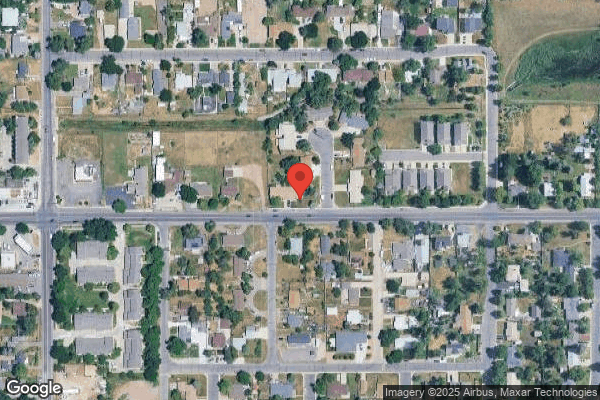
Apr 2023 3 deficiencies
CONCERN (D) 📢 Someone Reported This

A family member, employee, or ombudsman was alarmed enough to file a formal complaint

Potential for Harm - no one hurt, but risky conditions existed

Deficiency F0561 (Tag F0561)

Could have caused harm · This affected 1 resident

**NOTE- TERMS IN BRACKETS HAVE BEEN EDITED TO PROTECT CONFIDENTIALITY** Based on interviews and record review, the facility failed to support resident choice and self-determination for two (#1 and #2)...

Read full inspector narrative →
**NOTE- TERMS IN BRACKETS HAVE BEEN EDITED TO PROTECT CONFIDENTIALITY** Based on interviews and record review, the facility failed to support resident choice and self-determination for two (#1 and #2) of six residents reviewed out of 16 sample residents. Specifically, the facility failed to ensure Resident #1 and Resident #2 were provided choices of their bathing schedules. Findings include: I. Facility policy The Routine Procedures for Bath and Shower policy, revised 10/20/22, was provided by the Clinical Nurse Consultant (CNC) on 4/19/23 at 3:35 p.m. The facility documented their policy was to promote cleanliness, stimulate circulation, and assist in relaxation. Residents will have the choice between bed bath, shower, or bath. The guidelines for this policy read as follows: 1. When residents admit please review the preference sheet with the Resident. 2. Complete a shower preference form. 3. Residents may choose the days of the week they choose to bath or shower. 4. Residents can choose the time that they can bathe or shower. 5. We offer the following options to the residents: a. Shower, b. Tub bath, c. Bed bath 6. Residents may change their preferences at any time during the stay. 7. Nursing will upload preferences into the POC task. 8. If the resident does not have a preference, the facility will utilize their default schedule. The default schedule will include offering twice weekly. 9. Facility is transitioned to electronic documentation for bathing. Facility is no longer using bathing sheets (sic). II. Resident #1 A. Resident status Resident #1, age [AGE], was admitted on [DATE]. According to the April 2023 computerized physician's orders (CPO), diagnoses included chronic pain, generalized muscle weakness, heart failure, anxiety disorder, depression and mild intellectual disabilities. The 4/10/23 minimum data set (MDS) assessment, showed the resident had no cognitive impairments with a score of 15 out of 15 on the brief interview for mental status (BIMS). The functional status review showed the resident required extensive two-person assistance with transfers, dressing, and toileting; had limited range of motion (ROM) to both upper extremities and one lower extremity. The MDS assessment showed the resident had frequent episodes of bowel and bladder incontinence.The MDS assessment for preferences revealed Resident #1 regarded choosing the type of bathing services received as highly important. B. Resident interview Resident #1 was interviewed 4/18/23 at 9:44 a.m. Resident #1 said she was not receiving her showers as scheduled or desired. Resident #1 said the facility did not have a shower aide. Resident #1 said she was dissatisfied with not receiving a bath or shower for weeks. C. Record review The care plan dated 3/9/23 identified the resident had a self-care performance deficit related to weakness. Pertinent interventions included bathing twice weekly per shower schedule and required one or two staff assistance. The [NAME] dated 4/18/23 revealed no specific choice of bathing service days. The shower records from 3/19/23 to 4/18/23 confirmed one shower given on 3/23/23. -There was no documentation of resident refusal in records reviewed. III. Resident #2 A. Resident status Resident #2, age [AGE], was admitted on [DATE]. According to the April 2023 CPO, diagnoses included bipolar disorder, dementia, chronic obstructive pulmonary disease and heart failure. The 2/6/23 MDS assessment showed the resident did not have any cognitive impairments with a score of 15 out of 15 on the BIMS. The functional status review showed the resident required extensive assistance with transfers. The MDS assessment showed the resident required physical help for part of the bathing activity with limited assistance from staff. The MDS assessment showed the resident had frequent episodes of bladder incontinence and occasional episodes of bowel incontinence. B. Resident interview Resident #2 was interviewed on 4/18/23 at 10:09 a.m. Resident #2 said she had not been offered a shower in over a week. She said she preferred to have a shower twice a week. Resident #2 said she preferred to have her shower on Saturdays, however often the facility was unable to provide bathing services on that day due to lack of bath aides working. Resident #2 stated she would submit a request to change her preferred day because of the lack of bathing services on Saturdays. C. Records review The care plan dated 3/9/2023 identified the resident had a self-care performance deficit related to weakness. Pertinent interventions included bathing twice weekly per shower schedule and required one or two staff assistance. The [NAME] dated 4/18/23 listed specific bathing days of Wednesday and Saturday. The shower records from 3/19/23 to 4/18/23 confirmed showers were given on 3/22/23, 3/29/23, and 4/5/23. -There is no documentation of resident refusal in records reviewed. III. Staff Interviews The director of nurses (DON) was interviewed on 4/18/23 at 10:14 a.m. The DON said the facility was short of a shower aide. She confirmed yesterday the shower aide was not available and today the shower aide was catching up. Certified nurse aide (CNA) #1 was interviewed on 4/19/23 at 10:41 a.m. CNA #1 said she had a long list of residents to bathe and some may take up to an hour to bathe. She said if all showers were not given then the remaining showers were passed to the evening/night CNAs. If the showers were still unable to be given, then showers would be offered to those residents the next day if time permitted, and if still unable to accommodate it then it would be completed on the next scheduled shower day. The CNA said that new ownership (a month and half ago) of the facility had instituted a new bathing activity process and was hiring shower aides for evening shift.
CONCERN (E) 📢 Someone Reported This

A family member, employee, or ombudsman was alarmed enough to file a formal complaint

Potential for Harm - no one hurt, but risky conditions existed

Deficiency F0761 (Tag F0761)

Could have caused harm · This affected multiple residents

Based on observations, interviews and record review, the facility failed to ensure drugs and biologicals were labeled and stored in accordance with accepted professional standards on two of two units....

Read full inspector narrative →
Based on observations, interviews and record review, the facility failed to ensure drugs and biologicals were labeled and stored in accordance with accepted professional standards on two of two units. Specifically, the facility failed to: -Store all drugs and biologicals in locked compartments and permit only authorized personnel to have access to the keys; and, -Provide safe and secure storage to include limited access to prescription medications with mechanisms to minimize loss or diversion of all medication. Findings include: I. Facility policy The Medication Access and Storage policy, revised 4/18/23, was provided by the clinical nurse consultant (CNC) on 4/18/23 at 3:55 p.m. It read in pertinent part: The medication supply is accessible only to licensed nursing personnel, pharmacy personnel, or staff members lawfully authorized to administer medications: Outdated, contaminated, or deteriorated medications and those in containers that are cracked, soiled, or without secure closures are immediately removed from stock disposed of according to procedures for medication destruction. discharged Medications Process: Nurses will keep the medication locked in the medication cart until the following: It can be given to the DON to sort and destroy as stated by procedure above. It can also be kept in the medication room behind a locked door until they can be collected for destruction. This excludes narcotics. Narcotics must be kept in the nurse's narcotic drawer on the medication cart and counted each shift until it can be properly signed out and given to DON to store properly until destruction. The Medication Storage policy, dated January 2021, was provided by the CNC on 4/19/23 at 4:48 p.m. It read in pertinent part: Medications and biologicals are stored properly, following manufacturer's or provider pharmacy recommendations, to maintain their integrity and to support safe effective drug administration. The medication supply shall be accessible only to licensed nursing personnel, pharmacy personnel, or staff members lawfully authorized to administer medications. In order to limit access to prescription medications .Medication rooms, cabinets and medication supplies should remain locked when not in use or attended by persons with authorized access. II. Observations Medications in an unlocked space On 4/18/23 doing the facility initial tour at 9:05 a.m. a large clear plastic bag containing 39 mediation cards with prescription medication prescribed to various facility residents were found on the floor and two full bottles of potassium chloride liquid medication on the desk in a small unlocked office at the end of the South resident hall. The bag of medications was not secured or monitored by any licensed staff and was accessible to any resident, staff or visitors who passed by the unlocked office space. No staff arrived to the office space to retrieve the medications; after 10 minutes the NHA approached and was alerted of the unsecured medications. The NHA said the medications were not supposed to be stored in an unlocked space and was uncertain when nursing staff left the medication in the unlocked office space in the resident hall. The NHA moved the medications to the director of nursing (DON) office until the DON could be alerted of the concern and place the medications in a properly secured area. The medications contained in the bag were reviewed with the DON. The bag contained the following prescription and over the counter medications: amlodipine, amoxicillin, atorvastatin, carbidopa levodopa, Cipro, citalopram, donepezil, famotidine, gabapentin, glipizide, hydralazine, hyoscyamine, Klor Con, Lasix, levothyroxine, losartan, metamizol, metformin, nitrofurantoin, ondansetron, promethazine, Senna, spironolactone, trazodone, vitamin B-12, vitamin D3 and Zoloft. Unlocked treatment carts and exposed medication treatment ointments At 9:08 a.m. two treatment carts, several rooms apart, in the South hall were observed to be unlocked with no nursing staff around to monitor the contents of the cart. On top of the first cart there were two small medicine cups full of clear ointment exposed to air and other potential floating derbies and contaminants. The second cart had a large container of zinc ointment with a wooden tongue depressed stuck in the container. The zinc ointment was exposed to air and other potential floating derbies and contaminants. The cart's content and ointment on top of the cart were accessible to any resident, staff or visitor walking by. On 4/19/23 at 9:15 a.m. the treatment cart on the North unit was observed unlocked and unmonitored. At least two residents and two unlicensed staff passed by the cart while it was unlocked and unmonitored. Registered nurse (RN) #1 was alerted to the concern and the cart was immediately locked. III. Interviews The CNC was interviewed on 4/18/23 at 1:30 p.m. The CNC acknowledged the bag of medications found in the unlocked office were not stored in a safe and secured manner. The mediations were now locked in the medication storage room until they were properly processed for destruction. The CNC said she reviewed and updated the facility medication access and storage policy and conducted nursing education with the floor nurses on duty regarding proper medication storage and destruction and proper procedures for monitoring and locking of medication and treatment carts. Additionally, the facility recently hired a new pharmacy consultant who would be in the building on 4/20/23 to review the facility's medication procedures and process for medication destruction. The director of nursing (DON) was interviewed on 4/18/23 at 3:55 p.m. The DON said the medications that were in the large trash bag were medications that were scheduled for destruction and should have been properly locked in the medication storage room until they were released for proper destruction per facility policy. The DON said the medications were being processed for destruction. RN #1 was interviewed on 4/19/23 at 9:15 p.m. RN #1 said the treatment cart was supposed to be locked when the nurse was not directly in contact with the cart. The RN acknowledged forgetting to lock the cart after providing the last treatment over 20 minutes prior to the cart being discovered unlocked and monitored.
CONCERN (E) 📢 Someone Reported This

A family member, employee, or ombudsman was alarmed enough to file a formal complaint

Potential for Harm - no one hurt, but risky conditions existed

Infection Control (Tag F0880)

Could have caused harm · This affected multiple residents

Deficiency Text Not Available

Read full inspector narrative →
Deficiency Text Not Available
Aug 2019 4 deficiencies
CONCERN (D)

Potential for Harm - no one hurt, but risky conditions existed

Report Alleged Abuse (Tag F0609)

Could have caused harm · This affected 1 resident

**NOTE- TERMS IN BRACKETS HAVE BEEN EDITED TO PROTECT CONFIDENTIALITY** Based on record review and interview, the facility failed to report an allegation of abuse for one (#32) out of two sample resid...

Read full inspector narrative →
**NOTE- TERMS IN BRACKETS HAVE BEEN EDITED TO PROTECT CONFIDENTIALITY** Based on record review and interview, the facility failed to report an allegation of abuse for one (#32) out of two sample residents. Specifically, the facility failed to make a report to the State Survey Agency as required by law when Resident #32 grabbed another resident by the wrist, which caused bruising. Cross reference to: -F610 Investigate/Prevent/Correct Alleged Violations, because the facility failed to perform and document interviews with other residents who may have encountered Residents #10 and #32, in order to identify other care concerns, abuse allegations, which would assist the facility in developing interventions to keep other residents safe. -F689 Free of Accident Hazards/Supervision/Devices, because the facility failed to provide adequate supervision of Resident #32, who had dementia and a history of being physically and verbally aggressive.Implement behavioral management interventions to protect other residents from Resident #32 when at times he became physically and verbally aggressive. Monitor for the effectiveness of behavioral management interventions and modify when necessary. Findings include: Facility policy and procedure The Abuse Identification and Investigation policy, revised 11/20/15, was provided by (Accts Payable) on 8/28/19 at 4:14 p.m. The policy read in pertinent part, The facility will make every effort to immediately investigate any allegations and occurences of abuse, neglect and misappropriation of property and report such instances to the state agency and law enforcement agencies as designated by the Elder Justice Act, Colorado Occurrence guidelines and mandatory reporting. If a resident is involved in the abuse of another residents will be immediately separated from each other. Investigation of the incident will be conducted. The facility will utilize investigative protocols to provide guidance in investigating and evaluating allegations of abuse. Resident #32's status Resident #32, age [AGE], was admitted on [DATE]. According to the August 2019 computerized physician orders (CPO), diagnoses included vascular dementia with behavioral disturbance, macular degeneration and benign prostatic hyperplasia with lower urinary tract symptoms. The 7/2/19 minimum data set (MDS) assessment revealed the resident had severe cognitive impairment with a brief interview for mental status (BIMS) score of two out of 15. The resident received antipsychotic medication daily. Record review The 8/17/19 health status note documented that Resident #32 had grabbed the wrist of another resident causing a bruise. The 8/17/19 Investigation Protocol Injuries of Unknown Origin form documented that Resident #32 had caused bruising to the left wrist and forearm of another resident when he grabbed him. Upon review of the resident's medical record on 8/26/19, there was no documentation showing that the facility reported the event to the State Survey Agency. Staff interviews The director of nursing (DON) was interviewed on 8/26/19 at 3:16 p.m. She said the facility's investigation process started with interviewing residents, staff, families or witnesses. She said she would take notes on a notepad to keep track of who she was talking to during the investigation. She said she did not have a formal documentation process for recording the events but instead the notes she took. The facility had an interdisciplinary team (IDT) which consisted of the DON, nursing home administrator (NHA), and social service director (SSD). They would meet after they had conducted an investigation and review the information that each member of the of the interdisciplinary team (IDT) had collected through record review and interviews. The information gathered during the investigation was then used to compose a report to the State Survey Agency. The NHA was interviewed on 8/27/19 at 2:07 p.m. He said he had not been able to access the State Reporting Portal to print out the reports the facility made on 8/21/19 and 8/26/19. The NHA said that the facility utilized the State criteria for reporting and the State determined that the altercation on 8/17/19 did not require it to be reported because the resident had dementia and was generally confused. The NHA failed to recognize the Federal requirements of reporting all allegations of abuse to the State Survey Agency.
CONCERN (D)

Potential for Harm - no one hurt, but risky conditions existed

Investigate Abuse (Tag F0610)

Could have caused harm · This affected 1 resident

**NOTE- TERMS IN BRACKETS HAVE BEEN EDITED TO PROTECT CONFIDENTIALITY** Based on record review and interviews, the facility failed to have evidence that all violations of abuse, exploitation or mistre...

Read full inspector narrative →
**NOTE- TERMS IN BRACKETS HAVE BEEN EDITED TO PROTECT CONFIDENTIALITY** Based on record review and interviews, the facility failed to have evidence that all violations of abuse, exploitation or mistreatment were thoroughly investigated for two (#10 and #32) out of two residents reviewed for alleged allegations of abuse out of two sampled residents. Specifically, the facility failed to perform and document interviews, during the facility's investigation into alleged allegations of resident-to-resident abuse, with other residents who may have encountered Residents #10 and #32, in order to identify other care concerns and/or abuse allegations, which would assist the facility in developing interventions to keep residents safe. Cross-reference to: -F609 Reporting of Alleged Violations, because the facility failed to make a report to the State Survey Agency as required by law when Resident #32 grabbed another resident by the wrist, which caused bruising. -F689 Free of Accident Hazards/Supervision/Devices, because the facility failed to provide adequate supervision of Resident #32, who had dementia and a history of being physically and verbally aggressive. Implement behavioral management interventions to protect other residents from Resident #32 when at times he became physically and verbally aggressive. Monitor for the effectiveness of behavioral management interventions and modify when necessary. Findings include: I. Facility policy and procedure The Abuse Identification and Investigation policy, revised 11/20/15, was provided by the medical records director (MRD) on 8/28/19 at 4:14 p.m. The policy read in pertinent part, The facility will make every effort to immediately investigate any allegations and occurences of abuse, neglect and misappropriation of property and report such instances to the state agency and law enforcement agencies as designated by the Elder Justice Act, Colorado Occurrence guidelines and mandatory reporting. If a resident is involved in the abuse of another residents will be immediately separated from each other. Investigation of the incident will be conducted. The facility will utilize investigative protocols to provide guidance in investigating and evaluating allegations of abuse. II. Resident #32's A. Resident status Resident #32, age [AGE], was admitted on [DATE]. According to the August 2019 computerized physician orders (CPO), diagnoses included vascular dementia with behavioral disturbance, macular degeneration and benign prostatic hyperplasia with lower urinary tract symptoms. The 7/2/19 minimum data set (MDS) assessment revealed the resident had severe cognitive impairment with a brief interview for mental status (BIMS) score of two out of 15. The resident received antipsychotic medication daily. B. Record review The 8/17/19 at 6:59 p.m. Communication Note documented that Resident #32's medical durable power of attorney (MDPOA) was called to be notified that the resident had grabbed onto another resident's wrist and would not let go, which caused dark purple bruises to the wrist and forearm of the other resident. The 8/17/19 Investigation Protocol Injuries of Unknown Origin record was provided by the director of nursing (DON) on 8/28/19 at 10:15 a.m. It documented bruising to the left wrist and lower forearm of Resident #221 and provided no other information regarding the incident. The 8/17/19 Record of a Skin Tear/Bruise Follow- up (STBF) was included in the investigation and provided by the DON. It documented Resident #32 had grabbed Resident #221's forearm/wrist causing a bruise. It read that Resident #32 had dementia and could not see well and Resident #221 who was bruised was understanding of him having dementia and not intending to harm him. The intervention included staff to ensure that the two residents did not sit at the same dining room table. -The investigation did not include interviews conducted with other residents possibly affected by the situation or staff involved with intervening on behalf of both residents. -The STBF documented that the incident was witnessed by licenced practical nurse (LPN) #1. -The investigation did not indicate where or when the incident took place or if there were any precipitating events which lead to Resident#32 becoming agitated. C. Resident interview Resident #221 was interviewed on 8/29/19 at 9:30 a.m. He said that on 8/17/19 there were four residents, including himself, sitting at one of the tables in the dining room. He said that Resident #32 had a habit of pounding his fists on the table, which scared Resident #221's wife. He said that when he asked Resident #32 to calm down and stop, Resident #32 reached out and grabbed ahold of his wrist. He said that the resident was quite strong, but LPN #1 was able to pry Resident #32's grip from his wrist. He said that the police came and photographed his wrist. He displayed the bruise that was still visible. D. Staff interviews The director of nursing (DON) was interviewed on 8/26/19 at 3:16 p.m. She said the facility's investigation process started with interviewing residents, staff, families or witnesses. She said she would review the record and make sure there was documentation in the clinical record to reflect all residents, staff, visitors or providers involved. She said she would make notes on a notepad to keep track of who she was talking to based on the incident. An interdisciplinary team (IDT) which consisted of the DON, nursing home administrator (NHA), and social services director (SSD) would to meet and review the information collected through record review, interviews and comprise a report to the State Survey Agency together. The NHA was interviewed on 8/28/19 at 9:19 a.m. He said the facility reported allegations of abuse if the IDT team had determined that the allegation met the state criteria to report to the State Survey Agency. III. Resident #10 A. Resident status Resident #10, age of 94, was admitted [DATE]. According to the August 2019 computerized physician orders (CPO), diagnoses included dementia without behavioral disturbance, fracture of the left femur, fibromyalgia, and osteoporosis. The 5/30/19 minimum data set (MDS) assessment revealed the resident had moderate cognitive impairment with a brief interview for mental status (BIMS) score of 10 out of 15. Resident #10 showed no signs or symptoms of delirium, disorganized thinking and did not have altered level of consciousness. The resident required extensive assistance of one person with bed mobility, transfers, dressing, and personal hygiene. B. Resident interview The resident was interviewed on 8/26/19 at 2:11 p.m. Resident #10 said she sometimes came across a rough certified nursing aide (CNA). She said, A couple of days ago I asked one of the CNAs to adjust the volume on my T.V. and she (the CNA) threw the remote at me hitting me on my legs; it hurt my leg. I think she didn't like that I asked her to do something extra. I reported this to the head nurse. C. Record review 1. Abuse investigation documentation On 8/27/19 at 11:40 a.m. the investigation regarding Resident #10's allegation was requested. The director of nursing (DON) initially reported that the only investigation documentation they had was the State filed report and they did not maintain other documentation of the investigation that they conducted. At 5:07 p.m. the DON provided documentation titled Unusual Occurrence Report form dated 8/21/19 at 2:00 p.m. It revealed Resident #10 reported an attendant from the facility threw the T.V. remote at her. The report did not give any more detail as to what part of the body the attendant hit with the remote or the force or intensity of the act. It did not include how the resident felt or if the action caused the resident pain. The report indicated first aid was provided but did not give the type of first aid care given or location of the treatment provided. Later in the report narrative documents section read, no injury noted. The report did not include if the resident's physician or family were notified. 2. Abuse investigation failures The investigative documentation provided failed to show that the facility conducted any staff or resident interviews to show they attempted to discover the alleged perpetrator of the resident's allegation. The facility did not show documentation of interviews conducted with staff who worked the unit over the past few days, to identify if any staff witness the alleged occurrence or if any staff had knowledge of care staff who might be providing rough care to Resident #10 or other residents living in the facility. Also, the facility failed to show documentation that they interviewed other residents in the facility to see if they experienced similar treatment by the staff providing their care. D. Staff interviews CNA #1 was interviewed on 8/28/19 at 3:22 p.m. CNA #1 said if she were on duty when abuse or suspected abuse occurred she would provide a written statement of what she had observed related to the allegation. CNA #3 was interviewed on 8/28/19 at 3:36 p.m. CNA #3 said if she witnessed or suspected abuse of a resident she would report to the nurse on duty and provide a written statement related to the event. The DON was interviewed on 8/29/19 at 12:51 p.m. The DON said the facility policy was to investigate everything that was reported as potential abuse whether or not the report/allegation rose to a level requiring a report to the State reporting line. She said that in the process of investigating an allegation of abuse or other unusual occurrence they routinely placed the resident and/or residents involved on follow-up monitoring for changes in condition. She said, As a part of our investigative process we talk to everyone involved in the allegation including staff, residents, the resident's family, visitors, etc., as well as those who are not involved in the allegation. The first step in an investigation includes gathering evidence including written statements from the staff on duty. The nurse on duty makes sure all of the staff on shift gives a written statement to include knowledge of the occurrence/allegation. Statements are obtained from family and visitors when they are present and/or may have knowledge into the event. The social services department follows up with the staff, family and visitor to clarify their witness statements, in order to formulate investigative findings. The police are notified as required by regulation and law. We take up to five days to complete an investigation and when required investigative findings are reported to the State reporting line.
CONCERN (D)

Potential for Harm - no one hurt, but risky conditions existed

Deficiency F0849 (Tag F0849)

Could have caused harm · This affected 1 resident

**NOTE- TERMS IN BRACKETS HAVE BEEN EDITED TO PROTECT CONFIDENTIALITY** Based on record review and staff interviews, the facility failed to collaborate with the hospice provider to attain or maintain ...

Read full inspector narrative →
**NOTE- TERMS IN BRACKETS HAVE BEEN EDITED TO PROTECT CONFIDENTIALITY** Based on record review and staff interviews, the facility failed to collaborate with the hospice provider to attain or maintain the highest practicable physical, mental, and psychosocial well-being of one (#46) of one residents out of 27 sample residents reviewed for hospice services. Specifically, the facility failed to demonstrate consistent collaboration of care was occurring between the facility and the hospice provider to ensure accurate and timely documentation for Resident #46. Findings include: I. Facility protocol The Specific Hospice Protocol, with no date specified when initiated, was provided by the nursing home administrator (NHA) on 8/26/19 at 10:00 a.m. The protocol documented in pertinent part, -when providing hospice services to a facility resident, ask the receptionist to let the NHA, director of nursing (DON) and the social services director (SSD) know they are in the building for a visit, -before seeing a resident on hospice ask the unit charge nurse for report on the resident, -during and after the visit, ask to speak with the DON and social worker (SW) to provide any communication the center may need to know about the visit. In addition, the protocol revealed orientation to hospice services provided at the facility included in part charting requirements with each visit and use of the hospice chart. II. Resident #46 A. Resident status Resident #46, greater than [AGE] years of age, admitted on [DATE]. According to the August 2019 computerized physician ' s order diagnosis included malignant neoplasm of brain. The 7/18/19 minimum data set (MDS) assessment revealed the resident had severe cognitive impairment with both short and long term memory problems. And was moderately impaired with daily decision-making. She had a diagnosis of cancer and was receiving hospice care. B. Record review 1. Physician order The August 2019 CPO revealed an order for Hospice level of care as of 7/12/19. Diagnosis of malignant neoplasm of brain. A facility care plan initiated 7/22/19 with a target date of 7/29/19 identified the resident was receiving hospice services. Interventions included in pertinent part, administer medication and treatment as ordered and monitor effectiveness, assist with coping strengths, strategies and respect resident wishes, monitor for increased pain and notify physician and hospice as needed and work cooperatively with hospice team to ensure the residents spiritual, emotional, intellectual, physical and social needs are met. -The care plan did not include the frequency of visits by the hospice nurse or the hospice certified nurse aide (HCNA). A psychosocial note dated 7/31/19 revealed in part a care conference was held to include hospice and the resident ' s medical power of attorney (MDPOA). The MDPOA did not have any concerns. 2. Hospice documentation The resident was admitted to the facility from an inpatient hospice facility on 7/12/19. The primary diagnoses documented was brain disorder. The hospice binder for Resident #46, located at the nurse ' s station, had one section for nursing visits and one for the HCNA visits. The hospice plan of care dated 7/12/19 included the following problem areas: -Pain -Altered urinary elimination -Diminished activity/mobility -Altered neurological function The hospice care plan (above) was not comprehensive or resident centered. -The care plan did not identify the resident ' s current functional limitations. There was one comprehensive nurse assessment found in the binder dated 7/13/19. The nursing section of the binder contained a form titled, Home Hospice plan of Care. The form further revealed in parenthesis: Changes, instructions, reminders. -The form was not a formal tool to demonstrate that a full, comprehensive assessment was conducted by the hospice nurse upon each visit. There was one nurse progress note dated 8/19/19 found in the hospice binder that included full vital signs, lung and bowel sounds and the condition of the residents output via her Foley catheter. The nurse note on 8/12/19 documented the resident visits would be increased to twice a week due to declining condition. The HCNA section contained a home health aide plan of care dated 7/12/19 for services to include activities of daily living (ADLs) only. -The plan revealed the HCNA would visit twice a week. There were no HCNA visit notes found in the hospice binder after 8/7/19. C. Staff interviews Registered nurse (RN #2) was interviewed on 8/28/19 at 9:00 a.m. She said the hospice nurse visited the resident one to two times a week. She said the HCNA visited one to two times a week. She said if there are any changes or concerns they will check in with her. Certified nurse aide (CNA #5) was interviewed on 8/28/19 at 11:50 a.m. She said the resident was on hospice, comfort care only. She said comfort care meant they are to offer her fluids and food that she would like and to keep her clean and turned. She said she was unsure how often the hospice came to visit and did not know who the hospice nurse or HCNA was. The DON was interviewed on 8/28/19 at 2:40 p.m. She said that the hospice nurse was supposed to check in with her each time she came to visit a resident. She said the expectation was to have access to their documentation and that residents on hospice care had hospice binders. She said it was important to have the documentation in place and accessible to ensure collaboration of the residents plan of care. The hospice registered nurse (RN #3) was interviewed on 8/29/19 at 10:00 a.m. She said she visited the resident once a week in the beginning and just recently increased her visits to twice a week. RN #3 said she did a full assessment for one of her visits per week and then a check in note once per week. She said she was not able to print her assessments when she was in the facility but could print them out at her office and bring them with her on the following visit. She said her assessments should be in the binder. She said the HCNA visited twice a week and their documentation should be in the hospice binder. She said she was contacted by the facility regarding the missing notes and that her office was faxing those over today. III. Facility follow-up On 8/29/19 at 4:00 p.m. the medical records director (MRD) provided documentation faxed by the hospice provider of routine HCNA visits from 8/9/19 to 8/23/19 (six visits). There were no additional comprehensive assessments by the nurse provided.
CONCERN (E)

Potential for Harm - no one hurt, but risky conditions existed

Accident Prevention (Tag F0689)

Could have caused harm · This affected multiple residents

**NOTE- TERMS IN BRACKETS HAVE BEEN EDITED TO PROTECT CONFIDENTIALITY** Based on record review and interviews, the facility failed to ensure the environment remained as free of accident hazards as pos...

Read full inspector narrative →
**NOTE- TERMS IN BRACKETS HAVE BEEN EDITED TO PROTECT CONFIDENTIALITY** Based on record review and interviews, the facility failed to ensure the environment remained as free of accident hazards as possible for seven (#60, #2, #47, #26, #33, #221 & #32) of seven out of 27 sample residents. Specifically, the facility failed to: -Provide adequate supervision for Resident #32 who had dementia and a history of being physically and verbally aggressive; -Implement behavioral management interventions to protect other residents from Resident #32's, at times, physical and verbal aggression; and -Monitor for the effectiveness of behavioral management interventions and modify when necessary. Cross-reference to: -F609 Reporting of Alleged Violations, because the facility failed to make a report to the State Survey Agency as required by law when Resident #32 grabbed another resident by the wrist, which caused bruising. -F610 Investigate/Prevent/Correct Alleged Violations, because the facility failed to perform and document interviews with other residents who may have encountered Residents #10 and #32, in order to identify other care concerns, abuse allegations, which would assist the facility in developing interventions to keep other residents safe. Findings include: I. Resident #32's status Resident #32, age [AGE], was admitted on [DATE]. According to the August 2019 computerized physician orders (CPO), diagnoses included vascular dementia with behavioral disturbance, macular degeneration and benign prostatic hyperplasia with lower urinary tract symptoms. The 7/2/19 minimum data set (MDS) assessment revealed the resident had severe cognitive impairment with a brief interview for mental status (BIMS) score of two out of 15. The resident received antipsychotic medication daily. A. Record review and resident interview The behavioral care plan, initiated 7/10/19, revealed the following interventions: staff intervene as necessary to protect the rights and safety of others, approach the resident in a calm manner and attempt to divert his attention or remove the resident from the situation and take him to an alternate location as needed. Monitor the resident's behavior, consider the location, time of day persons involved and situations and document behavior and potential causes. The August 2019 medication administration records (MAR) revealed, staff documented the number of times the resident exhibited delusional thinking, hallucinations, was combative with care, crying or stating he was lonely, however, verbal or physical aggression were not included. B. Resident-to-resident altercations with affected resident interviews 1.The 8/17/19 health progress note, read Resident #32 was observed by staff to grab Resident #221 by his wrist which caused bruising to his wrist and forearm. -An Investigation Protocol Injuries of Unknown Origin completed on 8/17/19 documented that Resident #32 grabbed another resident's forearm/wrist causing a bruise. It read that the resident had behavioral disturbances, difficulty seeing and would reach out and grab and people and things near him. The resident affected by Resident #32 grabbing him, reported that he understood that Resident #32 did not mean to hurt him. -The intervention included to keep the residents separated and not sit together at the same dining room table. Resident interview Resident #221 was interviewed on 8/29/19 at 9:30 a.m. He said that on 8/17/19 there were four residents, including himself, sitting at one of the tables in the dining room. He said that Resident #32 had a habit of pounding his fists on the table, which scared Resident #221's wife. He said that when he asked Resident #32 to calm down and stop, he reached out and grabbed ahold of his wrist. He said that the resident was quite strong, but licenced practical nurse (LPN) #1 came over and was able to pry his grip from his wrist. He said that the police came and photographed his wrist and he noted that the bruise was still visible at the time of interview. 2.The facility made a report to the State Survey Agency on 8/21/19, that read that on 8/20/19, Resident #32 had grabbed onto the wheelchair of Resident #26, stood up and struck out at her with his other hand. Resident #26 had no apparent injuries after this incident. -The facility also reported that on 8/21/19, Resident #32 had grabbed and pulled on the shoulder of Resident #33 while attempting to pass him in the hallway, which had caused Resident #33 to call out in pain. On 8/21/19 a general in-service was provided and signed by staff which read, Due to Resident #32 being blind with macular degeneration and his dementia, he becomes very agitated with noise, please keep him away from the T.V. noise and in as quiet of an area as possible. Please keep him in an area that is not in close proximity to other residents as he grabs them or attempts to hit them when he is agitated. 3.The health status note written by RN #1 on 8/25/19 at 5:11 p.m. read that Resident #32 was in playing bingo with a group of other residents. Resident #60 alerted staff that Resident #32 grabbed ahold of Resident #47 and shook her. Staff took Resident #32 out of the dining room to get changed and assisted him back to bingo where he was seated on the other side of the dining room. Resident #32 then took the cup of Resident #2 and when the resident tried to take it back, he tried to hit him with it. Resident #32 was moved to another table. Resident #32 moved himself around the table and tried to hit Resident #60. He was moved again and proceeded to move himself towards another female resident and began to pull on her oxygen tank. He was then taken out of the dining room, the Director of Nursing (DON) was notified and a transfer order was obtained for him to be transported to the hospital. Resident interviews Resident #60 was interviewed 8/28/19 at 3:08 p.m. She said that she witnessed Resident #32 grab another resident during bingo on 8/25/19. She said It was terrible and he not only grabbed her arm it looked like he was going to break it. She said that she was really frightened when she saw what happened and that it was surprising to her because she thought that the facility was such a nice place, she could not believe something like that could happen there. She said that she had seen him strike out at staff and residents and noted that Resident #32 seemed to be very strong. She said that Resident #32 was taken out of the building later that day. She said that she had tried to stay away from him. Resident #2 was interviewed on 8/29/19 at 12:02 p.m. He said that during bingo on 8/25/19, Resident #32 had moved near him and took his cup. When Resident #32 tried to stand, Resident #2 tried to encourage him to sit down so that he would not fall. Resident #32 then struck him in the shoulder. He said staff came to intervene and Resident #32 told the staff that he felt he was defending himself. The intervention included Resident #32 receiving one-on-one staff supervision once he returned from the hospital on 8/26/19 at 2:00 p.m. C. Staff interviews CNA #4 was interviewed on 8/28/19 at 4:15 p.m. The CNA was brought into the facility from an outside agency to provide one-to-one supervision with Resident #32 on 8/28/19. She said that she was informed by her agency that she was needed as a one-to-one aide with Resident #32 because he was combative and needed help cutting up food and some cuing to eat. When she arrived at the facility earlier that day, the aide she replaced reported that he had slept all night. She said that she did not receive abuse training from the facility including the identification and reporting of abuse. She said she was not provided behavioral management interventions such as how to redirect the resident when he tried to stand independently or what to do when he became verbally and physically aggressive. The nursing home administrator (NHA) and director of nursing (DON) were interviewed on 8/28/19 at 2:07 p.m. The NHA said that the behavioral interventions and monitoring for Resident #32 following the incident on 8/17/19 where he grabbed resident #221 by the wrist was for the staff to separate the residents. The NHA said that Resident #32 had an increase in antipsychotic medication on 8/21/19 in response to the event. The NHA reiterated several times that Resident #32 had a BIMS score of two out of 15 and was visually impaired, therefore Resident #32's actions could not be considered willful or intentional. -The DON stated that Resident #32 had been put on 72 hour behavior monitoring and charting after he had grabbed residents on 8/17/19, 8/20/19 and 8/21/19. The DON said that specific behaviors were not identified for the nurses to document on in the MARs, however, the number of behaviors within a shift was documented. Behaviors were documented in the progress notes. The DON said there was no system to review the behavioral management interventions that were put in place after each event for efficacy. II. Facility follow-up On 8/30/19 at 2:53 p.m. the NHA provided supportive documentation via email of an interview with Resident #60, which was conducted but the social service director (SSD) on 8/26/19. The interview included the following in regards to Resident #60's response to the events on 8/25/19: The resident was asked how her day was yesterday on Sunday? She said she had a good day. The resident was asked if anything unusual happened or anything to upset her? The resident replied there was nothing that she could remember. The SSD asked her if she had gone to bingo? The resident remarked I might have missed it, I missed it once, I usually go to bingo, but yesterday was the day I missed bingo because I was reading this card. The SSD inquired if she had witnessed any altercations between residents on Sunday. The resident said she had not, and that she did not remember seeing anything.The facility interview documented that Resident #60 did not recall attending bingo or witnessing the altercations with Resident #32 and other residents on 8/25/19, however, when interviewed on survey, she did remember and reported that she had seen that day.
Understanding Severity Codes (click to expand)
Life-Threatening (Immediate Jeopardy)
J - Isolated K - Pattern L - Widespread
Actual Harm
G - Isolated H - Pattern I - Widespread
Potential for Harm
D - Isolated E - Pattern F - Widespread
No Harm (Minor)
A - Isolated B - Pattern C - Widespread

Questions to Ask on Your Visit

  • "Can I speak with families of current residents?"
  • "What's your RN coverage like on weekends and overnight?"

Our Honest Assessment

Strengths
  • • No fines on record. Clean compliance history, better than most Colorado facilities.
Concerns
  • • 31 deficiencies on record, including 1 serious (caused harm) violation. Ask about corrective actions taken.
  • • Grade C (55/100). Below average facility with significant concerns.
Bottom line: Mixed indicators with Trust Score of 55/100. Visit in person and ask pointed questions.

About This Facility

What is Mapleton Post Acute's CMS Rating?

CMS assigns MAPLETON POST ACUTE an overall rating of 3 out of 5 stars, which is considered average nationally. Within Colorado, this rating places the facility higher than 0% of the state's 100 nursing homes. This mid-range rating indicates the facility meets federal standards but may have areas for improvement.

How is Mapleton Post Acute Staffed?

CMS rates MAPLETON POST ACUTE's staffing level at 2 out of 5 stars, which is below average compared to other nursing homes. Staff turnover is 46%, compared to the Colorado average of 46%. This relatively stable workforce can support continuity of care.

What Have Inspectors Found at Mapleton Post Acute?

State health inspectors documented 31 deficiencies at MAPLETON POST ACUTE during 2019 to 2025. These included: 1 that caused actual resident harm and 30 with potential for harm. Deficiencies causing actual harm indicate documented cases where residents experienced negative health consequences.

Who Owns and Operates Mapleton Post Acute?

MAPLETON POST ACUTE is owned by a for-profit company. For-profit facilities operate as businesses with obligations to shareholders or private owners. The facility is operated by THE ENSIGN GROUP, a chain that manages multiple nursing homes. With 90 certified beds and approximately 69 residents (about 77% occupancy), it is a smaller facility located in LAKEWOOD, Colorado.

How Does Mapleton Post Acute Compare to Other Colorado Nursing Homes?

Compared to the 100 nursing homes in Colorado, MAPLETON POST ACUTE's overall rating (3 stars) is below the state average of 3.1, staff turnover (46%) is near the state average of 46%, and health inspection rating (2 stars) is below the national benchmark.

What Should Families Ask When Visiting Mapleton Post Acute?

Based on this facility's data, families visiting should ask: "Can you walk me through typical staffing levels on day, evening, and night shifts?" "Can I visit during a mealtime to observe dining assistance and food quality?" "How do you handle medical emergencies, and what is your hospital transfer rate?" "Can I speak with family members of current residents about their experience?" These questions are particularly relevant given the below-average staffing rating.

Is Mapleton Post Acute Safe?

Based on CMS inspection data, MAPLETON POST ACUTE has a clean safety record: no substantiated abuse findings (meaning no confirmed cases of resident harm), no Immediate Jeopardy citations (the most serious violation level indicating risk of serious injury or death), and is not on the Special Focus Facility watch list (a federal program monitoring the lowest-performing 1% of nursing homes). The facility has a 3-star overall rating and ranks #100 of 100 nursing homes in Colorado. While no facility is perfect, families should still ask about staff-to-resident ratios and recent inspection results during their visit.

Do Nurses at Mapleton Post Acute Stick Around?

MAPLETON POST ACUTE has a staff turnover rate of 46%, which is about average for Colorado nursing homes (state average: 46%). Moderate turnover is common in nursing homes, but families should still ask about staff tenure and how the facility maintains care continuity when employees leave.

Was Mapleton Post Acute Ever Fined?

MAPLETON POST ACUTE has no federal fines on record. CMS issues fines when nursing homes fail to meet care standards or don't correct problems found during inspections. The absence of fines suggests the facility has either maintained compliance or corrected any issues before penalties were assessed. This is a positive indicator, though families should still review recent inspection reports for the full picture.

Is Mapleton Post Acute on Any Federal Watch List?

MAPLETON POST ACUTE is not on any federal watch list. The most significant is the Special Focus Facility (SFF) program, which identifies the bottom 1% of nursing homes nationally based on persistent, serious quality problems. Not being on this list means the facility has avoided the pattern of deficiencies that triggers enhanced federal oversight. This is a positive indicator, though families should still review the facility's inspection history directly.