VILLA MANOR CARE CENTER
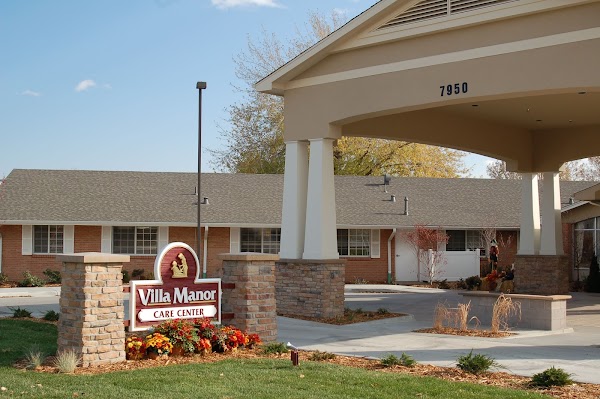
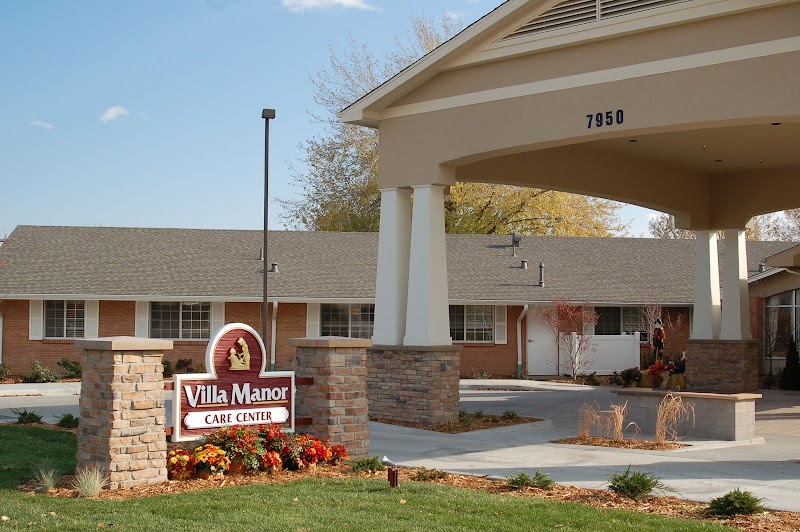
7950 W MISSISSIPPI AVE, LAKEWOOD, CO 80226 (303) 986-4511
For profit - Corporation 110 Beds LIFE CARE CENTERS OF AMERICA Data: November 2025
Trust Grade
70/100
#85 of 208 in CO
Last Inspection: December 2023

Within standard 12-15 month inspection cycle. Federal law requires annual inspections.

Overview

Villa Manor Care Center in Lakewood, Colorado, has a Trust Grade of B, indicating it's a good choice but not without flaws. It ranks #85 out of 208 facilities in Colorado, placing it in the top half, and #8 out of 23 in Jefferson County, meaning only seven local options are better. The facility's trend is stable, with two issues reported in both 2024 and 2025, which is a positive sign. Staffing is average with a 49% turnover rate, but the facility has no fines on record, which suggests compliance with regulations. However, there are concerns, as recent inspections revealed failures in infection control practices and inadequate staffing to assist residents with personal hygiene needs, indicating that while there are strengths, attention to care delivery is required.

Trust Score
B
70/100
In Colorado
#85/208
Top 40%
Safety Record
Low Risk
No red flags
Inspections
Holding Steady
2 → 2 violations
Staff Stability
⚠ Watch
49% turnover. Above average. Higher turnover means staff may not know residents' routines.
Penalties
✓ Good
No fines on record. Clean compliance history, better than most Colorado facilities.
Skilled Nurses
✓ Good
Each resident gets 51 minutes of Registered Nurse (RN) attention daily — more than average for Colorado. RNs are trained to catch health problems early.
Violations
⚠ Watch
27 deficiencies on record. Higher than average. Multiple issues found across inspections.
★★★★☆
4.0
Overall Rating
★★★☆☆
3.0
Staff Levels
★★★★★
5.0
Care Quality
★★★☆☆
3.0
Inspection Score
Stable
2024: 2 issues
2025: 2 issues

The Good

  • 5-Star Quality Measures · Strong clinical quality outcomes
  • Full Sprinkler Coverage · Fire safety systems throughout facility
  • No fines on record

Facility shows strength in quality measures, fire safety.

The Bad

Staff Turnover: 49%

Near Colorado avg (46%)

Higher turnover may affect care consistency

Chain: LIFE CARE CENTERS OF AMERICA

Part of a multi-facility chain

Ask about local staffing decisions and management

The Ugly 27 deficiencies on record

Mar 2025 2 deficiencies
CONCERN (E) 📢 Someone Reported This

A family member, employee, or ombudsman was alarmed enough to file a formal complaint

Potential for Harm - no one hurt, but risky conditions existed

ADL Care (Tag F0677)

Could have caused harm · This affected multiple residents

**NOTE- TERMS IN BRACKETS HAVE BEEN EDITED TO PROTECT CONFIDENTIALITY** Based on record review and interviews, the facility failed to ensure residents who were unable to carry out activities of daily ...

Read full inspector narrative →
**NOTE- TERMS IN BRACKETS HAVE BEEN EDITED TO PROTECT CONFIDENTIALITY** Based on record review and interviews, the facility failed to ensure residents who were unable to carry out activities of daily living (ADL) received the necessary services to maintain good grooming and personal hygiene for two (#1, #2 and #3) of four residents reviewed for bathing out of four sample residents. Specifically, the facility failed to ensure Resident #1, Resident #2 and Resident #3, who were dependent on staff for bathing, received their scheduled showers. Cross-reference F725: failure to have adequate nurse staffing. Findings include: I. Facility policy and procedure The Activities Of Daily Living (ADLs) policy, revised 2/12/24, was provided by the nursing home administrator (NHA) on 3/19/25 at 2:21 p.m. It read in pertinent part, The resident will receive assistance as needed to complete ADLs. A resident who is unable to carry out ADLs receives the necessary services to maintain good nutrition, grooming, personal and oral hygiene. II. Resident #1 A. Resident status Resident #1, age greater than 65, was admitted on [DATE]. According to the March 2025 computerized physician orders (CPO), diagnoses included multiple sclerosis (MS), age-related osteoporosis, neuromuscular dysfunction of the bladder (urinary incontinence), muscle weakness and irritable bowel syndrome. The 2/4/25 minimum data set (MDS) assessment revealed the resident was cognitively intact with a brief interview for mental status (BIMS) score of 15 out of 15. She had no behaviors and did not reject care. She had impairment to one side of her upper and lower extremities. She used a motorized wheelchair and was dependent on staff for bathing and toileting hygiene. She was occasionally incontinent of bowel and bladder. B. Resident interview Resident #1 was interviewed on 3/19/25 at 10:15 a.m. She said the facility did not have enough staff to care for her needs. She said when the facility had only two certified nurse aides (CNA) working, showers were not provided. She said she was supposed to receive her showers on Tuesday, Thursday, Saturday and Sunday. C. Resident representative interview Resident #2's representative was interviewed on 3/19/25 at 2:09 p.m. The representative said Resident #2 was not receiving adequate showers the last few months. She said she had to call the facility to get staff to shower the resident. She said she felt the resident had been receiving more showers in March 2025. D. Record review The ADL care plan, revised on 8/29/23, revealed Resident #1 had an ADL self care deficit related to weakness, impaired range of motion, occasional incontinence, diagnosis of MS, depression, left sided weakness and contracture (restricts normal movement) to the left hand and left elbow. Interventions included providing total staff assistance with bathing four times a week with a female care giver. Review of the January 2025 through March 2025 shower logs revealed the following: The January 2025 (1/19/25 to 1/31/25) shower documentation revealed Resident #1 was provided bathing on one of six opportunities. The February 2025 (2/1/25 to 2/28/25) shower documentation revealed Resident #1 was provided bathing on two of 16 opportunities. The March 2025 (3/1/25 to 3/19/25) shower documentation revealed Resident #1 was provided bathing on three of 11 opportunities. III. Resident #2 A. Resident status Resident #1, age greater than 65, was admitted on [DATE]. According to the March 2025 CPO, diagnoses included diabetes, dementia, cancer and liver failure. The 12/20/24 MDS assessment revealed the resident had moderate cognitive impairments with a BIMS score of 10 out of 15. She required supervision assistance with toileting and dressing. She required partial assistance with bathing. B. Record review The ADL care plan, revised on 12/16/24, revealed Resident #2 had an ADL self care deficit related to dementia, impaired balance, limited mobility and muscle weakness. Interventions included assisting the resident with ADLs as needed and praising the resident for all efforts of self care. -Review of the comprehensive care plan did not reveal documentation that indicated the resident's shower preferences and assistance needed. Review of the January 2025 through March 2025 shower logs revealed the following: The January 2025 (1/19/25 to 1/31/25) shower documentation revealed Resident #1 was provided bathing on one of four opportunities. The February 2025 (2/1/25 to 2/28/25) shower documentation revealed Resident #1 was provided bathing on two of eight opportunities. The March 2025 (3/1/25 to 3/19/25) shower documentation revealed Resident #1 was provided bathing on two of five opportunities. IV. Resident #3 A. Resident status Resident #3, age greater than 65, was admitted on [DATE]. According to the March 2025 CPO, diagnoses included dementia, anxiety and kidney disease. The 2/4/25 minimum data set (MDS) assessment revealed the resident was cognitively intact with a BIMS score of 15 out of 15. She required maximal assistance with toileting, dressing and bathing. B. Record review The ADL care plan, revised on 8/5/24, revealed Resident #3 had an ADL self care deficit related to weakness, decreased mobility, usage of high high risk medications, obesity and depression. Interventions included assisting the resident with ADLs as needed and providing the resident showers two times a week on Tuesday and Saturday. Review of the January 2025 through March 2025 shower logs revealed the following: The January 2025 (1/19/25 to 1/31/25) shower documentation revealed Resident #1 was provided no bathing out of three opportunities. The February 2025 (2/1/25 to 2/28/25) shower documentation revealed Resident #1 was provided no bathing out of seven opportunities. The March 2025 (3/1/25 to 3/19/25) shower documentation revealed Resident #1 was provided bathing on five of six opportunities. V. Staff interviews CNA #1 was interviewed on 3/19/25 at 1:33 p.m. CNA #1 said the facility had been short on CNA staff for over a year. CNA #1 said sometimes the facility only had two CNAs to work the unit with 50 residents. She said the shortage prevented the CNAs from doing their assigned showers for the residents. She said in February 2025 she worked a shift by herself to care for 45 residents. She said two residents required two person assistance with mechanical transfers She said when she brought the staffing concerns to the management, she was told to just do what she could. She said Resident #1 needed two staff members for bathing. She said when the CNA did not have another staff member to help, they had to take care of her alone. She said the day prior (3/18/25), a CNA worked alone for two hours, and cared for 24 residents alone. She said most of the nurses did not want to assist the residents with personal care. CNA #2 was interviewed on 3/19/25 at 2:30 p.m. CNA #2 said the main floor census was 50 residents and there should be three to four CNAs scheduled. She said she wished the facility would use agency staff when they were short staffed. She said the facility CNAs were unable to complete the resident cares. She said when the unit was short staffed, the CNA did not have time to complete the scheduled showers. She said only two CNAs had been working the prior two days on the evening shift. She said the CNAs did the best they could to care for the residents, but there were times when incontinence care and oral care did not always get done. She said at times the restorative CNA was pulled to work the floor. She said the management did not help work the floor when they were short staffed. CNA #3 was interviewed on 3/19/25 at 2:35 p.m. CNA #3 said the facility did not have enough staff to complete their work. She said the unit was short staffed often. She said sometimes the CNAs were unable to provide the scheduled showers, since the unit was short staffed. She said when they only had two CNAs staffed to work the unit, scheduled showers did not get done. CNA #4 was interviewed on 3/19/25 at 2:45 p.m. CNA #4 said the unit was usually staffed with two to three CNAs. He said the shortage of CNAs had caused the CNAs to not be able to provide the care the residents needed in a timely manner. He said the shortage would delay personal care and the CNAs would not be able to provide the scheduled showers. He said when only two CNAs were working the unit, the CNAs would try and find the nurse to assist. However, he said that could take 20 to 30 minutes. He said when the CNAs would take their concerns to the management, they were told to work it out. Licensed practical nurse (LPN) #1 was interviewed on 3/19/25 at 2:50 p.m. LPN #1 said the facility had been short on CNAs for a while. She said frequently there were only two CNAs working the unit for forty some residents. She said she would try to help the CNAs but had physical limitations. She said when the unit was short staffed it delayed resident care and showers. She said at times a resident who was a two person assistant would have to wait until the next CNA to come on shift to assist with changing the resident. She said the residents would have to stay wet or soiled until a second CNA was available to help. The DON was interviewed on 3/19/25 at 3:37 p.m. The DON said she did not know why showers were not being completed, but thought it may be a documentation error. She said she was super confident about the facility staffing. She said if a CNA called off for their shift, managers would help with transfers and showers. She said the facility would utilize agency staff if needed. She said she was not aware there was an issue with residents not getting their showers. She thought the residents were getting their showers. The regional vice president (RVP) was interviewed on 3/19/25 at 3:55 p.m. She said missed showers were related to documentation issues. She said the DON needed to provide education related to documentation and how they were managing their time.
CONCERN (E) 📢 Someone Reported This

A family member, employee, or ombudsman was alarmed enough to file a formal complaint

Potential for Harm - no one hurt, but risky conditions existed

Deficiency F0725 (Tag F0725)

Could have caused harm · This affected multiple residents

Based on record review and interviews, the facility failed to provide sufficient nursing staff to ensure the residents received the care and services they required in a timely manner. Specifically, th...

Read full inspector narrative →
Based on record review and interviews, the facility failed to provide sufficient nursing staff to ensure the residents received the care and services they required in a timely manner. Specifically, the facility failed to ensure residents received their showers as scheduled and incontinence care in a timely manner for residents dependent on staff for their care. Cross reference F677: failure to provide activities of daily living for dependent residents. Findings include: I. Facility policy and procedure The Staffing policy, revised 8/7/23, was provided by the nursing home administrator (NHA) on 3/19/25 at 2:21 p.m. It read in pertinent part, The facility maintains adequate staff on each shift to meet the residents' needs. The facility utilizes the facility assessment as the foundation to determine staffing levels necessary to ensure that residents' needs are met. II. Resident and family interviews Resident #1 was interviewed on 3/19/25 at 10:15 a.m. She said the facility did not have enough staff to care for her needs. She said when the facility was short staffed and had only two certified nurse aides (CNA) working, she did not receive her showers and incontinence care was not provided. She said it could take up to 45 minutes to receive incontinence care. She said she was supposed to receive her shower on Tuesday, Thursday, Saturday and Sunday. Resident #2's representative was interviewed on 3/19/25 at 2:09 p.m. The representative said the Resident #2 was not receiving adequate showers the last few months. She said she had to call the facility to get staff to provide showers to the resident. She said she had to call multiple days in a row. She felt the facility did not have enough staff to complete the resident cares. She said she felt the resident had been receiving more showers in March 2025. III. Facility assessment The facility assessment, dated 11/20/24, was provided by the NHA on 3/19/25 at 10:44 a.m. The facility assessment documented the care needs of 78 to 85 residents in the facility. The facility assessment documented the direct care staffing information. The desired per patient day (PPD) for certified nurse aides (CNAs) was 2.26 hours. It documented the assignments were reviewed daily based on resident needs and available staffing. IV. Grievances The January 2025 to March 2025 grievances revealed the following: A grievance dated 1/5/25 documented the CNA did not set up the residents meal tray or chop up the food. The CNA was educated on assisting the residents with their meals A grievance dated 1/6/25 documented there was no restorative CNA for two weeks and no CNA for the day. The facility stated the resident did receive her restorative services. A grievance dated 1/23/25 and 1/30/25 documented the CNAs complained to the residents about being short staffed. The facility educated the CNAs to not discuss staffing issues with the residents. A grievance dated 2/8/25 documented the resident had to call the front desk to request to get out of bed. The resident said it was a miscommunication with staff. A grievance dated 3/5/25 documented the family was concerned with the resident not receiving timely care. The facility educated the nursing staff on the timeliness of giving care to the residents. A grievance dated 3/7/25 documented the CNA rushed her while providing care. The CNA was moved to a different assignment. The facility did not look into staffing issues. V. Staff Interviews CNA #1 was interviewed on 3/19/25 at 1:33 p.m. CNA #1 said the facility had been short on CNA staff for over a year. CNA #1 said sometimes the facility only had two CNAs to work the unit with 50 residents. She said the shortage prevented the CNAs from doing their assigned showers for the residents. She said in February 2025 she worked a shift by herself to care for 45 residents. She said this included two residents who required two person assistance with mechanical transfers, two residents with foley catheters, four residents with colostomy bags and one resident who required total assistance. She said when a resident was a two person assistance and the facility was short staffed the resident was left in bed soiled. She said this happened because the CNA either did not have time or help to provide incontinence care to the resident or there were not two staff members to help. She said when she brought the staffing concerns to the management, she was told to just do what she could. She said Resident #1 needed two staff members for bathing and toileting. She said when the CNA did not have another staff member to help, they had to take care of her alone. She said the day prior (3/18/25), a CNA worked alone for two hours,and cared for 24 residents alone. She said most of the nurses did not want to assist the residents with personal care. CNA #2 was interviewed on 3/19/25 at 2:30 p.m. CNA #2 said the main floor census was 50 residents and there should be three to four CNAs scheduled. She said she wished the facility would use agency staff when they were short staffed. She said the facility CNAs were unable to complete the resident cares. She said when the unit was short staffed, the CNA did not have time to complete scheduled showers. She said only two CNAs had been working the prior two days on the evening shift. She said the CNAs did the best they could to care for the residents, but there were times when incontinence care and oral care did not always get done. She said at times the restorative CNA was pulled to work the floor. She said the management did not help work the floor when they were short staffed. CNA #3 was interviewed on 3/19/25 at 2:35 p.m. CNA #3 said the facility did not have enough staff to complete their work. She said the unit was short staffed often. She said sometimes the CNAs were unable to provide scheduled showers, since the unit was short staffed. She said when the facility was short staffed the CNAs had to rush the residents care. She said many times she had to stay late after her shift to finish her charting. She said the day shift was supposed to be staffed with four to five CNAs. She said when they only had two CNAs to work the unit, scheduled showers did not get done. She said at times they were unable to provide incontinent care and would have to pass it on to the evening shift. She said when only two CNAs were working and a resident required a two person transfer, the one CNA would have to wait for the second CNA to be available to help with the transfer, which could take up to an hour. CNA #4 was interviewed on 3/19/25 at 2:45 p.m. CNA #4 said the unit was usually staffed with two to three CNAs. He said the shortage of CNAs had caused CNAs to not be able to provide the care the residents needed in a timely manner. He said the shortage would delay personal care and the CNAs would not be able to provide the scheduled showers. He said when only two CNAs were working the unit the CNA would try and find the nurse to assist. However, he said that could take 20 to 30 minutes. He said in regard to incontinence care, the CNAs would have to triage the residents who had a bowel movement to be changed over residents who were wet. He said when the CNAs would take their concerns to the management, they were told to work it out. Licensed practical nurse (LPN) #1 was interviewed on 3/19/25 at 2:50 p.m. LPN #1 said the facility had been short on CNAs for a while. She said frequently there were only two CNAs working the unit for forty some residents. She said she would try to help the CNAs but had physical limitations. She said when the unit was short staffed it delayed resident care and showers. She said at times a resident who required two person assistant would have to wait until the next CNA to come on shift to assist with changing the resident. She said the residents would have to stay wet or soiled until a second CNA was available to help. The DON was interviewed on 3/19/25 at 3:37 p.m. The DON said she did not know why showers were not being completed, but thought it may be a documentation error. She said she was super confident about the facility staffing. She said if a CNA called off for their shift, managers would help with transfers and showers. She said the facility would utilize agency staff if needed. She said she was not aware there was an issue with showers and ADL care. She believed the residents were receiving care. She said the facility met the minimum state staffing regulation. The regional vice president (RVP) was interviewed on 3/19/25 at 3:55 p.m. The RVP said the NHA had only been working at the facility for three days. She said the facility did not have any concerns with staffing. She said the facility had experienced some staff turnover and had hired some new staff. She said missed showers were related to documentation issues. She said the DON needed to provide education related to documentation and how the staff were managing their time. She said staffing was the facility's main focus and had increased the CNA pay. She said she worried about the perception of the families and staff related to staffing.
Mar 2024 2 deficiencies
CONCERN (D) 📢 Someone Reported This

A family member, employee, or ombudsman was alarmed enough to file a formal complaint

Potential for Harm - no one hurt, but risky conditions existed

Deficiency F0688 (Tag F0688)

Could have caused harm · This affected 1 resident

**NOTE- TERMS IN BRACKETS HAVE BEEN EDITED TO PROTECT CONFIDENTIALITY** Based on observations, interviews and record review, the facility failed to ensure appropriate services and assistance to mainta...

Read full inspector narrative →
**NOTE- TERMS IN BRACKETS HAVE BEEN EDITED TO PROTECT CONFIDENTIALITY** Based on observations, interviews and record review, the facility failed to ensure appropriate services and assistance to maintain or prevent further decrease in range of motion was provided for one (#1) of three residents out of seven sample residents. Specifically, the facility failed to: -Follow programs physical therapy (PT) and occupational therapy (OT) had written for restorative nursing to provide for Resident #1 who required range of motion (ROM) services; and, -Have trained staff provide consistent ROM for Resident #1 who needed the exercises to maintain his physical abilities or help to prevent further decrease in his ROM. Findings include: I. Facility policy and procedure The Restorative Nursing policy, revised 9/11/23, was provided by email by the director of nursing (DON) on 3/27/24 at 11:14 a.m. It revealed in pertinent part, To promote the resident's optimum function, a restorative program may be developed by proactively identifying, care planning and monitoring of a resident's assessments and indicators. Nursing Assistants must be trained in the techniques that promote resident involvement in restorative activities. Restorative programs may be initiated by nursing and/or therapy. Restorative nursing program-Refers to nursing interventions that promote the resident's ability to adapt and adjust to living as independently and safely as possible. This concept actively focuses on achieving and maintaining optimal physical, mental, and psychosocial functioning. A patient may be started on a restorative nursing program when he or she is admitted with restorative needs, but is not a candidate for formalized rehabilitation therapy, or when restorative needs arise during the course of stay or in conjunction with formalized rehabilitation therapy. Generally, restorative nursing programs can be initiated when a patient is discharged from a formalized physical, occupational or speech rehabilitation therapy. Generally, restorative nursing programs are initiated when a resident is discharged from formalized physical, occupational, or speech rehabilitation therapy. Nursing assistants/aides must be trained in the techniques that promote patient involvement in the activity. Other Staff or Volunteers who are trained may be assigned to work with specific patients. Accurate and thorough assessment of the patient is fundamental in determining the patient's need for restorative services. Provide resident/caregiver teaching regarding the restorative care plan. The trained CNA (certified nurse aide) will document provided techniques per the restorative care plan in the medical record. The licensed nurse will conduct an evaluation on a routine basis, to include progress towards goal and response to the program. Any changes will be documented in the medical record. The restorative care plan and care directive will be reviewed/revised as indicated. II. Resident #1 A Resident status Resident #1, age [AGE], was admitted on [DATE] and 7/13/23. According to the March 2024 computerized physician orders (CPO), the diagnoses included Gillain-Barre Syndrome (immune system harms body's nerves, causing muscle weakness and sometimes paralysis), atrial fibrillation, hypertensive heart disease with heart failure, abnormal posture, muscle weakness, multifocal motor neuropathy (weakness in the hands), foot drop right and left foot (difficulty lifting the front part of the foot) and polyneuropathy. The 1/4/24 minimum data set (MDS) assessment revealed the resident had short and long term memory problems. He was able to assess the location of his room, staff names and faces, and where he lived. He was independent with his decision making and was his own responsible party. He did not reject care from staff. He had limited range of motion in his upper extremities. He required maximum assistance for eating. He was dependent on staff for showers, toileting, upper and lower body dressing, putting on and off footwear, and personal hygiene. He was always incontinent of bowel and bladder. He used a motorized wheelchair. He received zero minutes of restorative nursing programs for both active and passive ROM. B. Resident interview Resident #1 was interviewed on 3/26/24 at 11:35 a.m. He said he had the restorative staff exercise him only a few times over the last several months. He said he facility rarely provided that service because he was told there was not enough staff to do the job. He said his hands were to be stretched and he said he liked when the staff worked with his feet. He said one time recently he rode an exercise bike and did well. He said, I have a bad disease and even if I don't get cured, I certainly don't want to get worse. I think some exercises would help me maintain my body. But they don't have the time to help me. There is one restorative certified nurse aide (RCNA) but he always gets pulled to work on the floor as a CNA. Resident #1's family member was interviewed on 3/26/24 at 11:45 a.m. She said Resident #1 just needed some ROM therapy. She said he felt good when someone worked with him. She said she did not know how to get the facility staff to be able to do this service. C. Record review The restorative program documentation of resident visits was provided by the DON on 3/26/24 at 1:00 p.m. It revealed Resident #1 had a restorative program which PT and OT wrote which began on 8/21/23 and was updated 3/22/24 by the OT. It revealed the resident had received his highest level of achievement from physical therapy and was to have a restorative program five times per week unless otherwise specified. The documentation revealed the following: -Upper and lower body exercises assisted in bed; -For legs use the motorized exercise bike; -Encourage Resident #1 to push himself in his wheelchair; and, -Hand ROM for contracture-stretching (stretching added by OT see interview below). The 2024 ROM services provided documented: January 2024 no ROM services were provided for the entire month. 2/20/24 restorative staff worked on lower extremities. -He received ROM services one time in February 2024. 3/4/24 Resident used (a) motorized exercise bike for 15 minutes and it was documented that he did good on his lower extremities. 3/16/24 received ROM for both upper and lower extremities. -There was no comprehensive care plan for restorative or ROM services for Resident #1 (see below facility follow-up DON interview). III. Staff interviews The DON was interviewed on 3/26/24 at 1:00 p.m. She said the facility had a restorative program and she was the restorative director. She said both in January and February 2024 the residents received very little to no ROM exercises from restorative nursing. She said she had two staff members who were designated specifically to provide the service as RCNAs. She said one of the RCNA was on leave and the other RCNA was often needed to work in the facility as a CNA because of staff shortages. She said in March 2024 some ROM programs for the residents began again, but it was not consistent. She said the only place the visits from the RCNAs were documented was in a hard binder. She said it was her goal to put the documentation in a spot in the electronic medical records (EMRs) for the ROM task. She said if someone was visited for restorative services it was in the binder. She said the binder had accurate documentation of lack of visits. She said in April 2024 the facility would have a nurse dedicated to be the restorative coordinator. The occupational therapist (OT) was interviewed on 3/26/24 at 2:21 p.m. She said she wrote a restorative program for Resident #1. She said Resident #1 should have had the restorative program she and others wrote for him since 8/21/23. She said the program was written and was to be ongoing from 8/21/23. She said she reevaluated Resident #1 on 3/22/24. She said he had hand contractures and she wanted the restorative staff to know Resident #1 needed his hands stretched. She said Resident #1 was always willing to exercise. She said Resident #1 always had a good attitude when he exercised and appreciated when anyone helped him. She said a restorative program for ROM activities was important for Resident #1. She said the program for ROM was for Resident #1 to maintain his health. She said ROM would help Resident #1 either not decline in his physical health or not decline as quickly. She said Resident #1 had a disease that benefited from ROM exercises. The director of rehab (DOR) was interviewed on 3/26/24 at 2:58 p.m. She said a restorative program was written for residents when their therapy services ended. She said PT or OT may end for a resident because they went as far as they could with improvements with therapy services or maybe a resident's insurance company would not pay any more. She said Resident #1 would benefit from a ROM restorative program to maintain the function in his body that he did have. She said maintaining a program can help residents not decline or decline as quickly. She did not know why Resident #1 did not receive the restorative programs her department had written for him. The RCNA was interviewed on 3/26/24 at 3:44 p.m. He said he did not do restorative often because when he came to work he was usually told to work as a CNA and not do ROM with the residents. He said once in a while he can function as an RCNA maybe one time per week. He said whatever he had done with the residents he hand wrote in the restorative progress notebook. He said he always wrote in it after each visit with a resident. He said if there were gaps of visits it was because he was pulled to the floor and could not be a restorative aide. CNA #1 was interviewed on 3/26/24 at 5:35 p.m. She said CNAs did not do ROM exercises or restorative with the residents. She said the CNAs were never told to do restorative or range of motion exercises as part of their duties. The RCNA was interviewed again on 3/27/24 at 9:45 a.m. He said he was not providing ROM services today because when he came to work he was told to be a CNA who worked on the floor. He said he did not provide restorative treatments generally when he came to work. The DON was interviewed again on 3/27/24 at 10:09 a.m. She said she would work on an immediate project to make the restorative record able to be documented in the EMRs. She said she was revising every resident's care plan to add restorative ROM services. She said she would have a formal meeting with the DOR to discuss their restorative programs they developed for residents. She said she would like the facility to provide ROM exercises for the residents several times per week.
CONCERN (E) 📢 Someone Reported This

A family member, employee, or ombudsman was alarmed enough to file a formal complaint

Potential for Harm - no one hurt, but risky conditions existed

Safe Environment (Tag F0584)

Could have caused harm · This affected multiple residents

**NOTE- TERMS IN BRACKETS HAVE BEEN EDITED TO PROTECT CONFIDENTIALITY** Based on observations, interviews and record review the facility failed to provide a safe, functional and comfortable environmen...

Read full inspector narrative →
**NOTE- TERMS IN BRACKETS HAVE BEEN EDITED TO PROTECT CONFIDENTIALITY** Based on observations, interviews and record review the facility failed to provide a safe, functional and comfortable environment to meet resident needs in six of nine resident rooms. Specifically, the facility failed to: -Ensure resident room temperatures on the 100 unit resident hallway were between 71-81 degrees Fahrenheit. -Fix a broken furnace blower on the 100 unit hallway, which would have provided back up heat to the facility rooms when thermostats were below 71 degrees; and, -Ensure the resident's living room area on the 100 unit had heat between 71-81 degrees. Findings include: I. Facility policy and procedure The Keeping a Resident's Room in Order policy, revised 7/17/23, was provided by the director of nursing on 3/27/24 at 11:14 a.m. It revealed in pertinent part that the facility was to follow federal regulations and provide, Comfortable and safe temperature levels. Maintain a temperature range of 71 to 81°F. It is the responsibility of all staff to create a 'homelike' environment. Ensure the room is a comfortable temperature for the resident. II. Observations On 3/25/24 at 3:30 p.m. the room temperatures were taken in several random rooms on unit G where the 100 rooms were. The city the facility was in had experienced a snowstorm on 3/25/24 with a recorded weather temperature of 27 degrees for daytime and 25 degrees that evening. The following six room temperatures were taken in Fahrenheit (F): room [ROOM NUMBER] was 67.6 degrees; room [ROOM NUMBER] was 67.8 degrees; room [ROOM NUMBER] was 69.7 degrees; room [ROOM NUMBER] was 68.4 degrees; room [ROOM NUMBER] was 68.3 degrees; and, room [ROOM NUMBER] was 68.8 degrees. The 100-unit hallway's resident living room/common area was 62.1 degrees. III. Resident interview Resident #1 was interviewed on 3/25/24 at 2:30 p.m. He said he was in a room on the 100 hallway but his room was too cold in the winter. He said he complained to the facility staff about how cold his room was and he wanted it warmer. He said the facility offered to put him in a room on a different hallway. He said he did not know why they did not just fix the heat problem but his new room was warmer and had working heat. IV. Staff interviews The director of maintenance (DOM) was interviewed on 3/25/24 at 5:00 p.m. He said he came back into the facility when he heard from the DON that some rooms were below 71 degrees. He said he would fix all six rooms and the living room area on the 100 unit where the heat was below the temperatures that they should be. The DON was interviewed on 3/25/24 at 5:00 p.m. She said she would make sure the temperatures were fixed in the six rooms where the heat was below 71 degrees. She said she would offer and provide extra blankets to each resident on the 100 hallway. She said if the heat could not be fixed she would offer any resident in a room that had a temperature below 71 degree room to be moved to a room that was warmer. She said each of the rooms did feel cold. The DOM was interviewed again on 3/26/24 at 9:15 a.m. He said he had spent a few hours last night fixing the temperatures in the six rooms that were below 71 degrees and the living room area on the 100 unit. He said he liked to take a room temperature with the temperature gun while standing in the middle of a room while he aimed the temperature gun at a piece of paper a few inches in front of his face. He said that was not on the instruction manual of the temperature gun to take room temperatures that way. He said he would provide the temperature gun directions (see below). He said last night the temperatures were found below 71 degrees were taken in random areas of the room and not on a piece of paper. He said even though the temperatures taken were in random areas of the rooms, the temperature measurements were still correct and the rooms were below 71 degrees. He said he found heating units and thermostats in rooms not working properly. He said he worked on each heating unit in each of the resident's rooms that were below 71 degrees. He said each heater unit called a packaged terminal air conditioners (PTAC) for both heat and cool air needed to be adjusted and some of the thermostats. He said all six rooms had low temperatures last night. He said all six units were currently fixed or adjusted and working properly. He said he kept a record review of temperatures of rooms last night after he fixed or adjusted the heating units or thermostats. He said he would provide the documentation (see record review below). He said the facility had a furnace system. He said had the furnace system worked correctly; the heat would have turned on the ceiling heater vent when the individualized room thermostats went below 71 degrees. He said on the 100 unit hallway the blower in the furnace was broken. He said he called the professional plumber last night to schedule an appointment to come out to the facility but he had not heard back from the plumbing company yet. He said he would provide the appointment details of when the professional plumber would come to the facility. He said had the blower not been broken, the secondary heat would have kicked on and the resident's rooms would have had correct temperatures. He said the blower was out so the furnace was not kicking on when the heat went below 71 degrees. He said, The facility had an extra heat weapon, a backup that was not utilized because of the broken blower. He said Resident #1 complained a few weeks prior of the heat in his room on the 100 unit not working and the facility moved him onto a different hallway to live. He said the living room area on the 100 hallway had two PTAC units for heat and one was broken and the other one did not turn on. He said last night he put plastic on the outside of two of the three windows and today he was going to cover the third living room area window with plastic. He said the plastic over the windows helped retain the heat in the living room and it made a noticeable difference. He said he made sure the one working heating unit, PTAC in the living room was heating the room properly. He said he was able to get the heat in the living room area to rise 10 degrees from 62.1 to 72.1 F. He said sometimes there was a problem with staff who decided to adjust the hallway and resident room thermostats. He said he was going to provide an education today to the floor staff to not adjust or turn off the thermostats. He said he would educate the staff to keep all thermostats between 71 and 81 degrees. He said last night one resident's room thermostat was completely turned off. He said the resident was unable to get out of bed and turn off the thermostat so it had to be a staff person. V. Record review The DOM provided the temperature logs of the rooms and what he did to fix each room's heat. The DOM provided instructions for the temperature gun on 3/26/24 at 11:22 a.m. The following rooms had the individual heater units PTACs and thermostat adjusted on 3/25/24 between 5:43 p.m. and 5:50 p.m. Each of the following rooms had temperatures between 71 and 81 degrees Fahrenheit. -The DOM's recorded temperature log began about two hours after the initial temperatures below 71 degrees were observed. room [ROOM NUMBER], room [ROOM NUMBER], room [ROOM NUMBER], room [ROOM NUMBER], room [ROOM NUMBER] and room [ROOM NUMBER]. The instructions for the temperature gun did not reveal to hold a piece of paper in the middle of the room and aim the gun's red light at the paper for a correct temperature. The DOM said it was his preference to obtain temperatures that way. The instructions revealed, Aim the instrument at the object to be measured and pull the trigger. Press the button F/C button to alternate between Fahrenheit and Celsius. The distance to spot ratio did not reveal to hold a piece of paper in front of the gun as the true temperature of the room. The original temperatures taken which revealed temperatures below 71 degrees were taken in different sections of the rooms and not on a piece of paper. VI. Facility follow-up On 3/26/26 the DOM provided an education to staff members. It revealed that staff members should not turn off the thermostats in the building unless it was an emergency. Temperatures were to be between 71-81 degrees Fahrenheit. On 3/26/24 at 11:22 a.m. the DOM provided an email from a professional heating company, which documented, I am writing to let you know that I am coming out to look at the F wing furnace. To give a quote for repair or replace. -The exact date and time of the appointment was not provided by the DOM.
Dec 2023 12 deficiencies
CONCERN (D)

Potential for Harm - no one hurt, but risky conditions existed

Deficiency F0552 (Tag F0552)

Could have caused harm · This affected 1 resident

**NOTE- TERMS IN BRACKETS HAVE BEEN EDITED TO PROTECT CONFIDENTIALITY** Based on interviews and record review, the facility failed to obtain informed consent for the use of psychotropic medication for...

Read full inspector narrative →
**NOTE- TERMS IN BRACKETS HAVE BEEN EDITED TO PROTECT CONFIDENTIALITY** Based on interviews and record review, the facility failed to obtain informed consent for the use of psychotropic medication for two (#62 and #134) of five residents reviewed for unnecessary medication of out 44 sample residents. Specifically, the facility failed to ensure informed consent which included reason for medication use, risks and benefits associated with use and any black box warning was obtained from the resident or resident representative prior to the resident's use of a psychotropic medication for Resident #62 and Resident #134. Findings include: I. Facility policy and procedure The Psychotropic Medication Use policy, revised on 10/24/22, was received by the nursing home administrator (NHA) on 12/18/23 at 11:30 a.m. It read in pertinent part: Facility staff should inform the resident and/or resident representative of the initiation, reason for use, and the risks associated with the use of psychotropic medications. II. Resident #62 A. Resident status Resident #62, age [AGE], was admitted on [DATE]. According to the November 2023 computerized physician orders (CPO), the diagnoses included anemia (low blood count), muscle weakness and protein-calorie malnutrition. The 10/27/23 minimum data set (MDS) assessment revealed the resident was cognitively intact with a brief interview for mental status (BIMS) score of 14 out of 15. He required setup or clean up only by staff for eating. B. Record review The protein calorie malnutrition care plan, initiated on 10/31/23 and revised on 12/5/23, documented Resident #62 had inadequate intake for an unknown amount of time due to weight loss, history of declining meals and past medical history of dysphagia (difficulty speaking) including missing teeth. It indicated food intake would be greater than 60 percent through the next review date. The interventions included: providing the diet as ordered, monitoring for difficulties swallowing or chewing and offering salads, yogurt or hamburgers. -The comprehensive care plan failed to include the use of the Mirtazapine-antidepressant medication to increase appetite. The 11/7/23 physician progress note revealed Resident #62 was seen per nursing request due to decreased appetite. The physician assessment and plan indicated a discussion was had with Resident #62 about the importance of nutrition for fighting infection and recovery and that Remeron (mirtazapine) 7.5 milligrams (MG) would be added to increase appetite. The November CPO the following order: -Mirtazapine tablet 7.5 mg once a day, ordered 11/7/23. On 11/14/23 the Mirtazapine 7.5 mg tablet was increased to twice a day. The order was discontinued on 12/13/23. -Although the physician note indicated a discussion was had on importance of nutrition for fighting infection there was no evidence the facility or physician discussed the risks, benefits or black box warning of medication. A request for the consent form for the use of Mirtazapine 7.5 mg for Resident #62 was requested on 12/13/23 at 12:30 p.m. The NHA said she was unable to locate the consent form. The NHA said she visited with Resident #62 on 12/13/23. The NHA said Resident #62 declined the use of the Mirtazapine.use of the medication. III. Staff Interview The director of nursing (DON) was interviewed on 12/14/22 at 12:40 p.m. She said residents had the right to make informed decisions about their medical care including medications. The DON said consent for the use of medications was important because there could be adverse side effects to medications and it was the right of the resident to refuse the medication. The DON said medications should not be administered prior to obtaining consent from the resident or resident's representative. She said the physician or licensed nurses was responsible for ensuring the resident consented to taking the medication before it was administered. She said residents could verbally consent to taking the medication and there would be documentation if the resident verbally consented to taking the medication. The DON said if an order was placed staff must wait to administer the medication until the resident or resident representative consented to the medication use.IV. Resident #134 A. Resident status Resident #134, age [AGE], was admitted on [DATE]. According to the November 2023 CPOs, the diagnoses included Parkinson's disease and depression. The 12/9/23 MDS assessment revealed the resident was cognitively intact with a brief interview for mental status score of 13 out of 15. She required staff assistance with activities of daily living. B. Resident interview Resident #134 was interviewed on 12/11/23 at 11:29 a.m. She said the facility had not reviewed her plan of care with her since her admission to the facility. She said the facility staff had not reviewed her medications and she was unaware of what she was prescribed. C. Record review The December 2023 CPO revealed the following physician orders: -Seroquel 25 mg (milligram) - give one tablet by mouth at bedtime for dementia with behaviors, ordered 12/7/23; and, -Mirtazapine Oral Tablet 30 mg - give one tablet by mouth at bedtime for depression - ordered 12/7/23. The December medication administration record (MAR) documented that the resident had received both the Seroquel and Mirtazapine medications since admission on [DATE]. A review of the resident's medical record did not reveal documentation that the facility had obtained consent from the resident or resident representative for the Seroquel and Mirtazapine medications. D. Staff interviews The nursing home administrator (NHA) was interviewed on 12/13/23 at 2:07 p.m. She said consents for psychotropic medications should be completed by the admitting nurse during the admission paperwork. She said consent should be obtained prior to administering the medications. The NHA said the consents for Resident #134 to take Seroquel and Mirtazapine had been completed on that day (12/13/23). She said the resident had received six days of medication prior to obtaining the resident's consent to take the medications.
CONCERN (D)

Potential for Harm - no one hurt, but risky conditions existed

Deficiency F0561 (Tag F0561)

Could have caused harm · This affected 1 resident

**NOTE- TERMS IN BRACKETS HAVE BEEN EDITED TO PROTECT CONFIDENTIALITY** Based on interviews and record review, the facility failed to honor resident choices for two (#66 and #134) of two out of 44 sam...

Read full inspector narrative →
**NOTE- TERMS IN BRACKETS HAVE BEEN EDITED TO PROTECT CONFIDENTIALITY** Based on interviews and record review, the facility failed to honor resident choices for two (#66 and #134) of two out of 44 sample residents. Specifically, the facility failed to: -Provide a schedule for Resident #66 for rehabilitation services so he felt like he could leave his room, attend group activities and socialize with others; and, -Ensure Resident #134 and Resident #66 received bathing according to their preference. Findings include: I. Resident #66 status Resident #66, age [AGE], was admitted on [DATE]. According to the December 2023 computerized physician orders (CPO), the diagnoses included hemiplegia and hemiparesis following cerebral infarction affecting the right dominant side (right sided weakness after a stroke), cognitive communication deficit, bipolar disorder, major depressive disorder and anxiety disorder. The 11/20/23 minimum data set (MDS) assessment revealed the resident was cognitively intact with a brief interview for mental status score of 13 out of 15. He had impairment on one side affecting his upper and lower extremities. He required substantial dependence on staff for assistance with activities of daily living. It indicated that it was very important to the resident to choose what clothes to wear, take care of your personal belongings, choose between a shower or bed bath, and choose his own bedtime. It indicated that it was somewhat important to listen to music, keeping up with the news, doing things with groups of people and participating in religious services. A. Resident interview Resident #66 and his spouse were interviewed on 12/11/23 at 3:03 p.m. He said he felt he had difficulty getting to know any other residents at the facility or socialize since he was admitted to the facility because he constantly stayed in his room, waiting for his rehabilitation services. He said he had asked for his rehabilitation to be scheduled or given an approximate time, however was told they would not be able to provide a schedule. He said he felt that if he left his room to attend activities, go to the dining room, or socialize with others, he would miss his physical and occupational therapy, which was the reason he was at the facility. He said he was used to socializing and was very lonely throughout the day. Resident #66's spouse said that Resident #66 was a very social person and he would call her constantly throughout the day saying he was lonely and bored from watching television all day. She said she did not understand why the rehabilitation staff could not give him an approximate time so he was able to attend activities and eat in the dining room. Resident #66 said he had received only one shower and one sponge bath at the sink with the occupational therapist since he was admitted to the facility on [DATE]. He said he was told he would receive bathing twice per week. He said he did not feel that a sponge bath was proper bathing and preferred to receive a shower. He said he would like a minimum of two showers per week. He said when he was admitted , he was told he would receive showers on Sundays and Thursdays, however that had not happened. He said he was not asked his preferences upon his admission to the facility. B. Record review The discharge care plan, initiated on 11/27/23, documented the resident anticipated being a short stay resident at the facility with a goal to return home to live with his spouse. The intervention included encouraging the resident to participate with therapies as scheduled to reach his goal to discharge to the community. The activity care plan, initiated on 11/21/23, documented the resident liked to keep up his appearance with being shaved and getting his haircut, like to keep up on current events and enjoyed classical and jazz music and art. A review of the resident's medical record did not reveal documentation that a schedule had been created for the resident to receive therapy services so he was able to attend group activities, eat in the dining room and socialize with other residents. Bathing documentation for November 2023 and December 2023 indicated the resident received a shower on 12/10/23. The 12/7/23 occupational therapy notes documented that the resident was provided a sponge bath at the sink on that date. The facility was unable to provide any additional documentation to indicate the resident had received bathing on any other days other than 12/7/23 and 12/10/23. The resident's medical record did not indicate the resident's preferences in receiving a bed bath or a shower. II. Resident #134 status Resident #134, age [AGE], was admitted on [DATE]. According to the November 2023 CPO, the diagnoses included Parkinson's disease (degeneration of the brain) and depression. The 12/9/23 MDS assessment revealed the resident was cognitively intact with a brief interview for mental status score of 13 out of 15. She required staff assistance with activities of daily living. She required substantial to maximum assistance for showering. A. Resident interview Resident #134 was interviewed on 12/11/23 at 11:29 a.m. She said she only received bathing when she was told. She said she was admitted to the facility last Thursday (12/7/23) and was told she could receive a shower twice per week. She said Sunday, 12/10/23, she was given a bed bath. She said she wanted a shower, but was told by the certified nurse aide (CNA) that she had to have a bed bath. She said she told the CNA she wanted her hair washed and was told she would have to wait until her next shower day. She said she felt like she did not have any control over her schedule and had to do whatever she was told by the facility staff. She said she was never asked her preferences upon her admission to the facility. She said the facility staff had not reviewed her plan of care with her or her family. Cross references F655: the facility failed to ensure the resident was involved in the development of the baseline care plan and provided a copy. B. Record review The activities of daily living (ADL) care plan, initiated on 12/11/23, documented the resident required assistance and therapy services to maintain or attain her highest level of function. The December 2023 ADL tasks documented that the resident received a bed bath on 12/10/23. A review of the resident's medical record did not reveal documentation of the resident's preference between a bed bath and a shower. III. Staff interviews The director of nursing (DON) and nursing home administrator (NHA) were interviewed on 12/13/23 at 2:07 p.m. The DON said they were unable to find additional shower documentation for Resident #66. The DON said showers were documented in the CNA tasks in the resident's medical record. She said each resident's shower schedule should be indicated in the care plan and on the CNA task sheet. She said preference sheets were unable to be located for Resident #66 and Resident #134. CNA #1 was interviewed on 12/13/23 at 2:25 p.m. She said each resident's preferences were determined upon admission to the facility. She said there was a preference sheet that was filled out by either the nurse or CNA which included their preference in a bed bath, shower and how many days per week. CNA #1 said she did not know if a preference sheet had been completed for Resident #66 or Resident #134. CNA #1 said she was not aware of a daily schedule for Resident #66. She said she did not know he wanted to attend group activities, eat in the dining room or socialize with others. She said typically the residents admitted for therapy services kept to themselves. She said she had not asked Resident #66 his preferences. The case manager (CM) was interviewed on 12/13/23 at 2:42 p.m. She said, the day of a residents' admission to the facility, the resident's preferences should be obtained by the admission nurse. She said other disciplines could assist with obtaining preferences, such as activities, the CM or social services. She said preferences included how many times per week for bathing and a bed bath versus a shower. The director of rehabilitation (DOR) was interviewed on 12/13/23 at 3:30 p.m. She said the facility did not schedule therapy for residents. She said the schedule was constantly changing so it would be impossible to schedule a particular resident. The DOR said Resident #66 had told her last week that he was lonely and bored at the facility. She said he had asked if they could schedule his therapy and she told him she would not be able to do that. The DOR said she could have determined for Resident #66 to be the first or last resident of the day so he could attend different activities throughout the day and socialize with other residents. She confirmed Resident #66 ' s mental health was as important as his physical health. The DOR said she did not collaborate with activities or any other department when Resident #66 expressed his concern and request. The activity director (AD) and the activity assistant (AA) were interviewed on 12/13/23 at 3:30 p.m. The AD said when a resident was admitted to the facility, an activity staff member would meet with them, obtain their likes, dislikes and preferences and review the activity calendar. She said nursing was responsible for asking the residents their bathing preferences. The AD said Resident #66 had not attended group activities since his admission, until last week. She said she had not kept a participation log for Resident #66. The AD said she had not collaborated with therapy to ensure he could socialize with other residents and attend group activities. She said no one had talked to her about it. The NHA was interviewed on 12/14/23 at 4:00 p.m. She said the admission nurse was responsible for filling out a form that included each resident's bathing preferences. She said each resident's preferences should be obtained upon admission and then placed on the shower schedule according to their preferences. She said the comprehensive care plan should also include each residents' preferences. The NHA said scheduling rehab services was difficult due to resident refusals at times. She said when Resident #66 made the DOR aware he was upset that he had to sit in his room all day to wait for therapy; she should have attempted to give him an approximate time frame for therapy. She said Resident #66 should be able to attend group activities, eat in the dining room and socialize with other residents. The NHA said she thought the resident had been attending group activities this past week. However, based on the activity director's interview, the facility was unable to provide participation logs that documented he attended.
CONCERN (D)

Potential for Harm - no one hurt, but risky conditions existed

Deficiency F0655 (Tag F0655)

Could have caused harm · This affected 1 resident

**NOTE- TERMS IN BRACKETS HAVE BEEN EDITED TO PROTECT CONFIDENTIALITY** Based on record review and interviews, the facility failed to develop an acute/baseline care plan for two (#139 and #134) of two...

Read full inspector narrative →
**NOTE- TERMS IN BRACKETS HAVE BEEN EDITED TO PROTECT CONFIDENTIALITY** Based on record review and interviews, the facility failed to develop an acute/baseline care plan for two (#139 and #134) of two reviewed for baseline care plans out of 44 sample residents. Specifically, the facility failed to ensure resident involvement in the development and provide a copy to Resident #139 and Resident #134. Findings include: I. Facility policy and procedure The Care Planning - Baseline, Comprehensive and Routine Updates policy and procedure, reviewed on 12/5/22, was provided by the nursing home administrator (NHA) on 12/18/23 at 9:30 a.m. It revealed in pertinent part, Completion and implementation of the baseline care plan with 48 hours of a resident's admission is intended to promote continuity of care and communication among nursing home staff, increase resident safety, and safeguard against adverse events that are most likely to occur right after admission; and to ensure the resident and representative, if applicable, are informed of the initial plan for delivery of care and services by receiving a written summary of the baseline care plan. Federal regulations require a baseline care plan to be developed and implemented for each resident. The baseline care plan must include the minimum health care information necessary to properly care for each resident immediately upon admission and a summary must be presented to the resident or their representative that includes the initial goals of the resident, a summary of the resident's medications and dietary instructions, services, and treatments to be administered by the facility, and any updates. II. Resident #139 status Resident #139, age [AGE], was admitted on [DATE]. According to the December 2023 computerized physician orders (CPO), the diagnoses included type two diabetes, pain, pneumonia, acute kidney failure and depression. The 12/9/23 minimum data set (MDS) assessment revealed the resident was cognitively intact with a brief interview for mental status score of 15 out of 15. She required substantial to maximum assistance with activities of daily living. It did not indicate the resident's goals and preferences for discharge. A. Resident interview Resident #139 was interviewed on 12/11/23 at 2:55 p.m. She said the facility had not involved her in the development of an initial care plan upon her admission on [DATE]. She said a facility case manager had not come and spoken with her. She said she was confused as to her insurance coverage, how long she would be at the facility and what services she would be receiving. She said she had not received any information and was very frustrated. B. Record review The baseline care plan indicated it had been developed on 12/7/23. The questions for the resident to answer, such as, what are one to two things you feel are important that we know about you? What are you most worried about? What do you perceive your strengths are regarding your healthcare needs? What do you perceive are barriers to your healthcare needs and recovery?, were left blank. It did not indicate the baseline care plan had been provided to the resident. A review of the resident's medical record did not reveal documentation that facility staff had met with the resident since her admission to the facility, reviewed her plan of care or her discharge plan. III. Resident #134 status Resident #134, age [AGE], was admitted on [DATE]. According to the November 2023 CPO, the diagnoses included Parkinson's disease (degeneration of the brain) and depression. The 12/9/23 MDS assessment revealed the resident was cognitively intact with a brief interview for mental status score of 13 out of 15. She required staff assistance with activities of daily living. She required substantial to maximum assistance for showering. A. Resident interview Resident #134 was interviewed on 12/11/23 at 11:29 a.m. She said she only received bathing when she was told. She said she was admitted to the facility last Thursday (12/7/23) and was told she could receive a shower twice per week. She said Sunday, 12/10/23, she was given a bed bath. She said she wanted a shower but was told by the certified nurse aide (CNA) that she had to have a bed bath. She said she told the CNA she wanted her hair washed, and was told she would have to wait until her next shower day. She said she felt like she did not have any control over her schedule and had to do whatever she was told by the facility staff. She said she was never asked her preferences upon her admission to the facility. She said the facility staff had not reviewed her plan of care with her or her family. B. Record review The baseline care plan indicated it had been developed on 12/7/23. The questions for the resident to answer, such as, what are one to two things you feel are important that we know about you? What are you most worried about? What do you perceive your strengths are regarding your healthcare needs? What do you perceive are barriers to your healthcare needs and recovery?, were left blank. It did not indicate the baseline care plan had been provided to the resident. A review of the resident's medical record did not reveal documentation that facility staff had met with the resident to review her plan of care. IV. Staff interviews The case manager (CM) was interviewed on 12/13/23 at 2:42 p.m. She said the baseline care plan should be developed within 48 hours of the resident's admission to the facility. She said the resident should be involved in the development of the baseline care plan. She said the baseline care plan should include a review of the resident's medications, goals, barriers, medical conditions and discharge plans. The CM said the facility held a care conference to review the baseline care plan with the resident. She said the care conference should be documented in the resident's medical record. She said each resident should be provided a copy of the baseline care plan. The CM said she had not met with Resident #139 since her admission on [DATE]. She said she had not provided the resident with insurance information or gone over her plan of care. She said she had spoken with the resident at all. The CM said she had not reviewed Resident #134's plan of care with her. She said the facility had not conducted an initial care conference with the resident or her representative. The CM said the questions on the baseline care plan should be completed to show the involvement of the resident in its development. The NHA was interviewed on 12/14/23 at 4:00 p.m. She said the baseline care plan should be developed within 48 hours of the resident ' s admission to the facility. She said the resident should be involved in the development and provided a copy. The NHA said the questions on the baseline care plan should be completed to show the resident ' s involvement in the development. The NHA said she was unable to find documentation to indicate Resident #139 and Resident #134 had been provided a copy of their baseline care plan.
CONCERN (D)

Potential for Harm - no one hurt, but risky conditions existed

Deficiency F0658 (Tag F0658)

Could have caused harm · This affected 1 resident

**NOTE- TERMS IN BRACKETS HAVE BEEN EDITED TO PROTECT CONFIDENTIALITY** Based on observations and interviews the facility failed to ensure medications were dispensed according to professional standard...

Read full inspector narrative →
**NOTE- TERMS IN BRACKETS HAVE BEEN EDITED TO PROTECT CONFIDENTIALITY** Based on observations and interviews the facility failed to ensure medications were dispensed according to professional standards of practice. Specifically, the facility failed to follow accepted standards of practice for medication administration by setting up three medications prior to administration. Findings include: I. Professional reference According to [NAME], P.A., [NAME], A.G., et.al., Fundamentals of Nursing, 10 ed. (2022), E.[NAME], St. Louis Missouri, pp. 606-607. Take appropriate actions to ensure the patient receives medication as prescribed and within the times prescribed and in the appropriate environment. Professional Standards such as nursing scope and standards of practice apply to the activity of medication administration. To prevent medication errors, follow the seven rights of medication administration consistently every time you administer medications. Many medication errors can be linked in some way to an inconsistency in adhering to these seven rights: 1. The right medication 2. The right dose 3. The right patient 4. The right route 5. The right time 6. The right documentation 7. The right indication. II. Facility policy and procedure The Administration of Medications policy and procedure, revised on 7/14/21, received from the nursing home administrator (NHA) on 12/18/23 at 10:47 a.m. revealed in pertinent part, all medications were administered safely and appropriately per physician order. III. Observations On 12/13/23 at 8:56 a.m. registered nurse (RN) #1 was observed leaving an unidentified residents room and walked up to medication cart #2 on the L wing. RN #1 opened the top drawer of the medication cart and pulled a medication cup, from the top drawer, that areready had medication dispensed inothe cup and immediately entered another unidentified resident's room with the medication cup. The nurse exited the resident room withan empty medication cup. At 9:00 a.m. RN #1 returned to his medication cart and opened the top drawer where two additional medication cups were observed with medications already dispensed into the cups. The medication cups were labled with a number and contained several oral medications in each of the cups. RN #1 retrieved one of the medication cup and was leaving the medication cart to administer the medications to a resident. RN #1 was asked to identify the medications in the cup prior to administering them to residents during medication administration observation. IV. Staff interviews RN #1 was interviewed on 12/13/23 at 9:01 a.m. RN #1 said he had pre poured the three residents medications and was waiting for the residents to wake up to administer the medication. RN #1 said he only had two more residents to administer morning medications to at this time. RN #1 said he likes to be prepared for when they get up so he can get his medications passed on time and prior to residents being taken to therapy sessions. The director of nursing (DON) was interviewed on 12/14/23 at 12:16 p.m. The DON said pre-pouring medications was not standard practice as it opens room for errors to occur like not getting correct medication and getting medications late. The DON said nurses should be following the five rights of medication administration: right patient, drug, dose, route and time.
CONCERN (D)

Potential for Harm - no one hurt, but risky conditions existed

Deficiency F0697 (Tag F0697)

Could have caused harm · This affected 1 resident

**NOTE- TERMS IN BRACKETS HAVE BEEN EDITED TO PROTECT CONFIDENTIALITY** Based on interviews and record review, the facility failed to manage pain in a manner consistent with professional standards of ...

Read full inspector narrative →
**NOTE- TERMS IN BRACKETS HAVE BEEN EDITED TO PROTECT CONFIDENTIALITY** Based on interviews and record review, the facility failed to manage pain in a manner consistent with professional standards of practice for one (#62) of one resident reviewed for pain out of 44 sample residents. Specifically, the facility failed to ensure parameters were in place for use of a scheduled topical pain medication for Resident #62. Findings include: I. Facility policy and procedure The Administration of Medications with a revision date 7/14/21, was received by the nursing home administrator (NHA) on 12/18/23 at 11:30 a.m. It read in pertinent part, A physician order that includes dosage, route, frequency, duration, and other required considerations including the purpose, diagnosis or indication for use is required for administration of medication. Any order that is incomplete, illegible or unclear, should be clarified II. Resident status Resident #62, age [AGE], was admitted on [DATE]. According to the December 2023 computerized physician orders (CPO), the diagnoses included fracture of the T11 and T12 vertebra (lowest part of your abdomen just above the level of your hip bones and the lower section of your middle back). The 10/27/23 minimum data set (MDS) assessment revealed the resident was cognitively intact with a brief interview for mental status score of 14 out of 15. He was dependent on staff with toileting hygiene and lower body dressing and required moderate assistance with personal hygiene. III. Resident interview Resident #62 was interviewed on 12/15/23 at 10:30 a.m. He said his pain is located at his lower back. She said he had fractured his spine at T11 and T12 vertebrae in a helicopter accident. He said he had never injured his T2 vertebrae. He said there was one nurse who worked during most days who knew where to put Diclofenac gel. He said other nurses had to ask him where he was having pain prior to applying Diclofenac gel. IV. Record review The December 2023 CPO revealed the following orders for pain management: -Acceptable level of pain, numerical scale 2 through 10, location of pain, T2 fracture numeric pain scale, attempt non-medication interventions prior to administering as needed pain medications not to exceed 3,000 milligrams (mg) Acetaminophen in a 24 hour period from all sources, ordered on 2/26/23. -Diclofenac Sodium External Gel 1 % (percent) (nonsteroidal anti-inflammatory drug used to treat acute pain) be applied to the affected area topically four times a day for pain, ordered on 10/25/23. -Acetaminophen Tablet 325 mg, give two tablets by mouth every six hours as needed for pain, ordered 10/25/23. -Diclofenac Sodium External Gel 1 % be applied to the affected area topically four times a day for pain lower back apply 2 grams (2.25 inches), ordered on 12/13/23 (This order clarificaton was made during the survey process on 12/13/23). The pain/discomfort care plan, revised on 11/10/23, revealed Resident #62 had a T12 fracture. It indicated the resident would express relief from pain. The interventions included: evaluating effectiveness of pain interventions and providing pain medications as ordered. The NHA provided the pharmacy recommendations on 12/13/23 for the month of November 2023. It revealed the pharmacist recommended the order for the Diclofenac 1% gel be updated to reflect the amount of medication being administered and to identify location of the affected area on 11/27/23. The recommendation went on to include that not more than 16 grams be used on any lower extremity or 8 grams to any upper extremity, and not to exceed 32 grams per day over all affected areas. The facility failed ot follow up on the pharmacy recommondations until the oversigth was identified othte faclity. V. Staff interviews Licensed practical nurse (LPN) #3 was interviewed on 12/13/23 at 2:14 p.m. She said she applied the Diclofenac 1% gel to Resident #62's lower back for pain. She said she did not know the exact cause of pain for Resident #62. She said she used the application strip that came in the box of the medication to measure the amount of medication to apply. LPN #3 said she applied two grams of Diclofenac gel to Resident #62's lower back. LPN #3 said the application strip recommended two grams of Diclofenac gel for use on the upper body. LPN #3 said the CPO did not indicate where to apply the Diclofenac gel or the amount of medication to be administered. She said she knew where to put the medication and how much was used because she worked with the resident since his admission in October of 2023. She said an order for a topical medication should indicate where to apply medication and how much to use. She said this was important to avoid a medication error. The director of nursing (DON) was interviewed on 12/13/23 at 2:24 p.m. She said she received recommendations from the pharmacy through email and provided it to the resident's physician for review. She said she had not seen the recommendation for Resident #62's Diclofenac order to be clarified prior to this day. She said nursing would be able to identify the affected location by looking at the acceptable level of pain scale order. She said nursing would know what amount to use by referring to the manufacturer's recommendations. -However, the acceptable level of pain documented in Resident #62's electronic medical record did not indicate location to be used on, amount to be used or daily amount to not be exceeded for Diclofenac 1% gel order. According to the December 2023 CPO Resident #62 fractured his T11 and T12 vertebra. The doctor of pharmacy (PharmD) was interviewed on 12/14/23 at 10:00 a.m. She said she made a recommendation for Resident #62 ' s Diclofenac 1% gel order to include parameters to specify the amount to be applied, affected area(s) to apply, and an amount not to be exceeded. She said the recommendation was uploaded to a portal the facility had access to. The clinical director of pharmacy (CDP) was interviewed on 12/14/23 at 11:00 a.m. He said it was his personal preference that an order for a topical pain medication included the affected area of pain and amount of topical to be used. The CDP said the standard application order for Diclofenac 1% gel was between two and four grams. He said the application amount would depend on the location of the affected area. He said if a pharmacist made a recommendation that an order for a topical pain medication be clarified to include amount and location it should be included in the order.
CONCERN (D)

Potential for Harm - no one hurt, but risky conditions existed

Deficiency F0698 (Tag F0698)

Could have caused harm · This affected 1 resident

**NOTE- TERMS IN BRACKETS HAVE BEEN EDITED TO PROTECT CONFIDENTIALITY** Based on record review and interviews, the facility failed to ensure residents who required dialysis received dialysis services ...

Read full inspector narrative →
**NOTE- TERMS IN BRACKETS HAVE BEEN EDITED TO PROTECT CONFIDENTIALITY** Based on record review and interviews, the facility failed to ensure residents who required dialysis received dialysis services consistent with professional standards of practice for one resident (#8) of one resident reviewed for dialysis out of 44 sample residents. Specifically, the facility failed to: -Ensure communication forms between the facility and the dialysis center were completed consistently and accurately for Resident #8; and, -Ensure bruit and thrill were assessed upon return from dialysis and not signed as completed prior to Resident #8 return. Findings include: I. Facility policy and procedure The Hemodialysis Off Site policy, reviewed on 8/23/23, received from the nursing home administrator (NHA) on 12/18/23 at 10:47 a.m. revealed in pertinent part the facility assures that each resident receives care and services for the provision of offsite hemodialysis dialysis consistent with professional standards of practice. Ongoing assessments of the residents condition and monitoring for complications before and after dialysis treatment received at a certified dialysis facility; and ongoing communication and collaboration with the dialysis facility regarding dialysis care and services. Day of dialysis observe vascular access site prior to dialysis and initiate the pre/post dialysis communication form to be sent to the dialysis clinic with the resident. Post dialysis: obtain vital signs of the resident upon return from dialysis and complete the pre/post dialysis communication form. Monitor vascular access sites on a routine basis. II. Resident #8 A. Resident status Resident #8, under the age of 65, was admitted on [DATE]. According to the December 2023 computerized physician orders (CPO) diagnoses included end stage renal disease (abnormal kidney function), type two diabetes mellitus (abnormal glucose levels) and cellulitis of right lower limb (infection of the skin tissue). The 11/14/23 minimum data set (MDS) assessment revealed the resident was cognitively intact with a brief interview for mental status (BIMS) score of 15 out of 15. He was independent with eating, dressing, transfers, toileting and personal hygiene. The MDS assessment documented the resident received hemodialysis. B. Record review The December 2023 CPO documented the following orders: -Dialysis patients received dialysis Monday, Wednesday and Friday chair time 5:00 a.m. to 9:40 a.m. Do not take blood pressure in the left arm with fistula/shunt ordered 6/1/23; and, -Dialysis resident assess bruit/thrill upon return from dialysis every Monday, Wednesday and Friday, ordered 11/25/23. The 11/14/23 comprehensive care plan documented Resident #8 received dialysis for end stage renal disease the interventions included: assessing the shunt site for bruit and thrill, providing dialysis treatments as ordered, ensuring blood pressure was not taken on left arm, observing for bleeding at dialysis access site and providing a therapeutic diet as ordered. Resident #8's dialysis communication book documented post assessments were not completed by a licensed nurse on 12/11/23, 12/8/23, 12/6/23, 12/4/23, 11/27/23, 11/24/23, 11/17/23, 11/13/23, 11/10/23 and 10/27/23. The dialysis communication book revealed there were no pre-dialysis assessments completed on 11/13/23 and 10/27/23. A review of the timestamp medication administration record (MAR) for Resident #8 was completed on 12/13/23. The MAR documented the licensed nurse had completed the bruit and thrill assessment on 12/13/23 at 6:23 a.m. The dialysis communication form for 12/13/23 showed the post dialysis assessment was completed at 10:27 a.m. -However, the resident did not return to the the facility until 10:33 a.m. (see observation below). C. Resident interview Resident #8 was interviewed on 12/11/23 at 3:20 p.m. He said his dialysis site was not always checked by a nurse prior to going to dialysis or when he came back from dialysis. D. Observation On 12/13/23 at 10:29 a.m. Resident #8 was observed returning from dialysis through the front doors of the facility with a walker used for ambulation. The walker had a lunch pail and blankets draped over it Resident #8 went directly to his room and sat in his wheelchair and changed his oxygen from the portable oxygen canister to the room concentrator. -At 10:33 a.m. a unidentified certified nurse aide (CNA) walked by his room and Resident #8 said I am back, the CNA said welcome back and continued to walk down the hallway. -At 10:36 a.m. the CNA returned to Resident #8 ' s room and assisted him with getting lunch ordered and fixing his bed. -The floor nurse did not assess the resident upon his return from dialysis to check the dialysis fistula site for patency by checking the bruit and thrill or assess the resident's vital signs. E. Staff interviews Licensed practical nurse (LPN) #2 was interviewed on 12/13/23 at 2:44 p.m. She said Resident #8 left before her shift started and returned around 10:30 or 11:00 a.m. from dialysis. LPN #2 said when Resident #8 returned to the facility his assigned nurse would check his arm for dressing and would assess for bruit and thrill. LPN #2 said the resident would normally refused to have his weight checked as he had it checked at the dialysis center just before coming back. LPN #2 referred to the dialysis book for paper documentation of the pre and post dialysis assessments. LPN #2 reviewed Resident #8 ' s dialysis book and acknowledged the paper documentation was incomplete (see record review above). LPN #2 said if an order read to be done after return from dialysis that's when it should be completed and then documented in the electronic medical record LPN #2 said this order could not be documented as completed until the resident returned to the facility from dialysis -However, LPN #2 had signed the MAR at 6:23 a.m. and the dialysis communication sheet at 10:27 a.m. that she had assessed the bruit and thrill when the resident did not return to the facility until 10:29 a.m (see record review and observations above). The director of nursing (DON) was interviewed on 12/14/23 at 11:47 a.m. She said the licensed nurses needed to fill out a dialysis communication form with pre and post dialysis vitals every day the resident goes to dialysis. The DON said bruit and thrill should be assessed upon residents return from dialysis and documented in the electronic medical record at that time. The DON said physician orders should not be signed out as completed until it was completed.
CONCERN (D)

Potential for Harm - no one hurt, but risky conditions existed

Deficiency F0726 (Tag F0726)

Could have caused harm · This affected 1 resident

Based on record review and interviews, the facility failed to ensure one out of five nursing staff members were able to demonstrate skills and techniques necessary to care for residents' needs. Specif...

Read full inspector narrative →
Based on record review and interviews, the facility failed to ensure one out of five nursing staff members were able to demonstrate skills and techniques necessary to care for residents' needs. Specifically, the facility failed to conduct an annual nursing competency for registered nurse (RN) #1. Cross-reference F658: the facility failed to ensure medications were not pre-poured prior to administration. Cross-reference F759: the facility failed to ensure it did not have a medication error rate above 5%. Cross-reference F760: the facility failed to ensure insulin was administered according to manufacturer guidelines. Cross-reference F880: the facility failed to ensure the glucometer was cleaned according to manufacturer guidelines and in between residents. Findings include: I. Record review The employee file for RN #1 was reviewed on 12/14/23 at 1:15 p.m. RN #1's employee file did not contain documentation that he had completed an annual competency to show he was able to demonstrate skills and techniques necessary to care for residents' needs since 2020. II. Staff interview The nursing home administrator (NHA) was interviewed on 12/14/23 at 2:30 p.m. She said competencies should be completed for all nursing staff members every year. She said the staff development coordinator (SDC) was responsible for ensuring staff competencies were completed. She said the SDC was new to the position. She said she would put a plan in place to review all staff competencies to ensure they were completed annually. She said RN #1 had not completed an annual competency. She said RN #1 was involved in multiple nursing errors within nursing standards of practice throughout the survey process.
CONCERN (D)

Potential for Harm - no one hurt, but risky conditions existed

Deficiency F0760 (Tag F0760)

Could have caused harm · This affected 1 resident

Based on observations, record review and interviews the facility failed to ensure residents were kept free of significant medication errors for one residents (#132) of eight reviewed for medication ad...

Read full inspector narrative →
Based on observations, record review and interviews the facility failed to ensure residents were kept free of significant medication errors for one residents (#132) of eight reviewed for medication administration out of 44 sample residents. Specifically, the facility failed to ensure insulin (medications used for blood glucose regulation) vials containing one or more types of insulins were mixed prior to medication administration for Resident #132. Cross-reference F759 failure to ensure the medication error rate was less than five percent. Findings include: I. Professional reference According to the Humalog mix 75/25 insulin package insert retrieved on 12/21/23 from: https://www.accessdata.fda.gov/drugsatfda_docs/label/2019/021017s141s143lbl.pdf Dosage and administration Humalog 75/25 was a suspension that must be resuspended immediately before use. Resuspension was easier when the insulin had reached room temperatures. To resuspend the vial, carefully invert the vial at least 20 times until the suspension appears uniformly white and cloudy then inject immediately. II. Observations On 12/13/23 at 9:05 a.m. RN (registered nurse) #1 was observed administering medications to Resident #132. Resident #132 had an order for Humalog 75/35 insulin (combination of two insulin medications used for blood glucose regulation) 30 units subcutaneously two times a day for diabetes (abnormal glucose regulation). RN #1 removed the vial from the top drawer of the medication cart, cleansed the top of the vial with an alcohol swab and drew up 30 units of insulin into the syringe. RN #1 failed to resuspend the insulin in the vial to ensure it was mixed correctly prior to drawing up the insulin. III. Staff interviews RN #1 was interviewed on 12/13/23 at 9:11 a.m. He said he was unaware of the need to resuspend a mixed insulin vial prior to drawing it up. RN #1 said if a resident did not get the correct amount of insulin it could lead to low blood sugar or high blood sugar. The director of nursing (DON) was interviewed on 12/14/23 at 2:08 p.m. She said mixed insulins were to be administered in the same way as insulins that were not mixed. The DON was not aware of the need to resuspend mixed insulin in vials prior to drawing insulin up for administration. The DON said a resident could have hyperglycemia (high blood glucose level) or hypoglycemia (low blood glucose level) if insulin was not administered correctly.
CONCERN (D)

Potential for Harm - no one hurt, but risky conditions existed

Deficiency F0849 (Tag F0849)

Could have caused harm · This affected 1 resident

**NOTE- TERMS IN BRACKETS HAVE BEEN EDITED TO PROTECT CONFIDENTIALITY** Based on record review and interviews the facility failed to ensure the hospice services provided met professional standards and...

Read full inspector narrative →
**NOTE- TERMS IN BRACKETS HAVE BEEN EDITED TO PROTECT CONFIDENTIALITY** Based on record review and interviews the facility failed to ensure the hospice services provided met professional standards and principles that applied to individuals providing services in the facility for one resident (#14) of one reviewed for hospice services out of 44 sample residents. Specifically, the facility failed to ensure Resident #14's hospice agency care plan and notes were accessible to facility staff to coordinate care. Findings include: I. Facility policy and procedure The Hospice Coordination of Care policy and procedure, reviewed on 8/23/23, was provided by the nursing home administrator (NHA) on 12/18/23 at 10:47 a.m. revealed in pertinent part, facility provides hospice care under a written agreements and must ensure that each resident's written plan of care includes both the most recent hospice plan of care and description of the services furnished by the long term care facility to attain or maintain the residents highest practicable physical, mental, and psychosocial well being. The facility's interdisciplinary team, hospice and resident/responsible party collaborate to develop the resident's plan of care. The facility will continue to meet the resident's personal care and nursing needs per the care plan and in collaboration with hospice personnel. Communication process was established between the facility and the hospice to ensure the needs of the resident were addressed and met 24 hours/day and the communication was documented to reflect the concern and response. II. Resident status Resident #14, [AGE] years old, was admitted on [DATE]. According to the December 2023 computerized physician orders (CPO) diagnoses include dementia (impaired cognitions), type two diabetes mellitus (abnormal glucose control), chronic kidney disease (abnormal kidney function) and depression. The 10/19/23 minimal data set (MDS) assessment revealed the resident had moderate cognitive impairments with a brief interview for mental status (BIMS) score of nine out of 15. She required one person assistance with transfers, personal hygiene and toileting. She required set up assistance with eating and dressing. The MDS assessment documented that Resident #14 had a condition or chronic disease that may result in a life expectancy of less than six months and receiving hospice care. III. Record review The December 2023 CPO documented an order on 7/5/23 for referral to hospice evaluation and consent to treat for senile degeneration and significant weight loss. The 10/19/23 comprehensive care plan documented the resident was admitted to hospice services initiated on 7/10/23. Review of Resident #14's paper chart on 12/12/23 at 10:30 a.m. revealed no hospice care plan or progress notes. There was a carbon copy sheet from (name of hospice company) in the front of the paper chart labeled skilled nursing communication dated 7/7/23 with admitting diagnosis cerebral atherosclerosis with routine admission. Review of Resident #14's electronic medical record on 12/13/23 at 1:30 p.m. failed to reveal any progress notes from the hospice or a hospice care plan. On 12/13/23 (name of hospice company) contract was uploaded into Resident #14 electronic chart (after interview with medical records, see staff interviews below) IV. Staff interviews Licensed practical nurse (LPN) #2 was interviewed on 12/13/23 at 2:55 p.m. She said hospice staff usually come into the facility once a week and can either be a certified nurse aide (CNA) or a licensed nurse. LPN #2 said hospice staff visited with the floor nurse when they got to the facility and before leaving the facility. LPN #2 said the hospice staff had the facility staff sign their tablets indicating they were here and performed certain cares. LPN #2 did not know who was responsible for certain cares between the facility and the hospice. LPN #2 was interviewed again on 12/13/23 at 3:07 p.m. She said the hospice documentation was paperless and the hospice staff would fax records to the facilities medical records (MR) to be placed into the resident's chart. LPN #1 was unsure if MR uploaded the hospice medical records into the electronic medical records or would place them in the paper charts. LPN #2 said she was unable to locate hospice documentation for Resident #14. Medical records (MR) was interviewed on 12/13/23 at 3:14 p.m. She said she had to call all of the hospice companies the facility contracted with to obtain the medical records for all of the residents in the facility that received hospice services. MR said she had not requested any records for Resident #14 and if they were needed staff would need to request them. The director of nursing (DON) was interviewed on 12/14/23 at 11:56 a.m. she said a hospice nurse checks in with her weekly to discuss residents on caseload. The DON said she only sees the facilities care plan which did not indicate what services the hospice was providing. The DON said she found the hospice contract in Resident #12's electronic medical record that was uploaded into the residents chart on 12/13/23 (see above).
CONCERN (E)

Potential for Harm - no one hurt, but risky conditions existed

Unnecessary Medications (Tag F0759)

Could have caused harm · This affected multiple residents

**NOTE- TERMS IN BRACKETS HAVE BEEN EDITED TO PROTECT CONFIDENTIALITY** Based on observations, record review and interviews the facility failed to ensure the medication error rate was less than five p...

Read full inspector narrative →
**NOTE- TERMS IN BRACKETS HAVE BEEN EDITED TO PROTECT CONFIDENTIALITY** Based on observations, record review and interviews the facility failed to ensure the medication error rate was less than five percent. Specifically, the facility had a medication error rate of 11.11%, which was three errors out of 27 opportunities for error. Findings include: I. Professional reference According to [NAME], P.A., [NAME], A.G., et.al., Fundamentals of Nursing, 10 ed. (2020), E.[NAME], St. Louis Missouri, pp. 606-607. Take appropriate actions to ensure the patient receives medication as prescribed and within the times prescribed and in the appropriate environment. Professional Standards such as nursing scope and standards of practice apply to the activity of medication administration. To prevent medication errors, follow the seven rights of medication administration consistently every time you administer medications. Many medication errors can be linked in some way to an inconsistency in adhering to these seven rights: 1. The right medication 2. The right dose 3. The right patient 4. The right route 5. The right time 6. The right documentation 7. The right indication. According to the Advair Diskus (inhaler) package, retrieved on 12/19/23 from: https://www.accessdata.fda.gov/drugsatfda_docs/label/2016/021077Orig1s054pkglbl.pdf rinse your mouth with water after breathing in the medicine. Spit out the water. Do not swallow it. According to the Humalog mix 75/25 insulin (medication used for glucose regulation) package insert retrieved on 12/21/23 from: https://www.accessdata.fda.gov/drugsatfda_docs/label/2019/021017s141s143lbl.pdf Dosage and administration Humalog 75/25 was a suspension that must be resuspended immediately before use. Resuspension was easier when the insulin had reached room temperatures. To resuspend the vial, carefully invert the vial at least 20 times until the suspension appears uniformly white and cloudy then inject immediately. II. Facility policy and procedure The Administration of Medications policy, revised on 7/14/23, received from the nursing home administrator (NHA) on 12/18/23 at 10:47 a.m. revealed in pertinent part, all medications were administered safely and appropriately per physician order. Be aware of high- alert and hazardous medications. High alert medications include but were not limited to: insulins all formulations and strengths. III. Observations and staff interviews On 12/13/23 at 9:00 a.m. registered nurse (RN) #1 was observed administering medications to Resident #133. Resident #133 had two inhalers ordered: -Advair Diskus 250-50 milligrams (mg) one puff twice daily; and, -Tiotropium Bromide inhalation capsule 18 micrograms (mcg) once daily. RN #1 administered Advair Diskus first and did not have the resident rinse her mouth then immediately after he administered the Tiotropium Bromide inhalation inhaler. -RN#1 failed to offer the resident to rinse their mouth after Advair was administered. On 12/13/23 at 9:05 a.m. RN #1 was observed administering medications to Resident #132. Resident #132 had an order for Humalog 75/35 insulin (combination of two insulin medications) 30 units subcutaneously two times a day for diabetes. RN #1 cleansed the top of the vial with an alcohol swab and drew up 30 units of insulin into the syringe. -RN #1 failed to resuspend the insulin in the vial to ensure it was mixed correctly prior to drawing up the insulin. RN #1 was interviewed on 12/13/23 at 9:11 a.m. He said there was no direction to have resident rinse mouth after the Advair Diskus was administered and he was not aware of the need to have a resident rinse their mouth out after administration. RN #1 said was unaware of the need to roll a mixed insulin vial prior to drawing it up. RN #1 said if a resident did not get the correct amount of insulin it could lead to low blood sugar or high blood sugar. On 12/13/23 at 9:29 a.m. RN #3 was observed administering medications to Resident #121. Resident #121 had an order for Tylenol 500 mg ordered. RN #3 dispensed two 325 mg tablets of Tylenol in the medication cup. RN #3 was stopped from administering medication to the resident and asked to review the medication dispensed versus the order. RN #2 pulled out the two tabs of 325 mg Tylenol and dispensed a 500 mg tablet of Tylenol to be administered to Resident #121. RN #3 was interviewed on 12/13/23 at 9:34 a.m. She said she must have not paid attention to the dose of the medication she was dispensing. RN #2 said she could have administered the wrong dose of Tylenol had she not been stopped and she would have had to ask the supervisor about the process if a medication error had occurred. The director of nursing (DON) was interviewed on 12/14/23 at 12:16 p.m. She said a nurse administering medications must follow physician orders and the five rights of medication administration: right patient, medication, dose, route and time. The DON said following the five rights of medication administration will help prevent medication errors. The DON said there were some inhalers that required a resident to rinse their mouth out after use to prevent thrush (yeast infection). The director of nursing (DON) was interviewed on 12/14/23 at 2:08 p.m. She said mixed insulins were to be administered in the same way as insulins that were not mixed. The DON was not aware of the need to resuspend mixed insulin in vials prior to drawing insulin up for administration. The DON said a resident could have hyperglycemia (high blood glucose level) or hypoglycemia (low blood glucose level) if insulin was not administered correctly.
CONCERN (E)

Potential for Harm - no one hurt, but risky conditions existed

Deficiency F0761 (Tag F0761)

Could have caused harm · This affected multiple residents

Based on observation and interviews, the facility failed to ensure medications and biologics were stored and labeled properly on two of four medications carts and one of two medication storage rooms. ...

Read full inspector narrative →
Based on observation and interviews, the facility failed to ensure medications and biologics were stored and labeled properly on two of four medications carts and one of two medication storage rooms. Specifically, the facility failed to ensure: -Insulin (medication for diabetes) vials and pen injection devices were stored and labeled appropriately with open dates; -Ensure wound dressing supplies were not stored open next to medications in medication cart; -Ensure expired or discontinued medications were removed from medication carts and medication refrigerators; -Ensure medication that was stored in the refrigerator were stored at correct temperatures; -Ensure food were not stored in the medication refrigerators; and, -Ensure medication carts were kept locked. Findings include: I. Facility policy and procedure The Storage and Expiration Dating of Medications, Biologicals, revised on 8/7/23, received from the nursing home administrator (NHA) on 12/18/23 at 10:47 a.m. It revealed in pertinent part, facility should ensure that only authorized facility staff, as defined by facility, should have possession of the keys, access cards, electronic codes, or combinations which open medication storage areas. Authorized staff may include nursing supervisors, charge nurses, licensed nurses and other personnel authorized to administer medications in compliance with applicable law. Facility should ensure that all medications and biologics were stored in an orderly manner in cabinets, drawers, carts, refrigerators/freezers of sufficient size to prevent crowding. Facility should ensure that all medications and biologics, including treatment items, were securely stored in locked cabinets/carts or locked medication rooms that were inaccessible by residents and visitors. Facility should ensure that food was not to be stored in the refrigerator, freezer, or general storage areas where medications and biologicals were stored. Facility should ensure that medications and biologicals that; (1) have an expired date on the label; (2) have been retained longer than recommended by manufacturer or supplier guidelines. If a multi-dose vial of an injectable medication has been opened or accessed, the vial should be dated and discharged within 28 days unless the manufacturer specifies a different date for that open vial. Facility should ensure that medications and biologicals for expired or discharged or hospitalized residents were stored separately, away from use, until destroyed or returned to the provider. Facility should destroy or return all discontinued medication, outdated/expired medications or biologics. Facility should ensure that medications and biologics were stored at their appropriate temperatures according to the United States Pharmacopeia guidelines for temperature ranges. Refrigeration 36-46 degrees fahrenheit. II. Observations and staff interviews On 12/11/23 at 12:10 p.m. medication cart #2 on the L wing was o unlocked at the nurses station and no licensed nurse in view of the medication cart. -At 12:14 p.m. two visitors entered the L wing from the outside walking right up to the unlocked medication cart sitting right in front of the door. Registered nurse (RN) RN #1 was interviewed on 12/11/23 at 12:18 p.m. He said medications were to be locked up when a nurse was not around to keep them safe and he did not realize he left the medication cart unlocked. On 12/12/23 at 3:45 p.m. Medication cart #1 on the L wing was reviewed withRN #2. The following was observed: -There were two open packages of Xeroform dressings next to oral medications; -One tube of Hydrocortisone 1% cream stored next to inhalers with no resident name on it; -One bottle of Atovaquone (prevent pneumonitis) 750 milligrams (mg) per milliliter (ml); -One bottle of Prevymis (anti-transplant rejection medication) 480 mg tabs; -One bottle of Melatonin (sleep aid) 3 mg belonging to residents; and, -One insulin glargine pen with no open date. RN #2 said dressings should not be stored next to oral medication, especially when they are open due to contamination and infection control concerns. RN #2 said topical creams should be stored away from medications that were inhaled for infection control concerns. RN #2 said insulin should be dated upon opening as they were only good for 28 days from first access and after 28 days they must be discarded. RN #2 said the bottles of medication belonged to a resident that was discharged from the facility over a week ago and should have been removed from the medication cart. On 12/12/23 at 4:24 p.m. the medication cart on the H wing was reviewed with RN #3 and licensed practical nurse (LPN) #3.The following was observed: -A plastic container with no patient name on it. Inside the container were two Lantus insulin pens and one Novolog insulin pen with no open dates or names on them; -An insulin glargine pen belonging to resident; and, -A Lispro insulin pen that did not have an open date. RN #3 said she did not know who the plastic container with three insulin pens belonged to. LPN #3 said the container containing three insulin pens belonged to a resident who brought them from home and she knew this because another nurse told her they belonged to that resident. LPN #3 said medications should have a resident name on them to know who they belonged to and insulins should have an open date to indicate the date it was first used as it was only good for 28 days. On 12/13/23 at 9:29 a.m. during medication administration RN #3 left two 325 mg tablets of Tylenol on top of the medication cart on H wing while she administered medications to a resident. The medication was not left in sight of RN #3. -The medication was left unattended on the medication cart. On 12/13/23 at 11:39 a.m. RN #1 left medication cart 2 on the L wing medication cart unlocked while he took a blood sugar reading of a resident. -The medication cart was left unlocked and unattended by a licensed nurse. On 12/14/23 at 9:17 a.m. the L wing medication rooms were reviewed with RN #4. The refrigerator temp was 48 degrees fahrenheit verified by RN #4. The refrigerator also contained one vial of Humalog insulin with no open date or resident name on it. RN #4 stated the medication refrigerator temperature was 48 degrees fahrenheit and was out of range for safety reasons. RN #3 said the vial of Humalog insulin needed to be labeled with the date it was opened and a resident name. RN #4 said insulin vials were only good for 28 days and the date would indicate when it could no longer be used. On 12/14/23 at 9:27 a.m. the 100, 200, 300 and 400 wing medication room was reviewed with LPN #1. The following was observed in the medication refrigerator: -A bottle of Vancomycin Hydrochlorothiazide oral solution 250 mg/5 ml that had expired 12/8/23; and, -There were five chocolate pudding cups and four applesauce cups in the medication refrigerator. LPN #1 said expired medications should be disposed of when they expire so they were not administered accidentally. LPN #1 said food and medications should not be stored in the same refrigerator due to infection control risks. The director of nursing (DON) was interviewed on 12/14/23 at 9:34 a.m. She said the medications in the refrigerator on the L wing would be removed and placed into another refrigerator until the facility could determine if the refrigerator was malfunctioning or needed to be replaced. The DON said the medications that were in the medication refrigerator on the L wing would be destroyed and reordered as the facility was unable to determine how long they were stored at the incorrect temp. The DON said medications and food were not to be stored in the same refrigerator due to potential infection control risks. The DON said it was the responsibility of night shift nurses to monitor the temperature of the refrigerators and to clean out expired and discontinued medications from the refrigerators and the medication carts. The DON said insulin pens and vials should have the residents name and date the medications were opened due to insulin only being good for 28 days. The DON said dressing supplies should not be stored next to medications, medications should be stored in the medication cart by type of medication like orals in one section, inhalers in another and topicals in another section to prevent contamination among medications. The DON said medication carts and rooms needed to be kept locked to prevent residents or visitors access to medications.
CONCERN (E)

Potential for Harm - no one hurt, but risky conditions existed

Infection Control (Tag F0880)

Could have caused harm · This affected multiple residents

Based on observations and interviews the facility failed to maintain an infection control program designed to provide a safe, sanitary and comfortable environment to help prevent the development and t...

Read full inspector narrative →
Based on observations and interviews the facility failed to maintain an infection control program designed to provide a safe, sanitary and comfortable environment to help prevent the development and transmission of disease and infection. Specifically, the facility failed to ensure glucometers were cleaned according to standards of practice. Findings include: I. Professional reference According to Infection Prevention during Blood Glucose Monitoring and Insulin Administration, retrieved on 12/27/23 from: https://www.cdc.gov/injectionsafety/blood-glucose-monitoring.html It revealed in pertinent part, Whenever possible, blood glucose meters should not be shared. If they must be shared, the device should be cleaned and disinfected after every use, per manufacturer's instructions. If the manufacturer does not specify how the device should be cleaned and disinfected then it should not be shared. According to the Assure Prism Cleaning and Disinfecting the Assure Prism multi Blood Glucose Monitoring system retrieved on 12/27/23 from: https://transmedco.com/content/Assure_Prism%20Cleaning_Disinfecting.pdf It revealed in pertinent part, to minimize the risk of transmitting blood-borne pathogens, the cleaning and disinfecting procedure should be performed as recommended in the instructions below. The cleaning procedure was needed to clean dirt, blood and other bodily fluids off the exterior of the meter. A variety of the most commonly used EPA-registered wipes have been tested and approved for cleaning and disinfecting of the Assure Prism multi Blood Glucose Monitoring System. The disinfectant wipes listed below have been shown to be safe for use with this meter. Please read the manufacturer's instructions before using their wipes on the meter. Clorox Germicidal wipes, Dispatch Hospital cleaner disinfectant towels with Bleach, and Super Sani-Cloth germicidal disposable wipes. Wipe the entire surface of the meter three times horizontally and three times vertically to remove blood-borne pathogens. Allow exteriors to remain wet for the appropriate contact time then wipe the meter using a dry cloth. Contact time Super Sani-Cloth germicidal disposable wipes two minutes. II. Observations and staff interviews On 12/13/23 at 11:39 a.m. registered nurse (RN) #1 was observed passing medications to Resident #132 who required a blood sugar reading. RN #1 opened the medication cart and collected a glucometer from the top drawer along with an alcohol swab and a lancet. RN #1 entered Resident #132 room advised the resident a glucose reading was needed. RN #1 took the glucose reading, returned to the medication cart, placed the glucometer in the top drawer of the medication cart, locked the drawer and walked away from the medication cart. -RN #1 failed to disinfect the glucometer after using it. RN #1 was interviewed on 12/13/23 at 11:50 a.m. when he returned to his medication cart. RN #1 said there were three diabetic residents assigned to this medication cart who got their blood glucose checked three to four times a day. RN #1 said there was only one glucometer on the medication cart and it was the night shift nurses responsibility to clean the glucometer every night and he did not need to clean it between residents. RN #1 said he could clean the glucometer with an alcohol swab. On 12/13/23 at 12:32 p.m. the H wing medication cart was observed to have three glucometers loose in the top drawer of the medication cart. RN #3 said there were four diabetic residents assigned to this medication cart. RN #3 said she would just get any glucometer out of the drawer to check a resident's blood glucose level as they were not resident specific and would clean the glucometer with an alcohol swab after each use. On 12/13/23 at 12:40 p.m. RN #4 was working cart one on the L wing and she said she had two diabetic residents on her cart and had only one glucometer. RN #4 said she cleaned the glucometers with an alcohol swab. The director of nursing (DON) was interviewed on 12/13/23 at 2:08 p.m. she said we have glucometers for individual residents and they were to be cleaned after every use. The DON said the licensed nurses were responsible to clean the glucometer with the purple Super Sani Cloth Wipes that were antibacterial, antiviral. The DON said the surface of the glucometer must remain wet for two minutes and then allowed to air dry to properly disinfect them. The DON said alcohol swabs did not clean the glucometers appropriately. The DON said she would start staff education immediately.
Oct 2023 2 deficiencies
CONCERN (D) 📢 Someone Reported This

A family member, employee, or ombudsman was alarmed enough to file a formal complaint

Potential for Harm - no one hurt, but risky conditions existed

ADL Care (Tag F0677)

Could have caused harm · This affected 1 resident

**NOTE- TERMS IN BRACKETS HAVE BEEN EDITED TO PROTECT CONFIDENTIALITY** Based on observation, staff interviews and record review, the facility failed to ensure two (#2 and #8) of five residents review...

Read full inspector narrative →
**NOTE- TERMS IN BRACKETS HAVE BEEN EDITED TO PROTECT CONFIDENTIALITY** Based on observation, staff interviews and record review, the facility failed to ensure two (#2 and #8) of five residents reviewed for assistance with activities of daily living (ADL) out of 14 sample residents. Specifically the facility failed to ensure: -Resident #2 received timely incontinence care; and, -Resident #8 received her scheduled showers. Findings include: I. Facility policy and procedure The Activities of daily living (ADL) policy revised on 8/23/23, was received on 10/11/23 at 3:10 p.m. by the nursing home administrator. The policy read in pertinent part, The resident will receive assistance as needed to complete activities of daily living. Any change in the ability to perform ADLs will be documented and reported to the licensed nurse. Based on comprehensive assessment of a resident and consistent with the residents news and choices, the facility must provide the necessary care and services to ensure that a resident's abilities in activities of daily living do not diminish unless circumstances of the individual's clinical condition demonstrate that such diminution was unavoidable. This includes the facility ensure that: A resident is give the appropriate treatment and services to maintain or improve his or her ability to carry out the activities of daily living, including bathing, dressing, grooming and oral care. II. Resident #2 A. Resident status Resident #2, age [AGE], was admitted on [DATE]. According to the October 2023 computerized physician orders (CPO) diagnoses included dementia without behavioral disturbance and anoxia (absence of oxygen) brain damage. The 9/26/23 minimum data set (MDS) assessment showed the resident had memory problems and is severely impaired in decision making. The resident, being incontinent of both bowel and bladder, was dependent on one to two persons for assistance with toileting. The resident had no behaviors or resistance to care. The resident was totally dependent on staff for mobility. B. Observations 10/10/23 -At 9:38 a.m. the resident was sitting in the common area in front of the television (TV). -At 9:45 a.m. the resident continued to sit in the common area in front of the TV. -At 9:56 a.m. resident was seated in the common area in front of the TV. -At 10:08 a.m resident was seated in common area in front of TV -At 10:21 a.m. the resident continued to sit in the same position. -At 10:29 a.m. the resident continued to sit in the same position. -At 10:45 a.m. the resident continued to sit in the same position. -Although the resident was not observed continuously, she had remained in the same position. 10/11/23 The resident was observed continuously from 11:00 a.m. to 1:45 p.m. She was not offered to be checked and changed prior to her meal being served. The continuous observations were as follows: -At 11:00 a.m. the resident continued to sit in the same position in front of the TV. -At 11:08 a.m. resident was seated in common area in front of TV -At 11:52 a.m. the resident awaited her meal. -At 12:02 p.m. the resident received her meal. She was not offered to be checked or changed for incontinence care prior to receiving her meal. -At 12:38 p.m. the resident was eating her meal. -At 12:45 p.m. the resident continued to eat her meal. She continued to remain in the same position. -At 12:58 p.m. certified nurse aide (CNA) #1 approached the resident and asked if she was done eating. The resident's response could not be heard, but the CNA #1 immediately walked away. -At 1:00 p.m. the resident's tray was removed. The resident continued to sit in the same position. -At 1:15 p.m. the resident continued to sit in front of the TV. -At 1:29 p.m. CNA #1 assisted the resident to her room. -At 1:34 p.m. CNA #1 went to get the mechanical lift to assist in the sit to stand method. -At 1:38 p.m. CNA #1 and CNA #2 assisted the resident to the bed. The resident was provided incontinence care. The resident was incontinent of urine. C. Record review The 5/17/23 care plan identified the resident was at risk for developing a pressure ulcer/break in skin integrity related to incontinence and decreased mobility. She will decline incontinence care at times. Pertinent approaches included, assist as needed to reposition/shift weight to relieve pressure, provide incontinence care after incontinence episodes as tolerated and apply barrier cream. The 10/11/23 [NAME] (abbreviated care plan) failed to identify the resident's incontinence care. D. Interviews Licensed practical nurse (LPN) #1 was interviewed on 10/10/23 at 2:15 p.m. LPN #1 said Resident #2 required total dependence on staff for activities of daily living (ADL) which included incontinence care. The LPN said the resident was at risk for pressure injuries. He said the resident should be checked and changed every two hours for incontinence care and at meal times. The director of nurses (DON) was interviewed on 10/10/23 at 3:50 p.m. The DON said Resident #2 was dependent on staff for ADL care. She said the resident at times was resistive to care. She said the resident should be checked and changed every two hours for incontinence care. The DON was interviewed a second time on 10/11/23 at approximately 10:30 a.m. The DON said professional standards of checking for incontinence every two hours was followed, as the policy did not include the two hours. -However, the resident was not provided timely incontinence care (see observations above).III. Resident #8 A. Resident status Resident #8, age [AGE], was admitted on [DATE]. According to the October 2023 CPO diagnoses included sepsis and chronic obstructive pulmonary disease. The 8/29/23 MDS assessment documented the resident had moderate cognitive impairment with a BIMS score of seven out of 15. The resident was dependent on a staff of one for showers and personal hygiene. She had no behaviors or refusal of care. B. Record review The care plan, last updated 8/30/23, identified the resident had an ADL self-care performance deficit related to decreased mobility. Pertinent approaches were the resident required assistance. She was to receive two showers a week. The [NAME] failed to show any information on the resident's showers. The bathing record from 9/14/23 to 10/11/23 documented the resident received a shower on 9/14/23, 9/28/23 and 10/4/23. The record documented resident's shower days were Sundays and Thursdays. -The resident only received three showers out of an estimated eight opportunities based on her receiving a shower twice per week. C. Interview The DON was interviewed on 10/11/23 at 11:47 a.m. The DON said the resident had a choice as to how many showers they wanted to receive. She said she was not aware of any instances when the residents were not receiving their showers. The DON was interviewed again on 10/11/23 at approximately 2:00 p.m. The DON said she reviewed Resident #9's shower record and she said the resident did not receive the two showers a week as care planned. She said she was not sure if it was documentation or lack of receiving a shower, however, she was unable to determine without completing an audit of all residents. She said she did review another few residents and they had missing showers. She said she would ensure to provide education to staff in regards to both ensuring residents received showers and also documentation. D. Resident council minutes The 7/26/23 resident council minutes documented showers were not given as scheduled. The 8/23/23 resident council minutes documented showers were not being met.
CONCERN (E) 📢 Someone Reported This

A family member, employee, or ombudsman was alarmed enough to file a formal complaint

Potential for Harm - no one hurt, but risky conditions existed

Grievances (Tag F0585)

Could have caused harm · This affected multiple residents

Based on record reviews and interviews, the facility failed to ensure residents were provided prompt efforts by the facility to follow up on grievances. Specifically, the facility failed to file and ...

Read full inspector narrative →
Based on record reviews and interviews, the facility failed to ensure residents were provided prompt efforts by the facility to follow up on grievances. Specifically, the facility failed to file and follow up on resident grievances related to staffing and call lights. Finding include: I. Facility policy The Grievance Program policy, dated 9/25/23, was received from the nursing home administrator (NHA) on 10/11/23 at 12:15 p.m. The policy read in pertinent part, Residents and their families have the right to file a complaint without fear of reprisal. Upon request, the facility must give a copy for the grievance policy to the resident. The resident has the right to voice grievances to the facility or other agency or entity that hears grievances without discrimination or reprisal and without fear of discrimination or reprisal. Such grievances include those who respect to care and treat which has been furnished as well as that which has not been furnished, the behavior of other residents, and other concerns regarding their facility stay. The resident has the right to, and the facility must make prompt efforts by the facility to resolve grievances the resident may have, in accordance with this paragraph. Prompt efforts to resolve- This refers to a facility acknowledgement of a complaint/grievance and actively working toward resolution of that complaint/grievance. II. Grievances from staffing and call lights. A. Resident interviews Resident #15 was interviewed on 10/10/23 at approximately 3:00 p.m. Resident #14 said her call light was not answered timely. She said she worried that if she had an emergent needed the staff would not come in a timely manner. The call light she had waited for an excess of up to 45 minutes for her call light to be answered. Resident #6 was interviewed on 10/11/23 at 9:39 a.m. Resident #6 said there was not enough staff to care for everyone. He said he had to wait up to three hours for his call light to be answered. He said he had to call the front desk to ask for assistance as his call light had not been answered. B. Resident group interview The resident group interview was conducted on 10/11/23 at 10:00 a.m. The group consisted of four residents (#10 #11, #12 and #13) who were interviewable based on assessment. The residents stated they continued to have concerns with follow up on grievances. The concerns were as follows: -The facility failed to act upon grievances. -The residents said the facility did not have enough staff to care for everyone without having to wait a long time. The residents said their call lights were not answered timely. -The residents said they were not informed of the resolution on how the facility was handling the grievances on staffing and call lights. -The group all agreed that staffing and callights not being answered timely was brought up at every meeting. C. Resident council minutes The 7/26/23 resident council minutes documented showers were not given as scheduled and bed sheets not being changed. The 8/23/23 resident council minutes documented call lights long period before they answer. The minutes documented, showers were not being met. The 9/27/23 resident council minutes documented the 8/23/23 grievances were read, which included long call light times and showers not being met. -However, there was no resolution for these areas. III. Interviews The activity assistant (AA) was interviewed on 10/11/23 at 11:20 a.m. The AA said for the past three months she had been running the resident council meetings. She said the facility did have a president and old business from the previous month was reviewed. She said the different departments were named and the residents were asked if there were any concerns. After the council she filled out a blue card (form to track grievances) to give to the NHA with the different concerns brought up by council. She said once the NHA received the blue card, then it was the NHA ' s responsibility to follow up. The director of nurses (DON) was interviewed on 10/11/23 at 11:47 a.m. The DON said she was involved with the nursing schedule. She said the facility always scheduled for acuity. She said if she could not find someone to pick up a shift, she would utilize agency staff. The DON said call lights should be answered by anyone who passed the room. In the event the call light was answered by a non-nursing staff, then the call light would remain on, but would have been prioritized. She said she had conducted call light audits and found that the lights were answered in under ten minutes, with two at 15 minutes audit over a three day period. The NHA was interviewed on 10/11/23 at 12:15 p.m. The NHA said she did not regularly attend the resident council meetings. She said she was going to start attending. After the council meetings, she was to receive the blue cards with the grievances which the group brought up. She said the blue cards would then go to the department head that the concern pertained to, to address the concern. She said the council should receive resolution to the grievance. She reviewed the resident council minutes from July, August and September 2023 and agreed there was no resolution on the minutes. The NHA was interviewed again on 10/11/23 at 2:27 p.m. The NHA said she reviewed the blue cards from the minutes and did not have one form August 2023 for either the long call light times or not receiving the showers as scheduled.
Sept 2022 3 deficiencies
CONCERN (D)

Potential for Harm - no one hurt, but risky conditions existed

Deficiency F0554 (Tag F0554)

Could have caused harm · This affected 1 resident

**NOTE- TERMS IN BRACKETS HAVE BEEN EDITED TO PROTECT CONFIDENTIALITY** Based on observations, interviews, record review, and facility policy review, the facility failed to ensure that before a reside...

Read full inspector narrative →
**NOTE- TERMS IN BRACKETS HAVE BEEN EDITED TO PROTECT CONFIDENTIALITY** Based on observations, interviews, record review, and facility policy review, the facility failed to ensure that before a resident was allowed to self-administer medications, the interdisciplinary team (IDT) performed an assessment to determine if the resident could safely and reliably do so for one (Resident #64) of one sampled resident reviewed for self-administration of medications. Findings included: Review of a facility policy titled, Self-Administration of Medications, revised 01/2022, revealed the procedure for self-administration of medications included the following: - 2. Facility, in conjunction with the Interdisciplinary Care Team, should assess and determine, with respect to each resident, whether Self-Administration of medications is safe and clinically appropriate, based on the resident's functionality and health condition. - 5. Facility should ensure that orders for Self-Administration list the specific medication(s) the resident may self-administer. - 7. Facility staff should monitor the remaining quantities of medications to determine if: 7.1 Facility staff should re-order a medication before the remaining quantity is exhausted; and 7.2 The resident is taking medications according to Physician/Prescriber orders. - 8. If a resident Self-Administers his/her medications, Facility, in conjunction with the Interdisciplinary Care Team, should routinely assess the resident's cognitive, physical and visual ability to carry out this responsibility per Facility policy. - 9. Facility should document in the resident's care plan whether the resident or Facility staff is responsible for the storage of the resident's medications. Review of a facility policy titled, Administration of Medications, revised 08/25/2022, revealed, Policy: The facility will ensure medications are administered safely and appropriately per physician order to address residents' diagnoses and signs and symptoms. The policy also indicated, Procedure. A. Medication administration is the responsibility of those individuals who through certification and licensure are authorized in their state to administer medications in a skilled nursing facility. B. Staff who are responsible for medication administration will adhere to the 10 rights of Medication Administration 1. Right Drug. Every drug administered must have an order from the provider. Continued review of the policy revealed, C. A physician order that includes dosage, route, frequency, duration, and other required considerations including the purpose, diagnosis or indication for use is required for administration of medication. Review of an admission Record revealed Resident #64's diagnoses included chronic kidney disease, bipolar disorder (a mental illness characterized by extreme mood swings), allergic rhinitis (a disorder caused by allergy-causing substances with symptoms including sneezing and running nose), and macular degeneration (vision impairment resulting from deterioration of the central part of the retina). Review of a quarterly Minimum Data Set (MDS), dated [DATE], revealed Resident #64 had a Brief Interview for Mental Status Score (BIMS) score of 15, which indicated the resident was cognitively intact. According to the MDS, Resident #64 received antipsychotic, anticoagulant, and opioid medications. Review of a care plan, dated as revised 12/31/2018, revealed no evidence the resident was care planned for self-administering medications. The care plan further revealed Resident #64 received psychotropic medication for a diagnosis of bipolar disorder. In a concurrent observation and interview on 08/29/2022 at 12:32 PM, Resident #64 was sitting in a wheelchair in his/her room. There was a plastic container on the bedside table, with Thera tears lubricant eye drops 0.5 ounces and Bausch and Lomb Soothe XP emollient lubricating eye drops 0.5 ounces. A white, plastic container on the resident's bed contained two bottles of fluticasone propionate nasal spray 50 mcg. Resident #64 indicated these medications were kept in the room. The resident stated the nurses administered the eye drops and nasal spray. The resident revealed he/she was not assessed to administer the medications. Resident #64 indicated that when the nurse came into the room, the resident would tell the nurse he/she wanted the eye drops administered. Review of an Order Summary Report revealed Resident #64 had the following physician's orders, which were current as of the month of August 2022: - Artificial tears solution 1.4%, instill one drop in both eyes four times a day for dry eyes. - Fluticasone propionate suspension spray 50 micrograms (mcg), one spray in each nostril two times a day for allergies. - Gen Teal Severe Gel 0.3%, instill one drop in both eyes at bedtime for dry eyes. There was no current physician order for Thera tears lubricant eye drops or Bausch and Lomb Soothe XP emollient lubricating eye drops. During an interview on 08/31/2022 at 9:06 AM, the Director of Nursing (DON) revealed that Resident #64 was not safe to self-administer any medications because the resident had a mental illness. The DON revealed the resident did not have orders for the eye drops or any assessment to self-administration any medication. She indicated she removed the eye drops and nasal sprays from the room yesterday and put them in the medication cart. The DON stated she was unaware staff were leaving the medications in the resident's room. She revealed the eye drops were over-the-counter meds and the resident went out on passes to the community. She indicated the process for self-administration when medications were found at the bedside was to remove the medications, call the physician and discuss, obtain active orders, and perform a self-administration assessment. During an interview on 08/31/2022 at 5:46 PM, Licensed Practical Nurse (LPN) #1 revealed she preferred to keep the eye drops and nasal spray at Resident #64's bedside. LPN #1 stated she administered the medication to the resident. Per LPN #1, she did not recall the last time she administered the medications, but she had administered the eye drops in the past. During an interview on 08/31/2022 at 6:07 PM, LPN #2 revealed she had observed the eye drops in the resident's room in the past but could not remember the last time she observed them. Per LPN #2, she did not know about the nasal spray. She indicated the resident always wanted to keep the eye drops in his/her room and was very particular about the items in the room. During an interview on 09/01/2022 at 10:16 AM, Resident #64 revealed staff took the medications out of the room. The resident stated he/she had previously self- administered the nasal spray two times a day. The resident indicated he/she would tell the nurse when he/she self-administered the nasal spray. Resident #64 indicated he/she wanted the medications at the bedside and bought the eye drops at a grocery store. The resident stated staff had seen the eye drops in the room and knew the resident did not have an order for those eye drops. During an interview on 09/01/2022 at 11:13 AM, the Director of Nursing (DON) revealed she was unaware the medications were at Resident #64's bedside until after the surveyor notified her. She indicated she started education for staff about the self-administration administration policy. She revealed she did not think it was safe for Resident #64 to have the medications in the room without being assessed. She revealed medications should not be left at the resident bedside without an assessment and a physician's order. The DON stated she expected medications to be kept in the medication cart and administered by a nurse unless a resident was determined safe to self-administer by the interdisciplinary team (IDT). She indicated residents determined safe to self-administer should be given a locked box to keep medications in their room. She revealed the nurses should have been observing for medication in resident rooms. During an interview on 09/02/2022 at 1:43 PM, the Administrator revealed she expected medications to be kept in the medication cart or medication room and administered according to the Medication Administration Record. The Administrator revealed medications should not be left at the bedside without an order and assessment to self-administer. She revealed Resident #64 had a mental illness that cycled. She expected safe medication administration by nurses, and residents if deemed able. The Administrator stated she expected physician orders to be followed and only physician-ordered medications to be administered. Per the Administrator, staff should be looking for medication in the residents' rooms.
CONCERN (D)

Potential for Harm - no one hurt, but risky conditions existed

Report Alleged Abuse (Tag F0609)

Could have caused harm · This affected 1 resident

Based on interviews, record review, and facility policy review, the facility failed to ensure an allegation of abuse was reported to the Administrator for one (Resident #181) of two sampled residents ...

Read full inspector narrative →
Based on interviews, record review, and facility policy review, the facility failed to ensure an allegation of abuse was reported to the Administrator for one (Resident #181) of two sampled residents reviewed for abuse. Findings included: Review of a facility policy titled, Protection of Residents: Reducing the Threat of Abuse & [and] Neglect, dated as reviewed 04/15/2019, revealed, Reporting and Response - All personnel will promptly report any incident or suspected incident of resident abuse and/or neglect, including injuries of unknown origin. The policy also indicated, All alleged or suspected violations involving mistreatment, abuse, neglect, injuries of unknown origin (e.g. [for example], bruising and skin tears) will be immediately reported to the administrator and/or director of nursing. Review of an admission Record revealed Resident #181 was admitted to the facility with diagnoses of congestive heart failure and pleural effusion. Review of Progress Notes, dated 06/19/2022 at 9:00 AM and electronically signed by Registered Nurse (RN) #1, revealed a family member indicated he/she was not happy with services at the facility. Review of Progress Notes, dated 06/19/2022 at 9:05 AM, revealed Resident #181 discharged from the facility against medical advice. During a telephone interview on 09/01/2022 at 9:22 AM, Registered Nurse (RN) #1 indicated the family member had told him on 06/19/2022 that the Certified Nursing Assistants (CNAs) transferred Resident #181 forcefully. RN #1 acknowledged this was an allegation of abuse. During an interview on 09/01/2022 at 12:26 PM, CNA #1 revealed he remembered Resident #181 and recalled a nurse mentioning something about the resident being thrown into bed. CNA #1 indicated the allegation could have been abuse. CNA #1 stated allegations of abuse should be reported to the charge nurse. During an interview on 09/02/2022 at 3:10 PM, the Director of Nursing (DON) indicated RN #1 should have reported the allegation in the exact words that were told to him. The DON indicated her expectation was to be notified immediately of an abuse allegation. During an interview on 09/02/2022 at 3:44 PM, the Administrator stated she was not aware of the allegation of abuse for Resident #181 until 08/31/2022. The Administrator indicated RN #1 and CNA #1 should have reported to her what the family reported. The Administrator indicated her expectation was for an abuse allegation to be reported immediately.
CONCERN (D)

Potential for Harm - no one hurt, but risky conditions existed

Quality of Care (Tag F0684)

Could have caused harm · This affected 1 resident

**NOTE- TERMS IN BRACKETS HAVE BEEN EDITED TO PROTECT CONFIDENTIALITY** Based on observation, interviews, record review, and facility policy review, the facility failed to ensure a resident received n...

Read full inspector narrative →
**NOTE- TERMS IN BRACKETS HAVE BEEN EDITED TO PROTECT CONFIDENTIALITY** Based on observation, interviews, record review, and facility policy review, the facility failed to ensure a resident received non-pressure-related wound treatment/care in accordance with physician's orders for one (Resident #40) of two sampled residents reviewed for wound care. Findings included: Review of a facility policy titled, Treatment Orders, revised 04/19/2022, revealed, Policy: Treatment orders are written per physician orders. The policy also indicated, Procedure.1. After observation/evaluation of the affected skin area, the physician is notified. 2. As appropriate, the physician writes a treatment order that includes at least the following. Site of wound. Name of cleanser. Name of ointment (medicated or non-medicated). Type of dressing. Number of times to perform the treatment/duration of treatment. 3. The physician order is followed, as are the manufacturer's instructions for use of each product ordered. Review of an admission Record revealed the facility readmitted the resident after a hospital admission on [DATE]. Resident #40's diagnoses included osteonecrosis (death of bone tissue due to temporary or permanent loss of blood supply to the bone), cellulitis (a serious bacterial infection of the skin) of the face, and multiple sclerosis (a disease that causes inflammation and lesions to nerve fibers, making it difficult for the brain to transmit signals to the rest of the body). Review of a quarterly Minimum Data Set (MDS), dated [DATE], revealed Resident #40 had a Brief Interview for Mental Status Score (BIMS) score of 15, which indicated the resident was cognitively intact. According to the MDS, the resident was occasionally incontinent of bladder, received intravenous feeding and antibiotics, had surgical wounds, and received surgical wound care. Review of a care plan, date as revised 07/18/2022, revealed Resident #40 was readmitted for skilled services following a hospitalization for osteonecrosis of the jaw. Interventions included to provide supportive care and assistance with mobility as needed, refer to physical and occupational therapy as ordered and as needed, and update the physician with changes in functional mobility. Further review of the care plan revealed Resident #40 was at risk for a break in skin integrity related to multiple sclerosis with impaired mobility; was usually continent of bowel and bladder; and was aware of toileting needs. Per the care plan, Resident #40 had ongoing issues with his/her jawbone, requiring multiple procedures, and frequently had incisions on his/her cheek. Interventions included to attend follow-up appointments for jaw treatments as ordered and follow up as needed by the wound team. Review of the July 2022 Treatment Administration Record (TAR) revealed Resident #40 was to receive negative pressure wound therapy (wound vacuum). The order indicated the wound vacuum/dressing was to be checked for functioning with clamps open and dressing contracted every four hours. The TAR revealed no documentation this was completed as scheduled on 07/19/2022 at 12:00 AM, 4:00 AM, 12:00 PM, and 4:00 PM; on 07/26/2022 at 4:00 PM; and on 07/28/2022 at 8:00 AM, 12:00 PM, and 4:00 PM. Review of the August 2022 Medication Administration Record (MAR) revealed Resident #40 was to receive Daptomycin (an antibiotic) solution 365 milligrams intravenously once daily. The MAR revealed no documentation the medication was administered as ordered on 08/13/2022. Review of the August 2022 TAR revealed the negative pressure wound therapy vacuum order was continued, with staff to check for functioning with clamps open and dressing intact every four hours for negative pressure wound therapy and ensure the wound vacuum was on and running without obstruction or leakage. The order on the TAR also indicated it was acceptable to reinforce the dressings as needed and/or change the drainage cannister as needed. The TAR revealed no documentation to indicate the treatment was completed as scheduled on 08/04/2022 at 8:00 AM and 12:00 PM; on 08/09/2022 at 8:00 AM, 12:00 PM, and 4:00 PM; on 08/12/2022 at 4:00 PM; and on 08/13/2022 at 4:00 PM. During an interview on 08/30/2022 at 2:28 PM, Resident #40's family member revealed the resident had been dealing with a jawbone infection for two years due to a side effect of an osteoporosis medicine that was given years ago. The family member revealed he/she did not believe the problems with the resident's jaw were the facility's fault but were caused by a rare condition related to a medication; however, the family member indicated wound care was not being completed timely, especially at night and on the weekends. During an interview on 08/30/2022 at 3:43 PM, Resident #40 revealed the dressing was not changed timely, and the resident had to tell the nurses to do the treatments. On 09/01/2022 at 11:06 AM, the Registered Nurse (RN) Surveyor observed wound care for Resident #40, performed by LPN #7. The wound to Resident #40's right cheek/jaw was approximately 3 centimeters in length. The wound bed was clean, with pink tissue visible. The LPN provided the wound care as ordered. There were no signs of infection, and the resident denied pain with the treatment. During an interview on 09/01/2022 at 12:58 PM, Licensed Practical Nurse (LPN) #2 (who was assigned to care for Resident #40 on 07/19/2022) revealed she did not know why the wound treatment was not documented as completed on 07/19/2022 at 12:00 AM. She revealed she was sick and left the facility around 2:00 AM. She revealed the MARs and TARs should be checked off to show the treatments were completed, and physician orders and treatments should be followed as ordered and must be documented. During an interview on 09/01/2022 at 4:51 PM, LPN #3 revealed she probably overlooked the treatment on the TAR for the wound treatments not documented as completed on 08/12/2022 and 08/13/2022 at 4:00 PM and failed to sign off that they were completed. The LPN stated she knew if it was not documented it was not done. She revealed physician orders and treatment orders should be followed. During an interview on 09/01/2022 at 5:18 PM, LPN #4 stated he was not sure why the treatments were not marked off as completed for the wound treatments due on 08/04/2022 at 8:00 AM, 12:00 PM, and 4:00 PM. He revealed he remembered checking on the wound vacuum that shift. He indicated that after administering medications or performing treatments, the residents' MARs and/or TARs should be checked off as completed. He stated treatment orders should be followed and documented. During an interview on 09/02/2022 at 9:14 AM, LPN #5 revealed she observed Resident #40's wound vacuum but did not believe she even looked at or signed off the TARs for the wound care not documented as completed on 07/19/2022 at 12:00 PM and 4:00 PM. She stated she did not look at the order that indicated to check the wound vacuum every four hours. She indicated treatment orders should be followed and that treatments and/or medication administration should be documented. During an interview on 09/02/2022 at 10:57 AM, LPN #3 revealed she was not certified to administer IV medications and had asked one of the other certified nurses to administer the IV antibiotic on 08/13/2022, which was not documented as administered. LPN #3 stated that LPN #6 was supposed to sign off on the MAR when the medication was administered. During an interview on 09/02/2022 at 11:55 AM, LPN #6 stated she just got busy and forgot to document that the Daptomycin IV was administered on 08/13/2022 to Resident #40. She revealed the medication was administered but was not documented on the MAR. She revealed physician orders should be followed and documented as performed. During an interview on 09/02/2022 at 12:15 PM, the Director of Nursing (DON) stated Resident #40 had an order for a wound vacuum when he/she returned from the hospital on [DATE] and this continued until 08/19/2022. The resident also had an order for Daptomycin from 7/14/2022 through 08/24/2022. The DON stated she expected the nurses to perform medication administration and treatments timely. She revealed the medications/treatments on the MARS and TARS should be documented as done after completed. She stated the nurse administration team (the unit manager or the DON) was responsible for auditing MARS and TARS to ensure completion. She revealed the last time she audited the MARS and TARS was in June 2022. She stated the unit manager left in April 2022 and that position had not yet been filled. She revealed she expected the physician and treatment orders to be followed. During an interview on 09/02/2022 at 1:23 PM, the Administrator revealed she expected physician and treatment orders to be followed and signed off after completion. She revealed the DON was responsible for auditing MAR and TAR completion. She revealed a unit manager left in April 2022, and the position had not been filled. Auditing MAR and TAR completion was also one of the responsibilities of that position (unit manager).
Sept 2019 6 deficiencies
CONCERN (D)

Potential for Harm - no one hurt, but risky conditions existed

ADL Care (Tag F0677)

Could have caused harm · This affected 1 resident

**NOTE- TERMS IN BRACKETS HAVE BEEN EDITED TO PROTECT CONFIDENTIALITY** Based on observation, record review and interviews, the facility failed to ensure activities of daily living (ADLs) care was pro...

Read full inspector narrative →
**NOTE- TERMS IN BRACKETS HAVE BEEN EDITED TO PROTECT CONFIDENTIALITY** Based on observation, record review and interviews, the facility failed to ensure activities of daily living (ADLs) care was provided to one (#18) of three out of 40 sample residents. Specifically, the facility failed to provide timely incontinence care and showers as scheduled to Resident #18. Findings include: I.Incontinence care A.Resident #18's status Resident 18, age [AGE], was admitted on [DATE]. According to the September 2019 computerized physician orders (CPO), the diagnoses included traumatic brain injury, quadriplegia, abnormal posture, left and right hand contractures, hammer toe, open wound to right hip and personal history of urinary tract infections. The 6/6/19 minimum data set (MDS) assessment revealed, the resident had severe cognitive impairments for daily decision making. She was totally dependent on two staff members with bed mobility, transfers and bathing. She required extensive assistance with personal hygiene, dressing and toilet use. She did not exhibit any behaviors and did not reject care. She was always incontinent of bowel and bladder. She was at risk for developing pressure injuries and had moisture associated skin damage. 1.Observations Resident #18 was observed continuously on 9/11/19 from 9:00 a.m. to 12:19 p.m. During the three hours and 19 minutes span of time, the resident was not provided assistance with toileting or incontinence care. -At 9:00 a.m. the resident was in the main dining room (MDR). -At 9:15 a.m. the resident was taken from the MDR to the activity room. -At 10:05 a.m. the resident was in the activity room, sitting in her wheelchair, drawing on a piece of paper. -At 10:18 a.m. the resident was taken from the activity room to the MDR room for bingo by the activity director. -At 10:45 a.m. the resident remained in the MDR but was not participating in bingo. -At 11:21 a.m. bingo was over and the resident remained in the MDR for lunch. -At 12:00 p.m.the resident was eating lunch. -At 12:10 a.m. the resident was taken back to her room by a certified nurse aide (CNA). -At 12:19 p.m. CNA #2 exited the resident's room with a soiled adult brief in a trash bag. The resident was resting in bed. 2.Record review The care plan dated 2/27/19 revealed the resident was incontinent of bladder and bowel related to a history of traumatic brain injury. Interventions included to provide prompt peri care after incontinent episodes and apply barrier cream as needed. The care plan dated 3/13/19 and revised on 9/3/19 revealed the resident had potential/actual impairment to skin integrity of the right upper leg. Interventions included clean and dry after each incontinent episode. The care plan dated 2/27/19 and revised on 3/10/19 revealed the resident had a chronic abscess on her right posterior thigh related to incontinence. Interventions included checking frequently for wetness and encouraging the resident to reposition frequently when in a wheelchair. The 8/15/19 braden scale assessment (for predicting pressure sore risk) revealed the resident was high risk and was constantly moist. Risk factors included decreased or impaired chair mobility, existing pressure ulcer, urinary and bowel incontinence and quadriplegia. 3.Staff interviews CNA #2 was interviewed on 9/11/19 at 12:30 p.m. She said residents should be toileted or changed upon rising in the morning, before and after meals, when laid down and every two hours in between. She said she last changed resident #18 just before 8:00 a.m when she got her up in her wheelchair for breakfast. The licensed practical nurse (LPN) #1 was interviewed on 9/11/19 at 2:15 p.m. He said he was not sure what the facility policy stated. He said that the residents should be checked for incontinence or toileted at the beginning of the shift and multiple times throughout the shift. He said the residents should be checked for incontinence when they laid down for a nap and before getting back up into their wheelchair. He said if the resident did not get laid down between meals and were up in their wheelchair for long periods of time, they should periodically be taken to their room and checked for incontinence. The director of nursing (DON) and the corporate nurse (CN) were interviewed on 9/11/19 at 2:31 p.m. -The DON said she would expect the residents to be checked for incontinence upon arising, when rounding, before and after meals and every two to three hours between meals. She said if a resident was in an activity she would expect the CNA to ask the resident if they could be taken back to their room to make sure they were clean and dry. -The CN said the residents should be checked for incontinence upon arising, before meals, and frequently between meals. She said they would provide education on how often incontinence care should be provided. II.Showers A.Record review The care plan dated 2/27/19 revealed the resident had a self care deficit related to impaired mobility and cognitive deficits. Interventions included transport in a shower chair to showers and provide total assistance with ADLs including showers. The June 2019 shower records revealed the resident received five out of eight potential showers. The July 2019 shower records revealed the resident received seven out of nine potential showers. The August 2019 shower records revealed the resident received four out of nine potential showers. B.Resident group interview A group interview was held on 9/10/19 at 1:30 p.m. with six alert and interviewable residents. Resident #10 and #52 said showers were often not given. They said if the facility was short staffed and only three CNAs were working, showers were not given. They said that was the policy. They said if your shower was missed on the scheduled day, you were supposed to get it the following day. They said sometimes they did and sometimes they did not get the make up shower. C.Staff interviews CNA #1 was interviewed on 9/11/19 at 3:03 p.m. She said the CNAs were given an assignment sheet at the start of the shift which had the daily showers that were to be done on that day. She said if the CNA was assigned a resident that was scheduled for a shower, that CNA was responsible for giving the shower. She said the CNA was supposed to fill out a shower sheet for each resident. The shower sheet showed whether the resident received a shower or a bath or if they refused. She said the shower sheet was then turned into the nurse. The registered nurse (RN) #2, who was the unit manager, interviewed on 9/11/19 at 3:55 p.m. She said the CNA should complete a shower sheet or document on the computer when showers were provided. She said the residents had brought up missed showers during care conferences and she had recently started weekly audits to monitor missed showers. She said the floor CNA was responsible for giving showers on the shift they were scheduled. She said if a shower sheet was not completed and it was not documented in the computer then the shower was not provided.
CONCERN (E)

Potential for Harm - no one hurt, but risky conditions existed

Deficiency F0578 (Tag F0578)

Could have caused harm · This affected multiple residents

**NOTE- TERMS IN BRACKETS HAVE BEEN EDITED TO PROTECT CONFIDENTIALITY** Based on record review and interviews, the facility failed to document resuscitation choices accurately in the medical record fo...

Read full inspector narrative →
**NOTE- TERMS IN BRACKETS HAVE BEEN EDITED TO PROTECT CONFIDENTIALITY** Based on record review and interviews, the facility failed to document resuscitation choices accurately in the medical record for four (#22, #58, #79 and #74) out of four residents reviewed for advanced directives. Specifically, the facility failed to ensure the current physician orders (CPO) for resuscitation status matched the Medical Orders for Scope of Treatment (MOST) for Resident #22, #58, #79 and #74. Findings include: I. Facility policy and procedure The Advance Directive policy, effective [DATE], was provided by corporate nurse (CN) on [DATE] at 4:15 p.m. It documented in pertinent part, -A Do Not Resuscitate (DNR) order is a medical order issued by a physician or other authorized non-physician practitioner that directs healthcare providers not to administer cardiopulmonary resuscitation (CPR) in the event of cardiac or respiratory arrest. The medical record must show evidence of documented discussion leading to a DNR order. -The Admissions director or designee interviews the resident and/or family upon admission to determine the need and knowledge relative to advance directives. If a resident has an advance directive, the social worker will request a copy of the directive so that it may become part of the medical record. Documentation of such directives are placed in the Social Services progress notes. The resident's attending physician is made aware of such, and the appropriate orders are incorporated into the resident's care plan. -Residents may revise an advance directive either orally or in writing. With an oral reversal, charting is due immediately, the physician is notified immediately, an immediate notation is made on the care plan, and an immediate entry is made in the medical record. The physician must give an order for any changes in the advance directives. A. Resident #22 1. Resident status Resident #22, age [AGE], was admitted on [DATE]. According to the [DATE] CPO, diagnoses included diabetes and cerebrovascular disease (stroke) with hemiplegia and hemiparesis (weakness and paralysis). The [DATE] minimum data set (MDS) assessment revealed the resident was moderately cognitively impaired according to the brief interview for mental status (BIMS) score of 12 out of 15. 2. Record review The [DATE] physician order documented the resident was a full code which indicated she wanted CPR in the event of cardiac or respiratory arrest and her care plan indicated the same information. The [DATE] MOST form documented the resident desired no CPR and do not attempt resuscitation if she had no pulse or was not breathing. B. Resident #58 1. Resident status Resident #58, age [AGE], was admitted on [DATE]. According to the [DATE] CPO, diagnoses included diabetes and epilepsy. The [DATE] MDS assessment revealed the resident had short term and long term memory impairment and she was moderately imparied with daily decision making. 2. Record review The [DATE] MOST form documented the resident desired no CPR and do not attempt resuscitation if she had no pulse or was not breathing. The [DATE] (during survey, see interview below) physician order documented the resident was do not resuscitate. -Previous to this order on [DATE] documented the resident was full code and care plan indicated the same information. C. Resident #79 1. Resident status Resident #79, age [AGE], was admitted on [DATE] with readmission on [DATE]. According to the [DATE] CPO, diagnoses included bacteremia and urinary tract infection. The [DATE] MDS assessment revealed the resident was cognitively intact according to the BIMS score of 13 out of 15. 2. Record review The [DATE] MOST form documented the resident wanted CPR which indicated he wanted full resuscitation and the advance directive care plan indicated the resident was full code. The [DATE] (during survey) physician order documented the resident was full code. -Previous to this order on [DATE] there was no physician order documenting the resident code status of being a full code. D. Resident #74 1. Resident status Resident #74, age [AGE], was admitted on [DATE]. According to the [DATE] CPO, diagnoses included chronic respiratory failure and chronic kidney disease. The [DATE] MDS assessment revealed the resident was moderately cognitively impaired according to the BIMS score of 10 out of 15. 2. Record review The [DATE] MOST form documented the resident wanted CPR which indicated he wanted full resuscitation and the advance directive care plan indicated the resident was full code. The [DATE] (during survey) physician order documented the resident was full code. -Previous to the order on [DATE] there was no physician order documenting the resident code status of being a full code. II. Staff interviews Licensed practical nurse (LPN) #2 was interviewed on [DATE] at 4:25 p.m. He said the resident's wishes regarding their code status was in the electronic medical record (EMR) in the physician's orders which was taken from the MOST form that is signed by the resident and physician. He said in an emergency, if a resident had no pulse or was not breathing he would confirm what their code status was from the MOST form located in the paper chart because the physician orders did not always match what was indicated in the MOST form. The director of nursing (DON), social services director (SSD) and medical records director (MRD) were interviewed on [DATE] at 4:31 p.m. The DON said when a resident was admitted their advance directives were documented on a MOST form which minimally indicated if desired to be full code that required CPR or DNR which required no CPR if there was cardiac or respiratory arrest. She said the MOST form was completed by the admitting nurse and then the social service department ongoing. She said the nurse completing the form and inputted the order into the resident's electronic medical record based on what was indicated on the form. She said the two unit manager responsible for the three units were responsible for overseeing that all resident code status physician's orders were in place and updated. She said in an emergency of cardiac or respiratory arrest the nurse on shift should check the physician's orders that is located on their computers attached to their medication carts to see if the resident elected to be full code or DNR. She said if the nurse checked the physician orders in the resident's electronic medical record that the information should match the MOST form held in the resident's paper chart. The social services director (SSD) said that she reviewed the resident's advance directives that included their code status in the quarterly care conference. She said if a resident chose to change their code status, she notified the physician to sign a current MOST form and the unit manager, who inputted the physician order for their code status. She said she did not review the advance directive inbetween care conferences unless it was brought to her attention. The medical record director (MRD) said she did audits on advance directives when a resident admitted but did not conduct an audit after the admission since the social service department oversaw their advance directives moving forward. She said her audit included whether the MOST form is signed by the resident or representative and the physician. She said she did an audit of the MOST forms and physician orders to ensure they matched about six months. She said the nurse should be able to access the resident's code status from the computer on their medication cards since the paper charts held in a central location for each of the units may not be feasible to check in an emergent situation. She said she used to put stickers on the outside of the paper chart that indicated if the resident was full code or DNR but were removed since the information should be accessed from the electronic medical record.
CONCERN (E)

Potential for Harm - no one hurt, but risky conditions existed

Deficiency F0692 (Tag F0692)

Could have caused harm · This affected multiple residents

**NOTE- TERMS IN BRACKETS HAVE BEEN EDITED TO PROTECT CONFIDENTIALITY** Based on record review and staff interviews, the facility failed to ensure the resident maintained acceptable parameters of nutr...

Read full inspector narrative →
**NOTE- TERMS IN BRACKETS HAVE BEEN EDITED TO PROTECT CONFIDENTIALITY** Based on record review and staff interviews, the facility failed to ensure the resident maintained acceptable parameters of nutritional status by adequately assessing, monitoring, and addressing the nutritional needs for one (#80) of two reviewed for enteral nutrition. Specifically, the facility failed to: -Obtain an admission weight as part of Resident #80's nutritional monitoring when he admitted to the facility and was identified for nutritional risk; -Follow policy and procedures of weighing Resident #80 weekly and when there was weight discrepancies arose it was not reviewed with the interdisciplinary team; -Develop an individual personalized care plan outline Resident #80's compromised medical status and specific interventions; and -Correctly calculate enteral nutrition to meet the Resident #80's nutritional needs based on his acuity and medical diagnoses that made him a compromised resident; and; -Utilize the residents bedscale for his weight monitoring. (cross-reference F726-provide adequate training to CNA staff on weight monitoring.) I. Facility policy and procedure The Weight Monitoring policy, revised 3/1/13, was provided by the regional consultant (RC) on 9/10/19 at 2:30 p.m. It read in pertinent part, -The facility has a process in place to obtain, record and track residents ' weights and ensure accuracy. Accurate height and weight measurements are the most reliable, inexpensive, quick and specific indicators of malnutrition in older adult population. -Weights and heights are obtained within 24 hours of admission/readmission and recorded in the electronic medical record (EMR). -All residents, with the exception of new admissions and new enterals (enteral nutrition), are weighed monthly unless their condition indicates more frequent weighing, as specified by Resident at Risk (RAR) committee members. -Weekly weights are obtained for the following residents: new admissions weekly for four weeks and any resident receiving enteral feeding. -The following should be avoided when obtaining/recording heights and weights: visual method, verbal heights and weights and hospital heights and weights. -Reweighs are as follows: a reweigh is obtained when a resident's weight varies by five lbs (pounds) in a month or three lbs in a week. Reweighs occur in the same shift but no more than 24 hours after the first reweighting. -Each identified resident with a weight change has a current nutrition assessment/progress note. The Resident at Risk Meeting policy, revised 3/1/13, was provided by the RD on 9/11/19 at 10:00 a.m. It read in pertinent part, -The facility conducts a weekly resident at risk meeting to review the residents who have been identified with nutritional and/or hydration problems/concerns or who have an identified risk factor that may lead to nutrition/hydration issues. -The team may consist of members representing a minimum of food and nutrition services, nursing, rehab and activities. -The list of residents reviewed should include: new or changed enteral feedings for a minimum of one week. II. Resident #80 A. Resident status Resident #80, age [AGE], was admitted on [DATE]. According to the September 2019 computerized physician orders (CPO), diagnoses included Huntington's disease, pneumonia, muscle weakness, aphasia, dysphagia and protein-calorie malnutrition. The 8/21/19 minimum data set (MDS) assessment revealed the resident had short term and long-term memory impairment and was severely impaired decision making. The resident received 51 percent or more of his total calories by nourishment through artificial route in the form of tube feed, had no weight loss or gain and depended on staff for activities of daily living. B. Record review The 7/30/19 medical nutrition therapy reassessment from the hospital located in Resident #80's paper medical chart documented in pertinent part that resident current weight of 137.2 lbs and weight loss 12.8 lbs since 5/21/19 and he had severe protein calorie malnutrition with fat and muscle wasting.The registered dietitian (RD) estimated his caloric needs at 2380 to 2720 calories per day which was calculated based on 40 calories per kilogram and was met with his tube feeding order of Jevity 1.2 at 100 milliliters (ml) per hour for 24 hours a day. -It further documented the resident had gained two lbs since increasing his tube feeding order of Jevity 1.2 to 100 ml per day. The 8/9/19 admission/readmission collection tool documented the resident admitted to the facility on Jevity 1.2 at 100 ml per hour continued from the hospital discharge order and it was infusing without difficulty, no residual noted and tolerating the tube feeding without issues. The 8/9/19 nutrition data collection/assessment completed by the facility RD documented the resident weighted per hospital and estimation of his weight of 140 to 145 lbs and estimated he required 1591 to 1678 calories per day (estimated calories needs of 25 calories per kilogram of weight calculated based on a normal person, see RD interview below). The order for the Jevity 1.2 was changed to 70ml per hour for 20 hours that provided 1680 calories a day. -The difference between the calories he was provided in the hospital and the RD recommendation was 1, 200 calories per day. Weight documented in the medical record since his admission on [DATE] were: 8/20/19 152.6 lbs, weight gain of 15.4 lbs from the hospital weight on 7/30/19 of 137.2 lbs which was 10.1%. 8/26/19 141.8 lbs, 10.8 lb weight loss, which was 7.1%. 9/10/19 136.0 lbs (during survey), 5.8 lb weight loss which was 4.1%. -The resident was to have an initial weight when admitted when he admitted on [DATE] then weekly weights for a minimum of four weeks due to having enteral nutrition for his nutrition needs and nothing by mouth. The weekly weights that were missed were 8/12/19, 9/2/19 and 9/9/19. The weight obtained on 9/10/19 was obtained by the facility staff once it was brought to their attention during survey (see interview below). The 8/16/19 nutritional care plan revealed the resident was at nutritional risk due to the need for feeding tube as evidenced by NPO (nothing by mouth) status. Pertinent interventions listed were tube feeding as ordered, monitor weights per facility protocol, monitor pertinent lab values and registered dietitian (RD) evaluation monthly or as needed. Review of the nutrition progress notes from 8/8/19 to 9/10/19 revealed on 8/28/19 a resident at risk meeting was held with his current weight of 141.8 lbs, which was 10.8 lb weight loss from his previous weight of 152.6 lbs. A reweight was completed with a 12 lbs difference documented from using a wheelchair scale and the wheelchair weight was not subtracted from the 152.6 lb weight obtained on 8/20/19. -The resident was not weighed until 12 days after he admitted with a weight of 152.6 lbs after the RD initially decreased the resident's tube feeding order at admission. A reweight was conducted six days later and the weight difference was not addressed until 8/28/19 which was eight days after the initial weight of 152.6 lbs was obtained. III. Staff interviews The RD was interviewed on 9/10/19 at 11:00 a.m. She said she was the RD consultant at the facility and was at the facility a minimum weekly but had other facilities she covered. She said she completed nutritional assessments for residents and completed RD consultation for residents with enteral nutrition, weight losses or any other residents at nutritional risk. She said Resident #80 was expected to have weekly weights due to him having enteral nutrition orders with nothing by mouth. She said he had only had two weights at the facility since his admission on [DATE], obtained on 8/20//19 of 152.6 lbs and 8/26/19 141.8 lbs which showed he had a weight loss of 10.8 lbs since the initial weight obtained on 8/20/19. She said she had not reviewed Resident #80 since 8/9/19 so she would need to follow-up later with the DT who was full time at the facility and did nutritional charting and see if a current weight had been obtained. Certified nurse aide (CNA) #2 was interviewed on 9/10/19 at 12:30 p.m. She said residents were typically weighed consistently on Mondays. She said the diet technician (DT) provided sheets with residents names that required weekly weights. She said residents sometimes refused and it was indicated on the sheet. She said when a resident admitted , she was provided an admission worksheet on the resident and recorded their height and weight. She said she tried to obtain the weight on her shift or at minimum within 24 hours after admission. She said it was important to obtain the weights because the dietary department required it to determine if a resident was losing weight. The DT and RD were interviewed on 9/10/19 at 12:51 p.m. The DT said she reviewed residents in the resident at risk (RAR) meeting weekly on Wednesday with the interdisciplinary team with those residents with weight loss or at nutritional risk. She said the committee reviewed intake, interventions in place and recommended new interventions. She said when a weight was entered into the electronic medical record, it triggered an alert so she was aware of the weight change. However, she said if the weight was not obtained or entered into the system, the resident was not reviewed since the alert did not trigger for them to be reviewed. She said since the weekly weights were obtained on Mondays based on paper sheets provided to the units on which residents required to be weighed. She said if the weight was not obtained by Tuesday she notified the nursing management staff by placing the weight sheets in their boxes that indicated the residents that had not been weighed. She said the weight change was reviewed by Wednesday in the RAR meeting since most weekly weights were obtained on Mondays. She said residents were not necessarily reviewed if they had orders for enteral nutrition because the resident could be stable on their regimen. She said for Resident #80, she provided the unit where he resided with a weekly weight sheet each Monday. She said the CNA staff were having a difficult time obtaining his weight when she followed up on missing weekly weights. She said the CNA staff did not weigh him on the same consistent weight scales causing the discrepancies in weights that were obtained on 8/20/19 and 8/26/19. She said she failed to followed up with nursing management to inform them the CNA staff were having a difficult time obtaining his weight or place the weekly weight sheets in their boxes of his missed weights. She said when the staff obtained his weight on 8/26/19 of 141.8 lbs, the system triggered a weight loss for him since his previous weight obtained was 152.6 lbs. She said when a weight was obtained on 8/20/19, she was not aware of what his previous hospital weight that was included in her initial assessment so he was not reviewed for any weight change. She said if she was aware of the previous hospital weight that he would of been reviewed the week of 8/20/19. She said the nursing management team was at a training the week of 8/20/19 so the RAR meeting was not held that week. She said the CNA staff obtained a weight for the resident on 9/10/19 and his current weight was 136 lbs. She said that reflected a 5.8 lb weight loss over 15 days. She said the RD would evaluate his current enteral nutrition orders and she would review him in the next RAR meeting that week. She said if the weekly weights were obtained more timely they could have reviewed him previously due to his nutritional risk. The RD said when she completed a nutritional assessment, typically she did not use the hospital weight. She said she based a resident's nutrition needs based on the acuity of the resident in which the calorie, protein and fluid amount was derived. She said for a standard adult she calculated their needs based on 25 calories per gram of body weight. She said based on her estimated calculation of their nutritional needs she made recommendations for supplementation. She said in the case of those with enteral nutrition she made recommendations for which formula and the rate required to meet their nutritional needs based on her expertise being a registered dietitian. She said she followed up if the resident was not tolerating the enteral nutrition formula or rate, losing weight or had altered labs. The RD said for Resident #80, the facility staff had not obtained an admission weight when she did her assessment the day after his admission on [DATE]. She said when she calculated his nutritional needs she based it on average weight of 140 to 145 lb based on what information she found in the hospital paperwork regarding his weight. She said she based his nutritional needs which included his caloric intake at 25 calories per gram of body weight which was adequate for the general population. She said she did not think he was comprised with his medical diagnosis and based on the information she had he was at his baseline (contrary to the primary care provider interview, see below). She said she did not notice the hospital RD's assessment of his nutritional needs that he had severe protein calorie malnutrition or had weight loss since May 2019. She said if she would have seen the information in his paper chart, she would have not cut his formula rate to 70 ml per hour which ultimately was 1,200 calories difference from the hospital RD's assessment without having a current weight on him. She said she should have followed up with the DT when weekly weights were not being completed since it was one of the indicators to determine if the resident was tolerating his formula. She said she would address that the resident had a weight loss of 5.8 lbs since the weight had been obtained at 136 lbs. The director of nursing (DON) was interviewed on 9/10/19 at 1:14 p.m. She said weights were obtained weekly on new admission residents for four weeks. She said that the resident as risk committee determined if a resident required weekly weight monitoring after the four week, otherwise weights were obtained monthly. The DT was to follow-up with nursing management if weekly weights were not obtained by placing a copy in their box. She said residents that missed their weekly weight on Mondays were discussed in their clinical meeting the following day. The DT deiscussed in the clinical meeting the residents who ate less than 75% of their intake for a certain amount of days, who required a weight and any other pertinent nutritional information that the interdisciplinary team need to know. She said for Resident #80 she was not aware that the CNA staff were not obtaining his weekly weights or the staff were having a difficult time obtaining his weight. She said she was not informed by the DT in their clinical meetings. She said if she would have known that his weights were not consistently being monitored the facility could have rented a mechanical lift scale or bedscale. The primary care physician (PCP), who was the medical director of the facility, was interviewed on 9/12/19 at 10:26 a.m. She said it was important for weights to be completed on residents in the facility to identify weight loss so it was addressed before it was significant. She said ideally the initial weight would be done once a day for three days to establish the residents baseline weight. She said it was important for those residents on enteral nutrition to determine if they were meeting their nutritional needs. She said after baseline weight was determined then once a week was sufficient. She said for the residents under her care, she did not write orders to obtain weights since it was a standard facility protocol and should be completed. She said she was the PCP for Resident #80. She said he was a comprised resident due to having a tracheostomy, enteral nutrition for his feedings with nothing by mouth and cachexia (weakness and wasting of the body). She said she relied on the RD for her recommendations in the rate and formula to feed him since it was her expertise. She said she was not aware of that the resident did not have a baseline weight and the facility staff were not obtaining weekly weights. She said the facility should have adapted to obtain his weight, like a bedscale, to ensure that he was meeting his needs. She said the RD should have initial kept the rate he tolerated from the hospital if his current weight was unknown. IV. Facility follow-up The 9/10/19 nutrition progress noted documented in pertinent part, RD follow-up for enteral nutrition: Current weight of 136# (lbs) reflects a loss of 5.8# (lbs)(4.1%) x 15 days. Weight on 8/20 of 152.8# believed to be a mis-weigh due to wheelchair weight was calculated incorrectly. All nutrition and hydration needs are met (due to having nothing by mouth) via enteral means.Visual assessment done and patient is a thin man with good skin. He is bed bound and obtaining weights are challenging. Noted today that he does have a bed scale which will make obtaining weights easier for the patient. He is not meeting estimated needs currently as evidenced by current weight loss. Recommend to offer Jevity 1.2 at a rate of 83 mL/hr (milliliters per hour) x 20 hours for a total formula and this will provide him with 1992 kcal (calories).
CONCERN (E)

Potential for Harm - no one hurt, but risky conditions existed

Deficiency F0726 (Tag F0726)

Could have caused harm · This affected multiple residents

Based on observation, interview and record review, the facility failed to ensure certified nurse aides (CNAs) were able to demonstrate competency in skills and techniques necessary to care for residen...

Read full inspector narrative →
Based on observation, interview and record review, the facility failed to ensure certified nurse aides (CNAs) were able to demonstrate competency in skills and techniques necessary to care for residents' needs, as identified through resident assessments and described in the plan of care for nine out of nine CNAs reviewed for having competencies. Specifically, the facility failed to provide adequate training to CNA staff on weight monitoring. Cross-reference to F692 Nutrition/Hydration Status Maintenance because the facility failed to monitor nutrition parameters and needs for a compromised resident. Findings include: Facility policy and procedure The Weight Monitoring policy was received from the regional consultant (RC) on 9/10/19 at 2:30 p.m. It read in pertinent part that the associates were trained according to the assigned task and staff competencies were completed at hire and annually. Record review The nursing home administrator (NHA) was asked on 9/12/19 at 1:30 p.m. to provide competencies and any training provided to the certified nurse aides (CNAs) related to weight monitoring, correct weighing techniques and how to properly use different scales. They were also asked for any training specifically on how to weigh residents on bed scales. No competencies or trainings were provided. A review of the competency tracking log with the NHA on 9/12/19 at 1:20 p.m. revealed that the CNA competency training did not include weight monitoring, correct weighing techniques and how to properly use different scales. Staff interviews The regional consultant (RC) was interviewed on 9/12/19 at 3:47 p.m. She said that the facility had no documented training or education that included how CNAs were trained to correctly weigh a resident, weight monitoring, correct weighing techniques and how to properly use different scales. They were unable to provide competency training for the CNAs on the proper procedure of weighing residents for example taking weights on the same day with consistent CNA staff and using different scales like a bedscale, chair and wheelchair scale.
CONCERN (E)

Potential for Harm - no one hurt, but risky conditions existed

Deficiency F0761 (Tag F0761)

Could have caused harm · This affected multiple residents

**NOTE- TERMS IN BRACKETS HAVE BEEN EDITED TO PROTECT CONFIDENTIALITY** Based on observations, record review and staff interviews, the facility failed to ensure all medications and biologicals were st...

Read full inspector narrative →
**NOTE- TERMS IN BRACKETS HAVE BEEN EDITED TO PROTECT CONFIDENTIALITY** Based on observations, record review and staff interviews, the facility failed to ensure all medications and biologicals were stored and labeled properly in three of three out of six medication carts inspected for medication storage. Specifically, -Two of three medication carts contained expired medications, and -One of three medication carts contained individual inhalers without an open date. Findings include: I. Expired medication professional reference According to [NAME] & [NAME], Clinical Nursing Skills and Techniques 5th Edition, St. Louis: Mosby, 2014. p.533 Check (the) expiration date on all medications. Rationale: Medications used past expiration date may be inactive or harmful to the patient. II. Record review A. Facility policy The Storage of medications policy, revised in October 2016, provided by the director of nursing (DON) on 9/11/19 at 2:20 p.m., read in pertinent part: -facility should ensure the medications and biologicals have an expiration date on the label . -medication and biologicals have not been retained longer than recommended by the manufacturer or supplier guidelines . -facility should destroy or return all discontinued, outdated/expired, or deteriorated medications or biologicals in accordance with Pharmacy return/destruction guidelines . -once any medication or biological package is opened, they must be used within the specified manufacture timeframe . -facility staff should record the date opened on the medication container when the medication has a shortened expiration date once opened . B Advair diskus Manufacturer's recommendations Advair diskus package insert (2018) in pertinent part read Advair Diskus device should be discarded 1 month after removal from the moisture-protective foil overwrap pouch or after all blisters have been used (when the dose indicator reads 0), whichever comes first. III. Observations and interviews Expired and undated medications On 9/11/19 at 11:30 a.m., the 500-hall medication cart was inspected in the presence of a licensed practical nurse (LPN#3) and corporate nurse (CN). The following items were observed: House stock bottles: -Enteric-coated Aspirin 325 (mg) milligrams had expired on 8/19; -Fish oil 500 mg had expired on 7/19; -Oyster shell calcium with vitamin D (500/200) had expired on 8/19. LPN #3 was interviewed on 9/11/19 at 11:40 a.m., immediately following the observations above. She said she did not know why the above medications were still in the cart after the expiration date, and they should have been removed. The CN removed the expired medications and replaced them with the new ones. On 9/11/19, at 10:45 a.m., the 600-hall medication cart #1 was inspected in the presence of CN. The following items were observed: -Two bottles of natural tears eye drops were not labeled with an initial opened date. On 9/11/19, at 12:15 p.m., the E-hall medication cart was inspected in the presence of CN. The following items were observed: -Advair Diskus 250/50 mcg (micrograms) was not dated with initial opened date; -Insta-glucose 1oz (ounce), four tubes, had expired on 4/19; House stock bottles: -Acidophilus capsules had expired on 6/19; -Folic acid 1 mg had expired on 4/19; -Claritin 10 mg had expired on 7/19. CN was interviewed on 9/11/19 at 12:25 p.m. She said expired medications should have been taken out of the medication carts and should not be administered to residents. She said the inhalers should have been dated with an initial opened date. All expired medications and undated inhalers were removed from the carts and reordered for replacement. V. Additional staff interviews DON (director of nursing) was interviewed on 9/11/19 at 2:20 p.m. She said medication carts should be checked on a regular basis for expired and unused medications. She said nurses should ensure all medications in the carts are properly labeled, dated, and be aware of expiration dates. The DON said she would conduct an in-service/training to educate all nursing staff to check for expiration dates and to be aware of proper labeling of medications. Pharmacy consultant was interviewed on 9/11/19 at 11:55 a.m. He said he and the pharmacy techs (technicians) are doing spot checks for the proper storage of medications approximately once a month, however, the nurses are responsible for removing expired medication daily and it is important to follow manufacturer's recommendation and label inhalers with an open date.
CONCERN (F)

Potential for Harm - no one hurt, but risky conditions existed

Infection Control (Tag F0880)

Could have caused harm · This affected most or all residents

**NOTE- TERMS IN BRACKETS HAVE BEEN EDITED TO PROTECT CONFIDENTIALITY** Based on observations, interviews and record review, the facility failed to maintain an infection control program designed to pr...

Read full inspector narrative →
**NOTE- TERMS IN BRACKETS HAVE BEEN EDITED TO PROTECT CONFIDENTIALITY** Based on observations, interviews and record review, the facility failed to maintain an infection control program designed to provide a safe, sanitary and comfortable environment to help prevent the development and transmission of disease and infection. Specifically, the facility failed to ensure staff appropriately clean and disinfect resident rooms and followed surface contact (dwell) times of the disinfect spray. Findings include: I. Professional reference The Centers for Disease Control and Prevention (2019) Healthcare Environmental Infection Prevention and Control, retrieved from: https://www.cdc.gov/hai/prevent/environment/index.html. It read in pertinent part, -Throughout healthcare, the physical environment represents an important source of pathogens that can cause infections or carry antibiotic resistance. Sometimes, the healthcare environment is a primary source of germs. Consider that molds can be present on wet or damp surfaces or materials, and bacteria can be present in plumbing fixtures including sink drains or ice machines. -The way that humans interact with the healthcare environment also plays a role. For example, when a healthcare worker fails to wash their hands, they might touch and contaminate a piece of equipment or environmental surface; in turn the equipment or surface could wind up exposing a patient to pathogens. -These examples illustrate the importance of environmental infection prevention and control in the healthcare setting. Water and environmental surfaces are two intersecting parts of the healthcare environment that contribute to the spread of antibiotic resistance and healthcare associated infections. II. Manufacturer recommendations for directions of use of the disinfectant spray and toilet bowl cleaner. A. The manufacturer's recommendation for directions of use for the disinfectant spray, undated, was provided by the housekeeping director (HD) on 9/11/19 at 2:00 p.m. It read, in pertinent part, Spray evenly over surface. Be sure wet all surfaces thoroughly. Let product remain on surface for three minutes. Wipe with a clean cloth, sponge or paper towel. B. The manufacturer's recommendation for directions of use for the toilet bowl cleaner, undated, was provided by the HD on 9/11/19 at 2:00 p.m. It read, in pertinent part, Remove water from bowl by forcing over trap with applicator. Remove excess water from applicator by pressing it against the side of the bowl. Pour one ounce of product on applicator. Scrub entire unit (toilet bowl) especially under the rim at water outlets. Wait one minute, then flush. III. Observations and interviews of housekeeping staff on 9/11/19 At 11:56 a.m. housekeeper (HK) #1 was observed cleaning room [ROOM NUMBER]. She donned gloves after performing hand hygiene and emptied the trash from the room and bathroom. She grabbed the toilet bowl cleaner from her cart and took two clean rags into the bathroom. She squirted the toilet bowl cleaner into the sink bowl and into the toilet bowl. She cleaned the sink bowl with one of the rags and then continued using that rag to clean the counter. She used a second clean rag and cleaned the inside of the toilet bowl with the cleaner in it. She then used the same rag to clean the rim, outside base, lid and flush handle. By doing this she moved the contaminants from the inside of the toilet bowl rubbed them on the outside of the toilet bowl and handle. She discarded the rags into another bag and discarded her gloves and washed her hands in the sink. At 12:09 p.m HK #1 was observed cleaning room [ROOM NUMBER]. She repeated the same procedure of cleaning the whole toilet with the rag she used in the water and toilet bowl cleaner as she did in room [ROOM NUMBER]. She attempted to clean and disinfect the bathroom with a contaminated rag from placing the rag into the toilet bowl with cleaner on it and did not use the disinfectant spray to the facility utilized to disinfect the bathroom (see interview below). HK#1 was interviewed at 12:15 p.m., said she was provided training on how to clean and disinfect the rooms when she initially started years ago. She said she was told to use the toilet bowl cleaner to clean the bathroom and use sanitizer wipes to clean surfaces in the resident room. She said she did not use the disinfectant spray the facility utilizes and was not told she was required to use it. She said when she added the toilet bowl cleaner to water it was appropriate to use in the bathroom for disinfection. At 12:32 p.m. the HD was asked the procedure on how to clean a resident room. He said he would show me the process and was observed cleaning room [ROOM NUMBER]. He said he was filling in and cleaning rooms on the Main unit. The HD donned gloves, grabbed two clean rags and the disinfectant spray. He wet one of the clean rags with water from the faucet and then sprayed disinfectant on the rag. He then cleaned the sink bowl and counter with the the wet rag. He then moved to the bathroom spraying disinfectant on the shelving in the bathroom, the handrails and wiped it up immediately with the second clean rag. He put the toilet cleaner in the toilet bowl and wiped the inside of the toilet bowl with the rag. He used the saturated rag he wiped the toilet bowl with and proceeded to clean the base, lid, top tank and handle of the toilet. He wiped the base of the commode, the lid and handles with the same contaminated rag. He did not follow the correct procedure of spraying the disinfect directly on the surface and letting it remain wet for three minutes and did not clean and disinfect the bathroom appropriately. HD said he provided training to the housekeeping staff when hired and show them the appropriate way to clean the resident room including the bathroom. He said the department head, the maintenance director, conducted spot checks of the resident room to ensure they were cleaned but did not follow the housekeeping staff to see the procedure on how they cleaned or what chemicals they used. He said the maintenance director was on vacation. IV. Staff interviews The director of nursing (DON) and corporate nurse (CN) were interviewed on 9/12/19 at 12:40 p.m. The CN said she had spent time at the facility training on infection control program with the staff development coordinator (SDC), who was on vacation. She said herself, the SDC and DON had spent time with educating staff from other departments on hand hygiene, transmission based precautions and equipment disinfection. She said she watched the housekeeping staff cleaning the resident rooms using the disinfectant spray appropriately. She said she had not observed the housekeeping staff clean the bathroom by dipping their rag into the toilet bowl cleaner and then use the same rag on other areas of the bathroom. She said that was not the correct procedure due to the contamination in the toilet water. She said the housekeeping staff were to use the disinfectant chemical directly sprayed on the toilet and other potentially contaminated surfaces in the room and let the disinfectant spray set for three minutes. She said the toilet bowl cleaner was appropriate to clean the toilet bowl only with using a toilet bowl brush and not a rag. She said herself and the SDC when she returned would start education with all housekeeping staff to ensure they knew which chemicals to use, the surface contact time and appropriate procedure to clean the room.
Understanding Severity Codes (click to expand)
Life-Threatening (Immediate Jeopardy)
J - Isolated K - Pattern L - Widespread
Actual Harm
G - Isolated H - Pattern I - Widespread
Potential for Harm
D - Isolated E - Pattern F - Widespread
No Harm (Minor)
A - Isolated B - Pattern C - Widespread

Questions to Ask on Your Visit

  • "Can I speak with families of current residents?"
  • "What's your RN coverage like on weekends and overnight?"

Our Honest Assessment

Strengths
  • • No major safety red flags. No abuse findings, life-threatening violations, or SFF status.
  • • No fines on record. Clean compliance history, better than most Colorado facilities.
Concerns
  • • 27 deficiencies on record. Higher than average. Multiple issues found across inspections.
Bottom line: Mixed indicators with Trust Score of 70/100. Visit in person and ask pointed questions.

About This Facility

What is Villa Manor's CMS Rating?

CMS assigns VILLA MANOR CARE CENTER an overall rating of 4 out of 5 stars, which is considered above average nationally. Within Colorado, this rating places the facility higher than 99% of the state's 100 nursing homes. This rating reflects solid performance across the metrics CMS uses to evaluate nursing home quality.
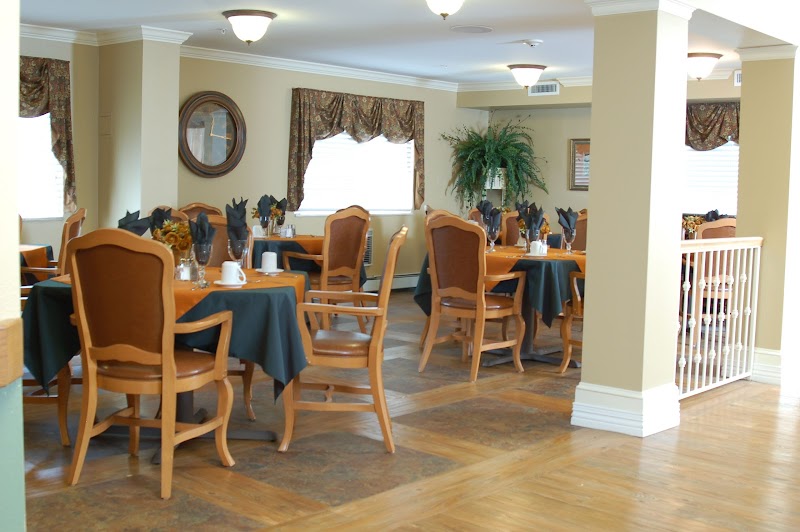
How is Villa Manor Staffed?

CMS rates VILLA MANOR CARE CENTER's staffing level at 3 out of 5 stars, which is average compared to other nursing homes. Staff turnover is 49%, compared to the Colorado average of 46%.

What Have Inspectors Found at Villa Manor?

State health inspectors documented 27 deficiencies at VILLA MANOR CARE CENTER during 2019 to 2025. These included: 27 with potential for harm.
Who Owns and Operates Villa Manor?

VILLA MANOR CARE CENTER is owned by a for-profit company. For-profit facilities operate as businesses with obligations to shareholders or private owners. The facility is operated by LIFE CARE CENTERS OF AMERICA, a chain that manages multiple nursing homes. With 110 certified beds and approximately 77 residents (about 70% occupancy), it is a mid-sized facility located in LAKEWOOD, Colorado.
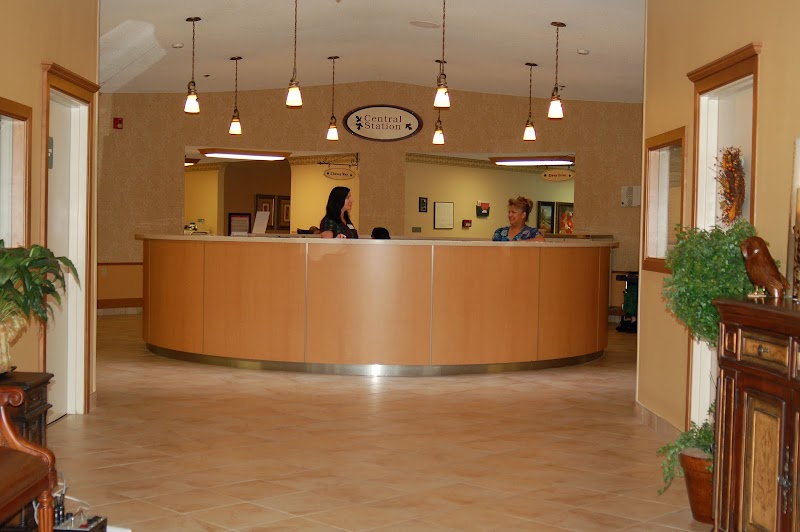
How Does Villa Manor Compare to Other Colorado Nursing Homes?

Compared to the 100 nursing homes in Colorado, VILLA MANOR CARE CENTER's overall rating (4 stars) is above the state average of 3.1, staff turnover (49%) is near the state average of 46%, and health inspection rating (3 stars) is at the national benchmark.

What Should Families Ask When Visiting Villa Manor?

Based on this facility's data, families visiting should ask: "Can I visit during a mealtime to observe dining assistance and food quality?" "How do you handle medical emergencies, and what is your hospital transfer rate?" "Can I speak with family members of current residents about their experience?"

Is Villa Manor Safe?

Based on CMS inspection data, VILLA MANOR CARE CENTER has a clean safety record: no substantiated abuse findings (meaning no confirmed cases of resident harm), no Immediate Jeopardy citations (the most serious violation level indicating risk of serious injury or death), and is not on the Special Focus Facility watch list (a federal program monitoring the lowest-performing 1% of nursing homes). The facility has a 4-star overall rating and ranks #1 of 100 nursing homes in Colorado. While no facility is perfect, families should still ask about staff-to-resident ratios and recent inspection results during their visit.

Do Nurses at Villa Manor Stick Around?

VILLA MANOR CARE CENTER has a staff turnover rate of 49%, which is about average for Colorado nursing homes (state average: 46%). Moderate turnover is common in nursing homes, but families should still ask about staff tenure and how the facility maintains care continuity when employees leave.

Was Villa Manor Ever Fined?

VILLA MANOR CARE CENTER has no federal fines on record. CMS issues fines when nursing homes fail to meet care standards or don't correct problems found during inspections. The absence of fines suggests the facility has either maintained compliance or corrected any issues before penalties were assessed. This is a positive indicator, though families should still review recent inspection reports for the full picture.

Is Villa Manor on Any Federal Watch List?

VILLA MANOR CARE CENTER is not on any federal watch list. The most significant is the Special Focus Facility (SFF) program, which identifies the bottom 1% of nursing homes nationally based on persistent, serious quality problems. Not being on this list means the facility has avoided the pattern of deficiencies that triggers enhanced federal oversight. This is a positive indicator, though families should still review the facility's inspection history directly.