NEURORESTORATIVE COLORADO
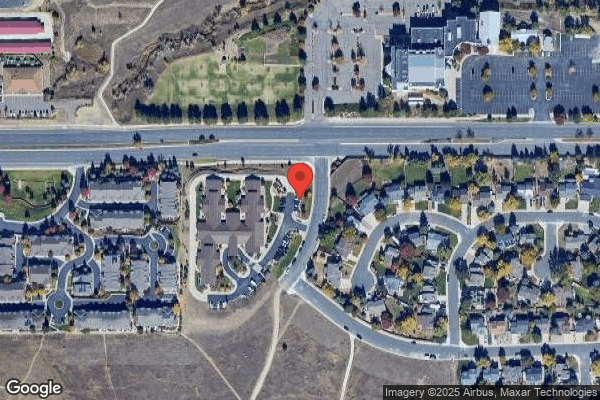
5945 S WRIGHT ST, LITTLETON, CO 80127 (303) 390-3000
For profit - Corporation 36 Beds NEURORESTORATIVE Data: November 2025
Trust Grade
63/100
#75 of 208 in CO
Last Inspection: May 2025

Inspected within the last 6 months. Data reflects current conditions.

Overview

NeuroRestorative Colorado has a Trust Grade of C+, which indicates it is slightly above average among nursing homes. It ranks #75 out of 208 facilities in Colorado, placing it in the top half, and #7 out of 23 in Jefferson County, meaning there are only six nearby options that are better. Unfortunately, the facility is experiencing a worsening trend, with the number of issues increasing from 3 in 2023 to 7 in 2025. Staffing is a strength, as it has a perfect 5-star rating, although the turnover rate of 55% is average for the state. However, there are concerns about care, including a serious incident where a resident suffered burns during a therapy session due to a lack of proper supervision and physician orders. There was also a finding about inadequate food storage and preparation practices, which raises concerns about overall safety and hygiene.

Trust Score
C+
63/100
In Colorado
#75/208
Top 36%
Safety Record
Moderate
Needs review
Inspections
Getting Worse
3 → 7 violations
Staff Stability
⚠ Watch
55% turnover. Above average. Higher turnover means staff may not know residents' routines.
Penalties
⚠ Watch
$13,406 in fines. Higher than 85% of Colorado facilities, suggesting repeated compliance issues.
Skilled Nurses
✓ Good
Each resident gets 180 minutes of Registered Nurse (RN) attention daily — more than 97% of Colorado nursing homes. RNs are the most trained staff who catch health problems before they become serious.
Violations
⚠ Watch
13 deficiencies on record. Higher than average. Multiple issues found across inspections.
★★★★☆
4.0
Overall Rating
★★★★★
5.0
Staff Levels
★★★★☆
4.0
Care Quality
★★★☆☆
3.0
Inspection Score
Stable
2023: 3 issues
2025: 7 issues

The Good

  • 5-Star Staffing Rating · Excellent nurse staffing levels
  • 4-Star Quality Measures · Strong clinical quality outcomes
  • Full Sprinkler Coverage · Fire safety systems throughout facility
  • No fines on record

Facility shows strength in staffing levels, quality measures, fire safety.

The Bad

Staff Turnover: 55%

Near Colorado avg (46%)

Frequent staff changes - ask about care continuity

Federal Fines: $13,406

Below median ($33,413)

Minor penalties assessed

Chain: NEURORESTORATIVE

Part of a multi-facility chain

Ask about local staffing decisions and management

Staff turnover is elevated (55%)

7 points above Colorado average of 48%

The Ugly 13 deficiencies on record

1 actual harm
May 2025 7 deficiencies
CONCERN (D)

Potential for Harm - no one hurt, but risky conditions existed

Deficiency F0805 (Tag F0805)

Could have caused harm · This affected 1 resident

Based on observations, record review and interviews, the facility failed to ensure residents on a pureed diet out of 20 sample residents received food and fluids prepared in a form designed to meet hi...

Read full inspector narrative →
Based on observations, record review and interviews, the facility failed to ensure residents on a pureed diet out of 20 sample residents received food and fluids prepared in a form designed to meet his or her needs. Specifically, the facility failed to ensure residents who were prescribed pureed texture diets were served food that was prepared according to their diet order as indicated on their meal tray cards. Findings include: I. Professional reference The International Dysphagia Diet Standardization Initiative (IDDSI) Pureed Audit Tool (September 2020) retrieved 5/6/25 read in pertinent part, Critical appearance of pureed food: no lumps, food slides smoothly and easily between fingers. A puree needs to be able to be put in the mouth and swallowed whole. No chewing and no bolus (a soft mass of chewed food) formation skills should be needed to eat this. II. Meal observation During a continuous observation on 4/30/25, beginning at 11:55 a.m. and ending at 12:18 p.m., the following was observed during the meal preparation and service in the kitchen: The posted menu was lazy stuff pepper, green salad, spring fruit cup and mushroom rice. At 11:55 a.m. a resident's lunch plate was assembled by cook (CK) #2 with pureed lazy stuffed pepper and pureed vegetables. The meal ticket on the tray documented a puree texture and the tray was placed on the cart for delivery. At 11:56 a.m. another resident's lunch plate was assembled by CK #2 with pureed lazy stuffed pepper and pureed vegetables. The meal ticket on the tray documented a puree texture and the tray was placed on the cart for delivery. -Both pureed meals had visible lumps in the pureed entree and pureed vegetables. III. Test tray A test plate for a pureed lazy stuffed peppers entree was evaluated by two surveyors immediately after the last resident had been served their lunch meal on 4/30/25 at 12:19 p.m. The pureed entree had visible lumps and pieces of red pepper. The pureed entree was not smooth and required chewing. IV. Record review The recipes for the 4/30/25 noon meal were provided by the nursing home administrator (NHA) 4/30/25 at 6:12 p.m. The recipes documented the pureed modifications of food items served during lunch meal service on 4/30/25 as follows: food should be smooth with no lumps and cohesive enough to hold its shape on the spoon. V. Staff interviews CK #1 and CK #2 were interviewed together on 5/1/25 at 12:45 p.m. CK #1 said modified textured diets were for residents who had difficulty chewing or swallowing. CK #1 said the risk of a modified texture not being produced correctly could cause a resident to choke or pocket food. CK #2 said he checked his puree textures before meals and was not expecting the rice in the lazy stuffed peppers to clump up like it did that day. The director of nursing (DON) and the NHA were interviewed together on 5/1/25 at 4:30 p.m. The DON said if he or any other staff observed food not prepared correctly in the past they have asked the kitchen staff to remake the item and the cooks were willing to remake it. The NHA said facility staff did receive training on swallowing and dysphagia but was unsure if it contained information on IDDSI textures. The quality director (QD) was interviewed on 5/1/25 at 5:00 p.m. The QD said the facility used a menu program but was unsure if all the IDDSI resources were included in the menu program. The QD said the facility had used IDDSI diets for approximately a year.
CONCERN (D)

Potential for Harm - no one hurt, but risky conditions existed

Infection Control (Tag F0880)

Could have caused harm · This affected 1 resident

Based on observations, record review and interviews, the facility failed to maintain an infection control program designed to provide a safe, sanitary and comfortable environment to help prevent the d...

Read full inspector narrative →
Based on observations, record review and interviews, the facility failed to maintain an infection control program designed to provide a safe, sanitary and comfortable environment to help prevent the development and transmission of disease on one of two units. Specifically, the facility failed to ensure enhanced barrier precautions (EBP) were followed during wound care for Resident #1. Findings include: I. Professional reference According to the Centers for Disease Control and Prevention (CDC), Implementation of Personal Protective Equipment (PPE) Use in Nursing Homes to Prevent Spread of Multidrug-resistant Organisms (MDRO)'s, (4/2/24), retrieved on 5/5/25 from https://www.cdc.gov/long-term-care-facilities/hcp/prevent-mdro/PPE.html, Enhanced Barrier Precautions (EBP) are an infection control intervention designed to reduce transmission of resistant organisms that employ target gown and glove use during high contact resident activities. EBP may be indicated (when contact precautions do not otherwise apply) for residents with any of the following: wounds or indwelling medical devices, regardless of MDRO colonization status and infection or colonization with an MDRO. Examples of high contact resident care activities requiring gown and glove use for EBP include: dressing, bathing/showering, transferring, providing hygiene, changing linens changing briefs or assisting with toileting, device care or use (central line urinary catheter, feeding tube, tracheostomy/ventilator), wound care (any skin opening requiring a dressing). II. Observations During a continuous observation of wound care on 4/29/25, beginning at 2:36 p.m. and ending at 2:55 p.m., the following was observed: An EBP sign was posted on the outside of Resident #1's door. Registered nurse (RN) #1 and RN #2 entered Resident #1's room. RN #1 and RN #2 washed their hands and donned (put on) gloves before beginning Resident #1's wound care. RN #1 provided wound care and dressing changes for Resident #1's two wounds while RN #2 assisted. -However, RN #1 and RN #2 failed to don gowns prior to providing wound care for Resident #1. III. Staff interviews RN #1 and RN #2 were interviewed together on 4/29/25 at 3:00 p.m. RN #2 said that EBP was worn while doing tasks with a risk of getting wet, such as giving tube feedings and working with residents who had tracheostomies (an opening to the airway usually with a tube) and catheters. She said the personal protective equipment (PPE) requirements for EBP were similar to the PPE required for contact precautions. RN #1 said staff did not get training on EBP, but the former director of rehabilitation had put EBP signs on the doors of some residents and had PPE supplies placed in the halls. RN #1 said the former director of rehabilitation provided education regarding the new EBP signage to the staff who were working that shift when the signs were put up. However, she said any staff who was not working that shift, and any new staff, did not receive the EBP signage education. The director of nursing (DON) was interviewed on 5/1/25 at 12:32 p.m. The DON said EBP should be used for people with tracheostomies, catheters, central intravenous lines, or gastric tubes. He said gloves and gowns should be worn to do tracheostomy care or suctioning, catheter care, wound care, bathing, dressing, or doing big transfers with close contact for these residents. He said he had provided some education to staff and had printed more EBP education but had not gotten it out to staff yet. He said he had ordered racks for PPE supplies and had put PPE supply carts in the hallways.
CONCERN (D)

Potential for Harm - no one hurt, but risky conditions existed

Deficiency F0883 (Tag F0883)

Could have caused harm · This affected 1 resident

**NOTE- TERMS IN BRACKETS HAVE BEEN EDITED TO PROTECT CONFIDENTIALITY** Based on record review and interviews, the facility failed to implement policies and procedures related to pneumococcal vaccinat...

Read full inspector narrative →
**NOTE- TERMS IN BRACKETS HAVE BEEN EDITED TO PROTECT CONFIDENTIALITY** Based on record review and interviews, the facility failed to implement policies and procedures related to pneumococcal vaccinations for one (#5) of five residents out of 20 sample residents. Specifically, the facility failed to provide the pneumococcal vaccination to Resident #5. Findings include: I. Professional reference According to the Centers for Disease Control and Prevention (CDC) Recommended Immunization Schedule for Adults Aged 19 Years or Older, United States, 2022, retrieved on 5/6/25, from https://www.cdc.gov/vaccines/schedules/downloads/adult/adult-combined-schedule.pdf, in pertinent part, For those over the age of 65 who meet age requirements and lack documentation of vaccination, or lack evidence of past infection was: One (1) dose PCV15 followed by PPSV23 or one (1) dose PCV20. II. Resident #5 A. Resident status Resident #5, over age [AGE], was admitted on [DATE]. According to the April 2025 computerized physician orders (CPO), diagnoses included a history of intracranial injury and subdural hemorrhage (brain bleed), atrial fibrillation (abnormal heart rhythm), heart failure, legal blindness and benign prostatic hyperplasia (enlarged prostate gland). The 4/11/25 minimum data set (MDS) assessment revealed the resident had short term and long term memory problems and had severely impaired decision making per staff assessment. He required partial assistance with eating and dressing his upper body and moderate assistance for most transfers and dressing his lower body. He used a manual wheelchair for mobility. The assessment documented that the resident's pneumococcal vaccination was not up to date. He was offered the vaccination and declined it. -However, the resident's representative signed a consent form on 1/12/25 indicating the resident was to receive the pneumococcal vaccination. B. Record review A consent for the pneumococcal vaccination, dated 1/12/25, was signed by Resident #1's representative. -However, a review of Resident #1's electronic medical record (EMR) revealed no documentation that the resident had received the pneumococcal vaccine. Review of Resident #5's EMR did not reveal documentation indicating the resident declined the pneumococcal vaccination. III. Staff interview The director of nursing (DON), who was also infection preventionist (IP) #2, was interviewed on 5/1/25 at 1:30 p.m. The DON said that there was no record that Resident #1 received the pneumococcal vaccination. He said he would have had to order the serum, but that the resident still should have received it. He said he would research why it was not given and if the resident still wanted to receive the vaccination, he would order and administer it. LPN #2 was interviewed on 5/1/25 at 3:02 p.m. LPN #2 said whoever obtained consent for the pneumococcal vaccine, would be the one to put in the order. LPN #2 said the physician would authorize it and then the serum would be ordered from the pharmacy.
CONCERN (E)

Potential for Harm - no one hurt, but risky conditions existed

Deficiency F0700 (Tag F0700)

Could have caused harm · This affected multiple residents

**NOTE- TERMS IN BRACKETS HAVE BEEN EDITED TO PROTECT CONFIDENTIALITY** Based on observations, record review and interviews, the facility failed to ensure accurate assessments, informed risks, and ong...

Read full inspector narrative →
**NOTE- TERMS IN BRACKETS HAVE BEEN EDITED TO PROTECT CONFIDENTIALITY** Based on observations, record review and interviews, the facility failed to ensure accurate assessments, informed risks, and ongoing monitoring was in place for three (#1, #13 and #6) of six residents with bed rails out of 20 sample residents. Specifically, the facility failed to: -Ensure risks of bed rails were explained to Resident #1 or the resident' s representatives prior to the initiation of the bed rails; -Ensure bed rail assessments were accurately completed for Resident #1, Resident #6 and Resident #13; -Ensure consent was obtained for the use of a bed rail from Resident #1; and, -Ensure ongoing monitoring of bed rails in use was completed for Resident #1, Resident #6 and Resident #13. Findings include: I. Resident #1 A. Resident status Resident #1, age greater than 65, was admitted on [DATE]. According to the April 2025 computerized physician orders (CPO), diagnoses included surgical aftercare on the skin, pressure ulcers, traumatic subdural hemorrhage (brain injury where blood accumulates between the brain and its outermost covering) and emphysema (lung disease causing difficulty breathing). The 4/25/25 minimum data set (MDS) assessment revealed Resident #1 had moderate cognitive impairments with a brief interview for mental status (BIMS) score of 12 out of 15. He was dependent on staff for assistance with toileting, transfers and bathing, and needed supervision with upper body dressing and set up at mealtime. The MDS assessment documented bed rails were not used. -However, observations revealed bed rails were being used (see observations below). B. Observations and resident interview Resident #1 was interviewed on 4/28/25 at 10:38 a.m. Resident #1 said he used the bed rails to pull himself up but did not use them to turn to his side. He demonstrated how he used the bed rails to reposition himself and pulled himself toward the head of the bed. There was a quarter length bed rail on each side of Resident #1' s bed. C. Record review Resident #1' s 11/8/24 admission bed rail assessment and 2/9/25 quarterly bed rail assessment documented that side rails or bed rails would not be used or considered for this resident. -However, Resident #1 had a quarter length bed rail on each side of his bed and stated he used the bed rails to reposition himself in bed. A review of Resident #1' s record did not include a consent for the use of a bed rail. Resident #1' s care plan, initiated 11/20/24, documented the resident was at high risk for falls due to an above the knee amputation, traumatic brain injury, weakness and paralysis. Pertinent interventions included to use side rails as ordered. -However, Resident #1 did not have a physician' s order or assessment for bed rail use (see observations above). II. Resident #13 A. Resident status Resident #13, age less than 65, was admitted on [DATE]. According to the April 2025 CPO, diagnoses included quadriplegia (a loss of function of the arms and legs), hypotension (low blood pressure), neuromuscular (system of nerves and muscles that enables voluntary movement) spinal cord injury, anxiety and major depressive disorder. The 2/21/25 MDS assessment revealed Resident #13 was cognitively intact with a BIMS score of 15 out of 15. He was dependent on assistance for all activities of daily living (ADL). The MDS assessment documented bed rails were not used. -However, observations revealed bed rails were being used (see observations below). B. Observations and resident interview Resident #13 was interviewed on 4/28/25 at 11:07 a.m. Resident #13 said he wanted the bed rail to support his water bottle and devices but did not use the bed rails to reposition himself. There was a quarter length bed rail on one side of Resident #13' s bed. C. Record review Resident #13' s 4/20/23 admission side rail assessment documented side rails bed rails would be considered for the resident and the rails were requested for attaching personal devices and were requested by the resident. -However, the remainder of the assessment was not completed to indicate if the resident was assessed for the use of the bed rails and the section that included risk factors was not completed. Resident #13' s 12/5/24 quarterly side rail assessment documented side rails or bed rails would be used or considered for this resident for access to water. Risk factors were documented on the assessment. Resident #13' s 3/6/25 quarterly side rail assessment documented side rails or bed rails would not be used or considered for this resident. -However, a quarter length bed rail was on Resident #13' s bed and used for water bottle support and personal devices (see observations above). Resident #13' s skin care plan, revised 12/2/24, documented Resident #13 had potential/actual impairment to skin integrity due to his immobility, healed skin graft and surgical wound. Pertinent interventions, initiated 5/2/23 and revised 7/19/24, included to pad bed rails, wheelchair arms or any other source of potential injury if possible. III. Resident #6 A. Resident status Resident #6, age greater than 65, was admitted on [DATE]. According to the April 2025 CPO, diagnoses included amyotrophic lateral sclerosis (ALS-a neurodegenerative disease), hand contractures (tightening of the hands), major depressive disorder, anxiety and high blood pressure. The 3/21/25 MDS assessment revealed Resident #6 was cognitively intact with a BIMS score of 15 out of 15. He was dependent on staff for assistance for bathing, and needed substantial assistance dressing and set up assistance only with bed mobility. The MDS assessment documented bed rails were not used. -However, observations revealed bed rails were being used (see observations below). B. Observations and resident interview Resident #6 was interviewed on 4/28/25 at 2:54 p.m. Resident #6 said he wanted the side rails on his bed to support his pillows. Resident #6 said he did not use the side rails to reposition himself. There was a quarter length bed rail on each side on Resident #6' s bed. C. Record review Resident #6' s 7/14/22 admission side rail assessment documented side rails bed rails were for increased mobility and the residents request. Resident #6' s 3/7/25 quarterly side rail assessment documented side rails or bed rails would not be used or considered for this resident. -However, Resident #6' s a quarter length bed rail was on Resident #6' s bed and used to support his pillows (see observations above). The remainder of the assessment was not completed and the section that included risk factors was not completed. V. Staff interviews Registered nurse (RN) #1 was interviewed on 4/30/25 at 1:55 p.m. RN #1 said nurses and certified nurse aides (CNA) did visual checks on the residents rooms but was not sure who checked the bed rails for functionality. The director of nursing (DON) was interviewed on 5/1/25 at 3:30 p.m. The DON said the facility contracted a vendor to check the beds at least annually but he was unsure if there was documentation that the bed rails were checked monthly or more frequently. The DON said the risks of the bed rails were communicated to the residents but he was not sure where that documentation was. The DON said that he and the assistant director of nursing (ADON) would manage the bed rail consents in the future and the director of rehabilitation (DOR) would also be involved. The DON said every resident was assessed for bed rails when they were admitted to the facility. The DON said that the assessment for Resident #1 should have had more information included on the assessment and that Resident #6 used his bed rails to prop his pillows and Resident #13 used the bed rail for his devices and water. VI. Facility follow up The nursing home administrator (NHA) provided a performance improvement plan (PIP) for bed rail use on 4/30/25 at 4:36 p.m. The documented issues included in the plan were side rail assessments were to be completed per policy and accurately on admission and quarterly, and bed rail consents would be in place and signed. The steps to be implemented and completed were: a complete audit of all residents was to be conducted for the side rail assessments to determine their accuracy; training provide to staff to ensure the assessment process was followed and accurate; a risk vs benefit documented signed by the resident and reviewed quarterly; the outside vendor bed evaluations will be documented when completed.
CONCERN (E)

Potential for Harm - no one hurt, but risky conditions existed

Deficiency F0800 (Tag F0800)

Could have caused harm · This affected multiple residents

Based on observations, record review and interviews, the facility failed to provide each resident with a nourishing, palatable and well-balanced diet that meets his or her daily nutritional and specia...

Read full inspector narrative →
Based on observations, record review and interviews, the facility failed to provide each resident with a nourishing, palatable and well-balanced diet that meets his or her daily nutritional and special dietary needs, taking into consideration the preferences for each resident. Specifically, the facility failed to: -Provide a balanced menu for residents; -Ensure Resident #5 received a variety of pureed dessert options; -Ensure international dysphagia diet standardization initiative (IDDSI) standards were utilized for production of IDDSI modified texture diet orders; and, -Ensure Resident #18 received a minced and moist level five texture diet instead of a pureed diet. Findings include: I. Professional reference The International Dysphagia Diet Standardization Initiative (IDDSI) minced and moist level five patient handout (2019) and retrieved 5/8/25, read in pertinent part, Meat is served finely minced or chopped to 4 millimeter (mm) lump size served in a thick, smooth, non-pouring sauce or gravy. Vegetables are cooked, finely mashed or use a blender to finely chop it into to 4 mm lump size pieces (drain any excess liquid). [NAME] requires a sauce to moisten it and hold it together. [NAME] should not be sticky or gluey and should not separate into individual grains when cooked and served; it may require a thick, smooth, non-pouring sauce to moisten and hold the rice together. II. Resident interviews Resident #1 was interviewed on 4/28/25 at 10:38 a.m. Resident #1 said he did not like the majority of the menu items offered and he did not always get what he had ordered. Resident #15 was interviewed on 4/28/25 at 11:36 a.m.Resident #15 said the menu primarily had chicken and hamburgers and he did not eat chicken so he ordered food from outside sources out a lot. Resident #13 was interviewed on 4/28/25 at 12:44 p.m. Resident #13 said the menu was too repetitive, the food was cooked poorly and did not look good. Resident #6 was interviewed on 4/28/25 at 2:54 p.m. Resident #6 said the menu was too repetitive from one week to the next. III. Resident group interview The resident group interview was conducted on 4/29/25 at 1:00 p.m. The group consisted of four residents (#13, #15, #4 and #18) who were interviewable based on assessment and the facility. The residents said they continued to have concerns about the food. Resident #1 said the menu was repetitive and he ate food from outside the facility frequently. Resident #4 said the menu was repetitive. IV. Resident council minutes The resident council minutes were provided by the nursing home administrator (NHA) on 4/29/25 at 2:30 p.m. The February 2025 minutes documented the residents would like more menu variety. The April 2025 minutes documented the residents would like to see less chicken. -Review of the February 2025 and April 2025 minutes did not reveal documentation indicating the facility had addressed the residents' concerns. V. Record review The weekly menu served from 4/27/25 to 5/3/25 (during the survey) was provided by the nursing home administrator (NHA) on 4/29/25 at 3:46 p.m. A review of the menu revealed the following: -Chicken was served as the entree for dinner on 4/28/25 and again for lunch on 4/29/25; -Rice was served as a side for dinner on 4/28/25, as a side and part of the entree for lunch on 4/29/25 and as a side for dinner on 5/2/25. The recipes for the 4/30/25 noon meal were provided by the NHA 4/30/25 at 6:12 p.m. The lunch meal on 4/30/25 was lazy stuffed peppers, spring fruit cup, green salad and mushroom rice. The recipes documented the following texture modifications: -Spring fruit cup puree diet: replace with mandarin oranges and process until smooth. Food should be smooth with no lumps and cohesive enough to hold its shape. -Lazy stuffed pepper dysphagia special diet instructions - puree to a smooth texture that holds shape with no lumps. The recipes failed to include diet modification for the minced and moist level five IDDSI diet prescribed to Resident #18 (see meal service observations below). VI. Dining observations 1. Resident #5 On 4/29/25 at 12:02 p.m Resident #5 received a pureed lunch that included a pureed entree, side dish, apple sauce and chocolate pudding. On 4/30/25 at 12:20 p.m. Resident #5 received a pureed lunch that consisted of pureed stuffed peppers, pureed green vegetable, apple sauce and vanilla pudding. On 4/30/25 at 5:12 p.m. Resident #5's received his dinner, which consisted of pureed pork roast, pureed vegetable medley, pureed au gratin potatoes, apple sauce and chocolate pudding. -A review of Resident #5's April 2025 CPO revealed a physician's order for a pureed diet. Resident #5 received applesauce and pudding at all three meals instead of a variety of desserts, including the pureed mandarin oranges in the puree diet modification for the lunch meal on 4/30/25 (see recipes above). 2. Meal service observation During a continuous observation on 4/30/25, beginning at 11:55 a.m. and ending at 12:18 p.m., the following was observed during meal preparation and service in the kitchen: At 11:58 a.m. Resident #18's lunch plate was assembled by cook (CK) #2 with pureed lazy stuffed peppers and pureed vegetables, applesauce and pudding. The meal ticket on the tray documented a minced and moist level five diet order and the tray was placed on the cart for delivery. -Resident #18's lunch on 4/30/35 was pureed using the instructions from the recipe and not prepared utilizing the standards of the IDDSI (see professional reference above) that included minced food items instead of pureed items. On 4/30/25 at 5:15 p.m. Resident #18 was eating dinner in his room. Resident #18's dinner consisted of ground pork roast without a sauce or gravy and chopped vegetables (see professional reference above). Resident #18 was interviewed on 4/30/25 at 5:15 p.m. Resident #18 said his food was pureed at lunch and used to have his food more blended. VII. Staff interviews CK #1 and CK #2 were interviewed on 5/1/25 at 12:45 a.m. CK #1 said he had been trained on modified textures. CK #1 said he was provided verbal training that included instructions on what residents could or could not have based on their diet order. CK #1 and CK #2 said they did not have diet spreadsheets or recipes that included IDDSI minced and moist level five modifications or puree specification. The director of nursing (DON) was interviewed on 5/1/25 at 4:30 p.m. The DON said the facility utilized IDDSI diets. The DON said a floor nurse would enter a prescribed diet and a registered dietitian would do an initial nutrition assessment upon admission. The NHA was interviewed on 5/1/25 at 4:30 p.m. The NHA said the staff had dysphagia training as part of the facility's online training but was unsure if IDDSI was included in the training. The quality director (QD) was interviewed on 5/1/25 at 5:00 p.m. The QD said the facility used a menu program but was unsure if all the IDDSI resources were included in the menu program. The QD said the facility had used IDDSI diets for approximately a year.
CONCERN (E)

Potential for Harm - no one hurt, but risky conditions existed

Deficiency F0813 (Tag F0813)

Could have caused harm · This affected multiple residents

Based on observations, record review and interviews, the facility failed to implement their policy regarding the use and storage of foods brought to residents by family and other visitors to ensure sa...

Read full inspector narrative →
Based on observations, record review and interviews, the facility failed to implement their policy regarding the use and storage of foods brought to residents by family and other visitors to ensure safe and sanitary storage, handling and consumption. Specifically, the facility failed to: -Implement the facility policy for food brought by visitors and ensure food that was kept in resident's refrigerators had safe and sanitary storage; and, -Ensure the residents personal refrigerator temperatures were monitored correctly for appropriate temperatures. Findings include: I. Professional reference The Colorado Retail Food Regulations, (3/16/24) were retrieved on 5/6/25. It read in pertinent part, Except during preparation, cooking, or cooling, time and temperature control for safety food shall be maintained at 41 degrees Fahrenheit (F) or less. (3-501.16) The day or date marked by the food establishment may not exceed a manufacturer's use-by date if the manufacturer determined the use-by date based on food safety. (3-501.17) The Food and Drug Administration (FDA) food code (3/27/23) were retrieved on 5/6/25 from https://www.fda.gov/food/fda-food-code/food-code-2022 revealed in pertinent part, Bacterial growth and/or toxin production can occur if time/temperature control for safety food remains in the temperature danger zone (41 degrees to 135 degrees F) too long. II. Facility policy and procedure The Food Brought Into Facility By Visitors policy, revised 4/24/18, was provided by the nursing home administrator (NHA) on 4/29/25 at 2:30 p.m. It read in pertinent part, All food brought to the facility residents by visitors will be checked by dietary or licensed personnel. Label food items brought in by visitor with resident's name, food content, date visitor brought item in and a use by' UB' date of one day out. Education on safe handling will be provided by trained dietary personnel or trained nursing staff to all family, residents, visitors and community groups who may provide foods or fluids to residents of the facility. This education will include at a minimum proper food handling to prevent foodborne illness, requirements for covered containers or secure wrapping, leftover foods will be discarded, method for checking proper food temperature (staff only). Perishable foods requiring refrigeration brought into the facility by a visitor for a resident, must be stored in a designated refrigerator and will be separate from the main facility kitchen storage area. The food must be stored in a container and labeled with the resident's name, content, date brought into the facility and UB date. The resident refrigerator agreement form was received from the DON on 4/29/25 at approximately 11:30 a.m. It revealed the following: The expectations of the facility regarding upkeep of personal refrigerators, are understood; Education was provided on appropriate food storage temperatures for personal refrigerators; It is understood that patients and families are responsible for ensuring that food is kept at the appropriate temperature; and, Patients and families are responsible for cleaning their personal refrigerators on a regular basis or asking for assistance. III. Observations On 4/28/25 at 10:45 a.m., the inside of Resident #8's personal refrigerator had a large, light brown, dried liquid spill on the left side of the refrigerator shelves. There were two opened, half eaten four ounce (oz). containers of chocolate pudding were in the resident's refrigerator. The pudding was not labeled. On 4/28/25 at 2:54 p.m. a four oz container of commercially packaged yogurt was in Resident #6's personal refrigerator. The yogurt had a use by date of February 2025. On 4/30/25 at 12:10 p.m. Resident #8's personal refrigerator still contained two opened, half eaten four oz. containers of chocolate pudding. The items were not labeled. On 4/30/25 at 12:14 p.m. there were two containers, one of commercially packaged vanilla pudding and one yogurt in Resident #12's personal refrigerator. The vanilla pudding had an expiration date of January 2025. The yogurt had an expiration date of November 2024. IV. Resident interviews Resident #6 was interviewed on 4/28/25 at 2:54 p.m. Resident #6 said the facility staff would rotate the food in his personal refrigerator and tried to discard the food if it was old or expired. V. Staff interviews Certified nurse aide (CNA) #1 and was interviewed on 4/30/25 at 10:30 a.m. CNA #1 said there were no temperature logs at the nurses'station for the residents personal refrigerator. CNA #1 said the maintenance director checked the residents personal refrigerators. Licensed practical nurse (LPN) #1 was interviewed on 5/1/25 at 11:54 a.m. LPN #1 said that if a resident's personal refrigerator looked dirty on the inside, she went through the contents and cleaned it. She said she thought that housekeeping staff checked and cleaned the personal refrigerators every so often. She thought that the maintenance department kept track of the refrigerator temperatures. LPN #2 was interviewed on 5/1/25 at 2:54 p.m. LPN #2 said that staff members kept track of what was in the residents' personal refrigerators. She said she had never seen families maintain the refrigerators, just stock them. She said that the food/personal refrigerator policy was signed by the resident's family upon admission. The director of nursing (DON) was interviewed on 5/1/25 at 3:30 p.m. The DON said staff were to assist the residents in getting food products from their personal refrigerators if the resident needed assistance getting the product. The DON said he was unsure if a formal process was in place to check the resident's refrigerators. The nursing home administrator (NHA) was interviewed on 5/1/25 at 5:00 p.m. The NHA said the facility's process was that the resident was responsible for their personal refrigerator but housekeeping staff also checked the refrigerators.
CONCERN (F)

Potential for Harm - no one hurt, but risky conditions existed

Food Safety (Tag F0812)

Could have caused harm · This affected most or all residents

Based on observations, record review and interviews, the facility failed to store, prepare and distribute food in a sanitary manner in the main kitchen and nourishment refrigerator/freezer. Specifical...

Read full inspector narrative →
Based on observations, record review and interviews, the facility failed to store, prepare and distribute food in a sanitary manner in the main kitchen and nourishment refrigerator/freezer. Specifically, the facility failed to ensure time and temperature control food was labeled, dated and disposed of timely. Findings include: I. Professional reference The Colorado Retail Food Regulations, (3/16/24) and retrieved on 5/6/25 read in pertinent part, Commercially processed food: open and hold cold, refrigerated, ready-to-eat time/temperature control for safety food prepared and packaged by a food processing plant shall be clearly marked, at the time the original container is opened in a food establishment and if the food is held for more than 24 hours, to indicate the date or day by which the food shall be consumed on the premises, sold, or discarded, the day the original container is opened in the food establishment shall be counted as day one and the day or date marked by the food establishment may not exceed a manufacturer's use-by date if the manufacturer determined the use-by date based on food safety. (3-501.17) II. Record review The refrigerated storage chart, undated, was provided by the nursing home administrator on 5/1/25 at 5:12 p.m. The chart recommended the maximum storage period for unopened ham and unopened luncheon meats was five days. -The chart did not include a recommended maximum storage period for opened product or soft cheeses (see below). III. Observations The initial main kitchen tour was conducted on 4/28/25 at 9:15 a.m. The following was observed: -A clear plastic container with a lid that contained broccoli and carrots in liquid was not marked with a label or date. -A clear plastic bag that contained an opened package of sliced deli turkey had a written date in black marker of 4/10/25 on the bag. No expiration date was written on the bag. A freeze by date of 4/13/25 was printed on the package of turkey. -A clear plastic bag that contained an opened package of sliced deli honey ham that had a written date in black marker of 3/20/25. No expiration date was written on the bag. -A commercially processed raw turkey breast in the original wrapper with a date of 4/21 written in black marker on the wrapper. The instructions were to thaw in the refrigerator for one and a half to two days. -A clear plastic bag that contained an open package of sliced american swiss cheese. No date was written on the bag. On 5/1/25 at 10:25 a.m. the following items were observed in the nourishment refrigerator: 13 vanilla magic cups with use by date of 2/6/25 and 13 chocolate magic cups with a use by date of 4/10/25. On 4/30/25 at 11:35 a.m. the following was observed in the main kitchen: -A clear plastic bag that contained an opened package of sliced deli turkey had a written date in black marker of 4/10/25 on the bag. No expiration date was written on the bag. A freeze by date of 4/13/25 was printed on the package of turkey. -A clear plastic bag that contained an opened package of sliced deli honey ham that had a written date in black marker of 3/20/25. No expiration date was written on the bag. -A commercially processed raw turkey breast in the original wrapper with a date of 4/21 written in black marker on the wrapper. The instructions were to thaw in the refrigerator for one and a half to two days. -A clear plastic bag that contained an open package of sliced american swiss cheese; No date was written on the bag. IV. Staff interviews Cook (CK) #1 was interviewed on 5/1/25 at 12:45 p.m He said he did not know there were expiration dates on the bottom of the magic cups. CK #1 said he was not sure what expiration date to use for the opened sliced cheese and was unsure how long the turkey breast had been thawing in the refrigerator. CK #1 said the kitchen staff put a date on the original package of deli meat when it was received or frozen in the kitchen and an open date on the clear bag once the product was opened. CK #1 said he was unsure what expiration date to use. The quality director (QD) was interviewed on 5/1/25 at 5:00 p.m. The QD said the kitchen had a food storage guideline chart they should use for dating and labeling refrigerated food items.
Aug 2023 3 deficiencies 1 Harm
SERIOUS (G)

Actual Harm - a resident was hurt due to facility failures

Accident Prevention (Tag F0689)

A resident was harmed · This affected 1 resident

**NOTE- TERMS IN BRACKETS HAVE BEEN EDITED TO PROTECT CONFIDENTIALITY** Based on observations, record review and interviews, the facility failed to ensure the resident environment remained free from a...

Read full inspector narrative →
**NOTE- TERMS IN BRACKETS HAVE BEEN EDITED TO PROTECT CONFIDENTIALITY** Based on observations, record review and interviews, the facility failed to ensure the resident environment remained free from accidents hazards as was possible and that each resident had adequate supervision to prevent accidents for one (#15) of one resident reviewed for accidents and hazards out of 17 sample residents. Specifically, the facility failed to: -Ensure Resident #15 did not receive first/second degree burns to both thighs during the use of electrical stimulation in a physical therapy session; -Ensure Resident #15 had a physician order in place for use of neuromuscular electrical stimulation (NMES); and -Ensure the therapy care plan documented therapy use of NMES for Resident #15. Findings include: I. Facility policy and procedure The Physical Therapeutic Modalities policy and procedure, undated, received from the nursing home administrator (NHA) on 8/31/23 at 2:51 p.m. revealed in pertinent part: Scope: therapy staff physical therapist to facilitate various therapeutic treatments related to neuromusculoskeletal components following an injury or disease process. Modality is a type of electrical, thermal, or mechanical energy that causes physiological changes. Procedure: A comprehensive assessment by licensed physical therapist (PT); an order from the physician indicating the type, location, frequency, duration, and who is able to apply it; care plan reflecting the intervention focus, area and goal; the treating therapist must show competency of use through peer review. Types: NMES a device that sends electrical impulses to nerves causing muscles to contract, increase the strength in range of motion and offset effects of disuse. II. Professional references According to Burn Classifications from the National Institutes of Health website, retrieved on 9/9/23 from https://www.ncbi.nlm.nih.gov/books/NBK539773, A burn takes place when skin comes into contact with heat sources. Common sources that cause burns are fire, scalds, hot objects, electrical, and chemical agents. Superficial first degree involves the epidermis of the skin only. Appearance pink to red, no blisters. Superficial partial thickness second degree involves the superficial dermis appearing red with blisters. The Vectra Genesis manual received from the NHA on 8/31/23 at 1:37 p.m. documented: Safety precautions and adverse effects (page 8) additional precautions over areas of the skin which lack normal sensation and adverse effects of skin irritation and burns beneath the electrodes have been reported with use of powered muscle stimulators. Patient preparation (page 32) electrode placement; examine the skin for any wounds and clean the skin; apply electrodes to the treatment area; ensure electrodes are applied securely to the skin; and ensure good contact between each electrode and the skin. (Page 33) Dura-Stick electrodes are self-adhesive, disposable products. III. Resident #15 A. Resident status Resident #15, under age [AGE], was admitted on [DATE]. According to the August 2023 computerized physician orders (CPO), the diagnoses included quadriplegic (paralysis of all four limbs), cervical spinal cord injury at cervical vertebrae number one, cervical spinal fusion (fusion of cervical vertebrae), tracheostomy (opening in the neck to aid in oxygen reaching the lungs), and dependent on ventilator (machine used in to move oxygen to and from the lungs). The 7/27/23 minimum data set (MDS) assessment revealed the resident was cognitively intact with a brief interview for mental status (BIMS) score of 14 out of 15. He required extensive two person assistance with bed mobility, transfers, dressing and toileting. He required one person's assistance with eating and personal hygiene. He had upper and lower extremity limitations. B. Observation On 8/28/23 at 5:20 p.m. Resident #15's upper thighs were observed to have two scabs on the left thigh approximately 0.3 centimeters (cm) in diameter; the right thigh had three scabs approximately 0.3 cm in diameter. On 8/31/23 at 4:10 pm. the director of nursing (DON) observed two scabbed areas on the left thigh and three scabbed areas on the right thigh. C. Resident and family interviews Resident #15 and a family member were interviewed on 8/28/23 at 5:20 p.m. Resident #15 said he had been working with physical therapy and he received burns on his thighs from the NMES machine. Resident #15 said because he was unable to feel his legs due to his diagnosis he was not able to tell the physical therapist (PT) it was hurting him. Resident #15's family members said the areas were all red and had a raised center like a blister. Resident #15 and his family member were interviewed again on 8/31/23 at 11:55 a.m. Resident #15 said he had used the NMES machine in the facility four times since admission and the same electrode pads were used since his first time receiving this type of therapy. Resident #15 said no one in the facility educated him of the risks of using the NMES machine. Resident #15 said the PT spoke to him after the burns occurred that it might be a good idea to shave his legs in the area where the electrodes would go in the future to prevent further injury. Resident #15's family member said the next day after the burns occurred the PT told him bummer dude like it was not a big deal that he got burned and that the NMES could not be used until his skin was healed. D. Record review The 8/7/23 activities of daily living (ADLs) care plan for Resident #15 documented an ADL deficit and physical therapy evaluation and treatment were initiated on 7/21/23. -The care plan failed to document the use of the NMES for Resident #15. A physical therapy progress note on 7/28/23 at 2:13 p.m. documented NMES was set up for bilateral quads (muscle group of the upper thigh) for 20 minutes total. The PT documented Resident #15 had slight redness under the electrodes following the treatment. A physical therapy progress note on 8/11/23 at 2:23 p.m. documented the NMES was set up for bilateral quads to reduce muscle atrophy and promote muscle activation. The NMES was used for 20 minutes with moderate redness observed under the electrodes at the end of treatment. A physical therapy progress note on 8/14/23 at 3:46 p.m. documented the NMES was set up for bilateral quads for 20 minutes. Following the NMES treatment there was moderate erythema (redness) to bilateral quads and five small circular abrasions less than one centimeter in diameter were observed under the electrodes. The PT then notified nursing staff and the DON who relayed pictures of the five circular abrasions to the certified wound nurse (CWN) to assess. The 8/14/23 physical therapy progress note documented the PT was recommending Resident #15 have hair removed prior to NMES use in the future to improve uniform conduction from the electrodes and reduce the risk of tissue damage. A late entry progress note on 8/14/23 at 4:51 p.m. by the CWN documented she received a call from nursing regarding redness to the right thigh post NMES. The right thigh presented with first degree burn with skin intact and no blistering. The CWN instructed nursing to manage the site with aquaphor (skin protection and healing ointment) two times a day and call for follow up. -There was no documentation regarding the resident's left thigh. A nursing progress note on 8/14/23 at 6:34 p.m. documented the nurse was notified by the PT of accidental burns to the resident's bilateral lower mid femur area of the legs by the NMES machine. The DON and CWN were notified and aquaphor was ordered twice daily. A daily nurse shift summary on 8/15/23 at 11:09 p.m. documented Resident #15's skin was assessed and color was normal; burn; rash; and itching. A late entry progress note on 8/16/23 at 4:16 p.m. documented the CWN received a call from nursing regarding an update on erythema to right and left thigh areas with one to three small areas of fading redness and approximately one to two millimeters in diameter. Aquaphor was discontinued and Bactroban (antibiotic ointment) was ordered per the physician to the remaining sites. The CWN documented the erythema/first degree burn resolved. -However, the physician ordered a new medication to be applied to remaining sites (see record review below). CPOs indicated Aquaphor to lower extremity mid femur burns two times a day for burn relief was ordered on 8/14/23 and discontinued on 8/17/23. Mupirocin 2% ointment (also known as Bactroban) was ordered on 8/24/23 to be applied to bilateral thighs topically four times a day for burns for five days. The CPOS failed to document the use of the NMES for Resident #15. The incident report dated 8/14/23 documented Resident #15 was receiving NMES to bilateral quads during a physical therapy session and sustained then less than one centimeter in diameter abrasions to the skin under the electrodes. A PT therapy note indicated Resident #15 accidentally sustained skin abrasions to bilateral quads following NMES and was a known risk for electrical stimulation of areas of impaired sensation. Resident #15 was not harmed in any aspect below the level of the skin. -However, the resident had received first and second degree burns. IV. Staff interviews The CWN was interviewed on 8/30/23 at 9:58 a.m. She said per her knowledge she was not aware of any issues to Resident #15's bilateral thighs. The CWN reviewed her notes and did not find anything about thighs. -However, see the 8/14/23 late entry progress notes above by the CWN. The DON was interviewed on 8/30/23 at 4:14 p.m. The DON said the NMES used by the physical therapist caused abrasions/burns to the resident's legs under the electrode pads. All residents had daily skin checks performed by the nurse. The DON said she was informed by both Resident #15's family member and the nurse about the burns. The DON said the nurse contacted the CWN, reviewed pictures and received orders (see record review above). The DON said the blisters never opened, were reabsorbed back into the resident's body and were dry in appearance. The DON looked at the images sent to the CWN and said the center of the burns were raised. Physical therapist (PT) #1 was interviewed on 8/31/23 at 9:43 a.m. PT #1 said the NMES was used for Resident #15 prior to the burns appearing on 8/14/23. PT #1 said she visually monitored muscle contraction during treatment to ensure the muscle was being stimulated. PT #1 said when she removed the electrode from Resident #15's upper legs she noted superficial abrasions and notified the nurse and the nurse notified the DON and the CWN. PT #1 said she had her doctorate degree in physical therapy and completed a competency evaluation for the facility for use of NMES. PT #1 said she educated all her patients on the risks of use of the electrical stimulation machine prior to use and Resident #15 agreed to the use of the electrical stimulation. PT #1 said Resident #15 had not been able to use the NMES since the abrasions occurred as they were waiting for the areas to heal and she was recommending Resident #15 shave the area of the legs where the electrodes were to be placed to help the electrodes make better contact and help prevent complications like the abrasions. PT #1 was unable to locate a tag on the NMES machine that would indicate the last time it was calibrated to ensure proper electrical pulses were being sent out by the machine. V. Facility documents A competency checklist for the occupational and physical therapist, received from the NHA on 8/31/23 at 1:37 p.m., documented PT #1 had met competency of NMES use, however was undated.
CONCERN (D)

Potential for Harm - no one hurt, but risky conditions existed

Deficiency F0849 (Tag F0849)

Could have caused harm · This affected 1 resident

**NOTE- TERMS IN BRACKETS HAVE BEEN EDITED TO PROTECT CONFIDENTIALITY** Based on record review and interviews, the facility failed to meet all the requirements for the provision of hospice care for on...

Read full inspector narrative →
**NOTE- TERMS IN BRACKETS HAVE BEEN EDITED TO PROTECT CONFIDENTIALITY** Based on record review and interviews, the facility failed to meet all the requirements for the provision of hospice care for one (#9) of one resident reviewed for hospice services out of 17 sample residents. Specifically the facility failed to: -Ensure a contract was signed between the facility and the hospice agency; -Ensure a hospice care plan was initiated for Resident #9 determining who was responsible for resident care; and -Ensure there was a medical diagnosis for hospice services. Findings include: I. Facility policy and procedure The Hospice protocol, dated 3/4/2020, received from the nursing home administrator (NHA) on 8/30/23 at 9:43 a.m., revealed in pertinent part, To ensure that all residents receiving hospice services have a plan of care that has a comprehensive plan of care that specifies delineation of services for the facility and the hospice company and to ensure all hospice members are trained on the facility policies and procedures. Procedure: an order for hospice services should be entered into the chart and placed on the treatment administration record (TAR) for each shift to acknowledge. Interdisciplinary team will meet with the hospice company, family and residents to develop a comprehensive care plan that delineates services that will be provided by each entity. The hospice team members will receive training on the facilities policies and procedures including abuse and neglect and documentation expectations. The Hospice company will attend by phone or in person, weekly interdisciplinary team meetings to ensure that the plan of care and delineation of services are appropriate. II. Resident #9 A. Resident status Resident #9, under age [AGE], was admitted on [DATE]. According to the August 2023 computerized physician orders, diagnoses included traumatic brain injury, hemiplegia (left sided paralysis), dysphagia (difficulty swallowing), and pneumonitis (inhalation of food into the lungs). The 6/9/23 minimum data set (MDS) assessment revealed the resident was moderately cognitively impaired with a brief interview for mental status (BIMS) score of 11 out of 15. He required one person's physical assistance for bed mobility, transfers, dressing, toileting and personal hygiene. He required set up assistance for eating. Hospice care was initiated as a resident. B. Resident interviews Resident #9 was interviewed on 8/28/23 at 11:53 a.m. He said he was on hospice services and had no concerns with services he was receiving and was unable to recall when hospice staff visited him last. C. Record review The August 2023 CPO documented an order on 6/13/23 to discontinue physical, occupational, and speech therapy as Resident #9 was admitted to hospice. There was no order for hospice admission with a qualifying diagnosis. The NHA provided an order on 8/31/23 at 3:47 p.m. documenting an admission order to hospice services on 6/7/23 at 3:13 p.m. -However the order failed to have an admitting diagnosis for hospice services. The 6/21/23 care plan revealed resident hospice elections with code status change. Interventions in place were to assess the level of anxiety present in the family, include all family members as appropriate in discussion, provide/reinforce information about terminal illness, death and future family needs. Interventions were initiated on 6/12/23. Review of the facility's contract for hospice services documented there was no contract between the facility and the hospice company. The hospice binder at the nurse's station was reviewed on 8/31/23 at 1:23 p.m. It documented a registered nurse (RN) from the hospice visited on 8/3/23 where the resident reported no breathing issues or pain via a translator. The RN checked in with the facility nurse on any medication refill needs, none needed at the time of this visit. The social worker from hospice had visited on 6/8/23, consulted with the facility case manager, social worker and nursing staff. The resident was out at a Rockies game with facility activities and not available for the visit. The social worker from hospice completed a second visit on 7/5/23 for a routine visit and collaborated with Resident #9's nurse who reported the resident was doing well. A chaplain visited with Resident #9 on 6/19/23 and again on 7/25/23. The hospice collaborative care plan was blank and undated. D. Staff interviews The NHA was interviewed on 8/31/23 at 4:14 p.m. She said the facility did not have a signed contract with the hospice company and all care was provided by facility staff. The NHA said hospice staff had only been in the building when the resident was admitted to hospice services. The NHA said they did not have a medical diagnosis that would support hospice services.
CONCERN (F)

Potential for Harm - no one hurt, but risky conditions existed

Deficiency F0801 (Tag F0801)

Could have caused harm · This affected most or all residents

Based on record review and interviews, the facility failed to employ a director of food and nutrition services with the appropriate competencies and skills sets to carry out the functions of the food ...

Read full inspector narrative →
Based on record review and interviews, the facility failed to employ a director of food and nutrition services with the appropriate competencies and skills sets to carry out the functions of the food and nutrition service for 19 census residents. Specifically, the facility failed to ensure the business office manager (BOM) who was in charge of the kitchen services, had sufficient qualifications for this position. Findings include: I. Facility policy and procedures The Dietary and Food Kitchen Supervisor policy, effective date of 2/12/19, was provided by the nursing home administrator (NHA) on 8/31/23 at 12:42 p.m. The policy revealed the kitchen supervisor was responsible for providing the day to day direction to kitchen staff, and overseeing food preparation. The supervisor was also responsible for the distribution of meals to residents served; maintained the cleanliness of the kitchen; ensured all quality assurance tasks were completed; and ensured compliance with local, state/federal regulations as well as company policies. The minimum qualifications for this position included a high school diploma or its equivalent and two years' experience in the food service industry. Supervisory experience was preferred. In addition, the individual should also possess a ServSafe (online education and assessment) certification, Allergen (online education and assessment) certification or other certifications as required by local jurisdiction. II. Record review The employee list, which included staff titles, was provided by the NHA on 8/29/23 at 11:09 a.m. No staff member was identified as the certified dietary manager (CDM). III. Staff interviews The business office manager (BOM) was interviewed on 8/28/23 at 10:30 a.m. She said she was in charge of the kitchen services. She said the facility did not have a dietary manager. The facility had a certified dietitian that was in the facility once a week. The BOM was interviewed again on 8/29/23 at 11:48 a.m. She said she had been in charge of the kitchen since March 2023. She said she had no CDM certification or another type of certification. She said she did not have an associates of arts (AA) degree in food service management nor two years' experience with some type of additional education in food safety or food handling. The NHA was interviewed on 8/31/23 at 3:23 p.m. The NHA said she was unaware of the need for the manager of the kitchen to have any specific training or certification. She said to her knowledge, this facility never had a dining service manager/director. She said when she became the NHA of the facility, she looked at the state regulations and not the federal regulations for the need for a dietary manager. She acknowledged the BOM did not have a ServSafe certificate nor any other certification.
Feb 2020 3 deficiencies
CONCERN (D)

Potential for Harm - no one hurt, but risky conditions existed

Medication Errors (Tag F0758)

Could have caused harm · This affected 1 resident

**NOTE- TERMS IN BRACKETS HAVE BEEN EDITED TO PROTECT CONFIDENTIALITY** Based on observations, record review and interviews, the facility failed to ensure as needed (PRN) orders for psychotropic drugs...

Read full inspector narrative →
**NOTE- TERMS IN BRACKETS HAVE BEEN EDITED TO PROTECT CONFIDENTIALITY** Based on observations, record review and interviews, the facility failed to ensure as needed (PRN) orders for psychotropic drugs are limited to 14 days for two (#22 and #26) of five residents reviewed for unnecessary medications out of 17 sample residents. Specifically, the facility failed to discontinue a PRN psychoactive medication after 14 days without a physician's rationale for Resident #22, and Resident #26. Findings include I. Resident #22 A. Resident status Resident #22, age [AGE], was admitted on [DATE]. According to the February 2020 CPO, diagnoses included diffuse traumatic brain injury, traumatic subdural hemorrhage with loss of consciousness, memory deficit, and cognitive social or emotional deficit. According to the 1/24/2020 minimum data set (MDS) assessment, the resident was not administered the brief interview for mental status (BIMS). The MDS documented the resident ' s cognitive skills for daily decision making was moderately impaired. The resident had mild depression with the resident scoring seven of 27 on the patient health questionnaire (PHQ-9). The resident had verbal behaviors directed at others.Anti psychotic were received on a routine and as needed basis (PRN). B. Record review The care plan, initiated 6/25/19 and revised 2/6/2020, identified the resident had a behavior problem related to encephalopathy. When agitated the resident would call out, yell, bite, kick, and punch. Interventions include administering medications as ordered. Monitor and document for side effects and effectiveness. Caregivers provide opportunities for positive interaction. Stop and talk with him/her as you pass by. Document behaviors every shift in progress notes. Monitor behavior episodes and attempt to determine underlying cause. Consider location, time of day, persons involved, and situations. Document behavior and potential causes. The resident requires one-to-one sitter from 9:00 a.m., to 5:00 p.m. to help with redirection, reassurance and re-orientation. Document behaviors in a progress note every shift to evaluate the need for continued one-to-one sitter. The February 2020 CPO included: -Seroquel tablet 50 mg, give one tablet by mouth every six hours as needed (PRN) for severe agitation. Ordered 12/27/19. No stop date given on the order. The January 2020 medication administration record (MAR) documented four doses were administered on 1/8, 1/11, 1/26 and 1/27. The Febuary 2020 MAR documented two doses were administered on 2/9, and 2/10. II. Resident # 26 A. Resident status Resident #26, age [AGE], was admitted on [DATE]. According to the February 2020 CPO, diagnoses included post-traumatic stress disorder (PTSD), panic disorder episodic paroxysmal anxiety, bipolar disorder and major depression insomnia and suicidal ideation. According to the 1/30/2020 minimum data set (MDS) assessment, the resident had no cognitive impairment with a brief interview for mental status (BIMS) score of 15 out of 15. The resident had mild depression with the resident scoring five of 27 on the patient health questionnaire (PHQ-9). The resident had physical behaviors directed towards others. Antipsychotic were received on a routine basis. B. Record review The care plan, initiated 1/24/2020 and revised 2/6/2020, identified the resident had a mood problem related to anxiety, thoughts of suicide. Administer medications as ordered. Monitor and document for side effects and effectiveness. Assist the resident, family, caregivers to identify strengths, positive coping skills and reinforce these. Behavioral health consults as needed. Monitor, record and report to medical doctor (MD) prn mood patterns and signs and symptoms of depression, anxiety, sad mood as per facility behavior monitoring protocols. The resident needs time to talk as needed. Encourage the resident to express feelings. The February 2020 CPO included: -Ativan 2 mg, give one tablet by mouth every four hours PRN for anxiety. Ordered 1/24/2020. No stop date given on the order. The January 2020 MAR documented one dose was administered on 1/24. The February 2020 MAR documented eight doses were administered on 2/1, 2/3, 2/5, 2/6, 2/7, 2/8, 2/9, and 2/10. C. Staff interviews The director of nursing (DON) was interviewed on 2/12/2020 at 8:23 a.m. She said she was not too familiar with the new regulation specific to 14-day PRN psychoactive medication orders. She said she would get with the resident's provider and make changes to the PRN medications immediately.
CONCERN (D)

Potential for Harm - no one hurt, but risky conditions existed

Deficiency F0849 (Tag F0849)

Could have caused harm · This affected 1 resident

**NOTE- TERMS IN BRACKETS HAVE BEEN EDITED TO PROTECT CONFIDENTIALITY** Based on observations, record review and interviews, the facility failed to ensure that the hospice services provided meet profe...

Read full inspector narrative →
**NOTE- TERMS IN BRACKETS HAVE BEEN EDITED TO PROTECT CONFIDENTIALITY** Based on observations, record review and interviews, the facility failed to ensure that the hospice services provided meet professional standards and principles that applied to individuals providing services in the facility for one (#10) of one resident reviewed for hospice services out of 17 sample residents. Specifically, the facility failed to: -Have a written agreement to ensure Resident #10, had a written plan of care which included both the most recent hospice plan of care and a description of the services furnished by the long term care (LTC) facility; and, -Ensure that the LTC facility staff provide orientation regarding the policies and procedures of the facility, including patient rights, appropriate forms, and record keeping requirements, to hospice staff furnishing care to LTC residents. Findings include: I. Resident #10 A. Resident status Resident #10, age [AGE], was admitted on [DATE] and readmitted on [DATE]. According to the February 2019 CPO, diagnoses included pressure ulcer of sacral region, sleep apnea, and anxiety. According to the 12/18/2020 minimum data set (MDS) assessment, the resident had no cognitive impairment with a brief interview for mental status (BIMS) score of 15 out of 15. The resident had minimal depression with the resident scoring two of 27 on the patient health questionnaire (PHQ-9). The resident had no behavioral symptoms. Revealed the resident was receiving hospice care and had a condition or chronic disease which may result in life expectancy of less than six months. B. Record review The February 2020 CPO included: -May continue hospice care while the patient was in the facility, start date 12/14/19. The care plan, initiated 12/13/19 and revised 12/23/19, identified the resident had a psychosocial wellbeing problem (actual or potential) related to end of life issues, hospice care. Interventions include assessing the degree of personal adjustment to diagnosis, such as anger, irritability, withdrawal, acceptance. Assess patients for stages of grief currently being experienced. Explain process as appropriate. Consult with pastoral care, social services, and psych services. Include all family members as appropriate in discussions. Provide and/or reinforce information about terminal illness and/or death and future family needs. May continue hospice care while the patient was in the facility. -The care plan failed to delineate the responsibilities of the facility versus what the hospice staff would provide in terms of services. II. Interviews Certified nurse aide (CNA) #1 was interviewed on 2/11/2020 at 10:00 a.m. CNA #1 said he was familiar with Resident #10. She said Resident #10 was not on hospice. Licensed practical nurse (LPN) #1 was interviewed on 2/11/2020 at 10:49 a.m. She said she was familiar with Resident #10. She said Resident #10 was not receiving hospice services but she would check and get back to this surveyor. -At 11:43 a.m., LPN #1 was interviewed again. She said Resident #10 was receiving hospice care. She said, I don ' t know what services they provide. The social service director was interviewed on 2/11/2020 at 6:01 p.m. She said she was the facility coordinator for hospice services. She said we had hospice stop CNA services because we provide all care for Resident #10. She said hospice provides social services and chaplain services for end of life for Resident #10. She said Hospice had their own care plan since we provide all care. The director of nursing (DON) was interviewed on 2/12/2020 at 8:23 a.m. She said she was not familiar with the regulation specific toward hospice care. She said social service was the coordinator between all hospice providers. She said the facility had no formal orientation for hospice aides. She said the facility will provide facility orientation to all hospice staff, which will entail policies and procedures of the facility, including patient rights. She said hospice staff would be provided access to the facility computer system so all staff could ensure residents' care was being provided.
CONCERN (F)

Potential for Harm - no one hurt, but risky conditions existed

Food Safety (Tag F0812)

Could have caused harm · This affected most or all residents

Based on observations, record review and staff interviews, the facility failed to ensure food was stored, prepared, and served under sanitary conditions in one of one kitchen. Specifically, the facili...

Read full inspector narrative →
Based on observations, record review and staff interviews, the facility failed to ensure food was stored, prepared, and served under sanitary conditions in one of one kitchen. Specifically, the facility failed to ensure: -Appropriate hand hygiene was done by food service staff; and, -The cutting boards were free from deep scratches and stains making them an uncleanable surface. Findings include: I. Improper hand hygiene A. Professional references Colorado Retail Food Establishment Rules and Regulations, effective 1/1/19, section 2-301.12 immediately before engaging in food preparation including working with exposed food, clean equipment utensils, and unwrapped single, service and single use articles and: food employees shall clean their hands and exposed portions of their arms as specified under 2-301.12 immediately before engaging in food preparation including working with exposed food clean equipment and utensils, and unwrapped single, service and single service articles and: (A) After touching bare human body parts other than clean hands and clean, exposed portions of arms; (B) After using the toilet room; (D) Except as specified in 2-401.11(B), after coughing, sneezing, using a handkerchief or disposable tissue, using tobacco, eating, or drinking; P48 (E) After handling soiled equipment or utensils; (F) During food preparation, as often as necessary to remove soil and contamination and to prevent cross contamination when changing tasks; (G) When switching between working with raw food and working with ready-to-eat food; (H) Before donning gloves to initiate a task that involves working with food; and (I) After engaging in other activities that contaminate the hands. B. Observations Observation of the meal preparation was conducted on 2/11/2020 from 11:40 a.m. to 12:05 p.m. Observations in the primary production kitchen included: Cook (CK) #1 was serving lunch, wearing gloves. She proceeded to cut orange slices (ready-to-eat foods) on the cutting board. She wiped her gloved hand on the side of her pants. She then put on an oven mitt and reached into the oven and retrieved five plates. She placed all plates on the counter. She removed the oven mitt and proceeded to place the plates into the plate warmer. She wiped her gloved hands on the side of her pants again. She proceeded to grab five hamburger buns (ready-to-eat foods) out of the bag with her gloved hand. She placed the buns onto the metal countertop. She then placed one bun onto a plate. She proceeded to grab two chicken breasts with her gloved hand and place them onto the bun. She then grabbed the chicken sandwich with her gloved hand, placed the bun on the cutting board and cut it in half with the same knife as the orange slices. She grabbed both halves and placed the sandwich on the plate. The cutting board was not washed during this process She then walked over to the oven where she scooped a ladle full of macaroni and cheese and placed it on the plate. She wiped her hands on the side of her pants. She covered the plate with the plate cover and placed it on a tray on the metal rack. She adjusted her blouse with her gloved hand and repeated the same process for approximately 10 more times. She left the food area and walked over to the small refrigerator, reached for the door handle and opened the refrigerator. She then returned to the serving line. She proceeded to serve residents' meals. She maneuvered the metal racks with her gloved hands as each rack was ready for room delivery. She did not wash, change gloves, or sanitize her hands during this entire process. The dietary manager was preparing the side dishes for the meals. The DM was preparing the residents drinks for the meal trays. He bent down and opened the small refrigerator with his gloved hands. He removed several glasses of various drinks. He placed the drinks on the counter top. He then exited the food serving area and walked to the other refrigerator. He grabbed a large metal tray with bowls of coleslaw. He proceeded to grab a thermometer from the top of the metal counter and take the temperatures of the coleslaw. He did not sanitize the thermometer prior to taking the temperature. He lifted the clear plastic off of the bowl of coleslaw with his gloved hand and took the temperature of the coleslaw. The temperature was at 46 degrees Fahrenheit (F). The DM replaced the clear plastic wrap on the bowl of coleslaw. He placed the thermometer on the metal countertop. He wiped his hands on the side of his pants. He grabbed the tray of coleslaw and walked out of the food preparation area and placed the tray of coleslaw back into the refrigerator. He returned to the food preparation area and proceeded to place the drinks onto the meal trays. He maneuvered the metal rack with his gloved hand. He again left the food preparation food area and retrieved the tray of coleslaw from the small refrigerator. He returned to the meal preparation area and proceeded to take the temperature of the cole slaw. He again did not sanitize the thermometer before using it. He lifted the clear plastic wrap with his gloved hand and placed the thermometer in the coleslaw. The temperature read 39 degrees F. He replaced the plastic wrap on the bowl with his gloved hand and proceeded to place them onto the meal trays. He wiped his gloved hand on the side of his pants. He did not wash, change gloves, or sanitize his hands during this entire process. C. Staff interview The dietary manager (DM) was interviewed on 2/11/2020 at 4:21 p.m. He said all kitchen staff needed to wash their hands between every task. He said all staff must wash their hands before handling or serving food. Staff should also wash their hands when they leave the kitchen area. The DM was told of the observations of staff during meal observation. The DM said staff should be washing their hands every time they changed their gloves. The DM said it was his expectation all dietary staff would have been washing their hands between tasks to avoid cross contamination. II. The cutting boards were free from deep scratches and stains A. Professional standard According to the State Board of Health Colorado Retail Food Establishment Rules and Regulations (updated January 1, 2019), page 132, and Cutting surfaces that are scratched and scored must be resurfaced so as to be easily cleaned, or be discarded when these surfaces can no longer be effectively cleaned and sanitized. B. Observation The initial kitchen tour, conducted on 2/10/2020 at 8:55 a.m., revealed nine cutting boards that were heavily scored and stained. Each cutting board was scored with an area approximately nine inches by eight inches in circumference. On 2/11/2020 at 10:50 a.m. kitchen staff were observed using cutting boards to cut vegetables, breaded chicken and chicken sandwiches. C. Staff interview The dietary manager (DM) was interviewed on 2/11/2020 at 4:21 p.m. The DM looked at the stains on all the cutting boards and said, I could see the deep scratches being a possible bacteria issue if not cleaned correctly. He acknowledged all of the cutting boards were discolored in the middle approximately eight inches in circumference. He said he had been employed since March of 2019 and they had not been replaced since then. He said, I will replace the cutting boards; they do need replacing.
Understanding Severity Codes (click to expand)
Life-Threatening (Immediate Jeopardy)
J - Isolated K - Pattern L - Widespread
Actual Harm
G - Isolated H - Pattern I - Widespread
Potential for Harm
D - Isolated E - Pattern F - Widespread
No Harm (Minor)
A - Isolated B - Pattern C - Widespread

Questions to Ask on Your Visit

  • "Why is there high staff turnover? How do you retain staff?"
  • "Can I speak with families of current residents?"
  • "What's your RN coverage like on weekends and overnight?"

Our Honest Assessment

Strengths
  • • Licensed and certified facility. Meets minimum state requirements.
Concerns
  • • 13 deficiencies on record, including 1 serious (caused harm) violation. Ask about corrective actions taken.
  • • $13,406 in fines. Above average for Colorado. Some compliance problems on record.
  • • 55% turnover. Above average. Higher turnover means staff may not know residents' routines.
Bottom line: Mixed indicators with Trust Score of 63/100. Visit in person and ask pointed questions.

About This Facility

What is Neurorestorative Colorado's CMS Rating?

CMS assigns NEURORESTORATIVE COLORADO an overall rating of 4 out of 5 stars, which is considered above average nationally. Within Colorado, this rating places the facility higher than 99% of the state's 100 nursing homes. This rating reflects solid performance across the metrics CMS uses to evaluate nursing home quality.

How is Neurorestorative Colorado Staffed?

CMS rates NEURORESTORATIVE COLORADO's staffing level at 5 out of 5 stars, which is much above average compared to other nursing homes. Staff turnover is 55%, which is 9 percentage points above the Colorado average of 46%. High turnover can affect care consistency as new staff learn residents' individual needs.

What Have Inspectors Found at Neurorestorative Colorado?

State health inspectors documented 13 deficiencies at NEURORESTORATIVE COLORADO during 2020 to 2025. These included: 1 that caused actual resident harm and 12 with potential for harm. Deficiencies causing actual harm indicate documented cases where residents experienced negative health consequences.

Who Owns and Operates Neurorestorative Colorado?

NEURORESTORATIVE COLORADO is owned by a for-profit company. For-profit facilities operate as businesses with obligations to shareholders or private owners. The facility is operated by NEURORESTORATIVE, a chain that manages multiple nursing homes. With 36 certified beds and approximately 19 residents (about 53% occupancy), it is a smaller facility located in LITTLETON, Colorado.

How Does Neurorestorative Colorado Compare to Other Colorado Nursing Homes?

Compared to the 100 nursing homes in Colorado, NEURORESTORATIVE COLORADO's overall rating (4 stars) is above the state average of 3.1, staff turnover (55%) is near the state average of 46%, and health inspection rating (3 stars) is at the national benchmark.

What Should Families Ask When Visiting Neurorestorative Colorado?

Based on this facility's data, families visiting should ask: "How do you ensure continuity of care given staff turnover, and what is your staff retention strategy?" "Can I visit during a mealtime to observe dining assistance and food quality?" "How do you handle medical emergencies, and what is your hospital transfer rate?" "Can I speak with family members of current residents about their experience?" These questions are particularly relevant given the facility's high staff turnover rate.

Is Neurorestorative Colorado Safe?

Based on CMS inspection data, NEURORESTORATIVE COLORADO has a clean safety record: no substantiated abuse findings (meaning no confirmed cases of resident harm), no Immediate Jeopardy citations (the most serious violation level indicating risk of serious injury or death), and is not on the Special Focus Facility watch list (a federal program monitoring the lowest-performing 1% of nursing homes). The facility has a 4-star overall rating and ranks #1 of 100 nursing homes in Colorado. While no facility is perfect, families should still ask about staff-to-resident ratios and recent inspection results during their visit.

Do Nurses at Neurorestorative Colorado Stick Around?

Staff turnover at NEURORESTORATIVE COLORADO is high. At 55%, the facility is 9 percentage points above the Colorado average of 46%. High turnover means new staff may not know residents' individual needs, medications, or preferences. It can also be disorienting for residents, especially those with dementia who rely on familiar faces. Families should ask: What is causing the turnover? What retention programs are in place? How do you ensure care continuity during staff transitions?

Was Neurorestorative Colorado Ever Fined?

NEURORESTORATIVE COLORADO has been fined $13,406 across 1 penalty action. This is below the Colorado average of $33,213. While any fine indicates a compliance issue, fines under $50,000 are relatively common and typically reflect isolated problems that were subsequently corrected. Families should ask what specific issues led to these fines and confirm they've been resolved.

Is Neurorestorative Colorado on Any Federal Watch List?

NEURORESTORATIVE COLORADO is not on any federal watch list. The most significant is the Special Focus Facility (SFF) program, which identifies the bottom 1% of nursing homes nationally based on persistent, serious quality problems. Not being on this list means the facility has avoided the pattern of deficiencies that triggers enhanced federal oversight. This is a positive indicator, though families should still review the facility's inspection history directly.