ORCHARD PARK HEALTH CARE CENTER
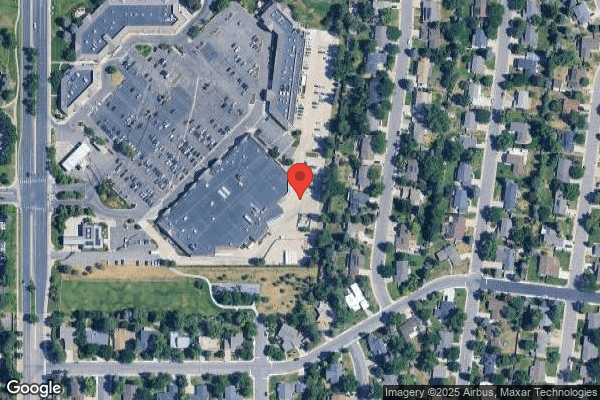
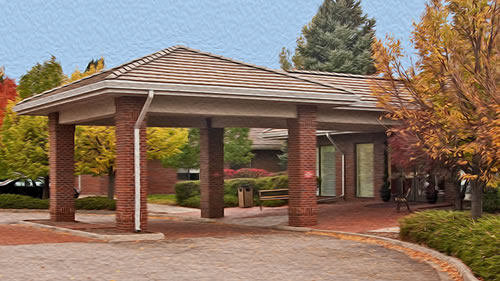
6005 S HOLLY ST, LITTLETON, CO 80121 (303) 773-1000
For profit - Partnership 133 Beds CLEAR CHOICE HEALTHCARE Data: November 2025
Trust Grade
75/100
#77 of 208 in CO
Last Inspection: May 2024

Within standard 12-15 month inspection cycle. Federal law requires annual inspections.

Overview

Orchard Park Health Care Center has a Trust Grade of B, indicating it is a good option for families seeking care. It ranks #77 out of 208 facilities in Colorado, placing it in the top half, and #11 out of 20 in Arapahoe County, meaning only a few local options are better. However, the facility's trend is concerning as it has worsened, increasing from 2 issues in 2024 to 3 in 2025. Staffing is a strength with a 4 out of 5 rating and a turnover rate of 36%, which is lower than the state average, indicating stability among the staff. On a positive note, there have been no fines, suggesting compliance with regulations, but the nursing home does have less RN coverage than 97% of other facilities in the state, which could impact care quality. Specific incidents noted during inspections include a serious issue where a resident with severe cognitive impairments was found attempting to transfer from their wheelchair without adequate supervision, highlighting a potential safety risk. Additionally, there were concerns about food quality, with residents reporting that meals were often served cold or not as ordered. Finally, the facility has struggled to effectively communicate with residents who speak languages other than English, which may hinder their ability to receive proper care. Overall, while there are strengths, such as staffing and compliance, families should be aware of these weaknesses when considering this facility.

Trust Score
B
75/100
In Colorado
#77/208
Top 37%
Safety Record
Moderate
Needs review
Inspections
Getting Worse
2 → 3 violations
Staff Stability
○ Average
36% turnover. Near Colorado's 48% average. Typical for the industry.
Penalties
✓ Good
No fines on record. Clean compliance history, better than most Colorado facilities.
Skilled Nurses
⚠ Watch
Each resident gets only 29 minutes of Registered Nurse (RN) attention daily — below average for Colorado. Fewer RN minutes means fewer trained eyes watching for problems.
Violations
⚠ Watch
12 deficiencies on record. Higher than average. Multiple issues found across inspections.
★★★★☆
4.0
Overall Rating
★★★★☆
4.0
Staff Levels
★★★★☆
4.0
Care Quality
★★★★☆
4.0
Inspection Score
Stable
2024: 2 issues
2025: 3 issues

The Good

  • 4-Star Staffing Rating · Above-average nurse staffing levels
  • 4-Star Quality Measures · Strong clinical quality outcomes
  • Full Sprinkler Coverage · Fire safety systems throughout facility
  • No fines on record
  • Staff turnover below average (36%)

    12 points below Colorado average of 48%

Facility shows strength in staffing levels, quality measures, fire safety.

The Bad

Staff Turnover: 36%

Near Colorado avg (46%)

Typical for the industry

Chain: CLEAR CHOICE HEALTHCARE

Part of a multi-facility chain

Ask about local staffing decisions and management

The Ugly 12 deficiencies on record

1 actual harm
Jun 2025 3 deficiencies 1 Harm
SERIOUS (G) 📢 Someone Reported This

A family member, employee, or ombudsman was alarmed enough to file a formal complaint

Actual Harm - a resident was hurt due to facility failures

Accident Prevention (Tag F0689)

A resident was harmed · This affected 1 resident

**NOTE- TERMS IN BRACKETS HAVE BEEN EDITED TO PROTECT CONFIDENTIALITY** Based on record review and interviews, the facility failed to ensure one (#1) of five residents reviewed for accident hazards re...

Read full inspector narrative →
**NOTE- TERMS IN BRACKETS HAVE BEEN EDITED TO PROTECT CONFIDENTIALITY** Based on record review and interviews, the facility failed to ensure one (#1) of five residents reviewed for accident hazards received adequate supervision out of 12 sample residents. Resident #1 was admitted to the facility on [DATE] with diagnoses of dementia with agitation, muscle weakness and reduced mobility related to left lower leg fractures sustained prior to admission to the facility. Resident #1 was dependent on two staff members providing maximum physical support/ assistance to complete positioning and transfer activities of daily living (ADL). Resident #1 had severe cognitive impairments, per staff interview, and was unable to understand the operation of the bed controls safely or appropriately (see staff interviews below). On [DATE], according to documentation, staff found Resident #1 with her bed controller in her hand and reaching toward her bed, potentially attempting to self transfer from her wheelchair to the bed. The resident was in distress and complaining of left lower leg pain. The resident was noted to have swelling to her left leg below the knee and pain with movement. A STAT (urgent) Xray was obtained, which identified the resident had two fractures in her left lower leg, specifically, the tibia and the fibula. Resident #1 was transferred to the hospital, where she underwent an intramedullary nailing (a surgical procedure used to stabilize and align fractured long bones by inserting a metal rod (nail) into the hollow medullary cavity of the bone) to repair the fractures. Following Resident #1's injury, while looking at possible causes of the resident's injury, the facility concluded that the likely cause of Resident #1's injury was due to her lack of ability to safely and properly operate the bed controls independently and unknowingly lowering the bedframe onto her legs, resulting in the fractures in her left lower leg. -However, the facility failed to thoroughly investigate the cause of Resident #1's injury. Cross reference F610 for failure to timely and thoroughly investigate a significant injury of an unknown origin. Staff interviews during the survey revealed Resident #1 was discovered on multiple occasions, prior to her injury on [DATE], using the bed controller in an unsafe manner and they worried about her being injured, leading them to provide more frequent checking on the position and location of the resident while she was in bed with the bed controller in hand (see staff interviews below). -However, the facility did not identify Resident #1's potential risk for injury related to her lack of ability to use the bed controls safely or identify effective interventions in order to prevent a potential injury to the resident. Specifically, the facility failed to ensure Resident #1, who was assessed to have poor safety awareness, impulsivity and severely impaired cognition, remained free from injury related to the resident's potential for self-transferring and the unsafe use of her bed controller. Findings include: I. Facility policy and procedure The Nursing admission at Risk Post Fall and Quarterly Evaluation policy, dated 2010, was provided by the director of nursing (DON) on [DATE] at 8:30 a.m. It revealed in pertinent part, The licensed nurse will evaluate residents for appropriateness of fall interventions per response obtained in effort to minimize the risk for resident's fall and or injury. The licensed nurse will ensure application of safety equipment interventions and notify other applicable staff of residents' risk for fall and related injury. The resident's care plan, Kardex and task assistance instructions are to be updated as indicated to reflect fall risk and interventions, as indicated. II. Bed manufacturer's manual The Invacare Long Term Care Bed User Manual, for bed model CS600, dated 2023, provided by the DON on [DATE] at 3:30 p.m. The manual documented in pertinent part, The bed is intended to be used as a mattress support system. The bed allows for articulation of the head and foot sections to provide different positions for the user. It is intended to be used at home and in long-term facilities. Warning: Danger -risk of death or injury. Conditions such as restlessness, mental deterioration, and dementia or seizure disorder, sleeping problems and incontinence can significantly impact the user's risk of entrapment. Monitor users with these conditions frequently. To avoid injury or damage from misuse or engraving, read and understand the instructions or label provided. III. Resident #1 A. Resident status Resident #1, age greater than 65, was admitted on [DATE] and discharged to the hospital on [DATE]. According to the [DATE] computerized physician orders (CPO), diagnoses included femur (upper leg) fracture, dementia and anxiety. The [DATE] minimum data sets (MDS) assessment revealed the resident had severe cognitive impairment with a brief interview for mental status (BIMS) score of seven out of 15. The resident required substantial assistance from staff with dressing, sitting up and balancing unsupported. The resident needed two-person staff assistance to perform any surface-to-surface transfers and was dependent on staff assistance for toileting and for transfer from sitting to standing. The resident was unable to stand unsupported and did not walk. B. Observation On [DATE] at 11:15 a.m., several Invacare long-term care beds model CS600 were observed in the company of the nursing home administrator (NHA). The beds had been removed from occupied residents' rooms and were no longer in use by residents in the facility. The bed control on each of the beds had several buttons to operate the head and foot of the bed, the height of the bed and the angle of the bed. The bed controllers had a red button labeled CPR (cardio pulmonary resuscitation), which lowered and flattened the bed to an appropriate position in order to facilitate CPR, when needed. Additionally, the beds had the capacity to lower within inches of the floor. The beds observed with the NHA included the bed that Resident #1 had used while she was present in the facility. The NHA demonstrated the facility's theory of what the interdisciplinary team (IDT) believed was the most likely scenario of how Resident #1 sustained the fractures in her left lower leg. The NHA said after the IDT investigated the events of the resident's fractures, the IDT determined that when certified nurse aide (CNA) #7, who responded to Resident #1 when she was yelling out in pain, discovered the resident was injured and almost falling out of her wheelchair, CNA #7 left Resident #1 to get licensed practical nurse (LPN) #4, who was the nurse for Resident #1's unit. The NHA said the IDT determined that while CNA #7 was out of the room, Resident #1 grabbed the bed controller, pulled herself towards the bed so her legs were under the bed frame and, due to her confusion, Resident #1 hit buttons on the bed controller and lowered the bedframe down on her knees causing her injuries (fractures). C. Record review The [DATE] physical therapy assessment documented Resident #1 was dependent on two staff members providing maximum physical support/ assistance to complete positioning and transfer ADLs. The resident had contractures in both ankles and was unable to sit upright, unsupported or stand and balance on her own. The resident was unable to walk any distance. Resident #1 had muscle atrophy (the decrease in size and strength of muscle tissue). Additionally, Resident #1 had moderately impaired decision making skills, decreased safety awareness and lacked the capacity to understand her condition and risk factors, with reduced skill for self-monitoring. Resident #1's dementia care plan, initiated [DATE], revealed Resident #1 refused care, was impulsive and had poor safety awareness. Interventions instructed staff to anticipate and meet the resident's needs. Resident #1's fall care plan, initiated [DATE], revealed Resident #1 was at risk for falls related to confusion, agitation and attempts to self-transfer from her chair. Interventions included screening the resident for fall risk and identifying fall risk factors, encouraging the resident to use her call light for assistance, as needed, providing physical therapy, occupational therapy and speech therapy to evaluate and treat, as ordered and as needed. -The care plan did not address the resident's risk of injury related to her bed controls. A nurse progress note, dated [DATE] at 10:54 p.m. and written by LPN #4, documented Resident #1's change of condition on [DATE] at 7:40 p.m. The note documented Resident #1 was in distress, complained of left leg pain and the resident wanted to go to bed. LPN #4's note revealed Resident #1 had swelling below the left knee and pain with movement. The note revealed a STAT Xray was performed, Tramadol pain medication was administered, the physician and family were notified and Resident #1 was transferred to the hospital. The hospital Discharge summary, dated [DATE], documented Resident #1 was admitted to the hospital on [DATE] after being found in her wheelchair complaining of left lower leg pain. In the emergency room, an Xray of the resident's left tibia and fibula revealed the bones were fractured. The resident was admitted to the trauma service unit and orthopedic surgery was consulted. Resident #1 underwent an intramedullary nailing surgery to repair the fractures. Review of the facility's incident report of Resident #1's injury documented that on [DATE], CNA #7 heard Resident #1 yelling my foot, my foot. CNA #7 checked on the resident. Resident #1 was found in her manual wheelchair, turned toward the bed and was trying to grab the bed frame to pull herself into the bed. CNA #7 left the resident in her room unattended while she walked down the hall get the floor nurse The incident report documented the nurse (LPN #4) noticed swelling to Resident #1's left lower leg that was not present in previous rounds. The incident report included staff interviews, which revealed Resident #1 was found with the bed controller in her hand. The report concluded that staff documentation and interviews suggested Resident #1 had been attempting to self-transfer back to her bed. IV. Staff interviews CNA #6 was interviewed on [DATE] at 6:00 p.m. CNA #6 said Resident #1 used her call light a lot and often did not know why she was calling. CNA #6 said Resident #1 was often impulsive and would use the bed controls without knowing what the purpose of the buttons were that she was pushing. CNA #6 said she had hidden the bed controller from the resident before. The medical director (MD) and the DON were interviewed together on [DATE] at 3:30 p.m. The MD said she reviewed Resident #1's medical record and discussed the incident with facility leadership and determined that the Invacare beds and their complex bed controllers should be removed from use with the residents who had impaired cognition. The MD said the IDT determined that the bed controllers had too many options and potentially caused a danger to residents with impaired cognition and impaired vision. The MD said the CPR red button posed an additional concern because it was assessed that the resident could misidentify the red button for a nurse call light (all of the newly purchased Invacare beds had controllers that had the red CPR button). She said if the resident continually pressed the CPR button, thinking it was the nurse call light button, it would cause the bed to lower to a low bed position and flatten The DON said Resident #1 had been working on safe transfers with the therapy department and had more recently not displayed signs and symptoms of impulsivity to get up on her own. The DON said the resident had a history of pressing her call light frequently and she said, based on the information she was told by the staff on duty the night of the incident ([DATE]), that Resident #1 had pressed the call light and was attempting to self-transfer when she injured herself. LPN #8 was interviewed on [DATE] at 12:20 p.m. LPN #8 said she was familiar with Resident #1 and used to care for the resident. LPN #8 said she observed the resident in bed after the injury occurred and the resident was very worried about being in pain when LPN #4 informed the resident she was going to sit her up to take a pain pill. LPN #8 said in all the time she worked with Resident #1, the resident never tried to self-transfer herself. The certified occupational therapy assistant (COTA) was interviewed on [DATE] at 1:20 p.m. The COTA said she had worked on slideboard transfers with Resident #1; however, the resident was only able to perform slideboard transfers with maximal assistance from the therapist, where the therapist did all the effort to move the resident across the slideboard. The COTA said Resident #1 did not have the strength to perform a self-transfer. She said the resident could have pulled herself forward but did not have the strength to pull herself up into a standing position due to severe contracture in both ankles, weakness and the inability to balance while seated, let alone to balance in a standing position. The COTA said the resident was not able to bear weight due to severe contractures and muscle weakness. She said Resident #1 was not motivated to attempt a self or assisted transfer without the staff doing all of the mobility effort and the resident worried about being injured. LPN #2 was interviewed on [DATE] at 3:30 p.m. LPN #2 said Resident #1 had poor safety awareness, poor eyesight and needed someone to describe her surroundings in order to feel more secure. LPN #2 said she had not known Resident #1 to attempt to self transfer herself from surface to surface, but she said she had observed that the resident would sometimes scoot herself forward in her seat. The DON and the NHA were interviewed together on [DATE] at 5:00 p.m. The DON said Resident #1 was unable to identify the buttons on her bed controller to know which button moved the parts of the bed she was using. The DON said the resident was a habitual call light user and would press the red button call light over and over without purpose or knowing what she was pressing. The NHA said the Invacare beds would remain out of use until the facility could obtain bed controllers without the red CPR button or find another appropriate resolution. The NHA said the facility had been researching options to see if the beds could be used safely by the resident population.
CONCERN (D) 📢 Someone Reported This

A family member, employee, or ombudsman was alarmed enough to file a formal complaint

Potential for Harm - no one hurt, but risky conditions existed

Investigate Abuse (Tag F0610)

Could have caused harm · This affected 1 resident

**NOTE- TERMS IN BRACKETS HAVE BEEN EDITED TO PROTECT CONFIDENTIALITY** Based on record review and interviews, the facility failed to thoroughly investigate an allegation for an injury or unknown orig...

Read full inspector narrative →
**NOTE- TERMS IN BRACKETS HAVE BEEN EDITED TO PROTECT CONFIDENTIALITY** Based on record review and interviews, the facility failed to thoroughly investigate an allegation for an injury or unknown origin for one (#1) of two residents out of 12 sample residents. Specifically, the facility failed to complete a thorough investigation to clarify conflicting facts after Resident #1 sustained an injury of unknown origin to her left lower leg (fractured tibia and fibula), which required hospitalization and surgical intervention. Findings include: I. Facility policy and procedure The Resident Mistreatment, Abuse and Neglect Prohibition policy, dated 2017, was provided by the director of nursing (DON) on 6/17/25 at 11:32 a.m. It read in pertinent part, All allegations of injuries of unknown origin are to be reported immediately and investigated by the administrator, risk manager or designee. Injury of unknown origin is an injury in which both of the following conditions are met: the source of the injury was not observed by any person or the source of the injury could not be explained by the resident and the injury is suspicious because of the extent of the injury (its location is in an area that is not generally vulnerable to trauma) or the number of injuries observed at one particular point in time, or the incidence of injuries over time. Each facility will thoroughly investigate injuries of unknown origin in accordance with federal and state regulations. The electronic incident report and investigation system forms should be completed for all incidents of injuries of unknown origin. II. Resident #1 A. Resident status Resident #1, age greater than 65, was admitted on [DATE] and discharged to the hospital on 5/9/25. According to the May 2025 computerized physician orders (CPO), diagnoses included femur (upper leg) fracture, dementia and anxiety. The 5/8/25 minimum data sets (MDS) assessment revealed the resident had severe cognitive impairment with a brief interview for mental status (BIMS) score of seven out of 15. She required substantial assistance for lower body dressing and chair to bed transfers and was dependent for toileting and for transfers from sit to stand. B. Record review The hospital discharge summary documented Resident #1 was admitted to the hospital on [DATE] and discharged on 5/14/25. It documented Resident #1 was found in her wheelchair at the nursing facility complaining of lower left leg pain. The discharge summary further documented the resident was diagnosed with left leg tibia (front lower leg bone) and fibula (rear lower leg bone) fractures. The resident required surgical intervention to repair the fractures. III. Incident of injury of unknown origin on 5/8/25 The facility's investigation report, dated 5/14/25, revealed Resident #1 sustained an injury of unknown origin on the evening of 5/8/25 and there was no witness to what caused the resident's fractured lower left leg. The facility initiated an investigation on 5/9/25 after the sheriff's office arrived at the facility and informed the facility that they were investigating due to the injuries Resident #1 presented to the hospital with. The investigation documented the following series of events, which occurred from 5/8/25 to 5/9/25. The timeline of events (listed below) was generated by the facility based on staff interviews and video surveillance from the facility's hallway camera, which was positioned just outside Resident #1's room. The camera did not have a view inside of Resident #1's room. -Resident #1's room layout included a vestibule area just off the main hallway, adjoining two resident rooms and a separate bathroom with a shower. -On 6/18/25 and 6/19/25, during the survey, video footage was observed in the presence of the NHA and DON; however, the footage available did not have the time and date stamp available. The NHA provided clarification of the times during observation of the video. A. Timeline The facility established the following timeline of events based on the camera footage and staff interviews (see below). The facility's investigation timeline of the incident on 5/8/25, documenting the events occurring on the evening /night shift when Resident #1 was injured, was provided by the NHA on 6/16/25. The details of the timeline were reviewed at the same time that the video surveillance was viewed on both 6/18/25 and again on 6/19/25. The NHA clarified and explained the details of the timeline during review of the footage on 6/18/25 and 6/19/25. At 5:30 p.m. Resident #1 returned to her room from therapy to eat her dinner. At 6:00 p.m. the day shift nurse and certified nurse aide (CNA) told the facility investigator Resident #1 was observed sitting in her wheelchair eating dinner when they were leaving their shift. At 6:30 p.m. the evening/night shift nurse, licensed practical nurse (LPN) #4 said she performed first rounds and observed Resident #1 eating her meal. At 7:00 p.m. LPN #4 passed medications to the resident in the room adjacent/ adjoining to Resident #1's room and did not observe Resident #1 to be in any distress. At 7:08 p.m. CNA #7 was at the laundry cart outside of Resident #1 and Resident #12's rooms. At 7:11 p.m. CNA #7 entered the vestibule area to Resident #1's room; however, the camera was unable to see which resident's room she entered. At 7:12 p.m. CNA #7 was back in the hall at the laundry cart. At 7:14 p.m. CNA #7 went back into the vestibule. At 7:17 p.m. CNA #7 exited the resident vestibule and reentered at 7:19 p.m. From 7:20 p.m. to 7:23 p.m. LPN #4 was observed one room away at the medication cart. At 7:26 p.m. Resident #1's call light was on for nine minutes and 18 seconds. At 7:27 p.m. LPN #4 was outside Resident #1's room, checking on the resident and CNA #7. At 7:28 p.m. LPN #4 entered Resident #1's neighbor's room to pass medication and exited the room at 7:29 p.m. At 7:33 p.m. CNA #7 was observed exiting the vestibule of Resident #1's room and going back in at 7:34 p.m. then was observed looking out of the vestibule and going back into the vestibule. At 7:45 p.m. CNA #7 picked up meal trays from Resident #1's room and told Resident #1 she would assist her into bed once her food was digested. At 7:50 p.m. Resident #1's call light was on for three minutes and 28 seconds. At 7:50 p.m., CNA #7 was reported (by the NHA) to have observed Resident #1 sitting comfortably in her wheelchair and then proceeding on to assist Resident #12 from the adjacent adjoining room with a shower. At 7:59 p.m. CNA #7 exited the residents' doorway and entered the hall. At 8:00 p.m. CNA #7 went back into the vestibule of Resident #1 and Resident #12's rooms (no call light was observed turned on). At 8:02 p.m. CNA #7 said she heard Resident #1 yelling My foot! My foot! and she rushed out of the adjacent room to check on Resident #1. CNA #7 said she found Resident #1 in her wheelchair with a turned body trying to grab the bed frame to pull herself into the bed. CNA #7 said Resident #1 was twisted and yelling about her foot hurting. Resident #1's call light was activated at 8:03 p.m. CNA #7 said she called out for LPN #4 from Resident #1's doorway and LPN #4 ran to the room to assist. -However, during observations of the video during the survey, CNA #7 was observed on video entering the hallway from Resident #1's room and standing in the hallway for a few seconds and then walking down the hallway and returning to Resident #1's room, walking in the company of LPN #4. At 8:05 p.m. LPN #4 assessed Resident #1 and noticed swelling to Resident #1's left lower leg that was not present during her previous rounds (checking on the resident). LPN #4 was observed leaving Resident #1's room. LPN #4 said she left to call LPN #5 for assistance to assess Resident #1. At approximately 8:05 p.m. or 8:06 p.m. LPN #4 reentered Resident #1's room. At 8:10 p.m. LPN #4 exited Resident #1's room. At 8:14 p.m. LPN #5 entered Resident #1's room and recommended they have Resident #1's leg Xrayed. At 8:16 p.m. LPN #5 exited Resident #1's room. -It was not clear by staff interview and video surveillance during the survey what time and who assisted Resident #1 into bed because LPN #5 said in interview during the facility investigation (see below) that the resident was in bed when he arrived to the resident's room and the only other staff members in and out of the resident's room were CNA #7 and LPN #4, which contradicted CNA #7 and LPN #4's witness statements (see below). At 8:20 p.m. a nurse (not identified which nurse) called the on-call physician about Resident #1's change in condition. At 8:20 p.m. the unspecified nurse received orders for a STAT (urgent) Xray and 50 milligrams (mg) of Ultram (pain medication) for pain. At 8:25 p.m. LPN #5 provided Resident #1 with an ice pack and elevated her injured leg. At 9:15 p.m. Resident #1's pain was re-assessed by LPN #4, following the administration of the pain medication, and it was determined the medication was effective. At 9:45 p.m. the radiology technician arrived to take Xrays of Resident #1's leg. At 10:08 p.m. preliminary Xray results were received and facility staff called the on-call physician. The physician told staff to call the resident's guardian to see if they would like to send Resident #1 to the hospital for treatment, because the resident had previously signed an advanced directive for comfort care. At 10:28 p.m. the final results radiology results report confirmed Resident #1 had fractures in her left lower leg. At 10:25 p.m. the residents' guardian called back and said they wanted Resident #1 to be sent to the hospital, where her orthopedic physician would see her. At 10:35 p.m. LPN #4 called for non-emergent medical transport for Resident #1 to be taken to the hospital. At 12:30 a.m. the emergency medical services (EMS) transported Resident #1 to the hospital. B. Staff interviews conducted during the facility investigation of the 5/8/25 incident Staff interviews by the facility documented the following information: CNA #7 was interviewed on 5/9/25. CNA #7 said she arrived on shift at 6:00 p.m. and started rounds at 6:30 p.m. Resident #1 was eating dinner when she was checked on during rounds. Resident #1 did not need anything at the time, so she continued onward. CNA #7 said she checked on Resident #1 again at 7:30 p.m. Resident #1 was still eating and had no complaints. CNA #7 said she checked on Resident #1 at 8:05 p.m. and took her tray and told the resident she would come back in one hour after she had time to digest her meal. CNA #7 said she proceeded to assist Resident #12, the resident in the room adjacent/adjoining to Resident #1, to take a shower. The two resident rooms were connected by a vestibule connecting the two rooms and also a bathroom/shower room. -However, according to the timeline above and the NHA, CNA #7 checked on Resident #1 and proceeded to assist Resident #12 with a shower at 7:50 p.m., not 8:05 p.m. (see timeline above). CNA #7 said after approximately 15 minutes, she heard Resident #1 yelling my foot, my foot so she ran into Resident #1's room and found the resident holding the bed controller in her hand. CNA #7 said the resident was twisted to the left with her leg up under the wheelchair, reaching to the bed. CNA #7 said she yelled for LPN #4 to come and assess the resident. The nurse came with a second nurse. CNA #7 said they got two more CNAs to help transfer the resident back to bed. CNA #7 said the resident was transferred without putting pressure on her foot. Review of CNA #7's witness statement revealed a handwritten note that her witness statement was updated on 5/14/25 (six days after the incident occurred), upon reenactment of the incident. The addition to the statement, which was not signed by CNA #7, documented the position of Resident #1's leg and foot as being under the bed (instead of under the resident's wheelchair, as was originally documented by CNA #1 - see above). The updated statement indicated the resident's bed was in a low position at the same height as her wheelchair so that her lower leg (below the knee) aligned with the bed frame and it appeared Resident #1 lowered the bed on her leg. LPN #4 was interviewed on 5/9/25. LPN #4 said she took care of Resident #1 two times a week and the resident did not like to get into bed early. LPN #4 said she made rounds at 6:30 p.m. (on 5/8/25). She said at that time, Resident #1 was in her chair, eating dinner and watching television. Resident #1 was in no distress. LPN #4 said she next saw the resident around 7:30 p.m. when she administered medications to the resident in the adjacent room and Resident #1 was still in no distress. LPN #4 said around 8:45 p.m. CNA heard screaming from Resident #1's room. CNA #7 ran into her room and saw her attempting to get into bed. Resident #1 had the bed controller in her hand and was reaching for the bed. Resident #1's leg was caught up in the wheelchair, preventing her from falling on the floor. LPN #4 said she went down to assess the resident and saw a lump on her leg that was not there before. She said she got another nurse to look at the resident's leg and they decided to get her into bed to evaluate. LPN #4 said they got two more staff members and a gait belt to transfer Resident #1 without putting weight on her left leg. Once the resident was in bed, LPN #4 said she called the physician for Xrays, got the resident a pain pill and some ice and elevated her leg. LPN #4 said after the Xrays came back she called Resident #1's family, who said to send the resident to the hospital for assessment by her orthopedic physician. LPN #2 (on-call LPN) was interviewed on 5/9/25. LPN #2 said she had never received a report from staff that Resident #1 had tried to get in or out of bed on her own prior to this incident (on 5/8/25) but the resident used the call light a lot. LPN #2 said the resident sometimes used the call light every 10 to 15 minutes but her use of the call light was when she needed help. -LPN #2's interview did not document her knowledge of the events of 5/8/25 or her being on-call and responding to LPN #4's call to report Resident #1's injury. LPN #5 was interviewed on 5/14/25. LPN #5 said around 8:00 p.m. (on 5/8/25) that LPN #4 came to his unit to ask him for a second opinion about the injury to Resident #1's leg. He said he observed Resident #1's leg had a swollen bump on it and it hurt just when touched. He advised LPN #4 to get an Xray. He assisted LPN #4 to get the Xray while LPN #4 cared for Resident #1. C. Resident interviews conducted during the facility investigation of the 5/8/25 incident During the facility's investigation of the 5/8/25 incident involving Resident #1, several residents (including Resident #12, who was Resident #1's suitemate) were interviewed regarding their experience living in the facility. Questions asked of the residents were generic and closed-ended and some were not relevant to the investigation of the incident of Resident #1's serious injury of unknown origin. Questions asked included: -Do you feel safe here; -Do you have any care concerns; -Is your call light answered timely; -Do you get your meals and medications timely; -Are you happy here; -Do staff treat you with respect; and, -Do you get the care you asked for? -However, the facility failed to ask the residents if they had any concerns with the care provided to them by CNA #7 and LPN #4. -Additionally, the facility failed to ask Resident #12, Resident #1's suitmate, who was cognitively intact, whether or not she witnessed or overheard any of the events involving Resident #1 on the evening of 5/8/25. D. Investigation conclusion The facility concluded that their investigation of the 5/8/25 incident of the injury unknown origin involving Resident #1 suggested that the resident attempted to self-transfer herself after learning how to use a slide board to transfer with therapy on that day (5/8/25), and had been previously working with slide board transfers with therapy since 4/16/25. The facility concluded the resident'sleg got caught up under her wheelchair and caused her injuries. -However, the facility's leadership said in interview during the survey (from 6/16/25 to 6/19/25) that based on additional review by leadership and a reenactment of the incident (conducted on 5/14/25, six days after the incident) with staff, they concluded that Resident #1'sinjuries were caused when the resident lowered the hospital bed down on her leg which resulted in the fractures to the fibula and tibia bones in her left leg. -Review of the facility's investigation failed to reveal how the facility came to their conclusion of the incident when the initial version of events reported by staff and observed during video surveillance review on 6/18/25 and 6/19/25 did not match the version of events reported and reenacted on 5/14/25. IV. Facility's investigation failures and discrepancies between staff reports and video footage on 5/8/25 Review of the timeline of events established by the facility for the 5/8/25 incident involving Resident #1, documentation of staff members witness statements and video footage from 5/8/25, revealed several discrepancies related to the investigation of the incident related to Resident #1's serious injury of unknown origin. The discrepancies and investigation failures were as follows: 1. The facility failed to clarify who assisted Resident #1 into bed after the injury was discovered. CNA #7 and LPN #4 both said they got two additional CNAs to assist them in getting Resident #1 into bed after she was found to be in distress. -However, review of the video footage revealed no other CNAs or staff members entered Resident #1's room prior to LPN #5 entering to assess Resident #1. LPN #5 said in an interview during the survey (on 6/18/25 at 5:45 p.m.) that Resident #1 was in bed when he arrived to examine her injured leg (see LPN #5's interview below). 2. CNA #7 and LPN #4 both initially reported (during their interviews with the facility investigator on 5/9/25) that CNA #7 heard Resident #1 yelling and went into the resident's room to find the resident with her bed controller in her hand and reaching for the bed. Both staff members initially reported that Resident #1's leg was caught under her wheelchair and did not mention her leg being caught under the bedframe in their initial interviews. After a reenactment of the incident on 5/14/25 (six days after the incident occurred), the facility concluded that Resident #1's left leg was under the bed and the resident lowered the frame of the bed onto her own leg using the bed controller that was in her hand, which resulted in the fractures to the resident's leg. -However, the facility failed to clearly document who was involved in the reenactment of the incident on 5/14/25 or identify why the scenario changed from the resident's leg being found underneath the bed instead of the wheelchair, as was initially reported. 3. CNA #7's witness statement documented she was in and out of Resident #1 and Resident #12's suite area so frequently on 5/8/25 because she was assisting Resident #12 with a shower. -The facility failed to identify how much of the time that CNA #7 was seen on the video footage going in and out of the residents' suite area was spent assisting Resident #1 when she activated her call light versus how much time was spent assisting Resident #12. 4. The facility failed to ensure clear communication during the interviews with CNA #7 and LPN #4. The DON said in an interview during the survey (see below) that English was not the first language of either CNA #7 or LPN #4. Additionally, the DON said she may not have gotten the correct facts from CNA #7 and LPN #4 due to the language barrier and that she may have misunderstood the staff or they may have misunderstood her when they talked over the phone on 5/9/25 about the details of the prior evening (5/8/25) when Resident #1 was injured. V. Staff interviews LPN #5 was interviewed on 6/18/25 at 5:45 p.m. LPN #5 said he was working on the evening of 5/8/25 when Resident #1 sustained her fractures. LPN #5 said he was working on another unit when LPN #4 came and asked him to look at Resident #1 for a second opinion of her injuries. LPN #5 said when he arrived to Resident #1's room, she was already in bed with her left leg elevated below the knee. He said CNA #7 and LPN #4 told him they transferred Resident #1 back to bed. LPN #5 said the resident was guarded and did not want them to touch her leg. He said he recommended an Xray for the resident and said he did not have any information on how the resident was injured. The DON was interviewed on 6/19/25 at 3:30 p.m. The DON said she did not speak to CNA #7 or LPN #4 on the evening of Resident #1's injury to her leg (5/8/25). The DON said after being notified by the sheriff's office on 5/9/25, she called both CNA #7 and LPN #4 that day (5/9/25) for additional information She said she had separate conversations with each of them about the events leading up to Resident #1 being injured. The DON said English was not either CNA #7's or LPN #4's first language and she might have heard the staff members incorrectly with a couple of their responses during their initial interviews. The DON said after the initial interviews with CNA #7 and LPN #4, the leadership team conducted a reenactment of the events with the staff and came up with the most likely scenario of how Resident #1 was injured. The DON said the leadership team believed that the resident was trying to press the call light button, wanting to get into bed, but she was pressing the bed controller button by mistake, and her actions caused the bed frame to lower onto her leg and resulting in fractures to her lower left leg.
CONCERN (D) 📢 Someone Reported This

A family member, employee, or ombudsman was alarmed enough to file a formal complaint

Potential for Harm - no one hurt, but risky conditions existed

Deficiency F0658 (Tag F0658)

Could have caused harm · This affected 1 resident

**NOTE- TERMS IN BRACKETS HAVE BEEN EDITED TO PROTECT CONFIDENTIALITY** Based on record review and staff interviews, the facility failed to ensure the services provided met professional standards of q...

Read full inspector narrative →
**NOTE- TERMS IN BRACKETS HAVE BEEN EDITED TO PROTECT CONFIDENTIALITY** Based on record review and staff interviews, the facility failed to ensure the services provided met professional standards of quality for one (#1) of seven residents out of 12 sample residents. Specifically, the facility failed to ensure Resident #1 was assessed by a registered nurse (RN) after a significant change of condition when she experienced a fracture of the left fibula and tibia (lower leg bones). Findings include: I. Professional reference According to Nurse Journal's Licensed Practical Nurses (LPN) Versus Registered Nurses (RN), (8/27/24), retrieved on 6/25/25 from https://nursejournal.org/resources/lpn-vs-rn-roles/, LPNs and RNs both monitor patients, administer medications, perform wound care, help patients with basic tasks like bathing and feeding, and often educate and support patients and their loved ones. However, there are differences in the education requirements and scope of practice between RNs and LPNs. LPNs perform vital work in collaboration with RNs, physicians and other healthcare professionals. LPNs work alongside or under the supervision of RNs to deliver care and support to patients. This role also requires gathering patient data, which other licensed healthcare providers later interpret. Unlike RNs, LPNs typically do not have state authorization to make health assessments, create nursing care plans or triage patients. Compared to LPNs, RNs generally operate independently. RNs use their specialized judgment, skills, and knowledge to provide direct patient care in various settings. Generally speaking, only RNs provide initial assessments. Therefore, an RN must perform all tasks that require close monitoring and frequent assessment, such as initiating blood products, the first round of antibiotics, and initial patient assessments. II. Facility policy and procedure The Notification of Change in Condition policy, dated 2016, was provided by the nursing home administrator (NHA) on 6/19/25 at 8:30 a.m. It read in pertinent part, When a resident is evaluated or assessed as having a change in condition, the charge nurse will follow through in documenting notification to family/legal representative/resident, the health care provider and other licensed nurses as indicated. A change in condition is a clinically important deviation from a resident's baseline in physical, cognitive, behavioral, or functional domains. III. Resident #1 A. Resident status Resident #1, age greater than 65, was admitted on [DATE] and discharged to the hospital on 5/9/25. According to the May 2025 computerized physician orders (CPO), diagnoses included femur (upper leg) fracture, dementia and anxiety. The 5/8/25 minimum data sets (MDS) assessment revealed the resident had severe cognitive impairment with a brief interview for mental status (BIMS) score of seven out of 15. She required substantial assistance for lower body dressing and chair to bed transfer and was dependent for toileting and for transfers from sit to stand. B. Record review The facility's incident report, dated 5/14/25, documented that on 5/8/25 at 8:02 p.m., certified nurse aide (CNA) #7, who was assigned and working on the unit, heard Resident #1 yelling out my foot, my foot. CNA #7 entered the room to find the resident trying to pull herself into bed. CNA #7 alerted LPN #4, who was working on the unit, to assess Resident #1. At 8:05 p.m., LPN #4 noticed new swelling to Resident #1's left lower leg, but she was not sure what was wrong with the resident. LPN #4 assisted CNA #7 to get Resident #1 into bed and then went to get LPN #5, who was also working in the facility, to look at Resident #1. -However, the time documented in the incident report regarding when LPN #4 noticed new swelling to Resident #1's left lower leg on 5/8/25 did not match the time documented in the 5/8/25 progress note in the resident's electronic medical record (EMR) (see progress note below). A review of Resident #1's EMR revealed the following progress notes: A nurse progress note, dated 5/8/25 at 10:54 p.m. and written by LPN #4, documented that at 7:40 p.m., Resident #1 was in distress, complained of left leg pain and the resident wanted to go to bed. LPN #4's note revealed Resident #1 had swelling below the left knee and pain with movement. The note revealed a STAT (urgent) Xray was performed, Tramadol pain medication was administered, the physician and family were notified and Resident #1 was transferred to the hospital. -The timing of the progress note contradicted the time documented on the facility's incident report (see incident report above). -Review of LPN #4's progress note revealed no documentation to indicate a comprehensive (head to toe) nursing assessment was completed by the RN on site, upon the discovery of a change in Resident #1's condition on 5/8/25 at 7:40 p.m. The director of nursing's (DON) late entry progress note, dated 5/16/25 at 11:38 a.m., (eight days after Resident #1's change of condition) documented that on 5/8/25 at 10:15 p.m. (almost two and a half hours after the resident's change of condition) LPN #2 (who was on-call and not in the facility) called the DON (who was also not in the facility) regarding Resident #1's condition change (fractured leg) on 5/8/25. The progress note revealed the DON advised LPN #2 to call the physician with Resident #1's Xray results for further treatment recommendations and to notify the resident's representative. -The DON's progress note indicated LPN #2 called her on 5/8/25 at 10:15 p.m., however, the facility did not receive results of Resident #1's Xrays until 11:28 p.m. (see radiology results report below). -The DON's progress note did not reveal communication with an RN, or that an RN assessment was completed at the time of the injury. The progress note did not reveal contain documentation to indicate that the DON instructed LPN #2 to notify the RN on duty to ensure an RN assessment was completed for Resident #1. -Additionally, there was no documentation in Resident #1's EMR to indicate LPN #2, LPN #4 or LPN #5 notified the RN on duty to conduct an assessment of Resident #1 after the resident's change of condition was identified. Review of the 5/8/25 radiology results report revealed an Xray of Resident #1's left tibia and fibula was obtained at the facility on 5/8/25 at 9:28 p.m. (one hour and 48 minutes after LPN #4's progress note (see above) indicated Resident #1 was in distress and had swelling below the left knee and pain with movement). The radiology results report further revealed Resident #1 had sustained fractures to both her left tibia and left fibula. The Xray results were not reported to the facility until 11:28 p.m. on 5/8/25 (two hours after the Xray was obtained and three hours and 48 minutes after LPN #4's progress note (see above) indicated Resident #1 was in distress and had swelling below the left knee and pain with movement). Review of the 5/9/25 emergency medical services (EMS) documentation revealed EMS arrived at the facility at 11:14 p.m. on 5/8/25 and found Resident #1 with severe left leg pain which began four hours prior. EMS transferred the resident to a stretcher and transported her from the facility at 12:07 a.m. on 5/9/25 (four hours and 27 minutes after LPN #4's progress note (see above) indicated Resident #1 was in distress and had swelling below the left knee and pain with movement). Further review of the 5/9/25 EMS documentation revealed that EMS arrived at the hospital at 12:35 a.m. on 5/9/25 and transferred care of Resident #1 over to the hospital staff at 12:42 a.m. Cross-reference F689 for failure to keep residents free from accidents/hazards. Cross-reference F610 for failure to timely and thoroughly investigate a significant injury of an unknown origin. IV. Staff interviews LPN #5 was interviewed on 6/18/25 at 5:18 p.m. LPN #5 said that LPN #4 asked for his assistance to evaluate Resident #1's change of condition (on 5/8/25). LPN #5 said the resident was guarded and did not want anyone to touch her left leg. LPN #5 said Resident #1 could not say what had happened. LPN #5 said he called the resident's physician to request a physician's order for a STAT Xray and then went to the resident and applied an ice pack for the injury. LPN #5 said they monitored the laboratory portal for the Xray images and reported the results back to the on-call physician once the Xray results were received. LPN #5 said Resident #1 was then transferred to the hospital for further assessment and treatment. LPN #5 said he did not know how Resident #1 was injured; however, because the resident had not fallen out of her wheelchair to the floor, they did not call for the RN on duty to come to the unit to perform a post-fall assessment; an RN assessment was not completed. RN #1 was interviewed on 6/18/25 at 6:55 p.m. RN #1 said the process to follow if a resident experienced a condition change, including an injury, was for the LPN to call the RN on duty to assess the resident. LPN #2 was interviewed on 5/19/25 at approximately 3:30 p.m. LPN #2 said she was on-call the night of 5/8/25 when LPN #4 called her to report Resident #1 had sustained an injury to the lower left leg. LPN #4 said CNA #7 alerted her that the Resident #1 was complaining of pain and thought that she had an injury while trying to self-transfer. LPN #2 said LPN #4 told her that she was worried because after getting the resident back into bed, she noticed something sticking out of the resident's left lower leg and it did not look right. LPN #2 said once the Xray images came in over the laboratory portal, she called the DON to report the fractures. LPN #2 said the DON told her to call the physician for next step orders. LPN #2 said the on-call physician said since the resident had signed a do-not-resuscitate order with directives for comfort care, the family should make the decision for treatment type. LPN #2 said the resident's family gave directions for the facility to send Resident #1 to the hospital for further assessment and treatment. The DON was interviewed on 6/19/25 at 5:15 p.m. The DON said she was notified by the off-site on-call LPN unit manager (LPN #2) around 10:00 p.m. on 5/8/25, after LPN #2 was notified by the floor nurse on duty (LPN #4) that Resident #1 had sustained a left lower leg fracture confirmed by Xray results. The DON said she told LPN #2 to notify the resident's on-call physician and request further treatment orders. The DON said she did not lay eyes on Resident #1 and did not assess the resident's injuries on 5/8/25. The DON said she had not talked directly to LPN #4 who was in charge of the resident's care on the evening and night shift. The DON said the RN on duty at the facility on the night of 5/8/25 never observed the resident after the injury or prior to Resident #1's transfer to the hospital. The DON said she felt it was sufficient that she talked to the on-call LPN (LPN #2) over video chat and informed LPN #2 to call the floor nurse (LPN #4) back and give her directions to notify the on-call physician of Resident #1's Xray results.
May 2024 2 deficiencies
CONCERN (D) 📢 Someone Reported This

A family member, employee, or ombudsman was alarmed enough to file a formal complaint

Potential for Harm - no one hurt, but risky conditions existed

ADL Care (Tag F0677)

Could have caused harm · This affected 1 resident

**NOTE- TERMS IN BRACKETS HAVE BEEN EDITED TO PROTECT CONFIDENTIALITY** Based upon observations, interviews and record review, the facility failed to ensure two (#65 and #69) of five residents reviewe...

Read full inspector narrative →
**NOTE- TERMS IN BRACKETS HAVE BEEN EDITED TO PROTECT CONFIDENTIALITY** Based upon observations, interviews and record review, the facility failed to ensure two (#65 and #69) of five residents reviewed for assistance with activities of daily living (ADL) received fingernail care out of 45 sample residents. Specifically, the facility failed to: -Ensure Resident #65 fingernails were trimmed and clean; and, -Ensure Resident #69 received staff assistance with fingernail care, applying lotion on his dry skin and showering assistance. Findings include: I. Facility policy and procedure The Fingernails policy, revised June 2008, was provided by the nursing home administrator (NHA) on 5/9/24 at 5:00 p.m. It revealed in pertinent part, The purpose of this procedure is to promote circulation to the hands and to clean fingernails. Procedure includes, assisting residents into comfortable positions, cleaning under the fingernails with an orange stick if indicated and using nail clippers to cut the fingernails if permitted. II. Resident #65 A. Resident status Resident #65, age greater than 65, was admitted on [DATE]. According to the May 2024 computerized physician orders (CPO), diagnoses included dementia, blindness right and left eye category three, chronic pain, unspecified osteoarthritis, muscle weakness and the need for assistance with personal care. The 3/23/24 minimum data set (MDS) assessment revealed the resident had moderate cognitive impairment with a brief interview for mental status (BIMS) score of 10 out of 15. He required set-up assistance with transfers, dressing, eating, toileting and personal hygiene. B. Observations and interview Resident #65 was interviewed on 5/6/24 at 9:12 a.m. Resident #65 was sitting on his bed in his room. His fingernails were long, chipped and cracked. Resident #65 said he needed assistance to get his fingernails cut and filed. He said his fingernails were too long and that bothered him. The resident said, although he received showers twice a week, the certified nurse aides (CNA) did not cut and trim his fingernails. At 2:35 p.m. Resident #65 returned to his room from an activity and sat on his bed. His fingernails were long and chipped. On 5/7/24 at 4:15 p.m. Resident #65 sat in his wheelchair in his room with long, chipped and cracked fingernails. On 5/8/24 at 9:40 a.m. Resident #65 was escorted to the shower room by CNA #1 for a shower. The resident returned to his room with CNA #1 following the shower. At 10:00 a.m. CNA #1 left Resident #65' s room after assisting the resident with the shower and escorting him back to his room. Resident #65' s nails remained long, cracked and chipped. -CNA #1 failed to provide fingernail care to the resident even though she assisted the resident with a shower. C. Record review The ADL care plan, initiated on 9/12/23 and revised on 4/1/24, identified Resident #65 had an activities of daily living (ADL) self-care performance deficit related to his diagnosis of dementia. -The care plan did not include interventions for fingernail care. III. Interviews Certified nurse aide (CNA) #1 was interviewed on 5/8/24 at 10:25 a.m. CNA #1 said Resident #65 required one person extensive assistance with his activities of daily living (ADL), including cutting and trimming his fingernails. She said she noticed during the resident' s shower that his fingernails were long but she did not have fingernail clippers to cut them. CNA #1 said long fingernails could cause injuries such as skin tears and could carry bacteria that could cause infections. Registered nurse (RN) #1 was interviewed on 5/8/24 at 10:35 a.m. RN #1 said Resident #65 was dependent on staff and required extensive assistance with his ADLs. RN #1 said the nurses were responsible for providing fingernail care for all dependent residents. She said she was not sure if CNAs could provide nail care for residents. She said Resident #65' s nails were long and chipped. RN #1 said the resident' s fingernails should be kept cut and trimmed. RN #1 said long fingernails could collect bacteria and result in sickness. The director of nursing (DON) was interviewed on 5/8/24 at 3:15 p.m. The DON said the nursing staff were responsible for ensuring residents were assisted with fingernail care. The DON said long and chipped fingernails could lead to illness and injuries, such as skin tears. The DON said she would immediately provide education to the nursing staff to ensure staff assisted dependent residents with nail care. IV. Resident #69 A. Resident status Resident #69, age [AGE], was admitted to the facility on [DATE] and readmitted on [DATE]. According to the May 2024 CPO, diagnoses included diabetes, need for assistance with personal care and reduced mobility. According to the 3/26/24 MDS assessment, the resident was cognitively intact with a BIMS score of 15 out of 15. The resident required extensive assistance with bed mobility, transfers, bathing and with dressing and grooming. B. Resident interview and observations Resident #69 was interviewed on 5/6/24 at 10:06 a.m. Resident #69 said he preferred to shower over a bed bath but the staff would not get him up for the shower. He said, instead, the staff just gave him a bed bath. The resident said he had not had a bed bath in several days and he at least wanted a bed bath if they could not provide him a shower. Resident #69 said when staff did assist him with a bed bath there was only one certified nurse aide (CNA) who assisted him to apply lotion to his dry skin and apply deodorant. He said the other CNAs would not make the effort even when he requested lotion and deodorant. Resident #69 pointed to a box he kept at the foot of his bed and said his lotion and deodorant was in the box. He said the staff would not have to move far to reach his hygiene supplies. Resident #69 said he had been asking the staff to help with a shower for over a week and he had not received one. Resident #69 said he had refused an offer to go to the shower room on one occasion because he was not feeling up to getting out of bed. He said he thought a shower would help relieve his dry itchy skin and the itchiness in his groin area. Resident #69 said he had asked staff to assist him with cutting his fingernails as they were getting long. The resident showed his long curling nails. He said his fingernails needed to be clipped and cleaned, but the CNAs would not assist him with nail care. He said one CNA left a pair of clippers in his room, but they disappeared. He said he was unable to clip his nails on his own. He said he had a bad itching in his groin area and had been scratching the area. Resident #69 said his long nails irritated his skin even more but it itched so much he had to scratch the area. Resident #69 said he had even tried to rip off his nails to shorten them, but he was unsuccessful. He did not know what else to do. On 5/6/24 at 10:06 a.m., 5/8/24 at 2:11 p.m and 5/9/24 at 3:30 p.m., Resident #69 was observed with long and dirty fingernails. There was a brown substance underneath each nail and the skin on the resident' s arms and back were dry with flakes of dead skin visible. C. Record review The resident' s comprehensive care plan, initiated on 1/12/24, revealed Resident #69 had an ADL self-care performance deficit due to bed confinement and impaired skin integrity. Interventions included referral to podiatrist/foot care, nurse to monitor/document foot care needs and to cut long nails, conduct daily skin inspections and report abnormalities to the nurse. -However, the resident had both legs amputated below the knees and the care plan did not have interventions to maintain fingernails or a treatment for dry skin. According to the resident' s bath schedule for the past 30 days the resident received bathing assistance two times out of eight opportunities. The record documented that the resident had a bed bath on 4/10/24 and 4/19/24 and refused only one showering opportunity on 4/17/24. The schedule documented that showers did not apply to this resident on four occasions and no bathing assistance was provided. The last scheduled bathing date was not documented and none were given. -A review of the resident's electronic medical record did not reveal documentation indicating how much assistance the resident needed for nail care or the last time he received nail care. V. Interview Licensed practical nurse (LPN) #1 was interviewed on 5/8/24. LPN #1 said Resident #69 should get two showers per week. She said there had been a staff shortage and that could be why the resident did not get his scheduled showers. LPN #1 said Resident #69 should receive nail care on his bathing days. Registered nurse (RN) #2 was interviewed on 5/9/24 at 3:06 p.m. RN #2 said Resident #69 recently moved to the unit, so he was not sure why the resident had not received showers or nail care. He said the CNAs were supposed to follow the schedule and provide bathing and nail care for Resident #69. RN #2 checked the shower schedule and verified the resident was on the showering schedule. He said he would make sure the resident received a shower and nail care care that evening. CNA #2 was interviewed on 5/9/24 at 5:30 p.m. CNA #2 said Resident #69 told her he preferred a shower over a bed bath because it made him feel better. CNA #2 did not know why the resident had not been showered. The director of nursing (DON) was interviewed on 5/9/24 at 5:50 p.m. The DON said the resident should receive his showers on his scheduled shower days. She said showers or baths could help with skin issues and keep body odor under control. CNA #1 was interviewed on 5/9/24 at 6:15 p.m. CNA#1 said the resident was not showered earlier in the week because the facility did not have a second staff member to assist with showers and the nurses had been too busy. CNA #1 said they would be more attentive to Resident #69 especially due to his skin issues.
CONCERN (E) 📢 Someone Reported This

A family member, employee, or ombudsman was alarmed enough to file a formal complaint

Potential for Harm - no one hurt, but risky conditions existed

Deficiency F0804 (Tag F0804)

Could have caused harm · This affected multiple residents

**NOTE- TERMS IN BRACKETS HAVE BEEN EDITED TO PROTECT CONFIDENTIALITY** Based on interviews, observations and record review, the facility failed to consistently serve food that was palatable and attra...

Read full inspector narrative →
**NOTE- TERMS IN BRACKETS HAVE BEEN EDITED TO PROTECT CONFIDENTIALITY** Based on interviews, observations and record review, the facility failed to consistently serve food that was palatable and attractive at the appropriate temperatures. Specifically, the facility failed to ensure resident food was palatable in taste, temperature and texture. Findings include: I. Resident interviews Resident #108 was interviewed on 5/6/24 at 1:37 a.m. Resident #108 said his meal trays were often missing an ordered item. He said he was served a hamburger for lunch with no lettuce and tomatoes and sugar and creamer and no tea. The resident said warm food was usually cold when it was delivered. Resident #215 was interviewed on 5/6/24 at 2:02 p.m. Resident #215 said the food in the facility was not good. He said he had not had a good meal in so long he could not remember when the last good meal was. He said he told the kitchen not to serve him rice anymore because it was always served with hard pieces in it and the pork and beans that were served recently as a main meal was hardly a meal. He said instead, it was a cup of beans with one small piece of a hotdog [NAME]. Staff served his food with plastic utensils that usually broke off in his food and food that was supposed to be hot was often served cold. The last cheeseburger he was served was not only cold but was hard like it had been sitting around. Resident #22 was interviewed on 5/7/24 at 9:07 a.m. Resident #22 said the food tasted terrible, that it was dry and tasteless, especially the chicken. He said his meal trays were often missing an ordered item and the hot foods were served cold most of the time. Resident #69 was interviewed on 5/8/24 at 12:13 p.m. Resident #69 said he was served salisbury steak, green beans and mashed potatoes for lunch and it was terrible and the temperature was cold. He said he could only eat a few bites of food. He said he tried to get staff to bring him something else but staff did not return until the meal service was over so he just went without. Resident #69 said if you ate in the main dining room there were no good alternative foods offered. II. Observations On 5/8/24 at 12:37 p.m. five surveyors evaluated a test tray for a regular textured diet and a pureed textured diet immediately after the last resident had been served their lunch. The regular textured meal consisted of chicken pot pie, carrots, mashed potatoes and and individual cheesecake pudding pie with a graham cracker crust. -The mashed potatoes had a chicken stock flavor. -The chicken pot pie was present in a messy scooped pile that was unidentifiable as a pot pie and was way too salty. -The carrots were not seasoned but tasted like a cooked carrot. -The cheesecake pudding pie with a graham cracker crust had a strange slightly floral taste and was warm and not cold as you would expect. The pureed consistency meal consisted of chicken pot pie, carrots and an individual crustless cheesecake pudding. -The chicken pot pie was too salty. -The carrots tasted bland and had a gritty slightly chunky texture. -The crustless pie was bland and warm tasting. When the temperature was taken both the cheesecake crusted and crustless pies temperatures were over the acceptable temperature range for safe and palatable foot temperature. The test tray crusted cheesecake pie temperature was 52 degrees Fahrenheit (F) and the crustless cheesecake pie temperature was 73 degrees F. -In both cases the cheesecake pudding pies were removed from the refrigerator and placed directly on the meal trays and then taken shortly after to be delivered to the resident and delivered as the test tray. At 1:05 p.m., after testing the meal trays, the temperature was taken of the leftover cheesecake pudding pies that remained in the facility's main kitchen refrigerators. The temperature of the individualized cheesecake pudding pies that remained in the refrigerators was 49 degrees F. On 6/8/24 at 4:30 p.m., dietary manager (DM) #2 provided the cheesecake pie recipe. The recipe revealed the cheesecake pudding pies were made of a milk product containing cream cheese, canned vanilla pudding, and a graham cracker pie shell. The ingredients were to be mixed together and chilled for two to three hours before serving. The pie was to be held and served cold at or below 40 degrees F. III. Staff interviews DM #1 and DM #2 were interviewed on 5/8/24 at 2:50 p.m. DM #1 said the kitchen staff should have obtained the temperature of the cheesecake before serving it to the residents. DM #1 said it was important to ensure food items were kept at a safe temperature to avoid bacteria growth, which could lead to food-borne illnesses. DM #1 said the chicken pot pie might have been salty due to the chicken base the cooks used. DM #1 said he would try a different chicken base the next time pot pie was on the menu. DM #2 said the pureed carrots did not reach the proper pureed texture. She said inconsistent diet texture could result in aspiration and possible weight loss when residents did not eat due to an incorrect diet texture. DM #2 said the facility immediately provided education on proper pureed textures for all kitchen staff.
Jan 2023 6 deficiencies
CONCERN (D)

Potential for Harm - no one hurt, but risky conditions existed

Deficiency F0561 (Tag F0561)

Could have caused harm · This affected 1 resident

**NOTE- TERMS IN BRACKETS HAVE BEEN EDITED TO PROTECT CONFIDENTIALITY** Based on interviews and record review, the facility failed to honor resident choices for one (#357) of three out of 50 sample re...

Read full inspector narrative →
**NOTE- TERMS IN BRACKETS HAVE BEEN EDITED TO PROTECT CONFIDENTIALITY** Based on interviews and record review, the facility failed to honor resident choices for one (#357) of three out of 50 sample residents. Specifically, the facility provide Resident #357 bathing according to her preference. Findings include: I. Resident #357 status Resident #357, age [AGE], was admitted on [DATE]. According to the January 2023 computerized physician orders (CPO), the diagnoses included unilateral primary osteoarthritis, left knee, strain of other muscles and tendons at lower leg level, unspecified fracture of left patella (kneecap), subsequent encounter for closed fracture with routine healing and presence of left artificial knee joint. The 11/11/22 minimum data set (MDS) assessment revealed the resident was cognitively intact with a brief interview for mental status score of 15 out of 15. She required extensive assistance of one person with bed mobility and toileting and extensive assistance with transfers, dressing and personal hygiene. A. Resident interview Resident #357 was interviewed on 1/23/23 at 3:13 p.m. She said she received a bed bath in the late evening, sometimes at 8:00 p.m. The resident said she preferred to receive bathing during the daytime. She said she had informed the facility staff of her preference several times, however she still received bathing at night. B. Record review The resident specific to the tasks for the certified nursing assistant (CNA) read that Resident #357's bathing days were documented as Tuesdays and Fridays, during the day shift. The shower book, located at the nursing station, was provided by CNA #1 on 1/26/23 at 5:07 p.m. It documented Resident #357's bathing schedule was on Tuesdays and Fridays, during the night shift. III. Staff interviews CNA #1 was interviewed on 1/26/23 at 5:07 p.m. She said each resident's bathing schedule was listed on the front of the shower book. She said the facility staff followed the schedule that was documented in the shower book. She said Resident #357's bathing schedule was Tuesdays and Fridays, during the evening shift. Registered nurse (RN#1) was interviewed on 1/26/23 at 5:11 p.m. She said Resident #357 received bathing in the evening. The director of nursing (DON) was interviewed on 1/26/23 at 5:45 p.m. She said bathing schedule preferences were discussed with residents as part of the admission process. She said the resident's preference was documented in the resident's tasks in the point of care (POC) electronic medical record system. She said the bathing schedule was also documented in the shower book kept at the nursing station. She said the unit manager was responsible for updating the shower book if the resident preferences changed.
CONCERN (D)

Potential for Harm - no one hurt, but risky conditions existed

Comprehensive Care Plan (Tag F0656)

Could have caused harm · This affected 1 resident

**NOTE- TERMS IN BRACKETS HAVE BEEN EDITED TO PROTECT CONFIDENTIALITY** Based on record review and interviews, the facility failed to develop a comprehensive care plan for two (#82 and #51) out of 50 ...

Read full inspector narrative →
**NOTE- TERMS IN BRACKETS HAVE BEEN EDITED TO PROTECT CONFIDENTIALITY** Based on record review and interviews, the facility failed to develop a comprehensive care plan for two (#82 and #51) out of 50 sample residents for services that were to be furnished to attain or maintain the resident's highest practicable physical, mental, and psychosocial well-being. Specifically, the facility failed to ensure the comprehensive care plan addressed Resident #82 and Resident #51's nutritional status and needs. Findings include: I. Facility policy and procedure The Baseline, Resident Centered Comprehensive Care Plans, and Care Plan Summary policy and procedure, undated, was received by the nursing home administrator (NHA) on 1/26/23 at 6:00 p.m. It read in pertinent part, Completion and implementation of the baseline care plan within 48 hours of a resident's admission is intended to primer continuity of care and communication among nursing home staff, increase resident safety, and safeguard against adverse events that are most likely to occur right after admission; and to ensure the resident and representative, if applicable, are informed of the initial plan for delivery of care and services by receiving a written summary. Within the first 48 hours of admission.The facility staff must implement the interventions to assist the resident to achieve care plan goals and objectives period. Baseline care plans must be updated to reflect changes to approaches, as necessary, resulting from significant changes in condition or needs, occurring prior to development of the comprehensive care plan. II. Resident #82 A. Resident status Resident #82, age [AGE], was admitted on [DATE]. According to the January 2023 computerized physician orders (CPO), the diagnoses included unspecified protein calorie malnutrition. The 12/23/22 minimum data set (MDS) assessment revealed the resident had moderate cognitive impairment with a brief interview for mental status score of 11 out of 15. He required supervision of one person with mobility, transfers, dressing, personal hygiene and toileting. B. Record review The 12/22/22 nutritional assessment documented Resident #82 reported he had a fair appetite. The registered dietitian (RD) put a Boost Plus supplement once per day in place to provide nutritional support. It indicated the resident's weight was 189 lbs (pounds). Resident #82's weights were documented as: -189 lbs (pounds) on 12/16/22; and, -174.2 lbs on 1/11/23. The 1/24/23 nutrition progress note documented the resident sustained a weight loss and now weighed 174.2 lbs. It documented that the resident was on a regular diet with Boost plus twice daily and Magic cup once daily, which had been recently added due to the resident's weight loss. The RD recommended a reweigh in order to track for accuracy and changes to the resident's weight. It indicated that the resident was on an antidepressant which could cause a decreased appetite. The January 2023 CPO documented: -Regular diet with thin liquids; -Boost Plus nutritional supplement-give in the afternoon for malnutrition and skin integrity - ordered 12/19/22 and then changed to two time per day on 1/17/23; and -Magic Cup nutritional supplement-give a chocolate cup with lunch for malnutrition - ordered 1/18/23. A review of the resident's electronic medical record did not reveal documentation the facility had developed or implemented a comprehensive care plan that included and addressed the resident's nutritional status to include goals and person-centered interventions. C. Staff interviews The registered dietitian (RD) was interviewed on 1/26/23 at 4:44 p.m. She said a nutritional care plan was developed upon each resident's admission and was revised quarterly and as needed. She said the comprehensive care plan was developed once the initial nutritional assessment was completed. She said the nutritional care plan should address the resident's nutritional status, document the resident's nutritional goals and personalized interventions to assist the resident in meeting the identified goals. She said Resident #82 had experienced some weight loss since his admission to the facility. She said she had reviewed the resident's weights, met with the resident and put Boost Plus and a Magic Cup supplements in place to address the weight loss. The RD confirmed Resident #82's medical record did not contain a nutritional care plan. The director of nursing (DON) was interviewed on 1/26/23 at 6:00 p.m. She said that a care plan for the resident's nutritional status, to include goals and interventions, should be included in a comprehensive care plan. She said it was the responsibility of the dietitian to develop the comprehensive care plan. She said the care plan should be completed after the dietary assessment had been conducted. III. Resident #51 A. Resident status Resident #51, age [AGE], was admitted on [DATE] and readmitted on [DATE]. According to the January 2023 CPO, the diagnoses included type two diabetes and unspecified protein calorie malnutrition. The 1/13/23 MDS assessment revealed the resident was cognitively intact with a brief interview for mental status score of 15 out of 15. He required extensive assistance of one person with bed mobility, transfers, dressing, toileting and personal hygiene. He was independent with eating. It indicated the resident was on a prescribed weight loss regimen. B. Record review The January 2023 CPO revealed the following physician orders: -Regular no added salt diet, mechanical soft texture with thin consistency; extra moisture with meats-ordered 10/3/22. The 1/24/23 nutrition progress note documented the resident had a recent weight loss of 11.2 lbs (pounds) in 30 days, from 220 lbs to 209.2 lbs. It indicated the weight loss was attributed to the resident being placed on a diuretic medication and was beneficial due to the resident's obese status. The resident had good meal intake ranges between 75 %-100%. The resident had declined any nutritional supplements and was agreeable with the weight loss. A review of the resident's electronic medical record did not reveal documentation that the facility had developed or implemented a care plan that addressed the resident's nutritional status and needs, established goals and person-centered interventions. C. Staff interviews The RD was interviewed on 1/26/23 at 2:25 p.m. She said Resident #51 was in the obesity range and a gradual weight loss was medically beneficial for the resident. She said the resident had asked that all nutritional supplements be discontinued and was agreeable with the weight loss. She said she was responsible for developing a care plan to address the resident's nutritional status, goals and implement person centered interventions. She confirmed a nutritional care plan had not been developed for Resident #51, who had resided at the facility for over a year.
CONCERN (D)

Potential for Harm - no one hurt, but risky conditions existed

Deficiency F0679 (Tag F0679)

Could have caused harm · This affected 1 resident

**NOTE- TERMS IN BRACKETS HAVE BEEN EDITED TO PROTECT CONFIDENTIALITY** Based on observations, record review and interviews, the facility failed to ensure activities designed to support residents' phy...

Read full inspector narrative →
**NOTE- TERMS IN BRACKETS HAVE BEEN EDITED TO PROTECT CONFIDENTIALITY** Based on observations, record review and interviews, the facility failed to ensure activities designed to support residents' physical, mental, and psychosocial well-being were provided for one (#36) of four out of 50 sample residents. Specifically, the facility failed to meet Resident #36's socialization needs. Findings include: I. Facility policy and procedure The Group Activities policy and procedure, undated, was provided by the nursing home administrator (NHA) on 1/26/23 at 6:02 p.m. It revealed, in pertinent part, Group activities assist residents with social interaction. Group activities, the involvement of a number of people in physical and mental interactions, are vital to the effectiveness of the facility's activity program.Group activities maximize resources, involve many people, and promote social interactions.Group activities are encouraged to assist residents in overcoming feelings of loneliness and/or isolation, which often accompanies long-term care and illness. Group activities are divided into these categories: spectator group activities; performing group activities; independent group activities; and interdependent group activities.Residents are encouraged to participate in all group activities, but especially those in which they are best able to participate physically, mentally, and emotionally. II. Resident #36 status Resident #36, age [AGE], was admitted on [DATE]. According to the December 2022 computerized physician orders (CPO), the diagnoses included depression and anxiety. The 12/20/22 minimum data set (MDS) assessment revealed the resident had moderate cognitive impairment with a brief interview for mental status score of 12 out of 15. She required supervision of one person with mobility, transfers, toileting, dressing and personal hygiene. A. Resident interview Resident #36 was interviewed on 1/24/23 at 12:14 p.m. She said she did not prefer to participate in group activities. She said the facility staff did not offer her any activities to do in her room. She said she only engaged with staff when they provided her medication or meals. B. Observations During continuous observation on 1/25/23 beginning at 9:30 a.m. and ended at 4:14 p.m. Resident #36 was observed lying in bed, watching television. -At 12:00 p.m. Resident #36 was provided with a lunch tray. -At 2:28 p.m the resident remained lying in bed with the television on. There were no meaningful activities observed in the resident's room. -At 4:14 p.m. Resident #36 remained in the same position, with the television on. The resident did not have any staff interaction since 12:00 p.m., when the lunch meal tray was delivered to her room. During continuous observation on 1/26/23 beginning at 9:06 a.m. and ended at 1:36 p.m. Resident #36 was observed lying in bed. -At 9:06 a.m an unidentified physical therapist entered the resident's room to converse with Resident #36 regarding her therapy time for that day. The resident did not have any meaningful activities observed in her room. -At 12:00 p.m. the lunch meal tray was delivered to the resident. -At 1:36 p.m. the same unidentified physical therapist returned to room of Resident #36 and assisted the resident to ambulate in the hallway. Aside from lunch tray being delivered and picked up from Resident #36's room, the resident's only interaction was with the physical therapist. C. Record review The 12/27/22 activity evaluation revealed the resident enjoyed games, arts and crafts, music, writing, conversation, watching tv (television) or movies, and cooking. It documented that her preferred social contact was visits, telephone, or mail. It documented the resident's preferred activity environment was independent in her own room, and she had no interest in participating in group activities. The mood care plan, initiated on 12/8/22, documented the resident had depression. The interventions included providing one to one conversations with the resident, providing hand massages, offering the resident music or going outside, offering the resident food or drinks, providing redirection and reassurance and facilitating deep breathing exercises. A review of the resident's medical record on 1/25/23 revealed the facility had failed to develop and implement a care plan with person-centered interventions to meet the resident's socialization needs. III. Staff interviews The activities director (AD) was interviewed on 1/26/23 at 5:02 p.m. He said he was not familiar with Resident #36. He said he did not realize he had completed an activity assessment for the resident because he did not remember meeting her. He said he had not provided any one-to-one activities or independent activities for the resident. The director of nursing (DON) was interviewed on 1/26/23 at 6:00 p.m. She said that every resident should be evaluated for their socialization needs upon admission to the facility. She said the activity director was responsible for developing a care plan to meet each resident's socialization needs. She said if the resident did not enjoy attending group events, the activities department should provide independent activities for the resident, of their preference, in their room and one-to-one activities with an activity staff member.
CONCERN (D)

Potential for Harm - no one hurt, but risky conditions existed

Pressure Ulcer Prevention (Tag F0686)

Could have caused harm · This affected 1 resident

**NOTE- TERMS IN BRACKETS HAVE BEEN EDITED TO PROTECT CONFIDENTIALITY** Based on observations, record review and interviews, the facility failed to ensure one (#62) of seven out of 50 sampled resident...

Read full inspector narrative →
**NOTE- TERMS IN BRACKETS HAVE BEEN EDITED TO PROTECT CONFIDENTIALITY** Based on observations, record review and interviews, the facility failed to ensure one (#62) of seven out of 50 sampled residents with a pressure ulcer received the necessary treatment and services according to professional standards of practice. Specifically, the facility failed to ensure that Resident #62 received a prescribed wound treatment after every incontinence episode on a coccyx wound. Findings include: I. Professional reference The Joint Commision (March 2022). Quick Safety 25: Preventing pressure injuries. The European Pressure Ulcer Advisory Panel (EPUAP) and the National Pressure Injury Advisory Panel (NPIAP), and the Pan Pacific Pressure Injury Alliance (PPPIA) (2019). The International Guideline (Prevention and Treatment of Pressure Ulcers/Injuries: Clinical Practice Guideline). https://www.jointcommission.org/resources/news-and-multimedia/newsletters/newsletters/quick-safety/quick-safety-issue-25-preventing-pressure-injuries/preventing-pressure-injuries/#.Y9gDenbMI2w retrieved on 1/30/23 at 11:09 a.m. Stage 2 Pressure Injury: Partial-thickness skin loss with exposed dermis. The wound bed is viable, pink or red, moist and may represent as an intact or ruptured serum filled blister, adipose (fat) is not visible and deeper tissues are not visible. Granulation tissue, slough and eschar are not present. These injuries commonly result from adverse microclimate and shear in the skin over the pelvis and shear in the heel. This stage cannot be used to describe moisture associated skin damage (MASD), including incontinence associated dermatitis (IAD), intertriginous dermatitis (ITD), medical adhesive related skin injury (MARSI), or traumatic wounds (skin tears, burns and abrasions). Skin Care. Protecting and monitoring the condition of the patient's skin is important for preventing pressure sores and identifying Stage 1 sores early so they can be treated before they worsen. Inspect the skin upon admission and at least daily for signs of pressure injuries, assess pressure points temperature, and the skin beneath medical devices, clean the skin promptly after episodes of incontinence, use skin cleanser that are pH (a measure of how acidic or basic a solution) balanced for the skin, and use skin moisturizers, avoid positioning the patient on an area of pressure injury. II. Facility policy and procedure The Skin Integrity policy and procedure, last revised September 2017, was provided by the nursing home administrator (NHA) on 1/26/23 at 6:00 p.m. It read in pertinent part, To provide consistent assessment and evaluation, monitoring, documentation, and implementation of therapeutic interventions to heal and maintain skin integrity, unless clinically unavoidable. To promote the prevention of pressure ulcer/injury development. To promote the healing of existing pressure ulcers/injuries (including prevention of infection to the extent possible), and to prevent development of additional pressure ulcer/injury. III. Resident #62 A. Resident status Resident #62, age [AGE], was admitted on [DATE]. According to the January 2023 computerized physician order (CPO), the diagnoses included chronic osteomyelitis of the left ankle and foot, peripheral vascular disease (PVD) and protein calorie malnutrition. The 12/5/22 minimum data set (MDS) assessment revealed the resident was cognitively intact with a brief interview for mental status score (BIMS) of 13 out of 15. He was totally dependent with the assistance of one person for dressing and toileting, required extensive assistance of two people with bed mobility and transfers and extensive assistance with one person for personal hygiene and the supervision of one person for eating. The resident was admitted with two unstageable pressure ulcers. B. Observations On 1/26/23 at 10:45 a.m. Resident #62 was observed in bed and positioned on the left side for incontinence care. -Licensed practical nurse (LPN) #1 donned gloves and unfastened the resident's brief. The resident was incontinent of a moderate amount of soft brown stool and barrier cream residue was not observed over resident sacrum or coccyx. -LPN #1 cleaned the resident's rectal area and buttocks using incontinence wipes. -Three scattered reddened non open areas and excoriation to the left ischial area were observed. One small open, round circumscribed (a clearly defined edge) area was observed on coccyx. The wound edges were pink with a wound bed that had a small white area in the center. -LPN #1 disposed of dirty incontinence wipes and briefs, donned new gloves and applied a new brief. LPN #1 did not apply wound cleanser or barrier cream, as was directed in the physician's treatment order. C. Record review The January 2023 CPOs documented a physician's order to cleanse the right upper buttock with normal saline or wound cleanser and apply Triad cream three times a day and as necessary. The skin integrity care plan, initiated on 12/2/22 and revised on 1/11/23, documented the resident was at risk for potential skin impairment due to the resident's impaired mobility. The interventions included treating the resident's skin, per facility protocol and notifying the physician, if skin breakdown occurred, providing a specialty air mattress for the resident's bed and providing a cushion while the resident was sitting up in a chair. -No personalized interventions were care planned for incontinence or wound care for sacral MASD (moisture associated skin disease). The 1/17/23 wound care physician note revealed the resident had MASD located on the coccyx. The wound measurements were 1 cm (centimeter) x 0.5cm x 0.1 cm. The prior wound measurements on 1/10/23 (when it was first identified) were 1.0 cm x 1.0 cm x 0 cm. The wound had 100% epithelialization (formation of skin tissue) with scant serosanguinous (yellow blood tinged) drainage. The treatment orders indicated Triad cream should be applied three times per day and as needed. IV. Staff interviews Certified nurse assistant (CNA) #3 was interviewed on 1/26/23 at 11:00 a.m. She said that Resident #62 had skin issues on his buttocks and was incontinent of stool. She said he needed to be cleaned with a wound cleanser and a barrier cream applied. She said the barrier cream was kept at the resident's bedside and should be applied after every incontinent episode. LPN #1 was interviewed on 1/26/23 at 10:50 a.m. She said Resident #62 had skin issues on his sacrum. She said that she was not aware of any physician ordered treatment for Resident #62's skin issues for his sacrum or coccyx. The wound care specialist (WCS) was interviewed on 1/26/23 at 1:30 p.m. She confirmed, after assessing the coccyx wound, that the wound was no longer considered MASD and appeared to be a pressure injury. She confirmed that the Triad cream was ordered to be applied three times a day and as needed after incontinent episodes. Unit manager (UM) #2,was interviewed on 1/26/23 at 1:45 p.m. She said, after observing the coccyx wound, that the wound was no longer MASD and it was something more. She confirmed that the Triad cream should be applied after each incontinence episode and three times per day. The director of nursing (DON) was interviewed on 1/26/23 at 5:40 p.m. She said when there were wound care orders in place the orders were to be followed. She said a barrier cream treatment order was in place for every resident. She said Triad cream was to be applied according to the physician's order three times a day and as needed for Resident #62. The wound care physician was interviewed on 1/26/23 at 2:00 p.m. He said Resident #62's coccyx wound now had defined edges which was the definition of a pressure ulcer. He said that he would be speaking with the current wound physician regarding the staging of the wound. He confirmed that the Triad cream was ordered to be applied three times a day and after each incontinence episode as needed. He said all treatments should be applied as directed to ensure skin breakdown and wounds healed.
CONCERN (D)

Potential for Harm - no one hurt, but risky conditions existed

Deficiency F0806 (Tag F0806)

Could have caused harm · This affected 1 resident

**NOTE- TERMS IN BRACKETS HAVE BEEN EDITED TO PROTECT CONFIDENTIALITY** Based on observations, interviews, and record review the facility failed to honor food preferences for one (#28) of four residen...

Read full inspector narrative →
**NOTE- TERMS IN BRACKETS HAVE BEEN EDITED TO PROTECT CONFIDENTIALITY** Based on observations, interviews, and record review the facility failed to honor food preferences for one (#28) of four residents reviewed out of 50 sample residents. Specifically the facility failed to ensure Resident #28's requests and preferences for gluten free foods were served to her. Findings include: I. Facility policy and procedure The Dietary Diet Orders policy, dated 2008, was provided by the nursing home administrator (NHA) on 1/26/23 at 5:00 p.m. It revealed in pertinent part, Diets will be served per physician order. II. Resident #28 A. Resident status Resident #28, age under 70, was admitted on [DATE]. According to the January 2023 computerized physician orders (CPO), the diagnoses included multiple sclerosis, vascular dementia, cerebral infarction (stroke), mood disorder, depression, reduced mobility, dysphagia (difficulty swallowing), anemia, and prediabetes. The resident was allergic to gluten. The 12/21/22 minimum data set (MDS) assessment revealed the resident had moderate cognitive impairment with a brief interview for mental status score of nine out of 15. She required extensive assistance with bed mobility and dressing. She required total dependence on staff for toilet use and transfers. She required supervision (oversight, encouragement, cueing) from staff for eating. The resident did not reject care from staff. B. Resident interview Resident # 28 was interviewed on 1/23/23 at 1:07 p.m. She said she was allergic to gluten. She said she had multiple sclerosis. She said her body felt better when she did not eat foods with gluten. She said she could tell the difference in how she felt when she would eat gluten. She said she did not want to eat food items which contained gluten. She said she felt the facility staff would not listen to her about her desire to have gluten free food items. She said she had told anybody who would listen to her. She said when she lived in a previous hallway in the facility, a dietary manager who no longer worked in the facility, always provided her gluten free items for her diet. She said she had lived in her current room for about a year and she no longer received gluten free items except some very dry gluten free sandwich bread, but not on a consistent basis. She said she never received gluten free desserts. C. Observations On 1/24/23 at 5:27 p.m. the resident was provided a room tray on her bedside table with her evening meal. The tray contained a piece of cake with pink frosting. Licensed practical nurse (LPN) #2 came into her room and asked what she needed. Resident #28 held up the piece of cake and asked for a dessert that was gluten free. LPN #2 took away the cake and said she would try to find a dessert that was gluten free. D. Record review An allergy progress note on 7/20/22 revealed in the category of food that the resident had a gluten allergy. The comprehensive care plan 8/24/22 and revised 9/20/22 documented: -Special instructions: Gluten free -Allergies: Gluten The January 2023 medication and treatment administration record (MAR and TAR) documented the resident had an allergy to gluten. The MAR and TAR documented the resident had a dietary preference for gluten free with her diagnosis of multiple sclerosis III. Staff interviews The dietary manager (DM) was interviewed on 1/25/23 at 9:25 a.m. She said she was not sure how many people in the facility had gluten free diets but she thought it was three or four residents. She said for some people it was just a fad to eat a gluten free diet. She said other people had medical reasons. She said she knew she was responsible to serve gluten free items if that was what the resident preferred or it was a medical order. She said she was aware Resident #28 was to receive a gluten free diet. She said she was unaware Resident #28 had not had gluten free items to eat. She said she did not have any gluten free desserts in the facility kitchen. She said she did not have any premade dessert items such as gluten free brownies or gluten free cookies. She said she was unaware yesterday Resident #28 was served the strawberry cake that was made with gluten and was not offered a gluten free alternative. She said she had spoken to the NHA recently about expanding special diet options with gluten free items. She said she did not buy gluten free pasta either but said she would look into how to purchase gluten free pasta. The corporate consultant (CC) and the registered dietitian (RD) were interviewed together on 1/25/23 at 10:06 a.m. The CC said the facility was looking into an action plan today on how to train the kitchen staff to read gluten free on menu cards and place the correct gluten free items on the resident's meal trays. She said the facility would honor the gluten free diets. She said if there were substitute food items on the menus the facility would also offer gluten free alternatives. She said We're on it, and we're going to fix it. The RD said she did not feel the resident needed gluten free foods. The RD said she would call the physician and ask that the sentence on the diagnosis which read allergic to gluten be discontinued in the resident's medical record. She said she would honor the resident's preference for gluten free items whether the food preference was a physician's order or a resident's taste preference. She said the resident had a right to choose to eat gluten free foods and the facility must offer the items of their preference. During the survey on 1/25/23 at 5:15 p.m. a progress note written by the assistant director of nursing (ADON) revealed, MD (physician) notified and gave verbal order to remove gluten free from (the) patient's (medical) record. -However, the gluten free was removed from the resident's record, she preferred to have gluten free foods due to them making her feel better with her multiple sclerosis (see resident interview). The NHA was interviewed on 1/25/23 at 3:19 p.m. He said a lot of staff changes had happened in the kitchen over the past year. He said because of a kitchen management change, the gluten free items were not served. He said he and the management had begun work today on the gluten free items being purchased and served. He said he had begun an education with the kitchen staff on how to read the meal tickets correctly for gluten free. He said he put a performance plan in place with the admissions department. The plan was to ensure the admissions staff correctly communicated what a new resident's diet preferences or medical diagnoses were for foods. He said a list of items were purchased today at the local grocery store that were gluten free items, which included pastas and desserts. He said today Resident #28 would receive gluten free pasta for her meal along with others who had regular pasta with gluten. He said the facility would fix the situation and offer and provide gluten free items.
CONCERN (E)

Potential for Harm - no one hurt, but risky conditions existed

Deficiency F0676 (Tag F0676)

Could have caused harm · This affected multiple residents

**NOTE- TERMS IN BRACKETS HAVE BEEN EDITED TO PROTECT CONFIDENTIALITY** Based on observation, record review and interviews, the facility failed to ensure two (#5 and #23) of two residents reviewed for...

Read full inspector narrative →
**NOTE- TERMS IN BRACKETS HAVE BEEN EDITED TO PROTECT CONFIDENTIALITY** Based on observation, record review and interviews, the facility failed to ensure two (#5 and #23) of two residents reviewed for communication out of 50 sample residents were provided appropriate treatment and services to maintain or improve their abilities. Specifically, the facility failed to ensure strategies were in place to effectively communicate with Resident #5 and Resident #23, who spoke a language other than English. Findings include: I. Facility policy and procedure The Auxiliary Aide and Services Assessment policy and procedure, revised 2019, was provided by the nursing home administrator (NHA) on 1/26/23 at 6:02 p.m. It documented, in pertinent part, Appropriate auxiliary aids and services are necessary for effective communication will be provided by the facility as soon as practicable without compromising resident care to residents and their companions who are deaf, hard of hearing. Effective communication is communication with people with disabilities that is as effective as communication with others, that is provided in an accessible format, in a reasonably timely manner, and that protects privacy and independence. The determination of appropriate auxiliary aids or services and the timing, duration, and frequency with which they will be provided will be made by the facility staff in consultation with the resident and or companion with a disability or where appropriate, the Resident's responsible party. The assessment made by the facility will take into account the relevant facts and circumstances, including the individual's communication skills and knowledge, and the nature and complexity of the communication needs at issue. The facility will not rely on an adult accompanying an individual with a disability to interpret or facilitate communication, except: in an emergency involving an imminent threat to the safety or welfare of an individual or the public or where the individual with the disability specifically requests that the accompanying adult interpret or facilitate communication, the accompanying adult agrees to provide such assistance, and reliance on the that adult is appropriate under the circumstances. The following are examples of issues that have arisen where a facility has not provided effective communication: Enlisting family members, friends and/or staff members to facilitate communication. Our facility complies with applicable federal civil rights laws, provides free language services to people whose primary language is not English such as: qualified interpreters and information written in other languages. II. Resident #5 A. Resident status Resident #5, age [AGE], was admitted on [DATE]. According to the January 2023, computerized physician orders (CPO), the resident's diagnoses included depressive episodes and encephalopathy (functional and/or structural disorder of the brain caused by diseases). According to the 12/27/22 minimum data set (MDS) assessment, the resident had short-term and long-term memory impairment with severe impairment in making decisions regarding tasks of daily life. The resident had unclear speech and sometimes understood and responded adequately to simple and direct communication. She required extensive assistance of two people with bed mobility and transfers and extensive assistance from one person with dressing, toileting and personal hygiene. B. Observations On 1/23/23 at 2:15 p.m. the residents room did not have signs indicating communication needs or interventions staff could use. C. Family interview Resident #5's family member was interviewed on 1/23/23 at 2:15 p.m. She said her mom did not always understand English and preferred to communicate in Hindi. She said that staff often misunderstood what her mom was trying to say. She said that she stayed in the facility around ten hours per day and had only missed 12 days in two years because she was afraid staff would not understand her mom's needs. D. Record review The communication care plan, revised on 10/2/22, documented Resident #5 had a language barrier and that her primary language was Hindu. It indicated the resident preferred to communicate in Hindi. The interventions included discussing concerns or feelings regarding the resident's communication difficulty with the resident's family, providing a translator as necessary to communicate with the resident. It indicated that the resident's daughter was the translator. E. Staff interviews Certified nursing assistant (CNA) #1 was interviewed on 1/25/23 at 11:40 a.m. He said that Resident #5's needed help with communicating with staff. He said the resident's daughter helped with communication. He said that he was unaware of any communication tools at the facility. The social worker (SW) was interviewed on 1/26/23 at 3:45 p.m. She said that Resident #5 understood English. She said there were no signs in Resident #5's room to indicate that the resident may have a communication impairment. She said that the care plan would indicate if the resident had communication concerns and interventions to address the concern. She said Resident #5's daughter was at the facility every day and she was able to help translate. She said that there was a Stratus (translation device) available for staff to use. She said that staff would know to use the Stratus or other communication tools by looking at the resident's care plan. -However, according to the comprehensive care plan and resident's medical record, the Stratus device was not included nor instructions on how to use the device to assist in communicating with the resident in her preferred language. The director of nursing (DON) was interviewed on 1/26/23 at 5:38 p.m. She said individuals who had a primary language other than English, should be provided with communication tools like the Stratus machine. She said staff could also use Google Translate. She said Resident #5's daughter was in the facility everyday and her daughter translated for her. She said that Resident #5 seemed to understand her when she communicated with her.III. Resident #23 A. Resident status Resident #23, age over 80, was admitted on [DATE] and readmitted on [DATE]. According to the January 2023 computerized physician orders (CPO), the diagnoses included Alzheimer's Disease, dementia, chronic obstructive pulmonary disease (COPD), unspecified mood disorder, dysphagia in oropharyngeal stage (which causes the inability to swallow), sleep disorder, and difficulty in walking. The 11/3/22 minimum data set (MDS) assessment revealed the resident was unable to provide a brief interview for his mental status score (BIMS). The resident had short and long term memory problems. The resident had severely impaired cognitive skills for daily decision making. The resident did not have disorganized thinking or problems with focused attention. The resident required extensive assistance with dressing, toilet use, and personal hygiene. He was totally dependent on staff for bathing. He required supervision with bed mobility, walking in his room, and locomotion on and off the unit. It was somewhat important for the resident to have books or magazines to read, listen to music that he liked, keep up with the news, do things with groups of people, go outside when the weather was good, and participate in religious activities. B. Resident interview Resident #23 was interviewed on 1/23/23 at 2:46 p.m. He was asked if he spoke English. He shook his head no several times. He said Mandarin. (Mandarin is the official state language of China) C. Observations On 1/23/23 at 2:50 p.m. the resident had a book on his bedside table in his room titled Christmas and it was in English. His room did not have any translation boards, flash cards, communication papers, magazines, or books in his primary language of Mandarin. During the observation his roommate said He doesn't speak English so we can't talk. I think he only speaks Chinese. On 1/24/23 at 12:39 p.m. an unidentified certified nurse aide (CNA) sat next to Resident #23 in the dining room and used a fork to assist the resident Mexican food. The CNA did not speak to the resident before she assisted him for 10 minutes. The CNA then said in English, Do you want something else? Are you sure? Are you done eating? The resident did not answer and stared straight ahead. The CNA then spoke Spanish to the resident and said loudly, Mas, mas? Mas, mas? (The word mas in Spanish translated to mean more). The resident did not answer the CNA and looked at his plate. The CNA then propelled the resident in his wheelchair out of the dining room. D. Record review The comprehensive care plan on 4/28/21 and revised on 1/19/23 revealed, -Focus: The resident's primary language was Mandarin. He had a communication problem with a language barrier. The resident had impaired cognition. -Interventions: The resident preferred to communicate in Mandarin. (The facility to) Provide (a) translator as necessary to communicate with the resident. The nurse practitioner (NP) progress note on 11/17/22 revealed that due to dementia and language limitations the resident did not answer some (yes/no) questions during the visit with the NP. The NP progress note on 1/13/23 revealed the NP tried to communicate with the resident's wife but English was not her primary language and the NP was not sure the wife understood even with several communication attempts. -There was no documentation of an interpreter being provided for the resident or his wife during either visit with the NP. E. Staff interviews Certified nurse aide (CNA) #4 was interviewed on 1/24/23 at 4:20 p.m. CNA #4 said she did not know what language the resident spoke. She said she just talked to him and maybe he understood but she could not be certain. She said she did not carry any translation cards with her or use her phone to find words to communicate with him. She said when she worked in a hospital a translator service was used but the facility did not use a service like that for the residents. She said menu cards were provided every day in English only. She said she did not know if the resident could read a menu card in English. CNA #5 was interviewed on 1/24/23 at 4:45 p.m. He said when the wife came into the facility she would circle the menu card in English what food her husband would want. He said the wife had not been in recently so CNA #5 circled food items he thought the resident would like but did not ask him personally. CNA #5 said the resident seemed depressed and kept to himself. He said the facility had a translator type service but the facility did not have it anymore. He said he did not know where the translator machine went or where it would be in the facility if it was still in the building. He said the resident spoke Mandarin and he could not speak English. The CNA said one time the resident's wife brought a newspaper that was written in Mandarin and the resident was very happy when he could read in his own language. The dietary manager (DM) was interviewed on 1/25/23 at 9:25 a.m. She said she did not know what language Resident #23 spoke nor did she know how to communicate with him. She said the dietary staff did not communicate with him. She said the dietary staff did not have any translation cards to use to communicate with him. She said she relied on the CNAs to fill out menu cards for each person and turn the menu cards into the kitchen. She said she had met the resident's wife about three months ago but they did not speak about food, or what the resident liked to eat. The DM said she never called the family to discuss what the resident liked to eat or what foods the resident disliked. She said she was unaware that today in the morning for breakfast the resident had a large portion of scrambled eggs on his plate that he did not eat. She said she thought he liked hard boiled eggs. She said maybe he had both scrambled and hard boiled eggs on his plate but she was not sure. She said the CNAs brought him to the dining room but the dietary staff did not speak to him once he was in the dining room. She said the dietary staff did not use a translator service to communicate with the resident. She said he liked oatmeal for breakfast and she did not know how to communicate with him if he changed his mind and wanted something besides oatmeal to eat. The social service director (SSD) was interviewed on 1/25/23 at 12:23 p.m. She said the facility had a translator service machine but she did not know where it was in the building. She said she did not know who was responsible to print out flashcards or to make a communication board in a foreign language to communicate with residents who did not speak English. She said she was unaware the facility staff did not have a way to communicate with Resident #23. She said she could get him reading materials, flash cards, a flip book in Mandarin, a translator dictionary, and a basic communication board put up on the wall in his room. She said today she would get speech cards printed up and laminated, and put in his room so the facility staff could communicate with him. The nursing home administrator (NHA) was interviewed on 1/25/23 at 3:19 p.m. The NHA said the resident's wife had been out sick and had not been in the facility recently. He said he would make sure the staff were trained on how to use the translator service machine that was in the facility. He said the management team would come up with strategies and ideas on how to fix the communication situation for Resident #23. He said the SSD today would print out laminated flash cards and put them in the resident's room for the staff to utilize to help communicate with the resident in Mandarin Chinese.
Oct 2021 1 deficiency
CONCERN (D)

Potential for Harm - no one hurt, but risky conditions existed

Deficiency F0658 (Tag F0658)

Could have caused harm · This affected 1 resident

**NOTE- TERMS IN BRACKETS HAVE BEEN EDITED TO PROTECT CONFIDENTIALITY** Based on record review and interviews, the facility failed to ensure services provided to one (#9) of 39 sampled residents met p...

Read full inspector narrative →
**NOTE- TERMS IN BRACKETS HAVE BEEN EDITED TO PROTECT CONFIDENTIALITY** Based on record review and interviews, the facility failed to ensure services provided to one (#9) of 39 sampled residents met professional standards of quality. Specifically, the facility failed to ensure an assessment was completed and documented in the resident's medical record by a registered nurse (RN) following falls sustained by Resident #9. Findings include: I. Resident #9 status Resident #9, age [AGE], was admitted on [DATE] and readmitted on [DATE]. According to the October 2021 computerized physician orders (CPO), the diagnoses included type two diabetes, chronic pain syndrome, weakness and pain in the left knee. The 10/6/21 minimum data set (MDS) assessment revealed the resident was cognitively intact with a brief interview for mental status score of 14 out of 15. She required supervision with bed mobility and dressing and was independent with transfers, eating, toileting and personal hygiene. II. Record review The fall risk care plan, initiated on 1/3/19 and revised on 10/11/21, documented the resident was a high risk for falls due to the resident's history of falls, gait and balance problems and the resident's use of an antidepressant. It indicated the resident frequently declined to wear footwear when walking and often walked barefoot, which increased the resident's risk for falls. The 9/3/21 change of condition progress note documented Resident #9 was ambulating to her room after she received her morning medications. The resident tripped on the back of the walker, lost her balance and fell to her bottom. It indicated the resident did not incur any injuries. The change of condition was completed by licensed practical nurse (LPN) #1. The resident's medical record did not indicate the resident was assessed by a registered nurse (RN) or had such assessment documented in the resident's medical record. The 10/5/21 interdisciplinary (IDT) progress note documented Resident #9 sustained a fall on 10/2/21. It indicated the resident was waiting in the front lobby for a family member. The resident stood up and held onto the front wheeled walker to remove her jacket. Resident #9 lost her balance and fell to the ground. The resident did not sustain an injury. The IDT note was completed by an LPN. The resident's medical record did not reveal documentation that the resident had been assessed by an RN following the fall. The 10/6/21 change of condition progress note revealed Resident #9 was found on the floor. The resident said she was on her way to the bathroom, when her left knee gave out and she fell to the floor. She sustained an abrasion on the left forearm approximately 4 centimeters (cm) in length. The change of condition was completed by LPN #1. The resident's medical record did not indicate the resident was assessed by an RN following the fall. III. Staff interviews LPN #1 was interviewed on 10/14/21 at 2:51 p.m. She said following a fall, the resident should be assessed by a registered nurse (RN). She said the LPN should immediately contact the RN in the facility to perform an assessment of the resident to determine if the resident sustained an injury. She said the RN assessment should be completed prior to moving the resident off the floor. She said conducting an assessment was not within an LPN's scope of practice. The director of nursing (DON) was interviewed on 10/14/21 at 12:54 p.m. She said an RN assessment should be completed after a resident sustained a change of condition. She said an LPN was not able to conduct an assessment because it was not within their scope of practice. She said it was important for an RN to complete an assessment to ensure the resident did not sustain any underlying injuries. The DON and regional nurse consultant (RNC) were interviewed on 10/14/21 at 10:30 a.m. The DON said the facility was unable to locate documentation indicating an RN had performed an assessment for the falls Resident #9 sustained on 9/3/21, 10/2/21, and 10/6/21. IV. Additional information The DON and RNC were interviewed on 10/14/21 at 2:25 p.m. The RNC said she had interviewed the RNs who were on shift during the falls sustained by Resident #9. She said she had them write down an interview which indicated they remembered the falls. She confirmed an assessment was not documented in the resident's medical record or any other location. The DON said the assessment was not considered to have been completed if it was not documented in the resident's medical record.
Understanding Severity Codes (click to expand)
Life-Threatening (Immediate Jeopardy)
J - Isolated K - Pattern L - Widespread
Actual Harm
G - Isolated H - Pattern I - Widespread
Potential for Harm
D - Isolated E - Pattern F - Widespread
No Harm (Minor)
A - Isolated B - Pattern C - Widespread

Questions to Ask on Your Visit

  • "Can I speak with families of current residents?"
  • "What's your RN coverage like on weekends and overnight?"

Our Honest Assessment

Strengths
  • • No fines on record. Clean compliance history, better than most Colorado facilities.
  • • 36% turnover. Below Colorado's 48% average. Good staff retention means consistent care.
Concerns
  • • 12 deficiencies on record, including 1 serious (caused harm) violation. Ask about corrective actions taken.
Bottom line: Generally positive indicators. Standard due diligence and a personal visit recommended.

About This Facility

What is Orchard Park Health's CMS Rating?

CMS assigns ORCHARD PARK HEALTH CARE CENTER an overall rating of 4 out of 5 stars, which is considered above average nationally. Within Colorado, this rating places the facility higher than 99% of the state's 100 nursing homes. This rating reflects solid performance across the metrics CMS uses to evaluate nursing home quality.

How is Orchard Park Health Staffed?

CMS rates ORCHARD PARK HEALTH CARE CENTER's staffing level at 4 out of 5 stars, which is above average compared to other nursing homes. Staff turnover is 36%, compared to the Colorado average of 46%. This relatively stable workforce can support continuity of care.

What Have Inspectors Found at Orchard Park Health?

State health inspectors documented 12 deficiencies at ORCHARD PARK HEALTH CARE CENTER during 2021 to 2025. These included: 1 that caused actual resident harm and 11 with potential for harm. Deficiencies causing actual harm indicate documented cases where residents experienced negative health consequences.
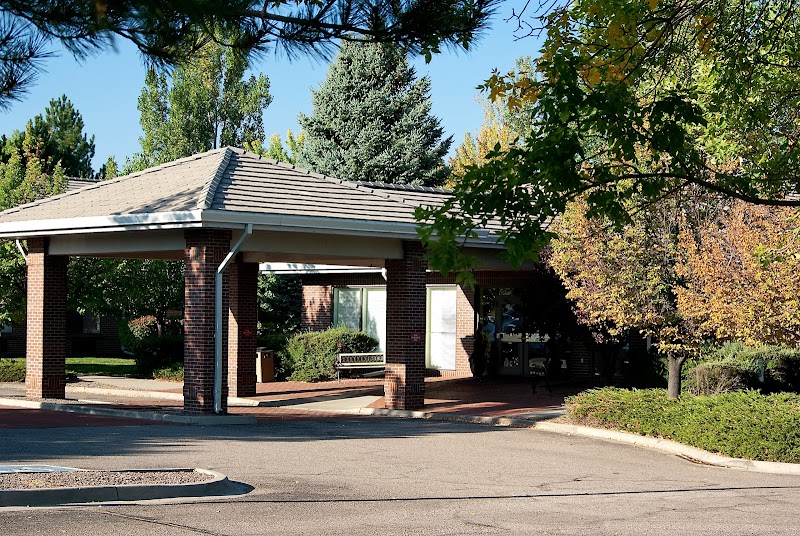
Who Owns and Operates Orchard Park Health?

ORCHARD PARK HEALTH CARE CENTER is owned by a for-profit company. For-profit facilities operate as businesses with obligations to shareholders or private owners. The facility is operated by CLEAR CHOICE HEALTHCARE, a chain that manages multiple nursing homes. With 133 certified beds and approximately 123 residents (about 92% occupancy), it is a mid-sized facility located in LITTLETON, Colorado.
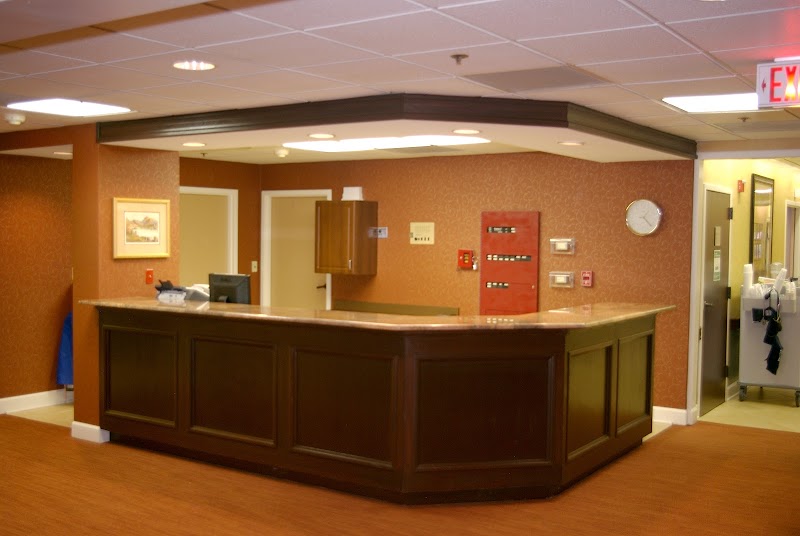
How Does Orchard Park Health Compare to Other Colorado Nursing Homes?

Compared to the 100 nursing homes in Colorado, ORCHARD PARK HEALTH CARE CENTER's overall rating (4 stars) is above the state average of 3.1, staff turnover (36%) is near the state average of 46%, and health inspection rating (4 stars) is above the national benchmark.

What Should Families Ask When Visiting Orchard Park Health?

Based on this facility's data, families visiting should ask: "Can I visit during a mealtime to observe dining assistance and food quality?" "How do you handle medical emergencies, and what is your hospital transfer rate?" "Can I speak with family members of current residents about their experience?"

Is Orchard Park Health Safe?

Based on CMS inspection data, ORCHARD PARK HEALTH CARE CENTER has a clean safety record: no substantiated abuse findings (meaning no confirmed cases of resident harm), no Immediate Jeopardy citations (the most serious violation level indicating risk of serious injury or death), and is not on the Special Focus Facility watch list (a federal program monitoring the lowest-performing 1% of nursing homes). The facility has a 4-star overall rating and ranks #1 of 100 nursing homes in Colorado. While no facility is perfect, families should still ask about staff-to-resident ratios and recent inspection results during their visit.

Do Nurses at Orchard Park Health Stick Around?

ORCHARD PARK HEALTH CARE CENTER has a staff turnover rate of 36%, which is about average for Colorado nursing homes (state average: 46%). Moderate turnover is common in nursing homes, but families should still ask about staff tenure and how the facility maintains care continuity when employees leave.

Was Orchard Park Health Ever Fined?

ORCHARD PARK HEALTH CARE CENTER has no federal fines on record. CMS issues fines when nursing homes fail to meet care standards or don't correct problems found during inspections. The absence of fines suggests the facility has either maintained compliance or corrected any issues before penalties were assessed. This is a positive indicator, though families should still review recent inspection reports for the full picture.

Is Orchard Park Health on Any Federal Watch List?

ORCHARD PARK HEALTH CARE CENTER is not on any federal watch list. The most significant is the Special Focus Facility (SFF) program, which identifies the bottom 1% of nursing homes nationally based on persistent, serious quality problems. Not being on this list means the facility has avoided the pattern of deficiencies that triggers enhanced federal oversight. This is a positive indicator, though families should still review the facility's inspection history directly.