MOUNTAIN VISTA HEALTH CENTER

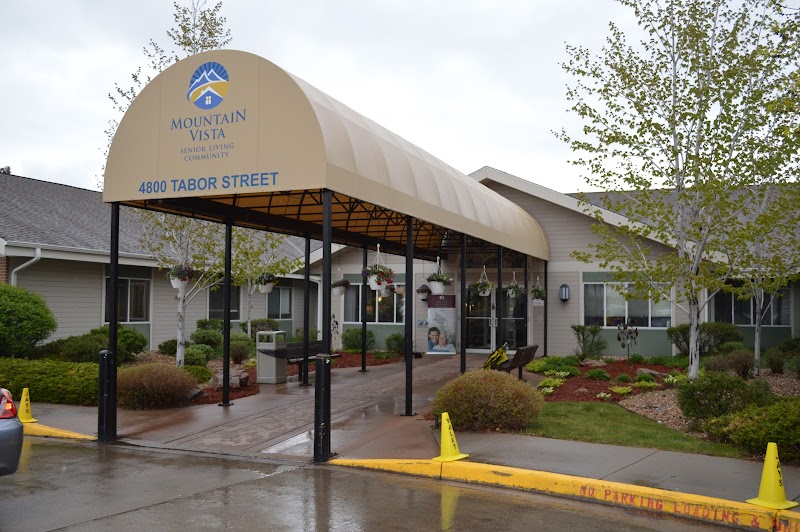
4800 TABOR ST, WHEAT RIDGE, CO 80033 (303) 421-4161
Non profit - Corporation 168 Beds AMERICAN BAPTIST HOMES OF THE MIDWEST Data: November 2025
Trust Grade
10/100
#159 of 208 in CO
Last Inspection: March 2024

Within standard 12-15 month inspection cycle. Federal law requires annual inspections.

Overview

Mountain Vista Health Center has received a Trust Grade of F, indicating significant concerns about the quality of care provided. Ranked #159 out of 208 facilities in Colorado places it in the bottom half, and at #18 of 23 in Jefferson County, it suggests there are better options nearby. While the facility is showing some improvement in its trend, reducing issues from 15 in 2024 to 7 in 2025, it still has serious problems, including three incidents that caused harm to residents. Staffing is a concern, as the turnover rate is 62%, which is higher than the state average, and there is less registered nurse coverage than 83% of other facilities in Colorado, potentially risking the quality of care. Specific incidents include a resident suffering a hematoma after a shower without a full assessment for additional injuries, and another resident losing significant weight due to inadequate nutritional monitoring and interventions, highlighting critical weaknesses despite having some strengths in quality measures.

Trust Score
F
10/100
In Colorado
#159/208
Bottom 24%
Safety Record
High Risk
Review needed
Inspections
Getting Better
15 → 7 violations
Staff Stability
⚠ Watch
62% turnover. Above average. Higher turnover means staff may not know residents' routines.
Penalties
✓ Good
$39,227 in fines. Lower than most Colorado facilities. Relatively clean record.
Skilled Nurses
○ Average
Each resident gets 40 minutes of Registered Nurse (RN) attention daily — about average for Colorado. RNs are the most trained staff who monitor for health changes.
Violations
⚠ Watch
37 deficiencies on record. Higher than average. Multiple issues found across inspections.
★★☆☆☆
2.0
Overall Rating
★★★☆☆
3.0
Staff Levels
★★★★★
5.0
Care Quality
★☆☆☆☆
1.0
Inspection Score
Stable
2024: 15 issues
2025: 7 issues

The Good

  • 5-Star Quality Measures · Strong clinical quality outcomes
  • Full Sprinkler Coverage · Fire safety systems throughout facility
  • No fines on record

Facility shows strength in quality measures, fire safety.

The Bad

2-Star Overall Rating

Below Colorado average (3.1)

Below average - review inspection findings carefully

Staff Turnover: 62%

16pts above Colorado avg (46%)

Frequent staff changes - ask about care continuity

Federal Fines: $39,227

Above median ($33,413)

Moderate penalties - review what triggered them

Chain: AMERICAN BAPTIST HOMES OF THE MIDWE

Part of a multi-facility chain

Ask about local staffing decisions and management

Staff turnover is elevated (62%)

14 points above Colorado average of 48%

The Ugly 37 deficiencies on record

3 actual harm
Jun 2025 1 deficiency
CONCERN (E) 📢 Someone Reported This

A family member, employee, or ombudsman was alarmed enough to file a formal complaint

Potential for Harm - no one hurt, but risky conditions existed

Food Safety (Tag F0812)

Could have caused harm · This affected multiple residents

Based on observations, record reviews, and interviews, the facility failed to properly prepare and store food and to maintain sanitary conditions in the main kitchen. Specifically, the facility failed...

Read full inspector narrative →
Based on observations, record reviews, and interviews, the facility failed to properly prepare and store food and to maintain sanitary conditions in the main kitchen. Specifically, the facility failed to: -Ensure the main kitchen was clean and sanitary; -Ensure damaged cans were disposed of; and, -Ensure food was labeled and dated. The findings include: I. Ensure the main kitchen was clean and sanitary A. Professional reference The Colorado Retail Food Establishment Regulations (3/14/24), retrieved on 6/18/25 read in pertinent part, Nonfood-contact surfaces shall be constructed of approved materials, in good repair, and be easily maintained in a clean and sanitary condition. Equipment food-contact surfaces and utensils shall be clean to sight and touch. Food contact surfaces of cooking equipment and pans shall be kept free of encrusted grease deposits and other solid accumulations. Nonfood-contact surfaces of equipment shall be kept free of an accumulation of dust, dirt, food residue, and other debris. (Chapter 4) Receptacles and waste handling units for refuse, recyclables, and returnables used with materials containing food residue and used outside the food establishment shall be designed and constructed to have tight-fitting lids, doors, or covers. (Chapter 5) B. Observations The initial main kitchen tour was conducted on 6/11/25 at 11:00 a.m and the following was observed: -The vents above the stove were greasy and dusty, there was a sticker on the vents that indicated they were serviced on 2/27/25; -There was a yellow puddle of an unidentifiable liquid under the shelf in the dry storage room; - The used aprons were stored next to clean glassware and dishes; -The shelves were covered with light, white dust and felt sticky upon touch; -There was a dark grey trashcan in the preparation area that had no lid and the outside of the trashcan was covered with unknown white splatters and dried on food; -The shelf under the preparation table had dried on food and it was greasy; -The radio, paper towel dispenser, waffle maker, food cart and the food processor had caked on food and were sticky to the touch; -The preparation sink tap was dripping and the sink was leaking underneath. There was a towel put under the sink to trap water; -The outside of the deep fat fryer was greasy and there was dried oil streaks on its side; -The reach-in drink refrigerator had different colored, dried splatters inside on the bottom; -The juice machine vents were sticky and covered in juice. The drip tray had stagnant and crusted liquid inside; -The coffee machine had dried on dark splatters on the sides and there was dried black crud in the corners of the machine; -There was a dark substance on the baseboard throughout the kitchen; -The drain by the ice machine had dirty, dark gunk dried on it; and, -The ice machine lid had fingerprints inside and it had calcified streaks on its side. C. Staff interviews The dietary manager (DM) was interviewed on 6/11/25 at 3:20 p.m. She said the staff cleaned the kitchen after meal preparations. The DM said the staff also had daily cleaning tasks to complete. She said the walk-in refrigerator was cleaned daily and all surfaces of the kitchen were wiped down. She said the staff deep cleaned the kitchen once a week, including the reach-in fridges. She said the deep cleaning included scrubbing the floor to get rid off the dark build up on the floor and baseboard. She said deep cleaning also included the deep fryer, drains, vents and all equipment. She said the vents were cleaned by an outside company every two months. She said she had no information on the dripping tap and sink. The dietary director (DD) was interviewed on 6/11/25 at 3:40 p.m. He said the facility lost their utility staff who was responsible for deep cleaning two months ago. He said the kitchen staff was doing deep cleaning now. He said they would start deep cleaning the kitchen right away. He said the vents were cleaned quarterly by an outside company. II. Ensure damaged cans were disposed of A. Professional reference The Colorado Retail Food Establishment Regulations (3/14/25), retrieved on 6/18/25, read in pertinent part, A food that is unsafe, adultered, or not honestly presented shall be discarded or reconditioned according to an approved procedure. (Chapter 3) Products that are held by the permit holder for credit, redemption, or return to the distributor, such as damaged, spoiled, or recalled products, shall be segregated and held in designated areas that are separated from food. (Chapter 6) B. Observations The kitchen was observed on 6/11/25 at 11.00 a.m and the following was observed on a shelf in the dry storage area: -Two unopened, dented cans of tuna; and, -One unopened, dented can of mushroom. C. Staff interviews The DM was interviewed on 6/11/25 at 3:20 p.m. She said the kitchen staff should have removed the dented cans to the side and then discard it. She said keeping the cans on the shelf was an improper food handling procedure. The DD was interviewed on 6/11/25 at 3:40 p.m. He said that staff should have removed the dented cans from the shelf and moved it to his office. He said the vendor did pick up dented cans and reimbursed the facility for it. III. Ensure food was labeled and dated A. Professional reference The Colorado Retail Food Establishment Regulations (3/14/24), retrieved on 6/18/25, read in pertinent part, Marking the date or day the original container is opened in a food establishment, with a procedure to discard the food on or before the last date or day by which the food must be consumed on the premises, sold, or discarded. Label information shall include the common name of the food. (Chapter 3) B. Observations The initial kitchen tour was conducted on 6/11/25 at 11:00 a.m. and the following was observed: -There was a round, white, plastic container in the dry storage that contained a dark brown food, the container was not labeled or dated; -There was a jar of opened jalapenos on the shelf in the walk-in refrigerator that was not labeled or dated; -There was an opened bag of pancake mix in the dry storage that was not labeled or dated;. -There was a plate of carrots in the walk-in refrigerator that was not labeled or dated; -There was a container of taco shells in the walk-in refrigerator that was not labeled or dated; -There was an opened package of pepperoni in the walk-in refrigerator that was not labeled or dated; and, -There was a tray of lettuce in the reach-in fridge in the preparation area, that was not labeled or dated. C. Staff interviews The DM was interviewed on 6/11/25 at 3:20 p.m. She said all produce should have a receiving date indicated on them. She said repackaged food should have a label. She said the label should indicate the name of the item and a date it was. She said all food items without a label should have been discarded by staff. She said nobody would know when to discard spoiled items without proper labeling. She said it was important to ensure food was labeled and dated correctly to prevent foodborne illnesses. She said spoiled food could attract pests to the kitchen. She said she would discard the unlabeled food.
Mar 2025 5 deficiencies
CONCERN (D) 📢 Someone Reported This

A family member, employee, or ombudsman was alarmed enough to file a formal complaint

Potential for Harm - no one hurt, but risky conditions existed

Resident Rights (Tag F0550)

Could have caused harm · This affected 1 resident

**NOTE- TERMS IN BRACKETS HAVE BEEN EDITED TO PROTECT CONFIDENTIALITY** Based on observation, record review and interviews, the facility failed to promote dignity and respect for one (#12) of three re...

Read full inspector narrative →
**NOTE- TERMS IN BRACKETS HAVE BEEN EDITED TO PROTECT CONFIDENTIALITY** Based on observation, record review and interviews, the facility failed to promote dignity and respect for one (#12) of three residents out of 14 total sample residents. Specifically, the facility failed to promote dignity and respect by sitting with the Resident #12 at the dining table and providing meal assistance in a dignified manner. Findings include: I. Facility policy and procedure The Activities of Daily Living (ADL's) policy and procedure, dated 2024, was provided by the corporate nurse consultant (CNC) on 3/25/25 at 12:28 p.m. It read in pertinent part, The facility will, based on the resident's comprehensive assessment and consistent with the resident's needs and choices, ensure a resident's abilities in ADLs do not deteriorate unless deterioration is unavoidable. Care and services will be provided for the following activities of daily living: eating to include meals and snacks . II. Resident #12 A. Resident status Resident #12, over the age of 65, admitted [DATE]. According to the March 2025, computerized physician orders (CPO), diagnosis included dementia with behavioral disturbance, protein-calorie malnutrition and bilateral cataracts. According to the 1/18/25 minimum data set (MDS) assessment, the resident was severely cognitively impaired and was unable to participate in the brief interview for the mental status (BIMS) assessment. Staff reported the resident had short and long-term memory problems with severely impaired daily decision-making skills and required daily cuing and supervision to make sound decisions. The resident was able to express her needs and had some ability to understand basic conversations. The MDS assessment indicated the resident needed set-up assistance. -However, the resident's medical record revealed the resident needed assistance with meals (see record review below). B. Observations During a continuous observation on 3/19/25, from 11:25 a.m. to 12:24 p.m., Resident #12 was observed at the lunch counter on the unit. The resident was served lunch and had eaten some of her meat but had not eaten anything else. Resident #12 sat not eating her meal for 45 minutes before certified nurse aide (CNA) #3 approached Resident #12 initially to pick up her tray. Without talking with the resident, CNA #3 started to spoon-feed the resident in a rushed manner. CNA #3 was standing in front of the resident and not talking to the resident as she assisted her to eat. After assisting the resident with a couple of bites of food, she called over CNA #4 to finish feeding the resident. CNA #4 approached the resident and sat beside her to finish feeding her. During a continuous observation on 3/20/25, from 11:15 a.m. to 11:43 p.m., Resident #12 was observed during lunch. CNA #3 approached Resident #12 from the front and started to spoon feed her in the same rushed manner as during the observation the day prior (see above). 3. Record review The resident's nutrition care plan, initiated 10/5/21, indicated the resident had a potential nutrition deficiency. Pertinent interventions included: continuing to encourage food and fluid for comfort, honoring the resident's food preferences, providing cueing and supervision during meal service (up to maximum assist on occasion), maintaining eye contact when assisting with meals, offering the resident utensils for self-feeding and offering the resident a meal alternative if she was not eating and informing the kitchen of what she wanted. The physician's assistant (PA) note, dated 2/26/25, documented: continue to assist Resident #12 with eating assistance and nutrition, as needed. The nutrition assessment, dated 1/15/25, documented Resident #12 was eating her meals in the assisted dining room with moderate to maximum assistance and was occasionally independent. The resident had weight gain over the last two quarters despite remaining underweight. Although the weight loss was not desirable, measures to combat weight loss in hospice residents might be ineffective. The staff continued to encourage foods and fluids as the resident desired for comfort. III. Staff interviews CNA #3 was interviewed on 3/20/25 at 11:22 a.m. CNA #3 said they delivered Resident #12's meal to her and let her eat as much independently as she was able. CNA #3 said once the staff noticed the resident stopped eating, they offered verbal prompts and then offered feeding assistance. CNA #3 said the staff should sit at the table with the resident and engage her in conversation about her meal to encourage food and drink intake. Licensed practical nurse (LPN) #2 was interviewed on 3/24/25 at approximatly 5:00 p.m. LPN #2 said when a resident needed feeding assistance, the staff needed to sit with them and encourage the resident to eat as much as possible independently. LPN #1 said the staff increased the level of assistance as needed so that the resident would get enough to eat. The director of nursing (DON) was interviewed on 3/20/25 at 3:55 p.m. The DON said staff should sit and communicate with the resident while assisting them to eat their meal.
CONCERN (D) 📢 Someone Reported This

A family member, employee, or ombudsman was alarmed enough to file a formal complaint

Potential for Harm - no one hurt, but risky conditions existed

Report Alleged Abuse (Tag F0609)

Could have caused harm · This affected 1 resident

**NOTE- TERMS IN BRACKETS HAVE BEEN EDITED TO PROTECT CONFIDENTIALITY** Based on record review and interviews, the facility failed to report alleged violations of potential abuse, neglect, exploitatio...

Read full inspector narrative →
**NOTE- TERMS IN BRACKETS HAVE BEEN EDITED TO PROTECT CONFIDENTIALITY** Based on record review and interviews, the facility failed to report alleged violations of potential abuse, neglect, exploitation or mistreatment and injuries of unknown origin to the state oversight agency in accordance with state laws for two of five alleged abuse violations. Specifically, the facility failed to: -Timely report an allegation of sexual abuse by Resident #6 towards Resident #4, Resident #5, Resident #2 and Resident #3 to the State Agency; and, -Report Resident #7's injury of unknown origin to the State Agency. Findings include: I. Facility policy and procedure The Abuse, Neglect, and Exploitation policy and procedure, dated October 2024, was received from the director of nursing (DON) on 3/19/25 at 12:45 p.m. It read in pertinent part, Abuse is defined as the willful infliction of injury with resulting physical harm, pain or mental anguish. Instances of abuse of all residents, irrespective of any mental or physical condition, cause physical harm, pain or mental anguish. Alleged violation is a situation or occurrence that is observed or reported by staff, residents, relatives, visitors, or others but has not yet been investigated and, if verified, could be an indication of noncompliance with the federal requirements related to abuse. Possible indicators of abuse include but are not limited to physical injury of a resident of unknown source. Sexual abuse is a non-consensual sexual contact of any type with a resident. The facility will develop and implement written policies and procedures that establish policies and procedures to investigate any such allegations. An immediate investigation is warranted when suspicion, or reports, of abuse occur. Reporting of all alleged violations to the administrator, State Agency, adult protective services and to all other required agencies within the specified timeframes. If the event that caused the allegation involves abuse or resulted in serious bodily injury or no later, report within two hours. If the event that caused the allegation does not involve abuse or result in serious bodily injury, report within 24 hours. II. Allegation of sexual abuse A. Facility investigation of sexual abuse on 2/23/25 The investigation report revealed the date of the incident was 2/23/25. The incident report documented on 2/24/25 at 6:30 a.m. a certified nurse aide (CNA) reported to the unit manager that Resident #6 exposed his genitals on two different occasions to several residents. Video footage was reviewed and confirmed his indecent exposure on three separate occasions. The incidents were on 2/21/25 at 6:52 p.m., on 2/23/25 at 11:26 a.m. and on 2/23/25 at 11:34 a.m. The alleged incident happened on 2/23/25 at 11:26 a.m, on the east unit in the kitchenette area, where he exposed his genitals to two female residents (Resident #4 and Resident #5). The second incident happened immediately after the first incident on 2/23/25, at 11:34 a.m. Resident #6 wheeled himself to the main dining room. He sat at the same table as two female residents (Resident #2 and Resident #3). He touched Resident #2's arm and then proceeded to expose his genitals. Resident #2 turned her head away from Resident #6. During the facility's investigation, the facility reviewed additional video footage. The facility reported on 2/21/25 at 6:52 p.m. Resident #2 sat at a table in the main dining room alone. Resident #6 wheeled himself to Resident #2's table. Resident #6 lifted his shirt and pulled his pants down. He made motions as if he was fondling himself in front of Resident #2. Resident #6 took Resident #2's hand and tried to place her hand in his genital region. Resident #2 pulled her hand back and Resident #6 grabbed her hand again and made a fondling movement with their hands together. The behavior was repeated several times for over 20 minutes. On two occasions, Resident #6 made motions to his mouth, then to Resident #2's mouth, and then Resident #6 pointed to his genitals in a manner indicating he wanted her to perform oral sex. -The facility did not report the incident until 2/24/25 at 6:53 p.m., which was over 24 hours after Resident #6 exposed his genitals to Resident #4, Resident #5, Resident #3 and Resident #2. B. Resident #6 - assailant 1. Resident status Resident #6, age greater than 65, was admitted on [DATE]. According to the March 2025 computerized physician orders (CPO), diagnoses included alcoholic cirrhosis of the liver with ascites (chronic liver disease caused by alcohol and fluid accumulates in the abdominal cavity), dementia, psychotic disturbance, mood disturbance and anxiety. The 2/14/25 minimum data set (MDS) assessment revealed the resident was cognitively intact with a brief interview for mental status (BIMS) assessment score of 12 out of 15. He was independent in eating, oral hygiene, toileting, showering and dressing. He used a manual wheelchair. C. Resident #4, Resident #5, Resident #2 and Resident #3 - victims 1. Resident #4 Resident #4, age greater than 65, was admitted on [DATE]. According to the March 2025 CPO, diagnoses included atherosclerotic heart disease, hypertension, contracture of muscle and peripheral vascular disease. The 1/12/25 MDS assessment revealed the resident was cognitively intact with a BIMS score of 13 out of 15. 2. Resident #5 Resident #5, age [AGE], was admitted on [DATE]. According to the March 2025 CPO, diagnoses included Alzheimer's disease, anxiety disorder, mood disturbance and anxiety disorder. The 1/12/25 MDS assessment revealed a BIMS assessment was not conducted because the resident was rarely or never understood. According to the staff assessment for mental status, the resident had short and long-term memory problems and her cognitive skills for daily decision making were severely impaired. 3. Resident #2 Resident #2, age [AGE], was admitted on [DATE]. According to the March 2025 CPO, diagnoses included dementia, psychotic disturbance, mood disturbance and anxiety. The 3/3/25 MDS assessment revealed a BIMS assessment was not conducted because the resident was rarely or never understood. According to the staff assessment for mental status, the resident had short and long term memory problems and her cognitive skills for daily decision making were severely impaired. 4. Resident #3 Resident #3, age greater than 65, was admitted on [DATE]. According to the March 2025 CPO, diagnoses included dementia, psychotic disturbance, anxiety disorder and mood disturbance. The 1/4/25 MDS assessment revealed the resident was cognitively impaired with a BIMS score of three out of 15. III. Injury of unknown origin A. Resident #7 B. Resident status Resident #7, age [AGE], was admitted on [DATE]. According to the March 2025 CPO, diagnoses included Alzheimer's disease, dementia with agitation, transient ischemic attack (small stroke), cerebral vascular disease (stroke) and depression. The 12/30/24 MDS assessment revealed a BIMS assessment was not conducted because the resident was rarely or never understood. According to the staff assessment for mental status, the resident had short and long term memory problems and her cognitive skills for daily decision making were severely impaired. She required maximum assistance with personal hygiene and showering. C. Resident's representative interview Resident #7's representative was interviewed on 3/20/25 at 11:09 a.m. The representative said he visited the resident frequently. He said when he visited Resident #7 on 3/1/25 he noticed her hand was swollen when he tried to hold her hand and she said ow. He said when he noticed her hand, he told the nurse to ask the doctor to take a look at her left hand. He said an x-ray was completed and she had a crack (fracture) in her hand. He said Resident #7 moved frequently throughout the unit in her wheelchair. He said she probably got her hand stuck in between the handrail and wall because he had seen her do that in the past. He said the facility did not say what they did to prevent the injury from happening again. B. Facility investigation of injury of unknown origin The investigation report revealed the date of the incident was 3/5/25. The investigation documented Resident #7 had a fracture of the third metacarpal (the third bone of the hand) on the left hand. The investigation documented that CNA #1 reported the resident went to bed between 7:30 p.m. or 8:00 p.m. CNA #1 said she checked on the resident at 9:00 p.m. because she heard a disturbance. The resident was sitting on the edge of the bed, trying to get out of bed. The resident's bedding was on the floor, the resident took off her brief and was in emotional distress. The investigation included the 3/7/25 provider progress note which revealed Resident #7 had edema to her fingers and the left dorsal (the back) aspect of hand. The x-ray on 3/5/25 revealed the resident had an acute (new) fracture involving the left third metacarpal with mild displacement. The resident was able to bend her finger and used her hand at baseline. She denied pain. The note documented options were discussed with the resident's representative, such as, buddy taping the fingers, an orthopedic consult, elevation and ice. The representative was understanding of the resident's dementia and her goals of care. The representative wished for comfort treatment only at that time and to continue to monitor. The investigation documented, based on the interviews the nurse manager had with the staff and based on the resident's impulsive movement, it was deemed that the fracture happened due to the resident hitting the wall or bed in her room, flailing her arms or any other type of sudden impulsive movement. -The facility was unable to provide documentation that the incident of unknown origin was reported to the State Agency. IV. Staff interview The director of nursing (DON) was interviewed on 3/20/25 at 3:57 p.m. The DON said she was the acting abuse coordinator. She said she did not know Resident #7's representative told the unit nurse about the swelling on 3/1/25. She said she did not know the nurse on 3/2/25 noticed swelling on Resident #7's left hand and the nurse did not report the swelling promptly. The DON said the nurse should have followed the injury of unknown source protocol. The DON said the protocol included completing a skin assessment, asking the other staff on the unit what happened and notifying the physician, abuse coordinator and the family. The DON said she did not report the injury because the resident had a history of hitting the walls. Licensed practical nurse (LPN) #2 was interviewed on 3/24/25 at 6:02 p.m. LPN #2 said if a resident had an injury, he would assess the injury and talk with the resident and staff to determine what happened. He said he would report the injury to the resident's physician and the nurse supervisor for further assessment and treatment recommendations. He said if the cause of the injury could be determined, it would be reported to facility leadership for an immediate investigation. LPN #2 said incidents involving abuse were to be reported immediately to the nursing home administrator (NHA) and the DON for investigation. He said if he observed an allegation of abuse, he was responsible for implementing an immediate intervention to protect the resident from further harm. The interim nursing home administrator (INHA) and the clinical nurse consultant (CNC) were interviewed together on 3/24/25 at 5:10 p.m. The INHA said she was the abuse coordinator as of today (3/24/25). She said the staff had two hours to report possible abuse to the abuse coordinator. The INHA said if a resident had an injury of unknown origin, the injury should be reported as possible abuse. She said when there was an injury of unknown origin, a risk management incident was completed, to include an investigation of interviewing staff, residents and family. The CNC said the nurse who noticed the swelling on 3/2/25 should have notified the physician and the abuse coordinator on 3/2/25.
CONCERN (D) 📢 Someone Reported This

A family member, employee, or ombudsman was alarmed enough to file a formal complaint

Potential for Harm - no one hurt, but risky conditions existed

Deficiency F0658 (Tag F0658)

Could have caused harm · This affected 1 resident

**NOTE- TERMS IN BRACKETS HAVE BEEN EDITED TO PROTECT CONFIDENTIALITY** Based on record review and interviews, the facility failed to ensure one (#1) of two residents out of five sample residents rece...

Read full inspector narrative →
**NOTE- TERMS IN BRACKETS HAVE BEEN EDITED TO PROTECT CONFIDENTIALITY** Based on record review and interviews, the facility failed to ensure one (#1) of two residents out of five sample residents received treatment and care for optimal skin condition of a pressure wound and injury of unknown origin, in accordance with professional standards of practice. Specifically, the facility failed to: -Develop a care plan for treating Resident #1's moisture-associated skin damage (MASD) and preventing pressure injury due to immobility; -Reassess alternative methods of providing Resident #1's pressure-relieving interventions when the resident refused offers to be repositioned; and, -Reassess treatment methods and implement alternative interventions when Resident #1 developed a skin tear and his MASD worsened. Findings include: I. Professional reference According to Wound UK, volume 13, Number 4, 2019, Back to Basics: Understanding Moisture-Associated Skin Damage, retrieved online 4/4/25 from: chrome-extension://efaidnbmnnnibpcajpcglclefindmkaj/https://www.wwic.[NAME]/uploads/files/documents/Professionals/New%20Articles/MASD.pdf Moisture-associated skin damage (MASD) is the umbrella term for four clinical manifestations, namely incontinence-associated dermatitis (IAD), intertriginous (skin folds) dermatitis (ITD), periwound moisture-associated dermatitis and peristomal moisture-associated dermatitis. Excess moisture and the associated chemical irritants cause MASD. The difference between the four conditions is the type of moisture that induces the skin damage. Urine and faeces cause IAD, and ITD is caused by perspiration. IAD is a form of contact dermatitis. The substances responsible for causing IAD are urine and/or feces. Feces contain enzymes that damage the stratum corneum (outer layer of skin). Liquid feces causes more damage than solid feces as the enzymes are more destructive in the liquid form. The enzymes in feces also exacerbate the effects of urine on the skin, hence, incontinence of urine and feces is more damaging to the skin than either type of incontinence on its own. Skin damage is normally found in the perianal area, although it can extend further depending on the degree of the incontinence and speed with which the contaminants are removed from the skin. According to the All [NAME] Tissue Viability Nurse Forum, Best Practice Statement on the Prevention and Management of Moisture Lesions, September 2023, retrieved online 4/4/25 from:chrome-extension://efaidnbmnnnibpcajpcglclefindmkaj/https://www.wwic.[NAME]/uploads/files/documents/Professionals/Clinical%20Partners/AWTVNF/All_Wales-Moisture_Lesions_final_final.pdf To address the issues associated with the development of moisture lesions and the unacceptable consequence of inadequate continence care, the individual's skin and continence status should be assessed regularly. Early recognition and use of appropriate interventions can prevent moisture lesions from occurring in the first place. Skin should be cleansed after each episode of incontinence using pH-friendly skin cleaners and avoiding traditional soap and water, which can strip the skin. A barrier product should be used to protect vulnerable skin from contact with urine and feces. Appropriate devices to divert incontinence should be considered in patients at high risk of developing moisture lesions. Although the treatment for pressure ulcers and moisture lesions is different, patients with moisture-associated skin damage still require pressure relief. This is because the presence of moisture increases the risk of pressure damage occurring. Individuals with incontinence may also have problems with mobility and, as a result, be at risk of developing pressure ulcers as well as moisture lesions. Consequently, when inspecting an individual's skin, it may be difficult to tell if the damage to the skin is caused by moisture alone or moisture in combination with pressure. If the skin is subjected to moisture and pressure, then the treatment strategy will have to overcome both of these insults to the skin. Therefore, along with guidance on how to prevent and manage moisture on the skin, pressure relief will be an important part of care for the individual. Repositioning together with the use of pressure-relieving equipment are the main methods of preventing pressure damage caused by extended periods of localized pressure on the skin. The use of repositioning should be considered in all at-risk individuals as a prevention strategy and should be undertaken to reduce the duration and magnitude of pressure over vulnerable areas of the body. The repositioning schedule should take into account the daily activities of the individual, their ability to tolerate pressure when in the seated and lying positions and the support surfaces in use. If a moisture lesion does not respond to interventions to minimize the effects of moisture alone, then the clinician should consider whether pressure is contributing to the damage and introduce repositioning and pressure relief into the individual's care. II. Facility policy and procedure The Pressure Injury Prevention Guidelines policy, dated 2024, was provided by the corporate nurse consultant (CNC) on 3/25/25 at 1:00 p.m. It read in pertinent part, To prevent the formation of avoidable pressure injuries and to promote healing of existing pressure injuries, it is the policy of this facility to implement evidence-based interventions for all residents who are assessed at risk or who have a pressure injury present. Policy Explanation and Compliance Guidelines: Individualized interventions will address specific factors identified in the resident's risk assessment, skin assessment, and any pressure injury assessment (moisture management, impaired mobility, nutritional deficit, staging, wound characteristics). The goal and preferences of the resident and/or authorized representative will be included in the plan of care. The Skin Assessment policy, dated 2024, was provided by the CNC on 3/25/25 at 1:00 p.m. It read in pertinent part, A full body, or head to toe, skin assessment will be conducted by a licensed or registered nurse upon admission/re-admission, daily for three days, and weekly thereafter. The assessment may also be performed after a change of condition or after any newly identified pressure injury. III. Resident #1 A. Resident status Resident #1, age [AGE], was admitted on [DATE] and discharged [DATE]. According to the February 2025 computerized physician's orders (CPO) diagnosis included Parkinson's disease (a disease that causes tremors), diabetes and protein deficiency. The 2/2/25 minimum data set (MDS) assessment documented the resident was cognitively intact with a brief interview for mental status (BIMS) score of 15 out of 15. The resident needed substantial to maximal assistance with bed mobility (helper does more than half the effort; and the helper lifts or holds the trunk or limbs and provides more than half the effort). The resident was dependent on staff for all transfers and position changes. The MDS assessment documented that the resident did not have any pressure injury and was not at risk for pressure injury. -However, the resident's electronic medical record (EMR) documented that the resident had MASD upon admission. B. Resident#1's representative interview Resident #1's representative was interviewed on 3/13/25 at approximately 10:00 a.m. The representative said Resident #1 did not have any open pressure injuries upon admission to the facility, but soon after admission, developed an open pressure wound that continued to worsen. The resident's representative said she did not believe that the facility was treating the resident's pressure injury properly and removed the resident from the facility after suspecting that the wound had become infected. The representative said she had the resident sent to the hospital, where the resident received treatment for a stage 3 pressure wound with a suspected infection. C. Record review The resident's comprehensive care plan initiated 1/28/25 failed to document a care focus for treating the resident MASD or potential for pressure injury. Hospital discharge records, dated 1/28/25 and the 1/28/25 facility admission assessment, documented that the resident was admitted to the facility with MASD to the coccyx (base of the tailbone). The admission assessment, dated 1/28/25, revealed that the facility nursing staff assessed the resident's wound within hours of the resident's admission. The MASD measured 11 centimeters (cm) by 10 cm with no measurable depth. The wound was reddened with no open areas. The resident needed assistance with frequent repositioning as well and a pressure-reducing device was placed on the resident's bed and wheelchair. The initial skin assessment, dated 1/29/25, the resident's skin was reassessed within 24 hours of the first assessment by nursing. The nurse documented the resident had MASD on the lower coccyx region with no changes in measurement or condition. The nursing staff continued to monitor, assess and treat the resident's MASD. The skin evaluation note, dated 2/4/25, revealed the resident was assessed for a new skin issue. The nursing staff documentation revealed the resident had a skin tear with no skin loss on the coccyx at the site where MASD existed. There was no sign of infection; however, the resident expressed he had burning pain at the wound site. The note documented the resident had redness to the coccyx and a skin tear down the medial aspect of the intergluteal cleft (the groove between the buttocks). Up to this time, the resident's MASD was being treated with barrier cream and he was being encouraged to participate in frequent turning and repositioning. -There was no assessed measurement for the initial discovery of the resident's skin tear and no indication of what might have caused the skin tear. The nurse practitioner's note, dated 2/6/25, documented the resident was seen for new skin breakdown that was observed as excoriation with a small open area to the coccyx. The note revealed the resident had been refusing to turn and reposition and said it was too hard to be on him due to his Parkinson's diagnosis. The nurse practitioner recommended that the facility consider providing the resident an air mattress to help offload pressure on the resident's coccyx area. The wound care note, dated 2/6/25, documented the resident presented for a follow-up for their wound and an evaluation of MASD on the sacrum/coccyx. The note documented modifying factors included aging and impaired mobility. The MASD wound measured 2.5 cm in length by 0.3 cm in width with no measurable depth. The resident had no pain at the time of the exam. The wound bed had 100% epithelialization (development of new tissue). The periwound (skin surrounding the wound) skin texture was normal. The periwound skin moisture and color were normal. The 2/6/25 wound note also documented the resident's wheelchair cushion was evaluated and the treatment orders provided included: Cleanse and protect the wound; apply Triad cream twice a day (specialized wound care ointment to promote healing); monitor for signs and symptoms of infection; apply moisturizing cream twice a day for dry skin; and provide calorie and protein supplements per registered dietician, as needed to promote wound healing. -The wound care note failed to show evidence that the physician assessed the appropriateness of the resident's mattress for proper pressure relief. The skin evaluation note, dated 2/7/25, documented that the resident's wounds had not been assessed but included measurements of the resident's coccyx wound being 11 cm by 10 cm with no depth and no pain. -These measurements were inconsistent with the wound care specialist note dated 2/6/25 as well as the nurse practitioner notes dated 2/6/25 which revealed they had assessed the resident wound with different results (see above) The nurse practitioner's note, dated 2/7/25, documented the resident was seen in bed. The NP observed the excoriation and the resident had a small open area on the coccyx area. Barrier cream (Triad) was applied to the area. The resident had requested lidocaine ointment (a topical pain relief medication) for gluteal breakdown pain. A new order was entered for lidocaine topical cream -apply a small amount to the affected area once a day for pain to the superior gluteal fold. The nursing note, dated 2/9/25, documented lidocaine 2% external gel was applied to the coccyx for pain at the site of skin breakdown. The CNA alerted the nurse that the coccyx and buttocks seemed to have increased redness. A skin assessment was done. It was suspected that the resident had an adverse reaction to lidocaine. It was reported to the on-call provider and the lidocaine was discontinued. The nurse practitioner note, dated 2/12/25, documented the resident was assessed for skin breakdown. The resident continued to refuse repositioning but was encouraged to reposition. The resident now has an alternating pressure mattress for coccyx excoriation/breakdown. The note documented the resident had skin breakdown to the gluteal fold with peripheral erythema upon admission, however the breakdown had worsened related to the skin's continued exposure to moisture. It was recommended for the wound care team to evaluate. Nursing was to continue to apply barrier cream to the resident wound twice a day, however the resident was resistant to being moved for skin care. -It took the facility approximately 14 days to place an alternating pressure mattress on the resident's bed despite his wound worsening and refusing turning and repositioning for pressure relief and wound care. The wound care note, dated 2/13/25, documented the resident's coccyx wound was deteriorating. It measured 3 cm length by 0.4 cm width by 0.1 cm depth with a moderate amount of serous drainage (yellowish fluid that is thicker than water). New treatment orders included daily application of calcium alginate (an absorbent dressing that preserves proper moisture level) with a bordered dressing to keep the wound protected. An alternating pressure mattress in place. The wound care note, dated 2/18/25, documented the resident's wound was not healed but was improving. The wound measured 2.0 cm length by 0.4 cm width by 0.1 cm depth. Assessment: Healing is expected to be delayed due to identified factors, including impaired mobility, inevitable effects of aging, and non-compliance. The physician note, dated 2/18/25, documented the resident's buttock/gluteal wound was assessed today, peripherally expanded, with increased central breakdown. The wound was exacerbated by the resident's urinary incontinence, refusal to allow staff to change him after incontinent episodes or provide repositioning assistance to prompt offloading of pressure points of the coccyx at the wound site. The resident said he was unable to use the urinal and could not control voiding at times. The nursing note, dated 2/22/25, documented the CNA was trying to reposition the resident on his side to offload pressure on his coccyx. The resident refused and said he did not ever need to be on his side. The nursing note, dated 2/23/25, documented the resident had a coccyx wound that did not seem to be getting better. The note documented a message was left for the on-call nursing supervisor and wound care nurse. The wound care nurse said she would follow up with the physician in the morning. The family was concerned that the resident's wound was infected and requested that the resident be transported to the hospital for further assessment. IV. Staff interviews Licensed practical nurse (LPN) #2 was interviewed on 2/24/25 at 5:35 p.m. LPN #2 said residents who were bed-bound or in bed a lot and were at risk for pressure injury should be repositioned every two hours to relieve pressure and promote healing. LPN #2 said residents who refused this type of intervention could benefit from an alternating air mattress. LPN #2 said the air mattress would continuously inflate and slightly deflate the air pressure to offload continuous pressure on one point of the body and promote some circulation throughout the body. The director of nursing (DON) was interviewed on 3/20/25 at 2:15 p.m. The DON said Resident #1 was resistant to the care that was recommended to treat his MASD, despite providing the resident education to reposition. The DON said the wound specialist and the nurse practitioner (NP) were monitoring his skin and other health needs. She said he was also being followed by therapy and nursing. The DON said the resident had a standard pressure-relieving mattress but also needed to be willing to reposition. She said, despite his refusal to reposition and accept wound care on a routine basis, the staff were expected to continue to offer him repositioning as that was most important for pressure relief and healing.
CONCERN (D) 📢 Someone Reported This

A family member, employee, or ombudsman was alarmed enough to file a formal complaint

Potential for Harm - no one hurt, but risky conditions existed

Deficiency F0744 (Tag F0744)

Could have caused harm · This affected 1 resident

**NOTE- TERMS IN BRACKETS HAVE BEEN EDITED TO PROTECT CONFIDENTIALITY** Based on observations, record review, and interviews, the facility failed to ensure a resident who displayed or was diagnosed wi...

Read full inspector narrative →
**NOTE- TERMS IN BRACKETS HAVE BEEN EDITED TO PROTECT CONFIDENTIALITY** Based on observations, record review, and interviews, the facility failed to ensure a resident who displayed or was diagnosed with dementia received the appropriate treatment and services to attain or maintain his or her highest practical physical, mental, and psychosocial well-being for two (#7 and #14) of three residents reviewed for dementia care out of 14 sample residents. Specifically, the facility failed to develop and implement effective dementia management-focused interventions to prevent Resident #7 and Resident #14 from wandering into other residents' rooms. Findings include: I. Facility policy and procedure The Dementia Care policy and procedure, undated, was provided by the clinical nurse consultant (CNC) on 3/25/25 at 4:31 p.m It read in pertinent part, It is the policy of this facility to provide the appropriate treatment and services to every resident who displays signs of, or is diagnosed with dementia, to meet his or her highest practicable physical, mental, and psychosocial well-being. The facility will assess, develop, and implement care plans through an interdisciplinary team (IDT) approach that includes the resident, their family, and/or resident representative, to the extent possible. Care and services will be person-centered and reflect each resident's individual goals while maximizing the resident's dignity, autonomy, privacy, socialization, independence, choice, and safety. II. Resident #7 A. Resident status Resident #7, age [AGE], was admitted on [DATE]. According to the March 2025 computerized physician orders (CPO), diagnoses included Alzheimer's disease, dementia with agitation, transient ischemic attack (heart attack), cerebral vascular disease (stroke) and depression. The 12/30/24 minimum data set (MDS) assessment revealed a brief interview for mental status (BIMS) assessment was not conducted because the resident was rarely or never understood. According to the staff assessment for mental status, the resident had short and long term memory problems and her cognitive skills for daily decision making were severely impaired. She required maximum assistance with personal hygiene and showering. The assessment revealed the resident wandered on one to three days during the seven day assessment look-back period. -The assessment did not reveal if the resident's wandering placed the resident at significant risk of getting to a potentially dangerous place or intruded on the privacy of others. B. Resident's representative interview Resident #7's representative was interviewed on 3/20/25 at 11:09 a.m. The representative said he visited the resident frequently. He said Resident #7 was initially on a non-secured unit at the facility. He said Resident #7 wandered into another resident's room and did not give the other resident privacy. He said the facility suggested the resident move to the secured unit because the facility was concerned the resident could leave the facility or wander into areas she did not know where she was. The representative said Resident #7 wandered in the secure unit. C. Resident observations During a continuous observation on 3/2025, beginning at 12:51 p.m. and ending at 1:46 p.m., the following observations were made: On the north side of the unit, four out of the eight residents' room doors were open. On the south side of the unit, one out of the six residents' room doors was open. At 12:51 p.m. Resident #7 was in the dining area in her wheelchair in front of a dining table. Resident #7 was surrounded by other residents who sat at the communal dining table. From 12:51 p.m. to 1:08 p.m. Resident #7 used her right hand to brush back and forth in a repetitive motion on top of the dining table. She did not have any activities to engage her. From 1:04 p.m. to 1:19 p.m., an unidentified staff member arrived at the unit. The unidentified staff member offered activities to the residents at the communal dining table. The activities included a utensil organization activity, a laundry sorting activity and a coloring activity. Each activity was offered to several residents at the communal dining table. -However, staff did not offer any of the activities to Resident #7. At 1:36 p.m., licensed practical nurse (LPN) #1 closed the open doors on the north side of the unit. During a continuous observation on 3/24/25, beginning at 10:05 a.m. and ending at 11:36 a.m., the following observations were made: On the north side of the unit, six out of the eight residents' room doors were open. On the south side of the unit, four out of the six residents' room doors were open. At 10:11 a.m. Resident #7 went into the first room on the north side of the unit. At 10:15 a.m., LPN #2 redirected Resident #7 out of the room. At 10:20 a.m., LPN #2 offered coloring to the residents sitting at the communal dining table. -However, she did not attempt to engage Resident #7 in the coloring activity. From 10:15 a.m. to 10:34 a.m. Resident #7 continued to wander in and out of the first room on the north side of the unit. At 10:38 a.m., LPN #2 closed the door to room [ROOM NUMBER]. At 10:46 a.m, LPN #2 asked Resident #7 if she wanted to listen to a guitarist. LPN #2 pushed Resident #7 down to the area where a guitarist was setting up to perform. At 10:54 a.m. LPN #2 and CNA #1 took Resident #7 to her room for toileting care. At 11:02 a.m. Resident #7 was taken back to listen to the guitarist. She listened to the guitarist with her eyes closed off and on. At 11:35 a.m. LPN #2 escorted Resident #7 to the communal dining table for lunch. -During the continuous observation, LPN #2 did not attempt to offer coloring to Resident #7 and did not attempt to redirect Resident #7 out of the first room on the north side of the unit after 10:15 a.m. D. Record review Review of Resident #7's wandering care plan, revised 3/21/25, revealed the resident was at risk for wandering due to dementia and anxiety. The behavior could be triggered in the afternoon after her family left the facility. Interventions included encouraging the resident to attend activities in the morning, ensuring the area was safe, addressing wandering by walking with the resident, redirecting the resident away from inappropriate areas, offering ice cream, sitting with the resident, closing the doors of other resident's rooms and administering and monitoring the effectiveness and side effects of medications ordered. The 2/15/25 nurse progress note revealed Resident #7 wandered into another resident's room and was slightly tearful and restless but she was unable to express what was distressing her. The behavior decreased after the certified nurse aide (CNA) changed her brief. The 2/16/25 nurse progress note revealed the resident was tearful and wandered up and down the unit. The resident talked to the nurse or other residents for a while. The resident sobbed but was unable to verbalize what was bothering her or how she could be helped. The resident did not have severe agitation like yesterday (2/15/25) when the resident pushed tables, ran into residents, and knocked things down. Soft redirections were mildly effective. The resident was able to sit at the table for dinner. The 2/18/25 nurse progress note revealed Resident #7 was wandering through the unit in a wheelchair very quickly. The resident cried out, showing signs and symptoms of anxiety. The resident was inconsolable, stated she was tired and refused to lie down. The resident displayed this similar pattern daily after lunch until about 2:00 p.m. The 2/21/25 nurse progress note revealed Resident #7 was wandering the unit in a wheelchair, crying, and said she needed to go to the library. The resident attempted several times to push the door open. The resident was tearful. The resident was able to be redirected for only ten minutes at a time. The resident was offered food, fluid, folding clothes and washing tables. The resident returned to being inconsolable. The 2/28/25 nurse progress note revealed the resident wandered throughout the unit in a wheelchair. The 3/1/25 nurse progress note revealed Resident #7 had a weary expression and was tearful and wandering. The resident could not explain why she was distressed. The resident did not respond to attempts to redirect or distract. The resident was allowed to wander and given tissues when weepy. When dinner arrived, the resident was able to be redirected and ate and drank well. The 3/3/25 nurse progress note revealed the resident was exit seeking and wandering in a wheelchair. The resident was inconsolable with tears, attempting to stand by herself. The resident was able to be redirected for short periods of time. The resident was changed, offered fluid and food, and one-on-one time. The interventions worked intermittently to redirect the resident but the behavior returned. The 3/7/25 nurse progress note revealed Resident #7 was tearful, worried and wandered the unit up and down the hallway in a wheelchair. The resident was able to be redirected for short periods with fluid, food and one-on-one attention. The resident was not aware of other's space, ran over other residents' feet and toes and into their wheelchairs. The 3/9/25 nurse progress note revealed the resident started restless wandering in the afternoon, which was a common behavior for the resident. The 3/14/25 nurse progress note revealed Resident #7 was kept safe when wandering by keeping doors closed and the resident within line of sight. The 3/15/25 nurse progress note revealed the resident wandered in her wheelchair with a distressed look on her face and was tearful. She was unable to coherently verbalize what was bothering her. The resident had a pattern of tearful and distressed behavior almost every day between the hours of 12:30 p.m. to 4:30 p.m. Staff was generally unable to provide comfort, distraction or redirection. Toileting would occasionally calm her behavior but not consistently. -Review of Resident #7's progress notes revealed there was no consistent documentation regarding what interventions were used and which interventions were effective when the resident's wandering was observed. The behavior monitoring and intervention task record revealed Resident #7 was known to have anxiety after her family visited. She was known to respond well to a serving of ice cream after family visits. The resident responded well to sensory activities. The resident responded well to weighted blankets around her shoulders. If the other residents' room doors were closed, Resident #7 did not wander as much and did not try to leave the unit. -There was no documentation in the behavior task record from 3/1/25 to 3/24/25 to indicate if wandering was observed, if interventions were used, and if the interventions were effective. III. Resident #14 A. Resident status Resident #14, age greater than 65, was admitted on [DATE]. According to the March 2025 CPO, diagnoses included Alzheimer's disease, dementia with agitation and anxiety disorder. The 1/4/25 MDS assessment revealed a BIMS assessment was not conducted because the resident was rarely or never understood. According to the staff assessment for mental status, the resident had short and long term memory problems and his cognitive skills for daily decision making were severely impaired. He required supervision for oral hygiene and moderate to substantial assistance with dressing, personal hygiene, toileting and showering The assessment revealed the resident wandered daily during the seven day assessment look-back period. -The assessment did not reveal if the resident's wandering placed the resident at significant risk of getting to a potentially dangerous place or intruded on the privacy of others. B. Resident observations During a continuous observation on 3/24/25, beginning at 10:05 a.m. and ending at 11:36 a.m., the following observations were made: On the north side of the unit, six out of the eight residents' room doors were open. On the south side of the unit, four out of the six residents' room doors were open. At 10:12 a.m. Resident #14 went into room [ROOM NUMBER]. He sat off and on the first bed and held the bed's remote control in his hand. At 10:18 a.m., Resident #14 looked through room [ROOM NUMBER]'s window and played with the vertical blinds on the window. -No staff observed Resident #14 in room [ROOM NUMBER] playing with the vertical window blinds of the bed controller. At 10:20 a.m., LPN #2 offered coloring to the residents sitting at the communal dining table. -However, LPN #2 did not attempt to redirect Resident #14 out of room [ROOM NUMBER] to participate in the coloring activity. At 10:21 a.m. Resident #14 left room [ROOM NUMBER] with one of the window blind slats in his hand (an individual strip once combined with others makes a window blind). He walked to the nurse's station and left the window blind slat at the nurse's station. At 10:33 a.m. Resident #14 walked in and out of the second-to-last room on the south side of the unit. At 10:34 a.m. Resident #14 walked in and out of room [ROOM NUMBER]. At 10:38 a.m. LPN #2 closed the door to room [ROOM NUMBER]. At 10:50 a.m. Resident #14 sat on the couch where the guitarist was setting up to perform. He sat on the couch and listened to the with his eyes closed. At 11:27 a.m. Resident #14 joined the other residents at the communal dining table for lunch. -During the continuous observation of Resident #14, LPN #2 did not attempt to offer coloring to the resident, did not redirect Resident #14 out of room [ROOM NUMBER]and did not ask Resident #14 if he wanted to listen to the guitarist. C. Record review Review of Resident #14's behavior care plan, revised 7/4/24, revealed the resident wandered. The interventions included eliciting family input for the best appropriate approaches. The 2/13/25 social services note revealed Resident #14 pushed on the door trying to leave the unit after a visitor left the unit. The resident was easily redirectable. The 2/14/25 nurse progress note revealed the resident attempted to push, pull and shove doors open on the unit to the outside hallway and outside patio. The 2/18/25 nurse progress note revealed Resident #14 pushed on doors with his hands and used his hands to push against the door. The 2/25/25 nurse progress note revealed the resident pushed and pulled on doors and was able to be redirected with snacks. The 3/3/25 nurse progress note revealed Resident #14 wandered the unit and pushed and pulled on doors. The 3/7/25 nurse progress note revealed the resident pushed and pulled on doors to the outside and was exit-seeking consistently throughout the day. The 3/11/25 nurse progress note revealed Resident #14 pushed and pulled on doors, wandered the unit and checked doors. The 3/14/25 nurse progress note revealed the resident pushed and pulled on doors, wandered to multiple doors, trying them over and over. The 3/18/25 nurse progress note revealed Resident #14 pushed and pulled on doors and wandered up and down the unit, trying each door. -Review of Resident #14's progress notes revealed there was no consistent documentation regarding what interventions were used and which interventions were effective when the resident's wandering was observed. Review of Resident #14's behavior monitoring and intervention task record revealed the resident had wandering behaviors and had exit-seeking behaviors. -There was no documentation in the behavior task record from 3/1/25 to 3/24/25 to indicate if wandering was observed, if interventions were used and if the interventions were effective. IV. Staff interviews LPN #2 was interviewed on 3/24/25 at 2:50 p.m. LPN #2 said she worked mostly in another unit. She said if a resident wandered, she kept an eye on the resident, tried to keep the resident out of other residents' rooms and provided activities to the resident. She said it was important to have interventions for residents who wandered because it helped the residents stay out of other residents' rooms and provided the residents with a purpose. She said one intervention was keeping the resident rooms' doors closed. She said it was an intervention because it prevented one resident from going through another resident's belongings. She said residents who wandered could take another resident's belongings and the items went missing. LPN #2 said she knew if a resident was a wanderer through verbal shift change reports, looking at the resident's care plan, utilizing the [NAME] (an abbreviated care plan) and reading report sheets. LPN #2 said she did not document every time a resident wandered into the unit. She said she documented if the resident went into other residents' rooms and if the resident exhibited anxiety or agitation when they wandered. She said she documented her observations as a progress note. LPN #2 said she was familiar with Resident #7. She said night shift staff reported to her that Resident #7 wandered at night and offering ice cream was an effective intervention. LPN #2 said she did not know Resident #14 very well. She said he was wandering today (3/24/25). She said he sat down and watched television after lunch and that helped him not to wander. The CNC was interviewed on 3/24/25 at 5:10 p.m. The CNC said if staff saw a resident wandering into another resident's room, the staff should redirect the resident who was wandering out of the room. She said it was important to redirect the resident because the resident did not have the right to go into another resident's room without an invitation. She said interventions for residents were person-centered and included keeping other residents' doors closed if they were in the communal area, offering activities, walking with the resident and redirecting the resident. She said interventions were important because they kept the resident from going into other residents' rooms. The CNC said nursing knew if a resident wandered during their orientation period and by looking at the resident's care plan and the [NAME]. The CNC said if the resident was in the secured unit, there was a level of wandering for all residents who lived in the unit. She said staff also knew if a resident wandered by reviewing a 24-hour report and when they received a verbal report from the previous shift nurse. She said if the resident exhibited new wandering or if the resident went into another resident's room, the nurse should document it as a progress note. The CNC said the interdisciplinary team (IDT) discussed residents' wandering behaviors in order to develop a person-centered intervention for residents. She said she was not familiar with Resident #7. She said she did not know the residents' room doors were left open on the secure unit, and she did not know activities were not offered to Resident #7. She said she was not familiar with Resident #14. She said the staff should have redirected Resident #14 when he was in other residents' rooms. She said the facility was working on additional dementia training in the future for the nursing staff.
CONCERN (F) 📢 Someone Reported This

A family member, employee, or ombudsman was alarmed enough to file a formal complaint

Potential for Harm - no one hurt, but risky conditions existed

Administration (Tag F0835)

Could have caused harm · This affected most or all residents

Based on record review and interviews, the facility failed to ensure facility resources were administered in a manner that allowed its resources to be used effectively and efficiently to attain or mai...

Read full inspector narrative →
Based on record review and interviews, the facility failed to ensure facility resources were administered in a manner that allowed its resources to be used effectively and efficiently to attain or maintain the highest practicable physical, mental, and psychosocial well-being of each resident in the facility. Specifically, the facility failed to: -Provide sufficient leadership to address and or avoid multiple concerns; -Prevent, report and fully investigate allegations of abuse timely to provide immediate protections to residents at risk of being victimized and re-victimized; -Report an injury of unknown origin in a timely manner so that an accurate timeline of events could be established and the injury could be effectively treated and monitored; and, -Implement effective interventions to prevent a female resident with severely impaired cognitive and an inability to consent to a sexual relationship from wandering into a male resident's room to watch him masturbate. Findings include: I. Abuse and neglect During the abbreviated survey from 3/19/25 to 3/24/25, it was identified that there were concerns over the timely reporting of an allegation of abuse so that the resident could be immediately protected from a repeat incident of abuse. While staff immediately separated the assailant from his victims in an incident of sexual abuse, the staff did not immediately alert facility leadership so that immediate interventions could be implemented to prevent repeated attempts of abuse by the assailant. Facility leadership were not immediately notified of the incident of sexual abuse occurring. Additionally, the staff's late notifications and failure to identify the incident of sexual abuse as a reportable incident of abuse led to delays in reporting the incident to the proper entities (facility administration, the State Agency and the local police). In this instance of sexual abuse, once the incident was reported to the local police, the resident was arrested and taken to jail for his abusive actions. Cross-reference F609: failure to report an allegation of abuse in a timely manner. II. Injury of unknown origin During the abbreviated survey from 3/19/25 to 3/24/25, it was identified that there were concerns over the timely reporting of a discovered injury of unknown origin to Resident #7. On 3/2/25, the resident's family member reported swelling, bruising and pain to the nurse on duty. While the injury was documented in the resident's electronic medical record (EMR), the injury was not reported to facility leadership until the injury worsened three days later. There was no record that the injury was monitored for proper healing. The investigation and assessment of the injury started late; it was discovered through the assessment that the resident's fingers were found to be broken (cross-reference F609: failure to report an injury of unknown origin and F658: failure to monitor an injury per professional standards). III. Leadership efforts The facility nursing home administrator (NHA) had been out on administrative leave since 1/31/25 (seven weeks as of 3/20/25), leaving the facility without a state-licensed administrator to manage the facility's day-to-day operations, particularly the management of incident reporting and investigations. The NHA had the responsibility to lead investigations for allegations of abuse to ensure compliance with identifying potential abuse; responding to an allegation of abuse; preventing ongoing abuse; and reporting abuse to the proper authority, all in a timely manner. IV. Staff interviews The director of nursing (DON) was interviewed on 3/19/25 at 12:05 p.m. The DON said the NHA was on administrative leave and she did not know if he was coming back to his position. The DON said the corporate consultants had been providing additional guidance in his absence, but she had taken on the role of abuse incident coordinator. The DON said it was difficult to manage the role of abuse incident coordinator, with all of her other duties. The DON and the corporate nurse consult (CNC) were interviewed on 3/20/25 at 3:11 p.m. The CNC said there was not currently an interim NHA with a state license filling in in the absence of the facility's NHA; however, the corporate office was looking for an interim NHA. The CNC said in the meantime, the CNC and other corporate leadership offered the DON and facility staff support onsite and remotely. The DON said she was acting as the facility abuse coordinator in the absence of the NHA, with assistance from the unit managers and social services staff, to determine needed interventions and complete abuse investigations. The DON said she would be glad to have someone take over the role of abuse coordinator because it was a lot to manage with her clinical duties. The DON said she did not report Resident #7's injury of unknown origin because she knew the resident and even though no one witnessed the injury occur, she assumed the injury was self-inflicted. The DON said she was not well-versed in the regulatory requirements for reporting and investigating abuse and was not able to give details on all types of incidents that needed to be reported. The DON said she did not know that injuries of unknown origin needed to be reported when the source of the injury was not observed, the injury could not be explained, and the injury was suspicious because of the extent of the injury or the location of the injury. V. Follow up The facility hired a full-time interim nursing home administrator (INHA) on 3/24/25. The INHA had an active State NHA license and prior experience in the industry -An interview with the INHA revealed that she and the CNC had already started training with leadership staff on the components of compliance for abuse identification, reporting, prevention and investigating.
Feb 2025 1 deficiency
CONCERN (D) 📢 Someone Reported This

A family member, employee, or ombudsman was alarmed enough to file a formal complaint

Potential for Harm - no one hurt, but risky conditions existed

Investigate Abuse (Tag F0610)

Could have caused harm · This affected 1 resident

**NOTE- TERMS IN BRACKETS HAVE BEEN EDITED TO PROTECT CONFIDENTIALITY** Based on record review and interviews, the facility failed to investigate an allegation of physical abuse for two (#10 and #11) ...

Read full inspector narrative →
**NOTE- TERMS IN BRACKETS HAVE BEEN EDITED TO PROTECT CONFIDENTIALITY** Based on record review and interviews, the facility failed to investigate an allegation of physical abuse for two (#10 and #11) of six residents reviewed out of 11 sample residents. Specifically, the facility failed to thoroughly investigate alleged abuse between Resident #10 and Resident #11. Findings include: I. Facility policy and procedure The Abuse, Neglect and Exploitation policy, dated October 2024, was provided by the director of nursing (DON) on 2/25/25 at 1:48 p.m. via email. It read in pertinent part, Abuse is defined as the willful infliction of injury with resulting physical harm, pain or mental anguish, which can include resident to resident altercations. Instances of abuse of all residents, irrespective of any mental or physical condition, cause physical harm, pain or mental anguish. Physical abuse includes, but is not limited to, hitting, slapping, punching, biting, and kicking. Alleged violation is a situation or occurrence that is observed or reported by staff, residents, relatives, visitors or others but has not yet been investigated and, if verified, could be indication of noncompliance with the federal requirements related to abuse. The facility will develop and implement written policies and procedures that establish policies and procedures to investigate any such allegations. An immediate investigation is warranted when suspicion, or reports, of abuse occur. Written procedures for investigations include identifying staff responsible for the investigation, identifying and interviewing all involved persons, including the alleged victim, alleged perpetrator, witnesses, and others who might have knowledge of the allegations, focusing the investigation on determining if the abuse occurred, the extent, and cause and providing complete and thorough documentation of the investigation. II. Resident #10 - assailant A. Resident status Resident #10, age greater than 65, was admitted on [DATE]. According to the February 2025 computerized physician orders (CPO), diagnoses included Alzheimer's disease and dementia with behavioral disturbance. The 12/9/24 minimum data set (MDS) assessment revealed the resident had severe cognitive impairment with a brief interview for mental status (BIMS) score of one out of 15. She required set-up/clean-up assistance for dressing, oral hygiene, and eating, and supervision for toileting and personal hygiene. She used a manual wheelchair for mobility. B. Record review A nursing progress note, dated 2/17/25, revealed Resident #10 was involved in an altercation with another resident over a pack of wet wipes. Resident #10 grabbed the other resident's hand hard and dug her nails into the resident. Both residents were free of harm and injury and were separated. An interdisciplinary team note (IDT), dated 2/19/25, revealed Resident #10 was aggravated by another resident. The other resident (Resident #11) had a pack of wet wipes and Resident #10 wanted them. The other resident (Resident #11) pulled away and Resident #10 grabbed her arm, digging her nails into her arm. Staff immediately removed Resident #10 and kept the two residents separated for several hours. -The 2/17/25 nursing progress note, the 2/19/25 IDT note and the facility investigation revealed conflicting information regarding the incident, whether it was the resident's hand versus her arm that was grabbed (see facility investigation below). III. Resident #11 - victim A. Resident status Resident #11, age greater than 65, was admitted on [DATE]. According to the February 2025 CPO, diagnoses included Alzheimer's disease and dementia with behavioral disturbance. The 2/3/25 MDS assessment revealed the resident had short term and long term memory problems and had severely impaired cognition and decision-making skills per staff assessment. She required substantial assistance from staff for most activities of daily living (ADL), set-up/clean-up assistance with eating and moderate assistance with toileting. She used a manual wheelchair for mobility. B. Record review A nursing progress note, dated 2/17/25, revealed Resident #11 was in a resident to resident altercation that afternoon (2/17/25). Resident #11 had a pack of wet wipes that another resident (Resident #10) wanted. Resident #11 did not give up the wipes, so the other resident (Resident #10) grabbed Resident #11's arm and dug her fingernails into her arm. The two residents were okay and separated. There were no new skin issues. The family and unit manager were aware of the altercation. -However, the investigation had revealed Resident #11's hand was grabbed (see investigation below). A skin check, completed on 2/19/25, revealed no new skin concerns. IV. Facility investigation The investigation of the altercation was provided by the DON on 2/20/25 at approximately 3:00 p.m. The investigation documented that on 2/17/25 at 2:28 p.m. Resident #10 grabbed Resident #11's hand and dug her nails into her skin. The two residents were immediately separated by certified nurse aide (CNA) #1 and were closely monitored. A skin check was performed on Resident #11 with no injuries noted. The residents' providers, resident representatives and the local police department were notified of the incident. Registered nurse (RN) #1, licensed practical nurse (LPN) #1 and CNA #1 were interviewed. -The facility was unable to provide documentation of interviews with other residents who may have witnessed the altercation. The conclusion of the investigation revealed that Resident #10 and Resident #11 were friends who socialized often. The altercation occurred because both residents were cognitively impaired and could not verbalize their needs. D. Staff interviews CNA #1 was interviewed on 2/24/25 at 4:20 p.m. CNA #1 said she was in the dining room near the residents when the altercation occurred. She said she was talking to other residents when she heard Resident #11 yell, No! CNA #1 looked over to see Resident #10 had grabbed Resident #11's left arm. She said afterwards, the two residents were separated. She said Resident #10 was agitated and said, that was horrible. CNA #1 said Resident #10 rarely got agitated and she had never seen her do anything like that before. She said she thought Resident #11's yelling triggered Resident #10. RN #1 was interviewed by phone on 2/24/25 at 5:04 p.m. RN #1 said she saw video footage of the altercation. She said Resident #10 was originally at another table. She said a resident was shaking Resident #10's wheelchair wheels and agitating her. She said Resident #10 was then moved to a table with her friend, Resident #11. RN #1 said she thought because Resident #10 was already agitated, she lashed out and grabbed Resident #11's right arm. -However, the investigation revealed Resident #11's hand was grabbed, while the 2//17/25 nursing progress revealed the resident's arm was grabbed. RN #1 said she did not think Resident #10's behavior was directed at Resident #11. RN #1 said that when she left work on 2/19/25 (two days after the altercation), Resident #11 had no evidence of injury. The DON was interviewed on 2/24/25 at 5:42 p.m. The DON said she had been temporarily taking over the position of nursing home administrator (NHA), since their NHA was on leave. The DON said she normally started investigating a resident to resident altercation immediately. She said she would interview others and get statements. She said this particular investigation was very short because Resident #10 and Resident #11 were friends and there was no injury.
Nov 2024 1 deficiency 1 Harm
SERIOUS (G) 📢 Someone Reported This

A family member, employee, or ombudsman was alarmed enough to file a formal complaint

Actual Harm - a resident was hurt due to facility failures

Free from Abuse/Neglect (Tag F0600)

A resident was harmed · This affected 1 resident

**NOTE- TERMS IN BRACKETS HAVE BEEN EDITED TO PROTECT CONFIDENTIALITY** Based on record review and interviews, the facility failed to ensure one (#1) of three residents out of 10 sample residents was ...

Read full inspector narrative →
**NOTE- TERMS IN BRACKETS HAVE BEEN EDITED TO PROTECT CONFIDENTIALITY** Based on record review and interviews, the facility failed to ensure one (#1) of three residents out of 10 sample residents was free from neglect. Resident #1 suffered an injury of unknown origin to the left forehead, a hematoma (a localized swelling of pooled blood due to injury or trauma), on [DATE] following a shower provided by hospice certified nurse aide (CNA) #1. The resident's son was notified of the forehead hematoma at 3:06 p.m., but the staff did not conduct a full skin assessment on the resident afterward to determine if other injuries were present. Resident #1 sustained a fall three days later, on [DATE]. No injuries were reported. -However, the staff did not conduct a full skin assessment to determine if other injuries were present. On [DATE], a progress note revealed that the resident had a faded yellow bruise to the left shoulder, hip, and a yellow, faded bruise to the left eye. On [DATE], a weekly skin assessment was conducted following a shower. It revealed a green/yellow bruise to the left side of the face, shoulder and breast. An abnormal protrusion to the clavicle (collarbone) was noted. -However, since there were no weekly skin assessments conducted since the original incident on [DATE], the date and origin of the clavicle injury were not identified. Due to the facility's failure to ensure a complete assessment after identifying an injury of unknown origin on [DATE], Resident #1 experienced a delay in care for her clavicle injury which was not discovered until an x-ray was performed on [DATE] and revealed a fracture. Findings include: Record review and interviews confirmed the facility corrected the deficient practice prior to the onsite investigation on [DATE], resulting in the deficiency being cited as past noncompliance with a correction date of [DATE]. I. Incident and injuries of unknown origin between [DATE] and [DATE] Resident #1 sustained an injury of unknown origin on [DATE] and a fall on [DATE]. A full skin assessment documenting the resident's injuries was not performed until [DATE] (nine days later). Due to the facility's failure, the resident's injuries between [DATE] and [DATE] were not identified and treated immediately. Resident #1 experienced a delay in care which resulted in increased pain. -On [DATE], hospice increased the resident's pain medication. -On [DATE] an x-ray was ordered, which, on [DATE], revealed a clavicle fracture. II. Facility's plan of correction The corrective action plan implemented by the facility in response to Resident #1's unknown incident investigation failure between [DATE] and [DATE] was provided by the nursing home administrator (NHA) on [DATE] at 12:16 p.m. The plan revealed the following: A. Corrective action The facility notified the hospice company that the hospice CNA (CNA #1) and the hospice social worker were suspended from entering the facility pending the investigation. The investigation revealed hospice notes documented Resident #1 had a fall on [DATE], but the facility was never notified. On [DATE], the facility terminated their contract with the hospice company due to their lack of communication with the facility and lack of cooperation with the investigation. Education was provided to 23 staff members on [DATE] and included the following: -After a resident fall, call the physician and power of attorney (POA); -Complete neurological checks, fall assessment, post-fall evaluation, skin evaluation and risk management form; and, -Obtain witness statements if applicable. On [DATE] and [DATE], the remaining care staff obtained fall prevention education at the skills fair. Fall binders were created and placed at every nurses station as a reference for the staff and discussed by the unit manager.On [DATE], the facility began an investigation of Resident #1's injuries between [DATE] and [DATE]. The facility interviewed all staff on duty who were involved in care for the resident on the day of the fall on [DATE] and a few days prior to the fall. The interviews with the facility staff were noted to be consistent with facility documentation. Facility and hospice documentation was reviewed for dates [DATE] to [DATE]. On [DATE], Resident #1 had a bruise on the left forehead that was reported by CNA #1 after she gave the resident a shower. No other injuries were noted at that time. Facility staff reported that the bruise was not seen before the shower. CNA #1 denied any incident while in the shower. The facility's director of nursing (DON) notified the hospice DON of the bruise after the DON and registered nurse (RN) #1 saw the resident's hematoma and noted that it was visibly growing. -Hospice documentation stated there was a fall on [DATE]. The facility was not notified of the fall. The fall documentation was found after the facility requested hospice documentation and began the investigation on [DATE]. On [DATE], the staff reported that Resident #1 sustained a fall. She was found sitting in her room on the floor. Interventions were to review the resident's medications and check her neurological status every 15 minutes for 72 hours. Hospice staff increased her pain medication. On [DATE], Resident #1 had bruising to the left shoulder, hip and a yellow, faded bruise to the left eye. The injuries were being attributed to the fall on [DATE]. On [DATE], a nurse practitioner note (NP) stated the resident had bruising to the left shoulder. -No reported abnormality to the clavicle was noted. -Hospice documentation did not report any abnormality with the resident's clavicle until after the facility documented it on [DATE]. On [DATE], the facility requested interviews with hospice staff and they were never received. The facility was unable to identify the cause of the clavicle fracture after camera footage was obtained. The facility attributed it to either the alleged fall on [DATE] that was reported by CNA #1 (but not reported to the facility) or the documented fall on [DATE]. All documentation and facility staff interviews indicated that if the fracture was sustained on [DATE] or [DATE], it was not known to the facility or hospice staff until it was displaced and noticed on [DATE] (when the skin assessment was performed). B. Identification of others The facility terminated their contract with the hospice company on [DATE] and there had been no additional residents using that company. The facility made an update to their post-fall management procedures, which included documentation in a root cause analysis form which helped identify causes and potential preventive measures for future falls. C. Systemic changes The NHA sent an email on [DATE] at 12:16 p.m. that documented that all risk management (incident reports) were reviewed daily in the interdisciplinary team meetings. He said that completion of all required assessments after a fall were part of the review process. D. Monitoring The incident was brought to the facility quality assurance and process improvement (QAPI) meeting on [DATE] and involved discussion of the investigation, the findings and actions taken. Falls were reviewed monthly at QAPI and ongoing review of all risk management/incident reports was conducted. III. Facility policy and procedure The Integrated Fall Management policy, undated, was provided by the DON on [DATE] at approximately 5:36 p.m. It read in pertinent part, Purpose: fall risk assessment, identification and implementation of appropriate interventions as necessary, to maintain resident safety, prevent falls and reduce further injury from falls. Post Fall Procedure: When a resident falls the licensed nurse is notified. The nurse completes an assessment of the resident's condition including an interview, if possible, completion of vital signs and a body assessment. The environment of the fall is evaluated for possible contributing factors and addressed. The interdisciplinary team reviews the fall and care plan changes and may, if needed, implement additional interventions. Documentation of the above items is completed. IV. Resident #1 A. Resident status Resident #1, age [AGE], was admitted to the facility on [DATE] and expired on [DATE]. According to the [DATE] computerized physician orders (CPO), diagnoses included bladder cancer and Alzheimer's disease. The [DATE] staff assessment for mental status revealed the resident had short term and long term memory deficits and was severely impaired in making daily decisions. Resident #1 did not use any assistive devices for walking. The resident required partial/moderate assistance with dressing and personal hygiene, supervision or touch assist with shower transfers, and set-up/clean-up assistance for bathing and showering. The MDS assessment indicated she had had one fall with no injury since the last assessment. assessment. B. Record review On [DATE] (before the unknown incident), a weekly skin assessment documented that Resident #1 had no skin issues. On [DATE] a progress note revealed that the bruise to the resident's head was reviewed in the interdisciplinary team (IDT) meeting and that the facility continued to monitor the resident's neurological status. The note indicated a skin evaluation was still to be done. -However, a review of the resident's electronic medical record (EMR) did not include documentation indicating how the bruise to the resident's head occurred. On [DATE] at 3:47 p.m. a post-fall assessment revealed the resident had an old bruise on the left forehead that was fading. On [DATE] at 5:45 p.m. a weekly skin assessment revealed there were no skin issues. -However, this documentation conflicted with the earlier assessment on [DATE]. On [DATE] a progress note revealed that the resident had a faded yellow bruising to the left shoulder, hip and a yellow, faded bruise to the left eye. -However, a review of the resident's EMR did not include documentation indicating how the bruise to the resident's shoulder, hip or left eye occurred. On [DATE] at 11:27 a.m. a weekly skin assessment revealed a green/yellow bruise to the left side of the resident's face, shoulder and breast. An abnormality to the clavicle was noted. The assessment documented the resident's clavicle abnormality was not reported from the previous nurse. The resident's unwitnessed fall last week was reported. Resident #1's social services care plan, initiated [DATE], revealed the resident was a vulnerable adult due to loss of independence and cognition, visual impairment, depression and anxiety, was hard of hearing, received hospice services, had poor impulse control, wandered and was difficult to redirect at times and frequently refused medication. Interventions included administering medications as ordered, providing ancillary services as needed, monitoring and reporting any new changes to the provider and utilizing approaches that maximize her involvement in daily decision making and activity. The fall risk care plan, initiated [DATE], revealed the resident was at risk for falls. Interventions included anticipating and meeting the resident's needs and following facility fall protocol. Care plan revisions on [DATE] included reviewing information on past falls and attempting to determine the cause of falls, recording possible root causes, altering or removing any potential causes if possible, and educating the resident/family/caregivers/IDT as to the causes of the fall. Revisions on [DATE] included offering a chair when leaning or fatigued to avoid potential falls. -Resident #1's fall care plan was revised on [DATE] after a fall. New interventions included a pain management patch, 15-minute checks for 72 hours to better capture her personal and physical needs, staff maintaining heightened awareness for the resident and offering assistance as needed and for hospice staff to perform a medication review. Resident #1's hospice care plan, initiated [DATE], indicated the resident was on hospice services with terminal diagnoses of bladder cancer and dementia. Interventions included establishing and coordinating the plan of care and services between the facility and the hospice team, maintaining communication and informing of changes, hospice staff documented provisions of care for the facility staff, updated and reviewed as changes occurred. V. Staff interviews The DON was interviewed on [DATE] at 5:28 p.m. The DON said she was new at the time of the incident on [DATE] and was on vacation when it happened. She said the SBAR (situation, background, assessment and recommendation) assessment was the standard nursing assessment documented after a fall and included questions about the resident's range of motion, pain level, and neurological status. She said it was not a full head-to-toe assessment. She said when Resident #1's forehead hematoma was first noted by facility staff, a full skin assessment should have been done. RN #1 was interviewed on [DATE] at 5:36 p.m. RN #1 said she was a unit manager. RN #1 said Resident #1 had a big lump on her head after a shower with CNA #1 on [DATE]. RN #1 said she was not sure if the resident fell or if she hit her head while being combative. She said the resident had a history of being combative during care. She said she saw the resident the morning of [DATE] before the shower and she did not see any injury to her forehead. The DON and RN #1 were interviewed together on [DATE] 5:36 p.m. RN #1 said that a few processes had changed since the incident. RN #1 said the facility developed a root cause analysis form. RN #1 said a fall binder was developed as a reference for the nurses and supervisors and RN#1 said she had conversations with the nurses about the new binder. She said the facility did more audits and checklists now. RN #1 said she saw the resident after the incident and the hematoma was the size of an egg, growing, and looked new. RN #1 said she, the previous DON and the nursing home administrator (NHA) assessed Resident #1. RN #1 said neurological checks were started at 7:00 p.m. that night ([DATE]) because nobody was sure how she got the injury to her head. RN #1 revealed part of the facility's procedures after a fall included leaving the resident where they were found and having a RN assess the resident before moving them. She said the resident's provider and family would be notified of the fall, and a post-fall evaluation and RN assessment would be documented. She said RN assessments were documented under risk management. She said neurological checks were conducted on the resident for three days, even if no injuries were noted or the fall was unwitnessed. RN #1 said huddles were conducted with the CNAs so they could discuss the fall and future prevention methods. RN #1 said the hospice company would not let the facility talk to CNA #1 who gave Resident #1 the shower and had originally reported the hematoma. RN #1 said that because of the confusion and uncertainty, and because they could not get timely information from the hospice company, the facility implemented cares in pairs for the resident's safety. She said normally staff would have done a full skin check after noticing the hematoma on the resident's head, but the resident would not let anyone perform a skin assessment. RN #1 said the resident resisted a lot of care. She said if staff had done a full skin assessment, at least on [DATE] after the resident's other fall, it would have helped them determine the timeline of the resident's injuries, but the resident refused to let staff do full skin assessments. She said as a standard, skin checks were done weekly. RN #1 said it was the facility's mistake that they did not chart the resident's history of refusals of care. RN #1 said the facility received hospice notes well after the incident but did not receive CNA notes, and that the facility did not know if the documentation was in real-time or post-dated. She said they still did not know for sure how Resident #1 sustained a clavicle injury.
Mar 2024 14 deficiencies 1 Harm
SERIOUS (G)

Actual Harm - a resident was hurt due to facility failures

Deficiency F0692 (Tag F0692)

A resident was harmed · This affected 1 resident

**NOTE- TERMS IN BRACKETS HAVE BEEN EDITED TO PROTECT CONFIDENTIALITY** Based on observations, record review and interviews, the facility failed to two (#87 and #92) of three residents reviewed receiv...

Read full inspector narrative →
**NOTE- TERMS IN BRACKETS HAVE BEEN EDITED TO PROTECT CONFIDENTIALITY** Based on observations, record review and interviews, the facility failed to two (#87 and #92) of three residents reviewed received the care and services necessary to meet their nutritional needs and maintain their highest physical well-being level out of 34 sample residents. Resident #87 was admitted on [DATE]. Her admission weight was 113.8 pounds (lbs). The resident maintained a weight between 113 lbs and 118 lbs between January 2023 and January 2024. The resident lost 12.3 pounds between 1/4/24 and 2/15/24. The facility did not weigh the resident monthly despite a physician's order for monthly weights. The registered dietitian (RD) recommended weekly weights and weights were not consistently obtained on a weekly basis. The resident had poor meal intake and refused meals. There were no preventative measures implemented to address her eating patterns to ensure her intake was adequate. Due to the facility's failure to implement nutritional interventions, Resident #87 sustained a severe weight loss of 10% or 11.7 pounds in six months. Resident #92 was admitted on [DATE]. Her admission weight was 152 lbs. The resident maintained a weight between 147.3 lbs and 153.2 lbs between 5/12/23 and 2/6/24. Weekly weights and weights were not consistently obtained on a weekly basis. There were no nutritional interventions implemented between 2/6/24 and 3/3/24 when she sustained a 15.1 lbs weight loss. Due to the facility's failure to implement nutritional interventions, Resident #92 sustained a severe weight loss of 17.36% or 26.6 pounds in six months. Findings include: I. Facility policy The Nutritional Assessment policy, revised October 2017, was received by the nursing home administrator (NHA) on 3/20/24 at 12:42 p.m. It read in pertinent part, The dietitian, in conjunction with the nursing staff and healthcare practitioners, will conduct a nutritional assessment for each resident upon admission (within current baseline assessment timeframes) and as indicated by a change in condition that places the resident at risk for impaired nutrition. Once current conditions and risk factors for impaired nutrition are assessed and analyzed, individual care plans will be developed that address or minimize to the extent possible the resident's risks for nutritional complications. Such interventions will be developed within the context of the resident's prognosis and personal preferences. The Weight Assessment policy, revised March 2022, was received by the NHA on 3/20/24 at 12:42 p.m. It read in pertinent part, Resident weights are monitored for undesirable or unintended weight loss or gain. Residents are weighed upon admission and at intervals established by the interdisciplinary team. The physician and the multidisciplinary team identify conditions and medications that may be causing anorexia, weight loss or increasing the risk of weight loss. II. Resident #87 A. Resident status Resident #87, age [AGE] years old, was admitted on [DATE]. According to the March 2024 computerized physician orders (CPO), diagnoses included prediabetes, osteoporosis, abnormal weight loss, major depressive order, vascular dementia with behavioral disturbance, atherosclerosis of native artery, chronic obstructive pulmonary disease and gastro-esophageal reflux disease (GERD). The 1/17/24 minimum data set (MDS) assessment documented the resident had severe cognitive impairment with a brief interview for mental status (BIMS) score of zero out of 15. The resident required set up assistance for eating. She required substantial assistance with oral hygiene, personal hygiene, toileting and showering. The assessment documented the resident required set up assistance with eating and the resident had not experienced weight loss. Her height was 4 feet 11 inches and she weighed 116 pounds. Her diet was a mechanically altered diet. B. Observations and interview The resident was in the dining area of the secured unit on 3/13/24 from 12:11 p.m until 12:46 p.m. She required complete assistance with her meal. She consumed less than 25% of her meal. On 3/18/24 the resident was in her room due to contact isolation measures. The nurse brought the resident lunch at 12:41 p.m. The nurse left the room at 1:09 p.m. The nurse said the resident ate about 25 percent of her meal. The nurse said the resident did well with a nutritional supplement shake and liquids but not the actual meal. The meal intake record documented she consumed less than 25% of her meal. C. Record review Resident #87's weight loss history revealed significant weight loss as follows: -On 10/5/23, the resident weighed 116.3 pounds; -On 11/6/23, the resident weighed 118.3 pounds; -On 12/2/23, the resident weighed 117.8 pounds; -On 1/4/24, the resident weighed 116.3 pounds; -On 2/15/24, the resident weighed 104 pounds; -On 2/23/24, the resident weighed 103.6 pounds; -On 3/1/24, the resident weighed 108.3 pounds; -On 3/18/24, the resident weighed 103.2 pounds; and, -On 3/19/24, the resident weighed 104.6 pounds. Resident #87's medical record revealed she experienced a significant unplanned weight loss of 10% or 11.7 pounds in six months from 10/5/23 to 3/19/24. The nutrition care plan, revised 1/22/24, revealed the resident had nutritional risks and potential for nutrition risks related to weight loss, dementia, psychotic disturbance, anxiety, hypothyroidism, prediabetes, osteoporosis, glaucoma, poor mobility and elevated LFT's (liver function tests). Interventions included encourage food and fluids at and between meals, honor food preferences, offer snacks daily, occasionally could feed self but usually required increased cueing and assistance at meals, monitor labs, weights, fluid volume status and skin integrity, provide supplements as ordered and monthly weights. The malnutrition care plan, revised 1/29/24, revealed the resident was at risk for malnutrition. The interventions included a complete mini nutritional evaluation, if malnourished consult dietitian and if mini nutritional evaluation results indicate risk, consult dietitian. The dementia care plan, revised on 1/27/23, revealed the resident would likely experience progressive decline in intellectual functioning characterized by deficit in memory, judgment, decision making and thought process related to dementia. Interventions included a BIMS at each review or as needed to monitor for changes in cognition. The self care deficit, revised 1/29/24, revealed the resident was at risk for feeding. The interventions included to provide meal support per resident's need The 2/22/24 dietitian progress note revealed she was not sure the 2/15/24 weight was accurate and changed monthly weights to weekly weights. The 2/28/24 dietitian progress note revealed the resident's weight was down significantly since December 2023. It read in pertinent part, The resident's intake declined. Increased frequency of Ensure supplement. Possible effect by norovirus? Noticeable decrease intake and nausea. Continued weekly weights and relay concerns to nursing and social services. The 3/7/24 dietitian progress note revealed the resident was on weekly weights. The note documented in pertinent part, Weight on 2/23/24 was 103.4 pounds. Variable intake through February (2024). No nausea, vomiting or diarrhea per progress notes. Follow weekly weights. The 3/8/24 nurse progress note for weekly weights said that weight was not obtained because weight was not due. -There was no documentation that the physician or dietitian were notified that the weight was not obtained. The 3/18/24 nurse progress note revealed the provider was notified about a new weight. The resident was already on Ensure (nutritional supplement), modified diet, recent illness and poor appetite. The provider ordered labs. The dietitian was notified and followed up once labs were completed. The resident was not experiencing difficulty with swallowing or a modified diet. -The 3/19/24 dietitian progress note (during the survey) revealed the resident had significant weight loss since December 2023. The note documented in pertinent part, She declined medically since January 2024. She had increased temperature. Pneumonia was ruled out with chest x rays. Fluids were encouraged. She was in isolation due to an outbreak of norovirus but remained asymptomatic. Resident was weak, poor intake and temperature. Concerned with the resident's overall medical decline, advanced age, severe dementia and weight loss. Body mass index (BMI) decreased from 23.9 to 20.8. May consider hospice consultation if warranted. Continue weekly weights and supplements. The March 2024 CPO revealed the following: -Regular puree textured diet -Ensure plus, three times a day for poor intake. Offer after meals, 237 mls. Start 2/28/24. -Ensure plus, one time a day for poor intake and weight loss. Start 10/20/23, discontinued 2/28/24. -Give snacks at bedtime. Start 3/15/23. -Weigh weekly, one time a day every 7 days. Start 2/23/24. -The facility did not follow the weekly weight order between 3/1/24 and 3/17/24. -The Ensure supplement was not changed until 2/28/24, after the resident had lost 12.7 lbs since 1/4/24. The March 2024 meal intake records documented the resident consumed the following from 2/19/24 to 3/20/24. The records revealed the resident ate 76-100 percent on 20 occasions, 51-75 percent on seven occasions; 26-50 percent on 21 occasions, zero-25 percent on 20 occasions and refused five meals (3/11/24, 3/13/24, 3/15/24 and 3/19/24). The resident had less than three meals in a day recorded for several days from 2/19/24 to 3/20/24. The record revealed the resident ate two meals on six days (2/20/24, 3/6/24, 3/9/24, 3/14/24, 3/16/24 and 3/19/24) and only one meal on five days (2/22/24, 2/29/24, 3/1/24, 3/7/24 and 3/17/24). III. Resident #92 A. Resident status Resident #92, age [AGE] years old, was admitted on [DATE]. According to the March 2024 CPO, the diagnoses included dementia, Alzheimer's, psychotic disturbance, mood disturbance, general anxiety disorder and osteoarthritis. The 2/15/24 MDS assessment documented that the resident had severe cognitive impairment with a BIMS score of zero out of 15. The resident required partial assistance for oral hygiene, toileting, showering, dressing and personal assistance. The assessment documented the resident required partial assistance with eating and the resident had not experienced weight loss. and had experienced weight loss. Her height was 5 feet 4 inches and she weighed 147 pounds. She was on a mechanically altered diet. B. Observations and interviews The resident was observed on 3/13/24 from 12:11 p.m until 12:54 p.m. An unidentified certified nurse aide (CNA) and an unidentified nurse talked at 12:28 p.m. The CNA said the resident lost 20 pounds. The nurse went to the medication cart and came back to the resident with a shake in a plastic cup. The resident tried to drink the shake independently. Her hand was shaking and she almost spilled the shake. The shake was not reoffered. The CNA provided juice in a plastic cup and left the resident. The resident spilled the juice when the CNA walked away. C. Record review Resident #92's weight loss history revealed significant weight loss as follows: -On 9/7/23, the resident weighed 153.2 pounds; -On 10/5/23, the resident weighed 151.6 pounds; -On 11/6/23, the resident weighed 152.7 pounds; -On 12/7/23, the resident weighed 150.6 pounds; -On 1/4/24, the resident weighed 151.5 pounds; -On 2/6/24, the resident weighed 147.3 pounds; -On 3/3/24, the resident weighed 132.4 pounds; -On 3/13/24, the resident weighed 126.6 pounds; and, -On 3/19/24, the resident weighed 131.4 pounds. -Despite the 15.1 pounds (10.12%) weight loss demonstrated in one month between 2/6/24 and 3/3/24, the facility did not add any nutritional interventions until ten days after the significant weight loss was documented. Resident #92's medical record revealed she experienced a significant unplanned weight loss of 17.36% or 26.6 pounds from 9/7/23 to 3/13/24. The nutrition care plan, revised 2/19/24, revealed the resident was at risk related to dementia, seasonal allergies, B12 vitamin deficiency, constipation and vitamin D deficiency. Interventions included encourage food at and between meals, Ensure twice a day, honor food preferences, offer snack daily, weekly weights, monitor labs and could sometimes eat independently but may need full assistance. The dementia care plan, revised 5/24/23, revealed the resident would likely experience progressive decline in intellectual functioning characterized by deficit in memory, judgment, decision making and thought process related to dementia. Interventions included simplify tasks by breaking tasks into one step at a time and utilize approaches to maximize involvement in daily decision making and activity. The ADL self care performance deficit care plan, revised 5/25/23, revealed the resident had a deficit related to dementia. She was able to hold the cup, feed herself and eat foods independently. The eating care plan, revised 8/28/23, revealed the resident had her own teeth with some missing teeth. She was able to feed herself independently, follow staff set up, encouragement and cueing. Interventions included staff to provide set up assistance with feeding. Staff were to provide verbal cues, set up tray, pour liquids, cut foods and apply condiments with each meal. The 3/18/24 provider note documented Resident #92 was seen for gradual weight loss of 25 pounds over the past 12 weeks and six pounds over the past three weeks. Staff reported she often did not eat well, took two to three Ensures daily and took fluids with encouragement. Her weight loss was expected and unavoidable as her dementia advanced. The dentist was following for a tooth that periodically became abscessed, though it did not seem to interfere with her eating or cause pain. The staff should continue oral intake and supplementation as tolerated. -The provider had called the weight loss unavoidable, however, there were no interventions added when she had a significant weight loss from 2/6/24 to 3/13/24. In addition, the resident had an abscessed tooth that did not interfere with eating, however according to the dietitian's note (see below) she had poor appetite due to the abscessed tooth. The 3/16/24 nurse progress note revealed the resident was losing weight and had declined. The resident ate 100% at breakfast, lunch and dinner. The 3/15/24 nurse progress note revealed the resident was physically declining and failed to thrive. It documented in pertinent part, Resident stayed in bed and encouraged fluids. Ensure ordered for two times a day. Resident was weak and left message for provider for labs. The 3/15/24 dietitian progress note (during the survey) documented the resident was treated for weight loss. It documented in pertinent part, Resident started on Ensure twice a day. Resident refused to drink. Resident has poor appetite due to abscess on right side of face. The 3/13/24 dietitian progress note said the resident was treated for tooth abscess with oral antibiotics. The resident had decreased in oral intake over the last week. Requested resident was reweighed because weight was significantly down. Added oral supplement for calories and fluids. Resident did well with finger foods and needs cueing and encouragement with intake. Follow weights weekly. The 3/12/24 provider notes revealed the staff reported right sided facial swelling due to an abscessed tooth. The resident did not open her mouth. She had a slight right sided facial swelling with palpation. She refused to open her mouth for an oral exam and did not show any signs of pain when palpating. The plan was to continue with antibiotics and probiotics. The 3/8/24 social services note revealed a request for a dental appointment as soon as possible. -There was no documentation that a dentist saw the resident. A request for dental records was made and the previous dentist visit from 11/14/23 was provided. The medication administration record (MAR) was reviewed for March 2024. It revealed the following orders: -Monthly weights on the third of every month. Start 3/3/24. -Weekly weights; one time a day every seven days for weekly weights. Start 3/14/24. -Ensure plus three times a day. Offer three times a day. Offer after meals. Start 3/14/24. -Give snack at bed time. Document percent eaten. Start 5/12/23. -Clindamycin 150 mg. Take one capsule by mouth every six hours for abscess for five days. Take one tablet every six hours for five days followed by dentist visit. Start 3/7/24. The March 2024 meal intake records documented the resident consumed the following from 2/19/24 to 3/20/24. The records revealed the resident ate 76-100 percent on 45 occasions, 51-75 percent on eight occasions; 26-50 percent on 13 occasions, zero-25 percent on two occasions and refused four meals. The resident had less than three meals in a day recorded for several days from 2/19/24 to 3/20/24. The record revealed the resident ate two meals on seven days (2/20/24, 3/6/24, 3/9/24, 3/14/24, 3/16/24, 3/17/24 and 3/19/24) and only one meal on four days (2/22/24, 2/29/24, 3/1/24 and 3/7/24). IV. Staff interviews CNA #3 was interviewed on 3/19/24 at 3:56 p.m. She knew when to weigh a resident when the nurse provided a list and verbally told the CNA. She said the list was for residents who lost weight. Once she weighed the resident she told the nurse. She documented the weight in the resident's electronic medical record. She asked the nurse what the resident weighed the last time the resident was weighed. She said it was important to weigh a resident because it showed the resident's health status. CNA #3 said she was familiar with Resident #87. She did not know why the resident lost weight because she ate her pureed meal and she required assistance with meals. CNA #3 said she was familiar with Resident #92. She said the resident ate a lot at dinner but she did not eat as much at breakfast and lunch because she was sleeping. The director of nursing was interviewed on 3/20/24 at 12:49 p.m. She said she was not familiar with Resident #87 and Resident #92. She said all residents should be weighed at least monthly. She said it was important to monitor the resident's weight because if the resident lost weight it could indicate the resident was depressed or the resident did not like the food or consistency. She wanted to pay more attention to the resident and add interventions to prevent weight loss. She said the nursing staff collaborated with the dietitian to ensure weights were completed. The nurse told the CNA to weigh the resident. The nurse was responsible to notify the dietitian when the resident had weight loss. The dietitian was notified in a daily meeting. The DON was unable to say what defined significant weight loss. The unit manager (UM) was interviewed on 3/20/24 at 12:59 p.m. She said there was an issue with staff weighing residents as ordered. She said some staff did not like the scale in the unit where Residents #87 and #92 lived. She said there was not oversight to ensure weights were obtained based on the physician orders. She said the facility corrected the issue. The dietitian shared a list of residents who required weekly weights. The registered dietitian (RD) was interviewed on 3/20/24 at 10:06 a.m. She was responsible for completing the nutritional assessment and they were completed at time of admission, quarterly and if there was a change in condition. She was notified when a resident lost weight during a morning clinical meeting, if a provider notified her and she independently looked through a dashboard connected to the resident's weights on a weekly basis. She said significant weight loss was five percent in 30 days, seven and half percent in a quarter and more than ten percent in six months. She said interventions depended on the resident. If they did not like fluids, she would not add a liquid supplement. She would add a powder supplement to mashed potatoes or soups to increase calories. She tried liquid supplements. She wanted the liquid supplement to be administered when medications were administered. She tried different supplements if a resident only liked a specific flavor or if there was a supply issue. She added weekly weights as another intervention. She talked to speech therapy if the resident was on a pureed diet to see if the resident could move to a mechanical diet. She considered double portions for women if they had assistance at meals. She said double portions for elderly women was hard because the quantity was overwhelming. She considered changing from one supplement to another supplement if the resident had weekly weights and took 50% or less of the supplement. The RD said weekly weights were an intervention because it was an easy way to see an improvement or a decline. The first time a resident lost weight, she asked the staff to re-weigh in case the scale was not accurate. The nurse or nurse manager was responsible for notifying the family and the provider. If she was familiar with the family, she would notify them. She said the restorative program was responsible for weighing residents but in February 2024, the CNAs took over. She said CNAs did not do weekly weights. She would make requests but it did not happen. She sent lists to the DON. She said February 2024 was difficult because if she did not have the resident's weights, she was unable to do quarterly assessments or change in condition assessments. The RD said Resident #87 was always a good eater. She saw the resident's weight loss in February 2024. She was not notified in February 2024 that the resident was not eating well. She added weekly weights for the resident. She said the staff might not have weighed the resident because the scale the staff used regularly was in a different unit. The unit Resident #87 resided on was in an outbreak and staff might not have wanted to use the scale in the other unit. She was not sure why the resident was not eating in the past seven days. She said the resident was accepting the liquid supplements. She wanted the resident to gain one to two pounds a week. She was surprised the resident lost weight so she asked for a new weight. She said she would ask the kitchen to add more mashed potatoes to her meals. -However, mashed potatoes were not implemented based on the care plan and the RD's documentation (see above). The RD said Resident #92 required total assistance with her meals. She was not notified the abscess bothered the resident. If she was notified about the abscess she considered a downgrade in her diet so the food was easier for the resident to eat. The medical director (MD) was interviewed on 3/19/24 at 11:48 a.m. He said when a resident lost weight, he looked to see if the facility provided food that the resident liked, if food was given in a timely manner, where the resident ate and if the resident needed assistance. He looked at medical issues to see if there were medications that suppressed the resident's appetite. He checked labs to see if there was another cause of weight loss. He evaluated if the resident would tolerate a medication to stimulate the resident's appetite. He said weekly weights were an important intervention. He said he was unable to speak specifically about Resident #87 and Resident #92. -However many of the interventions the medical director suggested for weight loss were not implemented or tried to prevent the significant weight loss of Resident #87 and Resident #92.
CONCERN (D)

Potential for Harm - no one hurt, but risky conditions existed

Deficiency F0552 (Tag F0552)

Could have caused harm · This affected 1 resident

**NOTE- TERMS IN BRACKETS HAVE BEEN EDITED TO PROTECT CONFIDENTIALITY** Based on interviews and record review, the facility failed to ensure consent was obtained for the use of psychotropic medication...

Read full inspector narrative →
**NOTE- TERMS IN BRACKETS HAVE BEEN EDITED TO PROTECT CONFIDENTIALITY** Based on interviews and record review, the facility failed to ensure consent was obtained for the use of psychotropic medications for two (#31 and #47) of five residents reviewed for unnecessary medication of out 34 sample residents. Specifically, the facility failed to ensure consents that reviewed the risk associated were obtained for the usage of psychotropic medications for Residents #31 and #47. Findings include: I. Facility policy and procedure The Psychotropic Medication Use policy, revised October 2022, was received by the nursing home administrator (NHA) on 3/20/24 at 9:41 a.m. It read in pertinent part, When psychotropic medications are ordered, the interdisciplinary team ( IDT) identifies target behaviors, medication side effects to be monitored and implements a resident centered care plan with both non-pharmacologic and pharmacological interventions. Licensed nurse obtains informed consent for the use of psychotropic medications. II. Resident #31 A. Resident status Resident #31, over the age of 65, was admitted on [DATE]. According to the March 2024 computerized physician orders (CPO), diagnoses included dementia, insomnia, anxiety and major depressive disorder The 12/18/23 minimum data set (MDS) assessment revealed the resident was cognitively intact with a brief interview for mental status (BIMS) score of 15 out of 15. B. Record review The comprehensive care plan, initiated on 12/27/23, revealed the resident took antidepressant medication related to her diagnosis of major depressive disorder. The interventions included giving antidepressant medications as ordered and educate the resident about the risks, benefits and side effects and/or toxic symptoms of antidepressant drugs to be given. -The care plan failed to identify the resident received antidepressant medication daily (Trazodone) to treat her insomnia. The March 2024 CPO revealed the following orders: -Trazodone 100 milligrams (mg), one tablet by mouth at bedtime for insomnia. Ordered on 1/2/24. -Vortioxetine 20 mg, one tablet by mouth one time a day for major depressive disorder. Ordered on 9/12/23. -A review of Resident #31's medical record failed to reveal an informed consent had been obtained from the resident or the resident's representative for the administration of the Trazadone or Vortioxetine. C. Staff interviews The director of nursing (DON) was interviewed on 3/19/24 at 12:42 pm. She said she was not aware the consents for psychotropic medications for Resident #31 had not been obtained. She said it was the responsibility of the nurse to obtain consent from the resident when the medication was ordered. The DON said she was new to her position and would follow up to obtain the consents from the resident. The social services director (SSD) was interviewed on 3/20/24 at 9:05 a.m. She said she audited resident medical records monthly during psychopharmacological meeting but was unsure why Resident #31 did not have signed consents for the ordered antidepressant medications. III. Resident #47 A. Resident status Resident #47, age [AGE], was admitted on [DATE]. According to the March 2024 CPO, diagnoses included dementia with behavioral disturbance, anxiety and depression. The 2/24/24 MDS assessment revealed the resident had moderate cognitive impairments with a BIMS score of 12 out of 15. B. Record review The March 2024 CPO revealed the following orders: -Zoloft Oral Tablet 47 mg by mouth one time a day for depression, ordered 10/13/23. -Lorazepam Oral Tablet 0.5 mg, give 0.5 mg by mouth two times a day for anxiety, ordered 1/19/24. -Seroquel Oral Tablet 25 mg, give one tablet by mouth two times a day for depression with psychosis, ordered 3/5/24. -A review of Resident #47's medical record failed to reveal an informed consent had been obtained from the resident or the resident's representative for the administration of the Zoloft, Lorazepam and Seroquel. C. Staff interviews The SSD was interviewed on 3/19/24 at 12:19 p.m. The SSD said the nursing staff was responsible for obtaining consent for the use of psychotropic medications. The SSD said she was aware Resident #47 did not have consent forms for the use of three psychotropic medications. Licensed practical nurse (LPN) #4 was interviewed on 3/19/24 at 1:46 p.m. LPN #4 said the nurse who completed the resident's admission was responsible for obtaining consents for psychotropic medications. LPN #4 said if the physician ordered a new psychotropic medication after the resident was admitted to the facility it was the nurse who was on duty at the time of the new order to obtain a consent from the resident or resident's representative. The DON was interviewed on 3/19/24 at 3:07 p.m. The DON said it was the nursing department's responsibility to obtain consents prior to the use of psychotropic medications. The DON said she was aware that Resident #47 did not have consents for the use of three psychotropic medications.
CONCERN (D) 📢 Someone Reported This

A family member, employee, or ombudsman was alarmed enough to file a formal complaint

Potential for Harm - no one hurt, but risky conditions existed

Deficiency F0561 (Tag F0561)

Could have caused harm · This affected 1 resident

**NOTE- TERMS IN BRACKETS HAVE BEEN EDITED TO PROTECT CONFIDENTIALITY** III. Resident #17 A. Resident status Resident #17, age greater than 65, was admitted on [DATE]. According to the March 2024 CP...

Read full inspector narrative →
**NOTE- TERMS IN BRACKETS HAVE BEEN EDITED TO PROTECT CONFIDENTIALITY** III. Resident #17 A. Resident status Resident #17, age greater than 65, was admitted on [DATE]. According to the March 2024 CPO, diagnoses included dementia, ischemic cardiomyopathy (decreased ability to pump blood), chronic kidney disease, heart failure and gout. The 1/2/24 MDS assessment revealed the resident had severe cognitive impairment with a BIMS score of four out of 15. He required substantial assistance with showering. He had no behaviors or rejections of care. B. Observation On 3/13/24 at 12:11 p.m., Resident #17 was in the dining room next to his room. His hair was sticking straight up and had not been combed. He was partially bald and his hair was approximately three inches. The front of his long sleeved shirt had a white stain in the middle of the shirt. C. Record review The resident's [NAME] (tool utilized by staff to help provide consistent care of residents), reviewed on 3/20/24, revealed Resident #17 preferred a male staff member for showers and his preferred shower days were Tuesdays and Saturdays in the evening. He required one staff member and maximum assistance with bathing. The ADL care plan, initiated on 7/15/22 and revised on 10/12/23, revealed Resident #17 had a self care performance deficit related to dementia and weakness. Pertinent interventions included he required one staff participation in maximum assistance with bathing. -The care plan did not document the resident preferred male staff for bathing. Review of Resident #17's shower records from 2/19/24 to 3/20/24 revealed he had received three showers and refused three showers. -The refused showers revealed the staff were female, despite Resident #17's preference for male staff members for showers. D. Staff interviews CNA #3 was interviewed on 3/19/24 at 3:56 p.m. CNA #3 said she knew which residents needed a shower based on the unit's shower book and [NAME]. She said Resident #17's preference was to shower in the evening. CNA #3 said she did not know Resident #17 preferred a male staff member for showers. She said if a resident had a preference for a male staff member for showers, she would ask a male nurse who worked at night to give the resident his shower. The DON was interviewed on 3/19/24 at 3:09 pm. The DON said a resident's shower preference was determined at the time of admission. She said the evaluation determined if the resident wanted a shower or bath, a male or female staff member for bathing, time of day, how many times a week and what time of day the resident wanted to bathe. The DON said CNAs could look at the [NAME] to determine a resident's bathing preferences. The DON said CNAs should document all attempts to shower a resident in the resident's electronic chart. She was not aware of Resident #17's preferences for bathing. She did not know why he only had three showers in the past 30 days. She said if a resident preferred a male staff member for personal care the female staff members should find a male staff member to perform the care. She said Resident #17's unit did not have a lot of male nurses and CNAs who worked on the unit. Based on interviews, observations and record review, the facility failed to ensure resident choices for two (#25 and #17) of three residents reviewed for activities of daily living out of 34 sample residents. Specifically, the facility failed to: -Ensure Resident #25 and Resident #17 received showers consistently according to their choice of frequency; and, -Ensure Resident #25's preferences were included in her plan of care. Findings include: I. Facility policy and procedure The Bath, Shower, Tub policy, revised February 2018, was received from the nursing home administrator (NHA) on 3/20/24 at 12:42 p.m. It read in pertinent part, Notify the supervisor if the resident refuses the shower/tub bath. Report other information in accordance with facility policy and professional standards of practice. II. Resident #25 A. Resident status Resident #25, age [AGE], was admitted on [DATE]. According to the March 2024 computerized physician orders (CPO), diagnoses included polyneuropathy (nerve pain), dementia, squamous cell carcinoma of skin (skin cancer), psoriasis (autoimmune disease affecting the skin and joint disorder). The 12/7/23 minimum data set (MDS) assessment revealed the resident was cognitively intact with a brief interview for mental status (BIMS) with a score of 14 out of 15. She required set-up assistance for eating, oral hygiene and dressing. She required supervision assistance for toileting, showering and personal hygiene. B. Resident interview Resident #25 was interviewed on 3/13/24 at 3:24 p.m. Resident #25 said she preferred to take showers on Saturday mornings. Resident #25 said Saturdays worked best for her schedule. Resident #25 said she preferred female caregivers to help her with her showers. Resident #25 said she did not like when male caregivers were able to see her naked. She said showers were a private time for her. Resident #25 said the facility had not asked her what her shower preferences were. C. Record review The activities of daily living (ADL) care plan, initiated on 9/14/23, revealed the resident needed assistance with dressing, personal hygiene and bathing due to her diagnosis of dementia. Resident #25 was able to perform most activities of daily living with minimal assistance. The interventions included in pertinent part: providing bathing on Mondays and Thursdays. -A review of the resident's comprehensive care plan revealed the care plan did not address Resident #25's current shower preferences. A review of the point of care documentation in the residents medical record indicated her shower days were Mondays and Thursdays. -The point of care documentation did not indicate the resident preferred female caregivers. Licensed practical nurse (LPN) #4 was interviewed on 3/19/24 at 3:04 p.m. LPN #4 revealed the shower binder at the nurses station documented the residents shower days were Wednesday and Saturday. -The shower binder at the nurses station and the point of care documentation did not match or meet the preferences of the resident. C. Staff interviews LPN #4 was interviewed on 3/19/24 at 3:04 p.m. LPN #4 said Resident #25's shower days were on Wednesday and Saturday according to the shower book that was kept at the nurses station. LPN #4 said she was not aware that Resident #4 preferred female caregivers. LPN #4 said she was unsure how each resident's shower preferences were obtained. Certified nurse aide (CNA) #11 was interviewed on 3/19/24 at 4:28 p.m. CNA #11 said she was not familiar with Resident #25's shower preferences. CNA #11 said she would look at the shower book and the point of care system to determine Resident #25's preferences. -However, the shower book and the point of care system did not match and did not indicate the resident preferred female caregivers. The director of nursing (DON) was interviewed on 3/19/24 at 3:07 p.m. The DON said a resident's shower preferences should be obtained upon admission and reviewed regularly. The resident's preference should also include if they prefer a male or female caregiver. The DON said she was not sure what Resident #25's shower preferences were. The DON said the resident's shower preferences should be included on the resident's plan of care and in the point of care system where staff document when showers were completed.
CONCERN (D)

Potential for Harm - no one hurt, but risky conditions existed

Deficiency F0603 (Tag F0603)

Could have caused harm · This affected 1 resident

**NOTE- TERMS IN BRACKETS HAVE BEEN EDITED TO PROTECT CONFIDENTIALITY** Based on record review, observations and interviews, the facility failed to ensure two (#17 and #72) out of two residents out of...

Read full inspector narrative →
**NOTE- TERMS IN BRACKETS HAVE BEEN EDITED TO PROTECT CONFIDENTIALITY** Based on record review, observations and interviews, the facility failed to ensure two (#17 and #72) out of two residents out of 34 sample residents were free from involuntary seclusion. Specifically, the facility failed to ensure Residents #17 and #72 who resided in the secured unit, had the required assessment to justify such restrictions. Findings include: I. Facility policy The Wandering and Elopement policy, revised March 2019, was received by the nursing home administrator (NHA) on 3/20/24 at 12:42 p.m. It read in pertinent part: The facility will identify residents who are at risk of unsafe wandering and strive to prevent harm while maintaining the least restrictive environment for residents. If identified as at risk for wandering, elopement, or other safety issues, the resident's care plan will include strategies and interventions to maintain the resident's safety. -A policy for secured unit placement was requested but not received by exit on 3/20/24. II. Resident #17 A. Resident Status Resident #17, age greater than 65, was admitted on [DATE]. According to the March 2024 computerized physician order (CPO), diagnoses included dementia, ischemic cardiomyopathy (decreased ability to pump blood), chronic kidney disease, heart failure and gout. The 1/2/24 minimum data set (MDS) assessment revealed the resident had severe cognitive impairment with a brief interview for mental status (BIMS) score of four out of 15. He had an impairment on one side of his upper extremities and an impairment on both sides of his lower extremities. He used a manual wheelchair. He required supervision for oral hygiene and toileting, He required substantial assistance with showering. He required moderate assistance with dressing. It indicated that the resident did not exhibit any behaviors during the assessment period. The resident wandered during the assessment period. B. Observations During a continuous observation on 3/18/24 starting at 11:53 a.m. and ending at 1:13 p.m., Resident #17 did not wander or display any exit seeking behavior. The resident remained in his wheelchair. During a continuous observation starting at 3:10 p.m. and ending at 4:11 p.m., Resident #17 did not wander or display any exit seeking behavior. The resident remained in his wheelchair. C. Record review The cognition and dementia care plan, revised 4/11/23, revealed the resident would likely experience a progressive decline in intellectual functioning characterized by a deficit in memory, judgment, decision making and thought process. The intervention was to utilize approaches that maximize involvement in daily decision making and activity. The psychosocial well-being care plan, revised 8/17/23, revealed the resident's psychosocial well-being may be impacted due to changes in living environment, loss of independence, extreme hearing loss, depression, general anxiety and loss of cognition. The resident was potentially at risk for negative social interactions due to a lack of social awareness of removing himself from escalating social situations. The intervention was to discuss beliefs, values, and cultural traditions significant to the resident and provide opportunities for the resident to follow when possible. The risk for wandering and elopement care plan, created and revised on 2/9/24, revealed the goal was for the resident to not leave the facility unattended and the resident's safety would be maintained. The interventions created and revised on 2/9/24 included increasing awareness and monitoring from staff, engaging resident in purposeful activity, evaluation for secured placement, family discussions for secured unit placement, identifying if there was a certain time of day for wandering and elopement attempts, identifying if there was a pattern for purposeful wandering, identify wandering and elopement de-escalating behaviors, provide care in a calm and reassuring manner, provider clear and simple instructions and provide reorientation to surroundings and environment. -The resident's electronic medical record did not reveal that the facility identified a certain time of day for wandering and elopement attempts. The resident's electronic medical record did not reveal that the facility identified a pattern for purposeful wandering. The facility did not identify wandering and elopement de-escalation behaviors. -The care plan was not revised when the resident moved to the secure unit on 2/22/24. The 6/18/23 elopement assessment documented the resident should be considered to be at risk for elopement if they score or higher. Resident #17 scored a four out of 10, which indicated the resident was a risk for elopement. It said the resident had a history of leaving the facility without informing staff, and expressed the desire to go home, the resident's behavior was likely to affect the safety or well-being of self or others, and wandering behavior was a pattern and goal directed. The suggestions were to monitor location frequently, use check-in and check out log, document specific behavior on the behavior log, review current medication regime and notify staff of elopement and wandering risk. -The resident's electronic chart revealed there were no elopement attempts between 6/18/23 and 2/7/24. The 2/7/24 at 2:30 p.m. elopement incident report was reviewed. It revealed the resident exited the building by the front door and walked approximately 10 feet down the front pathway. The receptionist had eyes on him the entire time. The resident said, I wanted to go home. The immediate action was that the resident was encouraged to return to the building. The resident was agreeable to returning. -The incident report did not identify predisposing environmental factors, physiological factors and situational factors. The incident report revealed the resident's power of attorney was not notified. The 2/7/24 at 3:07 p.m. the elopement incident report was reviewed. It revealed the resident exited the building by the front door and walked approximately 10 feet down the front pathway. The receptionist had eyes on him the entire time. The resident said, I went out for a breath of fresh air.The immediate action was that the resident was escorted to his room. The resident had a sitter until further steps were established. -The incident report did not identify predisposing environmental factors, physiological factors and situational factors. The incident report revealed the resident's power of attorney was not notified. The 2/7/24 nurse progress note from 4:38 p.m. documented the nurse was notified by the front desk that the resident was sitting outside with the receptionist. The resident told the nurse he was lost and wanted a bus to go to a casino and then home. An hour later, the nurse was notified by the receptionist that the resident left again. The resident was brought back inside. The director of nursing (DON) and the resident physician were notified. The resident was checked every 15 minutes; the resident remained in the dining room. The 2/7/24 nurse progress note from 4:46 p.m. documented that the DON wanted the 15-minute checks to stop and be replaced with a one-on-one sitter for the resident. The 2/8/24 provider progress note revealed the resident had exit seeking behavior last night. The resident attempted to leave the building and was confused about where he was. He was not on antipsychotics. The resident could move to a secured unit. The resident's power of attorney (POA) was notified to discuss reintroducing antipsychotic medication and/or moving to the secure unit. The resident's POA mentioned new environments were difficult for the resident. The provider's plan was to wait for lab results and monitor for further behaviors. The 2/9/24 provider progress note revealed there was no exit seeking behavior by the resident since last night. The resident was agitated and restless last night. The POA was notified to reconsider Seroquel if the resident had increased aggression or continued to exit seek. The 2/9/24 elopement evaluation documented the resident had a history of attempting to leave the facility without informing the staff, expressed the desire to go home, had a wandering behavior that was a pattern and goal directed. The resident's behavior was likely to affect the safety or well-being of self or others The suggestions were to monitor location frequently, utilize check-in and check log, document specific behaviors on the behavior log, review current medication regime and notify staff of elopement and wandering risk. The 2/9/24 secured unit placement admission team evaluation was reviewed by the facility's executive director, director of nursing, social services staff member and an assisted living facility's executive director. The assisted living facility's executive director was not a social worker and did not have a background in behavioral health. The power of attorney signed the evaluation on 2/22/24. The evaluation said the resident was at risk of wandering away from a familiar setting with the inability to find his way home. -The evaluation did not document if the resident had a significant behavioral health issue that seriously disrupted the rights of other residents, was at risk of danger to self or others, and what the less restrictive alternatives attempted and why such alternatives were unsuccessful in preventing harm to self or others. The 2/13/24 nurse progress note revealed the resident did not have exit seeking behaviors. There was no indication to move the resident to the memory care unit. The one on one sitter was discontinued and the resident was placed back on 15-minute checks. The 2/22/24 social services note summarized a care conference meeting with the POA, dietary services, nursing services and social services director (SSD). The note documented that the resident had two elopement attempts. The facility explained to the POA the rationale for moving the resident to the secured unit. The family was in agreement. The POA discussed the resident's preference to go outside, enjoy looking out the windows and other personal preferences to ensure success on the secured unit. The 2/26/24 provider progress note revealed the resident was at baseline, calm and pleasant. The March 2024 MAR was reviewed. There were no physician orders to monitor for elopement and wandering. III. Resident #72 A. Resident status Resident #72, age greater than 65, was admitted on [DATE]. According to the March 2024 CPO, diagnoses included vascular dementia, muscle weakness, anxiety, depression and dysphasia (swallowing difficulty). The 12/14/23 MDS assessment revealed the resident had severe cognitive impairment with a BIMS score of zero out of 15. He had an impairment on one side of his upper extremities and an impairment on both sides of his lower extremities. He used a manual wheelchair. He required substantial assistance with personal hygiene, oral hygiene, toileting, and dressing. He was dependent for showering. He required substantial assistance in mobility, including rolling left to right, sitting to lying and lying to sitting on the side of the bed. He was dependent to sit to stand and bed to chair transfers. The assessment revealed that the resident did not exhibit any behaviors during the assessment period. The resident wandered during the assessment period. B. Observations During a continuous observation on 3/18/24 starting at 11:53 a.m. and ending at 1:13 p.m., the resident did not wander or display any exit seeking behavior. The resident remained in his wheelchair. During a continuous observation on 3/18/24 starting at 3:10 p.m. and ending at 4:11 p.m., the resident did not wander or display any exit seeking behavior. The resident remained in his wheelchair. C. Record review The psychosocial well-being care plan, initiated on 7/5/23, revealed the resident's psychosocial well-being may be impacted due to a change in living environment, loss of independence and loss of cognition. Interventions included encouraging socialization, monitoring for changes in mood and offering choices to promote a sense of independence, well-being and self-worth. The mood care plan, revised on 7/10/23, revealed the resident's coping was impaired due to anxiety, depression, and depression. The interventions included administering medications and assessing medication effectiveness. Additional interventions included encouraging the resident to reminisce about his life, encouraging socialization with others, encouraging supportive visits and if the resident appeared upset, unable to relax or yell at staff, encouraging the resident to verbalize needs and feelings. The cognition/dementia care plan, revised on 7/10/23, revealed the resident was likely to experience a progressive decline in intellectual functioning characterized by a deficit in memory, judgment, decision making and thought process related to dementia. The interventions included accessing family as needed, encouraging residents to voice needs, providing reminders and cues as needed and identifying self and what care was provided. The communication care plan, initiated on 2/17/21 and revised on 7/10/23 revealed the resident had communication deficits related to change in environment and routine. The interventions included inviting his power of attorney to his care conferences, observing and assessing for secure unit placement as needed and if a resident attempted to go into other rooms or leave the unit, showing the resident where his room was. The staff should attempt to meet his needs and distract him by providing him with reading materials, coloring materials and talking to him. Reassure residents that his power of attorney knows where he is. The secured unit care plan, initiated on 7/10/23 and revised on 10/9/23, revealed the resident demonstrated actions that warrant placement in a secured unit by recommendation of his primary care provider. Without appropriate oversight, the resident could pose a threat to himself or others. The intervention was to re-evaluate every 180 days to establish the resident still met the criteria to be in the secured unit. The impaired cognition care plan revised on 10/5/23, revealed the resident had impaired cognitive function related to the diagnosis of vascular dementia. The interventions included administering medications as ordered, using task segmentation to support short-term memory deficits and reviewing medications to report possible causes of cognitive medications. The depression care plan, revised on 10/5/23, revealed the resident used an antidepressant medication. The interventions included giving medications as ordered and monitoring signs and symptoms of depression. The anti-anxiety care plan, revised 10/5/23, revealed the resident used an anti-anxiety medication. The intervention was to give medications as ordered and to monitor side effects and effectiveness. The vulnerable care plan, revised 10/9/23, revealed the resident was vulnerable due to the loss of independence, cognitive loss, hard of hearing and vision impairments. The intervention was to administer medications as prescribed, monitor any concerns or changes to the provider and offer ancillary services. The behavior care plan, revised 10/9/23, revealed the resident had a history of verbalization of increased irritability, physically aggressive to staff. He kicked his legs high up to open doors and kicked his legs up on his bed, couch and recliners. He liked to explore and was prone to wandering. Interventions included administering medications as ordered, discussing options for appropriate channeling of anger with the resident and keeping the schedule routine and predictable. -The resident's electronic medical record did not reveal that the facility identified a certain time of day for wandering and elopement attempts. The resident's electronic medical record did not reveal that the facility identified a pattern for purposeful wandering. The facility did not identify wandering and elopement de-escalation behaviors. The 12/5/22 and 3/22/23 elopement assessments documented that Resident #72 scored high on both assessments and was considered to be at risk for elopement. The assessment documented that the resident had a history of or attempted elopement while at home; had a history of leaving the facility without informing staff; expressed the desire to go home; wandered; had a wandering behavior that was goal directed; wandered aimlessly; and was likely to affect the safety or well being of self and others; likely to affect the privacy of others; and was not accepting the situation. -There was no clarification if the resident's elopement behaviors remained the same, worsened or improved between assessments and there were no suggested interventions. The 3/22/23 elopement incident report revealed the resident wandered outside the front door. The resident was in front of the building near the front doors. Resident #72 said he wanted to chase the [NAME] and go home. He agreed to come back to the facility. Post elopement interventions included 15-minute checks. The resident was oriented to himself. The predisposed physiological factors were that he was confused and had impaired memory. The predisposed situation factor was that he was an active exit seeker and wanderer. The 5/14/23 elopement incident report revealed the resident was outside in the secured patio area. He tried to open the gate on the patio. A nurse saw him when she was in another resident's room and was able to redirect him back inside without incident. The resident was oriented to himself. The predisposing physiological factors were that he was confused, had impaired memory, was sedated and had a change in medications. The predisposed situation factor was that he was a wanderer. The 5/14/23 elopement evaluation documented the resident's history of elopement behaviors but did not document current elopement behaviors. The assessment interventions included: staff were to monitor the resident's location frequently; document specific observed behaviors on the behavior log; encourage the resident to participate in recreational activities; personalize the resident's room with familiar objects; review the resident's current medication regimen; and notify nursing staff of elopement and wandering behaviors. The 5/15/23 interdisciplinary note revealed the resident was moved to the secure unit. The 5/22/23 social services progress note revealed the resident moved to the secure unit. The 5/23/23 secure unit placement admission evaluation was determined to be at risk for wandering from a familiar setting with the inability to find his way home, at risk of danger to self and less restrictive alternatives have been unsuccessful in preventing harm to self. -There was a note on the secured admissions evaluation from the POA documenting that they were not part of the secured placement admission evaluation team meeting. The POA wrote that the resident did not have a significant behavioral health issue that seriously disrupts the rights of other residents. The POA indicated the resident was not at risk of danger to others. The 5/24/23 nurse progress note revealed the resident went to different rooms and tried to open the door with his feet. The resident was easy to redirect. The 6/21/23 social services progress note revealed the resident experienced signs and symptoms of depression. The provider ruled out clinically related concerns regarding change. The change was discussed with the interdisciplinary team on how to support the resident. The 6/22/23 nurse progress note revealed the resident called another resident a pig. He was disturbed by his roommate and another resident who yelled all day. He was sad and angry all day. The recommendation was to move the resident to another room. He had exit seeking behavior. He kicked the front door with his legs. He was redirected. His appetite was poor. The 7/26/23 nurse progress was note revealed the resident was agitated when he received activities of daily living care. He hit and kicked the staff. The 10/18/23 secure unit placement admission evaluation revealed the resident was determined to be at risk for wandering away from a familiar setting with the inability to find his way home and at risk of danger to himself or others. The 12/8/23 elopement evaluation documented that the resident did not have any elopement and wandering behavior and did not have suggested interventions or consider if the resident's placement in the secured unit continued to be appropriate. The 1/16/24 180-day review secure unit placement evaluation revealed the resident was determined to be at risk for wandering away from a familiar setting with the inability to find his way home. The March 2024 MAR did not document a physician's order to monitor for elopement and wandering and revealed the resident did not exhibit any behaviors. IV. Staff interviews Certified nurse aide (CNA) #3 was interviewed on 3/19/24 at 3:56 p.m. She said residents were in the secure unit because they had Alzheimer's. She said the residents tried to go home because they wanted to see their family or children or due to their behavior. CNA #3 said she was familiar with Resident #72 and Resident #17. She said Resident #72 had been in the secured unit for the past two weeks. She said he wanted to do his own thing. She said he liked to drink coffee and eat sweets like donuts. She said he liked to participate in activities, watch a movie and sit at the end of the unit to watch cars drive by the facility. Before he moved to the secured unit, he liked to be in the dining room because there was a bird cage and he liked to see the birds. She said he was not combative nor did he try to leave the secured unit. CNA #3 said Resident #17 was combative around agency staff because the agency staff did not know him and that made him combative. She said if the staff explained to the resident what they were trying to do, he did not exhibit any behaviors. She said if residents exhibited any exit seeking behaviors she documented in their electronic medical records. Licensed practical nurse (LPN) #2 was interviewed on 3/20/24 at 11:13 a.m. She said residents were in the secure unit for different reasons. Some residents were admitted to the secure unit straight from their home because there was a safety concern and sometimes residents were admitted to the secured unit from another unit in the facility. When an internal move occurred there should be a physician's order prior to moving a resident to the secured unit. LPN #2 said the purpose of a secured unit was to keep the resident from physical harm and prevent elopement and exit seeking. She said staff were to monitor resident activities based on the resident's identified behaviors. If a resident was exit seeking, staff would monitor if they were wandering and/or trying to leave the facility. LPN #2 said it was important for an assessment of the resident to be completed prior to the move to the secured unit so the staff knew what to monitor for and knew how to ensure the resident remained safe. She said it was important to have the resident's family/POA involved in decision making because they knew the resident best. LPN #2 said she was familiar with Resident #72. She said Resident #72 was in the unit because he started to wander out of the facility. She did not see the resident show any exit seeking behaviors from the resident and she did not get a report from other nurses working on the unit that the resident was actively exit seeking. LPN #2 said Resident #72 enjoyed participating in activities programming; liked to watch television, exercise and liked to talk to other residents and staff. LPN #2 said she was familiar with Resident #17. She said Resident #17 was admitted to the facility in 2021 from an assisted living and was recently admitted to the secure unit because he had exit seeking behaviors and wandered in other resident's rooms. She said he liked to do therapy and participate in activities. She did not see the resident show any exit seeking behaviors since he moved to the secured unit. The director of nursing (DON) was interviewed on 3/19/24 at 3:09 p.m. She said the residents were placed in the secure unit because the residents attempted to exit the facility or the residents tried to hurt themselves. She said a physician was needed to determine if a resident should be placed in a secured unit. She said if the resident eloped, that was not a reason in itself to place a resident in a secured unit. She said an evaluation should be completed prior to placement. She would check to see who should be part of the evaluation. The DON said it was important for an evaluation to be completed to show that the resident was placed in a secured unit based on behaviors for their safety. She said staff knew a resident was a high risk for elopement based on observation and documentation of those behaviors in the resident's medical record. The DON said a periodic reassessment for secured placement needed to be completed to determine if the resident demonstrated the behaviors were at the same level at time of initial assessment or if the behaviors improved or worsened. The DON was new to her position in the last few days and said she would have to look up the frequency of the secured unit reassessments. The DON said if the resident did not demonstrate elopement, behaviors or a threat to themselves or others, the facility should look to move the resident off of the secured unit to a less restrictive placement if assessed to be possible. This would depend on an assessment to determine if the resident was still trying to elope, wanted to go home or go shopping or hallucinating. The DON said she was not familiar with Resident #72 or Resident #17. She said a resident's care plan should have been in place to show what interventions were attempted prior to the move to the secured unit. She reviewed the provider note for Resident #72. She said the decision was to try medications to reduce behaviors or place the resident in the secured unit. The social services director (SSD) was interviewed on 3/19/24 at 4:18 p.m. She said residents were placed in the secure unit because they were a risk to themselves or if they wondered. The SSD said the interdisciplinary team (IDT) were part of the evaluation process. She staff knew a resident was a high risk for elopement based on the care plan and secured unit assessment. The SSD said a secured unit placement reassessment was required every 180 days but the facility did it quarterly. She said the behaviors monitored in the secure unit depended on the resident's actions. The SSD said she was familiar with Resident #17. She said he was found in places in the facility that he should not have been in. She said he was generally a pleasant resident and was not exit seeking. She said the resident used to be a lot busier and roamed around. The resident declined medically and physically and the staff no longer needed to redirect the resident because he did not wander. She said some residents would be determined to leave the secured unit. The SSD said that based on Resident #17's current behavior, it would be appropriate to re-evaluate his secured unit placement to see if he should transfer out of the secured unit. The SSD said that Resident #17's family did not have involvement in the plan to move the resident to the secured unit and the POA was not consulted properly. She said the placement to move the resident to the secured unit happened over the weekend without the family's consent. She said the family came to the facility and did not know that the resident had been moved. The SSD said she was familiar with Resident #72. She said he just moved to the secured unit after two elopement attempts where he was easily redirected to go back to the facility. She said the family was resistant to Resident #72 move to the secured unit because they thought the move would take his freedom away and they knew how much he enjoyed being in the dining room and around familiar staff and residents. She said the facility initiated a one-on-one sitter but the sitter was removed because he was not showing any exit seeking behavior and it was unrealistic to have a sitter for the long term. Instead, the IDT recommended the resident move to the secured unit because he was assessed to be an elopement risk. The SSD said the facility did not have a wander management system such as a wander guard for residents who were at risk for elopement. The facility did have door alarms on the facility doors when they were locked in the evening from 7:00 p.m. to 7:00 a.m.
CONCERN (D)

Potential for Harm - no one hurt, but risky conditions existed

Deficiency F0688 (Tag F0688)

Could have caused harm · This affected 1 resident

**NOTE- TERMS IN BRACKETS HAVE BEEN EDITED TO PROTECT CONFIDENTIALITY** Based on observation, record review and interviews, the facility failed to ensure one (#72) out of 34 sample residents with limi...

Read full inspector narrative →
**NOTE- TERMS IN BRACKETS HAVE BEEN EDITED TO PROTECT CONFIDENTIALITY** Based on observation, record review and interviews, the facility failed to ensure one (#72) out of 34 sample residents with limited range of motion received appropriate treatment and services. Specifically, the facility failed to ensure preventative measures were put in place for Resident #72's hand contracture. Findings include: I. Facility policy and procedure The Restorative Nursing Services policy and procedure, revised July 2017, was received by the nursing home administrator (NHA) on 3/20/24 at 12:42 p.m. It read in pertinent part: Residents will receive restorative nursing care as needed to help promote optimal safety and independence. Restorative goals may include, but are not limited to supporting and assisting the resident in: adjusting or adapting to changing abilities; developing, maintaining or strengthening his/her physiological and psychological resources; maintaining his/her dignity, independence and self-esteem; and participating in the development and implementation of his/her plan of care. II. Resident #72 A. Resident status Resident #72, age greater than 65, was admitted on [DATE]. According to the March 2024 computerized physician order (CPO), diagnoses included vascular dementia, muscle weakness, anxiety, depression and dysphasia (swallowing difficulty). The 12/14/23 minimum data set (MDS) assessment revealed the resident had severe cognitive impairment with a brief interview for mental status (BIMS) score of zero out of 15. He had an impairment on one side of his upper extremities and an impairment on both sides of his lower extremities. He used a manual wheelchair. He required substantial assistance with personal hygiene, oral hygiene, toileting and dressing. He was dependent for showering. He required substantial assistance in mobility, including rolling left to right, sit to lying, and lying to sitting on the side of the bed. He was dependent to sit to stand and bed to chair transfers. The resident did not have occupational or physical therapy during the review period. He had three out of seven days of active range of motion. B. Observations On 3/18/24 at 11:12 a.m. Resident #72 was in the dining area. The resident had a left hand contracture. He did not have a brace, splint or other assistive device on his hand. From 11:53 a.m to 1:13 p.m. Resident #72 was near the front door of the secured unit. At 12:22 p.m. the resident was assisted to the first dining table closest to the nurse's station. The resident had a left hand contracture. He did not have a brace, splint or other assistive device on his hand. From 3:10 p.m. to 4:11 p.m. Resident #72 was in his wheelchair in the dining area. The resident had a left hand contracture. He did not have a brace, splint or other assistive device on his hand. C. Record review The restorative range of motion care plan, revised on 3/12/24, revealed the resident required active range of motion due to muscular weakness, vascular dementia. He was at risk for decline in mobility due to the disease process of dementia and increased weakness and coordination. Interventions included an active range of motion program. The restorative splint care plan, revised on 2/15/24, revealed the resident had a splint that needed to be worn six to eight hours through day or night. Interventions included staff assistance to place blue hand splint on the left hand each morning and replace with white splint at night. The March 2024 treatment administration record (TAR) was reviewed. It revealed the following: -Left hand resting forearm splint (blue splint) on from 7:00 am. To 9:00 p.m. Notify the restorative nurse if the resident removes at night. Start 5/26/23. On 3/19/24, it was documented that the splint was off. -Left hand soft white finger separator/splint. On before bed and take off in AM. Notify the restorative nurse if the resident removes at night. Start 5/25/23. On 3/2/24, 3/3/24, 3/4/24 and 3/9/24 the MAR documented the splint was off. -The resident's electronic chart revealed there was no documentation why the splint was off. -The resident's electronic chart revealed there was no documentation that the restorative nurse was notified when the splint was removed. There was no documentation that the resident refused to wear the splint. III. Staff interviews The director of nursing (DON) was interviewed on 3/19/24 at 3:09 p.m. She did not know the contracture management program for hand contractures. She said interventions used in a contracture management program were exercise, physical therapy and rolled towels in between the fingers and palm of the hand. She was not familiar with Resident 17's contracture plan. She said a splint was used to prevent the contracture from worsening. Licensed practical nurse (LPN) #2 was interviewed on 3/20/24 at 11:13 a.m. She said the restorative contracture plan for Resident #17 was to have a left hand splint from 7:00 a.m. to 9:00 p.m. The unit nurse or restorative nurse was responsible for putting the splint on and off. He wore a different brace at night. She knew he wore the splint when she did her assessment and she documented he wore his splint in the resident's TAR. She said he wore a brace to prevent his contractures from worsening. The restorative nurse was interviewed on 3/20/24 at 12:41 p.m. He said the contractures management program for hand contractures included splints, brace and a rolled washcloth between the fingers and palm of the hand. He said the restorative contracture plan for Resident #17 was to wear a hand splint six to eight hours a day. The goal was to decrease the edema. He wore a blue splint during the day and a white splint during the night. The certified nurse aide (CNA) and nurse were responsible for ensuring the splint was worn. The CNA knew Resident #17 needed to wear a brace and the nurse knew the resident needed to wear a brace by reading the care plan. The CNA documented in the electronic chart and the nurse did not document it. Resident #17 wore the brace to prevent the contracture from worsening. He was not aware the resident did not wear the splint on 3/19/24. He said the contracture program was based on the resident's tolerance level. The staff should not force the resident to wear it. If the brace was off, they should find out why it was off. IV. Facility follow up The facility followed up on 3/22/24. It documented the hand splint was documented as off in the TAR per the instructions in the order and the hand splint was removed. In addition, the CNA staff helped to perform his splint restorative program. This meant an effort that the staff attempted to continue to apply the splint. The resident had the right not to wear the splint and it was documented in the TAR that the splint was off. He wore a different splint during the night, which the documentation showed for the date in question. Based on the TAR, the resident wore his splint regularly with assistance from staff. The restorative nursing splint assistance program documentation provided by the facility on 3/22/24 documented the CNAs to place blue hand splint on the left hand each morning and replace with white splint at night. On 3/19/24, documentation showed CNAs did something at 1:47 p.m. and 3:10 p.m. -There was no documentation that the resident refused to wear the splint or why the splint was not on the resident's hand.
CONCERN (D)

Potential for Harm - no one hurt, but risky conditions existed

Deficiency F0697 (Tag F0697)

Could have caused harm · This affected 1 resident

**NOTE- TERMS IN BRACKETS HAVE BEEN EDITED TO PROTECT CONFIDENTIALITY** Based on observations, interviews and record review, the facility failed to manage pain in a manner consistent with professional...

Read full inspector narrative →
**NOTE- TERMS IN BRACKETS HAVE BEEN EDITED TO PROTECT CONFIDENTIALITY** Based on observations, interviews and record review, the facility failed to manage pain in a manner consistent with professional standard of practice, the comprehensive person-centered care plan, and the resident's goals and preferences for two (#25 and #7) of three residents reviewed for pain out of 34 sample residents. Specifically, the facility failed to: -Offer non-pharmacological pain interventions For Resident #25 and Resident #7; and, -Determine an acceptable pain level for Resident #25 and Resident #7. Findings include: I. Facility policy and procedure The Pain Assessment and Management policy, dated October 2022, was provided by the nursing home administrator (NHA) on 3/19/24 at approximately 1:00 p.m. It read in pertinent part, The purpose of this procedure are to help the staff identify pain in the resident, and to develop interventions that are consistent with the resident's goals and needs and that address the underlying causes of pain. The pain management program is based on a facility-wide commitment to appropriate assessment and treatment of pain, based on professional standards of practice, the comprehensive care plan, and the resident's choices related to pain management. Pain management is defined as the process of alleviating the resident's pain based on his or her clinical condition and established treatment goals. Pain management is a multidisciplinary care process that includes the following: assessing the potential for pain; recognizing the presence of pain; identifying the characteristics of pain; addressing the underlying causes of the pain; developing and implementing approaches to pain management; identifying and using specific strategies for different levels and sources of pain; monitoring for the effectiveness of interventions; and, modifying approaches as necessary. For stable chronic pain the resident's pain and consequences of pain are assessed at least weekly. The pain management interventions are consistent with the resident's goals for treatment which are defined and documented in the care plan. Pain management interventions reflect the sources, type and severity of pain. Document the resident's reported level of pain with adequate detail (i.e., [NAME] information to gauge the status of pain and the effectiveness of interventions for pain) as necessary and in accordance with the pain management program. II. Resident #25 A. Resident status Resident #25, age [AGE], was admitted on [DATE]. According to the March 2024 computerized physician orders (CPO), diagnoses included polyneuropathy (nerve pain), dementia, squamous cell carcinoma of skin (skin cancer) and psoriasis (autoimmune disease affecting the skin and joint disorder. The 12/7/23 minimum data set (MDS) assessment revealed the resident was cognitively intact with a brief interview for mental status (BIMS) with a score of 14 out of 15. She required set-up assistance for eating, oral hygiene and dressing. She required supervision assistance for toileting, showering and personal hygiene. The MDS indicated the resident was on a scheduled pain medication regimen, received as needed pain medication or was offered as needed pain medication and did not receive non-medication interventions for pain. The resident said she had occasionally pain, pain made it difficult for her to sleep at night and limited her day-to-day activities. The resident rated her pain level at a 5 on a 1 to 10 scale. B. Resident interview and observations Resident #25 was interviewed on 3/13/24 at 3:24 p.m. Resident #25 said she had a skin cancer legion to her left upper arm. Resident #25 pointed to her arm that revealed a bandage covering an area on her arm. Resident #25 said the area caused her a lot of pain. Resident #25 said the pain radiated up into her shoulder and down her arm. Resident #25 said the facility did not provide any non-pharmacological pain interventions to help with her pain. Resident #25 said she received pain medications which helped alleviate some of the pain. C. Record review The March 2024 CPO revealed Resident #25 had the following physician orders for pain management: -Hydrocodone-Acetaminophen Oral Tablet 5-325 mg (milligram), give one tablet by mouth every eight hours as needed for pain, give prior to wound care and every eight hours as needed, ordered 10/6/23 and discontinued 3/6/24. -Norco Oral Tablet 5-325 mg, give one tablet by mouth every six hours as needed for pain related to cancer, ordered 3/11/24. -Tylenol Tablet (Acetaminophen), give 650 mg by mouth every four hours as needed for pain, not to exceed three gm (grams) in a 24 hour period, ordered 10/1/23. -The physician order did not specify when to give the Norco Oral Tablet 5-325 mg versus the Tylenol Tablet 650 mg. The 3/3/24 pain assessment and interview documented the resident occasionally had pain. The assessment documented the resident said her pain occasionally affected her sleep, her ability to participate in therapy activities and interfered with her day-to-day activities. The resident rated her pain level as a 6 on a scale from 1 to 10. The resident reported her pain was moderate. The resident had vocal complaints and facial expressions of pain. The resident had pain on her left shoulder where a wound was present. The assessment documented wound dressing changes, bumping the area or touching the area increased the pain. The assessment documented Norco and leaving the area alone help relieve the resident's pain. The resident had a cancer lesion that was causing her pain. The current pain medication regimen was narcotics. The resident received as needed pain medications or was offered as needed pain medications and declined. The resident received non-medication interventions for pain which included relaxation techniques and distraction. The resident said she knew she could get a pain pill when she wanted it but forgot to ask sometimes. -The pain assessment failed to identify an acceptable level of pain for the resident. The pain care plan, initiated on 9/1/23, revealed the resident had acute and chronic pain. The intervention was to utilize non-medication interventions for pain relief. -A review of the resident's EMR did not reveal documentation of person-centered non-pharmacological pain interventions or documentation that non-pharmacological pain interventions were attempted. A review of Resident #25's January 2024 medication administration record (MAR) (1/1/24 to 1/31/24) documented the resident was administered Hydrocodone-Acetaminophen 5-325 mg when Resident #25 rated her pain level as a 0 on 1/5/24, 1/18/24 and 1/19/24. The resident was administered Hydrocodone-Acetaminophen 5-325 mg when Resident #25 rated her pain level as a 5 on 1/25/24 and 1/28/24. The resident was administered Hydrocodone-Acetaminophen 5-325 mg when she rated her pain level as a 7 on 1/30/24. The resident was administered Hydrocodone-Acetaminophen 5-325 mg when Resident #25 rated her pain level at an 8 on 1/30/24 and 1/31/24. A review of Resident #25's February 2024 MAR (2/1/24 to 2/29/24) documented the resident was administered Hydrocodone-Acetaminophen 5-325 mg when Resident #25 reported her pain level was a 0 on 2/1/24, 2/9/24, 2/22/24, 2/23/24, 2/24/24 and 2/29/24. The resident was administered Hydrocodone-Acetaminophen 5-325 mg when Resident #25 reported her pain level was a 4 on 2/25/24. The resident was administered Hydrocodone-Acetaminophen 5-325 mg when Resident #25 reported her pain level was a 5 on 2/25/24. The resident was administered Hydrocodone-Acetaminophen 5-325 mg when Resident #25 reported her pain level was a 7 on 2/4/24 and 2/28/24. The resident was administered Hydrocodone-Acetaminophen 5-325 mg when she reported her pain level was an 8 on 2/1/24 and 2/20/24. The resident was administered Hydrocodone-Acetaminophen 5-325 mg when she reported her pain level was a 9 on 2/2/24, 2/6/24, 2/10/24, 2/18/24 and 2/20/24. A review of Resident #25's March 2024 MAR (3/1/24 to 3/18/24) revealed Resident #25 was administered Hydrocodone-Acetaminophen 5-325 mg when the resident reported her pain level was a 4 on 3/1/24. The resident was administered Hydrocodone-Acetaminophen 5-325 mg when she reported her pain level was a 7 on 3/5/24. A review of Resident #25's treatment administration record (TAR) revealed the resident received wound treatment daily. -However, Resident #25 was not administered Hydrocodone-Acetaminophen 5-325 mg daily prior to wound treatment to the cancer lesion on her left upper arm. The resident was only administered the Hydrocodone-Acetaminophen eight of 31 days in January 2024, 15 of 29 days in February 2024 and two of 18 days reviewed for March 2024. A review of Resident #25's March 2024 MAR (3/1/24 to 3/18/24) revealed Resident #25 was administered Norco 5-325 mg when she reported her pain level as a 6 on 3/18/24. The resident was administered Norco 5-325 mg when she reported her pain level was a 7 on 3/11/24. The resident was administered Norco 5-325 mg when she reported her pain level was a 9 on 3/15/24. A review of Resident #25's March MAR (3/1/24 to 3/18/24) revealed the resident was administered Tylenol on 3/6/24 when she reported her pain level as a 5. III. Resident #7 A. Resident status Resident #7, over the age of 65, was admitted on [DATE]. According to the March 2024 CPO, diagnoses included anxiety and dementia. The 12/15/23 MDS assessment revealed the resident was cognitively intact with a BIMS score of 15 out of 15. She required set-up assistance for eating. She required substantial assistance for toileting and dressing. She required supervision for oral hygiene. She was dependent for showering. The MDS assessment indicated the resident was on a scheduled pain medication regimen, did not receive as needed pain medication or was offered as needed pain medication and did not receive non-medication interventions for pain. The resident said she frequently had pain, pain made it difficult for her to sleep at night and limited her day-to-day activities. The resident rated her pain level at a 6 on a 1 to 10 scale. B. Resident interview Resident #7 was interviewed on 3/13/24 at 10:54 a.m. Resident #7 said she had a lot of pain to her upper body, especially her left arm and shoulder. Resident #7 said she received pain medications which helped alleviate some of the pain. Resident #7 said the facility used to provide non-pharmacological pain interventions that helped with her pain but recently have not been offering them to her. She said she enjoyed movement as she used to be an aerobic teacher. C. Record review The March 2024 CPO revealed Resident #25 had the following physician orders for pain management: -Tylenol Tablet (Acetaminophen), give 650 mg by mouth two times a day for pain, not to exceed three gms in 24 hours, ordered 9/17/2020. -Morphine Sulfate (Concentrate) Solution 20 mg/ml (milliliter), give 0.5 ml by mouth four times a day for pain, ordered 5/17/22. -Hydromorphone HCI Tablet 2 mg, give 2 mg by mouth every 12 hours as needed for chronic pain osteoarthritis, ordered 8/10/22. -Morphine Sulfate (Concentrate) Solution 20 mg/ml, give 0.5 ml by mouth every 24 hours as needed for chronic back and shoulder pain, ordered 5/17/22. -Tylenol Tablet (Acetaminophen), give 650 mg by mouth every four hours as needed for pain or fever greater tan 100.4, not to exceed three gm in 24 hour period, ordered 9/16/2020. -The physician order did not specify when to give the Hydromorphone HCI Tablet 2 mg, Morphine Sulfate (Concentrate) Solution 20 mg/ml or the Tylenol Tablet. The 3/15/24 pain assessment revealed the resident frequently had pain. The resident's pain occasionally effected her sleep and frequently affected her day-to-day activities. The resident reported her pain was moderate and voiced complaints of pain. The resident said she had pain daily. The resident had pain to both knees and her left shoulder. The assessment documented weather and movement increased the residents pain. Medications and hot/cold compresses relieved the residents pain. The resident had arthritis and osteoporosis that contributed to her pain. The resident received acetaminophen and narcotics. The resident did not received as needed pain medications or was offered as needed pain medications and declined. The resident had not received non-medication interventions for pain. -The pain assessment failed to identify an acceptable level of pain for the resident. A review of Resident #7's December 2023 (12/1/23 to 12/31/23) MAR revealed Resident #7 was administered as needed Tylenol Tablet 650mg for a pain level of 5 on 2/25/23. Resident #7 was administered as needed Morphine on 12/30/23 for a pain level of 8. A review of Resident #7's January 2024 (1/1/24 to 1/31/24) MAR revealed Resident #7 was administered as needed Tylenol on 2/28/24 for a pain level of 9. A review of Resident #7's February 2024 (2/1/24 to 2/29/24) MAR revealed Resident #7 was administered as needed Tylenol on 2/19/24 and 2/27/24 for a pain level of 3. Resident #7 was administered as needed Tylenol on 2/20/23, 2/27/24 and 2/28/24 for a pain level of 5. Resident #7 was administered as needed Tylenol on 2/20/24 for a pain level of 5. A review of the resident's medical record revealed the resident's pain was last assessed on 2/29/24. The pain care plan, initiated on 10/9/17 and revised on 10/4/23, revealed the resident was at risk for pain or alteration in comfort related to her diagnosis of osteoarthritis (degenerative joint disease) and chondrocalcinosis (excessive calcium in the bones). The interventions included: acknowledging the presence of pain and discomfort, assessing gastrointestinal status and tolerance to medications, identifying pain location type and raining, promoting relaxation with back-rubs, soft music and reading materials, reporting unrelieved pain to the physician, following up with the pain clinic as needed, administering pain medications per physician orders, providing as needed medications for breakthrough per physician orders and document effectiveness, acknowledging presence of pain and discomfort and implementing relaxation techniques to assist with pain. -A review of the resident's EMR did not reveal documentation of person-centered non-pharmacological pain interventions or documentation that non-pharmacological pain interventions were attempted. IV. Staff interviews Licensed practical nurses (LPN) #4 was interviewed on 3/19/24 at 1:46 p.m. LPN #4 said Resident #25 had pain to her left upper arm. LPN #4 said Resident #25 had a cancer legion that caused the resident pain. LPN #4 said Resident #25 had Norco and Tylenol for as needed pain for Resident #25. LPN #4 said she used her nursing judgment to decide to give Resident #25 the Norco versus the Tylenol. LPN #4 said Resident #25 responded well to distraction as a non-pharmacological pain intervention. LPN #4 said she thought Resident #25's acceptable pain level was a 2 or 3 but was not sure where that was documented in the resident's medical record. LPN #4 said Resident #7 had chronic pain to her left shoulders and knees. LPN #4 said Resident #7 had three as needed pain medications. LPN #4 said she used her nursing judgment to determine which pain medication to administer. LPN #4 said Resident #7 was on Morphine four times a day. LPN #4 said Resident #7's pain needed to be assessed on a numerical level. LPN #4 said the facility was asking and documenting if the resident was in pain and did not assess the resident's pain level daily. LPN #4 said Resident #7 responded well to distraction as a non-pharmacological pain intervention. LPN #4 said she thought Resident #7's acceptable pain level was zero but was not sure where that was documented in the resident's medical record. The director of nursing (DON) was interviewed on 3/19/24 at 3:07 p.m. The director of nursing (DON) said if a resident had more than one as needed pain medications the physician needed to put parameters in the orders to give the nurse direction on which medication to administer. The DON said it was not within a licensed nurse's scope of practice to determine which pain medication should be administered. The DON said an acceptable pain level for each resident needed to be established and documented in the resident's medical record. The DON said non-pharmacological pain interventions needed to be person centered and included on the care plan. The DON said attempts for non-pharmacological pain interventions needed to be documented in the medical record. The DON said she was not familiar with Resident #25 or Resident #7's pain regimen. The DON said she would review the residents.
CONCERN (D) 📢 Someone Reported This

A family member, employee, or ombudsman was alarmed enough to file a formal complaint

Potential for Harm - no one hurt, but risky conditions existed

Deficiency F0700 (Tag F0700)

Could have caused harm · This affected 1 resident

**NOTE- TERMS IN BRACKETS HAVE BEEN EDITED TO PROTECT CONFIDENTIALITY** Based on observation, interview and record review, the facility failed to ensure the correct installation, use and maintenance o...

Read full inspector narrative →
**NOTE- TERMS IN BRACKETS HAVE BEEN EDITED TO PROTECT CONFIDENTIALITY** Based on observation, interview and record review, the facility failed to ensure the correct installation, use and maintenance of transfer bar, (fixed bed rail assistive device) for three of three residents (#37 and #42) using bed canes or transfer bars (type of bed rail) for positioning out of 34 sample residents. Specifically, the facility did not ensure resident safety risk when the use of transfer bar/rails were in use, for Residents #37 and #42 by failing to: -Attempt to use appropriate alternatives prior to installing bed rails/transfer bars/rails; -Assess each resident for risk of entrapment from bed rails prior to installation; -Assess and review the risks and benefits of the bed transfer bar assistive device with the resident and or the resident's representative; -Obtain informed consent from the resident and or the resident representative for the use of the assistive device prior to instillation; and, -Ensure periodic assessment of the residents' use of the bed rails after they were installed. Findings include: I. Professional standard The U.S. Food and Drug Administration (FDA) Recommendations for Health Care Providers about Bed Rails, last updated 2/7/23, retrieved on 3/20/24, from https://www.fda.gov/MedicalDevices/ProductsandMedicalProcedures/HomeHealthandConsumer/ConsumerProducts/BedRailSafety/ucm362848.htm; the reference included the following recommendations: Inspect and regularly check the mattress and bed rails to make sure they are still installed correctly and for areas of possible entrapment and falls. Regardless of mattress width, length, and/or depth, the bed frame, bedside rail, and mattress should leave no gap wide enough to entrap a patient's head or body. Use caution when using bed rails with a soft mattress as this may increase risk of entrapment between the mattress and bed rail. Regularly assess that bed rails remain appropriately matched to the equipment and to the patient's needs, considering all relevant risk factors. Inspect, evaluate, maintain, and upgrade equipment (beds/mattresses/bed rails) to identify and remove potential fall and entrapment hazards. Be aware that gaps can be created by movement or compression of the mattress which may be caused by patient weight, patient movement or bed position, or by using a specialty mattress, such as an air mattress, mattress pad or water bed. Re-assess the person's needs and re-evaluate the equipment if an episode of entrapment or near-entrapment occurs, with or without serious injury. This should be done immediately because fatal repeat events can occur within minutes of the first episode. II. Facility policy and procedure The Bed Safety and Bed Rails policy, reviewed August 2022, was received by the director of nursing (DON) on 3/19/24 at 1:28 a.m. It read in pertinent part: Policy interpretation and implementation: -Regardless of mattress type, width, length, and/or depth, the bed frame, bed rail and mattress will leave no gap wide enough to entrap a resident's head or body. Any gaps in the bed system are within the safety dimensions established by the FDA. -Maintenance staff routinely inspect all beds and related equipment to identify risks and problems including potential entrapment risks. Use of bed rails: -The use of bed rails or side rails is prohibited unless the criteria for use of bed rails have been met, including attempts to use alternatives, interdisciplinary evaluation (IDT), resident assessment, and informed consent. -If attempted alternatives do not adequately meet the resident's needs the resident may be evaluated for the use of bed rails. This IDT evaluation includes: -An evaluation of the alternatives to bed rails that were attempted and how these alternatives failed to meet the resident's needs; -The resident's risk associated with the use of bed rails; -Input from the resident and/or representative; and, -Consultation with the attending physician. -The resident assessment to determine the risk of entrapment includes medical diagnoses, conditions, symptoms and/or behavioral symptoms. -The resident assessment determines potential risks to the resident associated with the use of bed rails including the following, accident hazards, restricted mobility and psychosocial outcomes. -The resident assessment also determines potential risks to the resident associated with the use of bed rails, including the following, accident hazards, the resident could attempt to climb over, around, between, or through the rails and a resident or part of his/her body could be caught between rails, the openings of the rails, or between the bed rails and mattress. -Before using bed rails the staff shall inform the resident or resident representative regarding the benefits and potential hazards associated with bed rails and obtain informed consent. III. Resident #37 A. Resident status Resident #37, over the age of 65, was admitted on [DATE]. According to the March 2024 computerized physician orders (CPO), diagnoses included bilateral knee arthritis, hypertension and unspecified convulsions. The 12/22/23 minimum data set (MDS) assessment revealed the resident was mildly cognitively impaired with a brief interview for mental status (BIMS) score of 13 of 15. The resident was dependent on staff for transfers, required substantial to maximum assistance from staff for showers, dressing and partial to moderate assistance from staff for personal hygiene, bed rolling and for changing positions from sitting on her bed to lying on her bed. The assessment revealed the resident did not use bed rail physical restraints. B. Resident interview and observations On 3/13/24 at 1:45 p.m., Resident #37's bed was observed. The bed was positioned with the left side against the wall and a U-shaped bed cane was attached to the right side upper half of the bed frame. There was no visual gap between the bed cane and mattress, however during a physical assessment, there was a gap of three fingers between the bed cane and the mattress. The bed cane wobbled side to side when inspected. The resident was interviewed on 3/20/24 at 12:25 p.m. She sat in her wheelchair next to her bed. Resident #37 said she used the bed cane daily and used it to help her lay down on her bed. She said she was aware the bed cane was loose and did not remember if staff checked the bed cane for proper fitting. During the interview, the resident's spouse sat on Resident #37's bed and then laid on the resident's bed. When he sat down, the mattress compressed his weight and slid towards the wall. When the mattress moved, a gap of three fingers was created between the bed cane and the mattress. Resident #37's spouse said that he liked using the bed cane when he was in her bed and said he used the bed cane to help himself sit up and then stand from the bed. The resident spouse was not a resident of the facility and said he was unaware a gap between the bed cane and mattress was a safety concern. C. Record review Resident #37's CPO, dated 12/4/23, revealed the following order: Bed cane-use as directed. No directions specified for use. -Review of Resident #37's record revealed no evidence that Resident #37 was fully assessed/evaluated by the interdisciplinary team (IDT) before using the bed cane. There was a Bed Rail Risk Assessment, dated 9/18/23, completed by the MDS coordinator (MDSC). The assessment read the resident could benefit from quarter side rails to enable bed mobility and assist the resident with repositioning in her bed. -However, a bed cane was ordered instead of the quarter side rail by the physician. -A review of the record revealed no evidence of consultation from the physician for the use of bed rails, when the resident had an increased safety risk due to a medical history of convulsions, documentation of tried and failed alternatives or timely informed consent for the use of the bed cane. The record review revealed on 3/15/24, after the start of the survey, the resident signed a Resident Assistive Device and/or Restraint Consent form. The consent form read the consent was for a right quarter side rail and instead, a bed cane was attached to the right side of her bed. -The consent failed to include Resident #37's applicable medical condition/diagnosis for the bed cane. -The 1/17/24 comprehensive care plan revealed the facility failed to identify why Resident #37 required the bed cane restraint attached to her bed and how it should be used by the resident. IV. Resident #42 A. Resident status Resident #42, over the age of 65, was admitted on [DATE]. According to the March 2024 CPO diagnoses included dementia, vascular Parkinsonism, anxiety and hypertension. The 2/6/24 MDS assessment revealed the resident was cognitively intact with a BIMS score of 14 of 15. The resident was dependent on staff for transfers, repositioning from lying to sitting in bed, showers and lower body dressing and maximum assistance from staff for upper body dressing, bed positioning, moving from sit to lie in bed. The assessment revealed the resident did not use bed rail physical restraints. B. Resident interview and observations On 3/13/24 at 2:23 p.m., Resident #42's bed was observed. The bed was positioned with the right side against the wall and had bilateral U-shaped bed canes attached to the upper half of the bed frame. When inspected, there was no visual gap, however during a physical assessment, a gap of a fist was present on the left hand side between the bed cane and the mattress. The left hand bed cane wobbled side to side when inspected. The resident was interviewed on 3/20/24 at 8:55 a.m. She sat in her wheelchair next to her bed. Resident #42 said she did not know why the bed canes were present. She said she did not remember if staff checked the bed cane for proper fitting but was aware there was a gap in the mattress and the bed cane wobbled. She said she thought the bed canes were used to keep her from rolling out of the bed. She said previously rolled out of her bed and was stuck between the mattress and the bed cane and required assistance from a staff member to be freed. C. Record review Resident #42's CPO, dated 4/11/23, revealed the following order: Bilateral bed canes to bed to help increase bed mobility and functional independence. No directions specified for use. -Review of Resident #42's record revealed no evidence that Resident #42 was fully assessed/evaluated by the interdisciplinary team (IDT) before using the bed cane. There was a Side Rail/transfer Bar evaluation, dated 4/10/23. The assessment read the resident could benefit from bilateral bed canes to enable bed mobility for increased functional independence in bed. -The assessment omitted Resident #42's BIMS, diagnoses and ability to understand the risk and use of the bed canes. -A review of the record revealed no evidence of tried and failed alternatives or timely informed consent for the use of the bed cane. -There was no documentation that the IDT completed a reassessment after Resident #42 rolled out on her bed on 12/4/23 and was found by staff entrapped, her left arm wedged between the bed cane and bed mattress. The record review revealed on 3/15/24, after the start of the survey, the resident signed a Resident Assistive Device and/or Restraint Consent form for bilateral bed canes. -The consent failed to include Resident #42's applicable medical condition/diagnosis for the bilateral bed canes. The 2/29/24 comprehensive care plan revealed on 12/8/22 Resident # 42 had a care focus for activities of daily living (ADL) for her self care deficit due to her dementia. On 7/8/22 the ADL care plan read the resident required one-two staff members to reposition and turn in her bed. Care plan interventions included: resident benefits from two u-shaped mobility devised (one on each side) to help increase bed mobility and functional independence. On 12/4/23 Resident #42 had a fall. The 12/4/23 fall investigation revealed: resident had an unwitnessed fall in her room. Resident was found sitting on the floor with her back against the bed with her left arm wedged in between the bedrail and the bed mattress, her left leg was laying on the bottom of the side table. Resident #42's description of the fall was 'I am not sure how I got this way, I just rolled over.' The fall investigation dated 12/4/23 at 12:19 p.m. read the resident had injury to her left arm and left hip but injury type was undetermined. Predisposing situation factors read the side rails were up. The physician was notified on 12/4/23. V. Staff interviews The DON was interviewed on 3/19/24 at 12:42 p.m. She said it was the policy of the facility to complete a bed rail assessment prior to attaching bed rails to a bed. She said she did not know who was responsible for completing bed rail assessments and thought it was completed by the social workers. She said once the decision was made to attached bed rails to a resident's bed frame, it was the responsibility of nursing personnel to obtain informed consent from the resident. She said consent could be obtained at the time of admission, or at a later date when the decision was made to use the bed rails. The DON said it was the responsibility of either the unit nurse manager or the MDSC to update a resident care plan to identify the bed rail use directions and intervention. The DON said she was unaware of any occurrences in the facility that involved bed rails. The DON said when bed rails and bed canes were attached to resident bed frames, staff should check the safety of the equipment but was unaware who and when safety checks should be completed. She said she had been the DON for approximately two months. The social services director (SSD) was interviewed on 3/20/24 at 9:05 a.m. She said it was the policy of the facility to complete a bed rail use assessment prior to attaching bed rails to the bed frame. The SSD verified the bed rail assessment was completed by the MDSC on 4/11/23. The SSD said she was unable to locate documentation for Residents #37 and #42 that the facility tried alternatives prior to attaching bed rails/bed canes to their bed. The SSD was unable to locate follow up assessments or IDT documentation that related to the 12/4/23 incident when Resident #42 had been entrapped between the bed mattress and the bed cane. The SSD verified the facility failed to obtain timely consents from Resident #37 and #42 and the consents were obtained after the start of the survey.
CONCERN (D)

Potential for Harm - no one hurt, but risky conditions existed

Room Equipment (Tag F0908)

Could have caused harm · This affected 1 resident

Based on observations and interviews, the facility failed to maintain emergency response carts equipment in safe operating condition for one out of three emergency carts. Specifically, the facility f...

Read full inspector narrative →
Based on observations and interviews, the facility failed to maintain emergency response carts equipment in safe operating condition for one out of three emergency carts. Specifically, the facility failed to ensure the emergency response carts were cleaned, maintained and ready for use. Findings include: I. Facility policy The Crash Cart policy statement, undated, was received by the director of nursing (DON) on 3/19/24 at 3:08 p.m. It read in pertinent part, It is the policy of Mountain Vista to standardize the contents of all crash carts and when utilized, provide quality control of all emergency equipment. Policy -Crash carts will be maintained and supplied in accordance with the crash cart minimum requirement list (see list). The list was not provided. -Additional supplies and/or equipment may not be added to the crash cart. -If additional equipment or medications are required by a clinical area, it must be maintained and stored separately. -All emergency equipment and crash carts will be checked minimally weekly on Friday utilizing the crash cart supply list. Procedure for crash carts -Crash carts should be accessible at all times. At least one a week the carts should be opened and checked for outdated supplies. Internal and external equipment should be checked by ensuring proper function of oxygen tank/gauge and suction equipment. -Charge nurses and clinical managers should participate in the weekly checking. -All nurses should be familiar with the cart contents and content locations. -Crash cart checks should be documented on the lists maintained on the cart. II. Observations and interviews On 3/19/24 at 12:28 p.m. the special care unit crash cart was observed with licensed practical nurse (LPN) #1. The crash cart check/signature sheet was stored in the medication cart three-ring binder. LPN#1 verified the daily checks had not been completed for 3/1-3/16/24. The check was completed on 3/17/24 and not for 3/18-3/19/24. LPN #1 said that it was the responsibility of the night shift nurses to check the crash cart nightly for supplies to ensure the emergency equipment was ready for use. The crash cart was covered with debris of food crumbs, dust and hair. LPN #1 said when the crash cart was checked, the cart should also be cleaned ready for use. LPN #1 verified the crash cart contained several miscellaneous items and medical supplies that were not listed on the crash cart inventory list. The crash cart did not include medications (as indicated in the director of nurses interview (see below). III. Administrative interview The director of nurses (DON) was interviewed on 3/19/24 at 12:42 p.m. The DON said she was unsure how frequently the crash cart/emergency equipment cart should be checked by staff. She said crash carts should be checked monthly. The DON then said crash cart checks of the emergency oxygen supply should be done weekly or after it was used and the checks were completed by the pharmacy contractor. The DON said after the crash carts emergency kits were opened or used, the medications were exchanged with the pharmacy.
CONCERN (E) 📢 Someone Reported This

A family member, employee, or ombudsman was alarmed enough to file a formal complaint

Potential for Harm - no one hurt, but risky conditions existed

Grievances (Tag F0585)

Could have caused harm · This affected multiple residents

Based on record review and interview, the facility failed to ensure all grievances were followed up on and resolved timely and appropriately. Specifically, the facility failed to make prompt efforts ...

Read full inspector narrative →
Based on record review and interview, the facility failed to ensure all grievances were followed up on and resolved timely and appropriately. Specifically, the facility failed to make prompt efforts to resolve resident and resident representative grievances about a variety or concerns including: -Provision of timely care; -Responding to resident call lights; -Ensuring competent staff; -Ensuring agency staff performed care services as assigned; -Ensure a resolution to the resident's complaint about poor care and services; and, -Maintain evidence of the result of all grievances. Findings include: I. Facility policy and procedures The Grievances/Complaints, Filing Policy, revised April 2017, was provided by the nursing home administrator on 3/20/24 at 11:41 a.m. It read in pertinent part: Residents and their representatives have the right to file grievances, either orally or in writing, to the facility staff or to the agency designated to hear grievances. The administrator and staff will make prompt efforts to resolve grievances to the satisfaction of the resident and/or representative. All grievances, complaints or recommendations stemming from resident or family groups concerning issues of resident care in the facility will be considered. Actions on such issues will be responded to in writing, including a rationale for the response. Upon receipt of a grievance and/or complaint, the grievance officer will review and investigate the allegations and submit a written report of such findings to the administrator within five (5) working days of receiving the grievance and/or complaint. The grievance officer, administrator and staff will take immediate action to prevent further potential violations of resident rights while the alleged violation is being investigated. The administrator will review the findings with the grievance officer to determine what corrective actions, if any, need to be taken. The resident, or person filing the grievance and/or complaint on behalf of the resident, will be informed (verbally and in writing) of the findings of the investigation and the actions that will be taken to correct any identified problems. a. The administrator, or his or her designee, will make such reports orally within ___ (this line was left blank/ the number of days was not documented in the facility policy) working days of the filing of the grievance or complaint with the facility. b. A written summary of the investigation will also be provided to the resident, and a copy will be filed in the business office. II. Resident group interview Four alert and oriented residents (#63, #88, #33 and #4) who usually attended the resident council and were interviewed on 3/18/24 at 1:00 p.m. The residents all discussed how unhappy they were with the agency staff the facility had contracted to provide resident care. The group said the agency certified nurse aides (CNAs) were not oriented or trained on the expectations to provide resident care. Agency staff did not know how to operate the facility's call light system and they did not respond positively or timely to requests from residents for care assistance. The group said each time they got an agency staff responding to provide their care they had to train the staff themselves on how to perform their care and meet routine care requests in line with the established care plans because agency staff appeared to be unaware of their individualized care need. The group members said they often went without proper care due to the agency staff's lack of knowledge or unwillingness to perform their jobs appropriately. III. Resident interviews Resident #63 was interviewed on 3/19/24 at 9:21 a.m. She said the call lights did not work properly and/or they were not answered in a timely manner. She said she pushed her call light on 3/18/24 at 7:20 p.m. and staff did not answer her call until 8:30 p.m. She said sometimes her wait was longer. Resident #63 said she believed that the majority of the problem was the amount of agency staff that the facility used. She said the majority of all shifts were staffed with agency staff and they were not invested in providing good care in a timely manner. Resident #63 said that when an agency staff responded to provide care, she had to train the staff on how to respond and inform them of her care needs because they did not seem to have been trained properly to be able to provide good care. The staff were not responsive and timely to requests for care assistance. Resident #63 said she had talked with another resident in the facility and they told her agency staff were not providing good care to them either. Resident #63 said she had filed numerous complaints about the quality of care from agency staff but does not believe that the facility is taking grievance complaints seriously and has done little to resolve the numerous complaints they have received about nursing care and agency staff. Resident #88 was interviewed on 3/19/24 at 10:47 a.m. Resident #88 said management should focus on call light response times as that was a big problem in addition to providing agency staff with better training because there should be a higher work ethic for all staff. Resident #88 said the quality of care received and how quickly a call light gets answered depended on what time of day he needed assistance. Most of the agency staff hired just do not care and if no one was watching them most agency staff do not make the effort; they provide bad care and we have to wait a long time to receive that bad care. Resident #88 would like facility management to pay closer attention to the call lights and staff response to the resident's requests for care assistance. Resident #88 would like to see management staff hold agency staff accountable for providing good care and not have the resident be subject to poor care and service before they do something about the problem. Resident #33 was interviewed on 3/19/24 at 11:00 a.m. Resident #33 said evening shift call lights were not answered timely the response time averaged 45 minutes. The evening shift was mostly staff with agency CNAs who did not know her care needs, preferred routines or methods of care. Resident #4 was interviewed on 3/19/24 at 11:24 a.m. Resident #4 said the agency staff worked mostly evenings and nights and they were not prompt about answering call lights. Resident #4 said a good response time was 10 minutes; however, when agency staff were working she had to wait approximately 30 to 40 minutes for them to answer her call light and there were times when she went without care assistance well into the night because he staff did not respond to her call light at all. Resident #4 said it took two CNAs to transfer her in and out of bed and she said she needed her legs propped on a pillow at bedtime. She said the agency staff did not know how to do those things for her and she was often uncomfortable due to the agency staff's lack of knowledge or training on her specific care needs. Resident #4 said the agency staff needed to be trained properly so the residents received appropriate care. Resident #4 said she wanted the facility to hire more permanent staff so the residents did not need to explain to every new CNA how they should be providing competent care. Resident #63 was interviewed on 3/20/24 at 4:05 p.m. Resident #63 said she had filed several grievance reports with the same concerns about poor nursing care and response on several occasions and the facility continued to fail to address the root cause of her and similar concerns of her peers also living in the facility. Resident #63 said the facility used way too many agency staff who were poorly trained, had a bad attitude and bedside manner and then failed to hold those staff accountable to provide quality care. The resident said she chose this facility for its past reputation but lately, there had been so much turnover in leadership that no one was taking responsibility for ensuring the residents of the facility were receiving competent and quality care. Resident #63 said she was second guessing her decision to move into the facility. IV. Record review A request was made for a resident grievance concerns regarding nursing care from December 2023 to March 2024, 50 grievances were provided. A sampling of the grievance reviewed documented the following resident concerns. A resident grievance, filed on 12/7/23, revealed that an agency CNA performing an improper mechanical list caused her pain and discomfort in her foot. Resident #4 said the agency CNA was argumentative and disrespectful when she asked the CNA to change her approach to assisting her in a transfer with a mechanical lift. Per the resident, when she asked the staff to change her approach the CNA argued with her and told the resident she was the one who needed to be more respectful and not talk to staff in that tone. The facility responded by placing the agency CNA on a do not return status. -There were no other actions taken. A resident grievance, filed on 12/13/23, revealed an agency nurse was rude to a resident while administering a bedtime medication. The complainant said the nurse was impatient and rushed the resident through the medication administration process. Then when asked to leave the door open the nurse closed the door in a harsh manner. The facility responded to place the agency nurse on a do not return status. -There were no other actions taken. A resident grievance, filed on 12/22/23, revealed the resident activated his call light for staff assistance to get changed but no one answered his call light. The resident had to go down the hall to the nurse's station where three CNAs and a nurse were having a conversation and ask directly for staff to assist him with his care. The facility educated the CNAs that they needed to answer resident call lights and informed the resident/complainant that it was hard to educate agency staff who were not there on a regular basis. -There were no other actions were taken. A resident grievance, filed on 12/22/23, revealed one of the two agency staff on duty did not have a good bedside manner and everyone was upset with the scheduling of so many agency staff. The facility talked to the resident/complainant and explained that it was difficult to educate agency staff who were not there on a regular basis. -There were no other actions taken. A resident grievance, filed on 12/25/23, revealed that an agency was rough and non-caring and the resident/complainant and another resident did not want that CNA in their room again. The facility responded by placing the agency CNA on a do not return status. -There were no other interventions. A resident grievance, filed on 12/27/23, revealed that when a resident requested an accommodation based on preferred medication administration times and was told by the unit manager that nursing staff could honor that request. After the arrangements were documented, the nurse on duty told the complainant that she did not need her medications at that time. The facility's response included documentation that the resident's schedule was already in place and that staff knew the resident's actual preferred times. -There were no actions taken. A resident grievance, filed on 12/28/23, revealed the resident activated her call light and waited for two hours, the CNA did not respond. When the nurse on duty arrived to give the resident their medication three hours late the resident confronted the nurse and the nurse responded by telling the resident she did not like how she (the nurse) was binge-treated by the resident. The facility educated the nursing staff to answer call lights and administer medication timely and be respectful to the residents. Six separate resident grievances, filed on 12/29/23, revealed two residents had requested CNA #8 not be assigned to their care due to the CNA not providing care when they asked for assistance and when the CNA provided services she was rough with care. The facility educated the CNA. -There were no other actions taken to ensure the CNA was acting appropriately towards residents. A resident grievance, filed on 1/5/24, revealed an agency CNA put the resident to bed earlier than desired and was rude throughout the care process. After being put to bed the CNA would not speak to the resident. The resident feared retaliation for filing the grievance. The facility held an additional resident council meeting to discuss nursing concerns (see below). A resident grievance, filed on 1/9/24, revealed the resident asked for staff assistance to get dressed for bed and put on his pajama pants. The CNA threw the pajamas at the resident and told the resident to do it himself. When the grievance coordinator investigated the resident then responded to questioning that it only happened once and he was thankful for the other CNAs helping him. -The facility took no actions to address the resident initial grievance /complaint. A resident grievance, filed on 1/9/24, revealed a resident complaint about CNA turnover. The resident said facility staff were familiar with her routine and meeting her care needs. -The grievance form did not document if there were any actions taken to address the resident's grievance concerns. A resident grievance, filed on 1/10/24, revealed a resident complaint her medications were administered two and a half hours late because the agency nurse did not have access to the computerized medication administration record (MAR). -The grievance form did not document if there were any actions taken to address the resident's grievance concerns. The 1/31/24 resident council minutes revealed old business discussions included: poor call light responses. The previous director of nursing (DON) said agency staff were provided written instructions on how to use the call light system. Resident were encouraged to continue to use their call lights to request assistance. The DON said she would continue to educate staff and requested the resident to report concerns. Call light concerns were unresolved. New Business: The NHA started doing spot checks of the call lights systems and addressing staff directly. The NHA reported that the facility was making progress but the concerns were still a work in progress. Residents asked what was the reasonable timeline. The State would like the response to be 15 minutes at most; the NHA would like to get it a lot less. A resident grievance, filed on 1/22/24, revealed a resident activated his call light to request staff assistance to use the bathroom. A CNA responded and rudely told the resident I do what I want to do and slammed the resident door shut without helping the resident use the bathroom. The resident waited an hour and a half for staff to come and provide care and ended up urinating in his brief. The resident said this was not the first time he had problems with this CNA. The facility's response to the grievance was to interview the resident and when the resident said I think the staff are trying. -There was no further action taken. A resident grievance, filed on 2/1/24, revealed a resident complained that she pressed her call light for staff assistance to get ready for and to go to bed. After waiting an hour and a half no staff responded to her call light so she started yelling for help, eventually, staff went to assist the resident with care and assist her to bed. The facility updated the resident care plan. -No further action was taken. A resident grievance, filed on 2/25/24, revealed a resident had to refile grievance concerns about long call light wait times, poor nursing care and poor medication time management because the resident's concerns were not addressed the first time she filed the grievance/complaints. The facility told the resident concerns were unresolved due to leadership turnover and said they would continue to follow up and communicate with her until her concerns were resolved. A resident grievance, filed on 3/5/24, revealed when the resident complained of being uncomfortable during the showing process and the CNA laughed and said you just lie to complain. The resident asked that the named CNA not be assigned to assist him with care in the future. The facility changed the CNA's assignment and the DON was to meet with the CNA prior to the CNA's return to work. -There was no documentation if the DON ever met with the CNA or what was discussed with the CNA. V. Staff interviews The staff development coordinator (SDC) was interviewed on 3/19/24 at 10:45 a.m. The SDC said the facility was actively recruiting nursing staff but relied heavily on agency CNAs and licensed nurses to meet the needs of residents in the facility. Each agency staff were to read the contents of the binder before starting work and sign an acknowledgment of understanding the contents of the binder. The binder contained information on the mission and vision of the facility, confidentiality, communication, directions for logging into and documenting resident care in the resident electronic medical record and operating and responding to resident call lights. The SDC said the CNA leaving shift would give report to the CNA common on shift. While the CNAs did their best to provide a thorough report the CNAs leaving shift may forget to pass some information along. The SDC said all agency staff had access to the resident's medical records so they could check car plan information if needed. The DON was interviewed on 3/19/24 at 4:00 p.m. The DON said the goal was to hire staff and reduce the use of agency staffing so that the facility could fully train their own staff and hold them accountable for providing quality care to the residents. The DON said the facility had a problem with staff answering call lights timely and consistently because the call lights did not always work properly. Staff had a hard time turning off the call lights once activated, due to a functional issue. When a call light was alarming the staff had a habit of thinking that it was already answered and they did not go back to check on the residents. The DON said the CNA should return to the resident's room to check on the resident and not leave the room until they successfully deactivated the call light. The DON said she was not sure what training agency staff received prior to starting their shift but knew they were supposed to get a status report on each resident on the reassignment before starting work from staff leaving shift. The DON said if agency staff were not providing appropriate care or not performing to the facility's standards the agency staff was placed on a do not return list.
CONCERN (E) 📢 Someone Reported This

A family member, employee, or ombudsman was alarmed enough to file a formal complaint

Potential for Harm - no one hurt, but risky conditions existed

Deficiency F0726 (Tag F0726)

Could have caused harm · This affected multiple residents

Based on staff interviews and record review, the facility failed to ensure licensed nurses and certified nurse aides (CNA) were evaluated for competency and skill sets necessary to care for residents'...

Read full inspector narrative →
Based on staff interviews and record review, the facility failed to ensure licensed nurses and certified nurse aides (CNA) were evaluated for competency and skill sets necessary to care for residents' needs as identified through residents' assessments and care plans. Specifically, the facility failed to have completed competency and skill sets training with licensed practical nurse (LPN) #3 and CNA#4, #5, #6, #7 and #8. Cross-reference to: -F585 failure to resolve resident grievance about agency nursing staff's competency while providing care assistance; -F692 failure to ensure residents received care and services to meet their nutritional needs; -F700 failure to assess and monitor the use of bed rails; and, -F880 failure to implement and practice proper infection control practices during a respiratory syncytial virus (RSV) outbreak. Findings include: I. Facility Policy -A request was made for the facility's policy on assessing nursing staff's competencies, however, the policy was not provided. The In-Service Training, All Staff policy, revised August 2022, was provided by the nursing home administrator (NHA) on 3/20/24 at 11:41 a.m. It revealed in pertinent part: The primary objective of the in-service training is to ensure that staff are able to interact in a manner that enhances the resident's quality of life and quality of care and can demonstrate competency in the topic areas of the training. II. Record review On 3/19/24 at 10:32 a.m., a request was made for the staff competencies assessments for five CNAs (#4, #5, #6, #7 and #8) and LPN #3 who were selected at random from all facility hired nursing staff. -The facility was unable to provide proof that any of the selected staff members had been assessed for competency in providing resident care and services. III. Staff interviews The staff development coordinator (SDC) was interviewed on 3/19/24 at 10:45 a.m. The SDC said she was new to the position and was not sure when nursing staff were assessed for competencies. The director of nursing (DON) was interviewed on 3/19/24 at 4:00 p.m. The DON said she was new to her position and had been in the facility for only a couple of days. The DON was unsure of the status of competency assessments for the facility's nursing staff. The NHA was interviewed on 3/20/24 at 1:34 p.m. The NHA said he was not sure when the facility last assessed the competency of nursing staff. The NHA said they had no documentation to show proof that nursing staff, including CNAs and/or licensed nurses, were assessed for competencies in the last 12 months.
CONCERN (E)

Potential for Harm - no one hurt, but risky conditions existed

Deficiency F0883 (Tag F0883)

Could have caused harm · This affected multiple residents

**NOTE- TERMS IN BRACKETS HAVE BEEN EDITED TO PROTECT CONFIDENTIALITY** Based on record review and interviews, the facility failed to implement policies and procedures related to pneumococcal immuniza...

Read full inspector narrative →
**NOTE- TERMS IN BRACKETS HAVE BEEN EDITED TO PROTECT CONFIDENTIALITY** Based on record review and interviews, the facility failed to implement policies and procedures related to pneumococcal immunizations for five (#17, #31, #7, #36 and #11) of seven residents reviewed for immunizations out of 34 sample residents. Specifically, the facility failed to: -Administer the pneumococcal vaccination after consent was provided for Resident #17, #31, #7 and #11; and, -Document risk versus benefit education for the pneumococcal vaccination for Resident #36. Findings include: I. Professional reference According to the Centers for Disease Control and Prevention (CDC) Recommended Immunization Schedule for Adults Aged 19 Years or Older, United States, 2022, retrieved on 4/1/24, from: https://www.cdc.gov/vaccines/schedules/downloads/adult/adult-combined-schedule.pdf, in pertinent part, Routine vaccination-pneumococcal-For those ages 19 to 64 with an additional risk factor or another indication was: One (1) dose PCV15 (pneumococcal 15-valent conjugate vaccine PCV15 Vaxneuvance) followed by PPSV23 (pneumococcal 23-valent polysaccharide vaccine PPSV23 Pneumovax 23)or one (1) dose PCV20 (pneumococcal 20-valent conjugate vaccine PCV20 Prevnar 20). For those over the age of 65 who meet age requirements and lack documentation of vaccination, or lack evidence of past infection was: One (1) dose PCV15 followed by PPSV23 or one (1) dose PCV20. Special situations: age [AGE]-64 years with certain underlying medical conditions or other risk factors who have not previously received a pneumococcal conjugate vaccine or whose previous vaccination history is unknown: One (1) dose PCV15 or one (1) dose PCV20. If PCV15 is used, this should be followed by a dose of PPSV23 given at least 1 year after the PCV15 dose. A minimum interval of 8 weeks between PCV15 and PPSV23 can be considered for adults with an immunocompromising condition, cochlear implant, or cerebrospinal fluid leak to minimize the risk of invasive pneumococcal disease caused by serotypes unique to PPSV23 in these vulnerable groups. Note: Immunocompromising conditions include chronic renal failure, nephrotic syndrome, immunodeficiency, iatrogenic immunosuppression, generalized malignancy, human immunodeficiency virus (HIV), Hodgkin disease, leukemia, lymphoma, multiple myeloma, solid organ transplants, congenital or acquired asplenia, sickle cell disease, or other hemoglobinopathies. Note: Underlying medical conditions or other risk factors include alcoholism, chronic heart/liver/lung disease, chronic renal failure, cigarette smoking, cochlear implant, congenital or acquired asplenia, CSF (cerebral spinal fluid) leak, diabetes mellitus, generalized malignancy, HIV, Hodgkin disease, immunodeficiency, iatrogenic immunosuppression, leukemia, lymphoma, multiple myeloma, nephrotic syndrome, solid organ transplants, or sickle cell disease or other hemoglobinopathies. II. Facility policy and procedure The Vaccination Policy-Residents, undated, was provided by the nursing home administrator (NHA) on 4/19/24 at approximately 10:30 a.m. It read in pertinent part, All residents will be offered vaccines that aid in preventing infectious diseases unless the vaccine is medically contraindicated or the resident has already been vaccinated. Prior to receiving vaccinations, the resident or legal representative will be provided with information and education regarding the benefits and potential side effects of the vaccinations. Provision of such education shall be documented in the resident's medical record. All new residents shall be assessed for current vaccination status upon admission. The resident or the resident's legal representative may refuse vaccines for any reasons. If vaccines are refused, the refusal shall be documented in the resident's medical record. III. Resident #17 A. Resident status Resident #17, over the age of 65, was admitted on [DATE] and readmitted on [DATE]. According to the March 2024 computerized physician orders (CPO), diagnoses included dementia, heart failure and chronic kidney disease. The 1/2/24 minimum data set (MDS) assessment indicated the resident was not up to date on his pneumococcal vaccination but did not specify a reason. B. Record review -A review of the resident's electronic medical record (EMR) on 3/18/24 revealed the resident had not received the pneumococcal vaccination after the resident's representative consented for the resident to receive the vaccination on 10/24/23. IV. Resident #31 A. Resident status Resident #31, age [AGE], was admitted on [DATE]. According to the March 2024 CPO, diagnoses included fracture of left tibia (leg) and respiratory failure. The 3/11/24 MDS assessment indicated the resident was up to date on her pneumococcal vaccination. B. Record review -A review of the resident's EMR on 3/18/24 revealed the resident had not received the pneumococcal vaccination after she consented to receive the pneumococcal vaccination on 10/24/23. V. Resident #7 A. Resident status Resident #7, over the age of 65, was admitted on [DATE]. According to the March 2024 CPO, diagnoses included anxiety and dementia. The 12/15/24 MDS assessment indicated the resident was not up to date on her pneumococcal vaccination but did not specify a reason. B. Record review -A review of the resident's EMR on 3/18/24 revealed the resident had not received the pneumococcal vaccination after she consented to receive the vacation on 10/24/23. VI. Resident #36 A. Resident status Resident #36, age [AGE], was admitted on [DATE]. According to the March 2024 CPO, diagnoses included chronic obstructive pulmonary disease (COPD), heart failure, chronic kidney disease, type two diabetes mellitus and gastro-esophageal reflux disease (GERD). The 2/22/24 MDS assessment indicated the resident was up to date on her pneumococcal vaccination. B. Record review A review of Resident #36's EMR revealed the resident refused the pneumococcal vaccination on 10/24/23. The 10/24/23 communication with resident progress note documented in pertinent part, the resident was offered the pneumococcal vaccination and the resident stated she had already had them and been tested for pneumonia. The resident declined the vaccination. -However, there was no documentation educating the resident on receiving an updated pneumococcal vaccination. VII. Resident #11 A. Resident status Resident #11, over the age of 65, was admitted on [DATE]. According to the March 2024 CPO, diagnoses included Alzheimer's disease, morbid obesity and gastro-esophageal reflux disease (GERD). The 1/10/24 MDS assessment indicated the resident was not up to date on her pneumococcal vaccination but did not specify a reason. B. Record review -A review of the resident's EMR on 3/18/24 revealed the resident had not received the pneumococcal vaccination after the resident's representative consented for the resident to receive the vaccination on 10/12/23. VIII. Staff interviews The infection preventionist (IP) was interviewed on 3/19/24 at 10:27 a.m. The IP said she recently started working at the facility. The IP said when residents admitted to the facility their immunization history needed to be researched and documented in the medical record. The IP said the residents needed to be offered the immunizations they needed. The IP said Resident #17, #31, #7 and #11 were offered the pneumococcal vaccination in October 2023 and had not received the vaccination yet. The IP said she was unsure why the residents had not received the vaccination yet. The IP said Resident #36 refused the pneumococcal vaccination because she had already received it. The IP said if the resident was up to date on the pneumococcal vaccination the facility should have not offered the vaccination to the resident. The IP said if the resident was due for an updated pneumococcal vaccination the facility should have provided education to the resident on the importance of the updated vaccination. The IP said she needed to review the CDC guidance on offering pneumococcal vaccinations.
CONCERN (E)

Potential for Harm - no one hurt, but risky conditions existed

Deficiency F0947 (Tag F0947)

Could have caused harm · This affected multiple residents

Based on record review and interviews, the facility failed to ensure certified nurse aides (CNA) received at least 12 hours of annual in-service training that also included dementia management trainin...

Read full inspector narrative →
Based on record review and interviews, the facility failed to ensure certified nurse aides (CNA) received at least 12 hours of annual in-service training that also included dementia management training and resident abuse prevention training to ensure continued competence for four of five CNAs (#4, #5, #6 and #7) reviewed for annual training requirements. Specifically, the facility failed to ensure CNAs #4, #5, #6 and #7 received 12 hours of annual training in all required training topics areas including dementia management training and resident abuse prevention training. Findings include: I. Facility policy and procedure The In-Service Training, All Staff policy, revised August 2022, was provided by the nursing home administrator (NHA) on 3/20/24 at 11:41 a.m. It documented in pertinent part, All staff must participate in initial orientation and annual in-service training. The primary objective of the in-service training is to ensure that staff are able to interact in a manner that enhances the resident's quality of life and quality of care and can demonstrate competency in the topic areas of the training. Required training topics include the following: -Effective communication with residents and family (direct care staff); -Resident rights and responsibilities; -Preventing abuse, neglect, exploitation, and misappropriation of resident property including activities that constitute abuse, neglect, exploitation or misappropriation of resident property; procedures for reporting incidents of abuse, neglect, exploitation or misappropriation of resident property; -Dementia management and resident abuse prevention; -Elements and goals of the facility QAPI (quality assurance and performance improvement) program; -The infection prevention and control program standards, policies and procedures; -Behavioral health; and, -The compliance and ethics program standards, policies and procedures. (Compliance and ethics training is conducted annually when this organization is operating five or more facilities.) II. Training record review Five randomly selected CNA training records were reviewed. Of the five employees reviewed, four CNAs (#4, #5, #6 and #7) did not receive a full 12 hours of annual training and did not receive all of the required training topics. -CNA #4, hired on 3/14/23, had participated in four hours of training during the employee annual training year and had no record of completing dementia management training. -CNA #5, hired on 8/1/22, had no record of completing dementia management training. -CNA #6, hired on 12/8/22, had participated in nine and a half hours of annual training during her first year of employment (December 2022 to December 2023). -CNA #7, hired on 2/9/23, had not participated in any of the required annual training topics and there was no record of CNA #7 completing annual dementia management training and resident abuse prevention training. III. Staff interviews The staff development coordinator (SDC) was interviewed on 3/19/24 at 10:45 a.m. The SDC said the facility staff were assigned training topics and were required to complete all assigned training topics. The director of nursing (DON) was interviewed on 3/19/24 at 4:00 p.m. The DON said the goal of directly hiring CNAs over using agency staff was to ensure staff were fully trained and to hold them responsible for providing competent care. The NHA was interviewed on 3/20/24 at 1:22 p.m. The NHA said nursing staff were assigned specific training modules monthly and were expected to complete the assigned training to work their assigned shifts. The NHA looked for additional training records for the five CNAs reviewed and said the facility had provided all proof of training and competency assessments available. He was unable to locate additional training records to show proof that the CNAs reviewed had completed the required training modules (see training record review above). The NHA said, moving forward, the employees would be required to complete all required training modules or they would be taken off the schedule until they completed their assigned training.
CONCERN (F) 📢 Someone Reported This

A family member, employee, or ombudsman was alarmed enough to file a formal complaint

Potential for Harm - no one hurt, but risky conditions existed

Infection Control (Tag F0880)

Could have caused harm · This affected most or all residents

**NOTE- TERMS IN BRACKETS HAVE BEEN EDITED TO PROTECT CONFIDENTIALITY** Based on observations, record review and interviews, the facility failed to maintain an infection control program designed to pr...

Read full inspector narrative →
**NOTE- TERMS IN BRACKETS HAVE BEEN EDITED TO PROTECT CONFIDENTIALITY** Based on observations, record review and interviews, the facility failed to maintain an infection control program designed to provide a safe, sanitary and comfortable environment to help prevent the possible development and transmission of infectious diseases. Specifically, the facility failed to: -Ensure standards of practice were followed for a respiratory syncytial virus (RSV) outbreak in the secured unit were followed; -Ensure Resident #17, #31, #7, #36 and #11 received the RSV vaccination upon consenting for it; and, -Ensure the facility had a water monitoring program to prevent the potential spread of Legionella and other waterborne pathogen infections. Findings include: I. RSV outbreak A. Professional reference The Centers for Disease and Prevention (CDC) Hand Hygiene in Healthcare Settings, last reviewed 1/30/2020, retrieved on 4/2/24 from https://www.cdc.gov/handhygiene/providers/guideline.html included the following recommendations, in pertinent part for hand hygiene, Use an alcohol-based hand sanitizer immediately before touching a patient, before performing an aseptic task or handling invasive medical devices, before moving from work on a soiled body site to a clean body site on the same patient, after touching a patient or the patient's immediate environment, after contact with blood, body fluids or contaminated surfaces, and immediately after glove removal. B. Facility policy and procedure The Standard Precautions policy, dated September 2022, was provided by the nursing home administrator (NHA) on 31/8/24 at approximately 11:00 a.m. It read in pertinent part, Standard precautions are used in the care of all residents regardless of their diagnoses, or suspected or confirmed infection status. Standard precautions presume that all blood, body fluids, secretions, and excretions (except sweat), non-intact skin and mucous membranes may contain transmissible infectious agents. Personnel are trained in various aspects of standard precautions to ensure appropriate decision-making in various clinical situations. After gloves are removed, hands are washed immediately to avoid transfer of microorganisms to residents or environments. The Isolation - Categories of Transmission-Based Precautions policy, dated September 2022, was provided by the NHA on 3/18/24 at approximately 11:00 a.m. It read in pertinent part, Transmission-based precautions are initiated when ar resident develops signs and symptoms of a transmissible infections; arrives for admission with symptoms of an infection; ar has a laboratory confirmed infection; and is at risk of transmitting the infection to other residents. Transmission-based precautions are additional measures that protect staff, visitors and other residents from becoming infected. These measures are determined by the specific pathogen and how it is spread from person to person. The three types of transmission-based precautions are contact, droplet and airborne. When a resident is placed on transmission-based precautions, appropriate notification is placed on the room entrance door and on the front of the chart so that personnel and visitors are aware of the need for and the type of precaution. The signage informs the staff of the type of CDC (centers for disease control) precaution(s), instructions for use of PPE (personal protective equipment), and/or instructions to see a nurse before entering the room. Signs and notifications comply with the resident's right to confidentiality or privacy. Contact precautions are implemented for residents known or suspected to be infected with microorganisms that can be transmitted by direct contact with the resident or indirect contact with environmental surfaces or resident-care items in the resident's environment. Staff and visitors wear gloves (clean, non-sterile) when entering the room. While caring for a resident, staff will change gloves after having contact with infective material. Gloves are removed and hand hygiene performed before leaving the room. Staff avoid touching potentially contaminated environmental surfaces or items in the resident's room after gloves are removed. Staff and visitors wear a disposable gown upon entering the room and remove before leaving the room and avoid touching potentially contaminated surfaces with clothing after gown is removed. Droplet precautions are implemented for an individual documented or suspected to be infected with microorganisms transmitted by droplets (large particle droplets that can be generated by the individual coughing, sneezing, talking, or by the performance of procedures such as suctioning). Masks are worn when entering the room. Gloves, gown and goggles are worn if there is risk of spraying respiratory secretions. C. Observations On 3/13/24 at 12:43 p.m. an unidentified staff member went into an isolation room for Resident #17. The staff member did not change the mask before she went into the isolation room. At 12:46 p.m., the same staff member left the isolation room. She did not change masks. There was a sign that indicated the resident was on droplet and contact precautions. The sign documented to remove the face mask prior to exiting the room. During a continuous observation on 3/19/24 beginning at 7:41 a.m. and ending at 9:02 a.m. the following was observed: At 7:42 a.m. licensed practical nurse (LPN) #5 pulled down her mask within six feet of a resident and blew her nose. At 7:43 a.m. certified nurse aide (CNA) #9 exited a resident's room who was positive for RSV with a surgical mask below her nose. CNA #9 did not change her mask upon exiting the room. At 7:48 a.m. CNA #9 began putting on a gown. CNA #9 then reached into her pockets and got a pair of gloves. CNA #9 did not put perform hand hygiene prior to putting on gloves and entered a resident room on isolation for RSV positive. At 7:57 a.m. CNA #9 left the RSV positive room. She removed all personal protective equipment (PPE) in the room except for the surgical mask. CNA #9 did not change her mask upon exiting the room.CNA #9 applied hand sanitizer for six seconds. -However, hand hygiene needs to be completed for at least 15-20 seconds. CNA #9 asked CNA #10 for assistance in the RSV positive room. CNA #9 began putting on a gown and got gloves out of her pocket and put them on. CNA #9 did not perform hand hygiene prior to putting gloves on. CNA #10 put a pair of gloves on and then put a mask on. The room CNA #9 and CNA #10 entered, had a sign on the door that indicated they needed to wear an N95 mask. Neither CNA put on a N95 mask. At 8:03 a.m. LPN #5 pulled her mask down and blew her nose within six feet of residents. LPN #5 applied sanitizer and rubbed her hands together for eight seconds. She then shook her hands in the air to dry them. Her hands were still visibly wet when she began touching the mouse to the medication cart computer. At 8:06 a.m. without performing additional hand hygiene LPN #5 administered a resident his medications. At 8:08 a.m. CNA #9 exited the RSV positive room wearing the same surgical mask. CNA #9 did not change the surgical mask upon exiting the room. At 8:14 a.m. LPN #5 took Resident #17's blood pressure in the dining room. Resident #17 was RSV positive. The licensed nurse did not encourage the resident to go to his room since he was RSV positive. LPN #5 returned the blood pressure cuff to the medication cart without sanitizing the cuff. LPN #5 did not perform hand hygiene. LPN #5 then touched her mask. At 8:15 a.m. Resident #17 entered his room. LPN #5 entered Resident #17's room without PPE and took the resident's pulse. At 8:20 a.m. CNA #9 and CNA #10 began passing out beverages to the residents who were in the dining room. Resident #17 was not encouraged to go to his room to consume his drinks and food. Resident #17 took his mask down near other residents in the dining room and began drinking his coffee. At 8:34 a.m. LPN #5 entered an unidentified resident to administer medications. LPN #5 exited the resident's room and did not perform hand hygiene. LPN #5 touched the mouse to the computer and opened up the medication cart to retrieve medications. At 8:47 a.m. CNA #9 put a gown on and then put a pair of gloves on without performing hand hygiene and entered an RSV positive room. At 8:57 a.m. LPN #5 put a gown on and then gloves. LPN #5 did not perform hand hygiene prior to putting on gloves. CNA #10 put on a pair of gloves without performing hand hygiene and then put a gown on. LPN #5 and CNA #10 entered an RSV positive room. At 8:59 a.m. CNA #10 exited the room. CNA #10 applied hand sanitizer and rubbed her hands together for nine seconds. At 9:00 a.m. LPN #5 exited the room. LPN #5 did not change her mask upon exiting the room. LPN #5 left the door open and said Resident #72 was going to come out to the dining room for breakfast. Resident #72 was RSV positive. At 9:01 a.m. the staff assisted Resident #72 to the dining room. D. Staff interviews The infection preventionist (IP) was interviewed on 3/19/24 at 10:27 a.m. The IP said the first resident tested positive for RSV on 3/8/24. The IP said nine residents on the secured unit have tested positive for RSV. The IP said the staff were encouraging residents to stay in their room who were RSV positive or under monitoring for RSV symptoms. The IP said the staff had a difficult time encouraging the residents to stay in their rooms since they had dementia. The IP said LPN #5 and CNA #10 should have not brought Resident #72 to the dining room for breakfast. The IP said the staff knew who was positive for RSV through the report and the end of the shift. The IP said she needed to implement a plan to ensure agency staff were educated on which residents had RSV or were under isolation for RSV symptoms. The IP said she had spoken with the health department and the staff needed to wear a surgical mask, gown and gloves into the RSV positive rooms. The IP said the staff needed to put on the gown then the gloves. The IP said hand hygiene needed to be performed before and after gloves usage. The IP said N95 masks and eye protection did not need to be worn in the RSV positive rooms. She said she needed to review the isolation posting signs in the secured unit to ensure they were all up to date. The IP said the surgical mask that was worn into an RSV room needed to be removed and a new one needed to be worn after exiting an RSV positive room. The IP said hand hygiene needed to be completed after exiting an RSV positive room. The IP said hand sanitizer could be used for hand hygiene. The IP said the staff needed to apply hand sanitizer and rub their hands together until they were completely dry. The IP said it was not appropriate for the staff to shake their hands through the air to dry them. The IP said it was important to ensure their hands were completely dry prior to touching items. The IP said she had attempted to educate all of the staff prior to the start of their shirts on proper PPE usage and hand hygiene. The IP said LPN #5 was an agency staff member and she had not provided education to her yet. The IP said she called the health department today (3/19/24) to determine the length of isolation needed for RSV. The IP said LPN #5 needed to be away from residents when she removed her mask to blow her nose. The IP said LPN #5 needed to complete thorough hand hygiene after blowing her nose. The IP said the residents who were positive for RSV were on droplet and contact precautions. The medical director was interviewed on 3/19/24 at 11:35 a.m. The medical director said the most important step to reducing the spread of infection was proper hand hygiene. The medical director said the facility needed to notify and educate the staff on which residents were RSV positive. III. RSV immunizations A. Facility policy and procedure The Vaccination Policy-Residents, undated, was provided by the NHA on 4/19/24 at approximately 10:30 a.m. It read in pertinent part, All residents will be offered vaccines that aid in preventing infectious diseases unless the vaccine is medically contraindicated or the resident has already been vaccinated. B. Resident #17 1. Resident status Resident #17, over the age of 65, was admitted on [DATE] and readmitted on [DATE]. According to the March 2024 computerized physician orders (CPO), diagnoses included dementia, heart failure and chronic kidney disease. 2. Record review -A review of the resident's electronic medical record (EMR) on 3/18/24 revealed the resident had not received the RSV vaccination after the resident's representative consented for the resident to receive the vaccination on 10/18/23. C. Resident #31 1. Resident status Resident #31, age [AGE], was admitted on [DATE]. According to the March 2024 CPO, diagnoses included fracture of left tibia (leg) and respiratory failure. 2. Record review -A review of the resident's EMR on 3/18/24 revealed the resident had not received the RSV vaccination after she consented to receive the pneumococcal vaccination on 10/24/23. D. Resident #7 1. Resident status Resident #7, over the age of 65, was admitted on [DATE]. According to the March 2024 CPO, diagnoses included anxiety and dementia. 2. Record review -A review of the resident's EMR on 3/18/24 revealed the resident had not received the RSV vaccination after she consented to receive the vacation on 10/24/23. E. Resident #36 1. Resident status Resident #36, age [AGE], was admitted on [DATE]. According to the March 2024 CPO, diagnoses included chronic obstructive pulmonary disease (COPD), heart failure, chronic kidney disease, type two diabetes mellitus and gastro-esophageal reflux disease (GERD). 2. Record review -A review of the resident's EMR on 3/18/24 revealed the resident had not received the RSV vaccination after she consented to receive the vacation on 10/24/23. F. Resident #11 1. Resident status Resident #11, over the age of 65, was admitted on [DATE]. According to the March 2024 CPO, diagnoses included Alzheimer's disease, morbid obesity and gastro-esophageal reflux disease (GERD). 2. Record review -A review of the resident's EMR on 3/18/24 revealed the resident had not received the RSV after the resident's representative consented for the resident to receive the vaccination on 10/12/23. G. Staff interviews The infection preventionist (IP) was interviewed on 3/19/24 at 10:27 a.m. The IP said she recently started working at the facility. The IP said when residents admitted to the facility their immunization history needed to be researched and documented in the medical record. The IP said the residents needed to be offered the immunizations they needed. The IP said Resident #17, #31, #7, #36 and #11 were offered the RSV vaccination in October 2023 and had not received the vaccination yet. The IP said she was unsure why the residents had not received the vaccination yet. IV. Water management program A. Professional reference According to Center for Disease Control (CDC), Legionella (Legionnaires Disease and Pontiac fever), last reviewed 3/25/21, retrieved from on 4/1/24: https://www.cdc.gov/legionella/wmp/toolkit/index.html?CDC_AA_refVal=https%3A%2F%2Fwww.cdc.gov%2Flegionella%2Fmaintenance%2Fwmp-toolkit.html and https://www.cdc.gov/legionella/wmp/overview.html. It read in pertinent part, Many buildings need a water management program to reduce the risk for Legionella growing and spreading within their water system and devices. Legionella bacteria are typically found naturally in [NAME] environments, but can become a health concern when they grow and spread in human-made water systems. Legionella can cause a serious type of pneumonia (lung infection) known as Legionnaires disease. Some water systems in buildings have a higher risk for Legionella growth and spread than others. Legionella water management programs are now an industry standard for many buildings in the United States. Legionella bacteria can cause a serious type of pneumonia (lung infection) called Legionnaires disease. Legionella bacteria can also cause a less serious illness called Pontiac fever. The key to preventing Legionnaires disease is to reduce the risk of Legionella growth and spread. Building owners and managers can do this by maintaining building water systems and implementing controls for Legionella. Water management programs identify hazardous conditions and take steps to minimize the growth and transmission of Legionella and other waterborne pathogens in building water systems. Developing and maintaining a water management program is a multi-step process that requires continuous review. Seven key elements of a Legionella water management program are to: -Establish a water management program team -Describe the building water systems using text and flow diagrams -Identify areas where Legionella could grow and spread -Decide where control measures should be applied and how to monitor them -Establish ways to intervene when control limits are not met -Make sure the program is running as designed (verification) and is effective (validation) -Document and communicate all the activities. Principles: In general, the principles of effective water management include: -Maintaining water temperatures outside the ideal range for Legionella growth - Preventing water stagnation -Ensuring adequate disinfection -Maintaining devices to prevent sediment, scale, corrosion, and biofilm, all of which provide a habitat and nutrients for Legionella. Once established, water management programs require regular monitoring of key areas for potentially hazardous conditions and the use of predetermined responses to respond when control measures are not met. A consultant with Legionella-specific environmental expertise may sometimes be helpful in implementing and operating water management programs. According to Center for Disease Control (CDC), Controlling Legionella in Potable Water Systems, reviewed 2/3/21, retrieved from on 4/1/24: Store hot water at temperatures above 140? and ensure hot water in circulation does not fall below 120?. Recirculate hot water continuously, if possible. Store and circulate cold water at temperatures below the favorable range for Legionella (77-113?); Legionella may grow at temperatures as low at 68?. B. Facility policy and procedure The Legionella Water Management Program policy, revised September 2022, was provided by the NHA on 3/18/24 at approximately 10:00 a.m. It read in pertinent part, Our facility is committed to the prevention, detection and control of water-borne contaminants, including Legionella. As part of the infection prevention and control program, our facility has a water management program, which is overseen by the water management team. The purposes of the water management program are to identify areas in the water system where Legionella bacteria can grow and spread, and to reduce the risk of Legionnaire's disease. The water management program is reviewed at least once a year, or sooner if any of the following occur: the control limits are consistently not met; there is a major maintenance or water service change; there are any disease cases associate with the water system; or there are changes in laws, regulations, standards or guidelines. C. Record review The NHA provided the Legionella water management plan on 3/18/24. -The water management plan was undated. The water management plan did not include how the facility was monitoring for Legionella. The water management plan had worksheets for the facility to utilize to help develop the water management plan. -The templates were not filled out to include specifics of the facility. The NHA provided temperature logs the maintenance department utilized to track the water temperature throughout the building. The water logs specified the water needed to be below 120?. A review of the temperature logs revealed the following temperatures that did not meet the standards of practice for water temperatures for Legionella management: -On 2/2/24 the water temperature in the special care unit kitchen was 86?, 110? in the therapy room, 118? in the east common area sink and 118? in the west common area sink. -On 2/9/24 the water in the special care unit kitchen was 89?, 112? in the therapy room, 118? in the east common area sink and the west common area sink. -On 2/16/24 the water temperature in the special care unit kitchen was 95?, 110? in the therapy room and 120? in the east common area sink and the west common area sink. -On 2/23/24 the water in the special care unit was 100?, 110? in the therapy room, 120? in the east common area sink and 119? in the west common area sink. -On 3/1/24 the water in the special care unit kitchen was 118?, 119? in the therapy room, 115? in the east common area sink and 117? in the west common area sink. -On 3/8/24 the water in the special care unit kitchen was 116?, 120? in the therapy room, 115? in the east common area sink and 118? in the west common area sink. -On 3/15/24 the water in the special care unit kitchen was 114?, 120? in the therapy room, 117? in the east common area sink and 119? in the west common area sink. -The temperature logs did not include resident rooms, boilers, water holding tanks or eye washing stations. D. Staff interviews The maintenance director (MTD) and the NHA were interviewed on 3/19/24 at 12:43 p.m. The MTD said they did not have a system in place to monitor how long resident rooms were empty and if the water needed to be flushed. The MTD said the facility did not test the water temperature at the boilers and the water holding tanks. The MTD said the staff member who documented on the temperature logs was new and needed to be educated on how to take temperatures of the water. The MTD and the NHA said they were unsure the correct temperature the water needed to be when monitoring for Legionella. The NHA said he was unsure the last time the water management plan was reviewed. He said the staff that were listed on the last revision had not been at the facility for a while. The NHA said they would review and update the water management plan to make it more thorough and ensure it met the regulations.
CONCERN (F)

Potential for Harm - no one hurt, but risky conditions existed

Antibiotic Stewardship (Tag F0881)

Could have caused harm · This affected most or all residents

Based on record review and interviews, the facility failed to establish an infection control program for antibiotic stewardship to include an antibiotic stewardship program. Specifically, the facility...

Read full inspector narrative →
Based on record review and interviews, the facility failed to establish an infection control program for antibiotic stewardship to include an antibiotic stewardship program. Specifically, the facility failed to have a process in place to track antibiotic usage in the facility. Findings include: I. Professional reference The Centers for Disease Control and Prevention (CDC), antibiotic prescribing and usage in hospitals and long-term care, dated 2019, retrieved from https://www.cdc.gov/antibiotic-use/core-elements/hospital.html on 4/1/24, included the following recommendations: Implement policies that apply in all situations to support antibiotic prescribing to include specifying the dose, duration and indication for all courses of antibiotics so that they are readily identifiable. Implement facility specific treatment recommendations, based upon the national guidelines and local susceptibilities and formulary options that optimizes antibiotic selections, duration, and common indications for the usage of community acquired pneumonia, urinary tract infections, skin and soft tissue infections. II. Facility policy and procedure The Antibiotic Stewardship policy, revised December 2016, was provided by the nursing home administrator (NHA) on 3/18/24 at approximately 10:30 a.m. It read in pertinent part, Antibiotics will be prescribed and administered to residents under the guidance of the facility's antibiotic stewardship program. The Antibiotic Stewardship-Review and Surveillance of Antibiotic Use and Outcomes policy, dated December 2016, was provided by the NHA on 3/18/24 at approximately 10:30 a.m. It read in pertinent part, Antibiotic usage and outcome data will be collected and documented using a facility-approved antibiotic surveillance tracking form. The data will be used to guide decisions for improvement of individual resident antibiotic prescribing practices and facility-wide antibiotic stewardship. As part of the facility antibiotic stewardship program, all clinical infections treated with antibiotics will undergo review by the infection preventionist, or designess. The IP (infection preventionist), or designee, will review antibiotic utilization as part of the antibiotic stewardship program and identify specific situations that are not consistent with the appropriate use of antibiotics. III. Antibiotic tracking system and staff interviews The IP was interviewed on 3/19/24 at 10:27 a.m. The IP said she was new to her position and recently began working at the facility. The IP said corporate nurse consultant (CNC) #1 and/or CNC #2 would be at the facility until she finished her training. The IP said she was unsure which criteria the facility used for antibiotic stewardship. CNC #2 joined the interview at 11:15 a.m. CNC #2 said the facility used McGreer's criteria for antibiotic use. CNC #2 said the facility used a program embedded into the electronic medical records to track antibiotics. CNC #2 and the IP said they were unsure of which residents were on antibiotics in the facility and if they met McGreer's criteria. CNC #2 said Resident #63 frequently called her physician outside the facility and asked for antibiotics. CNC #2 said the physician could order whatever medications they wanted. The IP said she was unsure how to use the antibiotic tracking system embedded into the electronic medical record. The IP said she found a map used to track infections for February 2024 that CNC #1 had made prior to leaving on vacation. The IP said she would create maps to track infections for January 2024 and March 2024. The medical director was interviewed on 3/19/24 at 11:35 a.m. He said he was not aware that Resident #63 had called her physician outside the facility to request antibiotics. He said he would review the resident's chart and provide education if a physician was providing antibiotics regularly that did not meet criteria.
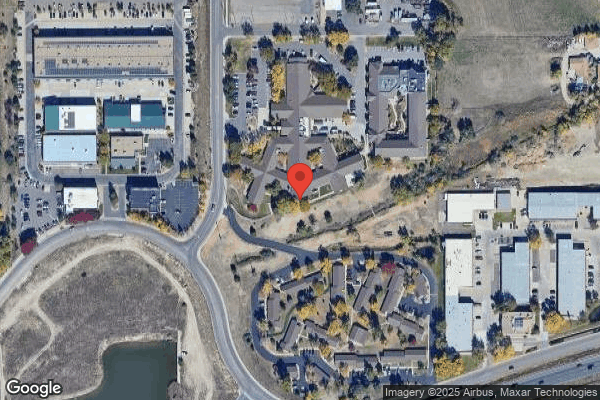
Nov 2023 1 deficiency 1 Harm
SERIOUS (G) 📢 Someone Reported This

A family member, employee, or ombudsman was alarmed enough to file a formal complaint

Actual Harm - a resident was hurt due to facility failures

Accident Prevention (Tag F0689)

A resident was harmed · This affected 1 resident

**NOTE- TERMS IN BRACKETS HAVE BEEN EDITED TO PROTECT CONFIDENTIALITY** Based on observations, record review and staff interviews, the facility failed to ensure the resident environment remained as fr...

Read full inspector narrative →
**NOTE- TERMS IN BRACKETS HAVE BEEN EDITED TO PROTECT CONFIDENTIALITY** Based on observations, record review and staff interviews, the facility failed to ensure the resident environment remained as free of accident hazards as possible for one (#1) of three residents out of three sample residents reviewed for accident hazards. The facility failed to ensure measures were in place to prevent Resident #1's fall with injuries. Resident #1 was identified as a high fall risk on her 8/6/23 Fall Risk Assessment and the 8/9/23 minimum data set (MDS) assessment documented Resident #1 required extensive assistance of two persons for bed mobility, transfers, toileting and bathing. Resident #1's care plan prior to her fall did not have interventions that included assistance from two people for bed mobility, transfer, toileting and bathing. She sustained a fall out of bed on 10/2/23 while receiving incontinence care followed by a bed bath from certified nurse aide (CNA) #1. Resident #1's injuries included a two and a half centimeter left forehead laceration, skin tears on both elbows, bruising and swelling to both cheeks, bruising to the nose and across her upper chest and on her left forearm. She was transported to the hospital where she received sutures to her forehead laceration and returned to the facility on [DATE]. Resident #1's care plan was updated to include providing care with two staff for Resident #1 after the fall. Documentation of completed tasks in the electronic medical record from 10/3/23 to 10/31/23 revealed staff continued to provided Resident #1 care from one staff member instead of two for toileting and bathing. Findings include: I. Facility policy and procedure The Safe Patient Handling policy and procedure, dated October 2022, was provided by the nursing home administrator (NHA) on 11/1/23 at 4:04 p.m. It revealed in pertinent part, In order to protect the safety and well-being of staff and residents, and to promote quality care, this facility uses appropriate techniques and devices to lift and move residents. Resident safety, dignity, comfort and medical condition will be incorporated into goals and decisions regarding the safe lifting and moving of residents. Nursing staff, in conjunction with the rehabilitation staff, shall assess individual resident's needs for transfer assistance on an ongoing basis. Staff will document resident transferring and lifting needs in the care plan. Such assessment shall include the following: resident preferences for assistance; resident mobility and degree of dependency; resident size, weight-bearing ability, cognitive status; and whether the resident is usually cooperative with staff. Safe lifting and movement of residents is part of an overall facility employee health and safety program. II. Resident status Resident #1, age [AGE], was admitted on [DATE]. According to the November 2023 computerized physician orders (CPO), the diagnoses included respiratory failure, chronic bronchitis, type two diabetes mellitus, chronic obstructive pulmonary disease (COPD), obesity, dementia and congestive heart failure. The 8/9/23 MDS assessment revealed the resident had moderate cognitive impairment with a brief interview for mental status (BIMS) score of nine out of 15. She required extensive physical assistance of two people with bed mobility, transfers, toileting and bathing. She needed supervision and set up help only with eating, and extensive physical assistance of one person for personal hygiene. She needed substantial to maximum assistance to roll left or right in bed, to move from sitting to lying on the bed and from lying to sitting on the bed, and for toileting hygiene and showering and bathing. III. Resident observation and representative interview Resident #1's representative was interviewed on 11/1/23 at 12:35 p.m. The representative said Resident #1 had only one staff member providing care when Resident #1 fell and the representative thought Resident #1 should have had two people providing care at the time. The representative said she thought if the facility had two staff members attending to Resident #1 then maybe Resident #1 would not have fallen. Resident #1 was observed on 11/1/23 at 2:28 p.m. Resident #1 had light red bruising and swelling on both cheeks right below the eye and on the bridge of her nose. The left cheek had yellow bruising. Resident #1 still had a bandaid above her left eyebrow that covered a scab. She had visible yellow and purple bruises across her chest above the breast area. IV. Record review A. Care plan and assessments Resident #1's fall care plan focus initiated 5/17/23 documented she was a high risk for falls due to confusion, deconditioning, gait and balance problems, incontinence and psychoactive drug use, with an intervention to have activities that minimized the potential for falls while providing diversion and distraction. Resident #1's activities of daily living (ADL) focus documented she had a self care performance deficit due to fatigue and impaired balance, with a goal to maintain her current level of function in bed mobility, transfers, eating, dressing, toilet use and personal hygiene. Pertinent interventions included bathing and total dependance on staff to provide a bath twice weekly as necessary; bed mobility and maximum assistance on staff for repositioning and turning in bed, all initiated on 5/17/23. Resident #1's mobility care plan focus documented Resident #1 needed maximum assistance with a full body lift with ambulation and transfers. Pertinent interventions included to provide assistance with bed mobility as necessary and staff assistance of two people to assist the resident in transferring with a full body lift, all initiated on 8/14/23. -Resident #1's care plan interventions did not include staff assistance of two people with bed mobility, transfers, toileting and bathing. Resident #1's quarterly Fall Risk Assessment completed 8/6/23 documented she was a high fall risk. She had intermittent confusion, was non ambulatory and needed assistance with elimination. Gait balance was not assessed as the resident was unable to complete the assessment. The 8/9/23 restorative screening progress note written at 5:36 p.m. documented Resident #1 was dependent on care staff in the following areas: self-care, and shower/bathe self, meaning the care staff did all of the effort or the assistance of two or more helpers were required for the resident to complete the activity. B. Fall 10/2/23 The 10/2/23 progress note written at 1:50 p.m. documented Resident #1 suffered a fall from her bed at approximately 1:00 p.m. while she was being changed by CNA #1. CNA #1 reported while she was changing Resident #1 and turned Resident #1 on her side, Resident #1 rolled out of bed without CNA #1 having time to catch Resident #1 before the resident fell. Resident #1 had a laceration on her forehead that was bleeding, skin tears to both elbows, along with several bruises on the left forearm. Resident #1 complained of pain and she was given tylenol and sent to the hospital for further evaluation and treatment. The 10/2/23 progress note written at 3:30 p.m. revealed verbal training was provided to CNA #1 regarding the rolling technique to clean Resident #1. -There was no documentation of additional staff training aside from CNA #1. A review of hospital records revealed Resident #1 was admitted to the hospital on [DATE] with head, face and neck trauma with pain. Resident #1 had significant left frontal forehead swelling, bleeding and facial tenderness, a two and a half centimeter laceration to the left side of her forehead and was bleeding significantly upon arrival. She had left cheek and periorbital (around the eye) soft tissue swelling. Resident #1 was provided with wound compression to control bleeding and then sutures. She was discharged the same day on 10/2/23 with follow up orders for wound monitoring and suture removal. C. Facility fall investigation and follow up The 10/5/23 physician progress note 10/5/23 written at 9:54 a.m. documented Resident #1 was seen at the facility for post hospital follow up. Resident #1 stated that her face no longer hurt. Resident #1 reported no pain in her upper extremities, check or neck area. The facility staff reported the incident occurred when CNA #1 tried to change Resident #1 and the bed was elevated. When CNA #1 rolled Resident #1 to the side to change her Resident #1 continued to roll and fell off the other side of the bed between the wall and the bed. EMS (emergency medical services) was notified and Resident #1 was subsequently taken to the emergency department for further evaluation. Resident #1's post fall facility investigation notes were provided by the NHA on 11/1/23 at 9:45 a.m. The investigation was documented as completed by the social services director (SSD). The summary of the interview with CNA #1 revealed CNA #1 reported Resident #1 had an episode of severe diarrhea. CNA #1 placed Resident #1 in bed to perform a bed bath. Resident #1 was in bed and CNA #1 rolled Resident #1 toward the wall while Resident #1 was lying on her side. When CNA #1 turned to grab more care supplies, Resident #1 rolled towards the wall and the resident fell to the floor between the wall and the bed. CNA #1 proceeded to notify a nurse and a nurse came into the room to assess the resident. CNA #1 denied unlocking the wheels on the bed prior to performing care. CNA #1 stated Resident #1's bed was flush against the wall. The facility investigation conclusion revealed Resident #1 would benefit from two person cares. Resident #1's bed was repositioned so that staff could get to both sides of the bed. Fall mats were placed on either side of the bed for the resident's safety. The facility investigation follow-up documented the following updates: Update Resident #1's care plan to reflect two person cares; update the [NAME] (task list) to reflect two person cares; pull resident's bed out from wall, keeping the bed in lowest position when resident was in bed and staff was not present; fall mats on both sides of Resident #1's bed to prevent injury. The late entry 10/20/23 progress note written on 10/23/23 at 3:33 p.m. documented two person cares were initiated for Resident #1's overall safety by request of the family. Resident #1's bed was to be moved from the wall for care to allow staff members access to the other side of the bed and help with changing the resident. The 10/24/23 progress note written at 9:26 p.m. documented CNAs were educated to provide Resident #1 cares in pairs for resident safety. D. Post fall care plan and task updates Resident #1's fall care plan plan focus documented updated interventions post fall that included two person assistance for changing briefs (no date was included for the added intervention); educate the resident, family, and caregivers about safety reminders and what to do if a fall occurred, revised 10/25/23; anticipate and meet the resident's needs initiated 10/25/23. Resident #1's updated ADL care plan focus documented updated interventions post fall that included two person assistance with checks and changes for peri care (no date was included for the added intervention); Resident #1 needed maximum assistance from staff for repositioning and turning in bed for bed mobility and ensure two person assistance, revised 10/20/23. Resident #1's mobility care plan focus documented updated interventions post fall that included to assist Resident #1 with bed mobility with two person assistance (no date was included for the added intervention); provide assistance with bed mobility as necessary, revised on 10/20/23. The task list in Resident #1's electronic medical record for ADL bed mobility documented Resident #1 required assistance from two people. Bed mobility included how the resident moved to and from lying position, turned side to side and positioned their body while in bed or sleeping. The ADL task completions were reviewed for 29 days from 10/3/23 to 10/31/23 for bed mobility. Staff documented they performed one person assistance instead of two person assistance for Resident #1's ADLs on 26 out of 29 days. The task list in Resident #1's electronic medical record for ADL toilet use documented Resident #1 required assistance from two people. Toilet use included how a resident used the commode, bed pan, or urinal, cleansed self after elimination and changed pad. The ADL task completions for toileting were reviewed for 29 days from 10/3/23 to 10/31/23. Staff documented they performed one person assistance instead of two person assistance for Resident #1's ADLs on 18 out of 29 days. V. Staff interviews CNA #1 was interviewed on 11/1/23 at 12:45 p.m. CNA #1 said she was working with Resident #1 the day she fell because Resident #1 had an incontinence episode. CNA#1 said she and another staff member transferred Resident #1 into bed with a hoyer (mechanical) lift. CNA #1 said she changed the resident, cleaned her and gave her a bed bath without an additional staff member. CNA #1 said Resident #1 just rolled off the opposite side of the bed from where CNA #1 stood. CNA #1 said she was right next to Resident #1 and she was washing off Resident #1's backside. CNA #1 said Resident #1 was lying on her side one second and then Resident #1 started to roll and fell down between her bed and the wall. CNA #1 said she had one hand on the resident and did not have time to grab Resident #1 and Resident #1 landed face down on the floor. CNA #1 said she had to push the bed out further to get to Resident #1 who had fallen all the way to the floor. CNA #1 said she ran out of the room and called for the nurse right away. CNA #1 said she was unsure if Resident #1 needed assistance from two people for bed mobility and bathing. She said the staff used handheld computer tablets to see residents' tasks for care. CNA #1 said Resident #1's fall was very unexpected. Licensed practical nurse (LPN) #1 and CNA #2 were interviewed on 11/1/23 at 1:00 p.m. LPN #1 and CNA #2 said they used the handheld tablets to look at resident tasks and see how many people were needed for resident assistance. CNA #2 said Resident #1 could assist with showers so CNA #2 was able to provide assistance from one person for Resident #1 instead of two people. LPN #1 said he followed up with other care staff as needed to let the staff know if a resident's abilities or status changed. The MDS coordinator (MDSC) was interviewed on 11/1/23 at 1:30 p.m. He said he provided verbal education to CNA #1 after Resident #1's fall. He said typically Resident #1 required one person assistance with a roll in bed and when CNA #1 turned to grab a care item when Resident #1 fell. He said CNA #1 was alone with Resident #1 when Resident #1 fell. He said the staff typically used the task list for resident cares located on their handheld tablets. He said there probably should have been two people in the room when Resident #1 was changed. He said the follow up training was provided to CNA #1 initially but not all staff. He said he updated on the task list for Resident #1 that she needed two person assistance and could provide education to additional staff members that afternoon. The SSD was interviewed on 11/1/23 at 2:09 p.m. She said there was no further education provided to staff other than CNA #1 after Resident #1's fall. The SSD interviewed the resident by herself and the resident could not remember the incident which was baseline for the resident. The SSD said CNA #1 gave Resident #1 a bath and cleaned her up after her incontinence episode. The SSD said CNA #1 turned to grab more supplies when Resident #1 fell. CNA #1 did not indicate to the SSD how far away the supplies were or if she was still touching the resident when she turned to grab more supplies. The SSD said CNA #1 was the only staff member assisting the resident. The SSD said she was not aware if there was not a process to ensure completed resident care plans matched the MDS assessment. LPN #2 and CNA #3 were interviewed on 11/1/23 at 3:00 p.m. LPN #2 and CNA #3 said the facility recently provided gait belt training. LPN #2 said a restorative staff member did the training for gait belts and transfers and she signed a document that she attended. CNA #3 said the training also covered hoyer transfers were always a two person lift. CNA #3 said if the task documented a resident required assistance from two staff members, the staff always completed the task with two staff members. LPN #2 said staff always ensured a second staff member was present if a resident required assistance transferring from two people. LPN #2 said to never have only staff member present if two staff members were required. The director of nursing (DON) and NHA were interviewed on 11/1/23 at 3:30 p.m. The DON said the facility did not provide all staff training after Resident #1's fall since she did not feel there was a lack of training issue. The DON said CNA #1 did not do anything wrong while providing care to Resident #1 and she was using the correct procedure. The DON said the facility updated Resident #1's care plan to reflect mats were on Resident #1's floor at bedside, the bed was pulled out from the wall and she was a wheelchair to bed transfer. The DON said Resident #1 should have care in pairs meaning two staff members provided care at all times and that included bathing. The DON said she had not yet audited the tasks completed in the electronic medical record to see staff recorded they provided Resident #1 with two person assistance. The DON said she put care in pairs in the special instructions so the nurses saw care in pairs when they opened Resident #1's electronic medical record and nurses assisted floor staff to ensure they were compliant with care requirements. The NHA said the last training for transfers and resident assistance was April and May 2023. She said on 11/1/23 and 11/2/23 the facility provided additional resident transfer training. The NHA said the facility provided a body mechanics training on 5/24/23 which included resident transfers and assistance. The NHA said a quarterly care conference was the time to review resident status changes. The NHA said a unit nurse would communicate resident status to the DON or another nursing supervisor. Two nurses were on the unit and were responsible for medications, treatment and directing care of the CNAs. V. Facility follow up Facility NHA and DON said they were in process of providing additional staff training resident transfers and assistance on 11/1/23.
Sept 2023 1 deficiency
CONCERN (E)

Potential for Harm - no one hurt, but risky conditions existed

Deficiency F0883 (Tag F0883)

Could have caused harm · This affected multiple residents

**NOTE- TERMS IN BRACKETS HAVE BEEN EDITED TO PROTECT CONFIDENTIALITY** Based on record review and staff interviews, the facility failed to implement policies and procedures related to pneumococcal im...

Read full inspector narrative →
**NOTE- TERMS IN BRACKETS HAVE BEEN EDITED TO PROTECT CONFIDENTIALITY** Based on record review and staff interviews, the facility failed to implement policies and procedures related to pneumococcal immunizations for six (#1, #2, #3, #4, #5 and #6) of eight residents reviewed for immunizations out of eight sample residents. Specifically, the facility failed to: -Offer Resident #4 and #6 the pneumococcal vaccine upon admission; and, -Offer additional doses of the pneumococcal vaccine to Resident #1, #2, #3 and #5. Findings include: I. Professional reference According to the Centers for Disease Control and Prevention (CDC) Recommended Immunization Schedule for Adults Aged 19 Years or Older, United States, 2023, retrieved on 9/27/23, from: https://www.cdc.gov/vaccines/schedules/downloads/adult/adult-combined-schedule.pdf, in pertinent part: Routine vaccination - pneumococcal -For those ages 19 or older with an additional risk factor or another indication was: One (1) dose PCV15 (pneumococcal 15-valent conjugate vaccine PCV15 Vaxneuvance) followed by PPSV23 (pneumococcal 23-valent polysaccharide vaccine PPSV23 Pneumovax 23)or one (1) dose PCV20 (pneumococcal 20-valent conjugate vaccine PCV20 Prevnar 20). (see notes) -For those over the age of 65 who meet age requirement and lack documentation of vaccination, or lack evidence of past infection was: One (1) dose PCV15 followed by PPSV23 or one (1) dose PCV20. Special situations: age [AGE]-64 years with certain underlying medical conditions or other risk factors who have not previously received a pneumococcal conjugate vaccine or whose previous vaccination history is unknown: One (1) dose PCV15 or one (1) dose PCV20. If PCV15 is used, this should be followed by a dose of PPSV23 given at least 1 year after the PCV15 dose. A minimum interval of 8 weeks between PCV15 and PPSV23 can be considered for adults with an immunocompromising condition, cochlear implant, or cerebrospinal fluid leak to minimize the risk of invasive pneumococcal disease caused by serotypes unique to PPSV23 in these vulnerable groups. -Note: Immunocompromising conditions include chronic renal failure, nephrotic syndrome, immunodeficiency, iatrogenic immunosuppression, generalized malignancy, human immunodeficiency virus (HIV), Hodgkin disease, leukemia, lymphoma, multiple myeloma, solid organ transplants, congenital or acquired asplenia, sickle cell disease, or other hemoglobinopathies. -Note: Underlying medical conditions or other risk factors include alcoholism, chronic heart/liver/lung disease, chronic renal failure, cigarette smoking, cochlear implant, congenital or acquired asplenia, CSF (cerebral spinal fluid) leak, diabetes mellitus, generalized malignancy, HIV, Hodgkin disease, immunodeficiency, iatrogenic immunosuppression, leukemia, lymphoma, multiple myeloma, nephrotic syndrome, solid organ transplants, or sickle cell disease or other hemoglobinopathies. II. Facility policy The Pneumococcal Vaccine policy, dated October 2019 was provided by the nursing home administrator (NHA) on 9/25/23. It revealed in pertinent part, Prior to or upon admission, residents will be assessed for eligibility to receive the pneumococcal vaccine series, and when indicated, wil be offered the vaccine series within thirty (30) days of admission to the facility unless medically contraindicated or the resident has already been vaccinated. Administration of the pneumococcal vaccines or revaccinations will be made in accordance with current Centers for Disease Control and Prevention (CDC) recommendations at the time of the vaccination. III. Resident #1 A. Resident status Resident #1, age [AGE] , was admitted on [DATE]. According to the September 2023 computerized physician orders (CPO) diagnoses included unspecified osteoarthritis, chronic kidney disease, and personal history of transient ischemic attack (stroke). The 6/23/23 minimum data set assessment (MDS) revealed Resident #1 was cognitively intact with a brief interview for mental status (BIMS) score of 15 out of 15. -The MDS assessment inaccurately documented the resident was up to date on the pneumonia vaccination. B. Record review A review of Resident #1's electronic medical record (EMR) revealed the resident received the pneumococcal vaccine, Prevenar 13 on 5/10/17. -The EMR failed to show that the resident had not been offered an additional dose since. IV. Resident #2 A. Resident status Resident #2, age [AGE], was admitted on [DATE]. According to the September 2023 CPO diagnoses included, personal history of transient ischemic attack and Alzheimer's disease. The 8/4/23 MDS assessment revealed Resident #2 had severe cognitive impairment with a score of one out of 15 on the BIMS. -The MDS assessment inaccurately documented the resident was up to date on the pneumonia vaccination. B. Record review A review of Resident #2's EMR revealed the resident received the pneumococcal vaccine, Prevenar 13 on 12/20/21. -The EMR failed to show that the resident had not been offered an additional dose since. V. Resident #3 A. Resident status Resident #3, age [AGE], was admitted on [DATE]. According to the September 2023 CPO diagnoses included, type II diabetes, chronic obstructive pulmonary disease and vascular dementia. The 8/23/23 MDS assessment showed the resident had cognitive impairment with a score of three out of 15 on the BIMS. -The MDS assessment inaccurately documented the resident was up to date on the pneumonia vaccination. B. Record review A review of Resident #3's EMR revealed the resident received the pneumococcal vaccine, Prevenar 13 on 11/6/2020. -The EMR failed to show that the resident had not been offered an additional dose since. VI. Resident #4 A. Resident status Resident #4, age [AGE], was admitted on [DATE]. According to the September 2023 diagnoses included depression, and hypertension. The 8/7/23 MDS assessment showed the resident had severe cognitive impairment with a score of five out of 15 on the BIMS. -The MDS assessment inaccurately documented the resident was offered and declined the pneumococcal vaccination. -However, a review of Resident #4's electronic medical records (EMR) revealed the resident had not been offered the pneumococcal vaccine. B. Record review Resident #4's EMR did not document if Resident #4 had been offered the pneumococcal vaccination or declined to receive it. VII. Resident #5 A. Resident status Resident #5, age [AGE], was admitted on [DATE]. According to the September 2023 diagnoses included, hypertensive heart disease and dementia. The 9/14/23 MDS assessment showed the resident had severe cognitive impairment with a score of three out of 15 on the BIMS. -The MDS assessment inaccurately documented the resident was up to date on the pneumococcal vaccination. B. Record review A review of Resident #5's EMR revealed the resident received the pneumococcal vaccine, Prevenar 13 on 2/11/21. -The EMR failed to show that the resident had not been offered an additional dose since. VIII. Resident #6 A. Resident status Resident #6, age [AGE], was admitted on [DATE]. According to the September 2023 CPO diagnoses included, atrial fibrillation, peripheral vascular disease and vascular dementia. The 8/9/23 MDS assessment showed the resident had moderate cognitive impairment with a score of 10 out of 15 on the BIMS. -The MDS assessment inaccurately documented the resident was offered and declined the pneumococcal vaccination. -However, a review of Resident #6's electronic medical records (EMR) revealed the resident had not been offered the pneumococcal vaccine. B. Record review The EMR showed there was no consent and documentation the current recommended pneumococcal vaccine was offered and that education was provided to the resident or resident's representative. VIIII. Interviews The infection preventionist (IP) was interviewed on 9/25/23 at 10:51 a.m. The IP said the Colorado Immunization Information System (CIIS) database was utilized to ensure the resident's vaccination record was received. She said if there was no information on the CIIS then she would go through the hospital documents. She said the admitting nurse would then offer and provide education to the resident in regard to the importance of being vaccinated against pneumonia. She said if the resident accepted the pneumonia vaccination then the consent was signed and the vaccination was administered after receiving the physician's order. She said if the resident refused then the resident signed the consent form. She said that the resident should be asked again within a year. She said that the facility followed the CDC pneumococcal vaccination timing for adults. She said the Pneumococcal 20 was new and she had not received information and had not offered. The IP was interviewed again on 9/25/23 at 2:00 p.m. The IP said she reviewed the medical records for the specific residents (see above). She said the CIIS was not utilized and there were issues with each of the resident's pneumococcal vaccinations. She said they would complete an audit to ensure vaccination records were up to date.
Dec 2022 6 deficiencies
CONCERN (D) 📢 Someone Reported This

A family member, employee, or ombudsman was alarmed enough to file a formal complaint

Potential for Harm - no one hurt, but risky conditions existed

Investigate Abuse (Tag F0610)

Could have caused harm · This affected 1 resident

**NOTE- TERMS IN BRACKETS HAVE BEEN EDITED TO PROTECT CONFIDENTIALITY** Based on interviews, record review, and facility document review, the facility failed to complete a thorough investigation of an...

Read full inspector narrative →
**NOTE- TERMS IN BRACKETS HAVE BEEN EDITED TO PROTECT CONFIDENTIALITY** Based on interviews, record review, and facility document review, the facility failed to complete a thorough investigation of an injury of unknown origin for 1 (Resident #248) of 3 residents reviewed for abuse investigations. Specifically, the facility failed to identify and clarify inconsistent staff statements regarding an injury of unknown origin for Resident #248. Findings included: The facility's policy titled, Abuse, Neglect, Exploitation or Misappropriation - Reporting and Investigating, revised on 09/2022, indicated, All reports of resident abuse (including injuries of unknown origin), neglect, exploitation, or theft/misappropriation of resident property are reported to local, state and federal agencies (as required by current regulation) and thoroughly investigated by facility management. Findings of all investigation are documented and reported. A review of Resident #248's admission Record revealed the facility admitted the resident with diagnoses that included Alzheimer's disease, vascular dementia, type 2 diabetes mellitus, aphasia, and anxiety disorder. A review of the quarterly Minimum Data Set (MDS), dated [DATE], revealed Resident #248 was unable to complete a Brief Interview for Mental Status (BIMS) due to being rarely/never understood. A Staff Assessment for Mental Status indicated the resident was severely cognitively impaired. The MDS indicated Resident #248 required extensive assistance of two or more people for transfers. Resident #248 required extensive assistance of one person for bed mobility and eating. A review of Resident #248's care plan, revised on 11/07/2016, indicated the resident required the extensive assistance of two staff with a Sara lift (a mechanical lift) for transfers. A review of Resident #248's Progress Notes revealed the resident was noted to have a 1 centimeter (cm) by 1 cm open wound to the left brow bone on the morning of 07/30/2022. On 07/31/2022, the area to the left brow was noted to be intact, with no signs or symptoms of infection. The wound was open to air with no redness or swelling. A review of the Summary of Investigation revealed the facility completed an investigation into the injury. The investigation included the following: - A statement, dated 08/02/2022, from Certified Nurse Aide (CNA) #9 indicated she had taken care of Resident #248 the morning the abrasion was noted. CNA #9's statement indicated Licensed Practical Nurse (LPN) #10 had assisted her with transferring Resident #248 out of bed in the mechanical lift that morning. - A statement dated 08/01/2022 from LPN #10 indicated she had last seen Resident #248 at dinner the evening before, with no abrasion noted. LPN #10's statement indicated she did not see Resident #248 the morning the abrasion was noted until Resident #248 was in the dining room for breakfast. - A review of the nurses' station camera did not reveal LPN #10 going into Resident #248's room the morning the abrasion was found. - A statement from CNA #14 indicated she had worked with Resident #248 the night before the incident, and another CNA had assisted with transferring the resident to bed the evening before. CNA #14's statement indicated she had not observed any skin issues prior to putting Resident #248 to bed the night before. No statements from other CNAs who were working at the time were noted in the investigation report. Per this facility Summary of Investigation, CNA #9 stated LPN #10 assisted with the lift transfer, however, LPN #10 indicated she did not see Resident #248 the morning the abrasion was noted until the resident was in the dining room for breakfast. A review of the facility staffing schedule for the morning of 07/30/2022 indicated three CNAs were assigned to Resident #248's hall, CNAs #9, #12, and #13. LPN #10 was assigned to Resident #248's hall and Registered Nurse (RN) #11 was the supervisor. In a telephone interview on 12/07/2022 at 5:00 PM, CNA #12 stated Resident #248 was not her resident that day, but she was working on that hall. CNA #12 stated that while taking another resident to breakfast, she had witnessed CNA #9 in Resident #248's room, with the resident in the mechanical lift. CNA #12 stated that no one else was in the room to assist CNA #9 with the transfer. CNA #12 stated she had heard about the abrasion to Resident #248's eye after that, but she did not witness the injury or any accident occur. CNA #12 stated she had mentioned it to her supervisor, RN #11, but no one had asked her to provide a statement. In a telephone interview on 12/07/2022 at 6:30 PM, CNA #13 stated she did not remember the incident with Resident #248. In a telephone interview on 12/08/2022 at 9:23 AM, LPN #10 stated she did not remember assisting CNA #9 with transferring Resident #248 the morning the abrasion was identified. LPN #10 did not remember anyone asking her about whether she helped with the transfer. In a telephone interview on 12/08/2022 at 9:30 AM, RN #11 stated he was not aware of LPN #10 assisting with Resident #248's transfer that morning. RN #11 stated he thought CNA #12 had assisted CNA #9 with transferring Resident #248 the morning of the incident. RN #11 stated a mechanical lift always required two staff to assist. In a telephone interview on 12/08/2022 at 9:38 AM, CNA #9 denied transferring any residents in a mechanical lift by herself. CNA #9 stated she would buddy up with another CNA to ensure she always had someone else to assist her. CNA #9 stated Resident #248 had noticed the scratch to the eye and dried blood on Resident #248's pillow when she first went into the room the morning CNA #9 stated she had reported the incident to RN #11 and LPN #10 had then assisted her with transferring Resident #248 out of bed. In a telephone interview on 12/08/2022 at 10:03 AM, the previous Director of Nursing (DON), who was no longer employed at the facility, stated she had assisted with the investigation of Resident #248's abrasion above the eyebrow. The previous DON stated no one had reported to her that there may have been an improper transfer. The previous DON stated that anything she found during the investigation would be in the report. In an interview on 12/08/2022 at 11:18 AM, the current Director of Nursing stated she was not working at the facility when the incident with Resident #248 occurred, but she would expect that any injury of unknown origin would be thoroughly investigated and if necessary, reported to the state. She would expect interviews to be conducted with anyone who the resident was interacting with such as nurses, CNAs, therapy, and/or activity staff. The DON stated she would interview anyone who would be able to shed more light on the scenario. The DON stated any staff who worked with the resident and staff who worked on the hall should be interviewed. The DON stated any inconsistencies in statements should be followed up on and clarified. In an interview on 12/08/2022 at 11:53 AM, the Administrator stated when an injury of unknown origin was identified, the nurse would start the investigation and then report to the DON and Administrator. The Administrator stated she was informed of the injury of unknown origin for Resident #248. The Administrator stated she was out of the building when the investigation took place but had discussed it with the previous DON by phone prior to submitting to the state. The Administrator agreed that inconsistencies in statements should be followed up on and clarified.
CONCERN (D)

Potential for Harm - no one hurt, but risky conditions existed

Assessment Accuracy (Tag F0641)

Could have caused harm · This affected 1 resident

**NOTE- TERMS IN BRACKETS HAVE BEEN EDITED TO PROTECT CONFIDENTIALITY** Based on record review, interviews, and review of the Resident Assessment Instrument (RAI) manual, the facility failed to ensure...

Read full inspector narrative →
**NOTE- TERMS IN BRACKETS HAVE BEEN EDITED TO PROTECT CONFIDENTIALITY** Based on record review, interviews, and review of the Resident Assessment Instrument (RAI) manual, the facility failed to ensure Minimum Data Set (MDS) assessments were accurate for 1 (Resident #27) of 19 residents reviewed for MDS accuracy. Specifically, the facility failed to indicate on the MDS that the resident was receiving hospice services. Findings included: A review of the Long-Term Care Facility Resident Assessment Instrument 3.0 User's Manual, version 1.17.1, revealed, The RAI process has multiple regulatory requirements and the regulations require that the assessment accurately reflects the resident's status. A review of Resident #27's admission Record revealed the facility admitted the resident with diagnoses that included stage 4 (severe) chronic kidney disease (CKD), chronic diastolic (congestive) heart failure, and paroxysmal (increase in symptoms) atrial fibrillation (irregular heartbeat). A review of Resident #27's Order Summary revealed the resident was admitted to hospice on 08/17/2022 for a primary diagnosis of cerebrovascular accident (stroke). A review of Resident #27's significant change in status (SCIS) Minimum Data Set (MDS), dated [DATE], revealed hospice care services were not documented as received by the resident on the MDS. On 12/08/2022 at 11:56 AM, an interview with the Interim Director of Nursing (DON) revealed the facility currently did not have an in-house MDS Coordinator and had a temporary off-site MDS Coordinator but she was unavailable for interview due to being on vacation. She indicated Resident #27's SCIS MDS should have reflected that the resident was receiving hospice services. She stated an inaccurate MDS assessment could result in the resident not receiving all the necessary care/services related to hospice since the MDS drives the resident's plan of care. She indicated her expectation for ensuring the accuracy of MDSs was that they should accurately reflect the current situation of the residents. On 12/08/2022 at 12:20 PM, the Administrator stated her expectation was that all MDS assessments be completed accurately.
CONCERN (D)

Potential for Harm - no one hurt, but risky conditions existed

Respiratory Care (Tag F0695)

Could have caused harm · This affected 1 resident

**NOTE- TERMS IN BRACKETS HAVE BEEN EDITED TO PROTECT CONFIDENTIALITY** Based on observations, record review, interviews, and review of the facility policy, the facility failed to ensure that oxygen w...

Read full inspector narrative →
**NOTE- TERMS IN BRACKETS HAVE BEEN EDITED TO PROTECT CONFIDENTIALITY** Based on observations, record review, interviews, and review of the facility policy, the facility failed to ensure that oxygen was administered in a manner consistent with professional standards of practice for 1 (Resident #42) of 2 residents observed for oxygen administration. Observations revealed Resident #42's oxygen tubing was not bagged/covered to prevent cross contamination when not in use. Findings included: A review of the undated facility policy titled, Oxygen Usage, revealed the purpose of the policy was to assure all those requiring supplemental oxygen receive it in accordance with the physician orders. Further review of the policy revealed the policy did not address the storage of the oxygen tubing when not in use. A review of the admission Record for Resident #42 revealed the facility admitted the resident with diagnoses including chronic obstructive pulmonary disease (COPD), asthma, and obstructive sleep apnea. A review of the Order Summary Report revealed an order to monitor oxygen every shift and to provide oxygen at 2 liters (L) via nasal cannula if oxygen saturation is less than 90% on room air. A review of the quarterly Minimum Data Set (MDS), dated [DATE], revealed the resident's Brief Interview for Mental Status (BIMS) score was 13 indicating the resident's cognition was intact. Further review revealed Resident #42 received oxygen therapy. A review of the care plan for Resident #42, that was last revised on 09/21/2022, revealed the resident had an alteration in respiratory function related to COPD with asthma. The interventions included to monitor oxygen with the use of oxygen as needed and to notify the physician for the need to increase the oxygen. On 12/06/2022 at 10:09 AM, an observation in Resident #42's room revealed the resident was not in the room and the oxygen tubing was attached to the oxygen concentrator and was lying across the lower end of the resident's bed. On 12/07/2022 at 8:40 AM, an observation was made of Resident #42's room while the resident was out of their room and the oxygen tubing was lying across the extra bed in the resident's room. On 12/07/2022 at 10:52 AM, an observation was made of Resident #42 sitting in their wheelchair in their room with the oxygen infusing by nasal canula via the oxygen concentrator. An interview with Resident #42 at the time of the observation revealed the staff were the ones who took the resident's oxygen off and put it back on, and the staff rarely put it in the bag when the staff took it off. The resident stated the staff put it everywhere but in the bag that was attached to the concentrator. The resident confirmed that staff did change the tubing weekly. On 12/07/2022 at 11:04 AM, Certified Nurse Aide (CNA) #7 stated that she and CNA #6 took Resident #42 to breakfast that morning, and CNA #6 was the one who removed the resident's oxygen that was attached to the concentrator in the room and put on the oxygen tubing that was attached to the portable oxygen tank prior to taking the resident to the dining room. She indicated the oxygen tubing should always be bagged when not in use because if it was not bagged it could cause cross contamination. On 12/07/2022 at 11:08 AM, CNA #6 confirmed she was the one who removed the resident's oxygen tubing connected to the oxygen concentrator and thought she placed it in the bag. She confirmed if the oxygen tubing was not bagged when not in use it could cause cross contamination. On 12/07/2022 at 11:14 AM, an interview with Licensed Practical Nurse (LPN) #5 confirmed that if the oxygen tubing was not bagged when not in use it could cause cross contamination. On 12/08/2022 at 10:53 AM, during an interview the Director of Nursing (DON) stated that her expectation for ensuring the prevention of spread of infection in relation to oxygen therapy was for the oxygen tubing to be stored in a bag when not in use. If staff found the oxygen tubing not bagged when not in use, they should change out the tubing immediately. On 12/08/2022 at 12:26 PM, an interview with the Administrator confirmed that oxygen tubing should be wrapped up when not in use so it did not get dirty, and if the staff found the tubing not bagged, the staff should change the tubing out.
CONCERN (D)

Potential for Harm - no one hurt, but risky conditions existed

Pharmacy Services (Tag F0755)

Could have caused harm · This affected 1 resident

Based on observation, record review, interviews, and facility policy review, the facility failed to provide pharmaceutical services that assure the accurate acquiring of drugs for 2 (Resident #73 and ...

Read full inspector narrative →
Based on observation, record review, interviews, and facility policy review, the facility failed to provide pharmaceutical services that assure the accurate acquiring of drugs for 2 (Resident #73 and Resident #74) of 2 residents observed during the 8:00 AM medication pass on 12/07/2022. Findings included: A review of an undated facility policy titled, Medication Orders and Receipt Record revealed medications should be ordered in advance, based on the dispensing pharmacy's required lead time. 1. A review of the admission Record revealed the facility admitted Resident #73 with diagnoses that included hypertensive heart and chronic kidney disease with heart failure and chronic diastolic (congestive) heart failure. A review of the Order Summary Report of active orders as of 12/07/2022, revealed an order, dated 08/23/2022, to administer 40 milligrams (mg) of furosemide (diuretic medication) in the morning for edema. On 12/07/2022 at 7:46 AM, observation revealed Licensed Practical Nurse (LPN #2) did not give the furosemide 40 mg medication to Resident #73. During an interview with LPN #2 at the time of the observation, the LPN stated the bubble pack for the medication was empty and indicated she had reordered the medication yesterday (12/06/2022) but would call the pharmacy today (12/07/2022) to make sure they received the reorder. A review of the December 2022 Medication Administration Record revealed the furosemide was not given on 12/07/2022 and indicated to see the nurse's note. A review of the Progress Notes, dated 12/07/2022 at 7:44 AM, revealed the furosemide was ordered from the pharmacy. On 12/07/2022 at 9:58 AM, an interview with the Pharmacy Technician from the pharmacy company indicated medication orders for refill should be ordered at least a week in advance to ensure the facility had the medications to administer to residents before running out. She confirmed the facility reordered Resident #73's furosemide yesterday (12/06/2022) and it was scheduled to be delivered that evening (12/07/2022). On 12/07/2022 at 3:44 PM, LPN #2 indicated the process for reordering a medication for residents was to click on the medication in the electronic health record and it goes to the pharmacy, or to use the stickers on the bubble packs and fax it to the pharmacy. She confirmed that to ensure the medication was available to be administered, the staff were supposed to reorder the medication five days before running out of the medication. She indicated she did not know why the medication was not reordered soon enough because she had been off work. She also indicated she had reordered the furosemide yesterday (12/06/2022) and again today (12/07/2022) after she noted Resident #73 was out of the medication. 2. A review of the admission Record revealed Resident #74 had diagnoses that included bilateral hearing loss. A review of the Order Summary Report revealed an order to administer three drops of proparacaine hydrochloride (HCL) solution in the resident's right ear two times a day for ear pain. On 12/07/2022 at 7:46 AM, observation revealed Registered Nurse (RN) #4 omitted the proparacaine ear drops from Resident #74's morning medications. An interview with RN #4 at the time of the observation revealed he stated the box was empty and indicated he could not administer it since he was unable to find the medication bottle. A review of the December 2022 Medication Administration Record revealed the proparacaine ear drops were not given on 12/07/2022. On 12/07/2022 at 3:35 PM, LPN #3 confirmed Resident #74's ear drops box was empty and not available to administer as ordered. She indicated the medication was also scheduled for that afternoon, and she had looked for the bottle but could not find it to administer and would be notifying the nurse practitioner for further guidance. On 12/07/2022 at 9:58 AM, an interview with the Pharmacy Technician from the pharmacy company indicated medication orders for refill should be ordered at least a week in advance to ensure the facility had the medications to administer to residents before running out. She also revealed Resident #74's ear drops had been filled on 12/02/2022, and the facility must have misplaced the medication since it was not time to be refilled. On 12/07/2022 at 3:44 PM, LPN #2 indicated the process for reordering a medication for residents was to click on the medication in the electronic health record and it goes to the pharmacy, or to use the stickers on the bubble packs and fax it to the pharmacy. She confirmed that to ensure the medication was available to be administered, the staff were supposed to reorder the medication five days before running out of the medication. She indicated she did not know why the medication was not reordered soon enough because she had been off work. On 12/08/2022 at 10:53 AM, an interview with the Interim Director of Nursing (DON) indicated nurses should reorder medications five to seven days before running out of the medication to ensure the medications were available to administer. She confirmed the staff should not wait until the last minute. She also indicated that if medications did not get reordered in time, the staff should be using out of the contingency (emergency kit) box. On 12/08/2022 at 12:15 PM, an interview with the Administrator indicated she expected staff to reorder medications in a timely manner from the pharmacy. If the medication was not there when time to give it, the staff should call the doctor for further directions on what to do.
CONCERN (D)

Potential for Harm - no one hurt, but risky conditions existed

Unnecessary Medications (Tag F0759)

Could have caused harm · This affected 1 resident

Based on observation, record review, and interviews, it was determined that the facility failed to ensure the medication error rate was less than 5 percent (%). Observation of the 8:00 AM medication p...

Read full inspector narrative →
Based on observation, record review, and interviews, it was determined that the facility failed to ensure the medication error rate was less than 5 percent (%). Observation of the 8:00 AM medication pass on 12/07/2022 for Resident #73 and Resident #74 revealed there were 29 opportunities for error with two medication omissions, resulting in a 6.9% medication error rate. Findings included: 1. A review of the admission Record revealed Resident #73 had diagnoses that included chronic kidney disease, congestive heart failure, and localized edema. A review of the Order Summary Report of active orders as of 12/07/2022, revealed an order, dated 08/23/2022, to administer 40 milligrams (mg) of furosemide (diuretic medication) in the morning for edema. On 12/07/2022 at 7:46 AM, during an observation of medication administration, Licensed Practical Nurse (LPN) #2 omitted Resident #73's furosemide 40 mg medication. LPN #2 stated the bubble pack for the medication was empty and the medication was not available. She stated she had reordered the medication on 12/06/2022 and would call the pharmacy today to make sure they received the reorder. A review of Resident #73's Medication Administration Record for 12/07/2022 revealed furosemide was not given and indicated to refer to the nurses note. A review of the nurse's Progress Note, dated 12/07/2022 at 7:44 AM, revealed furosemide was ordered from the pharmacy. On 12/07/2022 at 3:44 PM, Licensed Practical Nurse (LPN) #2 indicated medication should be ordered five days before the resident was out of medication to ensure the medication was available when needed. LPN #2 stated she had been off work and had reordered furosemide medication for Resident #73 on 12/06/2022 and again that day, 12/07/2022 after she noted Resident #73 was out of the medication. On 12/08/2022 at 9:18 AM, an interview with the Physician Assistant (PA) revealed the facility notified the PA on 12/07/2022 that Resident #73 had missed furosemide medication because they had run out of the medication. He stated the facility got the medication out of the emergency drug it (E-kit) and administered a one-time dose late that afternoon. The PA stated he definitely did not want a resident to miss a dose of Lasix (furosemide), especially when ordered at a specific time because that was when the medication was most effective. He confirmed furosemide was ordered at a specified time and it was not good to give the medication at night because it could keep the resident up. The PA further stated that depending on the resident's condition, the resident could have worsened edema and/or exacerbation of their congestive heart failure if doses were missed. On 12/07/2022 at 9:58 AM, an interview with the Pharmacy Technician from the pharmacy company revealed the facility did not reorder Resident #73's furosemide until 12/06/2022, and it was scheduled to be delivered the evening of 12/07/2022. 2. A review of the admission Record revealed Resident #74 had diagnoses that included bilateral hearing loss. A review of Resident #74's physician Order Summary Report revealed an order, dated 11/29/2022, to administer three drops of proparacaine HCL solution in the resident's right ear two times a day for cerumen pain. A review of the December 2022 Medication Administration Record revealed Resident #74's proparacaine ear drops were due on 12/07/2022 at 7:00 AM. On 12/07/2022 at 7:46 AM, during observation of medication administration, Registered Nurse (RN) #4 omitted the proparacaine ear drops for Resident #74. An interview with RN #4 revealed the medication box was empty and indicated he could not administer the medication since he was unable to find the medication bottle. A review of the December 2022 Medication Administration Record revealed the proparacaine ear drops were not given on 12/07/2022. On 12/07/2022 at 3:35 PM, LPN #3 confirmed Resident #74's ear drops box was empty and not available to administer as ordered. She indicated the medication was also scheduled for that afternoon, and she had looked for the bottle but could not find it to administer and would be notifying the nurse practitioner for further guidance. On 12/07/2022 at 9:58 AM, an interview with the Pharmacy Technician from the pharmacy company revealed Resident #74's ear drops had been filled on 12/02/2022, and the facility must have misplaced the medication since it was not time to be refilled. On 12/08/2022 at 10:53 AM, Interim Director of Nursing (DON) indicated she expected the facility's medication error rate to be less than five percent. The DON stated nurses should reorder medications five to seven days before running out of the medication and not wait until the last minute to ensure medications were available to administer. The DON further stated if medications were not reordered in time, staff should be getting medications from the contingency (E-Kit) box. On 12/08/2022 at 12:15 PM, the Administrator stated she also expected the medication error rate to be less than five percent, and that staff reorder medications in a timely manner from the pharmacy. If the medication was not there when it was time to administer the medication, staff should call the doctor for further directions.
CONCERN (D)

Potential for Harm - no one hurt, but risky conditions existed

Antibiotic Stewardship (Tag F0881)

Could have caused harm · This affected 1 resident

**NOTE- TERMS IN BRACKETS HAVE BEEN EDITED TO PROTECT CONFIDENTIALITY** Based on interviews, record review, and facility policy review, it was determined that the facility failed to ensure antibiotics...

Read full inspector narrative →
**NOTE- TERMS IN BRACKETS HAVE BEEN EDITED TO PROTECT CONFIDENTIALITY** Based on interviews, record review, and facility policy review, it was determined that the facility failed to ensure antibiotics were given in accordance to the antibiotic stewardship program for 1 (Resident #73) of 5 residents reviewed for unnecessary medications when staff administered ciprofloxacin 500 milligrams (mg) (an antibiotic) twice a day without laboratory confirmation of a diagnosis of a urinary tract infection (UTI). Findings included: A review of the Antibiotic Stewardship policy, dated 2001 and revised in 09/2019, revealed, Antibiotics will be prescribed and administered to residents under the guidance of the facility's Antibiotic Stewardship Program. When a culture and sensitivity is ordered, lab results and current clinical situation will be communicated to the prescriber as soon as possible to determine if antibiotic therapy should be started, continued, modified, or discontinued. A review of Resident #73's admission Record revealed the facility admitted the resident with diagnoses that included chronic kidney disease, congestive heart failure, type two diabetes mellitus, anxiety, and depression. A review of the quarterly Minimum Data Set (MDS), dated [DATE], revealed Resident #73 had a Brief Interview for Mental Status (BIMS) score of 10, indicating the resident was moderately cognitively impaired. A review of Resident #73's Care Plan, dated 10/23/2022, indicated a focus of mixed incontinence, placing Resident #73 at risk for urinary tract infections (UTI) and pressure sores. Interventions included to provide incontinence care two to three times per shift and as needed to stay clean and dry. A review of Resident #73's progress notes, dated 11/07/2022, revealed documentation that the resident had a UTI with plans to encourage fluids and antibiotics were ordered of ciprofloxacin 500 mg by mouth twice daily for five days. A review of Resident #73's urinalysis, dated 11/09/2022, revealed a negative result for a UTI. A review of Resident #73's November 2022 Medication Administration Record (MAR) revealed an order for ciprofloxacin 500 mg tablet twice daily for five days for a UTI. The medication was started on 11/07/2022 and stopped on 11/12/2022. Ten doses of the antibiotic were given during this time. During an interview on 12/07/2022 at 1:53 PM, the Director of Nursing (DON) stated hospice ordered antibiotics for Resident #73 without a confirmed UTI diagnosis. Once the DON was aware of the ordered antibiotics in November 2022, staff collected a urine sample on 11/09/2022, which was found to be negative for a UTI. The DON further stated Resident #73 had not been diagnosed with a UTI since their admission to the facility. During an interview on 12/08/2022 at 9:30 AM, the Hospice Nurse stated Resident #73 was in a skilled nursing facility, which required a urinalysis for proper diagnosis prior to administering an antibiotic for UTI symptoms. During an interview on 12/08/2022 at 10:41 AM, the DON stated Resident #73 had not been diagnosed with a UTI since admission, but hospice had ordered antibiotics for a UTI in the past based on symptoms only, without a urinalysis to confirm the diagnosis. The DON further stated she understood antibiotics could not be administered without a proper diagnosis and discussed this with the hospice team. The DON then stated that due to antibiotic stewardship, the facility could not administer antibiotics for a UTI without a urinalysis for proper diagnosis. During an interview on 12/08/2022 at 12:15 PM, the Administrator stated she expected staff to monitor a resident's symptoms and to run the proper diagnostic tests to justify the use of antibiotics to follow antibiotic stewardship.
Sept 2021 7 deficiencies
CONCERN (D)

Potential for Harm - no one hurt, but risky conditions existed

Deficiency F0561 (Tag F0561)

Could have caused harm · This affected 1 resident

**NOTE- TERMS IN BRACKETS HAVE BEEN EDITED TO PROTECT CONFIDENTIALITY** Based on record review and interviews, the facility failed to honor resident choices for one (#29) of seven reviewed for self-de...

Read full inspector narrative →
**NOTE- TERMS IN BRACKETS HAVE BEEN EDITED TO PROTECT CONFIDENTIALITY** Based on record review and interviews, the facility failed to honor resident choices for one (#29) of seven reviewed for self-determination, out of 39 sample residents. Specifically, the facility failed to ensure dependent Resident #29 received showers consistently according to her choice of frequency. Findings include: I. Facility policy and procedure The Bathing policy, revised February 2018, was provided by the nursing home administrator (NHA) on 9/13/21 at 6:42 p.m. It revealed, in pertinent part, Purpose: to promote cleanliness, provide comfort to the resident and to observe the condition of the resident's skin. The Activities of Daily Living policy, revised March 2021, was provided by the NHA on 9/13/21 at 1:30 p.m. It revealed, in pertinent part,The residents would be provided with care, treatment and services as appropriate to maintain or improve their ability to carry out activities of daily living (ADLs). Residents who were unable to carry out ADLs independently would receive the services necessary to maintain good nutrition, grooming, and personal and oral hygiene. Appropriate care and services would be provided for residents who were unable to carry out ADLs independently, including appropriate support and assistance with: -Hygiene (bathing, dressing, grooming, and oral care); -Mobility (transfer and ambulation, including walking); -Elimination (toileting); -Dining (meals and snacks); and -Communication (speech, language, and any functional communication systems). If residents with cognitive impairment resisted care, staff would attempt to identify the underlying cause of the problem and not just assume the resident was refusing or declining care. II. Resident #29 status Resident #29, age [AGE], was admitted on [DATE]. According to the September 2021 computerized physician orders (CPO), the diagnoses included unspecified dementia without behavioral disturbances, chronic kidney disease stage four, depressive disorder, generalized anxiety disorder, and post-traumatic stress disorder. The 6/25/21 minimum data set (MDS) assessment revealed, the resident was cognitively intact with a brief interview for mental status score (BIMS) of 15 out of 15. She required extensive assistance with bed mobility and toilet use. She had no behaviors and did not reject care. It indicated bathing did not occur during the assessment period. A. Resident interview Resident #29 was interviewed on 8/7/21 at 12:49 p.m. She said she did not always get her showers on Wednesdays and Saturdays. She said there were times when she did not get a shower for weeks at a time. She said the certified nurse aide (CNA) never gave her a reason why she was not showered. B. Record review The ADL care plan, initiated on 8/14/2020, documented the resident had self care deficits with feeding, bathing, hygiene, grooming, and toileting related to decline in executive functioning due to cognitive impairment and weakness. The goal was to be groomed and odor free. The interventions included receiving a shower at least twice a week. She was one person extensive assistant with bathing. The CNA task revealed Resident #29 was scheduled to receive bathing on Wednesday and Saturday on day shift. The June 2021 bathing record for Resident #29 documented the resident received no showers for the month out of nine opportunities. The July 2021 bathing record documented the resident received three showers out of nine opportunities. The August 2021 bathing record documented the resident received two showers out of eight opportunities. III. Staff interviews CNA #1 was interviewed on 9/13/21 at 9:39 a.m. She said if not applicable was documented on the shower task, the shower was not given. She said the facility was short staffed and the CNAs were too busy to provide showers for the residents. She said especially on day shift. She said they just did not have enough time to give the residents their showers. She said if she was unable to give a shower, she would ask the evening shift to give it. She said the evening shift had their own showers to give and were short staffed as well and unable to give the missed day shift showers. She said it had been an ongoing problem and that the facility administration was aware the showers were not getting done. She said they just needed more staff. She said she had worked at the facility a long time and felt really bad when she did not have time to shower the residents. Cross-reference F725 for sufficient staffing. Registered nurse (RN) #1 was interviewed on 9/13/21 at 9:46 a.m. He said he was aware showers were not being given because the CNAs did not have time to give them. He said the residents would complain to him and he would question the CNAs on why the showers were not getting done. He said the CNAs said they were short staffed and did not have time to get the showers done. Cross-reference F725. The interim director of nursing (IDON) was interviewed on 9/13/21 at 3:09 a.m. She said the CNAs should have signed off that the shower was given and a skin assessment form had been filled out. She said an audit had been conducted earlier in the year when it was brought to their attention that showers were not getting done. She said again during the survey it was noted that showers were still not being given. She said it was important to make sure showers were given as scheduled for skin integrity and comfort for the resident. She said an in-service was provided to the nursing staff on 9/9/21 addressing showers and assignments. She said the facility was having staffing issues in all the departments. She said she would be checking the shower schedule daily to ensure the showers were getting done.
CONCERN (D)

Potential for Harm - no one hurt, but risky conditions existed

Deficiency F0726 (Tag F0726)

Could have caused harm · This affected 1 resident

Based on record review and interviews, the facility failed to establish whether certified nurse aides (CNAs) were able to demonstrate the skills and competencies needed to provide resident care for tw...

Read full inspector narrative →
Based on record review and interviews, the facility failed to establish whether certified nurse aides (CNAs) were able to demonstrate the skills and competencies needed to provide resident care for two out of five CNAs reviewed. Specifically, the facility failed to ensure that two out of five CNAs reviewed had completed required training and were oriented to the specific needs of the residents in the facility. Findings include: I. Facility policy The Competency of Nursing Staff Policy, revised May 2020, was provided by the director of nursing (DON). It read in pertinent part, The staff development and training program is created by the nursing leadership, with input from the medical director and designed to train nursing staff to deliver individualized, safe, quality care services to the residents. The facility assessment includes an evaluation of the staff competencies that are necessary to provide level and types of care specific to the resident population. -The facility did not have a policy regarding the training and orientation of nursing staff who worked in the facility through a staffing agency per the DON. II. Facility Assessment The facility assessment, last reviewed 3/11/21, identified educational and training resources to provide needed resident care. Upon hire, employees attend orientation and complete required classes. Required in-service training for nurse aides must: -Be sufficient to ensure the continuing competence of nurse aides, but must be no less than 12 hours per year. -Address areas of weakness as determined in nurse aides ' performance reviews and facility assessment and may address the special needs of residents as determined by the facility staff. II.Record review Five CNA training and competencies records were reviewed. The facility did not have records of competencies for two CNAs (#5 and #6) out of the five CNA records reviewed. CNA #5 and #6 were both employed by a staffing agency and were not full time employees of the facility. The facility's agency-staffed CNA orientation packet included general facility policies, facility resources, abuse policies, an abuse lesson guideline and competencies list for droplet precautions and hand hygiene. IV. Resident interviews A resident group council meeting was held on 9/8/21 at 1:27 p.m. Residents made the following statements regarding the CNAs that were staffed at the facility through staffing agencies: Agency staff do not know us and are not going to see us again so they don't really care about how they treat us. They are just here for a paycheck. I have talked to the administrator but they said that is the only option they have right now. Some just do not care at all. Medications are given late by an agency nurse after I saw her watching a movie on her phone at the nurses station. I do want the agency staff to help me with a shower, I would rather do it myself. Unless there is a full time staff member that cares about you, then the showers do not get done. The agency staff don ' t work very hard. Things just do not get done when there are more agency staff working. V. Staff interviews CNA #3 was interviewed on 9/9/21 at 5:31 a.m. She said she was employed through a staffing agency. She said she had worked at the facility for two weeks. She said she had received a packet from the facility which had facility policies in it. She said she completed online training with her agency. Registered nurse (RN) #3 was interviewed on 9/9/21 at 5:39 a.m. She said there had been CNAs who worked at the facility that were staff through an agency due to staffing shortages. She said that she had concerns at times with the performance of some of those CNAs. She said would try to provide education when performance/competencies became apparent. The nursing home administrator (NHA) was interviewed on 9/13/21 at 1:52 p.m. She said that the facility has had to utilize agency nursing staff to fill staff shortages at the facility. She said that agency nursing staff received an orientation packet from the facility. She said she was not able to locate a record of training or competencies for CNA #5 and #6. The DON and RN #2 were interviewed on 9/14/21 at 3:11 p.m. RN #2 said that he was a unit manager and weekend supervisor. He said that the facility had had issues with agency staff performance such as not showing up to shifts or clocking in at the facility and then going to sleep in their car in the parking lot. He said when performance issues arose with agency staff; they would provide on the spot reeducation. He said if they did not show for a shift or were not going to work out; they would be asked to not return to the facility. The DON said that the facility has had issues with maintaining staffing levels and had to utilize agency staff to fill open shifts. She said that all nursing staffing coming into to work in the building need to be probably oriented, signed off on their training and competencies. She said that with current staffing shortages nationwide, getting quality nursing staffing through agencies has become more difficult; she had discovered it was the first nursing job for some of the nursing staff that work for staffing agencies. The staffing coordinator (SC) was interviewed on 9/13/21 at 4:26 p.m. She said that she would create orientation packets which included abuse training, facility information and competencies. She said that the packets were distributed to staff coming to work at the facility by the unit managers and staff development coordinator (SDC) for nursing working in the facility through a staffing agency. She said if there were any performance issues identified with nursing who were staffed through an agency; the facility would reeducate them or contact the agency and ask that that particular staff person not return to work there. The SDC was interviewed on 9/13/21 at 4:31 p.m. She said a packet was provided to agency-staffed CNAs which included facility policies, droplet precautions, hand washing and facility specific information such as where to find emergency plan binders. She said she was not able to locate documentation of training or competencies for CNAs #5 and #6. She said they should receive additional training such as resident centered care, introducing themselves as a new staff rather than just walking into a resident room and beginning care without speaking to the resident. She said did not have a system for maintaining records of which agency nursing staff had completed the facility specific training and competencies prior to working on the units. She said if competency issues were observed, that full time staff would alert her or the DON and reeducation would be provided or they would be asked not to return. She said she planned to train the night unit supervisors to observe agency staff for competencies. She said sometimes the agency staff were called in to work at the last minute to fill a shift which made it difficult to ensure that training and competencies were completed.
CONCERN (D)

Potential for Harm - no one hurt, but risky conditions existed

Deficiency F0761 (Tag F0761)

Could have caused harm · This affected 1 resident

Based on observations and interviews, the facility failed to ensure all drugs and biologicals were properly stored and labeled in one of four medication storage rooms and on one of four units. Specif...

Read full inspector narrative →
Based on observations and interviews, the facility failed to ensure all drugs and biologicals were properly stored and labeled in one of four medication storage rooms and on one of four units. Specifically, the facility failed to: -Remove expired influenza vaccines from the medication refrigerator in the [NAME] unit medication storage room; and -Ensure a container of topical antifungal medication was properly labeled with a resident's name, and stored in a locked compartment of a medication cart on the [NAME] unit. Findings include: I. Facility policy and procedures The Storage of Medications policy, dated April 2019, was provided by the nursing home administrator, (NHA) on 9/13/21 at 4:15 p.m. It read in pertinent part, The facility stores all drugs and biologicals in a safe, secure, and orderly manner. Drugs and biologicals used in the facility are stored in locked compartments under proper temperatures, light, and humidity control. Drug containers that have missing, incomplete, improper, or incorrect labels are returned to the pharmacy for proper labeling before storing. Discontinued, outdated, or deteriorated drugs or biologicals are returned to the dispensing pharmacy or destroyed. Only persons authorized to prepare and administer medications have access to locked medications. II. Failure to remove expired influenza vaccines from the medication refrigerator in the [NAME] unit medication storage room A. Professional references The Centers for Disease Control and Prevention (CDC) (6/14/19) Notes from the Field: Administration of Expired Injectable Influenza Vaccines Reported to the Vaccine Adverse Event Reporting System - United States, July 2018-March 2019, retrieved on 9/14/21 from https://www.cdc.gov/mmwr/volumes/68/wr/mm6823a3.htm, read in pertinent part, Influenza vaccination is recommended annually for persons aged six months for the prevention and control of influenza. Every year, injectable inactivated influenza vaccine (IIV) has a standard expiration date of June 30 for the upcoming influenza season (i.e., July 1-June 30 of the following year). Vaccination with an expired influenza vaccine might not protect against influenza infection because different influenza virus strains can be included in the vaccine each year; in addition, protection against viruses included in the vaccine could wane if vaccine potency decreases over time. B. Manufacturer's recommendations The package insert storage and handling instructions for Influenza Vaccine Fluzone High-dose Quadrivalent read in pertinent part, Do not use after the expiration date shown on the label. C. Observation On 9/9/21 at 10:45 a.m., the [NAME] unit medication storage room was observed with licensed practical nurse (LPN) #1. The medication refrigerator in the storage room contained three boxes of Influenza Vaccine Fluzone High-dose Quadrivalent prefilled syringes. Two of the boxes were unopened and contained 10 syringes each. The third box of vaccines had been opened and there were eight syringes remaining in the box. The expiration date on all three of the boxes was 6/30/21. D. Interview LPN #1 was interviewed on 9/9/21 at 10:45 a.m., during the observation of the [NAME] unit medication storage room. LPN #1 said the expired vaccines should not be kept in the medication refrigerator, and should have been removed when they expired. She said the vaccines should be disposed of. LPN #1 removed the three boxes of influenza vaccines from the refrigerator and took them to the interim director of nursing (IDON) for disposal. III. Failure to ensure a container of topical antifungal medication was properly labeled with a resident's name, and stored in a locked compartment of a medication cart on the [NAME] unit A. Observation On 9/9/21 at 9:50 a.m., the [NAME] unit shower room was observed. There was a shelf in the shower room which had a wicker basket sitting on it. The basket contained disposable razors and combs. There was also a bottle of Nystop antifungal powder in the basket with the combs and razors. The prescription label on the container had been peeled off, and there was no other identification on the bottle to indicate which resident the medication was to be used for. B. Interview On 9/9/21 at 10:06 a.m., the [NAME] unit shower room was observed with LPN #1. LPN #1 confirmed the presence of the container of Nystop topical powder in the basket containing the combs and disposable razors. LPN #1 said the powder should not be in the basket as it was a medication. She said certified nurse aides (CNAs) should not have access to the powder or apply it to residents. LPN #1 said all medications should be kept locked in a medication cart. She said the Nystop powder should be labeled with a resident name and should not be used for multiple residents. LPN #1 said the medication should be discarded because she did not know who the medication belonged to. She removed the medication from the basket for disposal. IV. IDON interview The IDON was interviewed on 9/13/21 at 3:25 p.m. The IDON said expired medications, including vaccines, were supposed to be removed from medication carts and refrigerators. She said the expired vaccines should have been removed from the medication refrigerator when they had expired, and stored in the medication room's expired medication cabinet until they could be destroyed. The IDON said the night nurses were supposed to audit medication carts and refrigerators weekly and remove expired medications. The IDON said the Nystop antifungal powder should not have been in the shower room because it was a medication and should have been locked in the medication cart. She said CNAs should not have access to medications. The IDON said the medication should have had a resident's name on it, and should not be used on more than one resident.
CONCERN (E)

Potential for Harm - no one hurt, but risky conditions existed

ADL Care (Tag F0677)

Could have caused harm · This affected multiple residents

**NOTE- TERMS IN BRACKETS HAVE BEEN EDITED TO PROTECT CONFIDENTIALITY** Based on observation, record review, and interviews, the facility failed to ensure residents who were unable to carry out activi...

Read full inspector narrative →
**NOTE- TERMS IN BRACKETS HAVE BEEN EDITED TO PROTECT CONFIDENTIALITY** Based on observation, record review, and interviews, the facility failed to ensure residents who were unable to carry out activities of daily living (ADLs) received the necessary services to maintain good nutrition, hygiene, dressing and grooming; for one (#57) of seven resident reviewed for showering assistance; and four (#92, #30, #60 and #62) of six residents reviewed for feeding assistance; out of 39 sample residents. Specifically, the facility failed to: -Ensure #57 received regular bathing and oral care in accordance with the plan of care (cross-reference to F561 failure to support of resident choice for showering schedule); and, -Ensure timely dining assistance, utilizing all recommended interventions, was provided to residents in the memory care unit, for Residents #92, #30, #60, and #62. Cross-reference F725: the facility failed to provide sufficient staffing to ensure residents were provided showers and feeding assistance in accordance with their plan of care. Findings include: I. Showing assistance A. Facility policy and procedure The Bathing policy, revised February 2018, was provided by the nursing home administrator (NHA) on 9/13/21 at 6:42 p.m. It read in pertinent part: Purpose: to promote cleanliness, provide comfort to the resident and to observe the condition of the resident's skin. -Document the date and time the shower/tub bath was performed. -Notify the supervisor if the resident refuses the shower/tub bath. The Activities of Daily Living policy, revised March 2021, was provided by the NHA on 9/13/21 at 1:30 p.m. It revealed, in pertinent part: The residents would be provided with care, treatment and services as appropriate to maintain or improve their ability to carry out activities of daily living (ADLs). Residents who were unable to carry out ADLs independently would receive the services necessary to maintain good nutrition, grooming, and personal and oral hygiene. Appropriate care and services would be provided for residents who were unable to carry out ADLs independently, including appropriate support and assistance with: -Hygiene (bathing, dressing, grooming, and oral care); . -Dining (meals and snacks); . If residents with cognitive impairment resisted care, staff would attempt to identify the underlying cause of the problem and not just assume the resident was refusing or declining care. B. Resident #57 1. Resident status Resident #57, age [AGE], was admitted on [DATE]. According to the September 2021 computerized physician orders (CPO), diagnosis included a history of non-pressure chronic ulcer of the back with unspecified severity; stage two-pressure ulcer of the left heel; and vascular dementia with cognitive, speech and language deficits. The 7/16/21 minimum data set (MDS) exam revealed the resident had severely impaired cognition and was unable to participated in a brief interview for mental status (BIMS) assessment, due to short and long-term memory recall; moderately impaired skill/ability to make daily decisions without staff supervision; difficulty focusing attention and disorganized and/or incoherent conversation. The resident was occasionally understood in conversation and sometimes understood staff. The resident had no signs or symptoms of negative behavioral expressions and did not reject care assistance. The resident was totally dependent on staff for completion of all activities of daily living including bathing, grooming, dressing, eating, toileting, navigating the community and with bed mobility. The resident was unable to walk or self-balance while sitting. 2. Resident observation Resident #57 was observed on 9/7/21 at 11:28 a.m. and 9/13/21 at 12:55 p.m. The resident did not respond to verbal communication and was unable to answer any questions. The resident was sitting in a reclining wheelchair and she had just finished her meal on both observations. The resident's hair appeared slightly greasy and was pulled back in a ponytail, on the top of her head. The resident teeth still had food stuck between them and on the corners of her mouth. The resident nails were untrimmed and had a small amount of blackish debris under the fingernail at the tip of the nail bed. 3. Record review The resident comprehensive care plan, last reviewed 7/27/21, revealed the following care focuses: -ADL care plan, initiated on 8/16/18, documented the resident had self-care deficits with feeding, bathing, hygiene, grooming, and toileting related to decline in executive functioning due to short and long-term memory deficits with a continued decline anticipated due to progressive dementia. The goal was to be clean, appropriately groomed and odor free. Interventions included: shower two times a week with extensive to total assistance .Resident to have weekly fingernail care and monthly toenail with shower. -Oral care plan, initiated 2/16/21, documented the resident had the potential for complications to the teeth or oral cavity characterized by missing teeth. Interventions included: Provide supplies for self-oral hygiene. -There was no intervention for staff to assist with oral care even though the resident was assessed to be totally dependent on staff for all ADL care needs including grooming and oral care. The resident's bathing preference record dated 3/25/19 revealed the resident preferred to be bathed in the shower twice a week and have her hair washed. The point of care response record documented the Resident #57 was scheduled to receive bathing by shower on Tuesday and Saturday evening, with weekly fingernail care with the showers. The June 2021 bathing record documented Resident #57 received five showers for the month out of nine opportunities. The July 2021 bathing record documented Resident #57 received five showers and refused one shower out of nine opportunities. The August 2021 bathing record documented Resident #57 received five showers out of nine opportunities. The September 2021 (for 9/1/21 to 9/13/21) bathing record documented Resident #57 received two showers out of four opportunities. -The resident progress notes were reviewed from 9/8/2020 through 9/10/21, there was no documentation to show reasons why showers were not given per the care plan and resident preferences. There were no refusals documented. C. Staff interviews CNA #1 was interviewed on 9/13/21 at 9:39 a.m. She said if a resident shower was documented as not applicable (N/A) on the resident's shower task, the shower was not given for some reason. An indication of not applicable did not mean the shower was refused. Resident refusals (RR) were documents with an RR. CNA #1 said the facility was frequently short staffed and when a shift was short staffed the CNA's were had to choose which resident care tasks to provide and which care tasks to leave for another time. If the CNA's on the day shift were unable to give a shower, they would ask the evening shift to give it, however; the evening shift had their own showers to give. The evening shift frequently ran short staffed as well; preventing the evening CNA's from being able to give the showers that were missed from the day shift. The problem of missed showers was an ongoing problem that had been brought to the attention of facility administration. Registered nurse (RN) #2 was interviewed on 9/13/21 at 9:46 a.m. RN #2 said the certified nurse aides (CNA) were to provide showers based on the resident's care plan. If the CNA was unable to provide the resident a shower as care planned either due to a resident refusal or running out of time due to an unexpected situation the CNA was to report this information to the nurse and the nurse was to attempt to convince the resident to accept the shower or assist the CNA so the CNA could give the resident a shower. All resident refusals were to be documented and tracked so the interdisciplinary team (IDT) could assess the resident and implement more appropriate interventions. RN #2 had not received any reports from the CNAs about Resident #57 missing showers and was not aware of any reasons why the CNA would not have been able to provide showers per a resident's planned shower schedule. RN #1 was interviewed on 9/13/21 at 9:46 a.m. RN #1 said a number of the residents on the unit complained about not getting their showers. RN #1 had questioned the CNAs about showering complaints and discovered the CNAs were running out of time and were not able to complete all care-planned interventions for the residents. Showers were often missed. RN #1 said the CNAs were short staffed and did not have time to get the showers done. The interim director of nursing (IDON) was interviewed on 9/13/21 at 3:09 p.m. The IDON said the CNAs were responsible to provide care assistance to the resident as assigned per each resident care needs and care planned interventions. Showers were to be given per the resident's care plan in frequency and on the day as scheduled. Each care task provided to a particular resident was to be documented in the resident electronic medical record. If the CNA was unable to give a resident a shower as care planned, the CNA was to notify the nurse on duty and the nurse was expected to make an attempt to convince the resident to accept the shower or find out why the resident was refusing showers. If the shower was not given the CNA was to document, into the point of care system, the reason why the resident's shower was not provided. The nurse was also to document resident refusals and their attempts to give the resident a shower into the resident progress notes. Resident refusals were marked as RR. A mark of not applicable (N/A) revealed a missed shower but should not be used to record a resident refusal. The IDON said she was aware the CNAs were having problems getting all of the scheduled showers completed, but thought the issue had been fixed. After being alerted of continued concerns over missing showers, the IDON conducted an audit of shower compliance on 9/9/21 (during survey). The IDON found that residents missing scheduled showers continued to be a problematic. Following the shower audit, on 9/9/21, the facility provided all nursing staff an in-services on the importance of giving resident showers. The 9/9/21 inservice was provided to 25 nursing staff. The inservice instructed staff on the expectations for giving resident showers and following the residents care plan. The IDON said it was important to make sure showers were given as scheduled because showering makes the resident feel better; and to allow for a full check of the resident's skin and allows for preventative skin maintenance. The IDON said she planned to perform daily audits on showering compliance to ensure showers were being given as care planned. The IDON acknowledged the facility was having staffing shortages in all departments, which may have contributed to missed showers. II. Meal assistance A. Facility policies and procedures The admission Policies - Secured Unit policy, revised December 2006, provided by the registered dietitian (RD), on 9/13/21 at 4:45 p.m., read in pertinent part: The memory care unit will provide specialized services in a secured environment for individuals with memory impairment. The goal is to ensure that residents living in a memory care community have positive quality of life and person directed care where residents ' rights, dignity, comfort and independence are promoted in this setting. The Dining Experience: Dining/Meal Service policy and procedure, dated 2021, provided by the RD, on 9/13/21 at 4:45 p.m., read in pertinent part: The dining experience wail be person centered with the purpose of enhancing each individual's quality of life and being supportive of each individual's needs during dining . -Individual's will be provided restorative dining services as needed to maintain or improve eating skill. -Dining will have comfortable sound levels . -If an individual needs their food cut, food should be cut neatly. -Staff will provide cuing, prompting or assistance as needed in order to maintain, improve and prevent decline in eating ability. -Individuals at the same table will be served and assisted at the same time. -Appropriate staff will assist as needed to assure adequate intake of food and fluids at the meal. -Individuals will be assisted promptly and in a timely manner after the meal arrives. -Individuals who need extensive assistance will be seated in appropriate dining areas. The Person Centered Dining Approach policy and procedure, dated 2021, provided by the RD, on 9/13/21 at 4:45 p.m., read in pertinent part: The person centered dining approach will focus on each individual's needs related to food, nutrition and dining. Each person will be treated like a special individual with a focus on individualizing all interactions and interventions including nutrition care, food, beverages and dining. B. Resident #92 1. Resident status Resident #92, over the age of 85, was admitted on [DATE]. According to the September 2021 CPO, diagnosis included Alzheimer's disease, vascular dementia with behavioral disturbance and anxiety. The 8/18/21 MDS exam revealed the resident had severely impaired cognition with a score of zero out of 15 on the brief interview for mental status (BIMS). The resident had difficulty focusing attention and keeping track of what was being said and had disorganized thinking or incoherent (rambling or irrelevant conversation, which were unclear or illogical flow of ideas, or unpredictable switching from subject to subject. The resident had no signs or symptoms of negative behavioral expressions and did not reject care assistance. The resident needed supervision in the form of oversight, encouragement or cueing while eating. The assessment documented specifically that the resident required supervision or touching assistance where the helper provided verbal cues and/or touching/steadying and/or contact guard assistance as resident ate a meal; to be provided throughout the dining activity or intermittently during the meal. -The assessment failed to document the resident's swallowing and nutritional needs for a specialized pureed diet or adaptive equipment utensils (build-up silverware). 2. Record review The September 2021 CPO revealed a diet order for regular diet, pureed texture, nectar thick liquids consistency. May have mechanical soft desserts, soft fruit, and cheese puffballs. Assist at meals; active date: 6/28/21. The resident comprehensive care plan, last reviewed 8/30/21, revealed the following care focuses: -Nutrition care plan, initiated on 9/29/17, last revised on 3/10/21, documented the resident was at risk for weight loss due to diagnoses. The goal was for the resident to have no significant weight loss. Interventions included: Provide regular meal pureed texture with nectar thick liquid diet. Encourage intake of meals, snacks and supplements. Provide cuing or total assistance at meals. Provide built up spoon at all meals . 3. Observations Resident #92 was observed on 9/7/21 from 11:50 a.m. to 12:26 p.m. Resident #92 was served lunch but was not provided the care planned cuing support during the meal nor was the ordered built up handled silverware provided. There were only two nursing staff present during the meal service; the CNA was assisting a female resident to eat from 11:55 a.m. to 12:32 p.m.; and the nurse was serving resident drinks and assisting another female resident to eat. Both staff were assisting resident at different tables from where Resident #92 was seated. Resident #92 was observed on 9/9/21 from 12:00 p.m. to 12:45 p.m. There were only two nursing staff present during the meal service; both were assisting other residents with the meal. Resident #92 was served lunch at 12:02 p.m. but was not provided the care planned cuing support or the built up handled silverware ordered. Resident #92 was provided pureed BBQ chicken and potato salad. The pureed meal was of a firm consistency; the chicken appeared dry. The consistency was dry and did not plop from the spoon as the resident tilted the eating utensil. The resident was self-feeding with no staff support. As the resident ate, a piece of food became stuck in her mouth the resident was trying to swallow but was struggling. The resident started to cough and spit the food from her mouth. The resident was able to cough up the food item from her mouth and pulled an almond sized whitish chunk of the potato salad from her mouth. She continued to spit a couple of food pieces out. Neither the nurse nor the CNA noticed the resident as she ate the meal. The unit manager arrived on the unit and was alerted of the residents' eating struggles and the registered dietitian was called to the unit to assess the resident. C. Resident #62 1. Resident status Resident #62, age of 80, was admitted on [DATE]. According to the September 2021 CPO, diagnosis included stroke, vascular dementia with behavioral disturbance and depression. The 7/16/21 MDS exam revealed the resident had severely impaired cognition and was unable to complete the BIMS. The resident had short and long-term memory problems with moderately impaired ability for daily decision-making, requiring staff supervision and cuing assistance. The difficulty focusing attention and keeping track of what was being said and had experienced fluctuating levels of consciousness. The resident had no signs or symptoms of negative behavioral expressions and did not reject care assistance. The resident needed extensive assistance while eating. Specifically, the resident needed substantial/maximal assistance where the helper does more than half the effort. 2. Record review The September 2021 CPO revealed a diet order for regular diet, regular texture, thin consistency liquid; active date: 5/24/17. The resident comprehensive care plan, last reviewed 7/21/21, revealed the following care focuses: -Nutrition care plan, initiated on 5/24/17, last revised on 12/10/2020, documented the resident was at risk for weight loss due to diagnoses. The goal was for the resident to have no significant weight loss. Resident will eat an average meal and supplement intake will meet greater than 75% of estimated nutrition requirements daily. Interventions included: Provide plate guards at all meals for independent eating. Provide set up assistance and additional supervision and cuing as needed. Prefers not to be assisted at meals and will often push staff away when they try to help -The care plan failed to document a care plan intervention to address the residents assessed need for needed substantial/maximal assistance while eating and tendencies to push staff away when they are trying to assist him during mealtime. 3. Observations Resident #62 was observed on 9/8/21 from 11:50 a.m. to 12:55 p.m. Resident #62 was served lunch at 12:05 p.m. The meal consisted of a salad with chicken strips and large pieces of lettuce. The plate guard was not provided and the nurse left the resident meal in front of him but did not provide set up assistance as care planned, to cut up the meal or apply the salad dressing. The resident sat staring at the meal. He held a spoon in his hand and tried to scoop up some of the salad and large pieces of chicken strip but was unsuccessful at keeping any food on the spoon long enough to get the food to his mouth. There were two staff present during the meal; both were assisting other residents with the meal. The resident had not eaten any of his meal and had not received any assistance with the meal until 12:42 p.m. when the nurse sat down to off the resident a couple of bites of food the resident accepted two bites of food from the nurse. The nurse left the resident to finish his meal at 12:44 p.m. The nurse did not apply the dressing to the resident's salad, cut up the resident's food or provide any further eating assistance. The resident did not eat any more of the meal. Resident #62 was observed on 9/9/21 from 12:00 p.m. to 12:45 p.m. There were only two nursing staff present during the meal service; both were assisting other residents with the meal. Resident #62 was served BBQ chicken breast on the bone and potato salad. The resident meal was not cut up or taken off the bone. The resident was sitting sideways at the table not facing the plate. The resident attempted to pull a piece of chicken off the bone to eat but was unable to remove the chicken from the bone. The resident tried to scrape the chicken off the bone with his teeth but was unable and ended up putting a piece of chicken in his mouth with the bone still attached. The resident chewed on the chicken and piece of bone. After a while of chewing, the resident pulled the small piece of chicken backbone out of his mouth. The resident tried to free another bit of chicken from the bone and stopped. The resident then tried to eat his potato salad with his fingers scraping some of his fingers into his mouth. The resident then tried to get the potato salad off his fingers by scraping the potato salad from his fingers onto his palate. The resident was unsuccessful and sat with potatoes all over his hands. After a period of time, staff approached and cleaned the resident's hands and offered a pastry the resident could hold and eat by hand. The resident accepted and ate the entire pastry. None of the staff offered to assist the resident with his chicken or potato salad. C. Resident #30 1. Resident status Resident #30, over the age of 85, was admitted on [DATE]. According to the September 2021 CPO, diagnosis included Alzheimer's disease, vascular dementia with behavioral disturbance and depression. The 7/16/21 MDS exam revealed the resident had severely impaired cognition and was unable to complete the BIMS. The resident had short and long-term memory problems with moderately impaired ability for daily decision-making, requiring staff supervision and cuing assistance. The difficulty focusing attention and keeping track of what was being said and had experienced fluctuating levels of consciousness. The resident had no signs or symptoms of negative behavioral expressions and did not reject care assistance. The resident needed extensive assistance while eating. Specifically the resident needed substantial/maximal assistance where the helper does more than half the effort. 2. Record review The September 2021 CPO revealed a diet order for regular diet, small portions, regular texture with chopped meats, thin consistency liquid; active date: 8/20/2020. The resident comprehensive care plan, last reviewed 7/4/21, revealed the following care focuses: -Nutrition care plan, initiated on 3/17/2020, last revised on 8/20/2020, documented the resident was at risk for weight loss due to diagnoses. The goal was for the resident to have no significant weight loss. Interventions included: Resident to eat in the unit dining area .Staff to provide assistance at meals as needed. Resident often requires assistance with cueing at meals as she does not always initiate eating/feeding herself -The care plan failed to document how staff were to approach the resident to provide assistance when the resident was not eating the served meal or accepting staff assistance. 3. Observations Resident #30 was observed on 9/7/21 from 11:55 a.m. to 12:46 p.m. Resident #30 was sitting waiting for the lunch meal, she wore a surgical mask at the table. The meal was delivered at 12:05 p.m. The meal was set in front of the resident; the resident was not prompted to remove her mask so she could eat nor was the resident provided any cuing assistance though the meal service. The resident never removed the surgical mask and did not taste any of the meal. The staff did not ask the resident if she wanted any assistance or encouraged eating. The CNA picked up the resident's plate at 12:46 p.m. without asking if the resident might like something else to eat. Resident #30 was observed on 9/9/21 from 11:50 to 12: Resident #30's meal was served at 11:58 a.m. The resident sat in front of her meal pushing food from one side of the plate to the other without tasting a bite of food. No staff approach the resident to offer eating encouragement until 12:42 p.m. D. Resident #60 1. Resident status Resident #60, age of 70, was admitted on [DATE]. According to the September 2021 CPO, diagnosis included Alzheimer's disease, dementia without behavioral disturbance and depression. The 7/8/21 MDS exam revealed the resident had severely impaired cognition and was unable to complete the BIMS exam. The resident had short and long-term memory problems with moderately impaired ability for daily decision-making, requiring staff supervision and cuing assistance. The resident had no signs or symptoms of negative behavioral expressions and did not reject care assistance. The resident needed extensive assistance while eating. Specifically the resident needed substantial/maximal assistance where the helper does more than half the effort. 2. Record review The September 2021 CPO revealed a diet order for regular diet, regular texture with chopped meats, thin consistency liquid; active date: 11/19/2020. The resident comprehensive care plan, last reviewed 7/14/21, revealed the following care focuses: -Nutrition care plan, initiated on 12/3/2020, last revised on 4/26/21, documented the resident was at risk for weight loss due to diagnoses. The goal was for the resident to have no significant fluid volume or weight loss. Interventions included: Provide a calm, quiet setting at meal times with adequate eating time. Monitor, document and report signs and symptoms of dysphagia (swallowing difficulties), pocketing, choking, coughing, drooling, holding food in mouth, several attempts at swallowing, refusal to eat .Staff to provide assistance at all meals and redirect if resident tries to get up and leave the table before the meal is consumed. Encourage intake prior to leaving table . 3. Observations Resident #60 was observed on 9/8/21 from 11:55 a.m. to 12:46 p.m. Resident #60 was escorted to a table at 12:10 p.m. A plate of food was placed in front of the resident. The meal consisted of a salad with strips of breaded chicken on top. The meal was covered with plastic wrap. Staff did not remove the plastic wrap. At 12:13 p.m. the resident got up from the table and walked over to Resident #30 and tried to take food from Resident #30's plate, Resident #30 pushed Resident #60's hand away from her plate. Resident #30 sat at the table next to Resident #60. The CNA brought Resident #60's plate to the table and placed it in front of Resident #60, but did not remove the plastic wrap. Resident #60 looked at the plate, leaned her chin on the palm of her hand and closed her eyes. At 12:20 p.m., the nurse pulled a chair over and sat with Resident #60 uncovered the plastic wrap from the resident's plate and assisted the resident to eat. The nurse assisted the resident most of the salad and chicken strips but did not put the salad dressing on the salad. The nurse left the resident with a few pieces of food on the plate. The resident finished the meal on her own and then proceeded to eat the unused dressing out of the container. E. Staff interview Licensed practical nurse (LPN) #2 was interviewed on 9/8/21 at 1:10 p.m. LPN #2 said it was usual for there to be one nurse and one CNA on duty for the day shift along with an activities staff, but the activities staff was not present during the lunch service. LPN #2 acknowledged several of the residents needed assistance while eating and they had to spread their time helping each resident. The unit manager (UM) was interviewed on 9/9/21 at 12:32 p.m. The UM said she had recently been assigned to manage the dementia care secured unit but had not been able to monitor and assess dining services on the unit thoroughly. Since the facility's last COVID-19 outbreak, in order to protect the residents from infection, staff presence on the unit was limited to staff who would not be working anywhere else in the building. The dining staff were not permitted to assist with dining services on the unit. The assigned nursing staff were to assist residents with the meal as care planned. The typical nursing staffing schedule was for one nurse and one CNA on the day shift to meet the resident care needs. The UM acknowledged the dementia secure unit needed some adjustment and that her new role as UM was to assess unit operations and implement improvements in care. The UM said she would talk to the registered dietitian (RD) about dining services. The UM said she expected staff to follow the dining and nutrition care plans and provide the service interventions. The RD was interviewed on 9/13/21 at 2:26 p.m. The RD said since the recent COVID-19 outbreak the dining staff were not permitted on the secured unit to assist with dining services to prevent the possible spread of infection. The nursing staff should strategically seat residents to be able to assist and provide cuing support to as many residents as possible. She was under the assumption that the activities staff would be present during the meal service to provide dining assistance to the residents. The RD acknowledged the staff should have removed the plastic wrap from the resident's food and that all prescribed adaptive equipment should be provided. It was the kitchen's responsibility to provide the adaptive equipment and nursing staff was responsible to notify the kitchen and request the items if they were not provided for the meal. The RD said she had noticed some issues with the pureed foods not passing the spoon test and she had to send the food back to be thinned. The staff were to test the pureed foods and if the food did not easily fall off the spoon it was not at the correct consistency. Sometimes if the pureed food sits it will thicken. Nursing staff should be monitoring resident pureed diet to make sure the consistency remains appropriate throughout the meal. If the pureed consistency was not appropriate while the resident was eating, the kitchen could provide a new plate. The RD acknowledged there need to be more attention to the dementia unit during mealtime to ensure appropriate meal service and assistance.
CONCERN (E)

Potential for Harm - no one hurt, but risky conditions existed

Deficiency F0688 (Tag F0688)

Could have caused harm · This affected multiple residents

**NOTE- TERMS IN BRACKETS HAVE BEEN EDITED TO PROTECT CONFIDENTIALITY** Based on observations, record review and interviews, the facility failed to ensure residents with limited range of motion (ROM) ...

Read full inspector narrative →
**NOTE- TERMS IN BRACKETS HAVE BEEN EDITED TO PROTECT CONFIDENTIALITY** Based on observations, record review and interviews, the facility failed to ensure residents with limited range of motion (ROM) received the appropriate treatment and services to maintain or prevent a further decrease in their ROM for three (#4, #76, and #57) of three residents out of 39 total sample residents. Specifically, the facility failed to: -Provide consistent restorative services to maintain or prevent potential further decline of ROM/mobility for Residents #4, #76, and #57; and, -Assess ongoing needs to prevent potential further worsening of contractures for Resident #57. Cross-reference: F725 for sufficient nursing staff Findings include: I. Facility policy and procedure The Restorative Nursing Programs policy, which was not dated, was provided by the nursing home administrator (NHA) on 9/13/21 at 4:15 p.m. It read in pertinent part, Each resident will receive the necessary care and services to attain or maintain the highest practical physical, mental, and psychosocial well-being. Each resident will receive services that will maintain his or her highest level of range or motion and to prevent decline in range of motion. Each resident will be screened on admission and annually by a qualified physical/occupational therapist to determine the feasibility of a restorative program. Restorative programs to be established include, but are not limited to: range of motion, splint or brace assistance, training and skill practice, bed mobility, transferring, walking, and dressing/grooming. Restorative care needs to be performed by nursing staff and be under the supervision of a nurse. All restorative programs are at a minimum 15 minutes, twice a day, six days a week. Each restorative program requires a written plan with specific and measurable goals, step by step instructions, and signature of a registered nurse (RN). II. Resident #4 A. Resident status Resident #4, age [AGE], was admitted on [DATE]. According to the September 2021 computerized physician orders (CPO), diagnoses included multiple sclerosis and peripheral neuropathy (numbness and pain in hands and feet due to nerve damage). The 8/23/21 minimum data set (MDS) assessment revealed the resident was cognitively intact with a brief interview for mental status (BIMS) of 15 out of 15. She required two-person extensive assistance for bed mobility, transfers, toilet use, and personal hygiene. She required two-person total assistance for dressing. She had upper and lower extremity impairment on one side. She had received zero days of active range of motion (AROM) and zero days of passive range of motion (PROM) for restorative nursing programs during the seven day MDS assessment look-back period. B. Resident observations and interviews On 9/7/21 at 3:06 p.m., Resident #4 was sitting in a reclining chair in her room. Both her left and right hands were observed to have joint abnormalities, and she had difficulty with the movement in both hands. Resident #4 said she had a ball she used to exercise her fingers. She said she did not have a splint or brace to wear. She said she had problems with her legs working correctly. She said she was supposed to work with restorative two to three times per week, but she only received her program one to two times per week. On 9/9/21 at 9:25 a.m., Resident #4 was sitting in her recliner. She said she did not get restorative services the day before and had not yet received them today. C. Record review Review of Resident #4's Restorative Program Referral revealed the resident had a restorative program with a start date of 6/8/21. The restorative program goals were one-on-one sessions to be provided five to six times per week for three months. The referral was signed by the referring therapist and the restorative supervisor on 6/8/21. Review of the AROM restorative program documentation in Resident #4's electronic medical record (EMR) revealed the resident was to receive restorative services six times per week. Review of Resident #4's restorative program Individual Daily Record for the months of July, August, and September 2021 revealed the following: July 2021: -The record documented the program was on hold from 7/28 through 7/31/21 due to the resident's request of not feeling well enough to participate. -The record documented the resident refused her program on nine days between 7/1 and 7/27/21. -There was no documentation on the other 18 days between 7/1 and 7/27/21 to indicate that the resident had been offered restorative services. August 2021: -The record documented the program was on hold for the entire month of August. There was no documentation to indicate whether or not a conversation had taken place with the resident to discuss if she wanted to continue on a restorative program or to educate the resident regarding the potential for decline in mobility and ROM if she did not want to continue with the program. September 2021: -The record documented the program was on hold from 9/1 through 9/4/21. -The record documented the resident refused her program on 9/7. -There was no documentation on 9/5, 9/6, or 9/8 to indicate that the resident had been offered restorative services. Per the referral, the restorative program was to end on 9/8/21. There was no documentation to indicate whether the restorative supervisor or therapist had spoken with the resident to discuss whether or not she would like to continue with participation in the program. -Review of Resident #4's EMR did not reveal any documentation indicating whether or not a conversation had taken place with the resident to discuss if she wanted to continue on a restorative program or to educate the resident regarding the potential for decline in mobility and ROM if she did not want to continue with the program. -Review of Resident #4's comprehensive care plan revealed she did not have a care plan for limited mobility or ROM. -Further review of the resident's care plan did not reveal a care plan for restorative services or a care plan that she refused to participate in a restorative program. -Review of the Restorative Nursing Screener participation dated 8/23/21 was not completed in its entirety. The ROM section on the assessment was left blank and did not answer the question regarding whether or not the Resident #4 was able to move all of her extremities or if she had limitations in her ROM. D. Staff interviews Certified nurse aide (CNA) #2 was interviewed on 9/9/21 at 9:28 a.m. CNA #2 said she did not know what type of restorative services Resident #4 was supposed to receive. She said the resident did have a ball she used to exercise her hands herself. CNA #2 said the restorative aides were sometimes pulled to the floor to work as CNAs when the floor staff was short. II. Resident #76 A. Resident status Resident #76, age [AGE], was admitted on [DATE]. According to the September CPO, diagnoses included hemiplegia and hemiparesis following cerebral infarction affecting the left non-dominant side, muscle spasms, and neuralgia (pain in a nerve pathway) and neuritis (inflammation in the peripheral nerves). The 7/30/21 MDS assessment revealed that the resident was cognitively intact with a BIMS of 15 out of 15. He required two-person for bed mobility, dressing, and toilet use. He required two-person total assistance for transfers. He required one-person limited assistance for personal hygiene. He had upper extremity impairment on one side and lower extremity impairment on both sides. He had received three days of active range of motion (AROM), zero days of passive range of motion (PROM), and zero days of splint or brace assistance for restorative nursing programs during the seven day MDS assessment look-back period. B. Resident observations and interviews On 9/7/21 at 4:03 p.m., Resident #76 was sitting in his wheelchair in his room. His left hand was closed in a loose fist. He said he was not able to open his fingers much more than that because he had had a stroke. He said he used to have a strap-on splint that he was supposed to have on at night which would help keep his fingers open. He said the night shift certified nurse aides (CNAs) were supposed to put it on him. He said he had not seen the splint or worn it for about a month. Resident #76 said he was supposed to be on a restorative program, but he said he had not been getting it consistently, especially since the facility had the COVID-19 outbreak. He said the restorative CNA was also pulled to the floor sometimes when the facility was short-staffed. On 9/8/21 at 11:35 a.m. the resident was sitting in his wheelchair in his room. His left hand did not have a splint or palm guard on it. He said he had not had anybody work with his hand today. On 9/9/21 at 9:03 a.m., Resident #76 was in his wheelchair in his room. He was not wearing a splint on his left hand. He said he did not have restorative services the day prior or yet today. C. Record review Review of Resident #76's Restorative Program Referral revealed the resident had a restorative program with a start date of 6/5/2020. The restorative program goals were for AROM, PROM, and an arm/leg pedal exercise machine three times per week. There was no end date for the program. The referral was signed by the wellness director and the restorative supervisor on 9/21/2020 and 9/22/2020, respectively. Review of the AROM restorative program documentation in Resident #76's EMR revealed the resident was to receive restorative services six times per week. Review of Resident #76's restorative program Individual Daily Record for the months of July, August, and September 2021 revealed the following: July 2021: -The record documented the resident refused his program on four days between 7/1 and 7/31/21. -The record documented the resident participated in an exercise class on 16 days between 7/1 and 7/31/21. -There was no documentation on the other 11 days between 7/1 and 7/31/21 to indicate that the resident had been offered restorative services. -The record did not document any days when the resident had received PROM or used the arm/leg pedal exercise machine for the entire month of July 2021. August 2021: -The record documented the resident refused his program on one day between 8/1 and 8/30/21. -The record documented the resident participated in an exercise class or received flexibility exercises on 16 days between 8/1 and 8/30/21. -There was no documentation on the other 13 days between 8/1 and 8/30/21 to indicate that the resident had been offered restorative services. -The record documented the resident had received PROM on three days during the month of August. September 2021: -The record documented the resident refused his program on two days between 9/1 and 9/13/21. -The record documented the resident received flexibility exercises on 1 day between 9/1 and 9/13/21. -There was no documentation on the other 10 days between 9/1 and 9/13/21 to indicate that the resident had been offered restorative services. -The record did not document any days when the resident had received PROM or used the arm/leg pedal exercise machine between 9/1 and 9/13/21. -Review of Resident #76's comprehensive care plan revealed she did not have a care plan for limited mobility or ROM. -Further review of the resident's care plan did not reveal a care plan for restorative services or a care plan that she refused to participate in a restorative program. It did not reveal a care plan for a splint to his left hand. -Review of the Restorative Nursing Screener participation dated 7/30/21 was not completed in its entirety. The ROM section on the assessment was left blank and did not answer the question regarding whether or not the Resident #76 was able to move all of his extremities or if he had limitations in his ROM. D. Staff interviews CNA #2 was interviewed on 9/9/21 at 9:28 a.m. CNA #2 said Resident #76 used to have a blue glove that he would wear. She said she had not seen him wear it in a long time. She said she was not sure who was supposed to put the glove on him, and she was not sure if he was still supposed to be wearing it. III. Wellness director interview The wellness director (WD) was interviewed on 9/13/21 at 3:52 p.m. The WD said she oversaw the restorative program along with the former director of nursing (DON). She said restorative program referrals were made by a therapist when a resident came off of skilled therapy services. She said the restorative supervisors would then decide if the resident was appropriate for the group exercise classes or if they should receive one-on-one restorative services. The WD said the group exercise classes were offered seven days per week and consisted of AROM and transfer exercises. She said the restorative CNAs conduct the exercise classes with four to eight residents in each class. The WD said they had not been able to conduct the classes during the facility's current COVID-19 outbreak. The WD said if a resident needed PROM they would receive one-on-one restorative services because PROM could not be done in a group setting. The WD said the facility normally had three restorative CNAs, however one of them was currently out on leave. She said that had created an issue with being able to conduct the classes and restorative programs because they did not have enough restorative staff. She said restorative CNAs were also pulled to the floor when there were not enough floor CNAs on the schedule. The WD said when that happened, they did their best to complete the restorative programs. She said the restorative CNAs were not pulled to the floor that often. The WD said Resident #4's restorative program was on hold for awhile because she was sick. She said Resident #4 would often say she wanted restorative services and then she would refuse many times when the restorative CNAs went to get her for the exercise classes or her restorative program. She said when residents consistently refuse to participate in their restorative programs, the former DON would have a conversation with them to see if they wanted to continue with restorative services. She said the DON would document those conversations in the resident's restorative participation record or in the EMR. The WD said Resident #76 had cycled on and off the restorative program several times. She said if he was receiving skilled therapy services, he did not want to participate in the exercise class so he would refuse when the restorative CNAs would ask him if he wanted to come to the class. She said the restorative CNAs tried to get to the one-to-one restorative programs as often as possible. The WD was not aware that Resident #76 was not wearing the blue splint for his left hand at night. -However, the Resident #4 and #76 refusals were not consistently documented nor adjustments were made to the resident restorative programs. IV. Resident #57 A. Resident status Resident #57, age [AGE], was admitted on [DATE]. According to the September 2021 computerized physician orders (CPO), diagnosis included a history of non-pressure chronic ulcer of the back with unspecified severity; stage two-pressure ulcer of the left heel; and vascular dementia with cognitive, speech and language deficits. The 7/16/2021 minimum data set (MDS) exam revealed the resident had severely impaired cognition and was unable to participated in a brief interview for mental status (BIMS) exam, due to short and long-term memory recall; moderately impaired skill/ability to make daily decisions without staff supervision; difficulty focusing attention and disorganized and/or incoherent conversation. The resident was occasionally understood in conversation and sometimes understood staff. The resident had no signs or symptoms of negative behavioral expressions and did not reject care assistance. The resident was totally dependent on staff for completion of all activities of daily living including bathing, grooming, dressing, eating, toileting, navigating the community and with bed mobility. The resident was unable to walk or self-balance while sitting. The resident had impairment in both lower extremity (hip, knee, ankle, foot).and was receiving therapeutic range of motion services through the restorative nursing program. B. Observation Resident #57 was observed on 9/13/21 at 3:22 p.m. Resident #57 was lying in bed; the fingers of her left hand were very stiffened and bent inward towards the palm. C. Record review The resident Visual/Bedside [NAME] Report, dated 9/13/21, special instruction revealed the resident was to receive restorative nursing services. Instruction read in pertinent part: Passive range of motion (PROM) three times a week per restorative program. The resident comprehensive care plan, last reviewed 7/27/21, failed to provide a care focus for restorative nursing services with passive range of motion to prevent possible worsening of contractures. The point of care response record documented Resident #57 was scheduled to receive PROM through the restorative nursing program one to one service with the restorative aide. The June 2021 PROM restorative service record documented Resident #57 received PROM three times a week for two of four weeks of the month or for nine out of 12 opportunities. The July 2021 PROM restorative service record documented Resident #57 received PROM three times a week for one of four weeks of the month or for five out of 12 opportunities. The August 2021 PROM restorative service record documented Resident #57 received PROM three times a week for one of four weeks of the month or for six out of 12 opportunities. The September 2021 (for 9/1/21 to 9/13/21) PROM restorative service record documented Resident #57 received PROM only two times of the 13 days reviewed. There was no documentation of Resident #57 refusals for restorative nursing services. The resident progress notes were reviewed from 9/8/2020 through 9/10/2; the progress notes documented the following: -Restorative note written by a restorative aide, dated 10/10/2020, read: Restorative note: Per contracture: This resident participates in the exercise through the restorative program for PROM upper and lower extremities to help minimize contractures. -Health status note, written by a registered nurse (RN), dated 5/10/2021, read in pertinent part: Interdisciplinary team (IDT) review: .Resident participates in one on one restorative nursing program three times a week and is on the restorative dining program . The resident's record failed to document any assessment of the status of the resident contractures or to prescribe services interventions to maintain functional ability and prevent possible worsening of the contractures. D. Staff interview The wellness director (WD) was interviewed on 9/13/21 at 4:10 p.m. The WD said she worked in collaboration with the director of nursing to provide restorative nursing services to the residents assessed to need restorative nursing services. She said, the residents receiving one to one PROM were to receive 15-minute sessions three times a week with one of the restorative aides. The WD was unable to describe the status of Resident #57 contractures and said the facility did not currently have any records of assessment for the status and progress of the resident's contractures. The resident had an offsite physical and occupational therapy services provider through the physician's office. The provider maintained their own records of the resident's mobility services. The facility had no records from the physician's office. The facility did not have the records and would have to request the documentation to be able to give the history of Resident #57's contractures and past therapy services. At this time, Resident #57 was supposed to be receiving one to one PROM services with the restorative aide three times a week. As indicated with the review of the records above the resident was not currently receiving these services as prescribed or recommended.
CONCERN (E)

Potential for Harm - no one hurt, but risky conditions existed

Deficiency F0725 (Tag F0725)

Could have caused harm · This affected multiple residents

Based on observation, interviews and record review, the facility failed to provide sufficient nursing staff to ensure residents received the care and services they required as determined by resident a...

Read full inspector narrative →
Based on observation, interviews and record review, the facility failed to provide sufficient nursing staff to ensure residents received the care and services they required as determined by resident assessments and individual plans of care. Specifically,that facility failed to consistently provide adequate nursing staff to ensure that residents received regular and routine showers and/or baths, assistance with eating and restorative services as determined by their plan of care. Cross-reference the following citations: F561: the facility failed to provide resident showers according to their preferences. F677: the facility failed to provide resident bathing according to their preference to residents who were dependent on staff to meet their bathing and meal assistance needs. Due to the lack of staffing, staff interviews revealed that showers were not being completed. F688: the facility failed to provide restorative services for residents that required a program to maintain their abilities. Due to short staffing, restorative aides were asked to work the floor. Findings include: I. Facility policy The Staffing policy, revised October 2017, was provided by the nursing home administrator (NHA) on 9/13/21 at 3:28 p.m. It read in pertinent part, Our facility provides sufficient numbers of staff with the skills and competency necessary to provide care and services for all residents in accordance with resident care plans and the facility assessment. Licensed nurses and certified nursing assistants are available 24 hours a day to provide direct resident care services.Staff shall be sufficient in number to provide prompt assistance to persons needing or potentially needing assistance, considering individual needs such as the risk of accidents,hazards, or other untoward events. Staffing numbers and the skill requirements of direct care staff are determined by the needs of the residents based on each resident ' s plan of care. Other support services (e.g., dietary, activities/recreational, social, therapy, environmental, etc.) are also staffed to ensure that resident needs are met. In the event of staffing emergencies, the nurse on-call and nurse supervisor will come in and work the floor to best support resident needs. If additional staff are needed, the Administrator and other leadership team members will be notified. Basic care needs will be supported until a full team of staff can get on-site. II. Resident census and condition The Resident Census and Condition of Residents report, dated 9/7/21, was signed by the director of nursing (DON). The resident census was 98. The residents had the following care needs: -For bathing, 51 residents required the assistance of one or two staff, 46 were dependent and one was independent. -For dressing, 86 residents required the assistance of one or two staff and 11 residents and one was independent. -For transferring, 79 residents required the assistance of one or two staff and 18 residents dependent and one was independent. -For toilet use, 89 residents required the assistance of one or two staff, eight residents were dependent and one was independent. -For eating, 84 residents required the assistance of one or two staff, nine residents were dependent and nine were independent. The following was reported as additional resident census and care needs: -There were 82 residents who had occasional or frequent bladder incontinence. -There were 59 residents who had occasional or frequent bowel incontinence. -There were 63 residents who had a diagnosis of dementia. -There were 17 residents with behavioral healthcare needs. -There were 36 residents who required respiratory treatment. -There were 98 residents who required preventive skin care. III. Resident interviews All residents were identified by facility and assessment as interviewable. Resident #18 was interviewed on 9/7/21 at 10:36 a.m. She said that sometimes the facility would be down to almost no staff on some units. She said if she waited more than 20 minutes for her call light to be answered; she would call the front desk receptionist on her cell phone. Resident #32 was interviewed on 9/7/21 at 10:58 a.m. She said, the facility does not have nearly enough staff. It is hard for us and it is hard for them. She said she was throwing up in the bathroom and rang the call light for assistance and waited for 30 minutes. She said I was so frustrated I needed to get out of the bathroom and no one would come help me. Resident #2 was interviewed on 9/7/21 at 1:10 p.m. She said the facility did not have enough certified nurse aides (CNAs). She said she had had to wait in feces for extended times waiting for staff to come clean her up. She said that CNAs that working at the facility through a staffing agency were particularly difficult to receive assistance from. She said it seems like they just don ' t want to work. Resident #17 was interviewed on 9/7/21 at 1:56 p.m. She said staffing at the facility was unpredictable. She said many of the nursing staff worked there through a staffing agency. She said that CNA staff through the agency would sometimes not show up for their shifts and did not seem as competent as the full time staff (cross-reference F726 for competent nursing staff). She said that she believed there should be three CNAs on each unit during the day and evening shifts and two CNAs during the night shift. She said that she had previously worked as a nurse and she felt there was definitely not enough time to spend with each patient. IV. Record review A. Staffing schedules The daily staffing schedules reviewed from 8/1/21 to 9/12/21 revealed that the facility had been unable to maintain consistent nursing staffing levels: On 9/11/21 the facility had a resident census of 97. Three CNAs out of six available CNA shifts worked in the facility from 10:00 p.m. to 6:30 a.m. There were no CNAs dedicated to the rehabilitation and special care units. One nurse worked on each unit during the same shift. According to the 9/7/21 Resident Matrix, nine residents were admitted to the facility in the previous 30 days. B. Resident council minutes Resident council minutes were reviewed from March 2021 through August 2021. The March 2021 resident council meeting notes included in regards to staffing we have updated our employment ads to get more applicants, we are working hard to get quality CNAs on board. The May 2021 resident council meeting notes included in regards to staffing resident voiced concerns about staffing asked why there is less staff than when he moved in. The NHA explained how the census was much higher so the staffing needs were higher. The NHA encouraged residents to continue to let her, nursing staff or social work if call light response time was not satisfactory. The June 2021 resident council meeting notes had verbatim documentation included in regards to staffing resident voiced concerns about staffing asked why there is less staff than when he moved in. The NHA explained how the census was much higher so the staffing needs were higher. The NHA encouraged residents to continue to let her, nursing staff or social work if call light response time was not satisfactory. The July 2021 resident council meeting notes included in regards to staffing We have hired three new nurses. As we hire, we will be able to use less pool and be selective over the new hires and who we do bring in from the pool. Call-ins affect all of us. V. Staff interviews Registered nurse (RN) #3 was interviewed on 9/9/21 at 5:39 a.m. She said she had worked shifts that were short staffed. She said that the facility would attempt to cover the shift but at times shifts could not be covered. She said performance issues had been observed with agency staffed nursing staff and that she would provide reeducation. (cross-reference F726) Certified nurse aide (CNA) #1 was interviewed on 9/13/21 at 9:39 a.m. She said the facility was short staffed and the CNAs were too busy to complete showers for residents. She said the facility administration was aware of showers not being completed due to insufficient staff to complete them. She said particularly on the day shift they did not have time to give the residents showers and she would ask the night shift to give the residents showers but they had their own scheduled showers to provide. She said she felt bad when she was unable to provide residents with a shower. RN #1 was interviewed on 9/13/21 at 9:46 a.m. He said residents had complained to him that showers were not being completed. He said that showers were not completed for residents due to not having enough staff to complete them. The staffing coordinator (SC) was interviewed on 9/13/21 at 1:33 p.m. She said the facility had struggled with short staffing. She said the facility offered large bonuses to get staff to come in to fill shifts. She said the facility determined their staffing needs based on census and resident acuity. She said the facility had been more successful with maintaining nurses schedules but struggled to ensure CNA shifts were filled. She said nurses would fill in to assist when the facility was short staffed for CNA shifts. She said the facility had two restorative aides that would fill in CNA shifts as well. (cross-reference F688) The nursing home administrator (NHA) was interviewed on 9/13/21 at 1:52 p.m. She said the facility had lost a number of full time staff for various reasons. She said the facility was offering referral bonuses, hiring bonuses, shift differentials and critical pay. She said she had recently signed up with an additional four staffing agencies (seven total) to be able to maintain staffing levels. She said their staffing levels were ok at the moment. -However, on 9/11/21 the staffing was inadequate (see above). She said that the facility was staffed in accordance with the facility budget to provide 3.5 to 3.7 hours of nursing care per day per patient. She said the facility had struggled with having agency staff that would not show up for shifts but they would do their best at the last minute to get the shift filled or have the full time nurse managers fill in. The director of nursing (DON) was interviewed on 9/13/21 at 3:09 p.m. She said the facility has had difficulty with maintaining staffing levels at the facility. She said they had contracted with staffing agencies to cover shifts, however, agency-staffed CNAs had been unreliable at times. She said restorative aides had been pulled to the floor to cover CNA shifts. (cross-reference F688). The staff development coordinator (SDC) was interviewed on 9/13/21 at 4:31 p.m. She said maintaining regular consistent staffing for the facility had been a struggle. She said the facility should be staffed accordingly for residents to receive the right care. She said residents deserved the best care that they could be provided and ensured they were clean, dry and satisfied with care. VI. Facility follow-up The NHA provided the following follow-up documentation on 9/14/21 at which outlined the facilities efforts to staff open nursing shifts: The Healthcare Industry has experienced significant recruitment issues for Nursing and other staff. (The facility) continues to focus on recruitment and retention of staff. In addition to the (facility) leadership team working on initiatives, the following sources are being utilized to help with staffing needs. Sources of Recruitment: Employee referral, Indeed, Facebook, Zip Recruiter, MV Career Page, Direct Mailings for CNA, LPN, RN, Virtual job fair, School Fairs; Job Postings / Ads - CNA, LPN , RN We are using the following number of staffing agencies to support our residents' needs: 7 Number of actual open nursing positions as of 9/14/2021: Number of Applicants applying for nursing positions: 9-7-2020 - 9/7/2021 - See attached time line Number of no call/no shows for interview: 1 out of 6 applicants show for an interview Number of offered positions and new hire not reporting to work: See attached Turnover Stats:(the facility) only 42% Through July 2021 Number of Nursing Staff - 7/7/2020: 79 Employee Count -Note census was 78 at this time. Number of Nursing Staff - 9/7/2021: 76 Employee Count -Note census was 98 -Although, the facility provided the follow-up documentation relating to staffing, the staffing levels were inconsistent which impacted resident care areas of showers and restorative programs being provided as a part of their plan of care.
CONCERN (E)

Potential for Harm - no one hurt, but risky conditions existed

Infection Control (Tag F0880)

Could have caused harm · This affected multiple residents

**NOTE- TERMS IN BRACKETS HAVE BEEN EDITED TO PROTECT CONFIDENTIALITY** Based on observations and interviews, the facility failed to maintain an infection control program designed to provide a safe, s...

Read full inspector narrative →
**NOTE- TERMS IN BRACKETS HAVE BEEN EDITED TO PROTECT CONFIDENTIALITY** Based on observations and interviews, the facility failed to maintain an infection control program designed to provide a safe, sanitary and comfortable environment to help prevent the development and transmission of disease and infection, including COVID-19 on one of four units and in three of four shower rooms. Specifically, the facility failed to: -Ensure housekeeping staff followed proper cleaning protocols when cleaning resident rooms; and, -Ensure personal hygiene items in shower rooms were labeled for use with only one resident. Findings include: I. Facility policy and procedure The Infection Control policy, dated October 2018, was provided by the nursing home administrator (NHA) on 9/8/21 at 10:45 a.m. It read in pertinent part, This facility ' s infection control policies and practices are intended to facilitate maintaining a safe, sanitary, and comfortable environment and to help prevent and manage transmission of diseases and infections. The objectives of our policies and practices are to prevent, detect, investigate, and control infections in the facility; maintain a safe, sanitary, and comfortable environment for personnel, residents, visitors, and the general public; and provide guidelines for the safe cleaning and reprocessing of reusable resident care equipment. II. Failure to ensure housekeeping staff followed proper cleaning protocols when cleaning resident rooms A. Observations 1. Observation #1 On 9/9/21 at 9:05 a.m., housekeeper (HSK) #1 was observed getting ready to clean room [ROOM NUMBER]. She removed a gray plastic bin which contained cleaning chemicals, a toilet brush, and a dry rag from the locked compartment on her cart. She sanitized her hands with alcohol based hand rub (ABHR), put on gloves, and entered room [ROOM NUMBER] with the cleaning bin. She placed the cleaning bin on the carpeted floor by the sink in the room, removed the toilet bowl cleaning chemical from the bin and proceeded to the bathroom where she applied the cleaner to the toilet bowl. After spraying the cleaner in the toilet bowl, HSK #1 emptied all of the trash bags in the room and took the dirty trash bags to the trash bag on her cart. HSK #1 returned to the room and replaced the trash bags in each trash can. HSK #1 proceeded to spray a cleaning chemical on the sink and wiped it down with the dry rag. She did not clean the mirror. She then carried the gray cleaning bin into the bathroom and placed it on the bathroom floor. HSK #1 removed the toilet brush from the bin and proceeded to clean the inside of the toilet bowl and then the rim of the toilet bowl. She then wiped down the outside of the toilet with a rag. After cleaning the toilet, HSK #1 changed her gloves and washed her hands with soap and water. She returned her cleaning bin to the locked compartment on her cart. She did not wipe the bin with a disinfectant before placing the bin back in her cart. HSK #1 returned to the bathroom with a mop and quickly mopped the floor. She did not mop all of the corner areas of the floor. Once she was finished mopping, HSK #1 returned the mop to her cart and returned to the room with a vacuum. She proceeded to vacuum the carpet in the room. HSK #1 only vacuumed the center area of the carpet. She did not vacuum the entire carpet or under the beds. Once HSK #1 was finished vacuuming, she told the resident she was finished cleaning and left the room. -HSK #1 exited room [ROOM NUMBER] at 9:12 a.m. It took her seven minutes to clean the entire room. She did not clean any of the high touch areas in the room, such as doorknobs, light switches, night stands, bedside tables, or the television remote. 2. Observation #2 On 9/9/21 at 10:56 a.m., HSK #1 was observed getting ready to clean room [ROOM NUMBER]. She unlocked her cart and removed the gray cleaning supplies bin. She took a clean dry rag from a pile of folded rags which were sitting on top of her cart uncovered. She draped the clean rag over the handle of the toilet brush in the cleaning bin. HSK #1 sanitized her hands with ABHR, put on gloves, and proceeded to enter room [ROOM NUMBER] with the cleaning bin. She placed the cleaning bin on the carpeted floor by the sink in the room, removed the toilet bowl cleaning chemical from the bin and proceeded to the bathroom where she applied the cleaner to the toilet bowl. She followed the exact same process she had used to clean room [ROOM NUMBER]. After applying the cleaner to the toilet bowl, HSK #1 emptied all of the trash bags in the room and took the dirty trash bags to the trash bag on her cart. HSK #1 returned to the room and replaced the trash bags in each trash can. HSK #1 proceeded to spray a cleaning chemical on the sink and wiped it down with the dry rag. She did not clean the mirror. She then carried the gray cleaning bin into the bathroom and placed it on the bathroom floor. HSK #1 removed the toilet brush from the bin and proceeded to clean the inside of the toilet bowl and then the rim of the toilet bowl. She then wiped down the outside of the toilet with a rag. After cleaning the toilet, HSK #1 changed her gloves and washed her hands with soap and water. She returned her cleaning bin to the locked compartment on her cart. Again, she did not wipe the bin with a disinfectant before placing the bin back in her cart. HSK #1 returned to the bathroom with a mop and quickly mopped the floor. She did not mop all of the corner areas of the floor. Once she was finished mopping, HSK #1 returned the mop to her cart and returned to the room with a vacuum. She proceeded to vacuum the carpet in the room. HSK #1 only vacuumed the center area of the carpet. She did not vacuum the entire carpet or under the bed. Once HSK #1 was finished vacuuming, she left the room and prepared to move on to the next room to clean. -HSK #1 exited room [ROOM NUMBER] at 11:04 a.m. It took her eight minutes to clean the entire room. She did not clean any of the high touch areas in the room, such as doorknobs, light switches, night stands, bedside tables, or the television remote. B. Interviews HSK #1 was interviewed on 9/13/21 at 9:13 a.m. HSK #1 said she only cleaned high touch areas in the room if they looked dirty. She said she did not clean them daily. The environmental services director (ESD) was interviewed on 9/13/21 at 10:15 a.m. The ESD said he had been employed at the facility for two months. He said the facility had also just hired a housekeeping supervisor, which was a new position for the facility. The ESD said housekeepers should start cleaning in the furthest corner of the resident's room and finish cleaning in the bathroom. He said the housekeeping staff should not be bringing the entire bin of cleaning supplies into rooms when they cleaned. He said HSK #1 should have disinfected the bin before returning it to her cart since it had been on the floor in the resident ' s bathroom. The ESD said the clean rag should not have been draped over the handle of the toilet bowl brush. He said high-touch areas such as door knobs, light switches, bed remotes, television remotes, bedside tables, and dressers should be cleaned at least daily. The ESD said toilet brushes should never be used on the rim of the toilet. He said the brushes were only to be used to clean the inside of the toilet bowls. He said he and the new housekeeping supervisor were in the process of identifying problem areas and working to correct those. The infection preventionist (IP) and the interim director of nursing (IDON) were interviewed together on 9/13/21 at 1:20 p.m. The IP said the housekeeping staff should not be taking the entire bin of cleaning supplies into resident rooms. She said rooms should always be cleaned from the cleanest areas to the dirtiest areas. The IP said toilet brushes should only be used to clean the inside of the toilet bowl, and should never be used on the outer surfaces, including the rim of the toilet. She said high touch areas in resident rooms should be cleaned on a daily basis, even if they did not appear dirty. III. Failure to ensure personal hygiene items in shower rooms were labeled for use with only one resident A. Observations 1. [NAME] shower room On 9/9/21 at 9:50 a.m., the [NAME] shower room was observed. The room contained a shelf with shampoos, lotions on it, and several small stock supply roll-on deodorants sitting on it. In addition, the shelf contained the following items: -There was one deodorant on the shelf which was open, with the lid sitting on the shelf next to it. The deodorant was not labeled with a resident ' s name. -There was a wicker basket containing several disposable razors and combs. There were multiple hairs in the basket, and hair in several of the combs. Some of the combs also had small amounts of white debris in the teeth of the combs. None of the combs were labeled with resident names. -There was a bottle of Nystop antifungal powder in the basket with no labeled resident's name. -There was one tube of chapstick on the shelf. The label of the chapstick was faded and much of it was worn off. There was no resident name on the chapstick. On 9/13/21 at 12:05 p.m., the [NAME] shower room was again observed. The used personal hygiene products had been removed from the shelves. However, there were two damp, used towels wadded up on a black cloth chair in the room. There was a hamper for used towels available to be used for dirty towels in the shower room. There was also a used towel wadded up on the floor. A used glove was sitting on the seat of a shower chair. The glove was inside out, and had not been disposed of in the trash can which was present in the room. On 9/13/21 at 12:35 p.m., the [NAME] shower room was again observed, this time with the ESD. The shower room had still not been cleaned up. The towels and glove were in the same locations they had been in 30 minutes prior. The ESD said the towels should not have been left on the floor or on the cloth chair. He said they should have been put in the towel hamper. He also confirmed that the glove appeared used and should have been thrown away in the trash can instead of being left on the shower chair. 2. East shower room On 9/9/21 at 11:40 a.m., the East shower room was observed. There was a bucket of personal supplies on the sink in the shower room. The bucket contained a bunch of lotions, one men's stick deodorant, and one comb. The comb had hair in it. The deodorant and the comb were not labeled with a resident ' s name. 3. Memory Care shower room On 9/9/21 at 11:55 a.m., the Memory Care shower room was observed. There was a single hairbrush on the sink. The hairbrush was not labeled with a resident ' s name. B. Interviews Certified nurse aide (CNA) #4 was interviewed on 9/9/21 at 9:54 a.m. while observing the [NAME] shower room. CNA #4 said residents usually had their own shower supplies that were brought to the shower room with them. She said if they did not have something, such as a comb or deodorant at the time of their shower, the stock supplies in the shower room could be used for them. CNA #4 said if a resident used any of the supplies from the shower room, that supply item should then be thrown away or labeled with the resident name and taken back to their room. She said the combs in the basket were supposed to be new and unused, but she said it was difficult to tell whether or not any of them had been used because of the hair in the basket and in the combs. Licensed practical nurse (LPN) #1 was interviewed on 9/9/21 at 10:06 a.m. while observing the [NAME] shower room. LPN #1 said the stock supplies on the shelves should only be used once for an individual resident, and thrown away or taken back to the resident's room after their shower. She said there was no way of knowing if the items on the shelves had been used for more than one resident because they were not labeled with a resident name. She acknowledged that the combs in the basket did not appear to be clean due to the hair and other debris present on them. LPN #1 said the Nystop antifungal powder should not be in the basket because it was a medication and CNAs should not be applying it to residents. She said the basket and its contents should be thrown away, along with the other individual used and unlabeled items on the shelves. LPN #1 said she would remove the items from the shower room. The IP and the IDON were interviewed together on 9/13/21 at 1:20 p.m. The IP said staff should ensure that personal hygiene supplies were used by only one resident in the shower room. She said residents should have their own supplies and the CNAs should take those supplies to the shower room when bathing a resident. She said if a resident did not have one of the personal hygiene supplies, they could use one of the stock items. The IP said the stock item should then either be thrown away or labeled with the resident ' s name and taken back to the resident ' s room. She said they would educate staff on the use and labeling of personal hygiene supplies. The IDON said the cloth chair in the shower room should not be in the shower room because it was an infection control issue. She said the towels should have been placed in the hamper in the shower room and not on the floor or the chair. The IDON said used gloves should be disposed of in the trash immediately after use. She said she would educate the staff on proper used towel and gloves protocol. IV. Facility COVID-19 status The nursing home administrator (NHA) was interviewed on 9/7/21 at 9:15 a.m. She said the facility currently had no COVID-19 positive residents and no COVID-19 positive staff. She said the last positive COVID-19 test was a staff member who tested positive on 8/27/21. The NHA said there were no presumptive positive COVID-19 residents with COVID-19 tests pending, and no pending presumptive positive COVID-19 tests for staff. She said staff and residents were being tested two times per week per guidance from the county.
Understanding Severity Codes (click to expand)
Life-Threatening (Immediate Jeopardy)
J - Isolated K - Pattern L - Widespread
Actual Harm
G - Isolated H - Pattern I - Widespread
Potential for Harm
D - Isolated E - Pattern F - Widespread
No Harm (Minor)
A - Isolated B - Pattern C - Widespread

Questions to Ask on Your Visit

  • "What safeguards are in place to prevent abuse and neglect?"
  • "Why is there high staff turnover? How do you retain staff?"
  • "Can I speak with families of current residents?"
  • "What's your RN coverage like on weekends and overnight?"

Our Honest Assessment

Strengths
  • • Licensed and certified facility. Meets minimum state requirements.
Concerns
  • • Multiple safety concerns identified: Federal abuse finding, 3 harm violation(s), $39,227 in fines. Review inspection reports carefully.
  • • 37 deficiencies on record, including 3 serious (caused harm) violations. Ask about corrective actions taken.
  • • $39,227 in fines. Higher than 94% of Colorado facilities, suggesting repeated compliance issues.
  • • Grade F (10/100). Below average facility with significant concerns.
Bottom line: This facility has a substantiated abuse finding. Extreme caution advised. Explore alternatives.

About This Facility

What is Mountain Vista's CMS Rating?

CMS assigns MOUNTAIN VISTA HEALTH CENTER an overall rating of 2 out of 5 stars, which is considered below average nationally. Within Colorado, this rating places the facility higher than 0% of the state's 100 nursing homes. A rating at this level reflects concerns identified through health inspections, staffing assessments, or quality measures that families should carefully consider.

How is Mountain Vista Staffed?

CMS rates MOUNTAIN VISTA HEALTH CENTER's staffing level at 3 out of 5 stars, which is average compared to other nursing homes. Staff turnover is 62%, which is 16 percentage points above the Colorado average of 46%. High turnover can affect care consistency as new staff learn residents' individual needs.

What Have Inspectors Found at Mountain Vista?

State health inspectors documented 37 deficiencies at MOUNTAIN VISTA HEALTH CENTER during 2021 to 2025. These included: 3 that caused actual resident harm and 34 with potential for harm. Deficiencies causing actual harm indicate documented cases where residents experienced negative health consequences.

Who Owns and Operates Mountain Vista?

MOUNTAIN VISTA HEALTH CENTER is owned by a non-profit organization. Non-profit facilities reinvest revenue into operations rather than distributing to shareholders. The facility is operated by AMERICAN BAPTIST HOMES OF THE MIDWEST, a chain that manages multiple nursing homes. With 168 certified beds and approximately 86 residents (about 51% occupancy), it is a mid-sized facility located in WHEAT RIDGE, Colorado.

How Does Mountain Vista Compare to Other Colorado Nursing Homes?

Compared to the 100 nursing homes in Colorado, MOUNTAIN VISTA HEALTH CENTER's overall rating (2 stars) is below the state average of 3.1, staff turnover (62%) is significantly higher than the state average of 46%, and health inspection rating (1 stars) is much below the national benchmark.

What Should Families Ask When Visiting Mountain Vista?

Based on this facility's data, families visiting should ask: "What safeguards and monitoring systems are in place to protect residents from abuse or neglect?" "How do you ensure continuity of care given staff turnover, and what is your staff retention strategy?" "Can I visit during a mealtime to observe dining assistance and food quality?" "How do you handle medical emergencies, and what is your hospital transfer rate?" These questions are particularly relevant given the substantiated abuse finding on record and the facility's high staff turnover rate.

Is Mountain Vista Safe?

Based on CMS inspection data, MOUNTAIN VISTA HEALTH CENTER has documented safety concerns. The facility has 1 substantiated abuse finding (meaning confirmed case of resident harm by staff or other residents). The facility has a 2-star overall rating and ranks #100 of 100 nursing homes in Colorado. Families considering this facility should ask detailed questions about what corrective actions have been taken since these incidents.

Do Nurses at Mountain Vista Stick Around?

Staff turnover at MOUNTAIN VISTA HEALTH CENTER is high. At 62%, the facility is 16 percentage points above the Colorado average of 46%. High turnover means new staff may not know residents' individual needs, medications, or preferences. It can also be disorienting for residents, especially those with dementia who rely on familiar faces. Families should ask: What is causing the turnover? What retention programs are in place? How do you ensure care continuity during staff transitions?

Was Mountain Vista Ever Fined?

MOUNTAIN VISTA HEALTH CENTER has been fined $39,227 across 3 penalty actions. The Colorado average is $33,471. While any fine indicates a compliance issue, fines under $50,000 are relatively common and typically reflect isolated problems that were subsequently corrected. Families should ask what specific issues led to these fines and confirm they've been resolved.

Is Mountain Vista on Any Federal Watch List?

MOUNTAIN VISTA HEALTH CENTER is not on any federal watch list. The most significant is the Special Focus Facility (SFF) program, which identifies the bottom 1% of nursing homes nationally based on persistent, serious quality problems. Not being on this list means the facility has avoided the pattern of deficiencies that triggers enhanced federal oversight. This is a positive indicator, though families should still review the facility's inspection history directly.