BLOOMFIELD CENTER FOR NURSING & REHABILITATION
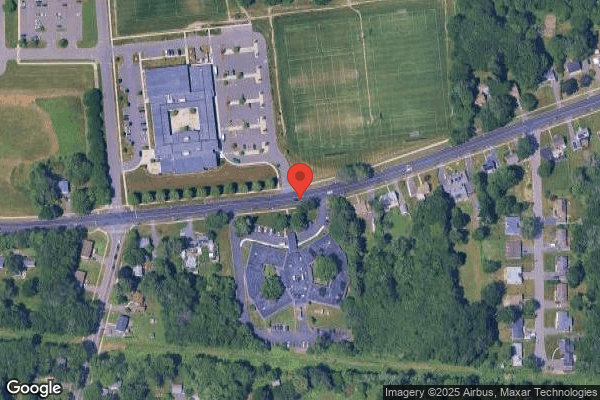
355 PARK AVENUE, BLOOMFIELD, CT 06002 (860) 242-8595
For profit - Corporation 120 Beds NATIONAL HEALTH CARE ASSOCIATES Data: November 2025 1 Immediate Jeopardy citation
Trust Grade
24/100
#121 of 192 in CT
Last Inspection: May 2025

Inspected within the last 6 months. Data reflects current conditions.

Overview

Bloomfield Center for Nursing & Rehabilitation has received a Trust Grade of F, indicating significant concerns about the quality of care provided. This facility ranks #121 out of 192 in Connecticut, placing it in the bottom half of all nursing homes in the state, and #44 out of 64 in Capitol County, suggesting only a few local options are better. Unfortunately, the trend is worsening, with reported issues increasing from 10 in 2024 to 17 in 2025. Staffing is relatively stable, with a turnover rate of 26%, which is better than the state average, but the facility has concerning RN coverage that is lower than 84% of other Connecticut facilities, which is critical for catching potential health issues. Specific incidents include a tragic event where a resident attempted suicide due to unsecured hazardous substances and a failure to inform a physician about a resident's refusal of medications, which could have affected their treatment plan. While the facility shows some strengths with decent staffing stability, these serious incidents and the overall low ratings raise significant red flags for potential residents and their families.

Trust Score
F
24/100
In Connecticut
#121/192
Bottom 37%
Safety Record
High Risk
Review needed
Inspections
Getting Worse
10 → 17 violations
Staff Stability
✓ Good
26% annual turnover. Excellent stability, 22 points below Connecticut's 48% average. Staff who stay learn residents' needs.
Penalties
✓ Good
$14,521 in fines. Lower than most Connecticut facilities. Relatively clean record.
Skilled Nurses
⚠ Watch
Each resident gets only 23 minutes of Registered Nurse (RN) attention daily — below average for Connecticut. Fewer RN minutes means fewer trained eyes watching for problems.
Violations
⚠ Watch
50 deficiencies on record. Higher than average. Multiple issues found across inspections.
★★☆☆☆
2.0
Overall Rating
★★☆☆☆
2.0
Staff Levels
★★★★☆
4.0
Care Quality
★★☆☆☆
2.0
Inspection Score
Stable
2024: 10 issues
2025: 17 issues

The Good

  • 4-Star Quality Measures · Strong clinical quality outcomes
  • Low Staff Turnover (26%) · Staff stability means consistent care
  • Full Sprinkler Coverage · Fire safety systems throughout facility
  • No fines on record
  • Staff turnover is low (26%)

    22 points below Connecticut average of 48%

Facility shows strength in quality measures, staff retention, fire safety.

The Bad

2-Star Overall Rating

Below Connecticut average (3.0)

Below average - review inspection findings carefully

Federal Fines: $14,521

Below median ($33,413)

Minor penalties assessed

Chain: NATIONAL HEALTH CARE ASSOCIATES

Part of a multi-facility chain

Ask about local staffing decisions and management

The Ugly 50 deficiencies on record

1 life-threatening
May 2025 17 deficiencies
CONCERN (D)

Potential for Harm - no one hurt, but risky conditions existed

Resident Rights (Tag F0550)

Could have caused harm · This affected 1 resident

**NOTE- TERMS IN BRACKETS HAVE BEEN EDITED TO PROTECT CONFIDENTIALITY** Based on observations, review of the clinical record, facility policy, and interviews for 1 of 4 sampled residents, (Resident #9...

Read full inspector narrative →
**NOTE- TERMS IN BRACKETS HAVE BEEN EDITED TO PROTECT CONFIDENTIALITY** Based on observations, review of the clinical record, facility policy, and interviews for 1 of 4 sampled residents, (Resident #97), reviewed for dignity, the facility failed to ensure the resident's body was not exposed while being transferred in the hallway following a shower. The findings include: Resident # 97's diagnosis included quadriplegia, diabetes, and feeding difficulties. The Minimum Data Set (MDS) assessment dated [DATE] identified Resident #97 had a Brief Interview for Mental Status (BIMS) score of 15 indicating no cognitive impairment, and was totally dependent on staff for bed mobility, transfers, eating, and bathing. The Resident Care Plan (RCP) dated 4/3/25 identified an Activities of Daily Living (ADL)deficit related to quadriplegia, spinal stenosis, and muscle weakness. Interventions included total dependence on 1 staff for bathing and showering and was totally dependent on 2 staff for repositioning and turning in bed. Observation on 5/12/2025 at 12:27 PM identified Resident # 97 being wheeled down the hallway, in a shower chair, after a shower with his/her buttocks exposed. The resident was noted to be wearing a hospital gown with no further covering. Staff, residents, and the surveyor were noted in the area and able to view Resident #97's buttocks. Observation and interview with the Director of Nursing (DNS) on 5/12/2025 at 12:27 PM identified that he had observed Resident #97 being wheeled down the hall with his/her buttocks exposed. The DNS indicated that the resident should have been covered up completely when being transferred to and from a shower. Subsequent to surveyor inquiry, NA #2 was asked by the DNS to cover Resident #97's buttocks to maintain privacy. Interview with NA #2 on 5/12/2025 at 12:47 PM identified that she was aware that residents needed to be covered completely when being transferred from the shower. Although NA #2 indicated she was aware of the facility policy, she indicated she had been in a hurry when taking Resident #97 from his/her shower. Review of the facility resident's rights policy dated revised 2/2024 directed, in part, to ensure the right to be treated with consideration, respect, and full recognition of your dignity and individuality. The right to privacy in accommodation, in receiving personal and medical care and treatment.
CONCERN (D)

Potential for Harm - no one hurt, but risky conditions existed

Deficiency F0603 (Tag F0603)

Could have caused harm · This affected 1 resident

**NOTE- TERMS IN BRACKETS HAVE BEEN EDITED TO PROTECT CONFIDENTIALITY** Based on observations, review of the clinical record, facility policy, and interviews for 1 of 6 sampled residents, (Resident #6...

Read full inspector narrative →
**NOTE- TERMS IN BRACKETS HAVE BEEN EDITED TO PROTECT CONFIDENTIALITY** Based on observations, review of the clinical record, facility policy, and interviews for 1 of 6 sampled residents, (Resident #60), reviewed for abuse, the facility failed to ensure a resident who was exposed to a communicable illness was free to exit their room when wearing appropriate Personal Protective Equipment (PPE). The findings include: Resident #60's diagnoses included quadriplegia, congestive heart failure, and chronic obstructive pulmonary disease. The quarterly Minimum Data Set assessment dated [DATE] identified Resident #60 had a Brief Interview of Mental Status (BIMS) score of 14 indicating intact cognition, was dependent with personal hygiene and rolling left and right, and used a motorized wheelchair. The Resident Care Plan (RCP) dated 4/29/2025 identified Resident #60 required assistance with activities of daily living. Interventions included using a mechanical lift for transfers, using 2 staff for turning and repositioning, and use of a motorized wheelchair for locomotion. A nurse progress note dated 5/5/2025 identified Resident #60 had tested negative for Covid after his/her roommate had tested positive for Covid. A nurse progress notes dated 5/7/2025 identified Resident #60 was on isolation precautions for Covid and had no shortness of breath or respiratory symptoms. A nurse progress notes dated 5/10/2025 identified Resident #60 was on contact/droplet precaution and had no respiratory distress. Review of physician orders failed to direct staff to place Resident #60 on droplet or contact precautions and/or isolation. An observation on 5/12/2025 at 1:30 PM identified a sign outside Resident #60's room indicating contact and droplet precautions. Resident #60 was not visible from the doorway, he/she was observed behind a privacy curtain without a mask, lacked any engaging activities such as television, radio, or personal activity, and lay silently in bed. A nurse progress note dated 5/13/2025 identified Resident #60 was not experiencing any signs or symptoms associated with Covid after an incidental exposure. An observation on 5/13/2025 at 9:34 AM identified Resident #60 was seated in bed behind a closed privacy curtain, not visible from the doorway of the room, sitting silently without a mask, without any type of any engaging activities such as television, radio, or personal activity. Resident #60's roommate was in bed sleeping. An interview with Nurse Aide (NA) #1 on 5/12/2025 at 11:31 AM identified Resident #60 was not allowed to leave his/her room due to his/her roommate testing positive for Covid. Further NA #1 was unable to identify when Resident #60 could leave his/her room. An interview with Resident #60 on 5/13/2025 at 9:33 AM identified he/she missed church this week and was upset he/she could not attend religious services. An interview with the Infection Preventionist (IP) on 5/14/2025 at 9:36 AM identified that residents are not moved if their roommate tests positive for Covid as there is a presumed exposure to Covid. The IP was unable to correctly identify the contagious period for Covid, incubation period for Covid, and Centers for Disease Control (CDC) recommendations for cohorting residents with Covid. The IP stated Resident #60 had not been evaluated for wearing a surgical or N95 mask or checked for mask wearing compliance. Additionally, the IP indicated that room appropriate activities could not be offered to him/her during the isolation period. An interview with the Director of Recreation at 5/14/2025 on 11:28 AM identified that Resident #60 was usually active with recreation activities and had attended bible study, music activities, and plant programs that were offered in the past. She indicated if the resident was currently allowed out of the room, he/she would have been able to participate socially in activity programs for stimulation. Further, the Director of Recreation identified that Resident #60 had not attended or been offered any activities since 5/3/2025. An interview with the Director of Nursing Services (DNS) on 5/14/2025 at 12:21 PM identified that it was unsafe for the roommate of a Covid positive resident to leave the room due to the resident's exposure to Covid. The DNS indicated that it was safe for staff to enter and exit Resident #60's room while wearing a mask, but that it was not safe for Resident #60 to leave the room with a mask. The DNS stated Resident #60 had never been trialed for mask use or for compliance to be out of his/her room with a mask in place. The DNS further noted that Resident #60 was a quadriplegic and could not put on or take off a mask independently. An interview with the Administrator on 5/14/2025 at 12:51 PM identified she was not informed Resident #60 wished to leave his/her room, and that the facility failing to identify that restricting Resident #60 from leaving his/her room when he/she requested could be considered an involuntary seclusion. Review of the facility's operational guide for Covid identified, in part, exposed residents should be monitored for symptoms, receive testing, and wear source control (a mask) for 10 days following exposure.
CONCERN (D)

Potential for Harm - no one hurt, but risky conditions existed

Comprehensive Care Plan (Tag F0656)

Could have caused harm · This affected 1 resident

**NOTE- TERMS IN BRACKETS HAVE BEEN EDITED TO PROTECT CONFIDENTIALITY** Based on observations, review of the clinical record, facility policy and interviews for 2 of 2 sampled residents, (Resident# 97...

Read full inspector narrative →
**NOTE- TERMS IN BRACKETS HAVE BEEN EDITED TO PROTECT CONFIDENTIALITY** Based on observations, review of the clinical record, facility policy and interviews for 2 of 2 sampled residents, (Resident# 97, Resident #102), reviewed for Activities of Daily Living (ADL's), for Resident #97, the facility failed to develop a comprehensive Resident Care Plan (RCP) for the use of a 24-hour positioning plan and specialized communication needs, and for Resident #102, failed to ensure the RCP reflected a dental problem for a resident with dental issues. The findings include: 1. Resident #97's diagnosis included quadriplegia, diabetes, and feeding difficulties. The annual Minimum Data Set (MDS) assessment dated [DATE] identified Resident #97 had a Brief Interview for Mental Status (BIMS) score of 15 indicating moderate cognitive impairment, spoke Spanish, required an interpreter, had a limitation in range of motion in both upper and lower extremities, and was totally dependent on staff for ADL's. The Resident Care Plan (RCP) in effect from 1/1/2025 through 5/15/2025 failed to identify the 24-hour positioning plan per the physician order or that Resident #97 had communication barriers and required specialized services to communicate. The physician's orders in effect for April and May 2025, directed to transfer Resident #97 out of bed to a power wheelchair with chest and pelvic positioning belts to maintain upright positioning per a 24-hour positioning plan. The Occupational Therapy (OT) progress notes dated 4/3/2025 through 5/15/2025 described Resident #97's out of bed routine was to transfer out of bed to a power wheelchair and to utilize chest and pelvic belts to maintain upright posture per the 24-hour positioning plan. The 24-hour rehabilitation positioning plan directed that on the 7:00 AM to 3:00 PM shift, Resident #97 was to be out of bed to a custom wheelchair (CWC) as tolerated, and on the 3:00 PM to 11:00 PM shift placed back to bed. During an interview on 5/15/2025 at 12:22 PM with Resident #97 he/she was noted to require a translator in order to communicate. Google translator was utilized. The Nurse Aid (NA) care card (directs NA care) dated 5/16/25 failed to identify Resident #97 had a 24-hour positioning plan or that he/she was Spanish speaking and required an interpreter for communication. Interview and review of the RCP with the Director of Nursing Services (DNS) on 5/16/2025 at 1:18 PM failed to identify that Resident #97 had a 24 hour positioning plan or was Spanish speaking and utilized [NAME] (virtual assistive device) for interpretation. Additionally, the DNS indicated that the MDS Coordinator as well as any nursing staff could have updated the RCP to reflect the resident's care requirements. 2. Resident #102's diagnoses included malignant neoplasm of the left breast, moderate protein calorie malnutrition, and dysphagia (difficulty swallowing). The admission Minimum Data Set assessment (MDS) dated [DATE] identified Resident #102 did not have any dental issues. The quarterly MDS dated [DATE] identified Resident #102 had a Brief Interview for Mental Status (BIMS) score of 12 indicating moderate cognitive impairment, was independent after set up help with eating, and required partial/moderate assistance with oral hygiene. The RCP in effect from 1/7/2025 through 5/16/2025 failed to identify any dental issues or problems. A dental hygienist note dated 1/7/2025 identified that Resident #102 had lower right tooth pain at crowned tooth #31 and had no other pathology was noted at the time of the exam. Digital palpation did elicit a mild pain response, but no mobility (of the teeth) was detected. As per the dentist, Resident #102 will be scheduled for further evaluation. A dentist's note dated 1/8/2025 identified that Resident #102 had complained of discomfort of the lower right side of his/her mouth. Resident #102's tooth hurt when biting down. A previous evaluation on 10/24/2024 resulted in a recommendation for a referral to a provider in the community for evaluation for course of treatment. Nursing staff was made aware of the discomfort. Interview and review of the RCP with Director of Nursing (DNS) on 5/16/2025 at 1:20 PM failed to identify why Resident #102 did not have a RCP related to his/her ongoing dental issues since 1/7/2025. Review of the baseline and comprehensive person-centered care plan policy dated 3/2023 directed, in part, the comprehensive person-centered care plan will be developed after the comprehensive assessment, reviewed and revised by a team of qualified persons after each assessment, will be revised episodically as the plan of care changes, and will reflect the resident's current status. The comprehensive person-centered care plan will be kept current by all disciplines on an ongoing basis. Disciplines will be responsible for updating the care plan when there is a new problem identified that needs the discipline to intervene.
CONCERN (D)

Potential for Harm - no one hurt, but risky conditions existed

Deficiency F0657 (Tag F0657)

Could have caused harm · This affected 1 resident

**NOTE- TERMS IN BRACKETS HAVE BEEN EDITED TO PROTECT CONFIDENTIALITY** Based on review of the clinical record, facility documentation, facility policy, and interviews for 1 of 3 sampled residents, (R...

Read full inspector narrative →
**NOTE- TERMS IN BRACKETS HAVE BEEN EDITED TO PROTECT CONFIDENTIALITY** Based on review of the clinical record, facility documentation, facility policy, and interviews for 1 of 3 sampled residents, (Resident # 96), reviewed for pressure ulcers, the facility failed to update the Resident Care Plan (RCP) with interventions to prevent the development of a pressure ulcer when the resident became more dependent on staff, and for 1 of 3 sampled residents, (Resident #104), reviewed for accidents, the facility failed to update the Residents Care Plan (RCP) after unwitnessed falls. The findings include: 1. Resident #96's diagnoses included severe protein calorie malnutrition, vascular dementia and difficulty walking. The quarterly Minimum Data Set assessment (MDS) dated [DATE] identified Resident #96 had a Brief Interview for Mental Status (BIMS) score of 2 indicating severe cognitive impairment, required supervision with bed mobility, supervision with transfers, and supervision ambulating. Additionally, Resident #96 was at risk for skin breakdown and had no current pressure areas. Review of the Physical Therapy Discharge summary dated [DATE] through 3/18/25 identified Resident #96 required partial/moderate assistance with bed mobility, partial/moderate assistance with transfers, and partial/moderate assistance to ambulate 10 feet. (A decline in 3 areas was noted to have occurred from the MDS assessment dated [DATE] to the Physical Therapy Discharge summary dated [DATE] in the areas of bed mobility, transfers, and ambulation). The Resident Care Plan (RCP) dated 4/22/25 identified a potential for skin breakdown. Interventions included obtaining labs as ordered, treatments as ordered, and updating the physician and responsible party with changes as needed. The RCP failed to include new iterventions for preventative measures for pressure ulcer development when the resident became more dependent on staff for turning in bed, transfers, and walking. Review of weekly skin assessments from 4/24/25 to 5/1/25 identified that Resident #96 had intact skin. A nurse's note dated 5/6/2025 at 12:58 PM identified a Deep Tissue Injury (DTI) on Resident #96's right hip and a stage 2 (partial thickness skin loss) of the left hip. Resident #96 was seen by the wound nurse practitioner and new orders were put into place. On 5/6/2025 the RCP was updated (subsequent to pressure injury develoment) to include Resident #96's new Deep Tissue Injury (DTI) pressure ulcer to the right hip and stage 2 pressure ulcer on the left hip both related to immobility. Interventions included a dietitian evaluation/intervention as needed, monitor signs and symptoms of wound infection, alternating air mattress placement, and weekly wound evaluations per the protocol. A Nurse Practitioner wound assessment note dated 5/6/2025 identified an initial visit to assess Resident #96's pressure injuries. Significant contributors for increased risk of wound incidence and/or impeding healing included but are not limited to diabetic and vascular complicating factors, generalized muscle weakness, impaired mobility, and inevitable effects of aging. Education was provided regarding pressure relief, general offloading, and frequent repositioning. Interview and review of the clinical record with the DNS on 5/18/2025 at 11:06 AM failed to identify that the RCP had been reviewed and revised with interventions for the prevention of pressure ulcer development following Resident #96's decline identified on the Physical Therapy Discharge summary dated [DATE] in the areas of bed mobility, transfers, and ambulation. The DNS indicated the RCP had not been updated prior to the development of the pressure ulcer, because up to that point, he believed that Resident #96 was mobile and ambulatory. Additionally, the DNS indicated that although the facility conducted weekly at risk meetings with the MDS Coordinator, Rehabilitation, and the Dietician, he was never made aware of Resident #96's decline in bed mobility, transfer status, or ambulation until 5/6/25 when the pressure injuries to the right and left hip were identified. Interview with the MDS Coordinator on 5/18/2025 at 11:16 AM, identified she had met with rehab on 5/18/2025, after a significant change had occurred, and that she had only discussed the decline with rehabilitation, (not updating the RCP), after the DNS had questioned her about the decline of function in the 3 areas of bed mobility, transfers, and ambulation. Review of the NHCA pressure injury prevention management program policy dated 3/2023 directed, in part, to identify potential risk factors and implement preventative measures to prevent skin breakdown. 2. Resident #104 was admitted to the facility in June of 2024 with diagnoses that included hypertension, generalized body weakness, and dementia. The quarterly Minimum Data Set (MDS) assessment dated [DATE] identified Resident #104 had a Brief Interview for Mental Status (BIMS) score of 14 indicating no cognitive impairment, required moderate assistance for personal hygiene and was independent for bed mobility and transfers. The Resident Care Plan (RCP) dated 10/23/2024, identified Resident #104 was at risk for falls due to poor balance, psychoactive drug use, and unsteady gait. Interventions included use of appropriate footwear (non-skid socks, non-slip soles or shoes/sneakers) when ambulating or mobilizing in a wheelchair, encourage the resident to be out of the room when awake for socialization and/or recreation, use a low bed, and note any changes in gait and report as needed. A Reportable Event form dated 12/21/2025 at 6:52 AM written by Registered Nurse (RN) #4, identified that Resident#104 was found lying in front of his/her bed. Resident #104 suffered a laceration to the mid forehead measuring 2 centimeters (cm) by 0.5 cm. Resident #104's physician and family were notified and an investigation into the incident was initiated. A Reportable Event form dated 12/28/2025 at 5:00 AM written by RN #4, identified that Resident#104 had an unwitnessed fall in his/her room in front of his/her bed. Resident #104 did not sustain any injuries. Resident #104's physician and family were notified and investigation into the incident was initiated. Although Reportable Events describing Resident #104's falls on 12/21/2025 and 12/28/2025 were noted, a review of the RCP failed to identify any new interventions that had been implemented to prevent further falls. Interview with RN #4 on 5/15/25 at 10:35 AM, identified that he was responsible for updating Resident #104's RCP after the falls. RN #4 indicated that the RCP should have been updated, and new post fall interventions initiated to mitigate further falls. RN #4 was unable to explain why he did not update the RCP. Interview and clinical record with the Director of Nursing Services (DNS) on 5/19/2025 at 11:10 AM, identified that Resident #104's RCP should have been updated after the falls. The DNS could not explain why RN#4 failed to update the RCP. Review of facility policy titled, Baseline/Comprehensive Person-Centered Care Plan (CPCCP), identified, in part, the CPC/CP will be kept current by all disciplines on an ongoing basis. Disciplines will be responsible for updating the care plan when there is a new problem that requires disciplines to intervene.
CONCERN (D)

Potential for Harm - no one hurt, but risky conditions existed

Deficiency F0658 (Tag F0658)

Could have caused harm · This affected 1 resident

**NOTE- TERMS IN BRACKETS HAVE BEEN EDITED TO PROTECT CONFIDENTIALITY** Based on observation, review of clinical records, facility policy, and interviews for 1 of 4 sampled residents (Resident #2) rev...

Read full inspector narrative →
**NOTE- TERMS IN BRACKETS HAVE BEEN EDITED TO PROTECT CONFIDENTIALITY** Based on observation, review of clinical records, facility policy, and interviews for 1 of 4 sampled residents (Resident #2) reviewed for dignity, the facility failed to ensure a portable oxygen cylinder was stored in a safe manner. The findings include: Resident #2 diagnoses included chronic obstructive, obstructive pulmonary disease, respiratory failure, and congestive heart failure. The quarterly Minimum Data Set (MDS) assessment dated [DATE] identified Resident #2 had a Brief Interview for Mental Status (BIMS) score of 14, indicating no cognitive impairment, required supervision with bed mobility, maximal assistance with lower body dressing, and partial moderate assistance to sit on the side of the bed. The Resident Care Plan Conference (RCC) dated 5/15/2025 identified Resident #2 had emphysema related to a history of smoking. Interventions directed staff to monitor for symptoms of dyspnea on exertion, monitor for signs and symptoms of respiratory infection, and administer oxygen as ordered. Observation and interview with Resident #2 on 5/16/2025 at 1:37 PM identified a green portable oxygen cylinder laying sideways on the seat of a manual wheelchair located at the base of the bed. Resident #2 stated the tank was brought in so that he/she could leave the room and socialize with other residents. Interview with Social Worker (SW) #1 on 5/16/2025 at 1:47 PM identified that during a RCP meeting, it was decided to provide Resident #2 with an extra oxygen tank so he/she could move freely throughout the facility and that she knew how to administer oxygen to residents. SW #1 indicated that although not professionally trained, she knew how to turn on the oxygen tank, had provided oxygen to Resident #2 in the past, and had done so to help so that Resident #2 did not have to wait for a nurse. Observation and interview with the Director of Nursing (DNS) on 5/16/2025 at 2:30 PM identified that oxygen should be administered only by a nurse and SW #1 did not have the competency and qualifications to administer oxygen. Review of the Oxygen Therapy Policy directed, in part, that staff identified hazards such as delivering oxygen to residents with COPD because overcorrected oxygen levels may have led to carbon dioxide retention.
CONCERN (D)

Potential for Harm - no one hurt, but risky conditions existed

Deficiency F0679 (Tag F0679)

Could have caused harm · This affected 1 resident

**NOTE- TERMS IN BRACKETS HAVE BEEN EDITED TO PROTECT CONFIDENTIALITY** Based on record review, interviews, and review of facility policy for the only sampled resident, (Resident #60), reviewed for Ac...

Read full inspector narrative →
**NOTE- TERMS IN BRACKETS HAVE BEEN EDITED TO PROTECT CONFIDENTIALITY** Based on record review, interviews, and review of facility policy for the only sampled resident, (Resident #60), reviewed for Activities, the facility failed to provide activities that met the needs of a resident with a physical impairment. The findings include: Resident #60's diagnoses included quadriplegia, congestive heart failure, and chronic obstructive pulmonary disease. The quarterly Minimum Data Set assessment dated [DATE] identified Resident #60 had a Brief Interview of Mental Status (BIMS) score of 14 indicating intact cognition, was dependent with personal hygiene and rolling left and right, and used a motorized wheelchair. The Resident Care Plan (RCP) dated 4/29/2025 identified Resident #60 would maintain involvement in cognitive stimulation and social activities. Interventions included inviting him/her to the scheduled activities and provide him/her with an activity calendar. An interview with Resident #60 on 5/13/2025 at 9:34 AM identified he/she was upset that there are no options for recreation activities that he/she could participate in due to his/her hands being paralyzed. An interview on 5/14/2025 at 11:28 AM with the Director of Recreation identified that Resident #60 was not being offered any specialized recreation programs, but she recognized military service on Veteran's Day, placed bingo markers on a bingo card for him/her, and when arts and crafts required the use of hands, she would provide the hands on assistance. The Recreation Director further indicated that although there were other residents who had physical limitations, the facility did not offer specialized recreation activities for residents with physical limitations. Review of the Facility's Therapeutic Recreation Policy identified in part that the therapeutic recreation department will provide resident centered activities based on a resident's age, and physical and cognitive limitations.
CONCERN (D)

Potential for Harm - no one hurt, but risky conditions existed

Pressure Ulcer Prevention (Tag F0686)

Could have caused harm · This affected 1 resident

**NOTE- TERMS IN BRACKETS HAVE BEEN EDITED TO PROTECT CONFIDENTIALITY** Based on review of the clinical record, facility policy and interviews for 2 of 3 sampled residents (Resident #32 and Resident #...

Read full inspector narrative →
**NOTE- TERMS IN BRACKETS HAVE BEEN EDITED TO PROTECT CONFIDENTIALITY** Based on review of the clinical record, facility policy and interviews for 2 of 3 sampled residents (Resident #32 and Resident #76) reviewed for pressure ulcers, the facility failed to perform weekly skin checks as ordered, failed to perform weekly pressure ulcer risk assessments, failed to ensure the dietician conducted a nutritional assessment for a resident with a pressure ulcer, and for Resident #76, failed to develop a comprehensive care plan. The findings include: 1. Resident #32 was admitted on [DATE] with diagnoses that included diabetes, chronic kidney disease, dementia and congestive heart failure. The admission baseline Resident Care Plan (RCP) dated 3/26/2025 identified a potential for skin breakdown. Interventions included dietician evaluation/interventions as needed, skin checks with care for changes, report changes to the nurse, turn and reposition every 2 to 3 hours and as tolerated, and weekly skin evaluations. The admission MDS assessment dated [DATE] identified Resident #32 had a Brief Interview of Mental Status score of 7 indicating severe cognitive impairment, and was totally dependent on staff for bed motility, transfers, and wheelchair mobility. Additionally, Resident #32 was always incontinent of bladder, frequently incontinent of bowel, and although he/she did not have a current pressure ulcer, was at risk for pressure ulcer development. Review of the Clinical Record identified a nurses note dated 3/25/25 indicating Resident #32 had a reddened heel, a Hospice Clinical Note and Visit Report sheet identifying a pressure injury to the sacrum on 4/21/2025, and a left big toe in-house acquired deep tissue injury on 4/28/25. Review of the physician orders dated 3/27/2025 directed to apply barrier cream to the buttocks every shift and apply skin prep to the right and left heel every shift, bunny boots and off load when in bed, and physician's orders dated 4/30/2025 directed to cleanse the sacrum with normal saline, apply medical honey and cover with a foam border. a. Physician's orders dated 3/25/2025 directed facility staff to conduct weekly skin assessments on Wednesdays and document findings in Point Click Care (the electronic health record) using the Skin & Wound Total Body Skin Assessment form. Review of the clinical record identified 2 Total Body Skin Assessments dated 4/16/2025 and 5/14/2025 resulting in 5 missing assessments out of 7 opportunities. (4/2, 4/9/, 4/23, 4/30, 5/7/2025) b. A Braden Scale for Predicting Pressure Sore Risk dated 3/26/2025 identified a score of 14 indicating moderate risk of pressure ulcer development. Review of the clinical record failed to identify any further Braden Scale assessments after the initial assessment on admission. c. The Nutritional Evaluation dated 3/28/2025 identified Resident #32 had no skin integrity issues. Review of the clinical record failed to identify the Dietician had evaluated Resident #32 following development of pressure ulcers. 2. Resident #76 was readmitted on [DATE] with diagnoses that included diabetes, chronic kidney disease, and intellectual disability. A nursing readmission assessment dated [DATE] identified that Resident #76 did not have any skin integrity issues. The re-admission MDS assessment dated [DATE] identified Resident #76 with a Brief Interview of Mental Status score of 13 indicating no cognitive impairment and required substantial maximal assistance with bed mobility, transfers, and ambulating 10 feet. Additionally, Resident #76 was always incontinent of bowel, was at risk to develop pressure ulcers, and had a current unhealed pressure ulcer determined to be unstageable. A Skin and Wound Evaluation dated 4/22/2025 identified a pressure ulcer, deep tissue injury that was present on admission. a. A discontinued physician orders dated 4/18/2025 had directed facility staff to conduct weekly skin assessments and document findings in Point Click Care (the electronic health record) using the Skin & Wound Total Body Skin Assessment form. The order was discontinued on 4/18/2025 and never reinstated. Review of the clinical record identified Total Body Skin Assessments dated 5/6/2025 and 5/13/2025 resulting in 2 missing assessments out of 4 opportunities. (during the week of 4/20/2025 and 4/27/2025. b. A Braden Scale for Predicting Pressure Sore Risk dated 4/18/2025 identified a score of 14 indicating moderate risk of pressure ulcer development. Review of the clinical record failed to identify any further Braden Scale assessments after the initial assessment on admission. c. The Nutritional Evaluation dated 4/21/2025 identified Resident #76 had no skin integrity issues. Review of the clinical record failed to identify the dietician had evaluated Resident #76's pressure ulcer present on readmission, since his/her readmission. d. A physician order dated 4/18/2025 directed to cleanse buttocks with soap and water, pat dry, and apply zinc oxide every shift. Although the resident was readmitted to the facility on [DATE] with an unable to stage pressure ulcer, the RCP and Nurse Aide (NA) care card failed to reflect interventions to prevent deterioration or further pressure ulcer development since Resident #76's readmission. Interview with the DNS on 5/19/25 at 2:55 PM identified that Skin & Wound Total Body Skin Assessment forms are to be routinely completed weekly, Braden scale risk evaluations are to be completed weekly for 4 weeks on admission and readmission, the dietician is to conduct a nutritional assessment when a pressure ulcer has developed, and that RCP's are updated with changes in condition. The DNS was unable to explain why Resident #32 and Resident #76, did not have weekly Skin & Wound assessments, Braden scale risk evaluations were not completed weekly for 4 weeks per the facility policy, why the Dietician did not see the residents for nutritional assessments, although she did attend morning report where she could have received the information, or why the RCP's were not updated timely to reflect the changes in condition, Interview with the Dietician on 5/19/2025 at 3:50 PM identified that she did not see the residents for nutritional assessments/updates to the progress notes as she was not aware/informed the residents had pressure injuries. Further, had she been aware, would have evaluated Resident #32 and #76 more extensively for nutritional needs. Review of the Pressure Injury Prevention Protocol directed to identify potential risk factors and implement preventative measures to prevent skin breakdown. Review of the Pressure Injury Nutrition Protocol directed the Dietician to ensure that residents have adequate fluid and nutritional intakes. Review of the Braden Scale policy directed Braden Scale evaluations for all residents upon admission/readmission, then weekly for a total of 4 weeks. Review of the Resident Care Plan Policy directed dated 3/2023 directed, in part, the comprehensive person-centered care plan will be developed after the comprehensive assessment, reviewed and revised by a team of qualified persons after each assessment, will be revised episodically as the plan of care changes, and will reflect the resident's current status.
CONCERN (D)

Potential for Harm - no one hurt, but risky conditions existed

Accident Prevention (Tag F0689)

Could have caused harm · This affected 1 resident

**NOTE- TERMS IN BRACKETS HAVE BEEN EDITED TO PROTECT CONFIDENTIALITY** Based on observation, review of the clinical record, facility policy, and interviews for 1 of 4 sampled residents (Resident #2) ...

Read full inspector narrative →
**NOTE- TERMS IN BRACKETS HAVE BEEN EDITED TO PROTECT CONFIDENTIALITY** Based on observation, review of the clinical record, facility policy, and interviews for 1 of 4 sampled residents (Resident #2) reviewed for dignity, the facility failed to ensure a portable oxygen cylinder was stored in a safe manner to prevent a potential hazard, for 1 of 3 residents (Resident #60) reviewed for hospitalization, the facility failed to follow physician orders to transfer a resident to the Emergency Department following an accidental occurrence in a dependent resident, and for 1 of 3 residents, (Resident #93) reviewed for accidents, the facility failed to provide a side rail assessment and evaluation prior to using side rails resulting in an injury. The findings include: 1. Resident #2 diagnoses included chronic obstructive, obstructive pulmonary disease, respiratory failure, and congestive heart failure. The quarterly Minimum Data Set (MDS) assessment dated [DATE] identified Resident #2 had a Brief Interview for Mental Status (BIMS) score of 14, indicating no cognitive impairment, and required supervision for bed mobility, sitting to lying, sitting to standing, and was independent with mobility once in a wheelchair. Additionally, Resident #2 required oxygen therapy. The Resident Care Plan (RCP) dated 5/15/2025 identified Resident #2 had emphysema related to a history of smoking. Interventions directed staff to monitor for symptoms of dyspnea (shortness of breath) on exertion, monitor for signs and symptoms of respiratory infection, and administer oxygen as ordered. Observation and interview with Resident #2 in his/her room on 5/16/2025 at 1:37 PM identified a green portable oxygen tank cylinder on the seat of a wheelchair unsecured and lying sideways. Observation and interview with the Director of Nursing (DNS) on 5/16/2025 at 2:30 PM identified that the oxygen storage tank in Resident #2's room was improperly stored. The DNS indicated the tank should have been secured in an oxygen tank holder and not laid on the seat of the wheelchair. The DNS indicated that subsequent to surveyor observation, the oxygen tank would be removed and secured. Review of the Oxygen Safety Policy directed, in part, that oxygen cylinders must be stored in a stand or chained area, all cylinders in use must be in a stand, and all connections on tanks must be tight. According to Occupational Safety and Health Administration, (OSHA) compressed gas cylinders must be secured in an upright position regardless of whether they are in use or in storage. Compressed gas cylinders can only be horizontal for short durations when they are being hoisted or carried. 2. Resident #60's diagnoses included quadriplegia, congestive heart failure, and chronic obstructive pulmonary disease. The annual Minimum Data Set assessment dated [DATE] identified Resident #60 had a Brief Interview of Mental Status (BIMS) score of 15 indicating intact cognition, was dependent with eating, personal hygiene and rolling left and right, and had bilateral range of motion limitations in the upper extremities. The Resident Care Plan (RCP) in effect from 7/19/2024 to 7/22/2024 identified Resident #60 required assistance with activities of daily living. Interventions included using a mechanical lift for transfers, using 2 staff for turning and repositioning, and use of a motorized wheelchair for locomotion. A nursing note dated 7/21/2024 at 4:26 PM identified that Resident #60 had a Q-tip stuck in his/her right nostril and that the Q-tip was not visible while attempting to visualize. The nursing supervisor was made aware and removed the entire Q-tip which had been embedded in Resident #60's nostril. A change in condition provider note dated 7/22/2024 at 7:51 PM identified the facility's Advanced Practice Registered Nurse had been updated on the Q-tip being stuck in Resident #60's nostril and directed facility staff to send Resident #60 to the Emergency Department (ED)for Q-tip removal. A nursing note dated 7/23/2024 at 5:16 AM identified a call was received from the ED medical doctor to inform the facility a Computed Tomography scan (CT) of Resident #60 did not identify any foreign body within his/her nose and the maxillofacial area was clear of any foreign body. The NA Resident Care Card (directs NA care) dated 5/14/2025 identified Resident #60 was totally dependent on staff for oral care and dressing. An interview with Resident #60 on 5/16/2025 at 10:33 AM identified that staff were using a Q-Tip in his/her nose when the Q-tip became stuck. Resident #60 further identified a nurse removed the Q-tip with a long pair of tweezers and then sent him/her to the hospital. An interview on 5/16/2025 at 10:48 AM with Licensed Practical Nurse (LPN) #3 identified that when an object was placed in Resident #60's hands, he/she could bring it to his/her face, but he/she did not have the ability to independently grasp an object. Further, LPN #3 identified on 7/21/2024 Resident #60 notified her that a Q-tip had been stuck in his/her nostril. LPN #3 stated she notified the nursing supervisor (RN #4), and he removed the Q-tip with a large pair of tweezers. She was unable to explain why Resident #60 was sent to the hospital to have the Q-tip removed per APRN orders if the Q-tip was already removed. An interview and review of clinical records on 5/19/2025 at 8:39 AM with Physical Therapist (PT) #2 and Occupational Therapist (OT) #1 identified around and on the date of 7/21/2024, Resident #60 did not have the ability to independently grasp an object and bring it towards his/her face or bring his/her arm to his/her head to itch their nose or scratch their head due to quadriplegia. PT #2 further stated that during a formal evaluation on Resident #60's upper extremity range of motion in March of 2023, Resident #60 was found to have no active range of motion. An interview with the Medical Director on 5/19/2025 at 11:24 AM identified that sending Resident #60 to the Emergency Department for removal of the Q-tip would have been the correct action to take. Further, he indicated that the facility should not have independently removed the lodged Q-tip as harm could have occurred if there was another object at the end of the Q-tip, there was bleeding, and there was the possibility of infection. The Medical Director stated that if there was an order to send Resident #60 to the hospital, he/she should have immediately been sent to the hospital. An interview with the Director of Nursing Service (DNS) on 5/19/2025 at 12:19 PM identified it was not within the nurse's scope of practice to remove a Q-tip with tweezers when the Q-tip was lodged up Resident #60's nostril and could not be visualized. The DNS could not explain why the nursing supervisor removed the Q-tip himself when there was an order to transport the resident to the hospital for removal. Further, the DNS stated the facility did not fill out an accident or reportable incident form for the incident because Resident #60 was not injured. Attempts to contact the nursing supervisor (RN #4) for interview were unsuccessful. Review of the facility's Accident and Incident policy identified, in part, that it is the responsibility of staff to report incidents and accidents that occur at the facility. Occurrences are to be investigated in a timely manner and preventative measures are to be initiated. 3. Resident #93 was admitted to the facility in April of 2025 with diagnoses that included hypertension, generalized body weakness and dementia. The Nursing admission assessment dated [DATE] identified Resident #93 was alert but confused and required maximum assistance for personal hygiene, toileting hygiene, and transfers. The Resident Care Plan (RCP) dated 4/29/2025, identified Resident #93 with a functional mobility limitation related to dementia and weakness. Interventions included staff assistance with transfers and bed mobility. The RCP failed to indicate side rail use. A Reportable Event form dated 4/30/25 at 6:25 AM written by RN #7, identified that NA #6 reported to RN #7 that she was doing her safety rounds, and witnessed Resident #93's right hand get caught in the side rail which resulted in an injury/skin tear measuring 5.0 centimeters (cm) by 5.0 cm on the back of his/her right hand. RN #7 indicated that the APRN was notified, and treatment was started according to the APRN order. A nurse's note dated 4/30/2025 at 4:35 AM written by RN #7 identified NA #6 had reported to her that she had witnessed Resident #93's right hand get caught in the side rail resulting in a skin tear measuring 5.0 centimeters (cm) by 5.0 cm on the back of his/her right hand. RN #7 indicated that Resident #93 was alert but confused and was not able to explain what had happened. RN #7 assessed Resident #93's right hand, the APRN was notified, and treatment was started according to the APRN order. Attempts to interview NA #6 were unsuccessful. Interview with RN #7 on 5/19/2025 at 10:15 AM, identified that she was notified by NA #6 that Resident #93's right hand had been caught in the side rail, and he/she had sustained a skin tear. RN #7 indicated that she immediately went to assess Resident #93 and identified that 2 half side rails were in use. RN #7 identified that Resident #93 seemed confused and was constantly moving in bed and she was afraid that Resident #93 may roll out of bed and therefore side rails were being used for safety and to assist with mobility. RN #7 could not identify if a side rail assessment had been performed on admission or prior to the side rail use, but stated that a side rail assessment was required per the facility policy, prior to side rail use to ensure side rail safety. Interview and clinical record with the DNS on 5/19/2025 at 11:00 AM, failed to identify a side rail assessment had been completed. The DNS indicated that it was the facility protocol to conduct a side rail assessment prior to side rail use. The DNS could not explain why a side rail assessment had not been completed for Resident #93. Review of facility policy titled, Side Rail Policy, identified, in part, that upon admission, re-admission, significant change, a change in mobility and as needed, the resident will be evaluated for partial side rails to assist with bed mobility. A licensed nurse shall do the initial evaluation which will include observation of the resident's movement in bed and the resident's use of partial side rail to assist with turning and repositioning. The facility shall obtain informed consent from the resident or the resident's representative for the use of side rail and use of side rails will be documented within the resident plan of care.
CONCERN (D)

Potential for Harm - no one hurt, but risky conditions existed

Deficiency F0692 (Tag F0692)

Could have caused harm · This affected 1 resident

**NOTE- TERMS IN BRACKETS HAVE BEEN EDITED TO PROTECT CONFIDENTIALITY** Based on clinical record review, review of facility policy, and interviews for 1 of 2 residents, (Resident #95), reviewed for nu...

Read full inspector narrative →
**NOTE- TERMS IN BRACKETS HAVE BEEN EDITED TO PROTECT CONFIDENTIALITY** Based on clinical record review, review of facility policy, and interviews for 1 of 2 residents, (Resident #95), reviewed for nutrition, the facility failed to obtain daily weights for a resident with Congestive Heart Failure (CHF) per the physician's order. The findings include: Resident #95 was admitted to the facility in July of 2024 with diagnoses that included hypertension, Congestive Heart Failure (CHF), and diabetes. The quarterly Minimum Data Set (MDS) assessment dated [DATE] identified Resident #95 had a Brief Interview for Mental Status (BIMS) score of 10 indicating moderate cognitive impairment, and required maximum assistance for toileting, personal hygiene, bed mobility, and transfers. A Resident Care Plan (RCP) in effect for the month of December 2024 identified Resident #95 with a potential for altered cardiac status related to CHF and hypertension. Interventions included monitoring changes in lung sounds on auscultation (i.e. crackles) and evaluating respiratory status for signs of shortness of breath, dyspnea (shortness of breath) on exertion, fatigue, anxiety, cyanosis and monitor weights for weight changes. A physician order dated 12/10/2024 directed to weight Resident #95 every day on the day shift for CHF (monitoring) and notify the physician for a weight gain or loss of 2.5 pounds (Lbs.) in a day (24 hours) or 5 Lbs. in a week. A physician order dated 4/18/2025 directed to administer Torsemide (a diuretic) 20 milligrams (mg) by mouth one time a day for CHF. Further review of Resident #95's clinical record and weights identified that for the month of December; Resident #95 was weighed 8 days out of 22 opportunities; for the month of January 2025 Resident #95 was weighed 7 days out of 31 opportunities; for the month of February 2025, Resident #95 was weighed 2 days out of 28 opportunities; for the month of March 2025, Resident #95 was weighed 6 days out of 30 opportunities, and for the month of April 2025, Resident #95 was weighed 14 days out of 30 opportunities. Further review of the clinical record failed to identify documented weight refusals. Review of APRN #1's progress note dated 4/29/2025 at 9:30 AM identified that Resident #95 had a significant history of CHF and had been off diuretics for quite some time due to weight loss. APRN #1 further identified that Resident #95 had recently experienced episodes of respiratory failure with hypoxia and a chest x-ray revealed pulmonary congestion. APRN #1 indicated that Resident #95 was restarted on torsemide, and his/her breathing and oxygen saturations improved. Interview and clinical record review with RN #2 on 5/14/2025 at 1:35 PM, identified that Nurse Aides (NA's) weigh residents and the nurse enters the weight in Electronic Medical Record (EMR). RN#2 identified that Resident #95's physician's order for daily weights was current and therefore he/she should have been weighed daily as directed and weights documented in the EMR. RN #2 indicated that any weight refusals should also be documented in the clinical record. RN #2 could not explain why Resident #95 was not weighed as directed by the physician. Interview with APRN #1 on 5/14/2025 at 2:30 PM identified that Resident #95's order for daily weights was due to CHF. APRN #1 indicated that Resident #95 should have been weighed daily as directed in the orders. APRN #1 indicated that even though Resident #95 was not being weighed daily as directed, he was assessing him/her often and had not identified significant changes. Interview and clinical record with the DNS on, 5/19/2025 at 11:00 AM, identified Resident #95 should have been weighed as directed by the physician and any refusals documented in the clinical record. The DNS was unable to explain why Resident #95 was not weighed daily as directed by the physician. Although requested, a CHF policy was not provided. Review of facility policy titled, Weights Policy and Procedure, identified in part, that, each resident will be weighed upon admission, readmission, monthly or significant change in condition. Significant weight changes will have verification of weight measurement for accuracy and documentation purpose .If a resident refuses to be weighed or circumstances prevent weighing the resident, the IDT will document reason in the resident's medical record and care plan and attempt to weigh resident another time done.
CONCERN (D)

Potential for Harm - no one hurt, but risky conditions existed

Deficiency F0694 (Tag F0694)

Could have caused harm · This affected 1 resident

**NOTE- TERMS IN BRACKETS HAVE BEEN EDITED TO PROTECT CONFIDENTIALITY** Based on observation, review of the clinical record, facility documentation, facility policy and interviews for 1 of 2 sampled r...

Read full inspector narrative →
**NOTE- TERMS IN BRACKETS HAVE BEEN EDITED TO PROTECT CONFIDENTIALITY** Based on observation, review of the clinical record, facility documentation, facility policy and interviews for 1 of 2 sampled residents (Resident #66) reviewed for hydration, the facility failed to ensure the correct intravenous solution was administered per the physician's order. The findings include: Resident #66's diagnoses included dementia, acute kidney failure, and malnutrition. The quarterly Minimum Data Set (MDS) assessment dated [DATE] identified Resident #66 had a Brief Interview for Mental Status (BIMS) score of 15, indicating no cognitive impairment, and was independent with eating and bed mobility, required supervision with transfers, and once standing could ambulate 150 feet independently. The Resident Care Plan dated 5/1/2025 identified Resident #66 was at risk for dehydration secondary to infection and poor PO (by mouth) intake. Interventions included peripheral IV fluids, staff were directed to administer IV medications per MD order, and to monitor signs and symptoms of dehydration. APRN #1's provider order dated 5/7/2025 directed staff to administer Sodium Chloride (NS) solution 0.45 %, intravenously, every hour set at 75 milliliters per hour (ml/hr.) for 2 days, due to tachycardia (rapid heart rate). The order was cancelled on 5/7/2025 at 7:05 PM. Review of APRN #1's order dated 5/7/2025 (after receiving laboratory values) directed staff to change the IV administration to Dextrose intravenous solution 5% (dextrose), use 65 ml/hr. intravenously every hour for tachycardia/hypernatremia (high sodium) for 2 days. Review of the Facility Reported Incident (FRI) event dated 5/8/2025 at 10:15 AM, identified LPN #8 had administered D5½ NS to a resident with a high sodium level instead of D5W after the APRN changed the order to D5W. The RN assessed Resident #66 who was noted to be lethargic and tachycardic, and it was then identified the wrong IV fluids had been infused. APRN #1 was notified, assessed Resident #66, and directed him/her to be transferred to the Emergency Department for evaluation. Review of hospital ED record dated 5/8/2025 identified Resident had hypernatremia with altered mental status and tachycardia on admission. Interview with LPN #7 on 5/15/2025 at 6:27 AM identified she worked on the 11:00 PM to 7:00 AM shift that began on 5/7/2025 and took over care from LPN #8 who had worked on the 3:00 PM to 11:00 PM shift on 5/7/2025. She indicated that the incorrect IV solution was hung during the LPN #8's shift and that LPN #8 verbally informed her D5W (the correct solution) was being administered to Resident #66. She stated that per protocol, both nurses were supposed to verify IV solutions together during shift change, but she was late for work that day, and LPN #8 had to leave, so only a verbal report was given. LPN #7 reported that during her initial rounding, she checked the IV site but not the fluid being administered. She also stated she did not take vital signs upon assuming care. At 6:00 AM, during rounds, LPN #7 reported that although Resident #66 vital signs were normal, she identified that Resident #66 was lethargic and not interacting as he/she normally did. LPN #7 reported her findings to the on-coming nurse but never identified that the incorrect IV solution was running into Resident #66 during her shift. Interview with RN #4 on 5/15/2025 at 7:16 AM identified that he was the nursing supervisor on the 3rd shift with LPN #7, on 5/7/2025 into 5/8/2025 when the wrong IV solution was being administered to Resident #66. RN #4 explained that per the facility policy, facility staff should have verified that the IV fluid being administered correctly matched the APRN order. RN #4 stated nurses should have followed the 5 rights of medication administration (right patient, time, route, medication, and dose). RN #4 indicated although he could not recall the medication error, as the supervisor, he should have gone into Resident #66's room and verified the IV solution correctly matched the APRN order. Interview and review of the clinical record with RN #2 on 5/15/2025 at 8:55 AM identified she was the supervising nurse on for 1st shift on 5/7/2025. Although a review of APRN #1's order indicated that Sodium Chloride ½ normal saline was the originally ordered solution, she had provided a bag of D5W ½ NS for LPN #8 instructing him to wait until she heard from the provider to run any IV fluids for Resident #66. RN #2 indicated that the APRN subsequently called and changed the order to D5W, but the facility did not have that solution in stock. RN #2 indicated she felt LPN #8 must have administered what was available, but should have called the APRN, and not substituted D5W ½ NS for D5W without a new APRN order. RN #2 did not indicate who was responsible (LPN #8 or RN #2) to call the provider for a new order, or what action she had taken when the correct solution was not available, stating only that she told LPN #8 to wait until the correct solution was delivered from the pharmacy. Additionally, at approximately 10:00 PM, she indicated, while passing Resident #66's room, prior to leaving the shift, she noted Resident #66 had an IV running but failed to check to see if the correct solution was being administered to Resident #66. Interview and review of the clinical record with LPN #8 on 5/18/2025 at 6:42 PM identified he had verified with RN #2 that he was administering the correct IV solution, showing her the bag of solution originally provided by her (D5 ½ NS). After confirming he had the correct solution with RN #2, at approximately 6:00 PM, he had begun administering D5 ½ NS, the incorrect solution, and not the APRN ordered solution of D5W. He further stated that he had done so after seeing D5 on the bag, believing it was the correct solution ordered for Resident #66. Interview with the Director of Nursing Services (DNS) on 5/19/2025 at 11:08 AM identified LPN #8 administered the wrong IV solution and that the next shift nurse, LPN #7, failed to check that the correct solution had been hung by LPN #8. The DNS stated that policy required IV sites to be monitored every two hours. He could not explain why the incorrect fluid was administered to Resident #66 or why the oncoming nurse failed to recognize the incorrect IV fluid being administered. The DNS stated the expectation was for the nurse to assess Resident #66 and to verify the correct IV fluids were being administered. Interview and clinical record review with APRN #1 on 5/19/2025 at 1:38 PM identified he assessed Resident #66 on 5/7/2025, noted poor intake, elevated sodium, and tachycardia with a normal [NAME] Blood Cell count (high WBC could indicate infection). APRN #1 indicated that Sodium Chloride ½ NS was ordered approximately at 5:00 PM indicating D5W ½ NS had never been ordered. APRN #1 further stated after receiving a high laboratory value of sodium, he changed Resident #66's order to D5W at approximately 8:00 PM. APRN #1 indicated that on 5/8/2025 at 10:15 AM he assessed the resident due to an altered mental status, thought that Resident #66 may have been septic, and subsequently sent Resident #66 to the emergency room for evaluation. Although APRN #1 noted that sodium levels increased from 152 to 158, he did not believe that administering the wrong IV fluids (containing sodium) caused the change in condition for Resident #66 and that he would not be concerned until the sodium level had reached 160. Interview with Pharmacist #1 on 5/19/2025 at 4:00 PM identified that while administering D5W ½ NS to a hypernatremic resident would not be helpful, it would have been difficult to say the error caused Resident #66 to further decline. She noted the sodium increase was unlikely caused solely by the IV fluids, as less than a liter was administered. Pharmacist #1 stated, Resident #66 was febrile and in metabolic overload, which could have contributed to the lethargy. Review of the Hydration policy dated 9/2024 directed, in part, staff follow MD orders for fluid intake, IV fluids, and lab values. Review of the Continuous medication Administration Policy dated 1/2022 directed, in part, the licensed nurse will evaluate the venous access site every 2 hours.
CONCERN (D)

Potential for Harm - no one hurt, but risky conditions existed

Deficiency F0698 (Tag F0698)

Could have caused harm · This affected 1 resident

**NOTE- TERMS IN BRACKETS HAVE BEEN EDITED TO PROTECT CONFIDENTIALITY** Based on observations, review of the clinical record, facility documentation, facility policy and interviews for the only sample...

Read full inspector narrative →
**NOTE- TERMS IN BRACKETS HAVE BEEN EDITED TO PROTECT CONFIDENTIALITY** Based on observations, review of the clinical record, facility documentation, facility policy and interviews for the only sampled resident (Resident #90) reviewed for hemolytic treatment, the facility failed to follow a fluid restriction for a resident on hemolytic treatment. The findings include: Resident #90 was admitted to the facility in April of 2025 with diagnoses that included end stage renal disease, dependence on renal hemolytic treatment, congestive heart failure (CHF) and anemia. The admission Minimum Data Set assessment dated [DATE] identified Resident #90 had a Brief Interview for Mental Status (BIMS) score 14 indicating no cognitive impairment, required substantial/maximum assistance for personal hygiene and bed mobility, was dependent on toileting and transfers and was receiving hemolytic treatment. The Resident Care Plan (RCP) in effect for April and May 2025 identified Resident #90 was on hemolytic treatment due to end stage renal failure. Interventions included checking and changing the dressing daily at the access site and documenting, entering pre and post weights from the hemolytic center into Resident #90's electronic health record. A physician's order dated 4/7/2025 directed to observe the right chest access port for signs and symptoms of infection: redness, swelling, drainage and pain every shift. Access port for hemolytic treatment is located at the right chest. An APRN's note dated 4/21/2025 at 11:45AM identified that Resident #90 was seen today for evaluation of hemolytic treatment associated hypotension. The note further identified that Resident #90 had been seen today by a nephrologist and a consultation was issued. Per the nephrologist Resident #90 has been having periods of hypotension during his/her hemolytic treatment sessions and a recommendation was made to decrease Resident #90's fluid restriction to 1000cc daily to help address the issue. A review of physician's order dated 4/21/2025 directed hemolytic treatment 3 times per week on Tuesday, Thursday, and Saturday and to maintain a fluid restriction of 1000 cubic centimeters (cc) in 24 hours. Dietary would provide a total of 540 cc giving 180cc (6oz) per meal, nursing would provide 150 cc per shift for medication administration/free water every shift. A review of Resident #90's clinical records from admission in April through 5/14/2025 nurses notes, Medication Administration Record (MAR), and Treatment Administration Record (TAR) from 4/21/2025 to 5/14/2025 failed to identify daily documentation and/or a tally of fluid intake consumed by Resident #90 in a 24-hour period since the physician order directing the fluid restriction was obtained. An APRN's note dated 4/25/2025 at 11:00 AM, identified that Resident #90 was seen today for the evaluation of respiratory failure as requested by the nursing supervisor. The note indicated that Resident #90 had been sent out to the emergency room (ER) the previous evening for the evaluation of shortness of breath, pleural effusion, and possible pneumonia. The note identified that Resident #90 was evaluated in the ER and subsequently sent back to the facility. The APRN indicated that Resident #90 was new to hemolytic treatment, had been gaining weight and showing signs of fluid overload, and a fluid restriction of 1000cc daily had been recommended by his/her nephrologist. Interview with NA #5 on 5/14/2025 at 1:00 PM identified that maintaining fluid intake was not part of NA's assignment/responsibility but was part of licensed nurses' responsibility. An interview with RN #2 on 5/14/2025 at 1:10 PM identified that both nursing assistants and nurses were responsible for maintaining Resident #90's fluid intake. RN #2 was unable to explain why the physician ordered fluid intake was not maintained for Resident #90 since he/she had an order for a 1000 cc fluid restriction within every 24 hour time frame since 4/21/2025. Interview and clinical record review with LPN #6 on 5/14/2025 at 1:17 PM identified that the fluid restriction order was not visible in the MAR where nurses would be directed to maintain the fluid restriction and document fluid amounts consumed by Resident #90 on each shift. LPN #6 identified that the order was not placed right, and subsequent to surveyor inquiry, she would activate the order to be visible on the MAR. LPN#6 indicated that the nurse who acknowledged the order was responsible to ensure the order was visible on the MAR. Interview with the DNS on 5/14/2025 at 2:30 PM, identified that although there was a physician's order directing a 1000 cc fluid restriction, the dietician had mapped the amount of fluid to be served with meals and therefore it was not necessary or a requirement that fluid intake amounts be maintained. The DNS indicated that the facility has other ways of assessing residents for fluid overload including a physician's assessment and obtaining labs. The DNS did not explain how the facility was able to track the entire amount of fluid taken in by Resident #90 in a 24 hour period. Interview with the hemolytic treatment nurse (RN#5) on 5/16/2025 identified that a 1000 cc fluid restriction was recommended by resident #90's nephrologist since resident #90 was not tolerating hemolytic treatments due to experiencing hypotensive episodes during treatment hindering excess fluid extraction and effectiveness of the treatment. Interview with Resident #90 on 5/16/2025 at 9:30AM identified that he/she was not aware that he/she was on fluid restriction until 2 days ago. Resident #90 identified that he/she consumes both food/fluids from home and from the facility. Resident #90 indicated that she does not keep track of her fluid intake. Interview on 5/19/20255 at 11:30 AM with the Dietician identified that she placed Resident #90's 1000 cc fluid restriction per 24-hour order after she was instructed by the hemolytic treatment center dietician and per Resident #90's nephrologists' recommendation. The Dietician further identified that Resident #90 had experienced weight gain and was not tolerating hemolytic treatment as expected due hypotensive episodes during hemolytic treatment. The Dietician identified it was a standard practice and expectation that nursing staff would maintain fluid intake records for a resident who was on fluid restriction. The Dietician further identified that she had mapped out the fluid amount to be given with each meal as a guide for staff. The Dietician indicated that she could have forgotten to activate the order to appear on the MAR so that nursing staff would have been alerted to the 1000 cc fluid restriction and to enter the total amounts on the MAR. Review of the Intake and Output Policy identified, in part, that nursing personnel are responsible for documenting fluid intake and/or output totals in the POC section of PCC. The NA is responsible for documenting the totals with meals and fluid taken with meals and those fluid taken in between meals that have been provided by the NA. The nurse is responsible for documenting fluid given to the resident including supplements and those given with medication pass etc. etc. The nurse will assess the total intake to determine if the resident is meeting fluid goals. Although requested, the fluid restriction policy and hemolytic treatment policies were not provided.
CONCERN (D)

Potential for Harm - no one hurt, but risky conditions existed

Deficiency F0761 (Tag F0761)

Could have caused harm · This affected 1 resident

Based on clinical record review, review of facility policy, and interviews for 1 of 5 sampled residents (Resident #46) reviewed for medication administration, the facility to ensure medications that h...

Read full inspector narrative →
Based on clinical record review, review of facility policy, and interviews for 1 of 5 sampled residents (Resident #46) reviewed for medication administration, the facility to ensure medications that had been dispensed and were going to be administered were safely stored. The findings include: Resident #46 was admitted to the facility in July of 2024 with diagnoses that included hypertension, congestive heart failure (CHF), and diabetes. The annual Minimum Data Set (MDS) assessment dated MDS 5/2/2025 identified Resident #46 had a Brief Interview for Mental Status (BIMS) score of 15 indicating no cognitive impairment, and was independent for eating, required moderate assistance with personal hygiene, and maximum assistance for toileting transfers. A Resident Care Plan in effect for the month of May of 2025 identified Resident #46 with Potential for altered cardiac status related to CHF and hypertension. Interventions included monitoring changes in lung sounds on auscultation (i.e. crackles), evaluating respiratory status: signs of dyspnea (shortness of breath), dyspnea on exertion, fatigue, anxiety, cyanosis and monitoring weight and/or weight changes. Interview and observation with Resident #46 on 5/13/2025 at 10:02 AM identified he/she had medications (5 pills in a medication cup) at the bedside table. Resident #46 indicated that LPN #7 had left the medications this morning, at the bedside, for self-administration. Interview and observation with LPN #7 on 5/13/2025 at 10:10 AM identified 5 pills in a medication cup on Resident #46's bedside table. LPN #7 identified that she had left Resident #46's room before the administered the medications. LPN #7 indicated that per the facility policy, she should have ensured that Resident #46 took all his/her pills before leaving the room because he/she had not been assessed or approved to self-administer medications. LPN #7 identified the physician ordered pills in the medication cup as 1 pill of trazodone 25 mg, 1 pill of Carvedilol 6.25mg, 1 pill of Ativan 0.5mg, and 2 pills of Torsemide 20 mg. Interview and record review with DNS at on 5/13/2025 3:30 PM failed to identify Resident #46's completed self-administration assessment/evaluation for medication administration. The DNS identified that LPN #7 should not have left Resident #46's medications on bedside table for self-administration. The DNS indicated that he would re-educate staff. Review of facility policy titled, Medication Pass Policy, identified in part, that, medications are administered safely and timely per the physician's orders .always observe the resident until they have swallowed all medications that have been administered. Do not leave medications in medication cup at the bedside or on tableside.
CONCERN (D)

Potential for Harm - no one hurt, but risky conditions existed

Infection Control (Tag F0880)

Could have caused harm · This affected 1 resident

**NOTE- TERMS IN BRACKETS HAVE BEEN EDITED TO PROTECT CONFIDENTIALITY** Based on observation, clinical records, staff interviews, and policy review for 1 of 2 sampled resident, (Resident #60), reviewe...

Read full inspector narrative →
**NOTE- TERMS IN BRACKETS HAVE BEEN EDITED TO PROTECT CONFIDENTIALITY** Based on observation, clinical records, staff interviews, and policy review for 1 of 2 sampled resident, (Resident #60), reviewed for infection control, the facility failed to ensure staff wore the appropriate Personal Protective Equipment (PPE) when providing resident care. The findings include: Resident #60 was admitted in April of 2024 with diagnoses that included chronic obstructive pulmonary disease (COPD), heart failure, and quadriplegia. The quarterly Minimum Data Set assessment dated [DATE] identified Resident #60 had a Brief Interview of Mental Status (BIMS) score of 14 indicating intact cognition, was dependent with personal hygiene and rolling left and right and used a motorized wheelchair. The Resident Care Plan (RCP) dated 4/29/2025 identified Resident #60 had COPD. Interventions included monitoring for signs and symptoms of respiratory insufficiency and to monitor/document/report any signs and symptoms of respiratory infection. Nurse progress notes dated 5/7/2025 identified Resident #60 was on isolation precautions for Covid and had no shortness of breath or respiratory symptoms. An observation on 5/12/2025 at 11:31 AM identified signage was posted on Resident #60's door, visible prior to entry, which stated Covid/ precautions with directions that providers and staff must wear gloves, a gown, and an N-95 mask when entering the room. Further observation noted Nurse Aide (NA) #1 was wearing gown, gloves, and surgical mask versus an N-95 mask when providing care for Resident #60 in a room requiring airborne precautions. An interview with NA #1 at that time identified that she was aware she needed to wear an N-95 mask in an airborne precaution room and stated she had forgotten to place the correct mask according to the signage. An interview with the Infection Preventionist on 5/14/2025 at 9:36 AM identified that staff should be using the Personal Protective Equipment (PPE) identified on the sign outside the door for a resident who was on precautions per the facility policy. Review of the facility's Precautions to Prevent Infections policy identified, in part, that clear signage should be posted outside the resident's room indicating the type of precautions and required PPE for use, and staff should be aware of the expectations about hand hygiene, and gown/glove/facemask use.
MINOR (B)

Minor Issue - procedural, no safety impact

Safe Environment (Tag F0584)

Minor procedural issue · This affected multiple residents

Based on observations, facility policy, and interview during a tour of the facility, the facility failed to maintain a clean and sanitary environment and an environment free of pests. The findings inc...

Read full inspector narrative →
Based on observations, facility policy, and interview during a tour of the facility, the facility failed to maintain a clean and sanitary environment and an environment free of pests. The findings include: Observations on 5/14/2025 at 10:55 AM through 5/14/2025 at 11:25 AM identified the following: 1. On the A Wing, dirty trays were noted on the counter and fruit flies were noted in Resident #102's room. 2. On the C Wing the carpets were noted to be brown and stained yellow, and brown, and red in front of the nurse's station. Interview and observation with the Housekeeping Supervisor on 5/14/2025 at 11:24 AM identified although the pest control provider had been in the building to treat fruit flies in another resident's room, there were still fruit flies in Resident 102's room. The Housekeeping Supervisor indicated that although spot and steam cleaning of the carpet had been completed last week, carpet stains were still present. The Housekeeping Supervisor was unable to provide any documentation that carpet cleaning had been performed the previous week. Further, the Housekeeping Supervisor indicated that the facility had received a quote for replacement of the carpet. The Housekeeping Supervisor indicated that the quote would be provided to the surveyor. Although requested, a facility quote for carpet replacement was not provided. Review of the carpet spot cleaning policy directed, in part, check carpet for spots daily. Remove soil and moisture from spotted area, for dry spot vacuum to remove loose soil, for wet spot blot with clean white absorbent cloth, liberally spray carpet spot remover to area being cleaned. Review of carpet wet extracting and interim cleaning policies directed, in part, carpet wet extraction is done semiannually April and December, and to follow procedures for interim cleaning, and a cleaning schedule Sunday through Saturday for select areas and perform machine weekly maintenance.
MINOR (B)

Minor Issue - procedural, no safety impact

Deficiency F0637 (Tag F0637)

Minor procedural issue · This affected multiple residents

**NOTE- TERMS IN BRACKETS HAVE BEEN EDITED TO PROTECT CONFIDENTIALITY** Based on review of the clinical record, facility policy, and interviews for 1 of 3 sampled residents, (Resident #96), reviewed f...

Read full inspector narrative →
**NOTE- TERMS IN BRACKETS HAVE BEEN EDITED TO PROTECT CONFIDENTIALITY** Based on review of the clinical record, facility policy, and interviews for 1 of 3 sampled residents, (Resident #96), reviewed for pressure ulcers, the facility failed to identify and complete a significant change Minimum Data Set (MDS) assessment for a resident with a decline in status. The findings include: Resident #96 's diagnoses included severe protein calorie malnutrition, vascular dementia, and difficulty walking. The quarterly Minimum Data Set assessment (MDS) assessment dated [DATE] identified Resident #96 had a Brief Interview for Mental Status (BIMS) score of 2 indicating severe cognitive impairment, and required supervision with bed mobility, supervision with transfers, and supervision ambulating. Additionally, Resident #96 and was at risk for skin breakdown but had no current pressure areas. Review of the Physical Therapy Discharge summary dated [DATE] through 3/18/2025 identified Resident #96 required partial/moderate assistance with bed mobility, required partial moderate assistance with transfers, and required partial moderate assistance to ambulate 10 feet. (A decline in 3 areas for the level of assistance required for bed mobility, transfers, and ambulation was noted from the MDS assessment dated [DATE] through the Physical Therapy Discharge Summary date of 3/18/2025.) The Resident Care Plan (RCP) dated 4/22/2025 identified Resident #96 had an Activities of Daily Living (ADL) self-care performance deficit. Interventions included limited assistance of 1 staff to turn and reposition in bed, limited assistance of 1 staff to transfer between surfaces, and extensive assistance of 1 staff for ambulation. Although the RCP had been updated to reflect the significant change in status, a significant change MDS assessment was not completed. An Advanced Practice Nurse Practitioner (APRN) note dated 5/9/2025 at 12:40 PM identified Resident #96 with a recent decline in function, staying in bed, less interactive, with a new pressure ulcer. Interview and record review with the Director of Nursing (DNS) on 5/18/2025 at 11:06 AM identified he had not been made aware of Resident #96 significant decline in his/her abilities when the decline had occurred in March. Following notification of Resident 96's new pressure ulcer development on 5/6/2025 he was also notified of the residents decline in the areas of bed mobility, transfers, and ambulation. Interview with the Minimum Data Set (MDS) Coordinator on 5/18/2025 at 11:16 AM, identified that she had not identified the significant change in condition until after she had met with rehabilitation on 5/18/2025 following the development of Resident #96's pressure ulcers. The MDS Coordinator identified that the significant change assessment should have been completed within 14 days of the decline, and that it had been an oversite on her part. Review of the Resident Assessment Instrument Manual, Significant Change in Status Assessment (SCSA dated October 2023 directed, in part, the SCSA is a comprehensive assessment for a resident that must be completed when the IDT has determined that a resident meets the significant change guidelines for either major improvement or decline and impacts more than one area of a resident's health. The significant change assessment will be completed within 14 days of the decline.
MINOR (B)

Minor Issue - procedural, no safety impact

Assessment Accuracy (Tag F0641)

Minor procedural issue · This affected multiple residents

**NOTE- TERMS IN BRACKETS HAVE BEEN EDITED TO PROTECT CONFIDENTIALITY** Based on observations, review of the clinical record, facility policy, and interviews for the only sampled resident, (Resident #...

Read full inspector narrative →
**NOTE- TERMS IN BRACKETS HAVE BEEN EDITED TO PROTECT CONFIDENTIALITY** Based on observations, review of the clinical record, facility policy, and interviews for the only sampled resident, (Resident #22), reviewed for Resident Assessment and for 1 of 2 sampled residents, (Resident #102), reviewed for Activities of Daily Living the facility failed to accurately code the Minimum Data Set (MDS) assessment. The findings include: 1.Resident #22 's diagnoses included schizophrenia, encephalopathy and morbid obesity. Review of the clinical record identified Resident #22 had a level II PASRR outcome document on file. Review of the admission MDS assessment dated [DATE] identified that Resident #22 was positive for a PASRR level II assessment. Review of the annual MDS assessment dated [DATE] identified that Resident #22 was coded as no, indicating that there was no level II PASRR (a change from the 6/26/2024 assessment). Interview with the Director of Social Work on 5/15/2025 at 11:09 AM identified that the MDS dated [DATE] should have had the same coding as the MDS dated [DATE]. The Director of Social Work was unable to indicate why the MDS was miscoded, but that a correction could be submitted and she would discuss this with the MDS Coordinator. Review of the Resident Assessment Instrument Manual dated 10/2023 directed, in part, to review the PASRR report provided by the state. If a level II screening was required, code the MDS as yes. 2. Resident #102's diagnoses included malignant neoplasm of left breast, moderate protein calorie malnutrition, and dysphagia (trouble swallowing). The annual Minimum Data Set assessment dated [DATE] identified Resident #102 had a Brief Interview for Mental Status (BIMS) score of 12 indicating moderate cognitive impairment and was independent with eating. The Resident Care Plan in effect on 3/2025 identified Resident #102 had an Activity of Daily Living (ADL) self-care deficit with interventions that included both set up assistance for eating and extensive assistance for eating. The Documentation Survey Reports [Nurse Aid (NA) flow sheets] dated 3/2025, and 4/2025 identified Resident #22 was totally dependent on staff for eating (not independent). Observations on 5/14/2025 at 12:55 PM and 5/16/25 at 12:54 PM identified Resident #102 was being fed lunch by NA #4 and was totally dependent on staff for eating. The Nurse Aide Kardex (NA Care Card) dated 5/16/2025 identified Resident #22 required extensive assistance of 1 staff to eat, required set-up assistance by 1 staff to eat, to provide feeding/dining assistance as needed, and provide adaptive equipment (for self-feeding) including a lip plate, weighted utensils, and a 2 handled cup for all meals. Interview and clinical record review of the MDS assessment, the Resident Care Plan, and NA flow sheet documentation with Director of Nursing Services on 5/16/2025 at 1:18 PM identified there was conflicting documentation for self-feeding, set up assistance prior to self-feeding, self-feeding with adaptive equipment, and feeding with staff assistance. The DNS was unable to explain why the MDS assessment was coded incorrectly, adding he would place a therapy request in for Resident #102 to be evaluated to determine how much assistance Resident #22 required to eat. Review of the Resident Assessment Instrument Manual dated 10/2023 directed, in part, to code the MDS with the intent to assess the ability of a resident to use suitable utensils to bring food and/or liquid to the mouth and swallow food and/or liquid once the meal is placed before the resident.
MINOR (B)

Minor Issue - procedural, no safety impact

Deficiency F0645 (Tag F0645)

Minor procedural issue · This affected multiple residents

**NOTE- TERMS IN BRACKETS HAVE BEEN EDITED TO PROTECT CONFIDENTIALITY** Based on review of the clinical record, facility policy, and interviews for 2 of 7 sampled residents (Resident #45 and Resident ...

Read full inspector narrative →
**NOTE- TERMS IN BRACKETS HAVE BEEN EDITED TO PROTECT CONFIDENTIALITY** Based on review of the clinical record, facility policy, and interviews for 2 of 7 sampled residents (Resident #45 and Resident #60) reviewed for Preadmission Screening and Resident Review (PASRR), the facility failed to ensure the accuracy of a Level 1 PASRR and failed to subsequently submit for a Level 2 PASRR evaluation with an inaccuracy or a change in diagnosis. The findings include: 1. Resident #45 was admitted to the facility in 5/2018 with diagnoses that included anxiety disorder, major depressive disorder, and post-traumatic stress disorder (PTSD). The quarterly Minimum Data Set assessment dated [DATE] identified Resident #45 had a Brief Interview of Mental Status (BIMS) score of 13 indicating intact cognition, experienced feeling down, depressed or hopeless half or more than half the days in a 2 week time period and failed to be coded to indicate that a level II PASRR evaluation had been completed. The Resident Care Plan (RCP) dated 3/24/2025 identified Resident #45 required monitoring for psychotropic medications, used antidepressant medication, had a problem with his/her mood, and had both anxiety and a history of suicidal ideation. Interventions included administering medications as ordered, intervene as necessary, approach/speak in a calm manner, and provide behavioral health consults as needed. The RCP failed to include any information related to PASRR. Review of the clinical record PASRR information identified a level 1 PASRR completed on 8/17/2020 by the facility and listed the diagnosis of major depressive disorder, and post-traumatic stress disorder (PTSD). The Level 1 PASRR indicated that the resident had no history of suicidal talk and failed to identify Resident #45's history of suicidal ideation and history of two prior psychiatric hospitalizations. The PASRR level I outcome identified no referral to a level 2 PASRR was needed because the level 1 PASRR was negative. Further, the PASRR level I indicated, in part, a new screen must be submitted should a change occur. Subsequent to the Level 1 PASRR submission on 8/17/2020, Resident #45 was diagnosed with anxiety, with a documented onset date of 4/5/2024. The facility failed to submit a new PASRR with a change of condition for the diagnosis of anxiety and for evaluation of the need for a Level 2 PASRR. 2. Resident #60 was admitted to the facility on [DATE] with a diagnosis of anxiety, dependent personality disorder, major depressive disorder, and bipolar disorder. The quarterly Minimum Data Set assessment dated [DATE] identified Resident #60 had a Brief Interview of Mental Status (BIMS) score of 14 indicating intact cognition, and experienced feeling down, depressed or hopeless half or more than half the days in a 2 week time period, and had diagnoses that included dependent personality disorder, anxiety, major depressive disorder, and bipolar disorder. The MDS did not indicate a level II PASRR assessment was competed. The Resident Care Plan (RCP) dated 4/29/2025 identified Resident #60 required monitoring for psychotropic medications, and had a mood problem related to bipolar disorder, major depressive disorder, anxiety, dependent personality disorder, and insomnia. Interventions included administering medications as ordered, provide behavioral health consults as needed, and monitor/record/report mood patterns of depression, anxiety, and sad mood to the physician. The RCP failed to include any information related to PASRR. A Level 1 PASRR completed on 10/12/2017 by the facility listed the diagnosis of anxiety and did not include the diagnoses of dependent personality disorder, major depressive disorder, and bipolar disorder. The outcome for the Level 1 PASRR indicated that Resident #60 was coming to the facility from out of state, had a diagnosis of schizoaffective disorder, and no referral for a level 2 PASRR was needed as the level 1 was negative due to insufficient evidence of a major mental illness. The PASRR outcome further directed in part, should there be a discrepancy in the reported information, a status change should be submitted to the PASRR vendor for further evaluation. The facility failed to review Resident #60's Level 1 PASRR for accuracy, failed to include all of Resident #60's mental illness diagnoses, and failed to submit a status change for further evaluation with the appropriate mental health diagnoses to the PASRR vendor for a determination if a level II was required. Subsequent to the Level 1 PASRR submission on 10/12/2017, Resident #60 was diagnosed with unspecified dementia with an onset date of 4/5/2024. The facility failed to submit a PASRR re-evaluation for Resident #45 with a change of condition for the diagnosis of dementia. Interview and review of the clinical record with the Social Worker (SW) #1 on 5/15/2025 at 10:21 AM identified that for residents not admitted directly from the hospital, the facility completed the level 1 PASRR form themselves and it was checked for accuracy. SW #1 identified neither Resident #45's nor Resident #60's Level 1 PASRRs were coded correctly and was unable to explain why a new PASRR was not submitted for evaluation for a level II for reasons of either inaccurate information or a change in mental health diagnoses. She indicated she was not employed by the facility as the time that either of the resident's PASRR information was completed by the facility and that she would bring the inaccuracies to the team for further discussion. Interview and review of the clinical record on 5/15/2025 at 10:40 AM with the Administrator identified that PASRRs for residents were completed when a resident was admitted to the facility or if the resident had a change in level of condition. Further, she noted that neither Resident #45's nor Resident #60's level 1 PASRR contained accurate and complete medical diagnoses information, and she was going to direct SW #1 to submit an updated PASRR form to the PASRR vendor for further evaluation. Review of the RAI manual dated October 2023. directed, in part, to complete the PASRR question with an admission assessment, annual assessment, significant change in status assessment, significant correction to prior comprehensive assessment. Review the Level I PASRR form to determine whether a Level II PASRR was required. Review the PASRR report provided by the State if Level II screening was required and code according to the evaluation. Although requested, the facility did not have a policy for PASRR.
Dec 2024 6 deficiencies
CONCERN (D) 📢 Someone Reported This

A family member, employee, or ombudsman was alarmed enough to file a formal complaint

Potential for Harm - no one hurt, but risky conditions existed

Free from Abuse/Neglect (Tag F0600)

Could have caused harm · This affected 1 resident

**NOTE- TERMS IN BRACKETS HAVE BEEN EDITED TO PROTECT CONFIDENTIALITY** Based on review of the clinical record, facility documentation, facility policy and interviews for one (1) of three (3) resident...

Read full inspector narrative →
**NOTE- TERMS IN BRACKETS HAVE BEEN EDITED TO PROTECT CONFIDENTIALITY** Based on review of the clinical record, facility documentation, facility policy and interviews for one (1) of three (3) residents (Resident #2) reviewed for abuse, the facility failed to ensure the resident was free from abuse. The findings include: 1) Resident #2's diagnoses included malignant neoplasm of the frontal lobe (cancerous brain tumor), epilepsy (seizure disorder), anxiety disorder and post-traumatic stress disorder. The quarterly Minimum Data Set (MDS) assessment dated [DATE] identified Resident #2 had a Brief Mental Interview for Mental Status (BIMS) of fifteen (15) indicative of intact cognition, exhibited no behaviors, and required moderate assistance with bed mobility and was dependent on staff with transfers. The Resident Care Plan (RCP) dated 10/23/24 identified that Resident #2 has a behavior problem including accusatory behaviors related to malignant neoplasm of the frontal lobe with interventions that included to have two (2) caregivers at all times, encourage the resident to express feelings appropriately, approach/speak to the resident in a calm manner, divert attention, remove from an overstimulating environment and redirect to an alternate location as needed. A grievance dated 12/2/24 for Resident #2, filled out by Social Worker #1 identified that there was a customer service concern regarding the nurse's attitude and demeanor on 12/1/24. The action taken to resolve the grievance section was blank, as was the section indicating that follow-up was provided to the resident. The grievance was unsigned by Social Worker #1, Resident #2 and the Administrator. A statement was attached from RN #1 dated 12/1/24 and a statement was attached from LPN #3 which was undated. Interview with Resident #2 on 12/20/24 at 12:43 PM identified that he/she requested pain medication and LPN #3 entered the room alone, with her coat on and a purse over her shoulder, with a straw in one hand and a medication cup in the other hand, as she had worked the 3:00 PM to 11:00 PM shift and told the resident she was on her way out the door. Resident #2 identified that he/she asked her to pick up his/her positioning wedge off the floor and place it under his/her knees, pull the covers up and retrieve the hand grabber from the radiator for him/her and LPN #3 appeared annoyed and started giving the resident an attitude with her responses. The resident identified that LPN #3 put the medication cup down on the over the bed table, grabbed the sheets roughly and pulled them up and bumped the over the bed table and the medication went flying out out and LPN #3 yelled and then started crawling on the floor looking for the medication. Resident #2 identified that the nurse could not find the medication and slammed the over the bed table and his/her headphones fell to the floor. The resident reported that he/she told LPN #3 that she was unprofessional and acting like a child and then LPN #3 started yelling at him/her stating, What did you say to me, who do you think you are? Resident #2 identified that she found the pill in his/her bed, gave it to LPN #3 and then LPN #3 slammed the bathroom door that was directly in front of his/her bed. Resident #2 stated he/she told LPN #3 to send the nursing supervisor, and she replied, I sure will. The resident identified that when the nursing supervisor (RN #1) arrived at his/her bedside, he reported to the resident that he had heard LPN #3 yelling at him/her and stated that LPN #3 was in the wrong and provided Resident #2 with a grievance form and identified that he/she could fill it out the next day. Resident #2 reported that he/she was unable to fill it out on the spot, as he/she so upset with the way LPN #3 treated him/her stating that LPN #3 made him/her feel like a piece of s*** and treated him/her like a child. The resident identified that he/she reported the incident to the DNS the next morning, stating he/she was mentally and emotionally abused and the resident thought that Social Worker #1 submitted it as a grievance but stated that no one ever followed back up with him/her. Review of the facility schedule dated 11/30/24 identified that LPN #3 worked the 3:00 PM to 11:00 PM shift on Resident #2's unit on 11/30/24. Review of the December 2024 Medication Administration Record (MAR) for Resident #2, identified that he/she was administered as needed oxycodone 30 milligrams (mg) at 12:32 AM on 12/1/24. Interview LPN #3 on 12/20/24 at 1:49 PM identified that she recalled the incident on 12/1/24 with Resident #2. She reported that she was leaving for the night after her 3:00 PM to 11:00 PM shift when Resident #2 rang the bell and requested help, so she brought his/her previously requested pain medication (oxycodone) and went to assist before she left for the night. She identified that although she entered the room alone, she was unaware that there were to be two (2) caregivers at all times with Resident #2, stating she thought only certain staff were required to enter the room with another staff member and was unaware of the care plan directing so. She identified that she set the medication cup down on the over the bed table and then assisted with the resident's requests, stating she bumped the table and the medication fell. She reported that she never slammed doors, became rough with the resident or engaged in any arguing or yelling back and forth with the resident. She identified that Resident #2 was yelling at her and calling her names for no apparent reason, so after she found the medication in the bed and administered it to Resident #2, she exited the room and reported the incident to RN #1, who did not ask her any additional questions. Interview with RN #1 on 12/20/24 at 1:13 PM identified that he did hear LPN #3 yelling back and forth with the resident from his office diagonally across the hall from Resident #2. He reported that he spoke with LPN #3 when she exited Resident #2's room, she identified that she was frustrated. He identified that he did not ask her to write a statement, as he didn't think of it, and then she left the facility. RN #1 reported that he then went to speak with Resident #2 who reported that LPN #3 was yelling at him/her but RN #1 could not recall what Resident #1 stated that LPN #3 had said but identified that Resident #2 made an allegation of abuse against LPN #3. He identified that he provided Resident #2 with a grievance form but did not collect it and stated that he did not report the incident to the DNS, Administrator or oncoming 7:00 AM nurse supervisor prior to leaving for his shift and was unsure why. Interview with the DNS on 12/20/24 at 3:02 PM identified that there was no formal investigation done on the 12/1/24 incident involving Resident #2 and LPN #3 but reported that when Resident #2 reported the incident to him, he obtained statements from RN #1 and LPN #3 and had a soft-file in his office that he was trying to locate. When he spoke with RN #1 identified that LPN #3 was just loud and Resident #2 was upset about it, so he handled it as a customer service issue and LPN #3 was not allowed to care for Resident #2 any longer. He reported that he was unsure why RN #1 didn't report the incident to him if he thought it was an allegation of abuse, stating it's his expectation that all allegations of abuse/neglect be reported to him immediately. He was unable to identify when he had spoken with LPN #3 and obtained a statement, but reported she had not been suspended. Additionally, he identified that staff should never yell at a resident and LPN #3 should not have been in Resident #2's room alone without another staff present per the resident's plan of care. Although attempted, an interview with Social Worker #1 was not obtained. Review of the Abuse policy dated 12/2023 directed, in part, that each resident has the right to be free from abuse and neglect. Abuse is defined as the willful infliction of injury, intimidation or punishment with resulting physical harm, pain or mental anguish. Abuse includes verbal abuse, mental abuse and mistreatment. Staff will refrain from all actions that could be considered abuse, mistreatment and/or neglect. The facility must ensure that all alleged violations involving mistreatment, neglect, or abuse are reported immediately to the Administrator and DNS of the facility utilizing the chain of command. Abuse allegations require immediate action (keep patient safe, notify supervisor to start the investigation). Reporting timeline requirements for all allegations are to immediately notify supervisor and a 2-hour requirement to report to the Department of Public Health and Local Law Enforcement.
CONCERN (D) 📢 Someone Reported This

A family member, employee, or ombudsman was alarmed enough to file a formal complaint

Potential for Harm - no one hurt, but risky conditions existed

Report Alleged Abuse (Tag F0609)

Could have caused harm · This affected 1 resident

**NOTE- TERMS IN BRACKETS HAVE BEEN EDITED TO PROTECT CONFIDENTIALITY** Based on review of the clinical record, facility documentation, facility policy and interviews for two (2) of three (3) resident...

Read full inspector narrative →
**NOTE- TERMS IN BRACKETS HAVE BEEN EDITED TO PROTECT CONFIDENTIALITY** Based on review of the clinical record, facility documentation, facility policy and interviews for two (2) of three (3) residents (Resident #1 and #2) reviewed for mistreatment, the facility failed to ensure the State Agency was notified of allegations of abuse/neglect timely. The findings include: 1. Resident #1's diagnoses included a fracture of the right fibula (the outer shin bone), congestive heart failure and muscle weakness. The admission Minimum Data Set (MDS) assessment dated [DATE] identified Resident #1 had a Brief Mental Interview for Mental Status (BIMS) of fourteen (14) indicative of intact cognition and required maximal assistance with bed mobility and was dependent on staff for toileting hygiene. The Resident Care Plan (RCP) dated 11/12/24 identified that Resident #1 had bladder incontinence with interventions that included to check the resident every two (2) to three (3) hours for incontinence and clean the peri-area with each incontinence episode. Interview with Person #1 on 12/20/24 at 10:10 AM reported that there were two (2) incidents where incontinent care was requested but not provided for over 3 hours on the 3:00 PM to 11:00 PM shift. Person #1 called and spoke with the DNS after the 11/11/24 incident, but stated he/she never received follow-up. Person #1 identified that when incontinent care was also delayed on 11/29/24, Resident #1 was distraught which made him/her very upset and felt like Resident #1 was being neglected. Person #1 identified that he/she sent the DNS an email regarding the 11/29/24 incident but that he never responded, reporting that he/she eventually saw the DNS at the facility three (3) days later and he again stated that he would look into it, but Person #1 never received follow-up regarding Resident #1's care moving forward. Review of the FLIS Reportable Events website on 12/20/24 failed to identify the 11/11/24 nor 11/29/24 allegations regarding Resident #1 was reported to the State Agency by the facility. Interview with the DNS on 12/20/24 at 11:20 AM identified that although he was made aware by Person #1 of both the 11/11/24 and 11/29/24 incidents regarding delayed incontinent care for Resident #1, after interviewing staff he could not substantiate the claims of neglect stating it was a customer service issue, so he did not report either allegation to the State Agency. The DNS identified that he obtained statements from the Nurse Aides (NA's) that were working on 11/11/24, but did not obtain statements regarding the 11/29/24 allegation nor was he able to provide documentation that facility Accident & Investigations (A&Is) were completed for either the 11/11/24 or 11/29/24 allegations to unsubstantiate the neglect allegations. He reported he was unsure why they were not completed, identifying that they should have been. He identified that he did re-educate staff regarding customer service and incontinence care but was unable to provide the documentation. 2. Resident #2's diagnoses included malignant neoplasm of the frontal lobe (cancerous brain tumor), epilepsy (seizure disorder), anxiety disorder and post-traumatic stress disorder. The quarterly Minimum Data Set (MDS) assessment dated [DATE] identified Resident #2 had a Brief Mental Interview for Mental Status (BIMS) of fifteen (15) indicative of intact cognition, exhibited no behaviors, and required moderate assistance with bed mobility and was dependent on staff with transfers. The Resident Care Plan (RCP) dated 10/23/24 identified that Resident #2 has a behavior problem including accusatory behaviors related to malignant neoplasm of the frontal lobe with interventions that included to have two (2) caregivers at all times, encourage the resident to express feelings appropriately, approach/speak to the resident in a calm manner, divert attention, remove from an overstimulating environment and redirect to an alternate location as needed. Interview with Resident #2 on 12/20/24 at 12:43 PM identified that he/she requested pain medication and LPN #3 entered the room alone, with her coat on and a purse over her shoulder, with a straw in one hand and a medication cup in the other hand, as she had worked the 3:00 PM to 11:00 PM shift and told the resident she was on her way out the door. Resident #2 identified that he/she asked her to pick up his/her positioning wedge off the floor and place it under his/her knees, pull the covers up and retrieve the hand grabber from the radiator for him/her and LPN #3 appeared annoyed and started giving the resident an attitude with her responses. The resident identified that LPN #3 put the medication cup down on the over the bed table, grabbed the sheets roughly and pulled them up and bumped the over the bed table and the medication went flying out out and LPN #3 yelled and then started crawling on the floor looking for the medication. Resident #2 identified that the nurse could not find the medication and slammed the over the bed table and his/her headphones fell to the floor. The resident reported that he/she told LPN #3 that she was unprofessional and acting like a child and then LPN #3 started yelling at him/her stating, What did you say to me, who do you think you are. Resident #2 identified that she found the pill in his/her bed, gave it to LPN #3 and then LPN #3 slammed the bathroom door that was directly in front of his/her bed. Resident #2 stated he/she told LPN #3 to send the nursing supervisor, and she replied, I sure will. The resident identified that when the nursing supervisor (RN #1) arrived at his/her bedside, he reported to the resident that he had heard LPN #3 yelling at him/her and stated that LPN #3 was in the wrong and provided Resident #2 with a grievance form and identified that he/she could fill it out the next day. Resident #2 reported that he/she was unable to fill it out on the spot, as he/she so upset with the way LPN #3 treated him/her stating that LPN #3 made him/her feel like a piece of s*** and treated him/her like a child. The resident identified that he/she reported the incident to the DNS the next morning, stating he/she was mentally and emotionally abused and the resident thought that Social Worker #1 submitted it as a grievance but stated that no one ever followed back up with him/her Review of the FLIS Reportable Events website on 12/20/24 failed to identify that the incident regarding Resident #2 was reported to the State Agency. Interview with the DNS on 12/20/24 at 3:02 PM identified that there was no formal investigation done on the 12/1/24 incident involving Resident #2 and LPN #3 but reported that when Resident #2 reported the incident to him, he obtained statements from RN #1 and LPN #3 and had a soft-file in his office that he was trying to locate. The DNS reported that although all allegations of abuse/neglect should be reported to the State Agency and then investigated, when he spoke with RN #1, he reported that LPN #3 was just loud and Resident #2 was upset about it so he handled it as a customer service issue and LPN #3 was not allowed to care for Resident #2 any longer. He reported that he was unsure why RN #1 didn't report the incident to him if he thought it was an allegation of abuse, stating it's his expectation that all allegations of abuse/neglect be reported to him immediately so that if applicable, he can report the allegation to the State Agency timely. Review of the Abuse policy dated 12/2023 directed, in part, that each resident has the right to be free from abuse and neglect. Abuse is defined as the willful infliction of injury, intimidation or punishment with resulting physical harm, pain or mental anguish. Abuse includes verbal abuse, mental abuse and mistreatment. Staff will refrain from all actions that could be considered abuse, mistreatment and/or neglect. The facility must ensure that all alleged violations involving mistreatment, neglect, or abuse are reported immediately to the Administrator and DNS of the facility utilizing the chain of command. Abuse allegations require immediate action (keep patient safe, notify supervisor to start the investigation). Reporting timeline requirements for all allegations are to immediately notify supervisor and a 2-hour requirement to report to the Department of Public Health and Local Law Enforcement.
CONCERN (D) 📢 Someone Reported This

A family member, employee, or ombudsman was alarmed enough to file a formal complaint

Potential for Harm - no one hurt, but risky conditions existed

Investigate Abuse (Tag F0610)

Could have caused harm · This affected 1 resident

**NOTE- TERMS IN BRACKETS HAVE BEEN EDITED TO PROTECT CONFIDENTIALITY** Based on review of the clinical record, facility documentation, facility policy and interviews for two (2) of three (3) resident...

Read full inspector narrative →
**NOTE- TERMS IN BRACKETS HAVE BEEN EDITED TO PROTECT CONFIDENTIALITY** Based on review of the clinical record, facility documentation, facility policy and interviews for two (2) of three (3) residents (Resident #1 and #2) reviewed for abuse and neglect, the facility failed to provide evidence that allegations of abuse and/or neglect were thoroughly investigated in accordance with facility policy. The findings include: 1. Resident #1's diagnoses included a fracture of the right fibula (the outer shin bone), congestive heart failure and muscle weakness. The admission Minimum Data Set (MDS) assessment dated [DATE] identified Resident #1 had a Brief Mental Interview for Mental Status (BIMS) of fourteen (14) indicative of intact cognition and required maximal assistance with bed mobility and was dependent on staff for toileting hygiene. The Resident Care Plan (RCP) dated 11/12/24 identified that Resident #1 had bladder incontinence with interventions that included to check the resident every two (2) to three (3) hours for incontinence and clean the peri-area with each incontinence episode. Review of an email correspondence provided by Person #1 sent to the DNS on 11/30/24 at 9:27 AM identified that he/she just got off the phone with Person #2, who claimed Resident #1 was left in a soiled diaper all night despite calling to be changed, to the point where he/she was so wet that he/she removed the diaper and bedding on their own. The email identified that this incident was not the first time that had occurred and reported that Person #1 left the DNS a voicemail as well requesting a call back, as things needed to change. The DNS did not reply back by email to Person #1. Interview with Person #1 on 12/20/24 at 10:10 AM reported that on 2 occasions (11/11 and 11/29/24) the resident had to wait 3 hours to receive incontinent care after requesting incontinent care on the 3:00 PM to 11:00 PM shift, he/she called and spoke with the DNS after the 11/11/24 incident and was assured by the DNS that he would investigate and speak with the staff and provide staff education but stated he/she never received follow-up. Person #1 identified that when it happened again on 11/29/24, Resident #1 was distraught which made him/her very upset and felt like Resident #1 was being neglected. Person #1 identified that he/she sent the DNS an email regarding the 11/29/24 incident but that he never responded, reporting that he/she eventually saw the DNS at the facility three (3) days later and he again stated that he would look into it, but Person #1 never received follow-up regarding Resident #1's care moving forward. Interview with the DNS on 12/20/24 at 11:20 AM identified that although he was made aware by Person #1 of both the 11/11/24 and 11/29/24 incidents regarding Resident #1, after interviewing staff he could not substantiate the claims of neglect stating it was a customer service issue. The DNS identified that he obtained statements from the Nurse Aides (NA's) that were working on 11/11/24, but did not obtain statements or do an investigation regarding the 11/29/24 allegation nor was he able to provide documentation that facility Accident & Investigations (A&Is) were completed for either the 11/11/24 or 11/29/24 allegations of the neglect allegations. He reported he was unsure why they were not completed, identifying that they should have been. He identified that he did re-educate staff regarding customer service and incontinence care but was unable to provide the documentation. 2. Resident #2's diagnoses included malignant neoplasm of the frontal lobe (cancerous brain tumor), epilepsy (seizure disorder), anxiety disorder and post-traumatic stress disorder. The quarterly Minimum Data Set (MDS) assessment dated [DATE] identified Resident #2 had a Brief Mental Interview for Mental Status (BIMS) of fifteen (15) indicative of intact cognition, exhibited no behaviors, and required moderate assistance with bed mobility and was dependent on staff with transfers. The Resident Care Plan (RCP) dated 10/23/24 identified that Resident #2 has a behavior problem including accusatory behaviors related to malignant neoplasm of the frontal lobe. Interventions included to have two (2) caregivers at all times, encourage the resident to express feelings appropriately, approach/speak to the resident in a calm manner, divert attention, remove from an overstimulating environment and redirect to an alternate location as needed. Interview with Resident #2 on 12/20/24 at 12:43 PM identified that he/she requested pain medication and LPN #3 entered the room alone, with her coat on and a purse over her shoulder, with a straw in one hand and a medication cup in the other hand, as she had worked the 3:00 PM to 11:00 PM shift and told the resident she was on her way out the door. Resident #2 identified that he/she asked her to pick up his/her positioning wedge off the floor and place it under his/her knees, pull the covers up and retrieve the hand grabber from the radiator for him/her and LPN #3 appeared annoyed and started giving the resident an attitude with her responses. The resident identified that LPN #3 put the medication cup down on the over the bed table, grabbed the sheets roughly and pulled them up and bumped the over the bed table and the medication went flying out out and LPN #3 yelled and then started crawling on the floor looking for the medication. Resident #2 identified that the nurse could not find the medication and slammed the over the bed table and his/her headphones fell to the floor. The resident reported that he/she told LPN #3 that she was unprofessional and acting like a child and then LPN #3 started yelling at him/her stating, What did you say to me, who do you think you are?. Resident #2 identified that she found the pill in his/her bed, gave it to LPN #3 and then LPN #3 slammed the bathroom door that was directly in front of his/her bed. Resident #2 stated he/she told LPN #3 to send the nursing supervisor, and she replied, I sure will. The resident identified that when the nursing supervisor (RN #1) arrived at his/her bedside, he reported to the resident that he had heard LPN #3 yelling at him/her and stated that LPN #3 was in the wrong and provided Resident #2 with a grievance form and identified that he/she could fill it out the next day. Resident #2 reported that he/she was unable to fill it out on the spot, as he/she so upset with the way LPN #3 treated him/her stating that LPN #3 made him/her feel like a piece of s*** and treated him/her like a child. The resident identified that he/she reported the incident to the DNS the next morning, stating he/she was mentally and emotionally abused and the resident thought that Social Worker #1 submitted it as a grievance but stated that no one ever followed back up with him/her. Interview with RN #1 on 12/20/24 at 1:13 PM identified that he did hear LPN #3 yelling back and forth with the resident from his office diagonally across the hall from Resident #2. He reported that he spoke with LPN #3 when she exited Resident #2's room, she identified that she was frustrated. He identified that he did not ask her to write a statement, as he didn't think of it, and then she left the facility. RN #1 reported that he then went to speak with Resident #2 who reported that LPN #3 was yelling at him/her but RN #1 could not recall what Resident #1 stated that LPN #3 had said but identified that Resident #2 made an allegation of abuse against LPN #3. He identified that he provided Resident #2 with a grievance form but did not collect it and stated that he did not report the incident to the DNS, Administrator or oncoming 7:00 AM nurse supervisor prior to leaving for his shift and was unsure why. Interview with the DNS on 12/20/24 at 3:02 PM identified that there was no formal investigation done on the 12/1/24 incident involving Resident #2 and LPN #3 but reported that when Resident #2 reported the incident to him, he obtained statements from RN #1 and LPN #3 and had a soft-file in his office that he was trying to locate. He identified that he communicated Resident #2's concerns to Social Worker #1 and thought she wrote up a grievance on the incident but was unsure why it wasn't located in the grievance book and why there was no follow-up in the clinical record, as there should have been. The DNS reported that when he spoke with RN #1, he reported that LPN #3 was just loud, and Resident #2 was upset about it, so he handled it as a customer service issue and LPN #3 was not allowed to care for Resident #2 any longer. He was unable to identify when he had spoken with LPN #3 and obtained a statement but reported she had not been suspended, as he didn't think it was a case of abuse or neglect. Additionally, he identified that staff should never yell at a resident and LPN #3 should not have been in Resident #2's room alone without another staff present per the resident's plan of care. Review of the Abuse policy dated 12/2023 directed, in part, that each resident has the right to be free from abuse and neglect. When any allegations of abuse, mistreatment or neglect is observed, reported, or suspected by any employee, the complaint is to be thoroughly investigated and reported.
CONCERN (D) 📢 Someone Reported This

A family member, employee, or ombudsman was alarmed enough to file a formal complaint

Potential for Harm - no one hurt, but risky conditions existed

Deficiency F0657 (Tag F0657)

Could have caused harm · This affected 1 resident

**NOTE- TERMS IN BRACKETS HAVE BEEN EDITED TO PROTECT CONFIDENTIALITY** Based on review of the clinical record, facility documentation, facility policy and interviews for one (1) of three (3) resident...

Read full inspector narrative →
**NOTE- TERMS IN BRACKETS HAVE BEEN EDITED TO PROTECT CONFIDENTIALITY** Based on review of the clinical record, facility documentation, facility policy and interviews for one (1) of three (3) residents (Resident #2) reviewed for abuse, the facility failed to follow the resident's plan of care directing to provide two (2) caregivers at all times. The findings include: Resident #2's diagnoses included malignant neoplasm of the frontal lobe (cancerous brain tumor), epilepsy (seizure disorder), anxiety disorder and post-traumatic stress disorder. The quarterly Minimum Data Set (MDS) assessment dated [DATE] identified Resident #2 had a Brief Mental Interview for Mental Status (BIMS) of fifteen (15) indicative of intact cognition, exhibited no behaviors, and required moderate assistance with bed mobility and was dependent on staff with transfers. The Resident Care Plan (RCP) dated 10/23/24 identified that Resident #2 has a behavior problem including accusatory behaviors related to malignant neoplasm of the frontal lobe with interventions that included to have two (2) caregivers at all times, encourage the resident to express feelings appropriately, approach/speak to the resident in a calm manner, divert attention, remove from an overstimulating environment and redirect to an alternate location as needed. Interview with Resident #2 on 12/20/24 at 12:43 PM identified that he/she requested pain medication and LPN #3 entered the room alone, with her coat on and a purse over her shoulder, with a straw in one hand and a medication cup in the other hand, as she had worked the 3:00 PM to 11:00 PM shift and told the resident she was on her way out the door. Resident #2 identified that he/she asked her to pick up his/her positioning wedge off the floor and place it under his/her knees, pull the covers up and retrieve the hand grabber from the radiator for him/her and LPN #3 appeared annoyed and started giving the resident an attitude with her responses. The resident identified that LPN #3 put the medication cup down on the over the bed table, grabbed the sheets roughly and pulled them up and bumped the over the bed table and the medication went flying out out and LPN #3 yelled and then started crawling on the floor looking for the medication. Resident #2 identified that the nurse could not find the medication and slammed the over the bed table and his/her headphones fell to the floor. The resident reported that he/she told LPN #3 that she was unprofessional and acting like a child and then LPN #3 started yelling at him/her stating, What did you say to me, who do you are. Resident #2 identified that she found the pill in his/her bed, gave it to LPN #3 and then LPN #3 slammed the bathroom door that was directly in front of his/her bed. Resident #2 stated he/she told LPN #3 to send the nursing supervisor, and she replied, I sure will. The resident identified that when the nursing supervisor (RN #1) arrived at his/her bedside, he reported to the resident that he had heard LPN #3 yelling at him/her and stated that LPN #3 was in the wrong and provided Resident #2 with a grievance form and identified that he/she could fill it out the next day. Resident #2 reported that he/she was unable to fill it out on the spot, as he/she so upset with the way LPN #3 treated him/her stating that LPN #3 made him/her feel like a piece of s*** and treated him/her like a child. The resident identified that he/she reported the incident to the DNS the next morning, stating he/she was mentally and emotionally abused and the resident thought that Social Worker #1 submitted it as a grievance but stated that no one ever followed back up with him/her Interview LPN #3 on 12/20/24 at 1:49 PM identified that she recalled the incident on 12/1/24 with Resident #2. She reported that she was leaving for the night after her 3:00 PM to 11:00 PM shift when Resident #2 rang the bell and requested help, so she brought his/her previously requested pain medication (oxycodone) and went to assist before she left for the night. She identified that she set the medication cup down on the over the bed table and then assisted with the resident's requests, stating she bumped the table and the medication fell. She reported that she never slammed doors, became rough with the resident or engaged in any arguing or yelling back and forth with the resident, stating she was unsure why both Resident #2 and RN #1 would have reported that. She identified that Resident #2 was yelling at her and calling her names for no apparent reason, so after she found the medication in the bed and administered it to Resident #2, she exited the room and reported the incident to RN #1, who did not ask her any additional questions and told her she could go home for the night. She reported that several days later, the DNS requested that she write a statement about the incident but identified that she was never suspended or spoken to about the incident after the initial request. LPN #3 reported that she has not cared for Resident #2 since but identified that she was never told that she could have no contact with him/her. LPN #3 identified that although she entered the room alone, she was unaware that there were to be two (2) caregivers at all times with Resident #2, stating she thought only certain staff were required to enter the room with another staff member and was unaware of the care plan directing so, stating she should always follow a resident's plan of care. Interview with the DNS on 12/20/24 at 3:02 PM identified that staff should never yell at a resident and LPN #3 should not have been in Resident #2's room alone without another staff present per the resident's plan of care. He stated that his expectation was that all staff review and is aware of a resident's plan of care prior to providing care was unsure why LPN #3 was providing care to Resident #2 alone and why she was not aware that two (2) staff were required at all times. Review of the Baseline/Comprehensive Person-Centered Care Plan policy dated 3/2023 directed, in part, that the interdisciplinary team will utilize the Comprehensive Person-Centered Care Planning process to address resident strengths, needs and/or problems as identified on the admission discharge summary, as well as other professional assessments and orders from the healthcare provider, dietary team, therapy, social services and MDS. The Person-Centered Care Plan is developed to include information necessary to properly care for the resident and will address the resident's preferences, goals, desired outcomes and plan for discharge. The Person-Centered Care Plan will be implemented by qualified members of the facility staff.
CONCERN (D) 📢 Someone Reported This

A family member, employee, or ombudsman was alarmed enough to file a formal complaint

Potential for Harm - no one hurt, but risky conditions existed

Quality of Care (Tag F0684)

Could have caused harm · This affected 1 resident

**NOTE- TERMS IN BRACKETS HAVE BEEN EDITED TO PROTECT CONFIDENTIALITY** Based on review of the clinical record, facility policy and interviews for one (1) of three (3) residents (Resident #1) reviewed...

Read full inspector narrative →
**NOTE- TERMS IN BRACKETS HAVE BEEN EDITED TO PROTECT CONFIDENTIALITY** Based on review of the clinical record, facility policy and interviews for one (1) of three (3) residents (Resident #1) reviewed for incontinent care, the facility failed to complete a bladder evaluation on admission for a resident admitted to the facility with urinary incontinence. The findings include: Resident #1's diagnoses included a fracture of the right fibula (the outer shin bone), congestive heart failure and muscle weakness. The admission Minimum Data Set (MDS) assessment dated [DATE] identified Resident #1 had a Brief Mental Interview for Mental Status (BIMS) of fourteen (14) indicative of intact cognition and required maximal assistance with bed mobility and was dependent on staff for toileting hygiene. Additionally, the MDS reported that Resident #1 was frequently incontinent of bowel and bladder. The Resident Care Plan (RCP) dated 11/12/24 identified that Resident #1 had bladder incontinence with interventions that included to check the resident every two (2) to three (3) hours for incontinence and clean the peri-area with each incontinence episode. Review of the November 2024 Nurse Aide (NA) flowsheets identified that Resident #1 was always incontinent of urine. Review of the Nurse Aide care card identified that Resident #1 was incontinent of urine and directed staff to check the resident every two (2) to three (3) hours and as required for incontinence. Review of the clinical record failed to identify that a urinary evaluation had been completed since the resident was admitted on [DATE]. Interview with the DNS on 12/20/24 at 11:20 AM identified that he expected that all residents who are identified as incontinent of either bowel or bladder on admission be evaluated for incontinence per policy to help guide interventions for the resident's plan of care. He identified that he was aware that Resident #1 had been incontinent of urine since admission but was unsure why a urinary evaluation had not been completed stating it must have been missed. Review of the Urinary Management policy dated 06/2023 directed, in part, that residents are evaluated for urinary management needs on admission and with a significant change. The Bladder Evaluation is completed for all residents with episodes of incontinence within three (3) days of admission and indicated by a change in the resident's condition or a significant event. Documentation in the Electronic Health Record should identify: Implementation of the voiding pattern evaluation for residents for a minimum of three (3) days, the current level of continence and toileting needs and documentation in the Care Plan of any preventative or care interventions.
CONCERN (D) 📢 Someone Reported This

A family member, employee, or ombudsman was alarmed enough to file a formal complaint

Potential for Harm - no one hurt, but risky conditions existed

Deficiency F0745 (Tag F0745)

Could have caused harm · This affected 1 resident

**NOTE- TERMS IN BRACKETS HAVE BEEN EDITED TO PROTECT CONFIDENTIALITY** Based on review of the clinical record, facility documentation, facility policy, and interviews for two (2) of three (3) residen...

Read full inspector narrative →
**NOTE- TERMS IN BRACKETS HAVE BEEN EDITED TO PROTECT CONFIDENTIALITY** Based on review of the clinical record, facility documentation, facility policy, and interviews for two (2) of three (3) residents, (Resident #1 and #2), reviewed for mistreatment, the facility failed to ensure the residents were provided social services support timely after an allegation of abuse/neglect. The findings include: 1. Resident #1's diagnoses included a fracture of the right fibula (the outer shin bone), congestive heart failure and muscle weakness. The admission Minimum Data Set (MDS) assessment dated [DATE] identified Resident #1 had a Brief Mental Interview for Mental Status (BIMS) of fourteen (14) indicative of intact cognition and required maximal assistance with bed mobility and was dependent on staff for toileting hygiene. The Resident Care Plan (RCP) dated 11/12/24 identified that Resident #1 had bladder incontinence. Interventions included to check the resident every two (2) to three (3) hours for incontinence and clean the peri-area with each incontinence episode. Interview with Person #1 on 12/20/24 at 10:10 AM reported that there were two (2) incidents (11/11 and 11/29/24) where incontinent care was requested but not provided for over 3 hours on the 3:00 PM to 11:00 PM shift. Person #1 called and spoke with the DNS after the 11/11/24 incident, but stated he/she never received follow-up. Person #1 identified that when incontinent care was also delayed on 11/29/24, Resident #1 was distraught which made him/her very upset and felt like Resident #1 was being neglected. Person #1 identified that he/she sent the DNS an email regarding the 11/29/24 incident but that he never responded, reporting that he/she eventually saw the DNS at the facility three (3) days later and he again stated that he would look into it, but Person #1 never received follow-up regarding Resident #1's care moving forward. Review of social service notes for November 2024 failed to identify any documentation regarding either the 11/11/24 or 11/29/24 allegation of neglect. Interview with Social Worker #1 (Director of Social Services) on 12/20/24 at 11:39 AM identified that she was on medical leave during the month of November 2024 and Social Worker #2 was covering for her. She reported that for all allegations of abuse or neglect, she handles the allegations seriously and will notify the DNS and Administrator immediately. Social Worker #1 reported that social services is responsible for the initial meeting with the resident following allegations of abuse and/or neglect and then following-up daily for three (3) days to offer support. Interview with Social Worker #2 on 12/20/24 at 12:11 PM identified that both the 11/11/24 and 11/29/24 allegations appeared to be allegations of neglect, stating she had not seen or followed-up with Resident #1 because she was never made aware of the allegations. Interview with the DNS on 12/20/24 at 12:32 PM identified that he could not recall if he had notified Social Worker #2 of the allegations of neglect that were communicated to him regarding Resident #1 on 11/11/24 and 11/29/24 but reported that he should have made Social Worker #2 aware. He reported that social services is responsible for following-up with the resident initially and then for three (3) days following an allegation of abuse and/or neglect to offer support and that all interactions should be documented in the clinical record. He identified that Social Worker #2 was not able to provide services to Resident #1 if she was not made aware. 2. Resident #2's diagnoses included malignant neoplasm of the frontal lobe (cancerous brain tumor), epilepsy (seizure disorder), anxiety disorder and post-traumatic stress disorder. The quarterly Minimum Data Set (MDS) assessment dated [DATE] identified Resident #2 had a Brief Mental Interview for Mental Status (BIMS) of fifteen (15) indicative of intact cognition, exhibited no behaviors, and required moderate assistance with bed mobility and was dependent on staff with transfers. The Resident Care Plan (RCP) dated 10/23/24 identified that Resident #2 has a behavior problem including accusatory behaviors related to malignant neoplasm of the frontal lobe that included interventions to have two (2) caregivers at all times, encourage the resident to express feelings appropriately, approach/speak to the resident in a calm manner, divert attention, remove from an overstimulating environment and redirect to an alternate location as needed. Interview with Resident #2 on 12/20/24 at 12:43 PM identified that he/she requested pain medication and LPN #3 entered the room alone, with her coat on and a purse over her shoulder, with a straw in one hand and a medication cup in the other hand, as she had worked the 3:00 PM to 11:00 PM shift and told the resident she was on her way out the door. Resident #2 identified that he/she asked her to pick up his/her positioning wedge off the floor and place it under his/her knees, pull the covers up and retrieve the hand grabber from the radiator for him/her and LPN #3 appeared annoyed and started giving the resident an attitude with her responses. The resident identified that LPN #3 put the medication cup down on the over the bed table, grabbed the sheets roughly and pulled them up and bumped the over the bed table and the medication went flying out out and LPN #3 yelled and then started crawling on the floor looking for the medication. Resident #2 identified that the nurse could not find the medication and slammed the over the bed table and his/her headphones fell to the floor. The resident reported that he/she told LPN #3 that she was unprofessional and acting like a child and then LPN #3 started yelling at him/her stating, What did you say to me, who do you are. Resident #2 identified that she found the pill in his/her bed, gave it to LPN #3 and then LPN #3 slammed the bathroom door that was directly in front of his/her bed. Resident #2 stated he/she told LPN #3 to send the nursing supervisor, and she replied, I sure will. The resident identified that when the nursing supervisor (RN #1) arrived at his/her bedside, he reported to the resident that he had heard LPN #3 yelling at him/her and stated that LPN #3 was in the wrong and provided Resident #2 with a grievance form and identified that he/she could fill it out the next day. Resident #2 reported that he/she was unable to fill it out on the spot, as he/she so upset with the way LPN #3 treated him/her stating that LPN #3 made him/her feel like a piece of s*** and treated him/her like a child. The resident identified that he/she reported the incident to the DNS the next morning, stating he/she was mentally and emotionally abused and the resident thought that Social Worker #1 submitted it as a grievance but stated that no one ever followed back up with him/her. Review of social service notes from 11/30/24 through 12/7/24 failed to identify any documentation regarding the above incident. Interview with the DNS on 12/20/24 at 3:02 PM identified that he communicated Resident #2's concerns to Social Worker #1. He identified that the SW should have documented all encounters with the resident in the clinical record and provided support to the resident intially following the allegation for an additional three (3) days and as needed and was unsure if she had, as no documentation was available. Although attempted, an interview with Social Worker #1 was not obtained.
Sept 2024 3 deficiencies
CONCERN (D) 📢 Someone Reported This

A family member, employee, or ombudsman was alarmed enough to file a formal complaint

Potential for Harm - no one hurt, but risky conditions existed

Comprehensive Care Plan (Tag F0656)

Could have caused harm · This affected 1 resident

**NOTE- TERMS IN BRACKETS HAVE BEEN EDITED TO PROTECT CONFIDENTIALITY** Based on clinical record reviews, facility documentation, facility policies and interviews for one (1) of three (3) sampled resi...

Read full inspector narrative →
**NOTE- TERMS IN BRACKETS HAVE BEEN EDITED TO PROTECT CONFIDENTIALITY** Based on clinical record reviews, facility documentation, facility policies and interviews for one (1) of three (3) sampled residents (Resident #1) who was recently readmitted , the facility failed to update the Resident Care Plan when the resident returned from the hospital to include the hospitals' recommendation for wound care and a non-weight bearing status of the right foot. The findings include: Resident #1's diagnoses included type 2 diabetes with foot ulcer, amputation right great toe, end stage renal disease on dialysis, acute embolism and thrombosis of deep veins of right lower extremity, osteomyelitis. The admission Minimum Data Set assessment dated [DATE] identified Resident #1 had no memory recall deficits, made reasonable decisions regarding tasks of daily life and had an infected diabetic foot ulcer that required dressings changes. The Resident Care Plan dated 8/19/24 identified Resident #1 had a self-care deficit and a potential for skin breakdown. Interventions directed to utilize pressure redistribution mattress, skin checks as ordered, treatments as ordered, and turn and reposition every two (2) to three (3) hours. The hospital Discharge summary dated [DATE] identified Resident #1 was admitted to the hospital on [DATE] for a non-healing infected right diabetic foot ulcer which required a first day amputation (removal of the first metatarsal and hallux). The discharge wound care orders for the right foot directed to cleanse the surgical wound with normal saline daily, apply a fluff gauze, wrap with kerlix followed by an ace bandage and non-weight bearing on the right foot until follow up. Review of the admitting physician's orders dated 9/4/24, the September 2024 Medication Administration Record (MAR) and Treatment Administration Record (TAR) failed to reflect documentation that the hospital's recommendation for wound care and the non-weight bearing status had been transcribed, therefore the resident care plan was not updated. The facility protocol for admission and re-admission identified an individualized comprehensive care plan would be implemented by the interdisciplinary team (IDT). The policy further identified the IDT would further review new admissions or re-admissions during the Standards of Care Meeting and implement any additional interventions as needed.
CONCERN (D) 📢 Someone Reported This

A family member, employee, or ombudsman was alarmed enough to file a formal complaint

Potential for Harm - no one hurt, but risky conditions existed

Deficiency F0658 (Tag F0658)

Could have caused harm · This affected 1 resident

**NOTE- TERMS IN BRACKETS HAVE BEEN EDITED TO PROTECT CONFIDENTIALITY** Based on clinical record reviews, facility documentation, facility policies and interviews for two (2) of three (3) sampled resi...

Read full inspector narrative →
**NOTE- TERMS IN BRACKETS HAVE BEEN EDITED TO PROTECT CONFIDENTIALITY** Based on clinical record reviews, facility documentation, facility policies and interviews for two (2) of three (3) sampled residents (Residents #1 and #2) who required wound care, the facility failed to obtain physician orders for the wound care they were providing and for Resident #2 the facility failed to follow professional wound care standards by not dating and timing the dressing when changed daily. The findings include: 1. Resident #1's diagnoses included type 2 diabetes with foot ulcer, amputation right great toe, end stage renal disease on dialysis, acute embolism and thrombosis of deep veins of right lower extremity, osteomyelitis. The admission Minimum Data Set assessment dated [DATE] identified Resident #1 had no memory recall deficits, made reasonable decisions regarding tasks of daily life and had an infected diabetic foot ulcer that required dressings changes. The Resident Care Plan dated 8/19/24 identified Resident #1 had a self-care deficit and a potential for skin breakdown. Interventions directed to utilize pressure redistribution mattress, skin checks as ordered, treatments as ordered, and turn and reposition every two (2) to three (3) hours. The hospital Discharge summary dated [DATE] identified Resident #1 was admitted to the hospital on [DATE] for a non-healing infected right diabetic foot ulcer which required a first day amputation (removal of the first metatarsal and hallux). The discharge wound care orders for the right foot directed to cleanse the surgical wound with normal saline daily, apply a fluff gauze, wrap with kerlix followed by an ace bandage and non-weight bearing on the right foot until follow up. Review of the admitting physician's orders dated 9/4/24, the September 2024 Medication Administration Record (MAR) and Treatment Administration Record (TAR) failed to reflect documentation that the hospital's recommendation for wound care and the non-weight bearing status had been transcribed. Interview with Resident #1's family member, Person #1, on 9/11/24 at 9:50 AM identified that on 9/7/24 during a visit with Resident #1 he/she questioned the 7AM-3PM charge nurse, Licensed Practical Nurse (LPN #1) as to why Resident #1's dressing was not changed since the dressing was dated 9/6/24. Interview with LPN #1 on 9/11/24 at 11:15 AM identified she acknowledged to Person #1 she had not changed the dressing on 9/6/24, however she stated she left a note for the oncoming 3-11PM charge nurse to change the dressing. LPN #1 indicated she documented wound care on the Medication Administration Record (MAR) and the wound care order directed to apply betadine to one (1) of the toes and the other foot was dressed with a dry clean dressing followed by an ABD pad and wrapped in kerlix. Interview with the Director of Nursing (DON) on 9/11/24 at 1:15 PM identified the admitting Nursing Supervisor was responsible to transcribe the new orders or treatments when a resident was admitted or re-admitted to the facility. The DON explained the Nursing Supervisor scheduled for the next shift was responsible to follow up on all new admits or re-admits ensuring the transcriptions for accuracy, all new or readmitted residents were reviewed the next day in morning report and anyone with new wound care orders was added to the Wound Care Nurse's list for wound care rounds. The DON stated this process failed to happen when Resident #1 was re-admitted to the facility on [DATE] and the facility staff were not following policy regarding transcription and physician orders. 2. Resident #2's diagnoses included vascular dementia, type 2 diabetes mellitus, and atherosclerosis of arteries of the left leg with ulceration of the calf. The quarterly Minimum Data Set assessment dated [DATE] identified Resident #2 made poor decisions regarding tasks of daily life. The Wound Care Progress Note dated 9/4/24 identified Resident #2 was being seen for a wound of the left posterior calf, the wound was a full thickness venous ulcer, measuring 3 centimeters (cm) x 2.4 cm x 0.2 cm, there was 100 % granulation tissue, prior measurements on 8/28/24 were 2.1 cm x 1.9 cm x 0.2 cm, and the wound was not progressing. A physician's order dated 9/11/24 directed to cleanse the calf with normal saline, apply xeroform, followed by an ABD pad, wrap with kerlix, and then wrap with an ace pad. Observations of wound care performed by the Wound Care Nurse, Registered Nurse (RN) #1 and the 7AM-3PM charge nurse, Licensed Practical Nurse (LPN) #2, on 9/11/24 at 12 PM identified the dressing being removed from Resident #2's left calf was not dated, timed or initialed by the nurse that had applied the dressing. Interview with the Director of Nursing on 9/11/24 at 1:15 PM identified the facility policy was to date wound dressings when the wound care was completed. The facility policy Medication Order Transcription identified orders would be accurately transcribed and executed in a timely manner to ensure accurate administration of all Physician's orders.
CONCERN (D) 📢 Someone Reported This

A family member, employee, or ombudsman was alarmed enough to file a formal complaint

Potential for Harm - no one hurt, but risky conditions existed

Pressure Ulcer Prevention (Tag F0686)

Could have caused harm · This affected 1 resident

**NOTE- TERMS IN BRACKETS HAVE BEEN EDITED TO PROTECT CONFIDENTIALITY** Based on clinical record reviews, facility documentation, facility policies and interviews for one (1) of four (4) sampled resid...

Read full inspector narrative →
**NOTE- TERMS IN BRACKETS HAVE BEEN EDITED TO PROTECT CONFIDENTIALITY** Based on clinical record reviews, facility documentation, facility policies and interviews for one (1) of four (4) sampled residents (Resident #3) who had severe contractures of the bilateral elbows and hands, the facility failed to ensure the proper application of a splint in accordance with the physician's order. The findings include: Resident #3's diagnoses included subarachnoid hemorrhage, seizures, and contractures of the bilateral hands and elbows. A physician's order dated 7/17/24 directed to trial bilateral hand splints by the Occupational therapist. The Resident Care Plan dated 7/18/24 identified Resident #3 had a self-care deficit and was dependent on staff for assistance with all activities of daily living and an alteration in skin integrity. Interventions directed dietary evaluation as needed, monitor for signs of infection, follow physician orders, and weekly wound rounds until resolved. Upon further review, the resident care plan failed to reflect documentation Resident #3 had bilateral hand contractures and there was a trial of hand splints by Occupational Therapy (OT). The re-admission Minimum Data Set assessment dated [DATE] identified Resident #3 rarely or never made decisions regarding tasks of daily life, was dependent on staff for all care, had two (2) stage two (2) pressure ulcers, and was receiving OT services. The OT note dated 8/16/24 identified the goal for Resident #3 was to tolerate the bilateral hand splints with maintained skin integrity, without signs and symptoms of pain or discomfort for four (4) hours to prevent further contractures, maintain joint flexibility and range of motion of the bilateral upper extremities, the goal was met and the recommendation by OT was made to increase the wear time to eight (8) hours. The late entry OT note identified Resident #3 was evaluated on 8/23/24 and Resident #3 wore the hand splints for a total of six (6) hours and after removing the splints, the occupational therapist did a skin check, and no redness or breakdown was noted on the hands. The nurse's note dated 8/23/24 at 12:59 PM identified the weekly skin check was done by the 7AM-3PM charge nurse and no wounds were noted. The nurse's note dated 8/25/24 at 4:27 PM identified the 7AM-3PM charge nurse was called to Resident #3's room by the 7AM-3PM nurse aide to observe a wound on the right thumb. The note indicated the finger was purple and some serosanguinous drainage was present. The note identified the 7AM-3PM Nursing Supervisor was notified to assess Resident #3. The 7AM-3PM Nursing Supervisor's note dated 8/25/24 identified a new splint was recently started, a new wound developed on the right hand index finger and thumb that was discolored and appeared infected, the Advanced Practice Registered Nurse (APRN) was notified and directed to have Resident #3 sent to the Emergency Department (ED) for an evaluation. The hospital history and physical note dated 8/26/24 identified Resident #3 presented to the ED for evaluation of a right thumb wound, it was reported a right thumb splint was placed on Resident #3 for an unknown amount of time and upon removal of the splint, Resident #3 was noted to have purple discoloration and a wound to the right dorsal thumb with avulsion of the skin and a small area of purulence, Resident #3 was diagnosed with cellulitis of the thumb, placed on antibiotics, and admitted to the medical floor. A written statement by the nurse aide who had worked the 3-11PM and 11PM-7AM shifts on 8/24/25 into 8/25/24 identified she did not see Resident #3 wearing any splints. An interview with a family member of Resident #3, Person #2, on 9/11/24 at 1:34 PM identified when Resident #3's Conservator of Person (COP) went to see Resident #3 on 8/25/24 in the morning, he/she noted Resident #3 was wearing a splint on the right hand and noticed Resident #3 had a wound under the splint on the right thumb. Person #2 stated Resident #3 remains in the hospital as of 9/11/24. An interview with the Certified Occupational Therapy Assistant (COTA) on 9/12/24 at 10:50 AM identified she had been treating Resident #3 approximately five (5) days per week and part of the treatment plan included a trial of bilateral hand braces. The COTA stated the only staff that were supposed to don and doff the braces were the treating therapists and although the nursing staff had not been trained yet, the splints were left in the room. The COTA explained Resident #3 was admitted to the facility with old hand and elbow braces which no longer fit properly, therefore Resident #3 was fitted for new braces which arrived on 7/29/24. The COTA identified she last saw Resident #3 on Friday, 8/23/24 and at that time after removing the braces, there was no redness or breakdown noted and Resident #3 was not scheduled to be seen by occupational therapy on 8/24 or 8/25/24. The COTA identified the trial splints along with the splints Resident #3 came to the facility with were left in the room. Interview with the Director of Nursing (DON) on 9/12/24 at 11:40 AM identified the facility initiated an investigation to determine the cause of Resident #3's wound to the right thumb. The DON stated the staff were not applying the splint because there was no order, and the splint was being trialed by OT. Interview with the 7AM-3PM nurse aide, Nurse Aide (NA) #1, on 9/12/24 at 12:00 PM identified he was working the morning of 8/25/24 and saw a splint on Resident #3's right hand and noted a blister to the top of the right thumb. NA #1 indicated Resident#3 's COP was present as well as other family members and saw the splint and wound. NA #1 explained he did not put the splint on and does not know who did. Interview with a 7AM-3PM charge nurse, Licensed Practical Nurse (LPN) #3, on 9/12/24 at 12:15 PM identified on 8/25/24 the nurse aide asked her to see Resident #3 due to a wound on the right thumb and when she arrived in the room, Resident #3 had a hand splint on the right hand. LPN #3 stated the right thumb was purple and there was an open area on the thumb, the splint was removed, and she noted pressure marks from the splint over the area of breakdown. LPN #3 identified the wound was treated, the Nursing Supervisor was contacted to assess the resident, and Resident #3 was sent to the hospital.
Mar 2024 1 deficiency
CONCERN (D) 📢 Someone Reported This

A family member, employee, or ombudsman was alarmed enough to file a formal complaint

Potential for Harm - no one hurt, but risky conditions existed

Quality of Care (Tag F0684)

Could have caused harm · This affected 1 resident

**NOTE- TERMS IN BRACKETS HAVE BEEN EDITED TO PROTECT CONFIDENTIALITY** Based on clinical record review, facility documentation review, facility's policy review, and interviews for two of three reside...

Read full inspector narrative →
**NOTE- TERMS IN BRACKETS HAVE BEEN EDITED TO PROTECT CONFIDENTIALITY** Based on clinical record review, facility documentation review, facility's policy review, and interviews for two of three residents (Resident #1 and Resident #3) reviewed for care and services, the facility failed to ensure consults were obtained in accordance with physician orders. The findings include: 1. Resident #1 was admitted with diagnoses that included dementia, hemiplegia and hemiparesis after a stroke, depression, and bell's palsy. A quarterly Minimum Data Set (MDS) assessment dated [DATE] identified Resident #1 had severe cognitive impairment. A Resident Care Plan (RCP) dated 4/17/2023 identified Resident #1 was a long-term resident and had impaired cognition and communication. Interventions directed to monitor lab/diagnostic work as ordered and to report results to MD, following up as needed. Further record review identified Resident #1 had a Power of Attorney for financial and medical decisions. A physician's order dated 7/17/2023 directed to obtain a follow up consultation with gastroenterology in one (1) to two (2) weeks for a follow up colonoscopy due to a history of a colonic polyp, and to refer to an outside radiology for screening mammogram in one (1) to two (2) weeks. Clinical record review failed to identify Resident #1 had a follow-up consultation with gastroenterology, and failed to identify a colonoscopy and a mammogram were completed. 2. Resident #3 was admitted with diagnoses that included Chronic Obstructive Pulmonary disease (COPD), diabetes mellitus, hypertension, dementia, and Stage 3 chronic kidney disease (CKD). A quarterly MDS assessment dated [DATE] identified that Resident #3 was alert and oriented. A RCP dated 10/17/2023 identified that Resident #3 was a long-term resident and had insulin dependent diabetes and a potential for dehydration. The RCP directed to monitor for complications of diabetes. A physician's order dated 11/18/2023 directed to obtain a consultation with Nephrology service in two (2) to three (3) weeks secondary CKD. During an interview and clinical record reviews with the DON on 3/13/2024 at 1:00 PM the DON was unable to provide documentation that a gastroenterology consult, a colonoscopy and a mammogram were completed for Resident #1, and was unable to provide documentation that a nephrology consult was completed for Resident #3. The DON indicated once orders were entered in the record, the scheduler should have been notified (via form, verbal or voice mail) to make the appointments and coordinate for the appointments. The DON further indicated the facility had a referral book on the unit for the nephrology consult, and review of the book failed to identify Resident #3 was added to the book; Resident #3's ordered nephrology consult was not placed into the nephrology consult book on the unit. The DON indicated although the appointments should have been booked, the DON did not know why the nurses did not follow facility process for scheduling the ordered consults and outside tests. Subsequent to the surveyor's observations, the DON started re-education to the licensed nursing staff to the facility's process for scheduling ordered tests and consults. Although requested, the facility was unable to provide a policy for scheduling consults or outside exams.
Dec 2023 2 deficiencies
CONCERN (D) 📢 Someone Reported This

A family member, employee, or ombudsman was alarmed enough to file a formal complaint

Potential for Harm - no one hurt, but risky conditions existed

Report Alleged Abuse (Tag F0609)

Could have caused harm · This affected 1 resident

**NOTE- TERMS IN BRACKETS HAVE BEEN EDITED TO PROTECT CONFIDENTIALITY** Based on clinical record review, facility documentation review, facility policy review and interviews for one of three residents...

Read full inspector narrative →
**NOTE- TERMS IN BRACKETS HAVE BEEN EDITED TO PROTECT CONFIDENTIALITY** Based on clinical record review, facility documentation review, facility policy review and interviews for one of three residents (Resident #1) reviewed for abuse, the facility failed to ensure the State Agency was notified timely of an allegation of mistreatment. The findings include: Resident #1's diagnoses included femur fracture, Peripheral Vascular Disease, benign neoplasm of the brain and depression. The admission Minimum Data Set (MDS) assessment dated [DATE] identified Resident #1 had severely impaired cognition, was incontinent of bowel and bladder, and required extensive assistance with bed mobility, transfers, and toileting. The Resident Care Plan (RCP) dated 11/15/2023 identified a communication problem. Interventions directed to anticipate and meet needs, ensure/provide a safe environment, speak on an adult level, speak clearly and slower than normal. Interview with the Administrator on 12/26/2023 at 12:54 PM identified on 11/29/2023 Resident #1's family member reported the roommate's family informed them that Resident #3 went into Resident #1's room on an unidentified date and performed an intimate act on him/herself. The Administrator informed the family member an investigation would be initiated, and a stop sign would be placed across the doorway into Resident #1's room. The Administrator indicated Resident #3 had a history of wandering, tremors, and walking with his/her hands in his/her pants waistband. The Administrator identified the facility abuse policy directed an allegation of abuse to be reported to the State Agency. The Administrator further identified the incident was not reported to the State Agency as she did not have confirmation that it actually occurred. The Administrator further identified she did not think it was an allegation of abuse; it was a gray area that concerned Resident #3's wandering behaviors. Interview with RN #2 (Regional Clinical Nurse) on 12/26/23 at 2:17 PM identified the facility policy on reporting an allegation of abuse was that it must be reported within two (2) hours to the State Agency, and further indicated the allegation was not reported to the State Agency. Additionally, RN #2 identified Resident #3 had wandering behaviors that included putting his/her hands into his/her pockets and pulling his/her pants up, and Resident #1's family was notified due to Resident #3's behavior history, the incident was not reported to the State Agency. RN #2 identified reporting of an allegation was at the discretion of the Administrator and/or the DNS. Although the facility indicated they did not substantiate abuse occurred, the facility failed to notify the State Agency of the allegation of mistreatment timely. Although requested, the facility did not provide documentation of an investigation including statements regarding the allegation. Review of the facility Abuse Resident to Resident Policy dated 1/2023, directed in part, each resident has the right to be free from abuse. The policy further defined sexual abuse as non-consensual sexual contact of any type, including but not limited to sexual harassment, sexual coercion, or sexual assault. Additionally, the policy directed, in part, any complaint of, observation of, or suspicion of resident abuse, mistreatment or neglect is to be thoroughly investigated and reported. The policy directed, the facility will notify the Department of Public Health (State Agency) immediately but no later than two (2) hours after the allegation is made if the events that cause the allegation involve abuse.
CONCERN (D) 📢 Someone Reported This

A family member, employee, or ombudsman was alarmed enough to file a formal complaint

Potential for Harm - no one hurt, but risky conditions existed

Investigate Abuse (Tag F0610)

Could have caused harm · This affected 1 resident

**NOTE- TERMS IN BRACKETS HAVE BEEN EDITED TO PROTECT CONFIDENTIALITY** Based on clinical record review, facility documentation review, facility policy review and interviews for one of three residents...

Read full inspector narrative →
**NOTE- TERMS IN BRACKETS HAVE BEEN EDITED TO PROTECT CONFIDENTIALITY** Based on clinical record review, facility documentation review, facility policy review and interviews for one of three residents (Resident #1) reviewed for abuse, the facility failed to ensure a comprehensive investagation was completed timely after an allegation of mistreatment. The findings include: Resident #1's diagnoses included femur fracture, Peripheral Vascular Disease, benign neoplasm of the brain and depression. The admission Minimum Data Set (MDS) assessment dated [DATE] identified Resident #1 had severely impaired cognition, was incontinent of bowel and bladder, and required extensive assistance with bed mobility, transfers, and toileting. The Resident Care Plan (RCP) dated 11/15/2023 identified a communication problem. Interventions directed to anticipate and meet needs, ensure/provide a safe environment, speak on an adult level, speak clearly and slower than normal. Interview with the Administrator on 12/26/2023 at 12:54 PM identified on 11/29/2023 Resident #1's family member reported the roommate's family informed them that Resident #3 went into Resident #1's room on an unidentified date and performed an intimate act on him/herself. The Administrator informed the family member an investigation would be initiated, and a stop sign would be placed across the doorway into Resident #1's room. The Administrator indicated Resident #3 had a history of wandering, tremors, and walking with his/her hands in his/her pants waistband. Although the Administrator indicated an investigation was completed, she was unable to provide documentation of the investigation. Although requested, the facility did not provide documentation of an investigation including statements regarding the allegation. Review of the facility Abuse Resident to Resident Policy dated 1/2023, directed in part, any complaint of, observation of, or suspicion of resident abuse, mistreatment or neglect is to be thoroughly investigated.
Aug 2023 2 deficiencies
CONCERN (D) 📢 Someone Reported This

A family member, employee, or ombudsman was alarmed enough to file a formal complaint

Potential for Harm - no one hurt, but risky conditions existed

Notification of Changes (Tag F0580)

Could have caused harm · This affected 1 resident

**NOTE- TERMS IN BRACKETS HAVE BEEN EDITED TO PROTECT CONFIDENTIALITY** Based on clinical record review, facility documentation review, facility policy review, and interviews for one of three resident...

Read full inspector narrative →
**NOTE- TERMS IN BRACKETS HAVE BEEN EDITED TO PROTECT CONFIDENTIALITY** Based on clinical record review, facility documentation review, facility policy review, and interviews for one of three residents (Resident #3) reviewed for accidents, the facility failed to ensure the physician, the DON and the local police were notified timely when a resident eloped from the facility. The finding included: Resident #3's diagnoses included Alzheimer's and Parkinson's disease. Clinical record review identified Resident #3 had a court appointed Conservator of Person. The quarterly Minimum Data Set (MDS) assessment dated [DATE] identified Resident #3 had impaired cognition for decision making, was independent with transfers and ambulation. Review of an elopement risk assessment dated [DATE] identified Resident #3 had was not at risk for elopement. Review of progress notes for the period of 7/1 to 7/12/2023 identified that the resident had no exit seeking behaviors. a. Review of a nurse's note dated 7/13/2023 identified that at approximately 2:00 AM the front door alarm was sounding and when staff responded no one was observed at or near the door. Staff checked the surrounding area and conducted a facility head count. It was discovered that Resident #3 was not in his/her room or usual location (lounge) and a search was conducted immediately, including a search of the neighborhood. Resident #3 was located approximately one mile down the road from the facility (stated that he/she was going to get a cup of coffee). Resident #3 was escorted back to the facility at 2:45 AM, assessed with no injury identified and was placed on one-to-one (1:1) observation. Resident #3 had been out of the building approximately 45 minutes. Clinical record review failed to identify the police were notified when Resident #3 was identified as missing from the facility. Interview with RN #1/Supervisor on 7/28/2023 at 11:00 AM identified that on 7/13/2023 at about 2 AM, staff identified Resident #3 was missing from the facility. Staff conducted a facility search including the grounds and NA #1 took her car to search the neighborhood. NA #1 found Resident #3 up the street near a coffee shop and brought Resident #3 back to the facility. RN #1 stated that she placed the resident on 1:1 for safety. RN #1 further indicated she did not notify the local police when staff identified Resident #3 was missing from the facility because everything happened so quickly. RN #1 indicated she or another staff member should have called the police immediately when they discovered that Resident #3 was missing from the facility. b. An elopement risk assessment dated [DATE] identified that Resident #3 was a high risk for elopement. The Resident Care Plan (RCP) dated 7/14/23 identified Resident #3 was at risk for elopement. Interventions directed to apply a wanderguard and 1:1 supervision for safety, and to monitor and evaluate behaviors. Nurse's note dated 7/30/2023 Review of identified Resident #3 was on 1:1 observation, and at 1:10 AM Resident #3 left his/her room and was followed by the NA providing the 1:1 observation. Resident #3 walked to the exit door and the NA attempted to stop Resident #3. Resident #3 then pushed the NA to the side and pushed on the emergency bar of the door to exit the facility and exited through the door into the parking lot. Staff followed Resident #3 outside and called 911. Staff continued walking near Resident #3 and the police responded. RN #2 and staff helped Resident #3 into the police car and brought him/her back to the facility and 1:1 observations continued. Additional clinical record review failed to identify the physician and the DON were notified of the incident. Nurse's note dated 7/31/2023 identified that at 3:48 AM the person doing 1:1 called for help because Resident #3 eloped from the facility. The note indicated staff observed Resident #3 turning at the corner but then lost Resident #3 in the first block because Resident #3 was going to the backyard of one of the houses. The note identified that the police were notified and arrived to search for Resident #3. Review of a nurse's note dated 7/31/2023 at 6:00 AM identified the police located Resident #3 in the backyard of house next door, and Resident #3 was transferred to the hospital for evaluation. Interview with the Director of Nurses on 7/31/2023 at 11:00 AM identified that staff should have notified him, the physician, and the local police when Resident #3 eloped on 7/30/2023 and he was unable to explain why the staff did not make the required notifications. Interview with the Medical Director (MD) on 7/31/2023 at 12:45 PM identified that he would expect to be notified of any event that affects a patient safety. The MD indicated he would have wanted to be notified of the elopement on 7/30/2023 and he was not notified until 7/31/2023 at 7:44 AM, after the elopement on 7/31/2023. Review of the facility Elopement Policy directed in part, an elopement is the unauthorized absence of a resident from the facility who is unable to make decisions due to a mental capacity or guardianship. The elopement procedure directed that if it is determined that a resident is missing staff must announce that a resident is missing, assign staff to begin a search, and if the resident cannot be located, notify the local police, the Administrator, the DON, the provider, and the responsible party.
CONCERN (D) 📢 Someone Reported This

A family member, employee, or ombudsman was alarmed enough to file a formal complaint

Potential for Harm - no one hurt, but risky conditions existed

Quality of Care (Tag F0684)

Could have caused harm · This affected 1 resident

**NOTE- TERMS IN BRACKETS HAVE BEEN EDITED TO PROTECT CONFIDENTIALITY** Based on clinical record review, facility documentation review, facility policy review, and interviews for one sampled resident ...

Read full inspector narrative →
**NOTE- TERMS IN BRACKETS HAVE BEEN EDITED TO PROTECT CONFIDENTIALITY** Based on clinical record review, facility documentation review, facility policy review, and interviews for one sampled resident (Resident #2), reviewed for a change in condition, the facility failed to ensure neurological assessments were completed timely after resident fall. The findings include: Resident #2 was admitted to the facility during 12/2020 with diagnoses that included syncope and collapse, and dementia. The nursing admission assessment dated [DATE] identified Resident #2 was independent with transfers and ambulation. Fall risk assessment dated [DATE] identified Resident #2 was a high risk for falls with interventions that directed appropriate footwear when ambulating. The Resident Care Plan (RCP) dated 12/6/2020 identified Resident #2 had an ADL self-care performance deficit and was at risk for falls. Interventions directed limited assistance of staff for transfers and that the resident was independent to walk, and to use appropriate footwear when ambulating. Facility incident report form dated 12/15/2020 at 5 AM identified Resident #2 was sitting on a chair at the NA substation and slid out and slumped to the floor. It identified the APRN was notified at 5:30 AM with a new order to send the resident to the hospital for evaluation. Review of NA #1's statement dated 12/28/20 failed to identify her observations of Resident #2's fall and whether or not Resident #2 hit his/her head. Although nursing documentation identified Resident #2's fall was witnessed by NA #1 and did not hit his/her head, NA #1's statement did not identify if Resident #2 hit his/her head. Review of the facility investigation failed to identify any statement from the witness to include if Resident #2 hit his/her head during the fall. Nursing note written by RN #3 (charge nurse on the unit), dated 12/15/2020 at 5:15 AM identified staff (NA #1) witnessed Resident #2 slump off his/her chair in the hall near the B wing NA documentation station. Resident #2 was assessed and had no injury and was assisted to bed. Nursing note written by RN #3 dated 12/15/2020 at 8:17 AM identified at 5:00 AM Resident #3 did not hit his/her head when fell at 5:15 AM. Facial dropping was noted and Resident #2's responsible party and APRN were notified, and Resident #2 was transferred to the hospital for evaluation. Review of the Neurological Check documentation dated 12/15/2020 at 5:00 AM identified neurological checks were initiated at 5 AM, and were completed at 5:15 and 5:30 AM. Review failed to identify any additional neurological checks were completed. Review of the local police report identified the police responded to the facility at 6:13 AM. Review of the ambulance run sheet identified Emergency Medical Services (EMS) EMS was dispatched at 6:21 AM and EMS was at the facility at 6:27 AM. Although multiple attempts made, an interview with NA #1 could was not obtained during survey. Interview with DNS #1, on 7/26/2023 at 1:21 PM identified after a resident fall, neurological checks should be completed. The DNS indicated neurological checks should be completed every 15 minutes for the first hour and then at prescribed intervals after; the timing of the neurological checks to be performed are outline in the neurological assessment document. Interview, clinical record review and facility documentation review with RN #3 on 7/26/2023 at 3:53 PM identified he could not remember the event and was unable to explain why the neurological checks were not completed timely. Interview, clinical record review and facility documentation review with RN #2 (orienting with RN #3) on 8/21/2023 at 3:51 PM identified although it was standard protocol to perform neurological checks after a resident fall, RN #2 was unable to explain why they were not completed timely. The facility did not provide a neurological assessment policy for surveyor review. Review of the facility Neurological Sign Check Form directed in part, neurological assessments are completed every 15-minutes for the first hour, then every 30 minutes for four times, then every two hour four times, then every shift for three shifts.
May 2023 1 deficiency 1 IJ
CRITICAL (J) 📢 Someone Reported This

A family member, employee, or ombudsman was alarmed enough to file a formal complaint

Immediate Jeopardy (IJ) - the most serious Medicare violation

Accident Prevention (Tag F0689)

Someone could have died · This affected 1 resident

**NOTE- TERMS IN BRACKETS HAVE BEEN EDITED TO PROTECT CONFIDENTIALITY** Based on clinical record review, facility documentation, facility policy, and interviews for one (1) resident reviewed for suici...

Read full inspector narrative →
**NOTE- TERMS IN BRACKETS HAVE BEEN EDITED TO PROTECT CONFIDENTIALITY** Based on clinical record review, facility documentation, facility policy, and interviews for one (1) resident reviewed for suicidal ideation, (Resident #2), the facility failed to secure hazardous substances that resulted in a suicide attempt and subsequent death of Resident #2 resulting in a finding of Immediate Jeopardy, past non-compliance. The finding includes: Resident #2 was admitted to the facility on [DATE] with diagnoses that included metabolic encephalopathy, depression, Alzheimer's dementia, and suicidal ideations (SI). A Psychological evaluation dated [DATE] identified Resident #2 had a recent history of a suicide attempt. The admission Minimum Data Set assessment dated [DATE] identified Resident #2 had severely impaired cognition, required one (1) staff assist for walking in the corridor, and had little interest or pleasure in doing things nearly every day and felt or appeared down, depressed, or hopeless half of the days of a two (2) week period. A care plan dated [DATE] identified Resident #2 had a psychosocial well-being problem related to Suicidal Ideation (SI) statements, with interventions that included depression screening and to monitor/document Resident #2's feelings. A nurse's note dated [DATE] at 9:25 AM identified Resident #2 reported to a Nurse Aide (NA) that he/she wanted to go to sleep and never wake up. Resident #2 stated that there was no plan, but he/she was not far from having a plan, one-to-one supervision was implemented and the psychiatry APRN was made aware. A Psychiatric evaluation dated [DATE] written by Advanced Practice Registered Nurse (APRN) #1 identified Resident #2 was making statements that he/she wanted to end his/her life. Resident #2 identified if he/she was given poison, he/she would take it, and if the remote was a gun, he/she would shoot him/herself in the head. Given Resident #2's history of suicide ideation, an Emergency Department (ED) evaluation was indicated for risk of self-harm. Hospital documentation dated [DATE] identified Resident #2 was sent to the ED for suicidal ideations and Resident #2 did not merit inpatient geriatric psychiatric admission as the resident was not a danger to self or others and recommended that he/she be returned to the facility. A Nurse's note dated [DATE] at 4:39 PM identified Resident #2 stated he/she did not want to live anymore, h/she did not have a plan, but would eventually, the resident was placed on one-to-one supervision until evaluated by psychiatric services. A Psychiatric evaluation written by APRN #1 dated [DATE] identified Resident #2 had a long history of making statements of wanting to kill him/herself. APRN #1 requested Resident #2 go to the hospital for evaluation of SI, however, by the time paramedics arrived, Resident #2 was in overall good mood and could not recall the statements he/she had made. It was appropriate for the facility to safely monitor Resident #2 and assess for persistence of suicidal thoughts rather than send Resident #2 out to the hospital each time he/she mentioned he/she wanted to die. A physician's order was written that directed if Resident #2 expressed SI with a plan, place Resident #2 on one-to-one supervision until evaluated by psychiatry. If Resident #2 expressed SI without a plan, nursing was to reassess in 30 minutes, and if Resident #2 continued to express SI with or without a plan, Resident #2 was to be placed on one-to-one supervision until seen by psychiatry. A nurse's note dated [DATE] at 1:56 AM written by Registered Nurse (RN) #1 identified that at approximately 1:00 AM Resident #2 ingested about 50 milliliters (ml) of Clorox bleach and had vomited large amount of abdominal contents. NA #1 who was assigned to Resident #2 reported Resident #2 was restless, she toileted and tucked him/her into bed, and when she thought Resident #2 had settled, she went to the charge nurse to request a medication to address Resident #2's restlessness. When she returned to the NA station, she observed Resident #2 had taken her personal Clorox cleaning solution and drank what was left in the bottle. An assessment was completed, the APRN was notified, 911 was called, and emergency medical services arrived at 1:15 AM. Review of hospital documentation dated [DATE] identified Resident #2 was admitted status post suicide a attempt with intentional ingestion of bleach, resulting in acute hypoxic respiratory failure and airway edema. Resident #2 had a worsening status, Resident #2's POA made the decision to transition to Comfort Measures Only (CMO). Interview with NA# 1 identified she worked 5/1-[DATE] during the 11:00 PM to 7:00 AM shift and was assigned to Resident #2. She identified that she placed her personal belongings which included a bottle of Clorox cleaning solution with bleach and placed next to the computer at the unsecured NA workstation. Resident #2 was restless and had to be re-directed back to h/her room several times at the beginning of the shift. NA#1 stated that she had re-directed Resident #2 one final time back to his/her room, placed the resident into bed and then went to LPN #1 to see if Resident #2 had any as needed medications for restlessness. NA #1 stated that she returned to the unit at 12:55 AM and observed Resident #2 behind the NA station holding the Clorox bottle that was now empty, The resident stated I'm sorry, I hope I don't get you into any trouble . NA #1 stated that the bottle had previously contained approximately 50 milliliters of the bleach solution. Interview with LPN #1 on [DATE] at 3:08 PM identified she was the nurse who worked [DATE] during the 11:00 PM to 7:00 AM shift and identified around 12:55 PM NA #1 came to her and identified that Resident #2 needed a medication for restlessness, shortly thereafter NA# 3 came to her and stated that Resident #2 was vomiting. Upon entering Resident #2's room the resident was vomiting a clear yellow liquid that smelled of bleach, and NA #1 identified that Resident #2 had drank his/her cleaning solution, the supervisor was notified, and the resident was sent to the hospital. Interview with Assistant Director on Nurses (ADNS) (the interim Director of Nurses) on [DATE] at 10:45 AM identified that NA#1 should not have brought a hazardous substance into the building and left it unsecured. Interview with the Facility Administrator on [DATE] at 3:00 PM identified that the facility had been notified that Resident #2 had expired at the hospital on [DATE]. Immediately following the incident on [DATE], the facility educated staff to not bring in any form of chemicals, such a bleach, in the building at any time, and personal belongings are to be left in a locker located in the break room. Audits were initiated by the nursing supervisor every shift with direction to immediately secure personal belongings if observed. The action plan was verified as implemented during an onsite visit on [DATE], resulting in Immediate jeopardy, past non-compliance
Dec 2022 13 deficiencies
CONCERN (D)

Potential for Harm - no one hurt, but risky conditions existed

Deficiency F0578 (Tag F0578)

Could have caused harm · This affected 1 resident

**NOTE- TERMS IN BRACKETS HAVE BEEN EDITED TO PROTECT CONFIDENTIALITY** Based on review of the clinical record, facility policy and interview for 3 of 5 residents (Resident #23, 157, and 158) reviewed...

Read full inspector narrative →
**NOTE- TERMS IN BRACKETS HAVE BEEN EDITED TO PROTECT CONFIDENTIALITY** Based on review of the clinical record, facility policy and interview for 3 of 5 residents (Resident #23, 157, and 158) reviewed for advance directives, the facility failed to ensure the resident's wishes regarding advance directives was discussed, addressed and documented timely, per facility policy. The findings include: 1. Resident #23 was admitted to the facility on [DATE] with diagnoses that included heart failure, chronic obstructive pulmonary disease, and diabetes. The nurses note dated [DATE] at 4:11 PM identified Resident #23 had arrived in a private car to the facility around 12:30 PM accompanied with his/her conservator. Review of the admission physician's orders failed to reflect a code status. A physician's note dated [DATE] at 1:00 AM identified, in the past, in the event of cardiopulmonary arrest, Resident #23 requested cardiopulmonary resuscitation (CPR) be performed. The care plan dated [DATE] identified in the event of a cardiopulmonary arrest, the residents code status was (full code) meaning to provide CPR. Interventions included to review advance directives with the resident or conservator on admission and at least quarterly. The admission MDS dated [DATE] identified Resident #23 had intact cognition and required extensive assistance with personal hygiene. The hospital admission history and physical dated [DATE] identified that in the event of cardiopulmonary arrest, Resident #23 wished to not be resuscitated, do not resuscitate (DNR) and do not intubate (DNI). The social worker note dated [DATE] at 11:50 AM identified she had spoken to the conservator to discuss Resident #23's wishes of wanting to leave the facility and would meet on [DATE]. The social worker note dated [DATE] at 3:06 PM identified the Administrator and the conservator had meet to discuss Resident #23's behaviors and which facilities to send referrals to. The hospital physician progress note dated [DATE] identified Resident #23 requested do not resuscitate (DNR). Review of the clinical record on [DATE] at 1:18 PM, 4 months after the resident's admission, identified an advance directive form in the chart that was blank. Further, the clinical record lacked a physician's order for a code status. Interview with RN #5 on [DATE] at 3:07 PM identified the nurse or supervisor were responsible to get the code status on admission and that the advance directives/code status should be done immediately when the resident is admitted to the facility. RN #5 indicated for Resident #23, the conservator should have been reached on admission to get the advance directive, however, she did not see any progress notes reflecting that the conservator had been called for that information. Review of the clinical record with RN #5 noted the code status form was blank. RN #5 indicated Resident #23 would be a full cod (provide CPR) until the conservator was reached for a code status. Interview with LPN #6 on [DATE] at 3:20 PM indicated Resident #23's conservator came in when the resident was first admitted a few times but recently she has not seen the conservator. LPN #6 indicated the advance directive form was blank in the chart and has not been addressed yet. LPN #6 indicated that it should be addressed on day of admission, and she did not know why it was not done yet. Interview with the DNS on [DATE] at 3:34 PM noted the admission nurse on [DATE] was responsible and should have obtained the code status on admission. The DNS noted the advance directive form must be signed within 72 hours. The DNS indicated if the resident or conservator wanted to defer deciding then the resident will be a full code until the resident or family member decide. The DNS noted the charge nurse would need to document if the resident or family need more time to decide. The DNS noted his expectation was the form would have been completed by now for Resident #23 who was admitted on [DATE] (119 days without a code status) and did not know why it was not done. After clinical record review, the DNS indicated Resident #23 was admitted from another facility with a W-10 noting the resident was a full code. The DNS noted Resident #23 had gone to the hospital twice since admission to the facility and both hospital discharge papers dated [DATE] and [DATE] identified Resident #23 was a DNR. The DNS indicated this would have to be clarified and should be done on admission and readmission from the hospital. The DNS indicated Resident #23 had gone to the hospital twice since admission and the nurses should have redone or at least clarified the code status on readmission. Interview with the Administrator on [DATE] at 3:45 PM noted she had a meeting with the Social Worker and Resident #23's conservator but did not address the code status. The Administrator indicated she had assumed the code status had been completed at admission. The Administrator indicated she was not aware it had not been completed or she would have discussed it with the conservator at that time. 2. Resident #157 was admitted to the facility on [DATE] with diagnoses that included influenza virus, hypertension, and anxiety. Review of Resident #157's clinical record identified resident was responsible for self. The care plan dated [DATE] identified advance directive guidelines, code status: full code. Interventions directed to review advance directive with resident and/or power of attorney (POA) on admission and at least quarterly, and honor advance directives as directed by resident or POA. A physician's order dated [DATE] directed in the event of cardiopulmonary arrest, perform cardiopulmonary resuscitation (CPR). Review of the clinical record failed to reflect that that code status had been discussed or addressed, and an advance directive form was not found in the record. Interview and review of the clinical record with RN #3 on [DATE] at 10:55 AM identified although there was a physician's order for cardiopulmonary resuscitation, an advance directive form was not found in the record. RN #3 identified the form should be addressed and completed by the nurse doing the admission. RN #3 indicated the charge nurse or supervisor completes the admission paperwork and would be responsible for completing the advance directive. RN #3 identified if the advance directive is not addressed on admission, it should be completed within 3 days. 3. Resident #158 was admitted to the facility on [DATE] with diagnoses included type 2 diabetes mellitus, hypertension and acute bronchitis. The care plan dated [DATE] identified advance directive guidelines, code status: full code. Interventions directed to review advanced directive with resident and/or power of attorney (POA) on admission and at least quarterly, and honor advanced directives as directed by resident or POA. Physician's orders dated [DATE] directed cardiopulmonary resuscitation. Review of the clinical record failed to reflect the code status was discussed or addressed and an advance directive form was not found in the record. Interview and review of the clinical record with RN #3 on [DATE] at 10:55AM identified although there was a physician's order for cardiopulmonary resuscitation, an advance directive form was not found in the record. RN #3 identified the form should be addressed and completed by the nurse doing the admission. RN #3 indicated the charge nurse or supervisor completes the admission paperwork and would be responsible for completing the advance directive. RN #3 identified if the advance directive is not addressed on admission, it should be completed within 3 days. Review of the facility's Advance Directives policy identified nursing is responsible for completing the Advance Directives Form with resident or family within the first 72 hours. Should a resident or responsible party choose not to authorize an Advance Directive and or a DNR, or is unable to decide on a course of action at the time of admission, the facility will initiate full medical intervention to include cardiopulmonary resuscitation, and any other medical interventions as directed by the physician with immediate transfer to an acute care hospital.
CONCERN (D)

Potential for Harm - no one hurt, but risky conditions existed

Free from Abuse/Neglect (Tag F0600)

Could have caused harm · This affected 1 resident

**NOTE- TERMS IN BRACKETS HAVE BEEN EDITED TO PROTECT CONFIDENTIALITY** 2. Resident #79's diagnoses included Alzheimer's Disease, degenerative disease of nervous system, impulse disorder, generalized...

Read full inspector narrative →
**NOTE- TERMS IN BRACKETS HAVE BEEN EDITED TO PROTECT CONFIDENTIALITY** 2. Resident #79's diagnoses included Alzheimer's Disease, degenerative disease of nervous system, impulse disorder, generalized anxiety disorder, and dementia with behavioral disturbances. The quarterly Minimum Data Set (MDS) assessment dated [DATE] identified that Resident #79 had severe cognitive impairment and required extensive assistance of two staff members for ADL's including incontinent care and dressing. The Resident Care Plan (RCP) dated 11/3/22 identified a potential to be physical aggressive related to dementia, with interventions that directed to administer medications as ordered, provide physical and verbal cues to alleviate anxiety, give positive feedback, assist verbalization of source of agitation, monitor aggression towards roommate/others and document observed behavior, psychiatric consult as indicated, when the resident becomes agitated intervene before agitation escalates, guide away from source of distress, engage calmly in conversation and if response is aggression staff to walk calmly away and approach later. A facility reportable event form dated 12/19/22 at 9:30 AM identified NA #1 reported that on Friday 12/16/22 while providing care to Resident #79 with Nurse Aide (NA) #2, NA #2 allegedly struck Resident #79. The form further identified Resident #79's family, police, and the Nurse Practitioner (NP) were notified, an investigation was initiated, and psych and social services would provide follow up. A Social Service (SS) note dated 12/19/22 at 10:27 AM identified Resident #79 was seen for follow up post alleged incident. The note identified Resident #79 appeared to be doing well and when asked if s/he was doing okay the resident replied yes. The note further identified that follow up would be provided for Resident #79 as needed for one-to-one support. A nurse's note dated 12/19/22 at 11:10 AM, written by the Director of Nursing Services (DNS) identified it was reported there was an incident between Resident #79 and NA #2. The note identified upon assessment Resident #79 was calm and resting in bedside chair, no issues were noted to skin, no pain or discomfort noted, Resident #79 was a poor historian and the NP updated as well as the Psych NP to provide follow up An APRN note dated 12/19/22 at 12:04 PM identified Resident #79 was being seen after nursing reported an incident between Resident #79 and NA #2. The note further identified Resident #79 had dementia with agitation and will continue Depakote (a medication to treat manic episodes related to manic depression), Remeron (a medication to treat depression) and Trazodone (a medication to treat depression). Additionally, the note identified that the resident frequently refuses care and Hydroxyzine (a medication used to treat anxiety) had been started in November 2022 due to Resident #79 hitting staff with the goal for Resident #79 to remain in a safe environment. Interview with NA #1 on 12/20/22 at 10:10 AM identified on 12/16/22, a little before breakfast, Resident #79 was walking around with only an adult diaper on both her bottom and her top (like a bra). NA #1 identified that she wanted to get Resident #79 cleaned up with the assistance of NA #2, the resident was brought into h/her room, and as they were washing Resident #79, Resident #79 was being resistive and combative. NA #1 indicated NA #2 was standing in front of Resident #79, who was hitting both NAs at which time NA #2 hit Resident #79 on the cheek and side of head. Additionally, NA #1 identified NA #2 stated to Resident #79 nobody ever disciplined you, that's why you act this way. Interview with NA #2 on 12/20/22 at 10:34 AM identified on Friday 12/16/22 at around 9:00-9:30 AM NA #1 called her attention to Resident #79 who was half naked, smelled of urine and was dressed only in pull-ups. NA #2 identified she placed a johnny coat over the resident, but Resident #79 ripped it right off. NA #2 further identified she and NA #1 got Resident #79 into the bathroom to get the resident cleaned up, Resident #79 continued to be combative and was pounding on the back of NA #2's head while NA #2 was trying to pull up Resident #79's sweatpants and NA #2 held her hand up as a reflex to block the resident from hitting and scratching her. Additionally, NA #2 identified she asked NA #1 to get the charge nurse, but NA #1 replied I got this and they both finished giving care to Resident #79. NA #2 identified she did not hear anything else about the incident until Monday 12/19/22 when she was told by the DNS that an allegation of abuse was made against her. Interview with SW #1 on 12/20/22 at 11:38 AM identified on 12/19/22 at 9:15 AM she heard NA #1 speaking with a peer and heard the peer say to NA #1 we are mandated reporters; you have to report it and then NA #1 asked to speak with SW #1. Additionally, SW #1 identified she took NA #1 to her office, where NA #1 reported that on 12/16/22 while she and NA #2 were attempting to provide incontinent care to Resident #79, the resident was agitated, she was behind Resident #79 and NA #1 was standing in front of Resident #79 and she heard a pow and heard NA #2 say to the resident this is why you act like this, because no one has done this to you. The SW further identified at that time she immediately went to the DNS to report the incident, the DNS called NA #2 to his office and asked NA #2 if anything happened. NA #2 initially said no, when the DNS informed her that an allegation of abuse had been made about her, NA #2 stated I might have hit Resident #79's head. Interview with the DNS on 12/20/22 at 11:10 AM identified he was notified by the social worker that an allegation of abuse by NA #2 had been reported to her. The DNS identified he called NA#2 to his office, took a statement and escorted NA #2 out of the building pending an investigation. The DNS further identified he obtained statements from both NA #1 and NA #2 and then reported the incident to the administrator. The DNS identified he went and assessed the resident physically and found no marks on Resident #79's cheek or side of head, no pain was assessed, Resident #79 was pleasant, alert, and disoriented. Additionally, the DNS identified NA #1 reported to him that NA #2 slapped Resident #79 across the face and said, the reason you act this way is no one disciplines you. The DNS identified that when a resident is combative, staff should have left the resident, reported to the nurse, and reapproach at a different time and he could not identify why NA #1 and NA #2 did not leave the resident's room. The DNS identified that facility policy is that abuse is not tolerated in the facility and as mandated reporters everyone was responsible to ensure the policy is followed. Review of the facility policy title Abuse, dated 3/2018, directed, in part, it is the policy that each resident has the right to be free from abuse. The policy further defined abuse as the willful infliction of injury, and physical abuse includes hitting, slapping, pinching, and kicking. Based on review of the clinical record, facility documentation, facility policy, and interviews for 2 of 6 residents (Resident #38 and 79) reviewed for abuse, for Resident #38, the facility failed to protect the resident from sexual abuse, and for Resident #79, the facility failed to protect the resident from abuse. The findings include: 1. Resident #38 was admitted to the facility on [DATE] with diagnoses that included dementia, left hand contracture, late onset Alzheimer's and abnormalities of gait and mobility. Court of Probate paperwork dated 7/3/19 identified the following for Resident #89, Conservator of Estate was terminated, and the Conservator of Person (COP) shall remain. Resident #89 was admitted [DATE] with diagnoses that included dementia, schizoaffective disorder bipolar type, schizoaffective disorder depressive type and moderate cognitive impairment with independent mobility. A nurse's note dated 7/29/21 at 1:36 PM identified Resident #38 was observed entering Resident #89's room and was redirected by the nurse aide. Resident #38 used profanity toward staff after being redirected out of the room. The ADNS and the Social Worker were updated. A nurses note dated 8/6/21 at 5:44 PM, written by the previous ADNS, (ADNS #2), identified she had spoken to Resident #38's representative who will speak to the resident about Resident #89, whom Resident #38 has taken a liking to. The reportable event form dated 8/8/21 identified at 3:50 PM, Resident #89 was found with his/her underwear down to his/her knees in Resident's #38's bathroom. The housekeeper who found the residents together in the bathroom got Resident #89 out of the bathroom and reported the incident. The quarterly MDS dated [DATE] identified Resident #38 had intact cognition, was incontinent of bladder, continent of bowel and required a wheelchair, although not steady, was able to walk and move from a seated to standing position. The care plan dated 7/21/22 identified Resident #38 is independent for meeting emotional, intellectual, and social needs. Interventions included to introduce Resident #38 to residents with similar background, interests, and encourage/facilitate interaction. The reportable event form dated 11/24/22 identified at 4:40 PM Resident #38 was observed in the lounge with his/her hands in Resident's #89's pants. NA #4 identified on closer observation that Resident #38 had his/her hands up Resident #89's garment while both were kissing. NA #4 further identified she called out to Resident #38 and redirected Resident #89 to his/her room and reported the incident to the charge nurse. The nurse's note dated 11/24/22 at 5:35 PM identified that Resident #38 was found in the common area engaging in inappropriate activity. Residents immediately separated and Resident #89, who seeks out Resident #38 was placed on 1:1. A stop sign was placed across Resident #38's door to prevent further episodes. A late entry nurse's note for the incident of 11/24/22 dated 11/25/22 at 7:11 AM identified a nurse aid found Residents #38 and Resident #89 in the day room and Resident #38 had his/her hands down Resident #89's pants. Due to the condition of the incident, and because of the cognition of the residents, the police were notified and came to the facility to get statements. The DNS Summary of Investigation report dated 11/25/22 further identified that Resident #89 seeks out Resident #38 and would be placed on 1:1 observation to prevent further events. Psychiatry to evaluate. Interview with SW #1 on 12/19/22 at 12:16 PM identified Resident #89 has a COP who was made aware of Resident #89's interest in Resident #38. Resident #89's COP identified that he/she is agreeable to have Resident #89 and Resident #38 meet in common areas. SW #1 identified she has not had a discussion with either Resident #38 or Resident #89 about the nature of their friendship. SW #1 also identified Resident #38 has had no physical interactions with any other residents at the facility. Review of the policy on sexual activity between residents that are not able to make an informed decision related to their cognitive deficits will be identified and appropriate interventions will be implemented to protect the resident from partaking in a physical relationship. When a resident is observed engaging in sexual behavior that has not been care planned; the abuse protocol is to be initiated. The nursing supervisor is to be notified of the activity and is to speak with both parties individually to assess their capability of their understanding of consenting to the sexual interaction and the intradisciplinary team (IDT) will meet on the following business day to review the resident's Brief Interview for Mental Status (BIMS) scores to determine their cognitive ability to make informed decisions and give consensual consent. Should the IDT conclude that both residents have the capability of making an informed decision and give consent for a physical relationship then a Social Service representative and/or a member of nursing management will meet with the residents and explain their rights and the facility will provide privacy at the resident's request. The conversation that includes the education to the residents will be documented and care planned. If either or both of the residents have a responsible party that partakes in the resident's decisions, they will also be part of the education/discussion. If either resident is found incapable of making an informed decision and or does not have the ability to give consent, then appropriate measures will be taken to ensure the residents remain in a safe environment and do not engage in a sexual/physical relationship. Also, the findings of the IDT will be discussed with the responsible parties/residents (as appropriate). Interventions to maintain resident safety will be implemented and added to the plan of care.
CONCERN (D)

Potential for Harm - no one hurt, but risky conditions existed

Report Alleged Abuse (Tag F0609)

Could have caused harm · This affected 1 resident

**NOTE- TERMS IN BRACKETS HAVE BEEN EDITED TO PROTECT CONFIDENTIALITY** 2. Resident #79's diagnoses included Alzheimer's Disease, degenerative disease of nervous system, impulse disorder, generalized...

Read full inspector narrative →
**NOTE- TERMS IN BRACKETS HAVE BEEN EDITED TO PROTECT CONFIDENTIALITY** 2. Resident #79's diagnoses included Alzheimer's Disease, degenerative disease of nervous system, impulse disorder, generalized anxiety disorder and dementia with behavioral disturbance. The quarterly Minimum Data Set (MDS) assessment dated [DATE] identified that Resident #79 had a severe cognitive impairment and required extensive assistance of two + staff members for dressing. The Resident Care Plan (RCP) dated 11/3/22 identified a potential to be physical aggressive related to dementia, with interventions that directed to administer medications as ordered, provide physical and verbal cues to alleviate anxiety, give positive feedback, assist verbalization of source of agitation, monitor aggression towards roommate/others and document observed behavior, psychiatric consult as indicated, when the resident becomes agitated intervene before agitation escalates, guide away from source of distress, engage calmly in conversation and if response is aggression staff to walk calmly away and approach later. The facility reportable event form dated 12/19/22 at 9:30 AM identified NA #1 reported that on Friday 12/16/22 while providing care to Resident #79 with NA #2, NA #2 allegedly struck Resident #79. The form further identified Resident #79's family, police were notified, and the Nurse Practitioner (NP) were notified, an investigation was initiated, and psychiatric and social services follow up would be completed. Interview with NA #1 on 12/20/22 at 10:10 AM identified on 12/16/22, a little before breakfast, NA #1 indicated NA #2 was standing in front of Resident #79, who was hitting both NAs at which time NA #2 hit Resident #79 on the cheek and side of head. Additionally, NA #1 identified NA #2 stated to Resident #79 nobody ever disciplined you, that's why you act this way. NA #1 identified she did not report this incident until she spoke with her peer on 12/19/22 (3 days after the event) because she was upset about the incident and feared the outcome with the other staff member. NA #1 identified she should have reported it immediately when the incident occurred and that she has been given education regarding reporting of alleged abuse. Interview with NA #2 on 12/20/22 at 10:34 AM identified on Friday 12/16/22 at around 9:00-9:30 AM NA #1 called her attention to Resident #79. NA #2 further identified she and NA #1 got Resident #79 into the bathroom to get the resident cleaned up, Resident #79 was combative and was pounding on the back of NA #2's head while NA #2 was trying to pull up Resident #79's sweatpants and NA #2 held her hand up as a reflex to block the resident from hitting and scratching her. Interview with SW #1 on 12/20/22 at 11:38 AM identified the incident was reported to her on 12/19/22 by NA #1 (3 days after the incident occurred), SW #1 identified that she then immediately reported the allegation to the DNS. Interview with the DNS on 12/20/22 at 11:10 AM identified he was notified by the social worker on 12/19/22 that an allegation of abuse by NA #2 to Resident #79 on 12/16/22, had been reported to her. Additionally, the DNS identified NA #1 should have reported the incident immediately when the incident occurred. The DNS identified NA #1 told him she felt guilty all weekend and thought she should report it, then spoke to a co-worker on 12/19/22 (3 days after the incident), who encouraged NA #1 to report it. The DNS further identified NA #1 has been given re-education regarding the reporting of incidents timely. Review of the abuse policy dated 3/2018 identified that each resident has the right to be free from abuse. The policy further defined abuse as the willful infliction of injury, and physical abuse includes hitting, slapping, pinching, and kicking. Additionally, the policy directed that all allegations of abuse will be reported immediately. Based on review of the clinical record, facility documentation, facility policy, and interviews for 2 of 6 residents (Resident #45 and 79) reviewed for abuse, the facility failed to report the allegations of abuse according to facility policy and established timeframes. The findings include: 1. Resident #45 was admitted to the facility with diagnoses that included diabetes and osteomyelitis. A physician's order dated 9/19/22 directed to get Resident #45 out of bed via a mechanical lift to an adaptive power wheelchair with pelvic positioning belt to maintain upright posture. The quarterly MDS dated [DATE] identified Resident #45 had intact cognition and required extensive assistance for personal hygiene, dressing, toileting, bed mobility, and transfers. Further, the MDS identified Resident #45 was occasionally incontinent of bladder and frequently incontinent of bowel and used a motorized wheelchair. The care plan dated 10/27/22 identified Resident #45 was dependent on staff for meeting physical needs. Interventions included all staff to converse with resident while providing care, provide extensive assistance with 2 staff for toilet use, and transfer with a mechanical lift with 2 staff assistance. A grievance form, written by SW #2, on 11/15/22 at 10:15 AM indicated Resident #45 reported that NA #3 was always holding his/her cloths out with 2 fingers, does not assist him/her in a timely manner, only assists when the staff feel like it, and will not assist Resident #45 to the rest room, causing Resident #45 to be incontinent on him/herself. SW #2 noted she had reported this to the nursing supervisor, the ADNS, and provided education on customer service. The grievance form failed to identify a resolution, a follow up with the resident, and was lacking the signature of the Administrator. Interview with Resident #45 on 12/14/22 at 8:53 AM indicated the 3:00 PM - 11:00 PM nursing staff will not take care of him/her when he/she asks. Resident #45 indicated the nurse aides have an attitude, especially NA # 3. Resident #45 indicted he/she had reported to the DNS and the Social Worker how NA #3 treats him/her differently than the rest of the residents. Resident #45 noted NA #3 holds his/her stuff as if she's afraid to touch him/her like it is contagious or has a disease. Resident #45 indicated NA #3 will not speak to him/her while she is providing care for him/her with another nursing assistant and will not touch him/her and makes the other nursing assistant turn him/her. Resident #45 indicated there was a day about a month ago when he/she needed to go to bed and use the bed pan to have a bowel movement and NA #3 refused to put him/her in bed for the bed pan resulting in him/her having a bowel movement in the chair. Resident #45 indicated it was embarrassing doing that in the wheelchair. Resident #45 indicated he/she had reported it to the Social Worker and the DNS. Resident #45 indicated he/she never heard back from either the SW or DNS. Resident #45 indicated NA #3 still cares for him/her and still will not speak to him/her while caring for him/her or touch his/her cloths and still does not assist him/her timely to get into bed. Interview with the DNS 12/15/22 at 9:43 AM indicted Resident #45 did report that NA #3 would not touch him/her and would refuse to care for him/her or make him/her wait but NA #3 indicated that was not all true. The DNS indicated he did not get any statements and did not have NA #3 write a statement regarding the complaints by Resident #45. The DNS indicated he directed staff to have 2 staff provide care to Resident #45 at all times. The DNS noted NA #3 had indicated they have a personality issue because the resident can be verbally aggressive and so now, NA #3 just goes in and does what she needs to for her job. The DNS indicated he did not file a grievance but did speak with the behavioral specialist, SW #2, and discussed to monitor the behavior of the resident and that SW #2 would follow up with Resident #45 regarding the concerns. The DNS indicated he was not aware if a grievance had been filed or not, but the DNS indicated a grievance should have been filled out and completed. The DNS could not explain why he did not file a grievance for Resident #45. The DNS indicated he did not ask the nurse aide to write a statement regarding the accusations the resident had made. The DNS indicated the grievance should be completed immediately if possible and up to 72 hours for a resolution to the grievance, but sometimes they cannot get completed that quickly the Social Worker or the DNS would be responsible to update the resident if it was not completed and where they were with the investigation. Interview with Director of Clinical Operations, RN #2, on 12/15/22 at 9:55 AM indicated the DNS should have followed the grievance policy and filed a grievance. RN #2 indicated the Social Worker was responsible for all grievances. RN #2 indicated the Social Worker gives the grievance to the department head, the DNS, and the DNS would have 72 hours to complete the grievance and complete all sections of the form, if unable to resolve the grievance within 72 hours the DNS would give the grievance to the Administrator and inform the person that filed the grievance that he the DNS was still working on it. RN #2 indicated her expectation was the DNS would have completed the form, the Social Worker completed the follow up section and both had signed and dated it, and then the resident would sign and date it or they could write the resolution was given verbally to the resident on the form, and the Administrator once resolved and completed would sign the form and date it. Interview with SW #1 on 12/15/22 at 10:10 AM indicated she was responsible for the grievance book. SW #1 indicated the grievance for Resident #45 was not in the grievance book because she just found it last night when she was looking for something else. SW #1 indicated the form was not completed and should have been. Interview with the DNS on 12/15/22 at 10:46 AM indicated he thought Resident #45 had a bowel movement on him/herself due to NA #3 not getting him/her into bed as soon as Resident #45 returned from and appointment that day. The DNS indicated as soon as Resident #45 rolls onto the unit returning from the appointment, he/she wants to go to bed immediately, and he/she needs 2 staff, so he/she must wait until there were 2 staff available. The DNS indicated he didn't know if Resident #45 used a bed pan but he/she does wear a brief. The DNS indicated the nursing staff are not a 1:1 service and they do the best they can. The DNS indicated he did follow up with the nurse and the nurse aide and then he as the DNS put 2 care givers in place for Resident #45. The DNS indicated the nurse had confirmed with him that it was Resident #45 coming onto the unit and then goes to watch television in the lounge with the other resident's and missed his/her turn to go to bed for care. The DNS indicated he thought it was a timing issue and a conflict with NA #3, so he added the second aide, he did not think it was a neglect issue. The DNS indicated he felt it was a grievance issue not a neglect issue. Interview with the Administrator on 12/15/22 at 10:58 AM indicated she was not aware of this allegation from Resident #45 and was upset no one brought it to her attention. The Administrator indicated the Social Worker had stated while looking for something else she had found the grievance form filled out on 11/15/22, a month earlier. After review of the grievance the Administrator indicated it was a dignity and resident rights issue and she would do an investigation immediately as it could be abuse. The Administrator indicated this should immediately have been treated as an allegation of abuse and the investigation should have started on 11/15/22 when this was first brought forward. The Administrator indicated this must be taken very seriously and that it sounds like intimidation towards Resident #45. The Administrator indicated they have an abuse policy that must be followed including an investigation with statements from staff. The Administrator noted mental anguish of a resident should be in the abuse category for an investigation. Subsequent to surveyor inquiry, the DNS on 12/15/22 at 1:03 PM indicated he reported the allegation to the state agency. Review of the punch detail for NA #3 dated 11/15/22 - 12/18/22 indicated from the date of the allegation on 11/15/22, NA #3 had worked 17 shifts and was not suspended until 12/16/22. Review of the facility Abuse policy identified that each resident had the right to be free from abuse, neglect, misappropriation of resident's property and exploitation. Abuse means the willful infliction of injury, unreasonable confinement, intimidation, or punishment with resulting physical harm, pain, or mental anguish. Willful means a deliberate act and includes the deprivation by an individual, including a caretaker, of goods and services that are necessary to attain or maintain physical, mental, and psychosocial well-being. This presumes that instances of abuse of all residents even those in a coma, cause physical harm, or pain, or mental anguish. Neglect means the failure of the facility employees to provide goods and services to a resident that are necessary to avoid physical harm, pain, mental anguish, or emotional distress. Procedure for Abuse Investigation any complaint of, or suspicions of resident abuse, mistreatment or neglect is to be thoroughly investigated and reported. The facility must ensure that all alleged violations involving mistreatment, neglect, or abuse are reported immediately to the Administrator and DNS by using the chain of command. Action to immediately protect the resident from alleged abuse. Immediately notify the administrative staff, nursing supervisor, Administrator, and DNS. Immediately suspend employee pending investigation. The facility will notify the Department of Public Health and Local law enforcement no later than 2 hours after abuse allegation was received. Investigation included immediate investigation into the alleged incident during the shift it occurred on. Interview resident and residents. Interview the staff member implicated and have the staff give a written statement dated and signed. Facility investigation will be completed within 72 hours of the incident.
CONCERN (D)

Potential for Harm - no one hurt, but risky conditions existed

Investigate Abuse (Tag F0610)

Could have caused harm · This affected 1 resident

**NOTE- TERMS IN BRACKETS HAVE BEEN EDITED TO PROTECT CONFIDENTIALITY** Based on review of the clinical record, facility documentation, facility policy, and interviews for 1 of 6 residents (Resident #...

Read full inspector narrative →
**NOTE- TERMS IN BRACKETS HAVE BEEN EDITED TO PROTECT CONFIDENTIALITY** Based on review of the clinical record, facility documentation, facility policy, and interviews for 1 of 6 residents (Resident #45) reviewed for abuse, the facility failed to investigate an allegation of abuse in a timely manner. The findings include: Resident #45 was admitted to the facility with diagnoses that included diabetes and osteomyelitis. A physician's order dated 9/19/22 directed to get Resident #45 out of bed via a mechanical lift to an adaptive power wheelchair with pelvic positioning belt to maintain upright posture. The quarterly MDS dated [DATE] identified Resident #45 had intact cognition and required extensive assistance for personal hygiene, dressing, toileting, bed mobility, and transfers. Further, the MDS identified Resident #45 was occasionally incontinent of bladder and frequently incontinent of bowel and used a motorized wheelchair. The care plan dated 10/27/22 identified Resident #45 was dependent on staff for meeting physical needs. Interventions included all staff to converse with resident while providing care, provide extensive assistance with 2 staff for toilet use, and transfer with a mechanical lift with 2 staff assistance. A grievance form, written by SW #2, on 11/15/22 at 10:15 AM indicated Resident #45 reported that NA #3 was always holding his/her cloths out with 2 fingers, does not assist him/her in a timely manner, only assists when the staff feel like it, and will not assist Resident #45 to the rest room, causing Resident #45 to be incontinent on him/herself. SW #2 noted she had reported this to the nursing supervisor, the ADNS, and provided education on customer service. The grievance form failed to identify a resolution, a follow up with the resident, and was lacking the signature of the Administrator. Interview with Resident #45 on 12/14/22 at 8:53 AM indicated the 3:00 PM - 11:00 PM nursing staff will not take care of him/her when he/she asks. Resident #45 indicated the nurse aides have an attitude, especially NA # 3. Resident #45 indicted he/she had reported to the DNS and the Social Worker how NA #3 treats him/her differently than the rest of the residents. Resident #45 noted NA #3 holds his/her stuff as if she's afraid to touch him/her like it is contagious or has a disease. Resident #45 indicated NA #3 will not speak to him/her while she is providing care for him/her with another nursing assistant and will not touch him/her and makes the other nursing assistant turn him/her. Resident #45 indicated there was a day about a month ago when he/she needed to go to bed and use the bed pan to have a bowel movement and NA #3 refused to put him/her in bed for the bed pan resulting in him/her having a bowel movement in the chair. Resident #45 indicated it was embarrassing doing that in the wheelchair. Resident #45 indicated he/she had reported it to the Social Worker and the DNS. Resident #45 indicated he/she never heard back from either the SW or DNS. Resident #45 indicated NA #3 still cares for him/her and still will not speak to him/her while caring for him/her or touch his/her cloths and still does not assist him/her timely to get into bed. Interview with the DNS 12/15/22 at 9:43 AM indicted Resident #45 did report that NA #3 would not touch him/her and would refuse to care for him/her or make him/her wait but NA #3 indicated that was not all true. The DNS indicated he did not get any statements and did not have NA #3 write a statement regarding the complaints by Resident #45. The DNS indicated he directed staff to have 2 staff provide care to Resident #45 at all times. The DNS noted NA #3 had indicated they have a personality issue because the resident can be verbally aggressive and so now, NA #3 just goes in and does what she needs to for her job. The DNS indicated he did not file a grievance but did speak with the behavioral specialist, SW #2, and discussed to monitor the behavior of the resident and that SW #2 would follow up with Resident #45 regarding the concerns. The DNS indicated he was not aware if a grievance had been filed or not, but the DNS indicated a grievance should have been filled out and completed. The DNS could not explain why he did not file a grievance for Resident #45. The DNS indicated he did not ask the nurse aide to write a statement regarding the accusations the resident had made. The DNS indicated the grievance should be completed immediately if possible and up to 72 hours for a resolution to the grievance, but sometimes they cannot get completed that quickly the Social Worker or the DNS would be responsible to update the resident if it was not completed and where they were with the investigation. Interview with Director of Clinical Operations, RN #2, on 12/15/22 at 9:55 AM indicated the DNS should have followed the grievance policy and filed a grievance. RN #2 indicated the Social Worker was responsible for all grievances. RN #2 indicated the Social Worker gives the grievance to the department head, the DNS, and the DNS would have 72 hours to complete the grievance and complete all sections of the form, if unable to resolve the grievance within 72 hours the DNS would give the grievance to the Administrator and inform the person that filed the grievance that he the DNS was still working on it. RN #2 indicated her expectation was the DNS would have completed the form, the Social Worker completed the follow up section and both had signed and dated it, and then the resident would sign and date it or they could write the resolution was given verbally to the resident on the form, and the Administrator once resolved and completed would sign the form and date it. Interview with SW #1 on 12/15/22 at 10:10 AM indicated she was responsible for the grievance book. SW #1 indicated the grievance for Resident #45 was not in the grievance book because she just found it last night when she was looking for something else. SW #1 indicated the form was not completed and should have been. Interview with the DNS on 12/15/22 at 10:46 AM indicated he thought Resident #45 had a bowel movement on him/herself due to NA #3 not getting him/her into bed as soon as Resident #45 returned from and appointment that day. The DNS indicated as soon as Resident #45 rolls onto the unit returning from the appointment, he/she wants to go to bed immediately, and he/she needs 2 staff, so he/she must wait until there were 2 staff available. The DNS indicated he didn't know if Resident #45 used a bed pan but he/she does wear a brief. The DNS indicated the nursing staff are not a 1:1 service and they do the best they can. The DNS indicated he did follow up with the nurse and the nurse aide and then he as the DNS put 2 care givers in place for Resident #45. The DNS indicated the nurse had confirmed with him that it was Resident #45 coming onto the unit and then goes to watch television in the lounge with the other resident's and missed his/her turn to go to bed for care. The DNS indicated he thought it was a timing issue and a conflict with NA #3, so he added the second aide, he did not think it was a neglect issue. The DNS indicated he felt it was a grievance issue not a neglect issue. Interview with the Administrator on 12/15/22 at 10:58 AM indicated she was not aware of this allegation from Resident #45 and was upset no one brought it to her attention. The Administrator indicated the Social Worker had stated while looking for something else she had found the grievance form filled out on 11/15/22, a month earlier. After review of the grievance the Administrator indicated it was a dignity and resident rights issue and she would do an investigation immediately as it could be abuse. The Administrator indicated this should immediately have been treated as an allegation of abuse and the investigation should have started on 11/15/22 when this was first brought forward. The Administrator indicated this must be taken very seriously and that it sounds like intimidation towards Resident #45. The Administrator indicated they have an abuse policy that must be followed including an investigation with statements from staff. The Administrator noted mental anguish of a resident should be in the abuse category for an investigation. Subsequent to surveyor inquiry, the DNS on 12/15/22 at 1:03 PM indicated he reported the allegation to the state agency. Review of the punch detail for NA #3 dated 11/15/22 - 12/18/22 indicated from the date of the allegation on 11/15/22, NA #3 had worked 17 shifts and was not suspended until 12/16/22. Review of the facility Abuse policy identified that each resident had the right to be free from abuse, neglect, misappropriation of resident's property and exploitation. Abuse means the willful infliction of injury, unreasonable confinement, intimidation, or punishment with resulting physical harm, pain, or mental anguish. Willful means a deliberate act and includes the deprivation by an individual, including a caretaker, of goods and services that are necessary to attain or maintain physical, mental, and psychosocial well-being. This presumes that instances of abuse of all residents even those in a coma, cause physical harm, or pain, or mental anguish. Neglect means the failure of the facility employees to provide goods and services to a resident that are necessary to avoid physical harm, pain, mental anguish, or emotional distress. Procedure for Abuse Investigation any complaint of, or suspicions of resident abuse, mistreatment or neglect is to be thoroughly investigated and reported. The facility must ensure that all alleged violations involving mistreatment, neglect, or abuse are reported immediately to the Administrator and DNS by using the chain of command. Action to immediately protect the resident from alleged abuse. Immediately notify the administrative staff, nursing supervisor, Administrator, and DNS. Immediately suspend employee pending investigation. The facility will notify the Department of Public Health and Local law enforcement no later than 2 hours after abuse allegation was received. Investigation included immediate investigation into the alleged incident during the shift it occurred on. Interview resident and residents. Interview the staff member implicated and have the staff give a written statement dated and signed. Facility investigation will be completed within 72 hours of the incident.
CONCERN (D)

Potential for Harm - no one hurt, but risky conditions existed

Deficiency F0657 (Tag F0657)

Could have caused harm · This affected 1 resident

**NOTE- TERMS IN BRACKETS HAVE BEEN EDITED TO PROTECT CONFIDENTIALITY** Based on review of the clinical record, facility documentation, facility policy, and interviews for 1 resident (Resident #45) re...

Read full inspector narrative →
**NOTE- TERMS IN BRACKETS HAVE BEEN EDITED TO PROTECT CONFIDENTIALITY** Based on review of the clinical record, facility documentation, facility policy, and interviews for 1 resident (Resident #45) reviewed for participation in care planning, the facility failed to ensure the resident was able to attend and participate in the care plan meetings on a quarterly basis. The findings include: Resident #45 was admitted to the facility on [DATE] with diagnoses that included diabetes and osteomyelitis. The significant change MDS dated [DATE] identified Resident #45 had intact cognition. The care plan dated 6/8/22 identified Resident #45 was independent for meeting emotional, intellectual, and social needs. Interventions included to invite resident to scheduled activities. Additionally, establish a pre discharge plan with Resident #45 and evaluate progress and revise plan. Interview with Resident #45 on 12/14/22 at 9:01 AM indicated he/she has not been invited to the quarterly care plan meetings and is not told when or where they occur. Resident #45 indicated he/she would attend and would want to have these meetings to discuss his/her care issues and discharge plan. Interview with SW #2 on 12/19/22 at 11:05 AM indicated she was responsible to run the care plan conferences for Resident #45's unit since October of 2021. SW #2 indicated she gets a schedule from the MDS office and she is responsible to hold a meeting every 3 months for each resident. SW #2 indicated the care plan conferences usually consist of herself and nursing. Subsequent to clinical record review by SW #2, she identified care plan conferences were held for Resident #45 on 11/25/20, 9/9/21, 4/4/22, and 10/28/22. SW #2 indicated she could not find any of the sign in sheets except for 10/27/22, which did not have Resident #45's signature. Further, SW #2 indicated no quarterly notes were found. SW #2 indicated the MDS nurse makes the schedule/list of care plan conferences for each month, and she follows the list. SW #2 indicated she does not keep track to make sure all residents have quarterly care plan conferences. Interview with the MDS Coordinator, (RN #4), on 12/19/22 at 11:22 AM indicated she does the MDS's for all residents in the facility and indicated that the Social Worker, someone from nursing, recreation, dietary should be at the conferences. RN #4 indicated she does not always have to go to the care plan conferences because someone from nursing goes. RN #4 indicated she makes a care plan conference schedule from the resident list by month and she gives it out to everyone that is responsible to attend. RN #4 indicated she does not save the lists. RN #4 identified she does not have the monthly care plan conference schedule from January 2022 - August 2022 and that she only had September, November and December 2022 for review. RN #4 indicated she was not aware if Resident #45 did or did not have quarterly care plan conferences or if the resident had been invited. Interview with the Administrator on 12/19/22 at 11:30 AM indicated residents should attend care plan conferences quarterly and indicated RN #4 was responsible to make the care plan conference schedule each month. The Administrator indicated the full team should attend each resident's quarterly care plan conference. The Administrator was not aware that the quarterly care plan conferences had not been getting done. Interview and review of the clinical record with SW #2 and Medical Records Person #1 on 12/20/22 at 12:20 PM identified there was no documentation that Resident #45 had been invited to or attended quarterly care plan conferences Review of Comprehensive Person-Centered Care Plan policy identified the interdisciplinary team will utilize the care planning process to address resident's strengths, needs and problems as identified on the admission discharge summary, as well as other professional assessments, orders for the physician, dietary team, therapy, social services, and PASARR and MDS. The person-centered care plan is developed to include information necessary to properly care for the resident and will address the resident's preferences, goals, desired outcomes, and plan for discharge. The care plan will be reviewed by the interdisciplinary team that would include the following: resident, residents' family or legal representative, social services, licensed nurse and nurse's aide, dietary, therapeutic recreation, specialized rehab, and physician/APRN. The nursing assistant will participate in the residents' care conference. In the event the nursing assistant is unable to attend the charge nurse will be responsible to review recommendations that the aide has made regarding the care of the resident. The resident and/or the representative has the right to participate in the development and implementation of the planning process, request meetings, and has the right to request revisions to the plan of care. This will be reviewed and revised quarterly.
CONCERN (D)

Potential for Harm - no one hurt, but risky conditions existed

Quality of Care (Tag F0684)

Could have caused harm · This affected 1 resident

**NOTE- TERMS IN BRACKETS HAVE BEEN EDITED TO PROTECT CONFIDENTIALITY** Based on observation, review of the clinical record, facility documentation, facility policy, and interviews for 1 resident (Res...

Read full inspector narrative →
**NOTE- TERMS IN BRACKETS HAVE BEEN EDITED TO PROTECT CONFIDENTIALITY** Based on observation, review of the clinical record, facility documentation, facility policy, and interviews for 1 resident (Resident #8) reviewed for edema, the facility failed to ensure the compression stockings were applied daily per the physician's order, and for 2 residents (Resident #23 and 59) reviewed for accidents, the facility failed to ensure neurological assessments after a fall were completed per facility policy, for 1 resident (Resident #38) reviewed for glucose monitoring, the facility failed to ensure the resident did not get unnecessary fingersticks for blood sugar, and for 1 of 2 residents (Resident #47) reviewed for urology services, the facility failed to follow the physician order and book a urology consultation in a timely manner. The findings include: 1. Resident #8 was admitted to the facility with diagnoses that included diabetes, hypertension, and chronic obstructive pulmonary disease. A physician's order dated 4/15/22 directed to apply compression stockings in the morning at 6:00 AM and remove at bedtime for lower extremity swelling. The annual MDS dated [DATE] identified Resident #8 had moderately impaired cognition, required limited assistance for dressing and extensive assistance for personal hygiene. A physician's order dated 8/22/22 directed to administer Lasix (a medication used to reduce extra fluid in the body (edema) 40 mg once a day for edema. A physician's order dated 9/27/22 directed to administer Lasix 20mg once a day. Review of the August 2022 TAR related to the removal of compression stockings at night identified LPN #3 documented a #9 for 6 out of 31 evening shifts and 4 evening shifts were left blank. Interview with LPN #3 on 12/14/22 at 1:46 PM indicated the #9 on the TAR indicated Resident #8 was not wearing any compression stockings on that day to be removed. LPN #3 noted Resident #8 could not remove the compression stockings independently. Review of the September 2022 TAR related to the compression stockings identified LPN #3 documented a #9 for 20 out of 30 evening shifts and 3 shifts at 6:00 AM were left blank. Review of the October 2022 TAR related to the compression stockings identified that LPN #3 documented a #9 for the evening shift 23 out of 30 evening shifts. Review of the November 2022 TAR related to the compression stockings identified that LPN #3 documented a #9 for 20 out of 30 evening shifts. Review of the December 2022 TAR (12/1/22 - 12/13/22), related to the compression stockings identified that LPN # 3 signed a #9 for 12 out of the 13 evening shifts. Review of the nurse's notes dated 8/1/22 - 12/13/22 failed to reflect Resident #8 had refused to wear the compressions stockings at any time. Observations on 12/13/22 at 11:30 AM identified Resident #8 was dressed sitting on the edge of the bed without the benefit of compression stockings. Observation on 12/14/22 at 10:10 AM identified Resident #8 was sitting on the edge of the bed dressed without the benefit of the compression stockings. Resident #8's ankles/legs appeared swollen. Interview with Resident #8 on 12/14/22 at 10:14 AM identified he/she has not worn the compression stockings in a long time. Resident #8 indicated he/she thought staff did not put them on because the swelling wasn't as bad. Resident #8 indicated he/she would not refuse to wear the compression stocking if he/she needed to wear them. Interview with LPN #1 on 12/14/22 at 1:19 PM noted she was responsible to put on the compression stocking in the morning, but she has not had time, and was now leaving the facility for the day. LPN #1 indicated nothing was mentioned to her this morning at 7:00 AM from the night nurse during report about Resident #8 not having compression stockings. Interview with LPN #2 on 12/14/22 at 1:38 PM noted he was the full-time night nurse for Resident #8 and was responsible to put the compression stockings on every morning. LPN #2 indicated he first signs off on the TAR that the compression stockings were applied, and then later will go and put them on if they are available. LPN #2 indicated for at least a week he was not able to find the compression stockings. LPN #2 indicated he had the intension to put them on, but he would not find them in the resident's room and would forgot to tell the oncoming nurse to see if laundry had any available. LPN #2 indicated it must have skipped his mind because he was so busy doing taking care of 2 units with about 60 residents. LPN #2 indicated he did not recall Resident #8 refusing to wear the compression stockings, just that he could not find them. LPN #2 indicated he did not inform anyone that he had not been putting the compression stockings on Resident #8. Interview with LPN #3 on 12/14/22 at 1:46 PM indicated Resident #8 had not been wearing the compression stockings for the last couple of months, maybe because the swelling hasn't been that bad. LPN #3 indicated when she documented a # 9 on the TAR for the evening shift, it was because the compression stocking where not on Resident #8 to remove. LPN #3 indicated she did not know why Resident #8 did not have the compression stockings on. LPN #3 indicated she should have notified the supervisor or put in the APRN book that Resident #8 did not have the compression stockings on for so long. Interview with the DNS on 12/14/22 at 1:52 PM indicated the 11:00 PM - 7:00 AM nurse was responsible to make sure the compression stockings were put on every day but could delegate putting them on to the nurse aides. The DNS indicated the nurse that was signing off in the TAR must check to make sure the compression stockings are on before signing. The DNS indicated LPN #2 signed off in the electronic medical record that on 12/14/22 at 6:00 AM he had applied the compression stockings on Resident #8, and he/she was wearing the compression stockings. The DNS expectation was the nurse follows the physician's order and if he does not put them on, he is responsible to document why they were not applied. The DNS noted there was no progress note for this morning. Observation of Resident #8's legs with the DNS on 12/14/22 at 1:55 PM identified Resident #8 was not wearing compression stockings even though LPN #3 had documented in the TAR that he had applied them. The DNS indicated he does not know why LPN #3 would sign off as applying the compression stockings when he did not do it. Interview with APRN #1 on 12/14/22 at 2:25 PM indicated it was important for Resident #8 to wear the compression stockings for both legs due to congestive heart failure. APRN #1 noted Resident #8 had a lot of swelling that has gotten better recently because she had put Resident #8 on diuretics. APRN #1 indicated the compression stockings should have been apply every morning to both legs and removed at bedtime. APRN #1 indicated her expectation was the nurses would follow the physicians' orders and if not, the nurse would notify the APRN or physician on why the order was not being followed. Although requested, a facility policy for compression stockings it was not provided. 2. Resident #23 was admitted to the facility on [DATE] with diagnoses that included falls with a compression fracture, diabetes, atrial fibrillation, and lack of coordination. A physician's order dated 8/18/22 directed to administer Apixaban (blood thinner) 2.5mg tablet 2 times a day for anticoagulation. The care plan dated 8/19/22 identified Resident #23 was on anticoagulant therapy. Interventions included to assess risk factors such as recent fracture, falls or trauma. Additionally, the resident has a history for falls with interventions that included to complete neurological checks per facility policy. The admission MDS dated [DATE] identified Resident #23 had intact cognition, required extensive assistance with personal hygiene and limited assistance with dressing, toileting, and transfers. Additionally, Resident #23 did not have any falls in the last month, or 2 - 6 months prior to admission. Review of facility documentation identified Resident #23 had unwitnessed falls on 9/23/22 (blood noted on the back of the head), 9/26/22 (egg sized hematoma to the right forehead), 9/30/22, 10/3/22, 11/17/22 and 12/7/22. Review of the clinical record and facility documentation failed to reflect that staff completed neurological assessments, per the facility policy, after the unwitnessed falls. Interview with the DNS on 12/20/22 at 9:10 AM noted the neurological assessments were not completed, per the facility policy, after any of Resident #23's unwitnessed falls. 3. Resident #38 was admitted to the facility on [DATE] with diagnoses that included diabetes and dementia. The quarterly MDS dated [DATE] identified Resident #38 had intact cognition, had diabetes and was receiving insulin. Physician's order dated 8/1/21 directed to do a fasting blood sugar at 6:30 AM, 11:30 AM, 4:30 PM and 9:00 PM. Physician's order dated 10/15/21 directed to administer Novolog Insulin per sliding scale at 7:30 AM, 11:30 AM, 4:30 PM, and 9:00 PM. The care plan dated 11/8/21 identified the resident had a diagnosis of diabetes. Interview and review of the clinical record with APRN #2 on 12/19/22 at 3:37 PM identified Resident #38 had 2 orders for finger sticks for blood sugars to be done in the morning at 6:30 AM and 7:30 AM. APRN #2 identified that the glucose measurements are to coincide with insulin administration, and a finger stick at 6:30 AM is not necessary and the 6:30 AM order should be discontinued. APRN #2 also identified the expectation is that nursing would have alerted her that the resident had 2 orders for finger sticks in the morning so one could be eliminated. Interview and review of the clinical record with the DNS 12/20/22 at 12:30 PM identified the additional 6:30 AM fingerstick will be discontinued and it is his expectation that the charts are reviewed to eliminate unnecessary finger sticks. 4. Resident #47 had diagnoses of renal and urethral obstruction, urinary retention and diabetes. The hospital Discharge summary dated [DATE] identified Resident #47's acute kidney injury (AKI) that resolved with resolution of his/her bladder outlet obstruction suggested a diagnosis of obstructive uropathy. Resident #47 will return to the skilled nursing facility with a Foley catheter in place and will follow up with urology for Foley removal and voiding trial. Physician's order dated 11/15/22 directed to obtain a consultation with urology. A nurses note dated 11/30/22 at 2:58 PM identified Resident #47 was seen by APRN #2 who requested stat bloodwork and a urinalysis and culture; straight catheter can be performed if needed. A nurses note dated 12/1/22 at 3:00 PM identified Resident #47 had blood in his/her brief and had not voided. A bladder scan identified 600 ml of urine in the bladder, and a catheter insertion resulted in 500 ml of bloody urine containing clots and sediments. APRN #2 was updated, and new orders were obtained for urinalysis, urine culture sensitivity, reinsertion of the Foley catheter, a bladder/kidney ultrasound, bloodwork and urology follow up. Nurse's note dated 12/1/212 at 3:42 PM identified Resident #47 complained of pain, pointing to his/her groin and was not able to urinate. Assessment identified a very odorous tan, and cranberry/dark brown drainage coming from the genitals. A bladder scan identified 600 ml of urine in the bladder and the RN supervisor was notified. A new order was obtained to catheterize to obtain a urine sample. Resident #47 began to yell in pain during the procedure asking for the catheter to be removed. Foley catheter was inserted draining 300 ml of deep red colored urine. Physician's order dated 12/1/22 directed urgent urology follow up regarding hematuria and urinary retention. A nurses note of 12/2/22 at 7:55 AM identified Resident #47's urine bag contained 600 ml of bloody urine and Resident #47 began to complain of abdominal pain and was given Tylenol 650mg with positive effect. At 1:29 PM as Resident #47 continued with gross hematuria, the ultrasound of the bladder and kidney identified a mass in the bladder, and Resident #47 was sent to the hospital for evaluation. Nurses note identified Resident #47 returned to the facility 12/2/22 at 11:30 PM. The hospital Discharge summary dated [DATE] identified Resident #47 was seen due to blood in the Foley, urology was consulted was able to get clear urine. A follow-up with urology as an outpatient was ordered. Interview with Scheduler #1 on 12/20/22 at 12:00 PM identified she scheduled the urology consultation after she received the request on 12/1/22. Scheduler #1 did not identify why she did not call for a urology appointment after the order was placed on 11/15/22, 2 weeks prior. Interview and review of the clinical record with the DNS on 12/20/22 at 12:30 PM failed to identify why a urology appointment was not scheduled until 12/1/22 despite the physician's order requesting a urology consultation on 11/15/22. He also identified it is the facility's goal to schedule appointments within a reasonable time frame upon request. 5. Resident #59 was admitted to the facility with diagnoses that included bradycardia, history of falling, and cognitive communication deficit. The care plan dated 7/11/22 identified a history of falls related to confusion. Interventions included neurological checks per facility protocol. The discharge MDS dated [DATE] identified Resident # 59 required extensive assistance for personal hygiene, toileting, dressing, and transfers. Review of facility documentation identified Resident #59 had unwitnessed falls on 7/11/22 (hit his/her head on the closet), 7/27/22 at 1:30 PM, 7/27/22 at 3:15 PM, 8/21/22, and 8/30/22. Interview with the DNS on 12/20/22 at 12:00 PM indicated his expectation was that neurological assessments would be completed per the facility policy for all residents that had unwitnessed falls. The DNS identified that the neurological assessments were not completed, per the facility policy, after any of Resident #59's unwitnessed falls. Review of facility Neurological Assessments Policy identified the initial assessment would be completed by a registered nurse. Any resident, who had an unwitnessed or witnessed fall and is on anticoagulant therapy will have an initial neurological assessment by the registered nurse followed by the neurological monitoring per policy. After the initial assessment, the neurological exam is repeated every 15 minutes times 4 (one hour), every 30 minutes times 4 (2 hours), every 2 hours for 4 times (8 hours), and then every shift times 3 (24 hours). The results will be documented in the electronic medical record. Any resident requiring the emergency room for treatment for injuries relating to a fall and head injury was suspected upon his/her return to the facility the neurological assessment will be initiated or reinitiated.
CONCERN (D)

Potential for Harm - no one hurt, but risky conditions existed

Pressure Ulcer Prevention (Tag F0686)

Could have caused harm · This affected 1 resident

**NOTE- TERMS IN BRACKETS HAVE BEEN EDITED TO PROTECT CONFIDENTIALITY** Based on observation, review of the clinical record, facility policy and interview for 1 of 3 residents (Resident #87) reviewed ...

Read full inspector narrative →
**NOTE- TERMS IN BRACKETS HAVE BEEN EDITED TO PROTECT CONFIDENTIALITY** Based on observation, review of the clinical record, facility policy and interview for 1 of 3 residents (Resident #87) reviewed for pressure ulcers, the facility failed to ensure the appropriate settings for a low air loss (LAL) mattress, failed to monitor for function and placement of the LAL and failed to notify the Dietitian when Resident #87 developed a pressure ulcer. The findings include: Resident #87's diagnoses included dysphagia, dementia without behavioral disturbance, adult failure to thrive and protein calorie malnutrition. A Resident Care Plan dated 4/11/22 identified Resident #87 being at increased risk of skin breakdown secondary to compromised nutritional status, poor po (food by mouth) intake, decreased ability to perform activities of daily living (ADL's), decreased mobility and decreased level of consciousness. Interventions included a pressure reducing mattress, avoid constrictive clothing, offloading of the heels per a physician order and dietary supplements as ordered. The annual MDS assessment dated [DATE] identified Resident #87 was severely cognitively impaired and required extensive assistance of 1 for bed mobility, transfers, dressing, personal hygiene and toilet use. The MDS further identified Resident #87 was at risk for developing pressure ulcers and currently had no pressure ulcers. A nurse's note dated 9/26/22 at 9:51 PM identified Resident #87 was noted with a deep tissue injury (DTI) to the bilateral heels. The left heel measured 3.5 cm by 2.5 cm and the right heel measured 4 cm by 4 cm. A physician's order for skin prep to the bilateral heels was obtained. A hospice progress note dated 9/27/22 at 10:54 AM identified Resident #87 complained of bilateral heel pain and refused to get out of bed. The hospice note further identified Resident #87's heels were offloaded with a pillow and a LAL mattress with a pump was ordered. A weight record identified Resident #87 weighed 79.6 pounds (lbs) on 11/9/22. Nurse's notes dated 11/16/22 at 3:24 PM identified Resident #87 with an open area to the left heel with a measurement of 2 cm by 2.5 cm with 100 percent granulation. A physician order dated 11/17/22 directed to cleanse bilateral heels with Normal Saline, apply Xeroform and wrap with Kerlix in the evening. a. On 12/13/22 at 9:45 AM an observation of Resident #87 identified he/she was in lying in bed on a LAL mattress set for a weight of 160 lbs. On 12/14/22 at 12:21 PM an observation of Resident #87 with the ADNS identified Resident #87 was lying in bed on a LAL mattress set for a weight of 160 lbs (Resident #87 weighed 79.6 lbs). Interview with the ADNS at that time identified the LAL mattress should be set according to the resident's weight. Review of Resident #87's weight at that time identified he/she weighed 79.6 lbs and the LAL mattress was set incorrectly. Further interview with the ADNS identified that physician orders should be obtained for LAL mattresses to be checked every shift for function and placement. She further identified the orders for checking for function and placement are located on the Treatment Administration Record (TAR). Additionally, Resident #87 failed to have physician orders in place or a mechanism to check for function/placement and identification for the setting of the LAL mattress. On 12/15/22 at 10:53 AM, interview with the Hospice Director identified on 9/28/22 hospice recommended a LAL mattress, and one was delivered to the facility on 9/30/22 from a vendor. The Hospice Director further identified the facility placed the LAL mattress on Resident #87's bed and programmed the settings. Subsequent to surveyor inquiry, a physician order was obtained on 12/16/22 directing an air mattress to check placement and function every shift. The physician order further identified to set the mattress according to the resident's weight. Facility policy for pressure ulcer prevention/support surface protocol identified air mattresses would be placed on the bed by housekeeping/maintenance and the correct setting will be set by the nurse, per manufacturer's instructions. Additionally, the policy identified monitoring of the air mattress for inflation would be done by the nurse every shift and documented in the TAR. b. On 12/15/22 at 2:05 PM, interview with the Dietitian identified that she was not made aware of Resident #87 developing a DTI to the bilateral heels on 9/26/22 or an open area to the left heel on 11/16/22. She further identified that she usually would be notified during the weekly standard meeting with the facility and did not know the reason she was not notified. Subsequent to surveyor inquiry, the Dietitian assessed Resident #87 on 12/19/22 and recommended Juven (a nutritional supplement to support healing) twice daily for wound healing. Resident #87 was previously taking Ensure Plus twice daily but was changed to 2 cal HN 8 ounces twice daily.
CONCERN (D)

Potential for Harm - no one hurt, but risky conditions existed

Accident Prevention (Tag F0689)

Could have caused harm · This affected 1 resident

**NOTE- TERMS IN BRACKETS HAVE BEEN EDITED TO PROTECT CONFIDENTIALITY** Based on review of the clinical record, facility documentation, facility policy, and interviews for 1 of 3 residents (Resident #...

Read full inspector narrative →
**NOTE- TERMS IN BRACKETS HAVE BEEN EDITED TO PROTECT CONFIDENTIALITY** Based on review of the clinical record, facility documentation, facility policy, and interviews for 1 of 3 residents (Resident #45) reviewed for accidents, the facility failed to ensure the mechanical lift was in good repair prior to use resulting in the lift tipping over with the resident in it. The findings include: Resident #45 was admitted to the facility with diagnoses that included diabetes and osteomyelitis. The significant change in condition MDS dated [DATE] identified Resident #45 had intact cognition and required extensive assistance for personal hygiene, dressing, toileting, bed mobility, and transfers. Additionally, the resident had 5 stage 2 pressure ulcers. A reportable event form dated 6/11/22 at 10:50 AM indicated that the mechanical lift tipped over while Resident #45 was being transferred and the resident landed on the floor. A statement by NA #1 indicated the resident was in the mechanical lift, and it tipped over to the left and fell. A statement by NA #5 identified she and NA #1 were using the mechanical lift to transfer Resident #45 when suddenly the mechanical lift moved in the wrong direction and turned over with the resident in it. NA #5 wrote in the statement that the facility needed a new mechanical lift. The nurse's note dated 6/11/22 at 11:55 AM identified this writer was notified by the nurse aide that Resident #45 was on the floor. The aide explained that during the mechanical lift transfer, the lift tipped over to the left side and Resident #45 was lowered to the floor. The nurse's note dated 6/11/22 at 2:22 PM identified Resident #45 was alert and able to verbalize needs. Resident #45 was medicated for pain 3 out of 10. The nurse's note dated 6/11/22 at 4:37 PM identified Resident #45 was status post fall during transfer and complained of back and occipital pain 5 out of 10. On palpitation of the occipital and scalp areas, Resident #45 noted with a bump about the size of a quarter. APRN notified and ordered to transfer the resident to the emergency room for evaluation. Resident #45 was transferred out of the facility at 4:30 PM. Hospital Discharge summary dated [DATE] identified Resident #45 had fallen from a mechanical lift with back pain, right elbow pain, right hand pain, right hip pain, and head injury. Resident #45 was on Coumadin (anticoagulant) 5 mg daily. CT scan showed a small hematoma to the back of the head. All x-rays were negative for fractures. The nurse's note dated 6/13/22 at 7:41 AM identified Resident #45 returned from the hospital at 11:30 PM with a 5.0 cm x 3.0 cm superficial opening on the coccyx and complained of pain of a 7 out of 10. Tylenol was administered. Interview with Resident #45 on 12/14/22 at 9:00 AM indicated the NA #1 and NA #5 were transferring him/her from the bed to the electric wheelchair. Resident #45 indicated the lift was broken and the screws were coming out of the wheels by the base of the lift machine. Resident #45 indicated when he/she was raised in the lift and NA #1 tried to turned him/her around, the electric wheel chair was reclined partially and the nurse aides tried to roll the lift moving him/her over the top of the head rest and into the wheelchair and that was when it tipped over and he/she landed on the floor on his/her tail bone. The resident indicated the tail bone was hurting and still hurts. Resident #45 indicated the lift was broken and the aides tried to put him/her in the wheelchair over the headrest. Interview with the DNS on 12/15/22 at 11:00 AM identified he thought Resident #45 had slid out of the lift pad he did not realize the lift had tipped over as indicated on the front of the reportable event form dated 6/11/22. The DNS indicated because he thought the resident slid out of the lift pad he changed the type of lift pad from a full sling pad to a lift pad that goes around the resident's legs. The DNS indicated he did not feel it was an issue with the nursing assistants using the lift but that the resident had slid out of the pad. The DNS indicated he did not speak to NA #1 or NA #5 regarding the incident and did not have them demonstrate to him what had happened. The DNS indicated he did not review the nursing assistant's files for education, evaluations, or competencies. The DNS indicated he assumed when they were hired, the nursing assistant were trained, educated, and had competencies done with the ADNS on how to use the lift. Interview with NA #1 on 12/19/22 at 9:16 AM indicated she did not notice that any screws were coming out by the wheels or the base of the mechanical lift. NA #1 noted the lift was old not like the one on the unit now. NA #1 noted it was the old style lift with a scale on it. NA #1 indicated if she had noticed prior to getting the resident on the lift that it was broken she would not have attempted to use it. NA #1 demonstrated how Resident #45 was lying in bed on a full sling pad, and she had connected the lift to the pad. NA #1 noted then she pulled the lift out from under the bed with the resident in the sling with the legs open. NA #1 indicated the electric wheelchair was reclined back to about a 45-degree angle to be able to get the resident completely back in the wheelchair. NA #1 indicated once she got the lift legs out from under the bed it was hard to move the lift and the wheels would not turn. NA #1 indicated NA #5 was present but not touching Resident #45 she was standing at the foot of the wheelchair on the other side. NA #1 indicates the next thing she knew as she tried to move the lift it started tipping over to the right and the lift and Resident #45 fell onto her right leg on the floor. NA #1 noted Resident #45 was on the floor and her right leg was under him/her. NA #1 indicated she had not been trained by facility staff on the use of the mechanical lifts nor had she had any competencies completed with a licensed nursing staff person. NA #1 recalled the maintenance guy the next day stated that lift was broken and no longer in service. NA #1 indicated now they have a newer lift. Interview with NA #5 on 12/19/22 at 9:26 AM identified she was by the resident's feet and was not touching the resident when he/she fell after the lift tipped over. The lift fell towards NA #1 and NA #1 fell with her right leg under Resident #45. NA #5 indicated Resident #45 and NA #1 were lying on the floor. NA #5 indicated the lift was the old style and the wheels would not move with the weight of the resident. NA #5 noted the wheels were making the lift hard to move in any direction and it was going side to side not in the direction that NA #1 wanted it to move. NA #5 indicated Resident #45 was the first resident to get out of bed with that lift that morning. NA #5 indicated once the resident was in the air, they couldn't swing the lift back over the bed so they were trying to move it over to the wheelchair. NA #5 indicated upon hire another nurse aide said she was okay to use the mechanical lifts. NA #5 indicated she had not been trained by facility staff on the use of the mechanical lifts nor had she had any competencies completed with a licensed nursing staff person. Interview with the Director of Maintenance on 12/20/22 at 1:30 PM indicated he was made aware when the mechanical lift had tipped over and Resident #45 fell to the floor and indicated that lift was broken and was removed. The Director of Maintenance indicated many times the nurse aides complained about the lift wheels not moving but every time he looked at that lift he never found anything wrong with the wheels. The Director of Maintenance indicated all those type of lifts are discontinued and the facility has 2 machines for parts in the maintenance area. The Director of Maintenance indicated he would check every mechanical lift for safety every Friday and if nursing had a problem with a lift the nurse was to put it in the maintenance book on the unit. The Director of Maintenance indicated the maintenance log was checked by maintenance 3 times a day. Review of the maintenance transfer lift inspection logs identified the check off sheets were completed until 5/20/22, but were not completed again until 6/17/22, after the lift tipped over with Resident #45 in it. The Director of Maintenance indicated that he does not recall why between 5/20/22 until 6/17/22 the transfer lift inspection weekly logs were not done. The Director of Maintenance indicated he was responsible to do the weekly checks and it was not done weekly for those 3 weeks. The Director of Maintenance indicated he could not find the manufacture book for that specific lift because they are so old and have not been made for years. The Director of Maintenance indicated there were no service technicians for these machines in years. The Director of Maintenance indicated he did weekly checks of the mechanical lifts but did not have any other records for any other routine maintenance documented for the manufacturers annual or every 6 month maintenance per the manufacturer manual. Review of the Manufactures Operation Manual for the Invacare Reliant 450 and 600 battery powered patient lift indicated maintenance must be performed only by qualified personnel. The mast pivot rubber boot must be tight to ensure safe use of lift. The bolt must be checked at least every 6 months in conjunction with periodic maintenance. After the first year of use, the hooks of the hanger bar and the mounting brackets of the boom should be inspected every 3 months to determine the extent of wear. If these parts become worn, replacement must be made. Casters and axle bolts require inspections every 6 months to check for tightness and wear. Do not over tighten mounting hardware. This will damage the mounting brackets. Make inspections every 6 months to inspect all pivot points and fasteners for wear. Review of facility Patient Transfer Lift Engineering Management Policy identified it was to ensure a program was in place to inspect and maintain patient transfer lifts. Each transfer lift will be inspected each week for proper function and documented. Any lift requiring repair is to be immediately removed from service and contact a service contractor to make needed repairs. Although attempted, an interview with RN # 6 was not obtained. Review of Accident and Incident Policy and Procedure Policy identified all incidents are investigated in a timely manner and preventative measures initiated.
CONCERN (D)

Potential for Harm - no one hurt, but risky conditions existed

Deficiency F0692 (Tag F0692)

Could have caused harm · This affected 1 resident

**NOTE- TERMS IN BRACKETS HAVE BEEN EDITED TO PROTECT CONFIDENTIALITY** Based on staff interview, review of the clinical record and facility policy for 2 of 2 sampled residents (Resident #58 and Resid...

Read full inspector narrative →
**NOTE- TERMS IN BRACKETS HAVE BEEN EDITED TO PROTECT CONFIDENTIALITY** Based on staff interview, review of the clinical record and facility policy for 2 of 2 sampled residents (Resident #58 and Resident #87) reviewed for weight loss, the facility failed to notify the Dietitian when nutritional supplements were omitted because they not available (Resident #58 and Resident #87) and failed to complete quarterly nutritional assessments per facility policy for Resident #87. The findings include: 1. Resident #58's diagnoses included cerebral vascular disease, dementia, glaucoma, dysphagia following cerebral infarction, and diabetes. The Resident Care Plan dated 5/23/22 identified a problem with being at risk for altered nutrition related to a diagnosis of diabetes, dietary restrictions of low concentrated sweets, no added salt diet, mechanically altered diet due to dysphagia and total dependence for eating. Interventions included Glucerna supplements as ordered, provide and serve diet as ordered, monitor intake and record every meal, monthly weights, Registered Dietician (RD) to evaluate and make diet change recommendations as needed. The annual Minimum Data Set (MDS) assessment dated [DATE] identified Resident #58 was cognitively intact and required total dependence with two staff members for bed mobility and transfers. The MDS further identified Resident #58 required total dependence of one staff member for dressing, toilet use, personal hygiene and eating. Additionally, the MDS identified Resident #58 did not have any significant weight loss/gain. The Nutritional Quarterly assessment dated [DATE] identified Resident #58 was currently receiving Glucerna two times a day as a supplement and recommended increasing Glucerna to three times daily. Physician orders dated 11/29/22 directed to discontinue Glucerna supplement ordered two times a day on 3/16/22 and directed to start Glucerna supplement on 11/30/22 three times a day for risk for malnutrition-protein or calorie deficit. APRN #1's progress note dated 12/5/22 identified significant weight loss, Glucerna increased to three times a day, weekly weights for 4 weeks and follow up with nutritionist. APRN #1 further identified that weight loss was desirable in the setting of diabetes and hypertension. Medication Administration Record (MAR) dated 11/26/22 to 11/30/22 identified Resident #58 did not receive Glucerna 10 of 10 times. MAR dated 12/1/22 to 12/8/22 identified Resident #58 did not receive Glucerna 18 of 24 times. On 12/20/22 at 11:00 AM, interview with LPN #5 identified that Glucerna was not given on several occasions because Glucerna was not available and the ADNS was notified that supplements were not available for residents. On 12/20/22 at 1:00 PM, interview with the ADNS identified being unaware that Glucerna supplements were not administered on several occasions to Resident #58 and would have expected the nurse to update the family, physician and obtain an alternative supplement order. On 12/20/22 at 1:47 PM, interview with the Dietician identified that although she was aware that certain supplements were not available on occasion, she had not been notified that Resident #58 did not receive Glucerna on several occasions. She further identified she would have expected to be made aware and would have checked into giving a House supplement or Nepro because Nepro is carbohydrate steady. 2. Resident #87's diagnoses included dysphagia, dementia without behavioral disturbance, adult failure to thrive and protein calorie malnutrition. A Resident Care Plan dated 4/11/22 identified Resident #87 as being at increased risk of weight loss secondary to compromised nutritional status, poor by mouth (po) intake, protein calorie malnutrition, decreased ability to perform activities of daily living (ADL's), decreased mobility and decreased level of consciousness. Interventions included to consult with the Dietitian and change diet if chewing/swallowing problems were noted. The annual MDS assessment dated [DATE] identified Resident #87 was severely cognitively impaired and required extensive assistance of 1 for bed mobility, transfers, dressing, personal hygiene and toilet use, required supervision (oversight, encouragement or cueing) with eating. The MDS further identified Resident #87 did not have a significant weight loss. Resident #87's weights identified on 6/19/22 a weight of 84.2 pounds (lbs) and on 9/22/22 a weight of 75.6 lbs (an 8.6 lb loss/10.2 %) in 105 days. a. The last Dietitian nutritional assessment in the medical record was dated 4/28/22 and failed to reflect subsequent nutritional assessments. On 12/15/22 at 2:05 PM, interview and review of the nutritional assessments with the Dietician identified she failed to complete subsequent quarterly nutritional assessments which were due July 2022 and October 2022. She further noted that it was an oversight that 2 nutritional assessments were missed. Subsequent to surveyor inquiry, on 12/19/22 the Dietician completed a nutritional assessment. Facility policy regarding nutritional assessments identified that a nutritional assessment will be completed as needed and at least every 90 days. b. Physician orders originally dated 9/15/21 and currently renewed monthly directed Ensure Plus 8 ounces twice daily. Medication Administration Record dated 11/26/22 to 11/30/22 identified Ensure Plus 8 ounces was not administered 7 of 14 times and from 12/1/22 to 12/14/22 was not administered 2 of 28 times. Interview with the Dietitian on 12/15/22 at 2:05 PM identified that she was not made aware of Ensure Plus being omitted because of lack of availability. She further noted if she been made aware, she would have recommended Resident #87 receive a House Shake supplement which is supplied by the Dietary department when Ensure Plus was not available. Additionally, the Dietician noted that Ensure contains 220 calories and House Shake supplement provides a little less than 200 calories. Interview with LPN #5 on 12/19/22 at 10:45 AM identified that Ensure Plus was not available on several occasions and notified the Nursing Supervisor (the current ADNS) but did not contact the Dietician for an alternative supplement. Interview with the Nursing Supervisor/ADNS on 12/20/22 at 1:00 PM identified that she was not made aware that Resident #87 did not receive Ensure Plus on several occasions, and if she was made aware, the Dietician and physician would have been notified.
CONCERN (D)

Potential for Harm - no one hurt, but risky conditions existed

Deficiency F0726 (Tag F0726)

Could have caused harm · This affected 1 resident

2. Interview with the Administrator on 12/15/22 at 12:25 PM indicated all employees get a 90-day evaluation after hire and then annually from the hire date. The Administrator indicated the department...

Read full inspector narrative →
2. Interview with the Administrator on 12/15/22 at 12:25 PM indicated all employees get a 90-day evaluation after hire and then annually from the hire date. The Administrator indicated the department head and the employee sign the evaluation once completed and then she, as the Administrator, signs the evaluation and gives it the human resources to file in the employee record. The Administrator indicated she did not have any outstanding evaluations in her office, that everything was in the human resources office. Interview with the DNS on 12/15/22 at 12:36 PM indicated that periodically the human resources person gives him a list of names of staff due for their evaluation. The DNS noted he was responsible to do a 90-day evaluation after hire and then annually for all the nursing department. The DNS indicated he did not have any completed evaluations in his office, but indicated he was a little behind. Interview with the ADNS on 12/15/22 at 1:26 PM indicated she has been in the facility over 10 years and in this position since October 2021 until now. The ADNS indicated she was responsible to do the competencies with the nurse aides. The ADNS indicated there is a hire check list for orientation which includes mechanical lifts. The ADNS indicated she does not observe the new hires use the mechanical (hoyer) lift but does ask the nurse aides if the new hire can use it. The ADNS indicated she has not done any of the annual competencies with the nursing assistants in over a year. The DNS noted NA #1 competencies were last done in 2020. The ADNS noted NA #3 had competencies done January 2021 and was past due in January 2022 and almost due for January of 2023. The ADNS indicated she did not have the `new orientation competency check list. After review, the ADNS indicated she does not have a competency check list from hire for NA #1, NA #3, or NA #5. The ADNS indicated the new hire and annual competencies for the nurse aide were not completed because she was not aware that she was responsible to do the new hire and annual competencies. The ADNS indicated she thought it was only her responsibility to focus on the yearly mandatory in-services. The ADNS indicated she does not due the 90 day or annual evaluations the DNS was responsible for completing the evaluation. Interview with the DNS on 12/15/22 at 1:48 PM indicated the ADNS was responsible to do the staff education and competencies for the nursing department including the competencies for the mechanical lifts. The DNS indicated he thought the competencies were being done by the ADNS and was not aware she was not doing them until now. The DNS indicated after surveyor inquiry he had spoken with the ADNS which had informed him she had not been doing them. The DNS noted the ADNS was responsible to make sure the newly hire nurse aides were observed and competent to use the mechanical lifts. The DNS noted he was responsible to do the 90 days and annual evaluations. The DNS noted he has a stack to work on that were not competed. Review of the employee's files for NA #1and NA #5 with the DNS identified there were no competencies or evaluations in either file. The DNS noted NA #1 was terminated 5/12/21 as a do not rehire but was rehired on 7/20/21. The DNS noted NA #1 did not have a 90 day or annual evaluation completed or any competencies at hire though orientation or annual. The DNS indicated NA #5 did not have a 90-day evaluation, or any competencies completed. Interview with NA #1 on 12/19/22 at 9:16 AM indicated she was not educated, and did not have competencies done with a licensed staff person since she was hired, including mechanical lift education and competencies. Interview with NA # 5 on 12/19/22 at 9:26 AM indicated upon hire another nurse aide said she was okay to use the mechanical lifts. NA #5 indicated she had not been trained by facility staff on the use of the mechanical lifts nor had she had any competencies completed with a licensed nursing staff person. The Mandatory Competency Check Off List for Nursing Assistants includes mechanical lift transfers and sit to stand lift transfers, proper gait belt use, and turning and positioning. Review of the Performance Evaluations Policy identified formal written performance reviews are conducted at the end of the probationary or orientation period, and at least annually thereafter. Interim evaluations may be conducted at the discretion of the supervisor and/or the request of the employee. The employee will sign the evaluation and the department head will sign the evaluation. The original evaluation will be filed in the employee's personnel file. Review of facility Competency skills for Nursing Assistants Policy identified it is the policy that all certified nursing assistants employed at the facility will demonstrate competency during their orientation period and annually. Performance skills include mechanical lift, sit to stand lift, two person transfer, one person transfer, perineal care of a female and male, indwelling catheter care and cleaning, handwashing, and turning and repositioning with peri care. The staff development nurse or designee will complete the annual competencies on each employee. Nursing assistants who do not pass the competencies skill test will not be allowed to perform that skill until competency can be demonstrated. Based on review of facility documentation, facility policy, and interviews, the facility failed to ensure licensed nurses had the specific competencies and skill sets to care for residents including competencies in IV therapy, and the facility failed to ensure nurse aides demonstrated competency in mechanical lift transfers. The findings include: 1. Interview with (Staff Development) ADNS on 12/14/22 at 2:02 PM and review of facility documentation failed to reflect documentation that licensed nurses and nurse aides had been provided competency training in intravenous therapy (IV) for the year 2022. Interview with the DNS on 12/14/22 at 5:59 PM identified he was not aware that the licensed nurses and nurse aides did not have yearly education, in-service, and competencies for IV therapy for the year 2022. The DNS indicated he was under the impression that the ADNS was providing the in-service and competency for the IV therapy. Interview with (Staff Development) ADNS on 12/14/22 at 6:02 PM identified that since she has been in the ADNS/Staff Development position she has been working as the RN Supervisor during the 7:00 AM - 3:00 PM shift. The ADNS indicated she was not aware that she was responsible to do the IV in-service and competencies for the licensed nurses and nurse aides for the year 2022. The ADNS indicated she had not provided the licensed nurses and the nurse aides with the education, in-service, and competencies for IV therapy. The ADNS indicated she does not know how many hours she is required to work in the Staff Development position. The ADNS indicated the facility has hired a new RN supervisor for the 7:00 AM - 3:00 PM shift. Interview with the RN #2 (Director of Clinical Operations) on 12/14/22 at 6:05 PM identified she was not aware that the licensed nurses and the nurse aides did not have yearly education, in-service, and competencies for IV therapy for the year 2022. Interview with the ADNS on 12/15/22 at 10:00 AM identified she was unable to locate any documentation that licensed nurses had in-service education and competencies for IV therapy in 2021 and 2022. Review of the facility infusion therapy nursing manual identified to delineate facility administration responsibilities in infusion therapy. The facility will assure staff providing care to the resident receiving infusion therapy have been educated and competency has been validated. This includes all licensed and supportive staff. Staff will have adequate resource material available. Records of qualified personnel, who may provide infusion therapy, will be maintained by the facility.
CONCERN (D)

Potential for Harm - no one hurt, but risky conditions existed

Room Equipment (Tag F0908)

Could have caused harm · This affected 1 resident

Based on review of facility documentation, facility policy, and interviews the failed to ensure a mechanical lift was in safe operating condition and maintenance checks were completed per facility pol...

Read full inspector narrative →
Based on review of facility documentation, facility policy, and interviews the failed to ensure a mechanical lift was in safe operating condition and maintenance checks were completed per facility policy and manufacturer recommendations. The findings include: Interview with the Director of Maintenance on 12/20/22 at 1:30 PM indicated he was made aware when the mechanical lift had tipped over and Resident #45 fell to the floor and indicated that lift was broken and was removed. The Director of Maintenance could not remember what was broken on the lift and because the lift is gone, could not be observed. The Director of Maintenance indicated many times the nurse aides complained about the lift wheels not moving but every time he looked at that lift, he never found anything wrong with the wheels. The Director of Maintenance indicated all those types of lifts are discontinued and the facility has 2 machines for parts in the maintenance area. The Director of Maintenance indicated he would check every mechanical lift for safety every Friday and if nursing had a problem with a lift the nurse was to put it in the maintenance book on the unit. The Director of Maintenance indicated the maintenance log was checked by maintenance 3 times a day. Review of the maintenance transfer lift inspection logs identified the check off sheets were completed until 5/20/22, but were not completed again until 6/17/22, after the lift tipped over with Resident #45 in it. The Director of Maintenance indicated that he does not recall why between 5/20/22 until 6/17/22 the transfer lift inspection weekly logs were not done. The Director of Maintenance indicated he was responsible to do the weekly checks and it was not done weekly for those 3 weeks. The Director of Maintenance indicated he could not find the manufacture recommendations book for that specific lift because they are so old and have not been made for years. The Director of Maintenance indicated there were no service technicians for these machines in years. The Director of Maintenance indicated he did weekly checks of the mechanical lifts but did not have any other records for any other routine maintenance documented for the manufacturers annual or every 6 month maintenance per the manufacturer manual. Review of the Manufactures Operation Manual for the Invacare Reliant 450 and 600 battery powered patient lift indicated maintenance must be performed only by qualified personnel. The mast pivot rubber boot must be tight to ensure safe use of lift. The bolt must be checked at least every 6 months in conjunction with periodic maintenance. After the first year of use, the hooks of the hanger bar and the mounting brackets of the boom should be inspected every 3 months to determine the extent of wear. If these parts become worn, replacement must be made. Casters and axle bolts require inspections every 6 months to check for tightness and wear. Do not over tighten mounting hardware. This will damage the mounting brackets. Make inspections every 6 months to inspect all pivot points and fasteners for wear. Review of facility Patient Transfer Lift Engineering Management Policy identified it was to ensure a program was in place to inspect and maintain patient transfer lifts. Each transfer lift will be inspected each week for proper function and documented. Any lift requiring repair is to be immediately removed from service and contact a service contractor to make needed repairs.
CONCERN (E)

Potential for Harm - no one hurt, but risky conditions existed

Deficiency F0698 (Tag F0698)

Could have caused harm · This affected multiple residents

**NOTE- TERMS IN BRACKETS HAVE BEEN EDITED TO PROTECT CONFIDENTIALITY** Based on clinical record review, facility documentation, facility policy and interviews for 1 of 1 sampled resident (Resident #4...

Read full inspector narrative →
**NOTE- TERMS IN BRACKETS HAVE BEEN EDITED TO PROTECT CONFIDENTIALITY** Based on clinical record review, facility documentation, facility policy and interviews for 1 of 1 sampled resident (Resident #41) reviewed for a hemolytic treatment, the facility failed to ensure notification to the physician/APRN concerning refusal of medications, in order to have the opportunity to alter the times of administration for missed medication. The findings include: Resident # 41's diagnoses include chronic obstructive pulmonary disease, end stage renal disease, and Diabetes Mellitus with neuropathy. A Resident Care Plan dated 1/16/22 and updated quarterly identified the need for dialysis related to renal failure. Interventions included to change the access dressing at dialysis, coordinate meals, snacks, medications, therapy and treatments in accordance with dialysis days (Monday, Wednesday and Friday). The annual MDS assessment dated [DATE] identified Resident #41 had intact cognition, required supervision with set up help for bed mobility and transfers. The MDS further identified Resident #41 required supervision of 1 for dressing, toilet use, personal hygiene and required dialysis. Physician orders dated 8/12/22 directed to administer Allopurinol (a medication to treat gout), 100 mg in the morning every Monday, Wednesday and Friday (the Medication Administration Record (MAR) identified Allopurinol to be given at 11:00 AM), Aspirin 81 mg, to be given once per day (MAR identified to administer at 9:00 AM), Bupropion HCL XL (a medication to treat depression) 150 mg, to be given once a day every Monday, Wednesday and Friday, (MAR identified to administer at 11:00 AM), Citalopram Hydrobromide (a medication for depression) 10 mg, to be given once per day (MAR identified to administer at 9:00 AM), Ferrous Gluconate (an iron supplement) 324 mg, to be given once per day (MAR identified to administer at 9:00 AM), Norvasc (a medication for high blood pressure) 10 mg, to be given once per day (MAR identified to administer at 9:00 AM), Prednisone (a medication to treat chronic obstructive pulmonary disease/COPD) 10 mg, to be given once per day (MAR identified to administer at 9:00 AM), Spiriva Handihaler (a medication for COPD) 18 mcg capsule, to inhale orally one time a day (MAR identified administer at 9:00 AM), Torsemide (a medication for congestive heart failure (CHF) 20 mg, give three tablets in the morning (MAR identified to administer at 9:00 AM), Gabapentin (a medication for neuropathy) 100 mg, 1 capsule two times a day (MAR indicated to administer at 9:00 AM and 5:00 PM, Hydralazine (a medication for high blood pressure) 100 mg, give 1 tab three times a day (MAR identified to administer at 10:00 AM, 2:00 PM and 8:00 PM), Isosorbide Dinitrate (a medication for high blood pressure) 10 mg, one tablet three times a day (MAR identified to administer at 9:AM, 1:00 PM and 5:00 PM), Sevelamer Carbonate (a calcium supplement) 800 mg, administer two tabs before meals (MAR identified to administer at 7:30 AM, 11:30 AM and 4:30 PM). Additionally, the physician orders directed hemodialysis 3 times per week and that the facility may give medications upon return from dialysis on dialysis days every shift. MAR dated 10/1/22 to 10/31/22 identified on the dialysis days of 10/3/22, 10/5/22, 10/7/22, 10/10/22 Sevelamer Carbonate 2 tabs of 800 mg per tab, Isosorbide Dinitrate 10 mg tab, Allopurinol 100 mg tab, Amlodipine 5 mg tab, Bupropion HCL XR 150 mg, Citalopram Hydrobromide 10 mg tab, Ferrous Gluconate 324 mg tab, Prednisone 10 mg tab, Spiriva Inhaler 18 mcg inhalation, Torsemide 3 tabs of 20 mg, Coreg 12.5 mg tab, Gabapentin 100 mg tab, and Hydralazine 100 mg were omitted/not administered prior to or upon Resident #41's return from dialysis. Additionally, the MAR identified on 10/17/22 the morning scheduled medication as above had been omitted/not administered prior to or upon Resident #41's return from dialysis. The MAR further identified on 10/21/22, 10/24/22, the only morning medication administered was Amlodipine 5 mg tab, Allopurinol 100 mg tab, and Bupropion HCL XR 150 mg (scheduled to be administered at 11:00 AM) and all other scheduled morning medications were omitted/not administered prior to or upon Resident #41's return from dialysis. MAR dated 10/28/22 and 10/31/22 identified the only morning medication administered was Amlodipine 5 mg tab and Allopurinol 100 mg tab (all other scheduled morning medications were omitted/not administered prior to or upon Resident #41's return from dialysis). MAR dated 11/1/22 to 11/30/22 and 12/1/22 to 12/19/22 further identified Resident #41 failed to receive various medications prior to or upon Resident #41's return from dialysis. A review of physician progress notes and nursing notes from October 2022 to December 19th, 2022, failed to reveal any documentation related to medication refusals or notification to the MD or APRN. Interview with LPN #5 on 12/19/22 at 2:06 PM noted Resident #41 attended dialysis from 8:00 AM until approximately 2:00 PM. LPN #5 further identified that Resident #41 sometimes refused medication when he/she returned from dialysis. LPN #5 also noted she did not report the refusals to an MD or APRN and she did not document the refusal on the MAR or nurse's note. Interview with APRN # 1 on 12/19/22 at 2:15 PM noted she was not made aware that Resident #41 refused medication at times upon returning from dialysis. APRN #1 also noted if she knew about the refusals, the times of the medications would be adjusted, especially the medications that were to be administered only once a day, which could be given in the evening. Interview with ADNS on 12/20/22 at 1:00 PM indicated the expectation for LPN #5 would be to update the family, physician, and change the medication order to evenings or nights. Facility policy for Medication Administration and Documentation identified to document all held or refused medications on the MAR. Use professional judgement by informing the physician in a timely manner when medication are held, refused or otherwise unavailable for administration.
MINOR (B)

Minor Issue - procedural, no safety impact

Deficiency F0625 (Tag F0625)

Minor procedural issue · This affected multiple residents

**NOTE- TERMS IN BRACKETS HAVE BEEN EDITED TO PROTECT CONFIDENTIALITY** Based on review of the clinical record, facility documentation, facility policy, and interview for 1 resident (Resident #47) rev...

Read full inspector narrative →
**NOTE- TERMS IN BRACKETS HAVE BEEN EDITED TO PROTECT CONFIDENTIALITY** Based on review of the clinical record, facility documentation, facility policy, and interview for 1 resident (Resident #47) reviewed for hospitalization, the facility failed to provide written notice of the bed hold policy to the resident and/or the resident's representative when the resident was transferred and admitted to the hospital. The findings include: Resident #47 was admitted to the facility with diagnoses that included renal and urethral obstruction, retention of urine, and diabetes. The admission MDS dated [DATE] identified Resident #47 had intact cognition. Resident #47 was admitted to the hospital 11/10/22 after a fall at the facility and was readmitted 4 days later on 11/14/22. Review of the clinical record failed to reflect that the resident and/or the resident representative had been provided written notice of the bed hold policy when Resident #47 was transferred and admitted to the hospital on [DATE]. Interview with SW #1 on 12/20/22 at 1:35 PM identified a bed hold policy was not provided to the resident or the resident's representative on 11/10/22. Review of the Bed Reservation policy identified if a resident is hospitalized , the facility, nursing or social services will send a copy of the originally executed bed reservation notice with the resident to the hospital and document this notification. If the resident is hospitalized , nursing/social services will also send a copy of the originally executed bed reservation notice to the responsible party within one business day of hospitalization and document this notification.
Dec 2019 5 deficiencies
CONCERN (D)

Potential for Harm - no one hurt, but risky conditions existed

Deficiency F0761 (Tag F0761)

Could have caused harm · This affected 1 resident

Based on observation, clinical record review, review of facility documentation, and interviews, for one of five Residents (Resident #50) observed for medication administration, the facility failed to ...

Read full inspector narrative →
Based on observation, clinical record review, review of facility documentation, and interviews, for one of five Residents (Resident #50) observed for medication administration, the facility failed to ensure that medications were stored and administered according to manufacturer's and pharmacy's guidelines. The findings include: Resident #50 had diagnoses including an eating disorder. A current physician's order identified that Resident #50 was to receive Lactinex one packet twice a day. On 12/22/19 at 10:37 AM, Registered Nurse (RN) #1, was observed administereing medications. RN #1 was preparing medicaitons for Resident #50 and retrieved from the third drawer of the medication cart, the medication Lactinex Granules, prepared it, and administered the Lactinex Granules to Resident #50. The drawer not not noted to be refrigerated. Review of the box containing the packets of Lactinex Granules was noted with a clear label reading Keep Refrigerated. At 10:55 AM on 12/22/19, at 10:55 AM when asked when and where he/she retrieved the box of Lactinex Granules, RN #1 identified he/she did not retrieve the medication from the medication room in the morning, and did not know how long the box of Lactinex was in the medication cart. On 12/22/19 at 11:30 AM observation with the Director of Nurses (DNS) identified that a box of the Lactinex Granules was stored in the refrigerator in the medication room. The DNS identified that the medication was properly stored in the refrigerator, however that was not the box the medication was taken from which was administered to Resident #50. Resident #50 received a packet of medication from the box of Lactinex, which was stored in the medication cart. On 12/23/19 at 10:20 AM interview with Pharmacist #1, identified that the medication Laxtinex is a medication that is to be refrigerated and one packet should be removed from the refrigerated box, to be administered to a Resident. The medication packet should not be warm to the touch prior to administration. Pharmacist #1 identified that the medication should not be given if the medication is left out on counter. The manufacturer storage instructions for Lactinex identified to store the medication in the refrigerator. The facility failed to ensure that this had occurred.
CONCERN (E)

Potential for Harm - no one hurt, but risky conditions existed

Safe Environment (Tag F0584)

Could have caused harm · This affected multiple residents

**NOTE- TERMS IN BRACKETS HAVE BEEN EDITED TO PROTECT CONFIDENTIALITY** Based on observation, review of facility documentation, review of facility policy, and interview, the facility failed to maintai...

Read full inspector narrative →
**NOTE- TERMS IN BRACKETS HAVE BEEN EDITED TO PROTECT CONFIDENTIALITY** Based on observation, review of facility documentation, review of facility policy, and interview, the facility failed to maintain a sanitary, comfortable, and homelike environment. The findings include: Observations on 12/21/19 at 11:00 AM through 12:20 PM and 12/22/19 at 2:20 PM with the Director of Maintenance and the Administrator identified the following: 1. Damaged, chipped and/or marred bedroom walls on C unit in rooms 1, 2, 3, 4, 9, 11, 15, 19, 20, and 23. 2. Damaged and/or brown stains on bedroom ceiling tile on C unit in rooms 1, 4, 5, 9, 18, and 23. 3. Damaged and/or brown stains on bathroom ceiling tile on C unit in rooms [ROOM NUMBERS]. 4. Damaged, broken and/or bent window blinds in bedroom on C unit in rooms [ROOM NUMBERS]. 5. Dirt, dirt particles, webs and/or stains identified on C unit bedroom window in room [ROOM NUMBER]. 6. Damaged, broken and/or stain radiator cover in bedroom on C unit in rooms [ROOM NUMBERS]. 7. Dirt and/or stains on bathroom hand railing on C unit in rooms 4, 5, Bathing unit, 7, 11, and 19. 8. Damaged and/or peeling cove base and/or linoleum floor on C unit in rooms [ROOM NUMBERS]. 9. Damaged and/or off track privacy curtain in bedroom on C unit in room [ROOM NUMBER]. 10. The ice machine on the C unit was noted with white stains and/or brown stains. The bottom tray was noted to be damaged and/or cracked. [NAME] and/or orange stains were noted on the bottom tray. A moderate amount of water was noted on the tray holder. 11. The the top of the refrigerator on C unit was noted with reddish/brownish stains and/or debris. 12. Damaged and/or peeling tray table in bedroom on C unit in room [ROOM NUMBER]. 13. Dirt, dirt particles and/or debris on floor, floor corners in bedroom on C wing in rooms [ROOM NUMBER]. 14. Damaged, cracked and/or missing floor tile in bathroom on C unit in room [ROOM NUMBER]. 15. Damaged and/or peeling wall paper in bedroom on C unit in room [ROOM NUMBER]. Interview on 12/22/19 at 2:35 PM with the Director of Maintenance indicated he/she has been employed by the facility for 1 year and was aware of some of the issues identified during tour. The Director of Maintenance further indicated that maintenance of the facility is ongoing and staff are responsible to fill out the maintenance log on each unit with any maintenance problems/issue that require repair and if there is an emergency or safety related concern, the staff members are responsible for calling maintenance department immediately. He/she indicated the maintenance department is in the process of addressing some of the issues identified. Interview on 12/22/19 at 2:39 PM with the Administrator indicated he/she was aware of some of the issues identified during tour. The Administrator indicated the facility is in the process of addressing some of the issues identified. The Administrator indicated the facility has purchased some new furniture. The Administrator identified there is a maintenance log on each unit and the staff should document concerns in the log. Review of the Director of engineering/maintenance job description identified in part he/she is responsible for all aspects of building and grounds maintenance; Ensures that the facility's physical plant remains in compliance with all local, state and federal regulations; Responsible for facility's emergency preparedness plan.
CONCERN (E)

Potential for Harm - no one hurt, but risky conditions existed

Pressure Ulcer Prevention (Tag F0686)

Could have caused harm · This affected multiple residents

**NOTE- TERMS IN BRACKETS HAVE BEEN EDITED TO PROTECT CONFIDENTIALITY** Based on clinical record review, review of facility documentation, and interview, for one of two residents, (Resident #67), revi...

Read full inspector narrative →
**NOTE- TERMS IN BRACKETS HAVE BEEN EDITED TO PROTECT CONFIDENTIALITY** Based on clinical record review, review of facility documentation, and interview, for one of two residents, (Resident #67), reviewed for pressure ulcers, the facility failed to ensure weekly skin monitoring was completed per facility policy. The findings include: Resident #67's diagnoses include cerebral infarction and respiratory failure. An admission Minimum Data Set (MDS) assessment dated [DATE] identified Resident #67 required total assistance of two staff with Activities of Daily Living (ADLS) and no pressure ulcers. A quarterly MDS dated [DATE] identified Resident #67 with a stage 3 pressure ulcer. The resident care plan dated 8/2/19 identified Resident #67's skin was intact and the resident was at risk for future breakdown. The care plan dated 9/26/19 identified Resident #67 with a stage 3 pressure ulcer of the coccyx. Review of the weekly skin integrity check sheets from 9/2019 to 12/24/19 identified sheets were not completed for the months of 9/2019, 11/2019, and 12/2019, (10/2019 sheets were completed). Review of the 9/2019, 11/2019 and 12/2019 treatment kardexes identified 1 week, (11/13/19), out of 8 total weeks when the resident was in the facility that the skin checks were signed off as completed on the treatment [NAME], although the corresponding weekly skin sheets were not completed. Interview with the Director of Nurses (DNS) on 12/24/19 at 12:30 PM indicated the nurse should document the completed skin evaluation weekly on the skin integrity check sheet or in the treatment [NAME]. Facility policy indicated the licensed nurse will document skin evaluation weekly on the weekly skin integrity check or in the electronic medical record. The facility lacked documentaiton that this had occurred.
CONCERN (E)

Potential for Harm - no one hurt, but risky conditions existed

Food Safety (Tag F0812)

Could have caused harm · This affected multiple residents

Based on observations, review of facility documentation, review of facility policy, and interview, the facility failed to maintain the kitchen in a clean and sanitary manner. The findings include: Dur...

Read full inspector narrative →
Based on observations, review of facility documentation, review of facility policy, and interview, the facility failed to maintain the kitchen in a clean and sanitary manner. The findings include: During a tour of the kitchen on 12/21/19 at 10:29 AM with the Director of Nursing the following was identified: 1. The juice station bottom shelf was noted with a moderate amount of stains and/or debris. 2. Underneath the juice station the floor was noted with debris. 3. One muffin pan was noted on floor underneath the steamer station. 4. The steamer bottom shelf was noted with debris. 5. The spice shelf was noted to have spice debris, debris and/or dust. 6. The convection oven compartment had an accumulation of grease film and/or dry food debris. 7. The grill was noted with dried stains. 8. The hot plate warmer was noted with stains and/or debris. 9. Four food carts were noted with clean trays and was noted with stains and/or food debris. 10. The refrigerator with milk and thickened liquids was noted with stains on the inside panel and/or bottom shelf. 11. The dry food storage room floor was noted with debris (ex: plastic spoons, crackers, plastic forks, sugar packets, tissues, and plastic tops). Interview with the Director of Nurses (DNS) on 12/21/19 at 11:05 AM identified he/she was not aware of the issues. The DNS indicated all cooks and dietary staff are responsible to make sure the kitchen is clean. Interview with the Dietary Manager on 12/21/19 at 11:49 AM identified he/she was not aware of the issues identified with the Director of Nursing during the tour. The Dietary Manager indicated it is the responsibility of all cooks and dietary staff to make sure the kitchen is clean throughout the day and at the end of the shift. Review of the facility kitchen sanitation policy identified the food service operation will have a planned program to assure consistent, effective sanitation practices. Cleaning will be done daily, weekly, monthly, or as needed within the kitchen. All assignments will follow the proper procedures listed in this manual and will be reviewed by the Food Service Manager or Designee.
MINOR (B)

Minor Issue - procedural, no safety impact

Transfer Notice (Tag F0623)

Minor procedural issue · This affected multiple residents

**NOTE- TERMS IN BRACKETS HAVE BEEN EDITED TO PROTECT CONFIDENTIALITY** Based on review of the clinical record, review of facility documentation, and interviews for 2 of 2 residents (Resident #30 and ...

Read full inspector narrative →
**NOTE- TERMS IN BRACKETS HAVE BEEN EDITED TO PROTECT CONFIDENTIALITY** Based on review of the clinical record, review of facility documentation, and interviews for 2 of 2 residents (Resident #30 and Resident #67) reviewed for hospitalizations, the facility failed to ensure the facility state representative (ombudsman) was notified of a hospital transfer. The findings include: a. Resident #30 was admitted on [DATE] with diagnoses that included hydronephrosis, Type II diabetes, and cerebral infarction. A review of the clinical record identified Resident #30 was admitted to an outside hospital from [DATE] to 6/3/19 for diagnoses and treatment for hydronephrosis related to neurogenic bladder. b. Resident #67 was admitted [DATE] with diagnoses including cerebral infarction. Resident #67 was discharged to the hospital on 9/24/19, 11/25/19, and 12/3/19 and readmitted to the facility after each discharge. Interview with Social Worker #1 (SW #1) on 12/24/19 at 8:45 AM indicated the Social Worker was notifying the ombudsman of hospital transfers/discharges up to a couple of months ago but had forgotten to notify in the last couple of months. The Social Worker was unable to produce any materials for the past 6 months indicating notifications were sent to the Ombudsman. SW #1 indicated there was no written policy regarding written notification to the Ombudsmen for hospital transfers No policy on ombudsman notification was provided by the facility.
Understanding Severity Codes (click to expand)
Life-Threatening (Immediate Jeopardy)
J - Isolated K - Pattern L - Widespread
Actual Harm
G - Isolated H - Pattern I - Widespread
Potential for Harm
D - Isolated E - Pattern F - Widespread
No Harm (Minor)
A - Isolated B - Pattern C - Widespread

Questions to Ask on Your Visit

  • "What changes have you made since the serious inspection findings?"
  • "What safeguards are in place to prevent abuse and neglect?"
  • "Can I speak with families of current residents?"
  • "What's your RN coverage like on weekends and overnight?"

Our Honest Assessment

Strengths
  • • 26% annual turnover. Excellent stability, 22 points below Connecticut's 48% average. Staff who stay learn residents' needs.
Concerns
  • • Multiple safety concerns identified: Federal abuse finding, 1 life-threatening violation(s). Review inspection reports carefully.
  • • 50 deficiencies on record, including 1 critical (life-threatening) violation. These warrant careful review before choosing this facility.
  • • $14,521 in fines. Above average for Connecticut. Some compliance problems on record.
  • • Grade F (24/100). Below average facility with significant concerns.
Bottom line: This facility has a substantiated abuse finding. Extreme caution advised. Explore alternatives.

About This Facility

What is Bloomfield Center For Nursing & Rehabilitation's CMS Rating?

CMS assigns BLOOMFIELD CENTER FOR NURSING & REHABILITATION an overall rating of 2 out of 5 stars, which is considered below average nationally. Within Connecticut, this rating places the facility higher than 0% of the state's 100 nursing homes. A rating at this level reflects concerns identified through health inspections, staffing assessments, or quality measures that families should carefully consider.
How is Bloomfield Center For Nursing & Rehabilitation Staffed?

CMS rates BLOOMFIELD CENTER FOR NURSING & REHABILITATION's staffing level at 2 out of 5 stars, which is below average compared to other nursing homes. Staff turnover is 26%, compared to the Connecticut average of 46%. This relatively stable workforce can support continuity of care.

What Have Inspectors Found at Bloomfield Center For Nursing & Rehabilitation?

State health inspectors documented 50 deficiencies at BLOOMFIELD CENTER FOR NURSING & REHABILITATION during 2019 to 2025. These included: 1 Immediate Jeopardy (the most serious level, indicating potential for serious harm or death), 43 with potential for harm, and 6 minor or isolated issues. Immediate Jeopardy findings are rare and represent the most serious regulatory concerns. They require immediate corrective action.

Who Owns and Operates Bloomfield Center For Nursing & Rehabilitation?

BLOOMFIELD CENTER FOR NURSING & REHABILITATION is owned by a for-profit company. For-profit facilities operate as businesses with obligations to shareholders or private owners. The facility is operated by NATIONAL HEALTH CARE ASSOCIATES, a chain that manages multiple nursing homes. With 120 certified beds and approximately 109 residents (about 91% occupancy), it is a mid-sized facility located in BLOOMFIELD, Connecticut.
How Does Bloomfield Center For Nursing & Rehabilitation Compare to Other Connecticut Nursing Homes?

Compared to the 100 nursing homes in Connecticut, BLOOMFIELD CENTER FOR NURSING & REHABILITATION's overall rating (2 stars) is below the state average of 3.0, staff turnover (26%) is significantly lower than the state average of 46%, and health inspection rating (2 stars) is below the national benchmark.

What Should Families Ask When Visiting Bloomfield Center For Nursing & Rehabilitation?

Based on this facility's data, families visiting should ask: "What changes have been made since the serious inspection findings, and how are you preventing similar issues?" "What safeguards and monitoring systems are in place to protect residents from abuse or neglect?" "Can you walk me through typical staffing levels on day, evening, and night shifts?" "Can I visit during a mealtime to observe dining assistance and food quality?" These questions are particularly relevant given the facility's Immediate Jeopardy citations, the substantiated abuse finding on record, and the below-average staffing rating.

Is Bloomfield Center For Nursing & Rehabilitation Safe?

Based on CMS inspection data, BLOOMFIELD CENTER FOR NURSING & REHABILITATION has documented safety concerns. The facility has 1 substantiated abuse finding (meaning confirmed case of resident harm by staff or other residents). Inspectors have issued 1 Immediate Jeopardy citation (the most serious violation level indicating risk of serious injury or death). The facility has a 2-star overall rating and ranks #100 of 100 nursing homes in Connecticut. Families considering this facility should ask detailed questions about what corrective actions have been taken since these incidents.

Do Nurses at Bloomfield Center For Nursing & Rehabilitation Stick Around?

Staff at BLOOMFIELD CENTER FOR NURSING & REHABILITATION tend to stick around. With a turnover rate of 26%, the facility is 20 percentage points below the Connecticut average of 46%. Low turnover is a positive sign. It means caregivers have time to learn each resident's needs, medications, and personal preferences. Consistent staff also notice subtle changes in a resident's condition more quickly.

Was Bloomfield Center For Nursing & Rehabilitation Ever Fined?

BLOOMFIELD CENTER FOR NURSING & REHABILITATION has been fined $14,521 across 1 penalty action. This is below the Connecticut average of $33,224. While any fine indicates a compliance issue, fines under $50,000 are relatively common and typically reflect isolated problems that were subsequently corrected. Families should ask what specific issues led to these fines and confirm they've been resolved.

Is Bloomfield Center For Nursing & Rehabilitation on Any Federal Watch List?

BLOOMFIELD CENTER FOR NURSING & REHABILITATION is not on any federal watch list. The most significant is the Special Focus Facility (SFF) program, which identifies the bottom 1% of nursing homes nationally based on persistent, serious quality problems. Not being on this list means the facility has avoided the pattern of deficiencies that triggers enhanced federal oversight. This is a positive indicator, though families should still review the facility's inspection history directly.