CALEB HITCHCOCK HEALTH CENTER
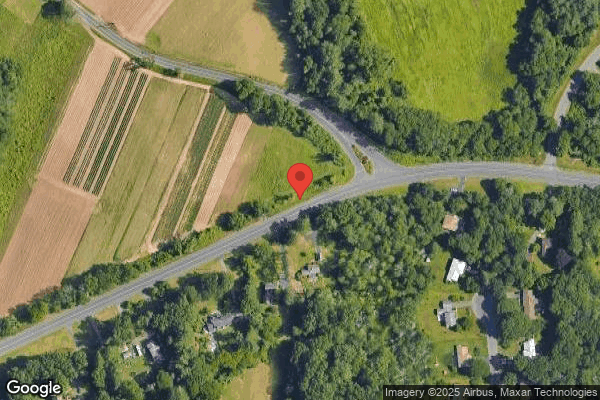
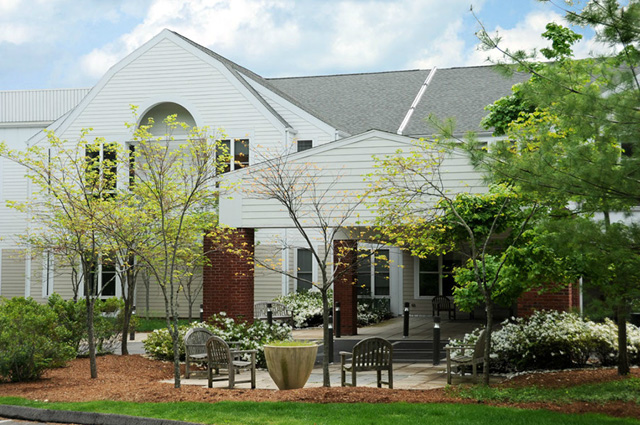
10 LOEFFLER RD, BLOOMFIELD, CT 06002 (860) 726-2000
Non profit - Corporation 60 Beds Independent Data: November 2025
Trust Grade
90/100
#6 of 192 in CT
Last Inspection: January 2024

Within standard 12-15 month inspection cycle. Federal law requires annual inspections.

Overview

Caleb Hitchcock Health Center has received a Trust Grade of A, indicating it is excellent and highly recommended for families seeking care. It ranks #6 out of 192 facilities in Connecticut, placing it in the top tier of nursing homes in the state, and #4 out of 64 in Capitol County, suggesting only a few local options are better. However, the facility's trend is worsening, with reported issues increasing from 4 in 2021 to 7 in 2024. Staffing is a strong point, earning a 5 out of 5 rating with a low turnover rate of 20%, significantly better than the state average. There have been no fines, indicating compliance with regulations, and the facility boasts more Registered Nurse coverage than 92% of Connecticut facilities, which is beneficial for resident care. On the downside, there are specific concerns that families should note. Recent inspections revealed problems such as the kitchen's cleanliness, including unlabeled food items and improper storage of chemicals. Additionally, there were issues with residents being involuntarily secluded, as certain units were locked without clear policies regarding who needed to be secured. Lastly, there were cleanliness concerns in the laundry area, where dirty and clean items were not properly separated. While the facility has many strengths, these areas for improvement should be carefully considered by families.

Trust Score
A
90/100
In Connecticut
#6/192
Top 3%
Safety Record
Low Risk
No red flags
Inspections
Getting Worse
4 → 7 violations
Staff Stability
✓ Good
20% annual turnover. Excellent stability, 28 points below Connecticut's 48% average. Staff who stay learn residents' needs.
Penalties
✓ Good
No fines on record. Clean compliance history, better than most Connecticut facilities.
Skilled Nurses
✓ Good
Each resident gets 99 minutes of Registered Nurse (RN) attention daily — more than 97% of Connecticut nursing homes. RNs are the most trained staff who catch health problems before they become serious.
Violations
⚠ Watch
16 deficiencies on record. Higher than average. Multiple issues found across inspections.
★★★★★
5.0
Overall Rating
★★★★★
5.0
Staff Levels
★★★★★
5.0
Care Quality
★★★★☆
4.0
Inspection Score
Stable
2021: 4 issues
2024: 7 issues

The Good

  • 5-Star Staffing Rating · Excellent nurse staffing levels
  • 5-Star Quality Measures · Strong clinical quality outcomes
  • Low Staff Turnover (20%) · Staff stability means consistent care
  • Full Sprinkler Coverage · Fire safety systems throughout facility
  • No fines on record
  • Staff turnover is low (20%)

    28 points below Connecticut average of 48%

Facility shows strength in staffing levels, quality measures, staff retention, fire safety.

The Bad

No Significant Concerns Identified

This facility shows no red flags. Among Connecticut's 100 nursing homes, only 1% achieve this.

The Ugly 16 deficiencies on record

Jan 2024 7 deficiencies
CONCERN (D)

Potential for Harm - no one hurt, but risky conditions existed

Comprehensive Care Plan (Tag F0656)

Could have caused harm · This affected 1 resident

**NOTE- TERMS IN BRACKETS HAVE BEEN EDITED TO PROTECT CONFIDENTIALITY** Based on review of the clinical record, facility policy, and interviews for 2 of 5 residents (Resident #6 and #19) reviewed for ...

Read full inspector narrative →
**NOTE- TERMS IN BRACKETS HAVE BEEN EDITED TO PROTECT CONFIDENTIALITY** Based on review of the clinical record, facility policy, and interviews for 2 of 5 residents (Resident #6 and #19) reviewed for unnecessary medications, the facility failed to initiate a care plan for an anticoagulant (blood thinning) medication. The findings include: 1. Resident #6 had diagnoses that included heart failure, atrial fibrillation, and falls. The Quarterly MDS (minimum data set) assessment dated [DATE] identified Resident #6 was without cognitive impairment and required partial/moderate assistance with transfers and supervision/touch assistance with ambulation. Additionally, the MDS had anticoagulation coded for consideration for care planning. The physician's order dated 8/1/23 directed facility staff to administer Eliquis (an anticoagulation medication) 2.5 milligrams (mg) twice daily. Review of the Resident Care Plan failed to identify a care plan related to the use of an anticoagulant medication. Review of the NA care card (care plan) failed to identify that NA staff were to monitor for bruising/bleeding (due to blood thinner use) Review of the nurse's notes from 6/7/23 to 1/22/24 failed to identify that the facility was monitoring Resident #6 for signs and symptoms of bleeding due to anticoagulation therapy. Interview and review of facility care plan from 6/7/23 to 1/22/24 with RN #1 (MDS coordinator) failed to identify the facility had developed a care plan for the use of the anticoagulant medication. 2. Resident 19's diagnoses included dementia with behavioral disturbance, insomnia, and atrial fibrillation. The quarterly Minimum Data Set (MDS) assessment dated [DATE] identified Resident #19 was severely cognitively impaired and required supervision with personal hygiene. Additionally, the MDS had anticoagulation coded for consideration for care planning. The physician's order dated to 8/1/23 directed the administration of Eliquis (apixaban)(a blood thinner) 2.5 mg 1 tab every day. Review of the Resident care plan failed to identify a care plan related to the use of an anticoagulant. Interview and review of facility care plan from 3/27/23 to 1/22/24 with RN #1 (MDS coordinator) failed to identify the facility had developed a care plan for the use of the anticoagulant medication. Further, RN #1 indicated that care plans were used to direct facility nursing and NA staff how to care for residents. RN #1 indicated that the charge nurse as well as herself were responsible to update the care plan and that a care plan for the anticoagulant use should have been in place for both Resident #6 and Resident #19. RN #1 was unable to explain why there were no Resident Care Plans related to anticoagulant use. Review of facility Comprehensive Resident Care plan policy dated 10/11/22 directed, in part, that the comprehensive care plan would be developed within 7 days after completion of the comprehensive MDS assessment. All care assessment areas triggered by the MDS would be considered in developing the plan of care.
CONCERN (D)

Potential for Harm - no one hurt, but risky conditions existed

Deficiency F0657 (Tag F0657)

Could have caused harm · This affected 1 resident

**NOTE- TERMS IN BRACKETS HAVE BEEN EDITED TO PROTECT CONFIDENTIALITY** Based on review of the clinical record, facility policy and interviews for the only sampled resident (Resident #10) reviewed for...

Read full inspector narrative →
**NOTE- TERMS IN BRACKETS HAVE BEEN EDITED TO PROTECT CONFIDENTIALITY** Based on review of the clinical record, facility policy and interviews for the only sampled resident (Resident #10) reviewed for hearing loss, the facility failed to review and revise the care plan when a hearing aid was unavailable. The findings include: Resident #10's diagnosis included dementia, age related cognitive decline, and anxiety. The MDS assessment dated [DATE] identified Resident #10 had moderate hearing loss, was severely cognitively impaired, and required assistance with eating, personal hygiene, and transfers. The Resident Care Plan dated 1/10/24 identified Resident #10 had hearing loss and required bilateral hearing aids. Interventions included assisting with proper care and maintenance of hearing aids, audiology consults as ordered, and use simple and direct communication. A nurses note dated 12/2/23 at 6:52 PM identified that Resident #10 was transferred to the hospital with his/her right hearing aid. A re-admission nursing observation document dated 12/7/23 identified bilateral hearing aids. A physician's order dated 12/21/23 directed nursing staff to confirm Resident #10 was wearing the left hearing aid. Observations on 1/19/24 at 12:19 PM and 1/22/24 at 9:12 AM identified Resident #10 was wearing a left hearing aid but no right hearing aid. Interview with RN #4 on 1/22/24 at 11:09 AM identified she was told Resident #10's right hearing aid was lost at the hospital and because she had not been working at the time, it had not been her responsibility to revise the care plan. Interview with Social Worker #1 on 1/22/24 at 1:12 PM identified she was aware that Resident #10's right hearing aid was missing but failed to document the incident or update the care plan. Interview with the DNS on 1/23/24 at 11:17 AM indicated that the current care plan had not been updated to reflect the loss of Resident #10's hearing aid at the hospital, however it was her expectation for facility staff revise resident care plans when resident needs changed. Subsequent to surveyor inquiry, the Resident Care Plan was revised by Social Worker #1. Review of the Comprehensive Care Plans policy dated 10/11/22 directed, in part, that comprehensive care plans will be reviewed and revised by the interdisciplinary team after each comprehensive and quarterly MDS assessment.
CONCERN (D)

Potential for Harm - no one hurt, but risky conditions existed

Deficiency F0692 (Tag F0692)

Could have caused harm · This affected 1 resident

**NOTE- TERMS IN BRACKETS HAVE BEEN EDITED TO PROTECT CONFIDENTIALITY** Based on review of the clinical record, facility policy, and interviews for 2 of 2 residents (Resident #17 and Resident #36) rev...

Read full inspector narrative →
**NOTE- TERMS IN BRACKETS HAVE BEEN EDITED TO PROTECT CONFIDENTIALITY** Based on review of the clinical record, facility policy, and interviews for 2 of 2 residents (Resident #17 and Resident #36) reviewed for nutrition, for Resident #17 the facility failed to assess the resident's nutritional needs following a significant weight loss and for Resident #36, failed to follow a dietician's recommendation for nutritional supplements The findings include: 1. Resident #17's diagnoses included dementia with behavioral disturbances, chronic kidney disease, and iron deficiency anemia. The quarterly Minimum Data Set assessment dated [DATE] identified Resident #17 as severely cognitively impaired and required set up assistance for eating, mechanical lift for transfers, and supervision for bed mobility. A Quarterly Registered Dietician Review dated 10/5/23 identified that Resident #17's intake was variable but frequently 50% or less of meals were consumed. A recommendation for Medpass 2.0 (a nutritional supplement) 120 milliliters (ml) three times daily was given and was accepted by the physician. The Resident Care Plan dated 10/11/23 identified that Resident #17 was at risk for a reoccurrence or worsening of congestive heart failure, weight loss related to diuretic (fluid reducing medication) use, and poor intake. Interventions included to provide assistance with meals as needed, offering alternative meal selections, notify the Dietician of any weight loss, and the Dietician was to follow up and reassess Resident #17 as needed. Review of Resident #17's clinical record identified a weight of 105.6 pounds on 10/10/23 and a weight of 98.2 pounds on 11/14/23, which indicated a loss of 7.01% (7.4 pounds). An additional weight loss was noted on 1/16/24 when Resident #17 measured 86.0 pounds indicating a total weight loss of 18.56% over 3 months (19.6 pounds). Review of the Dietician progress note dated 12/8/23 identified that Resident #17 had a 4 pound weight loss in the past month and 12.6 pound weight loss in the past 6 months for an 11.7% weight loss which was significant. Although the Dietician identified a significant weight loss, she failed to document a recalculation of Resident #17's nutritional needs for calories, protein requirements, usual body weight, and desired weight range. A Registered Dietician Quarterly Review dated 1/5/24 identified that Resident #17's meal intake was poor, s/he had a significant 6% weight loss over the past month and a significant 13% weight loss in the past 6 months due to illness and overall decline. After discussion with the interdisciplinary team, it was decided to continue the regular diet and supplements, and that staff was to encourage the resident's intake. A Dietician progress note dated 1/12/24 identified a physician order dated 1/11/24 directed the addition of house milkshakes, per a DNS request, to assist with improvement of overall intakes, calories, and protein. In an interview and clinical record review with the Dietician on 1/23/24 at 10:57 AM, she indicated she had failed to recalculate Resident #17's nutritional needs since 7/25/23. The Dietician identified the facility policy directed calories, protein, usual body weight, and desired weight range be calculated on admission, annually, and with any significant change. The Dietician stated that she had not completed the calculations on the Quarterly Dietary Assessments dated 10/5/23 and 1/5/24 due to the implementation of a new EHR, in August of 2023 which eliminated the prompt to do so. The Dietician indicated that she would calculate and add the information manually in the future. Interview with the DNS and Administrator on 1/23/24 at 11:17 AM indicated that the facility switched over their EHR in August of 2023, which was physically built by them, but they were not aware that the nutritional needs analysis was omitted. The DNS stated she reached out to the EHR supplier on 1/22/24 and that subsequent to surveyor inquiry, a template for nutritional analysis would be added to future Dietician assessments. Review of the Nutritional Management policy dated 9/2023 directed, in part, that a comprehensive nutritional assessment would be completed by a dietician within 72 hours of admission, annually, and upon significant change in condition. The Dietician would use data gathered from the nutritional assessment to estimate the resident's calorie, nutrient, and fluid needs and whether the intake was adequate to meet those needs. 2. Resident #36 was admitted on [DATE] with a diagnosis of Parkinson's disease, dementia, and depression. The admission Minimum Data Set (MDS) assessment dated [DATE] identified that Resident #36 had severe cognitive impairment. Resident #36 required setup or clean-up assistance with eating and supervision or touching assistance with picking up objects. The admission assessment also indicated Resident #36 weighed 100 pounds (lbs.) A review of the resident's documented weights identified that Resident #36 had a significant weight loss of 6.2%. On 12/6/23, Resident #36 weighed 100 lbs. On 1/3/23, the resident weighed 95 lbs. On 1/12/24, the resident weighed 93.8 lbs. (a 6.2 lb. weight loss). A Dietician progress note dated 1/12/24 identified that Resident #36's documented weights were variable, and that the resident's oral intake was also variable. Additionally, the Dietician's progress note indicated that a house milkshake supplement twice a day was recommended due to possible weight loss. The Resident Care Plan dated 1/12/24 indicated that Resident #36 was at risk for poor oral intake and at risk for weight loss. Interventions included maintaining a regular diet, checking weekly weights, and recommending a house milkshake twice per day. A review of the January 2024 physician orders failed to identify a nutritional supplement had been ordered. A review of the resident's documented oral intake record from 1/12/24 to 1/24/24 failed to identify a nutritional supplement was given. A review of the Medication Administration Record (MAR) identified that Resident #36 did not receive a nutritional supplement from 1/12/24 to 1/22/24. An interview with RN#3 on 1/22/24 at 2:40 PM identified that RN#3 did not give Resident #36 any supplements because the resident did not have a nutritional supplement ordered. RN #3 indicated that she would know if a resident received any nutritional supplements because a physician's orders would have been in place and the order would appear on the MAR. RN #3 indicated that house milkshakes came from the kitchen with the resident's meals. RN #3 also indicated that nurses documented the amount of nutritional supplement a resident consumed under a supplements category on the flowsheet and that supplements would not be documented under meals or snacks. An interview with the Hospitality Dietary Manager on 1/22/24 at 2:55 PM indicated that the kitchen provided the house milkshakes and that either nurses or the Dietician would inform the kitchen of residents who required a house milkshake. The Hospitality Dietary Manager indicated that the kitchen has a list of residents who receive house milkshakes for each nursing unit. A review of the list for the Cedar unit identified that Resident #36 was included. An interview with the Dietitian on 1/23/24 at 10:55 AM indicated that when recommendations were made during clinical rounds, the Director of Nursing (DNS) would have placed an order for the supplement. The Dietitian indicated that the recommendation for house shakes twice a day for Resident #36 was made during a clinical rounds meeting on 1/12/24 involving the DNS and the Assistant Director of Nursing but was unable to identify why there was no order for supplements for Resident #36. The Dietitian indicated that multiple supplements were available such as house shakes, Ensure, pro-source, and Medpass. The Dietitian stated she had recommended house shakes twice daily for Resident #36 and that each 4 ounce house shake would have provided the resident with 220 calories and 6 grams of protein. In an interview, medical record review, and observation with RN #2 on 1/23/24 at 11:40 AM she identified that she had given Resident #36 the nutritional supplement Medpass 2.0 after breakfast and lunch. RN#2 indicated that she knew the resident needed a supplement because she has taken care of the resident often and that there was also a physician's order for supplements. A medical record review with RN #2 identified that there was no physician order for supplements, and she was unable to explain how she knew what supplement to give or how often the supplement should have been administered. RN #2 indicated that the supplement was stored in the nursing unit supply room. An observation of a carton of Med-Pass 2.0 with RN #2 identified that one serving of Med-Pass 2.0 was 8 ounces and provided 480 calories and 20 grams of protein per serving. An interview with the DNS on 1/23/24 at 12:15 PM indicated that nutritional supplements were not discussed with the Dietitian during the clinical meeting on 1/12/24. The DNS indicated that if supplements had been discussed, they would have been reflected on the minutes taken during the meeting. The DNS also identified that a supplement order would have been placed by nursing after a discussion with the physician or provider. Additionally, the DNS indicated that nurses were expected to document nutritional supplements in the electronic MAR and that nurses were also expected to document the amount of the supplement the resident consumed. The facility's Nutritional Management policy indicated that part of the process for optimizing a resident's nutritional status was to develop and consistently implement pertinent approaches, including weight-related interventions and offering real food before supplements.
CONCERN (E)

Potential for Harm - no one hurt, but risky conditions existed

Deficiency F0603 (Tag F0603)

Could have caused harm · This affected multiple residents

Based on observations, review of facility policy and interview for 2 of 5 resident living units, the facility failed to ensure that all residents, except those assessed to require a secured unit, were...

Read full inspector narrative →
Based on observations, review of facility policy and interview for 2 of 5 resident living units, the facility failed to ensure that all residents, except those assessed to require a secured unit, were allowed to freely move off the unit or about the facility resulting in the finding of a pattern of involuntary seclusion. The findings included: Observation during tour on 1/18/24 noted that the exit doors to the resident care units, Elm, and Fir, were always locked and exiting required a security code. Although it was noted that some alert and oriented residents had been provided with the code to open the doors, other residents were unable to independently exit the unit. Interview with the Administrator and Director of Nursing on 1/24/24 at 11:40 AM identified the facility lacked policies and procedures for assessing which residents required living on a secure unit and that there was no facility documentation, in any resident's clinical record, for those residents residing on the locked units, indicating criteria for secured/locked area placement. The Administrator indicated the doors were locked for safety. The DNS indicated that, in the past, the facility had a key card available at the door allowing exit, but when an exit seeking resident learned to use the key card, approximately 1 year ago, a keypad was installed. Further, the Administrator identified that the residents/resident representatives for residents unable to independently exit the units, were never informed that residents placed on the Elm and Fir Units were being housed in a locked unit. Although the Administrator identified the facility had an elopement policy assessing residents for wandering and elopement the facility did not have a policy that directed facility staff to assess residents to meet a criterion for being placed on a locked unit, and/or to notify resident/resident representatives of locked unit placement. Subsequent to surveyor inquiry, the keypad to the resident Elm and Fir Units was unlocked.
CONCERN (E)

Potential for Harm - no one hurt, but risky conditions existed

Infection Control (Tag F0880)

Could have caused harm · This affected multiple residents

Based on observations, review of facility documentation, facility policy, and interviews, the facility failed to ensure laundry was handled in a clean manner. The findings include: During a tour of th...

Read full inspector narrative →
Based on observations, review of facility documentation, facility policy, and interviews, the facility failed to ensure laundry was handled in a clean manner. The findings include: During a tour of the soiled laundry area on 1/22/24 at 12:00 PM, two barrels, used to contain dirty linen, were in direct contact with a clean rack of personal clothing items that were under a mesh cover. In the clean laundry folding areas, two of the three ceiling intake valves were coated with a gray substance. Additionally, in the clean laundry area, one running fan, coated with a gray substance on the blades and the grill, was blowing directly on the table where clean linen was folded. Interview, observation, review of facility documentation, and review of facility policy on 1/22/24 at 12:08 PM with Laundry Operator #1, indicated that the facility policy was to keep clean and dirty laundry items separated (dirty laundry barrels from the clean personal clothing rack) and clean items should not be stored in the soiled linen area. Laundry Operator #1 identified that the gray substance on the ceiling vents and on the fan was lint from the dryers, that according to the facility policy fans should have been cleaning monthly, and that there was a cleaning log which recorded laundry cleaning responsibilities when completed. Review of the laundry cleaning log identified the last time staff had completed the log for the laundry area had been in March and April of 2023 (8 months prior). Laundry Operator #1 indicated all laundry staff were responsible for cleaning, he was unsure why clean and soiled linen were together in the soiled area but may have been due to a lack of clean area storage space, and he was unable to indicate why the cleaning policy had not been followed since April of 2023. Interview on 1/24/24 at 11:36 AM with Director of Facilities identified laundry staff should be looking at the vents and fans and initiating cleaning when the items were identified as dirty. The Director of Facilities indicated that the daily cleaning log failed to include fans, but he would be revising the form to include fan cleaning. Further, he stated clean and dirty laundry should always be stored in separate areas, clean laundry should not be stored in the soiled receiving area, and that subsequent to surveyor inquiry, the staff had moved the clean laundry from the soiled area. Review of the Laundry policy dated 1/27/22, directed, in part, soiled laundry shall be kept separate from clean laundry at all times. Although requested, a facility policy for environmental cleaning of the laundry room was not provided.
CONCERN (F)

Potential for Harm - no one hurt, but risky conditions existed

Food Safety (Tag F0812)

Could have caused harm · This affected most or all residents

Based on observation of the Dietary Department, staff interview, and facility policy, the facility failed to ensure cleanliness of the kitchen, a food items were labeled when opened, contained an expi...

Read full inspector narrative →
Based on observation of the Dietary Department, staff interview, and facility policy, the facility failed to ensure cleanliness of the kitchen, a food items were labeled when opened, contained an expiration date, failed to failed to perform hand hygiene, and adequately store a chemical solution away from food. The findings include: Tour of the Dietary department on 1/18/24 at 10:32 AM and 1/23/24 at 12:16 PM with the Director of Dietary identified the following: 1a. A 1 gallon container that was 1/4 full of fresh, peeled garlic was observed to be located inside the reach in cooler and was noted to be opened but not labeled with the date of opening, contained a green substance inside the container and lacked an expiration date. b. A five gallon plastic container containing loose flour (almost full) was not dated to identify when the flour was placed into the container and failed to identify the expiration date. c. A five gallon plastic container containing loose sugar (approximately 3/4 full) was not dated to identify when the sugar was placed into the container and failed to identify the expiration date. d. The ceiling tiles, plastic molding strip on the wall above the spice rack, and the light covering above the steam table where food was being plated was noted to have a heavy accumulation of dust/debris. e. A red container (approximately 3 gallons) containing a chemical solution (which he later identified as Multi-Quat Sanitizer) was stored adjacent to food items during the plating of food. On 1/18/24 at 10:32 AM, interview with the Director of Dietary identified he did not know and does not know the reason the fresh peeled garlic was not dated after opening and could not locate an expiration date on the container. Additionally, the Director of Dietary identified being unaware that containers were to be dated when opened (flour and sugar). He also identified being unaware that a sanitizing chemical solution adjacent to food items should not be stored next to food. Additionally, the Director of Dietary identified Housekeeping was responsible for cleaning the dust off the ceiling because Dietary did not have the tools reach the ceiling. 2a. Observation of the tray line on 1/23/24 at 12:16 PM, identified the Director of Dietary was plating food from the steam table and a red 3 gallon plastic container which contained a liquid substance (which he later identified as Multi-Quat Sanitizer) with 3 knives was located on a metal cart adjacent to steam table where food was being plated. Upon further observation, the Director of Dietary was noted to take a knife out of the Multi-Quat Sanitizer container, bring it across and over the steam table, wiped the knife with a towel and cut a sweet potato, which caused the potential for the liquid substance to drip sanitizer solution from the knife into the food on the steam table. Additionally, the ceiling tiles and the light covering above the steam table where food was being plated was still noted to have a heavy accumulation of dust/debris, although the plastic molding strip on the wall above the spice rack was cleaned. b. Observation of the tray line on 1/23/24 at 12:43 PM, identified the Director of Dietary picked up a piece of chicken with his gloved hands, place it on the steam table prep area, held the chicken with his gloved hands, cut the chicken with a knife, and placed it on a plate. The Director of Dietary then took his gloves off but did not wash his hands before putting new gloves on. Additionally, he was observed to take a piece of fish with a utensil, use his gloved hands to hold the fish to cut it up and transfer onto a plate with his gloved hands without handwashing in between the glove changes. Interview with the Director of Dietary on 1/23/24 at 1:10 PM identified he knew to wash his hands after touching the chicken with his gloved hands and before donning new gloves and thought he did. Facility policy regarding Maintaining a Sanitary Tray Line identified wash hands before and after wearing or changing gloves. Facility policy regarding Food Safety Requirements identified labeling, dating, and monitoring refrigerated food, including but not limited to leftovers, so it is used by its use-by date, or frozen/ discarded; and keeping foods covered or in tight containers. The Safety Data Sheet regarding Multi-Quat Sanitizer identified do not ingest, may be harmful if swallowed.
MINOR (C)

Minor Issue - procedural, no safety impact

Deficiency F0577 (Tag F0577)

Minor procedural issue · This affected most or all residents

Based on observations, facility documentation, and interviews for 11 of 11 residents (Resident #'s 1, 7, 16, 22, 27, 29, 42, 44, 46, 401, and 402) interviewed during the Resident Council meeting, the ...

Read full inspector narrative →
Based on observations, facility documentation, and interviews for 11 of 11 residents (Resident #'s 1, 7, 16, 22, 27, 29, 42, 44, 46, 401, and 402) interviewed during the Resident Council meeting, the facility failed to ensure survey results were accessible to residents. The findings include: An observation on 1/23/24 at 9:35 AM identified the state survey inspection results were located in the lobby at the entrance to the facility. Access to the lobby from the nursing units was noted to be key coded (locked) for exit. An interview with the Resident Council members, Resident #'s 1, 7, 16, 22, 27, 29, 42, 44, 46, 401, and 402 on 1/22/24 at 3:25 PM indicated they were unaware of the state survey results location. Interview with Receptionist #1 on 1/23/24 at 10:01 AM indicated that family members and staff were the only individuals that have the code to gain access from the nursing units to the front lobby. Receptionist #1 denied residents had the exit code. Interview with the ADNS on 1/23/24 at 10:44 AM indicated that staff and the receptionist were the only individuals who have the exit code from the nursing units to the lobby. Observation on 1/23/24 at 10:45 AM identified a sign located on the ASH unit bulletin board indicating that copies of the state inspection reports were available in the lobby and the great room (within the resident units). Observation on 1/23/24 at 10:55AM in the great room failed to identify state survey inspection results. Interview with the Life Enhancements Director on 1/23/24 at 11:00 AM indicated that she was unable to locate the state survey inspection results in the great room. Additionally, she was not aware that the survey results were required to be readily accessible to residents without requesting assistance. Although requested, the facility failed to provide an access to survey results policy.
Oct 2021 4 deficiencies
CONCERN (D)

Potential for Harm - no one hurt, but risky conditions existed

Notification of Changes (Tag F0580)

Could have caused harm · This affected 1 resident

**NOTE- TERMS IN BRACKETS HAVE BEEN EDITED TO PROTECT CONFIDENTIALITY** Based on review of the clinical record, facility documentation, facility policy, and interviews for 1 of 4 residents (Resident #...

Read full inspector narrative →
**NOTE- TERMS IN BRACKETS HAVE BEEN EDITED TO PROTECT CONFIDENTIALITY** Based on review of the clinical record, facility documentation, facility policy, and interviews for 1 of 4 residents (Resident #63) reviewed for accidents, the facility failed to ensure timely notification of Resident #63's physician and responsible person when a change in skin integrity was identified. The findings include: Resident #63 was admitted to the facility on [DATE] with diagnoses that included dementia, encephalopathy, atrial fibrillation and history of a cerebral vascular accident. A physician's order dated 5/1/19 directed to administer Eliquis (a medication to treat and prevent blood clots) 2.5 mg twice a day. The quarterly MDS assessment dated [DATE] identified Resident #63 had moderately impaired cognition, required extensive two-person physical assistance with mobility and transfers and utilized a wheelchair. The Resident Care Plan (RCP) dated 2/21/20 identified Resident #63 required assistance with activities of daily living and was unsteady with transfers. Interventions included to encourage maximum level of performance, assess for decline in function, and rehabilitation screens as needed. Additionally, the RCP dated 2/21/20 indicated Resident #63 had the potential for injury related to the use of Eliquis. Interventions included to avoid straining with blowing nose, assess for bone, abdomen or joint pain, and to observe for active bleeding. A monthly nursing summary dated 3/18/20 identified Resident #63 utilized a wheelchair and was dependent for transfers with a mechanical lift. A Reportable Event form dated 3/30/20 at 11:00 AM identified Resident #63 was found to have bruising/skin tear to his/her bilateral shin area. The Reportable Event form also identified MD #1 and the resident's representative were notified of Resident #63's injury on 3/31/21 (more than 24 hours after the change in skin integrity was identified). A Post Incident Assessment/Evaluation form dated 3/30/20 identified Resident #63 got agitated at times and used a Sara lift. Additionally, staff were unable to explain how the injury occurred, and there were no witnesses. A statement obtained by the facility from Nurse Aide (NA) #1 dated 3/30/20, identified that when she cared for Resident #63 on 3/30/21 during the 3:00 PM to 11:00 PM shift, she observed dry healing areas on Resident #63's legs and the resident did not report pain. A nurse's note dated 3/31/20 at 12:30 PM identified bruises to Resident #63's bilateral shins and house moisture was applied. A skin evaluation form dated 3/31/20 at 1:37 PM identified Resident #63 had a friction shear skin condition that had the treatment of Bacitracin twice a day for 7 days. A nurse's note dated 3/31/20 at 3:20 PM identified Resident #63 had discolored areas on lower the shins with small patches of dry skin that looked like scabs. Subsequent to MD #1's notification, a treatment was ordered. Additionally, the note indicated the resident's representative was notified (more than 24 hours after the change in skin integrity was identified). Physician's order dated 3/31/20 directed to cleanse left and right shin with Normal Saline, pat dry and apply a small film of Bacitracin ointment. Additionally, the physician's order directed to apply Tubigrips to both lower legs at all times for protection. A physician's progress note, written by MD #1 dated 3/31/20 at 11:26 PM identified Resident #63 had anterior skin abrasions on both shins that were healing. The resident was unable to state the circumstances surrounding the event. Skin abrasions didn't appear infected at the time of the evaluation, topical Bacitracin twice daily was ordered. A statement obtained by the facility from LPN #1 and dated 3/31/20 identified that on 3/30/20 at approximately 9:30 AM, Resident #63's private duty Nurse Aide reported that Resident #63 had bruising on both shin areas. Subsequently, LPN #1 observed the resident's legs and noticed the bruising was yellow and faded. LPN #1 indicated that on 3/31/21 she notified the physician. Although a call was placed to LPN #1, an interview was not obtained. Although a call was placed to MD #1, an interview was not obtained. The resident monitoring for Reportable Events policy (accidents/injuries) identified all residents will be assessed and monitored following a Reportable Event (accident/injury). The policy directs that the supervisor, physician and resident's family will be notified. Further, the policy directs documentation in the clinical notes to include a description of the incident, injury sustained and the notification of the physician and family and measures and/or treatments. Although the Reportable Event form dated 3/30/20 identified Resident #63 was found to have bruising/skin tears to the bilateral shin areas, MD #1 and the resident's representative were not notified until more than 24 hours later on 3/31/20.
CONCERN (D)

Potential for Harm - no one hurt, but risky conditions existed

Accident Prevention (Tag F0689)

Could have caused harm · This affected 1 resident

**NOTE- TERMS IN BRACKETS HAVE BEEN EDITED TO PROTECT CONFIDENTIALITY** Based on clinical record review, review of facility documentation and interviews for 1 of 4 sampled residents (Resident #263) re...

Read full inspector narrative →
**NOTE- TERMS IN BRACKETS HAVE BEEN EDITED TO PROTECT CONFIDENTIALITY** Based on clinical record review, review of facility documentation and interviews for 1 of 4 sampled residents (Resident #263) reviewed for accidents, the facility failed to ensure a mechanical transfer was provided according to the plan of care. The findings include: Resident #263's diagnoses included Diabetes Mellitus, osteoporosis, osteoarthritis, muscle weakness and cervical spondylosis. A Resident Care Plan (RCP) dated 4/4/19 identified a problem with a self-care deficit, generalized weakness, difficulty with transfers and needing assistance. Interventions included to provide assistance of 2 for transfers, toilet use, bathing, grooming, and dressing. Additional interventions included to encourage maximum level of performance and adequate time for self-performance, asses for decline in function, and rehabilitation screens as needed. A physician's order dated 5/6/19 directed to transfer Resident #263 with assistance of 2 using a Sara lift, including toilet use and showering and to discontinue stand pivot transfers. An activities of daily living daily care list audit trail document dated 5/6/19 identified Resident #263 RCP intervention for transfers was changed to a Sara lift (sit to stand mechanical lift) with assistance of 2 staff. The annual Minimum Data Set (MDS) assessment dated [DATE] identified Resident #263 with moderate cognitive impairment, extensive 2 person assistance with bed mobility, transfers, dressing and personal hygiene. The MDS further identified Resident #263 was non ambulatory and utilized a wheelchair. Nurse's notes dated 9/29/19 at 3:57 PM identified Resident #263 was alert, at approximately 11:30 AM complained of right shoulder pain during a Sara lift transfer and was unable to raise his/her arm above his/her head. Resident #263 was assessed promptly, was crying out, could not perform range of motion, and no swelling or redness was present. Resident #263 was encouraged to place his/her arm in a comfortable position, the on call physician was notified and directed Tramadol 50 mg to be given immediately and a stat x-ray was ordered. Resident #263 was kept in safe and comfortable position. A portable x-ray report of the right shoulder dated 9/29/19 identified a recent moderately displaced fracture of the right humerus and moderate osteoarthritis of the right shoulder joint. A nurse's note dated 9/29/19 at 5:43 AM identified Resident #263's x-ray results were reported to the Advanced Practice Registered Nurse (APRN #1) and was directed to send Resident #263 to the Emergency Department (ED) for evaluation and treatment. Resident #263's family member was at the bedside and accompanied Resident #263 to the hospital. The ambulance arrived approximately 6:40 PM and Resident #263 was transferred to the ED at approximately 7:20 PM. Resident #263 returned to the facility at 11:30 PM with a full right arm cast in place, the Nursing Supervisor was updated, and Resident #263's family member was in presence. Resident #263 was resting in his/her room with safety precautions maintained and the call bell in reach. An After Visit summary from the ED dated 9/29/19 identified that Resident #263 was seen in the ED and found to have had moderate swelling above the mid humeral shaft region and mild ecchymosis surrounding the area as well. X-ray of the right shoulder two views identified there was a spiral fracture of the mid to distal right humerus with lateral displacement of the distal fracture fragment. A Reportable Event form dated 9/29/19 identified that Resident #263 complained of pain to the right shoulder and was unable to raise his/her arm during a Sara lift transfer. A physician's progress note dated 9/30/19 at 9:05 PM identified Resident #263 had a closed spiral fracture through the mid to distal right humerus with lateral displacement of the distal fracture fragment without trauma superimposed on moderate glenohumeral arthrosis. Additionally, the physician's progress note identified Resident #263 was suspected of having osteoporosis due to chronic use of prednisone, post-menopausal and impaired mobility; in addition, bony demineralization seen on prior x-ray. Interview with the DNS on 10/26/21 at 11:00 AM identified Resident #263 was previously living at an Assisted Living facility (ALSA) that was associated with the Long Term Care facility. The DNS further identified NA #2 was a private duty NA who was hired for Resident #263 by his/her family while Resident #263 was at the ALSA and continued to assist with Resident #263's care in the nursing home. Additionally, the DNS identified that NA #2 did not follow Resident #263 plan of care as Resident #263 required assistance of 2 with a Sara lift and NA #2 provided the transfer alone (without the assistance of another staff member). The DNS did not recall if NA #2 received specific training related to the duties of a NA in the nursing home as NA #2 previously worked for the ALSA section and prior to Resident #263 requiring a Sara lift. In an interview with NA #2 on 10/26/21 at 12:26 PM identified that she was hired by the ALSA section in January of 2018, was familiar with Resident #263 and went to the nursing home side with Resident #263 as his/her private duty NA. NA #2's duties for Resident #263 included all activities of daily living (ADL's) including transferring Resident #263 in and out of bed. NA #2 identified that she was assisting Resident #263 on 9/29/19 by lifting him/her alone from the bed into the wheelchair using the Sara lift when Resident #263 started yelling and saying his/her arm hurt and could not move it. NA #2 indicated that she had always assisted Resident #263 with ADL's and that she was waiting for someone to assist her with transferring Resident #263, but that Resident #263 was getting agitated and wanted to get out of bed right away. NA #2 further identified that she knew mechanical transfers required 2 staff members but decided to transfer Resident #263 via the Sara lift by herself. NA #2 indicated that she did some type of orientation at the ALSA, but she did not remember ever having an orientation or competency review for any equipment since Resident #623 began utilizing a mechanical type lift (Sara lift). In an interview with NA #3 on 10/27/2021 at 10:00 AM identified that she recalled Resident #263 was on her assignment for 9/29/19 but that NA #2 did not request any assistance to help with care or to transfer the resident. NA #3 identified that Resident #263 required two people with assistance out of bed utilizing a Sara lift Facility employment separation documentation identified that NA #2 was terminated on 9/29/10 due to violation of facility mechanical lift transfer policy. Facility policy related to Safe Resident Handling/Transfer directed that residents are handled and transferred safely to prevent or minimize risks for injury and provide and promote a safe, secure and comfortable experience for the resident while keeping the employees safe in accordance with current standards and guideline. The policy further directed that mechanical lifts may include equipment such as full body lifts (Hoyer) and sit to stand lifts (Sara lift) and that two staff members must be utilized when transferring residents with a mechanical lift.
MINOR (B)

Minor Issue - procedural, no safety impact

MDS Data Transmission (Tag F0640)

Minor procedural issue · This affected multiple residents

**NOTE- TERMS IN BRACKETS HAVE BEEN EDITED TO PROTECT CONFIDENTIALITY** Based on review of the clinical record, facility documentation and staff interview for 5 residents (Residents #1, Resident #2, R...

Read full inspector narrative →
**NOTE- TERMS IN BRACKETS HAVE BEEN EDITED TO PROTECT CONFIDENTIALITY** Based on review of the clinical record, facility documentation and staff interview for 5 residents (Residents #1, Resident #2, Resident #3, Resident #4 and Resident #5) reviewed for resident assessment, the facility failed to ensure the Discharge assessment-return not anticipated MDS' were transmitted to the CMS System according to established timeframes. The findings include: 1. Resident #1 was admitted to the facility on [DATE] and discharged on 5/6/21. The Discharge assessment-return not anticipated MDS was completed on 5/7/21. Interview with the MDS Coordinator, RN #1 on 10/25/21 at 2:45 PM identified the MDS was put in a batch to be transmitted on 5/18/21 however, was not transmitted per the validation report. 2. Resident #2 was admitted to the facility on [DATE] and discharged on 5/10/21. The Discharge assessment-return not anticipated MDS was completed on 5/12/21. Interview with the RN #1 on 10/25/21 at 2:45 PM identified the MDS was put in a batch to be transmitted on 5/18/21 however, was not transmitted per the validation report. 3. Resident #3 was admitted to the facility on [DATE] and discharged on 5/10/21. The Discharge assessment-return not anticipated MDS was completed on 5/12/21. Interview with the RN #1 on 10/25/21 at 2:45 PM identified the MDS was put in a batch to be transmitted on 5/18/21 however, was not transmitted per the validation report. 4. Resident #4 was admitted to the facility on [DATE] and discharged on 6/17/21. The Discharge assessment-return not anticipated MDS was completed on 6/21/21. Interview with the RN #1 on 10/25/21 at 2:45 PM identified the MDS was put in a batch to be transmitted on 6/22/21 however, was not transmitted per the validation report. 5. Resident #5 was admitted to the facility on [DATE] and discharged on 6/17/21. The Discharge assessment-return not anticipated MDS was completed on 6/22/21. Interview with the RN #1 on 10/25/21 at 2:45 PM identified the MDS was put in a batch to be transmitted on 6/22/21 however, was not transmitted per the validation report. Interview with the MDS Coordinator, RN #1 on 10/25/21 at 2:45 PM identified the Discharge assessment-return not anticipated MDS should be transmitted within 14 days of the completion date. Additionally, RN #1 indicated Discharge assessment-return not anticipated MDS' for Residents #1, 2, 3, 4 and 5 were not transmitted. RN #1 indicated although the MDS' were were batched to go, they did not transmit. RN #1 could not explain why the MDS' were not transmitted.
MINOR (C)

Minor Issue - procedural, no safety impact

Deficiency F0730 (Tag F0730)

Minor procedural issue · This affected most or all residents

Based on interviews, review of employee files, and facility policy for 3 of 3 Nurse Aides (NAs) reviewed (NA #4, NA #5, and NA #6), the facility failed to complete an annual performance appraisal for ...

Read full inspector narrative →
Based on interviews, review of employee files, and facility policy for 3 of 3 Nurse Aides (NAs) reviewed (NA #4, NA #5, and NA #6), the facility failed to complete an annual performance appraisal for NA #4, NA #6 and failed to complete a 90 day evaluation for NA #5 per facility policy. The findings include: 1. NA #4 was hired on 3/10/10, had an annual evaluation last completed on 7/2/19 but failed to reflect subsequent annual performance appraisals had been completed. 2. NA #5 was hired on 12/4/20, was due for a 90 day evaluation on 3/4/20 which had not been completed as of 10/27/21. 3. NA #6 was hired on 9/1/04 with a last annual performance evaluation completed on 5/1/19 but failed to reflect subsequent annual performance appraisals had been completed. Facility policy regarding Performance Review stated the performance reviews are completed annually on the date designated by the facility each year and are to be conducted after the first 90 days of employment and annually on the date designated. Interview with the Human Resource Specialist identified that all evaluations/appraisals were put on hold due to COVID-19. Upon further inquiry, Person #2 also stated that a new process for evaluations was in the process of being developed and that she was directed by management to suspend completing annual employee performance appraisals in 2020 and 2021.
Jun 2019 5 deficiencies
CONCERN (D)

Potential for Harm - no one hurt, but risky conditions existed

Deficiency F0561 (Tag F0561)

Could have caused harm · This affected 1 resident

**NOTE- TERMS IN BRACKETS HAVE BEEN EDITED TO PROTECT CONFIDENTIALITY** Based on observations, clinical record review and interviews for one sampled resident (Resident #247) reviewed for choices, the ...

Read full inspector narrative →
**NOTE- TERMS IN BRACKETS HAVE BEEN EDITED TO PROTECT CONFIDENTIALITY** Based on observations, clinical record review and interviews for one sampled resident (Resident #247) reviewed for choices, the facility failed to consistently provide lactose free food items which was significant to the resident. The findings include: Resident #247's diagnoses included breast cancer and dysphagia. The admission Minimum Data Set (MDS) assessment dated [DATE] identified Resident #247 was without cognitive impairment and was independent with eating. The Resident Care Plan (RCP) dated 6/13/19 identified nutritional status problem with a risk of loose stools due to lactose intolerance. Interventions directed to provide a ground soft diet with Lactaid milk and ice cream. A physician's order dated 6/19/19 directed to provide a regular consistency diet. Interview with Resident #247 on 6/25/19 at 9:31 A.M. identified he/she ask staff for oatmeal and gets cream of wheat. The resident further indicated the facility does not have enough lactose free milk and ice cream. Resident #247 also indicated he/she has called the kitchen and was told the facility would have lactose free milk available the next day or day after. Observation and re-interview with Resident #247 on 6/25/19 at 12:48 P.M. identified Resident # 247 received the correct diet but did not receive Lactaid ice cream per typed diet slip. Resident #247 indicated again, he/she did not receive dessert and was not aware anyone would be providing Lactaid ice cream. Interview with Dietary Assistant #1 on 6/25/19 at 1:50 P.M. identified there was no Lactaid products in the bin in the kitchen. Dietary Assistant 1 on 6/25/19 also indicated it is the responsibility of NA #1 to ensure the resident received the correct products. Interview with NA #2 on 6/25/19 at 12:52 P.M. identified Resident #247 had to ask him/her for Lactaid ice cream as he/she did not receive any dessert. Interview with NA #1 on 6/25/19 at 2:35 P.M. identified he/she was aware the facility was short of Lactaid ice cream yesterday (6/24/19). Additionally, NA #1 was aware that the kitchen received deliveries on Tuesday or Wednesday so that Lactaid ice cream would be in soon. When asked, NA #1 identified he/she had given a piece of pie to Resident #247 yesterday. NA #1 further indicated he/she had told Resident #247 he/she would get him/her ice cream when he/she had served the meal tray. NA #1 also indicated he/she had read Resident #247's meal ticket and the ticket did not specifically identify Lactaid milk and ice cream. NA #1 further indicated Resident #247 writes Lactaid on the meal ticket him/herself and that he/she offers Resident #247 regular ice cream when Lactaid is unavailable but the resident refuse secondary to he/she wants Lactaid products. NA #1 identified that when he/she checked for Lactaid ice cream, he/she was unable to find any Lactaid and indicated the kitchen identified there was none. NA #1 identified that NA #2 had found a Lactaid ice cream on the unit in the refrigerator. Interview with the Assistant Dietary Supervisor/Cook on 6/26/19 at 12:15 P.M. identified the facility was out of Lactaid ice cream. The Assistant Dietary Supervisor/Cook indicated the facility had been out of Lactaid ice cream only one day. The Assistant Dietary Supervisor/Cook indicated that running out of Lactaid products only occurs every six months or so and he/she would give a resident fruit as a substitute. The Assistant Dietary Supervisor/ [NAME] identified that he/she was not aware Resident #247 had not received dessert and indicated that was why the resident had not received a substitute. The Assistant Dietary Supervisor/Cook identified that he/she was not aware Resident #247 had often complained that he/she did not receive his/her requested Lactaid products.
CONCERN (D)

Potential for Harm - no one hurt, but risky conditions existed

Deficiency F0578 (Tag F0578)

Could have caused harm · This affected 1 resident

**NOTE- TERMS IN BRACKETS HAVE BEEN EDITED TO PROTECT CONFIDENTIALITY** Based on review of the clinical records and interview for two sampled resident's reviewed for advanced directives (Resident #16 ...

Read full inspector narrative →
**NOTE- TERMS IN BRACKETS HAVE BEEN EDITED TO PROTECT CONFIDENTIALITY** Based on review of the clinical records and interview for two sampled resident's reviewed for advanced directives (Resident #16 and Resident #41), the facility failed to ensure the accuracy of the residents code status and/or notify the physician when there was a change in the resident's code status. The findings included: 1. Resident #16 was admitted on [DATE] and diagnoses included Chronic Kidney Disease, lymphedema, and polyneuropathy. Code Status Treatment form signed by Resident #16's Power of Attorney (POA) on [DATE] and by the physician on [DATE] identified that if needed Cardiopulmonary Resuscitation (CPR) was to be started and the decision had not been made regarding intubation at the time of signing. A Transfer of 'Do Not Resuscitate' Order dated [DATE] from an acute care hospital, was noted in Resident #16's clinical record. The quarterly Minimum Data Set assessment dated [DATE] identified that Resident #16 was cognitively intact. Code Status Treatment form signed by the POA on [DATE] and by the physician on [DATE] identified that if needed Cardiopulmonary Resuscitation (CPR) was to be started and intubation may be pursued. The care plan dated [DATE] identified, in regards to Advanced Directives, Resident #16 wanted no CPR. Current June, 2019 physician's orders identified that Resident #16 was a Do Not Resuscitate (DNR). Interviews with the Administrator on [DATE] at 3:00 pm and on [DATE] at 8:15 am identified that he/she had spoken to Resident #16 and Resident #16's wishes were for a DNR and that the clinical record would be reviewed and documentation would be consistent to reflect such. The Administrator however was unable to identify the cause of the discrepancy. 2. Resident #41's diagnoses included malignant neoplasm of the endometrium, depressed mood, anxiety, and depression. The physician's order dated [DATE] directed Do Not Resuscitate (DNR), Do Not Intubate (DNI), Registered Nurse may pronounce, no tube feeding. The Code Status Treatment Preference form dated [DATE] identified a status of Do not start CPR, do not pursue intubation or tube feeding. The Code Status Treatment Preference dated [DATE] identified a preference of no decision indicating a default to perform CPR. The 30 day Minimum Data Set (MDS) assessment dated [DATE] identified Resident #41 was without cognitive impairment and required the extensive assistance of two staff with Activities of Daily Living (ADL) and supervision with eating. Interview and review of facility documentation with RN#1 on [DATE] at 11:31 A.M. identified that he/she follow the physician's order for a DNR in the event of the resident coding. On review of the Code Status Treatment Preference form dated [DATE] indicating that the resident preferred to be a full code, RN 1 further indicated he/she would take the time to look in both areas in the clinical record prior to performing CPR. RN #1 also indicated the physician's orders were incorrect. RN #1 identified that the history and physical dated [DATE] identified that Resident #41 had a status of DNR and DNI. RN #1 also indicated that there were two subsequent physician's progress notes dated [DATE] and [DATE] which did not address Resident #41's code status. RN #1 was unable to identify that the physician was notified of the change in code status. RN #1 further indicated the facility policy was to ensure that the form was filled out, signed, the MD notified and a new physician's order written on the physician's order sheet and care plan updated to indicate the resident's choice for advance directive. RN #1 identified the nurse on duty at the time when the advance directive form is completed would have been responsible ensuring the advance directive was accurate. RN #1 was unable to find an advance directives care plan. Interview and review of facility documentation on [DATE] at 1:00 PM with MD #1 identified that he/she was never notified that the resident had changed his/her advance directives form, and indicated if he/she had been notified, he/she would have updated the physician's order to reflect the change in status. Subsequent to surveyor inquiry, the physician was notified and a new physician's order was written.
CONCERN (D)

Potential for Harm - no one hurt, but risky conditions existed

Accident Prevention (Tag F0689)

Could have caused harm · This affected 1 resident

**NOTE- TERMS IN BRACKETS HAVE BEEN EDITED TO PROTECT CONFIDENTIALITY** Based on observations, clinical record review, review of facility documentation and interviews for one of five sampled residents...

Read full inspector narrative →
**NOTE- TERMS IN BRACKETS HAVE BEEN EDITED TO PROTECT CONFIDENTIALITY** Based on observations, clinical record review, review of facility documentation and interviews for one of five sampled residents (Resident 39#) reviewed for dining during the dining task, the facility failed to ensure the appropriate use of a thickening agent for a resident with a swallowing disorder to ensure to prevent an accident. The findings include: Resident #39's diagnosis included dysphagia, unspecified foreign body respiratory tract and Parkinson's disease. The care plan dated 6/4/19 identified a problem with nutrition, at risk for aspiration and a problem with Activities of Daily Living. Interventions directed to monitor for signs and symptoms of aspiration, chopped diet with nectar liquids. The physician's order dated 6/7/19 directed to provide a low sodium, chopped diet with nectar thick liquids and to maintain aspiration and choking precautions every shift for dysphagia. The 14 day Minimum Data Set (MDS) assessment dated [DATE] identified Resident #39 was without cognitive impairment, required supervision with eating and required a mechanically altered diet which included a change in texture of food or liquids (e.g. pureed food, thickened liquids). Observation with NA #1 on 6/25/19 at 12:59 P.M. during the lunch meal with Resident #39 identified NA #1 thickening liquids for the resident. NA #1 was observed using approximately on half packet of a thickening agent to thicken the resident's 4 ounces, of prepackaged cranberry juice. NA #1 was then observed using the remainder of the same package to thicken a full cup of coffee. NA #1 delivered the meal tray to Resident #39 with his/her Resident Representative present, and was stopped prior to leaving the room. Interview and review of packaging information with NA #1 on 6/25/19 at 12:59 P.M. identified that one package of thickener was to be used for 6 ounces of liquid to obtain a nectar-like consistency and one package of thickener was to be used for 4 ounces of liquid to obtain a honey-like consistency. NA #1 further indicated that Resident #39 should receive nectar thickened liquids according to his/her assignment sheet. NA #1 also indicated it would be fine to just eye balled the amount of thickener to be used. NA #1 left Resident #39's room leaving the incorrect thickened fluids with Resident #39 and his/her Resident representative. LPN #1 was immediately informed on 6/25/19 at 1:02 P.M. regarding the procedure as to how NA #1 had thickened Resident #39's fluids. LPN #1 identified NA #1 had incorrectly thickened Resident #39's fluids and went to the room, immediately removing the incorrect thickened fluids. Further, LPN #1 indicated she/he would follow up with NA #1. Subsequent to surveyor inquiry, LPN #1 returned with a canister of thickening agent to measured Resident #36's fluids to the correct thicken consistency. A second interview with NA #1 on 6/25/19 at 2:35 P.M. identified he/she could not remember if he/she had been trained on thickening fluids and indicated she/he had never read the package instructions for thickening agent.
CONCERN (D)

Potential for Harm - no one hurt, but risky conditions existed

Deficiency F0806 (Tag F0806)

Could have caused harm · This affected 1 resident

Based on observations, clinical record review, review of facility documentation, and interviews for one of five sampled residents (Resident 39#) reviewed for dining during the dining task, the facilit...

Read full inspector narrative →
Based on observations, clinical record review, review of facility documentation, and interviews for one of five sampled residents (Resident 39#) reviewed for dining during the dining task, the facility failed to ensure that a resident with food allergy to tomatoes was not given tomatoes in accordance to the plan of care. The findings include: Resident #39's diagnosis included dysphagia, unspecified foreign body respiratory tract and Parkinson's disease. The care plan dated 6/4/19 identified a problem with nutrition, at risk for aspiration and a problem with Activities of Daily Living. Interventions directed to monitor for signs and symptoms of aspiration, chopped diet with nectar liquids. The physician's order dated 6/7/19 identified an allergy to tomatoes. Observation with NA #1 on 6/25/19 at 12:59 P.M. during the lunch meal with Resident #39 and his/her Resident Representative identified NA #1 delivered the meal tray to the resident which contained a sandwich with visible tomatoes. Review of the diet ticket identified an allergy to tomatoes. Resident #39 looked at the meal and verbalized he/she could not have tomatoes due to his/her allergy. Resident #39's Representative removed the tomatoes from Resident #39's sandwich. Resident #39's Resident Representative indicated if Resident #39 ate tomatoes, he/she would get hives and swell up. An interview with NA #1 on 6/25/19 at 2:35 P.M. indicated she/he did not see the tomatoes until Resident # 39 pointed them out to him/her ( NA #1) . NA #1 also indicated on 6/25/19 at 2:35 P.M. that she/he was aware the resident had an allergy to tomatoes. Interview and review of facility documentation with the Assistant Dietary Supervisor/Cook #1 on 6/26/19 at 12:15 P.M. identified Resident #39 should not have been served tomatoes on 6/25/19 and indicated he/she educate/instruct the dietary aides to read the meal ticket carefully. Subsequent to inquiry, the Assistant Dietary Supervisor/Cook on 6/26/19 indicated he/she had conducted an in-service with dietary staff to carefully and thoroughly read each meal ticket. Although a meal service policy was requested, the facility did not provide one.
MINOR (B)

Minor Issue - procedural, no safety impact

MDS Data Transmission (Tag F0640)

Minor procedural issue · This affected multiple residents

**NOTE- TERMS IN BRACKETS HAVE BEEN EDITED TO PROTECT CONFIDENTIALITY** Based on review of the clinical record, facility documentation and interview for two of three residents review for Resident Asse...

Read full inspector narrative →
**NOTE- TERMS IN BRACKETS HAVE BEEN EDITED TO PROTECT CONFIDENTIALITY** Based on review of the clinical record, facility documentation and interview for two of three residents review for Resident Assessments (Residents #3 and #4), the facility failed to ensure an assessment was completed and/or transmitted with 14 days as outlined by CMS. The findings included: 1.Resident #3's was admitted to the facility on [DATE] with diagnoses that included anxiety disorder, osteoarthritis, generalized weakness, mild cognitive impairment and hypertension. A quarterly MDS assessment dated [DATE] identified the resident as independent for decision-making skills, and requiring extensive assistance from staff for most ADL. On 6/27/19 at 11:20 A.M. an interview and review of the clinical record and facility documentation with RN#2 (MDS Coordinator) identified a target date for a quarterly MDS assessment transmission for Resident #3 was due on 5/14/19 had not been submitted to the state agency. RN # 2 further indicated could not explain why the resident's quarterly assessment had not been submitted to the state agency per Center for Medicare and Medicaid (CMS) guidelines. Subsequent to inquiry, RN # 2 on 6/26/19 (28 days late) submitted Resident # 3's 5/14/19 quarterly assessment at 9:47 P.M. 2. Resident #4 was admitted to the facility on [DATE] with diagnoses that included visual hallucinations, urinary tract infection, repeated falls and vascular dementia. A quarterly MDS assessment dated [DATE] identified the resident as moderately impaired for cognitive status and requiring limited assistance from staff for most ADL. Further review of Resident # 4's quarterly MDS assessment dated [DATE] had not been transmitted to the state agency within 14 days of completion. On 6/27/19 at 11:20 A.M. an interview and review of the clinical record and facility documentation with RN#2 (MDS Coordinator) identified a target date for a quarterly MDS assessment transmission for Resident #4 was due on 5/11/19 had not been submitted to the state agency. RN # 2 further indicated could not explain why the resident's quarterly assessment had not been submitted to the state agency per Center for Medicare and Medicaid (CMS) guidelines. Subsequent to inquiry, RN # 2 on 6/26/19 (30 days late) submitted Resident # 4's 5/11/19 quarterly assessment at 9:47 P.M. According to MDS 3.0 Manual October 2018 notes in part, Assessment transmissions for comprehensive assessments must be transmitted electronically within 14 days of the care plan completion date and all other MDS assessments must be submitted within 14 days of the MDS completion date.
Understanding Severity Codes (click to expand)
Life-Threatening (Immediate Jeopardy)
J - Isolated K - Pattern L - Widespread
Actual Harm
G - Isolated H - Pattern I - Widespread
Potential for Harm
D - Isolated E - Pattern F - Widespread
No Harm (Minor)
A - Isolated B - Pattern C - Widespread

Questions to Ask on Your Visit

  • "Can I speak with families of current residents?"
  • "What's your RN coverage like on weekends and overnight?"

Our Honest Assessment

Strengths
  • • Grade A (90/100). Above average facility, better than most options in Connecticut.
  • • No major safety red flags. No abuse findings, life-threatening violations, or SFF status.
  • • No fines on record. Clean compliance history, better than most Connecticut facilities.
  • • 20% annual turnover. Excellent stability, 28 points below Connecticut's 48% average. Staff who stay learn residents' needs.
Concerns
  • • 16 deficiencies on record. Higher than average. Multiple issues found across inspections.
Bottom line: Generally positive indicators. Standard due diligence and a personal visit recommended.

About This Facility

What is Caleb Hitchcock's CMS Rating?

CMS assigns CALEB HITCHCOCK HEALTH CENTER an overall rating of 5 out of 5 stars, which is considered much above average nationally. Within Connecticut, this rating places the facility higher than 99% of the state's 100 nursing homes. This rating reflects solid performance across the metrics CMS uses to evaluate nursing home quality.

How is Caleb Hitchcock Staffed?

CMS rates CALEB HITCHCOCK HEALTH CENTER's staffing level at 5 out of 5 stars, which is much above average compared to other nursing homes. Staff turnover is 20%, compared to the Connecticut average of 46%. This relatively stable workforce can support continuity of care.

What Have Inspectors Found at Caleb Hitchcock?

State health inspectors documented 16 deficiencies at CALEB HITCHCOCK HEALTH CENTER during 2019 to 2024. These included: 12 with potential for harm and 4 minor or isolated issues.

Who Owns and Operates Caleb Hitchcock?

CALEB HITCHCOCK HEALTH CENTER is owned by a non-profit organization. Non-profit facilities reinvest revenue into operations rather than distributing to shareholders. The facility operates independently rather than as part of a larger chain. With 60 certified beds and approximately 54 residents (about 90% occupancy), it is a smaller facility located in BLOOMFIELD, Connecticut.
How Does Caleb Hitchcock Compare to Other Connecticut Nursing Homes?

Compared to the 100 nursing homes in Connecticut, CALEB HITCHCOCK HEALTH CENTER's overall rating (5 stars) is above the state average of 3.1, staff turnover (20%) is significantly lower than the state average of 46%, and health inspection rating (4 stars) is above the national benchmark.

What Should Families Ask When Visiting Caleb Hitchcock?

Based on this facility's data, families visiting should ask: "Can I visit during a mealtime to observe dining assistance and food quality?" "How do you handle medical emergencies, and what is your hospital transfer rate?" "Can I speak with family members of current residents about their experience?"

Is Caleb Hitchcock Safe?

Based on CMS inspection data, CALEB HITCHCOCK HEALTH CENTER has a clean safety record: no substantiated abuse findings (meaning no confirmed cases of resident harm), no Immediate Jeopardy citations (the most serious violation level indicating risk of serious injury or death), and is not on the Special Focus Facility watch list (a federal program monitoring the lowest-performing 1% of nursing homes). The facility has a 5-star overall rating and ranks #1 of 100 nursing homes in Connecticut. While no facility is perfect, families should still ask about staff-to-resident ratios and recent inspection results during their visit.

Do Nurses at Caleb Hitchcock Stick Around?

Staff at CALEB HITCHCOCK HEALTH CENTER tend to stick around. With a turnover rate of 20%, the facility is 25 percentage points below the Connecticut average of 46%. Low turnover is a positive sign. It means caregivers have time to learn each resident's needs, medications, and personal preferences. Consistent staff also notice subtle changes in a resident's condition more quickly. Registered Nurse turnover is also low at 6%, meaning experienced RNs are available to handle complex medical needs.

Was Caleb Hitchcock Ever Fined?

CALEB HITCHCOCK HEALTH CENTER has no federal fines on record. CMS issues fines when nursing homes fail to meet care standards or don't correct problems found during inspections. The absence of fines suggests the facility has either maintained compliance or corrected any issues before penalties were assessed. This is a positive indicator, though families should still review recent inspection reports for the full picture.

Is Caleb Hitchcock on Any Federal Watch List?

CALEB HITCHCOCK HEALTH CENTER is not on any federal watch list. The most significant is the Special Focus Facility (SFF) program, which identifies the bottom 1% of nursing homes nationally based on persistent, serious quality problems. Not being on this list means the facility has avoided the pattern of deficiencies that triggers enhanced federal oversight. This is a positive indicator, though families should still review the facility's inspection history directly.