TOUCHPOINTS AT BLOOMFIELD
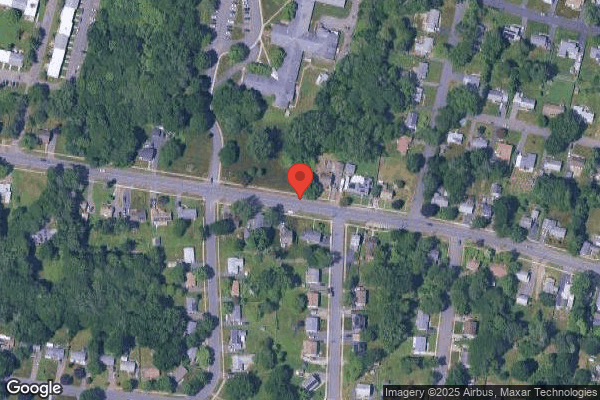
140 PARK AVE, BLOOMFIELD, CT 06002 (860) 243-9591
Non profit - Corporation 146 Beds ICARE HEALTH NETWORK Data: November 2025
Trust Grade
70/100
#78 of 192 in CT
Last Inspection: February 2024

Within standard 12-15 month inspection cycle. Federal law requires annual inspections.

Overview

Touchpoints at Bloomfield has a Trust Grade of B, indicating it is a good choice among nursing homes, but not the top tier. It ranks #78 out of 192 facilities in Connecticut, placing it in the top half, and #25 out of 64 in Capitol County, meaning there are only a few better options locally. The facility is improving, with issues decreasing from 16 in 2024 to just 4 in 2025. Staffing is a concern, with a rating of 2 out of 5 stars and a turnover rate of 33%, which is lower than the state average, indicating some stability but room for improvement. Notably, there have been no fines, which is a positive sign. However, the nursing home has been found to have issues such as failing to ensure proper hair restraints for kitchen staff and not maintaining cleanliness in the kitchen, which could affect resident safety and hygiene. Additionally, they did not promptly address a grievance from a resident, highlighting potential communication challenges.

Trust Score
B
70/100
In Connecticut
#78/192
Top 40%
Safety Record
Low Risk
No red flags
Inspections
Getting Better
16 → 4 violations
Staff Stability
○ Average
33% turnover. Near Connecticut's 48% average. Typical for the industry.
Penalties
✓ Good
No fines on record. Clean compliance history, better than most Connecticut facilities.
Skilled Nurses
⚠ Watch
Each resident gets only 20 minutes of Registered Nurse (RN) attention daily — below average for Connecticut. Fewer RN minutes means fewer trained eyes watching for problems.
Violations
⚠ Watch
31 deficiencies on record. Higher than average. Multiple issues found across inspections.
★★★★☆
4.0
Overall Rating
★★☆☆☆
2.0
Staff Levels
★★★★★
5.0
Care Quality
★★★☆☆
3.0
Inspection Score
Stable
2024: 16 issues
2025: 4 issues

The Good

  • 5-Star Quality Measures · Strong clinical quality outcomes
  • Full Sprinkler Coverage · Fire safety systems throughout facility
  • No fines on record
  • Staff turnover below average (33%)

    15 points below Connecticut average of 48%

Facility shows strength in quality measures, fire safety.

The Bad

Staff Turnover: 33%

13pts below Connecticut avg (46%)

Typical for the industry

Chain: ICARE HEALTH NETWORK

Part of a multi-facility chain

Ask about local staffing decisions and management

The Ugly 31 deficiencies on record

May 2025 1 deficiency
CONCERN (D) 📢 Someone Reported This

A family member, employee, or ombudsman was alarmed enough to file a formal complaint

Potential for Harm - no one hurt, but risky conditions existed

Deficiency F0925 (Tag F0925)

Could have caused harm · This affected 1 resident

**NOTE- TERMS IN BRACKETS HAVE BEEN EDITED TO PROTECT CONFIDENTIALITY** Based on review of clinical records, interviews, and review of facility documentation and policy for three of four residents, th...

Read full inspector narrative →
**NOTE- TERMS IN BRACKETS HAVE BEEN EDITED TO PROTECT CONFIDENTIALITY** Based on review of clinical records, interviews, and review of facility documentation and policy for three of four residents, that resided on one of five nursing units reviewed for physical environment, the facility failed to ensure an effective pest control program was maintained to prevent rodents. The findings included:1. Resident #1 was admitted to the facility November 2024 and had diagnoses of Parkinson's Disease, Type 2 diabetes mellitus, and limitation of activities due to disability.Review of the quarterly Minimum Data Set (MDS) assessment dated [DATE] identified Resident #1 had a Brief Mental Interview for Mental Status (BIMS) of seven (7) indicative of severe cognitive impairment. The MDS further identified Resident #1 was dependent with eating, oral, toileting, and personal hygiene.Review of Resident #1's RCP dated 4/16/25 identified impaired coping and wound management. Interventions directed to encourage the resident to verbalize feelings regarding fear and/or anxiety and monitor ulcer for signs of infection.2. Resident #2 was admitted to the facility August 2022 and had diagnoses of anoxic brain damage, diffuse traumatic brain injury, and seizures.Review of the quarterly Minimum Data Set (MDS) assessment dated [DATE] identified Resident #2 had a Brief Mental Interview for Mental Status (BIMS) of thirteen (13) indicative of intact cognition. The MDS further identified Resident #2 was dependent with toileting, personal hygiene, and transfers.Review of Resident #2's RCP dated 4/17/25 identified activities of daily living self-care performance care deficit related to anoxic brain injury and enhanced barrier precautions due to wound. Interventions directed to assistance of two (2) staff for repositioning and turning and maintain enhanced barrier precautions as needed when providing resident care.3. Resident #3 was admitted to the facility July 2023 and had diagnoses that included congestive heart failure, Type 2 diabetes mellitus, and atherosclerotic heart disease.Review of the quarterly Minimum Data Set (MDS) assessment dated [DATE] identified Resident #3 had a Brief Mental Interview for Mental Status (BIMS) of fifteen (15) indicative of intact cognition. The MDS further identified Resident #3 was independent with activities of daily living, mobility, and transfers.Review of Resident #2's RCP dated 3/21/25 identified the risk for cardiorespiratory distress related to heart failure, coronary artery disease, hypertension, and hyperlipidemia, and potential for skin breakdown related to diabetes. Interventions directed to observe for signs of cardiorespiratory distress and observe skin condition with activities of daily living care.Review of the facility contracted pest management service reports dated November 2024 through May 2025 identified the pest control services were provided monthly. The most recent service was performed on 5/5/25 and identified and issue of mice in the Windsor wings. The 5/5/25 visit included inspection, rebaiting of rodent stations as needed, and placement of additional rodent stations. The documentation for 5/5/2025 included a notation that a large number of rodent stations were missing from the rodent intensive service performed in 2024.Interview with Person #1 on 5/12/25 at 9:23 AM identified he/she observed mice in Resident #1's room on either 5/6 or 5/7/25. Person #1 indicated he/she observed mice in Resident #1's food at various times during the day between 9 and 10:30 AM and also between 1:00 PM to 8:00 PM on various days. Person #1 identified on 5/12/25 that mice were observed climbing Resident #1's curtain and that he/she had reported the issue to the Administrator, Director of Nurses, and several nurses.Interview with NA #1 on 5/12/25 at 9:34 AM identified a mouse was observed on 5/8/25 in Resident #1's room (located on the Windsor left unit) during the 3:00 to 11:00 PM shift. NA #1 indicated he/she had observed mice in the facility on more than one occasion and on different units prior to 5/8/25 (dates and locations were not specified). Interview with NA #2 on 5/12/25 at 9:55 AM identified two mice were observed on 5/10/25 in Resident #1's room under the radiator during the 3:00 to 11:00 PM shift after dinner.Intermittent observations on 4/12/25 identified areas of debris in Resident #1's closet, floor, and nightstand and dresser drawers. Additional areas of debris were observed in Resident #2 and Resident #3's closet.Interview with the Maintenance Director on 5/12/25 at 12:08 PM identified he received a complaint from Person #1 on 5/5/25, the same day pest control serviced the building, and he inspected Resident #1's room to identify how mice were coming in. The Maintenance Director indicated he blocked the entry points with a wire pad to prevent further entry and had set up traps (black boxes) next to the radiators and baseboards. The Maintenance Director further indicated he was not aware of any mouse issue over the weekend of 5/10 and 5/11/25.Interview with the Administrator on 5/12/25 at 11:58 AM identified she was not aware of mouse sightings/issues in Resident #1, #2, or #3's rooms as an exterminator would have been called immediately regarding the concern. The Administrator indicated a pest control service company contracted for monthly treatments to control for pests. The monthly visits included observing for any signs of pests, checking pest related issues, checking bait boxes located inside and outside the facility, and checking on any area that required extra focus. The Administrator identified that the facility does not have a resident food storage policy and that it was best practice to store food items in a container.Although requested, the facility did not provide a pest control policy for review during the survey.
Feb 2025 3 deficiencies
CONCERN (D) 📢 Someone Reported This

A family member, employee, or ombudsman was alarmed enough to file a formal complaint

Potential for Harm - no one hurt, but risky conditions existed

Comprehensive Care Plan (Tag F0656)

Could have caused harm · This affected 1 resident

**NOTE- TERMS IN BRACKETS HAVE BEEN EDITED TO PROTECT CONFIDENTIALITY** Based on review of the clinical record, facility documentation and interviews for one (1) of five (5) residents (Resident #3), r...

Read full inspector narrative →
**NOTE- TERMS IN BRACKETS HAVE BEEN EDITED TO PROTECT CONFIDENTIALITY** Based on review of the clinical record, facility documentation and interviews for one (1) of five (5) residents (Resident #3), reviewed for wnaderguards, the facility failed to ensure that Resident #3 had a physician's order directing to check placement and functionality of the Wanderguard. The findings include: 1. Resident #3's diagnoses included cerebral infarction (blood flow to the brain is interrupted causing brain tissue to die), dementia without behavioral disturbances and mild cognitive impairment. The annual Minimum Data Set (MDS) assessment dated [DATE] identified Resident #3 had a Brief Mental Interview for Mental Status (BIMS) of zero (0) indicative of severely impaired cognition and was independent with bed mobility, transfers and ambulation. Additionally, it identified that Resident #3 utilized a wander/elopement alarm. The Resident Care Plan (RCP) dated 1/10/25 identified that Resident #3 is at risk for elopement due to limited insight into his/her illness or abilities with interventions that included to distract the resident from wandering by offering pleasant diversions, structured activities, food, conversation, television and books, and a Wanderguard was in place and staff were to observe and monitor placement and function of the Wanderguard per facility policy. Review of physician's orders dated 8/1/24 through 1/29/25 failed to identify orders for the Wanderguard, including to check the placement and function of the device. Review of the Medication Administration Record (MAR) and the Treatment Administration Record (TAR) for Resident #3 for December 2024 and January 2025 failed to identify documentation regarding a Wanderguard. Observation of Resident #3 on 1/29/25 at 3:03 PM identified the resident with a Wanderguard intact to the right wrist. Interview and observation with LPN #5 on 1/29/25 at 3:18 PM identified that although Resident #3 had a Wanderguard intact to his/her right wrist, and she was unable to locate a physician's order or a task for the Wanderguard on the Medication Administration Record (MAR) or the Treatment Administration Record (TAR) to verify the device was in place or functioning. She reported that she was aware the resident was a flight risk but stated she could not recall checking for the device in the past and was unsure why there was no physician's order for the Wanderguard when there should have been. Subsequent to surveyor inquiry a physician's order dated 1/29/25 at 4:50 PM directed that Resident #3 had a Wanderguard in place to the upper extremity and nursing was to check for placement every shift. If the Wanderguard was not in place, nursing was to update the Supervisor on duty. A physician's order dated 1/29/25 at 6:45 PM directed for Recreation to check the functionality once weekly and document the functionality using the Wanderguard device. Interview with the DNS and RN #3 (Regional) on 2/3/25 at 3:56 PM identified that although they didn't have a policy on Wanderguards, the wanderguard there should be a physician's order to be checked for placement every shift and function weekly. .
CONCERN (D) 📢 Someone Reported This

A family member, employee, or ombudsman was alarmed enough to file a formal complaint

Potential for Harm - no one hurt, but risky conditions existed

Quality of Care (Tag F0684)

Could have caused harm · This affected 1 resident

**NOTE- TERMS IN BRACKETS HAVE BEEN EDITED TO PROTECT CONFIDENTIALITY** Based on review of the clinical record, facility documentation and interviews for one (1) of five (5) residents (Resident #3), r...

Read full inspector narrative →
**NOTE- TERMS IN BRACKETS HAVE BEEN EDITED TO PROTECT CONFIDENTIALITY** Based on review of the clinical record, facility documentation and interviews for one (1) of five (5) residents (Resident #3), reviewed for wnaderguards, the facility failed to ensure that Resident #3 had a physician's order directing to check placement and functionality of the Wanderguard. The findings include: 1. Resident #3's diagnoses included cerebral infarction (blood flow to the brain is interrupted causing brain tissue to die), dementia without behavioral disturbances and mild cognitive impairment. The annual Minimum Data Set (MDS) assessment dated [DATE] identified Resident #3 had a Brief Mental Interview for Mental Status (BIMS) of zero (0) indicative of severely impaired cognition and was independent with bed mobility, transfers and ambulation. Additionally, it identified that Resident #3 utilized a wander/elopement alarm. The Resident Care Plan (RCP) dated 1/10/25 identified that Resident #3 is at risk for elopement due to limited insight into his/her illness or abilities with interventions that included to distract the resident from wandering by offering pleasant diversions, structured activities, food, conversation, television and books, and a Wanderguard was in place and staff were to observe and monitor placement and function of the Wanderguard per facility policy. Review of physician's orders dated 8/1/24 through 1/29/25 failed to identify orders for the Wanderguard, including to check the placement and function of the device. Review of the Medication Administration Record (MAR) and the Treatment Administration Record (TAR) for Resident #3 for December 2024 and January 2025 failed to identify documentation regarding a Wanderguard. Observation of Resident #3 on 1/29/25 at 3:03 PM identified the resident with a Wanderguard intact to the right wrist. Interview and observation with LPN #5 on 1/29/25 at 3:18 PM identified that although Resident #3 had a Wanderguard intact to his/her right wrist, and she was unable to locate a physician's order or a task for the Wanderguard on the Medication Administration Record (MAR) or the Treatment Administration Record (TAR) to verify the device was in place or functioning. She reported that she was aware the resident was a flight risk but stated she could not recall checking for the device in the past and was unsure why there was no physician's order for the Wanderguard when there should have been. Subsequent to surveyor inquiry a physician's order dated 1/29/25 at 4:50 PM directed that Resident #3 had a Wanderguard in place to the upper extremity and nursing was to check for placement every shift. If the Wanderguard was not in place, nursing was to update the Supervisor on duty. A physician's order dated 1/29/25 at 6:45 PM directed for Recreation to check the functionality once weekly and document the functionality using the Wanderguard device. Interview with the DNS and RN #3 (Regional) on 2/3/25 at 3:56 PM identified that although they didn't have a policy on Wanderguards, the wanderguard there should be a physician's order to be checked for placement every shift and function weekly. .
CONCERN (D) 📢 Someone Reported This

A family member, employee, or ombudsman was alarmed enough to file a formal complaint

Potential for Harm - no one hurt, but risky conditions existed

Accident Prevention (Tag F0689)

Could have caused harm · This affected 1 resident

**NOTE- TERMS IN BRACKETS HAVE BEEN EDITED TO PROTECT CONFIDENTIALITY** Based on clinical record review, facility documentation, facility policy and interviews for one (1) of three (3) residents (Resi...

Read full inspector narrative →
**NOTE- TERMS IN BRACKETS HAVE BEEN EDITED TO PROTECT CONFIDENTIALITY** Based on clinical record review, facility documentation, facility policy and interviews for one (1) of three (3) residents (Resident #1) reviewed for unauthorized leave, the facility failed to ensure that when a resident was identified as missing from the facility by staff, the missing person protocol was initiated which allowed the resident to walk 3.6 miles in 27 degree weather passing multiple major intersections and having to cross main roads to get to his/her destination. The findings include: Resident #1 had diagnoses including schizophrenia and alcohol abuse. The quarterly Minimum Data Set (MDS) assessment dated [DATE] identified Resident #1 had a Brief Mental Interview for Mental Status (BIMS) of twelve (12) indicative of moderately impaired cognition and was independent with bed mobility, transfers, toileting and ambulation. Review of the Capacity to Meet Minimal Basic Needs Interview dated 10/10/24 identified that the resident does not have the capacity to meet minimal basic needs in the community and does not have a history of, or other known behaviors which could place them at risk of, seeking unescorted exit from a supervised setting. Review of the clinical record failed to identify a Leave of Absence (LOA) order. A nurse's note dated 12/13/24 at 3:02 PM identified that Resident #1 left the facility without proper notification. It identified that the APRN was notified, Person #1 (emergency contact) was aware and that the resident was currently with a family member. A nurse's note dated 12/13/24 at 6:17 PM identified that Resident #1 returned from unauthorized leave with his/her family member. It reported that the resident was alert and oriented, a body assessment was completed with no abnormal findings and education was provided to the resident regarding signing out when he/she was leaving the facility. A nurse's note dated 12/14/24 at 8:06 AM identified that the resident returned to the facility complaining of generalized pain, and Tylenol (pain reliever) was administered with good effect. It reported that every fifteen (15) minute checks continued. A nurse's note dated 12/16/24 at 1:25 PM identified that a Wanderguard was placed to Resident #1's right-arm to help prevent unauthorized leave from the facility and the resident was made aware of the reason for the device. A Resident Care Plan (RCP) was initiated dated 12/16/24 identified Resident #1 was an elopement risk/wanderer due to impaired safety awareness and a history of attempts to leave the building unattended with interventions that included to identify a pattern of wandering, a picture is to be kept at the front desk to help ensure the resident's safety from leaving the building and a Wanderguard was in place and staff were to check the function and location per facility policy. Interview with Person #1 on 1/29/24 at 10:36 AM identified that he/she was notified just before 3:00 PM on 12/13/24 by his/her family member, that Resident #1 was found at a restaurant in a nearby town. Person #1 identified that he/she called the facility and questioned Resident #1's whereabouts and the facility stated that they were unaware that the resident was missing. Person #1 identified that his/her family member went to pick up the resident, who was wearing pants and a long sleeve shirt, and brought Resident #1 to his/her house and they provided him/her with a winter coat stating that the resident did not appear injured and voiced no complaints. Person #1 reported they returned the resident to the facility a few hours later (unable to recall the time). Interview with Resident #1 on 1/29/25 at 1:05 PM identified that he/she walked to the restaurant in a nearby town on 12/13/24. The resident reported that he/she left the facility around 12:00 PM, walking by the Receptionist unnoticed and that it took him/her about three (3) hours to walk there, stating he/she wore a sweater and although it was cold, the resident made it to his/her destination without issues. Review of the restaurant address identified that it was 3.6 miles away from the facility. Interview with Nurse Aide (NA) #1 on 1/30/25 at 10:04 AM identified that she last saw the resident around 11:00 AM in his/her room, and at around 1:00 PM she was unable to locate him/her and notified Licensed Practical Nurse (LPN) #1, stating she was unaware of what happened after that. Interview with NA #3 on 1/30/25 at 11:08 AM identified that at lunchtime on 12/13/24 she was assigned to the dining room and NA #1 had come to her and asked if she'd seen Resident #1, stating that she had not. She reported that the resident sometimes doesn't show up and eats in his/her room so she didn't think anything of it and then no one asked her about it again so she thought he/she had been located. Further, she identified that lunch is usually served around 12:30 PM in the dining room where Resident #1 often ate. Interview with NA #2 on 1/30/25 at 11:40 AM identified that she overheard NA #1 and NA #3 talking, stating that they were unable to locate Resident #1 and although Resident #1 was on her assignment, she did not check on him/her after last seeing the resident around 11:30 AM stating that she should have but that he/she is independent and ambulates all over the building. She reported that she could not recall if the resident's lunch-time meal was eaten, or if she had documented on the meal. She reported that she usually asks the dining room NA (NA #3) how much Resident #1 ate and then she will document it, but stated she couldn't recall speaking with NA #3 about his/her meal consumption that day. Interview with LPN #1 on 1/30/25 at 1:14 PM identified that she last saw the resident about 11:30 AM on 12/13/24 in his/her room. She reported that the resident had no behaviors and appeared to be at baseline. She reported that at around 1:00 PM, a facility staff (could not recall who) had been looking for the resident and could not locate him/her. She identified that she spoke with the NA's, who also couldn't locate him/her, so she searched for the resident and was unable to locate him/her. She reported that she immediately notified the Assistant Director of Nursing Services (who was also acting as the nursing supervisor on 12/13/24) and the Receptionist who reported that he hadn't seen the resident, so she called a missing person code (Dr. Hunt) over the intercom. She reported that she immediately went to search for the resident but stated that she did not follow-up after she was unable to locate Resident #1 herself due to time constraints. Interview with the Receptionist #1 on 1/30/25 at 1:41 PM identified that the Receptionist is responsible for monitoring all residents entering and exiting the building and keeping an eye on the residents outside the front door on/near the benches but stated a vendor came into the building around 12:30 PM on 12/13/24 and obstructed the view of Resident #1 who, after the facility viewed the cameras, walked right by him unnoticed and did not notify any staff that he/she was leaving. He reported that at about 1:30 PM on 12/13/24, LPN #1 called him and reported that she could not locate Resident #1, and he stated he went out the front door and searched the front and was unable to locate the resident. He reported that LPN #1 then called a missing person code. Interview with Registered Nurse (RN) #5 (3:00 PM to 11:00 PM nursing supervisor) on 1/29/25 at 11:38 AM identified that shortly after she arrived for her 3:00 PM to 11:00 PM shift on 12/13/24, the ADNS notified her that Resident #1's family had called and reported that the resident was at a restaurant in a nearby town. She identified that Resident #1's family brought him/her back to the facility around 5:00 PM and the resident was noted to be alert and oriented and had no injuries or complaints. She reported that she offered to send the resident to the hospital to be evaluated and although she didn't document it, he/she refused. RN #5 identified that she could not recall if she placed the resident on every fifteen (15) minute checks but stated she kept an eye on him/her that shift and notified all the nurses and the Nursing Supervisor on the oncoming shift of the incident and that they needed to all put eyes on him/her frequently. Interview with the ADNS on 1/29/25 at 12:40 PM identified that on 12/13/24 she was the 7:00 AM to 3:00 PM supervisor on 12/13/24 and received a call from Person #1 around 3:00 PM stating that Resident #1 had walked to a restaurant in a nearby town. The ADNS identified that neither LPN #1 or any other staff had reported to her that Resident #1 was unable to be located, she only became aware when Person #1 called her and informed her around 3:00 PM. She further identified that a Dr. Hunt was not called on 12/13/24. Interview with the Director of Nursing Services (DNS) and RN #3 (Regional Nurse) on 1/30/25 at 10:23 AM identified that Resident #1 should have had an authorized Leave of Absence (LOA) pass to leave the building on 12/13/24. They identified that it is their expectation that the Receptionist monitors all residents entering and exiting the building and having them sign out at the desk or redirecting them back into the facility as necessary, and that after watching the cameras it was identified that the resident walked right behind a vendor that was at the front desk obstructing the Receptionist's view of Resident #1 leaving the building. They reported that is the Receptionist's responsibility to also monitor residents who are authorized to go outside on the facility grounds and to ensure they are within the Receptionist's sight, stating that Resident #1 had privileges to sit out in the front entrance area, but that he/she is supposed to always notify the Receptionist first, stating he/she did not do that on 12/13/24. The DNS identified that upon return to the building on 12/13/24 the resident was placed on every 15 minute checks, however, she was unable to locate the documentation, and on 12/16/24 the resident was given a wanderguard. Interview with the Administrator on 1/30/25 at 10:41 AM identified that the resident is unable to live in the community independently but stated that Resident #1 was able to go out in the community unattended and that if he/she had requested a Leave of Absence (LOA) pass, they would have granted it and allowed him/her to ambulate to the restaurant independently. She identified that after watching the cameras, the resident was visualized walking out the front door around 12:30 PM and that an investigation was done, but she could not locate the investigation. She stated that she unaware that staff were unable to locate the resident around 1:00 PM until surveyor inquiry on 1/30/25. The Administrator identified that she wasn't made aware until after 3:00 PM when the family member called to inform the facility that the resident was found at a restaurant in a nearby town. The Administrator identified that if a resident is identified as missing the missing resident protocol would be initiated, however, the missing person code was never called over the intercom regarding Resident #1 on 12/13/24, reporting she was unsure why staff would have said that. She identified that she never looked at the camera surveillance beyond 12:30 PM on 12/13/24 when she observed Resident #1 exiting the main entrance on the cameras, stating the footage is deleted after seven (7) days and she was unsure if Receptionist #1 went outside to try and locate Resident #1 around 1:30 PM. Interview with NA #1, NA#2, NA #3, LPN #2, LPN #3 all working on 12/13/24 on the 7:00 PM to 3:00 PM shift on 1/30/25 at various times after 2:01 PM identified that they could not recall on a missing person being called over the intercom and could not recall participating in a search of the building regarding Resident #1. Interview with RN #4 on 1/30/25 at 2:29 PM identified that he was standing in the doorway of the Administrators office talking to her around 12:30 PM on 12/13/24 when it was later identified through camera surveillance that Resident #1 walked by him and Receptionist #1 exiting the building. He reported that a missing person code was never called, and he did not participate in a search of the building. Interview with the Social Worker on 1/29/25 at 3:36 PM identified that the resident had authorization to be on the facility grounds but should have signed out and let the Receptionist know. She reported that the resident had not asked for an LOA/Travel pass prior to the 12/13/24 incident so one had not been granted so he was not authorized to go out on an independent LOA that day. The SW further identified that the resident usually went LOA with family and she could not recall him/her having an independent travel pass in the past. The Authorized Leave of Absence policy dated 4/25/24 directed, in part, that if a resident's health allows, and the resident's doctor agrees, a resident can spend time away from the facility visiting family or friends during the day or overnight, called a leave of absence or a travel pass. A physician's order is required for all non-medical leave of absences. The order will indicate whether the resident needs to be accompanied by a responsible person. The Interdisciplinary Team will review each request in accordance with the resident's individual care needs and any special recommendations and safety needs will be documented by the team on the Travel Pass Request Form. A copy of the Travel Pass Request Form shall be given to the resident, a copy will be filed in the Travel Pass Record Book and the original form will be kept in the medical record. The resident or responsible party will sign out and list the time the resident will return and sign the facility Leave of Absence Log. If the resident has not returned to the facility and has failed to call, please refer to the Unauthorized Leave from the Facility Policy The Missing Resident policy dated 11/18/23 directed, in part, that the staff member who cannot locate the resident will immediately notify the Charge Nurse and Nursing Supervisor. The Nursing Supervisor will then announce the following over the intercom system, May I have your attention please; Doctor Hunt in looking for 'Resident's Name'. If the resident is not located on the unit, the Nursing Supervisor alerts the staff to conduct a search of the building immediately. If the resident is not located, the Nursing Supervisor will notify the local police, Administrator and the DNS. While waiting for the police to arrive, the Nursing Supervisor will direct the staff in a search of the facility grounds. Although requested the facility stated that they do not have an elopement policy.
Nov 2024 2 deficiencies
CONCERN (D) 📢 Someone Reported This

A family member, employee, or ombudsman was alarmed enough to file a formal complaint

Potential for Harm - no one hurt, but risky conditions existed

Free from Abuse/Neglect (Tag F0600)

Could have caused harm · This affected 1 resident

**NOTE- TERMS IN BRACKETS HAVE BEEN EDITED TO PROTECT CONFIDENTIALITY** Based on clinical record review, facility documentation review, facility policy review, and interviews for one of three resident...

Read full inspector narrative →
**NOTE- TERMS IN BRACKETS HAVE BEEN EDITED TO PROTECT CONFIDENTIALITY** Based on clinical record review, facility documentation review, facility policy review, and interviews for one of three residents (Resident #2) reviewed for abuse, the facility failed to ensure the resident was free from abuse. The findings include: a. Resident #2's diagnoses included depression and chronic pain. The quarterly Minimum Data Set (MDS) assessment dated [DATE] identified Resident #2 was alert and oriented, had no behaviors, and ambulated with a walker independently. The Resident Care Plan (RCP) dated 9/3/2024 identified Resident #2 used antidepressant medication. Interventions directed to administer medications as ordered, and monitor for side effect. b. Resident #3's diagnoses included Parkinson's, bipolar disorder, borderline personality disorder, paranoid schizophrenia, and depression. The quarterly Minimum Data Set (MDS) assessment dated [DATE] identified Resident #3 was moderately cognitively impaired, ambulated independently, and had no behaviors. The Resident Care Plan (RCP) dated 10/9/2024 identified Resident #3 had the potential to be physically aggressive related to poor impulse control, interventions included monitor, document, report as needed any signs or symptoms of resident posing danger to self and others. Record review identified there was no history of aggressive behaviors. Record reviews identified Resident #2 and #3 were roommates. Review of the facility Reportable Event Form dated 10/9/2024 at 10:00 PM identified Residents #2 and #3 (both were independent with transfers and ambulation) were in bed, when Resident #3 got out of bed and approached Resident #2. NA #2 observed Resident #2 attempted to push Resident #3 away from him/her and Resident #3 grabbed Resident #2's neck and hit him/her. Staff were in the hall and immediately separated the residents and Resident #3 was placed on one-to-one (1:1) monitoring and transferred to the hospital for evaluation. The report further identified no injuries were noted. The summary dated 10/11/2024 identified NA #2 had just left the room after providing care for Resident #2 when NA #2 heard Resident #2 calling out for help, and as he entered the room, he observed Resident #3 standing over Resident #2 in the bed, and Resident #3 had his/her hands around Resident #2's neck. NA #2 removed Resident #3 from the room, and Resident #3 was agitated, confused and delusional stating Resident #2 had been screaming and NA #2 had been making too much noise in the room. Resident #2 stated he/she had put his/her arm out to direct Resident #3 away, and Resident #3 responded by hitting him/her on the arm and then grabbing Resident #2 by the neck. Resident #3 was sent to the hospital for evaluation. The summary indicated there had been no prior altercations between the roommates, the facility substantiated the allegation of abuse, and Resident #3's room would be changed upon return from the hospital. Review of NA #2's statement dated 10/9/2024, identified at about 10:04 PM he was in the hall charting outside the room when he heard someone calling for help. He entered the room and saw Resident #3's hands holding and suppressing down on the throat of Resident #2 and Resident #2 was calling out for help. NA #2 indicated he gently held Resident #3 from his/her back, placed his hands across Resident #3's arms and gently pulled Resident #3 away. Resident #2 was lying on his/her bed and two (2) NAs and a nurse responded and assisted separating the residents and let go of Resident #2. Review of LPN #1's statement dated 10/9/2024 indicated she was called to the room by an aide, and observed NA #2 was holding Resident #3 off from Resident #2, as Resident #3 was trying to get to Resident #2. She further indicated that she was able to hold Resident #3's hand and with another staff member able to re-direct and remove Resident #3 from the room. Although attempted, interviews with NA #1 and LPN #1 were not obtained during survey. On 11/4/2024 at 12:21 PM interview, clinical record review and facility documentation review with the DNS identified that the residents had no prior history of aggressive behaviors, the incident should not have occurred, and the facility substantiated abuse. Review of facility Abuse policy directed in part, residents will not be subjected to abuse by anyone, including, facility staff, other residents, consultants, volunteers and staff of other agencies serving the resident, family members or legal guardians, friends or other individuals.
MINOR (C) 📢 Someone Reported This

A family member, employee, or ombudsman was alarmed enough to file a formal complaint

Minor Issue - procedural, no safety impact

Assessment Accuracy (Tag F0641)

Minor procedural issue · This affected most or all residents

**NOTE- TERMS IN BRACKETS HAVE BEEN EDITED TO PROTECT CONFIDENTIALITY** Based on clinical record review and interview for 6 of 6 (Resident #1, #2, #3, #5, #6, #7) residents reviewed for abuse, the fac...

Read full inspector narrative →
**NOTE- TERMS IN BRACKETS HAVE BEEN EDITED TO PROTECT CONFIDENTIALITY** Based on clinical record review and interview for 6 of 6 (Resident #1, #2, #3, #5, #6, #7) residents reviewed for abuse, the facility failed to ensure the MDS was accurate to include Section C (Cognitive Patterns) assessment was completed. The findings include: 1. Resident #1's Quarterly Minimum Data Set (MDS) assessment dated [DATE] Section C was coded as dash (-), not assessed. 2. Resident #2's Quarterly Minimum Data Set (MDS) assessment dated [DATE] Section C was coded as not assessed. 3. Resident #3's Quarterly Minimum Data Set (MDS) assessment dated [DATE] Section C was coded as not assessed. 4. Resident #4's Significant Change in Status Minimum Data Set (MDS) assessment dated [DATE] Section C was coded as not assessed. 5. Resident #6's Quarterly Minimum Data Set (MDS) assessment dated [DATE] Section C was coded as not assessed. 6. Resident #7's Quarterly Minimum Data Set (MDS) assessment dated [DATE] Section C was coded as not assessed. Interview, clinical record review and facility documentation review on 10/31/2024 at 1:25 PM with DNS identified that the social worker (SW) was responsible to complete Section C of the MDS. The DNS stated the RAI (Resident Assessment Instrument) manual directed that Section C should be completed with an annual, significant change, and quarterly MDS assessments. The DNS further stated Section C for Residents #1, #2, #3, #6 and #7's quarterly MDS assessment and Resident #4's Significant Change in Status MDS assessment data was not completed/or entered as not assessed. The DNS stated Section C assessments should have been completed and were not completed because the social worker recently left the facility, unexpectedly.2 Review of the facility Social Work Cognitive Patterns Assessment (MDS, Section C) policy directed in part, upon notification from the facility's MDS Coordinator that an MDS is due for a resident due to admission, Medicare A requirements, quarterly review or a change in the resident's condition, the social worker will either: conduct a BIMS interview with the resident in private or conduct a Staff Assessment for Mental Status using interaction with and observations of the resident, staff observation, and record review, if the resident is unable to be interviewed and complete and submit section C of an MDS 3.0 Assessment including assessment for symptoms of delirium. Review of RAI Version 3.0 Manual Section C: Cognitive Patterns directed that the items in this section are intended to determine the resident's attention, orientation and ability to register and recall new information and whether the resident has signs and symptoms of delirium. These items are crucial factors in many care-planning decisions.
Feb 2024 14 deficiencies
CONCERN (D) 📢 Someone Reported This

A family member, employee, or ombudsman was alarmed enough to file a formal complaint

Potential for Harm - no one hurt, but risky conditions existed

Free from Abuse/Neglect (Tag F0600)

Could have caused harm · This affected 1 resident

**NOTE- TERMS IN BRACKETS HAVE BEEN EDITED TO PROTECT CONFIDENTIALITY** Based on review of the clinical record, review of facility documentation, review of facility policy and interviews for one sampl...

Read full inspector narrative →
**NOTE- TERMS IN BRACKETS HAVE BEEN EDITED TO PROTECT CONFIDENTIALITY** Based on review of the clinical record, review of facility documentation, review of facility policy and interviews for one sampled resident (Resident #112) reviewed for resident-to-resident mistreatment, the facility failed to provide the necessary supervision to prevent a resident-to-resident altercation. The findings include: Resident #112's diagnoses included unspecified dementia, schizophrenia, and post-traumatic stress disorder. The annual Minimum Data Set assessment dated [DATE] identified Resident #112 was cognitively intact, required the assist of one for toileting, showering, lower extremity dressing, required maximum assistance for personal hygiene and received psychological therapy. A reportable event report dated 11/12/23 at 9:30 PM identified Resident #112 was hit in the nose by another resident over a disagreement regarding the community television resulting in a skin tear to the bridge of the nose. The report notes that the residents were immediately separated, 911 was called and the resident who did the hitting was placed on one-to-one observation. The report further noted that Resident #112 was sent to the hospital to be evaluated. A nurse's note dated 11/13/23 at 9:34 AM identified Resident #112 was involved in a verbal altercation with another resident which resulted in an injury to Resident #112's nose and right eye orbital area. The resident sustained a skin tear to the bridge of the nose and bruising to the right eye orbital. The residents were subsequently separated, 911 was called for each resident and both were transported to the hospital. The DNS and MD were notified as well as the conservators. Resident #112 returned to the facility. The Psychiatric APRN's note dated 11/14/23 identified Resident #112 was alert, confused, irritable and perseverative regarding the recent incident, and felt safe but wanted to leave the unit. In addition, the note indicated to continue psychotherapy for coping and behavior management and no new orders were identified. Interview on 2/27/24 at 1:44 PM with the former DNS (RN #6) identified that the other resident did not have regular outbursts and did not usually act out and noted that the resident required a different level of care and had not returned to the facility after being sent to the hospital. Interview on 2/27/26 at 2:17 PM with NA #2 identified that the Resident #112 and the resident who hit him/her are roommates on the specialized unit, and Resident #112 has a television, but the roommate did not, and the roommate requested that a television provided for his/her side of the room. NA #2 further identified that she told the resident she would put the request in the maintenance book and encouraged the resident to watch television I the dining room. She further identified that Resident #112 likes to walk around the unit and had the dining room television remote in his/her pocket and changed the channel while the other resident was watching the television. The other resident became notably upset and NA #2 identified that she suggested Resident #112 go to his/her room and watch television so the other residents could watch what they wanted on the dining room television. She noted that she then left the dining room because it was time for rounds, and then heard yelling and the other resident came out of the television room and told her that they were tired of Resident #112. Additionally, she noted that the resident (aggressor) was holding what looked to be a wheelchair footrest but noted that she did not see when Resident #112 was hit. Review of the Abuse policy dated 10/22/22 directed, in part, that residents will not be subjected to abuse by anyone, including but not limited to facility staff, other residents, consultants, volunteers and staff of other agencies serving the resident, family members, or legal guardians, friends or other individuals.
CONCERN (D) 📢 Someone Reported This

A family member, employee, or ombudsman was alarmed enough to file a formal complaint

Potential for Harm - no one hurt, but risky conditions existed

Deficiency F0658 (Tag F0658)

Could have caused harm · This affected 1 resident

**NOTE- TERMS IN BRACKETS HAVE BEEN EDITED TO PROTECT CONFIDENTIALITY** Based on clinical record review, facility documentation review, facility policy review, and interviews for one sample resident (...

Read full inspector narrative →
**NOTE- TERMS IN BRACKETS HAVE BEEN EDITED TO PROTECT CONFIDENTIALITY** Based on clinical record review, facility documentation review, facility policy review, and interviews for one sample resident (Resident #241) who was newly admitted to the facility from an acute care hospital, the facility failed to ensure that a registered nurse assessed the resident upon admission in accordance with the facility's policy and professional standards of care. The findings include: Resident # 241 was admitted to the facility on [DATE] with diagnoses that included osteoarthritis to the left shoulder, bicipital tendinitis to the left shoulder, and status post arthroplasty to the left shoulder. The late entry nurse's note written by RN #6 (former DNS) dated 8/27/22 at 8:00 PM identified Resident #241 arrived at the facility via stretcher with diagnoses of arthritis to the left shoulder, bicipital tendinitis to left shoulder, and status post arthroplasty to the left shoulder. It noted Resident #241 was alert, oriented and able to verbalize needs. The note further noted that the physician was notified of the resident's admission, physician's orders were sent to the pharmacy and Resident #241 had complaints of pain to the left shoulder. In addition, the note identified that the for Dilaudid 2 mg every 6 hours as needed was discontinued because the resident verbalized that it was ineffective and a new order for Dilaudid 4 mg every 6 hours as needed for pain was obtained. Resident #241's clinical record lacked documentation that a registered nurse assessed Resident #241 upon admission in the facility. Interview and clinical record review with RN #6 (former DNS) on 2/27/24 at 10:30 AM identified that Resident #241 was admitted to the facility on [DATE] approximately between 7:30 PM and 8:00 PM with status post arthroplasty to the left shoulder. Review of the admission assessment form with RN #6 failed to reflect documentation to identify Resident #241's clinical condition was comprehensively assessed by a registered nurse. She identified that there was not a completed admission assessment for Resident #241 because he/she requested to be discharged against medical advice the following day. The admission Process policy identified that the facility would obtain an accurate resident history and assess his/her clinical condition/status. The admission nursing process and documentation would be started as soon as possible on all new admissions. The license nurse is responsible for completing the admission documentation and every section of the admission documentation should be addressed.
CONCERN (D) 📢 Someone Reported This

A family member, employee, or ombudsman was alarmed enough to file a formal complaint

Potential for Harm - no one hurt, but risky conditions existed

Pressure Ulcer Prevention (Tag F0686)

Could have caused harm · This affected 1 resident

**NOTE- TERMS IN BRACKETS HAVE BEEN EDITED TO PROTECT CONFIDENTIALITY** Based on clinical record review, observation, facility documentation review, facility policy review, and interviews for one of f...

Read full inspector narrative →
**NOTE- TERMS IN BRACKETS HAVE BEEN EDITED TO PROTECT CONFIDENTIALITY** Based on clinical record review, observation, facility documentation review, facility policy review, and interviews for one of four sampled residents (Resident #46) who had a facility acquired pressure ulcer, the facility failed to ensure the initial assessment of the wound was completed by a registered nurse and failed to provide treatment in a timely manner. The findings include: Resident #46 's diagnoses included end stage renal disease, dependence on renal dialysis, type 2 diabetes mellitus, anemia, and left foot drop. The Braden scale risk assessment used to predict the risk for pressure ulcer development dated 10/30/23 identified Resident #46 was at mild risk with a score of 16 (a score of 19-23 is indicative of low risk, a score of 15-18 is indicative of mild risk, a score of 13-14 is indicative of moderate risk, a score of 10-12 is indicative of high risk and a score of 9 or below is indicative of severe risk). The admission MDS assessment dated [DATE] identified Resident #46 had intact cognition, required extensive assistance with bed mobility, transfers, toileting, and hygiene, was at risk for the development of pressure ulcers but did not have the presence of a pressure ulcer. The Resident Care Plan (RCP) dated 11/9/23 identified Resident # 46 was at risk for skin breakdown related to co-morbidities that affect his/her overall health condition. Care plan interventions directed to encourage and assist resident to off-load heels as tolerated, provide a pressure reduction chair cushion and pressure reduction mattress as appropriate. The nurse's note written by LPN #6 dated 12/3/23 at 2:23 PM identified Resident #46 had a pressure ulcer to the left heel and the wound nurse was notified. The wound documentation written by RN #1 dated 12/4/23 (one day after the wound was noted) identified Resident #46 had a Deep Tissue Injury (DTI) to the left heel that measured 3.0 centimeters (cm) in length by 3.0 centimeters (cm) in width with 0 depth. The Wound Specialist's (APRN #1) progress note dated 12/4/23 (one day after the wound was noted) identified Resident #46 had a DTI to the left heel with persistent non-blanchable deep red, maroon and /or purple discoloration pressure injury. The wound measurement was 3 cm in length by 3 cm in width by 0 cm depth. There was no drainage noted and peri-wound skin texture was normal. A physician's order dated 12/4/23 (one day after the wound was noted) directed to apply skin prep to the left heel and leave open to air daily. Review of the treatment administration record (TAR) from 12/3/23 to 12/4/23 failed to identify a treatment was provided to Resident #46's left heel pressure injury. APRN #1's note dated 12/11/23 identified Resident #46's left heel DTI had progressed to an unstageable pressure injury. The wound measured was 1.5 cm in length by 2 cm in width by 0.1 cm in depth with a moderate amount of serosanguineous drainage and no odor. Observation on 2/21/24 at 10:30 AM identified Resident #46 lying on an air mattress with a clean, dry, and intact dressing to the left heel that was elevated off of the mattress with a pillow. Interview with RN #1(wound nurse) on 2/27/24 at 9:20 AM identified that he was responsible for assessing and monitoring wounds. He also identified that any new wound would be assessed by a registered nurse promptly and an appropriate treatment provided timely. He further identified that he was working as the nursing supervisor on 12/3/23 when LPN #6 reported that Resident #46 had a pressure wound to the left heel and was certain that he looked at Resident #46's wound but had forgotten to document until the next day and could not recall whether he initiated a treatment to the left heel on 12/3/24 but noted that the TAR did not have a treatment order noted until 12/4/23. Interview with LPN #6 on 2/27/24 at 10:30 AM identified that Resident #46 had a blood stain on the bed sheet, and she noted that Resident #46 had a wound to the left heel and noted that she notified the nursing supervisor at the time, but the nursing supervisor did not come with her to assess the resident's left heel and she did not know whether or not the supervisor assessed the heel independently. She further noted that the TAR (treatment administration record) did not contain a treatment order to the heel until 12/4/23. Interview with DNS on 2/27/24 at 10:45 AM identified that the wound nurse was responsible for wound assessments and weekly wound monitoring. He also identified that any new wound required an RN assessment and provision of an appropriate treatment. He further identified that he would have expected the RN #1 to assess the Resident #46's wound at the time the wound was found, and to implement an appropriate treatment promptly and not wait until the next day. The facility policy entitled Wound Documentation identified that the nurse is responsible for initiating a weekly wound flow sheet for all newly identified wounds, and a plan of care developed and revised as necessary.
CONCERN (D) 📢 Someone Reported This

A family member, employee, or ombudsman was alarmed enough to file a formal complaint

Potential for Harm - no one hurt, but risky conditions existed

Tube Feeding (Tag F0693)

Could have caused harm · This affected 1 resident

**NOTE- TERMS IN BRACKETS HAVE BEEN EDITED TO PROTECT CONFIDENTIALITY** Based on clinical record review, and interviews for one sampled resident (Resident #77) reviewed for enteral nutrition, the faci...

Read full inspector narrative →
**NOTE- TERMS IN BRACKETS HAVE BEEN EDITED TO PROTECT CONFIDENTIALITY** Based on clinical record review, and interviews for one sampled resident (Resident #77) reviewed for enteral nutrition, the facility failed to ensure physician's orders were clearly and completely written as well as transcribed onto the medication administration record (MAR) and failed to notify the physician when medications and enteral nutrition were not administered due to the clogging of the gastrojejunostomy tube (g-tube/j-tube). The findings include: Resident #77's diagnoses included gastrojejunostomy placement, Huntington's disease, and unspecified dementia. The admission MDS assessment dated [DATE] and the quarterly MDS assessment dated [DATE] identified Resident #77 had intact cognition, and required extensive assistance with bed mobility, transfers, did not ambulate, required a wheelchair, and utilized a feeding tube. The Resident Care Plan dated 2/4/2024 identified Resident #77 had a feeding tube because it is unsafe for them to eat or drink with interventions that included: if there is poor skin turgor, decreased urinary output, dry lips, or mucous membranes, increased confusion, or temp, consider dehydration, keep the head of the bed elevated during feedings and for one hour after, provide flushes as ordered, provide feedings as ordered. A physician's order dated 11/2/22 directed to administer Jevity 1.2 (therapeutic nutrition) via jejunostomy tube (j-tube: a feeding tube located in the jejunum) at a continuous rate of 70ml/hr (milliliters per hour). Administer medications via gastrostomy tube with the exception of sodium bicarbonate ordered in conjunction with Viokase (pancreatic enzymes) two times per week to prevent jejunostomy tube clogs. Review of the medication administration record (MAR) for November 2022 identified an order for Jevity 1.2 70 ml/hour for 24 hours starting 11/2/22. The MAR did not specify that the Jevity should be administered via the j-tube as ordered. Review of the MAR for September 2023 identified Resident #77 was administered Glucerna 1.2 at 105 ml/hr via g-tube over 24 hours. Physician's order dated 10/15/23 ordered Glucerna 1.2 at 105ml/hr via g-tube over 24 hours. Review of the MAR for October 2023 and November 2023 failed to indicate that the Glucerna should be administered via the g-tube. A verbal physician's order obtained by the DNS dated 11/21/23 directed to start Glucerna 1.2 at 95cc/hr x 24 hours with a 500 ml flush every shift with no route indicated. Review of the MAR for December 2023 indicated Resident #77 was administered the Glucerna via g-tube. The physician's order dated 1/2/24 directed to administer Jevity 1.5 start 20ml then goal rate at 55ml/hr titrate 10ml/hr every 6 hours with no route indicated. The physician's order dated 1/3/24 directed to send Resident #77 to the hospital for reinsertion of the gastrojejunostomy tube (j-tube/g-tube). The physician's orders dated 1/4/24 directed to administer Glucerna 1.2 at 95 ml/hr. The order did not specify whether the Glucerna should be administered through the j-tube or the g-tube. Physician's orders dated 2/4/24 directed to administer Glucerna 1.2 at 60ml/hr. The order did not specify whether the Glucerna should be administered through the j-tube or the g-tube. The nurse's note dated 2/14/24 written by LPN #8 identified Resident #77's j-tube was clogged, supervisor aware of situation, blood glucose at 12:00 PM was 204. The note further identified that LPN #8 was unable to administer medications or flushes via the j-tube. Review of the MAR for February 2024 indicated that Glucerna, Prednisone, Senna plus Docusate Sodium, Carvedilol, Amlodipine, Calcium Carbonate plus Vitamin D were not administered. The physician's order dated 2/15/24 at 8:27 AM directed to send the resident to the hospital to replace the GJ tube secondary to the inability to flush the J tube. May use g-tube secondary to j-tube not functioning. Interview with LPN #8 on 2/27/24 at 9:08 AM identified that on 2/14/24 she had been utilizing the J-tube for all medications and enteral nutrition (tube feeding) as that was the way she knew it to be ordered upon admission as the g-tube was hooked up to drainage upon admission. She further noted that currently she was just doing flushes as ordered through the g-tube and due to the diagnosis of Huntington's disease they were instructed to utilize the j-tube portion for both as to not put too much fluid in the stomach. On 2/14/23 she notified the ADNS on two separate occasions regarding the inability to administer the medications and enteral nutrition due to the clogged j-tube. She believed that later that evening there may have been a new order received but was not sure. Interview with RN #1 (supervisor/ADNS) on 2/27/24 at 9:37 AM indicated she was the supervisor working on 2/14/24 during LPN #8 's shift and was never made aware of the issue with Resident #77 and never contacted the physician until the following day when she was made aware of the situation. RN #1 stated that if she had been made aware she would have tried to unclog the tube herself or if unable to would have notified the physician regarding missed medications and feeding. Subsequent interview with RN #1 on 2/27/24 at 4:30 PM upon exit indicated she spoke to MD #1 and received a telephone order to start the feeding through the J-tube and the medications via the G-tube. A message was left for MD #1 on 2/27/24 at 1:49 PM, but a return phone call was not received; therefore, an interview with MD #1 was not obtained. Although policies regarding G/J tube feeding, admission orders, and Prescribers orders were requested, none were provided. The facility failed to ensure that physician's orders and the transcribed orders (MAR) regarding the gastrojejunostomy tubes were written in a complete and clear manner to promote consistency.
CONCERN (D) 📢 Someone Reported This

A family member, employee, or ombudsman was alarmed enough to file a formal complaint

Potential for Harm - no one hurt, but risky conditions existed

Deficiency F0697 (Tag F0697)

Could have caused harm · This affected 1 resident

**NOTE- TERMS IN BRACKETS HAVE BEEN EDITED TO PROTECT CONFIDENTIALITY** Based on clinical record review, facility documentation review, facility policy review, and interviews for two sampled residents...

Read full inspector narrative →
**NOTE- TERMS IN BRACKETS HAVE BEEN EDITED TO PROTECT CONFIDENTIALITY** Based on clinical record review, facility documentation review, facility policy review, and interviews for two sampled residents (Resident #107 & #241) reviewed for pain, the facility failed to ensure pain assessments were completed on admission and failed to document the administration of as needed pain medication and the assessment of the effectiveness of the pain medication. The findings include: 1. Resident #107's diagnoses included left leg fracture, anxiety, and suicide attempt. The admission Minimum Data Set assessment dated [DATE] identified Resident #107 had intact cognition, required supervision or touch assistance for showering, lower body dressing, transferring from bed to chair, and had pain. The care plan dated 1/5/24 identified Resident #107 had pain with interventions that included: provide pain medication as ordered, observe its effectiveness, and provide non-pharmacological interventions. A physician's order dated 1/8/24 directed to administer Oxycodone (Opioid) 5mg one tablet by mouth every 6 hours as needed for moderate pain, and Oxycodone 5mg-2 tablets (10mg) by mouth every 6 hours as needed for severe pain. Interview on 2/20/24 at 2:05 PM with Resident #107 identified that he/she takes medication for pain and noted that he/she has a hard time getting his/her pain medication. He/she noted that the pain medication is ordered as a prn (as needed) so he/she was told that he/she had to ask for it but conveyed that they make him/her wait. Resident #107 further identified that he/she had back surgery about six months ago and noted that he/she has back pain and left leg pain. In addition, he/she noted that yesterday he/she requested pain medication at 4:30 AM and noted that they made him/her wait until 6:30 AM. He/she noted that the nurse told the oncoming nurse that he/she had not asked for it. There was a nurse aide in the hallway that heard me ask for the pain medication. He/she further noted that he/she felt that he/she was being treated differently than other residents and did not know why. Interview on 2/21/24 at 12:03 PM with Resident #107, identified he/she requested pain medication at 6:30 AM today and was only given one tablet when he/she had requested two tablets and is usually given two tablets. He/she further identified that the nurse told him/her there weren't any more tablets and that he/she was out of medication. Resident #107 further identified that he/she asked if there was any in the emergency box, because that is where they have gotten the pain medication before. The nurse told him/her that the emergency box was empty. In addition, the resident commented that he/she wondered why they could not order his/her medication on time, and he/she should not have to be in pain. Interview on 2/21/24 at 3:05 PM with RN #1 (Nursing Supervisor Day shift) identified that she did not know how to check the automated medication dispensing system to ascertain if a medication had been taken out for a resident and noted that she would have to ask someone to run a report. RN #1 further noted that she had contacted the pharmacy to order more Oxycodone for Resident #107 once the 11-7 nurse told me the resident had run out at the end of the 11-7 shift. Further, she identified she would reevaluate the resident's level of pain and contact the doctor to see what the doctor would like to do as Resident #107 is requesting to be medicated for pain often. In addition, she noted that she has encouraged the nursing staff to check the blister packs regularly, so medications do not run out for any of the residents. Interview on 2/21/24 at 3:08 PM with LPN #1 (11-7 shift) identified that she gave the resident the last tablet of Oxycodone 5mg at 6:30 AM this morning. The medication was reordered from the pharmacy and is coming in today. She further noted that she medicated the resident with medication from the emergency medication supply (ebox), one tablet of Oxycodone 10mg at 12:00 noon. She noted that the nursing supervisor retrieved the medication for her from the ebox. Interview on 2/21/24 at 3:12 PM with RN #1 Nursing Supervisor Day shift identified that they had Oxycodone in the old emergency medication supply (ebox), there was no Oxycodone in the automated medication dispensing system but noted that the DNS was ordering Oxycodone that day. Interview on 2/22/24 at 10:28 AM with Resident #107 identified that his/her pain level was usually between 7 to 9 on a pain scale of 1 to 10 especially in the morning, that's when it's the most severe. Interview on 2/22/24 at 10:40 AM with LPN #1 identified that when they administer as needed pain medication, they are supposed to document the effectiveness of the medication on the back of the MAR. Interview on 2/22/24 at 11:11 AM with RN #1 identified that LPN #2 medicated Resident #107 on 2/21/24 at 6:30 AM with Oxycodone 5mg and a pain assessment should have been completed. Interview on 2/22/24 at 11:18 AM with the Staff Development Nurse identified that they would be initiating a pain assessment and documentation education with all of the nursing staff. Interview on 2/22/24 at 1:31 PM with LPN #2 identified Resident #107 requested pain medication and appeared comfortable. She noted that she did not use the pain scale or evaluate the resident for pain because the resident requested it and knew when it was due. The resident had inquired earlier when medicated at 12:30 AM when it was due next. LPN #2 further identified that when the Oxycodone was administered at 6:30 AM, the resident conveyed that he/she is usually given two tabs. LPN #2 noted that she explained that there was only one tablet left. She did not notify the nursing supervisor right away because the order is for one or two tablets and verbalized that she did not have to assess the resident for pain because the resident asked for the medication. In addition, once she inquired if there were any Oxycodone in the ebox, the nursing supervisor identified that there were only 10mg tablets located in the ebox. She also noted that it was a little busy, and she must have missed documenting on the MAR that she'd administered the Oxycodone 5mg to the resident. Interview on 2/26/24 at 8:58 AM with the DNS identified that the process for assessing pain is the nurse asks the resident what their pain level is using a pain score, then depending on the score, the nurse may administer the pain medication as ordered. A follow up assessment should be done to ensure that the pain medication was effective and if it was ineffective, the nurse can check to see if there is any other medication that can be given or contact the physician for further direction/orders. Although requested, facility policies addressing pain assessment and the documentation of pain assessments were not provided. Review of the Pain Management policy dated 10/2/23 identified that pain management should include the resident in collaboration with the interdisciplinary team and pain management interventions should be reassessed and revised as appropriate. 2. Resident # 241 was admitted to the facility on [DATE] with diagnoses that included osteoarthritis to the left shoulder, bicipital tendinitis to the left shoulder, and status post arthroplasty to the left shoulder. Review of the acute care hospital's medication administration record dated 8/27/22 identified Resident #241 was administered Dilaudid (Opioid) 2 milligrams (mg) by mouth at 5:00 PM. A physician's order dated 8/27/22 directed to administer Dilaudid 2 mg by mouth every 6 hours as needed for pain, Robaxin (muscle relaxant) 500 mg by mouth every 6 hours as needed for muscle spasm and pain assessment every shift using a pain scale (0 = no pain, 1-3 = mild pain, 4-6 = moderate pain and 7-10 = severe pain). The late entry nurse's note written by RN #6 (former DNS) dated 8/27/22 at 8:00 PM identified Resident #241 arrived at the facility via stretcher, was alert, oriented and able to verbalize needs. The physician was notified of the resident's admission and physician's orders were sent to the pharmacy. Resident #241 had complaints of pain in the left shoulder. The note further identified that new orders were obtained to discontinue Dilaudid 2 mg every 6 hours as needed for pain because the resident verbalized Dilaudid 2 mg was ineffective and start Dilaudid 4 mg every 6 hours as needed for pain. Review of the clinical record failed to identify that the residents pain level was assessed on 8/28/22 for the 11-7 am shift or the 7-3 am shift. A physician's order dated 8/28/22 directed Dilaudid 2 mg by mouth every 6 hours for moderate pain and Dilaudid 4 mg by mouth every 6 hours for severe pain. The nurse's note dated 8/28/22 at 11:02 AM identified Resident #241 had a visitor in the lounge that was ready to take the resident home. Resident #241 identified that the hospital gave the wrong information regarding his/her medications. Resident #241 also identified that the hospital gave him/her the option to be discharged home or to go to a rehabilitation facility and he/she had changed his/her mind and wanted to go home. Resident #241 was educated about the implication of discharging against medical advice (AMA) and he/she verbalized understanding, signed the release of responsibility for discharge AMA and left the faciity on 8/28/22 at 11:10 AM. Review of the medication administration record (MAR) noted that pain assessments should be done on each shift. The MAR indicated that from the 3-11 shift on 8/27/22 to the 7-3 shift on 8/28/22 the assessments were not completed and for the 11-7 shift on 8/28/22, the pain level score was noted as 0. Further review failed to identify that the resident had been administered Dilaudid to manage his/her pain. Interview and clinical record review with RN #6 (former DNS) on 2/27/24 at 10:30 AM identified that Resident #241 was admitted to the facility on [DATE] between 7:30 PM and 8:00 PM status post arthroplasty to the left shoulder. RN #6 identified that Resident #241 requested to be discharged home against medical advice the next day. She also identified that Resident #241 complained of pain to the left shoulder and Dilaudid 2 mg was not effective. Review of the MAR with RN #6 failed to reflect documentation of pain assessments and failed to reflect that Resident #241 had been medicated for pain. The facility's policy entitled Pain Management identified that all residents admitted to the facility will have an initial pain evaluation completed by a licensed nurse and will be re-assessed on re-admission, quarterly, and with a significant change of condition. The pain strategies would include non-pharmacologic and pharmacologic interventions and would be reassessed and revised as appropriate.
CONCERN (D) 📢 Someone Reported This

A family member, employee, or ombudsman was alarmed enough to file a formal complaint

Potential for Harm - no one hurt, but risky conditions existed

Deficiency F0698 (Tag F0698)

Could have caused harm · This affected 1 resident

**NOTE- TERMS IN BRACKETS HAVE BEEN EDITED TO PROTECT CONFIDENTIALITY** Based on clinical record review, facility documentation review, facility policy review, and interviews for one sample resident (...

Read full inspector narrative →
**NOTE- TERMS IN BRACKETS HAVE BEEN EDITED TO PROTECT CONFIDENTIALITY** Based on clinical record review, facility documentation review, facility policy review, and interviews for one sample resident (Resident #34) reviewed for dialysis, the facility failed to ensure fluid intake was monitored for a resident with a fluid restriction. The findings include: Resident #34 's diagnoses included end-stage renal disease, anemia, type 2 diabetes mellitus and dependence on renal dialysis. A physician's order dated 1/8/24 directed a 1500 milliliters (ml) fluid restriction per day. The quarterly MDS assessment dated [DATE] identified Resident #34 had intact cognition, required extensive assistance with mobility, transfers, toileting, hygiene, and received dialysis services. The Resident Care Plan (RCP) dated 1/22/24 identified Resident #34 had end stage renal disease that required hemodialysis. Care plan interventions directed to arrange follow-up with nephrologist as needed, cover the wound, and apply firm pressure if bleeding noted to the access site, monitor weight and vital signs as ordered, provide communication book when going to the dialysis center, and the dialysis center will provide care to the access site. The dialysis communication form dated 1/23/24 identified Resident #34 had to limit his/her fluid intake. Interview with LPN #9 on 2/26/24 at 12:15 PM identified there was an alert in the MAR identifying the resident was on fluid restriction. She identified that Resident #34 was on 1500 ml fluid restriction. She also identified that she was not documenting the fluid that she gave during the medication administration because there was no input and output paper where she could document the resident's fluid intake. She further identified that she did not know who monitored the fluid intake when there was a physician's order for a fluid restriction. Interview with NA #1 on 2/26/24 at 2:10 PM identified that she gets the information from the nurse when a resident is on a fluid restriction. She also identified that she did not know how much fluid to give a resident each meal when a resident is on a fluid restriction. She further identified that she would give the resident the choice of fluid for each meal and document the fluid intake in the computer. Interview with RN #1 (nursing supervisor for 7-3 shift) on 2/26/24 at 2:15 PM identified that the dietary staff had the breakdown of how much fluid to give a resident on a fluid restriction. She identified that Resident #34 was on a 1500 ml fluid restriction but could not identify who monitors the resident's fluid intake when fluids are restricted. She further identified that Resident #34's fluid intake should be monitored because he/she was on 1500 ml fluid restriction. Interview with the DNS on 2/26/24 at 2:20 PM identified that the dietary staff had the breakdown of how much fluid to give a resident on fluid restriction. He could not identify who was responsible for monitoring the fluid intake for residents on a fluid restriction. He further identified that Resident #34's fluid intake should be monitored to ensure he/she was not exceeding his/her 1500ml fluid restriction. Review of the Hemodialysis policy identified that the protocol for residents receiving dialysis is to evaluate the access site every shift, to maintain fluid intake and output, fluid restriction as ordered by the physician, dietary restrictions as ordered by the physician, and monitor vital sign as needed.
CONCERN (D)

Potential for Harm - no one hurt, but risky conditions existed

Deficiency F0761 (Tag F0761)

Could have caused harm · This affected 1 resident

Based on observations, clinical record review, facility policy review, and interviews for four residents (Resident #36, 61, 62, 242), the facility failed to ensure expired medications were not in use ...

Read full inspector narrative →
Based on observations, clinical record review, facility policy review, and interviews for four residents (Resident #36, 61, 62, 242), the facility failed to ensure expired medications were not in use and removed from the medication cart, failed to date insulin when opened, and failed to ensure medications were stored according to the manufacture's recommendation. The findings include: a. Resident #36's diagnoses included type 2 diabetes mellitus, hyperlipidemia, and anxiety disorder. Resident #36's physician's orders for the month of February 2024 directed to administer Lantus 100units/milliliter (U/ml) inject 30 units subcutaneously (SC) at bedtime for diabetes. The medication administration record (MAR) for the month of February 2024 identified Resident #36 was administered Lantus 30 units subcutaneously at 9pm nightly from February 1, 2024, to February 25, 2024. Observation of the Windsor right medication cart on 2/26/24 at 11:34 AM with Charge Nurse (LPN #5) identified an opened vial of Lantus 100u/ml for Resident #36 that was ¼ full with a label that consisted of an opened date of 1/12/24 and an expiration date of 2/9/24, which was 17 days past the expiration date, and another opened vial of Lantus 100u/ml for Resident #36 that was 3/4 full with a label consisted of an open date of 2/21/24. Interview with LPN #5 on 2/26/24 at 11:37 AM identified that it was the responsibility of the nurse who opened the insulin to affix a label that consists of the opened date and the expiration date. LPN #5 further identified that Resident #36 received Lantus 30units nightly based on the MAR, and nurses are responsible for checking the expiration date of the medication prior to administration. Interview and observation with the DNS on 2/26/24 at 12:10 PM identified there were two vials of Lantus 100u/ml for Resident #36 with one vial consisting of an opened date of 1/12/24 and an expiration date of 2/9/24, and the other Lantus 100u/ml vial consisting of an opened date of 2/21/24. The DNS indicated that the Lantus was expired and should be discarded, and it was the responsibility of every nurse to check the expiration date prior to administering a medication. Interview with the DNS on 2/27/23 at 3:45 PM identified that the facility does not have an insulin specific policy, but it was the practice of the facility to label insulin with the date opened and it is usually expired 28 days after the opening date unless specified by the pharmacy. Review of the Storage of Medication policy identified that expiration dating of certain medications such as multiple dose injectable vials require an expiration date shorter than the manufacture's expiration date once opened to ensure medication purity and potency. The Storage of Medication policy further identified that the nurse would check the expiration date of each medication prior to administration. b. Resident #61 diagnoses included type 2 diabetes mellitus, hypertension, and bipolar. The physician's order for the month of February 2024 directed Insulin Lispro (Humalog) 100units/milliliter (U/ml) inject subcutaneous before meals with coverage per sliding scale as follows for blood sugar (BS) of 170-200 give 2 units, BS of 201- 250 give 4units, BS of 251-300 give 6units, BS of 301-350 give 8 units, BS of 351-400 give 10 units, and greater than 400 notify the physician for diabetes. Resident #62 diagnoses included type 2 diabetes mellitus, hypertension, and dementia. The physician's order for the month of February 2024 directed Insulin Lispro (Humalog) 100u/ml inject 16 units subcutaneously three times daily with meals for diabetes. Observation of the Windsor right medication cart top drawer on 2/26/24 at 11:34 AM with Charge Nurse (LPN #5) identified the following insulin vials without an opening and expiration date: * An opened Insulin Lispro (Humalog) 100u/ml vial ¾ full stored in a container in the top drawer of the medication cart for Resident #61 without a label that consisted of when the medication was opened or would be expired. * An opened Insulin Lispro (Humalog) 100u/ml vial stored in a container in the top drawer of the medication cart for Resident #62 without a label that consisted of when the medication was opened or would be expired. Interview with LPN #5 on 2/26/24 at 11:37 AM identified that it was the responsibility of the nurse who opened the insulin to affix a label that consisted of the opening date and the expiration date. Interview with the DNS on 2/27/23 at 3:45 PM identified that the facility does not have an insulin specific policy, but it is the practice of the facility to label insulin with the opening date when opened and it is usually expired 28days after the opening date unless specified by the pharmacy. Review of the Storage of Medication policy identified that when the original seal of the manufacturer's container or vial is initially broken, the container or vial will be dated. c. Resident #242 diagnoses included type 2 diabetes mellitus, muscle weakness, and laryngeal cancer. The physician's order for the month of February 2024 directed Morphine Sulfate oral solution 20milligram/milliliter (mg/ml) Concentrate give 1.5ml (30mg) by mouth every 4 hours around the clock and give 1ml (20mg) by mouth every hour as needed for pain, shortness of breath or labored breathing. Observation of the Touchpoint unit medication room refrigerator on 2/22/24 at 1:46 PM with Charge Nurse (LPN #3) identified an affixed locked box that contained Morphine Sulfate Oral Concentrate (Opioid) 20milligram/milliliter (mg/ml) that contained 30ml and the refrigerator thermometer read 38 degrees Fahrenheit. The Morphine Sulfate Oral Concentrate container had a manufacture's label that stated to store at 68 to 77 degrees Fahrenheit, room temperature. Interview with LPN #3 on 2/22/24 at 1:46 PM identified that storage of medication received from the pharmacy was the responsibility of the receiving nurse to place the medication in the appropriate storage area. LPN #3 further identified the Morphine Sulfate medication was in the fridge in the morning during the shift-to-shift count, and during the count nurses would match the medication amount on hand with the controlled substance disposition record for accuracy. Interview with the Pharmacist on 2/22/24 at 3:20 PM identified that Morphine Sulfate Oral Concentrate 20 mg/ml is required to be stored at room temperature, and if stored in the refrigerator the medication will precipitate, form crystal, making it less effective. Interview with the DNS on 2/22/24 at 3:31 PM identified that Morphine Sulfate Oral Concentrate is not generally stored in the refrigerator, and it was the responsibility of the charge nurse who receives medication from the pharmacy to store the medications appropriately. The DNS further indicated that the medication would be removed, and another one would be ordered immediately. Interview with Charge Nurse (LPN #4) on 2/26/24 at 5:20 AM identified that she placed the Morphine Sulfate medication in the refrigerator after receiving the medication. LPN #4 further identified that she would store medications based on memory and by reading the label sent by the pharmacy. LPN #4 indicated that moving forward she will review the label to ensure that the medication is stored correctly. Review of the Storage of Medication policy identified medications and biologicals should be stored at their appropriate temperatures according to the United States Pharmacopeia (USP) guidelines for temperature ranges.
CONCERN (E) 📢 Someone Reported This

A family member, employee, or ombudsman was alarmed enough to file a formal complaint

Potential for Harm - no one hurt, but risky conditions existed

Grievances (Tag F0585)

Could have caused harm · This affected multiple residents

**NOTE- TERMS IN BRACKETS HAVE BEEN EDITED TO PROTECT CONFIDENTIALITY** Based on clinical record review, facility documentation, facility policy and interviews for one sampled resident (Resident #102)...

Read full inspector narrative →
**NOTE- TERMS IN BRACKETS HAVE BEEN EDITED TO PROTECT CONFIDENTIALITY** Based on clinical record review, facility documentation, facility policy and interviews for one sampled resident (Resident #102) reviewed for grievances, the facility failed to follow through promptly on a grievance. The findings include: Resident #102's diagnoses included chronic kidney disease (hemodialysis), diabetes mellitus type 2, and depression. The quarterly Minimum Data Set assessment dated [DATE] identified Resident #102 had intact cognition, utilized limited assistance for bed mobility, and transfers, and was non- ambulatory. The Resident Care Plan dated 11/3/2022 identified Resident #102 may have impaired communication related to the primary language being Spanish with interventions that included: introduce yourself, when possible, ask yes or no questions, speak distinctly, rephrase, or use gestures to communicate, allow adequate time to find words, do not rush, and stand where face is visualized. A missing personal property report dated 11/11/22 completed by the Social Work Director identified Resident 102 alleged that his/her phone case, medications contained in a bag, base to hod phone and a hair trimmer and batteries were missing from his/her room. The report further identified that the report was distributed to nursing, social work, laundry/housekeeping, maintenance, and recreation. The report further noted that the resident wanted to be reimbursed for the missing items apart from the medications and made reference see the grievance for follow up. Resident #102's grievance report dated 12/1/22 completed by the Social Work Director identified the resident was frustrated that the missing items had not been recovered, and he/she would like the hair trimmer to be replaced and reimbursed for the missing items. The report further identified that the facility asked the resident to supply receipts and/or print outs for the missing items and reached out to the resident's family and the form noted that they were awaiting the family's response. The report summary/follow up notes that receipts were not provided, and that the resident was not satisfied with the resolution. The report was signed by the Administrator on 4/18/23. A social service note dated 12/1/22 at 5:08 PM identified that someone was looking for the missing items on Amazon. Review of the social service notes from 11/11/23 through 1/15/24 failed to show any further notes addressing the resident's missing property or follow up with Resident #102's request for reimbursement and/or replacement of the missing items. Interview with Resident #102 on 2/26/24 at 2:05 PM indicated that he/she reported to the social worker in November of 2022 that he/she had missing items and the social worker told him/her that he/she would be reimbursed. Resident #107 further noted that the social worker never followed up with him/her and noted that he/she felt frustrated because the missing items were worth several hundred dollars. In addition, the resident indicated that he/she complained to administration that he/she was going to file a complaint with the state and following, the facility bought him/her a cheap hair trimmer which he/she returned to the Administrator because he/she felt that the trimmer was not comparable in price to the one that went missing. Interview with Social Worker #1 on 2/27/24 at 11:15 AM indicated she was aware of the situation with Resident #102 however was not the social worker on the unit and that the normal process for grievances concerning missing items would include searching for the items, notifying the departments, and see if they turn up. Then if not resolved give it to the appropriate department, in this case administration to handle from there. Interview with Social Worker #2 on 2/27/24 at 11:30 AM indicated she was the social worker that dealt with the grievance and from what she knew the resident received a replacement. She indicated it took time due to the fact that they were waiting on a receipt or a picture of a comparable item which was never given to them. The resolution to the grievance would usually be stapled to the original grievance and she was unsure of why no further follow up was noted or attached. Interview with the Administrator on 2/27/24 at 1:20 PM indicated that she purchased a replacement for the resident. A receipt for the replacement trimmer was provided that indicated the purchase took place in May of 2023. The Administrator further identified that usually follow up paperwork is stapled to the original grievance however did not provide a reason why this one was not. Review of the receipt for the hair trimmer provided to the resident indicated the order was placed on 5/3/23 for a total of $22.29. Further interview with Resident #102 on 2/27/24 at 2:00 PM indicated the reason he/she could not locate the original receipt information for the facility was due to the fact his/her phone broke and he/she had to get a new phone and could not access the old information on the new phone. The Grievance policy identified that the facility would implement prompt efforts to attempt to resolve resident grievances within seven business days, and evidence of results will be maintained for at least 3 years.
CONCERN (E)

Potential for Harm - no one hurt, but risky conditions existed

Food Safety (Tag F0812)

Could have caused harm · This affected multiple residents

Based on observation, review of facility policy and interviews, the facility failed to ensure dietary staff wore proper hair restraints, food served within acceptable temperature parameters and that t...

Read full inspector narrative →
Based on observation, review of facility policy and interviews, the facility failed to ensure dietary staff wore proper hair restraints, food served within acceptable temperature parameters and that the kitchen was maintained in a clean and sanitary condition. The findings include: Observation during the initial tour of the kitchen on 2/20/24 at 9:45 AM with the Food Service Director identified the floor was sticky and had multiple areas that contained visible debris. Interview on 2/20/24 at 9:50 AM with the Food Service Director identified that the Dietary Aide was just about to mop the floor, and that it is done twice daily. When a sign off on the task list was requested the food Service directed noted there was no sign off for the task just a list of tasks to be completed. Observation on 2/20/24 at 10:02 AM identified Dietary Aide #1 portioning cake onto plates with long hair several inches past her shoulders with no hair restraint. Interview with the Food Service Director on 2/20/24 at 10:08 AM identified that Dietary Aide #1 should be wearing a hair restraint while portioning cake for the upcoming meal and was unsure why she was not and that it may have fallen off. Observation of the cook taking the food temperatures on 2/26/24 at 11:30 AM identified the chicken temperature was 135 degrees (Fahrenheit), mashed potatoes were 150 degrees and stuffed shells were 125 degrees, they were all put back into the ovens. Second temperature check at 2/26/24 11:50 AM, stuffed shells were 180 degrees, chicken was 150 degrees and mashed potatoes were 150 degrees, the chicken and mashed potatoes were put back into the oven. Third check on 2/26/24 at 12:02 PM chicken was heated to 170 degrees and mashed potatoes were heated to 170degrees. Observation of food service on 2/26/24 starting at 12:10 PM identified the dietary aide called out the specific resident choice from the form (ticket) to the cook, who then plated the meal, the meal was then passed to the dietary aide who added gravy and covered the plate with a top and placed the plate on an open rolling cart, which was then delivered to either a resident room or the dining room. Carts were noted to sit in the hallway for a period of time between four minutes to twelve minutes before being delivered. A test tray was obtained at the end of service on the Windsor Left unit on 2/26/24 at 1:07 PM, the Food Service Manager checked the temperature of the food on the plate at 1:10 PM. The chicken was 128 degrees, the vegetable was 120 degrees, and the mashed potatoes were 140 degrees. Interview with the Food Service Manager on 2/26/24 at 1:15 PM identified that all foods should be reading between 138-140 degrees and that the reason the food was cooler than expected was because it probably sat too long before being distributed to the residents. Review of the suggested guideline for the kitchen duties for the 8am-12pm person identified that the kitchen floor should be swept and mopped between 9:00 am and 11:00 am and this should occur again between 6:15pm and 8pm. Review of the Hair Restraint policy identified that anyone within the kitchen, who will have close contact with the preparation or service of food, food storage areas, equipment will keep hair effectively/appropriately retrained to include facial hair. Allowable restraints are hairnets, beard guard, chef caps, chef hats, and ballcaps. Review of the palatability policy directed food to be served at a preferable temperature to the residents. Hot foods will be held at 135 degrees or higher on the steam table in accordance with compliance with holding foods outside the food danger zone.
CONCERN (E) 📢 Someone Reported This

A family member, employee, or ombudsman was alarmed enough to file a formal complaint

Potential for Harm - no one hurt, but risky conditions existed

Infection Control (Tag F0880)

Could have caused harm · This affected multiple residents

Based on review of facility documentation, review of facility policy, and interview, the facility failed to review the infection prevention control program policies and procedures at least annually, a...

Read full inspector narrative →
Based on review of facility documentation, review of facility policy, and interview, the facility failed to review the infection prevention control program policies and procedures at least annually, and failed to provide documentation that environmental rounds were conducted on a quarterly basis. The findings include: a. Review of the facility's Infection Control Program Policies and Procedure manual for the past two years on 2/22/24 at 10:52 AM identified that the policies and procedures manual was reviewed on 1/19/23 but was not reviewed in 2022. Interview with the Infection Preventionist Nurse (RN #3) on 2/22/24 at 10:52 AM identified that the policy and procedures manual should be reviewed annually but was not working at the facility during the time it was due to be completed. A policy for review and renewal of the infection control program policies and procedures was requested but was not provided by the facility. Interview with the Administrator on 2/27/24 at 3:30 PM identified she was unable to locate a policy but identified that it was the practice of the facility to review and renew policies and procedures annually. The Administrator further identified that it was the responsibility of the Administrator to ensure that the policies and procedures were reviewed but she was not working at the facility during the time when the renewal was due in 2022. b. Review of the infection control environmental round documentation for the past two years with the Infection Preventionist (RN #3) on 2/26/24 at 1:25 PM identified that quarterly environmental rounds were not completed for the months of January 2023 and October 2023. Interview with RN #3 on 2/26/24 at 1:25 PM identified that he was unable to locate the environmental rounds survey worksheets for the months of January 2023, and October 2023. RN #3 further added that he started working at the facility in November of 2023 and it would have been the responsibility of the previous IP nurse to ensure that the other department heads complete the rounds. Interview with the Corporate Director of Education and Infection Preventionist (RN #5) on 2/26/24 at 1:25 PM that she was unable to locate the environmental rounds for January 2023 and October 2023. Review of the Environmental Rounds policy identified that Professional Development Coordinator (PDC/IP) and other department heads to complete environmental rounds quarterly. The policy further indicated that the environmental survey worksheets will be retained for review to illustrate the improvement of quality of life within the facility and for review or comparison purposes within the facility over a period.
CONCERN (E) 📢 Someone Reported This

A family member, employee, or ombudsman was alarmed enough to file a formal complaint

Potential for Harm - no one hurt, but risky conditions existed

Antibiotic Stewardship (Tag F0881)

Could have caused harm · This affected multiple residents

Based on review of facility documentation, review of facility policy and interviews, the facility failed to ensure that a review of the antibiotic stewardship program including antibiotic usage was pr...

Read full inspector narrative →
Based on review of facility documentation, review of facility policy and interviews, the facility failed to ensure that a review of the antibiotic stewardship program including antibiotic usage was presented at the quarterly medical staff meetings. The findings include: A review of the infection control program for the past two years with the Infection Preventionist Nurse (RN #3), Corporate Director of Education (RN #4) and Corporate Director of Education and Infection Preventionist (RN #5) on 2/22/24 at 10:52 AM failed to identify documentation related to monthly review of the antibiotic stewardship program for the period of January 2022 to September 2022, December 2022, and February 2023 to June 2023. The facility also failed to provide quarterly review Medical Staff Meeting Reports documentation related to quarterly review of antibiotic usage for 2022 and 2023. RN # 3 identified that he started working at the facility in November of 2023 and would contact the physician or the facility APRN's directly if he had any issues that needed to be addressed such as laboratory reports, antibiotics prescribe, which was done on a case-by case basis and was not aware of any formal documentation regarding the antibiotic stewardship program for the Medical Staff meetings. Subsequent to surveyor inquiry, the facility only provided documents labeled Medical Staff Meeting dated April 19, 2023, and Medical Staff Meeting dated July 19, 2023. The documentation identified the facility's infection rates for urinary tract infection (UTI), lower respiratory infection (LRI), upper respiratory infection (URI) and skin/wound for the months within the quarter being reviewed. A further review of the documents failed to identify any additional documentation related to the antibiotic stewardship program that included antibiotic usage for any of the other Medical Staff meetings documentation provided that was conducted quarterly. Interview with RN #3 on 11/3/23 at 10:57 AM identified that an Individual Infection Tracking Report should be completed when a resident is on an antibiotic which consisted of: the nature of the infection, McGreers Criteria, date of onset, symptoms, treatment ordered, culture, x-ray, precautions, practitioner review, and resolved date. RN #3 further identified that it was the responsibility of the IP nurse to complete the report. RN #3 failed to indicate why the individual tracking report was not completed or as to why a report on antibiotic usage was not presented at the quarterly meetings as he was new to the role as an IP nurse, and to this facility. Interview with the former DNS who oversight the infection control program (RN #6) on 2/22/24 at 12:29 PM identified that a review of infections within the facility was done weekly at the Risk Meetings and Quarterly meetings with attendees consisted of the DNS, IP, Administrator, APRN for Health Drive, ADNS, therapy, and the dietician. However, RN #6 was unable to provide any documentation of the review of the antibiotic stewardship program which included antibiotic usage that was discussed at the meetings. RN #6 identified that the APRN's would review the antibiotic used by the resident and document a note in the resident's chart, and the ADNS and herself would review nurses note for signs and symptoms of infection to calculate the monthly infection rates. Although requested, the facility failed to provide any further and additional documentation related to quarterly medical staff meetings for 2022 and 2023 that contained antibiotic usage and tracking. Review of the Antibiotic Stewardship policy identified that all infections will be tracked by the IP or designee and reviewed for trends. The policy further directed that the facility would review the antibiotic usage and present findings quarterly at the medical staff meeting.
CONCERN (E) 📢 Someone Reported This

A family member, employee, or ombudsman was alarmed enough to file a formal complaint

Potential for Harm - no one hurt, but risky conditions existed

Deficiency F0947 (Tag F0947)

Could have caused harm · This affected multiple residents

**NOTE- TERMS IN BRACKETS HAVE BEEN EDITED TO PROTECT CONFIDENTIALITY** Based on review of facility documentation, review of facility policy and interviews for five of five sampled nurse aides (NA #4,...

Read full inspector narrative →
**NOTE- TERMS IN BRACKETS HAVE BEEN EDITED TO PROTECT CONFIDENTIALITY** Based on review of facility documentation, review of facility policy and interviews for five of five sampled nurse aides (NA #4, NA #5, NA #6, NA #7, and NA #8), the facility failed to ensure that the required 12 hours of in-service training including abuse were provided to staff in 2022 and 2023. The findings include: Review of the facility's mandatory yearly in-service training for NA #4, NA #7, and NA #8's identified the facility was unable to provide documentation that a total 12 hours of training that included abuse and dementia was completed for the year 2022. Review of the facility's mandatory yearly in-service training for NA #4, NA #5, NA #6, NA #7, and NA #8's identified the facility was unable to provide documentation that a total 12 hours of training that included abuse and dementia was completed for the year 2023. Interview with Staff Development Nurse (RN #3), Corporate Director of Education (RN #4) and Corporate Director of Education and Infection Preventionist (RN #5) on 2/27/24 at 3:10 PM identified that they did not have documentation that identified the nurse aides completed the required hours of in-service training for the years 2022 and 2023. RN #3 identified that he started working at the facility in November 2023 and that the then Staff Development Nurse would have been responsible to ensure that the required hours of in-services were completed. Interview RN #3 on 2/27/24 at 3:10 PM identified that the nurses' aides are rotated on each unit when staffing becomes short, and any of the nurses' aides can be utilized to work on the behavioral unit. A policy for staffing education was requested but was not provided by the facility. Interview with the Administrator on 2/27/24 at 3:30 PM identified that the facility does not have such policy, but it was the practice of the facility to conduct annual completed and training to meet the requirements, which is reflected in the facility's assessment. The Administrator indicated that the staff also completes an online in-service by Medline University but was unable to locate any in-service completion for the nurse's aide. Review of the Facility assessment dated [DATE] identified that nurse aide competencies that includes dementia management, abuse prevention, and areas of weakness identified in the performance reviews, infection control, resident rights, compliance and ethics, behavioral health, abuse neglect and exploitation, and effective communication on hire and a part of the annual mandatory in-services.
MINOR (B) 📢 Someone Reported This

A family member, employee, or ombudsman was alarmed enough to file a formal complaint

Minor Issue - procedural, no safety impact

Deficiency F0730 (Tag F0730)

Minor procedural issue · This affected multiple residents

Based on review of facility documentation, review of facility policy, and interviews for four of five sampled nurse aides (NA #4, NA #7, and NA #8) reviewed for yearly performance evaluations, the fac...

Read full inspector narrative →
Based on review of facility documentation, review of facility policy, and interviews for four of five sampled nurse aides (NA #4, NA #7, and NA #8) reviewed for yearly performance evaluations, the facility failed to complete performance evaluations for 2022. The findings include: Review of NA #4's personnel file identified a hire date of 5/30/2017 and failed to identify that a yearly performance evaluation was completed for 2022. Review of NA #7's personnel file identified a hire date of 9/24/2007 and failed to identify that a yearly performance evaluation was completed for 2022. Review of NA #8's personnel file identified a hire date of 4/3/2019 and failed to identify that a yearly performance evaluation was completed for 2022. Interview with the DNS and the Former DNS on 2/27/24 at 3:30 PM identified that it was the responsibility of the shift supervisor to complete the annual performance review of the nursing assistant staff. The Former DNS also added that the DNS would assist with the process, however none was completed for the year 2022. A policy for Annual Performance Evaluation was requested but was not provided by the facility. Interview with the Administrator on 2/27/24 at 3:00 PM identified that it was the practice of the facility was to conduct annual performance review annually during the period of August to October, in which the cooperate office would notify the facility that they were due, but none was done for 2022 only for 2023.
MINOR (B)

Minor Issue - procedural, no safety impact

Pharmacy Services (Tag F0755)

Minor procedural issue · This affected multiple residents

Based on review of facility documentation, review of facility policy, and interviews for three of five controlled substance medication reconciliation and disposition records, the facility failed to ma...

Read full inspector narrative →
Based on review of facility documentation, review of facility policy, and interviews for three of five controlled substance medication reconciliation and disposition records, the facility failed to maintain controlled substance accountability records on file. The findings include: A review of the facility's disposal of controlled substance medication records for medication disposed of on 1/14/24 by the former DNS with another nurse, the facility failed to provide the Control Substance Disposition Record white copy sheet for the unit and the yellow copy for the office for Prescription Number (Rx #) 1882731, Rx # 1394477, and Rx #2028718. The white copy is used by the nurse to record usage and the yellow copy was kept by the DNS or its designee. Interview with the DNS on 2/26/24 at 12:45 PM identified that he was unable to locate the white and yellow copy of the Control Substance Disposition Record for Rx # 1882731, Rx # 1394477, and Rx #2028718. Interview with the Former DNS (RN #6) on 2/26/24 at 1:05 PM identified that she utilized the white copy of the Control Substance Disposition Record to scan to the pharmacy electronic system along with the number/amount of the medication to be destroyed, after which the white copy is returned to the Assistant Director of Nursing for record keeping. Interview with the ADNS on 2/27/24 at 9:15 AM identified that she was responsible for matching the yellow copy of the Control Substance Disposition Record with the white copy when it was returned by the nurses. The ADNS further identified that she searched for the missing Control Substance Disposition Record but was unable to locate the white and yellow copy for Rx # 1882731, Rx # 1394477, and Rx #2028718. The ADNS added that when the white copy is returned to her it was not clear that those medications were discarded/disposed but moving forward a new system will be in placed to file and retain the records accordingly. Review of the Controlled Substance Handling policy identified that to keep all controlled substance accountability records and audit records on file for a period of no less than 5 years.
Jun 2023 1 deficiency
CONCERN (D) 📢 Someone Reported This

A family member, employee, or ombudsman was alarmed enough to file a formal complaint

Potential for Harm - no one hurt, but risky conditions existed

Medical Records (Tag F0842)

Could have caused harm · This affected 1 resident

**NOTE- TERMS IN BRACKETS HAVE BEEN EDITED TO PROTECT CONFIDENTIALITY** Based on clinical record review, observations, facility documentation review, facility policy review, and interviews for one of ...

Read full inspector narrative →
**NOTE- TERMS IN BRACKETS HAVE BEEN EDITED TO PROTECT CONFIDENTIALITY** Based on clinical record review, observations, facility documentation review, facility policy review, and interviews for one of four residents (Resident #1) reviewed for accidents, the facility failed to ensure the clinical record was complete and accurate to include documentation of every 15-minute checks. The findings include: Resident # 1's diagnoses included metabolic encephalopathy, alcoholic cirrhosis of the liver, depression, and muscle weakness. The quarterly Minimum Data Set (MDS) assessment dated [DATE] identified Resident #1 had severe cognitive impairment and was independent with transfers and ambulation. Wander assessment dated [DATE] identified Resident #1 was at risk for elopement. The Resident Care Plan (RCP) dated 4/13/2023 identified a risk for wandering. Interventions directed to redirect as able, offer to call family/friends if available as needed to help redirect, offer snacks and/or drinks as needed, offer to take to activities that resident enjoys, if resident appears to be searching for something, offer to help and ask questions about what resident is trying to do and offer to assist with toileting as needed. The facility incident report form dated 6/2/2023 at 5:20 PM identified Resident #1 left the facility without staff knowledge/without authorization and stated he/she was going for a walk. The report further identified Resident #1 was returned to the facility and placed on every 15-minute checks. Facility investigation identified Resident #1 had ripped the wander guard bracelet off prior to leaving the facility. Physician order dated 6/2/2023 directed every 15-minute checks for safety. Review of the clinical record failed to identify documentation that every 15-minute checks were documented/performed after Resident #1 eloped from the facility. Interview with NA #1 on 6/21/23 at 12:38 PM identified Resident #1 remained on every 15-minute checks after the incident, and indicated the checks were documented on resident the flow sheet for each shift. Interview with RN #1 on 6/21/23 at 1:36 PM identified Resident #1's every 15-minute checks were the responsibility of the NA who is caring for Resident #1, and the checks would be documented on the resident flow sheet. Interview and record review with the DNS on 6/21/23 at 1:47 PM identified although Resident #1 remained on every 15-minute checks after Resident #1 eloped, the DNS was unable to provide documentation of the every 15-minute checks. The DNS indicated it was the responsibility of the NA assigned to Resident #1 to document every 15-minute checks and the checks should be documented on the resident flow sheet each time Resident #1 was checked. The DNS identified he/she was unable to provide the flow sheets of every 15-minute checks on the dates of 6/2/23 through 6/5/23, 6/10-11/2023, and 6/13/23. The DNS further identified the flow sheets of Resident #1's every 15-minute checks were not complete on 6/7/23 from 4:15 AM to 7:00 AM, on 6/12/23 for the entire 11:00 PM to 7:00 AM shift, on 6/15/23 for the entire 3:00 PM to 11:00 PM shift, on 6/17/23 for the entire 3:00 PM to 11:00 PM shift, and on 6/20/23 for the entire 3:00 PM to 11:00 PM shift. The DNS identified the documentation should have been done on the above dates and times and could not provide a reason why there was no documentation. Review of the facility policy title Close Observation, dated 4/30/2014, directed in part, the initiation of checks must be documented in an appropriate location in the clinical record, the NA assignment sheet should also be updated at that time and documentation of staff monitoring of any resident on Primary Levels of Observation should be entered on either an every 15-minute or an every 30-minute flow sheet.
Nov 2022 1 deficiency
CONCERN (D) 📢 Someone Reported This

A family member, employee, or ombudsman was alarmed enough to file a formal complaint

Potential for Harm - no one hurt, but risky conditions existed

Medical Records (Tag F0842)

Could have caused harm · This affected 1 resident

**NOTE- TERMS IN BRACKETS HAVE BEEN EDITED TO PROTECT CONFIDENTIALITY** Based on clinical record review, observations, facility documentation, facility policy, and interviews for one (1) of three (3) ...

Read full inspector narrative →
**NOTE- TERMS IN BRACKETS HAVE BEEN EDITED TO PROTECT CONFIDENTIALITY** Based on clinical record review, observations, facility documentation, facility policy, and interviews for one (1) of three (3) residents reviewed for respiratory services, (Resident #1), the facility failed to ensure documentation in Resident #1's electronic medical record (EMR) to reflect the resident's refusal to wear oxygen in accordance with physician's orders. The findings include: Resident #1's diagnoses included syncope, congestive heart failure (CHF), anemia in chronic kidney disease, chronic kidney disease stage 5, diabetes, anxiety, obesity, and atrial fibrillation. The admission Minimum Data Set (MDS) assessment dated [DATE] identified that Resident #1 had a Brief Interview for Mental Status (BIMS) score of fifteen (15) out of fifteen (15), indicative of no cognitive impairment and the resident received oxygen daily. A Resident Care Plan (RCP) dated 9/17/22 identified congestive heart failure (CHF) with interventions that directed to report weight gain, provide education on signs and symptoms of CHF to the CHF clinic, and to monitor intake and output. A physician's order dated 10/7/22 directed to give oxygen at two (2) liters via nasal canula continuously. Interview with Licensed Practical Nurse (LPN) #1 on 11/8/22 at 3:22 PM identified Resident #1 had a history of removing h/her oxygen requiring constant reminders to put it back on. Interview with RN #1 on 11/9/22 at 10:45 AM identified when she went in Resident #1's room on 10/20/22, she did find Resident #1 without his/her oxygen, but the oxygen concentrator was on and in its usual place in Resident #1's room. Additionally, RN #1 identified Resident #1 had a history of taking his/her oxygen off requiring reminders to put it back on/keep it on. Interview with NA #1 on 11/9/22 at 10:50 AM identified when she went into Resident #1's room on 10/20/22, she found the resident without his/her oxygen on. NA #1 further identified she asked Resident #1 to put the oxygen back on, but Resident #1 refused stating he/she was not going anywhere so he/she did not need it. NA #1 further identified that Resident #1's refusal to wear his/her oxygen was reported to the charge nurse. Additionally, NA #1 identified Resident #1 required constant reminders to keep his/her oxygen in place. Interview with the DNS on 11/9/22 at 12:30 PM identified when a resident refuses to wear their oxygen, it should be reported to the charge nurse and this refusal should be documented in the clinical record. Review of facility documentation nurse's notes dated from 10/1/22 through 11/8/22 failed to identify any documentation related to Resident #1's refusal to wear his/her oxygen. Review of facility policy titled Documentation dated 1/21/09 directed in part, the medical record is a legal document, it provides proof of the care that was given or not given to the resident, and it is a confidential written record of professional interchange between the physician, health care team and resident.
Oct 2021 3 deficiencies
CONCERN (D)

Potential for Harm - no one hurt, but risky conditions existed

Deficiency F0726 (Tag F0726)

Could have caused harm · This affected 1 resident

**NOTE- TERMS IN BRACKETS HAVE BEEN EDITED TO PROTECT CONFIDENTIALITY** Based on clinical record reviews, review of facility documentation and interviews for one of three sampled residents (Resident #...

Read full inspector narrative →
**NOTE- TERMS IN BRACKETS HAVE BEEN EDITED TO PROTECT CONFIDENTIALITY** Based on clinical record reviews, review of facility documentation and interviews for one of three sampled residents (Resident #207) who required continuous intravenous infusion, the facility failed to ensure agency licensed nursing staff received training on how to operate a Continuous Ambulatory Delivery Device (CADD) pump. The findings include: Resident #207's diagnoses included chronic systolic congestive heart failure. A physician's order dated 1/7/21 directed Milrinone in D5W 20-5 milligrams/100 milliliters % solution infusion, infuse 0.0318 mg per minute into a venous catheter continuously. The admission Minimum Data Set assessment dated [DATE] identified Resident #207 made consistent and reasonable decisions regarding tasks of daily life and received an intravenous (IV) medications while a resident. The Resident Care Plan dated 1/19/21 identified Resident #207 had congestive heart failure and was currently on a Milrinone IV drip via pump to his/her right chest [NAME] catheter. Interventions directed to monitor the IV site for signs and symptoms of infection. The Resident Grievance Report form dated 1/12/21 identified Resident #207 reported a nurse was unable to unlock the CADD, the CardioMEMS System is indicated for wirelessly measuring and monitoring pulmonary artery (PA) pressure and heart rate, pump and the pump was beeping for an extended amount of time. The report identified the action taken, agency nurses were educated on the CADD pump and an information sheet was provided for the agency staff. Interview with the 3-11PM Nursing Supervisor, Registered Nurse (RN) #1, on 10/19/21 at 4:00 PM identified not all of the agency nurses knew how to run a CADD pump or they were not very familiar with the CADD pump. Interview with the Director of Nursing (DON) on 10/20/21 at 11:00 AM identified she could not recall the incident, however she spoke with the agency nurse, RN #4, this morning 10/20/21 and RN #4 told her that on the morning of 1/12/21, the CADD pump was beeping for about thirty (30) minutes and she, the DON, fixed the problem. The DON indicated the agency nurse did not know how to unlock the CADD pump. The DON identified there was a step-by-step instruction booklet on the unit so the nurses could follow it if there were any issues with the CADD pump. The DON indicated she showed RN #4 how to unlock the CADD pump. Interview with the 7PM-7AM agency nurse, Registered Nurse (RN) #4, on 1/20/21 at 12:15 PM identified she received in report that the Milrinone bag was changed, and the infusion was running without any issues. RN #4 indicated on 1/12/21 the machine started beeping around 6:30 AM and she was unfamiliar with this type of machine. RN #4 identified she asked another nurse who was working on another unit for help, however that nurse was also unfamiliar with the machine. RN #4 indicated she knew the DON was coming to work at 7:00 AM so she did not call her, she waited for the DON to arrive at work. RN #4 identified once the DON arrived at work, she reported to her that the machine was beeping, and the DON fixed it. RN #4 indicated the machine was beeping for about thirty (30) to forty (40) minutes. RN #4 identified she was upset because the facility staff did not educate her on how to operate this type of machine. RN #4 indicated she did not know there was a step-by-step instruction on how to operate a CADD pump on the unit. RN #4 identified she did not receive education regarding the CADD pump from her agency prior to working at the facility. Interview and review of facility documentation with the DON on 10/20/21 at 1:50 PM identified the agency staff should have been educated on the facility policy regarding the administration of Milrinone via a CADD pump prior to working at the facility. The DON indicated she did not know why RN #4 did not receive the training on how to operate a CADD pump prior to start of her shift. The DON identified she did not have documentation regarding the education of agency nurses on how to run a CADD pump as per the grievance resolution dated 1/12/21.
CONCERN (D)

Potential for Harm - no one hurt, but risky conditions existed

Room Equipment (Tag F0908)

Could have caused harm · This affected 1 resident

**NOTE- TERMS IN BRACKETS HAVE BEEN EDITED TO PROTECT CONFIDENTIALITY** Based on review of the clinical record, facility documentation, and interviews for 1 resident reviewed for dysphagia, (Resident ...

Read full inspector narrative →
**NOTE- TERMS IN BRACKETS HAVE BEEN EDITED TO PROTECT CONFIDENTIALITY** Based on review of the clinical record, facility documentation, and interviews for 1 resident reviewed for dysphagia, (Resident #85), the facility failed to ensure that the patient's bed was properly functioning prior to a room transfer. The findings include: Resident #85 had a diagnosis of Alzheimer's dementia and dysphagia. A quarterly MDS dated [DATE] identified that the resident had significant cognitive impairment and required total care with activities of daily living. Review of a speech therapy note dated 7/6/21 identified that the resident had dysphagia and should be fed in an upright position. A nurse's note dated 7/19/21 identified that the residents family member had requested a room change due to the air conditioner in the resident's current room, the daughter was showed another room and approved of the room change and the resident was transferred. Review of a grievance form dated 7/19/21 identified that the family member had a concern for the positioning of Resident #85 while being fed. The grievance form further identified that education had been provided to the staff to ensure that the head of the bed will be elevated to 90 degrees while feeding the resident and to ensure that the bed is functioning prior to a room change. Interview with NA #4 on 10/19/21 at 10:30 AM identified that she was the NA for Resident #85 on 7/19/21 and when she went to feed the resident dinner, the head of the bed would not elevate. NA #4 further identified that she took 3 pillows and a bath blanket to elevate the resident to an approximate 70 degree angle and started to feed the resident dinner, but did not notify the charge nurse that the bed was not functioning properly. NA #4 stated that the family member had come into the room and was upset that the bed was not functioning. Interview with the Speech Therapist on 10/20/21 at 1:00 PM identified that the 3 pillows and bath blanket would have been adequate enough to ensure that the resident was fed in an upright position. Interview with Licensed Practical Nurse (LPN) #5 on 10/20/21 at 12:30 PM identified that she had been called into the room by Resident #85's family member on 7/19/21 and noted that although the NA had propped the resident up with pillows and a bath blanket to feed the resident, the head of the bed would not rise. LPN #5 identified that NA# 4 had not notified her that the bed was not functioning properly prior to the family member coming to her, she stated that she immediately went to another room on an adjacent wing and obtained a bed that was functioning properly. Interview with RN #1 on 10/19/21 at 1:45 PM identified that she was the nursing supervisor on 7/19/21 and came to Resident #85's room after being notified by LPN #4 that the bed was not functioning and identified that the bed was plugged in but the head of the bed would not rise. RN #1 further identified that she was not notified that the bed was not functional, and if she had been she would have gone to another unit and obtained a functional bed. Interview with the DNS on 10/20/21 at 1:45 PM identified that the family member had concerns with how the resident was positioned in bed while being fed, so a grievance form was filled out. The DNS further identified that the head of Resident #85's bed was not functioning properly as the head of the bed would not rise. The staff were educated to ensure that the head of the bed is elevated to 90 degrees when the resident is being fed, and to ensure that the bed is functioning prior to a room change. The DNS further identified that she would have expected NA #4 to notify the charge nurse or supervisor that the bed was not functioning, so another bed could be obtained or get the resident out of bed into the wheelchair to be fed. The DNS could not identify if the bed had been checked for functionality prior to the resident's transfer, because the room readiness checklist is not part of the clinical record, so it is not retained after the room transfer. Interview with the Director of Maintenance on 10/20/21 at 2:00 PM identified that prior to a room transfer the room readiness checklist is completed by a member of the maintenance department, but the checklist is not kept, and he could not recall if Resident #85's bed was checked for functionality prior to the room transfer. Review of the facility room readiness checklist identified a check off to ensure that the bed was operational.
MINOR (B)

Minor Issue - procedural, no safety impact

Medical Records (Tag F0842)

Minor procedural issue · This affected multiple residents

**NOTE- TERMS IN BRACKETS HAVE BEEN EDITED TO PROTECT CONFIDENTIALITY** Based on observation, review of the clinical record, facility documentation and staff interviews for 1 of 3 residents (Resident ...

Read full inspector narrative →
**NOTE- TERMS IN BRACKETS HAVE BEEN EDITED TO PROTECT CONFIDENTIALITY** Based on observation, review of the clinical record, facility documentation and staff interviews for 1 of 3 residents (Resident #32) reviewed for accidents, the facility failed to ensure a wandering risk assessment was documented in the medical record and for 1 of 3 residents (Resident #105), the facility failed to ensure neurological assessments were documented in the clinical record. The findings included: 1. Resident #32 was admitted with diagnoses that included stroke, mild cognitive impairment. The care plan dated 7/22/21 identified a problem of at risk for elopement because Resident #32 had limited insight into his/her illness and abilities and may try to leave the facility. Interventions included a Wander Gard Alert Bracelet and check placement and function every shift. The quarterly MDS dated [DATE] identified moderately impaired cognition for decision making and supervision was required. Additionally, Resident #32 was independent for bed mobility, transfers, walking in room and corridor and on and off the unit and did not require an assistive device and did not wander. The capacity to meet minimal basic needs assessment dated [DATE] identified Resident #32 had a history of behaviors which placed them at risk for seeking an unescorted exit from a supervised setting. The nursing progress note dated 7/22/21 identified Resident #32 was observed wandering the halls and had difficulty locating his/her room and understanding boundaries and a capacity to meet minimal basic needs interview was conducted and Resident #32 was unable to meet his/her basic needs and an interdisciplinary decision was made to place a wander guard bracelet on the resident. Additionally, Resident #32 refused to wear the wander guard and the COP and APRN #1 were notified. The nursing progress note dated 7/22/21 at 2:27 PM identified Resident #32 refused the Wander Gard and stated, I'll take it off if you put it on. The physician's order dated 7/22/21 directed every 15-minute checks. The physician's order dated 8/19/21 directed to discontinue every 15-minute checks. Observation with LPN #1 on 10/18/21 at 1:00 PM identified Resident #32 was sitting in the dining room by him/herself without a Wander Gard Alert Bracelet on his/her ankle or wrist. Interview with LPN #1 on 10/18/21 at 12:48 PM identified Resident #32 refused to wear the Wander Gard Alert Bracelet and has never worn it and has never attempted to leave the facility although he/she wandered on the unit. Additionally, every 15-minute checks were initiated when Resident #32 refused the Wander Gard Alert Bracelet. Interview with RN #2 and the ADNS on 10/18/21 at 1:16 PM identified Resident #32 refused to wear the Wander Gard Alert Bracelet and had not made exit seeking attempts. The intervention was implemented as a precautionary measure. Additionally, on 8/19/21 she notified APRN that Resident #32 had no exiting seeking behavior and the order for every 15-minute checks was discontinued. Review of the clinical record with the ADNS identified there was no documentation as to why every 15-minute checks was discontinued, and the record failed to identify an elopement assessment or capacity to meet minimal basic needs was documented. The ADNS indicated there should have been documentation in the medical record. Interview with the DNS 10/18/21 at 1:30 PM identified the facility policy was to complete an elopement risk assessment on admission and with any change. Additionally, the staff should follow the policy and although Resident #32 was reviewed for elopement risk before discontinuing the 15-minute checks during morning report, the staff did not document and was not necessarily required to document the risk assessment or reason for discontinuing the checks in the resident's record. The facility policy entitled Capacity to meet Minimal Basic Needs identified the facility staff will periodically evaluate residents to determine whether a resident can meet their minimal basic needs if they were out in the community unaccompanied. Additionally, the assessment will be conducted on admission, quarterly, or with significant change in condition utilizing the Capacity to Meet Minimal Basic Needs Interview form. Although requested, the facility failed to provide a documentation policy. 2. Resident #105 was admitted with diagnoses that included hydronephrosis, with renal and ureteral calculous obstruction. The 5-day MDS dated [DATE] identified intact cognition and required extensive assistance of one person to transfers and toileting and required a wheelchair and walker. The care plan dated 8/24/21 identified a problem of at risk for falls and interventions included to offer gripper socks and offer and educate to use the call bell, offer PT/OT. Additionally, the care plan identified a problem with impaired mobility and interventions included assist of one with a 4 wheeled walker and ambulate with assistance of one person with a 4 wheeled walker. A reportable event form dated 9/2/21 at 10:45 PM identified Resident #105 was observed on the floor and the fall was unwitnessed. The nursing notes dated 9/3/21 identified Resident #105 was observed on the floor in the bathroom and sustained a bruise on the left side and reported no pain. Additionally, neurological checks were started and Resident #105 was stable and the physician and responsible party was notified. The nursing progress note dated 9/3/2021 at 1:45PM identified R#1 had decreased out put form the urostomy tube and was transferred to the emergency room to verify the placement of the nephrostomy tube. The neurological check sheet identified vital signs and neurological assessments were completed and documented every 15 minutes from 10:45 AM to 11:30 AM and every half hour from 11:30 AM to 12:00 AM and hourly from 1:00 AM to 4:00 AM. However, every 2-hour for 4 hours neuro vital signs were not documented. Interview with the DNS on 10/19/21 at 5:45 PM identified that she completed the neuro vital sign assessment every 2 hours until Resident #105 was transferred to the hospital and she did not document because she was the charge nurse on the floor as well as the building supervisor and did not document. Further, neurological checks were to be documented on the neurological check sheet. Review of the Neurological Check Sheet and Interview with RN #1 on 10/19/2021 at 5:50 PM identified she completed the neurological checks and vital signs per policy, however, did not document because she was busy. Review of the facility policy entitled Neurological Checks directed that residents with a suspected head injury will have neurological signs monitored and recorded for 48 hours per policy unless otherwise ordered by a physician. Additionally, neurological checks would be documented every 15 minutes for 1 hour and every 30 minutes for 1 hour, every 4 hours for 4 hours and every two hours for 8 hours and every 4 hours for 16 hours and every 8 hours for 32 hours.
Jun 2019 6 deficiencies
CONCERN (D)

Potential for Harm - no one hurt, but risky conditions existed

Resident Rights (Tag F0550)

Could have caused harm · This affected 1 resident

**NOTE- TERMS IN BRACKETS HAVE BEEN EDITED TO PROTECT CONFIDENTIALITY** Based on clinical record review, review of facility documentation and staff interview for one three sampled residents ( Resident...

Read full inspector narrative →
**NOTE- TERMS IN BRACKETS HAVE BEEN EDITED TO PROTECT CONFIDENTIALITY** Based on clinical record review, review of facility documentation and staff interview for one three sampled residents ( Resident # 191 ) review for mistreatment, the facility failed to ensure the resident was treated in professional and respectful manner to enhance his/her quality of life. The findings include: Resident # 191's diagnoses included major depression, diabetes mellitus type 2 and hypertension. The facility admission record identified the resident was admitted to the facility on [DATE]. The admission Minimum Data Set ( MDS) dated [DATE] identified a BIMS of 15 indicating the resident's cognition and memory were intact and the resident required supervision -oversight with personal hygiene. The Resident Care Plan ( RCP) dated 7/28/18 and updated on 8/13/18 for self-care deficit related to right lower extremity non-weight bearing status post-surgery and need for assistance with personal task at time. Interventions directed to please encourage/ assist with care as indicated, to follow current orders for care, transfers, and ambulation and to use 2 1/2 side rails to assist with bed mobility. A review of Nurse Aide (NA) # 2's employee file on 6/19/19 identified on 10/8/18 Resident # 191 spoke profanity to NA # 2 during a smoke break at which time NA #2 replied to Resident # 191 your momma. A review of facility documentation of the investigation of the incident between Resident # 191 and NA # 2 dated 10/8/18 at 4:00 P.M. identified when the administrator and the DNS questioned NA # 2 about the exchange she/he had on 10/8/18 with Resident # 191, NA # 2 replied Resident # 191 was rude and said some offensive things to him/her by using profanity at which time she/he (NA # 2) responded by saying your momma. NA #2 was removed from the facility working schedule and an investigation was conducted. Additionally, review of the facility investigation dated 10/8/18 and NA # 2's employee file on 6/21/19 identified NA # 2 received education / in-service on all residents shall be treated with dignity and self-determination and staff shall not engage in any kind of inappropriate verbal exchange with the residents in order to maintain professionalism at all times. Interview and review of the clinical record with the DNS on 6/21/19 at 2:54 P.M. identified NA #2 on 10/8/18 admitted that when Resident # 191 spoke profanity to him/her she/he ( NA # 2) replied your momma to the resident.
CONCERN (D)

Potential for Harm - no one hurt, but risky conditions existed

Notification of Changes (Tag F0580)

Could have caused harm · This affected 1 resident

**NOTE- TERMS IN BRACKETS HAVE BEEN EDITED TO PROTECT CONFIDENTIALITY** Based on clinical record reviews, review of facility documentation and interviews for one of three sampled resident (Resident #1...

Read full inspector narrative →
**NOTE- TERMS IN BRACKETS HAVE BEEN EDITED TO PROTECT CONFIDENTIALITY** Based on clinical record reviews, review of facility documentation and interviews for one of three sampled resident (Resident #12) reviewed for care and services, the facility failed to ensure that pre-op orders and an order for a procedure were obtained to ensure the resident remained nothing by mouth for an endoscopy procedure and to prevent a delay in completing the procedure. The findings include: Resident #12's diagnoses included intellectual disabilities, adult failure to thrive, diabetes mellitus, schizophrenia disorder and difficulty with swallowing. The Minimum Data Set assessment dated [DATE] identified Resident #12 had short and long term memory deficits, poor decision making sills regarding tasks of daily life, required one person extensive assistance with personal hygiene and eating. Review of the clinical record indicated that after the first endoscopy procedure was canceled in November 2018, a second attempt to complete the procedure was scheduled for 1/2/19, however Resident #12 was admitted to the hospital on [DATE] and the endoscopy procedure was rescheduled for 1/15/19. The clinical record indicated that the consent form was not signed by the Resident #12's Conservator of Person for the endoscopy on 1/15/19 and subsequently the endoscopy was rescheduled for 1/25/19. A review of the physician's orders failed to identify that the endoscopy procedure was scheduled and pre-op/prep orders for the scheduled procedure were obtained. The nurse's note dated 1/3/1/19 at 12:14 PM identified Resident #12 had returned to the facility after the endoscopy procedure was completed. Interview with the attending physician, MD #2, on 6/19/19 at 12:15 PM identified that the endoscopy procedure was canceled on 1/25/19 because Resident #12 ate breakfast the morning of the procedure. MD #2 stated that the resident needed to be nothing by mouth (NPO) at least eight (8) hours prior to the endoscopy. MD #2 indicated a pancreatic mass was identified and the plan for conservative treatment was recommended and initiated. Interview with the Advanced Practice Registered Nurse (APRN) #1 on 6/20/19 at 2:20 PM indicated that the Nursing Supervisor, Registered Nurse (RN) #1, usually will get the recommendation from the consulting physician and communicates the recommendation to the APRN. APRN #1 stated that RN #1 did not communicate the endoscopy recommendation for 1/25/19 and the prep orders were never initiated. Interview with the 11PM-7AM charge nurse, Licensed Practical Nurse (LPN) #2 on 6/19/19 at 11:50 AM identified she was responsible for Resident #12 on 1/24/19 and 1/25/19 and she was not aware the Resident #12 should have been NPO for the procedure until after Resident #12 ate breakfast. Interview with RN #1 on 6/19/19 at 11:00 AM indicated that she was responsible for communicating the planned endoscopy scheduled for 1/25/19 to the APRN and/or physician. RN #1stated that she could not recall communicating the scheduled procedure to the APRN and the resident was served a breakfast tray in error.
CONCERN (D)

Potential for Harm - no one hurt, but risky conditions existed

Quality of Care (Tag F0684)

Could have caused harm · This affected 1 resident

**NOTE- TERMS IN BRACKETS HAVE BEEN EDITED TO PROTECT CONFIDENTIALITY** Based on clinical record reviews, facility documentation and interviews for one of three sampled residents (Resident #12) review...

Read full inspector narrative →
**NOTE- TERMS IN BRACKETS HAVE BEEN EDITED TO PROTECT CONFIDENTIALITY** Based on clinical record reviews, facility documentation and interviews for one of three sampled residents (Resident #12) reviewed for care and services, the facility failed to ensure that pre-op orders and an order for a procedure were obtained to ensure the resident remained nothing by mouth for an endoscopy procedure and to prevent a delay in completing the procedure and /or for one of three sampled residents reviewed for medication administration (Resident #56), the facility failed to ensure medications were administered in accordance to physician's orders. The findings included: 1.Resident #12's diagnoses included intellectual disabilities, adult failure to thrive, diabetes mellitus, schizophrenia disorder and difficulty with swallowing. The Minimum Data Set assessment dated [DATE] identified Resident #12 had short and long term memory deficits, poor decision making sills regarding tasks of daily life, required one person extensive assistance with personal hygiene and eating. Review of the clinical record indicated that after the first endoscopy procedure was canceled in November 2018, a second attempt to complete the procedure was scheduled for 1/2/19, however Resident #12 was admitted to the hospital on [DATE] and the endoscopy procedure was rescheduled for 1/15/19. The clinical record indicated that the consent form was not signed by the Resident #12's Conservator of Person for the endoscopy on 1/15/19 and subsequently the endoscopy was rescheduled for 1/25/19. A review of the physician's orders failed to identify that the endoscopy procedure was scheduled and pre-op/prep orders for the scheduled procedure were obtained. The nurse's note dated 1/3/1/19 at 12:14 PM identified Resident #12 had returned to the facility after the endoscopy procedure was completed. Interview with the attending physician, MD #2, on 6/19/19 at 12:15 PM identified that the endoscopy procedure was canceled on 1/25/19 because Resident #12 ate breakfast the morning of the procedure. MD #2 stated that the resident needed to be nothing by mouth (NPO) at least eight (8) hours prior to the endoscopy. MD #2 indicated a pancreatic mass was identified and the plan for conservative treatment was recommended and initiated. Interview with the Advanced Practice Registered Nurse (APRN) #1 on 6/20/19 at 2:20 PM indicated that the Nursing Supervisor, Registered Nurse (RN) #1, usually will get the recommendation from the consulting physician and communicates the recommendation to the APRN. APRN #1 stated that RN #1 did not communicate the endoscopy recommendation for 1/25/19 and the prep orders were never initiated. Interview with the 11PM-7AM charge nurse, Licensed Practical Nurse (LPN) #2 on 6/19/19 at 11:50 AM identified she was responsible for Resident #12 on 1/24/19 and 1/25/19 and she was not aware the Resident #12 should have been NPO for the procedure until after Resident #12 ate breakfast. Interview with RN #1 on 6/19/19 at 11:00 AM indicated that she was responsible for communicating the planned endoscopy scheduled for 1/25/19 to the APRN and/or physician. RN #1stated that she could not recall communicating the scheduled procedure to the APRN and the resident was served a breakfast tray in error. 2. Resident #56's diagnoses included dementia, alcohol dependence, pressure ulcer and encephalopathy. The monthly physician's orders 1/2019 directed therapeutic multivitamin with mineral plus daily. A nutritional assessment dated [DATE] identified the resident with intact skin and a plan to start multivitamin to promote wound healing. The quarterly MDS assessment dated [DATE] identified Resident #56 had moderately impaired cognition and required extensive assistance with bed mobility and dressing. The RCP dated 2/14/19 identified that the resident was receiving therapeutic diet for hypertension, wounds and the resident had 7% weight loss. Interventions directed to administer supplements and vitamins as ordered. Review of the February 2019 Medication Administration Record (MAR) identified Therapeutic MVI (Multivitamin) with Minerals Plus was administered daily. A physician's orders recommended by the dietician dated 2/14/19 directed to change diet to regular, start supplement 120 cc and multivitamin daily. The February 2019 [DATE]/15/19 through 2/28/19 identified for (14 doses) of multivitamin 1 tablet administered to the resident 9 times and 9 spaces were blank. The March 2019 MAR identified the resident was receiving therapeutic multivitamin with mineral plus daily and multivitamin with minerals 1 tablet was documented as duplicate and not administered. A dietary addendum note dated 3/7/19 to the dietary note dated 2/14/19 identified Resident #56 had open areas and directed to start a multivitamin daily. The April 2019 MAR identified Resident # 56 received therapeutic multivitamin with mineral plus daily. Further review of the MAR identified the resident received multivitamin 1 tablet on April 1st and 2nd 2019, next two doses were circled as not administered and the multivitamin was discontinued. A physician's order dated 4/15/19 directed to discontinue multivitamin and continue multivitamin with mineral. The May 2019 MAR identified the resident was receiving therapeutic multivitamin with mineral plus daily and multivitamin 1 tablet was documented as discontinued. A physician order dated 5/29/19 directed to administer therapeutic multivitamin with minerals plus daily with diagnosis of vitamin deficiency and to discontinue multivitamin 1 tablet with diagnoses wound healing. Review of the June 2019 [DATE]/1/19 through 6/17/19 identified the resident was receiving both multivitamin with minerals and therapeutic multivitamin with minerals plus daily (17 days). Observation during medication administration and follow up interview with LPN #1 on 6/18/19 at 10:45 A.M. identified that in June 2019 he/she worked 14 out of 18 days on the unit and administered medications to Resident #56. LPN #1 further identified that although he/she documented he/she administered both vitamins daily, he/she held the resident's therapeutic multivitamin with mineral plus because the order was a duplicate. LPN #1 administered the multivitamin to the resident and during the interview LPN #1 wrote duplicate on the MAR next to therapeutic multivitamin with mineral plus. LPN #1 could not explain why the medication was not administered and/or signed in accordance with professional standards of practice and physician orders. Interview and clinical record review with RN #1 on 6/18/19 at 10:55 A.M. identified that blank spaces on MAR indicate that most likely the medication was not administered and if the medication is signed on the MAR the medication was administered to the resident. RN #1 further identified that Resident # 56's multivitamin was discontinued by the physician on 4/15/19 and the directions were to administer therapeutic multivitamin with mineral plus, RN #1 was unable to give a reason as to why the medications had not been administered as ordered by the physician. Review of the Pharmacy Medication Incident Report dated 6/18/19 identified Resident #56 received two orders for multivitamin with minerals. The resident was admitted in November 2018 with order for therapeutic multivitamin with mineral. In February 2019 another physician's order for multivitamin was input onto the residents profile without the old order being discontinued. The multivitamin order was discontinued on 4/15/19. Therapeutic Multivitamin with mineral and multivitamin with mineral are both active on the residents profile. Interview with the dietician on 6/21/19 at 9:40 A.M. identified that she/he had written a second order for the multivitamin just in case the pharmacy missed the previous order. It was important for the resident to receive the multivitamin with minerals to promote optimum nutritional levels to promote wound healing. The dietician further identified that she/he was unable to remember if she/he checked the MAR to identify if the resident had already been receiving the multivitamin with minerals. Interview with APRN #1 on 6/21/19 at 12:15 P.M. identified that he/she was notified the resident had an order and/or was receiving two multivitamins with minerals medications therefore she/he gave an order to discontinue one multivitamin with minerals tablet. APRN #1 further indicated it was not beneficial for the resident to receive both. APRN #1 also indicated she/he should had been notified of any problems, and identified physician orders should have been followed.
CONCERN (D)

Potential for Harm - no one hurt, but risky conditions existed

Accident Prevention (Tag F0689)

Could have caused harm · This affected 1 resident

**NOTE- TERMS IN BRACKETS HAVE BEEN EDITED TO PROTECT CONFIDENTIALITY** Based on clinical record review, observation, review of manufactures guidelines and interviews for one three sampled residents (...

Read full inspector narrative →
**NOTE- TERMS IN BRACKETS HAVE BEEN EDITED TO PROTECT CONFIDENTIALITY** Based on clinical record review, observation, review of manufactures guidelines and interviews for one three sampled residents ( Resident # 43) reviewed for accidents, the facility failed to transfer the resident via Hoyer Lift in accordance to manufactures guidelines to prevent a potential accident. The finding include: Resident # 43's diagnoses included right frontal partial stroke, hypertension, dementia, osteoporosis, depression. Left above the knee amputation and Chronic Obstructive Pulmonary Disease. The physician's order for May and June 2019 directed to transfer the resident via mechanical lift with the assistance of two people. The significant change MDS assessment dated [DATE] identified the resident was moderately cognitively impaired, had memory problems and was required total dependence from staff with bed mobility and transfers. Observation on 6/19/19 at 3:22 P.M. to 3: 47 P.M. identified NA # 3 and NA #4 was noted transferring Resident # 43 out of bed into the wheelchair via Hoyer lift. NA #3 was noted operating the Hoyer lift and NA #4 was noted in front of the resident. However as NA #3 lifted the resident up in the air with the Hoyer lift, NA # 4 was noted attempting to reposition and /or lock the wheelchair in back of the resident without benefit of his/her hands on the grab handle to provide support and /or guidance of the resident into the chair. Resident # 43 was noted dangling in the air while NA # 4 attempted to reposition and lock the wheelchair. Interview with NA # 4 on 6/19/19 at the time of the incident identified she /he should have provide guidance and /or support to the resident while the resident was up in the air being transferred and indicated she/he was trying to reposition the chair. NA # 4 also indicated she/he had been in-service to guide the resident during a Hoyer transfer. Interview with RN # 1 the supervisor on 6/19/19 at 3:34 P.M. identified Nurse Aides are educated to provide support / guidance to the resident during a Hoyer lift transfer. Subsequent to the incident, RN # 1 the supervisor indicated she/he would in-service NA # 3 and NA # 4 on Hoyer lift transfers. The facility Hoyer lift manufactures guidelines for Hoyer Lift for transferring to a wheelchair directs two assistance are recommended for the transfer, one assistant stands behind the chair and the other operates the patient lift. The assistant behind the chair pulls back on the grab handle or side of the sling to seat the patient well into the back of the chair. Additionally, indicated this will maintain good center of balance and prevent the chair from tipping forward.
CONCERN (D)

Potential for Harm - no one hurt, but risky conditions existed

Deficiency F0773 (Tag F0773)

Could have caused harm · This affected 1 resident

**NOTE- TERMS IN BRACKETS HAVE BEEN EDITED TO PROTECT CONFIDENTIALITY** Based on clinical record review and staff interview for one of three sampled resident ( Resident # 116) reviewed for change of c...

Read full inspector narrative →
**NOTE- TERMS IN BRACKETS HAVE BEEN EDITED TO PROTECT CONFIDENTIALITY** Based on clinical record review and staff interview for one of three sampled resident ( Resident # 116) reviewed for change of condition, the facility failed to ensure the resident's laboratory blood work was conducted as directed by the physician. The findings include: Resident's diagnoses included diabetes mellitus type 2 mellitus without complications and left above the knee amputation. The quarterly MDS assessment dated [DATE] identified the resident's cognition and memory were intact and noted the resident was independent with personal hygiene. The physician's orders dated 5/13/19 directed BMP on Monday 5/13/19 and to conduct daily weights. The physician's order dated 5/25/19 directed BMP on Monday (with no date). However a review of Resident # 116's laboratory blood in the clinical record failed to reflect that the BMP ordered on 5/25/19 had been conduct in accordance to physician's orders. The physician's order dated 6/2/19 directed stat blood work CBC and BMP. Record and Interview with RN # 5 on 6/21/19 at 3:15 P.M. identified the BMP ordered on 5/25/19 was on the weekend and 5/27/19 was a holiday. However, RN # 5 could not explain why the blood work for Resident # 1's BMP was not completed 5/28/19 through 5/31/19 in accordance to physician's orders. RN # 5 on 6/21/19 further indicated the APRN ordered, the resident's BMP blood work again on 6/2/19 because the 5/25/19 BMP was not available for review. RN # 5 on 6/21/19 at 3:15 P.M. was unable to provide the resident's BMP for 5/25/19 before 6/3/19.
CONCERN (E)

Potential for Harm - no one hurt, but risky conditions existed

Drug Regimen Review (Tag F0756)

Could have caused harm · This affected multiple residents

**NOTE- TERMS IN BRACKETS HAVE BEEN EDITED TO PROTECT CONFIDENTIALITY** Based on observation, clinical record review, review of facility documentation and interviews for one of three sampled residents...

Read full inspector narrative →
**NOTE- TERMS IN BRACKETS HAVE BEEN EDITED TO PROTECT CONFIDENTIALITY** Based on observation, clinical record review, review of facility documentation and interviews for one of three sampled residents reviewed for medication administration (Resident #56), the facility failed to ensure the pharmacy reviewed the resident's medications for ensuring physician's orders are followed in accordance to the plan of care and /or identify and irregularities.The findings include: Resident #56's diagnoses included dementia, alcohol dependence, pressure ulcer and encephalopathy. The monthly physician's orders 1/2019 directed therapeutic multivitamin with mineral plus daily. A nutritional assessment dated [DATE] identified the resident with intact skin and a plan to start multivitamin to promote wound healing. The quarterly MDS assessment dated [DATE] identified Resident #56 had moderately impaired cognition and required extensive assistance with bed mobility and dressing. The RCP dated 2/14/19 identified that the resident was receiving therapeutic diet for hypertension, wounds and the resident had 7% weight loss. Interventions directed to administer supplements and vitamins as ordered. Review of the February 2019 Medication Administration Record (MAR) identified Therapeutic MVI (Multivitamin) with Minerals Plus was administered daily. A physician's orders recommended by the dietician dated 2/14/19 directed to change diet to regular, start supplement 120 cc and multivitamin daily. The February 2019 [DATE]/15/19 through 2/28/19 identified for (14 doses) of multivitamin 1 tablet administered to the resident 9 times and 9 spaces were blank. The March 2019 MAR identified the resident was receiving therapeutic multivitamin with mineral plus daily and multivitamin with minerals 1 tablet was documented as duplicate and not administered. A dietary addendum note dated 3/7/19 to the dietary note dated 2/14/19 identified Resident #56 had open areas and directed to start a multivitamin daily. The April 2019 MAR identified Resident # 56 received therapeutic multivitamin with mineral plus daily. Further review of the MAR identified the resident received multivitamin 1 tablet on April 1st and 2nd 2019, next two doses were circled as not administered and the multivitamin was discontinued. A physician's order dated 4/15/19 directed to discontinue multivitamin and continue multivitamin with mineral. The May 2019 MAR identified the resident was receiving therapeutic multivitamin with mineral plus daily and multivitamin 1 tablet was documented as discontinued. A physician order dated 5/29/19 directed to administer therapeutic multivitamin with minerals plus daily with diagnosis of vitamin deficiency and to discontinue multivitamin 1 tablet with diagnoses wound healing. Review of the June 2019 [DATE]/1/19 through 6/17/19 identified the resident was receiving both multivitamin with minerals and therapeutic multivitamin with minerals plus daily (17 days). Observation during medication administration and follow up interview with LPN #1 on 6/18/19 at 10:45 A.M. identified that in June 2019 he/she worked 14 out of 18 days on the unit and administered medications to Resident #56. LPN #1 further identified that although he/she documented he/she administered both vitamins daily, he/she held the resident's therapeutic multivitamin with mineral plus because the order was a duplicate. LPN #1 administered the multivitamin to the resident and during the interview LPN #1 wrote duplicate on the MAR next to therapeutic multivitamin with mineral plus. LPN #1 could not explain why the medication was not administered and/or signed in accordance with professional standards of practice and physician orders. Review of the Pharmacy Medication Incident Report dated 6/18/19 identified Resident #56 received two orders for multivitamin with minerals. The resident was admitted in November with order for therapeutic multivitamin with mineral. In February 2019 another physician's order for multivitamin was input onto the residents profile without the old order being discontinued. The multivitamin order was discontinued on 4/15/19. Therapeutic Multivitamin with mineral and multivitamin with mineral are both active on the residents profile. Interview with the dietician on 6/21/19 at 9:40 A.M. identified that she/he had written a second order for the multivitamin just in case the pharmacy missed the previous order. It was important for the resident to receive the multivitamin with minerals to promote optimum nutritional levels to promote wound healing. The dietician further identified that she/he was unable to remember if she/he checked the MAR to identify if the resident had already been receiving the multivitamin with minerals. Interview with APRN #1 on 6/21/19 at 12:15 P.M. identified that he/she was notified the resident had an order and/or was receiving two multivitamins with minerals medications therefore she/he gave an order to discontinue one multivitamin with minerals tablet. APRN #1 further indicated it was not beneficial for the resident to receive both. APRN #1 also indicated she/he should had been notified of any problems, and identified physician orders should have been followed.
Understanding Severity Codes (click to expand)
Life-Threatening (Immediate Jeopardy)
J - Isolated K - Pattern L - Widespread
Actual Harm
G - Isolated H - Pattern I - Widespread
Potential for Harm
D - Isolated E - Pattern F - Widespread
No Harm (Minor)
A - Isolated B - Pattern C - Widespread

Questions to Ask on Your Visit

  • "Can I speak with families of current residents?"
  • "What's your RN coverage like on weekends and overnight?"

Our Honest Assessment

Strengths
  • • No major safety red flags. No abuse findings, life-threatening violations, or SFF status.
  • • No fines on record. Clean compliance history, better than most Connecticut facilities.
  • • 33% turnover. Below Connecticut's 48% average. Good staff retention means consistent care.
Concerns
  • • 31 deficiencies on record. Higher than average. Multiple issues found across inspections.
Bottom line: Mixed indicators with Trust Score of 70/100. Visit in person and ask pointed questions.

About This Facility

What is Touchpoints At Bloomfield's CMS Rating?

CMS assigns TOUCHPOINTS AT BLOOMFIELD an overall rating of 4 out of 5 stars, which is considered above average nationally. Within Connecticut, this rating places the facility higher than 99% of the state's 100 nursing homes. This rating reflects solid performance across the metrics CMS uses to evaluate nursing home quality.
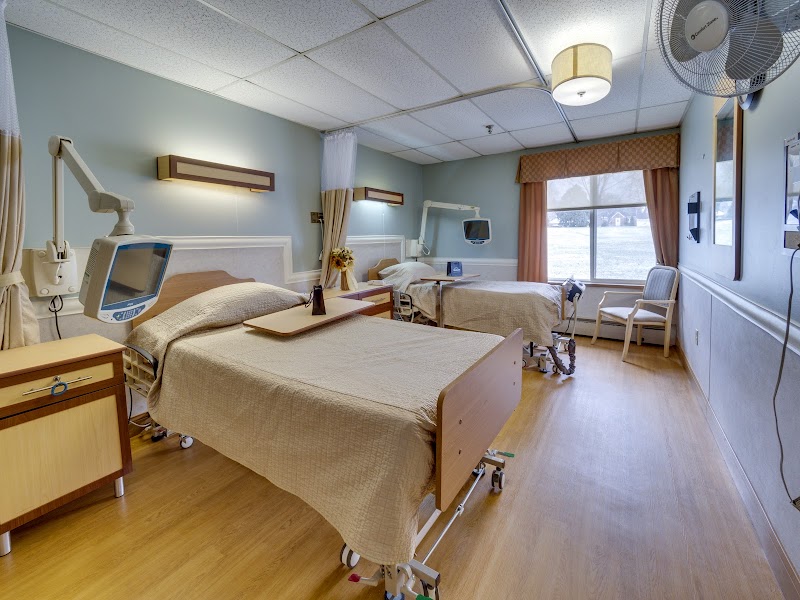
How is Touchpoints At Bloomfield Staffed?

CMS rates TOUCHPOINTS AT BLOOMFIELD's staffing level at 2 out of 5 stars, which is below average compared to other nursing homes. Staff turnover is 33%, compared to the Connecticut average of 46%. This relatively stable workforce can support continuity of care.

What Have Inspectors Found at Touchpoints At Bloomfield?

State health inspectors documented 31 deficiencies at TOUCHPOINTS AT BLOOMFIELD during 2019 to 2025. These included: 27 with potential for harm and 4 minor or isolated issues.
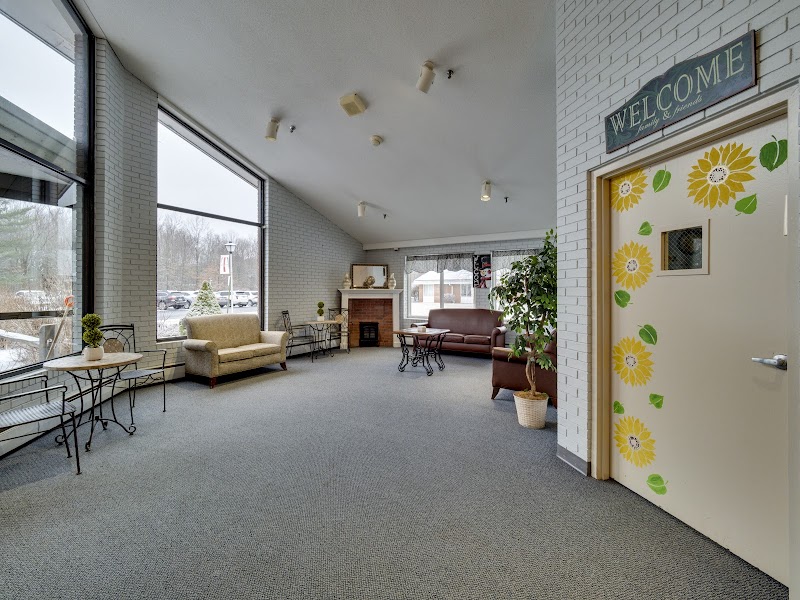
Who Owns and Operates Touchpoints At Bloomfield?

TOUCHPOINTS AT BLOOMFIELD is owned by a non-profit organization. Non-profit facilities reinvest revenue into operations rather than distributing to shareholders. The facility is operated by ICARE HEALTH NETWORK, a chain that manages multiple nursing homes. With 146 certified beds and approximately 135 residents (about 92% occupancy), it is a mid-sized facility located in BLOOMFIELD, Connecticut.
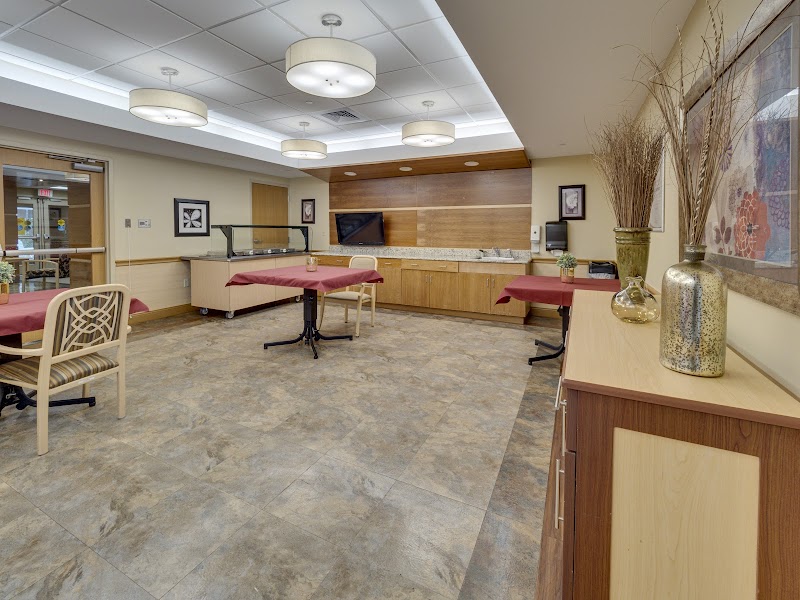
How Does Touchpoints At Bloomfield Compare to Other Connecticut Nursing Homes?

Compared to the 100 nursing homes in Connecticut, TOUCHPOINTS AT BLOOMFIELD's overall rating (4 stars) is above the state average of 3.0, staff turnover (33%) is significantly lower than the state average of 46%, and health inspection rating (3 stars) is at the national benchmark.

What Should Families Ask When Visiting Touchpoints At Bloomfield?

Based on this facility's data, families visiting should ask: "Can you walk me through typical staffing levels on day, evening, and night shifts?" "Can I visit during a mealtime to observe dining assistance and food quality?" "How do you handle medical emergencies, and what is your hospital transfer rate?" "Can I speak with family members of current residents about their experience?" These questions are particularly relevant given the below-average staffing rating.

Is Touchpoints At Bloomfield Safe?

Based on CMS inspection data, TOUCHPOINTS AT BLOOMFIELD has a clean safety record: no substantiated abuse findings (meaning no confirmed cases of resident harm), no Immediate Jeopardy citations (the most serious violation level indicating risk of serious injury or death), and is not on the Special Focus Facility watch list (a federal program monitoring the lowest-performing 1% of nursing homes). The facility has a 4-star overall rating and ranks #1 of 100 nursing homes in Connecticut. While no facility is perfect, families should still ask about staff-to-resident ratios and recent inspection results during their visit.

Do Nurses at Touchpoints At Bloomfield Stick Around?

TOUCHPOINTS AT BLOOMFIELD has a staff turnover rate of 33%, which is about average for Connecticut nursing homes (state average: 46%). Moderate turnover is common in nursing homes, but families should still ask about staff tenure and how the facility maintains care continuity when employees leave.

Was Touchpoints At Bloomfield Ever Fined?

TOUCHPOINTS AT BLOOMFIELD has no federal fines on record. CMS issues fines when nursing homes fail to meet care standards or don't correct problems found during inspections. The absence of fines suggests the facility has either maintained compliance or corrected any issues before penalties were assessed. This is a positive indicator, though families should still review recent inspection reports for the full picture.

Is Touchpoints At Bloomfield on Any Federal Watch List?

TOUCHPOINTS AT BLOOMFIELD is not on any federal watch list. The most significant is the Special Focus Facility (SFF) program, which identifies the bottom 1% of nursing homes nationally based on persistent, serious quality problems. Not being on this list means the facility has avoided the pattern of deficiencies that triggers enhanced federal oversight. This is a positive indicator, though families should still review the facility's inspection history directly.