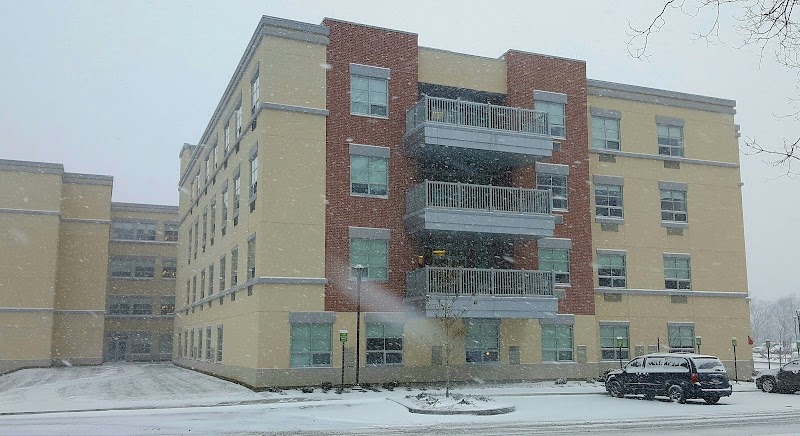
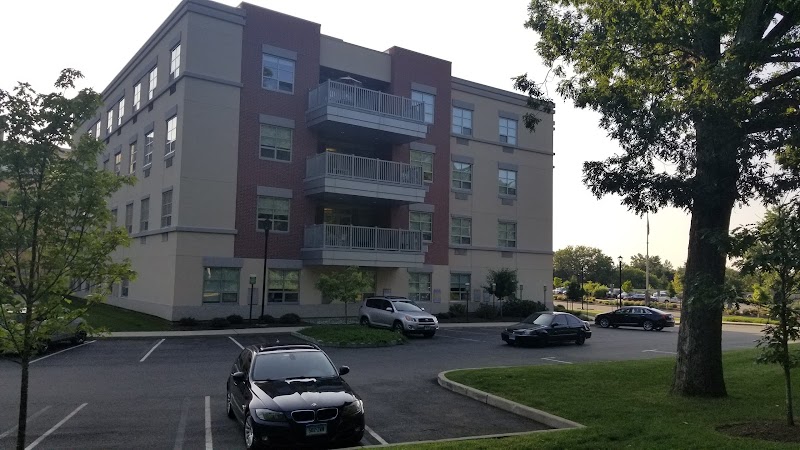
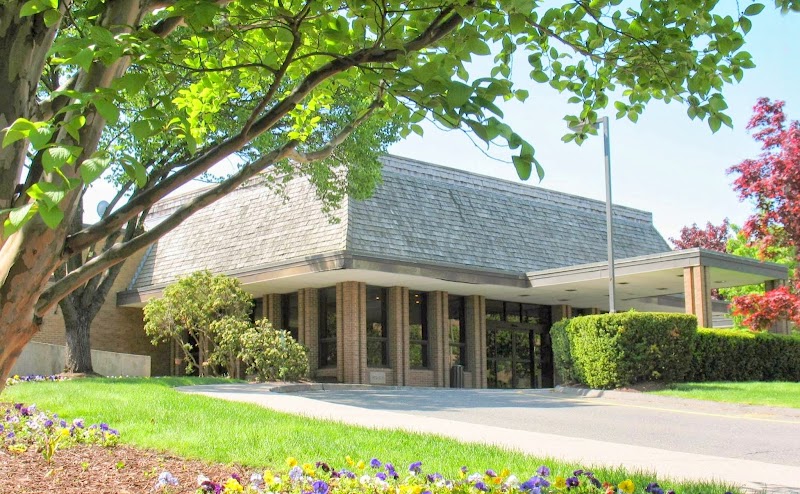

MOZAIC SENIOR LIFE

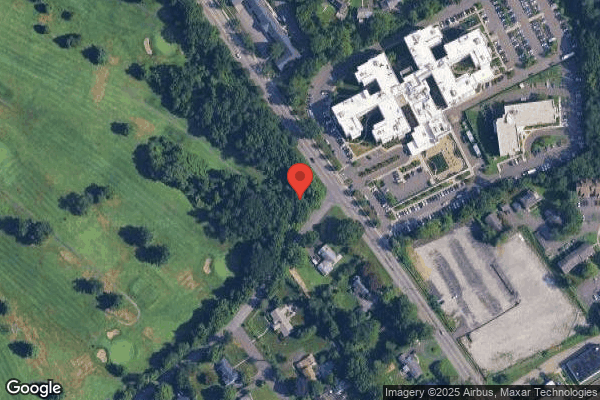
4200 PARK AVENUE, BRIDGEPORT, CT 06604 (203) 365-6400
Non profit - Corporation 294 Beds Independent Data: November 2025 1 Immediate Jeopardy citation
Trust Grade
48/100
#70 of 192 in CT
Last Inspection: October 2023

Over 2 years since last inspection. Current conditions may differ from available data.

Overview

Mozaic Senior Life in Bridgeport, Connecticut, has a Trust Grade of D, indicating below-average performance with some concerning issues. It ranks #70 out of 192 facilities in the state, which places it in the top half, but there are still significant concerns to address. The facility shows an improving trend, having reduced issues from 17 in 2023 to just 1 in 2025, which is a positive sign. Staffing is a strength, with a 5/5 star rating and a low turnover rate of 23%, which is well below the state average of 38%. However, the facility has incurred $58,260 in fines, which is higher than 75% of other Connecticut facilities and suggests repeated compliance problems. Additionally, there are some serious incidents to note: one resident with severe cognitive impairment eloped due to inadequate safety measures, and there were failures to report allegations of abuse properly, indicating potential risks in resident safety and care oversight. Overall, while the staffing and trend show promise, families should be cautious due to the fines and recent serious incidents.

Trust Score
D
48/100
In Connecticut
#70/192
Top 36%
Safety Record
High Risk
Review needed
Inspections
Getting Better
17 → 1 violations
Staff Stability
✓ Good
23% annual turnover. Excellent stability, 25 points below Connecticut's 48% average. Staff who stay learn residents' needs.
Penalties
○ Average
$58,260 in fines. Higher than 67% of Connecticut facilities. Some compliance issues.
Skilled Nurses
○ Average
Each resident gets 36 minutes of Registered Nurse (RN) attention daily — about average for Connecticut. RNs are the most trained staff who monitor for health changes.
Violations
⚠ Watch
23 deficiencies on record. Higher than average. Multiple issues found across inspections.
★★★★☆
4.0
Overall Rating
★★★★★
5.0
Staff Levels
★★★★☆
4.0
Care Quality
★★★☆☆
3.0
Inspection Score
Stable
2023: 17 issues
2025: 1 issues

The Good

  • 5-Star Staffing Rating · Excellent nurse staffing levels
  • 4-Star Quality Measures · Strong clinical quality outcomes
  • Low Staff Turnover (23%) · Staff stability means consistent care
  • Full Sprinkler Coverage · Fire safety systems throughout facility
  • No fines on record
  • Staff turnover is low (23%)

    25 points below Connecticut average of 48%

Facility shows strength in staffing levels, quality measures, staff retention, fire safety.

The Bad

Federal Fines: $58,260

Above median ($33,413)

Moderate penalties - review what triggered them

The Ugly 23 deficiencies on record

1 life-threatening 1 actual harm
May 2025 1 deficiency
CONCERN (D) 📢 Someone Reported This

A family member, employee, or ombudsman was alarmed enough to file a formal complaint

Potential for Harm - no one hurt, but risky conditions existed

Deficiency F0658 (Tag F0658)

Could have caused harm · This affected 1 resident

**NOTE- TERMS IN BRACKETS HAVE BEEN EDITED TO PROTECT CONFIDENTIALITY** Based on record review and interviews for one (1) of three (3) residents reviewed for medication errors (Resident #1), the facil...

Read full inspector narrative →
**NOTE- TERMS IN BRACKETS HAVE BEEN EDITED TO PROTECT CONFIDENTIALITY** Based on record review and interviews for one (1) of three (3) residents reviewed for medication errors (Resident #1), the facility failed to ensure the five rights of medication administration were followed, and subsequently, a resident was administered an excess of 26 units of the prescribed dose of Humalog insulin (a medication to lower blood glucose levels). The findings include: Resident #1 had diagnoses that included type 2 diabetes mellitus, heart failure, and hypertension. The physician's order dated 4/3/2025 directed to monitor blood sugars before meals and at bedtime and to administer 14 units of Humalog insulin 100 units/ml for blood sugar of 155 or less after meals, for a blood sugar of 155 or greater before meals, at 8:00 A.M., 12:00 P.M. and 5:00 P.M. hold insulin for a blood sugar of 90 or less. The admission [NAME] Data Set (MDS) assessment dated [DATE] identified Resident #1 had intact cognition (Brief Interview for Mental Status (BIMS) score of 15), was continent of bowel and bladder, independent with ADLs, and received insulin injections. The care plan dated 4/10/2025 identified Resident #1 had diabetes with interventions directing to assess signs of hypoglycemia or hyperglycemia, monitor blood glucose as ordered, diabetic foot checks, and administer insulin/oral glycemic agents as ordered. A vitals report dated 4/20/2025 at 8:03 A.M. identified RN #1 recorded Resident #1's blood sugar as 322. The facility accident and incident report dated 4/20/2025 identified that at 9:15 A.M. RN #1 administered 40 units of Humalog insulin to Resident #1; the order directed to administer 14 units before breakfast. RN #1 rechecked the blood sugar and notified RN #2 (supervisor) of the medication error. A nurse's note dated 4/20/2025 at 1:13 P.M. by the Assistant Director of Nurses (ADNS) identified at 12:30 P.M. APRN #1 was notified that Resident #1's current blood sugar was 199 and a new order was entered to notify APRN #1 prior to supper to determine if insulin will be needed. Review of the facility's summary dated 4/23/2025 identified on 4/20/2025 at approximately 9:15 A.M. RN #1 administered 40 units of Humalog Insulin and the order directed to administer 14 units of Humalog Insulin before meals. RN #1 reported she read 14 units, but inadvertently drew up 40 units, which she administered, and she realized the error and alerted the supervisor, APRN #1 and the family. RN #1 was provided education regarding the 5 rights and 3 checks for medication administration. Interview with RN #1 on 5/12/2025 at 10:35 A.M. identified on 4/20/2025 at approximately 8:00 A.M. Resident #1's blood sugar was checked and recorded as 322. RN #1 identified on 4/20/2025 she reviewed and verified physician's orders prior to administering Humalog insulin. RN #1 identified she knew that the physician's orders directed to administer 14 units of Humalog insulin prior to the breakfast meal for a blood sugar of 322. RN #1 identified when she was almost done administering the Humalog insulin injection, she realized she accidentally administered 40 units of Humalog insulin rather than 14 units per order. RN #1 indicated on 4/20/2025 she was flustered because earlier in the shift she was having difficulty logging into the computer, and then a fire alarm went off. Interview with the Director of Nurses (DNS) on 5/12/2025 at 10:59 A.M. identified RN #1 administered the wrong dose of Humalog insulin to Resident #1 on 4/20/2025 at approximately 9:00 A.M. The DNS identified the cause of the medication error on 4/20/2025 was caused by RN #1 feeling flustered. The DNS identified the 5 rights of medication administration (right resident, right medication, right dose, right time, and right route) should be followed by all nurses at all times. Although attempted, an interview with RN #2 was not obtained. According to Fundamentals of Nursing: 11th edition, Mosby, [NAME] and [NAME], 2022: To prevent medication errors nurses must follow the five rights of medication administration consistently every time medications are administered. The five rights of medication administration include the right medication, right dose, right resident, right route, and right time.
Oct 2023 7 deficiencies 1 Harm
SERIOUS (G)

Actual Harm - a resident was hurt due to facility failures

Deficiency F0726 (Tag F0726)

A resident was harmed · This affected 1 resident

**NOTE- TERMS IN BRACKETS HAVE BEEN EDITED TO PROTECT CONFIDENTIALITY** Based on record review and interviews the facility failed to have nursing staff with the appropriate competencies to provide nur...

Read full inspector narrative →
**NOTE- TERMS IN BRACKETS HAVE BEEN EDITED TO PROTECT CONFIDENTIALITY** Based on record review and interviews the facility failed to have nursing staff with the appropriate competencies to provide nursing services to maintain the highest practicable physical well-being of each resident. For 1 of 5 sampled residents reviewed for Medication Administration the facility failed to identify a resident prior to medication administration (Resident #181); and 1 of 3 residents reviewed for pressure ulcers the facility failed to addresss the risk of skin breakdown for a resident whose device placed them at high risk for skin breakdown (ID #282). The findings included: 1. Resident #181's diagnoses included multiple sclerosis and muscle spasm. The quarterly Minimum Data Set assessment dated [DATE] identified Resident #181 was cognitively intact and required extensive assistance with personal hygiene, toilet use, and dressing. The Resident Care Plan dated 7/13/23 identified resident has spasms related to multiple sclerosis. Interventions included continuing Baclofen as ordered for muscle spasms. Review of current physician's orders dated 10/1/23 through 10/19/23 directed to administer one 20 mg tablet of Baclofen, one 750mg Tums tablet, and one 400mg tablet of Magnesium Oxide by mouth during the 9:00 PM med pass. Interview with Resident #181 on 10/17/23 at 11:35 AM identified an agency nurse, LPN #4, came into his/her room one of the previous Sundays to administer crushed medications around 8:00 PM. Resident #181 informed the nurse he/she did not take crushed medications and asked what they were. Resident #181 was informed one of the crushed medications was Seroquel, advised the nurse he/she did not take Seroquel, and did not take the crushed medications. Resident #181 indicated he/she reported the incident to RN#7 and showed the surveyor his/her identification bracelet that was kept in his/her wheelchair bag. Interview with RN# 7 on 10/18/23 at 11:10 AM identified the incident regarding Resident #181 receiving the wrong medications occurred on Sunday, 10/8/23, during the evening shift. RN#7 was informed of the incident on 10/10/23 by Resident #181, was told LPN #4, an agency nurse, attempted to administer him/her crushed medications and that Resident #181 informed LPN #4 he/she didn't take crushed medications. Furthermore, Resident #181 indicated LPN #4 returned to the medication cart to verify the resident's medications, brought back the appropriate scheduled medications, and that Resident #181 took his/her scheduled medications. Furthermore, Resident #181 indicated LPN#4 advised, prior to administering the correct medications, that he/she would chart the resident refused her medications that evening. RN#7 reviewed the medication administration record and found no evidence of that occurring and confirmed Resident #181 did receive her correct medications that evening. RN #7 further indicated he/she reported the incident to the Director of Nursing Services (DNS). Interview with Assistant Director of Nursing (ADNS) on 10/18/23 at 11:21 AM identified she was just informed of the incident on 10/17/23 involving an agency nurse attempting to give Resident #181 crushed medications. The ADNS indicated Resident #181 had specifically identified the medications she received during the 9:00 PM medication pass and informed Resident #181 had reported to the ADNS that he/she was not wearing his/her identification bracelet that evening. Resident #181 could not recall how he/she was identified by LPN #4 prior to attempting to administer the crushed medications. Interview with the ADNS on 10/18/23 at 2:15 PM identified an orientation was provided to agency nurses who work in the facility but that the orientation did not include how to correctly administer medications. Interview with the Director of Nursing on 10/19/23 at 9:35 AM identified medication administration was not part of the facility's orientation process for agency nursing staff. Interview with Person #1 from the nurse staffing agency on 10/19/23 at 11:13 AM identified competency review wasn't provided to the agency nurses prior to placement. Interview with Person #2 from the nurse staffing agency on 10/19/23 at 11:27 AM indicated the agency only hires nurses that already have nursing home experience and that no additional training was provided to them prior to placement. Review of the Medication Administration policy dated 3/15/23 directed to identify the resident by using the picture on the electronic medication administration record, resident identification band, or ask a team member to confirm the name of the resident. The Medication Administration policy dated 3/15/23 provides the procedural guidelines to support the accurate and safe administration of medications as right drug, right resident, right dose, right time and right route. 2. Resident #228's diagnoses included fracture left patella (kneecap) with orthopedic repair, cerebral infarction, osteoporosis, hypokalemia, dementia, and anxiety. The Braden Scale for Prediction of Pressure Sore Risk dated 9/15/23 identified Resident #228 had potential problems related to friction and shearing. Further review identified the resident requires minimum assistance with movement. During a move, the skin probably slides to some extent, against sheets, chair, restraints, or other device. Maintains relatively good position in chair or bed most of the time but occasionally slides down. The resident was identified at risk for pressure ulcers and no interventions were identified. A physician's order dated 9/16/23 directed immobilizer to left lower extremity and weight bearing as tolerated, off-load heels every shift, skin assessment weekly on bath days, ted stockings from 8:00 AM to 8:00 PM and skin prep to bilateral heels twice a day for 14 days. The 5-day scheduled Minimum Data Set assessment dated [DATE] identified Resident #228 had no cognitive impairment, was at risk of developing pressure ulcers and required extensive assistance with bed mobility, transfer, locomotion, and personal hygiene. The Orthopedic office visit assessment on 9/29/23 identified Resident #228's left lower extremity incision over anterior knee was healing with staples in place. The staples were removed in the office and Steri-Strips were applied. There was no peri-incisional erythema or induration, there was no evidence of drainage, nontender to palpitation throughout, sensation was intact to light touch throughout all nerve distributions, tibial and doppler pulses were both positive with capillary refill less than 2 seconds to all toes. The resident transitioned from knee immobilizer to a hinged knee brace to be locked in full extension at all times for the next 2 weeks. In 2 weeks, the brace may be unlocked from 0-45 degree for therapy sessions only. At all other times locked strictly in full extension including sleep. The resident may shower in 2 days. Remove Steri-Strips in 1 week and the resident will be seen in the office for a clinical exam in 4 weeks. Review of the resident's clinical record from 9/29/23 to 10/3/23 failed to reflect left lower extremity skin assessment or skin protection under or near the hinged knee brace. On 10/4/23 during physical therapy treatment Physical Therapist (PTA #2) identified and documented hinged knee brace related left posterior lower leg pressure ulcer. The Physical Therapy Treatment Encounter Note dated 10/4/23 identified during adjustment of Resident #228's knee immobilizer, PTA #2 found pressure wound on posterior lower leg/heel, PTA #2 added padding underneath strap and reported findings to the nurse. In addition, distal left lower extremity also appeared more swollen and was warm to the touch which was also reported to the nurse. The nurse's notes dated 10/4/23 at 4:36 PM identified incision to knee with Steri-Strips in place, no drainage noted. Hinged brace to left lower extremity, resident to keep leg straight. Wound found to posterior left ankle underneath brace, foam dressing applied for protection. The wound nurse was notified, trace of edema noted to the left lower extremity, and the resident had no complaints of pain or discomfort. The Wound Assessment form dated 10/4/23 identified the resident with stage III pressure ulcer to left posterior lateral ankle, measuring 1.6 centimeter (cm) by 1.5 cm by 0.2 cm. Further review identified full thickness wound that extended to subcutaneous tissue without viable support structure noted. Etiology was likely a Medical Device Related Pressure Injury (MDRPI) from immobilizer, now stage III. The resident denied any pain, area was being offloaded and treatment in progress. The Physical Therapy Treatment Encounter Note dated 10/5/23 identified adjusted knee immobilizer and discussed with family talking to ortho about the brace due to it consistently loosening and getting out of place causing pressure on her/his wound. The wound care consult by Doctor of Osteopathy (DO #1) dated 10/5/23 identified the resident with stage III, medical device related pressure ulcer to left posterior lateral ankle, measuring 1.6 cm by 1.5 cm by 0.2 cm, with 30% thick adherent devitalized necrotic tissue and 70% granulation tissue. The wound was cleansed with normal saline and anesthesia was achieved using topical benzocaine. Then with clean surgical technique, blade was used to surgically excise devitalized tissue and necrotic subcutaneous level tissues were removed at a depth of 0.3 cm and healthy bleeding tissue was observed. As a result of this procedure, the nonviable tissue in the wound bed decreased from 30 percent to 0 percent. Dressing treatment plan directed Calcium Alginate apply daily and off-load wound, reposition per facility protocol. Further review identified the resident with unstageable deep tissue injury with intact skin to left upper heel, measuring 4.2 cm by 1.1 cm and the depth was not measurable and there was no exudate. Dressing treatment plan directed to apply Betadine daily and off-load wound, reposition per facility protocol. The nurse's notes dated 10/6/23 at 9:08 AM identified the resident was seen by DO #1 on 10/5/23 during wound rounds and an additional wound was noted to the upper heel, likely MDRPI. The Resident Care Plan dated 10/6/23 (two days after stage III medical device related pressure ulcer to left posterior lateral ankle was identified and on the same date that deep tissue pressure injury to left upper heel was identified) identified Resident #228 at risk for skin breakdown related to decrease in bed mobility, needs assistance with toileting, bowel, and bladder incontinence. Interventions directed to assist with turning and repositioning every two hours and as needed, and schedule skin check, report to licensure nurse any new skin issues. The Wound Assessment form dated 10/6/23 identified the resident with deep tissue pressure injury to the left upper heel, measuring 4.2 cm by 1.1 cm by less than 0.1 cm. Further review identified that the resident was seen on wound rounds by the physician on 10/5/23 and additional wound was noted to the left upper heel, likely MDRPI from immobilizer, the skin was intact with a deep maroon appearance, now deep tissue pressure injury, treatment with Betadine daily, areas are being offloaded and the resident denied any pain. Interview and clinical record review with RN #5 on 10/18/23 at 9:44 AM identified until 9/29/23 Resident #228 had ice wrap under knee immobilizer on left lower extremity. On 9/29/23, during orthopedic office visit, the ice wrap and immobilizer were replaced with hinged knee brace with directions to keep it locked in full extension at all times for the next 2 weeks, including sleep. There were no directions to remove it for assessment, therefore the resident's skin was not assessed for integrity under or near the brace and the areas were not padded on left lower extremity until 10/4/23 when stage III pressure ulcer was discovered. Interview with DO #1 on 10/18/23 at 11:20 AM identified he carefully partially removed the hinged knee brace on 10/5/23 to assess the entire left leg, pad the brace and to apply dressing. At that time DO #1 identified a second pressure ulcer that was Deep Tissue Injury (DTI). DO #1 further identified although, there were no directions to remove the knee brace for assessment, it would be good to call the doctor and ask, there should be more communication with the doctor. With new interventions implemented both areas are improving. DO #1 stated that both pressure ulcers happened from friction and/or shear from the hinged knee brace. A person with a brace or any medical device is more likely to develop a pressure ulcer than a person without, that is why we must be extra protective of the skin. DO #1 identified those pressure ulcers could have possibly been prevented. Interview with MD #3 on 10/18/23 at 2:25 PM identified there was no visible skin injury to left lower leg under the immobilizer while the resident was in the office on 9/29/23. The resident's surgical incision was healing well. MD #3 stated there should be understanding for everyone, that for any brace in use, there should also be skin checks at least daily during the resident's rest, that is basic care, that should be standard of practice, and the brace should be opened, reapplied, and readjusted if needed. MD #3 further identified that order will be given to the facility to remove the hinged left knee brace to provide pressure ulcer care and to assess the resident's skin daily. Interview with MD #1 on 10/19/23at 9:32 AM identified the resident's brace should have been removed to assess the resident's skin under the brace at least every 48 hours, so maybe the skin injury would be identified at stage I and staff would put interventions in place to prevent developing any further. MD #1 further identified that it was expected of the facility to call the doctor for directions, therefore facility policy will be revised, and staff will be educated. Interview with DNS on 10/19/23 at 11:03 AM identified although requested, a facility policy on prevention of pressure ulcers due to brace/medical devices was not provided. The DNS further identified although the resident was at risk for developing pressure ulcers, the facility followed what the doctor wrote to keep the brace in place for two weeks at all times and failed to call the doctor to clarify those directions or to notify that the brace position needed to be adjusted at times. The DNS further identified staff could have checked the resident's skin on the left leg around the knee brace but not to remove the brace. Review of Post-op Knee brace instructions for use provided by the facility identified the healthcare professional should inform the patient about everything in this document that is required for safe use of this device. The patient should immediately contact a healthcare professional if any pain, skin irritation, or unusual reaction occurs with the use of the device. The instructions further directed a healthcare professional should adjust the device length to provide optimal knee stabilization. Upper hinge arms should extend no higher than 5 cm from groin level. Lower hinge arms should extend no lower than calf/Achilles tendon junction. According to drugs.com (Hinged Knee Brace, reviewed June 2024) those with a hinged knee brace should inspect (their) skin often. A hinged knee brace may cause the skin to become irritated, red, or dry where it rubs against the brace. The skin should be checked for sores or other problems.
CONCERN (D)

Potential for Harm - no one hurt, but risky conditions existed

Pressure Ulcer Prevention (Tag F0686)

Could have caused harm · This affected 1 resident

**NOTE- TERMS IN BRACKETS HAVE BEEN EDITED TO PROTECT CONFIDENTIALITY** Based on record review and interviews for 1 of 3 residents (Resident #228) who was at risk of developing pressure ulcers, the fa...

Read full inspector narrative →
**NOTE- TERMS IN BRACKETS HAVE BEEN EDITED TO PROTECT CONFIDENTIALITY** Based on record review and interviews for 1 of 3 residents (Resident #228) who was at risk of developing pressure ulcers, the facility failed to ensure measures were in place to prevent development of avoidable pressure ulcers. The findings include: Resident #228's diagnoses included fracture left patella (kneecap) with orthopedic repair, cerebral infarction, osteoporosis, hypokalemia, dementia, and anxiety. The Braden Scale for Prediction of Pressure Sore Risk dated 9/15/23 identified Resident #228 had potential problems related to friction and shearing. Further review identified the resident requires minimum assistance with movement. During a move, the skin probably slides to some extent, against sheets, chair, restraints, or other device. Maintains relatively good position in chair or bed most of the time but occasionally slides down. The resident was identified at risk for pressure ulcers and no interventions were identified. A physician's order dated 9/16/23 directed immobilizer to left lower extremity and weight bearing as tolerated, off-load heels every shift, skin assessment weekly on bath days, ted stockings from 8:00 AM to 8:00 PM and skin prep to bilateral heels twice a day for 14 days. The 5-day scheduled Minimum Data Set assessment dated [DATE] identified Resident #228 had no cognitive impairment, was at risk of developing pressure ulcers and required extensive assistance with bed mobility, transfer, locomotion, and personal hygiene. The Orthopedic office visit assessment on 9/29/23 identified Resident #228's left lower extremity incision over anterior knee was healing with staples in place. The staples were removed in the office and Steri-Strips were applied. There was no peri-incisional erythema or induration, there was no evidence of drainage, nontender to palpitation throughout, sensation was intact to light touch throughout all nerve distributions, tibial and doppler pulses were both positive with capillary refill less than 2 seconds to all toes. The resident transitioned from knee immobilizer to a hinged knee brace to be locked in full extension at all times for the next 2 weeks. In 2 weeks, the brace may be unlocked from 0-45 degree for therapy sessions only. At all other times locked strictly in full extension including sleep. The resident may shower in 2 days. Remove Steri-Strips in 1 week and the resident will be seen in the office for a clinical exam in 4 weeks. Review of the resident's clinical record from 9/29/23 to 10/3/23 failed to reflect left lower extremity skin assessment or skin protection under or near the hinged knee brace. On 10/4/23 during physical therapy treatment Physical Therapist (PTA #2) identified and documented hinged knee brace related left posterior lower leg pressure ulcer. The Physical Therapy Treatment Encounter Note dated 10/4/23 identified during adjustment of Resident #228's knee immobilizer, PTA #2 found pressure wound on posterior lower leg/heel, PTA #2 added padding underneath strap and reported findings to the nurse. In addition, distal left lower extremity also appeared more swollen and was warm to the touch which was also reported to the nurse. The nurse's notes dated 10/4/23 at 4:36 PM identified incision to knee with Steri-Strips in place, no drainage noted. Hinged brace to left lower extremity, resident to keep leg straight. Wound found to posterior left ankle underneath brace, foam dressing applied for protection. The wound nurse was notified, trace of edema noted to the left lower extremity, and the resident had no complaints of pain or discomfort. The Wound Assessment form dated 10/4/23 identified the resident with stage III pressure ulcer to left posterior lateral ankle, measuring 1.6 centimeter (cm) by 1.5 cm by 0.2 cm. Further review identified full thickness wound that extended to subcutaneous tissue without viable support structure noted. Etiology was likely a Medical Device Related Pressure Injury (MDRPI) from immobilizer, now stage III. The resident denied any pain, area was being offloaded and treatment in progress. The Physical Therapy Treatment Encounter Note dated 10/5/23 identified adjusted knee immobilizer and discussed with family talking to ortho about the brace due to it consistently loosening and getting out of place causing pressure on her/his wound. The wound care consult by Doctor of Osteopathy (DO #1) dated 10/5/23 identified the resident with stage III, medical device related pressure ulcer to left posterior lateral ankle, measuring 1.6 cm by 1.5 cm by 0.2 cm, with 30% thick adherent devitalized necrotic tissue and 70% granulation tissue. The wound was cleansed with normal saline and anesthesia was achieved using topical benzocaine. Then with clean surgical technique, blade was used to surgically excise devitalized tissue and necrotic subcutaneous level tissues were removed at a depth of 0.3 cm and healthy bleeding tissue was observed. As a result of this procedure, the nonviable tissue in the wound bed decreased from 30 percent to 0 percent. Dressing treatment plan directed Calcium Alginate apply daily and off-load wound, reposition per facility protocol. Further review identified the resident with unstageable deep tissue injury with intact skin to left upper heel, measuring 4.2 cm by 1.1 cm and the depth was not measurable and there was no exudate. Dressing treatment plan directed to apply Betadine daily and off-load wound, reposition per facility protocol. The nurse's notes dated 10/6/23 at 9:08 AM identified the resident was seen by DO #1 on 10/5/23 during wound rounds and an additional wound was noted to the upper heel, likely MDRPI. The Resident Care Plan dated 10/6/23 (two days after stage III medical device related pressure ulcer to left posterior lateral ankle was identified and on the same date that deep tissue pressure injury to left upper heel was identified) identified Resident #228 at risk for skin breakdown related to decrease in bed mobility, needs assistance with toileting, bowel, and bladder incontinence. Interventions directed to assist with turning and repositioning every two hours and as needed, and schedule skin check, report to licensure nurse any new skin issues. The Wound Assessment form dated 10/6/23 identified the resident with deep tissue pressure injury to the left upper heel, measuring 4.2 cm by 1.1 cm by less than 0.1 cm. Further review identified that the resident was seen on wound rounds by the physician on 10/5/23 and additional wound was noted to the left upper heel, likely MDRPI from immobilizer, the skin was intact with a deep maroon appearance, now deep tissue pressure injury, treatment with Betadine daily, areas are being offloaded and the resident denied any pain. Interview and clinical record review with RN #5 on 10/18/23 at 9:44 AM identified until 9/29/23 Resident #228 had ice wrap under knee immobilizer on left lower extremity. On 9/29/23, during orthopedic office visit, the ice wrap and immobilizer were replaced with hinged knee brace with directions to keep it locked in full extension at all times for the next 2 weeks, including sleep. There were no directions to remove it for assessment, therefore the resident's skin was not assessed for integrity under or near the brace and the areas were not padded on left lower extremity until 10/4/23 when stage III pressure ulcer was discovered. Interview with DO #1 on 10/18/23 at 11:20 AM identified he carefully partially removed the hinged knee brace on 10/5/23 to assess the entire left leg, pad the brace and to apply dressing. At that time DO #1 identified a second pressure ulcer that was Deep Tissue Injury (DTI). DO #1 further identified although, there were no directions to remove the knee brace for assessment, it would be good to call the doctor and ask, there should be more communication with the doctor. With new interventions implemented both areas are improving. DO #1 stated that both pressure ulcers happened from friction and/or shear from the hinged knee brace. A person with a brace or any medical device is more likely to develop a pressure ulcer than a person without, that is why we must be extra protective of the skin. DO #1 identified those pressure ulcers could have possibly been prevented. Interview with MD #3 on 10/18/23 at 2:25 PM identified there was no visible skin injury to left lower leg under the immobilizer while the resident was in the office on 9/29/23. The resident's surgical incision was healing well. MD #3 stated there should be understanding for everyone, that for any brace in use, there should also be skin checks at least daily during the resident's rest, that is basic care, that should be standard of practice, and the brace should be opened, reapplied, and readjusted if needed. MD #3 further identified that order will be given to the facility to remove the hinged left knee brace to provide pressure ulcer care and to assess the resident's skin daily. Interview with MD #1 on 10/19/23at 9:32 AM identified the resident's brace should have been removed to assess the resident's skin under the brace at least every 48 hours, so maybe the skin injury would be identified at stage I and staff would put interventions in place to prevent developing any further. MD #1 further identified that it was expected of the facility to call the doctor for directions, therefore facility policy will be revised, and staff will be educated. Interview with DNS on 10/19/23 at 11:03 AM identified although requested, a facility policy on prevention of pressure ulcers due to brace/medical devices was not provided. The DNS further identified although the resident was at risk for developing pressure ulcers, the facility followed what the doctor wrote to keep the brace in place for two weeks at all times and failed to call the doctor to clarify those directions or to notify that the brace position needed to be adjusted at times. The DNS further identified staff could have checked the resident's skin on the left leg around the knee brace but not to remove the brace. Review of Post-op Knee brace instructions for use provided by the facility identified the healthcare professional should inform the patient about everything in this document that is required for safe use of this device. The patient should immediately contact a healthcare professional if any pain, skin irritation, or unusual reaction occurs with the use of the device. The instructions further directed a healthcare professional should adjust the device length to provide optimal knee stabilization. Upper hinge arms should extend no higher than 5 cm from groin level. Lower hinge arms should extend no lower than calf/Achilles tendon junction.
CONCERN (D)

Potential for Harm - no one hurt, but risky conditions existed

Accident Prevention (Tag F0689)

Could have caused harm · This affected 1 resident

**NOTE- TERMS IN BRACKETS HAVE BEEN EDITED TO PROTECT CONFIDENTIALITY** Based on clinical record reviews, observations, facility documentation, and interviews for 1 of 1 sampled residents (Resident #7...

Read full inspector narrative →
**NOTE- TERMS IN BRACKETS HAVE BEEN EDITED TO PROTECT CONFIDENTIALITY** Based on clinical record reviews, observations, facility documentation, and interviews for 1 of 1 sampled residents (Resident #72) at risk for suicidal ideation, the facility failed to implement the plan of care as directed and ensure the environment remained as free of hazards as possible. The findings included: Resident #72's diagnoses included delusional disorders, major depressive disorders, and unspecified psychosis. Review of the hospital Discharge summary dated [DATE] identified Resident #72 was admitted on [DATE] after cutting him/herself with a shaving razor. Resident #72 indicated hearing multiple people speaking to him/her over the intercom at the nursing facility since 7/6/2023 and stated they constantly chanted his/her name. Resident #72 further identified cutting him/herself with a razor to end his/her life as he/she thought it was the only way to protect his/her money. Further review of the hospital Discharge summary dated [DATE] indicated Resident #72 was on Risperdal and Seroquel in the past but did not appear to be taking psychiatric medications currently. Upon admission to the hospital, Resident #72 was started on Seroquel for mood stability and auditory hallucinations. It was noted that on this medication, Resident #72 improved as his mood stabilized and was euthymic. The quarterly Minimum Data Set assessment dated [DATE] identified Resident #72 was cognitively intact and required extensive assistance with dressing, toilet use, and personal hygiene. The Resident Care Plan dated 8/15/23 identified Resident #72 refused to take prescribed antipsychotic/mood stabilizer, that Resident #72 attempted to harm his/herself by applying a safety razor to his/her forearms, and Resident #72 heard voices and music that others did not hear. Interventions directed to ensure resident's room was free from potentially harmful items, all sharps and cords were removed from room, and to administer anti-psychotic medication as ordered. Observations on 10/15/23 at 12:17 PM identified shoelaces attached to the overhead bed lamp pull cord and call bell cord and sneakers with shoelaces located on the shelf next to the television. Observation with Director of Nursing on 10/15/23 at 12:30 PM identified shoelaces attached to the overhead bed lamp pull cord and call bell cord and sneakers with shoelaces located on the shelf next to the television. Interview with Resident #72 on 10/15/23 at 12:48 PM indicated he/she attached shoelaces to both the overhead bed lamp pull cord and call bell cord one to two days after returning from the hospital in July. Resident #72 identified he/she attached the shoelaces to the overhead bed lamp pull cord so that he/she could turn his/her light on and off and to his/her call bell cord so that he/she had a means of recording when he/she called for assistance. Resident #72 was given a hand bell to use when needing assistance. On 10/15/23 at 1:37 PM the care plan to remove all sharps and cords from Resident #72's room was reviewed with the Director of Nursing Services (DNS). The DNS identified that a shoelace would be considered a cord and should have been removed from Resident #72's room. Interview with certified nursing assistant (CNA) #5 on 10/15/23 at 1:50 PM identified he/she saw the shoelaces in Resident #72's room that morning, attached to the overbed lamp pull cord and call bell cord and that he/she was aware sharps and cords were to be kept out of his/her room. CNA #5 indicated she would consider a shoelace a cord and was aware the plan of care indicated Resident #72 was to have no sharps or cords in his/her room. CNA #5 further indicated he/she should have asked the nurse about the shoelaces in his/her room and if he/she should have had them. Although requested, the facility failed to provide a policy related to resident safety.
CONCERN (D)

Potential for Harm - no one hurt, but risky conditions existed

Drug Regimen Review (Tag F0756)

Could have caused harm · This affected 1 resident

**NOTE- TERMS IN BRACKETS HAVE BEEN EDITED TO PROTECT CONFIDENTIALITY** Based on record review and interview for one of five residents (Resident #204) who was reviewed for Unnecessary Medications, the...

Read full inspector narrative →
**NOTE- TERMS IN BRACKETS HAVE BEEN EDITED TO PROTECT CONFIDENTIALITY** Based on record review and interview for one of five residents (Resident #204) who was reviewed for Unnecessary Medications, the facility failed to review the pharmacist's recommendations on the medication regimen review documentation. The findings included: Resident #204's diagnoses included unspecified dementia, unspecified severity, with other behavioral disturbance, generalized anxiety disorder, and restlessness and agitation. The Resident Care Plan dated 6/20/23 identified the potential for complications related to antipsychotic medication use. Interventions directed to monitor for hypotension, sedation, anticholinergic and extrapyramidal symptoms. The annual Minimum Data Set assessment dated [DATE] identified Resident #204 had required extensive assistance with bed mobility, transfers, dressing, and personal hygiene. Review of pharmacist recommendations created between 8/1/23 to 8/5/23 and 9/1/23-9/10-23 identified the request to monitor monthly orthostatic blood pressure for current antipsychotic therapy and if the resident was unable to stand or had another condition to prevent the resident from taking an orthostatic blood pressure, to please document the exemption. Further review of the pharmacist's recommendations failed to identify the physician had reviewed the documents by either approving or refusing the recommendation and signing the document. Review of physician's orders dated 10/1/23 to 10/19/23 failed to identify an order for monthly orthostatic blood pressures. Interview and clinical record review with the Assistant Nursing Director (ADNS) on 10/19/23 at 3:47 PM identified the facility failed to review the pharmacist's recommendations created between 8/1/23 to 8/5/23 and 9/1/23 to 9/10/23 and either approve or reject the recommendations. Furthermore, the ADNS indicated the expectation the medical director would review the pharmacist recommendations and was unsure as to why this wasn't done. Review of the Documentation and Communication of Consultant Pharmacist Recommendations policy indicates all non-urgent recommendations or irregularities must be addressed/reviewed within 30 days of the consultant's monthly visit.
CONCERN (D)

Potential for Harm - no one hurt, but risky conditions existed

Deficiency F0761 (Tag F0761)

Could have caused harm · This affected 1 resident

**NOTE- TERMS IN BRACKETS HAVE BEEN EDITED TO PROTECT CONFIDENTIALITY** Based on surveyor observation, record review, and interviews for 4 of 11 sampled medication rooms/carts, the facility failed to ...

Read full inspector narrative →
**NOTE- TERMS IN BRACKETS HAVE BEEN EDITED TO PROTECT CONFIDENTIALITY** Based on surveyor observation, record review, and interviews for 4 of 11 sampled medication rooms/carts, the facility failed to secure and store medications appropriately. The findings include: Surveyor observation on 10/16/23 at 11:55AM in the [NAME] House revealed LPN #7, who re-attempted giving medications to a resident in their room that had previously refused, left the medication refrigerator unlocked and the office door open. In the medication refrigerator was ceftriaxone IM and shingrix injection stored. Interview with LPN#7 on 10/16/23 at 11:58 AM identified the medication refrigerator should have been locked prior to leaving to administer the medication, this was not done due to the nurse being nervous with survey being completed. Surveyor observation on 10/16/23 at 12:30PM in the [NAME] House revealed LPN #9 administering medication in the dining area while the medication cart was left unlocked in the office, with the office door unsecured and no other staff present in the office. Interview with LPN#9 on 10/16/23 at 12:32 PM identified that the medication should have been secured prior to leaving the medication cart area. LPN identified that she was going a short distance away and that it was basic nursing practice to lock a cart if you are walking far away from it. Surveyor observation on 10/17/23 at 9:44 AM in the [NAME] House, house stock [NAME] throat spray 1.7% was found expired on 04/23 on the medication cart with LPN #10. Interview with LPN#10 on 10/17/23 at 9:46 AM identified that she did not know why this medication was still in the cart and that she didn't know it was in there and that if medication is expired it should be given to the supervisor for destruction. Surveyor observation on 10/17/23 at 10:02 AM of the [NAME] House medication cart with LPN #8 identified Loperamide 2mg house stock expired on 8/2022; the medication box was opened with 11 capsules remaining. The medication refrigerator was not lockable on this unit, no lock was attached to the refrigerator. Stored in the medication refridgerator was biscadoyl, acidophilus, Novalog, Prolia and Copaxone. Interview with LPN #8 on 10/17/23 at 10:05 AM identified that the medication refrigerator should have a lock on it and that she was not aware that there was no lock present on the medication refrigerator, she would contact maintenance to get it repaired immediately. She was not aware that the expired Loperamide was in the cart and that it should be given to the supervisor on duty to be destroyed. Interview with DON on 10/17/23 at 1:30 PM identified that medication should be secured before the nurse walks away from it, further than an arm's length away. The expectation regarding expired medications would be that when they are expired staff get them out of the medication cart and give them to the supervisor to destroy.
CONCERN (D)

Potential for Harm - no one hurt, but risky conditions existed

Infection Control (Tag F0880)

Could have caused harm · This affected 1 resident

Based on surveyor observations, record review and interviews, the facility failed to ensure 1 of 1 staff conducted appropriate glucometer use and cleaning, and completed hand hygiene when changing glo...

Read full inspector narrative →
Based on surveyor observations, record review and interviews, the facility failed to ensure 1 of 1 staff conducted appropriate glucometer use and cleaning, and completed hand hygiene when changing gloves. The findings include: 1) On 10/16/23 at 11:30 AM observation of LPN # 8 conducting glucometer use to obtain a blood glucose reading via fingerstick. LPN #8 indicated the glucometer is kept on the medication cart with the supplies and is only used for this resident as no other residents require blood glucose reading via fingerstick. LPN #8 brought a cardboard box containing numerous lancets, alcohol wipes and a bottle of glucometer strips into the resident room, placed the box containing these items and a portable sharps container onto this resident bare bedside table without cleaning the table first. Wearing gloves, LPN #8 used a lancet, obtained the drop of blood on the strip, read the reading which was low and repeated the process. LPN #8 removed the used gloves and donned new gloves without conducting hand hygiene between the glove change then went to the medication cart handling keys to open the cart when the surveyor intervened asking about hand hygiene. LPN #8 initially indicated hands were clean then indicated that he/she had not done hand hygiene but should have after removing the first set of gloves. LPN #8 then proceeded to use an individual alcohol wipe to wipe the glucometer surface top, bottom and sides of the meter then placed the meter on the bare over bed table in resident's room to dry, when asked how long to dry indicated 2 minutes and used his/her watch to check the time. RN#8 removed gloves, went to the bathroom, washed hands then removed the box of supplies, sharps container and meter from the residents over the bed table and placed them on top of the medication cart. LPN #8 indicated the box of supplies and glucometer would go back into the medication cart and opened the medication cart and pointed to the second drawer that contained a small blue plastic bin that included a few lancets, and the bin was surrounded by other resident items including a box of ear drops and other contained medications. On 10/17/2023 at 11:55 AM the infection control nurse RN#1 and the ADNS RN #2 were interviewed. RN#1 indicated the expectation for the procedure would be to bring a lancet, bottle of strips and the meter into the room. RN#2 indicated that a clean work surface should have been placed on the bedside table where the single supplies could be kept, gloves would be donned, the strip placed into the meter, the finger prepped, and the specimen obtained. She indicated that after use the glucometer and gloves would be dirty; the gloves would need to be removed and the meter cleaned and allowed to dry. The ANDS, RN#2 indicated he/she would discard the items that went into the resident's room, sanitize the meter with the sanitizing wipe before it goes back into the medication cart for storage. The facility infection control policy dated 3/15/2023 labeled Blood Glucose Meter Cleaning and Disinfecting indicated in part the procedure for general cleaning and disinfecting of a glucometer with no visible blood noted on the device, indicated to wash hands and apply clean gloves using germicidal wipes, taking one wipe from the container. The procedure further indicated to thoroughly wipe glucometer surfaces with the wipe and allow surfaces to remain wet according to the manufacturer's label of the wipe then ensure the meter is completely dry before testing a resident's glucose, discard the wipe, remove gloves then wash hands. The manufacturer's cleaning and disinfecting guidelines indicated in part cleaning and disinfecting can be completed by using a commercially available EPA-registered disinfectant detergent or germicidal wipe. The guidelines further indicated to use a wipe remove from the container and follow the product label instructions to disinfect the meter. The guidelines further indicated that if blood is present on the meter two wipes must be used, one wipe to clean and the second wipe to disinfect. No mention was made that an alcohol wipe was appropriate to use.
CONCERN (D)

Potential for Harm - no one hurt, but risky conditions existed

Deficiency F0883 (Tag F0883)

Could have caused harm · This affected 1 resident

**NOTE- TERMS IN BRACKETS HAVE BEEN EDITED TO PROTECT CONFIDENTIALITY** Based on record review and interview for 1 of 5 residents (Resident #46) reviewed for vaccinations, the facility failed to ensur...

Read full inspector narrative →
**NOTE- TERMS IN BRACKETS HAVE BEEN EDITED TO PROTECT CONFIDENTIALITY** Based on record review and interview for 1 of 5 residents (Resident #46) reviewed for vaccinations, the facility failed to ensure the pneumococcal vaccine was offered. The findings include: The Minimum Data Set (MDS) dated [DATE] indicated Resident #104 was cognitively intact and the entry for pneumococcal vaccine was not answered. Resident #104's diagnosis included a neurological disorder, heart disease and diabetes. On 10/18/2023 at 9:15 AM an interview, clinical record and facility document review was completed with RN #1. Resident #46 was found not to have documentation of a pneumococcal vaccination consent or declination or evidence the vaccine was offered or given. RN #1 indicated the pneumococcal vaccine form was recently updated reflecting the variety of pneumococcal vaccines that are available and the process for short term and long-term residents are the same and given according to the CDC guidelines with the physician to determine which type of vaccine is needed. RN #1 further indicated the resident would indicate yes or no on the form then the form goes to the physician. RN#1 indicated he/she would look in the paper chart to verify pneumococcal status findings and then reach out to the family/responsible party to offer the vaccine for these residents and to the physician. Subsequent to surveyor inquiry, a physician's order dated 10/18/2023 (no time indicated), directed to administer PCV 20 (pneumococcal vaccine) 0.5 ml IM (intramuscularly). The facility infection control policy dated 3/15/2023 labeled Vaccination Policy-Pneumococcal, indicated in part on admission all patients aged 65 and older will be assessed for the need of pneumococcal vaccination and should be administered routinely to all previously unvaccinated adults aged 65 and older and be offered based on vaccination history and given per CDC guidelines.
Sept 2023 10 deficiencies 1 IJ
CRITICAL (J) 📢 Someone Reported This

A family member, employee, or ombudsman was alarmed enough to file a formal complaint

Immediate Jeopardy (IJ) - the most serious Medicare violation

Accident Prevention (Tag F0689)

Someone could have died · This affected 1 resident

**NOTE- TERMS IN BRACKETS HAVE BEEN EDITED TO PROTECT CONFIDENTIALITY** Based on clinical record reviews, facility documentation, facility policy and interviews for 1 of 2 sampled residents (Resident ...

Read full inspector narrative →
**NOTE- TERMS IN BRACKETS HAVE BEEN EDITED TO PROTECT CONFIDENTIALITY** Based on clinical record reviews, facility documentation, facility policy and interviews for 1 of 2 sampled residents (Resident #2) who were reviewed for accidents, the facility failed to ensure the missing resident policy was immediately initiated, failed to ensure the resident was returned to the building once visualized by security staff and, failed to ensure exit doors alarms were functioning effectively for a resident who subsequently eloped to an unauthorized area outside the facility resulting in a finding of Immediate Jeopardy. The finding includes: Resident #2 had a diagnoses that included in part, dementia and aphasia (difficulty communicating). The quarterly minimum data set (MDS) assessment dated [DATE] identified Resident #2 had severe cognitive impairment, was sometimes understood, and required supervision with unassisted ambulation on and off the unit. The Resident Care Plan dated 7/26/23 identified Resident #2 utilized a wandering device with a history of wandering off the unit, was at risk for falls related to dementia with interventions that directed to provide cues and supervision, use of a wander guard (a bracelet worn to detect movement through an alarmed egress), to check placement of the wander guard each shift and functioning according to policy. A Physician's order dated 7/31/23 directed wander guard checks for placement every shift and weekly wander guard checks for function. A Nurse's note dated 9/2/23 at 10:00 PM written by Registered Nurse (RN) #6, identified Resident #2 was found by the security guard outside walking by him/herself at the back of the building. The Security Guard brought Resident #2 back to the unit. The nursing supervisor (RN #7) was notified. A facility Reported Event Summary dated 9/11/23 identified after a thorough investigation, it was concluded that Resident #2 went out a locked door on the unit, went down eight (8) flights of stairs and out the back of the building. The Resident was found on the facility sidewalk by the staff entrance by a staff member. The staff member alerted security who brought him/her up to the nursing unit, the resident was assessed, and no injuries were identified. Review of video surveillance dated 9/2/23 at 4:07 PM identified Resident #2 was first observed outside at the corner of the building wandering on the sidewalk around the perimeter of the building. At 4:20 PM video surveillance identified Resident #2 standing in the back of the facility when Security Guard #1 parked his car in space directly in front of Resident #2, exited the vehicle, and walked by the resident and entered the building without intervening and allowed Resident #2 to stay in the parking lot unsupervised. Video surveillance identified Resident #2 was approached by Housekeeper #1 and escorted back into the facility at 5:03 PM (approximately 1 hour after the resident was first visualized by video surveillance). A Door Report dated 9/2/23, for the secured key padded door located to the rear of Resident #2's unit identified a breech in the door at 2:45 PM lasting 2 minutes and 13 seconds (the door alarms if opened for more than 30 seconds). An interview with Nurse Aide (NA) #3 on 9/6/23 at 3:38 PM identified she was the assigned nurse aide on 9/2/23 during the 7:00 AM to 3:00 PM shift and had toileted Resident #2 sometime shortly before 3:00 PM and seated him/her in a chair at the edge of the dining room. An interview with NA #4 on 9/11/23 at 1:36 PM identified she was the assigned nurse aide for Resident #2 on 9/2/23 during the 3:00 PM to 11:00 PM shift. NA #4 reported to work shortly after 3:00 PM and noted that Resident #2 was not in the dining area but did not inquire as to his/her whereabouts. NA #4 proceeded with her rounds, and sometime after 4:00 PM (NA #4 was unsure of exact time) NA #4 returned to the dining area where she noticed Resident #2 was still not there. NA #3 and NA #4 notified the nurse, RN #6, and began looking for Resident #2 on the unit closer to 5:00 PM. NA #4 went off the unit with RN #6 to continue to look on neighboring units when she learned Resident #2 was returned to the unit by Security Guard #6. NA #4 indicated Dr. Hunt, the protocol for missing persons, was not initially activated when Resident #2 was first unaccounted for after 3:00 PM because NA #4 thought s/he was out with family or at an activity, therefore never inquired about his/her whereabouts. NA #4 did not hear any door alarms on the unit during her shift. An interview with RN #6 on 9/6/23 at 4:57 PM identified she was the assigned charge nurse on the unit on 9/2/23 during the 3:00 PM to 11:00 PM shift. RN #6 was alerted by NA #4 at approximately 4:30 PM that Resident #2 was missing, and she began assisting to locate him/her. While searching for Resident #2, s/he was returned to the unit around 5:00 PM by the security guard and it was not known how Resident #2 exited the unit. RN #6 did not activate the missing person protocol or inform the Nursing Supervisor, RN #7, of the incident after it occurred. RN #6 further identified that she did not hear any alarms sound on the unit. Interview with the security guard on 9/6/23 at 1:02 PM identified that although he saw Resident #2 on the sidewalk outside the building, he did not recognize him/her as a resident, so he did not intervene. The security guard further identified that he had not been educated of the residents in the facility that were at risk for elopement. Interview with the Senior [NAME] President (SVP) on 9/7/23 a 12:05 PM and 9/11/23 at 10:26 AM it would have been his expectation that staff initiate the missing person protocol to do an immediate search when the resident was initially noted to not be on the unit a little after 3:00 PM. The facility determined that the resident had somehow exited through the key padded door located on the unit that would alarm if the door is open for more than 30 seconds. Resident #2 went down eight flights of stairs and out a second locked door at the bottom of the stairs that was also supposed to alarm and notify security once opened, however, the battery on the door was not functioning and the door alarm did not sound or notify security of Resident #2's exit. A review of the Door alarm report dated 9/2/23 at 2:45 PM with the Senior [NAME] President identified the door was open for a total of 2 minutes and 13 seconds, however, no staff heard any alarms. The SVP identified that the facility did not have any systems or policies in place to check door function. Further, the security staff should know the residents who are at risk for eloping and should be able to identify those at risk and intervene if they are seen outside the facility. A review of the undated policy Dr. Hunt for missing persons directs that once a resident is determined not to be on a leave of absence, not on the unit or in the neighborhood, Dr. Hunt is to be initiated immediately where all staff are alerted and search for the resident.
CONCERN (D) 📢 Someone Reported This

A family member, employee, or ombudsman was alarmed enough to file a formal complaint

Potential for Harm - no one hurt, but risky conditions existed

Notification of Changes (Tag F0580)

Could have caused harm · This affected 1 resident

**NOTE- TERMS IN BRACKETS HAVE BEEN EDITED TO PROTECT CONFIDENTIALITY** Based on clinical record reviews, facility documentation, facility policy and interviews for one (1) of two (2) residents, (Resi...

Read full inspector narrative →
**NOTE- TERMS IN BRACKETS HAVE BEEN EDITED TO PROTECT CONFIDENTIALITY** Based on clinical record reviews, facility documentation, facility policy and interviews for one (1) of two (2) residents, (Resident #2), who were reviewed for elopement risk, the facility failed to notify to the responsible party of an elopement occurrence in a timely manner. The findings include: Resident #2 had diagnoses that included dementia, aphasia (difficulty communicating) and delusion disorders. The quarterly minimum data set (MDS) assessment dated [DATE] identified Resident #2 had severe cognitive impairment, was sometimes understood, and required supervision with unassisted ambulation on and off the unit. The Resident Care Plan dated 7/26/23 identified Resident #2 utilized a wandering device with a history of wandering off the unit, was at risk for falls and a communication deficit related to aphasia with interventions that directed to provide cues and supervision, use a Wander guard (wander device), check the placement each shift, check functioning according to policy and allow time to relay thoughts. A nurse's note dated 9/3/23 at 7:39 PM identified Resident #2's responsible party was updated about the incident (elopement) that had occurred the day before when Resident #2 was found in the facility parking lot in the sidewalk in front of the back entrance (1 day after the elopement occurred). A facility Reported Event Summary dated 9/11/23 identified after a thorough investigation, it was concluded that Resident #2 went out a locked door on the unit, went down the stairs and out the back of the building. The Resident was found on the facility sidewalk by the staff entrance by a staff member. The staff member alerted security who brought him/her up to her unit. There was no injury or distress from this incident. An interview with Person #1 (Resident #2's responsible party) on 9/6/23 at 12:13PM identified the responsible party was not notified Resident #2's elopement until 9/3/23. An interview with Registered Nurse, RN #5, (Director of Nursing) on 9/19/23 at 9:04AM identified she would expect immediate notification of family and physician following a change in condition. A review of the policy for Notification of Chage directed any significant change in the resident condition be reported to the physician. In all instances of a resident's change in condition, it is the responsibility of the Clinical Nurse Leader to be sure the family is notified.
CONCERN (D) 📢 Someone Reported This

A family member, employee, or ombudsman was alarmed enough to file a formal complaint

Potential for Harm - no one hurt, but risky conditions existed

Free from Abuse/Neglect (Tag F0600)

Could have caused harm · This affected 1 resident

**NOTE- TERMS IN BRACKETS HAVE BEEN EDITED TO PROTECT CONFIDENTIALITY** Based on clinical record reviews, facility documentation, facility policy and interviews for one (1) of six (6) sampled resident...

Read full inspector narrative →
**NOTE- TERMS IN BRACKETS HAVE BEEN EDITED TO PROTECT CONFIDENTIALITY** Based on clinical record reviews, facility documentation, facility policy and interviews for one (1) of six (6) sampled residents who were reviewed for abuse, (Resident #2), the facility failed to ensure a resident was free from sexual abuse. The findings include: 1.Resident #2 had diagnoses that included dementia, aphasia (difficulty communicating) and delusional disorders. The quarterly Minimum Data Set (MDS) assessment dated [DATE] identified Resident #2 had severe cognitive impairment, was sometimes understood, and required supervision with unassisted ambulation on and off the unit. The Resident Care Plan dated 7/26/23 identified Resident #2 had cognitive loss due to dementia wandering behaviors with interventions that directed to provide gentle touch and speak slowly with short sentences redirect out of peer's rooms. 2.Resident #3 had diagnosis of unspecified dementia. The quarterly MDS dated [DATE] identified Resident #3 had severe cognitive impairment and required one person assist with locomotion on the unit using a wheelchair. The RCP dated 7/26/23 identified Resident #3 had behavioral symptoms related to inappropriate touch of others with interventions that directed to observe and report inappropriate behaviors and seat resident where constant or near constant observation was possible. A facility reported event dated 8/18/23 identified a Nurse Aide, NA #3 observed another resident, Resident #4 with his/her hand under this Resident #2's shirt. The residents were immediately separated, the Nursing Supervisor, Registered Nurse, RN #7 was notified and assessed both residents. The Director, Responsible Party physician and police were notified. Resident #3 was placed on enhanced supervision with checks every 15 minutes. An interview with NA#3 on 9/6/23 at 3:38PM identified she was the assigned Nurse Aide working the 3:00 PM-11:00 PM shift on 8/18/23. NA #3 last saw Resident #2 in the dining area sitting in one of the chairs and Resident #3 was sitting away from him/her in a wheelchair sometime after 3:00 PM. A short time later while passing through, NA #3 observed that Resident #3 had moved from his/her chair and had his/her hand up Resident #2's shirt. NA #3 immediately intervened, separated the two residents, and notified LPN #2 who subsequently notified the nursing supervisor. An interview with LPN #2 on 9/6/23 at 3:47 PM identified she was in the nursing office preparing to pass medications while staff were preparing for dinner. LPN #2 heard NA #3 ask, What's going on over here?. LPN#2 came out of the office and went to see what the issue was, and Resident #2 and Resident #3 were already separated. LPN #2 brought Resident #3 to his/her room, checked Resident #2 for bruises, and reported the incident to the nursing supervisor. An interview with the nursing supervisor, RN #7, on 9/11/23 at 12:01PM identified she was the assigned Nursing Supervisor on 8/18/23 during the 3:00 PM to 11:00 PM shift. RN #7 stated she received a report from LPN #2 that Resident #3 had placed his/her hand up Resident #2's shirt. RN #7 assessed the two residents, determined there was no injury, made the appropriate notifications and left any further interventions to management. An interview with Registered Nurse, RN #5, (the newly assigned Director of Nursing effective 9/11/23) on 9/19/23 at 9:04AM identified she would expect policies for Abuse be adhered to. A review of the facility policy for Abuse directs all residents have the right to be free from abuse including sexual abuse defined as nonconsensual sexual contact of any type with a resident.
CONCERN (D) 📢 Someone Reported This

A family member, employee, or ombudsman was alarmed enough to file a formal complaint

Potential for Harm - no one hurt, but risky conditions existed

Quality of Care (Tag F0684)

Could have caused harm · This affected 1 resident

**NOTE- TERMS IN BRACKETS HAVE BEEN EDITED TO PROTECT CONFIDENTIALITY** Based on clinical record reviews, facility documentation, facility policy and interviews for one (1) of two (2) residents, (Resi...

Read full inspector narrative →
**NOTE- TERMS IN BRACKETS HAVE BEEN EDITED TO PROTECT CONFIDENTIALITY** Based on clinical record reviews, facility documentation, facility policy and interviews for one (1) of two (2) residents, (Resident #1), who were reviewed for accidents, The facility failed to ensure the community emergency medical response system was activated for a resident who experienced a suspected significant choking episode and subsequently expired. Resident #1 was admitted with diagnoses that included dementia and osteoarthritis. An Advanced Directive dated 6/19/23 for Resident #1 directed 'Do Not Resuscitate', DNR (no life saving measures in the event one's heart stopped). A physician's order dated 6/19/23 directed a regular diet with thin liquids. A speech screen dated 6/20/23 identified Resident #1 had no speech deficits and showed no signs of dysphagia while eating regular solids with thin liquids. The admission Minimum Data Set (MDS) dated [DATE] identified Resident #1 had moderate cognitive impairment, required two persons assist with bed mobility, transfers, was independent with eating and had no swallowing issues. A Nutritional progress note dated 6/26/23 identified Resident #1 was able to feed self with no chewing or swallowing problems. The Resident Care Plan dated 8/23/23 identified Resident #1 had poor body alignment related to kyphosis/osteoporosis with interventions directed to position resident in a tilt-in- space wheelchair and to keep upright for meals. A facility Reportable Event dated 8/29/23 at 12:59 AM identified at 9:42 AM, staff was alerted by a resident that Resident #1 was waving his/her hands in distress in the dining room during breakfast. LPN #1 immediately began performing abdominal thrusts and a Medical Stat called (internal emergency response) was called. Several attempts were made to perform abdominal thrusts which were unsuccessful, and Resident #1 became unresponsive and pulseless. Resident #1 had a DNR order and was pronounced at 9:56am. At the time of the incident, the community 911 response was not activated when the internal medical response was initiated. An interview with LPN #1 on 9/5/23 at 11:47 AM and 9/7/23 at 8:41 AM identified on 8/29/23 during breakfast, the LPN #1 was sitting in the nurse's station facing the dining area completing computer work when she heard a resident yell, My friend is choking! LPN #1 #1 looked up from the computer and observed Resident #1 in the dining area sitting upright in a wheelchair with a plate of partially eaten scrambled eggs and toast in front of him/her waving his/her arms in the air. LPN#1 responded immediately checked Resident #1's oral cavity but was unable to visualize a food bolus. LPN #1, determined a pulse was present, called for staff and began delivering abdominal thrusts while standing behind the wheelchair. Nurse Aide, NA #1 responded and took over attempting to deliver abdominal thrusts while still in the wheelchair while LPN#1 activated a Medical STAT where additional staff responded. Resident #1 became unresponsive and was lowered to the floor where abdominal thrusts continued until it was determined /she was pulseless. LPN #1 indicated she did not activate the 911 community system as the resident needed immediate response and that the decision to activate 911 should be made by her or someone else. An interview with the Medical Director on 9/5/23 at 1:25PM identified he would expect staff to follow current standards of practice when treating a resident with a suspected choking episode. An interview with the Director of Nursing, DNS on 9/5/23 at 3:12PM and 9/6/23 at 12:07PM identified only the internal medical response was initiated without activating the community 911 emergency services at the time of the incident. The DNS indicated that although she did not respond to the incident, the decision to activate 911 services was determined on a case-by-case basis and was not done in this circumstance as Resident #1 had advanced directives that directed DNR. The DNS stated the staff responded appropriately. An interview on 9/6/23 at 9:36 AM with RN #4 identified she was the assigned nursing supervisor on 8/29/23 during the 7:00 AM to 3:00 PM shift, RN #4 identified the community 911 emergency services were not automatically activated when during an emergency and instead the situation would be assessed. Choking would be considered a medical emergency and therefore 911 should have been called. RN #4 stated attempts to reach the physician were unsuccessful. RN #4 indicated nursing staff can activate 911 if they were unable to reach the physician but was unsure why it was not activated in this case. An interview with the Assistant Director of Nursing (ADNS) on 9/7/23 at 9:36AM indicated that while she had not arrived until post event, a significant choking episode would be considered a medical emergency and therefore 911 should be activated. A review of the facility policy for Emergency Treatment directed 911 be called for life threatening emergency with ambulance transfer to the emergency room. A review of the American Heart Association training for choking adult directs to have someone activate the emergency response system.
CONCERN (D) 📢 Someone Reported This

A family member, employee, or ombudsman was alarmed enough to file a formal complaint

Potential for Harm - no one hurt, but risky conditions existed

Deficiency F0699 (Tag F0699)

Could have caused harm · This affected 1 resident

**NOTE- TERMS IN BRACKETS HAVE BEEN EDITED TO PROTECT CONFIDENTIALITY** Based on clinical record reviews, facility documentation, facility policy and interviews for one (1) of five (5) residents, (Res...

Read full inspector narrative →
**NOTE- TERMS IN BRACKETS HAVE BEEN EDITED TO PROTECT CONFIDENTIALITY** Based on clinical record reviews, facility documentation, facility policy and interviews for one (1) of five (5) residents, (Resident #2), who was reviewed for abuse, the facility failed to care plan to a reported history of sexual trauma in a timely manner. The findings include: 1) Resident #2 had diagnoses that included dementia, aphasia (difficulty communicating) and delusion disorders. The quarterly minimum data set (MDS) assessment dated [DATE] identified Resident #2 had severe cognitive impairment, was sometimes understood, and required supervision with unassisted ambulation on and off the unit. A facility reported event dated 8/18/23 identified a Nurse Aide, NA #3 observed another resident, Resident #3 with his/her hand under this Resident #2's shirt. The residents were immediately separated, the Nursing Supervisor was notified and assessed both residents. The Director of Nursing (DNS), responsible party, physician and police were notified. Resident #3 was placed on enhanced supervision with checks every 15 minutes. An interview with Person #1, the responsible party, on 9/6/23 at 12:13 PM identified that a short time following the event she reported Resident #2 had a history of sexual assault in the past after learning of the alleged incident. An interview with Social Worker, SW #1 on 9/7/23 at 10:22 AM identified she was responsible for conducting a trauma assessment for any reported history of trauma. This assessment was conducted on admission or whenever there was new information regarding a history of trauma. SW #1 indicated that she was made aware recently that Resident #2 had a history of sexual assault but had not yet reached out to the responsible party to acquire additional information or initiated a trauma informed assessment. An interview with the Director of Social Services on 9/7/23 at 10:22 AM identified the trauma assessment should be completed once staff were made aware of a history of trauma. Subsequent to surveyor inquiry, a trauma assessment was completed for Resident #2. A review of the policy for Trauma Informed Care directed that the facility attempts to identify past or recent significant traumatic events experienced by the resident and assess the impact of those events on the resident's physical, psychological and emotional well-being. If a resident is a known survivor, an assessment will be completed by the social work staff, behavioral health services be made available, and a care plan developed with interventions to identify any known triggers and elimination/mitigation of any known triggers.
CONCERN (D) 📢 Someone Reported This

A family member, employee, or ombudsman was alarmed enough to file a formal complaint

Potential for Harm - no one hurt, but risky conditions existed

Deficiency F0745 (Tag F0745)

Could have caused harm · This affected 1 resident

**NOTE- TERMS IN BRACKETS HAVE BEEN EDITED TO PROTECT CONFIDENTIALITY** Based on clinical record reviews, facility documentation, facility policy and interviews for two (1) of six (6) residents (Resid...

Read full inspector narrative →
**NOTE- TERMS IN BRACKETS HAVE BEEN EDITED TO PROTECT CONFIDENTIALITY** Based on clinical record reviews, facility documentation, facility policy and interviews for two (1) of six (6) residents (Resident #8) who were reviewed for allegations of abuse, the facility failed to ensure that the social worker assessed the resident after an allegation of abuse. 1) Resident #8 was admitted with diagnoses that included Alzheimer's disease and major depressive disorder. The quarterly Minimum Data Set (MDS) assessment dated [DATE] identified Resident #8 had severe cognitive impairment, required two person assist with bed mobility, transfers and locomotion using a wheelchair. The Resident Care Plan (RCP) dated 3/3/23 identified Resident #8 had problem in psycho-social well being related to a history of traumatic memories with interventions that directed to encourage resident to ventilate feelings and observe for changes in mood. 2. Resident #3 had diagnoses that included unspecified dementia and disorientation. The RCP dated 4/5/23 identified Resident #3 had required assistance with activities of daily living (ADL). Interventions directed to assist the resident with all ADL's and encourage participation as much as possible. The admission MDS dated [DATE] identified Resident #3 had moderate cognitive impairment and required one person assist with locomotion on the unit using a wheelchair. A facility Reported Event dated 8/25/23 identified on 4/27/23 during the 7:00 AM - 3:00 PM shift, Resident #3 allegedly rubbed a peer's arm (Resident #8) down to the waist area. A psychiatric progress note dated 4/28/23 identified Resident #3 was evaluated following a complaint of inappropriate sexual behavior where s/he was observed touching another resident's private area (Resident #8). Resident #3 had no memory of the event and determined not to be a harm to him/herself or others. Resident #8's clinical record failed to identify documentatiopn of the event. An interview with the Social Worker, SW #1 on 9/7/23 at 1:45PM identified following an allegation of abuse, she would meet with the resident and document the visit in the clinical record. SW #1 indicated she met with Resident #3 while RN #4 met with Resident #8. Therefore, SW #1 did not assess the resident after the incident as she should have. A review of the facility policy for Abuse directs the Social Worker tis to write a note in the Resident's clinical record which protects the confidentiality of the issue while acknowledging simultaneously a concern had been raised.
CONCERN (E) 📢 Someone Reported This

A family member, employee, or ombudsman was alarmed enough to file a formal complaint

Potential for Harm - no one hurt, but risky conditions existed

Report Alleged Abuse (Tag F0609)

Could have caused harm · This affected multiple residents

**NOTE- TERMS IN BRACKETS HAVE BEEN EDITED TO PROTECT CONFIDENTIALITY** Based on clinical record reviews, facility documentation, facility policy and interviews for two (2) of six (6) sampled resident...

Read full inspector narrative →
**NOTE- TERMS IN BRACKETS HAVE BEEN EDITED TO PROTECT CONFIDENTIALITY** Based on clinical record reviews, facility documentation, facility policy and interviews for two (2) of six (6) sampled residents (Resident #3, Resident #8 and Resident #11) who were reviewed for abuse, the facility failed to ensure allegations of abuse were reported immediately and notify the state agency of an allegation of abuse in accordance with facility policy. The findings include: 1) Resident #11 had diagnoses that include dementia and major depressive disorder. An annual Minimum Data Set, dated [DATE] identified that the resident severe cognitive impairment, required extensive assistance with activities of daily living, and had no behaviors. A care plan dated 1/18/23 identified that the resident had an alteration in Activities of Daily Living (ADL's) related to dementia with interventions to assist the resident to complete ADL tasks as indicated. A reportable event dated 9/10/23 at 6:23 PM identified that a volunteer had reported that she saw a nurse hit the resident in the arm asking h/her to sit down at 1:30 PM Interview with the volunteer on 9/19/23 at 5:30 PM identified that she had seen the nurse hit the resident on the arm while trying to get h/her to sit down. She further stated that although this occurred at 1:30 PM she did not report the incident until approximately 6:30 PM, and although she was trained to report suspected abuse immediately, she was not sure about the incident however, the more she thought about it, she decided to report the incident at 6:30 (5 hours after the incident occurred). Interview with the Senior [NAME] President (SVP) on 9/19/23 at 3:00 PM identified that the facility was unable to substantiate the allegation because there were witnesses that did not see anything out of the ordinary, and in fact the witnesses did not see the nurse come out of the charting room and interact with Resident #11. The SVP stated that although the volunteer had abuse training, she failed to report the allegation in a timely manner. Review of the abuse policy identified that any alleged abuse should be reported immediately. 2. Resident #8 was admitted with diagnoses that included Alzheimer's disease and major depressive disorder. The quarterly Minimum Data Set (MDS) assessment dated [DATE] identified Resident #8 had severe cognitive impairment, required two person assist with bed mobility, transfers and locomotion using a wheelchair. The Resident Care Plan (RCP) dated 3/3/23 identified Resident #8 had problem in psycho-social well being related to a history of traumatic memories with interventions directed to encourage the resident to vent feelings and observe for changes in mood. 3. Resident #3 had diagnoses that included unspecified dementia and disorientation. The RCP dated 4/5/23 identified Resident #3 had required assistance with activities of daily living (ADL) with interventions directed to assist the resident with all ADL's and encourage participation as much as possible. The admission MDS dated [DATE] identified Resident #3 had moderate cognitive impairment and required one person assist with locomotion on the unit using a wheelchair. A psychiatric progress note dated 4/28/23 identified Resident #3 was evaluated following a complaint of inappropriate sexual behavior where s/he was observed touching another resident's private area (Resident #8). Resident #3 had no memory of the event and determined not to be a threat of harm to him/herself or others. (The nursing progress notes failed to include documentation of the allegation on 4/27/23). An interview with Registered Nurse, RN #4 on 9/7/23 at 2:36 PM and 9/11/23 2:01 PM identified she was the assigned nursing supervisor on 4/27/23 during the 7:00 AM to 3:00 PM shift. RN #4 indicated the allegation was not reported to the state agency as it was determined the allegation did not occur. An interview with Registered Nurse, RN #5, (the newly assigned Director of Nursing effective 9/11/23) on 9/19/23 at 9:04 AM identified she would expect policies for Abuse be followed. A review of the facility policy for Abuse directs any allegation is to be reported to the Department of Public Health immediately but no later than 2 hours after the allegation is made and that any alleged abuse should be reported immediately.
CONCERN (E) 📢 Someone Reported This

A family member, employee, or ombudsman was alarmed enough to file a formal complaint

Potential for Harm - no one hurt, but risky conditions existed

Investigate Abuse (Tag F0610)

Could have caused harm · This affected multiple residents

**NOTE- TERMS IN BRACKETS HAVE BEEN EDITED TO PROTECT CONFIDENTIALITY** Based on clinical record reviews, facility documentation, facility policy and interviews for two (2) of six (6) residents (Resid...

Read full inspector narrative →
**NOTE- TERMS IN BRACKETS HAVE BEEN EDITED TO PROTECT CONFIDENTIALITY** Based on clinical record reviews, facility documentation, facility policy and interviews for two (2) of six (6) residents (Resident #3 and Resident #8) who were reviewed for abuse, the facility failed to complete a thorough investigation following an allegation of sexual abuse and in a timely manner. The findings include: 1. Resident #8 was admitted with diagnoses that included Alzheimer's disease and major depressive disorder. The quarterly Minimum Data Set (MDS) assessment dated [DATE] identified Resident #8 had severe cognitive impairment, required two person assist with bed mobility, transfers and locomotion using a wheelchair. The Resident Care Plan (RCP) dated 3/3/23 identified Resident #8 had problem in psycho-social wellbeing related to a history of traumatic memories with interventions directed to encourage resident to vent feelings and observe for changes in mood. 2. Resident #3 had diagnoses that included unspecified dementia and disorientation. The RCP dated 4/5/23 identified Resident #3 had required assistance with activities of daily living (ADL) with interventions that directed to assist the resident with all ADL's and encourage participation as much as possible. The admission MDS dated [DATE] identified Resident #3 had moderate cognitive impairment and required one person assist with locomotion on the unit using a wheelchair. A psychiatric progress note dated 4/28/23 identified Resident #3 was evaluated following a complaint of inappropriate sexual behavior where s/he was observed touching another resident's private area (Resident #8). Resident #3 had no memory of the event and determined not to be a threat of harm to him/herself or others. A facility Reported Event dated 8/25/23 identified on 4/27/23 during the 7:00 AM to 3:00 PM shift, Resident #3 allegedly rubbed a peer's arm (Resident #8) down to the waist area. A review of Resident #3's clinical record did not include documentation of the alleged event on 4/27/23. An interview with Registered Nurse, RN #4 on 9/7/23 at 2:36 PM and 9/11/23 2:01 PM identified she was the assigned nursing supervisor on 4/27/23 during the 7:00 AM -3:00 PM shift. RN #4 responded to an allegation Reported by RN #8, the charge nurse for the unit, that NA #5 observed Resident #3 touch Resident #8's breast. However, after speaking with NA #5, determined Resident #3 only rubbed Resident #8 down the arm towards the waist. RN #4 indicated the allegation of 4/27/23 was reviewed on 8/25/23 following a separate allegation of sexual mistreatment towards another resident. A decision was made to document the event and revise the care plan to reflect the history. RN #4 indicated there were no bruises noted with Resident #8 and S/he denied anything happened. RN #4 never reported the outcome of the investigation to the overseeing state agency as it was determined the allegation did not occur. An interview with Registered Nurse, RN #5, (the newly assigned Director of Nursing effective 9/11/23) on 9/19/23 at 9:04 AM identified she would expect policies for Abuse be followed. A review of the Abuse policies directed a thorough investigation is to be completed and submitted to the Department of Public Health within 72 hours.
CONCERN (E) 📢 Someone Reported This

A family member, employee, or ombudsman was alarmed enough to file a formal complaint

Potential for Harm - no one hurt, but risky conditions existed

Deficiency F0712 (Tag F0712)

Could have caused harm · This affected multiple residents

**NOTE- TERMS IN BRACKETS HAVE BEEN EDITED TO PROTECT CONFIDENTIALITY** Based on clinical record reviews, facility documentation, facility policy and interviews for four (4) of twenty-nine (29) reside...

Read full inspector narrative →
**NOTE- TERMS IN BRACKETS HAVE BEEN EDITED TO PROTECT CONFIDENTIALITY** Based on clinical record reviews, facility documentation, facility policy and interviews for four (4) of twenty-nine (29) residents (Resident #11, Resident #12, Resident #13, and Resident #14) who were reviewed for physician visits, the facility failed to ensure physician visits were conducted according to standard of practice. The findings include: 1. Resident # 11's diagnoses included metabolic encephalopathy and urinary tract infection. The admission History and Physical dated 6/1/23 was completed by the physician one day following admission. The baseline Resident Care Plan (RCP) dated 6/1/23 identified a psychosocial adjustment to the facility. The admission Minimum Data Set (MDS) assessment dated [DATE] identified Resident #11 was without cognitive impairment and required assistance with activities of daily living. Interventions directed to explain all procedures and allow to vent concerns. A review of the physician progress notes dated 6/1/23 through 9/30/23 identified no documented 30-day physician visits between 7/1/23 and 9/30/23. 2. Resident #14 was admitted on [DATE] with diagnoses that included peritoneal abscess and angina pectoris. The baseline Resident Care Plan dated 9/14/23 identified a concern related to psychosocial wellbeing related to admission. Interventions directed to encourage decision making and positive family involvement. The initial History and Physical dated 9/14/23 was completed by Advanced Practice Registered Nurse without a documented initial comprehensive physician visit. A Physician Progress note dated 9/19/23 was subsequently completed by the primary physician. 3. Resident #12 had diagnoses that included dementia and anxiety. The admission MDS assessment dated [DATE] identified Resident #12 had severe cognitive impairment and required assistance (ADL's). A review of the physician progress notes dated 5/7/22 through 9/30/23 identified no documented physician visits between 6/21/22 through 11/18/22, 11/18/22 through 5/12/23 and, 5/12/23 through 9/6/23. 4. Resident #13 was admitted on [DATE] with diagnoses that included Alzheimer's disease. The initial History and Physical dated 6/8/23 was completed by Advanced Practice Registered Nurse without a documented initial comprehensive physician visit. The RCP dated 6/13/23 identified Resident #13 had a concern related to adjustment to the facility with interventions directed to encourage decision making and explain all procedures. A Physician Progress note dated 7/14/23 was subsequently completed by the primary physician. An interview review with the Administrative Assistant on 9/29/23 at 1:03 PM identified according to the facility policy, the physician or designee can visit every 30 days for 90 days, then 60 days thereafter. The Administrative Assistant indicated it was acceptable for the non- physician to complete the initial visit. A review of the current facility policy directed all residents would be examined by the physician or designee at least once every 30 days for the first 90 days following admission. After 90 days, the physician could determine if the resident should be followed every 30 or sixty days. Although a policy for initial visits was requested, none was provided. Public Health Code directs a comprehensive medical history and medical examination shall be completed for each patient within forty-eight (48) hours of admission; however, if the physician who attended the patient in an acute or chronic care hospital is the same physician who will attend the individual in the facility, a copy of a hospital discharge summary completed within five (5) working days of admission and accompanying the patient may serve in lieu of this requirement. Each patient in a chronic and convalescent nursing home shall be examined by his/her personal physician at least once every thirty (30) days for the first ninety (90) days following admission. After ninety (90) days, alternative schedules for visits may be set if the physician determines and so justifies in the patient's medical record that the patient's condition does not necessitate visits at thirty (30) day intervals. At no time may the alternative schedule exceed sixty (60) days between visits.
MINOR (B) 📢 Someone Reported This

A family member, employee, or ombudsman was alarmed enough to file a formal complaint

Minor Issue - procedural, no safety impact

Medical Records (Tag F0842)

Minor procedural issue · This affected multiple residents

**NOTE- TERMS IN BRACKETS HAVE BEEN EDITED TO PROTECT CONFIDENTIALITY** Based on clinical record reviews, facility documentation, facility policy and interviews for one (1) of six (6) residents (Resid...

Read full inspector narrative →
**NOTE- TERMS IN BRACKETS HAVE BEEN EDITED TO PROTECT CONFIDENTIALITY** Based on clinical record reviews, facility documentation, facility policy and interviews for one (1) of six (6) residents (Resident #8), who was reviewed for abuse, the facility failed to ensure that documentation of the alleged abuse was included in the clinical record. The findings include: 1) Resident #8 was admitted with diagnoses that included Alzheimer's disease and major depressive disorder. The quarterly Minimum Data Set (MDS) assessment dated [DATE] identified Resident #8 had severe cognitive impairment, required two person assist with bed mobility, transfers and locomotion using a wheelchair. The Resident Care Plan (RCP) dated 3/3/23 identified Resident #8 had problem in psycho-social well being related to a history of traumatic memories with interventions that directed to encourage resident to ventilate feelings and observe for changes in mood. 2. Resident #3 had diagnoses that included unspecified dementia and disorientation. The RCP dated 4/5/23 identified Resident #3 had required assistance with activities of daily living (ADL). Interventions directed to assist the resident with all ADL's and encourage participation as much as possible. The admission MDS dated [DATE] identified Resident #3 had moderate cognitive impairment and required one person assist with locomotion on the unit using a wheelchair. A facility Reported Event dated 8/25/23 identified on 4/27/23 during the 7:00 AM - 3:00 PM shift, Resident #3 allegedly rubbed a peer's arm (Resident #8) down to the waist area. A psychiatric progress note dated 4/28/23 identified Resident #3 was evaluated following a complaint of inappropriate sexual behavior where s/he was observed touching another resident's private area (Resident #8). Resident #3 had no memory of the event and determined not to be a harm to him/herself or others. Resident #8's clinical record failed to identify documentation of the event. An interview with RN #4 on 9/7/23 at 2:36 PM and 9/11/23 2:01 PM identified she assessed Resident #8 following the incident, did not observe bruising or signs of injury, and Resident #8 denied anything happened. Therefore, RN #4 did not document the event. in the clinical record. An interview with Registered Nurse, RN #5, (the newly assigned Director of Nursing effective 9/11/23) on 9/19/23 at 9:04 AM identified she would expect that the incident would be documented in the clinical record.
Nov 2021 4 deficiencies
CONCERN (D)

Potential for Harm - no one hurt, but risky conditions existed

Pressure Ulcer Prevention (Tag F0686)

Could have caused harm · This affected 1 resident

**NOTE- TERMS IN BRACKETS HAVE BEEN EDITED TO PROTECT CONFIDENTIALITY** Based on clinical record review, Review of facility documentation, review of facility policy and interviews for 1 of 4 sampled r...

Read full inspector narrative →
**NOTE- TERMS IN BRACKETS HAVE BEEN EDITED TO PROTECT CONFIDENTIALITY** Based on clinical record review, Review of facility documentation, review of facility policy and interviews for 1 of 4 sampled residents (Resident #177) reviewed for pressure ulcers, the facility failed to ensure a pressure wound was assessed upon admission, or within 24 hours as per facility policy. The findings include: Resident #177's diagnoses included renal disease, diabetes and weakness. A skin documentation tool dated 9/23/21, with no documentation to identify the author, identified a sacral/coccyx opening and left heel maceration. No measurements were noted on the form. Physician orders dated 9/23/21 directed: Cleanse coccyx wound with normal saline or wound cleanser, apply calcium alginate and dry clean dressing once a day; cleanse left heel wound with normal saline or wound cleanser, apply calcium alginate and apply dry clean dressing daily. The nursing admission assessment dated [DATE], with RN completion date of 9/24/21, identified RN #3 completed the assessment, and identified that the resident understood verbal content and was able to make him/herself understood, had no issues with long-term memory, had a problem with short-term memory, was at risk for developing pressure ulcers, and had an open lesion on the foot, skin maceration and pressure areas to coccyx and left foot. No wound measurements were noted on the admission assessment. The care plan dated 9/24/21 identified a problem of pressure sores/skin care and identified the resident was admitted with open areas to coccyx and left heel. Interventions included, follow skin care protocol and provide treatments as ordered. Nurse's notes reviewed from 9/23/21 to 9/30/21 did not reflect any measurements of the wounds. A weekly wound assessment completed by RN #4 and dated 9/30/21, identified a left heel pressure wound that measured 2.2 cm x 1.7 cm x <0.1 cm (length by width by depth) and a sacral wound due to friction/shearing 1.5 cm x 2.0 cm x 0.1 cm. The admission MDS assessment dated [DATE] identified the resident had moderate cognitive impairment, required extensive assistance of two staff for bed mobility and transfers, and had two stage two pressure ulcers. Interview and record review with RN #4 on 11/8/21 at 2:18 PM identified the resident was admitted on [DATE] with open areas to coccyx and left heel. RN #4 further identified there were no measurements in nurses notes or the nursing assessment. RN #4 identified he would expect nursing to have ensured wounds were measured upon admission. RN #4 further identified that the first wound measurements were completed on 9/30/21. Interview with the DNS on 11/9/21 at 9:27 AM identified no initial measurements or assessment of wounds were found and identified that wound measurements and a full assessment of the wounds should have been done by nursing upon admission. Interview and record review with RN #3 on 11/9/21 at 10:04 AM identified, she reviewed the nursing admission assessment documentation and the Skin Documentation Tool dated 9/23/21 and noted that it was completed by an LPN. RN #3 identified that possible reasons why she had not completed the assessment were because the resident was admitted at change of shift and then went to an appointment the following morning. RN #3 identified that wounds should be assessed within 24 hours of admission. The facility's policy for Multidisciplinary Wound Management Program identified in part: All Residents will be assessed for skin integrity on admission and readmission (within 24 hours).
CONCERN (D)

Potential for Harm - no one hurt, but risky conditions existed

Accident Prevention (Tag F0689)

Could have caused harm · This affected 1 resident

**NOTE- TERMS IN BRACKETS HAVE BEEN EDITED TO PROTECT CONFIDENTIALITY** Based on observation, clinical record review, review of policies and procedures, and interviews for 1 sampled resident (Resident...

Read full inspector narrative →
**NOTE- TERMS IN BRACKETS HAVE BEEN EDITED TO PROTECT CONFIDENTIALITY** Based on observation, clinical record review, review of policies and procedures, and interviews for 1 sampled resident (Resident #13) reviewed for accidents the facility failed to maintain a safe and hazard free environment. The findings include: Resident #13 's had a diagnosis of Alzheimer's disease and dementia. A quarterly MDS assessment dated [DATE] identified Resident #13 had severe cognitive impairment, required extensive assistance with ambulation and locomotion. The assessment further identified that the resident utilized a wheelchair for mobility and that the resident had sustained two falls in the last three months. The care plan dated 08/21/2021 identified that Resident #13 had a history of falls, ambulates without staff assistance, has impulsive ambulation and has reduced insight for unsafe situations and poor negotiation of obstacles. During a tour of the third floor (D unit) on 11/07/2021 at 6:07 AM resident rooms [ROOM NUMBER] (all the rooms were inhabited) were noted to have the entrance to the rooms obstructed with furniture. Resident room [ROOM NUMBER] had a Sarita mechanical lift positioned sideways across the front doorway blocking egress from the room. Resident room [ROOM NUMBER] had a chair positioned sideways across the front doorway blocking egress and Resident room [ROOM NUMBER] had a wheelchair positioned sideways across the front doorway blocking egress. Interview with NA #1 at on 11/07/2021 at 6:12 AM indicated that she had to place furniture in front of all the resident room doorways (301, 303 through 307) because Resident #13 wandered in and out of those rooms during the night waking the residents. NA #1 further identified that she had not informed the charge nurse or the nursing supervisor of the need to block the resident doorways. NA#1 indicated that she didn't have to tell charge nurse because its commonly done and everybody is aware that Resident #13 wanders at night. Interview with LPN #1 on 11/07/2021 at 6:24 AM indicated that she knew there was a resident who wandered but could not identify who the resident was. LPN#1 further indicated she was not informed by NA#1 and was unaware that Resident #13 was wandering to the extent that required the nurse aide to block the front of resident room doors with furniture/equipment. Interview with the 11-7 AM shift supervisor (RN #1) on 11/7/2021 at 7:01 AM identified that she makes rounds throughout the facility during the night but had not observed the placement of the furniture/equipment in front of resident rooms. RN #1 further identified that she was unaware that Resident #13 was wandering to the extent that NA #1 resorted to blocking the resident room doors. Interview with the Director of Nursing on 11/8/21 at 1:38 PM indicated that resident rooms should never be obstructed because it could be a tripping hazard or prevent free movement in or out of the room in case of an emergency. Review of facility policy procedure for certified nursing assistant routine duties identified in part all routine care by nurse aides is given under the supervision of a license nurse. It further identified the nurse aides were required to report any physical, mental, or behavioral changes and safety hazards to the licensed nurse.
CONCERN (D)

Potential for Harm - no one hurt, but risky conditions existed

Deficiency F0726 (Tag F0726)

Could have caused harm · This affected 1 resident

Based on observation and interview, the facility failed to provide competent staff to ensure resident safety. The findings include: Observation of the third floor E unit on 11/07/2021 at 06:20 AM iden...

Read full inspector narrative →
Based on observation and interview, the facility failed to provide competent staff to ensure resident safety. The findings include: Observation of the third floor E unit on 11/07/2021 at 06:20 AM identified LPN #1 seated at the computer located in the medication room/office. LPN #1 was noted to have her eyes closed and appeared to be asleep. LPN #1 was also noted to be making noises that sounded like snoring. Upon approach by the surveyor, LPN #1 opened her eyes and appeared startled. Interview with LPN#1 following observation identified that she did not offer an explanation for the state she was observed in. She offered no reasons making snoring noises and appearing to be asleep. Interview with RN #2 (day shift supervisor) on 11/08/2021 at 7:12 AM indicated that it was unacceptable for facility licensed staff to sleep while on duty because they are supposed to be readily available to their residents and ancillary staff. Facility employee handbook identified in part; examples of serious types of infractions which were subject to termination included any abuse of residents and sleeping on the job.
CONCERN (D)

Potential for Harm - no one hurt, but risky conditions existed

Deficiency F0761 (Tag F0761)

Could have caused harm · This affected 1 resident

**NOTE- TERMS IN BRACKETS HAVE BEEN EDITED TO PROTECT CONFIDENTIALITY** Based on observation, review of the clinical record, review of facility policy, and interviews for 1 of 4 sampled residents (Res...

Read full inspector narrative →
**NOTE- TERMS IN BRACKETS HAVE BEEN EDITED TO PROTECT CONFIDENTIALITY** Based on observation, review of the clinical record, review of facility policy, and interviews for 1 of 4 sampled residents (Resident #182) reviewed for Medication Administration, and for 1 of 11 medication rooms reviewed, the facility failed to ensure insulin vials and pens were dated when opened, and failed to ensure a medication room was secured. The findings include: 1. Resident #182 was admitted to the facility in June 2021 with diagnoses that included type 2 diabetes and diabetic neuropathy. The quarterly MDS assessment dated [DATE] identified Resident #182 had severely impaired cognition, required limited assistance for personal hygiene, toileting, and transfers. The care plan dated 10/20/21 failed to address the resident's diagnosis of diabetes. A physician's order dated 11/5/21 directed to check blood glucose before meals and at bedtime with a sliding scale, give Novolog U-100 insulin 3 units subcutaneous before meals 7:30 AM, 11:30 AM, and 4:30 PM. In addition, the order directed to administer Lantus U-100 26 units subcutaneous at 8:00 PM. Medication Administration Record (MAR) for October /2021 identified Resident #182 required sliding scale insulin coverage on 30 of 93 occasions. The MAR for November/2021 identified Resident #182 required sliding scale insulin coverage for 9 of 19 occasions. Observations on 11/7/21 at 8:30 AM identified LPN #3 enter the large open dining room where Resident #182 was seated at a table with breakfast in front of him/her. LPN #3 indicated to Resident #182 that she was late and was going to take the resident's blood sugar. LPN #3 performed the blood sugar check and then identified that she would give the scheduled insulin that was due prior to the breakfast meal. LPN #3 asked Resident #182 if she could administer the scheduled dose of insulin in the dining room. Resident #182 was seated at a table with another resident (Resident #183) who was seated across from Resident #182. Resident #182 replied he/she guessed so and LPN #3 proceeded to lift up Resident #182's shirt exposing his/her abdomen and administered 3 units of Novolog in the right lower quadrant. Interview on 11/7/21 at 8:32 AM with LPN #3 indicated Resident #182 was administered the scheduled dose of insulin but did not require coverage because the resident's blood glucose level was not in the range where coverage was required. LPN #3 further identified that the multi dose insulin vial she drew the insulin from did not have a recorded date of when the vial was opened. LPN #3 identified that she could not identify when the vial of insulin was opened. She indicated that all insulin vials and pens were to be dated when opened and discarded thirty days from the recorded open date. In addition, LPN #3 indicated that there were two insulin pens and two vials of insulin that were currently being used that did not have recorded dates of when they were opened nor when they needed to be discarded. LPN #3 further identified one multi dose vial of insulin located on the medication cart had an open date of 9/26/21that was still being used. Interview on 11/7/21 at 12:50 PM with RN #2 indicated that all insulin pens and vials must be dated when opened and could be used for 30 days once opened and discarded 30 days after the open date. RN #2 further identified that if the insulin vial was opened an undated LPN #3 should not have administered the insulin to Resident #182. Interview on 11/7/21 at 1:00 PM with the DNS identified that all insulin vials and pens were to be dated on the vial or pen when opened and noted that the medication was only good for 30 days once the vial or pen was opened and then would need to be discarded. The DNS further noted that, if the vial or insulin pen was not dated it should be discarded and not used on a resident because you would not know when the vial or pen was opened, and the insulin may not be any good. Review of facility Insulin Sliding Scale Policy identified: Upon opening vial, date and initial, and discard per manufacturer's recommendations or after 28 days. 2. Observation of the third floor F unit on 11/7/21 at 6:25 AM identified the unit's medication room was unsecured with an open door and no nursing staff present in the area. Interview with LPN #1 on 11/7/21 at 6:29 AM identified LPN #1 never locked the medication room door because she was responsible for the third floor units (D, E and F) and was going back and forth between them. LPN #1 further indicated that she didn't need to lock the medication room doors because she held the keys. Interview with the Director of Nursing on 11/8/2021 at 1:41 PM identified medication rooms are required to be locked when the licensed nurse was not on the unit to monitor the room. A facility policy was requested regarding the security of the medication rooms, but one was not provided.
Jun 2019 1 deficiency
CONCERN (D)

Potential for Harm - no one hurt, but risky conditions existed

Resident Rights (Tag F0550)

Could have caused harm · This affected 1 resident

**NOTE- TERMS IN BRACKETS HAVE BEEN EDITED TO PROTECT CONFIDENTIALITY** Based on observation, interviews, and review of the clinical record, for one sampled Resident reviewed during dining (Resident #...

Read full inspector narrative →
**NOTE- TERMS IN BRACKETS HAVE BEEN EDITED TO PROTECT CONFIDENTIALITY** Based on observation, interviews, and review of the clinical record, for one sampled Resident reviewed during dining (Resident #240), the facility failed to ensure the Resident's dignity was maintained. The findings include: Resident #240 was admitted on [DATE] and diagnoses included dementia with behavioral disturbance and malignant neoplasm of the bladder. The admission Minimum Data Set (MDS) assessment dated [DATE] identified Resident #240 had severely impaired cognitive skills and required extensive assistance of two staff for bed mobility, transfers, toilet use, and personal hygiene. The care plan dated 3/15/19 identified a problem of status-post urinary tract infections with interventions that included suprapubic catheter care as ordered. A physician's order dated 4/15/19 directed to check suprapubic catheter every shift and directed to change Foley catheter bag weekly on bath day. Observation in the common dining area on 6/3/19 at 11:43 AM identified Resident #240 at a dining table with an uncovered catheter bag hanging from Resident #240's wheelchair with urine visible to all in the area, which included dining staff, nursing staff, and Residents. Observation and interview with Registered Nurse (RN) #1 in the therapy room with two or more therapy staff and more than four other Residents present, on 6/5/19 at 11:56 AM, identified Resident #240 in therapy with an uncovered catheter bag hanging from the front right corner of the wheelchair with urine clearly visible to all in the area. RN #1 identified that he/she would expect catheter bags to be covered and that this is a nursing staff responsibility. Interview with the Director of Nurses (DNS) on 6/5/19 at 1:10 PM identified that there is no policy regarding covering urinary catheter bags, it is an expected practice and the catheter bag should have been covered.
Understanding Severity Codes (click to expand)
Life-Threatening (Immediate Jeopardy)
J - Isolated K - Pattern L - Widespread
Actual Harm
G - Isolated H - Pattern I - Widespread
Potential for Harm
D - Isolated E - Pattern F - Widespread
No Harm (Minor)
A - Isolated B - Pattern C - Widespread

Questions to Ask on Your Visit

  • "What changes have you made since the serious inspection findings?"
  • "Can I speak with families of current residents?"
  • "What's your RN coverage like on weekends and overnight?"

Our Honest Assessment

Strengths
  • • 23% annual turnover. Excellent stability, 25 points below Connecticut's 48% average. Staff who stay learn residents' needs.
Concerns
  • • Multiple safety concerns identified: 1 life-threatening violation(s), 1 harm violation(s), $58,260 in fines. Review inspection reports carefully.
  • • 23 deficiencies on record, including 1 critical (life-threatening) violation. These warrant careful review before choosing this facility.
  • • $58,260 in fines. Extremely high, among the most fined facilities in Connecticut. Major compliance failures.
  • • Grade D (48/100). Below average facility with significant concerns.
Bottom line: Trust Score of 48/100 indicates significant concerns. Thoroughly evaluate alternatives.

About This Facility

What is Mozaic Senior Life's CMS Rating?

CMS assigns MOZAIC SENIOR LIFE an overall rating of 4 out of 5 stars, which is considered above average nationally. Within Connecticut, this rating places the facility higher than 99% of the state's 100 nursing homes. This rating reflects solid performance across the metrics CMS uses to evaluate nursing home quality.

How is Mozaic Senior Life Staffed?

CMS rates MOZAIC SENIOR LIFE's staffing level at 5 out of 5 stars, which is much above average compared to other nursing homes. Staff turnover is 23%, compared to the Connecticut average of 46%. This relatively stable workforce can support continuity of care.

What Have Inspectors Found at Mozaic Senior Life?

State health inspectors documented 23 deficiencies at MOZAIC SENIOR LIFE during 2019 to 2025. These included: 1 Immediate Jeopardy (the most serious level, indicating potential for serious harm or death), 1 that caused actual resident harm, 20 with potential for harm, and 1 minor or isolated issues. Immediate Jeopardy findings are rare and represent the most serious regulatory concerns. They require immediate corrective action.

Who Owns and Operates Mozaic Senior Life?

MOZAIC SENIOR LIFE is owned by a non-profit organization. Non-profit facilities reinvest revenue into operations rather than distributing to shareholders. The facility operates independently rather than as part of a larger chain. With 294 certified beds and approximately 280 residents (about 95% occupancy), it is a large facility located in BRIDGEPORT, Connecticut.

How Does Mozaic Senior Life Compare to Other Connecticut Nursing Homes?

Compared to the 100 nursing homes in Connecticut, MOZAIC SENIOR LIFE's overall rating (4 stars) is above the state average of 3.0, staff turnover (23%) is significantly lower than the state average of 46%, and health inspection rating (3 stars) is at the national benchmark.

What Should Families Ask When Visiting Mozaic Senior Life?

Based on this facility's data, families visiting should ask: "What changes have been made since the serious inspection findings, and how are you preventing similar issues?" "Can I visit during a mealtime to observe dining assistance and food quality?" "How do you handle medical emergencies, and what is your hospital transfer rate?" "Can I speak with family members of current residents about their experience?" These questions are particularly relevant given the facility's Immediate Jeopardy citations.

Is Mozaic Senior Life Safe?

Based on CMS inspection data, MOZAIC SENIOR LIFE has documented safety concerns. Inspectors have issued 1 Immediate Jeopardy citation (the most serious violation level indicating risk of serious injury or death). The facility has a 4-star overall rating and ranks #1 of 100 nursing homes in Connecticut. Families considering this facility should ask detailed questions about what corrective actions have been taken since these incidents.

Do Nurses at Mozaic Senior Life Stick Around?

Staff at MOZAIC SENIOR LIFE tend to stick around. With a turnover rate of 23%, the facility is 23 percentage points below the Connecticut average of 46%. Low turnover is a positive sign. It means caregivers have time to learn each resident's needs, medications, and personal preferences. Consistent staff also notice subtle changes in a resident's condition more quickly. Registered Nurse turnover is also low at 17%, meaning experienced RNs are available to handle complex medical needs.

Was Mozaic Senior Life Ever Fined?

MOZAIC SENIOR LIFE has been fined $58,260 across 5 penalty actions. This is above the Connecticut average of $33,661. Fines in this range indicate compliance issues significant enough for CMS to impose meaningful financial consequences. Common causes include delayed correction of deficiencies, repeat violations, or care failures affecting resident safety. Families should ask facility leadership what changes have been made since these penalties.

Is Mozaic Senior Life on Any Federal Watch List?

MOZAIC SENIOR LIFE is not on any federal watch list. The most significant is the Special Focus Facility (SFF) program, which identifies the bottom 1% of nursing homes nationally based on persistent, serious quality problems. Not being on this list means the facility has avoided the pattern of deficiencies that triggers enhanced federal oversight. This is a positive indicator, though families should still review the facility's inspection history directly.