SPRINGS AT 3030 PARK, THE
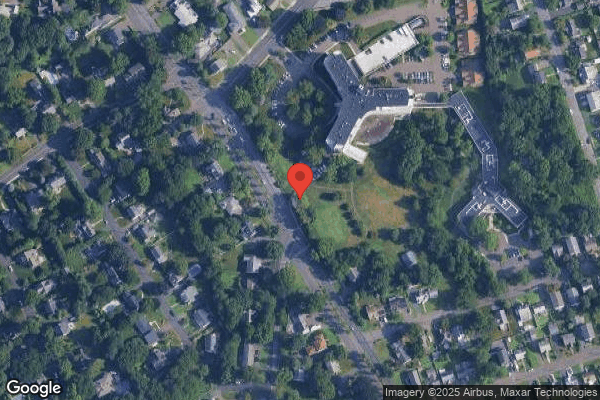

3030 PARK AVENUE, BRIDGEPORT, CT 06604 (203) 374-5611
For profit - Corporation 23 Beds Independent Data: November 2025
Trust Grade
78/100
#41 of 192 in CT
Last Inspection: February 2025

Within standard 12-15 month inspection cycle. Federal law requires annual inspections.

Overview

The Springs at 3030 Park has a Trust Grade of B, indicating it is a good choice for families seeking care, though it is not without its issues. It ranks #41 out of 192 facilities in Connecticut, placing it in the top half, and #3 out of 15 in the Greater Bridgeport County, suggesting only two other local options are better. Unfortunately, the facility is experiencing a worsening trend, with issues increasing from 2 in 2024 to 7 in 2025. Staffing is a strength, with a 4/5 star rating and an impressive 0% turnover rate, indicating that staff remain long-term and are familiar with residents' needs. However, the facility has faced $8,018 in fines, which is concerning as it is higher than 86% of Connecticut facilities, suggesting some compliance problems. Specific incidents of concern include a failure to properly assist a resident during a transfer, resulting in serious injuries, and lapses in food safety and infection control practices in the kitchen. On the positive side, the facility boasts more RN coverage than 96% of state facilities, which enhances the quality of care. Overall, while there are clear strengths, families should weigh these against the facility's recent compliance issues and specific incidents that could impact resident safety and well-being.

Trust Score
B
78/100
In Connecticut
#41/192
Top 21%
Safety Record
Moderate
Needs review
Inspections
Getting Worse
2 → 7 violations
Staff Stability
○ Average
Turnover data not reported for this facility.
Penalties
⚠ Watch
$8,018 in fines. Higher than 98% of Connecticut facilities. Major compliance failures.
Skilled Nurses
✓ Good
Each resident gets 114 minutes of Registered Nurse (RN) attention daily — more than 97% of Connecticut nursing homes. RNs are the most trained staff who catch health problems before they become serious.
Violations
⚠ Watch
15 deficiencies on record. Higher than average. Multiple issues found across inspections.
★★★★★
5.0
Overall Rating
★★★★☆
4.0
Staff Levels
★★★★★
5.0
Care Quality
★★★★☆
4.0
Inspection Score
Stable
2024: 2 issues
2025: 7 issues

The Good

  • 4-Star Staffing Rating · Above-average nurse staffing levels
  • 5-Star Quality Measures · Strong clinical quality outcomes
  • Full Sprinkler Coverage · Fire safety systems throughout facility
  • No fines on record

Facility shows strength in staffing levels, quality measures, fire safety.

The Bad

Federal Fines: $8,018

Below median ($33,413)

Minor penalties assessed

The Ugly 15 deficiencies on record

1 actual harm
Feb 2025 7 deficiencies
CONCERN (D)

Potential for Harm - no one hurt, but risky conditions existed

Resident Rights (Tag F0550)

Could have caused harm · This affected 1 resident

**NOTE- TERMS IN BRACKETS HAVE BEEN EDITED TO PROTECT CONFIDENTIALITY** Based on review of the clinical record, facility documentation, facility policy, and interviews for 1 of 4 residents (Resident #...

Read full inspector narrative →
**NOTE- TERMS IN BRACKETS HAVE BEEN EDITED TO PROTECT CONFIDENTIALITY** Based on review of the clinical record, facility documentation, facility policy, and interviews for 1 of 4 residents (Resident #223) reviewed for ADL's and who required assistance with toileting, the facility failed to ensure care that promoted the resident's dignity. The findings include: Resident #223 was admitted to the facility on [DATE] with diagnoses that included pneumonia, pulmonary hypertension, and chronic obstructive pulmonary disease (COPD). A physician's order dated 2/5/25 directed to administer Lasix (diuretic) 20 mg daily every other day. The nursing skilled evaluation dated 2/5/25 at 10:55 PM identified Resident #223 was alert and oriented and was continent of bladder with yellow urine. The social worker admission collection dated 2/6/25 at 2:56 PM identified Resident #223 was cognitively intact. The social worker note dated 2/6/25 at 3:20 PM identified she had called the resident representative with therapy present who indicated that Resident #223 was continent of bowel and bladder at home prior to going to the hospital and can take him/herself to and from the bathroom. The nursing skilled evaluation dated 2/6/25 at 8:57 PM identified Resident #223 was alert and oriented and was continent of bladder with yellow urine. The care plan dated 2/7/25 identified Resident #223 has mixed bladder incontinence related to weakness. Interventions included to monitor and document signs and symptoms of a urinary tract infection and clean peri area with each incontinent episode. Interview with Resident #223 on 2/9/25 at 10:15 AM indicated he/she has only been at the nursing facility since 2/5/25 and that prior to going to the hospital he/she was continent of bladder and would independently ambulate to the bathroom. Resident #223 indicated that when he/she must go to the bathroom he/she needs to go right away or will have an accident. Resident #223 indicated that this morning he/she put the call light on at about 8:00 AM and had to go to the bathroom and after a while, approximately 8:30 AM, someone came over the intercom and Resident #223 informed that person he/she had to use the bathroom, and that person replied that someone would be down there and shut the call light off. Resident #223 indicated that no one came within a few minutes, so he/she put the call light back on again but no one came into his/her room until 9:00 AM when the NA #2 came in but by that time the resident had urinated and was wet from his/her mid back to just above the knees. Resident #223 indicated that he/she was embarrassed to have wet the bed but just could not hold it that long. Interview with the DNS on 2/10/25 at 2:50 PM indicated that she had spoken to Resident #223 who was consistent in the events and was upset by the incident. The interview with the DNS on 2/11/25 at 8:15 AM indicated that approximately 4:00 PM on 2/10/25 she decided to have the social worker and herself talk to Resident #223 regarding filing a grievance from 2/9/25 about no one answering her call light for an hour resulting in resident being incontinent of urine. The DNS indicated that Resident #223 was receptive to the idea of filing a grievance. A Concern/Grievance Report dated 2/10/25 identified Resident #223 on 2/9/25 at 8:00 AM had placed call light on and no one answered it until 8:30 AM. Investigation and follow up sections were blank. The interview with the Administrator on 2/11/25 at 10:10 AM indicated that whoever answered the call from the desk should have gotten up and went to Resident #223's room and assisted him/her to the bathroom. The Administrator indicated that the call lights were to be answered timely by all staff. The Administrator indicated that the DNS must follow the grievance policy. Interview with LPN #1 on 2/11/25 at 12:25 PM indicated that she does not recall or remember Resident #223 having his/her call light on after 8:00 AM nor does she recall if the bed was soaked in urine and had to be changed when NA #2 had gone in the room about 9:00 AM. LPN #1 indicated that NA #2 was in the room when she had gone In to give Resident #223 his/her medications about 9:10 AM on 2/9/25. Review of the Skilled Nursing Resident Rights Policy identified rights of the residents are always recognized by all staff members, and residents assume their responsibilities to enable personal dignity, well-being, and proper delivery of care. The facility must treat each resident with respect and dignity and care for each resident in a manner and in an environment that promotes maintenance of his/her quality of life, recognizing each resident's individuality. The facility must protect and promote the rights of residents. Review of the Resident Rights Policy identified the resident has the right to a dignified existence, self-determination, and communication with and access to persons and services inside and outside of the facility. A facility must protect and promote the rights of each resident. A resident has the right to voice grievances without discrimination or reprisal. Such grievances include those with respect to treatment which has been furnished as well as that which has not been furnished and prompt efforts by the facility to resolve grievances the resident may have.
CONCERN (D)

Potential for Harm - no one hurt, but risky conditions existed

Deficiency F0578 (Tag F0578)

Could have caused harm · This affected 1 resident

Based on review of the clinical record, facility documentation, facility policy and interviews for of 3 of 4 residents (Resident #13, 3 and 173) reviewed for advance directives, the facility failed to...

Read full inspector narrative →
Based on review of the clinical record, facility documentation, facility policy and interviews for of 3 of 4 residents (Resident #13, 3 and 173) reviewed for advance directives, the facility failed to ensure a physician's order was obtained that reflected the resident/resident representatives wishes for code status (code status refers to the level of medical interventions a person wishes to have started if their heart or breathing stops). The findings include: 1. Resident #13 had diagnoses that included atherosclerotic heart disease. An Advance Directive dated 1/23/25 identified in the event of a cardiopulmonary arrest, Resident #13 requested Do Not Resuscitate (DNR). The Advance Directive was signed by the resident representative. A review of the physician orders dated 1/23/25 to 2/9/25 failed to reflect a DNR order was written. An interview with the DNS on 2/11/25 at 11:13 AM identified she would expect the nurse to obtain a physician's order once the advance directive was signed that reflected the resident/representative wishes. A review of the facility policy for Advance Directives directs to determine if a resident has or wishes to formulate and advanced directive on admission. A DNR order form must be completed and signed by the provider and remain in effect until the resident or responsible party provides notification in writing that the DNR is no longer in effect. 2. Resident #3 had diagnoses that included a non-displaced fracture of the left malleolus bony prominence on each side of the ankle) of the left fibula (calf bone) and dementia. An Advance Directive dated 12/13/24 identified in the event of a cardiopulmonary arrest, Resident #3 requested Do Not Resuscitate (DNR). The Advance Directive was signed by the resident representative. A review of the physician orders dated 12/13/24 to 2/9/25 failed to reflect a DNR order was written. An interview with the DNS on 2/11/25 at 11:13 AM identified she would expect the nurse to obtain a physician's order once the advance directive was signed that reflected the resident/representative wishes. A review of the facility policy for Advance Directives directs to determine if a resident has or wishes to formulate and advance directive on admission. A DNR order form must be completed and signed by the provider and remain in effect until the resident or responsible party provides notification in writing that the DNR is no longer in effect. 3. Resident #173 had diagnoses that included covid 19 and pneumonia. An Advance Directive dated 2/4/25 identified in the event of a cardiopulmonary arrest, the resident requested Do Not Resuscitate (DNR). The Advance Directive was signed by Resident #173. A review of the physician orders dated 1/4/25 to 2/9/25 failed to reflect a DNR order was written. An interview with the DNS on 2/11/25 at 11:13 AM identified she would expect nurse to obtain a physician's order once the advanced directive was signed that reflected the resident wishes. A review of the facility policy for Advance Directives directs to determine if a resident has or wishes to formulate and advanced directive on admission. A DNR order form must be completed and signed by the provider and remain in effect until the resident or responsible party provides notification in writing that the DNR is no longer in effect.
CONCERN (D)

Potential for Harm - no one hurt, but risky conditions existed

Notification of Changes (Tag F0580)

Could have caused harm · This affected 1 resident

**NOTE- TERMS IN BRACKETS HAVE BEEN EDITED TO PROTECT CONFIDENTIALITY** Based on review of the clinical record, facility documentation, facility policy, and interviews for 1 of 3 residents (Resident #...

Read full inspector narrative →
**NOTE- TERMS IN BRACKETS HAVE BEEN EDITED TO PROTECT CONFIDENTIALITY** Based on review of the clinical record, facility documentation, facility policy, and interviews for 1 of 3 residents (Resident #223) reviewed for medication administration, the facility failed to notify the physician when medications and creams were not available/provided according to the physician's order. The findings include: Resident #223 was admitted to the facility on [DATE] with diagnoses that included pneumonia, pulmonary hypertension, and chronic obstructive pulmonary disease (COPD). A physician's order dated 2/5/25 directed to administer Mucinex 1200 mg twice a day, Coenzyme Q10 200 mg tablet once a day, Triamcinolone Acetonide external cream 0.1% apply to abdominal folds and under left breast daily, and Anusol external cream 2.5% apply to hemorrhoids twice a day. Review of the nursing notes dated 2/5/25 to 2/10/25 failed to reflect the physician was notified that the Mucinex, Coenzyme Q10, Triamcinolone Acetonide external cream and Anusol had not been administered/applied per the physician's order. The social worker admission collection dated 2/6/25 at 2:56 PM identified Resident #223 was cognitively intact. Review of the MAR dated 2/6/25 to 2/10/25 identified: Mucinex 1200 mg twice a day was not administered 10 out of 10 opportunities. Coenzyme Q10 give a 200 mg tablet once a day was not administered 5 out of 5 opportunities. Triamcinolone Acetonide external cream 0.1% apply to abdominal folds and under left breast daily was not applied 4 out of 5 opportunities. Anusol external cream 2.5% apply to hemorrhoids twice a day was not applied 4 out of 4 opportunities. A physician's order dated 2/7/25 directed to change Anusol external cream 2.5% to once daily. The care plan dated 2/7/25 identified Resident #223 has altered respiratory status related to pneumonia, pulmonary hypertension, and COPD. Interventions included administering medications as ordered. Interview with Resident #223 on 2/9/25 at 9:15 AM indicated that the facility has not been giving him/her all the physician ordered medications and creams. Resident #223 indicated that the nurses just say they don't have it available, so he/she was not sure if it was a pharmacy issue or something else because he/she could have his/her resident representative bring in medications from home. Medication observation on 2/10/25 at 8:45 AM identified LPN #1 did not have the Mucinex 1200mg tablet or the CQ10 tablet available. Interview with LPN #1 on 2/10/25 at 9:30 AM indicated that she doesn't have CQ10 or the Mucinex to give to Resident #223. LPN #1 indicated that she would have to notify the pharmacy. LPN #1 indicated that she was only notifying the pharmacy and did not need to notify the physician. The interview with the DNS on 2/11/25 at 8:03 AM indicated that when medications are not available the charge nurse must notify the supervisor or the DNS. The DNS indicated that she was notified prior to surveyor medication observation yesterday. The DNS indicated that if she was aware prior she would have contacted the pharmacy right away and signed the form stating the facility would pay for the over-the-counter medications and creams Resident #223 needed. The DNS indicated that the nurse should have notified the pharmacy right away when the first dose was not available. The DNS indicated that the nurses do not have to notify the physician when a resident misses a medication dose, but sometimes the nurses will notify the physician but not all the time. The DNS indicated that if the nurse notifies the physician, it would be documented in the resident's clinical record. The interview with the Administrator on 2/11/25 at 10:15 AM indicated that if a resident does not receive a medication or treatment the physician had ordered that the nurse or supervisor were responsible to call the pharmacy and notify the physician right away after every missed dose. The Administrator indicated that if the physician was notified of the medication not being given her expectation it would be documented in the clinical record. The interview with MD #1 on 2/11/25 at 11:47 AM indicated that when a new admission comes in, he reviews and approves the medications and treatments from the hospital discharge w-10. MD #1 indicated that he would expect a resident to have all their physician ordered medications from the pharmacy within 24 hours. MD #1 indicated that if a resident does not have a medication after 24 hours, he would have expected the nurse to call him and let him know, because it is good for him to know and determine if a resident needs that medication or if the resident would need something else in its place or if resident would need to be sent back to the hospital. MD #1 indicated that MD #1 indicated that if a resident missed a dose he would expect to be notified. MD #1 indicated that the Mucinex was for Resident #223's cough and would assist with breaking down the mucus so resident cough bring it up. MD #1 indicated that it would be important for Resident #223 to have since he/she was in the hospital for pneumonia. Review of the Medication Administration Policy identified medications are administered as prescribed in accordance with manufacturers specifications, good nursing principles and practices and only the person legally authorized to do so. Medications are administered in accordance with written orders from the prescriber. If a dose of regularly scheduled medication is withheld or refused an explanatory note is entered in the medical record and if 2 consecutive doses of a medication are withheld or refused the physician is notified.
CONCERN (D)

Potential for Harm - no one hurt, but risky conditions existed

Quality of Care (Tag F0684)

Could have caused harm · This affected 1 resident

**NOTE- TERMS IN BRACKETS HAVE BEEN EDITED TO PROTECT CONFIDENTIALITY** Based on review of the clinical record, facility documentation, facility policy, and interviews for 1 of 3 residents (Resident #...

Read full inspector narrative →
**NOTE- TERMS IN BRACKETS HAVE BEEN EDITED TO PROTECT CONFIDENTIALITY** Based on review of the clinical record, facility documentation, facility policy, and interviews for 1 of 3 residents (Resident #223) reviewed for medication administration, the facility failed to administer medications and creams according to the physician's order. The findings include: Resident #223 was admitted to the facility on [DATE] with diagnoses that included pneumonia, pulmonary hypertension, and chronic obstructive pulmonary disease (COPD). A physician's order dated 2/5/25 directed to administer Mucinex 1200 mg twice a day, Coenzyme Q10 200 mg tablet once a day, Triamcinolone Acetonide external cream 0.1% apply to abdominal folds and under left breast daily, and Anusol external cream 2.5% apply to hemorrhoids twice a day. Review of the nursing notes dated 2/5/25 to 2/10/25 failed to reflect the physician was notified that the Mucinex, Coenzyme Q10, Triamcinolone Acetonide external cream and Anusol had not been administered/applied per the physician's order. The social worker admission collection dated 2/6/25 at 2:56 PM identified Resident #223 was cognitively intact. Review of the MAR dated 2/6/25 to 2/10/25 identified: Mucinex 1200 mg twice a day was not administered 10 out of 10 opportunities. Coenzyme Q10 give a 200 mg tablet once a day was not administered 5 out of 5 opportunities. Triamcinolone Acetonide external cream 0.1% apply to abdominal folds and under left breast daily was not applied 4 out of 5 opportunities. Anusol external cream 2.5% apply to hemorrhoids twice a day was not applied 4 out of 4 opportunities. A physician's order dated 2/7/25 directed to change Anusol external cream 2.5% to once daily. The care plan dated 2/7/25 identified Resident #223 has altered respiratory status related to pneumonia, pulmonary hypertension, and COPD. Interventions included administering medications as ordered. Interview with Resident #223 on 2/9/25 at 9:15 AM indicated that the facility has not been giving him/her all the physician ordered medications and creams. Resident #223 indicated that the nurses just say they don't have it available, so he/she was not sure if it was a pharmacy issue or something else because he/she could have his/her resident representative bring in medications from home. Medication observation on 2/10/25 at 8:45 AM identified LPN #1 did not have the Mucinex 1200mg tablet or the CQ10 tablet available. Interview with LPN #1 on 2/10/25 at 9:30 AM indicated that she doesn't have CQ10 or the Mucinex to give to Resident #223. LPN #1 indicated that she would have to notify the pharmacy. LPN #1 indicated that she was only notifying the pharmacy and did not need to notify the physician. The interview with the DNS on 2/11/25 at 8:03 AM indicated that when medications are not available the charge nurse must notify the supervisor or the DNS. The DNS indicated that she was notified prior to surveyor medication observation yesterday. The DNS indicated that if she was aware prior she would have contacted the pharmacy right away and signed the form stating the facility would pay for the over-the-counter medications and creams Resident #223 needed. The DNS indicated that the nurse should have notified the pharmacy right away when the first dose was not available. The DNS indicated that the nurses do not have to notify the physician when a resident misses a medication dose, but sometimes the nurses will notify the physician but not all the time. The DNS indicated that if the nurse notifies the physician, it would be documented in the resident's clinical record. The interview with the Administrator on 2/11/25 at 10:15 AM indicated that if a resident does not receive a medication or treatment the physician had ordered that the nurse or supervisor were responsible to call the pharmacy and notify the physician right away after every missed dose. The Administrator indicated that if the physician was notified of the medication not being given her expectation it would be documented in the clinical record. The Administrator indicated that it was the facility's responsibility to give the resident his/her medications per the physician's orders whether it is from the emergency medication box, the facility over the counter house stock, or the pharmacy. The interview with MD #1 on 2/11/25 at 11:47 AM indicated that when a new admission comes in, he reviews and approves the medications and treatments from the hospital discharge w-10. MD #1 indicated that he would expect a resident to have all their physician ordered medications from the pharmacy within 24 hours. MD #1 indicated that if a resident does not have a medication after 24 hours, he would have expected the nurse to call him and let him know, because it is good for him to know and determine if a resident needs that medication or if the resident would need something else in its place or if resident would need to be sent back to the hospital. MD #1 indicated that MD #1 indicated that if a resident missed a dose he would expect to be notified. MD #1 indicated that the Mucinex was for Resident #223's cough and would assist with breaking down the mucus so resident cough bring it up. MD #1 indicated that it would be important for Resident #223 to have since he/she was in the hospital for pneumonia. Review of the Medication Administration Policy identified medications are administered as prescribed in accordance with manufacturers specifications, good nursing principles and practices and only the person legally authorized to do so. Medications are administered in accordance with written orders from the prescriber. If a dose of regularly scheduled medication is withheld or refused an explanatory note is entered in the medical record and if 2 consecutive doses of a medication are withheld or refused the physician is notified.
CONCERN (D)

Potential for Harm - no one hurt, but risky conditions existed

Pressure Ulcer Prevention (Tag F0686)

Could have caused harm · This affected 1 resident

**NOTE- TERMS IN BRACKETS HAVE BEEN EDITED TO PROTECT CONFIDENTIALITY** Based on clinical record reviews, facility documentation, facility policy and interviews for of 3 of 3 residents (Resident # 7, ...

Read full inspector narrative →
**NOTE- TERMS IN BRACKETS HAVE BEEN EDITED TO PROTECT CONFIDENTIALITY** Based on clinical record reviews, facility documentation, facility policy and interviews for of 3 of 3 residents (Resident # 7, 3 and 16) reviewed for pressure ulcers, for Resident #7 the facility failed to conduct comprehensive skin assessments by a registered nurse following the identification of a pressure injury consistent with professional standards, for Resident #3, the facility failed to complete a required nutritional assessment related to the presence of a newly identified pressure injury and for Resident #16 the facility failed to ensure the air mattress was set by the residents' weight per the physician order. The findings include: 1. Resident #7 had diagnoses that included fracture of the left femur and difficulty walking. The Hospital Discharge summary dated [DATE] identified wound care for the left femur surgical site with no documented pressure injuries. The Baseline Care Plan dated 12/16/24 identified Resident #7 was at risk for skin breakdown. Interventions included the application of pressure reduction devices and regular repositioning. The admission RN assessment dated [DATE] at 7:40 PM identified a Stage 1(non-blanchable erythema) pressure injury to the left heel measuring 5.0cm x 0.1 cm. Physician's orders dated 12/16/24 directed skin prep to the bilateral heels every morning and every evening and to float heels while in bed. The admission MDS dated [DATE] identified Resident #7 was cognitively intact, required one-person partial moderate assist with bed mobility, one to two person assist with dressing, two person assist with transfers and had one unhealed stage 1 pressure injury. Subsequent weekly skin assessments dated 12/23/24 through 1/11/25 identified the continued presence of a non-blanchable pressure injury to the left heel with consistent measurements and no noted changes, however, these wound assessments were not completed by an RN. An RN assessment dated [DATE] at 4:02 PM identified the left heel pressure injury was purple in discoloration, and measured 3.2 cm x 1.8 cm. Orders were obtained for betadine application to maintain dryness and a referral to the wound specialist was made. An Initial Wound Evaluation and management Summary dated 1/16/25 identified an unstageable DTI to the left heel of undetermined thickness measuring 3.2cm x 2.0cm and had been present more than 32 days. Recommendations included offloading the wound, elevating/floating the heels and applying betadine twice daily. An interview with the ADNS on 2/09/25 at 3:05 PM identified she was responsible for the monitoring and tracking of all wounds at the facility. The ADNS identified Resident #7 had been admitted to the facility with a pressure injury but due to an oversight she failed to track the wounds progression until a change was reported on 1/12/25. Following the discovery, the ADNS completed a comprehensive skin assessment of the skin injury, obtained physician orders and referred Resident #7 to the wound specialist. An interview with the Administrator on 2/10/25 at 12:14 PM identified the ADNS should conduct a comprehensive weekly wound assessment for any resident with a wound including a detailed description and measurements. An interview with the Wound Specialist on 2/10/25 at 2:29 PM identified the progression of Resident #7's pressure injury was unavoidable due to limited mobility and existing comorbidities, despite appropriate interventions being in place. However, the Wound Specialist would expect a comprehensive nursing assessment on admission and thereafter. A review of the facility policy for Pressure Injuries and Surgical Sites for Licensed Nurses directs for newly admitted and existing residents, a licensed nurse will complete an evaluation from the head to most distal extremity within 24 hours of admission that includes any skin issues related to a pressure injury, surgical site, laceration or other skin anomaly identified during the evaluation. A licensed nurse is to document a weekly evaluation of pressure injuries to include the measurement, appearance, color and drainage. The LPN Practice Act Declaratory Ruling allows the LPN to contribute to the nursing assessment by collecting, reporting, and recording subjective and objective patient-related data in an accurate and timely manner. But an LPN cannot perform the assessment independently. 2. Resident #3 had diagnoses that included a non-displaced fracture of the left malleolus bony prominence on each side of the ankle) of the left fibula (calf bone) and dementia. A Nutritional assessment dated [DATE] identified Resident #3 was malnourished and had a stage 1 pressure ulcer on the coccyx that was present on admission. Recommendations included to provide Ensure supplement daily. The admission MDS dated [DATE] identified Resident #3 was severely cognitively impaired, required two person assist with bed mobility/transfers, was at risk for the development of pressure ulcers and had one unhealed pressure ulcer. The Care Plan dated 12/30/24 identified Resident #3 had limited physical mobility and actual skin impairment of non-blanchable redness to the sacral area related to fragile skin/bony prominence. Interventions included pressure reducing devices, keep skin clean/dry and reposition every two hours to take pressure off the sacral area. A Nursing progress note dated 1/21/25 at 9:44 PM identified Resident #3 had a splint in place on the left lower extremity since admission for a fracture of left ankle and upon removal of splint observed skin to be red and noted callous to the left lateral (outside) foot and redness to the left dorsal (top) foot. Initial Wound Evaluation and management Summary dated 1/23/25 identified a stage II pressure wound of the left, lateral foot and an unstageable deep tissue injury of the left, dorsal foot secondary to a medical device. Recommendations included offloading heels and betadine twice daily. Recommendations also included a dietary consultation to evaluate Resident #3's abnormal body mass index (measurement of a person's leanness based on height and weight). A Nutrition progress note dated 1/27/25 identified Resident #3 was stable since admission with meal intake between 75 - 100% and taking 50 - 100% Ensure supplements. Recommendations included to continue the plan of care. A Nutrition progress notes dated 1/29/25 identified Resident #3 no longer wanted Ensure supplementation reporting it was too sweet. Ensure was discontinued upon request. Review of the nutrition assessments and progress notes failed to reflect the newly identified skin injury. An interview with the Dietitian on 2/10/25 at 5:57 AM identified she would complete an assessment and document any newly identified pressure injuries. She would also consider the need for additional supplementation or increased protein intake. The Dietitian further identified she could not recall being made aware of any new skin integrity concerns for Resident #3 but would have documented any new skin injuries in the clinical record. An interview with the Administrator on 2/10/25 at 11:59 AM identified any new injuries were discussed in morning report and risk meetings. The Administrator identified she would expect the dietitian to assess any new skin injury and make any recommendations accordingly. The Administrator further identified, subsequent to surveyor inquiry, she discussed the case with the Dietitian who indicated she was not aware Resident #3 had a pressure injury. An interview with the DNS on 2/11/25 at 11:14 AM identified she would expect the dietitian to document the presence of any newly identified injury and any recommendations. Although requested a policy for the dietitian role and responsibility in wound management was not provided. Performance Expectations of the Dietitian identified they must utilize existing support structures and create new ones to ensure practices and standards are present and contributing to success. 3. Resident #16 was admitted to the facility on [DATE] with diagnoses that included unstageable sacral pressure ulcer, protein-calorie malnutrition, and diabetes. A physician's order dated 12/13/24 directed the use of an air mattress. Check air mattress settings as per weight or manufacturers settings every shift and check for placement and function every shift. The care plan dated 12/16/24 identified Resident #16 was admitted with pressure ulcers to the sacrum, and bilateral heels. Interventions included encouraging Resident #16 to frequently shift weight, educate Resident #16 about proper skin care to prevent skin breakdown, and heel lift boots while in bed. The admission MDS dated [DATE] identified Resident #16 had moderately impaired cognition was always incontinent of bowel and had a catheter for urine. Resident #16 required total assistance for toileting, dressing, transfers, and personal hygiene. Resident #16 had 1 community acquired pressure ulcer that was unstageable and 2 pressure ulcers that were deep tissue injuries (DTI). Additionally, Resident #16 was at risk for developing pressure ulcers and had a pressure reducing device for the chair and bed. The care plan dated 1/22/25 identified Resident #16 has a new pressure ulcer to the left lateral heel on 1/16/25 and a new deep tissue injury to the right lateral plantar foot on 1/22/25. Interventions were to apply betadine to the areas. Review of the weight record identified the following weights: 12/14/24 Resident #16 weighed 142.5 lbs. 12/16/24 Resident #16 weighed 147.2 lbs. 12/24/24 Resident #16 weighed 148.2 lbs. 12/30/24 Resident #16 weighed 147.2 lbs. 1/11/25 Resident #16 weighed 136.0 lbs. 1/27/25 Resident #16 weighed 134.0 lbs. 2/3/25 Resident #16 weighed 134.5 lbs. Observation on 2/9/25 at 10:16 AM and 2:15 PM identified Resident #16 was lying on bed in supine position on the air mattress that was set at 75 lbs. Observation on 2/10/25 at 6:13 AM identified Resident #16 was lying on bed in supine position on the air mattress that was set at 75 lbs. Interview with RN #1 (11:00 PM to 7:00 AM charge nurse/supervisor) on 2/10/25 at 8:35 AM indicated that the charge nurse was responsible to check the placement and function of the air mattress every shift and sign off in the EMR that the air mattress had air and was set to the resident's weight. RN #1 indicated that she had looked at Resident #16's air mattress about 1:00 AM and signed off after she had looked at the control box of the air mattress and it was set at 75 lbs. RN #1 indicted that she works every weekend and when she came yesterday Resident #16's air mattress was set at 75 lbs. so she thought it was the right setting so this morning about 1:00 AM she made sure that it was still set at 75 lbs. and signed it off in the EMR. Review of the clinical record, RN #1 indicated that Resident #16's last weight on 2/3/25 was 134.5 lbs. RN #1 indicates that Resident #16 was not able to verbalize if the air mattress was too hard or too soft and that was why the physician order stated to set the air mattress by Resident #16's weight. RN #1 indicated that the purpose of the air mattress was to prevent wounds or to prevent wounds from getting worse if it was at the proper setting. The interview with ADNS (wound nurse) on 2/10/25 at 11:00 AM indicated that Resident #16 was on an air mattress due to the coccyx wound. ADNS indicated that the air mattress was to prevent wounds from getting worse and to alleviate pressure to the coccyx area. ADNS indicated that there is a physician order to check placement and function every shift by the charge nurse and the air mattress was to be set based on the resident's weight. Observation of Resident #16 with ADNS on 2/10/25 at 11:05 AM identified Resident #16 was lying in bed and ADNS indicated that the setting for the air mattress dial was set between 75 to 80 lbs. the ADNS indicated that Resident 16 weighs more than 80 lbs. After clinical record review, ADNS indicated that Resident #16 weight was 134.5 lbs. so the setting was not at the correct setting, and she would change it. Interview with ADNS on 2/10/25 at 11:16 AM indicated that she had spoken to maintenance, and they informed her the air mattresses were to be set based on the resident's weight. ADNS indicated that Resident #16's air mattress was set at 80 lbs. would be too soft, and Resident #16 could bottom out resulting in his/her buttocks being on the bed frame applying pressure. ADNS indicated that she and maintenance could not find a manufacture booklet for the air mattress used. Interview with the DNS on 2/11/25 at 7:52 AM indicated that the air mattress was set to the resident's weight. The DNS indicated that the nurse's aides were responsible for making sure it was at the correct setting when they went into a resident's room. The DNS indicated that there was not a policy for the air mattresses nor was there a manufacture booklet. Interview with the Administrator on 2/11/25 at 12:00 PM identified there was not a policy for air mattresses and they could not find the manufacturers' booklet for Resident #16's air mattress. Although requested, a facility policy for air mattresses and the manufacturer booklet for air mattresses was not provided.
CONCERN (D)

Potential for Harm - no one hurt, but risky conditions existed

Accident Prevention (Tag F0689)

Could have caused harm · This affected 1 resident

**NOTE- TERMS IN BRACKETS HAVE BEEN EDITED TO PROTECT CONFIDENTIALITY** Based on review of the clinical record, facility documentation, facility policy and interviews for 1 of 2 residents (Resident #1...

Read full inspector narrative →
**NOTE- TERMS IN BRACKETS HAVE BEEN EDITED TO PROTECT CONFIDENTIALITY** Based on review of the clinical record, facility documentation, facility policy and interviews for 1 of 2 residents (Resident #17) reviewed for accidents, the facility failed to implement interventions and supervision to prevent falls. The findings include: Resident #17 had diagnoses that included dementia and history of fracture. A Fall Risk assessment dated [DATE] identified Resident #17 was at risk for falls. The admission MDS dated [DATE] identified Resident #17 was severely cognitively impaired, required two person assist with bed mobility/transfers and had a history of falls since admission without injury. The Care Plan dated 9/18/24 identified Resident #17 had impaired cognition and was at risk for falls related to dementia. Interventions included anticipating resident needs, ensuring the call bell is within reach and if restless, relocating the resident to a common area for closer supervision instead of assisting them to bed. Physician orders dated 9/19/24 directed assist of one with ADL's. Assist of two with mechanical lift transfer. a. A Nursing progress note dated 10/6/24 at 12:16 PM identified RN #3 witnessed Resident #17 sliding off the wheelchair and mechanical lift pad landing on the footrest while in front of the nurse's station. An assessment identified Resident #17 was unable to verbalize what lead to the incident, had no complaints or discomfort, and was safely transferred back to the wheelchair. The resident representative was notified. The post fall investigation dated 10/6/24 identified Resident #17 was observed to have slid out of his/her wheelchair and mechanical lift pad and onto the floor. The investigation further identified Resident #17 was previously observed to be constantly sliding down in the chair trying to get up and needed constant reminders to scoot back in the chair. The care plan was revised to maintain resident in a common area for close observation. An interview and clinical record review with the Administrator on 2/10/25 at 1:12 PM identified Resident #17's wheelchair and mechanical lift pad should have been evaluated to address repeated incidents of sliding down in the chair. The Administrator further identified simply reminding a resident to scoot back in the chair was not an appropriate intervention for a resident who was cognitively impaired. An interview with the Director of Rehabilitation on 2/11/25 at 10:19 AM identified Resident #17 had poor safety awareness and was often kept in staff sight for safety. The Director of Rehabilitation identified she did not receive a request to evaluate Resident #17 related to repeatedly sliding out of their chair to determine if there was general weakness versus behavior. The Director of Rehabilitation further identified Resident #17 would not be able to consistently respond to reminders to self-scoot back in the chair due to his/her behaviors and cognition. An interview with the DNS on 2/11/25 at 10:56 AM identified a referral to evaluate Resident #17's chair and mechanical lift pad should have been completed after he/she was repeatedly observed sliding in the chair. Attempts to interview RN #3 were unsuccessful. A review of the facility policy for Fall Reduction directs all falls to be analyzed at the time of occurrence and root cause identified that lead to the potential breakdown with resident specific interventions put in place pertaining to the individual conditions following the fall. b. A nursing progress note dated 1/12/25 at 8:00 PM Resident #17 was observed on the floor at the nurse's station with the wheelchair on top of him/her. A body assessment was completed with no visible injuries and neurological assessments were initiated. The APRN and resident representative were notified. The post fall investigation dated 1/12/25 identified [NAME] #1 observed Resident #17 standing up from his/her wheelchair in front of the nurse's station holding onto the railing while calling for help. [NAME] #1 went to get a nurse, and upon return, Resident #17 had fallen. The care plan was revised to evaluate for anti-tippers for the wheelchair or obtain reclining wheelchair. An interview and clinical record review with the Administrator on 2/10/25 at 1:12 PM identified Resident #17 was known to have a history of falls and would have required periodic documented supervision checks as determined by the interdisciplinary team. Resident #17 would also be placed in front of the nurse's station or other common area where staff were aware not to leave the area if another staff member was not nearby. The Administrator further identified [NAME] #1 should not have left Resident 17 after identifying a safety concern. An interview with the Director of Housekeeping on 2/10/25 at 3:09 PM identified facility policies direct that housekeeping staff may not touch or provide direct care to a resident. However, for any safety concern, they are required to remain with the resident and call for help. An interview with [NAME] #1 on 2/10/25 at 3:14 PM identified he was in a nearby dining area when he heard Resident #17 call for help. [NAME] #1 then observed Resident #17 alone in front of the nurse's station standing up out of her wheelchair. [NAME] #1 identified that while not permitted to physically intervene with residents, he would normally ask the resident to sit back in the chair, remain with the resident and call for help for any identified safety concern. [NAME] #1 identified instead, in a state of panic, he left the area to find a nurse. Upon return, Resident #17 was on the floor with the wheelchair on top of him/her. An interview with the Director of Rehabilitation on 2/11/25 at 10:19 AM identified she did not receive a request to evaluate Resident #17's wheelchair following the fall on 1/12/25. An interview with the DNS on 2/11/25 at 10:56 AM identified [NAME] #1 should have remained with Resident #17 and called for help. The DNS was unable to provide any documented supervision checks for Resident #17. A review of the facility policy for Fall Reduction directs all falls to be analyzed at the time of occurrence and root cause identified that lead to the potential breakdown with resident specific interventions put in place pertaining to the individual conditions following the fall. Although requested, a policy for housekeeping staff interactions and residents regarding safety was not provided.
CONCERN (D)

Potential for Harm - no one hurt, but risky conditions existed

Infection Control (Tag F0880)

Could have caused harm · This affected 1 resident

Based on review of facility documentation and interviews, the facility failed to maintain a complete and accurate record of residents identified with Multidrug-resistant organisms (MDRO) in accordance...

Read full inspector narrative →
Based on review of facility documentation and interviews, the facility failed to maintain a complete and accurate record of residents identified with Multidrug-resistant organisms (MDRO) in accordance with infection control standards. The findings include: A review of the facility infection control program identified no documented surveillance of long term residents with current or a history of MDRO's. An interview and facility documentation review with the ADNS on 2/10/25 at 9:44 AM identified she was the assigned infection preventionist (IP) for the facility for the preceding five months and was responsible for implementing and monitoring infection control activities in the facility. The ADNS identified that although she tracked the MDRO status for short term residents, she had not completed surveillance or tracking on any long-term residents. The ADNS had not observed any long-term resident on enhanced barrier precautions indicating an MDRO when she was first employed at the facility and had not verified their status. The ADNS was unable to provide any documented MDRO tracking from the previous IP. An interview with the Administrator on 2/10/25 at 12:24 PM identified she would expect surveillance for all residents with MDRO's to be maintained with complete and accurate record keeping including appropriate precautions put in place. An interview with the DNS on 2/11/25 at 11:17 AM identified she would expect an MDRO log to be maintained for all residents at the facility. Although requested, a policy for MDRO surveillance was not provided. Centers for Disease Control and Prevention (CDC) provide infection control standards for long-term care facilities that require the implementation of an MDRO surveillance program that includes the tracking and trending of those with MDRO's and infection, communication of MDRO status during transfers and strategies for transmission-based precautions.
Mar 2024 2 deficiencies 1 Harm
SERIOUS (G) 📢 Someone Reported This

A family member, employee, or ombudsman was alarmed enough to file a formal complaint

Actual Harm - a resident was hurt due to facility failures

Accident Prevention (Tag F0689)

A resident was harmed · This affected 1 resident

**NOTE- TERMS IN BRACKETS HAVE BEEN EDITED TO PROTECT CONFIDENTIALITY** Based on clinical record reviews, facility documentation, facility policy and interviews for one of four sampled residents (Resi...

Read full inspector narrative →
**NOTE- TERMS IN BRACKETS HAVE BEEN EDITED TO PROTECT CONFIDENTIALITY** Based on clinical record reviews, facility documentation, facility policy and interviews for one of four sampled residents (Resident #1) who required staff assistance with getting in and out of the bed and chair, via a mechanical lift, the facility failed to ensure a proper transfer to prevent a fall that resulted in Resident #1 sustaining bilateral femur fractures. The findings include: Resident #1's diagnoses included dementia, cervical spine spondylopathy, depression, respiratory failure, and aphasia. The quarterly Minimum Data Set assessment dated [DATE] identified Resident #1 rarely or never made decisions regarding tasks of daily life, required assistance of two (2) staff members with getting in and out of the bed and chair, and was incontinent of bowel and bladder. The Resident Care Plan dated [DATE] identified activities of daily living self-care performance deficit related to dementia and limited mobility. Interventions directed to provide assistance of two (2) staff members for turning and repositioning when in bed, and assistance of two (2) staff members for transfers via a mechanical lift (Hoyer lift). A physician's order dated [DATE] directed to provide assistance of two (2) staff members for transfers via the Hoyer lift. The nurse's note dated [DATE] at 2:30 PM identified the 7AM-3PM Nursing Supervisor was notified by the 7AM-3PM charge nurse at 1:20 PM that Resident #1 slid out from the Hoyer lift during a transfer from the wheelchair to the bed and fell to the floor. The note identified the Nursing Supervisor immediately went into Resident #1's room, found Resident #1 on the floor in a sitting position at the bedside adjacent to the Hoyer lift with wheelchair in front. The note indicated upon assessment Resident #1 was alert, verbally responsive, verbalized pain to the right side, and denied pain to any other parts of the body. The note identified the Advanced Practice Registered Nurse (APRN) was contacted and an order was obtained to send Resident #1 to the Emergency Department (ED). The nurse's note dated [DATE] at 6:10 PM identified a call was made to the ED for an update on Resident #1's status and it was reported Resident #1 had bilateral femur fractures and further results were pending. The nurse's note dated [DATE] at 8:30 PM identified the facility received a call from the ED physician who reported Resident #1 had sustained bilateral femur fractures and expired after beginning to decompensate and due to Resident #1's Do Not Resuscitate status, no resuscitation was performed. The facility's summary report of the [DATE] incident dated [DATE] identified the nurse aides had Resident #1 in the Hoyer pad, moved the wheelchair towards the bed, and during the turn to place Resident #1 over the bed the bottom hook of the pad dislodged, and Resident #1 slid to the floor and landed on his/her bottom. The report indicated the Hoyer pad was intact and there was no area that was ripped before or after the incident. An interview was conducted on [DATE] at 1:54 PM with the 7AM-3PM nurse aide, Nurse Aide (NA) #4. NA #4 stated on [DATE], another nurse aide, NA #3, asked her for assistance to transfer Resident #1 into bed and when she went into Resident #1's room to assist with the transfer, Resident #1 was already hooked up to the Hoyer lift. NA #4 stated NA #3 began to move Resident #1 and when Resident #1 was being moved, Resident #1 fell out of the pad. NA #4 stated after Resident #1 fell, she noticed that one (1) of the pad straps was not attached to the Hoyer lift and did not notice if it was strapped prior to the transfer and fall. An interview was conducted on [DATE] at 2:11 PM with the 7AM-3PM Nursing Supervisor, Registered Nurse (RN) #2. RN #2 stated on [DATE], when Resident #1 sustained the fall, he went to Resident #1's room to assess the resident and was told by NA #3 and NA #4 that one (1) of the straps on the Hoyer lift pad came undone, and Resident #1 fell. RN #2 stated he assessed Resident #1 who initially had no complaints of pain and was transferred back to bed by staff, however, once Resident #1 was back in bed, he/she had complaints of pain to the knee, the APRN was notified and an order was given to send Resident #1 to the ED, 911 was called and Resident #1 was transported to the ED. An interview was conducted on [DATE] at 2:20 PM with NA #3. NA #3 stated that on [DATE] Resident #1 was being put back to bed for incontinence care. She stated she had hooked the Hoyer pad to the Hoyer lift and NA #4 was assisting with the transfer. NA #3 stated during the transfer the strap on the bottom hook came off and Resident #1 slipped out of the Hoyer lift, falling to the floor. An interview was conducted on [DATE] at 2:36 PM with the Director of Nursing (DON), Administrator and Executive Director. The DON stated it was reported that during the Hoyer lift transfer on [DATE], the strap from the pad came off and Resident #1 fell to the floor landing in a sitting position. The interview identified during the investigation, staff interviews and a mock re-enactment was done which showed placement of the Hoyer pad, where it was positioned, and where the resident slid from the pad. The DON and Executive Director stated the conclusion of the investigation, the bottom strap of the Hoyer lift pad dislodged which caused Resident #1 to slip out and fall to the floor. The DON, Administrator and Executive Director explained the Hoyer lift pad being used was a three (3) point pad and it was connected at each of the top two (2) points and the third strap should be strapped through the resident's legs and it could not be determined if the strap was not connected properly or if it became dislodged during the transfer somehow. The DON, Administrator and Executive Director stated the nurse aides should have ensured the Hoyer lift pad was secured prior to the transfer. Review of the facility policy titled Lifts and Transfers of Residents by Clinical Associates directed, in part, all clinical associates shall attend Direct Care Orientation, which includes training on how to lift and transfer residents, once this training has been completed and a qualified instructor has deemed the associate has successfully demonstrated the skill, the associate will be marked as having acquired this skill in Watermark's Learning Center. The policy directed, when a resident requires the use of a mechanical lift for lifting and/or transfers, two (2) associates trained to use the mechanical lift are to assist with the lift or transfer.
CONCERN (D) 📢 Someone Reported This

A family member, employee, or ombudsman was alarmed enough to file a formal complaint

Potential for Harm - no one hurt, but risky conditions existed

Deficiency F0726 (Tag F0726)

Could have caused harm · This affected 1 resident

**NOTE- TERMS IN BRACKETS HAVE BEEN EDITED TO PROTECT CONFIDENTIALITY** Based on clinical record reviews, facility documentation, facility policy and interviews for one of four sampled residents (Resi...

Read full inspector narrative →
**NOTE- TERMS IN BRACKETS HAVE BEEN EDITED TO PROTECT CONFIDENTIALITY** Based on clinical record reviews, facility documentation, facility policy and interviews for one of four sampled residents (Resident #1) who were reviewed for a mechanical lift (Hoyer) transfer, the facility failed to provide documentation that staff education and competencies were conducted to ensure safe transfer techniques. The findings include: Resident #1's diagnoses included dementia, cervical spine spondylopathy, respiratory failure, aphasia, and hypertension. The quarterly Minimum Data Set assessment dated [DATE] identified Resident #1 rarely or never made decisions regarding tasks of daily life, required assistance of two (2) staff members with getting in and out of the bed and chair, and was incontinent of bowel and bladder. A physician's order dated 1/30/24 directed to provide assistance of two (2) staff members for transfers via the Hoyer lift. The nurse's note dated 3/2/24 at 2:30 PM identified the 7AM-3PM Nursing Supervisor was notified by the 7AM-3PM charge nurse at 1:20 PM that Resident #1 slid out from the Hoyer lift during a transfer from the wheelchair to the bed and fell to the floor. The note identified the Nursing Supervisor immediately went into Resident #1's room, found Resident #1 on the floor in a sitting position at the bedside adjacent to the Hoyer lift with wheelchair in front. The note indicated upon assessment Resident #1 was alert, verbally responsive, verbalized pain to the right side, and denied pain to any other parts of the body. The note identified the Advanced Practice Registered Nurse (APRN) was contacted and an order was obtained to send Resident #1 to the Emergency Department (ED). Interview with the 7AM-3PM nurse aide, Nurse Aide (NA) #4, on 3/21/24 at 1:54 PM identified on 3/2/24, another nurse aide, NA #3, asked her for assistance to transfer Resident #1 into bed. NA #4 identified when she went into Resident #1's room to assist with the transfer, Resident #1 was already hooked up to the Hoyer lift. NA #4 identified NA #3 began to move Resident #1 and when Resident #1 was being moved, Resident #1 fell out of the pad. NA #4 identified after Resident #1 fell, she noticed that one (1) of the pad straps was not attached to the Hoyer lift and did not notice if it was strapped prior to the transfer and fall. NA #4 identified training regarding Hoyer lift transfers was given during the orientation period while shadowing a trained nurse aide. Interview with NA #3 on 3/21/24 at 2:20 PM identified on 3/2/24, Resident #1 was being put back to bed to be provided incontinent care. NA #3 identified she had hooked the straps of the Hoyer pad to the Hoyer lift, NA #4 was assisting with the transfer and during the transfer the strap on the bottom hook came off, Resident #1 slid out of the Hoyer lift and fell to the floor. NA #3 identified training on Hoyer lift transfers was given yearly during in-service training. Interview with the Director of Nursing (DON), Administrator and Executive Director on 3/21/24 at 2:36 PM identified it was reported that during the Hoyer lift transfer on 3/2/24, the strap from the pad came off and Resident #1 fell to the floor landing in a sitting position. The DON, Executive Director and the Administrator identified staff are trained upon hire and yearly competencies are conducted. The DON identified she could not provide documented competencies for NA #3 and NA #4. The DON identified upon hiring staff are paired with a senior nurse aide to get training on Hoyer lift transfers and then observed by the unit nurses to ensure they are performing the transfer correctly. The DON identified there was no documentation regarding NA #3 and NA #4 having had their competencies done on a Hoyer lift transfer. The DON identified NA #3 had a skills checklist from years ago but was unable to provide an updated checklist and NA #4 had been at the facility for a short period of time and she could not provide documentation of completion of a skills checklist/competency. Review of the facility policy titled Lifts and Transfers of Residents by Clinical Associates, last revised 12/18/17, directed, in part, all clinical associates shall attend Direct Care Orientation, which includes training on how to lift and transfer residents, once this training has been completed and a qualified instructor has deemed the associate has successfully demonstrated the skill, the associate will be marked as having acquired this skill in Watermark's Learning Center. The policy further directed, in part, no associate shall engage in lifting or transferring a resident independently until trained by a qualified instructed and deemed by the instructor to have properly demonstrated lifting and transferring techniques and prior to performing any lift or transfer. Additionally, the policy directed, in part, when a resident requires the use of a mechanical lift for lifting and/or transfers, 2 associates trained to use the mechanical lift are to assist with the lift or transfer.
Feb 2023 6 deficiencies
CONCERN (D)

Potential for Harm - no one hurt, but risky conditions existed

Deficiency F0655 (Tag F0655)

Could have caused harm · This affected 1 resident

**NOTE- TERMS IN BRACKETS HAVE BEEN EDITED TO PROTECT CONFIDENTIALITY** Based on clinical record review, facility policy review, and interviews for 1 sampled resident (Resident # 171) reviewed for ede...

Read full inspector narrative →
**NOTE- TERMS IN BRACKETS HAVE BEEN EDITED TO PROTECT CONFIDENTIALITY** Based on clinical record review, facility policy review, and interviews for 1 sampled resident (Resident # 171) reviewed for edema, the facility failed to ensure that a baseline care plan was completed within 48 hours of resident admission to address the resident's needs. The findings include : Resident # 171's diagnoses included Chronic Congestive Heart Failure (CHF), sick sinus syndrome and atrial fibrillation. Resident #171 was admitted on [DATE] and was in the facility less than 10 days. Completion of admission Minimum Data Set ( MDS) assessment was not required during this time. The Resident Care Plan (RCP)with Care Plan initiation dates of 2/20/23 and 2/21/2023(72 and 96 hours after admission). The Resident Care Plan (RCP) meeting attendance sheet dated 2/23/2023 at 11:30 AM identified as the Initial 72-hour Care Plan meeting indicated that an initial care plan meeting was held and noted that interdisciplinary staff, resident, and family signed as being in attendance. On 2/27/2023 at 1:25 PM an interview with the Assistant Director of Nursing (ADNS) indicated that the baseline care plan, which is a paper care plan, is the responsibility of the interdisciplinary team and indicated the baseline care plan should be completed within 48 hours of admission. The ADNS further indicated that agency staff do not complete the baseline care plan but would have expected the staff nurses on duty the following shifts complete the 48 hours care plan. The facility policy labeled, Skilled Nursing Care Planning Protocol revised 3/3/2015 notes in part, the facility would provide an interdisciplinary plan of care that meets the resident's individual needs and preferences. The policy and procedure further indicated that all residents would have a care plan started on admission and that the admission nurse is responsible for the baseline care plan.
CONCERN (D)

Potential for Harm - no one hurt, but risky conditions existed

Deficiency F0658 (Tag F0658)

Could have caused harm · This affected 1 resident

**NOTE- TERMS IN BRACKETS HAVE BEEN EDITED TO PROTECT CONFIDENTIALITY** Based on clinical record review, facility policy review and interviews for 1 sample resident (Resident #10) reviewed for hospita...

Read full inspector narrative →
**NOTE- TERMS IN BRACKETS HAVE BEEN EDITED TO PROTECT CONFIDENTIALITY** Based on clinical record review, facility policy review and interviews for 1 sample resident (Resident #10) reviewed for hospitalization, the facility failed to ensure the resident was assessed comprehensively after significant change of condition in accordance to the professional standard and facility practice. The findings include: Resident #10's diagnoses included left femur fracture, rheumatoid arthritis, Peripheral Vascular Disease (PVD) and atrial fibrillation. The admission MDS assessment dated [DATE] identified Resident #10 had intact cognition and required extensive assist of 1 to 2 person with transfer, toileting, hygiene and non-ambulatory. The nurse's note dated 2/6/23 at 2:02 PM identified Resident #10 had been vomiting, noted with lethargy and left the facility for nephrology appointment. Further review of the nurse's note dated 2/6/23 at 3:32 PM identified Resident #10 had an episode of unresponsiveness and vomiting at his/her nephrology appointment and the resident was transferred to hospital for an evaluation. A review of the clinical record nurses notes for 2/6/23 failed to reflect that a comprehensive assessment had been conducted by a Registered Nurse (RN) when Resident # 10 experienced vomiting and lethargy prior to his/her nephrology appointment. Interview with Assistant Director of Nursing Services (ADNS) on 2/23/23 at 10:30 AM identified a RN was responsible for assessing Resident # 10 when there was significant change of condition. She also indicated that she would check the resident's vital sign, check mini mental cognitive status, check resident abdomen and update the physician of the resident condition. The ADNS also indicated she would document the resident's clinical condition in the resident's medical chart. Interview with Director of Nursing Services (DNS) on 2/23/23 at 12:10 PM identified a RN was responsible for assessing a resident's condition after a significant change of condition. She further indicated the physician and the resident's representative would be notified, and the RN assessment would be documented in the clinical record. The facility failed to ensure that a RN conducted a comprehensive assessed after Resident # 10 experienced a change in condition. A review of facility nursing policy dated 1/27/15 title Change in Resident Condition notes in part the charge nurse/nurse supervisor will notify the physician, resident's representative when there was a significant change in a resident's condition.
CONCERN (D)

Potential for Harm - no one hurt, but risky conditions existed

Quality of Care (Tag F0684)

Could have caused harm · This affected 1 resident

**NOTE- TERMS IN BRACKETS HAVE BEEN EDITED TO PROTECT CONFIDENTIALITY** Based on clinical record review, facility policy and interviews for 1 sampled resident ( Resident # 171) reviewed for edema, the...

Read full inspector narrative →
**NOTE- TERMS IN BRACKETS HAVE BEEN EDITED TO PROTECT CONFIDENTIALITY** Based on clinical record review, facility policy and interviews for 1 sampled resident ( Resident # 171) reviewed for edema, the facility failed to ensure body weights were obtained as ordered by the physician. The finding include: Resident # 171's was admitted to the facility on [DATE] with diagnoses that included Chronic Congestive Heart Failure (CHF), sinus syndrome and atrial fibrillation. A physician's order dated 2/18/2023 directed to obtain Resident #171's weight on admission, daily for 3 days, weekly for four weeks, then monthly. On 2/21/23 at 12:30 PM observation identified Resident # 171 noted with bilateral ankle swelling. When questioned about the swelling Resident #171 was unsure if the swelling was new or old. On 2/22/2023 at 1:45 PM and interview with Licensed Practical Nurse (LPN#1) indicated Resident #171 had a weight obtained on admission, (2/17/2023), then again on 2/20/2023 in the electronic health medical record. LPN #1 further indicated that more weights could be found in the weight book. LPN #1 found a weight completed on 2/19/2023 189 pounds but only noted a yellow highlighted blank space for 2/18/2023. LPN#1 indicated that the day 2/18/23 was a Saturday and she did not know why the weight was not obtained. The Resident Care Plan ( RCP) dated 2/23/2023 indicated in part Resident # 171 had a potential nutritional problem related to recent hospitalization and CHF. Intervention included: to obtain weights as ordered by the physician. The Care Plan further indicated that Resident #171 had CHF. Interventions included: to monitor the resident's weight and to monitor, document, report signs or symptoms of CHF which included weight gain unrelated to intake. On 2/23/2023 at 2:27 PM an interview with LPN #3 indicated if there was a refusal of the weight the refusal would be indicated in the progress note where the weight is signed off on in the electronic medical record and indicated he could not remember what was written without seeing the medical record. LPN #3 further indicated that he was not assigned to Resident #171 during the morning when the weight would have been obtained by staff and indicated he took over the assignment at noon time as scheduled. LPN # 3 also indicated when he took over the assignment he did not check to see if weights were completed or not. On 2/23/2023 at 2:45 PM an interview with RN #2 indicated she could not recall reviewing the weight assignment sheets on the units to be sure they were completed. RN#2 further indicated that if the weight was refused it would be documented as such by the LPN charge nurse. RN #2 also indicated she would have expected the weight to be obtained. On 2/23/2023 at 3:00PM interview with the ADNS indicated that there was no weight obtained on 2/18/2023 and indicated LPN #3 was responsible for ensuring the weight was completed, documented on the weight sheet in the weight book and in the electronic medical record. The DNS further indicated during review of the electronic Medication Administration Record (MAR) LPN #3 signed off the order to obtain the weight on 2/18/2023 but there was no note entered regarding the result of the weight or if it was refused. The DNS further indicated the Nurse Aides (NA) are responsible for obtaining weights, the licensed nurse is responsible for documenting the weights in the computer and signing off the weight in the Medication Administration Record (MAR). Review of the facility policy labeled Skilled Nursing Weights Policy dated 10/30/2015 notes in part, Resident's weights are kept within acceptable parameters of nutritional status taking into account their clinical condition. The policy further indicated that the resident's weights will be obtained as ordered by the physician, federal/state regulations or standards of practice.
CONCERN (D)

Potential for Harm - no one hurt, but risky conditions existed

Infection Control (Tag F0880)

Could have caused harm · This affected 1 resident

Based on observation, facility policy review and interviews, the facility failed to ensure that staff was wearing a N-95 mask and face shield/goggles prior to going in a positive COVID-19 room in acco...

Read full inspector narrative →
Based on observation, facility policy review and interviews, the facility failed to ensure that staff was wearing a N-95 mask and face shield/goggles prior to going in a positive COVID-19 room in accordance to facility practice. The findings include: Observation on 2/23/23 at 9:10 AM identified License Practical Nurse (LPN #2) was preparing to administered medication outside a positive COVID-19 room. LPN#2 was noted wearing a gown, surgical mask and gloves and proceeded to go inside the positive Covid 19 resident's room to administer a medication. Further observation with LPN #2 having close contact with the positive COVID-19 resident during the medication administration. Interview with LPN #2 on 1/23/23 at 9:25 AM identified she was aware that room she went in was a positive COVID-19 room and on the resident was on strict precaution. She also indicated that staff are required to wear a gown, N-95 mask, face shield/goggles and gloves prior to entering a positive COVID-19 room. She also indicated she should wear a N-95 mask and face shield/goggles while administering a medication. Interview with Director of Nursing Services (DNS) on 1/23/23 at 11:00 AM identified staff is required to wear a N-95 mask, gown, face shield/goggles and gloves prior to entering a positive COVID-19 room. She would expect her staffs to wear proper Personal Protective Equipment (PPE) when providing care to a positive COVID-19 room and also during medication administration. A review of facility nursing policy dated 6/15/22 title COVID-19 Infection and Outbreak Policy notes when confirmed positive COVID-19 is identified to place a signage of Isolation In Use on door and to use isolation gown, gloves, face mask and eye protection.
CONCERN (D)

Potential for Harm - no one hurt, but risky conditions existed

Deficiency F0883 (Tag F0883)

Could have caused harm · This affected 1 resident

Based on clinical record review, facility documentation, facility policy review and interviews for 1 of 5 residents (Resident #9) reviewed for vaccinations, the facility failed to administer pneumovax...

Read full inspector narrative →
Based on clinical record review, facility documentation, facility policy review and interviews for 1 of 5 residents (Resident #9) reviewed for vaccinations, the facility failed to administer pneumovax vaccine following a request to receive the vaccinations. The findings include: Resident #9 's diagnoses included dementia, atrial fibrillation, heart failure, depression, and hypertension. A review of facility documentation of Resident # 9's medical consent and acknowledgement dated 9/30/22 immunization record identified Resident # 9's responsible party signed the consent to administer vaccines according to the recommended schedule on 10/7/22. The immunization record identified that the consent for pneumovax dose 1 was refused. Interview with Director of Nursing Services (DNS) on 2/22/23 at 2:00 PM identified RN #1 (Infection Control Nurse) was responsible for obtaining and ensuring the resident's vaccine was administered after the consent was obtained. She also indicated that typically RN #1 had a separate consent form that allowed the facility to administer the pneumovax vaccine. She could not provide a reason on why the pneumovax vaccine was not given and flu vaccine was given using the medical consent and acknowledgement. Subsequent to inquiry, the pneumovax vaccine was ordered on 2/24/23. RN #1 was not available for interview during the survey. Review of facility nursing policy dated 10/22/19 title Influenza and Pneumovax Vaccination Policy notes vaccination will be offered to all residents. Each resident will be offered a pneumococcal immunization unless contraindicated or the resident has already been immunized.
CONCERN (E)

Potential for Harm - no one hurt, but risky conditions existed

Food Safety (Tag F0812)

Could have caused harm · This affected multiple residents

Based on review of facility documentation, observations of the kitchen and interviews, the facility failed to ensure that food temperatures were taken and documented daily at each meal and failed to e...

Read full inspector narrative →
Based on review of facility documentation, observations of the kitchen and interviews, the facility failed to ensure that food temperatures were taken and documented daily at each meal and failed to ensure proper infection control practices for hand washing were maintained while plating food at mealtime. The findings included: 1. Interview and review of facility documentation on 2/22/2023 at 12:25 PM with [NAME] #1 identified that he did not know why the cook scheduled on 2/22/2023 did not document the temperatures of foods served on 2/4/2023 for( 3 meals). [NAME] #1 indicated that when he came in to work his next scheduled day that is when he started to write on the 2/4/2023 blank form realizing it was the wrong day went to the correct sheet to document on and further indicated that he did not work on 2/4/2023. [NAME] #1 further indicated that the food is provided by the assisted living facility kitchen, and it is delivered to the skilled nursing facility via satellite kitchen, the food is kept warm, skilled nursing completes some of prep and cooking, plates and serves meals to the skilled nursing facility residents. On 2/27/23 at 10:00 AM during facility documentation review and interview the Associate Executive Director of dietary subsequent to inquiry on 2/22/23 identified the cook that was working on 2/4/23 in the kitchen was spoken to by him/her and Human Resource (HR) regarding the lack of documentation of food temperatures for all meals on 2/4/2023. The Associate Executive Director of dietary further indicated the cook working 2/4/23 stated that he had taken the temperatures but had not written them down and that the temperatures should have been documented. Although the Associate Executive Director was able to provide evidence of food temperatures for the food that was prepared and delivered to the satellite kitchen, he was unable to provide documentation of food temperatures taken on 2/4/2023 for the satellite kitchen that serves the Skilled Nursing facility. 2. On 2/27/2023 at 12:15 PM observation of [NAME] #1 identified [NAME] #1 wearing a mask that was moving down past his nose while preparing and plating food with gloved hands, [NAME] #1 was noted to repeatedly touch the mask and then return to plating food, the Associate Executive Director observing in the dining area was immediately made aware of the observation. Subsequent to inquiry, the Associate Executive Director of dietary consulted with the supervising chef in attendance, assisted [NAME] #1 by obtaining a new mask, removed gloves, completed hand washing and new gloves applied. No concerns were noted during observation for the remainder of plating through 12:40 PM. On 12/27/2023 at 12:25 PM interview with the Dietary Supervisor identified he would have expected [NAME] #1 to remove the gloves, washed his hands and apply new gloves after touching his mask before resuming plating of the food. The facility policy for dining services labeled Handwashing revised on 10/16/2020 indicated in part the facility policy ensures that standard precautions including proper and effective handwashing techniques are followed at all times to prevent the spread of disease, germs, and cross contamination. The policy further indicated in part that anyone preparing, handling, or serving food will wash their hands frequently and that gloves or alcohol-based sanitizers will not be used in place of hand washing and hands will be washed when changing food preparation tasks and after touching the face, hair, or body.
Understanding Severity Codes (click to expand)
Life-Threatening (Immediate Jeopardy)
J - Isolated K - Pattern L - Widespread
Actual Harm
G - Isolated H - Pattern I - Widespread
Potential for Harm
D - Isolated E - Pattern F - Widespread
No Harm (Minor)
A - Isolated B - Pattern C - Widespread

Questions to Ask on Your Visit

  • "Can I speak with families of current residents?"
  • "What's your RN coverage like on weekends and overnight?"

Our Honest Assessment

Strengths
  • • Licensed and certified facility. Meets minimum state requirements.
Concerns
  • • 15 deficiencies on record, including 1 serious (caused harm) violation. Ask about corrective actions taken.
Bottom line: Generally positive indicators. Standard due diligence and a personal visit recommended.

About This Facility

What is Springs At 3030 Park, The's CMS Rating?

CMS assigns SPRINGS AT 3030 PARK, THE an overall rating of 5 out of 5 stars, which is considered much above average nationally. Within Connecticut, this rating places the facility higher than 99% of the state's 100 nursing homes. This rating reflects solid performance across the metrics CMS uses to evaluate nursing home quality.

How is Springs At 3030 Park, The Staffed?

CMS rates SPRINGS AT 3030 PARK, THE's staffing level at 4 out of 5 stars, which is above average compared to other nursing homes.

What Have Inspectors Found at Springs At 3030 Park, The?

State health inspectors documented 15 deficiencies at SPRINGS AT 3030 PARK, THE during 2023 to 2025. These included: 1 that caused actual resident harm and 14 with potential for harm. Deficiencies causing actual harm indicate documented cases where residents experienced negative health consequences.

Who Owns and Operates Springs At 3030 Park, The?

SPRINGS AT 3030 PARK, THE is owned by a for-profit company. For-profit facilities operate as businesses with obligations to shareholders or private owners. The facility operates independently rather than as part of a larger chain. With 23 certified beds and approximately 21 residents (about 91% occupancy), it is a smaller facility located in BRIDGEPORT, Connecticut.
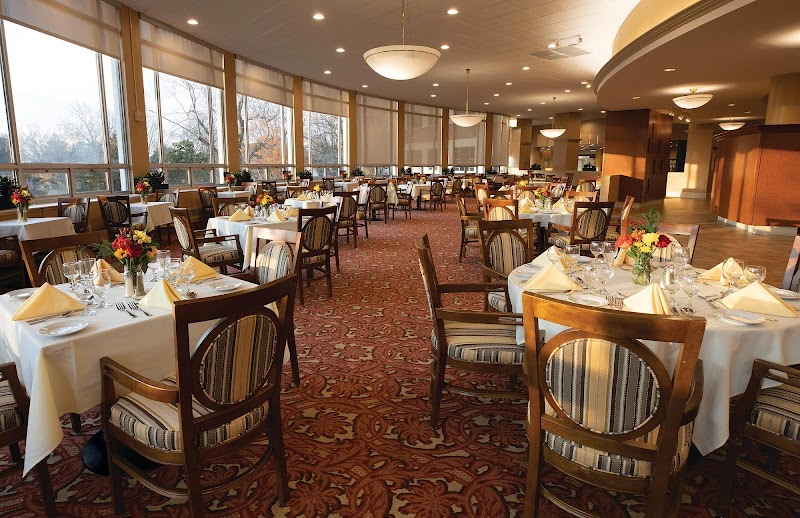
How Does Springs At 3030 Park, The Compare to Other Connecticut Nursing Homes?

Compared to the 100 nursing homes in Connecticut, SPRINGS AT 3030 PARK, THE's overall rating (5 stars) is above the state average of 3.1 and health inspection rating (4 stars) is above the national benchmark.

What Should Families Ask When Visiting Springs At 3030 Park, The?

Based on this facility's data, families visiting should ask: "Can I visit during a mealtime to observe dining assistance and food quality?" "How do you handle medical emergencies, and what is your hospital transfer rate?" "Can I speak with family members of current residents about their experience?"

Is Springs At 3030 Park, The Safe?

Based on CMS inspection data, SPRINGS AT 3030 PARK, THE has a clean safety record: no substantiated abuse findings (meaning no confirmed cases of resident harm), no Immediate Jeopardy citations (the most serious violation level indicating risk of serious injury or death), and is not on the Special Focus Facility watch list (a federal program monitoring the lowest-performing 1% of nursing homes). The facility has a 5-star overall rating and ranks #1 of 100 nursing homes in Connecticut. While no facility is perfect, families should still ask about staff-to-resident ratios and recent inspection results during their visit.

Do Nurses at Springs At 3030 Park, The Stick Around?

SPRINGS AT 3030 PARK, THE has not reported staff turnover data to CMS. Staff turnover matters because consistent caregivers learn residents' individual needs, medications, and preferences. When staff frequently change, this institutional knowledge is lost. Families should ask the facility directly about their staff retention rates and average employee tenure.

Was Springs At 3030 Park, The Ever Fined?

SPRINGS AT 3030 PARK, THE has been fined $8,018 across 1 penalty action. This is below the Connecticut average of $33,159. While any fine indicates a compliance issue, fines under $50,000 are relatively common and typically reflect isolated problems that were subsequently corrected. Families should ask what specific issues led to these fines and confirm they've been resolved.

Is Springs At 3030 Park, The on Any Federal Watch List?

SPRINGS AT 3030 PARK, THE is not on any federal watch list. The most significant is the Special Focus Facility (SFF) program, which identifies the bottom 1% of nursing homes nationally based on persistent, serious quality problems. Not being on this list means the facility has avoided the pattern of deficiencies that triggers enhanced federal oversight. This is a positive indicator, though families should still review the facility's inspection history directly.