RIDGE CREST AT MEADOW RIDGE

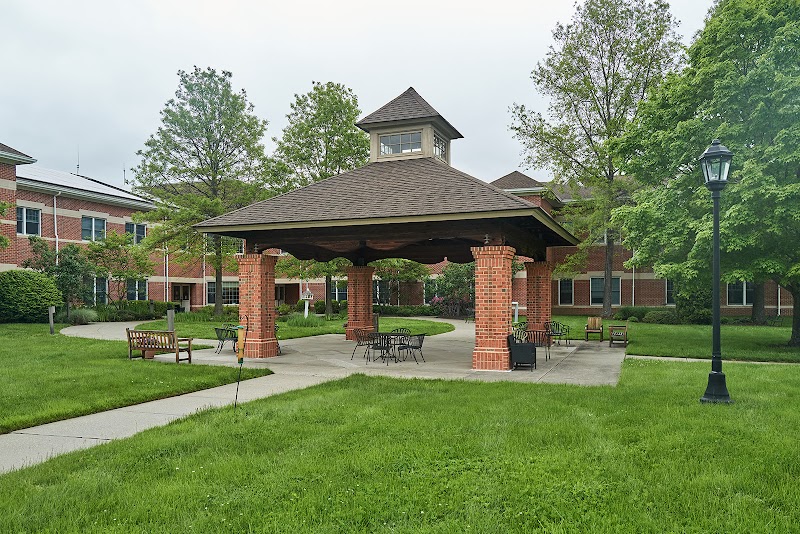
100 REDDING ROAD, WEST REDDING, CT 06896 (203) 544-1000
For profit - Limited Liability company 59 Beds Independent Data: November 2025
Trust Grade
88/100
#37 of 192 in CT
Last Inspection: March 2025

Within standard 12-15 month inspection cycle. Federal law requires annual inspections.

Overview

Ridge Crest at Meadow Ridge has a Trust Grade of B+, which means it is above average and generally recommended for families seeking care. With a state rank of #37 out of 192 facilities in Connecticut, it is in the top half, and it ranks #2 out of 15 in Greater Bridgeport County, indicating that only one local option is better. However, the facility is experiencing a worsening trend, with the number of issues rising from 3 in 2024 to 5 in 2025. Staffing is a strong point, earning 5 out of 5 stars, with a low turnover rate of 27%, significantly below the state average, and more RN coverage than 93% of Connecticut facilities, which helps ensure quality care. On the downside, there have been some concerns, such as staff not completing required training for intravenous therapy and failing to adequately address hospice care in resident care plans, which could potentially impact the quality of care provided.

Trust Score
B+
88/100
In Connecticut
#37/192
Top 19%
Safety Record
Low Risk
No red flags
Inspections
Getting Worse
3 → 5 violations
Staff Stability
✓ Good
27% annual turnover. Excellent stability, 21 points below Connecticut's 48% average. Staff who stay learn residents' needs.
Penalties
✓ Good
No fines on record. Clean compliance history, better than most Connecticut facilities.
Skilled Nurses
✓ Good
Each resident gets 91 minutes of Registered Nurse (RN) attention daily — more than 97% of Connecticut nursing homes. RNs are the most trained staff who catch health problems before they become serious.
Violations
⚠ Watch
15 deficiencies on record. Higher than average. Multiple issues found across inspections.
★★★★★
5.0
Overall Rating
★★★★★
5.0
Staff Levels
★★★☆☆
3.0
Care Quality
★★★★★
5.0
Inspection Score
Stable
2024: 3 issues
2025: 5 issues

The Good

  • 5-Star Staffing Rating · Excellent nurse staffing levels
  • Low Staff Turnover (27%) · Staff stability means consistent care
  • Full Sprinkler Coverage · Fire safety systems throughout facility
  • No fines on record
  • Staff turnover is low (27%)

    21 points below Connecticut average of 48%

Facility shows strength in staffing levels, staff retention, fire safety.

The Bad

No Significant Concerns Identified

This facility shows no red flags. Among Connecticut's 100 nursing homes, only 1% achieve this.

The Ugly 15 deficiencies on record

Mar 2025 5 deficiencies
CONCERN (D)

Potential for Harm - no one hurt, but risky conditions existed

Comprehensive Care Plan (Tag F0656)

Could have caused harm · This affected 1 resident

**NOTE- TERMS IN BRACKETS HAVE BEEN EDITED TO PROTECT CONFIDENTIALITY** Based on review of staff interviews, review of the clinical record and facility documentation for 1 of 1 sampled residents revie...

Read full inspector narrative →
**NOTE- TERMS IN BRACKETS HAVE BEEN EDITED TO PROTECT CONFIDENTIALITY** Based on review of staff interviews, review of the clinical record and facility documentation for 1 of 1 sampled residents reviewed for hospice services (Resident #29) and for 1 of 2 sampled residents (Resident #46) reviewed for death, the facility failed to ensure the Resident Care Plan (RCP) was comprehensive to include hospice care. The findings include: 1. Resident #29's diagnoses included dementia and Alzheimer's disease. A Resident Care Plan dated 9/18/24 identified Resident #29 had impaired cognition related to advanced dementia. Interventions included repeating instructions as necessary, maintaining as consistent a routine as possible, and keeping environmental stimuli to a minimum. The quarterly Minimum Data Set assessment dated [DATE] identified Resident #29 had a short/long term memory problem and was dependent on staff for eating, oral hygiene, dressing and personal hygiene. A physician's order dated 12/6/24 directed to admit Resident #29 to hospice care. Interview and clinical record review on 3/19/25 at 7:55 AM with the MDS Coordinators (RN #3 and RN #4) identified that a care plan was not developed in regards to Resident #29 receiving hospice services and that it was the responsibility of the MDS department to implement a care plan once notified that a resident was receiving hospice. Additionally, the interview identified that social services would notify the interdisciplinary team when a resident was admitted to hospice and that when they receive notification, they would develop a care plan. Additionally, RN #3 and RN #4 indicated they did not receive notification that Resident #29 was admitted to hospice services. An interview and clinical record review on 3/19/25 at 9:15 AM with the Director of Social Services identified Resident #29's family member requested a consultation for hospice on 12/4/24 and that the resident was admitted to hospice on 12/6/24. Additionally, the interview identified that when a referral was made for hospice, social services would send out an email notification to the inter-disciplinary team. Once the referral was accepted and the resident was admitted to hospice, the social worker would send another notification to the interdisciplinary team. Additionally, the Director of Social Services stated email notification was sent to the interdisciplinary team on 12/4/24. An interview and clinical record review on 3/20/25 at 11:02 AM with the DNS identified that a hospice care plan for Resident #29 had not been implemented after admission to hospice on 12/6/24 and that it should have been developed per facility policy. Additionally, it identified that social services would send email notification to the interdisciplinary team when a resident was referred to hospice and then a follow-up notification when the resident was accepted. That would serve as notification for the MDS department to implement a care plan. It was identified that an email notification was sent from social services to the MDS department on 12/4/24 stating that a referral had been made to hospice for Resident #29, but there was not a follow-up email sent when the resident was accepted and admitted to hospice on 12/6/24. Subsequent to surveyor inquiry, a care plan for hospice was developed. The care planning-interdisciplinary team policy dated 3/2022 identified that the interdisciplinary team was responsible for the development of resident care plans. Review of the hospice program policy dated 7/2017 that it is the responsibility of the facility to administer prescribed therapies delineated in the hospice plan of care. 2. Resident #46 was admitted to the facility in April 2024 with diagnoses that included Parkinson disease, dementia, and anxiety. A Resident Care Plan dated 11/13/24 identified Resident #46 had a functional decline with interventions to evaluate range of motion, assess current functional level and complete the activities of daily living section on the Minimum Data Set (MDS) assessment. The quarterly Minimum Data Set (MDS) assessment dated [DATE] identified Resident #46 was cognitively intact and required partial/moderate assistance for eating and oral hygiene. Additionally, the MDS identified Resident #46 required substantial assistance for personal hygiene and was dependent for dressing, transfers, and toileting. A nursing notes dated 11/20/24 at 9:28 PM identified Resident #46 was admitted to hospice services. The Resident Care Plan (RCP) dated 11/20/25 failed to identify the RCP was comprehensive to include Resident #46 receiving hospice services. A nursing note dated 11/20/24 at 10:05 PM identified Resident #46 was sent to the hospital for agitation, being difficult to re-direct, swinging laptop and hitting staff. A nursing note dated 12/5/24 at 8:58 PM identified that Resident #46 returned to the facility from the hospital. The RCP dated 12/5/24 also failed to identify the RCP was comprehensive to include Resident #46 receiving hospice services. An interview and review of the RCP on 3/24/25 at 11:10 AM with the MDS Coordinator (RN #4) failed to identify that a care plan had been developed by the facility regarding hospice services. RN #4 further noted that the Director of Social Services was responsible for developing hospice plan of care. An interview on 3/24/25 at 11:24 AM with the Director of Social Services identified that either the social worker or the MDS Coordinator was responsible for developing a care plan regarding hospice. Additionally, the MDS Coordinator noted that the RCP did not include Resident #46 receiving hospice services, was not sure of the reason a hospice care plan was not developed, but the facility policy was for one to be completed upon admission to hospice services. An interview with the DNS on 3/24/25 at 11:55 AM identified that a care plan for hospice services was not developed when hospice services were initiated on 11/20/24, and one should have been implemented. The care planning-interdisciplinary team policy dated 3/2022 identified that the interdisciplinary team was responsible for the development of resident care plans.
CONCERN (D)

Potential for Harm - no one hurt, but risky conditions existed

Deficiency F0657 (Tag F0657)

Could have caused harm · This affected 1 resident

**NOTE- TERMS IN BRACKETS HAVE BEEN EDITED TO PROTECT CONFIDENTIALITY** Based on the facility policy, record review, and interviews for 1 of 3 sampled residents (Resident #36) reviewed for accidents, ...

Read full inspector narrative →
**NOTE- TERMS IN BRACKETS HAVE BEEN EDITED TO PROTECT CONFIDENTIALITY** Based on the facility policy, record review, and interviews for 1 of 3 sampled residents (Resident #36) reviewed for accidents, the facility failed to ensure the Resident Care Plan was reviewed and revised after a fall with a major injury. Resident #36 was admitted to the facility in January 2025 with diagnosis that included heart failure, hypotension, and falls. A Fall Risk assessment dated [DATE] identified Resident #36 was a fall risk, and a fall prevention care plan was initiated or updated. The admission Minimum Data Set assessment (MDS) dated [DATE] identified was cognitively intact and was independent for eating, and oral hygiene. The MDS also, identified Resident #36 required partially moderate assistance for transfers, dressing, and was dependent for showering. The MDS further identified Resident #36 required touch supervision when ambulating. The Resident Care Plan (RCP) dated 1/3/25 identified Resident #36 was at risk for falls with interventions that included to complete a fall risk score, place call system and most frequently used items with in reach and provide orientation to room. Physician orders dated 1/21/25 directed that Resident #36 was able to ambulate in his/her room independently as well as toileting and transfer. A Reportable Event form dated 1/31/25 at 3:15 AM identified that Resident #36 was ambulating in his/her room independently when his/her walker hit the door. Further identifying that Resident #36 was independent with ambulation. Additionally, Resident #36 was found on the floor, bleeding from his/her head and sent to the hospital for evaluation. Nursing notes dated 1/31/25 at 3:47 AM identified that Resident #36 fell while trying to get to the bathroom, hitting his/her right side of head which was bleeding, and was sent to the emergency room. Nursing notes dated 2/11/25 at 8:40 PM identified that Resident #36 returned to the facility on 2/10/25 with a diagnosis of a left femur fracture, odontoid fracture, closed head injury, and a scalp laceration. An interview and review of the RCP on 3/19/25 at 12:15 PM with the DNS failed to identify the care plan had been reviewed/revised after Resident #36's fall with injury on 1/31/25. She further identified that the policy was for the Resident Care Plan to be updated after each fall, and that the Minimum Data Set Nurse and DNS were responsible for updating after the fall on 1/31/25. Further, the DNS identified that Resident #36 was out of the building for so long that it was an oversight that the Resident Care Plan was not updated to reflect the fall, and updating the Resident Care Plan was important because it could help to prevent further falls. Subsequent to surveyor interview, the care plan was revised on 3/19/25 by Registered Nurse #4 but the date of 3/5/25 was electronically entered as the created date (despite the care plan being updated on 3/19/25), and effective date listed as 2/12/25. The revised care plan identified Resident #36 was a risk for falls with interventions directed to place call system and most frequently used items within resident's reach, evaluate Resident #36's ability to understand the instructions provided, identify resident specific interventions to aid in the prevention of falls, communicate interventions via the resident summary and nursing assistant assignment sheet. Review of the Fall and Fall Risk Management policy identified that the interdisciplinary team, with input from the attending physician, will implement a resident-centered fall prevention plan to reduce the specific risk factors of falls for each resident at risk or with a history of falls. Also, identified if falling recurs despite initial interventions, staff will implement additional or different interventions, or indicate why the current approach remains relevant.
CONCERN (D)

Potential for Harm - no one hurt, but risky conditions existed

Pressure Ulcer Prevention (Tag F0686)

Could have caused harm · This affected 1 resident

**NOTE- TERMS IN BRACKETS HAVE BEEN EDITED TO PROTECT CONFIDENTIALITY** Based on observations, interviews, review of the clinical record, and facility policy for 1 of 4 residents (Resident #45) review...

Read full inspector narrative →
**NOTE- TERMS IN BRACKETS HAVE BEEN EDITED TO PROTECT CONFIDENTIALITY** Based on observations, interviews, review of the clinical record, and facility policy for 1 of 4 residents (Resident #45) reviewed for pressure ulcers, the facility failed to ensure physician orders related to an air mattress included type of setting and ensure the air mattress was set correctly. The findings include: Resident #45 was admitted to the facility in February of 2025 and had diagnoses that included sepsis, pressure injury, encephalitis and chronic kidney disease. A Nursing admission assessment dated [DATE] identified Resident #45 was admitted from the hospital to the facility, had a short-term and long term memory problem, had limited range of motion to both arms and both legs, was dependent for eating, required assistance of 2 staff members for toileting, had edema to both arms/legs, and had pressure injuries to the coccyx and buttock. The Resident Care Plan (RCP) dated 2/25/25 identified Resident #45 was at risk for alteration in skin integrity related to a State 3 pressure ulcer to the coccyx, a Stage 2 pressure ulcer to the left buttock, a low back surgical area, and perifungal rash. Interventions included to complete weekly wound evaluations, encourage side to side positioning, and a pressure reduction mattress on the bed. A physician order dated 2/25/25 directed to complete a weekly skin check under the evaluation tab in the electronic record every week starting on 2/25/25 and to obtain evaluation and treatment by a wound physician. Additionally, a physician order dated 2/25/25 directed to place an alternating air pressure relief mattress to the bed and adjust by Resident #45's weight or preferences. The physician order failed to identify instructions to ensure the mattress was set on alternate pressure mode and not static pressure mode. A Wound Assessment document dated 2/25/25 identified Resident #45 was admitted with pressure injuries to the coccyx and left buttock. The coccyx wound presented as a Stage 3, had a moderate amount of serosanguinous (SS) drainage, and measured 2 centimeters (cm) in height by 1.5 cm in width by 0.3 cm in depth. Additionally, the left buttock pressure ulcer presented as a Stage 2, had 100% non-granulated tissue, a small amount of SS drainage, and measured 3 cm in height by 3 cm in width by 0.2 cm in depth. The assessment further identified the pressure ulcer treatment to both areas was to cleanse with Normal Saline and pat dry, apply Medihoney (a topical wound treatment) followed by Calcium Alginate (a topical wound treatment), cover with a Silicone adhesive foam dressing, change the dressing 2 times a day, and ensure an air mattress was in place (but failed to identify the type of setting, alternating air or static). A physician order dated 2/27/25 directed to cleanse the coccyx and left buttock with normal saline and pat dry, apply Medihoney followed by calcium alginate, cover with a Silicone adhesive foam dressing, change the dressing 2 times a day, and ensure air mattress was in place (but failed to identify the type of setting, alternating air or static). A Wound progress note dated 3/3/25 and written by MD #1 identified she was requested to provide a wound consultation for Resident #45. Resident #45 had a Stage 3 coccyx pressure injury to the coccyx and noted the wound base was 75 to 99% granulations, had no odor, moderate amount of SS drainage and measured 1 cm by 1 cm by 0.2 cm. Additionally, Resident #45 had a pressure injury to the left buttock which now presented as unstageable, had a 100% brown crusty wound bed, moderate amount of SS drainage, and measured 3.5 cm by 3.5 cm by 0 1 cm. The assessment further identified the treatment was to cleanse the left buttock with normal saline and pat dry, apply Santyl (topical debriding wound treatment) followed by calcium alginate, cover with a silicone adhesive foam dressing, change the dressing 2 times a day, and ensure air mattress was in place. The note further identified treatment recommendations to both areas was to cleanse the wounds, apply Santyl (wound debriding ointment) followed by Calcium Alginate to the base of the wound, secure with a dry clean dressing, and change the dressing 2 times a day. A wound progress note written by MD #1 on 3/17/25 identified she saw Resident #45 for evaluation and management of his/her pressure injuries to the left buttock and coccyx. The note identified the coccyx and left buttock pressure injuries had bridged (merged) into a single wound and documentation going forward would be as a single wound under location of left buttock. The note further identified the bridged left buttock pressure injury was unstageable, the wound base contained 75-99% slough and 1-24% granulation, had no odor, had a moderate amount of serous drainage, and measured 3 cm by 4 cm by 0.1 cm. A physician order dated 3/17/25 directed to cleanse the left buttock unstageable pressure injury with Normal Saline and pat dry, apply Santyl (wound debriding ointment) followed by Calcium Alginate, cover with a Silicone adhesive foam dressing, change the dressing 2 times a day, and ensure air mattress was in place (but failed to identify the type of setting, alternating air or static). Observation on 3/18/25 at 9:15 AM and on 3/18/25 at 10:22 AM identified Resident #45 lying supine in bed on an air mattress with both arms elevated on pillows. The air mattress' pressure adjustment knob was set between 180 and 210 and static mode engaged (Resident #45 weighed 192.0 pounds). Observation on 3/18/25 at 10:48 AM identified 2 Nurse Aides (NA) entered Resident #45's room to provide care. Resident # 45 was provided morning care with an incontinent brief change and Resident #45 was dressed. Resident #45 was then positioned supine in bed with both arms elevated on pillows. An air mattress was in place on the bed with the pressure adjustment knob set between 180 and 210 and static mode engaged. An interview with the Assistant Director of Nursing Services (ADNS) on 3/19/2025 at 10:06 AM identified alternating pressure air mattress settings were set by the resident weight and that she does not touch the static/alternate button on the mattress pump. Observation on 3/19/25 at 11:19 AM identified Resident #45 lying supine in bed with the head of bed (HOB) at 30 degrees and both arms elevated on pillows. There was an air mattress in place on the bed with the pressure adjustment knob set between 180 and 210 and static mode engaged. An interview with Registered Nurse (RN) #1 on 3/20/25 at 10:04 AM identified there were physician orders to check the alternating pressure air mattresses every shift for function and weight setting. RN #1 identified she verified the setting using the resident's most recent weight in the computer and that she did not touch the static/alternate button as that wasn't part of the order. Observation on 3/24/25 at 9:42 AM, on 3/24/25 at 10:21 AM and at 12:15 PM identified Resident #45 was lying supine in bed on an air mattress with the HOB at 90 degrees. The air mattress' pressure adjustment knob was set between 180 and 210 and static mode engaged. An interview with Occupational Therapist (OT) #1 on 3/24/25 at 10:50 AM identified Resident #45 did not get out of bed for long periods of time at the request of the nursing department due to the presence of pressure wounds. She identified that Resident #45 would get out of bed for therapy before lunch and then Resident #45 would go back to bed shortly after lunch. An interview with MD #1 on 3/24/25 at 10:58 AM identified air mattresses were put in place for residents at high risk for skin breakdown especially for residents with limited mobility putting them at high risk for skin breakdown to the heels and buttocks. MD #1 identified she deferred to the facility for their protocol for the settings for the air mattresses used within the facility, but that usually the settings were set by the facility based on the resident's weight. MD #1 identified that use of the alternating pressure mode versus static pressure mode settings on the facility air mattresses depended on the mattress type and the manufacturer recommendations. The Treatment Administration Record dated 3/1/25 through 3/31/25 identified the physician order for an alternating pressure relief mattress adjusted by Resident #45's weight or preferences was signed off every shift by the nurses (but failed to identify the type of setting, alternating air or static). Interview with the DNS on 3/24/25 at 1:48 PM identified the air mattresses used by the facility were set based on resident weight and preferences. The DNS identified that all the facility air mattresses were alternating pressure air mattresses and she was not aware that several of the facility air mattresses, including Resident #45's were set to the static mode, and not alternating pressure mode. The DNS further identified the alternating pressure function should be in place at all times (and not the static function) to provide wound prevention and healing by limiting the pressure in one area on the resident's skin for extended periods. An interview with the Direct Home Medical Provider of equipment Clinical [NAME] President (the company of the air mattress used for Resident #45) on 3/27/25 at 1:27 PM identified that it was not correct practice to keep the air mattress set at the static pressure mode for long periods of time. Additionally, the Direct Home Medical Provider of equipment [NAME] President identified that air mattresses were dual therapy and provide both low air loss and alternating pressure to prevent and manage wounds. She indicated that when a resident required the use of a brief for incontinence and had a draw sheet or pad on top of the mattress those extra layers negated the benefits of the mattresses low air loss and the alternating pressure function of the mattress would then take over as the main feature to prevent and manage wounds. Additionally, the Medical Provider [NAME] President identified that use of the static pressure mode was intended for only short periods such as while providing care or during meals to provide extra support while the resident was sitting upright to eat, but that the mattress should then be returned to the alternating pressure mode when those activities were completed. Also the interview identified keeping the air mattress setting on the static pressure mode consistently for long periods of time would contribute to wound deterioration or the development of a wound for a resident at risk for skin breakdown. Also, the Direct Home Medical Provider of equipment [NAME] President further identified that the suppliers providing the air mattresses to the facility were responsible for providing education to the facility on the proper use of all functions of the air mattresses. Review of the Air Element Mattress Owner's Manual identified on page 9 of the manual that the alternate/static switch selects between alternate pressure mode and static pressure mode. The manual identified with alternate pressure mode, alternating air cells are partially deflated and inflated, avoiding prolonged pressure on any single point beneath the resident to help prevent pressure ulcers. The manual further identified with the static pressure mode, all of the air cells are equally inflated.
CONCERN (D)

Potential for Harm - no one hurt, but risky conditions existed

Deficiency F0761 (Tag F0761)

Could have caused harm · This affected 1 resident

**NOTE- TERMS IN BRACKETS HAVE BEEN EDITED TO PROTECT CONFIDENTIALITY** Based on observations, review of facility policy/procedures and interviews regarding medication storage, the facility failed to ...

Read full inspector narrative →
**NOTE- TERMS IN BRACKETS HAVE BEEN EDITED TO PROTECT CONFIDENTIALITY** Based on observations, review of facility policy/procedures and interviews regarding medication storage, the facility failed to ensure expired medication was disposed of and failed to ensure a medication cart was locked when not in use. The findings include: a. Observation on [DATE] at 10:16 AM with Licensed Practical Nurse (LPN) #2 of the Cedar East medication room identified 2 central line dressing change kits expired [DATE] intravenous (IV) start kits with Chloraprep (these were not patient specific) expired [DATE] and 3 IV start kits for residents who were no longer at the facility expired [DATE]. Interview on [DATE] at 10:18 AM with LPN#2 identified the nursing supervisor was responsible for rotating the stock in the medication rooms. LPN #2 indicated that staff should check the expiration dates prior to using the items and that there were no residents on her unit that required or had an IV that required a dressing change. Interview on [DATE] at 2:04 PM with Registered Nurse (RN) #2 who was the RN nursing supervisor identified all staff were responsible for discarding expired items from the medication room and that the supervisors oversee the medication rooms. Interview on [DATE] at 1:00 PM with the DNS identified all staff were responsible for discarding expired items. Additionally, the DNS noted that facility staff did not start IV's but were responsible to complete dressing changes. Furthermore, the DNS indicated there was only 1 resident who had a Peripherally Inserted Central Catheter (PICC) line and would currently require a dressing change but did not reside on the unit with the expired items. b. Observation on [DATE] at 1:27 PM identified LPN #3 walk away from the Elm unit medication cart, left the cart unlocked with the keys dangling in the lock mechanism. The medication cart was located at the nurses' station as LPN #3 walked 40 feet down the hallway and entered a resident room out of view of the medication cart. During this time, 2 residents and 3 staff members passed by the unsecured cart. Interview on [DATE] at 1:34 PM with LPN #3 identified the facility policy was to lock the cart and take the key if you were leaving the cart. Additionally, LPN #3 indicated that she sometimes leaves the keys in the lock if she was not going to be away from the medication cart for a long time. Interview on [DATE] at 2:04 PM with Registered Nurse (RN) #2 who was the RN nursing supervisor identified the expectation was that the medication carts remained secured when not in use and when out of sight of the nurses. Interview on [DATE] at 1:00 PM with the DNS identified that nurses should maintain possession of the medication cart keys and the carts should not be left unattended unsecured. The facility policy for Administering and storage of medications identified compartments (including, but not limited to, drawers, cabinets, rooms, refrigerators, carts, and boxes) containing medications and biologicals are locked when not in use.
MINOR (C)

Minor Issue - procedural, no safety impact

Pharmacy Services (Tag F0755)

Minor procedural issue · This affected most or all residents

Based on observation, review of facility documentation, review of facility policy/procedures and interviews for medication storage and narcotic reconciliation, the facility failed to establish a syste...

Read full inspector narrative →
Based on observation, review of facility documentation, review of facility policy/procedures and interviews for medication storage and narcotic reconciliation, the facility failed to establish a system of records of receipt and disposition of all controlled drugs in sufficient detail to enable an accurate reconciliation of controlled medication and failed to ensure that an account of all controlled drugs was maintained and periodically reconciled. The findings include: On 3/19/25 at 11:03 AM, review of the narcotic reconciliation and audit procedure with the DNS identified she was responsible for narcotic monitoring to include reconciliation and facility audits. The DNS described the facility audits the same as shift to shift counts on the unit medication carts. The DNS indicated she didn't have a regular process for reconciliation and that the last audit was completed in May 2024. Additionally, the DNS indicated an audit was only completed on the Omnicell (a secured machine that contains medication) and not the medication carts on the units or controlled medication in the emergency box. The DNS identified that when the nurses receive a delivery of medication from the pharmacy, they sign for the narcotics and place the yellow copy of the Controlled Substance Disposition Record (CSDR) into the DNS inbox and the white copy goes on the unit medication cart with the medication. If the medication was finished, discontinued, or needed to be destroyed, the white copy was given to the DNS and matched up with the yellow sheet, reconciled and if needed, the medication destroyed. The DNS identified that neither the yellow copies of the CSDRs nor the inventory slips were used in confirming reconciliation of narcotics. Additionally, delivery slips from the pharmacy were sometimes kept on the unit and discarded after a while and not reviewed/reconciled with the yellow copy. The DNS indicated that medications were obtained from other pharmacies or brought in as personal medications and were kept on the unit medication carts with a facility created medication count sheet that was kept with the medication. There were no corresponding yellow copies for accountability. The DNS indicated that if a narcotic was thought to be missing, she would be able to ask the pharmacy for a receipt of delivery but couldn't answer about personal medication brought from home. Although requested, narcotic audit or reconciliation documentation was not provided by the facility. The facility policy for Inventory control of controlled substances (5.4) identified a facility representative should regularly check the inventory records to reconcile inventory to include current and discontinued inventory of controlled substances to the log used in the facility's controlled medication inventory system, current inventory to the controlled medication declining inventory record and to the resident's MAR, and unused controlled substances held in storage awaiting destruction with the declining inventory record. The facility policy for Routine Reconciliation of Controlled Substances (5.5) identified the facility should routinely reconcile controlled substances stored in medication carts and emergency supplies and should reconcile controlled substances waiting to be destroyed. The policy indicated that the reconciliation should be performed by two licensed nurses or a licensed nurse and authorized and licensed healthcare professional, or per applicable law and the frequency of the reconciliation is determined by the Director of Nursing. The policy identified that a routine reconciliation of controlled substances should compare the total number of doses originally dispensed by the pharmacy to the number of doses remaining to the number of doses recorded as remaining on the medication-specific declining inventory sheet to the number of doses administered according to the resident's medication administration record.
Nov 2024 1 deficiency
CONCERN (D) 📢 Someone Reported This

A family member, employee, or ombudsman was alarmed enough to file a formal complaint

Potential for Harm - no one hurt, but risky conditions existed

Medical Records (Tag F0842)

Could have caused harm · This affected 1 resident

**NOTE- TERMS IN BRACKETS HAVE BEEN EDITED TO PROTECT CONFIDENTIALITY** Based on record review, facility documentation, and staff interviews for one of three residents (Resident #2) reviewed for abuse...

Read full inspector narrative →
**NOTE- TERMS IN BRACKETS HAVE BEEN EDITED TO PROTECT CONFIDENTIALITY** Based on record review, facility documentation, and staff interviews for one of three residents (Resident #2) reviewed for abuse, the facility failed to ensure the medical record was complete and accurate to include a refusal of care. The findings include: Resident #2 had a diagnosis of cerebral infarction (stroke). The admission Minimum Data Set, dated [DATE] identified Resident #2 had a Brief Interview for Metal Status (BIMS) score of 3 indicating severe cognitive impairment, rejects care at times, and is occasionally incontinent of bowel and bladder. The Resident Care Plan (RCP) dated 8/20/2023 identified bladder and bowel incontinence with interventions that directed to incontinence every shift. Facility reportable event dated 8/28/2023 at 8:23 AM identified at 7:40 AM Resident #2 was found in bed on an air mattress with two (2) incontinent pads underneath and was soaked in urine with bed linens also soaked with urine. Review of NA #2's written statement dated 8/28/2023 identified she reported the refusal of care to RN #2. Review of RN #2's written statement dated 8/28/2023 identified NA #2 reported the refusal of care. The statement further indicated RN #2 did not document the refusal of incontinent care and did not notify the on-coming shift of the refusal. The investigation Summary dated 8/30/2023 identified Resident #2 required two (2) staff for care, and was incontinent of bowel and bladder. The Summary indicated on 8/28/2023 at 7:40 AM, when NA #2 attempted to provide incontinent care, Resident #2 refused the care and NA #2 notified RN #2/charge nurse. Record review failed to identify any documentation of Resident #2's refusal of care. Interview and record review with the DNS on 11/26/2024 at 3:20 PM identified NA #2 and RN #2 did not document the resident's refusal of care. The DNS stated she did not know why it was not documented, but that it would be her expectation that Resident #2's refusal of care should have been documented. Review of facility Perineal Care policy dated February of 2018 directed staff to document if the residents refuses care, the reason why and the intervention taken.
Oct 2024 2 deficiencies
CONCERN (D) 📢 Someone Reported This

A family member, employee, or ombudsman was alarmed enough to file a formal complaint

Potential for Harm - no one hurt, but risky conditions existed

Notification of Changes (Tag F0580)

Could have caused harm · This affected 1 resident

**NOTE- TERMS IN BRACKETS HAVE BEEN EDITED TO PROTECT CONFIDENTIALITY** Based on clinical record review, facility documentation review, facility policy review, and interviews for one of three resident...

Read full inspector narrative →
**NOTE- TERMS IN BRACKETS HAVE BEEN EDITED TO PROTECT CONFIDENTIALITY** Based on clinical record review, facility documentation review, facility policy review, and interviews for one of three residents (Resident #2) reviewed for quality of care, the facility failed to notify the health care representative prior to the initiation of an antidepressant. The findings include: Resident #2 had diagnoses that included dementia. Record review identified Person #1 was the responsible party for Resident #2. The Resident Care Plan (RCP) dated 8/2/2019 identified Resident #2 at risk for weight loss related to dementia. Interventions directed to provide diet and supplementation per physician orders, monitor weights, and assist as needed with meals. The admission Minimum Data Set (MDS) assessment dated [DATE] identified Resident #2 had a Brief Interview for Mental Status (BIMS) score of ninety-nine (99), indicative of severe cognitive impairment as resident was unable to complete the interview and was extensive assistance with assist of one (1) with all ADLs (activities of daily living). APRN note dated 8/20/2019 (written by APRN #1) identified Resident #2 had a poor appetite, a had a labile mood, hits often, and fights physically with staff. APRN #1 recommended Mirtazapine (Remeron - Antidepressant) 7.5 milligrams (mg) mg at night, for mood and appetite, and if physical aggression persisted, will consider Seroquel. The note failed to indicate if APRN #1 notified Person #1 of the medication initiation. Physician order dated 8/20/2019 directed to administer Mirtazapine 7.5 mg at night, for fourteen (14) days. Review of the August 2019 medication administration record (MAR) identified Resident #2 received one dose of Mirtazapine 7.5 mg on 8/21/2019. Review of the nursing and social services progress notes failed to identify a note indicating Person #1 was notified regarding Resident #2's new order for Mirtazapine. Interview with Person #1 on 10/16/2024 at 10:35 AM identified he/she was Resident #2's power of attorney for financial and healthcare matters. Person #1 identified he/she received an email from the facility on 8/23/2019, requesting Person #1 to sign a consent form for the initiation of Mirtazapine 7.5 mg. At the time the email was received, Person #1 and Resident #2 were on a LOA (leave of absence) from the facility for a medical appointment. Person #1 reviewed the paperwork sent to the medical appointment and Person #1 identified Mirtazapine was already added on Resident #2's medication list. Interview and review of the Psychopharmacological Medication Informed Consent form with DON on 10/16/2024 at 2:45 PM identified this was the documentation the facility used in 2019, to ensure consent was obtained and documented from a resident's responsible party/representative. The DON indicated it was the nursing team and physician's responsibility to ensure the responsible party was notified prior to the initiation of a new medication. The DON identified after reviewing Resident #2's clinical records, she was unable to verify if Person #1 was notified of the new medication orders prior to administration, but verified Person #1 should have been notified. Although requested, the facility was unable to provide a Psychopharmacological Medication Informed Consent form signed by Person #1. Although requested, interview with the DON identified the facility did not have a policy pertaining to notification to a responsible party/representative of the initiation of a new medication.
CONCERN (D) 📢 Someone Reported This

A family member, employee, or ombudsman was alarmed enough to file a formal complaint

Potential for Harm - no one hurt, but risky conditions existed

Quality of Care (Tag F0684)

Could have caused harm · This affected 1 resident

**NOTE- TERMS IN BRACKETS HAVE BEEN EDITED TO PROTECT CONFIDENTIALITY** Based on clinical record review, facility documentation review, facility policy review, and interviews for one of three resident...

Read full inspector narrative →
**NOTE- TERMS IN BRACKETS HAVE BEEN EDITED TO PROTECT CONFIDENTIALITY** Based on clinical record review, facility documentation review, facility policy review, and interviews for one of three residents (Resident #1) reviewed for accidents, the facility failed to ensure staff notified the RN timely after a resident had an unwitnessed fall. The findings include: Resident #1 had diagnoses that included chronic obstructive pulmonary disease, hypertension, and osteopenia. The Resident Care Plan (RCP) dated 9/11/2024 identified Resident #1 was at risk for falls. Interventions directed to provide orientation to the room and call system, and call bell and items within resident's reach. The admission Minimum Data Set (MDS) assessment dated [DATE] identified Resident #1 had a Brief Interview for Mental Status (BIMS) score of four out of fifteen (4/15), indicative of severe cognitive impairment and required substantial assistance with all ADLs (activities of daily living). A facility incident report and investigation dated 9/18/2024 at 10:20 AM identified the resident's assigned NA entered Resident #1's room to provide AM care and Companion #1 (Resident #1's companion) showed the NA the resident's right hand pinky finger was bruised and misaligned. The charge nurse was notified, and physician orders obtained for an x-ray. X-ray results identified a fracture involving fifth proximal phalanx (finger bone) with minimal displacement. There is associated soft tissue swelling. MD #1 was notified and directed to transfer Resident #1 to the hospital for evaluation. The facility investigation dated 9/23/2024 identified Companion #1 reported he/she left the room on 9/17/2024 about 8:30 PM, and when arrived at the facility on the morning of 9/18/2024, he/she observed the misaligned finger. Staff interviews were conducted and identified on 9/18/2024 between 2 and 3 AM NA #1 observed Resident #1 on the floor. NA #1indicated the resident was attempting to go to the bathroom, and NA #1 did not report the fall to the nurse. Subsequent to the incident, NA #1's employment was terminated. Review of the Hospital Diagnostic Studies dated 9/18/2024 identified Resident #1's X-Ray of the right hand indicated a nondisplaced fracture of the base of the fifth proximal phalanx. Interview with NA #1 on 10/16/2024 at 11:45 AM identified on 9/18/2024 in the early morning, Resident #1's roommate came into the hallway to notify staff that Resident #1 had fallen. Upon entering the room, NA #1 observed Resident #1 on the floor and asked NA #2 for assistance. NA #1 and NA #2 assisted Resident #1 into the wheelchair and with his/her care, and then into bed. NA #1 indicated Resident #1 did not express any pain, but just wanted to go back to bed. NA #1 identified she did not report the fall to the nurse and was unable to explain why, but stated she should have notified the nurse. Interview with NA #2 on 10/16/2024 at 3:30 PM identified on 9/18/2024 NA #1 asked him to assist Resident #1 after he/she had fallen on the floor. The NAs assisted Resident #1 off the floor and with care, and then back into bed. NA #2 stated that Resident #1 was adamant that he/she was fine and just wanted to go back to bed. NA #2 indicated NA #1 assured him that she would report the fall to the nurse, and NA #2 continued with his shift. NA #2 stated he did not report the fall to the nurse, because he thought NA #1 would have done it. Further, NA #2 stated that although NA #1 verbalized she was going to report the incident, he also should have reported the incident. NA #2 stated he knew all falls are to be reported, but trusted NA #1 to report it because she was an experienced aide who trained him when he was hired. Interview with the DON on 10/16/2024 at 1:15 PM identified during the investigation process, NA #2 stated he had assisted NA #1 after Resident #1 had fallen to the floor and NA #1 told him that she would report the fall to the nurse. The DON further stated during the initial interview with NA #1, NA #1 originally stated that nothing happened during the shift, but when presented with NA #2's statement, NA #1 stated Resident #1 had fallen and the NAs assisted Resident #1 off the floor without notifying the nurse. NA #1 stated she did not notify the nurse because she was nervous. Subsequent to the incident, NA #1's employment was terminated, and NA #2 received education regarding reporting all incidents to the nurse. Review of the Acute Condition Changes Policy dated 3/2018 identified direct care staff, including nursing assistants, will be trained in recognizing subtle but significant changes in the resident and how to communicate these changes to the nurse.
Oct 2022 6 deficiencies
CONCERN (D)

Potential for Harm - no one hurt, but risky conditions existed

Grievances (Tag F0585)

Could have caused harm · This affected 1 resident

**NOTE- TERMS IN BRACKETS HAVE BEEN EDITED TO PROTECT CONFIDENTIALITY** Based on clinical record reviews, review of facility policy and interviews for 2 of 2 residents (Resident # 145 and #146) review...

Read full inspector narrative →
**NOTE- TERMS IN BRACKETS HAVE BEEN EDITED TO PROTECT CONFIDENTIALITY** Based on clinical record reviews, review of facility policy and interviews for 2 of 2 residents (Resident # 145 and #146) reviewed for grievances, the facility failed to act on the resident reported concern related to missing personal items in a timely manner and within accordance to facility policy. The findings included: 1. Resident #145 was admitted on [DATE] with diagnoses that included cerebral vascular disease and short-term care following a right total hip arthroscopy. The care plan dated 10/21/22 identified Resident #145 had functional Activities of Daily Living (ADL) decline and at risk for cognitive decline. Interventions directed physical, occupational and speech therapy to evaluate and treat per physician's order and to maintain a consistent routine as possible. The nursing admission note dated 10/23/22 at 2:25 PM identified Resident #145 is alert and orient time four, required the assistance of one person with transfer only with hemi walker and assistance of one person with dressing, bathing, and toileting. An interview on 10/24/22 at 11:25AM with Resident #145 identified s/he had left a pair of expensive tweezers on the dietary meal tray. Staff took the tray away but did not remove the tweezers. Resident #145 stated s/he reported the concern to staff but could not recall the name of the staff member at this time. The dietary staff later verbalized they noticed the tweezers but did not know what happened to them. A review of the nursing progress notes, social worker notes and grievance log dated 10/23/22 through 10/24/22 failed to identify the resident reported concern of missing tweezers was followed up by facility staff. An interview on 10/25/22 at 1:22 PM with the Dietary Director identified dietary staff who find missing items on dietary meal trays either return the items to the resident if they know who the resident is or bring them to the nurse's station and report the missing items to the nursing staff. The Dietary Director further indicated she was informed by the nursing staff on 10/22/22 of Resident # 145's missing tweezers. However, the dietary staff were unable to locate the missing item. The facility Resident Rights policy revised 2/2021 notes residents have the right to voice grievances to the facility, or other agencies that hears grievances, without discrimination or reprisal and without fear of discrimination or reprisal and to have the facility respond to his or her grievances. The facility failed to follow up and provide an outcome or resolution to Resident # 145's concern regarding missing a pair of extensive tweezers. 2. Resident #146 was admitted on [DATE] with diagnoses that included partial intestinal obstruction, hypertension, and anemia. The care plan dated 10/22/22 identified Resident #146 was a new admission and adjusting to the facility. An intervention directed that all staff answer questions as they arise. The admission note dated 10/22/22 at 5:42 PM identified the resident was cognitively intact and had no memory impairment. The assessment also noted the resident was independent with ADL. An interview on 10/24/22 with Resident # 146 at 1:27 PM identified a bag of the resident's belongings that came from the hospital went missing. Resident #146 reported the missing items to Occupational Therapist (OT #2) on 10/23/22 because the bag contained shoes needed for walking. OT #2 was unable to locate the missing items at the time it was reported. Resident # 146 further indicated no update has been provided to him/her regarding the missing belongings from the hospital. An interview on 10/25/22 at 2:11 PM with OT #2 identified Resident #146 did report missing shoes to her. OT #2 indicated that although she could not recall the staff names, she reported the missing item to the assigned nurse aide. An attempt to interview (NA #2) on 10/25/22 was unsuccessful. An interview on 10/26/22 at 10:34 AM with Social Worker (SW #1) indicated when a list is generated for reported missing item a grievance form is also generated. The grievance form is sent to all departments to conduct an in-house search. If the missing item was not found, it would be replaced by the facility. SW #1 further indicated she was made aware of the missing items from the Administrator (subsequent to surveyor inquiry) and indicated she was going to follow up with the residents who had missing items. The policy for Grievances /Complaints Filing dated 4/2017 given to surveyor during the survey directed that residents and representatives have the right to file grievances orally or in writing and may be filed anonymously. The Administrator and staff will make prompt efforts to resolve grievances to the resident's satisfaction. Upon receipt of a grievance, the grievance officer, Administrator, and staff will take immediate action to prevent further violations of resident rights while the grievance is being investigated. The facility failed to provide evidence that they conducted an in-house search to located Resident # 146's missing hospital bag with the resident's shoes needed for walking per facility policy.
CONCERN (D)

Potential for Harm - no one hurt, but risky conditions existed

Investigate Abuse (Tag F0610)

Could have caused harm · This affected 1 resident

**NOTE- TERMS IN BRACKETS HAVE BEEN EDITED TO PROTECT CONFIDENTIALITY** Based on clinical record review, review of facility documentation, review of policy and staff interviews for 1 of 1 sampled resi...

Read full inspector narrative →
**NOTE- TERMS IN BRACKETS HAVE BEEN EDITED TO PROTECT CONFIDENTIALITY** Based on clinical record review, review of facility documentation, review of policy and staff interviews for 1 of 1 sampled resident (Resident # 346) reviewed for allegations of neglect, the facility failed to conduct a thorough investigation regarding an allegation of being left on the toilet for several hours. The findings include: Resident #346's diagnoses included fracture of the right hip with surgical correction, hypertension, and transient cerebral ischemia (stroke). The Resident Care Plan (RCP) dated 1/28/22 identified a risk for falling and intervention directed to remind the resident to call for assistance for any mobility needs. A physician's order dated 1/30/22 directed no weight bearing on the right leg. The admission Minimum Data Set (MDS) assessment dated [DATE] identified Resident #346 had a Brief Interview for Mental Status (BIMS) score of fifteen out of fifteen, indicating no cognitive impairment and no memory problems. The assessment also noted the resident required extensive assistance of two staff members for transfers out of bed and for toilet use. The nurse's note dated 2/6/22 at 11:02 AM identified Resident #346 required the assistance of two staff members for transfers with the utilization of a sliding board. The nurse's note also noted Resident # 346 was non-weight bearing on the right leg and required extensive assistance of two staff members for toileting. A review of the grievance file dated 2/7/22 identified the resident alleged that s/he was left on the toilet for several hours and no one answered her/his call bell during the previous night. Interview and review of the facility's Maintenance Time- Response Monitoring Report with the Administrator on 10/27/22 at 12:00 PM identified the following for resident call bell answer time: On 2/5/22 on the 11-7 AM, 7-3 PM and 3-11 PM shift the resident's call bell was answered within 2- 5 minutes. On 2/6/22 11-7 AM through 3:00 PM and 2/7/22 11-7 AM, 7-3 PM and 3-11 PM the resident's call bell was answered within 2- 5 minutes. A review of the facility's electronic documentation of Resident # 346's ADL care identified the following: On 2/5/22 on the 11-7 AM, 7-3 PM and 3-11 PM shift the resident received care from the assigned Nurse Aide (NA). On 2/6/22 11-7 AM through 3:00 PM and 2/7/22 11-7 AM, 7-3 PM and 3-11 PM the resident received care from the assigned NA. However, the facility electronic documentation of Resident # 346's ADL care on 2/6/22 on the 3-11 PM failed to reflect that staff had documented that care had been provided to the resident on the evening shift. Interview with the Administrator on 10/27/22 at 12:00 PM to 12:05 PM identified s/he could not provide evidence that care was provided to Resident # 346 on the 3-11 PM shift on 2/6/22 secondary to agency nurse aide staff failed to document the care provided. The Administrator was also unable to provide evidence that the facility conducted a thorough investigation of the resident's allegation of being left on the toilet and what type of care the agency nurse aide staff provided to the resident on 2/6/22 on the 3- 11 PM shift. The facility policy for Abuse and Neglect - Clinical Protocol 3/2018 defines neglect as failure of the facility, its employees or service provider to provide good and services to a resident that are necessary to avoid physical harm, pain, mental anguish, or emotional distress. The facility failed to thoroughly investigate the resident's allegation of being left on the toilet for several hours to ensure the resident was free from neglect.
CONCERN (D)

Potential for Harm - no one hurt, but risky conditions existed

Deficiency F0658 (Tag F0658)

Could have caused harm · This affected 1 resident

**NOTE- TERMS IN BRACKETS HAVE BEEN EDITED TO PROTECT CONFIDENTIALITY** Based on clinical record review, review of facility policy and staff interviews for 1 of 1 resident (Resident #3) reviewed for a...

Read full inspector narrative →
**NOTE- TERMS IN BRACKETS HAVE BEEN EDITED TO PROTECT CONFIDENTIALITY** Based on clinical record review, review of facility policy and staff interviews for 1 of 1 resident (Resident #3) reviewed for advance directive, the facility failed to transcribe the Do Not Resuscitate (DNR) and Registered Nurse may Pronounce (RNP) physician's orders according to professional standard and within accordance to facility practice. The findings include: Resident #3's diagnoses included COVID-19, heart failure, atrial fibrillation, venous insufficiency, chronic kidney disease and hypothyroidism. The physician's order dated 10/10/22 identified Resident #3 had a physician's order for DNR and RNP. A review of the electronic physician's orders failed to identify that Resident #3 had a physician's order for DNR and RNP. The admission MDS assessment dated [DATE] identified Resident #3 had intact cognition and required extensive assistance of 2 person with transfer, dressing and toileting and hygiene. The assessment also noted the resident was non-ambulatory. The care plan dated 10/19/22 for Resident # 3's advanced directive directed staff to honor the resident wishes. Interventions included to allow opportunity for expression of feelings or concern, informed resident, or responsible party of any change in status and to provide emotional support to the resident or responsible party. A review of Resident # 3's physician's orders in the clinical record on 10/25/22 failed to reflect the physician's on 10/10/22 for DNR and RNP had been transcribed in the clinical record. Interview with Assistant Director of Nursing (ADON) on 10/25/22 at 10:20 AM identified that the licensed nurse on the unit was responsible for transcribing physician's order. She also indicated physician's order are transcribed on the same day. The ADON further indicated she would follow up and transcribe Resident # 3's advanced directive orders from 10/10/22 immediately. Interview with Licensed Practical Nurse (LPN #4) on 10/25/22 at 1:50 PM identified the licensed staff was responsible for transcribing the physician's order. She also indicated the physician's order would be transcribed the same day the order was obtained. Subsequent to inquiry, LPN # 4 transcribed Resident # 3's physician's orders DNR and RNP from 10/10/22 on 10/25/22 (15 days later) in the clinical record. A policy for transcribing physician's orders was requested but was not provided. The facility failed to transcribe Resident # 3's DNR and RNP physician's order according to professional standards and within accordance to facility practice.
CONCERN (D)

Potential for Harm - no one hurt, but risky conditions existed

Deficiency F0825 (Tag F0825)

Could have caused harm · This affected 1 resident

**NOTE- TERMS IN BRACKETS HAVE BEEN EDITED TO PROTECT CONFIDENTIALITY** Based on review of the clinical record, facility documentation, facility policy, and staff interviews for 1 resident (Resident #...

Read full inspector narrative →
**NOTE- TERMS IN BRACKETS HAVE BEEN EDITED TO PROTECT CONFIDENTIALITY** Based on review of the clinical record, facility documentation, facility policy, and staff interviews for 1 resident (Resident # 145) reviewed for rehabilitation, the facility failed to implement specialized rehabilitative services related to the use of a motorized chair for mobility to attain the resident's highest level of physical, mental, functional, and psycho-social well-being in a timely manner. The findings include: Resident #145 was admitted on [DATE] with diagnoses that included cerebral vascular disease and short-term care following a right total hip arthroscopy. The care plan dated 10/21/22 identified Resident #145 had functional ADL decline and at risk for cognitive decline. Interventions included physical, occupational and speech therapy to evaluate and treat per physician's order. The care plan also directed to maintain a consistent routine as possible. A physician's orders dated 10/21/22 directed assist of one with hemi walker for hip precautions, weight bear as tolerated for right lower extremity and no ambulation due to pain, safety, assist of one with dressing, bathing, and toileting. Resident Summary (care card) dated 10/21/22 noted Resident #145 was limited assist with bed mobility, Extensive assist with toileting, transfer, dressing and personal hygiene and, non-ambulatory. The Plan of Treatment for Rehabilitation dated 10/21/22 identified Resident #145 was to receive services following a right total hip arthroscopy for potential improvement in ADL performance. Initial assessment identified Resident #145 had a history of a stroke 23 years earlier with residual upper and lower extremity motor weakness. Resident #145 was noted to live alone at home, independent with ADL's, moderate independence with transfers and ambulated using a 3-wheel walker or cane. Resident #145 was also able to drive. The assessment identified Resident # #145 had poor functional endurance requiring moderate assist with transfers, weak upper extremity use and poor safety awareness. A plan was in place that included neurological re-education, self-care/ ADL, therapeutic activities, ultrasound, and wheelchair management five time weekly for 60 days. The admission note dated 10/22/22 at 5:42 PM identified the resident was cognitively intact and had no memory impairment. The assessment also noted the resident was independent with ADL. The Occupational therapy (OT)progress note dated progress note dated 10/24/22 noted Resident #145 was seen for balance and transfer training, supervision while toileting and wheelchair management. Resident #145 was able to bring him/herself to the restroom to perform toilet transfer. A subsequent OT progress note dated 10/24/22 noted Resident #145 was seen for safety of use for a newly acquired power scooter. Resident #145 required cues to pivot towards the scooter rather than away for increase efficiency with transfers. Resident #145 required cue to use fine motor control of the joystick device to obtain maximum level of control. Resident #145 required multiple cues to maintain grasp, and cues to maintain low speed to negotiate objects with ease and increased safety as well as to be able to stop from objects with ease and increased safety so as not to hit them. Resident #145 required supervision level at this time until able to consistently use device at the safest level of function. An observation on 10/24/22 at 1: 30 PM identified Resident #145 stating to Admissions Person #1 You are taking away my favorite toy. An interview on 10/25/22 at 9:15 AM with Resident #145 identified s/he had a history of stroke years earlier but lived and worked independently in the community. Resident #145 reported renting a motorized chair for use in the facility the previous day. Resident #145 reported s/he was self-propelling in the hall just after receiving the motorized chair for approximately 20 minutes before being stopped by staff (Admissions Person #1) who inquired how the wheelchair was obtained. According to Resident #145, Admissions Person #1 explained it was not the way we do things here and informed Resident #145 that s/he needed to be assessed for safety and would be required to return the chair. admission Persons#1 indicated an alternate wheelchair would instead be provided that would allow Resident #145 to self-propel manually using his/her functioning arm. Resident 145 waited all day for someone to come with the alternate wheelchair and no one did. Rehabilitation Director #2 did come later that evening but did not mention anything about an alternate chair. Resident #145 indicated the current wheelchair s/he was using did not allow him/her to self-propel effectively and felt depressed as now s/he as s/he was cooped up with the inability to self-mobilize. Resident #145 stated she would have preferred to keep the motorized chair. An interview on 10/25/22 at 9:45AM with Rehabilitation Director #1 identified, any resident wishing to use a motorized chair would first require an assessment to determine if they are cognitively intact to maneuver the chair, assess speed and adjust as needed, and make sure they can safely maneuver around corners, furniture, and elevator use. A treatment plan would then be put be put in place to for the use of the motorized chair. Rehabilitation Director #1 indicated she was not in the facility the day prior but had been made aware Resident #145 had just been admitted on [DATE]. The facility had been looking for a one-armed wheelchair from the community. Alternately, Resident #145 had acquired a motorized chair from the community without anyone's knowledge. Resident #145 was assessed and determined not to be safe with the use of the motorized wheelchair. Therefore, the motorized wheelchair was returned. Rehabilitation Director #1 did not know the status of availability for the one-armed wheelchair. An interview on 10/25/22 at 10:00 AM with OT #1 identified she had worked with Resident #145 on 10/23/22. Resident #145 had asked OT #1 what her opinion was for the use of a motorized chair. OT #1 indicated she was unsure at that time as she had not been working with Resident #145. Later that afternoon, the motorized wheelchair was delivered to Resident #145's room. OT #1 indicated she assessed Resident #145's use of the motorized chair for ability to manage the control stick, negotiate obstacles and overall safety with use. OT #1 determined Resident #145 would require supervision level with the use of the chair until the required skills were mastered. OT #1 did not know why the chair was returned. An interview on 10/25/22 at 10:21 AM with Admissions Person #1 identified she was notified by Rehabilitation services Resident #145 had acquired a motorized chair from the community and was determined to be unsafe. Admissions Person #1 told Resident #145 s/he would have to return the motorized chair and explained a one-armed wheelchair would be provided by therapy for the resident's use. Admissions Person #1 indicated Resident #145 stated s/he was sad to see the chair go but saved money in the rental of the equipment. Admissions Person #1 did not know the status of the acquisition of the one-armed wheelchair for Resident #145. An interview on 10 /25/22 at 10:37AM with Rehabilitation Director #2 indicated he did inquire about a one-armed wheelchair in the community from two places but had not yet acquired one for use. An interview on 10/27/22 11:53 AM with DNS identified there was a miscommunication between staff in this case. The DNS indicated she would expect staff to provide services that allow any resident to function at the highest practicable level. Although a policy for the provision of services that allow the highest practicable level of well being was requested, none was provided.
CONCERN (E)

Potential for Harm - no one hurt, but risky conditions existed

Deficiency F0694 (Tag F0694)

Could have caused harm · This affected multiple residents

**NOTE- TERMS IN BRACKETS HAVE BEEN EDITED TO PROTECT CONFIDENTIALITY** Based on a review of the facility Infection Control Program, review of facility documentation and staff interviews, the facility...

Read full inspector narrative →
**NOTE- TERMS IN BRACKETS HAVE BEEN EDITED TO PROTECT CONFIDENTIALITY** Based on a review of the facility Infection Control Program, review of facility documentation and staff interviews, the facility failed to ensure that licensed nursing staff completed the facility's annual education and competencies training for Intravenous Therapy IV. The findings include: The Facility assessment dated [DATE] indicated in part that services and care offered include intravenous medication and IV nutrition. The Facility Assessment further indicated that competencies for nurses included in part, IV Line maintenance. The Facility Assessment did not include IV therapy under 1.11 Staff Training/Education and Competencies; General Requirements for All Health Center Staff that is completed upon hire and annually. Interview and review of facility documentation with RN #2 on 10/25/2022 at 1:20 PM identified although, the annual IV in-servicing for licensed nurses are completed annually on-line, RN # 2 was unable to access evidence of the training for the surveyor. RN #2 further indicated the last IV therapy competency training was completed back in 2020. She also indicated she did not follow up or conduct an interview with the nurses to see if they completed the IV therapy on-line from 2/14/2020 to present. Interview and review of facility documentation with the DNS and RN #2 on 10/25/22 at 1:25 PM indicated that they would check the Human Resource files for any in-servicing-education. The facility failed to provide evidence that licensed staff received IV therapy training after 2/14/2020 to present to ensure staff was qualified , trained and competent in accordance to professional standards of practice.
CONCERN (E)

Potential for Harm - no one hurt, but risky conditions existed

Deficiency F0947 (Tag F0947)

Could have caused harm · This affected multiple residents

**NOTE- TERMS IN BRACKETS HAVE BEEN EDITED TO PROTECT CONFIDENTIALITY** Based on a review of the facility Infection Control Program, review of facility documentation, facility policy review, and staff...

Read full inspector narrative →
**NOTE- TERMS IN BRACKETS HAVE BEEN EDITED TO PROTECT CONFIDENTIALITY** Based on a review of the facility Infection Control Program, review of facility documentation, facility policy review, and staff interviews, the facility failed to ensure that unlicensed nursing staff completed the facility's annual education and competencies training for Intravenous Therapy IV. The findings include: The Facility assessment dated [DATE] indicated in part that services and care offered include intravenous medication and IV nutrition. The Facility Assessment did not include IV therapy under 1.11 Staff Training/Education and Competencies; General Requirements for All Health Center Staff that is completed upon hire and annually. An interview on 10/25/2022 at 10:30 AM with Director of Nursing Services (DNS) and Registered Nurse (RN #2) identified the nurse aides in the facility did not receive any training or competencies regarding how to care for a resident who has an IV and indicated the nurse aides were told to see the charge nurse if they had any questions regarding IV therapy. Interview and review of facility documentation with RN #2 on 10/25/2022 at 1:20 PM identified she was unable to provide evidence of IV therapy training and competency completed by nurse aides after 2/14/2020 to present. RN #2 also indicated she did not follow up or conduct an interview with the nurse aides to see if they completed the IV therapy on-line from 2/14/2020 to present. Interview and review of facility documentation with the DNS and RN #2 on 10/25/22 at 1:25 PM indicated that they would check the Human Resource files for any in-servicing-education. The facility failed to provide evidence that unlicensed staff received IV therapy training and competency after 2/14/2020 to present.
Feb 2020 1 deficiency
CONCERN (D)

Potential for Harm - no one hurt, but risky conditions existed

Infection Control (Tag F0880)

Could have caused harm · This affected 1 resident

Based on observations, clinical record review, facility policy and procedures, review of facility documentation and interviews for one of two units (Elm) reviewed for infection control for (Residents ...

Read full inspector narrative →
Based on observations, clinical record review, facility policy and procedures, review of facility documentation and interviews for one of two units (Elm) reviewed for infection control for (Residents # 32 and #101), the facility failed to consistently implement standard precautions to prevent the spread of infection. The findings include: During a review of the facility's infection control surveillance on the Elm unit on 2/11/20 outside of Resident #32 and Resident #101 room (who was identified with transmission based precautions) for a suspected infection identified Housekeeper (HK#1) coming outside of the room fully donned in his/her protective equipment (i.e. mask, gown and gloves), without the benefit of discarding his/her protective equipment prior to leaving the residents' room. HK#1 was observed standing outside of the residents room wearing his/her protective equipment, tossing small items of trash in the trash bin of his/her cleaning cart located outside of the room in the corridor near the entrance of the room. Upon continued infection control surveillance observation on 2/11/20, HK#1 was observed reaching under his/her protective gown with his/her gloved hand, patting down his/her scrub top and then reaching inside his/her scrub pocket for keys. HK#1 removed his/her gloved hand from the scrub pocket in an attempt to begin to sort through cleaning items on the cart with his/her gloved hands until surveyor intervened. HK#1 re-entered the room, removed and disposed of his/her protective equipment and placed it in a trash receptacle inside the residents' room near the exit. HK#1 was further observed entering the residents' bathroom and could be heard washing his/her hand prior to exiting the room. HK #1 then attempted to clean the keys in his/her pocket with hand sanitizer as opposed to the sanitizing cloths until surveyor intervened. An interview with HK#1 at the time of the observation indicated he/she was wearing protective equipment because Resident #32 and Resident#101 may have an infection. HK #1 also indicated and he/she should not have been standing outside of the residents' room at his/her cleaning cart wearing the protective equipment. On 2/11/20 12:40 P.M. interview with the DNS regarding observations of HK#1 standing outside Resident # 32 and Resident # 101's room while wearing his/her protective equipment at the housekeeping cart. The DNS further indicated HK #1 should not have been standing outside the room with protective equipment on after leaving the residents room.
Understanding Severity Codes (click to expand)
Life-Threatening (Immediate Jeopardy)
J - Isolated K - Pattern L - Widespread
Actual Harm
G - Isolated H - Pattern I - Widespread
Potential for Harm
D - Isolated E - Pattern F - Widespread
No Harm (Minor)
A - Isolated B - Pattern C - Widespread

Questions to Ask on Your Visit

  • "Can I speak with families of current residents?"
  • "What's your RN coverage like on weekends and overnight?"

Our Honest Assessment

Strengths
  • • Grade B+ (88/100). Above average facility, better than most options in Connecticut.
  • • No major safety red flags. No abuse findings, life-threatening violations, or SFF status.
  • • No fines on record. Clean compliance history, better than most Connecticut facilities.
  • • 27% annual turnover. Excellent stability, 21 points below Connecticut's 48% average. Staff who stay learn residents' needs.
Concerns
  • • 15 deficiencies on record. Higher than average. Multiple issues found across inspections.
Bottom line: Generally positive indicators. Standard due diligence and a personal visit recommended.

About This Facility

What is Ridge Crest At Meadow Ridge's CMS Rating?

CMS assigns RIDGE CREST AT MEADOW RIDGE an overall rating of 5 out of 5 stars, which is considered much above average nationally. Within Connecticut, this rating places the facility higher than 99% of the state's 100 nursing homes. This rating reflects solid performance across the metrics CMS uses to evaluate nursing home quality.
How is Ridge Crest At Meadow Ridge Staffed?

CMS rates RIDGE CREST AT MEADOW RIDGE's staffing level at 5 out of 5 stars, which is much above average compared to other nursing homes. Staff turnover is 27%, compared to the Connecticut average of 46%. This relatively stable workforce can support continuity of care.

What Have Inspectors Found at Ridge Crest At Meadow Ridge?

State health inspectors documented 15 deficiencies at RIDGE CREST AT MEADOW RIDGE during 2020 to 2025. These included: 14 with potential for harm and 1 minor or isolated issues.

Who Owns and Operates Ridge Crest At Meadow Ridge?

RIDGE CREST AT MEADOW RIDGE is owned by a for-profit company. For-profit facilities operate as businesses with obligations to shareholders or private owners. The facility operates independently rather than as part of a larger chain. With 59 certified beds and approximately 45 residents (about 76% occupancy), it is a smaller facility located in WEST REDDING, Connecticut.

How Does Ridge Crest At Meadow Ridge Compare to Other Connecticut Nursing Homes?

Compared to the 100 nursing homes in Connecticut, RIDGE CREST AT MEADOW RIDGE's overall rating (5 stars) is above the state average of 3.1, staff turnover (27%) is significantly lower than the state average of 46%, and health inspection rating (5 stars) is much above the national benchmark.

What Should Families Ask When Visiting Ridge Crest At Meadow Ridge?

Based on this facility's data, families visiting should ask: "Can I visit during a mealtime to observe dining assistance and food quality?" "How do you handle medical emergencies, and what is your hospital transfer rate?" "Can I speak with family members of current residents about their experience?"

Is Ridge Crest At Meadow Ridge Safe?

Based on CMS inspection data, RIDGE CREST AT MEADOW RIDGE has a clean safety record: no substantiated abuse findings (meaning no confirmed cases of resident harm), no Immediate Jeopardy citations (the most serious violation level indicating risk of serious injury or death), and is not on the Special Focus Facility watch list (a federal program monitoring the lowest-performing 1% of nursing homes). The facility has a 5-star overall rating and ranks #1 of 100 nursing homes in Connecticut. While no facility is perfect, families should still ask about staff-to-resident ratios and recent inspection results during their visit.

Do Nurses at Ridge Crest At Meadow Ridge Stick Around?

Staff at RIDGE CREST AT MEADOW RIDGE tend to stick around. With a turnover rate of 27%, the facility is 19 percentage points below the Connecticut average of 46%. Low turnover is a positive sign. It means caregivers have time to learn each resident's needs, medications, and personal preferences. Consistent staff also notice subtle changes in a resident's condition more quickly. Registered Nurse turnover is also low at 20%, meaning experienced RNs are available to handle complex medical needs.

Was Ridge Crest At Meadow Ridge Ever Fined?

RIDGE CREST AT MEADOW RIDGE has no federal fines on record. CMS issues fines when nursing homes fail to meet care standards or don't correct problems found during inspections. The absence of fines suggests the facility has either maintained compliance or corrected any issues before penalties were assessed. This is a positive indicator, though families should still review recent inspection reports for the full picture.

Is Ridge Crest At Meadow Ridge on Any Federal Watch List?

RIDGE CREST AT MEADOW RIDGE is not on any federal watch list. The most significant is the Special Focus Facility (SFF) program, which identifies the bottom 1% of nursing homes nationally based on persistent, serious quality problems. Not being on this list means the facility has avoided the pattern of deficiencies that triggers enhanced federal oversight. This is a positive indicator, though families should still review the facility's inspection history directly.