SHERIDEN WOODS HEALTH CARE CENTER INC
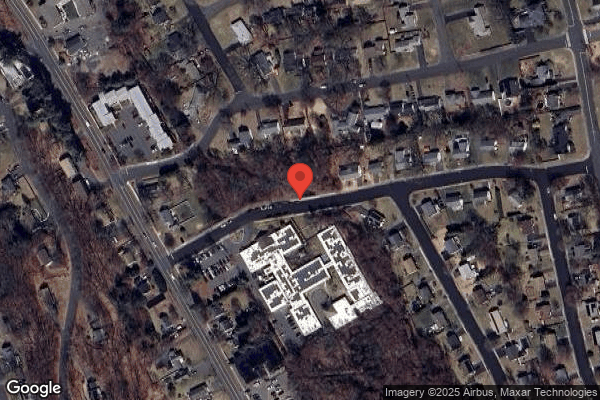
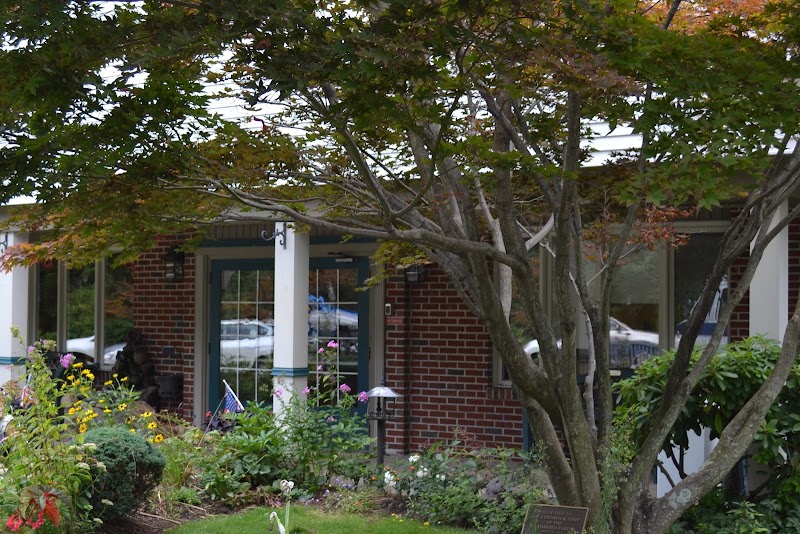
321 STONECREST DRIVE, BRISTOL, CT 06010 (860) 583-1827
For profit - Corporation 146 Beds ATHENA HEALTHCARE SYSTEMS Data: November 2025
Trust Grade
30/100
#140 of 192 in CT
Last Inspection: April 2024

Within standard 12-15 month inspection cycle. Federal law requires annual inspections.

Overview

Sheriden Woods Health Care Center Inc has received a Trust Grade of F, indicating significant concerns about the facility's care and operations, which places it in the poor category. It ranks #140 out of 192 nursing homes in Connecticut, putting it in the bottom half of facilities in the state and #17 out of 22 in Naugatuck Valley County, meaning there are better options nearby. Although the facility is showing some improvement, with issues decreasing from 21 in 2024 to only 2 in 2025, it still has a concerning track record. Staffing is a relative strength with a rating of 4 out of 5 stars, but the turnover rate is average at 45%. However, the facility has faced some serious incidents, including failing to ensure a resident with Alzheimer's was free from mistreatment and not providing adequate supervision for a resident with a history of falls, which raises red flags about overall resident safety.

Trust Score
F
30/100
In Connecticut
#140/192
Bottom 28%
Safety Record
High Risk
Review needed
Inspections
Getting Better
21 → 2 violations
Staff Stability
⚠ Watch
45% turnover. Above average. Higher turnover means staff may not know residents' routines.
Penalties
○ Average
$27,846 in fines. Higher than 66% of Connecticut facilities. Some compliance issues.
Skilled Nurses
○ Average
Each resident gets 33 minutes of Registered Nurse (RN) attention daily — about average for Connecticut. RNs are the most trained staff who monitor for health changes.
Violations
⚠ Watch
41 deficiencies on record. Higher than average. Multiple issues found across inspections.
★★☆☆☆
2.0
Overall Rating
★★★★☆
4.0
Staff Levels
★★☆☆☆
2.0
Care Quality
★★☆☆☆
2.0
Inspection Score
Stable
2024: 21 issues
2025: 2 issues

The Good

  • 4-Star Staffing Rating · Above-average nurse staffing levels
  • Full Sprinkler Coverage · Fire safety systems throughout facility
  • No fines on record

Facility shows strength in staffing levels, fire safety.

The Bad

2-Star Overall Rating

Below Connecticut average (3.0)

Below average - review inspection findings carefully

Staff Turnover: 45%

Near Connecticut avg (46%)

Higher turnover may affect care consistency

Federal Fines: $27,846

Below median ($33,413)

Moderate penalties - review what triggered them

Chain: ATHENA HEALTHCARE SYSTEMS

Part of a multi-facility chain

Ask about local staffing decisions and management

The Ugly 41 deficiencies on record

3 actual harm
Mar 2025 2 deficiencies
CONCERN (D) 📢 Someone Reported This

A family member, employee, or ombudsman was alarmed enough to file a formal complaint

Potential for Harm - no one hurt, but risky conditions existed

Quality of Care (Tag F0684)

Could have caused harm · This affected 1 resident

**NOTE- TERMS IN BRACKETS HAVE BEEN EDITED TO PROTECT CONFIDENTIALITY** Based on review of the clinical record, facility policy, and interviews for 1 of 3 residents (Resident #32) reviewed for palliat...

Read full inspector narrative →
**NOTE- TERMS IN BRACKETS HAVE BEEN EDITED TO PROTECT CONFIDENTIALITY** Based on review of the clinical record, facility policy, and interviews for 1 of 3 residents (Resident #32) reviewed for palliative care, the facility failed to administer medications as prescribed by the physician. The findings include: Resident #32's diagnoses included Alzheimer's disease, dementia, anxiety, chronic kidney disease, and adult failure to thrive. A significant change in status MDS assessment dated [DATE] identified Resident #32 had severely impaired cognitive skills for daily decision making and was dependent on staff with all activities. The care plan dated [DATE] identified Resident #32 was admitted to hospice on [DATE]. Interventions directed to administer pain medications according to the physician order. The hospice narrative note dated [DATE] identified Resident #32 had a significant decline, was not eating and had difficulty swallowing. On assessment, the resident was minimally responsive, breathing was labored, and moaned in pain when moved. Recommendations included discontinue all scheduled medications, start Morphine (opiate for pain relief) and Lorazepam (Ativan for anxiety) around the clock, and add Atropine (antimuscarinic, anticholinergic) as needed. RN #4's nurse note dated [DATE] at 11:40 AM further identified that hospice discontinued all scheduled oral medications and requested Morphine for pain, Lorazepam for anxiety and Atropine for increased secretions. a. A physician's order dated [DATE] at 11:10 AM directed Lorazepam Intensol Oral Concentrate 0.5 milligrams (mg) administer sublingually every 6 hours for anxiety and every 3 hours as needed for anxiety, agitation and shortness of breath. Review of electronic Medication Administration Record (e-MAR) dated February 2025 identified on [DATE], two separate times at 12:00 PM and at 6:00 PM Lorazepam Intensol Oral Concentrate 0.5 mg was administered sublingually to Resident #32 by LPN #3 and LPN #4. Review of facility documentation identified on [DATE] both nurses did not administer the Lorazepam but initialed the e-MAR that medication was administered and failed to go back to strike off their initials. In addition, they failed to document why the medication was not administered, notify the supervisor, and ensure that the medication was requested from the pharmacy. RN #5's nurses note dated [DATE] at 2:16 AM identified the resident had an order for liquid Lorazepam that was not yet received from the pharmacy. APRN was called and gave an order to substitute with Ativan 0.5 mg tablet from emergency box for both doses during this shift (11:00 PM - 7:00 AM shift). A physician's order dated [DATE] at 1:57 PM directed an increase in Lorazepam Intensol Oral Concentrate 0.5 mg sublingually to every 4 hours for anxiety and every 2 hours as needed for anxiety, agitation and shortness of breath. Review of hospice narrative note dated [DATE] identified Resident #32 with signs and symptoms of anxiety. The resident was on scheduled Lorazepam increased that day, and it was suggested during facility care plan meeting that administration of Morphine Sulfate Oral Solution and Lorazepam should be two hours apart, with orders directed to alternate every 4 hours around the clock. The nurse's note dated [DATE] at 3:50 AM identified Lorazepam Intensol Oral Concentrate 2 mg/ml sublingually ordered to be administered every 4 hours for anxiety was awaiting delivery from pharmacy. Review of the clinical record and facility documentation identified the facility failed to order and/or send a prescription for controlled medications to the pharmacy. The pharmacy was unable to deliver Lorazepam Intensol Oral Concentrate prescribed for Resident #32 without the prescription and the medication was not available at the facility. b. A physician's order dated [DATE] at 11:38 AM directed Atropine Sulfate Ophthalmic Solution 0.01% administer 2 drops sublingually every 6 hours as needed for increased secretions. Review of hospice Visit Documentation Log dated [DATE] identified Resident #32 with increased secretions. The hospice narrative note dated [DATE] identified Resident #32 had mild secretions and respiratory rate 14 short and shallow. Hospice nurse requested PRN (as needed) for secretions, with positive effect. Review of e-MAR dated February 2025 identified Hyoscyamine Sulfate (anticholinergic) oral tablet disintegrating 0.125 mg sublingually every 4 hours PRN for secretions was administered on [DATE] at 1:41 PM with effect, then Hyoscyamine Sulfate was discontinued on [DATE] at 2:30 PM. A physician's order dated [DATE] at 6:00 PM directed Atropine Sulfate Ophthalmic Solution 0.01% give 2 drops sublingually every 6 hours for increased secretions, (order changed from as needed to scheduled time). Review of February 2025 e-MAR identified that the newly ordered Atropine Sulfate (as needed and then scheduled dose) for increase secretions was not identified as administered. The nurse's note dated [DATE] at 1:11 AM identified Atropine Sulfate Ophthalmic Solution 0.01% sublingually ordered to be administered every 6 hours for increased secretions was awaiting delivery from pharmacy. RN #5's nurses note dated [DATE] at 3:29 AM identified liquid Lorazepam and Atropine drops still not yet delivered from pharmacy. The resident was resting in bed, no anxiety noted, some secretions noted. Call placed to on-call APRN to request substitute liquid Lorazepam with tablet and Atropine with Scopolamine patch from E-box. APRN stated that her company cannot provide orders for hospice residents, including formulation substitutes. Review of facility documentation identified that the pharmacy faxed, called multiple times, and emailed the facility to clarify and resend Atropine order with no answer from the facility. The pharmacy identified that the Atropine order should have been written for Atropine 1% concentration and not 0.01%. The order was never clarified by the facility and Atropine was not delivered to the resident. c. Review of hospice Outcome/Recommendations dated [DATE] recommended to discontinue all by mouth scheduled medications. Review of February 2025 e-MAR identified Resident #32 was receiving Acetamin (Tylenol, to treat mild to moderate pain) tablet 500 mg, two tablet orally, two times a day for pain. Further review identified that Acetamin order was not discontinued. However, all other scheduled medications designated for oral administration were discontinued on [DATE] prior to 11:00 AM. Nurse's note dated [DATE] at 1:52 PM identified Resident #32 was not alert during the shift, poor by mouth intake, unable to take medications without difficulty, nursing supervisor aware, seen by hospice nurse this shift, increased secretions noted. See new orders, family aware. Further review of e-MAR identified Acetamin 500 mg 2 tablets were documented by LPN #4 as administered orally on [DATE] at 9:00 PM. The care plan meeting progress note dated [DATE] at 1:28 PM identified the resident was transitioning to end of life status, requiring total assistance with care. All by mouth medications have been discontinued as the resident was unable to tolerate swallowing. The plan of care was to maintain comfort. A physician's order dated [DATE] at 2:30 PM directed to discontinue Acetaminophen Rectal Suppository 650 mg ordered to be inserted rectally every 6 hours as needed for mild pain or fever. The nurse's notes dated [DATE] at 8:39 PM identified Acetamin 2 tablets ordered to be administered orally were held because the resident was unable to swallow. The hospice narrative note dated [DATE] identified able to hear loud secretions coming from the resident and facial grimacing. LPN #5 came in and attempted to give the resident Tylenol in applesauce. Requested that the nurse confirm the resident's medications because they were supposed to be discontinued yesterday, and the resident has not been awake or alert enough to swallow. The nurse could not arouse the resident enough to administer anything and went to confirm the orders. Review of the resident's clinical record identified Acetamin tablet 500 mg, two tablet ordered to be administered orally, two times a day for pain was not discontinued during the resident's stay at the facility. Review of RN Pronouncement of Death identified Resident #32 was deceased on [DATE] at 9:30 AM. An interview and clinical record review with RN #8 Case Manager Hospice on [DATE] at 11:02 AM identified she was not aware that Resident #32 was not receiving ordered Lorazepam and Atropine. The resident had increased secretions and was too weak to cough or swallow. The resident was receiving Morphine for comfort and all other medications were discontinued because she/he was unable to swallow. The resident needed additional medications to help eliminate symptoms like anxiety, agitation, secretions, difficulty breathing and pain, and medications that work great together were ordered to ensure comfort and dignity during the dying process. Interview and facility documentation review with RN #3 on [DATE] at 1:50 PM identified the 24-hour Report designated to provide an oncoming nurse with an accurate overview of each resident's condition and reviewed in morning meetings identified that Resident #32 had Lorazepam and Atropine ordered on [DATE] and the medications were not delivered from the pharmacy. Further interview identified that on [DATE] hospice requested to discontinue all medications that were ordered to be administered by mouth because the resident had swallowing problems and was lethargic. Although APRN agreed with hospice recommendations, the request was incorrectly transcribed and Acetamin to be administered by mouth order was never discontinued. RN #3 further stated that on [DATE] Tylenol suppository ordered to be administered rectally and was recommended by hospice for mild pain and/or fever was discontinued in error and the resident continued to have Tylenol by mouth order. RN #3 identified that if the resident was uncomfortable, in addition to scheduled Morphine Sulfate every 4 hours dose, staff could have administered additional dose that was ordered every 2 hours as needed and/or consult with APRN. In addition, review of the clinical record failed to identify that the APRN/physician and hospice nurse were notified that the resident was not receiving Lorazepam and Atropine as ordered and failed to identify that the pharmacy was called with prescription for Lorazepam and to clarify Atropine concentration order. RN #3 further identified that nurses should administer medications as ordered, document correctly and if the medications were not available, they should have assessed the resident, then notified the physician/APRN and the hospice nurse to obtain further instructions from them. Observation and interview with ADNS on [DATE] at 12:20 PM identified medication emergency box in the supervisor office with unopen 2 ml bottle of Atropine Sulfate 1% ophthalmic solution. The ADNS further identified RN #5 checked the medication emergency box, but she was not aware of pharmacy request for order clarification, and she was looking for Atropine 0.01% as ordered. The ADNS further identified that both LPN #3 and LPN #4 that signed on MAR that they administered Lorazepam on [DATE], should have strike off their signature on MAR as Lorazepam was not delivered from the pharmacy and was not available to be administered to Resident #32. The nursing supervisor should have been notified immediately to assess the resident and to notify APRN, hospice and pharmacy to ensure that Lorazepam and Atropine were administered as ordered. An interview with APRN #1 on [DATE] at 12:50 PM identified nursing staff did not notify her that Resident #32 had no Lorazepam and no Atropine medications available for administration as ordered. If notified APRN #1 would assess the resident and electronically send a prescription for Lorazepam to the pharmacy and resend an Atropine order identifying 1% concentration as requested by the pharmacy. The APRN #1 further identified medications should be administered as ordered to improve comfort during end-of-life care. The facility policy Medication Administration is directed in part to verify medication order on MAR. Check against physician order. Compare the medication label to the resident's MAR. Verify that the medication is being administered at the proper time, in the prescribed dose and by the correct route. Assess the residents' condition. Give the resident his/her medication and an appropriate vehicle or liquid as needed and Document medication administration.
CONCERN (D) 📢 Someone Reported This

A family member, employee, or ombudsman was alarmed enough to file a formal complaint

Potential for Harm - no one hurt, but risky conditions existed

Medical Records (Tag F0842)

Could have caused harm · This affected 1 resident

**NOTE- TERMS IN BRACKETS HAVE BEEN EDITED TO PROTECT CONFIDENTIALITY** Based on review of the clinical record, facility documentation, and interviews for 1 of 3 residents (Resident #32) reviewed for ...

Read full inspector narrative →
**NOTE- TERMS IN BRACKETS HAVE BEEN EDITED TO PROTECT CONFIDENTIALITY** Based on review of the clinical record, facility documentation, and interviews for 1 of 3 residents (Resident #32) reviewed for palliative care, the facility failed to ensure that clinical record documentation was accurate by documenting medications that were not actually given. The findings include: Resident #32's diagnoses included Alzheimer's disease, dementia, anxiety, chronic kidney disease and adult failure to thrive. A significant change in status MDS assessment dated [DATE] identified Resident #32 had severely impaired cognitive skills for daily decision making and was dependent on staff with all activities. The care plan dated 2/16/25 identified Resident #32 was admitted to hospice on 1/28/25. Interventions directed to administer pain medications according to the physician order. Further review of the care plan identified the resident had episodes of anxiety and history of anxiety. Interventions included anti-anxiety per order and monitor for effectiveness. The hospice narrative note dated 2/25/25 identified Resident #32 had a significant decline, was not eating and had difficulty with swallowing. The resident was unable to swallow that morning, gurgling with food, and unable to take any medications. On assessment, the resident was minimally responsive, breathing was labored, and the resident moaned in pain when moved. Recommendations included discontinue all scheduled medications, start Morphine (opiate for pain relief) and Lorazepam (Ativan for anxiety) around the clock, and add Atropine (antimuscarinic, anticholinergic) as needed. APRN #1 agreed with medication changes. The family was informed that the resident was started on comfort medications that were focused on comfort care. The RN #4's nurse note dated 2/25/24 at 11:40 AM further identified that hospice discontinued all scheduled oral medications and requested Morphine for pain, Lorazepam for anxiety and Atropine for increased secretions. a. A physician's order dated 2/25/25 at 11:10 AM directed Lorazepam Intensol Oral Concentrate 0.5 milligrams (mg) administer sublingually every 6 hours for anxiety and every 3 hours as needed for anxiety, agitation and shortness of breath. Review of electronic Medication Administration Record (e-MAR) dated February 2025 identified on 2/25/25, two separate times at 12:00 PM and at 6:00 PM Lorazepam Intensol Oral Concentrate 0.5 mg was administered sublingually to Resident #32 by LPN #3 and LPN #4. Review of facility documentation identified on 2/25/25 both nurses actually did not administer the Lorazepam but initialed the e-MAR that medication was administered and failed to go back to strike off their initials. In addition, they failed to document why the medication was not administered, notify the supervisor, and ensure that the medication was requested from the pharmacy. The RN #5's nurses note dated 2/26/25 at 2:16 AM identified the resident had an order for liquid Lorazepam that was not yet received from the pharmacy. APRN was called and gave an order to substitute with Ativan 0.5 mg tablet from emergency box for both doses during this shift (11:00 PM - 7:00 AM shift). A physician's order dated 2/26/25 at 1:57 PM directed an increase in Lorazepam Intensol Oral Concentrate 0.5 mg sublingually to every 4 hours for anxiety and every 2 hours as needed for anxiety, agitation and shortness of breath. Review of hospice narrative note dated 2/26/25 identified Resident #32 with signs and symptoms of anxiety. The resident was on scheduled Lorazepam increased that day, and it was suggested during facility care plan meeting that administration of Morphine Sulfate Oral Solution and Lorazepam should be two hours apart, with orders directed to alternate every 4 hours around the clock. Interview and clinical record review with LPN #3 on 3/4/25 at 12:59 PM identified on 3/25/25 at 12:00 PM, she signed the e-MAR then went to get Morphine Sulfate and Lorazepam as ordered. When she realized that Lorazepam was not available, she told the oncoming nurse to ask the supervisor for Lorazepam. Interview with LPN #4 on 3/5/25 at 3:05 PM identified although Lorazepam Intensol oral concentrate was not available for administration on 2/25/25 at 6:00 PM, she signed that she administered the medication to the resident. LPN #4 further identified that she was learning on how to navigate the documentation system, and she signed the e-MAR first, when she realized that Lorazepam was not available, she did not know on how to strike off her signature. LPN #4 wrote a note on a sticky pad and without writing a note on an APRN Referral Form in the APRN binder, she put a prescription request someplace in that binder for the APRN to sign and fax to the pharmacy. LPN #4 was unable to explain why she failed to ask another nurse that was working that evening, notify the nursing supervisor, call the on call APRN and/or hospice and/or pharmacy to ask for instructions. Interview with ADNS on 3/5/25 at 12:20 PM identified that both LPN #3 and LPN #4 that signed on MAR that they administered Lorazepam on 2/25/25, should have strike off their signature on MAR as Lorazepam was not delivered from the pharmacy and was not available to be administered to Resident #32. The nursing supervisor should have been notified immediately to assess the resident and to notify APRN, hospice and pharmacy to ensure that Lorazepam and Atropine were administered as ordered. administration, what to do if medication was not available, documentation, reporting and hospice end of life care. Although requested, a facility policy was not provided.
Sept 2024 2 deficiencies
CONCERN (D) 📢 Someone Reported This

A family member, employee, or ombudsman was alarmed enough to file a formal complaint

Potential for Harm - no one hurt, but risky conditions existed

Deficiency F0602 (Tag F0602)

Could have caused harm · This affected 1 resident

**NOTE- TERMS IN BRACKETS HAVE BEEN EDITED TO PROTECT CONFIDENTIALITY** Based on review of the clinical record, facility documentation, facility policy, and interviews for one (1) of two (2) residents...

Read full inspector narrative →
**NOTE- TERMS IN BRACKETS HAVE BEEN EDITED TO PROTECT CONFIDENTIALITY** Based on review of the clinical record, facility documentation, facility policy, and interviews for one (1) of two (2) residents (Resident #2), reviewed for misappropriation of funds, the facility failed to ensure a resident was free from misappropriation from a facility staff member. The findings include: Resident #2 was admitted to the facility with diagnoses that included peripheral vascular disease and deep vein thrombosis (blood clot) of the left lower extremity. The quarterly MDS dated [DATE] identified Resident #2 had severely impaired cognition, was always incontinent of bowel and bladder and required extensive staff assistance with activities of daily living (ADL's). The care plan dated 6/12/24 identified Resident #2 had episodes of anxiety with interventions included to observe for behaviors as indicated, offer support and reassurance to the resident and family, and provide a calm quite environment. Review of the accident and incident form (A & I) dated 8/30/24 identified Resident #2 told his/her niece that he/she gave a NA #2 sixty (60) dollars to pay for her cell phone bill that resulted in emotional distress for Resident #2. It identified NA #2 ask for $60 to pay for her phone bill and Resident #2 took it out of his/her lock box and gave it to NA #2. Review of the A&I statements identified NA #1's statement identified NA #2 was texting and asking people to replace the money to make it look like Resident #2's money was misplaced. NA #2's statement identified NA #2 knew what the DNS was calling about even though the DNS did not mention any resident names. NA #4's statement identified another staff member asked her to go to NA #2's house to pick up money and put it in Resident #2's room to act like Resident #2 misplaced the money. NA #4 stated she would not do that. Interview with Resident #2 on 9/17/24 at 9:45 AM identified he/she had previously given money to a staff member and that he/she keeps money in his/her room. Interview with NA #5 on 9/26/24 at 12:17 PM identified Resident #2 told her NA #2 ask him/her for money to pay his/her phone bill so her phone would not be shut off and Resident #2 gave her the money. She identified she had talked to NA #2 and asked her if she took Resident #2's money. She identified NA #2 told her she did not take Resident #2's money but asked her how much money was missing. NA #2 identified she would replace the money because she did not want to lose her job. Interview with NA #6 on 9/26/24 at 1:02 PM identified when she was providing care for Resident #2 on 8/29/24, Resident #2 told her NA #2 took money from him/her and was suppose to pay him/her back on Friday 8/30/24. Resident #2 stated he/she had not seen NA #2 and was asking where she was. Although multiple attempts were made, an interview with NA #2 was not obtained. Interview with the Interim DNS on 9/17/24 at 10:00 AM identified based on the statements that were obtained during the investigation, misappropriation was substantiated. Review of the abuse, neglect and exploitation policy identified misappropriation as the deliberate misplacement exploitation or wrongful temporary or permanent use of a resident's belongings or money without the resident's consent. Review of the residents bill of rights directed residents have the right to be treated with consideration, respect and full recognition of their dignity and individuality. It directed residents have the right to manage their personal financial affairs and cannot be required to deposit their personal funds with the facility.
CONCERN (D) 📢 Someone Reported This

A family member, employee, or ombudsman was alarmed enough to file a formal complaint

Potential for Harm - no one hurt, but risky conditions existed

Medical Records (Tag F0842)

Could have caused harm · This affected 1 resident

**NOTE- TERMS IN BRACKETS HAVE BEEN EDITED TO PROTECT CONFIDENTIALITY** Based on review of the clinical record, facility documentation, facility policy, and interviews for one (1) of two (2) residents...

Read full inspector narrative →
**NOTE- TERMS IN BRACKETS HAVE BEEN EDITED TO PROTECT CONFIDENTIALITY** Based on review of the clinical record, facility documentation, facility policy, and interviews for one (1) of two (2) residents (Resident #1) reviewed for impaired skin integrity, the facility failed to document completed weekly skin evaluation forms in accordance with facility policy. The findings include: Resident #1 was admitted to the facility with diagnoses that included dementia and coronary artery disease. Physician's treatment order dated June 2024 directed weekly skin checks on bath/shower day Thursday every evening shift (3:00 PM - 11:00 PM shift). The Norton_assessment dated [DATE] identified Resident #1 was at moderate risk of developing pressure ulcers/injuries. A weekly skin evaluation form dated 6/6/24 identified Resident #1 had no new skin impairments since the last review. The annual MDS dated [DATE] identified Resident #1 had severely impaired cognition, was occasionally incontinent of bladder, and required assistance of one staff member for bed mobility, transfers and toilet use. The care plan dated 6/14/24 identified Resident #1 had mobility deficits with interventions that included to encourage daily mobility and assist with mobility as ordered. Review of Resident #1's treatment administration record (TAR) identified the weekly body audits were documented as conducted on the TAR for 6/13/24, 6/20/24, and 6/27/24. However, review of Resident #1's assessments identified no documentation of weekly skin evaluation forms 6/13//24 - 6/27/24 ( the weekly skin evaluation form is filled out to identify skin impairment location, measurements, etc.) A nursing note dated 7/5/24 at 1:57 PM identified the Infection Control Nurse looked at Resident #1's foot on 7/3/24 due to Resident #1's toenail falling off. Resident #1 had a consultation with the podiatrist scheduled. The APRN and Resident #1's family member were made aware. A contracted podiatry assessment dated [DATE] identified Resident #1 had no signs/symptoms of infection, Resident #1's nails were trimmed without incident and had no new recommended orders. A weekly skin evaluation form dated 7/10/24 identified Resident #1 had no new skin impairments since the last review. Review of Resident #1's TAR identified the weekly body audits were documented as conducted for 7/18/24 and 7/25/24, however, review of Resident #1's assessments identified no documentation of weekly skin evaluation forms between 7/18/24 - 7/25/24. A weekly skin evaluation form dated 8/1/24 identified Resident #1 had a new skin impairment since the last review. It identified Resident #1's left great toe had eschar measuring 2 centimeters (cm) by 2 cm. Although multiple attempts made, an interview with LPN #3 (signed off the TAR as administered for 6/27/24, 7/18/24 and 7/25/24 weekly body audits) was not obtained. Interview with LPN #4 (signed off the TAR as administered for 6/13/24 weekly body audits) on 9/26/24 at 12:20 PM identified she could not recall doing a skin audit on Resident #1. She identified if she signed it off as conducted she must have done it. She further identified the weekly skin evaluation form should have been completed to identify if any new skin concerns were identified. Interview with LPN #2 on 9/17/24 at 12:50 PM identified she was the facility's previous wound care nurse. She identified she observed Resident #1's toe on 7/3/24 and Resident #1's toe was starting to fall off but there were no signs of infection. She further identified skin checks should be completed and documented on the skin evaluation form on the residents' shower day. Interview with the interim DNS on 9/17/24 at 12:30 PM identified she would expect resident body audits to completed weekly and signed off TAR, and then the nursing staff should complete the weekly skin evaluation form to identify if any new skin impairments were noted. Review of the weekly body audit policy directed for all residents to have a body audit to address any skin issues on a weekly basis. It further directed the licensed nurse will complete the weekly skin evaluation form. If no alterations in skin integrity are found, the nurse will note this on the weekly body evaluation form.
Jul 2024 4 deficiencies
CONCERN (D) 📢 Someone Reported This

A family member, employee, or ombudsman was alarmed enough to file a formal complaint

Potential for Harm - no one hurt, but risky conditions existed

Free from Abuse/Neglect (Tag F0600)

Could have caused harm · This affected 1 resident

**NOTE- TERMS IN BRACKETS HAVE BEEN EDITED TO PROTECT CONFIDENTIALITY** Based on clinical record reviews, review of facility policies and procedures, and interviews for one of three sampled residents ...

Read full inspector narrative →
**NOTE- TERMS IN BRACKETS HAVE BEEN EDITED TO PROTECT CONFIDENTIALITY** Based on clinical record reviews, review of facility policies and procedures, and interviews for one of three sampled residents (Resident #6) who were reviewed for an allegation of abuse, the facility failed to ensure the resident was free from verbal and physical abuse when a staff member pushed resident into a seated position with force and used profanity directed towards the resident. The findings include: Resident #6's diagnoses included dementia, schizoaffective disorder, and generalized muscle weakness. The quarterly Minimum Data Set assessment dated [DATE] identified Resident #6 rarely or never made decisions regarding tasks of daily life, required extensive assistance of one (1) staff member for most activities of daily living including locomotion on unit, and a wheelchair was utilized for mobility. The social service progress note dated 3/23/22 at 11:13 AM identified on this date the social worker witnessed a 7AM-3PM charge nurse use inappropriate language towards Resident #6 and aggressively pulled Resident #6 down into a wheelchair. The note indicated the Administrator and Director of Nursing were notified. The nursing progress note dated 3/23/22 at 3:39 PM indicated a staff member was witnessed talking loudly to Resident #6 using inappropriate language and proceeded to pull Resident #6 harshly to sit down in his/her chair. The note identified an assessment was conducted no injuries were noted and emotional support was provided. The facility's investigation determined the 7AM-3PM charge nurse, Registered Nurse (RN) #2, yelled and used inappropriate language to tell Resident #6 to sit down and pushed Resident #6 into a seated position with force on 3/22/22 at 1:40 PM by the nurse's station on the unit. Interview and review of the Facility Reported Incident report dated 3/23/22 with the Director of Nursing (DON) on 7/18/24 at 10:50 AM identified, although she was not the DON at the time of the incident, the outcome of the investigation determined RN #2 pushed Resident #6 into a seated position with force and used profanity, which resulted in RN #2's termination. Although attempted, an interview with RN #2 was not obtained. Review of the facility Abuse policy defined abuse, in part, as the willful infliction of injury, intimidation, or punishment with resulting physical harm, pain or mental anguish, and directed that abuse was prohibited. Review of the facility Resident's [NAME] of Rights dated 7/2021 directed residents had the right to be free from verbal and physical abuse.
CONCERN (D) 📢 Someone Reported This

A family member, employee, or ombudsman was alarmed enough to file a formal complaint

Potential for Harm - no one hurt, but risky conditions existed

Deficiency F0602 (Tag F0602)

Could have caused harm · This affected 1 resident

**NOTE- TERMS IN BRACKETS HAVE BEEN EDITED TO PROTECT CONFIDENTIALITY** Based on clinical record reviews, facility documentation, facility policies and interviews for two of three sampled residents (R...

Read full inspector narrative →
**NOTE- TERMS IN BRACKETS HAVE BEEN EDITED TO PROTECT CONFIDENTIALITY** Based on clinical record reviews, facility documentation, facility policies and interviews for two of three sampled residents (Residents #1 and #10) who were reviewed for an allegation of misappropriation of the resident's medication, the facility failed to ensure Residents #1's medications were not consumed by a licensed nurse and Resident #10's narcotic medication was not missing and unaccounted for. The findings include: 1. Resident #1's diagnoses included dementia, chronic pain syndrome, and type 2 diabetes mellitus. A physician's order dated 2/21/23 directed Gabapentin also known as Neurontin 300 milligrams (mg) one (1) capsule two (2) times per day for neuropathy, weakness, numbness and pain from nerve damage usually in the hands and feet. The quarterly Minimum Data Set assessment dated [DATE] identified Resident #1 made poor decisions regarding tasks of daily life and required cueing or supervision. The Resident Care Plan dated 4/24/23 identified Resident #1 had pain. Interventions directed to administer pain medications as ordered, to assess characteristics of pain including severity, and to assist with position changes. The Facility Reported Incident report dated 5/10/23 at 1:40 PM identified on 5/6/23 at 11:00 PM the Nursing Supervisor consumed 900 mg of Gabapentin from a resident's medication supply. The report indicated the Nursing Supervisor requested the medication from the charge nurse and the charge nurse witnessed the Nursing Supervisor consume the medication. In a written statement dated 5/10/23 from the former Director of Nursing (DON) identified a telephone interview was conducted with the 3-11PM Nursing Supervisor, Registered Nurse (RN) #4. RN #4 explained to the DON that on 5/6/23 she asked a charge nurse, Licensed Practical Nurse (LPN) #4, to give her three (3) Gabapentin 300 mg capsules from Resident #1's medication supply for her own use to take for a toothache. RN #4 identified she did not know she could not take a resident's medication. RN #4 was directed not to return to work pending the investigation. Interview with the current DON on 7/18/24 at 10:30 AM identified LPN #4 should not have given RN #4 medication from a resident's supply for the use of another resident or oneself and RN #4 should not have consumed Resident #1's medication for personal need. Interview with the 3-11PM charge nurse, LPN #4, on 7/18/24 at 10:45 AM identified while she was working on 5/6/23 the 3-11PM shift, the Nursing Supervisor, RN #4, approached her and asked her for three (3) Ibuprofen. LPN #4 stated she gave RN #4 the three (3) Ibuprofen. LPN #4 explained approximately one (1) half hour later, RN #4 approached her while she was passing medications at the medication cart and RN #4 requested she give her three (3) Gabapentin 300 mg from Resident #1's supply. LPN #4 identified she thought RN #4 needed the medication for another resident. LPN #4 reported right after she gave the medication to RN #4, RN #4 grabbed a glass of water and swallowed the Gabapentin and RN #4 told her she had a toothache. LPN #4 indicated she reported the incident to the DON on 5/6/23. Although attempted, a call was not returned by RN #4. 2. Resident #10's diagnoses included breast cancer, dementia, and osteoarthritis. The quarterly Minimum Data Set assessment dated [DATE] identified Resident #10 rarely or never made decisions regarding tasks of daily life and received an opioid medication for pain seven (7) days per week. The Resident Care Plan dated 4/20/23 identified Resident #10 had osteomyelitis and ongoing pain issues. Interventions directed to administer antibiotics, wound care, and pain medications as ordered, monitor signs of pain and severity, and assist with position changes. Review of facility documentation identified on 5/5/23 as part of the facility's monthly audit, Resident #10's Oxycodone 5 milligrams (mg) tablet was audited and a quantity of thirteen (13) tablets was identified. The May 2023 Medication Administration Record identified an order dated 4/5/23 for Oxycodone HCL tablet 5 mg one (1) tablet two (2) times per day for pain. The Advanced Practice Registered Nurse's progress note dated 5/8/23 identified she was asked by the facility for a renewal prescription for a controlled substance, Oxycodone as needed for Resident #10 and a new script for a thirty (30) day supply was written. The Reportable Event form dated 5/8/23 at 11:30 PM identified approximately thirteen (13) tablets of Oxycodone HCL 5 mg for Resident #10 could not be found in the narcotic box as well as the white sheet to tally the medication reconciliation. The report identified the error was found when the nurse was counting narcotics on 5/8/23 at 3:00 PM. Review of the Controlled Substance Disposition Record for the house stock of Oxycodone 5 mg identified a tablet was taken from that stock for Resident #10 on 5/6/23 for the 10:00 AM dose and on 5/7/23 and 5/8/23 for both the 10:00 AM and 5:00 PM doses. Interview with the 3-11PM charge nurse, Licensed Practical Nurse (LPN) #4, on 7/18/24 at 10:45 AM identified when she went to administer Resident #10's medications on 5/7/23 during the 7AM-3PM shift Resident #10's Oxycodone was not there, and the disposition record was missing. LPN #4 stated she counted the narcotics on 5/6/23 the 3-11PM shift with the out-going 7AM-3PM nurse and the count was correct and when she counted with the on-coming 11PM-7AM nurse the count was correct. LPN #4 explained she recalled counting the narcotics upon arrival for the 7AM-3 PM shift on 5/7/23 and the count being correct. LPN #4 identified when she went to administer the 10:00 AM dose of Oxycodone on 5/7/23, the Oxycodone was missing as well as the disposition record, therefore she had to ask the Nursing Supervisor, Registered Nurse (RN) #4, to get one (1) from the E-box. A letter to the Drug Enforcement Agency identified the facility discovered the missing Oxycodone 5 mg tablets, the facility had no witnesses, and the facility was unable to determine which licensed nurse may have removed the medication from the facility. Although attempted, a call was not returned by RN #4.
CONCERN (D) 📢 Someone Reported This

A family member, employee, or ombudsman was alarmed enough to file a formal complaint

Potential for Harm - no one hurt, but risky conditions existed

Report Alleged Abuse (Tag F0609)

Could have caused harm · This affected 1 resident

**NOTE- TERMS IN BRACKETS HAVE BEEN EDITED TO PROTECT CONFIDENTIALITY** Based on clinical record reviews, facility documentation, facility policies and interviews for two of three sampled residents (R...

Read full inspector narrative →
**NOTE- TERMS IN BRACKETS HAVE BEEN EDITED TO PROTECT CONFIDENTIALITY** Based on clinical record reviews, facility documentation, facility policies and interviews for two of three sampled residents (Residents #1 and #10) who were reviewed for allegations of misappropriation of medications the facility failed to report the allegations timely and did not remove the involved staff member from the facility immediately. The findings include: 1. Resident #1's diagnoses included dementia, chronic pain syndrome, and type 2 diabetes mellitus. A physician's order dated 2/21/23 directed Gabapentin also known as Neurontin 300 milligrams (mg) one (1) capsule two (2) times per day for neuropathy, weakness, numbness and pain from nerve damage usually in the hands and feet. The quarterly Minimum Data Set assessment dated [DATE] identified Resident #1 made poor decisions regarding tasks of daily life and required cueing or supervision. The Facility Reported Incident report dated 5/10/23 at 1:40 PM identified on 5/6/23 at 11:00 PM the Nursing Supervisor consumed 900 mg of Gabapentin from a resident's medication supply. The report indicated the Nursing Supervisor requested the medication from the charge nurse and the charge nurse witnessed the Nursing Supervisor consume the medication. The report identified the incident was reported on 5/10/23, four (4) days after, to the State Agency. In a written statement dated 5/10/23 from the former Director of Nursing (DON) identified a telephone interview was conducted with the 3-11PM Nursing Supervisor, Registered Nurse (RN) #4. RN #4 explained to the DON that on 5/6/23 she asked a charge nurse, Licensed Practical Nurse (LPN) #4, to give her three (3) Gabapentin 300 mg capsules from Resident #1's medication supply for her own use to take for a toothache. Interview with the 3-11PM charge nurse, LPN #4, on 7/18/24 at 10:45 AM identified while she was working on 5/6/23 the 3-11PM shift, the Nursing Supervisor, RN #4, approached her and asked her for three (3) Ibuprofen. LPN #4 stated she gave RN #4 the three (3) Ibuprofen. LPN #4 explained approximately one (1) half hour later, RN #4 approached her while she was passing medications at the medication cart and RN #4 requested she give her three (3) Gabapentin 300 mg from Resident #1's supply. LPN #4 identified she thought RN #4 needed the medication for another resident. LPN #4 reported right after she gave the medication to RN #4, RN #4 grabbed a glass of water and swallowed the Gabapentin and RN #4 told her she had a toothache. LPN #4 indicated she reported the incident to the DON on 5/6/23, the DON explained she was busy, and the DON told her she would call her back. LPN #4 identified she did not hear back from the former DON until 5/8/23. LPN #4 reported RN #4 worked with her again the next day on 5/7/23. Interview with the former DON on 7/18/24 at 11:30 AM identified she recalled the incident of 5/6/23, however she could not recall specifics as to when she was notified. The former DON was unable to locate any text messages regarding the incident. The former DON identified had she been notified on 5/6/23 she would have immediately suspended RN #4 pending an investigation and reported the incident per facility protocol. Although attempted, a call was not returned by RN #4. 2. Resident #10's diagnoses included breast cancer, dementia, and osteoarthritis. The quarterly Minimum Data Set assessment dated [DATE] identified Resident #10 rarely or never made decisions regarding tasks of daily life and received an opioid medication for pain seven (7) days per week. The Resident Care Plan dated 4/20/23 identified Resident #10 had osteomyelitis and ongoing pain issues. Interventions directed to administer antibiotics, wound care, and pain medications as ordered, monitor signs of pain and severity, and assist with position changes. Review of facility documentation identified on 5/5/23 as part of the facility's monthly audit, Resident #10's Oxycodone 5 milligrams (mg) tablet was audited and a quantity of thirteen (13) tablets was identified. The May 2023 Medication Administration Record identified an order dated 4/5/23 for Oxycodone HCL tablet 5 mg one (1) tablet two (2) times per day for pain. The Advanced Practice Registered Nurse's progress note dated 5/8/23 identified she was asked by the facility for a renewal prescription for a controlled substance, Oxycodone as needed for Resident #10 and a new script for a thirty (30) day supply was written. The Reportable Event form dated 5/8/23 at 11:30 PM identified approximately thirteen (13) tablets of Oxycodone HCL 5 mg for Resident #10 could not be found in the narcotic box as well as the white sheet to tally the medication reconciliation. The report identified the error was found when the nurse was counting narcotics on 5/8/23 at 3:00 PM. The report identified the incident was reported on 5/10/23, two (2) days later, to the State Agency. Review of the Controlled Substance Disposition Record for the house stock of Oxycodone 5 mg identified a tablet was taken from that stock for Resident #10 on 5/6/23 for the 10:00 AM dose and on 5/7/23 and 5/8/23 for both the 10:00 AM and 5:00 PM doses. Interview with the 3-11PM charge nurse, Licensed Practical Nurse (LPN) #4, on 7/18/24 at 10:45 AM identified when she went to administer Resident #10's medications on 5/7/23 during the 7AM-3PM shift Resident #10's Oxycodone was not there, and the disposition record was missing. LPN #4 stated she counted the narcotics on 5/6/23 the 3-11PM shift with the out-going 7AM-3PM nurse and the count was correct and when she counted with the on-coming 11PM-7AM nurse the count was correct. LPN #4 explained she recalled counting the narcotics upon arrival for the 7AM-3 PM shift on 5/7/23 and the count being correct. LPN #4 identified when she went to administer the 10:00 AM dose of Oxycodone on 5/7/23, the Oxycodone was missing as well as the disposition record, therefore she had to ask the Nursing Supervisor, Registered Nurse (RN) #4, to get one (1) from the E-box. LPN #4 identified she did not realize Resident #10's narcotics were missing and did not report this to the Director of Nursing. A letter to the Drug Enforcement Agency identified the facility discovered the missing Oxycodone 5 mg tablets, the facility had no witnesses, and the facility was unable to determine which licensed nurse may have removed the medication from the facility. Although attempted, a call was not returned by RN #4. Review of the facility policy Abuse, Neglect, and Exploitation identified all alleged violations will be reported to the administrator, state agency and all other required agencies immediately, but no later than two (2) hours after the allegation is made.
CONCERN (D) 📢 Someone Reported This

A family member, employee, or ombudsman was alarmed enough to file a formal complaint

Potential for Harm - no one hurt, but risky conditions existed

Deficiency F0658 (Tag F0658)

Could have caused harm · This affected 1 resident

**NOTE- TERMS IN BRACKETS HAVE BEEN EDITED TO PROTECT CONFIDENTIALITY** Based on clinical record reviews, facility documentation, facility policy and interviews for one of three sampled residents (Res...

Read full inspector narrative →
**NOTE- TERMS IN BRACKETS HAVE BEEN EDITED TO PROTECT CONFIDENTIALITY** Based on clinical record reviews, facility documentation, facility policy and interviews for one of three sampled residents (Resident #9) who were reviewed for the administration of medication, the facility failed to ensure a licensed nurse followed standards of practice when administering insulin. The findings include: 1. Resident #9's diagnoses included diabetes with diabetic neuropathy and diabetic retinopathy without macular edema. A physician's order dated 2/7/22 directed to administer a long-acting medication to lower the blood sugar, Levemir FlexTouch solution Pen Injector 100 units/ml, inject 56 units subcutaneously (under the skin) two (2) times a day, hold for blood sugar under 130. The annual Minimum Data Set assessment dated [DATE], identified Resident #9 made reasonable and consistent decisions regarding tasks of daily life and received insulin daily. A physician's order dated 3/4/22 directed to give a short acting medication that lowers the blood sugar, Insulin Lispro Solution Pen-injector 100 unit/ml as per sliding scale: if blood sugar is 0-59 give no units, initiate the hypoglycemia protocol, and call the physician, if blood sugar is 150-200 give two units, if blood sugar is 201-250 give four units, if blood sugar is 251-300 give six units, if blood sugar is 301-350 give eight units, if blood sugar is 351-400 give 10 units, and if blood sugar is 401-999 give 12 units and call the physician, to be administered subcutaneously two (2) times a day in addition to premeal dose. The Resident Care Plan dated 3/5/22 identified Resident #9 was insulin dependent diabetes mellitus. Interventions directed to perform Accu-Chek (a machine used to check blood sugar levels) per physician's order and utilize the sliding scale (a physician ordered dose of Insulin based on the blood sugar level) as ordered, administer Insulin as ordered, administer oral hypoglycemic medications as ordered, diabetic teaching as indicated, diet per physician order, and monitor for signs and symptoms of hyper/hypoglycemia. The nurse's note dated 3/15/22 at 9:04 PM identified a medication error occurred, Lispro Insulin 58 units was given subcutaneously instead of the Levemir Insulin. The note identified Resident #9's blood sugar reading at that time was 151, the orders were rechecked, the physician was updated and 911 was called per physician's order. The note indicated Resident #9 was alert and oriented to person, place and time, the skin warm and dry and Resident #9 was agitated. The note identified Resident #9 was given eight (8) ounces of juice and a tube of instant glucose. The note identified Resident #9 initially refused to go to the emergency department after paramedics arrived, the blood sugar was rechecked and was 142, the resident's family member was notified, and Resident #9 was transferred to the emergency department at 9:45 PM. The statement made by the 3-11PM charge nurse, Licensed Practical Nurse (LPN) #1, dated 3/15/22 identified at 9:05 PM Resident #9's blood sugar was 151 which required Resident #9 to receive two (2) units of Lispro Insulin via the Flex-pen per the sliding scale. LPN #1 identified he had Resident #9's bag of Insulin pens on top of the medication cart, he applied the needle to the Lispro and administered two (2) units, removed the needle and placed the Lispro pen back on the medication cart. LPN #1 stated he then removed the cap from the Levemir Insulin, applied the needle and administered fifty-six (56) units to Resident #9, removed the needle and placed the Levemir pen on top of the medication cart. LPN #1 then identified a few moments later he noticed both the Lispro Insulin pen, and the Levemir Insulin pen were both uncovered on the top of the medication cart and he could not remember with certainty if he had used the Levemir Insulin pen and thought it was possible he had administered another 56 units of Lispro Insulin instead of the Levemir so he immediately went to the supervisor and reported this. The physician's progress note dated 3/17/22 identified Resident #9 maybe had been given Lispro Insulin instead of Levemir Insulin. The note identified Resident #9 did not experience any adverse effects, was sent to the emergency department where blood sugar was 147 after receiving only 240 cubic centimeters intravenously of dextrose 5% solution. The note identified if Lispro had been given, instead of Levemir, he would have expected a much lower blood sugar on admission to the emergency department and thereafter. Interview with LPN #1 on 717/24 at 1:46 PM identified on 3/15/22 he had administered the Lispro Insulin and afterwards he did not put the Lispro Insulin pen away but left it on the medication cart. LPN #1 explained he then administered the Levemir Insulin and returned to the medication cart when he noticed both Insulin pens on the medication cart, he second guessed whether he gave Resident #9 the correct Insulin doses and reported this to the supervisor immediately. LPN #1 identified he did follow the facility policy of five rights of medication administration but should have put the first Insulin pen (Lispro) away before preparing and administering the second Insulin pen (Levemir). Interview and clinical record review with the Director of Nursing (DON) on 7/18/24 at 10:56 AM identified although she was not the DON at the time of this occurrence, she would have expected LPN #1 to put the first Insulin Pen (Lispro) away prior to preparing to administer the second Insulin dose (Levemir) to prevent the mix up, and for resident safety. Although requested, a policy for medication storage was not provided.
Jul 2024 2 deficiencies
CONCERN (D) 📢 Someone Reported This

A family member, employee, or ombudsman was alarmed enough to file a formal complaint

Potential for Harm - no one hurt, but risky conditions existed

Resident Rights (Tag F0550)

Could have caused harm · This affected 1 resident

**NOTE- TERMS IN BRACKETS HAVE BEEN EDITED TO PROTECT CONFIDENTIALITY** Based on review of the clinical record, facility documentation, facility policy, and interviews for one (1) of three (3) residen...

Read full inspector narrative →
**NOTE- TERMS IN BRACKETS HAVE BEEN EDITED TO PROTECT CONFIDENTIALITY** Based on review of the clinical record, facility documentation, facility policy, and interviews for one (1) of three (3) residents reviewed for dignified treatment, (Resident 1) , the facility failed to ensure a resident was treated with dignity. The findings include: Resident #1 was admitted to the with diagnoses that included post-polio syndrome and dementia. The physician's orders dated 1/11/24 directed an assist of one staff for Activities of Daily Living (ADL's) and toileting and assist of two staff for transfers with hoyer lift. The quarterly MDS dated [DATE] identified Resident #1 had moderately impaired cognition, and was frequently incontinent of bowel and bladder. The care plan dated 4/12/24 identified Resident #1 had mobility deficits and was a hoyer list with assist of two (2) staff for transfers with interventions that included to provide assistance with mobility as ordered and allow the resident sufficient time to complete a task. The care plan further identified Resident #1 required assistance with activities of daily living with interventions that included to provide privacy and promote dignity while giving care. Nurse Aide (NA) care card dated 4/12/24 directed transfer status of hoyer lift with an assist of two. Review of the bath/shower flowsheets for June 2024 identified on 6/10/24 NA #1 provided Resident #1 with a shower at 10:23 AM. Interview with Person #1, Resident #1's healthcare representative, on 7/3/24 at 10:10 AM identified Resident #1 called her on 6/10/24 and told her that an agency staff member, NA #1 went to transfer him/her with the Hoyer lift after his/her shower without a second staff member present. Resident #1 told NA #1 not to transfer him/her without a second staff member present and NA #1 proceeded to transfer Resident #1 without the second staff member. NA #1 stated I've had it, left the room, slammed the door, and left Resident #1 undressed and wet in the bed with no call bell in reach. Resident #1 identified his/her roommate used his/her call bell to call for help for Resident #1. Person #1 identified subsequent to the event, Resident #1 had nightmares and felt helpless. Interview with Resident #1 on 7/3/24 at 10:30 AM identified on 7/3/24 after his/her shower, NA #1 went to transfer Resident #1 with the Hoyer lift and Resident #1 told NA #1 not to because there needs to be two people to use the Hoyer lift. Resident #1 identified NA #1 put her finger to mouth stated shh and Resident #1 proceeded to tell NA #1 not to transfer him/her. Resident #1 identified NA #1 transferred him/her anyways and NA#1 stated I've had it, left the room, closed the door, and left Resident #1 uncovered, cold and wet. Resident #1 identified he/she did not have his/her call bell, and his/her roommate called for helped using their call bell. Resident #1 identified if his/her room mate was not in the room, he/she did not know how long he/she would have to sit there. Interview with Resident #3, witness to Resident #1's event on 6/10/24, on 7/3/24 at 10:40 AM identified she was not able to visualize the event due to the curtain being drawn that separated Resident #1 from Resident #3. Resident #3 identified he/she heard Resident #1 tell NA #1 you are not suppose to do that and NA #1 stated sh. Resident #3 identified he/she heard NA #1 say I'm not putting up with this and left the room. Resident #3 identified he/she asked Resident #1 if h/she was ok and Resident #1 stated that he/she was naked with no call bell. Resident #3 identified he/she used his/her call bell to call for the nurse. Interview with NA #2 on 7/3/24 at 1:25 PM identified she was a NA that worked on the unit on 6/10/24. She identified she observed NA #1 leave Resident #1's room and appeared frustrated. She identified she took over NA #1's assignment and Resident #1 was in bed already, undressed with a blanket over him/her. She identified Resident #1's call bell was on his/her side, which was out of reach for Resident #1 because he/she could only use the call bell when it was on his/her chest. Interview with the Administrator and DNS on 7/3/24 at 11:40 AM identified on 6/10/24 the DNS was notified of the situation and NA #1 was interviewed. NA #1 identified she transferred Resident #1 independently, left Resident #1 safely on the bed and told another NA to dress Resident #1. NA #1 was dismissed from the facility and would not be asked to return. It was further identified NA #1's language was not best practice and could of stated I need to excuse myself. Although multiple attempts were made, an interview with NA #1 was not obtained. Review of the residents' bill of rights identified residents have the right to be treated with consideration, respect and full recognition of their dignity and individuality. It further directed residents have the right to refuse treatment.
CONCERN (D) 📢 Someone Reported This

A family member, employee, or ombudsman was alarmed enough to file a formal complaint

Potential for Harm - no one hurt, but risky conditions existed

Quality of Care (Tag F0684)

Could have caused harm · This affected 1 resident

**NOTE- TERMS IN BRACKETS HAVE BEEN EDITED TO PROTECT CONFIDENTIALITY** Based on review of the clinical record, facility documentation, facility policy, and interviews for one (1) of three (3) residen...

Read full inspector narrative →
**NOTE- TERMS IN BRACKETS HAVE BEEN EDITED TO PROTECT CONFIDENTIALITY** Based on review of the clinical record, facility documentation, facility policy, and interviews for one (1) of three (3) residents reviewed for transfer status, (Resident #1) , the facility failed to ensure a resident was transferred in care plan and physician orders. The findings include: Resident #1 was admitted to the with diagnoses that included post-polio syndrome and dementia. Physician's orders dated 1/11/24 directed an assist of one staff for activities of daily living (ADL's) and assist of two staff for transfers with hoyer lift. The quarterly MDS dated [DATE] identified Resident #1 had moderately impaired cognition, and required extensive assistance with Activities of Daily Living (ADL's) The care plan dated 4/12/24 identified Resident #1 had mobility deficits and was a hoyer list with assist of two staff for transfer with interventions included to provide assistance with mobility as ordered, and allow the resident sufficient time to complete a task. The care plan further identified Resident #1 required assistance with activities of daily living (ADL's) with interventions included to provide privacy and promote dignity with the resident while giving care. NA care card dated 4/12/24 directed transfer status of hoyer lift with an assist of two. Review of the bath/shower flowsheets for June 2024 identified on 6/10/24 NA #1 provided Resident #1 with a shower at 10:23 AM. Interview with Person #1, Resident #1's healthcare representative, on 7/3/24 at 10:10 AM identified Resident #1 called her later in the day on 6/10/24 and told her that morning an agency staff member (NA #1) went to transfer him/her with the hoyer lift after his/her shower without a second staff member present. Resident #1 told NA #1 not to transfer him/her and NA #1 proceeded to transfer Resident #1 anyways. NA #1 stated I've had it, left the room, slammed the door, while leaving Resident #1 undressed and wet in the bed with no call bell in reach. Resident #1 identified his/her roommate used his/her call bell to call for help for Resident #1. Person #1 identified subsequent to the event, Resident #1 had nightmares and felt helpless. Interview with Resident #1 on 7/3/24 at 10:30 AM identified on 7/3/24 after his/her shower, NA #1 went to hoyer Resident #1 and Resident #1 told NA #1 not too because there needs to be two people to use the hoyer. Resident #1 identified NA #1 put her finger to mouth stated shh and Resident #1 proceeded to tell NA #1 not to transfer him/her. Resident #1 identified NA #1 transferred him/her. Interview with Resident #3, witness to Resident #1's event on 6/10/24, on 7/3/24 at 10:40 AM identified she was not able to visualize the event due to the curtain being drawn that separated Resident #1 from Resident #3. Resident #3 identified he/she hear Resident #1 tell NA #1 you are not suppose to do that and NA #1 stated shh. Interview with NA #2 on 7/3/24 at 1:25 PM identified she was a NA that worked on the unit on 6/10/24. She identified NA #1 did not ask her to help transfer Resident #1. Interview with LPN #1 on 7/3/24 at 12:23 PM identified she was Resident #1's nurse on 6/10/24. She identified she went into Resident #1's room and Resident #1 told her NA #1 transferred him/her alone. She identified she spoke to NA #1 and told him/her it is not okay to use a hoyer lift independently. She identified the DNS was immediately notified. She further identified there should be two staff members present for a transfer with a hoyer lift before a resident is even hooked up to the hoyer lift. Interview with the Administrator and DNS on 7/3/24 at 11:40 AM identified on 6/10/24 the DNS was notified of the situation and NA #1 was interviewed. NA #1 identified she transferred Resident #1 independently and NA #1 was dismissed from the facility and would not be asked to return due to not following the appropriate practice for hoyer lift use. It was further identified the expectation for a hoyer lift transfer is to have two staff present. Although multiple attempts were made, an interview with NA #1 was not obtained. Although requested, the facility identified they do not have a hoyer lift policy.
Apr 2024 11 deficiencies
CONCERN (D) 📢 Someone Reported This

A family member, employee, or ombudsman was alarmed enough to file a formal complaint

Potential for Harm - no one hurt, but risky conditions existed

Resident Rights (Tag F0550)

Could have caused harm · This affected 1 resident

**NOTE- TERMS IN BRACKETS HAVE BEEN EDITED TO PROTECT CONFIDENTIALITY** Based on clinical record review, review of facility documentation, review of facility policy, and interviews for one sampled res...

Read full inspector narrative →
**NOTE- TERMS IN BRACKETS HAVE BEEN EDITED TO PROTECT CONFIDENTIALITY** Based on clinical record review, review of facility documentation, review of facility policy, and interviews for one sampled resident (Resident #58) reviewed for a resident-to-resident interaction, the facility failed to ensure the resident's dignity was maintained. The findings include: Resident #58's diagnoses included schizophrenia, hypotension, anxiety, and chronic obstructive pulmonary disease (COPD). The quarterly MDS assessment dated [DATE] identified Resident #58 had severely impaired cognition, and required supervision with toileting hygiene, transfers, and ambulation. The care plan dated 2/19/24 identified Resident #58 had impaired cognition related to long term and short memory loss with interventions that included: encourage socialization and recreational activities, identify self, speak slowly and clearly, and explain all procedures. The care plan further identified Resident #58 had a history of trauma with potential of traumatization with interventions that included social services to provide support, psychiatric services for added support as needed and encourage and, empower resident to be involved in their own care. Resident #74's diagnoses included atrial fibrillation, atrial flutter, hypertension, and insomnia. The Annual MDS assessment dated [DATE] identified Resident #74 had intact cognition and was independent with personal hygiene, toileting, dressing and ambulation. Interview with the Charge Nurse (LPN #4) on 4/25/24 at 12:45 PM identified that sometime in March she witnessed Resident #74 follow Resident #58 to his/her room and touch Resident #58 on the buttocks while instructing the resident to sit down. LPN #4 added that she was unable to recall the exact date the incident occurred, but it recalled that it was on a Tuesday or Thursday when she worked the 3:00 PM to 11:00 PM shift. LPN #4 further identified that she reported the incident to the nursing supervisor at the time. LPN #4 added that the incident occurred following Resident 74's return from leave of absence (LOA) intoxicated. LPN #4 identified that she spoke with Resident #74 about not entering other residents' rooms and inappropriate touching. Review of Resident #58's nursing notes, psychiatric notes, and social service notes for March /2024 failed to identify any documentation related to an incident involving another resident. The reportable event report dated 4/25/24 at 2:00 PM identified LPN #4 observed Resident #74 touching Resident #58's buttocks in his/her room causing emotional distress for Resident #58. The reportable event report further identified that an investigation was initiated and Residents #58 and #74 to be seen by the Psychiatrist. The Psychiatrist's (MD #2) note dated 4/25/24 identified Resident #58 was seen for a follow-up to the resident-to-resident incident, and upon evaluation Resident #58 could not recall the incident with Resident #74 but noted that he/she would flirt. MD #2's note dated 4/25/24 identified Resident #74 was seen for a follow-up of the resident-to-resident incident, and during the evaluation Resident #74 indicated that Resident #58 was unsteady on his/her feet and he/she reached around his/her waist to stabilize the resident and did not touch Resident #58's buttocks and was only trying to prevent the resident from falling. Social Worker #3's note dated 4/25/24 at 3:46 PM identified Resident #58 was experiencing minimal emotional distress related to the interaction with Resident #74, and education regarding boundaries and the ability to decline any interaction or visit that she does not want to participate in was provided. The note further identified that Resident #58 indicated she understood. Review of the Resident [NAME] of Rights identified that the resident be treated with respect and full recognition of their dignity and individuality.
CONCERN (D) 📢 Someone Reported This

A family member, employee, or ombudsman was alarmed enough to file a formal complaint

Potential for Harm - no one hurt, but risky conditions existed

Report Alleged Abuse (Tag F0609)

Could have caused harm · This affected 1 resident

**NOTE- TERMS IN BRACKETS HAVE BEEN EDITED TO PROTECT CONFIDENTIALITY** Based on clinical record review, review of facility documentation review, review of facility policy, and interviews for one samp...

Read full inspector narrative →
**NOTE- TERMS IN BRACKETS HAVE BEEN EDITED TO PROTECT CONFIDENTIALITY** Based on clinical record review, review of facility documentation review, review of facility policy, and interviews for one sampled resident (Resident #58) reviewed for an allegation of mistreatment, the facility failed ensure timely notification of an allegation of inappropriate behavior to the State Survey Agency. The findings include: Resident #58's diagnoses included schizophrenia, hypotension, anxiety, and chronic obstructive pulmonary disease (COPD). The quarterly Minimum Data Set (MDS) dated [DATE] identified Resident #58 had severely impaired cognition, required moderate assistance with toileting hygiene, personal hygiene, and transfers. The assessment further identified the resident was ambulatory. The care plan dated 2/19/24 identified Resident #58 had impaired cognition related to long term and short memory loss with interventions that included: encourage socialization and recreational activities, identify self, speak slowly and clearly, and explain all procedures. The care plan further identified Resident #58 had a history of trauma with potential of re-traumatization with interventions that included social services to provide support, psychiatric services for added support as needed, encourage, and empower resident to be involved in their own care. Resident #74's diagnoses included atrial fibrillation, atrial flutter, hypertension, and insomnia. The annual MDS assessment dated [DATE] identified Resident #74 had intact cognition, and was independent with personal hygiene, toileting, dressing and ambulation. The care plan dated 2/15/24 identified Resident #74 had substance use or alcohol intoxication with interventions that included: encourage recovery coaching, psychiatric services as needed, provide individual or group therapy, encourage participation and arrange for transportation to support groups such as recovery centers. Interview with the Charge Nurse (LPN #4) on 4/25/24 at 12:45 PM identified she witnessed Resident #74 follow Resident #58 to his/her room and observed Resident #74 briefly place his/her hand on Resident #58's buttock while instructing Resident #58 to sit down. LPN #4 further identified she notified the Nursing Supervisor (RN #5) of the incident; LPN #4 was unable to recall the exact date the incident occurred but recalled that it was a Tuesday or Thursday when she worked the 3:00 PM to 11:00 PM shift and was thought she had written a note in the residents' clinical record. Additionally, LPN #4 noted that the incident occurred following Resident 74's return to the facility from a leave of absence. She identified that Resident #74 had slurred speech and his/her face appeared red toned. She further noted that he resident was intoxicated. LPN #4 identified that she spoke with Resident #74 about not entering other residents' rooms and inappropriate touching. LPN #4 indicated that she was unsure if RN #5 had completed an Accident and Incident Report. The Psychiatrist's (MD #2) progress note dated 3/19/24 identified Resident #74 was seen for a follow-up evaluation secondary to staff reported inappropriate sexual behavior. The note identified the resident denied any inappropriate behavior and a discussion was held with Resident #74 concerning appropriate behavior and interactions with other residents. Review of Resident #58's nursing notes, psychiatric notes, and social service notes for March /2024 failed to identify any documentation related to an incident involving another resident. Review of the reportable event reports for Residents #58 and #74 for the past three months failed to include any reports of inappropriate behaviors involving the residents. Interview with the Administrator on 4/25/24 at 1:15 PM identified he was just notified of the alleged incident between Resident #58 and Resident #74 and would be reporting it to the State Survey Agency immediately. A second interview with LPN #4 on 4/25/24 at 2:48 PM identified that she was unable to locate nursing notes related to the witnessed incident. Subsequent to Surveyor inquiry, the facility completed a reportable event dated 4/25/24 related to the resident-to-resident incident between Resident #58 and #74. The reportable event was submitted to the State Survey Agency as a possible occurrence of mistreatment. The reportable event report dated 4/25/24 at 2:00 PM identified LPN #4 observed Resident #74 touching Resident #58's buttocks in his/her room causing emotional distress for Resident #58. The reportable event report further identified that an investigation was initiated, and notification made to the police, and families. It further noted Residents #58 and #74 would be seen by the Psychiatrist and the facility's social worker. Interview with RN #5 on 4/26/24 at 3:58 PM identified that she did not recall receiving a report of an inappropriate interaction between Resident #74 and #58. She added that if the charge nurse had reported such an incident, she would have notified the DNS, obtained written statements, and completed an accident and incident report. Interview with the DNS on 4/25/24 at 2:53 PM identified she was unaware of the incident until today (4/25/24) and is currently investigating the incident. The DNS added that the incident was not brought up at the morning meeting nor does she believe it was written on the 24-hour report. She further added that it was her responsibility to report such incidents to the State Survey Agency and initiate the investigation. The DNS indicated that they do not retain the 24-hour reports. Review of the Abuse, Neglect and Exploitation policy directed that all alleged violations are to be reported to the Administrator, the state survey agency, adult protective services, and other required agencies immediately. Review of the Accidents/Incident policy identified that all accidents and incidents that occur in the facility would be reported. The policy further identified that accidents and incidents must be reported to the supervisor and appropriate documentation completed and occurrences of serious nature require notification to the Administrator and the Director of Nurses. The facility failed to ensure a witnessed incident of possible resident to resident mistreatment was reported in a timely manner to the State Survey Agency despite Resident #74 being seen by the Psychiatrist for inappropriate sexual behavior.
CONCERN (D) 📢 Someone Reported This

A family member, employee, or ombudsman was alarmed enough to file a formal complaint

Potential for Harm - no one hurt, but risky conditions existed

Investigate Abuse (Tag F0610)

Could have caused harm · This affected 1 resident

**NOTE- TERMS IN BRACKETS HAVE BEEN EDITED TO PROTECT CONFIDENTIALITY** Based on clinical record review, review of facility documentation review of facility policy, and interviews for one sampled resi...

Read full inspector narrative →
**NOTE- TERMS IN BRACKETS HAVE BEEN EDITED TO PROTECT CONFIDENTIALITY** Based on clinical record review, review of facility documentation review of facility policy, and interviews for one sampled resident (Resident #58) reviewed for an allegation of resident-to-resident mistreatment, the facility failed to ensure a timely investigation was initiated. The findings include: Resident #58's diagnoses included schizophrenia, hypotension, anxiety, and chronic obstructive pulmonary disease (COPD). The quarterly MDS assessment dated [DATE] identified Resident #58 had severely impaired cognition, required moderate assistance with toileting, hygiene, and transfers. The assessment further identified the resident was ambulatory. The care plan dated 2/19/24 identified Resident #58 had impaired cognition related to long term and short memory loss with interventions that included: encourage socialization and recreational activities, identify self, speak slowly and clearly, and explain all procedures. The care plan further identified Resident #58 had a history of trauma with potential of re-traumatization with interventions that included social services to provide support, psychiatric services for added support as needed, encourage, and empower resident to be involved in their own care. Resident #74's diagnoses included atrial fibrillation, atrial flutter, hypertension, and insomnia. The annual MDS assessment dated [DATE] identified Resident #74 had intact cognition, and was independent with personal hygiene, toileting, dressing and ambulation. The care plan dated 2/15/24 identified Resident #74 had substance use or alcohol intoxication with interventions that included: encourage recovery coaching, psychiatric services as needed, provide individual or group therapy, encourage participation and arrange for transportation to support groups such as recovery centers. Interview with the Charge Nurse (LPN #4) on 4/25/24 at 12:45 PM identified she witnessed Resident #74 follow Resident #58 to his/her room and observed Resident #74 briefly place his/her hand on Resident #58's buttock while instructing Resident #58 to sit down. LPN #4 further identified she notified the Nursing Supervisor (RN #5) of the incident; LPN #4 was unable to recall the exact date the incident occurred but recalled that it was a Tuesday or Thursday when she worked the 3:00 PM to 11:00 PM shift. LPN #4 indicated that she was unsure if RN #5 had completed an Accident and Incident Report. LPN #4 indicated she and RN #5 spoke with Resident #74 about his/her behavior being inappropriate and that he/she should not be in Resident #58's room. The Psychiatrist's (MD #2) progress note dated 3/19/24 identified Resident #74 was seen for a follow-up evaluation secondary to staff reported inappropriate sexual behavior. The note identified the resident denied any inappropriate behavior and a discussion was held with Resident #74 concerning appropriate behavior and interactions with other residents. Review of the Resident #58's psychiatric service notes, social service notes, and provider notes for the period of March 1, 2024, to April 20, 2024, failed to identify information regarding the incident between Resident #58 and Resident #74. Interview with SW #1, SW #2, and SW #3 on 4/25/24 at 2:15 PM identified that they were first aware of the incident today and SW #3 met with Resident #58 and Resident #74. They identified that if they were aware of the incident that they would have followed-up with the residents. The reportable event report dated 4/25/24 at 2:00 PM identified LPN #4 observed Resident #74 touching Resident #58's buttocks in his/her room causing emotional distress for Resident #58. The reportable event report further identified that an investigation was initiated and Residents #58 and #74 to be seen by the Psychiatrist. The summary for the reportable event report dated 4/25/24 located in the State Survey Agency's reporting system identified Resident #58 was moved to an area in the facility where Resident #74 does not frequent. Interview with the DNS on 4/25/24 at 2:53 PM identified she was unaware of the incident until today (4/25/24) and will be investigating the incident. The DNS indicated that if she was made aware of the incident, she would have initiated the investigation at that time and the residents would have been seen by psychiatric services, social services, medical providers, and care plans would be updated. She added that now that they are aware all these things are being put into place. Review of the of the Abuse, Neglect and Exploitation policy identified that the facility ensures all residents are protected from physical, psychological harm, and additional abuse during and after the investigation.
CONCERN (D)

Potential for Harm - no one hurt, but risky conditions existed

ADL Care (Tag F0677)

Could have caused harm · This affected 1 resident

**NOTE- TERMS IN BRACKETS HAVE BEEN EDITED TO PROTECT CONFIDENTIALITY** Based on clinical record review, observations, review of facility policy and interviews for sample one of two sampled residents ...

Read full inspector narrative →
**NOTE- TERMS IN BRACKETS HAVE BEEN EDITED TO PROTECT CONFIDENTIALITY** Based on clinical record review, observations, review of facility policy and interviews for sample one of two sampled residents (Resident #24) who required total assistance with activities of daily living, the facility failed to ensure that the resident's nails were trimmed. The findings include: Resident #24's diagnoses included dementia, anxiety, contracture of right hand, and macular degeneration. The quarterly MDS assessment dated [DATE] identified Resident #24's cognition was severely impaired, required total assistance for toileting, transfers, personal hygiene, transfers, and was non-ambulatory. The care plan dated 3/11/24 identified Resident #24 had an ADL deficit due to dementia diagnosis with interventions that included explain tasks to resident, breakdown tasks into simple subtasks as able if necessary. The care plan further identified Resident #24 required assistance with grooming with interventions with an intervention for weekly skin inspections. The physician's orders for April/2024 included an order that directed to wash the resident's hands/nails with soap and water daily. Resident #24's Care Card (used by the nurse aides to guide care of the resident) dated 3/11/24 identified the resident's shower day was Tuesdays on the 11:00 PM to 7:00 AM shift. Review of the Weekly Skin Audit-Total body assessments completed for the month of April 2024 did not identify concerns with Resident #24's nails. The Wound Specialist's (APRN #3) note dated 3/20/24 identified a recommendation to wash hands and nails with soap and water daily with routine AM care activities. Observation on 4/23/24 at 10:49 AM identified Resident #24 seated in a wheelchair in his/her room, with arms resting on the armrests of the wheelchair. The right hand appeared to be contracted and the middle fingernail appeared to have a thick, long nail that extended and curved over the tip of the resident's finger. The rest of the fingernails on the right hand also appeared overly long but not discolored in appearance. The left hand also had long fingernails, but they did not appear discolored and were not as long as the right-hand fingernails. Interview with NA #2 on 4/24/24 at 11:28 AM identified that fingernails are trimmed on the resident's shower day, she noted she had clipped Resident #24's fingernails two weeks ago but had not clipped the right middle finger nail because it was thick and discolored. She further noted that she had notified the charge nurse of the condition of the nail. Observation with the Infection Preventionist Nurse/Wound Nurse (LPN #2), the Charge Nurse (LPN #6) and NA #2 on 4/24/24 at 11:35 PM identified Resident #24 seated in the wheelchair with a right-hand splint in place. NA #2 assisted in holding Resident #24's right hand while LPN #2 measured the nails. On the right hand, the 2nd fingernail tip measured 0.4 centimeter (cm); the 3rd fingernail was thick at the base of the nail plate with a break towards the end of the plate as the fingernail curved over the pad of the finger that measured 2 cm in length and 1.8 cm in width; the 4th fingernail tip measured 0.4 cm, the 5th fingernail tip measured 0.5cm; and the thumb fingernail measured 0.6cm. Interview with the LPN #6 on 4/24/24 at 11:35 AM identified she was unaware of the condition of Resident #24's fingernails, because she was not the regular nurse on the unit. LPN #6 further noted she signed off the treatment to wash hands/nails with soap and water daily in the Treatment Administration Record (TAR) but had not completed the treatment as yet. Interview with LPN #2 on 4/24/24 at 11:45 AM identified she was unaware of Resident #24's current nail condition. LPN #2 indicated Resident #24 was already seen by the wound APRN in March of 2024 who made the recommendation to wash the hands and fingernails, The APRN did not indicate that the resident's nails could not be trimmed. Interview with the Charge Nurse (LPN #5) on 4/26/24 at 9:48 AM identified that Resident #24's shower occurs on the 11:00 AM to 7:00 AM shift and nail care was not completed on this shift but on the 7:00 AM to 3:00 PM shift. LPN #5 added that she would glance over the resident's nails when conducting the weekly skin audit and did not identify anything significant about Resident #24's nails nor was anything about the resident's nails reported to her by the nurse aides. LPN #5 further added that the unit is staffed with one nurse aide to 24 residents on the night shift; furthermore, she noted she was unaware that nail care was to be provided on her shift. Interview with the Charge Nurse (LPN #3) on 4/26/24 at 11:56 AM identified the nurse aide did report that Resident #24's right hand middle fingernail was long, thick, and discolored but she thought it was addressed with the washing of the hands/nails. LPN #3 added that she identified about a week ago that the right-hand middle fingernail was getting longer and now it appeared that it was going to fall off. LPN #3 added that she should have reported this to the APRN and not assumed that she knew. Interview with the DNS on 4/26/24 at 10:00 AM identified that the weekly skin audit does consist of checking the resident's nails which are trimmed on shower days. The DNS noted that nail care can be done by the nurse aide, the charge nurse, or the supervisor, but could not provide a reason as to why Resident #24's fingernails were in the condition they were in. Review of the Nail Care policy identified that nail care would be provided to residents by the nurse aides. Review of the Weekly Body Audit policy identified that residents would have a body audit to address any skin issues on a weekly basis, which is recommended to be completed on the resident's shower day.
CONCERN (D)

Potential for Harm - no one hurt, but risky conditions existed

Quality of Care (Tag F0684)

Could have caused harm · This affected 1 resident

**NOTE- TERMS IN BRACKETS HAVE BEEN EDITED TO PROTECT CONFIDENTIALITY** Based on clinical record review, facility policy review, and interviews for one of two sampled residents (Resident #113) with a ...

Read full inspector narrative →
**NOTE- TERMS IN BRACKETS HAVE BEEN EDITED TO PROTECT CONFIDENTIALITY** Based on clinical record review, facility policy review, and interviews for one of two sampled residents (Resident #113) with a non-pressure related wound, the facility failed to ensure the wound was assessed by a registered nurse upon initial observation, and failed to ensure the wound was assessed on a weekly basis. The findings include: Resident #113 's diagnoses included heart failure, lymphedema, chronic embolism, venous insufficiency, and chronic pain. The admission MDS assessment dated [DATE] identified Resident #113 had intact cognition and required limited assistance with toileting, hygiene, bed mobility, transfers, and ambulation. The Resident Care Plan (RCP) dated 3/14/24 identified Resident #113 was at risk for skin breakdown related to impaired mobility and lower extremity edema. Care plan interventions directed to inspect skin for redness, irritation and breakdown during care, weekly skin inspections, treatment as ordered, and pressure reducing mattress/cushion as needed. The physician's order dated 3/23/24 directed to cleanse right great toe with wound cleanser then apply calcium alginate with silver and cover with bordered gauze daily and as needed. Review of nurses' notes from 3/23/24 through 4/23/24 failed to identify that the wound had been initially assessed by an RN and failed to identify weekly wound assessments. Review of treatment administration record (TAR) from 3/24/24 through 4/23/24 identified Resident #113 was administered the treatment to the right great toe as ordered. Interview with LPN #1 on 4/24/24 at 10:30 AM identified that when a new wound is identified, the supervisor is notified and is responsible for evaluating the wound, updating the physician. She further identified that the wound assessment consists of wound measurements, and a description of the wound, and is documented in a nursing note or a non-pressure wound evaluation. Additionally, she noted that the wound nurse is responsible for monitoring the wound on a weekly basis. Interview with LPN #2 (wound nurse) on 4/24/24 at 12:30 PM identified that the nursing supervisor assesses new wounds, and she is responsible for the weekly wound monitoring. She further identified that she was unaware of Resident #113's wound and thus did not complete any weekly monitoring. Interview with the DNS on 4/24/24 at 1:10 PM identified that the initial assessment of a wound is what was previously described by LPN #1 and LPN #2. She further noted that the wound nurse should be updated, and wounds should be monitored weekly. After reviewing Resident #113's clinical record, the DNS identified that there were no documented weekly assessments of the right great toe wound. The Non-Pressure Wound Assessment policy identified that residents with non-pressure wounds will be assessed, documented, and provided with an appropriate treatment to promote healing. It further noted that the wound would have on-going monitoring and evaluation to ensure optimal resident outcomes. In Connecticut, an RN assessment is required weekly for all wounds and upon identification of any new wounds.
CONCERN (D)

Potential for Harm - no one hurt, but risky conditions existed

Pressure Ulcer Prevention (Tag F0686)

Could have caused harm · This affected 1 resident

**NOTE- TERMS IN BRACKETS HAVE BEEN EDITED TO PROTECT CONFIDENTIALITY** Based on clinical record review, review of facility policy, and interviews for one of two sampled residents (Resident #27) revie...

Read full inspector narrative →
**NOTE- TERMS IN BRACKETS HAVE BEEN EDITED TO PROTECT CONFIDENTIALITY** Based on clinical record review, review of facility policy, and interviews for one of two sampled residents (Resident #27) reviewed for pressure ulcers, the facility failed to ensure that the initial and weekly assessments of the wound were completed by a registered nurse. The findings include: Resident #27's diagnoses included type 1 diabetes mellitus, adult failure to thrive, weakness, anemia, and hyperlipidemia. The admission MDS assessment dated [DATE] identified Resident #27 had intact cognition, required extensive assistance with bed mobility, transfers, toileting, and personal hygiene. The assessment further identified Resident #27 was at risk for the development of pressure ulcers and was admitted with an unstageable pressure injury. The care plan dated 2/22/24 identified Resident #27 was at risk for skin breakdown related to mobility, nutrition, and incontinence with interventions that included weekly skin inspections, off-load heels, and pressure reducing cushion or mattress as needed. The Wound Specialist's (APRN #3) consult note dated 3/6/24 identified Resident #27 had community acquired stage two pressure injuries to the right and left heels that were now resolved. LPN #2's (Wound Nurse) note dated 3/20/24 at 11:08 AM identified Resident #27's right heel deep tissue injury (DTI) reopened and measured 1.0 centimeters in length (cm) by 0.8 cm width, and noted new orders were in place. The Pressure Injury Evaluation form dated 3/20/24 at 12:04 PM completed by LPN #2 identified that this was an initial evaluation of a facility acquired suspected DTI measuring 1 cm in length, 0.8cm in width, no depth with 100 percent healthy tissue. The evaluation further identified that the wound edges were healthy, had a small amount of drainage, the surrounding skin was healthy, no pain at the site, and to start treatment of calcium alginate followed by foam dressing. Review of the Pressure Injury Evaluation forms and nurses' notes for 3/20/24 failed to identify that a registered nurse (RN) assessed the newly identified wound to the right heel. APRN #3's consult note dated 4/3/24 (14 days after the wound was noted by LPN #2) identified Resident #27 had a stage 2 to the right heel that measured 1.8 x 2.4 cm with approximately 40% fibrin and 60% dull red tissue and mild serous drainage and no odor. Review of the Pressure Injury Evaluation forms and the Wound Specialist notes from 3/20/24 to 4/17/24 identified LPN #2 documented the assessments of the right heel wound on 3/20/24, 3/27/24, and 4/10/24, and APRN #3 assessed the wound on 4/3/24 and 4/17/24. Interview with LPN #2 on 4/24/24 at 3:30 PM identified that she was responsible for wounds and completed wound rounds weekly on Wednesdays. LPN #2 added that the Wound APRN does rounds with her every other week. LPN #2 further identified that on the weeks that the Wound APRN does not conduct the rounds with her, she does the rounds by herself. LPN #2 identified that Resident #27's right heel wound would be considered a new wound and should have initially been assessed by a registered nurse. LPN #2 further indicated that she identified the wound during wound rounds as Resident #27 had a history of wounds that were being monitored and that she had considered the right heel as a reopened wound. Interview with the DNS on 4/25/24 at 3:15 PM identified LPN #2 was responsible for the weekly rounds and monitoring and noted that the Wound APRN does rounds with LPN #2 every other week. The DNS further identified that wounds should be assessed by an RN initially and weekly, and moving forward an RN would be assigned to LPN #2 on the weeks that the Wound APRN was not available. She further added that an RN assessment would have been required when the wound was first identified as per facility policy. The Prevention and Management of Pressure Injury policy identified that an RN assessment is required weekly for all wounds (pressure and non-pressure) and upon identification of any new wounds.
CONCERN (E)

Potential for Harm - no one hurt, but risky conditions existed

Deficiency F0578 (Tag F0578)

Could have caused harm · This affected multiple residents

**NOTE- TERMS IN BRACKETS HAVE BEEN EDITED TO PROTECT CONFIDENTIALITY** Based on clinical record reviews, review of facility policy and interviews for five of twenty-four sampled residents (Residents ...

Read full inspector narrative →
**NOTE- TERMS IN BRACKETS HAVE BEEN EDITED TO PROTECT CONFIDENTIALITY** Based on clinical record reviews, review of facility policy and interviews for five of twenty-four sampled residents (Residents #33, #51, #69, 78, &107) reviewed for Advanced Directives, the facility failed to ensure the physician's orders and the signed advanced directive forms were congruent. The findings include: 1. Resident #33 was admitted to the facility on [DATE] with diagnoses that included hemiplegia and hemiparesis following cerebral infarction affecting non-dominant side, bipolar disorder, and schizophrenia. Review of the clinical record identified an Advanced Directive form dated [DATE] that identified Resident #33 elected a code status of Do Not Resuscitate (DNR), which means if the resident stops breathing or if the resident's heart stops beating cardiopulmonary resuscitation will not be provided. The admission MDS assessment dated [DATE] identified the Resident #33 had intact cognition and required substantial/maximal assistance with activities of daily living. The Care Plan dated [DATE] identified Resident #33 had an established advanced directive of a code status of CPR, which indicates the performance of cardiopulmonary pulmonary resuscitation in the event that the resident stops breathing or the heart stops beating. Review of the physician's orders for [DATE] identified Resident #33's code status was full code/CPR. The interdisciplinary care plan meeting record dated [DATE] identified the resident represented his/her self and decided that he/she wanted to change his/her code status from DNR to full code and wanted CPR performed in the event that he stopped breathing, or his/her heart stopped beating. Review of the social worker note dated [DATE] at 2:23 PM identified Resident #33's code status of full code/CPR was discussed and in place. Interview and clinical record review on [DATE] at 8:47 AM with LPN #8 identified the advanced directive paperwork is done on admission and noted that when staff has to determine code status, they check the electronic health record (EHR) for the code status and then check the physical clinical record for the advanced directive paperwork when making the determination of a resident's code status. LPN #8 further identified the paperwork in the physical clinical record did not reflect the code status in the EHR. Interview on [DATE] at 9:10 AM with the Corporate SW identified the code status paperwork should be completed on admission and with a change in code status. Additionally, he noted that he would expect the code status in the paper chart and the EHR to match. After reviewing the EHR and the physical clinical record, he noted that the code status reflected in the EHR differed from what the signed paperwork in the physical chart was. The Advanced Directive policy identified that prior to or at the time of admission the facility would review and hand out the cardiac/respiratory arrest explanation sheet to the competent resident or responsible party/conservator of the incompetent resident. It further identified that based on the completed CPR/DNR consent form, the nurse is responsible for obtaining an order from the physician for the resident's code status. Additionally, the policy directed to remove any old Advanced Directive paperwork from the chart if the code status changes and replace it with the updated, signed code status paperwork. The facility failed to ensure updated Advanced Directive paperwork was completed and included in the physical clinical record that was reflective of Resident #33's wishes. 2. Resident #51's diagnoses included chronic obstructive pulmonary disease, congestive heart failure, and chronic respiratory failure. The Advanced Directive form dated [DATE] (signed by the resident and the physician) located in the physical clinical record identified Resident #51 had a code status designation of full code. The quarterly MDS assessment dated [DATE] identified Resident #51 was moderately cognitively impaired, required set-up for meals, was dependent for toileting, personal hygiene, and transfers. The Probate Order Decree (a court order dictating code status for conserved individuals) dated [DATE] and received by the Administrator on [DATE] identified Resident #51 had a designated code status change from full code to a status of Do Not Resuscitate (DNR) and Do Not Intubate (DNI). The care plan dated [DATE] identified Resident #51 was a full code with interventions that included reviewing Advanced Directives with the resident and or health care decision maker on a quarterly basis. The care plan conference notes dated [DATE] indicated Advanced Directives remain in place with no changes. The physician's order dated [DATE] directed a code status of Do Not Resuscitate, RN may pronounce. Subsequent to surveyor inquiry on [DATE], an Advanced Directives form was completed and signed by Person #5 (conservator) and APRN #1 that identified Resident #51's code status was Do Not Resuscitate, Do Not Intubate. An effort to interview Person #5 on [DATE] at 11:30 AM was unsuccessful. 3. Resident #69's diagnoses included Alzheimer's, paranoid schizophrenia, and delusional disorder. Review of the clinical record identified an Advanced Directive form dated [DATE] that noted a code status designation of DNR. The quarterly Minimum Data Set assessment dated [DATE] identified Resident #69 was moderately cognitively impaired and required a maximum assist for toileting, bathing, and upper/lower body dressing. The care plan dated [DATE] identified Resident #69 was a Full Code. Interventions included reviewing Advanced Directives with the resident and/or healthcare decision maker quarterly. Advance Directives to be honored through review. The physician's orders for April/2024 (order origination date [DATE]) directed a code status of Full Code/Cardiopulmonary Resuscitation (CPR). Subsequent to surveyor inquiry, an Advanced Directive form was signed by Person #3 (conservator) on [DATE] and signed by APRN #1 on [DATE] that identified Resident #69's code status designation was Full Code. Although requested from the facility, a Probate Court order Decree for changing Resident #69's Code Status from a Do Not Resuscitate to a Full Code was not provided. An effort to interview Person #3 on [DATE] at 10:55 AM was unsuccessful. 4. Resident #78's diagnosis included dementia, schizoaffective disorder, and schizophrenia. Review of the clinical record identified an Advanced Directive form dated [DATE] that identified Resident #78 had a code status of Full Code. The quarterly Minimum Data Set assessment dated [DATE] identified Resident #78 was severely cognitively impaired and was independent with activities of daily living. A Probate Decree (a court order dictating code status for conserved individuals) dated [DATE] provided by Social Worker #3 (this form was not located in the resident's clinical record) identified Resident #78's code status was changed from Full Code to a status of Do Not Resuscitate (DNR) and Do Not Intubate (DNI). A copy of the decree was sent to Person #4 (Conservator for Resident #78) on [DATE]. A physician's order dated [DATE] directed Resident #78 a code status designation of DNR, do not hospitalize (DNH) and RN may pronounce (RNP). The care plan dated [DATE] identified Resident #78 had a code status of DNR/DNI with interventions that included reviewing Advanced Directives with the resident and/or healthcare decision maker quarterly, Advance Directives to be honored through review. Interview on [DATE] at 2:52 PM with the DNS identified that the process for reviewing advanced directives and getting the forms signed by the resident and/or responsible party would involve reviewing code status with the resident depending on the resident's cognition, and if the resident is responsible for themselves. It would be reviewed by them, and if they were not responsible for themselves, it is reviewed with a family member, or conservator. She further noted that if the resident or family is unsure of what advanced directives are, the facility provides education. Additionally, she noted that the paperwork can be emailed or scanned and that it is required to be returned to the facility within twenty-four hours. The DNS further identified that they received Resident #78's probate decree from the court on [DATE]. Interview on [DATE] at 2:58 PM with the Regional Social Worker and Social Worker #3 (part time) identified that the social workers are responsible for the section of the care plan addressing code status. They further identified that the care plan, advanced directives form, and the physician's orders should all match and not contain conflicting information. In addition, Social Worker #3 provided a copy of Resident #78's probate court decree that she had in her office and noted that they had just received it on [DATE]. She further noted that it should have been in Resident #78's physical record. Interview on [DATE] at 8:50 AM with the DNS, Administrator, Regional Social Worker #2, and Regional Nurse identified that when a resident is conserved the process for changing code status and Advanced Directive wishes involve the MD or APRN reaching out to the conservator or family to discuss the change in status. For Resident #78, APRN #1 reached out to the conservator, then the conservator filed the necessary documentation with probate. The Probate decree hearing was held on [DATE] and the letter was mailed to the facility on [DATE]. They noted that the facility received the decree for Do Not Resuscitate (DNR) and Do Not Intubate (DNI) on Tuesday [DATE] and was unsure of the reason why APRN #1 wrote the order for DNR/DNI on [DATE] without having the physical copy of the probate decree and noted that the order should not be entered into the clinical record until the probate decree is received. Interview on [DATE] at 9:12 AM with APRN #1 identified that Resident #78 had a significant change in condition over the past month or so and had been sent to the hospital to be evaluated. APRN #1 further noted that he had been working closely with Person #4 (conservator) and Person #4 agreed that the resident should be made a DNR, thus submitted the proper paperwork to probate. In addition, APRN #1 identified that Person #4 had given verbal consent to change the code status designation from full code to DNR. He noted that he was unaware that legally he needed to wait for the probate court decree to be received by the facility before changing the order. Additionally, he noted that he was thinking of what was best for the resident's comfort in consideration of the resident's decline. An effort to interview Person #4 on [DATE] at 9:30 AM was unsuccessful. The Advanced Directives policy identified that the facility is to honor a resident's advanced directive regarding end-of-life care. Prior to or at the time of admission, if possible, the facility should review and handout the Cardiac/Respiratory Arrest explanation sheet to the competent resident or responsible party/conservator of the incompetent resident and after reviewing, the appropriate party should complete the CPR/DNR consent form and sign the form. Based on the CPR/DNR consent form, the nurse is responsible for obtaining an order from the physician for the resident's code status. 5. Resident #107 was admitted to the facility on [DATE] with diagnoses that included metabolic encephalopathy, acute pancreatitis with infected necrosis, and cerebral infarction due to occlusion or stenosis of small artery. Review of the physical clinical record identified an advanced directive form dated [DATE] signed by Resident #107 and the physician that identified the resident's code status designation was full code. The quarterly MDS assessment dated [DATE] identified Resident #107 had moderate cognitive impairment and was independent with transfers, toileting, and ambulation. Review of Resident #107's physician's orders for April/2024 directed a code status of do not resuscitate (DNR) and do not intubate (DNI). Further review of the orders identified that the orders directing for full code to DNR/DNI were initiated on [DATE]. Review of the clinical record failed to identify any further documentation of why or when the resident elected a change to his/her code status. Interview with Resident #107 on [DATE] at 10:40 AM identified that if he were to stop breathing or if his/her heart stopped, he/she would like to be saved and noted he/she would choose to have CPR performed. Resident #107 further noted that his/her family member was his/her designated POA. Interview and clinical record review on [DATE] at 8:47 AM with LPN #8 identified the advanced directive paperwork is done on admission and noted that when staff has to determine code status, they check the electronic health record (EHR) for the code status and then check the physical clinical record for the advanced directive paperwork when making the determination of a resident's code status. LPN #8 further identified the paperwork in the physical clinical record did not reflect the code status in the EHR. Interview on [DATE] at 9:10 AM with the Corporate SW identified the code status paperwork should be completed on admission and with a change in code status. Additionally, he noted that he would expect the code status in the paper chart and the EHR to match. After reviewing the EHR and the physical clinical record, he noted that the code status reflected in the EHR differed from what the signed paperwork in the physical chart was. Interview with the Resident's Power of Attorney (POA) on [DATE] at 10:07 AM identified there were two POA's and they decided the resident should be a DNR and identified they came into the facility to sign the paperwork. The POA then identified that she is the financial POA. Interview with the DNS on [DATE] at 10:52 AM identified it was her belief that the POA was able to make all decisions for the resident. Interview with the Corporate Social Worker on [DATE] at 1:20 PM identified the POA would need medical proxy or conservatorship in order to make medical or advance directive decisions. Subsequent to surveyor inquiry, the Social Worker identified that Resident #107 gave permission for the POA to make the Advanced Directive decision. Review of the Durable Power of Attorney dated [DATE] identified the resident had two people designated as POAs and were able to make financial decisions. The paperwork failed to identify medical decisions. Review of the facility policy for Advanced Directives identified that prior to or at the time of admission the facility will review and hand out the cardiac/respiratory arrest explanation sheet to the competent resident or responsible party/conservator of the incompetent resident. Based on the CPR/DNR consent form, the nurse is responsible for obtaining an order from the physician for the resident's code status.
CONCERN (E)

Potential for Harm - no one hurt, but risky conditions existed

Drug Regimen Review (Tag F0756)

Could have caused harm · This affected multiple residents

**NOTE- TERMS IN BRACKETS HAVE BEEN EDITED TO PROTECT CONFIDENTIALITY** Based on clinical record review, review of facility documentation, review of facility policy and interviews for one of four samp...

Read full inspector narrative →
**NOTE- TERMS IN BRACKETS HAVE BEEN EDITED TO PROTECT CONFIDENTIALITY** Based on clinical record review, review of facility documentation, review of facility policy and interviews for one of four sampled residents (Resident #11) observed during the medication administration, the facility failed to ensure that the consultant pharmacist identified a discrepancy in a written physician's order. The findings include: Resident #11's diagnoses included dementia, psychotic disturbance, type 2 diabetes mellitus without complications, and pain. The quarterly MDS assessment dated [DATE] identified Resident #11 had moderately impaired cognition and was independent with ambulation and transfers but required assistance with bathing, dressing, and toileting. The physician's order dated 4/18/2024 (origination date of order was 1/19/24) directed: administer Gabapentin capsule 300 mg give 100mg by mouth two times a day for pain. The care plan dated 4/22/2024 identified resident had pain/potential for pain related to generalized discomfort and recent falls with interventions that included to administer medications as ordered. Review of the clinical record for the period of 1/9/2024 through 4/8/2024 identified monthly pharmacy regimen reviews were conducted and recommendations were made but none of the recommendations addressed concerns with Gabapentin or the Gabapentin orders. Observation during the medication pass on 4/24/2024 at 10:20 AM identified LPN#7 prepare medications for administration for Resident #11, she removed three white capsules from a blister pack and placed the capsules into a medication cup. Review of the blister pack identified it contained Gabapentin capsules 100mg and the blister pack label directed to administer one capsule by mouth twice daily for pain. Interview with the Pharmacist Consultant Supervisor on 4/24/2024 at 12:18 PM identified that the pharmacy consultant is responsible for reviewing the resident's drug regimen to ensure doses, indications, safety, efficacy, and monitoring or any adverse effects of medications are all within acceptable parameters. He further identified that if an order does not make sense, specifically in reference to Resident #11, the pharmacy consultant should have noticed the confusing order and made a recommendation to nursing that the order be clarified. Interview with APRN #2 on 4/24/2024 at 1:58 PM identified she was the APRN who wrote the Gabapentin order for Resident #11 and was unsure why she entered it as a 300 mg capsule as the intent was 100 mg to be administered twice daily. Interview with the Pharmacist from the pharmacy provider on 4/25/2024 at 12:55 PM identified that the prescribed Gabapentin was filled as 100mg capsules to match with the directions for the medication that directed to administer 100mg twice a day. The Pharmacist identified that the protocol of the pharmacy when an unclear order is received is to call the facility and notify someone of the discrepancy. He further identified he was not able to find an email or note of correspondence and stated the protocol was not followed by the pharmacy, because the pharmacy included the correct instructions on the blister pack, but the order was never corrected. Review of the facility's Pharmacy policy and procedure manual identified the pharmacy would communicate issues and make suggestions regarding improvement of services as well as reviewing any situations that may need to be addressed.
MINOR (B)

Minor Issue - procedural, no safety impact

Deficiency F0655 (Tag F0655)

Minor procedural issue · This affected multiple residents

**NOTE- TERMS IN BRACKETS HAVE BEEN EDITED TO PROTECT CONFIDENTIALITY** Based on clinical record review, facility policy review, and interviews for one of two residents (Resident # 120) reviewed for h...

Read full inspector narrative →
**NOTE- TERMS IN BRACKETS HAVE BEEN EDITED TO PROTECT CONFIDENTIALITY** Based on clinical record review, facility policy review, and interviews for one of two residents (Resident # 120) reviewed for hospitalization, the facility failed to ensure a written summary of the baseline care plan was discussed and provided to the resident and/or representative. The findings include: Resident #120 was admitted on [DATE] with diagnoses that included Covid-19, atrial fibrillation, hypertension, and polyarthritis. Resident #120's baseline care plan was completed on 1/13/24. The admission MDS assessment dated [DATE] identified that Resident #120 had intact cognition and required extensive assistance for toileting, hygiene, bed mobility, transfer, and ambulation. Interview with RN #1 (7-3 shift nursing supervisor) on 4/24/24 at 11:15 AM identified that the nursing supervisors develop the resident baseline care plans on admission and the interdisciplinary team meets and discusses the plan of care with the resident and/or resident representative within 72 hours of the resident's admission. Interview with the Admission's Coordinator on 4/24/24 at 11:20 AM identified that the interdisciplinary team which would consists of rehabilitation staff, nursing and social work staff meet with the resident and/or representative within 72 hours of admission to discuss the resident's plan of care, which is developed within 48 hours of admission. She further noted that she could not find Resident #120's interdisciplinary team documentation that would indicate the resident's baseline care plan was discussed with Resident #120 and/or the resident's representative. Interview with the DNS on 4/24/24 at 1:10 PM identified that the interdisciplinary team did not discuss the baseline care plan with Resident #120 and/or the resident's representative. The Baseline Care Plan policy identified that the facility will develop a plan of care within 48 hours of admission during the admission process as a guide for care until the comprehensive care plan is developed.
MINOR (B)

Minor Issue - procedural, no safety impact

Medical Records (Tag F0842)

Minor procedural issue · This affected multiple residents

**NOTE- TERMS IN BRACKETS HAVE BEEN EDITED TO PROTECT CONFIDENTIALITY** Based on clinical record reviews, review of facility policy, and interviews for three of five sampled residents (Residents #9, #...

Read full inspector narrative →
**NOTE- TERMS IN BRACKETS HAVE BEEN EDITED TO PROTECT CONFIDENTIALITY** Based on clinical record reviews, review of facility policy, and interviews for three of five sampled residents (Residents #9, #64, and #74) reviewed for unnecessary medication, the facility failed to ensure laboratory and/diagnostic medical records were readily accessible and complete in the resident's physical chart and/or electronic medical record system. The findings include: 1. Resident #9's diagnoses included anxiety disorder, bipolar disorder, and delusional disorder. The quarterly Minimum Data Set assessment dated [DATE] identified Resident #9 was moderately cognitively impaired and required partial moderate assistance with toileting, dressing, personal hygiene, required set-up or clean up assistance with eating and oral hygiene and required the use of a walker and wheelchair. The Resident Care Plan dated 4/15/24 identified Resident #9 was at risk for falls with interventions that included monitor for possible side effects from psychotropic medication, MD to consider dosage reduction when clinically appropriate or at least quarterly. Review of the medical record on 4/26/24 at 9:30AM identified that the last laboratory testing results located in the record were from June 2023. A request was made to the facility on 4/26/24 at 10:00 AM to provide copies of laboratory and/or diagnostic testing results for Resident #9 that were completed within the last year. The ADNS provided a document from the laboratory testing company that identified Resident #9 had blood work drawn on nine occasions for the period of 11/1/2023 to 3/29/2024 that were not present in the medical record. Additionally, the ADNS identified that when the providers review the laboratory results, they sign them to indicate that they have reviewed them. A second interview with the ADNS on 4/26/24 at 1:40 PM identified that there were no laboratory and/or diagnostic testing results in Resident #74's clinical or overflow records. Interview with APRN #2 on 4/26/24 at 12:30 PM identified that she is usually given the laboratory results by the nursing supervisor, she then noted that she reviews the results and signs them and writes recommendations if needed to indicate that she has reviewed them and returns to them to the nursing supervisor. APRN #2 further noted that she did not know what was done with the results once she signs and returns them to the nursing supervisor. She also noted that reviews the labs through the online portal and she writes in her notes that she reviewed them. Additionally, after reviewing all of the laboratory results for the time period of 1/1/23 through 4/26/24, APRN #2 identified there would be no changes she would have made that were not already addressed. Interview with the DNS on 4/26/24 at 1:35 PM identified the process for reviewing laboratory results included the nursing supervisor retrieving the laboratory results from the fax or from the online portal, the nursing supervisor then distributes to the providers to review. She further noted that once the providers review the results, the nursing supervisor's responsibility would be to review and address any recommendations and place the laboratory result(s) in the outbox for the medical records staff to file or upload in the electronic medical record system. Review of the Medical Record policy identified the facility would maintain complete medical records on all residents, that are complete and accurately documented, readily accessible, and systematically organized to facilitate retrieving and compiling information. The policy further identified that signed and dated documentation of all care and ancillary services rendered are made part of the medical record including but limited to laboratory results, radiology, and x-ray reports. Therapist reports, reports of tests or treatments done outside the facility. 2. Resident #64's diagnoses included chronic obstructive pulmonary disease (COPD), acute kidney failure, and type 2 diabetes mellitus. The quarterly MDS assessment dated [DATE] identified Resident #64 had moderately impaired cognition, required 2-person physical assistance with personal hygiene, toileting, and was non-ambulatory. Review of Resident #64's clinical record and overflow clinical records on 4/26/24 at 9:00 AM failed to identify laboratory or diagnostic testing completed within the last year. After a request for Resident #64's laboratory results for the past year was made on 4/26/24 at 10:00AM, the ADNS provided a document from the laboratory company that identified Resident #64 had blood work drawn on seven occasions from the timeframe of 1/1/2023 to 4/26/24. The ADNS also provided a copy of the laboratory and diagnostic testing results that she had printed from the laboratory's electronic system. Additionally, the ADNS identified that when the providers review the laboratory results, they sign them to indicate that they have reviewed them. A second interview with the ADNS on 4/26/24 at 1:40 PM identified that there were no laboratory and/or diagnostic testing results in Resident #64's clinical or overflow records. 3. Resident #74's diagnoses included atrial fibrillation, atrial flutter, hypertension, and insomnia. The annual MDS assessment dated [DATE] identified Resident #74 had intact cognition and was independent with personal hygiene, toileting, dressing and ambulation. Review of the monthly physician's order for April/2024 identified an order that directed laboratory Digoxin Serum Level and Magnesium level every 6 months in May/November. Review of Resident #74's clinical record identified laboratory testing results completed June of 2023. The overflow records were reviewed and failed to identify any laboratory and/or diagnostic testing medical records completed within the last year. Interview with the Medical Records staff person on 4/25/24 at 11:10 AM identified she retrieves paperwork from the nursing supervisor's office outbox and then it is either uploaded into the electronic chart or filed in the paper chart. After a request for Resident #74's laboratory results for the past year was made on 4/26/24 at 10:00AM, the ADNS provided a document from the laboratory company that identified Resident #74 had blood work drawn on eight occasions during the timeframe of 1/1/2023 to 4/26/24. The ADNS also provided a copy of the laboratory and diagnostic testing results that she had printed from the laboratory's electronic system. Additionally, the ADNS identified that when the providers review the laboratory results, they sign them to indicate that they have reviewed them. A second interview with the ADNS on 4/26/24 at 1:40 PM identified that there were no laboratory and/or diagnostic testing results in Resident #74's clinical or overflow records. Interview with APRN #2 on 4/26/24 at 12:30 PM identified that she is usually given the laboratory results by the nursing supervisor, she then noted that she reviews the results and signs them and writes recommendations if needed to indicate that she has reviewed them and returns to them to the nursing supervisor. APRN #2 further noted that she did not know what was done with the results once she signs and returns them to the nursing supervisor. She also noted that reviews the labs through the online portal and she writes in her notes that she reviewed them. Additionally, after reviewing all of the laboratory results for the time period of 1/1/23 through 4/26/24, APRN #2 identified there would be no changes she would have made that were not already addressed. Interview with the DNS on 4/26/24 at 1:35 PM identified the process for reviewing laboratory results included the nursing supervisor retrieving the laboratory results from the fax or from the online portal, the nursing supervisor then distributes to the providers to review. She further noted that once the providers review the results, the nursing supervisor's responsibility would be to review and address any recommendations and place the laboratory result(s) in the outbox for the medical records staff to file or upload in the electronic medical record system. Review of the Medical Record policy identified the facility would maintain complete medical records on all residents, that are complete and accurately documented, readily accessible, and systematically organized to facilitate retrieving and compiling information. The policy further identified that signed and dated documentation of all care and ancillary services rendered are made part of the medical record including but limited to laboratory results, radiology, and x-ray reports. Therapist reports, reports of tests or treatments done outside the facility.
MINOR (B)

Minor Issue - procedural, no safety impact

Deficiency F0849 (Tag F0849)

Minor procedural issue · This affected multiple residents

**NOTE- TERMS IN BRACKETS HAVE BEEN EDITED TO PROTECT CONFIDENTIALITY** Based on review of the clinical record, review of facility documentation, and interviews for one sampled resident (Resident #23)...

Read full inspector narrative →
**NOTE- TERMS IN BRACKETS HAVE BEEN EDITED TO PROTECT CONFIDENTIALITY** Based on review of the clinical record, review of facility documentation, and interviews for one sampled resident (Resident #23) reviewed for hospice care, the facility failed to ensure that the clinical record contained hospice documentation, The findings include: Resident #23 's diagnoses included senile degeneration of the brain, dementia, and abnormal weight loss. A physician's order dated 11/19/23 directed to admit Resident #23 to hospice. The quarterly Minimum Data Set assessment dated [DATE] identified Resident #23 was severely cognitively impaired, dependent for all activities of daily living and received hospice care. The care plan dated 3/12/24 identified Resident #23 was at end of life, had an overall decline in status, and death was anticipated. Interventions included assist with meals, encourage food/fluid as tolerated, and provide frequent mouth care to keep mucous membranes moist. Review of the clinical record on 4/22/24 at 12:34 PM failed to identify the following hospice documentation: Interdisciplinary team notes from 11/30/23 through 4/22/24, the plan of care from 11/20/23 through 4/25/24 and the Certificate/Recertification of Terminal Illness from 11/17/24 through 2/14/24, and from 4/15/24 through 6/13/24. Interview on 4/24/24 at 10:56 AM with LPN #8 identified that the hospice notes or paperwork used to be in individual binders now they are kept in the big binder for all hospice residents on the unit. Interview on 4/24/24 at 11:40 AM with Social Worker #1 and the Regional Social Worker identified that a hospice binder is kept on each unit that contains the hospice information for the resident or the information is kept in the resident's chart. Social Worker #1further noted that she was uncertain of the specific hospice paperwork that should be contained in the chart. Interview on 4/24/24 at 11:46 PM with the DNS identified that once a resident is under hospice care, the hospice liaison assists with the paperwork. The DNS further noted that she was unsure what hospice documentation should be contained within the resident's clinical record or in the hospice binder but noted that the documentation/information should be readily available for review. Interview on 4/24/24 at 12:06 PM with the Executive Director of Hospice (RN #4) identified that the hospice company was in the process of changing how they file hospice documentation. She noted that previously they had individual binders for each resident but that they now kept all hospice documentation for all residents on hospice in one binder. Additionally, she could not explain where the hospice documentation was for Resident #23. F Subsequent to the interview with RN #4, all missing hospice documentation inclusive of the interdisciplinary team notes, care plans and certificates of terminal illness were sent to the facility by the hospice agency. The Medical Record policy identified that all medical records are complete and accurately documented, readily accessible and systematically organized to facilitate retrieving and compiling information. It further noted that all parts of the medical records pertinent to daily care and treatment of the resident shall be maintained in the nursing unit on which the resident resides.
Apr 2024 2 deficiencies
CONCERN (D) 📢 Someone Reported This

A family member, employee, or ombudsman was alarmed enough to file a formal complaint

Potential for Harm - no one hurt, but risky conditions existed

Report Alleged Abuse (Tag F0609)

Could have caused harm · This affected 1 resident

**NOTE- TERMS IN BRACKETS HAVE BEEN EDITED TO PROTECT CONFIDENTIALITY** Based on clinical record review, facility documentation review, facility policy review, and interviews for one of three resident...

Read full inspector narrative →
**NOTE- TERMS IN BRACKETS HAVE BEEN EDITED TO PROTECT CONFIDENTIALITY** Based on clinical record review, facility documentation review, facility policy review, and interviews for one of three residents (Resident # 1) reviewed for abuse, the facility failed to ensure the State Agency was notified timely of an allegation of abuse. The findings include: Resident #1 was admitted to the facility with diagnoses that included major depressive disorder, and anxiety. A nursing admission assessment dated [DATE] at 7:13 PM identified Resident #1 was alert and oriented, and required staff supervision for toileting, transfers, and ambulating with a walker. The A Resident Care Plan (RCP) dated 1/23/2024 identified Resident #1 was at risk for falls due to decreased endurance. Interventions directed to instruct Resident #1 to ask for assistance prior to attempting to transfer or ambulate, and to assist with transfers. A facility grievance form dated 1/24/2024 identified the Administrator received a phone call from Resident #1 and indicated no staff assisted for toileting on the second and third shifts, and staff spoke under their breath when providing care. Facility documentation review identified staff were interviewed and staff indicated care was provided. Interview with RN #1 on 4/2/2024 at 1:00 PM identified she was the day shift supervisor on 1/24/2024 and was requested to see Resident #1. Resident #1 identified he/she had to empty the bedpan into the garbage pail as staff did not respond to the call bell overnight. RN #1 notified the ADNS of the allegation of neglect and no care overnight. Interview and facility documentation review with the ADNS on 4/2/2024 at 1:10 PM identified she and RN #1 saw Resident #1 on 1/24/2024 and Resident #1 was angry and reported he/she had flung the bedpan after emptying it in the garbage. The ADNS did not recall that Resident #1 reported staff did not answer the call bell. The ADNS further stated later during the day she and the Administrator met with Resident #1, and Resident #1 verbalized no staff had assisted with toileting during the second and third shifts the night before. The ADNS stated she was unaware allegations of neglect were required to be reported to the State Agency. Interview and facility documentation review with the Administrator on 4/4/4024 at 1:30 PM identified that although Resident #1 alleged he/she did not receive care during the evening and night shifts (3 to 11 PM and 11 PM to 7 AM), the Administrator stated the allegation was not neglect or abuse. The Administrator stated he conducted an investigation and the allegations were not substantiated. Interview and facility documentation review with the DNS on 4/4/2024 at 2:00 PM identified the information written on the 1/24/2024 grievance alleged staff did not provide care for two shifts (16 hours) and she would have determined it to be an allegation of neglect. The DNS further stated although she was not working on 1/24/2024, the allegation should have been reported to the State Agency as an allegation of abuse. The facility Abuse, Neglect and Exploitation policy dated 2/2023 directed in part, to report all alleged violations involving abuse are required to be reported to agencies immediately but not later than 2 hours after the allegation is made that involve abuse. The Policy further identified abuse included neglect, and neglect was defined as a failure of the facility, or its employees to provide services to a resident that are necessary to avoid physical harm, pain, mental anguish, or emotional distress.
CONCERN (D) 📢 Someone Reported This

A family member, employee, or ombudsman was alarmed enough to file a formal complaint

Potential for Harm - no one hurt, but risky conditions existed

Medical Records (Tag F0842)

Could have caused harm · This affected 1 resident

**NOTE- TERMS IN BRACKETS HAVE BEEN EDITED TO PROTECT CONFIDENTIALITY** Based on clinical record review, facility documentation review, facility policy review, and interviews for one of three resident...

Read full inspector narrative →
**NOTE- TERMS IN BRACKETS HAVE BEEN EDITED TO PROTECT CONFIDENTIALITY** Based on clinical record review, facility documentation review, facility policy review, and interviews for one of three residents (Resident # 1) reviewed for abuse, the facility failed to ensure the clinical record was complete and accurate to include an assessment after reported pain. The findings include: Resident #1 was admitted to the facility with diagnoses that included status post fracture of the left femur, closed reduction. A nursing admission assessment dated [DATE] at 7:13 PM identified Resident #1 was alert and oriented, and had a left thigh surgical incision with bruising notes. A MDS assessment screening tool dated 1/23/2024 identified Resident #1 was independent for range of motion for upper extremities and dependent for range of motion for lower extremities. The A Resident Care Plan (RCP) dated 1/23/2024 identified Resident #1 was at risk for falls due to decreased endurance. Interventions directed Physical Therapy as ordered. A facility grievance form dated 1/24/2024 identified the Administrator received a phone call from Resident #1 and alleged lack of care during the night. Facility follow up identified Resident #1 was transferred to the hospital related to leg discomfort. Interview with RN #1 on 4/2/2024 at 1:00 PM identified she was the day shift supervisor on 1/24/2024 and was requested to see Resident #1. Resident #1 complained of left leg pain and numbness and complained the ankle was purple and swollen. Resident #1 requested to be transferred to the hospital. RN #1 stated she recalled that she had assessed Resident #1's left leg and there was no evidence of bruising or swelling. RN #1 stated she should have documented her assessment, but she must have been busy and forgotten to do so. Interview and review of the 1/24/2024 grievance with the DNS on 4/4/2024 at 2:00 PM identified that she would have expected RN #1 to assess the left leg due to Resident #1's complaints of pain and bruising and to document her assessment. The DNS further indicated although the assessment should have been documented and it was not, she did not know why RN #1 did not document the assessment. The facility policy nursing documentation dated 2/2026, directed in part that licensed nursing personnel document information related to the resident's condition and care provided in the resident's medical record.
Mar 2023 2 deficiencies 1 Harm
SERIOUS (G) 📢 Someone Reported This

A family member, employee, or ombudsman was alarmed enough to file a formal complaint

Actual Harm - a resident was hurt due to facility failures

Free from Abuse/Neglect (Tag F0600)

A resident was harmed · This affected 1 resident

**NOTE- TERMS IN BRACKETS HAVE BEEN EDITED TO PROTECT CONFIDENTIALITY** Based on clinical record review, facility documentation review, facility policy review and interviews for one of three residents...

Read full inspector narrative →
**NOTE- TERMS IN BRACKETS HAVE BEEN EDITED TO PROTECT CONFIDENTIALITY** Based on clinical record review, facility documentation review, facility policy review and interviews for one of three residents (Resident #1) reviewed for abuse, the facility failed to ensure Resident #1 was free from mistreatment. The findings include: Resident #1's diagnoses included Alzheimer's disease, diabetes mellitus, chronic kidney disease, major depression, anxiety disorder and difficulty in walking with unsteadiness. A quarterly minimum data set (MDS) assessment dated [DATE] identified Resident #1 had moderately impaired cognition, required limited assistance for bed mobility and transfers, extensive assistance for dressing, toileting, and personal hygiene, was at risk for skin breakdown and was frequently incontinent of urine, and occasionally incontinent of bowel. The Resident Care Plan (RCP) dated 2/23/2023 identified Resident #1 required assistance with ADLs, had depression and anxiety, was at risk for skin breakdown, was at risk for falls, and had occasional urinary incontinence. Interventions directed to assist with care, provide emotional support as needed and to provide a calm, quiet environment, assist with toileting/incontinent care every two (2) hours and as needed, allow Resident #1 to make choices, provide privacy and promote dignity, and provide incontinent care as indicated. Observation of in-room video dated 3/24/2023 timed at 8:08 PM identified Resident #1 was dressed, lying on his/her bed with a sheet and blanket over him/her and appeared to be sleeping. LPN #1 entered the room without knocking, approached the bed and leaned over Resident #1 with her upper body/face leaning over Resident #1. LPN #1 was observed on the video to speak loudly to Resident #1 in a mocking tone and laughing while she was directing Resident #1 repeatedly to get out of bed, and Resident #1 repeatedly said no. Resident #1 asked LPN #1 to leave the room several times, and LPN #1 did not leave the room. LPN #1 was noted on the video to speak to Resident #1 by repeating the intonation of Resident #1's response in a higher pitched mocking-like manner, and NA #1 was heard laughing and making comments to LPN #1 while LPN #1 was mocking Resident #1. Further, prior to leaving the room, LPN #1 was noted on the video standing stand next to the bed while waving her arms in the air and doing a short movement with her body/feet and a jump while speaking in a mocking tone to Resident #1. Upon exiting the room, LPN #1 was heard to make comments to staff and she re-entered the room, looked into the camera and make a comment. Interview with the DNS on 3/31/2023 at 1 PM identified she was provided a copy of the video on 3/31/2023 and she watched the video. The DNS identified the staff as LPN #1 was in the room and NA #1 was in the doorway to the room, and the staff were suspended. The DNS indicated the interaction viewed on the video dated 3/24/2023 at 8:08 PM was abuse, and staff should not have treated Resident #1 (or any resident) as was observed in the video. Subsequent to the facility investigation, LPN #1 and NA #1 were terminated from employment at the facility. Attempts to contact LPN #1 and NA #1 were unsuccessful; interviews were unable to be obtained. The facility Abuse Prohibition Policy, dated May 2016, identified in part that it is the facility had the responsibility to ensure that each resident has the right to be free from abuse, mistreatment, neglect and misappropriation of his or her personal property. The policy defines verbal abuse as the use of oral, written or gestured language that willfully includes disparaging and derogatory terms to residents or their families, or within hearing distance regardless of their age, ability to comprehend or disability.
CONCERN (D) 📢 Someone Reported This

A family member, employee, or ombudsman was alarmed enough to file a formal complaint

Potential for Harm - no one hurt, but risky conditions existed

Report Alleged Abuse (Tag F0609)

Could have caused harm · This affected 1 resident

**NOTE- TERMS IN BRACKETS HAVE BEEN EDITED TO PROTECT CONFIDENTIALITY** Based on clinical record review, facility documentation review, facility policy review and interviews for one of three residents...

Read full inspector narrative →
**NOTE- TERMS IN BRACKETS HAVE BEEN EDITED TO PROTECT CONFIDENTIALITY** Based on clinical record review, facility documentation review, facility policy review and interviews for one of three residents (Resident #1) reviewed for abuse the facility failed to ensure the State Agency was notified of an allegation of mistreatment timely. The findings include: Resident #1's diagnoses included Alzheimer's disease, diabetes mellitus, chronic kidney disease, major depression, anxiety disorder and difficulty in walking with unsteadiness. A quarterly minimum data set (MDS) assessment dated [DATE] identified Resident #1 had moderately impaired cognition required limited assistance of one (1) for bed mobility, transfers, and walk in room. Resident #1 required extensive assistance with 1 staff person for dressing, toileting, and personal hygiene, was at risk for skin breakdown and was frequently incontinent of urine, and occasionally incontinent of bowel. The Resident Care Plan (RCP) dated 12/12/2022 identified Resident #1 required assistance with ADLs, was at risk for skin breakdown, and had occasional urinary incontinence. Interventions directed to assist with care and provide incontinent care as indicated. Review of facility grievance form dated 2/16/2023 identified Resident #1's a grievance was filed for 2/15/2023 that indicated observations via an in-room camera identified Resident #1 was not provided care between the hours of 11:15 AM to 5:00 PM (approximately 5 ½ hours). Review of the State Agency reportable events website failed to identify the allegation was reported to the State Agency. Interview with the DNS on 3/30/2023 at 12:15 PM identified although an allegation of care not provided for five (5) hours would be considered mistreatment and require notification to the State Agency, the DNS was unable to provide documentation that the State Agency was notified. The DNS was unable to explain why the Agency was not notified. The facility Abuse Prohibition Policy dated May 2016, directed in part Neglect means the failure to provide goods and services necessary to avoid physicial harm and/or mental anguish. The Policy further directed, reporting requirements included immediate verbal notification to the State Agency with a written follow up within 72 hours.
Dec 2021 8 deficiencies 2 Harm
SERIOUS (G)

Actual Harm - a resident was hurt due to facility failures

Pressure Ulcer Prevention (Tag F0686)

A resident was harmed · This affected 1 resident

**NOTE- TERMS IN BRACKETS HAVE BEEN EDITED TO PROTECT CONFIDENTIALITY** Based on clinical record review, facility documentation review, facility policy review and interviews for one of three residents...

Read full inspector narrative →
**NOTE- TERMS IN BRACKETS HAVE BEEN EDITED TO PROTECT CONFIDENTIALITY** Based on clinical record review, facility documentation review, facility policy review and interviews for one of three residents (Resident #128) reviewed for catheter use, the facility failed to ensure the resident did not develop a pressure area related to the catheter use. The findings include: Residents #128's diagnoses included chronic kidney disease, obstructive uropathy, urinary retention, enlarged prostate, hydro-nephrosis with renal, and urethral calculous obstruction. The quarterly MDS assessment dated [DATE] identified Resident #128 had moderately impaired cognition, had an indwelling catheter, and had no pressure ulcers. The Resident Care Plan (RCP) dated 7/30/2021 identified Resident #128 was at risk for skin breakdown and had a foley catheter. Interventions directed to inspect skin for redness, catheter care every shift, leg bag when out of bed, and keep foley catheter holder in place. A physician's order dated 9/7/2021 directed foley catheter 20 Fr. (French scale) with 10 milliliters (ml) balloon. Orders further directed foley catheter care with soap and water every shift and as needed, and to change the leg bag daily every 7-3 shift. Review of urology follow up visit dated 9/17/2021 identified diagnoses calculus of kidney, the skin was intact. Review of APRN #1 progress note dated 9/29/2021 identified nursing reported that the resident had penile drainage and a split to the penis area. Physical examination identified a foley catheter was in place, draining clear yellow urine, and a split to the head of the penis was likely related to foley catheter use. APRN #1 further identified that Resident #128 was asymptomatic at the time, and directed nursing staff to continue to monitor the area, notify the provider of any changes, and to continue foley catheter care. Review of APRN #1 Progress Note dated 10/17/2021 identified a penile split with purulent discharge and an odor noted. No erythema was noted, and Resident #128 denied discomfort. APRN #1 directed nursing staff to change foley catheter, collect urine for culture, continue to monitor and notify provider of any changes and continue foley catheter care. Review of urology visit progress note dated 10/29/2021 identified Resident #128 was seen at the request of the nursing home for catheter irritation. During examination a foley catheter was present and was draining clear urine, the catheter was not properly secured, and urethral erosion was present from urinary meatus. Further review of urology progress note identified three (3) centimeters (cm) length of urethral erosion present from the meatus, extending down the corona of Resident #128's penis, likely from traction on the indwelling catheter. The note further indicated, unable to fully evaluate extent of erosion, as it extends into the penile shaft with a moderate amount of purulent drainage at site. Clinic staff called facility to obtained further history and facility RN #1 identified Resident #128 had the erosion with purulent drainage for over two (2) weeks. Resident #128 was transferred from the urology office to the hospital emergency room for further evaluation. Review of the Emergency Department Report dated 10/29/2021 identified Resident #128 was admitted secondary to penile erosion due to urinary catheter tension with requirement of interventional radiology procedure during hospital stay and antibiotics to prevent worsening of potential infection of the penile shaft. The report further identified Resident #128 was admitted for removal of foley catheter and suprapubic tube placement. Review of nurse's notes dated 11/2/2021 identified the resident was readmitted from the hospital with a diagnosis of catheter associated injury, penile tear from a catheter, suprapubic tube placement, and urine culture was negative for infection and no need for antibiotics. Review of the clinical record failed to identify that the plan of care included directions to ensure Resident #128's foley catheter tubing was secured to his/her leg to prevent pressure on the skin. Interview and clinical record review with RN #1 on 11/18/2021 at 10:00 AM identified she was the charge nurse on the unit on 10/29/2021 when Resident #128 left the facility for the urology appointment. RN #1 indicated that she did not ensure that the foley catheter was properly secured to Resident #128's leg to prevent pulling and tugging or pressure during transport to the urology appointment, and she should have ensured the catheter was secured to Resident #128's leg. Observation with the DON, APRN #1 and NA #2 on 11/18/2021 at 3:12 PM identified Resident #128 had a healed urinary meatus with deep erosion, with a linear incision-like area observed from the tip of urethral meatus and glans measuring 4 by 0.4 by 0.5 cm. APRN #1 indicated that penile slit would only close with surgical intervention and no treatment was currently needed. NA #2 indicated that when she initially observed the split on Resident #128's penis on 9/29/2021, she notified the nurse. NA #2 further indicated that an elastic band/strap was used around Resident #128's leg in the past and identified she was aware that Resident #128 pulled on the foley at times, and she did not notify the nurse. Further, the DNS was unable to provide documentation that the catheter had been secured in place to prevent pressure on the skin. Interview with urology center APRN #2 on 11/19/2021 at 8:45 AM identified that Resident #128's penile injury was preventable if the facility secured the catheter correctly to prevent pressure. APRN #2 further identified the resident was without benefit of the foley catheter being secured upon arrival for a urology appointment on 10/29/2021, and that during prior visits Resident #128's foley was also unsecured to prevent pressure. APRN #2 explained when a catheter is not secured correctly, there is prolong traction (pressure) on the unsecured foley catheter that causes erosion of the meatus. She further indicated that an injury like Resident #128's would be caused by pressure over a duration of time, not a one-time event, and that proper securement of the catheter would prevent the erosion of the urethra (prevent the injury). Interview with DNS on 11/19/21 at 12:45 PM identified she was not aware that Resident #128 may have pulled on the foley in the past and indicated the foley catheter should have been secured to Resident #128's leg to prevent pressure. She further indicated that subsequent to Resident #128's readmission, orders were obtained to assess and secure the catheter for safety. Review of the clinical record failed to identify measures were in place to prevent traction/pressure on the meatus from the foley catheter. Review of facility Urinary Catheter Care directed staff to ensure that the catheter tubing is secured to the thigh with a leg strap and to prevent urinary tract infections caused by urinary reflux. Review of facility Pressure Injury/Non-Pressure Wound Risk Management Policy, dated July 2020, directed in part, to provide appropriate pressure redistributing devices. a. Review of the clinical record failed to identify a wound assessment to include measurements was completed on 9/29/2021 when the open area on Resident #128's penis was identified as a pressure area related to the foley catheter use. Interview and clinical record review with RN #1 on 11/18/2021 at 10:00 AM identified although wound documentation should be completed when a wound is identified, to include wound measurements, RN #1 was unable to provide documentation that included the characteristics of the penile wound and measurements when split to head of penis and drainage were identified on 9/29/2021. She further indicated that Resident #128's foley catheter should have been secured to his/her leg to prevent pressure. She indicated that the clinical record did not include any wound characteristics or measurements of the wound until Resident #128 was transferred to the hospital from the urology office on 10/29/2021 (30 days after the area was identified). RN #1 indicated that about a week prior to Resident #128's urology appointment on 10/29/21, she changed the foley catheter, however she could not recall the characteristics and measurements of the wound. RN #1 further stated, although she was the charge nurse on the unit on 10/29/2021, she did not assess the penile wound and she should have assessed the wound. Interview with APRN #1 on 11/18/21 at 1:15 PM indicated that she leaves the assessment of the wound and documentation (including measurements) for the nursing staff. Interview with DNS on 11/19/21 at 12:45 PM identified that she would expect the nurse to assess and document the wound when it was identified on 9/29/2021, and to assess and document the wound weekly. Review of facility Prevention and Management of Pressure Injuries Policy, dated July 2020, directed in part, an RN assessment is required weekly for all wounds (pressure and non-pressure) and upon identification of any new wounds.
SERIOUS (G)

Actual Harm - a resident was hurt due to facility failures

Accident Prevention (Tag F0689)

A resident was harmed · This affected 1 resident

**NOTE- TERMS IN BRACKETS HAVE BEEN EDITED TO PROTECT CONFIDENTIALITY** Based on clinical record review, facility documentation review, facility policy review, and interviews for one of five residents...

Read full inspector narrative →
**NOTE- TERMS IN BRACKETS HAVE BEEN EDITED TO PROTECT CONFIDENTIALITY** Based on clinical record review, facility documentation review, facility policy review, and interviews for one of five residents (Resident #40) reviewed for accidents, the facility failed to ensure supervision was provided for a dependent resident to prevent a fall with injury. The findings include: Resident #40's diagnoses included Alzheimer's and a history of repeated falls. The annual Minimum Data Set (MDS) assessment dated [DATE] identified that Resident #40 had severe cognitive impairment, was frequently incontinent of bowel and bladder, required extensive assistance of one (1) staff for toilet use and transfers, used a walker, and had three falls since 12/17/2020 (two of the falls were with injury). The Assessment further identified that Resident #40 was not steady and only able to stabilize with human assistance for moving from a seated to standing position, for turning, and for getting on or off the toilet. The Resident Care Plan (RCP) dated 4/12/2021 identified Resident #40 was at risk for falls. Interventions directed to instruct Resident #40 to ask for assistance prior to attempting to transfer or ambulate, provide verbal cues and hand-over-hand assistance as needed, and instruct to use assistive device to aid with balance and transfers. Physician's orders dated 5/3/2021 directed to transfer and ambulate with a rolling walker and assist of one (1) staff. Resident care card dated 5/13/2021 directed one (1) staff assist with ambulation, transfers and toileting. Review of the facility incident report dated 5/30/2021 at 11:00 AM identified Resident #40 was on the toilet and lost balance when he/she attempted to self-ambulate instead of waiting for the NA, lost his/her balance, fell and sustained a skin tear on right elbow. The report identified Resident #40 was alert and forgetful and required assist of one (1) staff for mobility. The Report identified a right arm x-ray was completed. Review of facility incident report dated 5/31/2021 at 12:00 AM identified an x-ray was obtained after Resident #40's fall on 5/30/2021 due to pain in Resident #40's right arm. The report identified a right forearm acute distal radius impacted fracture, and Resident #40 was transferred to the hospital for evaluation. The RCP was updated to direct staff not to leave Resident #40 unattended in the bathroom. Additionally, the report identified staff were in-serviced not to leave any resident alone in bathroom, unless they were independent. Nurses note dated 5/31/2021 at 12:21 AM identified Resident #40 complained of right arm pain, the physician was notified, and an order was obtained for an x-ray of the right arm and right wrist. Nurses note dated 5/31/21 at 1:31 PM identified the x-ray results were positive for an impacted fracture, and Resident #40 was transferred to the hospital. Additional facility documentaiton review and clinical record review identified Resident #40 was not admitted to the hospital, and returned to the facility. Interview with NA#1 on 11/17/2021 at 10:36 AM identified she was assigned to Resident #40 at the time of the fall on 5/30/2021. NA #1 indicated that Resident #40 required assist of two (2) staff for transfers and another staff member assisted her to placed Resident #40 on the toilet on 5/30/2021. She further indicated that although she should have stayed with Resident #40 when he/she was on the toilet, she told Resident #40 to wait for her before getting up, and then left the room to get a washcloth (she indicated that she was out of the room for about two (2) minutes). She described she saw Resident #40 lose his/her balance while holding onto the grab bar and fall to the floor in a sitting position. Resident #40 informed NA #1 that he/she had hit his/her elbow. NA #1 observed bleeding from the elbow area and called the nurse. NA#1 indicated that the fall would have been prevented if she stayed with Resident #40 while he/she was in the bathroom, and she should not have left Resident #40 alone. During an interview and clinical record review with the DON on 11/17/2021 at 11:00AM, the DON indicated that NA #2 should not have left Resident #40 alone in the bathroom.
CONCERN (D)

Potential for Harm - no one hurt, but risky conditions existed

Notification of Changes (Tag F0580)

Could have caused harm · This affected 1 resident

**NOTE- TERMS IN BRACKETS HAVE BEEN EDITED TO PROTECT CONFIDENTIALITY** Based on clinical record reviews, review of facility documentation and interviews for two of three sampled residents (Resident #...

Read full inspector narrative →
**NOTE- TERMS IN BRACKETS HAVE BEEN EDITED TO PROTECT CONFIDENTIALITY** Based on clinical record reviews, review of facility documentation and interviews for two of three sampled residents (Resident #191 and #588) who were reviewed for a change in condition, the facility failed to notify a physician at the time the residents experienced a decline in their health status. The findings include: 1. Resident #191's diagnoses included atrial fibrillation. The admission Minimum Data Set assessment dated [DATE] identified Resident #191 made reasonable and consistent decisions regarding tasks of daily life and required extensive assistance with bed mobility, transfer, dressing, toilet use and personal hygiene. The nurse's note dated 3/22/20 at 5:15 PM identified the charge nurse notified the Nursing Supervisor that Person #2 stated Resident #191 had slurred speech while talking. The charge nurse stated Resident #191 had weakness earlier in the day and upon assessment Resident #191 was sitting up in bed unassisted, watching TV, and eating a fish sandwich using both hands. Resident #191's vital signs were as followed: temperature 98.7F, pulse 80, blood pressure 132/68 and respirations 18. When Resident #191 was asked if he/she was having any discomfort or weaknesses, Resident #191 stated he/she was fine. The nurse's note dated 3/22/20 at 5:15 PM identified while talking to Resident #191 there was no slurred speech noted, Resident #191 remained alert, oriented and responsive, was able to hold a conversation and make decisions, there was no drooping of the face, and no weakness was noted. The note indicated the charge nurse informed the Nursing Supervisor Person #2 reported Resident #1991 had slurred speech in the past before being diagnosed with a Urinary Tract Infection (UTI). The nurse's note dated 3/22/20 at 11:28 PM identified Resident #191 was noted with a slight slur in his/her speech, Resident #191 was unable to sit up independently on the edge of the bed without falling to the side and was pocketing food in his/her mouth and Resident #191 was started on seventy-two (72) hours UTI monitoring. The note identified the Nursing Supervisor spoke with Person #2 regarding Resident #191's condition, however the note failed to reflect documentation a physician or Advanced Practice Registered Nurse (APRN) were informed of Resident #191's change in condition. The nurse's note dated 3/23/20 at 2:52 AM identified Resident #191 sat up to take his/her medication without difficulty, no slurred speech was noted, Resident #191's oxygen saturation level was 98% on room air and Resident #191 denied any urinary symptoms. The nurse's note dated 3/23/20 at 3:17 PM identified Resident #191 was alert but confused, had slurred speech and weakness, Resident #191 was unable to sit up without assistance, Resident #191 continued on the three (3) day UTI monitoring, and although Person #2 was updated on Resident #191's condition, the note failed to reflect documentation a physician or Advanced Practice Registered Nurse (APRN) were informed. The nurse's note dated 3/23/20 at 9:00 PM identified Resident #191 had some increased confusion and family was requesting a urinalysis and culture and sensitivity stating that Resident #191 presented that way when he/she had a UTI. The note indicated the neurological assessment performed had no abnormal findings, no facial droop or weakness at approximately 6:00 PM. At around 8:00 PM Person #2 called and was worried because Person #2 felt Resident #191 was getting worse and at that time Resident #191 was starting to show signs of decreased strength on left side and had difficulty smiling and speaking. The note identified a physician was notified, and an order was obtained to send Resident #191 to the hospital for an evaluation. Person #2 was notified via telephone. When Emergency Medical Services (EMT) arrived Resident #191 started to exhibit left sided facial droop. The late entry nurse's note for 10/23/20 the 3-11PM shift dated 3/24/20 at 12:37 AM identified Resident #191's slurred speech continued with weakness and pocketing food and the seventy-two (72)-hour UTI monitoring continued with no signs or symptoms of urinary discomfort. The note identified Person #2 called requesting an update, the Nursing Supervisor spoke with Person #2 regarding Resident #191's condition and Resident #191 was transferred to the hospital on [DATE]. Review of the clinical record from 3/22/20 through 3/24/20 failed to reflect documentation a physician or Advanced Practice Registered Nurse (APRN) were notified at the time Resident #191 experienced a change in condition as evidenced by a slurred speech, weakness, pocketing of food and the inability to sit up independently on 3/22/20. The record identified the physician was notified on 3/23/20 at 8:00 PM. Review of the hospital documentation identified Resident #191 was discharged to another long term care facility with a diagnosis of Cerebrovascular Accident (CVA). Interview with the 3PM-11PM charge nurse, Licensed Practical Nurse (LPN) #7, on 11/23/21 at 1:15 PM identified she could not recall the incident from March 2021, however if a resident presented with slurred speech, weakness, was pocketing food in the mouth, and was unable to sit up independently, she would put the resident's name in the APRN book to be addressed and notify the Nursing Supervisor. Interview with the Physician Assistant, PA #1, on 11/23/21 at 2:00 PM identified she could not recall Resident #191, however if she was notified Resident #191 had experienced a change in condition, i.e. slurred speech, weakness, food pocketing, if she were physically in the facility, she would assess the resident, write a note and send the resident to the hospital for evaluation. PA #1 indicated if she was notified via the phone, she would send the resident to the hospital at the time when she was notified of the change in resident's condition. Interview and clinical record review with the Medical Director, MD #1, on 11/24/21 at 9:53 AM identified she would expect the nurse to notify a provider (a physician, PA, or APRN) when Resident #191 experienced the change in condition. MD #1 indicated Resident #191 was probably having transient ischemic attacks (TIA), so one (1) nurse noted the signs and symptoms of stroke and the other did not. MD #1 identified if a family member called on 3/22/20 and expressed concerns, MD #1 would expect the Licensed Practical Nurse or Registered Nurse to assess Resident #191 and if there was a change in condition notify a provider. Interview and clinical record review with the Director of Nursing (DON) on 11/24/21 at 1:20 PM identified she would expect a Registered Nurse (RN) assessment and physician notification even though the RN did not see the sign and symptoms of a stroke, but the family and the charge nurse were saying there was a change in Resident #191's condition. RN #5 was unavailable for interview. 2. Resident #588's diagnoses included COVID-19, chronic congestive heart disease, and pleural effusion. The nurse's note dated 10/6/21 at 2:09 PM identified Resident #588's family was notified Resident #588's oxygen saturation level dropped to 84% on room air (normal level 95-100%) and needed oxygen at two (2) liters per minute. The nurse's note dated 10/7/21 at 8:02 AM identified at 4:45 AM an nurse aide reported Resident #588 did not look good, Resident #588 was immediately assessed and was noted to have slow and shallow respirations, a weak radial pulse and Resident #588 did not respond to his/her name and was unresponsive to sternal rub. The note indicated Resident #588's blood sugar was 41, the nurse aide was directed to call the Nursing Supervisor immediately, Glucagon was administered and Resident #588's blood sugar increased to 78. The note identified Resident #588's blood pressure was unobtainable, Resident #588 was placed on a nonrebreather at fifteen (15) liters, Resident #588 was then noted to have no respiration and no pulse at which time a code blue was called, Cardiopulmonary Resuscitation (CPR) was immediately initiated and 911 was called. The note identified upon arrival at 5:15 AM the Emergency Medical Technicians (EMT) took over the code and at 5:50 AM Resident #588 was transferred to the facility. Review of the clinical record failed to reflect documentation a physician was notified when Resident #588's oxygen saturation level dropped to 84% on 10/6/21. Interview and review of the clinical record with the Advanced Practice registered Nurse, APRN #1, on 11/23/21 at 11:25 AM identified she did not remember if she was notified on 10/6/21 when Resident #588's oxygen saturation dropped to 84%. APRN #1 indicated if she was notified, she would go have gone to assess the resident and write a progress note. APRN #1 identified she did not see a progress note written by her on 10/6 or 10/7/21. APRN #1 indicated she was in the facility on 10/6/21, as she was there every day during the week. APRN #1 identified she would expect to be notified if a resident oxygen level dropped to 84%. APRN indicated if she was notified, she would have determined if the resident was to stay at the facility and do a work-up or if the resident needed to go to the hospital. Interview and clinical record review with the Medical Director, MD #1, on 11/24/21 at 9:25 AM identified she would expect the nurse to notify a physician of an oxygen level of 84% and document the notification. Interview and clinical record review with the Director of Nursing (DON) on 11/24/21 at 1:00 PM identified a physician or APRN should have been notified when Resident #588's oxygen saturation level dropped to 84% and document the notification. The Condition: Significant Change directed the physician, resident/patient and/or responsible party will be notified by the nurse in the event of a change in condition.
CONCERN (D)

Potential for Harm - no one hurt, but risky conditions existed

Transfer Requirements (Tag F0622)

Could have caused harm · This affected 1 resident

**NOTE- TERMS IN BRACKETS HAVE BEEN EDITED TO PROTECT CONFIDENTIALITY** Based on clinical record reviews, review of facility documentation and interviews for one of three sampled residents (Resident #...

Read full inspector narrative →
**NOTE- TERMS IN BRACKETS HAVE BEEN EDITED TO PROTECT CONFIDENTIALITY** Based on clinical record reviews, review of facility documentation and interviews for one of three sampled residents (Resident #190) who was discharged home, the facility failed ensure the Inter-Agency Patient Referral Form had the correct demographic information and an order for oxygen therapy. The findings include: Resident #190's diagnoses included chronic obstructive pulmonary disease, COVID-19, anxiety and dementia. The admission Minimum Data Set assessment dated [DATE] identified Resident #190 had short and long-term memory problems, had modified independence with cognitive skills for daily decision making, required extensive assistance with bed mobility, and received oxygen therapy while not a resident. A physician's order dated 1/6/21 directed oxygen via nasal cannula at three (3) liters per minute as needed to maintain an oxygen saturation level greater than or equal to 92%, may titrate if needed and check the pulse oximetry every shift. The physician's progress noted dated 1/28/21 identified Resident #190 was evaluated for discharge to home. Resident #190 had been admitted to the facility from the hospital with diagnoses of weakness, acute respiratory failure with hypoxia and COVID-19. The note indicated that per the staff Resident #190 continued to be debilitated, however Resident #190's family member would like Resident #190 to be discharged to home. The note identified Resident #190 will have services in place and will be discharged with supplemental oxygen. The social service progress note dated 1/28/21 at 1:29 PM identified the oxygen was to be provided by Lincare. Review of the Inter-Agency Patient Referral Form (W-10) dated 1/26/21 failed to reflect documentation Resident #190 required oxygen at home. Upon further review, the Inter-Agency Patient Referral Form identified the date of Resident #190's discharge to home and Resident #190's home address were incorrect. Interview and review of the Inter-Agency Patient Referral Form with Social Worker #2 on 11/23/21 at 11:57 AM identified Resident #190's home address and date of discharge home were incorrect. Social Worker #2 indicated the home address and date of discharge home are filled out by the social worker and she would have the W-10 redone with the new discharge date and correct home address. Social Worker #2 identified nursing was responsible to identify Resident #190 required oxygen at home. Interview and review of the Inter-Agency Patient Referral form with the Director of Social Services on 11/23/21 at 12:20 PM identified Resident #190 was discharged to home on 1/28/21 and the W-10 should have been updated with the correct date of discharge and the home address should have been looked over and updated with the correct street number. Interview and review of the Inter-Agency Patient Referral Form with the Director of Nursing (DON) on 11/23/21 at 1:30 PM identified the W-10 should have identified Resident #190 required oxygen as needed at home and the order for oxygen should have been included on the W-10. The DON indicated although the W-10 did not indicate Resident #190 required oxygen at home, the oxygen services were set-up by the social worker upon discharge to home.
CONCERN (D)

Potential for Harm - no one hurt, but risky conditions existed

Comprehensive Care Plan (Tag F0656)

Could have caused harm · This affected 1 resident

**NOTE- TERMS IN BRACKETS HAVE BEEN EDITED TO PROTECT CONFIDENTIALITY** Based on clinical record review, facility documentation review, and interviews, for one sample resident (Resident #22) reviewed ...

Read full inspector narrative →
**NOTE- TERMS IN BRACKETS HAVE BEEN EDITED TO PROTECT CONFIDENTIALITY** Based on clinical record review, facility documentation review, and interviews, for one sample resident (Resident #22) reviewed for dialysis, the facility failed a comprehensive care plan to include resident refusals to attend dialysis appointments. The findings include: Resident # 22 was admitted to the facility on [DATE]with diagnosis that included End Stage Renal Disease (ESRD) that required hempdialysis A physician's order dated 6/2/2021 directed hemodialysis three times a week. The nursing admission assessment dated [DATE] identified Resident #22 received dialysis treatments. The admission Minimum Data Set (MDS) dated [DATE] identified that Resident #22 was alert and oriented, refused care during the last 1-3 times during the last 7 days, received hempdialysis and refused care at times. The quarterly Minimum Data Set (MDS) dated [DATE] identified that Resident #22 was alert and oriented, refused care one to three times during the last seven days, and received hemodialysis, and refuses care at times. The Resident Care Plan (RCP) dated 9/27/2021 identified that the resident requires dialysis. Interventions directed hemodialysis three times a week, and to encourage Resident #22 to accept care. Review of the clinical record identified Resident #22 had dialysis treatments scheduled every Monday, Wednesday and Friday. Additional review identified Resident #22 missed 15 out of 67 dialysis treatment appointments between 6/4 and 11/10/2021. Interview, clinical record review and facility documentation review with LPN #4 on 11/17/2021 at -11:00am identified Resident #22 had dialysis treatments every Monday, Wednesday and Friday afternoon, and at times refused to go to the scheduled dialysis appointments. He/she further indicated that Resident #22 missed 15 scheduled dialysis appointments between 6/4 and 11/10/2021. Interview and clinical record review with LPN #3 on 11/17/2021 at 2 PM identified Resident #22 refused to attend dialysis appointments at times, and he/she was responsible for updating resident care plans. He she indicated that although the clinical record included a care plan for refusing care (bladder scans, medications and personal care), she indicated that the RCP did not include a care plan for Resident #22's refusals to go to dialysis treatments at times (15 appointments were missed since 6/4/2021). She further indicated that a care plan should be in place for Resident #22's refusals. No facility policy was provided for surveyor review.
CONCERN (D)

Potential for Harm - no one hurt, but risky conditions existed

Deficiency F0658 (Tag F0658)

Could have caused harm · This affected 1 resident

Based on clinical record reviews, review of facility documentation and interviews for one of three sampled residents (Resident #588) who was a new admission, the facility failed to transcribe onto the...

Read full inspector narrative →
Based on clinical record reviews, review of facility documentation and interviews for one of three sampled residents (Resident #588) who was a new admission, the facility failed to transcribe onto the Medication Administration Record the correct frequency a medication was to be administered . The findings include: Resident #588's diagnoses included diabetes mellitus. The Inter-Agency Patient Referral Form dated 10/5/21 directed aspart protamine-insulin aspart (70-30) units/milliliter injection, inject 15 ml (15 units total) under the skin 2 (two) times a day before meals. A physician's order dated 10/5/21 directed insulin aspart prot and aspart suspension (70-30) 100 unit/ml, inject 15 units subcutaneously before meals for diabetes. Review of the October 2021 Medication Administration Record (MAR) identified the transcribed order read insulin aspart and aspart suspension 15 units administer three (3) times a day before meals at 7:30 AM, 11:30 AM and 4:30 PM. Upon further review, the MAR identified the insulin was administered three (3) times on 10/6/21 instead of only twice. Interview and clinical record review with the Medical Director, MD #1, on 11/24/21 at 9:25 AM identified Resident #588's insulin order should had been clarified on admission as to before which meals the insulin should be administered before. Interview and clinical record review with the Director of Nursing (DON) on 11/24/21 at 1:00 PM identified the insulin order was a transcription error. The DON indicated the 11PM-7AM charge nurse was to go over and recheck the new admission orders for Resident #588, however no one corrected the insulin order from three (3) times a day to two (2) times a day on admission. The Medication Order Transcription Policy directed for the nurse picking up original order to transcribe complete order, including the name of medication, strength, route of administration, and frequency on to the MAR (for new medication orders) and clearly indicate orders to discontinue medications by highlighting the order in yellow on the MAR and indicating D/C in black or blue ink on such. The nurse shall clarify any medication order which appeared illegible, potentially inaccurate, or inappropriate for any reason, and document such clarification on the medical record. The nurse shall insure that another nurse countersigns all orders picked up.
CONCERN (D)

Potential for Harm - no one hurt, but risky conditions existed

Respiratory Care (Tag F0695)

Could have caused harm · This affected 1 resident

**NOTE- TERMS IN BRACKETS HAVE BEEN EDITED TO PROTECT CONFIDENTIALITY** Based on clinical record reviews, review of facility documentation and interviews for one of three sampled residents (Resident #...

Read full inspector narrative →
**NOTE- TERMS IN BRACKETS HAVE BEEN EDITED TO PROTECT CONFIDENTIALITY** Based on clinical record reviews, review of facility documentation and interviews for one of three sampled residents (Resident #588) who was a new admission, the facility failed to obtain a physician's order when the resident required oxygen therapy. The findings include: Resident #588's diagnoses included COVID-19, chronic congestive heart disease, and pleural effusion. The nurse's note dated [DATE] at 2:09 PM identified Resident #588's family was notified Resident #588's oxygen saturation level dropped to 84% on room air (normal level 95-100%) and oxygen at two (2) liters per minute was initiated. Upon further review, the clinical record failed to reflected documentation a Registered Nurse assessed Resident #588 when his/her oxygen level dropped to 84% and oxygen was required and that an order was obtained for the oxygen. The nurse's note dated [DATE] at 8:02 AM identified at 4:45 AM an nurse aide reported Resident #588 did not look good, Resident #588 was immediately assessed by the Licensed Practical Nurse (LPN) and was noted to have slow and shallow respirations, a weak radial pulse and Resident #588 did not respond to his/her name and was unresponsive to sternal rub. The note indicated Resident #588's blood sugar was 41, the nurse aide was directed to call the Nursing Supervisor immediately, Glucagon was administered and Resident #588's blood sugar increased to 78. The note identified Resident #588's blood pressure was unobtainable, Resident #588 was placed on a nonrebreather at fifteen (15) liters, Resident #588 was then noted to have no respiration and no pulse at which time a code blue was called, Cardiopulmonary Resuscitation (CPR) was immediately initiated and 911 was called. The note identified upon arrival at 5:15 AM the Emergency Medical Technicians (EMT) took over the code and at 5:50 AM Resident #588 was transferred to the hospital. The hospital's documentation identified the clinical impression of Resident #588's death was acute cardiopulmonary arrest COVID-19. Interview and clinical record review with the Director of Nursing (DON) on [DATE] at 1:00 PM identified the charge nurse, Licensed Practical Nurse (LPN) #4, was to notify the Nursing Supervisor of Resident #588's change in condition, the Nursing Supervisor was to assess Resident #588 at the time when the oxygen level dropped to 84% and document in the clinical record and the nurse was responsible to obtain an order to administer oxygen from a physician when Resident #588's oxygen level dropped. Interview with the 7AM-3PM Nursing Supervisor, Registered Nurse (RN) #6, on [DATE] at 1:40 PM identified LPN #4 never notified him Resident #588's oxygen level had dropped to 84%. LPN #4 was unavailable for an interview.
CONCERN (E)

Potential for Harm - no one hurt, but risky conditions existed

Food Safety (Tag F0812)

Could have caused harm · This affected multiple residents

Based on observations, facility documentation review and interviews for kitchen review, the facility failed to ensure bread was labeled with an expiration date. The findings include: Interview and tou...

Read full inspector narrative →
Based on observations, facility documentation review and interviews for kitchen review, the facility failed to ensure bread was labeled with an expiration date. The findings include: Interview and tour of kitchen on 11/15/2021 at 10:20 AM with the Director of Dining Services (DoD) identified although four (4) loaves of bread were marked with an expiration date of 11/10/2021, over twelve (12) loaves of bread had no manufacturer's label with expiration dates. Further, the loaves of bread were not marked to identified when it was received or an expiration date. The DoD indicated that the loaves of bread should be marked to indicate an expiration date. Interview with Director of Kitchen on 11/10/2021 at 11:47 AM identified the facility receives bread is delivered frozen and kept frozen until time for use. Then it is thawed overnight for use the next day and is usually deemed good for 72 hours after being thawed. Per the Director of Kitchen, the bread should be labeled with a green sticker to identify the date of thawing, and it was an oversight that the observed loaves of breads had no date label. Review of the facility's food storage policy directed that all food items should be labeled and dated to allow for rotation.
Jul 2019 8 deficiencies
CONCERN (D)

Potential for Harm - no one hurt, but risky conditions existed

Resident Rights (Tag F0550)

Could have caused harm · This affected 1 resident

**NOTE- TERMS IN BRACKETS HAVE BEEN EDITED TO PROTECT CONFIDENTIALITY** Based on observation, review of the clinical record, facility documentation, facility policy, and interviews 1 of 7 residents, (...

Read full inspector narrative →
**NOTE- TERMS IN BRACKETS HAVE BEEN EDITED TO PROTECT CONFIDENTIALITY** Based on observation, review of the clinical record, facility documentation, facility policy, and interviews 1 of 7 residents, (Resident #120), reviewed for catheters, and/or for 1 resident (Resident #644) reviewed for activities of daily living (ADL), the facility failed to provide care in a dignified manner. The findings include: 1. Resident #120 was admitted to the facility 11/28/17 with diagnoses that included urinary tract infection, chronic obstructive pulmonary disease, and polyneuropathy. A physician's order dated 7/6/19 directed to provide catheter care with soap and water every shift and as needed, and change the leg bag daily every day shift. The quarterly MDS dated [DATE] identified Resident #120 had intact cognition, and required one person assistance for bed mobility. The care plan dated 7/6/19 identified Resident #120 had an indwelling catheter due to hydronephrosis. Interventions included to provide catheter care every shift and as needed, and leg bag when out of bed. Observations on 7/15/19 at 9:34 AM in the smoking area identified Resident #120 in his/her wheelchair wearing shorts, with 2 inches of his/her indwelling catheter secured to the left thigh, and the entire length of drainage tubing and drainage bag visible without a privacy cover. Observation at 10:00 AM identified Resident #120 sitting his/her wheelchair wearing shorts, in hallway outside of room [ROOM NUMBER], with his/her indwelling catheter and drainage tubing and drainage bag still visible without a privacy cover. Interview with LPN #1 on 7/15/19 at 10:10 AM identified that an indwelling catheter should have a privacy cover over the drainage bags and/or a leg bag that is covered under clothing when out of bed, or a blanket to cover the catheter. Interview with LPN #2 on 7/16/19 at 9:20 AM identified that it is expected that all residents with an indwelling catheter have a privacy cover over drainage bag. Interview with NA #1 on 7/16/19 at 9:30 AM identified that all indwelling catheter drainage bags should have a privacy cover, and the drainage tubing is usually under clothing. Review of the urinary catheter leg drainage bags policy identified that urinary catheter bags should be kept in privacy bags or may utilize a fig leaf drainage bag system to maintain resident's dignity/privacy. 2. Resident #644 was admitted to the facility on [DATE] with diagnoses that included chronic obstructive pulmonary disease, congestive heart failure and acute kidney failure. The face sheet indicated Resident #644 was responsible for him/herself. The care plan dated 7/5/19 identified Resident #644 was at risk for falls related to decreased endurance, strength and generalized weakness. Additionally, Resident #644 had mobility issues. Interventions included to provide assistance with mobility as ordered, provide skilled physical therapy and treatment as ordered. Physician's order dated 7/5/19 directed to provide the assistance of 1 staff with bathing, dressing, toileting, hygiene and grooming. Additionally, to provide assistance with transfers with a rolling walker and gait belt. An OT note dated 7/5/19 identified Resident #644 was evaluated for ADL safety for toileting/clothing techniques, and demonstrated contact guided assist to commode with a rolling walker which he/she tolerated well. The care plan dated 7/9/19 identified Resident #644 required the assistance of 1 with bathing, dressing, toileting, hygiene and grooming. Interventions included to allow Resident #644 to make choices, give the resident sufficient time to complete tasks, provide privacy and promote dignity. Additionally, converse with the resident while giving care. A reportable event form dated 7/9/19 identified Resident #644 was admitted to the facility on [DATE] and was found soiled because he/she was told that staff could not provide incontinent care while serving meals. A follow up question report for ADL's dated 7/4/19 through 7/9/19 identified Resident #644 was continent of urine and stool having only 1 incident of urinary incontinence on 7/5/19, and 1 incontinent episode of stool on 7/6/19. Interview with Person #5 on 7/16/19 at 12:32 PM identified Resident #644 contacted Person #5 at home on 7/5/19 to report he/she was upset when left to soil him/herself while waiting to be transferred to the commode, and was left for over 30 minutes. Resident #644 reported that staff told him/her they could not provide personal hygiene care during mealtimes. Interview on 7/16/19 at 1:30 PM with NA #5 identified Resident #644 used a bedside commode for toileting and would prefer to remain on the commode for extended periods of time. NA #5 indicated Resident #644 used a call bell when he/she required assistance, and did not recall Resident #644 to have had any incontinent episodes when ringing for assistance to use the commode. Interview with LPN #4 on 7/16/19 at 2:02PM identified Resident #644 complained all the time as if wanting to be treated with one on one care. Resident #644 wanted to be toileted during mealtimes when staff couldn't get to him/her. LPN #4 indicated there were policies about toileting during mealtimes and that the matter had been discussed with the DNS adding staff couldn't drop everything to toilet during meals as Resident #644 wanted everything right away. Interview with the DNS on 7/16/19 at 2:06 PM identified while there was no specific policy for toileting during mealtimes, residents may have to wait during mealtimes adding she had a recent conversation with Resident #644 and the family member that there may wait times if someone is in the middle of feeding, and that someone would get to the resident as soon as possible, but within a few minutes. The DNS indicated to help with the situation, Resident #644 and his/her family member were informed toileting would occur before and after meals and early morning to prevent long wait times. The DNS added the situation was not ideal, however, if there were 3 residents all requiring continent/incontinent care, and there was limited available staff during this time, someone would be waiting longer. Review of the bill of rights identified a resident has the right to be treated with consideration, respect and full recognition of dignity and individuality. Review of staff development training related to customer service directed call bells were an extension of the resident therefore answered quickly. Assess the situation and assure the resident that you will get help and then get help adding it was the expectation that everyone pitch in when a resident needs assistance. Although a policy on toileting during mealtimes was requested, none was provided.
CONCERN (D)

Potential for Harm - no one hurt, but risky conditions existed

Free from Abuse/Neglect (Tag F0600)

Could have caused harm · This affected 1 resident

**NOTE- TERMS IN BRACKETS HAVE BEEN EDITED TO PROTECT CONFIDENTIALITY** Based on review of the clinical record, facility documentation, facility policy and interviews, for 1 of 4 residents (Resident #...

Read full inspector narrative →
**NOTE- TERMS IN BRACKETS HAVE BEEN EDITED TO PROTECT CONFIDENTIALITY** Based on review of the clinical record, facility documentation, facility policy and interviews, for 1 of 4 residents (Resident #123) reviewed for pressure ulcers, the facility failed to ensure the resident was free from neglect when staff did not complete timely, accurate or thorough assessments of the resident's skin and/or a new wound and/or immediately implement physician's orders to treat the wound. The findings include: Resident #123 was admitted to the facility on [DATE] with diagnoses that included status post organ transplant, hemiplegia and hemiparesis following a stroke. Physician's order dated 12/7/18 directed to administer Morphine Sulfate (opioid pain medication) 20mg/ml, give 0.25ml every 4 hours as needed (prn) for pain/shortness of breath. Additionally, administer Morphine Sulfate 0.5ml prn for severe pain/shortness of breath. A skin assessment dated [DATE] identified Resident #123 was at high risk for skin breakdown. The annual MDS dated [DATE] identified Resident #123 had moderately impaired cognition, was dependent on staff for toilet use and required extensive assistance with bed mobility, dressing, eating, and personal hygiene. Additionally, Resident #123 was at risk for pressure ulcers, had no current pressure ulcers and used pressure reducing device for the bed and chair. The care plan dated 4/6/19 identified Resident #123 required total assistance with bathing, hygiene, bed mobility and transfers, and was at risk for skin breakdown due to bowel incontinence and immobility. Interventions included to check for proper settings and function of the air mattress every shift, inspect the skin for redness, irritation or breakdown during care, use a low air loss mattress, offer turning and repositioning every 2 hours, and perform weekly skin assessments. The weekly skin audit dated 4/24/19 identified no new skin impairments since the prior review of 4/16/19. A nurse's note dated 4/27/19 at 10:58 PM identified Morphine was administered for complaints of left lower extremity pain. A nurse's note dated 4/29/19 at 7:30 PM identified Morphine was administered for complaints of leg pain. An APRN note, written by APRN #3, dated 4/30/19 identified Resident #123 had multiple chronic comorbidities and a new area of skin breakdown on the left lateral lower extremity. The plan included to have nursing apply bacitracin, xeroform and a dry clean dressing. The note identified that the left lower extremity had an open area with no drainage and no erythema. (The note lacked a description of the wound and/or size/stage). A physician's order dated 4/30/19 directed to apply bacitracin then xeroform to the left lower extremity wound, and cover with dry a clean dressing once daily. Additionally, the order directed nursing to notify the physician if the wound worsens or redness develops. A weekly skin audit dated 5/1/19, signed by the wound care nurse, RN #2, identified no new skin impairments since prior skin audit. (The residents left lower extremity wound was not identified on this assessment). Although the physician's order dated 4/30/19 directed to apply bacitracin then xeroform to the left lower extremity wound and cover with dry a clean dressing once daily, the May 2019 TAR identified the treatment was not implemented for 3 days, until 5/3/19. A nurse's note dated 5/6/19 at 4:38 PM, written by RN #2, identified that Resident #123 had a wound to the lateral aspect of the left lower extremity that measured 6.5 cm by 2.0 cm with 25% eschar and 75% slough. The note indicated the area seemed to be caused by the mattress having a firm bulging tube that was more pronounced than the rest of the mattress which aligned to shape of the resident's wound. The air mattress was removed, and a new air mattress was ordered. A pressure injury evaluation dated 5/6/19, completed by the wound nurse, (RN #2), identified that Resident #123 had a facility acquired unstageable pressure ulcer of the lateral aspect of the left lower extremity that measured 6.5 cm by 2.0 cm with 75% slough, 25% eschar, and an unhealthy wound edge that developed on 5/6/19 (this is in conflict with the APRN note which indicated the wound was identified on 4/30/19, 6 days earlier). A weekly skin audit dated 5/7/19 identified no new skin impairments since the last review. A pressure injury evaluation form dated 5/15/19, and signed by RN #2, identified that Resident #123 was evaluated for a follow-up weekly evaluation of a facility acquired unstageable pressure ulcer of the lateral aspect of the left lower extremity that developed on 5/3/19 (this is in conflict with the APRN note which indicated the wound was identified on 4/30/19, 6 days earlier, and in conflict with RN #2's pressure injury evaluation dated 5/6/19 which indicated the wound developed on 5/6/19). A wound APRN note, written by APRN #4, dated 5/15/19 identified that Resident #123 developed a leg wound with mattress failure, and that the mattress had been replaced. The note identified the wound was on the left posterior calf and measured 4.8 cm by 1.2 cm with black moist eschar on the edges, separation and serous drainage. Interview and review of the clinical record with RN #2 on 7/17/19 at 8:42 AM identified that although there was an order from APRN #3 on 4/30/19 for wound care to the open area on the left lower extremity, wound care had not been documented in the clinical record until 5/3/19, (3 days after the original order was written). Additionally, although she performed a skin/body audit on 5/1/19, RN #2 indicated she did not completely turn the resident to the right side to fully examine the calf as the resident complained of pain with position changes. RN #2 identified that because she didn't turn the resident completely to the right side, she missed seeing the wound on the resident's left lower calf. RN #2 identified she should have turned the resident completely to ensure a thorough assessment of the skin had been done, and indicated she was not aware of the wound, or the order for wound care dated 4/30/19. RN #2 identified that although APRN #3 put the wound care order in the system on 4/30/19, the order was not transcribed until 5/3/19 (3 days later). RN #2 identified that a delay in wound treatment was problematic and could cause deterioration. RN #2 identified that Resident #123's wound should have been documented as having been identified on 4/30/19, not 5/3/19 or 5/6/19, and indicated she was not aware of the left lower extremity wound until 5/6/19, 6 days after the wound was identified. Additionally, RN #2 identified that if she had turned the resident on 5/1/19 for a more complete assessment of the legs, she may have seen the wound. Interview with the DNS on 7/17/19 at 10:10 AM identified that she would expect an order for wound care to be followed immediately, not 3 days later. Additionally, the DNS identified that she would expect skin audit documentation to mirror the APRN documentation related to a resident's skin integrity and that when nursing does a skin audit or assessment, the expectation would be that the resident is turned so a thorough assessment could be completed. Interview with LPN #8 on 7/17/19 at 12:44 PM identified she cannot recall if she worked the evening of 4/30/19 as a charge nurse but identified that if she was listed on the facility schedule as such, it was so. LPN #8 identified as a charge nurse she would be responsible to transcribe orders but indicated she has not transcribed wound care orders for any resident since her time at the facility. Interview and review of the clinical record on 7/17/19 at 1:27 PM with APRN #3 identified that she recalls during her monthly evaluation of Resident #123, the resident's family member identified the resident was complaining of left lower extremity pain, which prompted her to examine the resident's legs. APRN #3 recalled she entered an order for wound care into the computer and although she could not recall the nurse name, she told a nurse on the unit about the new wound and documented her findings in her notes. APRN #3 indicated the order for wound care should have been followed beginning on 4/30/19. Interview and record review on 7/17/19 at 3:01 PM with LPN #7 identified that although she was not certain if she was the first to perform wound care on Resident #123's leg on 5/3/19, she recalled that she had to gather up supplies to perform the wound care. Review of the weekly body audit policy identified that the licensed nurse will conduct a weekly body audit looking for any alteration in a resident's skin integrity. All residents will have a body audit to address any skin issues on a weekly basis. If an alteration in skin integrity is discovered, it will be documented on the weekly skin audit form as soon as the nurse observed the area. Monitoring of any area will continue until area is resolved. Review of the prevention and management of pressure ulcers identified that residents will receive the care and services they need according to established practice guidelines so that residents who enter the facility without a pressure injury do not develop one unless the individuals clinical condition demonstrated that were unavoidable. The necessary services will be provided to prevent new pressure injuries from occurring. Residents with pressure injuries and those at risk for skin breakdown are identified, assessed and provided appropriate treatment to encourage healing and/or maintenance of skin integrity. Care plans are developed based on individual resident's goals and decisions for treatment. Ongoing monitoring evaluation are provided to ensure optimal resident outcomes. Pressure injuries are assessed and documented on at least weekly and with a significant change in the wound until it is resolved. Assessing treated wounds includes appearance, inspect color of wound and surrounding area and approximation of wound edges, measure the length, width and depth in centimeters. Observe location, color, consistency, odor, and degree of saturation of dressings. Note number of gauzes saturated or diameter of drainage on gauze. Palpate wound edges for tension and tautness of tissues. Assess for pain and/or drains. The abuse prohibition policy directs the facility has the responsibility to ensure that each resident has the right to be free from abuse, mistreatment, neglect, exploitation and misappropriation of his or her personal property. Neglect is described in the policy as the failure of the facility or its employees or service providers to provide goods and services to a resident that are necessary to avoid physical harm, pain mental anguish or emotional distress. Although Resident #123 complained of left leg pain and required Morphine Sulfate on 4/27 and 4/29/19, the facility failed to assess the resident's leg until 4/30/19, when the resident representative reported the left leg pain to APRN #3, which prompted her to examine the resident's legs and find the left leg wound. Although the left lateral leg wound was identified on 4/30/19, a thorough assessment of the area, as per facility policy, was not done until 5/6/19, 6 days later, at which time the area was documented as a facility acquired unstageable pressure ulcer that measured 6.5 cm by 2.0 cm with 75% slough, 25% eschar, with an unhealthy wound edge. Although the wound was identified on 4/30/19, the pressure injury evaluation dated 5/6/19, completed by the wound nurse, (RN #2), incorrectly identified that the pressure ulcer developed on 5/6/19. Additionally, the pressure injury evaluation dated 5/15/19, by RN #2, incorrectly identified that the pressure ulcer developed on 5/3/19. Although the left leg wound was identified on 4/30/19, the weekly skin audit dated 5/1/19, signed RN #2, did not identify the wound because RN #2 failed to fully turn the resident for a thorough inspection of the skin. Additionally, the weekly skin audit dated 5/7/19, signed by LPN #7, also failed to identify the wound. Although a treatment for the wound was ordered on 4/30/19, the wound was not treated for 3 days, until 5/3/19 because the order was not transcribed.
CONCERN (D)

Potential for Harm - no one hurt, but risky conditions existed

Deficiency F0660 (Tag F0660)

Could have caused harm · This affected 1 resident

**NOTE- TERMS IN BRACKETS HAVE BEEN EDITED TO PROTECT CONFIDENTIALITY** Based on clinical record review, facility documentation, and interviews, for one of three residents reviewed for discharge plann...

Read full inspector narrative →
**NOTE- TERMS IN BRACKETS HAVE BEEN EDITED TO PROTECT CONFIDENTIALITY** Based on clinical record review, facility documentation, and interviews, for one of three residents reviewed for discharge planning, (Resident #444), the facility failed to ensure that home care for nursing services were in place for a resident who required daily dressing changes after discharge. The findings include: Resident #444 was admitted to the facility for short term rehabilitation on 12/20/18 with a diagnosis of a left leg laceration that required 9 staples after a fall at home. An admission Minimum Data Set, dated [DATE] identified that the resident was cognitively intact, required extensive assistance with activities of daily living, and had a surgical wound. Review of a care plan dated 12/20/18 identified that the resident had a potential for discharge with interventions that included discharge planning meetings as needed, referrals to home care agencies as appropriate. Review of physicians' orders dated 1/2/19 directed to cleanse the left knee area with normal saline and apply santyl cream and calcium alginate and to cover with a dry clean dressing every evening. Review of a wound progress note dated 1/3/19 identified that the left knee laceration had 50 % slough, and 25 % eschar and had a small amount of drainage. Review of a physician's progress note dated 1/7/19 identified that the resident had a left knee infection that was treated with antibiotic treatment and could be discharged home. Review of a nurse's note on 1/8/19 identified that the resident was discharged home with the family member and educated on medications. The family member was educated on the dressing change to the left knee, and was able to do a return a demonstration of the dressing change, and supplies for dressing changes were sent home with the resident. Review of the discharge packet and directions dated 1/8/19 identified that the left knee was to be treated with santyl and calcium alginate every evening. Review of hospital paperwork dated 1/13/19 ( 5 days after discharge from the facility) identified that the resident presented at the emergency room for a large V shaped wound to the left anterior knee, with surrounding erythema and yellow drainage. The resident stated that he/she had been discharged from a nursing facility with no-one coming to the house to care for the wound. The resident was placed on antibiotics and referred to the wound clinic for follow up and then discharged home. Interview with Licensed Practical Nurse (LPN) #3 on 7/17/19 at 11:00 AM identified that she had shown the family member how to do the resident's dressing, and the family member had returned the demonstration, but was nervous about doing the wound care at home. She further identified that it did occur to her that the resident was going home without nursing services (home care agency), but it was social services responsibility to arrange nursing services after discharge. Interview with the current social service director on 7/17/19 at 12:39 PM identified that Resident #444's Social Worker (SW #1) at the time of discharge no longer worked at the facility. She further identified that the facility had meetings discusses discharges every Tuesday, and this is when nursing, rehabilitation, and social services collaborate to ensure the residents needs will be met upon discharge. The SSD identified that any resident who requires a daily dressing change for a wound should have nursing services arranged by the facility after discharge. The SSD stated that she had reviewed Resident #444's chart and did not find any nursing services ordered after discharge. Attempts to contact SW #1 were unsuccessful. Interview with the regional clinical supervisor on 7/17/19 at 8:30 AM identified that a resident who requires daily dressing changes for a wound should have nursing services order after discharge, but she was unable to find documentation that this was arranged. Interview with MD#1 on 7/17/17 at 2:00 PM identified that it would be his expectation that a wound that has slough and/or eschar and required daily dressing changes that the facility order nursing services after discharge to ensure monitoring of the wound. Review of the discharge planning and procedure policy identified that when the interdisciplinary team received information that the resident is to be discharged home the facility will make referrals to community services for follow up treatment, care and support following discharge.
CONCERN (D)

Potential for Harm - no one hurt, but risky conditions existed

Quality of Care (Tag F0684)

Could have caused harm · This affected 1 resident

**NOTE- TERMS IN BRACKETS HAVE BEEN EDITED TO PROTECT CONFIDENTIALITY** Based on review of the clinical record, facility documentation, facility policy and interviews, for 1 of 3 residents (Resident #...

Read full inspector narrative →
**NOTE- TERMS IN BRACKETS HAVE BEEN EDITED TO PROTECT CONFIDENTIALITY** Based on review of the clinical record, facility documentation, facility policy and interviews, for 1 of 3 residents (Resident #444) reviewed for splinting devices, and/or skin impairment the facility failed to ensure the splinting device was scheduled and/or skin checks were completed in accordance with facility policy, and/or wound treatment were completed in accordance with physician orders, and for 1 of 3 residents (Resident #445), reviewed for transfer status, the facility failed to transfer the resident in accordance with physician orders, and/or for 1 of 5 residents (Resident #645) reviewed for wounds/diagnostic testing, the facility failed to do a thourough assessment of the wound when the resident verbalized consistent pain and foul smelling discharge was observed and/or communicate that change to the physician to prevent a delay in treatment and/or obtain diagnostic testing per the physician's order to rule out a deep vein thrombosis (DVD) in a timely manner. The findings include: 1. Resident #444 was admitted to the facility for short term rehabilitation on 12/20/18 with a diagnosis of a left leg laceration that required 9 staples after a fall at home. Review of a care plan dated 12/20/18 identified that the resident had a laceration to the left lower extremity with interventions that included an immobilizer and to administer the treatment as ordered. Review of an admission assessment 12/20/18 identified that the resident was cognitively intact, required limited assistance with activities of daily living and had 9 sutures to the left knee with no signs and symptoms of infection. a) Review of physician orders dated 12/20/18 directed to change the dressing to the left knee every day on the evening shift. Review of the Treatment Administration Record for December 2018 failed to identify that the dressing was changed from 12/20/18- 12/25/18. Review of a wound care note dated 12/27/18 identified that the left knee had 50 % slough, 25% eschar and a moderate amount of drainage. The treatment was changed to sliver alginate and a dry clean dressing every day, the resident was also started on doxycycline 100 milligrams for 10 days. Interview with the wound care nurse on 7/17/19 at 12:30 PM identified that the order for the dressing change was not transcribed onto the TAR, and not completed from 12/20/18-12/25/18. She evaluated the wound on 12/26/18 and changed the treatment due to the deterioration in the wound. Interview with MD#1 on 7/17/19 at 1:30 PM identified that although the treatment had not been administered as ordered, the wound deterioration was most likely due to an infection that was already in the left knee incision when the resident was admitted to the facility, and worked its way outward causing the drainage, slough, and eschar. Review of the transcription policy identified that all physicians' orders must be accurately transcribed by the nursing staff. b) Review of physician's orders dated 12/20/18 directed for the resident to have the immobilizer to the left lower extremity. Review of the Treatment Administration Record (TAR) identified that the immobilizer was in place every shift. The clinical record failed to identify a wearing schedule for the immobilizer and/or skin checks. Interview with the Regional Clinical Supervisor (RCS) on 7/17/19 at 8:30 AM identified that when the resident was admitted he/she should have had the immobilizer orders clarified to include when and if the splint could be removed and to include skin checks every shift. The RCS further identified that although the immobilizer was on the TAR it was only to check for placement, it lacked direction for skin checks and or a schedule for applying and/or removing the immobilizer. Review of the splinting policy identified that nursing will remove the splinting device during scheduled wearing times and check for color, sensation, and motion and/or skin integrity every shift. 2. Resident #445 was admitted to the facility on [DATE] and had diagnosis of dementia. An admission assessment dated [DATE] identified that the resident was cognitively impaired and required extensive assistance with activities of daily living. A physician's order dated 12/19/18 directed to transfer the resident with the Hoyer lift. Review of a therapy screening form dated 12/23/18 identified that the resident's transfer status had been assessed, the resident remained unsafe with transfers, and therefore the resident should remain a Hoyer lift transfer. Review of a care card last revised on 12/23/18 identified that the resident's transfer status was an assist of 2 people. Review of the transfer report from the facility computerized program identified that from 12/18/18 to 12/23/18 the resident was transferred with extensive assistance and/or a 2 person physical assist. Interview with Nurse Aide (NA) # 3 on 7/17/19 at 1:00 PM identified that she always transferred the resident with a Hoyer lift and assistance of 2 people. Interview with NA # 2 on 7/16/19 at 2:00 PM identified that she was Resident #445's primary NA and she had been transferring the resident since admission on [DATE] with a stand pivot and assistance of 2, and did not use the Hoyer lift because the NA assignment indicated that the resident required assistance of 2 for transfers. NA#2 stated that she started to use the Hoyer lift once therapy had re-assessed the resident to remain a Hoyer lift on 12/23/18. Interview with the director of therapy on 7/17/19 at 10:30 AM identified that the resident was made Hoyer lift on admission and could not perform the transfer task safely without the Hoyer lift. Interview with the Regional Clinical Specialist on 7/17/19 identified that the care card should have stated that the resident was a Hoyer lift and was unsure why the card stated that the resident required a pivot assist of 2. Review of the safe resident handling procedure identified that the care cards will communicate the lift and/or assistive device needed to complete the transfer. 3. The hospital Discharge summary dated [DATE] identified Resident #645 was diagnosed with right foot osteomyelitis and treated with incision and drainage of the area, and IV antibiotic therapy. Resident #645 was admitted to the facility on [DATE] with diagnoses that included diabetes mellitus with a foot ulcer, osteomyelitis and partial traumatic amputation of two or more left lesser toes. A weekly non-pressure wound evaluation dated 11/12/18 identified a right foot full thickness surgical wound that measured 12.5 cm by 3.5 cm by 1.0 cm. Healthy tissue, no eschar with moderate amount serous drainage and no odor. The admission MDS dated [DATE] identified Resident #645 had intact cognition, required supervision of 1 person with personal care, was not at risk for developing a pressure ulcer, did not have an unhealed pressure ulcer, and had a surgical wound. The care plan dated 11/28/19 identified Resident #645 had an infection with a resistant microorganism to the right foot with interventions that included the administration of antibiotics, change wound vacuum 3 times weekly on Monday Wednesday and Friday and follow precautions as ordered. Physician's order dated 11/30/19 directed to cleanse the right foot wound with normal saline, apply Adaptec dressing, wound vacuum to run at 125mm/Hg continuous, change every Monday, Wednesday and Friday. Additional orders in place directed to offload heels and monitor for pain every shift, conduct weekly skin checks, and administer Oxycodone 5 - 10 mg every 4 hours for pain. Review of weekly non-pressure wound evaluations dated 11/12/18 through 12/21/18 identified the resident had a full thickness right foot surgical wound with recorded measurements. The wound was noted to have healthy tissue, no eschar with 0 to moderate amount serous drainage and no odor. A wound consultation dated 12/7/18 recommended continuous wound vacuum with changes Monday, Wednesday and Friday, and weight bearing to the right heel only. Additionally, obtain a venous ultrasound to rule out a DVT, and have the resident return in 1 week. A physician's order dated 12/7/18 and 12/8/18 directed to obtain a venous ultrasound to the right leg to rule out a DVT. A wound consultation dated 12/14/18 recommended continuous wound vacuum with changes Monday, Wednesday and Friday, and weight bearing to the right heel only. Additionally, obtain a venous ultrasound to rule out DVT and have Resident #645 return in 1 week. A wound consultation dated 12/21/18 recommended to obtain an ultrasound to rule out DVT as a third request. A duplex scan dated 12/21/18 of the bilateral lower extremities identified normal flow to the superficial femoral, popliteal and posterior tibial veins. A nurse's note dated 12/25/19 at 12:29 PM identified a small amount of blood was observed in Resident #645's room by LPN #4. Additionally, a new open area on the outer aspect of the right foot that measured 0.5cm by 0.5cm. The area was described as white, circular, no puss with a small amount of bloody discharge. The area was cleaned with normal saline, covered with dry clean dressing and recorded in the APRN communication book. RN #5 was also notified of the change. A weekly non-pressure wound evaluation dated 12/26/18 identified the right foot surgical wound that measured 6.5 cm by 2.0 cm by 0.1 cm. Additionally, the newly identified open area on the right lateral foot that measured 1.0 cm by 1.0 cm by 0.1cm. The wound assessment noted healthy tissue, no eschar with small amount serous drainage with an unhealthy odor and no pain. A nurse's note dated 12/26/19 at 12:24 PM identified the wound clinic was notified of the right foot draining cyst. A nurse's note dated 12/26/19 at 1:16 PM identified a callback from nursing at the wound clinic was received with new orders for wound packing to with Sorbact dressing followed by an application of a wound vacuum to start with the next dressing change. Further directives included to send to the emergency department if a fever developed. A nurse's note dated 12/28/18 at 11:58 PM identified Resident #645 complained of discomfort and feeling more pain than usual in his/her right foot. Resident #645 was medicated with Oxycodone and the concern was relayed to RN #2 who stated the physician was aware of wound, and that Resident #645 may be sent to the emergency department if an elevated temperature occurred. RN #2 provided instructions to pack the small cyst when applying wound vacuum. The wound vacuum was applied at 10:30 PM where serous fluid with odor was noted to be draining from a cyst located on side of right foot. The wound was cleansed and dressing applied. The findings and resident's concerns were reported to supervisor from second and third shift. A nurse's note dated 12/29/18 at 1:38 AM identified Resident #645 complained of pain 10/10 from a pain scale 0-10 to right foot and was medicated with Oxycodone. While changing wound vacuum, a small open area was noted to be oozing serous fluid with a foul odor. The area was packed, and a wound vacuum applied. Resident #645 verbalized concern about infection and that those findings and concerns were reported to the RN supervisor. A wound consultation dated 1/4/19 identified Resident #645 presented with increased redness, swelling, and pain at the surgical site of the right foot adding the previous weeks appointment was missed due to a transportation issue. Resident #645 was transferred to the hospital for further evaluation of the site and admitted with osteomyelitis of the right foot. An interview on 7/17/19 at 11:48 AM with RN #2 identified she had completed a wound assessment to the right foot the day following the identification of change in skin integrity. RN #2 indicated that while signs of pain were documented to have been reported to her, she was unaware Resident #645 was experiencing increased pain adding directives were given to send Resident #645 out if a fever developed which it had not. Additionally, RN #2 indicated a weekly wound evaluation was not completed on 1/2/19, adding it should have been completed as nurse's document when they complete dressing changes. Further, RN #2 identified unit Nursing Supervisors review consultations upon the resident's return and indicated that RN #6 had obtained a physician's order for the ultrasound to be done and should have scheduled the ultrasound when he obtained the order. Interview on 7/17/19 at 2:15 PM with the wound clinic director, (RN #7) identified Resident #645 was seen for all scheduled visits with the exception of 12/28/18 when he/she did not show due to a transportation issue. RN #7 indicated if an appointment was missed, patients would be automatically scheduled the following week unless there were any problems that required an earlier visit. RN #7 indicated the wound clinic should be notified for continued pain and ongoing foul smelling drainage to the surgical site adding the communication system noted no new reports. Interview with RN #5 on 7/17/19 at 2:53 PM identified that while he would have assessed a resident who was reported to have a change of skin condition, he could not recall if he was notified and/or completed an assessment on 12/26/18 when there was a change in skin condition. Interview with MD #3 on 7/17/19 at 3:13 PM identified Resident #645 had a previously missed appointment on 12/28/18. There were no concerns communicated from the facility adding the wound nurse at the facility indicated there were no concerns noted from the documentation. Resident #645 came in on 1/4/19 with increased pain and redness to the right foot. MD #3 indicated it would have been her expectation that the wound nurse from the facility notify her of these changes however, the facility did not indicate there was any problem. According to MD #3, Resident #645 stated he/she had been reporting concerns to nursing staff at the facility. Resident #645 was sent to the emergency department from the wound care clinic with diagnosis of osteomyelitis. Interview with RN #6 on 7/18/19 at 9:32 AM identified he could not recall receiving and/or writing orders for a right leg ultrasound for Resident #654 on 12/7/18. Review of the policy related to non-pressure wound assessments noted an RN assessment was required weekly for all wounds or upon identification of any new wounds. Although recommended by the wound clinic and ordered by the physician on 12/7/18 and 12/8/18, the facility failed to ensure an ultrasound of the left lower extremity was obtained to rule out a DVT until after the 3rd request on 12/21/18, almost 3 weeks later. Additionally, although Resident #654 developed pain in the right foot that persisted and required Oxycodone, and the wound continued with foul smelling discharge, the facility failed to communicate that information to the wound clinic or physician which led to a delay in appropriate treatment until 1/4/19, 8 days later. Subsequently, Resident #645 was seen at the wound clinic with increased redness, swelling, and pain at the surgical site of the right foot, having missed the previous week's appointment due to a transportation issue, was transferred to the hospital for further evaluation, and admitted with osteomyelitis of the right foot.
CONCERN (D)

Potential for Harm - no one hurt, but risky conditions existed

Pressure Ulcer Prevention (Tag F0686)

Could have caused harm · This affected 1 resident

**NOTE- TERMS IN BRACKETS HAVE BEEN EDITED TO PROTECT CONFIDENTIALITY** Based on review of the clinical record, facility documentation, facility policy and interviews, for 1 of 4 residents (Resident #...

Read full inspector narrative →
**NOTE- TERMS IN BRACKETS HAVE BEEN EDITED TO PROTECT CONFIDENTIALITY** Based on review of the clinical record, facility documentation, facility policy and interviews, for 1 of 4 residents (Resident #123) reviewed for pressure ulcers, the facility failed to provide care and services according to professional standards to promote healing and prevent deterioration of a pressure ulcer. The findings include: Resident #123 was admitted to the facility on [DATE] with diagnoses that included status post organ transplant, hemiplegia and hemiparesis following a stroke. Physician's order dated 12/7/18 directed to administer Morphine Sulfate (opioid pain medication) 20mg/ml, give 0.25ml every 4 hours as needed (prn) for pain/shortness of breath. Additionally, administer Morphine Sulfate 0.5ml prn for severe pain/shortness of breath. A skin assessment dated [DATE] identified Resident #123 was at high risk for skin breakdown. The annual MDS dated [DATE] identified Resident #123 had moderately impaired cognition, was dependent on staff for toilet use and required extensive assistance with bed mobility, dressing, eating, and personal hygiene. Additionally, Resident #123 was at risk for pressure ulcers, had no current pressure ulcers and used pressure reducing device for the bed and chair. The care plan dated 4/6/19 identified Resident #123 required total assistance with bathing, hygiene, bed mobility and transfers, and was at risk for skin breakdown due to bowel incontinence and immobility. Interventions included to check for proper settings and function of the air mattress every shift, inspect the skin for redness, irritation or breakdown during care, use a low air loss mattress, offer turning and repositioning every 2 hours, and perform weekly skin assessments. The weekly skin audit dated 4/24/19 identified no new skin impairments since the prior review of 4/16/19. A nurse's note dated 4/27/19 at 10:58 PM identified Morphine was administered for complaints of left lower extremity pain. A nurse's note dated 4/29/19 at 7:30 PM identified Morphine was administered for complaints of leg pain. An APRN note, written by APRN #3, dated 4/30/19 identified Resident #123 had multiple chronic comorbidities and a new area of skin breakdown on the left lateral lower extremity. The plan included to have nursing apply bacitracin, xeroform and a dry clean dressing. The note identified that the left lower extremity had an open area with no drainage and no erythema. (The note lacked a description of the wound and/or size/stage). A physician's order dated 4/30/19 directed to apply bacitracin then xeroform to the left lower extremity wound, and cover with dry a clean dressing once daily. Additionally, the order directed nursing to notify the physician if the wound worsens or redness develops. A weekly skin audit dated 5/1/19, signed by the wound care nurse, RN #2, identified no new skin impairments since prior skin audit. (The residents left lower extremity wound was not identified on this assessment). Although the physician's order dated 4/30/19 directed to apply bacitracin then xeroform to the left lower extremity wound and cover with dry a clean dressing once daily, the May 2019 TAR identified the treatment was not implemented for 3 days, until 5/3/19. A nurse's note dated 5/6/19 at 4:38 PM, written by RN #2, identified that Resident #123 had a wound to the lateral aspect of the left lower extremity that measured 6.5 cm by 2.0 cm with 25% eschar and 75% slough. The note indicated the area seemed to be caused by the mattress having a firm bulging tube that was more pronounced than the rest of the mattress which aligned to shape of the resident's wound. The air mattress was removed, and a new air mattress was ordered. A pressure injury evaluation dated 5/6/19, completed by the wound nurse, (RN #2), identified that Resident #123 had a facility acquired unstageable pressure ulcer of the lateral aspect of the left lower extremity that measured 6.5 cm by 2.0 cm with 75% slough, 25% eschar, and an unhealthy wound edge that developed on 5/6/19 (this is in conflict with the APRN note which indicated the wound was identified on 4/30/19, 6 days earlier). A weekly skin audit dated 5/7/19 identified no new skin impairments since the last review. A pressure injury evaluation form dated 5/15/19, and signed by RN #2, identified that Resident #123 was evaluated for a follow-up weekly evaluation of a facility acquired unstageable pressure ulcer of the lateral aspect of the left lower extremity that developed on 5/3/19 (this is in conflict with the APRN note which indicated the wound was identified on 4/30/19, 6 days earlier, and in conflict with RN #2's pressure injury evaluation dated 5/6/19 which indicated the wound developed on 5/6/19). A wound APRN note, written by APRN #4, dated 5/15/19 identified that Resident #123 developed a leg wound with mattress failure, and that the mattress had been replaced. The note identified the wound was on the left posterior calf and measured 4.8 cm by 1.2 cm with black moist eschar on the edges, separation and serous drainage. Interview and review of the clinical record with RN #2 on 7/17/19 at 8:42 AM identified that although there was an order from APRN #3 on 4/30/19 for wound care to the open area on the left lower extremity, wound care had not been documented in the clinical record until 5/3/19, (3 days after the original order was written). Additionally, although she performed a skin/body audit on 5/1/19, RN #2 indicated she did not completely turn the resident to the right side to fully examine the calf as the resident complained of pain with position changes. RN #2 identified that because she didn't turn the resident completely to the right side, she missed seeing the wound on the resident's left lower calf. RN #2 identified she should have turned the resident completely to ensure a thorough assessment of the skin had been done, and indicated she was not aware of the wound, or the order for wound care dated 4/30/19. RN #2 identified that although APRN #3 put the wound care order in the system on 4/30/19, the order was not transcribed until 5/3/19 (3 days later). RN #2 identified that a delay in wound treatment was problematic and could cause deterioration. RN #2 identified that Resident #123's wound should have been documented as having been identified on 4/30/19, not 5/3/19 or 5/6/19, and indicated she was not aware of the left lower extremity wound until 5/6/19, 6 days after the wound was identified. Additionally, RN #2 identified that if she had turned the resident on 5/1/19 for a more complete assessment of the legs, she may have seen the wound. Interview with the DNS on 7/17/19 at 10:10 AM identified that she would expect an order for wound care to be followed immediately, not 3 days later. Additionally, the DNS identified that she would expect skin audit documentation to mirror the APRN documentation related to a resident's skin integrity and that when nursing does a skin audit or assessment, the expectation would be that the resident is turned so a thorough assessment could be completed. Interview with LPN #8 on 7/17/19 at 12:44 PM identified she cannot recall if she worked the evening of 4/30/19 as a charge nurse but identified that if she was listed on the facility schedule as such, it was so. LPN #8 identified as a charge nurse she would be responsible to transcribe orders but indicated she has not transcribed wound care orders for any resident since her time at the facility. Interview and review of the clinical record on 7/17/19 at 1:27 PM with APRN #3 identified that she recalls during her monthly evaluation of Resident #123, the resident's family member identified the resident was complaining of left lower extremity pain, which prompted her to examine the resident's legs. APRN #3 recalled she entered an order for wound care into the computer and although she could not recall the nurse name, she told a nurse on the unit about the new wound and documented her findings in her notes. APRN #3 indicated the order for wound care should have been followed beginning on 4/30/19. Interview and record review on 7/17/19 at 3:01 PM with LPN #7 identified that although she was not certain if she was the first to perform wound care on Resident #123's leg on 5/3/19, she recalled that she had to gather up supplies to perform the wound care. Review of the weekly body audit policy identified that the licensed nurse will conduct a weekly body audit looking for any alteration in a resident's skin integrity. All residents will have a body audit to address any skin issues on a weekly basis. If an alteration in skin integrity is discovered, it will be documented on the weekly skin audit form as soon as the nurse observed the area. Monitoring of any area will continue until area is resolved. Review of the prevention and management of pressure ulcers identified that residents will receive the care and services they need according to established practice guidelines so that residents who enter the facility without a pressure injury do not develop one unless the individuals clinical condition demonstrated that were unavoidable. The necessary services will be provided to prevent new pressure injuries from occurring. Residents with pressure injuries and those at risk for skin breakdown are identified, assessed and provided appropriate treatment to encourage healing and/or maintenance of skin integrity. Care plans are developed based on individual resident's goals and decisions for treatment. Ongoing monitoring evaluation are provided to ensure optimal resident outcomes. Pressure injuries are assessed and documented on at least weekly and with a significant change in the wound until it is resolved. Assessing treated wounds includes appearance, inspect color of wound and surrounding area and approximation of wound edges, measure the length, width and depth in centimeters. Observe location, color, consistency, odor, and degree of saturation of dressings. Note number of gauzes saturated or diameter of drainage on gauze. Palpate wound edges for tension and tautness of tissues. Assess for pain and/or drains. The abuse prohibition policy directs the facility has the responsibility to ensure that each resident has the right to be free from abuse, mistreatment, neglect, exploitation and misappropriation of his or her personal property. Neglect is described in the policy as the failure of the facility or its employees or service providers to provide goods and services to a resident that are necessary to avoid physical harm, pain mental anguish or emotional distress. Although Resident #123 complained of left leg pain and required Morphine Sulfate on 4/27 and 4/29/19, the facility failed to assess the resident's leg until 4/30/19, when the resident representative reported the left leg pain to APRN #3, which prompted her to examine the resident's legs and find the left leg wound. Although the left lateral leg wound was identified on 4/30/19, a thorough assessment of the area, as per facility policy, was not done until 5/6/19, 6 days later, at which time the area was documented as a facility acquired unstageable pressure ulcer that measured 6.5 cm by 2.0 cm with 75% slough, 25% eschar, with an unhealthy wound edge. Although the wound was identified on 4/30/19, the pressure injury evaluation dated 5/6/19, completed by the wound nurse, (RN #2), incorrectly identified that the pressure ulcer developed on 5/6/19. Additionally, the pressure injury evaluation dated 5/15/19, by RN #2, incorrectly identified that the pressure ulcer developed on 5/3/19. Although the left leg wound was identified on 4/30/19, the weekly skin audit dated 5/1/19, signed RN #2, did not identify the wound because RN #2 failed to fully turn the resident for a thorough inspection of the skin. Additionally, the weekly skin audit dated 5/7/19, signed by LPN #7, also failed to identify the wound. Although a treatment for the wound was ordered on 4/30/19, the wound was not treated for 3 days, until 5/3/19 because the order was not transcribed.
CONCERN (D)

Potential for Harm - no one hurt, but risky conditions existed

Deficiency F0692 (Tag F0692)

Could have caused harm · This affected 1 resident

**NOTE- TERMS IN BRACKETS HAVE BEEN EDITED TO PROTECT CONFIDENTIALITY** Based on clinical record review, facility documentation, and interviews for one of three residents reviewed for nutrition and/or...

Read full inspector narrative →
**NOTE- TERMS IN BRACKETS HAVE BEEN EDITED TO PROTECT CONFIDENTIALITY** Based on clinical record review, facility documentation, and interviews for one of three residents reviewed for nutrition and/or hydration (Resident #445), the facility failed to ensure the resident met estimated fluid needs, notified the physician when fluid needs were not met, and/or failed to obtain weights in accordance with facility policy. Resident # 445 was admitted to the facility on [DATE] and had diagnosis of dementia. An admission assessment dated [DATE] identified that the resident was cognitively impaired and required extensive assistance with activities of daily living, including eating. A care plan dated 12/19/18 identified that the resident had potential for impaired nutrition related to advanced dementia and sub optimal intake. a) Review of a medical nutrition therapy assessment dated [DATE] identified that the resident's calculated fluid nutritional needs were 1400 milliliters (ml) per day. Review of total intake and output records from 12/19/18 to discharge on [DATE] identified that the resident's fluid intake ranged from 480 to 1200 ml's. Review of a progress note dated 1/3/19 written by Advanced Practice Registered Nurse (APRN) #1 identified that the resident was sleepy but arousable, and had labile intake, with dry oral mucosa. The assessment and plan included a diagnosis of hypovolemia, and a new order to start intravenous dextrose 5% with ½ normal saline for 2 liters. Interview with the Regional Clinical Specialist (RCS) on 7/17/19 at 8:30 AM identified that the resident had not met his/her fluid needs from 12/19/18 through 1/4/19 (when the resident was discharged to another facility). She further identified that when a resident does not meet fluid needs for 3 consecutive days a dehydration assessment will be completed, and the physician notified of abnormal findings on the assessment. The RCS stated that the clinical record failed to identify that a dehydration assessment was completed and/or that the physician had been notified of the decreased fluid intake from 12/19/18-1/4/19. Attempts to interview APRN #1 were unsuccessful. Interview with MD#1 on 7/17/19 at 1:00 PM identified that if the resident is not meeting the fluid needs on a consistent basis he would expect to be notified. Review of the hydration policy identified that if the resident has consumed less than their estimated fluid needs for 3 consecutive days a dehydration assessment will be completed and the physician notified of any abnormal findings on the dehydration assessment. b) Review of a medical nutrition therapy assessment dated [DATE] identified that the resident's weight was 105 pounds, this weight was obtained from the hospital prior to admission, and was used to estimate the resident's nutritional needs. Review of the clinical record from 12/18/18 to discharge on [DATE] failed to identify that any weights had been recorded. Interview with the RCS on 7/17/19 at 8:30 AM identified that the admission weight had been refused by the resident, and although the facility should have attempted to obtain a weight after the refusal, she was unable to find any weights in the clinical record. Review of a weight policy identified that newly admitted residents will be weighed weekly.
CONCERN (E)

Potential for Harm - no one hurt, but risky conditions existed

Deficiency F0697 (Tag F0697)

Could have caused harm · This affected multiple residents

**NOTE- TERMS IN BRACKETS HAVE BEEN EDITED TO PROTECT CONFIDENTIALITY** Based on observation, review of the clinical record, facility documentation, facility policy, and interviews for 1 resident (Res...

Read full inspector narrative →
**NOTE- TERMS IN BRACKETS HAVE BEEN EDITED TO PROTECT CONFIDENTIALITY** Based on observation, review of the clinical record, facility documentation, facility policy, and interviews for 1 resident (Resident #74) reviewed for pain, the facility failed to administer pain medications in accordance with physician's orders. The findings include: Resident #74 was admitted to the facility on [DATE] with diagnoses that included heat failure, coronary artery disease, hypertension, renal failure and chronic pain. Physician's order dated 4/24/19 directed to monitor pain every shift using a 0 - 10 scale, for resident's who cannot verbally express their pain, use facial non-verbal scale. The quarterly MDS dated [DATE] identified Resident #74 had intact cognition, was incontinent of bowel and bladder, required extensive 2 person assistance for bed mobility, transfers and toileting, 1 person assistance with personal hygiene, was independent with eating, was frequently in pain, and received an opioid medication. The care plan dated 6/3/19 identified Resident #74 had chronic pain. Interventions included to administer pain medications as ordered. Physician's order dated 7/1/19 directed to administer Morphine Sulfate 100 mg/5ml, give 5 mg every 4 hours as needed (prn) for pain, and give 10 mg every 4 hours for severe pain, hold for lethargy or sedation. Interview with Resident #74 on 7/15/19 at 10:42 AM identified that his/her pain has not been well controlled since admission to the facility from the hospital. Observation on 7/16/19 12:55 PM identified Resident #74 was making groaning sounds with grimacing and complained of pain with a score of 8. Observation on 7/17/19 at 10:00 AM identified Resident #74 reported a pain score of 9 and was grimacing and moaning. Review of pain score documentation 7/1/19 through 7/14/19, 84 assessments, identified Resident #74 reported pain daily and during 49 assessments pain was reported at 8 or above, 58% of the time. Review of pain score documentation 7/15/19 through 7/18/19, 22 assessments, identified Resident #74 reported pain between 8 - 9 during 15 assessments, or 68% of the time. Interview and review of pain score documentation with APRN #2 on 7/17/19 at 2:37 PM indicated that Resident #74's pain scores have been high and indicated that it would be the expectation that medications are administered as ordered, and alternatives would be explored. Interview and review of the clinical record with the RN Supervisor (RN #4), on 7/17/19 at 2:45 PM indicated that there was an order for prn pain medication which had never been administered. RN #4 indicated that it would be the expectation that prn pain medications be administered when necessary to treat pain. Observation and interview with LPN #6 on 7/17/19 at 3:04 PM identified Resident #74 was grimacing and complaining of pain at a level 8, however, LPN # 6 indicated that Resident #74 was not due for pain medication. LPN #6 indicated she has not been administering prn doses of pain medications. Review of the medication administration policy directed to assess the resident's condition to determine the need for medication. Review of pain management policy indicated to use pain medication judiciously to balance the resident's desired level of pain relief with the avoidance of adverse reactions. Although documentation 7/1 through 7/17/19 identified Resident #74 had pain daily, had verbalized that his/her pain had not been well controlled since admission, and observations on 7/16 and 7/17/19 identified the resident exhibited pain and reported a score of 8 - 9, the facility failed to offer or administer the prn Morphine Sulfate as per the physician's order to control the residents pain during that time, 17 days.
CONCERN (E)

Potential for Harm - no one hurt, but risky conditions existed

Dental Services (Tag F0791)

Could have caused harm · This affected multiple residents

**NOTE- TERMS IN BRACKETS HAVE BEEN EDITED TO PROTECT CONFIDENTIALITY** Based on observation, review of the clinical record, facility documentation, facility policy, and interview for 1 of 2 residents...

Read full inspector narrative →
**NOTE- TERMS IN BRACKETS HAVE BEEN EDITED TO PROTECT CONFIDENTIALITY** Based on observation, review of the clinical record, facility documentation, facility policy, and interview for 1 of 2 residents (Resident #86) reviewed for dental care, the facility failed to provide dental services to meet the resident's needs in a timely manner. The findings include: Resident #86 was admitted to the facility on [DATE] with diagnoses that included end-stage renal disease, legal blindness, polyneuropathy and chronic pain syndrome. The quarterly MDS dated [DATE] identified Resident #86 had intact cognition and required extensive assistance with personal hygiene. The care plan dated 2/19/19 identified Resident #86 had mouth pain due to dental decay and would like all his/her teeth pulled for dentures. Additionally, the care plan indicated Resident #86 will be free of infection, pain or bleeding in the oral cavity by review date. Interventions included to coordinate arrangements for dental care and transportation as needed and as ordered. Monitor, document and report any signs and symptoms of oral/dental problems needing attention: pain (gums, toothache, palate), abscess, debris in mouth, lips cracked or bleeding, teeth missing, loose, broken, eroded, decayed, tongue (black, coated, inflamed, white, smooth), ulcers in mouth and lesions. Provide mouth care as per ADL personal hygiene. Physician's order dated 3/4/19 directed to schedule an appointment for the in house dentist on a non-dialysis day. A dental hygienist's visit summary dated 3/26/19 identified although the provider had been in the facility, Resident #86 had not been seen or treated. A psychiatric note dated 4/10/19 identified the physician was to assess Resident #86 for risk of harm to self. The note indicated Resident #86 denied that he/she ever said he/she was suicidal while at dialysis and indicated the main concern was jaw pain and the desire to get his/her teeth fixed. A dental visit summary dated 5/17/19 identified Resident #86 received comprehensive initial oral examination with recommendations/orders to obtain an INR lab value on the day of extractions. A psychiatric note dated 5/22/19 identified Resident #86 was irritable and indicated the dentist had been here. Additionally, the note indicated Resident #86 was frustrated because although both teeth needed to be pulled, paperwork had to be done first. A dental visit summary dated 6/13/19 identified Resident #86 had radiographs, complete series. Observation of Resident #86 on 7/15/19 at 1:36 PM identified the resident had multiple broken, missing and rotten teeth. Resident #86 indicated he/she had complained since January 1, 2019 and has been seen by a dentist only recently but no interventions were performed. Interview with the DNS on 7/17/19 at 9:10 AM identified that the Unit Secretary is responsible to communicate with the dentist, which is done via email. Once established, the dentist has their own method of scheduling and assessing who will be seen. Interview and review of the clinical records with the Unit Secretary and the DNS on 7/17/19 at 9:15 AM identified Resident #86 received his/her first dental care/visit on 5/17/19 after the initial physician order placed on 3/4/19, and there was a delay in receiving consent signed by Resident #86's representative and POA (Person #3). The Unit Secretary was not able to indicate when Person #3 was contacted in regards to needing consent for a dental visit. Interview with Person #3 on 7/17/19 at 1:00 PM identified he/she believed it was in May 2019 that he/she was informed regarding any dental issues. Additionally, Person #3 had no documentation regarding Resident #86's dental issues until May of 2019. Interview with the Customer Service Secretary for the dental provided on 7/17/19 at 1:45 PM identified they received and processed the request from the facility to assess Resident #86 on 5/17/19. The Customer Service Secretary for the dental provided indicated that the dentists are mobile providers, and once a request is received, the company will send a dentist out in a timely manner. Review of the facilities information and service directory identified residents have the right to expect health care professionals who respond quickly to reports of pain. Review of the dental services/dentures policy identified dental services will be provided to each resident, as needed, by a qualified dentist, as part of the facility's oral health program. The policy directed that staff will assist residents in obtaining routine and emergency dental care. Services will be provided by the resident's dentist of choice, or by the facility's consulting dentist. The appropriate health care professional will document the provision of dental services and oral hygiene procedures in the resident's clinical record. Resident #86 was admitted on [DATE] and had a physician's order dated 3/4/19 which directed a dental appointment. Additionally, a psychiatric note dated 4/10/19 identified Resident #86's main concern was jaw pain and the desire to get his/her teeth fixed, and on interview the resident indicated he/she had verbalized the desire to get his/her teeth fixed since January 1, 2019. The facility failed to provide timely dental services to Resident #86, who was not seen by a dentist until 5/17/19, 8 months after admission, 3 months after the care plan indicated mouth pain due to dental decay and a desire to have all his/her teeth pulled for dentures, and over 2 months after a physician's order which directed the resident to be seen by the dentist.
Understanding Severity Codes (click to expand)
Life-Threatening (Immediate Jeopardy)
J - Isolated K - Pattern L - Widespread
Actual Harm
G - Isolated H - Pattern I - Widespread
Potential for Harm
D - Isolated E - Pattern F - Widespread
No Harm (Minor)
A - Isolated B - Pattern C - Widespread

Questions to Ask on Your Visit

  • "Can I speak with families of current residents?"
  • "What's your RN coverage like on weekends and overnight?"

Our Honest Assessment

Strengths
  • • Licensed and certified facility. Meets minimum state requirements.
Concerns
  • • Multiple safety concerns identified: 3 harm violation(s), $27,846 in fines, Payment denial on record. Review inspection reports carefully.
  • • 41 deficiencies on record, including 3 serious (caused harm) violations. Ask about corrective actions taken.
  • • $27,846 in fines. Higher than 94% of Connecticut facilities, suggesting repeated compliance issues.
  • • Grade F (30/100). Below average facility with significant concerns.
Bottom line: Trust Score of 30/100 indicates significant concerns. Thoroughly evaluate alternatives.

About This Facility

What is Sheriden Woods Health Inc's CMS Rating?

CMS assigns SHERIDEN WOODS HEALTH CARE CENTER INC an overall rating of 2 out of 5 stars, which is considered below average nationally. Within Connecticut, this rating places the facility higher than 0% of the state's 100 nursing homes. A rating at this level reflects concerns identified through health inspections, staffing assessments, or quality measures that families should carefully consider.
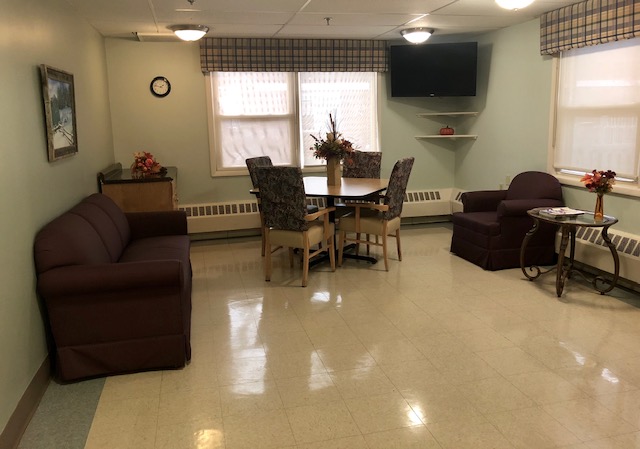
How is Sheriden Woods Health Inc Staffed?

CMS rates SHERIDEN WOODS HEALTH CARE CENTER INC's staffing level at 4 out of 5 stars, which is above average compared to other nursing homes. Staff turnover is 45%, compared to the Connecticut average of 46%. This relatively stable workforce can support continuity of care. RN turnover specifically is 67%, which is notably high. RNs provide skilled clinical oversight, so turnover in this role can affect medical care quality.

What Have Inspectors Found at Sheriden Woods Health Inc?

State health inspectors documented 41 deficiencies at SHERIDEN WOODS HEALTH CARE CENTER INC during 2019 to 2025. These included: 3 that caused actual resident harm, 35 with potential for harm, and 3 minor or isolated issues. Deficiencies causing actual harm indicate documented cases where residents experienced negative health consequences.
Who Owns and Operates Sheriden Woods Health Inc?

SHERIDEN WOODS HEALTH CARE CENTER INC is owned by a for-profit company. For-profit facilities operate as businesses with obligations to shareholders or private owners. The facility is operated by ATHENA HEALTHCARE SYSTEMS, a chain that manages multiple nursing homes. With 146 certified beds and approximately 87 residents (about 60% occupancy), it is a mid-sized facility located in BRISTOL, Connecticut.
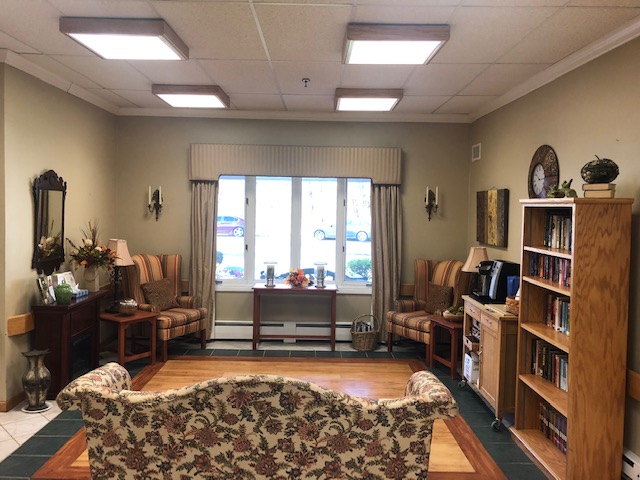
How Does Sheriden Woods Health Inc Compare to Other Connecticut Nursing Homes?

Compared to the 100 nursing homes in Connecticut, SHERIDEN WOODS HEALTH CARE CENTER INC's overall rating (2 stars) is below the state average of 3.0, staff turnover (45%) is near the state average of 46%, and health inspection rating (2 stars) is below the national benchmark.

What Should Families Ask When Visiting Sheriden Woods Health Inc?

Based on this facility's data, families visiting should ask: "Can I visit during a mealtime to observe dining assistance and food quality?" "How do you handle medical emergencies, and what is your hospital transfer rate?" "Can I speak with family members of current residents about their experience?"

Is Sheriden Woods Health Inc Safe?

Based on CMS inspection data, SHERIDEN WOODS HEALTH CARE CENTER INC has a clean safety record: no substantiated abuse findings (meaning no confirmed cases of resident harm), no Immediate Jeopardy citations (the most serious violation level indicating risk of serious injury or death), and is not on the Special Focus Facility watch list (a federal program monitoring the lowest-performing 1% of nursing homes). The facility has a 2-star overall rating and ranks #100 of 100 nursing homes in Connecticut. While no facility is perfect, families should still ask about staff-to-resident ratios and recent inspection results during their visit.

Do Nurses at Sheriden Woods Health Inc Stick Around?

SHERIDEN WOODS HEALTH CARE CENTER INC has a staff turnover rate of 45%, which is about average for Connecticut nursing homes (state average: 46%). Moderate turnover is common in nursing homes, but families should still ask about staff tenure and how the facility maintains care continuity when employees leave.

Was Sheriden Woods Health Inc Ever Fined?

SHERIDEN WOODS HEALTH CARE CENTER INC has been fined $27,846 across 1 penalty action. This is below the Connecticut average of $33,357. While any fine indicates a compliance issue, fines under $50,000 are relatively common and typically reflect isolated problems that were subsequently corrected. Families should ask what specific issues led to these fines and confirm they've been resolved.

Is Sheriden Woods Health Inc on Any Federal Watch List?

SHERIDEN WOODS HEALTH CARE CENTER INC is not on any federal watch list. The most significant is the Special Focus Facility (SFF) program, which identifies the bottom 1% of nursing homes nationally based on persistent, serious quality problems. Not being on this list means the facility has avoided the pattern of deficiencies that triggers enhanced federal oversight. This is a positive indicator, though families should still review the facility's inspection history directly.