VILLAGE GREEN REHABILITATION AND HEALTHCARE CENTER

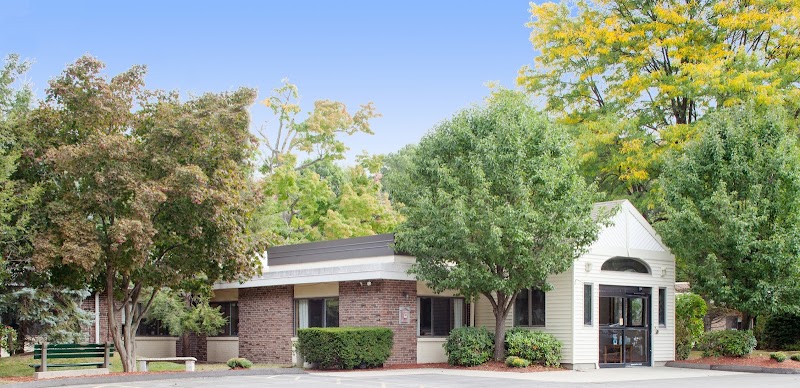
23 FAIR STREET, BRISTOL, CT 06010 (860) 589-2923
For profit - Corporation 120 Beds GENESIS HEALTHCARE Data: November 2025
Trust Grade
43/100
#149 of 192 in CT
Last Inspection: March 2025

Within standard 12-15 month inspection cycle. Federal law requires annual inspections.

Overview

Village Green Rehabilitation and Healthcare Center has a Trust Grade of D, indicating below-average performance with some concerns about care and safety. It ranks #149 out of 192 facilities in Connecticut, placing it in the bottom half of options available in the state, and #18 out of 22 in Naugatuck Valley County, meaning only a few local facilities are better. The facility's situation is worsening, with issues increasing from 5 in 2024 to 16 in 2025, which raises alarms about its management and care quality. While staffing is average with a 3/5 star rating and a turnover rate of 45%, the facility has faced serious concerns, including a resident falling and sustaining injuries due to a lack of timely care, and issues with maintaining sanitary conditions for residents and their belongings. Additionally, there were missed opportunities to conduct timely smoking assessments, which could pose safety risks for residents who smoke. Overall, families should weigh these strengths and weaknesses carefully when considering this facility.

Trust Score
D
43/100
In Connecticut
#149/192
Bottom 23%
Safety Record
Moderate
Needs review
Inspections
Getting Worse
5 → 16 violations
Staff Stability
○ Average
45% turnover. Near Connecticut's 48% average. Typical for the industry.
Penalties
✓ Good
$22,097 in fines. Lower than most Connecticut facilities. Relatively clean record.
Skilled Nurses
✓ Good
Each resident gets 49 minutes of Registered Nurse (RN) attention daily — more than average for Connecticut. RNs are trained to catch health problems early.
Violations
⚠ Watch
37 deficiencies on record. Higher than average. Multiple issues found across inspections.
★★☆☆☆
2.0
Overall Rating
★★★☆☆
3.0
Staff Levels
★★☆☆☆
2.0
Care Quality
★★☆☆☆
2.0
Inspection Score
Stable
2024: 5 issues
2025: 16 issues

The Good

  • Full Sprinkler Coverage · Fire safety systems throughout facility
  • No fines on record
  • Staff turnover below average (45%)

    3 points below Connecticut average of 48%

Facility shows strength in fire safety.

The Bad

2-Star Overall Rating

Below Connecticut average (3.0)

Below average - review inspection findings carefully

Staff Turnover: 45%

Near Connecticut avg (46%)

Typical for the industry

Federal Fines: $22,097

Below median ($33,413)

Minor penalties assessed

Chain: GENESIS HEALTHCARE

Part of a multi-facility chain

Ask about local staffing decisions and management

The Ugly 37 deficiencies on record

1 actual harm
Mar 2025 14 deficiencies 1 Harm
SERIOUS (G) 📢 Someone Reported This

A family member, employee, or ombudsman was alarmed enough to file a formal complaint

Actual Harm - a resident was hurt due to facility failures

Accident Prevention (Tag F0689)

A resident was harmed · This affected 1 resident

**NOTE- TERMS IN BRACKETS HAVE BEEN EDITED TO PROTECT CONFIDENTIALITY** Based on clinical record review, observation, facility documentation, review of facility policy and interviews for 1 of 7 sample...

Read full inspector narrative →
**NOTE- TERMS IN BRACKETS HAVE BEEN EDITED TO PROTECT CONFIDENTIALITY** Based on clinical record review, observation, facility documentation, review of facility policy and interviews for 1 of 7 sampled residents (Resident #124) reviewed for accidents, the facility failed to ensure necessary care and services were immediately sought and provided to ensure Resident # 124 safety and prevent a fall with major injury, when Resident # 124 exhibited a change in condition, subsequently fell out of bed and sustained an eyelid laceration and fracture to the face and failed to ensure the area designated for smoking was free from accident hazards. The findings included: 1. Resident #124's diagnoses included a history of Cerebrovascular Accident (CVA) with right sided hemiparesis/hemiplegia (weakness and paralysis), epilepsy and chronic respiratory failure with tracheostomy (trach). The admission MDS assessment dated [DATE] identified Resident #124 was severely cognitively impaired with a BIMS of 4, required assistance of one with bed mobility, total assistance of two for transfers and toileting. The care plan dated 5/13/24 identified Resident #124 had impaired cognitive function, required assistance with ADL care, was at risk for falls and at risk for respiratory complications related to the tracheostomy. Interventions included: monitoring changes in cognitive function, providing assist of one with ADL, assistance with two with transfers, to ensure the call bell was within reach, observe/report increased wheezing and lower activity tolerance. The care card for 6/2024 directed assistance of one for care and for dressing maximal assistance. The resident required partial assistance with mobility. A Physical Therapy Evaluation and Resident Plan of Care dated 6/13/24 identified Resident #124 was hospitalized [DATE] through 6/12/24 for encephalopathy, SIRS (systemic inflammatory response syndrome) and urinary tract infection. Resident #124's functional capacity was determined as moderate assistance of one for rolling (in bed) and maximum (two people) for transfers. The physician's orders dated 6/14/24 directed to cap the trach as tolerated 8:00 AM to 8:00 PM and add nasal cannula to keep oxygen saturation above 90% every day and evening shift. A respiratory progress noted dated 6/14/24 identified Resident #124 was stable, capped and placed on nasal cannula 2 l PM (liters per minute) and tolerating well new orders for patient to be capped from 8:00 AM to 8:00 PM as tolerated. A Nurse Practitioner (NP #1) note dated 6/14/24 at 00:00 identified Resident #124 rolled out of bed to ground, and the incident was witnessed by nursing staff. Resident #1 was alert and responded to commands and noted with bleeding from nose and right lower eyelid, with no other visible injury/ bleeding. Oxygen via trach/ mask was 94-97% range (within normal limits), moving upper and lower extremities within baseline and no loss of consciousness. Resident #124 had a previous history of left frontal hemorrhagic stroke resulting in right sided hemiparesis, has a trach, and history of seizure disorder (nursing reported s/he was flapping hands prior to incident). Resident #124 was sent to the emergency department (ED) for a Computed Tomography CAT(CT) scan, evaluation to rule out an acute injury or fracture complication. A nurse's note dated 6/14/2024 at 1:25 PM (written by RN #6) identified Resident #124 fell out of bed, sustaining a bloody nose and right cheek bone bleeding was stopped with ice. The NP was aware and completed an assessment. Resident #124 was transferred to the ED for evaluation/ CT scan of the head. The Inter-Agency Patient Referral Report dated 6/14/24 at 8:57 PM identified Resident #124 was evaluated following a fall. Per Emergency Medical Services (EMS), staff were turning the resident when s/he rolled out of bed. A CT scan dated 6/14/24 of the facial bones identified severe comminuted fracture or the right maxillary sinus and orbital floor fracture and corneal abrasion. Resident #124 returned to the facility on 6/14/25 with 2 sutures in the right lower eye with instructions that directed follow-up with the primary care physician and Oral and Maxillofacial Surgery in one week and to continue erythromycin for treatment of the corneal abrasion. A Safety Report (no date) identified on 6/14/24 after 12:00 PM, a request was made for NA #9 to change Resident #124's brief , gown and bed (while in bed).NA #9 recalled from previous interactions, Resident #124 moved around a lot but was able to turn h/her side to side without difficulty until the last turn when Resident #124 started to flop h/her body around a lot NA #9 went to check if Resident #124 was receiving oxygen when h/her legs began to fall off the bed. NA 9 ran to catch Resident #124 but was too late. Resident #124 fell flat on h/her face. NA #9 then ran out of the room and yelled for help later returning with the nurse. A Reportable Event Summary dated 6/17/24 identified NA #9 reported during care the resident's body started to flop a lot. NA #9 checked to make sure the resident was receiving oxygen when his/her leg was noted off the side of the bed. NA #9 was unable to catch the resident's leg. The respiratory therapist had previously capped the resident around 12:30 PM. Resident # 124 was transferred to the hospital and later identified with a maxillary sinus fracture and right orbital fracture. The resident received two sutures on the right eye lid. The care plan was revised to include assistance of two staff who received education on to suspend care if resident anxious or agitated and to ensure the resident is calm before continuing with care, air mattress/bed with bolsters and fracture management. An interview with RN #6 on 3/11/25 at 9:24 AM identified h/she was the assigned nursing supervisor on 6/14/25 during the 7:00 AM to 3:00 PM shift at the time RN #6 was called to Resident #124's room with a report of a fall out of bed. Although unclear of all the details, RN #6 indicated Resident #124 was new to having h/her trach capped and started moving around a lot in bed while NA #9 who was finishing a complete bed change. The RN# 6 identified Resident # 124 was moving around a lot, perhaps in discomfort from being new to capping. NA #9, who was on the other side of the bed, left the side of the bed to check Resident #124's oxygen on the opposite side. During that moment Resident #124's legs started falling off the side of the bed and gravity took over and Resident #124 fell out of bed. RN #6 further identified Resident #124 used enable rails to assist with positioning and normally would have been able to assist with positioning. An interview with the Director of Nursing Services (DNS) on 3/11/25 at 10:58 AM identified NA #9 was at the top of the bed between the wall and head of bed completing a bed change for Resident #124 when s/he observed Resident #124 moving around a lot and in questionable distress. The DNS identified the root cause of the fall was NA #9 not calling for help when Resident #124 began moving around and showing questionable signs of distress and being unable to intervene when his/her legs began to fall off the side of the bed while focusing her attention on oxygen equipment. Education was subsequently provided to stop and call for the nurse for a questionable change of condition. An interview with the Medical Director on 3/11/25 at 12:09 PM identified the nurse aide should have called for help for any change of condition and focused on the resident while providing care. An interview with the Director of Rehabilitation on 3/14/25 at 10:19 AM identified while Resident #124 could normally assist with positioning side to side with the use of enabler bars, any change of condition could compromise h/her ability to do so. The nurse aides should be calling for help if a resident was experiencing a questionable change of condition. Additionally, the Director of Rehabilitation indicated the nurse aides should not be at the head of the bed between the wall and bed when providing care and instead at the side of the bed. NA #9 would not have been able to effectively intervene to prevent a fall if she was at the head of the bed. Although requested, a policy for nurse aide reporting of a change of condition was not provided. Attempts to interview NA #9, who is no longer employed at the facility, were unsuccessful. 2. A review of the facility smoking list identified (4) residents, Resident # 16, Resident #18, Resident #41 and Resident #125 actively smoked. An observation on 3/11/25 at 9:04 AM identified a canopy set up in the designated smoking area. The top of the canopy cover was made up of cloth like material. The label directed to keep away from all flames. An interview with the Director of Maintenance on 3/11/25 at 9:14 AM identified the canopy was placed the evening before as a replacement to the previous canopy damaged in the storm. The canopy was subsequently removed after surveyor inquiry with a plan to research adequate accommodations for the designated smoking area. A review of the manufacturer guidelines related to safety directed to keep all flame and heat sources away from the tent fabric. The tent may burn if left in continuous contact with any flame source. Although requested, a facility policy for ensuring a safe environment was not provided.
CONCERN (D)

Potential for Harm - no one hurt, but risky conditions existed

Resident Rights (Tag F0550)

Could have caused harm · This affected 1 resident

**NOTE- TERMS IN BRACKETS HAVE BEEN EDITED TO PROTECT CONFIDENTIALITY** Based on clinical record review, observation and interviews for 1 of 2 residents ( Resident #26) reviewed for dignity, the facil...

Read full inspector narrative →
**NOTE- TERMS IN BRACKETS HAVE BEEN EDITED TO PROTECT CONFIDENTIALITY** Based on clinical record review, observation and interviews for 1 of 2 residents ( Resident #26) reviewed for dignity, the facility failed to ensure a resident urinary collecting device was handled in a dignified manner. The findings include: Resident #26 's diagnoses included obstructive and reflux uropathy, unspecified, benign prostatic hyperplasia with lower urinary tract symptoms and history of fall. The admission Minimum Data Set (MDS) assessment dated [DATE] identified Resident #26 was cognitive impaired and required moderate assistance with toileting hygiene, maximal assistance in personal hygiene and toilet transfer. The care plan dated 1/28/25 identified Resident #26 was incontinent of urine. Interventions included utilizing appropriate continent products, monitoring output for odor, color, consistency and amount and completing an incontinent assessment at intervals according to policy and procedure. A physician's order dated 2/13/25 directed to urinary drainage one time per day for Foley management. Remove leg bag and once a day Foley management apply leg bag. Observation on 3/10/25 at 8:35AM identified Resident#26 indwelling catheter bag was visible from the hallway. Resident #26 expresses frustration that her/his urinary bag was located by his/her ankle and visible. Resident#26 reported I asked, and they did not do anything. Resident #26 expressed his/her only concern at this time ws that his Foley bag was not covered by his/her pants. Interview with Licensed Practical Nurse ( LPN #2) on 3/10/25 at 8:45 AM identified it should not be like that, she also indicated she was unsure why Resident # 26's Foley was loosely fitted to his/her leg and visible. LPN #2 after surveyor inquiry, instructed the Nurse Aide ( NA) to adjust Resident #26's Foley.
CONCERN (D)

Potential for Harm - no one hurt, but risky conditions existed

Safe Environment (Tag F0584)

Could have caused harm · This affected 1 resident

**NOTE- TERMS IN BRACKETS HAVE BEEN EDITED TO PROTECT CONFIDENTIALITY** Based on clinical record review, observations, review of facility documents and staff interviews for 1 of 5 residents (Resident ...

Read full inspector narrative →
**NOTE- TERMS IN BRACKETS HAVE BEEN EDITED TO PROTECT CONFIDENTIALITY** Based on clinical record review, observations, review of facility documents and staff interviews for 1 of 5 residents (Resident #62) reviewed for the Environment, the facility failed to ensure the floor in the resident's room was kept clean and sanitary. The findings include: Resident #62 was admitted on [DATE] with diagnoses that included a neurological disorder and chronic respiratory failure. The quarterly MDS assessment identified Resident #62 was cognitively intact, had a tracheostomy, and was dependent for Activities of Daily Living (ADL). A care plan dated 9/19/2024 indicated the resident had an enteral feeding tube and a urinary catheter. On 3/9/2025 at 1:49 PM, an interview with Resident #62's family member indicated that housekeeping does not come often and can take several days for someone from housekeeping to disinfect the floor when there is a spill. An observation of the floor with the resident's family member identified a pink stain on the floor by the foot of the bed. Additionally, it was observed that there were several plastic caps by the legs of the nightstand: three caps were for tube feeding tubing, one cap was for an irrigation syringe (used to administer medication through a gastric tube), and one small grey-colored cap. There was also an orange cap under the bed. On 3/11/2025 at 11:12 AM, an observation with the Housekeeping Director identified the pink stain by the foot of the bed was gone, but the plastic caps by the nightstand were still present. There were three tube-feeding tubing caps, one irrigation syringe cap, and one small grey-colored cap. An interview with the Housekeeping Director identified rooms are cleaned daily. During the daytime, between 7:00 AM and 3:00 PM, the daily cleaning included dust mopping and wet mopping. The Housekeeping Director also indicated that if there was debris or items a dust mop cannot pick up, staff would sweep up the items and discard them. A review of facility documentation on 3/11/25 with the Housekeeping Director and the Housekeeping District Manager identified that each resident's room is deep cleaned and disinfected monthly. Resident #62's room was due for a deep cleaning on 3/11/2025. The documentation identified the Housekeeping Director performs quality control inspections after the deep cleanings; however, the facility did not maintain quality control documentation for daily room cleanings, including dust mopping. Although requested, the facility did not provide a policy on housekeeping or daily room cleaning.
CONCERN (D)

Potential for Harm - no one hurt, but risky conditions existed

Assessment Accuracy (Tag F0641)

Could have caused harm · This affected 1 resident

**NOTE- TERMS IN BRACKETS HAVE BEEN EDITED TO PROTECT CONFIDENTIALITY** Based on clinical record reviews, facility documentation, facility policy and interviews for 1 of 1 sampled resident (Resident #...

Read full inspector narrative →
**NOTE- TERMS IN BRACKETS HAVE BEEN EDITED TO PROTECT CONFIDENTIALITY** Based on clinical record reviews, facility documentation, facility policy and interviews for 1 of 1 sampled resident (Resident #1) reviewed for Preadmission Screening and Resident Review (PASRR), failed to ensure the accurate coding of an MDS assessment for a resident identified with a serious mental illness. The findings include: Resident #1 had diagnoses that included schizoaffective disorder bipolar type. Preadmission Screening and Resident Review Summary of Findings Report dated 12/11/18 identified Resident #1 was determined to meet PASRR assessment requirements for a serious mental illness. The annual MDS assessment dated [DATE] identified Resident #1 was coded as '0' meaning s/he did not meet PASRR requirements as having a diagnosis of a serious mental illness was cognitively intact. The care plan dated 11/27/24 identified at risk for complications related to the use of psychotropic drugs. Interventions directed to monitor and report changes to mental status and obtain a psychiatric evaluation as ordered. An interview with the Director of Social Services dated 3/12/25 at 10:42 AM identified she was responsible for the coding of the MDS related to PASRR criteria and did not code accurately as an oversight. A review of the (MDS) 3.0 Resident Assessment Instrument (RAI) Manual directs to code 1, yes if the PASRR level II screening determined that the resident had a serious mental illness.
CONCERN (D)

Potential for Harm - no one hurt, but risky conditions existed

Deficiency F0655 (Tag F0655)

Could have caused harm · This affected 1 resident

**NOTE- TERMS IN BRACKETS HAVE BEEN EDITED TO PROTECT CONFIDENTIALITY** Based on clinical record reviews, observations, review of policy and interviews for 2 of 4 residents ( Resident #224 and #274) r...

Read full inspector narrative →
**NOTE- TERMS IN BRACKETS HAVE BEEN EDITED TO PROTECT CONFIDENTIALITY** Based on clinical record reviews, observations, review of policy and interviews for 2 of 4 residents ( Resident #224 and #274) reviewed for Respiratory Care, the facility failed to develop a baseline care plan to meet the essential needs of the resident. The findings included: 1. Resident #224's diagnoses included Chronic Obstructive Pulmonary Disease (COPD), pneumonia, acute respiratory failure. The admission Minimum Data Set (MDS) assessment dated [DATE] indicated Resident #224 was cognitively intact required oxygen therapy, no suctioning and no tracheostomy care. A physician's order dated 1/14/2025 directed to provide Oxygen at 3 liters per minute via a trach mask (a mask that covers and provides oxygen through Resident #224's tracheostomy stoma site located in the neck area) with 28% humidification at bedtime and off in the AM. The care plan dated 1/17/2025 indicated Resident #224 was at risk for Multiple Drug-Resistant Organisms (MDRO) due to having a tracheostomy. An intervention was put in place to maintain Enhanced Barrier precautions. The care plan conference note dated 1/17/2025 at 3:32 PM indicated Resident #224's stay was expected to be Long Term and a copy of the baseline care plan was provided to the resident or/representative. On 03/12/25 at 11:18 AM an interview and record review with RN #4 found no evidence a respiratory care plan had been initiated for resident #224 during the stay at the facility and should have been. The facility policy labeled Person Centered Care Plan dated 04/15/2025 indicated in part the facility must develop and implement a baseline person centered care plan within 48 hours of admission/readmission for each Resident that includes instructions needed to provide effective and person-centered care that meets professional standards of care. 2. Resident #274's diagnoses included Acute and Chronic Respiratory Failure with hypoxia, acute and chronic respiratory failure with hypercapnia, and Chronic Obstructive Pulmonary Disease (COPD). A physician's order dated 3/4/25 directed to maintain target volumes for AVAPS: PC of 350 MAX IPAP 24 MinIPAP14, EPAP 8 back up rate/set rate every day and evening shift for Respiratory. Review of a respiratory therapy note dated 3/4/25 at 6:10 PM identified that CPAP machine was brought to patient's room, therapy applied to ensure it was working. The Baseline Resident Care Plan dated 3/5/25 identified the resident was at risk for skin infection, had an ADL/Self Care Deficit, had a nutritional problem, and was at the facility for a short-term stay. Interventions included monitoring weight, assisting with ADL, and to administer antibiotic therapy as prescribed. The Nursing admission Note written by APRN #1 on 3/6/25 identified the resident has a past medical history of chronic, hypoxemic respiratory failure and is on AVAPS. A Hospital Transfer form dated 3/9/25 at 2:03 PM identified the resident was alert and oriented and needed assistance with bathing, dressing and transfers. Record review and an interview on 3/10/25 at 1:50 PM with the MDS Coordinator identified the baseline care plan would be completed by her, the DNS, or the supervisor. The care plan should contain skin, pain, transfers, and mobility. When asked, she identified that the resident's respiratory care should have been on the care plan and she did not see that it was included. The MDS Coordinator further stated on average the comprehensive care plan is completed by day 8 and she is certain, she would have included the resident's respiratory needs. Additionally, she indicated the nursing supervisor, and the DNS completes baseline care plans. Review of the facility policy, Person-Centered Care Plans, dated 10/24/22 and presently in effect, directed in part, the center must develop and implement a baseline person-centered care plan within 48 hours of admission/readmission for each patient/resident which includes the instructions needed to provide effective and person-centered care and one that meets professional standards of quality care. When asked for a copy of the admission Nursing Assessment one was not provided. As per MDS they were not completed on this resident. Resident #274 was admitted on [DATE] and was transferred back to the hospital on 3/9/25.
CONCERN (D) 📢 Someone Reported This

A family member, employee, or ombudsman was alarmed enough to file a formal complaint

Potential for Harm - no one hurt, but risky conditions existed

Comprehensive Care Plan (Tag F0656)

Could have caused harm · This affected 1 resident

**NOTE- TERMS IN BRACKETS HAVE BEEN EDITED TO PROTECT CONFIDENTIALITY** Based on clinical record reviews, review of policy and staff interviews for 1 of 1 resident ( Resident # 2) reviewed for elopeme...

Read full inspector narrative →
**NOTE- TERMS IN BRACKETS HAVE BEEN EDITED TO PROTECT CONFIDENTIALITY** Based on clinical record reviews, review of policy and staff interviews for 1 of 1 resident ( Resident # 2) reviewed for elopement, the facility failed to conduct elopement evaluations per facility policy and for 1 of 7 residents ( Resident #124) reviewed for accidents, the facility failed to ensure a comprehensive care plan was in place for a resident with a history of seizures and for 1 of 4 for residents (Resident # 224) reviewed for Respiratory Care, the facility failed to ensure a comprehensive care plan for resident requiring respiratory care was develop. The findings included : 1. Resident #2's diagnosis included dementia with behavioral disturbances. An eMAR-Administration note dated 9/22/2023 at 2:50 PM directed to check the placement of the resident's Wander guard bracelet on the left ankle (a bracelet that alarms if a resident seeks to exit through a door that is equipped to detect the alarm). The documentation further indicated the wander guard was discontinued. An elopement evaluation dated 9/22/2023 at 3:09 PM indicated Resident #2 was able to walk and self-propel in wheelchair independently and has a history of wandering and elopement. Additionally, the evaluation noted the resident does not show one or more emotional states or behaviors that may result in exit seeking behavior. A general progress note dated 9/22/2023 at 3:21 PM indicated in part Resident #2 did not exhibit any elopement behaviors or made any verbal statement of wanting to leave the facility and per conversations with the nurse aides and other staff members Resident #2 had made no attempts to leave. The physician was updated, and an order was received to discontinue the use of the Wander guard bracelet alarm. The quarterly Minimum Data Set (MDS) assessment dated [DATE] indicated in part Resident #2 was severely cognitive impairment, requires partial/moderate assistance of staff to ambulate 10 feet, uses a manual wheelchair requiring partial/moderate assistance to wheel 50-150 feet and no behaviors of wandering were exhibited. The care plan dated 2/18/2025, indicated in part, Resident #2 was at risk for elopement related to dementia. Interventions included to utilize and monitor code alert to left ankle, divert resident by giving alternative objects or activities. An interview and record review on 3/12/2025 at 10:56 AM with RN #4 the acting Director of Nursing Services (DNS) indicated not knowing why the elopement evaluation dated 9/22/2023 did not indicate a score to determine the level of risk for elopement and she/he was unsure how the risk of elopement is determined using the evaluation once completed. RN# 4 further indicates she/he was aware elopement evaluation is completed on admission but unsure of its frequency after. RN #4 verified the last elopement evaluation was completed on 9/22/2023 indicating a history of elopement, having a wander guard but it was discontinued due to Resident #2 made no attempts to leave the facility. RN #4 further indicated Resident #2 was no longer at risk as h/she got out of bed in an adaptive type of wheelchair and could not wheel self in the wheelchair. The facility policy labeled Elopement of Patient dated 4/15/2025 indicated in part a Resident's elopement risk would be determined on admission, re-admission, quarterly and with a significant change in condition. 2. Resident #124 had diagnoses that included a history of epilepsy. The admission MDS assessment dated [DATE] identified Resident #124 was severely cognitively impaired with a BIMS of 4, required assistance of one with bed mobility, total assistance of two for transfers and toileting. The care plan dated 5/13/24 identified Resident #124 had impaired cognitive function, required assistance with ADL care and was at risk for falls. Interventions included : monitoring changes in cognitive function, providing assistance of one with ADL, assistance of two with transfers and to ensure the call bell was within reach. The care plan did not include a problem related to a history of seizure and interventions to reduce accident risks. A Reportable Event Summary dated 6/17/24 identified NA #7 reported during care the resident's body started to flop a lot. NA #7 checked to make sure the resident was receiving oxygen when his/her leg was noted off the side of the bed. NA #7 was unable to catch the resident's leg. The care plan was revised to include an air mattress/bed with bolsters. An interview with Nurse Practitioner ( NP #1) on 3/11/25 at 8:43 AM identified her/her documentation occasionally noted Resident #124 was placed on seizure precautions and included padded rail when in use. NP #1 further identified that although she did not suspect a seizure at the time Resident #124 fell out of bed, a seizure protocol should be followed for any resident with a history of seizure activity. An interview with the DNS on 3/11/25 at 10:58 AM identified a care plan should have been in place that included padded while in bed. An interview with RN #4 identified she/he was responsible for completing the MDS assessments and participated in the development of resident care plans. RN #4 further identified any seizure protocol would be included in an individualized care plan and Resident #124 should have had a care plan in place for seizures given his/her history. A review of the facility policy for Person- Centered Care Plans dated 10/24/22 directed the facility develops and implement care plans to provide effective person centered care. The care plan should include services to be furnished, goals and expected outcomes, type, amount and frequency of care and any other factor related to the effectiveness of the care plan. 3. Resident #224's diagnoses included Chronic Obstructive Pulmonary Disease (COPD), pneumonia, acute respiratory failure. A physician's order dated 1/14/2025 directed to provide oxygen at 3 liters per minute via a trach mask (a mask that covers and provides oxygen through Resident #224's tracheostomy stoma site located in the neck area) with 28% humidification at bedtime and off in the AM and as needed. A physician's order dated 1/14/2025 directed to change the orange stoma (trach stoma) button every day and to change the blue stoma button at every bedtime. A physician's order dated 1/14/2025 directed to cleanse around the stoma site with peroxide and sterile water before replacing the adhesive dressing every other day and as needed. The resident may do self-care of the stoma site with monitoring or assistance and provided supplies as needed. The care plan dated 1/17/2025 indicated Resident #224 was at risk for Multiple Drug-Resistant Organisms (MDRO) due to having a tracheostomy. An intervention was put into place to maintain Enhanced Barrier Precautions. The admission Minimum Data Set (MDS) assessment dated [DATE] indicated Resident #224 was cognitively intact required oxygen therapy, no suctioning and no tracheostomy care. On 3/12/25 at 11:18 AM an interview and record review with RN #4 identified no evidence of a respiratory care plan initiated for Resident #224 during the resident's stay at the facility. RN#4 further indicated there should have been a care plan. The facility policy labeled Person Centered Care Plan dated 4/15/2025 indicated the facility would develop a comprehensive individualized care plan within seven days after the completion of the comprehensive assessment on admission and no more than 21 days after admission. The care plan would be revised as needed to reflect the changing needs of the resident.
CONCERN (D)

Potential for Harm - no one hurt, but risky conditions existed

Deficiency F0657 (Tag F0657)

Could have caused harm · This affected 1 resident

**NOTE- TERMS IN BRACKETS HAVE BEEN EDITED TO PROTECT CONFIDENTIALITY** Based on clinical record reviews, observations, review of facility policy and staff interviews for 1 of 3 residents( Resident #...

Read full inspector narrative →
**NOTE- TERMS IN BRACKETS HAVE BEEN EDITED TO PROTECT CONFIDENTIALITY** Based on clinical record reviews, observations, review of facility policy and staff interviews for 1 of 3 residents( Resident #24) reviewed for pressure ulcers and for the only resident (Resident #38) reviewed for specialized treatment and for the only resident resident ( Resident #324) reviewed for range of motion, the facility failed to revise the resident's care plans. The findings included : 1. Resident #24's diagnosis included type 2 diabetes mellitus and vascular dementia. The quarterly Minimum Data Set (MDS) assessment dated [DATE] indicated Resident #24 was moderately cognitively impaired, had no pressure ulcers but was at risk for developing a pressure ulcer. Resident #24's care plan revised dated 3/1/2025 indicated Resident #24 was at risk for skin breakdown due to fragile skin, impaired cognition and impaired sensation. Interventions included in part to float heels as resident tolerates, and to offload or reposition Resident #24 four times per shift. A weekly wound evaluation completed on paper dated 3/6/2025 indicated the identification of an in-house pressure ulcer 0.5 Centimeter ( CM) circular stage 1 (non-blanchable redness) with a treatment order dated 3/6/2025 to apply skin prep to the left heel and interventions to elevate heels. An interview and record review with the wound nurse (RN #1) on 3/11/2025 at 3:15 PM identified she/he was not not able to find Resident #24's care plan updated with the development of a new stage 1 pressure ulcer of the left heel and new orders. RN #1 indicated over the past months there were problems with the assessments not populating in the electronic record, the loss of Wi FI connectivity caused the facility to convert to paper documentation. RN#1 further indicated she/he completed weekly skin assessments for every resident in the building buit may have forgotten to check to see if Resident # 24's care plan had been updated. The facility policy labeled Person Centered Care Plan dated 4/15/2025 indicated in part the care plans will be reviewed and revised by the interdisciplinary team after each assessment and as needed to reflect the response to care and changing needs and goals for each resident. In addition, the facility policy labeled Skin Integrity and Wound Management indicated in part the resident care plan will be reviewed and revised as indicated. 2. Resident #38's diagnoses included encephalopathy, chronic systolic Congestive Heart Failure (CHF), and end stage renal disease. The annual Minimum Data Set (MDS) assessment dated [DATE] identified Resident #38 was cognitively intact with a Brief Interview for Mental Status (BIMS) of 15. The assessment noted the resident was independent for eating, chair/bed-to-chair transfers, and toilet transfer. The Resident Care plan dated 3/6/24 for Resident #38 identified the resident was at risk for heart issues related to CHF. Interventions included: to conduct vital signs every shift and with change of condition, evaluate for edema, and to weight daily, notify physician of increase in weight of greater than two (2) pounds a day and increase of weight greater than five (5) pounds a week. The physician's orders dated 3/7/24 for Resident #38 directed to only put in weights obtained after specialized treatment, document as post specialized treatment weight, and do not weigh patient in house. The physician's orders dated 4/10/24 for Resident #38 directed daily weight and to notify provider for increase in weight greater than three (3) pounds a day or increase in weight greater than five (5) pounds in a week. The Summary Report dated 3/12/25 for Resident #38 identified the physician's orders dated 4/10/24 directed daily weight and to notify provider for increase in weight greater than three (3) pounds a day or increase in weight greater than five (5) pounds in a week noted the order had been discontinued. Additionally, the report identified the physician's orders dated 3/7/24 which directed to only put in weights obtained after specialized treatment, document as post specialized treatment weight, and do not weigh patient in house had an order status as active. Interview and record review with MDS Coordinator/Registered Nurse (RN) #4 on 3/11/25 at 1:58 P.M. identified a care plan intervention for Resident #38's congestive heart failure was daily weights. Additionally, the care plan identified an active order which directed to only put in weights obtained after specialized treatment, document as post specialized treatment weight, and do not weigh patient in house. She also identified the care plan should have been revised after the new physician's order was placed per facility policy and indicated it was her responsibility to do so. The interview failed to identify why the resident's care was not revised. After surveyor inquiry, the care plan was revised. 3. Resident #324 was admitted to the facility with diagnoses that included a cervical spine injury. The quarterly MDS assessment dated [DATE] indicated Resident #324 was cognitively intact and was dependent on staff for activities of daily living (ADL). A care plan revised on 3/01/2025 indicated Resident #324 was dependent with ADL care, and interventions included placing left and right splints on with morning care and removing them during evening care. On 3/9/2025 at 11:24 AM, an observation identified signage in Resident #324's room directing the resident to wear hand splints during the day and at night. A review of the Nurse Aide Care card dated 3/10/2025 indicated Resident #324 used right and left-hand splints, which were applied with morning care and removed with evening care. On 3/10/2025 at 2:58 PM, an interview with NA#6 indicated the resident did not currently wear splints and may have worn splints in the past, but she was unsure. On 3/10/2025 at 3:00 PM an interview with LPN#6 indicated Resident #324 wore splints a while back prior to her/his hospitalization. LPN#6 further indicated the care plan and NA care card noted the resident utilized splints could have been on a care plan prior to the resident's hospitalization. On 3/10/2025 at 3:13 PM, a record review with the Director of Rehabilitation identified a care plan for splints. However, there was no active physician's orders for the utilization of splints. The Director of Rehabilitation indicated that although Resident #324 had been screened for therapy needs, therapy had not yet fully evaluated the resident due to her/his medical condition after the resident's rehospitalization. The Director of Rehabilitation indicated that she would have to review the medical record further to identify if the resident required hand splints. On 3/11/2025 at 11:00 AM, a record review and follow-up interview with the Director of Rehabilitation identified Resident #324 was originally ordered splints on 6/10/2024 that were later discontinued on 1/3/2025 due to the resident's hospitalization. Resident #324 arrived back at the facility on 1/17/25 and was hospitalized again on 1/30/2025 and 2/20/2025. The most recent admission back to the facility was on 3/3/2025. A therapy screening dated 3/6/2025 indicated the resident would benefit from Occupational Therapy (OT) and would be evaluated when stable. The Director of Rehabilitation indicated splints would not be ordered until the resident had been evaluated and she did not expect the resident's prior splints to be placed by nursing staff without an physician's order since the resident's condition may have changed due to the various rehospitalization. The Director of Rehabilitation was unable to indicate why the resident's care plan and NA care card still reflected the use of hand splints. On 3/11/2025 at 2:30 PM an interview with the MDS Coordinator indicated that when there is a change in a resident's physician's order for splints or other orthotic device, therapy would be notified of the changes and she would update the care plan. The MDS Coordinator indicated she did not recall being notified of the change in orthotic use for Resident #324 but indicated the care plan should have been reviewed and updated to reflect the discontinuation of the orthotic device. .
CONCERN (D)

Potential for Harm - no one hurt, but risky conditions existed

Pressure Ulcer Prevention (Tag F0686)

Could have caused harm · This affected 1 resident

**NOTE- TERMS IN BRACKETS HAVE BEEN EDITED TO PROTECT CONFIDENTIALITY** Resident #24 Pressure Ulcer/Injury F686 Based on clinical record review interviews and facility policy for 1 of 6 Residents rev...

Read full inspector narrative →
**NOTE- TERMS IN BRACKETS HAVE BEEN EDITED TO PROTECT CONFIDENTIALITY** Resident #24 Pressure Ulcer/Injury F686 Based on clinical record review interviews and facility policy for 1 of 6 Residents reviewed for Pressure ulcer (#24), the facility failed to ensure staff completed weekly skin checks consistently, completed skin risk assessments quarterly or with change of condition and documented notification of the physician and responsible party with a new change in skin status. The findings include: ___________________________ F657 No care plan update with development of the stage 1 heel pressure ulcer. _________________________________ 03/10/25 10:22 AM has an [NAME] on left heel 03/10/25 01:10 PM Observation of the left outer heel with the wound nurse shows intact pink skin left outer heel. tender staff say due to neuropathy, wearing not skid socks no bootie or pressure relief. resident was repositioned by charge and wound nurses. 03/11/25 03:07 PM - MDs quarterly 2/1/2025- no pressure ulcer at risk for pressure ulcer, had a clinical assessment diagnosis- Cerebral infarction, type 2 diabetes, dementia, Treatment orders- apply skin prep to left heel q shift every shift for wound care Other Active 3/6/2025 15:00 Pressure-redistribution mattress to bed No directions specified for order. Other Active 7/26/2024 Non skid footwear for safety No directions specified for order. Other Active Weekly skin checks Atlas 3/10/25 3/4/25 2/25 2/20/25 2/13/25 genesis 2/6/2025 1/2 1/9 1/16 1/23 1/30 9/23/2024 10/3/24 10/10/24 10/13/24 10/19/24 11/2/14 11/9/24 8/2/24 genesis Nursing notes 3/10/2025 10:06 Nurses Note (Structured Progress Note) Nurses Note: [NAME] had a scheduled skin check. The resident has no new skin alterations. Left heel - pressure 1 resolving treatment in place, Coccyx - masd resolved Interview with the wound nurse [NAME] and [NAME] the regional RN 3:50 PM on 3/11/2025 Care Plan- not updated with develoment of stage 1 left heel pressure ulcer- air matress not on care plan Resident at risk for skin breakdown related to________ Type:___________ Location_______ decreased activity , frail fragile skin, impaired Cognition , impaired sensation has BLE scattered bruising H · At Risk Goal: The resident will not show signs of skin breakdown x __90__ days H · float heels as resident allows [Nsg] + H · offload or reposition four times a shift [Nsg] + H · Pat (do not rub) skin when drying [Nsg] H [NAME], [NAME] (48792) (additional information recieved and no longer moving forward) Based on Resident Record Review, Facility documentation, Facility Policy, and Staff Interviews for the only resident (Resident #46) reviewed for skin conditions, the facility failed to follow their policy for pressure risk assessment frequency. __________________________________________________________________________________________________________________________________________________________________ 03/09/25 01:20 PM Toes on right foot had a hematoma and it is now an open area. No EBP. Observed RN entering room without gowning. Did have gloves on. No signage for EBP Interview with RN #2 Supervisor: Q Should this resident be on EBP as he has an open area on his toes? A: I don't know. I only work here every other Sunday. Q: Would you expect that any resident requiring dressing changes for open areas to be on EBP? A: I don't know. 3/10/25 8:30 observation made and resident has EBP signage on door subsequent to surveyor inquiry 3/9/25 Interview with Wound RN #1 Q: yesterday there was no signage for EBP on the door and I noticed you went into the room without gowning. Should he be EBP? A: I do not know I didn't think so. I will ask the IP. 8:45 AM Wound RN stated that he should have been on EBP and he hasn't been . · Resident at risk for skin breakdown related to actual skin breakdown Type: __lesion_________ Location_right dorsal foot______ decreased activity , frail fragile skin, impaired sensation, incontinence, limited mobility, poor safety awareness, skin lesion Date Initiated: 02/17/2025 Revision on: 02/17/2025 · At risk Goal: Resident will remain free of skin tear and/or bruising x________90______days Date Initiated: 02/17/2025 Revision on: 03/04/2025 Target Date: 05/22/2025 · At Risk Goal: The resident will not show signs of skin breakdown x __90__ days Date Initiated: 02/17/2025 Revision on: 03/04/2025 Target Date: 05/22/2025 · Healing Goal: The resident's wound /skin impairment will heal as evidenced by decrease in size, absence of erythema and drainage and/or presence of granulation X_____90_______days Date Initiated: 02/17/2025 Revision on: 03/04/2025 Target Date: 05/22/2025 · encourage / assist in repositioning/off loading 4xshift as patient allows/tolerates Date Initiated: 02/17/2025 Revision on: 03/01/2025 Nsg · encourage/assist in off loading/heels up 4xshift as patient allows/tolerates Date Initiated: 02/17/2025 Revision on: 03/01/2025 Nsg · Pat (do not rub) skin when drying Date Initiated: 02/17/2025 Nsg · Provide patient and/or healthcare decision maker education regarding risk factors and interventions Date Initiated: 02/17/2025 Nsg · Provide preventative skin care i.e. lotions, barrier creams as ordered Date Initiated: 02/17/2025 Nsg · Apply barrier cream with each cleansing Date Initiated: 02/17/2025 Nsg · Observe skin for signs/symptoms of skin breakdown i.e. redness, cracking, blistering, decrease sensation, and skin that does not blanche easily Date Initiated: 02/17/2025 Nsg · Evaluate for any localized skin problems, i.e. dryness, redness, pustules, inflammation Date Initiated: 02/17/2025 Nsg · Observe skin condition daily with ADL care and report abnormalities Date Initiated: 02/17/2025 Nsg · Off Load/Float heels while in bed Date Initiated: 02/17/2025 Revision on: 03/04/2025 LPN CNA Weekly skin check by license nurs Enhanced barreir precautions rlt wound every shift Other Active 3/9/2025 15:00 Open area on toes 2/17/25. Braden Scale completed on 2/13, 2/20, no further assessments found. Per policy should be completed on admission and weekly for the first month. Subsequent to Surveyor Inquiry Braden Scales 2/27 and 3/6 were documented on paper. (computer system down on those days and staff documented on paper) Weekly skin checks completed 2/20, 2/21, 3/11. Missing 2/28 skin check. No wound deterioration noted. Wound is healing. Has appointment with Podiatry 3/12/25. 3/12/25 9:15 AM Interview with Wound nurse Q: What is your policy for Braden scales related to frequency? A: I am not sure I would have to check. Q: I reviewed the policy and it says weekly x 1 month. How about your policy for skin checks? A: They should be weekly on shower day. Q; Resident has had a Braden on 2/13 and 2/20. Were any other Braden Scales completed or risk for pressure ulcer assessments? A: I do not see that there are any other assessment in the record. Q: How do you track when these assessments are due? A: When we were owned by Genesis the MDS would auto-populate to schedule them. Since we became Atlas, they assessments are not auto-populated. I have to talk to the MDS to see if they can be auto-populated again so that we do not miss them. 3/12/25 9:30 AM interview with MDS coordinator. Q: Do you auto-populate Bradens and skin assessments? A: not since we became Atlas. When we were Genesis we did auto populate but we do not now. I am going to talk to the regional to find out if we can start doing that again. I have yet to meet with the Regional MDS person. Based on clinical record reviews, observations, review of facility policy and interviews for 2 of 3 residents ( Residents #24 and # 47) reviewed for pressure ulcers, the facility failed to ensure weekly skin checks were consistently completed, skin risk assessments were completed quarterly and with change in condition and ensure physician notification. The findings include: 1. Resident #24's diagnosis included type 2 diabetes mellitus, and vascular dementia. The admission Minimum Data Set (MDS) assessment dated [DATE] indicted Resident #24 had moderate cognitive impairment had no pressure ulcers but was at risk of developing a pressure ulcer. Resident #24's care plan revised on 8/02/2024 indicated Resident #24 was at risk for skin breakdown due to fragile skin, impaired cognition and impaired sensation. Intervention included in part to float heels as resident tolerates, and to offload or reposition Resident #24 four times per shift. A Skin Check was completed on 8/2/2024 identified no skin injuries or wounds. However, no skin checks were identified for the weeks of 8/09/2024 and 8/16/2024, 8/23/2024, 8/30/2025, 9/6/24, 9/13/24 and 9/20/25. A Skin Check was completed weekly from 9/23/2024 through 10/23/2024. The quarterly MDS assessment dated [DATE] indicated Resident #24 had moderate cognitive impairment, had no pressure ulcers but was at risk for developing a pressure ulcer. A weekly skin check was completed on 11/02/2024 through 11/09/2024. No weekly Skin Checks were identiified for the week of 11/16/2024 through 12/14/2024. A Braden Scale for Predicting Pressure Sore Risk (a skin Risk assessment) was completed on 3/6/2025 at 10:19 AM and noted a score of 17 indicating Resident #24 was at low risk. A Skin Check was completed weekly from 12/22/2024 through 2/20/2024. No weekly Skin Checks were identified for the week of 2/27/2025. A skin check was completed weekly from 3/4/2024 through 03/10/2024. A weekly wound evaluation completed on paper dated 3/6/2025 indicated the identification of an in-house pressure ulcer 0.5 Centimeter (CM) circular stage one (non-blanchable redness) with a treatment order dated 3/6/2025 to apply skin prep to the left heel and interventions to elevate heels. An interview and record review with RN #1 ( Wound Nurse) on 3/11/2025 at 3:15 PM indicated she/he could not locate skin checks for Resident #24 for the weeks omitted due to ongoing problems with the electronic scheduler for the assessment for Braden and weekly skin checks over many months. She/he also indicated the previous IT group could not find a permanent fix to the find the missing information. RN #1 indicted intermittent loss of Wi FI connectivity caused documentation to be done on paper, the assessments were not getting done and RN#1 indicated he/she began tracking and completing the weekly skin check for every resident. She/he believes now the new owner of the facility's leadership will be able to improve the situation. The facility policy labeled Skin Integrity and Wound Management dated 4/15/2025 indicated in part, a complete risk evaluation would be completed on admission/readmission, weekly for the first month, quarterly and with a significant change in condition, 2) Resident #47 had diagnoses that included Type II diabetes and neoplasm of the colon. The quarterly MDS assessment dated [DATE] identified Resident #47 was cognitively intact with a BIMS of 15 and required assist of one with bed mobility, two with transfers. The care plan dated 11/18/24 identified Resident #47 was at risk for skin breakdown related to chronic anemia and limited mobility and required assistance with ADL skills. Interventions included assist of one with bed mobility, repositioning, and weekly skin checks by a licensed nurse. a) A review of the weekly skin assessments dated 11/19/24 through 12/31/25 identified no recorded weekly skin checks for December 2024, a total of 4 missed weekly skin checks. An interview with RN #1 on 3/12/25 at 9:53 AM and 3/12/25 at 9:53 AM identified she was responsible for wound management at the facility including conducting weekly skin assessments alongside nursing staff. At some point, RN #1 noted the completion in the weekly skin assessments was inconsistent and difficulties linking them in the electronic clinical record. RN #1 indicated that although she started completing assessments on paper, she was unable to provide any of the (4) weekly skin assessments in December 2024 for Resident #47. An interview with the Administrator on 03/12/25 12:54 PM identified she would expect wound management to be completed in accordance with facility policy. Although requested a policy for weekly skin checks was not provided. The National Pressure Injury Advisory Panel (NPIAD) recommends conducting a head-to-to-toe skin assessment at least weekly for the prevention of pressure ulcers. Although requested, a copy of the physician orders was not provided. b) The admission nursing progress note dated 1/22/24 identified Resident #47 was re-admitted with a stage II pressure injury to the sacral region. The assessment did not include the size, color, type and description of the wound bed, the presence of drainage/exudate and any associated pain. c)Further review of the clinical record identified no skin risk assessment was completed on readmission and weekly thereafter for the first month. An interview with RN #1 on 3/11/25 at 2:50 PM and 3/12/25 at 9:53 AM identified she was responsible for wound management at the facility. RN #1 indicated the admission assessment of the wound should have included a full description of the wound including measurements. RN #1 identified the Braden Risk Assessment [a skin risk evaluation tool utilized by the facility] was not completed on admission and weekly thereafter for the first month and should have been. An interview with the Administrator on 03/12/25 12:54 PM identified she would expect wound management to be completed in accordance with facility policy. A review of the facility policy for Skin Integrity and Wound management dated 10/15/24 directs a complete comprehensive evaluation of the patient to be completed upon admission/readmission. Additionally, a risk evaluation is to be completed on admission and weekly thereafter for the first month, quarterly and with any significant change. _ Resident #47 Pressure Ulcer/Injury
CONCERN (D)

Potential for Harm - no one hurt, but risky conditions existed

Respiratory Care (Tag F0695)

Could have caused harm · This affected 1 resident

**NOTE- TERMS IN BRACKETS HAVE BEEN EDITED TO PROTECT CONFIDENTIALITY** Based on observations, review of facility policy and interviews for 1 of 4 residents ( Resident # 224) reviewed for Respiratory ...

Read full inspector narrative →
**NOTE- TERMS IN BRACKETS HAVE BEEN EDITED TO PROTECT CONFIDENTIALITY** Based on observations, review of facility policy and interviews for 1 of 4 residents ( Resident # 224) reviewed for Respiratory Care, the facility failed to ensure staff notified the physician with a change of condition and obtained orders for an invasive procedure and failed to maintain an easily accessible, organized emergency equipment area at the resident's bedside. The findings included: Resident #224's diagnoses included Chronic Obstructive Pulmonary Disease (COPD), pneumonia and acute respiratory failure and neoplasm of the larynx. 1. a. A physician's order dated 1/14/2025 directed to provide Oxygen at 3 liters per minute via a trach mask (a mask that covers and provides oxygen through Resident #224's tracheostomy stoma site located in the neck area) with 28% humidification at bedtime and off in the AM. The care plan dated 1/17/2025 indicated Resident #224 was at risk for Multiple Drug-Resistant Organisms (MDRO) due to having a tracheostomy. An intervention directed to maintain Enhanced Barrier precautions. The admission Minimum Data Set (MDS) assessment dated [DATE] indicated Resident #224 was cognitively intact required oxygen therapy, no suctioning and no tracheostomy care. An after hours encounter document dated 2/16/2025 with no time indicated Resident #224 had rhonchi sounds in the lungs and the plan was to obtain a stat chest x-ray and laboratory work had already been ordered for the morning. A nursing progress note dated 2/16/2025 at 9:07 PM indicated Resident #224 was complaining of a new cough with breath sounds decreased in the based and congestion was noted in the upper lobes. The on-call provider was notified and an ordered was obtained for a stat chest x-ray and indicated the responsible party was notified of the change. An after-hours telehealth consult dated 2/17/2025 at 1:00 AM indicated in part the encounter was for a follow up on the resident's chest x-ray results which showed a mild left lower lobe infiltrate improved from moderate infiltrates on 12/29/2024. The plan directed follow up with the day provider/team for antibiotic selection, continue monitoring and follow up as needed and notify physician with any changes or problems. A nursing progress note dated 2/17/2025 at 6:52 PM indicated Resident #224 complained of having difficulty breathing, had heavy secretions, and the respiratory therapist suction the resident and provided Resident#224 with a respiratory treatment. A nursing progress note dated 2/17/2025 at 10:23 PM identified spoke with responsible party concerning vital signs, chest x-ray, laboratory work, and overall status. The responsible party initially indicated wanting resident to be sent to the hospital but after further discussion agreed to the provider decision to treat within the facility. A provider note dated 2/18/2025 at 00:00 indicated in part Resident #224 was being seen for increased congestion and respiratory secretions, laboratory work (white blood cells normal) the repeat chest x-ray showed improvement from prior chest x-ray in December 2024. Having completed intravenous antibiotics on 2/4/2025 for a Multi Drug Resistant Bacteremia. Additionally, the provider noted identified observation of the skin at the trach site was noted with moisture associated skin disorder and thick yellowish phlegm. The assessment and plan indicated the congestion, and increased secretion was stable and to continue supportive care. The plan of care was discussed with the responsible party who was in agreement. A nursing progress note dated 2/19/2025 at 2:08 PM indicated Resident #224 was suctioned once for thick green mucous. A social service note dated 2/20/2025 at 11:47 AM indicated the repsonsible party/ family came to the facility and spoke with (APRN #1) and the charge nurse( LPN #11) and requested Resident #224 be sent to the hospital. A Transfer to Hospital Summary Note dated 2/20/2025 at 11:34 AM indicated Resident #224 was transferred to the hospital at 11:30 AM. A physician order dated 3/10/2025 directed to suction resident as needed for increased secretions. An interview on 3/12/2025 at 12:13 PM with APRN #1 identified s/he had seen Resident #224 on Tuesday 2/18/2025 and the note had indicated thick yellowish phlegm and was notified by staff Resident #224 needed to be suctioned on 2/19/2025 secondary to thick green mucous (phlegm). APRN #1 indicated she/he was not working Wednesday but would have expected nursing to have notified the physician with a change of condition per protocol. APRN #1 further indicated she/he did not examine Resident #224 on 2/20/2025 but was notified of the change, and the responsible party wanting to send to the resident to the hospital which she/he was in agreement to transfer to the hospital. The facility policy labeled Change in condition: Notification date 4/15/2024 indicated the facility staff immediately inform the resident, consult with the resident's provider and notify the responsible party when the following, in part occurs; a deterioration in the resident's physical, mental, or psychological status that is a life-threatening condition or clinical complications, or a need to alter treatment. b. An interview with LPN #11 on 3/12/2025 at 2:18 PM identified not being aware there was no physician's order to suction Resident #224 on 2/19/2025. She/he, may have updated the nursing supervisor of the need to suction Resident #224 for thick green mucous and indicated everyone knew Resident #224 was sick. An interview and record review on 3/11/2025 at 11:18 AM with RN #4 Director of Nursing Services (DNS), indicated on 2/19/2025 there was no physician's order to suction Resident #224 found in the medical record. The DNS further indicated if the resident required suctioning and the color of the sputum changed the nursing supervisor, and the physician should have been notified of the change in condition. An interview on 3/19/2025 at 2:12 PM with the nursing supervisor, RN # 8 on duty 2/19/2025 7-3 PM shift identified she/he was not asked by LPN #11 to see Resident #224. RN # 8 indicated she/he did not notify the physician of any changes during the shift. The facility policy and procedure labeled Tracheostomy Suctioning dated 4/15/2025 indicated in part to verify the provider order for suctioning and to notify provider of abnormally thick, copious, malodorous, or blood-tinged secretions. 2. An observation on 3/9/2025 at 10:45 AM identified an open cardboard box of treatment supplies that had another open box both containing treatment supplies, was on the floor next to Resident #224's right side of the bed. Behind the boxes on the floor was a table with one shelf area. The tabletop had a suction machine on its top along with an open undated bottle of sterile water and a green hospital belongings bag which had an opened trach mask with attached tubing. Two containers of a topical moisturizing cream were on the tabletop in front of the suction machine, an open box to its right contained one suctioning kit. The shelf under the tabletop had various items and behind them was another Ambu bag. The bedside chair next to the table had a bag containing another Ambu bag. While reviewing the physician's orders no order for suctioning was noted. An observation and interview with RN #7 on 3/11/2025 at 3:55 with the Administrator and SW #1 present identified an adaptive type of wheelchair and a walker in front of two open cardboard boxes on the floor which were in front of a table with a suction machine on top and other items on the tabletop and the shelf below and a bedside chair to its right in disarray. RN #7 indicated s/he would move the chair and walker to gain access to the emergency equipment, and at which time identified the open boxes on the floor were treatment supplies for Resident #224 that should not be on the floor and indicated she/he would obtain a bin to organize them. RN #7 further indicated upon opening a green hospital bag on the shelf of the table that contained an open trach mask attached to some tubing which required disposal. RN #7 further indicated another item on the back of the shelf was an Ambu bag (Used to provide breaths in the event of an emergency requiring breathing to be conducted manually) and another Ambu bag. The administrator indicated RN #7 would arrange the supplies and table for ease of use.
CONCERN (D)

Potential for Harm - no one hurt, but risky conditions existed

Deficiency F0726 (Tag F0726)

Could have caused harm · This affected 1 resident

Based on review of facility documentation, facility policy review and interview for 4 of 4 Nurse Aides(NA) ( Nurse Aides #1, # 2 # 3 and # 4), the facility failed to ensure that annual competencies we...

Read full inspector narrative →
Based on review of facility documentation, facility policy review and interview for 4 of 4 Nurse Aides(NA) ( Nurse Aides #1, # 2 # 3 and # 4), the facility failed to ensure that annual competencies were completed for nurse aide staff for 2023 and 2024. The findings include: Review of a facility employee listing provided to the survey team upon entrance to the facility as part of an annual recertification survey identified NA #3 had a hire date of 10/2/2000, NA #4 had a hire date of 7/3/12, and NA #2 had a hire date of 12/12/23. During a review of annual competencies for facility nurse aide staff for 2023, the facility failed to provide any documentation of annual competencies for 2023 completed for NA #3. Further review of the annual competencies for 2024 failed to identify any competencies for NA #2 and NA #4. Interview with LPN #1 (Infection Control Nurse) on 3/12/25 at 12:00 PM identified the facility did not have a dedicated staff development nurse and the DNS, who was unavailable to speak with during the survey, was responsible for ensuring that all nursing staff completed annual in services, education clinical competencies. LPN #1 identified she was unable to locate any documentation or tracking sheets to show the dates and years nurse aides completed annual competencies but was in the process of attempting to locate documentation. LPN #1 also identified the facility was in the process of changing ownership, and that a regional staff development nurse from the new owner would be taking over education and competencies until a permanent staff development nurse was hired. LPN #1 identified that all nursing staff, including nurse aides, were expected to complete in services and clinical competencies at least annually. The facility clinical competency validation checklist for 2023/2024 directed that nurse aide competencies included hand hygiene, personal protective equipment (PPE) donning and doffing, Foley care, intake and output monitoring, gait belt use, peri care, oral care, and oral vent care. The Facility assessment dated 8/2024 directed that education, in services, mandatory inservices, and vital learning would be used for staff competencies and education, and topics would include infection control protocols, hand hygiene competencies, Covid signs/symptoms, cleaning of equipment and PPE donning and doffing. The Facility Assessment also directed that staff training and competencies were necessary to provide the level and types of care needed for the facility resident population.
CONCERN (D)

Potential for Harm - no one hurt, but risky conditions existed

Deficiency F0730 (Tag F0730)

Could have caused harm · This affected 1 resident

Based on review of employee files, facility documentation review, and facility policy review and interviews, the facility failed to ensure annual performance evaluations were completed for nurse aide ...

Read full inspector narrative →
Based on review of employee files, facility documentation review, and facility policy review and interviews, the facility failed to ensure annual performance evaluations were completed for nurse aide staff for 2023 and 2024. The findings included: Review of a facility employee listing provided to the survey team upon entrance to the facility as part of an annual recertification survey identified NA #3 had a hire date of 10/2/2000, NA #4 had a hire date of 7/3/12, and NA #2 had a hire date of 12/12/23. A review of annual performance evaluations for facility nurse aide staff for 2023, the facility failed to provide any documentation of annual performance evaluations for completed for NA #3 and NA #4. A review of annual performance evaluations for facility nurse aide staff for 2024, the facility failed to provide any documentation of annual performance evaluations for completed for NA #2 and NA #4. Interview with the Director of HR on 3/12/25 at 11:05 AM identified she was responsible for notifying the DNS of the facility when nursing staff had performance evaluations that were due to be done. The Director of HR identified she kept this information on an excel document which she saved to her computer and that when she did a monthly review of the document, she would then provide the DNS the names and performance evaluation paperwork to complete for each employee. Following a request to see the document to determine when the evaluations for NA #2, NA #3 and NA #4 were due, the Director of HR then identified she had gotten behind in updating the document due to her workload and declined to provide any documentation. The Director of HR identified that the DNS did not keep any track of evaluations that were due and it was her responsibility to notify the DNS. The Director of HR identified that performance evaluations were to be done at 30 days, 90 days, and then annually thereafter. Although requested, the facility failed to provide any polices related to annual performance evaluations.
CONCERN (D)

Potential for Harm - no one hurt, but risky conditions existed

Infection Control (Tag F0880)

Could have caused harm · This affected 1 resident

**NOTE- TERMS IN BRACKETS HAVE BEEN EDITED TO PROTECT CONFIDENTIALITY** Based on review of the clinical record, observation, facility policy and interviews for the only resident reviewed for skin cond...

Read full inspector narrative →
**NOTE- TERMS IN BRACKETS HAVE BEEN EDITED TO PROTECT CONFIDENTIALITY** Based on review of the clinical record, observation, facility policy and interviews for the only resident reviewed for skin conditions (Resident #46) and the only resident (Resident #224) reviewed for tube feeding, the facility failed to follow the Enhanced Barrier Precautions guidelines. The findings include: 1. Resident #46's diagnoses included Venous Insufficiency, edema, essential hypertension. The Resident Care Plan dated 2/17/25 identified the resident had a lesion on his/her right dorsal foot. Interventions included weekly skin checks by licensed nurses, and floating heels while in bed. The admission Minimum Data Set assessment dated [DATE] identified Resident #46 was cognitively intact and required maximum assistance with showering, toileting, and required moderate assistance with personal hygiene. A physician's order dated 3/9/2025 directed to place resident on enhanced barrier precautions every shift secondary to a wound. A physician's note dated 2/14/25 at 7:56 AM written by Medical Doctor (MD #2) identified Resident #46 had an abscess like lesion to foot and needed a follow up with a podiatrist for possible identification. Observation and interview with RN #2 (supervisor) on 3/9/25 at 1:20 PM identified there was no EBP signage on the resident's door and the Wound Care Nurse was completing a dressing change. RN #2 identified that there was no signage on the door and further stated she was unsure if the resident should be on EBP as she only works every other Sunday. When asked if she would expect a resident with an open wound to be on EBP, RN # 2 indicated she did not know. Observation on 3/10/25 at 8:30 AM identified EBP signage on the resident's door After surveyor inquiry. In an interview with Wound Care Nurse on 3/10/25 at 8:30 AM indicated she was unsure if the resident should be on EBP, and she would speak to the Infection Control Preventionist (ICP). At 8:45 AM the Wound Nurses confirmed that the resident should have been on EBP and has not been as per the ICP. Review of the facility policy, Enhanced Barrier Precautions, dated 1/8/24 presently in effect, directed, in part the purpose was to reduce the risk of transmission of epidemiologically important microorganisms by direct or indirect contact. 2. Resident #224's diagnoses included dysphagia and gastrostomy status. A physician's order dated 1/14/2025 directed to provide enhanced barrier precautions. A physician's order dated 1/14/2025 directed to cleanse site daily with normal saline, pat dry, apply Bacitracin and cover with a dressing every day and as needed. The care plan dated 1/17/2025 indicated Resident #224 had an enteral feeding tube. Interventions included : to keep the head of the bed elevated 30-45 degrees during feeding, to monitor for changed in the gastrointestinal status, to monitor the skin surrounding the gastrostomy tube site and provide skin care and dressing change as ordered. The admission Minimum Data Set (MDS) assessment dated [DATE] indicated Resident #224 was cognitively intact and had a mechanically altered diet. An interview with LPN #11 on 3/10/2025 at 1:19 PM indicated Resident #224 had yet to change the gastrostomy tube dressing. LPN #11 further indicated Resident #224 may refuse to have the dressing changed since it was changed on 3/9/3035 at 10:00 PM. The surveyor went in to see Resident # 224 and the state Ombudsman Person was present. Resident #224 agreed to having the dressing changed, the surveyor was to observe process after the resident visit with the Ombudsman . An observation and interview with LPN #11 on 3/10/25 at 01:30 PM for the daily gastrostomy tube (G-tube) site care and dressing change. LPN #11 ( charge nurse) on the unit, entered Resident #224's room bringing a box of gloves and treatment supplies. After applying the gloves, the bedside table was cleansed with a bleach wipe, a clean protective covering was placed on the table along with the supplies ordered and a trash bag, the gloves were removed, and hand hygiene was conducted before applying clean gloves. The old dressing dated 2025 at 10:00 PM was removed from around the G-tube site noting a small to moderate amount of tan drainage, no surrounding redness and skin intact, LPN #11 indicated it was tube feeding on the dressing and placed it into a trash bag, the gloves were removed, hand hygiene conducted, new gloves applied, and the G-tube site care and dressing was conducted as ordered. The new dressing was dated with the date and time. Resident #224 indicated the drainage had increased over time and the area surrounding area has increased tenderness. LPN #11 indicated s/he would notify the APRN to evaluate Resident #224's concern. After all items were bagged and the tabletop cleansed with a bleach wipe and resident items placed within reach LPN #11 and the surveyor exited the room and noted a large, opened box sitting on a white bin with drawers next to a tall cart with items on the right side of Resident #224's room. Behind the open boxed lid was a sign labeled Enhanced Barrier Precautions. When asked which resident did this apply to and should LPN #11 have donned a gown in addition to wearing gloves while providing a dressing change to Resident #224. LPN #11 indicated s/he should have worn a gown during the dressing change. An interview and observation of the blocked enhanced barrier signage with RN #4( Director of Nursing Services) outside Resident #224's room on 3/11 2025 at 2:00 PM identified LPN #11 should have worn a gown and RN #4 would ensure the signage and the personal protective equipment bin was visible. The facility policy labeled Enhanced Barrier Precautions dated 4/15/2025 indicated in part the purpose of Enhanced Barrier Precautions is to reduce the risk of transmission of epidemiologically important microorganisms by direct or indirect contact.
CONCERN (D)

Potential for Harm - no one hurt, but risky conditions existed

Deficiency F0919 (Tag F0919)

Could have caused harm · This affected 1 resident

**NOTE- TERMS IN BRACKETS HAVE BEEN EDITED TO PROTECT CONFIDENTIALITY** Based on clinical record reviews, observations, review of facility policy and interviews for 2 of 5 ( Residents # 40 and # 325) ...

Read full inspector narrative →
**NOTE- TERMS IN BRACKETS HAVE BEEN EDITED TO PROTECT CONFIDENTIALITY** Based on clinical record reviews, observations, review of facility policy and interviews for 2 of 5 ( Residents # 40 and # 325) reviewed for the environment,, the facility did not ensure that residents call bell were within reach. The findings included: 1. Resident #40 was admitted to the facility on [DATE] with diagnoses that included a neurological disorder and dependence on a ventilator. A care plan dated [DATE] indicated Resident #40 was at risk for alteration in comfort related to chronic pain. Interventions included advising the resident to request pain medication before the pain becomes severe. The care plan also indicated the resident had an Advanced Directive to perform Cardio CPR during an emergency. The quarterly MDS assessment dated [DATE] indicated the resident had severe cognitive impairment, usually understood others. The MDS assessment further indicated the resident required substantial/maximal assistance with mobility and was dependent on personal hygiene and toileting. An observation in Resident #40's room on [DATE] at 11:48 AM identified Resident #40 was connected to a ventilator and the call bell was not within the resident's reach. The call bell was on the tray table next to the bed two feet away. The resident was observed to not be able to move arms up. During the observation, Resident #40 was mouthing words and asked the surveyor for pain medication for his/her neck. LPN #7 was called in to assist. An interview with LPN#7 indicated Resident #40 was able to use the call bell and the bell should have been within the resident's reach. 2. Resident #325 was admitted to the facility on [DATE] with diagnoses that included dependence on a ventilator and muscle weakness. An admission Assessment by recreation identified Resident #325 was alert and was able to make their needs known to staff. The assessment also indicated the resident was able to answer yes/no questions, write some words, and mouth words. An observation in Resident #325's room on [DATE] at 12:50 PM identified the resident was connected to a ventilator and Resident # 325's call bell was on the floor next to the bed. NA#4 was called in to assist. An interview with NA#4 indicated she was not familiar with the resident's ability to call since the resident was new to the facility. NA#4 also indicated the resident should have had the call bell clipped to his/her sheets. NA#4 then proceeded to clip the call bell to the sheets, and Resident #325 was asked to test the button. Although Resident #325 held the call bell in his/her hand and attempted to push the button with his/her thumb, the resident was unable to push the button fully to activate the call bell. NA#4 further indicated the resident might benefit from a blue call bell, which is an adaptive call bell that is easier to push. The facility policy for call lights identified that all residents would have a call light or alternative communication device within their reach at all times when unattended.
CONCERN (D)

Potential for Harm - no one hurt, but risky conditions existed

Safe Environment (Tag F0921)

Could have caused harm · This affected 1 resident

**NOTE- TERMS IN BRACKETS HAVE BEEN EDITED TO PROTECT CONFIDENTIALITY** Based on clinical record reviews, observations, review of facility documents, review of policy and interviews, the facility fail...

Read full inspector narrative →
**NOTE- TERMS IN BRACKETS HAVE BEEN EDITED TO PROTECT CONFIDENTIALITY** Based on clinical record reviews, observations, review of facility documents, review of policy and interviews, the facility failed to ensure 2 therapeutic modality machines in the Therapy Department had been evaluated annually for safety in 2022 and 2023 and for 1 of 4 residents ( Resident # 8) reviewed for Respiratory Care, the facility failed to ensure signage was on a resident's door to indicate oxygen was in use. The findings included: 1. An observation on 3/11/2025 starting at 2:00PM and ending at 3:15 PM of the Therapy Department that uses the same room and equipment for residents in the facility and for outpatient physical therapy. Further observations identified the therapy modality machines was without stickers to indicated when was the last time the machine had been evaluated for safety. An interview with the Maintenance Director on 3/11/2025 at 3:15 PM indicated she/he could not find stickers on either modality machine of when the last safety evaluation was conducted and indicated she/he would look at the service documents and provide an update to the surveyor. An interview and document review with the Maintenance Director on 3/11/2025 at 4:15 PM indicated she/he could provide service documents for the evaluation of the modality machines for 2023 or 2024. After surveyor inquiry, the Maintenance Director called the equipment servicing company who indicated they would be out in the following week to service the two machines. The Maintenance Director removed both machines were locked up and out of the area until they could be serviced. 2. Resident #8 's diagnoses included Chronic Obstructive Pulmonary Disease ( COPD), Congestive Heart Failure and anxiety. The care plan dated 1/17/25 identified Congestive Heart Failure. Interventions included to administer Oxygen as ordered. A physician's order dated 1/17/25 directed Oxygen to be set at 3-5 liters via Nasal Cannula continuously. The admission Minimum Data Set (MDS) assessment dated [DATE] identified Resident #8 was cognitive intact and required maximal assistance with personal care and supervision/ touching assistance with bed mobility and transfers. The MDS also indicated Resident #8 experiences shortness of breath or trouble breathing with exertion and shortness of breath when lying flat. Observations on 3/9/25 at 10:50 AM, identified Resident #8 in his/her room using Oxygen. There was no sign posted outside of the resident's room indicating oxygen was in use. Interview with LPN #3 on 3/9/25 at 11:15 AM identifed she is unsure why the oxygen in use sign was not up and stated the maintenance is usually responsible for putting up signs. LPN #3 further indicated she would bring this matter to maintenance attention. Interview with the Maintenance Director on 3/9/25 at 11:17 AM identified nursing staff typically handles ensuring resident who require signs are put up. After surveyor inquiry, on 3/9/25 at 1:30 PM LPN #3 identifed that an oxygen in use sign has been placed outside resident's room. Per facilities Oxygen High Pressure Cylinders (reviewed 12/16/24) section 1.3 in part indicated A No smoking- Oxygen in use sign must be posted in any area where high pressure cylinders are stored.
Mar 2025 1 deficiency
CONCERN (D) 📢 Someone Reported This

A family member, employee, or ombudsman was alarmed enough to file a formal complaint

Potential for Harm - no one hurt, but risky conditions existed

Quality of Care (Tag F0684)

Could have caused harm · This affected 1 resident

**NOTE- TERMS IN BRACKETS HAVE BEEN EDITED TO PROTECT CONFIDENTIALITY** Based on review of the clinical record, facility documentation, facility policy, and interviews for one (1) of two (2) residents...

Read full inspector narrative →
**NOTE- TERMS IN BRACKETS HAVE BEEN EDITED TO PROTECT CONFIDENTIALITY** Based on review of the clinical record, facility documentation, facility policy, and interviews for one (1) of two (2) residents (Resident #1) reviewed for falls, the facility failed to complete neurological checks for an unwitnessed fall in full per facility protocol. The findings include: Resident #1 was admitted to the facility with diagnoses that included fibromyalgia and repeated falls. A care plan dated 2/4/25 identified Resident #1 was at risk for falls with interventions that included to assist the resident with ambulation and transfers, and if a fall occurs, to initiate frequent neurological and bleeding evaluation per facility protocol. The fall risk evaluation dated 2/5/25 identified Resident #1 scored fifteen (15) indictive of being at risk for falls. The admission MDS dated [DATE] identified Resident #1 had a Brief Mental Interview for Mental Status (BIMS) of fourteen (14) indicative of intact cognition, required one staff physical assist for toilet use, transfers and bed mobility, and had a fall in the last month. The accident and incident form dated 2/26/25 at 2:30 PM identified Resident #1 called out for help and was found sitting on the floor next to the bed. Resident #1 reported she had gotten up to the bathroom and felt dizzy, tried to use the trash bin to stabilize her/himself but fell. The change in condition from dated 2/26/25 at 11:27 PM Resident #1 went to the bathroom without assistance from staff and fell. The physician was notified and ordered to continue neurological checks. Review of the neurological evaluation sheet beginning on 2/26/25 and 2/27/25 identified the following: 1 Evaluate neurological checks every fifteen minutes for the first two hours after the initial evaluation- four (4) checks were completed and four (4) checks were missed. 2. Evaluate neurological checks every thirty minutes for the next two hours - two (2) checks were completed, and two (2) checks were missed. 3. Evaluate neurological checks every hour for the next four hours - one (1) check was completed, and three (3) checks were missed. Interview with the Corporate Nurse on 3/7/25 at 2:30 PM identified neurological checks are to be completed in full per the protocol. She identified Resident #1 was in the facility until 2/28/25. Review of the falls management policy identified a fall is considered to have occurred when a patient is found on the floor. Patients experiencing a fall will receive appropriate care and post fall interventions will be implemented. It identified any patient who sustains an injury to the head from a fall and/or has a fall unwitnessed by staff will be observed for neurological abnormalities by performing neurological checks, per policy. Review of the neurological procedure directed to document the LOC, orientation, ability to follow commands, response to sensation and/or pain, pupil reaction, motor function, temperature, pulse, respiration, and blood pressure on neurological assessment flow sheet. Review of the neurological evaluation flowsheet directed perform an initial evaluation, then to evaluate every 15 minutes for the first two hours after initial evaluation, every thirty minutes for the next two hours, every hour for the next four hours, then every eight hours for at least sixty-four additional hours.
Jan 2025 1 deficiency
CONCERN (D) 📢 Someone Reported This

A family member, employee, or ombudsman was alarmed enough to file a formal complaint

Potential for Harm - no one hurt, but risky conditions existed

Infection Control (Tag F0880)

Could have caused harm · This affected 1 resident

**NOTE- TERMS IN BRACKETS HAVE BEEN EDITED TO PROTECT CONFIDENTIALITY** Based on observations, clinical record review, facility documentation review, facility policy review, and interviews for one of ...

Read full inspector narrative →
**NOTE- TERMS IN BRACKETS HAVE BEEN EDITED TO PROTECT CONFIDENTIALITY** Based on observations, clinical record review, facility documentation review, facility policy review, and interviews for one of three residents (Resident #5), reviewed for infection control, the facility failed to implement the required transmission-based precautions as per the facility policy. The findings include: Resident #5 was admitted with chronic respiratory failure dependent on a ventilator, dementia, amyotrophic lateral sclerosis (ALS), epilepsy (seizure disorder) and extended spectrum beta lactamase resistance (ESBL- presence of a bacteria resistant to common antibiotics). A hospital transfer document dated 5/13/2024 identified Resident #5 had a chronic methicillin (antibiotic) resistive staphylococcus aureus (MRSA)(bacteria) infection in his/her tracheostomy site. A physician's order dated 12/22/2024 directed contact precautions until further notice for positive MRSA, ESBL. A quarterly minimum data set (MDS) dated [DATE] identified Resident #5 had severely impaired cognition (BIMS of 6) and required suctioning, tracheostomy care and a ventilator. A Resident Care Plan (RCP) dated 1/2/2025 identified Resident #5 was at risk for multiple drug-resistant colonization/infection and respirator complications due to ventilator dependance and a tracheostomy. Interventions directed to use enhance barrier precautions that included use of gown and gloves when performing high contact care including device care, and listed examples of device care include tracheostomy and ventilator. A laboratory report dated 1/8/2024 at 4:34 PM identified Resident #5 had a positive axilla/groin swab for Candida auris (c. auris) (multi-drug-resistant yeast/fungus that can spread easily through contaminated surfaces, equipment or physical contact). An APRN's progress note dated 1/9/2025 directed contact precautions until further notice for positive MRSA, ESBL and C. Auris. Observation of Respiratory Therapist (RT) #1 on 1/21/2025 at 12:15 PM identified upon exit from the Resident #5's room, RT #1 took off her isolation gown, her mask was covering her chin, her eyeglasses were on top of her head and was observed still wearing her gloves used inside the room. RT #1 walked out of Resident #5's doorway to her respiratory cart located outside of the room by Resident #5's doorway in the unit hallway. She reached up to her eyeglasses still wearing the gloves she had exited the room with, touched her glasses with her right hand and brought her glasses over her eyes to rest on her nose. Continued observations identified RT #1 then picked up a pen that was located on the top of the respiratory cart, and while continuing to wear the same used gloves RT #1 began to document on a paper attached to a clipboard (located on top of the respiratory cart) that she held steady with her left hand that was still wearing the gloves worn inside Resident #5's room. When RT #1 completed her documentation, she put the pen down on top of the respiratory cart and using her still gloved right hand, lifted her eyeglasses and placed them back on top of her head. RT #1 was then observed to remove the used gloves and place them in the trash bin located inside Resident #5's room and then performed hand hygiene. Interview with RT #1 on 1/21/2025 at 12:17 PM identified when she was in Resident #5's room she had completed Resident #5's ventilator check, provided tracheostomy care and suctioned Resident #5. RT #1 further stated she had also changed Resident #5's HME (heat and exchange filter) on the ventilator and ventilator tubing. RT #1 stated there was a clean supply of gloves located at the entrance to Resident #5's room, and pointed to the boxes located on the wall to the right of the door to Resident #5's room. RT #1 stated she needed her eyeglasses to document the care she provided, and she touched the eyeglasses to remove them off the top of her head. RT #1 stated although she should have removed the gloves and performed hand hygiene when she exited the room, she did not know why she did not take the off the soiled gloves prior to exiting the room, or why she continued to wear the soiled gloves when touching her eyeglasses, using the pen, and documenting. Interview and review of the facility documents with the Infection Control Nurse (ICN) on 1/20/2025 at 1:30 PM identified all residents on the ventilator unit were on contact precautions due to multi-drug resistant organisms (MDROs) and an active outbreak of Carbapenem (antibiotic) resistant Acinetobacter baumannii (bacteria) or CRAB and c. auris. The ICN stated all staff were required to wear personal protective equipment (PPE) prior to providing direct care including equipment checks and care such as tracheostomy care and suction. The ICN further stated, prior to exiting a resident's room, or in between care provision if more than one resident is in the room, the PPE needed to be taken off and placed in the bins located inside a resident's room prior to exiting the resident's room, and staff must perform hand hygiene. The ICN stated RT #1 should have removed the soiled gloves and performed hand hygiene prior to exiting Resident #5's room, and should not have worn soiled gloves while using a pen, documenting and touching her eyeglasses. The ICN stated all staff had received education in the past regarding this requirement and she did not know why RT #1 did not follow the requirements for contact precautions. The facility policy MDRO's dated 1/8/2024 directed in part, that enhanced barrier precautions will be used for MDROs based on the Center for Disease Control and Prevention (CDC) guidance. If a MDRO outbreak occurs, all residents colonized (has organisms/bacteria present but actively having an infection) or infected must be placed on contact precautions. The facility policy Contact Precautions dated 5/1/2023 that the purpose of the policy was to reduce the risk of transmission of microorganisms by direct or indirect contact. The policy directed in part, that staff remove (PPE) and bag gown and gloves, and then wash hands upon exiting the room.
Nov 2024 2 deficiencies
CONCERN (D) 📢 Someone Reported This

A family member, employee, or ombudsman was alarmed enough to file a formal complaint

Potential for Harm - no one hurt, but risky conditions existed

Medical Records (Tag F0842)

Could have caused harm · This affected 1 resident

**NOTE- TERMS IN BRACKETS HAVE BEEN EDITED TO PROTECT CONFIDENTIALITY** Based on clinical record review, facility documentation review, facility policy review, and interviews for one of seven resident...

Read full inspector narrative →
**NOTE- TERMS IN BRACKETS HAVE BEEN EDITED TO PROTECT CONFIDENTIALITY** Based on clinical record review, facility documentation review, facility policy review, and interviews for one of seven residents (Resident #1) reviewed for quality of care, the facility failed to ensure the clinical record was complete and accurate to include wound care documentation, and for two of seven residents (Resident #5 and #6) reviewed for quality of care, the facility failed to ensure the clinical record was complete and accurate to include resident care. The findings include: 1. Resident #1's diagnoses included dementia, and cerebral infarction with hemiplegia and hemiparesis (paralysis and weakness). The admission Minimum Data Set (MDS) assessment dated [DATE] identified Resident #1 was unable to perform a Brief Interview for Mental Status (BIMS), indicative of severely impaired cognition and was dependent with all ADL's (activities of daily living). The Resident Care Plan (RCP) dated 7/2/2024 identified a risk for skin breakdown related to decreased activity, fail skin, history of pressure ulcer, and incontinence. Interventions directed a low air loss mattress, reposition, provide preventative skin care, monitor skin, and perform dressings as ordered. Physician order dated 8/13/2024 directed to perform the following: • Cleanse right posterior thigh with wound wash, apply Medi honey gel and calcium alginate to wound bed followed by foam dressing, change every day and evening shift. • Cleanse sacral wound with wound wash, apply collagen and calcium alginate to wound bed followed by foam dressing, change every day and evening shift. • Cleanse left lateral thigh with wound wash, apply Medi honey gel and calcium alginate to wound bed followed by foam dressing, change every day and evening shift. Review of the Treatment Administration Record (TAR) for September 2024 identified all wound care was not documented during the evening shift on 9/1, 9/4, and 9/5/2024. Interview with LPN #3 on 11/20/2024 at 8:30 AM identified she always performs Resident #1's wound care, and indicated she most likely forgot to document the wound care on 9/1 and 9/4/2024. Interview with LPN #7 on 11/20/2024 at 10:15 AM identified he always makes sure Resident #1's wound care is performed during his shift, and indicated he must had forgotten to document that it was performed on 9/5/2024. a. Physician order dated 9/27/2024 directed to perform the following: • Cleanse right ischial tuberosity non-stageable pressure area with wound wash, apply gauze moistened with Dakin's ¼ strength to wound bed, followed by foam dressing, change every day and evening shift. • Cleanse sacral wound with wound wash, gently pack gauze roll moistened with ¼ strength Dakin's into wound, followed by foam dressing, change every day and evening shift. • Cleanse left ischial tuberosity pressure wound with wound wash, gently pack gauze roll moistened with 1/3 strength Dakin's into wound, change every day and evening shift. Review of the TAR for October 2024 and November 2024 identified all wound care was not documented on 10/25/2024 during the day and evening shift and on 11/9/2024 during the evening shift. Interview with LPN #3 on 11/20/2024 at 8:30 AM identified she always performs Resident #1's wound care, and indicated she most likely forgot to document the wound care on 10/25 and 11/9/2024. Interview and with DON on 11/20/2024 at 2:30 PM identified she expected the nursing staff documentation to accurately reflect a resident's care. The DON indicated the nursing staff should accurately reflect Resident #1's wound care by documenting in the electronic medical records and ensure wound care is being performed, and LPN #3 should have documented the care. Review of the facility Nursing Documentation Policy dated 5/1/2023 identified nursing documentation will be concise, clear, pertinent, and accurate based on the resident's/patient's condition, situation, and complexity. Timely entry of documentation must occur as soon as possible after the provision of care and in conformance with time frames for completion as outlined by other policies and procedures. 2. Resident #5's diagnoses included heart failure and an open wound of right buttock. The Resident Care Plan (RCP) dated 9/9/2024 identified resident had actual skin breakdown. Interventions directed skin care as ordered. The quarterly Minimum Data Set (MDS) assessment dated [DATE] identified that Resident #5 had a Brief Interview for Mental Status (BIMS) score of twelve out of fifteen, indicative of moderate cognitive impairment and required assistance with ADLs and was incontinent of bowel and bladder. Physician order dated 10/1/2024 directed to perform the following: • Cleanse buttocks with soap and water and apply triad paste to bilateral buttocks two (2) times a day and after incontinent care every day and evening shift for wound care. • [NAME] lotion 0.5-0.5% apply to upper/lower extremities topically every day and evening shift. Review of the TAR for 10/2/2024 identified that the wound care listed was not documented on 10/2/2024, on the day shift and on 11/6/2024 during the day shift. During an interview with LPN #5 on 11/20/2024 at 9:25 AM, LPN #5 stated she provided the care on 10/2/2024, but did not document and she should have documented the care provided. Interview with LPN #6 on 11/20/2024 at 9:04 AM identified that she provided the treatments on 11/5/2024 but she did not document the care, and stated she should have documented. a. Physician order dated 10/2/2024 directed to administer Tylenol (analgesic) 325 mg, give 975 mg oral (three) 3 times per day for pain. Review of the Medication Administration Record (MAR) for 10/8 and 10/15/2024 identified that the Tylenol 975 mg was not documented on 10/8 and 10/15/2024 during the day shift. Interview with LPN #4 on 11/19/2024 at 2:22 PM identified that she always administers the resident's care as directed on the MAR, she provided the Tylenol and she should have documented it on 10/8 and 10/15/2024. Interview failed to identify why it was not documented. 3. Resident #6's diagnoses included chronic kidney disease and heart failure. The quarterly Minimum Data Set (MDS) assessment dated [DATE] identified that Resident #6 had severe cognitive impairment and was dependent on staff for ADLs. The Resident Care Plan (RCP) dated 11/10/2024 identified resident was at risk for skin breakdown related to immobility or has actual skin breakdown and had contractures. Interventions directed to monitor skin. Physician order dated 11/2/2024 directed to perform the following: • Apply bilateral wrist, hand, finger splints and remove for care and checks every shift. • Apply skin prep to blister left shin every shift. • Bilateral hand, wrist, finger splints on with AM care, off with PM care every day and evening shift. • Clean open area to right inner thigh with normal saline, apply Medi honey over with dry clean dressing every other day and as needed, start 11/3/2024. Review of the TAR for 11/5/2024 identified that treatments listed above were not documented on 11/5/2024 during the day shift. Interview with LPN #6 on 11/20/2024 at 10:47 AM identified that she completed treatments as ordered during her shift on 11/5/2024 but did not document and should have documented the care was provided. Interview, clinical record review on 11/20/2024 at 1:28 PM with DNS identified the care provided should have been document for Resident #5 and #6 in accordance with physician orders; nursing staff should have documented in the medical record that the care was provided. Review of the facility Nursing Documentation Policy identified nursing documentation will follow the guidelines of good communication and be concise, clear, pertinent, and accurate based on the resident's/patient's condition, situation, and complexity. Timely entry of documentation must occur as soon as possible after the provision of care and in conformance with time frames for completion as outlined by other policies and procedures.
CONCERN (D) 📢 Someone Reported This

A family member, employee, or ombudsman was alarmed enough to file a formal complaint

Potential for Harm - no one hurt, but risky conditions existed

Infection Control (Tag F0880)

Could have caused harm · This affected 1 resident

**NOTE- TERMS IN BRACKETS HAVE BEEN EDITED TO PROTECT CONFIDENTIALITY** Based on clinical record review, observations, facility documentation review, facility policy review, and interviews for one of ...

Read full inspector narrative →
**NOTE- TERMS IN BRACKETS HAVE BEEN EDITED TO PROTECT CONFIDENTIALITY** Based on clinical record review, observations, facility documentation review, facility policy review, and interviews for one of three residents (Resident #6) reviewed for wound care treatment, the facility failed to ensure wound care was provided in accordance with accepted infection control practices. The findings include: Resident #6's diagnoses included chronic kidney disease and heart failure. The quarterly Minimum Data Set (MDS) assessment dated [DATE] identified that Resident #6 had severe cognitive impairment and was dependent on staff for ADLs. The Resident Care Plan (RCP) dated 11/10/2024 identified resident was at risk for skin breakdown related to immobility or has actual skin breakdown and had contractures. Interventions directed to monitor skin. A physician order dated 11/8/2024 directed to cleanse an open blister on the back of the left calf and right calf with wound wash, apply xeroform and foam dressing change daily and as needed. Continuous observation of Resident #6's wound care on 11/20/2024 at 10:55 AM with LPN #6 identified that while LPN #6 performed wound care to Resident #6's bilateral calves, she wore two (2) pair of gloves (wore two gloves on each hand). After LPN #6 removed the soiled dressings from both calves, she removed the outer layer of gloves and then proceeded to apply clean dressings to the resident's left calf while still wearing the same gloves. LPN #6 was then observed to remove the glove and apply a new glove and proceeded to provide wound care to the right calf. Observations identified LPN #6 failed to perform the treatment to each wound separately and failed to wear only one (1) pair of gloves at a time. Further, LPN #6 failed to remove gloves and perform hand hygiene after removing the soiled dressings, cleansing the wounds, and prior to applying the clean dressings. Interview with LPN #6 on 11/20/2024 at 1:09 AM identified that she did not know if she should or should not wear two (2) pairs of gloves, when to perform glove changes and hand hygiene and if she should perform each wound dressing one (1) at a time. LPN #6 stated she did not know if she should have removed the gloves and performed hand hygiene, and applied new gloves after removing the soiled dressing, after cleansing the wounds, and before applying Resident #6's clean dressing. LPN #6 stated she wore two (2) pair of gloves because the gloves were vinyl and tore easily. Interview, review of clinical record, facility documentation review and facility policy review with RN #1/wound nurse on 11/20/2024 at 12:05 PM identified that when a nurse performs aseptic (clean) wound care, he/she should remove soiled/dirty gloves, apply new gloves before proceeding with the dressing change. RN #1 further stated the facility policy for wound dressings directs if a patient has multiple wounds in separate locations treat each as a separate procedure. RN #1 further indicated that nurses should not be double gloving, only one (1) pair of gloves should be worn. Interview, review of clinical record, facility documentation review with the DNS on 11/20/2024 at 1:28 PM identified that LPN #6 should have removed her gloves after removing the dirty dressing, washed her hands and applied new clean gloves prior to applying the clean dressing and that each wound should have been treated separately. Review of the facility policy and procedure for Wound Dressings Aseptic directed in part, if a patient has multiple wounds in separate locations to treat each as a separate procedure. Apply clean gloves, discard the soiled dressing and gloves according to infection control policy, perform hand hygiene, apply gloves, perform wound care, secure dressing, remove gloves and discard according to infection control procedure, perform hand hygiene.
Sept 2024 3 deficiencies
CONCERN (D) 📢 Someone Reported This

A family member, employee, or ombudsman was alarmed enough to file a formal complaint

Potential for Harm - no one hurt, but risky conditions existed

Report Alleged Abuse (Tag F0609)

Could have caused harm · This affected 1 resident

**NOTE- TERMS IN BRACKETS HAVE BEEN EDITED TO PROTECT CONFIDENTIALITY** Based on review of the clinical record, facility documentation, facility policy and interviews for one (1) of three (3)residents...

Read full inspector narrative →
**NOTE- TERMS IN BRACKETS HAVE BEEN EDITED TO PROTECT CONFIDENTIALITY** Based on review of the clinical record, facility documentation, facility policy and interviews for one (1) of three (3)residents reviewed for abuse, the facility failed to ensure the State Agency was notified timely of allegations of abuse. Resident #1's diagnoses included generalized muscle weakness and major depressive disorder. The admission Minimum Data Set (MDS) assessment dated [DATE] identified Resident #1 was cognitively intact, exhibited no behaviors and required substantial assistance with bed mobility, was dependent on staff for transfers and toileting hygiene. The Resident Care Plan (RCP) dated 7/16/24 identified that Resident #1 required assistance with Activities of Daily Living (ADLs) with interventions that included to provide an assist of one with ADLs, monitor for complications of immobility and to utilize bed rails as an enabler. Review of the Reportable Event dated 9/6/24 at 12:00 AM identified that outside vendor, Person #3 stated that Person #2 was told by Resident #1 that profanity was used by a staff member while care was being provided in a rushing manner while getting Resident #1 ready for an appointment. Interview with Person #1 on 9/24/24 at 9:43 AM identified that he/she received a call from Person #2 on 9/3/24 stating that Resident #1 reported being thrown like a rag doll and was sworn at during care but that Person #2 could not identify the date that it happened or the staff that was involved. He/she identified that Person #2 reported that he/she was going to report it to the facility on 9/3/24. On 9/4/24, Person #2 reported to Person #1 that they had reported the allegation to Social Worker #1 on 9/3/24 and that Resident #1's room was subsequently moved from the first unit to the second unit as requested. Person #1 stated that they also reported the allegations of rough care and swearing to Social Worker #1 and the ADON but was unsure of the exact date, but believed it was also on 9/3/24. He/she identified that his/her team met with the facility again on 9/5/24 to discuss the facilities actions on their concerns. Review of facility Grievance/Concern form dated 9/3/24 identified that Person #2 shared concerns regarding Resident #1's roommate's behaviors, Social Worker #1 spoke with Resident #1 and that Resident #1's room was changed. Interview with Person #2 on 9/24/24 at 10:05 AM identified that Resident #1 reported to him/her that two (2) NA's were rough with care, threw Resident #1 around like a rag doll and swore at him/her the day that he/she had an x-ray completed. Person #2 identified that Resident #1 was unable to identify the NA's by name but indicated that he/she knew them. Person #2 identified that Resident #1 did not want to report the incident because he/she was afraid of retaliation. Person #2 reported that he/she was very upset and went to the facility immediately and reported the incident. Interview with Social Worker #1 on 9/24/24 at 12:50 PM identified that Person #2 reported to her on 9/3/24 that he/she was concerned with Resident #1's care regarding emptying of the urinal and staff not changing the sheets, and that Resident #1 had reported to Person #2 that he/she had an appointment and care was rushed but denied that Person #2 reported that Resident #1 was thrown like a rag doll. She also reported that Person #1 had reported care issues on Resident #1. She reported that she was not given dates and staff member names from Person 1 or Person #2 but identified that she tried to speak with Resident #1 but that he/she refused to talk and said there were no concerns. She identified that she reported the rushed care and care concerns to the DNS on 9/3/24. Interview with the DNS on 9/24/24 at 1:39 PM identified that she spoke with Resident #1 on 9/3/24 after Social Worker #1 communicated to her that Person #1 reported allegations of staff swearing and rough care with Resident #1. She reported that Resident #1 denied the allegations and she didn't have a who, what or when so she did not report the allegations. She reported that the facility met with Person #1 and his/her team on 9/5/24 and that the incident was reported on 9/6/24 after talking with corporate, but only for the verbal language. She identified that although she completed the Reportable Event, it only identified the swearing at the resident and not the rough care, and she was unsure why. She reported that she was unaware that all allegations of abuse need to be reported to the State Agency prior to being investigated. Review of the State Agency Reportable Events website on 9/24/24 failed to identify the allegation of rough care was reported to the State Agency. Interview with the Administrator on 9/24/24 at 2:15 PM identified that she was unaware that both Person #1 and Person #2 reported both foul language and rough care being used with Resident #1. She identified that although a facility customer service education was completed on 9/3/24 and Resident #1's room was changed to a different unit on 9/3/24, she was not aware of the allegations of foul language until 9/6/24 and was not aware of the allegation of rough care. She identified that it was her expectation that all allegations of abuse or neglect be reported to the DNS and herself immediately, be reported to the State Agency within 2 hours and then be investigated. Review of the Abuse Prohibition policy dated 7/1/13 directed, in part, that immediately upon receiving information concerning a report of suspected or alleged abuse, mistreatment, or neglect, the Administrator or designee will report allegations involving abuse no later than 2 hours after the allegation is made and will initiate an investigation within 24 hours of an allegation of abuse that focuses on whether abuse or neglect occurred and to what extent, clinical examination for signs of injuries, causative factors and interventions to prevent further injury.
CONCERN (D) 📢 Someone Reported This

A family member, employee, or ombudsman was alarmed enough to file a formal complaint

Potential for Harm - no one hurt, but risky conditions existed

Investigate Abuse (Tag F0610)

Could have caused harm · This affected 1 resident

**NOTE- TERMS IN BRACKETS HAVE BEEN EDITED TO PROTECT CONFIDENTIALITY** Based on review of the clinical record, facility documentation, facility policy and interviews for one (1) of three (3)residents...

Read full inspector narrative →
**NOTE- TERMS IN BRACKETS HAVE BEEN EDITED TO PROTECT CONFIDENTIALITY** Based on review of the clinical record, facility documentation, facility policy and interviews for one (1) of three (3)residents reviewed for abuse, the facility failed to investigate allegations of abuse. The findings include: Resident #1's diagnoses included generalized muscle weakness and major depressive disorder. The admission Minimum Data Set (MDS) assessment dated [DATE] identified Resident #1 was cognitively intact, exhibited no behaviors and required substantial assistance with bed mobility, was dependent on staff for transfers and toileting hygiene. The Resident Care Plan (RCP) dated 7/16/24 identified that Resident #1 required assistance with Activities of Daily Living (ADLs). Interventions included to provide an assist of one with ADLs, monitor for complications of immobility and bed rails to be used as an enabler. Interview with Person #1 on 9/24/24 at 9:43 AM identified that he/she received a call from Person #2 on 9/3/24 stating that Resident #1 reported being thrown like a rag doll and was sworn at during care but that Person #2 could not identify the date that it happened or the staff that was involved. He/she identified that Person #2 reported that he/she was going to report it to the facility on 9/3/24. Review of facility Grievance/Concern form dated 9/3/24 identified that Person #2 shared concerns regarding Resident #1's roommate's behaviors. It identified that Social Worker #1 spoke with Resident #1 and that Resident #1's room was changed. Review of social service notes dated 9/3/24 and 9/4/24 failed to identify any resident/resident representative concerns but did identify that Resident #1's room was changed on 9/3/24. Review of the Reportable Event dated 9/6/24 at 12:00 AM identified that outside vendor, Person #3 stated that Person #2 was told by Resident #1 that profanity was used by a staff member while care was being provided in a rushing manner while getting Resident #1 ready for an appointment. Interview with Person #2 on 9/24/24 at 10:05 AM identified that Resident #1 reported to him/her that two (2) NA's were rough with care, threw Resident #1 around like a rag doll and swore at him/her the day that he/she had an x-ray completed. Person #2 identified that Resident #1 was unable to identify the NA's by name but indicated that he/she knew them. Person #2 identified that Resident #1 did not want to report the incident because he/she was afraid of retaliation. Person #2 reported that he/she was very upset and went to the facility immediately and reported the incident. Interview with Resident #1 on 9/24/24 at 10:41 AM identified that on the day the incident occurred, he/she had an accident in the bed and the NA's were changing him/her. He/she identified that he/she was already humiliated because he/she was incontinent and naked, reporting that the NA's were then pushing him/her really hard back and forth in the bed, stating it was painful and made him/her nervous because he/she felt like they were going to fall off the edge of the bed. He/she reported that they did not feel as if the NA's were listening to his/her concerns and were rushing, making him/her feel as if he/she had no control of the situation. He/she identified that NA #1 was one of the NA's involved but stated he/she could not recall the other NA's name. Resident #1 identified that he/she did not report the incident to the facility because he/she didn't want to get anyone in trouble and was afraid of retaliation. Further, he/she denied that any staff had sworn at him/her. Interview with NA #1 on 9/24/24 at 11:23 AM identified that she recalled the incident with Resident #1 on 8/20/24. She identified that she received in report that Resident #1 refused care on the 7:00 AM to 3:00 PM shift that day and that an x-ray needed to be obtained so NA #2 and herself went to his/her room first at around 3:05 PM. She reported that Resident #1 had soiled the entire bed and was continuing to refuse care, so they attempted to persuade him/her, but it did not work. She identified that they reapproached him/her at around 3:20 PM and he/she eventually allowed them to give care. She reported that the x-ray technician was waiting outside the door to do an x-ray, so although they were rushed to get him/her ready, she stated that she was never rough with the resident. She reported that they did have to turn the resident multiple times but that the resident did not at any time almost fall off the side. Additionally, she identified that she has never sworn at the resident. Interview with NA #2 on 9/24/24 at 11:33 AM identified that she recalled the incident with Resident #1 on 8/20/24. She identified that it was communicated to her that someone was coming to do an x-ray on Resident #1, so NA #1 and herself went to get the resident ready. She reported that when they went in the room, the resident was sideways in the bed and the entire bed was soiled. She identified that stool was also coming out of the side of the brief, but that Resident #1 refused care and to allow them to change him/her. NA #2 reported that they made sure Resident #1 was safe and then reapproached him/her about ten minutes later, but he/she still refused. She reported she stayed in the room and talked with the resident, identifying it took her fifteen minutes to get the resident to agree to care. She identified at the time, the x-ray technician had arrived and was standing outside of the door. She reported that he/she required complete care and a bed change and identified that they did have to turn the resident back and forth but that she explained everything to him/her ahead of time and that she was not rough with the resident. Further, she denied swearing at the resident, reporting she has never sworn around any resident. Interview with RN #1 on 9/24/24 at 11:54 AM identified that he knows Resident #1 well and that he/she is alert and oriented. He reported that he was unaware of any reports of roughness on 8/20/24, stating Resident #1 never approached him regarding an incident. RN #1 reported that if Resident #1 had identified to him that the NA's were rough, he would have reported it to the DNS and started an investigation right away. Interview with Social Worker #1 on 9/24/24 at 12:50 PM identified that Person #2 reported to her on 9/3/24 that he/she was concerned with Resident #1's care regarding emptying of the urinal and staff not changing the sheets, and that Resident #1 had reported to Person #2 that he/she had an appointment and care was rushed but denied that Person #2 reported that Resident #1 was thrown like a rag doll. She also reported that Person #1 had reported care issues on Resident #1. She reported that she was not given dates and staff member names from Person 1 or Person #2 but identified that she tried to speak with Resident #1 but that he/she refused to talk and said there were no concerns. She identified that she reported the rushed care and care concerns to the DNS on 9/3/24. Social Worker #1 was unable to explain why there was not a grievance on the care issues for Resident #1. Interview with the DNS on 9/24/24 at 1:39 PM identified that she spoke with Resident #1 on 9/3/24 after Social Worker #1 communicated to her that Person #1 reported allegations of staff swearing and rough care with Resident #1. She reported that Resident #1 denied the allegations and she didn't have a who, what or when so she did not investigate or report the allegations. She reported that the facility met with Person #1 and his/her team on 9/5/24 and that the incident was reported on 9/6/24 after talking with corporate, but only for the verbal language. She identified that although she completed the Reportable Event, it only identified the swearing at the resident and not the rough care, and she was unsure why. She reported that she was unaware that all allegations of abuse need to be reported prior to being investigated. Interview with the Administrator on 9/24/24 at 2:15 PM identified that she was unaware that both Person #1 and Person #2 reported both foul language and rough care being used with Resident #1. She identified that although a facility customer service education was completed on 9/3/24 and Resident #1's room was changed to a different unit on 9/3/24, she was not aware of the allegations of foul language until 9/6/24 and was not aware of the allegation of rough care. She identified that it was her expectation that all allegations of abuse or neglect be reported to the DNS and herself immediately, be reported to the State Agency within 2 hours and then be investigated. Review of the Abuse Prohibition policy dated 7/1/13 directed, in part, that immediately upon receiving information concerning a report of suspected or alleged abuse, mistreatment, or neglect, the Administrator or designee will report allegations involving abuse no later than 2 hours after the allegation is made and will initiate an investigation within 24 hours of an allegation of abuse that focuses on whether abuse or neglect occurred and to what extent, clinical examination for signs of injuries, causative factors and interventions to prevent further injury.
CONCERN (D) 📢 Someone Reported This

A family member, employee, or ombudsman was alarmed enough to file a formal complaint

Potential for Harm - no one hurt, but risky conditions existed

Deficiency F0657 (Tag F0657)

Could have caused harm · This affected 1 resident

**NOTE- TERMS IN BRACKETS HAVE BEEN EDITED TO PROTECT CONFIDENTIALITY** Based on review of the clinical record, facility policy, and interviews for the one (1) of three (3) residents (Resident #1) rev...

Read full inspector narrative →
**NOTE- TERMS IN BRACKETS HAVE BEEN EDITED TO PROTECT CONFIDENTIALITY** Based on review of the clinical record, facility policy, and interviews for the one (1) of three (3) residents (Resident #1) reviewed for behaviors, the facility failed to revise the care plan indicating refusals of personal care. The findings include: Resident #1's diagnoses included generalized muscle weakness and major depressive disorder. The admission Minimum Data Set (MDS) assessment dated [DATE] identified Resident #1 was cognitively intact, exhibited no behaviors and required substantial assistance with bed mobility, was dependent on staff for transfers and toileting hygiene. Review of the Point of Care (POC) NA documentation on September 24, 2024 identified that there was no documentation on bathing for Resident #1 on the 7:00 AM to 3:00 PM shift since 9/2/24 and no documentation on the 3:00 PM to 11:00 PM shift since 9/13/24. Interview with NA #1 on 9/24/24 at 11:23 AM identified that she often cares for Resident #1 and that he/she is incontinent of both bladder and bowel often but will refuse care because he/she doesn't want anyone to know that he/she needs assistance. She identified that she reapproaches the resident several times per shift until he/she allows care. Interview with LPN #2 on 9/24/24 at 12:34 PM identified that Resident #1 refuses showers and can be incontinent of both bladder and bowel at times and requires encouragement for care. Interview with NA #3 on 9/24/24 at 12:40 PM identified that Resident #1 refuses to have bed linens changed, refuses to get dressed, refuses showers and refuses incontinent care at times. She reported that he/she thinks they are independent, however, the resident requires a lot of assistance, and she has had to do a complete bed change on him/her several times. Interview with the DNS on 9/24/24 at 1:05 PM identified that she was aware that Resident #1 refuses personal care, showers and linen changes. She was unsure why Resident #1 did not have care plans for either refusal of care. Review of the Person-Centered Care Plan policy dated 11/28/16 directed, in part, that a comprehensive person-centered care plan must be developed for each patient and must describe services that are to be furnished and any services that would otherwise be required but are not provided due to the patient's exercise of rights, including the right to refuse treatment.
Jun 2023 2 deficiencies
CONCERN (D) 📢 Someone Reported This

A family member, employee, or ombudsman was alarmed enough to file a formal complaint

Potential for Harm - no one hurt, but risky conditions existed

Pressure Ulcer Prevention (Tag F0686)

Could have caused harm · This affected 1 resident

**NOTE- TERMS IN BRACKETS HAVE BEEN EDITED TO PROTECT CONFIDENTIALITY** Based on clinical record review, facility documentation, and interviews for one of three sampled residents (Resident #1) who dev...

Read full inspector narrative →
**NOTE- TERMS IN BRACKETS HAVE BEEN EDITED TO PROTECT CONFIDENTIALITY** Based on clinical record review, facility documentation, and interviews for one of three sampled residents (Resident #1) who developed an open area, the facility failed to ensure an initial wound assessment was completed at the time the open area was identified, failed to transcribe a treatment order into the resident's treatment administration record and failed to ensure skin audits were conducted weekly. The findings include: Resident #1's diagnosis included acute respiratory failure with hypoxia, dependence on respirator (ventilator), limb girdle muscular dystrophy and need for assistance with personal care. The admission Minimum Data Set assessment dated [DATE] identified Resident #1 made reasonable and consistent decisions regarding tasks of daily life, required extensive two (2) person assistance of with turning and repositioning when in bed, had functional limitation in range of motion to the upper and lower extremities, was always continent of bowel and bladder, was at risk for developing pressure ulcers or skin injuries and received oxygen therapy, suctioning, tracheostomy care, invasive mechanical ventilator (ventilator or respirator). The Resident Care Plan dated 5/3/23 identified Resident #1 as at risk for skin breakdown related to any device attached or adjacent to the skin (foley catheter, intravenous tubing, cast, and splints), and decreased activity. Interventions directed weekly skin checks by a licensed nurse and to provide preventative skin care as ordered. The nurse's note dated 4/27/23 at 2:40 PM identified skin intact with no issues. The nurse's note dated 5/11/23 at 2:42 PM identified a charge nurse reported an open area on buttocks, the Advanced Practice Registered Nurse (APRN) was notified, a new order was obtained for Z-guard with brief changes and the charge nurse was updated. Review of the clinical record failed to reflect documentation a complete assessment, i.e., size and description of the open area to Resident #1's buttocks had been conducted when the area was first identified on 5/11/23 to establish a baseline description of the area for further evaluation to determine if there was an improvement or a decline of the pressure ulcer to buttocks. Interview and review of the clinical record with the Director of Nurses (DON) on 6/12/23 at 4:20 PM identified a registered nurse who documented an open area on buttocks on 5/11/23 should have conducted an initial assessment of the open area to the buttocks or report the open area to the wound nurse. Review of the clinical record failed to reflect documentation the new order for Z-guard with brief changes was transcribed as a physician order and transcribed into Resident #1's Electronic Treatment Administration Record. Interview and review of the clinical record with the Director of Nurses (DON) on 6/12/23 at 4:20 PM identified a Registered Nurse reported an open area to buttocks to the APRN and obtained a new order for open area to buttocks on 5/11/23. The DON indicated the treatment order to buttocks was not transcribed into the physician's orders on 5/11/23 and there was no Electronic Treatment Administration Record for April and May 2023. Review of the clinical record failed to reflect documentation weekly skin checks were conducted after the initial assessment was conducted on 4/27/23 through 5/11/23 when an open area was identified. Interview and review of the clinical record with the Director of Nurses (DON) on 6/12/23 at 4:20 PM identified the weekly skin assessments were not conducted for Resident #1 as per facility policy and there was no ETAR to determine when the weekly skin checks were to be conducted. Review of the Skin Integrity and Wound Management policy directed the licensed nurse well document newly identifies skin/wound impairments as a change in condition, document daily monitoring of ulcer wound site with or without dressing. Complete the word evaluation upon admission/readmission, new in-house acquired, weekly, and with unanticipated decline in wounds.
CONCERN (D) 📢 Someone Reported This

A family member, employee, or ombudsman was alarmed enough to file a formal complaint

Potential for Harm - no one hurt, but risky conditions existed

Tube Feeding (Tag F0693)

Could have caused harm · This affected 1 resident

**NOTE- TERMS IN BRACKETS HAVE BEEN EDITED TO PROTECT CONFIDENTIALITY** Based on clinical record review, facility documentation, and interviews for one sampled resident (Resident #1) who had a percuta...

Read full inspector narrative →
**NOTE- TERMS IN BRACKETS HAVE BEEN EDITED TO PROTECT CONFIDENTIALITY** Based on clinical record review, facility documentation, and interviews for one sampled resident (Resident #1) who had a percutaneous endoscopic gastrostomy (PEG) tube, the facility failed to obtain a physician's order upon admission directing the frequency and volume used for flushing the PEG-tube to prevent clogging, including flushing for medication administration, frequency of examining, cleaning, and changing the dressing to the PEG-tube insertion site to identify, lessen or resolve possible skin irritation and local infection. The findings include: Resident #1's diagnosis included acute respiratory failure with hypoxia, dependence on respirator (ventilator), limb girdle muscular dystrophy and need for assistance with personal care. The admission Minimum Data Set assessment dated [DATE] identified Resident #1 made reasonable and consistent decisions regarding tasks of daily life, required extensive two (2) person assistance of with turning and repositioning when in bed, had functional limitation in range of motion to the upper and lower extremities, was always continent of bowel and bladder, was at risk for developing pressure ulcers or skin injuries and received oxygen therapy, suctioning, tracheostomy care, invasive mechanical ventilator (ventilator or respirator). The nurse's note dated 4/27/23 at 2:30 PM identified the PEG tube was still in place, will try to take all medications by mouth as tolerated. The nurse's note dated 4/27/23 at 2:37 PM identified a diet slip was sent to the kitchen for a regular diet with thin liquids and Resident #1 preferred medications to be given via the PEG tube. The nurse's note dated 4/28/23 at 2:32 PM identified medications were given whole in apple sauce without difficulty, big medications Resident #1 preferred to take by themselves with apple sauce, attempting to have Resident #1 take all medications by mouth. The nurse's note dated 5/7/23 at 6:45 PM identified Resident #1 wanted medications via the PEG-tube tonight due to newly transpired swallowing issues, there were no signs or symptoms of respiratory distress, and tracheostomy care was provided. Review of the clinical record failed to identify a physician's order directing the frequency and volume used for flushing the PEG-tube to prevent clogging, including flushing for medication administration, frequency of examining, cleaning, and changing the dressing to the PEG-tube insertion site to identify, lessen or resolve possible skin irritation and local infection. Interview and review of the clinical record with the Director of Nurses (DON) on 6/12/23 at 4:20 PM identified the orders for PEG-tube maintenance were part of the admissions orders and she did not know why the orders were not initiated on admission. The DON indicated the amount of flushes and frequency were based on the physician's order. The DON indicated Resident #1 had no Electronic Treatment Administration Record for April and May 2023. Review of the Enteral Tube Site: Care of policy directed to slide the tubes outer bumper carefully away from the skin about half an inch. Gently depress the skin surrounding the tube and inspect for leakage. Examine the skin at the exit site outside for increasing pain and signs of infection such as redness, edema, and purulent drainage. Inspect the tube for wear and tear. Notify physician or advanced practice provider if integrity is compromised. Clean the exit site with soap and water moistened pad. Allowed to dry. Rotate the outer bumper ninety (90) degrees and slide the bumper back over the exit site. Ensure the outer bumper is not resting too tightly against the skin, one finger's breadth should fit between the skin and outer bumper. If leakage appears at the tube exit site or if the resident risks dislodging the tube, apply a sterile gauze or foam dressing and an external stabilization device around the site as needed. Apply the dressing over the outer bumper. Label the dressing with date, time, and initials. Document procedure and resident's response, condition of enteral tube, condition of surrounding skin and notification of physician if applicable.
Mar 2023 12 deficiencies
CONCERN (D)

Potential for Harm - no one hurt, but risky conditions existed

Comprehensive Care Plan (Tag F0656)

Could have caused harm · This affected 1 resident

**NOTE- TERMS IN BRACKETS HAVE BEEN EDITED TO PROTECT CONFIDENTIALITY** Based on review of the clinical record, facility policy, and interview for 1 of 5 sampled residents (Resident #54) reviewed for ...

Read full inspector narrative →
**NOTE- TERMS IN BRACKETS HAVE BEEN EDITED TO PROTECT CONFIDENTIALITY** Based on review of the clinical record, facility policy, and interview for 1 of 5 sampled residents (Resident #54) reviewed for unnecessary medications, the facility failed to implement behavior monitoring interventions according to the care plan for a resident on a psychotropic medication. The findings include: Resident #54's diagnoses included depression, and unspecified dementia and Parkinson's disease. The quarterly Minimum Data Set assessment dated [DATE] identified Resident #54 was moderately cognitively impaired and required extensive assistance with dressing, personal hygiene, toileting, and limited assistance with eating. The Resident Care Plan dated 2/16/23 identified Resident #54 was at risk for complications related to the use of psychotropic drugs. Interventions directed to complete a behavior monitoring flow sheet. A physician's order dated 2/22/23 directed to administer duloxetine HCl 20 mg daily, and mirtazapine 15mg at bedtime to be given to Resident #54. Review of the Physicians orders and Medication Administration Record (MAR) from 9/1/22 3/1/22 and nursing notes from 12/1/22-3/1/23 failed to identify the facility staff was monitoring Resident #54's behaviors. Interview and clinical record review with the Director of Nursing (DON) on 3/1/23 at 10:00 AM failed to identify behavior tracking records were present for Resident #54. The DON indicated that per facility policy, each psychotropic medication should include behavior monitoring documentation with the administration of the psychotropic medication. Further, the DNS stated that it was the responsibility of the charge nurse who wrote the original physicians order for the psychotropic medication to include behavior monitoring, but that the charge nurse had failed to implement behavior monitoring. The DNS was unable to identify why behavior monitoring was not implemented per the care plan. Review of the Facility Policy for Behavior Monitoring dated 8/6/21 directed, in part, monitoring and documentation of behaviors would occur for residents who receive medications requiring behavior monitoring and must be added to the medication order.
CONCERN (D)

Potential for Harm - no one hurt, but risky conditions existed

Quality of Care (Tag F0684)

Could have caused harm · This affected 1 resident

**NOTE- TERMS IN BRACKETS HAVE BEEN EDITED TO PROTECT CONFIDENTIALITY** Based on observation, review of the clinical record, facility documentation, facility policy, and interviews for 1 resident (Res...

Read full inspector narrative →
**NOTE- TERMS IN BRACKETS HAVE BEEN EDITED TO PROTECT CONFIDENTIALITY** Based on observation, review of the clinical record, facility documentation, facility policy, and interviews for 1 resident (Resident #79) reviewed for enteral feeding, the facility failed to ensure the resident's feeding system was labeled according to the policy. The findings include: Resident #79 was admitted to the facility with diagnoses that included anoxic brain damage and chronic respiratory failure. A physician's order dated 2/10/23 directed to administer enteral feeding every shift Jevity 1.2 at 55 ml per hour continuous (until Jevity 1.5 is available). The quarterly MDS dated [DATE] identified Resident #79 had severely impaired cognition and was totally dependent for bed mobility, transfers, dressing, eating, toilet use, and personal hygiene. Additionally, Resident #79 required a feeding tube providing more than 51% of total calories per day. The care plan dated 2/13/23 identified Resident #79 was at nutritional risk related to enteral feeding for nutrition support. Interventions included to give tube feeding as ordered. Observation on 2/21/23 at 10:50 AM identified Resident #79 was lying in bed at approximately a 45-degree angle connected to the tube feeding (Jevity 1.5) at 55 ml per hour via pump. The Jevity and bag of water for flushes were not labeled or dated. Interview with LPN #1 on 2/21/23 at 10:55 AM indicated Resident #79 has a continuous tube feeding via a pump, and the night nurse had changed the tube feeding. LPN #1 identified the tube feed gets changed when it runs out. LPN #1 indicated the tube feeding bottle was to be labeled with resident's name, rate of tube feed, date and time when hung, and the nurses' initials that hung it. Additionally, LPN #1 indicated the water flush bag was to be dated and labeled when changed and that was part of the kit with the tubing. LPN #1 observed the hanging tube feed bottle and water flush bag and indicated neither had a proper label. LPN #1 indicated she did not know why the feeding bottle and water bag were not labeled when changed. Interview with the DNS on 2/21/23 at 3:27 PM indicated she was informed by LPN #1 that Resident #79's tube feeding and water flush bag were not labeled. The DNS indicated her expectation was when the nurse hangs the tube feed bottle it would include the name of resident, date and time when hung, the rate per hour, and nurse's initials on the tube feed bottle on the flush water bag. The DNS identified there was a white label that goes on the water bag including residents name, date, time, and rate. Review of facility Enteral Feeding Administration by Pump Policy identified when using the open ready to hang feeding container and the administration set you must fill in the information on the containers label with resident's name, room number, date and time hung, and flow rate.
CONCERN (D)

Potential for Harm - no one hurt, but risky conditions existed

Tube Feeding (Tag F0693)

Could have caused harm · This affected 1 resident

**NOTE- TERMS IN BRACKETS HAVE BEEN EDITED TO PROTECT CONFIDENTIALITY** Based on observation, review of the clinical record, facility documentation, facility policy, and interviews for 1 of 7 resident...

Read full inspector narrative →
**NOTE- TERMS IN BRACKETS HAVE BEEN EDITED TO PROTECT CONFIDENTIALITY** Based on observation, review of the clinical record, facility documentation, facility policy, and interviews for 1 of 7 residents (Resident #49) reviewed for medication administration, the facility failed to ensure the medications were administered via feeding tube per facility policy and gastric residuals were checked prior to medication administration. The findings include: Resident #49 was admitted to the facility with diagnoses that included gastrostomy and tracheostomy. The care plan dated 12/15/22 identified a nutritional risk with interventions that included to provide tube feeding and flushes as ordered. The quarterly MDS dated [DATE] identified Resident #49 had severely impaired cognition and required a feeding tube that provided more than 51% of total calories per day. A physician's order dated 1/9/23 directed to give liquid protein 30 ml daily, Baclofen 5mg every 8 hours, Lorazepam 0.5mg every 8 hours, Insulin Glargine 25 units subcutaneously daily, and Enoxaparin 40 mg intramuscular daily. additionally, may crush and administer g tube medications together. Observation on 2/22/23 at 8:00 AM identified LPN #2 prepared the liquid protein (placed in 120 ml water), crushed the Baclofen and the Lorazepam together and added to 120 ml of water in a plastic cup. LPN #2 poured an addition 2 cups of water and entered the resident's room with 4 cups with 120 ml water in each cup and placed them on the windowsill. At 8:10 AM LPN #2 stopped the feeding. LPN #2 drew up 60ml of the liquid protein water mix with a syringe and administered it via the gastric tube within 2-3 seconds. LPN #2 took the next 60 ml from the same cup and administered it via the gastric tube within 2-3 seconds. LPN #2 drew up 20 ml of water and administered it via the gastric tube. LPN #2 drew up the first 60 ml of the water containing the Baclofen and Lorazepam mixture and administered it via the gastric tube. LPN #2 proceeded to draw up the remaining 60 ml of the mixture and administered it via the gastric tube. LPN #2 proceeded to give a 40 ml flush of water followed by another 30 ml of water via the gastric tube. LPN #2 did not check for gastric residual prior to administering the medication and water via the gastric tube. Interview with LPN #2 on 2/22/23 at 8:28 AM indicated she does not check for gastric residual for Resident #49 until the end of her shift. LPN #2 indicated she does not check residuals with medication pass for any of her residents. LPN #2 indicated she was taught in nursing school to pulsate the syringe when giving medications, so she did not push the medications she pulsated the medications in with the syringe. LPN #2 indicated she does not administer the medications via gravity, she pulsates the syringe while giving medications via the gastric tube. Interview with the DNS on 2/22/23 at 12:00 PM indicated per facility policy the nurse needed to check for gastric residual volume and document it prior to medication administration or water flushes. The DNS indicated after the gastric residuals were checked then the nurse would do a flush with 30 milliliters of water by pouring water into the syringe to gravity. The DNS noted that medications should be administered via gastric tube 1 medication at a time with 15 ml's of water between each medication and a 30ml's water flush when completed with all the medications. The DNS indicated the water flushes and medications were to go into the feeding tube by gravity only per facility policy. The DNS noted the nurse should never push or pulsate the syringe with medications or water flushes to prevent clogging. Interview with the DNS on 2/22/23 at 1:19 PM indicated in review of Resident #49 physician's orders he/she was missing the batch order for the checking for gastric residuals with parameters prior to medication administration. The DNS indicated the nurse on admission was responsible to make sure the feeding tube batch orders were in place and for a gastric residual volume to be checked prior to medication administration and document the amount of gastric return. The DNS indicated after review of the physician orders that whoever inputted the batch orders for the tube feeding did not include the order to check for gastric residuals prior to medication administration with parameters as part of the batch orders and did not know why, except that Resident #49 has had multiple hospitalizations and somehow it was missed. After surveyor inquiry, a physician order dated 2/26/23 directed to check for gastric residual volume (GRV) every 4 hours prior to medication administration via tube. If GRV is greater than 250 ml or over, hold medications and notify physician or APRN and document amount in ml. Clinical record review and interview with the DNS on 2/27/23 at 11:20 AM indicated Resident #49 did not have any documentation for the GRV since admission on [DATE]. The DNS indicated the order was not put in place on the initial admission or on readmission. The DNS indicated her expectation was the nurses would document on the medication administration record every shift with the medication pass the GRV. Review of facility Medication Administration Enteral Clinical Competency directed to verify medication order for medication administration record and fill graduate cylinder with 100 - 150 ml of tepid water. Check for gastric residual volume (GRV). Draw up ml of air into a 60 ml syringe and connect syringe to enteral tube. Flushes tube with air and pulls back slowly to aspirate gastric contents. Determines GRV using scale on syringe. Then returns aspirated contents to stomach. If GRV exceeds 250ml and hold medications and contact the physician. Pour one dose of medication into syringe and allow medications to flow down the syringe via gravity. Do not push medications through the tube. Pouring medications into the syringe barrel and adding more medication before the syringe empties. Follow last dose of medication with 30 ml of water. Review of medication Administration policy identified allow medications to flow down the syringe via gravity. Do not push medications through the tube.
CONCERN (E)

Potential for Harm - no one hurt, but risky conditions existed

Safe Environment (Tag F0584)

Could have caused harm · This affected multiple residents

**NOTE- TERMS IN BRACKETS HAVE BEEN EDITED TO PROTECT CONFIDENTIALITY** Based on observation, review of facility policy, facility documentation and interview for 1 resident (Resident #63) reviewed for...

Read full inspector narrative →
**NOTE- TERMS IN BRACKETS HAVE BEEN EDITED TO PROTECT CONFIDENTIALITY** Based on observation, review of facility policy, facility documentation and interview for 1 resident (Resident #63) reviewed for the environment, the facility failed to ensure resident's wheelchair was maintained in a clean and sanitary manner and for 2 of 3 units, the facility failed to maintain a clean, sanitary, comfortable and homelike environment. The findings include: 1. Resident #63's diagnoses included schizophrenia, heart failure and depression. The quarterly MDS dated [DATE] identified Resident #63 had intact cognition and required supervision with locomotion on and off unit, was independent with ambulation and used a walker and wheelchair for mobility. Observation of Resident #63's wheelchair on 2/22/23 at 9:40 AM with the Account Manager (Housekeeping) and the District Manager of Healthcare Services Group, (the facility's contracted housekeeping company), identified a thick coating of dust and debris on both foot rests and the metal wheelchair frame. Interview with the Account Manager (Housekeeping) at the time of the observation identified Maintenance was responsible for cleaning resident wheelchairs quarterly and also upon request. The Account Manager (Housekeeping) indicated it appeared the wheelchair had not been cleaned in a while and would ask the Maintenance Supervisor for documentation of the last time Resident #63's wheelchair had been cleaned and if there was a policy. Subsequent to surveyor inquiry, the Account Manager (Housekeeping) and the District Manager removed the wheelchair for cleaning. Interview and observation with the Maintenance Supervisor on 2/22/23 at 11:00 AM identified he and his assistant were responsible for cleaning resident wheelchairs monthly for each of the units (Unit 1 North, Unit 1 South, Unit 2 and Unit 3). Wheelchairs were also cleaned upon request if there was obvious soiling. The Maintenance Supervisor identified their schedule was divided into 4 weeks for each month. Unit 1 North wheelchairs were scheduled to be cleaned the first week of the month, Unit 1 South the second week, Unit 2 the third week and Unit 3 the fourth week. Review of the wheelchair cleaning schedule with the Maintenance Supervisor identified documentation of the number of wheelchairs that were cleaned during that week, however it did not indicate how many total wheelchairs there were on each unit, which resident wheelchairs were cleaned or what room number. The Maintenance Supervisor was unable to identify when Resident #63's wheelchair was last cleaned, or the last time any other resident's wheelchair had been cleaned. The Maintenance Supervisor indicated they place a colored band around the bottom frame of wheelchairs after cleaning. Observation of random wheelchairs in the facility identified some wheelchairs had blue bands, some had orange. The Maintenance Supervisor identified the color did not refer to anything, it was simply whatever color bands that were in stock at the time. Additionally, nothing was written on the bands to indicated the date the wheelchair was cleaned. Further, no band had been observed on Resident #63's wheelchair. The Maintenance Supervisor identified that Resident #63's wheelchair should have been cleaned prior to surveyor bringing it to their attention. Interview with the Administrator on 2/23/22 at 1:30 PM identified she expects resident equipment to be clean and indicated that although she was aware maintenance does have a schedule for cleaning resident wheelchairs, Resident #63's wheelchair must have gotten missed or overlooked. The Administrator identified that subsequent to surveyor inquiry and review of the current cleaning schedule, housekeeping will now be responsible for cleaning the wheelchairs. Additionally, the Administrator indicated they have changed the schedule to identify which resident wheelchair was cleaned, including the date cleaned. The Administrator identified with the previous schedule, it had not been clear whose chair had been cleaned and when. Review of the facility's Detail Cleaning policy identified the purpose was to ensure an optimal level of cleanliness of resident/patient rooms and to enhance the overall appearance of their environment. The process identified detail cleaning is accomplished by using the seven-step cleaning process and includes geri-chair and wheelchair cleaning. 2. Observations on 2/21/23 at 12:27 PM through 1:00 PM, on 2/23/22 at 9:20 AM through 10:00 AM, and on 2/23/23 at 10:30 AM with the Maintenance Supervisor, Account Manager (housekeeping), and the Maintenance Staff identified the following: a. Damaged, missing and/or broken floor tiles in the bedroom on 1 South unit in rooms 114, 116, 118, 122, 130, and 132, and on 1 North unit in room [ROOM NUMBER]. b. Damaged, stains, chipped and/or marred bedroom walls, bathroom walls, and/or bathroom doors on 1 South unit in rooms 112, 116, 118, 122, 124, 126, and 128 and on 1 North unit in rooms 104, 108, 134, and lounge. c. Damaged, broken, bent and/or rusty bathroom radiator covers on 1 South unit in rooms 112, and 132 and on 1 North unit in room [ROOM NUMBER]. d. Damaged, broken, stains, chipped and/or marred bedroom radiators on 1 South unit in rooms 114, 122, 126, 128, and 132 and on 1 North unit in room [ROOM NUMBER]. e. Damaged, dirty and/or missing cove base in bedroom and bathroom on 1 South unit in room [ROOM NUMBER] and on 1 North unit in rooms 106, 108, 110, 136, and 140 and on Unit 3 in room [ROOM NUMBER]. f. Stains, dirt, debris, discoloration and/or wax build up on the floor bedrooms on 1 South unit in rooms 112, 114, 116, and 118, the lounge, 122, 124, 126, 128, 130, and 132. On 1 South unit in rooms 102, 104, 106, 108, 110, 134, 136, 138, 140, and 142. On Unit 3 in room [ROOM NUMBER]. g. Stains, dirt, debris, discoloration and/or wax build up on the floor in the bathroom on 1 South unit in rooms 112, 114, 116, 118, 122, 124, 126, 128, 130, and 132. On 1 North unit in rooms 102, 104, 106, 108, 110, 134, 136, 138, 140, 142, and the shower room. On Unit 3 in room [ROOM NUMBER]. h. Damaged, peeling, chipped and/or broken nightstand on 1 South in room [ROOM NUMBER]. On 1 North in rooms 102, 106, 108, and 134. i. Damaged, peeling, chipped and/or broken closet on 1 North unit in room [ROOM NUMBER]. j. Dust, debris, and/or spider web between closet, dresser, and/or behind bedroom door on 1 South unit in room [ROOM NUMBER] and 128. k. Dust, debris, spillage, and/or stains on window sill on 1 South unit in rooms 114, 116, Lounge, 124, 126, 130, and 132. On 1 North unit in room [ROOM NUMBER]. On Unit 3 in room [ROOM NUMBER]. l. Damaged and/or towel on window blind on 1 North unit in room [ROOM NUMBER]. m. Damaged, dirty, and/or peeling over bed table on 1 North in rooms 102, and 140. n. Dirty, stains, and/or overflowing garbage containers on 1 South unit in room [ROOM NUMBER]. On 1 North unit in room [ROOM NUMBER]. On Unit 3 in room [ROOM NUMBER]. o. Dirty, black dust in air conditioner on 1 South unit in room [ROOM NUMBER]. p. [NAME] speck on bedroom wall and bathroom wall on 1 South unit in rooms 114, and 116. On 1 North unit in rooms 136, and 138. q. Damage and/or brown stains on bedroom ceiling on 1 South unit in room [ROOM NUMBER]. r. Damaged, stained and/or torn floor mats on 1 South unit in room [ROOM NUMBER], and 132. On 1 North unit in room [ROOM NUMBER]. Subsequent to surveyor inquiry the air conditioner on 1 South unit in room [ROOM NUMBER] was cleaned. Interview with the Maintenance Supervisor on 2/23/23 at 11:04 AM identified he was not aware of some of the issues identified however he was aware of the damaged furniture's in the resident rooms. The Maintenance Supervisor indicated that the facility went to other closed facilities to swap out some of the damaged furniture. The Maintenance Supervisor indicated there are only 2 staff in the maintenance department (himself and another maintenance staff who works 35 hours per week). The Maintenance Supervisor indicated the residents bedroom and bathroom floor tiles cannot be replace due to Asbestos. The Maintenance Supervisor indicated he did not document the issues that he was aware of regarding the environment. Interview with Maintenance Staff #1 on 2/23/23 at 11:28 AM identified he was aware of some of the issues. He indicated that he is trying to repair some of the damage walls in the bedrooms and bathrooms. Interview with the Account Manager (housekeeping) on 2/23/23 at 11:30 AM identified he has been contracted for less than a year with the facility for the housekeeping department. The Account Manager identified he was aware of some of the issues. The Account Manager indicated he had brought some of the issues to the maintenance supervisor. The Account Manager indicated there are 3 housekeepers a day on the weekdays (one for each unit). The Account Manager indicated the 3 housekeepers' hours are as follows: The housekeeper for the 1 North and 1 South unit works 7 hours a day. The housekeeper for Unit 3 works 6 hours a day. The housekeeper for Unit 2 works 5 ½ hours. The Account Manager indicated on the weekends there are only 2 housekeepers and they each works 7 hours. Interview with LPN #3 (Infection Preventionist) on 2/23/23 at 12:14 PM identified she has been employed in the Infection Preventionist position for approximately 3 ½ months. LPN #3 identified she was not aware of the issues. LPN #3 indicated she has not done environmental rounds since she has been in this position. Interview with the DNS on 2/23/23 at 12:19 PM identified she was not aware of the issues. The DNS indicated LPN #3 is new to the Infection Preventionist position. Review of a proposal/contract flooring form dated 2/24/23 identified demo & prep patients room flooring & bathroom flooring (existing is VCT and vinyl in bathroom). Interview with the Administrator on 2/27/23 at 11:28 AM identified she was aware of some of the issues such as the furniture in the resident rooms which are being slowly being replace. The Administrator indicated the resident's bedroom and bathroom floor tiles cannot be replace due to Asbestos. The Administrator indicated on 2/24/23 the facility had a flooring contractor come in for a quote for overlay to be place on top of the floor tiles on 1 North unit and 1 South unit. The Administrator indicated going forward there will be a meeting with the Maintenance Supervisor, Account Manager, DNS, and LPN #3 regarding the expectation of a home like environment. The Administrator indicated she will be meeting with corporate office regarding the quote. Review of the maintenance supervisor job description identified he/she is responsible for the maintenance operation of the center, and for performing repairs and maintenance on equipment. Other responsibilities of the maintenance supervisor include ordering and requisitioning supplies and equipment as needed, and performing regular daily, weekly and monthly maintenance checks, as shown on Preventive Maintenance Calendar. The maintenance supervisor follows established safety rules and policies and procedures of the maintenance department, keeps required records and submits them to the Center Executive Director and Property Manager when required, and cooperates with other employees and department heads. Review of the maintenance helper job description identified the maintenance helper provides a variety of standard and unskilled tasks in the maintenance and repair of center grounds and facilities. Review of the director environmental services job description identified is responsible for efficiently managing the housekeeping/laundry operations. The work requires considerable familiarity with housekeeping/laundry equipment, the use of cleaning supplies, solving operational problems, diagnosing cause of malfunctioning equipment, and planning and laying out work. The director performs the work of the employees on a relief basis. The director of environmental services supervises a variety of activities in housekeeping and laundry in maintaining the center in an orderly, clean, and sanitary condition and in processing linens, garments, and other washables through washing and drying cycles. Review of the light housekeeper job description identified performs housekeeping and cleaning activities within well established guidelines and assigned areas and shifts to ensure that quality standards, safety guidelines and customer service expectations are met. Cleans floors in residents' rooms: Dry mops, wet mops, sweeps and disinfects; pulls dresser and moves furniture while dust mopping and damp mopping. Cleans bathrooms in residents' rooms: Cleans floors and walls as directed. Cleans all horizontal surfaces daily or as required, removing dust, dirt. Empties, cleans, and relines wastebaskets and places bags in receptacles.
CONCERN (E)

Potential for Harm - no one hurt, but risky conditions existed

Accident Prevention (Tag F0689)

Could have caused harm · This affected multiple residents

**NOTE- TERMS IN BRACKETS HAVE BEEN EDITED TO PROTECT CONFIDENTIALITY** Based on review of the clinical record, facility documentation, facility policy and interviews for 4 of 4 residents (Resident #1...

Read full inspector narrative →
**NOTE- TERMS IN BRACKETS HAVE BEEN EDITED TO PROTECT CONFIDENTIALITY** Based on review of the clinical record, facility documentation, facility policy and interviews for 4 of 4 residents (Resident #12, 41, 62 and 63) reviewed for smoking, the facility failed to ensure that smoking assessments were completed timely. The findings include: 1. Resident #12 was admitted to the facility with diagnoses that included Schizophrenia, COPD, and nicotine dependence. The quarterly MDS dated [DATE] identified Resident #12 had intact cognition. The care plan dated 2/1/23 identified that Resident #12 may smoke with supervision per the smoking assessment. Interventions included to educate the resident/health care decision maker on the facility's smoking policy and to supervise the resident with smoking in accordance with assessed needs. A physician's order dated 2/1/23 directed that Resident #12 required set up and assistance for all ADL tasks. Review of clinical record failed to reflect that smoking assessments had been completed quarterly after 7/27/22 (7 months ago). Further, the clinical record identified none of the smoking assessments done prior to and including the smoking assessment on 7/27/22 had an acknowledgement and signature from the resident that he/she received the facility's smoking policy or the outcome of the smoking assessment. Review of the clinical record also failed to identify that education had been provided to Resident #12 regarding risks of smoking by the facility. 2. Resident #41 was admitted to the facility on [DATE] with diagnoses that included stroke, diabetes, and PTSD. The admission nursing note dated 3/24/22 identified that the resident had daily or almost daily tobacco use in the past year. The care plan dated 12/21/22 identified that Resident #41 may smoke independently per smoking assessment. Interventions included to educate the resident/health care decision maker on the facility's smoking policy and to supervise the resident with smoking in accordance with assessed needs. The quarterly MDS dated [DATE] identified Resident #41 had intact cognition but failed to identify the resident's current tobacco used. A physician's order dated 2/1/23 directed that Resident #41 required limited assistance with transfers and use of a rolling walker. Review of the clinical record failed to identity smoking assessments had been completed on admission, were completed timely, or that Resident #41 was offered or provided any education on the risks of smoking. 3. Resident #62 was admitted to the facility on [DATE] with diagnoses that included alcohol dependence, asthma and nicotine use. The admission smoking assessment was completed on 3/16/22 and failed to identify an acknowledgement and signature from Resident #62 of the facility's smoking policy and the outcome of the smoking assessment. The annual MDS dated [DATE] identified Resident #62 had intact cognition and had no current tobacco use. The care plan dated 12/19/22 identified that Resident #62 may smoke independently per smoking assessment. Interventions included monitoring for compliance with the smoking policy. The second smoking assessment done, dated 1/23/23, also failed to identify an acknowledgement and signature from Resident #62 of the facility's smoking policy and the outcome of the smoking assessment. A physician's order dated 2/1/23 directed the resident may leave the facility with a responsible party. Review of the clinical record failed to identity smoking assessments were done quarterly and complete with the resident's acknowledgement and signature of the facility's smoking policy and the outcome of the smoking assessment. The clinical record failed to identify Resident #62 was offered or provided any education on the risks of smoking by the facility. 4. Resident #63 was admitted to the facility on [DATE] with diagnoses that included schizoaffective disorder, heart failure, and PTSD. The nursing admission assessment dated [DATE] identified daily/near daily tobacco use in the past year. The admission smoking assessment dated [DATE] identified Resident #63 required supervision with smoking at the facility. The quarterly MDS dated [DATE] identified Resident #63 had intact cognition and failed to identify the resident's current tobacco use. The care plan dated 1/10/23 identified Resident #63 may smoke with supervision per the smoking assessment. Interventions included to educate the resident/health care decision maker on the facility's smoking policy and to supervise the resident with smoking in accordance with assessed needs. A physician's order dated 2/1/23 directed the resident may leave the facility with a responsible party or companion. Review of the clinical record failed to identity smoking assessments were done quarterly and complete with the resident's acknowledgement and signature of the facility's smoking policy and the outcome of the smoking assessment. The clinical record failed to identify Resident #63 was offered or provided any education on the risks of smoking by the facility. Review of the smoking list Residents identified Residents #12, 41, 62 and 63 were identified as active smokers. Interview with the DNS on 2/27/23 at 3:55 PM identified that if a resident has been identified as having a history of tobacco use, a smoking assessment is done on admission. The DNS further identified if a resident was a current smoker and appropriate to safely smoke at the facility, a care plan would be initiated and the resident would be provided education regarding smoking at the facility and risks of smoking. The DNS identified that the facility policy directs smoking assessments are to be done on admission and quarterly. The DNS could not identify why the smoking assessments for Residents #12, 41, 62 and 63 were not completed quarterly. The Smoking policy identified that the admission designee would explain the smoking policy to the resident and the resident's family and inform them of the need for assessment to determine if supervision is required. The policy also identified that a smoking evaluation would be completed by the admitting nurse with re-evaluation quarterly and with a change of condition, and residents would be offered education on the risks of smoking, and the education offered/provided would be documented in the medical record.
CONCERN (E)

Potential for Harm - no one hurt, but risky conditions existed

Deficiency F0726 (Tag F0726)

Could have caused harm · This affected multiple residents

2. Facility documentation identified 22 residents had a tracheostomy and 15 residents were on a mechanical ventilator. Interview with Administrator and DNS on 3/1/23 at 9:10 AM identified the mandat...

Read full inspector narrative →
2. Facility documentation identified 22 residents had a tracheostomy and 15 residents were on a mechanical ventilator. Interview with Administrator and DNS on 3/1/23 at 9:10 AM identified the mandatory respiratory education is currently taught and managed by an online vendor. The DNS further identified the facility employs contracted respiratory therapists to support respiratory residents on a 24-hour basis, however the clinical competencies of facility staff to provide care to residents were not done in 2022 due to multiple Covid 19 outbreaks. Interview with the contracted respiratory therapist, (RT Manager #1) on 3/1/23 at 11:30 AM noted much of the care of residents with tracheostomies and ventilators were handled by the respiratory therapists however, if an alarm is triggered, the RT, the nurse, as well as the nurse aide are expected to respond to provide care and support. RN Manager #1 she is responsible for the annual competencies of the RT staff only. Review of the Ventilation Management policy identified that staff must be trained and competent in application of life support interventions in case of emergency situations such as cardiac and/or respiratory complications related to mechanical ventilation and environmental emergencies such as power outage. Based on review of facility documentation, facility policy, and interviews, the facility failed to complete nursing competencies related to IV and respiratory therapy. The findings include: 1. Although requested, the DNS did not provide IV Therapy nurse and nurse aide competencies for 2022. Interview with the DNS on 2/23/23 at 10:24 AM indicated she was responsible to make sure IV Therapy nurse and nurse aide competencies were completed annually and she indicated they had not been done since 2021. Review of the Intravenous Infusion Therapy Manual identified the purpose was to provide comprehensive and integrated infusion care to patients. The facility administrator is responsible for staffing qualified nurses to care for patients' infusion therapy. It is the responsibility of the individual nurse to comply with state nurse act and state regulatory agencies.
CONCERN (E)

Potential for Harm - no one hurt, but risky conditions existed

Deficiency F0849 (Tag F0849)

Could have caused harm · This affected multiple residents

**NOTE- TERMS IN BRACKETS HAVE BEEN EDITED TO PROTECT CONFIDENTIALITY** Based on clinical record review, facility policy, facility contractual agreement, and interviews for 1 of 2 sampled residents re...

Read full inspector narrative →
**NOTE- TERMS IN BRACKETS HAVE BEEN EDITED TO PROTECT CONFIDENTIALITY** Based on clinical record review, facility policy, facility contractual agreement, and interviews for 1 of 2 sampled residents reviewed for hospice, the facility failed to ensure care was coordinated between the contracted hospice provider and the facility. The findings include: Resident #9 was admitted to the facility, with diagnoses that included alcohol use disorder, gastrointestinal hemorrhage, and atherosclerotic heart disease. A physician's order dated 3/9/2021 directed Resident #9 to have a hospice consult. Review of the hospice physician certification dated 3/10/2021 identified Resident #9 was certified for hospice care due to a terminal diagnosis of senile degeneration of the brain. The quarterly Minimum Data Set (MDS) assessment dated [DATE] identified Resident #9 had intact cognition, required an assist of 1 for eating and toileting. Additionally, Resident #9 was receiving hospice care. The facility Resident Care Plan dated 12/19/2022 identified Resident #9 was receiving services with a contracted hospice provider due to an end stage diagnosis. Interventions included assessment and management of pain, facilitation of spiritual support, and provision of support for activities of daily living (ADL) and companionship. Review of Resident #9's clinical record and hospice binder identified the original hospice documents dated 3/10/21 including a physician certification, hospice care plan, nursing note/comprehensive assessment, and hospice nurse aide (NA) notes. Further review failed to identify Resident #9's clinical record or hospice binder contained any current or updated hospice information since the original admission dated 3/10/21. Interview with Licensed Practical Nurse (LPN #4) and Nurse Supervisor (RN #2) on 2/27/2023 at 11:45 AM, identified after Resident #9 received hospice care, communication occurred verbally or via telephone, including any hospice recommendations for changes in care or medications, needing approval by the facility medical staff. Interview and review of Resident #9's clinical record and hospice binder with the Director of Nursing (DNS), Corporate Nurse (RN #1), and Social Worker (SW #1) on 2/27/2023 at 2:25 PM, identified that written documentation from the hospice care providers should be kept in the resident's clinical record or hospice binder. RN #1 indicated the expectation is that SW #1 would ensure appropriate documentation and coordination between the hospice provider and the facility. RN #1 indicated that documentation should include an updated hospice care plan with revisions, physician certifications, nursing notes/comprehensive assessment, and the hospice NA notes. SW #1 identified that previously nurses and nurse aides would leave a copy of the facility visits in the hospice binder. SW #1 indicated that she just spoke with the hospice General Manager (Person #1) who advised her that the system had changed months ago, and copies were no longer provided with each visit. SW #1 identified that she was never advised of the change to hospice procedure. Interview with the hospice Senior Patient Care Administrator (Person #2) on 2/27/2023 at 3:47 PM indicated that hospice staff must complete documentation and file it within Resident #9's medical record at the hospice facility, not at Resident #9's facility. Person #2 identified that the hospice provider has not left copies at a facility since s/he had been employed with hospice, for the last 13 years. Additionally, Person #2 indicated that if that if the facility required the updated documentation; hospice care plan revisions, physician certifications, nursing notes/comprehensive assessment, and hospice NA notes the facility could request the documentation. Review of the facility's hospice policy directed the facility's designated team member to obtain the following from hospice: most recent hospice plan of care, hospice election form, and physician certification and recertification of the terminal illness. Review of the hospice contractual agreement directed facility personnel to create a signed record entry each time any inpatient service was rendered, including progress notes and clinical notes describing the services provided, and a copy of each hospice patient's revised plan of care. Additionally, documentation of such communication shall be included in the Residential Hospice Patient's medical record. Subsequent to surveyor inquiry, updated hospice records from April 2021 to present were added to Resident #9's hospice binder.
CONCERN (E)

Potential for Harm - no one hurt, but risky conditions existed

Infection Control (Tag F0880)

Could have caused harm · This affected multiple residents

**NOTE- TERMS IN BRACKETS HAVE BEEN EDITED TO PROTECT CONFIDENTIALITY** Based on observation, review of the clinical record, facility policy and interview for 2 of 2 residents (Resident #3 and 239) th...

Read full inspector narrative →
**NOTE- TERMS IN BRACKETS HAVE BEEN EDITED TO PROTECT CONFIDENTIALITY** Based on observation, review of the clinical record, facility policy and interview for 2 of 2 residents (Resident #3 and 239) the facility failed to store personal toiletries according to infection control standards, and the facility failed to review the policy and procedure manual annually, and failed to ensure the environmental rounds for infection control were conducted per facility policy. The findings include: 1. Resident #3's diagnoses included diabetes, chronic obstructive pulmonary disease and dementia. The annual MDS dated [DATE] identified Resident #3 was moderately cognitively impaired and required supervision with toilet use, was independent with ambulation and used a walker for mobility. Resident #3 was always continent of urine and had frequent bowel incontinence. Resident #239's diagnoses included heart failure, atrial fibrillation, and anxiety. The admission MDS dated [DATE] identified Resident #239 had intact cognition, required extensive 2-person assistance with bed mobility, transfers and toilet use and did not ambulate. Resident was occasionally incontinent of bowel and bladder. Observation of Resident #3 and Resident #239's shared bathroom on 2/21/23 at 11:00 AM identified an unlabeled bedpan resting on the toilet tank lid. Interview with Resident #239 on 2/21/23 at 11:05 AM identified he/she was currently working with therapy, due to being unable to walk and indicated he/she only uses the bedpan for toileting, not the bathroom. Resident #239 identified the nurse aides usually store the bedpan on the back of the toilet, pointing to the bathroom where resident could see the bedpan on the toilet lid. Observation of Resident #3 and Resident #239's shared bathroom on 2/22/23 at 9:30 AM with NA #1 identified an unlabeled bedpan resting on the toilet tank lid with a stack of plastic drinking cups inside the bedpan. Additionally, 2 urinals were lying horizontally on the grab bar and a black plastic commode bucket was positioned on the floor. Interview with NA #1 at the time of observation identified that Resident #239 did not use the bathroom, only used the bedpan currently and that the bedpan, although unlabeled, was most likely Resident #239's. NA #1 identified she did not know who placed the bedpan there but it shouldn't be stored there and should be labeled with resident's name. Observation of Resident #3 and #239's bathroom and interview with LPN #3, the Infection Preventionist, on 2/22/23 at 9:45AM identified the resident's bedpan should be labeled with their name and it and be stored in a plastic bag and placed in the resident's drawer when not in use. LPN #3 could not explain why there were 2 urinals in the bathroom, placed on the grab bar, or what the commode bucket was doing in the bathroom as neither resident had a commode in their room. LPN #3 identified that Resident#3, who used the bathroom independently, had behaviors of going into storage closets where bedpans and urinals were kept and taking them and indicated that was probably why the urinals and commode bucket were in there. LPN #3 identified it was an infection control concern when bedpans/urinals/commode buckets, which were used for resident excrement, were not labeled or stored in a safe and sanitary manner. Subsequent to surveyor inquiry, the items were removed from the bathroom, a new bedpan was obtained for Resident #239, labeled with his/her name, and placed in a plastic bag for storage in resident's drawer. Although a policy was requested related to infection control and bedpan/urinal storage, none was provided. 2. Review of the Infection Control Policies and Procedure Manual (the only infection control manual in the facility) with the DNS on 2/23/23 at 10:50 AM indicated the infection control policy and procedure manual was to be reviewed by the Administrator, DNS, Medical Director and the infection control nurse on an annual basis and signed off in the front of the manual on the form. The DNS indicated there was no form in the front of the manual and she was not able to find one in her office. Interview with Regional Nurse Consultant (RN #1) on 2/23/23 at 10:35 AM indicated the changes to policy were on the computer where the policy and procedure manuals are now located. RN #1 indicated she would educate the DNS and the Administrator so moving forward the Administrator or DNS will print out any changes and have the medical director sign it each week or month. Interview with the DNS on 2/27/23 at 11:00 AM indicated after surveyor inquiry she was not able to find the Infection Control Policy and Procedure Manual Annual review form, so she reviewed the manual with the Administrator and Medical Director on 2/24/23. The DNS provided the new signature form dated 2/24/23. 3. Interview with the DNS on 2/23/23 at 10:51 AM indicated the infection control environmental rounds were to be done monthly per facility policy. The DNS indicated there was no documentation that the environmental rounds were done in any of 2022 or 2023 and there were no corrective action forms. The DNS indicated LPN #3 does make rounds but does not document it. Interview with LPN #3 on 2/23/23 at 11:10 AM indicated it was her responsibility to make infection control environmental rounds. LPN #3 indicated she walks around the facility on a weekly basis and visually looked at the facility with someone from housekeeping but does not document it and does not do the corrective action forms when issues are identified. LPN #3 indicated she could not show what if anything needed to be corrected each week, or who had corrected it. LPN #3 indicated she does not do environmental rounds in the kitchen. LPN #3 indicated she was aware the policy required environmental rounds to be done monthly, but not that the rounds had to be documented. LPN #3 identified she did not document her environmental rounds. Interview with RN #1 on 2/23/23 at 11:15 AM indicated environmental rounds are to be done and documented monthly with the use of corrective action forms. Review of the Infection Control Process for Surveillance and Reporting Policy identified the Infection Preventionist will conduct routine, regular surveillance through observation of staff during walking rounds. Analyze the results of the environmental rounds. Perform a root analysis and identify unusual or unexpected outcomes, trends, effective practices, and performance issues. Areas to be reviewed hand hygiene, glove usage, PPE putting on and removing, injection safety, point of care performs hand hygiene before and after procedure, nursing performs procedures according to infection control principles for urinary catheter care, wound care, medication pass, incontinence care, skin care, respiratory care, cleaning and disinfecting the environment and equipment, transmission based precautions, linens handling and storage, food and nutrition area, and Rehab area.
CONCERN (E)

Potential for Harm - no one hurt, but risky conditions existed

Antibiotic Stewardship (Tag F0881)

Could have caused harm · This affected multiple residents

Based on facility documentation, facility policy and interviews the facility failed to track infections per the facility policy. The findings include: Review of the October, November, and December 202...

Read full inspector narrative →
Based on facility documentation, facility policy and interviews the facility failed to track infections per the facility policy. The findings include: Review of the October, November, and December 2022 antibiotic stewardship line lists failed to identify if the infections were community or facility acquired and failed to identify if the resident had met the criteria for an infection. Interview with the Infection Preventionist, (LPN #3) on 2/23/22 at 10:30 AM indicated she uses the McGeers Criteria (infection surveillance definitions to provide standardized guidance for infection surveillance activities) to look at infections and antibiotic use but does not add that documentation to the monthly infection line list. In review of the October, November, and December 2022 line lists, LPN #3 was not able to identify which resident's had symptoms of infection, what symptoms they had, and if the resident had met the McGeers Criteria. LPN #3 indicated she tracks residents that were prescribed antibiotics. LPN #3 noted she does not monitor or investigate residents based on infection symptoms if they have not been prescribed an antibiotic but had symptoms to meet McGeers Criteria. Interview with the DNS on 2/23/23 at 10:33 AM identified LPN #3 is responsible to complete the monthly line list including if the resident's infection was community or facility acquired, the residents' symptoms, and if the resident had met McGeers Criteria or not. Review of the monthly line lists for October, November, and December 2022 and January 2023 the DNS indicated they were not complete, because they did not have symptoms listed for each resident and she could not identify if the resident met criteria or not. Interview with the Regional Nurse Consultant, (RN #1) on 2/23/23 at 10:35 AM indicated her expectation is that LPN #3 would complete the individual McGeers Criteria worksheet for each resident on antibiotics including symptoms of infection to see if the resident met the criteria of an infection. RN #1 indicated based on the line lists, she was not able to identify what the residents' symptoms were, and if the resident had met the criteria. RN #1 indicated that was why it is was important to complete a McGeers Criteria worksheet for each resident to review symptoms and not just go by antibiotic use. RN #1 indicated that months to years later, the worksheet would assist her in knowing who met criteria and what symptoms they had to meet criteria. Review of the Infection Control Outcome Surveillance and Reporting Policy identified when an infection is identified, designated staff will document the infection on the Infection Control Monthly Line Listing, including all new infections each month, identifying the difference between Healthcare Acquired Infection (HAI) and Community Acquired Infections (CAI). The Infection Preventionist or designee will conduct routine, regular surveillance through communication with staff during walking rounds. When the infection is identified, designated staff will document the infection on the Infection Control Monthly Line List including all new infections each month and differentiate between facility or community acquired infections. Analyze listing to identify communicable diseases or infections before they can spread to others and for potential outbreaks. Compare current infection control data. Perform root cause analysis and identify unusual or unexpected outcomes, trends, effective practice, and performance issues. The monthly infection control report will be used to perform the outcome surveillance. The outcome surveillance consists of collecting and documenting data on individual cases and comparing the collective data to standard, written definitions of infection. The process surveillance to review practices directly related to patient care.
CONCERN (E)

Potential for Harm - no one hurt, but risky conditions existed

Deficiency F0883 (Tag F0883)

Could have caused harm · This affected multiple residents

**NOTE- TERMS IN BRACKETS HAVE BEEN EDITED TO PROTECT CONFIDENTIALITY** Based on observation, review of the clinical record, facility documentation, facility policy, and interviews for 5 of 5 resident...

Read full inspector narrative →
**NOTE- TERMS IN BRACKETS HAVE BEEN EDITED TO PROTECT CONFIDENTIALITY** Based on observation, review of the clinical record, facility documentation, facility policy, and interviews for 5 of 5 residents (Resident #33, 49, 54, 55, and 66) reviewed for vaccines, the facility failed to ensure the resident and/or resident representative were educated about and offered the Influenza and Pneumococcal Vaccines. The findings include: 1. Resident #33 was admitted to the facility on [DATE] with diagnoses that included Alzheimer's disease and dementia. The quarterly MDS dated [DATE] identified Resident #33 had severely impaired cognition and was not offered and did not receive the Pneumococcal Vaccine. The Influenza and Pneumococcal Vaccine Informed Consent Forms in the record were blank. Interview and review of the clinical record with LPN #3 and the DNS on 2/23/23 at 11:40 AM indicated in Resident #33's chart had blank Influenza and Pneumococcal consents forms. The DNS noted that in the electronic medical record, only the Covid vaccine was documented as given. 2. Resident #49 was admitted to the facility on [DATE] with diagnoses that included respiratory failure. The quarterly MDS dated [DATE] identified Resident #49 had severely impaired cognition and was not offered and did not receive the Pneumococcal Vaccine. The Influenza and Pneumococcal Vaccine Informed Consent Forms in the record were blank. Interview and review of the clinical record with LPN #3 and the DNS on 2/23/23 at 11:40 AM indicated in Resident #49's chart had blank Influenza and Pneumococcal consents forms. The DNS noted that in the electronic medical record, only the Covid vaccine was documented as given. 3. Resident #54 was admitted to the facility on [DATE] with diagnoses that included dementia and Parkinson's disease. The quarterly MDS dated [DATE] identified Resident #54 had intact cognition and was not offered and did not receive the Pneumococcal or Influenza Vaccines. The Influenza and Pneumococcal Vaccine Informed Consent Forms in the record were blank. Interview and review of the clinical record with LPN #3 and the DNS on 2/23/23 at 11:40 AM indicated in Resident #54's chart had blank Influenza and Pneumococcal consents forms. The DNS noted that in the electronic medical record, only the Covid vaccine was documented as given. 4. Resident #55 was admitted to the facility on [DATE] with diagnoses that included paraplegia, and myoneural disorder. The quarterly MDS dated [DATE] identified Resident #55 had severely impaired cognition and was not offered and did not receive the Pneumococcal Vaccine. The Informed Consent Form for Pneumococcal Vaccine Series indicated consent was given on 5/12/22 to receive the Pneumococcal Vaccine. The Vaccine Record identified Resident #55 had received the Influenza Vaccine on 10/10/21 but did not receive the Influenza Vaccine in 2022 and did not receive a Pneumococcal Vaccine. Review of the clinical record with LPN #3 and the DNS on 2/23/23 at 11:50 AM the computer immunization record identified the Influenza Vaccine was given 10/10/21 but did not indicate it was given in 2022. The DNS indicated the Pneumococcal Vaccines was not given although the consent was signed. 5. Resident # 66 was admitted to the facility on [DATE] with diagnoses that included pneumonitis and hemiplegia and hemiparesis following a stroke. The quarterly MDS dated [DATE] identified Resident #66 had severely impaired cognition and was not offered and did not receive the Pneumococcal Vaccine. The Informed Consent Form for Influenza Vaccine was signed for consent on 9/23/21 to receive the Influenza Vaccine on an annual basis. Further, consent was obtained on 9/21/21 to receive the Pneumococcal Vaccination series. The Vaccine Record identified that Resident #66 had received the Influenza Vaccine or Pneumococcal Vaccines. Review of the clinical record with the LPN#3 and the DNS on 2/23/23 at 11:55 AM indicated Resident #66's did not receive the Pneumococcal Vaccine. Interview with Infection Preventionist LPN #3 on 2/23/23 at 11:31 AM indicated she was responsible to make sure all the residents were offered and received the vaccines; Influenza, Pneumococcal series, and Covid-19. LPN #3 indicated on admission the floor nurse was responsible to inquire about the vaccine status of the new admission and offer the vaccines. LPN #3 indicated her expectation was the floor nurse within a week of admission would get the consents signed indicating whether the resident wanted the vaccines. LPN #3 indicated within 2 weeks after admission she will look at the consent forms in the chart to see if they were signed by the resident or resident's conservator. LPN #3 indicated if there was no consent in the chart, she would add the resident to her spread sheet to call the families or conservator. Interview with the DNS on 2/23/23 at 11:56 AM indicated the vaccine consents or declines should be done within 72 hours of admission. The DNS indicated it was LPN #3 responsibility to make sure the resident or residents' family was educated on the Influenza, Pneumococcal, and Covid-19 vaccines and that education is documented. The DNS indicated if the resident or family had declined it would be on the consent form and in the immunization record as refused. The DNS indicated for Resident #33, 49, 54, 55, and 66 if the resident, residents' family, or conservator wanted the vaccines the medical director would have ordered the vaccines. The DNS noted there were no medical contraindication for those residents not to have received the vaccines if the consent was obtained. Interview with LPN #3 on 2/27/23 at 3:40 PM indicated the medical director had instructed her to start the Pneumococcal 23 Vaccine then give Prevnar 15. LPN #3 indicated she was working on the vaccine audit and getting the consents for the vaccines. Interview with MD #1 on 2/28/23 at 10:56 AM indicated he was the physician for Resident #33, 49, 54, 55, and 66 and he would not have any objections for those residents or any of his residents to receive the Influenza and the Pneumococcal Vaccines if the resident or resident's conservator had signed consent. MD #1 indicated he was the medical director and had instructed the infection control nurse to originally start by giving the Pneumococcal 23 first because the insurance would not pay for the Pneumococcal 20. Review of the facility Influenza policy identified the Influenza immunization history will be obtained and documented upon admission for patients. The purpose was to prevent the spread of Influenza and its complications and properly administer Influenza vaccine. The Influenza immunization to residents will be under the medical director's authorization or attending physician with the resident or health care decision makers consent. If immunization was refused it will be documented in the immunization record and education and counseling given regarding the benefit of immunization in electronic medical record. Review of Pneumococcal Vaccine policy identified the facility will provide the opportunity to receive the pneumococcal vaccine to all residents. The pneumococcal vaccine will be given with resident or resident representatives consent and with the attending physician's authorization in adherence with current recommendations of the Advisory Committee on Immunizations Practices (APIC) as set forth by the Center for Disease Control and Prevention (CDC). Upon admission, obtain the pneumococcal vaccine history for all residents and document pneumococcal vaccine history in electronic medical record and on the pneumococcal vaccine consent form. Based on residents' history offer the appropriate following the recommended schedule. Offer the PCV 20 vaccine to all adults 19-[AGE] years old with underlying medical conditions. Adults greater than 65 with no prior vaccine history offer PCV 20. For all adults refer to the clinical guidance below for additional pneumococcal dosing for adults who have previously received the PPSV 23, PCV 13, or PCV 15. If the vaccination was refused document the residents or residents representatives' reason for refusal of vaccine. Notify the physician of residents' refusal and document in electronic medical record.
MINOR (B)

Minor Issue - procedural, no safety impact

Transfer Notice (Tag F0623)

Minor procedural issue · This affected multiple residents

**NOTE- TERMS IN BRACKETS HAVE BEEN EDITED TO PROTECT CONFIDENTIALITY** Based on review of the clinical record, facility documentation, facility policy and interviews for 1 resident (Resident #32) rev...

Read full inspector narrative →
**NOTE- TERMS IN BRACKETS HAVE BEEN EDITED TO PROTECT CONFIDENTIALITY** Based on review of the clinical record, facility documentation, facility policy and interviews for 1 resident (Resident #32) reviewed for hospitalization, and for all residents transferred to the hospital between 12/7/21 - 2/2/23 (14 months), the facility failed to notify the Office of the State Long-Term Care Ombudsman when the residents were transferred to and/or admitted to the hospital. The findings include: Resident #32's diagnoses included respiratory failure and diabetes. The annual MDS dated [DATE] identified Resident #32 had intact cognition. The physician's note dated 12/5/22 identified Resident #32 was admitted to the hospital from [DATE] - 12/5/22 due to low oxygen levels associated with acute on chronic respiratory failure. Interview with SW #1 and the Business Office Manager on 3/1/23 at 10:45 AM SW #1 indicated that the Business Office Manager was responsible to send the notifications of hospital transfers to the Office of the State Long-Term Care Ombudsman. SW #1 and the Business Office Manager identified the facility had not reported any resident hospital transfers, including Resident #32, to the Office of the State Long-Term Care Ombudsman since November 2021 due to a change in the reporting system from fax to an online portal submission system. SW #1 indicated the facility was never updated of the change and if the facility had known about the change, the notifications would have been sent. SW #1 identified the facility only recently began sending notifications again beginning in February 2023 to the Office of the State Long-Term Care Ombudsman. Interview with the Business Office Manager on 3/1/23 at 10:47 AM identified she could not remember why she stopped sending the notifications to the Office of the State Long-Term Care Ombudsman and did not follow up to determine what contact method the notification should be sent. The Business Office Manager identified she was only recently made aware by the Administrator to submit the notifications via the state ombudsman online portal. The Business Office Manager provided a confirmation for discharges and transfers to the Office of the State Long-Term Care Ombudsman dated 12/6/21 at 10:09 AM completed through the online portal system with additional confirmations dated 2/2/23 and 3/1/23. The Business Office Manager identified she did not remember submitting the information or utilizing the portal on 12/6/21 and failed to identify why there were no further notifications provided to the Office of the State Long-Term Care Ombudsman until 2/2/23. Interview with the Administrator on 3/1/23 at 10:55 AM failed to identify why the facility was not submitting transfer and discharge information for facility residents to the Office of the State Long-Term Care Ombudsman from 12/6/21 until 2/2/23. The Administrator also identified she was unaware the State LTC Ombudsman notifications were the responsibility of the Business Office Manager until December 2022 when SW #1 notified her. The Administrator identified she had been employed at the facility since August 2021. Although requested, the facility failed to provide a policy regarding notification of resident transfer/discharge to the Office of the State Long-Term Care Ombudsman.
MINOR (B)

Minor Issue - procedural, no safety impact

Assessment Accuracy (Tag F0641)

Minor procedural issue · This affected multiple residents

**NOTE- TERMS IN BRACKETS HAVE BEEN EDITED TO PROTECT CONFIDENTIALITY** Based on review of the clinical record, facility documentation, facility policy, and interviews for 3 of 4 residents (Resident #...

Read full inspector narrative →
**NOTE- TERMS IN BRACKETS HAVE BEEN EDITED TO PROTECT CONFIDENTIALITY** Based on review of the clinical record, facility documentation, facility policy, and interviews for 3 of 4 residents (Resident #41, 62 and 63) reviewed for accidents, the facility failed to ensure that the MDS reflected an accurate history of tobacco use. The findings include: 1. Resident #41 was admitted to the facility on [DATE] with diagnoses that included stroke, diabetes, and PTSD. The care plan dated 12/21/22 identified Resident #41 may smoke independently per smoking assessment. Interventions included to educate the resident/health care decision maker on the facility's smoking policy and to supervise the resident with smoking in accordance with assessed needs. The quarterly MDS dated [DATE] failed to identify Resident #41's current tobacco use. 2. Resident # 62 was admitted to the facility on [DATE] with diagnoses that included alcohol dependence, asthma and nicotine use. The annual MDS dated [DATE] identified Resident #62 no history of current tobacco use. The care plan dated 12/19/22 identified that Resident #62 may smoke independently per smoking assessment. Interventions included monitoring for compliance with the smoking policy. 3. Resident #63 was admitted to the facility on [DATE] with diagnoses that included schizoaffective disorder, heart failure, and PTSD. The quarterly MDS dated [DATE] failed to identify the resident's current tobacco use. The care plan dated 1/10/23 identified Resident #63 may smoke with supervision per the smoking assessment. Interventions included to educate the resident/health care decision maker on the facility's smoking policy and to supervise the resident with smoking in accordance with assessed needs. Review of the resident smoking list dated 2/21/23 identified Residents #41, 62 and 63 were identified as active smokers. Interview with the DNS on 2/27/22 at 3:55 PM failed to identify why the MDS coding for Resident #41, 62, or 63 did not included the residents current tobacco use. The DNS identified that Resident 41 and 63 have been smoking since their admission to the facility and that the correct information in the MDS would be the responsibility of RN #3 (MDS Coordinator). Interview with RN #3 on 2/27/23 at 5:00 PM identified she was responsible for coding the MDS to reflect a current history of tobacco use. RN #3 identified that she would obtain the information from the nursing admission assessment regarding tobacco use for the MDS coding, and if the resident did not have a diagnosis of nicotine dependence she would obtain the diagnosis from the resident's physician/provider. RN #3 failed to identify why the most recent MDS for Residents #41, 62, and 63 did not reflect a status of current tobacco use. RN #3 indicated that the MDS should have reflected an active diagnosis of tobacco use for any resident who smokes in the facility. Interview with RN #3 on 3/1/23 at 10:33 AM also identified that the MDS should be updated annually for residents who smoke. RN #3 further identified she also was responsible to updating the resident care plans quarterly, and this would prompt her to update the MDS to reflect that a resident was a current smoker. Although requested, the facility failed to provide a policy regarding MDS assessments.
Jul 2021 2 deficiencies
MINOR (B)

Minor Issue - procedural, no safety impact

Safe Environment (Tag F0584)

Minor procedural issue · This affected multiple residents

**NOTE- TERMS IN BRACKETS HAVE BEEN EDITED TO PROTECT CONFIDENTIALITY** Based on observations, review of facility's cleaning policy and interviews for 2 of 11 bathrooms/ toilets observed for cleanline...

Read full inspector narrative →
**NOTE- TERMS IN BRACKETS HAVE BEEN EDITED TO PROTECT CONFIDENTIALITY** Based on observations, review of facility's cleaning policy and interviews for 2 of 11 bathrooms/ toilets observed for cleanliness, the facility failed to maintain a sanitary/clean environment. The findings include: During a tour of the facility on 6/28/21 at 9:20 AM the bathroom toilet seat in room [ROOM NUMBER] was noted to be visibly soiled with dried brown debris on the interior and exterior of the seat. Additionally, a commode in room [ROOM NUMBER] was noted to be positioned at the resident's bed side and was soiled with dried brown debris on the interior and exterior of the seat. Upon further observation on 6/29/21 at 10:00 AM, the toilet seat in room [ROOM NUMBER] and the commode in room [ROOM NUMBER] were noted with dried brown debris on the interior and exterior of the seat. Interview and walk through observation of both areas on 6/29/21 at 2:34 PM with the Director of Housekeeping noted that the toilet in room [ROOM NUMBER] had been cleaned but the commode in room [ROOM NUMBER] remained soiled. Additionally, the Director of Housekeeping identified that the Housekeepers were responsible for the cleaning of equipment and toilet areas. She further added that she will be changing the commode for a new one and it was the expectation that the resident rooms/bathrooms be disinfected on every shift or at least 3 times daily. An interview with Housekeeper #1 on 6/30/21 at 8:08 AM identified that house cleaning starts at 7:00 AM each morning and begins with emptying/cleaning trash receptacles. Resident rooms/bathrooms are done after morning care and breakfast (which usually ends at approximately 9:00 AM). A review of the facility's policy noted that a seven-step cleaning procedure should be used to clean all areas and equipment. The seven-step procedure included high dusting, spot cleaning, surface sanitizing, bathroom cleaning, waste collection, floor dust mopping, floor wet mopping, room inspection-visually inspect room after completing all tasks and correct any issues before leaving the room. All resident areas are cleaned at least daily and include resident rooms, bathrooms, lounges, day and therapy rooms. Detailed cleaning is performed on a scheduled cycle at least annually.
MINOR (B)

Minor Issue - procedural, no safety impact

Deficiency F0625 (Tag F0625)

Minor procedural issue · This affected multiple residents

**NOTE- TERMS IN BRACKETS HAVE BEEN EDITED TO PROTECT CONFIDENTIALITY** Based on clinical record review, review of facility policy and interview for 2 of 2 residents (Resident #30 and Resident #46) re...

Read full inspector narrative →
**NOTE- TERMS IN BRACKETS HAVE BEEN EDITED TO PROTECT CONFIDENTIALITY** Based on clinical record review, review of facility policy and interview for 2 of 2 residents (Resident #30 and Resident #46) reviewed for hospitalizations, the facility failed to provide a written notice of the bed-hold policy to the resident and the resident's representative. The findings include: 1. Resident #30's diagnoses included chronic obstructive pulmonary disease, hypertension and anxiety. The quarterly Minimum Data Set (MDS) dated [DATE] identified Resident #30 had a short/long term memory problem but was independent with decision making. Additionally, Resident #30 required total assistance of 2 with bathing and transfers and extensive assistance of 2 with bed mobility, dressing, grooming and toilet use. A nurse's note dated 4/27/21 identified Resident #30 was unresponsive to all stimuli, had not voided and was unable to take anything by mouth. The Advanced Practice Registered Nurse was updated and directed to transfer Resident #30 to the Emergency Room. Nurse's notes dated 4/27/21 at 4:39 PM identified Resident #30 was admitted to the hospital with a diagnoses of bradycardia and constipation. Resident #30 was re-admitted to the facility on [DATE]. Review of the clinical record failed to show evidence that the bed hold policy was provided to Resident #30 or Resident #30's resident representative. Review of the facility's Bed Hold Policy identified when it is known that a resident will be temporarily transferred out of the service location, staff involved with the resident's transfer out (e.g., Nursing, Admissions, Social Services, etc.) will: Provide the Bed Hold Policy Notice & Authorization form to the resident and representative, if applicable; If the resident representative is not present to receive the written notice upon transfer, the notice may be delivered via e-mail, fax, or hard copy by mail within 24 hours; Maintain a copy in the medical record; Provide a copy to the Business Office Manager (BOM)/designee at the next interdisciplinary team meeting; The BOM/designee will maintain a copy in the resident's financial file. 2. Resident #46's diagnoses included acute and chronic respiratory failure. The face sheet identified Resident #46 was appointed a Conservator of Estate and Person. The quarterly Minimum Data Set, dated [DATE] identified Resident #46 had a severe cognitive impairment. A nurse's note dated 4/30/21 at 3:48 PM identified Resident #46 was being sent to the Emergency Department with elevated white blood cells, vomiting and lethargy. A physician's order dated 4/30/21 directed to send Resident #46 to the Emergency Department for evaluation. A nurse's note dated 5/5/21 at 2:30 PM identified Resident #46 was re-admitted to the facility from the hospital, reason for the hospital stay was exacerbation of respiratory condition and wound care. Review of the clinical record failed to show evidence that the bed hold policy was provided to the resident or Resident #46's representative. Interview and record reviews with the Administrator on 6/30/21 at 9:34 AM identified there was no documentation of bed hold notification reflected in the residents' records. The Administrator identified she had also checked with the business office staff who was to receive a copy, and the business office staff did not have any of these bed hold notices either. The Administrator did not know the reason the notices were not completed. Review of the facility's Bed Hold Policy identified when it is known that a resident will be temporarily transferred out of the service location, staff involved with the resident's transfer out (e.g., Nursing, Admissions, Social Services, etc.) will: Provide the Bed Hold Policy Notice & Authorization form to the resident and representative, if applicable; If the resident representative is not present to receive the written notice upon transfer, the notice may be delivered via e-mail, fax, or hard copy by mail within 24 hours; Maintain a copy in the medical record; Provide a copy to the Business Office Manager (BOM)/designee at the next interdisciplinary team meeting; The BOM/designee will maintain a copy in the resident's financial file.
Understanding Severity Codes (click to expand)
Life-Threatening (Immediate Jeopardy)
J - Isolated K - Pattern L - Widespread
Actual Harm
G - Isolated H - Pattern I - Widespread
Potential for Harm
D - Isolated E - Pattern F - Widespread
No Harm (Minor)
A - Isolated B - Pattern C - Widespread

Questions to Ask on Your Visit

  • "Can I speak with families of current residents?"
  • "What's your RN coverage like on weekends and overnight?"

Our Honest Assessment

Strengths
  • • 45% turnover. Below Connecticut's 48% average. Good staff retention means consistent care.
Concerns
  • • 37 deficiencies on record, including 1 serious (caused harm) violation. Ask about corrective actions taken.
  • • $22,097 in fines. Higher than 94% of Connecticut facilities, suggesting repeated compliance issues.
  • • Grade D (43/100). Below average facility with significant concerns.
Bottom line: Trust Score of 43/100 indicates significant concerns. Thoroughly evaluate alternatives.

About This Facility

What is Village Green Rehabilitation And Healthcare Center's CMS Rating?

CMS assigns VILLAGE GREEN REHABILITATION AND HEALTHCARE CENTER an overall rating of 2 out of 5 stars, which is considered below average nationally. Within Connecticut, this rating places the facility higher than 0% of the state's 100 nursing homes. A rating at this level reflects concerns identified through health inspections, staffing assessments, or quality measures that families should carefully consider.
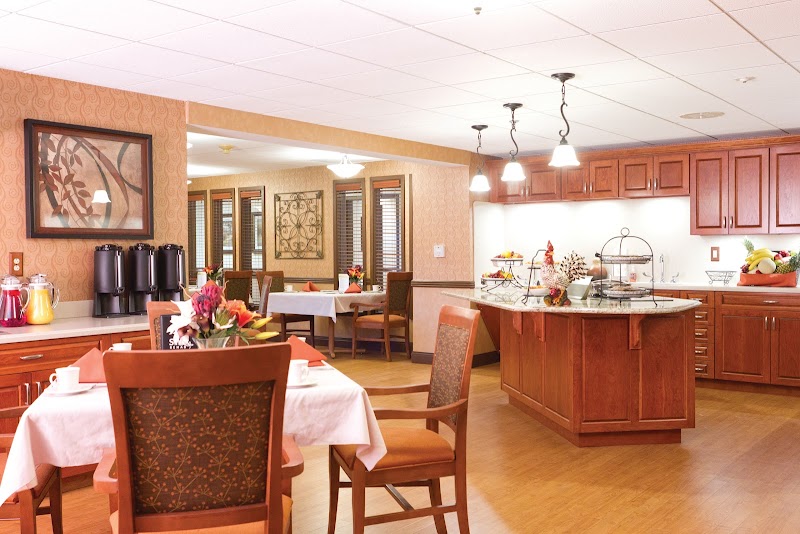
How is Village Green Rehabilitation And Healthcare Center Staffed?

CMS rates VILLAGE GREEN REHABILITATION AND HEALTHCARE CENTER's staffing level at 3 out of 5 stars, which is average compared to other nursing homes. Staff turnover is 45%, compared to the Connecticut average of 46%. This relatively stable workforce can support continuity of care.

What Have Inspectors Found at Village Green Rehabilitation And Healthcare Center?

State health inspectors documented 37 deficiencies at VILLAGE GREEN REHABILITATION AND HEALTHCARE CENTER during 2021 to 2025. These included: 1 that caused actual resident harm, 32 with potential for harm, and 4 minor or isolated issues. Deficiencies causing actual harm indicate documented cases where residents experienced negative health consequences.

Who Owns and Operates Village Green Rehabilitation And Healthcare Center?

VILLAGE GREEN REHABILITATION AND HEALTHCARE CENTER is owned by a for-profit company. For-profit facilities operate as businesses with obligations to shareholders or private owners. The facility is operated by GENESIS HEALTHCARE, a chain that manages multiple nursing homes. With 120 certified beds and approximately 74 residents (about 62% occupancy), it is a mid-sized facility located in BRISTOL, Connecticut.

How Does Village Green Rehabilitation And Healthcare Center Compare to Other Connecticut Nursing Homes?

Compared to the 100 nursing homes in Connecticut, VILLAGE GREEN REHABILITATION AND HEALTHCARE CENTER's overall rating (2 stars) is below the state average of 3.0, staff turnover (45%) is near the state average of 46%, and health inspection rating (2 stars) is below the national benchmark.

What Should Families Ask When Visiting Village Green Rehabilitation And Healthcare Center?

Based on this facility's data, families visiting should ask: "Can I visit during a mealtime to observe dining assistance and food quality?" "How do you handle medical emergencies, and what is your hospital transfer rate?" "Can I speak with family members of current residents about their experience?"

Is Village Green Rehabilitation And Healthcare Center Safe?

Based on CMS inspection data, VILLAGE GREEN REHABILITATION AND HEALTHCARE CENTER has a clean safety record: no substantiated abuse findings (meaning no confirmed cases of resident harm), no Immediate Jeopardy citations (the most serious violation level indicating risk of serious injury or death), and is not on the Special Focus Facility watch list (a federal program monitoring the lowest-performing 1% of nursing homes). The facility has a 2-star overall rating and ranks #100 of 100 nursing homes in Connecticut. While no facility is perfect, families should still ask about staff-to-resident ratios and recent inspection results during their visit.

Do Nurses at Village Green Rehabilitation And Healthcare Center Stick Around?

VILLAGE GREEN REHABILITATION AND HEALTHCARE CENTER has a staff turnover rate of 45%, which is about average for Connecticut nursing homes (state average: 46%). Moderate turnover is common in nursing homes, but families should still ask about staff tenure and how the facility maintains care continuity when employees leave.

Was Village Green Rehabilitation And Healthcare Center Ever Fined?

VILLAGE GREEN REHABILITATION AND HEALTHCARE CENTER has been fined $22,097 across 2 penalty actions. This is below the Connecticut average of $33,300. While any fine indicates a compliance issue, fines under $50,000 are relatively common and typically reflect isolated problems that were subsequently corrected. Families should ask what specific issues led to these fines and confirm they've been resolved.

Is Village Green Rehabilitation And Healthcare Center on Any Federal Watch List?

VILLAGE GREEN REHABILITATION AND HEALTHCARE CENTER is not on any federal watch list. The most significant is the Special Focus Facility (SFF) program, which identifies the bottom 1% of nursing homes nationally based on persistent, serious quality problems. Not being on this list means the facility has avoided the pattern of deficiencies that triggers enhanced federal oversight. This is a positive indicator, though families should still review the facility's inspection history directly.