CIVITA CARE CENTER AT CHESHIRE
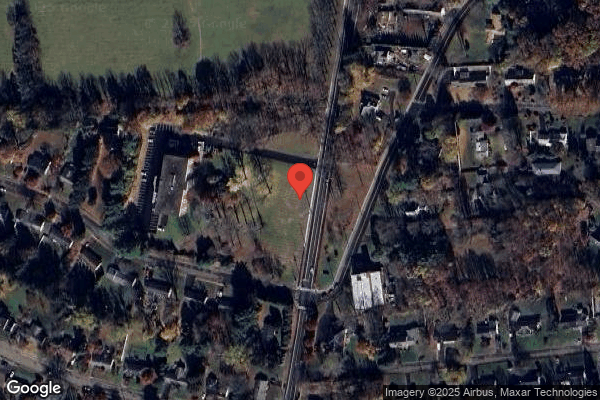
745 HIGHLAND AVENUE, CHESHIRE, CT 06410 (203) 272-7285
For profit - Limited Liability company 120 Beds CIVITA CARE CENTERS Data: November 2025
Trust Grade
55/100
#90 of 192 in CT
Last Inspection: January 2025

Within standard 12-15 month inspection cycle. Federal law requires annual inspections.

Overview

Civita Care Center at Cheshire has a Trust Grade of C, which means it is average-neither great nor terrible in comparison to other facilities. It ranks #90 out of 192 nursing homes in Connecticut, placing it in the top half but indicating there are many better options available. Unfortunately, the facility is worsening, with reported issues increasing from 11 in 2022 to 19 in 2025. Staffing is a strength here, with a turnover rate of 0%, which is well below the state average, indicating that staff members are likely to be familiar with the residents. While there are no fines recorded, which is positive, there have been serious concerns, such as a failure to provide adequate supervision for a resident at risk of falling, resulting in a femur fracture, and issues with maintaining food temperature safety prior to meal service. Overall, while the center has some strengths, particularly in staffing, there are notable weaknesses that families should consider.

Trust Score
C
55/100
In Connecticut
#90/192
Top 46%
Safety Record
Moderate
Needs review
Inspections
Getting Worse
11 → 19 violations
Staff Stability
○ Average
Turnover data not reported for this facility.
Penalties
✓ Good
No fines on record. Clean compliance history, better than most Connecticut facilities.
Skilled Nurses
○ Average
Each resident gets 31 minutes of Registered Nurse (RN) attention daily — about average for Connecticut. RNs are the most trained staff who monitor for health changes.
Violations
⚠ Watch
47 deficiencies on record. Higher than average. Multiple issues found across inspections.
★★★☆☆
3.0
Overall Rating
★★☆☆☆
2.0
Staff Levels
★★☆☆☆
2.0
Care Quality
★★★☆☆
3.0
Inspection Score
Stable
2022: 11 issues
2025: 19 issues

The Good

  • Full Sprinkler Coverage · Fire safety systems throughout facility
  • No fines on record

Facility shows strength in fire safety.

The Bad

3-Star Overall Rating

Near Connecticut average (3.0)

Meets federal standards, typical of most facilities

Chain: CIVITA CARE CENTERS

Part of a multi-facility chain

Ask about local staffing decisions and management

The Ugly 47 deficiencies on record

1 actual harm
Jan 2025 2 deficiencies
CONCERN (D) 📢 Someone Reported This

A family member, employee, or ombudsman was alarmed enough to file a formal complaint

Potential for Harm - no one hurt, but risky conditions existed

Deficiency F0655 (Tag F0655)

Could have caused harm · This affected 1 resident

**NOTE- TERMS IN BRACKETS HAVE BEEN EDITED TO PROTECT CONFIDENTIALITY** Based on review of the clinical record, facility documentation, facility policy, and interviews for one (1) of three (3) residen...

Read full inspector narrative →
**NOTE- TERMS IN BRACKETS HAVE BEEN EDITED TO PROTECT CONFIDENTIALITY** Based on review of the clinical record, facility documentation, facility policy, and interviews for one (1) of three (3) residents (Resident #2) reviewed for activities of daily living and diabetes management, the facility failed to ensure a baseline care plan was implemented for a resident who required assistance with activities of daily living and had type 2 diabetes mellitus with hyperglycemia. The findings include: Resident #2 had diagnoses that included need for assistance with personal care, type 2 diabetes mellitus type with hyperglycemia The nursing admission evaluation dated 12/13/24 at 3:56 P.M. completed by LPN #2 identified Resident #2 has an amputation to h/her right lower leg and Resident #2 requires extensive assistance with transfers. Review of Occupational Therapist Assistant (OTA) #1's summary of daily skilled services dated 12/15/24 at 1:31 P.M. identified for Resident #2 use Hoyer at this time for h/her safety as well as the safety of staff due to frequent falls at home and the hospital. OTA #1 identified Resident #2's had poor sitting balance during ADLS, Resident #2 was unable to stand and Resident #2 was unable to participate in toileting. The Physical Therapy (PT) evaluation dated 12/16/24 at 2:22 P.M. completed by PT #1 identified Resident #2 requires moderate assistance with 2 for transfers and requires moderate assistance with bed mobility. Review of the Resident #2's 72-hour meet and greet admission meeting form dated 12/16/24 completed by SW #2 identified Resident #2 required rehabilitation services for bed mobility, gait, needed devices, need for assistance, strengthening, ADL/self-care, impaired vision/hearing, and cognitive abilities. The admission MDS dated [DATE] identified Resident #2 had a Brief Interview for Mental Status score of twelve (12) indicative of moderately impaired cognition, rejection of care behavior occurring one (1) to three (3) days, always incontinent of bowel, occasionally incontinent of bladder, required moderate assistance with personal hygiene, transfers, and non-ambulatory. The MDS dated [DATE] further identified Resident #2 received insulin injections 6 days during the last 7 days and Resident #2 is taking high-risk drug classes which included hypoglycemics. The care plan dated 12/13/24 to 12/27/24 failed to reflect documentation that identified Resident #2 required assistance with ADLs. a) The physician's order dated 12/16/24 directed to provide the assistance of one with ADLs and transfers with Hoyer lift. Interview with OT #1 on 1/23/25 at identified Resident #2 required moderate assistance with ADLs, with transfers required the assistance of two with use of a Hoyer lift, and Resident #2 was non-ambulatory. b. Review of physician's orders dated 12/13/24 directed to administer Ozempic (medication for diabetes mellitus) 2 mg/3ml 0.5 mg once a day on Monday, Toujeo solostar U-300 (insulin glargine ) 300 unit/ml (medication used for diabetes mellitus) 1.5 ml /80 unit at bedtime, Glimepiride (medication used for diabetes mellitus) 4 mg twice per day at 9:00 A.M. and 5:00 P.M., Actos (medication used for diabetes mellitus) 30 mg once per day, and administer Lispro insulin (medication used for diabetes mellitus) 100 unit/ml subcutaneously before meals and at bedtime per sliding scale: Blood Glucose (BG) is below 70, call MD. BG 150-200 administer 8 units. BG 201-250 administer 10 units. BG 251-300 administer 12 units. BG 301-350 administer 14 units. BG 351-400 administer 16 units. BG 401-450 administer 18 units. BG 451-500 administer 18 units. If BG is greater than 500, call MD. Review of the baseline care plan failed to address the for the assistance with ADLs and diabetes management. Interview and clinical record review with DNS on 1/23/25 at 12:10 P.M. identified the expectation is when a resident is admitted a baseline care plan is developed and implemented to meet the resident's needs within 72 hours. The DNS identified her expectations are the care plan would be implemented to identify ADL status and disease management. The DNS identified Resident #2 should have had a care plan developed and implemented for ADLs and for diabetes mellitus. Review of facility baseline care plan policy identified a baseline plan of care to meet the resident's immediate needs shall be developed for each resident on admission. The interdisciplinary team will review the healthcare practitioner's orders (e.g. dietary needs, medications, routine treatments, etc.) and implement a baseline care plan to meet the residents' immediate care needs including but not limited to initial goals based on admission orders, physician orders, dietary orders, therapy services, and social services.
CONCERN (D) 📢 Someone Reported This

A family member, employee, or ombudsman was alarmed enough to file a formal complaint

Potential for Harm - no one hurt, but risky conditions existed

Medical Records (Tag F0842)

Could have caused harm · This affected 1 resident

**NOTE- TERMS IN BRACKETS HAVE BEEN EDITED TO PROTECT CONFIDENTIALITY** Based on review of the clinical record, facility documentation, facility policy, and interviews for one (1) of three (3) residen...

Read full inspector narrative →
**NOTE- TERMS IN BRACKETS HAVE BEEN EDITED TO PROTECT CONFIDENTIALITY** Based on review of the clinical record, facility documentation, facility policy, and interviews for one (1) of three (3) residents (Resident #2) reviewed for diabetes management, the facility failed to ensure the medical record was complete and accurate to reflect treatment of hypoglycemia. The findings include: Resident #2 had diagnoses that included need for assistance with personal care, type 2 diabetes mellitus type with hyperglycemia, abnormalities of gait and mobility, repeated falls, acquired absence of right below knee amputation, and generalized muscle weakness. The admission MDS dated [DATE] identified Resident #2 had a Brief Interview for Mental Status (BIMS) score of twelve (12) indicative of moderately impaired cognition, moderate assistance with ADLs The MDS and insulin injections 6 days during the last 7 days and Resident #2 was taking high-risk drug classes which included hypoglycemics. The physician's orders dated 12/20/24 directed to administer Ozempic (medication for diabetes mellitus) 4 mg/3 ml 1 mg every Monday at 9:00 A.M., Toujeo solostar U-300 (insulin glargine ) 300 unit/ml (medication used for diabetes mellitus) 60 units once per day at bedtime, Glimepiride (medication used for diabetes mellitus) 4 mg twice per day at 9:00 A.M. and 5:00 P.M., Actos (medication used for diabetes mellitus) 30 mg once per day, administer Glucagon 1mg as needed if blood sugar is under 60 and the resident is unable to take anything by mouth, and administer Lispro insulin (medication used for diabetes mellitus) 100 unit/ml subcutaneously before meals and at bedtime per sliding scale Blood Glucose (BG) is below 70, call MD. BG 150-200 administer 8 units. BG 201-250 administer 10 units. BG 251-300 administer 12 units. BG 301-350 administer 14 units. BG 351-400 administer 16 units. BG 401-450 administer 18 units. BG 451-500 administer 18 units. If BG is greater than 500, call MD. a) Review of Resident #2's Vitals Report dated 12/20/24 at 8:52 A.M. identified LPN #2 recorded Resident #2's blood sugar as 36. Review of Resident #2's Medication Administration Record (MAR) dated 12/20/24 at 8:53 A.M. LPN #2 administered Glucagon solution 1 mg to Resident #2 and the result was effective. Review of Resident #2's Vitals Report dated 12/20/24 identified LPN #2 did not recheck Resident #2's blood sugar until 11:37 A.M. and recorded Resident #2's blood sugar as 149. b) Review of Resident #2's Vitals Report dated 12/21/24 at 8:56 A.M. identified LPN #2 recorded Resident #2's blood sugar as 51. Review of Resident #2's Vitals Report dated 12/21/24 identified LPN #2 did not recheck Resident #2's blood sugar until 11:35 A.M. and recorded Resident #2's blood sugar as 70. c) Review of Resident #2's Vital Report dated 12/22/24 at 9:04 A.M. identified LPN #2 recorded Resident #2's blood sugar as 41. Review of Resident #2's Medication Administration Record (MAR) dated 12/22/24 at 9:05A.M. LPN #2 administered Glucagon solution 1 mg to Resident #2 and the result was effective. Review of Resident #2's Vitals Report dated 12/22/24 identified LPN #2 did not recheck Resident #2's blood sugar until 12:24 P.M. and recorded Resident #2's blood sugar as 60. The nurse's note dated 12/22/24 at 2:34 P.M. written by LPN #2 identified Resident #2's blood sugar this morning was 41, glucagon was administered, and blood sugar was 52. Resident #2 ate breakfast and she rechecked Resident #2's blood sugar at 11:30 A.M. with a result of 60. RN #1 was notified and will notify the APRN. The nurse's note dated 12/22/24 at 4:26 P.M. written by RN #1 identified Resident #2 ate breakfast and lunch and had 2 boosts (oral supplement) for dinner. RN #1 identified Resident #2's blood sugar before dinner was 68 and Resident #2 had no signs or symptoms of hypoglycemia. RN #1 indicated Resident #2's Toujeo and Glimepiride will be held. The physician's orders dated 12/22/24 directed to hold Toujeo and Glimepiride evening doses. The nurse's note dated 12/22/24 at 6:40 P.M. written by LPN #4 identified Resident #2's blood sugar was 60 and Resident #2 did not eat supper. LPN #4 identified Resident #2 has 2 boost beverages and has no signs or symptoms of hypoglycemia. Review of Resident #2's Vitals Report identified Resident #2's blood sugar was not obtained again until 12/23/24 at 8:02 A.M. by LPN #2 and Resident #2's blood sugar was 49. d) Review of Resident #2's Vitals Report identified on 12/23/24 at 11:51 A.M. LPN #2 recorded Resident #2's blood sugar as 37. The nurse's note dated 12/23/24 at 1:49 P.M. written by RN #2 identified she was updated by LPN #2 that Resident #2's blood glucose levels over the weekend ranged between 26-189 and Resident #2 had no signs or symptoms of hypoglycemia. RN #2 identified she notified APRN #2, verbal orders obtained to hold Glimepiride and decrease Toujoe to 50 units once a day at bedtime. The physician's orders dated 12/23/24 directed to administer Toujeo solostar U-300 (insulin glargine ) 300 unit/ml (medication used for diabetes mellitus) 50 units once per day at bedtime and discontinue Glimepiride 4 mg. Review of Resident #2's Vitals Report dated 12/23/24 at 7:07 P.M. identified LPN #4 recorded Resident #2's blood sugar as 67 and at 8:58 P.M. LPN #4 recorded Resident #2's blood sugar as 72. e) Review of Resident #2's Vitals Report dated 12/24/24 at 4:36 P.M. identified LPN #3 recorded Resident #2's blood sugar as 64. Interview with LPN #2 on 1/23/25 at 8:15 A.M. identified when Resident #2's blood sugars were below 60 on 12/20/24, 12/21/24, 12/22/24, 12/23/24, and on 12/24/24 she indicated Resident #2 alert and did not exhibit any signs or symptoms of hypoglycemia. LPN #2 indicated when Resident #2's blood sugars were 60 or below she gave Resident #2 two (2) boost nutritional shakes and Resident #2 drank both shakes. LPN #2 indicated after Resident #2 drank the shakes she would wait 15 minutes and always recheck Resident #2's blood sugar and notify the RN supervisor. LPN #2 identified she is responsible for recording resident's blood sugar readings in the resident's Vitals report. LPN #2 identified although she rechecked Resident #2's blood sugar levels anytime h/her blood sugar was below 60 she forgot to enter the blood sugar results in Resident #2's clinical record. Interview with RN #2 on 1/23/25 at 9:25 A.M. identified she was notified by LPN #2 on 12/20/24, 12/22/24, and 12/23/24 that Resident #2's blood sugars were below 60. RN #2 identified LPN #2 would notify her within 30 minutes that she rechecked Resident #2's blood sugar and Resident #2 was stable. RN #2 identified the charge nurses are responsible for entering blood sugars readings in the resident's Vitals report or by writing a nurse's note. RN #2 indicated on 12/20/24, 12/22/24, and 12/23/24 she did notify APRN #2 when Resident #2's blood sugars were under 60. RN #2 identified she did not write nurse's notes in Resident #2'clinical record every time she updated APRN #2, because she wrote notes on the supervisor's reports. Interview with APRN #2 on 1/23/25 at 11:10 A.M. identified she was aware of Resident #2's low blood sugar readings. APRN #2 indicated when Resident #2's blood sugars were below 60, RN #2 notified her. APRN #2 identified multiple medication changes were made to address Resident #2's low blood sugars. Interview and clinical record review with the DNS on 1/23/25 at 12:10 P.M. unable to reflect on 12/20/24, 12/21/24, 12/22/24, 12/23/24, and 12/24/24 LPN #2, LPN #3, and LPN #4 what interventions were implemented when Resident #2's blood sugars were under 60, that the provider was notified, and Resident #2's blood sugars were rechecked within 15 minutes and what the results were. The DNS identified the expectation is when a resident's blood sugar is under 70 the nurse administers juice, health shakes, or a snack to the resident, notifies the supervisor or APRN, rechecks the resident's blood sugar in 15 minutes and documents in the clinical record the blood sugar result. The DNS identified when Resident #2's blood sugars were below 70 the nurses LPN #2, LPN #3, and LPN #4 should have written a nurse's note to identify what Resident #2's blood sugar reading was, how they treated the hypoglycemia, Resident #2's response, and obtained another blood sugar in 15 minutes documented the follow-up blood sugar reading in Resident #2's clinical record. Review of the facility management of hypoglycemia policy dated 9/1/2022 identified management for level 1 hypoglycemia is to give the resident an oral form of rapidly absorbed glucose, notify the provider immediately, remain with the resident, recheck the blood glucose in 15 minutes and document the resident's blood glucose before the intervention, note blood sugar after each administration of rapid-acting glucose and the follow up blood sugar, and document any provider instructions.
Jan 2025 17 deficiencies
CONCERN (D) 📢 Someone Reported This

A family member, employee, or ombudsman was alarmed enough to file a formal complaint

Potential for Harm - no one hurt, but risky conditions existed

Resident Rights (Tag F0550)

Could have caused harm · This affected 1 resident

**NOTE- TERMS IN BRACKETS HAVE BEEN EDITED TO PROTECT CONFIDENTIALITY** Based on review of the clinical record, facility documentation, facility policy and interviews for 1of 3 residents (Resident #39...

Read full inspector narrative →
**NOTE- TERMS IN BRACKETS HAVE BEEN EDITED TO PROTECT CONFIDENTIALITY** Based on review of the clinical record, facility documentation, facility policy and interviews for 1of 3 residents (Resident #39) reviewed for abuse, the facility failed to ensure a resident was treated in a respectful and dignified manner. The findings include: Resident #39 had diagnoses that included hemiplegia/hemiparesis (weakness and paralysis) affecting the left, non-dominant side following a cerebral infarction (stroke) and history of seizures. The baseline care plan dated 12/23/24 identified Resident #39 had a functional rehabilitation potential and was at risk for falls. Interventions included to provide the necessary set up cueing support/assistance to carry out activities of daily living. The admission MDS dated [DATE] identified Resident #39 was cognitively intact, required substantial one person assist with bed mobility, two-person assist with transfers using a mechanical lift and set up assist with eating. Interview with Resident #39 on 1/12/25 at 9:07 AM identified he/she was finishing up an afternoon meal recently and asked a nurse aide (NA #12), for a food item. NA #12 told the resident he/she was not from an African American [NAME] and therefore did not understand food deprivation and that Americans get whatever they want. Resident #39 felt NA #12 was disrespectful. Interview with NA #12 on 1/13/25 at 10:59 AM identified that although he denied making the specific statement to Resident #39 and was only speaking of his own chartable work, he did recall that at one time, Resident #39 requested various food items while he was providing the resident his/her meal tray. NA #12 asked Resident #39 why he/she doesn't eat the meal tray first before eating cookies. NA #12 returned sometime later after the meal and provided one food item and that nothing else was mentioned. Interview with the DNS on 1/13/25 at 3:16 PM identified NA #12 informed the DNS that he told the resident to eat the food first before getting cookies as the meal was more filling. Verbal education was provided to NA #12 regarding customer service as the resident had the right to have preferences regarding what he/she ate. NA #12 was removed from providing any further care to Resident #39. A review of the facility policy for Resident Rights directed that employees shall treat all residents with kindness, respect and dignity including self-determination.
CONCERN (D)

Potential for Harm - no one hurt, but risky conditions existed

Deficiency F0553 (Tag F0553)

Could have caused harm · This affected 1 resident

**NOTE- TERMS IN BRACKETS HAVE BEEN EDITED TO PROTECT CONFIDENTIALITY** Based on review of the clinical record, facility documentation, facility policy, and interviews for 1 resident (Resident #45) re...

Read full inspector narrative →
**NOTE- TERMS IN BRACKETS HAVE BEEN EDITED TO PROTECT CONFIDENTIALITY** Based on review of the clinical record, facility documentation, facility policy, and interviews for 1 resident (Resident #45) reviewed for care planning, the facility failed to consistently hold interdisciplinary resident care conferences and invite the resident to participate. The findings include: Resident #45 was admitted to the facility in November 2020 with diagnoses that included chronic embolism and thrombosis of deep veins of left lower extremity, history of falls, major depression, poly neuropathy and seizures. The quarterly MDS dated [DATE] identified Resident #45 had intact cognition, was independent for dressing, toileting, and personal hygiene. Additionally Resident #45 participated in assessment. The care plan dated 3/26/23 identified code status with interventions to review quarterly and as needed with Resident #45. Review of the clinical record 4/13/23 to 10/10/24 identified the last quarterly interdisciplinary care conference was held on 4/13/23, over a year and a half ago, which included a recreation person, a social worker, and Resident #45. Six quarterly interdisciplinary care conferences were not held. Interview with Resident #45 on 1/12/25 at 10:20 AM indicated that he/she has not meet with the interdisciplinary team for a care conference in about 2 years. Resident #45 indicated that the facility used to have those meetings but did not know why the facility stopped having them. Resident #45 indicated that if they had the quarterly interdisciplinary care conference, he/she would want to attend, again. Interview with RN #7 (MDS coordinator) on 1/13/25 at 8:54 AM indicated that she had worked at the facility as the MDS coordinator for the last 9 years. RN #7 indicated that she creates the MDS schedule every month for the quarterly, annual, and significant change in condition MDS's. RN #7 indicated that the quarterly and annual interdisciplinary care conferences were scheduled by the social worker based off the MDS calendar each month. RN #7 indicated that the social worker must call or see each resident and resident representative to schedule that month's interdisciplinary care conference that are due. RN #7 indicated that the social worker must schedule the care conference at a time that is convenient for the resident and resident's representative so they can attend. RN #7 indicated that she was aware that she was expected to attend the care conferences, but she rarely attends any of the care conferences because she does not have the time to attend them. RN #7 indicated that the last couple of years she has not had the time to attend those meetings. RN #7 indicated that she has asked the Administrator many times over the last couple of years for a second person in her department so she would be able to attend the meetings, but that has not occurred. RN #7 indicated that the whole team should attend the quarterly interdisciplinary care conferences including the social worker, a floor RN, therapy if resident is on therapy, the dietitian (but she is only in the facility 2 days a week), and the MDS person. RN #7 indicated that she had to cut something out to get everything done so she stopped attending about 2 years ago. Interview with SW #1 on 1/13/25 at 9:10 AM indicated that the MDS coordinator was responsible to make the monthly calendar for who was due for a care conference. SW #1 indicated that it was her responsibility and her part time social worker to speak with residents and call resident representative to schedule each month's care conferences based on their schedules. SW #1 indicated that the resident care conference should include the resident, resident representative, social worker, MDS coordinator, recreation, dietitian, and the nurse responsible for that unit the resident is on. SW #1 indicated that the social worker attending the meeting was responsible to have all attendees sign in and then write a note in the electronic medical record of who attended and what was discussed. SW #1 indicated that the nurse's aide assigned to the resident does not get invited to attend. SW #1 indicated that she did not have any sign in sheets for Resident #45 for his/her resident care conferences. After review of the clinical record, SW #1 indicated that for each quarterly and annual meeting scheduled for Resident #45 since 4/13/23, only the social worker attended and no one else attended and that does not meet the requirement of a quarterly or annual interdisciplinary resident care conference. SW #1 indicated that Resident #45 was scheduled on 1/9/25 for a interdisciplinary resident care conference, but only she had meet with Resident #45, not the interdisciplinary team. SW #1 indicated she had brought to the attention of the Administrator and DNS during a morning report with all management present that all staff that should be attending were not. SW #1 indicated that the last time she brought this to their attention was October 2024. SW #1 indicated she was documenting that the interdisciplinary resident care conferences were being conducted but it was only a one-on-one meeting with her or the other social worker. Review of the Care Plans, Comprehensive Person-Centered Policy identified a comprehensive, person-centered care plan includes measurable objectives and timetables to meet the resident's physical, psychosocial and functional needs is developed and implemented for each resident. The interdisciplinary team in conjunction with the resident or resident representative develops and implements a comprehensive, person-centered care plan for each resident. The interdisciplinary team includes the attending physician, a registered nurse, a nurse's aide who is responsible for that resident, a member of the dietary services staff, the resident and resident representative, and other appropriate staff or professionals as determined by the resident's needs or requested by the resident. The resident has the right to participate in his/her plan of care., including the right to participate in the planning process, identify individuals or roles to be included in meetings, request meetings, request revision of the plan of care, participate in establishing the expected goals and outcomes of care, participate in determining type, amount, frequency, and duration of care. Resident has the right to see the care plan and sign it after significant changes are made. The care plan process will facilitate resident and/or resident representative involvement. The interdisciplinary team must at least quarterly review and update the care plan. The resident has the right to participate in this development of his/her care plan. Review of the Care Planning identified the interdisciplinary team was responsible for the development of a resident's individualized comprehensive care plan for each resident. The care plan is based on the resident's comprehensive assessment and is developed by a care planning interdisciplinary team which includes: the attending physician, the registered nurse who is responsible for the resident, the dietitian or dietary manager, the social worker, the activities director, therapies if applicable, consultants as appropriate, the DNS if appropriate, the charge nurse responsible for the resident, the nurses aide responsible for the residents care. The resident, resident's representative are encouraged to participate in the development and revisions to the resident's care plan. Every effort will be made to schedule care plan meetings at the best time of the day for the resident and resident representative.
CONCERN (D)

Potential for Harm - no one hurt, but risky conditions existed

Deficiency F0572 (Tag F0572)

Could have caused harm · This affected 1 resident

**NOTE- TERMS IN BRACKETS HAVE BEEN EDITED TO PROTECT CONFIDENTIALITY** Based on review of the clinical record, facility documentation, facility policy, and interviews for 1 of 4 residents (Resident #...

Read full inspector narrative →
**NOTE- TERMS IN BRACKETS HAVE BEEN EDITED TO PROTECT CONFIDENTIALITY** Based on review of the clinical record, facility documentation, facility policy, and interviews for 1 of 4 residents (Resident #44) reviewed for advance directives, the facility failed to inform the resident/resident representative of their rights upon admission. The findings include: Resident #44 was admitted to the facility in September 2024 with diagnoses that included stroke, gastrostomy placement, and dysphagia. The care plan dated 10/1/24 identified Resident #44 had impaired cognition related to a stroke, including being nonverbal. Interventions included to report any concerns or changes to the resident representative. A social work admission note dated 10/3/24 at 11:03 AM identified an admission care conference meeting was held with Person #1 (resident representative) related to the admission and included a review of medical and psychiatric history, current status, care plan, and goals of treatment. The admission MDS dated [DATE] identified Resident #44 had severely impaired cognition, was always incontinent of bowel and bladder and was dependent on staff assistance with bathing, Interview with Person #1 on 1/12/25 at 9:49 AM identified the facility had not reviewed any documentation related to Resident #44's admission to the facility. Person #1 identified that upon Resident #44's admission, and with all subsequent communication with facility staff following admission, the facility at no time reviewed or requested a review of any documents related to admission. Person #1 identified they hadn't asked him/her to sign any paperwork since admission and questioned if they had any paperwork on file and how they were being paid if no one signed paperwork. Review of the clinical record on 1/12/25 identified blank admission documents including a consent to treatment, authorizing medical treatment by providers, a personal item inventory list, a consent for use of side rails, leave of absence policy no smoking policy; consent and request for audiology services including billing, payment criteria, authorization to share protected health care information, consent and request for supportive care services including billing, payment criteria, and authorization to share protected health care information, and consent and education for pneumococcal and influenza vaccinations. Further the record did not have a signed admission agreement. The admission Agreement was in the clinical record and included Resident #44's name. Further, admission agreement documentation was in the clinical record, unsigned, undated and blank, and included the following. Review of treatment and services. General provisions for payment. Compliance with facility policies. Resident charge rates for services and charges for non-covered services. Medicare pay rates and authorizations. Privacy waivers, privacy consents. Right to refuse treatment. Medications obtained and administered by the facility. Involuntary discharge, emergency discharge, alternate placements. Bed hold. Facility liability related to the resident's care and services. Facility's right to change, amend, or alter the admission agreement at any time with 30 days written notice to the resident or resident representative. Interview with the Admissions Director on 1/15/25 at 8:52 AM identified that she was responsible for reviewing the admission agreement documentation with all newly admitted residents or the resident representative upon admission to the facility. The Admissions Director identified she wrote notes on the admission documents indicating her attempts to reach Person #1 on 9/28, 10/2, and 10/14 but did not speak with him/her and did not make any additional attempts. The admission Director identified she did not speak with the DNS or Administrator to notify them that she did not reach Person #1 to review the admission agreement and identified since she reached out via phone with no return calls, she did not make any additional attempts. The admission Director identified that the admission agreement document reviewed the specifics related to admission and care at the facility, including administrative processes related to billing, bed holds, and charges incurred outside of insurance paid services. Interview with the DNS on 1/15/25 at 9:38 AM identified that it was the responsibility of the admitting nurse to ensure that the clinical admission paperwork was completed within 48 hours of a resident's admission to the facility. The DNS identified that the timeframe for completion was based on when a resident was admitted to the facility (i.e. nights, weekends, etc.) and if the admitting nurse was unable to complete the paperwork with the resident or a resident representative, the nurse was responsible to report off to the next oncoming nurse to ensure that the paperwork was completed. The DNS identified that she had been able to reach and speak with Person #1 multiple times since Resident #44's admission and Person #1 had also been in the facility to visit Resident #44 so the admission paperwork should have been done. The facility admission agreement directed that the agreement was a legally binding contract between and amongst the resident and resident parties, and the resident parties acknowledged that they wanted the residents to be admitted and receive services provided by the facility. The agreement further directed that by signing, the facility and resident parties were legally bound by it. The facility policy on resident rights directed that residents of the facility were guaranteed certain basic rights that included the right to be informed of rights and responsibilities, be informed of, and participate in treatment.
CONCERN (D)

Potential for Harm - no one hurt, but risky conditions existed

Deficiency F0578 (Tag F0578)

Could have caused harm · This affected 1 resident

**NOTE- TERMS IN BRACKETS HAVE BEEN EDITED TO PROTECT CONFIDENTIALITY** Based on review of the clinical record, facility documentation, facility policy, and interviews for 3 of 4 residents (Resident #...

Read full inspector narrative →
**NOTE- TERMS IN BRACKETS HAVE BEEN EDITED TO PROTECT CONFIDENTIALITY** Based on review of the clinical record, facility documentation, facility policy, and interviews for 3 of 4 residents (Resident #16 and 41) reviewed for advance directives, the facility failed to obtain a physician's order for code status after the residents' wishes were communicated and identified on the Advance Directives-Clarification of Wishes document, and for 1 resident (Resident #44 ) reviewed for advance directives, the facility failed to review advance directives upon admission. The findings include: 1. Resident #16 was admitted to the facility on [DATE] with diagnoses that included vascular dementia, Alzheimer's disease, and malignant neoplasm of an unspecified part of bronchus or lung. An Advance Directives-Clarification of Wishes document dated [DATE] identified Resident #16's wishes regarding care and treatment in the event that the resident was incapacitated and unable to direct his/her physician or if it was determined that the resident would be permanently unconscious were as follows: Do Not Resuscitate (DNR), IV therapy for hydration, antibiotic therapy, and no intubation (DNI). The care plan dated [DATE] identified Resident #16 wishes for advance directives were DNR. Interventions included honoring the Advance Directive for 90 days and no respirator. Review of the clinical record identified a physician's order honoring the residents request of DNR/DNI was not written until [DATE], 11 months after the Advance Directives-Clarification of Wishes document dated [DATE]. Interview and review of the clinical record with the DNS on [DATE] at 2:37 PM identified it was her expectation that the advance directive would be addressed with the resident by the RN supervisor and a signed physician's/APRN's order would be obtained within 48 hours of admission. The DNS further identified that while Resident #16's Advance Directives-Clarification of Wishes document was signed by the medical provider, she was unable to locate a physician or APRN's signed order until 2025. The DNS indicated that she was unable to identify where the breakdown occurred, and that the facility was working on a house wide audit for Advance Directives with QAPI. 2. Resident #41 was admitted to the facility on [DATE] with diagnoses that included Alzheimer's disease, Epilepsy, and schizoaffective disorders. An Advance Directives-Clarification of Wishes document dated [DATE] identified Resident #41's wishes regarding care and treatment in the event that the resident was incapacitated and unable to direct his/her physician or if it was determined that the resident would be permanently unconscious were as follows: Full Code (CPR), IV therapy for hydration, and antibiotic therapy. The care plan dated [DATE] failed to identify Advance Directives. Review of the physician's orders failed to identify Advance Directives or code status. Interview and review of the clinical record with the DNS on [DATE] at 2:37 PM failed to identify a physician's order for Resident 41's advance directive. The DNS indicated that it was her expectation that within 48 hours of admission a resident's advance directive would be addressed by the RN supervisor and a signed medical provider order would be obtained. The DNS further identified that while Resident #41's Advance Directives-Clarification of Wishes document was signed by the medical provider, she was unable to locate a physician or APRN's signed order in the clinical record. The DNS indicated that she was unable to identify where the breakdown occurred, and that the facility was working on a house wide audit for Advance Directives with QAPI. Subsequent to surveyor inquiry, a physician's order dated [DATE] directed Resident #41 as a full code. The facility's Advance Directives policy directs the Director of Nursing Services or designee will notify the Attending Physician of advance directives so the appropriate orders can be documented in the resident's medical record and plan of care. 3. Resident #44 was admitted to the facility in [DATE] with diagnoses that included stroke, gastrostomy placement, and dysphagia. A physician's order dated [DATE] directed for DNR (do not resuscitate). The care plan dated [DATE] identified Resident #44 had an established advance directive of DNR/DNI. Interventions included discussing advance directives with the resident or legal representative on admission, annually and with a change of condition. A social work admission note dated [DATE] at 11:03 AM identified an admission care conference meeting was held on that date with Person #1 related to Resident #44's admission, however, the note failed to identify documentation that the resident's advance directives had been discussed. The admission MDS dated [DATE] identified Resident #44 had severely impaired cognition. Review of an Advance Directives-Clarification of Wishes form, undated and unsigned identified wishes included DNR, nurse may pronounce, use of feeding tubes, IV therapy for hydration, antibiotic therapy, and intubation in the event of a major respiratory event or infection. The form identified a handwritten note by the DNS which identified (verbal discussion with Person #1 on [DATE] consent for above wishes). The form failed to identify the signature of Person #1 or a witness. Review of the clinical record failed to identify that facility staff had provided the resident/resident representative with written information concerning the right to accept or refuse medical or surgical treatment and formulate advance directives on admission. Interview with Person #1 on [DATE] at 9:49 AM identified the facility had not reviewed and he/she had not signed any documentation related to Resident #44's admission to the facility, including advance directives. Interview with the DNS on [DATE] at 9:38 AM identified that it was the responsibility of the admitting nurse to complete the advance directives paperwork with the resident or resident representative within 48 hours of admission to the facility, but that she had identified through audits of resident charts done 12/2024 that there were multiple residents who did not have signed advance directives in the clinical record. The DNS identified that Resident #44 was one of the charts she completed an audit on, and she called Person #1 to review the advance directive choices on [DATE]. The DNS identified that due to the number of charts that had issues, she contacted Person #1 and wrote the note on Resident #44's paperwork, but did not have a witness present to cosign the document, and did not follow up with Person #1 regarding signing the document and she should have done both to ensure that the advance directive paperwork was completed per policy. The policy on Advance Directives directed that the resident would be provided with written information concerning the right to accept or refuse medical or surgical treatment and formulate advance directives if he/she wished to do so on admission to the facility and nursing would offer and document any assistance in the resident's clinical record.
CONCERN (D)

Potential for Harm - no one hurt, but risky conditions existed

Notification of Changes (Tag F0580)

Could have caused harm · This affected 1 resident

**NOTE- TERMS IN BRACKETS HAVE BEEN EDITED TO PROTECT CONFIDENTIALITY** Based on review of the clinical record, facility documentation, facility policy, and interviews for 1 of 8 residents (Resident #...

Read full inspector narrative →
**NOTE- TERMS IN BRACKETS HAVE BEEN EDITED TO PROTECT CONFIDENTIALITY** Based on review of the clinical record, facility documentation, facility policy, and interviews for 1 of 8 residents (Resident #44) reviewed for hospitalizations, the facility failed to ensure that the resident representative was notified following the resident's transfers to the hospital. The findings include: Resident #44 was admitted to the facility in September 2024 with diagnoses that included stroke, gastrostomy placement, and dysphagia. A physician's order directed to administer Osmolite (a liquid nutritional supplement used for gastrostomy tube feedings) to run continuously at 75 cc/hour and Clopidogrel (a medication used to help prevent blood clots) 75 mg daily via gastrostomy tube for history of stroke. The care plan dated 10/1/24 identified Resident #44 was dependent on tube feeding and was at risk for aspiration and other complications related to tube feeding. Interventions included to check placement and patency before each feeding or medication administration. The admission MDS dated [DATE] identified Resident #44 had severely impaired cognition and was dependent on staff assistance with bathing, dressing, and toileting. A nurse's note dated 10/11/24 at 5:39 AM by RN #1 identified that staff observed that Resident #44 had inadvertently pulled out his/her gastrotomy tube with scant blood noted at the insertion site. The note further identified following an attempt to insert a new gastrostomy tube, Resident #44 exhibited discomfort and pain, that the attempt was unsuccessful, and after contacting the APRN, Resident #44 was sent to the hospital for reinsertion of the gastrostomy tube. Review of the clinical record failed to identify Person #1 (Resident Representative) had been notified of the resident's change of condition or transfer to the hospital. Review of the clinical record identified that Resident #44 was hospitalized [DATE] - 10/16/24 for gastrostomy displacement and reinsertion. A nurse's note dated 10/24/24 at 12:34 AM by RN #1 identified that staff observed Resident #44 had inadvertently pulled out his/her gastrotomy tube with a small amount of blood noted at the insertion site. The note further identified that due to the blood observed, RN #1 contacted the APRN and Resident #44 was sent to the hospital to reinsert the gastrostomy tube. Review of the clinical record failed to identify Person #1 had been notified of the resident's change of condition or transfer to the hospital. A nurse's note dated 10/24/24 at 6:18 AM by RN #1 identified after discussion with the hospital, the resident's gastrostomy tube had been successfully reinserted without difficulty and the resident was being transferred back to the facility. RN #1 identified following the call, he notified the APRN and Person #1 that Resident #44 was being readmitted to the facility. Interview with Person #1 on 1/12/25 at 9:49 AM identified he/she had issues with the facility not contacting him/her related to changes in the residents condition and hospital transfers. Person #1 identified that on at least 2 occasions after Resident #44 was transferred to the hospital he/she was not notified. Person #1 identified that on 10/11/24, he/she received a call from hospital staff related after Resident #44's admission to the hospital because the resident needed a GI specialist to reinsert the feeding tube. Person #1 identified he/she had no idea that Resident #44 had even left the facility and he/she was very upset that it was the hospital staff who contacted him/her with the information instead of the facility. Person #1 identified that another time, facility staff called to notify him/her that Resident #44 was being readmitted to the facility, however, Person #1 had not been notified the resident had been sent back to the hospital (10/24/24). Person #1 identified he/she the communication from the facility needed significant improvement and that he/she should be contacted with any changes that would impact Resident #44's care or require a hospital transfer. Interview with RN #1 on 1/14/25 at 7:14 AM identified he was the nurse who provided care and transferred Resident #44 to the hospital on [DATE] and 10/24/24. RN #1 identified that when he had to transfer a resident to the hospital, he documents a detailed note and would chart that he contacted resident representative. RN #1 identified that he remembered contacting Person #1 related to the 10/11/24 transfer but may have documented it in a facility accident and incident (A&I) report that he believed he filled out related to the tube dislodgement. RN #1 identified he also remembered speaking with Person #1 after the 10/24/24 tube dislodgement but again was unsure where he would have documented it. RN #1 identified he did remember one of the times the resident was transferred to the hospital, [NAME] #1 called the facility and was upset because he had not been contacted about the transfer and found out when the hospital had called him/her. RN #1 identified that while he did routinely contact the resident representatives related to change of conditions and transfers, he did not always call right away because he works in the middle of the night, and doesn't like to call and scare people. Interview with the DNS on 1/15/25 at 9:38 AM identified that the facility did not complete accident and incident (A&I) reports when Resident #44's gastrostomy tube dislodged. The DNS identified that when a resident has a change of condition or requires transfer to the hospital, the expectation is that the RN completes a change of condition assessment, notifies the provider (MD/APRN) and the resident's representative or emergency contact. The DNS identified that the notification to the provider and representative should occur right away. The facility policy on change on condition directed that the facility nurse would notify the resident representative promptly when the resident had a significant change in physical status and when it was necessary to transfer the resident to the hospital.
CONCERN (D)

Potential for Harm - no one hurt, but risky conditions existed

Deficiency F0657 (Tag F0657)

Could have caused harm · This affected 1 resident

**NOTE- TERMS IN BRACKETS HAVE BEEN EDITED TO PROTECT CONFIDENTIALITY** Based on review of the clinical record, facility policy, and interviews for 2 of 2 residents (Resident #37 and 44) reviewed for ...

Read full inspector narrative →
**NOTE- TERMS IN BRACKETS HAVE BEEN EDITED TO PROTECT CONFIDENTIALITY** Based on review of the clinical record, facility policy, and interviews for 2 of 2 residents (Resident #37 and 44) reviewed for tube feeding, the facility failed to ensure the comprehensive care plan was updated following multiple displacements of a feeding tube. The findings include: 1. Resident #37 was admitted to the facility on [DATE] with diagnoses that included cerebral infarction, hemiplegia, neuromuscular dysfunction of the bladder, neurogenic bowel, and a gastrostomy-jejunostomy (GJ) tube. The care plan dated 3/28/24 (last revised 11/12/24) identified Resident #37's GJ tube was at risk for coming out. The intervention was an abdominal binder. The quarterly MDS dated [DATE] identified Resident #37 had severely impaired cognition, had functional limitation in range of motion to both the upper and lower extremities, required maximal assistance for rolling left to right, and had a feeding tube. The nurse's note dated 11/4/24 at 10:34 AM identified that the writer was called into Resident #37's room by the charge nurse, resident's significant other at the bedside, Resident #37's g-tube noted to be dislodged. The medical provider was updated, and a new order was obtained to send Resident #37 to the ED for replacement of the GJ tube. The Interagency Patient Referral Report dated 11/4/24 identified Resident #37 underwent the following procedure: Interventional Radiology (IR) GJ tube change with guidance. The nurse's note dated 12/13/24 at 6:24 PM identified that at 5:00 PM during the medication pass, this writer noticed Resident #37's GJ tube was dislodged completely. The RN supervisor was notified, and Resident #37 was sent to the ED. The Hospitalist Discharge summary dated [DATE] identified Resident #37's active issue was a GJ tube dislodgement, and he/she underwent GJ tube replacement on 12/14/24, by IR. Interview and review of the clinical record with the DNS on 1/15/25 at 8:08 AM failed to identify Resident #37's care plan was updated with new interventions after 2 GJ tube dislodgements. The DNS identified that it was her expectation that when prior or current interventions have not worked that a new intervention be put in place. The DNS further identified that she would have expected Resident #37's care plan to be updated each time his/her GJ tube was dislodged and that she would also expect the responsible party and the family to updated of the new interventions, in a language that they understand. Interview with LPN #6 on 1/15/25 at 8:55 AM identified that she was not sure why Resident #37's care plan had not been updated with new interventions after the GJ tube dislodgements, but the nursing staff had implemented different interventions to prevent the GJ tube from dislodging, including frequent checks and positioning techniques, but it had not been documented in the clinical record. LPN #6 indicated that it was the responsibility of all licensed nursing staff to update the care plan, as needed and quarterly. Interview with RN #4 on 1/15/25 at 9:40 AM identified that she would expect new interventions to be put in place and documented, by any of the nursing staff, every time Resident #37's GJ tube became dislodged, in an effort to prevent further dislodgement. The facility's Care Plan, Comprehensive Person-Centered policy directs that the Interdisciplinary Team, in conjunction with the resident and his/her family or legal representative, develops and implements a comprehensive, person-centered care plan for each resident. Identifying problem areas and their causes and developing interventions that are targeted and meaningful to the resident are the end point of an interdisciplinary process. Care plan interventions are chosen only after careful data gathering, proper sequencing of events, careful consideration of the relationship between the resident's problem areas and their causes, and relevant clinical decision making. Assessments of residents are ongoing, and care plans are revised as information about the resident and the resident's conditions change. The interdisciplinary team must review and update the care plan when there has been a significant change in the resident's condition, when the desired outcome is not met, when the resident has been re-admitted to the facility from a hospital stay, and at least quarterly, in conjunction with the required quarterly MDS assessment. 2. Resident #44 was admitted to the facility in September 2024 with diagnoses that included stroke, gastrostomy placement, and dysphagia. A physician's order directed to administer Osmolite (a liquid nutritional supplement used for gastrostomy tube feedings) to run continuously at 75 cc/hour and Clopidogrel (a medication used to help prevent blood clots) 75 mg daily via gastrostomy tube for history of stroke. The care plan dated 10/1/24 identified Resident #44 was dependent on tube feeding and was at risk for aspiration and other complications related to tube feeding. Interventions included to check placement and patency before each feeding or medication administration. The admission MDS dated [DATE] identified Resident #44 had severely impaired cognition and was dependent on staff assistance with bathing, dressing, and toileting. A nurse's note dated 10/11/24 at 5:39 AM by RN #1 identified that staff observed that Resident #44 had inadvertently pulled out his/her gastrotomy tube with scant blood noted at the insertion site. The note further identified following an attempt to insert a new gastrostomy tube, Resident #44 exhibited discomfort and pain, that the attempt was unsuccessful, and after contacting the APRN, Resident #44 was sent to the hospital for reinsertion of the gastrostomy tube. Review of the clinical record identified that Resident #44 was hospitalized [DATE] - 10/16/24 for gastrostomy displacement and reinsertion. A nurse's note dated 10/24/24 at 12:34 AM by RN #1 identified that staff observed Resident #44 had inadvertently pulled out his/her gastrotomy tube with a small amount of blood noted at the insertion site. The note further identified that due to the blood observed, RN #1 contacted the APRN and Resident #44 was sent to the hospital to reinsert the gastrostomy tube. Review of the care plan failed to reflect the gastrostomy tube dislodgements and/or interventions to address such. Additionally, although RN #7 (MDS Coordinator) reviewed and revised the care plan on 10/29/24, the revision included to ensure the resident's head of bed was elevated to prevent shortness of breath and aspiration. Interview with RN #7 on 1/15/25 at 9:20 AM identified she does not review or revise care plans as that is the responsibility of the floor nurses. RN #7 identified she did review hospital discharge summaries to complete the MDS assessments, however RN #7 reiterated she did not have time to do any other tasks at the facility except MDS assessments, and that she also did not have time to review or revise care plans or attend resident care conferences. Interview with the DNS on 1/15/25 at 9:38 AM that it was the responsibility of the nursing staff to complete care plan revisions related to intermittent accidents and incidents and social services related to behaviors. The DNS identified that any care plan revisions related to hospitalizations or transfers were the responsibility of RN #7 (MDS Coordinator). The DNS identified Resident #44's care plan should have been revised to address the hospitalizations, and she was aware there were issues with those updates. The facility policy on comprehensive care plans directed that the care plan must be reviewed and updated when there was a significant change in the resident's condition, when the resident was readmitted to the facility from a hospital stay, and at least quarterly in conjunction with the required quarterly MDS assessment. The policy further directed that assessments of residents were ongoing and care plans were to be revised as information about the resident and the resident's condition changed.
CONCERN (D) 📢 Someone Reported This

A family member, employee, or ombudsman was alarmed enough to file a formal complaint

Potential for Harm - no one hurt, but risky conditions existed

ADL Care (Tag F0677)

Could have caused harm · This affected 1 resident

**NOTE- TERMS IN BRACKETS HAVE BEEN EDITED TO PROTECT CONFIDENTIALITY** Based on review of the clinical record, facility documentation, facility policy and interview for 1 resident, (Resident #39) rev...

Read full inspector narrative →
**NOTE- TERMS IN BRACKETS HAVE BEEN EDITED TO PROTECT CONFIDENTIALITY** Based on review of the clinical record, facility documentation, facility policy and interview for 1 resident, (Resident #39) reviewed for activities of daily living, the facility failed to provide necessary set up and assistance with meals as per the comprehensive assessment and plan of care. The findings include: Resident #39 had diagnoses that included hemiplegia/hemiparesis (weakness and paralysis) affecting the left, non-dominant side following a cerebral infarction (stroke) and history of seizures. The baseline care plan dated 12/23/24 identified Resident #39 had a functional rehabilitation potential. Interventions included to provide the necessary, set up cueing support/assistance to carry out activities of daily living. The admission MDS dated [DATE] identified Resident #39 was cognitively intact, required substantial one person assist with bed mobility, two-person assist with transfers using a mechanical lift and set up assist with eating. Interview with Resident #39 on 1/12/25 at 9:07 AM identified he/she required assistance with meal set up due to left sided weakness and on occasion, a nurse aide, (NA #12) would drop off his/her food tray without opening or setting up food items. Resident #39 indicated he/she had felt intimidated by NA #12 and was reluctant to request the assistance that was needed. Interview with NA #12 on 1/13/25 at 10:59 AM identified he provides set up assistance to all residents assigned to him and he was not usually assigned to Resident #39. However, he would provide set up assistance with meals if he remembered and when requested. Interview with the DNS on 1/15/25 at 6:46 AM identified it was expected that staff ask all residents if assistance was needed with meals whether they were assigned to the resident or not. Education was provided to NA #12, and he was removed from any further interaction with Resident #39. A review of the facility policy for Activities of Daily Living (ADL) Support directs that residents will be provided with care and services appropriate to maintain or improve ability to carry out ADL's according to need including support and assistance needed with dining.
CONCERN (D)

Potential for Harm - no one hurt, but risky conditions existed

Quality of Care (Tag F0684)

Could have caused harm · This affected 1 resident

**NOTE- TERMS IN BRACKETS HAVE BEEN EDITED TO PROTECT CONFIDENTIALITY** Based on review of the clinical record, facility documentation, facility policy, and interviews for 2 of 5 residents (Resident #...

Read full inspector narrative →
**NOTE- TERMS IN BRACKETS HAVE BEEN EDITED TO PROTECT CONFIDENTIALITY** Based on review of the clinical record, facility documentation, facility policy, and interviews for 2 of 5 residents (Resident #12 and 48) reviewed for accidents, the facility failed to ensure neurological assessments were completed after 3 unwitnessed falls and an observed head strike. The findings include: 1. Resident #12 was admitted to the facility on [DATE] with diagnoses that included vascular dementia, chronic kidney disease, and muscle weakness. Review of the clinical record identified Resident #12 was hospitalized from [DATE] - 4/27/24 due to a left hip fracture following a fall. The care plan dated 4/29/24 identified Resident #12 had a history of falls with hip fracture. Interventions included to keep personal and frequently used items within reach. The significant change MDS dated [DATE] identified Resident #12 had severely impaired cognition, was frequently incontinent of bowel and bladder, and required maximal assistance from staff with transfers, bathing, and dressing. A reportable event form dated 5/28/24 identified Resident #12 had an unwitnessed fall at 12:30 PM. The investigation summary included in the report identified Resident #12 had reported conflicting information to facility staff on how the fall occurred, including falling while attempting to use a blanket, and also reporting attempting to reach a tissue box on the night stand and falling. A nurse's note on 5/28/24 by RN #3 identified that he was called to Resident #12's room following an unwitnessed fall. The note identified Resident #12 was found lying on his/her left side on the floor with his/her wheelchair behind him/her. The note identified Resident #12 reported sitting in his/her wheelchair eating lunch and standing up to wrap a blanket around him/her self at which point he/she lost his/her balance and fell to the floor. The note identified Resident #12 denied a head strike or pain, and had a bruise to the right shin that measured 0.5 cm x 0.5 cm. A post fall assessment dated [DATE] at 12:57 PM by RN #3 identified a neurological check done initially following the fall was within normal limits, with Resident #12 able to move his/her face, bilateral lower and upper extremities, 2mm pupil size with round and brisk response and shape, clear speech, and no mental status changes. Review of the clinical record failed to identify any additional neurological checks were documented for Resident #12 following the fall on 5/28/24. Interview and review of the clinical record with RN #3 on 1/14/25 at 12:17 PM identified that he would have completed a neurological assessment and initiated the neurological check flowsheet for Resident #12's unwitnessed fall on 5/28/24. RN #3 identified he would have likely completed the initial check and included the findings in the electronic record and then completed the remaining neurological checks on the flowsheet. Review of the clinical record with RN #3 failed to identify any neurological flowsheets for Resident #12 for the 5/28/24 fall. Interview with the DNS on 1/15/25 at 9:38 AM identified that she was not the DNS at the time of Resident #12's fall on 5/28/24 and only started as the DNS in 9/2024. The DNS identified she would expect neurological checks to be completed and documented on the neurological check flowsheet for any unwitnessed fall. The DNS further identified since taking the DNS position, she had found neurological flowsheets for multiple residents in a filing cabinet within the DNS office. A review with the DNS of these flowsheets failed to identify any documentation for Resident #12. Although requested, the facility failed to provide a policy related to falls or fall prevention for residents of the facility. Review of the neurological assessment flowsheet identified that neurological assessment checks would be initiated for all unwitnessed falls and witnessed falls with head strikes. The flowsheet identified that neurological checks would be completed following an unwitnessed fall every 15 minutes x 4, then 30 minutes x 4, then every hour x 2 hours, then every shift for a total of 72 hours. The facility policy on neurological assessments directed assessments would be completed with a physician's order, following an unwitnessed fall, subsequent to a fall with a suspected head injury, or when indicated by the resident's condition. The policy further directed that neurological assessments should include vital signs, pupil reaction, motor ability, sensation in the extremities, gag reflex, and facial muscle movements. The policy also directed that when documenting the assessment, all assessment data obtained should be included in the resident's medical record, and the physician should be notified for any change in neurological status. 2. Resident #48 was admitted to the facility in February of 2023 with diagnoses that included Parkinson's Disease, history of falls, and cognitive communication deficit. A physician order dated 4/25/24 directed to provide the assistance of 1 for transfers and activities of daily living. The nurse aide care card dated 6/24/24 identified that Resident #48 required the assistance of 1 with a rolling walker for transfers and utilized a seat belt on the standard wheelchair for proper positioning (original date 9/12/23). The quarterly MDS dated [DATE] identified Resident #48 had moderately impaired cognition, was frequently incontinent of bowel and bladder and required moderate assistance with toileting and personal hygiene. Additionally, Resident #48 needed maximum assistance with transfers. The care plan dated 7/20/24 identified Resident #48 was at risk for falls due to age, dementia, and Parkinsons Disease. Interventions included to report any changes in gait or mental status and encourage the resident to wear proper footwear. A physician's order dated 11/5/24 (original date was 9/27/23) directed a seatbelt at all times for proper positioning while of bed to be in a standard wheelchair. a. A reportable event form dated 8/11/24 at 5:00 AM identified the nurse heard a thump and entered the room to see Resident #45 was sitting on the floor with his/her legs out in front of him/her and his/her back against the cushion from the wheelchair. Resident #45 noted with a bruised left index finger that was reddish blue color and swollen. There were no witnesses. The SBAR dated 8/11/24 at 2:40 PM identified Resident #48 had an unwitnessed fall and needed a new wheelchair seat belt. Review of the neurological assessment form dated 8/11/24 at 5:00 AM identified 13 out of 24 assessments were not complete. The assessments included check level of consciousness, pupils responsive, motor function, hand grasps, range of motion for all 4 extremities, pain assessment, vital signs including blood pressure, temperature, pulse, and respirations. Interview with the DNS on 1/15/25 at 8:26 AM after review of the neurologic assessment form indicated staff should conduct neurological assessments with an unwitnessed fall and she did not know why the neurological assessments had not been completed. b. A reportable event form dated 11/29/24 at 5:30 PM identified Resident #48 had an unwitnessed fall attempting to self-transfer from the bed to the wheelchair. Interventions included to perform vital signs and neurological assessments and resident to always wear nonskid socks. Review of the neurological assessment form dated 11/29/24 at 5:30 PM identified neurological assessments were not completed. Interview with the DNS on 1/15/25 at 8:38 AM after review of the neurologic assessment form indicated her expectation that the neurologic assessments would be completed (every section) in full after an unwitnessed fall. c. A reportable event form dated 12/2/24 at 6:30 PM identified Resident #48 had an unwitnessed fall from the wheelchair. Review of the neurological assessment form dated 12/2/24 at 6:30 PM identified 18 out of 24 assessments were not complete. Interview with the DNS on 1/15/25 at 8:40 AM after review of the neurologic assessment form indicated her expectation that the neurologic assessments would be completed (every section) in full after an unwitnessed fall. d. A reportable event form dated 1/7/25 at 9:30 AM indicated while pushing Resident #48 in the wheelchair the nurse aide hit the residents head into the door frame and the resident sustained a 2.5 cm by 2.5 cm contusion to the right forehead. Review of the neurological assessment form dated 1/7/25 at 9:30 AM identified 10 out of 24 assessments were not complete. Interview with LPN #1 on 1/12/25 at 2:08 PM indicated she started the 72-hour neurological assessment form. LPN #1 indicated that she documented the resident had refused the neurologic assessments from 10:15 AM - 11:30 AM and again from 1:30 PM - 3:00 PM because the resident wanted to go downstairs and hang out in the recreation room. LPN #1 indicated that she informed the nursing supervisor, RN #4, that Resident #48 wanted to go to first floor to the recreation area and that she was too busy passing medications to go downstairs every 15 minutes to do the neurological assessments. LPN #1 indicated that RN #4 told her it was okay just put Resident #48 had refused. Interview with RN #4 (day supervisor) on 1/14/25 at 11:33 AM indicated that on 1/7/25 at 9:30 AM the charge nurse, LPN #1, called her to the unit to assess a contusion on Resident #48's right forehead. RN #4 indicated that LPN #1 and NA #1 explained what had happened. RN #4 indicated that NA #1 informed her that she was transporting Resident #48 from the resident's room into the resident's bathroom and Resident #48 was bent over and NA #1 bumped Resident #48's forehead on the right side against the bathroom door frame. RN #4 indicated that NA #1 stated she was trying to adjust the wheelchair to get through the bathroom doorway, but Resident #48 was leaning to the side, so she hit Resident #48s head on the door frame. RN #4 indicated that she assessed the bump on the right forehead which was still rising as she was assessing it, and the initial measurements were 2.5cm by 2.5 cm and the area appeared red in color. RN #4 indicated that she called the APRN and received new orders for hold the aspirin and apply ice to area. RN #4 indicated that the neurological assessment form and vital signs were started for the head injury. RN #4 indicated that they follow the form starting with a complete assessment and vitals every 15 minutes then every 30 minutes and then continue to follow the form. RN #4 indicated that LPN #1 did not report to her that she would not be able to do the neurological assessments and vital signs because she was busy with her medication pass. RN #4 indicated that LPN #1 reported that the resident was going downstairs because. RN #1 identified that if LPN #1 had informed her that she could not do the required neurologic assessments, she would have done the neurological assessments and vital signs for Resident #48 downstairs. RN #4 indicated that if a resident refuses the neurological assessment and vital signs the APRN must be notified and documented in the clinical record. Interview with the DNS on 1/14/25 at 11:57 AM indicated that the charge nurse should assess the resident when an incident occurs and call supervisor so the RN can do the assessment. The DNS indicated staff are to follow the neurological assessment form for the timing of the checks and vital signs every 15minutes times 4, every 30 minutes times 4, then every hour for 2 hours, then every shift time 72 hours. The DNS indicated that her expectation was that staff would follow the neurological assessment protocol and policy. The DNS indicated that if the charge nurse was busy, she would notify the RN supervisor. After review of the neurological assessment form dated 1/7/25, the DNS indicated that if LPN #1 was busy to complete the neurological assessments, she could have called RN #4, the infection control nurse, or herself and they would have done the neurological assessments when required per policy. The DNS indicated that because the resident had left the floor was not an excuse for LPN #1 to not complete the neurological assessments and vital signs after a known head injury. Review of the Neurological Assessment Flow Sheet identified the assessments would be initiated for all witnessed head injuries and unwitnessed falls. Neurological Assessments will be completed every 15minutes times 4, then every 30 minutes times 4, then every hour for 2 hours, then every shift time 72 hours by nursing and documented. Review of the Neurological assessment Policy identified a neurological assessment is done per a physician order, following an unwitnessed fall, after a fall with suspected head injury, or a when indicated by resident condition. When assessing neurological status, always include frequent vital signs. Particular attention should be paid to widening pulse pressure (difference between systolic and diastolic pressures). This may indicative of increasing intracranial pressure. Any changes in vital signs or neurological status in a previously stable resident should be reported immediately to the physician. Included in neurological assessment includes: residents orientation to time, place, and person, residents pattern of speech and speech clarity, , take the residents temperature, pulse, respirations, and blood pressure, check residents pupils reactions, determine residents motor ability by moving all extremities, ask resident to squeeze your fingers for strength bilaterally, have resident plantar and dorsiflex and check sensation in lower extremities, check gag reflex, have resident smile to determine if any facial droop, record observations. Document the date and time of procedure was performed and name and title of who performed assessment. Document how the resident tolerated procedure. Notify the physician of any changes and notify the supervisor if the resident refuses.
CONCERN (D)

Potential for Harm - no one hurt, but risky conditions existed

Pressure Ulcer Prevention (Tag F0686)

Could have caused harm · This affected 1 resident

**NOTE- TERMS IN BRACKETS HAVE BEEN EDITED TO PROTECT CONFIDENTIALITY** Based on observation, review of the clinical record, facility documentation, facility policy, and interviews for the only sample...

Read full inspector narrative →
**NOTE- TERMS IN BRACKETS HAVE BEEN EDITED TO PROTECT CONFIDENTIALITY** Based on observation, review of the clinical record, facility documentation, facility policy, and interviews for the only sampled resident (Resident #37) reviewed for pressure ulcers, the facility failed to ensure weekly skin assessments were completed, per the physician's order. The findings include: Resident #37 on was admitted to the facility on [DATE] with diagnoses that included cerebral infarction, hemiplegia, neuromuscular dysfunction of the bladder, neurogenic bowel, and gastrostomy-jejunostomy (GJ) tube. A physician's order dated 10/31/22 directed to complete a weekly skin observation on shower days, once weekly, on Monday; 3:00 PM - 11:00 PM. The quarterly MDS dated [DATE] identified Resident #37 had severely impaired cognition, had an indwelling foley catheter, was always incontinent of bowel, was dependent for toileting hygiene, bathing, and sitting to lying, required maximal assistance for rolling left to right, and was at risk for developing pressure ulcers/injuries. The care plan dated 11/12/24 identified Resident #37 was at risk for the development of pressure ulcers/skin breakdown due to: impaired mobility, diabetes mellitus, dependent mobility status, and incontinence of bowel. Interventions included performing skin checks and treatments as ordered and reporting changes and/or concerns to the MD/APRN and responsible party, as needed. The Resident Census Report identified the following hospital transfers for Resident #37: Hospital leave and return to the facility on [DATE]. Hospital leave and return to the facility on [DATE]. Hospital leave began on 11/30/24 and returned to the facility on [DATE]. The weekly Skin Observation documentation dated 10/1/24 through 11/30/24 failed to identify weekly skin observations were completed during the weeks of 10/14, 10/28, 11/4, 11/11, and 11/25/24. The SBAR communication form dated 11/29/24 identified Resident #37 vomited two times, hard to touch protrusion noted in the right lower abdomen, tube feeding put on hold, APRN made aware and new order obtained to send to the ER for evaluation. Resident was sent to the hospital at 6:00 PM. The Inter-Agency Patient Referral Report dated 12/4/24 identified Resident #37 had a stage 3 pressure injury of the sacral region. The nurse's note dated 12/4/24 at 12:29 PM identified Resident #37 returned to the facility via ambulance at 10:30 AM. Body audit performed by this writer and wound nurse shows scattered bruising to bilateral upper extremities and new onset deep tissue injury (DTI) to sacrum measuring 2.0 x 0.2 x 0.0. admission orders verified with the APRN and family aware of the resident's return to the facility. Resident will be followed by wound team on wound rounds weekly. Interview and clinical record review with LPN #5 on 1/14/25 at 1:45 PM identified that Resident #37 was ordered to have weekly skin assessments completed every Monday, on the 3:00 PM - 11:00 PM shift and that would be completed by the charge nurse. LPN #5 indicated that sometimes she works on the evening shifts, but she could not recall if she had worked on any of the dates with missing skin assessments. LPN #5 further indicated that in addition to documenting that the skin assessment was completed in the MAR, the actual skin assessment is documented on the skin observation form in the electronic health record. Interview and clinical record review with the DNS on 1/14/25 on 12:28 PM failed to identify that weekly skin audits were completed during the weeks of 10/14, 10/28, 11/4, 11/11, and 11/25/24, prior to Resident #37's hospitalization. The DNS indicated that skin assessments were to be completed weekly, on the resident's shower day, by the charge nurse. The facility's Skin Assessment and Prevention policy directs for a full body audit to be completed on residents, at least weekly and documented in the resident's medical record utilizing facility forms.
CONCERN (D) 📢 Someone Reported This

A family member, employee, or ombudsman was alarmed enough to file a formal complaint

Potential for Harm - no one hurt, but risky conditions existed

Accident Prevention (Tag F0689)

Could have caused harm · This affected 1 resident

**NOTE- TERMS IN BRACKETS HAVE BEEN EDITED TO PROTECT CONFIDENTIALITY** Based on review of the clinical record, facility documentation, facility policy and interview for 5 of 7 residents (Resident #23...

Read full inspector narrative →
**NOTE- TERMS IN BRACKETS HAVE BEEN EDITED TO PROTECT CONFIDENTIALITY** Based on review of the clinical record, facility documentation, facility policy and interview for 5 of 7 residents (Resident #23, 26 27, 39 and 48) reviewed for accidents and/or abuse, the facility failed to provide adequate supervision and/or assistive devices to prevent accidents. For Resident 23 and 26, the facility failed prevent an elopement. For Resident #27 the facility failed to ensure that staff transferred the resident safely via a hoyer (mechanical lift) to prevent an injury. For Resident #39, the facility failed to prevent a fall. For Resident #48 the facility failed to ensure that a seat belt was in good repair to prevent a fall and failed to ensure proper positioning while being wheeled into the bathroom to prevent the residents head being bumped on the door frame. The findings include: 1. A Preadmission Screening and Resident Review, PASARR (mandated screening process for individuals with serious mental illness and/or intellectual disability/developmental disability related diagnosis) dated 2/8/18 did not reflect the resident had a history of wandering or exit seeking behavior. Resident #23 had diagnoses that included anoxic brain damage, Asperger's syndrome (neurodevelopment disorder) and psychotic disorder with delusions. The Elopement Risk Evaluation Tool dated 6/22/21 identified Resident #23 had never previously wandered or attempted to leave the facility, was at low risk for elopement and did not require interventions to prevent an elopement. The quarterly MDS dated [DATE] identified Resident #23 was had moderately impaired cognition, did not exhibit any wandering behaviors, was independent with bed mobility, transfers and ambulation. The care plan dated 2/20/23 identified Resident #23 had a preadmission screening for mental illness and impaired communication related to psychiatric diagnoses. Interventions included to allow resident to express their feeling, remove when agitated to ensure a safe environment and report any concerns to physician and resident representative. A Psychiatric Evaluation and Consultation dated 2/23/23 identified Resident #23 received ongoing services due to a developmental disorder, major depressive disorder with a history of homicidal ideations. Resident #23 mood was stable with no psychomotor agitation, delusions or paranoia, was not considered a threat to self or others with no changes recommended to the treatment plan. Medical progress notes dated 2/24/23 through 3/10/24 identified Resident #23 was being monitored routinely for chronic conditions with no documented maladaptive behaviors. Nursing progress notes dated 2/24/23 through 3/23/23 identified no verbal/non-verbal complaints of pain, all needs and safety measures were maintained. Behavior monitoring dated 3/27/23 identified Resident #23 did not exhibit any target behaviors. a. Nurse's note dated 3/28/23 at 1:47 AM identified on 3/27/23 at 11:45 AM, the front door alarms to the building sounded. No one was seen outside the building, but a resident check identified Resident #23 was not in his/her room or entire floor. A code for elopement was declared. Each nurse assigned to search for the resident on their units, while RN #1 And NA #11 searched the outside of the building, going in the opposite direction while another nurse aide from 3rd floor searched the first level of the building. At 12:00 AM, 911 was deployed while NA #11 used her car to look for the Resident #23 down the street. At 12:05 AM, NA #11 located Resident #23 down the street. Soon after, police arrived at the facility. Police questioned Resident #23 and RN #1 regarding the event to ensure the resident was not a threat to self or others. Resident #23 stated that the reason he/she left the building was to have a walk. Resident #1 was placed on 1:1 monitoring until further assessments could be done to ensure resident's safety. The Advanced Practice Registered Nurse, APRN and responsible party were notified. A Staff Statement, undated, completed by LPN #9 identified Resident #23 was last seen and provided care while in his/her bedroom at 11:30 PM. A reportable event form dated 3/30/23 identified on 3/27/23 at 11:45 PM identified Resident #23 left the facility and was found off the premises within 20 minutes, 0.4 miles away and was returned safely to facility. The resident was placed on 1:1 supervision pending the interdisciplinary team convening the following morning. A new plan of care was put in place that included a Wanderguard with Resident #23's approval and encouragement to stay away from exits. Interview with RN #1 on 1/13/25 at 6:22 AM identified he was the assigned nursing supervisor during the 11:00 PM to 7:00 AM shift on 3/27/23 overnight to 3/28/23. RN #1 identified Resident #23 had been at the facility a long time, was well known to him, had never previously exhibited wandering or exit seeking behaviors and had poor safety awareness. RN #1 identified he was not made aware of any reports of behaviors prior to the event. RN #1 identified it was close to the change of shift when he heard the front door alarm sound and there was no receptionist stationed in the lobby that time of night. RN #1 went outside and did not see anyone in the immediate area. RN #1 identified he notified the units to see if any resident was missing and was notified immediately that Resident #23 could not be located. RN #1 activated the elopement code used to notify all staff of a missing resident and initiate a search. The police were notified while NA #1 left the facility in her own car to locate Resident #23. NA #11 returned a few minutes later with Resident #23 who had no complaints or injuries and did not seem to have a specific goal in mind. An assessment was completed and 1:1 supervision initiated. A Wanderguard was placed subsequent to the event with no further attempts to leave the facility. Interview with NA #11 on 1/13/25 at 7:04 AM identified she was working during the 11:00 PM to 7:00 AM shift on 3/27/23 overnight to 3/28/23 but was not assigned to Resident #23 and was not working on the floor where the resident resided. However, she was familiar with Resident #23 and never knew the resident to wander or attempt to leave, mostly going as far as the nurse's station when he/she wants something and then back to his/her room. NA #11 identified she was heading downstairs when she was notified by the nursing supervisor, RN #1 that Resident #23 had exited the building. NA #11 first went outside to look for Resident #23. When she was unable to locate the resident, she got into her personal vehicle and took a right out of the driveway, then another right. NA #11 drove approximately 2 blocks locating Resident #23 standing near a pole next to some type of enclosure on the side of the road with no traffic wearing a sweatshirt, jeans and sneakers. NA #11 got out of the vehicle, told Resident #23 who she was, and Resident #23 proceeded to get in the vehicle on his/her own. NA #11 returned Resident #23 to the facility without further incident. Interview with the DNS on 1/13/25 at 8:05 AM and 1/15/25 at 6:57 AM identified the front door was locked but would open if pushed on for 15 seconds allowing access to the outside. The alarm sounded once the door was opened. Resident #23 did not exhibit any wandering or exit seeking behaviors prior to the incident and was previously identified at low risk for elopement. A Wanderguard was placed following the incident and Resident #23 has not exhibited any wandering exit seeking behaviors or made any attempts to leave the facility. The DNS further identified she would expect staff to be providing supervision to the best of their ability to prevent an elopement. A review of the facility policy for Wandering and Elopements direct the facility to identify residents who are at risk of unsafe wandering and strive to prevent harm while maintaining the least restrictive environment for all residents. Although attempted, interviews with LPN #9 and NA #13 were not obtained. b. The clinical record failed to reflect Elopement Risk Assessment tools were completed between 6/21/21 to 3/28/23 (21 months), 9/26/23 to 3/28/24 (6 months) and between 3/28/24 and 9/10/24 (6 months). Interview with the DNS on 1/13/25 at 8:05 AM identified the facility utilizes an Elopement Risk Evaluation tool to determine any resident at risk for elopement. The assessment was to be completed on admission, quarterly, annually and when there was a change in behavior. The charge nurses were responsible for the completion of the assessment and the MDS coordinator was responsible for ensuring it's completion. The DNS further identified the breakdown in process occurred when the nurses did not complete the assessments when due and the MDS coordinator did not ensure their completion. Interview with RN #7 on 1/14/25 at 2:01 PM identified she was the MDS coordinator for the facility for nine years and was not responsible for ensuring the completion of the Elopement Risk Evaluation tool. RN #7 further identified she believed nursing supervisors were responsible for the completion of the Elopement Risk Evaluation tool. Although requested, a policy for the use of the Elopement Risk Evaluation Tool was not provided. A review of the facility policy for Wandering and Elopements direct the facility to identify residents who are at risk of unsafe wandering and strive to prevent harm while maintaining the least restrictive environment for all residents. If a resident is identified at risk for wandering, elopement or other safety issues, the resident's care plan will include strategies and interventions to maintain the resident's safety. Although requested a policy for the implementation and use of the Wanderguard was not provided. 2. Resident #26 was admitted to the facility in April 2023 with diagnoses that included dementia with behavioral disturbance, cerebrovascular disease, and diabetes. Review of the elopement risk evaluation dated 4/19/23 at 6:10 PM identified Resident #26 was disoriented daily, ambulatory, and wanders the facility but does not try to leave. The elopement risk score identified Resident #26 was at risk for elopement. The care plan dated 4/20/23 - 7/31/23 failed to reflect documentation Resident #26 was at risk for elopement or interventions to address such. Review of clinical record identified Resident #26 was appointed a Conservator of Person on 8/3/23. The quarterly MDS dated [DATE] identified Resident #26 had intact cognition and was independent with walking 150 feet with the use of a walker. Review of the elopement risk evaluation dated 10/19/23 at 11:52 AM identified Resident #26 was not disoriented, was ambulatory, and had not wandered or attempted to leave the facility. The elopement risk score identified Resident #26 was at low risk for elopement. The physician's order dated 11/1/23 - 11/13/23 failed to reflect an order for leave of absence without supervision. A reportable event form dated 11/13/23 at 1:50 PM identified Resident #26 was observed off the facility property wearing a hat, coat, and ambulating with a walker. Resident #26 was found by the admission Director who called the facility. Resident #26 indicated he/she was going to the bank to get some money for a cup of coffee. Resident #26 was placed on 1:1 monitoring, and a wanderguard was placed. The APRN and conservator were notified. Psychiatrist and social worker to follow up. Review of the elopement risk evaluation dated 11/13/23 at 2:53 PM identified Resident #26 was not disoriented, ambulatory, and had left the facility. The elopement risk score identified Resident #26 was at risk for elopement. The intervention implemented to prevent elopement was a wanderguard. A nurse's note dated 11/13/23 at 3:12 PM identified Resident #26 was escorted back to the facility without any issues and indicated he/she wanted to go to the bank and had no intention of leaving the facility for good. No injuries noted and no complaints of discomfort. Resident #26 declined the wander guard placement on body. Resident did allow the wanderguard to be placed on the walker which he/she uses consistently. Resident #26 was placed on 1:1 monitoring for safety until seen by the psychiatrist. The APRN was notified and 1:1 was discontinued. The staff were to perform frequent monitoring checks. The Conservator of Person and the police were notified. The psychiatric evaluation dated 11/13/23 identified Resident #26 has been frustrated and preoccupied with his/her bank account since becoming conserved and declined telehealth session due to hard of hearing. No anxiety or agitation. Resident #26 was easily re-directed into the facility and allowed placement of wanderguard on the walker. May discontinued 1:1 and continue frequent monitoring checks. The care plan dated 8/18/23 - 11/26/23 failed to reflect documentation Resident #26 was at risk for elopement or that Resident #26 had an actual elopement on 11/13/23 or interventions to address such. A written interview with Resident #26 dated 11/13/23, untimed, by the previous DNS identified Resident #26 indicated he/she received a letter from the bank stating that his/her name was removed from his/her account. The previous DNS indicated the facility had taken Resident #26 to the bank before and he/she should have asked, and the facility would have taken him/her to the bank. Resident #26 indicated that he/she was wearing a jacket and would have called the police if anything had happened. The DNS indicated she explained to Resident #26 that he/she cannot leave the facility without a staff member or someone with him/her. Resident #26 indicated he/she understands and won't leave without letting someone know. A written statement by the Business Office Manager dated 11/13/23, untimed, identified Resident #26 was in her office around 1:20 PM (30 minutes prior to eloping) asking for his/her refund check. The Business Office Manager indicated she explained to Resident #26 that she would have to call his/her conservator and asked can she give him/her the check. The Business Office Manager indicated Resident #26 got upset and walked out. The summary report dated 11/14/23 identified Resident #26 had left the facility grounds without supervision or notification to the staff or conservator. On 11/13/23 at 1:45 PM the admission Director informed the facility that she was with Resident #26 by the bus stop off the facility grounds. Resident #26 had informed her that he/she was going to the bank after receiving a letter from the bank indicating he/she was removed from the bank account. Resident #26 had intact cognition and was dressed appropriately for the weather with plans to return to the facility, and to call the police if any incident had occurred. Resident #26 had acknowledged that he/she had left the facility grounds without notifying the facility staff and agreed to notify the staff in the future if he/she needed to leave the facility for any reason. The facility concluded that this was an authorized leave versus an elopement. Although the summary report dated 11/14/23 identified the facility concluded that this was not an elopement but an authorized leave, Resident #26 had acknowledged that he/she had left the facility grounds without notifying the facility staff and based on interviews, the facility staff did not know that Resident #26 had left the facility. Interview with the DNS on 1/14/25 at 6:50 AM identified she was not the DNS at the time of the elopement. The DNS indicated Resident #26 was independent with ambulation with a rolling walker and should not have left the facility grounds. The DNS indicated that prior to the elopement, Resident #26 was able to go out onto the facility ground to the gazebo area without supervision and he/she would come back into the facility with no issues. The DNS indicated Resident #26 did not exhibit any elopement risk prior to the elopement on 11/13/23 and indicated the admission Director found Resident #26 off the facility grounds approximately 0.4 miles down the street from the facility. Interview with the admission Director on 1/14/25 at 7:50 AM identified on 11/13/23 at approximately 1:50 PM she had left the facility and observed Resident #26 ambulating with his/her walker down the street from the facility (which was approximately 0.4 miles away from the facility). The admission Director indicated she called the facility and notified the DNS that Resident #26 was out of the facility, and she remained with the resident until the DNS, RN #3, and RN #2 came down the street to get the resident. The admission Director indicated Resident #26 was agitated and indicated he/she was going to the bank. The admission Director indicated she left after the DNS, RN #3, and RN #2 got there. Interview with RN #2 on 1/14/25 at 10:55 AM identified there was a couple of times the facility staff had to keep Resident #26 from leaving the facility grounds, but he cannot recall the incident on 11/13/23 as it was so long ago. Interview with Business Office Manager on 1/15/25 at 9:59 AM identified Resident #26 came to her office regarding a cashier's check. Resident #26 wanted the Business Office Manager to give him/her the cashier's check and she explained to Resident #26 that she had to call the conservator with him/her present in the office and that is when Resident #26 became very upset and did not want to hear anything else and walked out of the office. The Business Office Manager indicated she did not notify the nursing staff that Resident #26 was very upset about a cashier's check and the conservator. Interview with LPN #8 on 1/15/25 at 10:36 AM identified she had administered Resident #26 morning medications and does not recall the incident it was so long ago. LPN #8 indicated this was the first time she had ever heard of Resident #26 leaving the facility. Interview with the DNS on 1/15/25 at 9:00 AM identified she was unable to provide documentation of Resident #26's monitoring. Although attempted, an interview with the previous DNS, previous Social Worker, Receptionist #1, NA #8, and NA #12 were not obtained. Review of the facility wandering and elopements policy identified for residents who are at risk of unsafe wandering the facility strives to prevent harm while maintaining the least restrictive environment for residents. If identified at risk for wandering, elopement, or other safety issues, the resident's care plan will include strategies and interventions to maintain resident's safety. 3. Resident #27 was admitted to the facility in January 2018 with diagnoses that included severe morbid obesity, schizoaffective disorder, bipolar disorder, panic disorder, and major depressive disorder. The physician's order dated 5/31/23 directed to provide 2-person assistance with bed mobility, and hoyer (mechanical lift) transfers. The quarterly MDS dated [DATE] identified Resident #27 had severely impaired cognition and required total two-person assistance with transfers. The care plan 7/19/23 identified Resident #27 needs assistance with mobility, and Activities of Daily Living (ADL's), due to weakness, impaired mobility status, hoyer lift, and wheelchair bound. Interventions included to allow extra time to perform tasks as needed. The reportable event form dated 8/18/23 at 11:00 AM identified Resident #27 had an injury of unknown origin. During morning care, Resident #27 was noted to have discoloration, scattered abrasions and swelling to the right lower extremity from the knee to the foot. Resident #27 was unable to verbalize what had occurred. Resident #27 was alert and confused and can become combative with care at times. The APRN was updated with new orders for doppler ultrasound to rule out deep vein thrombosis, and x-rays of right lower extremity. Pain assessment every shift, bed rest, continue investigation to find route cause of injury. Investigation initiated and staff interviews are in progress. The conservator and the Administrator were notified. The nurse's note dated 8/18/23 at 1:54 PM identified Resident #27 was noted with scattered abrasions, discoloration and swelling to the right lower extremity (knee and foot). RN assessment identified some pain was noted with manipulation of the area. Review of the diagnostic test results dated 8/18/23 identified the right lower extremity doppler result was negative for venous clot. The x-ray results to the right hip, knee, femur, tibia, fibula, foot, and ankle were negative. A written statement by LPN #7 dated 8/18/23 identified she had performed a body audit on 8/17/23 during the 7:00 AM - 3:00 PM shift and did not observe any bruised areas on Resident #27. A written statement by NA #8 dated 8/18/23 identified she provided a bed bath to Resident #27 on 8/17/23 on the 7:00 AM - 3:00 PM shift and did not observe any discoloration, edema, or open areas to Resident #27 right leg. A written statement by NA #4 dated 8/18/23 identified on 8/17/23 on the 7:00 AM - 3:00 PM shift she assisted NA #8 to transfer Resident #27 via hoyer lift into the wheelchair. NA #4 indicated she guided the top half of Resident #27's body while NA #8 guided the resident's lower body. NA #4 indicated Resident #27 was fully dressed at the time of the transfer. A written statement by NA #9 dated 8/18/23 identified on 8/17/23 on the 3:00 PM - 11:00 PM shift he noticed bruises, and swelling to the resident's right leg while he was providing care. NA #9 indicated he did not report the bruises and swelling because he was under the impression that it had already been reported because Resident #27 was in bed already. A written statement by NA #10 dated 8/18/23 identified on 8/18/25 during the 7:00 AM - 3:00 PM shift when she started morning care she observed Resident #27's right leg to be discolored, with open areas, and edema. NA #10 indicated she called LPN #7 to come and looked at Resident #27's right leg. A written statement by LPN #7 dated 8/18/23 identified on 8/18/25 during the 7:00 AM - 3:00 PM shift she was called by NA #10 who pulled the sheet down and LPN #7 called the supervisor to come and assess Resident #27 The summary form dated 8/22/23 identified an investigation was conducted into the bruising, abrasions, discoloration and swelling to Resident #27's right leg and it was determined that they were caused during a hoyer lift transfer while Resident #27 was being pushed back in the wheelchair for positioning, the residents right leg struck the hoyer lift. Interview and review of the clinical record with the DNS on 1/14/25 at 7:11 AM identified she was a supervisor when the incident happened, and she was not aware that NA #9 saw the injuries to the resident's right leg and did not report them to LPN #9 or RN #6. The DNS indicated the expectation of the facility is when a staff member observes a resident with any injuries, they are to report it immediately to the charge nurse or the RN supervisor. Interview with RN #1 on 1/15/25 at 7:03 AM identified he does not remember the incident it was so long ago. Although attempted, interviews with the previous DNS, RN #6, LPN #9, NA #5, NA #9, LPN #8, LPN #7, NA #6, and NA #10 were not obtained. Review of the facility mechanical lift policy identified the purpose of this procedure is to establish the general principles of safe lifting using a mechanical lift device. It is not a substitute for manufacturer's training or instructions. Up to two (2) nursing assistants are needed to safely move a resident with a mechanical lift. 4. Resident #39 had diagnoses that included hemiplegia/hemiparesis (weakness and paralysis) affecting the left, non-dominant side following a cerebral infarction (stroke) and history of seizures. The baseline care plan dated 12/23/24 identified Resident #39 had a functional rehabilitation potential and was at risk for falls. Interventions included to provide the necessary set up cueing support/assistance to carry out activities of daily living and complete fall assessment to identify level of risk for falls. A Physical Evaluation and Plan of Treatment dated 12/23/24 identified (when working with Rehabilitation staff only), Resident #39 required a maximum assist of one for transfers meaning Resident completes 25% of the task and therapy staff complete 75% of the task. The Evaluation further identified Resident #39 was at risk for falls. The admission MDS dated [DATE] identified Resident #39 was cognitively intact, required substantial one person assist with bed mobility, two-person assist with transfers using a mechanical lift with nursing staff, had a history of falls prior to admission and no falls since admission. The Nurse Aide Care Card identified the resident required assist of one with toileting, assist of two using a mechanical lift with transfers. A reportable event form dated 1/8/24 at 1:00 PM identified Resident #39 was lowered to the floor during therapy by Certified Occupational Therapist Assistant, (COTA #1) when it was noticed the resident was sliding out of his/her chair which did not result in an injury. The care plan was updated to include a Dycem (non-slip mat) applied under the wheelchair cushion to prevent sliding. A nurse's note dated 1/9/25 at 10:31 AM identified they were called to therapy gym on 1/8/25 at 1:00 PM. Resident was lowered to the floor from the wheelchair by COTA #1. The resident had been sitting in his/her wheelchair participating with therapy session. COTA #1 noted Resident #39's cushion was sliding forward in the wheelchair and slowly lowered the resident to the floor to a sitting position on his/her buttocks. Per the resident and the facility employee, the resident did not strike his/her head and was at baseline mentation. Range of motion was at baseline and Resident #39 denied new onset of pain or discomfort. The APRN was updated with no new orders. A Dycem was applied between the wheelchair and seat cushion to prevent shifting of the wheelchair cushion by therapy. A review of the Daily Occupational Therapy note dated 1/9/25 for service provided on 1/8/25 failed to reflect that the resident had been lowered to the floor during the therapy session. An interview with Resident #39 on 1/12/25 at 9:10 AM identified he/she was placed in a wheelchair by two rehabilitation staff, COTA #1 and PTA #1 and was not boosted enough. PTA #1 walked away, COTA #1 turned away, and Resident #39 slid out of the chair and onto the floor hitting his/he left shoulder and arm. Resident #39 spoke with PTA #1 after the incident who said Resident #39 should not have been left alone. Resident #39 had been experiencing worsening pain and not wanting to participate in therapy. An interview with the Director of Rehabilitation on 1/13/25 at 9:42 AM identified Resident #39 required an assist of two with nursing staff with a mechanical lift for transfers and a maximum assist of one when working with therapy staff. The Director of Rehabilitation identified he was present and observed the incident involving Resident #39 on 1/8/25 at 1:00 PM. Resident #39 was completing a 'sit to stand' task at the parallel bars with COTA #1 and was attempting to sit back in the wheelchair located at the end of the parallel bars. Resident #39 ended up at the edge of the wheelchair seat, could not get him/herself fully back and began to fall. COTA #1 was there and assisted Resident #39 to the floor. The Director of Rehabilitation identified the staff that were with Resident #39 should have made sure the chair was safely under the resident before sitting and would expect that for any resident where the helper completes 75% of the task. An interview with PTA #1 on 1/13/25 at 10:48 AM identified he observed the fall. PTA #1 identified Resident #30 was standing at the parallel bars, appeared to have become weak and started to sit in the chair before being lowered to the floor by COTA #1. PTA #1 provided additional assistance once Resident #39 was on the floor. An interview with COTA #1 on 1/14/25 at 9:15 AM identified he was working with Resident #39 on the day of the incident. COTA #1 identified Resident #39 was working on a 'sit to stand' task on the parallel bars. Resident #39 was holding onto the bar with his/her right fully functional arm. When Resident #39 went to sit in the chair, he/she began to slide out of the chair. COTA #1 and PTA #1 both eased the resident to the floor. Resident #39 was wearing a gait [NAME] and COTA #1 was holding on with both hands while assisting into the resident into the wheelchair seat. It appeared that Resident #39 was fully on the seat, however, must have been closer to the edge resulting in the resident sliding out. COTA #1 identified there would have been no way for him alone to pull the chair closer to ensure Resident #39 was well seated while using both hands to manage the gait belt which likely resulted in the fall. COTA #1 further identified therapy staff normally have Resident #39 scoot back in the wheelchair but did not on this occasion. An interview with the DNS on 1/15/25 at 6:49 AM identified she would have expected the wheelchair to be placed safely behind Resident #39 who required maximum assist. A review of the facility policy for Activities in daily Living (ADL) Support directs that residents will be provided with care and services appropriate to maintain or improve ability to carry out ADL's according to need including support and assistance needed with transfers. A review of the facility policy for Falls directed for any fall, details of the fall should be clarified and identify the likely cause of the incident. 5. Resident #48 was admitted to the facility in February of 2023 with diagnoses that included Parkinson's Disease, history of falls, and cognitive communication deficit. The care card, last updated, 6/24/24 identified that on 9/12/23 Resident #48 had a seat belt placed on the standard wheelchair and required transfer assist of 1 with a rolling walker, and The quarterly MDS dated [DATE] identified Resident #48 had moderately impaired cognition, was frequently incontinent of bowel and bladder and required moderate assistance with toileting and personal hygiene. Additionally, Resident #48 needed maximum assistance with transfers. The care plan dated 7/20/24 identified Resident #48 was at risk for falls due to age, dementia, and Parkinsons Disease. Interventions included to report any changes in gait or mental status changes and encourage resident to wear proper footwear. The care plan did not reflect the resident utilized a seat belt on the wheelchair. Monthly physician's orders dated 8/1/24 (original date was 9/27/23) directed Resident #48 be in a standard wheelchair with a seat belt for proper positioning while out of bed. a. A reportable event form dated 8/11/24 at 5:00 AM identified Resident #48 had an unwitnessed fall. The nurse heard a thump and entered room to see Resident #48 was sitting on the floor with his/her legs out in front of him/her and his/her back against the cushion from the wheelchair. Resident #48 is alert, pleasant, and forgetful and was noted with a bruised left index finger that was reddish blue color and swollen. Interventions included the unwitnessed fall protocol for 72 hour and call APRN if any changes in status, Physical therapy evaluation, and needs a new seat belt for wheelchair. RN #5 wrote the wheelchair safety belt was not working, it was broken and the resident needs a new one. RN #5 indicated that Resident #48 informed her the seat belt had been broken. RN #5 documented the environmental factor that may have contributed to the fall was the seat belt was not working in the wheelchair. The SBAR dated 8/11/24 at 2:40 PM identified Resident #48 had an unwitnessed fall and needed a new wheelchair seat belt. A Physical Therapy Referral Form dated 8/11/24 identified the seat belt on the resident's wheelchair is broken and Resid[TRUNCATED]
CONCERN (D)

Potential for Harm - no one hurt, but risky conditions existed

Tube Feeding (Tag F0693)

Could have caused harm · This affected 1 resident

**NOTE- TERMS IN BRACKETS HAVE BEEN EDITED TO PROTECT CONFIDENTIALITY** Based on observation, review of the clinical record, facility policies, and interviews for 1 of 2 residents (Resident #37) revie...

Read full inspector narrative →
**NOTE- TERMS IN BRACKETS HAVE BEEN EDITED TO PROTECT CONFIDENTIALITY** Based on observation, review of the clinical record, facility policies, and interviews for 1 of 2 residents (Resident #37) reviewed for tube feeding, the facility failed to ensure an intervention to prevent the dislodgement of a feeding tube was in place and failed to ensure the family was educated on interventions to prevent the dislodgement of a feeding tube. The findings include: Resident #37 on was admitted to the facility on [DATE] with diagnoses that included cerebral infarction, hemiplegia, neuromuscular dysfunction of the bladder, neurogenic bowel, and gastrostomy-jejunostomy (GJ) tube. The care plan dated 3/28/24 (last revised 11/12/24) identified Resident #37's GJ tube was at risk for coming out. The intervention was an abdominal binder. The quarterly MDS dated [DATE] identified Resident #37 had severely impaired cognition, had functional limitation in range of motion to both the upper and lower extremities, required maximal assistance for rolling left to right, and had a feeding tube. The nurse's note dated 11/4/24 at 10:34 AM identified that the writer was called into Resident #37's room by the charge nurse, resident's significant other at the bedside, Resident #37's GJ tube was noted to be dislodged. The medical provider was updated, and a new order was obtained to send Resident #37 to the ED for replacement of the GJ tube. The Interagency Patient Referral Report dated 11/4/24 identified Resident #37 underwent the following procedure: Interventional Radiology (IR) G-J tube change with guidance. The nurse's note dated 12/13/24 at 6:24 PM identified that at 5:00 PM during the medication pass, this writer noticed Resident #37's GJ tube dislodged completely. The RN supervisor was notified, and Resident #37 was sent to the ED. The Hospitalist Discharge summary dated [DATE] identified Resident #37's active issue was a GJ tube dislodgement, and he/she underwent GJ tube replacement on 12/14/24, by IR. Observation of Resident #37's GJ tube on 1/13/25 at 11:50 AM with LPN #5 and NA #3 failed to identify an abdominal binder in place; a towel was placed over the GJ tube. Interview with NA #3 on 01/13/25 at 2:58 PM identified that she doesn't know how Resident #37's GJ tube has become dislodged, but the resident can move the left arm, and she thinks Resident #37 may pull or scratch at the area causing the tube to come out. NA #3 indicated that when Resident #37's spouse visits, he/she provides care to the resident and repositions him/her and she felt that could also be a reason that the tube has come out. NA #3 indicated that they had tried to use the abdominal binder in the past, but Resident #37's spouse removed it, and they found the abdominal binder in the garbage after the spouse had visited. NA #3 further identified that they have attempted other interventions to prevent dislodgement such as covering the tube with a sheet or towel, and frequent checks. NA #3 believed that education was provided to the spouse on interventions to prevent dislodging the tube, but she did not personally educate him/her because of a language barrier. Interview with LPN #5 on 1/13/25 at 2:54 PM identified that Resident #37's feeding tube had dislodged 2 - 3 times; the first time Resident #37's spouse was visiting and he/she called her into the room and she saw that the tube was out so Resident #37 was sent to the hospital for a replacement and the other time she went to administer Resident #37's medication, the tube was dislodged before she got there. LPN #5 indicated that she flushes the tube every 4 hours to prevent it from becoming clogged and she was unsure the last time Resident #37 had the abdominal binder on, but she would obtain one from the supply house and put it on. Interview with LPN #5 on 1/14/25 at 10:41 AM failed to identify that she had provided education to Resident #37's responsible party or the spouse on the importance of the abdominal binder to prevent the GJ-tube from dislodging. Interview with LPN #6 on 01/14/25 at 10:42 AM identified that Resident #37's spouse has removed the abdominal binder, in the past, but he/she does not speak English, and due to the language barrier she has provided visual education on what not to do while visiting Resident #37, but she has not had a conversation with the responsible party or the spouse and provided verbal education on the importance of the abdominal binder. Interview with the RN Supervisor (RN #4) on 1/14/25 at 10:43 AM identified that she did not know how the GJ tube had gotten dislodged, but that Resident #37's spouse is well-intentioned and provides a lot of care to the resident. RN #4 identified that she was the nursing supervisor on 11/4/24 and she had sent Resident #37 to the ED; his/her spouse had been visiting, prior to the tube's dislodgement. RN #4 indicated that she would expect Resident #37 to have the abdominal binder on, but the spouse has removed it in the past. RN #4 indicated that she has not educated Resident #37's resident representative or the spouse on the importance of the abdominal binder as an intervention to prevent dislodgment of the GJ tube. Subsequent to surveyor inquiry, RN #4 called Resident #37's responsible party at 10:47 AM and provided education on the importance of keeping the abdominal binder in place to prevent dislodgement of the G-tube and requested that the education be communicated to Resident #37's spouse. Interview with the DNS on 1/14/25 at 12:34 PM identified that it was her expectation that Resident #37's resident representative would have been educated on the reason for utilizing the abdominal binder and the importance of keeping it in place, and that it would also be explained to Resident #37's spouse. The DNS indicated that it would have been the responsibility of the charge nurse to reach out the resident representative, at the time of the initiation of the abdominal binder, to explain the intervention and ensure the spouse was also educated on the intervention. The DNS further indicated that the facility has a language line that can be utilized at any time to provide education to family members in a language that they understand. The facility's Enteral Feeding Safety Precautions policy directs the facility will remain current in and follow accepted best practices on enteral nutrition. Instruction will be provided to non-clinical staff, residents, and visitors not to reconnect any tubing or lines, but instead to notify a nurse if tubing becomes disconnected, regularly inspect tubing for proper and secure connections, document all assessments, finding and interventions in the medical record, and report unusual findings and/or signs of complications to the physician. The facility's Care Plan, Comprehensive Person-Centered policy directs that the Interdisciplinary Team, in conjunction with the resident and his/her family or legal representative, develops and implements a comprehensive, person-centered care plan for each resident. Identifying problem areas and their causes and developing interventions that are targeted and meaningful to the residents are the end point of an interdisciplinary process.
CONCERN (D)

Potential for Harm - no one hurt, but risky conditions existed

Deficiency F0804 (Tag F0804)

Could have caused harm · This affected 1 resident

Based on observation, review of facility policy and interview, the facility failed to ensure meals were served at appetizing temperatures. The findings include: Interviews with 4 residents on 1/12/25 ...

Read full inspector narrative →
Based on observation, review of facility policy and interview, the facility failed to ensure meals were served at appetizing temperatures. The findings include: Interviews with 4 residents on 1/12/25 identified food temperatures were frequently cold. Interview with the FSD on 1/13/25 at 12:28 PM identified she residents were generally happy with the food, however, there were occasional complaints of cold food and ongoing efforts were made to ensure the timely delivery of hot food items. Interview with the Administrator on 1/13/25 at 2:13 PM identified it appeared food was not getting to the resident timely after it was delivered to the floor. Observation and a food temperature check on 1/14/25 at 12:16 PM of the main lunch meal and alternative choices with the FSD identified the following: Chicken sandwich 136.7 F. Hamburger 106.7 F. Porkchop 134.4 F. Hot Dog 120.9 F. Baked ham 118.8 F. Noodles 119.4 F. Cabbage 119.3 F. Grilled cheese 108.1 F. Grilled ham and cheese 110.6 F. Green beans 112.2 F. Interview with the FSD on 1/14/25 at 12:16 PM identified hot foods should be served at 140 F. Interview with the DNS on 1/15/25 at 6:41 AM identified she was aware of periodic resident complaints of hot food items being served cold. The DNS further identified she would expect food to be served at adequate temperatures. The Food Preparation and Service policy directed proper hot and cold temperatures are be maintained during food service. The 'danger zone' for holding temperatures is between 41 F and 135 F. This temperature range promotes rapid growth of pathogenic organisms that cause foodborne illness.
CONCERN (D)

Potential for Harm - no one hurt, but risky conditions existed

Infection Control (Tag F0880)

Could have caused harm · This affected 1 resident

**NOTE- TERMS IN BRACKETS HAVE BEEN EDITED TO PROTECT CONFIDENTIALITY** Based on observation, review of the clinical record, facility documentation, facility policy and interview for 1 of 2 residents ...

Read full inspector narrative →
**NOTE- TERMS IN BRACKETS HAVE BEEN EDITED TO PROTECT CONFIDENTIALITY** Based on observation, review of the clinical record, facility documentation, facility policy and interview for 1 of 2 residents (Resident #50) reviewed for pressure ulcers, the facility failed to ensure staff performed handwashing according to infection control policy, and for 1 of 4 residents (Resident #5) reviewed during medication administration, the facility failed to maintain infection control standards, and the facility failed to ensure the IP conducted environmental infection control rounds. The findings include: 1. Resident #50 had diagnoses that included failure to thrive. The admission MDS dated [DATE] identified Resident #50 had intact cognition and was at risk for the development of a pressure ulcer. The care plan dated 12/14/24 identified Resident #50 acquired a new pressure injury to the left heal with interventions to elevate heals, provide treatments as ordered and turn and position every two hours. A physician's order dated 12/14/24 directed to apply skin prep to the boggy area of the left heel every shift. Observation on 1/14/25 at 10:17 AM, with the Infection Preventionist (RN #3) present, identified LPN #10 washed her hands, donned gloves and applied skin prep to Resident #50's left heel. Subsequently, LPN #10 removed her gloves and moved 2 cups of liquid closer to Resident #50 without the benefit of washing her hands. Interview with LPN #10 on 1/14/25 at 10:17 AM identified that prior to touching the 2 cups of liquid on the resident's bedside table she should have washed her hands. Interview with RN #3 on 1/14/25 at 10:17 AM identified LPN #10 should have washed her hands first before touching the cups of liquids. Interview with the DNS on 1/15/25 at 6:43 AM identified she would expect handwashing to be performed after removing gloves and between tasks. The policy for hand hygiene identified hand hygiene was to be performed before putting on and immediately after removing gloves including after contact with a resident's skin. 2. Resident #5 had diagnoses that included depression and anxiety disorder. The quarterly MDS dated [DATE] identified Resident #5 had intact cognition. The care plan dated 11/30/24 identified a concern related to psychosocial wellbeing with interventions that included to administer medications as ordered and monitor for effectiveness. A physician's order dated 1/1/25 directed to administer Ativan 0.5mg (antianxiety medication) twice daily at 9:00 AM and 9:00 PM. Observation on 1/12/25 at 10:00 AM during medication administration identified LPN #2 touched the top and front surfaces of the medication cart, opened and closed the drawers, opened the medication cart and locked narcotic box with the medication cart keys and documented in the controlled drug binder using a pen with her right hand. LPN #10 removed one Ativan 0.5mg tablet from the blister pack by punching the medication from the foil backing using her right thumb directly into her right hand and then placed the medication in a medication cup using her thumb and first finger. LPN #10 took a second blister pack from the medication cart and began to punch the tablet from the back of the blister pack directly into the same medication cup before the task was interrupted by the surveyor. Interview with LPN #10 on 1/12/25 at 10:00 AM identified she usually pops the medication from the blister pack directly into the medication cup without touching the medication and did not on this occasion as an oversight. Interview with the DNS on 1/13/25 at 7:51 AM identified for safe infection control practices, she would expect nursing staff to be punching medication from a blister pack directly into the medication cup. A review of the facility policy for Medication Administration directs packaged medication tablets be dispensed directly into the medication cup. 3. Review of environmental infection control rounds dated 11/2023 to 12/2024 identified the the rounds were not completed monthly in 12/2023, 1/2024, 3/2024, 5/2024, 6/2024, 7/2024, 8/2024. Interview with RN #3 on 1/13/25 at 11:55 AM indicated that he was responsible for doing the environmental infection control rounds monthly. RN #3 indicated that when he does the monthly infection control environmental rounds, he had the Administrator and Director of Maintenance with him. RN #3 indicated he took over in September 2024 and indicated that he could not provide the 12/2023, 1/2024, 3/2024, 5/2024, 6/2024, 7/2024, or 8/2024 environmental infection control rounds. An Environmental Survey Form identified the following areas are inspected; nursing units hallways, resident rooms, medication room, nourishment room, refrigerators, ice machines, resident lounge area, medication carts, treatments carts, resident bathrooms, shower areas, storage areas, storage and amounts of PPE equipment, recreation room for cleanliness, recreation of residents on isolation precautions, plant areas, pet areas, handwashing before and after programs, furniture is clean and in good repair, Rehabilitation gym look at walls, ceilings, floors, gym equipment, and observe disinfection of equipment between residents, handwashing in the rehab gym, dietary kitchen preparing of foods, kitchen refrigerators and freezers, cleaning and storage of dishes, Laundry services handling of dirty and clean linen. Each page of the form is dated the day of inspection, where was inspected, and by whom.
CONCERN (D)

Potential for Harm - no one hurt, but risky conditions existed

Deficiency F0883 (Tag F0883)

Could have caused harm · This affected 1 resident

**NOTE- TERMS IN BRACKETS HAVE BEEN EDITED TO PROTECT CONFIDENTIALITY** Based on review of the clinical record, facility documentation, facility policy, and interview for 2 of 5 residents (Resident #4...

Read full inspector narrative →
**NOTE- TERMS IN BRACKETS HAVE BEEN EDITED TO PROTECT CONFIDENTIALITY** Based on review of the clinical record, facility documentation, facility policy, and interview for 2 of 5 residents (Resident #44 and 61) reviewed for influenza and pneumococcal vaccination, the facility failed to offer the influenza and pneumococcal immunizations, provide education regarding the benefits and potential side effects of the immunizations or document in the clinical record that the resident either received the immunizations or declined. The findings include: 1. Resident #44 was admitted to the facility on [DATE] with diagnoses that included pneumonia, stroke, and a feeding tube. The admission MDS dated [DATE] identified Resident #44 had severely impaired cognition, did not receive the influenza vaccine in the facility for this year's influenza season and had not received the pneumococcal vaccine. Review of the physician's progress and nurses' notes dated 9/30/24 to 1/14/25 failed to reflect that staff offered the influenza immunization, provided education regarding the benefits and potential side effects of immunizations or that the resident either received the influenza immunization or did not. Review of the Preventative Health Report in the residents EMR, (vaccination record) on 1/14/25 failed to reflect the resident received the influenza vaccine in 2024 or that the resident had recieved a pneumoccal vaccine. Interview with the Infection Preventionist (RN #3) on 1/14/25 at 8:53 AM indicated that he was responsible to make sure all residents were up to date with their vaccinations and to ensure the charge nurses complete vaccination paperwork on admission. RN #3 indicated that all resident's and/or resident's representatives are offered the influenza vaccine and are educated on the day of admission or within 7 working days, and during each influenza season. RN #3 identified the clinical record did not reflect documentation to identify vaccine status had been discussed with the resident or representative on admission, the influenza vaccine form was blank and there was no signed consent for the resident to receive an influenza vaccine. RN #3 indicated he did not reach out to the resident's representative regarding the influenza vaccine. 2. Resident #61 was admitted to the facility on [DATE] with diagnoses that included chronic obstructive pulmonary disease, acute respiratory failure, and insulin dependent diabetes. The admission MDS dated [DATE] identified Resident #61 had moderately impaired cognition and was not in the facility during influenza season. Review of the physician's progress and nurses' notes dated 9/30/24 to 1/14/25 failed to reflect that staff offered the influenza or pneumococcal immunizations, provided education regarding the benefits and potential side effects of the immunizations or that the resident either received the influenza and pneumococcal immunizations or did not. Review of the Preventative Health Report in the residents EMR, (vaccination record) on 1/14/25 failed to reflect the resident received the influenza vaccine in 2024 or that the resident had recieved a pneumoccal vaccine. Interview and review of the clinical record with RN #3 on 1/14/25 at 9:42 AM identified that the influenza and pneumococcal vaccine forms were blank in the chart and were not addressed on admission. RN #3 identified that he is responsible to ensure that vaccinations are administered according to facility policy. Interview with the DNS on 1/14/25 at 2:00 PM indicated that RN #3 is responsible to make sure all residents are offered the influenza and pneumococcal vaccines on admission. Review of the Influenza Vaccine Policy identified all residents will be offered the influenza vaccine annually to encourage and promote the benefits associated with vaccinations against influenza. Between October 1st and March 31st each year, the influenza vaccine shall be offered to residents, unless vaccine is medically contraindicated, or the resident has already been vaccinated that season. Residents admitted between October 1st and March 31st shall be offered the vaccine within 5 working days of resident's admission to the facility. Prior to the vaccination, the resident or resident's representative will be educated regarding the benefits and potential side effects of the influenza vaccine. Provision of education shall be documented in the resident's medical record. A resident's refusal of the vaccine shall be documented on the informed consent form and placed in the resident's medical record. The infection preventionist will maintain surveillance data on influenzas vaccine coverage and reported rates of influenza among resident's and staff. Review of the Pneumococcal Vaccine Policy identified prior to or upon admission, residents are assessed for eligibility to receive pneumococcal vaccine series and are offered the vaccine series. Assessments of pneumococcal vaccination stats are conducted within 5 working days of the resident's admission. Before receiving a pneumococcal vaccine, the resident or resident representative receives information and education regarding benefits and potential side effects of the pneumococcal vaccine. Provision of such education is documented in the resident's medical record. Resident representatives have the right to refuse vaccination. If refused, appropriate information is documented in the resident's medical record indicating the date and time of the pneumococcal refusal of the pneumococcal vaccination.
CONCERN (D)

Potential for Harm - no one hurt, but risky conditions existed

Deficiency F0887 (Tag F0887)

Could have caused harm · This affected 1 resident

**NOTE- TERMS IN BRACKETS HAVE BEEN EDITED TO PROTECT CONFIDENTIALITY** Based on review of the clinical record, facility documentation, facility policy, and interviews for 2 of 5 residents (Resident #...

Read full inspector narrative →
**NOTE- TERMS IN BRACKETS HAVE BEEN EDITED TO PROTECT CONFIDENTIALITY** Based on review of the clinical record, facility documentation, facility policy, and interviews for 2 of 5 residents (Resident #44 and 61) reviewed for Covid - 19 vaccination, the facility failed to ensure residents were offered Covid - 19 immunization, and those immunizations were tracked. The findings include: 1. Resident #44 was admitted to the facility on [DATE] with diagnoses that included pneumonia, stroke, and a feeding tube. The admission MDS dated [DATE] identified Resident #44 had severely impaired cognition. Additionally, Resident #44's Covid - 19 vaccine was not up to date. The Preventative Health Report identified Resident #44' Covid - 19 vaccine was last given on 1/15/23. Interview with RN #3 (Infection Preventionist) on 1/14/25 at 8:53 AM indicated that he was responsible to make sure all residents were up to date with their vaccinations. RN #3 indicated that all resident's or the resident's representatives are educated and offered the Covid - 19 vaccine or Covid - 19 booster on day of admission or within 7 working days. After clinical record review, RN #3 indicated that the Covid - 19 vaccine form indicated that Resident #44 could receive a booster dose but her did not reach out to the resident's representative to educate and offer the vaccine. 2. Resident #61 was admitted to the facility on [DATE] with diagnoses that included chronic obstructive pulmonary disease, acute respiratory failure, and insulin dependent diabetes. The admission MDS dated [DATE] identified Resident #61 had moderately impaired cognition. Additionally, identified Resident #61's Covid - 19 vaccination status was not address. The Preventative Health Report did not identify Resident #61's Covid - 19 immunization status. Interview and clinical record review with RN #3 on 1/14/25 at 9:42 AM identified that the Covid - 19 vaccine form was blank in the chart and was not addressed on admission. RN #3 indicated that he was responsible to follow up but did no and it was not done. Interview with the DNS on 1/14/25 at 2:00 PM indicated that RN #3 as the infection control nurse was responsible to make sure all residents were offered the Covid - 19 vaccine or boosters on admission and when next doses were due. Interview with LPN #11 (Regional Clinical Nurse) on 1/14/25 at 10:03 AM indicated that RN #3 is the facilities infection preventionist and was responsible to offer Covid - 19 vaccination to new admissions and any resident that is do for their boosters and to keep track of the residents Covid - 19 vaccination status. Review of the Covid - 19 Vaccination Policy identified evidence supports that the best way to prevent the spread of Covid - 19 across all communities is vaccination with the primary series, regardless of previously being infected with Covid - 19. All residents and employees will be offered the Covid - 19 vaccination to encourage and promote the benefits associated with vaccination against Covid - 19. The facility will provide pertinent information about the significant risks and benefits of vaccines to staff and residents or resident's representatives and will be documented in the employees file and residents' medical record. Employee will be offered the Covid - 19 vaccination at no charge on site. Both staff and residents will be asked to sign a consent prior to administration. Provision of such education shall be documented in the residents/employee's medical record as well as the consent to be vaccinated. Residents and staff have the right to decline the vaccination, and it will be documented on the declination form and included in the employee/resident's medical record as well as the education provided. The infection preventionist will maintain surveillance data on all Covid - 19 vaccinations among all residents and staff. Surveillance data will be shared with staff as part of educational efforts to improve vaccination rates among staff. Residents and staff may obtain the Covid - 19 vaccines from their personal physicians, but documentation of vaccination should be provided to the facility.
CONCERN (E)

Potential for Harm - no one hurt, but risky conditions existed

Food Safety (Tag F0812)

Could have caused harm · This affected multiple residents

Based on observation, review of facility documentation, facility policies, and interviews, the facility failed to ensure dietary staff monitored food temperatures prior to meal service. The findings i...

Read full inspector narrative →
Based on observation, review of facility documentation, facility policies, and interviews, the facility failed to ensure dietary staff monitored food temperatures prior to meal service. The findings include: Review of the Service Line Checklists dated 12/1/24 through 1/12/25 failed to identify food temperatures had been obtained on the steam table, prior to plating dinner service on the following dates: 12/2/24, 12/23/24, 12/25/24, 12/31/24, 1/1/25, 1/2/25, and one undated checklist. Observation and interview with [NAME] #1 on 1/14/25 at 11:15 AM, during lunch service plating, identified that once all the food is on the steam table and ready to be plated, he obtains a temperature reading on each item to ensure the food is at the correct temperature. Interview with the Dietary Manager on 1/14/25 at 11:20 AM identified that she was aware that the Service Line Checklists dated 12/2/24, 12/23/24, 12/25/24, 12/31/24, 1/1/25, 1/2/25, and one undated form, were not completed. The Dietary Manager indicated that when she identified the missing documentation for temperatures on the checklist, she intended to speak with the cook that was responsible for documenting the missing temperatures, but it had been a busy month, and she had not had the opportunity to follow up with the cook responsible for the missing entries. The Dietary Manager identified that she was very involved in what happens on the food service line and that she believes that the cook most likely obtained the food temperatures but did not write them down. The Dietary Manager further indicated that even though the temperature fields, on the identified days, were left blank, the cooks were expected to obtain temperatures on all food items, including the alternative menu items, to ensure food safety and quality, and she expects the cooks to document all food temperatures on the Service Line Checklist for each meal. Interview and review of facility documentation with the Administrator on 1/14/25 at 1:38 PM identified he was unaware that Service Line Checklists dated 12/2/24, 12/23/24, 12/25/24, 12/31/24, 1/1/25, 1/2/25, and one undated form, were not completed, and that it was his expectation that the cook obtains and documents food temperatures for every single meal. The facility's Food Preparation and Service policy directs food and nutrition employees prepare and serve food in a manner that complies with safe food handling practices. Proper hot and cold temperatures are maintained during food service. The temperatures of foods held in steam tables are monitored throughout the meal by food and nutrition services. The facility's Preventing Foodborne Illness-Food Handling policy directs food to be stored, prepared, handled, and served so that the risk of foodborne illness is minimized. Potentially hazardous foods will be cooked to the appropriate internal temperatures and held at those temperatures for the appropriate length of time to destroy pathogenic microorganisms.
MINOR (B)

Minor Issue - procedural, no safety impact

Staffing Data (Tag F0851)

Minor procedural issue · This affected multiple residents

Based on review of facility documentation and interview, the facility failed to ensure the 4th quarter Payroll Based Journal (PBJ) report was submitted timely. The findings include: Review of the 4th ...

Read full inspector narrative →
Based on review of facility documentation and interview, the facility failed to ensure the 4th quarter Payroll Based Journal (PBJ) report was submitted timely. The findings include: Review of the 4th Quarter (7/1/24 - 9/30/24) PBJ submission report dated 10/15/24 at 10:52 AM identified the PBJ submission failed because the quarter was unavailable for submission. Interview with the Director of Human Resources on 1/13/25 at 2:47 PM identified the PBJ submission was due by 10/14/24 at 11:59 PM, however was instead transmitted the next day on 10/15/24 at 10:47 AM. The Director of Human Resources identified the report was held at the direction of a corporate staff who was waiting for all PBJ reports from all sites to review before submission. As a result, the PBJ submission was not submitted timely. Although a policy for PBG submission was requested, none was provided.
Sept 2022 11 deficiencies 1 Harm
SERIOUS (G)

Actual Harm - a resident was hurt due to facility failures

Accident Prevention (Tag F0689)

A resident was harmed · This affected 1 resident

**NOTE- TERMS IN BRACKETS HAVE BEEN EDITED TO PROTECT CONFIDENTIALITY** Based on review of the clinical record, facility documentation, facility policy and interviews for 1 resident, (Resident #35), r...

Read full inspector narrative →
**NOTE- TERMS IN BRACKETS HAVE BEEN EDITED TO PROTECT CONFIDENTIALITY** Based on review of the clinical record, facility documentation, facility policy and interviews for 1 resident, (Resident #35), reviewed for accidents, the facility failed to ensure adequate supervision while the resident was seated on the toilet to prevent a fall with subsequent femur fracture. The findings included: Resident #35 was admitted to the facility with diagnoses that included dementia with behavioral disturbance, major depression, right femur necrosis and generalized muscle weakness. A fall risk assessment dated [DATE] identified Resident #35was at high risk for falls due to history of falling and impaired gait. The quarterly MDS dated [DATE] identified Resident #35 had impaired cognition, required extensive assistance for bed mobility, total 2-person assistance for transfers, did not ambulate in room or on unit and utilized a wheelchair for locomotion on the unit. Additionally, Resident #35 was dependent for toileting. The care plan dated 12/6/21 identified Resident #35 was at risk for falls due to history of falls, cognitive impairment and decreased mobility due to right femur necrosis. Interventions included to ensure call light was in reach and to wear appropriate foot footwear. Additionally, the care plan identified Resident #35 had cognitive impairment with interventions to always provide safety and use simple, direct communication. A physician's order dated 12/18/21 directed 2 staff for transfers with a slide board bed to wheelchair and 2 staff with a functional squat pivot from wheelchair to toilet. The nursing care card dated 12/18/21 identified Resident #35 required 2 staff for transfers with a slide board bed to wheelchair and 2 staff with a functional squat pivot from wheelchair to toilet. An SBAR Communication form dated 1/8/22 identified that Resident #35 had an unwitnessed fall. The reportable event form dated 1/8/22 identified Resident #35 fell as he/she was trying to get up and sustained a contusion to the left eyebrow and a fracture of the left hip. The nurse ' s note dated 1/8/22 at 3:30 PM identified Resident #35 was observed lying on the left side in the bathroom, stating that he/she had tried to get up and fell. Resident #35 hit his/her head and bleeding was noted over left eyebrow. An x-ray report dated 1/9/22 at 8:52 PM identified Resident #35 had a left hip impaction fracture with mild displacement, appearing acute. The nurse ' s note dated 1/9/22 at 10:32 PM identified Resident #35 was status post fall day 1 and was sitting in the dining room when he/she started to scream in pain. An x-ray was taken and came back positive for a hip fracture. Subsequently, Resident #35 was transferred to hospital. The hospital Discharge summary dated [DATE] at 8:34 AM identified Resident #35 was admitted on [DATE] with diagnosis of closed sub capital fracture of the left neck of the femur. Resident #35's presented after a mechanical fall and hip pain with a cat scan on 1/10/22 identifying a complex femoral neck fracture that required surgical repair on 1/11/22. An APRN progress note dated 1/17/22 at 9:18 AM identified that Resident #35 was readmitted to the facility after being sent to the hospital for evaluation of a left hip fracture that was repaired. Interview with LPN #3 on 9/20/22 at 10:00 AM identified that she was assigned and had toileted Resident #35 on 1/8/22. As LPN #3 was exiting the bathroom, LPN #3 saw NA #1 in the hall. LPN #3 called out to NA #1 to report that she had gotten Resident #35 on the toilet. LPN #3 did not recall if NA #1 entered Resident #35's room prior to her exiting, but she did recall that she proceeded to attend to another resident who needed a dressing change. LPN #3 stated that she believed NA #1 heard her and that NA #1 was going to take care of Resident #35 while in the bathroom. LPN #3 indicated she responded to Resident #35's room after hearing a call for help, seeing NA #1 and NA #2 in the bathroom with Resident #35 and that Resident #35 was on the bathroom floor. After the supervisor evaluated the resident, Resident # 35 was transferred with a mechanical lift back to bed. Interview with NA #1 on 9/20/22 at 11:45 AM identified that she had been assigned to Resident #35 on 1/8/22 and was returning from her break. NA #1 stated that LPN #3 saw her in the hallway and stated that she had put Resident #35 in the bathroom. NA #1 indicated that she started back to her resident's rounds believing that LPN #3 had toileted the resident and was all set. NA #1 indicated that within a few minutes she heard NA #2 calling out for help in Resident #35's room and when she arrived, she saw Resident #35 on the floor in the bathroom. NA #1 routinely cared for Resident #35 and indicated that Resident #35 should not have been left alone on the toilet as he/she was confused and may not use the call light. NA #1 identified that Resident #35 could not transfer him/herself and needed a lot of assistance from staff to transfer from wheelchair to toilet and then back. NA #1 indicated that there was a miscommunication between she and LPN #3 resulting in Resident #35 being left alone in the bathroom while on the toilet. Interview with RN #1 on 9/20/22 at 2:00 PM identified that she responded to Resident #35's room when notified of the fall. Resident #35 was on the floor in the bathroom and that it was an unwitnessed fall; no one was with the resident when the fall occurred stating that the resident attempted to self- transfer. Interview and review of Resident #35's reportable event form with the DNS on 9/21/22 at 9:57 AM identified that if the fall was unwitnessed it meant that staff were not observing Resident #35 prior to the fall. The DNS identified that Resident #35 was a max assist of 2 staff with a slide board transfer for bed to wheelchair and assist of 2 staff for a squat pivot transfer to bathroom. The DNS indicated with Resident #35's dementia diagnosis she would have expected a staff member to supervise, not needing direct supervision but to be in the area when Resident #35 was toileted to monitor. Interview with the Director of Rehab Therapy on 9/21/22 at 9:35 AM identified that the therapy service was new starting in January and did not treat Resident #35 prior to the fall on 1/8/22 and although requested, she could not provide therapy documentation from the previous therapist. In reviewing Resident #35's physician's transfer orders in place at the time of Resident #35's 1/8/22 fall directed that Resident #35 required a bed to wheelchair sideboard transfer with an extensive assistance of 2 staff members to wheelchair and an assist if 2 staff members to squat and pivot to the toilet. The Director of Rehab indicated Resident #35 should have been supervised after transfer to the toilet. In general, any resident who requires an assist of 2 for transfer to the toilet, would require supervision while on the toilet. Interview with NA #2 on 9/26/22 at 9:20 AM identified that she was on Resident #35's unit on 1/8/22 and recalled be assigned as a float to assist as needed for resident care. NA #2 had been checking rooms and saw that Resident #35 was on the floor in the bathroom. NA #2 identified that there were no other staff in Resident #35's room, or near the bathroom and upon finding Resident #35, she immediately called for help. NA #2 indicated that she cared for Resident #35 on occasion and knew that staff needed to stay with Resident #35 when he/she was toileted or at least in the room to monitor Resident #35 as the resident was often confused. The Falls Management policy directs that the facility would identify hazards, resident risk factors and implement interventions to minimize falls.
CONCERN (D)

Potential for Harm - no one hurt, but risky conditions existed

Deficiency F0565 (Tag F0565)

Could have caused harm · This affected 1 resident

Based on review facility documentation, facility policy, and interviews, the facility failed to ensure a formal response to council members concerns following a Resident Council meeting. The findings ...

Read full inspector narrative →
Based on review facility documentation, facility policy, and interviews, the facility failed to ensure a formal response to council members concerns following a Resident Council meeting. The findings include: Review of Resident Council minutes dated July 13, 2022 through September 8, 2022 identified during the July and August 2022 meeting, the resident group complained of waiting for a long time for call light response. Interview on 9/21/22 at 9:31 AM with the Recreation Director identified any council members concerns were deferred to the appropriate discipline to address however, he was unable to provide documentation how the concern(s) were addressed month to month. Interview on 9/21/22 at 9:31 AM with the Recreation Assistant identified she was responsible for writing up the minutes to the Resident Council meetings and had recently identified through a continuing education opportunity that resident group concerns were not followed up with in subsequent months and that going forward there was a plan to do so. Interview on 9/21/22 at 9:31 AM with the Administrator identified he met with council members regularly by invitation. The Administrator indicated that while issues with the timeliness of call bells had been brought up, he was unable to provide documentation that any interventions had been put in place to address the resident group concerns. Interview on 9/21/22 at 10:01AM with the DNS identified although she was aware there had been resident complaints about long wait times for call bell response, she was unable to provide documentation that any interventions had been put in place to address the resident group concerns. Interview on 9/21/22 at 11:15 AM with Resident #18 identified extended wait times for call bell responses continue on the 11:00 PM - 7:00 AM shift. Interview on 9/21/22 at 11:15AM with Resident #21 identified extended wait times for call bell responses continue on the 7:00 AM - 3:00 PM and 3:00 PM - 11:00 PM shift. Interview on 9/21/22 at 11:15AM with Resident #62 identified extended wait times for call bell response are more than an hour at times. The facility Bylaws for Resident Council direct old business to be discussed as part of Resident Council. A Record Keeping Form is to be used to keep record of a problem or concern and how it is addressed by the facility, any actions and response to promote advocacy in the facility and beyond. The facility Question and Answer for Resident Council directs minutes to council meetings be documented at each meeting and provided to all department with permission and responded to, in writing within a reasonable amount of time. The minutes should show the date the concern was responded to and any proof attached to the response and signed by the department head and submitted to Resident Council before the next meeting.
CONCERN (D)

Potential for Harm - no one hurt, but risky conditions existed

Free from Abuse/Neglect (Tag F0600)

Could have caused harm · This affected 1 resident

**NOTE- TERMS IN BRACKETS HAVE BEEN EDITED TO PROTECT CONFIDENTIALITY** Based on review of the clinical record, facility documentation, facility policy, and interviews for 2 of 6 residents (Resident #...

Read full inspector narrative →
**NOTE- TERMS IN BRACKETS HAVE BEEN EDITED TO PROTECT CONFIDENTIALITY** Based on review of the clinical record, facility documentation, facility policy, and interviews for 2 of 6 residents (Resident #43 and 50) reviewed for abuse, the facility failed to ensure that the residents were free from physical and verbal abuse. The findings include: 1. Resident #43 had diagnoses that included cerebral infarction, asthma, diabetes and benign prostatic hyperplasia. The quarterly MDS dated on 2/2/21 identified Resident #43 had intact cognition and required no assistance with transfers, ambulation, toileting, dressing or hygiene. The corresponding care plan identified Resident #43 was independent to assist as needed with transfers, walking, dressing, toileting and dressing. Interventions included to assist as indicated for daily care, encourage to make choices, preserve privacy and dignity and report any changes to the physician. The reportable event form dated 2/7/21 identified Resident #43 reported to staff that Resident #29 kicked him/her in the leg. Resident #29 was placed on 1:1 observation until seen by the psychiatrist and was sent to the hospital to be evaluated for increase agitation. The hospital record l dated 2/9/22 identified that Resident #29 was evaluated in the medical and psychiatric emergency department after an episode of agitation in the facility. Resident #29 was monitored for 24 hours and was in good behavioral control. The resident was given psychiatric clearance to return to the facility. A reportable event form dated 2/17/21 identified that LPN #6 witnessed Resident #29 kick Resident #43 in the leg near the nurse station. Interview with LPN #5 on 9/21/22 at 1:40 PM identified that Resident #29 was having verbal outbursts and was mad at everyone. LPN #5 indicated that Resident #29 was blocking Resident #43 from passing through the hallway on 2/7/21 and the staff removed Resident #29 from the hallway. LPN #6 did not witness Resident #29 kick Resident #43 in the leg and indicated that when the resident ' s behavior would become difficult to re-directed, the staff would leave him/her alone as long as there was no other resident within his/her area. Interview with LPN #6 on 9/22/22 at 2:40 PM identified that Resident #29 propelled his/her wheelchair toward Resident #43 and kicked him/her in the leg near the nurse station. LPN #6 also indicated that she was unaware of the physical abuse that occurred between Resident #29 and Resident #43 and she did not intervene when Resident #29 propelled his/her wheelchair toward Resident #43 because she did not expect Resident #29 would kick Resident #43 in the leg. LPN #6 also identified that a nursing assistant told her about the history of physical abuse between the two residents after the physical abuse had happen. Interview with DNS on 9/26/22 at 8:30 AM identified that she could not remember the details of the physical abuse between Resident #29 and Resident #43 and indicated that Resident #29 was placed on 1:1 observation for a short period of time until evaluated by the psychiatrist and was sent out to the hospital for evaluation. The DNS also indicated that Resident #29 was placed on frequent monitoring and his/her room was moved. Although the DNS thought that Resident #29 and Resident #43 were now on different units, the residents continue to reside on the same unit. 2. Resident #50 was admitted to the facility in January 2021 with diagnoses that included chronic kidney disease stage 3, osteonecrosis, epilepsy, atrial fibrillation, and anxiety disorder. The quarterly MDS dated [DATE] identified Resident #50 had intact cognition and required extensive assistance with personal hygiene. Review of the resident census identified Resident #50 was moved to room [ROOM NUMBER]-W on 6/30/21. A nurse's note dated 7/14/21 at 2:54 PM identified Resident #50 was very agitated this morning ringing the call light constantly, yelling and cursing at staff. Resident #50 was complaining about Resident #124 (roommate) and the size of the room. Support and reassurance given to Resident #50 with little effect. Social worker updated on Resident #50 displeasure with room and roommate. A nurse's note dated 7/14/22 at 9:41 PM identified Resident #50 requested for roommate to turn the television down so he/she can talk to their visitor. Roommate refused stating Resident #50 always has his/her television up loud. Staff offered to assist Resident #50 out of bed to go to another location to have a quieter visitation. Resident #50 refused stating (why can't roommate move). The supervisor was made aware and social worker updated. No further issues noted. Both residents' television remained loud. A reportable event report form dated 7/15/21 at 1:45 AM identified Resident #50 was threatened by roommate (Resident #124) that he/she would physically assault him/her. Resident #50 reported roommate also threatened to kill him/her over the volume of the television. The residents were separated, and emotional support provided. Resident #50 was alert and oriented, mood calm and cooperate with care and services. Resident #50 requested a room change which was provided. A written statement by NA #3 dated 7/15/21 identified she was assigned to Resident #50 and indicated both residents were shouting at each other over the volume of the television. NA #3 indicated when Resident #124 got up with his/her walker and was going toward Resident #50 that is when she stepped in and directed Resident #124 to stop and get back in the bed and she notified the supervisor. A written statement by LPN #8 dated 7/15/21 identified at approximately 2:00 AM, NA #3 reported an altercation between the two residents. LPN #8 indicated she approached the resident's room and saw Resident #124 walking away from Resident #50 who was lying in bed. LPN #8 documented both residents were trying to explain what took place, both residents were swearing at each other over the volume from the television and having the windows open and closed. The supervisor intervened and separated both residents. A social worker note dated 7/15/21 at 2:44 PM identified follow up with Resident #50 secondary to allegation. Resident #50 indicated he/she was fine and didn't know what the roommate ' s problem was. No sign and symptom of distress noted. Social worker will continue to monitor and provide support as needed. A care plan dated 7/19/21 identified alleged abuse: Resident #50's former roommate was heard threatening Resident #50. Interventions included assure Resident #50 is safe. Encourage to verbalize feelings. Psychiatric evaluation as needed. Social service to follow as indicated. A written statement by the DNS dated 7/19/22 identified an allegation of verbal abuse which involves Resident #50 and his/her roommate. On 7/15/22 at 1:45 AM a staff member heard a verbal dispute between both residents over the volume of the television. The roommate was heard telling Resident #50 he was going to kick his/her (explicative). The staff intervened and resident were separated. Resident #50 requested to leave the room and was transferred immediately to a new room. Resident #50 reported earlier in the day the roommate had threatened to kill him/her. Resident #50's roommate was transferred to the hospital for evaluation. Resident #50 was given emotional support and no distress observed. The physician/APRN was notified and order to transfer roommate to the hospital. The roommate was given a set of headphones for the television. Resident #50's POA was notified of the incident. Both residents plan of care has been modified to reflect the incident. Psychiatry and social service will continue to follow the resident. Review of the summary report dated 7/19/21 at 1:56 PM identified a staff member overheard Resident #124 threaten to physically assault Resident #50. Resident #50 reported that earlier in the day the roommate also threatened to kill him/her. The residents were separated, and Resident #50 was provided a new room. Social service and psych to follow-up. The psychiatric physician consult note dated 7/20/21 Resident #50 self-reported anxiety due to upcoming surgery and status post room change following verbal altercation and being threatened by Resident #124. Resident #50 observed interacting with positive manner with new roommate and roommate's family. Resident #50's cognitive score indicative of mild dementia with clear evidence of attention and memory difficulties. Resident #50 self-reported anxious, and nervousness much of the time and nervous stomach. A nurse's note dated 7/26/21 at 2:59 PM identified Resident #50 was seen by the psychiatric APRN with new orders Trazadone 25mg by mouth at night for anxiety, insomnia, and orthostatic vital signs weekly times four weeks. Resident #50 was updated and is responsible for self. Interview with SW #1 on 9/26/22 at 1:45 PM identified she was not aware of the issue on 7/14/21 on the 7:00 AM - 3:00 PM shift between Resident #50 and Resident #124 over the volume of the television and that Resident #50 was requesting for a room change. SW #1 indicated she became aware that Resident #50 and Resident #124 had a verbal altercation on 7/15/21 at 1:45 AM during morning meeting and she met with Resident #50. SW #1 indicated Resident #50 was moved to another room. SW #1 indicated if she had made aware of the issue on 7/14/21 during the 7:00 AM - 3:00 PM shift she would have met with Resident #50 and honored his/her request for another room. Interview with the DNS on 9/26/22 at 2:00 PM identified she was not aware of the issue between Resident #50 and Resident #124 on 7/14/21 during the 7:00 AM - 3:00 PM shift regarding the volume of the television. The DNS indicated if the issue had been brought to her attention on 7/14/21 during the 7:00 AM - 3:00 PM shift she would have notified SW #1 and the facility would have accommodated Resident #50's request with a different room. The DNS indicated she became aware of the issue when the incident occurred on 7/15/21 at 1:45 AM. Review of the facility abuse prevention policy identified the resident has the right to be free from verbal, sexual, physical, and mental abuse, corporal punishment, mistreatment, neglects, and misappropriation of property. Residents must not be subjected to abuse, neglect, or misappropriation of property by anyone, including, but not limited to, facility staff, other residents, consultants or volunteers, staff of other agencies serving the resident, family members or legal guardians, friends, or other individuals. The facility must protect the health and safety of every resident, including those that are incapable of perception or who are unable to express themselves.
CONCERN (D)

Potential for Harm - no one hurt, but risky conditions existed

Report Alleged Abuse (Tag F0609)

Could have caused harm · This affected 1 resident

**NOTE- TERMS IN BRACKETS HAVE BEEN EDITED TO PROTECT CONFIDENTIALITY** Based on review of the clinical record, facility documentation, facility policy, and interview for 2 of 6 residents (Resident #4...

Read full inspector narrative →
**NOTE- TERMS IN BRACKETS HAVE BEEN EDITED TO PROTECT CONFIDENTIALITY** Based on review of the clinical record, facility documentation, facility policy, and interview for 2 of 6 residents (Resident #42 and 46) reviewed for abuse, the facility failed to ensure that an allegation of misappropriation of resident property and an allegation of neglect were reported according to established guidelines. The findings include: 1. Resident #42 was admitted to the facility in May 2020 with diagnoses that included pain, diabetes, acute respiratory disease, and depressive episodes. The quarterly MDS dated [DATE] identified Resident #42 had intact cognition and required extensive assistance with personal hygiene. A written statement by the Administrator (undated) identified on 4/14/22, the Administrator and the Business Office Manager spoke to Resident #42 about his/her application for Medicaid coverage. According to the DSS worker, the only thing holding up approval was information for the last 5 years on two bank accounts. Resident #42 told reported that the accounts were closed about 2 years ago at the bank. The facility called the bank and Resident #42 spoke with the bank. Resident #42 was told that he/she would have to go to a bank branch and speak with the manager. On 4/15/22 the Business Office Manager accompanied Resident #42 to the bank branch where they spoke with the branch manager. They were told that the accounts were not closed, and Resident #42 ' s pension check was being directly deposited into one of the accounts and someone was withdrawing the pension funds from the account. The police were contacted, and a warrant was to be issued for the person taking the money from the account. A written statement by the Business Office Manager dated 4/15/22 identified on 4/15/22 she accompanied Resident #42 to the bank for Resident #42 to receive 5 years of bank statements for the Title-19 application. Resident #42 and the Business Office Manager found out that neither one of the accounts were closed as Resident #42 thought. Resident #42 ' s care giver (prior to coming to the facility) who had provided help to the resident in the past, did not close the accounts and has been using the resident ' s funds for personal needs since May of 2020. The police were called for Resident #42 to make a statement and press charges on the care giver. Review of the Police Department case/incident report dated 4/15/22 at 1:31 PM identified on 4/15/22 at approximately 11:23 AM the police were dispatched to the bank for the report of fraudulent activity on a bank account. When the police met with the Resident #42, he/she stated that someone who was caring for him/her and his/her house since about May of 2019 (care giver) was taking money from his/her bank accounts without his/her permission. Resident #42 identified this person (care giver). Resident #42 explained in a written statement that this care giver would clean his/her house for a fee around the 2019-time frame. Resident #42 indicated this care giver had fallen on hard times, so he/she allowed this care giver to live in his/her home. Resident #42 indicated this care giver could help with the day-to-day chores around the home. Resident #42 indicated he/she would allow the care giver to help him/her with paying the bills and writing checks, but that he/she would have to sign off on everything concerning finances. Resident #42 indicated he/she had never given the care giver full access to his/her bank checking/savings account. Today, Resident #42 discovered that both of his/her bank accounts were open and being used for the last two years without his/her consent. The police spoke with the bank manager who explained there had been activity on Resident #42 ' s accounts up to the present day. The bank manager explained that Resident #42 received a pension check every month for roughly $2700.00 that was directly deposited each month. The bank manager indicated there were deposits and withdrawals actively occurring on Resident #42 ' s accounts when Resident #42 has not accessed the accounts personally in almost two years. The police spoke to the bank Security Manager via telephone who requested that Resident #42 sign a consent to search form so that the Security Manager can provide the banking information to him without the need for a search warrant. Resident #42 signed a Police Department Consent to Search, Seize, and Test form. On 4/19/22 the police received Resident #42 ' s bank statements from both his checking and savings accounts at the bank. The statements dated from April 2020 to April of 2022 and showed any and all activity during that time period. The preliminary investigation revealed a tremendous amount of account activity from May 2020 up to 4/15/22 when the accounts were frozen by the bank. During this time period Resident #42 was living in the facility and did not have access to his/her bank debit card, check book, or any other personal financial means. After review of the activity on the account the police contacted Resident #42 to ask some follow up questions. This case is open and active. Review of the nurse's notes dated 4/14/22 - 5/1/22 failed to reflect documentation regarding the misappropriation of resident property. The reportable event form report dated 4/18/22 identified the facility discovered that Resident #42 ' s bank accounts that the facility thought were closed, were still open and Resident #42 ' s pension was going to that account and the money was being taken by a former care giver. The facility also discovered that over $8,000.00 was stolen by the same person from another account. The accounts have been frozen and the care giver who stole the money has a warrant for her arrest. The care giver never worked for the facility and was not working through an agency, she worked directly for the Resident #42 at home and has had not had contact with Resident #42 since admission to the facility. The social worker notes dated (recorded as late entry on 4/29/22 at 1:26 PM) for 4/24/22 at 1:21 PM identified the social worker followed up with Resident #42 pending police investigation into his/her former caregiver. Emotional support provided. SW will continue to monitor and provide support. Interview with the DNS on 9/21/22 at 9:30 AM identified she was not in the facility between 4/14/22 - 4/17/22. The DNS indicated she found out regarding Resident #42 misappropriation of resident property on 4/18/22 and that is when she filled out the reportable event and notified the state agency. The DNS indicated the supervisor does not have access to the DPH reportable event portal. The DNS indicated she is the one responsible to notify the state agency with any abuse issues or concerns and fill out the DPH reportable event portal. Interview with SW #1 on 9/26/22 at 10:08 AM identified she was made aware of the issue on 4/24/22 and she had met with Resident #42 on 4/24/22. SW #1 indicated she failed to document that she had met with the Resident #42 on 4/24/22. SW #1 indicated she documented a late entry note on 4/29/22 for the 4/24/22 note regarding the former caregiver and the misappropriation of personal property. Review of the facility abuse investigation and reporting policy identified all reports of resident abuse, neglect, exploitation, misappropriation of resident property, mistreatment and/or injuries of unknown source (abuse) shall be promptly reported to local, state, and federal agencies (as defined by current regulations) and thoroughly investigated by facility management. Findings of abuse investigations will also be reported. All alleged violations involving abuse, neglect, exploitation, or mistreatment, including injuries of an unknown source and misappropriation of property will be reported by the facility Administration, or his/her designee, to the following persons or agencies: The State licensing/certification agency responsible for surveying/licensing the facility. Any alleged violation of abuse, neglect, exploitation, or mistreatment (including injuries of unknown source and misappropriation of resident property) will be reported immediately, but not later than: a. Two (2) hours if the alleged violation involves abuse or has resulted in serious bodily injury; or b. Twenty-four hours if the alleged violation does not involve abuse and has not resulted in serious bodily injury. 2. Resident #46 was admitted with diagnoses that included osteoarthritis, history of alcohol abuse and major depressive disorder. The quarterly MDS dated [DATE] identified Resident #46 had intact cognition and required limited assistance with personal care. The care plan dated 11/16/21 identified Resident #46 had a level II PASARR diagnosis of developmental disability and required assist with ADL's. Interventions included allow resident to express feelings, offer assistance when unable to complete a task and monitor for behavior and mood changes and refer to psychiatric services as needed. Interview on 9/21/22 at 11:15 AM with Resident #46 identified on 1/29/22 he/she got a foreign body stuck in his/her eye. Resident #46 reported the incident to LPN #4 and requested medical attention. According to Resident #46, LPN #4 refused to render care, stating it was not her job. Resident #46 stated he/she was able to remove the foreign body and no longer required care. Resident #46 indicated the incident was reported to the Administrator who said he would look into the matter. Resident #46 stated LPN #4 no longer worked with him/her but wondered why she was still working at the facility. Interview on 9/21/22 at 12:49 PM and 9/21/22 at 2:22 PM and 9/22/22 at 12:37 PM with the Administrator identified Resident #46 did report the alleged incident to him the day following the alleged incident. While the Administrator indicated the nurse no longer worked at the facility, review of nursing staffing log identified LPN #4 worked at least one shift following 1/29/22. The Administrator also indicated that while he could not recall the details of the incident, he would have reported the alleged incident to the DNS or Nursing Supervisor (RN #2). The Administrator further indicated he did not provide any documentation to the DNS as he would have left that to the DNS to obtain and did not report the alleged incident to the overseeing state agency. An interview on 9/21/22 at 12:49 PM and 9/21/22 at 2:22 PM with the DNS identified she did not recall previously being made aware of the alleged incident. The DNS indicated subsequent to surveyor inquiry; the incident was reported to the state agency. The DNS indicated she would expect staff to follow abuse policies following an alleged incident of neglect. Interview on 9/26/22 at 9:02 AM with RN #2 identified she could not recall being made aware of the alleged incident involving Resident #46. The facility policy for abuse directs all allegations of neglect to be reported the overseeing state agency immediately but not later than 2 hours.
CONCERN (D)

Potential for Harm - no one hurt, but risky conditions existed

Investigate Abuse (Tag F0610)

Could have caused harm · This affected 1 resident

**NOTE- TERMS IN BRACKETS HAVE BEEN EDITED TO PROTECT CONFIDENTIALITY** Based on review of the clinical record, facility documentation, facility policy, and interviews for 2 of 6 residents (Resident #...

Read full inspector narrative →
**NOTE- TERMS IN BRACKETS HAVE BEEN EDITED TO PROTECT CONFIDENTIALITY** Based on review of the clinical record, facility documentation, facility policy, and interviews for 2 of 6 residents (Resident #29 and Resident #46) reviewed for abuse, the facility failed to protect Resident #29 from physical abuse by another resident and failed to fully investigate an allegation of neglect and protect the resident during the investigation. The findings include: 1. Resident #29 had diagnoses that included cerebrovascular disease, hemiplegia and hemiparesis following cerebrovascular disease affecting right dominant side, depression, anxiety, and vascular dementia with behavioral disturbances. The annual MDS assessment dated [DATE] identified Resident #29 was severe cognitive impaired and required extensive to dependent assist with 2-person with transfer, toileting and hygiene. The care plan dated 2/7/21 identified Resident #29 had verbal behavioral symptoms directed toward other and kicked another resident. Care plan intervention directed to avoid over stimulation, provide 1:1 session with the resident, provide consistency approach with the resident, obtain psychiatrist consult, monitor and document behavior as to type, duration and precipitating cause and when resident becomes verbally abusive, moved resident to a quiet and calm environment. Review of the reportable event dated 2/7/21 identified Resident #29 kicked Resident #43 in the leg. Review of physician order ' s dated 2/7/21 directed to place Resident #29 on 1:1 observation until seen by psychiatrist. Review of physician order ' s dated 2/8/21 directed to send Resident #29 to hospital to be evaluated for increase agitation. Review of physician order ' s dated 2/9/21 directed to monitor Resident # 29 frequently until seen by psychiatrist. Review of Electronic Medication Administration Record (E-Mar) from February 2021 to March 2021 identified Resident #29 was monitor frequently until seen by psychiatrist from 2/9/21 to 3/18/21. Review of the resident census identified Resident #29 was moved to room [ROOM NUMBER] (private room) on 2/7/21which located in the opposite unit; however, Resident #29 was moved to 310-D on 3/11/21 and both residents reside on the same unit. Review of the reportable event dated 3/17/21 identified that LPN #6 witnessed Resident #29 kicked Resident #43 in the leg near the nurse station. Interview with Licensed Practical Nurse (LPN #5) on 9/21/22 at 1:40 PM identified that Resident #29 was having verbal outburst and getting mad to everybody. She also indicated that Resident #29 was blocking Resident #43 from passing through the hallway. She also stated the staff removed Resident #29 from the hallway. She did not witness Resident #29 kick Resident #43 in the leg. She further indicated that when resident behavior had become difficult to re-directed, the staff would left him/her alone as long as there was no other resident within his/her area. Interview with LPN #6 on 9/22/22 at 2:40 PM identified that Resident #29 propel his wheelchair toward Resident #43 and kick him/her in the leg near the nurse station. She also indicated that she was unaware of the physical abuse that occurred between Resident #29 and Resident #43. She did not intervene when Resident #29 propel his wheelchair toward Resident #43 because she did not expect Resident #29 would kick Resident #43 in the leg. She also identified that a nursing assistant told her about the history of physical abuse between two residents after the physical abuse had happen. Interview with Director of Nursing Services (DNS) on 9/26/22 at 8:30 AM identified that she could not remember the detail of the physical abuse between Resident #29 and Resident #43. She indicated that Resident #29 was place on 1:1 observation for short period of time until evaluated by psychiatrist and was sent out to the hospital for evaluation. She also indicated that Resident #29 was place on frequent monitoring and moved him/her to a different room. Subsequent to surveyor inquiry between the room change of Resident #29 and Resident #43, she thought that the residents were moved to a different unit; however, Resident #29 and Resident #43 continue to reside on the same unit when the physical abuse re-occur. The facility was unable to provide the documentation that Resident #29 was being monitored frequently when requested during the survey. The facility failed to prevent Resident #29 physical abuse toward other resident. A review of facility nursing policy title Abuse Prevention identified that resident had the right to be free from verbal, sexual, physical, mental, corporal punishment, mistreatment, neglect and misappropriation of property. The facility staff would monitor and supervise the delivery of resident care and services to assure the care was provided as needed. The facility would identify, correct and intervene in situations in which abuse had occur. The facility would take appropriate action to treat all consequent ill effect experienced by the resident for the alleged incident and to safeguard the resident from further incident re-occurrence. 2. Resident #46 was admitted with diagnoses that included osteoarthritis, history of alcohol abuse and major depressive disorder. The quarterly MDS dated [DATE] identified Resident #46 had intact cognition and required limited assistance with personal care. The care plan dated 11/16/21 identified Resident #46 had a level II PASARR diagnosis of developmental disability and required assistance with ADL's. Interventions included to allow the resident to express feelings, offer assistance when unable to complete a task, monitor for behavior and mood changes and refer to psychiatric services as needed. Interview on 9/21/22 at 11:15 AM with Resident #46 during Resident Council identified on 1/29/22, he/she got a foreign body lodged in his/her eye. Resident #46 reported the incident to LPN #4 and requested medical attention. According to Resident #46, LPN #4 refused to render care, stating it was not her job. Resident #46 was able to remove the foreign body himself and stated he/she no longer required care. Resident #46 indicated the incident was reported to the Administrator who said he would look into the matter. Resident #46 stated LPN #4 no longer worked with her/him but wondered why she was still working at the facility. Interview on 9/21/22 at 12:49 PM and 2:22 PM and on 9/22/22 at 12:37 PM with the Administrator identified Resident #46 did report the incident to him the day after it allegedly happened. The Administrator indicated that while the nurse no longer worked at the facility, review of nurse staffing identified LPN #4 worked at least one shift following 1/29/22. The Administrator also indicated that while he could not recall the details of the incident, he would have reported the alleged incident to the DNS or Nursing Supervisor (RN #2). The Administrator further indicated he did not suspend LPN #4 as he would have left that to the DNS. Interview on 9/21/22 at 12:49 PM and 9/21/22 at 2:22 PM with the DNS identified she did not recall previously being made aware of the alleged incident. The DNS indicated subsequent to surveyor inquiry, LPN #4 was removed from the schedule pending investigation. The DNS indicated she would expect staff to follow abuse policies following an alleged incident of neglect. Interview on 9/26/22 at 9:02 AM with RN #2 identified she could not recall being made aware of the alleged incident involving Resident #46. The facility policy for Abuse directs the Administrator would immediately suspend any employee accused of resident abuse pending investigation. The facility policy for Abuse directs the facility will investigate all alleged incidents of neglect. The Administrator would assign the investigation to the appropriate individual, provide supporting documents to the person in charge of the investigation, keep resident informed of the progress and status of the investigation.
CONCERN (D)

Potential for Harm - no one hurt, but risky conditions existed

Quality of Care (Tag F0684)

Could have caused harm · This affected 1 resident

**NOTE- TERMS IN BRACKETS HAVE BEEN EDITED TO PROTECT CONFIDENTIALITY** Based on review of the clinical record, facility documentation, facility policy and interviews for 2 of 3 Residents, (Resident #...

Read full inspector narrative →
**NOTE- TERMS IN BRACKETS HAVE BEEN EDITED TO PROTECT CONFIDENTIALITY** Based on review of the clinical record, facility documentation, facility policy and interviews for 2 of 3 Residents, (Resident #4 and 57), reviewed for medications, the facility failed to follow the physician's orders regarding the stop date of the medication which led to medication errors. The findings include: 1. Resident #4 was admitted with diagnoses that included dementia without behavioral disturbance, chronic kidney disease and bacterial infection. The quarterly MDS dated [DATE] identified Resident #4 had mildly impaired cognition, required extensive 2 staff assistance for bed mobility and total 2 staff assistance for transfer and personal hygiene. An APRN order dated 9/2/22 directed to provide Bactrim DS (antibiotic medication) 1 tablet every 12 hours for 7 days (14 doses). The September 2022 MAR identified Resident #4 received Bactrim DS 1 tablet twice a day starting on 9/2/22 at 10:00 PM and continued to be administered twice daily until 9/10/22 for a total 17 doses. Interview with the DNS on 9/26/22 at 10:00 AM identified that the Registered Nurses enter or transcribe the physician ' s/APRN orders into the electronic record based on the physician or APRN written or telephone order. The physician's/APRNs do not directly enter their medication orders into the electronic medical record. The pharmacy fills the orders from the orders entered into the electronic medical record. In review of the transcription process, the DNS identified that staff were not consistently counting the day the medication was ordered as day 1, they may not put in the right stop date, they may miscount the days in general or not adjust the start date of the first dose when pharmacy filled the medication order. Regarding Resident #4, the DNS indicated it appeared that the Registered Nurse who entered the order miscounted the number of days. Interview with APRN #1 on 9/16/22 at 11:00 AM identified that he ordered the Bactrim DS every 12 hours to be given every 12 hours for 7 days for a total of 14 doses. 2. Resident # 57 diagnoses included intestinal obstruction, colon malignancy, encounter for other surgical after-care and iron deficiency anemia. The admission MDS dated [DATE] identified Resident #57 had intact cognition and was independent with set-up help with transfer, toileting, dressing and hygiene. The physician's order dated 8/8/22 directed to administered Lasix 20 mg (diuretic medication) by mouth daily for 3 days. Review of the Electronic Medication Administration Record (e-MAR) identified Resident #57 was given Lasix 20 mg from 8/9/22 to 8/12/22, a total of 4 doses, instead of 3 doses as physician prescribed. The physician's order dated 9/2/22 directed to administered Capecitabine 1000 mg (chemo- therapy medication) by mouth twice a day for 14 days, then off for 1 week then repeat the cycle. Review of the e-MAR identified Resident #57 was given Capecitabine 1000 mg from 9/2/22 to 9/15/22, a total of 24 doses instead of 28 doses as physician prescribed. The physician's order dated 9/8/22 directed to administered Cephalexin 500 mg (antibiotic) every 8 hour for 7 days. Review of e-MAR identified Resident #57 was given Cephalexin 500 mg from 9/8/22 to 9/16/22, a total of 25 doses instead of 21 doses as physician prescribed. Interview with the DNS on 9/22/22 at 12:30 PM identified that a charge nurse or nursing supervisor can transcribe physician orders into their electronic physician order. The DNS indicated she would expect the nursing staff to follow and transcribe the correct duration of a medication in the physician order. Subsequent to surveyor inquiry for Resident #57, (incorrect duration for Lasix 20 MG, Cephalexin 500 MG and Capecitabine 1000MG medication), the facility notified the physician, oncologist and responsible party of the medication errors that had occurred. The DNS further indicated that she started an investigation and would train all nursing staff regarding correct end dates for medication duration. Interview with MD #1 on 9/22/22 at 4:00 PM identified he was informed of the medication error by the DNS. MD #1 indicated the APRN prescribed Lasix 20 mg related to leg swelling, the Cephalexin 500 mg related to a surgical wound infection and Capecitabine 1000 mg related to colon cancer. MD #1 identified there was no significant effect dur to the extra dose of Lasix 20 mg and Cephalexin 500 mg Interview with MD #2 (oncology) on 9/26/22 at 1:30 PM identified that the treatment guideline for Capecitabine is to be given 14 days on and 7 days off to minimize the effect of the oral chemotherapy agent. MD #2 indicated that Capecitabine needs to be given in 14 days to get the full benefit and effect of the medication and usually given for a 6 months cycle. MD #2 also indicated that a missing 4 doses during the beginning cycle of oral chemotherapy was not detrimental, however, missing 4 doses during the latter part of the oral chemotherapy cycle would be detrimental because the resident would not receive the full benefits of the oral chemotherapy. A review of the Medication and Treatment Orders policy identified that orders for medications and treatments will be consistent with principles of safe and effective order writing. The order for medication must include: the name and strength of the drug, route of administration, the dosage and frequency of administration and the number of doses, start and stop date, and/or duration of therapy.
CONCERN (D)

Potential for Harm - no one hurt, but risky conditions existed

Pressure Ulcer Prevention (Tag F0686)

Could have caused harm · This affected 1 resident

**NOTE- TERMS IN BRACKETS HAVE BEEN EDITED TO PROTECT CONFIDENTIALITY** Based on review of the clinical record, facility documentation, facility policy, and interviews for 2 of 3 residents (Resident #...

Read full inspector narrative →
**NOTE- TERMS IN BRACKETS HAVE BEEN EDITED TO PROTECT CONFIDENTIALITY** Based on review of the clinical record, facility documentation, facility policy, and interviews for 2 of 3 residents (Resident #5 and 46) who developed new pressure ulcers, the facility failed to ensure the dietitian assessed the resident's nutritional needs timely when the pressure ulcers developed. The findings include: 1. Resident #5 was admitted to the facility with diagnoses that included dementia and generalized muscle weakness. The care plan dated 10/22/21 identified Resident #5 was at nutritional risk due to incontinence, mechanically altered diet, and altered skin integrity with interventions that included to monitor weights, labs, skin integrity, and for the Registered Dietitian to follow. Additionally, the care plan identified Resident #5 had a skin impairment risk due to mobility, incontinence and impaired cognition with interventions that included to report any skin issues when noted and to utilize a pressure-redistributing mattress. Physician ' s orders dated March 2022 directed to provide a dysphagia pureed diet, Ensure at bedtime, and magic cup at lunch daily. The quarterly MDS dated [DATE] identified Resident #5 had severely impaired cognition, required 2-person total assistance for bed mobility, personal hygiene and transfers and was at risk for pressure ulcers. A physician's order dated 3/28/22 directed to obtain x-ray of the left hip. A weekly wound report summary dated 3/30/22 identified Resident #5 now has a pressure ulcer on the left buttock that measures 1.5 cm by 1.5 cm by 0.0 cm with 100 % slough, and the x-ray was negative for osteomyelitis or abscess. A physician's order dated 3/30/22 directed a normal saline wash followed by Santyl Alginate and border foam dressing derma view to the left buttock and provide liquid protein 30 ml daily for 1 month. An APRN note dated 4/5/22 identified Resident #5 has an open wound on the left buttock, is followed by the wound provider, had cellulitis to the area in the past that had resolved, has a current white blood cell count at 6000 (normal range 4,500 to 11,000) and is afebrile. A physician's order dated 4/7/22 directed a normal saline wash followed by Santyl Alginate, and border foam dressing derma view to the left buttock unstageable pressure ulcer. A physician's order dated 4/15/22 directed to cleanse the left hip/buttock unstageable pressure ulcer with normal saline, pack with Dakin's soaked gauze followed by border foam dressing derma view. An infection preventionist note dated 5/18/22 at 3:42 PM identified that wound rounds were completed with the physician, and the stage III pressure ulcer on the left hip showed improvement. An infection preventionist note dated 5/27/22 at 4:09 PM identified that sharp debridement was completed by the wound physician with 75% granulation tissue and 25% slough. An infection preventionist note dated 6/1/22 at 2:37 PM identified that wound rounds were completed with the wound doctor. Wound has undergone debridement in past and is currently 100% granulation tissue with new orders for derma blue followed by bordered foam dressing. A quarterly dietitian progress note dated 6/3/22 identified Resident #5 had a therapeutic lifestyle change (TLC) dysphagia puree, thin liquid diet, with magic cup, Ensure (both dietary supplements) daily, and 4-ounces of house dietary supplement at lunch and dinner. Further, Resident #5 ' s intake of food at meals is fair to good and that on 3/30/22 a stage III pressure injury was present on the right hip. Weight 107 lbs. with a reweigh of 105.2 lbs., May weight was 116 lbs. with a loss of 11.6 pounds or 9.9% weight loss. Interview and review of the clinical record with the dietitian on 9/22/22 at 11:00 AM failed to reflect that between 3/9/22 to 6/2/22 Resident #5 had been assessed for nutritional status. The Dietitian indicated she comes to the facility 2 days a week on Mondays and Thursdays and the facility would place a list of the residents with pressure ulcers in her mailbox weekly that she would review on her days at the facility. A review of the dietitian's copy of the weekly wound report summary dated 3/30/22 identified that Resident #5 had a new pressure wound on the left buttock. A review of the next (4) dietitian weekly wound report summary (dated 4/6, 4/12, 4/18 and 4/25/22 identified that Resident #5 continued with the pressure area. The Dietitian identified she was unsure how she had missed Resident #5 ' s pressure ulcer and indicated that she should have re-evaluated Resident #5 as soon as she saw the report. The Dietitian identified that the supervisor or the DNS could always contact her via email or phone if she was not on site for urgent matters, but she did not recall being directly informed of the new unstageable pressure ulcer as she would have documented her evaluation. In reviewing the calendar, she stated that she likely saw the report on Thursday (3/31/22) the latest being the following Monday ( 4/4/22) and must have just missed it. She stated that it was her responsibility to check the report and complete the evaluation. Interview with RN #3 on 9/22/22 at 12:00 PM indicated he was not aware that the dietitian did not evaluate Resident #5 regarding the left hip pressure ulcer until June 3, 2022. RN #3 indicated he puts a list of the pressure wounds in the dietitian's mailbox each week on Fridays. He stated that initially Resident #5's left hip wound was thought to be a reoccurrence of cellulitis but the APRN did a workup that identified that it was not cellulitis and on 3/30/22, they identified Resident #5's left hip area as an unstageable pressure ulcer. Interview with the DNS on 9/22/22 at 1:20 PM identified she was not aware that the dietitian did not see Resident #5 regarding the left hip pressure ulcer. The DNS indicated a list of the pressure ulcers are placed in the dietitian's mailbox regarding the facility wounds weekly and it is the dietitian ' s responsibility to complete an evaluation based on that report and she would have expected the dietitian to evaluate the resident if a new pressure ulcer is identified. Interview with the Dietitian on 9/22/22 at 2:30 PM identified that subsequent to the surveyor ' s observation, she had met with RN #3 (IP) and determined that they will meet weekly to review the pressure ulcer report together. Although requested, the facility did not provide the wound physicians documentation for Resident #5's left hip pressure ulcer for the timeframe reviewed. 2. Resident #46 was admitted to the facility in April 2021 with diagnoses that included osteoarthritis right knee, stroke, diabetes mellitus, and muscle weakness. A physician's order dated 12/7/21 directed skin check weekly, on Friday evening on 3:00 PM - 11:00 PM. A physician's order dated 4/1/21 directed to regular diet. The annual MDS dated [DATE] identified Resident #46 had intact cognition and was independent with bed mobility, transfers, walking in room, and locomotion on/off the unit. A wound physician's note dated 7/20/22 identified Resident #46 with primary history of multiple co-morbidities was seen today as a consultation for evaluation of wounds. The right heel is a partial thickness blister that measured 3.0 cm (length) by 5.0 cm (width) and is not healed. Wound bed has no granulation, no slough, no eschar, and no epithelialization present. The peri-wound skin texture is normal. Blister to right heel is from using exercise cables. Plan: Cleanse wound with Normal Saline. Apply Adaptec. Secure dressing with Rolled gauze. Change daily. Change as needed for soiling, saturation, or accidental removal. A care plan dated 7/20/22 identified Resident #46 has a pressure ulcer or altered skin integrity related to blister to right heel. Interventions included to administer treatment to area as ordered and monitor for effectiveness. Nurse aide to notify the nurse immediately of any new areas of skin breakdown, redness, blisters, bruises, discoloration noted during the bath or daily care. A nurse's note dated 7/21/22 at 3:14 PM (late entry for 7/20/22) identified wound care rounds made with wound physician noted a right heel opened blister that measured 3.0 cm (length) by 5.0 cm (width). Resident #46 indicated the blister occurred from using exercise cables barefoot. Therapy manager notified of Resident #46 ' s complaint and will evaluate. Resident #46 has a history of same type of injury due to ill-fitting shoes and repetitive bilateral lower extremities motion for ambulation in wheelchair. Resident #46 was on Lasix last week due to positive 3 pitting edema to bilateral lower extremities. A dietitian note dated 7/26/22 at 3:21 PM identified Resident #46 presents with weight gain past month related to pitting edema in bilateral lower extremities. Weight in July 2022 was 258 lbs., and June was 246.4 lbs. Increase 11.6 lbs./4.7%. Resident #46 medications include Lasix with increase times 5 days. Resident #46 continues to refuse therapeutic diet and eats and drinks what he/she wants. Resident #46 non-compliant by choice with recommendations despite education and encouragement. Continue to encourage efforts and monitor intakes, blood sugars, weights. Review of the dietitian notes dated 7/21/22 - 8/31/22 failed to reflect documentation/assessment of nutritional status regarding the right heel pressure ulcer. A physician's order dated 8/3/22 directed dressing to right heel, plantar surface, and toes. Pressure wound stage 2 blister/sheer - Right heel; Cleanse with Normal Saline, pat dry, apply Alginate follow by heel formed foam dressing to heel and a non-bordered foam dressing to forefoot plantar surface for padding, wrap foot with Kerlex, follow by Coban. Apply skin prep to all 5 toes. Change daily and as needed for soiling, saturation, or accidental removal. The order was discontinued on 8/9/22. A physician's order 9/21/22 directed to cleanse the stage 2 on the right plantar surface heel/forefoot with Normal Saline, pat dry, apply Medihoney dressing (alginate) only to open area, follow by bordered foam, wrap & tape to secure daily. A dietitian note dated 9/22/22 at 12:12 PM identified Resident #46 continues with regular diet, thin liquids, bilateral lower extremities swelling/edema per nursing notes. Ace wraps and diuretic in place. Blisters on right heel are improving, followed by wound team. Protein requirements met with current intakes. Right toe blisters are resolved at this time (8/31) report. Interview with the DNS on 9/26/22 at 12:30 PM identified she was not aware that the dietitian did not see Resident #46 regarding the right heel pressure ulcer. The DNS indicated a list of the pressure wounds is placed in the dietitian's mailbox and she indicated she will have a meeting with the dietitian regarding the facility wounds. Interview with RN #3 on 9/26/22 at 1:00 PM indicated he was not aware that the dietitian did not see Resident #46 regarding the right heel pressure ulcer. RN #3 indicated he put a list of the pressure wounds in the dietitian's mailbox each week on Fridays. RN #3 indicated the 7/20/22 right heel wound was discussed in morning report. Interview with the Dietitian on 9/26/22 at 1:10 PM identified she was not aware of the right heel pressure ulcer. The Dietitian indicated she comes to the facility 2 days a week on Mondays and Thursdays and indicated the facility supposed to place a list of the resident with pressure wounds in her mailbox. The Dietitian indicated she does not recall receiving a list with Resident #46 on the list. The Dietitian indicated she received a list of the pressure wounds today which was in her mailbox and indicated she did not see Resident #46 for pressure wounds in July or August 2022. Review of the skin management policy identified it is the policy of the facility that a resident does not develop pressure ulcers unless clinically unavoidable. Residents with wounds and/or present ulcers and those at risk for skin compromise are identified, assessed and provided appropriate treatments to promote healing. Ongoing monitoring and evaluation are provided to ensure optimal resident outcomes. A nutritional assessment will be completed within 5 - 7 days of admission or readmission, on all residents. A Registered Dietitian will evaluate all residents identified with skin impairment for nutritional status in a timely manner. Recommend labs be drawn to assess protein status in all residents with existing wounds, as needed.
CONCERN (D)

Potential for Harm - no one hurt, but risky conditions existed

Drug Regimen Review (Tag F0756)

Could have caused harm · This affected 1 resident

**NOTE- TERMS IN BRACKETS HAVE BEEN EDITED TO PROTECT CONFIDENTIALITY** Based on review of the clinical record, facility documentation, facility policy, and interviews for 1 of 5 residents (Residents ...

Read full inspector narrative →
**NOTE- TERMS IN BRACKETS HAVE BEEN EDITED TO PROTECT CONFIDENTIALITY** Based on review of the clinical record, facility documentation, facility policy, and interviews for 1 of 5 residents (Residents #69) reviewed for unnecessary medications, the facility failed to ensure that pharmacy recommendations were addressed in a timely manner. The findings include: Resident #69's diagnoses included atrial fibrillation, anxiety, insomnia, depression, bipolar disorder and chronic obstructive pulmonary disease. The pharmacy medication regimen review dated 8/15/22 recommended to review the Trazodone 50mg by mouth as needed (prn) if need to continue or put a stop date. The admission MDS dated [DATE] identified Resident #69 had intact cognition and required limited assistance for dressing, toileting, transfer and ambulation. Review of the clinical record indicated the physician did not address the pharmacy recommendation to review the Trazodone 50mg for a stop date until 9/8/22, 24 days later. Review of physician's order dated 9/8/22 identified to administered Trazodone 50 mg every 6 hours as needed (prn) for insomnia for 30 days. Interview with the DNS on 9/21/22 at 9:35 AM identified she has been employed by the facility for 3 years. The DNS indicated she receives the medication regimen review recommendations the next day after the pharmacy consultant visits. The DNS indicated she was aware that some of the pharmacy consultant recommendations were being addressed late. The DNS indicated the facility APRN is in the facility twice a week and each unit has an APRN book, and a psychiatric APRN book for any issues or concerns regarding the residents and for the pharmacy recommendations for the APRN to address. The DNS indicated she had not had a chance to meet with the APRN and the psychiatric group regarding the expectation of the facility in addressing the pharmacy recommendations in a timely manner. Interview with APRN #1 on 9/26/22 at 10:51 AM identified he has been with the facility since August 2022 and indicated he comes to the facility twice a week on Wednesdays and Fridays. APRN #1 indicated he was made aware of the issue on 9/20/22 last week that the pharmacy recommendations were not being address in a timely manner. Interview with MD #1 on 9/26/22 at 3:39 PM identified he was not aware of the issue. MD #1 indicated the APRN's at the facility are to address the pharmacy recommendations in a timely manner. Although attempted, an interview with the pharmacy consultant was not obtained. Review of the facility organizational aspects policy identified the consultant pharmacist documents activities performed and services provided on behalf of the residents and the facility. A written or electronic report of findings and recommendations resulting from the activities as described above is given to the, attending physician, Director of Nursing, Medical Director, and others as may be appropriate (e.g., Administrator, Regional Manager, etc.) at least monthly. The facility has a process in place to ensure that the findings and recommendations are acted upon. Resident-specific recommendations are documented in the resident's medical record or other designed area.
CONCERN (D)

Potential for Harm - no one hurt, but risky conditions existed

Deficiency F0761 (Tag F0761)

Could have caused harm · This affected 1 resident

Based on observation, review of facility documentation, facility policy, and interviews the facility failed to ensure safe and secure storage of controlled substances. The findings include: An observa...

Read full inspector narrative →
Based on observation, review of facility documentation, facility policy, and interviews the facility failed to ensure safe and secure storage of controlled substances. The findings include: An observation on 9/20/22 a 12:45 PM of the medication room on the second floor identified the medication box used to secure controlled substances was not affixed to the inner housing of the refrigerator. A review of the maintenance log dated 6/1/22 - 9/20/22 failed to reflect staff requested repair of the controlled substances box. An interview with LPN #1 on 9/20/22 at 12:45 PM identified she believed the chain that secured the box to the refrigerator had been replaced recently and had not noticed it was no longer secured to the refrigerator. An interview on 9/20/22 at 12:54 PM with the Director of Maintenance identified that he had recently replaced the chain to the controlled substance box within the last month and had not been aware it was no longer secured. A subsequent observation on 9/20/22 at 12:58 PM on the third floor identified the controlled substance box was also not secured to the refrigerator housing. An interview on 9/20/22 at 12:58 PM with LPN #2 identified she worked as a per diem nurse and was assigned occasionally on the unit. LPN #2 indicated she was not sure how long the controlled substance box was not attached to the refrigerator. An interview on 9/22/22 at 9:06 AM with DNS identified she completed rounds on 9/2/22 and noted that the controlled substance box on the third floor was not securely affixed to the refrigerator. The DNS had maintenance secure the box and confirmed it was securely affixed on 9/3/22. The DNS indicated she would expect the controlled substance box be securely affixed to the refrigerator and if it became detached, that nursing would report to maintenance to address. Subsequent to surveyor inquiry, the controlled substance boxes on the second and third floor were secured to the inner housing of the refrigerator. The facility policy for Storage of Medications directs controlled medications to be stored in separately locked, permanently affixed compartments.
CONCERN (E)

Potential for Harm - no one hurt, but risky conditions existed

Safe Environment (Tag F0584)

Could have caused harm · This affected multiple residents

**NOTE- TERMS IN BRACKETS HAVE BEEN EDITED TO PROTECT CONFIDENTIALITY** Based on observation, review of facility documentation, facility policy, and interviews the facility failed to ensure the enviro...

Read full inspector narrative →
**NOTE- TERMS IN BRACKETS HAVE BEEN EDITED TO PROTECT CONFIDENTIALITY** Based on observation, review of facility documentation, facility policy, and interviews the facility failed to ensure the environment was maintained in a clean, sanitary, and homelike manner. The findings include: Observations during tour on 9/19/22 from 12:00 PM - 12:30 PM, and on 9/22/22 at 10:00 AM - 10:20 AM with the DNS, Maintenance Director, and the Housekeeping/Laundry Director identified the following: a. Damaged, chipped, marred bedroom walls, bathroom walls, hallways walls, and/or bathroom doors in rooms on the 2 East unit #201, 203, 205, 207, 209, 211 the lounge, 217, 221 and 223. On the 2 [NAME] unit #204, 206, 208, 210, 212, dining room, 218, 220 and 222. The 3 East unit lounge, and the 3 [NAME] unit #302, 304, 312 and 318. b. Damaged and torn linoleum floor tiles in the bathroom, and bedroom in room221 on the 2 East unit, and on the 2 [NAME] unit #206 and 218. c. Damaged and peeling cove base in bedroom or bathroom in room [ROOM NUMBER] on the 2 East unit and on the 2 [NAME] unit in room [ROOM NUMBER], on the 3 East unit in room [ROOM NUMBER] and on the 3 [NAME] unit in room [ROOM NUMBER]. d. Damaged, broken and rusty radiator covers in bathroom in room [ROOM NUMBER] on the 2 East unit and on the 2 [NAME] unit #204. e. Damaged, broken, and rusty radiator covers in bedroom in room [ROOM NUMBER] on the 3 East unit. f. Damaged, dirty, stains on floor mats in room [ROOM NUMBER] on the 3 East unit and in room [ROOM NUMBER] on the 3 [NAME] unit. g. Damaged and running water in toilet bowl in bathroom in room [ROOM NUMBER] on the 2 [NAME] unit. h. Dirty and dusty bathroom vents in rooms on the 2 East unit in rooms #207, 209 and 223, and on the 2 [NAME] unit in rooms #204, 208, 216, 220 and 222, and on the 3 [NAME] unit in room [ROOM NUMBER]. i. Damaged, and broken counter cabinet in lounge on 2nd floor 2 [NAME] dining room. j. Damaged, broken and stained ceiling tiles in bedroom and bathroom in room [ROOM NUMBER] on the 2 [NAME] unit, the ice room, and on the 3 East unit in room [ROOM NUMBER] and on the 3 [NAME] unit in room [ROOM NUMBER]. k. Damaged, and broken window blind on the 2 East unit rooms #209, 211 and 217, and on the 2 [NAME] unit in rooms #208, 216 and 224, and on the 3 East unit in room [ROOM NUMBER] and on the 3 [NAME] unit in room [ROOM NUMBER]. l. Damaged, torn, and stained privacy curtain and shower curtain in bedroom in rooms on the 2 East unit #203, 205, 211 and 223 and in room [ROOM NUMBER] on the 3 [NAME] unit. m. Stains, dirt, debris, discoloration and wax build up on the floor in rooms on the 2 East unit #201, 203, 205, 207, 209, 211, 215, 217, 221 and 223, and on the 2 [NAME] unit #202, 204, 208, 210, 212, 216, 218, 220, 222 and 224, and on the 3 [NAME] unit #302. n. The main elevator G noted with damaged wall, brown stains on the steel cove base, panel cover damaged and peeling. o. The 2 East unit pantry area noted with white and brown stains on faucet and sink, constant water dripping from faucet, and brown stains on ceiling tiles. p. The 2 East unit water fountain underneath wall damaged and brown stains on vent wall. q. Damaged, torn, worn, and brown/white stains on the clean linen cart covers on the 2 East unit, 2 [NAME] unit, 3 East unit, and 3 [NAME] unit. r. Damaged and broken towel rack and toilet paper holder in bathroom in room on the 2 [NAME] unit #206 and on the 3 East unit #303. s. Damaged and torn 3 chairs at the nurse's station on the 2nd floor. Interview with the DNS on 9/22/22 at 10:30 AM identified she was aware of some of the issues but not all of the issues. The DNS indicated she will have an in-service with the nursing staff regarding documenting repair issues in the maintenance log and to notify the Housekeeping/Laundry Director with the cleanliness of the resident rooms. Interview with the Housekeeping/Laundry Director on 9/22/22 at 10:525 AM identified he has been employed by the facility for 6 years. The Housekeeping/Laundry Director indicated he was aware of some of the issues and indicated one housekeeper is assigned to each floor (for two units on each floor). The Housekeeping/Laundry Director indicated going forward he will educate and in-service the housekeepers in cleanliness of resident's rooms. Interview with the Administrator on 9/22/22 at 10:32 AM identified he was aware of the issues and indicated when he makes rounds and observes an issue, he notifies the Housekeeping/Laundry Director. The Administrator indicated he verbally notifies the Housekeeping/Laundry Director and also at times gives him the paperwork of the issues identified. The Administrator indicated he does not have the paperwork. Interview with the Maintenance Director on 9/22/22 at 1:14 PM identified he has employed by the facility for 4 years. The Maintenance Director indicated he was aware of some of the issues identified during the tour. The Maintenance Director indicated that staff are responsible to notify the maintenance department with issues or problems that require repair. The Maintenance Director indicated that staff are responsible to fill out the maintenance log located at the nurse's station on every floor with issues or problems that require repair. The Maintenance Director indicated that maintenance of the facility is ongoing. Interview with RN #3 (Infection Preventionist) on 9/26/22 at 9:28 AM identified he was aware of the issues identified during tour. RN #3 indicated he does environmental rounds once a month. RN #3 indicated he will in-service the nursing staff and the housekeeping department Review of the housekeeping room cleaning procedure policy identified to show housekeeping employees the proper cleaning method to disinfect and sanitize a patient's room or any other area in a healthcare facility. Review of the facility cleaning and disinfecting resident's rooms policy identified the purpose of this procedure is to provide guidelines for cleaning and disinfecting resident's rooms. Housekeeping surfaces (e.g., floors, tabletops) will be cleaned on a regular basis, when spills occur, and when these surfaces are visibly soiled. Review of the facility policy for environmental rounds identified it is the policy of this facility that the infection control professional or his/her designee, charge nurses, supervisors, and department heads on their own units/departments complete environmental rounds on a regular basis. Environmental rounds will be an integral part of daily routine and also will be performed regularly throughout the entire facility, with detailed reporting to all units and departments as needed. It is suggested that a selection of individual units as well as the dietary, laundry, and housekeeping departments be specifically identified for closer scrutiny each month. Review of the housekeeping/environmental services supervisor identified the purpose of this position is to implement and maintain affective, efficient systems to operate the housekeeping department in a cost-effective, efficient manner to safety meet residents' needs in compliance with federal, state, and local requirements.
CONCERN (E)

Potential for Harm - no one hurt, but risky conditions existed

Deficiency F0925 (Tag F0925)

Could have caused harm · This affected multiple residents

Based on observation, review of facility documentation and interviews the facility failed to maintain an adequate pest control program. The findings include: Review of the pest control invoice dated 4...

Read full inspector narrative →
Based on observation, review of facility documentation and interviews the facility failed to maintain an adequate pest control program. The findings include: Review of the pest control invoice dated 4/29/22 at 3:40 PM identified fruit flies in dishwashing room. Reset exterior bait stations, treated sites for all crawling insects, recommend fly light in dish washing room. Review of the pest control invoice dated 5/31/22 at 4:10 PM identified some fruit flies in dishwashing room. Renewed bait in exterior bait stations, treated sites for all crawling insects. Review of the pest control invoice dated 8/31/22 at 11:30 AM identified site treated kitchen, and entries target pest crawling insects. The bait stations target mice. No pest activity found. Treated sites for all crawling insects, reset exterior bait stations. Tour of the facility on 9/22/22 at 10:00 AM - 10:20 AM with the DNS, Maintenance Director, and the Housekeeping/Laundry Director identified numerous winged black insects were observed. Winged black insects flying around were noted in the following areas: The 2nd floor East unit in resident rooms, and the hallway. The 2nd floor [NAME] unit in resident rooms, and the hallway. The 3rd floor East unit in resident rooms, and the hallway. The 3rd floor [NAME] unit in resident rooms, and the hallway. The Ground floor/1st floor hallway and conference room. The winged black insects were noted on bedroom walls, bathrooms, hallways, and the shower rooms. Interview with the DNS on 9/22/22 at 10:35 AM identified she was aware of the issue but not to the extent that it is. The DNS indicated the pest control company comes in every month. The DNS indicated the Maintenance Director will be addressing the issue by calling the pest control company. Interview with the Administrator on 9/22/22 at 10:32 AM identified he was not aware of the issue at this time. The Administrator indicated the facility had issues with the small flying winged black insects in the past and the pest control company was called in. The Administrator indicated the pest control company was in the building couple of weeks ago. Interview with the Maintenance Director on 9/22/22 at 1:14 PM identified he was aware not aware of the small flying winged black insects throughout the units and the nursing staff had not brought it to his attention. The Maintenance Director indicated the pest control company was in the facility on 8/31/22. Interview with RN #3 (Infection Preventionist) on 9/26/22 at 9:28 AM identified he was aware of the issues identified during tour. RN #3 indicated he does environmental rounds once a month. During the survey, several residents complained to survey staff about the insects, including more than one resident who indicated they had to fan the gnats away from thier meal while eating. Review of the facility policy for environmental rounds identified it is the policy of this facility that the infection control professional or his/her designee, charge nurses, supervisors, and department heads on their own units/departments complete environmental rounds on a regular basis. Environmental rounds will be an integral part of daily routine and also will be performed regularly throughout the entire facility, with detailed reporting to all units and departments as needed. It is suggested that a selection of individual units as well as the dietary, laundry, and housekeeping departments be specifically identified for closer scrutiny each month. Review of the facility pest control policy identified the facility shall maintain an effective pest control program. The facility maintains an on-going pest control program to ensure that the building is kept free of insects and rodents. Maintenance services assist, when appropriate and necessary, in providing pest control services.
Dec 2019 17 deficiencies
CONCERN (D)

Potential for Harm - no one hurt, but risky conditions existed

Report Alleged Abuse (Tag F0609)

Could have caused harm · This affected 1 resident

**NOTE- TERMS IN BRACKETS HAVE BEEN EDITED TO PROTECT CONFIDENTIALITY** Based on review of the clinical record, facility documentation, facility policy, and interviews for 2 sampled residents reviewed...

Read full inspector narrative →
**NOTE- TERMS IN BRACKETS HAVE BEEN EDITED TO PROTECT CONFIDENTIALITY** Based on review of the clinical record, facility documentation, facility policy, and interviews for 2 sampled residents reviewed for abuse (Resident #61 and Resident #74), the facility failed to report an injury of unknown origin to the state agency . The findings include: 1. Resident #61 was admitted to the facility on [DATE] with diagnoses that included dementia, hypertension, and heart failure. A Resident Care Plan dated 10/12/19 identified a problem with being non-compliant with activities of daily living and incontinent care. Interventions included to identify the cause of non-compliance, allow him/her to make as many choices as possible, and maintain resident's right to refuse. An admission Minimum Data Set (MDS) dated [DATE] identified Resident #61 as having a short and long term memory problem and requiring extensive assistance of two for bed mobility, transfers, and toilet use. The MDS further identified Resident #61 required extensive assistance of one for walking in room/corridor and locomotion on/off the unit. A Skin Integrity Event form dated 11/11/19 at 9:43 PM identified a bruise was noted on Resident #61's radial aspect of the left wrist measuring 2 centimeters (cm) by 2 cm. The Skin Integrity Event form further identified the bruising was of unknown origin, the Advanced Practice Registered Nurse was notified and the bruise to be monitored. A Reportable Event form dated 11/11/19 on the 3:00 PM to 11:00 PM shift identified a bruise of unknown origin was noted on Resident #61's radial aspect of the left wrist measuring 2 cm by 2 cm, maroon in color, with no breaks in the skin. On 12/4/19 at 2:30 PM, interview with the DNS failed to identify Resident #61's bruise (injury of unknown origin) was reported to the Stage Agency (SA). Additionally, the DNS identified that the Administrator reviews the Reportable Even forms, and he/she is responsible for reporting injuries of unknown origin to the SA, but could not identify the reason the injury was not reported to the SA. 2. Resident #74 was admitted to the facility on [DATE] with diagnoses that included dementia, and cerebral infarction. The 5 day Minimum Data Set (MDS) assessment dated [DATE] identified Resident #74 was cognitively intact and required extensive assistance of two with bed mobility and activity did not occur for transfers, walking in room/ corridor and locomotion on/off the unit. The MDS further identified, Resident #74 required total assistance of one for toilet use and personal hygiene. The Resident Care Plan dated 10/22/19 identified that Resident #74 had a potential for injury related to loss of function related to late effects of a stroke. Interventions included to maintain proper body alignment, support affected side with protective equipment, place on fall and skin breakdown risk, physical therapy evaluation and notify family and physician of any changes. A physician's order dated 11/2/19 directed that Resident #74 required maximum assistance of one for transfers. The nurse's note dated 11/21/19 identified that a NA providing Resident #74 with incontinent care observed a bruise to Resident #74's right upper buttock. The resident was unable to state the cause of his/her bruise to Licensed Practical Nurse (LPN) #4. A Nursing Supervisor was made aware of the bruise of unknown origin and the bruise was monitored on 11/21/19, 11/22/19, and 11/23/19. A facility investigation was completed on 11/21/19 by the DNS which identified the bruise to Resident #74 right upper buttock was of unknown origin. An interview with the DNS on 12/4/19 at 2:45 PM identified that although the Administrator had completed the Reportable Event form, it was the DNS' responsibility to report the injury of unknown origin to the State Agency, but could not identify the reason it was not reported. The facility policy on Abuse Reporting dated October 2019 identified all alleged violations involving abuse, neglect, exploitation, or mistreatment, including injuries of an unknown source will be reported by the facility to local, state and federal agencies as defined by current regulations.
CONCERN (D)

Potential for Harm - no one hurt, but risky conditions existed

Investigate Abuse (Tag F0610)

Could have caused harm · This affected 1 resident

**NOTE- TERMS IN BRACKETS HAVE BEEN EDITED TO PROTECT CONFIDENTIALITY** Based on record review, review of facility policy and staff interview for 1 of 2 sampled residents reviewed for injuries of unkn...

Read full inspector narrative →
**NOTE- TERMS IN BRACKETS HAVE BEEN EDITED TO PROTECT CONFIDENTIALITY** Based on record review, review of facility policy and staff interview for 1 of 2 sampled residents reviewed for injuries of unknown origin (Resident #61), the facility failed to initiate and complete an investitation regarding an injury of unknown origin. The findings include: Resident #61 was admitted to the facility on [DATE] with diagnoses that included dementia, hypertension, and heart failure. A Resident Care Plan dated 10/12/19 identified a problem with being non-compliant with activities of daily living and incontinent care. Interventions included to identify the cause of non-compliance, allow him/her to make as many choices as possible, and maintain resident's right to refuse. An admission Minimum Data Set (MDS) dated [DATE] identified Resident #61 as having a short and long term memory problem and requiring extensive assistance of two for bed mobility, transfers, and toilet use. The MDS further identified Resident #61 required extensive assistance of one for walking in room/corridor and locomotion on/off the unit. A Skin Integrity Event form dated 11/11/19 at 9:43 PM identified a bruise was noted on Resident #61's radial aspect of the left wrist measuring 2 centimeters (cm) by 2 cm. The Skin Integrity Event form further identified the bruising was of unknown origin, the Advanced Practice Registered Nurse was notified and the bruise to be monitored. A Reportable Event form dated 11/11/19 on the 3:00 PM to 11:00 PM shift identified a bruise of unknown origin was noted on Resident #61's radial aspect of the left wrist measuring 2 cm by 2 cm, maroon in color, with no breaks in the skin. On 12/4/19 at 2:30 PM, interview with the DNS failed to identify an investigation was initiated and completed related to the injury of unknown origin. Additionally, the DNS identified that he/she did not know the reason an investigation was not completed regarding Resident #61's bruise of unknown origin. The facility policy on Abuse Prevention dated October 2019 identified all reports of resident abuse, neglect, exploitation, misappropriation of resident property, mistreatment and/or injuries of unknown source shall be thoroughly investigated by facility management.
CONCERN (D)

Potential for Harm - no one hurt, but risky conditions existed

Deficiency F0624 (Tag F0624)

Could have caused harm · This affected 1 resident

**NOTE- TERMS IN BRACKETS HAVE BEEN EDITED TO PROTECT CONFIDENTIALITY** Based on clinical record reviews, review of facility documentation, review of policies, and interviews for one of three sampled ...

Read full inspector narrative →
**NOTE- TERMS IN BRACKETS HAVE BEEN EDITED TO PROTECT CONFIDENTIALITY** Based on clinical record reviews, review of facility documentation, review of policies, and interviews for one of three sampled residents (Resident #374) who was reviewed for discharge into the community, the facility failed to ensure the resident was discharged with an adequate supply of prescription medications. The findings include: Resident #374's diagnoses included quadriplegia sequela from a spinal injury, neurogenic bladder, an ileostomy as a result of a bowel perforation, sleep apnea, and a sacral pressure ulcer. The admission resident evaluation form identified Resident #374 was admitted to the facility on [DATE] and was alert and oriented to person, place, and time. The social service note dated 5/9/19 at 5:03 PM identified Resident #374 was admitted to the long term facility for short term rehabilitation and was expected to be discharged back into the community with family. The social service note dated 6/13/19 at 2:45 PM indicated Resident #374's discharge was planned for 6/17/19. The nurse's note dated 6/17/19 at 3:09 PM identified Resident #374 was discharged home with wound supplies and home care services. The Discharge summary dated [DATE] failed to reflect the signature of Resident #374's family that verified the discharge plan and that the medication list was discussed with the resident and family. The discharge medication list identified two (2) out of the eight (8) medications Resident #374 was discharged home on, were prescription medications and the other six (6) were over-the-counter medications. The list identified Tamulosin 0.4 milligrams (mg) two (2) capsules once a day at 9:00 PM and Midodrine HCl 10mg three (3) times a day and only a one (1) dose supply of each medication was sent home with Resident #374. Interview with the 7AM-3PM Nursing Supervisor, Registered Nurse (RN) #2 on 12/4/19 identified that when a resident was discharged , the blister pack of medications are sent home and normally they would make sure the resident had a two (2) week supply of medications. RN #2 stated that although over-the-counter medications are not sent home with a resident, the medications are discussed with the resident or family a few days prior to discharge so they know they will need to obtain the medications. RN #2 indicated review of Resident #374's medication list the Midodrine HCl did not appear to have enough of a supply.
CONCERN (D)

Potential for Harm - no one hurt, but risky conditions existed

Quality of Care (Tag F0684)

Could have caused harm · This affected 1 resident

**NOTE- TERMS IN BRACKETS HAVE BEEN EDITED TO PROTECT CONFIDENTIALITY** Based on review of the clinical record, facility documentation, facility policy, and interviews for 1 of 2 sampled residents rev...

Read full inspector narrative →
**NOTE- TERMS IN BRACKETS HAVE BEEN EDITED TO PROTECT CONFIDENTIALITY** Based on review of the clinical record, facility documentation, facility policy, and interviews for 1 of 2 sampled residents reviewed for grievances (Resident #45), the facility failed to provide a diet consistency as directed by the physician which caused Resident #45 to experience a coughing episode. The facility also failed to complete a nursing assessment following Resident #45's intake of the wrong consistency diet and for one of three sampled residents (Resident #374) who was reviewed for an alteration of skin integrity, the facility failed to conduct weekly assessments of the skin to ensure the areas of skin grafts were healing and not deteriorating. The findings include: 1. Resident #45 was admitted to the facility on [DATE] with diagnoses that included adjustment disorder with depressed mood, dementia and hypothyroidism. The quarterly Minimum data set (MDS) assessment dated [DATE] identified Resident #45 was moderately cognitively impaired, independent with eating skills and required supervision with personal care. The Resident Care Plan (RCP) dated 4/25/19 identified Resident #45 was at nutritional risk secondary to disease processes with interventions that included a mechanical soft diet. Physician's orders dated 5/1/19 through 5/31/19 directed a mechanical soft diet with thin liquids, may have regular sandwiches and desserts. A Grievance Form dated 5/21/19 identified on 5/21/19, Resident #45 was served a regular consistency diet instead of a prescribed ground consistency (although physician orders directed a mechanical soft diet). A resident representative (Person #1) reported the incident to the facility Administrator at the time (5/21/19) and Dietary staff were inserviced to ensure the correct consistency was being served prior to placing food items on the meal tray. An interview on 12/5/19 at 11:16 AM with Person #1 identified he/she was visiting Resident #45's roommate with Person #2 in the resident's room during lunchtime on 5/21/19. Resident #45 was sitting upright in a chair next to the bed with a table in front of him/her with a food tray. Coughing was heard coming from Resident #45. Person #1 indicated they observed Resident #45 taking bites out of a whole chicken breast and coughing. Person #1 and Person #2 summoned the nurse who came right away. The nurse confirmed that Resident #45 should have received a ground diet and received the wrong tray by accident. Person #1 added he/she and Person #2 stayed until the correct tray was served. Nursing staff did come into Resident #45's room. However, Person #1 indicated he/she did not see the nurse place his/her hands on the resident or do any sort of formal assessment following the incident. A review of the clinical record dated 5/21/19 through 5/28/19 failed to identify a nursing assessment was completed following Resident #45 receiving the wrong diet consistency, On 12/5/19 at 12:30 PM, an interview and review of the Grievance form with the Dietary Director identified it was the responsibility of Dietary staff to ensure the correct consistency was served. Additionally, the Dietary Director identified it was also the responsibility of staff serving the meal to check to make sure the correct consistency was served. On 12/5/19 at 12:37 PM, an interview with Dietary Aide (DA) #1 identified he/she was responsible for serving the inaccurate diet consistency to Resident #45 likely as an oversight as he/she had just finished making a request for a regular diet for the previous resident. DA #1 recalled a second tray with the correct consistency was immediately sent to Resident #45 following the incident when he/she learned of the incident. Attempts to contact the previous Administrator, Person #2 and any nursing staff on the unit at the time of the incident was unsuccessful or could not recall the incident. The policy for a Change in a Resident's Condition or Status directs that a nurse will make detailed observations, gather information and report an accident or incident involving a resident to the healthcare provider and resident representative within 24 hours for all non-emergent matters. The nurse will record the resident's status in the medical record. Resident #45 received the wrong consistency diet, was observed by a visitor to be coughing, and the facility failed to complete a nursing assessment after Resident #45 began to consume the wrong consistency diet. 2. Resident #374's diagnoses included quadriplegia sequela from a spinal injury, neurogenic bladder, an ileostomy as a result of a bowel perforation, sleep apnea, and a sacral pressure ulcer. The admission resident evaluation form identified Resident #374 was admitted to the facility on [DATE] and was alert and oriented to person, place, and time. The evaluation identified the Braden scale for pressure sore risk was a fourteen (14) indicting Resident #374 was at a moderate risk for the development of a pressure ulcer. The skin evaluation identified two (2) skin graft sites, an abdominal site that measured 17.5 centimeters (cm) by 7.5cm and a left upper anterior thigh graft site that measured 15cm by 4.5cm, a peri-wound that measured 23cm by 15cm with tunneling at 9:00 and 7cm and at 12:00 2.2cm and a Stage Four sacral pressure ulcer that measured 4.7cm by 3.4cm with a 3.4cm depth. The foot evaluation identified there was no skin breakdown. The physical abilities upon admission identified Resident #374 required two (2) person total assistance with repositioning while in the bed, and one (1) person assistance with dressing, personal hygiene and eating. The evaluation identified the resident was straight cathed every six (6) hours and had an ileostomy. The Advanced Practice Registered Nurse's progress note dated 6/10/19 identified Resident #374 was seen to evaluate an area on the right outer ankle and the left thigh graft site. The note indicated the left thigh skin graft donor area used to have scabs, the area was cleaned by the resident's spouse over the weekend and now appears to be abraded, the graft on the abdomen also had superficial skin abrasions, the resident had no complaints of pain and there were no signs or symptoms of infection. Review of the clinical record from admission on [DATE] through discharge on [DATE] failed to reflect documentation the skin grafts were assessed weekly including the skin's characteristics data (i.e. color, wound bed, size, drainage, etc.). The wound care policy directs after the treatment is conducted document in the clinical record the assessment data (i.e. color wound bed, size, drainage, etc.) obtained when inspecting the wound. Interview with the Director of Nursing (DON) on 12/4/19 at 10:00 AM identified that after January 2019 the facility did not have an infection control/wound nurse until September 2019 and there were different nurses filling in. The DON indicated that she was looking through a box that had clinical record documentation of residents wound assessments and care.
CONCERN (D)

Potential for Harm - no one hurt, but risky conditions existed

Pressure Ulcer Prevention (Tag F0686)

Could have caused harm · This affected 1 resident

**NOTE- TERMS IN BRACKETS HAVE BEEN EDITED TO PROTECT CONFIDENTIALITY** Based on clinical record reviews, review of facility documentation, review of policies, and interviews for one of three sampled ...

Read full inspector narrative →
**NOTE- TERMS IN BRACKETS HAVE BEEN EDITED TO PROTECT CONFIDENTIALITY** Based on clinical record reviews, review of facility documentation, review of policies, and interviews for one of three sampled residents (Resident #374) who was reviewed for an alteration of skin integrity, the facility failed to conduct consistent weekly assessments of a pressure ulcer. The findings include: Resident #374's diagnoses included quadriplegia sequela from a spinal injury, neurogenic bladder, an ileostomy as a result of a bowel perforation, sleep apnea, and a sacral pressure ulcer. The admission resident evaluation form identified Resident #374 was admitted to the facility on [DATE] and was alert and oriented to person, place, and time. The evaluation identified the Braden scale for pressure sore risk was a fourteen (14) indicting Resident #374 was at a moderate risk for the development of a pressure ulcer. The skin evaluation identified two (2) skin graft sites, an abdominal site that measured 17.5 centimeters (cm) by 7.5cm and a left upper anterior thigh graft site that measured 15cm by 4.5cm, a peri-wound that measured 23cm by 15cm with tunneling at 9:00 and 7cm and at 12:00 2.2cm and a Stage Four sacral pressure ulcer that measured 4.7cm by 3.4cm with a 3.4cm depth. The foot evaluation identified there was no skin breakdown. The physical abilities upon admission identified Resident #374 required two (2) person total assistance with repositioning while in the bed, and one (1) person assistance with dressing, personal hygiene and eating. The evaluation identified the resident was straight cathed every six (6) hours and had an ileostomy. The restorative rehabilitation program recommendations dated 5/16/19 identified Resident #374 wore multipodus boots. Review of the care plan from admission to 6/9/19 failed to address the resident required multipodus boots while in bed. The nurse's note dated 6/9/19 identified Resident #374 had a right outer ankle hematoma, a flat blister, that was intact. The note failed to reflect documentation of the measurements. A physician's order dated 6/9/19 directed to apply skin prep to the right ankle every shift times fourteen (14) days and to discontinue the use of the compression boots. The Advanced Practice Registered Nurse's progress note dated 6/10/19 identified Resident #374 was seen to evaluate an area on the right outer ankle and the left thigh graft site. The note indicated a new area on the right outer ankle, first reported as a hematoma, the resident thinks the area may have been from the boot. The note identified the right ankle pressure area was unstageable and the cause was probable friction from there boot. Review of the clinical record from admission through 6/10/19 failed to reflect a physician's order for the application and directions of the multipodus boots. The record also failed to reflect a physician's order for the application of compression stockings. The resident care plan dated 6/10/19 identified the presence of the right ankle pressure ulcer. Interventions directed to off load the heels, and foam heel protectors while in bed. A physician's order dated 6/10/19 directed for a wound consultation with the wound physician related to the unstageable right outer ankle, skin erosion of the left thigh graft and the abdominal graft site. The wound care policy directs after the treatment is conducted document in the clinical record the assessment data (i.e. color wound bed, size, drainage, etc.) obtained when inspecting the wound. Interview with the Director of Nursing (DON) on 12/4/19 at 10:00 AM identified that after January 2019 the facility did not have an infection control/wound nurse until September 2019 and there were different nurses filling in. The DON indicated that she was looking through a box that had clinical record documentation of residents wound assessments and care.
CONCERN (D)

Potential for Harm - no one hurt, but risky conditions existed

Incontinence Care (Tag F0690)

Could have caused harm · This affected 1 resident

**NOTE- TERMS IN BRACKETS HAVE BEEN EDITED TO PROTECT CONFIDENTIALITY** Based on clinical record reviews, review of facility documentation, review of policies, and interviews for one of three sampled ...

Read full inspector narrative →
**NOTE- TERMS IN BRACKETS HAVE BEEN EDITED TO PROTECT CONFIDENTIALITY** Based on clinical record reviews, review of facility documentation, review of policies, and interviews for one of three sampled residents (Resident #374) who was at risk for dehydration and had a history of a urinary tract infection, the facility failed to ensure the resident's daily intakes and outputs were consistently monitored to determine if the resident's fluid consumption maintain a sufficient fluid balance. The findings include: Resident #374's diagnoses included quadriplegia sequela from a spinal injury, neurogenic bladder, an ileostomy as a result of a bowel perforation, sleep apnea, and a sacral pressure ulcer. The hospital Discharge summary dated [DATE] identified Resident #374 had a diagnosis of hyponatremia, a low Sodium level of 131 (normal range is 133-145) for the past three (3) days related to the consumption of four (4) jugs daily of water with cranberry juice, the resident had refused to be placed on a fluid restriction, and salt tablet 1gm three (3) times a day was ordered. The admission resident evaluation form identified Resident #374 was admitted to the facility on [DATE] and was alert and oriented to person, place, and time. The evaluation identified the physical abilities upon admission identified Resident #374 required two (2) person total assistance with repositioning while in the bed, and one (1) person assistance with dressing, personal hygiene and eating. The evaluation identified the resident was straight cathed every six (6) hours and had an ileostomy. A physician's admission order dated 5/3/19 directed to monitor the resident's intake and output times three (3) days and straight cath every six (6) hours related to neurogenic bladder. A physician's order dated 5/20/19 directed to obtain a urine specimen for urinalysis and culture and sensitivity by straight cath. A physician's order dated 5/21/19 directed to start Intake and Output (I&O) fluid goal to be greater than 2,400 milliliters per day times seven (7) days, start the antibiotic Augmentin 500 milligrams (mg) twice a day times three (3) days and Acidophilus one (1) tablet twice a day for ten (10) days. A physician's order dated 5/22/19 directed to discontinue the Augmentin and start Levaquin 500mg, one (1) dose now and then Levaquin 250mg daily times six (6) days for a Urinary Tract Infection (UTI). Review of the I&O calculated roster from admission on [DATE] through discharge on [DATE] identified although Resident #374's intake and output were monitored, the record failed to reflect consistent and accurate totals of the intake and output, and there were days in which no output that included the ileostomy were documented. Interview with a 7AM-3PM charge nurse, Licensed Practical Nurse (LPN) #5 on 12/4/19 at 2:10 PM identified a resident's intake and output are documented in the electronic computer system. LPN #5 stated Resident #374's ileostomy was a wet one that would leak and the nurse aides tried to keep up with the resident's needs. LPN #5 indicated the nurse aides would empty the bag every shift and as needed. Review of the encouraging and restricting fluids policy identified the purpose of this procedure was to provide the resident with the amount of fluids necessary to maintain optimum health. The policy directs to be accurate when recording the fluid intake and output.
CONCERN (D)

Potential for Harm - no one hurt, but risky conditions existed

Deficiency F0691 (Tag F0691)

Could have caused harm · This affected 1 resident

**NOTE- TERMS IN BRACKETS HAVE BEEN EDITED TO PROTECT CONFIDENTIALITY** Based on clinical record reviews, review of facility documentation, review of policies, and interviews for one of three sampled ...

Read full inspector narrative →
**NOTE- TERMS IN BRACKETS HAVE BEEN EDITED TO PROTECT CONFIDENTIALITY** Based on clinical record reviews, review of facility documentation, review of policies, and interviews for one of three sampled residents (Resident #374) who had an ostomy, the facility failed to ensure ileostomy care was conducted every shift and the appliance was changed weekly and as needed in accordance with the physician's order. The findings include: Resident #374's diagnoses included quadriplegia sequela from a spinal injury, neurogenic bladder, an ileostomy as a result of a bowel perforation, sleep apnea, and a sacral pressure ulcer. The admission resident evaluation form identified Resident #374 was admitted to the facility on [DATE] and was alert and oriented to person, place, and time. The evaluation identified the physical abilities upon admission identified Resident #374 required two (2) person total assistance with repositioning while in the bed, and one (1) person assistance with dressing, personal hygiene and eating. The evaluation identified the resident was straight cathed every six (6) hours and had an ileostomy. A physician's order dated 5/10/19 directed to change the ileostomy appliance every week and as needed and ileostomy care every shift. The resident care card directed the 7AM-3PM and 3-11PM shifts to empty the ostomy bag on first rounds, before and after each meal and on last rounds and the 11PM-7AM shift to check the ostomy a minimum of every three (3) hours. Review of the May and June 2019 Treatment Administration Record (TAR) identified the ileostomy appliance was changed on 5/11/19 eight (8) days after admission on [DATE]. The Treatment Administration Records failed to reflect documentation that the ileostomy appliance had been changed weekly on 5/25/19, 6/8/19 and 6/15/19 or if there had been a need to change the appliance in between. The Treatment Administration Records failed to reflect documentation ileostomy care had been provided every shift. Interview with a 7AM-3PM charge nurse, Licensed Practical Nurse (LPN) #5 on 12/4/19 at 2:10 PM identified Resident #374's ileostomy was a wet one that would leak and the nurse aides tried to keep up with the resident's needs. LPN #5 stated the nurse aides would empty the bag every shift and as needed. Review of the Colostomy or Ileostomy care policy directs to document the date and time the ileostomy care was provided and the appearance of the surrounding skin integrity.
CONCERN (D)

Potential for Harm - no one hurt, but risky conditions existed

Medication Errors (Tag F0758)

Could have caused harm · This affected 1 resident

**NOTE- TERMS IN BRACKETS HAVE BEEN EDITED TO PROTECT CONFIDENTIALITY** Based on review of the clinical record, facility documentation, facility policy, and interviews for 1 resident of 3 sampled resi...

Read full inspector narrative →
**NOTE- TERMS IN BRACKETS HAVE BEEN EDITED TO PROTECT CONFIDENTIALITY** Based on review of the clinical record, facility documentation, facility policy, and interviews for 1 resident of 3 sampled residents reviewed for the use of antipsychotic medication (Resident #40), the facility failed to evaluate the continued use and indicate the duration of a prescribed as needed (PRN) antipsychotic medication. The findings include: Resident #40 was admitted to the facility on [DATE] with diagnoses that included Vascular dementia, osteoarthritis and dysphagia. The annual Minimum Data Set (MDS) assessment dated [DATE] identified Resident #40 had severe cognitive impairment, required total assist with personal care, received antipsychotic and antidepressant medication daily, and received hospice services. The Resident Care Plan dated 10/8/19 identified a problem of being at risk for adverse reaction secondary to psychiatric medication use side effects, behavior problem and cognitive impairment. Interventions included to administer medications as ordered, consider a gradual dose reduction as tolerated, monitor/ report behavior changes, and give simple directions and praise. The Interdisciplinary Plan of Care Revision /Physician's Orders from the Hospice Registered Nurse (RN) dated 11/8/19 included a recommendation from Hospice for Risperdal (an antipsychotic) 0.25mg every 6 hours PRN for agitation. An Advanced Practice Registered Nurse (APRN) telephone order dated 11/11/19 directed Risperdal 0.25mg every 6 hours PRN for agitation. The telephone order was transcribed by Licensed Practical Nurse (LPN) #3 and failed to reflect the duration of time for the PRN administration. A review of the Psychiatric consultations dated 11/6/19 through 11/22/19 failed to reflect that an evaluation was completed or the rationale for the use of the PRN Risperdal 0.25mg. The Medication Administration History flow sheet identified Resident #40 received Risperdal 0.25mg PRN at 10:16 AM on 11/13/19 for episodes of calling out and on 11/17/19 at 2:12 PM for episodes of calling out and restlessness, both with documented good effect. An interview and clinical record review on 12/4/19 at 10:45 AM with LPN #3 identified psychotropic medications are usually ordered every 14, 30, or 90 days depending what the practitioner orders. However, in the case of Resident #40, the recommendations came from Hospice and were not usually questioned. Additionally, LPN #3 indicated the telephone order was called in after obtaining approval from the psychiatric APRN, an evaluation was not completed by the provider at the time the order was obtained and a duration of time was not included in the order. An interview on 12/4/19 at 10:56 AM with Psychiatrist #1 identified while he/she did not write the order for Risperdal 0.25mg PRN, he/she would have first evaluated Resident #40 before prescribing the medication and include a length of duration for its use. Additionally, Psychiatrist #1 indicated he/she was not aware Resident #40 had been prescribed the PRN use Risperdal. Subsequent to surveyor inquiry, the PRN order for Risperdal was discontinued. The policy for Antipsychotic Medication Use dated December 2016 directed that antipsychotic medication to be prescribed at the lowest possible dosage for the shortest period of time. Residents will not receive PRN doses of psychotropic medications unless prescribed to treat a specific condition documented in the clinical record and is not to be renewed beyond 14 days unless the health care provider evaluated the resident for the appropriateness of the medication. Additionally, effective June 30, 2017, the prescribing practitioner must directly examine the resident and assess the resident ' s current condition and progress to determine if the PRN antipsychotic medication is still needed. The facility failed to identify the reason for the use and indicate the duration of a prescribed PRN antipsychotic medication.
CONCERN (D)

Potential for Harm - no one hurt, but risky conditions existed

Dental Services (Tag F0791)

Could have caused harm · This affected 1 resident

**NOTE- TERMS IN BRACKETS HAVE BEEN EDITED TO PROTECT CONFIDENTIALITY** Based on review of the clinical record, facility documentation, facility policy, and interviews for 1 resident reviewed dental s...

Read full inspector narrative →
**NOTE- TERMS IN BRACKETS HAVE BEEN EDITED TO PROTECT CONFIDENTIALITY** Based on review of the clinical record, facility documentation, facility policy, and interviews for 1 resident reviewed dental services (Resident #65), the facility failed to provide recommended prophylactic dental services. The findings include: Resident #65 was admitted to the facility on [DATE] with diagnoses that included heart failure, hypertension and ulcerative colitis. The quarterly Minimum Data Set (MDS) assessment dated [DATE] identified Resident #65 had a short/long term memory problem and required extensive assistance of two for bed mobility and transfers. The MDS further identified Resident #65 required extensive assistance of one for dressing and personal hygiene. The Resident Care Plan dated November 2018 identified Resident #65 was at risk for dental problems with interventions that included mouth care twice daily, dental consultation as needed and observe/report foul breath odor, mouth drainage or swelling. A Dental consultation dated 11/7/18 identified dental prophylaxis and an annual exam was provided to Resident #65. Recommendations included for dental prophylaxis in 6 months (May 2019) and a future annual exam. Review of the dental consultations from 11/7/18 through 12/5/19 failed to identify dental prophylaxis had been provided since the recommendation on 11/7/18 (7 months overdue). An interview on 12/4/19 at 12:51 PM with Registered Nurse (RN) #2 identified some residents are provided services through an outside dental contracted service that provides dental services to skilled nursing facilities. While appointments are self-automated through the dental service system, the DNS was responsible for ensuring services were provided. There had been no consistent DNS coverage during the time Resident #65 was due to be seen for dental prophylaxis. Subsequent to surveyor inquiry, Resident # 65 was scheduled for dental services. The facility Policy for Dental Services dated December 2016 directed routine and emergency dental services are available to meet the resident's oral health services in accordance with the resident's assessment and plan of care. All dental services provided are to be recorded in the resident's clinical record
CONCERN (D)

Potential for Harm - no one hurt, but risky conditions existed

Menu Adequacy (Tag F0803)

Could have caused harm · This affected 1 resident

**NOTE- TERMS IN BRACKETS HAVE BEEN EDITED TO PROTECT CONFIDENTIALITY** Based on record review, observation and staff interview for 2 of 7 sampled residents observed for dining (Resident #8 and Reside...

Read full inspector narrative →
**NOTE- TERMS IN BRACKETS HAVE BEEN EDITED TO PROTECT CONFIDENTIALITY** Based on record review, observation and staff interview for 2 of 7 sampled residents observed for dining (Resident #8 and Resident #72), the facility failed to provide listed menu items. The findings include: 1. Resident #8 was admitted to the facility on [DATE] with diagnoses that included Alzheimer's dementia, anxiety and major depressive disorder. A quarterly Minimum Data Set (MDS) dated [DATE] identified Resident #8 as having a short and long term memory problem and required extensive assistance of two for bed mobility and total assistance of one for eating. The MDS further identified Resident #8 required total assistance of two for transfers, dressing, toilet use and personal hygiene. Physician orders dated November 2019 directed a regular, puree diet with nectar thick liquids. Dietician notes dated 11/4/19 identified Resident #8's needs were met by staff, small weight loss, and being a total feed. 2. Resident #72 was admitted to the facility on [DATE] with diagnoses that included dementia, major depressive disorder and anxiety. A significant change Minimum Data Set (MDS) dated [DATE] identified Resident #72 had a problem with short and long term memory and required extensive assistance of two for bed mobility and transfers. Additionally, the MDS identified Resident #72 required total dependence of one for dressing, eating, toilet use and personal hygiene. Physician orders dated 10/9/19 directed a regular, dysphagia ground diet. Dietician notes dated 10/28/19 identified Resident #72 had a 23 pound weight loss from July 2019 to 10/2/19. Additionally, the Dietician notes identified Resident #72 was dependent on staff for needs and Resident #72 was fed by staff. On 12/2/19 from 12:11 PM through 12:25 PM, Resident #72 was being fed a ground lunch consisting of ground turkey, gravy, mashed potatoes and pureed carrots by NA #1 and the resident consumed 100 percent of the meal. NA #1 was observed to begin removing Resident #72's lunch tray and Resident #72's menu ticket was reviewed with NA #1. Resident #72's menu ticket listed ground turkey, gravy, pureed carrots and mashed potatoes, the menu ticket also listed a 2 ounce pureed dinner roll/bread. Interview with NA #1 at that time identified that he/she did not feed Resident #72 a pureed dinner roll because the item was not on the meal tray. Additionally, NA #1 identified that although he was aware the pureed dinner roll was not on the meal tray, he/she did not request the item from Dietary because they never have what is on the menu. Observation of Resident #8 on 12/2/19 at 12:30 PM also identified that he/she was being fed lunch, his/her menu ticket listed a 4 ounce pureed roll/bread, and the item was not provided. On 12/2/19 at 12:50 PM, interview with the Food Service Manager identified that pureed dinner rolls were not provided to residents at the lunch meal because the [NAME] dropped the pan of puree rolls prior to the tray line and did not have time to prepare more. Interview with the Dietician on 12/4/19 at 12:00 PM identified Resident #8's menu ticket listing 4 ounces of pureed dinner roll was listed in error, and should have been a 2 ounce dinner roll. Additionally, the Dietician identified that 2 ounces of pureed dinner roll was equivalent to approximately 100 calories.
CONCERN (D)

Potential for Harm - no one hurt, but risky conditions existed

Deficiency F0805 (Tag F0805)

Could have caused harm · This affected 1 resident

**NOTE- TERMS IN BRACKETS HAVE BEEN EDITED TO PROTECT CONFIDENTIALITY** Based on review of the clinical record, facility documentation, facility policy, and interviews for 1 of 2 sampled residents rev...

Read full inspector narrative →
**NOTE- TERMS IN BRACKETS HAVE BEEN EDITED TO PROTECT CONFIDENTIALITY** Based on review of the clinical record, facility documentation, facility policy, and interviews for 1 of 2 sampled residents reviewed for grievances (Resident #45), the facility failed to provide the appropriate diet consistency. The findings include: Resident #45 was admitted to the facility on [DATE] with diagnoses that included adjustment disorder with depressed mood, dementia and hypothyroidism. The quarterly Minimum data set (MDS) assessment dated [DATE] identified Resident #45 was moderately cognitively impaired, independent with eating skills and required supervision with personal care. The Resident Care Plan (RCP) dated 4/25/19 identified Resident #45 was at nutritional risk secondary to disease processes with interventions that included a mechanical soft diet. Physician's orders dated 5/1/19 through 5/31/19 directed a mechanical soft diet with thin liquids, may have regular sandwiches and desserts. A Grievance Form dated 5/21/19 identified on 5/21/19, Resident #45 was served a regular consistency diet instead of a prescribed ground consistency (although physician orders directed a mechanical soft diet). A resident representative (Person #1) reported the incident to the facility Administrator at the time (5/21/19) and Dietary staff were inserviced to ensure the correct consistency was being served prior to placing food items on the meal tray. An interview on 12/5/19 at 11:16 AM with Person #1 identified he/she was visiting Resident #45's roommate with Person #2 in the resident's room during lunchtime on 5/21/19. Resident #45 was sitting upright in a chair next to the bed with a table in front of him/her with a food tray. Coughing was heard coming from Resident #45. Person #1 indicated they observed Resident #45 taking bites out of a whole chicken breast and coughing. Person #1 and Person #2 summoned the nurse who came right away. The nurse confirmed that Resident #45 should have received a ground diet and received the wrong tray by accident. Person #1 added he/she and Person #2 stayed until the correct tray was served. Nursing staff did come into Resident #45's room. However, Person #1 indicated he/she did not see the nurse place his/her hands on the resident or do any sort of formal assessment following the incident. On 12/5/19 at 12:30 PM, an interview and review of the Grievance form with the Dietary Director identified it was the responsibility of Dietary staff to ensure the correct consistency was served. Additionally, the Dietary Director identified it was also the responsibility of staff serving the meal to check to make sure the correct consistency was served. On 12/5/19 at 12:37 PM, an interview with Dietary Aide (DA) #1 identified he/she was responsible for serving the inaccurate diet consistency to Resident #45 likely as an oversight as he/she had just finished making a request for a regular diet for the previous resident. DA #1 recalled a second tray with the correct consistency was immediately sent to Resident #45 following the incident when he/she learned of the incident. Attempts to contact the previous Administrator, Person #2 and any nursing staff on the unit at the time of the incident was unsuccessful or could not recall the incident. The facility failed to ensure Resident #45 received the correct consistency diet.
CONCERN (E)

Potential for Harm - no one hurt, but risky conditions existed

Food Safety (Tag F0812)

Could have caused harm · This affected multiple residents

Based on observation, staff interview, and review of the facility policy regarding food storage, the facility failed to ensure food items were labeled and dated when opened. These findings include: Ob...

Read full inspector narrative →
Based on observation, staff interview, and review of the facility policy regarding food storage, the facility failed to ensure food items were labeled and dated when opened. These findings include: Observation of the refrigerators with the Food Service Director on 12/2/19 at 10:00 AM identified that one refrigerator contained on opened gallon of milk, an opened gallon container of salsa that was half full, an opened half gallon of mayonnaise, a partially filled 32 ounce bottle of opened salad dressing, a partially filled 32 ounce bottle of ketchup and an opened container of whipped topping that did not identify the date opened. Interview with the Food Service Director at that time identified that all food items should be dated when opened. He/she further identified that the Food Service worker who opened or stored the item was responsible for the labeling/dating of the item when opened. Review of the facility policy on Food Storage identified that all frozen and refrigerator food items, will be appropriately stored in accordance with guidelines of the USDA Food code and that all food items are stored properly in covered, labeled and dated. The facility failed to date food items that were first opened to assure they fell within the use by timeframes.
CONCERN (E)

Potential for Harm - no one hurt, but risky conditions existed

Medical Records (Tag F0842)

Could have caused harm · This affected multiple residents

**NOTE- TERMS IN BRACKETS HAVE BEEN EDITED TO PROTECT CONFIDENTIALITY** Based on clinical record reviews, review of facility documentation, review of policies, and interviews for one of three sampled ...

Read full inspector narrative →
**NOTE- TERMS IN BRACKETS HAVE BEEN EDITED TO PROTECT CONFIDENTIALITY** Based on clinical record reviews, review of facility documentation, review of policies, and interviews for one of three sampled residents (Resident #374) who was at risk for an alteration of skin integrity, the facility failed to document in the clinical record that weekly body audits were conducted to identify if any new areas developed. The findings include: Resident #374's diagnoses included quadriplegia sequela from a spinal injury, neurogenic bladder, an ileostomy as a result of a bowel perforation, sleep apnea, and a sacral pressure ulcer. The admission resident evaluation form identified Resident #374 was admitted to the facility on [DATE] and was alert and oriented to person, place, and time. The evaluation identified the Braden scale for pressure sore risk was a fourteen (14) indicting Resident #374 was at a moderate risk for the development of a pressure ulcer. The skin evaluation identified two (2) skin graft sites, an abdominal site that measured 17.5 centimeters (cm) by 7.5cm and a left upper anterior thigh graft site that measured 15cm by 4.5cm, a peri-wound that measured 23cm by 15cm with tunneling at 9:00 and 7cm and at 12:00 2.2cm and a Stage Four sacral pressure ulcer that measured 4.7cm by 3.4cm with a 3.4cm depth. The foot evaluation identified there was no skin breakdown. The physical abilities upon admission identified Resident #374 required two (2) person total assistance with repositioning while in the bed, and one (1) person assistance with dressing, personal hygiene and eating. The evaluation identified the resident was straight cathed every six (6) hours and had an ileostomy. Review of the weekly body audits from admission on [DATE] through discharge on [DATE] failed to reflect documentation of pertinent information, the initial wounds or areas for tracking the first audit of the month and then the weekly body audits after 5/11/19. Although the resident was seen by the wound physician weekly, the clinical record failed to reflect documentation of the sacral pressure ulcer assessments by the facility. Interview with the Director of Nursing (DON) on 12/4/19 at 10:00 AM identified that after January 2019 the facility did not have an infection control/wound nurse until September 2019 and there were different nurses filling in. The DON indicated that she was looking through a box that had clinical record documentation of residents wound assessments and care.
CONCERN (E)

Potential for Harm - no one hurt, but risky conditions existed

Infection Control (Tag F0880)

Could have caused harm · This affected multiple residents

Based on observation and review of facility documentation and interview with the Administrator and the Director of Environmental Services, the facility failed to ensure that a water management plan wa...

Read full inspector narrative →
Based on observation and review of facility documentation and interview with the Administrator and the Director of Environmental Services, the facility failed to ensure that a water management plan was in place to reduce Legionella risk in the healthcare facility water systems to prevent cases and outbreaks of Legionnaires' disease (LD) as required by 42 CFR §483.80 for skilled nursing facilities and nursing facilities. On 12/09/19 at 1:30 PM the surveyor was not provided with documentation by the Administrator and the Director of Environmental Services to indicate facility had a required comprehensive water management plan in place. The facility's plan did not identify measures such as physical controls, temperature management, disinfection level control, visual inspections and environmental testing for Legionella and other opportunistic waterborne pathogens that could grow and spread in the facility's water system.
CONCERN (E)

Potential for Harm - no one hurt, but risky conditions existed

Deficiency F0883 (Tag F0883)

Could have caused harm · This affected multiple residents

**NOTE- TERMS IN BRACKETS HAVE BEEN EDITED TO PROTECT CONFIDENTIALITY** Based on review of the clinical record, facility documentation, facility policy, and interviews for 3 of 5 sampled residents rev...

Read full inspector narrative →
**NOTE- TERMS IN BRACKETS HAVE BEEN EDITED TO PROTECT CONFIDENTIALITY** Based on review of the clinical record, facility documentation, facility policy, and interviews for 3 of 5 sampled residents reviewed for immunizations (Resident #40, Resident #52 and Resident #57), the facility failed to ensure a vaccination was offered and administered according to policy. The findings include: 1. Resident #40 was admitted to the facility on [DATE] with diagnoses that included dementia, hypertension and anemia. Resident #40's immunization record indicated a Pneumovax 23 was administered on 11/22/17 but failed to provide evidence that Resident #40 was offered the Prevnar 13 vaccine a year after being administered the Pneumovax 23. 2. Resident #52 was admitted to the facility on [DATE] with diagnoses that included coronary heart disease, hyperlipidemia and hypertension. Resident #52's immunization record indicated Pneumovax 23 was received on 1/14/16 (prior to admission) but failed to provide evidence that Resident #52 was offered the Prevnar 13 vaccine a year after being administered the Pneumovax 23 or since residing at the facility. 3. Resident #57 was admitted to the facility on [DATE] with diagnoses that included coronary artery disease, heart failure and hypertension. The Vaccine Consent and Tracking Form noted that on 7/24/18 Resident #57 was offered Pneumovax 23 and declined, noting that he/she had previously been vaccinated but failed to document dates of immunization and failed to provide evidence that Resident #57 was offered the Prevnar 13 vaccine. An interview, clinical record and facility documentation review on 12/3/19 at 11:16 AM with Registered Nurse (RN) #1 identified while he/she was responsible for tracking vaccines, he/she had not yet developed a tracking system for the Pneumococcal vaccine because he/she had been focused on administering flu vaccines. Review of facility policy identified that the Prevnar 13 vaccination should be offered and administered in series with the Pneumovax 23. If the resident was previously immunized with the Pneumovax, wait one year before administering the Prevnar 13. If the resident was not previously immunized with the Pneumovax, the resident should receive the Prevnar 13 first, and one year later be provided with the Pneumovax vaccine. RN #1was unable to provide documentation that Resident #40, Resident #52 and Resident #57 were offered or received the Prevnar 13 vaccine.
MINOR (B)

Minor Issue - procedural, no safety impact

Grievances (Tag F0585)

Minor procedural issue · This affected multiple residents

**NOTE- TERMS IN BRACKETS HAVE BEEN EDITED TO PROTECT CONFIDENTIALITY** Based on review of the clinical record, facility documentation, facility policy, and interviews for 1 of 2 residents reviewed fo...

Read full inspector narrative →
**NOTE- TERMS IN BRACKETS HAVE BEEN EDITED TO PROTECT CONFIDENTIALITY** Based on review of the clinical record, facility documentation, facility policy, and interviews for 1 of 2 residents reviewed for grievances (Resident #225), the facility failed to respond to a family member grievance. The findings include: Resident #225 was admitted to the facility on [DATE] with diagnoses that included a terminal illness, seizure disorder and urinary tract infection. admission physician orders dated 7/30/19 directed assist of two with transfers. The baseline Resident Care Plan dated 8/1/19 identified Resident #255 had a self-care deficit and required total assist of two. Interventions included to provide assistance and supervision as needed and invite, remind and escort to activity programs consistent with the resident's interest. The admission Minimum Data Set (MDS) assessment dated [DATE] identified Resident #225 was moderately cognitively impaired and required total assist of two for bed mobility, transfers, dressing and toilet use. The MDS further identified that Resident #225 required total assistance of one for personal hygiene and extensive assistance of one for eating. A Grievance Form dated 8/19/19 noted an expressed family concern that Resident #255 staff had not gotten Resident #225 out of bed over the weekend. The Grievance Form did not include documentation that detailed the staff member who handled the grievance, the action or plan, the date of resolution or that it was reviewed by the Administrator. An interview and review of the Grievance Form on 12/5/19 at 11:15 AM with the Administrator identified that while it is facility policy to respond to all submitted grievances timely, there was no Social Worker at the time Resident #225's grievance was filed and was uncertain as to the reason the grievance was missed. The facility Policy for Grievance Procedures noted that it allows residents and their families and friends a mechanism to communicate complaints, concerns or other grievances without fear of reprisal. The Administrator has ownership over the process and will assign an individual to be responsible to investigate and resolve the concern.
MINOR (C)

Minor Issue - procedural, no safety impact

Resident Rights (Tag F0550)

Minor procedural issue · This affected most or all residents

Based on observation of dining and staff interview, the facility failed to provide a dignified dining experience because of serving hot beverages in disposable/styrofoam hot cups during dining. The fi...

Read full inspector narrative →
Based on observation of dining and staff interview, the facility failed to provide a dignified dining experience because of serving hot beverages in disposable/styrofoam hot cups during dining. The findings include: On 12/2/19 from 12:08 PM to 12:45 PM, observation of the lunch meal identified disposable/Styrofoam hot cups that contained hot beverages (coffee or hot water) were provided on the meal trays (in place of non-disposable cups/mugs). Residents were observed drinking from the disposable cups and the cups would wobble when placed back on the meal tray because of being narrow at the base (causing a risk for tipping/spilling the hot contents). On 12/2/19 at 1:00 PM, interview with the Dietary Director identified that he/she ran out of lids for the non-disposable hot cups and made the decision to utilize Styrofoam in place of residents not getting coffee.
Understanding Severity Codes (click to expand)
Life-Threatening (Immediate Jeopardy)
J - Isolated K - Pattern L - Widespread
Actual Harm
G - Isolated H - Pattern I - Widespread
Potential for Harm
D - Isolated E - Pattern F - Widespread
No Harm (Minor)
A - Isolated B - Pattern C - Widespread

Questions to Ask on Your Visit

  • "Can I speak with families of current residents?"
  • "What's your RN coverage like on weekends and overnight?"

Our Honest Assessment

Strengths
  • • No fines on record. Clean compliance history, better than most Connecticut facilities.
Concerns
  • • 47 deficiencies on record, including 1 serious (caused harm) violation. Ask about corrective actions taken.
  • • Grade C (55/100). Below average facility with significant concerns.
Bottom line: Mixed indicators with Trust Score of 55/100. Visit in person and ask pointed questions.

About This Facility

What is Civita At Cheshire's CMS Rating?

CMS assigns CIVITA CARE CENTER AT CHESHIRE an overall rating of 3 out of 5 stars, which is considered average nationally. Within Connecticut, this rating places the facility higher than 0% of the state's 100 nursing homes. This mid-range rating indicates the facility meets federal standards but may have areas for improvement.
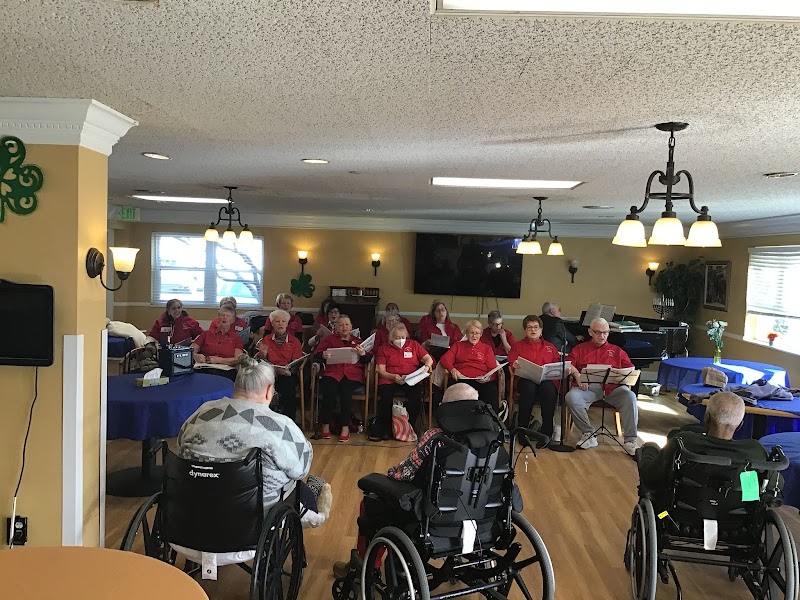
How is Civita At Cheshire Staffed?

CMS rates CIVITA CARE CENTER AT CHESHIRE's staffing level at 2 out of 5 stars, which is below average compared to other nursing homes.

What Have Inspectors Found at Civita At Cheshire?

State health inspectors documented 47 deficiencies at CIVITA CARE CENTER AT CHESHIRE during 2019 to 2025. These included: 1 that caused actual resident harm, 43 with potential for harm, and 3 minor or isolated issues. Deficiencies causing actual harm indicate documented cases where residents experienced negative health consequences.
Who Owns and Operates Civita At Cheshire?

CIVITA CARE CENTER AT CHESHIRE is owned by a for-profit company. For-profit facilities operate as businesses with obligations to shareholders or private owners. The facility is operated by CIVITA CARE CENTERS, a chain that manages multiple nursing homes. With 120 certified beds and approximately 77 residents (about 64% occupancy), it is a mid-sized facility located in CHESHIRE, Connecticut.
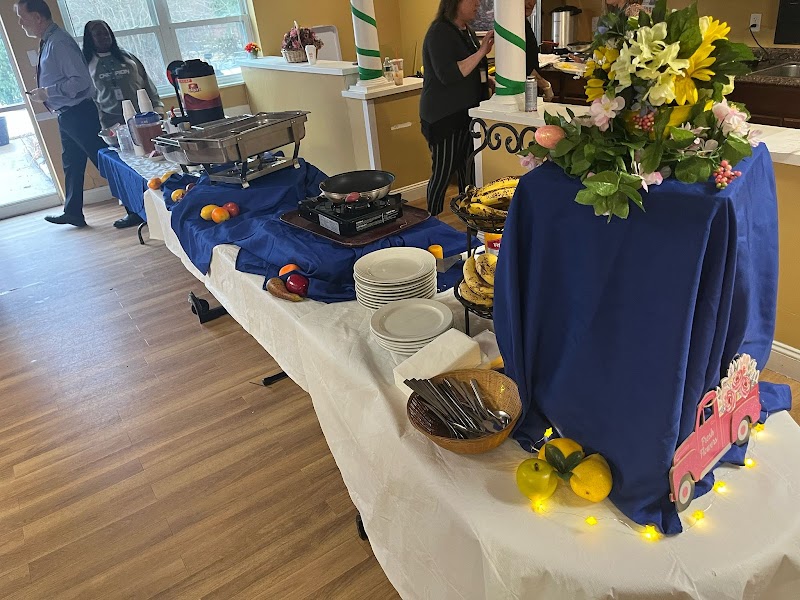
How Does Civita At Cheshire Compare to Other Connecticut Nursing Homes?

Compared to the 100 nursing homes in Connecticut, CIVITA CARE CENTER AT CHESHIRE's overall rating (3 stars) is below the state average of 3.0 and health inspection rating (3 stars) is at the national benchmark.

What Should Families Ask When Visiting Civita At Cheshire?

Based on this facility's data, families visiting should ask: "Can you walk me through typical staffing levels on day, evening, and night shifts?" "Can I visit during a mealtime to observe dining assistance and food quality?" "How do you handle medical emergencies, and what is your hospital transfer rate?" "Can I speak with family members of current residents about their experience?" These questions are particularly relevant given the below-average staffing rating.

Is Civita At Cheshire Safe?

Based on CMS inspection data, CIVITA CARE CENTER AT CHESHIRE has a clean safety record: no substantiated abuse findings (meaning no confirmed cases of resident harm), no Immediate Jeopardy citations (the most serious violation level indicating risk of serious injury or death), and is not on the Special Focus Facility watch list (a federal program monitoring the lowest-performing 1% of nursing homes). The facility has a 3-star overall rating and ranks #100 of 100 nursing homes in Connecticut. While no facility is perfect, families should still ask about staff-to-resident ratios and recent inspection results during their visit.

Do Nurses at Civita At Cheshire Stick Around?

CIVITA CARE CENTER AT CHESHIRE has not reported staff turnover data to CMS. Staff turnover matters because consistent caregivers learn residents' individual needs, medications, and preferences. When staff frequently change, this institutional knowledge is lost. Families should ask the facility directly about their staff retention rates and average employee tenure.

Was Civita At Cheshire Ever Fined?

CIVITA CARE CENTER AT CHESHIRE has no federal fines on record. CMS issues fines when nursing homes fail to meet care standards or don't correct problems found during inspections. The absence of fines suggests the facility has either maintained compliance or corrected any issues before penalties were assessed. This is a positive indicator, though families should still review recent inspection reports for the full picture.

Is Civita At Cheshire on Any Federal Watch List?

CIVITA CARE CENTER AT CHESHIRE is not on any federal watch list. The most significant is the Special Focus Facility (SFF) program, which identifies the bottom 1% of nursing homes nationally based on persistent, serious quality problems. Not being on this list means the facility has avoided the pattern of deficiencies that triggers enhanced federal oversight. This is a positive indicator, though families should still review the facility's inspection history directly.