ELIM PARK BAPTIST HOME, INC
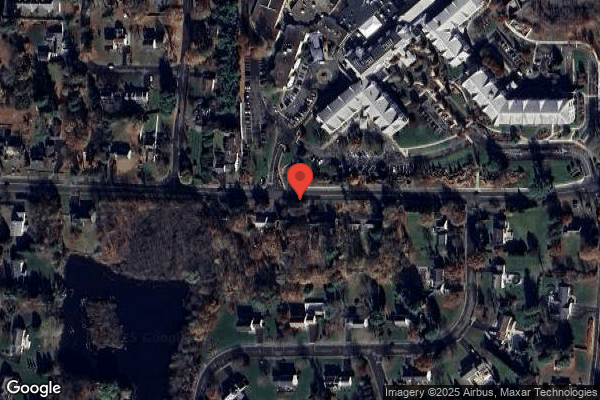
140 COOK HILL RD, CHESHIRE, CT 06410 (203) 272-3547
Non profit - Corporation 90 Beds Independent Data: November 2025
Trust Grade
81/100
#12 of 192 in CT
Last Inspection: September 2024

Within standard 12-15 month inspection cycle. Federal law requires annual inspections.

Overview

Elim Park Baptist Home in Cheshire, Connecticut has a Trust Grade of B+, which means it is recommended and above average in quality. It ranks #12 out of 192 nursing homes in the state, placing it in the top half, and #5 out of 64 in Capitol County, indicating there are only a few local options that are better. However, the facility has been trending worse, with issues increasing from 2 in 2023 to 7 in 2024. Staffing is a strength, rated at 5/5 stars with a turnover rate of 28%, which is below the state average of 38%, suggesting that staff members are stable and familiar with residents. On the downside, the facility has incurred $8,018 in fines, which is average compared to others in Connecticut, but still raises concerns about compliance. Recent inspector findings revealed that the facility failed to ensure food safety by not properly dating opened food items, which could lead to health risks, and residents reported that meals were often served cold and unappetizing. Additionally, there were instances of inadequate supervision during meals and failure to follow physician orders for monitoring residents' weights, which may affect their medical care. Overall, while Elim Park Baptist Home has strong staffing and a solid reputation, families should be aware of these recent concerns when considering care options.

Trust Score
B+
81/100
In Connecticut
#12/192
Top 6%
Safety Record
Low Risk
No red flags
Inspections
Getting Worse
2 → 7 violations
Staff Stability
✓ Good
28% annual turnover. Excellent stability, 20 points below Connecticut's 48% average. Staff who stay learn residents' needs.
Penalties
✓ Good
$8,018 in fines. Lower than most Connecticut facilities. Relatively clean record.
Skilled Nurses
✓ Good
Each resident gets 47 minutes of Registered Nurse (RN) attention daily — more than average for Connecticut. RNs are trained to catch health problems early.
Violations
⚠ Watch
21 deficiencies on record. Higher than average. Multiple issues found across inspections.
★★★★★
5.0
Overall Rating
★★★★★
5.0
Staff Levels
★★★★☆
4.0
Care Quality
★★★★☆
4.0
Inspection Score
Stable
2023: 2 issues
2024: 7 issues

The Good

  • 5-Star Staffing Rating · Excellent nurse staffing levels
  • 4-Star Quality Measures · Strong clinical quality outcomes
  • Low Staff Turnover (28%) · Staff stability means consistent care
  • Full Sprinkler Coverage · Fire safety systems throughout facility
  • No fines on record
  • Staff turnover is low (28%)

    20 points below Connecticut average of 48%

Facility shows strength in staffing levels, quality measures, staff retention, fire safety.

The Bad

Federal Fines: $8,018

Below median ($33,413)

Minor penalties assessed

The Ugly 21 deficiencies on record

Sept 2024 7 deficiencies
CONCERN (D)

Potential for Harm - no one hurt, but risky conditions existed

Resident Rights (Tag F0550)

Could have caused harm · This affected 1 resident

**NOTE- TERMS IN BRACKETS HAVE BEEN EDITED TO PROTECT CONFIDENTIALITY** Based on observations, review of the clinical record, facility policy, and interviews in 1 of 3 dining rooms residents, (Residen...

Read full inspector narrative →
**NOTE- TERMS IN BRACKETS HAVE BEEN EDITED TO PROTECT CONFIDENTIALITY** Based on observations, review of the clinical record, facility policy, and interviews in 1 of 3 dining rooms residents, (Resident #35, Resident #65, and Resident # 430), reviewed for dining services, the facility failed to ensure a dignified dining experience. The findings include: 1. 1. Resident #65's Diagnosis included Alzheimer's dementia, anxiety and depression. The quarterly Minimum Data Set assessment dated [DATE] identified Resident #65 as severely cognitively impaired and required no assistance with eating. Observation on 9/12/24 at 12:15 PM identified Resident # 65 sleeping with his/her lunch meal in front of him/her. NA #4 began assisting Resident #65 with his/her meal and was noted to be standing over, and not at eye level, with the resident. Interview with NA #4 on 9/12/23 at 12:15 PM identified she had been standing over Resident #65 while assisting him/her to eat because her back hurt but subsequent to surveyor inquiry, sat down next to Resident #65 to continue to assist him/her. Interview with Director of Nursing on 9/13/24 at 12:20PM identified that per the facility practice, when NA #4 was assisting Resident #65, she should have been seated and at eye level, not standing over the resident. Review of the Feeding the dependent resident policy failed to identify the position of the caregiver in assisting the resident to eat. 2. a. Resident #35's diagnosis included depression, anxiety, and Parkinson's disease. The quarterly Minimum Data Set assessment dated [DATE] identified Resident #35 was cognitively intact and was independent for eating Interview with Resident #35 on 9/9/24 at 12:32 PM identified that that it took too long to receive his/her meal. b. Resident # 430's diagnosis included pneumonia, and atrial fibrillation. The admission Minimum Data Set assessment dated [DATE] identified Resident #430 was severely cognitively impaired and did not require assistance with eating. Observations on 9/9/24 at 12:05 PM, identified that although all Resident #430's table mates had been served lunch by 12:05 PM, Resident #430 had not been served until 12:30 PM. Interview with Resident #430's family member identified that it always took too long for Resident #430 to be serviced his/her food. Observations on 9/12/24 at 12:15 PM identified although Resident #430's tablemates received their food by 12:15, Resident #430 had not received his/her meal. Interview with Resident #430s family member on 9/12/24 at 12:15 PM identified he/she had requested a salad to be substituted for lunch at that time as Resident #430 did not like what was on the menu. Further, Resident #430 and his/her family member indicated that it always took staff too long for Resident #430 to be served his/her food and that the family member was upset due to the wait. Observation at 12:30 PM identified Resident #430 had not yet been given his/her salad. Subsequent to surveyor inquiry with the Dietician on 9/12/24 at 12:30 PM she went to the kitchen to check on Resident #430's salad. Resident #430's salad was served to him/her at 12:56 PM (41 minutes) after his/her initial request for a substitution which occurred at 12:15 PM. Interview with NA #4 on 9/12/23 at 12:15 identified that there is always only 1 Dietary Aide available to plate the meal and several NA's delivered and assisted residents with their meals. Interview with Dietician on 9/12/24 at 12:56 PM identified that it took 41 minutes to obtain a salad for Resident #430 because salads are made in the kitchen, so these items take longer to obtain. The Dietician identified that obtaining the food item from the kitchen should take 15 minutes or less and should not take 45 minutes or more to obtain. Additionally, the Dietary Aide that is plating the food being served would be responsible for obtaining the food item from the kitchen as salads were not available in the dining room. Interview with Dietary Operations Manager on 9/12/24 at 1:00 PM identified that it should take 15 minutes to obtain a salad from the kitchen. Additionally, she did not know why it took so long (41) minutes for Resident #430 to receive his/her salad. The Dietary Operations Manager indicated that the Dietary Aide was responsible to ensure that residents receive substitutions. Further, the Dietary Aide plating the food should have stopped plating, left the dining room, went to the kitchen to obtain Resident #430's salad, and then resumed plating meals for the residents who had not yet been served despite making the other residents then wait for their food. Review of the Resident Meal Service policy dated 8/2022 directed, in part, to serve the meal in sequence so all persons at one table are served at the same time. Monitor delivery of meals to Residents to ensure timeliness and appropriateness of service. Additionally, offer all residents participation in meal selection (may include selection of the entire meal or any component of the meal).
CONCERN (D)

Potential for Harm - no one hurt, but risky conditions existed

Notification of Changes (Tag F0580)

Could have caused harm · This affected 1 resident

**NOTE- TERMS IN BRACKETS HAVE BEEN EDITED TO PROTECT CONFIDENTIALITY** Based on interviews, review of the clinical record, and facility policy for 1 of 2 residents (Resident #72) reviewed for edema, ...

Read full inspector narrative →
**NOTE- TERMS IN BRACKETS HAVE BEEN EDITED TO PROTECT CONFIDENTIALITY** Based on interviews, review of the clinical record, and facility policy for 1 of 2 residents (Resident #72) reviewed for edema, the facility failed to notify the physician of a weight gain greater than 3 pounds in 1 day, per the physician's order, for a resident with Congestive Heart Failure (CHF). The findings include: Resident #72's diagnoses included unspecified diastolic congestive heart failure, stage 3, chronic kidney disease, and essential hypertension. The admission Minimum Data Set assessment dated [DATE] identified Resident #72 was cognitively intact, independent with eating, and was dependent with toileting, personal hygiene, and transfers. The Resident Care Plan dated 8/14/24 identified Resident #72 had CHF. Interventions included weight monitoring as ordered and to monitor/document/ report signs and symptoms of congestive heart failure such as dependent edema of legs and feet, distended neck veins, and weight gain. A physician's order dated 8/14/24 directed to weigh Resident #72 once daily for CHF and notify the cardiology and the physician or Advanced Practice Registered Nurse (APRN) if the weight was greater than 3 pounds in one day, or greater than or equal to 5 pounds in one week. Review of Resident #72's weights identified that his/her weight was 203.6 pounds on 8/23/24, no weight was recorded for 8/24/24, and on 8/25/24 Resident #72's weight was 208.2 pounds (a 4.6 pound weight gain). Review of the visual/bedside [NAME] Report identified Resident #72 was to be monitored for edema including a weight gain of over 2 pounds a day. Interview and record review with Registered Nurse (RN) #1 identified that Nurse Aides were responsible to obtain weights. Additionally, the facility policy for a resident who had a diagnosis of CHF and gained weight was to update the provider with any weight gain of 3 pounds in one day or 5 pounds in one week. RN #1 identified that the nurses progress notes failed to reflect the weight gain or that the physician or APRN was notified but the provider should have been notified per the order. Interview and record review with APRN #1 on 9/11/24 at 11:38 AM identified she would have expected to have been notified of Resident #72's weight gain per the physician's order but she had not been. Further, APRN #1 indicated that she would have expected an RN assessment of Resident #72 to check for swelling, fluid buildup, and lung sounds but during a review of the clinical record/progress notes, she failed to identify nurses or practitioner progress notes addressing the weight gain. Review of the CHF Residents Policy directed in part that residents identified as having congestive heart failure are weighed daily, and the practitioner is notified of a weight gain greater than 3 pounds.
CONCERN (D)

Potential for Harm - no one hurt, but risky conditions existed

Medication Errors (Tag F0758)

Could have caused harm · This affected 1 resident

**NOTE- TERMS IN BRACKETS HAVE BEEN EDITED TO PROTECT CONFIDENTIALITY** Based on staff interview, clinical record review, and facility policy for 1 of 5 sampled residents (Resident #63) reviewed for u...

Read full inspector narrative →
**NOTE- TERMS IN BRACKETS HAVE BEEN EDITED TO PROTECT CONFIDENTIALITY** Based on staff interview, clinical record review, and facility policy for 1 of 5 sampled residents (Resident #63) reviewed for unnecessary medications, the facility failed to ensure an as needed (PRN) psychotropic medication was limited to 14 days per the requirement. The findings include: Resident #63's diagnoses included dementia, hypertension, and a fractured left femur. The admission Resident Care Plan dated 7/8/24 identified Resident #63 was taking a psychotropic medication, Trazodone, (an antidepressant). Interventions included to monitor Resident #63 as related to behavior, cognition, and mood. The admission Minimum Data Set (MDS) assessment dated [DATE] identified Resident #63 was severely cognitively impaired and required extensive assistance of 2 for bed mobility, limited assistance of 2 for transfers, set up/supervision for eating, and that an antidepressant was in use. The physician orders dated 7/8/24 through 8/1/24 directed Trazodone 50 milligrams (mg), administer 0.5 mg every 8 hours as needed for agitation, but failed to include a medication stop date. A pharmacist recommendation dated 7/29/24 identified that Trazodone was required to be reevaluated after 14 days of use and that if therapy was to continue beyond 14 days, to please note the medical justification for the continued use in a progress note and specify the number of days the as needed medication order was to continue. Review of facility census records indicated that Resident #63 was discharged on 7/30/24 and readmitted to the facility, after a medical leave, on 8/2/24. The readmission physician orders dated 8/2/24 through 9/12/24 directed Trazodone 50 mg, administer 0.5 mg every 8 hours as need for agitation but failed to reflect a stop date. Review of the Medication Administration Record (MAR) dated 8/2/24 to 9/12/24 directed Trazodone 50 mg, administer 0.5 mg every 8 hours as needed for agitation but failed to reflect a stop date. An interview with APRN #1 on 9/12/24 at 1:39 PM identified that Resident #63's order for Trazodone should have only been place for 14 days and that the lack of a stop date when Resident #63 returned from the medical leave on 8/2/24 was an error. APRN #1 identified that all psychotropic medication that were ordered PRN required a stop date which cannot exceed 14 days. Subsequent to surveyor inquiry, Resident #63's order for Trazodone was re-written to include a stop date after 14 days. The facility Psychotropic Medication policy dated 3/22/23 identified that as needed orders for psychotropic drugs are limited to 14 days. If the physician believed that the as needed order should be extended beyond the 14 days, the physician must document a rationale in the medical record.
CONCERN (E)

Potential for Harm - no one hurt, but risky conditions existed

Quality of Care (Tag F0684)

Could have caused harm · This affected multiple residents

**NOTE- TERMS IN BRACKETS HAVE BEEN EDITED TO PROTECT CONFIDENTIALITY** Based on obsevations, staff interviews, record reviews, and review of facility policy for 1 of 4 residents (Resident #18) review...

Read full inspector narrative →
**NOTE- TERMS IN BRACKETS HAVE BEEN EDITED TO PROTECT CONFIDENTIALITY** Based on obsevations, staff interviews, record reviews, and review of facility policy for 1 of 4 residents (Resident #18) reviewed for nutrition, the facility failed to appropriately supervise a resident during a meal per the meal ticket and failed to obtain weights per the physician's order, for 1 of 3 residents (Resident #53) reviewed for a skin condition the failed to apply TEDS (compression stockings) according to the physician's order, and for 1 of 2 residents (Resident #72) reviewed for edema, the facility failed to obtain a daily weight daily for a resident with Congestive Heart Failure (CHF) per the facility policy. The findings include: 1. Resident #18's diagnoses included dementia without behavioral disturbance, psychotic disturbance, mood disturbance, and moderate protein-calorie malnutrition. The quarterly Minimum Data Set assessment dated [DATE] identified Resident #18 was severely cognitively impaired, independent with eating, required partial to moderate assistance with bed mobility, and was independent with transfers and ambulation. The Resident Care Plan dated 6/4/24 identified a problem with nutrition. Interventions included appetite stimulant, nutritional supplement, and monitor intake. A. A physician's order dated 8/28/24 directed to provide Resident #18 with a regular diet, regular/thin consistency fluids with pre-cut bite sized pieces and assist with 1 staff. Observations on 9/9/24 at 12:47 PM identified Resident #18 was in the bathroom. Resident #18's meal tray was on his/her over bed table and consisted of a peanut butter jelly sandwich cut diagonally, (not bite-sized), blueberries, and chocolate milk. Resident#18's meal ticket directed supervision at meals and tray set-up. Alerts noted on the meal ticked included aspiration precautions, assist of one, and pre-cut bit size portions. Observation on 9/9/24 at 12:59 PM identified Resident #18 sitting on the side of bed, eating unsupervised. The peanut butter and jelly sandwich was not cut into bite sized pieces and was diagonally cut. The nurse consultant immediately summoned the nurse. Observation and interview with LPN #1 on 9/9/24 at 1:02 PM identified Resident #18's meal ticket directed supervision at meals and tray set-up. Alerts for aspiration precautions, assist of 1, and pre-cut bite sized portions was written on the meal ticket. LPN #1 stated that due to the information on the meal ticket, Resident #18 required supervision during his/her meal intake and indicated that she would remain with the resident to supervise the meal until relieved by another staff member. Observation and interview with NA #2 on 9/9/24 at 1:05 PM identified that she was not aware that Resident #18 required supervision at meals, was an assist of one, was on aspiration precautions, or required bit sized food. NA #2 stated she had delivered the residents tray and only looked at top portion of the slip which noted double portions and failed to read supervision at meals, aspiration precautions, assist of 1 staff, or the pre-cut bite size portions. NA #2 indicated that when she looked at her Resident Care Card (Resident Care Assignment) there was no indication that Resident #18 required supervision, assistance, was on aspiration precautions or needed his/her food cut to bite sized pieces. NA #2 identified that the Resident Care Card was how she knew to care for Resident #18 despite what the meal ticket directed. A subsequent observation on 9/10/24 at 12:34 PM identified that Resident #18's meal ticket still directed supervision of the meal, aspiration precautions, assistance of 1 staff and bite sized pieces. The resident was alone in the room with his/her meal and was eating. Interview with Director of Dietary on 9/12/24 at 1:15 PM identified that her understanding of the policy was if a resident had supervision at meals on his/her meal ticket, then a staff member was to always be with that resident during the meal. Interview with Speech Pathologist on 9/13/24 at 10:30 AM identified that if a residents meal ticket stated supervision, aspiration precautions, and assistance of 1 staff, then a staff member should always stay with that resident when food was available. Interview with Director of Nursing Services on 9/13/24 at 12:39 PM identified that if a resident meal ticket directed supervision, then a staff member should always stay with that resident when food was available. If there was a question about the orders on the meal ticket, then it should be brought to attention of charge nurse, but staff should have remained with Resident #18 until the order could be verified. B. A physician's order dated 6/30/24 directed facility staff weight Resident #18 weekly for 4 weeks. A review of the electronic health record identified although weights were ordered by the physician to be taken on 7/3/24, 7/10/24, 7/17/24 and 7/24/24, weights were only obtained on 7/3/24 and 7/10/24. Interview with LPN #1 on 9/12/24 at 8:10 AM identified that Resident #18's physician directed that weekly weights be obtained every week and that only 2 of the 4 weights on 7/3/24 and 7/10/24 had been completed. LPN #1 was unable to identify why the weights were not taken, but should have been. Review of the Resident Weights and Weight Changes policy dated 3/23/2023 directed, in part, weights may be done more frequently, such as weekly or daily, per the physician order, as a nursing measure, or as a dietician recommendation. 2. Resident #53's diagnoses included heart failure, atrial fibrillation (irregular heartbeat), and abnormalities of gait and mobility. The annual Minimum Data Set assessment dated [DATE] identified Resident #53 was moderately cognitively impaired and required partial/moderate assistance with toileting hygiene and personal hygiene, and walking was not attempted. The Resident Care Plan dated 8/5/24 identified Resident #53 had an altered cardiovascular status related to heart failure and atrial fibrillation. Interventions included diet consult as necessary and to monitor vital signs per protocol. A Nurse Aide (NA) Resident Care Card (Resident Care Assignment) in effect from 9/1/24 through 9/9/24 and last updated 3/27/24 directed TEDS to be applied on Resident #53 in the morning and to be removed in the evening. The physician orders in effect from 9/1/24 through 9/9/24 directed TEDS to be applied on Resident #53 in the morning and to be removed in the evening. Observations on 9/9/24 at 11:49 AM, 9/10/24 at 12:14 PM, 9/11/24 at 10:40 AM, 9/12/24 at 9:27 AM, and 9/12/24 at 1:47 PM identified that Resident #53 was not wearing TEDS. The Electronic Treatment Administration Record (ETAR) from 9/1/24 through 9/12/24 identified that TEDS were signed as being applied on all dates, except for 9/1/24 and 9/10/24. Interview, clinical record review, and observation with LPN #3 on 9/12/24 at 1:47 PM identified that Resident #53 was not wearing TEDS despite having a current order for TEDS to be worn daily. LPN #3 further indicated that the overnight nurse (LPN #6) had documented on the ETAR that the TEDS were applied in the morning on 9/12/24. LPN #3 identified that the overnight nurses were responsible for applying the TEDS and documenting on the ETAR since the application time for the TEDS was 6:00 AM. Interview and clinical record review with LPN #6 on 9/12/24 at 2:18 PM identified that she had documented on the ETAR that the TEDS were applied in the morning on 9/9/24, 9/11/24, and 9/12/24 despite not having applied the TEDS on Resident #53. Additionally, LPN #6 indicated that the overnight NAs were responsible for applying the TEDS and advising the nurse if the resident refused to wear the TEDS. Interview with the overnight NA #6 on 9/12/24 at 2:49 PM identified that he did not apply the TEDS to Resident #53 and that the day NAs were responsible for applying the TEDS. Interview and observation with the day NA #7 on 9/13/24 at 10:00 AM identified that Resident #53 was wearing TEDS. Additionally, NA #7 identified that she had not applied the TEDS to Resident #53 on any days before the morning of 9/13/24 because she was unaware that Resident #53 had to wear TEDS daily. NA #7 further indicated that Staff Development had told her the morning of 9/13/24 that Resident #53 had to wear TEDS daily and provided NA #7 with a pair of TEDS for Resident #53 to wear. Subsequent to surveyor inquiry, the TEDS order was changed on 9/13/24 from an application time of 6:00 AM to an application time of 8:00 AM per Resident #53's request. Interview with the Director of Nursing Services on 9/12/24 at 2:41 PM identified that there was no policy for application of TEDS stockings, but in lieu of a policy, it would be expected that TEDS be applied per the physician's order and that the nurses would verify the application of the TEDS since the nurses were responsible for the TEDS documentation on the ETAR. 3. Resident #72's diagnoses included unspecified diastolic congestive heart failure, stage 3 chronic kidney disease, and essential hypertension. The admission Minimum Data Set assessment dated [DATE] identified Resident #72 was cognitively intact, was independent with eating, and was dependent with toileting, personal hygiene, and transfers. A physician's order dated 8/1/24 directed to monitor Resident #72 one time a day for signs and symptoms of fluid overload, including weights trending up, and notify the physician or Advanced Practice Registered Nurse (APRN) of abnormalities. A physician's order dated 8/14/24 directed to weigh Resident #72 one time a day for CHF and notify cardiology and the physician or APRN if the weight was greater than 3 pounds in one day, or greater than or equal to 5 pounds in one week. The Resident Care Plan dated 8/14/24 identified the resident had congestive heart failure. Interventions included weight monitoring as ordered and to monitor/document/report signs and symptoms of congestive heart failure such as dependent edema of legs and feet, a distended neck vein, and weight gain. Review of the Electronic Medication Administration Record (EMAR) identified that Resident #72's weights were documented as completed during the time period of 8/1/24 to 9/12/24. Review of the clinical record failed to identify weights were recorded on 8/9/24, 8/15/24, 8/24/24, 8/26/24, 8/30/24, 9/5/24, 9/6/24, 9/7/24, 9/8/24, 9/9/24, and 9/10/24 (11 of 43 missed opportunities, 25%). Additionally, the clinical record failed to identify if Resident #72 refused to be weighed on any of these days. Review of the visual/bedside [NAME] Report (Resident Care Card/Resident Care Assignment) identified Resident #72 was to be monitored for weight gain of over 2 pounds a day. Interview and record review with Registered Nurse (RN) #1 on 9/11/24 at 10:34 AM identified that the Nurse Aide (NA) was responsible for obtaining the weight for Resident #72, documenting the weight in the computer, and verbally reporting to the nurse. Record review failed to identify that weights were done daily, but should have been. Interview and record review with APRN #1 on 9/11/24 at 11:38 AM identified weights were not done daily as ordered, furthermore APRN #1 stated the weights were not being done because the resident was COVID positive, therefore the resident's weights were on hold. Review of the clinical record failed to identify the daily weights order was on hold. Interview with Nurse Aide (NA) #1 on 9/12/24 at 12:59 PM identified she knew to obtain a resident's weight when she was told by her nurse, weights were done rotating odd and even days on Wednesdays, and that either the total mechanical lift or wheelchair was used to weigh residents. Review of the CHF Residents Policy directed in part that residents identified as having Congestive Heart Failure are weighed daily, and the practitioner is notified of a weight gain greater than 3 pounds. Review of the Resident Weight and Weight Changes Policy dated 3/22/23 directed for regular monitoring of weights to screen residents for significant weight changes.
CONCERN (E)

Potential for Harm - no one hurt, but risky conditions existed

Deficiency F0804 (Tag F0804)

Could have caused harm · This affected multiple residents

Based on a tour of the Dietary Department, interviews and facility documentation, the facility failed to provide lunch at appropriate and appetizing temperatures. The findings included: Interview with...

Read full inspector narrative →
Based on a tour of the Dietary Department, interviews and facility documentation, the facility failed to provide lunch at appropriate and appetizing temperatures. The findings included: Interview with Resident #27 on 9/9/24 at 1:38 PM identified that vegetables were always cold. Interview with Resident #58 on 9/9/24 at 11:24 AM identified that the food was not hot and some of the food was overcooked, especially the vegetables that are mushy. Interview with Resident #72 on 9/9/24 at 11:55 AM identified that food was often cold. Interview with the Dietary Manager on 9/12/24 at 11:40 AM identified the process to ensure foods were served hot included the cook taking temperatures before taking the food out of the oven, checking the holding temperatures in the hot box, and taking the temperatures of the food when it was being plated. Interview and review of the temperature log with [NAME] #2 on 9/12/24 at 11:45 AM identified cooking temperature were recorded for service dates 9/1/24 to 9/11/24, but the log failed to identify temperatures in the hot box and plated temperatures. In addition, [NAME] #2 identified that two food trucks had already been sent to the units for lunch, he had only checked food oven temperatures, and he was unaware of the requirement to check food temperatures once the food had been plated. On 9/12/24 at 12:01 PM, a test tray for appropriate temperatures was conducted with the Dietary Manager. The lunch meal was plated in the Residential Care (RCH) dining room that serves the resident's residing on the East Wing (residents residing on the sub acute unit). At 12:35 PM, the meal truck arrived on East Wing at 12:39 PM, and at 12:39 PM 3 Nurse Aides were observed to begin passing out the meal trays to residents. The last tray was delivered at 12:43 PM, temperatures were conducted with the Dietary Director at that time, and identified the following: a. The kielbasa's internal temperature was 118.2 degrees Fahrenheit from the surveyor's thermometer and 116 degrees Fahrenheit from the Dietary Manager's thermometer. The Dietary Manager identified the internal temperature should be 145 degrees Fahrenheit. b. The roast beef internal temperature was 132.4 degrees Fahrenheit from the surveyor's thermometer and 130 degrees Fahrenheit from the Manager's thermometer. The Dietary Manager identified the internal temperature should be 145 degrees Fahrenheit. c. The mashed potato internal temperature was 143 degrees Fahrenheit from the surveyor's thermometer and 142 degrees Fahrenheit from the Dietary Manager's thermometer. The Dietary Manager identified the internal temperature should be 165 degrees Fahrenheit. An interview with the Dietary Manager on 9/12/24 at 12:46 PM identified that temperatures for the lunch tray were low because these foods just don't hold their temperature, and she planned on redoing the menus to include items that hold their temperature better. Review of the policy and procedure on Meal Assembly Procedures and Taste/Temperature Record dated 8/22 identified all food items are monitored for temperature and listed on the taste/temperature log.
CONCERN (F)

Potential for Harm - no one hurt, but risky conditions existed

Food Safety (Tag F0812)

Could have caused harm · This affected most or all residents

Based on the tour of the Dietary Department, interviews and facility documentation, the facility failed to ensure open items were dated, failed to identify expiration dates, failed to ensure food was ...

Read full inspector narrative →
Based on the tour of the Dietary Department, interviews and facility documentation, the facility failed to ensure open items were dated, failed to identify expiration dates, failed to ensure food was served under sanitary conditions, and failed to ensure correct dishwasher temperatures. The findings included: During a tour of the Dietary Department on 9/9/24 at 9:15AM with the Dietary Manager and Sous Chef the following was identified: 1a. The walk-in refrigerator was noted to contain an opened 5 pound bag of cheddar cheese (2/3 full), wrapped with plastic cling, with no date when opened, an opened 5 pound bag of cheddar cheese (1/2 full), wrapped in plastic, with no open date, an opened 5 pound bag of cheddar cheese (1/3 full), wrapped in plastic with no open date, an opened 5 pound bag of blue cheese (3/4 full), wrapped in plastic, with no open date and an opened 5 pound bag of blue cheese (1/3 full), wrapped in plastic with no open date, an opened 5 pound bag of parmesan cheese (1/4 full), wrapped in plastic, with no open date and an opened 5 pound portion of pepper jack cheese (1/2 full), wrapped in plastic, with a white substance accumulating on one end of the cheese, with no open date. In order to observe the expiration date on the packages, the packages had to be completely unwrapped. b. The walk-in refrigerator was noted to contain an opened plastic container of salsa (1/2 full), with no open date, a second opened plastic container of salsa (1/2 full) with no open date, an opened jug of BBQ sauce (1/2 full) with no open date, and an opened jug of hot sauce (3/4 full) with no open date. c. The first 2-door reach in cooler was noted to have heavy splatter stains on both outer doors. The reach in cooler was noted to contain an unopened 2 pound package of fresh broccoli which contained water and a yellow liquid on the bottom of the bag with no expiration date, 2 metal pans with pureed egg (about 2 pounds) unlabeled, a metal pan with pureed pork (8 ounces) labeled 8/17/24, a metal pan with pureed oatmeal (8 ounces) unlabeled, a metal pan with pureed pancake (1 pound) unlabeled, and a 2 inch metal hotel pan full of French toast that unlabeled as to when the food was placed in the pans. d. The shelving unit next to the 2-door reach in cooler was noted to contain an opened 5-pound bag of egg noodles (1/3 full), wrapped in plastic with no date identified for the date it was opened and in order to view the expiration date, the package needed to be completely unwrapped. e. The second 2-door reach in cooler was noted to contain a full metal pan of pureed chicken dated 9/3, a 5-pound bag of breakfast sausage patties (1/2 full) with no open date and no expiration date, and a teal colored 32 ounce water bottle (10 ounces full of liquid) identified by the Sous Chef to be a personal water bottle that belonged to one of the weekend cooks. f. The soap dispenser next at the hand washing station was noted to have a large brown colored stain on the dispenser. g. A 25-pound plastic container with thickening powder (half full) was noted to be opened, with no open date or expiration date on the container and heavily soiled on the outside. h. Three 50-pound plastic containers were noted to be splattered and dirty on the exterior, one contained flour with no date as to when the flour was opened and placed in the container or expiration date, one contained panko crumbs with no open date or expiration date, and one with sugar noted to be clumpy with a date of 8/21. i. The ice machine door was noted to be open, no scoop was identified in the scoop holder, and the scoop was located stored on a kitchen counter (not covered) across the kitchen. j. On 9/12/24 at 9:10 AM a walk-through of the dry stock room with the Dietary Manager identified a 25-pound plastic container, unlabeled with a tan powdery substance (3/4 full) that could not be identified by the Dietary Manager, a 25-pound plastic container with rice flour (3/4 full) with no open date to identify when the rice flour was put in the container and failed to identify an expiration date, a 25-pound plastic container with semolina (1/4 full) with no open date to identify when the semolina was put in the container and failed to include an expiration date and a 25 pound plastic container with clam fry (1/3 full) powder with no open date to identify when the clam fry powder was put in the container and failed to include an expiration date. An opened 10-pound bag of bowtie pasta (3/4 full) in plastic wrap that lacked a date when opened, an opened 10-pound bag of spaghetti (3/4 full) in plastic wrap that lacked a date when opened, an opened 10 pound bag of penne pasta (1/2 full) in plastic wrap with no open date, and an opened 10 pound bag of tavolini pasta (1/2 full) in plastic wrap with no date when opened. Interview with the Sous Chef on 9/9/24 at 11:08 AM identified the cooks were responsible for checking the food labels daily and labeling food after it is opened. Interview with the Dietary Manager on 9/12/24 at 9:10 AM identified that the stock person oversees the dry stock and removing expired items, but currently that position was not filled, and the Sous Chef was intermittently filling in for the position. She further identified the pureed pork dated 8/17 and pureed chicken dated 8/21 should have been discarded within 3 days of being stored in the refrigerator. Subsequent to surveyor observation, the container of pureed pork and chicken were discarded by the Dietary Manager. Review of the Labeling Food for Storage Policy identified that by accurately and completely labeling all food for storage, you can minimize the risk of foodborne illnesses. In addition, the label must include following; the name of the product, the date the product was opened, the time the label is completed, the date the product will expire and the initials of the person who completed the label. 2. Observation of the Dietary prep area on 9/9/24 at 11:25 AM identified [NAME] #1 wearing gloves, plating BLT sandwiches, a personal cell phone was noted to be laying on the counter next to the open bacon. When prompted about phone being on the counter, [NAME] #1 picked it up with her gloved hand and threw it on another counter, then continued to plate the sandwiches without the benefit of hand hygiene or changing her gloves. Interview with the Dietary Manager on 9/11/24 at 11:09 AM identified per policy no phones or personal belonging should be out on the counter, if an emergency arises gloves should be taken off, then upon return perform hand hygiene and apply new gloves. Interview with the [NAME] on 9/11/24 at 11:32 AM identified she was aware of the policy on personal belongings on the counter but was waiting for an emergency phone call. She identified she should have kept the cell phone in her pocket, taken off her gloves, washed her hands and taken the call outside of the kitchen. 3a. On 9/12/24 at 9:30 AM a tour of the dish room with the Dietary Manager identified the gauges on the dish machine that the wash the healthcare units dishes identified the wash temperature read 146 degrees Fahrenheit, the rinse read at 159 degrees Fahrenheit, and final sanitizing read rinse 180 degrees Fahrenheit. Per the manufacturer guidelines posted on the dish machine, washing temperature was to reach 150 degrees Fahrenheit, rinse was to reach 160 degrees Fahrenheit, and final sanitizing rinse was to reach 180 degrees Fahrenheit. b. Observation of the dish room for the healthcare machine on 9/12/24 at 9:30 AM identified Dietary Aide (DA) #1 removed her gloves after handling the dirty dishes, then applied new gloves to handle the clean dishes without the benefit of hand hygiene in between glove changes. She then stacked wet hot plates and wet hot lids without the benefit of air drying them before storing them. Interview with the DA #1 on 9/12/24 at 9:40 AM identified that she took off her dirty gloves and applied a clean pair without the benefit of hand hygiene because she believed the gloves were not dirty since she was working with water and was not aware wet dishes should not be stacked Interview with the Dietary Manager on 9/12/24 at 9:35 AM identified she was not sure if the temperatures were accurate and stated the Dish Washing staff was responsible for the temperatures. She identified that many times they put a thermometer though to check the temperatures, and do not utilize the gauges on the machine. The thermometer provided by the Dietary Manager read 150 degrees Fahrenheit, but the Dietary Manager was unable to identify if the temperature shown was for the wash, rinse, or sanitize temperatures. Interview and Dish Machine Temperature Record review with the Dietary Manager on 9/12/24 at 9:40 AM identified that temperatures were supposed to be checked at breakfast, lunch, and dinner on both dish machines. Review of the temperature logs for the Healthcare Dish Machine and the Pots and Pans Dish machine noted the temperatures were last documented on 9/9/24 at 8:00 AM (there was no documentation of temperatures taken for 9/10/24, 9/11/24 and 9/12/24). Interview with Dish Washer #1 on 9/12/24 at 9:45 AM identified she was only responsible for taking the temperatures on the dishwasher used for the pots and pans, and checks them at 12:00 PM, and the person working the healthcare dish machine was responsible for taking the temperatures for that machine. Interview with DA #1 on 9/12/24 at 9:40 AM identified that she did not check the dishwasher temperatures for the healthcare dishwasher, and that was the responsibility of the person assigned as the Dish Washer. Furthermore, she identified she took off her dirty gloves and applied a clean pair without the benefit of hand hygiene because she believed the gloves were not dirty since she was working with water and was not aware wet dishes should not be stacked. Review of the policy and procedure on Handwashing dated 8/22 identified hands should be washed at the kitchen hand sink station with soap and water after removing gloves. Review of the policy and procedure on Dish Machine Temperatures dated 8/22 identified a single tank conveyor machine wash temperature should be 150 degrees Fahrenheit, and the final rinse should be 180 degrees Fahrenheit. In addition, a High Temperature Dish machine was to have temperatures recorded during each period of use.
MINOR (B)

Minor Issue - procedural, no safety impact

Deficiency F0570 (Tag F0570)

Minor procedural issue · This affected multiple residents

Based on facility documentation and interviews for the Resident Trust Account, the facility failed to ensure the current Surety Bond was sufficient to cover the current total balance amount in the Res...

Read full inspector narrative →
Based on facility documentation and interviews for the Resident Trust Account, the facility failed to ensure the current Surety Bond was sufficient to cover the current total balance amount in the Resident Trust Account. The findings include: A current Resident Trust Account balance statement dated 9/12/24 identified a balance of $73,524.38. Review of the Surety Bond from the insurance group provider, effective 6/4/2024 thru 6/4/2025, was for $10,000 indicating a shortage of $63,524.38. An interview with Accounts Receivable person on 9/13/24 at 10:06 AM identified she was not aware that the amount of the surety bond was insufficient to cover the Resident Trust Account balance. An interview with the Administrator on 9/13/24 at 12:10 PM identified that the surety bond was for $10,000 and the Resident Trust Account balance was $73,524.38. The Administrator was unaware that the amount of the surety bond was not enough to cover the Resident Trust Account balance and subsequent to surveyor inquiry, was working to obtain a surety bond amount sufficient to cover the balance ($63,524.38) in the Resident Trust Account.
Jun 2023 2 deficiencies
CONCERN (D) 📢 Someone Reported This

A family member, employee, or ombudsman was alarmed enough to file a formal complaint

Potential for Harm - no one hurt, but risky conditions existed

Respiratory Care (Tag F0695)

Could have caused harm · This affected 1 resident

**NOTE- TERMS IN BRACKETS HAVE BEEN EDITED TO PROTECT CONFIDENTIALITY** Based on clinical record review, facility documentation, and interviews, for two (2) of three (3) residents reviewed for respira...

Read full inspector narrative →
**NOTE- TERMS IN BRACKETS HAVE BEEN EDITED TO PROTECT CONFIDENTIALITY** Based on clinical record review, facility documentation, and interviews, for two (2) of three (3) residents reviewed for respiratory services, (Resident #1 and #2), the facility failed to ensure that oxygen tubing was changed in accordance with facility policy. The findings include: 1. Resident #1 had diagnoses that included Congestive Heart Failure (CHF). A Minimum Data Set (MDS) assessment dated [DATE] identified that the resident had severe cognitive impairment and received oxygen on a daily basis. A care plan dated 3/1/23 identified that the resident had CHF and to monitor for signs and symptoms of heart failure and to medicate in accordance with physician's orders. A physician's order dated 3/1/23 directed to administer oxygen at two (2) liters per minute via nasal cannula to keep oxygen saturations above 92%, and to change oxygen tubing weekly every Sunday on the 11:00 PM to 7:00 AM shift. Review of Resident #1's Treatment Administration Record (TAR) from March to April 2023 identified that the oxygen tubing was not signed off as changed on 3/12, 4/9, and 4/23/23. 2. Resident #2 had diagnoses that included CHF and Chronic Obstructive Pulmonary Disease (COPD). An annual MDS assessment dated [DATE] identified that the resident was cognitively intact and received oxygen daily. A care plan dated 4/1/23 identified that the resident had potential for shortness of breath with interventions that included monitoring for signs and symptoms of respiratory distress. A physician's order dated 4/1/23 directed to administer oxygen via nasal cannula 0.5 to 2 liters a minute to maintain oxygen saturation above 92%, and to change the oxygen tubing once a week, every Sunday on the 11:00 PM to 7:00 AM shift. Review of the TAR for April 2023 identified that the oxygen tubing was not signed off as changed on 4/9 and 4/23/23. Interview with the Director of Nurse's on 6/7/23 identified that the nurse's should be changing the oxygen tubing once a week in accordance with facility policy. Review of the oxygen policy identified that oxygen tubing should be changed weekly.
CONCERN (D) 📢 Someone Reported This

A family member, employee, or ombudsman was alarmed enough to file a formal complaint

Potential for Harm - no one hurt, but risky conditions existed

Infection Control (Tag F0880)

Could have caused harm · This affected 1 resident

**NOTE- TERMS IN BRACKETS HAVE BEEN EDITED TO PROTECT CONFIDENTIALITY** Based on clinical record review, observations, review of facility documentation, and interviews, the facility failed to ensure t...

Read full inspector narrative →
**NOTE- TERMS IN BRACKETS HAVE BEEN EDITED TO PROTECT CONFIDENTIALITY** Based on clinical record review, observations, review of facility documentation, and interviews, the facility failed to ensure that water sources potentially contaminated with Legionella were restricted from use in resident care areas, which was identified as corrected on [DATE] when the facility audited the affected units to ensure all water sources were either turned off or a water filter was in place. The finding includes: Resident #1 resided on Northern Pines nursing unit and had diagnoses that included Congestive Heart Failure (CHF). A Minimum Data Set assessment dated [DATE] identified that the resident had severe cognitive impairment and required extensive assistance with Activities of Daily Living. A care plan dated [DATE] identified that the resident had CHF and to monitor for signs and symptoms of heart failure and to medicate in accordance with physician's orders. A nurse's note dated [DATE] identified that the resident had an unwitnessed fall and vital signs revealed a pulse of 143 (normal pulse 60 to 80 beats per minute) and the resident's oxygen saturation was 69% (normal 90-100%), the resident was placed on oxygen and sent to the hospital. Review of the hospital paperwork dated [DATE] identified that the resident was admitted to the hospital with community acquired pneumonia, had tested positive for the Legionella, had acute respiratory failure, and was treated with antibiotics. A nurse's note dated [DATE] at 12:39 AM identified that the resident had been re-admitted on [DATE] to the facility after a hospital stay for pneumonia. A nurse's note dated [DATE] identified that the resident was experiencing episodes of respiratory distress and was seen by the Advanced Practice Registered Nurse (APRN) and with permission of the family, hospice was notified and a referral was made, the resident was experiencing end of life symptoms and comfort medications were ordered. A nurse's note dated [DATE] at 12:05 AM identified that the resident was found with no respirations or pulse and was pronounced deceased by the Registered Nurse. Review of Resident #1's death certificate dated [DATE] identified that the resident's cause of death was pneumonia. Interview with the Administrator on [DATE] at 2:30 PM identified that on [DATE] the facility was notified that Resident #1 tested positive for Legionella in a urine test on [DATE] at the hospital. Interview with the State Epidemiologist on [DATE] at 2:01 PM identified that Resident #1 had not left the facility for the previous 14-day incubation period, had a positive test for Legionella in the urine, and a chest X-ray that identified pneumonia which indicated that the Legionella was a facility acquired case. Interview with the Administrator on [DATE] at 2:30 PM identified that on [DATE] the facility met with the state agency, and epidemiology, to discuss a plan to restrict water access to the affected part of the building (Northern and Southern Pines) until Legionella test results would be available (approximately 2 weeks). The area of concern for Legionella was the Southern and Northern Pines units where Resident #1 resided, the facility took water samples to test for Legionella and ordered water filters on [DATE] (the water filters act as a physical barrier to trap the bacteria from passing through). When the filters were delivered to the building it was identified that the filters were not compatible with the facility faucets, so new faucets were ordered and until new faucets could be delivered to the facility, the water would be shut off restricting the potentially contaminated water from being used. The facility was able to install a total of 9 water filters on the shower heads and some of the faucets on [DATE]. The administrator identified if the water source did not have a filter, it was shut off. Observations by the state agency on [DATE] at 10:35 AM through 11:10 AM, 5 days subsequent to the facility restricting the water supply on the Southern and Northern pines units, an unsecured tub room on the Southern Pines unit, and bathroom sinks in room [ROOM NUMBER] and room [ROOM NUMBER], all had signs above sink do not use, however, when turned on the sinks had flowing water, all without filters. Observations in room [ROOM NUMBER]'s bathroom identified a shower head with free flowing water without a filter, additionally the shower lacked any signage not to use the shower. All of these areas identified were in resident care areas and all rooms identified were occupied by residents. The facility took immediate action upon surveyor observation on [DATE] and added a filter to the shower head in room [ROOM NUMBER], the water supply to sink in the tub room, and the sinks in room [ROOM NUMBER] and 27 were shut off. The facility also conducted an audit of all rooms on the affected units to ensure that water sources were turned off. Interview and observation of the Southern Pines unit, room [ROOM NUMBER], with the Maintenance Director on [DATE] at 10:39 AM identified that the shower head had a filter, however, he had just placed the filter on the shower head, subsequent to surveyor observation at 10:35 AM. The Maintenance Director identified that the facility had placed the filters on the shower heads immediately on [DATE] (5 days prior) because the water filters were compatible with the shower heads, however, room [ROOM NUMBER] must have been missed. Interview and observation with the Administrator of the shower room on the Southern Pines unit on [DATE] 10:45 AM identified that a sign was placed above the sink that identified do not use, the sink did not have a filter, however, when the sink was turned on by the surveyor, water was free flowing. The Administrator identified that the tub room is a resident care area that residents have access to, and he was unsure why the sink was not turned off on [DATE] (5 days previous to surveyor observation). Interview and observation of rooms [ROOM NUMBERS] on the Northern Pines unit on [DATE] at 11:10 AM identified that although there was a sign above both sinks stating do not use when the surveyor turned on the sinks the water was free flowing. The Administrator identified that both of the sinks were a hard shut off, and that it was possible that the maintenance staff attempted to turn off the sinks of [DATE] but were unable to, and may have forgotten to go back and shut them off. The facility took immediate action upon surveyor observation on [DATE] and added a filter to the shower head in room [ROOM NUMBER], the water supply to sink in the tub room, and the sinks in room [ROOM NUMBER] and 27 were shut off. The facility conducted an audit of all rooms on the affected units to ensure that water sources were turned off. Further interview with the State Epidemiologist (SE) on [DATE] at 12:05 PM identified that Legionella is a bacteria that is spread by inhaling water contaminated with Legionella into the lungs, and any type of running water could lead to an infection. The SE further identified that once the facility was aware of possible Legionella contamination the residents and staff should have not had access to any running water on the Northern and Southern Pines units. The SE stated that any unrestricted water on these units would be very concerning. According to the Centers for Disease Control Legionella is a serious type of pneumonia that is diagnosed by a chest X-ray and a urine test. The Legionella bacteria can be found in any human made building water system, for example shower heads and sink faucets. Legionella grows and multiplies in a building water system and can be transmitted in droplets small enough for people to breath in. On [DATE] the facility was notified that all of the random water samples came back negative for Legionella.
Nov 2022 1 deficiency
CONCERN (D) 📢 Someone Reported This

A family member, employee, or ombudsman was alarmed enough to file a formal complaint

Potential for Harm - no one hurt, but risky conditions existed

Room Equipment (Tag F0908)

Could have caused harm · This affected 1 resident

**NOTE- TERMS IN BRACKETS HAVE BEEN EDITED TO PROTECT CONFIDENTIALITY** Based on clinical record review, facility documentation review, and interviews for one (Resident #1) reviewed for accidents, the...

Read full inspector narrative →
**NOTE- TERMS IN BRACKETS HAVE BEEN EDITED TO PROTECT CONFIDENTIALITY** Based on clinical record review, facility documentation review, and interviews for one (Resident #1) reviewed for accidents, the facility failed ensure the intercom system was functioning. The findings include: Resident # 1's diagnoses included oral phase dysphagia, heart failure, Parkinson's disease, unspecified convulsions, catatonic schizophrenia, and anemia. The quarterly Minimum Data Set (MDS) assessment dated [DATE] identified Resident #1 had moderate cognitive impairment and required supervision with eating. The Resident Care Plan (RCP) dated 9/17/2022 identified Resident #1 had dysphagia with alteration in swallowing safely and effectively, had poor food safety awareness, rushing through meals, and had the potential for choking related to dementia, Parkinson's, and dysphagia. Interventions directed to provide direct supervision for all oral intake, upright 90 degrees for all oral intake and for at least 45-60 minutes following meals, cue Resident #1 to take small bites of food, chew or swallow prior to the next bite, cue to take small single sips of liquids, cue to alternate solids and liquids and cue for slow rate of intake of meals. The nurse's note dated 10/24/2022 at 3:23 PM identified LPN #1 was notified Resident #1 had coughed while eating the lunch meal and observed Resident #1 sitting up straight with mouth open. LPN #1 provided a few sets of three (3) to four (4) back slaps and asked Resident #1 to cough, but Resident #1 was unable to dislodge the object. The note further identified Resident #1 pointed to throat and LPN #1 gave a few abdominal thrusts while Resident #1 was sitting in the chair and was unable to dislodge object. Resident #1 was helped to stand up and a few more abdominal thrusts were given with the help of NA #1. Resident #1 coughed but was still unable to dislodge object. LPN #1 asked Resident #1 to cough while abdominal thrust was given, Resident #1's lips turned blue, and he/she became limp and was lowered to the floor. The note also identified that LPN #1 left Resident #1 with NA #1 and NA #2, (NA #1 was CPR certified) and ran to call code blue. Interview with LPN #1 on 11/16/2022 at 11:25 AM identified when Resident #1 was eating in the nursing unit dining area, Resident #1 started choking. LPN #1 identified when she attempted to call a code blue from the phone (intercom system) in dining area, she realized the phone had static sounds and she could not call the code blue using the dining room phone. She identified that she had to run to nurse's station to page/call the code blue. She identified that the phone in the unit's dining area was only used to communicate with the facility's kitchen and she did not know it was not working (the phone does not allow calls outside the facility). She further identified that she did not realize that the phone malfunctioned until she tried to call code blue at that time. LPN #1 indicated the unit's dining room telephone failed to function too allow paging the code blue when Resident #1 experienced a choking incident and LPN #1 a choking incident with was unable to call for help. Interview with the Maintenance Director on 11/18/2022 at 1:19 PM identified that communication to the facility's maintenance department is done through email. He identified that the department did not receive any email regarding the phone in the unit's dining not working prior to 10/24/2022, and the facility did not perform monthly checks of the phones to ensure function. He identified that it was discovered that the phone was not when LPN #1 attempted to use it to call for code blue on 10/24/22 when Resident #1 experienced a choking incident. He further identified that the distance LPN #1 had to go to use the phone at nurse's station was approximately forty feet. Subsequent to the incident on 10/24/2022, the Maintenance Director identified the phone was inspected and identified to have malfunctioned. The Maintenance Director indicated the phone was replaced on 10/24/2022 after the incident. Facility did not provide a policy for surveyor review.
Jun 2022 3 deficiencies
CONCERN (D)

Potential for Harm - no one hurt, but risky conditions existed

Respiratory Care (Tag F0695)

Could have caused harm · This affected 1 resident

**NOTE- TERMS IN BRACKETS HAVE BEEN EDITED TO PROTECT CONFIDENTIALITY** Based on observation, review of the clinical record, review of facility documentation, review of facility policy, and interviews...

Read full inspector narrative →
**NOTE- TERMS IN BRACKETS HAVE BEEN EDITED TO PROTECT CONFIDENTIALITY** Based on observation, review of the clinical record, review of facility documentation, review of facility policy, and interviews for two of three sampled residents (Residents #12 & #23) reviewed for respiratory care, the facility failed to ensure that physician's orders were in place for the use of oxygen and failed to ensure that oxygen tubing was changed, dated, labeled and stored according to the facility's policy and physician's orders. The findings include: 1. Resident #12's diagnoses included panlobular emphysema, chronic obstructive pulmonary disease (COPD), shortness of breath, and chronic respiratory failure with hypercapnia. A significant change MDS assessment dated [DATE] identified Resident #12 was cognitively intact, required extensive assistance of one person for personal hygiene, transfers and dressing. The assessment also identified that the resident required oxygen therapy. The resident care plan (RCP) dated 4/13/22 identified Resident #12 had oxygen therapy related to COPD with an intervention to administer oxygen according to physician's order. A review of the physician's orders dated 5/1/22 failed to reflect a physician's order directing the licensed staff to administer oxygen therapy. A nurse's note dated 6/2/22 at 11:12 PM identified Resident #12 had oxygen at 3 liters and a pulse oxygen saturation rate of 97%. A review of the physician's orders dated 6/1/22 failed to reflect a physician's order directing the licensed staff to administer oxygen therapy (inclusive of rate of oxygen flow). Observation on 6/5/22 at 9:27 AM with the ADNS identified Resident #12 seated in a wheelchair in his/her room with a nasal cannula in place and the oxygen concentrator set at 3 liters (receiving oxygen therapy). Interview with the ADNS on 6/6/22 at 2:00 PM identified she had been employed by the facility for approximately 3 weeks. The ADNS identified she was not aware of the issue and indicated the licensed nursing staff would be expected to obtain a physician's order prior to administering oxygen therapy. The ADNS further indicated that an in-service would be given to the licensed nursing staff. Interview with the DNS on 6/7/22 at 7:15 AM identified she had been employed by the facility for approximately 4 weeks. The DNS indicated it was the responsibility of the licensed nursing staff to obtain a physician's orders prior to the administration of oxygen therapy. The DNS indicated an in-service would be given to the licensed nursing staff. Review of the facility's oxygen therapy policy identified that oxygen therapy should be ordered by the physician and the order should include the liter flow of oxygen, and frequency. 2. Resident #12 diagnoses included panlobular emphysema, chronic obstructive pulmonary disease (COPD), shortness of breath, chronic respiratory failure with hypercapnia. A physician's order dated 1/7/22 and updated through 6/5/22 directed to change oxygen tubing and label with date every Sunday on the 11:00 PM - 7:00 AM shift. A significant change MDS assessment dated [DATE] identified Resident #12 was cognitively intact, required extensive assistance of one person for personal hygiene, transfers and dressing. The assessment also identified that the resident required oxygen therapy. The Resident Care Plan (RCP) dated 4/13/22 identified Resident #12 has oxygen therapy related to COPD with interventions that included, administer oxygen according to physician's order and change oxygen tubing and label with date every Sunday on 11:00 PM - 7:00 AM shift. Observation on 6/5/22 at 9:27 AM identified Resident #12 seated in a wheelchair with a nasal cannula in place and oxygen flowing at 3 liters per minute via oxygen concentrator. The oxygen tubing connected to the concentrator was dated 5/23/22 (12 days old). The oxygen tubing connected to the portable oxygen tank was dated 5/2/22 (33 days old). Interview with the ADNS on 6/5/22 at 9:37 AM identified she had been employed by the facility for approximately 3 weeks. The ADNS indicated the oxygen tubing should be changed weekly on Sundays on the 11:00 PM - 7:00 AM shift by the nursing staff. The ADNS indicated an in-service would be given to all licensed nursing staff regarding changing oxygen tubing. Interview with RN #1 (infection control nurse) on 6/6/22 at 9:18 AM identified she had been employed by the facility for approximately 2 1/2 years. RN #1 indicated the facility policy indicated oxygen tubing should be changed weekly on Sundays on the 11:00 PM - 7:00 AM shift by the nursing staff. RN #1 indicated last environmental rounds was performed on March 2022, and the next environmental round is due in June 2022. RN #1 indicated an in-service will be given to all licensed nurses. Interview with the DNS on 6/7/22 at 7:18 AM identified she had been employed by the facility for approximately 4 weeks. The DNS indicated the oxygen tubing should be changed weekly on Sundays on the 11:00 PM - 7:00 AM shift by the nursing staff. The DNS indicated on the Monday prior when she had reviewed the treatment [NAME] for changing oxygen tubing the licensed nurse had signed the treatment [NAME]. The DNS indicated she was under the impression that the oxygen tubing was changed. The DNS indicated an in-service would be given to the licensed nursing staff. Review of the facility's oxygen therapy policy dated 6/5/22 indicated that nasal cannulas should be labeled with the date and changed every 7 days on the 11:00 PM - 7:00 AM shift, and as indicated per physician's orders. 3. Resident #23's diagnoses included emphysema, dyspnea, hypoxia, congestive heart failure, and atrial fibrillation. The annual MDS assessment dated [DATE] identified Resident #23 had intact cognition and required extensive assistance with bed mobility, dressing, toilet use, and personal hygiene. The care plan dated 4/6/22 identified Resident #23 had congestive heart failure with the potential for shortness of breath with interventions that included administer oxygen per physician orders. A physician's order dated 4/19/22 directed to have oxygen at 0.5 liters per minute to maintain saturation levels above 92% every shift for oxygen dependence. Additionally, change oxygen tubing and label with date every Sunday on the 11-7 shift. The nurse's note dated 5/31/22 at 11:46 PM identified Resident #23 had oxygen via nasal cannula at 0.5 liters. The note further identified that Resident #23 denied shortness of breath and pain. Review of the treatment record for May/2022 identified Resident #23 was on 0.5 liters of oxygen to maintain saturation levels above 92% and check Resident #23 every shift for oxygen saturation level. The treatment record noted that Resident #23's saturation levels were between 92%-98% on 0.5 liters of oxygen. The treatment record also noted, change oxygen tubing and label with date every Sunday on 11:00 PM -7:00 AM shift. The changing of the oxygen tubing was signed off as changed on 5/1/, 5/8, 5/18, 5/22, and 5/29/22. The nurse's note dated 6/1/22 at 11:01 PM identified Resident #23 was unable to titrate off of the oxygen that shift and noted that the oxygen saturation level on room air was 89%. The note further identified that the resident continued on oxygen 0.5 liters per minute to maintain saturation level of 93%. Resident #23's lung sounds were diminished but clear at baseline. Review of the treatment record (TAR) for the period of 6/1/22 - 6/6/22 identified that the oxygen tubing was due to be changed on Sunday 6/5/22 on the 11:00 PM - 7:00 AM shift. Observation on 6/5/22 at 8:55 AM identified Resident #23 had a nasal cannula in place that was connected to a portable oxygen tank located on the back of the wheelchair and the tubing was dated 5/23/22. There was a concentrator located to the right side of the bed with oxygen tubing attached dated 5/23/22. The nasal cannula was not stored in a bag but noted to by lying on the resident's bed. Interview with Resident #23 on 6/5/22 at 8:57 AM indicated he used oxygen 24 hours a day and the tubing was supposed to be changed on Mondays. Resident #23 indicated he was currently on 0.5 liters per minute and noted he/she had worn the oxygen tubing lying across his/her bed last night and took it off this morning when the portable oxygen tubing was applied. Interview and observation with the ADNS on 6/5/22 at 9:05 AM indicated the nasal canula on Resident #23 attached to the portable oxygen was dated 5/23/22 and the concentrator oxygen nasal cannula was dated 5/23/22. The ADNS indicated the oxygen nasal cannulas for both machines should have been changed every 7 days and should have been changed on 5/30/22 (almost 2 weeks ago). The ADNS indicated there would be a physician's order indicating when and who was responsible to change the oxygen tubing. The ADNS after clinical record review indicated there wasn't an order in place and would have to get the facility policy. Interview with the DNS on 6/5/22 at 9:43 AM indicated that her expectation was that oxygen tubing would be changed on a weekly basis on the 11-7 AM shift and as needed. Review of facility's Oxygen Policy dated 6/5/22 identified that the nasal cannulas are to be changed every 7 days on the 11:00 Pm - 7:00 AM shift and as needed per the physician order sand keep nasal cannula and face masks in a clean plastic bag when not in use. In addition, the policy noted that plastic bags should be labeled with the date and changed every 7 days and when visibly soiled. Based on observation, review of the clinical record, facility documentation, facility policy, and interviews for 1 of 3 residents (Resident #12) reviewed for respiratory care, the facility failed to obtain a physician's order for administering oxygen therapy. The findings include: Resident #12 diagnoses included panlobular emphysema, chronic obstructive pulmonary disease (COPD), shortness of breath, chronic respiratory failure with hypercapnia. A significant change Minimum Data Set (MDS) dated [DATE] identified Resident #12 was cognitively intact and required extensive assistance with personal hygiene with one person physical assist. The MDS further identified Resident #12 required extensive assistance of one person physical assist for transfer, dressing, and required oxygen therapy. A Resident Care Plan (RCP) dated 4/13/22 identified Resident #12 has oxygen therapy related to COPD. Interventions included to administer oxygen according to physician's order. A review of the physician's orders dated 5/1/22 failed to reflect a physician's order directing the licensed staff to administer oxygen therapy. A nurse's note dated 6/2/22 at 11:12 PM identified Resident #12 continues on oxygen at 3 Liters and pulse oxygen at 97%. A review of the physician's order dated 6/1/22 failed to reflect a physician's order directing the licensed staff to administer oxygen therapy. Observation on 6/5/22 at 9:27 AM with the ADNS identified Resident #12 sitting in the wheelchair in room with oxygen concentrator at 3 Liters via nasal cannula (receiving oxygen therapy). Interview with ADNS on 6/6/22 at 2:00 PM identified she has been employed by the facility for approximately 3 weeks. The ADNS identified she was not aware of the issue. The ADNS indicated the license nursing staff would be expected to obtain a physician's order prior to administering the oxygen therapy. The ADNS indicated an in-service would be given to the licensed nursing staff. Interview with the DNS on 6/7/22 at 7:15 AM identified she has been employed by the facility for approximately 4 weeks. The DNS identified she was not aware of the issue. The DNS indicated it is the responsibility of the licensed nursing staff to obtain a physician's order prior to administering the oxygen therapy. The DNS indicated an in-service would be given to the licensed nursing staff. Review of the facility oxygen therapy policy identified to standardize use of low flow oxygen therapy to maintain adequate blood levels as ordered by the physician. Physician's order: The order should include the liter flow of oxygen, and frequency. Review of the facility medications and treatment policy identified medication will be administered when ordered by an authorized prescriber.
CONCERN (E)

Potential for Harm - no one hurt, but risky conditions existed

Food Safety (Tag F0812)

Could have caused harm · This affected multiple residents

Based on observations, review of facility policy, and interviews, the facility failed to ensure that dietary staff donned hair nets, beard guards and gloves during food prep and failed to ensure food ...

Read full inspector narrative →
Based on observations, review of facility policy, and interviews, the facility failed to ensure that dietary staff donned hair nets, beard guards and gloves during food prep and failed to ensure food items were properly dated, labeled and discarded at prescribed times and failed to ensure that the sanitizing liquid used to sanitize the food prep equipment and pots were at the appropriate level to disinfect and prevent the possibility of contamination from a microorganism. The findings include: Observation on 6/5/22 at 6:20 AM noted DA #1 (dietary aide) in the process of preparing strawberry and blue berry desserts, DA #1 was noted to use ungloved hands to place blueberries on the top of each dessert cup and was noted to not be wearing a hair net. Interview with DA #1 on 6/5/22 at 6:31 AM indicated he was supposed to wear gloves and a hair net when handling the resident's food. DA #1 immediately donned a hair net and gloves without the benefit of washing hands or using hand sanitizer. Observation in the kitchen on 6/5/22 at 7:15 AM noted [NAME] #1 in the process of preparing French toast, [NAME] #1 did not have a beard guard in place and facial hair could be seen around the mask on both cheeks and completely covering the chin and neck area. Interview with [NAME] #1 on 6/5/22 at 7:16 AM noted he should have had a beard guard on and would get one immediately and noted that his facial hair on the sides of his face and the chin/neck area was at least an inch long. [NAME] #1 indicated DA #1 must wear gloves when preparing foods including the strawberry and blueberry deserts. [NAME] #1 indicated DA #1 must wear a hat, hair net, or a cap covering his hair when in the kitchen area and preparing food. A tour of the walk-in refrigerator with [NAME] #1 on 6/5/22 at 7:25 AM identified: • Two trays of uncooked fish with breadcrumbs on top, and two trays of meat that were uncovered and undated. [NAME] #1 identified that the fish and meat should have been covered in plastic wrap with a prep date and/or date of when the meat was placed in the refrigerator to unthaw. • A large container labeled beef stew with a date of 5/30/22, [NAME] #1 indicated the beef stew should have been discarded after three days. • A metal container with shredded carrots dated 5/31/22. [NAME] #1 indicated prepared carrots should be discarded on day 5 and noted that it was day 6 and the carrots needed to be discarded. • A large metal container filled with applesauce with a date of 5/31/22, [NAME] #1 indicated it was good for 5 days, but needed to be discarded at the fifth day. • A container of cut up cucumbers dated 5/31/22, which [NAME] #1 indicated should have been discarded on day three (6/3/22). • A container with meat covered but not dated that [NAME] #1 identified was short ribs but noted it should have been dated. • A large metal tray on the bottom shelf contained raw chicken that was covered but not dated, with saran wrap not dated. There was also another container of meat that was covered but undated. [NAME] #1 indicated that all food items should be dated. Interview with the Dietary Manger on 6/6/22 at 10:45 AM indicated dietary staff must wear gloves every day when handling food and they have to wear a hair net and a beard guard if facial hair is over a quarter inch in length. He also noted that hands should be washed before and after donning and doffing gloves. In addition, the Dietary Manager indicated that the food in the walk in refrigerator must be covered and dated when prepared and discarded 3 days after being prepared. Observation on 6/6/22 at 10:40 AM noted [NAME] #1 wiped the counter down that he used to prepare sandwiches on. A test of the solution used to wipe the counters down identified the solution did not register as having sanitizer. [NAME] #1 indicated he had filled the water buckets from the three bay sink and indicated that he had not tested the water/sanitizing solution because there were no test strips available. Interview with the Executive [NAME] on 6/6/22 at 1:35 PM indicated the facility had recently changed chemicals and the facility did not have any test strips to test the 3 bay sink or the red buckets used for surfaces in at least a week. The Executive [NAME] indicated that he heard that the state was in the facility so on his way to work he asked a friend to borrow some test strips and picked up the test strips on his way to work. Interview with the Executive [NAME] on 6/7/22 at 12:15 PM indicated the facility had been using the new sanitizing product for 4-6 weeks and he only had one container of testing strips and ran out about a week ago. The Executive [NAME] indicated the 3 bay sink was being used during the week for washing of the pots and pans while they did not have testing strips. The Executive [NAME] also noted the company for the chemical was called but could not come out to the facility so he decided to go back to the old sanitizing system until the new company could come out. In addition, the Executive [NAME] indicated he did have the testing strips for the old sanitizing solution, and it was a different type of testing strip. He indicated he would educate staff on the new sanitizer system because once it was repaired or fixed by the company the dietary staff would go back to using the new product. Interview with the Dietary Manger on 6/7/22 at 12:30 PM indicated the sanitizer chemical should be tested every morning and then the red buckets and the 3 bay sink with the sanitizer water should be emptied and re-filled every 2 hours. The Dietary Manager was aware they did not have testing strips for a week and the sanitized water was not being tested. The Dietary Manager indicated she had been asking for information regarding the new product they were using but had not received anything. The Dietary Manager indicated with this new chemical for sanitizing maybe they may have to test more often and may have to change the sanitized water more often based on the manufacturer recommendations for how long the chemical was good for once it was dispensed for use. Review of the facility's policy regarding Labeling and dating foods identified that all food must be labeled and dated to ensure that all staff are aware of the contents of the package and when it must be used by. Food that left over after meal service must be labeled and dated and used within 2 days. Review of facility's policy regarding Glove use identified that gloves help ensure food safety by creating a barrier between hands and ready to eat foods. Hands should be properly washed, and disposable gloves applied, or sanitized utensils were used to prevent contamination of ready to eat foods from hands. Specific tasks that require wearing disposable gloves include; making sandwiches, cutting fruit, and vegetables for service. The employee needs to change gloves before starting another job. Hands must be washed each time when gloves are changed to start another job. Review of the facility's Personal Hygiene policy identified food handlers must cover hair properly with a hair restraint such as a hair net, cap or hat. Mustaches and beards must be well trimmed, and hair must be properly covered to keep it away from food. Review of the facility Sanitizing Food Contact Services identified any surface that comes in contact with food such as utensils, equipment, cutting boards, and prep tables must be first cleaned and then sanitized, without this important step in our food safety program, food can easily become contaminated. Sanitizing means reducing the number of harmful microorganisms on that surfaces to a safe level. Always wash and rinse surfaces first then sanitize and let solution stand for one minute allowing to air dry. Change the solution when it is visibly soiled, or concentration has dropped below the required level.
CONCERN (E)

Potential for Harm - no one hurt, but risky conditions existed

Infection Control (Tag F0880)

Could have caused harm · This affected multiple residents

Based on observation, review of facility policy, and interviews, the facility failed to ensure dietary staff wore proper fitting facial masks that covered the nose and mouth. The findings include: Obs...

Read full inspector narrative →
Based on observation, review of facility policy, and interviews, the facility failed to ensure dietary staff wore proper fitting facial masks that covered the nose and mouth. The findings include: Observation on 6/5/22 at 6:20 AM noted DA #1 had a face mask on that was on the chin but did not cover his nose or mouth. DA #1 was in the process of preparing desserts during the time of the observation. Interview with DA #1 on at 6/5/22 at 6:31 AM indicated he was aware that his mask should cover his mouth and nose, he immediately pulled his mask up over his nose and mouth. Observation on 6/5/22 at 7:15 AM noted [NAME] #1's mask was below his nose and only covered his mouth. Interview with [NAME] #1 on 6/5/22 at 7:16 AM noted he corrected his mask ensuring that it covered his nose. [NAME] #1 indicated all dietary staff must wear a mask at all times when preparing food and in the kitchen. Interview with the Dietary Manager on 6/6/22 at 10:45 AM indicated that masks worn correctly should cover the nose and mouth area. Review of the education provided by the Dietary Manager identified that the dietary staff was required to properly wear a face mask that covers the nose and mouth due to the Covid -19 virus.
Oct 2019 8 deficiencies
CONCERN (D)

Potential for Harm - no one hurt, but risky conditions existed

Free from Abuse/Neglect (Tag F0600)

Could have caused harm · This affected 1 resident

**NOTE- TERMS IN BRACKETS HAVE BEEN EDITED TO PROTECT CONFIDENTIALITY** Based on clinical record review, facility documentation, interviews, and policy review for one of three resident's reviewed for ...

Read full inspector narrative →
**NOTE- TERMS IN BRACKETS HAVE BEEN EDITED TO PROTECT CONFIDENTIALITY** Based on clinical record review, facility documentation, interviews, and policy review for one of three resident's reviewed for abuse ( Resident #25), the facility failed to ensure that the resident was free from abuse. The findings include: Resident #25 had a diagnosis of diabetes, and peripheral vascular disease. A Minimum Data Set, dated [DATE] identified that the resident had moderate cognitive impairment, required extensive assistance with activities of daily living, and did not exhibit any alterations in mood. Review of a reportable event and investigation dated 10/8/19 identified that on 10/8/19 Resident #25's family member had called the facility at 5:30 PM and stated that a Nurse Aide (NA) had pinched the resident in his/her right breast in the hallway earlier in the day. The statement obtained from Resident #25 further identified that he/she was pinched in the right breast by a NA, and that this was not the first time it had happened, but he/she had not told anyone about the first incident. The investigation identified that it was NA#7 that had allegedly pinched the resident. A body audit was performed with no injuries noted. The investigation identified that the facility had substantiated the allegation because of the consistency of Resident #25's recollection of events. Interview with Resident #25 on 10/23/19 at 1:06 PM identified that about 2 weeks ago a NA had pinched his/her right breast while she was sitting in the hallway. Resident #25 further identified that the pinch was painful and made him/her very angry. Interview with NA #7 on 10/23/19 at 11:30 AM identified that on 10/8/19 she did not have any contact with Resident #25, and at no time had she ever pinched Resident #25. Interview with the Social Worker on 10/23/19 at 1:45 PM identified that although the most recent brief interview of mental status (BIMS) score identified that the resident had moderate cognitive impairment, Resident #25 was alert and oriented, had intact short term and long term memory, good recall skills and had no history of accusatory behavior. She further identified that she had done an initial visit with the resident on 10/9/19 after the allegation, and had made subsequent visits to assess his/her mood, and on all of these occasions the Resident's recollection of events remained consistent. Interview with the Director of Nurse's on 10/24/19 at 2:30 PM identified that she had the resident look at several employee photographs to identify the NA who had allegedly pinched him/her, Resident #25 immediately pointed to NA#7 and stated that's her, that girl is evil. The DON further identified that the resident had accuracy and consistency in her recollection of events, so the allegation was substantiated and NA #7 was terminated. Review of the facility policy on abuse identified that each resident has the right to be free from abuse.
CONCERN (D)

Potential for Harm - no one hurt, but risky conditions existed

PASARR Coordination (Tag F0644)

Could have caused harm · This affected 1 resident

**NOTE- TERMS IN BRACKETS HAVE BEEN EDITED TO PROTECT CONFIDENTIALITY** Based on clinical record review, review of facility documentation, review of facility policy, and interviews, for one sampled re...

Read full inspector narrative →
**NOTE- TERMS IN BRACKETS HAVE BEEN EDITED TO PROTECT CONFIDENTIALITY** Based on clinical record review, review of facility documentation, review of facility policy, and interviews, for one sampled resident (Resident #47) reviewed for Preadmission Screening and Resident Review (PASRR), the facility failed to ensure that all of the recommendations were implemented. The findings include: Resident #47's diagnoses included major depressive disorder anxiety and dementia. The admission Minimum Data Set (MDS) assessment dated [DATE] identified Resident #47 was severely cognitively impaired and had a level 2 PASRR. Review of the PASRR summary findings identified that Resident #47 should be evaluated for a diagnosis of dementia, Alzheimer's, or other mental disorder. Review of the clinical record failed to reflect an assessment for dementia. An interview with the Director of Social Services on 10/23/19 at 11:40 AM identified that she did not see the actual evaluation of the PASRR level 2 recommendation. The Director of Social Services identified that no one staff member is individually responsible for the oversite of the PASRR recommendations and that it is an interdisciplinary effort. The Director of Social Services identified that RN #3, the MDS coordinator was responsible to ensure that the different departments who were responsible to implement the recommendations were notified to implement their part and that it would be the Nursing Department and/or the Social Service Department who would ensure that an evaluation of dementia was conducted. The Social Service Director identified that she could not recall the specific case. Interview with RN #3, the MDS coordinator on 10/23/19 at 11:46 AM identified that she traditionally gives a copy of the PASRR to the Social Worker, but that she was not sure who ultimately was responsible to ensure PASRR recommendation are implemented and that it is an interdisciplinary effort. Interview with RN #2 identified that she spoke with the psychiatric Advanced Practice Registered Nurse (APRN) and that if a dementia assessment was conducted, it would have been located under the exam section on the 6/4/19 visit. Review of APRN psychiatric note failed to identify a dementia assessment.
CONCERN (D)

Potential for Harm - no one hurt, but risky conditions existed

Quality of Care (Tag F0684)

Could have caused harm · This affected 1 resident

**NOTE- TERMS IN BRACKETS HAVE BEEN EDITED TO PROTECT CONFIDENTIALITY** Based on review of the clinical record, interviews and review of facility policy, for one of five residents reviewed for unneces...

Read full inspector narrative →
**NOTE- TERMS IN BRACKETS HAVE BEEN EDITED TO PROTECT CONFIDENTIALITY** Based on review of the clinical record, interviews and review of facility policy, for one of five residents reviewed for unnecessary medication, (Resident #55), the facility failed to obtain bloodwork as per physician's orders. The findings include: Resident #55 was re-admitted to the facility on [DATE] with diagnoses that included anxiety disorder, breast cancer, and dementia without behavioral disturbances. A physician's order originally dated 9/21/18 directed to administer Risperidone 1mg tablet orally every day. A pharmacy medication regimen review dated 2/7/19 identified to consider drawing labs for free T4/Thyroid Stimulating Hormone (TSH) for levothyroxine, and to draw lipid panel and A1C for Risperidone. Physician #1 signed and agreed with plan on 2/7/19 and directed staff to obtain indicated labs. Review of lab orders dated 2/8/19 identified lipid panel, TSH and Free T4 to be drawn. Lab results dated 2/12/19 identified Lipid panel, TSH, and free T4, however failed to identify Hemoglobin A1C. Nursing note dated 2/8/19 did not reflect information regarding the Hemoglobin A1C not being drawn. The medication administration record dated February 2019 identified Resident #55 received one dose of Risperidone for 28 days at hour of sleep as ordered. The quarterly MDS dated [DATE] identified Resident #55 had moderately impaired cognition and was able to understand and recall information. The care plan dated 4/9/19 identified a cognitive deficit due to dementia, and Resident #55 makes his/her needs known. Physician's progress note dated 5/31/19 identified an assessment of anemia with an Impression/Plan to have Complete Blood Count (CBC), Comprehensive Metabolic Panel CMP, Lipid panel, Hemoglobin A1C (HgbA1C), TSH drawn. A physician's order dated 6/4/19 directed to draw CBC, HgbA1C, thyroid panel with TSH , Lipid panel and CMP. Review of lab orders dated 6/4/19 identified CBC, HgbA1C, thyroid panel with TSH, Lipid panel, CMP were ordered and scheduled to be drawn. Nursing note dated 6/10/19 at 5:27 PM identified Resident #55 refused labs that morning and was to have labs drawn on 6/11/19 if accepting, Resident was asked and was accepting of this time. Review of record did not identify a nursing note written on 6/11/19. Review of the clinical record failed to reflect that the labwork was conducted. The medication administration record for June 2019 identified Resident #55 received 1 dose of Risperidone 1mg tablet every day for 3 days until order was discontinued on 6/4/19. Interview with Registered Nurse (RN) #1 on 10/22/19 at 3:04 PM identified that the Unit Manager was responsible for making sure the labs get drawn and that the process for ordering and making sure the lab gets drawn. Once the physician or Advanced Practice Registered Nurse (APRN) notify the unit manager that a resident needs to have the lab drawn, the resident's name is placed into the calendar with the types of labs to be drawn, and the night shift is to make the lab slip out for the next day. The Lab would collect the slip and draw the blood. Interview with Director of Nursing Services (DNS) on 10/22/19 at 3:45 PM identified that she was not aware that this lab had not been drawn, that LPN #1 was the unit manager that day, and that the expectation is that follow up should have been done to see why it was not drawn on 6/11/19. LPN #1 was on duty on 6/11/19, and was interviewed by the DNS on the phone on 10/23/19, as she is on leave of absence from facility. LPN #1 does not recall why this lab was not drawn on 6/11/19. Although requested, the laboratory slips for 2/8/19, 6/10/19 and 6/11/19 were not obtained. Review of facility laboratory service policy identified that the licensed nurse receiving the order will complete a laboratory requisition form checking off the name of the test ordered and entering a Code corresponding to the diagnosis for which the test is being ordered. The test will be completed on the next regularly scheduled visit unless it is a stat order. The facility failed to ensure labwork was completed as ordered by the physician.
CONCERN (D)

Potential for Harm - no one hurt, but risky conditions existed

Accident Prevention (Tag F0689)

Could have caused harm · This affected 1 resident

**NOTE- TERMS IN BRACKETS HAVE BEEN EDITED TO PROTECT CONFIDENTIALITY** Based on observation, interview, review of facility record, and review of facility documentation for 1 of 3 residents (Resident ...

Read full inspector narrative →
**NOTE- TERMS IN BRACKETS HAVE BEEN EDITED TO PROTECT CONFIDENTIALITY** Based on observation, interview, review of facility record, and review of facility documentation for 1 of 3 residents (Resident #266) reviewed for falls, the facility failed to transfer the resident with an assistive device per facility policy. The findings include: Resident #266 was admitted on [DATE] with diagnoses that included bilateral total knee replacements. The hospital's physical therapy (PT) discharge note dated 2/27/19 identified the resident's discharge status was to a skilled nursing facility with recommendations for staff to ambulate with rolling walker and contact guard assistance of 1 staff person and sit to stand transfer with supervision. The facility documentation dated 2/27/19 identified the resident fell at 6:15 PM (7 minutes after arrival at facility) during a transfer with NA #1 from wheelchair to scale. The resident stumbled back to sit in the wheelchair and was able to stabilize self for a moment before lowering self to floor. The APRN was notified and X-rays ordered. The nurse's note dated 2/27/19 at 11:00 PM identified the resident fell to floor during transfer with NA #1 from wheelchair to scale. The resident stumbled back to sit in wheelchair and sat on the edge of the wheelchair to stabilize for a short period before lowering self to floor. The resident complained of bilateral knee pain and was unable to bend knees. The X-ray of the bilateral knees dated 2/27/19 identified the right knee had a superior dislocation of the patella and could not exclude an acute fracture of the left patella. The APRN directed to send the resident back to the hospital but the resident refused to go until the morning. The nurses note dated 2/27/19 at 11:37 identified the patient was admitted at 6:08 PM status post bilateral knee replacements with instructions for weight bearing as tolerated. The resident was alert and oriented. The hospital record dated 2/28/19 identified the resident's right knee with a fracture dislocation of the patella and left knee with an acute fracture dislocation of the patella with fracture fragments of about 1.4 cm. The resident was scheduled for surgery on 3/1/19 for repair of the bilateral patella fractures. Interview with NA #1 on 10/23/19 at 10:20 AM identified she went outside with a nurse at approximately 6:00 PM to transfer Resident #266 from the transportation van to the wheelchair. NA #1 transported Resident #266 to his/her room in the wheelchair. NA #1 assisted the resident to stand with the rolling walker to pivot the resident on the scale and the resident's knee buckled immediately upon standing. The resident sat back onto the edge of the wheelchair seat and NA #1 attempted to lift the resident to reposition the resident in the wheelchair but was unable to. The resident identified to NA #1 that he/she was going to lower self to floor, and lowered him/herself to the floor in a controlled fall. NA #1 identified she did not use the gait belt to transfer the resident. She further identified that although the nursing supervisor identified the resident was to be transferred with the assist of 1 person with the walker, the nursing supervisor did not identify that the resident had bilateral knee surgery. NA #1 identified if she had known the resident had recent knee surgery she would have used a gait belt. Interview with the rehabilitation director on 10/23/19 at 1:00 PM identified if a resident requires contact guard assist the resident is considered an assist of one and requires a gait belt for ambulation. Interview with the chief nursing officer on 10/25/19 at 9:30 AM identified that although NA #1 should have used a gait belt, it may not have changed the outcome because the resident's size would have been difficult to manage with one person. She further identified because the resident stood and his/her knee immediately buckled before taking a step or pivoting that it was possible that the injury occurred prior to the fall. The facility Gait Belt Policy identified gait belts are to be used when transferring, ambulating a resident who needs the assistance of 1 or 2 staff members.
CONCERN (D)

Potential for Harm - no one hurt, but risky conditions existed

Deficiency F0692 (Tag F0692)

Could have caused harm · This affected 1 resident

**NOTE- TERMS IN BRACKETS HAVE BEEN EDITED TO PROTECT CONFIDENTIALITY** Based on observation, review of the clinical record, interviews, and review of facility documentation, for one of two residents ...

Read full inspector narrative →
**NOTE- TERMS IN BRACKETS HAVE BEEN EDITED TO PROTECT CONFIDENTIALITY** Based on observation, review of the clinical record, interviews, and review of facility documentation, for one of two residents reviewed for Nutrition, (Resident #14), the facility failed to assess hydration status when the resident was not meeting fluid goals. The findings include: Resident #14 was admitted on [DATE] and diagnoses included acquired absence of kidney, Urinary Tract Infection (UTI), sepsis, kidney disease, diabetes, and anxiety disorder. A nutritional assessment dated [DATE] identified Resident #14's fluid needs were 2000 to 2100 ml daily. The admission (14 day) Minimum Data Set (MDS) assessment dated [DATE] identified Resident #14 had no cognitive impairment, required extensive assistance of two staff for toileting, and had an indwelling catheter (including suprapubic catheter and nephrostomy tube). Physician's orders dated 9/23/19 directed monitor intake and output every shift. The care plan dated 10/9/19 identified a problem of unintended weight loss and interventions included to encourage fluid intake. Interview and record review with Registered Nurse (RN) #2 on 10/23/19 at 10:34 AM identified there is no facilty policy regarding intake and output (I and O), or monitoring fluid goals. The facility uses a flowsheet for At a Glance I and O, and this is how they identify when action is needed such as hydration assessment or Physician/Advanced Practice Registered Nurse (APRN) notification. RN #2 stated he/she would expect nursing to act if a resident was not meeting fluid goals for three or more days. RN #2 would expect a hydration assessment, which would be an electronic document, but the nurse may also note hydration assessment in the nurse's notes. Interview and review of the At A Glance sheets, which contained informaiton for multiple residents, with RN #2 on 10/23/19 at 11:33AM, identified the following daily fluid intake totals for Resident #14 that did not meet his/her fluid needs: 9/21/19 1920cc, 9/22/19 1560cc, 9/26/19 930cc, 9/26/19 480cc, 9/27/19 1320cc, 9/28/19 1690cc, 9/29/19 1470cc, 9/30/19 1230cc, 10/1/19 1860cc, 10/3/19 1230cc, 10/4/19 1510cc, 10/5/19 1110cc, 10/6/19 1230cc, 10/7/19 1440cc, 10/8/19 1220cc, 10/11/19 1580cc, 10/12/19 1710cc, 10/15/19 1470cc, 10/16/19 1850cc, 10/17/19 1260cc, 10/18/19 1080cc, and 10/19/19 1080cc. On 20 of 27 days, Resident #14 did not meet his/her fluid needs as identified in the Nutritional Assessment. Interview and record review with Advanced Practice Registered Nurse (APRN) #1 on 10/24/19 at 10:21 AM identified that he/she expects nursing to monitor fluid totals and if the resident was not meeting fluid goals he/she would expect staff to do a hydration assessment and then notify APRN #1 if an intervention was needed. APRN #1 further identified he/she was not informed of any hydration or fluid goals issues for Resident #14. Interview and record review with Dietician #1 on 10/24/19 at 10:40 AM identified that he/she would expect to be notified if a resident was not meeting his/her fluid goals and he/she did not recall any notifications regarding this for Resident #14. Interview with RN #2 on 10/24/19 at 11:44 AM identified that the record reviewed from 9/25/19 to 10/24/19 failed to reflect a hydration assessment or notification of the APRN or Dietician when Resident #14 failed to meet fluid goals on several days.
CONCERN (D)

Potential for Harm - no one hurt, but risky conditions existed

Infection Control (Tag F0880)

Could have caused harm · This affected 1 resident

**NOTE- TERMS IN BRACKETS HAVE BEEN EDITED TO PROTECT CONFIDENTIALITY** Based on observations, clinical record review, review of facility documentation, review of facility policy, and interviews, for ...

Read full inspector narrative →
**NOTE- TERMS IN BRACKETS HAVE BEEN EDITED TO PROTECT CONFIDENTIALITY** Based on observations, clinical record review, review of facility documentation, review of facility policy, and interviews, for one of three sampled residents (Resident #1) reviewed for infections, the facility failed to ensure appropriate signage for a resident with a communicable infection. The findings include: Resident #1's diagnoses included enterocolitis due to clostridium difficile (c-diff). The 5 day Minimum Data Set (MDS) assessment dated [DATE] identified Resident #1 had no memory recall. The Resident Care Plan (RCP) dated 10/20/19 identified a c-diff infection. Interventions directed to administer antibiotic therapy, educate the resident/representative on infection, control practices and initiate isolation precautions per order. A physician's order dated 10/20/19 directed to maintain contact precautions for c-diff. Observations on 10/21/19 at identified 2:00 PM identified Resident #1 had protective personal equipment (PPE) outside of the door and a folded sign inside of the bin containing the PPE. The sign was not clearly visible from the hall and had to be removed from the bin to read the information. Observation and interview with LPN #2 identified that there should be a sign outside of the door that indicated Resident #1 was on contact precautions. Observations and interview with RN #4 on 10/21/19 at 3:01 PM identified that the facility has stop cards that direct visitors to stop and please see the nurse. RN #4 identified that Resident #1 was still on active C-diff precautions. Observation, however failed to reflect the sign posted in clear sight. Additionally, the facility policy was to ensure that signs were present to ensure that staff and visitors were aware that they need to see the nurse prior to entering #1's room.
MINOR (B)

Minor Issue - procedural, no safety impact

Transfer Notice (Tag F0623)

Minor procedural issue · This affected multiple residents

**NOTE- TERMS IN BRACKETS HAVE BEEN EDITED TO PROTECT CONFIDENTIALITY** Based on observation, review of the clinical record, interviews, and review of facility documentation, for three of three reside...

Read full inspector narrative →
**NOTE- TERMS IN BRACKETS HAVE BEEN EDITED TO PROTECT CONFIDENTIALITY** Based on observation, review of the clinical record, interviews, and review of facility documentation, for three of three residents reviewed for Hospitalization, (Residents #14, #35, and #64), the facility failed to notify the resident, resident representative and/or ombudsman of the hospitalization in writing. The findings include: a. Resident #14 was admitted on [DATE]. A nurse's note dated 7/6/19 identified that Resident #14 was sent to the hospital on 7/6/19. A nurse's note dated 7/17/19 at 12:44 AM identified that Resident #14 was readmitted from the hospital. Interview with Registered Nurse (RN) #2 on 10/23/19 on 1:46 PM identified that the record did not reflect any written notification of hospitalizations to the residents, residents' representative and/or ombudsman. RN #2 further identified there was no facility policy regarding notification of discharge to the hospital to the resident, responsible party, or ombudsman. b. Resident #35 was admitted on [DATE]. A nurse's note dated 8/17/19 identified that Resident #35 was sent to the hospital. A nurse's note dated 8/20/19 identified that Resident # 35 was readmitted from the hospital. Interview with RN #2 on 10/23/19 on 1:46 PM identified that the record doid not reflect any written notification of hospitalizations to the residents, residents' representative and/or ombudsman. RN #2 further identified there was no facility policy regarding notification of discharge to the hospital to the resident, responsible party, or ombudsman. c. Resident #64 was admitted on [DATE]. A nurse's note dated 7/19/19 identified that Resident #64 was sent to the hospital. A nurse's note dated 7/24/19 identified that Resident #64 was readmitted to the facility from the hospital. Interview with RN #2 on 10/23/19 on 1:46 PM identified that the record did not reflect any written notification of hospitalizations to the residents, residents' representative and/or ombudsman. RN #2 further identified there is no facility policy regarding notification of discharge to the hospital to the resident, responsible party, or ombudsman.
MINOR (B)

Minor Issue - procedural, no safety impact

Deficiency F0625 (Tag F0625)

Minor procedural issue · This affected multiple residents

**NOTE- TERMS IN BRACKETS HAVE BEEN EDITED TO PROTECT CONFIDENTIALITY** Based on observation, review of the clinical record, interviews, and review of facility documentation, for three of three reside...

Read full inspector narrative →
**NOTE- TERMS IN BRACKETS HAVE BEEN EDITED TO PROTECT CONFIDENTIALITY** Based on observation, review of the clinical record, interviews, and review of facility documentation, for three of three residents reviewed for Hospitalization, (Residents #14, #35, and #64), the facility failed to notify the resident and/or resident representative of the bed hold policy in writing when a resident was hospitalized . The findings include: a. Resident #14 was admitted on [DATE]. A nurse's note dated 7/6/19 identified that Resident #14 was sent to the hospital on 7/6/19. A nurse's note dated 7/17/19 at 12:44 AM identified that Resident #14 was readmitted from the hospital. Interview with Registered Nurse (RN) #2 on 10/23/19 on 1:46 PM identified that the record did not reflect any written notification regarding bed hold information when the resident was hospitalized . The facility Bed Hold Policy identified the facility will provide written information to the resident and/or resident representative regarding bed hold upon admission and upon any transfer to the hospital or therapeutic leave. b. Resident #35 was admitted on [DATE]. A nurse's note dated 8/17/19 identified that Resident #35 was sent to the hospital. A nurse's note dated 8/20/19 identified that Resident #35 was readmitted from the hospital. Interview with RN #2 on 10/23/19 on 1:46 PM identified that the record did not reflect any written notification regarding bed hold information when the resident was hospitalized . The facility Bed Hold Policy identified the facility will provide written information to the resident and/or resident representative regarding bed hold upon admission and upon any transfer to the hospital or therapeutic leave. c. Resident #64 was admitted on [DATE]. A nurse's note dated 7/19/19 identified that Resident #64 was sent to the hospital. A nurse's note dated 7/24/19 identified that Resident #64 was readmitted to the facility. Interview with RN #2 on 10/23/19 on 1:46 PM identified that the record did not reflect any written notification regarding bed hold information when the resident was hospitalized . The facility Bed Hold Policy identified the facility will provide written information to the resident and/or resident representative regarding bed hold upon admission and upon any transfer to the hospital or therapeutic leave.
Understanding Severity Codes (click to expand)
Life-Threatening (Immediate Jeopardy)
J - Isolated K - Pattern L - Widespread
Actual Harm
G - Isolated H - Pattern I - Widespread
Potential for Harm
D - Isolated E - Pattern F - Widespread
No Harm (Minor)
A - Isolated B - Pattern C - Widespread

Questions to Ask on Your Visit

  • "Can I speak with families of current residents?"
  • "What's your RN coverage like on weekends and overnight?"

Our Honest Assessment

Strengths
  • • Grade B+ (81/100). Above average facility, better than most options in Connecticut.
  • • No major safety red flags. No abuse findings, life-threatening violations, or SFF status.
  • • 28% annual turnover. Excellent stability, 20 points below Connecticut's 48% average. Staff who stay learn residents' needs.
Concerns
  • • 21 deficiencies on record. Higher than average. Multiple issues found across inspections.
Bottom line: Generally positive indicators. Standard due diligence and a personal visit recommended.

About This Facility

What is Elim Park Baptist Home, Inc's CMS Rating?

CMS assigns ELIM PARK BAPTIST HOME, INC an overall rating of 5 out of 5 stars, which is considered much above average nationally. Within Connecticut, this rating places the facility higher than 99% of the state's 100 nursing homes. This rating reflects solid performance across the metrics CMS uses to evaluate nursing home quality.

How is Elim Park Baptist Home, Inc Staffed?

CMS rates ELIM PARK BAPTIST HOME, INC's staffing level at 5 out of 5 stars, which is much above average compared to other nursing homes. Staff turnover is 28%, compared to the Connecticut average of 46%. This relatively stable workforce can support continuity of care.

What Have Inspectors Found at Elim Park Baptist Home, Inc?

State health inspectors documented 21 deficiencies at ELIM PARK BAPTIST HOME, INC during 2019 to 2024. These included: 18 with potential for harm and 3 minor or isolated issues.

Who Owns and Operates Elim Park Baptist Home, Inc?

ELIM PARK BAPTIST HOME, INC is owned by a non-profit organization. Non-profit facilities reinvest revenue into operations rather than distributing to shareholders. The facility operates independently rather than as part of a larger chain. With 90 certified beds and approximately 79 residents (about 88% occupancy), it is a smaller facility located in CHESHIRE, Connecticut.

How Does Elim Park Baptist Home, Inc Compare to Other Connecticut Nursing Homes?

Compared to the 100 nursing homes in Connecticut, ELIM PARK BAPTIST HOME, INC's overall rating (5 stars) is above the state average of 3.1, staff turnover (28%) is significantly lower than the state average of 46%, and health inspection rating (4 stars) is above the national benchmark.

What Should Families Ask When Visiting Elim Park Baptist Home, Inc?

Based on this facility's data, families visiting should ask: "Can I visit during a mealtime to observe dining assistance and food quality?" "How do you handle medical emergencies, and what is your hospital transfer rate?" "Can I speak with family members of current residents about their experience?"

Is Elim Park Baptist Home, Inc Safe?

Based on CMS inspection data, ELIM PARK BAPTIST HOME, INC has a clean safety record: no substantiated abuse findings (meaning no confirmed cases of resident harm), no Immediate Jeopardy citations (the most serious violation level indicating risk of serious injury or death), and is not on the Special Focus Facility watch list (a federal program monitoring the lowest-performing 1% of nursing homes). The facility has a 5-star overall rating and ranks #1 of 100 nursing homes in Connecticut. While no facility is perfect, families should still ask about staff-to-resident ratios and recent inspection results during their visit.

Do Nurses at Elim Park Baptist Home, Inc Stick Around?

Staff at ELIM PARK BAPTIST HOME, INC tend to stick around. With a turnover rate of 28%, the facility is 17 percentage points below the Connecticut average of 46%. Low turnover is a positive sign. It means caregivers have time to learn each resident's needs, medications, and personal preferences. Consistent staff also notice subtle changes in a resident's condition more quickly.

Was Elim Park Baptist Home, Inc Ever Fined?

ELIM PARK BAPTIST HOME, INC has been fined $8,018 across 1 penalty action. This is below the Connecticut average of $33,159. While any fine indicates a compliance issue, fines under $50,000 are relatively common and typically reflect isolated problems that were subsequently corrected. Families should ask what specific issues led to these fines and confirm they've been resolved.

Is Elim Park Baptist Home, Inc on Any Federal Watch List?

ELIM PARK BAPTIST HOME, INC is not on any federal watch list. The most significant is the Special Focus Facility (SFF) program, which identifies the bottom 1% of nursing homes nationally based on persistent, serious quality problems. Not being on this list means the facility has avoided the pattern of deficiencies that triggers enhanced federal oversight. This is a positive indicator, though families should still review the facility's inspection history directly.