APPLE REHAB CROMWELL

156 BERLIN ROAD, CROMWELL, CT 06416 (860) 635-1010
For profit - Corporation 85 Beds APPLE REHAB Data: November 2025
Trust Grade
25/100
#160 of 192 in CT
Last Inspection: April 2024

Within standard 12-15 month inspection cycle. Federal law requires annual inspections.

Overview

Apple Rehab Cromwell has received a Trust Grade of F, indicating significant concerns about care quality. Ranking #160 out of 192 facilities in Connecticut places it in the bottom half, with a county rank of #56 out of 64, suggesting limited local options. The facility's trend is improving, having reduced issues from 17 in 2024 to just 1 in 2025, which is a positive sign. Staffing is rated average at 3 out of 5 stars, with a turnover rate of 45%, slightly above the state average, meaning staff may not always be consistent. However, the facility has concerning fines totaling $27,991, which is higher than 84% of other Connecticut facilities, indicating potential compliance problems. While RN coverage is average, there have been serious incidents, including a resident falling and sustaining a head injury due to insufficient staff assistance during care, and another resident being exposed to choking hazards because liquids were not properly managed. Additionally, there were issues with infection control practices, such as improper storage of medical equipment and failure to use appropriate hygiene during wound care. Overall, while there are some improvements and average staffing, families should carefully consider these serious incidents and the high fines when evaluating this facility for their loved ones.

Trust Score
F
25/100
In Connecticut
#160/192
Bottom 17%
Safety Record
Moderate
Needs review
Inspections
Getting Better
17 → 1 violations
Staff Stability
○ Average
45% turnover. Near Connecticut's 48% average. Typical for the industry.
Penalties
⚠ Watch
$27,991 in fines. Higher than 77% of Connecticut facilities, suggesting repeated compliance issues.
Skilled Nurses
○ Average
Each resident gets 35 minutes of Registered Nurse (RN) attention daily — about average for Connecticut. RNs are the most trained staff who monitor for health changes.
Violations
⚠ Watch
28 deficiencies on record. Higher than average. Multiple issues found across inspections.
★☆☆☆☆
1.0
Overall Rating
★★★☆☆
3.0
Staff Levels
★★☆☆☆
2.0
Care Quality
★☆☆☆☆
1.0
Inspection Score
Stable
2024: 17 issues
2025: 1 issues

The Good

  • Full Sprinkler Coverage · Fire safety systems throughout facility
  • No fines on record
  • Staff turnover below average (45%)

    3 points below Connecticut average of 48%

Facility shows strength in fire safety.

The Bad

1-Star Overall Rating

Below Connecticut average (3.0)

Significant quality concerns identified by CMS

Staff Turnover: 45%

Near Connecticut avg (46%)

Typical for the industry

Federal Fines: $27,991

Below median ($33,413)

Moderate penalties - review what triggered them

Chain: APPLE REHAB

Part of a multi-facility chain

Ask about local staffing decisions and management

The Ugly 28 deficiencies on record

2 actual harm
Jan 2025 1 deficiency 1 Harm
SERIOUS (G) 📢 Someone Reported This

A family member, employee, or ombudsman was alarmed enough to file a formal complaint

Actual Harm - a resident was hurt due to facility failures

Accident Prevention (Tag F0689)

A resident was harmed · This affected 1 resident

**NOTE- TERMS IN BRACKETS HAVE BEEN EDITED TO PROTECT CONFIDENTIALITY** Based on clinical record reviews, facility documentation, facility policies and interviews for one (1) of three (3) sampled resi...

Read full inspector narrative →
**NOTE- TERMS IN BRACKETS HAVE BEEN EDITED TO PROTECT CONFIDENTIALITY** Based on clinical record reviews, facility documentation, facility policies and interviews for one (1) of three (3) sampled residents (Resident #1) who was dependent on staff for personal hygiene and incontinent care, the facility failed to follow the physician's orders for two (2) staff to assist the resident when being turned from side to side during care which resulted in a fall off the bed and the resident sustaining a laceration to the head. The findings include: Resident #1's diagnoses included hemiplegia and hemiparesis affecting the right side after a stroke, atrial fibrillation, morbid obesity, aphasia, and anxiety. The quarterly Minimum Data Set assessment dated [DATE] identified Resident #1 was unable to complete the Brief Interview for Mental Status (BIMS) indicating Resident #1 rarely or never made decisions, was dependent on staff for all activities of daily living, required maximum assistance for turning and repositioning when in bed, was incontinent of bowel and bladder, and received an anticoagulant ( a blood thinning medication). The Resident Care Plan dated 10/10/24 identified Resident #1 had a self-care deficit due to a history of a stroke with a right sided deficit, was always incontinent of bowel and bladder, and at risk for falls. Interventions directed side rails per physician's orders to assist with bed mobility, call bell in reach, incontinent care per policy, and assistance with turning and repositioning. The nursing admission assessment dated [DATE] identified Resident #1 was re-admitted to the facility after a hospitalization. The assessment indicated Resident #1 was an assist of two (2) with positioning and incontinent of bowel and bladder. A physician's order dated 12/9/24 directed total mechanical lift for transfers, and assistance of two (2) staff for bed level activities of daily living and incontinent care. The nurse's note dated 12/14/24 at 6:20 AM identified the 11PM-7AM Nursing Supervisor, Registered Nurse (RN) #1, responded to a 11PM-7AM nurse aide, Nurse Aide (NA) #1, calling for help. Upon entering Resident #1's room, RN #1 noted Resident #1 laying on his/her right side with the head was up against the nightstand and blood was coming from the right side of the head. Emergency Medical Service (EMS) was called and Resident #1 was transferred to the hospital for further evaluation. The nurse's note dated 12/14/24 at 7:32 AM identified the 11PM-7AM charge nurse, Licensed Practical Nurse (LPN) #2, was called to Resident #1's room. The note indicated Resident #1 was observed on the floor after falling off the bed during incontinent care. The Resident Care Card prior to the 12/14/24 incident, last updated on 3/11/24, failed to identify the number of staff needed for assistance with turning and repositioning and incontinent care. The December 2024 Treatment Administration Record identified staff documented Resident #1 was an assist of two (2) with bed level activities of daily living and incontinent care. The hospital record dated 12/14/24 identified Resident #1 sustained a scalp laceration. The nurse's note dated 12/14/24 at 1:19 PM identified Resident #1 returned from the hospital with five (5) staples to the right side of the scalp. Interview with the Director of Nursing (DON) on 1/6/25 at 11:50 AM identified on 12/9/24 when Resident #1 returned from a short hospital stay the physical therapist, (PT) #1 assessed Resident #1 and obtained an order for Resident #1 to be a two (2) person assist for incontinent care. The DON identified PT #1 should have updated the nurse aide Resident Care Card. The DON identified at the time of the fall on 12/14/24, two (2) staff should have been assisting Resident #1. Interview with the 7AM-3PM charge nurse, Licensed Practical Nurse (LPN) #1, on 1/6/25 at 12:10 PM identified she worked with Resident #1 on a regular basis and the resident had been a two (2) person assist for as long as she could recall due to Resident #1's body size and right sided weakness. LPN #1 identified she had assisted NA #1 with Resident #1's incontinent care in the past when she worked the 11PM-7AM shift. Interview with the physical therapist, PT #1, on 1/6/25 at 12:25 PM identified upon return from the hospital on [DATE] she assessed Resident #1 and noted Resident #1 continued to require assistance of two (2) for all bed level care due to the resident's body size and non-functional right side. PT #1 explained an assist of one (1) staff during care would not have been safe. PT #1 identified she wrote the order on 12/9/24 because all orders need to be rewritten when a resident returns from the hospital. PT #1 also identified that she updated the Resident Care Card, however she was unable to locate a copy. Interview with the 7AM-3PM nurse aide, NA #2, on 1/6/25 at 12:45 PM identified she worked with Resident #1 on a regular basis, and someone always helped her when providing incontinent care. NA #2 explained a staff member would stand on either side of the bed acting as a barrier when rolling the resident from side to side and Resident #1 was an assist of two (2) during care for as far back as she could recall. Interview with NA #1 on 1/6/25 at 1:00 PM identified she had provided care for Resident #1 for the past eighteen (18) months, the only time she requested assistance when providing incontinent care was if Resident #1 was exhibiting an increase in behaviors, otherwise she provided care alone because the Resident Care Card did not say assist of two (2). NA #1 indicated on 12/14/24 she assisted Resident #1 with incontinent care. NA #1 explained she turned Resident #1 onto the right side, had the resident hold the bed rail with the left hand, stood behind the resident and washed the resident's back, she then placed Resident #1 on his/her back, walked to the other side of the bed, positioned Resident #1's right leg over the left leg, had the resident hold the bed rail with the left hand and as she pulled the pad towards her to turn Resident #1 onto the resident's left side, Resident #1's right leg swung forward and propelled Resident #1 feet first onto the floor and Resident #1 sustained a laceration to the right side of the head. The facility policy, Positioning, identified residents who are unable to position themselves are repositioned in accordance with his/her individual needs and that the Resident Care Card would indicate that the resident needs assistance with positioning. The facility policy, care Planning, identified the Resident Care Card would be updated as needed to reflect changes made to the resident's plan of care.
Apr 2024 17 deficiencies 1 Harm
SERIOUS (G) 📢 Someone Reported This

A family member, employee, or ombudsman was alarmed enough to file a formal complaint

Actual Harm - a resident was hurt due to facility failures

Accident Prevention (Tag F0689)

A resident was harmed · This affected 1 resident

**NOTE- TERMS IN BRACKETS HAVE BEEN EDITED TO PROTECT CONFIDENTIALITY** Based on observation, clinical record review, review of facility policy, and interview for the only sampled resident (Resident #...

Read full inspector narrative →
**NOTE- TERMS IN BRACKETS HAVE BEEN EDITED TO PROTECT CONFIDENTIALITY** Based on observation, clinical record review, review of facility policy, and interview for the only sampled resident (Resident #71) reviewed for a death record, the facility failed to ensure that liquids were not accessible to a resident who was on aspiration (choking) precautions. The findings include: Resident #71's diagnoses included cerebrovascular accident (stroke) with left sided paralysis, Barrett's esophagus (narrowed esophagus), and dysphagia (difficulty swallowing). The Nursing admission assessment dated [DATE] identified Resident #71 was cognitively impaired, dependent on staff for eating, and required the assistance of 2 staff for bed mobility and transfers. The Resident Care Plan (RCP) dated 11/29/23 identified Resident #71 was at risk for aspiration (food or fluids going into the lungs) with interventions that included assisting with feeding, watching for signs/symptoms of aspiration, alternating solids and liquids, encouraging small sips of fluid and small bites of food, encouraging the resident to remain in an upright position, at 90 degrees, for all intake, and to remain upright for 30 minutes to 1 hour after eating. The 5-day Minimum Data Set (MDS) assessment dated [DATE] identified Resident #71 was severely cognitively impaired, required maximum assistance with eating, and was dependent for oral hygiene. Additionally, Resident #71 experienced loss of liquids and solids from his/her mouth when eating or drinking, held food in their mouth, coughed or choked during meals, and required a mechanically altered diet of pureed food with thickened liquids. A physician's order dated 12/1/23 directed 1 to 1 supervision for Resident #71 with feeding/eating, and that his/her diet was to be puree textured food, honey thickened liquid consistency, and that Resident #71 required aspiration precautions. A nurse's note (written by RN #6) dated 12/6/23 at 2:39 PM identified Resident #71 had consumed fluid at the bed side and was seen by another staff coughing. Resident #71 was assessed, s/he was afebrile (without fever), his/her oxygen saturation (blood oxygen level) was 68% (normal range is 90% to 100%), and the remainder of the residents vital signs were stable. Oxygen was applied, the Advanced Practice Registered Nurse (APRN) was notified, and a chest x-ray was ordered. Review of Person #2's written report dated 12/7/23 at 11:39 AM identified on 12/6/23 s/he was on a facetime call with Resident #71 and noted that the resident appeared different. Person #2 indicated that while s/he was asking Resident #71's visitor about Resident #71's condition, a male nurse came in and told him/her (Person #2) that a cup of water had been left within Resident #71's reach, the resident had chugged the liquid and aspirated, and was then placed on oxygen. The written report from Person #2 further identified that Resident #71 was recovering from a stroke and required 1 to 1 assistance with feeding prior to this incident. A nurse supervisor note (written by RN #7) dated 12/6/23 at 11:20 AM identified she had been notified that Resident #71 was hypoxic (low oxygen in body tissues). RN #7 indicated Resident #71 had a normal temperature, an elevated heart rate of 110 beats per minute (normal range 60-80), blood pressure of 122/68 (within normal range), and fine crackles in bases of the lungs upon auscultation (listening). RN #7 increased Resident #71's oxygen level to 4 liters per minute through a nasal cannula (tubing). The APRN was notified and directed an immediate chest x-ray and vital signs every hour for 3 hours. A Speech Language Pathologist (SLP) note dated 12/6/23 at 4:57 PM identified that she was asked to see Resident #71 after the resident was found by Physical Therapy (PT) and Occupational Therapy (OT) trying to drink by his/herself which resulted in Resident #71 coughing and having chest congestion. RN #6 was notified immediately. The SLP note further indicated that she encouraged Resident #71 to perform strong coughs, however Resident #71 had difficulty following directions. The SLP attempted to facilitate swallowing with downward lingual pressure (tongue pressure) using an empty spoon, however this was not effective. The SLP subsequently educated staff not to leave food or drink within Resident #71's reach due to his/her required 1 to 1 supervision with food and eating assistance. The SLP noted that Resident #71 was attempting to self-feed, however s/he was not safe to self-feed and that RN #6 then resumed care. An APRN note dated 12/7/23 at 2:51 PM identified Resident #71 was transferred to the hospital with diagnoses of aspiration pneumonia, leukocytosis (elevated white cell count), and acute kidney injury (AKI) due to Resident #71's inability to meet fluid goals, poor oral intake, and an increased oxygen demand. A hospital Discharge summary dated [DATE] identified Resident #71 was admitted to the hospital's Intermediate Care Unit (IMCU) and required high flow oxygen treatment due acute respiratory failure with hypoxia, aspiration pneumonia of the left lower lobe, and pneumonia due to the COVID-19 virus which had been diagnosed upon arrival to the hospital (12/7/23). Resident #71 had a Percutaneous endoscopic gastrostomy tube (PEG Tube/feeding tube) placed due to severe dysphagia, had a non-ST elevation myocardial infarction (heart attack), and required close telemetry monitoring (heart monitoring). Additionally, it was noted that Resident # 71's hospital stay was complicated by aspiration pneumonia. Interview with RN #6 on 4/9/24 at 12:28 PM, who responded to the incident on 12/6/23, identified that PT notified him that she saw Resident #71 guzzle water from a cup and began to cough. RN #6 ran to Resident #71's room, obtained vital signs, and started Resident #71 on oxygen due to the low oxygen saturation levels. RN #6 was unable to recall the actual oxygen saturation level stating he thought it was 58% or 68%. RN #6 notified both the nursing supervisor and the APRN of the incident. Interview with the SLP on 4/9/24 at 1:26 PM indicated that PT #3 and COTA #1 were walking by Resident #71's room and that from the hallway they observed Resident #71 in bed, alone, in the upright position, with a cup in his/her hand. PT #3/COTA #1 reported that Resident #71 had consumed the fluid, was coughing, and had spilled some liquid on his/her clothing. Additionally, Resident #71 was noted to be congested when breathing and that she was asked to evaluate the resident. The SLP stated that she had tried to get Resident #71 to clear his/her airway by swallowing, but her attempts had been ineffective. The SLP identified that the hospital discharge summary, on Resident #71's arrival to the facility, indicated that Resident #71 required 1 to 1 supervision with meals and that this was continued at the facility on Resident #71's admission orders due to his/her risk for aspiration. Subsequent to assessing Resident #71 after the 12/6/23 incident, the SLP instituted orders for feeding in a few places, not to leave a tray or fluids at the bedside, and to continue the 1 to 1 supervision. Interview with the Occupational Therapy Assistant (COTA #1) on 4/9/24 at 1:57 PM identified that she had helped to reposition and bathe Resident #71 after the resident was noted to have consumed the liquid. COTA #1 noted that the front of Resident #71's [NAME] had been soaked with a thickened liquid. COTA #1 indicated that Resident #71 was not aware that s/he had a deficit following the stroke and lacked initiation and self-awareness. Additionally, COTA #1 identified that she saw liquids and/or food left at bedside, across the room previously and did not believe Resident #71 had the ability to reach over. Interview with PT #3 on 4/9/24 at 2:30 PM identified that on 12/6/23 she had seen Resident #71 from the hallway, in bed, upright, and that the resident was holding a cup in his/her hand. PT #3 noted that Resident #71 was found with fluid down the front of his/her [NAME], and she notified the SLP. PT #3 stated that Resident #71 had a dense stroke, was flaccid on the left side, and had a right sided gaze. PT #3 indicated that Resident #71 was on aspiration precautions, required assistance with eating and drinking and required cues to swallow. Further, PT #3 identified that she had not seen Resident #71 with any visitors in the morning, on the day she discovered him/her holding the cup, only staff were present and upon discovery Resident #71 had been alone in the room with the cup in his/her hand. Interview and observation with Nurse Aide (NA) #4 on 4/9/24 at 3:04 PM identified that she assisted feeding Resident #71 with breakfast on 12/6/23. An observation of Resident #71's previous room identified that the overbed table was on the left side of the bed (as it was currently located) adjacent to the bed with the corner of the overbed table (approximately 6 inches) overlapping the mattress and touching Resident #71's half side rail (as it was currently positioned). Additionally, NA #4 identified that Resident #71 had been sitting upright following breakfast. NA #4 identified she had left Resident #71's thickened drink to the left of Resident #71 thinking that it would be out of his/her reach. NA #4 indicated that Resident #71 did not have visitors in his/her room around the time of and following breakfast, that only staff were present, that dietary staff had passed out the meal and that NA were responsible to distribute fluids. Interview with PT #3, COTA #1 and the SLP on 4/9/24 at 3:17 PM identified that it was unlikely but not impossible for Resident # 71 to reach over to his/her left side while in the upright position and pick up a cup if it had been located on the overbed table (where NA #4 indicated the overbed table had been located and where she had left the resident's beverage). Attempts to reach RN #7 and Person #2 were unsuccessful. Review of the facility Dysphagia policy identified, in part, that residents with dysphagia have difficulty swallowing liquids and/or solids that might pose a safety issue/risk for aspiration. Aspiration precautions may be instituted on residents who have dysphagia, and who have orders from a physician, nurse, or speech/language pathologist. Further, the Dysphagia policy procedure indicated that aspiration precautions included the head of the bed be elevated to a minimum of 30 degrees, supervision of meals may be identified, and positioning needs may be assessed. Interventions would be resident specific.
CONCERN (D)

Potential for Harm - no one hurt, but risky conditions existed

Resident Rights (Tag F0550)

Could have caused harm · This affected 1 resident

**NOTE- TERMS IN BRACKETS HAVE BEEN EDITED TO PROTECT CONFIDENTIALITY** Based on observations, clinical record review, facility documentation, facility policy, and interviews for 1 of 4 residents (Res...

Read full inspector narrative →
**NOTE- TERMS IN BRACKETS HAVE BEEN EDITED TO PROTECT CONFIDENTIALITY** Based on observations, clinical record review, facility documentation, facility policy, and interviews for 1 of 4 residents (Resident #39) reviewed for accidents, the facility failed to ensure a dignified dining experience. The findings include: Resident #39's diagnoses included vascular dementia, history of stroke, and hypertension. The quarterly MDS assessment dated [DATE] identified Resident #39 had severely impaired cognition, was always incontinent of bowel and bladder and required a mechanically altered diet with set up with meals. The Resident Care Plan dated 2/26/24 identified Resident #39 was at risk for aspiration due to difficulty swallowing. Interventions included to provide 1 to 1 supervision with eating and to follow up with speech pathology (SLP) for safe swallowing techniques. The physician's order dated 5/23/24 identified Resident #39 directed a dysphagia advanced Level 3 texture diet order in place with supervision at mealtime to include cueing for small bites and slow rate. Further review of the clinical record identified that the physician order had been in place since 3/10/22. Observation on 5/29/24 at 12:27 PM identified Resident #39 seated in a wheelchair while at a table in the East Wing dining room during lunch with SLP #1 standing next to him/her, approx. 2 feet away. Resident #39 was observed coughing and appeared to regurgitate a large amount of partially chewed food totaling approximately a half of a cup, including pasta and tomato sauce, into a cloth maroon napkin. Resident #39 then continued to hold the regurgitated food in the napkin in his/her left hand while SLP #1 then took a seat beside him/her, approximately 12 inches away. At 12:30 PM, SLP #1 got up from her chair and obtained a bowl of mashed potatoes from the steam table located directly outside of the dining room, and then brought the potatoes back to Resident #39 and returned to the seat directly to the right of Resident #39. Resident #39 was then observed holding the regurgitated food with his/her left hand while attempting to try to eat the mashed potatoes with his/her right hand, while SLP #1 was seated directly to the right of him/her, from 12:31 PM until the observation was discontinued at 12:42 PM. Interview with SLP #1 at 12:42 PM identified that she noticed Resident #39's maroon napkin looked wet but did not observe that Resident #39 had regurgitated any food, that Resident #39 was holding regurgitated food in his/her hand, and that Resident #39 was holding the regurgitated food while trying to contine to eat mashed potatoes. Interview with DNS #2 on 5/29/24 at 1:00 PM identified that she would expect that any resident of the facility would be expected to be treated with dignity during a meal, and that would include being provided assistance if a resident was unable to eat or swallow food items. DNS #2 identified that SLP #1 was responsible for providing swallowing evaluations for facility residents and she was unsure why SLP #1 did not identify Resident #39 was having difficulty with his/her meal, and that she would discuss the matter with SLP #1. The facility policy on feeding directed that any assistance provided to a resident would be in a dignitifed and respectful manner. The facility policy on Residents' Rights directed residents of the facility had the right to be treated with consideration, respect and full recognition of their dignity and individuality. The policy also directed that residents had the right to receive quality care and services. Although requested, the facility failed to provide any policies on swallowing evaluations.
CONCERN (D)

Potential for Harm - no one hurt, but risky conditions existed

Deficiency F0578 (Tag F0578)

Could have caused harm · This affected 1 resident

**NOTE- TERMS IN BRACKETS HAVE BEEN EDITED TO PROTECT CONFIDENTIALITY** Based on review of the clinical record, facility policy, and interviews for 3 of 24 residents (Resident #69, Resident #474, and ...

Read full inspector narrative →
**NOTE- TERMS IN BRACKETS HAVE BEEN EDITED TO PROTECT CONFIDENTIALITY** Based on review of the clinical record, facility policy, and interviews for 3 of 24 residents (Resident #69, Resident #474, and Resident #572) reviewed for Advance Directives, the facility failed to obtain Advance Directives upon admission and failed to ensure the resident's preference was honored according to the physician order. The findings include: 1. Resident #69's diagnoses included emphysema, chronic obstructive pulmonary disease, and urinary tract infection. Review of the written Advance Directive Form dated [DATE] and signed by Resident #69 and LPN #3 directed a Do Not Resuscitate (DNR) status. The form lacked the physician's signature. A physician's order dated [DATE] directed facility staff to perform Cardiopulmonary Resuscitation (CPR) in the event of a change in status (a discrepancy with the written Advance Directive Form which indicated DNR). The Resident Care Plan dated [DATE] indicated Advanced directives per resident/representative and per the physician orders. A Nurse Practitioner Note dated [DATE] identified, in part, Advanced Care Planning, that Resident #69's preference was for a full code (resuscitation). Interview with the Director of Nursing (DNS) on [DATE] at 4:00 PM identified that the Advance Directive form signed by the resident reflected the resident's preference to be a DNR and could not explain why the physician order did not reflect the the resident's preference for a DNR, but indicated Resident #69 should be resuscitated in the event of a change in condition. 2. Resident #474's diagnoses included visual impairment, muscle weakness, and stroke. The admission Nursing assessment dated [DATE] identified Resident #474 was cognitively intact, needed assistance of 2 staff for transfers, and needed supervision for completing personal hygiene. A physician's order dated [DATE] directed to provide cardiopulmonary resuscitation (CPR). A nurse's note dated [DATE] documented Resident #474 wanted to receive CPR if his/her heart were to stop beating. Review of Resident #474's clinical record identified an incomplete medical intervention consent form (advance directive) and only the resident's name had been written on the form. Interview with the DNS on [DATE] at 1:27 PM identified that the medical intervention consent form (advance directive) should be signed within 24 hours of a resident's admission to the facility and that it is the admitting nurse's responsibility to ensure the form was completed and signed. The DNS was unable to explain why the admitting nurse failed to complete the advance directive within 24 hours. Interview with RN #2 on [DATE] at 2:40 PM identified that when Resident #474 was admitted , RN #2 began the advance directive process by writing the resident's name and the date ([DATE]) on the form, however, RN #2 realized Resident #474 had a visual impairment and believed the resident should sign the form in the presence of a family member. RN #2 explained that she held onto the incomplete advance directive form, intending for Resident #474 to complete and sign it with a family member present, however, no family member visited during any of RN #2's shifts and the form remained unsigned. RN #2 indicated that she was aware of the facility's policy to complete and date an advance directive within 24 hours of admission. Interview with the DNS and RN #5 on [DATE] at 2:15 PM indicated they were aware of the incomplete advance directive form in Resident #474's clinical record. They reported the form they observed in the chart included the resident's name but did not include a date. Subsequent to surveyor inquiry, the DNS requested RN #2 to complete the form with Resident #474 on [DATE], which was promptly completed and returned. The newly completed form had been dated [DATE] (the date due), but neither the DNS nor RN #5 were able to explain why the form was back dated to [DATE] but should have been dated on the day of Resident #474's completion. Review of the Advance Directive policy (dated [DATE]), directed, in part, to review advance directives with the resident upon admission to the facility and to keep the completed form in the resident's medical record. 3. Resident #572 was admitted to the facility on [DATE] with diagnoses that included atrial fibrillation, congestive heart failure, and depression. A Nursing admission assessment dated [DATE] identified Resident #572 was able to recall the current season, that he/she was in a nursing home, and the location/room. Resident #572 required a two person assist and a device for ambulation, was independent with eating, and was continent of both bowel and bladder. An admission nurse's note written by RN #4 and dated [DATE] at 5:59 PM identified Resident #572 was a Do Not Resuscitate (DNR). A History and Physical dated [DATE] and completed by the physician identified that either the resident or the Power of Attorney (POA) needed to sign the directives advising of the code status. The Resident Care Plan dated [DATE] identified the need for staff assistance with activities of daily living related to cardiac issues. Interventions included Advance Directives per physician orders, assist as needed to meet toileting needs, and to deliver meals with set up as needed. Interview with the Director of Nursing Services (DNS) on [DATE] at 1:27 PM identified that a Medical Interventions Consent Form (which identified code status) was to be completed within 24 hours of admission and if a decision was not made, the resident would be considered a full code. Interview and clinical record review with RN #3 on [DATE] at 2:12 PM identified Resident #572 was his/her own responsible party and that he/she was a full code since the admission paperwork, including the Medical Interventions Consent Form, was not completed (an inconsistency with the admission nursing note dated [DATE] that stated Resident #572 was a DNR). Additionally, RN #3 identified that the facility's policy was to have the paperwork for code status completed upon admission, that the completed Medical Interventions Consent Form would be reviewed by the physician, and that an order regarding code status would be received. Interview and clinical record review with RN #4 on [DATE] at 10:28 AM identified that when Resident #572 was admitted , she received report from the hospital which indicated the resident was a DNR. Additionally, RN #4 identified that she was unable to have the admission paperwork completed during her shift, and that she gave report to the nurse working the next shift to complete the paperwork. Subsequent to surveyor inquiry, the Medical Interventions Consent Form was completed by Resident #572 on [DATE] indicating a decision of DNR/Do Not Intubate (DNI) and no tube feeding. A physician's order regarding code status was received [DATE] which directed the same. Review of the Advance Directives policy directed, in part, that upon admission to the facility, advance directives are reviewed with the resident and/or the resident's substitute decision maker(s) by the healthcare provider. If a decision is made regarding advance directives, the advance directive consent form would be signed and dated by the resident or substitute decision maker(s), and the person who explained advance directives. The advance directive consent form would be kept in the resident's medical record. A physician's order would be obtained regarding the advance directives. If no decision was made related to advance directives, the resident would remain a full code until a decision was made by the or substitute decision maker(s).
CONCERN (D) 📢 Someone Reported This

A family member, employee, or ombudsman was alarmed enough to file a formal complaint

Potential for Harm - no one hurt, but risky conditions existed

Free from Abuse/Neglect (Tag F0600)

Could have caused harm · This affected 1 resident

**NOTE- TERMS IN BRACKETS HAVE BEEN EDITED TO PROTECT CONFIDENTIALITY** Based on staff interviews, record review, review of facility documentation and facility policy for 1 of 2 sampled residents (Res...

Read full inspector narrative →
**NOTE- TERMS IN BRACKETS HAVE BEEN EDITED TO PROTECT CONFIDENTIALITY** Based on staff interviews, record review, review of facility documentation and facility policy for 1 of 2 sampled residents (Resident #13) reviewed for mistreatment, the facility failed to ensure Resident #13 was not treated in a scolding manner. The findings include: Resident #13's diagnoses include adjustment disorder with mixed anxiety and depressed mood, unspecified dementia and anxiety disorder. The annual Minimum Data Set (MDS) assessment dated [DATE] identified Resident #13 was moderately cognitively impaired and required extensive assistance of 2 persons with transfers and toileting. The Resident Care Plan (RCP) dated 2/1/24 identified Resident #13 had a problem with determining what was real and what was not, which had proven to hinder some of his/her interactions with peers. Interventions included offering gentle reminders of reality awareness regarding time, place and surroundings. On 4/1/24 at 3:00 PM during the Resident Council meeting, Resident #13 identified that he/she had reported an incident over a month ago regarding Nurse Aide (NA) #3 yelling at him/her and pointing her finger in his/her face. Additionally, Resident #13 indicated that while NA #3 was pointing her finger at him/her, NA #3 was yelling Why are you telling people I won't help you? On 4/1/24, review of the Facility's Investigation Summary form (undated) identified on 2/22/24, between 12:30 PM and 1:30 PM, Resident #13 reported to the Administrator that NA #3 yelled at him/her for asking another NA to toilet him/her. Additionally, the Investigation Summary form identified NA #2 saw NA #3 pointing at Resident #13 and questioning him/her. The Facility Investigation Summary form further identified NA #2 submitted a written statement indicating on 2/22/24 she entered the Dining Room and witnessed NA #3 standing over Resident #13, bending at her waist, pointing in Resident #13's face and yelling Why do you have to lie about me? Interview with the DNS on 4/4/24 at 3:00 PM identified that after her review of the incident, NA #3 approached Resident #13 to confront him/her about stating that NA #3 was not providing him/her care. The DNS further identified that the incident could be classified as abuse due to willful action and confrontation by NA #3. Additionally, the DNS identified that the Administrator was a witness to the incident and that the Administrator intervened with getting assistance from another staff person for Resident #13 on the day it occurred. Interview with NA #2 on 4/9/24 at 11:30 AM identified that on the afternoon of 2/22/24 she observed NA #3 in the dining room with Resident #13. NA #2 further identified that she observed NA #3 turn Resident #13's wheelchair, pointed her finger in Resident #13's face and yelled You should have waited, I told you to wait. Upon leaving the dining room, NA #2 indicated that she immediately reported the incident to the Administrator. Interview with NA #3 on 4/9/24 at 11:45 AM identified that Resident #13 had a habit of telling people that she does not take him/her to the bathroom and that on 2/22/24 she asked Resident #13 why he/she was telling people she would not toilet him/her. She further identified that Resident #13 started yelling at her and that she did not recall shaking her hand at Resident #13. Interview and record review with the DNS on 4/9/24 at 12:15 PM indicated that NA #3 was given a written disciplinary action by the Administrator on 2/27/24. The DNS provided the documentation on the Facility's Investigation Summary Form/The Conclusion (undated) which identified that the facts in the investigation supported the allegation of verbal harassment by NA #3. Review of the facility policy, [NAME] of Rights/Residents (undated), directed that residents shall be treated according to the guidelines in the Resident's [NAME] of Rights at all times. Review of the Resident's [NAME] of Rights (undated) identified that residents have the right to be treated with consideration, respect and full recognition of their dignity and individuality.
CONCERN (D) 📢 Someone Reported This

A family member, employee, or ombudsman was alarmed enough to file a formal complaint

Potential for Harm - no one hurt, but risky conditions existed

Abuse Prevention Policies (Tag F0607)

Could have caused harm · This affected 1 resident

**NOTE- TERMS IN BRACKETS HAVE BEEN EDITED TO PROTECT CONFIDENTIALITY** Based on staff interviews, record review, review of facility documentation and facility policy for 1 of 2 sampled residents (Res...

Read full inspector narrative →
**NOTE- TERMS IN BRACKETS HAVE BEEN EDITED TO PROTECT CONFIDENTIALITY** Based on staff interviews, record review, review of facility documentation and facility policy for 1 of 2 sampled residents (Resident #13) reviewed for mistreatment, the facility failed to prevent a Nurse Aide (NA #3) from working during an investigation of mistreatment. The findings include: Resident #13's diagnoses include adjustment disorder with mixed anxiety and depressed mood, unspecified dementia and anxiety disorder. The annual Minimum Data Set (MDS) assessment dated [DATE] identified Resident #13 was moderately cognitively impaired and required extensive assistance of 2 persons with transfers and toileting. The Resident Care Plan (RCP) dated 2/1/24 identified Resident #13 had a problem with determining what was real and what was not, which had proven to hinder some of his/her interactions with peers. Interventions included offering gentle reminders of reality awareness regarding time, place and surroundings. On 4/1/24 at 3:00 PM during the Resident Council meeting, Resident #13 identified that he/she had reported an incident over a month ago regarding Nurse Aide (NA) #3 yelling at him/her and pointing her finger in his/her face. Additionally, Resident #13 indicated that while NA #3 was pointing her finger at him/her, NA #3 was yelling Why are you telling people I won't help you? On 4/1/24, review of the Facility's Investigation Summary form (undated) identified on 2/22/24, between 12:30 PM and 1:30 PM, Resident #13 reported to the Administrator that NA #3 yelled at him/her for asking another NA to toilet him/her. Additionally, the investigation summary form identified NA #2 saw NA #3 pointing at Resident #13 and questioning him/her. The Facility Investigation Summary form further identified NA #2 submitted a written statement indicating on 2/22/24 she entered the Dining Room and witnessed NA #3 standing over Resident #13, bending at her waist, pointing in Resident #13's face and yelling Why do you have to lie about me? Interview on 4/4/24 at 3:00 PM with the DNS identified that the incident was brought to her attention on 2/28/24 and that was when she formally initiated the investigation. The DNS indicated that the Administrator was a witness to the incident on 2/22/24 and that the Administrator did not notify her of the event until several days later. The DNS identified that NA #3 was allowed to work at the facility between 2/22/24 and 2/28/24. Interview with NA #3 on 4/9/24 at 11:45 AM identified that she was not directed to stay home from work after the incident and that she worked at the facility on 2/27/24 and 2/28/24. NA #3 indicated that on both 2/27/24 and 2/28/24, she worked on the floor and was assigned to take care of residents but that she was not assigned Resident #13. Interview and record review with the DNS on 4/9/24 at 12:15 PM identified that she was unsure what date the investigation was fully completed for the incident on 2/22/24, but that some of the witness statements for the investigation were obtained on 2/28/24. Additionally, the DNS identified that the facility timecard provided for NA #3 was accurate and that NA #3 had worked in the facility on 2/27/24 and 2/28/24. The DNS identified that she would not have expected that NA #3 would have been allowed to work in the facility after the incident was reported on 2/22/24. Additionally, the DNS indicated that in response to this incident and in her absence, the staffing schedule for NA #3 should have been adjusted by the Administrator. Although attempted, an interview with the Administrator could not be obtained. Review of the facility policy, Abuse/Resident dated 7/23/23, directs abuse or mistreatment of any kind toward a resident as strictly prohibited and that the individual accused will be immediately suspended without pay, pending the findings of the investigation.
CONCERN (D) 📢 Someone Reported This

A family member, employee, or ombudsman was alarmed enough to file a formal complaint

Potential for Harm - no one hurt, but risky conditions existed

Report Alleged Abuse (Tag F0609)

Could have caused harm · This affected 1 resident

**NOTE- TERMS IN BRACKETS HAVE BEEN EDITED TO PROTECT CONFIDENTIALITY** Based on review of the clinical record, facility documentation, facility policy and interviews for 2 of 4 residents (Resident #1...

Read full inspector narrative →
**NOTE- TERMS IN BRACKETS HAVE BEEN EDITED TO PROTECT CONFIDENTIALITY** Based on review of the clinical record, facility documentation, facility policy and interviews for 2 of 4 residents (Resident #13 and Resident #40) reviewed for timeliness of providing Activities of Daily Living (ADLs), the facility failed to report an allegation of mistreatment to the State Agency. The findings include: 1. Resident #13's diagnoses include adjustment disorder with mixed anxiety and depressed mood, unspecified dementia and anxiety disorder. The annual Minimum Data Set (MDS) dated [DATE] identified Resident #13 was moderately cognitively impaired and required extensive assistance of 1 with transfers and toileting. The Resident Care Plan (RCP) dated 2/1/24 identified Resident #13 had a problem with determining what was real and what was not, which had proven to hinder some of his/her interactions with peers. Interventions included offering gentle reminders of reality awareness regarding time, place and surroundings. On 4/1/24 at 3:00 PM during the Resident Council meeting, Resident #13 identified that he/she had reported an incident over a month ago regarding Nurse Aide (NA) #3 yelling at him/her and pointing her finger in his/her face. Additionally, Resident #13 indicated that while NA #3 was pointing her finger at him/her, NA #3 was yelling Why are you telling people I won't help you? On 4/1/24, review of the Facility's Investigation Summary form (undated) identified on 2/22/24, between 12:30 PM and 1:30 PM, Resident #13 reported to the Administrator that NA #3 yelled at him/her for asking another NA to toilet him/her. Additionally, the Investigation Summary form identified NA #2 saw NA #3 pointing at Resident #13 and questioning him/her. The Facility Investigation Summary form further identified NA #2 submitted a written statement indicating on 2/22/24 she entered the Dining Room and witnessed NA #3 standing over Resident #13, bending at her waist, pointing in Resident #13's face and yelling Why do you have to lie about me? Interview and record review on 4/1/24 at 3:30 PM with the DNS identified that she was aware of an incident on 2/22/24 with Resident #13 and NA #3. The DNS provided the Facility's Investigation Summary form for the incident on 2/22/24 and indicated that the incident was not reported to the State Agency and did not know the reason the incident was not reported to the State Agency. Interview on 4/4/24 at 3:00 PM with the DNS identified that the incident was brought to her attention on 2/28/24 and that was when she formally initiated the investigation. The DNS indicated that the Administrator was a witness to the incident and that the Administrator did not notify her of the event until several days later. The DNS further identified that she was aware that she or the Administrator should have reported the alleged allegation of mistreatment to the State Agency within two hours of notification. Although attempted, an interview with the Administrator could not be obtained. Subsequent to surveyor inquiry, the DNS reported the incident from 2/22/24 to the State Agency. 2. Resident #40's diagnoses included polyneuropathy, epilepsy, and adjustment disorder. The quarterly Minimum Data Set (MDS) assessment dated [DATE] identified Resident #40 was without cognitive impairment and required partial/moderate assistance with personal hygiene, substantial/maximal assistance with bathing, and total dependence with toileting. The Resident Care Plan dated 1/15/24 identified the need for staff assistance with ADLs and that Resident #40 was at risk for skin breakdown due to decreased mobility and incontinence. Interventions included to assist as needed to meet toileting needs, incontinent care per policy, that Resident #40 requested not to be woken up during the night but would use the call bell when he/she needed to be changed, and to keep skin clean and dry, applying barrier cream with incontinent care. A Complaint Submission to the Department of Public Health (DPH) Facility Licensing and Investigations Section dated 3/28/24 identified that on 1/28/24, Resident #40 laid in an extremely wet incontinent brief and pad from 2:00 AM until 6:30 AM and on the following day 1/29/24, Resident #40 laid in a feces filled brief from 2:40 PM until 3:20 PM before being changed. He/she voiced concern of developing a urinary tract infection. Interview with the Director of Nursing Services (DNS) on 4/2/24 at 1:00 PM indicated that she was unaware of Resident #40's complaints from 1/28/24 and 1/29/24. The DNS was made aware of these complaints by the Stage Agency surveyor on 4/2/24 at 1:00 PM. Interview with the DNS and [NAME] President (VP) of Clinical Services on 4/3/24 at 1:45 PM identified that no Reportable Event document for these complaints had been completed. The VP of Clinical Services advised that they have the right to gather data before submitting the report to the Stage Agency and that they were still looking into it. Review of the facility's Abuse policy directed, in part, that the Administrator/DNS or designee would immediately conduct an investigation upon submission of a report to the DPH Facility Licensing and Investigations Section within 2 hours of notification of alleged allegation of abuse.
CONCERN (D) 📢 Someone Reported This

A family member, employee, or ombudsman was alarmed enough to file a formal complaint

Potential for Harm - no one hurt, but risky conditions existed

Investigate Abuse (Tag F0610)

Could have caused harm · This affected 1 resident

Deficiency Text Not Available

Read full inspector narrative →
Deficiency Text Not Available
CONCERN (D) 📢 Someone Reported This

A family member, employee, or ombudsman was alarmed enough to file a formal complaint

Potential for Harm - no one hurt, but risky conditions existed

Quality of Care (Tag F0684)

Could have caused harm · This affected 1 resident

**NOTE- TERMS IN BRACKETS HAVE BEEN EDITED TO PROTECT CONFIDENTIALITY** Based on observations, review of the clinical record, facility documentation, facility policy and interviews for 2 of 4 sampled ...

Read full inspector narrative →
**NOTE- TERMS IN BRACKETS HAVE BEEN EDITED TO PROTECT CONFIDENTIALITY** Based on observations, review of the clinical record, facility documentation, facility policy and interviews for 2 of 4 sampled residents (Resident #30, Resident #65) reviewed for skin conditions, the facility failed to properly transcribe physician orders resulting in physician orders not being followed (Resident #30) and failed to follow physician's orders regarding Braden Scale Assessments and weekly body audits (Resident #65). Additionally, for the only sampled resident (Resident #71) reviewed for death, the facility failed to ensure that vital signs were taken per the physician orders. The findings include: 1. Resident #30 was admitted to the facility on [DATE] with diagnoses that included cellulitis of left lower limb, Methicillin Resistant Staphylococcus Aureus (MRSA), acute kidney failure, and edema. A Nursing admission note dated 3/7/24 at 8:03 PM and written by RN #4 identified Resident #30 was alert, aware with confusion, had eschar open areas to bilateral lower extremities (BLE), with a treatment of Xeroform and clean dry dressing (CDD). The Nursing admission note and nurses notes failed to identify measurements of the wounds to Resident #30's BLEs. A Resident Care Plan dated 3/7/23 identified Resident #30 had cellulitis, MRSA, chronic venous hypertension, ulcers to bilateral lower extremities, and was at risk for skin breakdown. Interventions included Braden scale completed upon admission and as per facility protocol, watch for increased pain, cramping, aching, and burning of extremities, watch for any signs infection is worsening, watch for fever chills, shaking, sweating, lethargy, dizziness, redness, changes in cognition and odor. Physician orders dated 3/8/24 directed to cleanse Resident #30's bilateral shins with Normal Saline, gently wash with soap and water, and pat dry. Apply Xeroform gauze, cut to wound size, followed by non-adhesive, followed by a dry clean dressing, change every other day and as needed. An admission Minimum Data Set (MDS) assessment dated [DATE] identified Resident #30 had intact cognition and required partial/moderate assistance for eating, oral hygiene, and was dependent for toileting. Additionally, the MDS identified Resident #30 was substantial/ maximal assistance for showering, upper body dressing, and dependent for lower body dressing. The MDS further identified Resident #30 had 2 venous/arterial ulcers. A progress note from the Wound Physician (MD #1) dated 3/18/24 directed new wound care orders to cleanse wound, apply Alginate, apply dry clean dressing, and to change daily and as needed for soiling, saturation, and accidental removal. MD #1's progress note further identified measurements of bilateral lower extremities as follows: Right lower extremity (RLE) 1.5 centimeters (cm) by 1.0 cm by 0.1 cm. The left lower extremity (LLE) measured 2 cm by 3.5 cm by 0.1 cm (Resident #30 was admitted on [DATE] with wounds, but wounds had not been measured until 3/18/24). A progress note dated 3/25/24 at 11:14 PM from MD #1 directed treatment recommendations to cleanse with Normal Saline, apply Calcium Alginate to the base of the wound, secure with Super Absorbent Dressing (SAD), and to change daily and as needed for soiling, saturation, or accidental removal (this was a treatment change from 3/18/24). Measurements of the RLE were 1.5 cm by 1.0 cm by 0.1 cm and measurements of the LLE were 3.0 cm by 3.5 cm by 0.1 cm. A progress note dated 4/1/24 at 5:36 PM from MD #1 directed treatment recommendations to Resident #30's BLE to cleanse with Normal Saline, apply Calcium Alginate to the base of the wound, secure with Super Absorbent Dressing (SAD), and to change daily and as needed. Measurements of RLE were 1.5 cm by 1 cm by 0.1 cm and measurements of the LLE were 4.5 cm by 2.5 cm by 0.1 cm (a larger size than previously measured on 3/25/24). Interview and review of the physician orders and Treatment Administration Record with the DNS on 4/2/24 at 9:10 AM identified that from 3/8/24 through 4/2/24, Resident #30 was receiving a treatment to his/her bilateral shins consisting of Normal Saline, gently wash with soap and water, and pat dry. Apply Xeroform gauze, cut to wound size, followed by non-adhesive, followed by a dry clean dressing despite MD #1's direction to change treatment orders to cleansing with Normal Saline, apply Calcium Alginate to the base of the wounds and securing with SAD on 3/18/24, 3/24/24 and 4/1/24. Additionally, the DNS identified MD #1's wound orders were not transcribed on 3/18/24, 3/25/24 and 4/1/24, resulting in Resident #30 not receiving the appropriate wound treatment, and the clinical record failed to reflect any wound measurements upon admission until measured by MD #1 (10 days after admission). The DNS further identified that MD #1 sends her emails weekly with updated treatment orders but failed to distribute the new treatment orders for Resident #30 to the floor nurses and did not transcribe the new treatment orders. Interview with MD #1 on 4/3/24 at 12:36 PM identified she communicates new orders to the DNS by email and was unaware the current treatment orders did not match her treatment order recommendations. MD #1 further identified she cannot state that Resident #30's LLE wound got worse due to incorrect wound treatment orders being followed as there could be many causes like diet change, not elevating legs and it was hard to say because venous stasis ulcers can be difficult to treat so it was hard to say which factors lead to Resident #30 LLE wound getting worse. Per facility policy on physician orders, all orders are reviewed by the residents physician on next resident visit and covering physicians may give verbal/telephone orders. 2. Resident #65's diagnoses included a right tibia fracture, a history of falls, type 2 diabetes mellitus and chronic kidney disease. The admission Minimum Data Set (MDS) assessment dated [DATE] identified Resident #65 was cognitively intact and required substantial assistance for bed mobility, was dependent for transfers, and required moderate assistance for personal hygiene. Additionally, the MDS identified that Resident #65 was at risk for developing pressure injuries and had Moisture Associated Skin Damage (MASD). The Resident Care Plan (RCP) dated 2/6/24 identified Resident #65 was at risk for skin breakdown due to decreased mobility and incontinence. Interventions included completing the Braden Scale assessment upon admission and per facility protocol. The RCP dated 2/6/24 identified Resident #65 had a right tibia fracture due to a fall. Interventions included following up with the orthopedic physician as recommended, rehab therapy as ordered to increase function and mobility, immobilizer in place as ordered, and the application and removal of the brace as ordered. a. A physician's order dated 1/11/24 directed that a Braden Scale assessment was to be completed on admission and every week for 4 weeks. Review of the clinical record identified that a Braden Scale assessment was completed on 1/10/24 in the Nursing admission Assessment, indicating a mild risk of skin breakdown with a score of 16. There were no additional Braden Scale assessments identified in the clinical record. b. A physician's order dated 1/11/24 directed that a body audit was to be completed on admission and every week by a licensed nurse on shower day and was to be documented on the body audit form. Review of the clinical record identified that a body audit assessment was completed on 1/10/24 in the Nursing admission Assessment, indicating 9 areas of skin abnormalities. There were no additional body audit assessments identified in the clinical record. Interview and clinical record review with RN #3 on 4/1/24 at 11:43 AM identified that there were no additional Braden Scale assessments or body audits completed on Resident #65 after the 1/10/24 Nursing admission Assessment. She indicated that these assessments should always be completed in the electronic health record under the assessments tab and these assessments were not completed on paper. Additionally, she identified that the 3:00 PM to 11:00 PM nurse was responsible to complete both the Braden Scale and skin assessments. The Braden Scale should have been completed weekly for 4 weeks following admission, and that skin assessments should have been completed for Resident #65 weekly on their shower day. Review of the Braden Scale policy directed, in part, that all residents will have a Braden scale completed weekly for 4 weeks on admission and readmission to the facility, and then it will be completed annually, quarterly and upon a significant change in condition. Review of the Body Audit policy directed, in part, that a licensed nurse will conduct a weekly body audit on the resident, preferably on the shower day, to identify any alterations in skin integrity. The body audit will be signed off by the nurse completing the audit on the Treatment [NAME] and the weekly body audit form. 3. Resident #71's diagnoses included cerebrovascular accident (CVA), and dysphagia (difficulty swallowing). The Nursing admission assessment dated [DATE] identified Resident #71 was cognitively impaired, dependent on staff for eating and required the assistance of 2 staff for bed mobility and transfers. a. An Advanced Practice Registered Nurse's (APRN) order dated 11/29/23 at 3:00 PM directed facility staff to administer the Influenza vaccine and to monitor Resident #71's temperature every shift for 48 hours. A nurse's note dated 11/30/23 at 3:03 PM identified that the Infection Control Nurse (ICN) administered the Influenza vaccine to Resident #71. Review of the clinical record from 11/30/23 through 12/3/23 failed to identify Resident #71's temperatures were taken following the vaccine. b. A nurse supervisor note (written by RN #7) dated 12/6/23 at 11:20 AM identified she had been notified that Resident #71 was hypoxic (low oxygen in body tissues). Further Resident #71 had a normal temperature, elevated heart rate of 110 beats per minute (normal range is 60-80), blood pressure of 122/68 (within normal range), and fine crackles in the bases of the lungs. RN #7 increased Resident #71's oxygen level to 4 liters per minute through a nasal cannula, the APRN was notified, and a new order for an immediate chest x-ray and vital signs every hour for 3 hours was ordered. Review of Resident #71's clinical record on 12/6/23 failed to identify Resident #71's vital signs were monitored every hour for 3 hours on 12/6/23 as directed by the APRN following a change in condition. In an interview with Regional Nurse (RN #5) on 4/3/24 at 1:30 PM, she indicated that the clinical record failed to show that Resident #71's temperatures from 11/30/23 through 12/3/23 and on 12/6/23 that vital signs were monitored as directed by the APRN. Although she was unable to explain the omission, RN #5 indicated that staff should follow APRN orders as directed.
CONCERN (D)

Potential for Harm - no one hurt, but risky conditions existed

Pressure Ulcer Prevention (Tag F0686)

Could have caused harm · This affected 1 resident

**NOTE- TERMS IN BRACKETS HAVE BEEN EDITED TO PROTECT CONFIDENTIALITY** Based on clinical record review, review of facility policy, and interviews, for 2 of 3 sampled residents (Resident #31 and Resid...

Read full inspector narrative →
**NOTE- TERMS IN BRACKETS HAVE BEEN EDITED TO PROTECT CONFIDENTIALITY** Based on clinical record review, review of facility policy, and interviews, for 2 of 3 sampled residents (Resident #31 and Resident #53) who had a pressure ulcer/injury, the facility failed to ensure Braden scales and body audits were completed per the facility's policy and the physician's orders (Resident #31), and failed to ensure a low air loss mattress was set at the appropriate setting for Resident #53's weight. The findings include: 1. Resident #31's was admitted on [DATE] with diagnoses including femur fracture (left thigh bone), peripheral vascular disease (poor circulation in lower extremities), and heart failure. The Nursing admission assessment dated [DATE] identified Resident #31 was alert and confused and required 1-2 people for assistance with bed mobility and transfers. Additionally Resident #31's skin was noted to be intact and a Braden scale identified that Resident #31 was at mild risk to develop a pressure ulcer. The admission physician's order dated 3/2/24 directed a licensed nurse to complete a pressure ulcer prediction scale (Braden scale) weekly for four weeks, and to perform weekly skin inspections (skin assessments). The Resident Care Plan dated 3/4/24 identified that Resident #31 was at risk for skin breakdown. Interventions included to keep his/her heels off the bed, to turn and reposition, and to check skin for signs of breakdown. Review of the clinical record dated 3/2/24 through 3/31/24 identified a Braden scale was completed on 3/2/24 and a skin assessment was conducted on 3/6/24 and Resident #31's skin was intact. Review of the Medication Administration Record (MAR) identified skin assessments were due for completion every Wednesday, on 3/13, 3/20, and 3/27/24, and that Braden scales were due every Saturday on 3/9/, 3/16, and 3/23/24. Although the assessments were signed off as complete by the licensed staff on the MAR, review of the clinical record failed to identify documented skin assessments and/or Braden scales for the assigned dates. Review of the nurse's note dated 3/12/24 at 2:39 PM documented that Resident #31's heels were found to be discolored. The right heel had a darkened area that measured 1 cm x 1.5 cm and the left heel had a darkened area that measured 2.3 cm x 2.0 cm with redness surrounding the area. Review of the clinical record failed to identify that a Braden scale had been documented following the discovery of the new pressure ulcer. A physician's note dated 3/18/24 identified both heel discolorations were classified as pressure ulcers. An interview and review of the clinical record on 4/3/24 at 8:46 AM with RN #4, identified although the skin assessments and Braden scales on the MAR had been signed by the licensed staff on the corresponding dates, the clinical record failed to indicate that the 3 scheduled skin assessments and the 3 scheduled Braden scales had been completed. Additionally, the clinical record failed to indicate that following the onset of Resident #31's facility acquired pressure ulcers to both heels, a change in condition Braden scale had not been completed. While RN #4 indicated that documentation may have been completed for the missing skin assessments and Braden scales and left in a different location, RN #4 was subsequently unable to locate the documentation in any of the areas that the documents would have been stored. An interview and review of the clinical record with the DNS on 4/3/24 at 8:54 AM, identified that although Resident #31's clinical record contained 1 Braden scale (dated 3/2/24) and 2 skin assessments (3/2/24 and 3/6/24) the clinical record lacked any further documentation of skin assessments or Braden scales (paper or electronic). Further, the DNS indicated that the facility policy directed, after the onset of a pressure ulcer, an additional Braden scale should have been completed. Although a review of the MAR with the DNS identified that the licensed staff had signed the skin assessments and Braden scales as completed, she was unable to explain the lack of documented skin assessments and Braden scales in the medical record, but if the licensed staff signed the MAR, then the documentation should have been present. Review of the Wound and Skin Care protocols directed, in part, for a licensed nurse to complete a body audit each week. Review of the Braden Scale policy directed, in part, for a licensed nurse to complete a resident's Braden scale each week for four weeks on admission to the facility and upon a significant change in the resident's condition. 2. Resident #53's diagnosis included cerebral vascular accident, dementia, and mitral valve insufficiency. A Braden Scale (a tool used for identifying a residents risk for the development of pressure ulcers) dated 3/5/24 scored Resident #53 at a moderate risk for developing a pressure injury. The quarterly Minimum Date Set (MDS) assessment dated [DATE] identified Resident #53 was moderately cognitively impaired, required a mechanical lift, was totally dependent with assist of 2 for transfers and toilet use, required an extensive assist of 2 for bed mobility, and was independent with set up for eating. The MDS also identified Resident #53 was at risk for developing a pressure ulcer. A progress note from the Wound Physician and dated 3/18/24, identified Resident #53 was seen and was found to have a Stage 2 pressure ulcer to left buttocks, a Stage 3 pressure ulcer to the coccyx and a low air loss mattress was ordered. The Resident Care Plan dated 3/19/24 identified Resident #53 was at risk for skin breakdown due to decreased mobility, and incontinence. Other risk factors may be poor nutrition, poor circulation, pronounced body prominences, poor circulation, altered sensation, and mechanical forces. Interventions included a low air loss mattress to the bed and check function every shift. Review of the clinical record for weights identified that Resident #53's weight on 3/18/24 was 155 pounds. The Treatment Administration Record (TAR) for March 2024 directed a low air mattress to the bed and to check function every shift. LPN #2 had initialed the TAR on 3/22/24, 3/23/24, 3/27/24, 3/28/24, and 3/29/24 that the low air mattress was on the bed and function checked. Observation and interview on 4/1/24 at 11:10 AM with the Wound Physician identified that the air mattress was set to 325, as per the Wound Physician this setting should be according to the resident's weight (which was 155 pounds on 3/18/24). The Wound Physician stated setting of the low air loss mattress could influence the healing depending on how long the low air loss mattress had been set like that (325). Additionally, the Wound Physician stated a setting of too firm would not be beneficial for wound healing. Interview and observation on 4/1/24 at 11:36 AM with LPN #2 identified she was unsure on how to set the low air loss mattress and had never been trained on setting the low air loss mattress. Interview on 4/1/24 at 12:27 PM with the Dietician identified that Resident #53's weight was currently 153 pounds. Interview with the DNS on 4/1/24 at 1:11 PM identified that the setting of the low air loss mattress was set by the resident's weight and that the Charge Nurse on the unit was responsible for setting and checking the function of the low air loss mattress each shift. She also stated that the training for this function would take place during the orientation process. Subsequent to surveyor inquiry, the low air loss mattress setting was adjusted to reflect Resident #53 weight of 153 pounds and set correctly by LPN #2.
CONCERN (D)

Potential for Harm - no one hurt, but risky conditions existed

Deficiency F0692 (Tag F0692)

Could have caused harm · This affected 1 resident

**NOTE- TERMS IN BRACKETS HAVE BEEN EDITED TO PROTECT CONFIDENTIALITY** Based on observation, review of the clinical record, facility documentation, facility policy, and interviews for 1 of 5 resident...

Read full inspector narrative →
**NOTE- TERMS IN BRACKETS HAVE BEEN EDITED TO PROTECT CONFIDENTIALITY** Based on observation, review of the clinical record, facility documentation, facility policy, and interviews for 1 of 5 residents (Resident #53) reviewed for nutrition, the facility failed to ensure that a monthly weight and reweight was obtained after a significant weight loss. The findings include: Resident #53's diagnoses included cerebral vascular accident, dementia, and mitral valve insufficiency. Review of the Weights and Vitals Summary identified Resident #53 was weighed on 9/15/23 with a weight of 174.9 pounds and not reweighed again until 1/4/24 with a weight of 176.5 pounds. Resident #53 was not weighed in February 2024. The quarterly Minimum Data Set (MDS) assessment dated [DATE] identified Resident #53 was moderately cognitively impaired, required a mechanical lift, and was totally dependent with assist of 2 for transfers and toileting. Additionally, the MDS identified Resident #53 was extensive assist of 2 for bed mobility and was independent with set up for eating. Review of the Weights and Vitals Summary identified on 3/18/24, Resident #53 weighed 155 pounds which was a 21.5 pound (lb) or 12.1% loss in 74 days (since the previous weight of 176.5 lbs on 1/4/24). Interview with the Dietician on 4/1/24 at 12:27 PM identified that she requested a reweight after it was identified Resident #53 had a weight loss on 3/18/24 by placing a paper on the Charge Nurses medication cart and was still waiting for a reweight of Resident #53. The Dietician stated that she would expect a reweight the same day or the next day and indicated the policy stated that a reweight must be obtained if there was a gain or loss of 5 pounds. Interview with the Director of Nurses (DNS) on 4/1/24 at 1:20 PM identified that she would expect a reweight within 24 hours and that Resident #53 was to be weighed every month. The DNS also identified that the weight from February was not completed, and Resident #53 had not been reweighed since 3/18/24 which identified a significant weight loss. Interview with LPN #2 on 4/2/24 at 9:59 AM stated that the Nurse Aides (NA) document the resident's weight in the electronic medical record and the residents were usually weighed on their shower day or if the Dietician requested a reweight. She further identified the Dietician requests a reweight by bringing a list to the nursing station. She further identified sometimes it takes time for the NAs to get the weights completed. Facility policy for Weight Monitoring stated that accurate and timely measurement of weight changes in all residents is an important tool in assessing their nutritional status. Residents will be weighed weekly for 4 weeks on admission and readmission then monthly, unless otherwise indicated by the MD order and/or recommendation by the Registered Dietician. It is the responsibility of the Charge Nurse to assure that weights are taken. If there is a 5% weight discrepancy (plus or minus) a reweighed should be obtained. Subsequent to surveyor inquiry, Resident #53 was weighed on 4/1/24 identified a weight of 153 lbs or a 2 lb loss since 3/18/24 and a 23.5 lb/13.3% loss in 87 days. The Dietician subsequently recommended weekly weights for 4 weeks and 30 milliliters of Liquid Protein, two times a day.
CONCERN (D)

Potential for Harm - no one hurt, but risky conditions existed

Respiratory Care (Tag F0695)

Could have caused harm · This affected 1 resident

**NOTE- TERMS IN BRACKETS HAVE BEEN EDITED TO PROTECT CONFIDENTIALITY** Based on observation, review of the clinical record, facility documentation, facility policy, and interviews for 1 of 1 sampled ...

Read full inspector narrative →
**NOTE- TERMS IN BRACKETS HAVE BEEN EDITED TO PROTECT CONFIDENTIALITY** Based on observation, review of the clinical record, facility documentation, facility policy, and interviews for 1 of 1 sampled resident (Resident #61) reviewed for respiratory therapy, the facility failed to administer oxygen at the correct setting, per physician orders. The findings include: Resident #61's diagnoses included acute respiratory failure with hypoxia, Covid-19, and hypertension. A physician's order dated 1/11/24 directed oxygen at 2 liters (L) continuously, to maintain oxygen saturation greater than 90% every shift, for shortness of breath. The quarterly Minimum Data Set (MDS) assessment dated [DATE] identified Resident #61 was moderately cognitively impaired, was a total mechanical lift with assist of 2, extensive assistance of 1 with eating, extensive assist of 2 for bed mobility, and was dependent with assist of 2 for toileting. Also, the MDS identified that Resident #61 utilized oxygen. Observation on 3/27/24 at 12:23 PM and on 3/28/24 at 9:30 AM identified Resident #61 had a nasal cannula in place, which was connected to portable oxygen which was set at 3 liters (despite a physician order to set at 2 liters). The Treatment Administration Record identified that LPN #2 had already checked the oxygen administration level on 3/27/23 and that it was set at 2 liters. Interview and observation with LPN #2 on 3/28/24 at 11:32 AM identified that the oxygen was incorrectly set at 3 liters and was not set by her that morning as she was busy with medication pass. LPN #2 stated that Nurse Aide (NA) #1 provided care to Resident #61 and placed the oxygen on the resident. Interview on 3/28/24 at 11:08 AM with NA #1 identified that she provided morning care to Resident #61 and that she applied the portable oxygen on the resident. NA #1 also identified that she set the oxygen at 3 liters and was unsure of what the physician order was. NA #1 did not realize that applying and setting oxygen for residents was not within her scope of practice as a NA. Interview with the Director of Nursing (DNS) on 4/1/24 at 1:17 PM identified that only licensed staff were to set the level of oxygen for residents and that a NA should not be performing that task. Subsequent to surveyor inquiry, LPN #2 adjusted the oxygen to the correct physician order of 2 liters.
CONCERN (D)

Potential for Harm - no one hurt, but risky conditions existed

Deficiency F0726 (Tag F0726)

Could have caused harm · This affected 1 resident

Deficiency Text Not Available

Read full inspector narrative →
Deficiency Text Not Available
CONCERN (D)

Potential for Harm - no one hurt, but risky conditions existed

Deficiency F0761 (Tag F0761)

Could have caused harm · This affected 1 resident

Based on observations, interviews and review of the facility policy related to medication storage, the facility failed to properly secure a controlled substance and properly secure a medication storag...

Read full inspector narrative →
Based on observations, interviews and review of the facility policy related to medication storage, the facility failed to properly secure a controlled substance and properly secure a medication storage room. The findings include: a. Interview and observation of the East medication storage room with LPN #2 on 4/2/24 at 2:30 PM identified that the controlled drug box inside of the refrigerator was unlocked and found to contain one 30 milliliter (ml) unopened bottle of Lorazepam (a schedule 4 controlled substance) 2 milligram (mg)/ml inside. An additional padlock was observed outside of the refrigerator door which was also found to be unlocked/not engaged. LPN #2 stated she was aware that the controlled drug box inside of the refrigerator had a broken lock and could not be secured. LPN #2 further identified that she had notified the Maintenance Department and the DNS but that it had not been repaired or replaced yet. Additionally, LPN #2 stated she was aware the lock outside of the refrigerator should have been secured and that she thought it was locked. Interview with the Director of Maintenance on 4/3/24 at 9:45 AM identified that he was not aware that the East medication storage room controlled drug box inside of the refrigerator had a broken lock and could not be secured. The Director of Maintenance further identified that he did not receive a maintenance request for the broken lock and that nursing staff should have put in a maintenance request when the broken lock was first observed. Interview with the DNS on 4/3/24 at 10:00 AM identified that she was not aware that the East medication storage room controlled drug box inside of the refrigerator had a broken lock and could not be secured. The DNS further identified that nursing staff should have put in a maintenance request when the broken lock was first observed. Review of the Facility Work Request Log/East for 2/21/24 through 3/31/24, failed to identify that the broken lock on the East medication storage room refrigerator controlled drug box was documented in the log for maintenance to address. Review of facility Storage and Expiration Dating of Medications, Biologicals policy, dated January 2022, identified that Controlled Substances stored in the refrigerator must be in a separate container and double locked. b. On 4/3/24 at 9:50 AM, while conducting an observation with the Director of Maintenance of the East medication storage room's refrigerator, the East medication storage room door was observed to be unsecured and propped open with a garbage can. Additionally, and within close proximity of the unsecured East medication storage room, three visitors were observed in a resident's room and four residents were observed sitting in wheelchairs in the proximity to the medication room. There were no other identifiable facility staff observed in the area at this time. At 9:52 AM, LPN #3 was observed exiting from a resident's room which was at the far end of the East hallway. LPN #3 then walked to the nurse's station, outside of the East medication storage room, and stated that she had propped the door open because she had a resident remove a dressing and she had to get into the room quickly to obtain supplies and that she was not gone long. Interview with the DNS on 4/3/24 at 10:00 AM identified that the East medication storage room should have been secured and not propped open with a garbage can. The DNS stated she would address the issue further with LPN #3. Review of facility Storage and Expiration Dating of Medications, Biologicals policy, dated January 2022, identified the facility should ensure that all medications and biologicals, including treatment items, are securely stored in a locked cabinet/cart or locked medication room that is inaccessible by residents and visitors.
CONCERN (D)

Potential for Harm - no one hurt, but risky conditions existed

Medical Records (Tag F0842)

Could have caused harm · This affected 1 resident

Deficiency Text Not Available

Read full inspector narrative →
Deficiency Text Not Available
CONCERN (E)

Potential for Harm - no one hurt, but risky conditions existed

Infection Control (Tag F0880)

Could have caused harm · This affected multiple residents

**NOTE- TERMS IN BRACKETS HAVE BEEN EDITED TO PROTECT CONFIDENTIALITY** Based on observation, interviews, and facility policy for Resident #22 and Resident #65, the facility failed to follow infection...

Read full inspector narrative →
**NOTE- TERMS IN BRACKETS HAVE BEEN EDITED TO PROTECT CONFIDENTIALITY** Based on observation, interviews, and facility policy for Resident #22 and Resident #65, the facility failed to follow infection control practices on 1 of 3 units to provide a clean environment, by improperly storing disposable medical equipment. During a tour of the laundry area, the facility failed to ensure a clean environment for laundry and for 1 of 4 residents reviewed for pressure ulcers, the facility failed to use appropriate hand hygiene and personal protective equipment (PPE) when providing wound care. The findings include: 1. Resident #22's diagnoses included a right femur fracture, history of falling, and muscle weakness. The admission Minimum Data Set assessment dated [DATE] identified Resident #22 was cognitively intact and required moderate assistance with bed mobility and was dependent with transfers and toileting. 2. Resident #65's diagnoses included a right tibia fracture, history of falls, and muscle weakness. The admission Minimum Data Set (MDS) assessment dated [DATE] identified Resident #65 was cognitively intact and required substantial assistance for bed mobility and was dependent for transfers and toileting. The Resident Care Plan dated 2/5/24 identified Resident #65 required staff assistance with activities of daily living. Interventions included assisting as needed to meet toileting needs and providing incontinence care. Observation on 4/1/24 at 10:17 AM identified 2 uncovered bedpans tucked in the handrail behind the toilet in the shared bathroom of Residents #22 and #65. Observation on 4/1/24 at 11:12 AM identified 2 uncovered bedpans tucked in the handrail behind the toilet, after the Housekeeper had cleaned Residents #22 and #65's room. Interview with Residents #22 and Resident #65 on 4/1/24 at 2:01 PM identified that each of their personal bedpans were stored in the bathroom behind the toilet after use, and not covered and placed in their individual side table or dresser. Interview and observation with the DNS on 4/1/24 at 2:56 PM identified 2 bed pans uncovered, stored in the handrail behind the toilet in the shared bathroom of Residents #22 and #65. She further identified that the bedpans were labeled A and B but were not covered or stored appropriately. The DNS indicated they should have been stored covered, in separate bags and stored in the bathroom safety bar handrail. The DNS indicated she was unsure of the reason the bedpans had been stored improperly. Review of the Bedpan, Giving and Removing policy directed, in part, to store the bedpan in resident's bedside dresser or store labeled bedpan in plastic bag in bathroom (ensuring the items were not on the floor) 3. Observation in the laundry room on 4/3/24 at 9:03 AM identified the following: a. A moderate coating of white/gray debris on the guard of a wall-mounted fan blowing directly onto clean laundry located on the folding table. b. A moderate coating of white/gray debris on both sides of the ceiling fan's paddles were above where the clean laundry is transferred out of the dryer. c. A moderate coating of white/gray debris on the pre-dispensing chemical boxes and tubing that mix and dispense the laundry chemicals. d. A significant amount of white/gray debris on the dryer tops. Interview with Laundry Supervisor #1 and Laundry Attendant #2 on 4/3/24 at 9:03 AM identified that laundry staff were responsible for daily cleaning of the floors, weekly cleaning of laundry pre-dispensing chemical boxes and tubing, and monthly cleaning of the walls. Laundry or maintenance staff are responsible for cleaning the fans every 3 days. Laundry Supervisor #1 stated she was not aware of the gray/white debris coating the fans, the pre-dispensing chemical boxes and tubing, or the dryers, but the areas needed to be cleaned and she would notify maintenance. Interview with Maintenance Supervisor #1 on 4/3/24 at 9:10 AM identified that maintenance staff were responsible for the monthly cleaning of the dryer tops and the lint containers. The Maintenance Supervisor #1 stated he was unaware of the significant buildup of white/gray debris on the dryer tops. The March 2024 Laundry Room Cleaning Schedule listed cleaning responsibilities, and each task was documented as completed. Additionally, all cleaning logs for 2023 through present were reviewed and noted to be completed with staff signatures. 4. Resident #44's diagnoses included dementia with behavioral disturbance, psychotic disorder with delusions, and adjustment disorder with anxiety. The quarterly Minimum Data Set (MDS) dated [DATE] identified Resident #44 was severely cognitively impaired and required moderate assistance with eating, total assistance with transfer, toileting, dressing, and was non ambulatory. The Resident Care Plan dated 2/26/24 identified a deep tissue injury to the coccyx that was unstageable. Interventions included weekly wound physician visits as needed, treatments as ordered, and observing wounds for further deterioration, infection, and pain. Additionally, interventions also included to encourage/assist the resident to reposition side to side when in bed, and use an air mattress, checking the function and setting every shift. A physician's order dated 3/6/24 directed to apply Alginate and cover the wound with a bordered foam dressing daily, and as needed for soiling, saturation, or accidental removal. Observation on 4/1/24 at 11:44 AM identified LPN #2 removed the soiled coccyx dressing and cleansed the wound without changing her gloves or performing hand hygiene before applying the clean dressing on the wound. Interview with the Director of Nursing Services (DNS) on 4/1/24 at 12:00 PM identified that LPN #1 should have changed her gloves and performed hand hygiene after removing the soiled dressing and before applying the clean dressing on the wound. The DNS indicated education would be conducted with LPN #2. Review of the dry, clean dressing policy, in part, indicates to loosen tape, remove soiled dressing, remove gloves, wash or sanitize hands with hand sanitizer, and apply gloves.
MINOR (B)

Minor Issue - procedural, no safety impact

Safe Environment (Tag F0584)

Minor procedural issue · This affected multiple residents

**NOTE- TERMS IN BRACKETS HAVE BEEN EDITED TO PROTECT CONFIDENTIALITY** Based on observations and interviews for 1 of 3 nursing units observed for environment, the facility failed to ensure the buildi...

Read full inspector narrative →
**NOTE- TERMS IN BRACKETS HAVE BEEN EDITED TO PROTECT CONFIDENTIALITY** Based on observations and interviews for 1 of 3 nursing units observed for environment, the facility failed to ensure the building was maintained in a clean, comfortable home-like manner. The findings included: During the initial facility tour, observation on 3/27/24 at 10:41 AM on the North Unit the following was identified: a. Resident #3's call bell at the junction of the cord that connects to the wall was duct taped to the wall in two areas. b. room [ROOM NUMBER]-B was observed with a hole in the tile flooring (approximately 6 inches by 2 inches) to the left of the bed by the window. c. The shower room, utilized by 24 residents, was observed with several wooden pallets that were noted on the floor, topped with boxes of supplies (approximately 46 boxes containing incontinent briefs). Interview with the Director of Maintenance on 3/27/24 at 2:11 PM identified that the Maintenance Department was responsible for maintaining the overall upkeep of the building and that they rely on the staff to notify them when items are in need of repair. He indicated he had not been aware that Resident #3's call bell had been duct taped into the wall and that if maintenance had been notified, they would have replaced the call bell right away. Additionally, he indicated he had not been aware of the hole in the floor of room [ROOM NUMBER]-B, stating there used to be a dresser where it was located. He did not identify the reason the shower room was stacked with boxes, but indicated they shouldn't have been stored on the floor. Re-interview and tour of the North Unit on 4/1/24 at 2:23 PM with the Director of Maintenance, identified the North Unit shower room leaking into the conference room next door. Grout and caulking were missing from the joints of the tile in the shower. He identified he would get it fixed as soon as possible. He noted that facility Environmental Rounds are completed every 2 months with the Infection Control Nurse, but that she resigned over a month ago and rounds have not been performed since. He identified that the last facility Environmental Rounds were completed on 1/19/24, and that he had not been notified by staff, nor did they identify any of the items brought to his attention by the surveyor's regarding the shower room, Resident #3's call light, or room [ROOM NUMBER]'s hole in the floor . Subsequent to surveyor inquiry, Resident #3's call bell was replaced, the floor was repaired in room [ROOM NUMBER]-B, and additional shelving was installed in the North Unit shower room to house the boxes that were on the floor. Although requested, the facility failed to provide an environmental condition and/or repair policy.
MINOR (C)

Minor Issue - procedural, no safety impact

Deficiency F0575 (Tag F0575)

Minor procedural issue · This affected most or all residents

Based on observations and staff/resident interviews regarding required postings, the facility failed to ensure the required information related to contact information and how to file a complaint to th...

Read full inspector narrative →
Based on observations and staff/resident interviews regarding required postings, the facility failed to ensure the required information related to contact information and how to file a complaint to the State Agency was posted in the facility. The findings include: On 4/1/24 at 2:00 PM during the Resident Council meeting, Resident #10 stated he/she was not aware of how to file a grievance or make a complaint. Additionally, Resident #10 stated he/she had not observed information within the facility to direct him/her on how to make a complaint regarding his/her care. Subsequent to the Resident Council Meeting, on 4/1/24 at 3:40 PM, observations were made on all units of the facility which failed to identify that a statement and contact information on how to make a complaint to the State Survey Agency had been posted/displayed. The Administrator on 4/2/24 at 2:00 PM, was unable to provide a facility policy for making residents aware of how to contact the State Agency and stated she would have to see if there was a policy. Additionally, the Administrator failed to identify that the required statement and contact information on how to make a complaint to the State Survey Agency had been posted in the facility. The Administrator further identified that she should have posted the information and that she would make sure she posted it within the facility. Subsequent to surveyor inquiry, an observation on 4/2/24 at 3:10 PM identified that the Administrator posted a sign on the [NAME] Wing of the facility and the required statement and contact information on how to make a complaint to the State Survey Agency was included on the posting.
Dec 2021 3 deficiencies
CONCERN (E)

Potential for Harm - no one hurt, but risky conditions existed

Deficiency F0698 (Tag F0698)

Could have caused harm · This affected multiple residents

**NOTE- TERMS IN BRACKETS HAVE BEEN EDITED TO PROTECT CONFIDENTIALITY** Based on review of the clinical record, facility documentation, facility policy and procedures and interviews for one of two res...

Read full inspector narrative →
**NOTE- TERMS IN BRACKETS HAVE BEEN EDITED TO PROTECT CONFIDENTIALITY** Based on review of the clinical record, facility documentation, facility policy and procedures and interviews for one of two residents reviewed for dialysis (R# 50), the facility failed to ensure the resident who required dialysis receive such services in a consistent and or professional standard of practice. The findings included: Resident #50's diagnoses included, end stage renal disease, vascular dementia without behavioral disturbance, diabetes mellitus and hypertension. A quarterly assessment dated [DATE] identified the resident as moderately impaired for decision-making skills, requiring limited assistance of staff for most activities of daily living and is always steady for balance during transition and walking with an assistive device. The RCP updated on 11/3/21 identified dialysis due to chronic renal disease as the focus. Interventions included hemodialysis 3 times weekly, any questions regarding the resident ' s care contact the dialysis center, labs as ordered in facility and/or at dialysis center, watch for signs/symptoms of hyperkalemia and report to MD/APRN: slow, irregular pulse; muscle weakness, flaccidity, and diarrhea. a. Nurse ' s progress notes dated 12/20/21 at 11:34 A.M. noted in part R#50 was seen by the APRN, for status/post fall and noted a change in ambulation-needs-assist of 2 for standing/transfer. Resident ' s heart rate was also noted as 46-50 (bpm), emergency contact notified of order to transfer the resident to the hospital. Interview and review of the clinical record with the Regional Nurse (RN#4) on 12/23/21 ar 2:25 PM. indicated that the resident was hospitalized for hyperkalemia. Interview and review of the clinical record and R#50's dialysis communication binder with RN#4 on 12/28/21 at 10:40 A.M. identified the clinical record lacked documentation to reflect recent diagnostic studies or bloodwork were communicated or on file for review regarding the resident's potassium level. It was further noted that most recent labs for R#50 were drawn on 5/29/21 and 5/25/21 for hematology studies, thyroid studies and for the resident's Hemoglobin A1C. Subsequent to surveyor's inquiry, RN#4 requested the resident's most recent laboratory studies from the dialysis agency on 12/28/21 following the interview. A review of the resident's most recent labs identified a serum potassium level of 5.4 millimoles/liter (normal range: 3.4-5.3 mmol/L) on 12/1/21 and 5.2 mmol/L on 11/20/21. Interview and review of the clinical record, the dialysis communication binder and the facility's policy and procedures regarding hemodialysis with RN#4 on 12/28/21 at 1:05 P.M. indicated that the dialysis center obtained the labs then the results should be reported to the facility and if the facility obtained the labs, the results should be reported to the dialysis agency. Communication should be back and forth between the two (i.e., the facility and the dialysis agency). On 12/20/21 due to the resident's change in condition, he/she was transferred to an acute care facility for evaluation and treatment. A review of the W-10/Discharge summary dated [DATE] noted that R#50 was admitted with a principal diagnosis of hyperkalemia with a serum potassium of 6.0 mmol/L (normal range: 3.4-5.3 mmol/L). b. Review of the clinical cord and the resident's dialysis communication binder identified the resident went out for dialysis during the month of December 2021 on the following dates: 12/24, 12/17, 12/15, 12/8, 12/5, 12/3 and 12/1/21. Prior to each dialysis session a communication/questionnaire regarding the resident's status is to be completed by the facility noting the following: the time of the resident's last meal, medications given within the last four hours, last weight and date, any problems since last treat, pertinent information related to dentist and appointments etc. Upon further review of the pre-dialysis communication form it was noted that documentation was lacking to reflect that the facility provided or communicated the resident's condition prior to each dialysis session on 12/24, 12/17, 12/15, 12/8, 12/5, 12/3 and 12/1/21 as requested. It was further noted that for 12/24/21 the pre-dialysis communication form lacked documentation to reflect the facility informed the dialysis agency that the resident was hospitalized from 12/20 to 12/23/21 for a principal diagnosis of hyperkalemia. . an interview and review of the clinical record, the dialysis communication binder and the facility's policy and procedures regarding hemodialysis with RN#4 on 12/28/21 at 1:05PM indicated she would have expected the facility to communicate the pre-dialysis information regarding R#50's status prior to each session and that communication should be back and forth between the two (i.e. the facility and the dialysis agency). The facility policy and procedures for Hemodialysis identified the facility and dialysis center will communicate information with one another via W-10 or a communication tool for every pre/post dialysis treatment. Any issues such as concerns, labs, medications, diet, weights, vital signs, etc., that affects the plan of care are to be communicated. The facility is to notify dialysis center of changes, concerns and questions related to care.
CONCERN (E)

Potential for Harm - no one hurt, but risky conditions existed

Deficiency F0761 (Tag F0761)

Could have caused harm · This affected multiple residents

Based on observations, facility documentation review and interviews during the medication storage and labeling review for three of three medication rooms (North, [NAME] and East Units) the facility fa...

Read full inspector narrative →
Based on observations, facility documentation review and interviews during the medication storage and labeling review for three of three medication rooms (North, [NAME] and East Units) the facility failed to ensure medications were stored safely in the medication refrigerator. The findings include: Review of the North medication storage area on 12/28/21 at 9:10 AM with RN #1 identified that the medication refrigerator temperature was observed at 32 degrees. The north medication storage area temperature log lacked documentation of recorded temperatures for 5 days in December (12/23 to 12/27). There was 1 vial of insulin and 1 vial of Lorazepam stored in the refrigerator. Additionally, the temperature recorded for 8 of the daily checks in October and for 14 of the daily checks in the temperature recorded was below 36 degrees. Although requested the facility was unable to provide a completed North medication refrigerator log for the month of November. Interview with RN #1 on 12/28/21 at 9:10 AM identified that he was new and was not sure how often the medication refrigerator temperature was to be checked or the required temperature range. Review of the [NAME] medication storage area on 12/28/21 at 9:30 AM with RN #2 identified that the medication refrigerator temperature log lacked documentation of twice daily checks except for 1 day in October, all of November and lacked any temperature documented for 4 days in October and for 1 day in November. Additionally, the temperature recorded for 5 of the daily checks in November were below 36 degrees. There were twenty (20) five milliliters (ML) vials of influenza vaccine and one (1) 3.6 ML vial of COVID-19 vaccine. Although requested, the facility was unable to provide the [NAME] Wing medication room refrigerator temperature log for December. Interview with RN #2 on 12/28/21 at 9:30 AM identified that the 11:00PM-7:30AM shift is responsible to check it daily, but she was unsure if it needed to checked more often despite the refrigerator log shift directing to check the temperature in the refrigerator twice a day. She identified that it could be the evening shift that is responsible since she had never checked the refrigerator temperature when she worked on the day shift. If one was missing, she would notify the supervisor. Additionally, if she did check it and it was not within the range, she would also contact the supervisor. Review of the East medication storage area with LPN #1 on 12/28/21 at 10:30 AM identified that the medication refrigerator temperature log lacked documentation of daily checks for 19 days in October. She stated that it is the responsibility of the night shift to complete the required daily check and documentation. Additionally, the temperature recorded for 4 days in October, 12 days in November and 18 days for December were recorded as below 36 degrees. 1 vial on insulin was currently stored in the East medication refrigerator. Interview with RN #3 (Infection Control Nurse) on 12/28/21 at 11:00 AM identified that the medication refrigerator temperatures should be checked and recorded daily and if vaccinations are stored in the medication refrigerator the refrigerator temperature should be checked twice daily. The facility policy Storage and Expiration of Medications, Biological's, Syringes and Needles directed in part that the facility should ensure that medications and biologicals are stored at their appropriate temperatures according to United States Pharmacopeia guidelines for temperature ranges for refrigerator of 36 degrees to 46 degrees and that facility staff should monitor the temperature of vaccine storage twice a day.
MINOR (B)

Minor Issue - procedural, no safety impact

Assessment Accuracy (Tag F0641)

Minor procedural issue · This affected multiple residents

**NOTE- TERMS IN BRACKETS HAVE BEEN EDITED TO PROTECT CONFIDENTIALITY** Based on observation, review of the clinical record, facility documentation, facility policy, and interviews for 1 of 3 resident...

Read full inspector narrative →
**NOTE- TERMS IN BRACKETS HAVE BEEN EDITED TO PROTECT CONFIDENTIALITY** Based on observation, review of the clinical record, facility documentation, facility policy, and interviews for 1 of 3 residents (Resident #16) reviewed for comprehensive assessment, the facility failed to accurately complete the comprehensive assessment. The findings include: Resident #16 was admitted to the facility with diagnoses that included end stage renal disease, anemia, gastroenteritis and colitis, GI hemorrhage, IBS, anxiety, depression, rheumatoid arthritis, benign paroxysmal vertigo, history of venous thrombosis and history of pulmonary embolism. The admission MDS assessment dated [DATE] identified Resident #16 was cognitively intact, was always incontinent of bowel and bladder and required extensive assistance with bed mobility, toileting, dressing and personal hygiene. Additionally, the MDS identified the resident required hemodialysis. The care plan dated 1/18/21 identified chronic kidney disease requiring dialysis with interventions which included to contact the dialysis center as needed and diet as ordered. A physician's order dated 1/19/21 directed to send resident to New [NAME] dialysis center 3 times a week on Tuesday, Thursday, Saturday. The quarterly MDS dated [DATE] failed to identify Resident #16 required hemo-dialysis. The quarterly MDS dated [DATE] failed to identify Resident #16 required hemo-dialysis. The quarterly MDS dated [DATE] failed to identify Resident #16 required hemo-dialysis. An interview with LPN #2 (MDS coordination) identified that she is responsible for the MDS but does occasionally have assistance from a float nurse within the company. Additionally, LPN #2 indicated that the MDS's for Resident #16 dated 4/17/21, 7/13/21 and 10/7/21 were documented incorrectly. Additionally, LPN #2 indicated that she would make the corrections to the MDS and resubmit them. Interview with the DNS on 12/23/21 at 10:17 AM indicated the MDS coordinator is responsible for accurately filling out the MDS with oversight from the corporate MDS coordinator. Additionally, the DNS indicated she is unaware of the reason for the MDS listed above were documented incorrectly. A review of the facility policy titled MDS 3.0 indicated MDS assessments will be completed by the facility staff trained in the MDS process. Facility administration will determine who completes each section of the MDS process. The Resident Care Coordinator (RCC) may complete any section of the MDS when another discipline is unable to do so.
Aug 2019 7 deficiencies
CONCERN (D)

Potential for Harm - no one hurt, but risky conditions existed

Deficiency F0578 (Tag F0578)

Could have caused harm · This affected 1 resident

**NOTE- TERMS IN BRACKETS HAVE BEEN EDITED TO PROTECT CONFIDENTIALITY** Based on review of the clinical record, facility documentation, facility policy, and interviews for 1 of 2 residents (Resident #...

Read full inspector narrative →
**NOTE- TERMS IN BRACKETS HAVE BEEN EDITED TO PROTECT CONFIDENTIALITY** Based on review of the clinical record, facility documentation, facility policy, and interviews for 1 of 2 residents (Resident #3) reviewed for advanced directives, the facility failed to discuss, document, and/or address the resident's right to formulate an advance directive in a timely manner to ensure the resident's wishes were honored. The findings include: Resident #3 was admitted to the facility on [DATE] with diagnoses that included dementia with behavioral disturbances, thrombocytopenia. The face sheet at the time of admission identified Person #1 as Resident #3's POA and emergency contact. A physician's order dated [DATE] directed full code status (in the event of cardiopulmonary arrest, provide CPR). The annual MDS dated [DATE] identified Resident #3 had severely impaired cognition and required extensive assistance with bed mobility, transfers and toilet use. The care plan dated [DATE] identified that Resident #3 required assistance with all activities of daily living. Interventions included advanced directives per resident/or representative, and per physician's orders. A physician's progress note dated [DATE] directed do not attempt resuscitation (DNR/no CPR). Interview and review of the clinical record with LPN #1 on [DATE] at 1:45 PM identified although advance directives are kept in the clinical record, Resident #3's clinical record failed to reflect an advanced directive had been obtained and/or documented. Interview and review of the clinical record with RN #1 on [DATE] at 2:35 PM failed to reflect that upon Resident #3's admission, on [DATE], facility staff informed Person #1, the resident representative, of the right to establish an advance directive. RN #1 identified that it was the responsibility of admitting nurse to review and/or obtain a completed advanced directive. Subsequent to surveyor inquiry a medical interventions consent form dated [DATE] was reviewed with and signed by Person #1. A nurse's note dated [DATE] at 8:37 PM identified that Person #1 completed and signed the advanced directive for Resident #3 to be DNR, and a verbal order from the physician was obtained. A medical interventions consent form for Resident #3, dated [DATE], signed by Person #1, identified (I have spoken with the physician who has explained and discussed with me the potential benefits and risk of cardiopulmonary resuscitation and other means of resuscitation and the use of life support systems, and the methods of artificial provision of nutrition and hydration. My choice regarding the administration of life support systems are as follows, DNR, do not administer artificial means of nutrition, do administer intravenous fluids and hospitalization). An APRN note dated [DATE] identified reviewed advance directives for Resident #3 with Person #1. Signed form on [DATE] requesting DNR, DNI, no artificial means of nutrition including tube feeding, TPN, yes to IV fluids and hospitalization. The physician signed and confirmed above request. Interview and review of the clinical record with RN #1 on [DATE] at 9:30 AM identified a completed and signed life support systems form dated [DATE], from a prior admission, indicated Resident #3 wanted CRP and artificial respirations. The record/form failed to identify that when Resident #3 was readmitted on [DATE] that staff reviewed the resident/representatives wishes regarding code status/advance directives and implemented such. Review of the facility's advanced directive policy identified that upon admission to the facility, an information as sheet will be used to provide education related to the risks and benefits of full code, DNR. The facility and/or attending physician will review advance directives with the capable resident and/or appropriate substitute decision maker. The plan of care related to advance directives and life sustaining treatment will be documented on the resident's advance directive consent form and physician's orders. A physician progress note will address the advance directive and any decisions regarding declining. The form will be signed and dated by the person who reviewed the advance directive with the resident or decision maker, and the person who consented to the advance directive. A physician's order will be obtained related to the resident's advance directives and declining of treatment. The advance directives will be documented in the resident's care plan and will be reviewed on a quarterly basis and as needed for any changes. Although requested, a policy on code status was not provided. The facility failed to, upon Resident #3's admission [DATE], provide (via an information sheet) education related to the risks and benefits of full code/DNR. The facility failed to document Resident #3's wishes related to advance directives and life sustaining treatment on the advance directive consent form. The physician failed to discuss, document, and/or address the resident's advance directive wishes in the progress notes. The facility failed to review the resident's advance directives, on a quarterly basis and as needed for any changes. The clinical record failed to reflect that between the resident's admission on [DATE] until surveyor inquiry on [DATE], (15 months), that advance directives and/or life sustaining treatment discussions had occurred to ensure Resident #3's wishes were honored.
CONCERN (D)

Potential for Harm - no one hurt, but risky conditions existed

Deficiency F0655 (Tag F0655)

Could have caused harm · This affected 1 resident

**NOTE- TERMS IN BRACKETS HAVE BEEN EDITED TO PROTECT CONFIDENTIALITY** Based on review of the clinical record, facility documentation, facility policy, and interviews for 1 resident (Resident #57) re...

Read full inspector narrative →
**NOTE- TERMS IN BRACKETS HAVE BEEN EDITED TO PROTECT CONFIDENTIALITY** Based on review of the clinical record, facility documentation, facility policy, and interviews for 1 resident (Resident #57) reviewed for infections (not UTI or respiratory), the facility failed to develop a baseline care plan related to an infection and/or antibiotic medication use. The findings include: Resident #57 was admitted to the facility on [DATE] with diagnoses that included cellulitis of right lower limb, lymphedema, chronic kidney disease stage 3. A physician's order dated 7/12/19 directed to administer Cephalexin (antibiotic) 500 mg one capsule 4 times a day (stop 7/17/19). A physician's progress note dated 7/16/19 identified Resident #57 was making some progress but still having some pain in the distal posterior right thigh. Keflex 500 mg four times a day for 5 more days. A nurse's note dated 7/16/19 at 2:30 PM identified Resident #57 was alert and oriented, and continues on antibiotic for cellulitis of right leg. Redness improving to behind right knee, right lower extremity is still slightly warm to touch. No drainage noted. The baseline care plan found in Resident #57's clinical record was blank. The admission MDS dated [DATE] identified Resident #57 had intact cognition and required extensive assistance with personal hygiene. A nurse's note dated 7/19/19 at 10:00 AM identified Resident #57 was alert and oriented, status post antibiotic for right lower extremity cellulitis day #2. Right lower extremity treatment done as ordered. Redness improving. Resident #57 stated his/her right lower extremity is less painful and able to move the right leg a lot better. Interview and review of the clinical record with LPN #3 on 7/30/19 at 12:20 PM failed to reflect that a baseline care plan was initiated on admission. LPN #3 indicated it is the responsibility of the admission nurse to initiate the baseline care plan on admission. Interview and review of the clinical record with RN #1 on 7/30/19 at 12:30 PM failed to reflect that a baseline care plan was initiated on admission. RN #1 indicated it is the responsibility of the admission nurse to initiate the baseline care on admission. Interview with the Acting DNS on 7/30/19 at 1:25 PM indicated it is the responsibility of the admission nurse to initiate the baseline care plans on admission. Review of facility baseline care plans policy identified the facility must develop and implement a baseline care plan for each resident that includes the instructions needed to provide effective and person-centered care of the resident that meet professional standards of quality care. The baseline care plan must: be developed within 48 hours of resident's admission. Include the minimum healthcare information necessary to properly care for a resident including, but not limited to: initial goals based on admission orders, physician orders. Review of the clinical record failed to reflect that a baseline care plan was initiated and/or completed on admission to address a medical diagnosis of cellulitis (infection) and/or the use of antibiotic medication.
CONCERN (D)

Potential for Harm - no one hurt, but risky conditions existed

Deficiency F0661 (Tag F0661)

Could have caused harm · This affected 1 resident

**NOTE- TERMS IN BRACKETS HAVE BEEN EDITED TO PROTECT CONFIDENTIALITY** Based on review of the clinical record, facility documentation, facility policy, and interviews for 1 of 5 residents (Resident #...

Read full inspector narrative →
**NOTE- TERMS IN BRACKETS HAVE BEEN EDITED TO PROTECT CONFIDENTIALITY** Based on review of the clinical record, facility documentation, facility policy, and interviews for 1 of 5 residents (Resident #109) reviewed for medication errors, the facility failed to ensure the discharge summary accurately reflected the resident's medication regimen upon his/her discharge from the facility. The findings include. Resident #109 was admitted to the facility on [DATE] with diagnoses that included chronic obstructive pulmonary disease, atherosclerotic heart disease, congestive heart disease, hypothyroidism, anxiety and panic disorder. The baseline care plan dated 4/16/19 identified Resident #109 was alert and cognitively intact, was on oxygen at 2 liters per minute, and was totally dependent on staff for activities of daily living. The admission physician's orders dated 4/16/19 directed to administer Ranexa (a medication used for chest pain) 500 mg twice daily. Review of a medication error report dated 4/24/19 identified the Ranexa had not been administered as ordered for a total of 1 missed dose. The interagency referral report dated 5/9/19 directed Ranexa ER 500 mg to be administered daily. Interview and review of facility documentation and policy on 8/1/19 at 11:21 AM with RN #1 identified that subsequent to surveyor inquiry, the facility discovered that a medication error had occurred with the resident's Ranexa 500 mg which had been ordered to be given twice daily but administered only once daily. Further, RN #1 identified that Resident #109 was discharge home on 5/9/19 on the incorrect dose of Ranexa (500 mg daily) and that the resident and physician would have to be notified of the error. Review of the medication administration policy directed that facility staff confirm that the MAR reflects the most recent medication order. The chart check system policy to ensure accuracy of all transcribed orders identified licensed nursing staff will review physician orders once in 24 hours for accuracy. The chart review will consist of reviewing all physician orders since last chart review. The review will be documented using the chart check form. The facility failed to ensure the discharge instructions dated 5/9/19, given to Resident #109 upon discharge from the facility, were accurate and reflected the current physician's order of Ranexa 500 mg twice daily. Subsequently, Resident #109 was discharged home on 5/9/19 with discharge instructions that directed Ranexa 500 mg to be administered once daily in error.
CONCERN (D)

Potential for Harm - no one hurt, but risky conditions existed

Accident Prevention (Tag F0689)

Could have caused harm · This affected 1 resident

**NOTE- TERMS IN BRACKETS HAVE BEEN EDITED TO PROTECT CONFIDENTIALITY** Based on observation, review of the clinical record, facility documentation, facility policy, and interviews for 1 resident (Res...

Read full inspector narrative →
**NOTE- TERMS IN BRACKETS HAVE BEEN EDITED TO PROTECT CONFIDENTIALITY** Based on observation, review of the clinical record, facility documentation, facility policy, and interviews for 1 resident (Resident #19) reviewed for accidents, the facility failed to ensure the resident's environment was free from potential accidents hazards. The findings include: Resident #19 was admitted to the facility on [DATE] with diagnoses that included cataracts, cerebral vascular accident, and chronic ischemic heart disease. The quarterly MDS dated [DATE] identified Resident #19 had intact cognition, required one person to set up for bathing, and required assistance with dressing. The care plan dated 6/9/19 identified Resident #19 had a tendency to hoard items in his/her room and had many different items hidden all over the room. Interventions included to assist with discarding old items in room, encourage not to hoard, and advise that family will help go through belongings to discard items Resident #19 has hoarded. Observation on the North Unit on 7/29/19 at 10:15 AM observed Resident #19 was sitting in a chair in his/her room with a 3 inch blade in his/her right hand. Resident #19 indicated that he/she was using the blade to sharpen his/her pencil. Surveyor immediately reported the blade, and it was given to the Acting DNS. Interview on 7/29/19 at 10:24 AM with Acting DNS identified she was not aware Resident #19 had a blade in his/her room and indicated she would have to check to see if Resident #19 was allowed to have the blade in his/her possession. Interview with LPN #2 on 7/29/19 at 10:28 AM identified she was not aware that Resident #19 had a blade. LPN #2 indicated if she had seen Resident #19 with the blade she would have removed the blade and reported it to the administration office immediately. A nurse's note dated 7/29/19 at 12:51 PM identified the Acting DNS, Resident #19's family member, and the physician were notified regarding the resident being observed with a sharp object. The Acting DNS educated the family member to educate other family members that when out on pass, to ensure the resident does not bring sharp objects back to the facility. Interview with RN #1 on 7/31/19 at 8:55 AM indicated she would not expect a resident to sharpen a pencil with a three inch blade. Interview and room visit with the Social Worker on 7/31/19 at 11:18 AM identified that Resident #19 was provided with an electric pencil sharpener and manual pencil sharpener for his/her room. Interview on 7/31/19 at 2:22 PM with the Acting DNS identified Resident #19 should not have had the blade in his/her possession. The Acting DNS indicated that Resident #19 has a hoarding care plan and the intervention is that the family will come in at times and help the facility staff go through his/her belongings. The Acting DNS indicated that she spoke to the resident's family member and provided education and encouraged him/her to educate other family members regarding sharp materials.
CONCERN (D)

Potential for Harm - no one hurt, but risky conditions existed

Deficiency F0760 (Tag F0760)

Could have caused harm · This affected 1 resident

**NOTE- TERMS IN BRACKETS HAVE BEEN EDITED TO PROTECT CONFIDENTIALITY** Based on review of the clinical record, facility documentation, facility policy and interviews for 1 of 5 residents (Resident #1...

Read full inspector narrative →
**NOTE- TERMS IN BRACKETS HAVE BEEN EDITED TO PROTECT CONFIDENTIALITY** Based on review of the clinical record, facility documentation, facility policy and interviews for 1 of 5 residents (Resident #161) reviewed for medication errors, the facility failed to ensure medications were administered according to professional standards and the physician's orders to prevent a significant medication error. The findings include: Resident #161 was admitted to the facility on [DATE] with diagnoses that included subdural hematoma, humeral fracture, anemia, urinary retention, and sepsis. The 5 day MDS dated [DATE] identified Resident #161 had severely impaired cognition, required extensive assistance with bed mobility, transfers and eating, had not received antibiotics. A discharge MDS dated [DATE] identified Resident #161 had an unplanned discharge (return anticipated) to the hospital. The interagency patient referral report dated 3/14/19 identified Resident #161 returned to the facility with a diagnosis of UTI, pneumonia and sepsis. The hospital Discharge summary dated [DATE] identified Resident #161 was diagnosed with sepsis due to a UTI with ESBL (Extended Spectrum Beta-Lactamase are enzymes produced by some bacteria that may make them resistant to some antibiotics). Additionally, infectious disease was consulted and ordered intravenous (IV) ertapenem (a type of antibiotic used to treat severe infections of the skin, lungs, stomach, pelvis, and urinary tract) to be administered for 2 weeks and IV ampicillin (an antibiotic) to be administered for 3 weeks. A physician's order dated 3/14/19 directed to administer ampicillin 2 grams every 6 hours via PICC (a type of long catheter that is inserted through a peripheral vein often in the arm, into a larger vein in the body, used when intravenous treatment is required over a long period) for 21 days, and ertapenem 1 gram via PICC daily for 14 days. A physician's progress note dated 3/14/19 identified Resident #161 was readmitted from the hospital following a febrile illness, thought to be due to urinary tract infection, and probable pneumonia. Resident #161 had ESBL in the urine, a foley catheter, and was currently receiving IV antibiotic therapy with ampicillin and ertapenem. Physician's order dated 3/14/19 directed to administer ampicillin 2 grams IV every 6 hours for 21 days, and administer ertapenem 1 gram IC daily for 14 days. Review of the March 2019 MAR identified ampicillin 2 grams via PICC to be administered at 7:00 AM, 12:00 PM, 6:00 PM and 11:00 PM, and ertapenem 1 gram daily at 9:00 PM. A reportable event form dated 3/17/19 identified on 3/17/19 at 9:00 PM when the registered nurse went to administer the ertapenem IV, (which is given once daily at 9:00 PM), she noticed that the IV bag hanging indicated that ertapenem 1 gram had been administered at 12:00 PM (3/17/19) that day instead of ampicillin. The registered nurse also noticed that the empty ampicillin bag hanging was dated 3/16/19 at 11:00 PM indicating that the resident may not have received ampicillin 2 grams for the scheduled 7:00 AM dose that morning. Physician's orders dated 3/17/19 directed to hold the IV ertapenem on 3/17/19 at 9:00 PM and again on 3/18/19, and resume the IV ertapenem on 3/19/19 at 9:00 PM. Additionally, obtain a BUN and creatinine on 3/18/19 to monitor kidney function. The care plan dated 3/18/19 identified Resident #161 was receiving IV antibiotics and on 3/17/19 there was an error regarding administration. Interventions instructed to administer IV antibiotics per doctor's order, follow physician's orders for holding ertapenem and laboratory testing. Review of an emailed statement by LPN #2 dated 3/18/19 identified on 3/17/19 she was working on the west unit, her supervisor, RN #4, had to complete the IV medication administration because LPN #2 was not IV certified. LPN #2 indicated she gave RN #4 Resident #161's IV medication without looking at the label, however, she remembers seeing the residents name on the bag. LPN #2 indicated she witnessed RN #4 sign and date the IV medication before administration. Review of a laboratory report dated 3/18/19 identified a stable hemoglobin and hematocrit from the hospital discharge as well as liver function tests. Review of a written statement by RN #4 dated 3/19/19 identified she was the charge nurse on the north wing and also the 7:00 AM - 3:00 PM supervisor. RN #4 identified she had to setup an IV antibiotic on the west wing because the nurse was not IV certified. RN #4 indicated she went to the west wing and the nurse had taken the IV medication out and RN #4 checked it and hung the medication. Later, RN #4 went back again to hang the 12:00 PM IV medication, which was already taken out and dated by LPN #2. RN #4 identified that while in process of hanging the IV medication, she was paged to the north wing and went immediately there, after hanging the IV medication without realizing it was the wrong medication. A physician progress note dated 3/19/19 identified that Resident #161 had one or more doses of ertapenem infused instead of ampicillin. There was no obvious ill effects, and the pharmacy consultant recommended monitoring renal and liver function. Interview and review of facility documentation with RN #1 on 7/31/19 at 10:24 AM identified that a medication error was discovered on 3/17/19 when the unit nurse, RN #3, went to hang the IV antibiotic ertapenem at 9:00 PM and found an empty ertapenem IV bag was hanging on the pole which was dated 3/17/19 at 12:00 PM. Additionally, RN #3 identified that an empty bag of IV ampicillin was also still hanging on the pole and was dated 3/16/19 at 11:00 PM. RN #1 identified that during the investigation, she counted the number of bags for both the ertapenem and ampicillin, and after verification with the pharmacy, identified 2 doses of ampicillin were not administered (one at 7:00 AM on 3/17/19 and one at 12:00 PM on 3/17/19) and that an additional dose of ertapenem was incorrectly administered at 12:00 PM on 3/17/19. RN #1 identified that RN #4 received disciplinary action, was educated and was sent to another IV class through the pharmacy. Review of the IV medication administration policy identified that the physician order should be verified prior to the administration of the medication and that documentation in the medical record should include the date and time, medication, and rate of infusion. Review of the medication dose preparation and medication administration policy identified that the facility staff should verify each time that a medication is administered that it is the correct medication, at the correct dose, at the correct route, at the correct rate, at the correct time, for the correct resident. The facility failed to administer medications according to professional standards to prevent a significant medication error when on 3/17/19 at 7:00 AM and 12:00 PM, Resident #161 missed 2 doses of ampicillin, and at 12:00 PM the resident received an additional dose of IV ertapenem in error. Subsequently, the pharmacy consultant recommended monitoring renal and liver functions, and the IV ertapenem was put on hold until 3/19/19 at 9:00 PM.
CONCERN (E)

Potential for Harm - no one hurt, but risky conditions existed

Quality of Care (Tag F0684)

Could have caused harm · This affected multiple residents

**NOTE- TERMS IN BRACKETS HAVE BEEN EDITED TO PROTECT CONFIDENTIALITY** Based on review of the clinical record, facility documentation, facility policy, and interviews for 2 of 5 residents (Resident #...

Read full inspector narrative →
**NOTE- TERMS IN BRACKETS HAVE BEEN EDITED TO PROTECT CONFIDENTIALITY** Based on review of the clinical record, facility documentation, facility policy, and interviews for 2 of 5 residents (Resident #5 and 109) reviewed for medication errors, the facility failed to administer medications according to the physician's order and/or consult with the physician when the resident requested an as needed (prn) breathing treatment. The findings include. 1. Resident #5's diagnoses included bi-polar disorder and congestive heart failure. The quarterly MDS dated [DATE] identified Resident #5 had intact cognition, required extensive assistance with bed mobility, transfers and dressing, and was independent with eating. The care plan dated 5/20/19 identified Resident #5 was at risk for cardiac/respiratory distress and related complications related to congestive heart failure. Interventions included to provide medications per the physician's orders. Physician's order dated 5/18/19 directed to administer Lasix (a medication to treat fluid retention and swelling caused by CHF) 40mg daily. The consultant cardiologist's recommendations dated 5/23/19 included to reduce the Lasix to (Lasix 20 mg daily), which was signed by the attending physician. A physician's order dated 5/24/19 directed to decrease Lasix to 20 mg daily per the consultant physician. Review of the June 2019 MAR, 6/1/19 - 6/13/19, identified the order that directed Lasix 40 mg to be administered daily had been discontinued on 5/25/19, however, the order for Lasix 20 mg to be administered daily had not been transcribed onto the June 2019 MAR or administered to Resident #5 during that timeframe, 13 days. A physician's order dated 6/14/19 directed to administer Lasix 20 mg daily. Review of a medication error report dated 6/14/19 at 8:30 AM identified that Lasix 20 mg was omitted from administration 6/1/19 through 6/13/19, and the error could have endangered the life and welfare of Resident #5. Interview and review of facility documentation and facility policy with RN #1 on 8/1/19 at 9:53 AM identified that the medication error occurred when the order was originally written on 5/24/19. Although the nurse had discontinued the Lasix 40 mg daily, he/she never wrote the new order for Lasix 20 mg daily on the MAR. Additionally, RN #1 identified that the facility policy for 24 hour chart checks was not followed, and that would have been a second opportunity to discover the missing order. RN #1 identified that a third opportunity to correct the error occurred on 5/31/19 when the facility failed to ensure that all of the May 2019 orders were correctly transcribed onto the new June 2019 MAR. RN #1 identified that the same nurse who was responsible to transcribe the order was also responsible to ensure medications were complete on the June 2019 MAR and that on interview the nurse had identified that it was an oversight. Review of the chart check system policy identified that licensed nursing staff will review the physician orders once in 24 hour for accuracy. The chart review will consist of reviewing the physician orders since the last chart review. The facility failed to administer Lasix 20 mg daily according to the physician's order from 6/1/19 - 6/13/19, 13 days. 2 Resident #109 was admitted to the facility on [DATE] with diagnoses that included chronic obstructive pulmonary disease, atherosclerotic heart disease, congestive heart disease, hypothyroidism, anxiety and panic disorder. The baseline care plan dated 4/16/19 identified Resident #109 was alert and cognitively intact, was on oxygen at 2 liters per minute, and was totally dependent on staff for activities of daily living. The admission physician's orders dated 4/16/19 directed to administer the following medications; Cimetidine (a medication used for stomach ulcers and acid reflux) 300mg daily at bedtime. Advair diskus (medication for asthma/COPD) 100 mcg one puff twice daily. Isosorbide (a medication used for heart related chest pain) 30 mg (3 tablets) to equal 90 mg daily. Ranexa (a medication used for chest pain) 500 mg twice daily. Levothyroxine (used to treat hypothyroidism) 100 mcg daily. Duoneb (a medication used to treat COPD) 0.5 mg - 2.5 mg/3 ml solution via nebulizer 4 times daily. Senokot-S 1 tablet twice daily. A nurse's note dated 4/18/19 at 3:50 AM identified Resident #109 requested a breathing treatment but has no prn medications ordered at this time. Lung sounds were clear and the resident denied shortness of breath. Resident #109 identified that the breathing treatment makes him/her feel better. A nurse's note dated 4/18/19 at 6:32 PM identified that the prn nebulizer was to be followed up with the physician. A physician's order dated 4/19/19 directed to hold the Cimetidine 300 mg daily until available from the pharmacy on Monday (4/20/19). A nurse's note dated 4/19/19 at 2:15 AM identified Resident #109 had slight rhonchi in the left lung base with diminished sounds on the right. Resident #109 again requested a prn nebulizer treatment but continued to deny shortness of breath. The note identified that the nurse explained to Resident #109 that the nebulizer treatment order was scheduled and that he/she could not have a prn nebulizer because it was not ordered that way. A nurse's note dated 4/20/19 at 2:33 PM identified that Resident #109's lung sounds were diminished with adventitious sounds. Nebulizer treatment provided as scheduled with no further wheezing upon auscultation. The Isosorbide was pending upon the pharmacy delivery, supervisor notified. A nurse's note dated 4/21/19 at 12:59 PM identified Resident #109 was stable with no acute changes. The Isosorbide was not available and the pharmacy was called. The pharmacy representative identified that the medication was not listed on the admission orders, however, the chart was checked and the medication was, indeed, on the admission orders. The pharmacy was refaxed and the physician was updated. Review of nurse's notes dated 4/22/19 through 5/2/19 failed to reflect that the physician was contacted for Resident #109's request for a prn nebulizer treatment. Review of a medication error report dated 4/24/19 identified the Advair diskus had not been administered for 2 days, for a total of six missed doses, the Isosorbide 90 mg had not been administered as ordered for a total of 5 missed doses, the Ranexa had not been administered as ordered for a total of 1 missed dose, and levothyroxine 100 mcg had not been administered for a total of 1 missed dose. Review of a medication error report dated 4/29/19 identified an omission error for Senokot-S twice daily that was found when Resident #109's discharge W10 was being prepared. Review of the April 2019 MAR identified the following; Although Cimetidine 300 mg was ordered to be administered daily at bedtime, staff did not administer the Cimetidine 300 mg on 4/16, 4/17, 4/18, or 4/19/19. Although the Advair diskus 100 mcg was ordered to be administered twice daily, staff did not administer the Adviar diskus 100 mcg on 4/17, 4/18, or 4/19/19. Although the Isosorbide 90 mg was ordered to be administered daily, the Isosorbide 90 mg was not administered on 4/17, 4/18, 4/19, 4/20, or 4/21/19. Although Levothyroxine 100 mcg was ordered to be administered daily, staff did not administer Levothyroxine 100 mcg on 4/17/19. Although Ranexa 500 mg was ordered to be administered twice daily, staff did not administer Ranexa 500 mg on 4/17/19. Additionally, Ranexa was only administered once daily 4/18/19 - 4/30/19. Although Senokot-S was ordered to be administered twice daily, staff administered Senokot-S once, not twice daily from 4/16/19 through 4/29/19. Review of the physician's order dated 5/2/19 directed to administer Duoneb 0.5 mg - 3 mg/3 ml one unit dose via nebulizer every 4 hours prn for shortness or wheezing. Interview and review of facility documentation and policy on 8/1/19 at 11:21 AM with RN #1 identified that during the MAR review she discovered that Resident #109 had missed medications. RN #1 identified the medications missed were considered medication errors and filed the necessary medication error report form. RN #1 identified that she notified the physician of the medication errors on 4/24/19. Additionally, RN #1 identified that subsequent to surveyor inquiry, the facility discovered that a medication error had occurred with the Ranexa 500 mg which had been written on the physician's orders to be given twice daily but administered only once daily. Additionally, RN #1 identified that on 4/18/19 and 4/19/19 when Resident #109 requested a breathing treatment to make him/her feel better, the facility should have contacted the physician for further orders. Interview and review of facility documentation with MD #1 on 8/1/19 at 12:57 PM identified when Resident #109 was requesting additional prn nebulizer treatments he should have been notified. MD #1 identified that he was made aware of the medication errors in the facility and that the facility was implementing measures to eliminate medication errors. Review of the medication administration policy directed that facility staff confirm that the MAR reflects the most recent medication order. The chart check system policy, to ensure accuracy of all transcribed orders, identified licensed nursing staff will review physician orders once in 24 hours for accuracy. The chart review will consist of reviewing all physician orders since last chart review. The review will be documented using the chart check form. The facility failed to administer medications according to the physician's order (6 medication errors over 2 weeks), and failed to notify the physician when the resident requested a prn nebulizer treatment to ensure the residents' highest practicable well-being.
CONCERN (E)

Potential for Harm - no one hurt, but risky conditions existed

Deficiency F0761 (Tag F0761)

Could have caused harm · This affected multiple residents

Based on observation, review of facility documentation and interviews for 2 of 3 medication rooms, and/or for 2 of 3 medication carts, the facility failed to ensure the narcotic controlled drug box wa...

Read full inspector narrative →
Based on observation, review of facility documentation and interviews for 2 of 3 medication rooms, and/or for 2 of 3 medication carts, the facility failed to ensure the narcotic controlled drug box was affixed to the medication refrigerator and/or failed to ensure shift to shift controlled drug counts were consistently completed and/or the facility failed to ensure the medication cart was cleaned of loose pills. The findings include: 1. Observation on 7/29/19 at 11:07 AM with LPN #1 in the East Unit medication room identified inside a medication refrigerator was a narcotic box which was locked, but not affixed to the refrigerator. The narcotic box contained a 30 ml bottle of Lorazepam 2mg/ml (a controlled substance/medication used to treat anxiety) identified as having been delivered on 7/16/19, and opened on 7/17/19. The bottle contained 28.25 ml per documentation on disposition record and observation. LPN #1 identified that prior to the delivery of the 30 ml bottle of Lorazepam 2mg/ml, the narcotic box was attached to the inside of the refrigerator, but since that drug was delivered, the narcotic box has not been attached to the refrigerator. LPN #1 indicated the narcotic box could readily be removed from the room. LPN #1 identified that the lock on the refrigerator has not been used for some time, and she was not sure when the lock was last used. A lock or key was not present and LPN #1 identified she does not know where the lock and key might be. LPN #1 further identified that all nurses using this medication refrigerator should have identified the problem, and should have reported this to maintenance as a nursing responsibility. Interview and observation with the DNS on 7/29/19 at 11:17 AM identified that the narcotic box in the refrigerator of the East Unit medication room (which contained a 30 ml bottle of Lorazepam 2mg/m) was not affixed to the refrigerator and was easily removable from the refrigerator and room. The DNS further identified that it is the facility policy and expectation that the narcotic box would be affixed to the refrigerator. The DNS also identified that the refrigerator had hardware for a lock to be used to secure the refrigerator door, but this was not in use, and no lock was identified in the area. The DNS further identified that she would expect this to be locked, however, the medication room door is locked. The policy for storage and expiration of medications, biologicals, syringes and needles identified that controlled substances are to be immediately placed in a secure storage area, in all cases in accordance with applicable laws. Additionally, the facility should ensure that all controlled drugs are stored in a manner that maintains their integrity and security. The facility failed to ensure the narcotic box (which contained a 30 ml bottle of Lorazepam 2mg/ml) was permanently affixed in accordance with applicable laws. 2. Observation in the [NAME] Unit medication cart with RN #2 on 7/29/19 at 11:35 AM identified the July 2019 controlled substance change of shift audit (the narcotic count that the on-coming and off-going nurses complete to ensure the narcotic medications are counted) was missing 9 signatures. One of the missing signatures was on 7/29/19 by RN #2. RN #2 identified although she did do the narcotic count with the off-going nurse, she did not document her signature at the time. Interview with RN #1 on 7/29/19 at 11:39 AM identified that nursing is responsible to complete shift to shift controlled drug counts. The facility policy for inventory control of controlled substances identified that the facility should ensure that the incoming and outgoing nurses count all Schedule II controlled substances and other medications with a risk of abuse or diversion at the change of each shift or at least once daily and document the results on the controlled substance count verification/shift count sheet. 3. Observation on 7/29/19 at 11:00 AM of the medication cart on the North Unit with LPN # 2 identified 52 loose pills/capsules of assorted size and colors found on the bottom of the second drawer of the cart. Interview with LPN #2 identified that it is each nurse's responsibility to clean the cart after use. Additionally, LPN #2 indicated the 3rd shift is responsible for cleaning the inside drawers of the medication cart. Review of facility policy on medication cart, storage of medications, biologicals identified the facility should ensure that medication and biologicals are stored in an orderly manner in cabinets, drawers, carts, refrigerators/ freezers of sufficient size to prevent crowding.
Understanding Severity Codes (click to expand)
Life-Threatening (Immediate Jeopardy)
J - Isolated K - Pattern L - Widespread
Actual Harm
G - Isolated H - Pattern I - Widespread
Potential for Harm
D - Isolated E - Pattern F - Widespread
No Harm (Minor)
A - Isolated B - Pattern C - Widespread

Questions to Ask on Your Visit

  • "Can I speak with families of current residents?"
  • "What's your RN coverage like on weekends and overnight?"

Our Honest Assessment

Strengths
  • • 45% turnover. Below Connecticut's 48% average. Good staff retention means consistent care.
Concerns
  • • 28 deficiencies on record, including 2 serious (caused harm) violations. Ask about corrective actions taken.
  • • $27,991 in fines. Higher than 94% of Connecticut facilities, suggesting repeated compliance issues.
  • • Grade F (25/100). Below average facility with significant concerns.
Bottom line: Trust Score of 25/100 indicates significant concerns. Thoroughly evaluate alternatives.

About This Facility

What is Apple Rehab Cromwell's CMS Rating?

CMS assigns APPLE REHAB CROMWELL an overall rating of 1 out of 5 stars, which is considered much below average nationally. Within Connecticut, this rating places the facility higher than 0% of the state's 100 nursing homes. A rating at this level reflects concerns identified through health inspections, staffing assessments, or quality measures that families should carefully consider.

How is Apple Rehab Cromwell Staffed?

CMS rates APPLE REHAB CROMWELL's staffing level at 3 out of 5 stars, which is average compared to other nursing homes. Staff turnover is 45%, compared to the Connecticut average of 46%. This relatively stable workforce can support continuity of care. RN turnover specifically is 71%, which is notably high. RNs provide skilled clinical oversight, so turnover in this role can affect medical care quality.

What Have Inspectors Found at Apple Rehab Cromwell?

State health inspectors documented 28 deficiencies at APPLE REHAB CROMWELL during 2019 to 2025. These included: 2 that caused actual resident harm, 23 with potential for harm, and 3 minor or isolated issues. Deficiencies causing actual harm indicate documented cases where residents experienced negative health consequences.
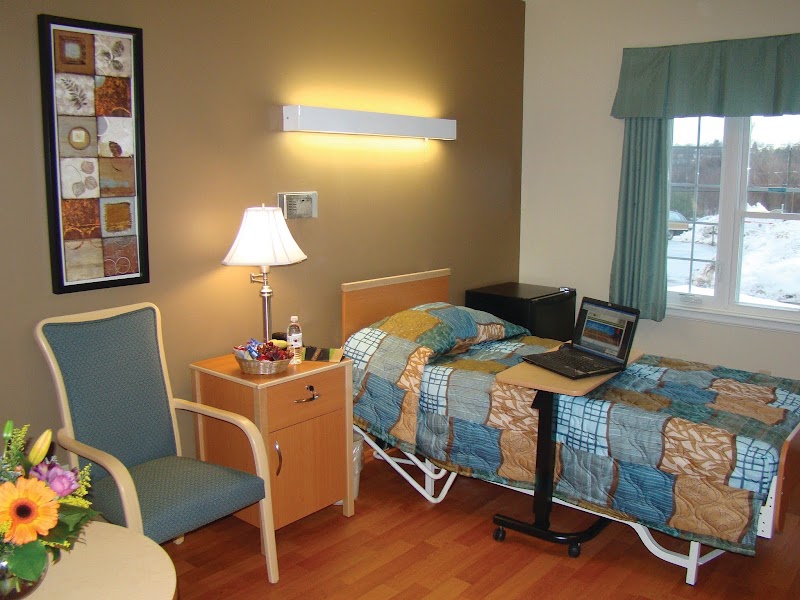
Who Owns and Operates Apple Rehab Cromwell?

APPLE REHAB CROMWELL is owned by a for-profit company. For-profit facilities operate as businesses with obligations to shareholders or private owners. The facility is operated by APPLE REHAB, a chain that manages multiple nursing homes. With 85 certified beds and approximately 66 residents (about 78% occupancy), it is a smaller facility located in CROMWELL, Connecticut.

How Does Apple Rehab Cromwell Compare to Other Connecticut Nursing Homes?

Compared to the 100 nursing homes in Connecticut, APPLE REHAB CROMWELL's overall rating (1 stars) is below the state average of 3.0, staff turnover (45%) is near the state average of 46%, and health inspection rating (1 stars) is much below the national benchmark.

What Should Families Ask When Visiting Apple Rehab Cromwell?

Based on this facility's data, families visiting should ask: "Can I visit during a mealtime to observe dining assistance and food quality?" "How do you handle medical emergencies, and what is your hospital transfer rate?" "Can I speak with family members of current residents about their experience?"

Is Apple Rehab Cromwell Safe?

Based on CMS inspection data, APPLE REHAB CROMWELL has a clean safety record: no substantiated abuse findings (meaning no confirmed cases of resident harm), no Immediate Jeopardy citations (the most serious violation level indicating risk of serious injury or death), and is not on the Special Focus Facility watch list (a federal program monitoring the lowest-performing 1% of nursing homes). The facility has a 1-star overall rating and ranks #100 of 100 nursing homes in Connecticut. While no facility is perfect, families should still ask about staff-to-resident ratios and recent inspection results during their visit.

Do Nurses at Apple Rehab Cromwell Stick Around?

APPLE REHAB CROMWELL has a staff turnover rate of 45%, which is about average for Connecticut nursing homes (state average: 46%). Moderate turnover is common in nursing homes, but families should still ask about staff tenure and how the facility maintains care continuity when employees leave.

Was Apple Rehab Cromwell Ever Fined?

APPLE REHAB CROMWELL has been fined $27,991 across 2 penalty actions. This is below the Connecticut average of $33,359. While any fine indicates a compliance issue, fines under $50,000 are relatively common and typically reflect isolated problems that were subsequently corrected. Families should ask what specific issues led to these fines and confirm they've been resolved.

Is Apple Rehab Cromwell on Any Federal Watch List?

APPLE REHAB CROMWELL is not on any federal watch list. The most significant is the Special Focus Facility (SFF) program, which identifies the bottom 1% of nursing homes nationally based on persistent, serious quality problems. Not being on this list means the facility has avoided the pattern of deficiencies that triggers enhanced federal oversight. This is a positive indicator, though families should still review the facility's inspection history directly.