AUTUMN LAKE HEALTHCARE AT CROMWELL
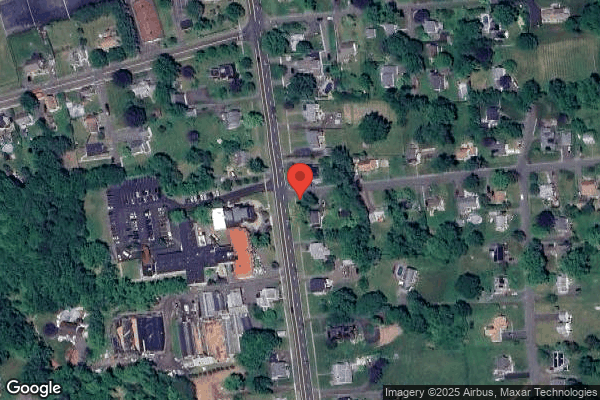
385 MAIN STREET, CROMWELL, CT 06416 (860) 635-5613
For profit - Limited Liability company 175 Beds AUTUMN LAKE HEALTHCARE Data: November 2025
Trust Grade
60/100
#84 of 192 in CT
Last Inspection: July 2024

Within standard 12-15 month inspection cycle. Federal law requires annual inspections.

Overview

Autumn Lake Healthcare at Cromwell has a Trust Grade of C+, which means it is slightly above average. It ranks #84 out of 192 facilities in Connecticut, placing it in the top half of state options, and #27 out of 64 in Capitol County, indicating that there are only a few better choices nearby. Unfortunately, the facility is experiencing a worsening trend, with the number of reported issues increasing from 2 in 2023 to 12 in 2024. Staffing is a mixed bag; while the turnover rate is 36%, which is below the state average, the facility has concerning RN coverage that is lower than 98% of Connecticut facilities. There were no fines reported, which is a positive sign, but some specific incidents raised concerns, such as a lack of proper dating for opened food items and unsanitary conditions in the kitchen. Additionally, the facility failed to submit required staffing data, which could affect transparency about staff levels and quality of care. Overall, while there are some strengths, families should weigh these against the identified weaknesses.

Trust Score
C+
60/100
In Connecticut
#84/192
Top 43%
Safety Record
Low Risk
No red flags
Inspections
Getting Worse
2 → 12 violations
Staff Stability
○ Average
36% turnover. Near Connecticut's 48% average. Typical for the industry.
Penalties
✓ Good
No fines on record. Clean compliance history, better than most Connecticut facilities.
Skilled Nurses
⚠ Watch
Each resident gets only 15 minutes of Registered Nurse (RN) attention daily — below average for Connecticut. Fewer RN minutes means fewer trained eyes watching for problems.
Violations
⚠ Watch
28 deficiencies on record. Higher than average. Multiple issues found across inspections.
★★★☆☆
3.0
Overall Rating
★★☆☆☆
2.0
Staff Levels
★★★☆☆
3.0
Care Quality
★★★☆☆
3.0
Inspection Score
Stable
2023: 2 issues
2024: 12 issues

The Good

  • Full Sprinkler Coverage · Fire safety systems throughout facility
  • No fines on record
  • Staff turnover below average (36%)

    12 points below Connecticut average of 48%

Facility shows strength in fire safety.

The Bad

3-Star Overall Rating

Near Connecticut average (3.0)

Meets federal standards, typical of most facilities

Staff Turnover: 36%

Near Connecticut avg (46%)

Typical for the industry

Chain: AUTUMN LAKE HEALTHCARE

Part of a multi-facility chain

Ask about local staffing decisions and management

The Ugly 28 deficiencies on record

Jul 2024 12 deficiencies
CONCERN (D) 📢 Someone Reported This

A family member, employee, or ombudsman was alarmed enough to file a formal complaint

Potential for Harm - no one hurt, but risky conditions existed

ADL Care (Tag F0677)

Could have caused harm · This affected 1 resident

**NOTE- TERMS IN BRACKETS HAVE BEEN EDITED TO PROTECT CONFIDENTIALITY** Based on observations, review of the clinical record, facility policy, and interviews for the only resident (Resident #103), rev...

Read full inspector narrative →
**NOTE- TERMS IN BRACKETS HAVE BEEN EDITED TO PROTECT CONFIDENTIALITY** Based on observations, review of the clinical record, facility policy, and interviews for the only resident (Resident #103), reviewed for incontinence, the facility failed to provide timely incontinent care to a dependent resident. The findings include: Resident #103's diagnoses included hemiplegia and hemiparesis (weakness on one side of the body) following cerebral infarction (stroke) and chronic pain syndrome. The quarterly Minimum Data Set assessment dated [DATE] identified Resident #103 was mildly cognitively impaired, was totally dependent on staff for bed mobility and toileting hygiene and did not transfer out of bed. Resident #103 was always incontinent of bowel and bladder. The Resident Care Plan dated 5/15/24 identified Resident #103 had bowel and bladder incontinence and is at risk for complications with yeast in the urine. Interventions included washing, rinsing, and drying the perineum and changing clothing after incontinence episodes every 2 hours and as needed. Continuous observations of Resident #103 on 7/24/24 from 9:00 AM to 11:39 AM identified that at 11:39 AM, NA#1 and NA #2 entered Resident #103's room to perform incontinent care. After obtaining permission from the resident to observe care, Resident #103, was identified to have had a small liquid bowel movement. Dried fecal material was noted to be adhering to the outside ring of fecal material on his/her buttocks which required NA #2 to apply friction to remove the fecal matter. Interview with NA #1 and NA #2 on 7/24/24 at 11:45 AM identified that incontinent care is given every 2 hours and as needed. NA #2 identified she had last given Resident #103 care at 7:45 AM. Although NA #2 indicated she went in at 11:00 AM and checked Resident #103 for incontinence, constant observation by the surveyor failed to identify NA#2 had entered Resident #103's room. Interview with LPN #3 on 7/24/24 at 1:26 PM identified that incontinent care is given every 2 hours and when the residents use their call bell. The NA's get the residents up and change them if the residents are soiled and then transfer the residents back to their chairs. LPN #3 stated that NA #2 indicated care was provided to Resident #103 at 8:45 AM. LPN #3 additionally stated that NA#2 should have provided Resident #103 with an incontinent check/care at 10:45 AM (within approximately 2 hours) and further stated she would have expected Resident #103 to be checked/care given sooner than the surveyor observed. In a second interview with NA#2 at 1:37 PM she confirmed she was responsible for Resident #103's incontinent care and that she had last provided Resident #103 incontinent care at 7:45 AM (approximately 4 hours prior to the observation of care). Interview with Resident #103 on 7/24/24 at 1:58 PM identified that he/she could not recall being checked earlier than when the surveyor observed his/her care. Interview with Director of Nursing Services (DNS) on 7/25/24 at 8:55 AM identified that incontinent care is given 4 times a shift and when a resident needs to be changed. The DNS indicated that incontinent care is not given exactly every 2 hours but is given more frequently than every 4 hours. Review of the Perineal care policy dated 12/14/2022 directed, in part, to provide perineal care to all incontinent residents during routine bath and as needed to promote cleanliness and comfort, prevent infection to the extent possible, and to prevent and assess for skin breakdown. Although requested, a facility policy for incontinence care was not provided.
CONCERN (D)

Potential for Harm - no one hurt, but risky conditions existed

Deficiency F0692 (Tag F0692)

Could have caused harm · This affected 1 resident

**NOTE- TERMS IN BRACKETS HAVE BEEN EDITED TO PROTECT CONFIDENTIALITY** Based on review of the clinical record, facility policy, and interviews for 2 of 2 residents, (Resident #94 and Resident #152), ...

Read full inspector narrative →
**NOTE- TERMS IN BRACKETS HAVE BEEN EDITED TO PROTECT CONFIDENTIALITY** Based on review of the clinical record, facility policy, and interviews for 2 of 2 residents, (Resident #94 and Resident #152), reviewed for kidney failure who receive specialized services and who were on a fluid restriction, the facility failed to have a systematic approach in place to assess daily fluid intake amounts on consecutive days. The findings include: 1. Resident #94 's diagnoses included chronic kidney disease Stage 4 (severe) and Diabetes. The quarterly Minimum Data Set assessment dated [DATE] identified Resident #94 was moderately cognitively impaired and independent with eating, bed mobility, transfers, and toileting. The Resident Care Plan dated 6/17/24 identified renal insufficiency related to end stage chronic kidney disease now on a specialized service. Interventions included providing the specialized service as ordered by the provider, monitor, document and report any complications every shift, and due to a fluid restriction, to check with the charge nurse before bringing fluids between meals. A physician's order dated 6/18/24 directed a fluid restriction of 1200 milliliters (ml) per day: 480 ml to be given by nursing and 720 ml to be given by dietary. The Medication Administration Record (MAR) identified a fluid restriction of 1200 ml per day beginning on 6/19/24 with amounts noted for each shift but the MAR failed to indicate a total fluid intake for each 24-hour period. The Documentation Survey Report indicates fluids given by staff on each shift as follows: 7/14/24 120 ml on evening shift, 7/15/24 360 ml on evening shift, 7/16/24 360 ml on evening shift, 7/17/24, 420 ml on the evening shift and 120 ml on the overnight shift, 7/18/24 360 ml on evening shift, 7/19/24 480 ml on evening shift, and on 7/20/24 360 ml on evening shift. Review of the intake and output worksheets identified there was an intake and output book at the nurse's station but lacked an entry for 7/14/24, on 7/15/24 a 300 ml intake, on 7/16/24 a 480 ml, on 7/17/24 a 480 ml, on 718/24 a 480 ml, on 7/19/24 360 ml, and on 7/20/24 480 ml. Review of the clinical record failed to indicate that total fluid intake amounts were calculated from 7/14/24 through 7/20/24. Interview with RN #3 on 7/25/24 at 12:50 PM identified that when a resident were to show symptoms of dehydration, an assessment would be conducted, and the practitioner would be notified. RN #3 indicated that the facility failed to have a mechanism in place to total fluid intake every 24 hours. RN #3 identified that the Dietician assessed residents for total fluid needs/goals, but if the resident failed to meet that goal, there were no designated staff who would look at the 24-hour total each day to make the determination if the fluid goal was met or exceeded. Further, per the standard of practice, RN#3 indicated that if a resident did not meet their 24 hour fluid goal for 3 consecutive days, a dehydration assessment should be conducted, and the Dietician and medical practitioner should be notified. 2. Resident #152's diagnoses included end stage renal disease, moderate protein-calorie malnutrition, and congestive heart failure. The admission Minimum Data Set assessment dated [DATE] identified Resident #152 was moderately cognitively impaired, was independent with eating, dependent on staff for personal hygiene, and dependent for chair/bed-to-chair transfers. The Resident Care Plan dated 6/4/24 identified Resident #152 was at risk for dehydration or potential for fluid deficit related to his/her fluid restriction, end stage renal disease, and congestive heart failure. Interventions included monitoring and document intake and output amounts. A physician's order dated 7/3/24 directed to maintain a fluid restriction of 1200 milliliters (ml) in 24 hours every shift with 480 ml from nursing (days: 180 ml, evenings: 180 ml, nights: 120 ml) and 720 ml from dietary. Observation of Resident #152 on 7/19/24 at 11:41 AM identified him/her with dry mucous membranes. Intake and output record flowsheets dated 7/7/24 through 7/20/24, from Resident #152 ' s paper chart, identified Resident #152 was on a 1200 ml fluid restriction in 24-hours and had intake and output documentation that did not exceed 480 ml per day with no 24-hour total documented. On 7/7/24 120 ml on night shift and 360 ml on evening shift; on 7/8/24 120 ml on night shift; 7/9/24 60 ml on night shift and 360 ml on evening shift; 7/10/24 60 ml on night shift and 360 ml on evening shift; 7/11/24 60 ml on night shift and 360 ml on evening shift; 7/12/24 60 ml on night shift and 360 ml on evening shift; 7/13/24 60 ml on night shift and 360 ml on evening shift; 7/14/24 no entries; 7/15/24 360 ml on evening shift; 7/16/24 60 ml on night shift and 360 ml on evening shift; 7/17/24 60 ml on night shift and 350 ml on evening shift; 7/18/24 60 ml on night shift and 360 ml on evening shift; 7/19/24 360 ml on evening shift; 7/20/24 60 ml on night shift and 360 ml on evening shift. Intake amounts documented in the MAR from 7/7/24-7/20//24 were as follows: 7/7/24 100 ml on night shift, 420 ml on day shift, and 360 ml on evening shift; 7/8/24 60 ml on night shift, 360 ml on day shift, and 360 ml on evening shift; 7/9/24 60 ml on night shift, 180 ml on day shift, and 180 ml on evening shift; 7/10/24 60 ml on night shift, 480 ml on day shift, and 360 ml on evening shift; 7/11/24 60 ml on night shift, 360 ml on day shift, and 360 ml on evening shift; 7/12/24 60 ml on night shift, 180 ml on day shift, and 360 ml on evening shift; 7/13/24 60 ml on night shift, 120 ml on day shift, and 360 ml on evening shift; 7/14/24 60 ml on night shift, 360 ml on day shift, and 300 ml on evening shift; 7/15/25 60 ml on night shift, 360 ml on day shift, and 360 ml on evening shift; 7/16/24 60 ml on night shift, 180 ml on day shift, and 360 ml on evening shift; 7/17/24 60 ml on night shift, 360 ml on day shift, and 360 ml on evening shift; 7/18/24 60 ml on night shift, 80 ml on day shift, and 360 ml on evening shift; 7/19/24 60 ml on night shift, 280 ml on day shift, and 360 ml on evening shift; and 7/20/24 60 ml on night shift, 240 ml on day shift, and 360 ml on evening shift. Interview with the Director of Nursing Services (DNS) on 7/25/24 at 9:20 AM identified that the intake and output record flowsheets in the paper chart are not part of the official clinical record, are used only as a worksheet, and should not be in the resident ' s chart. All intake and output documents are located in the electronic clinical record where the nurse for each shift documents the total intake for that shift. The DNS further identified that a total intake for 24 hours is not documented, however each nurse can see the entries of the previous two shifts so that they could see if the resident went over their physician prescribed fluid restriction. If the fluid restriction was exceeded, the staff could notify the Advanced Practice Registered Nurse (APRN). The DNS failed to identify what the nurse ' s actions would be taken if the resident intake was below the fluid restriction or how staff would know if the resident was not meeting their fluid goal for 3 days consecutively. Interview with Nurse Aide (NA) #1 on 7/25/24 at 10:09 AM identified that fluid intake amounts are not documented by them in the electronic record, however when she sees an intake and output record flowsheet in the intake and output book, she will write the intake on the sheet for the nurse to review. Interview with LPN #11 on 7/25/24 at 11:20 AM identified that she documents the total intake for her shift in the electronic record, which includes what the NA ' s document on the intake and output sheets added to what she provides during the shift. LPN #11 stated that she does not look at the entries of the previous two shifts and can only be responsible for the intake on her shift, and that her goal for residents on a fluid restriction is 500 ml on the day shift. Interview with the Clinical Regional Nurse (RN #3) on 7/25/24 at 12:50 PM identified that the facility does not a have a process to tally 24-hour totals for residents who are on intake and output. RN #3 further identified that the facility would report to the provider when a resident was symptomatic for a lack of hydration and that an assessment would be conducted, but there was no system to identify when a resident did not meet their 24-hour fluid total that had been determined by the Dietician. RN #3 identified that if a resident showed signs and symptoms of dehydration the physician would be notified, but that there was not a process to identify when a resident did not meet their fluid goal for consecutive days according to standards of practice. Additionally, RN #3 indicated that the Dietician and provider should be notified, and an assessment should be completed. Intake and output should be documented and totaled to identify any deviations from estimated fluid goals or fluid restrictions. Review of the clinical record for Resident #152 failed to reflect documentation of the total amount of fluid intake meeting the fluid restriction of 1200 ml without exceeding it. Between 7/5/24 through 7/21/2024, there were 14 days where the documented amounts for each shift did not total over 800 ml for 24 hours and there was no corresponding nursing staff documentation/assessments/notes to indicate Resident #152's hydration status when his/her fluid intake did not meet 800 ml since the initial readmission dehydration risk screener conducted on 7/4/24. Review of the intake measuring and recording, and hydration and prevention of dehydration policy directed, in part, to record the fluid intake after the resident consumed the fluids at the end of your shift total the amounts of all liquids the resident consumed and record the intake and output on the intake and output record. Physician orders to limit fluids will take priority over calculated fluid needs. The Dietitian may refer calculated needs to the physician if restrictions potentially increase the risk of dehydration.
CONCERN (D)

Potential for Harm - no one hurt, but risky conditions existed

Deficiency F0757 (Tag F0757)

Could have caused harm · This affected 1 resident

**NOTE- TERMS IN BRACKETS HAVE BEEN EDITED TO PROTECT CONFIDENTIALITY** Based on review of the clinical record, facility policy, and interviews for 2 of 8 residents, (Resident #25 and Resident #107), ...

Read full inspector narrative →
**NOTE- TERMS IN BRACKETS HAVE BEEN EDITED TO PROTECT CONFIDENTIALITY** Based on review of the clinical record, facility policy, and interviews for 2 of 8 residents, (Resident #25 and Resident #107), reviewed for unnecessary medications, the facility failed to follow physician orders for obtaining a blood pressure before administration of a medication (Resident #25), and failed to correctly input an order for medication administration and failed to follow a physician's order for medication administration (Resident #107). The findings include: 1. Resident #25's diagnoses included hypertension, atrial fibrillation, and schizoaffective disorder. Physician order dated 1/3/24 directed Atenolol (a medication for high blood pressure) 50 milligrams (mg) by mouth twice a day, hold for systolic blood pressure (SBP) less than 100, and hold for a heart rate (HR) of less than 60 beats per minute. The annual Minimum Data Set assessment dated [DATE] identified Resident #25 had moderately impaired cognition and was independent with eating, oral hygiene, toilet use, showering, and personal hygiene. The Resident Care Plan dated 1/9/24 identified Resident #25 had an alteration of cardiac/respiratory status related to hypertension and chronic obstructive pulmonary disease. Interventions included administering medications as ordered, monitor for side effects, document and report cardiac distress, and obtain vital signs as ordered. Review of the Medication Administration Record and the clinical record with Licensed Practical Nurse (LPN) #4 on 7/23/24 at 12:40 identified that although Resident #25 received Atenolol 50 mg twice daily beginning in February 2024, the resident's blood pressure was taken once in February on 2/5/24, once in March 2024 on 3/6/24, once in April 2024 on 4/5/24, once in May 2024 on 5/5/24, once in June 2024 on 6/5/24, and once in July 2024 on 7/4/24, equating to greater than 340 missed blood pressure readings. Interview and record review with Licensed Practical Nurse (LPN) #4 on 7/23/24 at 12:40 PM identified that although Resident #25's heart rate was checked before the 7/23/24 medication administration, the blood pressure was not being taken per the provider medication order with each Atenolol administration twice daily. Interview with LPN #5 on 7/23/24 at 12:45 PM identified that Resident #25's heart rate was taken before the 7/22/24 medication administration but the blood pressure was not being taken per provider medication order. LPN #5 stated the reason the resident's blood pressure was not taken per the provider's order, was that the electronic system did not prompt for a blood pressure to be taken. Review of the facility's Administering Oral Medications Policy, dated March 2019, identified that any pre-administration assessments should be performed before a medication is administered 2. Resident #107 's diagnoses included anemia, chronic myeloid leukemia in remission, depression, and a history of left femur fracture. The 5 day Minimum Data Set assessment dated [DATE] identified Resident #107 was moderately cognitively impaired, was independent with eating, required substantial/maximal assistance to roll left and right, and substantial/maximal assistance for sit to stand transfers. The Resident Care Plan dated 12/12/23 identified Resident #107 had a nutritional problem related to diabetes, a history of chronic myeloid leukemia, chemotherapy, and a significant weight loss. Interventions included administering medications as ordered. A. A pharmacy consultant recommendation for Resident #107 dated 1/16/24 suggested that the prescriber consider changing Vitamin D to Vitamin D3 50,000 units once a month. An APRN order (APRN #1) dated 1/18/24 directed to discontinue the administration of Cholecalciferol (Vitamin D3) oral tablet 1,000 units, 1 tablet once daily and start the administration of Vitamin D3 oral tablet 50,000 units 1 tablet once a day starting on the 23rd and ending on the 24th every month. A review of the Medication Administration Record (MAR) identified that Resident #107 received Vitamin D3 50,000 units for 2 days in January, February, March, April, May, June and July on the 23rd and 24th of each month. In an interview with Pharmacist #1 on 7/24/24 at 12:44 PM it was identified that his recommendation dated 1/16/24 was for Vitamin D3 once per month. Pharmacist #1 was not aware how the Advanced Practice Registered Nurse (APRN) #1 had written the order dated 1/18/24 resulting in Vitamin D3 50,000 units being administered twice a month. In interview with APRN #1 on 7/24/24 at 12:25 PM she identified when she wrote the order for Vitamin D3 oral tablet 50,000 units on 1/18/24, her intention was to administer Vitamin D3 50,000 units per month per the pharmacy recommendation. APRN #1 was unaware that due to the way she had written the order, she had directed facility staff to administer the Vitamin D3 for 2 days concurrently every month, on the 23rd and 24th, since January 2024 (over 6 months' time). B. The Resident Care Plan dated 12/12/23 identified that Resident #107 had an alteration in gastrointestinal status related to anemia and history of gastrointestinal hemorrhage. Interventions included obtaining and monitoring laboratory work, and giving medications as ordered. 1. An APRN order (APRN #1) dated 2/28/24 directed facility staff to inject 1 application of Procrit 10,000 units per milliliter (units/ml.) intramuscularly (IM) once daily every Tuesday, and to hold the medication if the laboratory result for hemoglobin was over 10. Review of the clinical record, laboratory result dated 6/3/24 identified that Resident #107's hemoglobin was 11.1. Review of the Medication Administration Record (MAR) identified that on 6/4/24 LPN #10 had administered Procrit 10,000 units/ml IM despite the physician order to hold the Procrit if the hemoglobin was over 10 (11.1). 2. An APRN order (APRN#2) dated 6/4/24 directed facility staff to discontinue Resident #107's weekly laboratory work for hemoglobin levels and to start obtaining hemoglobin levels monthly. Further, APRN #2 directed Resident #107's Procrit be held on 6/11/24, 6/18/24, 6/25/24, and 7/2/24. APRN #2's progress note dated 6/4/24 directed facility staff to discontinue the Procrit, however, APRN #2 failed to write a physician's order for discontinuation and instead, ordered the Procrit to be held from 6/4/24 through 7/2/24. Review of the clinical record, laboratory result, dated 7/2/24 identified that the Resident #107's hemoglobin was 10.1. Review of the July MAR identified the Procrit was correctly held on 7/2/24 and 7/9/24, according to the laboratory results obtained on 7/2/24, but that on 7/23/24 LPN #5 had administered Procrit to Resident #107, despite a hemoglobin level of 10.1. In an interview and review of the clinical record with LPN #10 on 7/25/24 at 9:40 AM she identified that Resident #107's Procrit had parameters, per the physician's order, to hold the medication if the laboratory value for hemoglobin was greater than 10. Review of the laboratory data with LPN #10 identified that on 6/3/24 Resident #107's hemoglobin was 11.1 and that she had signed that she had administered the medication on 6/4/24 despite the parameter to not administer. LPN #10 identified that if she had held Resident #107's Procrit she would have written a nursing note, however, no note was identified. Further LPN #10 indicated that if the medication was checked off (as it was on 6/4/24), that indicated the medication was administered. Although LPN #10 had signed off giving the medication on the MAR on 6/4/24, she was unable to recall if she had actually administered the Procrit to Resident #107. In an interview with APRN #1 on 7/25/24 at 10:43AM, she identified that her expectation for the administration of Procrit would be for facility staff to follow the physician order as written. APRN #1 indicated that the medication had parameters not to administer when the hemoglobin was above 10 and that on 6/4/24 and 7/23/24 the medication should not have been administered to Resident #107. Although attempted, an interview with LPN #5 was not obtained for the administration of Procrit on 7/23/24. Although requested, a facility policy for physician orders was not provided. Review of the Administering Medications Policy directed, in part, that medications must be administered in accordance with the physician orders.
CONCERN (D)

Potential for Harm - no one hurt, but risky conditions existed

Infection Control (Tag F0880)

Could have caused harm · This affected 1 resident

**NOTE- TERMS IN BRACKETS HAVE BEEN EDITED TO PROTECT CONFIDENTIALITY** Based on observation, review of the clinical record, facility documentation, facility policy and interviews for 1 of 2 Residents...

Read full inspector narrative →
**NOTE- TERMS IN BRACKETS HAVE BEEN EDITED TO PROTECT CONFIDENTIALITY** Based on observation, review of the clinical record, facility documentation, facility policy and interviews for 1 of 2 Residents (Resident #77) reviewed for wound care, the facility failed to maintain proper infection control techniques for Enhanced Barrier Precautions (EBP) during wound care, and during a review of the facility laundry services in the facility's only laundry area, the facility failed to ensure a clean environment for laundry processing. The findings include: 1. Resident #77's diagnoses included subacute osteomyelitis and stage 4 pressure ulcer of the sacral region. The quarterly Minimum Data Set (MDS) assessment dated [DATE] identified Resident #77 was cognitively intact and was dependent on staff with toileting hygiene, showering/bathing self, and chair to bed transfers. Additionally, the MDS identified that Resident #77 had an unstageable pressure ulcer. The Resident Care Plan dated 7/17/24 identified EBP. Interventions included appropriate Personal Protective Equipment (PPE) to be used per the Enhanced Barrier Precautions Protocol. A physician's order dated 7/19/24 directed EBP to be maintained at all times every shift. Observation of Resident #77's room on 7/24/24 at 11:00 AM identified EBP signage was posted on the door frame which directed that staff must wear gloves and a gown for wound care. LPN #6 was observed to enter Resident #77's room and complete wound care to the sacral pressure ulcer without the benefit of wearing a gown throughout the treatment. Interview and clinical record review with LPN #6 on 7/24/24 at 12:56 PM identified that she was not aware that Resident #77 was on EBP. Additionally, LPN #6 identified that she would look at the Medication Administration Record (MAR) or the Treatment Administration Record (TAR) to verify if Resident #77 was on EBP. Upon further review of the MAR and TAR, LPN #6 identified that Resident #77 was on EBP and that she should have been wearing appropriate PPE. Interview with the Infection Preventionist (RN #1) on 7/24/24 at 3:17 PM identified that during wound care, the nurse should be wearing a gown and gloves per EBP. Additionally, RN #1 identified that staff can verify if a resident was on EBP by reviewing the EBP signage posted outside of the resident's room, the physician's order, the care plan, and the care card (used by Nurse Aides). Although EBP was a requirement per the Centers for Medicare and Medicaid Services effective 4/1/24, RN #1 identified that the facility was still working on education for the staff and the order for EBP was not created until 7/18/24 (effective 7/19/24). Review of the EBP policy directed, in part, that PPE for EBP is only necessary when performing high-contact care activities. High-contact care activities include dressing, bathing, transferring, providing hygiene, changing linens, changing briefs or assisting with toileting, device care or use, and wound care on any skin opening requiring a dressing. 2. Observation in the Laundry Room with the Infection Preventionist on 7/23/24 at 12:10 PM identified a moderate coating of white/gray debris on the tops of 4 of 4 washers and 5 of 5 dryers. Additionally, the washer room ceiling fan had a moderate buildup of a dark grey substance on all fan blades. On 2 of the washers exposed outer filters, a moderate buildup of a dark gray substance was present. The overhead pipes and wires in both the washer and dryer areas also had a moderate buildup/coating of a dark gray substance. Interview and observation with the Regional Environmental Services Manager on 7/23/24 at 12:15 PM, indicated he was unable to identify the substances on the washers/dryers, ceiling fan, washer filters, or overhead pipes and wires. He further identified that he visits the facility weekly and has seen similar conditions in the washer and dryer rooms on his prior visits. The Regional Environmental Services Manager indicated that the areas needed to be thoroughly cleaned and that he would have facility staff complete the necessary tasks. Interview and observation with the Environmental Services Director, on 7/23/24 at 12:20 PM, identified a window to the outside above 2 washers that had a thick buildup of a dark gray substance on the inside screen. The Environmental Services Director was unable to identify the substance clinging to the inside screen of the window. In addition, a window to the outside located in the dryer room was open approximately 8 inches, lacked a screen, and was coated with a a notable amount of a white substance. Dryers were venting to the outside and there was a large amount of white substances on the grass below the exhaust vent/pipe. The vent discharge area was directly adjacent to the open window and a considerable amount of warm air was venting back into the dryer room where clean, wet, laundry was stored uncovered in a laundry bin placed between two dryers. The Environmental Services Director indicated clean wash should be stored covered and that the outside window in the dryer room should have been closed to prevent the white substance from re-entering the dryer room. Interview, observation, and review of facility documentation with the Environmental Services Director and Laundry Assistant #1 on 7/23/24 at 12:30 PM identified all surfaces and machines in the washer and dryer rooms are cleaned daily. The Environmental Services Director indicated that it was the responsibility of the laundry staff to complete the laundry cleaning schedules as posted. Review of the Laundry Cleaning Schedule for June 2024 and July 2024 identified that clean and soiled area cleaning was to be completed daily, high dust cleaning was to be completed weekly, and light fixtures and windows were to be cleaned monthly (fan cleaning was not noted). Although the Regional Environmental Services Director indicated the areas needed to be thoroughly cleaned, the Laundry Cleaning Schedule had been signed indicating that all the cleaning tasks had already been completed. Observation of the laundry facility on 7/24/24 at 11:30 AM identified that all areas were free of dust and debris, the dryer window was closed, and clean laundry was not noted to be stored uncovered. Although a laundry policy was requested, the facility policy failed to include clean laundry operations for drying, folding, storage or cleaning of the laundry areas.
CONCERN (E)

Potential for Harm - no one hurt, but risky conditions existed

Safe Environment (Tag F0584)

Could have caused harm · This affected multiple residents

**NOTE- TERMS IN BRACKETS HAVE BEEN EDITED TO PROTECT CONFIDENTIALITY** Based on observations, interviews, and review of facility documentation, for 4 of the rooms/resident areas on the Elm Unit, 7 of...

Read full inspector narrative →
**NOTE- TERMS IN BRACKETS HAVE BEEN EDITED TO PROTECT CONFIDENTIALITY** Based on observations, interviews, and review of facility documentation, for 4 of the rooms/resident areas on the Elm Unit, 7 of the rooms/resident areas on the Maple Unit, 9 of the rooms/resident areas on the Oak Unit, and 2 of the rooms/resident areas on the Hickory Unit, the facility failed to ensure the residents' rooms and furnishing were maintained in a clean, safe, homelike and sanitary manner and in good repair. The findings included: 1. On 07/19/24 and 07/24/24, observations throughout the day of the Bathroom between rooms [ROOM NUMBERS] on the Elm Unit identified the following: a. The surface of the wall underneath the sink had the drywall and tile removed. The plumbing and wall studs were exposed with tile debris falling from the wall. An interview and tour with the Director of Maintenance (DOM) on 07/24/24 from approximately 9:00 AM to 10:00 AM identified he was unsure of how long the drywall had been missing. At one point there was a leak that required the drywall and tile to be removed. 2. On 07/19/24 and 07/24/24, observations throughout the day of the Bathroom between rooms [ROOM NUMBERS] on the Elm Unit identified the following: a. The ceiling tile appeared discolored and had a buildup of a black substance. An interview and tour with the DOM on 07/24/24 from approxmately 9:00 AM to 10:00 AM identified he was unsure of how long the ceiling tile had been like that but identified concerns with water dripping down from the 2nd floor. 3. On 07/19/24 and 07/24/24, observations throughout the day of the Bathroom in room [ROOM NUMBER] on the Elm Unit identified the following: a. The surface of the wall had paint which appeared to be peeling. b. Underneath the sink there was a hole in the drywall and tile. An interview and tour with the DOM on 07/24/24 from approximately 9:00 AM to 10:00 AM identified he was unsure of how long the hole was there. 4. On 07/19/24 and 07/24/24, observations throughout the day of the 2nd floor Shower room on the Maple Unit identified the following: a. The faceplate of the radiator had fallen off and was on the ground. An interview and tour with the DOM on 07/24/24 from approximately 9:00 AM to 10:00 AM identified he was unsure of how long the cover had been off, but it would be identified on an environmental round. The DOM fixed this while the tour was conducted. 5. On 07/19/24 and 07/24/24, observations throughout the day of room [ROOM NUMBER]A in the Maple Unit identified the following: a. The window blinds had broken and/or missing slats. An interview and tour with the DOM on 07/24/24 from approximately 9:00 AM to 10:00 AM identified he was unsure of how long it had been broken, but it is common for residents to take the slats out so the residents can see out the window. 6. On 07/19/24 and on 07/24/24, observations throughout the day of room [ROOM NUMBER]B in the Maple Unit identified the following: a. The Bathroom door handle was permanently locked. An interview and tour with the DOM on 07/24/24 from approximately 9:00 AM to 10:00 AM identified he was not aware of the problem with the handle, but that it would have been identified on an environmental round. 7. On 07/19/24 and on 07/24/24, observations throughout the day of the Bathroom in room [ROOM NUMBER] in the Maple Unit identified the following: a. The ceiling tile appeared discolored and had a stain. An interview and tour with the DOM on 07/24/24 from approximately 9:00 AM to 10:00 AM identified he was unsure how long the stain was there. 8. On 07/19/24 and on 07/24/24, observations throughout the day of the Bathroom in room [ROOM NUMBER] in the Maple Unit identified the following: a. The ceiling tile appeared discolored and had a stain. An interview and tour with the DOM on 07/24/24 from approximately 9:00AM to 10:00 AM identified he was unsure of how long the stain was there. 9. On 07/19/24 and on 07/24/24, observations throughout the day of the Bathroom between rooms [ROOM NUMBERS] in the Oak Unit identified the following: a. The toilet bowl had a reddish-brown stain. An interview and tour with the DOM on 07/24/24 from approximately 9:00AM to 10:00 AM identified he was unsure of how long the stain was there. 10. On 07/19/24 and 07/24/24, observations throughout the day of room [ROOM NUMBER] in the Oak Unit identified the following: a. The wall at the doorway under the light switch had exposed sheet rock. An interview and tour with the DOM on 07/24/24 from approximately 9:00AM to 10:00 AM identified he was unsure of how long the sheetrock had been exposed. 11. On 07/19/24 and 07/24/24, observations throughout the day of room [ROOM NUMBER]B in the Oak Unit identified the following: a. The call bell light outlet had a cover plate and a 3x5 gap with exposed wires. An interview and tour with DOM on 07/24/24 from approximately 9:00 AM to 10:00 AM identified he was unsure of how long the cover plate had been missing. 12. On 07/19/24 and 07/24/24, observations throughout the day of room [ROOM NUMBER] A/B on the Oak Unit identified the following: a. The bathroom vent had a large accumulation of dust and debris. An interview and tour with the DOM on 07/24/24 from approximately 9:00 AM to 10:00 AM identified the vent was last cleaned in May of 2024. 13. On 07/19/24 and 07/24/24, observations throughout the day of room [ROOM NUMBER] in the Oak Unit identified the following: a. The ceiling tile appeared discolored and was stained. An interview and tour with the DOM on 07/24/24 from approximately 9:00 AM to 10:00 AM identified he was unsure of how long the stain was there. 14. On 07/19/24 and 07/24/24, observations throughout the day of room [ROOM NUMBER] in the Oak Unit identified the following: a. The ceiling tile appeared discolored and was stained. An interview and tour with the DOM on 07/24/24 from approximately 9:00 AM to 10:00 AM identified he was unsure of how long the stain was there. 15. On 07/19/24 and 07/24/24, observations throughout the day of room [ROOM NUMBER] in the Oak Unit identified the following: a. The wall had a small hole in the sheetrock behind the window blinds. b. The radiator had a large hole in the grate. An interview and tour with the DOM on 07/24/24 from approximately 9:00 AM to 10:00 AM identified it had been there for a little while and the hole in the radiator was probably missed on the last environmental round. 16. On 07/19/24 and 07/24/24, observations throughout the day of room [ROOM NUMBER] A/B on the Oak Unit identified the following: a. The privacy curtain was falling off the ceiling An interview and tour with the DOM on 07/24/24 from approximately 9:00 AM to 10:00 AM identified he was unsure of how long it had been like that; however, he hooked the curtain to the hooks. 17. On 07/19/24 and 07/24/24, observations throughout the day of the Bathroom in room [ROOM NUMBER] in the Hickory Unit identified the following: a. There were 4 approximately ¼ inch holes stuffed with pieces of what appeared to be paper towels. An interview and tour with the DOM on 07/24/24 from approximately 9:00 AM to 10:00 AM identified he was unsure of how long it has been like that. 18. On 07/19/24 and 07/24/24, observations throughout the day of room [ROOM NUMBER] in the Hickory Unit identified the following: a. There was a hole in the wall above Resident 164's bed which appeared to be missing a faceplate cover. An interview and tour with the DOM on 07/24/24 from approximately 9:00 AM to 10:00 AM identified he was unsure of how long it has been like that. In addition, an interview and tour with the DOM on 07/24/24 from approximately 9:00 AM until 10:00 AM indicated he does conduct environmental rounds to identify any possible issues quarterly. He also indicated each unit has a maintenance log which is routinely reviewed and helps address any issue or concern with environmental areas. The DOM did identify that all environmental concerns identified were unacceptable.
CONCERN (E) 📢 Someone Reported This

A family member, employee, or ombudsman was alarmed enough to file a formal complaint

Potential for Harm - no one hurt, but risky conditions existed

Report Alleged Abuse (Tag F0609)

Could have caused harm · This affected multiple residents

**NOTE- TERMS IN BRACKETS HAVE BEEN EDITED TO PROTECT CONFIDENTIALITY** Based on staff interviews, review of the clinical records, facility documentation, and facility policy for 5 of 6 sampled reside...

Read full inspector narrative →
**NOTE- TERMS IN BRACKETS HAVE BEEN EDITED TO PROTECT CONFIDENTIALITY** Based on staff interviews, review of the clinical records, facility documentation, and facility policy for 5 of 6 sampled residents (Residents #20, Resident #80, Resident #140, Resident #153, and Resident #668) reviewed for a resident-to-resident altercations, the facility failed to ensure an allegation of mistreatment was reported to the appropriate agencies. The findings include: A.1. Resident #20s diagnoses included dementia, hallucinations, and obesity. The Annual Minimum Data Set (MDS) assessment dated [DATE] identified Resident #20 was severely cognitively impaired, required substantial/maximum assist for personal hygiene, was independent/set up for eating, toileting, and transfers. The Resident Care Plan (RCP) dated 2/8/24 identified that Resident #20 had the potential to demonstrate physical behaviors related to dementia. Interventions included that when Resident #20 becomes agitated intervene before agitation escalates, guide away from source of distress, engage calmly in conversation, and redirect Resident #153 away from Resident #20. 2. Resident #153's diagnoses included dementia, anxiety, and visual hallucinations. The admission MDS assessment dated [DATE] identified Resident #153 was severely cognitively impaired, required substantial max assist for personal hygiene, and was dependent for eating, toileting, and bathing. The Resident Care Plan dated 2/8/24 identified that Resident #153 had the potential to demonstrate physical behaviors related to dementia. Interventions included redirecting Resident #153 from Resident #20, and behavior monitoring every shift. A Reportable Event form dated 2/8/24 identified, at approximately 12:30 PM, a staff member yelled for help and LPN #9 went to intervene. Resident #153 went into Resident #20's room, held onto Resident #20's walker and told him/her to let it go. Resident #153 did not let go of the walker and Resident #20 then slapped Resident #153 on the cheek. The staff member separated both residents and neither was injured at the time. The care plans were updated, the Advanced Practice Registered Nurse (APRN), Police, and responsible parties were notified. Both residents were placed on 1 to 1 until cleared by psychiatric services. Adult Protective Services was not identified as being notified. A second Reportable Event form dated 6/12/24 identified, at approximately 11:20 AM identified that Resident #153 was outside Resident #20's room, saw a rollator walker and seated his/herself on the rollator walker seat. Resident #20 looked out his/her door, saw Resident #153 sitting on his/her rollator, and walked over to him/her and hit Resident #153 in the face. Resident #20 was yelling he/she was in my chair and in my stuff. The nurse on the unit heard the commotion and ran to the area to separate the residents. Neither resident appeared injured. The Advanced Practice Registered Nurse (APRN), Police, and responsible parties were notified. Resident #153 was placed on 1 to 1 until cleared by psychiatric services. Resident #20 was sent to a behavioral unit at another facility. The Reportable Event failed to identify that Adult Protective Services were notified. Interview with the Director Nursing Service (DNS) 7/23/24 at 1:18 PM identified that she did not notify Adult Protective Services regarding the incident on 2/8/24 and 6/12/24 because she did not know she was required to do so for a resident-to-resident altercation. B. 1. Resident #80 diagnoses included dementia, diabetes, and muscle weakness. The Quarterly MDS assessment dated [DATE] identified Resident #80 had long and short term memory problems and required partial to moderate assistance from staff with upper body dressing and was independent with ambulation and transfers. The Resident Care Plan in effect on 7/1/24 identified Resident #80 with risk for impaired cognitive function related to dementia. Interventions included administering medications as ordered, monitoring and documenting any changes in cognitive function and engaging in simple structured activities. 2. Resident #140's diagnoses included dementia, hypertension, depression, and anxiety. The Annual Minimum Data Set (MDS) assessment dated [DATE] identified Resident #140 was severely cognitively impaired, and was independent with bed mobility, transfers, and ambulation. The Resident Care Plan in effect on 7/1/2024 identified Resident #140 with risk for impaired cognitive function related to dementia. Interventions included engaging the resident in simple structured activities that avoid overly demanding tasks, monitoring and documenting any changes in cognitive function, and using task segmentation to support short memory deficits. Review of the DNS nurse's note dated 7/8/24 at 4:04 PM identified that Resident #140 was observed with a new behavior of touching Resident #80 on top of her chest over her clothing. Review of the Reportable Event dated 7/8/24 identified that Resident #140 placed an open hand on the chest of Resident #80 over his/her clothing. The Reportable Event had a state classification of an E indicating that the event was not Reportable to the State Agency. Review of the Psychiatric and Consultation note dated 7/8/24 identified that Resident #140 was observed by staff touching the chest area of a resident of the opposite gender outside of his/her clothes. When Resident #140 was being reviewed by the psychiatric physician, Resident #140 became agitated over the conversation and stated that Resident #80 put his/her hands over there. Interview with the DNS on 7/23/24 at 11:23 AM identified that LPN #1 contacted her and reported an allegation of mistreatment between Resident #80 and Resident #140. The DNS indicated that she immediately went to the unit and started an investigation of the incident. The DNS identified that she did not report the incident to the state survey agency after she determined that Resident #140 briefly touched Resident #80 on the chest area over his/her clothing. Interview and review of the investigative statement with LPN #1 on 7/24/24 at 10:15 AM identified that on 7/8/24 during her shift, NA #5 reported to her that she was walking in the hallway when she observed Resident #140 sitting in the doorway of his/her room with Resident #80 standing over him/her. Resident #140's hands were noted to be on the outside of Resident #80's clothing, and he/she was holding Resident #80's breasts. LPN #1 further identified that NA #5 had already separated the Residents prior to reporting the issue to her. Additionally, LPN #1 identified that she informed the DNS of the allegation. Interview and review of the investigative statement with NA #5 on 7/24/24 at 10:25 AM identified that she was walking in the hallway when she observed Resident #140 sitting on a chair in the doorway of his/her room with Resident #80 standing over him/her with Resident #140's hands on the outside of Resident #80's clothing and he/she was holding Resident #80's breasts. NA #5 stated that she told Resident #140 to stop, separated Resident #140 from Resident #80 and reported the issue to LPN #1. Interview with the Administrator, DNS, and Clinical Regional Director (RN #3), on 7/24/24 at 11:30 AM identified they did not notify the state agency of the allegation of mistreatment between Resident #80 and Resident #140 because both Residents' Brief Interview for Mental Status (a cognitive test) were low, (cognitive impairment). They further identified that after the facility's internal investigation, it was determined that there was no malintent because Resident #140 did not know what he/she was doing due to severe cognitive impairment. The Administrator identified that he would have reported the allegation of mistreatment to the State Agency had he known that this type of situation still needed to be reported. C. 1. Resident #20's diagnoses included dementia, hypertension, and depression. The admission Minimum Data Set (MDS) assessment dated [DATE] identified Resident #20 was moderately cognitively impaired, independent with bed mobility and transfers, and required supervision with ambulation. The Resident Care Plan (RCP) in effect on 5/1/23 identified Resident #20 had the potential to demonstrate physical behaviors related to dementia. Interventions included intervening before agitation escalates, guiding away from source of distress, engaging calmly in conversation, if response is aggressive, staff to walk calmly away and approach later. 2. Resident #668's diagnoses included dementia, anxiety, and diabetes. The quarterly MDS assessment dated [DATE] identified Resident #668 was moderately cognitively impaired and independent with bed mobility, transfers and ambulation. The Resident Care Plan in effect on 5/1/23 identified Resident #668 had behavior issues related to physical altercation with peers and staff. Interventions included to provide a psychiatric consultation as needed and redirection from other residents' personal space. A Reportable Event form dated 5/4/23 at 10:00 AM, identified an unwitnessed event had occurred. A staff member was walking in the hallway when she saw Resident #20 sitting on the ground near the doorway of his/her room while Resident #668 was noted to be holding Resident #20's phone in his hand leaving Resident #20's room. Staff responded and separated Resident #20 and Resident #668. Resident #20 stated that Resident #668 entered his/her room and attempted to take his/her cellphone. Resident #20 tried to take his/her cell phone back but in the process both Residents struck each other, and Resident #20 was pushed to the ground. Review of the resident interviews identified that Resident #668 stated he/she hit Resident #20 while Resident #20 stated that he/she hit Resident #668. Resident #20 and Resident #668 were placed on 1 to 1 observation until they were cleared by the psychiatric physician. Nursing Assessments were completed, and Resident #20 was noted to have an open area on his/her right elbow and left hand. Resident #668 was noted to have a skin tear on the left knee. Advanced Nurse Practitioner (APRN), resident's responsible party, and the police were notified of the altercation. Psychiatric and Social Services were provided. Adult Protective Services was not identified as being notified. Interview with the Director of Nursing Services (DNS) on 7/13/24 at 1:18PM identified that she did not notify the Adult Protective Services about the resident-to-resident altercation. She identified that she was unaware of the state guidelines regarding notifying Adult Protective Services. She further identified that had she been aware of the guidelines, she would have notified Adult Protective Services. Review of the Abuse Reporting and Investigation policy, in part, identified that the facility will not permit residents to be subjected to abuse by anyone including other residents. An investigative report will be conducted to identify the incident, identify staff members responsible for the initial reporting, investigation of alleged violations and reporting results to the proper authorities. Should the investigation reveal that suspected or actual abuse occurred, the administrator/designee must report such findings to the resident representative, Department of Public Health and others that may be required within the mandated time frames. Review of the Abuse: Reporting and Investigation policy, in part, identified that the facility will not permit residents to be subjected to abuse by anyone including other residents. An investigative report will be conducted to identify the incident, identify staff members responsible for the initial reporting, investigation of alleged violations and reporting results to the proper authorities. Should the investigation reveal that suspected or actual abuse occurred, the administrator/designee must report such findings to the resident representative, Department of Public Health and others that may be required within the mandated time frames.
CONCERN (E)

Potential for Harm - no one hurt, but risky conditions existed

Deficiency F0804 (Tag F0804)

Could have caused harm · This affected multiple residents

Based on observation, interviews, and a temperature test, the facility failed to ensure that food was palatable, attractive, and at a safe and appetizing temperature. The findings included: Interview ...

Read full inspector narrative →
Based on observation, interviews, and a temperature test, the facility failed to ensure that food was palatable, attractive, and at a safe and appetizing temperature. The findings included: Interview with Resident #34 on 7/19/24 at 1:30 PM identified the food was not good and he/she gets cold food. Interview with Resident #107 on 7/22/24 at 10:14 AM identified the food was not good, they don't like the vegetables. Interview with Resident #19 on 7/22/24 at 11:40 AM identified the food was not good and did not know he/she had options for different meals if they did not like what was on the menu Interview with Resident #46 on 7/22/24 at 12:14 PM identified in general the food was not that great. The food was not appealing. Resident #46 stated the kitchen does not separate portions and the vegetables were mushy. On 7/24/24 a test/temperature tray conducted with the Dietary Manager identified the lunch tray consisting of meatloaf with gravy, mashed potato, corn, roll, and cheesecake left the kitchen at 1:04 PM. The test tray arrived on the second floor at 1:08 PM and was delivered to residents starting at 1:10 PM. The last tray was delivered at 1:22 PM. The temperature of the test tray was conducted with the Dietary Manager at that time and identified the following: The meatloaf internal temperature was 120.4 degrees Fahrenheit (F) per the surveyor calibrated thermometer and 120.9 degrees F by the Dietary Manager's thermometer. The potatoes internal temperature was 131.4 degrees Fahrenheit (F) per the surveyor calibrated thermometer and 124.2 degrees F by the Dietary Manager's thermometer. The cheesecake was 77.7 degrees Fahrenheit (F) per the surveyor calibrated thermometer and 77.3 degrees F by the Dietary Manager's thermometer. An interview with the Dietary Manager on 7/24/24 at 1:22 PM indicated that a palatable temperature for the meatloaf should be at least 135 degrees F and a palatable temperature for the cheesecake should be 38 degrees F to 40 degrees F. The Dietary Manager stated a contributing factor for the high temperatures of the cheesecake was the trays of cheesecake came directly out of the refrigerator and were stored on an open metal cart throughout the entire time staff was plating all the meals (approximately 160 meals). A contributing factor for the low meatloaf temperatures was a non-functioning pellet plating system. Subsequent to surveyor inquiry an electrician was contacted for repair of the pellet plating system.
CONCERN (F)

Potential for Harm - no one hurt, but risky conditions existed

Food Safety (Tag F0812)

Could have caused harm · This affected most or all residents

Based on the tour of the Dietary Department, staff interviews, facility documentation, and facility policy, the facility failed to ensure open food items were dated to include dates opened/expired/use...

Read full inspector narrative →
Based on the tour of the Dietary Department, staff interviews, facility documentation, and facility policy, the facility failed to ensure open food items were dated to include dates opened/expired/use by and failed to ensure food was served under sanitary conditions. The findings include: Tour of the kitchen with the Dietary Manager on 7/19/24 at 10:56 AM identified the following: a. The threshold of the walk in refrigerator where the door meets the doorframe had a heavy accumulation of dust and debris. Interview with the Dietary Manager identified that floors were swept after every meal service. b. An opened package containing 5 hotdogs was wrapped in plastic wrap but failed to identify an open date or expiration date. c. A 48 ounce container of Ricotta Cheese with a received date of 6/6/24 (with approximately 1/8 of the contents removed) was observed with a black and orange-like appearing substance along the inner rim and encroaching into the Ricotta Cheese. d. A 25 gallon container/tub of Spanish Onions was observed to be visibly dirty with a brown-like substance on the inside and outside of the container/tub and the and container/tub was uncovered. The Dietary Manager stated the tubs were wiped weekly but the tubs were last wiped down a week and a half ago. e. The walk in freezer was found to have a 10.8 pound box of pancakes with 25 of 144 pancakes remaining. The package was not sealed and open to the air. Additionally the package was not dated or tied and no expiration date for the pancakes was listed on the box or the package. f. 1 box of omeletts with 8 of 34 omeletts remaining was found open to air. The package was not dated or tied and lacked an expiration date. g. Seven 13.5 pound boxes of French Toast failed to identify an expiration date. h. A 10 pound box of pork crumble was observed to be open with approximately a half bag of contents remaining. The bag was not dated with an open date or expiration date. Interview with the Dietary Manager identified that all staff were responsible for ensuring foods in the refrigerator were checked for closure and expiration date, with the cooks checking the refrigerator daily in the morning. i. The ice machine located outside of the freezer was observed to have a heavy accumulation of a white substance inside the machine above the ice and a dark substance on the machine above the ice. A heavy accumulation of dust was observed on the ice machine side vents. The Dietary Manager stated the ice machine was last cleaned by her on 6/17/24. The Dry Storage room was observed to contain the following: j. A 25 pound bag of dried cranberries, noted to be almost full, was not tied and open to air. k. Heavy dirt and debris was observed behind the can shelving near the air conditioner. [NAME] shavings and dirty insulation with black specks/debris were observed on the window sill, on the floor in front of the air conditioner, and behind the racks of cans on the far wall of the Dry Storage room. Interview with the Dietary Manager identified that she was not aware of the insulation and dirt. The air conditioners were installed two days ago and per the Dietary Manager, Maintenance was responsible for cleaning up after the air conditioner installation. l. The third floor Nourishment Room ceiling tile above the refrigerator was found to be visibly stained and was approximately 12 inches by 12 inches in size. Review of the Facility's Environment Policy HCSG Policy 028, dated revised 9/2017, identified that all food preparation areas and food service areas will be maintained in a clean and sanitary condition. The Dining Services Director will ensure the kitchen is maintained in a clean and sanitary manner. The Dining Services Director will ensure that employees are knowledgeable in the proper procedures for cleaning and sanitizing of food service equipment and surfaces. Food contact surfaces will be cleaned and sanitized. The Dining Services Director will ensure that a routine cleaning schedule is in place for cooking equipment, food storage areas, and surfaces. Review of the Facility's Food Storage: Dry Goods Policy HCSG Policy 018, dated revised on 2/2023, identified that dry goods will be appropriately stored in accordance with the FDA food code. Packaged and canned food items will be kept clean, dry, and sealed. Storage areas will be neat, arranged for easy identification, and date marked as appropriate.
CONCERN (F)

Potential for Harm - no one hurt, but risky conditions existed

Staffing Data (Tag F0851)

Could have caused harm · This affected most or all residents

Based on interview and review of facility documentation, the facility failed to ensure that Payroll Based Journal (PBJ) data (staffing information) for the third quarter (April, May, and June 2023) wa...

Read full inspector narrative →
Based on interview and review of facility documentation, the facility failed to ensure that Payroll Based Journal (PBJ) data (staffing information) for the third quarter (April, May, and June 2023) was submitted as required by the Centers for Medicare and Medicaid Services (CMS). The findings Include: Interview and review of facility documentation with the Administrator on 7/25/24 at 10:30 AM identified that he was aware that PBJ data for the third quarter of 2023 had not been submitted. The Administrator further indicated that the facility's corporate office was responsible for submitting PBJ data to CMS, however had failed to submit the information as required. Additionally, the Administrator identified that because of the failed data submission, the facility contracted a private based company to submit PBJ data on its behalf effective 1/1/24.
MINOR (B)

Minor Issue - procedural, no safety impact

Deficiency F0565 (Tag F0565)

Minor procedural issue · This affected multiple residents

Based on Resident Council interviews, staff interview, and a review of the Food Committee minutes, the facility failed to act on the Food Committee concerns. The findings include: On 7/24/24 at 1:15 P...

Read full inspector narrative →
Based on Resident Council interviews, staff interview, and a review of the Food Committee minutes, the facility failed to act on the Food Committee concerns. The findings include: On 7/24/24 at 1:15 PM, during the Resident Council meeting, Resident #29 and Resident #65 reported that the Food Committee meets monthly, and attendees give feedback for correction, and nothing ever gets done. An interview and review of the Food Committee minutes with the Dietary Manager and the Regional Dietary Manager on 7/25/24 at 11:15 AM identified that on 4/24/24, Resident #93 wanted small portions and didn't want bread on his/her tray and Resident #42 disliked pork and requested gravy on the side. Review of the Food Committee Minutes Review/Follow Up dated 5/25/24 failed to identify a response from the Dietary Department. Food Committee minutes dated 6/25/24 identified Resident #13 requested more scrambled eggs at breakfast and Resident #97 requested 2 boiled eggs twice a week. Review of the Food Committee Minutes Review/Follow Up dated 7/5/24 failed to identify a response from the Dietary Department. The Regional Dietary Manager performed a review of resident food tickets, within the Food Service computer program, to verify if a note had been placed on their food ticket after a request or complaint had been placed in the January of 2024 through July of 2024 Food Committee minutes. The Regional Dietary Manager was unable to identify that resident requests from the Food Committee meeting minutes resulted in a note being placed on their food ticket. Although requested, the Dietary Manager identified the facility did not have a policy for responding to Food Committee concerns.
MINOR (B)

Minor Issue - procedural, no safety impact

PASARR Coordination (Tag F0644)

Minor procedural issue · This affected multiple residents

**NOTE- TERMS IN BRACKETS HAVE BEEN EDITED TO PROTECT CONFIDENTIALITY** Based on staff interviews, clinical record review, and facility policy for 1 of 5 residents (Resident #98), reviewed for Preadmi...

Read full inspector narrative →
**NOTE- TERMS IN BRACKETS HAVE BEEN EDITED TO PROTECT CONFIDENTIALITY** Based on staff interviews, clinical record review, and facility policy for 1 of 5 residents (Resident #98), reviewed for Preadmission Screening Assessment Resident Review (PASRR), the facility failed to refer Resident #98 to the appropriate state-designated authority for a Level II PASRR evaluation and determination when a new psychiatric diagnosis was identified. The findings include: A PASRR Level I screen dated 3/4/20 identified that Resident #98 needed no further Level I screen unless you have or are suspected of having a serious mental illness of an intellectual or developmental disability and exhibit a significant change in the resident's treatment needs. Resident #98 diagnosis included dementia, congestive heart failure and a new diagnosis of schizoaffective disorder, which was diagnosed in September of 2020. A Psychological Services Progress Note dated 9/13/20 identified that Resident #98 had a psychotic disorder. A Psychological Services Progress Note dated 5/23/22 identified that Resident #98 had schizoaffective disorder. The Annual Minimum Data Set (MDS) assessment dated [DATE] identified Resident #98 was severely cognitively impaired, required substantial/ moderate assist for personal hygiene, was dependent for toileting, and bathing, and was independent with eating. Additionally, Resident #98 was noted with diagnoses including psychotic disorder and schizophrenia. The Resident Care Plan dated 1/23/24 identified Resident #98 had a psychosocial wellbeing problem related to schizoaffective psychotic disorder. Interventions identified when a conflict arises, remove Resident #98 to calm, safe environment and allow to vent/share feelings. Also to assist, supervise, and support Resident #98 to identify problems that cannot be controlled. Interview with Social Worker (SW)#1 on 7/23/24 at 10:09 AM identified that she only started working at the facility in 2023 and she was unsure why a PASRR Level II had not been completed for Resident #98 but that the notification for a Level II should have been submitted to the appropriate agency. SW#1 identified that she was in the process of learning how to run audits, that it must have gotten overlooked. Subsequent to surveyor inquiry, SW #1 indicated that she will resubmit for PASRR Level II. The Facility Policy for Resident Assessment -Coordination with PASRR program identified that the facility coordinates assessments with the preadmission screening and resident review (PASRR) program under Medicaid to ensure that individuals with a mental disease, intellectual disability, or a related condition receive care and services in the most integrated setting appropriate to their needs. The facility must screen the individual using the State's Level I screening process and refer any resident who has or may have a mental disease, intellectual disease or a related condition to the appropriate state-designated authority for a Level II PASRR evaluation and determination. The Social Service Director shall be responsible for keeping track of each resident's PASRR screening status, referring to the appropriate authority.
MINOR (B)

Minor Issue - procedural, no safety impact

Deficiency F0761 (Tag F0761)

Minor procedural issue · This affected multiple residents

Based on observations, interviews, review of the clinical records and facility policy for 3 of 4 of medication rooms reviewed for medication storage, the facility failed to date a multi-dose vial upon...

Read full inspector narrative →
Based on observations, interviews, review of the clinical records and facility policy for 3 of 4 of medication rooms reviewed for medication storage, the facility failed to date a multi-dose vial upon opening and failed to discard expired medications in a timely manner. The findings include: During a review of the facility Medication Storage Rooms on 7/25/24 at 9:00AM, the following was identified: a. On the Maple Unit a vial of Tuberculin purified protein derivative (PPD) was stored in the refrigerator. The vial was noted to have been opened, was half full, and was dated 2/28/24. b. On the Maple Unit a vial of Lidocaine was stored in the cabinet. The vial was noted to have been opened, was less than half full, and failed to indicate the date the medication was opened. c. On the Oak Unit a bottle of Biotin 1,000 milligrams (mg) was stored in a cabinet. The bottle was noted to have been opened, with an expiration date of 1/2024 (6 months previous). d. On the Oak Unit a bottle of Omeprazole 2 mg suspension was stored in the refrigerator, noted to be a quarter full. The bottle was noted to have a label that stated the medication expired 14 days after dispensing. The bottle was noted to be opened with an expiration date of 5/20/24 (66 days prior) e. On the Oak Unit a bottle of Omeprazole 2 mg suspension was stored in the refrigerator, noted to be full and sealed. The bottle was noted to have a label that stated the medication expired 14 days after dispensing. The bottle was noted with an expiration date of 7/18/24 (7 days prior) e. On the Elm Unit a bottle of Tuberculin PPD was stored in the refrigerator. The vial was noted to have been opened, was half full, and was dated 3/13/24. Interview with the ADNS (RN#2) on 7/25/24 at 9:00AM identified that when multi-use medication vials are opened, the facility policy was to place the date that the vial was opened on the container. Interview with the Infection Control Nurse (RN#1) on 7/25/24 at 9:20 AM identified that when a multi-use medication vial was opened, the facility policy was to place the date that the vial was opened and discard the vial after 30 days. Interview with Pharmacist #1 on 7/25/24 at 10:00AM identified a multi-use medication vial is good for 28-30 days after opening and administering the medication after that time is an infection control issue and might cause an infection under the skin (subcutaneous infection). Interview with LPN #8 on 7/25/24 at 10:20AM identified that he was not aware of the facility policy on dating multi dose vials. Interview with Pharmacist #2 on 7/25/24 at 11:41AM identified that the efficacy of medications can only be guaranteed until the expiration date. According to the FDA open vials of Tuberculin should be discarded 30 days after the open date. Review of the Storage of Medications Policy dated March 2019 directed the facility shall not use outdated drugs and medications must be labeled accordingly. Although requested, a policy for multi-use medication vials was not provided.
Mar 2023 2 deficiencies
CONCERN (D) 📢 Someone Reported This

A family member, employee, or ombudsman was alarmed enough to file a formal complaint

Potential for Harm - no one hurt, but risky conditions existed

Comprehensive Care Plan (Tag F0656)

Could have caused harm · This affected 1 resident

**NOTE- TERMS IN BRACKETS HAVE BEEN EDITED TO PROTECT CONFIDENTIALITY** Based on clinical record review, facility policy review, and interviews for one of three residents (Resident #1) reviewed for ne...

Read full inspector narrative →
**NOTE- TERMS IN BRACKETS HAVE BEEN EDITED TO PROTECT CONFIDENTIALITY** Based on clinical record review, facility policy review, and interviews for one of three residents (Resident #1) reviewed for neglect, the facility failed to ensure staff developed a comprehensive care plan to address the resident's refusal of care. The findings include: Resident #1 was admitted with diagnoses that included paraplegia, abnormal posture, neurogenic bowel and bladder muscle, chronic kidney disease, chronic pain, stroke with resultant hemiplegia and hemiparesis affecting the left side, heart failure and obesity. A quarterly minimum data set (MDS) assessment dated [DATE] identified that Resident #1 was alert and oriented and required extensive assistance of two (2) staff members for bed mobility, toileting, personal hygiene, and transfers, and was always incontinent of bowel. The Resident Care Plan (RCP) dated 12/27/2022 identified Resident #1 had the potential for pressure ulcer development due to decreased mobility and bowel incontinence. Interventions directed use of an air mattress/pressure relief mattress and chair pad, and to assist resident to turn and position at least every tow (2) hours or more often as needed or requested. Review of Resident #1's Activity of Daily living (ADL) sheet identified for January and February of 2023 identified Resident #1 refused turning and repositioning two (2) or three (3) shifts per week. Additional review of the clinical record failed to identify a care plan for resident refusals to turn and reposition. Interview with the Rehabilitation Director on 3/30/2023 at 10:50 AM identified that Resident #1 could make his own decisions and was self-limiting in his/her care; Resident #1 frequently refused to get out of bed. Interview identified although Resident #1 was able to move to assist staff in repositioning due to upper body strength and a grab bar/trapeze but would not stay repositioned, and preferred to stay in one position (not turn/reposition). Interview with NA #1 on 3/30/2023 at 11:48 AM identified that she regularly cared for Resident #1 (5 days a week) and indicated, usually two (2) out of five (5) days a week, Resident #1 would refuse turning, and repositioning. She further indicated Resident #1 required assistance to turn every two (2) hours, preferred to be on his/her back, and when staff positioned Resident #1 on his/her side, he/she could turn him/herself onto his/her back. NA #1 indicated that she reported it to the nurses (unable to identify specific nurse) and indicated it seemed to be Resident #1's usual behavior. NA #1 further indicated Resident #1 often refused to get out of bed (would get out of bed two (2) or three (3) times a week), and Resident #1 had a knee brace but often refused to wear the brace. Additional review of the RCP failed to identify a care plan for resident refusals of care. Interview with the ADNS and RN #1 on 3/30/2023 at 2:00 PM identified that Resident #1 was alert and oriented and could make his/her own decisions, and were unable to provide documentation that the care plan included resident refusals. Interview identified Resident #1 had documented refusals of turning and positioning and she would have expected the care plan to address Resident #1's refusals with specific interventions put into place. Interview with the MDS coordinator on 3/30/23 at 2:05 PM identified that she was responsible to review the RCP quarterly and the supervisor would be responsible to update the RCP in between care plan meetings. She identified that if a Resident was refusing care, the care plan should address the refusals and include appropriate interventions and she was unable to provide documentation that refusals of care was included in Resident #1's RCP. The facility Care Plan Comprehensive Person Centered Policy, dated March 2021, directed in part that identifying problem areas and their causes and developing interventions that are targeted and meaningful to the resident are interdisciplinary process that require careful data collection. F 656 Based on observation, review of the clinical record, facility documentation, facility's policy, and interviews for one of three sampled resident (Resident #1) who were reviewed for neglect, the facility failed to develop and implement a comprehensive care plan to address the Resident's refusal of care. The findings include: Resident #1 was admitted with diagnoses that included paraplegia, abnormal posture, neurogenic bowel and bladder muscle, chronic kidney disease, chronic pain, stroke with resultant hemiplegia and hemiparesis affecting the left side, heart failure and obesity. A quarterly minimum data set (MDS) assessment dated [DATE] identified that Resident #1 was cognitively intact requiring extensive assistance with 2 staff members for bed mobility, toileting, personal hygiene, and transfer. Resident #1 did not walk in the room or corridor and was always incontinent of bowel. A care plan last reviewed on 12/27/2022 identified that Resident #1 had the potential for pressure ulcer development due to decreased mobility, bowel incontinence with interventions that included air mattress to bed, house pressure relief mattress and chair pad, assist resident to turn and position at least every 2 hours or more often as needed or requested. Resident #1 was at risk for falls with spasms and leg pain, decreased range of motion with interventions that included to don right knee brace as tolerated every day, remove for care and monitor for skin integrity. The care plan continued by identifying that Resident #1 had a potential for alteration in psychosocial wellbeing due to restrictions put on place for the coronavirus and risk for fluid deficit with intervention that included to provide 1 to 1 support and to refer to psych services as needed. Additionally, the care plan identified that Resident #1 had a potential for alteration in psychosocial well being due to new paraplegia, diagnoses of adjustment disorder with depressed episodes with interventions that included consult with pastoral care, social services, and psych. Review of Resident #1's Activity of Daily living (ADL) sheet identified for January and February of 2023 that Resident #1 refused turning and position 2 to 3 shifts per week. Interview with the Rehabilitation Director on 3/30/23 at 10:50 AM identified that Resident #1 could make his own decisions and was self-limiting in his/her care frequently refusing to get out of bed, preferring to stay in one position. Resident #1 was able to move to assist staff in repositioning due to upper body strength and a grab bar/trapeze but would not stay repositioned. Interview with NA #1 on 3/30/23 at 11:48 AM identified that she regularly cared for Resident #1 and that Resident #1 would frequently refuse turning, positioning, indicating at least 2 out of the 5 days she cared for him. She continued by stating that Resident #1 needed assistance to turn every 2 hours but once on his/her side s/he could turn back to his/her back as it was his/her preferred position. She indicated that she reported it to the nurses but it seemed to be Resident #1's usual behavior. She could not specifically recall what nurse she had reported it to. NA #1 added that Resident #1 had a grab bar above his/bed that s/he would use to adjust him/herself in bed as s/he had upper body movement. She continued by stating that they'd offer to get Resident out of bed daily but Resident #1 would usually refuse and only get out bed perhaps 2 to 3 times a week. She recalled the knee brace but identified that Resident #1 did not like to wear it. Interview with NA #1 on 3/30/23 at 12:33PM identified that Resident #1 was would rarely stay in the position placed in when positioned every 2 hours as he/she preferred to lie mostly on his/her back. S/he would refuse repositioning at times, maybe once or twice during a shift or 2 but she continued that Resident #1 was able to reposition him/herself using the grab bar above his/her bed and would adjust his/her position back to his/her comfort. Additional review of the RCP failed to identify a care plan for resident refusals of care. Interview with the Assistant Director of Nurses (ADNS) and Corporate RN on 3/30/23 at 2:00PM identified that Resident #1 was alert and oriented and could make his own decisions. The corporate RN (RN #1) identified that she noticed that Resident #1 had documented refusals of turning and positioning. RN #1 stated that she would have expected the care plan to address Resident #1's refusals with specific interventions put into place. Interview with the MDS coordinator on 3/30/23 at 2:05 PM identified that she was responsible to review the care plan quarterly and that the supervisor would be responsible to update the plan in between the care plan meetings. She identified that if a Resident was refusing care that the care plan should address the refusals and include appropriate interventions. The facility policy, Care Plan Comprehensive Person -Centered, dated March 2021, directs in part that an individualized comprehensive care plan that includes measurable objectives and timetables to meet the resident's medical, physical, mental, and psychosocial needs is developed and implemented for each resident that would aid in preventing or reducing declines in the Resident's status. The policy continued by directing in part that that identifying problem areas and their causes and developing interventions that are targeted and meaningful to the resident are interdisciplinary process that require careful data collection.
CONCERN (D) 📢 Someone Reported This

A family member, employee, or ombudsman was alarmed enough to file a formal complaint

Potential for Harm - no one hurt, but risky conditions existed

Deficiency F0698 (Tag F0698)

Could have caused harm · This affected 1 resident

**NOTE- TERMS IN BRACKETS HAVE BEEN EDITED TO PROTECT CONFIDENTIALITY** Based on clinical record review, facility policy review, and interviews for one of three residents (Resident #4) reviewed for re...

Read full inspector narrative →
**NOTE- TERMS IN BRACKETS HAVE BEEN EDITED TO PROTECT CONFIDENTIALITY** Based on clinical record review, facility policy review, and interviews for one of three residents (Resident #4) reviewed for readmission, the facility failed to ensure a medication prescribed prior to hospital transfer was reviewed upon readmission, and the facility failed to ensure the clinical record included a dialysis communication documentation log. The finding included: Resident #4's diagnoses included End Stage Renal Disease (ESRD) and hyperkalemia. Review of a quarterly Minimum Data Set assessment dated [DATE] identified Resident #4 was alert and oriented, required extensive assistance with bed mobility, transfers, personal hygiene, and was receiving hemodialysis. The Resident Care Plan (RCP) dated 1/25/2023 identified Resident #4 received outpatient hemodialysis three times a week, arrange transportation to and from dialysis center as needed, and monitor dialysis access site for bleeding every shift. a. Nursing note dated 2/14/2023 identified Resident #4 returned from dialysis with several orders. Review of a dialysis communication sheet dated 2/14/2023 identified Resident #4 had a new prescription for Valtessa (used to treat high blood potassium) 8.4 grams (gm) by mouth every Monday and Wednesday (to start next week). The dialysis communication sheet further identified Resident #4's blood potassium level was 6.4 (normal 3.5 to 5.2) and a STAT (immediate) potassium level was obtained at dialysis with the results pending. The form further indicated Resident #4's dialysis access (CVC) malfunctioned and Resident #4 had an appointment on 2/15/2023 at 8:00 AM at Interventional Radiology for a catheter exchange. Review of the a nurses note dated 2/15/2023 at 7:15 AM identified Resident #4 was sent for his/her scheduled appointment at interventional radiology. Physician order dated 2/16/2023 directed to administer Valtessa 8.5 gms every Monday and Wednesday to start on 2/20/2023. Review of a nurses note dated 2/16/2023 identified Resident #4 had been transferred from interventional radiology to the hospital treatment of hyperkalemia (high blood potassium level). A nurses note dated 2/17/2023 identified Resident #4 returned to the facility at 3:05 PM after treatment for hyperkalemia. The documentation identified that medication and treatment orders were reviewed and verified. Review of physician's orders dated 2/17/2023 identified although Resident #4's previous medications and treatments were renewed, the review failed to identify that Valtessa was reviewed, or was included in Resident #4's readmission orders. Interview with RN #2 on 3/29/2023 at 3:10 PM identified when Resident #4 was out of the facility for 24 hours his/her orders were automatically discontinued. RN #2 indicated upon Resident #4's readmission to the facility, the orders from the hospital discharge summary and interagency patient referral were reviewed and those medications were verified by APRN #1 and written as a telephone order. RN #2 identified that Valtessa was not included in the hospital discharge summary, so it was not reviewed with APRN#1 when the orders were verified. Review of the transfer process with the ADON on 3/29/2023 at 3:00 PM identified when a resident is transferred to a medical appointment or hospital, a copy of the resident's current medications are sent with the resident. Review of the medication list that was sent with Resident #4 on 2/15/2023 failed to include the Valtessa order, as it was ordered on 2/16/2023 (the day after Resident #4 was transfered to the medical appointment and the hospital) to start on 2/20/2023. Interview identified the Valtessa should have been reviewed with APRN #1. Interview with APRN #1 on 3/29/2023 at 11:00 AM identified she verified and ordered the medications that were listed on Resident #4's discharge summary when Resident #4 returned to the facility on 2/17/2023, however Valtessa was not included in his/her discharge medications. APRN #1 acknowledged that the Valtessa order was automatically discontinued when Resident #4 was out of the facility for more than 24 hours, however APRN #1 was unable to explain why it was not reviewed for need for possible renewal upon Resident #4's readmission. APRN#1 indicated that it may have been an oversight, and should have been reviewed. Review of the facility Medication and Physician's Order Policy identified in part, medications that have been automatically stopped, the physician will be notified to determine of the medication should be continued. b. Review of the Resident #4's clinical record for the period of 2/1 to 2/13/2023 and 2/15 to 2/29/2023 failed to identify documentation of Resident #4's dialysis communication log. Review of the facility Dialysis Policy identified in part, there will be ongoing communication and collaboration for the implementation for the development and implementation of the dialysis care plan. The care of the patient receiving dialysis must reflect ongoing communication coordination and collaboration between the facility and the dialysis staff. The communication may include medication administered at the facility and the dialysis facility, any changes in the patient care initiated by the dialysis facility
Apr 2022 10 deficiencies
CONCERN (D)

Potential for Harm - no one hurt, but risky conditions existed

Deficiency F0561 (Tag F0561)

Could have caused harm · This affected 1 resident

**NOTE- TERMS IN BRACKETS HAVE BEEN EDITED TO PROTECT CONFIDENTIALITY** Based on observations, review of the clinical record, facility documentation and interviews for 1 of 1 sampled resident (Residen...

Read full inspector narrative →
**NOTE- TERMS IN BRACKETS HAVE BEEN EDITED TO PROTECT CONFIDENTIALITY** Based on observations, review of the clinical record, facility documentation and interviews for 1 of 1 sampled resident (Resident #82) reviewed for choices, the facility failed to assist the resident with the pursuit of his/her interest, preferences and choices. The findings included: Resident #82's diagnoses included diabetes mellitus type II, gout, atrial fibrillation, anxiety disorder and severe morbid obesity. The Resident Care Plan dated 2/15/22 identified the potential for the development of a pressure ulcer as the focus and the potential for alteration in therapeutic recreation. Interventions included to encourage Resident #82 out of bed daily, educate on the risk of not getting out of bed, promote socialization and offer social visits 2 times weekly. A quarterly MDS assessment dated [DATE] identified Resident #81 was cognitively intact and required supervision, extensive and total assistance of staff for activities of daily living and utilized a wheelchair for mobility. a. On 4/5/22 at 10:02 AM during the resident screening process of the survey, Resident #82 was observed lying in bed wearing a hospital gown watching television. An interview with Resident #82 at the time indicated that he/she doesn't get out of bed and wanted to be up. Following the interview with Resident #82, intermittent observations identified the following: On 4/5/22 at 2:08 PM, Resident #82 was observed lying in bed on his/her back wearing a hospital gown watching television. On 4/6/22 at 9:25 AM, Resident #82 was observed wearing a hospital gown lying in bed with his/her eaten breakfast meal on the overbed table. On 4/6/22 at 11:40 AM, Resident #82 was observed wearing a hospital gown lying in bed watching television with his/her remote control in his/her hand. On 4/6/22 at 3:20 PM, Resident #82 was observed wearing a hospital gown lying in bed asleep with the television on. On 4/7/22 at 9:20 AM, Resident #82 was observed wearing a hospital gown lying in bed watching television. On 4/7/22 at 11:30 AM, Resident #82 was observed wearing a hospital gown lying in bed watching television. On 4/7/22 at 2:45 PM an interview, review of the clinical record and observation of the resident's mobility device with the Director of Rehab (DOR) indicated that there was absolutely no reason why Resident #82 cannot get out of bed and that a specialized recliner with wheels was ordered for Resident #82 for out of bed usage. Upon searching for the recliner with the DOR and the Director of Housekeeping (DOH) in the basement of the facility; the resident's specialized recliner was found partially covered with dismantled cardboard boxes and broken pieces of furniture. It was further noted that the chair was stored in an area where it was difficult to get to and that the debri would need to removed from around and off of the chair in order to free it up for the resident's use. On 4/8/22 at 4:10 PM interview and review of the clinical record including the observation of the location of the resident's mobility device (recliner with wheels) with the DNS indicated that based on the resident's request, the staff should be assisting the resident with getting out of bed. b. Further interview with Resident #82 on 4/5/22 at 10:02 AM indicated that he/she was always in bed and would like to get up. Resident #82 further indicated that there was a social activity he/she would like to attend that was held for the Veterans once a month and he/she was only in attendance for this activity a few times in the past, and had not participated in awhile due to always being in bed. On 4/7/22 at 3:38 PM an interview and review of Resident #82's activity/recreation attendance record from September 2021 to March 2022 with the Director of Recreation (DOR) indicated that she would usually hold a social activity for the Veterans once a month, around the 11th of each month. The DOR further indicated upon review of Resident #82's attendance record that Resident #82 attended the Veterans activity once on Veterans Day (11/11/21) during the period of September 2021 to March 2022. Resident #82 missed the activity in February of 2022 due to being hospitalized , but she would make sure moving forward Resident #82 would attend the Veteran's social activities more often when held. On 4/8/22 at 4:10 PM interview and review of the clinical record with the DNS regarding the resident's out of bed status for attending activities indicated that based on the resident's request the staff should be assisting the resident in getting out of bed to attend activities.
CONCERN (D)

Potential for Harm - no one hurt, but risky conditions existed

Free from Abuse/Neglect (Tag F0600)

Could have caused harm · This affected 1 resident

**NOTE- TERMS IN BRACKETS HAVE BEEN EDITED TO PROTECT CONFIDENTIALITY** Based on clinical record reviews, observations, review of facility's documentation and interviews for 2 of 5 sampled residents (...

Read full inspector narrative →
**NOTE- TERMS IN BRACKETS HAVE BEEN EDITED TO PROTECT CONFIDENTIALITY** Based on clinical record reviews, observations, review of facility's documentation and interviews for 2 of 5 sampled residents (Resident #7 and Resident #55) who were reviewed for a resident to resident altercation, the facility failed to protect Resident #7 from being slapped by Resident #55. The findings include: 1. Resident #7 was admitted to the facility with diagnoses that included major depressive disorder, hypertension, Type 2 diabetes, hyperlipidemia, dementia without behavioral disturbance, obsessive-compulsive disorder, adult neglect or abandonment, anxiety disorder and adjustment disorder with anxiety. An Annual MDS assessment dated [DATE], identified Resident #7 was moderately cognitively impaired with no behavioral symptoms exhibited and required extensive assistance with bed mobility, dressing, eating, toilet use, personal hygiene, transfer and walking in room. The MDS also identified Resident #7 was occasionally incontinent of bowel and urine, received antidepressant and antibiotic medication, did not utilize restraints and used a wander/elopement alarm daily. The Resident Care Plan dated 1/14/22 identified Resident #7 had impaired cognitive status related to dementia and had behavioral problems that included anxiety. Interventions included to administer medications as per order, monitor behavior episodes/attempt to determine cause, refer to psych as needed, monitor, document and report any changes in cognitive awareness, and apply task segmentation to help memory deficits. 2. Resident #55 diagnoses included dementia with behavioral disturbance, epilepsy, orthostatic hypotension, chronic kidney disease, hypertension, B12 deficiency anemia, schizoaffective disorder, non-thrombocytopenic purpura, and urinary retention. The admission MDS assessment dated [DATE] identified Resident #55 was severely cognitively impaired with no behavioral symptoms and required extensive assistance with one or more persons for bed mobility, transfers, dressing, eating, personal hygiene and toilet use. The MDS further noted Resident #55 required supervision with walking in the corridor and locomotion on the unit. Additionally, the MDS indicated Resident #55 received antipsychotic, antianxiety, and antidepressant medications and that antipsychotic medications were received on a routine basis. Also, the MDS identified Resident #55 did not use any physical restraints or alarms. A nurse's note dated 2/8/22 at 7:32 PM identified that Resident #55 was unable to make his/her needs known, had poor safety awareness, and made multiple attempts to wander into hallway, but was pleasant upon approach and easily redirected. Relative/ responsible party was notified The Resident Care Plan dated 2/9/22 identified that Resident #55 was a wanderer/ elopement risk. A nurse's note dated 2/10/22 at 10:27 PM identified that Resident #55 was non compliant with using a rolling walker for ambulation, Resident #55 was combative with staff and other residents and appeared agitated most of the shift. An evaluation request for Resident #55 was placed in the psych book and the supervisor was made aware. A physician's order dated 2/11/22 at 9:00 PM directed for Resident #55 to start Trazodone (an antidepressant medication) 25 mg by mouth two times daily for agitation for 14 days. On 4/7/22 at 11:13 AM, interview with NA #3 identified she and NA #2 was standing in the hallway and heard Resident #7 in his/ her room screaming 'get out my room,' NA #2 rushed towards and into the room, and then she followed after her. She identified that she saw Resident #55 hitting Resident #7 in his/her face, she could not recall where exactly on the face Resident #7 was hit but she and NA #2 immediately tried to separate both residents. On 4/7/22 at 11:22 AM, interview with NA #2 identified that she was walking down the hallway on 2/14/22 sometime after 10 o'clock, when she heard Resident #7 screaming. NA #3 and herself ran into Resident #7's room. NA #2 indicated seeing Resident #55 hitting Resident #7 in the left side of his/her face, they immediately separated them and called for the nurse. On 4/7/22 an interview with the DNS and RN #4 identified that they were aware of the incident and at the time of incident Resident #55 was a fairly new admit to the facility and had no previous history of behaviors. Resident #55 had been re-evaluated by psych since the time of the incident, medication therapy had been reviewed and adjusted and behavior monitoring implemented to prevent another reoccurrence. They identified that since that incident Resident #55 had not repeated anymore similar behaviors. A review of facility's abuse policy identified that the facility would not allow residents to be subjected to abuse by anyone including other residents. The policy also identified that to prevent abuse the facility would complete assessment, care planning, and monitoring of residents with needs and behaviors which might lead to conflict such as residents who have behaviors such as entering other residents' rooms and residents with communication disorders. The policy stated that physical abuse included hitting, slapping, pinching and kicking. The facility failed to protect Resident #7 from being slapped in the face by Resident #55.
CONCERN (D)

Potential for Harm - no one hurt, but risky conditions existed

Deficiency F0657 (Tag F0657)

Could have caused harm · This affected 1 resident

**NOTE- TERMS IN BRACKETS HAVE BEEN EDITED TO PROTECT CONFIDENTIALITY** Based on review of the clinical record and interviews for one of two residents reviewed for Hospice (Resident #59), the facility...

Read full inspector narrative →
**NOTE- TERMS IN BRACKETS HAVE BEEN EDITED TO PROTECT CONFIDENTIALITY** Based on review of the clinical record and interviews for one of two residents reviewed for Hospice (Resident #59), the facility failed to review and revise the plan of care to reflect the resident was no longer receiving Hospice services and for Resident #15 and Resident #59 the facility failed to have a system in place for inviting residents and family to care plan meetings. The findings included: 1. Resident #15's diagnoses included hypertension, malignant neoplasm of the colon and right breast. The quarterly MDS assessment dated [DATE] identified Resident #15 had moderately intact cognition and required limited assistance of 1 for dressing, toileting, personal hygiene, and transfers. The Resident Care Plan (RCP) Conference Sign in Sheet dated 11/11/21 identified that the date of the RCP meeting was 11/11/21 and did not identify Resident #15 or Resident #15's resident representative was invited or attended the meeting. Resident #15 nor a family member had signed the RCP Conference Sign in Sheet indicating they were present for the meeting. The RCP dated 11/11/21 identified Resident #15 was admitted for short term rehabilitation. Interventions included to collaborate with the interdisciplinary team, resident and responsible party to formulate a discharge plan and document, Brief Interview for Mental Status (BIMS) testing per policy, and family involvement in the resident's care. The Social Service RCP meeting note dated 11/11/21 at 12:50 PM identified the Interdisciplinary team met with Resident #15 in his/her room. Resident/responsible party concerns at this time none. Updated care plan continued with plan of care. The Social Services note dated 11/23/21 at 4:15 PM identified that Resident #15 was alert and oriented to person, place, time and event (x 4). Family was involved. The Social Service note dated 1/7/22 at 1:54 PM identified that Resident #15 was alert and oriented x 4. Resident #15 was admitted for long term care. The RCP Conference Sign in Sheet dated 2/10/22 identified that the date of the meeting was 2/10/22 and did not identify Resident #15 or his/her resident representative were invited or attended the meeting. Resident #15 nor family member signed indicating they were present for the meeting. The Social Service RCP meeting note dated 2/10/22 at 2:34 PM identified Resident #15 was invited. Interdisciplinary team met to review the plan of care and continue with current plan of care. Interview with Resident #15 on 4/5/22 at 11:15 AM indicated she had never received an invite to a care plan conference or any meeting with the Interdisciplinary team to discuss his/her plan of care, goals, and any issues or concerns he/she may have. Resident #15 indicated if he/she had been invited he/she would definitely want to participate in the meeting about his/her care. Interview with the MDS Coordinator/LPN #2 on 4/8/22 at 11:59 AM indicated she was responsible to make a calendar with dates for the RCP meetings each month and give it to the Receptionist who will decide if the resident gets the invite or if it was mailed to the responsible party to attend the meetings. LPN #2 indicated on the invitation letter it directs the family member to call the Social Worker (SW) to schedule a time for the date indicated on the letter if they wish to attend. LPN #2 indicated the Receptionist uses the contact list in the computer to mail the invites. LPN #2 noted the SW was responsible to ask the resident on the day of the meeting if he/she wanted to attend. LPN #2 noted the resident, nor the family member sign the sign in sheet when they attend the meeting. LPN #2 reviewed the sign in sheets for Resident #15 dated 11/11/21 and 2/10/22 and the attendance form did not indicate if the resident or the family member did attend or not. LPN #2 indicated the staff should have circled the yes or no on the care conference sign in sheet whether the resident did or did not attend and was invited. LPN #2 noted the SW was responsible to write a summary note after the care plan meeting. Interview with Person #3 on 4/08/22 at 12:16 PM indicated he had never received an invite to the RCP meetings for Resident #15. Person #3 indicated he/she would like to attend because he/she had concerns regarding Resident #15 losing a significant amount of weight and other concerns that he/she would like to speak with a professional staff person about at the facility about. Person #3 indicated he/she would have to make arrangements with his/her work schedule but felt it would be important for him to attend. Interview with SW #1 on 4/8/22 at 12:22 PM indicated if the resident was self-responsible (like Resident #15), the Receptionist provides the letters to recreation to hand out to the residents. SW #1 indicated she runs the RCP meetings, and the meetings were held in the residents' rooms. SW #1 noted the residents do not sign into the meetings, she just writes a RCP meeting note with the template in the computer. Clinical record review with SW #1 indicated the RCP meeting sign in sheets dated 11/11/21 and 2/10/22 should have been filled out completely indicating if the resident or representative were invited and if one or both attended the meetings. The clinical record review of SW #1 note dated 2/10/22 indicated Resident #15 was invited but the documentation did not indicate if Resident #15 or Person #3 had attended. SW #1 noted she did remember that the RCP conference on 2/10/22 was held in the resident's room but did not document accurately. SW #1 indicated it was her error on the sign in sheet that was not filled out completely and by not documenting if the resident or responsible party were invited and if they attended. SW #1 indicated she felt the resident and/or the responsible party moving forward should sign in on the sheet if they attend and the yes or no questions will be answered. SW #1 indicated she would contact Person #3 about the next scheduled care conference today. Interview with the Administrator on 4/8/22 at 1:00 PM noted the residents and the responsible parties should be invited to attend the RCP meetings. The Administrator indicated moving forward the resident and/or responsible party will be signing into the meetings to show that they had attended. 2. Resident #59's diagnoses included late onset Alzheimer's disease, major depressive disorder, hemiplegia and hemiplegia following a stroke, and general anxiety disorder. The Resident Care Plan dated 1/13/22 identified Hospice services as the focus. Interventions included to encourage support systems of family and resident and Hospice/skilled nursing facility collaborative plan of care as outlined in resident Hospice book. A quarterly MDS assessment dated [DATE] identified Resident #59 was cognitively intact for decision-making skills, required extensive assistance from the staff for most activities of daily living and as receiving Hospice care for special treatment and procedures. a. A review of facility documentation submitted to the survey team on 4/5/22 identified that Resident #59 was receiving Hospice services. On 4/7/22 at 12:27 PM an interview and review of the clinical record with the Administrator indicated that Resident #59 was discharged from Hospice services on 11/19/21. On 4/7/22 at 2:47 PM an interview with Person #1 (Resident #59's family member) indicated that he/she was informed by the Hospice agency that Resident #59 was no longer in need of Hospice services back in November of 2021 and the services were discontinued at that time. Review of additional information provided by the Hospice agency to the facility on 4/6/22 and submitted to the survey team identified that Resident #59 was discontinued from Hospice services on 11/22/21 and although the resident was discharged from Hospice services, the facility failed to revise the RCP to reflect that Hospice services were discontinued. On 4/7/21 at 2:20 PM an interview and review of the clinical record with the Regional MDS Coordinator/RN#3 indicated that the Resident #59's plan of care was to have been revised noting that Hospice services were discontinued. b. A review of the Resident Care Plan (RCP) notes dated 1/13/22 at 6:00 PM identified in part that Resident #59 and Person #1 were invited to the care plan meeting, but did not attend. A RCP note dated 10/14/21 at 8:00 PM noted in part that the responsible party (Person #1) was notified of the care plan meeting and declined to attend the meeting and the IDT (interdisciplinary team) met with Resident #59 in his/her room to review the POC (plan of care). On 4/6/22 at 10:01 AM, Resident #59 indicated during the resident screening process that he/she had never been invited to RCP meetings by the facility. On 4/7/22 at 2:47 PM, an interview with Person #1 (Resident #59's family member) indicated that he/she lives out of state and although his/her sibling (Person #2) lives nearby the facility, neither the resident, Person #1 or Person #2 had ever received an invitation to attend or sit in on a RCP conference for Resident #59 with the Interdisciplinary team. On 4/6/22 at 3:15 PM, 4/7/22 at 9:45 AM, 11:32 AM, 2:20 PM, 3:40 PM and 4:05 PM several requests were made to the DNS and the Regional Nurse/RN#4 regarding policy/procedures and documented evidence to reflect the system utilized by the facility to invite residents, family or responsible parties to attend RCP conference were not forthcoming even though care plan notes identified that Resident #59 and Person #1 was invited. On 4/7/22 at 4:05 PM an interview and review of the clinical record with the DNS indicated that there was no other documentation available to reflect that Resident #59 and Person #1 were invited to the RCP conferences except for the care plan notes identified in the resident's clinical record. Review of facility Care Plan Meeting Policy identified at a care plan meeting, staff and resident/families talk about life in the facility such as meals, activities, therapy, personal schedules, medical and nursing care, and emotional needs. Residents and families can bring up problems, ask questions, or offer information to help staff provide care. A representative from each staff group working with the resident should be involved such as nursing assistants, nurse, physician, social worker, activities staff, dietician, occupational and physical therapies. Residents have the right to make choices about care, services, daily schedules and life in the facility, and be involved in the care planning meeting.
CONCERN (D)

Potential for Harm - no one hurt, but risky conditions existed

Deficiency F0658 (Tag F0658)

Could have caused harm · This affected 1 resident

Based on observation of medication administration and staff interview, the facility failed to properly dispose of a lancet after blood glucose testing. The findings include: Resident #583 was admitted...

Read full inspector narrative →
Based on observation of medication administration and staff interview, the facility failed to properly dispose of a lancet after blood glucose testing. The findings include: Resident #583 was admitted with diagnoses that included Type 2 diabetes. A physician's orders dated 4/1/22 directed to check blood sugars before each meal and at bedtime. Observation on 4/5/22 at 11:20 AM identified LPN #1 checked Resident #583's blood glucose donning gloves and entering the resident's room and then returned to the medication cart down the hall while wearing the same gloves. LPN #1 was then observed to remove the gloves at the medication cart and roll the used lancet (a device used to prick the finger for a blood sample) inside the gloves and discard the gloves into the trash and not in the Sharps disposal container located on the medication cart. Interview with LPN #1 at that time identified she did not realize she disposed of the lancet in the trash and should have discarded in the Sharps disposal bin located on the medication cart. Interview with the Infection Preventionist on 4/5/22 at 11:44 AM identified lancet devices were to be discarded in the Sharps container and not the trash. According to www.fda.gov/medical-devices/safety from the U.S. Food and Drug Administration, the best way to dispose of used needles and other sharps is to place them in a Sharps disposal container immediately after they have been used.
CONCERN (D)

Potential for Harm - no one hurt, but risky conditions existed

ADL Care (Tag F0677)

Could have caused harm · This affected 1 resident

**NOTE- TERMS IN BRACKETS HAVE BEEN EDITED TO PROTECT CONFIDENTIALITY** Based on observations, clinical record review, review of facility policy, and interviews for 4 of 8 sampled residents (Resident ...

Read full inspector narrative →
**NOTE- TERMS IN BRACKETS HAVE BEEN EDITED TO PROTECT CONFIDENTIALITY** Based on observations, clinical record review, review of facility policy, and interviews for 4 of 8 sampled residents (Resident #29, Resident #70, Resident #83, and Resident #101) reviewed for Activities of Daily Living (ADLs), the facility failed to provide hygiene for dependent residents. The findings include: Observations on 4/5/22 and 4/6/22 throughout the days identified a lack of fingernail care and shaving for Resident #29, Resident #70, Resident #83, and Resident #101. 1. Resident #29's diagnoses included cerebral infarction, dysphagia and myalgia. The admission Minimum Data Set (MDS) assessment dated [DATE] identified Resident #29 was moderately cognitively impaired and required extensive assistance with personal hygiene. The Resident Care Plan (RCP) dated 1/25/22 identified an ADL self-care deficit and did not include that Resident #29 refused of care. Interventions included to encourage Resident #29 to fully participate in as much as possible with each interaction. A Nurse Aide (NA) direction of care form for ADL's was left blank. The nurse's note dated 4/1/22 through 4/6/22 did not identify any refusals of care from Resident #29. Observations on 4/5/22 at 10:30 AM identified Resident #29 with long, jagged fingernails with debris underneath. Observations on 4/6/22 at 9:05 AM identified Resident #29 with slightly less debris remaining, but fingernails remained long and jagged. Interview with Resident #29 indicated that he/she would like to have his/her fingernails cut. 2. Resident #70's diagnoses included dementia with behavioral disturbance, depression and cataracts. The quarterly Minimum Data Set (MDS) assessment dated [DATE] identified Resident #70 was not assessed for cognitive patterns or mood and required extensive assistance with personal hygiene. The Resident Care Plan (RCP) dated 3/8/22 identified an ADL self-care deficit. Interventions included to provide extensive assistance with personal hygiene, provide assistance as needed, and to check nail length and trim and clean on bath day and as needed. Report changes to the nurse. The nurse's note dated 4/1/22 through 4/6/22 did not identify Resident #70 had any refusals of care. The NA provision of care directive, undated, identified that Resident #70 required the assistance of one staff for ADL's. Observations on 4/5/22 at 10:31 AM identified Resident #70 with long fingernails and dark debris underneath. Observations on 4/6/22 at 9:06 AM identified Resident #70 with slightly less debris remaining, but his/her fingernails remained long. Interview with Resident #70 indicated that he/she would like his/her fingernails to be trimmed. 3. Resident #83's diagnoses included failure to thrive, cognitive communication deficit and hearing loss. The quarterly Minimum Data Set (MDS) assessment dated [DATE] identified Resident #70 was not assessed for cognitive patterns or mood and required extensive assistance with personal hygiene. The Resident Care Plan (RCP) dated 3/23/22 identified an ADL self-care deficit. Interventions included to provide extensive assistance with ADLs and check nail length and trim and clean on bath day and as needed. Report changes to the nurse. The nurse's note dated 4/1/22 through 4/6/22 did not identify Resident #83 had refusals of care. The NA provision of care directive, undated, identified that Resident #83's shower day was scheduled on Tuesdays on the 7:00 AM to 3:00 PM shift that he/she was totally dependent on staff for ADL's. Observations on 4/5/22 at 12:21 PM and on 4/6/22 at 9:00 AM identified Resident #83 had dark debris under his/her fingernails and patchy long chin hair. 4. Resident #101's diagnoses included anxiety, vascular dementia, and cognitive communication deficit. The quarterly Minimum Data Set (MDS) assessment dated [DATE] identified Resident #101 was moderately cognitively impaired and required extensive assistance with personal hygiene. The Resident Care Plan (RCP) dated 3/23/22 identified an ADL self-care deficit. Interventions included to provide extensive assistance with ADLs and check nail length and trim and clean on bath day and as needed. Report changes to the nurse. Although Resident #101 had a care plan related to refusals of care, the nurse's notes and NA ADL flow sheets dated 4/1/22 through 4/6/22 failed to identify Resident #101 had refused care. The NA provision of care directive, undated, identified that Resident #101's shower day was scheduled on Thursdays on the 3:00 PM to 11:00 PM shift that he/she was totally dependent on staff for ADL's. Observations on 4/5/22 at 11:05 AM and on 4/6/22 at 9:00 AM identified Resident #101 had long jagged fingernails with dark debris underneath, and patchy long chin hair. Interview and observations with the Licensed Practical Nurse on 4/6/21 at 1:52 PM noted Resident #29, Resident #70 with dark debris under his/her fingernails and that Resident #29's fingernails needed to be trimmed. Additionally, the LPN indicated that she was not sure of the reason Resident #70's nails were as noted because Resident #70 had a shower, and that nail care should have been provided at that time. Furthermore, the LPN observed that Resident #83 and Resident #101's fingernails had dark debris underneath, needed to be trimmed and that both Resident #83 and #101 had long chin hair that needed to be shaved. She identified that she had worked yesterday and today, but that the facility staff had not reported refusals of care from any of the four residents. Subsequent to surveyor inquiry, the LPN requested that the NA who were assigned to the residents provide personal hygiene as indicated.
CONCERN (D)

Potential for Harm - no one hurt, but risky conditions existed

Deficiency F0711 (Tag F0711)

Could have caused harm · This affected 1 resident

**NOTE- TERMS IN BRACKETS HAVE BEEN EDITED TO PROTECT CONFIDENTIALITY** Based on observation, review of the clinical record, facility documentation, facility policy, and interviews for 1 resident (Res...

Read full inspector narrative →
**NOTE- TERMS IN BRACKETS HAVE BEEN EDITED TO PROTECT CONFIDENTIALITY** Based on observation, review of the clinical record, facility documentation, facility policy, and interviews for 1 resident (Resident #76) reviewed for physician orders, the facility failed to ensure the physician orders were signed and dated timely. The findings include: Resident #76 diagnoses included paranoid schizophrenia, moderate intellectual disabilities, seizure disorder, and convulsions. The Resident Care Plan (RCP) dated 10/7/21 identified Resident #76 had a seizure disorder with interventions that included to report seizure activity to the physician. The quarterly MDS assessment dated [DATE] identified Resident #76 was severely cognitively impaired and required supervision of 1 for personal hygiene, dressing, and toileting. Physician's monthly orders were dated 12/1/21 to 12/31/21 were signed by MD #1 on 12/22/21. Physician's monthly orders dated 1/1/22 to 1/31/22 were not signed by the APRN or MD. Physician's monthly orders dated 2/1/22 to 2/28/22 were not signed by the APRN or MD. Physician's monthly orders dated 3/1/22 to 3/31/22 were not signed by the APRN or MD. Physicians' monthly orders dated 4/1/22 - 4/6/22 were not signed by the APRN or MD. An interview with the MD #1 on 4/6/22 at 12:30 PM noted the monthly physician's orders for Resident #76 should be signed every 60 days for a long-term care resident. MD #1 noted he does identify on the orders if they were in effect for 30 or 60 days, but he completes a progress note the resident was doing stable. MD #1 noted Resident #76 should have had his/her monthly and interim orders signed in February 2022. MD #1 indicated he may have missed signing the orders or maybe sometimes the monthly orders have not been printed yet so he would not have signed them because they were not available. Interview and clinical record review with the DNS on 4/6/22 at 12:55 PM indicated the APRN and MD sign the interim and monthly orders in the paper charts not electronically. The DNS noted the medical records person prints the monthly orders out on the first of the month and files the orders in residents' medical chart on the first of each month. The DNS noted the monthly orders and interim orders can be signed by either the APRN or the MD. The DNS noted the APRN and MD were responsible to sign and date the interim and monthly orders. The DNS indicated the monthly orders were signed monthly, so the APRN or MD do not need to be distinctive if the orders were good for 30 or 60 days. Review of the clinical record with the DNS noted the last monthly physician orders were signed in December 2021. Review of facility Physician Visits and Physician Delegation Policy identified the resident must be seen at least every 30 calendar days for the first 90 days after admission and at least every 60 days thereafter by the physician or physician delegate as appropriate by state law. Review of the resident's total program of care including medications and treatments at each visit. Sign and date all orders except for influenza and pneumococcal vaccines. The Director of Nursing or designee will conduct monthly audits for timeliness of physician visits.
CONCERN (E)

Potential for Harm - no one hurt, but risky conditions existed

Infection Control (Tag F0880)

Could have caused harm · This affected multiple residents

Based on observations, facility policy review, and interviews regarding infection control, the facilty failed to properly dispose of a lancet device and the facility failed to maintain an employee lin...

Read full inspector narrative →
Based on observations, facility policy review, and interviews regarding infection control, the facilty failed to properly dispose of a lancet device and the facility failed to maintain an employee line list when staff tested positive for COVID-19. The findings include: 1. Resident #583 was admitted with diagnoses that included Type 2 diabetes. A physician's orders dated 4/1/22 directed to check blood sugars before each meal and at bedtime. Observation on 4/5/22 at 11:20 AM identified LPN #1 checked Resident #583's blood glucose donning gloves and entering the resident's room and then returned to the medication cart down the hall while wearing the same gloves. LPN #1 was then observed to remove the gloves at the medication cart but failed to wash her hands after doffing her gloves and proceeded to pick up a disinfectant wipe container, pull a wipe from the container and clean the glucometer. Further, before LPN #1 performed hand hygiene, she touched the computer mouse to view the electronic medication administration record. Interview with LPN #1 identified she did not realize she did not wash her hands after removing gloves because she was nervous. Subsequently, LPN #1 washed hands. Interview with the Infection Preventionist on 4/5/22 at 11:44 AM identified hand hygiene using sanitizer must be performed each time gloves are removed and when hands are visibly soiled handwashing with soap and water was required. Review of the policy undated and entitled Handwashing/Hand Hygiene directed in part that hand hygiene was the primary means to prevent the spread of infection and should be performed after removing gloves. Additionally, when removing gloves pinch the glove at the wrist and peel away from the hand and turn the glove inside out and hold the removed glove in the gloved hand and remove the other glove by rolling it down the hand and fold it onto the first glove and perform hand hygiene. 2. Review of a form entitled Staff Positive Line List identified a document that listed staff who had tested COVID-19 positive 12/29/21 to 2/17/22 failed to include date of symptom onset, ongoing symptoms, date of resolution and return to work for all staff. Interview with the Infection Control Nurse (RN #1) on 4/5/22 at 9:15AM identified she had listed the COVID-19 positive staff and although she should have, she did not have a completed log because she did not think to enter the information into a surveillance log. Interview with the DNS on 4/5/22 at 1:43 PM identified RN #1 was responsible to track employee infections and the employee surveillance line list should include the name of employee, date symptoms began, date of last symptom, date of test, date of return to work and did not know the reason this was not done. Although requested a policy for employee outbreak surveillance, the facilty did not provide.
MINOR (B)

Minor Issue - procedural, no safety impact

Deficiency F0568 (Tag F0568)

Minor procedural issue · This affected multiple residents

**NOTE- TERMS IN BRACKETS HAVE BEEN EDITED TO PROTECT CONFIDENTIALITY** Based on observation, review of the clinical record, facility documentation, facility policy, and interviews for 1 of 2 resident...

Read full inspector narrative →
**NOTE- TERMS IN BRACKETS HAVE BEEN EDITED TO PROTECT CONFIDENTIALITY** Based on observation, review of the clinical record, facility documentation, facility policy, and interviews for 1 of 2 residents (Resident #17) reviewed for personal funds, the facility failed to provide a financial record or quarterly statement in a timely manner to Resident #17 or his/her representative and other residents that kept money in the Resident Trust Account. The findings include: Resident #17 was admitted to the facility with diagnoses that included heart failure and diabetes. The annual MDS assessment dated [DATE] identified Resident #17 had intact cognition, was frequently incontinent of bowel and bladder and required limited assistance for dressing, toileting, and personal hygiene with 1-person physical assistance. Interview with Resident #17 on 4/4/22 at 5:03 PM indicated he/she received quarterly bank statements in the past but had not received one in the last year. Resident #17 indicated he/she did not know who to ask in the facility about the reason he/she was not receiving the bank statements anymore. Resident #17 noted he/she would like to know how much was in the account. Interview with the Administrator on 4/7/22 at 9:05 AM indicated Receptionist #1 was responsible to print the quarterly bank statements, give recreation the statements to distribute to the alert/oriented residents and to mail the statements to the responsible person for the other residents. Interview with Receptionist #1 on 4/7/22 at 9:11 AM indicated when she received the email from Corporate, she prints the bank statements out and then separates them based on residents that receive them and ones to be mailed out. Receptionist #1 indicated she does not keep track of the statements and she just waits until the statements come in via an email. Receptionist #1 noted Resident #17 would have received his/her own bank statements from the recreation person. Receptionist #1 indicated she had received from the consultant firm the quarterly statements on 4/21/21, 7/27/21 and 10/21/21 for all residents but had not received the January 2022 quarterly statement for the months of October, November, and December 2021 yet. Receptionist #1 indicated she had not told anyone that the January 2022 statements did not come in because she did not realize it until surveyor inquiry. Interview with the Administrator on 4/7/22 at 9:45 AM indicated residents should receive the statements quarterly and on time. The Administrator noted Receptionist #1 received the residents quarterly bank statements by email from the business office which was off site. The Administrator indicated Receptionist #1 was responsible to make sure quarterly statements get printed and divided by the ones that get mailed to conservators and the alert and orient residents she gives to recreation to hand out. The Administrator indicated residents should have received the last statement in January 2022 but was not aware that the facility and residents had not received them. The Administrator indicated he would immediately call the off sight business office to get January 2022's statements and have them distributed today. Interview with Resident #17 on 4/7/22 at 1:45 PM indicated she did receive the quarterly statement that was due in January 2022 subsequent to surveyor inquiry. Review of facility Accounting, and Records of Resident Funds identified the business office will maintain a record of all financial transactions involving residents' personal funds including interest earned. Individual accounting records are available to the resident through the quarterly statements and upon request. Quarterly statements will include: balance at beginning and end of the statement period, total deposits and withdrawals by the resident for the quarter, interest earned, residents funds available through petty cash, and the total amount of pretty cash on hand.
MINOR (B)

Minor Issue - procedural, no safety impact

Safe Environment (Tag F0584)

Minor procedural issue · This affected multiple residents

**NOTE- TERMS IN BRACKETS HAVE BEEN EDITED TO PROTECT CONFIDENTIALITY** Based on observations, facility documentation and interviews for 2 of 20 rooms on the Oak South Unit (room [ROOM NUMBER] and roo...

Read full inspector narrative →
**NOTE- TERMS IN BRACKETS HAVE BEEN EDITED TO PROTECT CONFIDENTIALITY** Based on observations, facility documentation and interviews for 2 of 20 rooms on the Oak South Unit (room [ROOM NUMBER] and room [ROOM NUMBER]) and for 3 rooms out of 25 on the Dementia Unit (room [ROOM NUMBER], room [ROOM NUMBER], and room [ROOM NUMBER]), the facility failed to maintain areas rooms and bathrooms in good repair. The findings include: 1. During tour of the Oak South Unit on 4/5/22 at 9:37 AM the following was noted: room [ROOM NUMBER]: that the lower doorframe of the bathroom was missing paint and was marred and scarred with dark rusted areas. In addition a white paper towel dispenser was identified as having rust marks on it's surface. Upon exiting the room, it was noted that the vinyl baseboard covering the lower part of an interior wall just outside of the bathroom, was buckled and separated from the wall. room [ROOM NUMBER]: damage to the wall surfaces below the window on the left side of resident's bed. The marring and scrapping on the wall resembled two rust-colored u-shaped marks. It was further noted that there was a gouge of wood missing from the faux hardwood floor in the center of the room. On 4/7/22 at 3:15 PM an interview and review of facility documentation and observations of the areas of disrepair with the Physical Plant Manager (PPM) identified that the damages observed in Rooms #317 and #333, were not noted in the maintenance log which was maintained at the nurse's station on the unit. The PPM indicated at the time of the review of the damages, that although he does environmental rounds monthly, random rooms were selected for inspection. He further could not produce the environmental rounds at the time of the interview due to not being able to locate the documents. He indicated that he would have expected the staff to document all damages in the maintenance log which he often reviews to determine where repairs are needed. The PPM indicated that although the facility had contracted an outside remodeling company to remodel areas of the facility such as the Oak South Unit, the expectation would be for the maintenance department to continue to make repairs to damaged areas while waiting on the remodeling work to begin on the Oak South Unit. 2. On 4/4/22 at 5:21 PM light brown, odorous stains (similar to that of urine) were observed on the floor of the residents lounge near the exit and entrance door. A malodorous dark brown substance identified as feces on Resident #91's bathroom floor and toilet which was also shared by residents in adjoining room. This surveyor left the unit at 7:50 PM and feces was still noted on the bathroom floor and toilet. Resident #91 was lying in bed asleep and snoring. On 4/5/22 at 11:45 AM interview with Housekeeper #1, who was performing duties on the unit, identified that Housekeeping services are between 7:00 AM and 3:30 PM Sunday to Saturday. She identified that she cleaned the urine that was on the floor in the lounge and she cleaned the feces that was on Resident #91 bathroom floor that morning. On 4/7/22 at 10:50 AM interview with Administrator identified that the schedule for Housekeeping was daily from 7:00 AM to 3:00 PM, then there was an evening porter that worked 4:00 PM to 8:00 PM and staff were expected to call him for housekeeping issues during those times. On 4/7/22 at 3:29 PM interview with the Director of Housekeeping identified that the porter that worked evenings started a month ago and was scheduled to work Sunday to Thursdays between 4:00 PM to 8:00 PM. She identified that his duties included finishing up laundry, cleaning up dining rooms after dinner and clearing garbage from units, and any other housekeeping issues that staff identify. She was not sure if all the nursing staff at the facility were all aware that there was now an evening porter, because the position was vacant for a while. 3. On 4/4/22 at 1:50 PM the following was identified on the Dementia Unit: room [ROOM NUMBER]: the sink was leaking and had a garbage bin beneath that was half filled with water. room [ROOM NUMBER]: the faucet in the bathroom was corroded with a furry substance resembling fungi growth forming on the faucet handles and sink. room [ROOM NUMBER]: the faucet in the bathroom was corroded with a furry substance resembling fungi growth forming on the faucet handles and sink.
MINOR (B)

Minor Issue - procedural, no safety impact

Assessment Accuracy (Tag F0641)

Minor procedural issue · This affected multiple residents

**NOTE- TERMS IN BRACKETS HAVE BEEN EDITED TO PROTECT CONFIDENTIALITY** Based on clinical record review, review of facility documentation and interview for 5 of 5 residents (Resident #2, Resident #17,...

Read full inspector narrative →
**NOTE- TERMS IN BRACKETS HAVE BEEN EDITED TO PROTECT CONFIDENTIALITY** Based on clinical record review, review of facility documentation and interview for 5 of 5 residents (Resident #2, Resident #17, Resident #42, Resident #76, and Resident #83) whose Cognitive Pattern and Mood was reviewed on the Minimum Data Set (MDS) assessment and for 1 of 2 residents reviewed for Hospice (Resident #59), the facility failed to ensure accurate coding to reflect the resident's status at the time of the assessment. The findings included: 1a. Resident #2's diagnoses included heart failure, diabetes, and end stage renal disease. The quarterly MDS assessment dated [DATE] identified Resident #2 that section C (Cognitive Pattern)was marked with a no information code (dash -) and Section D (Mood) was also marked dash -. The quarterly MDS assessment dated [DATE] identified Section C (Cognitive Pattern) was marked with a no information code (dash -) and section D (Mood) was also marked dash -. b. Resident #17's diagnoses included heart failure, diabetic, and schizoaffective disorder. The quarterly MDS assessment dated [DATE] identified Resident #17 that Section C (Cognitive Pattern) was marked with a no information code (dash -) and Section D (Mood) was also marked dash -. c. Resident #42's diagnoses included chronic kidney disease, diabetes, anxiety, schizophrenia and dementia. The annual MDS assessment dated [DATE] identified in Section C (Cognitive Pattern) that Resident #42 had a severe cognitive impairment. Further review identified in section D (Mood) that the resident had trouble falling or staying asleep, or sleeping too much nearly every day, feeling tired or having little energy nearly every day and trouble concentrating on things, such as reading the newspaper or watching television nearly every day with total severity score interpreted mild depression. The quarterly MDS assessment dated [DATE] identified that Section C was marked with a no information code (dash -) and Section D (Mood) was also marked dash - despite Section C and Section D being completed on the annual MDS dated [DATE]. The quarterly MDS assessment dated [DATE] identified that Section C (Cognitive Pattern) was marked dash - and Section D (Mood) was also marked dash -, despite Section C and Section D being completed on the annual MDS dated [DATE]. d. Resident #76's diagnoses included moderate intellectual disabilities, paranoid schizophrenia, and major depression. The quarterly MDS assessment dated [DATE], 11/12/21, and 2/12/22 identified Section C (Cognitive Pattern) was marked with a no information code (dash -) and Section D (Mood) was also marked dash -. e. Resident #83's diagnoses that included adult failure to thrive and diabetes. The quarterly MDS assessment dated [DATE] and 2/17/22 identified Section C (Cognitive Pattern) was marked with a no information code (dash -) and section D was also marked dash -. The modified quarterly MDS dated [DATE] identified Section C was marked with a no information code (dash -) and section D was also marked dash -. The comprehensive Annual MDS dated [DATE] identified Section C was marked with a no information code (dash -). An interview and clinical record review with the MDS Coordinator (LPN #2) on 4/7/22 at 11:23 AM noted all quarterly and annual MDS's should have the Cognitive Pattern section (Sections C, D, and E) completed by the Social Worker 7 days prior to the Assessment Reference Date (ARD). LPN #2 indicated the dash marks mean the MDS was not completed so the person had put in the dash marks until the MDS could be completed. LPN #2 indicated the SW was responsible to complete the MDS on time and not sure of the reason those sections were not completed. LPN #2 indicated the Corporate person reviews every MDS prior to being submitted. LPN #2 indicated the Regional MDS would know reason the MDS' were not completed and contained dash marks. An interview with SW #1 on 4/7/22 at 11:30 AM indicated the SW was responsible to complete sections C, D, E, Q on the MDS within 7 days prior to the ARD date. SW #1 noted she took a leave from the facility from June 2021 until November 2021 and did not know the reason Sections C, D, E, were not completed, but should have been done by the SW. An interview with Regional MDS person on 4/7/22 at 2:30 PM noted the expectation was that the quarterly and annual MDS' would be completed. Regional MDS person indicated there just had to be a BIMS/Cognitive Pattern done quarterly. The Regional MDS person noted that if the SW assessment was not done in the 7-day look back it could not be used for the MDS so to complete the MDS the SW would put dash marks to complete the MDS. The Regional MDS person indicated if it was not completed the RAI says to put dashes. The Regional MDS person indicated the Resident Assessment Instrument state to put the dashes on the quarterly and annual MDS for Section C and D if there was not an interview conducted in the 7 day look back period. The Regional MDS person noted the SW would have to document the BIMS, the PHQ 9 assessment (mood and behavior) but nursing can also do this. The Regional MDS person noted the last SW (SW #2) was disciplined for not completing the MDS'. Interview with the Administrator on 4/7/22 at 4:30 PM indicated he expected the MDS would have been completed accurately and on time. Additionally, on 4/8/22 at 10:30 AM the Administrator indicated he identified an issue with SW #2 soon after she had started and so he had directed other people to complete the MDS' and SW #2 was terminated. Interview and clinical record review with SW #1 on 4/8/22 at 9:30 AM failed to provide documentation in the 7-day look back period to support the coding dash - in Section C and Section D on the quarterly MDS assessments for Residents ##2, #17, #42, #76, #83. SW #1 further identified that Section C related to cognitive status and Section D related to mood were not completed timely as directed by RAI (Resident Assessment Instrument) manual. SW #1 further identified that if assessments were not completed timely, she was directed to mark no information code dash - which did not identify the resident's status at the time of the assessment. SW #1 noted the expectation was that the MDS would have been completed for Section C and D but she was told if she did not complete it in the reference range to put dash marks. SW #1 indicated the she was responsible to complete those section for the MDS and they would have to be accurate. SW #1 indicated it should have been completed and she didn't do it because she didn't have the time to do it. Review of RAI Version 3.0 Manual Section C: Cognitive Patterns identified the items in this section are intended to determine the resident's attention, orientation, and ability to register and recall new information. These items are crucial factors in many care-planning decisions. A structured cognitive test is more accurate and reliable than observation alone for observing cognitive performance. Without an attempt structured cognitive interview, a resident might be mislabeled based on his or her appearance or assumed diagnosis. Structured interviews will efficiently provide insight into the resident's current condition that will enhance good care. RAI Manual directed to attempt to conduct the interview with all residents. This interview is conducted during the look-back period of the Assessment Reference Date (ARD). If the resident interview was not conducted within the look-back period (preferably the day before or the day of the ARD, item C must be coded 1, Yes, and the standard no information code (a dash -) entered in the resident interview items. Further review identified if the test cannot be conducted (resident will not cooperate, is non-responsive, etc.) and staff were unable to make a determination based on observing the resident, use the standard no information code (a dash -) to indicate that the information is not available because it could not be assessed. Although the RAI indicated dashes could be utilized, there were several MDS' that were coded with dashes or no information and therefore cognitive and mood patterns could not be ascertained during State Agency record review. 2. Resident #59's diagnoses included late onset Alzheimer's disease, major depressive disorder, hemiplegia and hemiplegia following a stroke, and general anxiety disorder. The Resident Care Plan dated 1/13/22 identified hospice services as the focus. Interventions included encourage support systems of family and resident and Hospice/skilled nursing facility collaborative plan of care as outlined in resident Hospice book. A quarterly MDS assessment dated [DATE] identified Resident #59 was cognitively intact for decision-making skills, required extensive assistance from the staff for most activities of daily living and as receiving Hospice care for special treatment and procedures. a. A review of facility documentation submitted to the survey team on 4/5/22 identified that Resident #59 was receiving Hospice services. On 4/7/22 at 12:27 PM an interview and review of the clinical record with the Administrator indicated that Resident #59 was discharged from Hospice services on 11/19/21. On 4/7/22 at 2:47 PM an interview with Person #1 (Resident #59's family member) indicated that he/she was informed by the Hospice agency that Resident #59 was no longer in need of Hospice services back in November of 2021 and the services were discontinued at that time. Review of additional information provided by the Hospice agency to the facility on 4/6/22 and submitted to the survey team identified that Resident #59 was discontinued from Hospice services on 11/22/21 and although Resident #59 was discharged from Hospice services, the facility continued to code Resident#59's MDS assessment for 2/9/22 as though he/she was still receiving Hospice services. On 4/7/21 at 2:20 PM an interview and review of the clinical record with the Regional MDS Coordinator/RN #3 indicated that because Resident #59 was no longer receiving Hospice services at the time of the Assessment Reference Date (ARD) of 2/2/22, a correction request for Resident #59's quarterly MDS assessment dated [DATE] would need to be submitted by the facility.
Jan 2019 4 deficiencies
CONCERN (D)

Potential for Harm - no one hurt, but risky conditions existed

Safe Environment (Tag F0584)

Could have caused harm · This affected 1 resident

**NOTE- TERMS IN BRACKETS HAVE BEEN EDITED TO PROTECT CONFIDENTIALITY** Based on observations and staff interviews for 1 of 4 resident units toured (2nd floor Maple unit), the facility failed to maint...

Read full inspector narrative →
**NOTE- TERMS IN BRACKETS HAVE BEEN EDITED TO PROTECT CONFIDENTIALITY** Based on observations and staff interviews for 1 of 4 resident units toured (2nd floor Maple unit), the facility failed to maintain a clean, well maintained and homelike environment. The findings include: During an initial tour of the 2nd floor Maple unit on 1/15/19 at 9:30 AM and subsequent tours with the facility Maintenance Director and Administrator on 1/17/19 at 1:25 PM the following was identified: 1. The hallway ceiling adjacent to room [ROOM NUMBER] was observed with a discolored water stain. 2. In room [ROOM NUMBER] the bathroom light fixture was observed without a cover, exposing the light bulb and connecting wires. 3. room [ROOM NUMBER]'s the bathroom toilet seat had a damaged, delaminated, peeled rough surface towards the front of the seat. 4. room [ROOM NUMBER]'s floating floor was damaged with lifted and exposed sharp edges. The ceiling had discolored water stains. 5. room [ROOM NUMBER]'s ceiling had discolored water stains. The bathroom light fixture was without a cover, exposing the light bulb and connecting wires. 6. The plastic corner cover (at base board level) located in hallway across from nurse's station on 2nd floor was damaged with exposed sharp edges. 7. room [ROOM NUMBER]'s bathroom light fixture was without a cover, exposing the light bulb and connecting wires. The bathroom ventilation grill was embedded with grey matter and web like, grey buildup. 8. room [ROOM NUMBER]'s bathroom light fixture was without a cover, exposing the light bulb and connecting wires. The bathroom ventilation grill was embedded with a buildup of grey matter 9. room [ROOM NUMBER]'s the ceiling had multiple areas of discolored water stains, the bed side rails were covered in pipe insulation and duct tape. Old, shredded duct tape was hanging on the side of the window. 10. room [ROOM NUMBER]'s bathroom ceiling was discolored with water stains. 11. room [ROOM NUMBER] the wall above the toilet was covered with duct tape. 12. room [ROOM NUMBER] the bathroom ventilation grill was covered with a buildup of grey matter and grey webbing. 13. room [ROOM NUMBER] ceiling/wall tile was dislodged causing an open space to the ceiling. 14. Observation of the resident nourishment room, located on the 2nd floor, Maple unit, identified the resident dining room ceiling had multiple large discolored water stains. Further observation identified facility staff belongings that included three (3) pocket book/handbags and two lunch containers stored on tables in the room. Additional observations at that time identified the Housekeeper entered the resident's nourishment room with a garbage bag filled with soda cans and placed them on counter near sink. An observation on 1/17/19 with the Administrator identified a bag of soda cans and loose soda cans on the counter adjacent to sink and three (3) pocket books. 15. An observation on 1/15/19 at 1:10 PM with the Maintenance Director identified the only functioning bathtub (Century tub located on the Maple unit) water was turned off. The metal access panels on both sides of the tub were dislodged. The tub was filled with numerous items that included a soiled hospital gown, a bag of clothes, shoes, heel boots, wheel chair pads, towels, air mattress topper and mechanical lift pad. An interview with the Maintenance Director on 1/15/19 at 1:10 PM identified the bathtub was not utilized because the water was turned off, that each unit had a repair request log and maintenance was ongoing to these areas. An interview with the Administrator on 1/17/19 at 1:31 PM identified the facility was currently remodeling other units and was planning on remodeling the Maple unit in the future. An interview with Registered Nurse #1 on 1/22/19 at 11:40 AM identified that while he/she was the Infection Control Nurse (ICN) he/she was unaware that staff utilized the Maple unit resident nourishment room as a staff break room. He/she indicated that the storage of the staff's personal items and/or storage of the resident's used soda cans was not acceptable due to the potential for cross contamination.
CONCERN (E)

Potential for Harm - no one hurt, but risky conditions existed

Food Safety (Tag F0812)

Could have caused harm · This affected multiple residents

Based on tour of the kitchen and staff interview, the facility failed to maintain the dietary/kitchen area in a sanitary manner. The findings include: During a tour of the kitchen on 1/15/19 at 9:55 A...

Read full inspector narrative →
Based on tour of the kitchen and staff interview, the facility failed to maintain the dietary/kitchen area in a sanitary manner. The findings include: During a tour of the kitchen on 1/15/19 at 9:55 AM with Food Service Director (FSD) #1 and Corporate Manager #1 the following was identified. 1. (2) Storage bins containing approximately 40 pound (lbs) and 25 lbs of sugar and flour were noted in the corner adjacent to the cook's stove. Both bins were uncovered and contained crumb-like particles and other debris within with the sugar and flour. 2. The surrounding floor in the same corner as the bins was observed to have excessive amounts of mouse/rodent droppings. 3. A garbage can located near the cook's stove area was observed open and without the benefit of a cover (no food preparation in progress). 4. 25 lb containers of chicken and/or beef base were left open to the air and not dated. 5. The steam service table was soiled with dried food spillage and the shelves had an accumulation of food debris and staining. 6. Food preparation tables had an accumulation of spillage, buildup of grime and food debris. 7. A heavy duty blender was soiled with food accumulation. 8. The Univex mixer was soiled with food accumulation. 9. The slicer (not in use) was stored uncovered and left open to air. 10. The table mounted can opener had an accumulation of blackened debris. 11. The floor, including the corners of kitchen area were soiled with food debris and/or an accumulation of debris. 12. The utensil rack positioned over steam table had an accumulation of brown and grey discolored debris. 13. The stove/oven hoods had an accumulation of grease and/or broken metal pieces hanging from the vent. 14. In excess of 50 cups and bowls were stacked on top of each other and separated by service trays with an accumulation of standing water. 15. The hand wash sink P trap drain was dislodged and water was observed to be leaking onto floor with each use. The food preparation table and/or the pot/pan storage rack positioned on both sides of sink directly adjacent was without the benefit of splash guards. Additionally, no waste paper receptacle was available at the sink. 16. A red bucket (food preparation surface sanitizer container) tested and identified as having 0 parts per million (PPM) chemical concentration. 17. The walk-in cooler was noted to contain twenty (20) lbs of thawing chicken on the lower rack. The chicken was in a bag located in standing/pooling red fluid. Dried red matter was noted on the floor beneath the rack. 18. A tray service observation on 1/17/19 at 12:08 PM noted greater than 100 resident serving trays damaged, delaminated with cracked, open voids, and sharp edges. 19. (6) Mouse traps were observed throughout the kitchen. During observation of the tray line service on 1/17/19 at 12:08 PM. a rodent was observed to scurry across the kitchen floor. During an interview with the FSD on 1/15/19 at 10:18 AM, he/she indicated that meats should never be defrosted standing in blood due to possible bacterial growth, that the chemical concentration to sanitize surfaces should be 200 to 400 ppm. The FSD further indicated that although he/she had many conversations with dietary staff, they required more in-servicing. Facility policy for Environment identified that all food preparation areas and food service areas will be maintained in a clean and sanitary condition, all trash will be contained in covered, leak-proof containers that prevent cross contamination, and the FSD will ensure that the kitchen is maintained in a clean/sanitary manner, including floors, walls, ceilings, lighting and ventilation.
CONCERN (E)

Potential for Harm - no one hurt, but risky conditions existed

Garbage Disposal (Tag F0814)

Could have caused harm · This affected multiple residents

Based on observation and interview, the facility failed to maintain the exterior dumpster area in a clean and sanitary manner. The findings include: During a tour of the kitchen on 1/15/19 at 9:55 AM...

Read full inspector narrative →
Based on observation and interview, the facility failed to maintain the exterior dumpster area in a clean and sanitary manner. The findings include: During a tour of the kitchen on 1/15/19 at 9:55 AM with Food Service Director (FSD) #1 and Corporate Manager #1 identified the dumpster area had garbage debris located on the ground around the dumpster area and 13 pairs of used exam gloves were strewn about the surrounding area. An interview with RN #1 on 1/22/19 at 1:30 PM indicated that the dumpster area was to be cleaned by the maintenance department every day. Facility policy on Environment identified that all trash will be properly disposed of in external receptacles (dumpsters) and the surrounding area will be free of debris.
CONCERN (F)

Potential for Harm - no one hurt, but risky conditions existed

Infection Control (Tag F0880)

Could have caused harm · This affected most or all residents

Based on observation and review of facility documentation and interview with the Administrator and the Director of Maintenance the facility failed to ensure that a water management plan was in place t...

Read full inspector narrative →
Based on observation and review of facility documentation and interview with the Administrator and the Director of Maintenance the facility failed to ensure that a water management plan was in place to Reduce Legionella Risk in the Healthcare Facility Water Systems to Prevent Cases and Outbreaks of Legionnaires' Disease (LD) as required by the Centers for Medicare and Medicaid Services Survey and Certification letter S&C 17-30-ALL issued June 2, 2017 and as required by 42 CFR §483.80 for skilled nursing facilities and nursing facilities: On 01/15/09 at 9:30 AM; the Administrator and the Director of Maintenance did not provided documentation to the surveyor to indicate that the facility had a comprehensive water management plan in place as required by S&C 17-30 ALL. The facility did not have a plan that included detailed process flow diagrams, identification of dead ends in the water system and inn addition the plan did not include control measures such as physical controls, temperature management, disinfection level control, visual inspections and documentation to support the facility had an effective water management plan. The facility lacked documentation to indicate that the Water Management Committee had received education/training on a comprehensive water management plan.
Understanding Severity Codes (click to expand)
Life-Threatening (Immediate Jeopardy)
J - Isolated K - Pattern L - Widespread
Actual Harm
G - Isolated H - Pattern I - Widespread
Potential for Harm
D - Isolated E - Pattern F - Widespread
No Harm (Minor)
A - Isolated B - Pattern C - Widespread

Questions to Ask on Your Visit

  • "Can I speak with families of current residents?"
  • "What's your RN coverage like on weekends and overnight?"

Our Honest Assessment

Strengths
  • • No major safety red flags. No abuse findings, life-threatening violations, or SFF status.
  • • No fines on record. Clean compliance history, better than most Connecticut facilities.
  • • 36% turnover. Below Connecticut's 48% average. Good staff retention means consistent care.
Concerns
  • • 28 deficiencies on record. Higher than average. Multiple issues found across inspections.
Bottom line: Mixed indicators with Trust Score of 60/100. Visit in person and ask pointed questions.

About This Facility

What is Autumn Lake Healthcare At Cromwell's CMS Rating?

CMS assigns AUTUMN LAKE HEALTHCARE AT CROMWELL an overall rating of 3 out of 5 stars, which is considered average nationally. Within Connecticut, this rating places the facility higher than 0% of the state's 100 nursing homes. This mid-range rating indicates the facility meets federal standards but may have areas for improvement.
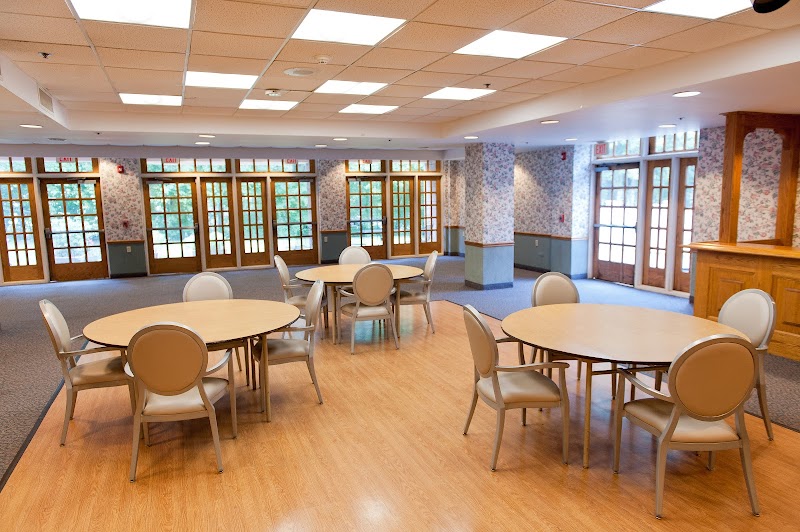
How is Autumn Lake Healthcare At Cromwell Staffed?

CMS rates AUTUMN LAKE HEALTHCARE AT CROMWELL's staffing level at 2 out of 5 stars, which is below average compared to other nursing homes. Staff turnover is 36%, compared to the Connecticut average of 46%. This relatively stable workforce can support continuity of care.

What Have Inspectors Found at Autumn Lake Healthcare At Cromwell?

State health inspectors documented 28 deficiencies at AUTUMN LAKE HEALTHCARE AT CROMWELL during 2019 to 2024. These included: 22 with potential for harm and 6 minor or isolated issues.
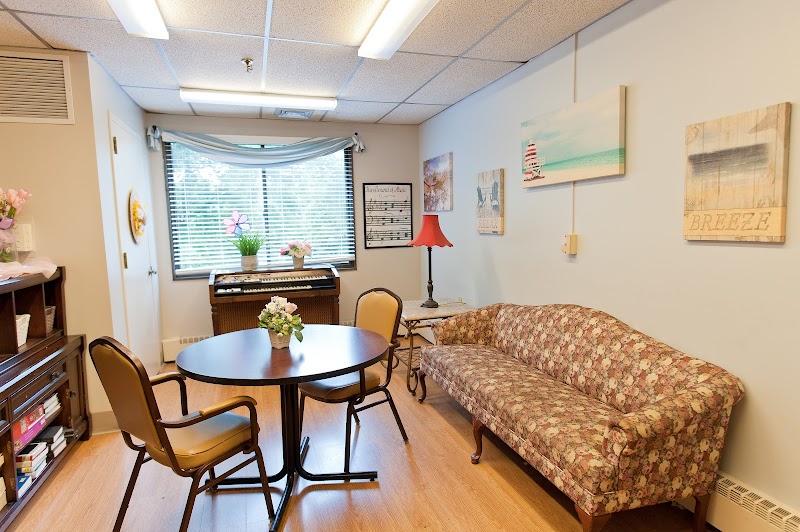
Who Owns and Operates Autumn Lake Healthcare At Cromwell?

AUTUMN LAKE HEALTHCARE AT CROMWELL is owned by a for-profit company. For-profit facilities operate as businesses with obligations to shareholders or private owners. The facility is operated by AUTUMN LAKE HEALTHCARE, a chain that manages multiple nursing homes. With 175 certified beds and approximately 163 residents (about 93% occupancy), it is a mid-sized facility located in CROMWELL, Connecticut.
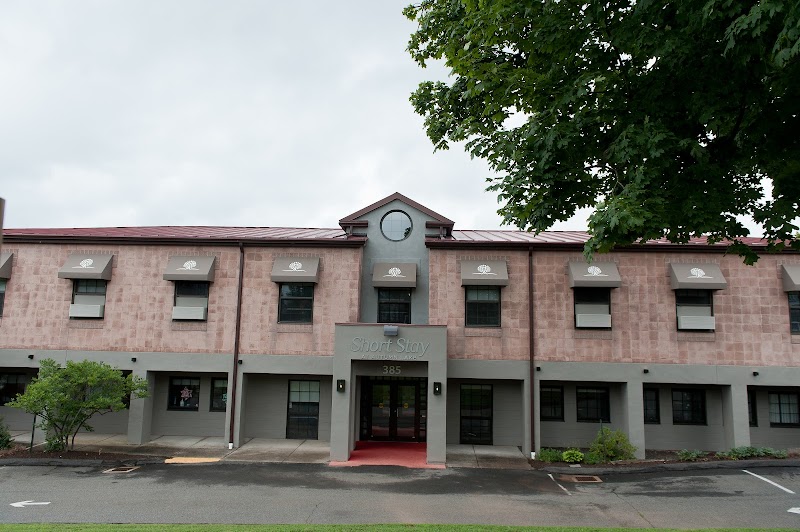
How Does Autumn Lake Healthcare At Cromwell Compare to Other Connecticut Nursing Homes?

Compared to the 100 nursing homes in Connecticut, AUTUMN LAKE HEALTHCARE AT CROMWELL's overall rating (3 stars) is below the state average of 3.0, staff turnover (36%) is near the state average of 46%, and health inspection rating (3 stars) is at the national benchmark.

What Should Families Ask When Visiting Autumn Lake Healthcare At Cromwell?

Based on this facility's data, families visiting should ask: "Can you walk me through typical staffing levels on day, evening, and night shifts?" "Can I visit during a mealtime to observe dining assistance and food quality?" "How do you handle medical emergencies, and what is your hospital transfer rate?" "Can I speak with family members of current residents about their experience?" These questions are particularly relevant given the below-average staffing rating.

Is Autumn Lake Healthcare At Cromwell Safe?

Based on CMS inspection data, AUTUMN LAKE HEALTHCARE AT CROMWELL has a clean safety record: no substantiated abuse findings (meaning no confirmed cases of resident harm), no Immediate Jeopardy citations (the most serious violation level indicating risk of serious injury or death), and is not on the Special Focus Facility watch list (a federal program monitoring the lowest-performing 1% of nursing homes). The facility has a 3-star overall rating and ranks #100 of 100 nursing homes in Connecticut. While no facility is perfect, families should still ask about staff-to-resident ratios and recent inspection results during their visit.

Do Nurses at Autumn Lake Healthcare At Cromwell Stick Around?

AUTUMN LAKE HEALTHCARE AT CROMWELL has a staff turnover rate of 36%, which is about average for Connecticut nursing homes (state average: 46%). Moderate turnover is common in nursing homes, but families should still ask about staff tenure and how the facility maintains care continuity when employees leave.

Was Autumn Lake Healthcare At Cromwell Ever Fined?

AUTUMN LAKE HEALTHCARE AT CROMWELL has no federal fines on record. CMS issues fines when nursing homes fail to meet care standards or don't correct problems found during inspections. The absence of fines suggests the facility has either maintained compliance or corrected any issues before penalties were assessed. This is a positive indicator, though families should still review recent inspection reports for the full picture.

Is Autumn Lake Healthcare At Cromwell on Any Federal Watch List?

AUTUMN LAKE HEALTHCARE AT CROMWELL is not on any federal watch list. The most significant is the Special Focus Facility (SFF) program, which identifies the bottom 1% of nursing homes nationally based on persistent, serious quality problems. Not being on this list means the facility has avoided the pattern of deficiencies that triggers enhanced federal oversight. This is a positive indicator, though families should still review the facility's inspection history directly.