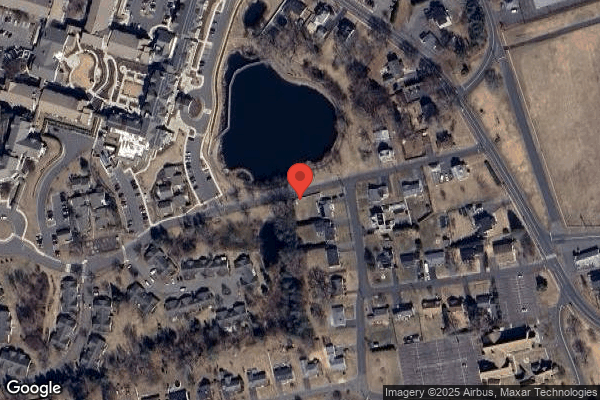
PILGRIM MANOR

52 MISSIONARY RD, CROMWELL, CT 06416 (860) 635-5511
Non profit - Corporation 60 Beds COVENANT LIVING Data: November 2025
Trust Grade
78/100
#34 of 192 in CT
Last Inspection: April 2024

Within standard 12-15 month inspection cycle. Federal law requires annual inspections.

Overview

Pilgrim Manor in Cromwell, Connecticut, has a Trust Grade of B, which means it is a good choice but not without some concerns. It ranks #34 out of 192 facilities in the state, placing it in the top half, and #13 out of 64 in Capitol County, indicating only a few nearby options are better. The facility is improving, with the number of issues decreasing from 7 in 2024 to 4 in 2025. Staffing is a strong point, boasting a 5/5 star rating with only 31% turnover, which is below the state average, suggesting that the staff are experienced and familiar with the residents. However, there are concerning aspects, such as $12,048 in fines, which is higher than 76% of Connecticut facilities, hinting at ongoing compliance problems. Additionally, more RN coverage is average compared to other facilities, which means while there is some oversight, it could be better. Specific incidents include a serious case where a resident fell and sustained a major injury due to inadequate supervision, and another where a resident received disrespectful comments from staff, indicating room for improvement in care and staff interactions. Overall, while Pilgrim Manor has strengths in staffing and improvements, families should be aware of the regulatory fines and specific incidents that raise concerns about resident safety and respect.

Trust Score
B
78/100
In Connecticut
#34/192
Top 17%
Safety Record
Moderate
Needs review
Inspections
Getting Better
7 → 4 violations
Staff Stability
○ Average
31% turnover. Near Connecticut's 48% average. Typical for the industry.
Penalties
✓ Good
$12,048 in fines. Lower than most Connecticut facilities. Relatively clean record.
Skilled Nurses
✓ Good
Each resident gets 48 minutes of Registered Nurse (RN) attention daily — more than average for Connecticut. RNs are trained to catch health problems early.
Violations
⚠ Watch
16 deficiencies on record. Higher than average. Multiple issues found across inspections.
★★★★★
5.0
Overall Rating
★★★★★
5.0
Staff Levels
★★★★☆
4.0
Care Quality
★★★★☆
4.0
Inspection Score
Stable
2024: 7 issues
2025: 4 issues

The Good

  • 5-Star Staffing Rating · Excellent nurse staffing levels
  • 4-Star Quality Measures · Strong clinical quality outcomes
  • Full Sprinkler Coverage · Fire safety systems throughout facility
  • No fines on record
  • Staff turnover below average (31%)

    17 points below Connecticut average of 48%

Facility shows strength in staffing levels, quality measures, fire safety.

The Bad

Staff Turnover: 31%

15pts below Connecticut avg (46%)

Typical for the industry

Federal Fines: $12,048

Below median ($33,413)

Minor penalties assessed

Chain: COVENANT LIVING

Part of a multi-facility chain

Ask about local staffing decisions and management

The Ugly 16 deficiencies on record

1 actual harm
May 2025 4 deficiencies
CONCERN (D) 📢 Someone Reported This

A family member, employee, or ombudsman was alarmed enough to file a formal complaint

Potential for Harm - no one hurt, but risky conditions existed

Resident Rights (Tag F0550)

Could have caused harm · This affected 1 resident

**NOTE- TERMS IN BRACKETS HAVE BEEN EDITED TO PROTECT CONFIDENTIALITY** Based on review of the clinical record, facility documentation, facility policy, and interviews for one (1) of two (2) residents...

Read full inspector narrative →
**NOTE- TERMS IN BRACKETS HAVE BEEN EDITED TO PROTECT CONFIDENTIALITY** Based on review of the clinical record, facility documentation, facility policy, and interviews for one (1) of two (2) residents (Resident #2) reviewed for abuse, the facility failed to ensure a resident was treated in a respectful and dignified manner. The findings include: Resident #2 had diagnoses that included anxiety, depression, fracture of the 7th rib, and hypertension. The quarterly [NAME] Data Set (MDS) assessement dated 1/31/2025 identified Resident #2 had a Brief Interview for Mental Status (BIMS) score of thirteen (13) indicative of intact cognition, was occasionally incontinent of bowel and bladder, required moderate assistance with ADLs, bed mobility, and transfers. The nurse's note dated 4/13/2025 at 3:47 P.M. written by Licensed Practical Nurse (LPN) #1 identified Resident #2 presented a complaint about disrespectful comments from Nurse Aide (NA) #1 and indicated Registered Nurse (RN) #1 spoke with Resident #2. The facility's reportable event form dated 4/14/2025 at 10:06 A.M. identified Resident #2 alleged on 4/13/2025 at 1:30 A.M. NA #1 was rude to h/her. The facility's summary dated 4/16/2025 identified that after performing a thorough investigation, the findings of the allegation of verbal abuse were unsubstantiated. The investigation identified that NA #1 did not conduct herself with the professional standards of the facility, NA #1 was terminated, and facility staff were re-educated on the abuse policy and professional conduct, which includes joking with the resident. The social workers' note dated 4/14/2025 at 4:22 P.M. written by Social Worker (SW) #1 identified she followed up with Resident #2 regarding a care concern over the weekend. SW #1 identified Resident #2 was alert and oriented and reported over the weekend NA #1 had rude behavior. Interview with Resident #2 on 5/1/2025 at 9:50 A.M. identified on 4/13/2025 when h/she was done using the bedpan h/she put the call light on. Resident #2 identified that NA #1 responded to h/her call light and when she entered the room NA #1 stated why don't you get off your lazy butt and go to the bathroom. Resident #2 identified h/she said, 'excuse me' and NA #1 replied I talk to my grandmother like that. Resident #2 identified h/she replied I am not your grandmother I am a resident here. Resident #2 identified NA #1 finished caring for h/her without any issues and left the room. Resident #2 indicated shortly after the incident she told NA #2 what happened, but did not want to make a big deal about it. Resident #2 identified that the staff at the facility did an investigation, notified the police, and h/she never saw NA #1 again. Resident #2 identified h/she felt NA #1 was rude and disrespectful. Interview with the Director of Nursing on 5/1/2025 at 10:06 A.M. identified on 4/13/2025 NA #1 did not treat Resident #2 in a respectful dignified manner. The DNS indicated that when staff respond to a call light they should always provide good customer service and treat the residents with respect and dignity. Although attempted, an interview with NA #1 wa not obtained. Review of the facility Resident Rights policy dated February 2021; in part, identified employees shall treat all residents with kindness, respect, and dignity.
CONCERN (D) 📢 Someone Reported This

A family member, employee, or ombudsman was alarmed enough to file a formal complaint

Potential for Harm - no one hurt, but risky conditions existed

Report Alleged Abuse (Tag F0609)

Could have caused harm · This affected 1 resident

**NOTE- TERMS IN BRACKETS HAVE BEEN EDITED TO PROTECT CONFIDENTIALITY** Based on review of the clinical record, facility documentation, facility policy, and interviews for one (1) of two (2) residents...

Read full inspector narrative →
**NOTE- TERMS IN BRACKETS HAVE BEEN EDITED TO PROTECT CONFIDENTIALITY** Based on review of the clinical record, facility documentation, facility policy, and interviews for one (1) of two (2) residents (Resident #1) reviewed for abuse, the facility failed to report an allegation of abuse to the state agency. The findings include: Resident #1 had diagnoses that included dementia with severe anxiety, depression, adult failure to thrive, weakness, difficulty walking, and unsteadiness on feet. The quarterly [NAME] Data Set (MDS) assessment dated [DATE] identified Resident #1 had a Brief Interview for Mental Status (BIMS) score of three (3) indicative of severely impaired cognition, was always incontinent of bowel and bladder, and dependent on staff for ADLs including bed mobility, transfers, was non ambulatory and dependent on staff for mobility in the wheelchair. The Resident Care Plan dated 2/20/2025 identified at times Resident #1 refused or was combative with care, refused medications with interventions that directed to notify the provider and family of refusals of care and showers and educate the resident on the importance of getting out of bed to reduce the risk of pneumonia, skin breakdown, and weakness. APRN #1's note dated 4/8/2025 at 9:14 A.M. indicated it was a late entry note for an encounter date of 4/7/2025. APRN #1 identified Resident #1 had an unwitnessed fall, was found on the floor between the bed and window, and it was unknown if h/she hit h/her head. APRN #1 identified Resident #1 had refused nursing care and would be sent to the hospital for evaluation to rule out head injuries. Review of the emergency department notes dated 4/7/2025 at 3:01 P.M. identified Resident #1's family member was at the bedside and was not happy with the treatment by staff at Resident #1's current facility. Review of hospital history of present illness note dated 4/7/2025 at 9:15 P.M. by MD #2 (hospital provider) identified Resident #1 remembered the events of the night before, h/she confirmed that h/she slid out of bed because h/she was attempting to leave, and the reason h/she wanted to leave was not just due to inattention from staff, but Resident #1 said they were guilty of assault. Review of the hospital social worker consult note dated 4/8/2025 at 2:23 P.M. by Social Worker (SW) #2 identified she attempted to speak with Resident #1; however, h/she was resting. SW #2 identified she spoke with Family Member #1 who reported Resident #1 had been making comments for some time and indicated Family Member #1 was aware that a mandated reporter form for long term care facilities was completed. A nurse's note dated 4/10/2025 at 6:25 P.M. by Registered Nurse (RN) #2 identified Resident #1 was re-admitted to the facility from the hospital, per report from the hospital nurse Resident #1 required 2 persons for all care due to accusations. RN #2 identified that Resident #1 would have 2 persons with care. A nurse's note dated 4/10/2025 at 9:47 P.M. by Licensed Practical Nurse (LPN) #2 identified Resident #1 was provided with care by 2 staff at all times due to accusatory behavior. The social worker's note dated 4/11/2025 at 2:20 P.M. by SW #1 identified Resident #1 was re-admitted to the facility on [DATE]. SW #1 indicated she and RN #2 met with Resident #1 who was very alert, talkative, and answered questions appropriately. SW #1 identified that while Resident #1 was in the hospital he/she reported concerns and made allegations. SW #1 indicated that she discussed with Resident #1 that during care there would be 2 staff and Resident #1 agreed. Interview with SW #1 on 5/1/2025 at 10:31 A.M. identified on 4/11/2025 while reviewing Resident #1's hospital referral documents she became aware that Resident #1 reported to the staff at the hospital that h/she had been assaulted and/or mistreated by the staff at the facility. SW #1 indicated on 4/11/2025 she and RN #2 went to meet with Resident #1 and ask if h/she felt safe or had any concerns. SW #1 indicated that Resident #1 stated h/she felt safe and had no concerns. SW #1 identified that she did not call to ask Resident #1's Power of Attorney if h/she had any concerns that Resident #1 had been mistreated. Interview with the Director of Nursing (DNS) and Administrator on 5/1/2025 at 12:59 P.M. identified on 4/11/2025 while reviewing Resident #1's hospital discharge summary and referral documents they became aware that Resident #1 reported to hospital staff that h/she had been assaulted and mistreated by staff at the facility. The DNS and Administrator identified they did not notify the state agency that Resident #1 alleged h/she was abused by staff at the facility because the hospital documentation indicated that they already completed the mandated reporter form for long term care facilities (W-410) and notified the Department of Public Health. Review of facility abuse, neglect, exploitation, or misappropriation policy dated April 2021, in part; identified all alleged violations must be reported but not later than: 2 hours if the alleged violation involves abuse and should be reported immediately to the State Agency.
CONCERN (D) 📢 Someone Reported This

A family member, employee, or ombudsman was alarmed enough to file a formal complaint

Potential for Harm - no one hurt, but risky conditions existed

Investigate Abuse (Tag F0610)

Could have caused harm · This affected 1 resident

**NOTE- TERMS IN BRACKETS HAVE BEEN EDITED TO PROTECT CONFIDENTIALITY** Based on review of the clinical record, facility documentation, facility policy, and interviews for one (1) of two (2) residents...

Read full inspector narrative →
**NOTE- TERMS IN BRACKETS HAVE BEEN EDITED TO PROTECT CONFIDENTIALITY** Based on review of the clinical record, facility documentation, facility policy, and interviews for one (1) of two (2) residents (Resident #1) reviewed for abuse, the facility failed to conduct a complete and thorough investigation for an allegation of abuse. The findings include: Resident #1 had diagnoses that included dementia with severe anxiety, depression, adult failure to thrive, weakness, difficulty walking, and unsteadiness on feet. The quarterly [NAME] Data Set (MDS) assessment dated [DATE] identified Resident #1 had a Brief Interview for Mental Status (BIMS) score of three (3) indicative of severely impaired cognition, was always incontinent of bowel and bladder, and dependent on staff for ADLs including bed mobility, transfers, was non ambulatory and dependent on staff for mobility in the wheelchair. The Resident Care Plan dated 2/20/2025 identified at times Resident #1 refused or was combative with care, refused medications with interventions that directed to notify the provider and family of refusals of care and showers and educate the resident on the importance of getting out of bed to reduce the risk of pneumonia, skin breakdown, and weakness. APRN #1's note dated 4/8/2025 at 9:14 A.M. indicated it was a late entry note for an encounter date of 4/7/2025. APRN #1 identified Resident #1 had an unwitnessed fall, was found on the floor between the bed and window, and it was unknown if h/she hit h/her head. APRN #1 identified Resident #1 had refused nursing care and would be sent to the hospital for evaluation to rule out head injuries. Review of the emergency department notes dated 4/7/2025 at 3:01 P.M. identified Resident #1's family member was at the bedside and was not happy with the treatment by staff at Resident #1's current facility. Review of hospital history of present illness note dated 4/7/2025 at 9:15 P.M. by MD #2 (hospital provider) identified Resident #1 remembered the events of the night before, h/she confirmed that h/she slid out of bed because h/she was attempting to leave, and the reason h/she wanted to leave was not just due to inattention from staff, but Resident #1 said they were guilty of assault. Review of the hospital social worker consult note dated 4/8/2025 at 2:23 P.M. by Social Worker (SW) #2 identified she attempted to speak with Resident #1; however, h/she was resting. SW #2 identified she spoke with Family Member #1 who reported Resident #1 had been making comments for some time and indicated Family Member #1 was aware that a mandated reporter form for long term care facilities was completed. A nurse's note dated 4/10/2025 at 6:25 P.M. by Registered Nurse (RN) #2 identified Resident #1 was re-admitted to the facility from the hospital, per report from the hospital nurse Resident #1 required 2 persons for all care due to accusations. RN #2 identified that Resident #1 would have 2 persons with care. A nurse's note dated 4/10/2025 at 9:47 P.M. by Licensed Practical Nurse (LPN) #2 identified Resident #1 was provided with care by 2 staff at all times due to accusatory behavior. The social worker's note dated 4/11/2025 at 2:20 P.M. by SW #1 identified Resident #1 was re-admitted to the facility on [DATE]. SW #1 indicated she and RN #2 met with Resident #1 who was very alert, talkative, and answered questions appropriately. SW #1 identified that while Resident #1 was in the hospital he/she reported concerns and made allegations. SW #1 indicated that she discussed with Resident #1 that during care there would be 2 staff and Resident #1 agreed. Interview with SW #1 on 5/1/2025 at 10:31 A.M. identified on 4/11/2025 while reviewing Resident #1's hospital referral documents she became aware that Resident #1 reported to the staff at the hospital that h/she had been assaulted and/or mistreated by the staff at the facility. SW #1 indicated on 4/11/2025 she and RN #2 went to meet with Resident #1 and ask if h/she felt safe or had any concerns. SW #1 indicated that Resident #1 stated h/she felt safe and had no concerns. SW #1 identified that she did not call to ask Resident #1's Power of Attorney if h/she had any concerns that Resident #1 had been mistreated. Interview with the Director of Nursing (DNS) and Administrator on 5/1/2025 at 12:59 P.M. identified on 4/11/2025 while reviewing Resident #1's hospital discharge summary and referral documents they became aware that Resident #1 reported to hospital staff that h/she had been assaulted and mistreated by staff at the facility. They identified an investigation was not initiated. The DNS and Administrator indicated that since there was no verbal communication of the allegations of abuse or mistreatment, they were unaware that they needed to conduct a complete and thorough investigation. The DNS indicated that on 4/11/2025 she asked Resident #1 if h/she had any care concerns and Resident #1 denied care concerns. The DNS indicated that based on the hospital record which identified Resident #1 exhibited accusatory behaviors, Resident #1's care plan was updated and directed 2 staff with all care. Review of facility abuse, neglect, exploitation, or misappropriation policy dated April 2021, in part; upon receiving any allegations of abuse the administrator is responsible for determining what actions if any are needed for the protection of the residents, all allegations are thoroughly investigated, and the administrator initiates investigations.
CONCERN (D) 📢 Someone Reported This

A family member, employee, or ombudsman was alarmed enough to file a formal complaint

Potential for Harm - no one hurt, but risky conditions existed

Comprehensive Care Plan (Tag F0656)

Could have caused harm · This affected 1 resident

**NOTE- TERMS IN BRACKETS HAVE BEEN EDITED TO PROTECT CONFIDENTIALITY** Based on review of the clinical record, facility documentation, facility policy, and interviews for one (1) of two (2) residents...

Read full inspector narrative →
**NOTE- TERMS IN BRACKETS HAVE BEEN EDITED TO PROTECT CONFIDENTIALITY** Based on review of the clinical record, facility documentation, facility policy, and interviews for one (1) of two (2) residents (Resident #2) reviewed for abuse, the facility failed to ensure appropriate interventions were implemented following an allegation of staff-to-resident verbal abuse. The findings include: Resident #2 had diagnoses that included anxiety, depression, fracture of the 7th rib, and hypertension. The quarterly [NAME] Data Set (MDS) assessement dated 1/31/2025 identified Resident #2 had a Brief Interview for Mental Status (BIMS) score of thirteen (13) indicative of intact cognition, was occasionally incontinent of bowel and bladder, required moderate assistance with ADLs, bed mobility, and transfers. The nurse's note dated 4/13/2025 at 3:47 P.M. written by Licensed Practical Nurse (LPN) #1 identified Resident #2 presented a complaint about disrespectful comments from Nurse Aide (NA) #1 and indicated Registered Nurse (RN) #1 spoke with Resident #2. The facility's reportable event form dated 4/14/2025 at 10:06 A.M. identified Resident #2 alleged on 4/13/2025 at 1:30 A.M. NA #1 was rude to h/her. The facility's summary dated 4/16/2025 identified that after performing a thorough investigation, the findings of the allegation of verbal abuse were unsubstantiated. The investigation identified that NA #1 did not conduct herself with the professional standards of the facility, NA #1 was terminated, and facility staff were re-educated on the abuse policy and professional conduct, which includes joking with the resident. The social workers' note dated 4/14/2025 at 4:22 P.M. written by Social Worker (SW) #1 identified she followed up with Resident #2 regarding a care concern over the weekend. SW #1 identified Resident #2 was alert and oriented and reported over the weekend NA #1 had rude behavior. Interview with Resident #2 on 5/1/2025 at 9:50 A.M. identified on 4/13/2025 when h/she was done using the bedpan h/she put the call light on. Resident #2 identified that NA #1 responded to h/her call light and when she entered the room NA #1 stated why don't you get off your lazy butt and go to the bathroom. Resident #2 identified h/she said, 'excuse me' and NA #1 replied I talk to my grandmother like that. Resident #2 identified h/she replied I am not your grandmother I am a resident here. Resident #2 identified NA #1 finished caring for h/her without any issues and left the room. Resident #2 indicated shortly after the incident she told NA #2 what happened, but did not want to make a big deal about it. Resident #2 identified that the staff at the facility did an investigation, notified the police, and h/she never saw NA #1 again. Resident #2 identified h/she felt NA #1 was rude and disrespectful. Review of Resident #2's care plan on 5/1/2025 failed to identify revisions to the care plan to include interventions after the allegation of verbal abuse on 4/14/2025. Interview and clinical record review with the Director of Nursing on 5/1/2025 at 10:06 A.M. identified that after an allegation of staff to resident abuse, a comprehensive care plan should be implemented with appropriate interventions. The DNS was unable to provide documentation to reflect Resident #2 had a comprehensive care plan implemented following the allegation of verbal abuse on 4/14/2025. The DNS identified Resident #2 should have had a care plan implemented with appropriate interventions to identify and address the negative interaction Resident #2 had with NA #1. Review of the facility care plan comprehensive person-centered policy dated March 2022; in part, the care plan interventions are chosen only after data gathering, proper sequencing of events, care consideration of the relationship between the residents' problem areas and their causes, and relevant clinical information. Assessments of residents are ongoing, and care plans are revised as information about the residents and the residents' condition changes.
May 2024 1 deficiency
CONCERN (D) 📢 Someone Reported This

A family member, employee, or ombudsman was alarmed enough to file a formal complaint

Potential for Harm - no one hurt, but risky conditions existed

Comprehensive Care Plan (Tag F0656)

Could have caused harm · This affected 1 resident

**NOTE- TERMS IN BRACKETS HAVE BEEN EDITED TO PROTECT CONFIDENTIALITY** Based on clinical record reviews, facility documentation, facility policies and interviews for one of three sampled residents (R...

Read full inspector narrative →
**NOTE- TERMS IN BRACKETS HAVE BEEN EDITED TO PROTECT CONFIDENTIALITY** Based on clinical record reviews, facility documentation, facility policies and interviews for one of three sampled residents (Resident #1) who was a re-admission and had a foot ulcer, the facility failed to develop a care plan that addressed a diabetic ulcer to ensure interventions were implemented for the prevention and treatment of wounds. The findings include: Resident #1 diagnoses included kidney failure, chronic heart failure, open wound right ankle, and type 2 diabetes mellitus with polyneuropathy. The admission physician's order dated 3/8/24 directed for wound treatments however, the orders failed to address the use of pressure relieving devices or protective boots to the feet. The admission Minimum Data Set assessment dated [DATE] identified Resident #1 made reasonable and consistent decisions regarding tasks of daily life, was at risk of developing pressure ulcers, had an unhealed pressure ulcer Stage I or higher, a diabetic foot ulcer, and skin and ulcer treatments noted were pressure reducing device for chair and bed, nutrition intervention, pressure ulcer care, applications of medications, and applications of dressings to feet. The physician's wound care progress notes dated 3/11/24, 3/18/24, and 3/25/24 directed to follow the facility pressure ulcer prevention protocol, to utilize a pressure redistribution mattress and off-load the heels. The Resident Care Plan dated 3/20/24 failed to address the current right foot ulcer wound and prevention or treatment interventions. Review of the nurse's note from 3/12/24 through 3/31/24 failed to reflect documentation of the use of pressure relieving devices to the bed or chair, off-loading heels, or protective boots as in the previous admission of 2/3/24 through 2/26/24. Review of the March 2024 Medication Administration Record and Treatment Administration Record failed to show documentation of pressure relieving devices, off-loading of heels, or use of protective boots. Although requested, the facility failed to provide a copy of the Nurse Aide Care Card. Interview with the Director of Nursing (DON) on 5/24/24 at 12:20 PM identified the expectation for wound care treatment and interventions was to address the diabetic ulcer on the individual resident's care plan. The DON identified physician orders for wound care prevention should have been obtained. Review of the facility policy Care Plans, Comprehensive Person-Centered identified the care plan described the services that were to be furnished to attain or maintain the resident's highest practicable physical, mental and psychosocial well-being. The facility Wound care Policy identified to review the resident's care plan for any special needs of the resident and to use supportive devices as instructed.
Apr 2024 6 deficiencies 1 Harm
SERIOUS (G) 📢 Someone Reported This

A family member, employee, or ombudsman was alarmed enough to file a formal complaint

Actual Harm - a resident was hurt due to facility failures

Accident Prevention (Tag F0689)

A resident was harmed · This affected 1 resident

**NOTE- TERMS IN BRACKETS HAVE BEEN EDITED TO PROTECT CONFIDENTIALITY** Based on review of the clinical record, review of facility documentation, and interviews for 4 of 5 residents (Resident #304) re...

Read full inspector narrative →
**NOTE- TERMS IN BRACKETS HAVE BEEN EDITED TO PROTECT CONFIDENTIALITY** Based on review of the clinical record, review of facility documentation, and interviews for 4 of 5 residents (Resident #304) reviewed for accidents, the facility failed to appropriately supervise a resident resulting in a fall with a major injury. The findings include: Resident #304 's diagnoses included dementia, anxiety, history of a transient cerebral ischemic attack (TIA), atrial fibrillation, and blindness. The quarterly Minimum Data Set assessment dated [DATE] identified Resident #304 was severely cognitively impaired and required extensive assistance for bed mobility, transfers, and personal hygiene. Additionally, Resident #304 had balance issues during transitions when moving from a seated to standing position and surface to surface transfers between the bed and chair or wheelchair. Review of the Resident Care Plan (RCP) in effect from 5/1/23 through 5/31/23 identified that Resident #304 was at risk for falls and required assistance with Activities of Daily Living (ADL's). Interventions included arranging personal items within reach, monitoring for safety, placing a floor mat to the right side of the bed, and providing the assistance of 1 staff for bed mobility, bathing, dressing, hygiene, and toileting. Review of physician's orders in effect from 5/1/23 through 5/31/23, identified Resident #304 had been on Eliquis (a blood thinner) 5 milligrams (mg) twice daily and was at increased risk for bleeding. A nursing progress note dated 5/31/23 at 2:13 PM identified Resident #304 was in bed, receiving incontinent care from NA #1, and had rolled out of the bed. Resident #304 sustained a head laceration to the right back of his/her head, was bleeding, and complained of back pain. Pressure was applied to the area of bleeding, the APRN was notified, and the resident was transferred to the emergency room for an evaluation on 5/31/23 at 11:51 AM. Review of the hospital Discharge summary dated [DATE] identified Resident #304 was on an anticoagulant (blood thinner) and was complaining of a fall out of bed while being changed. Resident #304 indicated that s/he struck the back of his/her head, reported a mild headache, and had pain between his/her shoulder blades. Resident #304 had a 2 centimeter laceration on the right back side of his/her head, received 3 staples, and underwent Computer Aided Tomography (CT) scans of the head, chest, and cervical and thoracic spine. The resident was given Tylenol 650mg (a pain reliever) with good effect. A nursing progress note dated 5/31/23 at 5:26 PM identified Resident #304 returned from the hospital, had 2 staples placed to the back right of his/her head, and had a hematoma (an area of blood pooling below the surface of the skin) noted. Review of the staff education sheet dated 5/31/23 identified that staff were to ensure all supplies were on hand and never to leave residents unattended, but if staff must leave, to ensure the resident was in a safe position with the call bell in reach. Review of Resident #304's NA care card (care plan), updated 6/1/23, directed the assistance of 2 staff when providing care and for bed mobility. Interview and review of facility documentation on 4/17/24 at 11:46 AM with the DNS identified that NA #1 had left Resident #304 unattended. According to facility documentation, NA #1 was performing incontinent care on Resident #304, placed him/her on their side unsecured. NA #1 then left the resident on their side, unattended to obtain water from the resident's bathroom. While NA #1 was in the bathroom, Resident #304 verbalized s/he was sliding and was going to fall, but NA #1 was unable to reach the resident in time to prevent him/her from falling to the floor. NA #1 was educated to have supplies ready to perform care and not to leave resident's unattended on their side in the bed. Additionally Resident #304 should have been rolled onto his/her back prior to NA #1 leaving to obtain water from the resident's bathroom. Interview and clinical record review with PT #1 on 4/17/24 at 1:22 PM identified that Resident #304 had last been seen prior to his/her fall in June of 2022. At that time, Resident #304 had been made an assist of 1 for bed mobility and personal care, with a second staff to assist with transfers, the resident was non-ambulatory, used a specialized wheelchair, and had remained at the same functional status since the previous screening. Following Resident #304's fall on 5/31/23 PT received a request to screen the resident. Resident #304 was screened on 6/5/23 but was not not picked up for services as there had been no change from the previous screen in June 2022. Additionally, PT #1 identified that Resident #304 required partial to moderate assistance of 25-50% and anyone requiring any level of assistance with care is hands on and should not be left alone during care. She identified that staff leaving the resident in a side lying position to go the bathroom for water was not acceptable for safety reasons. She also indicated that Resident #304 had a balance deficit for sitting and standing. Resident #304 had not been assessed during the screen for bed mobility and PT #1 was unsure how capable Resident #304 would have been to stop him/herself from falling using the bed frame or mattress as Resident #304 did not have siderails on his/her bed to utilize for repositioning. PT #1 was unable to identify if Resident #304 required siderails for bed mobility as she had not assessed the resident for siderail use. Further review of the clinical record failed to identify if Resident #304 had his/her fall care plan intervention, a fall mat on the right side of the bed, in place as no post fall assessment had been conducted. Attempts to contact NA #1 were unsuccessful. Although requested, a facility policy for accidents and resident supervision and safety was not provided. Review of the facility Falls policy dated 3/2018 directed, in part, the staff and physician would identify pertinent interventions to try to prevent subsequent falls and to address the risks of clinically significant consequences of falling.
CONCERN (D)

Potential for Harm - no one hurt, but risky conditions existed

Deficiency F0655 (Tag F0655)

Could have caused harm · This affected 1 resident

**NOTE- TERMS IN BRACKETS HAVE BEEN EDITED TO PROTECT CONFIDENTIALITY** Based on interviews, review of the clinical record and facility policy for 1 of 4 residents (Resident #454) reviewed for acciden...

Read full inspector narrative →
**NOTE- TERMS IN BRACKETS HAVE BEEN EDITED TO PROTECT CONFIDENTIALITY** Based on interviews, review of the clinical record and facility policy for 1 of 4 residents (Resident #454) reviewed for accidents, the facility failed to include in the Resident Baseline Care Plan interventions to prevent falls for a resident who sustained a fall with injury prior to admission and for 1 of 3 residents (Resident #554) reviewed for pressure ulcers, failed to initiate a Resident Baseline Care Plan for a resident admitted with an unstageable pressure ulcer. The findings include: 1. Resident #454 was admitted to the facility on [DATE] with diagnoses that included a displaced fracture of the anterior wall of the left acetabular (broken hip), dementia, and difficulty walking. A physician's order dated 3/25/24 directed no ambulation and to transfer using a mechanical lift with a two person assist. The Resident, Baseline Care Plan dated 3/25/24 identified that Resident #454 was a fall risk and had weight bearing restrictions with goals to maintain safety and to be free from falls/injury, however, did not identify any interventions to prevent falls. The admission Minimum Data Set (MDS) assessment dated [DATE] identified Resident #454 was severely cognitively impaired and required total dependence with all mobility utilizing his/her wheelchair. Walking was not attempted due to Resident #454's medical condition or safety concerns. Additionally, the MDS identified that Resident #454 had a fall within the last month and a fracture related to a fall within the last 6 months prior to admission. A nurse's note dated 3/29/24 at 10:34 PM identified that Resident #454 was found on the floor at 8:35 PM with an open, bleeding laceration on the back of his/her head and was sent to the hospital for further evaluation. A computed tomography (CT) scan of the pelvis completed at the hospital and dated 3/29/24 identified that the previous fractures (from Resident #454's fall prior to admission) demonstrated increased displacement when compared with the previous scan. A CT scan of the head dated 3/29/24 identified no acute intracranial hemorrhage (brain bleed). Interview and clinical record review with the Director of Nursing Services (DNS) on 4/22/24 at 11:25 AM identified that the admitting nurse supervisor at the time of admission was responsible for completing the Baseline Care Plan and if it was not completed, the DNS was responsible to ensure completion. Further, the DNS indicated that the Baseline Care Plan was to be completed within 48 hours and should have included interventions to prevent falls. The DNS stated that the facility was working with their Quality Assurance and Performance Improvement program to improve care plans. 2. Resident #554's diagnoses included hemarthrosis (bleeding into the joint cavity) of the right hip, unsteadiness on feet, and intervertebral disc disorder with radiculopathy (pinching of a nerve in the spinal column). Review of the Resident #554's care card (care plan) signed by nursing on 4/8/24 at 6:50 PM failed to identify any directives regarding a wound or a pressure relieving mattress (care card is blank). Physician's orders dated 4/9/24 directed the use of a pressure relieving mattress on the bed, and to cleanse the coccyx wound with normal saline, apply Medi honey and cover with foam dressing daily and as needed, and to monitor dressing to coccyx every shift. The admission Minimum Data Set (MDS) assessment dated [DATE] identified Resident #554 was cognitively intact and was dependent on staff for bed mobility and toileting. Additionally, the MDS indicated the resident was admitted to the facility on [DATE] with an unstageable community acquired pressure ulcer. Interview and clinical record review with RN #4 (MDS Coordinator) on 4/23/24 at 11:38 AM identified that Resident #554 did not have a baseline or comprehensive person-centered care plan developed for his/her community acquired pressure ulcer. RN #4 identified that she was new to her role and that she worked with the DNS to develop the care plans, but that ultimately it was her job to initiate and review/revise care plans. She reported the care plan was missed and that she would initiate one. Subsequent to surveyor inquiry, a care plan was added for Resident #554 on 4/23/24 to identify an unstageable coccyx pressure ulcer. Review of the Baseline Care Plan policy dated 3/2022 directed, in part, that a baseline care plan is developed for each resident within 48 hours of admission to meet the resident's immediate health and safety needs. Additionally, the Baseline Care Plan includes instructions needed to provide effective, person-centered care of the resident that meets the professional standards of quality care and must include the minimum healthcare information necessary to properly care for the resident.
CONCERN (D) 📢 Someone Reported This

A family member, employee, or ombudsman was alarmed enough to file a formal complaint

Potential for Harm - no one hurt, but risky conditions existed

Deficiency F0658 (Tag F0658)

Could have caused harm · This affected 1 resident

**NOTE- TERMS IN BRACKETS HAVE BEEN EDITED TO PROTECT CONFIDENTIALITY** Based on review of the clinical record, facility documentation, facility policy, and interviews for 1 of 5 residents (Resident #...

Read full inspector narrative →
**NOTE- TERMS IN BRACKETS HAVE BEEN EDITED TO PROTECT CONFIDENTIALITY** Based on review of the clinical record, facility documentation, facility policy, and interviews for 1 of 5 residents (Resident #304) reviewed for accidents, the facility failed to assess the resident's neurological status and failed to complete a fall assessment following a fall with head injury per the facility policy. The findings include: Resident #304 's diagnoses included dementia, anxiety, history of a transient cerebral ischemic attack (TIA), atrial fibrillation, and blindness. The quarterly Minimum Data Set assessment dated [DATE] identified Resident #304 was severely cognitively impaired and required extensive assistance for bed mobility, transfers, and personal hygiene. Additionally, Resident #304 had balance issues during transitions when moving from a seated to standing position, and surface to surface transfers between the bed and chair or wheelchair. Review of the Resident Care Plan (RCP) in effect from 5/1/23 through 5/31/23 identified that Resident #304 was at risk for falls and required assistance with Activities of Daily Living (ADL's). Interventions included arranging personal items within reach, monitoring for safety, placing a floor mat to the right side of the bed, and providing the assistance of 1 staff for bed mobility, bathing, dressing, hygiene, and toileting. A nurse's note dated 5/31/23 at 2:13 PM identified that Resident #304 was receiving incontinent care by a NA and rolled off the side of the bed and sustaining a bleeding laceration to the right backside of his/her head and which required a pressure dressing. The note identified that vital signs were obtained but failed to indicate any neurological or fall assessments. Review of the facility's Accident and Incident (A&I), investigation information, and clinical record identified Resident #304 had fallen on 5/31/23. A Neurological Checks form was with the documentation which read: To be done following a head injury, TIA, active seizure, unwitnessed fall, or any other situation which may alter neurological status and that neurological checks were to be completed every 15 minutes for the first hour. The first line of the table on the form was time stamped on 5/31/23 at 11:45 AM but failed to document the level of consciousness, right and left pupil reactions, or the strength and sensation of both the right and left extremity (indicating neurological checks). Additional review of the clinical record (paper or electronic) failed to indicate a nurse's note indicating neurological signs or that a post fall assessment had been completed prior to Resident #304's transfer to the hospital on 5/31/23 at 11:51 AM. Interview with RN #3 (RN Supervisor) on 4/22/24 at 8:59 AM identified that according to the facility policy, after either an unwitnessed fall or a fall with a head injury, both neurological and fall assessments were to be conducted by the RN Supervisor. RN #3 indicated that previously the electronic health record had a Fall Assessment section, but due to a computer issue, the section was no longer available and both the neurological and fall assessments were to be conducted on paper and a nurse's note written. RN #3 was unable to locate assessments that Neurological Checks and a Fall Assessment had been completed following Resident #304's fall and she was unable to explain the lack of assessments. Interview with the DNS on 4/22/24 at 10:30AM identified that no fall assessment was conducted (paper or the EHR) following Resident #304's fall with injury on 5/31/23, but that fall assessments should be conducted following any resident fall. Review of the Neurological Assessment policy dated 10/2010 directed, in part, that neurological assessments are indicated following a fall or other accident/injury involving head trauma and the nurse should check vital signs (temperature, pulse, respirations, and blood pressure), pupil reaction, determine motor ability, determine sensation in extremities, assess the gag reflex, and check eye opening, verbal and motor responses using the Glasgow Coma Scale. All assessment data obtained should be documented in the resident's medical record. Review of the Falls- Clinical Protocol policy dated 3/2018 directed, in part, that the nurse shall document/report on a change in cognition or level of consciousness, neurological status, and the frequency and number of falls since last physician visit. The staff and practitioner will review each resident's risk factors for falling and document in the medical record. The physician will identify medical conditions affecting fall risk and the risk for significant complications of falls.
CONCERN (D) 📢 Someone Reported This

A family member, employee, or ombudsman was alarmed enough to file a formal complaint

Potential for Harm - no one hurt, but risky conditions existed

Quality of Care (Tag F0684)

Could have caused harm · This affected 1 resident

**NOTE- TERMS IN BRACKETS HAVE BEEN EDITED TO PROTECT CONFIDENTIALITY** Based on review of the clinical record, and interviews for the only sampled resident (Resident #19) reviewed for a change in con...

Read full inspector narrative →
**NOTE- TERMS IN BRACKETS HAVE BEEN EDITED TO PROTECT CONFIDENTIALITY** Based on review of the clinical record, and interviews for the only sampled resident (Resident #19) reviewed for a change in condition, the facility failed to correctly transcribe physician's orders for a medication, Synthroid. The findings include: Resident #19 's diagnoses included hypothyroidism, metabolic encephalopathy, and Vascular Dementia. The quarterly Minimum Data Set assessment dated [DATE] identified Resident #19 was moderately cognitively impaired and required, maximal assistance with bed mobility, moderate assistance with eating and was dependent with toileting hygiene. The Resident Care Plan dated 4/6/22 identified issues with Activities of daily living. Interventions included providing all nourishment and medication through the G-Tube. Interview with Person #3 on 4/17/24 at 1:40 PM indicated that in 2022 Resident #19 had been receiving Synthroid 125 mcg, however, should have received Synthroid 62.2 mcg (one half of the 125 mcg dose). Person #3 reported the facility had requested to change the time of administration, to which they consented. After receiving Resident #19's laboratory result in November 2022 (5 months following the change in time of administration) Resident #19's blood level was noted to be abnormally low. Person #3 indicated that s/he believed Resident #19's Synthroid dosage had been doubled. A readmission hospital W10 dated 4/30/22 directed Resident #19 was to receive Synthroid, 125mcg (62.5 mcg total) tablet via PEG tube daily on empty stomach. A nurse's note dated 4/30/22 at 11:23 PM identified Resident #19 returned to the facility from the hospital, the APRN was notified, and verified the readmission orders. A physician's order dated 5/2/22 directed to give 125 mcg of Synthroid once daily, give one half tablet. Review of the Medication Administration Records (MAR) from 5/3/22 through 6/10/22 directed that Synthroid 125 micrograms (mcg) one half tablet (62.5 mcg) had been given every morning. On 6/10/22 the MAR indicated Synthroid 125 mcg (give ½ tab) had been discontinued. A time of administration change was noted on the MAR and the order for Synthroid 125 mcg was rewritten but lacked the indication that one half tablet (62.5 mcg) should be administered. A physician's order sheet dated 11/30/22 directed to discontinue the Synthroid. A Quality Assurance reporting form dated 3/15/23 indicated that a mediation administration and documentation error had occurred. Further, the form indicated the staff who had changed the time of administration had been reeducated on the 5 rights of medication administration (right route, right dose, right resident, right time, right medication). Although requested, the facility failed to provide a policy.
CONCERN (D)

Potential for Harm - no one hurt, but risky conditions existed

Pressure Ulcer Prevention (Tag F0686)

Could have caused harm · This affected 1 resident

**NOTE- TERMS IN BRACKETS HAVE BEEN EDITED TO PROTECT CONFIDENTIALITY** Based on review of the clinical record, facility policy, facility documentation, and interviews for 3 of 3 residents (Resident #...

Read full inspector narrative →
**NOTE- TERMS IN BRACKETS HAVE BEEN EDITED TO PROTECT CONFIDENTIALITY** Based on review of the clinical record, facility policy, facility documentation, and interviews for 3 of 3 residents (Resident #554) reviewed for pressure ulcers, the facility failed to ensure a low air loss mattress was set at the appropriate setting for Resident #554's weight, and failed to assess and measure a community acquired pressure ulcer on admission. The findings include: Resident #554's diagnoses included hemarthrosis (bleeding into the joint cavity) of the right hip, unsteadiness on feet, and intervertebral disc disorder with radiculopathy (pinching of a nerve in the spinal column). The admission Minimum Data Set (MDS) assessment dated [DATE] identified Resident #554 was cognitively intact and was dependent on staff for bed mobility and toileting. Additionally, the MDS indicated the resident was admitted to the facility on [DATE] with an unstageable community acquired pressure ulcer. Review of discharge summary paperwork from Hartford Hospital dated 4/8/24 identified that resident was followed by wound care, but did not indicate where the wound was located, the measurement, or the treatment to the wound. Review of the Nursing admission Evaluation dated 4/8/24 identified that Resident #554 was admitted with a wound but did not include an assessment of the wound or provide measurements of the wound on admission. Review of nursing progress notes dated 4/8/24 failed to identify a wound. Physician's orders dated 4/9/24 directed to monitor the dressing to the coccyx every shift, and cleanse the coccyx wound with normal saline, then apply Medihoney and cover with foam dressing daily and as needed. Review of nursing progress notes from 4/9/24 through 4/17/24 identified a wound to the coccyx but failed to identify wound measurements. A physician's note dated 4/10/24 failed to mention a wound on Resident #554. A wound physician note dated 4/15/24 identified Resident #554 with an unstageable pressure wound to the coccyx and included a wound evaluation and measurements of 6 cm x 3 cm x 0.1 cm. Interview with LPN #1 on 4/18/24 at 9:32 AM identified that the facility was aware prior to admission on [DATE] that Resident #554 had a wound to her coccyx and stated they were also alerted when they received report by phone from Hartford Hospital. A late entry nursing progress note on 4/18/24 at 12:35 PM identified that Resident #554 was seen by the wound physician on 4/15/24. The note included the measurements, assessment of the wound, and the treatment that was ordered and administered. Interview and clinical record review with RN #1 on 4/22/24 at 12:22 PM identified that no wound evaluation or measurements were done on admission for Resident #554. She indicated that it is facility policy that a community acquired wound is assessed and documented on admission by an RN in the Nursing admission Evaluation, and identified the wound was not measured until she saw the resident with the wound physician on 4/15/24. She was unable to identify if the coccyx wound had increased in size or changed in appearance from 4/8/24 through 4/15/24. Review of the Prevention of Pressure Injuries policy dated 4/2020 directed, in part, to conduct a comprehensive skin assessment upon admission. During the skin assessment inspect for the presence of erythema, temperature of the skin and soft tissue, and edema. Evaluate, report, and document potential changes in the skin.
CONCERN (D)

Potential for Harm - no one hurt, but risky conditions existed

Respiratory Care (Tag F0695)

Could have caused harm · This affected 1 resident

**NOTE- TERMS IN BRACKETS HAVE BEEN EDITED TO PROTECT CONFIDENTIALITY** Based on observation, interviews, review of the clinical record and facility policy for the only sampled resident (Resident #13)...

Read full inspector narrative →
**NOTE- TERMS IN BRACKETS HAVE BEEN EDITED TO PROTECT CONFIDENTIALITY** Based on observation, interviews, review of the clinical record and facility policy for the only sampled resident (Resident #13) reviewed for respiratory care, the facility failed to provide oxygen therapy consistent with professional standards of practice. The findings include: Resident #13's diagnoses included chronic obstructive pulmonary disease, acute respiratory failure, and shortness of breath. A physician's order dated 3/19/24 directed to administer oxygen at 6 liters (L) via nasal cannula. The admission Minimum Data Set (MDS) assessment dated [DATE] identified Resident #13 was without cognitive impairment and required partial/moderate assistance with toileting, showering, dressing, and personal hygiene. Walking was not attempted due to Resident #13's medical condition or safety concerns. Additionally, the MDS identified that Resident #13 received oxygen therapy. The Resident Care Plan dated 3/27/24 identified a problem with respiratory status. Interventions included to assess and monitor respiratory status and signs/symptoms of complications, medications and vital signs as ordered, and oxygen to maintain therapeutic oxygen level. Observation and interview with Resident #13 on 4/18/24 at 1:55 PM identified that he/she had returned to the unit after his/her portable oxygen tank was noted to be empty while attending a lunch group with recreation in an area of the complex requiring transportation via a wheelchair van. Resident #13 identified that he/she was without oxygen for approximately 2 minutes and he/she still felt shaky. Interview with LPN #1 on 4/18/24 at 2:14 PM identified that Resident #13 received 6 L of oxygen and that a portable oxygen tank would last about 1 hour for someone receiving 6 L of oxygen, therefore 2 tanks were typically supplied when Resident #13 left the unit. Additionally, LPN #1 identified that she did not administer or set the portable oxygen on Resident #13 when the resident left the unit and Resident #13 left the unit with only 1 tank. Interview with the Recreation Director (Life Enrichment Supervisor) on 4/18/24 at 2:19 PM identified that she had applied and set the portable oxygen on Resident #13. Additionally, the Recreation Director identified that she confirmed the oxygen setting of 6 L with LPN #1. The Recreation Director identified that she was unaware Resident #13 typically brought 2 portable oxygen tanks with him/her off the unit and connected only 1 tank. An additional interview with LPN #1 on 4/18/24 at 2:25 PM identified that she was in the hallway when the Recreation Director inquired on the liter flow of Resident #13's oxygen, however was not aware that the Recreation Director was applying oxygen to Resident #13. A nurse's note dated 4/18/24 at 3:36 PM identified Resident #13 went to a luncheon with recreation via wheelchair van, the portable oxygen tank was low and a Nurse Aide brought a new portable oxygen tank to Resident #13. Resident #13 then returned to the unit with the Nurse Aide in no distress. Interview with the Director of Nursing Services (DNS) on 4/22/24 at 11:25 AM identified that only nurses are allowed to administer and set oxygen. Additionally, the DNS advised that staff would be retrained on who can apply oxygen to a resident. Review of the Oxygen Administration policy identified the steps to complete safe oxygen administration, including review of the physician's orders, completion of assessments before and during administration, and documentation. The Oxygen Administration policy was retrieved from the Nursing Services Policy and Procedure Manual for Long-Term Care. Subsequent to surveyor inquiry, a retraining dated 4/23/24 was provided identifying that only nurses can perform oxygen administration.
Jan 2020 4 deficiencies
CONCERN (D)

Potential for Harm - no one hurt, but risky conditions existed

Report Alleged Abuse (Tag F0609)

Could have caused harm · This affected 1 resident

**NOTE- TERMS IN BRACKETS HAVE BEEN EDITED TO PROTECT CONFIDENTIALITY** Based on a review of the clinical record, a review of facility documentation, staff interviews and a review of the facility poli...

Read full inspector narrative →
**NOTE- TERMS IN BRACKETS HAVE BEEN EDITED TO PROTECT CONFIDENTIALITY** Based on a review of the clinical record, a review of facility documentation, staff interviews and a review of the facility policy for two of two sampled residents, (Resident #8 and #364), reviewed for abuse, the facility failed to report an alleged violation of abuse and misappropriation of resident property and failed to report the results of the investigation to the proper authorities within prescribed timeframe's. The findings include: a. Resident # 8's diagnoses included dysphagia, muscle weakness, difficulty walking and dysphagia. Physician's orders dated 7/2/19 directed the assistance of one staff for care. The admission Minimum Data Set (MDS) dated [DATE] identified severe cognitive impairment, absence of behavioral problems, extensive assistance of two staff for bed mobility, and assistance of one staff for dressing. The care plan dated 8/22/19 identified Resident # 8 required assistance for activities of daily living related to his/her advanced age. Interventions included the assistance of one staff for toileting and dressing. Review of the nurses note dated 9/9/19 identified Resident #8 had shower and a light discoloration was noted to his/her bilateral forearms. While the resident had a visitor at the facility he/she voiced care complaints from the weekend. The nursing supervisor and the Director of Nursing (DNS) were notified. Further review of the nurses notes dated 9/1/19 through 9/15/19 failed to identify any information regarding forearm discolorations, care concerns, or follow up regarding these allegations. Review of social services notes for the month of September 2019 failed to identify any issues related to allegations of abuse. Review of facility grievance form dated 9/9/19 identified Resident #8 voiced concerns that he/she was afraid of a staff member. The grievance form written and signed by the DNS identified LPN #3 informed the DNS that Resident # 8 stated a female Nurses aide (NA) raped her and beat her up. The documentation further identified that the RN supervisor had completed a body audit and found a bruise on the back of his/her right hand and some bruising on his/her forearm. The document further identified the staff in question was believed to be NA #4. The grievance form identified that NA #4 would no longer be caring for the resident. Psychiatric consultations reviewed from 8/1/19 to 10/1/19 reflected one psychiatric consult dated 9/12/19, which identified the consultation was a follow up for problematic behavior, and did not reflect an evaluation related to allegations of abuse. Interview and review of the grievance form with the DNS on 1/30/20 at 12:25 PM identified he/she was aware of a grievance concern but missed that it was an allegation of abuse. The DNS indicated he/she should have identified this as an allegation of abuse and reported to the state agency and did not. The facility policy for Abuse Prevention Program identified the facility would report an allegation of abuse within two hours to the state agency. b. Resident #364 was admitted to the facility on [DATE] with diagnoses that included displaced fracture of the lateral malleolus, osteoarthritis, and major depressive disorder. The discharge care plan dated 1/13/20 identified Resident #364 was alert and oriented and had been admitted for short term rehab. Interventions included social service would meet with Resident #364 one to one. During visits, social service would orient him/her to the unit and the facility routine. Resident #364 would have opportunities to verbalize feelings and an assessment for psychosocial concerns would be conducted. The admission MDS dated on 1/16/2020 identified Resident #364 was cognitively intact, and required extensive assistance with one person physical assist for dressing and personal hygiene. Review of the clinical record with RN #3 on 1/30/2020 at 11:25 AM indicated a nursing note dated 1/18/2020 identified Resident #364 reported a grievance related to $40.00 dollars that was missing from his/her handbag/purse to LPN #4. LPN #4 reported the allegation to RN #3. Interview with RN#3 on 1/30/2020 at 11:30 AM identified she completed a grievance report and investigation but was unable to locate the missing funds. RN #3 submitted the report to the social worker and DNS. Review of the grievance form on 1/30/20 at 12:15 PM identified on 1/18/20, Resident #364 reported an allegation of misappropriation of money. On 1/23/20, the facility located a single $20.00 bill in the laundry, but not the remaining funds. Interview with the DNS on 1/30/20 at 11:40 AM identified he/she was aware of the allegation, but did not formally submit the reportable event to the local state agency. The DNS identified it was his/her responsible to submit and complete all reportable events to the state agency and in this case he/she did not. Review of facilities abuse policy identified if there was a specific written or verbal allegation of resident abuse, neglect, or misappropriation of resident property the facility would report the incident within 2 hours to the state agency and in addition report the findings to the state agency within 5 days.
CONCERN (D)

Potential for Harm - no one hurt, but risky conditions existed

Investigate Abuse (Tag F0610)

Could have caused harm · This affected 1 resident

**NOTE- TERMS IN BRACKETS HAVE BEEN EDITED TO PROTECT CONFIDENTIALITY** Based on a review of facility documentation, a review of the clinical record and staff interviews, for one of two residents revi...

Read full inspector narrative →
**NOTE- TERMS IN BRACKETS HAVE BEEN EDITED TO PROTECT CONFIDENTIALITY** Based on a review of facility documentation, a review of the clinical record and staff interviews, for one of two residents reviewed for abuse, Resident # 8, the facility failed to ensure a complete and thorough investigation of an allegation of abuse, and failed to protect residents by removing staff pending the outcome of an investigation. The findings include: Resident # 8's diagnoses included dysphagia, muscle weakness, difficulty walking and dysphagia. Physician's orders dated 7/2/19 directed the assistance of one staff member for care. The admission Minimum Data Set (MDS) dated [DATE] identified severe cognitive impairment, absence of behavior problems, required extensive assistance of two staff for bed mobility, and the assistance of one staff member for dressing. The care plan dated 8/22/19 identified the need for assistance with activities of daily living related to advanced age. Interventions included assistance of one staff member for toileting and dressing. Review of the nurses notes dated 9/9/19 identified Resident #8 had shower and a light discoloration was noted to his/her bilateral forearms. While Resident #8 had a visitor, the resident voiced care complaints from the weekend. The nursing supervisor and Director of Nursing (DNS) were updated. Further review of the nurses notes dated 9/1/19 through 9/15/19 failed to identify any information regarding forearm discolorations, care concerns, or follow up regarding the discoloration of the resident's skin. Social services notes from the month of September 2019 failed to reflect any concerns or allegations of abuse. Review of facility grievance form dated 9/9/19 identified Resident #8 voiced concerns that he/she was afraid of a staff member. The grievance form identified LPN #3 informed the DNS that Resident # 8, stated that a female nurses aide (NA) raped and beat him/her up. The documentation further identified the nursing supervisor had completed a body audit and found a bruise on back of the resident's right hand and bruises on the forearm. The document identified the staff in question was believed to be NA #4. The grievance form identified that NA #4 would no longer care for Resident #8. Psychiatric consultations reviewed from 8/1/19 to 10/1/19 reflected one psychiatric consult dated 9/12/19, which identified the consultation was a follow up for problematic behavior, and did not reflect an evaluation related to any incident of concern or allegation of abuse. Interview with the DNS on 1/31/20 at 11:28 AM identified he/she was not looking at the incident as an allegation of abuse, and should have. The DNS identified she/he should have followed the abuse policy and removed the staff from work pending the outcome of an comprehensive investigation and did not as he/she was not thinking of this as an allegation of abuse. The facility policy for Abuse Prevention Program directed in part that the facility would protect the resident or residents from potential harm during an investigation. If an employee was the alleged perpetrator, administration would take appropriate action, including suspending the employee pending the investigation.
CONCERN (D)

Potential for Harm - no one hurt, but risky conditions existed

Comprehensive Care Plan (Tag F0656)

Could have caused harm · This affected 1 resident

**NOTE- TERMS IN BRACKETS HAVE BEEN EDITED TO PROTECT CONFIDENTIALITY** Based on a clinical record review, staff interviews, and a review of the facility policy for one of five residents reviewed for ...

Read full inspector narrative →
**NOTE- TERMS IN BRACKETS HAVE BEEN EDITED TO PROTECT CONFIDENTIALITY** Based on a clinical record review, staff interviews, and a review of the facility policy for one of five residents reviewed for unnecessary medications (Resident # 59), the facility failed to develop a comprehensive care plan with interventions that were individualized. The findings included: Review of the clinical record identified Resident #56 was admitted to the facility on [DATE] with diagnosis that included dementia, asthma, anxiety, depression, insomnia and pain disorder. Review of the physician's notes dated 9/26/19 indicated Resident #56 had an overall decline in his/her function. No adverse drug reactions, or tolerability issues were identified with the resident's medications. The note further indicated Resident #56 was stable on his/her current medication regime. Physician's orders dated 11/12/19 directed Amitriptyline 50 milligrams (mg) daily, Aricept 10 mg daily, and Remeron 7.5 mg daily. The Minimum Data Set (MDS) assessment dated [DATE] identified severe cognitive impairment, extensive assistance for personal hygiene, eating, bed mobility, transfers and seven days of antidepressant medication administration. The care plan dated 12/19/19 failed to reflect depression and anxiety as problems with interventions that were individualized and included the administration of psychoactive medications, and non pharmaceutical interventions. Interview and review of the clinical record with the Director of Nursing (DNS) on 1/31/20 at 1:00 PM failed to identify that a care plan had been developed for the resident problem related to depression and anxiety. The DNS indicated he/she would have expected a care plan for this problem that included both pharmaceutical and non- pharmaceutical interventions. The facility policy entitled care planning directed in part that a comprehensive and individualized plan of care would be developed for each resident. The care plan would guide caregivers to assist residents to achieve or maintain their highest practical level of well-being. A comprehensive care plan would be based on the identified needs, strengths and preferences of the resident. The care would include a statement of the problem, measurable goals and interventions to achieve those goals. The policy further directed that the care plan would be reviewed and updated at least quarterly and as necessary to reflect changes in the resident's status. Nurse aide care cards would be updated to reflect the changes made to the resident's plan of care.
MINOR (B)

Minor Issue - procedural, no safety impact

MDS Data Transmission (Tag F0640)

Minor procedural issue · This affected multiple residents

**NOTE- TERMS IN BRACKETS HAVE BEEN EDITED TO PROTECT CONFIDENTIALITY** Based on a clinical record review, a review of facility documentation and staff interviews for 22 of 27 residents reviewed for M...

Read full inspector narrative →
**NOTE- TERMS IN BRACKETS HAVE BEEN EDITED TO PROTECT CONFIDENTIALITY** Based on a clinical record review, a review of facility documentation and staff interviews for 22 of 27 residents reviewed for Minimum Data Set assessment (MDS) transmissions (Resident #2, #4, #28, #29, #30, #31, #44, #45, #46, #49, #50, #51, #52, #53, #54, #55, #56, #57, #58, #164, #216 and #217), the facility failed to transmit the MDS assessments to the state agency database within the required timeframe's. The findings included: a. Resident #2 was admitted to the facility on [DATE]. The resident's annual Minimum Data Set (MDS) assessment was completed on 12/19/19 however, was not transmitted to the state agency database as of 1/27/20, (29 days late). b. Resident #4 was admitted to the facility on [DATE]. The resident was discharged on 1/4/20. Review of the clinical record identified the discharge MDS was not transmitted to the state agency database as of 1/31/20, (13 days late). c. Resident #28 was admitted to the facility on [DATE]. The resident was discharged on 12/19/19. Review of the clinical record identified the discharge MDS was not transmitted to the state agency database as of 1/31/20, (29 days late). d. Resident #29 was admitted to the facility on [DATE]. The resident was discharged on 12/20/19. Review of the clinical record identified the discharge MDS was not transmitted to the state agency database as of 1/31/20 (28 days late). e. Resident #30 was admitted to the facility on [DATE]. The resident was discharged on 12/12/19. Review of the clinical record identified the discharge MDS was not transmitted to the state agency database as of 1/31/20, (36 days late). f. Resident #31 was admitted to the facility on [DATE]. The resident was discharged on 1/2/2020. Review of the clinical record identified the discharge MDS was not transmitted to the state agency database as of 1/31/20, (15 days late). g. Resident #44 was admitted to the facility on [DATE]. The resident was discharged on 12/23/19. Review of the clinical record identified the discharge MDS was not transmitted to the state agency database as of 1/31/20, (25 days late). h. Resident #45 was admitted to the facility on [DATE]. The resident was discharged on 12/19/19. Review of the clinical record identified the discharge MDS was not transmitted to the state agency database as of 1/31/20, (29 days late). i. Resident #46 was admitted to the facility on [DATE]. The resident was discharged on 12/17/19. Review of the clinical record identified the discharge MDS was not transmitted to the state agency database as of 1/31/20, (31 days late). j. Resident #49 was admitted to the facility on [DATE]. The resident was discharged on 1/3/2020. Review of the clinical record identified the discharge MDS was not transmitted to the state agency database as of 1/31/20, (14 days late). k. Resident #50 was admitted to the facility on [DATE]. The resident was discharged on 1/9/2020. Review of the clinical record identified the discharge MDS was not transmitted to the state agency database as of 1/31/20, (8 days late). l. Resident #51 was admitted to the facility on [DATE]. The resident was discharged on 1/8/2020. Review of the clinical record identified the discharge MDS was not transmitted to the state agency database as of 1/31/20, (9 days late). m. Resident #52 was admitted to the facility on [DATE]. The resident was discharged on 12/31/19. Review of the clinical record identified the discharge MDS was not transmitted to the state agency database as of 1/31/20, (17 days late). n. Resident #53 was admitted to the facility on [DATE]. The resident was discharged on 12/31/19. Review of the clinical record identified the discharge MDS was not transmitted to the state agency database as of 1/31/20, (17 days late). o. Resident #54 was admitted to the facility on [DATE]. The resident was discharged on 1/15/2020. Review of the clinical record identified the discharge MDS was not transmitted to the state agency database as of 1/31/20, (2 days late). p. Resident #55 was admitted to the facility on [DATE]. The resident was discharged on 1/15/2020. Review of the clinical record identified the discharge MDS was not transmitted to the state agency database as of 1/31/20, (2 days late). q. Resident #56 was admitted to the facility on [DATE]. The resident was discharged on 1/7/2020. Review of the clinical record identified the discharge MDS was not transmitted to the state agency database as of 1/31/20, (10 days late). r. Resident #57 was admitted to the facility on [DATE]. The resident was discharged on 1/15/2020. Review of the clinical record identified the discharge MDS was not transmitted to the state agency database as of 1/31/20, (2 days late). s. Resident #58 was admitted to the facility on [DATE]. The resident was discharged on 1/10/2020. Review of the clinical record identified the discharge MDS was not transmitted to the state agency database as of 1/31/20, (7 days late). t. Resident #164 was admitted to the facility on [DATE]. The resident was discharged on 12/31/19. Review of the clinical record identified the discharge MDS was not transmitted to the state agency database as of 1/31/20, (17 days late). u. Resident #216 was admitted to the facility on [DATE]. The residents admission MDS was completed on 1/6/20. Review of the clinical record identified the admission MDS was not transmitted to the state agency database as of 1/31/20, (11 days late). v. Resident #217 was admitted to the facility on [DATE]. The residents admission MDS was completed on 1/11/20. Review of the clinical record identified the admission MDS was not transmitted to the state agency database as of 1/31/20, (6 days late). Interview with RN #2 on 1/31/20 at 1:45 PM indicated she failed to identify the resident's MDS assessments were either completed or transmitted timely in accordance with Centers for Medicare and Medicaid Services (CMS) guidelines. RN #2 identified she was focused on current MDS assessments because she had multiple tasks to complete. RN #2 indicated she completed some assessments but unfortunately did not complete all of them, therefore they were not transmitted. RN #2 did not remember notifying the DNS, Administrator or Central Office related to how behind she was in completing her work. Interview with the Director of Nursing (DNS) on 1/31/20 at 1:50 PM identified the MDS Coordinator was overwhelmed and the facility was trying to get assistance for RN #2, as she was responsible for multiple other tasks/responsibilities. The DNS identified she was not aware of how far behind RN #2 was in completing the MDS assessments and transmissions, and did not check with RN #2 to ensure the MDS assessment were completed and transmitted. Interview with the Administrator on 1/31/20 at 1:55 PM identified he was aware of RN #2's difficulties with work completion and was trying to get assistance for her, but had not done so to date. The Administrator identified he was not aware of how far behind RN #2 was with her current workload. The Resident Assessment Instrument (RAI) Manual identified that annual MDS assessments are to be transmitted no later than the completion date plus fourteen days. Review of the Long-Term Care Facility Resident Assessment Instrument (RAI) 3.0 User Manual on 1/31/20 identified MDS discharge assessments are to be completed within 14 days of discharge date .
Mar 2019 1 deficiency
CONCERN (E)

Potential for Harm - no one hurt, but risky conditions existed

Food Safety (Tag F0812)

Could have caused harm · This affected multiple residents

Based on observation of Dietary staff, review of facility policy, and staff interviews, the facility failed to follow safe sanitation practices regarding the use of beard restraints. The findings incl...

Read full inspector narrative →
Based on observation of Dietary staff, review of facility policy, and staff interviews, the facility failed to follow safe sanitation practices regarding the use of beard restraints. The findings include: An observation on 3/4/19 at 11:40 AM identified Dietary Aide (DA) #1 had a full facial beard and DA #2 had a full goatee, both beards approximately 2 inches in length and both staff were observed in the food prep area of the kitchen. An interview on 3/4/19 at 11:40 AM with the Head Chef identified staff did wear beard restraints in the past but they stopped after attending a SerSafe training session where they were informed that a beard restraint was not required unless the length is greater than 2 inches. A subsequent observation on 3/6/19 at 6:15 AM identified DA #3 had a full mustache without the benefit of a beard restraint. An interview with DA #3 at that time identified he had not worn any sort of beard restraint in the 32 years he had worked in food service. An interview with the Food Service Director (FSD) on 3/6/18 at 1:15 PM identified dietary staff were wearing beard restraints and stopped wearing them after attending a food service training that indicated wearing beard restraints was not required if the length was under 2 inches. The (FSD) further stated it would be her expectation that staff wear restraints. An interview with DA #1 on 3/7/19 at 8:30 AM identified that while he was not aware what the policy was for the use of beard restraints, he was told no beard restraint was required for a beard less than 2 inches. The Utility Dress Policy dated March 2018 directed facial hair will be kept neat and trim at all times. Those with beards would be required to wear a beard guard when the length was 2 inches and above. The Safe Food Handler Guidelines directed food handlers with facial hair should wear a beard restraint. Regulatory language noted dietary staff must wear hair and or beard restraints to prevent hair from contacting food.
Understanding Severity Codes (click to expand)
Life-Threatening (Immediate Jeopardy)
J - Isolated K - Pattern L - Widespread
Actual Harm
G - Isolated H - Pattern I - Widespread
Potential for Harm
D - Isolated E - Pattern F - Widespread
No Harm (Minor)
A - Isolated B - Pattern C - Widespread

Questions to Ask on Your Visit

  • "Can I speak with families of current residents?"
  • "What's your RN coverage like on weekends and overnight?"

Our Honest Assessment

Strengths
  • • 31% turnover. Below Connecticut's 48% average. Good staff retention means consistent care.
Concerns
  • • 16 deficiencies on record, including 1 serious (caused harm) violation. Ask about corrective actions taken.
  • • $12,048 in fines. Above average for Connecticut. Some compliance problems on record.
Bottom line: Generally positive indicators. Standard due diligence and a personal visit recommended.

About This Facility

What is Pilgrim Manor's CMS Rating?

CMS assigns PILGRIM MANOR an overall rating of 5 out of 5 stars, which is considered much above average nationally. Within Connecticut, this rating places the facility higher than 99% of the state's 100 nursing homes. This rating reflects solid performance across the metrics CMS uses to evaluate nursing home quality.

How is Pilgrim Manor Staffed?

CMS rates PILGRIM MANOR's staffing level at 5 out of 5 stars, which is much above average compared to other nursing homes. Staff turnover is 31%, compared to the Connecticut average of 46%. This relatively stable workforce can support continuity of care.

What Have Inspectors Found at Pilgrim Manor?

State health inspectors documented 16 deficiencies at PILGRIM MANOR during 2019 to 2025. These included: 1 that caused actual resident harm, 14 with potential for harm, and 1 minor or isolated issues. Deficiencies causing actual harm indicate documented cases where residents experienced negative health consequences.

Who Owns and Operates Pilgrim Manor?

PILGRIM MANOR is owned by a non-profit organization. Non-profit facilities reinvest revenue into operations rather than distributing to shareholders. The facility is operated by COVENANT LIVING, a chain that manages multiple nursing homes. With 60 certified beds and approximately 55 residents (about 92% occupancy), it is a smaller facility located in CROMWELL, Connecticut.

How Does Pilgrim Manor Compare to Other Connecticut Nursing Homes?

Compared to the 100 nursing homes in Connecticut, PILGRIM MANOR's overall rating (5 stars) is above the state average of 3.1, staff turnover (31%) is significantly lower than the state average of 46%, and health inspection rating (4 stars) is above the national benchmark.

What Should Families Ask When Visiting Pilgrim Manor?

Based on this facility's data, families visiting should ask: "Can I visit during a mealtime to observe dining assistance and food quality?" "How do you handle medical emergencies, and what is your hospital transfer rate?" "Can I speak with family members of current residents about their experience?"

Is Pilgrim Manor Safe?

Based on CMS inspection data, PILGRIM MANOR has a clean safety record: no substantiated abuse findings (meaning no confirmed cases of resident harm), no Immediate Jeopardy citations (the most serious violation level indicating risk of serious injury or death), and is not on the Special Focus Facility watch list (a federal program monitoring the lowest-performing 1% of nursing homes). The facility has a 5-star overall rating and ranks #1 of 100 nursing homes in Connecticut. While no facility is perfect, families should still ask about staff-to-resident ratios and recent inspection results during their visit.

Do Nurses at Pilgrim Manor Stick Around?

PILGRIM MANOR has a staff turnover rate of 31%, which is about average for Connecticut nursing homes (state average: 46%). Moderate turnover is common in nursing homes, but families should still ask about staff tenure and how the facility maintains care continuity when employees leave.

Was Pilgrim Manor Ever Fined?

PILGRIM MANOR has been fined $12,048 across 1 penalty action. This is below the Connecticut average of $33,199. While any fine indicates a compliance issue, fines under $50,000 are relatively common and typically reflect isolated problems that were subsequently corrected. Families should ask what specific issues led to these fines and confirm they've been resolved.

Is Pilgrim Manor on Any Federal Watch List?

PILGRIM MANOR is not on any federal watch list. The most significant is the Special Focus Facility (SFF) program, which identifies the bottom 1% of nursing homes nationally based on persistent, serious quality problems. Not being on this list means the facility has avoided the pattern of deficiencies that triggers enhanced federal oversight. This is a positive indicator, though families should still review the facility's inspection history directly.