RIVERSIDE HEALTH & REHABILITATION
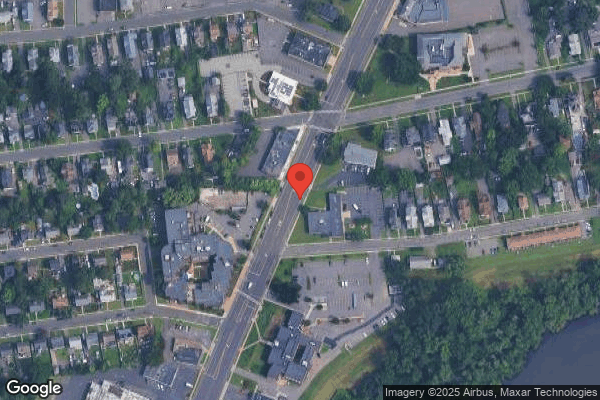

745 MAIN ST, EAST HARTFORD, CT 06108 (860) 289-2791
For profit - Limited Liability company 345 Beds NATIONAL HEALTH CARE ASSOCIATES Data: November 2025 1 Immediate Jeopardy citation
Trust Grade
3/100
#186 of 192 in CT
Last Inspection: January 2024

Within standard 12-15 month inspection cycle. Federal law requires annual inspections.

Overview

Riverside Health & Rehabilitation has received a Trust Grade of F, indicating significant concerns about its quality of care. The facility ranks #186 out of 192 in Connecticut, placing it in the bottom half of state facilities, and #62 out of 64 in the county, meaning there are very few local options that are worse. However, there is a positive trend as the number of reported issues has decreased from 9 in 2024 to 7 in 2025. Staffing is a relative strength with a turnover rate of 19%, well below the state average, although the staffing rating is average overall. On the negative side, the facility has incurred $93,819 in fines, which is concerning as it is higher than 82% of other facilities in Connecticut, indicating compliance issues. Specific incidents include a critical failure to implement aspiration precautions for a resident with swallowing difficulties, resulting in a choking episode that required emergency intervention. Additionally, another resident with severe cognitive impairments was not provided with the necessary supervision during meals, leading to another choking incident. Lastly, two residents at high risk for pressure ulcers developed facility-acquired wounds due to inadequate care and assessment, highlighting significant care gaps. Overall, while there are some strengths in staffing, the facility has serious deficiencies in care that families should carefully consider.

Trust Score
F
3/100
In Connecticut
#186/192
Bottom 4%
Safety Record
High Risk
Review needed
Inspections
Getting Better
9 → 7 violations
Staff Stability
✓ Good
19% annual turnover. Excellent stability, 29 points below Connecticut's 48% average. Staff who stay learn residents' needs.
Penalties
✓ Good
$93,819 in fines. Lower than most Connecticut facilities. Relatively clean record.
Skilled Nurses
○ Average
Each resident gets 34 minutes of Registered Nurse (RN) attention daily — about average for Connecticut. RNs are the most trained staff who monitor for health changes.
Violations
⚠ Watch
33 deficiencies on record. Higher than average. Multiple issues found across inspections.
★☆☆☆☆
1.0
Overall Rating
★★★☆☆
3.0
Staff Levels
★★★★☆
4.0
Care Quality
★☆☆☆☆
1.0
Inspection Score
Stable
2024: 9 issues
2025: 7 issues

The Good

  • 4-Star Quality Measures · Strong clinical quality outcomes
  • Low Staff Turnover (19%) · Staff stability means consistent care
  • Full Sprinkler Coverage · Fire safety systems throughout facility
  • No fines on record
  • Staff turnover is low (19%)

    29 points below Connecticut average of 48%

Facility shows strength in quality measures, staff retention, fire safety.

The Bad

1-Star Overall Rating

Below Connecticut average (3.0)

Significant quality concerns identified by CMS

Federal Fines: $93,819

Well above median ($33,413)

Moderate penalties - review what triggered them

Chain: NATIONAL HEALTH CARE ASSOCIATES

Part of a multi-facility chain

Ask about local staffing decisions and management

The Ugly 33 deficiencies on record

1 life-threatening 4 actual harm
Apr 2025 1 deficiency 1 Harm
SERIOUS (G) 📢 Someone Reported This

A family member, employee, or ombudsman was alarmed enough to file a formal complaint

Actual Harm - a resident was hurt due to facility failures

Accident Prevention (Tag F0689)

A resident was harmed · This affected 1 resident

**NOTE- TERMS IN BRACKETS HAVE BEEN EDITED TO PROTECT CONFIDENTIALITY** Based on review of the clinical record, facility documentation, facility policy and interviews for one (1) of three (3) resident...

Read full inspector narrative →
**NOTE- TERMS IN BRACKETS HAVE BEEN EDITED TO PROTECT CONFIDENTIALITY** Based on review of the clinical record, facility documentation, facility policy and interviews for one (1) of three (3) residents (Resident #2) reviewed for accidents, the facility failed to ensure the resident received supervision assistance during mealtime in accordance with the plan of care which resulted in a choking incident. The findings include: Resident #2 's diagnoses included hemiplegia (severe or complete loss of strength or paralysis on one side of the body) and hemiparesis (muscle weakness or partial paralysis on one side of the body) following a cerebral infarction (death of brain tissue/stroke) affecting the right dominant side, dysphagia (difficulty swallowing), aphasia (language disorder), apraxia (motor disorder), epilepsy and dementia without behavioral disturbances. The quarterly Minimum Data Set (MDS) assessment dated [DATE] identified Resident #2 had a staff assessment for Mental Status conducted identifying both short-term and long-term memory problems indicative of severely impaired cognition and required setup and cleanup assistance with eating, substantial assistance with bed mobility and was dependent on staff for transfers. The Resident Care Plan (RCP) dated 3/4/25 identified Resident #2 had dysphagia related to a stroke. Interventions included ensuring all meals and fluid intake occurred under staff supervision and providing speech therapy services as ordered. A Speech Therapy Discharge summary dated [DATE] identified that Resident #2 had been on speech services starting 3/12/25 and was discharged on 3/27/25. The summary identified Resident #2 required supervision/assistance at mealtime due to swallowing safety 0-25 percent (%) of the time and to facilitate safety and efficiency. The summary identified that the Resident #2 ' s prognosis (expected outcome) was good with consistent staff follow-through A nurse's note dated 4/1/25 at 4:30 PM identified Resident #2 began coughing and choking while eating lunch, the Heimlich maneuver was performed and a code was called for immediate assistance to the room. The facility Reportable Event (RE) Form dated 4/1/25 identified that at 12:15 PM, Resident #2 had a choking episode, during lunch, in his/her room. The RE identified that upon entry to Resident #2 ' s room, NA #5 observed Resident #2 coughing and turning red in color. The RE identified that another NA went to notify the nurse and that the Advanced Practice Registered Nurse (APRN #2) was nearby during the incident and intervened by successfully performing the Heimlich maneuver. The RE identified Resident #2 ' s diet was downgraded immediately, speech therapy was notified to screen Resident #2, orders were obtained for vital signs and lung sounds every four (4) hours, to obtain bloodwork and a chest x-ray, and for supplemental oxygen as needed and a hospice consult. The facility Summary Report dated 4/2/25 identified the RCP directed supervision during meals but the supervision requirements were not effectively communicated by the Speech Therapist (ST) to the care team and was not implemented. Following the incident, the ST would be required to document all dietary and supervision changes in the therapy Activities of Daily Living (ADL) evaluation immediately and then the Assistant Director of Nursing Services (ADNS) would be responsible for reviewing and locking the evaluation confirming the receipt of updates from the ST. The summary identified there would be written communication/documentation from the ST to nursing for changes made to the RCP and nursing would communicate the changes to the NA's every shift for 24-hours following the changes. Interview with APRN #2 on 4/15/25 at 12:28 PM identified that on 4/1/25 Resident #2 appeared to be choking. She indicated Resident #2 was rigid and it took multiple staff to lean him/her forward in his/her customized wheelchair, to assist with the Heimlich maneuver, and Resident #2 continued to cough and expel copious amounts of secretions. APRN #2 identified that a code was called, and a male staff member responded and stood Resident #2 up. Resident #2 then coughed up chicken, continued to cough, and his/her lung sounds were still not clear. She reported Resident #2 was encouraged to continue coughing and he/she eventually coughed up another piece of chicken which ceased the coughing. Interview with ST #1 on 4/15/25 at 1:18 PM identified that Resident #2 was referred to ST in March 2025 for weight loss and to ensure his/her diet was appropriate. She reported Resident #2 was discharged from ST services on 3/27/25 with an unchanged regular texture diet and thin liquids, and indicated she had no concerns. She identified that if new diet orders were placed, she would have verbally communicated the new orders to the charge nurse but since the diet remained unchanged and the RCP already identified Resident #2 required supervision for meals, she did not verbally notify the charge nurse of the strategy recommendations. She identified that when she re-evaluated Resident #2 following the 4/1/25 choking incident, Resident #2 had an evident decline to include new left sided weakness, facial droop, and Resident #2 was not triggering a swallow at all. Interview with NA #6 (accompanied by the DNS) on 4/15/25 at 1:30 PM identified that on 4/1/25, she was in the hallway passing lunch trays when NA #5 called her from Resident #2's doorway stating Resident #2 was choking and needed help. NA #6 reported she observed Resident #2 coughing and turning red and she then alerted LPN #1. NA #6 identified she knew Resident #2 well and he/she had always been a setup for meals, not requiring staff supervision. Interview with NA #5 (accompanied by the DNS) on 4/15/25 at 1:41 PM identified she was responsible for providing care for Resident #2 during the 7:00 AM to 3:00 PM shift on 4/1/25 and was regularly assigned to provide care for Resident #2. NA #5 identified that, according to the Resident Care Card (RCC) (quick-reference sheet used by NAs which lists information about daily care needs), Resident #2 was a setup only for meals. NA #5 reported that on 4/1/25, she went to check on Resident #2, after feeding another resident, and when she observed Resident #2 from the hallway, he/she was sitting in the wheelchair with his/her mouth open and tongue sticking out. NA #5 reported that LPN #1 came into the room immediately and they attempted looking into Resident #2 ' s mouth, but he/she would not allow them to perform a finger sweep. NA #6 identified that APRN #2 came in to assist and LPN #1 then performed the Heimlich maneuver from the front of Resident #2, which dislodged a one-inch cubed shaped piece of chicken but Resident #2 continued to cough so they called a code for additional assistance. Interview with NA #4 on 4/15/25 at 2:33 PM identified she delivered Resident #2's lunch tray on 4/1/25, and Resident #2 wanted to eat in his/her room while in his/her customized wheelchair. NA #4 reported Resident #2 was a meal setup per the RCC, so she cut the chicken into one-inch pieces, ensured Resident #2 had everything he/she needed and then left the room. Interview with LPN #1 on 4/16/25 at 11:41 AM identified that on 4/1/25 NA #5 reported to her that Resident #2 was choking. She identified that she floats to work on all the facility units and was unsure of Resident #2 ' s meal assistance level at the time of the incident. Interview with the DNS on 4/15/25 at 1:55 PM identified that the RCP directed Resident #2 required supervision for meals. The DNS indicated she thought Resident #2 was a setup only, as he/she was on a regular texture diet with thin liquids. Interview with ADNS #2 on 4/15/25 at 2:04 PM identified she was unaware that Resident #2 required supervision assistance with meals prior to the 4/1/25 choking incident and was also unaware that the RCP directed supervision with meals since 2017. She identified that during the incident investigation it was identified that the RCP interventions, to include supervision with eating, were initially entered incorrectly, so did not appear on the RCC. She reported that subsequent to that finding, the facility did a whole house audit to ensure all RCPs were reflected on RCCs. Interview with the DNS, ADNS #1, ADNS #2 and RN #6 (Regional nurse) on 4/15/25 at 2:21 PM identified that they initiated a Plan of Correction (POC) immediately on 4/1/25 regarding the choking incident with Resident #2 including reviewing emergency response procedures, both Speech Therapy and nursing staff responsibilities involving the 'Therapy ADL evaluation', a written Care Plan revision communication tool to be implemented to ensure critical care plan changes are communicated effectively, mandatory training for all direct care staff to include dysphagia management, dietary modifications and meal supervision, the implementation of competency assessments to ensure that staff understand choking prevention protocols and intervention strategies and meal supervision audits. The facility will also monitor clinical alerts in the electronic health record and review NA documentation regarding meal consumption and any changes/difficulties that residents have exhibited, review residents with a diagnosis of dysphagia to ensure Care Plans and Speech Therapy recommendations match and re-educate staff as needed and refer to Speech Therapy any residents in question. Additionally, they identified that for the pre-populated dysphagia Care Plan, under the interventions, it automatically says supervision for eating, but it doesn't automatically carry over to the Care Plan, stating that in their new Therapy ADL evaluation, when meal assistance/supervision is checked off, it automatically carries over to the [NAME]. Although requested, a facility policy for providing assistance with meals was not provided.
Mar 2025 1 deficiency
CONCERN (D) 📢 Someone Reported This

A family member, employee, or ombudsman was alarmed enough to file a formal complaint

Potential for Harm - no one hurt, but risky conditions existed

Deficiency F0658 (Tag F0658)

Could have caused harm · This affected 1 resident

**NOTE- TERMS IN BRACKETS HAVE BEEN EDITED TO PROTECT CONFIDENTIALITY** Based on clinical record reviews, review of facility documentation, facility policies, and interviews for one (1) of four (4) sa...

Read full inspector narrative →
**NOTE- TERMS IN BRACKETS HAVE BEEN EDITED TO PROTECT CONFIDENTIALITY** Based on clinical record reviews, review of facility documentation, facility policies, and interviews for one (1) of four (4) sampled residents (Resident #2) who was a readmission to the facility after a hospital stay, the facility failed to ensure the physician's orders from the hospital discharge summary were accurately transcribed into the resident's Medication Administration Record. The findings include: Resident #2's diagnoses included Parkinson's Disease, vascular dementia without behavioral disturbance, psychotic disturbance, mood disturbance, anxiety, major depressive disorder and multisystem degeneration of the autonomic nervous system. The quarterly Minimum Data Set assessment dated [DATE] identified Resident #2 had a Brief Interview for Mental Status (BIMS) score of twelve (12) out of fifteen (15) indicating Resident #2 had some memory recall deficits. The Resident Care Plan dated 1/13/25 identified Resident #2 required the use of psychotropic medication, antipsychotics and selective serotonin reuptake inhibitors (SSRI-a medication used to treat depression) related to the diagnoses of psychotic disorder, depression and anxiety. Interventions directed to administer medications as ordered by the physician, monitor for side effects and effectiveness, and monitor/document/report any adverse reactions to the antidepressant or psychotropic medications (fatigue). The Hospital Discharge summary dated [DATE] identified an order that Resident #2 needed to continue taking Quetiapine (a medication to treat major depressive disorder) 37.5 milligrams (mg) by mouth every night. A re-admission physician's order dated 2/18/25 directed to administer Quetiapine 25 mg oral tablet, give one- and one-half tablets for a total of 37.5 mg one (1) time a day at 9:00 AM. Review of the February 2025 Medication Administration Record (MAR) identified the Quetiapine 25 mg was administered at 9:00 AM on 2/19/25 and 2/20/25. The Medication Error Investigation Tool dated 2/21/25 identified the hospital discharge summary recommended the Quetiapine be administered at night and during the input (transcription) into the Electronic Medical Record (EMR) the order was transcribed to be given in the morning. The hospital Emergency Department discharge instructions dated 2/21/25 identified Resident #2 was seen on 2/20/25 for an evaluation of somnolence that was likely due to the polypharmacy of Tramadol and Seroquel (Quetiapine). The recommendation was the Seroquel not be given during the day and to use Dilaudid or Tylenol instead of the Tramadol. The Nurse Practitioner's progress note dated 2/21/25 at 11:30 AM identified Resident #2 was seen today in follow-up as the resident was sent to the Emergency Department last night per the attending physician for increased lethargy. A physician's order dated 2/21/25 directed to administer the Quetiapine at bedtime. Interview with the 7AM-3PM Nursing Supervisor, Registered Nurse (RN) #4, on 3/11/25 at 11:28 AM identified she was the nurse responsible for transcribing Resident #2's medication orders from the hospital discharge paperwork (W-10). RN #4 identified although the W-10 directed to give the Quetiapine once a day at night, she transcribed the time as once a day and opted for the medication to be given at 9:00 AM and she did not double check the W-10 to ensure that was the correct time. RN #4 identified facility policy directed to double check the original order prior to transcribing the readmission orders. Interview with the Assistant Director of Nursing (ADON) on 3/11/25 at 1:08 PM identified when a resident returns to the facility after a hospital stay, the facility policy and procedure was the nurse needs to review the medication list from the hospital and review those medications with the Nurse Practitioner. The ADON identified when Resident #2 returned to the facility on 2/18/25, the hospital discharge orders read to give the Quetiapine at night and RN #4 transcribed the order to be given in the morning in error. Review of the facility policy titled Medication Pass Policy, last revised 9/23/24, directed, in part, the clinician must remember the six (6) rights of medication administration, including the right resident, right drug, right dose, right dosage form, right route and right time.
Jan 2025 5 deficiencies
CONCERN (D) 📢 Someone Reported This

A family member, employee, or ombudsman was alarmed enough to file a formal complaint

Potential for Harm - no one hurt, but risky conditions existed

Notification of Changes (Tag F0580)

Could have caused harm · This affected 1 resident

**NOTE- TERMS IN BRACKETS HAVE BEEN EDITED TO PROTECT CONFIDENTIALITY** Based on clinical record review, facility documentation review, facility policy review, and interviews for one of three resident...

Read full inspector narrative →
**NOTE- TERMS IN BRACKETS HAVE BEEN EDITED TO PROTECT CONFIDENTIALITY** Based on clinical record review, facility documentation review, facility policy review, and interviews for one of three residents (Resident #1) reviewed for change in condition, the facility failed to notify the provider timely when a resident was identified to have low blood sugar levels. The findings include: Resident #1's diagnoses included diabetes, IGG4 related disease (chronic inflammatory condition affects multiple organs) and end stage renal disease. The quarterly Minimum Data Set (MDS) assessment dated [DATE] identified Resident #1 had a Brief Interview for Mental Status (BIMS) score of fifteen out of fifteen (indicative of no cognitive impairment), was a diabetic and received insulin two (2) days during the prior seven (7) days. The Resident Care Plan (RCP) dated 1/11/2025 identified Resident #1 had diabetes with hypoglycemia. Interventions directed to obtain blood sugars as ordered by the MD, monitor/document/report prn any signs and symptoms of hypoglycemia, monitor/document/report prn compliance with diet, and document any problems. A physician order dated 12/24/2024 directed the following: • Check blood sugar before meals and at bedtime for blood sugar monitoring, notify MD if BS (blood sugar) is less than 70 or greater than 400. • If the BS is less than 70 after the first dose of Glucose Gel and symptomatic, notify the MD to review diabetic medications for possible adjustment as needed for hypoglycemia over 70. • Glucagon Emergency Injection Kit 1 milligrams (mg) inject 1 mg subcutaneously every 24 hours as needed for hypoglycemia over 70. Record review identified the following: 1. On 1/2/2025 Resident #1's blood sugar at 5:39 AM was 57. Glucose Gel was administered at 5:40 AM and noted as ineffective. Further review identified that at 5:55 AM Resident #1's blood sugar was 61 and Resident #1 was given Glucagon Emergency Injection Kit 1 mg. 2. On 1/3/2025 at 4:04 PM Resident #1's blood sugar was 56. Review of the Medication Administration Record (MAR) identified Glucose Gel was administered at 4:05 PM. Additional review identified the blood sugar at 4:09 PM was 56. A physician order start date 1/4/2025 directed finger sticks for blood sugar two (2) times a day for diabetes management. Additional record review identified the following: 1. Blood sugar on 1/6/2025 at 6:20 AM was 66. 2. Blood sugar on 1/7/2025 at 6:06 AM was 55 and Resident #1 was given Glucagon Emergency Injection Kit 1 MG, at 6:07 AM. 3. Blood sugar on 1/9/2025 at 5:57 AM was 44 and Resident #1 was given Glucagon Emergency Injection Kit 1 MG. 4. Blood sugar on 1/10/2025 at 7:40 PM was 61 and Resident #1 was given Glucose Gel 5. Blood sugar on 1/12/2025 at 5:47 AM was 42, and Resident #1 was given Glucagon Emergency Injection Kit 1 MG. Record review failed to identify the physician or APRN was notified of the low blood sugars as listed above. Interview, clinical record review and facility documentation review on 1/21/2025 at 12:45 PM with APRN #1 identified she was not notified of the low blood sugars that occurred as listed above. APRN #1 stated although the physician order directed to notify the physician (APRN) if the blood sugar is less than 70 or greater than 400, she did not need to be notified unless the blood sugar was under 60 (under 60 on 1/7, 1/9, and 1/12/2025). Interview and record review with the ADNS #1 on 1/21/2025 at 2:23 PM identified the provider (physician or APRN) should be notified if a resident's blood sugar is critically low, if Glucagon is required or if hypoglycemia persists after three (3) interventions. ADNS #1 stated the provider should have been notified on 1/2, 1/3, 1/6, 1/7, 1/9, 1/10, and 1/12/2025 of the resident's hypoglycemic episodes, and was unable to explain why the provider was not notified. Review of facility Diabetes Management Protocol Policy directed in part to notify the residents' provider in the following situations: per parameters set by provider, hypoglycemia persists after 3 interventions, BG (blood glucose) is critically low less than 50 mg/dl, Glucagon or D50 is administration is required or resident experiences persistent or severe symptoms. Facility record review identified education was initiated on 1/9/2025 and included education regarding notifying the physician if a resident has low blood sugars. Audits were initiated on 1/9/2025 and a QAPI meeting was held on 1/17/2025. Based on record review, a finding of past non-compliance was identified with correction on 1/17/2025.
CONCERN (D) 📢 Someone Reported This

A family member, employee, or ombudsman was alarmed enough to file a formal complaint

Potential for Harm - no one hurt, but risky conditions existed

Free from Abuse/Neglect (Tag F0600)

Could have caused harm · This affected 1 resident

**NOTE- TERMS IN BRACKETS HAVE BEEN EDITED TO PROTECT CONFIDENTIALITY** Based on clinical record reviews, review of facility documentation, facility policies and interviews for one (1) of four (4) sam...

Read full inspector narrative →
**NOTE- TERMS IN BRACKETS HAVE BEEN EDITED TO PROTECT CONFIDENTIALITY** Based on clinical record reviews, review of facility documentation, facility policies and interviews for one (1) of four (4) sampled residents (Resident #4) who were dependent on staff for activities of daily living and reviewed for an allegation of being neglected, the facility failed to ensure Resident #4 was provided with toileting hygiene and transferred off the toilet in an appropriate timeframe. The findings include: Resident #4's diagnoses included Parkinson's Disease, osteoarthritis, chronic kidney disease, and macular degeneration. The quarterly Minimum Data Set assessment dated [DATE] identified Resident #4 was alert and oriented to person, place, and time, was dependent on one (1) staff member for personal and toileting hygiene, required two (2) staff for transfers on and off the toilet and utilized a wheelchair for mobility. The Resident Care Plan dated 11/5/24 identified Resident #4 had a self-care deficit due to Parkinson's Disease. Interventions directed to provide limited assistance of one (1) staff member with most activities of daily living and transfer assistance of two (2) via the Sara lift. The Facility Reported Incident form dated 1/3/25 identified Resident #4 reported that on 12/30/24 he/she was left on the toilet for a long period of time. The investigation identified a review of the camera video showed the timeline of events on 12/30/24: a nurse aide, Nurse Aide (NA) #1, went into Resident #4's room at 10:53 AM and left the room at 10:58 AM, at 11:06 AM and 11:56 AM different staff members went into Resident #4's room due to the call light being activated and immediately came out of Resident #4's room, and then at 12:13 PM, one (1) hour and fifteen (15) minutes after NA #1 first exited the room, NA #1 went back into Resident #4's room. An interview with NA #1 on 1/22/25 at 12:37 PM identified on 12/30/24 at approximately 11:00 AM she put Resident #4 on the toilet and left the room to assist another resident. NA #1 identified for personal reasons after she completed care with the other resident, she left the unit to go to lunch and she did not tell any staff member on the unit that she was leaving the unit or that Resident #4 was on the toilet. NA #1 explained when she returned to the unit, she realized Resident #4 was still on the toilet and proceeded to go into his/her room to assist Resident #4 to get off the toilet. An interview with the Social Worker, SW #1, on 1/22/25 at 12:46 PM identified on 1/3/25 she received a call from Resident #4's family member to report that Resident #4 told the family member a few days earlier, he/she had been left on the toilet for about two (2) hours, during that timeframe two (2) staff members came in and both noted Resident #4 was in the bathroom, and although Resident #4 asked the staff to get his/her aide, the staff members did not and they did not assist Resident #4. SW #1 identified she then spoke with Resident #4, who repeated the same account of the incident with the timeframes. SW #1 indicated she did a three (3) day follow up and Resident #4 experienced no ill effects. Interview and clinical record review with the Assistant Director of Nursing (ADON) on 1/22/25 at 12:59 PM identified the initial report of the 12/30/24incident with Resident #4 came from a family member. The ADON identified the camera footage showed NA #1 going into Resident #4's room at 10:53 AM and leaving the room at 10:58 AM, the bathroom call light went off several times and on two (2) occasions staff members went in to check on Resident #4 and came out without turning the call light off. The ADON identified the camera showed NA #1 return to Resident #4's room at approximately 12:15 PM, one (1) hour and fifteen (15) minutes. The ADON identified NA #1 should have informed another staff member that Resident #4 was on the toilet prior to her leaving the unit and that another staff member should have taken Resident #4 off the toilet. Review of the facility policy titled Abuse Policy and Procedure, last revised dated 12/2023, directed, in part, it is the policy that each resident has the right to be free from abuse, neglect and misappropriate of resident property and exploitation. The policy further defines neglect as the failure of the facility, its employees or service providers to provide goods and services to a
CONCERN (D) 📢 Someone Reported This

A family member, employee, or ombudsman was alarmed enough to file a formal complaint

Potential for Harm - no one hurt, but risky conditions existed

Quality of Care (Tag F0684)

Could have caused harm · This affected 1 resident

**NOTE- TERMS IN BRACKETS HAVE BEEN EDITED TO PROTECT CONFIDENTIALITY** Based on clinical record review, facility documentation review, facility policy review, and interviews for one of three resident...

Read full inspector narrative →
**NOTE- TERMS IN BRACKETS HAVE BEEN EDITED TO PROTECT CONFIDENTIALITY** Based on clinical record review, facility documentation review, facility policy review, and interviews for one of three residents (Resident #1) reviewed for change in condition, the facility failed to ensure staff acted on low blood sugar test results timely, and failed to ensure an endocrinology appointment was made timely for a resident with a known history of low blood sugars. The findings include: Resident #1's diagnoses included diabetes, IGG4 related disease (chronic inflammatory condition affects multiple organs) and end stage renal disease. The quarterly Minimum Data Set (MDS) assessment dated [DATE] identified Resident #1 had a Brief Interview for Mental Status (BIMS) score of fifteen out of fifteen (indicative of no cognitive impairment), was a diabetic and received insulin two (2) days during the prior seven (7) days. The Resident Care Plan (RCP) dated 1/11/2025 identified Resident #1 had diabetes with hypoglycemia. Interventions directed to obtain blood sugars as ordered by the MD, monitor/document/report prn any signs and symptoms of hypoglycemia, monitor/document/report prn compliance with diet, and document any problems. A physician order dated 12/24/2024 directed the following: • Check blood sugar before meals and at bedtime for blood sugar monitoring, notify MD if BS (blood sugar) is less than 70 or greater than 400. • If the BS is less than 70 after the first dose of Glucose Gel and symptomatic, notify the MD to review diabetic medications for possible adjustment as needed for hypoglycemia over 70. • Glucagon Emergency Injection Kit 1 milligrams (mg) inject 1 mg subcutaneously every 24 hours as needed for hypoglycemia over 70. Record review identified the following: 1. On 1/2/2025 Resident #1's blood sugar at 5:39 AM was 57. Glucose Gel was administered at 5:40 AM and noted as ineffective. Further review identified that at 5:55 AM Resident #1's blood sugar was 61 and Resident #1 was given Glucagon Emergency Injection Kit 1 mg. Additional record review failed to identify additional steps taken by staff after the repeat blood sugar obtained at 5:55 AM. 2. On 1/3/2025 at 4:04 PM Resident #1's blood sugar was 56. Review of the Medication Administration Record (MAR) identified Glucose Gel was administered at 4:05 PM. Record review identified the blood sugar at 4:09 PM was 56. Additional record review failed to identify additional steps taken by staff after the repeat blood sugar obtained at 4:09 PM was unchanged from 4:04 PM (at 56). A physician order start date 1/4/2025 directed finger sticks for blood sugar two (2) times a day for diabetes management. Additional record review identified the following: 3. On 1/6/2025 at 6:20 AM, Resident #1's blood sugar was 66. Record review failed to identify additional actions taken by staff when the results were under 70 on 1/6/2025 at 6:20 AM. 4. On 1/7/2025 at 6:06 AM, Resident #1's blood sugar was 55 and Resident #1 was given Glucagon Emergency Injection Kit 1 MG, at 6:07 AM. Record review failed to identify additional actions taken by staff when the results were under 70 on 1/7/2025 at 6:07 AM. 5. On 1/9/2025 at 5:57 AM Resident #1's blood sugar was 44 and Resident #1 was given Glucagon Emergency Injection Kit 1 MG at 5:58 AM. Record review failed to identify additional actions taken by staff when the results were 44 on 1/9/2025 at 5:58 AM. 6. On 1/10/2025 at 7:40 PM, Resident #1's blood sugar was 61 and Resident #1 was given Glucose Gel at 7:40 PM. Record review failed to identify additional actions taken by staff when the results were under 70 on 1/10/2025 at 7:40 AM. 7. On 1/12/2025 at 5:47 AM, Resident #1's blood sugar was 42, and Resident #1 was given Glucagon Emergency Injection Kit 1 MG at 5:48 AM. Further review identified the blood sugar was rechecked at 7:01 AM and was 135. Additional record review identified on 1/12/2025 Resident #1's blood sugar at 5:30 PM was 36. Nursing note dated 1/12/2025 at 7:32 PM indicated Resident #1 was transferred to the hospital, and the family was notified. Resident #1 was out of the facility during the survey. Interview and record review with APRN #1 on 1/21/2025 at 12:45 PM identified Resident #1 was functional with blood sugars in the 60's and both the facility policy and physician orders directed to notify the provider if the blood sugar was under 70. Interview, clinical record review, and facility documentation review on 1/21/2025 at 2:23 PM with ADNS #1 identified the facility protocol directed if a resident's blood sugar is below 70, treatment for a conscious resident was to treat with 15 grams of carbohydrate and recheck the blood sugar in 15 minutes, and if still below 70 to repeat the carbohydrate; if unconscious or unable to swallow to give Glucagon and recheck blood sugar in 15 minutes. The ADNS indicated that the provider should be notified if the blood sugar is critically low, if Glucagon is administered, or if hypoglycemia persists after three (3) interventions. The ADNS identified although the facility policy was to recheck blood sugar 15-minutes after Glucagon was administered, the blood sugar was not rechecked on the dates listed, the ADNS #1 was unable to explain why blood sugars were not rechecked in accordance with facility policy. Review of facility Diabetes Management Protocol Policy directed in part, hypoglycemia is defined as blood sugar level less than 70 and to treat promptly even is asymptomatic. If conscious and able to swallow, provide 15 grams of fast acting carbohydrates (such as 4 ounces of juice or regular soda, or 1 tube of glucose gel). Recheck blood sugar in 15 minutes, if remains under 70 to repeat treatment. If unconscious or unable to swallow, call for emergency medical assistance immediately and administer Glucagon as per provider orders; recheck blood sugar every 15 minutes until stable. The Policy further directed, to notify the provider if hypoglycemia persists after three (3) interventions, if the blood sugar is critically low (under 50) and if Glucagon is administered. A. Record review identified that Resident #1 was seen by Endocrinology Clinic on 10/18/2024 and 11/15/2024 with directions to return in four (4) weeks. Return appointment was scheduled for 12/20/2024. Record review failed to identify Resident #1 was seen by Endocrinology on 12/20/2024. Interview and record review with ADNS #1 on 1/22/2025 at 10:35 AM identified Resident #1 had a follow-up Endocrinology appointment booked on 12/20/2024, but it conflicted with another medical appointment and the Endocrinology appointment was cancelled. Interview failed to identify the facility rescheduled the 12/20/2024 Endocrinology appointment. ADNS #1 stated the appointment should have been re-booked.
CONCERN (D) 📢 Someone Reported This

A family member, employee, or ombudsman was alarmed enough to file a formal complaint

Potential for Harm - no one hurt, but risky conditions existed

Accident Prevention (Tag F0689)

Could have caused harm · This affected 1 resident

**NOTE- TERMS IN BRACKETS HAVE BEEN EDITED TO PROTECT CONFIDENTIALITY** Based on clinical record reviews, review of facility documentation, facility policy and interviews for one (1) of four (4) sampl...

Read full inspector narrative →
**NOTE- TERMS IN BRACKETS HAVE BEEN EDITED TO PROTECT CONFIDENTIALITY** Based on clinical record reviews, review of facility documentation, facility policy and interviews for one (1) of four (4) sampled residents (Resident #4) who required a mechanical lift for transfers, the facility failed to ensure the appropriate number of staff conducted the transfer in accordance with the physician's order. The findings include: Resident #4's diagnoses included Parkinson's Disease, osteoarthritis, , chronic kidney disease, and macular degeneration. The quarterly Minimum Data Set assessment dated [DATE] identified Resident #4 was alert and oriented to person, place, and time, was dependent on one (1) staff member for personal and toileting hygiene, required two (2) staff for transfers on and off the toilet and utilized a wheelchair for mobility. The Resident Care Plan dated 11/5/24 identified Resident #4 had a self-care deficit due to Parkinson's Disease. Interventions directed to provide limited assistance of one (1) staff member with most activities of daily living and transfer assistance of two (2) via the Sara lift. A physician's order dated 11/27/23 directed to transfer Resident #4 with the assistance of two (2) staff members utilizing the [NAME]-Lift (a device used to assist a resident from a sitting position to a standing position). The Facility Reported Incident form dated 1/3/25 identified Resident #4 reported that on 12/30/24 he/she was left on the toilet for a long period of time. During the investigation it was noted the nurse aide, Nurse Aide (NA) #1, assigned to Resident #4 on 12/30/24 had transferred Resident #4 off the toilet using the [NAME]-Lift without the benefit of another staff member assisting. Interview with NA #1 on 1/22/25 at 12:37 PM identified on 12/30/24 at approximately 12:15 PM, she went in to assist Resident #4 off the toilet using the Sara lift. NA #1 explained she did not ask another staff member to assist her and although she was aware Resident #4 required two (2) staff members to transfer, she did not ask another staff member to assist in the transfer. Interview with the Assistant Director of Nursing (ADON) on 1/22/25 at 12:59 PM identified a physician's order directed to transfer Resident #4 with the assistance of two (2) and Sara lift. The ADON identified the facility did not have a policy on the use of the Sara lift, however the Sit to Stand Lift competency each staff was given does direct that two (2) staff members are present when using the Sara lift. The ADON identified on 12/30/24, NA #1 transferred Resident #4 without another staff member present. Review of the facility Sit to Stand Lift Competency form directed, in part, for staff to check transfer status against the NA care card and obtain stand lift (Sara lift) and an additional staff member to assist with the transfer.
CONCERN (D) 📢 Someone Reported This

A family member, employee, or ombudsman was alarmed enough to file a formal complaint

Potential for Harm - no one hurt, but risky conditions existed

Medical Records (Tag F0842)

Could have caused harm · This affected 1 resident

**NOTE- TERMS IN BRACKETS HAVE BEEN EDITED TO PROTECT CONFIDENTIALITY** Based on clinical record review, facility documentation review, facility policy review, and interviews for one of three resident...

Read full inspector narrative →
**NOTE- TERMS IN BRACKETS HAVE BEEN EDITED TO PROTECT CONFIDENTIALITY** Based on clinical record review, facility documentation review, facility policy review, and interviews for one of three residents (Resident #1) reviewed for change in condition, the facility failed to ensure to ensure the Glucagon order was written accurately the clinical record was complete and accurate to include accurate orders for Glucose/Glucagon, and failed to ensure documentation of nursing actions for a resident with low bloods sugars. The findings include: Resident #1's diagnoses included diabetes, IGG4 related disease (chronic inflammatory condition affects multiple organs) and end stage renal disease. The quarterly Minimum Data Set (MDS) assessment dated [DATE] identified Resident #1 had a Brief Interview for Mental Status (BIMS) score of fifteen out of fifteen (indicative of no cognitive impairment), was a diabetic and received insulin two (2) days during the prior seven (7) days. The Resident Care Plan (RCP) dated 1/11/2025 identified Resident #1 had diabetes with hypoglycemia. Interventions directed to obtain blood sugars as ordered by the MD, monitor/document/report prn any signs and symptoms of hypoglycemia, monitor/document/report prn compliance with diet, and document any problems. A. A physician order dated 12/24/2024, directed: • if the blood sugar is less than 70 after the first dose of Glucose Gel and symptomatic, notify the MD to review diabetic medications for possible adjustment as needed for hypoglycemia over 70. • Glucagon Emergency Injection Kit 1 milligrams (mg) inject 1 mg subcutaneously every 24 hours as needed for hypoglycemia over 70. A physician's order dated 12/24/2024, start 11/18/2024, end 1/3/2025 check blood sugar before meals and at bedtime for blood sugar monitoring, notify MD if BS is less than 70 or greater than 400. Interview and record review with APRN #1 on 1/21/2025 at 12:45 PM identified Resident #1 was functional with blood sugars in the 60's and the physician orders should have indicated for hypoglycemia under 70. Interview, record review with ADNS #1 on 1/21/2025 at 2:23 PM identified the orders should have indicated for hypoglycemia under 70, and was unable to explain why the order was entered as over 70. B. Review of the Medication Administration Record identified the following: • On 1/2/2025 Resident #1's blood sugar at 5:39 AM was 57. Glucose Gel was administered at 5:40 AM and noted as ineffective. Repeat blood sugar at 5:55 AM was 61 and Resident #1 was given Glucagon Emergency Injection Kit 1 mg. • On 1/3/2025 at 4:04 PM Resident #1's blood sugar was 56. Review of the Medication Administration Record (MAR) identified Glucose Gel was administered at 4:05 PM. Repeat blood sugar at 4:09 PM was 56. • On 1/6/2025 at 6:20 AM, Resident #1's blood sugar was 66. • On 1/7/2025 at 6:06 AM, Resident #1's blood sugar was 55 and Resident #1 was given Glucagon Emergency Injection Kit 1 MG, at 6:07 AM. Blood sugar was rechecked at 7:02 AM, but failed to identify the results. • On 1/9/2025 at 5:57 AM Resident #1's blood sugar was 44 and Resident #1 was given Glucagon Emergency Injection Kit 1 MG. • On 1/10/2025 at 7:40 PM, Resident #1's blood sugar was 61 and Resident #1 was given Glucose Gel. • On 1/12/2025 at 5:47 AM, Resident #1's blood sugar was 42, and Resident #1 was given Glucagon Emergency Injection Kit 1 MG. Blood sugar was rechecked at 7:01 with results 135. Additional record review failed to identify nursing notes that identified additional steps (additional treatment, results of treatment, notification of provider and if the resident was symptomatic) taken by staff after the low blood sugar levels obtained on 1/2 at, 1/3, 1/6, 1/7, 1/9, 1/10, 1/11 and 1/12/2025. Interview, record review and facility documentation review with ADNS #1 on 1/21/2025 at 2:23 PM failed to identify nursing notes were written when Resident #1 had low blood sugars on the dates above. ADNS #1 stated nursing notes should have been written, and if they were written she would have been aware of it on the 24-hour report and Resident #1 would have been reviewed during the daily Morning Meeting report. ADNS #1 was unable to explain why nursing notes were not written. Review of facility Diabetes Management Protocol Policy directed in part; documentation of all episodes of hypoglycemia must be documented in the medical record, including symptoms observed, blood glucose (sugar) levels before and after treatment, interventions performed, provider notification and any new orders, the resident's response to treatment.
Jan 2024 9 deficiencies 2 Harm
SERIOUS (G)

Actual Harm - a resident was hurt due to facility failures

Pressure Ulcer Prevention (Tag F0686)

A resident was harmed · This affected 1 resident

**NOTE- TERMS IN BRACKETS HAVE BEEN EDITED TO PROTECT CONFIDENTIALITY** Based on observations, clinical record review, facility documentation review, facility policy review, and interviews for two ...

Read full inspector narrative →
**NOTE- TERMS IN BRACKETS HAVE BEEN EDITED TO PROTECT CONFIDENTIALITY** Based on observations, clinical record review, facility documentation review, facility policy review, and interviews for two of four residents (Resident #177 & #69) who were at high risk for the development of pressure ulcers and who developed facility acquired pressure ulcers, the facility failed to ensure that resident specific comprehensive interventions were implemented, failed to assess the wound in a timely manner inclusive of description, measurements, and stage upon initial discovery of an opened area, and failed to provide consistent turning and repositioning to offload the sacrum contributing to the advanced worsening of the wound. The findings include: 1. Resident # 177's diagnoses included Alzheimer's dementia, contracture of left and right hands, gastrostomy, and functional quadriplegia. The physician's order dated 1/3/23 with an origination date of 7/27/22 directed to complete skin checks weekly and document skin checks in the nurse's notes and air mattress set to the most current weight and check setting and function every shift. The Braden Scale Assessment (used to predict risk for pressure ulcer development) dated 7/24/22 identified the resident had a score of 10 which is indicative of the resident being at high risk for the development of a pressure ulcer. The annual MDS assessment dated [DATE] identified Resident #177 had severe cognitive impairment, was totally dependent for transfers, hygiene, toileting, and dressing, was always incontinent of bladder and bowel, was at risk for the development of pressure ulcers but did not currently have a pressure ulcer. The Resident Care Plan (RCP) dated 1/26/23 identified Resident #177 was at high risk for skin breakdown related to dementia, incontinence, history of pressure ulcers and immobility. Care plan interventions directed to apply protective skin barrier cream, pressure reducing cushion and mattress and two persons for turning and repositioning. Review of the RCP failed to identify resident specific interventions related to the positioning of the resident. Review of the weekly skin checks documented in the nurse notes from 1/6/2023 through 2/6/23 identified Resident #177 had no notable skin issues. Review of the turning and repositioning task nurses' aide documentation from 1/6/23 through 2/6/23 identified Resident #177 was not consistently repositioned every two hours (the form is formatted in two-hour increments of time). The nurse's note dated 2/7/23 at 3:48 PM identified Resident #177 had a resident care plan meeting with the interdisciplinary team present. Resident #177 and his/her responsible party were invited but chose not to participate in the care plan meeting. The note further identified Resident #177 had been stable medically and nutritionally throughout the last quarter. The nurse's note dated 2/7/23 at 9:54 PM written by LPN #2 identified Resident #177 had an open area in the same location as a previous pressure ulcer wound. The nurse's note did not contain any further information concerning the opened area. There were no measurements documented and no specific area identified. A Dietician's note dated 2/9/23 at 11:12 AM identified Resident #177 had a new stage 3 pressure ulcer wound to the coccyx. The note further identified the resident would have a liquid protein supplement twice per day added to his/her diet. The Situation, Background, Assessment, Recommendation (SBAR) nurse's note dated 2/9/23 at 12:28 PM (written by the unit manager (RN) identified Resident #177 had a stage 3 pressure ulcer wound to the coccyx that measured 1.0 centimeter (cm) in length by 1.0 centimeter (cm) in width. The note further identified the resident did not appear to be in distress or discomfort at that time. The wound nurse, nurse practitioner and family were updated. The physician's order dated 2/9/23 directed to cleanse the coccyx area with normal saline, pat dry then apply Calcium Alginate (wound treatment) followed by gauze dressing on a daily basis and as needed. The Braden scale assessment dated [DATE] identified the resident was at a very high risk for the development of a pressure ulcer (there were no documentation of a Braden scale assessments completed between 7/24/23 and 2/9/23 when the resident was identified as having a stage 3 pressure ulcer). Review of the clinical record failed to identify the open area identified on 2/7/23 was assessed by a registered nurse, or that a physician/APRN was notified or that a treatment was put in place prior to 2/9/23 (two days after the area was noted). The RCP dated 2/9/23 identified Resident #177 had a pressure ulcer related to contracture, history of pressure ulcers, immobility, and sensory impairment. Care plan interventions directed for a dietician evaluation, monitor the wound for signs of symptoms of infection, weekly wound evaluation per protocol, treatment as ordered by the physician, and turn and reposition. The nurse's note dated 2/10/23 at 7:00 AM identified Resident #177's wound dressing to the coccyx was clean, dry, and intact and had no signs and symptoms of pain and nurse's aide repositioning the resident every two hours. The initial wound evaluation and management summary dated 2/14/23 completed by the Wound Specialist identified Resident #177 had a stage 4 full thickness wound to the sacrum related to pressure. The wound size was documented as 1.2 cm in length by 1.0 cm in width and 0.4 cm in depth. The treatment plan directed: apply Calcium Alginate once a day for thirty days, limit sitting to 60 minutes, offload wound, reposition per facility protocol, and turn side to side in bed every 1 to 2 hours if able. The wound evaluation dated 4/4/23 identified the stage 4 pressure full thickness wound to the sacrum would benefit from debridement of the peri-wound macerated skin edge. The wound size was documented as 1.0 cm in length by 0.7 cm in width by 0.3 cm in depth. The treatment plan directed to apply gauze island with border once a day. The wound evaluation dated 4/25/23 identified the stage 4 to the sacrum was surgically debrided to remove devitalized epidermis and/or dermis and to remove dried exudate or debris. The wound size was documented as 1.5 cm in length by 0.9 cm in width by 0.2 cm depth. The treatment plan directed to apply collagen sheet and gauze island with border dressing daily. Further review of the wound evaluations conducted by the Wound Specialist (MD #1) along with the facility's Wound Nurse (LPN #4) identified that he assessed the wound on a weekly basis and performed debridement of the wound on 5/9/23, 5/16/23, 6/13/23, 7/11/23, 8/15/23, 9/12/23, and 10/10/23, 11/9/23, and 12/19/23. The wound evaluation 1/2/24 identified the stage 4 to the sacrum was surgically debrided to remove biofilm. The wound size was documented as 1.7 cm in length by 1.8 cm in width by 0.9 cm in depth with undermining at 11:00 o'clock. The treatment plan included the application of a collagen sheet and gauze island with border dressing daily with a recommendation for diathermy therapy. Review of the weekly wound evaluations for the period of 2/14/23 to 1/2/24 identified the recommendations to limit sitting to 60 minutes, offload the wound and reposition per facility protocol, turn side to side in bed every 1 to 2 hours if able. Review of the RCP and the treatment administration record failed to identify the implementation of the recommendation for the 1-to-2-hour side to side repositioning and the offloading of the wound. Observation on 1/7/24 at 9:30 AM identified Resident #177 lying in bed on his/her back with the head of the bed raised to approximately 30 degrees, continuous tube feeding in place and the alternating air loss mattress was set at 350 lbs. Review of the clinical record identified Resident #177's weight was documented as 178 pounds on 1/8/24. Review of the nurse aides' turning and repositioning documentation dated 1/7/24 identified Resident #177 was positioned on his/her back from 4:00 AM to 3:59 PM (approximately 12 hours passed before Resident #177 was turn to his/her right side). Observation on 1/8/24 at 9:30 AM identified Resident #177 lying in bed on his/her back with the head of the bed raised to approximately 30 degrees with the continuous tube feeding in place and the alternating air loss mattress setting was noted to be set at 350 lbs. Intermittent observations every hour on 1/8/24 between 9:30 AM and 2:00 PM (4 hours and 30 minutes) identified Resident #177 lying in bed, on his/her back with the head of the bed raised to approximately 30 degrees, continuous tube feeding in place and the alternating air loss mattress set at 350 lbs. Review of the NA turning and repositioning documentation for 1/8/24 identified Resident #177 was positioned on his/her back from 5:38 AM to 1:12 PM (approximately 7 hours). Further review identified there was no documentation completed to indicate the resident's position from 1:12 PM to 7:29PM. At 7:29 PM, the documentation noted Resident #177 was repositioned to his/her left side. Observation of wound care on 1/8/24 at 2:00 PM with LPN #3 identified Resident #177 lying on his/her back, with the alternating air mattress set at 350 pounds (lbs.). Resident #177's sacrum had a foam dressing with a scant amount of drainage to the foam dressing. The dressing change was completed without incident and the setting of the air mattress remained at 350 lbs. and the resident remained positioned on his/her back with the head of the bed raised to 30 degrees. Interview with LPN #2 on 1/5/24 at 12:45 PM identified that she performed the weekly skin check on Resident #177 on 2/7/23 and identified the open wound to the coccyx. She further identified that Resident #177 had a history of a pressure ulcer in the same location. In addition, LPN #2 identified that she notified the nursing supervisor at that time but could not recall the nursing supervisor she notified. She noted that the nursing supervisor typically would assess the wound and obtain a treatment order. Interview with NA #3 (NA for 7-3 shift) on 1/8/24 at 1:00 PM identified Resident #177 was totally dependent for all care including turning and repositioning. She also identified that Resident #177 was non-verbal and compliant with care. She identified Resident #177, needed to be turned and repositioned at least every 2 hours and was also aware that he/she had a pressure ulcer on his/her bottom. She further noted that she documents the resident's position in the computerized task section of the NA documentation. Interview with LPN #3 (charge nurse for 7-3 shift) on 1/8/24 at 2:30 PM identified Resident #177 at high risk for skin breakdown because of the history of pressure ulcers, current stage 4 open wound to the sacrum and immobility. She further noted she was responsible for ensuring the nurse aides turn and reposition Resident #177 at least every 2 hours but she could not identify when Resident #177 had last been turned and repositioned prior to completing the wound care and dressing change. Subsequently, LPN #3 repositioned Resident #177 on his/her left side. In addition, LPN #3 identified that the alternating pressure air mattress should be set between 150-200 lbs. depending on the resident's comfort, but she did not correct the setting at that time. Interview with LPN #4 (wound nurse) on 1/8/24 at 3:00 PM identified Resident #177 had a care plan for turning and repositioning every two hours, alternating air pressure mattress and protein supplement. The facility practice and/or policy is that when a new skin issue is identified, the charge nurse notifies the nursing supervisor and the nursing supervisor assess the characteristic or condition of the wound, provides an immediate treatment, and documents the assessment in the resident's clinical record. LPN #4 could not recall whether she was notified that Resident #177 had an open wound to the coccyx on 2/7/23. In addition, she could not identify documentation that the wound was assessed and/or that a treatment order was obtained prior to 2/9/23. She further identified that the wound nurse conducts the weekly wound rounds with MD #1 and is responsible for ensuring recommendations are implemented. She did not offer a reason as to why the recommendation for the resident to be positioned side to side while in bed to maintain off-loading of the sacrum was implemented. Interview with MD #1 (Wound Care Specialist) on 1/9/24 at 10:30 AM identified Resident #177's sacral wound was due to pressure and noted the resident was at high risk for skin breakdown because of his/her immobility, incontinence, co-morbidities, and history of pressure ulcers in the same area. He identified the sacrum was difficult to heal because of the previous history of a pressure wound to the same area and frequent pressure ulcers to the same location make it more difficult to heal due to the formation of scar tissue. He further identified that the alternating air mattress was not a replacement for frequent repositioning, and the facility should continue to turn and reposition the resident to offload the pressure to the sacrum. In addition, MD #1 identified that he conducts wound rounds at the facility on a weekly basis accompanied by the Wound Nurse. He also noted that frequent offloading is the responsibility of the nursing staff. In addition, MD #1 identified that the facility should follow the manufacturer's guidelines for the proper setting of the alternating air pressure mattress to promote the healing of the pressure ulcer injury and to prevent further skin injury. Interview and review of clinical record with the DNS on 1/9/24 at 2:30 PM identified that the facility process was the charge nurse would notify the nursing supervisor when there was a new onset of open wound and the nursing supervisor should assess the wound, immediately notified the physician to obtain an appropriate treatment and it should be documented in the nurse's note. Review of nurse's note and physician's orders from 2/7/23 through 2/9/23 with the DNS failed to identify documentation that Resident #177's sacral wound was assessed by an RN on 2/7/23 or that a treatment was put in place. Continued interview and review of the clinical record with the DNS on 1/9/24 at 3:00 PM identified that residents at high risk for pressure ulcer development should be turned and repositioned every two hours at a minimum and when needed more frequently. She further identified Resident #177's plan of care directs to turn and reposition every two hours and document the position. The DNS further noted that the nurses are responsible for ensuring that the nurses' aides turn and reposition the resident at least every two hours. The documentation of the turning and repositioning should be entered into the task section under NA documentation. Review of the NA documentation on 1/7/24 and 1/8/24 with the DNS identified Resident #177's was not consistently receiving the turning and repositioning every two hours in accordance with the resident's plan of care. Further, the DNS identified that the facility air pressure mattress was set based on the resident's current weight and there should be a physician's order to set the air mattress with the resident weight and check for the setting and function of the mattress every shift in the TAR. She also identified that her licensed staff should ensure that correct setting of the air pressure mattress to ensure the correct setting and the function of the air mattress. Review of the manufacturer guidelines for the specific alternating pressure system with low air loss mattress utilized by Resident #177 identified it was designed to treat and prevent wounds by facilitating blood circulation and decreasing the pressure of each tissue contact area. The weight button was to adjust based on the patient's weight. The scale was only for an approximation and adjust the weight setting when the mattress was too soft or too firm to suit each patient's needs. It is still recommended that the patient be repositioned periodically while using this mattress. The facility policy for Guideline for use of Support Surfaces identified the usage of the support surfaces would be based on the interdisciplinary team recommendations. The correct setting would be set by the nurse based on the resident's current weight and comfort level, monitoring of the support surface inflation would be done by the nurse every shift and documented in the TAR and a support surface does not replace the need to turn and reposition and/or offload heels based on the resident risk factors for developing pressure injuries. The policy for Pressure Injury Prevention Protocol identified that based on a comprehensive evaluation of the resident, the facility ensures that a resident receives care consistent with professional standards of practice to prevent pressure injuries and does not develop pressure injuries unless the individual's clinical state demonstrates that they are unavoidable. A resident with pressure injuries receives necessary treatment and services consistent with professional standards of practice, to promote healing, prevent infection and prevent new pressure injuries from developing. 2. Resident #69's diagnoses included cerebral infarction, persistent vegetative state, functional quadriplegia. The quarterly MDS assessment dated [DATE] identified Resident #69 had severe cognitive impairment, required total dependence on staff for all activities of living, was always incontinent of bowel and bladder functioning, and utilized a feeding tube for nutrition. The assessment further identified the resident was at risk for the development of pressure ulcers with no current pressure ulcers identified. The Resident Care Plan dated 1/15/23 identified Resident #69 had an increased risk of skin breakdown with interventions that directed to provide protective skin care as needed, and skin treatments as needed, incontinence care as needed. The care plan further identified a self-care performance deficit with interventions that included two staff for turning and repositioning in bed. Review of the NA positioning documentation identified the following: • On 2/18/23 the resident was positioned on his/her back from 6:00 PM to 8:00 AM (14 hours) • On 2/19/23 the resident was positioned on his/her back from 4:00 PM to 2:00 AM (10 hours) • On 2/21/23 the resident was positioned on his/her back from 4:00 AM to 8:00 AM (4 hours) and from 4:00 PM to 2:00 AM (10 hours) • On 2/22/23 the resident was positioned on his/her back from 4:00 AM to 8:00 AM (4 hours) The wound assessment dated [DATE] completed by LPN #4 (wound nurse) identified Resident #69 had an open area to the sacrum that measured 2.5 centimeters in length by 0.5 centimeters in width and no depth recorded. Treatment included Triad Hydrophilic wound dressing paste to the area twice per day. The Braden Scale Assessment (used to predict risk for pressure ulcer development) dated 2/22/23 identified the resident was at high risk for the development of pressure ulcers. Review of physician's orders identified an order dated 2/22/23 that directed to apply Triad hydrophilic wound dress paste apply to sacrum topically every day and evening shift. The orders further identified that the order for Triad hydrophilic was discontinued on 3/1/23. In addition, the wound physician's order for house barrier cream was not transcribed or added to the treatment record. The wound physician's (MD #1) assessment dated [DATE] identified a non- pressure area to the sacrum measuring 1.5 centimeters (cm) in length by 0.6 cm in width by 0.1 cm in depth. The treatment plan included house barrier cream to be applied every shift (3x/day) for 16 days. The wound physician's assessment dated [DATE] identified that he would not be overseeing the care of the resident's wound and noted the wound measured 1.5 cm by 0.6 cm by 0.1 cm and would be followed by the facility's wound nurse. Review of physician's orders failed to identify an order for barrier cream and review of the treatment administration record failed to identify that eh order was transcribed or followed. Review of the clinical record failed to identify further assessments or treatment of the sacral wound after 3/21/23. Interview with LPN #4 (the current infection control nurse and former wound nurse) on 1/10/24 at 10:00 AM identified that she was the nurse that worked with the wound physician and was responsible for monitoring the wound once the wound physician conceded care. She further noted that she could not locate any subsequent monitoring of the wound after 3/21/23; although, LPN #4 indicated further follow up would have been warranted. In addition, LPN #4 noted she had no documentation of any further assessments of the wound, including measurements or documentation that the wound healed or worsened and/or what treatment was in place after 3/1/23. LPN #4 further indicated she had no idea how this oversight could have happened and noted Resident #69 did not have behaviors inclusive of resistance to care and/or declining care. The nurse's note dated 6/4/2023 at 6:27 PM (written by RN supervisor) indicated the resident had a reopening of an old closed sacral wound. The note described the area as superficial with redness and no signs or symptoms of infection. The note further identified that the physician was notified, and order given for triad paste to sacrum three times daily for five days. Review of the clinical record failed to identify wound measurements or the outcome of the wound. There was no indication of when the wound healed/resolved. Review of the weekly skin assessments for the period of 3/7/23-6/4/23 failed to indicate any concerns with the resident's skin although the resident had the presence of wounds in March. Further interview with LPN #4 (the current infection control nurse and former wound nurse) on 1/10/24 at 10:00 AM identified that Resident #69 should be turned and repositioned every two hours. After review of the NA documentation for turning and repositing, LPN #4 noted that it was inappropriate for the resident to be left for several hours in the same position. Review of the weekly skin assessments completed for August/2023 did not indicate any concerns with the resident's skin. A physician's order dated 8/22/23 directed to start Mepilex (a bordered foam dressing used to treat pressure ulcers. Leg and foot ulcers and traumatic wounds) to the sacrum and to change every three days. Review of the clinical record failed to identify nurses' notes or wound assessments that identified a reason for the order of Mepilex. The skin and wound evaluation dated 8/29/23 completed by LPN #4 identified Resident #69 had a facility acquired unstageable pressure ulcer to the sacrum that measured 2.9 cm in length by 2.2 cm in width by 0.5 cm in depth. The assessment further noted an order for Santyl (used to remove damaged tissue from chronic skin ulcers and severely burned areas). The physician's order dated 8/31/23 directed Santyl external ointment applied to sacral wound every day. The care plan identified the added interventions after the identification of the unstageable pressure ulcer wound that included: provide incontinence care as needed, provide protective skin care, air mattress according to most current weight, avoid constrictive clothing, skin treatments as needed. Follow facility policies/protocols for the prevention/treatment of skin breakdown. Review of the care plan failed to identify specific resident centered interventions related to the unstageable pressure ulcer The wound physician's evaluation completed on 9/5/23 identified the wound was from trauma/injury and noted the measurements as 2.5cm by 2.0 cm by 0.1cm with light serous exudate, and fifty percent granulation tissue. The note further noted that the wound had persisted from March/2023. The wound physician's evaluation completed on 10/10/23 identified the resident had a stage 4 pressure wound on the sacrum, that measured 4.1cm by 1.6 cm by 0.9 cm. Recommendations identified limit sitting to 60 minutes, offload wound, reposition per facility protocol, and turn side to side in bed every 1 to 2 hours as able. Review of the wound notes identified that MD #1 has consistently monitored the wound on a weekly basis since 9/5/23. The wound physician's evaluation completed on 1/2/24 identified the sacral wound measured 5.7 cm by 3.5 cm by 1.8 cm, with undermining of 3.6 cm noted at 7:00 o'clock, light serous exudate and 30%thick adherent devitalized necrotic tissue. Recommended the ruling out of osteomyelitis with x-ray, white blood cell count and ESR estimated sedimentation rate. Observation on 1/2/24 at 9:45 AM identified Resident #69 was lying on his/her right side in bed awake with the head of the bed elevated at approximately 30 degrees, with tube feeding running, and resident appeared to be diaphoretic. Observation on 1/2/24 at 11:50 AM identified Resident #69 was lying on his/her right side in bed appeared to be asleep with the head of the bed elevated at approximately 30 degrees, with tube feeding running her cheeks were red. The care plan dated 1/9/24 identified the resident had a stage 4 pressure ulcer to the sacrum, with interventions that included dietician evaluation as needed, monitor for signs and symptoms of wound infection, treatment as ordered and turn and reposition every one to two hours. Review of the NA turning and repositioning documentation for the period of December/2023 through January/2024 identified that Resident #69's position was not consistently changed every two hours and the resident was not kept on a schedule of side-to-side repositioning as recommended by the wound physician. Wound care observation on 1/9/24 at 10:23 AM identified the Resident #69 initially lying on the right side and was repositioned to the left side for wound care to be completed with LPN#2 (current wound care nurse). The wound appeared to be a stage 4 full thickness wound with light serous exudate that measured 5.5cm Length by 4.5cm Width by 2.cm Depth. Interview with LPN #5 on 1/9/23 at 2:30 PM indicated she did not recall the skin assessment completed on 8/29/23, however would only note new areas on her skin assessments and not old areas that the wound team knew about. LPN #5 did not identify how she would know if the wound had been previously identified and was being followed by the facility's wound nurse. Interview with MD#1 (wound physician) on 1/9/24 at 10:23 AM indicated the wound began approximately 10 months ago, and initially he diagnosed it as non-pressure ulcer wound due to the borders being irregular, which could indicate a traumatic tear, however he noted that the wound was a pressure area. He further identified that he could not speak to the how often the resident was turned and repositioned or if the patient was turned and repositioned due to the fact he was only in the building once a week for a short period of time. Interview with the DNS on 1/10/24 at 11:30 AM indicated that the NA turning and repositioning documentation was inappropriate because it shows a pattern of the resident not being turned and/or repositioned for hours at a time. It is also failed to identify that the resident is being turned side to side and being kept off of his/her back as recommended by MD #1. She further noted that wound documentation could not be located to ascertain the progression of the sacral wound after 3/21/23 and after 6/4/23. The DNS noted that documentation should be completed concerning the resolution of a wound. Review of the facility policy Pressure Injury Prevention Protocols dated 3/2023 directed the facility to prevent pressure injuries begin with identification of the resident's risk of developing a pressure injury based on a comprehensive evaluation of the resident's skin integrity and any predisposing factors and reposition in bed per care plan.
SERIOUS (G)

Actual Harm - a resident was hurt due to facility failures

Accident Prevention (Tag F0689)

A resident was harmed · This affected 1 resident

**NOTE- TERMS IN BRACKETS HAVE BEEN EDITED TO PROTECT CONFIDENTIALITY** Based on clinical record review, facility documentation review, facility policy review, and interviews for one of two sampled re...

Read full inspector narrative →
**NOTE- TERMS IN BRACKETS HAVE BEEN EDITED TO PROTECT CONFIDENTIALITY** Based on clinical record review, facility documentation review, facility policy review, and interviews for one of two sampled residents (Resident #199) reviewed for falls, the facility failed to appropriately monitor the placement of a pelvic positioning belt on an adaptive wheelchair to ensure safety, leading to a subsequent fall that resulted in an injury. The findings include: Resident #199 's diagnoses included fifth lumbar vertebra fracture, left femur fracture, low back pain and abnormal posture. A fall risk assessment dated [DATE] identified Resident #199 was at high risk for falls due to history of falling, confusion, and impaired gait. The physician's order dated 11/9/23 identified Resident #199 required a two person assist for bed mobility and transfers via the Hoyer lift (mechanical lift). The quarterly MDS assessment dated [DATE] identified Resident #199 had severe cognitive impairment and was totally dependent for transfers, toileting, hygiene, dressing, was non-ambulatory and utilized a wheelchair for mobility. The physician's order dated 11/28/23 directed Resident #199 to be out of bed to the adaptive wheelchair with a pelvic positioning belt as a part of a 24-hour positioning plan. The Resident Care Plan (RCP) dated 12/19/23 identified Resident #199 was at risk for falls with interventions that directed non-skid socks/non-slip soles on shoes, place resident in common area, ensure urinal within reach and neurological checks per facility protocol. The Situation, Background, Assessment, Recommendation (SBAR) nurse's note dated 1/4/24 at 4:03 PM identified Resident #199 was found on the floor near his/her bed laying on his/her right side and bleeding from the back of the head. Neurological assessment performed, and pressure applied to the back of the head. Resident #199 denied pain and blood pressure was elevated at 157 (systolic)/ 87 (diastolic). Resident #199 was sent to the hospital for further evaluation. The hospital Discharge summary dated [DATE] at 7:51 PM identified Resident #199 was treated in the emergency department for a head injury and scalp laceration and noted that the wound to the scalp was closed with surgical staples. The reportable event report dated 1/4/24 at 9:53 PM identified Resident #199 fell from his/her adaptive wheelchair, was bleeding from the top of the head, reported that he/she was trying to pick up something on the floor. The report further noted that the resident was sent to the hospital to be evaluated. The nurse's note dated 1/4/24 at 11:18 PM identified Resident #199 returned from the hospital emergency department via stretcher in stable condition with four staples in place to the top of the head. The note further identified that the Computed Tomography (CT) scan of Resident #199's head was negative for bleeding in the brain. In addition, the note identified Resident #199 had full range of motion to the lower and upper extremities, pupils were equal, round, and reactive to light and accommodation (PERRLA) with strong hand grasps. Resident #199's family was updated on his/her return from the hospital. Interview and observation with NA #1 (NA for 7-3 shift) on 1/8/24 at 11:30 AM identified Resident #199 utilized a pelvic positioning belt to his/her wheelchair and she had not observed Resident #199 remove the seatbelt while seated in the wheelchair. NA #1 who was able to communicate in the same language as Resident #199 asked him/her to remove the seatbelt. Resident #199 was unable to remove the seatbelt and communicated to NA #1 that he/she did not have enough strength in his/her fingers to push the button to release the seatbelt. NA #1 further identified that she did not feel Resident #199 would have fallen from the wheelchair if the seatbelt was properly placed. Interview with RN #1 (unit manager) on 1/8/24 at 11:50 AM identified she was called go to Resident #199 room on 1/4/24 because he/she was on the floor. She identified Resident #199 had fallen from the adaptive wheelchair. She further identified that she did not feel Resident #199 could remove the seatbelt on his own and noted that if the seatbelt was in place, the resident would not have fallen from the wheelchair. In addition, RN #1 identified that during the course of her investigation into the fall, she had not ascertained whether the seatbelt had been properly placed prior to the resident's fall. Interview with NA #2 (NA for 3-11 shift) on 1/8/24 at 2:00 PM identified that she was assigned to care for Resident #199 on 1/4/24 and noted that she had placed the resident's seatbelt on him/her. She further identified that Resident #199 could remove the seatbelt and could not recall if she had reported this ability to the charge nurse. Review of occupational therapy notes identified Resident #199 received treatment for the period of 11/13/23 to 11/26/23. Interview with OT #1 on 1/9/24 at 12:05 PM identified that she evaluated and treated Resident #199 for the adaptive wheelchair due to his/her poor trunk control and noted the use of the pelvic positioning belt was to help the resident to maintain his/her proper posture while sitting in the wheelchair. OT #1 further identified that Resident #199 was unable to self-remove the seatbelt because he/she did not have the strength in the fingers to push the button to release the seatbelt latch. In addition, she evaluated the resident that day and reaffirmed Resident #199 did not have the strength to release the seatbelt on his/her own. She also noted that the resident would not have fallen from the wheelchair if the pelvic positioning seatbelt was properly in place. Interview with LPN #1(charge nurse on Resident 199's unit) on 1/9/24 at 12:20 PM identified Resident #199 utilized the pelvic positioning seatbelt to maintain his/her position while seated in the wheelchair. He further noted that he had never witnessed the resident remove the belt but had observed the seatbelt to not be secured at times. In addition, he identified that if the belt was properly secured, the resident would not have fallen from the wheelchair. Interview with the DNS on 1/9/24 at 2:30 PM identified she investigated Resident #199's fall and noted NA #2 told her that Resident #199 was able to remove his/her seatbelt. The DNS did not identify that this information was expressed by any other staff member or that she had confirmed this information herself. In addition, she noted that when a resident can remove the seatbelt, there is a care plan that is put in place for the staff to check the resident's ability to remove the belt. She further noted that this resident did not have a plan in place to monitor his/her ability to self-remove the seatbelt. She further identified that the resident would not have fallen from the wheelchair if the pelvic positioning belt had been properly placed and secured. The Fall Prevention Program policy identified that the purpose of the program is to reduce the incidence of falls for residents identified at high risk. It further noted that the facility would review the resident's medical records, evaluate interventions, and develop further interventions as necessary to prevent falls.
CONCERN (D)

Potential for Harm - no one hurt, but risky conditions existed

Quality of Care (Tag F0684)

Could have caused harm · This affected 1 resident

**NOTE- TERMS IN BRACKETS HAVE BEEN EDITED TO PROTECT CONFIDENTIALITY** Based on review of the clinical record, review of facility documentation, review of facility policy and interviews for one sampl...

Read full inspector narrative →
**NOTE- TERMS IN BRACKETS HAVE BEEN EDITED TO PROTECT CONFIDENTIALITY** Based on review of the clinical record, review of facility documentation, review of facility policy and interviews for one sampled resident (Resident #166) reviewed for mood/behavior, the facility failed to follow physician orders for Depakote levels every 6 months, The findings include: Resident #166's diagnoses included Alzheimer's dementia, delusional disorder, impulse disorder, and major depressive disorder. The quarterly MDS assessment dated [DATE], identified Resident #166 was severely cognitively impaired, required supervision or touch assistance for grooming, toileting, ambulation, and moderate assist of one for dressing. The care plan dated 12/17/23 identified a concern with amorous behaviors with interventions that included: 15-minute checks, staff explaining appropriate vs inappropriate boundaries, and refer to psychiatry and or social work as needed for support. A physician's order dated 11/2/23 directed to have a Depakote (antiepileptic medication and used to treat mania/behaviors) level drawn every 6 months, in May and November. The order had been in effect since 11/2/22. Review of the clinical record for the period of May/2023 through December/2023 failed to identify laboratory results containing a Depakote level. The record contained a Depakote level dated 11/4/22 indicating that the level was last drawn at that time. Observation on 1/3/24 at 12:26 PM identified Resident #166 ambulating in the hallway with a staff member. Interview on 1/9/24 at 10:44 AM with LPN #10 identified she was unable to locate a recent Depakote level. She further noted that she had not found a note to indicate that the resident refused to have the Depakote level completed. In addition LPN #10 called the ADNS to help with the search for the Depakote level and could not say why the lab work had not been completed. Interview on 1/9/24 at 11:56 AM with both the DNS and ADNS identified that they had called the facility responsible for obtaining the blood work and for sending the results to the facility and were awaiting information. Interview on 1/10/24 at 10:18 AM with MD #4 identified that when Depakote is used to treat behaviors, the therapeutic level is considered therapeutic when the behavior is gone but the numbers can indicate toxic levels and that is why the Depakote level is monitored. Interview on 1/10/24 at 10:22 AM with LPN #11 identified that the process for checking MD orders includes the doctor or APRN placing the order in the electronic medical record, the nurse then checks the orders about three times per day. The lab orders are put in the lab book to be completed. The 11pm to 7am shift nurse also does a double check of the orders and if the lab is not drawn for any reason, the MD or APRN is notified. A second interview on 1/10/24 at 2:45 PM with the DNS identified that laboratory results are faxed to the facility. The nurses are responsible for checking the faxes for any results. The Nursing Supervisors check the faxes and help to update the APRN/MD. The medical records staff uploads the results to the electronic medical record. A policy and/or policies regarding how physician's orders are followed up on was requested from the DNS, but none were provided.
CONCERN (D)

Potential for Harm - no one hurt, but risky conditions existed

Respiratory Care (Tag F0695)

Could have caused harm · This affected 1 resident

**NOTE- TERMS IN BRACKETS HAVE BEEN EDITED TO PROTECT CONFIDENTIALITY** Based on clinical record review, observations, review of facility policy and interviews for one of three sampled residents (Resi...

Read full inspector narrative →
**NOTE- TERMS IN BRACKETS HAVE BEEN EDITED TO PROTECT CONFIDENTIALITY** Based on clinical record review, observations, review of facility policy and interviews for one of three sampled residents (Resident #54) reviewed for respiratory care, the facility failed to ensure a physician's order was in place directing the use of oxygen therapy for a resident utilizing oxygen. The findings include: Resident #54's diagnoses included chronic obstructive pulmonary disease (COPD), acute and chronic respiratory failure, sleep apnea, and chronic bronchitis. The quarterly Minimum Data Set (MDS) assessment dated [DATE] identified Resident #54 was cognitively intact, required moderate assistance with toileting, transfers, and personal hygiene. It further identified Resident #54 had shortness of breath or trouble breathing when lying flat and required oxygen therapy. Observation on 1/3/24 at 10:15 AM identified Resident #54 seated in a wheelchair wearing a nasal cannula connected to the oxygen concentrator set at 2.5 liters/minute (LPM). Observation on 1/3/24 at 2:22 PM with RN #6 identified Resident #54 was seated in wheelchair wearing a nasal cannula connected to the oxygen concentrator set at 2.5 LPM. Review of the physician's orders for the month of January/2024, failed to identify an order for the continuous or as needed use of oxygen therapy. Interview with the Charge Nurse (RN #6) on 1/3/24 at 2:22 PM identified Resident #54 did not have a physician's order directing the use of oxygen and failed to indicate why the order was not present. RN #6 indicated that usually a physician order would be in the resident's record directing the utilization of oxygen therapy when a resident is receiving oxygen therapy. Interview with ADNS #2 on 1/3/24 at 2:30 PM identified there was not a physician's order present directing the use of oxygen in Resident #54's electronic medical record in the physician's order section. ADNS #2 further indicated that it was the expectation that if a resident was utilizing oxygen that a physician's order should be in place. A second interview with ADNS #2 on 1/8/24 at 9:43 AM identified that Resident #54 was on oxygen prior to being sent to the hospital on [DATE]. ADNS #2 further indicated that the oxygen orders were not on the hospital discharge orders, hence the admitting nursing supervisor would not have included an order for oxygen usage in the physician's orders. Review of the Oxygen Safety policy identified that oxygen is a medication that requires a physician's order.
CONCERN (D)

Potential for Harm - no one hurt, but risky conditions existed

Pharmacy Services (Tag F0755)

Could have caused harm · This affected 1 resident

Based on observation, review of facility documentation, review of facility policy, and interviews for two medication administration carts, the facility failed to ensure accurate accounting of the disp...

Read full inspector narrative →
Based on observation, review of facility documentation, review of facility policy, and interviews for two medication administration carts, the facility failed to ensure accurate accounting of the disposition of a schedule II medication and failed to ensure accurate accounting of a narcotic medication. The findings include: 1. A review of the facility's narcotic count records for the 3C unit for the months of November 1, 2023, through January 10, 2024, identified that the controlled drug count was counted for each shift, which was indicated by the signature of the oncoming and off-going nurse. The narcotic count record sheet identified that discrepancies must be reported to the Nursing Supervisor immediately. Observation of the C Wing controlled medications located in the C/D medication storage room fridge on 1/4/24 at 10:30 AM with LPN #11 identified 3 bottles of Lorazepam Intensol Oral Concentrate (liquid anxiolytic) 2 milligram/milliliter (mg/ml) for one resident: a) A bottle of Lorazepam Intensol Oral Concentrate 2mg/ml with the Prescription # (Rx#) 12905610 contained 27.75 milliliter (ml) while the controlled substance disposition record with the same Rx# (12905610) identified the bottle contained 29.75 ml. b) An unopened bottle of Lorazepam Intensol Oral Concentrate 2 mg/ml with Rx# 12032054 contained 30 ml while the controlled substance disposition record with the same Rx # (12032054) identified the bottle contained 27.75 ml. c) An unopened bottle of Lorazepam Intensol Oral Concentrate 2 mg/ml with Rx# 11868943 contained 30 ml while the controlled substance disposition Record with the same Rx # (11868943) identified the bottle contained 30 ml. Interview with LPN #11 on 1/4/24 at 10:30 AM identified that the shift-to-shift controlled drug count was conducted at the beginning of the shift, she further identified that the unopened bottles were not included in the count because they do not count the unopened bottles. LPN #11 further added that the bottles were not opened; therefore, there was no need to check the Controlled Disposition Record/sheet. LPN #11 further identified that he checked the opened bottle of Lorazepam with the disposition sheet that was in use but did not specifically look at the sheet to make sure that the Rx# matched. Interview with the DNS on 1/4/24 at 12:25 PM identified that the controlled medications are counted at shift change using both the medication and the Controlled Substance Disposition Record to ensure that they match. The DNS further indicated that if any discrepancy was identified during the count, it should be reported to the Nursing Supervisor and herself. The DNS indicated that she was unable to state why this discrepancy was not identified during the change of shift count and will investigate. Subsequent to surveyor inquiry, the DNS reported to the surveyor on 1/4/24 at 2:00 PM that the discrepancy was that the charge nurses failed to check the Controlled Substance Disposition Record sheet prior to documenting the amount used. The DNS added the nursing staff needed to return the controlled drug to the DNS when an order changes or when the controlled drug is no longer being used to prevent discrepancies. Interview with the Charge Nurse (RN #6) on 1/10/24 at 11:00 AM identified that controlled drugs are counted at shift change with the on-coming nurse using the medication and the Controlled substance disposition record to ensure that they matched. RN #6 indicated that one must check the sheets prior to recording drugs removed to ensure that you documented on the correct sheet. Review of the Controlled Substance Handling policy identified that an inventory of all controlled drugs is made at the change od shift by two licensed nurses and is documented. The policy further identified that any discrepancies in the controlled drug counts should be reported to the Director of Nursing as soon as possible. 2. Observation of the 2D medication cart on 1/3/24 at 2:40 PM with LPN #5 identified a blister pack of Oxycontin (narcotic medication) 10mg that contained 28 tablets, but the control drug disposition sheet identified that only 27 tablets should be left in the blister pack. The control drug disposition sheet signed by LPN#5 identified that one tab was administered to Resident #236 at 9AM. Interview with LPN #5 on 1/3/24 at 2:42 PM indicated she was unsure why the count was incorrect and identified that she thought she had administered the medication to Resident #236. LPN #5 also indicated that she always signed the control drug sheet disposition prior to retrieving the medication for administration. Interview with RN Supervisor#1 on 1/3/23 at 2:47 PM identified that the medication administration detail report indicated the medication had been signed out on the MAR as administered at 8:49 AM. Review of the Controlled Substance Handling policy directed immediately after a dose is administered, the licensed nurse administering the drug enters all the information on the accountability record. Review of the Medication Administration and Documentation Policy Modified 5/11/2021, medications are to be administered within a two-hour time frame, one hour before or after the medication order time.
CONCERN (D)

Potential for Harm - no one hurt, but risky conditions existed

Deficiency F0761 (Tag F0761)

Could have caused harm · This affected 1 resident

Based on observations, review of facility policy and interviews, the facility failed to ensure expired medications were not in use and removed from circulation and failed to ensure medications were no...

Read full inspector narrative →
Based on observations, review of facility policy and interviews, the facility failed to ensure expired medications were not in use and removed from circulation and failed to ensure medications were not stored with food items. The findings include: 1. Observation of the C Wing medication cart on 1/4/24 at 10:30 AM with the Charge Nurse (LPN #11) identified the following expired medications in the top drawer of the medication cart: a. Simethicone 80 milligrams (mg) (Gas Relief) had an expiration date of 9/2023, which was 4 months past the expiration date. b. Vitamin B6 50 mg had an expiration date of 10/2023, which was 3 months past the expiration date. c. One Daily Multi-Vitamin had an expiration date of 10/2023, which was 3 months past the expiration date. d. One Daily Multivitamin with Mineral had an expiration date of 11/2023, which was 2 months past the expiration date. e. Magnesium Oxide 400 mg had an expiration date of 11/2023, which was 2 months past the expiration date. f. Vitamin B12 500 micrograms (mcg) had an expiration date of 12/2023, which was 1 month past the expiration date. g. Adult liquid Extra Strength Acetaminophen 500mg/15milliliters with an expiration date of 12/2023 Interview with LPN #11 identified that that it was the responsibility of the nurses to check the cart for expired medication. LPN #11 further identified that those medications were not checked as the facility switched to a pre-packaged medication dispensing system that included over-the-counter medications about four months ago. LPN #11 indicated that the over-the-counter medications would only be used for new orders. Subsequent to surveyor inquiry, LPN #11 discarded the medications. Review of the Removal of Expired Medications policy identified that medication carts will be routinely checked by nursing personnel and all expired medications will be removed and discarded. Observation of the C/D Wing medication storage room on 1/4/24 at 10:30 AM with the LPN #11 identified the nourishment refrigerator contained milk, juices and two sandwiches. The freezer section contained ice cream. In addition, the following unopened refrigerated medications were stored in the bottom drawer of the nourishment refrigerator: a. Five (5) Lantus insulin vials b. One (1) Lantus insulin pen c. Three (3) Levemir insulin pen d. One (1) Humalog insulin vial e. Two (2) Humalog insulin pen f. One (1) Ozempic injection g. One (1) Trulicity pen h. Two (2) Rhopressa bottles of eye drops Interview with the Charge Nurse LPN #11 on 1/4/24 at 10:30 AM identified that the medications are stored in the nourishment refrigerator as there was not enough space in the medication refrigerator and the other medication refrigerator was not in use. Interview with the DNS on 1/4/24 at 12:25 PM identified that medications should not be stored in the nourishment refrigerator. She further identified that medications should be stored in the designated medication refrigerator. Subsequent to surveyor inquiry, the DNS and both ADNS removed the medication from the nourishment refrigerator and placed the medications in another fridge in the medication room that was designated for medication storage. Review of the Medication Storage policy identified that refrigerated medications should be stored in a separate medication refrigerator. 2. Observation of the medication cart on 2C at 1/3/24 at 2:20 PM of the 2 C with LPN #9 identified the following expired medications: Levemir Insulin ½ full with a date opened of 6/7/23, Humulin Insulin ½ full with a date opened of 10/13/23, an opened bottle of Alphagan eye drops with an expiration date of 9/2023 and an opened bottle of Timolol eye drops with an expiration of 5/2023. Interview with LPN #9 at 2:25 PM on 1/3/23 identified that the insulins were only good for 30 days once opened and then should be discarded and that it was every nurse's responsibility to go through the medication in the cart and discard expired medications. Review of the Medication Storage policy identified that all medications expire on the date specified by the manufacturer unless the manufacturer has specifically indicated a shortened expiration date once the medication is opened. Review of the Open Injectable Storage and Handling policy identified that multiple dose vials of medications that are opened shall have the date opened indicated on them and multiple dose vials of medication that are opened and require refrigeration shall be stored in the medication refrigerator. The policy further identified that all other opened multiple dose vials will be discarded according to manufacturer's specifications.
CONCERN (D)

Potential for Harm - no one hurt, but risky conditions existed

Medical Records (Tag F0842)

Could have caused harm · This affected 1 resident

**NOTE- TERMS IN BRACKETS HAVE BEEN EDITED TO PROTECT CONFIDENTIALITY** Based on review of the clinical record, review of facility documentation, and interviews for one sampled resident (Resident #135...

Read full inspector narrative →
**NOTE- TERMS IN BRACKETS HAVE BEEN EDITED TO PROTECT CONFIDENTIALITY** Based on review of the clinical record, review of facility documentation, and interviews for one sampled resident (Resident #135) reviewed for hospice, the facility failed to ensure that the clinical record included all appropriate hospice documentation. The findings include: Resident #135's diagnosis included malignant neoplasm of the mouth, chronic obstructive pulmonary disease (COPD), and Pain. The quarterly Minimum Data Set assessment dated [DATE] identified Resident # 135 had intact cognition, required extensive assistance of one person for personal hygiene, dressing, toileting, and was receiving hospice services. The Resident Care Plan dated 11/22/23 identified the Resident as receiving Hospice services and directed coordination of care between Hospice and the facility staff. Interventions included: to document in the Hospice and facility EMR per protocol, to ensure the Hospice binder is in place and includes the Hospice care plan and is kept up to date. A Physicians order dated 7/27/23, directed to complete a hospice consult and admit to hospice if appropriate. Review of the clinical record on 1/10/24 at 11:07 AM failed to identify the following hospice documentation: Interdisciplinary team notes from 8/16/23 through 1/10/24 or the plan of care from 8/2/23 through 10/31/23 and the Certificate/Recertification of Terminal Illness (CTI). Interview on 1/4/24 at 11:32 AM with LPN #7 identified that the hospice paperwork is usually uploaded to the Electronic Medical Record (EMR) or in the resident's paper chart. Interview on 1/10/24 at 11:35 AM with the Director of Social Work (SW #1) identified that the hospice certifications are kept in her office, because she is responsible for reaching out to the hospice agency when the certification periods are going to expire. She further identified a certification for Resident #135 with the certification period of 10/31/23-1/28/24. She did not have any of the earlier certifications. SW #1 was unable to locate the earlier certifications and/or the certificate of terminal illness. Subsequent to the interview SW #1 found the Certificate of Terminal Illness (CTI) dated 8/2/23-10/30/23which she noted was located in a file in her office. She did not locate a plan of care. Interview on 1/10/24 at 1:47 PM with the DNS indicated there was no hospice policy in place. The facility had Hospice contracts. No policy or procedure that nursing follows for hospice paperwork. The Medical Records policy for clinical records identified that the facility maintains accurate, complete, and organized clinical information about each resident that is readily available for resident care.
CONCERN (E)

Potential for Harm - no one hurt, but risky conditions existed

Deficiency F0687 (Tag F0687)

Could have caused harm · This affected multiple residents

**NOTE- TERMS IN BRACKETS HAVE BEEN EDITED TO PROTECT CONFIDENTIALITY** Based on clinical record review, observations, review of facility policy and interviews for one sampled resident (Resident #90) ...

Read full inspector narrative →
**NOTE- TERMS IN BRACKETS HAVE BEEN EDITED TO PROTECT CONFIDENTIALITY** Based on clinical record review, observations, review of facility policy and interviews for one sampled resident (Resident #90) reviewed for foot care, the facility failed to ensure the resident was seen by a podiatrist. The findings include: Resident #90 was admitted to the facility in April of 2023 with diagnoses that included type 2 diabetes mellitus, hyperlipidemia, and hypertension. The quarterly MDS assessment dated [DATE] identified Resident #90 was cognitively intact, was dependent for lower body dressing, for putting on and removing shoes, toileting, and bathing. It further identified the resident was wheelchair dependent and required staff for locomotion. The care plan dated 11/30/23 identified Resident #90 had a self-care deficit with interventions that directed for the assistance of two staff members for showering or bathing. The care plan further identified the potential for skin breakdown due to diabetes with interventions that directed skin checks with care and weekly skin evaluations. Review of the monthly physician's orders for December/2023 identified an order that directed that the resident be seen by podiatry for the right great toenail the origination date of the order was 6/14/23. Review of the clinical record failed to identify podiatry evaluations and/or notes. APRN #1's medical progress note dated 6/28/23 at 12:26 PM noted a date of service of 6/14/23 identified Resident #90 had an injury of the toe and planned to consult podiatry for likely removal of the right great toenail and for x-rays to ensure that there was no acute fracture or injury to the toe. APRN #1's medical progress note dated 6/28/23 at 6:52 PM noted a date of service of 6/15/23 identified Resident #90's X-ray of toe was negative for acute injury and noted that she would await podiatry. Review of the Weekly Skin and Wound-Total Body Assessment for the period of June 6, 2023, through August 29, 2023, did not identify any issues or concerns with Resident #90's nails. Interview with the Charge Nurse (LPN #9) on 1/9/24 at 2:00 PM identified that there was a physician's order that directed to have Resident #90 seen by the Podiatrist, but there was no documentation that the resident was ever seen by the podiatrist. LPN #9 identified that the nurse who noted the physician's order was responsible for completing the Patient Referral and Transport Scheduling form and giving it to the person who schedules the appointments. Observation with LPN #9 on 1/9/23 at 2:25 PM identified Resident #90 lying in bed. LPN #9 removed the resident's non-skid socks from both feet and the following was noted: On the right foot the 2nd toenail tip measured 1 centimeter (cm), the 3rd toenail tip measured 1 cm, the 4th toenail tip measured 2 cm. On the left foot the 4th toenail tip measured 1 cm and the 5th toenail tip measured 1cm. Interview with the DNS on 1/9/24 at 2:37 PM identified that if the physician wrote an order for a resident to be seen by the Podiatrist without a specific timeframe, the facility schedules the appointment for the resident as soon as possible. The DNS indicated that she did not see when/where Resident #90 was ever seen by the Podiatrist. Interview with Resident #90 on 1/9/23 at 3:15 PM identified that he/she was never seen by a Podiatrist or had his/her toenails cut since being admitted to the facility. Resident #90 identified that he/she reported to a female physician and staff the need to have toenails cut. Resident #90 further identified that the length of the toenails has caused him/her pain, and the inability to wear shoes, which has caused him/her to be angry. Interview with the Staff Scheduler on 1/9/24 at 3:27 PM identified that once a resident is scheduled for an initial visit with the Podiatrist, the resident would be placed on an automatic 60-day recall, wherein the nurse would not need to schedule another appointment, as the resident would automatically be seen by the Podiatrist. A review of the Podiatrist's service dates at the facility for the period of June 1, 2023, to December 31, 2023, identified that the Podiatrist visited the facility a total of 20 times to provide podiatry services. Interview with ADNS #1 on 1/9/24 at 4:10 PM identified that Resident #90 was not seen by the Podiatrist at any of their visits to the facility from June 2023 to the present time. Interview with the Medical Service Coordinator on 1/10/24 at 10:45 AM identified that she had not received the Patient Referral and Transport Scheduling form for Resident #90 anytime dating back to June 2023. Interview with the Charge Nurse (LPN #10) on 1/10/24 at 1:16 PM identified that she is the regular day shift nurse for on the unit that Resident #90 resides. LPN #10 identified she performed most of Resident #90's skin checks on the resident's shower day and noted that she had not reported the resident's nails to the physician or APRN because the resident's nails were in the same condition they were in when the resident was admitted . Review of the Admission/readmission Protocol policy identified the licensed nurse will document a skin evaluation weekly, on the Weekly Skin Check Evaluation and /or Total Body Skin evaluation.
CONCERN (E)

Potential for Harm - no one hurt, but risky conditions existed

Food Safety (Tag F0812)

Could have caused harm · This affected multiple residents

Based on observations, review of facility policy, and interviews, the facility failed to ensure food items were properly stored and labeled and failed to ensure that two dietary aides (#1 and #2) had ...

Read full inspector narrative →
Based on observations, review of facility policy, and interviews, the facility failed to ensure food items were properly stored and labeled and failed to ensure that two dietary aides (#1 and #2) had their hair restrained properly. The findings include: Observation of the kitchen with the Food Service Supervisor on 1/2/24 at 10:00 AM identified the walk-in freezer contained opened bags of frozen turkey burger patties and chicken breast without a noted expiration date. Continued observations with the Food Service Supervisor on 1/2/24 of the dry storage area identified one opened bag of breadcrumbs that did not have a noted expiration date, one opened bag of spaghetti pasta without an expiration date and three opened bags of muffin mixes without expiration date or a best use by date. Observation on 1/2/24 at 10:00 AM identified Dietary Aide #1, and Dietary Aide #2 with hair hanging several inches past the nape of the neck beyond the edge of the hair net. Interview with Food Service Supervisor on 1/2/24 at 10:20 AM identified that the food located in the freezer and dry storage must have been opened recently to be used but was unsure exactly when it was opened and could not provide the expiration dates. The Food Service Supervisor also indicated that the hair of Dietary Aide #1, and #2 should be under a hair restraint and that she had spoken to Dietary Aide #1 upon arrival to work regarding this. Review of the Culinary Services Storage of Food and Supply policy identified that food products that are opened and not completely used, should be labeled as to its contents, and use by dates. Review of the Culinary Services Personal Hygiene for Food Handlers policy identified that hair restraints such as hats, hair coverings or nets be worn at all times when in the kitchen. Hair is to be fully contained inside the covering.
Aug 2023 3 deficiencies 1 IJ
CRITICAL (J) 📢 Someone Reported This

A family member, employee, or ombudsman was alarmed enough to file a formal complaint

Immediate Jeopardy (IJ) - the most serious Medicare violation

Accident Prevention (Tag F0689)

Someone could have died · This affected 1 resident

**NOTE- TERMS IN BRACKETS HAVE BEEN EDITED TO PROTECT CONFIDENTIALITY** Based on clinical record reviews, review of facility documentation, review of the ambulance run sheet, review of facility policy...

Read full inspector narrative →
**NOTE- TERMS IN BRACKETS HAVE BEEN EDITED TO PROTECT CONFIDENTIALITY** Based on clinical record reviews, review of facility documentation, review of the ambulance run sheet, review of facility policy and interviews, for one of three sampled residents (Resident #1) who had a diagnosis of difficulty swallowing and a recent history of aspiration, the facility failed to implement aspiration precautions and one (1) to one (1), supervision during meals, the resident experienced a choking episode, and required emergency intervention. As a result Immediate Jeopardy was identified. The finding includes: Resident #1's diagnoses included dysphagia (difficulty swallowing), cognitive communication deficit, mild cognitive impairment, acute respiratory failure with hypoxia, and cardiac arrest due to underlying cardiac condition. The hospital Discharge summary dated [DATE] identified during the hospitalization on 2/21/23, Resident #1 experienced a cardiac arrest due to hypoxia, had concerns for aspiration with interventions that included thick nectar liquids and assistance with eating. Upon discharge Resident #1 was to advance to thin liquids, provide one (1) to one (1) assistance to maintain aspiration precautions specified as remain upright during oral intake, slow rate, small bites/sips one at a time, and continue speech therapy at the rehabilitation facility. The facility's pre-admission screen form dated 3/9/23 identified Resident #1 was to continue a regular diet with thick nectar liquids and strict aspiration precautions (slow rate, small bites/sips one at a time, upright during PO intake, no talking when eating, and 1 to1 assistance). The admission physician's order dated 3/9/23 directed a heart healthy diet, mechanical soft, dysphagia level 3 texture, and thin liquid consistency. The initial Resident Care Plan dated 3/10/23 identified Resident #1 had an activities of daily living self-care performance deficit. Interventions directed set-up assistance by staff with eating. The plan of care failed to include strict aspiration precautions and one (1) to one (1) assistance when eating. The nurse aide care card identified Resident #1 required set-up assistance by staff with eating. The speech therapy evaluation and plan of treatment form dated 3/10/23 identified the hospital report indicated full supervision during meals and continue speech therapy to upgrade the diet and provide cognitive treatment. Resident #1 presented with at the least mild oral pharyngeal dysphagia characterized by tongue pumping, delayed A-P transit (anterior to posterior bolus movement) and immediate and delayed coughing on mild thick liquids. Resident #1 demonstrated aspiration on thin liquids and penetration on all other liquids and solids. Resident #1 presented with at least moderate to severe cognitive-linguistic deficit characterized by decreased arousal, impaired repetitive and expressive language, impulsivity, disorientation, and problem solving. At this time recommend a mechanical soft, mild thicken liquid diet with full supervision, and continued dysphagia treatment and diagnosis to assess if appropriate to upgrade diet. The 5-day Minimum Data Set assessment dated [DATE] identified Resident #1 sometimes made self-understood (ability was limited to making concrete requests), sometimes understood others (responded adequately to simple, direct communication only), had moderate cognitive impairment, required extensive one (1) person assistance with eating, and was holding food in his/her mouth/cheeks or held residual food in the mouth after meals. The change in condition evaluation form dated 3/12/23 at 6:00 PM identified Resident #1 was observed to be unresponsive after dinner, slumped over, no respirations were observed, and CPR was performed. An automated external defibrillator (AED) was applied, instructions given, no response, 911 was notified and responded, and Resident #1 was transferred to the hospital. The Emergency Medical Services (EMS) run sheet dated 3/12/23 identified upon arrival at 5:53 PM Resident #1 was laying supine on floor with staff members performing CPR. Staff identified Resident #1 was eating dinner prior to going into a cardiac arrest, Resident #1 was placed on the cardiac monitor with an initial rhythm of pulseless electrical activity (PEA), Resident #1's airway was obstructed with food, cleared with a finger sweep and suction and Resident #1 was intubated. Interview with the 3-11PM charge nurse, Licensed Practical Nurse (LPN) #2, on 7/25/23 at 4:20 PM identified on 3/9/23 he transcribed Resident #1's admission orders, reviewed the hospital documentation and medications. LPN #2 indicated he was aware Resident #1 was on aspiration precautions, and required 1:1 assistance with meals, was a feed, however he did not write the 1:1 supervision as an order, he verbally conveyed the need for the 1:1 supervision and aspiration precautions to the 11PM-7AM oncoming nurse whom he could not recall. LPN #2 identified if a resident was on mildly thick liquids, the nurses knew it meant aspiration precautions and the nurses needed to monitor if a resident was coughing. LPN #2 indicated he usually did not transcribe 1:1 supervision as on order. Interview with Speech Therapist #1 on 7/25/23 at 11:39 AM identified Resident #1 had refused solid food during her evaluation on 3/10/23, since Resident #1 did not have any solids, she downgraded Resident #1's diet back to a mechanical soft diet with full supervision from his/her caregiver. Speech Therapist #1 indicated full supervision meant a nursing staff member was to be with Resident #1 at all times when Resident #1 was eating. Speech Therapist #1 identified her recommendations were written in her speech therapy note and although she wrote an order for the new diet, she only verbally told someone in person her recommendations regarding the full supervision, and she could not recall who she spoke with, a nurse or a nurse aide. Speech Therapist #1 identified the process for speech therapy recommendations was to place an order for the diet in the facility electronic physician's order system, give verbal instructions to the nursing staff and post a sign in the resident's room regarding the new recommendations while eating. Speech Therapist #1 indicated she was unable to retrieve the posting she placed in Resident #1's room. Interview with the 3-11PM charge nurse, Licensed Practical Nurse, LPN #1, on 7/25/23 at 12:34 PM identified on 3/12/23, (after 5:00 PM) she observed Resident #1 near the nurse's station sitting in his/her wheelchair with a tray table when a nurse aide delivered his/her dinner tray. LPN #1 indicated a nurse aide alerted her that something was not right, with Resident #1. As she approached the resident she observed the meal tray in front of him/her with approximately 75% of the dinner was gone. LPN #1 indicated Resident #1 was sitting up in the wheelchair with food in his/her mouth and his/her head was tilted to the side. LPN #1 identified she could not feel a pulse, grabbed the crash cart along with the AED, one (1) or two (2) nurse aides helped her to assist Resident #1 to the floor, one (1) of the nurse aides called the code blue and she started CPR. LPN #1 indicated the Emergency Medical Technicians (EMT) arrived, were able to find Resident #1's pulse and transferred Resident #1 to the hospital. LPN #1 indicated there were nurse aides around that area where Resident #1 was sitting, however she could not say if any staff members were siting with Resident #1 while he/she was eating. LPN #1 identified the Speech Therapist would inform the nursing staff of any new recommendations and the speech therapist would be the one to put the order in the record for the diet and 1 to 1 supervision and the nurse needed to confirm the new orders. Interview with a 3-11PM nurse aide, Nurse Aide (NA) #1, on 7/25/23 at 1:20 PM identified she gave Resident #1 his/her dinner tray on 3/12/23 while Resident #1 was sitting in the wheelchair at the nursing station. NA #1 indicated although no one was sitting with Resident #1 while he/she was eating, the staff checked on Resident #1 a few times as they were passing by Resident #1 delivering trays on the unit. NA #1 indicated she went to check on Resident #1 and noticed that Resident #1 was drooling, and she asked her coworkers who were in the dining room/lounge if Resident #1 was all right. NA #1 identified LPN #1 was also coming around the corner, LPN #1 pushed Resident #1 into the dining room/lounge, called a code blue and started CPR. NA #1 indicated she asked LPN #1 if Resident #1 needed to be fed and LPN #1 replied Resident #1 ate by him/herself. NA #1 identified she was unaware Resident #1 required full supervision while eating. Interview with the Director of Nursing (DON) on 7/25/23 at 1:40PM identified the admission nurse failed to transcribe the orders to include aspiration precautions and one to one with meals. The DON stated the expectation for speech therapy was to verbally communicate to nursing staff the recommendations and to also put the order in the facility electronic physician's order system for the diet as well as for the full supervision with meals. The DON indicated the speech therapist cannot bypass the order because that was the way everybody finds out about the new recommendations. The DON identified once the Speech Therapist placed an order in the in the facility electronic physician's order system, nursing would confirm the order and update the care plan and nurse aide care card. Interview with NA #2 on 7/25/23 at 2:50 PM identified Resident #1 ate by him/herself and did not require supervision. On 3/12/23, Resident #1 was at the nurse's station because he/she was a fall risk and one of her coworkers, NA #1 or NA #3, removed Resident #1's dinner tray. A few minutes later somebody stated he/she does not look good, LPN #1 was called, Resident #1 was placed on the floor and CPR was started by LPN #1. Interview with NA #3 on 7/25/23 at 3:26PM identified Resident #1 was not being watched while he/she was eating on 3/12/23 and he/she was at the nurse's station because he/she tried to climb out of bed and we did not want him/her to fall. Interview with the Director of Nursing (DON) on 7/27/23 at 2:20 PM identified the facility staff did not utilize the word full supervision in nursing, the facility used the definition of supervision as providing oversght, encouragement, and cueing. On 7/27/23 the facility provided the Department with an action plan to address the Immediate Jeopardy that includes: Education for licensed nursing personnel regarding reviewing the discharge summary and W10 for newly admitted residents and having special dietary instructions put in as an order, The education includes updating the care plan and CNA [NAME] to reflect the special dietary instructions. Education for speech therapists when making dietary recommendations and entering orders that give clear and concise directions. Daily audits of discharge summaries and W10s for new admissions will be conducted daily for one week, 3x/wk for one week, then weekly, and daily audits of speech therapy evaluation recommendations and orders will be completed daily for one week, 3x/wk for one week, then weekly.
CONCERN (D) 📢 Someone Reported This

A family member, employee, or ombudsman was alarmed enough to file a formal complaint

Potential for Harm - no one hurt, but risky conditions existed

Deficiency F0658 (Tag F0658)

Could have caused harm · This affected 1 resident

**NOTE- TERMS IN BRACKETS HAVE BEEN EDITED TO PROTECT CONFIDENTIALITY** Based on clinical record reviews, review of facility documentation, facility policy and interviews for one of three sampled resi...

Read full inspector narrative →
**NOTE- TERMS IN BRACKETS HAVE BEEN EDITED TO PROTECT CONFIDENTIALITY** Based on clinical record reviews, review of facility documentation, facility policy and interviews for one of three sampled residents (Resident #1) who was a new admission with a diagnosis of difficulty with swallowing and a recent history of aspiration, the facility nurse failed to transcribe the hospital physician's orders for one (1) to one (1) assistance to maintain aspiration precautions and the speech therapist failed to input into the physician's order the recommendations for full supervision with meals. The findings include: Resident #1's diagnoses included dysphagia, cognitive communication deficit, mild cognitive impairment, acute respiratory failure with hypoxia, cardiac arrest due to underlying cardiac condition. The hospital Discharge summary dated [DATE] identified during the hospitalization Resident #1 was evaluated by a Speech Language Pathologist on 2/20/23 and was cleared for a regular diet. On 2/21/23, Resident #1 subsequently lost pulses, a code blue was called, and Cardiopulmonary Resuscitation (CPR) had been initiated. Resident #1 was transferred to the Intensive Care Unit (ICU) status post pulseless electrical activity (PEA) arrest due to hypoxia. The summary identified once Resident #1 returned to the medical floor from ICU, there were concerns for aspiration as well as poor intake by mouth, discussions for a percutaneous endoscopic gastrostomy (PEG) tube placement were held, as Resident #1 continued to do well with a 2-gram Sodium regular diet with thick nectar liquids and assistance with eating. Upon discharge Resident #1 was to advance to thin liquids, continue regular solids, one (1) to one (1) (1:1) assistance to maintain aspiration precautions, by mouth (PO) medications, aspiration precautions of to remain upright during PO intake, slow rate, small bites/sips one at a time, frequent oral care four (4) times a day with a toothbrush to reduce and prevent an accumulation of pathogenic oropharyngeal bacteria, and Resident was to continue speech therapy at the rehabilitation facility. The facility's pre-admission screen form dated 3/9/23 identified Resident #1 was to continue a regular diet with thick nectar liquids and strict aspiration precautions (slow rate, small bites/sips one at a time, upright during PO intake, no talking when eating, and 1 to1 assistance). A physician's order dated 3/9/23 directed heart healthy diet, mechanical soft, dysphagia level 3 texture, thin consistency. Upon further review, the physician's orders failed to reflect the strict aspiration precautions, slow rate, small bites/sips one at a time, upright during PO intake, no talking when eating, and 1:1 assistance. The 5-day Minimum Data Set assessment dated [DATE] identified Resident #1 sometimes made self-understood (ability was limited to making concrete requests), sometimes understood others (responded adequately to simple, direct communication only), had moderate cognitive impairment, required extensive assistance with eating, was holding food in mouth/cheeks or residual food in mouth after meals. The Resident Care Plan dated 3/10/23 identified Resident #1 had an activities of daily living self-care performance deficit. Interventions directed set-up assistance by one (1) staff with eating. The speech therapy evaluation and plan of treatment form dated 3/10/23 identified hospital reports indicated full supervision during meals and continued speech therapy to upgrade diet and provide cognitive treatment. Resident #1 presented today with at least mild oral pharyngeal dysphagia characterized by tongue pumping, delayed A-P transit (anterior to posterior bolus movement) and immediate and delayed coughing on mild thick liquids. At this time recommend a mechanical soft, mild thicken liquid diet with full supervision with continued dysphagia treatment. The nurse aide care card identified Resident #1 required set-up assistance by staff with eating. The change in condition evaluation form dated 3/12/23 at 6:00 PM identified Resident #1 was observed to be unresponsive after dinner, slumped over, no respirations were observed, and CPR was performed. An automated external defibrillator (AED) was applied, instructions given, no response, 911 was notified and responded, and Resident #1 was transferred to the hospital. Interview with Speech Therapist #1 on 7/25/23 at 11:39 AM identified Resident #1 had refused solid PO during her evaluation on 3/10/23, since Resident #1 did not have any solids, she downgraded Resident #1's diet back to a mechanical soft diet with full supervision from his/her caregiver. Speech Therapist #1 indicated full supervision meant a nursing staff member was to be with Resident #1 at all times when Resident #1 was eating. Speech Therapist #1 identified her recommendations were written in her speech therapy note and although she wrote an order for the new diet, she only verbally told someone in person her recommendations regarding the full supervision, and she could not recall who she spoke with, a nurse or a nurse aide. Speech Therapist #1 identified the process for speech therapy recommendations was to place an order for the diet in the facility electronic physician's order system, give verbal instructions to the nursing staff and post a sign in the resident's room regarding the new recommendations while eating. Interview with the Director of Nursing (DON) on 7/25/23 at 1:40 PM identified the expectation for speech therapy was to verbally communicate to the nursing staff her recommendations and to also put the order in the facility electronic physician's order system for the diet as well as for the full supervision with meals. The DON indicated the speech therapist cannot bypass the order because that was the way everybody find out the new recommendations. The DON identified once Speech Therapist #1 placed an order in the in the facility electronic physician's order system, the nursing confirmed the order and updated the care plan and NA care card. Interview with the 3-11PM charge nurse, Licensed Practical Nurse (LPN) #2, on 7/25/23 at 4:20 PM identified on 3/9/23 he transcribed Resident #1's admission orders, reviewed the hospital documentation and medications. LPN #2 indicated he was aware Resident #1 was on aspiration precautions, and required 1:1 assistance with meals, was a feed, however he did not write the 1:1 supervision as an order, he verbally conveyed the need for the 1:1 supervision and aspiration precautions to the 11PM-7AM oncoming nurse whom he could not recall. LPN #2 identified if a resident was on mildly thick liquids, the nurses knew it meant aspiration precautions and the nurses needed to monitor if a resident was coughing. LPN #2 indicated he usually did not transcribe 1:1 supervision as on order. Interview with the Director of Nursing (DON) on 7/26/23 at 10:23AM identified the admitting nurse is to take the discharge summary or W-10 and review the medications, activity, and any recommendations with the APRN and transcribe it as a physician's order. The DON indicated the speech therapist was to communicate their recommendations to the nurse and NAs who were working at that time and write an order. Interview with the Director of Physical Therapy on 7/26/23 at 10:35 AM identified the speech therapist was to communicate her recommendations to the nurse and the nurse aides on the unit and then place an order in the facility electronic physician's order system. The Director of Physical Therapy indicated the speech therapist recommendations from 3/10/23 would require placing two (2) physician's orders, the first one for the new diet and the second one for 1:1 supervision with meals.
CONCERN (D) 📢 Someone Reported This

A family member, employee, or ombudsman was alarmed enough to file a formal complaint

Potential for Harm - no one hurt, but risky conditions existed

Administration (Tag F0835)

Could have caused harm · This affected 1 resident

Based on facility documentation review, facility policy review, and interviews for facility Administration review, the facility failed to administer its resources effectively and to ensure effective a...

Read full inspector narrative →
Based on facility documentation review, facility policy review, and interviews for facility Administration review, the facility failed to administer its resources effectively and to ensure effective administrative oversight of staff and resident care timely to maintain the highest practicable physical, mental, and psychosocial well-being of residents. The findings include: The facility failed to implement full, one (1) to one (1), supervision during meals and when eating food. The facility nurse failed to transcribe a physician's order upon admission for one (1) to one (1) assistance to maintain aspiration precautions. The speech therapist failed to transcribe as a physician's order the recommendations for full supervision with meals. Please cross reference F689 and F658. Based on the deficiencies during the survey, immediate jeopardy and substandard care was identified in the areas of Comprehensive Resident Centered Care Plans and Quality of Care. Interview with the Director of Nurses on 7/26/23 at 12:55 PM failed to identify administrative oversight of the facility processes to ensure the facility implemented full, one (1) to one (1), supervision during meals and when eating food items. The facility failed to utilize resources effectively to attain/maintain the resident's well-being.
Feb 2023 3 deficiencies 1 Harm
SERIOUS (G) 📢 Someone Reported This

A family member, employee, or ombudsman was alarmed enough to file a formal complaint

Actual Harm - a resident was hurt due to facility failures

Free from Abuse/Neglect (Tag F0600)

A resident was harmed · This affected 1 resident

**NOTE- TERMS IN BRACKETS HAVE BEEN EDITED TO PROTECT CONFIDENTIALITY** Based on clinical record review, facility documentation review, facility policy review, and interviews for one of three resident...

Read full inspector narrative →
**NOTE- TERMS IN BRACKETS HAVE BEEN EDITED TO PROTECT CONFIDENTIALITY** Based on clinical record review, facility documentation review, facility policy review, and interviews for one of three residents (Resident #2) reviewed for abuse, the facility failed to ensure a resident was protected from an alleged sexual abuse when Resident #3, with known wandering, intrusive and sexual behaviors was noted in Resident #2's room for 12 minutes and Resident #2 was noted to be visibly upset and exposed from the waist down. The findings include: 1. Resident #3's diagnoses included chronic kidney disease, diabetes mellitus, dementia and disorder of adult personality and behavior. The annual Minimum Data Set (MDS) form dated 11/3/2022 identified Resident #3 had severe cognitive impairment, ambulated independently, and had behaviors not directed toward others such as hitting, public sexual acts, pacing, disrobing, or verbal/vocal symptoms one (1) to three (3) of the prior seven (7) days. The facility reportable event form and investigation dated 11/4/2022 identified staff observed Resident #3 approach a female resident and touch her right breast. Both parties were immediately separated, and Resident #3 was placed on a one-to-one observation, psychiatry was updated to visit with resident. Corrective action plan identified staff to assist with no contact boundaries and notify provider of increased intrusive behavior towards female peers. The Resident Care Plan (RCP) dated 11/07/2022 identified Resident #3 had psychosocial well-being problems and an incident with a peer on 11/4/2022. Interventions directed for behavioral interventions: 1:1 initiated after immediate separation from peer, close observation checks every 15-minutes, psychiatry and social services to follow up, medication review, staff assist with no contact boundaries and notify provider of increased intrusive behavior towards peers, and to provide redirection of increased intrusive behaviors towards female peers. Further clinical record review identified the every 15-minute checks were discontinued during 11/2022. 2. Resident #1's diagnosis included Alzheimer's disease. The quarterly Minimum Data Set (MDS) assessment dated [DATE] identified Resident #1 was able to be interviewed, had severe cognitive impairment, required limited assist of one staff for bed mobility, and was frequently incontinent of bowel and bladder. The RCP dated 12/28/2022 identified an impaired cognitive function. Interventions directed to anticipate needs. Psychiatry note dated 1/23/2022 identified Resident #1 was seen after return from the hospital related to an incident on 1/22/2023, and was alert and oriented to self only. The note further indicated Resident #1 was a poor historian and in no distress. 3. Resident #2's diagnoses included malignant neoplasm of brain, Alzheimer's Disease, dementia with behavioral disturbances, major depressive disorder, and anxiety disorder. The quarterly Minimum Data Set (MDS) assessment dated [DATE] identified Resident #2 was able to be interviewed, had severe cognitive impairment, ambulated independently, required limited assist of one staff for bed mobility, and was frequently incontinent of bowel and bladder. The Resident Care Plan (RCP) dated 12/15/2022 identified Resident #2 had impaired cognitive function or impaired thought processes related to dementia. Interventions directed to ask yes/no questions to determine the resident's needs, cue, reorient and supervise as needed, assist with resident needs, such as supervision/assistance with all decision making, and to administer medications as ordered and monitor/document for side effects and effectiveness. The nurse's note dated 1/22/2023 at 4:49 AM identified during the early night, Resident #3 was observed leaving Resident #2's room and Resident #2 was noted to be upset, but unclear of any incident in the room. The APRN was notified, and new orders were obtained to transfer Resident #2 to go to the hospital for further evaluation. The facility incident report and investigation dated 1/22/2023 identified video footage was submitted to the local police department that identified Resident #3 entered Resident #2's room at 12:03 AM and exited at 12:15 AM on 1/22/2023 (Resident #3 was fully clothed and did not appear to have his/her clothing out of place). NA #1 entered Resident #2's room, and identified the bed sheets were turned down, Resident #2's johnny was pulled up and a incontinent brief was off, exposing Resident #2 from below the waist. The report further identified Resident #2 was upset, but could not state a reason clearly. The hospital indicated no signs of trauma, and a rape kit was not completed. Although requested, video footage was unable to be viewed during survey due to the video storage time/date to be viewed had lapsed. Review of the hospital discharge summary for Resident #3 dated 1/24/2023 identified Resident #3 was brought to the emergency department related to being visualized exiting a room occupied by two female residents. A NA was recently in resident's room and had put blankets over both residents prior to the incident. The facility identified when Resident #3 was observed exiting resident's room, she went in and found both residents were uncovered. Resident #2 was found with his/her johnny coat rolled up and under chest area and sheets pulled down to end of bed. Resident #2 was exposed and naked from the waist down. Resident #1 was found with a pull-up/brief intact, however, the sheets/covers were pulled down to end of bed. Interview with RN #1 (Unit Manager) on 2/9/2023 at 11:35 AM identified Resident #3's behaviors should be monitored when he/she was around female peers and should be separated when in close contact with previous resident's that Resident #3 had an incident with. Although RN #1 could not explain what had occurred when Resident #3 was unsupervised in Resident #1 and #2's room, and Resident #1 and #2 were found exposed after Resident #3 left the room, RN #1 indicated Resident #3 should not have been able to be in Resident #1 and #2's room unsupervised. Interview with NA #1 on 2/9/2023 at 12:20 PM identified upon the start of the 11:00 PM to 7:00 AM shift on 1/22/2023, NA #1 performed rounds on all her residents. NA #1 indicated at the start of her shift she assisted Resident #1 and #2 with toileting needs and afterwards for bed/sleeping. NA #1 identified when she left Resident #1 and #2's room after all care was performed both residents' were in bed, dressed and bed covers placed appropriately over both residents for sleep. NA #1 reported before midnight (unsure of the time), Resident #3 came out of his/her room and requested a beverage, per his/her usual routine. NA #1 gave Resident #3 a beverage and continued with care for other residents. NA #1 identified at about 12:15 AM, as she was charting, she observed Resident #3 walk out Resident #1 and #2's room. NA #1 indicated she immediately went into Resident #1 and #2's room and observed the covers were off (pulled down) on both Residents #1 and #2. Resident #1 was awake and was bothered. Resident #1 indicated Resident #3 pulled the covers off him/her and informed NA #1 that he/she heard Resident #2 screaming. NA #1 noted Resident #2's depends/brief was on the floor, his/her johnny coat was bundled up to the upper chest area, and his/her peri-area was exposed and was visually reddened. Resident #2 was unable to articulate what happened but while pointing to his/her perineal area, verbalized why did he/she do that to me? NA #1 indicated Resident #2's perineal area was visually red, and Resident #2 appeared visibly upset at the situation. NA #1 further identified she was unaware of any other related incidents involving Resident #3 in the past related to resident-resident incidences. Interview with RN #2 on 2/9/2023 at 1:15 PM identified she was the shift supervisor when the incident occurred on 1/22/2023. RN #2 indicated Resident #2 was upset when she assessed Resident #2, but Resident #2 was shaking and was unable to verbalize what had occurred when Resident #3 was in the room or why he/she was upset. RN #2 further indicated the residents may have been scared when Resident #3 was in the room and they were exposed. Interview with SW #1 on 2/9/2023 at 2:35 PM identified Residents #1, 2 and #3 were unable to verbalize what had occurred on 1/22/2023 when Resident #3 was in Residents #1 and 2's room. SW #1 further indicated during follow up visits with the residents, the residents were unable to recall the incident. SW #1 further indicated staff should be mindful of the resident's whereabouts on the unit and re-direct Resident #3 if in close contact with residents involved in this and previous altercations. Interview with the DON on 2/9/2023 at 10:15 AM identified the DON could not explain what had occurred when Resident #3 was unsupervised in Resident #1 and #2's room, and Residents #1 and #2 were found exposed after Resident #3 left the room. Review of facility Abuse Policy dated 1/2023 directed in part, each resident has the right to be free from abuse, neglect and misappropriation of resident property and exploitation. The Policy defined sexual abuse as non-consensual sexual contact of any type with a resident, and included but was not limited to sexual harassment, sexual coercion, or sexual assault.
CONCERN (D) 📢 Someone Reported This

A family member, employee, or ombudsman was alarmed enough to file a formal complaint

Potential for Harm - no one hurt, but risky conditions existed

Report Alleged Abuse (Tag F0609)

Could have caused harm · This affected 1 resident

**NOTE- TERMS IN BRACKETS HAVE BEEN EDITED TO PROTECT CONFIDENTIALITY** Based on clinical record review, facility policy review, and interviews for two of four residents (Resident #2 and #4) reviewed ...

Read full inspector narrative →
**NOTE- TERMS IN BRACKETS HAVE BEEN EDITED TO PROTECT CONFIDENTIALITY** Based on clinical record review, facility policy review, and interviews for two of four residents (Resident #2 and #4) reviewed for abuse, the facility failed to notify the State Agency timely of an allegation of abuse. The findings include: 1. Resident #4 's diagnoses included chronic obstructive pulmonary disease, dementia, and congestive heart failure. The Resident Care Plan (RCP) dated 9/23/2021 identified Resident #4 had altered respiratory status/difficulty breathing related to chronic obstructive pulmonary disease and obstructive sleep apnea. Interventions directed to administer oxygen via nasal cannula at three (3) liters per minute. The quarterly Minimum Data Set (MDS) assessment dated [DATE] identified Resident #4 had moderately impaired cognition. 2. Resident #2's diagnoses included malignant neoplasm of brain, Alzheimer's Disease, dementia with behavioral disturbances, major depressive disorder, and anxiety disorder. The Resident Care Plan (RCP) dated 9/27/2021 identified Resident #2 had the potential to be physically aggressive related to dementia and urinary tract infection (UTI). Interventions directed to monitor for an increase in agitation, to monitor and document observed behavior and attempted interventions in behavior log, and psychiatric/psychogeriatric consult as indicated. The annual Minimum Data Set (MDS) assessment dated [DATE] identified that Resident #2 had severe cognitive impairment. The RCP was updated on 1/5/2022 to indicate aggressive behavior towards staff and a diagnosis of a UTI. Interventions directed to transfer to the hospital for evaluation, follow-up with urine cultures. The change in condition nurse's note dated 1/7/2022 at 1:30 AM identified Resident #2 presented with aggressive behavior/hallucinations, became agitated, wanted to save his/her children, and indicated the oxygen machine was killing Resident #4. Resident #2 became very aggressive when staff redirected him/her from disconnecting Resident #4's oxygen. When staff convinced Resident #2 to return back to his/her room, Resident #2 was found with the call light chord in his/her hand and attempted to place the cord on Resident #4's face/neck area, and Resident #2 became angry when staff redirected Resident #2. The incident was reported to the APRN on call with new orders to send to the hospital for psychiatric evaluation. The nurse's note dated 1/7/2022 at 1:49 AM identified Resident #2 was pacing on the unit and exit seeking for the beginning of the shift, and staff redirected several times but Resident #2 did not calm down. Resident #2 was noted to take Resident #4's oxygen tubing off Resident #4, wrapped it around Resident #4's neck, and attempted to drag the resident by the cord/tubing. Staff intervened and redirected Resident #2 to his/her room. Resident #2 was then noted to take off the call light cord, holding in front of the roommate. Staff continued to redirect Resident #2, and Resident #2 was throwing everything he/she could find towards staff. The RN Supervisor was called, Resident #2 was knocking on other resident's doors and waking them up. Resident #2 was identified as a danger to self and other residents and was transferred to the hospital for evaluation. Review of the Behavior Health Discharge Summary for Resident #2 identified Resident #2 was admitted on [DATE] and discharged on 2/18/2022. The Summary identified Resident #2 presented from the skilled nursing facility after he/she became increasingly aggressive towards other residents and staff, and Resident #2 tried to strangle another resident with a cord. According to the nursing staff, Resident #2 was also trying to remove CPAP machine from another resident because he/she thought staff were trying to kill him/her, while attempting to physically assault staff as well. Resident #2 was admitted to the Inpatient Geriatric Psychiatric Unit on a Physician Emergency Certificate (PEC). Although requested, facility was unable to provide an Incident Report (Adverse Event/Investigation) for the incident involving Resident #2 and Resident 4 as described in the nurse's note dated 1/7/2022 and the Discharge summary dated [DATE]. Review of the Connecticut Department of Public Health's FLIS Reportable Event Tracking System identified the facility did not submit an adverse/reportable event in regard to the incident involving Resident #2 and Resident #4's abuse allegation. Interview with the DON on 2/9/2023 at 3:10 PM identified although the nurse's note dated 1/7 and the Discharge summary dated [DATE] described Resident #2 attempted to choke Resident #4 with oxygen tubing, and the facility was unable to provide documentation of an incident report and investigation, the DON indicated the facility determined no physical abuse occurred between Resident #2 and Resident #4. The DON further indicated the facility is required to notify the State Agency of any allegation of abuse. Review of the Abuse Policy and Procedure identified any complaint of, observation of, or suspicion of resident abuse, mistreatment or neglect is to be thoroughly investigated and reported. The facility will monitor trends and/or patterns of occurrence via the QAA committee to identify any suspicions of abuse as well as to rule out abuse.
CONCERN (D) 📢 Someone Reported This

A family member, employee, or ombudsman was alarmed enough to file a formal complaint

Potential for Harm - no one hurt, but risky conditions existed

Investigate Abuse (Tag F0610)

Could have caused harm · This affected 1 resident

**NOTE- TERMS IN BRACKETS HAVE BEEN EDITED TO PROTECT CONFIDENTIALITY** Based on clinical record review, facility documentation review, facility policy review, and interviews for two of four residents...

Read full inspector narrative →
**NOTE- TERMS IN BRACKETS HAVE BEEN EDITED TO PROTECT CONFIDENTIALITY** Based on clinical record review, facility documentation review, facility policy review, and interviews for two of four residents (Resident #2 and #4) reviewed for abuse, the facility failed to initiate and perform a thorough investigation of an allegation of abuse timely. The findings include: 1. Resident #4 's diagnoses included chronic obstructive pulmonary disease, dementia, and congestive heart failure. The Resident Care Plan (RCP) dated 9/23/2021 identified Resident #4 had altered respiratory status/difficulty breathing related to chronic obstructive pulmonary disease and obstructive sleep apnea. Interventions directed to administer oxygen via nasal cannula at three (3) liters per minute. The quarterly Minimum Data Set (MDS) assessment dated [DATE] identified Resident #4 had moderately impaired cognition. 2. Resident #2's diagnoses included malignant neoplasm of brain, Alzheimer's Disease, dementia with behavioral disturbances, major depressive disorder, and anxiety disorder. The Resident Care Plan (RCP) dated 9/27/2021 identified Resident #2 had the potential to be physically aggressive related to dementia and urinary tract infection (UTI). Interventions directed to monitor for an increase in agitation, to monitor and document observed behavior and attempted interventions in behavior log, and psychiatric/psychogeriatric consult as indicated. The annual Minimum Data Set (MDS) assessment dated [DATE] identified that Resident #2 had severe cognitive impairment. The RCP was updated on 1/5/2022 to indicate aggressive behavior towards staff and a diagnosis of a UTI. Interventions directed to transfer to the hospital for evaluation, follow-up with urine cultures. The change in condition nurse's note dated 1/7/2022 at 1:30 AM identified Resident #2 presented with aggressive behavior/hallucinations, became agitated, wanted to save his/her children, and indicated the oxygen machine was killing Resident #4. Resident #2 became very aggressive when staff redirected him/her from disconnecting Resident #4's oxygen. When staff convinced Resident #2 to return back to his/her room, Resident #2 was found with the call light chord in his/her hand and attempted to place the cord on Resident #4's face/neck area, and Resident #2 became angry when staff redirected Resident #2. The incident was reported to the APRN on call with new orders to send to the hospital for psychiatric evaluation. The nurse's note dated 1/7/2022 at 1:49 AM identified Resident #2 was pacing on the unit and exit seeking for the beginning of the shift, and staff redirected several times but Resident #2 did not calm down. Resident #2 was noted to take Resident #4's oxygen tubing off Resident #4, wrapped it around Resident #4's neck, and attempted to drag the resident by the cord/tubing. Staff intervened and redirected Resident #2 to his/her room. Resident #2 was then noted to take off the call light cord, holding in front of the roommate. Staff continued to redirect Resident #2, and Resident #2 was throwing everything he/she could find towards staff. The RN Supervisor was called, Resident #2 was knocking on other resident's doors and waking them up. Resident #2 was identified as a danger to self and other residents and was transferred to the hospital for evaluation. Review of the Behavior Health Discharge Summary for Resident #2 identified Resident #2 was admitted on [DATE] and discharged on 2/18/2022. The Summary identified Resident #2 presented from the skilled nursing facility after he/she became increasingly aggressive towards other residents and staff, and Resident #2 tried to strangle another resident with a cord. According to the nursing staff, Resident #2 was also trying to remove CPAP machine from another resident because he/she thought staff were trying to kill him/her, while attempting to physically assault staff as well. Resident #2 was admitted to the Inpatient Geriatric Psychiatric Unit on a Physician Emergency Certificate (PEC). Although requested, facility was unable to provide an Incident Report (Adverse Event/Investigation) for the incident involving Resident #2 and Resident 4 as described in the nurse's note dated 1/7/2022 and the Discharge summary dated [DATE]. Interview with the DON on 2/9/2023 at 3:10 PM identified although the nurse's note dated 1/7 and the Discharge summary dated [DATE] described Resident #2 attempted to choke Resident #4 with oxygen tubing and a call light cord, and the facility was unable to provide documentation of an incident report and investigation of the incident. Although the DON indicated the facility determined no physical abuse occurred between Resident #2 and Resident #4, the DON was unable to provide documentation of an investigation that was conducted. Review of the Abuse Policy and Procedure directed in part, any complaint of, observation of, or suspicion of resident abuse, mistreatment or neglect is to be thoroughly investigated.
Aug 2021 8 deficiencies
CONCERN (D)

Potential for Harm - no one hurt, but risky conditions existed

Deficiency F0558 (Tag F0558)

Could have caused harm · This affected 1 resident

**NOTE- TERMS IN BRACKETS HAVE BEEN EDITED TO PROTECT CONFIDENTIALITY** Based on observation, review of the clinical record, and facility documentation for 1 resident (Resident #137) reviewed for limi...

Read full inspector narrative →
**NOTE- TERMS IN BRACKETS HAVE BEEN EDITED TO PROTECT CONFIDENTIALITY** Based on observation, review of the clinical record, and facility documentation for 1 resident (Resident #137) reviewed for limited range of motion, the facility failed to ensure the call bell was within the resident's reach. The findings include: Resident #137 was admitted to the facility on [DATE] with diagnoses that included a history of stroke with left sided weakness. The quarterly MDS dated [DATE] identified Resident #137 had intact cognition and required limited assistance with transfers. The corresponding care plan identified to encourage Resident #137 to use the call bell for assistance. Intermittent observations on 8/23 and 8/24/21 during the 7:00 AM - 3:00 PM shift identified Resident #137 was out of bed in the wheelchair in his/her room. Although Resident #137 was on the left side of his/her bed, the call bell was tied to the side rail on the right side and covered by the sheets/blankets out of the resident's reach. The facility failed to ensure the resident's call light was within the resident's reach.
CONCERN (D)

Potential for Harm - no one hurt, but risky conditions existed

Safe Environment (Tag F0584)

Could have caused harm · This affected 1 resident

**NOTE- TERMS IN BRACKETS HAVE BEEN EDITED TO PROTECT CONFIDENTIALITY** Based on observation, interview, and review of facility policy, for 1 resident (Resident #62) reviewed as part of the stage one ...

Read full inspector narrative →
**NOTE- TERMS IN BRACKETS HAVE BEEN EDITED TO PROTECT CONFIDENTIALITY** Based on observation, interview, and review of facility policy, for 1 resident (Resident #62) reviewed as part of the stage one sample, the facility failed to ensure resident equipment was maintained in a clean and sanitary manner. The findings include: Resident #62 had diagnoses that included history of a stroke with aphasia. The quarterly MDS dated [DATE] identified Resident #62 had short and long-term memory impairment and required the use of a feeding tube to receive adequate nutrition. The corresponding care plan identified Resident #62 had the potential for a nutrition problem with interventions that included to provide tube feeding for adequate nutrition. Review of the August 2021 physician's orders directed to administer Jevity 1.5 via gastric tube at 60 ml/hr., on at 7:00 PM off at 7:00 AM. Observation on 8/23/21 at 10:30 AM identified a feeding tube pump and pole next to Resident # 62's bed. The pole was caked with an unidentified dried material with a long yellow stained piece of tape, and the pump had dried material on the front. Interview with LPN #2 at that time identified that the pole should have been cleaned and probably should be thrown out. LPN # 2 identified that the charge nurse should clean the pole and pump with germicidal wipes when they see debris, and housekeeping was responsible to ensure it was properly cleaned. Review of the facility policy identified that the housekeeper was responsible for cleaning any medical equipment located in the resident's room.
CONCERN (D)

Potential for Harm - no one hurt, but risky conditions existed

Grievances (Tag F0585)

Could have caused harm · This affected 1 resident

**NOTE- TERMS IN BRACKETS HAVE BEEN EDITED TO PROTECT CONFIDENTIALITY** Based on observation, review of the clinical record, facility documentation, facility policy, and interviews for 1 resident (Res...

Read full inspector narrative →
**NOTE- TERMS IN BRACKETS HAVE BEEN EDITED TO PROTECT CONFIDENTIALITY** Based on observation, review of the clinical record, facility documentation, facility policy, and interviews for 1 resident (Resident #69) reviewed for grievances, the facility failed to ensure the grievance process was followed. The findings include: Resident #69 was admitted to the facility on [DATE] with diagnoses that included partial intestinal obstruction and diabetes. The admission person items form failed to reflect that Resident #69 had a cell phone. The admission MDS dated [DATE] identified Resident #69 had moderately impaired cognition. The care plan dated 5/3/21 identified interventions to increase communication between Resident #69 and caregivers/family about living environment, and explain all treatments, medications, rules, and options. Interview with Resident #69 on 8/23/21 at 12:02 PM identified someone stole her/his phone about 3 months ago and he/she reported it to the charge nurse and social worker. Resident #69 indicated he/she left the phone in the room on the charger, and when he/she returned to the room it was gone. Resident #69 indicated the charge nurse did search the room but did not find it. Interview with RN #1 on 8/25/21 at 9:45 AM indicated she was not aware that Resident #69 had a cell phone and if the cell phone was stolen or missing, had she been informed, she would have reported it to social services and do a grievance form. Interview with LPN #1 on 8/25/21 at 9:50 AM indicated Resident #69 had a cell phone and one day about 2 to 3 months ago, after the resident had returned from a medical procedure, Resident #69 reported the cell phone was gone. LPN #1 indicated she did a room search and called the medical provider, but the phone was gone, so she notified social services. LPN #1 indicated she can't remember if it was Social Worker #1 or Social Worker #2 that she notified about the phone. Interview with the DNS on 8/25/21 at 10:38 AM identified she was not aware that Resident #69's phone was missing prior to surveyor inquiry, but if the phone was missing, or if it was left at a medical office, social services would follow up and do a missing item/grievance form at that time. Interview with SW #1 on 8/25/21 at 11:00 AM identified she was not aware Resident #69's phone was missing. SW #1 indicated she looked for a grievance form and one was not completed. Subsequent to surveyor inquiry, review of the Grievance/Concern Form dated 8/25/21 at 1:00 PM identified Resident #69 had a black flip phone that was missing since the middle to end of May 2021. Resident #69 noted the phone was left on a charger in the room and when he/she returned, the charger was there, but the phone was not. Interview with SW #2 on 8/26/21 at 8:44 AM indicated she did not know anything about Resident #69's missing phone. SW #2 indicted LPN #1 nor Resident #69 had told her the phone was gone. SW #2 noted if she was aware the phone was missing, she would have done a grievance at that time. Grievances and missing items go on the same form. Interview with SW #1 on 8/26/21 at 8:46 AM indicated she interviewed Resident #69 after surveyor inquiry. SW #1 indicated Resident #69 informed her the phone was taken in the middle to end of May. SW #1 indicted Resident #69 had left the phone in his/her room charging and when he/she returned to the room, the phone was gone. The resident reported that he/she had told the charge nurse. SW #1 noted a grievance must be resolved within 72 hours from the time the facility was aware, and she had just filled out the form dated 8/25/21. SW #1 indicted she had placed a call to the family member and will check into maybe getting a phone for the resident or apply for a free phone from the state Medicaid program. Additionally, SW #1 noted she spoke to LPN #1 on 8/25/21 and LPN #1 told SW #1 she did a room search on that day the phone went missing and called the medical office who stated they did not have the phone. SW #1 indicated anyone can fill out a grievance form including the resident, anyone in nursing, or the social worker, but it was not done at that time The social services note dated 8/26/21 at 8:59 AM identified that the Social Worker #2 called the family member and left a message in regard to the purchase a new phone for Resident #69 and was awaiting a call back. Interview with LPN #2 on 8/26/21 at 10:25 AM indicated if a resident wants to file a grievance or has a missing item, he would go to nurses station in file cabinet and initiate the grievance/missing item form, inform his supervisor, and then give the form to social services. Review of the grievance/missing item log dated 8/26/20 - 8/25/21 failed to reflect Resident #69's missing phone. Review of the facility grievance policy identified the facility will support the resident to voice grievances/concerns, lost articles, and or any violation of residents' rights. The department head was responsible for investigating the concern and developing a plan to resolve it. Once a resolution had been determined, the form will be returned to the social worker within 72 hours. Upon receipt of the completed form, the social worker will follow up with the resident who filed the grievance / concern and discuss the resolution and have the resident sign and or verbally acknowledge that they are in agreement that the issue had been resolved.
CONCERN (D)

Potential for Harm - no one hurt, but risky conditions existed

Accident Prevention (Tag F0689)

Could have caused harm · This affected 1 resident

**NOTE- TERMS IN BRACKETS HAVE BEEN EDITED TO PROTECT CONFIDENTIALITY** Based on observation, review of the clinical record, facility documentation facility policy and interview for 2 residents (Resid...

Read full inspector narrative →
**NOTE- TERMS IN BRACKETS HAVE BEEN EDITED TO PROTECT CONFIDENTIALITY** Based on observation, review of the clinical record, facility documentation facility policy and interview for 2 residents (Resident #35 and 85) reviewed for smoking, the facility failed to follow their policy regarding using the non-combustible ashtray with self-closing covers. The findings include: 1. Resident #35 was admitted to the facility on [DATE] and had diagnoses that included a history of a stroke and seizure disorder. Review of a nursing safety smoking screen, completed by a registered nurse, dated 4/22/20, identified Resident #35 had cognitive loss, no visual loss, smokes 2 - 5 cigarettes per day, cannot light own cigarette, can hold cigarette. Resident #35 is safe to smoke with supervision. The screen included a smoking care plan that indicated staff are to complete ongoing evaluation of the resident's ability to smoke safely. The clinical record failed to reflect that another safety smoking screen had been completed subsequent to 4/22/20. The quarterly MDS dated [DATE] identified Resident #35 had moderately impaired cognition. The corresponding care plan identified Resident #35 will exhibit safe smoking habits and maintain rules of the facility by next review. Interventions included to instruct the resident as to facility's policy on smoking, loss of privileges, where to smoke and reinforce as needed, One-on-one assistance when smoking, and ongoing evaluation of the resident's ability to smoke safely. Observation on 8/23/21 at 2:00 PM identified Resident #35 was brought outside to a covered parking area to smoke. A smoking apron was put on the resident, the cigarette was lit by staff, and staff was present during smoking. Resident #35 was noted to flick ashes onto the pavement as no ash tray was provided. Subsequent to surveyor inquiry, the staff member obtained a metal can (with cigarette butts in the bottom), and Resident #35 did attempt to flick the ashes into the can. Interview with the Administrator on 8/23/21 at 3:00 PM identified staff should be using the ashtray with self-closing covers. 2. Resident #85 had diagnoses that included schizoaffective disorder. A smoking assessment dated [DATE] identified that Resident #85 was able to smoke under the facility rules. The clinical record failed to reflect that another safety smoking screen had been completed subsequent to 3/26/20. The quarterly MDS dated [DATE] identified Resident #85 had intact cognition. The care plan dated 7/2/21 identified Resident #85 may smoke outside supervised without any additional supplies Observation on 8/23/21 at 2:00 PM identified Resident #85 was brought outside to a covered parking area to smoke. The cigarette was lit by staff, and staff was present during smoking. Resident #85 was noted to flick ashes onto the pavement as no ash tray was provided. Although a can was provided to Resident #35, Resident #85 had his/her back to the can and did not use the can to flick ashes. Interview with the Director of Environment on 8/26/21 at 9:30AM identified he usually supervises the resident smoking daily Monday - Friday at 10:00AM and 2:00 PM. The Director of Environment indicated that there is an ash tray with a self-closing cover, but he did not use it because he was nervous. Review of the smoking policy identified non-combustible ashtrays with self-closing covers will be provided and emptied on a regular basis.
CONCERN (D)

Potential for Harm - no one hurt, but risky conditions existed

Respiratory Care (Tag F0695)

Could have caused harm · This affected 1 resident

**NOTE- TERMS IN BRACKETS HAVE BEEN EDITED TO PROTECT CONFIDENTIALITY** Based on observation, review of the clinical record, facility documentation and interview for 1 resident (Resident #146) reviewe...

Read full inspector narrative →
**NOTE- TERMS IN BRACKETS HAVE BEEN EDITED TO PROTECT CONFIDENTIALITY** Based on observation, review of the clinical record, facility documentation and interview for 1 resident (Resident #146) reviewed for respiratory care, the facility failed to ensure oxygen tubing was changed according to the facility policy. The findings include: Resident #146 was admitted to the facility on [DATE] with diagnoses that included COPD. Physician's order dated August 2021 directed to administer oxygen at 2 liters per minute continuous via nasal cannula overnight. Additionally, the order directed to change the oxygen tubing weekly on Tuesday. Observation on 8/23 and 8/24/21 identified Resident #146's oxygen tubing was dated as having been changed on 8/10/21, 14 days ago. Interview with the ICN on 8/25/21 at 12:00 PM identified that oxygen tubing should be changed weekly per the doctor's order. The facility failed to ensure the oxygen tubing was changed according to the physician order.
CONCERN (D)

Potential for Harm - no one hurt, but risky conditions existed

Infection Control (Tag F0880)

Could have caused harm · This affected 1 resident

**NOTE- TERMS IN BRACKETS HAVE BEEN EDITED TO PROTECT CONFIDENTIALITY** Based on observation, review of facility policy and interview, the facility failed to ensure that staff performed hand hygiene d...

Read full inspector narrative →
**NOTE- TERMS IN BRACKETS HAVE BEEN EDITED TO PROTECT CONFIDENTIALITY** Based on observation, review of facility policy and interview, the facility failed to ensure that staff performed hand hygiene during meal delivery. The findings include: Observation on 8/23/21 at 12:10 PM on the 4 B unit identified the following. Three nurse aides were passing meal trays to the residents in their rooms. One nurse aide was noted to go into room [ROOM NUMBER], move the tray table, move the resident's wheelchair and set up the resident's tray. The nurse aide proceeded to leave the room without the benefit of hand hygiene and obtain another meal tray and set up the next residents meal. Interview with the ICN on 8/25/21 at 12:00 PM identified that hand hygiene should be performed after each resident/resident environment contact. Review of the policy on hand hygiene identified hand hygiene continues to be the primary precaution for preventing the transmission of infection. Soap, water, alcohol-based rub and a sink are readily available in appropriate locations including resident care areas and food and medication preparation areas. Hand hygiene is required before having direct contact with residents, and after contact with inanimate objects in the immediate vicinity of a resident.
CONCERN (E)

Potential for Harm - no one hurt, but risky conditions existed

Deficiency F0761 (Tag F0761)

Could have caused harm · This affected multiple residents

Based on observation, review of facility documentation, facility policy and interview the facility failed to ensure medications were within their expiration, and that refrigerated narcotic medications...

Read full inspector narrative →
Based on observation, review of facility documentation, facility policy and interview the facility failed to ensure medications were within their expiration, and that refrigerated narcotic medications were maintained in separately locked, permanently affixed compartments. The findings include: 1. Observation on 8/25/21 at 12:00 PM in the 4 AB medication room identified the following. Eighteen single dose Acetaminophen suppositories with an expiration date of 4/20. One single dose Influenza vaccine with an expiration date of 6/30/19. One single dose Influenza vaccine with an expiration date of 6/30/20. Two single dose Influenza vaccines with an expiration date of 5/10/21. Subsequent to surveyor inquiry, LPN #2 disposed of expired medications. 2. Observation on 8/25/21 at 2:05 PM in the 3 AB medication room identified the following. One Heparin lock flush with an expiration date of 4/21. Interview with RN #2 on 8/25/21 at 2:10 PM identified the Heparin lock flush was expired. Subsequent to surveyor injury, RN #2 disposed of the expired medication. Interview with the DNS on 8/27/21 at 9:30 AM identified the nurses are responsible to review the cart for expired products during medication cart hand off. The DNS further identified the pharmacy reviews the medication rooms once a month. Review of the medication storage policy identified prior to and after opening, all medications shall expire on the date specified by the manufacturer on the product label. It directed medication carts, cabinets, and refrigerators to be routinely checked by nursing personnel. It further directed all expired medications will be removed and discarded. 3. Observation on 8/25/21 at 1:30 PM in the 2 B medication room/cart identified the following. Three vials of Nitroglycerin tablets had expiration dates of 12/2019, 3/8/20 and 1/27/21. Interview with LPN #1 at that time identified that the vials were expired and should not have been in the medication cart. Additionally, LPN #1 removed the vials from the medication cart. 4. Observation with LPN #1 on 8/25/21 at 1:20 PM in the 2nd floor A/B medication room identified the narcotic box in refrigerator contained one bottle of Lorazepam 2 mg/ml (30ml bottle). The narcotic box was on a shelf not attached and was easily removable. LPN #1 identified that he/she was unaware that the narcotic box needed to be permanently affixed to the shelf within the refrigerator. Interview with the DNS on 8/27/21 at 10:00 AM identified that the narcotic box had not been permanently affixed to the refrigerator since there was some change with the addition of a new refrigerator. Subsequent to the surveyor's inquiry, the narcotic box was permanently affixed to the shelf in the refrigerator.
CONCERN (E)

Potential for Harm - no one hurt, but risky conditions existed

Food Safety (Tag F0812)

Could have caused harm · This affected multiple residents

Based on observation, facility documentation, facility policy, and interviews the facility failed to ensure food in the kitchen was dated, labeled, and discarded after the expiration date, and failed ...

Read full inspector narrative →
Based on observation, facility documentation, facility policy, and interviews the facility failed to ensure food in the kitchen was dated, labeled, and discarded after the expiration date, and failed to ensure dietary staff followed infection control policy during food preparation. The findings include: Observation on 8/23/21 at 10:15 AM with the Assistant Director of Dietary in the kitchen identified the center large refrigerator contained 3 trays with a total of 35 individual salads which were not dated/labeled. The Assistant Director of Dietary indicated the label dating machine did not have any ink in it and the afternoon staff are new and do not know how to change the ink cartridge in the machine. The dry storage room and milk refrigerator had a cart on wheels with 4 shelves with trays with different colored liquids on each tray without dates or labels. There were 48 four-ounce cups with plastic disposable lids on them. The Assistant Director of Dietary indicated the cups should have been dated and labeled. In the refrigerator behind the prep table there were 2 large containers, one half full of maroon colored pudding like substance, and one half full of a white pudding like substance dated 6/19/21, one metal container half full of 3 bean green bean salad dated 8/19/21. The Assistant Director of Dietary indicated all items must be dated and discarded on the third day. Observation on 8/25/21 at 7:00 AM identified DA #1 was walking in the kitchen with her face mask on her chin not covering her nose or mouth and was cutting cantaloupe at the prep table. DA #1 stopped cutting the fruit, placed the knife on the table and with her right hand repositioned the mask and without the benefit of hand washing, resumed cutting the fruit. Interview with the Director of Dietary on 8/25/21 at 7:10 AM identified all kitchen staff must wear a mask at all times in the kitchen keeping their nose and mouth covered. The Director of Dietary stated his expectation was if anyone touches their mask that they have to stop and wash their hands prior to touching any food items. The Director of Dietary indicated all prepared items must be dated and labeled and discarded after 2 to 3 days. Review of facility Refrigerated Storage Policy identified prepared foods in the refrigerator shall be kept covered, labeled, and dated. Prepared foods will be discarded after 3 days, Review of facility Personal Protective Equipment Guidance COVID-19 Plan identified hand hygiene focus to wash your hands after touching your face shield or face mask.
May 2019 3 deficiencies
CONCERN (D)

Potential for Harm - no one hurt, but risky conditions existed

Quality of Care (Tag F0684)

Could have caused harm · This affected 1 resident

**NOTE- TERMS IN BRACKETS HAVE BEEN EDITED TO PROTECT CONFIDENTIALITY** Based on observation, clinical record review, review of facility documentation, review of facility policy and/or procedures, and...

Read full inspector narrative →
**NOTE- TERMS IN BRACKETS HAVE BEEN EDITED TO PROTECT CONFIDENTIALITY** Based on observation, clinical record review, review of facility documentation, review of facility policy and/or procedures, and interviews, for 1 of 3 residents (Resident #111) reviewed for pressure ulcers, the facility failed to ensure care and/or services were provided in a timely manner to promote the healing of a pressure ulcer and/or for 1 of 2 residents (Resident #621) reviewed for death, the facility failed to complete a Registered Nurse (RN) assessment for a change in condition in a timely manner. The findings include: a. Resident #111's diagnoses included dementia without behavioral disturbance, cerebral infarction, atrial flutter, dysphagia, feeding difficulties, hemiplegia, and an abnormal posture. A quarterly assessment dated [DATE] identified Resident #111 had severely impaired cognition and required extensive to total assistance from staff for activities of daily living, was at risk for developing a pressure ulcer, with pressure relieving devices to bed only, and as having no pressure ulcers. The Resident Care Plan (RCP) updated on 4/22/19 identified a non-blanchable skin discoloration to sacrum/left buttocks. Interventions included weekly treatment, documentation to include measurement of each area of skin breakdown, width, length and depth, pressure reducing devices, and wound and dietician consults. The wound evaluation and management summary dated 4/25/19 identified the resident as having an unstageable deep tissue injury (DTI) of the left buttocks for at least 10 days duration. There was no exudate and no indication of pain associated with this condition. Wound measurements 3.0 cm x 2.6 cm (depth not measurable, with a surface area of 7.80 cm2). Treatment hydrocolloid dressing every three days for 30 days. The wound evaluation and management summary dated 4/29/19 identified the resident as having an unstageable DTI of the left buttocks for at least 14 days duration There was no exudate and no indication of pain associated with this condition. Wound measurements 3.0 cm x 2.6 cm (depth not measurable, with a surface area of 7.80 cm2). Treatment: discontinue hydrocolloid dressing; apply a dry protective dressing every three days for 30 days. On 5/1/19 at 9:54 A.M. an interview with the wound nurse Registered Nurse (RN) #5 indicated the resident's dressing to the wound was due to be changed on Friday 5/3/19. On 5/1/19 at 2:01 P.M. an interview and review of the clinical record with RN #5 indicated that although the wound doctor identified the resident's DTI was located on the left buttocks, the facility noted in their weekly wound documentation the resident's DTI was located on the sacrum. On 5/1/19 at 2:10 P.M. during an observation of Resident #111 dressing with RN #5 to determine the site and/or location of the resident's wound, it was noted that the resident was without a protective dressing to the DTI which was located to the left upper buttocks, to the lower distal area to the left side of the sacrum. The area was noted to be deep purplish/red in color, measuring 1.5 cm by 1.5 cm in size (depth unmeasurable). On 5/1/19 at 2:15 P.M. an interview with the 7:00A.M. to 3:00 P.M. shift charge nurse, Licensed Practical Nurse (LPN) #5 indicated that although he/she was assigned to provide care to Resident #111, LPN #5 did not know who his/her nurses aides were on the unit and/or which aide was assigned to provide care to Resident #111 because the unit was not his/her regular unit. On 5/1/19 at 2:18 P.M. an interview with NA #4 regarding Resident #111's missing dressings indicated, he/she had reported to LPN #5 twice at 10:30 A.M. and again a little after 1:00 P.M., that Resident #111's dressing had fallen off. A review of a nurse progress note dated 5/1/19 at 1:17 P.M. authored by LPN #5 noted Resident #111's dressing was clean dry and intact. On 5/1/19 at 2:19 P.M. during a 2nd interview with LPN #5 regarding his/her nursing note dated 5/1/19 at 1:17 P.M. and Resident #111's missing dressing in the presence of RN #5 LPN #5 indicated, he/she penned the note in Resident #111's chart in error and although NA #4 informed him/her of Resident #111's missing dressing he/she did not have time to address the matter because, he/she was too busy passing medications to the residents on the unit. LPN #5 further noted that although he/she could have called either the RN shift supervisor and/or the Wound Nurse (RN #5) for assistance in replacing the resident's dressing, he/she did not do so. On 5/1/19 at 2:20 P.M. an interview and review of the clinical record with RN #5 in the presence of LPN #5 indicated, he/she had not been informed that the resident's dressing was missing and would have expected LPN #5 to notify either the RN shift supervisor and/or his/herself to replace the dressing if LPN #5 was too busy to do so. The facility failed to ensure the dressing was replaced in a timely manner. b. Resident #621 was admitted on [DATE] with diagnoses that included Parkinson's disease, Type II diabetes, and dementia with behavioral disturbance. The quarterly Minimum Data Set (MDS) assessment dated [DATE] identified Resident #621 had moderate cognitive impairment and required extensive one person assist with personal care. The care plan dated 3/26/19 identified Resident #621 had a full code status, a potential fluid deficit related to inadequate fluid intake, and elevated blood urea nitrogen (BUN). Interventions included honoring resident andor family wishes regarding code status, administer intravenous (IV) fluid as ordered, monitor effectiveness, monitor for signs of dehydration and changes in labs/clinical condition, and encourage fluids of choice. The care plan dated 3/28/19 identified Resident #621 had an alteration in gastro-intestinal status related to disease process, kidney, ureter, and bladder (KUB) test results showed an ileus and partial bowel obstruction. Interventions included the administration of medications as ordered, monitor side effects, monitor vital signs and notify the physician of significant abnormalities such as rapid pulse, shallow, rapid or labored respirations, and low blood pressure. The clinical record identified Resident #621 had a change of condition dated 3/28/18 resulting in an overnight hospitalization from 3/28/19 through 3/30/19. The Discharge summary dated [DATE] noted Resident #621 was admitted and treated for Parkinson's induced motility disorder/large bowel and rectal distension from gas due to Parkinson's but no real small bowel obstruction (SBO). Discharge recommendations included follow up with the primary physician and with Neurology within two weeks of discharge. All routine medications were to continue upon discharge with the exception of atorvastatin 80mg daily. Nursing progress notes dated 3/30/19 through 4/1/19 identified abdominal assessments with vital signs had been monitored through 4/1/19. A Nutritional assessment dated [DATE] identified Resident # 621 was hospitalized for Parkinson's induced motility disorder. Intake was 100%. Nutritional supplements in place of Ensure plus twice daily and no significant weight change. Body mass index (BMI) 25.6. Weight 192. An Advanced Practice Registered Nurse (APRN) progress note dated 4/1/19 identified Resident #621 was evaluated upon readmission from an outside hospital. Staff reporting three events of diarrhea that morning with nausea and vomiting and weakness. Resident #621 reported several months of nausea and vomiting today and had not been hungry. Exam negative. Abdomen flat non-distended, no pain or tenderness. No guarding. No vomiting. Labs for a complete blood count (CBC), comprehensive metabolic profile (CMP) and Clostridioides difficile (C-Diff) were ordered. Resident # 621 was started on a clear liquid diet for 24 hours and Zofran for nausea. Considering IV fluids. Also noted to have new onset of leukocytosis but was afebrile. Ongoing monitoring for fevers and worsening diarrhea in place. The APRN progress note dated 4/3/19 identified the diarrhea resolved. Poor fluid intake resolved. BUN and creatinine were within normal limits. The APRN progress note indicated Resident #621 was otherwise highly debilitated with multiple advanced illnesses. Abdomen was flat and non-distended. The stool for C-Diff was discontinued with ongoing monitoring for diarrhea, fluid intake, oral and eye exam for moisture. A nursing progress note dated 4/11/19 indicated no new issues. A nursing progress note dated 4/13/19 at 2:48 PM by Licensed Practical Nurse (LPN) #3 identified Tylenol 650mg was administered to Resident # 621 for generalized discomfort. A nursing progress note dated 4/13/19 at 3:06 PM completed by LPN #3 identified Resident # 621 had decreased appetite with a complaint of abdominal pain. Vital signs at the time were blood pressure 91/70, Pulse 113, Respirations 18, Temperature 97.7 and O2 saturation was 92% on room air. The supervisor (LPN #4) was updated and awaiting a call back from the facility APRN. The nursing progress note dated 4/13/19 at 5:35 PM by LPN #4 identified she spoke with the APRN and obtained a new order for an x-ray of the kidney, ureter and bladder (KUB) and to start clear liquid diet for 24 hours. The KUB dated 4/13/19 noted a moderate amount of stool in colon and rectum. An Ileus or obstruction could not be ruled out. A nursing progress note dated 4/13/19 at 8:48PM identified the KUB result was reviewed with the RN and new orders were in place for a repeat KUB in the AM. The Situation, Background, Assessment, Recommendation (SBAR) report dated 4/13/19 at 9:28 PM by RN #4 identified a change of condition and concurring evaluation for constipation or impaction. Vital signs were recorded as Temperature 98.3, Pulse 57 and regular, and respirations 20 with an oxygen saturation of 93% on room air. Resident #641's abdominal status at the time identified constipation with no bowel movements in 3 days and reported pain. Provider feedback and new orders included Fleet enema x 1, lactulose x 1 and (nothing by mouth) NPO except for ice chips and sips of fluid. New IV fluids D51/2 NS and follow-up x-ray (KUB) in the morning. A review of the clinical record did not identify that an RN assessment was completed between the time the change of condition was identified on 4/13/19 at 3:06 PM until 4/13/19 at 9:28 PM. An interview on 5/01/19 at 11:54 AM with LPN #4 identified he/she was day shift Nursing Supervisor scheduled for the shift on 4/13/19 during the day. LPN #4 indicated he/she was contacted by a newer nurse reporting Resident #621 was drooling. LPN #4 informed the nurse that Resident #621 always drooled and that this was not a new finding. LPN #4 further indicated he/she was contacted by LPN #3 reporting Resident #621 was not eating. LPN #4 contacted APRN #1 who provided new orders as there was a concern with a prior history of a questionable ileus. LPN #4 also indicated that while he/she was aware that LPN's scope of practice requires reporting to an RN for further direction, he/she did not recall that this had been done in this case. An interview on 5/01/19 at 12:32 PM with the Director of Nurses (DNS) identified that while LPN's can serve as Nursing Supervisors at the facility, the expectation is that they work together with the RN to determine patient care. Although requested, the DNS was unable to provide any documentation indicating LPN #4 would have had for supervisory training. Attempts to reach RN #3 and RN #4 were unsuccessful. The policy for physician notifications directed when a change of condition is identified, the charge nurse would notify the RN Supervisor or Nurse Manager immediately who would then conduct an assessment. Findings of the assessment are documented in the clinical record with a date and time. The nurse Manager, Supervisor or designee would then notify the physician, family and responsible party. The facility failed to ensure Resident #621 was assessed in a timely manner.
CONCERN (E)

Potential for Harm - no one hurt, but risky conditions existed

Accident Prevention (Tag F0689)

Could have caused harm · This affected multiple residents

**NOTE- TERMS IN BRACKETS HAVE BEEN EDITED TO PROTECT CONFIDENTIALITY** Based on review of the clinical record, review of facility documentation, review of facility policy, and interviews, for one res...

Read full inspector narrative →
**NOTE- TERMS IN BRACKETS HAVE BEEN EDITED TO PROTECT CONFIDENTIALITY** Based on review of the clinical record, review of facility documentation, review of facility policy, and interviews, for one resident (Resident #158) reviewed for smoking and/or elopement, the facility failed to provide appropriate supervision to a resident with a known history of non-compliance with the facility smoking policy and/or failed to ensure measures were implemented to prevent the resident from leaving the facility grounds independently without facility permission, and/or failed to implement the facility policy for smoking. The findings include: Resident #158's diagnoses included seizures, depression, Chronic Obstructive Pulmonary Disease (COPD), and dementia. Physician's orders dated 6/1/18 directed to apply a secure care bracelet to the bottom of the resident's wheelchair for safety and the resident may smoke with supervision only. The quarterly Minimum Data Set (MDS) assessment dated [DATE] identified Resident #158 had moderately impaired cognition, required extensive assistance with bed mobility and dressing, was totally dependent on staff for transfers, and was independent with locomotion on and off the unit. A nurse's note dated 6/9/18 identified that Resident #158 was alert and oriented, went outside to the front of the building without supervision, was encouraged to come back inside, but refused and the supervisor was made aware. A dietary note dated 6/13/18 identified Resident #158 had a new diagnosis of vascular dementia per the Advanced Practice Registered Nurse (APRN) note dated 5/9/18. The care plan dated 6/14/18 identified Resident #158 was currently a smoker. Interventions included to instruct Resident #158 on the facility's smoking policy, including loss of privileges and where to smoke, and reinforce as needed. Additionally, the care plan indicated to provide on-going evaluation of Resident #158's ability to smoke safely, cigarettes and/or lighting material to be given by nursing at designated times, and counsel the resident, as needed, for complying with policy of safe smoking habits. Further, evaluate Resident #158's smoking capability, may do room and body search upon return from dialysis, and provide one to one assistance when smoking. The care plan also identified Resident #158 was at high risk for elopement and had past history of attempts to leave the premises. Interventions included to place a wander guard to the bottom of the resident's wheelchair. A late entry social service note dated 6/27/18 at 3:25 PM identified that Resident #158 had a resident care conference meeting and was in the hospital due to seizure activity. Leave of absences (LOA's) were placed on hold for two weeks due to recent seizure activity. The plan was for therapy to evaluate Resident #158's safety in the community/independent LOA's, given that he/she remained free of seizure activity for two weeks. Physician's orders dated 7/1/18 directed to apply a secure care bracelet to the bottom of the resident's wheelchair for safety and the resident may smoke with supervision only. A nurse's note dated 7/4/18 at 7:45 PM identified that Resident #158 was swearing and aggressive to staff at this time, went out via the front door, and was refusing to come inside. The wander guard (security alert device) was attached to the wheelchair. Resident #158 was encouraged and returned to inside of the building. The supervisor and the Conservator of Person (COP) were notified. A smoking safety screen dated 7/16/18 identified Resident #158 was safe to light his/her own cigarette and required supervision. A nurse's note dated 7/19/18 at 7:46 PM identified Resident #158 had to be escorted back to the facility from the store next door, was easily re-directed back to the front of the building where he/she sat in his/her custom wheelchair, and returned to the unit at approximately 7:30 PM. The room was searched and no smoking materials were found. The Assistant Director of Nurses (ADNS) and the supervisor were aware of the incident and the plan put in place was for the staff to continue to monitor the resident. A social service note dated 7/20/18 at 2:47 PM identified that the Social Worker (SW) was informed that last evening Resident #158 had gone outside the facility and was next door in the parking lot smoking. The ADNS spoke with Resident #158's resident representative who stated that he/she did not want the resident out of the building. The Social Worker met with Resident #158 and explained that the resident will no longer have independent LOA's due to safety concerns, and the request of the his/her resident representative. Resident #158 was angry and cursing. A nurse's note, written by Registered Nurse (RN) #8, dated 7/24/18 at 2:07 PM identified that he/she had spoken with the resident representative and that he/she did not want Resident #158 to leave the grounds of the facility, but that the resident may sit in front of the building without leaving. Resident #158 was upset but promised not to leave the grounds and understood that it was for safety related to a history of seizures. A late entry Social Service note dated 7/24/18 at 4:15 PM (for 7/23/18) identified that Resident #158 was not in agreement with not being able to go out, stating that he/she has had no seizures. Safety concerns and his/her medical condition were reiterated to Resident #158. A social service note dated 7/24/18 at 2:20 PM identified that he/she met with Resident #158 for additional support, and although the resident was in better spirits compared to the day prior, Resident #158 was asking to be able to stand outside of the front lobby. The Social Worker inquired if the resident will attempt to leave if permission was granted and the resident stated oh no. The Social Worker informed the physician, and nursing staff will be made aware of the request, a further decision of the request to be determined. A social service note dated 7/25/18 at 12:38 PM identified that per the APRN, the resident may be outside the front lobby area. The resident representative was in agreement and was present when the resident was in the front lobby. Nursing supervisor and the front desk were made aware. A nurse's note dated 7/26/18 at 9:13 AM identified that Resident #158 was admitted to the hospital due to seizures. Review of physician's orders dated 8/1/18 through 8/11/18 directed to apply a secure care bracelet to the bottom of the resident's wheelchair for safety, and the resident may smoke with supervision only. (Resident #158 was hospitalized [DATE] through 8/15/18). Review of physician's orders dated 8/15/18, upon Resident#158's return from the hospital, failed to reflect an order for a secure care bracelet, and/or the resident's level of supervision required while smoking. A nurse's note dated 10/1/18 at 4:56 PM identified that Resident #158 was found lighting a cigarette in front of the building. A lighter and a pack of cigarettes were taken, and the resident was educated on the smoking policy. A voice mail was left for social services to follow up in the morning. A late entry social service note dated 10/2/18 at 10:28 AM identified that he/she met with the resident due to a report that the resident left the premises to obtain smoking materials. Resident #158 was reminded to remain in the front of the building on the facility grounds. Resident #158 indicated an understanding and stated that it would not happen again. The note also indicated that Resident #158 had limited funds. The resident representative identified that he/she would not financially support the resident regarding smoking and that the resident would have to reduce the amount of his/her smoking. Resident #158 conveyed they were not happy but would comply. A social service note dated 10/3/18 at 3:18 PM identified that Resident #158 had been running low on money and would need to decrease the frequency of smoking. Smoking cessation was discussed but declined, and the resident identified that he/she would consider all options. The resident representative was contacted and identified he/she could not financially support the resident. A nurse's note dated 10/4/18 at 6:06 PM identified that Resident #158 was sent from dialysis to the hospital due to a witnessed seizure. A late entry social service note dated 10/8/18 at 2:55 PM identified that he/she met with Resident #158, who was found to be next door at the liquor store, where he/she purchased cigarettes and a lighter. Resident #158 was aware that he/she was not authorized to leave the premises due to issues with seizures, and the resident representative not authorizing the leave. The note identified that Resident #158 had gone to the liquor store and attempted to purchase smoking material, which the store clerk initially refused to sell to him/her, and the resident became aggressive, and then the clerk sold the cigarettes to him/her. The note further identified that per the store clerk, Resident #158 was no longer allowed in the store. The smoking materials were then confiscated and the resident was angry. The smoking policy, LOA policy, and need for compliance was again reviewed with the resident. A nurse's note dated 10/8/18 at 4:14 PM identified that Resident #158 was found crossing the street in his/her wheelchair to the package store while smoking a cigarette. Resident #158 had a pack of cigarettes and a lighter on his/her person, which were both confiscated. Resident #158 was reminded that if he/she did not stay on the property in eyes view of staff, that his/her outside privileges would be removed. The resident representative was made aware and was in agreement. A smoking safety screen dated 10/16/18 identified the resident was not safe to light his/her own cigarette and required supervision. Review of physician's orders dated 8/15/18 through 10/23/18 failed to reflect an order for a secure care bracelet, and/or the resident's level of supervision required while smoking. A physician's order dated 10/24/18 directed to apply a wander guard monitor (secure care bracelet) to the resident wheelchair. A nurse's note dated 11/1/18 at 7:09 AM identified Resident #158 refused to go to dialysis due to not being able to get a cigarette. A nurse's note dated 11/6/18 at 6:58 AM identified that Resident #158 refused to go to dialysis due to not having a cigarette available to take with him/her. Supervisor and dialysis aware. A social service note dated 11/6/18 at 11:17 AM identified the Social Worker met with Resident #158 about missing dialysis, but the resident was angry that he/she had no more cigarettes. A smoking safety screen dated 11/26/18 identified the resident was not safe to light his/her own cigarette and required supervision. A smoking safety screen dated 12/3/18 identified the resident was not safe to light his/her own cigarette and required supervision. A nurse's note dated 12/3/18 at 2:15 PM identified that Resident #158 had three cigarettes remaining at the beginning of the shift. Resident #158 smoked one at 11:00 AM, and the last two at 2:00 PM. The resident representative was called to report that the resident had finished all his/her cigarettes, but did not return a call. A nurse's note dated 12/3/18 at 5:00 PM identified Resident #158 was observed crossing the street this evening and purchased cigarettes at the store. One pack was confiscated to the Assistant Administrator, the responsible representative was notified and identified that he/she did not want the resident going across the street and wanted the resident restricted. The Social Worker was updated. A late entry social service note dated 12/4/18 (for 12/3/18 at 9:34 AM) identified that the resident was observed going out and purchasing cigarettes. The resident gave up the pack willingly and was told that they would be locked up in the cart for supervised smoking times. A nurse's note dated 12/3/18 at 7:04 PM identified a room search was performed and no cigarettes nor paraphernalia to ignite a cigarette was found. Interview and review of the clinical record with the Director of Nurses (DNS) on 5/1/19 at 12:45 PM identified that the facility had placed a wander guard on Resident #158's wheelchair on 7/3/18 as part of a Quality Assurance (QA) review in the facility, and based on the resident's history of elopement. The DNS identified that the elopement assessments from 6/9/18 through 8/12/18 were either incomplete and/or incorrect. On 8/12/18 the resident was discharged to the hospital and all the resident's orders were discontinued due to the discharge. When the resident returned on 8/15/18 another elopement risk evaluation was conducted but was improperly completed and the wander guard was not addressed. The DNS identified that the resident had the wander guard replaced on 10/24/18. Interview with the Administrator, Assistant Administrator, DNS, RN #8, the Social Worker, and Environmental Services on 5/2/19 at 10:00 AM identified that the facility had only one resident who smoked, and that the resident had violated the smoking policy on 7/19/18 when he/she was found next door in the parking lot smoking, on 10/1/18 when the resident was found lighting a cigarette in the front of the building and a lighter and pack of cigarettes was taken away, on 10/8/18 when the resident was found crossing the street in his/her wheelchair to the package store and smoking, and on 12/3/18 when the resident was again observed crossing the street and had purchased cigarettes and the pack was confiscated. Although the Administrator identified that he/she was sure the facility staff had done a room search on all four occasions, she was unable to identify documentation that a room search was conducted on 10/1/18 and 10/8/18, and that when the staff had taken the cigarettes, the facility thought the issue was solved. The DNS identified that room searches were not conducted per the facility policy on 10/1 and 10/8/18, but should have been. Also, that the care plan should have been updated with each occurrence and a smoking safety screen should have been completed after each violation of the smoking policy (7/19, 10/1, 10/8 and 12/3/18). The DNS identified that on 7/19/18 the resident had privileges to go off the property, but on the 10/8/18 and 12/3/18 incidents the resident did not have permission to leave the facility alone. The DNS and Administrator were unable to remember if they had been made aware of the four smoking violations, but that they reviewed the 24 hour report every morning. The Administrator was unable to identify where the cigarettes and/or lighters came from, and/or that an investigation had been started or completed. Although the Assistant Administrator identified that the facility staff had never lost sight of the resident during the 10/8/18 incident, the Administrator identified the Social Worker had assumed the resident had bought the cigarettes and the lighter from the store next door according to the documentation. On 12/3/18 none of the facility staff being interviewed were unable to identify the facility staff member who had observed the resident crossing the street to purchase cigarettes, witnessed the resident purchase the cigarettes and/or if the resident was observed for the entire incident. According to the documentation, the resident had only three cigarettes at the beginning of the day shift on 12/3/18, and had exhausted that supply by 2:00 PM. When the Assistant Administrator confiscated cigarettes later in the day according to the 12/3/18 note at 5:28 PM, the documentation identified that the resident had a pack of cigarettes. The Administrator and DNS identified that a reportable event form is filed for events that are anything out of the ordinary but that a reportable event had not been filed for any of the four smoking incidents and/or any of the three events when the resident had left the facility grounds alone. The Administrator identified that in hindsight, investigations should have been conducted. Review of the facility 24 hour reports identified that all four incidents had been documented. Review of the facility smoking policy identified that residents who are non-compliant with the policy will be re-evaluated by the Interdisciplinary Team (IDT) to develop new interventions to ensure safety of the resident and other residents and that new interventions would be reviewed. Additionally, that any resident who exhibited unsafe smoking behavior that puts themselves and/or others at risk may have their room and belongings searched after obtaining a physician's order to do so and that two staff would be present during the procedure. Review of the facility Elopement Policy identified that an elopement was the unauthorized absence of a resident from the facility who is unable to make the decision due to mental capacity or guardianship. If the resident is found on or off the property an Accident and Incident report will be completed. The Safe Unsupervised LOA policy identified that a resident may go out unsupervised with a Physician's order and within the frame work structure to ensure their safety and well-being. All residents who are non-compliant with the LOA policy will be re-assessed by the IDT, new interventions along with the LOA policy will be reviewed with the resident, and the resident will be re-evaluated and placed on supervised LOA only to ensure the resident remains in a safe environment. Any resident found to be participating in unlawful, unhealthy or potentially dangerous behavior while on an LOA will be reviewed by the IDT and the resident's attending physician in order to determine what change may need to be made to the physician's order and the Resident's plan of care. The facility failed to provide adequate supervision to ensure Resident #158's safety on 7/19, 10/1, 10/8 and 12/3/18, when the resident, who was cognitively impaired and required supervision to smoke and/or to leave the facility, left the facility alone, and/or crossed a street, and/or was able to obtain smoking paraphernalia, and/or smoked independently.
CONCERN (E)

Potential for Harm - no one hurt, but risky conditions existed

Food Safety (Tag F0812)

Could have caused harm · This affected multiple residents

Based on observation, interview, and review of facility documentation, for one of one facility dishwasher machines, the facility failed to ensure sanitizing solution levels were monitored for a machin...

Read full inspector narrative →
Based on observation, interview, and review of facility documentation, for one of one facility dishwasher machines, the facility failed to ensure sanitizing solution levels were monitored for a machine that did not meet temperature levels required for heat sanitation and/or the facility failed to ensure measure were in place to ensure that juices were stored properly prior to serving. The findings include: a. Observation and interview with the Director of Food Management (DFM) on 4/29/19 at 9:46 AM identified: No chlorine levels were documented for the high temperature dishwasher with chlorine dispensing into the machine. Temperatures logged did not meet requirements of wash or rinse temperature for high temperature dishwasher. The dishwasher machine identified that the dishwasher minimum wash temperature was 160 degrees and the minimum rinse temperature was 180 degrees. The April 2019 dishwasher log used was for a low temperature dishwasher. Interview with Dietary Aide #1 on 4/29/19 at 9:47 AM identified that he/she was not checking chlorine levels, staff were checking temperatures only for the dishwasher. Interview with Dietary Aide #2 on 4/29/19 at 9:50 AM identified that he/she was not checking chlorine levels, staff were checking temperatures only for the dishwasher. Interview with the DFM on 4/29/19 at 9:52 AM identified that staff should have been checking the sanitizer level and documenting, and further interview identified that neither the staff nor DFM could at that time locate any test strips for the chlorine dishwasher sanitizing solution. Interview with the Assistant Administrator on 4/29/19 at 11:00 AM identified the facility should have been monitoring and documenting the chlorine levels since they began using the chlorination due to the dishwasher not consistently holding the required temperatures. To ensure sanitization the facility added use of chlorine and was using the machine as a low temperature dishwasher, that is why the log for temperatures was for a low temperature dishwashing machine. The Assistant Administrator further identified that the staff should have been recording the sanitizer solution parts per million and have now found the test strips and are doing this and levels are testing at 100 ppm (appropriate level). Interview with the Assistant Administrator on 5/2/19 at 12:06 PM identified that the facility has been in the process of purchasing a new dishwasher since a dishasher servicing and additon of chlorine was initiated on or about 3/7/19, due to temperature monitoring identifying the need. The facility policy for Dish Machine Temperature identified that the facility is to monitor and document the wash and rinse cycle of the dish machine three times daily, and further identified that for low temperature dish washing machines the parts per million of the sanitizer must be documented along with the final rinse temperature. The facility failed to ensure that this had occurred. b. Observation on 4/30/19 6:05am identified several beverage serving pitchers (filled with red/purple liquid, orange juice) were noted to be on top of the tray carts in the food service area. Observation at 4/30/19 at 7:00am identified the pitchers remained in same spot. Interview at the time with the FSM identified that the items are juices prepared to go up to the units for use. He/She further identified that they were for the nurses for med pass on the unit. Observation at 4/30/19 at 7:40am idnetified the pitchers remained in same spot. Interview at that time with the FSM identified they were the same pitchers as noted earlier and that he/she understood they could be left out for 4 hours. The facility failed to provide documentation identifying how long the beverages could be left out of the refigerator. Interview with the Assistant Administrator on 5/2/19 at 2:30pm identified that the juice is shelf-stable and does not need to be refrigerated. The Assistant Administrator was unable to provide documentation of the storage of the juices once opened to room air. According to the United States Department of Agriculture Food Safety and Inspection Service shelf stable foods can be stored safely at room temperature and do not require refrigeration until after opening. The facility failed to enure measures were identified and in place to ensure juices were stored in the appropriate manner prior to serving.
Understanding Severity Codes (click to expand)
Life-Threatening (Immediate Jeopardy)
J - Isolated K - Pattern L - Widespread
Actual Harm
G - Isolated H - Pattern I - Widespread
Potential for Harm
D - Isolated E - Pattern F - Widespread
No Harm (Minor)
A - Isolated B - Pattern C - Widespread

Questions to Ask on Your Visit

  • "What changes have you made since the serious inspection findings?"
  • "Can I speak with families of current residents?"
  • "What's your RN coverage like on weekends and overnight?"

Our Honest Assessment

Strengths
  • • 19% annual turnover. Excellent stability, 29 points below Connecticut's 48% average. Staff who stay learn residents' needs.
Concerns
  • • Multiple safety concerns identified: 1 life-threatening violation(s), 4 harm violation(s), $93,819 in fines. Review inspection reports carefully.
  • • 33 deficiencies on record, including 1 critical (life-threatening) violation. These warrant careful review before choosing this facility.
  • • $93,819 in fines. Extremely high, among the most fined facilities in Connecticut. Major compliance failures.
  • • Grade F (3/100). Below average facility with significant concerns.
Bottom line: Trust Score of 3/100 indicates significant concerns. Thoroughly evaluate alternatives.

About This Facility

What is Riverside Health & Rehabilitation's CMS Rating?

CMS assigns RIVERSIDE HEALTH & REHABILITATION an overall rating of 1 out of 5 stars, which is considered much below average nationally. Within Connecticut, this rating places the facility higher than 0% of the state's 100 nursing homes. A rating at this level reflects concerns identified through health inspections, staffing assessments, or quality measures that families should carefully consider.
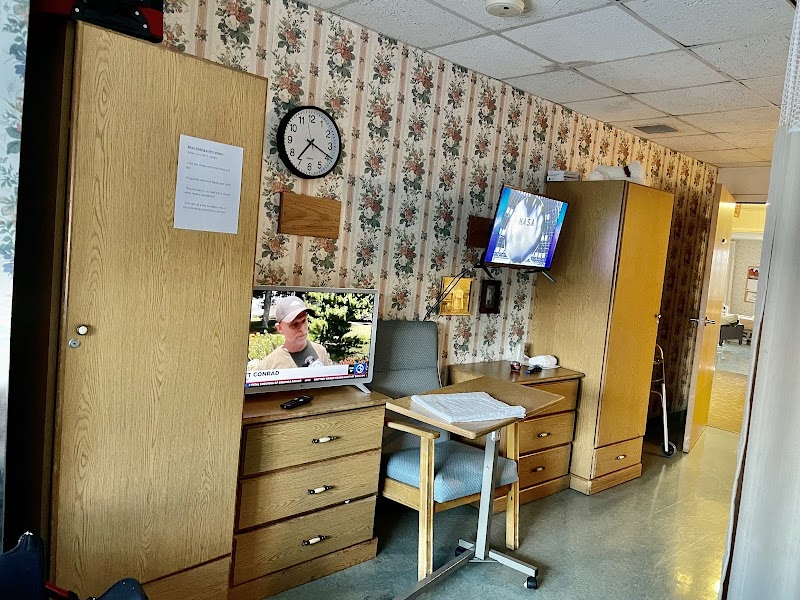
How is Riverside Health & Rehabilitation Staffed?

CMS rates RIVERSIDE HEALTH & REHABILITATION's staffing level at 3 out of 5 stars, which is average compared to other nursing homes. Staff turnover is 19%, compared to the Connecticut average of 46%. This relatively stable workforce can support continuity of care.

What Have Inspectors Found at Riverside Health & Rehabilitation?

State health inspectors documented 33 deficiencies at RIVERSIDE HEALTH & REHABILITATION during 2019 to 2025. These included: 1 Immediate Jeopardy (the most serious level, indicating potential for serious harm or death), 4 that caused actual resident harm, and 28 with potential for harm. Immediate Jeopardy findings are rare and represent the most serious regulatory concerns. They require immediate corrective action.
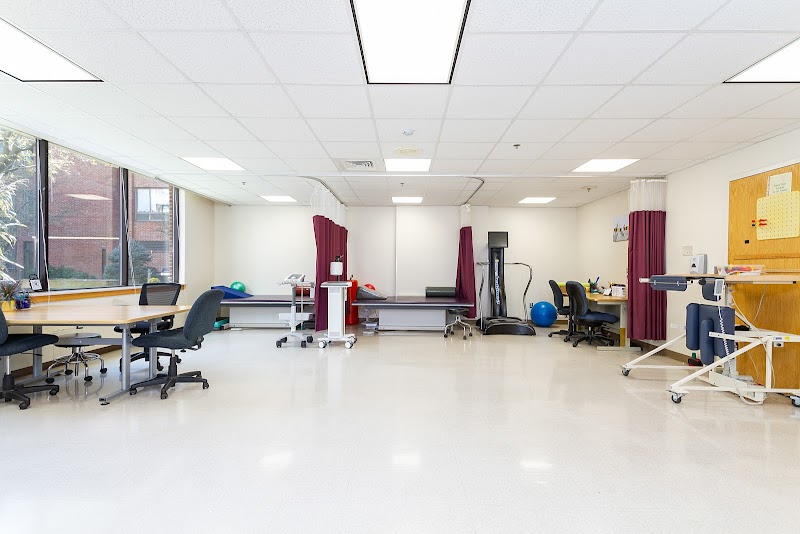
Who Owns and Operates Riverside Health & Rehabilitation?

RIVERSIDE HEALTH & REHABILITATION is owned by a for-profit company. For-profit facilities operate as businesses with obligations to shareholders or private owners. The facility is operated by NATIONAL HEALTH CARE ASSOCIATES, a chain that manages multiple nursing homes. With 345 certified beds and approximately 280 residents (about 81% occupancy), it is a large facility located in EAST HARTFORD, Connecticut.
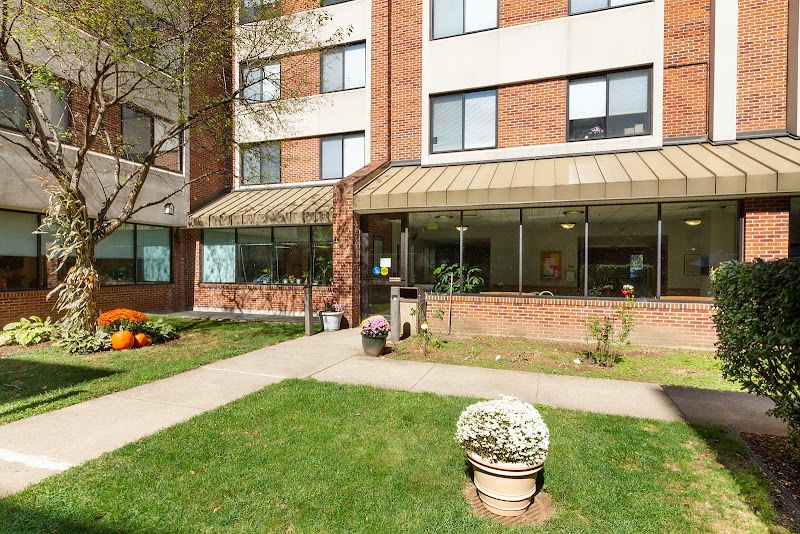
How Does Riverside Health & Rehabilitation Compare to Other Connecticut Nursing Homes?

Compared to the 100 nursing homes in Connecticut, RIVERSIDE HEALTH & REHABILITATION's overall rating (1 stars) is below the state average of 3.0, staff turnover (19%) is significantly lower than the state average of 46%, and health inspection rating (1 stars) is much below the national benchmark.

What Should Families Ask When Visiting Riverside Health & Rehabilitation?

Based on this facility's data, families visiting should ask: "What changes have been made since the serious inspection findings, and how are you preventing similar issues?" "Can I visit during a mealtime to observe dining assistance and food quality?" "How do you handle medical emergencies, and what is your hospital transfer rate?" "Can I speak with family members of current residents about their experience?" These questions are particularly relevant given the facility's Immediate Jeopardy citations.

Is Riverside Health & Rehabilitation Safe?

Based on CMS inspection data, RIVERSIDE HEALTH & REHABILITATION has documented safety concerns. Inspectors have issued 1 Immediate Jeopardy citation (the most serious violation level indicating risk of serious injury or death). The facility has a 1-star overall rating and ranks #100 of 100 nursing homes in Connecticut. Families considering this facility should ask detailed questions about what corrective actions have been taken since these incidents.

Do Nurses at Riverside Health & Rehabilitation Stick Around?

Staff at RIVERSIDE HEALTH & REHABILITATION tend to stick around. With a turnover rate of 19%, the facility is 27 percentage points below the Connecticut average of 46%. Low turnover is a positive sign. It means caregivers have time to learn each resident's needs, medications, and personal preferences. Consistent staff also notice subtle changes in a resident's condition more quickly.

Was Riverside Health & Rehabilitation Ever Fined?

RIVERSIDE HEALTH & REHABILITATION has been fined $93,819 across 4 penalty actions. This is above the Connecticut average of $34,017. Fines in this range indicate compliance issues significant enough for CMS to impose meaningful financial consequences. Common causes include delayed correction of deficiencies, repeat violations, or care failures affecting resident safety. Families should ask facility leadership what changes have been made since these penalties.

Is Riverside Health & Rehabilitation on Any Federal Watch List?

RIVERSIDE HEALTH & REHABILITATION is not on any federal watch list. The most significant is the Special Focus Facility (SFF) program, which identifies the bottom 1% of nursing homes nationally based on persistent, serious quality problems. Not being on this list means the facility has avoided the pattern of deficiencies that triggers enhanced federal oversight. This is a positive indicator, though families should still review the facility's inspection history directly.