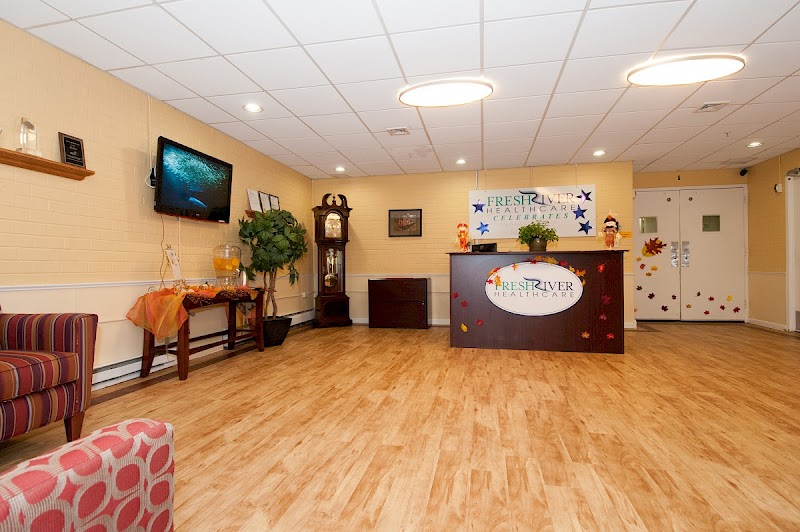
FRESH RIVER HEALTHCARE
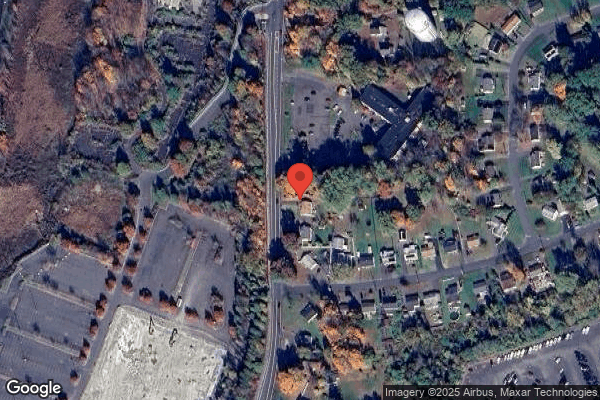
96 PROSPECT HILL RD, EAST WINDSOR, CT 06088 (860) 623-9846
For profit - Limited Liability company 140 Beds ICARE HEALTH NETWORK Data: November 2025
Trust Grade
63/100
#93 of 192 in CT
Last Inspection: August 2023

Over 2 years since last inspection. Current conditions may differ from available data.

Overview

Fresh River Healthcare in East Windsor, Connecticut, has a Trust Grade of C+, indicating it is slightly above average. It ranks #93 out of 192 facilities in Connecticut, placing it in the top half, and #33 of 64 in Capitol County, meaning there are only 32 better options nearby. The facility is showing improvement, reducing its issues from 7 in 2024 to 2 in 2025. Staffing is a strength here with a 4/5 star rating and only 25% turnover, which is better than the state average, suggesting that staff are experienced and familiar with residents. However, they have concerning RN coverage, being below 81% of state facilities, and there were specific incidents where residents were not allowed to leave the secured unit without escort and were not included in their own care planning discussions, which raises questions about resident rights and involvement in their care. Overall, while there are strengths in staffing and improvement trends, families should consider the areas of concern regarding resident rights and RN coverage.

Trust Score
C+
63/100
In Connecticut
#93/192
Top 48%
Safety Record
Low Risk
No red flags
Inspections
Getting Better
7 → 2 violations
Staff Stability
✓ Good
25% annual turnover. Excellent stability, 23 points below Connecticut's 48% average. Staff who stay learn residents' needs.
Penalties
✓ Good
No fines on record. Clean compliance history, better than most Connecticut facilities.
Skilled Nurses
⚠ Watch
Each resident gets only 22 minutes of Registered Nurse (RN) attention daily — below average for Connecticut. Fewer RN minutes means fewer trained eyes watching for problems.
Violations
⚠ Watch
24 deficiencies on record. Higher than average. Multiple issues found across inspections.
★★★☆☆
3.0
Overall Rating
★★★★☆
4.0
Staff Levels
★★★☆☆
3.0
Care Quality
★★★☆☆
3.0
Inspection Score
Stable
2024: 7 issues
2025: 2 issues

The Good

  • 4-Star Staffing Rating · Above-average nurse staffing levels
  • Low Staff Turnover (25%) · Staff stability means consistent care
  • Full Sprinkler Coverage · Fire safety systems throughout facility
  • No fines on record
  • Staff turnover is low (25%)

    23 points below Connecticut average of 48%

Facility shows strength in staffing levels, staff retention, fire safety.

The Bad

3-Star Overall Rating

Near Connecticut average (3.0)

Meets federal standards, typical of most facilities

Chain: ICARE HEALTH NETWORK

Part of a multi-facility chain

Ask about local staffing decisions and management

The Ugly 24 deficiencies on record

Aug 2025 1 deficiency
CONCERN (D) 📢 Someone Reported This

A family member, employee, or ombudsman was alarmed enough to file a formal complaint

Potential for Harm - no one hurt, but risky conditions existed

Deficiency F0628 (Tag F0628)

Could have caused harm · This affected 1 resident

**NOTE- TERMS IN BRACKETS HAVE BEEN EDITED TO PROTECT CONFIDENTIALITY** Based on clinical records, interviews, and review of facility documentation and policy for one (1) of three (3) residents (Resid...

Read full inspector narrative →
**NOTE- TERMS IN BRACKETS HAVE BEEN EDITED TO PROTECT CONFIDENTIALITY** Based on clinical records, interviews, and review of facility documentation and policy for one (1) of three (3) residents (Resident #4) reviewed for discharge, the facility failed to ensure the resident had home nursing services established upon discharge from the facility. The findings included:Resident #4 was admitted to the facility [DATE] with diagnoses of infection following a procedure, disruption or dehiscence of closure of other specified surgical wound, Alzheimer's, and anxiety disorder.Review of the admission Minimum Data Set (MDS) assessment dated [DATE] identified Resident #4 had a Brief Mental Interview for Mental Status (BIMS) score of fifteen (15) and indicated Resident #4 was cognitively intact. The MDS further identified Resident #4 required partial assistance with bathing, dressing, chair/bed and toileting transfers, and when walking ten (10) feet. Review of Resident #4's Care Plan dated [DATE] identified an activity of daily living self-care performance deficit and mobility deficit related to post surgical intervention and impaired/decline in cognitive function or impaired thought processes related to a condition other than delirium: dementia (other than Alzheimer's disease). Interventions directed to encourage the resident to use the call bell for assistance and to monitor medications, especially new/changed/discontinued for side effects and the resident's response contributing to cognitive loss/dementia.Review of Recapitulation of Stay documentation dated [DATE] identified Resident #4 was discharged from the skilled nursing facility on [DATE], was now independent with activities of daily living, and that the resident had home health care to deliver his/her medications and provide wound care.Review of SW#2 note dated [DATE] at 11:51 AM identified Resident #4 was discharged home, that the visiting nurse agency and home care would visit the resident today for his/her re-open, and that Resident #4 was very knowledgeable regarding his/her discharge services, medications, and two upcoming appointments. Interview with Person #1 (clinical team leader at the home health care agency) on [DATE] at 11:40 AM identified Resident #4 received care from the agency prior to his/her admission to the skilled nursing facility (SNF), which entailed behavioral health services twice daily for medication administration and home health aide services five (5) times per week for showering, activities of daily living assistance, and physical therapy. Person #1 identified Resident #4's certification for services expired on [DATE] (following admission to the SNF) without plans for renewal as the resident's medical needs had risen to a level above what the agency could provide. Person #1 further identified the home care agency was informed either on [DATE] or [DATE] by Resident #4 that he/she had been discharged from the SNF and needed services. Person #1 indicated that prior to re-opening his/her case with the home care agency, Resident #4 needed to be evaluated by a physician for wound care as this was now the primary component (medical versus behavioral) of the nursing services needed. Interview with SW #1 on [DATE] at 3:23 PM identified the facility would make referrals to home care agencies, send the paperwork over via fax, and then receive confirmation via phone call if the resident was accepted for the services requested. However, SW #1 was unable to provide a fax confirmation indicating Resident #4's discharge packet was sent to the home care agency regarding his/her medical needs (which included medication management, wound care, physical therapy, and patient care assistance) and/or that he/she was accepted back for services. SW #1 further identified her contact at the home care agency was Person #2.Interview with Person #2 (Intake Manager for Behavioral Services at the home care agency) on [DATE] at 9:20 AM identified he/she did not receive any discharge paperwork (fax) requesting services for Resident #4 and was not aware a request for services was made prior to or upon his/her discharge from the SNF. Person #2 further indicated he/she communicated with the SNF, within a week following Resident #4's admission to the SNF, that the resident would not be accepted back for services as the agency was unable to provide the increased level of care Resident #4 required. However, Person #2 did indicate the case could be reviewed closer to the date of discharge if Resident #4's service needs had changed. Following notification that Resident #4's was discharged from the SNF without medical services/support in place, the agency made an allowance to accept the resident back and took appropriate steps to recertify the resident for services.Review of the Discharge Planning policy directed the facility social work staff to assist, as needed or requested, with referrals to community-based agencies for coordination of as needed post-discharge services.
Mar 2025 1 deficiency
CONCERN (D) 📢 Someone Reported This

A family member, employee, or ombudsman was alarmed enough to file a formal complaint

Potential for Harm - no one hurt, but risky conditions existed

Deficiency F0658 (Tag F0658)

Could have caused harm · This affected 1 resident

**NOTE- TERMS IN BRACKETS HAVE BEEN EDITED TO PROTECT CONFIDENTIALITY** Based on review of the clinical record, facility documentation, facility policy, and interviews for one (1) of three (3) residen...

Read full inspector narrative →
**NOTE- TERMS IN BRACKETS HAVE BEEN EDITED TO PROTECT CONFIDENTIALITY** Based on review of the clinical record, facility documentation, facility policy, and interviews for one (1) of three (3) residents (Resident #1) reviewed for change in condition, the facility failed to ensure a resident was transferred to a higher level of care in a timely manner. The findings include: Resident #1 was admitted to the facility with diagnoses that included displaced fracture of the base of the neck of the left femur and atrial fibrillation. Resident #1's responsible party was Person #1. Resident #1 was a full code. A physician's order dated 12/9/25 directed apixaban (Eliquis) five (5) mg every twelve (12) hours for atrial fibrillation. A Physician's history and physical dated 12/10/24 identified Resident #1 was admitted to the hospital after a fall sustaining a left femoral neck fracture and was started on Eliquis for atrial fibrillation. The admission MDS dated [DATE] identified Resident #1 had a Brief Mental Interview for Mental Status (BIMS) of thirteen (13) indicative of intact cognition, was frequently incontinent of bowel and bladder and required one staff assistance for bed mobility and two staff assistance for transfers. The care plan dated 12/17/24 identified Resident #1 had Activities of Daily Living (ADL) care performance and mobility deficit with interventions that included to assist with ADL's as needed. Review of the resident's pulse rate from admission on [DATE] through 1/16/25 identified pulse rates ranging from 74 to 82 Beats Per Minute (BPM) with a regular rhythm (normal rate). Review of Resident #1's vitals dated 1/7/25 identified at 9:16 PM Resident #1's pulse was 156 BPM irregular, new onset (normal pulse 60 - 100 BPM). A nurse's note written by LPN #1 dated 1/7/25 at 9:24 PM identified Resident #1 was observed being restless, lethargic with increased confusion, attempted to climb out of the bed and had unstable vital signs. The supervisor (RN #2) was made aware of resident's altered mental status. Resident #1's family member insisted Resident #1 be sent out to the emergency department for an evaluation. Resident #1 left the building with the EMT's at exactly 9:15 PM. The hospital transfer form dated 1/7/25, completed by RN #2, identified Resident #1's vital signs were blood pressure of 159/97, heart rate 156 BPM and respiratory rate of 22 breaths/minute. Resident #1 was transferred out of the facility at 9:17 PM. Review of the pre-hospital report (ambulance documentation) dated 1/7/25 identified dispatch received the call at 8:57 PM for a resident with altered mental status. Person #1, in Resident #1's room, identified Resident #1 also had a high pulse rate. Upon assessment, Resident #1 had an irregular pulse rate and rhythm. Interview with LPN #1 on 3/5/25 at 11:56 AM identified on 1/7/25 around 8:00 and 8:15 PM she was in Resident #1's room and asked Resident #1 a question and Resident #1 did not make sense and had word salad (confused or unintelligible mixture of random words). She identified that was not Resident #1's baseline and took Resident #1's vital signs. She identified she told the supervisor of Resident #1's altered mental status and heart rate of 156 BPM. The nursing supervisor assessed Resident #1. She identified Resident #1's family member (Person #1) insisted Resident #1 go to the hospital right away and told him/her there is a protocol that needs to be followed. She identified that she followed up with the supervisor two to three times regarding sending Resident #1 to the hospital. She identified it was not in her power to send Resident #1 to the hospital immediately but is the supervisors' decision. She identified it was a total of about forty-five minutes until 911 was called. Interview with RN #2 on 3/5/25 at 3:00 PM identified on 1/7/25 (unable to identify the time) LPN #1 requested that she assess Resident #1. She identified she immediately went to assess Resident #1 and Resident #1 was restless, did not answer her, and had a high pulse. She identified she re-checked Resident #1's pulse and it was 122 BPM (however, this was not documented in the clinical record). She identified Resident #1 needed to be sent to the hospital so she then started the papers for a hospital transfer. She identified the paperwork usually takes about thirty minutes. She identified when she realized how long the paperwork was taking, about halfway through the paperwork, she stopped to call the physician (Medical Director). She identified the Medical Director answered right away and told her to send Resident #1 to the emergency department. She identified she then called 911 and finished her paperwork. However, she further identified Resident #1 had a history of atrial fibrillation which could result in a stroke and would send a resident to the hospital immediately if tachycardiac (high pulse). Interview with the Medical Director on 3/5/25 at 2:12 PM identified he could not remember if he was notified of Resident #1's change in condition on 1/7/25. He identified if the symptoms that Resident #1 had were reported to him he would have had staff call 911 right away. He further identified for stroke like symptoms, 911 should be called immediately. He further identified he is a phone call away and expects to be notified. He identified staff, using their judgement, can call 911 first and then notify him after. Interview with the DNS on 3/5/25 at 2:38 PM identified when there is a change in a resident she expects the supervisor the assess the resident right away and then notify the physician. She further identified when a resident is transferred to the hospital, the process is for the supervisor to complete the transfer paperwork. However, the paperwork should not delay the resident from going to the hospital. She identified staff should call 911 then do the paperwork. She identified depending on the emergency personal that respond, the EMT's either wait for the paperwork to be completed until they leave, or they have the staff fax it to the hospital. Review of the physician notification change in condition policy directed that if a resident is evaluated by a charge nurse to have a change in condition, the charge nurse will notify the RN supervisor on duty. The RN supervisor will do a follow up assessment to ensure that the assessment is documented and reported to the physician. All assessment findings and any relevant information should be complied prior to calling the physician to ensure accuracy of information. The nurse will document in the nurses notes regarding assessments, findings, changes, physician notified and resident and/or responsibility party notification.
Dec 2024 4 deficiencies
CONCERN (D) 📢 Someone Reported This

A family member, employee, or ombudsman was alarmed enough to file a formal complaint

Potential for Harm - no one hurt, but risky conditions existed

Report Alleged Abuse (Tag F0609)

Could have caused harm · This affected 1 resident

**NOTE- TERMS IN BRACKETS HAVE BEEN EDITED TO PROTECT CONFIDENTIALITY** Based on clinical record review, facility documentation review, facility policy review, and interviews for three (3) of five (5)...

Read full inspector narrative →
**NOTE- TERMS IN BRACKETS HAVE BEEN EDITED TO PROTECT CONFIDENTIALITY** Based on clinical record review, facility documentation review, facility policy review, and interviews for three (3) of five (5) residents (Resident#6, #7 and #8) reviewed for abuse, the facility failed to ensure the State Agency was notified timely of a resident-to-resident physical interaction. The findings include: 1. Resident #7 was admitted with diagnoses that included dementia. A resident care plan (RCP) dated 9/3/2024 identified Resident #7 had a potential to be physically aggressive with staff pushing others away due to poor impulse control and wandered aimlessly, pacing daily with entering other residents' rooms due to confusion. Interventions directed to engage in clam conversation and to distract from wandering by offering pleasant diversions. A quarterly MDS assessment dated [DATE] identified Resident #7 had a BIMS of 2 which indicated severe cognitive impairment and was independent for ambulation. 2. Resident #8 was admitted with diagnoses that included dementia, bipolar disorder, schizoaffective disorder and depression. An annual MDS dated [DATE] identified Resident #8 had a BIMS of 5 which indicated severe cognitive impairment and was independent for ambulation. A resident care plan (RCP) dated 12/9/2024 identified Resident #8 had impaired thought processes and anxiety. Interventions directed to allow resident time to answer questions. a) A facility reportable event form dated 12/12/2024 at 10:45 PM identified Resident #8 reported that Resident #7 had entered his/her room, had messed with Resident #8's stuff and Resident #8 punched Resident #7 one time. The residents were separated and assessments performed. Resident #7 was noted with multiple scratches and two (2) knots on his/her face. An ice pack was applied to Resident #7's face and both residents were placed on every 15-minute checks. Additional review of the reportable event form identified the State Agency was notified of the incident on 12/13/2024 at 8:00 AM, nine (9) hours and 15 minutes after the incident occurred. A facility summary dated 12/16/2024 identified Resident #7 was hit by Resident #8, and Resident #7 confirmed Resident #8 hit him/her. Resident #8 reported he/she hit Resident #7 for coming into his/her room and touching his/her pictures. Facility investigation indicated at approximately 10:40 PM NAs had observed Resident #7 on his/her bed and provided incontinent care. the summary indicated although staff did not witness the incident, Resident #7 was noted to have 2 small scratches on the forehead and two pink areas on his/her cheek, and Resident #8 was moved to another unit. Interview with RN #2/Supervisor on 12/19/2024 at 1:12 PM identified LPN #3 had notified her on 12/12/2024 about 10:45 PM that Resident #8 had come out of his/her room and told staff that he/she had just hit someone who was in his/her room. Resident #7 was walking in the hallway at the time, and Resident #8 identified it was Resident #7 who he/she had just punched. Resident #7 had scratches and a bump on his/her cheek and reported Resident #8 had hit him/her. Both residents were placed on every 15-minute checks and she notified the physician and the responsible parties. RN #2 stated she did not notify the DON of the incident and passed the information in report to the on-coming RN Supervisor at 7 AM. RN #2 further stated she did not realize that when a resident hits another resident that it was considered abuse and did not implement the facility's abuse policy. Interview and review of the 12/12/204 resident to resident investigation documents with the DON on 12/19/2024 at 1:30 PM identified the alleged punch by Resident #8 to Resident #7 should have been considered an allegation of abuse. The DON stated RN #2 should have immediately notified her and the Administrator of the incident, and the State Agency should have been notified. The DON identified she learned of the incident during morning report the day after the incident occurred and she notified the State Agency. 3. Resident #6's diagnoses included major depressive disorder, anxiety disorder, history of suicidal behavior and disruptive mood dysregulation disorder (ongoing irritability, anger and frequent, intense temper outbursts). The quarterly Minimum Data Set (MDS) assessment dated [DATE] identified Resident #6 had a Brief Mental Interview for Mental Status (BIMS) of fifteen (15) indicative of intact cognition and required setup assistance for showering/bathing self and was independent with toileting, dressing, bed mobility, transfers and ambulation. The Resident Care Plan (RCP) dated 7/23/24 identified that Resident #6's concerns will be listened to and explored with interventions that included not challenging Resident #6's beliefs as this may anger him/her. If the resident makes statements about his/her peers or staff that may not be true, attempt to limit his/her exposure to them and listen to what he/she is saying and determine if there's any truth to what was said. If the resident makes statements about staff that may not be true, provide him/her with two (2) care givers. Offer the resident one to one visits by the social worker so that he/she can discuss concerns/issues regarding others. Review of a facility grievance dated 9/26/24 and filled out by Social Worker #1 (Director of Social Services) identified, in part, that Resident #6's concerns included the response of two (2) staff members when he/she asked for the bathroom to be cleaned. The Investigation Details and Summary of Findings sections identified that showers were scrubbed and cleaned, and the shower was to be regrouted after the third-floor shower was repaired but failed to mention details on the concern about responses from the staff. The Actions Taken section identified that the resident was provided with wipes in the bathroom, the staff was instructed to randomly check on the bathrooms and the showers were scheduled to be cleaned with soft scrub. The form identified that a resolution to the grievance was reached on 9/27/24, but that Resident #6's acceptance fluctuates between accepting the resolution/outcome and not accepting the resolution/outcome. The form was signed by the Administrator on 9/27/24. Review of the interview statement collected by the facility from Resident #6 on 9/26/24 identified that LPN #1 verbally reprimanded him/her when Resident #6 reported to her that there was stool on the toilet from another resident. The resident also reported that RN #1 stated to him/her that, She doesn't have to worry about feces on her toilet at home because she owns her home and doesn't live in a nursing home. Resident #1 reported to Social Worker #1 that he/she had reported these concerns to the Administrator in the past and had not been updated on the resolution. Interview with Resident #6 on 12/18/24 at 10:18 AM identified that he/she had been having issues with LPN #1, stating she is very moody and if you question her about anything, she becomes snappy and asks why Resident #6 is questioning her. She identified that LPN #1 talks to him/her in a condescending manner and has yelled at him/her in front of other residents when he/she asks LPN #1 questions, stating she has also told Resident #6 not to bother her when he/she is eating dinner at the nursing station. Resident#6 reported that although he/she did not have specific dates he/she did file a grievance with Social Worker #1 on 9/26/24 and that a typed-out statement was attached, providing more detail. The resident reported that LPN #1 has been verbally abusive to him/her more than once and the facility has not responded to the written grievance, and he/she wants it addressed. Interview with Social Worker #1 on 12/18/24 at 10:48 AM identified that Resident #6 had come to her with concerns regarding LPN #1 and another nurse (RN #1) about the way they talked to and reprimanded him/her, along with other bathroom and housekeeping concerns. She identified that she filled out a grievance form and attached the interview she completed with Resident #6, notified and presented both documents immediately to the Administrator and the DNS. Social Worker #1 reported that normally the Administrator responds to the grievance and communicates the outcome to the resident/representative after the investigation is completed. She identified that although it was an allegation of mistreatment, she was unsure what transpired after she initially spoke with the Administrator and DNS, stating she was not asked to follow-up with the resident. Interview with the Administrator on 12/18/24 at 12:55 PM identified that she could not recall specifics of the 9/26/24 grievance regarding Resident #6 but identified that although it's required for all allegations of abuse that the State Agency be notified within two (2) hours, the resident could not provide dates or specifics, so the accusations towards the staff had been determined unsubstantiated and not reported. Interview with the DNS on 12/18/24 at 3:35 PM identified that she had received Resident #6's statement attached to the 9/26/24 grievance. She identified that although there was no investigation dated 9/26/24 for Resident #6, the allegations towards LPN #1 and RN #1 should have been reported then investigated, stating that she should have initiated audits with other residents but was unsure why it hadn't been done. Although attempted, interviews with LPN #1 or RN #1 were not obtained. Review of the Abuse CT policy dated 3/20/24 directed, in part, that allegations of abuse will be reported promptly and thoroughly investigated. Allegations of abuse or neglect are to be reported to the Department of Public Health immediately but not later than two (2) hours after the allegation is made if the allegations involve abuse. An investigation of the witnessed or alleged abusive action or neglect will be initiated within 24 hours of its discovery. It is the responsibility of the facility Administrator or designee to initiate the investigation.
CONCERN (D) 📢 Someone Reported This

A family member, employee, or ombudsman was alarmed enough to file a formal complaint

Potential for Harm - no one hurt, but risky conditions existed

Investigate Abuse (Tag F0610)

Could have caused harm · This affected 1 resident

**NOTE- TERMS IN BRACKETS HAVE BEEN EDITED TO PROTECT CONFIDENTIALITY** Based on review of the clinical record, facility documentation, facility policy and interviews for one (1) of three (3) resident...

Read full inspector narrative →
**NOTE- TERMS IN BRACKETS HAVE BEEN EDITED TO PROTECT CONFIDENTIALITY** Based on review of the clinical record, facility documentation, facility policy and interviews for one (1) of three (3) residents (Resident #6) reviewed for allegations of mistreatment, the facility failed to investigate an allegation of verbal abuse. The findings include: Resident #6's diagnoses included major depressive disorder, anxiety disorder, history of suicidal behavior and disruptive mood dysregulation disorder (ongoing irritability, anger and frequent, intense temper outbursts). The quarterly Minimum Data Set (MDS) assessment dated [DATE] identified Resident #6 had a Brief Mental Interview for Mental Status (BIMS) of fifteen (15) indicative of intact cognition and required setup assistance for showering/bathing self and was independent with toileting, dressing, bed mobility, transfers and ambulation. The Resident Care Plan (RCP) dated 7/23/24 identified that Resident #6's concerns will be listened to and explored. Interventions included not challenging Resident #6's beliefs as this may anger him/her. If the resident makes statements about his/her peers or staff that may not be true, attempt to limit his/her exposure to them and listen to what he/she is saying and determine if there's any truth to what was said. If the resident makes statements about staff that may not be true, provide him/her with two (2) care givers. Offer the resident one to one visits by the social worker so that he/she can discuss concerns/issues regarding others. Review of a facility grievance dated 9/26/24 and filled out by Social Worker #1 (Director of Social Services) identified, in part, that Resident #6's concerns included the response of two (2) staff members when he/she asked for the bathroom to be cleaned. The Investigation Details and Summary of Findings sections identified that showers were scrubbed and cleaned, and the shower was to be regrouted after the third-floor shower was repaired but failed to mention details on the responses from the staff. The Actions Taken section identified that the resident was provided with wipes in the bathroom, the staff was instructed to randomly check on the bathrooms and the showers were scheduled to be cleaned with soft scrub. The form identified that a resolution to the grievance was reached on 9/27/24, but that Resident #6's acceptance fluctuates between accepting the resolution/outcome and not accepting the resolution/outcome. The form was signed by the Administrator on 9/27/24. Review of the interview statement collected by the facility from Resident #6 on 9/26/24 identified that LPN #1 verbally reprimanded him/her when Resident #6 reported to her that there was stool on the toilet from another resident. The resident also reported that RN #1 stated to him/her that, She doesn't have to worry about feces on her toilet at home because she owns her home and doesn't live in a nursing home. Resident #1 reported to Social Worker #1 that he/she had reported these concerns to the Administrator in the past and had not been updated on the resolution. Interview with Resident #6 on 12/18/24 at 10:18 AM identified that he/she had been having issues with LPN #1, stating she is very moody and if you question her about anything, she becomes snappy and asks why Resident #6 is questioning her. She identified that LPN #1 talks to him/her in a condescending manner and has yelled at him/her in front of other residents when he/she asks LPN #1 questions, stating she has also told Resident #6 not to bother her when he/she is eating dinner at the nursing station. Resident #6 reported that although he/she did not have specific dates he/she did file a grievance with Social Worker #1 on 9/26/24 and that a typed-out statement was attached, providing more detail. The resident reported that LPN #1 has been verbally abusive to him/her more than once and the facility has not responded to the written grievance, and he/she wants it addressed. Interview with Social Worker #1 on 12/18/24 at 10:48 AM identified that Resident #6 had come to her with concerns regarding LPN #1 and another nurse (RN #1) about the way they talked to and reprimanded him/her, along with other bathroom and housekeeping concerns. She identified that she filled out a grievance form and attached the interview she completed with Resident #6 and submitted them to both the Administrator and the DNS. Social Worker #1 reported that normally the Administrator responds to the grievance and communicates the outcome to the resident/representative after the investigation is completed. She identified that she was unsure what transpired after she turned in the grievance form, stating she was not asked to follow-up with the resident. Interview with the Administrator on 12/18/24 at 12:55 PM identified that she could not recall specifics of the 9/26/24 grievance regarding Resident #6 but identified that the resident could not provide dates or specifics, so the accusations towards the staff had been determined unsubstantiated. She identified that although an investigation should have been initiated and statements should have been obtained if staff was mentioned by name, she was unsure if that had happened, but that it should have been documented on the grievance form and the resident should have been notified of the outcome. She reported that the resident interview should have been attached to the grievance and she was unsure why it wasn't available in the grievance book. Interview with the DNS on 12/18/24 at 3:35 PM identified that she had received Resident #6's statement attached to the 9/26/24 grievance. She identified that although there was no investigation dated 9/26/24 for Resident #6, the allegations towards LPN #1 and RN #1 should have been investigated, stating that she should have completed audits with other residents but was unsure why it hadn't been done. Although attempted, interviews with LPN #1 or RN #1 were not obtained. Review of the Abuse CT policy dated 3/20/24 directed, in part, that allegations of abuse, neglect and mistreatment will be thoroughly investigated. An investigation of the witnessed or alleged abusive action, neglect or mistreatment will be initiated within 24 hours of its discovery. It is the responsibility of the facility Administrator or designee to initiate the investigation. Review of the Resident Grievances policy dated 12/2016 directed, in part, that facility residents have the right to have prompt efforts made by the facility to attempt to resolve grievances.
CONCERN (D) 📢 Someone Reported This

A family member, employee, or ombudsman was alarmed enough to file a formal complaint

Potential for Harm - no one hurt, but risky conditions existed

Deficiency F0657 (Tag F0657)

Could have caused harm · This affected 1 resident

**NOTE- TERMS IN BRACKETS HAVE BEEN EDITED TO PROTECT CONFIDENTIALITY** Based on review of the clinical record, facility documentation, facility policy and interviews for one (1) of three (3) resident...

Read full inspector narrative →
**NOTE- TERMS IN BRACKETS HAVE BEEN EDITED TO PROTECT CONFIDENTIALITY** Based on review of the clinical record, facility documentation, facility policy and interviews for one (1) of three (3) residents (Resident #2) reviewed for skin injuries, failed to ensure that interventions for skin protection were followed in accordance with the plan of care. The findings include: Resident #2 's diagnoses included Huntington's disease (an inherited condition where nerve cells in the brain break down over time resulting in progressive movement, cognitive and psychiatric symptoms) and chorea (neurological disorder that causes involuntary, irregular and unpredictable muscle movements). The quarterly Minimum Data Set (MDS) assessment dated [DATE] identified Resident #2 had a Staff Assessment for Mental Status completed indicating moderate cognition impairment of both long- and short-term memory problems and required total staff assistance with hygiene, dressing and transfers and maximal assistance with bed mobility. Additionally, it identified that Resident #2 had no skin injuries but was at risk for developing pressure ulcers/injuries. The Resident Care Plan (RCP) dated 11/19/24 identified that Resident #2's skin is fragile, and he/she may get bruises and/or skin tears easily with interventions included to apply moisturizing lotion as indicated, encourage wearing long sleeves, inspecting skin during care and ensuring padded siderails with pillows. Review of the nurse's notes from 11/1-12/18/24 identified various entries for old bruises, bruises noted to legs, and bruises noted to both feet. Observations of Resident #2 with the DNS on 12/18/24 at 9:51 AM, identified the resident sitting in a specialized chair in the hallway wearing a short-sleeved shirt with scattered scabs and scratches to both lower extremities, left greater than right, baseball sized bruising to the right inner ankle and redness noted to the skin around the right eye. There was a pillow on the floor to the left of the resident, a positioning wedge was in place between the upper thighs and a pelvic belt was in place around the resident's waist. Observation on 12/18/24 at 2:44 PM identified Resident #2's bed in the lowest position, a floor mat on the right side of the bed next to the window and a pillow under the sheet on the right side of the bed. There was no padding to either siderail noted. Interview and observation with NA #7 on 12/18/24 at 2:47 PM identified that Resident #2 did not have siderail padding and hadn't for as long as she could remember, stating the resident did need the padding but that they propped pillows up on both sides of the resident's hips instead since the siderail padding was unavailable. Interview with LPN #2 on 12/18/24 at 2:50 PM identified that she was aware that Resident #2 required side-rail padding but reported that she was unsure why it wasn't available. Interview with the DNS on 12/18/24 at 2:15 PM identified that the resident was care planned for padded side rails and she was unsure why the padded side rails were utilized and she was unsure why the padded side rails were not available. Review of the Care Plan policy dated 11/16/23 directed, in part, that the interdisciplinary team (IDT) develops, in collaboration with the resident, a comprehensive care plan based on the Resident Assessment Instrument, which is compromised of the Minimum Data Set (MDS), Care Area Assessments (CAA's), other applicable clinical information, resident's goals for admission, resident's preferences and resident's preference and potential for discharge. Within seven (7) days of completing the MDS and CAA's, the IDT develops, reviews, and revises the plan of care to insure it is person centered and individualized to meet the needs of the resident. The care plan contains resident's goals, resident's strengths, resident's preferences, identified problems, measurable realistic goals, and the interventions to be utilized to reach the goals.
CONCERN (D) 📢 Someone Reported This

A family member, employee, or ombudsman was alarmed enough to file a formal complaint

Potential for Harm - no one hurt, but risky conditions existed

Quality of Care (Tag F0684)

Could have caused harm · This affected 1 resident

**NOTE- TERMS IN BRACKETS HAVE BEEN EDITED TO PROTECT CONFIDENTIALITY** Based on review of the clinical record, facility documentation, facility policy and interviews for one (1) of three (3) resident...

Read full inspector narrative →
**NOTE- TERMS IN BRACKETS HAVE BEEN EDITED TO PROTECT CONFIDENTIALITY** Based on review of the clinical record, facility documentation, facility policy and interviews for one (1) of three (3) residents (Resident #2) reviewed for skin alterations, the facility failed to document alterations in skin integrity in the clinical record upon identification and failed to monitor and measure the alterations in skin integrity upon identification and weekly until resolved. The findings include: Resident #2 's diagnoses included Huntington's disease (an inherited condition where nerve cells in the brain break down over time resulting in progressive movement, cognitive and psychiatric symptoms) and chorea (neurological disorder that causes involuntary, irregular and unpredictable muscle movements). The quarterly Minimum Data Set (MDS) assessment dated [DATE] identified Resident #2 had a Staff Assessment for Mental Status completed indicating moderate cognition impairment of both long- and short-term memory problems and required total staff assistance with hygiene, dressing and transfers and maximal assistance with bed mobility. Additionally, it identified that Resident #2 had no wounds. The Resident Care Plan (RCP) dated 11/19/24 identified that Resident #2's skin is fragile, and he/she may get bruises and/or skin tears easily with interventions included to apply moisturizing lotion as indicated, encourage wearing long sleeves, inspecting skin during care and ensuring padded siderails with pillows. Review of the nurses notes and skin checks from 11/1/24 through 11/22/24 identified old bruises, bruises noted to legs, bruises noted to both feet. Observations of Resident #2 on 12/18/24 at 9:51 AM, identified the resident sitting in a recliner like chair in the hallway wearing a short-sleeved shirt with scattered scabs and scratches to both lower extremities, left greater than right, baseball sized bruising to the right inner ankle and redness noted to the skin around the right eye. There was a pillow on the floor to the left of the resident, a positioning wedge was in place between the upper thighs and a pelvic belt was in place around the resident's waist. Interview with the DNS on 12/18/24 at 2:15 PM identified that although skin abnormalities were noted in Resident #2's clinical record and identified as not new on 11/8/24, 11/15/24, 11/19/24 and 11/22/24, no A & I's were initiated, and the areas were not monitored and measured. She was also unable to identify when the resident sustained the scattered scabs and scratches to both lower extremities, left greater than right, and the baseball sized bruised area to the right inner ankle that was observed on 12/18/24 by the surveyor, as they don't correlate with the documentation in the clinical record, and she was unsure why. The DNS reported that for all new alterations in skin integrity, she expects nursing to document the location, appearance and size (measurement) in the clinical record. Although requested, a facility policy for altered skin integrity was not provided.
Aug 2024 3 deficiencies
CONCERN (D) 📢 Someone Reported This

A family member, employee, or ombudsman was alarmed enough to file a formal complaint

Potential for Harm - no one hurt, but risky conditions existed

Resident Rights (Tag F0550)

Could have caused harm · This affected 1 resident

**NOTE- TERMS IN BRACKETS HAVE BEEN EDITED TO PROTECT CONFIDENTIALITY** Based on review of clinical records facility documentation, facility policy, and interviews for one (1) of three (3) residents, ...

Read full inspector narrative →
**NOTE- TERMS IN BRACKETS HAVE BEEN EDITED TO PROTECT CONFIDENTIALITY** Based on review of clinical records facility documentation, facility policy, and interviews for one (1) of three (3) residents, (Residents #1), reviewed for abuse, the facility failed to ensure that the resident was treated with dignity and respect. Resident #1 had diagnoses of schizoaffective disorder, dementia, traumatic brain injury, spastic hemiplegia affecting the right dominant side, and contractures of the right ankle and knee. Review of the Quarterly Minimum Data Set assessment dated [DATE] identified Resident #1 as severely cognitively impaired and was dependent with Activities of Daily Living. Review of the Resident Care Plan dated 6/21/24 identified Resident #1 has a diagnosis of schizoaffective disorder and a traumatic brain injury causing behaviors such as placing self on the floor with interventions that included to provide increased observation as needed and re-direction as needed. Review of Resident #1's care card identified Resident #1 was an extensive two person assist with the use of a of sling lift (mechanical/Hoyer lift). Review of the Patient Care Report from the Ambulance Service of [NAME] (Run Sheet #58024 dated 7/18/24 at 10:58 AM) identified emergency medical services were dispatched to the facility to transport Resident #1 to a doctor's appointment. Upon arrival to Resident #1's floor, the nurse went to Resident #1's room and the EMT's followed and observed the nurse and a NA lifting Resident #1 from the floor to the bed by grasping Resident #1's wrists and ankles. The EMT's further indicated the nurse had also slapped Resident #1 on the hip with his/her unused glove and told the resident to stop screaming. The patient care report further indicated that after EMT's returned with the nurse to the nurse's station and another staff member had reported to the nurse that Resident #1 was again on the floor. The nurse had refused to assist the resident up from the floor, stating he/she had already done so three times that morning. The EMT's then assisted Resident #1, who was alert and visibly agitated, from the floor onto the stretcher and transported Resident #1 to his/her doctor's appointment. Interview with EMT #1 on 8/13/24 at 11:58 AM identified that her and EMT #2 were bringing Resident #1 to a doctors appointment on 7/18/24 and upon arrival to the facility it was reported that Resident #1 was on the floor of his/her room. EMT #1 indentified that she was by told by staff that Resident #1 was frequently on the floor due to behaviors. Upon entrance to Resident #1's room with the nurse, EMT #1 saw Resident #1 lying supine on the floor mat next to his/her bed, the nurse had a pair of unused gloves in his/her hand and slapped the patient on the right hip the gloves, stating you're always on the floor. The staff proceeded to pick up Resident #1 by the wrists and ankles, and placed Resident #1 back into bed. EMT #1 indicated he/she returned to the nurse's station to retrieve the transport paperwork when a NA came to the desk and stated that Resident #1 was on the floor again. EMT #1 indentified that a nurse's aide who previously helped transfer the resident from the floor to his/her bed stated, Resident #1 could remain on the floor, as I am not going to blow out my back picking h/her up again. EMT #1 indicated EMT #2 had gone to check on Resident #1 following the second incident to ensure Resident #1 was not injured and observed the resident on his/her floor mat. The EMT's transferred Resident #1 onto the stretcher from the floor and transported him/her to his/her doctor appointment. EMT #1 was unable to provide the names of the nurse and nurse's aide that were involved in the incident. Interview with EMT #2 on 8/13/24 at 2:41 PM identified that upon arrival at the facility it was reported that the resident was on the floor, The staff went to Resident #1's room and observed Resident #1 on the floor, the nurse took a pair of unused gloves and slapped Resident #1's right hip with the unused gloves 3-4 times and stated you are always on the floor. The nurse and NA then took the resident by the wrists and ankles and placed the resident back into bed. When she went to get the transport paperwork from the nurse, A NA stated that the resident was on the floor again and the nurse stated that She would not be picking the resident up again. At that time she went to assess Resident #1 to ensure that the resident was not injured and placed the resident on the stretcher and transported the resident to the appointment. Review of staffing for 7/18/24 on the 7:00 AM to 3:00 PM shift identified that NA #1, NA#2 and LPN #2 were assigned to Resident #1's unit. Interview with NA #1 on 8/13/24 at 2:31 PM failed to identified that h/she had no involvement in the initial transfer of Resident #1 from the floor to his/her bed that morning. NA #1 indicated he/she wasn't in the area when Resident #1 fell to the floor a second time and was assisting another patient with care. NA #1 further indicated when Resident #1 required a transfer from the floor to his/her bed, the staff would use a Hoyer lift to place him/her back into bed. Interview with NA #2 on 8/13/24 at 2:33 PM identified he/she was at the desk the entire time the EMT's were in the unit and that no-one reported Resident #1 was on the floor at any time that morning. NA #2 further indicated when Resident #1 required a transfer from the floor to his/her bed, the staff would use a Hoyer lift to place him/her back into bed with an assist of two. Interview with LPN #2 on 8/13/24 at 2:51 PM identified that she was assigned to Resident #1's unit and another unit on 7/18/24 and was administering medication outside on the other unit when the resident was picked up by the EMT's to be transported to the doctors appointment, she was not aware that the resident was on the floor prior to going to the doctor's appointment. Interview with RN #1 on 8/13/24 at 3:01 PM identified he/she was called to the nursing unit on 7/18/24 to assist with Resident #1's transport paperwork and while on Resident #1's wing never received report from anyone that Resident #1 was on the floor or that any staff member went to the resident's room to assist the resident or had requested staff assistance. Interview with the DNS on 8/13/24 at 12:55 PM identified that she was unaware of the alleged incident that occurred on 7/18/24, and she would be starting an investigation. Resident #1 had behaviors in which the resident was found frequently on the floor. The resident was a mechanical lift for transfers and staff should not be transferring the resident without the use of the mechanical lift, and further transferring Resident #1 back to bed holding the resident by his/her wrists and/or ankles, as this is not an appropriate transfer technique. The DNS further indicated at 3:27 PM on 8/13/24 that slapping a resident on the hip with gloves was inappropriate and unacceptable. Review of the Resident Rights policy identified that all residents have the right to be treated with dignity and respect.
CONCERN (D) 📢 Someone Reported This

A family member, employee, or ombudsman was alarmed enough to file a formal complaint

Potential for Harm - no one hurt, but risky conditions existed

Quality of Care (Tag F0684)

Could have caused harm · This affected 1 resident

**NOTE- TERMS IN BRACKETS HAVE BEEN EDITED TO PROTECT CONFIDENTIALITY** Based on review of clinical records facility documentation, facility policy, and interviews for one (1) of three (3) residents, ...

Read full inspector narrative →
**NOTE- TERMS IN BRACKETS HAVE BEEN EDITED TO PROTECT CONFIDENTIALITY** Based on review of clinical records facility documentation, facility policy, and interviews for one (1) of three (3) residents, (Residents #1), reviewed for abuse, the facility failed to ensure that the resident transferred in an appropriate manner and in accordance with the plan of care. The findings include: Resident #1 had diagnoses of schizoaffective disorder, dementia, traumatic brain injury, spastic hemiplegia affecting the right dominant side, and contractures of the right ankle and knee. Review of the Quarterly Minimum Data Set assessment dated [DATE] identified Resident #1 as severely cognitively impaired and was dependent with Activities of Daily Living. Review of the Resident Care Plan dated 6/21/24 identified Resident #1 has a diagnosis of schizoaffective disorder and a traumatic brain injury causing behaviors such as placing self on the floor with interventions that included to provide increased observation as needed and re-direction as needed. Review of Resident #1's care card identified Resident #1 was an extensive two person assist with the use of a of sling lift (mechanical/Hoyer lift). Review of the Patient Care Report from an ambulance company (Run Sheet #58024 dated 7/18/24 at 10:58 AM) identified emergency medical services were dispatched to the facility to transport Resident #1 to a doctor's appointment. Upon arrival to Resident #1's floor, the nurse went to Resident #1's room and the EMT's followed and observed the nurse and a nurse's aide lifting Resident #1 from the floor to the bed by grasping Resident #1's wrists and ankles. The patient care report further indicated that after EMT's returned with the nurse to the nurse's station and another staff member had reported to the nurse that Resident #1 was again on the floor. The EMT's then assisted Resident #1, who was alert and visibly agitated, from the floor onto the stretcher and transported Resident #1 to his/her doctor's appointment. Interview with EMT #1 on 8/13/24 at 11:58 AM identified that her and EMT #2 were bringing Resident #1 to a doctors appointment on 7/18/24 and upon arrival to the facility it was reported that Resident #1 was on the floor of his/her room. EMT #1 identified that she was by told by staff that Resident #1 was frequently on the floor due to behaviors. Upon entrance to Resident #1's room with the nurse, EMT #1 saw Resident #1 lying supine on the floor mat next to his/her bed, the nurse had a pair of unused gloves in his/her hand and slapped the patient on the right hip the gloves, stating you're always on the floor. The staff proceeded to pick up Resident #1 by the wrists and ankles, and placed Resident #1 back into bed. EMT #1 was unable to provide the names of the nurse and nurse's aide that were involved in the incident. Interview with EMT #2 on 8/13/24 at 2:41 PM identified that upon arrival at the facility it was reported that the resident was on the floor, The staff went to Resident #1's room and observed Resident #1 on the floor, the nurse took a pair of unused gloves and slapped Resident #1's right hip with the unused gloves 3-4 times and stated you are always on the floor. The nurse and NA then took the resident by the wrists and ankles and placed the resident back into bed. Review of staffing for 7/18/24 on the 7:00 AM to 3:00 PM shift identified that NA #1, NA#2 and LPN #2 were assigned to Resident #1's unit. Interview with NA #1 on 8/13/24 at 2:31 PM failed to identified that h/she had no involvement in the initial transfer of Resident #1 from the floor to his/her bed that morning. NA #1 further indicated when Resident #1 required a transfer from the floor to his/her bed, the staff would use a Hoyer lift to place him/her back into bed. Interview with NA #2 on 8/13/24 at 2:33 PM identified he/she was at the desk the entire time the EMT's were in the unit and that no-one reported Resident #1 was on the floor at any time that morning. NA #2 further indicated when Resident #1 required a transfer from the floor to his/her bed, the staff would use a Hoyer lift to place him/her back into bed with an assist of two. Interview with LPN #2 on 8/13/24 at 2:51 PM identified that she was assigned to Resident #1's unit and another unit on 7/18/24 and was administering medication outside on the other unit when the resident was picked up by the EMT's to be transported to the doctors appointment, she was not aware that the resident was on the floor prior to going to the doctor's appointment. Interview with RN #1 on 8/13/24 at 3:01 PM identified he/she was called to the nursing unit on 7/18/24 to assist with Resident #1's transport paperwork and while on Resident #1's wing never received report from anyone that Resident #1 was on the floor or that any staff member went to the resident's room to assist the resident or had requested staff assistance. Interview with the DNS on 8/13/24 at 12:55 PM identified that she was unaware of the alleged incident that occurred on 7/18/24, and she would be starting an investigation. Resident #1 had behaviors in which the resident was found on the floor frequently. The resident was a mechanical lift for transfers and staff should not be transferring the resident without the use of the mechanical lift, and further transferring Resident #1 back to bed holding the resident by his/her wrists and/or ankles, as this is not an appropriate transfer technique.
MINOR (B) 📢 Someone Reported This

A family member, employee, or ombudsman was alarmed enough to file a formal complaint

Minor Issue - procedural, no safety impact

Medical Records (Tag F0842)

Minor procedural issue · This affected multiple residents

**NOTE- TERMS IN BRACKETS HAVE BEEN EDITED TO PROTECT CONFIDENTIALITY** Based on clinical record reviews, facility documentation review, facility policy review, and interviews for one (1) of three (3)...

Read full inspector narrative →
**NOTE- TERMS IN BRACKETS HAVE BEEN EDITED TO PROTECT CONFIDENTIALITY** Based on clinical record reviews, facility documentation review, facility policy review, and interviews for one (1) of three (3) residents, (Residents #1), reviewed for advance directives, the facility failed to ensure that the code status accurate throughout the clinical record. The findings included: Resident #1 had diagnoses of traumatic brain dysfunction, dementia, and spastic hemiplegia affecting the right dominant side. Review of the Quarterly Minimum Data Set assessment dated [DATE] identified Resident #1 as severely cognitively impaired and was dependent Activities of Daily Living. A physician's order dated 10/27/23 directed to discontinue full code status (provide cardio-pulmonary resuscitation) and a new physician's order was written for a DNR/I (do not resuscitate/do not intubate) and RNP (registered nurse to pronounce) code status. Review of Resident #1's face sheet (which included Resident #1's demographic information) with a date and time stamp of 2/2/23 at 10:22 AM and located in Resident #1's paper chart identified full code status. Review of an incident report dated 7/23/24 at 9:22 AM identified Resident #1 was transported to his/her doctor's appointment on 7/18/24 and paperwork given to the emergency medical team (EMT's) transporting the resident did not clearly indicate the resident's code status. Interview with EMT #1 on 8/13/24 at 2:41 PM indicated the face sheet provided for transport of Resident #1 on 7/18/24 listed the resident as a full code, however the medication administration report (MAR) and the physician's orders directed that the resident was a DNR/I and RNP, EMT #1 identified that they could not transport the resident without knowing for sure what the residents code status was. Interview with LPN #1 on 8/13/24 at 3:30 PM identified the code status of the face sheet located in Resident #1's paper chart (with date and time stamp of 2/2/23 at 10:22 AM and what the facility would have provided for transport) identified full code status. However, LPN #1 identified that Resident #1's code status in both electronic medical record and on the MAR directed DNR/I and RNP. Interview the DNS on 8/13/24 at 2:41 PM identified that if there is code status change it should be updated throughout the clinical record. Review of the Advanced Directive policy identified it was the practice of the facility to provide information and discuss all health care decisions with the resident and/or certain authorized decision-makers, that the facility would listen and make note of the resident's preferences. concerning medical care, including withdrawal of life support systems, and would consult a
Aug 2023 7 deficiencies
CONCERN (D) 📢 Someone Reported This

A family member, employee, or ombudsman was alarmed enough to file a formal complaint

Potential for Harm - no one hurt, but risky conditions existed

Free from Abuse/Neglect (Tag F0600)

Could have caused harm · This affected 1 resident

**NOTE- TERMS IN BRACKETS HAVE BEEN EDITED TO PROTECT CONFIDENTIALITY** Based on clinical record reviews, facility documentation, facility policy, and interviews for one of three sampled residents (Re...

Read full inspector narrative →
**NOTE- TERMS IN BRACKETS HAVE BEEN EDITED TO PROTECT CONFIDENTIALITY** Based on clinical record reviews, facility documentation, facility policy, and interviews for one of three sampled residents (Resident #2) who were reviewed for an allegation of resident-to-resident abuse, the facility failed to prevent an inappropriate sexual encounter between Resident #2 and Resident #3. The findings include: Resident #2's diagnoses included other frontotemporal dementia, schizophrenia, unspecified intellectual disabilities, anxiety, and Pick's Disease. The quarterly Minimum Data Set (MDS) assessment dated [DATE] identified that Resident #2 had poor decision making skills regarding tasks of daily life and required one (1) person supervision with getting in and out of the bed and chair and walking in the room and corridor. The Resident Care Plan (RCP) dated 1/9/23 identified Resident #2 with frontal temporal dementia which may cause memory problems, affect thinking, problem solving and language skills. Interventions directed to ask simple questions using key words, invite or assist to activities the resident may like, do not attempt to correct statements resident believes to be true, try to change the subject of the conversation or just provide with a simple response, ask yes or no questions, give more time to respond to conversations, and address by name and wait for a response. Resident #3's diagnosis included Chronic Obstructive Pulmonary Disease, mild cognitive impairment, alcohol abuse uncomplicated, and depression. The annual MDS dated [DATE] identified Resident #3 had poor decision-making skills regarding tasks of daily life and was independent with getting in and out of the bed and chair and ambulation. The RCP dated 1/5/23 identified Resident #3 was at risk of engaging in non-consensual sexual advances toward others. Interventions directed to provide mental health services as needed, medications as ordered, facility abuse policy protocols to be implemented as needed, close observations levels applied as indicated, per policy, check every fifteen (15) minutes. The Accident and Investigation (A&I) dated 1/19/23 at 10:50 AM identified Resident #3 was noted with his/her hands on Resident #2's genitals in Resident #3's room. The A&I identified both residents were separated immediately, Resident #2 was moved to a different unit and placed on every fifteen (15) minute checks for seventy-two (72) hours and Resident #3 was placed on constant observation with a psych consult was pending. The nurse's note dated 1/19/23 at 1:49 PM identified at approximately 10:50 AM Resident #2 was noted in Resident #3's room. The note indicated a staff member witnessed Resident #3 with his/her hands on Resident #2's genitals. The note identified Resident #2 was smiling during this interaction with no signs of distress. The note identified Resident #2 was redirected out of Resident #3's room and a room change was done to move Resident #2 to the memory care secured unit. The note identified the physician and Conservator of Person (COP) were notified and also identified Resident #2 did have recall of the event and did not verbalize any distress but smiled when asked and was at baseline emotional status. The nurse's note dated 1/19/23 at 2:24 PM identified Resident #3 was observed in his/her room with Resident #2, with Resident #3's hands on Resident #2's genitals. The note identified both residents were immediately separated, the supervisor was notified as well as the APRN and power of attorney (POA) and Resident #3 was placed on one to one (1:1) observation. The psych provider note dated 1/19/23 identified Resident #2 was seen for an evaluation status post participating in a sexually inappropriate behavior with Resident #3. The note identified Resident #2 has diagnosis of dementia and was not able to comprehend questions or what happened with no noted injury or reports of pain or discomfort. The note identified Resident #2 was placed on every fifteen (15) minute checks. The psych provider note dated 1/19/23 identified Resident #3 was seen for an evaluation after being observed by a staff member touching Resident #2's private parts while both were naked. The note identified Resident #3 was oriented to self and environment and reported that Resident #2 will wander into Resident #3's room and walk around. The note indicated Resident #3 stated he/she did not remember doing any sexual act. The note identified Resident #3 had vascular dementia, but not remembering what had just occurred remained unclear. The note identified Resident #3 was calm with no irritability or agitation and was already taking the highest dose of an antidepressant and a hormone to decrease libido. The social service's note dated 1/20/23 at 10:43 AM identified Resident #2 was seen for follow up of 1/19/23 incident. The note identified a report was completed, the police, Advanced Practice Registered Nurse, Director of Nursing and supportive care services were notified as well as the COP. Interview with the 7AM-3PM charge nurse, Licensed Practical Nurse (LPN) #1, on 7/24/23 at 11:44 AM identified on 1/19/23 she observed Resident #2 standing in front of Resident #3 with Resident #3 masturbating Resident #2. LPN #1 identified when she inquired as to what was going on both residents stopped, she immediately separated both residents and called the supervisor. LPN #1 identified Resident #2 was moved to a different unit and Resident #3 was placed on 1:1 observation and remained on 1:1 observation until the most recent hospitalization. Interview with the Director of Nursing (DON) on 7/24/23 at 2:39 PM identified Resident #2 went into Resident #3's room, their clothes were down, and Resident #3 was touching Resident #2's genital area. The DON identified at the time of the incident Resident #3 had been on every fifteen (15) minute checks. The DON identified the residents were immediately separated, Resident #2 was moved to the secure memory unit and placed on every fifteen (15) minute checks for seventy-two (72) hours and Resident #3 was placed on 1:1 observation. The DON identified an investigation was initiated and the results were the finding that Resident #3 did touch Resident #2, Resident #2 did say he/she went into Resident #3's room and reported he/she did not say no. The DON identified Resident #2 and Resident #3 had previously been roommates and there was a similar incident on 8/21/22 at which time Resident #2 was moved to a different room on the same unit, which was across the hall from Resident #3 and Resident #3 was initially placed on 1:1 observation at the time of the incident and then moved to every fifteen (15) minute checks up until this most recent incident of 1/19/23. Review of the facility policy titled Nursing Facility Residents' [NAME] of Rights, last revised 12/6/21, directed, in part, the resident has the right to be free from verbal, sexual, physical, or mental abuse, corporal punishment and involuntary seclusion. Review of the facility policy titled Abuse, last revised dated 1/23/18, directed, in part, to ensure each resident has the right to be free from abuse. The policy defined sexual abuse as including, but not limited to non-consensual sexual contact of any type with a resident, sexual harassment, sexual coercion, or sexual assault.
CONCERN (D)

Potential for Harm - no one hurt, but risky conditions existed

Deficiency F0757 (Tag F0757)

Could have caused harm · This affected 1 resident

**NOTE- TERMS IN BRACKETS HAVE BEEN EDITED TO PROTECT CONFIDENTIALITY** Based on clinical record review, review of facility policy and interviews for one sampled resident (Resident #49) reviewed for p...

Read full inspector narrative →
**NOTE- TERMS IN BRACKETS HAVE BEEN EDITED TO PROTECT CONFIDENTIALITY** Based on clinical record review, review of facility policy and interviews for one sampled resident (Resident #49) reviewed for psychiatric medication use, the facility failed to ensure that an Abnormal Involuntary Movement Scale (AIMS) (used to measure involuntary movements known as tardive dyskinesia) was appropriately completed. The findings include: Resident #49's diagnosis included schizoaffective disorder, anxiety disorder, depression, dementia related to human immunodeficiency virus, psychosis not otherwise specified, hypertension, and encephalopathy, Review of the monthly physician's orders for August/2023 directed to administer Abilify (antipsychotic) 15mg daily and Seroquel (antipsychotic) 200mg at bedtime and Seroquel 300 mg take ½ tab (150 mg) daily. A quarterly MDS assessment dated [DATE] identified Resident #49 was cognitively intact, independent with bed mobility, transfers, and toilet use. The assessment further identified Resident #49 received antipsychotic medication daily for the past seven days. Resident #49's Resident Care Plan (RCP) dated 7/29/23 identified the diagnosis of schizophrenia with interventions that included: keep resident informed about her/his meds, monitor for abnormal muscle movements especially of lips, face, tongue, extremities, and trunk, AIMS every 6 months, when delusional or hallucinating attempt to engage in conversation or activity to distract. An AIMS test dated 3/29/23 identified Resident #49 scored 1 for muscles of facial expression and a 1 for upper arm movement (Scores are based on a five-point scale of severity from 0-4). The AIMS test used by the facility identified lips and perioral area (puckering, pouting, smacking) are scored 0 if none present, a 1 if minimal, 2 if mild, 3 if moderate and 4 if severe. Intermittent observations throughout all days of the survey identified Resident #49 exhibited constant lip and perioral area movement at a level 2. Interview with unit Program Director on 8/17/23 at 8:00 AM identified Resident #49 has had mouth movements for quite a long time that pre-date the March AIMS screen. Interview with LPN#1 on 8/18/23 at 10:55 AM identified that the observed abnormal lip and perioral area movements have been ongoing since before the AIMS scoring was done in March. She does not recall for how long, but she has seen these movements for some time. Call placed to APRN#2 on 8/18/23 at 1:30 PM that conducted AIMS screening on 3/29/23 with no return call by end of survey. Interview with LCSW#1 on 8/18/23 at 2:30 PM from the agency that took over psychiatric services. He saw Resident #49 on 7/13/23 walking in the hallway. He identified that he had difficulty understanding the resident and does not recall Resident #49's facial movements. This surveyor described observation and based on description he indicated that AIMS scoring would differ, however he does not do the AIMS testing. He further identified that he would alert the APRN that will do the AIMS testing and request it be done as soon as possible. The policy on Abnormal Involuntary Scale (Aims) identified that it is administered to residents who take Neuroleptics on a regularly scheduled basis or more than ten times per month to determine the presence of observed medication side effects. It is conducted every six months. The facility failed to ensure that Resident #49's extrapyramidal symptoms were assessed at the appropriate severity level.
CONCERN (D)

Potential for Harm - no one hurt, but risky conditions existed

Deficiency F0761 (Tag F0761)

Could have caused harm · This affected 1 resident

Based on observation, clinical record review, facility policy review and interview for two sampled residents (Residents #12 and #83) the facility failed to ensure that expired medications were removed...

Read full inspector narrative →
Based on observation, clinical record review, facility policy review and interview for two sampled residents (Residents #12 and #83) the facility failed to ensure that expired medications were removed from the medication cart ensuring that the medication would not be administered to the residents. The findings include: Resident #12's diagnoses included chronic obstructive pulmonary diseases (COPD), stroke, and anxiety. Physician's order for the month of August 2023 for Resident #12 identified an order for Albuterol HFA 90 mcg with directions to administer 2 puffs by mouth every 4 hours as needed for respiratory distress. Resident #83's diagnoses included Huntington's disease, muscle weakness, and major depressive disorder. Physician's orders for the month of August 2023 for Resident #83 identified an order for Epinephrine 0.3mg/0.3ml with directions to inject 0.3mg intramuscularly as needed for allergic anaphylaxis. Observation of the second-floor medication cart on 8/17/23 at 11:10 AM with the Charge Nurse (LPN #4) identified the following expired medication: * Epinephrine injection 0.3mg injection with an expiration date of June 2022 for Resident #83, which was one year and a month past the expiration date. * Albuterol Sulfate 90mcg inhale 2 puffs every 4 hours as needed with an expiration date of January 2023 for Resident #12, which was 7 months past the expiration date. Interview with LPN #4 identified that the medications were expired, and it was the responsibility of the charge nurse to remove expired medications from the medication cart. Review of the Removal of Expired Medications policy identified that medication carts, cabinets, and refrigerators will be routinely checked by nursing personnel, and all expired medications would be removed and discarded.
CONCERN (E) 📢 Someone Reported This

A family member, employee, or ombudsman was alarmed enough to file a formal complaint

Potential for Harm - no one hurt, but risky conditions existed

Resident Rights (Tag F0550)

Could have caused harm · This affected multiple residents

**NOTE- TERMS IN BRACKETS HAVE BEEN EDITED TO PROTECT CONFIDENTIALITY** Based on clinical record reviews, observations, facility documentation review, facility policy review, and interviews for nine s...

Read full inspector narrative →
**NOTE- TERMS IN BRACKETS HAVE BEEN EDITED TO PROTECT CONFIDENTIALITY** Based on clinical record reviews, observations, facility documentation review, facility policy review, and interviews for nine sampled residents ( #19, #21, #26, #29, #41, #49, #74, #77, and #110) who resided on a secured unit, the facility failed to ensure Resident Rights were maintained by not permitting residents to leave the secured unit for the first seventy-two hours following admission and after the initial seventy-two hours the residents are not permitted to leave the unit without being escorted by a staff member for up to two weeks, and when residents' were permitted to leave independently, they were required to wear a lanyard that identified that they resided on the secured unit. The facility also failed to ensure the facility guidelines were in congruence with the facility practice. The findings include: Resident #77's diagnoses included Parkinson's Disease, tremor, other psychoactive substance use, unspecified with psychoactive substance induced psychotic disorder, anxiety, and psychotic disorder with hallucinations due to known physiological condition. The quarterly Minimum Data Set (MDS) assessment dated [DATE] identified that Resident #1 made reasonable and consistent decisions regarding tasks of daily life and was independent with transfers and ambulation. The Resident Care Plan (RCP) dated 5/24/2023 identified behavioral health program participation on the secured unit by resident consent or the consent of the responsible party. Interventions directed to participate in unit level system, orient to Participation Agreement Manual, encourage participation in behavioral programs and recreational groups, encourage use of off floor pass usage as earned/allowed, evaluate safety status per guidelines, encourage acceptance of placement in facility, Resident #1 will follow the rules of the unit, will not be destructive of property, will not go into other resident's rooms and/or space, will not involve self with altercations with others, the resident will reside on a secured unit, will work toward a less structured setting, offer off unit programs/time as is directed by safety level/status, offer off unit relocations as condition, preferences and availability indicated, provide increased attention when needed, provide mental health professionals services as indicated/ordered, provide validation of feelings and concerns, provide reality orientation if indication, redirect when needed and reduce stimuli when possible. The social services note dated 6/6/23 at 2:27 PM identified Resident #1 continued to be reviewed for being classified as Safety Level 3 which would allow Resident #1 off unit privileges as well as being able to go outside to the courtyard. The note identified the facility was currently having magnetic locks installed on the outside fence for increased security which was notable for Resident #1 as he/she had a previous history of elopement. The social service note dated 6/13/23 at 3:42 PM, late entry for 6/12/23, identified six (6) months after admission the treatment team reviewed Resident #1's request for Safety Level 3. The note identified magnetic locks had been installed on the back outside patio gate which the team was waiting for before granting Safety Level 3. The social services note dated 7/3/23 at 1:18 PM identified Resident #1's court appointed Conservator (COP) was contacted to discuss concerns expressed by Resident #1 to Person #1. The note identified Resident #1 had been granted permission to leave the behavioral unit up to eight (8) hours daily. The COP requested to transfer Resident #1 to a non-secured unit when a bed was available because Resident #1 felt like he/she was in jail, and he/she was not allowed access to his/her cologne and mouthwash. The note identified the items were removed as Resident #1 was not allowed to have a glass container (for the cologne) and mouthwash was not allowed due to alcohol content. Review of facility Safety Status System Guidelines, revised in 2019, directed in part, Safety Status 1, wear a red wristband, resident is primarily unit-based on supervised every 15-minute (or more frequent) checks, require staff supervision while off the unit, and may have visitors on the unit. Safety Status 2, wear a yellow wristband, may be on supervision checks while on the unit, can leave the unit under conditions specified by the treatment team, may only leave the facility under conditions specified by the treatment team. And Safety Status 3, wear a purple wristband, not on supervision checks unless otherwise specified, has the opportunity to participate in community trips, may go on Leave of Absence (LOA) and is able to go off the unit independently. Review of the facility Behavioral Health Guidelines Manual, last revised date of [DATE], directed in part, new admissions will typically be places on Safety Status 1 for two (2) weeks, unless otherwise specified, during which time they will be assessed by the treatment team to determine the appropriate safety status using clinical information including, but not limited to care plans, incidents and accidents, conflicts with staff and other residents, emotional/behavioral stability and mental status change. The Guidelines further directed the resident to complete an orientation to the program and facility prior to independent status within the facility (Safety Status 2-4). Review of the facility Behavioral Health Guidance dated 2019, failed to identify the color-coded wrist bracelets were removed from the guidelines when the facility stopped using the color-coded bands, and failed to identify the COVID-19 guidance was current. The Guidelines define the safety status levels as follows: Level 1 -Safety observation and assessment status (in some programs, residents on this status are provided with a red wristband), resident is primarily unit-based; supervised on 15-minute (or more frequent) checks for 72 hours unless otherwise indicated, resident attends program groups and activities on the unit, resident will require increased staff supervision while off the unit, residents may have visitors on the unit and other safety limits as determined by the interdisciplinary treatment team. Level 2 -Stabilization (in some programs residents on this status are provided with a yellow wristband), the resident may be on supervision checks while on the unit, resident can leave the unit, under conditions specified by the treatment team and residents may only leave the facility under conditions specified by the treatment team. Level 3 -Independent status within the facility (in some programs residents on this status are provided with a purple wristband), residents will not be on supervision checks unless otherwise specified, residents have the opportunity to participate in community trips, residents may go on time/locations specified independent leave of absence (LOA) from the facility, with an order from the attending physician and the resident is able to go off unit independently, and may go to unrestricted or non-secured common access areas within the facility and on facility grounds. Interview with Person #1 on 7/24/23 at 8:59 AM identified a meeting was held with the Administrator and Social Woker (SW) Designee #1 at which time Person #1 was informed of a stepdown program where Resident #1 would be allowed to leave the unit from 1:00 PM-4:00 PM and would remain on the secured unit for remainder of the day. Person #1 identified a concern that the limitation and keeping residents on a secured unit for long periods of time violated resident rights. Interview with SW #2 and SW Designee #1 on 7/24/23 at 12:16 PM identified safety levels are determined on admission. Residents are observed for any negative thoughts or behaviors, reassessed formally at least weekly, and indicate the safety levels are an ongoing process. SW #2 and SW Designee #1 identified Resident #1 initially exhibited an elopement risk, was not accepting of his/her chronic disease at the time, Resident #1 was assessed for Safety Level 1, and the facility was currently waiting for an available bed to transfer Resident #1 off the secured unit. SW #2 and SW Designee #1 identified the guidelines for the safety levels, specifically Level 3, state the resident can only be off the unit between the hours of 1:00 PM-4:00 PM, and indicated that was only a recommended parameter and if a resident requested a different time limit, staff would not be opposed to that time limit as it is just a guideline. Interview with the Director of Nursing (DON) on 7/24/23 at 2:23 PM identified Resident #1 was granted a Level 3 several weeks ago, which would allow Resident #1 to go off the unit unsupervised. The DON identified safety status levels are determined by the behavioral health social workers and it is assessed more often than monthly. Interview with SW Designee #1 on 7/26/2023 at 9:49 AM identified the color-coded wristbands identified in the facility Safety Status System are not used by the facility. SW Designee #1 identified all new behavioral health residents are initially placed on a Safety Level 1 (they are unable to leave the secured unit unsupervised for up to two (2) weeks, based on the information they receive from the referring facility. SW Designee #1 identified the criteria for a resident to be placed on a Level 1 is reviewed on an individual case basis, and would include a psychiatric diagnosis, anger issues, verbally and/or physically acting gout, suicidal ideations, delusions, hallucinations and elopement issues, as provided by the referring facility prior to admission, and residents or their responsible parties sign consent for the Level 1 designation prior to admission to the facility. A resident admitted as a Safety Level 1 is confined to the secure unit for at least seventy-two (72) hours, for the facility to get to know the resident and the resident to get to know the facility, residents would be allowed to leave the unit if accompanied by a staff member or family, and if a resident smokes they would be accompanied by staff when off the unit to smoke. Interview and facility policy review with the Administrator on 7/26/23 at 10:31 AM identified the facility currently had one resident who was on a modified Safety Level 1 which means that resident can go out to smoke and attend activities with supervision by staff or visitor as long as the resident is not exhibiting any suicidal ideations or self-harm behaviors. The Administrator identified the behavioral health guidelines were made as a standard across the board in the facility, and the facility does not use color coded wristbands to identify what level a resident was on. The Administrator indicated when a resident signs the behavioral health secure unit agreement it was a structured environment to keep the resident safe (the resident can leave the unit with staff or visitors) and they were not relinquishing their resident rights. The Administrator identified that although it was the responsibility of the behavioral health team at the corporate level to update the guidelines, he was unable to explain why the guidelines had not been updated to remove the color-coded wristbands. Interview with RN #1 (Corporate Clinical RN) on 7/26/23 at 12:48 PM identified it was the responsibility of the corporate behavioral health team to update the behavioral health guidelines. RN #1 identified that this writer had been given an older version and although RN #1 indicated the latest version was updated in 2021 the copy provided indicated a last revision date of 2019. RN #1 identified residents were not signing away their resident rights when they sign the behavioral health secured unit agreement, and they were only agreeing to be on the secure unit (with limited independent mobility to leave the unit) and they still have access across the facility just may need supervision to have access safety. Review of the Nursing Facility Residents [NAME] of Rights, last revised 12/6/21, directed in part, the resident has the right to participate in community activities both inside and outside the facility. The [NAME] of Rights further identified the resident has the right to be free from involuntary seclusion. All residents on the Behavioral Health Unit have the potential to be affected by this. Residents reviewed at time of survey: Resident (#19, #21, #26, #29, #41, #49, #74, and #110)
CONCERN (E)

Potential for Harm - no one hurt, but risky conditions existed

Deficiency F0553 (Tag F0553)

Could have caused harm · This affected multiple residents

**NOTE- TERMS IN BRACKETS HAVE BEEN EDITED TO PROTECT CONFIDENTIALITY** Based on review of the clinical record, facility documentation review, facility policy review, and interviews for two of three s...

Read full inspector narrative →
**NOTE- TERMS IN BRACKETS HAVE BEEN EDITED TO PROTECT CONFIDENTIALITY** Based on review of the clinical record, facility documentation review, facility policy review, and interviews for two of three sampled residents (Resident #29 and #49) reviewed for Resident Rights, the facility failed to allow the resident the right to participate in the development and implementation of his or her person-centered plan of care. The findings include: 1. Resident #29's diagnosis included schizophrenia bipolar type, history of alcohol abuse, legally blind, hypertension, and chronic diastolic pulmonary disease. A Resident Care Plan (RCP) dated 7/17/23 for Resident #29 included the resident's desire to remain a resident on the current unit indefinitely with interventions that included revisiting this choice with the resident periodically and to continue to assist with adjustment of staying at the facility and the routines of the facility. The care plan further addressed the resident's participation in a Behavioral Health Program with interventions that included assistance with problem solving, participation in behavioral programs and recreational groups, evaluating safety status and assistance with activities of daily living if needed. A Quarterly MDS dated [DATE] identified Resident #29 had no observed psychosis, was moderately cognitively impaired, required limited assistance with bed mobility and transfers, required extensive assistance with dressing, hygiene and toilet use, and supervision for eating. Review of the Care Plan Signature Sheets dated 11/17/22 and 2/9/23 identified that the MDS Coordinator and Social Services staff were in attendance. The documents did not indicate that Resident #29 or Resident #29's Conservator were invited and/or attended the care plan conference. Review of Care Conference Meeting Note dated 5/4/23 identified that the MDS Coordinator, Behavioral Health Director, and Resident #29's Conservator were in attendance. The note failed to identify whether or not the resident was invited to attend the meeting. Review of Care Conference Meeting Note dated 8/10/23 identified that the MDS Coordinator and Behavioral Health Supervisor were in attendance. The note failed to identify whether or not the resident or the conservator were invited to attend the meeting. Interview with Resident #29 on 8/15/23 at 11:30 identified he/she does not ever recall being invited to his/her care plan meetings. He/she further stated he/she would like to go to them. Interview with the MDS Coordinator on 8/17/23 at 11:20 identified that the process for inviting residents to their care plan meeting is for the front desk or the recreation staff to give the resident a written invitation 2-3 weeks prior to the meeting. The recreation staff explains the contents of the invitation to the residents that don't understand it. The MDS Coordinator identified that it is up to the resident's conservator to decide if they want a resident to attend a meeting or not. In addition, the MDS Coordinator was unable to identify documentation that identified whether or not Resident #29's conservator had decided that the resident should not be included in the care conference meetings. The MDS Coordinator identified that she reviews the outcome of the meeting with the residents and documents this in the care conference section of the meeting attendance form, however she does not do this with every resident. There was no documentation in the record to indicate she reviewed the meeting with Resident #29. The Care Plan Policy indicated that the resident has the right to participate in the development and implementation of the person-centered care plan and that the care planning process will facilitate the inclusion of the resident/representative. The policy further states that residents and or their responsible party are invited to attend to ensure both the team and resident/responsible party understand the care plan and goals. If the IDT (interdisciplinary team) determines that participation is not practicable for the resident or representative, the rationale for this is to be documented in the medical record. 2. Resident #49's diagnosis included schizoaffective disorder, anxiety disorder, depression, dementia related to human immunodeficiency virus, psychosis not otherwise specified, hypertension, and encephalopathy, An annual MDS assessment dated [DATE] and a quarterly MDS dated [DATE] indicated Resident #49 was cognitively intact, independent with bed mobility, transfers, and toilet use, required limited assistance with dressing, and hygiene. The Resident Care Plan (RCP) dated 7/29/23 addressed schizophrenia with interventions that included keeping the resident informed about her/his meds, keeping the resident/representative involved/informed of the care plan, offer support and kindness, when delusional or hallucinating attempt to engage in conversation or activity to distract. The RCP further noted that Resident #49's participation in the Behavioral Health Program with interventions that include participation in the unit level system, referrals to community-based agencies if needed/requested, assistance with problem solving, evaluate safety status per guidelines assistance with activities of daily living if needed. The care plan further addressed the resident's desire to remain a resident on the current unit indefinitely with interventions that included revisiting this choice with the resident periodically and to continue to assist with adjustment of staying at the facility and the routines of the facility. The Care plan meeting signature sheet dated 11/23/22 indicated that the MDS Coordinator, Social Services staff, and Resident #49's Conservator were present, and documentation indicated that the resident was not invited due to diagnosis. The care plan meeting signature sheet dated 2/16/23 indicated the MDS Coordinator and Social Services staff were present at the meeting and the Conservator participated by phone. It further noted that Resident #49 was invited to attend. The Care Conference note dated 8/8/23 indicated the MDS Coordinator and the Behavior Health Unit Manager participated in the Care Conference. The Conservator was sent an update by email. There was no documentation of the resident being invited to the meeting and/or attending the meeting. Interview with the MDS Coordinator on 8/17/23 at 11:20 AM identified the process for inviting residents to the care plan meeting is for the front desk or recreation to give the resident a written invitation 2-3 weeks prior to the meeting. Recreation will explain the contents of the invitation to the residents that don't understand it. The MDS Coordinator stated that it is up to the conservator if they don't want a resident to attend a meeting. The MDS Coordinator was not able to identify where this decision gets documented. She further stated that the reason for not being invited as patient's diagnosis that was documented on the invitation sheet is not an acceptable reason for not being invited to the meetings. In addition, The MDS Coordinator noted that she reviews the outcome of the meeting with the residents and documents this in the care conference section of the meeting attendance form, however she does not do this with every resident. There was no documentation in the record to indicate she reviewed the meetings with Resident #49. Review of the clinical record failed to identify documentation that indicated the conservator made the choice for the resident to not attend the meetings. The Care Plan Policy indicated that the resident has the right to participate in the development and implementation of the person-centered care plan and that the care planning process will facilitate the inclusion of the resident/representative. The policy further states that residents and or their responsible party are invited to attend to ensure both the team and resident/responsible party understand the care plan and goals. If the IDT (interdisciplinary team) determines that participation is not practicable for the resident or representative, the rationale for this is to be documented in the medical record.
CONCERN (E)

Potential for Harm - no one hurt, but risky conditions existed

Deficiency F0657 (Tag F0657)

Could have caused harm · This affected multiple residents

**NOTE- TERMS IN BRACKETS HAVE BEEN EDITED TO PROTECT CONFIDENTIALITY** Based on clinical record review, observations, review of facility documentation, review of facility policy and interviews for fi...

Read full inspector narrative →
**NOTE- TERMS IN BRACKETS HAVE BEEN EDITED TO PROTECT CONFIDENTIALITY** Based on clinical record review, observations, review of facility documentation, review of facility policy and interviews for five of five sampled residents (Resident #13, #29, #41. #49 & #74) reviewed for care planning, the facility failed to ensure that the care plan conferences involved the complete interdisciplinary team and failed to ensure that residents were included in the care plan development. The findings include: 1. Resident #13's diagnoses included Type 2 diabetes, schizoaffective disorder, and vascular dementia. The quarterly Minimum Data Set assessment dated [DATE] identified Resident #13 had intact cognition, required supervision for transfers, dressing, toileting, and personal hygiene. The Resident Care Plan dated 8/18/23 identified Resident #13 would be able to participate in his/her daily life choices and care through the next review. Interventions included: invite and assist to activities the resident likes, and it may take longer for the resident to respond to your conversation so give more time. Interview with RN #4 on 8/17/23 at 11:20AM and 1:55PM identified the front desk sends invitations to the responsible party for care plan meetings, residents are invited to meetings on an individual basis depending on if the resident is requesting to come, or conservator wants them to come. When a resident is invited, they are given a letter. No one specifically goes to get the resident prior to the meeting to bring them down to it. The social worker and MDS coordinator are always involved in the meetings. Dietician is only involved if there are weight loss issues or dietary issues, rehab is only involved if someone is on rehab or looking to discharge, recreation doesn't usually attend. RN #4 further identified that if residents come to the care conference, they really don't always go the direction they are supposed to go. Interview with the DNS on 8/18/23 at 10:23 AM indicated the expectation was for the meeting to be interdisciplinary, to include social services, recreation, nursing, and a NA if possible. The expectation would be for more than just the MDS Coordinator and Social Worker to attend the meeting from the facility. If the representative would like the resident to attend, they can bring them down to the meeting. Review of the care plan signature sheet dated 4/11/23 indicated the MDS Coordinator and Resident #13's Representative participated via phone. The care plan signature sheet dated 5/15/23 indicated MDS Coordinator, Resident #13's Representative (via phone) and nurse attended care conference. The care plan conference sheet dated 1/25/23 did not indicate Resident #13 or his/her Representative were invited and/or attended. The documentation indicated that the MDS Coordinator, Social Service and nurse attended. The care plan signature sheet dated 6/9/22 did not indicate resident was invited to the meeting and MDS Coordinator and Social Worker attended with representative via phone. Review of the Care Plan policy dated 1/19 identified residents have the right to participate in the development and implementation of the person-centered care plan, and the interdisciplinary team in collaboration with the resident develops a comprehensive care plan. The interdisciplinary team consists of representatives from nursing (charge nurse and a certified nursing assistants with responsibility for the resident), social services, behavioral health, dietary, rehabilitation, activities, the resident or the resident representative and any other staff or professionals in discipline requested by the resident. 2. Resident #29's diagnosis included schizophrenia bipolar type, history of alcohol abuse, legally blind, hypertension, and chronic diastolic pulmonary disease. A Resident Care Plan (RCP) dated 7/17/23 for Resident #29 included the resident's desire to remain a resident on the current unit indefinitely with interventions that included revisiting this choice with the resident periodically and to continue to assist with adjustment of staying at the facility and the routines of the facility. The care plan further addressed the resident's participation in a behavioral health program with interventions that included assistance with problem solving, participation in behavioral programs and recreational groups, evaluating safety status and assistance with activities of daily living if needed. A quarterly MDS assessment dated [DATE] identified Resident #29 was moderately cognitively impaired, required limited assistance with bed mobility, transfers, required extensive assistance with dressing, hygiene, and toileting. Review of the Care Plan Signature Sheets dated 11/17/22 and 2/9/23 identified that the MDS Coordinator and Social Services staff were in attendance. The documents did not indicate that Resident #29 or Resident #29's Conservator were invited and/or attended the care plan conference. Review of Care Conference Meeting Note dated 5/4/23 identified that the MDS Coordinator, Behavioral Health Director, and Resident #29's Conservator were in attendance. The note failed to identify whether or not the resident was invited to attend the meeting. Review of Care Conference Meeting Note dated 8/10/23 identified that the MDS Coordinator and Behavioral Health Supervisor were in attendance. The note failed to identify whether or not the resident or the conservator were invited to attend the meeting. Interview with Resident #29 on 8/15/23 at 11:30 identified he/she does not ever recall being invited to his/her care plan meetings. He/she further stated he/she would like to go to them. Interview with the MDS Coordinator on 8/17/23 at 11:20 identified that the people that are expected to attend the Resident Care Plan Meetings are the MDS Coordinator, Social Work or the Behavior Person on the Behavior Unit, the resident and or the family/conservator. She further stated that a member from therapy would go if the resident was receiving therapy or needed therapy and that was the same for speech and dietary. She stated the nurse would go if there was an issue, but the NA was usually too busy to attend but that she (MDS Coordinator) would talk to the NA to see if there were any concerns. Review of the Care Plan Policy indicated that the Interdisciplinary team (IDT) consists of a nurse and a NA who is responsible for the resident, social service, behavioral health, dietary, rehabilitation staff, recreational staff, the resident or representative, any other staff or professionals in disciplines as required by the resident. The policy further identified that residents and or their responsible party are invited to attend to ensure both the team and resident responsible party understand the care plan and goals. The facility failed to ensure that the care plan meetings were inclusive of the IDT as a whole and failed to ensure the resident was included in the care plan process. 3. Resident #41's diagnosis included hyperlipidemia, spinal stenosis, congestive Heart failure, dementia, and anxiety. A Resident Care Plan (RCP) dated 7/17/23 for resident #41 indicated that the resident chooses to be independent with interventions that included provide resident with calendar of activities. The RCP further indicated Resident #41 participated in a Behavioral Health Program with interventions that include referrals to community-based agencies as needed/requested, assist with problem solving, encourage participation in Behavioral Programs and Recreational Groups, evaluate safety status per guidelines, assistance with activities of daily living, psychiatric evals as needed. The RCP indicates the resident has Dementia with interventions that include ensuring the Resident/Representative was involved/informed of this care plan. The care plan addressed the resident's desire to remain a resident on the current unit indefinitely with interventions that included revisiting this choice with the resident periodically and to continue to assist with adjustment of staying at the facility and the routines of the facility. A quarterly MDS assessment dated [DATE] identified Resident #41 had moderate cognitive impairment, required supervision for bed mobility, transfers, and ambulation, and required extensive assistance for toilet use, hygiene, and dressing. The care plan meeting signature sheet dated 11/29/22 indicated that the MDS Coordinator and RN were present at the meeting and that Resident #41's Conservator was invited. The sheet did not identify whether or not Resident #41 was invited and/or participated in the care plan process. The Care Conference Notes dated 6/22/23 indicated that Resident #41's participated but there were no staff signatures on the form to indicate the staff that participated in the care plan conference. The Care Conference Notes dated 8/3/23 indicated the MDS Coordinator, the Behavior Health Unit Manager and Conservator participated in the Care Conference. There was no information indicating whether or not the resident participated in the care plan conference. Interview with the MDS Coordinator on 8/17/23 at 11:20 identified that the people that are expected to attend the Resident Care Plan Meetings are the MDS Coordinator, Social Work or the Behavior Person on the Behavior Unit, the resident and or the family/conservator. She further stated that a member from therapy would go if the resident was receiving therapy or needed therapy and that was the same for speech and dietary. She stated the nurse would go if there was an issue, but the NA was usually too busy to attend but that she (MDS Coordinator) would talk to the NA to see if there were any concerns. Review of the Care Plan Policy indicated that the Interdisciplinary team (IDT) consists of a nurse and a NA who is responsible for the resident, social service, behavioral health, dietary, rehabilitation staff, recreational staff, the resident or representative, any other staff or professionals in disciplines as required by the resident. The policy further identified that residents and or their responsible party are invited to attend to ensure both the team and resident responsible party understand the care plan and goals. The facility failed to ensure that the care plan meetings were inclusive of the IDT as a whole and failed to ensure the resident was included in the care plan process. 4. Resident #49's diagnosis included schizoaffective disorder, anxiety disorder, depression, dementia related to human immunodeficiency virus, psychosis not otherwise specified, hypertension, and encephalopathy. An annual MDS assessment dated [DATE] and a quarterly MDS dated [DATE] indicated Resident #49 was cognitively intact, independent with bed mobility, transfers, and toilet use, required limited assistance with dressing, and hygiene. The Resident Care Plan (RCP) dated 7/29/23 addressed schizophrenia with interventions that included keeping the resident informed about her/his meds, keeping the resident/representative involved/informed of the care plan, offer support and kindness, when delusional or hallucinating attempt to engage in conversation or activity to distract. The RCP further noted that Resident #49's participation in the Behavioral Health Program with interventions that include participation in the unit level system, referrals to community-based agencies if needed/requested, assistance with problem solving, evaluate safety status per guidelines assistance with activities of daily living if needed. The care plan further addressed the resident's desire to remain a resident on the current unit indefinitely with interventions that included revisiting this choice with the resident periodically and to continue to assist with adjustment of staying at the facility and the routines of the facility. The Care plan meeting signature sheet dated 11/23/22 indicated that the MDS Coordinator, Social Services staff, and Resident #49's Conservator were present, and documentation indicated that the resident was not invited due to diagnosis. The care plan meeting signature sheet dated 2/16/23 indicated the MDS Coordinator and Social Services staff were present at the meeting and the Conservator participated by phone. It further noted that Resident #49 was invited to attend. The Care Conference note dated 8/8/23 indicated the MDS Coordinator and the Behavior Health Unit Manager participated in the Care Conference. The Conservator was sent an update by email. There was no documentation of the resident being invited to the meeting and/or attending the meeting. Interview with the MDS Coordinator on 8/17/23 at 11:20 identified that the people that are expected to attend the Resident Care Plan Meetings are the MDS Coordinator, Social Work or the Behavior Person on the Behavior Unit, the resident and or the family/conservator. She further stated that a member from therapy would go if the resident was receiving therapy or needed therapy and that was the same for speech and dietary. She stated the nurse would go if there was an issue, but the NA was usually too busy to attend but that she (MDS Coordinator) would talk to the NA to see if there were any concerns. Review of the Care Plan Policy indicated that the Interdisciplinary team (IDT) consists of a nurse and a NA who is responsible for the resident, social service, behavioral health, dietary, rehabilitation staff, recreational staff, the resident or representative, any other staff or professionals in disciplines as required by the resident. The policy further identified that residents and or their responsible party are invited to attend to ensure both the team and resident responsible party understand the care plan and goals. The facility failed to ensure that the care plan meetings were inclusive of the IDT as a whole and failed to ensure the resident was included in the care plan process. 5. Resident #74's diagnosis included cerebral vascular accident, opioid abuse, Hepatitis C, and hypertension. A Quarterly MDS dated [DATE] identified Resident #74 was severely cognitively impaired, exhibits some physical aggression towards others and intrusion of privacy, requires extensive assistance with bed mobility and transfers and dressing, toileting, personal hygiene, and minimal assistance with eating. A Resident Care Plan (RCP) dated 5/29/23 for Resident #74 included the resident's history of wandering with interventions that included offer to assist if resident appears to be searching for something, offer preferred activities, offer snacks and/or drinks, offer to call my family/friends to help redirect me. RCP further addressed the use of Psychotropic Medication, depression and dementia with interventions that included monitoring for side effects of meds and effectiveness of meds, AIMS test every 6 months, talking with therapist as needed, reassurance from staff. The care plan addressed the resident's desire to remain a resident on the current unit indefinitely with interventions that included revisiting this choice with the resident periodically and to continue to assist with adjustment of staying at the facility and the routines of the facility. The care plan meetings held on 3/16/23 and 5/25/23 noted the participants were the MDS Coordinator, Behavior Health Supervisor, and Resident #74's sibling. The notes failed to identify whether any other staff participated in the care plan conference. Interview with the MDS Coordinator on 8/17/23 at 11:20 identified that the people that are expected to attend the Resident Care Plan Meetings are the MDS Coordinator, Social Work or the Behavior Person on the Behavior Unit, the resident and or the family/conservator. She further stated that a member from therapy would go if the resident was receiving therapy or needed therapy and that was the same for speech and dietary. She stated the nurse would go if there was an issue, but the NA was usually too busy to attend but that she (MDS Coordinator) would talk to the NA to see if there were any concerns. Review of the Care Plan Policy indicated that the Interdisciplinary team (IDT) consists of a nurse and a NA who is responsible for the resident, social service, behavioral health, dietary, rehabilitation staff, recreational staff, the resident or representative, any other staff or professionals in disciplines as required by the resident. The policy further identified that residents and or their responsible party are invited to attend to ensure both the team and resident responsible party understand the care plan and goals. The facility failed to ensure that the care plan meetings and process of developing the person-centered care plan were inclusive of the IDT as a whole.
CONCERN (E)

Potential for Harm - no one hurt, but risky conditions existed

Infection Control (Tag F0880)

Could have caused harm · This affected multiple residents

Based on review of facility policy and documentation, the facility failed to follow the policy and procedural measures developed by the facility to prevent the growth of Legionella and other water bor...

Read full inspector narrative →
Based on review of facility policy and documentation, the facility failed to follow the policy and procedural measures developed by the facility to prevent the growth of Legionella and other water borne pathogens in the building water system. The findings include: The Facility Water Management Plan Policy identified that the facility would maintain a daily operation log that included water flushing. The facility was unable to produce logs that identified that the water used for the ice machines was flushed per the policy. In addition, the facility failed to produce meeting minutes per the Facility Water Management Plan Policy.
Jun 2021 4 deficiencies
CONCERN (E)

Potential for Harm - no one hurt, but risky conditions existed

Free from Abuse/Neglect (Tag F0600)

Could have caused harm · This affected multiple residents

**NOTE- TERMS IN BRACKETS HAVE BEEN EDITED TO PROTECT CONFIDENTIALITY** Based on review of the clinical record, facility documentation, facility policy and interviews for 2 of 2 residents (Resident #1...

Read full inspector narrative →
**NOTE- TERMS IN BRACKETS HAVE BEEN EDITED TO PROTECT CONFIDENTIALITY** Based on review of the clinical record, facility documentation, facility policy and interviews for 2 of 2 residents (Resident #105 and Resident #80) who were convicted of a sexual offense, listed on the sex offender registry and who sexually assaulted a staff member while a resident at the facility (Resident #105), the facility failed to develop and initiate interventions to protect residents from abuse from Resident #105 and Resident #80, therefore putting residents at risk for sexual abuse . The findings include: 1. A Pre-admission Behavioral Care Assessment completed by the facility's Corporate office and dated 3/18/21 and 4/14/21 identified that Resident #105 was on the out of state sexual offender registry and had a history of a sexual offense. Resident #105 was admitted to the facility from an out of state emergency room on 4/20/21 with diagnoses that included a benign brain mass, seizures, and hypertension. An Advanced Practice Registered Nurse (APRN) progress note dated 4/20/21 identified Resident #105 experienced confusion and directed every 15-minute checks be completed. A physician's order dated 4/20/21 directed to place Resident #105 on every 15- minute checks (in response to the APRN visit on 4/20/21). A Psychiatric Licensed Clinical Social Worker note dated 4/20/21 identified Resident #105 had a history of incarceration/Level 2 sex offender. A Nurse Aide (NA) information sheet (care card) lacked documentation that Resident #105 had a history of any inappropriate sexual behaviors or interventions to protect staff or residents. A Resident Care Plan (RCP) dated 4/21/21 identified Resident #105 was a registered sex offender from an out of state sex offender registry and that past offenses required registration due to criminal acts against adults. Interventions included to provide Resident #105 with assistance with registration on the sex offender registry and to report any crimes committed on facility property to local authorities. The RCP failed to identify interventions were developed and implemented to protect others from Resident #105 history of sexual behaviors. A nurse's note dated 4/21/21 through 5/6/21 identified Resident #105 had episodes of exit seeking behaviors, pacing, and ambulating ad lib (as desired). A physician's progress note dated 4/22/21 identified Resident #105 was admitted to an out of state acute care center for a brain biopsy on 1/8/21, subsequently admitted to another out of state acute care facility who attempted to transfer Resident #105 to a rehab facility, but was denied due to his/her sexual offender status and was in that hospital's emergency room for 3 months awaiting placement for short term rehabilitation. The physician's note additionally identified Resident #105 had cognitive changes. An admission Minimum Data Set (MDS) assessment dated [DATE] identified Resident #105 was severely cognitively impaired and was independent for ambulation, transfers, and activities of daily living. Additionally, the MDS identified Resident #105 had wandering behaviors that occurred on 4 to 6 days, but less than daily. A Behavior Intervention monthly flow record for April 2021 identified that Resident #105 was monitored for agitation and exit seeking behavior and exhibited exit seeking behavior on two occasions. Additionally, the Behavior Intervention monthly flow record failed to identify monitoring for sexually inappropriate behaviors. A Psychiatric evaluation note dated 5/3/21 identified that APRN #1 was asked to see Resident #105 for increased restlessness and wandering into another resident's room. APRN #1 directed to administer Ativan 0.5mg twice daily for 2 weeks and then re-evaluate. A nurse's note dated 5/4/21 at 3:38 PM identified Resident #105's room was changed from the COVID-19 Observational unit to 3rd floor (a secured unit) related to wandering behaviors. An APRN Psychiatric note dated 5/5/21 identified that Resident #105 stated a need to get home and was observed to continuously enter the area behind the nursing station, use the staff bathroom and enter the chart room, requiring constant re-direction. The APRN note continued by identifying that Resident #105 had exit seeking behaviors, was appropriate for a secure unit and to increase Resident #105's Trazodone dose. A nurse's note dated 5/6/21 at 12:14 AM identified that Resident #105 demonstrated intrusive behaviors with other residents. Resident #105 was going into other resident rooms and laying in their beds, going into the charting room, staff bathroom, continuously opening the gate to go behind nursing station to sit in chairs and go on the computers. Resident #105 was unable to be redirected and agitated with Resident #105 The nurse's note further identified Resident #105 said Don't f--- with me, I will show you not to f---with me. Resident #105 was observed hitting the door, Supervisor and DNS notified, as needed Trazodone given with little effect. A telephone APRN order dated 5/6/21 at 3:30 AM directed to administer Trazodone 25 mg now. A nurse's note dated 5/6/21 at 11:55 PM identified that Resident #105 continued to be intrusive with staff and other residents, going into charting room and staff bathroom, and was touching phones and computers at the nursing station. Additionally, the nurse's note identified that at 6:45 PM, Resident #105 was observed on the computer in the charting room looking at pornography, continuing with exit seeking behavior, blocking the door to the 3 North unit, using vulgar language while pacing, threatening staff by stating I should choke the sh-- out of you, somebody gonna get their a-- whooped. Psychiatry evaluated Resident #105 at 4:14 PM directed a one-time dose of Trazodone 50 mg and to discontinue Ativan 0.5 mg. The Psychiatric note also identified that Resident #105 was observed lying on his/her own bed without pants and underwear. An APRN psychiatric note dated 5/6/21 identified that Resident #105 was seen pacing, with staff providing multiple re-directions, noting a huge increase in changes in mental status with confusion. The APRN discontinued Ativan 0.5mg noting that it had the potential of causing disinhibition and directed Trazodone 50 mg one time for increased agitation. A nurse's note dated 5/9/21 at 10:20 PM identified Resident #105 was very intrusive, taking things that did not belong to him/her, going into other resident rooms, was very difficult to redirect with scheduled Trazodone 50 mg provided with good effect. A RCP dated 5/11/21 identified that Resident #105 took psychotropic medication to help control anxiety. Interventions included to monitor behaviors daily every shift, Resident #105 was independent with ambulation and to use a firm, respectful approach if argumentative. Additionally, the RCP identified Resident #105 needed redirection at times and still thought he/she was in a correctional facility. A RCP dated 5/14/21 identified to redirect Resident #105 from going behind the nursing station and sometimes Resident #105 responded to the statement that this was an infirmary and it was a restricted area. The Behavior Intervention monthly flow record for May 2021 identified that Resident #105 was monitored for agitation/difficulty and to redirect exit seeking behavior. On 5/6/21 although verbally abusive was added as a behavior, the Behavioral Intervention flow record continued to lack the identification/monitoring for inappropriate sexual behaviors. A Reportable Event form dated 5/19/21 at 1:30 PM identified that Resident #105 was physically aggressive to staff. A staff interview obtained by the facility and dated 5/19/21 at 2:35 PM identified that upon hearing a scream, staff responded and found RN #3 in the doorway of Resident #105's room with her blouse ripped at the shoulder and her bra exposed. RN #3 stated that Resident #105 had grabbed her by the neck and attacked her. Additionally, RN #3 identified Resident #105 pulled down his/her boxers, pushing RN #3's head towards the resident's private area and told RN #3 to s--- his/her penis. An APRN psychiatric note dated 5/19/21 identified that the Charge Nurse reported Resident #105 had physically assaulted a staff member. An order was given directing to transfer Resident #105 to the emergency room as Resident #105 was a danger to others. Additionally, the APRN note identified Resident #105 would be sent to the previous out of state facility, the police were called, and EMTs were on the unit. The APRN note additionally indicated that Resident #105 was observed getting on the stretcher and leaving the unit. A nurse's note dated 5/19/21 at 3:36 PM identified that Resident #105 was sent to the out of state emergency room (where he/she was previously at prior to admission to this facility) for evaluation of physical aggression. On 6/14/21 at 12:16 PM a telephone interview was attempted with RN #3, and although contact was made with RN #3 would only identify that she was aware Resident #105 was a sex offender, knew of the 5/6/21 incident of Resident #105 viewing pornography stated that she knew the resident was inappropriate for the facility. The facility policy on Resident Abuse indicated each resident has the right to be free from abuse, and will not be subjected to abuse by anyone, including, but not limited to, facility staff, other residents, consultants, volunteers, staff of other agencies serving the resident, family or legal guardians, friends or other individuals. The Resident Abuse policy failed to identify specific measures that would be implemented to protect residents from sexual abuse. A unit census report dated 5/18/21 identified that in addition to Resident #105 there were 19 other residents on that secured unit who had behaviors of wandering and were potentially at risk for being abused by Resident #105 as he/she also exhibited behaviors of wandering into other resident's rooms. The facility failed to protect facility residents by not providing a comprehensive care plan that addressed Resident #105's sexual assault history or develop and implement interventions to address Resident #105's sexually disinhibited behavior upon admission, during the course of his/her stay and after identifying an escalation in such behaviors. 2. Resident #80 's diagnoses included pedophilia, antisocial personality disorder, and Multiple Sclerosis. The admission Minimum Data Set (MDS) assessment dated [DATE] identified that Resident #80 had a Brief Interview for Mental Status (BIMS) score of 15 out of fifteen, indicative of having no cognitive impairment and was admitted from a Psychiatric hospital. Resident #80 had verbal behavioral symptoms directed towards others such as threatening others, screaming at others, cursing at other behaviors 1 to 3 days a week. Resident #80 was not taking any antipsychotic, antianxiety, or antidepressant medication. Additionally, the MDS dated [DATE] and 5/10/21 did not have a diagnosis of pedophilia listed. A physician's History and Physical dated 2/2/21 identified Resident #80 had a history of verbally abusive behavior, as well as sexually inappropriate touching, language and self exposure. The physician's History and Physical note further indicated that Resident #80 had become physically aggressive if people, other residents enter his/her room. A physician's order dated 2/2/21 directed a Psychiatric consult as soon as possible, please ensure no residents wander into Resident #80's room for their safety, nursing and administration please develop an action plan for patients behaviors, report and record all inappropriate comments of touching and personal exposures. The nurse's note dated 2/14/21 at 8:15 AM identified 1 episode of sexual inappropriate behavior noted by staff this shift. The Resident Care Plan (RCP) dated 2/22/21 identified Resident #80 was a sex offender from an out of state Sex Offender Registry with a history of offenses as to the reason Resident #80 was on the sex registry which included criminal acts towards children or minors. Interventions included the facility visitation policy does not allow children under the age of 16 to be unaccompanied by a responsible adult. Additionally, the RCP identified Resident #80 had impulsiveness, irritability, and aggressiveness often with physical fights or assaults. Interventions included education and supportive counseling as needed. The RCP further noted Resident #80 could be very rude and sexually inappropriate towards staff at times. Interventions directed to ignore Resident #80's comments, leave him/her in a safe situation and return later. The Social Service note dated 2/24/21 at 6:54 PM identified Resident #80 calls staff names and makes comments like does not like to be kept waiting and he/she would murder someone it they ever touch his/her belongings. CT police had been notified of Resident #80 but had not fingerprinted Resident #80 and therefore the resident was pending registry on the CT sexual offender registry. The APRN note dated 3/18/21 identified Resident #80 received an electric wheelchair. A Social Worker progress note dated 4/2/21 noted Resident #80 was thinking of setting the facility on fire because he/she had to wait for assistance but did not have a means to follow through with arson. Resident #80's thinking pattern was manipulative and predatory. The RCP lacked interventions to address this verbal threat. The a late entry nurse's note dated 4/4/21 at 9:36 PM for 4/3/21 on 3:00 PM to 11:00 PM shift noted Resident #80 told the Charge Nurse I felt like burning down the building because no one gives him/her attention right away when I use the call bell or start yelling for help then Resident #80 made a vulgar comment towards the Charge Nurse =and then strolled away in his/her electric wheel chair. A Social Worker progress note dated 4/8/21 at 12:27 PM indicated Resident #80 wanted to be able to go out and roam freely in and outside of the facility. A nurse's note dated 4/10/21 at 2:19 PM noted Resident #80 continued to be verbally and sexually abusive towards staff. A Social Worker progress note dated 4/11/21 noted that the previous day, Resident #80 used verbally abusive and threatening language towards two staff noting Resident #80 justified his/her behavior because he/she was angry. The facility failed to develop interventions to protect other residents. A Social Worker progress note dated 5/1/21 noted staff reported Resident #80 had been seen masturbating with his/her door open and curtain open. The quarterly Minimum Data Set (MDS) assessment dated [DATE] identified that Resident #80 had a Brief Interview for Mental Status (BIMS) score of 15 out of fifteen, indicative of having no cognitive impairment. Resident #80 had verbal behavioral symptoms directed towards others such as threatening others, screaming at others, cursing at others behaviors occur 4 to 6 days a week (increased from the admission MDS of 2/8/21). The APRN note dated 5/31/21 identified Resident #80 utilized a new electric wheelchair. A nurse's note dated 5/31/21 at 3:54 PM noted Resident #80 was calling staff names, throwing things at staff, and yelling on the unit. APRN aware and directed a new order for Trazodone. A physician's order dated 5/31/21 directed to increase Trazodone to 75 mg every 12 hours as needed for increased agitation and anxiety for 14 days. Although Trazodone was ordered for Resident #80's behaviors, there were no new immediate interventions implemented to protect others. Interview with Resident #80 on 6/15/21 at 10:30 AM indicated he/she was provided with an electric wheelchair for approximately 5 weeks (from the end of February/beginning of March 2021 until beginning of April 2021). Resident #80 indicated he/she was able to go anywhere on the unit, outside, and go to the dining room for lunch and supper every day. Resident #80 indicted the staff had to transfer him/her via a mechanical lift into the electric wheelchair and then he/she was independent to move around the facility. Interview with NA #5 on 6/15/21 at 10:40 AM identified she was performing the 1 to 1 observation of Resident #80 while sitting in the hallway, but was not aware of the reason Resident #80 was on 1 to 1 monitoring. NA #5 indicated since the state was in facility yesterday Resident #80 was placed on 1 to 1. Interview with NA #4 on 6/15/21 at 11:00 AM identified Resident #80 was manipulative and knew when the NAs would be going into the room to pass breakfast drinks, so almost every day, Resident #80 would begin to masturbate, so the staff would see this behavior. NA #4 further identified that when the NAs attempted to close the curtain or close the door to Resident #80's room, he/she would begin yelling and swearing at staff not to close the curtain or the door. NA #4 indicated Resident #80's bed was next to the door and other residents on the unit who enjoyed going to the window at end of hallway which was next to Resident #80's room, would witness him/her masturbating. Additionally, NA #4 indicated Resident #80 could wash and dry his/her hands, face, chest, abdomen, and private area and did make inappropriate comments during care. NA #4 indicated Resident #80 could open soda bottles and all items on the meal tray independently, had an electric wheelchair from end of February for about 4 to 5 weeks and would go into other resident rooms on his/her own to talk to them. NA #4 indicated Resident #80 was then in a cushioned manual wheelchair until last month when he/she was given another electric wheelchair, but Resident #80 was not comfortable so he/she went back to the manual wheelchair. NA #4 indicted she had no training or education on how to care for or approach sex offenders and she was not told that Resident #80 was a sex offender. Interview with NA #6 on 6/15/21 at 11:15 AM identified that almost every morning, Resident #80 would masturbate and refused to let staff close the curtain or the door. NA #6 indicted that Resident #80 gets out of bed every day and most of the time had an electric wheelchair and would go to the dining room daily for lunch and supper. NA #6 indicted that about one month prior, she heard Resident #80 get mad at the Charge Nurse and yelled at her to suck his d---. NA #6 indicted she had no training or education on how to care for or deal with sex offenders and she was not told he/she was a sex offender.
CONCERN (E)

Potential for Harm - no one hurt, but risky conditions existed

Comprehensive Care Plan (Tag F0656)

Could have caused harm · This affected multiple residents

**NOTE- TERMS IN BRACKETS HAVE BEEN EDITED TO PROTECT CONFIDENTIALITY** Based on review of the clinical record, facility documentation, facility policy and interviews for 2 of 2 residents (Resident #1...

Read full inspector narrative →
**NOTE- TERMS IN BRACKETS HAVE BEEN EDITED TO PROTECT CONFIDENTIALITY** Based on review of the clinical record, facility documentation, facility policy and interviews for 2 of 2 residents (Resident #105 and Resident #80) who were convicted of a sexual offense, listed on the sex offender registry, and who sexually assaulted a staff member while a resident at the facility (Resident #105), the facility failed to develop and implement interventions in the Resident Care Plan to protect other residents from abuse from Resident #105 and Resident #80 . The findings include: 1. A Pre-admission Behavioral Care Assessment completed by the facility's Corporate office and dated 3/18/21 and 4/14/21 identified that Resident #105 was on the out of state sexual offender registry and had a history of a sexual offense. Resident #105 was admitted to the facility from an out of state emergency room on 4/20/21 with diagnoses that included a benign brain mass, seizures, and hypertension. An Advanced Practice Registered Nurse (APRN) progress note dated 4/20/21 identified Resident #105 experienced confusion and directed every 15-minute checks be completed. A physician's order dated 4/20/21 directed to place Resident #105 on every 15- minute checks (in response to the APRN visit on 4/20/21). A Psychiatric Licensed Clinical Social Worker note dated 4/20/21 identified Resident #105 had a history of incarceration/Level 2 sex offender. A Nurse Aide (NA) information sheet (care card) lacked documentation that Resident #105 had a history of any inappropriate sexual behaviors or interventions to protect staff or residents. A Resident Care Plan (RCP) dated 4/21/21 identified Resident #105 was a registered sex offender from an out of state sex offender registry and that past offenses required registration due to criminal acts against adults. Interventions included to provide Resident #105 with assistance with registration on the sex offender registry and to report any crimes committed on facility property to local authorities. The RCP failed to identify interventions were developed and implemented to protect others from Resident #105 history of sexual behaviors. Nurse's note dated 4/21/21 through 5/6/21 identified Resident #105 had episodes of exit seeking behaviors, pacing, and ambulating ad lib (as desired). A physician's progress note dated 4/22/21 identified Resident #105 was admitted to an out of state acute care center for a brain biopsy on 1/8/21, subsequently admitted to another out of state acute care facility who attempted to transfer Resident #105 to a rehab facility, but was denied due to his/her sexual offender status and was in that hospital's emergency room for 3 months awaiting placement for short term rehabilitation. The physician's note additionally identified Resident #105 had specific domain cognitive changes (there are 6 cognitive domains). An admission Minimum Data Set (MDS) assessment dated [DATE] identified Resident #105 was severely cognitively impaired and was independent for ambulation, transfers, and activities of daily living. Additionally, the MDS identified Resident #105 had wandering behaviors that occurred on 4 to 6 days, but less than daily. A Behavior Intervention monthly flow record for April 2021 identified that Resident #105 was monitored for agitation and exit seeking behavior and exhibited exit seeking behavior on two occasions. A Psychiatric evaluation note dated 5/3/21 identified that APRN #1 was asked to see Resident #105 for increased restlessness and wandering into another resident's room. APRN #1 directed to administer Ativan 0.5mg twice daily for 2 weeks and then re-evaluate. A nurse's note dated 5/4/21 at 3:38 PM identified Resident #105's room was changed from the COVID-19 Observational unit to 3rd floor (a secured unit). An APRN Psychiatric note dated 5/5/21 identified that Resident #105 stated a need to get home and was observed to continuously enter the area behind the nursing station, use the staff bathroom and enter the chart room, requiring constant re-direction. The APRN note continued by identifying that Resident #105 had exit seeking behaviors, was appropriate for a secure unit and to increase Resident #105's Trazodone dose. A nurse's note dated 5/6/21 at 12:14 AM identified that Resident #105 demonstrated intrusive behaviors with other residents. Resident #105 was going into other resident rooms and laying in their beds, going into the charting room, staff bathroom, continuously opening the gate to go behind nursing station to sit in chairs and go on the computers. Resident #105 was unable to be redirected and agitated with Resident #105 The nurse's note further identified Resident #105 said Don't f--- with me, I will show you not to f---with me. Resident #105 was observed hitting the door, Supervisor and DNS notified, as needed Trazodone given with little effect. A telephone APRN order dated 5/6/21 at 3:30 AM directed to administer Trazodone 25 mg now. A nurse's note dated 5/6/21 at 11:55 PM identified that Resident #105 continued to be intrusive with staff and other residents, going into charting room and staff bathroom, and was touching phones and computers at the nursing station. Additionally, the nurse's note identified that at 6:45 PM, Resident #105 was observed on the computer in the charting room looking at pornography, continuing with exit seeking behavior, blocking the door to the 3 North unit, using vulgar language while pacing, threatening staff by stating I should choke the sh-- out of you, somebody gonna get their a-- whooped. Psychiatry evaluated Resident #105 and at 4:14 PM directed a one-time dose of Trazodone 50 mg and to discontinue Ativan 0.5 mg. The Psychiatric note also identified that Resident #105 was observed lying on his/her own bed without pants and underwear. An APRN psychiatric note dated 5/6/21 identified that Resident #105 was seen pacing, with staff providing multiple re-directions, noting a huge increase in changes in mental status with confusion. The APRN discontinued Ativan 0.5mg noting that it had the potential of causing disinhibition and directed Trazodone 50 mg one time for increased agitation. A nurse's note dated 5/9/21 at 10:20 PM identified Resident #105 was very intrusive, taking things that did not belong to him/her, going into other resident rooms, very difficult to redirect with scheduled Trazodone 50 mg provided with good effect. A RCP dated 5/11/21 identified that Resident #105 took psychotropic medication to help control anxiety. Interventions included to monitor behaviors daily every shift, Resident #105 was independent with ambulation and to use a firm, respectful approach if argumentative. Additionally, the RCP identified Resident #105 needed redirection at times and still thought he/she was in a correctional facility. A RCP dated 5/14/21 identified to redirect Resident #105 from going behind the nursing station and sometimes Resident #105 responded to the statement that this was an infirmary and it was a restricted area. The Behavior Intervention monthly flow record for May 2021 identified that Resident #105 was monitored for agitation/difficulty and to redirect exit seeking behavior. On 5/6/21 although verbally abusive was added as a behavior, the Behavioral Intervention flow record continued to lack the identification/monitoring for inappropriate sexual behaviors. A Reportable Event form dated 5/19/21 at 1:30 PM identified that Resident #105 was physically aggressive to staff. A staff interview obtained by the facility and dated 5/19/21 at 2:35 PM identified that upon hearing a scream, staff responded and found RN #3 in the doorway of Resident #105's room with her blouse ripped at the shoulder and her bra exposed. RN #3 stated that Resident #105 had grabbed her by the neck and attacked her. Additionally, RN #3 identified Resident #105 pulled down his/her boxers, pushing RN #3's head towards the resident's private area and told RN #3 to s--- his/her penis. An APRN psychiatric note dated 5/19/21 identified that the Charge Nurse reported Resident #105 had physically assaulted a staff member. An order was given directing to transfer Resident #105 to the emergency room as Resident #105 was a danger to others. Additionally, the APRN note identified Resident #105 would be sent to the previous out of state facility, the police were called, and EMTs were on the unit. The APRN note additionally indicated that Resident #105 was observed getting on the stretcher and leaving the unit. A nurse's note dated 5/19/21 at 3:36 PM identified that Resident #105 was sent to the out of state emergency room (where he/she was previously at prior to admission to this facility) for evaluation of physical aggression. The facility Care Plan policy in part identified a goal that each resident will have a comprehensive person centered plan of care and directs that the care plan contain resident's goals, strengths, preferences, identified problems, measurable realistic goals and interventions to be utilized to reach goals. A unit census report dated 5/18/21 identified that in addition to Resident #105, there were 19 other residents on the secured unit who had behaviors of wandering and were potentially at risk for being abused by Resident #105 as he/she also exhibited behaviors of wandering into other resident's rooms. Although medication changes were implemented, the Resident Care Plan lacked interventions to address Resident #105's aggressive behavior, sexual assault history, sexually disinhibited behavior upon admission, during the course of his/her stay and after identifying an escalation in such behaviors. 2. Resident #80 's diagnoses included pedophilia, antisocial personality disorder, and Multiple Sclerosis. The admission Minimum Data Set (MDS) assessment dated [DATE] identified that Resident #80 had a Brief Interview for Mental Status (BIMS) score of 15 out of fifteen, indicative of having no cognitive impairment and was admitted from a Psychiatric hospital. Resident #80 had verbal behavioral symptoms directed towards others such as threatening others, screaming at others, cursing at other behaviors 1 to 3 days a week. Resident #80 was not taking any antipsychotic, antianxiety, or antidepressant medication. Additionally, the MDS dated [DATE] and 5/10/21 did not have a diagnosis of pedophilia listed. A physician's History and Physical dated 2/2/21 identified Resident #80 had a history of verbally abusive behavior, as well as sexually inappropriate touching, language and self exposure. The physician's History and Physical note further indicated that Resident #80 had become physically aggressive if people, other residents enter his/her room. A physician's order dated 2/2/21 directed a Psychiatric consult as soon as possible, please ensure no residents wander into Resident #80's room for their safety, nursing and administration please develop an action plan for patients behaviors, report and record all inappropriate comments of touching and personal exposures. The nurse's note dated 2/14/21 at 8:15 AM identified 1 episode of sexual inappropriate behavior noted by staff this shift. The Resident Care Plan (RCP) dated 2/22/21 identified Resident #80 was a sex offender from an out of state Sex Offender Registry with a history of offenses as to the reason Resident #80 was on the sex registry which included criminal acts towards children or minors. Interventions included the facility visitation policy does not allow children under the age of 16 to be unaccompanied by a responsible adult. Additionally, the RCP identified Resident #80 had impulsiveness, irritability, and aggressiveness often with physical fights or assaults. Interventions included education and supportive counseling as needed. The RCP further noted Resident #80 could be very rude and sexually inappropriate towards staff at times. Interventions directed to ignore Resident #80's comments, leave him/her in a safe situation and return later. The Social Service note dated 2/24/21 at 6:54 PM identified Resident #80 calls staff names and makes comments like does not like to be kept waiting and he/she would murder someone it they ever touch his/her belongings. CT police had been notified of Resident #80 but had not fingerprinted Resident #80 and therefore the resident was pending registry on the CT sexual offender registry. The APRN note dated 3/18/21 identified Resident #80 received an electric wheelchair. A Social Worker progress note dated 4/2/21 noted Resident #80 was thinking of setting the facility on fire because he/she had to wait for assistance but did not have a means to follow through with arson. Resident #80's thinking pattern was manipulative and predatory. The RCP lacked interventions to address this verbal threat. The a late entry nurse's note dated 4/4/21 at 9:36 PM for 4/3/21 on 3:00 PM to 11:00 PM shift noted Resident #80 told the Charge Nurse I felt like burning down the building because no one gives him/her attention right away when I use the call bell or start yelling for help then Resident #80 made a vulgar comment towards the Charge Nurse =and then strolled away in his/her electric wheel chair. A Social Worker progress note dated 4/8/21 at 12:27 PM indicated Resident #80 wanted to be able to go out and roam freely in and outside of the facility. A nurse's note dated 4/10/21 at 2:19 PM noted Resident #80 continued to be verbally and sexually abusive towards staff. A Social Worker progress note dated 4/11/21 noted that the previous day, Resident #80 used verbally abusive and threatening language towards two staff and staff indicated they did not feel safe. Resident #80 justified his/her behavior because he/she was angry. No interventions were implemented to protect staff. A Social Worker progress note dated 5/1/21 noted staff reported Resident #80 had been seen masturbating with his/her door open and curtain open. The quarterly Minimum Data Set (MDS) assessment dated [DATE] identified that Resident #80 had a Brief Interview for Mental Status (BIMS) score of 15 out of fifteen, indicative of having no cognitive impairment. Resident #80 had verbal behavioral symptoms directed towards others such as threatening others, screaming at others, cursing at others behaviors occur 4 to 6 days a week (increased from the admission MDS of 2/8/21). The APRN note dated 5/31/21 identified Resident #80 utilized a new electric wheelchair. A nurse's note dated 5/31/21 at 3:54 PM noted Resident #80 was calling staff names, throwing things at staff, and yelling on the unit. APRN aware and directed a new order for Trazodone. A physician's order dated 5/31/21 directed to increase Trazodone to 75 mg every 12 hours as needed for increased agitation and anxiety for 14 days. Although Trazodone was ordered for Resident #80's behaviors, there were no new immediate interventions implemented to protect others. Interview with Resident #80 on 6/15/21 at 10:30 AM indicated he/she was provided with an electric wheelchair for approximately 5 weeks (from the end of February/beginning of March 2021 until beginning of April 2021). Resident #80 indicated he/she was able to go anywhere on the unit, outside, and go to the dining room for lunch and supper every day. Resident #80 indicted the staff had to transfer him/her via a mechanical lift into the electric wheelchair and then he/she was independent to move around the facility. Interview with NA #5 on 6/15/21 at 10:40 AM identified she was performing the 1 to 1 observation of Resident #80 while sitting in the hallway, but was not aware of the reason Resident #80 was on 1 to 1 monitoring. NA #5 indicated since the state was in facility yesterday Resident #80 was placed on 1 to 1. Interview with NA #4 on 6/15/21 at 11:00 AM identified Resident #80 was manipulative and knew when the NAs would be going into the room to pass breakfast drinks, so almost every day, Resident #80 would begin to masturbate, so the staff would see this behavior. NA #4 further identified that when the NAs attempted to close the curtain or close the door to Resident #80's room, he/she would begin yelling and swearing at staff not to close the curtain or the door. NA #4 indicated Resident #80's bed was next to the door and other residents on the unit who enjoyed going to the window at end of hallway which was next to Resident #80's room, would witness him/her masturbating. Additionally, NA #4 indicated Resident #80 could wash and dry his/her hands, face, chest, abdomen, and private area and did make inappropriate comments during care. NA #4 indicated Resident #80 could open soda bottles and all items on the meal tray independently, had an electric wheelchair from end of February for about 4 to 5 weeks and would go into other resident rooms to talk to them. NA #4 indicated Resident #80 was then in a cushioned manual wheelchair until last month when he/she was given another electric wheelchair, but Resident #80 was not comfortable so he/she went back to the manual wheelchair. NA #4 indicted she had no training or education on how to care for or approach sex offenders and she was not told that Resident #80 was a sex offender. Interview with NA #6 on 6/15/21 at 11:15 AM identified that almost every morning, Resident #80 would masturbate and refused to let staff close the curtain or the door. NA #6 indicted that Resident #80 gets out of bed every day and most of the time had an electric wheelchair and would go to the dining room daily for lunch and supper. NA #6 indicted that about one month prior, she heard Resident #80 get mad at the Charge Nurse and yelled at her to suck his d---. NA #6 indicted she had no training or education on how to care for or deal with sex offenders and she was not told he/she was a sex offender.
CONCERN (E)

Potential for Harm - no one hurt, but risky conditions existed

Food Safety (Tag F0812)

Could have caused harm · This affected multiple residents

Based on observations, facility policy and procedures review, facility documentation review, and interviews, the facility failed to ensure food items were stored appropriately to reflect its age or sh...

Read full inspector narrative →
Based on observations, facility policy and procedures review, facility documentation review, and interviews, the facility failed to ensure food items were stored appropriately to reflect its age or shelf-life. The findings included: A. On 6/8/2021 at 11:25 A.M. observations of food storage in the kitchen area with the Food Service Director (FSD) identified the following food items stored and were not labeled with dates to reflect the shelf-life of the product: Storage Refrigerator #1: a quarter of a block of white American cheese was identified as being wrapped in plastic however the food item lacked a date to reflect when the cheese was opened and was circulated into food service for use. An interview with the FSD at the time of the observation identified the cheese should have been labeled and the FSD was observed tossing the cheese in the trash. In storage refrigerator #2: one large bag of lettuce was identified as opened and reinforced with plastic wrap for closure. It was further noted that the bag of lettuce was not dated to reflect when the bag was first opened and circulated into food service for use. An interview with the FSD at the time indicated that the lettuce should have been labeled and was observed removing the bag of lettuce from the refrigerator and placing it on a prep table. In addition, the following items were also found stored and not labeled with a date to reflect when each item was first opened and circulated into food service for use: a stainless-steel, boat-shaped pan, containing grape jelly was stored and covered with plastic wrap and a disposable tube of whip cream (small in amount) with plastic wrap covering the tip. The FSD was observed removing both items from the refrigerator and throwing the tube of whip cream in the trash due to both items not being dated. Observation of the walk-in freezer with the FSD identified one-plastic bag containing four mounds of frozen pizza dough was lacking a dated to reflect when the pizza dough was first opened and circulated into food service for use. It was noted when the FSD was unable to find a date affixed to the plastic bag, he/she was observed using a Sharpie® (i.e. black permanent marker) in an attempt to date the package as 6/7/21. Subsequent to surveyor's intervention, the FSD suspended his/her activity and was directed to refer to the facility's policy for dating and labeling food items. In addition, the following food items were also identified as lacking a date to reflect when the food items were first opened and circulated into food service for use: one- opened plastic bag closed by knotting the plastic contained five (5) pieces of breaded chicken parts and a ten (10) pound bag of chicken nuggets unopened, but removed from the original container, lacked a date from the facility or from the food supplier. Observation and interview with the FSD regarding the food items in the walk-in freezer, indicated that all of the food items should have been labeled, and the FSD was noted removing the pizza dough, breaded chicken parts and the chicken nuggets from the freezer. B. 6/9/21 at 9:45 AM observation and review of the emergency food supply with the FSD identified that the Emergency Stock Par Levels and the Rotation Schedule which were revised on 8/31/18 noted that wax beans were to have been rotated from the stock in March of 2021 and the butterscotch pudding which was to have been rotated from stock in May of 2021 were not available when the FSD was asked to display both emergency food items during an on the spot inventory check with the surveyor. An interview with the FSD at the time indicated, that although she thought that it was possible that the staff might have removed the wax beans from the shelf (secondary to wax beans were served for lunch on 6/8/21), and indicated the wax beans and the butterscotch pudding should have been present in the emergency food storage supply. Subsequent to surveyor's observation and inquiry, an invoice from a nearby food distributer, was presented to the surveyor by the FSD on 6/9/21 at 1:20 P.M. to reflect that the missing food items (i.e. six cans of wax beans and three cans of butterscotch pudding) had been ordered and delivered for replenishment of the emergency food supply.
MINOR (B)

Minor Issue - procedural, no safety impact

Deficiency F0694 (Tag F0694)

Minor procedural issue · This affected multiple residents

Based on facility documentation review, facility policy review, and interviews for Intravenous Therapy (IV) review, for five of six staff reviewed for annual Intravenous (IV) therapy staff competency,...

Read full inspector narrative →
Based on facility documentation review, facility policy review, and interviews for Intravenous Therapy (IV) review, for five of six staff reviewed for annual Intravenous (IV) therapy staff competency, the facility failed to complete annual IV in-service/competency training before staff performed IV therapy. The findings include: Interview and review of facility infection control procedures, practices, education/ competency training, and policies on 6/10/21 at 9:35 AM with the Infection Control Preventionist (ICP) and the Director of Nursing (DNS) identified that only one of the six staff reviewed (a nurse's aide) completed IV competency training/education. Further, the ICP identified that he started in the ICP position in January 2021, and was in the process of identifying facility needs. Interview with DNS on 6/10/21 at 10:50 AM identified that due to Covid-19 pandemic, changes in administration and staff, the facility was unable to complete IV therapy training and competencies timely, as well as keep track of staff who did not complete annual competencies/training during 2020. Interview with LPN #2 on 6/15/2021 at 1:35 PM identified that although she completed initial IV education (including competencies) when she was hired in 2011, she reported she was unable to recall whe she last received IV competency/training. She also indicated that she provided IV therapy for Resident #101. Interview with LPN #4 on 6/15/2021 at 1:40 PM identified that he started working at facility 2 years ago and completed IV training/competency at that time. He further related that he could not recall when he last completed additional education or training regarding IV administration. The interview identified that Resident #101 completed IV therapy on 6/8/21 (started on 5/21/21 post total knee arthroplasty) and both LPN #2 and LPN #4 provided IV therapy for Resident #101. A review of the facility IV Policy identified that all licensed staff will be expected to attend and successfully complete an IV-line management course prior to caring for the residents receiving therapy. Yearly IV in-service programs will be scheduled for both licensed nurses and certified nursing assistants (NAs). Educational topics will be determined based on an assessment of the types of IVs utilized in the facility, identified learning needs, review of the IV-log and recommendations of the IV committee. The policy also indicated that competency of the nursing staff will be reviewed annually as part of the facility's competency assessment program.
Mar 2019 4 deficiencies
CONCERN (D)

Potential for Harm - no one hurt, but risky conditions existed

Notification of Changes (Tag F0580)

Could have caused harm · This affected 1 resident

**NOTE- TERMS IN BRACKETS HAVE BEEN EDITED TO PROTECT CONFIDENTIALITY** Based on review of the clinical record, facility documentation, facility policy, and interviews for 1 resident (Resident #80) re...

Read full inspector narrative →
**NOTE- TERMS IN BRACKETS HAVE BEEN EDITED TO PROTECT CONFIDENTIALITY** Based on review of the clinical record, facility documentation, facility policy, and interviews for 1 resident (Resident #80) reviewed for notification of change, the facility failed to notify the physician and/or resident representative when a medication was not available and/or administered. The findings include: Resident #80 was admitted to the facility on [DATE] with diagnoses that included heroin and opioid abuse. A physician's order dated 1/15/19 directed to administer Methadone (a narcotic that can treat moderate to severe pain and/or narcotic drug addiction) 130mg daily due to opioid dependence. The care plan dated 1/15/19 identified Resident #80 had a history of a substance use disorder and takes Methadone to prevent cravings and withdrawal symptoms. Interventions included to provide Resident #80 with Methadone as directed. Additionally, if Resident #80 is having cravings, flu-like or withdrawal symptoms such as runny-nose, lack of appetite, diarrhea and cramping, watery eyes, irritability and anxiety, dilated pupils, nausea and vomiting, muscles or bones aches or shaking the Methadone dosing may not be correct. Review of a consultant report (Methadone Clinic) dated 1/15/19 identified Resident #80 was evaluated for continuation of Methadone use due to a diagnoses of opioid use disorder. Recommendations included to share any results of toxicology reports. The admission MDS dated [DATE] identified Resident #80 had severely impaired cognition and required limited assistance with personal hygiene. Review of the February 2019 MAR identified Methadone 130mg was not administered on 2/13/19 because the medication was not available. Review of nurse's notes failed to reflect the Methadone omission on 2/13/19 and/or that the omission had been reported to the physician and/or resident representative. Review of the February 2019 MAR identified Methadone 130mg was not administered on 2/14/19. The MAR failed to reflect the reason for omission. Review of the nurse's notes dated 2/14/19 at 2:00 PM identified Resident #80 liquid Methadone was not in from the clinic and is to be administered in pill form until available. Resident #80's responsible party was updated and the resident was seen by the APRN. An APRN progress note dated 2/14/19 identified Resident #80 is on Methadone 130mg every day, but the Methadone is not available, and was not administered today or yesterday. Resident #80 had an appointment with clinic tomorrow at 8:00 AM, will get Methadone from there. Resident representative made aware and indicated the resident cannot use pill form Methadone. The nurse's note dated 2/15/19 at 8:00 AM identified APRN did not order the Methadone in pill form. Review of the nurse's notes failed to reflect that Resident #80 was seen at the Methadone clinic on 2/15/19. A reportable event form dated 2/20/19 identified Resident #80 missed 2 doses of Methadone 130mg on 2/13/19 and 2/14/19. Education provided to staff to notify relevant parties when medication not available. Protocol established to ensure timely pick up of Methadone from clinic. A medication error report dated 2/20/19 identified Resident #80 did not receive Methadone 130mg on 2/13/19 or 2/14/19 because the medication was not picked up from the Methadone clinic. Methadone was not available in-house or from the pharmacy. Subsequently, education provided to staff included if an order is put on hold, the physician must be notified. The consultant report dated 2/26/19 identified Resident #80 had a follow up appointment with no recommendations. Interview and review of the clinical record on 3/12/19 at 4:20 PM with the DNS identified she was not aware that Resident #80 missed 2 doses of Methadone, and she was not working the week Resident #80 missed the 2 doses. The DNS indicated the RN nursing staff and the nursing administrative staff is responsible to pick up the methadone from the clinic. The DNS indicated the facility does not have a designated staff member to pick up the Methadone. Interview with RN #1 on 3/12/19 at 4:32 PM identified she was not working when Resident #80 missed 2 doses of the Methadone. RN #1 indicated she received a phone call from the ADNS regarding the Methadone clinic and indicated she has been the staff member that has picked up the Methadone for Resident #80 since his/her admission. Interview with the ADNS on 3/12/19 at 4:35 PM identified she was not aware Resident #80 missed 2 doses of Methadone until 2/14/19. The ADNS indicated on 2/14/19 at approximately 2:30 PM, LPN #3 notified her that Resident #80's Methadone was not available. The ADNS indicated she called RN #1 for information regarding the Methadone clinic and where to pick up the Methadone on 2/15/19 because she had never picked up the Methadone from the clinic. The ADNS indicated she picked up the Methadone on 2/15/19. Interview with the DNS on 3/12/19 at 4:55 PM identified RN #1 had been the nurse picking up the Methadone from the Methadone clinic. The DNS indicated the medication should have been picked up on the assigned day, and the nurse should have notified the nursing supervisor, physician, APRN and the resident representative when Resident #80 missed a dose of Methadone. Interview with LPN #3 on 3/12/19 at 5:11 PM identified she worked on 2/13/19 and 2/14/19 and was aware Resident #80 was out of the Methadone. LPN #3 indicated the medication should have been picked up on 2/12/19 after Resident #80's appointment at the Methadone clinic and indicated she was notified that someone would be picking up the Methadone from the clinic. LPN #3 indicated she notified RN #3 that Resident #80 was out of Methadone on 2/13/19, however, did not notify the physician, APRN or the responsible party. LPN #3 indicated she notified the APRN on 2/14/19 that Resident #80 was out of Methadone. Interview with the DNS on 3/13/19 at 10:54 AM identified RN #3 did not follow up after she was made aware by LPN #3 on 2/13/19 that Resident #80 was out of Methadone. The DNS indicated going forward the facility will have a backup plan for picking up the Methadone from the Methadone clinic. Review of the facility methadone policy identified that any resident on methadone therapy due to a substance use disorder will have an assigned methadone clinic. The care center will follow their specific clinic's policy and procedure for methadone pick up/delivery under licensed staff supervision. The facility staff failed to notify the physician and/or resident representative on 2/13/19 when Resident #80 was out of Methadone. Subsequently, Resident #80 missed 2 days/doses of Methadone on 2/13/19 and 2/14/19.
CONCERN (D)

Potential for Harm - no one hurt, but risky conditions existed

Quality of Care (Tag F0684)

Could have caused harm · This affected 1 resident

**NOTE- TERMS IN BRACKETS HAVE BEEN EDITED TO PROTECT CONFIDENTIALITY** Based on review of the clinical record, facility documentation, facility policy, and interviews for 1 resident (Resident #80) wh...

Read full inspector narrative →
**NOTE- TERMS IN BRACKETS HAVE BEEN EDITED TO PROTECT CONFIDENTIALITY** Based on review of the clinical record, facility documentation, facility policy, and interviews for 1 resident (Resident #80) who required Methadone (a narcotic that can treat moderate to severe pain and/or narcotic drug addiction) treatment, the facility failed to administer Methadone according to the physician's order, and as a result, the resident missed 2 doses of Methadone. The findings include: Resident #80 was admitted to the facility on [DATE] with diagnoses that included heroin and opioid abuse. A physician's order dated 1/15/19 directed to administer Methadone (a narcotic that can treat moderate to severe pain and/or narcotic drug addiction) 130mg daily due to opioid dependence. The care plan dated 1/15/19 identified Resident #80 had a history of a substance use disorder and takes Methadone to prevent cravings and withdrawal symptoms. Interventions included to provide Resident #80 with Methadone as directed. Additionally, if Resident #80 is having cravings, flu-like or withdrawal symptoms such as runny-nose, lack of appetite, diarrhea and cramping, watery eyes, irritability and anxiety, dilated pupils, nausea and vomiting, muscles or bones aches or shaking the Methadone dosing may not be correct. Review of a consultant report (Methadone Clinic) dated 1/15/19 identified Resident #80 was evaluated for continuation of Methadone use due to a diagnoses of opioid use disorder. Recommendations included to share any results of toxicology reports. The admission MDS dated [DATE] identified Resident #80 had severely impaired cognition and required limited assistance with personal hygiene. Review of the February 2019 MAR identified Methadone 130mg was not administered on 2/13/19 because the medication was not available. Review of nurse's notes failed to reflect the Methadone omission on 2/13/19 and/or that the omission had been reported to the physician and/or resident representative. Review of the February 2019 MAR identified Methadone 130mg was not administered on 2/14/19. The MAR failed to reflect the reason for omission. Review of the nurse's notes dated 2/14/19 at 2:00 PM identified Resident #80 liquid Methadone was not in from the clinic and is to be administered in pill form until available. Resident #80's responsible party was updated and the resident was seen by the APRN. An APRN progress note dated 2/14/19 identified Resident #80 is on Methadone 130mg every day, but the Methadone is not available, and was not administered today or yesterday. Resident #80 had an appointment with clinic tomorrow at 8:00 AM, will get Methadone from there. Resident representative made aware and indicated the resident cannot use pill form Methadone. The nurse's note dated 2/15/19 at 8:00 AM identified APRN did not order the Methadone in pill form. Review of the nurse's notes failed to reflect that Resident #80 was seen at the Methadone clinic on 2/15/19. A reportable event form dated 2/20/19 identified Resident #80 missed 2 doses of Methadone 130mg on 2/13/19 and 2/14/19. Education provided to staff to notify relevant parties when medication not available. Protocol established to ensure timely pick up of Methadone from clinic. A medication error report dated 2/20/19 identified Resident #80 did not receive Methadone 130mg on 2/13/19 or 2/14/19 because the medication was not picked up from the Methadone clinic. Methadone was not available in-house or from the pharmacy. Subsequently, education provided to staff included if an order is put on hold, the physician must be notified. The consultant report dated 2/26/19 identified Resident #80 had a follow up appointment with no recommendations. Interview and review of the clinical record on 3/12/19 at 4:20 PM with the DNS identified she was not aware that Resident #80 missed 2 doses of Methadone, and she was not working the week Resident #80 missed the 2 doses. The DNS indicated the RN nursing staff and the nursing administrative staff is responsible to pick up the methadone from the clinic. The DNS indicated the facility does not have a designated staff member to pick up the Methadone. Interview with RN #1 on 3/12/19 at 4:32 PM identified she was not working when Resident #80 missed 2 doses of the Methadone. RN #1 indicated she received a phone call from the ADNS regarding the Methadone clinic and indicated she has been the staff member that has picked up the Methadone for Resident #80 since his/her admission. Interview with the ADNS on 3/12/19 at 4:35 PM identified she was not aware Resident #80 missed 2 doses of Methadone until 2/14/19. The ADNS indicated on 2/14/19 at approximately 2:30 PM, LPN #3 notified her that Resident #80's Methadone was not available. The ADNS indicated she called RN #1 for information regarding the Methadone clinic and where to pick up the Methadone on 2/15/19 because she had never picked up the Methadone from the clinic. The ADNS indicated she picked up the Methadone on 2/15/19. Interview with the DNS on 3/12/19 at 4:55 PM identified RN #1 had been the nurse picking up the Methadone from the Methadone clinic. The DNS indicated the medication should have been picked up on the assigned day, and the nurse should have notified the nursing supervisor, physician, APRN and the resident representative when Resident #80 missed a dose of Methadone. Interview with LPN #3 on 3/12/19 at 5:11 PM identified she worked on 2/13/19 and 2/14/19 and was aware Resident #80 was out of the Methadone. LPN #3 indicated the medication should have been picked up on 2/12/19 after Resident #80's appointment at the Methadone clinic and indicated she was notified that someone would be picking up the Methadone from the clinic. LPN #3 indicated she notified RN #3 that Resident #80 was out of Methadone on 2/13/19, however, did not notify the physician, APRN or the responsible party. LPN #3 indicated she notified the APRN on 2/14/19 that Resident #80 was out of Methadone. Interview with the DNS on 3/13/19 at 10:54 AM identified RN #3 did not follow up after she was made aware by LPN #3 on 2/13/19 that Resident #80 was out of Methadone. The DNS indicated going forward the facility will have a backup plan for picking up the Methadone from the Methadone clinic. Review of the facility methadone policy identified that any resident on methadone therapy due to a substance use disorder will have an assigned methadone clinic. The care center will follow their specific clinic's policy and procedure for methadone pick up/delivery under licensed staff supervision. The facility staff failed to administer Methadone according to the physician's order and/or follow the clinic's policy and procedure for methadone pick up/delivery, and as a result, Resident #80 missed 2 doses of Methadone on 2/13/19 and 2/14/19.
CONCERN (E)

Potential for Harm - no one hurt, but risky conditions existed

Food Safety (Tag F0812)

Could have caused harm · This affected multiple residents

Based on observation, review of facility policy and interviews, the facility failed to ensure food was stored under sanitary conditions and/or failed to ensure the nourishment refrigerators were prope...

Read full inspector narrative →
Based on observation, review of facility policy and interviews, the facility failed to ensure food was stored under sanitary conditions and/or failed to ensure the nourishment refrigerators were properly maintained. The findings include: 1. Observation of the Kitchen on 3/10/19 at 9:50 AM with the Food Service Manager identified the following: The reach in refrigerator contained 4 uncovered glass bowls of chocolate pudding, and 9 uncovered glass bowls of crushed pineapples, without the benefit of a label and/or date. Additionally, a silver container with hard boiled eggs was without the benefit of a cover, label and/or date. Interview with the Food Service Manager at the time of the observation indicated that all food items should be labeled and/or dated, and that food items are to be discarded if not labeled. The Food Service Manager indicated that the food service worker was responsible for labeling and/or dating the food if it is leftover. Review of the food storage policy identified that food should be clearly marked at the time of preparation to indicate the date of preparation, and leftovers shall be discarded within 72 hours of date originally prepared. 2. Observation of 3rd floor south nourishment room refrigerator on 3/10/19 at 10:40 AM identified an opened bottle of Poland spring water without the benefit of a label and/or opened date. Additionally, an opened, frozen bottle of iced tea was noted without the benefit of a label and/or date. 3. Observation of 3rd floor north nourishment room refrigerator on 3/10/19 at 10:47 AM identified a 2 quart container of kiwi strawberry juice without the benefit of a label and/or date. An opened container of Lactaid milk without the benefit of an opened date, and a Styrofoam cup containing cut up cheese, without the benefit of a label and/or date. 4. Observation of 3rd floor west nourishment room refrigerator on 3/10/19 at 10:51AM identified an opened bottle of hidden valley ranch dressing without the benefit of a label and/or date, and a 2-quart container of kiwi strawberry juice without the benefit of a date. 5. Observation of 2nd floor south nourishment room refrigerator on 3/10/19 at 10:55 AM identified an opened container of Power Aide without the benefit of a label and/or date, and a 10 oz. container of Coffemate coffee creamer without the benefit of a label and/or opened date. 6. Observation of the 2nd floor west nourishment room refrigerator on 3/10/19 at 11:00AM identified 2 open containers of Hi-Cal liquid dietary supplement without the benefit of an opened date. During the observations, the Food Service Manager identified that all food in the nourishment station should be labeled with a resident's name and/or have a date opened, and that Hi-Cal dietary supplements should be stored in the medication refrigerators, not in the nourishment refrigerators. Review of the facility policy identified to ensure all provided items are labeled and/or dated per facility policy, and that resident food that is not labeled with the resident's name will be discarded.
CONCERN (E)

Potential for Harm - no one hurt, but risky conditions existed

Infection Control (Tag F0880)

Could have caused harm · This affected multiple residents

**NOTE- TERMS IN BRACKETS HAVE BEEN EDITED TO PROTECT CONFIDENTIALITY** Based on observation, review of facility documentation and interviews, the facility failed to ensure staff followed infection co...

Read full inspector narrative →
**NOTE- TERMS IN BRACKETS HAVE BEEN EDITED TO PROTECT CONFIDENTIALITY** Based on observation, review of facility documentation and interviews, the facility failed to ensure staff followed infection control practices during housekeeping activities and/or the facility failed to ensure that a water management plan was in place to Reduce Legionella Risk in the Healthcare Facility Water Systems to Prevent Cases and Outbreaks of Legionnaires' Disease (LD) as required by 42 CFR §483.80 for skilled nursing facilities and nursing facilities: The findings include: 1. Observation on 3/10/19 at 11:10 AM on the 2 [NAME] unit identified Housekeeper #1 exited room [ROOM NUMBER] with gloves on, carrying a plate and cup. Housekeeper #1 was observed walking down the hall, and with the gloved hand, entered the code on the key pad to the nourishment door, opened door with gloved hand and entered the room. Interview with the Housekeeper #1 on 3/10/19 at 11:11 AM indicated she did not realize that she had the gloves on when she opened the nourishment room door. Housekeeper #1 identified she should not wear gloves in the hallway or touch the key pad and door knob with gloved hand. Interview with LPN #1 on 3/10/19 at 11:12 AM indicated Housekeeper #1 should not have come down the hallway with gloves on and touch the key pad and the door knob to the nourishment room. LPN #1 indicated Housekeeper #1 should have removed one glove prior to exiting the room and/or touching the key pad and/or the door knob to the nourishment room. Interview with the Housekeeping Manager on 3/11/19 at 12:44 PM identified that Housekeeper #1 did not follow the infection control practices and indicated that the housekeeper should not have touched the key pad and/or the door knob with the gloved hand. The Housekeeping Manager indicated Housekeeper #1 should have removed one glove prior to touching the door knob. 2. Observation on 3/12/19 at 10:40 AM with LPN #2 on the 2 North unit identified Housekeeper #2 exited room [ROOM NUMBER] with gloves on both hands carrying soiled linens. Housekeeper #2 was noted to walk down the hallway and opened the soiled linen cart cover with gloved hand. Interview with the Housekeeping Manager on 3/12/19 at 10:45 AM identified that Housekeeper #2 should have removed one glove prior to touching the soiled linen cart cover and should not have touched the soiled linen cart cover with the gloved hand. Interview with Housekeeper #2 on 3/12/19 at 11:00 AM identified she should not have worn gloves on both hands in the hallway and/or opened the soiled linen cart cover with gloved hand. Interview with LPN #2 on 3/12/19 at 11:08 AM indicated Housekeeper #2 should not have come down the hallway with gloves on and touched the soiled linen cart cover with a gloved hand. LPN #2 indicated Housekeeper #2 should have removed one glove prior to exiting the room and touching the soiled linen cart cover. Interview with RN #2 on 3/12/19 at 11:23 AM indicated Housekeeper #2 did not follow the infection control practices. Review of the hand hygiene policy identified hand hygiene has been cited frequently as the single most important practice to reduce the transmission of infectious agents in healthcare settings. Gloves should be changed, and hand hygiene performed when completing tasks that include handling contaminated material. One glove may be worn in the hallway when transporting contaminated items, glove should be removed, and hand hygiene performed. 3. The Administrator and the Maintenance Director did not provided documentation to indicate that the facility had a comprehensive water management plan in place as required by S&C 17-30 ALL. The facility contracted with a third party to develop a facility based water management plan that was provided to the facility 05/03/18, the plan has not been reviewed, accepted and implemented as of 03/13/19. The plan provided by the third party included numerous items that were identified as needing immediate attention that have not address. The facility did not have a plan that included detailed process flow diagrams, identify dead ends in the water system that were identified during the survey and confirmed by the Maintenance Director. In addition, the plan did not include control measures such as physical controls, temperature management, disinfection level control, visual inspections and documentation. The facility has not established a water management committee and the facility lacked documentation to indicate that pertinent Staff had received education/training on a comprehensive water management plan.
Understanding Severity Codes (click to expand)
Life-Threatening (Immediate Jeopardy)
J - Isolated K - Pattern L - Widespread
Actual Harm
G - Isolated H - Pattern I - Widespread
Potential for Harm
D - Isolated E - Pattern F - Widespread
No Harm (Minor)
A - Isolated B - Pattern C - Widespread

Questions to Ask on Your Visit

  • "Can I speak with families of current residents?"
  • "What's your RN coverage like on weekends and overnight?"

Our Honest Assessment

Strengths
  • • No major safety red flags. No abuse findings, life-threatening violations, or SFF status.
  • • No fines on record. Clean compliance history, better than most Connecticut facilities.
  • • 25% annual turnover. Excellent stability, 23 points below Connecticut's 48% average. Staff who stay learn residents' needs.
Concerns
  • • 24 deficiencies on record. Higher than average. Multiple issues found across inspections.
Bottom line: Mixed indicators with Trust Score of 63/100. Visit in person and ask pointed questions.

About This Facility

What is Fresh River Healthcare's CMS Rating?

CMS assigns FRESH RIVER HEALTHCARE an overall rating of 3 out of 5 stars, which is considered average nationally. Within Connecticut, this rating places the facility higher than 0% of the state's 100 nursing homes. This mid-range rating indicates the facility meets federal standards but may have areas for improvement.
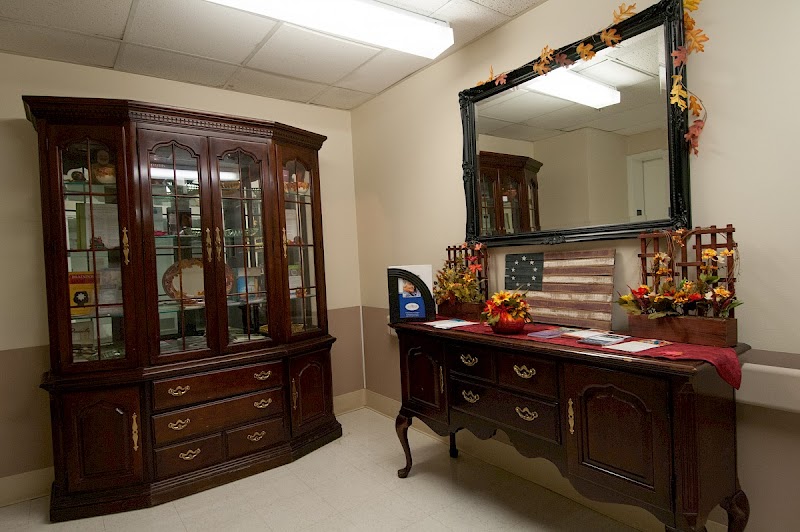
How is Fresh River Healthcare Staffed?

CMS rates FRESH RIVER HEALTHCARE's staffing level at 4 out of 5 stars, which is above average compared to other nursing homes. Staff turnover is 25%, compared to the Connecticut average of 46%. This relatively stable workforce can support continuity of care.

What Have Inspectors Found at Fresh River Healthcare?

State health inspectors documented 24 deficiencies at FRESH RIVER HEALTHCARE during 2019 to 2025. These included: 22 with potential for harm and 2 minor or isolated issues.
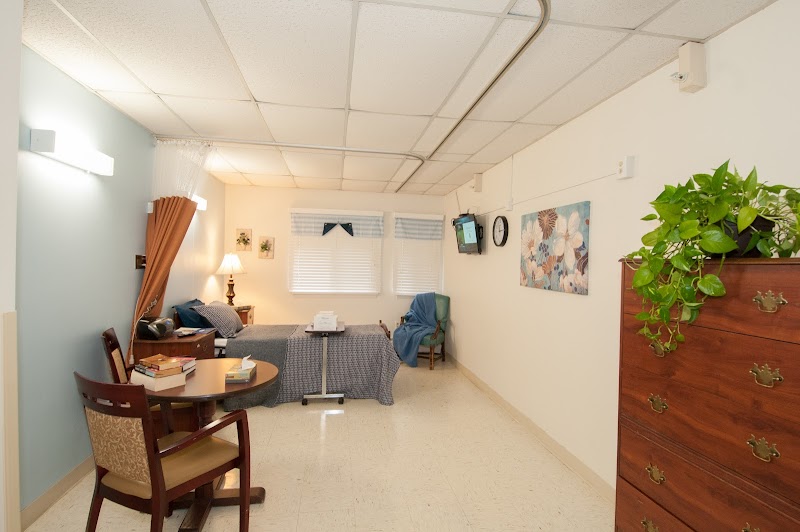
Who Owns and Operates Fresh River Healthcare?

FRESH RIVER HEALTHCARE is owned by a for-profit company. For-profit facilities operate as businesses with obligations to shareholders or private owners. The facility is operated by ICARE HEALTH NETWORK, a chain that manages multiple nursing homes. With 140 certified beds and approximately 124 residents (about 89% occupancy), it is a mid-sized facility located in EAST WINDSOR, Connecticut.
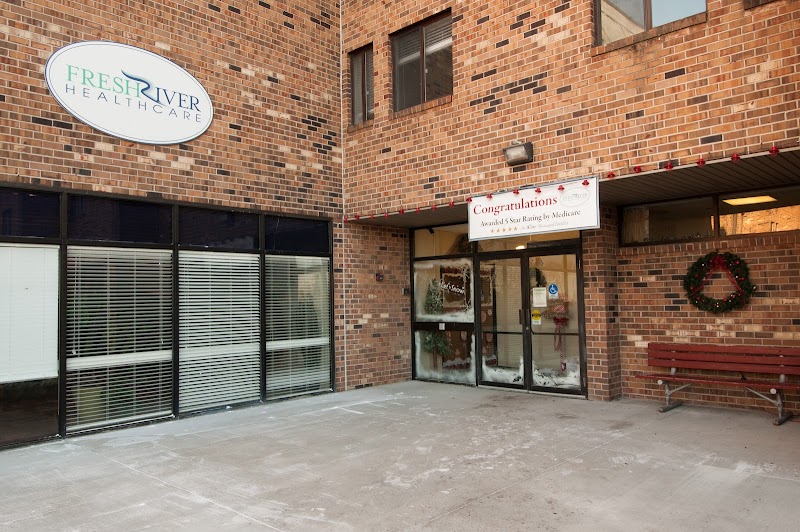
How Does Fresh River Healthcare Compare to Other Connecticut Nursing Homes?

Compared to the 100 nursing homes in Connecticut, FRESH RIVER HEALTHCARE's overall rating (3 stars) is below the state average of 3.0, staff turnover (25%) is significantly lower than the state average of 46%, and health inspection rating (3 stars) is at the national benchmark.

What Should Families Ask When Visiting Fresh River Healthcare?

Based on this facility's data, families visiting should ask: "Can I visit during a mealtime to observe dining assistance and food quality?" "How do you handle medical emergencies, and what is your hospital transfer rate?" "Can I speak with family members of current residents about their experience?"

Is Fresh River Healthcare Safe?

Based on CMS inspection data, FRESH RIVER HEALTHCARE has a clean safety record: no substantiated abuse findings (meaning no confirmed cases of resident harm), no Immediate Jeopardy citations (the most serious violation level indicating risk of serious injury or death), and is not on the Special Focus Facility watch list (a federal program monitoring the lowest-performing 1% of nursing homes). The facility has a 3-star overall rating and ranks #100 of 100 nursing homes in Connecticut. While no facility is perfect, families should still ask about staff-to-resident ratios and recent inspection results during their visit.

Do Nurses at Fresh River Healthcare Stick Around?

Staff at FRESH RIVER HEALTHCARE tend to stick around. With a turnover rate of 25%, the facility is 21 percentage points below the Connecticut average of 46%. Low turnover is a positive sign. It means caregivers have time to learn each resident's needs, medications, and personal preferences. Consistent staff also notice subtle changes in a resident's condition more quickly. Registered Nurse turnover is also low at 18%, meaning experienced RNs are available to handle complex medical needs.

Was Fresh River Healthcare Ever Fined?

FRESH RIVER HEALTHCARE has no federal fines on record. CMS issues fines when nursing homes fail to meet care standards or don't correct problems found during inspections. The absence of fines suggests the facility has either maintained compliance or corrected any issues before penalties were assessed. This is a positive indicator, though families should still review recent inspection reports for the full picture.

Is Fresh River Healthcare on Any Federal Watch List?

FRESH RIVER HEALTHCARE is not on any federal watch list. The most significant is the Special Focus Facility (SFF) program, which identifies the bottom 1% of nursing homes nationally based on persistent, serious quality problems. Not being on this list means the facility has avoided the pattern of deficiencies that triggers enhanced federal oversight. This is a positive indicator, though families should still review the facility's inspection history directly.