Parkway Pavilion Health And Rehabilitation Center
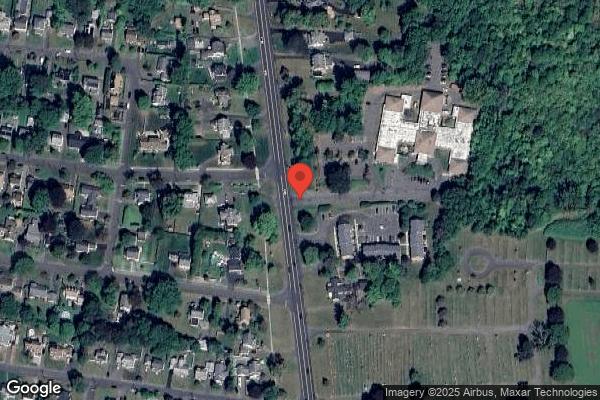

1157 ENFIELD STREET, ENFIELD, CT 06082 (860) 745-1641
For profit - Partnership 130 Beds Independent Data: November 2025
Trust Grade
23/100
#185 of 192 in CT
Last Inspection: September 2024

Within standard 12-15 month inspection cycle. Federal law requires annual inspections.

Overview

Parkway Pavilion Health and Rehabilitation Center has received a Trust Grade of F, indicating significant concerns about the facility's operations and care. With a state rank of #185 out of 192, they are in the bottom half of nursing homes in Connecticut, and at #61 of 64 in Capitol County, they are one of the least favorable options locally. The facility is worsening, with issues jumping from just 1 in 2023 to 27 in 2024, which raises alarms about the quality of care. Staffing is average with a 3 out of 5 rating, showing a turnover rate of 38%. However, the facility has faced $8,018 in fines, which is concerning and suggests there may be ongoing compliance problems. Specific incidents noted by inspectors include failures to ensure staff received necessary training and performance evaluations, as well as issues with maintaining cleanliness in the dietary department. For example, the kitchen was found with discolored ceilings and unclean storage areas, while outdated defibrillator pads were discovered, indicating a lack of attention to critical equipment maintenance. While the facility has some average staffing strengths, these significant weaknesses highlight a troubling environment for potential residents.

Trust Score
F
23/100
In Connecticut
#185/192
Bottom 4%
Safety Record
High Risk
Review needed
Inspections
Getting Worse
1 → 27 violations
Staff Stability
○ Average
38% turnover. Near Connecticut's 48% average. Typical for the industry.
Penalties
✓ Good
$8,018 in fines. Lower than most Connecticut facilities. Relatively clean record.
Skilled Nurses
⚠ Watch
Each resident gets only 26 minutes of Registered Nurse (RN) attention daily — below average for Connecticut. Fewer RN minutes means fewer trained eyes watching for problems.
Violations
⚠ Watch
45 deficiencies on record. Higher than average. Multiple issues found across inspections.
★☆☆☆☆
1.0
Overall Rating
★★★☆☆
3.0
Staff Levels
★★☆☆☆
2.0
Care Quality
★☆☆☆☆
1.0
Inspection Score
Stable
2023: 1 issues
2024: 27 issues

The Good

  • Full Sprinkler Coverage · Fire safety systems throughout facility
  • No fines on record
  • Staff turnover below average (38%)

    10 points below Connecticut average of 48%

Facility shows strength in fire safety.

The Bad

1-Star Overall Rating

Below Connecticut average (3.0)

Significant quality concerns identified by CMS

Staff Turnover: 38%

Near Connecticut avg (46%)

Typical for the industry

Federal Fines: $8,018

Below median ($33,413)

Minor penalties assessed

The Ugly 45 deficiencies on record

Sept 2024 23 deficiencies
CONCERN (D)

Potential for Harm - no one hurt, but risky conditions existed

Safe Environment (Tag F0584)

Could have caused harm · This affected 1 resident

Based on observations of the Environment and staff interviews for 1 of 4 units for the East South wing, the facility failed to provide a homelike, clean and safe environment for Resident #89. The find...

Read full inspector narrative →
Based on observations of the Environment and staff interviews for 1 of 4 units for the East South wing, the facility failed to provide a homelike, clean and safe environment for Resident #89. The findings include: Observation of Resident #89's lower wall behind the bed during the initial facility tour on 9/04/24 at 10:47AM identified the window noted with a large area of chipped wall paint, detached floorboard panel with a brown- like substance on the lower half of the wall and the floor behind Resident #89's bed. Interview with Resident #89 on 9/04/24 at 10:47AM identified the lower wall behind the bed has been in this condition for some time and s/he reported it to staff members but could not recall exact names. Interview with the Director of Maintenance on 9/11/24 at 9:30AM identified s/he was not aware of the condition of the wall needing repair. The Director of Maintenance also indicated s/he does not participate in the monthly Environmental Rounds of the facility. The Director of Maintenance identified at the end of the interview that staff may have mentioned the wall in Resident # 89's room needing repair and he/she forgot about it. After surveyor inquiry, on Monday 9/9/24 the wall was fixed. The Environmental Round logs were reviewed for the months of April 2024, May 2024, June 2024, July 2024, and August 2024 failed to identify the wall in Resident # 89's room in need of repair. Review of the Environmental Rounds Policy given during the survey notes environmental rounds should be conducted monthly and will include a Maintenance Representative.
CONCERN (D)

Potential for Harm - no one hurt, but risky conditions existed

Free from Abuse/Neglect (Tag F0600)

Could have caused harm · This affected 1 resident

**NOTE- TERMS IN BRACKETS HAVE BEEN EDITED TO PROTECT CONFIDENTIALITY** Based on clinical record reviews, observation, and staff interviews, for 1 of 6 residents reviewed for abuse (Resident #110), th...

Read full inspector narrative →
**NOTE- TERMS IN BRACKETS HAVE BEEN EDITED TO PROTECT CONFIDENTIALITY** Based on clinical record reviews, observation, and staff interviews, for 1 of 6 residents reviewed for abuse (Resident #110), the facility failed to protect a resident's right to be free from verbal abuse by a resident with a history of resident-to-resident altercations (Resident #6). The findings include: 1. Resident #6's diagnoses include unspecified psychosis, unspecified dementia, and depression. A quarterly Minimum Data Set (MDS) assessment dated [DATE] identified Resident #6 as severely cognitively impaired and required supervision or touching assistance for transferring from bed to chair and for walking ten feet. A Resident Care Plan dated 5/7/2024 identified Resident #6 had a history of witnessed physical altercations with other residents including a prior roommate. The care plan indicated the altercations occurred on 2/22/2024 and on 5/7/2024. Interventions included separating the involved residents, social service follow-up, and psychiatry follow-up. 2. Resident #110 was admitted on [DATE] with a diagnosis of generalized muscle weakness and generalized anxiety disorder. A care plan dated 7/28/2024 identified Resident #110 had a self-care performance deficit. Interventions included: bed mobility and transferring assistance of one staff member. Additionally, the care plan indicated that Resident #110 had a mood problem related to anxiety and insomnia; interventions included encouraging the resident to express feelings and providing a calm, quiet environment The quarterly MDS assessment dated [DATE] identified Resident #110 had moderate cognitive impairment and required partial/moderate assistance for bed mobility and for transferring from bed to a chair. An observation on 9/4/2024 at 11:02 identified a surveyor overheard Resident #6 speaking loudly towards Resident #110 saying, are you going to stay in bed all day stupid, your stupid. Both Resident # 6 and Resident # 110 were observed to be lying in bed and the curtain separating the beds was open. Resident #110 indicated that Resident #6 spoke to her/ him in that manner all the time and indicated s/he felt hurt by it. A nursing note dated 9/4/2024 indicated Resident #6 and Resident #110 were separated, and Resident #1 was redirected and removed from the room. On 9/9/2024 at 1:30 PM an interview with Resident #6 indicated s/he did not recall having a verbal altercation with her/his roommate. On 9/9/2024 at 1:45 PM an interview with Resident #110 indicated s/he did not recall any verbal or physical aggression towards her/him. On 9/9/2024 at 2:00 PM an interview with Licensed Practical Nurse (LPN #8) identified although s/he has not witnessed Resident #6 being verbally or physically aggressive towards others s/he knew Resident #6 had altercations with other residents in the past. Additionally, LPN# 8 indicated when Resident #6 is exhibiting behaviors staff will redirect Resident # 6 with snacks, going outside or playing cards. On 9/10/24 at 12:21 PM, an interview with the Advanced Practice Registered Nurse (APRN) #3 indicated Resident #6's behaviors are likely due to the resident's impulsiveness and frustration intolerance. Additionally, APRN #3 indicated Resident #6 was not an immediate danger to self and others. The facility policy for abuse given at time of survey indicated a licensed nurse will closely monitor and document the behavior of the residents involved in an altercation to prevent the recurrence of the incident.
CONCERN (D)

Potential for Harm - no one hurt, but risky conditions existed

Investigate Abuse (Tag F0610)

Could have caused harm · This affected 1 resident

**NOTE- TERMS IN BRACKETS HAVE BEEN EDITED TO PROTECT CONFIDENTIALITY** Based on clinical record reviews, facility documents, review of facility policy and interviews for 2 of 6 residents (Residents #...

Read full inspector narrative →
**NOTE- TERMS IN BRACKETS HAVE BEEN EDITED TO PROTECT CONFIDENTIALITY** Based on clinical record reviews, facility documents, review of facility policy and interviews for 2 of 6 residents (Residents #89 and # 106) reviewed for abuse, the facility failed to protect residents from abuse by not immediately removing an alleged staff member from the facility per facility policy. The findings included. 1. Resident #89's diagnoses included poly neuropathy, chronic pain, Type 2 diabetes mellitus, and anxiety disorder. The quarterly Minimum Data Set (MDS) assessment dated [DATE] indicated Resident #89 was cognitively intact. Resident #89's care plan dated 7/10/2024 indicated Resident #89 has chronic pain and requires pain medication. Interventions directed to observe adverse reactions with every interaction with the resident. The care plan dated 7/30/2024 indicated Resident #89 was noted to have accusatory behaviors towards staff, throwing items secondary to anger and prefers to stay in bed most of the time. Interventions directed to have 2 caregivers at all times and to provide psychiatric services as needed. A Reportable Event (RE) dated 9/4/2024 at 1:00PM indicated Resident #89 had indicated Nurse Aide (NA)#5 had allegedly not provided incontinent care and placed 2 briefs on Resident # 89 instead of one brief. Additionally, the RE noted NA # 5 took Resident #89's personal mechanical lift pad and threw it onto the resident's feet while in bed. The report further indicated NA#5 was suspended pending further investigation. On 9/10/24 at 12:34 PM the Director of Nursing Services (DNS) provided a copy of timecard punches which documented NA #5 punched in at 12:53 AM for in class in-service and once done with the class punched out and at 3:15 PM and was sent home. The DNS further indicated NA#5 was not taking care of residents during this time. An interview with Registered Nurse (RN #1) on 9/11/2024 at 8:30 AM indicated NA #5 was attending in- service training at the time but staff was not made aware of the allegation until 1:00 PM therefore NA # 5 was not sent home immediately. RN #1 further indicated in the future the alleged staff member will be reached immediately to determine where abouts and staff member will be immediately removed pending completion of the investigation. After, the incident licensed staff received in-servicing on removal of staff. The facility policy labeled Abuse prohibition and quality Assurance/Reporting Reasonable Suspicion of Crime-Elder Justice Act dated 7/16/2024 indicated in part a staff member identified in the allegation would be immediately suspended pending the outcome of the investigation to ensure prohibition and prevention of retaliation. 2. Resident # 106's diagnoses included diagnoses include Multiple Sclerosis, dysfunctional bladder, depression anxiety, asthma and morbid obesity. The quarterly MDS assessment dated [DATE] identified a BIMS of 15 indicating the resident as cognitively intact and no memory problems The care plan dated for assistance with ADL dated 7/17/24. Interventions included to provide the assistance of one person and get the resident out of bed into a wheelchair. A Reportable Event dated 9/4/24 identified while investigating Resident # 89's allegation of NA #5 not providing incontinent care to the resident. Upon interview with Resident # 106 on the same day identified Resident # 106 indicated on 9/4/24 a nurse aide applied two briefs on her/him and failed to provide incontinent care. Resident # 106 agreed to body audit and no irregularities were noted. The NA was suspended pending investigations. Interview with Resident # 106 at 12:05 PM identified the nurse aide likes to do this to me and other people. The nurse will place two briefs on us. The nurse aide will put one brief on and then later around 7-8 PM she will add another brief on or diaper without cleaning me. The nurse aide will also will ask me to left up so s/he can place the second brief on me which was very painful. The nurse aides does not clean you before putting on the second diaper, one time I had a bowel movement and the nurse aide just put the new diaper on top of the old one without washing me. On 9/10/24 at 12:34 PM the Director of Nursing Services (DNS) provided a copy of timecard punches which documented NA # 5 punched in at 12:53 PM for in class in-service and once done with the class punched out and at 3:15 PM and went home. Interview with the DNS on 9/11/24 at 1:30 PM indicated NA# 5 came in for an inservice before staff could notify her/him of the allegation. The DNS reviewed the abuse policy in the presence of the survey and indicated per facility abuse policy the nurse aide should have been removed from the building immediately pending investigation. After, inquiry the DNS begin on 9/11/24 in-servicing the licensed staff to immediately remove staff who have been allegedly accused of abuse from the building.
CONCERN (D)

Potential for Harm - no one hurt, but risky conditions existed

Assessment Accuracy (Tag F0641)

Could have caused harm · This affected 1 resident

**NOTE- TERMS IN BRACKETS HAVE BEEN EDITED TO PROTECT CONFIDENTIALITY** Based on clinical record reviews and staff interviews for 1 of 4 sampled residents, (Resident #74) reviewed for Preadmission Scr...

Read full inspector narrative →
**NOTE- TERMS IN BRACKETS HAVE BEEN EDITED TO PROTECT CONFIDENTIALITY** Based on clinical record reviews and staff interviews for 1 of 4 sampled residents, (Resident #74) reviewed for Preadmission Screening and Resident Review (PASRR), and 1 sampled resident, (Resident #121) reviewed for hospitalization, the facility failed to ensure the accuracy of the Minimum Data Set (MDS) assessment coding for 1 of 3 ( Resident #79) residents reviewed for Respiratory Care, the facility failed to ensure the resident's utilization of oxygen was coded correctly on the MDS assesssment. The findings included: 1. Resident #74's diagnoses included schizophrenia and unspecified intellectual disabilities. The Notice of PASRR Level II Outcome dated 11/11/21 identified Resident #74 with diagnoses of severe mental illness/intellectual disabilities and noted the resident was approved without the need of specialized services. The Annual Minimum Data Set assessment dated [DATE] identified Resident #74 as severely cognitively impaired and required one person assist with activities of daily living and was not considered by the state to have a serious mental illness/intellectual disability (MI/ID). The MDS failed to reflect that Resident #74 had a diagnosis of MI/ID. An interview with Social Worker, SW #1 on 9/10/24 at 10:23 AM identified s/he was responsible for coding the MDS for any resident with MI/ID. Although SW #1 was aware that Resident #74 met criteria, s/he did not code the MDS accurately as an oversight. An interview with the Director of Nursing Services (DNS) on 9/10/24 at 12:35 PM identified s/he would expect the MDS to be accurately coded for a resident with a positive PASSR outcome. The Resident Assessment Instrument, RAI October 2023 (used to assess the needs and strengths of a resident) directs a resident with approved level II PASRR determination be coded (1) or 'Yes' to indicate the resident is considered by the state to have MI/ID. 2. Resident #121's diagnoses included atrial fibrillation and hypertension. A Nursing admission assessment dated [DATE] identified Resident #121 as alert and confused and indicated the resident was admitted for maintaining functional level until discharge home. The Resident Care Plan dated 8/3/24 identified a deficit in activities of daily living (ADL) and a discharge plan to return home with family after respite. Interventions directed to provide assist as needed for ADL care and discuss discharge planning. A nurse's note dated 8/5/24 at 2:44 PM identified Resident #121 was discharged home with family with no complaints. The discharge Minimum Data Set (MDS) assessment dated [DATE] identified Resident #121 was discharged to an acute hospital with return not anticipated. An interview with Registered Nurse, RN #6 on 9/10/24 at 9:35 AM identified s/he was responsible for coding the MDS for residents discharged from the facility. RN #6 identified s/he did not accurately code Resident #121's discharge status secondarily to being an oversight. An interview with the DNS on 9/10/24 at 12:35 PM identified s/he would expect the MDS to be accurately coded for a resident being discharged from the facility. The Resident Assessment Instrument, RAI October 2023 (used to assess the needs and strengths of a resident) directs the coding the discharge event to track where the resident is going and ensure accuracy of the assessment. 3. Resident #79 's diagnoses included heart failure, Obstructive and Reflux Uropathy and anxiety. The care plan dated 4/29/24 identified Resident #79 is non-compliant with keeping oxygen on. Interventions include for staff to replace oxygen on resident as needed resident encouraged to keep oxygen on. A physician's order dated 7/15/24 directed to change oxygen tubing & set-up weekly every night shift every Sunday label tubing with date when changed as needed label tubing with date when changed. The quarterly Minimum Data Set assessment (MDS) dated [DATE] indicated resident was cognitively impaired and required two person assist with bed mobility and transfers. The MDS also indicated the resident was not on oxygen during the assessment period. Interview with Licensed Practical Nurse ( LPN #1) on 9/09/24 at 10:01 AM indicated stating 'No' in section O of the MDS regarding oxygen was a coding error. After to inquiry, Resident # 79's section 'O' in the MDS was changed to indicated yes resident is on oxygen. .
CONCERN (D)

Potential for Harm - no one hurt, but risky conditions existed

Comprehensive Care Plan (Tag F0656)

Could have caused harm · This affected 1 resident

**NOTE- TERMS IN BRACKETS HAVE BEEN EDITED TO PROTECT CONFIDENTIALITY** Based on review of the clinical records, review of facility policy and interviews for 1 of 3 residents ( Resident #72) reviewed ...

Read full inspector narrative →
**NOTE- TERMS IN BRACKETS HAVE BEEN EDITED TO PROTECT CONFIDENTIALITY** Based on review of the clinical records, review of facility policy and interviews for 1 of 3 residents ( Resident #72) reviewed for Respiratory Care, the facility failed to ensure the care plan reflected the needs of the resident and for 1 of 2 residents ( Resident # 120) reviewed for hospice, the facility failed to develop a comprehensive care plan to address the resident's needs. The findings included: 1. Resident #72's diagnosis includes a muscle disorder with generalized muscle weakness, acute respiratory failure with hypoxia (low oxygen) and obstructive sleep apnea. The Registered Nurse ( RN) admission note dated 7/31/2024 at 5:03 PM indicated in part Resident #72 had a tracheostomy tube (Trach) capped as tolerated and utilized a non-mechanical ventilator (AVAPS) The admission Minimum Data Set (MDS) assessment dated [DATE] indicated Resident #72 as cognitively intact, tracheostomy (Trach) care and and noted use of a non-invasive mechanical ventilator. The care plan dated 8/12/2024 Resident #72 noted stage 1 wound (non-blanchable redness) on the bridge of the nose. Intervention included: to assist/encourage to apply silicone cover to the nasal bridge under the AVAPS (Average Volume Assured Respiratory Support a Non-Mechanical Ventilator) mask at bedtime. However, further review of clinical record identified no care plan in place regarding Resident #72's tracheostomy or AVAPS use and care. The physician's orders dated 8/30/2024 directed to provide trach care twice daily and as needed for preventative measure. An interview and record review with the Assistant Director of Nursing Services ( ADNS) on 9/9/2024 at 10:50 AM indicated no care plan was initiated for care of Resident #72's tracheostomy and indicated a care plan should have been put in place by the MDS nurse to meet the resident's needs. An interview and record review with RN #6, the MDS Nurse, on 9/9/2024 at 11:16 AM indicated tracheostomy and the AVAPS non-mechanical ventilator must have been overlooked while completing the care plan. After surveyor inquire, the care was revise to reflect the resident's needs for tracheostomy care. The care plan dated 9/9/2024 indicated in part, Resident #72 had altered Respiratory status due to difficulty breathing at night. Interventions to included: applying the AVAPS at bedtime with the silicone barrier applied on the bridge of nose and daily cleaning of AVAPS. The care plan further indicated Resident #72 had a tracheostomy for breathing due to respiratory failure Interventions included : to complete tracheostomy care as ordered, utilized enhanced barrier precautions, maintain an Ambu bag ( to provide artificial respirations by hand) at bedside, replacement tracheostomy tubes of equal and one size smaller at bedside and the respiratory therapist to evaluate, provide interventions as needed or requested, and suction the trach as needed or requested. The facility policy labeled Care Plans, Comprehensive Person Centered dated 7/16/2024 indicated in part the comprehensive person centered care plan will describe services that are to be furnished to attain or maintain the residents highest practical wellbeing. 2. Resident #120 's diagnoses included Emphysema, Chronic Obstructive Pulmonary Disease, and Dementia. The quarterly Minimum Data Set assessment dated [DATE] identified Resident #120 was severely cognitively impaired and required extensive assistance with toileting, was independent with bed mobility and transfers. The Resident Care Plan dated 6/26/24 identified Resident #120 had a potential for pain related to general discomfort. Interventions included to observe daily for discomfort and effectiveness of interventions. There was no care plan for hospice services identified. A physician's order dated 7/1/24 directed to hospice services to evaluate and admit if appropriate As Soon As Possible ( ASAP). A nurse's note dated 7/2/24 at 1:51 AM identified the resident was on hospice and a family member was at bedside. No issues overnight. Interview and record review with DNS on 9/11/24 at 11:50 AM identified s/he could not find any hospice plan of care or any care conferences at this time. Review of the Hospice Policy given during the survey directed, in part, that the facility will obtain information from the hospice service including the most recent hospice plan of care.
CONCERN (D)

Potential for Harm - no one hurt, but risky conditions existed

Deficiency F0657 (Tag F0657)

Could have caused harm · This affected 1 resident

**NOTE- TERMS IN BRACKETS HAVE BEEN EDITED TO PROTECT CONFIDENTIALITY** Based on clinical record review, facility policy and staff interviews for 1 resident reviewed for edema (Resident #61), the faci...

Read full inspector narrative →
**NOTE- TERMS IN BRACKETS HAVE BEEN EDITED TO PROTECT CONFIDENTIALITY** Based on clinical record review, facility policy and staff interviews for 1 resident reviewed for edema (Resident #61), the facility failed to update/ revise the resident's care plan. The findings include: Resident #61 was admitted to the facility on [DATE]. Resident #61's diagnoses included Congestive Heart failure (CHF), cellulitis of the right lower limb and lymphedema. The admission Minimum Data Set (MDS) assessment dated [DATE] identified Resident #61 as cognitively intact. Resident #61 was transferred to the hospital on 7/2/2024 and readmitted to the facility on [DATE]. A physician's order dated 7/14/2024 directed to obtain a daily weight for CHF monitoring and to notify the physician if there was a gain of 2 pounds in 24 hours or 5 pounds gained in a week. The RCP dated 8/30/2024 indicated Resident #61 had a nutritional problem or the potential for a nutritional problem related to CHF and use of a diuretic (water pill). Interventions included: to restrict fluid intake and obtain laboratory work as ordered and to observe for symptoms of edema(swelling), and shortness of breath. The RCP further indicated Resident #61 had a potential for a fluid deficit. Intervention included administering medications as ordered and to monitor and document intake and output per facility policy. An interview on 9/11/2024 at 10:30 AM with Registered Nurse (RN #6) indicated Resident #61's care plan had no reference for the need to obtain a daily weight and to report to the physician a weight gain of 2 pounds in 24 hours or 5 pounds in a week as part of CHF monitoring. RN#6 further indicated s/he would update the care plan. The facility policy labeled Care plans, Comprehensive Person Centered dated 7/16/2024 indicated in part; the interdisciplinary team must review and update the care plan when there is a significant change in a resident's condition, when the desired outcome is not met, when the resident is readmitted to the facility from a hospital stay and at least quarterly in conjunction with the required quarterly MDS assessment.
CONCERN (D)

Potential for Harm - no one hurt, but risky conditions existed

Quality of Care (Tag F0684)

Could have caused harm · This affected 1 resident

**NOTE- TERMS IN BRACKETS HAVE BEEN EDITED TO PROTECT CONFIDENTIALITY** Based on clinical record reviews, review of facility policy and interviews for 1 resident (Resident #50) reviewed for pain, the ...

Read full inspector narrative →
**NOTE- TERMS IN BRACKETS HAVE BEEN EDITED TO PROTECT CONFIDENTIALITY** Based on clinical record reviews, review of facility policy and interviews for 1 resident (Resident #50) reviewed for pain, the facility failed to follow up on the residents Ear, Nose and Throat (ENT) appointment per physician's order timely and for 1 resident ( Resident # 61) reviewed for edema, the facility failed to conduct weights per physician's orders and for 1 resident ( Resident # 120) reviewed for End of Life/ Hospice, the facility failed to follow the plan of care. The findings included: 1. Resident #50's diagnoses included chronic kidney disease, Chronic Obstructive Pulmonary Disease (COPD) and unspecified hearing loss. The quarterly Minimum Data Set (MDS) assessment dated [DATE] identified Resident #50 as cognitively intact and noted the resident required supervised set up assist with bed mobility, two persons assist with transfers. The Resident Care Plan dated 7/9/24 identified Resident #50 had a potential for pain related to general discomfort and a hearing impairment. Interventions directed to administer pain medication as ordered, observe for signs of pain and to encourage calm, quiet locations for conversation. A Nurse Practitioner, NP note dated 8/15/24 identified Resident #50 had complaints of dizziness was managed with Meclizine at home (antihistamine used for the treatment of dizziness). Pain was managed. Cerumen (wax buildup) was also noted in both ears. The plan included Debrox drops to both ears every evening for (5) days for the treatment of cerumen impaction and to monitor for improvement. The physician's orders dated 8/15/24 directed Debrox drops to both ears every evening for (5) days and Meclizine 12.5 Milligrams (MG) every eight hours for dizziness. The Medication Administration Record (MAR) dated 8/15/24 through 8/21/24 identified Debrox was completed on 8/21/24. A review of the nursing and NP progress notes dated 8/21/24 through 9/4/24 did not identify any documentation related to the ear wax impaction following treatment An interview with Resident #50 on 9/4/24 at 10:22 AM identified s/he had been experiencing pain in the left ear, likely from wax. The left ear pain was reported to the nurse many times and Resident # 50 was told s/he had to wait for a specialist to come in to evaluate. An interview with Licensed Practical Nurse, LPN #7 on 9/9/24 at 12:28 PM identified s/he attempted to contact the Ear, Nose and Throat (ENT)'s office on one occasion sometime within the preceding two weeks, but the office was closed. LPN #7 further identified s/he did not attempt again, pass the information to another shift for follow up or notify the nursing supervisor the appointment required scheduling. An interview with NP #1 9/9/24 at 12:33 PM identified s/he evaluated Resident #50 who had been complaining of dizziness and noted ear wax bilaterally. NP #1 identified s/he ordered Debrox for the wax removal. NP #1 further identified Resident #50 was subsequently referred to an ENT within the preceding two weeks and would expect that attempts to schedule an appointment be completed once referred. An interview with the DNS on 9/9/24 at 12: 36 PM identified s/he would expect the appointment for a specialty service to be made as soon as possible after the referral. An appointment for ENT was scheduled after a surveyor inquiry. Although requested, a policy for facilitating community specialty service referrals was not provided. 2. Resident #61 was admitted to the facility on [DATE]. Resident #61's diagnoses included Congestive Heart failure (CHF), cellulitis of the right lower limb and lymphedema. The admission Minimum Data Set (MDS) assessment dated [DATE] identified Resident #61 as cognitively intact. Resident #61 was transferred to the hospital on 7/2/2024 and readmitted to the facility on [DATE]. A physician's order dated 7/14/2024 directed to obtain a daily weight for CHF monitoring and to notify the physician if there was a gain of 2 pounds in 24 hours or 5 pounds gained in a week. The RCP dated 8/30/2024 indicated Resident #61 had a nutritional problem or the potential for a nutritional problem related to CHF and use of a diuretic (water pill). Interventions included: to restrict fluid intake and obtain laboratory work as ordered and to observe for symptoms of edema(swelling), and shortness of breath. The RCP further indicated Resident #61 had a potential for a fluid deficit. Intervention included administering medications as ordered and to monitor and document intake and output per facility policy. An interview and record review with the nursing supervisor (RN #2) on 9/9/2024 at 1:35 PM indicated Resident #61 has an order for daily weights dated 7/15/2024. The residents' weights are scheduled to be obtained at 6:00 AM. During review of the weight monitoring with RN #2 from 7/25/2024 through 9/9/2024, the following were identified: There was no documentation of weights obtained or in a nurse's notes to indicate reason why the weights were not obtained on 7/27, 7/28, 7/30, 8/1, 8/8, 8/10, 8/11, 8/17, and 8/31/2024. RN #2 indicated Resident #61 refused weights at times, the next shift would not obtain the weights since, the resident would have had eaten and fluid therefore causing the weights to be inaccurate. RN #2 further indicated Resident #61 was on contact precautions from 7/29/2024 through 8/10/2024 and may have refused to have her/his weight taken. RN #2 indicated s/he was not aware Resident #61's weights were not always obtained daily and s/he never received information in morning report or any concerns from other staff that weights had not been done. An interview and record review with LPN #4 on 9/10/2024 at 8:50 AM indicated 1-2 x per week a nurse aide is not replaced and one of the nurse aides on the unit is moved to another unit to work causing the weight not to be obtained. Resident #61 required 2 people to obtain the weight via a mechanical lift device. LPN #6 further indicated s/he did not notify the 3rd shift supervisor or ask another unit staff member to assist with obtaining weights. An interview on 9/10/2024 at 11:45AM with the supervisor, RN #2 indicated s/he would speak with the staff regarding working together to obtain weights and develop a plan to ensure weights are obtained before breakfast if the 3rd shift is unable get the weight. The facility policy labeled Weight Management dated 6/17/2024 indicated in part, if a resident refuses a weight or if circumstances prevent weighing a resident, the reason is to be documented in the medical record and the weight rescheduled for another time. 3. Resident #120 's diagnoses included emphysema, Chronic Obstructive Pulmonary Disease ( COPD), and dementia. The quarterly Minimum Data Set assessment dated [DATE] identified Resident #120 as severely cognitively impaired and required extensive assistance with toileting, was independent with bed mobility and transfers. The Resident Care Plan dated 6/26/24 identified Resident #120 with a potential for pain related to general discomfort. Interventions included to observe daily for discomfort and effectiveness of interventions. However, further clinical record review identified there was no care plan for hospice services identified. A physician's order dated 7/1/24 directed to have Hospice Services evaluate and admit if appropriate As Soon As Possible ( ASAP). A nurse's noted dated 7/1/24 at 9:27 PM identified the nurse called Medical Doctor( MD) to request a change in medications. The MD told the nurse to call hospice. The nurse called called the hospice vendor with recommendations from MD. A nurse's note dated 7/2/24 at 1:51 AM identified hospice and the family member was at bedside. Interview and record review with DNS on 9/11/24 at 11:50 AM identified s/he was unable to find any hospice documentation of clinical notes in the clinical record for the hospice evaluation. The DNS also could not explain why the clinical notes for the evaluation was not present. .
CONCERN (D)

Potential for Harm - no one hurt, but risky conditions existed

Deficiency F0691 (Tag F0691)

Could have caused harm · This affected 1 resident

Based on clinical record review and staff interview for 1 resident ( Resident # 19) reviewed for bowel management, the facility failed to consistently change the resident's bowel appliance. The findin...

Read full inspector narrative →
Based on clinical record review and staff interview for 1 resident ( Resident # 19) reviewed for bowel management, the facility failed to consistently change the resident's bowel appliance. The findings include: Resident # 19's diagnoses included schizophrenia, Alzheimer's disease, dementia and dysphagia. The MDS 6/4/24 annual assessment identified the resident as moderately cognitively impaired and noted no functional limitation with upper extremities. Additionally, the assessment noted the utilization of a colostomy. The RCP 7/4/24 for require assistance with ADL. Intervention includes providing physical therapy 5 times a week and occupational therapy 4 times a week. The nurses note 9/4/24 at 5:05 PM identified that Resident # 19 notified the nurse that a nurse aide refused to assist her/him with his/her bowel appliance and the nurse aide also came in turned off the call bell light without seeing what s/he needed. A review of the Treatment Administration Records ( TAR) and Medication Administration Record ( MAR) for August 15, 2024 to 9/10/24 2024 failed to reflect when Resident # 19 bowel appliance was changed. The nurse's notes dated August 15, 2024 through September 10, 2024 failed to identify when Resident # 19's bowel appliance was changed. Record review and interview with the DNS on 9/10/24 at 11:35 AM identified s/he could not provide evidence when was the last time the resident's bowel appliance was last change from 8/15/24 to 9/10/24. After surveyor inquiry, the DNS updated the TAR to included section to identify when the resident's bowel appliance was last changed.
CONCERN (D)

Potential for Harm - no one hurt, but risky conditions existed

Deficiency F0692 (Tag F0692)

Could have caused harm · This affected 1 resident

**NOTE- TERMS IN BRACKETS HAVE BEEN EDITED TO PROTECT CONFIDENTIALITY** Based on review of the clinical record, facility documentation, facility policy and interviews for 1 of 2 residents (Resident #6...

Read full inspector narrative →
**NOTE- TERMS IN BRACKETS HAVE BEEN EDITED TO PROTECT CONFIDENTIALITY** Based on review of the clinical record, facility documentation, facility policy and interviews for 1 of 2 residents (Resident #65) reviewed for nutrition, the facility failed to re-weigh resident within 24 hours of a weight change per policy. The findings include: Resident #65 's diagnoses included dysphagia, chronic kidney disease, and gastrointestinal hemorrhage. The admission MDS assessment dated [DATE] identified Resident #65 as moderately cognitively impaired and required maximum assistance with showering, dressing, and indicated the resident was dependent for toileting. A physician's order dated 7/16/24 directed to provide a Consistent Carbohydrate Diet with no added salt, mechanical ground soft texture regular thin liquid consistency. The Resident Care Plan with a revision date of 7/26/24 identified the resident has a nutritional problem or potential for a nutritional problem related to end stage renal disease, GI issues and dysphagia. Interventions included providing diet as ordered, obtain a dietary consult and follow as needed. A Registered Dieticians note dated 7/26/24 at 9:54 AM identified Resident # 65 with multiple hospitalizations in the last 6 months including a prolonged psychiatric stay and recent stay for shortness of breath. Now with weight loss seen. The resident is working with Speech Language Therapist (SLP) for dysphagia management, previously on a puree texture with Nectar Thickened Liquids (NT). The resident has now been upgraded to mechanical software. Appetite/intake are variable but anticipate improvement with diet upgrade. The resident has a pressure injury to coccyx. Will continue with ongoing weekly weights, if any further loss seen, will reevaluate need for oral nutritional supplements or other nutrition intervention. Documentation of Resident # 65's weights as follow: 9/02/2024 10:37 190 Lbs. (Standing) 8/21/2024 22:32 188 Lbs. (Standing) 8/07/2024 20:52 186.2 Lbs. (Standing) 8/07/2024 10:36 186.6 Lbs. (Standing) 7/31/2024 20:30 189.7 Lbs. (Wheelchair) 7/24/2024 20:18 191.5 Lbs. (Wheelchair) 7/19/2024 10:01 191 Lbs. (Wheelchair) 7/12/2024 21:06 191.8 Lbs. (Wheelchair) 7/05/2024 21:19 214 Lbs. (Mechanical Lift) 5/03/2024 16:12 212.4 Lbs. (Standing) 5/01/2024 22:43 213.8 Lbs. (Standing) 4/05/2024 16:00 216.5 Lbs. (Standing) 4/02/2024 16:28 216.6 Lbs. (Standing) 3/05/2024 15:13 214 Lbs. (Standing) 3/01/2024 07:04 223 Lbs. (Standing) 2/01/2024 15:12 223 Lbs. (Standing) 1/03/2024 10:38 215 Lbs. (Standing) Resident # 65 had a 3 lb or more weight change between 7/5/24 and 7/12/24, 7/31/24 and 8/7/24. Resident # 65 lost weight between 7/26/24 and 8/21/24 and started to gain weight on 9/2/24. Previously, the resident had 3 lb fluctuations in weight 3/1/24 and 3/5/24, 4/5/24 and 5/1/24. There was no documentation or evidence that the resident was re-weighed within 24 hours of the identified weight changes. Interview on 9/10/24 at 8:45 with Registered Dietician identified the resident's baseline weight was in the 190's, and s/he is now back at baseline. Further the dietician considered Resident # 65 weight loss a concern secondary to no weight loss since 7/26/24 which was not significant. The dietician indicated s/he would not order a supplement with amount of weight loss as the resident is still over ideal body weight. Interview and record review with the DNS on 9/9/24 at 1:20 PM. identified the facility practice is for the nurse aide to notify the nurses of the weights obtained so the nurse can review for weight loss The nurse documents the weight in facility medical record software and the expectation is the nurse should look back at the previous weight. As per facility policy if there is a 3 lb. weight change from previous weight, the nurse should re-weigh in 24 hours. The DNS stated there should have been a re-weigh on 7/13/24 as the resident lost 23.8 lbs. The DNS also stated s/he was not sure why the re-weight did not occur. The DNS indicated an agency staff may have been on duty when weights were not obtained for Resident # 65. Review of the Weight Measurement Policy dated 8/17/18 stated in part, weights with a 3-pound gain or loss will be verified within 24 hours.
CONCERN (D)

Potential for Harm - no one hurt, but risky conditions existed

Respiratory Care (Tag F0695)

Could have caused harm · This affected 1 resident

**NOTE- TERMS IN BRACKETS HAVE BEEN EDITED TO PROTECT CONFIDENTIALITY** Based on observations, clinical record reviews, review of policy and interviews for 1 of 3 residents ( Resident #72) reviewed f...

Read full inspector narrative →
**NOTE- TERMS IN BRACKETS HAVE BEEN EDITED TO PROTECT CONFIDENTIALITY** Based on observations, clinical record reviews, review of policy and interviews for 1 of 3 residents ( Resident #72) reviewed for Respiratory Care, the facility failed to ensure supplies were available for a resident with specific respiratory needs in the event of an emergency and for 2 of 3 sampled residents ( Residents # 79 and Resident # 112) reviewed for respiratory care, the facility failed to ensure the resident's oxygen tubing was dated and labeled in accordance to facility practice. The findings include: 1. Resident #72's diagnosis includes a muscle disorder with generalized muscle weakness, acute respiratory failure with hypoxia (low oxygen) and obstructive sleep apnea. The Registered Nurse ( RN) admission note dated 7/31/2024 at 5:03 PM indicated in part Resident #72 had a tracheostomy tube (Trach) capped as tolerated and utilized a non-mechanical ventilator (AVAPS) The admission Minimum Data Set (MDS) assessment dated [DATE] indicated Resident #72 as cognitively intact, tracheostomy (Trach) care and and noted use of a non-invasive mechanical ventilator. The care plan dated 8/12/2024 Resident #72 noted stage 1 wound (non-blanchable redness) on the bridge of the nose. Intervention included: to assist/encourage to apply silicone cover to the nasal bridge under the AVAPS (Average Volume Assured Respiratory Support a Non-Mechanical Ventilator) mask at bedtime. However, further review of clinical record identified no care plan in place regarding Resident #72's tracheostomy or AVAPS use and care. The physician's orders dated 8/30/2024 directed to provide trach care twice daily and as needed for preventative measure. An observation and interview with the supervisor, RN #2 on 9/9/2024 at 2:55 PM identified resident care supplies in bags, boxes and drawers, unorganized and difficult to find supplies if needed in an emergent situation for a resident who utilized a tracheostomy. An Ambu bag was in a clear bag attached to the resident's wheelchair and the two spare tracheostomy needed for emergency replacement took several minutes to locate one tracheostomy among the supplies and various possible locations within the room. An interview with RN #1 on 9/09/2024 at 3:15 PM indicated s/he would have one of the nurses organize the supplies in Resident #72's room and would call the respiratory company for the additional smaller size tracheostomy needed in an emergency. RN #1 indicated s/he would locate in-service training of the licensed staff on how to replace a tracheotomy in an emergency. On 9/9/2024 at 4:15 PM RN #1 indicated s/he had no nurses in serviced regarding the replacement of a tracheostomy in the event of an emergency. RN # 1 indicated s/he would contact the respiratory company to see if they could come in today to train licensed staff. An interview with the DNS on 9/9/2024 at 4:40 PM indicated s/he would need to check the staff competencies to see which nurses were qualified to provide tracheostomy care and change a tracheostomy in an emergency and have them be assigned to each shift to the resident. On 9/09/2024 at 4:43 PM RN #1 indicated s/he spoke with the DNS and identified no licensed staff have been trained to replace a tracheostomy in an emergency. RN #1 further indicated the respiratory company would be available to train staff tomorrow morning and the needed tracheostomy will also arrive tomorrow. RN #1 indicated the only option for the facility to correct the current situation was to transfer the resident to the emergency room until all supplies were in the facility and licensed staff trained. The care plan dated 9/9/2024 indicated in part, Resident #79 had altered respiratory status due to difficulty breathing at night. Intervention included: applying the AVAPS at bedtime with the silicone barrier applied on the bridge of nose and daily cleaning of AVAPS. The care plan further indicated Resident #72 had a tracheostomy for breathing due to respiratory failure with interventions included in part to complete trach care as ordered, utilized enhanced barrier precautions, maintain an Ambu bag( to provide artificial respirations by hand) at bedside, replacement tracheostomy tubes of equal and one size smaller at bedside and the respiratory therapist to evaluate, provide interventions as needed or requested, and suction the trach as needed or requested. The facility policy labeled Emergency Tracheostomy Tube Change dated 7/16/2024 indicted in part, the nurse will perform an emergency tracheostomy tube change in the event the tracheostomy tube became displaced or dislodged. The policy further indicated a tracheostomy tube one the same size and one a size smaller should be kept at the bedside of any resident who has a tracheostomy tube. 2. Resident #79 's diagnoses included heart failure, Obstructive and Reflux Uropathy and anxiety. The quarterly Minimum Data Set assessment (MDS) dated [DATE] indicated resident as cognitively impaired and required two person assist with bed mobility and transfers. The care plan dated 4/29/24 identified Resident #79 is non-compliant with keeping her/his oxygen on. Interventions include for staff to replace oxygen on resident as needed and to encouraged resident to keep oxygen on. A physician's order dated 7/15/24 directed to change oxygen tubing & set-up weekly every night shift every Sunday label tubing with date when changed as needed. Observation on 9/04/24 at 10:28 AM identified Resident 79 oxygen canula on the floor and tubing not labeled. Interview with LPN #8 on 9/04/24 at 10:28 AM indicated Resident # 79 pulls out the cannula. LPN # 8 also indicated 11-7 AM shift is responsible for labeling and dating oxygen tubing and indicated s/he was unable to provide explanation why the tubing was not labeled. After surveyor inquiry, the resident's oxygen tubing was changed, dated and initialed. 3. Resident #112 diagnoses included respiratory failure unspecified with hypoxia or hypercapnia, asthma, and cancer. The quarterly Minimum Data Set (MDS) assessment dated [DATE] identified Resident #112 as intact cognitively and required setup/clean up assistance with oral hygiene, and supervision with toileting, showering, and walking 10 feet. The physician's orders dated 8/22/24 directed Oxygen at 3-4 Liters Per Minute (LPM) via Nasal Cannula (NC) continuously for Desaturation (DeSat) or Shortness Of Breath (SOB). 2 Liters (L) every shift for SOB. The physician's orders dated 8/25/24 directed to Change oxygen tubing & set-up weekly-every night shift every Saturday label tubing with date when change. Change oxygen tubing & set-up weekly as needed Label tubing with date when changed. The Resident Care Plan dated 8/27/2024 identified Resident #112 has emphysema/COPD and uses oxygen. Intervention include to give oxygen therapy as ordered by the physician. The medical note dated 8/26/24 directed to continue oxygen supplement for Resident #112. Observations on 9/04/24 at 1:23PM identified Resident #112 sitting up in bed with nasal cannula in use. Oxygen machine tubing was observed with a date of 8/23. Interview with LPN #2 on 9/04/24 at 2:33PM identified the expectation is for staff to change oxygen tubing every Saturday on night shift, 11 PM-7AM. After surveyor inquiry,oxygen tubing was dated 9/04/24. ___
CONCERN (D)

Potential for Harm - no one hurt, but risky conditions existed

Deficiency F0740 (Tag F0740)

Could have caused harm · This affected 1 resident

**NOTE- TERMS IN BRACKETS HAVE BEEN EDITED TO PROTECT CONFIDENTIALITY** Based on review of the clinical record, facility documentation and interviews for 1 resident (Resident# 422) reviewed for Unnece...

Read full inspector narrative →
**NOTE- TERMS IN BRACKETS HAVE BEEN EDITED TO PROTECT CONFIDENTIALITY** Based on review of the clinical record, facility documentation and interviews for 1 resident (Resident# 422) reviewed for Unnecessary Medication, the facility failed to promote the resident psychosocial well-being by when the resident missing property could not be located timely. The findings include: Resident #422 's diagnoses included hypertension, dysphagia and cognitive communication defect. The care plan dated 7/25/24 identified Resident #422 had psychosocial wellbeing problem related admission. Interventions include to give positive reinforcement and attempt to resolve conflicts. A physician's order dated 7/25/24 indicated to monitor for sudden changes in behaviors. The quarterly Minimum Data Set assessment dated [DATE] indicated Resident #422 was cognitively intact and requires require supervision/ touching assistance for bed mobility. A review of facility documentation identified on 8/4/24 Resident # 422 reported to staff s/he could not find his/her wallet but thought s/he had left her/his wallet with a family member. Interview with DNS on 9/5/24 at 3:15 PM indicated Residents #422 wallet was in a closet in the nursing supervisor's office. The DNS indicated s/he did not believe staff expected the wallet to be there. She further explained residents' items are usually stored in the supervisor's office or in the business office, however, s/he the DNS believes staff might have missed the wallet during their initial search. On 9/10/24 during review of staffs written investigation statement identified no staff reported having searched the Nursing Supervisor's closet. Interview with Resident #422 on 9/10/24 at 8:40 AM s/he had received his/her wallet with all contents in it. However, the resident expressed s/he felt overwhelmed and stressed during the incident and had to cancel all credits cards and obtain new ones with a new identification card. Interview with RN#1 9/10/24 indicated the expectation is staff should have searched the nursing office have been searched as a place for storage of resident's items.
CONCERN (D) 📢 Someone Reported This

A family member, employee, or ombudsman was alarmed enough to file a formal complaint

Potential for Harm - no one hurt, but risky conditions existed

Pharmacy Services (Tag F0755)

Could have caused harm · This affected 1 resident

**NOTE- TERMS IN BRACKETS HAVE BEEN EDITED TO PROTECT CONFIDENTIALITY** Based on clinical record reviews, facility documentation, facility policy and interviews for 1 of 2 sampled residents (Resident ...

Read full inspector narrative →
**NOTE- TERMS IN BRACKETS HAVE BEEN EDITED TO PROTECT CONFIDENTIALITY** Based on clinical record reviews, facility documentation, facility policy and interviews for 1 of 2 sampled residents (Resident #173) reviewed for hospice, the facility failed to ensure the provision of routine and emergency pain medication for a resident receiving end of life services/ Hospice. The findings include: Resident #173's diagnoses included pancreatic cancer and diabetes mellitus, type II and receiving end of of life services. The findings include: The Nursing admission assessment dated [DATE] identified Resident #173 was admitted from home, was alert and oriented, independent with self-care and did not report any pain. The facsimile Medication Order Report dated 6/4/23 received from the community hospice center identified Resident #173 had medications orders that included acetaminophen tablet 325 MG by mouth every 4 hours as needed for Pain/Elevated Temperature greater than 101 Do not exceed 3 GM in 24 hours, Morphine Sulfate (concentrate) solution 20 MG/ML. Give 0.25 ml by mouth every 3 hours as needed for pain and, Fentanyl patch 12 MCG/HR. Apply 1 patch transdermal every 72 hours for pain. The Order Report further noted the Fentanyl patch was due to be changed on Tuesday (6/6/23). The physician's orders dated 6/4/23 directed medications that included acetaminophen tablet 325 MG by mouth every 4 hours as needed for Pain/Elevated Temperature greater than 101 Do not exceed 3 GM in 24 hours, Morphine Sulfate (concentrate) solution 20 MG/ML. Give 0.25 ml by mouth every 3 hours as needed for pain and, Fentanyl patch 12 MCG/HR. Apply 1 patch transdermal every 72 hours for pain. A nurse's note dated 6/4/23 at 8:21 PM identified Resident #173 arrived at the facility at 4:30 PM from home with the responsible party for respite care. Resident #173 was alert and verbal, denied pain or discomfort. Physician's orders were verified. Resident #173 was in bed with the responsible party at bedside. The Resident Care Plan dated 6/5/23 identified Resident #173 was receiving end of life services, a potential for pain and activity of daily living deficit. Interventions directed comfort measures, administer pain medication as needed and explain all procedures before starting. The Medication Administration Record (MAR) dated 6/4/23 through 6/8/23 identified on 6/6/23 at 9:00 AM, Resident #173 was scheduled to receive a new Fentanyl patch 12 MCG/HR transdermal. The MAR was signed by Licensed Practical Nurse, LPN #5 and directed to refer to the nurse note. A nurse's note dated 6/6/23 at 1:24 PM identified the facility was awaiting delivery and the nursing supervisor was notified that the medication was unavailable. The pharmacy receipts dated 6/4/23 through 6/8/24 did not include Morphine Sulfate (concentrate) solution 20 MG/ML and Fentanyl 12 MCG/HR patches. The facility list for Emergency Controlled medications identified Morphine Sulfate (concentrate) solution 100 MG/5 ML and Fentanyl 12 MCG/HR patches were available in the facility for use during that time. The facility was unable to provide documentation and or evidence the Fentanyl Patch or Morphine concentrate ordered from the pharmacy at any time during Resident #173's stay and was removed from the emergency controlled medications box to administer to Resident #173 after learning it was unavailable. An interview with the Director of Nursing Services, DNS on 9/9/24 at 9:32 AM identified although s/he was not employed at the facility at the time of the occurrence, s/he determined the medication was never received from the pharmacy. The DNS identified s/he would expect nursing staff to obtain the medication from the emergency controlled medications box if unavailable at the time of administration. An interview with the Medical Director on 9/9/24 at 10:12 AM identified for any prescriptions for controlled drugs, the nursing staff would fill out the prescription slip. He/she would sign the prescription and forward it to the pharmacy to be filled. The Medical Director identified that although s/he could not recall the resident or incident, s/he would have signed the prescription if sent by the nursing staff. The Medical Director further identified s/he would expect a resident to receive all medications as ordered. An interview with LPN #5 on 9/9/24 at 10:23 AM identified she was the assigned charge nurse on 6/6/23 during the 7:00 AM to 3:00 PM shift when Resident #173 was due to receive a new Fentanyl patch. LPN #5 identified that although s/he could not recall the incident, LPN# 5 would notify the nursing supervisor and request the medication be obtained from the emergency controlled medications box and then notify the pharmacy to determine the status of the medication. An interview with Registered Nurse, RN #4 on 9/9/24 at 10:28 AM s/he was one of two nursing supervisors assigned on 6/6/23 during the 7:00 AM to 3:00 PM shift. RN #4 identified that although s/he was unable to recall the resident or incident, s/he would first check availability of medications in the emergency controlled medications box and then contact the pharmacy for any controlled medication that was unavailable at the time of administration. An interview with the Director of PharMerica identified there was no record that prescriptions for Morphine Sulfate (concentrate) solution 20 MG/1 ML and Fentanyl 12 MCG/HR patches were sent to the pharmacy for Resident #173 between 6/4/23 and 6/8/23. A review of the facility policy for Medication and Treatment Orders dated 7/2016 directed that medications shall be administered only upon written order of the person duly licensed and authorized to prescribe such medications. Only authorized personnel will call in orders for prescribed medications to the pharmacy. Although requested, a policy for the availability and use of emergency controlled medications were not provided. Attempts to interview RN #3, the 2nd assigned Nursing Supervisor on 6/6/23 and RN #7, the assigned nurse on 6/4/23 were unsuccessful.
CONCERN (D)

Potential for Harm - no one hurt, but risky conditions existed

Medication Errors (Tag F0758)

Could have caused harm · This affected 1 resident

**NOTE- TERMS IN BRACKETS HAVE BEEN EDITED TO PROTECT CONFIDENTIALITY** Based on review of the clinical record, facility policy and interviews for 1 of 6 residents reviewed for Unnecessary Medication,...

Read full inspector narrative →
**NOTE- TERMS IN BRACKETS HAVE BEEN EDITED TO PROTECT CONFIDENTIALITY** Based on review of the clinical record, facility policy and interviews for 1 of 6 residents reviewed for Unnecessary Medication, the facility failed to order as needed (PRN) psychotropic medications for only 14 days. The findings include: Resident #22 's diagnoses included vascular dementia, hyperlipidemia and type 2 diabetes mellitus. The quarterly Minimum Data Set assessment dated [DATE] indicated Resident #22 as cognitively impaired and dependent on staff with eating, oral hygiene and bed mobility. The care plan dated 8/1/24 identified Resident #22 uses anti-anxiety medications related to restlessness. Interventions include to give anti-anxiety medications ordered by physician. Monitor and document side effects and effectiveness. A physician's order dated 8/21/24 directed to give 1 tablet (Lorazepam oral tablet 0.5MG) by mouth every 4 hours as needed for anxiety/restlessness for 30 Days. The Medication Administration Records indicated Resident #22 last received the Lorazepam on 9/7/24. Interview with the Advanced Practice Registered Nurse ( APRN #1) on 9/10/24 at 12:11 PM identified if a resident is on a controlled medication, the resident should only be on it for 14 days and then re-assessed to determine if they still need the medication. S/he further indicated there are no 14 limits for residents who are on hospice (i.e. Resident #22). Interview with Pharmacy Consultant #1 on 9/11/24 at 9:35 AM indicated if the pharmacy notice the facility has not followed up on a recommendation, they write their recommendation twice and speak to the facility regarding the recommendations.
CONCERN (D)

Potential for Harm - no one hurt, but risky conditions existed

Deficiency F0761 (Tag F0761)

Could have caused harm · This affected 1 resident

Based on observations and staff interviews for 1 of 2 medication rooms and 2 of 3 medication carts reviewed for medication storage, the facility failed to ensure that medications were labeled appropri...

Read full inspector narrative →
Based on observations and staff interviews for 1 of 2 medication rooms and 2 of 3 medication carts reviewed for medication storage, the facility failed to ensure that medications were labeled appropriately and stored in a clean and sanitary environment. The findings include: 1. On 9/4/2024 at 11:05 AM observation of the East Medication Room and medication refrigerator with LPN #8. The following was observed the medication refrigerator appeared visibly soiled. There was brown, flaky residue on the back left side of the lower shelf where one box of Omeprazole oral suspension and three 150 ml bottles of Vancomycin oral solution were stored. There were two clear drawers under the bottom shelf that had brown and pink residue. Due to the sticky pink residue, the right side drawer was difficult to open as it was stuck to the lower portion of the refrigerator. The bottom shelf inside the refrigerator door also had pink, brown, and white residue. The inside of the door also had brown and pink residue on it. 2. The medication refrigerator also had a top freezer. The freezer was noted to be visibly soiled. There were red and yellow sticky residue on the lower portion of the freezer. There were three unopened vanilla ice cream cups without resident labels on the shelf of the freezer. There were also three frozen plastic water bottles two of which were half empty. An interview with LPN #8 indicated s/he did not know what the residue in the refrigerator was and how long it had been present. LPN #8 also indicated that housekeeping cleans the floor and counters of the medication room but not the refrigerator. LPN #8 further indicated the ice cream cups were probably for residents but that ice creams are stored in the freezer of the nourishment room located down the hall. 3. On 9/4/2024 at 11:55 AM, the medication cart E.N. Medication Cart during observation with LPN #8 identified three gray-colored nail clippers were stored in the upper right drawer of the medication cart. There was also a 7.5 ml COVID-19 antigen reagent bottle with an expiration date of 2/2024. In the bottom drawer of the medication cart, there were two aerosol air fresheners. LPN#8 indicated the nail clippers should be stored in the treatment cart, that the COVID-19 reagent should not be stored in the medication cart, and the supplies for COVID testing are usually obtained from Staff Development or the supervisor. Additionally, LPN #8 indicated she did not know why aerosol air fresheners were being stored in the medication cart. 3. On 9/4/2024 at 12:50 PM, observation and interview with the nursing supervisor (RN #2) indicated the medication refrigerator should be clean. R.N. # 2 indicated that the ice cream was for residents and that the frozen water bottles may have been used when the ice machine had been out of service. 4. On 9/4/2024 at 12:55 PM the medication cart T.C. North Medicaiton Cart during observation with LPN # 6 identified multidose vial of Lidocaine 1% (a local anesthetic) containing clear liquid was stored in the upper right drawer of the medication cart. The vial did not have a top cover. The vial was not labeled with a resident's name or the date on which it was opened. The expiration date on the vial was 7/2026. LPN #6 indicated s/he was not sure what the lidocaine was being used for. .On 9/11/24 at 10:55 AM, an interview with the Environmental Healthcare Services Account Manager (Housekeeping Director) indicated that cleaning the medication refrigerator was not a routine part of housekeeping. The housekeeping Director indicated the medication room is cleaned every day except for the refrigerator. The Housekeeping Director further indicated that nurses will call if the refrigerator needed cleaning and that nurses would remove all the medications from the refrigerator so that housekeeping could clean. The Housekeeping Director did not know when the last time that the East Medication Room refrigerator was cleaned prior to the state survey. On 09/11/24 at 11:20 AM an interview with the DNS indicated housekeeping is responsible for cleaning the medication refrigerators and that food should not be stored in the medication room. The facility policy for Medication Storage notes medications should be stored separately from food. Additionally, the policy identified that nursing staff was responsible for maintaining medication storage and preparation areas in a clean, safe, and sanitary manner. The policy also indicated that drug containers with missing, incomplete, improper, or incorrect labels should be returned to the pharmacy for proper labeling before storage.
CONCERN (D)

Potential for Harm - no one hurt, but risky conditions existed

Garbage Disposal (Tag F0814)

Could have caused harm · This affected 1 resident

Based on observations of the dumpster and interviews, the facility failed to properly dispose of garbage and refuse. The findings include: Observation made with the Dietary Director, Maintenance Direc...

Read full inspector narrative →
Based on observations of the dumpster and interviews, the facility failed to properly dispose of garbage and refuse. The findings include: Observation made with the Dietary Director, Maintenance Director, and Environmental Director on 9/4/24 at 10:18AM of the dumpsters identified numerous debris left alongside of the dumpsters and facility which included a discarded mattress with a brown substance noted on the cover, multiple used gloves, discarded cigarette buds, plastic cups, bags, and bottles. On 9/4/24 at 10:18AM an interview with the Dietary Director identified the area was not well kept or cleaned and s/he was unsure of who was responsible for maintaining the area around the dumpsters. On 9/4/24 at 10:20 AM an interview with the Maintenance Director identified the dumpsters are emptied 2 times a week. The Maintenance Director also identified that's s/he was unsure of who was responsible for maintaining the area around the dumpsters. On 9/04/24 at 2:23 PM an interview with RN #1 identified all the staff were responsible for picking up around the dumpsters. and there is no policy at the present time. On 9/05/24 at 9:33 AM an interview with the DNS identified there were some residents in the facility that were able to go outside independently on the grounds. After surveyor's inquiry, the area around the dumpsters was cleaned up.
CONCERN (D)

Potential for Harm - no one hurt, but risky conditions existed

Deficiency F0868 (Tag F0868)

Could have caused harm · This affected 1 resident

Based on review of facility documentation and interview, the facility failed to ensure QAPI meetings were conducted at least quarterly, and a Performance Improvement Plan (PIP) completed annually. The...

Read full inspector narrative →
Based on review of facility documentation and interview, the facility failed to ensure QAPI meetings were conducted at least quarterly, and a Performance Improvement Plan (PIP) completed annually. The findings include: An interview with the Administrator, the DNS and RN #1 on 9/11/2024 at 2:33 PM identified they were unable to provide evidence of a QAPI meeting from October 2023 through February 15, 2024, and was unable to provide evidence that a PIP performed annually in 2022, 2023 or 2024. The Administrator indicated s/he was not at the facility at the time indicated therefore cannot answer why it was done. The Administrator since then the facility have conducted QAPI meetings almost every month and would be conducting a PIP in the near future. The facility policy Quality Assurance and Performance improvement (QAPI) Program indicated in part prioritizing identified quality issues based on risk of h arm and frequency of occurrence and determining which will become a focus of PIP's is an action step of the process.
CONCERN (D)

Potential for Harm - no one hurt, but risky conditions existed

Infection Control (Tag F0880)

Could have caused harm · This affected 1 resident

**NOTE- TERMS IN BRACKETS HAVE BEEN EDITED TO PROTECT CONFIDENTIALITY** Based on clinical record review, observation, facility policy and staff interviews for 1 resident reviewed for 1 resident (Resid...

Read full inspector narrative →
**NOTE- TERMS IN BRACKETS HAVE BEEN EDITED TO PROTECT CONFIDENTIALITY** Based on clinical record review, observation, facility policy and staff interviews for 1 resident reviewed for 1 resident (Resident #72) reviewed for tracheostomy care, the staff failed to implement appropriate infection control techniques for enhanced barrier precautions for the resident. The findings include: Resident #72's diagnoses included Myotonic Muscular Dystrophy, acute respiratory failure, and muscle weakness. The admission Minimum Data Set assessment dated [DATE] identified Resident #72 as cognitively intact and required maximum assistance for toileting, showering, and dressing. A physician's order dated 8/30/24 directed to provide tracheostomy care two times daily. The Resident Care Plan dated 9/9/2024 identified the resident was on enhanced barrier precautions related to tracheostomy care. Interventions included for the staff to wear gown and gloves while caring for the resident and to follow facility policies for enhanced barrier precautions. Observed tracheostomy care on 9/9/24 at 10:15 AM with LPN #3 identified LPN # 3 gathered supplies, gloved and started to remove dressing, Surveyor intervened and asked her/him if the resident was on enhanced barrier precautions (EBP) as the sign indicated outside the door. LPN # 3 said he/she Resident # 72 was not but instead it was (resident is in a 2 bed-room), when asked if s/he should confirm LPN# 3 stated s/he would check with the supervisor. LPN # 3 proceeded to complete the dressing change. Changed gloves in between clean and dirty dressing. Disposed of dirty dressing appropriately. Once outside of room, surveyor showed LPN # 3 the sign. S/he said s/he would call the supervisor. LPN # 3 placed the call to Supervisor RN#2 to confirmed if the resident was on EBP. Interview with RN#1 on 9/9/24 at 2:30 PM RN#1 identified residents on EBP have a letter on the sign outside of the resident's room door, A is door, B is Window. The nurse should have looked at the sign to determine if it was the resident which resident s/he was performing tracheostomy care on. Additionally, RN # 1 indicated there is also a list of residents on EBP on the unit as well. Observation of the signage outside Resident #72's room on 9/9/24 at 2:45 PM indicated EHB was for Resident B. Although requested, a facility policy for Enhanced Barrier Precautions was not provided, however a generic information on Enhanced Barrier Precautions was provided which directed in part, caring for a resident requiring tracheostomy care should be on precautions.
CONCERN (D)

Potential for Harm - no one hurt, but risky conditions existed

Deficiency F0940 (Tag F0940)

Could have caused harm · This affected 1 resident

**NOTE- TERMS IN BRACKETS HAVE BEEN EDITED TO PROTECT CONFIDENTIALITY** Based on clinical record review, observations, review of facility policy and staff interviews for 1 of 3 residents (#72) reviewe...

Read full inspector narrative →
**NOTE- TERMS IN BRACKETS HAVE BEEN EDITED TO PROTECT CONFIDENTIALITY** Based on clinical record review, observations, review of facility policy and staff interviews for 1 of 3 residents (#72) reviewed for Respiratory Care, the facility failed to ensure licensed staff were trained to provide an emergency procedure for a resident requiring specialized care. The findings include: Resident #72's diagnosis includes a muscle disorder with generalized muscle weakness, acute respiratory failure with hypoxia (low oxygen) and obstructive sleep apnea. The Registered Nurse ( RN) admission note dated 7/31/2024 at 5:03 PM indicated in part Resident #72 had a tracheostomy tube (Trach) capped as tolerated and utilized a non-mechanical ventilator (AVAPS) The admission Minimum Data Set (MDS) assessment dated [DATE] indicated Resident #72 as cognitively intact, tracheostomy (Trach) care and and noted use of a non-invasive mechanical ventilator. The care plan dated 8/12/2024 Resident #72 noted stage 1 wound (non-blanchable redness) on the bridge of the nose. Intervention included: to assist/encourage to apply silicone cover to the nasal bridge under the AVAPS (Average Volume Assured Respiratory Support a Non-Mechanical Ventilator) mask at bedtime. However, further review of clinical record identified no care plan in place regarding Resident #72's tracheostomy or AVAPS use and care. The physician's orders dated 8/30/2024 directed to provide tracheostomy care twice daily and as needed for preventative measure. An observation and interview with the supervisor, RN #2 on 9/9/2024 at 2:55 PM identified resident care supplies in bags, boxes and drawers, unorganized and difficult to find supplies if needed in an emergent situation for a resident who utilized a tracheostomy. An Ambu bag was in a clear bag attached to the resident's wheelchair and the two spare tracheostomy needed for emergency replacement took several minutes to locate one tracheostomy among the supplies and various possible locations within the room. An interview with RN #1 on 9/09/2024 at 3:15 PM indicated s/he would have one of the nurses organize the supplies in Resident #72's room and would call the respiratory company for the additional smaller size tracheostomy needed in an emergency. RN #1 indicated s/he would locate in-service training of the licensed staff on how to replace a tracheostomy in an emergency. On 9/9/2024 at 4:15 PM RN #1 indicated s/he had no nurses in serviced regarding the replacement of a tracheostomy in the event of an emergency but s/he would contact the respiratory company to see if they could come in this day to train licensed staff. An interview with the DNS on 9/9/2024 at 4:40 PM indicated s/he would need to check the competencies to see which nurses were qualified to provide tracheostomy care and change a tracheostomy in an emergency and ensure the resident was assigned on each shift to the appropriate staff. On 9/09/2024 at 4:43 PM RN #1 indicated after speaking with the DNS there was no licensed staff that had been trained to replace a tracheostomy in an emergency. RN #1 further indicated the respiratory company would be available to train staff in the morning and provide needed tracheostomy supply tomorrow. RN #1 indicated the only option for the facility to correct the current situation was to transfer Resident # 72 to the emergency room until all supplies were in the facility and licensed staff trained to care for the resident in an emergency situation. On 9/10/2024 at 12:40 PM RN #1 indicated training was provided at 10:00 AM by the respiratory company and trainers will train the remainder of the staff coming on duty until all staff are trained. RN #1 further indicated the smaller size tracheostomy would arrive later today, and the resident would then return to the facility. RN #1 provided documentation of the training provided. Observation on 9/11/24 identifed Resident # 72 had returned to the facility with appropriate tracheostomy supplies for an emergency and staff had been trained to provide tracheostomy care. The facility policy labeled Emergency Tracheostomy Tube Change dated 7/16/2024 indicted in part the nurse would perform an emergency tracheostomy tube change in the event the trach tube became displaced or dislodged. The policy further indicated a tracheostomy tube one the same size and one a size smaller should be kept at the bedside of any resident who has a tracheostomy tube.
CONCERN (E)

Potential for Harm - no one hurt, but risky conditions existed

Drug Regimen Review (Tag F0756)

Could have caused harm · This affected multiple residents

**NOTE- TERMS IN BRACKETS HAVE BEEN EDITED TO PROTECT CONFIDENTIALITY** Based on review of the clinical records, facility documents, review of facility policy and staff interviews for 4 of 6 residents...

Read full inspector narrative →
**NOTE- TERMS IN BRACKETS HAVE BEEN EDITED TO PROTECT CONFIDENTIALITY** Based on review of the clinical records, facility documents, review of facility policy and staff interviews for 4 of 6 residents reviewed for Medication Regimen Review and Unnecessary Medications ( Residents #6, #22 #65, and #103), the facility failed to ensure pharmacy recommendations were addressed by the physician timely. The findings included. 1. Resident #6 's diagnoses included unspecified psychosis, unspecified dementia, and depression. A quarterly MDS assessment dated [DATE] identified Resident #6 had severe cognitive impairment and required supervision or touching assistance for transferring from bed to chair. a. On 9/10/2024, a sample of pharmacy recommendations for Resident #6 was reviewed and identified the following: The pharmacy recommendation dated 9/30/23 indicated Resident #6 had two orders for Acetaminophen ( Tylenol), which may be considered duplicate therapy and recommended that one of the orders be discontinued. The pharmacy recommendation form did not contain a physician's response or signature to the recommendation. Additionally, a review of the physician's orders identified the duplicate Acetaminophen order was discontinued on 2/17/2024, which was 4 months and 18 days after the recommendation was made by the pharmacy. b. A pharmacy recommendation dated 1/24/2024 indicated Resident #6 was receiving a statin (a medication for high cholesterol) and a recommendation was made for baseline and annual bloodwork for lipid monitoring be ordered. The pharmacy recommendation form did not have a physician's response or signature. The same recommendation was repeated by the pharmacy on the pharmacy recommendations dated 2/20/2024 and 3/23/2024. Additionally, the pharmacy recommendation forms for 2/20/2024 and 3/23/2024 did not have a physician response or signature to the recommendations. A review of laboratory results identified bloodwork to test for lipid levels was collected on 3/28/2024, which was two months after the initial recommendation by the pharmacy. On 9/11/24 at 10:51 AM, an interview with the Assistant Director of Nursing Services ( ADNS) indicated pharmacy recommendations are faxed or emailed to the facility. The facility then prints and sorts the recommendations by provider/practitioner. However, there was no tracking system to determine if providers had addressed the recommendations. 2. Resident #22 's diagnoses included vascular dementia, hyperlipidemia and type 2 diabetes mellitus. A physician's order dated 4/19/24 directed to give 1 tablet (Lorazepam oral tablet 0.5MG) by mouth every 4 hours as needed. A pharmacy consults on 5/20/24 recommendation indicated Please evaluate current diagnosis, behavior usage patterns and evaluation continued need. When needed psychotropic orders cannot exceed 14 days with the exception prescriber documents their rational in the residents' medical records. A review of Pharmacy recommendation identified recommendation by pharmacy had not been reviewed or signed by the physician to identify if the physician agreed or disagreed with the recommendation. On 6/28/24 the recommendation was discontinued. The quarterly Minimum Data Set assessment dated [DATE] indicated Resident #22 as cognitively impaired and dependent on staff for in eating, oral hygiene and bed mobility. The care plan dated 8/1/24 identified Resident #22 uses anti-anxiety medications related to restlessness. Interventions include to give anti-anxiety medications ordered by physician. Monitor and document side effects and effectiveness Interview with Pharmacy Consultant #1 on 9/11/24 at 9:35 AM indicated if they notice the facility has not followed up on a recommendation, pharmacist will made a second recommendation and speak to the facility regarding their recommendations. Interview with ADNS on 9/11/24 at 10:51 AM reported, recommendations get faxed or emailed to DNS, ADNS and nursing supervisor then print and sort recommendations by practitioner. The ADNS and nursing supervisors would take care of any nursing recommendations. The ADNS reports the facility do not have a system in place for tracking if pharmacy recommendations were followed through with in a timely manner. Review of the Medication Regimen Review and Reporting policy dated 1/24 directed, in part, recommendations should be acted upon within 30 calendar days or per facility specific protocols. 3. Resident #65's diagnoses included Bipolar disorder, Schizophrenia, and gastrointestinal hemorrhage. A physician's order dated 10/9/23 directed to administer Linzess Oral Capsule 290 mcg one time per day for constipation. A pharmacy note dated 4/23/24 written by Consultant Pharmacist #1 recommended that Linzess be administered before meals as opposed to 8:00 AM. The admission minimum Data Set assessment dated [DATE] identified Resident #65 as moderately cognitively impaired and required maximum assistance with showering, dressing, and was dependent for toileting. The Resident Care Plan with a revision date of 7/26/24 identified the resident had a potential for constipation. Interventions included to provide diet as ordered, and to encourage fluids. There is no evidence that the pharmacist recommendation was followed up on until 7/25/24 after surveyor inquiry. However, review of the Medication Administration Record for August 1, through 31,2024, and September 1 to 10, 2024, indicate the resident's Linzess Oral Capsule 290 mcg one time per day for constipation was administered at 8:00 AM daily. Interview with the ADNS on 9/11/24 at 10:51 AM identified the pharmacist's recommendations get faxed or emailed to the DNS. The ADNS and nursing supervisor print the report and sort them by practitioner and nursing. The ADNS and supervisor follow up on all nursing recommendations. 4. Resident #103's diagnosis include heart failure, hypertension, chronic kidney disease, and history of a pulmonary embolism. The annual Minimum Data Set (MDS) dated [DATE] indicated Resident #103 as cognitively intact, received in part anticoagulant, diuretic, and antiplatelet medication. The care plan dated 8/22/2024 indicated resident #103 had a cardiovascular problem. Intervention included: to administer medications as order and provide the diet as ordered and to monitor meal consumption. The care plan further indicated Resident #103 was on anticoagulant therapy with interventions including in part added to the care plan on 6/10/2024 to observe/document/report to MD and signs of bleeding. The care plan initiated 9/10/2024 indicated Resident #103 was on diuretic therapy related to heart failure. Interventions included to administer medications as ordered and to observe for postural hypotension and possible side effects and inform the physician. a. A pharmacy consultant recommendation form labeled Note To Attending Physician/ Prescriber dated 10/27/2023 indicated Resident #103's blood pressure/pulse was generally stable and further indicated to please consider discontinuation of parameters on lisinopril and metoprolol and reduce monitoring weekly on the Medication Administration Record (MAR). The physician/prescriber Response area of the form was not completed by the physician. The same recommendation was issued on 11/22/2023. The physician responded in agreement, signed and dated the form 12/6/2023 (41 days after the initial recommendation). b. A pharmacy High Risk Medication Monitoring recommendation printed on 1/24/2024 indicated Resident #103 was on and anticoagulant Eliquis and indicated the resident should be monitored for signs/symptoms of bleeding/bruising and thromboembolism. The response area of the form was not completed by the physician. The same recommendation was written dated 2/20/2024 with no response written by the physician. No other medication recommendations were provided but a physician's order was added on 5/28/2024 to monitor for signs and symptoms of bleeding bruising and thromboembolism (125 days after the initial pharmacy recommendation). c. A High-Risk Medication Monitoring recommendation with printed date of 1/24/2024 indicated Resident #103 Is taking a diuretic: Torsemide and recommended monitoring for signs and symptoms of dehydration, electrolytes, acute kidney injury, monitor for edema, congestion and weight changes. The response area was not completed by the physician and a second recommendation was made on 2/20/2024 with no physician/prescriber response (28 days after the initial pharmacy recommendation). After surveyor inquiry, a physician order was obtained (no signed pharmacy recommendation response form provided) on 9/9/2024 at 11:27 AM directing to monitor for signs and symptoms of dehydration, electrolytes per MD orders, acute kidney injury, monitor for edema, congestion and weight changes every shift related to heart failure and unspecified kidney disease (230 days after the initial pharmacy recommendation was made). An interview with the ADNS on 9/9/2024 at 11:37 AM after receiving incomplete recommendation requests for Resident #103, the ADNS identified s/he did not know why the forms were not completed/signed by the physician/prescriber timely and placed the forms in the resident's charts. The ADNS indicated the pharmacy consultant monthly visits are kept in binders and the recommendations are provided to the physician/prescribers. An interview with the Pharmacy Consultant #1 on 9/11/2024 at 9:35 AM indicated the facility had verbally responded to some of the recommendations by saying the information was in the care plan after the second recommendation which seemed acceptable. Pharmacy Consultant #1 further indicated her/his usual practice after not obtaining a response from the initial recommendation a second recommendation would be made in addition to speaking with the staff. The facility policy labeled Medication Regimen Review and Reporting dated 7/16/2024 indicated in part Resident-specific medication Regimen review recommendations and findings are documented and acted upon by nursing and or the physician and follows up on the recommendations are verified for appropriate action taken within 30 calendar days.
CONCERN (F)

Potential for Harm - no one hurt, but risky conditions existed

Deficiency F0726 (Tag F0726)

Could have caused harm · This affected most or all residents

Based on review of facility documentation and staff interviews, the facility failed to ensure nursing staff completed in-servicing and competencies training yearly and failed to ensure annual performa...

Read full inspector narrative →
Based on review of facility documentation and staff interviews, the facility failed to ensure nursing staff completed in-servicing and competencies training yearly and failed to ensure annual performance evaluations were completed The findings included: 1,An interview and review of facility documentation on 9/5/2024 at 1:15 PM with RN#1 and the DNS identified the Fear of Retaliation in-servicing for 2023 each staff member received reviewed and signed the fear of retaliation facility policy. However, no training materials were utilized for the training. Documentation was provided for the year of 2024 using the Hand in Hand electronic media and signature sheets. Interview and review of facility documentation with Human Resource ( HR) Manager #1 on 9/11/2024 at 1:40 PM indicated 1 of 3 nurse aides (NA#9) and 2 of 3 LPN's (LPN #10 and #11) and 2 of 2 RN's randomly reviewed for completed performance evaluations and had no performance evaluations completed based on dates of hire from 8/1/2005 through 8/9/2018. HR Manager #1 further indicated s/he not know why the evaluation were not completed and found. 2. On 9/11/2024 an interview with RN #1 at 1:15 PM identified the facility was unable to provide evidence of nurse aide competencies related to providing care and licensed nurse competencies providing care other than IV therapy, Tracheostomy and changing a tracheostomy.
CONCERN (F)

Potential for Harm - no one hurt, but risky conditions existed

Food Safety (Tag F0812)

Could have caused harm · This affected most or all residents

Based on the tour of the Dietary Department/Nourishment Rooms, review of policy and staff interview, the facility failed to ensure the Dietary department was maintained in a clean, sanitary manner. Th...

Read full inspector narrative →
Based on the tour of the Dietary Department/Nourishment Rooms, review of policy and staff interview, the facility failed to ensure the Dietary department was maintained in a clean, sanitary manner. The findings included: Tour of the Dietary Department on 9/4/2024 at 10:07 AM during the initial walk through of the kitchen with the Dietary Manager (DM) identified the following: (see photos) a. The ceiling in the kitchen was identified to be discolored and had grayish, brown hanging substance noted around the lights and duct work. b. Tour of the Central Nourishment Rooms on 9/4/24 at 10:15 AM with the Dietary Director and Housekeeping Director identified: a resident's ice pack for personal use in the freezer Discolored red substance noted along the shelves Brown substance inside the shelves on the doors c. Tour of the East Wing Nourishment Rooms on 9/4/24 at 10:38 AM with the Dietary Director and Housekeeping Director identified: Brown substance noted to the shelves inside the refrigerator and along the shelves on the doors. A bag which contained 3 bowls with personal food items, not labeled or dated which had freezer burn noted to each item. A bowl of cereal on the counter which was not labeled or dated. d. Tour of the TCU Nourishment Rooms on 9/4/24 at 10:51 AM with the Dietary Director and Housekeeping Director identified: A turkey sandwich in the refrigerator that was not dated 2 packages of crackers on the floor The floor outside the refrigerators was sticky Interview on 9/4/24 at 10:50 AM Director of Housekeeping and the Director of Dietary who identified the Dietary department is responsible for cleaning the refrigerators and that Housekeeping is responsible for cleaning the Nourishment rooms. They also identified that personal food items are not to be kept in the Nourishment Room refrigerators, items needed to be labeled and dated, food should not be left on the floor, and the refrigerators were not clean. Interview on 9/04/24 at 12:00 PM Dietary Manager identified the ceilings in the kitchen were not clean, stating maybe the ceiling need to be painted or clean and that s/he had notified maintenance, but the Maintenance Director was leaving her/his position in about a week. Interview on 9/4/24 at 1:17 PM with the Maintenance Director identified s/he was probably responsible for cleaning the ceiling and the substance noted on the ceiling was dust after getting on a ladder and swiping it with his/her finger. S/he also stating ceiling needed a good cleaning and identifying that housekeeping is responsible for cleaning the it. An interview on 9/4/24 at 1:21 PM with the Housekeeping Director identified that housekeeping was only responsible for cleaning the floors. The Dietary Director stated that s/he would take responsibility for making sure the cleaning would be completed. The facility policy for Nourishment Kitchen notes once daily or as directed, the assigned dietary staff member will ensure all provided items are labeled and dated per the facility Date Marking Policy and discarded if unlabeled and dated. The policy also identified that dietary staff was responsible to clean any observed spills and sanitize the cleaned area.
CONCERN (F)

Potential for Harm - no one hurt, but risky conditions existed

Room Equipment (Tag F0908)

Could have caused harm · This affected most or all residents

Based on observation, facility policy and interview, the failed to ensure the Automated Emergency Defibrillator (AED) equipment pads were not outdated. The findings include. On 9/05/24 at 1:39 PM Buil...

Read full inspector narrative →
Based on observation, facility policy and interview, the failed to ensure the Automated Emergency Defibrillator (AED) equipment pads were not outdated. The findings include. On 9/05/24 at 1:39 PM Building and Fire Safety Investigator indicated the AED on the center unit in the facility was serviced appropriately and safe, but the pads were outdated and were changed by the facility. On 9/10/24 at 8:40 AM an interview and observation with the DNS identified the AED on the center unit with pads dated 6/8/2025 as the outdated pads noted prior were replaced. During observation the DNS indicated the AED on the TCU unit was new 3 months ago with noted pad dates 6/24/2025. The DNS also indicated although any nurse can check the AED and pads for the expiration date there was no process was in place and no documentation for checking for expiration dates of the pads. The facility policy and procedure labeled Automatic External Defibrillator, Use and Care notes to keep a spare battery and adhesive pads in the case as instructed, record expiration date of the battery and the pads on the maintenance tag or log, and store with device. The facility policy further indicated to check the device and perform maintenance tasks as directed including document checks, maintenance steps and date performed on the maintenance log and store log with the device. A copy of the AED manual was requested but not provided.
CONCERN (F)

Potential for Harm - no one hurt, but risky conditions existed

Deficiency F0947 (Tag F0947)

Could have caused harm · This affected most or all residents

8Based on review of the facility annual training for Nurse Aides, facility documentation and interview, the facility failed to ensure the required 12 hours Nurse Aide training was completed. The findi...

Read full inspector narrative →
8Based on review of the facility annual training for Nurse Aides, facility documentation and interview, the facility failed to ensure the required 12 hours Nurse Aide training was completed. The findings include: An interview with the DNS on 9/11/2024 at 12:30 PM indicated there had been Nurse Aide training but the Staff Development Nurse who was responsible for the training is no longer employed by the facility. The DNS also indicated s/he could not provide evidence of the facility's annual 12 hours of in-service hours for 2024 because/he could not locate the training.
Jul 2024 2 deficiencies
CONCERN (D) 📢 Someone Reported This

A family member, employee, or ombudsman was alarmed enough to file a formal complaint

Potential for Harm - no one hurt, but risky conditions existed

Accident Prevention (Tag F0689)

Could have caused harm · This affected 1 resident

**NOTE- TERMS IN BRACKETS HAVE BEEN EDITED TO PROTECT CONFIDENTIALITY** Based on review of clinical records, interviews, and facility documentation for one (1) of three (3) residents reviewed for elop...

Read full inspector narrative →
**NOTE- TERMS IN BRACKETS HAVE BEEN EDITED TO PROTECT CONFIDENTIALITY** Based on review of clinical records, interviews, and facility documentation for one (1) of three (3) residents reviewed for elopement risk, (Resident #2), the facility failed to provide necessary monitoring and supervision for a resident that was identified as an elopement risk. The findings included: Resident #2 had diagnoses which included unspecified dementia and an anxiety disorder. A Minimum Data Set assessment dated [DATE] identified Resident #2 as severely cognitively impaired and required supervision with ambulation. A Resident Care Plan dated 4/15/24 identified Resident #2 was at risk for elopement with interventions that directed to have more frequent monitoring outdoors due to non-compliance with electronic bracelet due to self removal with every 15 minute checks in place. Review of Observation Worksheets identified Resident #2 was on 15 minute checks from 4/15/24 through 7/19/24. a) Review of a nurse's note dated 4/15/24 at 3:58 PM identified Resident #2 had exited the facility and proceeded to a chair just outside the entrance, and sat down. The Director of Nursing Services (DNS) joined Resident #2 shortly afterwards and remained with the resident until he/she re-entered the facility. Review of the Elopement assessment dated [DATE] identified Resident #2 was at risk for elopement with interventions that directed that Resident #2 was to be monitored and was placed on fifteen (15) minute checks. b) Review of a nurse's note dated 6/5/24 at 8:49 PM identified Resident #2 had exited the facility without an assistive device and without staff accompanying him/her. Resident #2 was noted to sit in patio area, located just outside the entrance of the facility, for a short time before returning inside the building. The nurse's noted further indicated this occurred three (3) times that evening and that the facility would continue to monitor the safety of the resident by providing supervision (staff at front desk/lobby area to keep an eye on the resident) while on the front patio. Review of the Elopement assessment dated [DATE] identified Resident #2 was ambulatory, at risk for elopement, the resident would not exit the facility without staff knowledge, and staff would monitor the resident's whereabouts on an ongoing basis every fifteen minutes. Review of the Elopement assessment dated [DATE], (done after returning from a short hospitalization) identified Resident #2 as at risk for elopement with interventions that included the use of an audible alarm system at the front door to alert staff to exit seeking behavior and monitoring and every fifteen minute checks. c) Review of a nurse's note dated 7/15/24 at 4:48 PM identified Resident #2 was brought back to the facility from the outside parking lot by the Director of Social Services. Resident #2 was not directable, remained on the front patio of the facility. Resident #2 was again found in the parking lot and was brought back to the facility by SW#1 later that afternoon. The Medical Director was notified and ordered one on one supervision of the resident until hour of sleep. Review of the Elopement assessment dated [DATE] identified Resident #2 was at risk for elopement with interventions that included the resident not exiting the facility without staff knowledge, staff monitoring of resident whereabouts on an ongoing basis, and one to one monitoring. A physician's order dated 7/15/24 directed one-to-one supervision until sleeping and was continued until 7/17/24, when every fifteen minute checks were put back into place. Review of a Psychiatric Evaluation dated 7/17/24 identified Resident #2's behaviors could not be addressed by medication and that a behavioral plan may need to be implemented with the patient and his family, such as consideration to be a locked unit if this was a growing concern or to limit the days the resident was out of the facility. Interview with the Director of Social Services (DSS) on 7/29/24 at 2:44 PM identified he/she had observed Resident #2 alone in front outside of his/her office window, approximately thirty (30) feet away from the entrance of the facility, on 7/15/24 at approximately 3:00 PM. The DSS indicated he/she went outside, assisted Resident #2 back to the building and notified the nurse, RN #2, that Resident #2 had wandered away from building. The DSS further identified Resident #2 was still sitting on the patio, outside of the entrance of the building, at 4:15 PM. Interview with the Social Worker (SW) on 7/29/24 at 2:49 PM identified he/she had seen Resident #2 walking alone in the driveway, towards the main road, at approximately 4:25 PM on 7/15/24. The SW indicated the resident was approximately forty (40) to forty-five (45) feet from the entrance of the facility, that he/she called RN #2 to report the resident's location and walked the resident back to the building. SW further indicated he/she was met at the entrance by RN #2 and that the receptionist was not at the front desk at that time. Interview with the receptionist on 7/29/24 at 2:50 PM identified he/she had worked from 8:00 AM to 4:00 PM on 7/15/24 and had seen Resident #2 sitting on the patio outside of the main entrance between 2:00 PM and 2:30 PM. The receptionist indicated he/she continued to perform his/her work and was not aware Resident #2 had walked away from the patio area. The receptionist further indicated he/she was unaware that Resident #2 was an elopement risk and was not aware of Resident #2's location as she left through the back door at 4:00 PM. Additionally, she was not aware that she was to supervise the resident while h/she was outside. Interview with the Scheduler (who was frequently stationed at the Receptionist's desk) on 7/29/24 at 3:01 PM identified he/she was aware Resident #2 was on the front patio at 4:00 PM on 7/15/24, but not aware Resident #2 was an elopement risk, and that he/she was to monitor Resident #2 while outside on the patio. d) Review of a nurse's note dated 7/19/24 identified Resident #2 was observed heading toward the main road with h/her walker. Staff went outside to assist the resident, the resident was both physically and verbally combative, difficult to redirect, until his/her main caretaker arrived and was able to convince Resident #2 to return to the facility. The resident was safely returned to the building, and the resident was immediately placed on one-to-one supervision. Interview with the Receptionist on 7/30/24 at 11:06 AM identified that on the afternoon of 7/19/24, he/she observed NA #1 walking Resident #2 into the entry way so that he/she could sit on the patio. The receptionist further indicated he/she was unaware she was responsible to monitor Resident #2 while he/she was outside. Interview with RN#1 on 7/29/24 at 3:14 PM identified he/she received a call at 2:11 PM on 7/19/24 indicating a resident was in the parking lot, ambulating toward the road with their walker. RN #1 indicated he/she immediately ran out to the resident, who was alone. RN #1 further indicated Resident #2 had gotten within five to six feet of the main road before RN #1 was able to stop Resident #2 with the assistance of LPN #2, was able to redirect and safely return Resident #2 to the facility. Interview with NA #1 on 7/30/24 at 1:34 PM identified he/she was not aware Resident #2 was an elopement risk or if he/she could or could not go outside. Resident #2 was upset on 7/19/24 as he/she had requested a taxi, and proceeded to go out the front door. NA #1 offered to assist Resident #2 through the entrance way to avoid tripping over vacuum cords and assisted Resident #2 to the patio bench he/she liked to sit on. Once seated, NA #1 indicated Resident #2 had calmed down, and NA #1 returned indoors. Interview with the Director of Nursing Services (DNS) on 7/30/24 at 12:57 PM identified that Resident #2 does not have a wanderguard because h/she removes it, and because of this the resident is monitored every fifteen minutes. The resident should not be outside unsuperivsed by staff, and when outside should be monitored by staff due to h/her wandering behaviors. The DNS had not informed the receptionist he/she was responsible for watching Resident #2 while outside, and was unsure of who would be responsible to inform the receptionist to watch Resident #2 while outside or if anyone spoke with the receptionist to inform him/her of Resident #2's elopement risk and/or outdoor restrictions. Subsequent to the incident on 7/19/24 the facility provided education to staff on the elopement policy, and audited all wanderguards and wanderguard orders. Review of the wandering policy identified that the facility will strive to prevent unsafe wandering of residents.
CONCERN (D) 📢 Someone Reported This

A family member, employee, or ombudsman was alarmed enough to file a formal complaint

Potential for Harm - no one hurt, but risky conditions existed

Safe Environment (Tag F0921)

Could have caused harm · This affected 1 resident

Based on a tour of the facility, the facility failed to ensure the door locks were properly functioning. The findings included: Observations conducted on 7/30/24 at 4:30 PM identified the door on TCU...

Read full inspector narrative →
Based on a tour of the facility, the facility failed to ensure the door locks were properly functioning. The findings included: Observations conducted on 7/30/24 at 4:30 PM identified the door on TCU North unit leading outdoors, although alarmed, failed to engage the delayed egress, allowing exit from the building immediately without the delay of egress. Interview with the Director of Maintenance on 7/30/24 at 4:46 PM identified door locks and alarms were checked monthly per Facility Compliance Services standards of practice., and he was unsure why the delayed egress feature was non-functional. Review of the facility's Monthly Coded Door Inspection Log Sheets identified the facility doors were checked monthly in accordance with facility policy and that all door locks and alarms were properly functioning, with the last coded door inspection check completed on 7/23/24. The facility stated that they were placing a staff member at the door continuously until the door was fixed. Although requested, the facility was unable to provide a policy regarding door lock/safety checks.
Jan 2024 2 deficiencies
CONCERN (D) 📢 Someone Reported This

A family member, employee, or ombudsman was alarmed enough to file a formal complaint

Potential for Harm - no one hurt, but risky conditions existed

Comprehensive Care Plan (Tag F0656)

Could have caused harm · This affected 1 resident

**NOTE- TERMS IN BRACKETS HAVE BEEN EDITED TO PROTECT CONFIDENTIALITY** Based on review of the clinical record, facility documentation, facility policy, and interviews for one (1) of three (3) residen...

Read full inspector narrative →
**NOTE- TERMS IN BRACKETS HAVE BEEN EDITED TO PROTECT CONFIDENTIALITY** Based on review of the clinical record, facility documentation, facility policy, and interviews for one (1) of three (3) residents, (Resident #2), reviewed for accidents, the facility failed to implement a plan of care for a resident who was a high risk for falls, required assistance with ambulation and frequently ambulated unassisted resulting in a fall with major injuries. The findings include: Resident #2 was admitted [DATE] to the facility with diagnoses that included pneumonia, Alzheimer's, anxiety and repeated falls. The admission assessment dated [DATE] identified Resident #1 was alert, confused and oriented to self only, was continent of bowel and bladder, required setup or clean up assistance for toileting, and required supervision/ assistance for toilet transfers. The care plan dated 10/4/23 identified Resident #2 had an activities of daily living (ADL's) self care performance deficit with interventions that included assistance of one with transfers, ambulation, and toileting. A Fall risk assessment dated [DATE] identified Resident #2 was at high risk for falling. A nursing note dated 10/4/23 at 2:18 AM identified Resident #2 was alert only to self and confused, and continued to ambulate without assistance and continually required re-direction. A nursing note dated 10/4/23 at 12:39 PM identified Resident #2 wandered constantly and a wanderguard was applied to his/her left ankle by the supervisor that shift. Physician's orders dated 10/4/23 directed ambulation with assist of one with a walker and a gait belt for ambulation. Review of the nursing notes dated 10/11/23 - 11/21/23 identified it was documented that Resident #2 was ambulating unassisted and required frequent re-direction 21 days out of a total of 42 days. A nursing note dated 11/3/23 at 2:44 PM identified Resident #2 took him/herself to the bathroom without assistance and was redirected by staff. Resident #2 required frequent redirection for standing, transferring, toileting and ambulating without assistance. Resident #2 was seen by psych with a new order for Lexapro 10 mg daily for anxiety. A psychiatric evaluation dated 11/17/23 identified Resident #2's anxiety and agitated escalated in the afternoon and was difficult to re-direct. It was ordered to schedule Ativan 0.5 mg (a medication given to reat anxiety) daily at 2:00 PM. A nursing note dated 11/23/23 at 10:02 AM identified Resident #2 had an unwitnessed fall and was sent to the hospital for an evaluation. The accident and incident (A & I) dated 11/23/23 identified Resident #2 was found on the floor. Resident #2 was transferred to the hospital. Upon return from the hospital Resident #2 was placed on every 15 minute checks, and to toilet Resident #2 before and after meals. The A & I did not identify why Resident #2 had fallen to the floor but identified Resident #2 was non-compliant with asking for help before standing, ambulating and toileting. The care plan dated 11/23/23 identified Resident #2 had an actual fall related to poor balance and attempting to self toilet him/herself with interventions that included neuro-checks per facility policy and procedure, every 15 minute checks, rehab evaluation for transfers and balance, and staff to assist the resident with toileting before and after meals. The clinical record failed to reflect a care plan had been implemented to address the high risk for falling until the fall on 11/23/23. Interview with the Administrator and DNS on 1/8/24 at 2:55 PM identified Resident #2 was a high risk for falls and did not have a fall risk care plan in place prior to Resident #2's first fall on 11/23/23. The DNS identified she would have expected Resident #2 to have a fall risk care plan in place due to his/her fall history and was at high risk for fall upon admission on [DATE]. Review of the fall policy directed that the staff with the input of the attending physician, will implement a resident-centered fall prevention plan to reduce the specific risk factor(s) of falls for each resident at risk or with a history of falls. Review of the care plan policy directed care plan goals and objectives are derived from information contained in the resident's comprehensive assessment and are resident orientated, behaviorally stated, are measurable and contain timetable to meet the resident's needs in accordance with the comprehensive assessment.
CONCERN (D) 📢 Someone Reported This

A family member, employee, or ombudsman was alarmed enough to file a formal complaint

Potential for Harm - no one hurt, but risky conditions existed

Accident Prevention (Tag F0689)

Could have caused harm · This affected 1 resident

**NOTE- TERMS IN BRACKETS HAVE BEEN EDITED TO PROTECT CONFIDENTIALITY** Based on clinical record review, facility documentation, facility policy, and interviews for one (1) of three (3) residents, (Re...

Read full inspector narrative →
**NOTE- TERMS IN BRACKETS HAVE BEEN EDITED TO PROTECT CONFIDENTIALITY** Based on clinical record review, facility documentation, facility policy, and interviews for one (1) of three (3) residents, (Resident #2), reviewed for accidents, the facility failed to provide adequate supervision to a resident who was assessed as a high fall risk and was impulsive with ambulation resulting in a fall with injury. The finding includes: Cross reference F-656 Resident #2 had diagnoses that included pneumonia, Alzheimer's, anxiety, and repeated falls. The admission assessment dated [DATE] identified Resident #1 was alert, confused and oriented to self only and required supervision/ assistance for toilet transfers. A Fall risk assessment dated [DATE] identified Resident #2 was at high risk for falling. The care plan dated [DATE] identified Resident #2 had an activities of daily living (ADL's) self-care performance deficit with interventions that included assistance of one with transfers, ambulation, and toileting. There was no specific care plan related to fall risk. A nursing note dated [DATE] at 2:18 AM identified Resident #2 was alert only to self and confused and continued to ambulate without assistance and continually required re-direction. Physician's orders dated [DATE] directed ambulation with assist of one with a walker and a gait belt for ambulation. Review of the nursing notes dated [DATE] - [DATE] identified it was documented that Resident #2 was ambulating unassisted and required frequent re-direction 21 days out of a possible 42 days. A psychiatric evaluation dated [DATE] identified Resident #2's anxiety and agitation escalated in the afternoon and was difficult to re-direct. Ativan 0.5 milligrams (a medication given to treat anxiety) was prescribed daily at 2:00 PM. A nursing note dated [DATE] at 10:02 AM identified Resident #2 had an unwitnessed fall and was sent to the hospital for an evaluation. The accident and incident (A & I) report dated [DATE] at 10:02 AM identified Resident #2 was found on the floor, transferred to the hospital, and returned with no injuries. The care plan dated [DATE] identified Resident #2 had an actual fall related to poor balance and attempting to self-toilet him/herself with interventions that included neuro-checks per facility policy, every 15-minute checks, rehab evaluation for transfers and balance, and staff to assist the resident with toileting before and after meals. Review of the nursing notes dated [DATE] - [DATE] identified it was documented that Resident #2 was ambulating unassisted and wandered into other residents' rooms 8 times in 6 days. A nursing note dated [DATE] at 11:02 PM identified Resident #2 frequently ambulated and transferred without asking for assistance and was frequently redirected by staff and continued to be monitored every 15-minutes. A nursing note dated [DATE] at 11:52 AM identified an interdisciplinary meeting was held to review the plan of care for Resident #2, the facility believed the resident needed to engage with individual activities, therefore 15-minute checks were discontinued and was replaced with an activity to fold towels. The A & I report dated [DATE] at 10:45 PM identified Resident #2 had a fall and was observed lying on the floor on his/her right side and stated s/he had gotten out of bed to go to the bathroom. Resident #2 was transferred to the hospital. Review of the Hospital Discharge summary dated [DATE] identified Resident #2's diagnoses included multiple rib fractures involving four or more ribs, traumatic pneumothorax, subcutaneous emphysema due to trauma and minor laceration of spleen. Resident #2 was transitioned to comfort measures only on [DATE] and expired on [DATE]. The medical examiner identified the cause of death were complications of blunt trauma to the torso with rib fractures and splenic laceration. Interview with NA #4 on [DATE] at 1:45 PM identified she toileted Resident #2 on [DATE] at 10:00 PM and observed the resident sleeping in bed at 10:30 PM during rounds. NA #4 identified at 10:45 she heard someone call out and found Resident #2 lying on his/her right side on the bedroom floor and the call light was not on. She further identified Resident #2 had a history of wandering and ambulating independently and would require frequent re-direction. Interview with the Administrator and DNS on [DATE] at 2:55 PM identified on [DATE], 15-minute checks were discontinued for Resident #2 and replaced with activities such as folding towels. The Administrator and DNS stated although this was communicated to staff, the intervention was not added to the plan of care and was unable to provide documentation that the staff were in-serviced to provide activities, such as folding towels when restless. Review of the fall policy directed that the staff with the input of the attending physician, will implement a resident-centered fall prevention plan to reduce the specific risk factor(s) of falls for each resident at risk or with a history of falls.
Feb 2023 1 deficiency
CONCERN (D) 📢 Someone Reported This

A family member, employee, or ombudsman was alarmed enough to file a formal complaint

Potential for Harm - no one hurt, but risky conditions existed

Quality of Care (Tag F0684)

Could have caused harm · This affected 1 resident

**NOTE- TERMS IN BRACKETS HAVE BEEN EDITED TO PROTECT CONFIDENTIALITY** Based on clinical record review, facility documentation review, facility policy review, and interviews for one of three resident...

Read full inspector narrative →
**NOTE- TERMS IN BRACKETS HAVE BEEN EDITED TO PROTECT CONFIDENTIALITY** Based on clinical record review, facility documentation review, facility policy review, and interviews for one of three residents (Resident #1) reviewed for a surgical wound, the facility failed to ensure a comprehensive body assessment was completed timely for a resident with a surgical wound, and the facility failed to ensure surgical wound treatment orders were obtained timely. The findings include: Resident #1 was admitted to the facility on [DATE] with diagnoses that included diabetes, chronic obstructive pulmonary disease (COPD), schizoaffective disorder, mild intellectual disability, other disorder of circulatory system, and encounter for surgical aftercare following surgery on the circulatory system. The Resident Care Plan (RCP) dated 1/24/2023 identified a wound risk. Interventions directed to encourage/remind/assist the resident to turn and reposition as needed or requested, diet as ordered and Registered Dietician (RD) consult as needed. The hospital discharge summary (Inter-Agency Patient Referral Report/W-10 report sent from the hospital to the facility with discharge instructions and a summary of the hospitalization) dated 1/24/2023 identified Resident #1 had a work-up which revealed a right lower extremity ischemia (inadequate blood supply) and a right iliofemoral (hip) thrombo-embolectomy (removal of a blood clot) via femoral cutdown was performed. Additionally, the W-10 directed to wash the incision gently with soap and water and pat dry with a towel, do not rub or scrub incision site and to keep the incision clean and dry. The W-10 further directed to keep surgical extremity elevated, do not apply any lotions, creams or powders to incision, if the incision extends into the folded area at the groin, apply gauze or interdry to the area to keep it dry, avoid using a recliner chair, avoid prolonged sitting or keeping extremity in a dependent position, avoid sitting for more than 1 hour at a time, keep groin clean and dry at all times and place interdry to groin at all times. The facility admission evaluation dated 1/24/2023 at 6:53 PM identified Resident #1's skin was warm and dry with bruising, and abrasions. The evaluation identified Resident #1 had a suspected deep tissue injury to the left heel, left toes, left foot, and had a blister to the left anterior foot. Further review of the evaluation failed to identify a surgical wound to Resident #1's groin. The nurse's admission note dated 1/24/23 at 9:39 PM, written by RN #1, identified Resident #1 was admitted for limb ischemia, but failed to identify an assessment of Resident #1's surgical wound to his/her groin area. The nurse's note dated 1/24/23 at 10:31 PM, written by LPN #1, identified a body audit was done. The note failed to identify Resident #1's surgical incision to his/her groin area. Clinical record review failed to identify a comprehensive body assessment was performed timely, to include notation of the surgical wound. The admission Minimum Data Set (MDS) assessment dated [DATE] identified Resident #1 had moderate cognitive impairment, required extensive assistance with bed mobility, transfers, dressing, toileting, and personal hygiene, and Resident #1 had five (5) venous/arterial ulcers and a surgical wound. Review of the clinical record failed to identify a physician's order that directed wound care and monitoring of the right iliofemoral thrombo-embolectomy site from the date of admission (1/24) through 1/30/2023 (6 days). The nurse's note dated 1/30/2023 at 1:23 PM identified new orders were obtained that directed to obtain an arterial doppler to bilateral lower extremities and the wound doctor to evaluation the right inner groin incision site. The wound physician note dated 1/31/2023 at 1:18 PM (7 days after admission), identified Resident #1 had a surgical incision to the right groin that was present upon admission, measuring 5 centimeters (cm) by 3.2 cm by 0.2 cm with serous drainage, 50% thick adherent devitalized necrotic (dead tissue) in the wound bed, and defined wound edges with no signs and symptoms of infection. The note further identified the physician ordered to apply Santyl (a wound care ointment that works to get rid of the necrotic tissue) daily followed by a superabsorbent silicone border. Interview with LPN #1 on 2/22/2023 at 12:13 PM identified she was the nurse who performed Resident #1's body assessment along with the nursing supervisor (RN #1). LPN #1 indicated although she also looked at the W-10 for Resident #1, she did not identify the right groin incision site when she performed the assessment with the supervisor and when she reviewed the W-10. Interview with MD #1 on 2/22/2023 at 1:18 PM identified he would expect that staff would identify a surgical incision when they perform a complete body audit upon admission. Although attempted, an interview with MD #2 (vascular surgeon) and RN #1 (RN supervisor on 1/24/2023) were not obtained. Interview and medical record review with RN #2 (Regional Clinical Director) on 2/22/2023 at 1:45 PM identified it is the RN's responsibility to perform the full body audit on admission and it is the expectation that a surgical incision would be identified at that time, and any associated orders would be obtained. Additionally, RN #2 identified the admitting RN should review the W-10 and the discharge summary at admission, and transcribe any orders into the medical record. RN #2 further identified Resident #1's surgical incision was not assessed on admission but that it should have been assessed. RN #2 was unable to explain why the surgical wound was not assessed prior to 1/30/2023 (6 days after admission), and why the treatment orders were not transcribed upon admission. The facility policy title Skin Prevention care dated 12/15/16 directed in part, the resident's skin will be assessed on admission, skin will be inspected daily by the NA's during routine care. The NA will report abnormal findings to the nurse and the nurse will assess the resident skin condition and document findings.
Nov 2022 1 deficiency
CONCERN (D) 📢 Someone Reported This

A family member, employee, or ombudsman was alarmed enough to file a formal complaint

Potential for Harm - no one hurt, but risky conditions existed

Quality of Care (Tag F0684)

Could have caused harm · This affected 1 resident

**NOTE- TERMS IN BRACKETS HAVE BEEN EDITED TO PROTECT CONFIDENTIALITY** Based on review of the clinical record, facility documentation, facility policy and interviews, for 1 of 3 residents (Resident #...

Read full inspector narrative →
**NOTE- TERMS IN BRACKETS HAVE BEEN EDITED TO PROTECT CONFIDENTIALITY** Based on review of the clinical record, facility documentation, facility policy and interviews, for 1 of 3 residents (Resident #1) reviewed for death, the facility failed to ensure a registered nurse assessed the resident when there was a change in condition. The findings include: Resident #1 was admitted [DATE] with diagnoses that included a history of a stroke and hypertension. The quarterly MDS dated [DATE] identified Resident #1 had severely impaired cognition, required total assistance for transfers and dressing and utilized a wheelchair. The care plan dated 6/22/21 identified the resident had the potential for an alteration in health maintenance due to congestive heart failure with interventions that included observe/document/report to physician as needed any signs or symptoms of hypokalemia in residents receiving diuretic therapy: fatigue, muscle weakness, diminished appetite, nausea and vomiting and dysrhythmias. A nurses note dated 6/25/21 at 2:36 PM, written by LPN #1 identified Resident #1 was noted with lethargy. Subsequent to physician notification, bloodwork and urinalysis was ordered. Interview with LPN #1 on 11/21/22 at 2:10 PM identified she had no recall of Resident #1, or the lethargy noted on 6/25/21. LPN #1 further indicated she often will call the physician to report a change in resident condition and she was unsure if a registered nurse assessed Resident #1 on 6/25/21. Interview with the RN Supervisor on duty 6/25/21 (RN #1) on 11/21/22 at 2:46 PM indicated she remembers the resident however not the date of 6/25/21 specifically. RN #1 indicated she documents every assessment in the clinical record and would expect the LPN to notify her if there was a change in condition and she would be responsible to notify the physician. She further stated not having an RN assessment is out of protocol. Interview with the Medical Director 11/21/22 at 4:15 PM identified when he was notified of the residents lethargy, bloodwork and urinalysis was an appropriate response. The Medical Director identified it is his expectation that an assessment by a registered nurse is done prior to him being notified when there is a change in condition. The Medical Director identified he he has no problem with the LPN contacting him regarding a change in condition if the LPN is familiar with the resident, however the LPN notification is after the resident has been assessed by the registered nurse and the LPN is communicating the assessment information. Review of the policy on change in condition states the resident's change in condition will be reported immediately to the unit manager or shift nursing supervisor, and all data collected should be communicated to the physician at time of notification. The clinical record failed to show that a registered nurse assessed Resident #1 on 6/25/21 after reports of lethargy were noted.
Feb 2022 8 deficiencies
CONCERN (D)

Potential for Harm - no one hurt, but risky conditions existed

Deficiency F0578 (Tag F0578)

Could have caused harm · This affected 1 resident

**NOTE- TERMS IN BRACKETS HAVE BEEN EDITED TO PROTECT CONFIDENTIALITY** Based on clinical record review, facility documentation review, facility policy review, and interviews for two of three resident...

Read full inspector narrative →
**NOTE- TERMS IN BRACKETS HAVE BEEN EDITED TO PROTECT CONFIDENTIALITY** Based on clinical record review, facility documentation review, facility policy review, and interviews for two of three residents (Resident #20 and #87) reviewed for advance directives, the facility failed to ensure advance directive choices were reviewed with the resident or the resident's representative timely to ensure their choices were honored. The findings include: 1. Resident #20's diagnoses included Dementia. Resident #20 was admitted to the facility during 7/2021. The admission Minimum Data Set (MDS) assessment dated [DATE] identified Resident #20 had moderate cognitive impairment, was not receiving hospice services and did not have a life expectancy of less than six (6) months. Review of the clinical record identified Resident #20 had a Power of Attorney (POA), with a copy of the POA located in the chart. Review of the physician's orders from admission (7/2021) to [DATE] directed that Resident # 20's status was a full code. The social services assessment completed on [DATE] identified Resident #20's advance directives were a full code. Further review of the assessment and social services note dated [DATE] failed to identify the advance directives were reviewed with the POA. Review of the quarterly care plan conference note dated [DATE] identified although care plans and code status were reviewed by social services, nursing, and with Resident #20 and Resident #20 remained a full code and a message was left for the POA, the record failed to reflect that the code status was reviewed with the POA. 2. Resident # 87's diagnoses include Dementia. Resident #87 was admitted to the facility during 7/2019. The quarterly Minimum Data Set (MDS) assessment dated [DATE] identified that Resident# 87 had severe cognitive impairment. Review of the clinical record identified Resident # 87 had a Power of Attorney (POA), with a copy of the POA included in the file, and the POA was Resident #87's daughter. Review of the physician's orders from admission (7/2019) through [DATE] directed that Resident # 87's status was a full code. Review of the clinical record failed to identify the advanced directives/code status was reviewed with Resident #87's POA. The quarterly care plan conference note dated [DATE] identified care plans and code status were reviewed by social services, nursing, activities, Resident #87, and Resident #87's spouse (not the POA). Review of the note failed to identify that Resident #87's Court-appointed Power of Attorney (POA) was present or contacted for discussion with a review of Resident # 87's code status. Interview and clinical record reviews with the ADON on [DATE] at 9:55 AM identified that there was no documentation in the clinical records of Resident # 20 and # 87 that the advance directives were discussed with the POA for each resident. The ADON indicated that although the facility did not have documentation that an initial discussion was held with Resident #20 and #87's POAs upon the residents' admissions regarding their code status, it was part of the usual admission process. She further indicated that the code status should have been reviewed with each POA and the documentation should have been included in the clinical records. The ADON further indicated that although Resident #87's spouse attended the most recent care conference, the spouse was not the POA and did not have the ability to make decisions for Resident #87 due to his/her medical condition. Review of the facility Advance Directives Wachusett Policy dated [DATE], directed in part, prior to or upon admission of a resident, the Social Services director or designee will inquire of the resident, and/or his/her family members, about the existence of any written advanced directives. Review of facility Code Status Orders and Response Policy dated [DATE], directed in part, the physician's order for full code or Do Not Resuscitate is written based on the wishes of the resident/resident's representative. The policy further directed on admission, staff will verify the presence of Advance Directive documents and confirm the resident or resident's representative wishes in regard to CPR.
CONCERN (D)

Potential for Harm - no one hurt, but risky conditions existed

Safe Environment (Tag F0584)

Could have caused harm · This affected 1 resident

**NOTE- TERMS IN BRACKETS HAVE BEEN EDITED TO PROTECT CONFIDENTIALITY** Based on clinical record review, observations, facility documentation review, and interviews for two sampled residents (Resident...

Read full inspector narrative →
**NOTE- TERMS IN BRACKETS HAVE BEEN EDITED TO PROTECT CONFIDENTIALITY** Based on clinical record review, observations, facility documentation review, and interviews for two sampled residents (Resident #33 and #58), reviewed for care and services, the facility failed to ensure floor mats in use were maintained in good condition. The findings include: 1. Resident # 33's diagnoses included dementia and muscle weakness. The quarterly Minimum Data Set (MDS) assessment dated [DATE] identified Resident #33 had severe cognitive impairment and required maximum assistance of two staff for positioning. The Resident Care Plan (RCP) dated 11/19/2021 identified Resident #33 was at risk for falls. Interventions directed use of a floor mat on the floor on door side of the bed when Resident #33 was in bed. Intermittent observations of Resident #33 in bed on 1/31 and 2/1/2022 identified a large rectangular red floor mat was located on the floor next to Resident #33's bed, near the door side of the bed. The mat was observed to have multiple cracked, torn and ripped areas throughout the entire surface of the mat, exposing the internal grey fabric/padding. The mat was further observed to have numerous areas of frayed white material in the areas where the mat had cracking and along the edges of the floor mat and sections of the red outer covering were missing. 2. Resident #58's diagnoses included Dementia and muscle weakness. The annual Minimum Data Set (MDS) assessment dated [DATE] identified Resident #58 had severe cognitive impairment and required maximum assistance of two staff for all positioning. The Resident Care Plan (RCP) dated 12/1/2021 identified Resident #58 was at risk for falls. Interventions directed floor mats on both sides of the bed. Review of Resident # 58's maintenance ADL and Safety care plan (nurse aide care card) located in the chart identified use of floor mats on both sides of the bed. A physician's order dated 1/28/22 directed that Resident #33 was to have a floor mat on the door side when in bed. Intermittent observations of Resident #33 in bed on 1/31 and 2/1/2022 identified a large rectangular red floor mat was located on the floor next to Resident #33's bed, near the door side of the bed. The mat was observed to have multiple cracked, torn and ripped areas throughout the entire surface of the mat, exposing the internal grey fabric/padding. The mat was further observed to have numerous areas of frayed white material in the areas where the mat had cracking and along the edges of the floor mat and sections of the red outer covering were missing. Interview and observation of Resident #33 and #58's floor mats with LPN #4 on 2/3/2022 at 9:03 AM identified she thought it was housekeeping's responsibility to monitor the condition of the floor mats, and indicated when they are ripped or torn, they should be replaced. LPN #4 indicated that the mats were probably cracked and torn from being folded in half for storage when not in use and the current condition was a safety issue. Subsequent to surveyor inquiry, LPN #4 entered in the maintenance log that the floor mats needed to be replaced. Interview and observation of Resident #33 and #58's floor mats with the ADON, Maintenance Director and RN #3 on 2/3/2022 at 9:12 AM identified housekeeping used a spray to clean the floor mats, and if the mats are torn or cracked, they cannot be adequately cleaned. The Maintenance Director indicated that Resident #33 and #58's floor mats would not be able to be cleaned adequately due to the cracked, torn, and frayed areas. The ADON indicated if floor mats are damaged, they would be replaced. Interview further identified a house-wide audit of floor mats would be conducted. Subsequent to surveyor inquiry, the floor mats were replaced. No facility policy was provided for surveyor review.
CONCERN (D)

Potential for Harm - no one hurt, but risky conditions existed

Free from Abuse/Neglect (Tag F0600)

Could have caused harm · This affected 1 resident

**NOTE- TERMS IN BRACKETS HAVE BEEN EDITED TO PROTECT CONFIDENTIALITY** Based on clinical record review, observations, facility documentation review, facility policy review, and interviews for one of ...

Read full inspector narrative →
**NOTE- TERMS IN BRACKETS HAVE BEEN EDITED TO PROTECT CONFIDENTIALITY** Based on clinical record review, observations, facility documentation review, facility policy review, and interviews for one of three residents (Resident #110) reviewed for abuse, the facility failed to ensure the resident was free from mistreatment and the facility failed to ensure staff provided the resident with a meal timely. The findings include: Resident #110's diagnoses included dementia and heart failure. The Nursing admission assessment dated [DATE] identified Resident # 110 was confused, required assistance with ADLs due to generalized weakness related to recent hospitalization and required staff supervision for meals. Observations on 1/31/2022 at 8:45 AM identified Resident #110 was in bed with the head of his/her bed rolled up. Resident #110 had his/her eyes closed and did not respond when greeted by surveyor - appeared to be sleeping. The meal tray contained a plate with the cover still over the food, the flatware was clean, and there were two (2) cups containing liquids with the cups covered with a clear plastic wrap and no fluid was consumed out of the cups. Observation on 1/31/2022 at 8:50 AM identified Resident #110 was in bed with the head of his/her bed rolled up with his/her eyes closed and there was no meal tray on the overbed table in front of Resident #110. Observation and interview with NA #4 on 1/31/2022 at 8:51 AM identified she had removed Resident #110's tray. She indicated that he had eaten his breakfast. Upon additional question regarding Resident #110's meal intake, NA # 4 indicated that Resident #110 did not actually eat because he/she has trouble swallowing, but he/she drank all the liquids. Surveyor requested to view the meal tray. NA #4 removed Resident #110's breakfast tray from the meal truck and identified the meal and the liquids were untouched by the resident. NA #4 then indicated that Resident #110 did not actually eat or drink any of the liquids. NA #4 then asked LPN #4 if Resident #110 required assistance with eating and LPN #4 indicated that Resident #110 needed to be fed his/her meal. Subsequent to surveyor inquiry, NA #4 took the breakfast tray back into Resident #110's room to offer and assist Resident #110 with breakfast. Interview with LPN #4 on 1/31/2022 at 9:51 AM identified NA #4 did not notify her that Resident #110 had not eaten or refused the breakfast meal prior to the observation at 8:51 AM. She indicated if Resident #110 had refused the meal, NA #4 should have notified her. Further, she indicated Resident #110 required to be fed meals, and the meal tray should not have been removed without offering Resident #110 the food and liquids. Interview with the ADON on 2/1/2022 at 11:33 AM identified meals should be delivered to residents when the staff are ready to provide any needed assistance, and NA #4 should have provided assistance with the meal when it was brought to Resident #110 initially. Further, the ADON indicated that NA #4 should not have removed the meal from Resident #110 without offering the meal. Review of facility Abuse Policy dated 3/20/2019, included in part, neglect is the failure to provide goods or services necessary, and necessary treatment, care, attention, and food by a caregiver. The Policy further directed in part, that the environment will be free from threat or occurrence of abuse and neglect.
CONCERN (D)

Potential for Harm - no one hurt, but risky conditions existed

Incontinence Care (Tag F0690)

Could have caused harm · This affected 1 resident

**NOTE- TERMS IN BRACKETS HAVE BEEN EDITED TO PROTECT CONFIDENTIALITY** Based on review of the clinical record, review of facility documentation, review of facility policy and interviews for one sampl...

Read full inspector narrative →
**NOTE- TERMS IN BRACKETS HAVE BEEN EDITED TO PROTECT CONFIDENTIALITY** Based on review of the clinical record, review of facility documentation, review of facility policy and interviews for one sampled resident (Resident #117) reviewed for urinary catheter, the facility failed to ensure continued use of an indwelling catheter was assessed timely. The findings include: Resident #117's diagnoses included obstructive and reflux uropathy. The admission Minimum Data Set (MDS) dated [DATE] identified Resident #117 was cognitively intact and required extensive staff assistance for toileting. Resident #117 was further identified to have an indwelling catheter and a trial of a toileting program had not been attempted on admission. The Resident Care Plan (RCP) dated 11/13/21 identified Resident #117 had an indwelling catheter and was at risk for infection and/or complications. Interventions directed to providing catheter care daily, observe for pain/discomfort due to catheter and signs/symptoms of UTI, change the drainage bag monthly and cover the bag for privacy/dignity. Interventions further directed to keep the catheter tubing free of kinks, keep the drainage bag below the level of the bladder, and to irrigate as ordered for blockage or sluggish output and notify the physician. Review of the Resident #117's hospital Discharge summary dated [DATE] identified Resident #117 had urinary retention and failed two (2) voiding trials at the hospital. The Summary directed a voiding trial to be performed in one (1) week. The facility Nursing admission assessment dated [DATE] at 9:53 PM identified Resident #117 did not have a diagnosis that warranted an indwelling catheter. Clinical record and facility documentation review failed to identify a voiding trial was performed since admission. Additional review failed to identify a physician's order was obtained for a voiding trial to be completed since Resident #117's admission. Interview with ADNS on 2/3/2022 at 12:30 PM identified Resident #117 was admitted to the facility with a diagnosis of urinary retention and had a Foley catheter. The ADNS indicated that urinary retention was not an acceptable diagnosis to continue use of a Foley catheter and a voiding trial should have been performed within 72-hours upon admission to the facility. She further indicated that it was the nursing staff's responsibility during the weekly meetings to review a resident's admission assessment and identify any concerns (i.e., Foley catheter) that need to be addressed and then notify the physician to obtain orders. The ADNS indicated that Foley audits were performed by the nursing staff, but she was unable to provide documentation of the audits (indicated the facility did not maintain documentation of the audits). Interview with MD #1 on 2/3/22 at 1:15 PM identified a Foley catheter should be evaluated upon admission to determine if there's a need for continued use, and indicated that urinary retention or obstruction are not appropriate diagnosis to continue use of a Foley catheter. MD #1 indicated that a voiding trial should be performed with 72-hours upon admission and a re-evaluation of the results. MD #1 identified although he did not direct any orders upon or after admission for voiding trials to be performed, Resident #117's primary reason for a indwelling catheter was related to urinary retention. Review of the facility undated Urinary Incontinence Policy directed in part, if a resident is admitted from the hospital with a newly placed indwelling catheter, the attending physician and staff will evaluate the potential for removing the catheter. The physician will address treatable causes of urinary retention and incontinence: for example, treating urethritis or tapering, stopping, or switching medications (i.e., opioids, diuretics, or medications with strong anticholinergic effects) that may cause or exacerbate urinary retention or incontinence.
CONCERN (D)

Potential for Harm - no one hurt, but risky conditions existed

Deficiency F0761 (Tag F0761)

Could have caused harm · This affected 1 resident

Based on observations, facility policy review, and interviews for facility medication storage, the facility failed to ensure the safe storage of prescribed medications in their original packaging. The...

Read full inspector narrative →
Based on observations, facility policy review, and interviews for facility medication storage, the facility failed to ensure the safe storage of prescribed medications in their original packaging. The findings include: 1. Observation of LPN #5's medication cart on 2/3/2022 at 2:00 PM identified in every drawer except the locked narcotic box drawer, a total of 74 unidentifiable tablets scattered around in open view mixed throughout the bottom of each drawer. Interview with LPN #5 on 2/3/2022 at 2:10 PM identified medication should be stored in their respective bottles/containers with proper labeling. Any medications that are found not inside their respective bottles/containers must be wasted with another nurse for proper medication disposal. LPN #5 identified staff should clean their medication carts at the end of each shift and ensure no loose medication are identified within the cart. 2. Observation of LPN #6's medication cart on 2/3/2022 at 2:15 PM identified in every drawer except the locked narcotic box drawer, a total of 12 unidentifiable tablets scattered around in open view mixed throughout the bottom of each drawer. Interview with LPN #6 on 2/3/2022 at 2:20 PM identified medication should be stored in their respective bottles/containers with proper labeling. Any medications that are found not inside their respective bottles/containers must be wasted with another nurse for proper medication disposal. LPN #5 identified staff should clean their medication carts at the end of each shift and carts are cleaned by the nursing staff every other week thoroughly. 3. Observation of RN #6's medication cart on 2/3/2022 at 2:25 PM identified in every drawer except the locked narcotic box drawer, a total of 8 unidentifiable tablets scattered around in open view mixed throughout the bottom of each drawer. Interview with RN #6 on 2/3/202222 at 2:30 PM identified medication should be stored in their respective bottles/containers with proper labeling. Any medications that are found not inside their respective bottles/containers must be wasted with another nurse for proper medication disposal. RN #5 identified the medication carts have not been thoroughly cleaned in a long time since the pandemic and multiple room changes began to occur. RN #5 identified she will clean her cart at the end of each shift, but medications always seem to break away from the pharmacy packs as they are very weak. 4. Observation of LPN #4's medication cart on 2/3/2022 at 2:35 PM identified in every drawer except the locked narcotic box drawer, a total of 6 unidentifiable tablets scattered around in open view mixed throughout the bottom of each drawer. Interview with LPN #4 on 2/3/2022 at 2:40 PM identified medication should be stored in their respective bottles/containers with proper labeling. Any medications that are found not inside their respective bottles/containers must be wasted with another nurse for proper medication disposal. LPN #4 identified staff should clean their medication carts at the end of each shift and carts are cleaned by the night shift nursing staff every week thoroughly. LPN #4 was unable to identify the last time she believes the carts were cleaned thoroughly. 5. Observation of RN #5's medication cart on 2/3/2022 at 2:55 PM identified in every drawer except the locked narcotic box drawer, a total of 24 unidentifiable tablets scattered around in open view mixed throughout the bottom of each drawer. Interview with RN #5 on 2/3/2022 at 3:00 PM identified medication should be stored in their respective bottles/containers with proper labeling. Any medications that are found not inside their respective bottles/containers must be wasted with another nurse for proper medication disposal. RN #5 identified she will clean her cart at the end of each shift and the medication carts are thoroughly cleaned every month. Interview with the ADNS on 2/3/2022 at 3:15 PM identified all medications should be stored in their respective bottles/containers and the nursing staff is responsible for ensuring there are no loose tablets within their medication carts. All loose medications should be immediately discarded in the sharp's container with another licensed staff. The ADNS further identified the although the facility cleans one medication cart on a rotating weekly schedule, she indicated the loose pills should not have been in the drawers. Subsequent to surveyor observation, the loose tablets were discarded. Review of the undated Medication Storage Policy directed in part, all drugs, and biologicals to be stored in a safe, secure, and orderly manner and drugs and biologicals are stored in the packaging, containers, or other dispensing systems in which they are received. Only the issuing pharmacy is authorized to transfer medications between containers. The nursing staff is responsible for maintaining medication storage and preparation areas in a clean, safe, and sanitary manner.
CONCERN (D)

Potential for Harm - no one hurt, but risky conditions existed

Food Safety (Tag F0812)

Could have caused harm · This affected 1 resident

Based on observations, facility documentation, review facility policy review and interviews, the facility failed to ensure the kitchen was maintained in a clean and well-maintained manner, and the fac...

Read full inspector narrative →
Based on observations, facility documentation, review facility policy review and interviews, the facility failed to ensure the kitchen was maintained in a clean and well-maintained manner, and the facility failed to ensure a fan used in the kitchen was cleaned timely, and the facility failed to ensure foods were stored in accordance with accepted practices, and the facility failed to ensure kitchen equipment was maintained in good repair, and the facility failed to ensure temperature logs were completed timely. The findings include: Tour of the facility kitchen with the Food Service Director (FSD) on 1/31/2022 at 7:00 AM identified approximately ten (10) missing floor (vinyl-like) tiles on the hallway leading into the kitchen with a large piece of cardboard over the floor where the tiles were missing. Additional observations of the hallway identified the right-side wall (back of the wall from the kitchen) had many areas of chipped and missing paint over the lower six (6) inches of the wall. Observations inside the kitchen identified a puddle of water was observed on the floor near the dishwasher, under the counter where dirty dishes were placed; the puddle was approximately 12 inches in diameter. Additional observations identified a fan was attached to the wall in a corner of the kitchen next to the ice machine was in use, with the fan directed toward the back of the ice machine. A white plastic grated protective grid/cover was over the front and back of the fan. The outer grid and the large fan blades inside the cover were observed to be coated with a heavy coating of thick, gray fuzzy matter with long strands of the gray matter extending from areas of the gray matter that were moving in the breeze from the fan. Both of the adjacent walls, the side of the ice machine, and the back of the ice machine were covered with numerous areas of gray matter similar to observed on the fan, and numerous black round dots. Observations of the walk-in freezer identified multiple ice cream cups, an onion, and meat covered in a clear plastic wrap without the benefit of a label or date were located on the floor under the shelving units. Further, a cardboard box was located on the floor with a clear plastic bag that appeared to have waffles in the bag. The FSD indicated the items should not be located on the floor. The freezer was also observed to have a heavy/thick build-up of ice approximately 1 to 1 ½ inches thick on the freezer walls and ceiling, and on a hose located under the freezer fan. Subsequent to surveyor inquiry, the FSD removed the ice cream, onion and meat from the freezer floor and discarded them. Continued tour and observation with the FSD identified the water faucet on the 3-bay sink was running continuously in a stream of water (not dripping) and would not turn off. The FSD indicated that the faucet was broken and had not been able to turn the water off for two (2) weeks. He indicated that although maintenance was aware and planned to replace the faucet with a new set-up, the faucet had not yet been replaced. Continued initial tour with the FSD identified the temperature log was missing multiple days for the freezer, refrigerator and steam table cooking temperatures. He indicated that the temperature logs should be current with temperatures recorded as indicated. Interview with FSD on 1/31/2022 at 7:15 AM (during the tour) identified the hallway floor outside the dishwashing room was missing tiles and leaking water from under the wall from the dishwasher. He indicated that the tiles had been missing and the water leaking since September 2021. He further indicated that maintenance had informed him they were waiting for a vendor's quote for repairs, and then the items would be scheduled to be repaired. Interview and review of the refrigerator, freezer, and cooking temperature logs with the FSD on 1/31/2022 at 7:20 AM identified the logs were missing temperatures on multiple days. The FSD identified that it was the cook's responsibility to check and record the temperatures of the refrigerator, freezer and food. Additionally, he stated that he was not aware that there were temperatures missing and they should have been recorded.
CONCERN (D)

Potential for Harm - no one hurt, but risky conditions existed

Medical Records (Tag F0842)

Could have caused harm · This affected 1 resident

**NOTE- TERMS IN BRACKETS HAVE BEEN EDITED TO PROTECT CONFIDENTIALITY** Based on clinical record review, observations, facility documentation review, facility policy review, and interviews for one of ...

Read full inspector narrative →
**NOTE- TERMS IN BRACKETS HAVE BEEN EDITED TO PROTECT CONFIDENTIALITY** Based on clinical record review, observations, facility documentation review, facility policy review, and interviews for one of three residents (Resident #110) reviewed for a change in condition, the facility failed to ensure the clinical record was complete and accurate to include an RN assessment was documented timely for a resident with an identified change in condition. The findings include: Resident #110's diagnoses included dementia and heart failure. The Nursing admission assessment dated [DATE] identified Resident # 110 was confused, required assistance with ADLs due to generalized weakness related to recent hospitalization and required staff supervision for meals. Observations on 1/31/2022 at 8:45 AM identified Resident #110 was in bed with the head of his/her bed rolled up. Interview with LPN #4 on 1/31/2022 at 9:45 AM identified Resident #110 had a change in condition and was unresponsive. LPN #4 indicated that she had notified the physician. Clinical record review on 2/1/2022 failed to identify an RN assessment was completed when the change in condition was identified on 1/31/2022. Interview with the ADON on 2/1/2022 at 11:33 AM identified that she was the RN supervisor on 1/31/2022 when Resident #110 had a change in condition, and LPN #4 had notified her. The ADON further indicated that although she had performed and RN assessment, she did not write a nurse's note. She indicated that she should have documented her assessment. Review of facility Abuse Policy included in part, neglect is the failure to provide goods or services necessary, and necessary treatment, care, attention, and food by a caregiver. The Policy further directed in part, that the environment will be free from threat or occurrence of abuse and neglect. No facility policy was provided for surveyor review.
CONCERN (D)

Potential for Harm - no one hurt, but risky conditions existed

Infection Control (Tag F0880)

Could have caused harm · This affected 1 resident

Based on observations, facility documentation review, facility policy review, and interviews for facility infection control review, the facility failed to ensure signage was posted timely to alert sta...

Read full inspector narrative →
Based on observations, facility documentation review, facility policy review, and interviews for facility infection control review, the facility failed to ensure signage was posted timely to alert staff and visitors of a COVID-19 outbreak in the facility. The findings include: Observations on 1/31/2022 at 6:00 AM failed to identify signs were posted at the facility entrance to identify a COIVD-19 outbreak in the facility. Interview with the Administrator on 1/31/2022 at 9:30 AM identified there were currently nineteen (19) residents in the facility that were currently COVID-19 positive and on isolation precautions. Additional observations on 2/1 at 8:40 AM, and 2/2/2022 at 8:35 AM failed to identify signs were posted at the facility entrance to identify a COIVD-19 outbreak in the facility. Interview with the ADNS and RN #6 on 2/3/2022 at 10:16 AM identified although there should be signage posted at the main entrance/front door to alert visitors and staff of the COVID-19 outbreak in the facility, they were unable to demonstrate signs were posted. Observation of the main facility entrance/front door on 2/3/2022 at 11:12 AM failed to identify signage was posted regarding the COVID-19 outbreak. An interview with the administrator on 2/4/2022 at 10:29 AM identified that the expectation was that there would be signage posted to alert visitors and staff that the facility had a COVID-19 outbreak. Review of the facility COVID-19 Outbreak Management Policy dated 12/13/2021 directed in part, to notify health care proxy, residents and families about outbreaks.
Aug 2019 8 deficiencies
CONCERN (D)

Potential for Harm - no one hurt, but risky conditions existed

Free from Abuse/Neglect (Tag F0600)

Could have caused harm · This affected 1 resident

**NOTE- TERMS IN BRACKETS HAVE BEEN EDITED TO PROTECT CONFIDENTIALITY** Based on an observation, a review of the clinical record, a review of facility documentation, staff interviews and a review of f...

Read full inspector narrative →
**NOTE- TERMS IN BRACKETS HAVE BEEN EDITED TO PROTECT CONFIDENTIALITY** Based on an observation, a review of the clinical record, a review of facility documentation, staff interviews and a review of facility policy, for one resident (Resident #34) reviewed for abuse, the facility failed to provide freedom from abuse, neglect, or exploitation. The findings include: Resident #34 was admitted to the facility on [DATE] with diagnoses that included Alzheimer's disease, dementia, brain injury, major depressive disorder, anxiety disorder, traumatic brain injury and muscle weakness. The quarterly Minimum Data Set (MDS) dated [DATE] identified Resident # 34 with severe cognitive impairment, incontinent of bowel and bladder, total dependence for transfers with a two person assist. The care plan dated 5/31/19 identified limited physical mobility related to weakness, was at risk for falls, and suffered from dementia with depressive features. Interventions included to allow the resident to perform tasks at his/her own rate, do not rush the resident and encourage independent activity. The care plan dated 5/31/19 identified a self-care performance deficit related to confusion and a decline in functional mobility, dementia with interventions that included to transfer via a Sara lift with the assistance of two staff members. The care plan dated 5/31/19 identified impaired cognitive function secondary to Alzheimer's type dementia with memory loss with interventions that included to promote dignity, converse with the resident and ensure privacy while providing care. Physicians' orders dated 6/20/19 directed a Sara lift transfers, sit to stand. Review of the facility reportable event dated 7/1/19 identified NA #14 became frustrated and moved Resident #34's foot with his/her foot and then stepped on the foot of Resident #34 during a Sara lift transfer. Nurses notes dated 7/1/2019 at 1:00 PM indicated during a sit to stand transfer NA #14 allegedly became frustrated with Resident #34 and stepped on the resident's foot to keep it in place, Resident #34 denied pain, had full range of motion and no visible sign of injury. Interview with NA #13, on 8/08/19 at 1:40 PM noted on 7/1/19 he/she was orienting with NA #14. NA #13 indicated they were putting Resident #34 on the [NAME] sit to stand lift. Resident #34 rested his/her feet on the wrong part of the lift, (the step), NA #14 pushed her foot off of the step with his/her hands and returned them to the where they needed to be for lifting. NA #14 did that a second time when Resident #34 moved her foot to the step a second time. Then Resident #34 moved her foot to the step a third time. At that point NA #14 kicked Resident #34's left foot three times and then stepped forcefully on the residents left foot with her right foot. Resident #34 began to cry. NA #13 indicated he/she reported this information to the Director of Nursing (DON) and to the investigating police officer. Interview with Physical Therapist (PT) #1 on 8/08/19 at 1:04 PM identified he/she would never expect anyone to hold someone's foot in place with their foot, and if a staff member was having trouble with a transfer, he/she would expect the staff member to request a consult for PT to assist and evaluate the Resident for transferring. Interview with Administrator on 08/08/19 at 02:02 PM indicated he was not aware of the allegation of kicking, and had been unable to substantiate abuse based on the return demonstration of the event conducted by NA #14. Interview with Administrator on 08/08/19 at 03:10 PM noted the abuse investigation was re-opened. NA #14 was unavailable for an interview, although several attempts were made to contact him/her. The facility job description for a Certified Nursing Assistant directed in part, to treat all residents fairly and with kindness, dignity and respect. The facility policy on Abuse Prohibition and Quality Assurance/Reporting Reasonable Suspicion of Crime effective dated 3/20/19, directed to maintain a work and living environment that was professional and free from threats of and/or occurrence of harassment, abuse (verbal, physical, mental, psychological or sexual), neglect, corporal punishment, involuntary seclusion or misappropriation of property. The facility policy on Residents' Rights effective dated 9/13/2017 identified the facility would make every effort to assist each resident in exercising his/her rights to assure the resident was always treated with respect, kindness and dignity.
CONCERN (D)

Potential for Harm - no one hurt, but risky conditions existed

ADL Care (Tag F0677)

Could have caused harm · This affected 1 resident

**NOTE- TERMS IN BRACKETS HAVE BEEN EDITED TO PROTECT CONFIDENTIALITY** Based on clinical record reviews, review of facility documentation and interviews for one sampled residents (Resident #174) who ...

Read full inspector narrative →
**NOTE- TERMS IN BRACKETS HAVE BEEN EDITED TO PROTECT CONFIDENTIALITY** Based on clinical record reviews, review of facility documentation and interviews for one sampled residents (Resident #174) who was reviewed for activity of daily living, the facility failed to ensure that the resident received showers and/or failed to document that the showers were offered, given and /or refused by the resident who was dependent on staff for care. The findings include: Resident #174's diagnoses included diabetes mellitus, heart failure, rhabdomyolysis, and acute respiratory failure. The admission nurse's note dated 9/7/18 identified Resident #174 was admitted at 8:45 PM via ambulance on a bariatric stretcher from the hospital. The nurse's note dated 9/8/18 at 4:15 AM identified Resident #174 was alert and oriented to person, place, time, and situation. The Resident Care Plan dated 9/8/18 identified Resident#174 had a self-care deficit secondary to generalized weakness and difficulty ambulating. Interventions indicated the resident required assistance of two (2) with bathing. The admission Minimum Data Set assessment dated [DATE] identified Resident #174 had no cognitive impairments, was totally dependent of two (2) staff for transfers in and/or out of the bed and chair, and bathing, an extensive one (1) person assistance with personal hygiene and the interview for daily preferences Resident #174 indicated that choosing between tub bath, shower, bed bath or sponge bath was somewhat important. Review of the clinical record from admission on [DATE] through discharge on [DATE] failed to reflect documentation that showers were offered to Resident #174 and/or that the resident refused the showers. Review of the maintenance activity of daily living and safety care plan and communication tool indicated Resident #174 required the assistance of two (2) with bathing however the tool failed to identify the resident's preference for bathing (shower versus bed bath). In an interview with a 3-11PM nurse, Registered Nurse (RN) #4, on 8/7/19 at 10:50 AM she indicated that she could not recall if Resident #174 had showers on the 3-11 shift and whenever residents received shower the nurses' aide would document shower was given and if a resident refused it would also be documented. In an interview with 7AM-3PM nurse, RN #5, on 8/7/19 at 11:15 AM she indicated that Resident #174 received a bed bath because the shower chair in the facility was not able to accommodate Resident #174's weight. In an interview with a 7AM-3PM nurse aide, Nurse Aide (NA) #5, on 8/7/19 at 11:30 AM she indicated that Resident #174 received bed baths because facility did not have a shower chair to accommodate the resident therefore showers were not offered to the resident. In an interview with the Director of Clinical Services RN #2 on 8/7/19 at 1:20 PM she indicated that a shower chair was available in the facility to accommodate Resident #174 however the care card did not identify the resident's preference for bathing. During an additional interview with RN #2 on 8/8/19 at 10:30 AM she indicated that it was her understanding Resident #174's customary routine was a bed bath and she was not aware if showers had been offered to Resident #174. Interview with the Occupational Therapist on 8/8/19 at 1:40 PM she indicated that Resident #174 was not able to access the shower at home therefore showers was not a therapy goal and showers could be done by the nursing staff. Review of facility bathing policy indicated that date and time of bath should be documented on the flow sheet and should include resident's response, participation and amount of assistance needed. The policy also indicated that staff should document change of condition and report to appropriate personnel and document any refusal of care and update care plan/card as necessary.
CONCERN (D)

Potential for Harm - no one hurt, but risky conditions existed

Accident Prevention (Tag F0689)

Could have caused harm · This affected 1 resident

**NOTE- TERMS IN BRACKETS HAVE BEEN EDITED TO PROTECT CONFIDENTIALITY** Based on clinical record reviews, staff interviews, a review of facility documentation for one of five sampled residents (Reside...

Read full inspector narrative →
**NOTE- TERMS IN BRACKETS HAVE BEEN EDITED TO PROTECT CONFIDENTIALITY** Based on clinical record reviews, staff interviews, a review of facility documentation for one of five sampled residents (Resident # 118) reviewed for accidents, the facility failed to conduct preventative maintenance to ensure equipment was functional and/or safe. The findings include: Resident # 118's diagnoses included morbid obesity, pyogenic arthritis, orthopedic aftercare right knee, muscle weakness, and difficulty walking. Physician's orders dated 2/1/19 identified weight bearing as tolerated to the right lower extremity. The Resident Care Plan (RCP) dated 2/1/19 identified Resident # 118 required assistance with activities of daily living. Interventions directed to assist with hygiene as needed The MDS assessment dated [DATE] identified Resident #118 was cognitively intact and required extensive assistance of one person for bed mobility, transfers, dressing, toilet use, personal hygiene and bathing. Review of the facility documentation dated 3/14/19 at 11:25 AM indicated Resident #118 had finished showering, was getting ready to be transferred back to his/her room, was sitting in shower chair, and the shower chair gave way causing him/her to land on his/her buttocks on the floor. As a result, Resident #118 obtained a right forearm skin tear measuring centimeter (cm) x 0.1 cm and a skin tear to the back of his/her right hand that measured 1 cm x 0.1 cm. Interview with Resident #118 on 08/08/19 10:31 AM identified he/she had utilized the shower chair the entire time he/she had been at the facility and never had an issue. Resident #118 identified he/she suffered minor scrapes on his/her arm and hand as a result of the fall. Interview on 8/8/19 at 10:58 AM with the Administrator identified the shower chair that was used was sufficient for the height and weight of the resident, and had he/she been notified of a problem with a shower chair, the chair would have been inspected for safety. Further interview with the Administrator indicated shower chairs were not inspected regularly for preventative maintenance and should have been. Interview with the Director of Maintenance on 8/8/19 identified shower chairs failed to be inspected regularly for safety and/or preventative maintenance. The facility failed to have a policy for preventative maintenance.
CONCERN (D)

Potential for Harm - no one hurt, but risky conditions existed

Deficiency F0692 (Tag F0692)

Could have caused harm · This affected 1 resident

**NOTE- TERMS IN BRACKETS HAVE BEEN EDITED TO PROTECT CONFIDENTIALITY** Based on a review of the clinical record, an observation, staff interviews and a review of the facility policy for one of four r...

Read full inspector narrative →
**NOTE- TERMS IN BRACKETS HAVE BEEN EDITED TO PROTECT CONFIDENTIALITY** Based on a review of the clinical record, an observation, staff interviews and a review of the facility policy for one of four residents reviewed for nutrition (Resident # 3), the facility failed to ensure the resident received a nutritional supplement and/or failed to conduct a speech evaluation as directed in the physician orders. The findings include: Resident # 3's diagnoses included feeding difficulties, difficulty swallowing, cerebral infarction, and diabetes. The quarterly Minimum Data Set (MDS) assessment dated [DATE] identified severe cognitive impairment and required extensive assistance of one person to eat. The Resident Care Plan dated 8/6/19 identified Resident # 3 is at risk for nutritional decline. Interventions included to provide four ounces of ensure pudding twice a day, to provide a sandwich with lunch and to provide speech therapy as needed. a. A review of the clinical record identified a weight of 135.4 pounds on 5/2/19 and a weight of 126 pounds on 6/1/19 (a 6.94% weight loss in one month) A dietician note dated 6/21/19 at 4:01 PM identified Resident # 3 was losing weight and would be evaluated by speech therapy for a possible down grade in diet. A physician order dated 6/21/19 at 6:30 PM directed to obtain a food screen (speech screen) as Resident # 3 was not eating well. A review of the clinical record on 8/7/19 at 11:30 AM with the Speech Language Pathologist (SLP) failed to identify that a food (speech) screen had been completed for Resident # 3 on or after 6/21/19. Interview on 8/7/19 at 11:56 AM with the SLP identified the rehab department never received a request for a speech screen for Resident # 3 on 6/21/19 or after. Interview on 8/7/19 at 3:20 PM with LPN # 5 identified he/she signed the 6/21/19 physician order that directed to obtain a food (speech) screen. LPN # 5 identified it was his/her responsibility to fill out a request for the rehabilitation department to complete the speech screen and to send the request to the rehabilitation department. LPN # 5 further identified he/she could not recall if she had completed the request and/or sent the request to the rehabilitation department. Subsequent to surveyor inquiry, Resident # 3 was evaluated by the Speech Language pathologist on 8/7/19. The speech therapy evaluation identified Resident # 3's swallowing status had declined from minimal impairment to moderate impairment and Resident # 3's diet would be downgraded to puree for a trial period of one week. Additionally, a physician order dated 8/7/19 directed to provide speech therapy to Resident # 3 five times a week for four weeks from 8/7/19 through 9/3/19. A review of the facility's rehabilitation screen policy identified a rehabilitation screen would be completed as needed by the resident's change in functional status/safety and/or need for skilled intervention. The policy further directed a monthly screen tracking form would be completed after each patient was screened and would be maintained for review. b. Observation on 8/5/19 at 12:30 PM identified Resident # 3 was alone in his/her room with a tray of food placed front of him/her that he/she was not eating. The meal ticket on the tray of food identified Resident # 3 was supposed to receive a soft sandwich and chocolate ensure pudding with lunch. Neither the sandwich nor the pudding were on the lunch tray. Observation on 8/5/19 at 12:33 PM identified NA # 9 entered Resident #3's room to assist Resident #3 with lunch. Interview with NA # 9 on 8/5/19 at 12:33 PM identified he/she did not know why Resident # 3 did not have a sandwich and/or Ensure pudding. NA # 9 left Resident # 3's room and returned at 12:34 PM. Interview with NA # 9 on 8/5/19 at 12:34 PM identified LPN # 4 had called the kitchen for a soft sandwich and ensure pudding for Resident # 3 and was informed by the kitchen staff that the facility was out of ensure pudding. NA # 9 further identified he/she did not know if a soft sandwich was being sent for Resident # 3. Interview with LPN # 4 on 8/5/19 at 12:40 PM indicated he/she called the kitchen for a sandwich and ensure pudding for Resident # 3 and was told that the facility was out of ensure pudding. Interview on 8/5/19 at 12:55 PM with [NAME] # 1 identified the facility was out of ensure pudding because the order for ensure pudding had not come in yet. [NAME] # 1 was unable to identify how long the facility had been out of ensure pudding. Further interview with [NAME] # 1 indicated someone in the facility had called the kitchen to request a soft sandwich and ensure pudding but hung up before providing name of the resident for whom the sandwich and ensure pudding were requested. [NAME] # 1 identified he/she did not provide a sandwich because he/she did not know which unit to send the sandwich to and did not have time to call all the units to find out who needed a sandwich. Interview with LPN # 4 at 1:00 PM on 8/5/19 identified Resident # 3 still had not received a sandwich and that LPN # 4 and NA # 9 had called the kitchen 2-3 times to request a sandwich. Interview with NA # 8 at 1:05 PM on 8/5/19 identified Resident # 3 still had not received a sandwich. NA # 9 identified he/she would walk to kitchen to obtain a sandwich for Resident # 3. NA # 9 identified he/she had not gone to the kitchen to obtain a sandwich for Resident # 3 earlier because she thought the kitchen staff would bring the sandwich for the Resident. Subsequent to surveyor inquiry, a tuna fish sandwich was provided to Resident # 3 on 8/5/19 at 1:15 PM (45 minutes after an initial observation identified Resident # 3 did not have a sandwich). Interview on 8/5/19 at 1:45 PM with the dietary manager identified the facility was not out of ensure pudding and that [NAME] # 1 was unaware that additional ensure pudding could be obtained from central supply. Subsequent to surveyor inquiry, the kitchen staff was provided education that identified how to obtain ensure pudding when the supply in the dietary store room was depleted. Additionally, a rush order for one case of chocolate ensure pudding was placed on 8/5/19 and scheduled for next day delivery.
CONCERN (D)

Potential for Harm - no one hurt, but risky conditions existed

Deficiency F0761 (Tag F0761)

Could have caused harm · This affected 1 resident

**NOTE- TERMS IN BRACKETS HAVE BEEN EDITED TO PROTECT CONFIDENTIALITY** Based on observations, staff interviews and a review of the facility policy, the facility failed to accurately label medications...

Read full inspector narrative →
**NOTE- TERMS IN BRACKETS HAVE BEEN EDITED TO PROTECT CONFIDENTIALITY** Based on observations, staff interviews and a review of the facility policy, the facility failed to accurately label medications and/or failed to ensure the medication refrigerator was free from employee food items. The findings include: a. Observation on 08/08/19 at 8:50 AM identified one medication cart contained two opened resident specific containers of Latanoprost eye drops absent the identification of the date the medication was opened. Interview with LPN #2 identified this medication was typically administered by the evening nurses, and they should have placed an open date on them. Interview with RN #3 on 8/7/19 at 9:34 AM identified medications that required an expiration date should be dated directly on the medication bottle when it was opened. The facility Medication administration policy identified the nurse shall place a date opened sticker on the medication if one was not provided by the dispensing pharmacy. b. Observation of the medication room [ROOM NUMBER]/7/19 9:00 AM identified one unlabeled peanut butter and jelly sandwich in a plastic bag and two opened liter bottles of cola in the medication refrigerator. Interview with LPN #4 identified it was the nurses responsibility to maintain the cleanliness of the refrigerator and to ensure that food items do not belong in the medication refrigerator. Interview with RN #3 on 8/7/19 at 9:34 AM identified food items should not be stored in the medication refrigerator. The facility Medication Storage policy identified any foods for employee consumption should not be stored in the medication refrigerator.
CONCERN (D)

Potential for Harm - no one hurt, but risky conditions existed

Medical Records (Tag F0842)

Could have caused harm · This affected 1 resident

**NOTE- TERMS IN BRACKETS HAVE BEEN EDITED TO PROTECT CONFIDENTIALITY** Based on a review of the clinical record, staff interviews, a review of the facility documentation, and a review of the facility...

Read full inspector narrative →
**NOTE- TERMS IN BRACKETS HAVE BEEN EDITED TO PROTECT CONFIDENTIALITY** Based on a review of the clinical record, staff interviews, a review of the facility documentation, and a review of the facility policy, for one resident (Resident # 115), reviewed for intravenous therapy, the facility failed to consistently document the administration of a medication, and/or consistently document the assessment of a Peripheral Inserted Central Catheter (PICC) line. The findings include: Resident # 115 was admitted to the facility on [DATE] with diagnoses that included Type 2 Diabetes mellitus with a foot ulcer. The admission Minimum Data Set (MDS) dated [DATE] identified intact cognition, at risk for the development of a pressure ulcer, the identification of an infected foot ulcer, and was receiving antibiotics via a PICC line in the right antecubital space. A physician's order dated 8/1/19 directed to administer 2 Grams of Cefazolin intravenous (IV) every 8 hrs with a completion date of 8/29/19. Review of the medication administration record dated 8/1/19 through 8/7/19 identified 2 doses of Cefazolin were not documented on 8/5/19 and 8/6/19. In addition three doses of 10 milliliters IV saline flushes were not documented on 8/4/19, 8/5/19 and 8/6/19. Review of the Central Venous Access Device (CVAD) documentation form noted Resident #115 had a PICC line in the right upper arm. Care included to observe the site at least every 4 hours and as needed. The assessment would be documented in nurse's notes at least every shift. Assessments of the PICC site were to be conducted at 12:00 AM, 4:00 AM, 8:00 AM, 12:00 PM, 4:00 PM, and 8:00 PM. From 8/1/19 through 8/7/19, 6 out of 39 assessments were not documented on the CVAD form. On 8/2/19 and 8/6/19 PICC site assessments failed to be documented on 2 occasions each day. Interview with infection control nurse on 8/ 7/19 at 10:20 AM identified PICC lines should be assessed and documented at least every four hours, and medications must be administered and documented at the time of administration. Interview with the Nursing Supervisor on 8/7/19 at 10:30 AM identified nurses are to complete their documentation by the end of their shift. The facility Medication administration policy identified medications should be administered as ordered and documented at the time of administration. The facility IV assessment policy identified that IV sites, should be conducted and documented per physicians order, or per the facility policy.
CONCERN (E)

Potential for Harm - no one hurt, but risky conditions existed

Deficiency F0676 (Tag F0676)

Could have caused harm · This affected multiple residents

**NOTE- TERMS IN BRACKETS HAVE BEEN EDITED TO PROTECT CONFIDENTIALITY** Based on a clinical record review, a review of the facility documentation and staff interviews for one of three sampled resident...

Read full inspector narrative →
**NOTE- TERMS IN BRACKETS HAVE BEEN EDITED TO PROTECT CONFIDENTIALITY** Based on a clinical record review, a review of the facility documentation and staff interviews for one of three sampled residents reviewed for ambulation (Resident #20 and Resident #89), the facility failed to provide documentation and/or failed to ambulate the resident as per rehabilitation recommendations and/or as directed in the physicians orders. The findings include: a. Resident #20 was admitted to the facility on [DATE] with diagnoses that included dementia, heart disease, hypertension and chronic obstructive pulmonary disease. The Minimum Data Set (MDS) assessment dated [DATE] identified intact cognition and required extensive assistance with transfers and walking in corridors. A care plan dated 5/13/19 identified Resident #20 has an activities of daily living (ADL) self-care performance deficit, was unable to complete ADL tasks independently, and required individualized interventions to improve function secondary to weakness and impaired cognition. Interventions directed to provide assistance when needed as self-performance levels may fluctuate throughout the course of the day. Review of the rehabilitation in-service training log dated 6/4/19 identified education was provided to nursing staff to ambulate Resident #20 at least one time on the first and second shift using a 2 wheeled walker from the room to the opposite end and back. Review of physician's orders dated 6/7/19 directed to discontinue physical and occupational therapy. The orders directed Resident #20 to walk on the ambulation program at least one time on first and second shift with a one person physical assistance and a 2 wheeled walker from the room to the opposite end of the solarium. Review of June 2019 Treatment Administration Record (TAR) identified the resident participated in the ambulation program on the first and second shift with the assistance of one and a 2 wheeled walker. Review of the ambulation list for June and July 2019 identified Resident #20 was ambulated 150 feet during 3-11 shift on 6/9/19 and 200 feet during 7-3 shift on 6/11/19 (2 shifts documented out of 60). Further review of the list identified the resident was ambulated 100 feet during 7-3 shift on 7/14/19 and 7/17/19 (2 shifts documented out of 62). Review of physician's orders dated 7/19/19 directed to resume the ambulation program with the assistance of one person with a 2 wheeled walker. Review of July 2019 TAR identified the resident participated in ambulation program on 7-3 and 3-11 shift, solarium to solarium. Review of the Ambulation list for August 2019 identified Resident #20 refused ambulation program on 8/1/19 and at 8:30 AM on 8/4/19. Further review of the list identified the resident ambulated 50 feet during 3-11 shift on 8/4/19 (3 shifts documented out of 12). Review of August 2019 TAR failed to identify that the resident participated in ambulation program. Review of the NA's Maintenance ADL and Safety Care Plan and Communication Tool failed to identify directions to ambulate the resident. Interview with Rehabilitation Director on 8/8/19 at 12:00 PM identified that staff was to document the distance or at least the approximation of the distance to identify any decline in ambulation status. Interview with RN #2 on 8/8/19 at 12:36 AM identified the expectation for staff was to follow the physician orders, ambulation log directions, to document the distance the resident was ambulated, and if the resident refused. RN #2 further identified an ambulation program would be revised based on the individual resident's needs, to increase independent activity, circulation, muscle strength, and resident's morale, dignity, and self-respect. Also to maintain skin integrity and prevent self-care deficits caused by immobility. b. Resident # 89's diagnoses included unsteadiness on feet, muscle weakness, difficulty walking, dementia, and anxiety. The quarterly MDS assessment dated [DATE] identified intact cognition. A physician order dated 7/5/19 directed to ambulate Resident # 89 200-300 feet with a wheeled walker and the assistance of one person at least one time on the 7-3 shift and one time on the 3-11 shift. The Resident Care plan dated 7/12/19 identified Resident # 89 had an activity of daily living self-care deficit. Interventions included to ambulate Resident # 89 with a rolling walker and the assistance of one person. A review of Resident # 89's ambulation flowsheet failed to identify documentation that Resident # 89 had been ambulated on either the 7-3 or 3-11 shifts from 7/10/19 through 7/15/19. Further review of the ambulation flowsheets identified from 7/30/19 through 8/6/19 Resident # 89 had not been ambulated on the 3-11 shift. Interview on 8/6/19 at 12:22 PM with Resident # 89, Resident #89's conservator, and Person # 3 identified Resident # 89 was supposed to ambulate twice a day with facility staff. Resident # 89 identified he/she had not been ambulated twice a day by facility staff and must use a wheelchair to move about the facility because he/she is not allowed to walk without the assistance of a staff member. Resident # 89, Resident # 89's conservator and Person # 3 expressed a concern that Resident # 89's ability to walk would decline if he/she did not walk regularly. Interview on 8/7/19 at 2:58 PM with NA # 11 identified he/she is the regular 3-11 PM nurses aide for Resident # 89 and sometimes Resident # 89 complains of a back ache on the 3-11 shift and refuses to walk. NA # 11 identified he/she did not document when Resident # 89 refused to walk but did notify the nurse. A review of the clinical record failed to identify any documentation that identified Resident # 89 refused to walk. Subsequent to the surveyor's inquiry, a physical therapy evaluation was completed for Resident # 89 on 8/8/19 that identified physical therapy was necessary to improve balance, lower extremity strength and safety awareness. Without therapy, Resident # 89 was at risk for further decline. Resident # 89 was recommended to have physical therapy five times a week for four weeks from 8/8/19 through 9/4/19. The restorative nursing services policy identified residents would receive restorative nursing care as needed to promote optimal safety and independence.
CONCERN (E)

Potential for Harm - no one hurt, but risky conditions existed

Deficiency F0883 (Tag F0883)

Could have caused harm · This affected multiple residents

**NOTE- TERMS IN BRACKETS HAVE BEEN EDITED TO PROTECT CONFIDENTIALITY** Based on a review of the clinical record, staff interviews, a review of facility documentation, and a review of facility policy,...

Read full inspector narrative →
**NOTE- TERMS IN BRACKETS HAVE BEEN EDITED TO PROTECT CONFIDENTIALITY** Based on a review of the clinical record, staff interviews, a review of facility documentation, and a review of facility policy, for three of five residents (Resident #11, #36, #109) reviewed for immunizations, the facility failed to ensure documentation and/or the refusal of immunizations. The findings include: a. Resident #11 was admitted to the facility on [DATE] with diagnoses that included dementia without behavioral disturbance and chronic kidney disease. The quarterly Minimum Data Set (MDS) dated [DATE] identified Resident #11 with severe cognitive impairment, the pneumococcal vaccination was not up to date and Resident#11 was offered the pneumococcal vaccine but declined its administration. Review of facility immunization report identified Resident #11 refused the first dose of Pneumovax, however the documentation failed to identify a date or time. In addition the refusal form could not be located, and/or documentation failed to identify that Prevnar 13 was requested for consent. Interview with the Infection Control Nurse on 8/8/19 at 10:30 AM identified documentation for the refusal of the pneumococcal and/or Prevnar 13 vaccine could not be recovered for Resident #11 and s/he could not be certain that Resident's conservator was ever offered to consent for Prevnar 13. b. Resident #36 was admitted to the facility on [DATE] with diagnoses that included a fractured sacrum. The quarterly MDS dated [DATE] identified Resident #36 with intact cognition, and pneumococcal vaccinations were up to date. Review of pneumococcal vaccination request form identified Resident # 36 had a Pneumococcal vaccination in 2014, however the facility document failed to identify who provided this information for verification. The facility failed to provide proof that Resident #36 had received and/or refused Prevnar 13. c. Resident #109 was admitted to the facility on [DATE] with diagnoses that included cirrhosis of liver, anxiety disorder, and major depressive disorder. The quarterly MDS dated [DATE] identified Resident #109 with intact cognition and had not received the pneumococcal vaccine, as the resident declined the medication. The facility report failed to identify pneumococcal and/or Prevnar 13 vaccine was offered, consented for and/or was declined. Interview with the infection control nurse on 8/8/19 at 12:45 PM identified the facility failed to have vaccination consents for Resident #109. The infection control nurse further identified Prevnar 13 should be administered one year after the pneumococcal vaccine and the facility did not provide Prevnar 13 to its residents. The facility policy on pneumococcal vaccine identified prior to or upon admission, residents would be assessed for eligibility to receive pneumococcal vaccine series when indicated, and would be offered the vaccine series within thirty days of admission to the facility. Administration of pneumococcal vaccines would be made in accordance with the current Center for Disease Control (CDC) recommendations.
Understanding Severity Codes (click to expand)
Life-Threatening (Immediate Jeopardy)
J - Isolated K - Pattern L - Widespread
Actual Harm
G - Isolated H - Pattern I - Widespread
Potential for Harm
D - Isolated E - Pattern F - Widespread
No Harm (Minor)
A - Isolated B - Pattern C - Widespread

Questions to Ask on Your Visit

  • "What safeguards are in place to prevent abuse and neglect?"
  • "Can I speak with families of current residents?"
  • "What's your RN coverage like on weekends and overnight?"

Our Honest Assessment

Strengths
  • • 38% turnover. Below Connecticut's 48% average. Good staff retention means consistent care.
Concerns
  • • Multiple safety concerns identified: Federal abuse finding. Review inspection reports carefully.
  • • 45 deficiencies on record. Higher than average. Multiple issues found across inspections.
  • • Grade F (23/100). Below average facility with significant concerns.
Bottom line: This facility has a substantiated abuse finding. Extreme caution advised. Explore alternatives.

About This Facility

What is Parkway Pavilion Health And Rehabilitation Center's CMS Rating?

CMS assigns Parkway Pavilion Health And Rehabilitation Center an overall rating of 1 out of 5 stars, which is considered much below average nationally. Within Connecticut, this rating places the facility higher than 0% of the state's 100 nursing homes. A rating at this level reflects concerns identified through health inspections, staffing assessments, or quality measures that families should carefully consider.
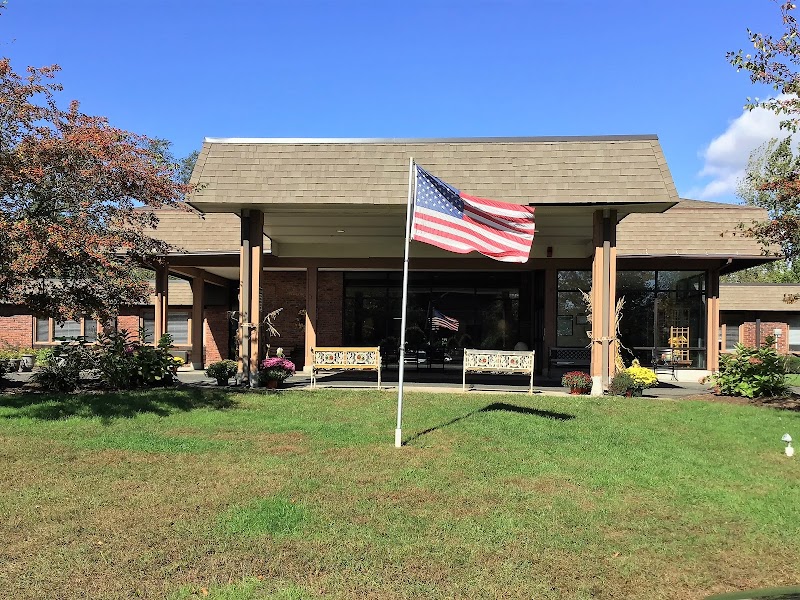
How is Parkway Pavilion Health And Rehabilitation Center Staffed?
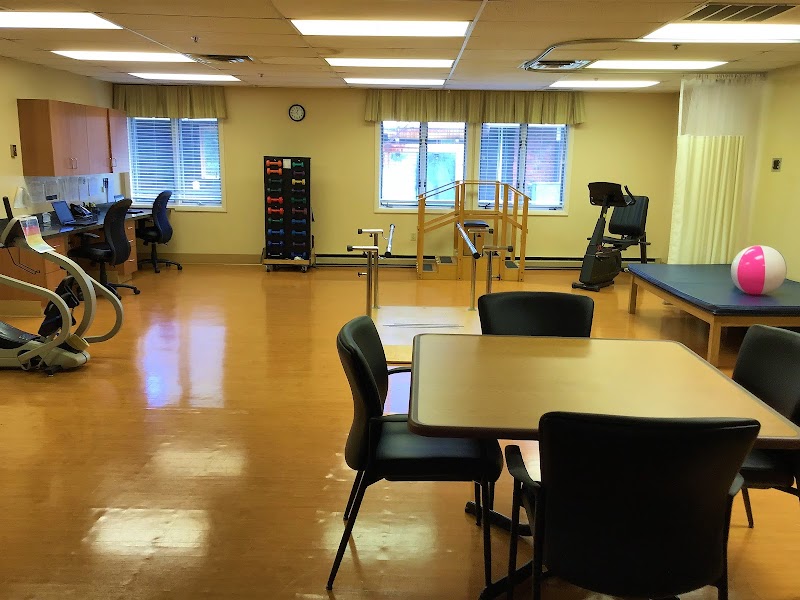
CMS rates Parkway Pavilion Health And Rehabilitation Center's staffing level at 3 out of 5 stars, which is average compared to other nursing homes. Staff turnover is 38%, compared to the Connecticut average of 46%. This relatively stable workforce can support continuity of care. RN turnover specifically is 75%, which is notably high. RNs provide skilled clinical oversight, so turnover in this role can affect medical care quality.

What Have Inspectors Found at Parkway Pavilion Health And Rehabilitation Center?

State health inspectors documented 45 deficiencies at Parkway Pavilion Health And Rehabilitation Center during 2019 to 2024. These included: 45 with potential for harm.
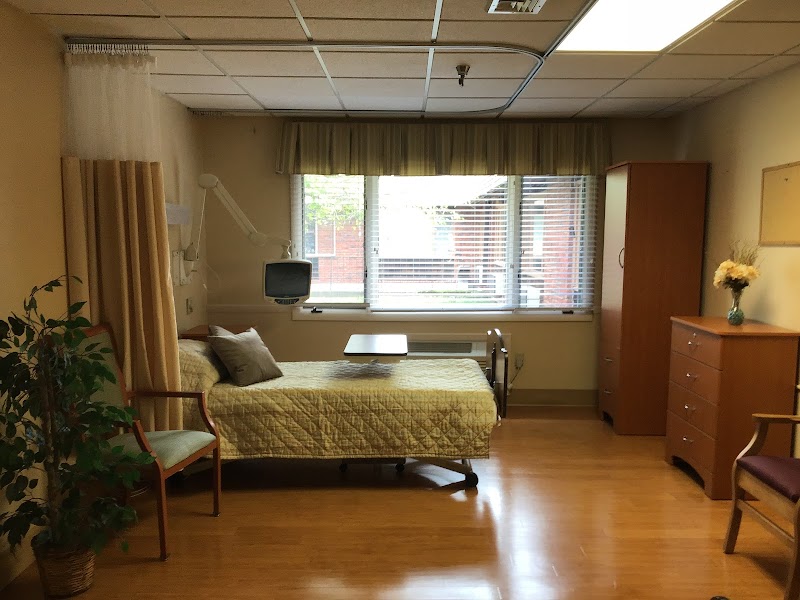
Who Owns and Operates Parkway Pavilion Health And Rehabilitation Center?

Parkway Pavilion Health And Rehabilitation Center is owned by a for-profit company. For-profit facilities operate as businesses with obligations to shareholders or private owners. The facility operates independently rather than as part of a larger chain. With 130 certified beds and approximately 120 residents (about 92% occupancy), it is a mid-sized facility located in ENFIELD, Connecticut.

How Does Parkway Pavilion Health And Rehabilitation Center Compare to Other Connecticut Nursing Homes?

Compared to the 100 nursing homes in Connecticut, Parkway Pavilion Health And Rehabilitation Center's overall rating (1 stars) is below the state average of 3.0, staff turnover (38%) is near the state average of 46%, and health inspection rating (1 stars) is much below the national benchmark.

What Should Families Ask When Visiting Parkway Pavilion Health And Rehabilitation Center?

Based on this facility's data, families visiting should ask: "What safeguards and monitoring systems are in place to protect residents from abuse or neglect?" "Can I visit during a mealtime to observe dining assistance and food quality?" "How do you handle medical emergencies, and what is your hospital transfer rate?" "Can I speak with family members of current residents about their experience?" These questions are particularly relevant given the substantiated abuse finding on record.

Is Parkway Pavilion Health And Rehabilitation Center Safe?

Based on CMS inspection data, Parkway Pavilion Health And Rehabilitation Center has documented safety concerns. The facility has 1 substantiated abuse finding (meaning confirmed case of resident harm by staff or other residents). The facility has a 1-star overall rating and ranks #100 of 100 nursing homes in Connecticut. Families considering this facility should ask detailed questions about what corrective actions have been taken since these incidents.

Do Nurses at Parkway Pavilion Health And Rehabilitation Center Stick Around?

Parkway Pavilion Health And Rehabilitation Center has a staff turnover rate of 38%, which is about average for Connecticut nursing homes (state average: 46%). Moderate turnover is common in nursing homes, but families should still ask about staff tenure and how the facility maintains care continuity when employees leave.

Was Parkway Pavilion Health And Rehabilitation Center Ever Fined?

Parkway Pavilion Health And Rehabilitation Center has been fined $8,018 across 1 penalty action. This is below the Connecticut average of $33,159. While any fine indicates a compliance issue, fines under $50,000 are relatively common and typically reflect isolated problems that were subsequently corrected. Families should ask what specific issues led to these fines and confirm they've been resolved.

Is Parkway Pavilion Health And Rehabilitation Center on Any Federal Watch List?

Parkway Pavilion Health And Rehabilitation Center is not on any federal watch list. The most significant is the Special Focus Facility (SFF) program, which identifies the bottom 1% of nursing homes nationally based on persistent, serious quality problems. Not being on this list means the facility has avoided the pattern of deficiencies that triggers enhanced federal oversight. This is a positive indicator, though families should still review the facility's inspection history directly.