CAMBRIDGE HEALTH AND REHABILITATION CENTER
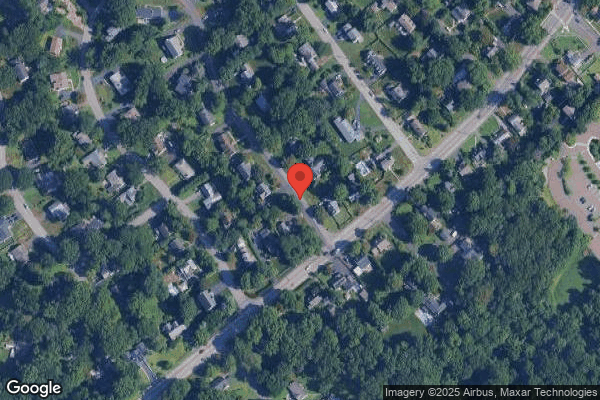
2428 EASTON TNPK, FAIRFIELD, CT 06825 (203) 372-0313
For profit - Limited Liability company 160 Beds NATIONAL HEALTH CARE ASSOCIATES Data: November 2025
Trust Grade
70/100
#56 of 192 in CT
Last Inspection: July 2024

Within standard 12-15 month inspection cycle. Federal law requires annual inspections.

Overview

Cambridge Health and Rehabilitation Center holds a Trust Grade of B, indicating it is a good choice among nursing facilities. It ranks #56 out of 192 facilities in Connecticut, placing it in the top half, and #4 out of 15 in the Greater Bridgeport County area, suggesting only three local options are better. The facility is improving, with reported issues decreasing from 13 in 2024 to just 2 in 2025. Staffing is a weak point, rated only 2 out of 5 stars, but turnover is relatively low at 31%, which is better than the state average. There have been no fines, which is a positive sign, and RN coverage is average, meaning they have enough registered nurses to monitor care effectively. However, specific incidents have raised concerns, such as incomplete narcotic counts that lacked proper signatures and cleanliness issues in the kitchen, including unlabeled food items and unsanitary conditions. These findings suggest that while the facility has strengths, particularly in its improving trend and lack of fines, it does need to address its staffing challenges and ensure better compliance with safety and sanitation standards.

Trust Score
B
70/100
In Connecticut
#56/192
Top 29%
Safety Record
Low Risk
No red flags
Inspections
Getting Better
13 → 2 violations
Staff Stability
○ Average
31% turnover. Near Connecticut's 48% average. Typical for the industry.
Penalties
✓ Good
No fines on record. Clean compliance history, better than most Connecticut facilities.
Skilled Nurses
○ Average
Each resident gets 35 minutes of Registered Nurse (RN) attention daily — about average for Connecticut. RNs are the most trained staff who monitor for health changes.
Violations
⚠ Watch
30 deficiencies on record. Higher than average. Multiple issues found across inspections.
★★★★☆
4.0
Overall Rating
★★☆☆☆
2.0
Staff Levels
★★★★☆
4.0
Care Quality
★★★★☆
4.0
Inspection Score
Stable
2024: 13 issues
2025: 2 issues

The Good

  • 4-Star Quality Measures · Strong clinical quality outcomes
  • Full Sprinkler Coverage · Fire safety systems throughout facility
  • No fines on record
  • Staff turnover below average (31%)

    17 points below Connecticut average of 48%

Facility shows strength in quality measures, fire safety.

The Bad

Staff Turnover: 31%

15pts below Connecticut avg (46%)

Typical for the industry

Chain: NATIONAL HEALTH CARE ASSOCIATES

Part of a multi-facility chain

Ask about local staffing decisions and management

The Ugly 30 deficiencies on record

Jan 2025 2 deficiencies
CONCERN (D) 📢 Someone Reported This

A family member, employee, or ombudsman was alarmed enough to file a formal complaint

Potential for Harm - no one hurt, but risky conditions existed

Notification of Changes (Tag F0580)

Could have caused harm · This affected 1 resident

**NOTE- TERMS IN BRACKETS HAVE BEEN EDITED TO PROTECT CONFIDENTIALITY** Based on clinical record review, facility documentation review, facility policy review, and interviews for one of four residents...

Read full inspector narrative →
**NOTE- TERMS IN BRACKETS HAVE BEEN EDITED TO PROTECT CONFIDENTIALITY** Based on clinical record review, facility documentation review, facility policy review, and interviews for one of four residents (Resident #4), reviewed for behaviors, the facility failed to ensure the physician/designee was notified timely when an antipsychotic medication was not available for administration as ordered. The findings include: Resident #4 was admitted with diagnoses that included schizophrenia (mental disorder characterized by hallucinations, delusions, disorganized thinking and behaviors), morbid obesity, and pain. A quarterly minimum data set (MDS) assessment dated [DATE] identified Resident #4 had mildly impaired cognition (BIMS of 9) and had no behaviors during the prior seven (7) days. A resident care plan dated 8/20/2024 identified Resident #4 had behaviors that included negative thoughts, and refusal of care that required mood stabilizers/anti-psychotics. Interventions directed to reapproach as needed, speak calmly, and to administer medications as ordered. A physician's order dated 10/14/2024 directed Abilify (antipsychotic medication used to treat schizophrenia) 400 milligrams (mgs) injected intramuscularly (IM) one time a day every month on the first day of the month for schizophrenia. Review of manufacturer information identified Abilify Injection was directed to be stored in the refrigerator between 36 and 46 degrees Fahrenheit. A facility reportable event (RE) form dated 11/6/2024 at 8:15 AM identified Resident #4 attempted self-harm by wrapping his/her hands around his/her neck and applying pressure. Staff redirected and calmed Resident #4, and Resident #4 was placed on one-to-one (1:1) observation until he/she was transferred to the hospital. A hospital psychiatry note dated 11/7/2024 identified a call was placed to the facility and RN #2/evening supervisor verified Resident #3's Abilify was on hold for November and the resident had not received it when scheduled on 11/1/2024. Interview with LPN #1/charge nurse on 1/14/2025 at 12:00 PM identified Resident #4 was scheduled to receive Abilify 400 mgs IM on 11/1/2024 at 8 AM and she was unable to locate the medication. LPN #1 spoke with the pharmacy and was informed it was delivered. LPN #1 notified the supervisor, RN #1 and RN #1 suggested LPN re-check the refrigerator and re-check the unit. LPN #1 then signed the Medication Administration Record (MAR) to identify the medication was unavailable, and she wrote a nursing note to identify the same. LPN #1 stated she did not call RN #1 again to say she could not locate the medication, and she did not notify the APRN. LPN #1 stated she was not aware she should have notified the APRN as she had notified RN #1, and she passed the information to the next shift nurse/LPN #4 during shift report. Interview with the psychiatric APRN (APRN #2) on 1/14/2025 at 11:08 AM identified she was unaware that Resident #4 had not received the 11/1/2024 scheduled monthly dose of Abilify. APRN #2 stated she or the medical APRN (APRN #1) should have been notified the Abilify does was missed, and she would have established an alternate plan. APRN #2 stated Resident #4 had an infection identified at the hospital, and the missed Abilify dose may or may not have contributed to Resident #4's behaviors. Interview with APRN #1 on 1/14/2025 at 11:22 PM identified although she could not recall being notified of Resident #4's missed dose of Abilify on 11/1/2024, if she was notified, she would have contacted APRN #2 or the covering psychiatric service provider and she would have documented in the medical record. APRN #1 stated she would have ordered the Abilify to be given on another day and time. Further, APRN #1 was unable to identify any documentation in the clinical record to indicate she was notified of the missed dose. Interview with RN #1 on 1/14/2025 at 12:50 PM identified she was the supervisor on 11/1/2024 and stated she was notified by LPN #1 that she could not find Resident #4's 8:00 AM dose of Abilify. RN #1 stated she directed LPN #1 to recheck the medication cart and to look in the refrigerator. When LPN #1 did not call her back, she thought LPN #1 must have found the medication and administered it to Resident #4 as scheduled. RN #1 stated she did not follow up with LPN #1 again regarding the medication and she was unaware it was not given. RN #1 stated she did not know why LPN #1 did not contact her again, or contact the APRN when the dose was missed. Interview with LPN #4 on 1/14/2025 at 1:06 PM identified she was assigned Resident #4 on 11/1/2024 on the 3 to 11 PM shift and she could not recall that LPN #1 had reported Resident #4 did not receive his/her scheduled 8:00 AM dose of Abilify. LPN #4 stated if she was aware, she would have contacted the pharmacy to check to see if had been delivered. She would then have notified the supervisor and the APRN. Interview with the acting DON on 1/14/2025 at 1:30 PM identified that she would have expected LPN #1 to notify the supervisor and the APRN that she was unable to provide Resident #4's Abilify as scheduled, and she did not know why LPN #1 did not. The DON stated LPN #1 was re-educated that she needed to administer medications as prescribed and if she could not, that the supervisor and APRN needed to be notified. The facility policy Change in Condition dated 4/2023 directed in part, that the facility must consult with the resident's healthcare provider when there is a need to alter treatment. Facility documentation review identified staff education was initiated on 11/6/2024 regarding licensed nurses to administer medications as prescribed and to update the MD/APRN if medication is missing or omitted. A QAPI meeting was held on 11/6/2024 and audits were initiated on 11/15/2024. Based on review of facility documentation, past non-compliance was identified with a correction date of 11/15/2024.
CONCERN (D) 📢 Someone Reported This

A family member, employee, or ombudsman was alarmed enough to file a formal complaint

Potential for Harm - no one hurt, but risky conditions existed

Quality of Care (Tag F0684)

Could have caused harm · This affected 1 resident

**NOTE- TERMS IN BRACKETS HAVE BEEN EDITED TO PROTECT CONFIDENTIALITY** Based on clinical record review, facility documentation review, facility policy review, and interviews for one of four residents...

Read full inspector narrative →
**NOTE- TERMS IN BRACKETS HAVE BEEN EDITED TO PROTECT CONFIDENTIALITY** Based on clinical record review, facility documentation review, facility policy review, and interviews for one of four residents (Resident #4), reviewed for behaviors, the facility failed to ensure an antipsychotic medication was administered in accordance with a physician order, and for one of four residents (Resident #2) reviewed for a change in condition, the facility failed to ensure oxygen was administered in accordance with physician orders and failed to ensure an assessment was completed timely for a resident with an identified change in condition. The findings include: a. Resident #4 was admitted with diagnoses that included schizophrenia (mental disorder characterized by hallucinations, delusions, disorganized thinking and behaviors), morbid obesity, and pain. A quarterly minimum data set (MDS) assessment dated [DATE] identified Resident #4 had mildly impaired cognition (BIMS of 9) and had no behaviors during the prior seven (7) days. A resident care plan dated 8/20/2024 identified Resident #4 had behaviors that included negative thoughts, and refusal of care that required mood stabilizers/anti-psychotics. Interventions directed to reapproach as needed, speak calmly, and to administer medications as ordered. A physician order dated 10/14/2024 directed Abilify (antipsychotic medication used to treat schizophrenia) 400 milligrams (mgs) injected intramuscularly (IM) one time a day every month on the first day of the month for schizophrenia. A facility reportable event (RE) form dated 11/6/2024 at 8:15 AM identified Resident #4 attempted self-harm by wrapping his/her hands around his/her neck and applying pressure. Staff redirected and calmed Resident #4, and Resident #4 was placed on one-to-one (1:1) observation until he/she was transferred to the hospital. A hospital psychiatry note dated 11/7/2024 identified a call was placed to the facility and RN #2/evening supervisor verified Resident #3's Abilify was on hold for November and the resident had not received it when scheduled on 11/1/2024. Record review identified the Medication Administration Record (MAR) directed Abilify 400 mgs IM was due to be administered on 11/1/2024 at 8 AM. Further review identified the MAR included a code that indicated the medication was not administered. Record review failed to identify a new physician order for administration of the Abilify on a different date or time for November 2024 prior to transfer to the hospital on [DATE]. Interview with LPN #1/charge nurse on 1/14/2025 at 12:00 PM identified Resident #4 was scheduled to receive Abilify 400 mgs IM on 11/1/2024 at 8 AM and she was unable to locate the medication. LPN #1 spoke with the pharmacy and was informed it was delivered. LPN #1 notified the supervisor, RN #1 and RN #1 suggested LPN re-check the refrigerator and re-check the unit. LPN #1 then signed the Medication Administration Record (MAR) to identify the medication was unavailable, and she wrote a nursing note to identify the same. LPN #1 stated she did not call RN #1 again to say she could not locate the medication, and she did not notify the APRN. LPN #1 stated she was not aware she should have notified the APRN as she had notified RN #1, and she passed the information to the next shift nurse/LPN #4 during shift report. Interview with RN #1 on 1/14/2025 at 12:50 PM identified she was the supervisor on 11/1/2024 and stated she was notified by LPN #1 that she could not find Resident #4's 8:00 AM dose of Abilify. RN #1 stated she directed LPN #1 to recheck the medication cart and to look in the refrigerator. When LPN #1 did not call her back, she thought LPN #1 must have found the medication and administered it to Resident #4 as scheduled. RN #1 stated she did not follow up with LPN #1 again regarding the medication and she was unaware it was not given. RN #1 stated she did not know why LPN #1 did not contact her again or contact the APRN when the dose was missed. Interview with LPN #4 on 1/14/2025 at 1:06 PM identified she was assigned Resident #4 on 11/1/2024 on the 3 to 11 PM shift and she could not recall that LPN #1 had reported Resident #4 did not receive his/her scheduled 8:00 AM dose of Abilify. LPN #4 stated if she was aware, she would have contacted the pharmacy to check to see if had been delivered and notified the supervisor and APRN. Interview with the acting DON on 1/14/2025 at 1:30 PM identified that she would have expected LPN #1 to administer Resident #4's Abilify on 11/1/2024 at 8 AM as ordered. The DON stated if LPN #1 could not locate the medication she should have notified the supervisor or APRN. Medication Pass Policy dated 9/23/2024 directed in part, to administer medications per the physician's orders. Facility documentation review identified staff education was initiated on 11/6/2024 regarding licensed nurses to administer medications as prescribed and to update the MD/APRN if medication is missing or omitted. A QAPI meeting was held on 11/6/2024 and audits were initiated on 11/15/2024. Based on review of facility documentation, past non-compliance was identified with a correction date of 11/15/2024. b. Resident #2 had a diagnosis of chronic obstructive pulmonary disease (COPD), emphysema, acute and chronic respiratory failure. The quarterly Minimum Data Set (MDS) dated [DATE] identified the Resident had a Brief Interview for Mental Status (BIMS) score of 14 (indicating alert and oriented), had a diagnosis of COPD and respiratory failure, and required oxygen use. The Resident Care Plan dated 12/5/2024 identified COPD, and respiratory failure. Interventions directed to monitor for difficulty breathing, shortness of breath at rest, and provide oxygen via nasal cannula per physician orders. Physician order dated 12/30/2024 directed oxygen at five (5) liters to keep oxygen saturation level above 90 percent. Nursing note dated 12/31/2024 at 12:30 PM, written by LPN #3, identified Resident #2 was on five (5) liters oxygen via nasal canula and complained of shortness of breath. The APRN gave new orders for oxygen at ten (10) liters via a non-rebreather (mask). Resident #2 continued to state he/she cannot breathe, and orders were obtained to transfer Resident #2 to the hospital. Record review failed to identify an RN assessment was completed when Resident #2 complained of shortness of breath. Emergency Medical Services (EMS) run sheet dated 12/31/2024 identified EMS was notified at 1:18 PM and at the resident at 1:30 PM. On EMS arrival, it appeared the oxygen tank was empty and that the resident had not been receiving oxygen. The resident blood oxygen level was 86 percent (normal 90% and above) on room air, resident anxious and breathing rate of 32 (normal 16 to 20). Placed on a non-rebreather mask and voiced ease of breathing with application. Hospital note dated 12/31/2024 at 2:54 PM identified Resident #2 was seen for COPD exacerbation, with recent Influenza A exposure and low blood oxygen levels, currently at 85% on five (5) liters of oxygen. Hospital documentation dated 12/31/2024 at 8:02 PM identified Resident #2 was admitted for acute on chronic respiratory failure secondary to COPD exacerbation triggered by influenza. Interview and record review with LPN #3 on 1/13/2025 at 11:10 AM identified she was the charge nurse during the 7 AM to 3 PM shift on 12/31/2024, and Resident #2 stated he/she was short of breath with a pulse ox (blood oxygen level) 80's on five (5) liters of oxygen. LPN #3 stated during the shift, at an unidentified time, the supervisor/RN #3 raised the head of bed upright and the resident's oxygen saturation increased to 92 percent. The APRN was notified Resident #2 continued to complain of shortness of breath and directed ten (10) liters of oxygen via a non-rebreather mask. LPN #3 stated she changed the oxygen from an oxygen concentrator to a full portable cylinder oxygen tank at around 11 AM because the concentrator could not provide ten (10) liters. Resident #2 continued to complain of shortness of breath afterwards and was transferred to the hospital. LPN #3 stated she replaced the first full portable cylinder oxygen tank with another full portable cylinder oxygen tank at an unidentified time because the first tank was empty. LPN #3 stated she did not check the oxygen level in the second tank afterwards, and then when EMS arrived, they said the portable tank was empty. LPN #3 stated she did not check the oxygen level in the tank because the bag attached to the oxygen mask was inflated. LPN #3 stated she never rechecked the second tank to ensure it still had oxygen in it, and she should have. When Resident #2 was complaining of shortness of breath she did not verify the tank had oxygen left in it, and she should have checked the tank to ensure it was not empty or running low. Interview with Oxygen Representative #1 from the facility oxygen supplier on 1/13/2025 at 12:04 PM identified they supply the facility with size E tanks for oxygen use. Oxygen Representative #1 stated a size E tank would last less than one (1) hour if the oxygen was running at ten (10) liters. Interview and observation with LPN #3 on 1/13/2025 at 1:28 PM identified the full portable cylinder oxygen tank was a size E tank. Interviews identified the first oxygen tank was placed at approximately 11 AM, and per the oxygen company the tank would last less than one (1) hour. EMS run sheet dated 12/31/2024 identified they were called at 1:18 PM (2 hours and 18 minutes after the first oxygen tank was started). Interview with RN #3 on 1/13/2025 at 12:33 PM identified she was the supervisor on 12/31/2024 during the 7 AM to 3 PM shift and was notified about 10 AM that Resident #2 was short of breath. RN #3 stated she assessed the resident, and his/her pulse ox was 88% on an oxygen concentrator set at five (5) liters, and she raised the head of the bed which increased the pulse ox to 92 to 94%. RN #3 stated although she was aware Resident #2 was placed on an oxygen mask, she did not assess the resident again because she did not know the resident was on a non-rebreather at ten (10) liters of oxygen and that LPN #3 had placed the resident on a portable oxygen tank; she stated LPN #3 did not notify her and she did not return to reassess Resident #2's respiratory status prior to Resident #2's transfer to the hospital. Interview failed to identify why RN #3 did not return to reassess Resident #2's respiratory status. Interview with the DNS and Administrator on 1/13/2025 at 2:15 PM identified Resident #2 was on ten (10) liters of oxygen and when EMS arrived, they stated the oxygen tank was empty. LPN #3 stated she just went in the resident's room to check the oxygen tank before EMS arrived, and had switched the first oxygen tank out with a second oxygen tank around 11:30 AM to 12 PM. The DNS indicated LPN #3 should have monitored the oxygen level in the tank; LPN #3 should have checked the oxygen gauge every 30 to 45-minutes to make sure the oxygen tank was not running low or empty. The DNS further indicated an RN assessment should have done after the resident was placed on ten (10) liters of oxygen via a non-rebreather mask, and she did not know why this was not completed. Facility undated Portable Oxygen Cylinder Policy directed in part, for staff to look at the pressure gauge to determine how much oxygen is in the cylinder. Facility Change in Condition Policy dated April 2023 directed in part, for a resident with a change of condition, the licensed nurse, per state regulations, conducts a complete physical/mental evaluation and documents findings in the medical record. Facility documentation review identified although education was initiated on 1/3/2025 and included use of oxygen tanks and checking to ensure the oxygen supply levels, audits and a QAPI meeting were not completed and no past non-compliance was identified.
Oct 2024 1 deficiency
CONCERN (D) 📢 Someone Reported This

A family member, employee, or ombudsman was alarmed enough to file a formal complaint

Potential for Harm - no one hurt, but risky conditions existed

Deficiency F0657 (Tag F0657)

Could have caused harm · This affected 1 resident

**NOTE- TERMS IN BRACKETS HAVE BEEN EDITED TO PROTECT CONFIDENTIALITY** Based on review of the clinical record, facility documentation, facility policy, and interviews for one (1) of four (4) resident...

Read full inspector narrative →
**NOTE- TERMS IN BRACKETS HAVE BEEN EDITED TO PROTECT CONFIDENTIALITY** Based on review of the clinical record, facility documentation, facility policy, and interviews for one (1) of four (4) residents (Resident #4) reviewed for abuse, the facility failed to ensure two staff provided care for a resident with accusatory behaviors in accordance with the plan of care. The findings include: Resident #4 had diagnoses that included anxiety, hypertension, persistent mood disorder, muscle weakness, and depression. The care plan dated 9/15/2023 identified Resident #4 as a potential victim of an allegation of abuse with interventions directed assist of two (2) for all care due to accusatory behaviors. The annual MDS dated [DATE] identified Resident #4 had intact cognition, was always incontinent of bowels, frequently incontinent of bladder, and required extensive assistance with ADLs. A facility accident and incident report dated 10/1/24 at 1:10 P.M. identified Resident #4 stated that NA #2 pokes h/her in the leg and back and when Resident #4 tells NA #2 it hurts NA #2 doesn't apologize. Review of the facility's summary report dated 10/3/24 identified upon further interview Resident #4 stated NA #2 is not abusive, but when she touches me, it feels like she is poking me. Resident #4 has accusatory behaviors, is care planned, and requires 2 persons at all times for care. The nurse's note dated 10/9/24 at 9:41 A.M. written by the DNS indicated the note was a late entry note for 10/1/24. The DNS indicated she spoke with Resident #4 regarding the allegation h/she made regarding care. The DNS indicated she called Resident #4's responsible party and the APRN to update them on the allegation and that she was initiating an investigation. Interview with LPN #1 on 10/9/24 at 11:05 A.M. identified on 9/30/24 during the 3 P.M. - 11 P.M. shift Resident #4 had no complaints. LPN #1 indicated she was not aware that Resident #4 had any care concerns or that NA #2 had hurt or poked Resident #4. Interview with NA #2 on 10/9/24 at 11:20 A.M. identified on 9/30/24 during the 3 P.M. - 11 P.M. NA #2 was assigned to care for Resident #4. NA #2 identified Resident #4 asked to go to the toilet and she assisted Resident #4 to the toilet without another staff member present. NA #2 identified when she went to get Resident #4 up from the toilet Resident #4 stated you are hurting me, NA #2 stopped assisting Resident #4, and told Resident #4 she was sorry. NA #2 identified she went and to get NA #3 and NA #4 to assist Resident #4 off the toilet.NA #2 identified that she knew the resident required 2 staff for all care, but the resident had to go got the bathroom, so she did not look for another NA to assist her with care. Interview and clinical record review with the DNS on 10/9/24 at 12:00 P.M. identified based on her investigation regarding Resident #4 allegations on 10/1/24 that NA #2 poked h/her in the leg and back on 9/30/24 staff to resident abuse was not substantiated. The DNS identified on 9/30/24 NA #2 did not follow the care plan intervention when she took Resident #4 to the bathroom and placed the resident on the toilet without another staff member present. Review of facility's baseline/comprehensive person center care plan policy in part identified the person-centered care plan is developed to include information necessary to properly care for the resident and will address the resident's preferences, goals, desired outcomes, and plan for discharge.
Jul 2024 9 deficiencies
CONCERN (D)

Potential for Harm - no one hurt, but risky conditions existed

Deficiency F0578 (Tag F0578)

Could have caused harm · This affected 1 resident

**NOTE- TERMS IN BRACKETS HAVE BEEN EDITED TO PROTECT CONFIDENTIALITY** 2. Resident #87 was admitted to the facility on [DATE] with diagnoses that included dissection of the ascending aorta, acute re...

Read full inspector narrative →
**NOTE- TERMS IN BRACKETS HAVE BEEN EDITED TO PROTECT CONFIDENTIALITY** 2. Resident #87 was admitted to the facility on [DATE] with diagnoses that included dissection of the ascending aorta, acute respiratory failure, and gastrostomy malfunction. The Advance Directive Consent/Acknowledgement and Release Form failed to reflect Resident #87's choices for the administration of life support systems and his/her signature. The admission MDS dated [DATE] identified Resident #87 had intact cognition. The care plan dated [DATE] identified Resident #87's code status: CPR. Interventions included to provide information to resident/responsible party to complete Advance Directives and assist as necessary, review Advance Directives with resident/responsible party on admission and at least quarterly, and honor Advance Directives as directed by resident/responsible party for guidance. The Care Plan Meeting note dated [DATE] at 3:09 PM failed to identify Resident #87's Advance Directives were reviewed. The physician's orders dated [DATE] through [DATE] failed to identify an order directing Resident #87's code status. Interview and review of the clinical record with RN #1 on [DATE] at 11:32 AM failed to identify a signed and completed Advance Directive Consent/Acknowledgement and Release Form and an order for CPR (Cardiopulmonary Resuscitation) or DNR (Do Not Resuscitate) were in Resident #87's clinical record. RN #1 indicated that she was not sure why Resident #87's code status was not in the physician's orders or why the Advance Directive consent was left blank. RN #1 further indicated that Resident #87 was responsible for self and advance directives should be reviewed and signed by the resident or responsible party on admission or readmission to the facility. RN #1 identified that it is the responsibility of the charge nurse or nursing supervisor, admitting the resident, to ensure the consent is signed and orders are entered. Subsequent to surveyor inquiry, an Advance Directive Consent/Acknowledgement and Release Form was completed and signed by Resident #87, on [DATE]. The physician's orders dated [DATE] directed full code, cardiopulmonary Resuscitation. Interview with the DNS on [DATE] at 1:32 PM identified that she would expect the charge nurse or nurse supervisor to ensure the Advance Directive Consent/Acknowledgement and Release Form was signed and the appropriate code status ordered on admission or within 24 hours of admission to the facility. The facility's Advanced Care Planning Code Status policy directs upon admission, the option of choosing to resuscitate or not to resuscitate will be offered and reviewed with the resident/ family/surrogate/designated representative. The consent/refusal form will be signed and witnessed. Physician orders must be written accordingly. Based on review of the clinical record, facility documentation, facility policy, and interviews for 2 of 5 residents (Resident #54 and 87) reviewed for advance directives, the facility failed to obtain the residents code status (code status refers to the level of medical interventions a person wishes to have started if their heart or breathing stops) on admission. The findings include: 1. Review of the hospital discharge paperwork dated [DATE] did not reflect the residents code status. Resident #54 was admitted to the facility on [DATE] with diagnoses that included cognitive communication deficit, adult failure to thrive, and heart failure. The admission MDS dated [DATE] identified Resident #54 had severely impaired cognition and almost always constant pain. The social worker note dated [DATE] at 4:53 PM indicated that Resident #54 was a full code (full code directs the medical team to take all possible measures to save the residents life in the event of a medical emergency). The social worker assessment dated [DATE] at 1:38 PM, in the electronic medical record, included a section for the advance directives, which was blank. The nurses note dated [DATE] at 1:58 PM indicated staff attempted to get Resident #54 to sign consents and advance directive. Resident #54 was confused and did not want to sign at this time. This writer called the resident representative and left a message. The advance directives form dated [DATE] identified Resident #54 was a Do Not Resuscitate (DNR means the resident does not want any life saving measures in the event of cardiopulmonary arrest). According to the form, the DNR was obtained over the phone from the resident representative and signed only by LPN #8. A physician's order dated [DATE] (17 days after admission) directed Resident #54 was DNR. The care plan dated [DATE] identified code status of DNR with interventions that included following the advance directive guidelines. Facility will honor and follow wishes of the resident/responsible party and review advance directives with resident/responsible party on admission and at least quarterly. Interview with LPN #4 on [DATE] at 7:36 AM indicated that the consent for code status is obtained on the day of admission and done by the charge nurse. LPN #8 indicated that if a nurse had to call a resident representative for the advance directive there has to be 2 nurses to witness and hear the resident representative give the directive for a full code or a DNR and both nurses have to sign the form. Interview with the ADNS on [DATE] at 8:19 AM indicated that on admission the charge nurse or supervisor gets the advance directive signed and if they have to call the resident representative then 2 RN's have to be on the phone call and get a telephone consent. The ADNS indicated the call would be made on the day of admission and if unable to reach resident representative the nurse would write a progress note indicating unable to reach for code status. The ADNS after clinical record review indicated that the advance directive dated [DATE] was only signed by 1 nurse and was not valid. The ADNS indicated that since admission [DATE] until now without a valid code status, Resident #54 would be a full code and staff would have to perform CPR if needed. The ADNS indicated that the code status should have been obtained on admission. Interview with the DNS on [DATE] at 8:37 AM indicated that the advance directives were to be done on day of admission and if unable to reach resident representative there would be a progress note identifying the nurse tried to reach the resident representative for the code status but was not able to or that the resident representative needed more time and was educated. Resident #54 would be a full code until the resident representative decided. The DNS indicated that if the family is not present that 2 nurses, one preferably an RN must co-sign the advance directive form and when resident representative comes in the next visit would sign it. The DNS indicated that the current code status form was only signed by LPN #8 on [DATE] and was not valid without a second nurses signature. The DNS indicated that Resident #54 was a full code since day of admission. Interview with the DNS on [DATE] at 9:19 AM indicated that she had just spoken with Resident #54's representative and the ADNS was present. The DNS indicated that she had gone over each area such as cardiopulmonary resuscitation, artificial respiration, and artificial nutrition with resident representative. The DNS indicated that she had informed the resident representative that he/she needed to come in and sign the form. The DNS indicated that she would get the physician's order and update the care plan. The nurses note written by DNS on [DATE] at 12:32 PM identified this writer spoke with the resident's representative to discuss advance directive who indicated Resident #54 to be a DNR. A physician's order dated [DATE] at 12:46 PM directed Resident #54 was a do not resuscitate. (61 days from day of admission). After surveyor inquiry, the advance directive form dated [DATE] directed Resident #54 requested DNR status cosigned by the DNS and the ADNS. Review of the facility Advanced Care Planning Code Status Policy identified upon admission if the resident was a DNR at the hospital it can be valid no more than 48 hours at the facility. Upon admission the option for choosing to resuscitate (CPR) or do not resuscitate (DNR) will be offered and reviewed with resident or resident representative. The consent or refusal form will be signed by the resident and witnessed. Physician orders must be written accordingly.
CONCERN (D)

Potential for Harm - no one hurt, but risky conditions existed

Notification of Changes (Tag F0580)

Could have caused harm · This affected 1 resident

**NOTE- TERMS IN BRACKETS HAVE BEEN EDITED TO PROTECT CONFIDENTIALITY** Based on review of the clinical record, facility documentation, facility policy, and interviews for 1 residents (Resident #40) r...

Read full inspector narrative →
**NOTE- TERMS IN BRACKETS HAVE BEEN EDITED TO PROTECT CONFIDENTIALITY** Based on review of the clinical record, facility documentation, facility policy, and interviews for 1 residents (Resident #40) reviewed for notification of change, the facility failed to ensure the resident representative was notified when the APRN made changes to the residents medication regimen. The findings include: Resident #40 was admitted to the facility with diagnoses that included dementia, congestive heart failure, and knee pain. The care plan dated 9/22/23 identified Resident #40 had congestive heart failure with lower extremity edema and was at risk for fluid deficit because resident is on diuretic. Interventions included giving medications as ordered. Additionally, Resident #40 has chronic knee and hip pain. The social worker note dated 9/22/23 identified Person #1 was notified an increase in Trazadone (antidepressant medication) for Resident #40's insomnia and depression. Person #1 requested resident to be seen by APRN for knee pain. The quarterly MDS dated [DATE] identified Resident #40 had severely impaired cognition and required touching assistance with toileting, dressing, and personal hygiene. A physician's order dated 11/29/23 directed to administer Aspirin 81 mg once daily in the morning, Potassium Chloride ER tablet extended release 10 MEQ once a day to replace potassium, Lasix 20 mg in the morning every other day and Tylenol 650 mg every 8 hours as needed for pain. The nurses note dated 12/12/23 at 12:04 PM identified Resident #40 received Tylenol 650 mg for pain. The APRN note dated 12/12/23 at 4:36 PM identified Resident #40 was receiving the following medications Trazodone 50 mg at bedtime, Lasix 20mg every other day, Potassium Chloride ER 10 MEQ daily, and Aspirin 81 mg chewable daily. The APRN indicated that she was requested to see Resident #40 for edema. Resident #40 has back and knee pain. Resident #40 had no edema. Congestive heart failure has no signs of fluid overload. Will discontinue the Lasix and monitor residents' weight for 1 week and reevaluate. Aspirin 81 mg, called Person #1 to discuss risk versus benefit but unable to reach. Discontinue Potassium and Lasix. A physician order dated 12/12/23 directed to discontinue Lasix and Potassium. Review of progress notes dated 12/12/23 - 12/30/23 failed to reflect that Person #1 had been notified of the discontinued medications Lasix and Potassium Chloride. The APRN note dated 12/13/23 at 12:07 PM identified Resident #40 is alert, appears more confused, and frail status post emergency room visit after a fall in the shower. Resident #40 has knee and back pain. Resident #40 has no new pain. Aspirin will be discontinued due to increased risk of falls and bleeding. Attempted to reach Person #1 to updated unable to reach. A physician order dated 12/13/23 identified the discontinuation of the Aspirin 81 mg. Review of the clinical record and interview with the ADNS on 7/30/24 at 12:12 PM indicated that the APRN attempted to update Person #1 on 12/12/23 about discontinuing the medications but was unable to reach him/her. The ADNS indicated that there were notes about other things like needing urine and weights but nothing about the medications that were being discontinued. The ADNS indicated that the expectation was that the nurses would continue to try to call Person #1 and document the attempts made until Person #1 was reached. The ADNS indicated that nursing was able to reach Person #1 for other things during that time. Interview with the DNS on 7/30/24 at 12:45 PM indicated that when a resident has any medication changes the resident representative should be updated at that time the same day by the APRN or physician so they can explain why there is a medication change. The DNS indicated that on 12/12/23 and 12/13/23 when the APRN had discontinued medications she should have made multiple attempts to reach Person #1. After clinical record review, the DNS indicated that in December 2023 the APRN had reached out but did not speak with Person #1. The DNS indicated that the expectation was the APRN, or nursing would have updated Person #1 at the time the medications were being discontinued and documented when they had reached and updated Person #1. The DNS indicated that she was not aware that Person #1 was not updated about the discontinued medications until April 2024 when Person #1 had informed her that he/she had just found out that all the medications had been discontinued. The DNS indicated at that time, in April 2024, Person #1 had written a letter because Person #1 was upset he/she was never notified that of the medications were discontinued and wanted to know when and why they were discontinued. Review of the facility Change of Condition Notification Policy identified the facility will inform the resident, residents' representative, and physician when there is a change in condition. The facility will ensure that a residents change in condition is evaluated and documented properly. The facility will ensure that the change of condition is reported to the physician and resident representative. The licensed nurse per state regulations will notify the resident, physician, and resident representative of the change in condition. Repeated attempts will be made to reach the resident representative and physician until successful. The nurse will document all attempts, noting the date and time.
CONCERN (D)

Potential for Harm - no one hurt, but risky conditions existed

Deficiency F0658 (Tag F0658)

Could have caused harm · This affected 1 resident

**NOTE- TERMS IN BRACKETS HAVE BEEN EDITED TO PROTECT CONFIDENTIALITY** Based on observation, review of the clinical record, facility policy, and interviews for 1 of 2 residents (Resident #181) review...

Read full inspector narrative →
**NOTE- TERMS IN BRACKETS HAVE BEEN EDITED TO PROTECT CONFIDENTIALITY** Based on observation, review of the clinical record, facility policy, and interviews for 1 of 2 residents (Resident #181) reviewed for accidental hazards, the facility failed to ensure medication was not left at the bedside. The findings include: Resident #181 was admitted to the facility on [DATE] with diagnoses that included cerebrospinal fluid leak, surgery on the nervous system, and depression. The care plan dated 7/25/24 identified Resident #181 had a potential for pain related to back surgery. Interventions included administering medications per the physician's orders. A physician's order dated 7/24/24 directed to administer the following. 5mg Bisacodyl EC Delayed release, 1 tablet by mouth, daily, for bowel management. 300mg Gabapentin, 1 capsule, by mouth, three times daily, for pain 2mg Hydromorphone HCL (narcotic), 1 tablet, by mouth, every 6 hours, as needed for pain. 250mg Acetazolamide, 1 tablet, by mouth, twice daily, for edema. A physician's order dated 7/25/24 directed to administer the following. 150mg Bupropion HCL ER, 2 tablets, by mouth, daily, for depression. A physician's order dated 7/26/24 directed to administer the following. 25mg Topiramate, 1 tablet, by mouth, daily, for seizures. Observation on 7/28/24 at 9:13 AM identified a medicine cup, containing 7 pills, at Resident #181's bedside. Resident #181 indicated he/she wanted to wait until after breakfast to take the medications because he/she threw up the day before, after taking the medications on an empty stomach. Interview with LPN #1 on 7/28/24 at 9:16 AM identified that Resident #181 had requested Hydromorphone for pain, so she brought in Hydromorphone along with Resident #181's scheduled morning medications, about 15 minutes earlier. LPN #1 further identified that Resident #181 had reported pain but wanted to eat something because he/she felt sick after taking the medications on an empty stomach, yesterday. LPN #1 indicated that she had left the medications at the bedside and was unsure if Resident #181 had taken them. LPN #1 further indicated that she should not have left medications at the bedside and should have remained with Resident #181 until he/she had taken the medications or should have removed the medications and returned with them after Resident #181 had eaten breakfast. Interview with RN #1 on 7/28/24 at 9:20 AM identified that when medications are administered, she would expect the nurse to administer the medication using the 5 rights of medication administration and to observe that all the medications were taken. RN #1 further identified that if medications are refused, then the nurse should properly waste them and reattempt, later. Interview and review of the MAR dated 7/28/24 with LPN #1 identified the following medications were left at the bedside, at approximately 8:15 AM. 5mg Bisacodyl EC Delayed release, 1 tablet. 300mg Gabapentin, 1 capsule. 2mg Hydromorphone, 1 tablet. 250mg Acetazolamide, 1 tablet. 150mg Bupropion HCL ER, 2 tablets. 25mg Topiramate, 1 tablet. LPN #1 identified that she returned to Resident #181's room, subsequent to surveyor interview, and attempted to administer the morning medications. Resident #181 took the Hydromorphone tablet but refused the rest of the medications, as he/she was still eating breakfast. LPN #1 further identified that she discarded the other medications and later administered them after Resident #181 had eaten. Interview with the DNS on 7/29/24 at 11:21 AM identified that her expectation is that medications are not left at the bedside and that the nurse remains with the resident until all the medications are taken; if a resident refuses a medication, then the medications are to be removed from the room and offered, later. The DNS further identified that Resident #181 had not been evaluated, ordered, or care planned to self-administer medications. The facility's Medication Pass policy directs medications to be administered safely and timely per the physician's orders, always observe the resident until they have swallowed all medications that have been administered, and do not leave medication in medication cup at the bedside or on tableside. The policy further directs that medications must be re-offered before they are considered refused, and medications that are refused.
CONCERN (D)

Potential for Harm - no one hurt, but risky conditions existed

Quality of Care (Tag F0684)

Could have caused harm · This affected 1 resident

**NOTE- TERMS IN BRACKETS HAVE BEEN EDITED TO PROTECT CONFIDENTIALITY** 5. Resident #44 was admitted to the facility on [DATE] with diagnoses that included local infection of the skin and subcutaneou...

Read full inspector narrative →
**NOTE- TERMS IN BRACKETS HAVE BEEN EDITED TO PROTECT CONFIDENTIALITY** 5. Resident #44 was admitted to the facility on [DATE] with diagnoses that included local infection of the skin and subcutaneous tissue, Hidradenitis Suppurativa, and cellulitis of the groin. The quarterly MDS dated [DATE] identified Resident #44 had intact cognition, had a wound infection, had open skin lesions, and had received medication injections within the last 7 days. The care plan dated 3/12/24 identified Resident #44 had actual/potential for pain related to: disease process, muscle spasms, wounds and groin. Interventions included to administer medications per the physician's orders. The nurse's note dated 3/14/24 at 9:30 PM identified that Resident #44 was on an antibiotic for a skin infection in the axillary region due to Hidradenitis Suppurativa, resident is also being managed for genital area pain and swelling. The APRN note dated 3/14/24 at 3:36 PM identified acute/chronic Hidradenitis Suppurativa of right axilla and status post I&D (incision and drainage) on 3/6/24. Patient on Doxycycline and Clindamycin and will need follow up surgery appointment to reassess wound and duration of antibiotics. 1. This resident is at significant risk of worsening medical status and risk of hospitalization. 2. Multiple comorbidities requiring intensive management with frequent medication changes and or other treatments. 3. Shared decision making completed involving eliciting resident and/or family preferences, patient education and explaining risks and benefits of management options. 4. Complex data reviewed including labs, x-rays consults, medications and differential diagnosis, all of which have been assessed, reviewed, and analyzed. A physician's order dated 5/3/24 directed to administer 40 mg/0.4ml Humira pen-injector, subcutaneously one time a day every 7 days for inflammation. Review of the May 2024 MAR and progress notes identified the following documentation regarding the Humira injections. a. On 5/3/24 Humira administered. b. On 5/10/24 Humira administered. c. On 5/17/24 Humira not administered. The nurse's note dated 5/17/24 at 12:34 PM identified the 40 mg/0.4ml Humira pen-injector was not available, the pharmacy was called and will deliver on next run. d. On 5/24/24 Humira not administered. The nurse's note dated 5/24/24 at 12:06 PM identified Humira injection still not available. Third call placed to the pharmacy who stated medication back in supply and will be delivered on first run. The APRN was updated and ok to retime for tomorrow. Resident is his/her own responsible party. e. On 5/25/24 Humira administered (15 days in between the 5/10 and 5/25 injections). Review of the June 2024 MAR and progress notes identified the following documentation regarding the Humira injections. a. On 6/1/24 Humira administered. b. On 6/8/24 Humira not administered. The nurse's note dated 6/8/24 at 8:28 AM identified the 40 mg/0.4ml Humira pen-injector was not in stock and was reordered. c. On 6/15/24 Humira not administered. The nurse's note date 6/12/24 at 11:32 AM identified the 40 mg/0.4ml Humira pen-injector was on order, not received from pharmacy. The APRN note dated 6/13/24 at 11:28 AM identified per nursing, weekly Humira was not available, spoke with pharmacy via phone they stated medication was delivered yesterday, discussed with nursing they were able to locate the medication in the facility. The nurse's note dated 6/19/24 at 12:44 PM identified this week's dose was already given on 2/17 due to medication not being available, last week. The APRN note dated 6/21/24 at 2:24 PM identified Resident #44 had severe Hidradenitis Suppurativa and was currently on Humira, resident is not receiving medication consistently as per treatment recommendation for Hidradenitis Suppurativa, and is at higher risk for developing antibodies from inconsistent medication administration, leading to treatment failure period at this point dermatology close monitoring is imperative for management, consult placed to dermatology for further evaluation management. The APRN note dated 6/21/24 at 7:04 AM identified dermatologist follow up in four weeks, please obtain dermatologist for ongoing follow up of Hidradenitis Suppurativa and biological treatment with Humira. d. On 6/22/24 Humira not administered. e. On 6/24/24 Humira administered (15 days in between the 6/1/24 and 6/24/24 injections). Review of the July 2024 MAR and progress notes identified the following documentation regarding the Humira injections. a. On 7/2/24 Humira administered (8 days in between the 6/24/24 and 7/2/24 injections). The APRN notes dated 7/2/24 at 11:05 AM, 7/8/24 at 3:56 PM, and 7/9/24 at 12:52 PM identified that Resident #44 was currently on Humira and is not receiving medication consistently as per treatment recommendation for Hidradenitis Suppurativa and is at higher risk for developing antibodies from inconsistent medication administration, leading to treatment failure. b. On 7/9/24 Humira administered. c. On 7/18/24 Humira administered (9 days in between the 7/9/24 and 7/18/24 injections). d. On 7/25/24 Humira administered. Interview with Resident #44 on 7/28/24 at 9:50 AM identified that he/she had been in and out of the facility for about 1 year and has Hidradenitis which can lead to skin abscesses. Resident #44 indicated that staff are not consistent with the weekly Humira injections, and the injections are not received on time because there is an issue with the pharmacy. Resident #44 further indicated that he/she had been to the hospital with a skin infection and stomach problems, in the last few months. Resident #44 indicated that the facility wants him/her to see a Dermatologist, but he/she does not think that is necessary. Interview with RN #1 on 7/29/24 at 12:37 PM identified that Resident #44's Humira is scheduled weekly, but sometimes the pharmacy doesn't send it on time; the facility nurses call the pharmacy, and they state it will be delivered but then it won't come. RN #1 indicated that this happens at least once a month. RN #1 further indicated that the medication is usually administered within a day or two of when it is scheduled, and they adjust the medication administration schedule with the approval of the APRN. Interview and review of the Humira dispensary documentation with Pharmacist #1 on 7/30/24 at 9:51 AM identified the following. On 5/21/24 a request was received but pharmacy did not have insurance information on file, after the resident's hospitalization and readmission. Due to the cost of the medication, the pharmacy had to wait for the authorization to fill it. Two Humira pens were delivered to the facility on 5/24/24. On 6/10/24 a refill request was received and 2 Humira pens were delivered to the facility on 6/12/24. On 7/16/24 a refill request was received and 2 Humira pens were delivered to the facility on 7/17/24. On 7/26/24 a refill request was received and 4 Humira pens were delivered to the facility on 7/27/24. Pharmacist #1 indicated that Humira can take an additional day for delivery because it comes directly from the wholesaler and is not kept in stock because it is an expensive medication; typically, medication refills should have a 24 hour or less turnaround from request to delivery, but delivery for Humira can be greater than 24 hours. Pharmacist #1 identified that a refill request can be made prior to the facility running out of the medication, the refill request will go into the system and when the medication is due, the pharmacy will send it to the facility. Interview with APRN # 6 on 7/30/24 at 10:26 AM identified that, last month, the nursing staff made her aware that Resident #44's Humira had not been received by the pharmacy due to dosing and concentration availability, and she personally called the pharmacy and reordered the medication, and pharmacy indicated that the medication would be delivered the next day. APRN #6 indicated that she would expect the facility nurses to notify any 1 of the 4 APRNs or the on call medical provider of any missed Humira doses. Interview with the DNS on 7/30/24 at 1:12 PM identified that she was unaware that Resident #44 was not getting his/her Humira injections on a consistent schedule, and she would expect that the RN supervisor and herself to be notified if there is an issue getting the medication from the pharmacy. The DNS further indicated that her expectation for reordering specialty medications that are scheduled weekly, is that when the last dose is administered the pharmacy refill request is made, to ensure a timely delivery. The DNS identified that she provides on-going monthly education to notify the APRN if a medication is unavailable. Interview with APRN #5 on 7/30/24 at 1:40 PM identified that Resident #44 has a severe case of Hidradenitis Suppurativa and per her notes, inconsistency of treatment can cause Humira to not work anymore period. APRN #5 further indicated that Resident #44 has refused appointments for referrals to the Dermatologist, as well as other specialty providers. APRN #5 indicated that her primary concern was that the resident is refusing a specialist to oversee the Humira management; she will continue to work with the Medical Director in the meantime, but she is unsure how Resident #44 wants to proceed with preventative management sine he/she refuses to see the specialty providers. The facility's Ordering and Obtaining Medications policy directs drugs will be obtained and administered only upon the clear, complete, and signed order of a person lawfully authorized to prescribe. Verbal orders will be received only by licensed nurses or pharmacists and confirmed in writing by the physician on a timely basis. The policy further directs that demand items should be ordered from the pharmacy when the quantity remaining is equal to a 3-day supply or less. The facility's Medication Pass policy directs that medications are administered safely and timely per the physician's orders. The policy further directs that medications that are withheld, refused, or given at a time other than scheduled: initial encircled and documented an explanatory note in the progress notes. Although requested a Specialty Medication policy was not provided. Although the physician's order directed that Humira be administered once every 7 days, between 5/1/24 - 7/31/24, 3 months, the facility failed to administer Humira (to treat a severe case of Hidradenitis Suppurativa) 3 times and administered it late 4 times. Based on observation, review of the clinical record, facility documentation, facility policy, and interviews for 2 of 5 residents (Resident #1 and 11) reviewed for unnecessary medications, the facility failed to ensure that the residents' had vital signs monitored at least monthly and neurological checks were done after unwitnessed falls, and for 1 of 8 residents (Resident #15) reviewed for nutrition, the facility failed to monitor the blood sugar for a resident with a diagnosis of Type 2 diabetes, and for 1 of 6 residents (Resident #31) reviewed for accidents, the facility failed to ensure neurological vital signs were completed according to facility policy, and for 1 of 4 residents (Resident #44) reviewed for skin conditions, the facility failed to administer a specialty medication according to the physician's orders and subsequently the resident missed 3 doses and 4 doses were administered late. The findings include: 1. Resident #1 was admitted to the facility on [DATE] with diagnoses that included rectal cancer, congestive heart failure, and chronic obstructive pulmonary disease (COPD). The admission MDS dated [DATE] identified Resident #1 had moderately impaired cognition, was always incontinent of bladder, had a colostomy in place for bowel, and required maximal staff assistance with eating, dressing, and bathing. The physician's orders dated 12/22/23 directed to administer Spironolactone (a diuretic) 25 mg daily for fluid retention; Metoprolol ER (a blood pressure medication) 25 mg daily for hypertension; Albuterol nebulizer (a medication for shortness of breath) 3 ml inhaled orally 4 times daily; Acetylcysteine solution (a medication for thickened mucus secretions related to COPD) 3 ML inhaled orally every 6 hours for COPD; Torsemide (a diuretic) #3-20 mg tablets (for a total of 60 mgs) by mouth every Monday and Friday for fluid overload; and Apixaban (an anticoagulant) 5 mg every 12 hours for atrial fibrillation. The care plan dated 2/11/24 identified Resident #1 had a history of renal insufficiency related to Stage III kidney disease. Interventions included to monitor vital signs and notify the physician of any significant abnormalities, monitor for signs and symptoms of hypovolemia (volume depletion) including increases pulse, respirations, decreased systolic blood pressure; and for hypervolemia (volume overload) including increased blood pressure and lung crackle. The care plan also identified Resident #1 had a history of congestive heart failure and hypertension. Interventions included to give cardiac medications, monitor vital signs as ordered, and monitor and report any signs/symptoms of congestive heart failure or hypokalemia that included increased heart rate (tachycardia) or dysrhythmias. Review of the clinical record 2/15/24 - 3/31/2024, over a month, failed to identify any documentation related vital sign monitoring. An APRN note dated 4/1/24 by APRN #3 identified Resident #1 was seen along with APRN #4 (wound care) for evaluation of wounds at the left and right heels. The note identified the left heel appeared infected with drainage and pus and the right heel appeared to be worsening. The treatment plan included STAT x rays of the bilateral heels, wound cultures, start Bactrim (an antibiotic) twice daily for 7 days. The nurse's note dated 4/1/24 at 2:57 PM identified to start Bactrim every 12 hours for 7 days, obtain an X rays to rule out osteomyelitis (an infection of the bone) and that wound cultures had been obtained. Review of the clinical record identified on 4/1/24 at 2:59 PM the following vital signs were documented for Resident #1: Blood pressure 139/77; Pulse 75 bpm; Respiratory rate 20; Temperature 98.3 F. An APRN note dated 4/2/24 by APRN #3 identified Resident #1's right heel Xray was concerning for osteomyelitis and that Resident #1 had been sent to the hospital for treatment. Review of the clinical record identified Resident #1 was hospitalized from [DATE] - 4/10/24 and transitioned to hospice care on 4/13/24. 2. Resident #11 was admitted to the facility on [DATE] with diagnosis that included breast cancer, heart failure, and obstructive sleep apnea (OSA). The care plan dated 12/5/23 identified Resident #11 was at risk for falls related to functional decline and diuretic use. Interventions directed the use of the appropriate socks/footwear and therapy screen/evaluation as needed. The admission MDS dated [DATE] identified Resident #11 had severely impaired cognition, was occasionally incontinent of bowel and bladder and required touch assistance and supervision from staff with toileting, dressing, and bathing. The MDS also identified Resident #11 had no history of falls prior to admission to the facility. The physician's orders signed 12/10/23 directed Resident #11 required Xarelto (an anticoagulant) 15 mg by mouth once daily for DVT prophylaxis; Furosemide (a diuretic) #2-40 mg tablets (for a total of 80 mg) by mouth once daily for fluid retention; Budesonide (a steroid inhaler) 2 ml inhaled orally twice daily for asthma, and CPAP applied at bedtime and off in the morning for sleep disturbance, to be worn continuously. The care plan dated 12/29/23 identified Resident #11 had altered respiratory status due to difficulty breathing and OSA. Interventions included administering medications as ordered and monitor for effectiveness, side effects, and monitor for signs/symptoms of respiratory distress including increased respirations, decreased pulse oximetry, increased heart rate, and report to the physician as needed. a. Review of the clinical record failed to identify any documentation of vital sign monitoring for Resident #11 from 1/12/24 - 4/8/24 (a total of 12 weeks or 3 months). Further review of the clinical record failed to identify any documentation of vital sign monitoring from 4/15/24 - 6/3/24 (a total of 7 weeks). Interview with the DNS on 7/30/24 at 11:17AM identified that the standard of care within the facility included monitoring vital signs at least monthly unless otherwise specified by the physician or if the resident's condition warranted a change in monitoring. The DNS identified that Resident #1 would not have monthly vital sign monitoring while on hospice but should have had vital signs checked in March 2024. The DNS identified she would have to look into why Resident #11 did not have any vital signs monitoring in February, March or May 2024 as Resident #11 should have had vital signs checked at least monthly. The facility policy on change of condition directed that the licensed nurse would conduct a complete physical/mental evaluation and document the findings in the medical record, including the resident's reactions to symptoms (i.e. pain, anxiety, or discomfort) which must be documented. The facility policy on hydration directed that the purpose of the policy was to identify risk factors that could lead to dehydration, develop the appropriate plan of care, and monitor the effectiveness of the plan and revise as necessary. The policy further directed risk factors included renal disease, use of diuretics and cardiovascular agents, infections, and pressure ulcers. The policy also directed that possible sign of dehydration included orthostasis (an alternate term for orthostatic hypotension). Although requested, the facility failed to provide policies on vital sign monitoring, hospice, nursing documentation, and nursing assessments. b. A reportable event form dated 1/9/24 at 5:30 PM identified Resident #11 had an unwitnessed fall. Review of the neurological check flowsheet identified neurological checks were not done according to the facility policy and were not done after 1/10/24 on the 11:00 PM - 7:00 AM shift. A reportable event form dated 4/12/24 at 4:30 PM identified Resident #11 had an unwitnessed fall. Review of the neurological check flowsheet identified neurological checks were not done according to the facility policy and were not done after 4/13/24 on the 11:00 PM -7:00 AM shift. A reportable event form dated 6/15/24 at 11:00 AM identified Resident #11 had an unwitnessed fall. Review of the clinical record failed to identify any neurological checks had been completed after the 6/15/24 fall. A reportable event form dated 7/2/24 at 2:30 PM identified Resident #11 had an unwitnessed fall which resulted in a right proximal humerus fracture and hospitalization from 7/2/24 - 7/5/24. Interview with the DNS on 7/30/24 at 11:17AM identified that she had just been informed by RN #4 that the neurological check flowsheets utilized by the nursing staff had not been updated and did not reflect the frequency of neurological checks directed in the facility policy. The DNS identified it was her understanding that the neurological checks were being done per policy. The DNS also identified that Resident #11 should have had neurological checks done following the 6/15/24 fall. The facility policy on neurological evaluations directed that neurological assessments would be completed following an unwitnessed fall. The policy further directed that evaluations would check pupil reaction, level of consciousness, motor function, speech, facial symmetry and vital signs. The policy directed the checks would done the following intervals: initially every 15 minutes x 4 (1 hour), every 30 minutes x 4 (2 hours), every 2 hours x 4 (8 hours), every shift x 8 (64 hours). 3. Resident #15 was admitted to the facility on [DATE] with diagnoses Type 2 diabetes. Facility documentation dated 4/26/24 identified that Resident #15 was transferred to the emergency room due to constipation at the resident's request. The hospital discharge summary, upon the residents return to the facility on 4/26/24 directed to administer Lispro Insulin 2 - 8 units 3 times a day as follows. 71 - 149 administer 0 units. 150 - 199 administer 2 units. 200 - 249 administer 4 units. 250 - 299 administer 6 units. 300 - 349 administer 6 units. 350 - 399 administer 10 units. 400 or greater, notify the physician The quarterly MDS dated [DATE] identified Resident #15 had intact cognition and a diagnosis of diabetes. The care plan dated 5/10/24 identified interventions that included to monitor for signs and symptoms of hyperglycemia (elevated blood sugar) or hypoglycemia (low blood sugar). Interview and review of the clinical record with the DNS on at 7/29/24 at 1:40 PM indicated Resident #15's blood sugars were not monitored indicating blood draws are performed at the specialty clinic and an inquiry would be made to secure lab information. The DNS indicated the APRN is responsible for issuing orders for diagnostics at the facility. In an interview with the DNS and RN #7 (Corporate Clinical Director) on 7/30/24 at 6:25AM, RN #7 identified we are awaiting results from the specialty clinic on the HbA1c (test to measure average blood sugar over a 3-month period), we don't do that lab here even though the resident is diabetic. RN #7 indicated Resident #15 is not treated here for the diabetes and indicated the facility is waiting for the labs from the specialty clinic. Subsequent to surveyor inquiry, a physician's order dated 7/30/24 directed to monitor Resident #15's blood sugar twice weekly every Monday and Thursday effective 8/1/24. An interview with APRN #6 on 7/30/24 at 2:18 PM identified Resident #15 is non-compliant, and APRN #6 has not currently treated the resident for diabetes. APRN #6 identified that Resident #15 is not on any Insulin or oral medications to treat diabetes and it is her expectation that anyone with a diagnosis of diabetes have a HbA1c blood test every 6 months to measure the resident's blood sugar levels and provide treatment if the test indicates it is necessary. APRN #6 could not identify why a HbA1c was not previously ordered and identified she did not see the discharge summary from the hospital dated 4/26/24 regarding the Insulin orders. APRN #6 identified it is the responsibility of nursing to enter all orders and any Insulin orders according to the Discharge summary dated [DATE] should have been transcribed. The Diabetes Management Protocol states it is the policy of this facility to manage residents with diabetes and to document such care, with protocols for both hyperglycemia and hypoglycemia. Although requested, a policy for diabetic care, diabetic monitoring and diets for residents with Type 2 diabetes was requested, however not provided. 4. Resident #31 was admitted to the facility with diagnoses that included multiple sclerosis, muscle weakness, and abnormal posture. The quarterly MDS dated [DATE] identified Resident #31 had intact cognition and required moderate assistance with dressing, toileting, and personal hygiene. The care plan dated 1/16/24 identified Resident #31 had 12 falls in 2023 and 7 falls in 2024. Interventions included to provide education and remind the resident to call for assistance, resident to use a reacher, resident to wear proper footwear, and dycem to wheelchair. A physician's order dated 2/11/24 directed to provide the assistance of 1 for transfers and activities of daily living. a. A reportable event form dated 1/11/24 at 5:30 PM identified Resident #31 had an unwitnessed fall in the resident room next to the bed and sustained a skin tear to left leg. Review of the neurological assessment form dated 1/11/24 identified neurological assessments were not completed every 8 hours for 64 hours. b. A reportable event form dated 2/7/24 at 2:45 PM identified Resident #31 had an unwitnessed fall in recreation room. Review of the neurological assessment form dated 2/7/24 identified neurological assessments were not completed every 8 hours for 64 hours. c. A reportable event form dated 2/22/24 at 2:30 PM identified Resident #31 had an unwitnessed fall in the bathroom and was noted with bruise to the lateral right eye. Review of the neurological assessment form dated 2/22/24 at 2:20 PM identified the neurological assessments were not completed every 8 hours for 64 hours. Additionally, the motor section did not address strength of legs and was incomplete. d. A reportable event form dated 3/16/24 at 7:15 PM identified an unwitnessed fall in the room next to the bed. Resident #31 had a laceration to the back of the head. Review of the neurological assessment form dated 3/16/24 at 8:45 PM identified no nurses' signatures in place, scribbling over numbers for the level of consciousness and motor function, and writing over the times. Additionally, neurological assessments were not completed every 8 hours for 64 hours. e. A reportable event form dated 3/30/24 at 2:45 AM identified Resident #31 had an unwitnessed fall in the resident's room and sustained a left eyebrow laceration. Pressure dressing applied and the resident was sent to the emergency room and returned at 9:30 PM. Neurological assessments were not completed every 8 hours for 64 hours. f. A reportable event form dated 4/14/24 at 4:30 PM identified an unwitnessed fall in the bathroom. Neurological assessments were not completed every 8 hours for 64 hours. g. A reportable event form dated 4/15/24 at 8:00 PM identified an unwitnessed fall in the resident's room. Review of the clinical record failed to reflect that neurological assessments had been done and interview with the DNS on 7/30/24 at 7:25 AM indicated she was not able to find the neurological assessments from the 4/14/24 unwitnessed fall. h. A reportable event form dated 6/9/24 at 7:00 PM identified an unwitnessed fall in resident's bathroom. Review of the neurological assessment form dated 6/9/24 identified the neurological assessments were not completed every 8 hours for 64 hours. i. A reportable event form dated 7/2/24 at 7:30 PM identified an unwitnessed fall in resident's bathroom. Review of the neurological assessment form dated 7/2/24 identified the neurological assessments were not completed every 8 hours for 64 hours. Interview with the DNS on 7/30/24 at 7:28 AM indicated at the time of a resident fall, the RN supervisor does an assessment while the resident remains on the floor for an unwitnessed fall. The DNS indicated the nurse will initiate the neurological assessments per facility policy and notify the physician or APRN if there are any changes in the neurological assessments. The DNS indicated that the charge nurse and RN supervisor were responsible to make sure the neurological assessments and vital signs were completed based on the sheet every 15 minutes x 4, every 30 minutes x 4, every 2 hours x 4, and every shift (8 hours) for 64 hours. After review of the reportable events for 9 unwitnessed falls dated 1/11/24 - 7/4/24, the DNS identified that the neurological assessment forms indicated that the nurses were not doing the neurological assessments and vital signs every shift per the facility policy as required. Additionally, the DNS indicated that the nurses were at times doing every 1 hour instead of every 2 hours, writing on top of other times, not putting in their initials, and not coding accurately on the forms. Review of the Neurological Assessment Policy identified the licensed nurse performs neurological evaluations whenever there is the possibility of a head injury, changes in mentation, or an unwitnessed fall. Accurate evaluation and monitoring for changes in residents' neurological status to allow prompt medical notification and treatment. The neuro flow sheet includes vital signs (temperature, pulse, respirations, and blood pressure) and information regarding pupil reaction of both eyes, level consciousness, motor function, speech, facial symmetry, and headache. Any resident with an unwitnessed fall will have an initial neurological evaluation by the LPN or RN per state regulations followed by neurological monitoring per policy. After the initial evaluation, the neurological exam is repeated every 15 minutes for 4 times (1 hour), every 30 minutes for 4 times (2 hours), every 2 hours for 4 times (8 hours), and then every shift for 8 times (64 hours). The results are documented on the Neuro Care Flowsheet in the electronic health report. Any changes that indicated a decrease or change in neurological function will be reported to the primary or on-call physician immediately.
CONCERN (D)

Potential for Harm - no one hurt, but risky conditions existed

Deficiency F0692 (Tag F0692)

Could have caused harm · This affected 1 resident

**NOTE- TERMS IN BRACKETS HAVE BEEN EDITED TO PROTECT CONFIDENTIALITY** Based on observation, review of the clinical record, facility policies, and interviews for 1 of 8 residents (Resident #26) revie...

Read full inspector narrative →
**NOTE- TERMS IN BRACKETS HAVE BEEN EDITED TO PROTECT CONFIDENTIALITY** Based on observation, review of the clinical record, facility policies, and interviews for 1 of 8 residents (Resident #26) reviewed for nutrition, the facility failed to ensure feeding assistance was provided to a dependent resident with a history of weight loss, in a timely manner. The findings include: Resident #26 was admitted to the facility on [DATE] with diagnoses that included dysphagia, vascular dementia, cerebral infarction, hemiplegia, and hemiparesis. The care plan dated 4/14/24 identified Resident #26 had a potential for fluid deficit related to nausea and poor intake. Interventions included assisting with meals and fluids, as needed, and to encourage the resident to complete fluids offered. The care plan further identified Resident #26 had the following nutritional diagnoses: inadequate oral intake, swallowing difficulty, underweight, unintentional weight loss, and malnutrition. Interventions included providing feeding/dining assistance. A physician's order dated 6/1/24 directed to provide a pureed texture house diet, thin consistency. The quarterly MDS dated [DATE] identified Resident #26 had severely impaired cognition, had an active diagnosis of malnutrition/was at risk for malnutrition, had a 5% or more weight loss in the last month, was not on a physician-prescribed weight-loss regimen, and was dependent for eating. The Nutritional Evaluation's Assessment Summary and Care Plan Decision dated 7/8/24 identified Resident #26 had a diagnosis of vascular dementia and was a total feed; showing an unavoidable 5% weight loss in the past month related to decreased oral intake. The resident was receiving a daily Ensure Plus supplement and a frozen nutritional cup with the lunch tray, further weight loss is expected due to dementia; plan: house, puree texture diet as ordered, increase Ensure plus to twice daily, frozen nutritional cup, total feed, and monitor weekly weights. Observations on 7/29/24 at 7:19 AM identified the breakfast cart arrived on unit Passport A, at 7:33 AM the facility staff began to distribute the breakfast trays, and at 7:36AM, NA #3 delivered a breakfast tray to Resident #26's room. Constant observation from 7:36 AM through 8:25 AM identified Resident #26's breakfast tray remained on the bedside table, and none of the facility nursing staff entered the room to feed the resident. This writer approached RN #1 at 8:25 AM inquiring who was responsible for feeding Resident #26. NA #4 entered Resident #26's room at 8:26 AM and indicated that she was not the nurse aide assigned to Resident #26, but she would feed him/her breakfast. NA #4 provided Resident #26 with mouth care at 8:27 AM and at 8:29 AM left the room to reheat pureed oatmeal and pureed scrambled eggs. Interview on 7/29/24 at 8:29 AM with NA #1 identified that she was the nurse aide assigned to Resident #26, but she was not aware that that he/she was on her assignment as there had been confusion among the nurse aides, that morning, about who was assigned to who. NA #1 indicated that she had not attempted to feed Resident #26, yet. Observation on 7/29/24 at 8:33 AM identified NA #4 began feeding Resident #26 breakfast; NA #1 took over to finish the feeding. Interview on 7/29/24 at 8:36 AM with NA #3 identified that she had delivered Resident #26's breakfast tray that morning but could not recall the time of delivery because she had dropped off many other trays on that unit, too. NA #3 indicated that she did not attempt to feed Resident #26 when she had dropped off the tray because she had to call the kitchen for another resident, who did not receive a breakfast tray; then she must have forgotten to go back to feed Resident #26. Interview on 7/29/24 at 8:40 AM with RN #1 identified that she would expect meal trays to be passed out first to the independent residents; the nurse aides would then bring in the meal trays to the residents that are dependent for eating and feed the resident upon bringing in the tray, reheating the food if necessary. Interview on 7/29/24 at 11:24 AM with the DNS identified that a meal tray should not sit at the bedside for an hour. The DNS indicated that her expectation is that once a tray is passed to a dependent resident the nurse aide should ensure the temperature of the food is appropriate and should then assist with the feeding. The DNS further indicated that she had already begun re-educating the staff on the timeliness of feeding dependent residents. The facility's Nutrition policy directs that the facility maintains acceptable parameters of nutritional status, such as usual or desirable body weight range, and electrolyte balance, for the resident unless the resident's clinical condition demonstrates that it is not possible or resident preferences indicate otherwise. The policy further directs that the nutritional status of the resident is assessed upon admission, quarterly, annually, when a significant change occurs, and/or more frequently as deemed necessary by the interdisciplinary team. The nutritional assessment may include but is not limited to the following information: food and fluid intake, altered nutrient intake, chewing and swallowing abnormalities, cognitive and functional abilities, and the need for a therapeutic diet. The residents' nutrition and hydration care and services are consistent with their comprehensive assessment. The facility's Residents' [NAME] of Rights policy directs residents have the right to receive quality care and services with reasonable accommodation of individual needs and preferences, except when the resident's health or safety or the health or safety of others would be endangered by such accommodation.
CONCERN (D)

Potential for Harm - no one hurt, but risky conditions existed

Respiratory Care (Tag F0695)

Could have caused harm · This affected 1 resident

**NOTE- TERMS IN BRACKETS HAVE BEEN EDITED TO PROTECT CONFIDENTIALITY** Based on observation, review of the clinical record, facility documentation, facility policy, and interview for 2 of 2 residents...

Read full inspector narrative →
**NOTE- TERMS IN BRACKETS HAVE BEEN EDITED TO PROTECT CONFIDENTIALITY** Based on observation, review of the clinical record, facility documentation, facility policy, and interview for 2 of 2 residents (Resident #79 and 82) reviewed for respiratory care, the facility failed to ensure oxygen was administered as ordered. The findings include: 1. Resident #79 was admitted to the facility on [DATE] with diagnoses that included anemia, syncope, and collapse. The admission MDS dated [DATE] identified Resident #79 had moderately impaired cognition, and was not receiving respiratory treatments, including oxygen therapy. The physician's orders dated 7/5/24 directed to administer 800mg Molnupiravir (antiviral medication to treat Covid 19), twice daily for 5 days, and administer 1 - 2 liters of oxygen to maintain oxygen saturation above 92%, as needed for hypoxia. The care plan dated 7/22/24 identified Resident #79 had 1 - 2 liters of oxygen therapy ordered, to maintain oxygen saturation greater than 92%. Interventions included: oxygen settings via nasal cannula, as ordered. Observation with LPN #2 on 7/28/24 at 8:40 AM identified Resident #79 had a nasal cannula in his/her nose with oxygen running, however, the tubing connector, that had been wrapped in surgical tape, was laying on the floor and was not connected to the oxygen concentrator. LPN #2 indicated that she was not aware that the tubing connector was on the floor, disconnected from the oxygen concentrator, and had been taped. LPN #2 indicated that she would replace Resident #79's oxygen tubing. It was unknown at that time how long the resident was without oxygen due to the tubing being disconnected from the concentrator. Observation and interview with the DNS on 7/28/24 at 8:43 AM identified that the tubing connector should not have been taped because the tubing connector should fit properly on the concentrator. The DNS was unsure why the tubing was taped and why the tubing was not connected to the concentrator. 2. Resident #82 was admitted to the facility on [DATE] with diagnoses that included interstitial pulmonary disease, chronic respiratory failure, and pneumonia. A physician's order dated 6/6/24 directed to administer continuous oxygen at 2 liters per minute via nasal cannula every shift for shortness of breath related to interstitial pulmonary disease. The admission MDS dated [DATE] identified Resident # 82 had moderately impaired cognition and was receiving respiratory treatments, including oxygen therapy. The care plan dated 7/3/24 identified Resident #82 had altered respiratory status and difficulty breathing; oxygen therapy 2 liters per minute to maintain oxygen saturation greater than 92%. Interventions included updating the physician as needed with any changes in condition. Observation and interview with the DNS on 7/28/24 at 8:50 AM identified Resident #82 had a nasal cannula in his/her nose with oxygen running, however, the tubing connector, that had been wrapped in surgical tape, was laying on the floor and was not connected to the oxygen concentrator. The DNS indicated that the tubing connector should not have been taped, the tubing connector should fit properly on the concentrator, and she would ensure the oxygen tubing was replaced with new tubing. The DNS was unsure why the tubing was taped and why the tubing was not connected to the concentrator. It was unknown at that time how long the resident was without oxygen due to the tubing being disconnected from the concentrator. Interview with the DNS on 7/29/24 at 11:15 AM identified that she had spoken to the 7/27/24 3:00 PM - 11:00 PM shift RN Supervisor and the 11:00 PM - 7:00 AM shift RN Supervisor (who was an agency nurse) and identified that some of the oxygen tubing were not connecting properly to the concentrators, which was why some of the tubing connectors were tapped. The DNS further identified that it was not a widespread issue, the 2 residents that were identified with disconnected oxygen tubing had the tubing that was not fitting properly, and since those residents moved around a lot in bed, the tubing had pulled off, so the nurse used tape to secure the fit. The DNS identified that she audited the oxygen tubing connections throughout the entire house and replaced all the tubing with new tubing, ensuring a proper fit. The DNS further identified that she educated the nursing staff on oxygen therapy and the education remained on-going. The facility's Oxygen Therapy policy instructs on how to treat hypoxemia, decrease work of breathing and decrease myocardial work in patients requiring supplemental oxygen therapy due to respiratory or cardiac insufficiency. The policy's procedure directs the verification of the flow of oxygen at the patient end of the delivery device.
CONCERN (D)

Potential for Harm - no one hurt, but risky conditions existed

Deficiency F0757 (Tag F0757)

Could have caused harm · This affected 1 resident

**NOTE- TERMS IN BRACKETS HAVE BEEN EDITED TO PROTECT CONFIDENTIALITY** Based on review of the clinical record, facility documentation, facility policy, and interviews for 1 of 5 residents (Resident #...

Read full inspector narrative →
**NOTE- TERMS IN BRACKETS HAVE BEEN EDITED TO PROTECT CONFIDENTIALITY** Based on review of the clinical record, facility documentation, facility policy, and interviews for 1 of 5 residents (Resident #6) reviewed for unnecessary medications, the facility failed to ensure resident was free from unnecessary medication (Nicotine patch). The findings include: Resident #6 was admitted to the facility with diagnoses that included nicotine dependance, intellectual disabilities, anxiety, asthma, and chronic obstructive pulmonary disease (COPD). The APRN note dated 4/11/24 identified Resident #6 was admitted in October of 2022. Resident #6 is confused at baseline. Resident #6 smoking status is he/she smokes daily. APRN was asked to see Resident #6 for increased behaviors. Resident #6 expressed to APRN that he/she was frustrated with not being able to smoke which caused him/her to have increased episodes of agitation. Resident #6 psychiatric APRN had given new orders for medication adjustment. Plan to start Nicotine patch for increased agitation and anxiety. A physician's order dated 4/11/24 directed to administer the Nicotine patch (nicotine dependance) 7mg once per day for 24 hours and remove per schedule. Check resident for cigarettes and lighter after each visit with family member. The quarterly MDS dated [DATE] identified Resident #6 had severely impaired cognition and required partial assistance or supervision with dressing, toileting, and personal hygiene. Resident #6 required supervision or touching assistance with transfers and ambulation. The care plan dated 4/25/24 identified Resident #6 had the potential to smoke. Interventions included educating resident on smoking and evaluate desire to stop. Review of the progress notes dated 5/1/24 - 7/28/24 did not reflect Resident #6 had a desire to smoke. Pharmacy Medication Regimen Review dated 5/10/24 identified Resident #6 was receiving the Nicotine patch 7mg without a stop date. Recommend stopping the Nicotine patch in 2 weeks. Please evaluate and add to the order to discontinue the patch after 2 weeks. APRN #1 checked off that she agreed with the recommendation and will do the recommendation signed by APRN #1 on 6/13/24. Interview APRN #1 on 7/30/24 at 8:45 AM indicated that she had seen Resident #6 for mental status changes. APRN #1 indicated that she was not aware that Resident #6 had been smoking at the time she saw resident due to mental status changes. APRN #1 indicated that the pharmacy comes into the facility once a month and makes recommendations after revieing the residents' medical record and medications. APRN #1 indicated that the supervisor/unit manager gives her the pharmacy recommendations each month and she reviews the recommendations. APRN #1 indicated that on the recommendation form she will check off yes, she agrees, or no she does not agree, and then give the forms to the supervisor/unit manager. APRN #1 indicated that her expectation is on the day she signs the pharmacy recommendation forms, the supervisor would be responsible to execute the recommendation. APRN #1 indicated that she signs off on the hard copy of the pharmacy recommendation and then hands off the forms to the supervisor on that day and then the supervisor puts the orders in per facility policy. APRN #1 indicated that since she signed the pharmacy recommendation to discontinue the Nicotine patch on 6/13/24 she would have expected the Nicotine patch would have been discontinued on 6/13/24. Interview with the ADNS on 7/30/24 at 8:50 AM indicated the pharmacy reviews the resident's medical records every month and makes recommendations. The ADNS indicated the pharmacist emails the recommendations and reports to the DNS, ADNS and MDS coordinator. The ADNS indicated the DNS reviews the report and distributes the individual resident recommendations to the unit managers/supervisors to give to the appropriate APRN's or physicians based on what the recommendation is for. The ADNS indicates the APRN, and physicians are responsible to change their own orders in the electronic medical record at the time they review the recommendations. The ADNS indicated once the APRN and physicians sign off on the form it is returned to the DNS and then the DNS gives to medical records to upload into that residents' medical record. After review of the clinical record, the ADNS indicated the Nicotine patch 7mg order went into place on 4/11/24 and Resident #6 received the Nicotine patch because the APRN wrote in her note that Resident #6 had a desire to smoke and was causing resident agitation. The ADNS indicated that the expectation was that APRN would have discontinued the order on 6/13/24 and write a note reflecting the pharmacy recommendation. Interview with the DNS on 7/30/24 at 9:09 AM indicated that she receives the monthly pharmacy recommendations via email, and she prints the reports and gives it to the unit managers. The DNS indicated the unit managers are responsible for giving the individual resident recommendations to the appropriate APRN's. The DNS indicated the APRNs agree or disagree with the recommendations on the forms. The DNS indicated that some of the APRN's put in or discontinue their own orders and other APRN's don't. The DNS indicated that the unit managers were responsible for making sure the pharmacy recommendations orders were put in the resident's electronic medical record in the physician's orders or discontinuing the orders if needed. The DNS indicated that once the unit manager makes sure all recommendations are verified and completed, they are left in her mailbox. The DNS indicated she missed this recommendation for Resident #6. The DNS indicated that the pharmacy recommendation dated 5/10/24 and signed off on 6/13/24 should have been discontinued, but it was not discontinued. Review of the facility Pharmacy Medication Review Policy identified the consultant pharmacist reviews the medication regime of each resident at least monthly. Findings and recommendations are communicated to those with responsibility to implement the recommendations, and to answer in a timely manner. The Consultant Pharmacist will submit their monthly recommendation reports to the DNS and follow up on the recommendations to verify that appropriate action has been taken and or responded to within a reasonable time frame. The completed pharmacy recommendations will be uploaded in the electronic medical record. Review of the Transcription of Orders Policy identified to establish requirements for accepting, transcribing, and reviewing orders. Orders from an authorized licensed independent practitioner are accepted by an RN or LPN. Orders are for medications, labs, diagnostics, and consultants. Orders can be written in the electronic health record or obtained over the phone, verbally, or consultant's recommendations. Transcribing is the recording of the orders done by the RN or LPN.
CONCERN (D)

Potential for Harm - no one hurt, but risky conditions existed

Dental Services (Tag F0791)

Could have caused harm · This affected 1 resident

**NOTE- TERMS IN BRACKETS HAVE BEEN EDITED TO PROTECT CONFIDENTIALITY** Based on review of the clinical record, facility documentation, facility policy, and interviews for 1 resident (Resident #40) re...

Read full inspector narrative →
**NOTE- TERMS IN BRACKETS HAVE BEEN EDITED TO PROTECT CONFIDENTIALITY** Based on review of the clinical record, facility documentation, facility policy, and interviews for 1 resident (Resident #40) reviewed for dental, the facility failed to provide a timely resolution for lost dentures. The findings include: Resident #40 was admitted to the facility with diagnoses that included dementia, congestive heart failure, and dysphasia. The care plan dated 9/22/23 identified Resident #40 received a therapeutic diet due to heart failure. Interventions included diet as ordered per physician and provide feeding assistance as needed The care conference social worker note dated 9/22/23 identified Resident #40's appetite was fair. Person #1 indicated that since they started to receive a select menu and have been doing the select menus for Resident #40 to select foods, things have improved. FSD will follow up with Person #1 regarding food preferences. The quarterly MDS dated [DATE] identified Resident #40 had severely impaired cognition and required touching assistance with toileting, dressing, and personal hygiene. Additionally, Resident #40 had no swallowing disorders and had no weight loss. A physician's order dated 11/29/23 directed to provide a no added salt diet, regular whole texture and regular consistency. The nurses note dated 3/31/24 at 9:53 PM indicated that the dentures were not found. A physician's order dated 4/3/24 directed to change diet to a mechanical soft texture. The nurses note dated 4/3/24 at 2:31 PM identified Person #1 was notified the diet was downgraded to a ground diet and a speech consult. The nurses note written by RN #5 (MDS coordinator) on 4/9/24 at 9:06 AM identified Resident #40's diet was downgraded to mechanical soft related to the missing upper partial denture. A grievance form dated 4/12/24 identified Resident #40's dentures were missing since 3/31/24. Residents room was searched, and the kitchen and laundry were notified. On 4/17/24 dental follow up in the facility and yes for dentures. The RDH (dental hygienist) #1 on 4/17/24 at 8:05 PM indicated that Resident #40 was placed in the dental book by nursing for missing dentures. Resident #40 was seen in his/her room and reported dentures were missing. Resident #40 (severely cognitively impaired) was asked if he/she would like new dentures made. Resident #40 replied he/she wanted to see if they turned up. As per order from Dentist #1 resident will be seen for further evaluation. The nurses note dated 4/18/24 at 12:03 PM identified Person #1 was contacted and stated he/she wanted the dentures made. The dental company was contacted. Interview with the ADNS on 7/30/24 at 11:47 AM indicated on 4/12/24 Person #1 notified the facility that Resident #40's dentures were missing. The ADNS indicated that staff did a room search and notified laundry and the kitchen. The ADNS indicated that Resident #40 was seen by the dental hygienist on 4/17/24 and noted that Resident #40 would be seen by the dentist. The ADNS indicated that per the medical record Resident #40 has not been seen by the dentist. The ADNS indicated there was a payment issue related to the facility. Interview with the DNS on 7/30/24 at 12:23 PM indicated that there was a grievance regarding the missing dentures when Person #1 reported the dentures were lost on 4/12/24. The DNS indicated that Resident #40 has not received the replacement dentures because there was payment issue and the facility had to pay for the replacement dentures. The DNS indicated that she had thought it was taken care of until today when Person #1 reported that it still was not done. The DNS indicated that today after the meeting with Person #1 she called the dental company and informed them they had to come into the facility to make new dentures as soon as possible for Resident #40 and the facility will pay for it. Interview with SW #2 on 7/30/24 at 12:24 PM indicated that the DNS was correct, and it was a payment issue because the facility would have to pay for the lost dentures. SW #2 indicated that when RDH #1 was at the facility on 4/17/24 and came to her, she had told RDH #1 that Resident #40 had dementia and that Resident #40 needed the dentures. Interview with the Administrator 7/30/24 at 1:40 PM indicated that she was responsible for the grievance book. The Administrator indicated that when a grievance is filed that she brings it up at the daily morning report and the department head and social worker are responsible to complete the grievance. The Administrator indicated that she was aware that Resident #40 was missing dentures and was waiting for nursing to see if Resident #40 was eligible to receive new dentures from the insurance/Medicaid or if the facility would have to pay for them. The Administrator indicated that she was waiting for the form from dental to sign indicating that the facility would pay for the replacement dentures. The Adminiitsrator indicated that she has not received the form rom dental since 4/12/24 when the grievance was filled out. Interview with RHD #1 with Administrator present on 7/30/24 at 2:14 PM RHD #1 indicated that she recalls on 4/17/24 she had seen Resident #40 because she was in the dental book for lost dentures. RDH #1 indicated that Resident #40 indicated that she wanted to look for dentures first, so she was waiting to hear from someone that Resident #40 was ready for the new dentures. RDH #1 indicated she does not recall speaking with SW #2 about moving forward with making the dentures for the resident because the resident had dementia. RDH #1 indicated that she inquired with insurance/Medicaid and the dentures would not be covered as it's only covered every 7 years. RDH #1 indicated that the dentist did not see the resident because she did not have coverage. RDH #1 indicated that she was waiting to hear from facility, SW #2, the resident, or the family if they wanted the dentures made and would pay for the dentures. RDH #1 indicated that she had called SW #2 last week and SW#2 stated the facility would pay for the dentures. RDH #1 indicated that she would come to the facility to start the denture process and give the Administrator the acknowledgement form to sign for responsibility for payment of the dentures. Interview with RDH #1 on 7/30/24 at 2:40 PM indicated after reviewing her notes that were not in the Resident #40's clinical record indicated after 4/17/24 she did not notify anyone at the facility, the resident, or resident representative that the insurance would not pay for the replacement dentures. RDH #1 indicated that she spoke to SW #2 on 7/23/24 and informed SW #2 for the first time that the insurance would not pay for the dentures. RDH #1 indicated that on 7/23/24 was the first time she had notified anyone that the insurance/Medicaid would not cover the new dentures and had inquired if Resident #40 still needed new dentures and who was going to pay for them. RDH #1 indicated that SW #2 gave her permission that the facility would pay for the replacement dentures. Interview with the Administrator on 7/30/24 at 2:46 PM indicated that SW #2 did not inform her that she had spoken to dental and had given permission that the facility would pay for the replacement dentures. Review of the Resident Lost Property Policy identified the facility would conduct a thorough search for the lost property and if unable to locate the property, and the residents representative requests reimbursement, facility shall assess whether reimbursement is appropriate, and if so, the appropriate value of the reimbursement. The facility will document as a grievance and follow the grievance policy. Review of the Dental Services Policy identified the facility is responsible for providing an outside source, routine, and emergency dental services to meet the needs of each resident. The facility must provide assistance for dental care upon resident or resident representative's request. Documentation of dental visits will be maintained in the resident's electronic medical record. At which time the resident loses their dentures, and they cannot be located, a dental referral will be made in 3 days of the facility being aware. Dentures that are lost or broken due to unavoidable circumstances will be financially covered by the facility. Review of the facility Grievance Policy identified the facility will support the resident or responsible party to voice grievances or concerns regarding lost items. Upon receipt of the grievance or concern the facility will take appropriate measures to seek a resolution to the grievance. The Grievance Officer (the Administrator) will be responsible for ensuring that all grievances are responded to in a timely manner. Grievances The completed form will be taken to the social worker or the Administrator. The department head is responsible for investigating the concern and developing a plan to resolve it. Once the resolution is resolved it will be brought back to the social worker. The social worker will contact the department head if the completed form has not been returned within 72 hours and will notify the Administrator that it has not been resolved. The Administrator is responsible for reviewing grievances/concerns weekly to ensure that they have been investigated and resolved to the residents' responsible party satisfaction.
CONCERN (E)

Potential for Harm - no one hurt, but risky conditions existed

Pharmacy Services (Tag F0755)

Could have caused harm · This affected multiple residents

**NOTE- TERMS IN BRACKETS HAVE BEEN EDITED TO PROTECT CONFIDENTIALITY** Based on observation, review of facility documentation, facility policy, and interviews for 6 of 6 medication carts, the facilit...

Read full inspector narrative →
**NOTE- TERMS IN BRACKETS HAVE BEEN EDITED TO PROTECT CONFIDENTIALITY** Based on observation, review of facility documentation, facility policy, and interviews for 6 of 6 medication carts, the facility failed to consistently complete shift to shift narcotic/controlled drug counts. The findings include: Observation on 7/28/24 between 7:25 AM - 8:05 AM of the medication carts with LPN #3 (Discharge Planner) identified the July 2024 narcotic drug change of shift audit sheet (the narcotic count that the on-coming and off-going nurses complete to ensure the narcotic medications are counted) were missing signatures on multiple dates on the 7:00 AM - 3:00 PM shift, 3:00 PM - 11:00 PM shift, and 11:00 PM - 7:00 AM shift on the following units: The Passport A unit was missing 38 signatures. The Passport B unit was missing 44 signatures. The Passport C unit was missing 34 signatures. The [NAME] 1 unit was missing 23 signatures. The [NAME] 2 unit was missing 23 signatures. The [NAME] unit was missing 5 signatures. Interview with LPN #7 on 7/28/24 at 7:27 AM identified she has been employed by the facility for approximately 12 years. LPN #7 indicated it was the responsibility of all the nurses to sign the narcotic drug change of shift audit sheet at the beginning of the shift and at the end of each shift when the controlled substance count is completed. Interview with LPN #2 on 7/28/24 at 7:28 AM identified she has been employed by the facility for approximately 2 months. LPN #2 indicated all the nurses are responsible for signing the narcotic drug change of shift audit sheet at the beginning of the shift and at the end of each shift. Interview with LPN #1 on 7/28/24 at 7:30 AM identified she has been employed by the facility for approximately 4 months. LPN #1 indicated it was the responsibility of all the nurses to sign the narcotic drug change of shift audit sheet at the beginning of the shift and at the end of each shift. Interview with LPN #3 (Discharge Planner) on 7/28/24 at 7:58 AM identified he was not aware of the issue. LPN #3 indicated it was the responsibility of all the nurses to sign the narcotic drug change of shift audit sheet at the beginning of the shift and at the end of each shift when the controlled substance count is completed. Interview with the DNS on 7/28/24 at 8:16 AM identified she was not aware of the missing narcotic drug change of shift audit sheet signatures until now. The DNS indicated the expectation of the facility is that the on-coming and off-going nurses count the controlled substances during each shift change and sign the narcotic drug change of shift audit sheet after completing the count. Interview with the Administrator on 7/28/24 at 8:25 AM identified she was not aware of the missing narcotic drug change of shift audit sheet signatures. The Administrator indicated the expectation is that the nurses will count the narcotics at change of shift and sign the narcotic drug change of shift audit sheet. Review of the controlled substance handling policy identified all controlled drugs will be subject to special receipt, handling, storage, disposal and record keeping. A physical inventory of all controlled drugs is made at the change of each shift by two licensed nurses and is documented on an audit record. If a nurse is late, the supervisor will go to the floor and count with the nurse who is leaving. The drugs are never to leave the cabinet on the floor. The supervisor will then go to the floor and count with the nurse when she arrives.
Apr 2024 3 deficiencies
CONCERN (D) 📢 Someone Reported This

A family member, employee, or ombudsman was alarmed enough to file a formal complaint

Potential for Harm - no one hurt, but risky conditions existed

ADL Care (Tag F0677)

Could have caused harm · This affected 1 resident

**NOTE- TERMS IN BRACKETS HAVE BEEN EDITED TO PROTECT CONFIDENTIALITY** Based on clinical record reviews, facility documentation, facility policy and interviews for one of two sampled residents (Resid...

Read full inspector narrative →
**NOTE- TERMS IN BRACKETS HAVE BEEN EDITED TO PROTECT CONFIDENTIALITY** Based on clinical record reviews, facility documentation, facility policy and interviews for one of two sampled residents (Resident #2) who were reviewed for an allegation of neglect, the facility failed to ensure Resident #2 was checked and provided incontinent care from 12:30 AM until 5:30 AM. The findings include: Resident #2's diagnoses included subdural hemorrhage, aphonia (loss of the voice), dysphonia (difficulty speaking), and seizures. The quarterly Minimum Data Set assessment dated [DATE] identified Resident #2 rarely or never made decisions regarding tasks of daily living, required extensive assistance with toileting and personal hygiene, and was incontinent of bowel and bladder. The Resident Care Plan dated 1/31/24 identified bladder incontinence secondary to impairment of mobility and benign prostate hypertrophy. Interventions directed to clean the peri-area, check every two (2) to four (4) hours and change as required, to wash, rinse, and dry the perineum, change clothing as needed, monitor for signs and symptoms of urinary tract infection, and offer toileting in the morning, after meals and at bedtime. The Facility Reported Incident form dated 4/9/24 identified Resident #2 had not been provided incontinent care from 12:30 AM until 5:30 AM, five (5) hours. The report identified that due to a staff change in assignments, the staff member assigned to Resident #2 forgot Resident #2 was assigned to her. Interview with the 11PM-7AM nurse aide, Nurse Aide (NA) #1, on 4/26/24 at 12:41 PM identified on 4/9/24 Resident #2 received incontinent care at 12:30 AM by another nurse aide assigned to the unit, NA #2. NA #1 identified she was assigned to the care for Resident #2 throughout the shift. NA #2 identified at approximately 3:00 AM she went on her break and thought NA #2 had provided care to Resident #2 again and upon return from break she resumed care to residents on the other part of her assignment. NA #1 identified she did not provide incontinent care to Resident #2. Interview with the 11PM-7AM charge nurse, Licensed Practical Nurse (LPN) #1 on 4/26/24 at 1:09 PM identified she was aware Resident #2 had received incontinent care from NA #2 at 12:30 AM. LPN #1 identified she reminded NA #1 throughout the shift that Resident #2 needed frequent checks as Resident #2 had frequent falls. LPN #1 identified at approximately 5:30 AM Resident #2 was found on the floor in the bathroom with a saturated brief. Interview with the 11PM-7AM Nursing Supervisor, Registered Nurse (RN) #3, on 4/29/24 at 9:25 AM identified on 4/9/24 she was notified that NA #1 was not providing care to the residents and at approximately 5:30 AM Resident #2 was found on the floor in the bathroom with a saturated brief. RN #3 identified she asked NA #1 when the last time Resident #2 had been changed and NA #1 reported Resident #2 had been changed at 12:30 AM by NA #2. RN #3 identified NA #1 admitted she had not checked on Resident #2 until the time Resident #2 was found on the floor at 5:30 AM, five (5) hours later. RN #3 identified facility policy is for incontinent care to be provided to residents every two (2) hours. Interview with the Director of Nursing (DON) on 4/29/24 at 11:51 AM identified the facility policy directs for incontinent care to be provided every two (2) to four (4) hours and it was the responsibility of the charge nurses to ensure the nurse aides are providing this care. The DON identified on 4/9/24 it was reported that Resident #2 had not received incontinent care from 12:30 Am until 5:30 AM, five (5) hours and when NA #1 was questioned she reported she had attempted to go to give care to Resident #2 at 2:30 AM, but got called in a different direction, then went on her break and never provided care to Resident #2 upon return from break. The facility policy titled Activities of Daily Living (ADL), directed in part, ADLs are the essential tasks that each person needs to perform, on a regular basis, to sustain basic survival and well-being. The policy directed staff are to provide assistance to complete ADL activities per the person-centered evaluation and care plan including toileting and toilet hygiene and personal hygiene and grooming. The Policy included the CNA (certified Nurse's Aide) Standard of Care/Information Sheet, which directed to toilet/offer to toilet every two (2) to four (4) hours (offer bedpan, urinal, commode, or toilet as appropriate).
CONCERN (D) 📢 Someone Reported This

A family member, employee, or ombudsman was alarmed enough to file a formal complaint

Potential for Harm - no one hurt, but risky conditions existed

Deficiency F0760 (Tag F0760)

Could have caused harm · This affected 1 resident

**NOTE- TERMS IN BRACKETS HAVE BEEN EDITED TO PROTECT CONFIDENTIALITY** Based on clinical record reviews, facility documentation, facility policy and interviews for one of two sampled residents (Resid...

Read full inspector narrative →
**NOTE- TERMS IN BRACKETS HAVE BEEN EDITED TO PROTECT CONFIDENTIALITY** Based on clinical record reviews, facility documentation, facility policy and interviews for one of two sampled residents (Resident #1) who were reviewed for significant medication errors, the facility failed to ensure the medications were reconciled when Resident #1 was readmitted to the facility from the hospital. The findings include: Resident #1's diagnoses included pleural effusion, diabetes, congestive heart failure, atherosclerotic heart disease and paroxysmal atrial fibrillation. The admission assessment dated [DATE] identified Resident #1 was alert and oriented. The Resident Care Plan dated 3/23/24 identified an alteration in cardiac status. Interventions directed to administer medications as ordered, lab work as ordered, diet as ordered, vital signs and weights as ordered, cardiac follow up as indicated, and to monitor, document, and report any signs or symptoms of coronary artery disease. The nurse's note dated 3/28/24 at 7:30 PM identified Resident #1 complained of nausea and vomiting along with an increased and irregular heart rate. The note identified the provider was notified and an order was received to send Resident #1 to the Emergency Department (ED). The hospital inter-agency referral report dated 3/31/24 identified Resident #1 had a new medication to treat atrial fibrillation, irregular heartbeat, and heart failure, Digoxin 0.125 milligrams (mg) give once daily and change to Diltiazem CD 240 mg capsule to be given nightly. The nurse's note dated 4/4/24 at 10:05 AM identified at approximately 9:35 AM Resident #1 became unresponsive and quickly began to respond. The note identified Resident #1's heart rate was 136, the Advanced Practice Registered Nurse (APRN) was notified, and an order was received to send Resident #1 to the ED. The nurse's note dated 4/4/24 at 8:56 PM identified Resident #1 returned from the hospital, diagnoses included atrial fibrillation with rapid ventricular response, and a new order directed to administer Digoxin 125 micrograms (mcg), Toprol 200 mg daily, and Diltiazem 240 mg daily. A physician's order dated 4/5/24 directed to give Digoxin 125 mcg once a day and Diltiazem CD 240 mg capsule once a day. Review of the physician orders and the March and April 2024 Medication Administration Records (MAR) failed to reflect documentation the Digoxin 0.125 milligrams (mg) give once daily and Diltiazem CD 240 mg capsule to be given nightly were reconciled with the physician/APRN and if so, were transcribed onto the MAR. The April MAR identified four (4) doses of the Digoxin and Diltiazem CD were omitted. Interview with the 7PM-7AM weekend Nursing Supervisor, Registered Nurse (RN) #1, on 4/26/24 at 11:39 AM identified the facility policy on readmission was to confirm the medications, review them with the provider and then put them in the electronic medical record (eMAR). RN #1 identified it was the responsibility of the nurse performing the admission to ensure the medication reconciliation was done. RN #1 identified she was assigned to the admission for Resident #1 and thought the 7AM-7PM Nursing Supervisor, RN #2, had completed the medication reconciliation. RN #1 identified Digoxin and Diltiazem CD were omitted from the orders. Interview with the 7AM-7PM weekend Nursing Supervisor, RN #2, on 4/29/24 at 9:44 AM identified the policy for medication reconciliation when a resident was readmitted , the admitting confirmed the medications with the provider. RN #2 identified Resident #1 arrived for readmission to the facility on 3/31/24 at approximately 5:30 PM. RN #2 stated she reactivated Resident #1 into the electronic medical record but was unable to reconcile the medications during her shift. RN #2 identified she gave report to RN #1 and explained she reactivated Resident #1 in the electronic medical record but was unable to reconcile the medications during her shift. RN #2 identified she stayed after her shift ended and prior to leaving the facility she noticed RN #1 had not addressed the medication reconciliation. RN #2 stated she informed RN #1 she would reactivate any medications that were unchanged from prior to hospitalization, but RN #1 would have to address any new medications. Interview with the Director of Nursing (DON) on 4/29/24 at 11:41 AM identified the facility policy for medication reconciliation when a resident was readmitted was to obtain the discharge information, transcribe the medications and either give it to the provider who is in the building or do a telehealth visit with the provider after hours using the iPad using a medication reconciliation sheet. The DON identified it was the admitting nurse who was responsible for this during the week, and the supervisor after hours and on weekends. The DON identified it was her expectation that if an admission returns to the facility during the nurse's shift, that nurse would get the orders in and validated. The DON stated RN #1 did not reconcile the medications and Resident #1 missed receiving two (2) cardiac medications (Digoxin and Diltiazem CD) for a few days. The facility policy titled Medication Reconciliation, last revised April 2023, directed, in part, the medication reconciliation process is to be completed at admission, re-admission, and discharge by nursing staff. The policy further directed, the purpose is to identify clarifications and discrepancies that need to be resolved with the resident's primary care physician/practitioner to ensure the resident's safety and prevent negative outcomes as it relates to medication management. The facility policy titled Admission, Discharge policy, last revised October 2023, directed, in part, a medication reconciliation will be completed in the electronic health record, by the licensed nurse, and orders are reviewed, and discrepancies resolved with the attending healthcare provider when validating admission/re-admission orders.
MINOR (B) 📢 Someone Reported This

A family member, employee, or ombudsman was alarmed enough to file a formal complaint

Minor Issue - procedural, no safety impact

Deficiency F0694 (Tag F0694)

Minor procedural issue · This affected multiple residents

**NOTE- TERMS IN BRACKETS HAVE BEEN EDITED TO PROTECT CONFIDENTIALITY** Based on clinical record reviews, facility documentation review, facility policy review, and interviews for one of three sampled...

Read full inspector narrative →
**NOTE- TERMS IN BRACKETS HAVE BEEN EDITED TO PROTECT CONFIDENTIALITY** Based on clinical record reviews, facility documentation review, facility policy review, and interviews for one of three sampled residents (Resident #3) who had poor nutritional intake and required intravenous therapy, the facility failed ensure the resident's intake and output was monitored when receiving the intravenous fluids. The findings include: Resident #3 was admitted with diagnoses that included congestive heart failure, atrial fibrillation, thrombocytopenia, chronic obstructive pulmonary disease and myelodysplastic syndrome (a group of syndromes that disrupts the production of red blood cells). The annual Minimum Data Set assessment dated [DATE] identified Resident #3 was alert and oriented. The Resident Care Plan dated 11/16/23 identified Resident #3 had anemia with myelodysplastic syndrome and a potential for fluid deficit due to poor fluid intake. Interventions directed medication as per physician order, monitor hemoglobin and hematocrit, ensure access to fluids, monitor vital signs as ordered, signs and symptoms of dehydration, and record, notify physician as appropriate. A physician's order dated 12/3/23 directed Normal Saline (NS) 0.9 percent (%) 75 milliliters (ml) per hour intravenously every shift for poor appetite/lethargy for one (1) day. The nursing note dated 12/4/23 at 4:30 PM identified Resident #3's left hand peripheral intravenous (IV) line flushed freely, and IV hydration was completed at 9:30 AM. A review of the December 2023 Medication Administration Record (MAR) identified Resident #3 received Normal Saline (NS) 0.9 percent (%) 75 ml per hour intravenously every shift for poor appetite/lethargy for one (1) day starting on 12/3/23 and ending on 12/4/23. A physician's order dated 12/16/23 directed Dextrose 5 percent (D5W)/ NS .45 % at 50 ml per hour intravenously every shift for poor appetite times one (1) bag for one (1) day. The nursing progress note dated 12/17/23 at 4:28 PM identified Resident #3 had an intravenous line (IV) to left forearm infusing IV hydration as ordered. Review of the December 2023 MAR identified Resident #3 received Dextrose 5 percent (D5W)/ NS .45 % at 50 ml per hour intravenously every shift for poor appetite times one (1) bag for one (1) day from 12/17/23 to 12/18/23. Although requested, the facility was unable to provide documentation of intake and output monitoring for Resident #3 while receiving the IV fluids. Interview with the Director of Nursing (DON) on 4/20/24 at 1:30 PM identified that she would expect the nursing staff to complete intake and output monitoring while a resident is receiving intravenous fluids. Although requested, the facility was unable to provide a policy for intake and output or nursing care of a resident while receiving IV fluids.
Feb 2022 6 deficiencies
CONCERN (D)

Potential for Harm - no one hurt, but risky conditions existed

Notification of Changes (Tag F0580)

Could have caused harm · This affected 1 resident

Deficiency Text Not Available

Read full inspector narrative →
Deficiency Text Not Available
CONCERN (D)

Potential for Harm - no one hurt, but risky conditions existed

Quality of Care (Tag F0684)

Could have caused harm · This affected 1 resident

**NOTE- TERMS IN BRACKETS HAVE BEEN EDITED TO PROTECT CONFIDENTIALITY** Based on clinical record reviews, observations, review of facility documentation and interviews for one sampled resident (Reside...

Read full inspector narrative →
**NOTE- TERMS IN BRACKETS HAVE BEEN EDITED TO PROTECT CONFIDENTIALITY** Based on clinical record reviews, observations, review of facility documentation and interviews for one sampled resident (Resident #58) who was reviewed for a change of condition, the facility failed to ensure diagnostic testing was completed per physicians' orders. The findings include: Resident #58's diagnoses included complete traumatic amputation at level between knee and ankle of the lower left leg, Type 2 Diabetes Mellitus, muscle weakness, insomnia, and hypertension. The Annual Minimum Data Set (MDS) assessment dated [DATE] identified Resident #58 had cognitively intact cognition, required two-person physical assist with bed mobility, transfers, toileting, and personal hygiene. The resident was non- ambulatory and utilized a wheelchair. The Resident Care Plan (RCP) dated 1/7/22 identified Resident #58 has history of Clostridium Difficile (C-Diff) Infection. Interventions directed to monitor for symptoms, provide disposable products as per facility protocol when needed for loose stool. An Advanced Practice Registered Nurse (APRN) note dated 1/14/22 identified Resident # 58 noted with intermittent diarrhea and noted will order C-Diff sample. The physician's order dated 1/14/22, 1/15/22 and 1/19/22 direct to collect stool for C- difficile (C-diff- that is a stool infection) one time only for diarrhea. Additionally, a physician's order dated 1/26/22 directed staff to collect stool for C- diff one time only for diarrhea of three days. An additional order dated 1/31/22 directed to collect stool for C-diff one time only for diarrhea. A dietician progress note dated 2/9/22 at 1:14 PM identified that Resident # 58 continues with loose stools with no history of lactose intolerance and stool will be retested for C-diff. Review of Bowel Movement (BM) record for January 5 thru January 31, 2022, identifies 36 shifts out of 77 shifts were documented as loose/diarrhea bowel movements. Review of BM record for February 1 thru February 9, 2022, identifies 17 shifts out of 25 shifts were documented as loose/diarrhea bowel movements. Interview with Resident # 58 on 2/08/22 at 10:30 AM identified he/she had diarrhea for about a month and wanted to know his/her culture results because no one has gotten back to him/her, and he/she was still having diarrhea. Interview and review of Resident #58's medical record with the Director of Nursing Services (DNS) on 2/8/22 at 11:30AM identified that she was not sure why the nursing staff did not document the resident's collection of stool for C-diff on 1/5/22. The DNS stated the nursing staff is responsible for collecting resident's stool if they have a bowel movement that day. The DNS identified that the order written on 1/5/22 was discontinued because the order was only put in for one day and the APRN should check on laboratory that he/she orders. Interview with DNS on 2/9/22 at 6:30 AM identified that nursing is responsible for collecting stool specimen if ordered. She continued by stating that if the nurse was unable to collect the sample the nurse should have contacted the APRN. The order will drop off or automatically get discontinued if it is an order for a one-time sample for a specific date. There were several stools specimens' orders for C-diff with the following dates: 1/5/22, 1/14/22, 1/19/22, 1/26/22 and 1/31/22 but the medical record lacked the results for each ordered test. Interview with DNS on 2/9/22 at 7:30 AM identified that the laboratory did not have results for Resident #58's ordered stool samples for 1/5/22 and 1/14/22. The DNS stated that on 1/5/22 and 1/14/22 the specimens were not collected. The DNS further indicated that for the stool sample order dated 1/19/22, the laboratory was not able to get to the facility until 1/22/22 to pick up the stool specimen and at which time the stool specimen was too old to perform the culture. The 1/26/22 order for Resident # 58 stool sample was cultured but when stool was sent it did not state to culture for C-diff toxin the laboratory only performed a stool culture. The DNS continued by stating that on 1/31/22 another order was obtained for a stool sample for C-diff and with a discontinue date of 2/8/22. There was no stool sample sent to the laboratory during that timeframe so from 1/31/22 through 2/8/22. If the resident was still having loose stool, then she would expect nursing to collect the sample. Interview with the APRN on 2/9/22 at 12:30 PM identified that she would expect the nursing staff to obtain a stool sample if ordered. The APRN identified that earlier in January 2022 it was brought to her attention that Resident #58 was still having loose stools and if a nurse is unable to obtain a stool sample, she would expect them to notify her. The APRN further indicated that on 1/5/22 she placed an order to obtain a stool sample for the resident to be tested for C-Diff. She was not notified of results and staff when questioned indicated that Resident #58 continued to have loose stools another order was placed to obtain a stool sample to test for C-Diff. on 1/14/22, the order was for one day and the stool was not obtained. On 1/19/22 the APRN placed another order for a stool sample for C-Diff and that test could not be done because stool was too old. On 1/26/22, another stool sample test for C-Diff was ordered but somehow the person who entered the laboratory test in the system did not put C-Diff for toxin. The APRN also indicated that she ordered the stool sample again on 1/31/22 for C-Diff toxin and it was never collected. APRN indicated that her expectation is that the nurse would notify me if the stool cannot be collected and if the resident continued with loose stools. Either way I was not notified. I did discontinue the residents stool softener on 1/5/22 and her/his probiotic on 1/14/22. Subsequent to inquiry, the Care Plan revision dated 2/9/22 identified Resident #58 with history of C-Diff and that the resident was placed on contact precautions pending results of a stool sample for C-Diff.
CONCERN (D)

Potential for Harm - no one hurt, but risky conditions existed

Deficiency F0692 (Tag F0692)

Could have caused harm · This affected 1 resident

**NOTE- TERMS IN BRACKETS HAVE BEEN EDITED TO PROTECT CONFIDENTIALITY** Based on clinical record reviews, review of facility policy and interviews for 2 of 5 residents (Resident#48 and # 383) reviewed...

Read full inspector narrative →
**NOTE- TERMS IN BRACKETS HAVE BEEN EDITED TO PROTECT CONFIDENTIALITY** Based on clinical record reviews, review of facility policy and interviews for 2 of 5 residents (Resident#48 and # 383) reviewed for nutrition, the facility to ensure the resident's weight was accurately and consistently monitored within accordance to facility practice and the plan of care . The findings included: 1.Resident # 48's diagnoses included chronic lymphocytic leukemia, Adult Failure to Thrive, depression, anxiety, hypothyroidism, pressure ulcer stage 2 of left buttocks, dementia with behavioral disturbances, hypertension, atherosclerotic heart disease, type 2 diabetes mellitus, anxiety hypothyroidism and atrial fibrillation. A nutritional note dated 9//7/21 noted a puree diet and that the resident received Glucerna 1.2 at 75 ML/per hours for 24 hours. The quarterly MDS assessment dated [DATE] identified the resident was severely cognitively impaired, required extensive assistance of two persons for bed mobility and personal hygiene. Additionally, the assessment noted the resident required one-person physical assistance for eating and a weight of 166 pounds (lbs.) and noted no weight loss or gain 5 percent in one month and 10 percent in last 6 months. A review of Resident # 48's weight on 2/9/22 identified the following on 11/10/21 166.1bs and on 11/15/21 198 lbs. (indicating the resident had a 32-pound weight gain in 4 days.) The resident was weighed on 11/17/21 and noted with a weight of 198lbs. The dietary note dated 12/13/21 at 9:00 AM identified the resident weight was 200 pounds from the 11/10/21 166 pounds and indicated the resident's current weight appear to be accurate. Additionally, the dietary note questioned the etiology of the weight gain as tube feeding had not been adjusted during the time frame and resident was reported eating little. Interview with the DNS on 2/9/22 at 4:50 P.M. identified she believes the resident's weight of 166 lbs. was incorrect secondary to chair the resident used at the time of the weight. Further interview with the DNS on 2/9/22 identified she did not investigate or evaluation of the resident's weight chair scale to see if the weight chair scale used on 11/10/21 was inaccurate when the resident was noted with 32-pound weight gain. 2, Resident #383 was admitted with diagnoses that included Parkinson's disease, traumatic brain injury, stage III pressure ulcer, dysphagia, and chronic kidney disease. Resident #383 ' s weight on 12/18/21 at 2:21 PM was recorded as 169.4 pounds (lbs.) A physician's order initiated on 12/20/21 directed a heart healthy diet, regular/whole texture, thin consistency and to provide liquid protein two times a day for wound healing. A care plan initiated on 12/20/21 identified that Resident #383 had a potential for nutritional problems secondary to Parkinson's disease and history of brain injury and noted the resident was at risk for weight loss with a goal for Resident #383 to consume at least 50% of 2 meals daily. Interventions included the following: to monitor the resident for signs and symptoms of malnutrition including significant weigh loss of 3lbs in 1 week, greater than 5% in 1 month, greater than 7.5% in 3 months and greater than 10% in 6 months. Additional interventions dated 12/20/21 directed to monitor and report signs and symptoms of difficulty swallowing and refusing to eat. An admission nutritional evaluation dated 12/20/21 at 8:34 AM identified that Resident #383 had a body mass index of 23 and an ideal weight of 178 lbs. +/- 10%. An admission Minimum Data Set (MDS) assessment dated [DATE] identified that Resident #383 was severely cognitively impaired requiring extensive assistance of 2 staff for bed mobility, transfer, did not ambulate and was independent for eating with set up help only. Resident #383 ' s weight was 169 pounds (lbs.) and was 72 inches in height noting no significant weight loss (5% or more in 1 month or 10% or more in the last 6 months). A nursing progress note dated 12/23/21 at 3:05 PM identified that Resident #383 was started on Intravenous (IV) hydration of normal saline intravenously (IV) times 2 liters. A nursing note dated 12/27/21 at 7:46 AM identified that Resident #383 had an unwitnessed fall with no injuries. Resident #383's weight on 1/08/22 at 2:37 PM was recorded as 155.4 lbs., a 14 lbs., or an 8.3% weight loss in 3 weeks. A dietitian progress note dated 1/10/22 at 11:24 AM identified Resident #383 had a weight on 1/8/22 of 155.4 showing a 12.6 % weight loss in 1 week (weight on 1/1/22 recorded as 168 lbs.) with a plan for nursing to obtain a reweigh noting that Resident #383's by mouth intake at about 50%. Resident #383 ' s documentation survey form lacked documentation of nutrition intake from 1/2/22 through 1/10 /22 for breakfast and lunch. Resident #383 ' s care plan dated 1/10/22 identified an apparent weight loss - awaiting reweigh and started on a supplement. A physician's order dated 1/10/22 directed Ensure Clear (dietary supplement) one time a day for weight loss and to obtain a reweight, if weight loss verified update MD and family. A dietician progress note dated 1/12/22 at 7:54 AM identified that Resident #383's weight loss was verified, and the resident was started on Ensure clear as previously suggested and to monitor weights weekly. Interview with the Dietician on 2/9/22 at 12:30 PM identified that when a resident has a significant weight loss the expectation is for the dietician and the APRN to be notified. He continued by saying that the nursing staff will notify him electronically through PCC (the electronic documentation system) and it would appear on a dashboard that would alert him or if he was in the facility, they would tell him directly. Interview and review of the medical record with the Dietician on 2/9/22 at 12:45 PM identified that based on the recorded weight on 1/8/22, he would have expected the APRN to be notified since it was the weekend, and he was not at the facility. He continued by identifying that he is only part time and that when he was on 1/10/22, he noted that the weight loss, ordered a reweigh and recommended to add a supplement of Ensure Clear to Resident #383 ' s diet. Interview with Registered Nurse (RN #2) on 2/9/21 at 2:00 PM identified that if a resident has a change in weight of 14lbs, the dietician and APRN would be notified. This is done by placing a note in PCC (the electronic documentation system) or notifying the dietician directly in in the facility. The APRN should be called to be updated. The dietician would usually recommend a reweigh to verify. RN #2 continued by stating that the resident should be immediately re-weighed in any event to confirm the weight and it does not need an order to do so. RN #2 recalled that Resident #383 had had a weight loss but could not recall the exact date agreeing that she was scheduled on 1/8/22. Interview with the DNS on 2/10/22 at 10:00 AM identified that a significant weight loss should be reported to the physician/APRN as per the protocol and it was the nurse's responsibility. She continued by stating that upon the reweigh on 1/10/22, the dietician, APRN and the resident's responsible party were notified. The facility policy, Weight policy and procedure dated 11/24/21 directs in part that residents with a significant weight change will have verification of weight measurement for accuracy and documentation purposes and if a significant weight change (5% in 30 days, 7.5% in 90 days and 10% in 180 days), the resident and/or family representative and IDT will be notified.
CONCERN (D)

Potential for Harm - no one hurt, but risky conditions existed

Deficiency F0710 (Tag F0710)

Could have caused harm · This affected 1 resident

**NOTE- TERMS IN BRACKETS HAVE BEEN EDITED TO PROTECT CONFIDENTIALITY** Based on clinical record reviews, review of facility policy and interviews for one of 5 residents (Resident # 383) reviewed for ...

Read full inspector narrative →
**NOTE- TERMS IN BRACKETS HAVE BEEN EDITED TO PROTECT CONFIDENTIALITY** Based on clinical record reviews, review of facility policy and interviews for one of 5 residents (Resident # 383) reviewed for nutrition, the facility to ensure the physician and the dietician was notified of the resident's significant weight loss. The finding include: Resident #383 was admitted with diagnoses that included Parkinson's disease, traumatic brain injury, stage III pressure ulcer, dysphagia, and chronic kidney disease. Resident #383 ' s weight on 12/18/21 at 2:21 PM was recorded as 169.4 pounds (lbs.) A physician's order initiated on 12/20/21 directed a heart healthy diet, regular/whole texture, thin consistency and to provide liquid protein two times a day for wound healing. A care plan initiated on 12/20/21 identified that Resident #383 had a potential for nutritional problems secondary to Parkinson's disease and history of brain injury and noted the resident was at risk for weight loss with a goal for Resident #383 to consume at least 50% of 2 meals daily. Interventions included the following: to monitor the resident for signs and symptoms of malnutrition including significant weigh loss of 3lbs in 1 week, greater than 5% in 1 month, greater than 7.5% in 3 months and greater than 10% in 6 months. Additional interventions dated 12/20/21 directed to monitor and report signs and symptoms of difficulty swallowing and refusing to eat. An admission nutritional evaluation dated 12/20/21 at 8:34 AM identified that Resident #383 had a body mass index of 23 and an ideal weight of 178 lbs. +/- 10%. An admission Minimum Data Set (MDS) assessment dated [DATE] identified that Resident #383 was severely cognitively impaired requiring extensive assistance of 2 staff for bed mobility, transfer, did not ambulate and was independent for eating with set up help only. Resident #383 ' s weight was 169 pounds (lbs.) and was 72 inches in height noting no significant weight loss (5% or more in 1 month or 10% or more in the last 6 months). A nursing progress note dated 12/23/21 at 3:05 PM identified that Resident #383 was started on Intravenous (IV) hydration of normal saline intravenously (IV) times 2 liters. A nursing note dated 12/27/21 at 7:46 AM identified that Resident #383 had an unwitnessed fall with no injuries. Resident #383's weight on 1/08/22 at 2:37 PM was recorded as 155.4 lbs., a 14 lbs., or an 8.3% weight loss in 3 weeks. A dietitian progress note dated 1/10/22 at 11:24 AM identified Resident #383 had a weight on 1/8/22 of 155.4 showing a 12.6 % weight loss in 1 week (weight on 1/1/22 recorded as 168 lbs.) with a plan for nursing to obtain a reweigh noting that Resident #383's by mouth intake at about 50%. Resident #383 ' s documentation survey form lacked documentation of nutrition intake from 1/2/22 through 1/10 /22 for breakfast and lunch. Resident #383 ' s care plan dated 1/10/22 identified an apparent weight loss - awaiting reweigh and started on a supplement. A physician's order dated 1/10/22 directed Ensure Clear (dietary supplement) one time a day for weight loss and to obtain a reweight, if weight loss verified update MD and family. A dietician progress note dated 1/12/22 at 7:54 AM identified that Resident #383's weight loss was verified, and the resident was started on Ensure clear as previously suggested and to monitor weights weekly. Interview with the Dietician on 2/9/22 at 12:30 PM identified that when a resident has a significant weight loss the expectation is for the dietician and the APRN to be notified. He continued by saying that the nursing staff will notify him electronically through PCC (the electronic documentation system) and it would appear on a dashboard that would alert him or if he was in the facility, they would tell him directly. Interview and review of the medical record with the Dietician on 2/9/22 at 12:45 PM identified that based on the recorded weight on 1/8/22, he would have expected the APRN to be notified since it was the weekend, and he was not at the facility. He continued by identifying that he is only part time and that when he was on 1/10/22, he noted that the weight loss, ordered a reweigh and recommended to add a supplement of Ensure Clear to Resident #383 ' s diet. Interview with Registered Nurse (RN #2) on 2/9/21 at 2:00 PM identified that if a resident has a change in weight of 14lbs, the dietician and APRN would be notified. This is done by placing a note in PCC (the electronic documentation system) or notifying the dietician directly in in the facility. The APRN should be called to be updated. The dietician would usually recommend a reweigh to verify. RN #2 continued by stating that the resident should be immediately re-weighed in any event to confirm the weight and it does not need an order to do so. RN #2 recalled that Resident #383 had had a weight loss but could not recall the exact date agreeing that she was scheduled on 1/8/22. She stated that she believed she had notified both the APRN and dietician when Resident #383's weight loss was recorded. RN #2 continued by stating that if it had been a day where the dietician was not on, the APRN would have been notified. Interview with APRN #1 on 2/9/22 at 1:00 PM identified Resident #383 had issues with maintaining her/his weight after the diagnoses of COVID 19 in the end of January 2022. She could not specifically recall a notification of weight loss for Resident #383 but identified that if a resident had a significant change in weight such as 14lbs, she should be immediately notified as she would order a more specific medical work up such as electrolytes and a complete blood count that would help her determine appropriate treatment. If the staff had notified the Dietitian, he may also notify her. Interview with the DNS on 2/10/22 at 10:00 AM identified that a significant weight loss should be reported to the physician/APRN as per the protocol and it was the nurse's responsibility. She continued by stating that upon the reweigh on 1/10/22, the dietician, APRN and the resident's responsible party were notified. The facility policy, Weight policy and procedure dated 11/24/21 directs in part that residents with a significant weight change will have verification of weight measurement for accuracy and documentation purposes and if a significant weight change (5% in 30 days, 7.5% in 90 days and 10% in 180 days), the resident and/or family representative and IDT will be notified.
CONCERN (D)

Potential for Harm - no one hurt, but risky conditions existed

Infection Control (Tag F0880)

Could have caused harm · This affected 1 resident

**NOTE- TERMS IN BRACKETS HAVE BEEN EDITED TO PROTECT CONFIDENTIALITY** Based on clinical record reviews, observations, and interview for one sampled resident (Resident #58) who was reviewed for trans...

Read full inspector narrative →
**NOTE- TERMS IN BRACKETS HAVE BEEN EDITED TO PROTECT CONFIDENTIALITY** Based on clinical record reviews, observations, and interview for one sampled resident (Resident #58) who was reviewed for transmission-based precautions, the facility failed to ensure contact precautions were initiated and maintained for a suspicious transmission-based infection. The findings include: Resident #58's diagnoses included complete traumatic amputation at level between knee and ankle of the lower left leg, Type 2 Diabetes Mellitus, muscle weakness, insomnia, and hypertension. The Annual Minimum Data Set (MDS) assessment dated [DATE] identified Resident #58 had cognitively intact cognition, required two-person physical assist with bed mobility, transfers, toileting, and personal hygiene. The resident was non- ambulatory and utilized a wheelchair. The Resident Care Plan (RCP) dated 1/7/22 identified Resident #58 has history of Clostridium Difficile (C-Diff) Infection. Interventions directed to monitor for symptoms, provide disposable products as per facility protocol when needed for loose stool. An interview with Resident #58 on 2/08/22 at 10:30 AM identified he/she has had diarrhea for about a month and wanted to know his/her culture results. The resident further indicated that no one has gotten back to her/ him, and he/she was still having diarrhea. Observation on 2/8/22 at 10:30 A.M. of Resident # 58 failed to identify any signs and isolation carts outside the resident's room for suspicious transmission-based infection secondary to diarrhea and pending culture results. Interview with DNS on 2/9/22 at 7:30 AM identified that the laboratory did not have results for Resident #58's ordered stool samples for 1/5/22 and 1/14/22. The DNS stated that on 1/5/22 and 1/14/22 the specimens were not collected. The DNS further indicated that for the stool sample order dated 1/19/22, the laboratory was not able to get to the facility until 1/22/22 to pick up the stool specimen and at which time the stool specimen was too old to perform the culture. The 1/26/22 order for Resident # 58 stool sample was cultured but when stool was sent it did not state to culture for C-diff toxin the laboratory only performed a stool culture. The DNS continued by stating that on 1/31/22 another order was obtained for a stool sample for C-diff and with a discontinue date of 2/8/22. There was no stool sample sent to the laboratory during that timeframe so from 1/31/22 through 2/8/22. If the resident was still having loose stool, then she would expect nursing to collect the sample. Interview with the Infection Control Nurse on 2/9/22 at 11:22 AM identified the resident has a history of C- Diff and was placed on contact precautious today as prevention after having 3 loose stools within a 24-hour period. She also indicated she was unaware the resident had been having loose stools since January 2022 and indicated if she had been aware she would have placed the resident on precautions sooner.
CONCERN (E)

Potential for Harm - no one hurt, but risky conditions existed

Food Safety (Tag F0812)

Could have caused harm · This affected multiple residents

Based on observation, review of facility documentation, facility policy, and interviews the facility failed to ensure the kitchen was maintained in a clean and sanitary manner and failed to ensure foo...

Read full inspector narrative →
Based on observation, review of facility documentation, facility policy, and interviews the facility failed to ensure the kitchen was maintained in a clean and sanitary manner and failed to ensure food items were dated according to policy. The findings included: An observation on 2/7/22 at 10:05 AM identified the following: 1.Unlabeled juice (nectar oranges), 10 bowels of dried cereal, 6 bowels of hot cereal without a date on the cover or tray they were placed. 2.Large amount of thick dried solid brown matter with flecks of varied colored crusted matter observed on the floor under and behind the oven/stove region and under food preparation counter. A scooping utensil was also noted underneath the counter. 3. Moderate build-up of solid brown matter around the handles of the steam table and the back edge of the bottom shelf of the steam table. 4. Moderate amount of crusted white and brown matter along the right side and beneath the oven. 5. Moderate amount of solid yellow and brown matter lining the shelves and sides of the serving pan storage rack. 6. Small to moderate amount of brown and orange soiled build up on the top and sides of the interior and exterior of the microwave. 7. Small to moderate amount of white crusted buildup on the top and sides exteriorly of the ice machine. Review of the cleaning schedule 1/30/22 through 2/5/22 identified 22 of 56 assigned tasks that included the wiping down of ovens, steam table food storage racks and floors were initialed by dietary staff. An interview on 2/7/22 at 10:30AM with the Food Service Director (FSD) identified the food items in question should have all been dated either on the food item itself or the tray holding the container. General cleaning is scheduled to be completed daily by dietary staff that he oversees. The expectation is that the dietary staff initial the 'Daily Cleaning Scheduled once completed. Policies for cleaning directed floors, ovens, tables shelves and counter tops, racks, ovens be maintained in a clean and sanitary manner. Floors are to be swept and mopped after each meal and at the end of the day as needed. The exterior of ovens is to be cleaned as needed. Food racks are to be cleaned with hot soapy water, rinsed, and allowed to air dry. The policy for Food Storage directed that food is to be stored in a manner that maintains high quality, avoid spillage, and prevent contamination. All food items not in original packaging is to be dated and labeled with the name of the contained food. The food items were dated, and most environmental concerns were cleaned subsequent to surveyor inquiry.
Jul 2019 9 deficiencies
CONCERN (D)

Potential for Harm - no one hurt, but risky conditions existed

Deficiency F0561 (Tag F0561)

Could have caused harm · This affected 1 resident

**NOTE- TERMS IN BRACKETS HAVE BEEN EDITED TO PROTECT CONFIDENTIALITY** Based on observation, clinical record review and interview for one resident in the survey sample reviewed for dining services (R...

Read full inspector narrative →
**NOTE- TERMS IN BRACKETS HAVE BEEN EDITED TO PROTECT CONFIDENTIALITY** Based on observation, clinical record review and interview for one resident in the survey sample reviewed for dining services (Resident # 48), the facility failed to respond and/or honor the resident's request for ice cream. The findings include: Resident # 48's diagnoses include adult failure to thrive, type two diabetes mellitus and dementia with behavioral disturbances. The physician's orders dated 5/25/19 through 6/25/19 directed regular/whole texture, thin consistency, all by mouth to be presented to the resident for comfort only and HI Cal 120 Cubic Centimeters (CC) three times a day. A quarterly Minimum Data Set (MDS) assessment dated [DATE] identified the resident was cognitive impaired (BIMS of 3) and required limited assistance with eating. Additionally, the assessment indicated the resident also required extensive assistance from staff with bed mobility and totally dependent for transfers i.e. between surface bed to chair. Resident Care Plan (RCP) dated 7/ 08/2019 identified a problem with altered nutrition due to dementia and adult failure to thrive. An intervention directed staff to cater to the resident's food preferences. The Registered Dietician (RD) note dated 7/24/19 noted that the resident remains on general diet for quality of life. The dietician note also indicated the resident's eating remains poor and Resident # 48 remained on hospice. It further noted diet remains appropriate secondary to weight loss and poor intake. Observation of Resident #48 on 7/22/19 at 12:55 P.M. identified Resident #48 in his/her bedroom sitting alone with his/her eyes closed. A lunch tray was positioned in front of the resident that contained a small cup of juice half consumed, another small empty cup, bowl of fruit untouched , fork in the plate, ravioli with one or two scoops removed from plate, vegetables which appeared untouched, slice of white bread (located on top of the vegetables and ravioli) untouched. Interview with Resident #48 at that time of the observation on 7/22/19 of the noon meal identified he/she did not like the meal and indicated that he/she would like ice cream. Surveyor encouraged the resident to ask the nurse aide for the ice cream. At 12:59 P.M. a staff member was noted to enter the bedroom and then leaving without returning. Continued observation on 7/22/19 at 1:21 P.M. noted Nurse Aide ( NA # 3) pulling a food tray transport cart room to room collecting resident's trays (down the hall). Upon entering Resident #48's bedroom, NA # 3 was noted to verbalize finished repeated finished and verbalized a third time finished. The resident was noted to say to NA#3, the man told me to ask you for ice cream. NA# 3 responded to Resident#48 she/he would return with the ice cream. Further observation on 7/22/19 identified NA# 3 proceeding back to the nurse station area with the transport cart and then down to another resident's bedroom, enter to assist another NA with resident care. Observation at that time of the unit's nourishment room refrigerator freezer noted numerous assortment of ice cream frozen treats. During an interview with NA# 3 in the presence of the unit manager Licensed Practical Nurse ( LPN # 1) on 7/22/2019 at 1:35 P.M. identified although Resident#48 barely eat, she/he acknowledged that she/he NA # 3 did not ask the resident if he/she wanted anything else to eat. NA # 3 also indicated she/he forgot that Resident # 48 had requested some ice cream. Interview with unit manager on 7/22/19 at 1:40 P.M. identified if she/he was made aware of Resident #48's ice cream request she/he would have brought the ice cream to the resident her/him self. Facility dining policy /procedure identified in part that it is the policy of the facility that each resident has the right to have reasonable food requests honored.
CONCERN (D)

Potential for Harm - no one hurt, but risky conditions existed

Notification of Changes (Tag F0580)

Could have caused harm · This affected 1 resident

**NOTE- TERMS IN BRACKETS HAVE BEEN EDITED TO PROTECT CONFIDENTIALITY** Based on a review of the clinical record, review of facility documentation, review of facility policies and procedures and inte...

Read full inspector narrative →
**NOTE- TERMS IN BRACKETS HAVE BEEN EDITED TO PROTECT CONFIDENTIALITY** Based on a review of the clinical record, review of facility documentation, review of facility policies and procedures and interviews for one of two sampled residents reviewed for notification of change in condition (Resident # 45), the facility failed to ensure that the resident's responsible party was notified when there was a change in medication and/or for one of three residents (Resident #599) reviewed for antipsychotic medication use, the facility failed to ensure that the responsible party was notified of anti-psychotic medication usage.The findings included: 1. Resident # 45's diagnoses included dementia, major depressive disorder, and anxiety disorder. The quarterly MDS assessment dated [DATE] identified Resident # 45 had severely impaired cognition, required extensive assistive with transfer, did not walk, was on antianxiety, antipsychotic, and antidepressant medication and indicated the resident received hospice care. The RCP dated 3/14/19 identified a problem related to psychotropic medications related to anxiety, depression, and insomnia with interventions that included to discuss with the Medical Doctor (MD), and Resident# 45's family regarding ongoing need for use of medication, review behaviors, interventions and alternate therapies attempted and their effectiveness as per facility policy, to educate the resident's/family/caregivers about risks, benefits and the side effects and/or toxic symptoms of psychotropic medication drugs administered. A physician's order dated 3/11/19 directed to administer Valium (anti-anxiety )10 Milligrams (MG) one tablet by mouth three times/day. A physician's order dated 3/12/19 directed to administer Seroquel ( anti-psychotic medication ) 12.5 MG by mouth at bedtime. A physician's order dated 4/3/19 directed to discontinue Seroquel. The physician's order dated 5/28 /19 directed to discontinue valium. Review of the Advanced Practical Registered Nurse ( APRN) note dated 6/28/19 identified that Person # 3 was apprehensive about Resident # 45's medication changes secondary to previous failed dose reductions. The APRN note also indicated medications would be deferred to hospice. Interview with Person#3 on 7/22/19 at 12:04 P.M. indicated that he/she was not informed prior to the discontinuing of Resident # 45's anti- psychotic( Seroquel) and sedative medications. Person # 3 indicated that she/he became aware of the medication changes after she/he observed a change in Resident # 45's behavior. Interview and review of the clinical record on 7/24/19 at 11:30 P.M. with the Director of Nursing Services (DNS) identified he/she would have expected the responsible party be notified prior to the discontinuation of Resident # 45's Seroquel and Valium medications. The DNS indicated the APRN, physician and/or Social Worker usually informs the responsible party of changes. The DNS was unable to provide documentation that Person # 3 was notified of Resident # 45's medication changes and/or was not aware of the reason why the responsible party was not notified. Review of facility's policy on family notification indicated the resident's legal representative or an interested family member will be immediately informed when there is a need to alter treatment significantly. 2. Resident #599's diagnoses included Dementia. The admission nursing assessment dated [DATE] identified that R #599 was oriented, was a fall risk and required an assistance of two. The Resident Care Plan (RCP) dated 6/19/19 identified dementia and use of psychotropic medications related to dementia with behavioral symptoms with interventions directed to administer medications as ordered, and monitor for side effects. A physician's order dated 6/18/19 directed to administer Seroquel 25 mg give one half tablet po at bedtime for agitation. Review of psychoactive medication consent form dated 6/18/19 identified R #599's family consented to the administration of Seroquel. The nurse's note dated 6/19/19 at 2:47 PM identified the ADON met with R #599's family, and reviewed all medications. The family informed the ADON that R #599 did poorly on Seroquel 25 mg in the hospital and validated that R #599 was receiving Seroquel 12.5 mg nightly. The family further requested that R #599 not be given any additional medications without their approval, which the ADON agreed with and informed the family it was facility practice to notify the family. The nurse's note dated 6/19/19 at 8:58 PM identified R #599 was alert/calm with family members at bedside. Shortly after the family left, R #599 was observed with his/her feet dangling off the bed, agitated, confused, and yelling out. R #599 was assisted back into bed and reassured. When staff checked for incontinence R #599 was screaming and kicking. R #599 refused food and liquids offered. NA stayed with R #599, R #599 removed clothing, asking why family abandoned him/her, attempted to throw self on floor from the bed. Staff transferred R #599 out of bed and flailing arms and legs when in the wheelchair. R #599 was informed family would be back shortly. The APRN was updated with new orders obtained. APRN order dated 6/19/19 at 6:15 PM directed to administer Ativan 0.5 mg po every eight hours as needed for agitation for one day until seen by APRN in the morning. After administration of the Ativan, R #599 was calm and relaxed, eating dinner and watching TV. Family in to visit and happy to see resident in lounge. Review of Medication Administration Record (MAR) identified Ativan 0.5 mg was administered to R #599 at 6:30 PM. The nurse's note dated 6/20/19 identified the DON met with R #599's family regarding concerns related to the administration of Ativan. The Ativan was discontinued per family request. Review of facility grievance dated 6/19/19 identified R #599's family filed a grievance that Ativan was administered to R #599 without the family consent. The grievance form further identified the Ativan order was discontinued, and investigation was initiated and the care plan was updated with the grievance resolved. Interview with the DON and ADON on 7/23/19 at 2:10 PM identified the ADON had met with the family on 6/19/19 to review medication orders and agreed that no additional medications would be administered to R #599 without the family's consent. The interview further identified that R #599 was agitated during the 3-11 shift on 6/19/19, and non-pharmacological interventions were not effective. An order was obtained for Ativan and the Ativan was administered to R #599 without the family's notification and/or consent. The DON stated the family should have been notified prior to the administration of the Ativan. Interview with the identified there was no facility policy regarding consents for psychoactive medications, however the facility process and expectation was that the family should have been notified before administration of the Ativan.
CONCERN (D)

Potential for Harm - no one hurt, but risky conditions existed

Report Alleged Abuse (Tag F0609)

Could have caused harm · This affected 1 resident

**NOTE- TERMS IN BRACKETS HAVE BEEN EDITED TO PROTECT CONFIDENTIALITY** Based on clinical record review, facility documentation review and interviews for one of two residents in survey sample reviewed...

Read full inspector narrative →
**NOTE- TERMS IN BRACKETS HAVE BEEN EDITED TO PROTECT CONFIDENTIALITY** Based on clinical record review, facility documentation review and interviews for one of two residents in survey sample reviewed for abuse (Resident #136), the facility failed to report an allegation of abuse/neglect to the state agency in accordance to facility policy and CMS guidelines. The findings include: Resident # 136 was admitted on [DATE] with diagnoses included psychotic disorder, diabetes and Parkinson's disease. RCP dated 12/ 07/18 identified a problem with risk for falls due to history of falls and the diagnosis of Parkinson's disorder. Interventions included to anticipate and meets resident needs, to make sure call bell is within resident's reach and to encourage the resident to use the call bell for assistance as needed A 14 day MDS assessment dated [DATE] identified the resident had moderate cognitive problem (BIMS of 12) and required extensive assistance with bed mobility, transfers between surfaces i.e. bed to chair and toileting. The assessment further identified Resident # 136 was frequently incontinent of bowel and bladder. The facility grievance file documentation dated 2/13/19 identified Resident #136 had verbalized to his/her daughter that he/she had called for assistance to bathroom at approximately 4:00 A.M. to 4:30 A.M. and the NA entered his/her bedroom turned off the call system and told him/her that his/her NA would be in shortly. The grievance file documentation further identified Resident #136 alleged that no one arrived for three (3 ) hours to assist him/her and during that time he/she (Resident # 136) soiled his/her self. The resident alleged that she/he did not receive care until 7:30 A.M. (the next shift) when staff provided care to him/her. The grievance file documented for action taken noted the initiation of every one hour check for one week and to monitor frequency of care. During an interview with Person # 2 on 7/23/19 indicated that although Resident #136 did not wish to speak to state surveyors, Person # 2 wanted to share his/her family concern that Resident #136's call for assistance was not responded to in a timely manner. Interview and review of facility documentation with the DNS on 7/24/2019 at 1:50 P.M. identified she/he was unable to provide documentation that a thorough investigation was initiated, conducted, reported to the state agency and completed when Person #2 made an allegation of neglect. However a grievance form was initiated with interventions by RN 4 with actions taken to resolve the grievance and indicated that she/he (RN # 4) and SW #2 had determined that the allegation was unfounded and determine the allegation did not need to be reported to the state agency. Facility Abuse policy /procedure notes in part it is the policy of the facility is that each resident has the right to be free from abuse and neglect. The policy notes neglect means the failure of the facility, its employees or service providers to provide goods and services to a resident that are necessary to avoid physical harm, pain, mental anguish or emotional distress. The policy also directs that any complaint of, observation of or suspicion of resident abuse, mistreatment or neglect should be and reported.
CONCERN (D)

Potential for Harm - no one hurt, but risky conditions existed

Investigate Abuse (Tag F0610)

Could have caused harm · This affected 1 resident

**NOTE- TERMS IN BRACKETS HAVE BEEN EDITED TO PROTECT CONFIDENTIALITY** Based on clinical record review, facility documentation review and interviews for one of two residents in survey sample reviewed...

Read full inspector narrative →
**NOTE- TERMS IN BRACKETS HAVE BEEN EDITED TO PROTECT CONFIDENTIALITY** Based on clinical record review, facility documentation review and interviews for one of two residents in survey sample reviewed for abuse (Resident #136), the facility failed to thoroughly investigate an allegation of abuse/neglect in accordance to facility policy and CMS guidelines .The findings include: Resident # 136 was admitted on [DATE] with diagnoses included psychotic disorder, diabetes and Parkinson's disease. RCP dated 12/ 07/18 identified a problem with risk for falls due to history of falls and the diagnosis of Parkinson's disorder. Interventions included to anticipate and meets resident needs, to make sure call bell is within resident's reach and to encourage the resident to use the call bell for assistance as needed A 14 day MDS assessment dated [DATE] identified the resident had moderate cognitive problem (BIMS of 12) and required extensive assistance with bed mobility, transfers between surfaces i.e. bed to chair and toileting. The assessment further identified Resident # 136 was frequently incontinent of bowel and bladder. The facility grievance file documentation dated 2/13/19 identified Resident #136 had verbalized to his/her daughter that he/she had called for assistance to bathroom at approximately 4:00 A.M. to 4:30 A.M. and the NA entered his/her bedroom turned off the call system and told him/her that his/her NA would be in shortly. The grievance file documentation further identified Resident #136 alleged that no one arrived for three (3 ) hours to assist him/her and during that time he/she (Resident # 136) soiled his/her self. The resident alleged that she/he did not receive care until 7:30 A.M. (the next shift) when staff provided care to him/her. The grievance file documented for action taken the initiation of every one hour check for one week and to monitor frequency of care. During an interview with Person # 2 on 7/23/19 indicated that although Resident #136 did not wish to speak to state surveyors, Person # 2 wanted to share his/her family concern that Resident #136's call for assistance was not responded to in a timely manner. Interview and review of facility documentation with the DNS on 7/24/2019 at 1:50 P.M. identified she/he was unable to provide documentation that a thorough investigation was initiated and/or conducted when Person #2 made an allegation of neglect. However a grievance form was initiated with interventions by RN 4 with actions taken to resolve the grievance and indicated that she/he (RN # 4) and SW #2 had determined that the allegation was unfounded and did not determine that conducting an investigation was necessary. Facility Abuse policy /procedure notes in part it is the policy of the facility that each resident has the right to be free from abuse and neglect. The policy notes neglect means the failure of the facility, its employees or service providers to provide goods and services to a resident that are necessary to avoid physical harm, pain, mental anguish or emotional distress. The policy also directs that any complaint of, observation of or suspicion of resident abuse, mistreatment or neglect should be thoroughly investigated and reported.
CONCERN (D)

Potential for Harm - no one hurt, but risky conditions existed

PASARR Coordination (Tag F0644)

Could have caused harm · This affected 1 resident

**NOTE- TERMS IN BRACKETS HAVE BEEN EDITED TO PROTECT CONFIDENTIALITY** Based on clinical record review, review of facility documentation, interview and review of facility policy for one of three resi...

Read full inspector narrative →
**NOTE- TERMS IN BRACKETS HAVE BEEN EDITED TO PROTECT CONFIDENTIALITY** Based on clinical record review, review of facility documentation, interview and review of facility policy for one of three residents reviewed for Preadmission Screening Resident Review (PASRR) (Resident # 60), the facility failed to refer the resident to the appropriate state-designated authority for a Level II PASRR evaluation and determination when there was a significant change in status identified. The findings include: Resident # 60's diagnosis included seizure disorder, static encephalopathy, hip and wrist fractures, and Traumatic Brain Injury (TBI). A significant change MDS assessment dated [DATE] identified Resident # 60 had mildly impaired cognition, and had a diagnosis of anxiety and psychotic disorder. The psychiatric note dated 3/15/19 indicated Resident # 60 was identified diagnoses of generalized anxiety disorder, psychotic disorder with delusions, and dementia. The RCP dated 3/28/19 identified a problem with altered mental status including hallucinations and paranoia. Interventions included to monitor and document any signs and symptoms of change of mental status, disorientation and episodes of hallucinations. A review of the clinical record and interview on 7/13/19 at 2:10 P.M. with the social worker identified Resident # 60 was not referred for a Level II PASRR evaluation when he/she was newly diagnosed with a psychotic disorder in March of 2019. The Social Worker identified the facility's expectation is that Resident # 60 would have been referred for an assessment for a new diagnosis of psychotic disorder. The Social worker identified that he/she was responsible for making the referral. Subsequent to surveyor inquiry, Resident # 60 was referred for a level II PASRR review on 7/24/19. Review of facility policy on PASARR referred to federal regulations.
CONCERN (D)

Potential for Harm - no one hurt, but risky conditions existed

Deficiency F0661 (Tag F0661)

Could have caused harm · This affected 1 resident

**NOTE- TERMS IN BRACKETS HAVE BEEN EDITED TO PROTECT CONFIDENTIALITY** Based on clinical records reviewed, facility documentation, interviews, and policy and procedures for one of three residents rev...

Read full inspector narrative →
**NOTE- TERMS IN BRACKETS HAVE BEEN EDITED TO PROTECT CONFIDENTIALITY** Based on clinical records reviewed, facility documentation, interviews, and policy and procedures for one of three residents reviewed for discharge (Resident #350), the facility failed to ensure that the resident had the required adaptive equipment needed upon discharge. The findings include: Resident # 350's diagnoses included Diabetes Mellitus Type 2, end stage renal disease, encephalopathy, and muscle weakness. The quarterly MDS assessment dated [DATE] identified Resident # 350 was without cognitive impairment and required extensive assistance with two people for bed mobility and transfers, and required extensive assistance with one person for locomotion on and off the unit. Resident #350 was admitted to the facility for short term rehabilitation and had a planned discharged scheduled for 12/8/18. The Discharge Planner note dated 12/5/18 indicated that the discharge planner spoke to Person #4 regarding Resident #350's planned discharge on [DATE]. Person #4 will be in the further discuss the discharge plan. Review of the Nurse Practitioner note dated 12/5/18 identified that he was asked to see the resident for muscle weakness and physical therapy recommending to order rolling walker, commode prior to discharge home. An order was placed for the resident to have a 3 in one commode for home use to ensure safety, and also due to muscle weakness and repeated falls due to encephalopathy. The resident will also require rolling walker for safe ambulation due to repeated falls. Review of the Discharge Planner note dated 12/6/18 identified that a rolling walker and a commode were ordered from an outside vendor and would be available upon discharge. The resident was going to be discharged home with visiting nurse agency. Interview with Person #4 on 7/22/19 at 10:30 AM indicated that the rolling walker and the commode were not delivered to the home. Person #4 further indicated that the equipment did not get delivered for twenty days after the discharge on [DATE]. Person #4 indicated that the rolling walker and the commode were purchased out of pocket. Interview with The Discharge Planner on 7/25/19 at 10:10 AM indicated that for all residents who require adaptive equipment upon discharge, that the equipment should be available at discharge. If the vendor has not delivered the equipment to the facility and/or the home that the facility will loan the resident the equipment until the vendor delivers it. She further indicated that no one should be discharged without the proper equipment needed. She indicated that Resident #350 was discharged on 12/8/18 and it was a Saturday. She further indicated that it is her responsibility to ensure that the equipment is available and/or delivered for the resident Monday through Friday and if a resident is discharged on a weekend, than it is the nurse's responsibility. Interview with RN#4 on 7/25/19 indicated that she was the nurse responsible for Resident #350's discharge to home. She further indicated that she and Person #4 had a discussion prior to discharge that the rolling walker and the commode had not been delivered to the home and/or facility. She instructed the resident and Person #4 that if the adaptive equipment doesn't arrive in 24 hours to call the facility. She further indicated that she was aware of the facility's protocol/practice for loaning adaptive equipment to a resident if the equipment has not been delivered to the facility and/or home. The facility failed to ensure that the resident had the required adaptive equipment needed upon discharge. Review of the Facility's Discharge Policy directed that an evaluation of the medical equipment needs and address the patient's clinical needs and plan for discharge.
CONCERN (E)

Potential for Harm - no one hurt, but risky conditions existed

Food Safety (Tag F0812)

Could have caused harm · This affected multiple residents

Based on observations, review of facility policy and interviews, the facility failed to store, prepare, distribute and serve food in accordance to professional standards for food service safety. The f...

Read full inspector narrative →
Based on observations, review of facility policy and interviews, the facility failed to store, prepare, distribute and serve food in accordance to professional standards for food service safety. The findings included: During multiple tours of the facility kitchen/dietary services on 7/22/19 and on 7/24/2019 at 9:31 AM and/or at 11:32 A.M. with the Food Service Director (FSD) and corporate FSD present the following were identified: 1. Ice machine noted with accumulation of black colored mold located on the right upper interior wall. 2. The ice scoop located above the ice machine noted in a holder, the bottom of holder noted with accumulation of water with particle and matter float in it. The scoop tip/end was noted submerged in this water. 3. The red bucket ( food preparation surface sanitizer on the line in use was tested by the FSD and noted to have less than 100 PPM concentration of chemical sanitizer ( the facility policy chemical sanitizer manufacturer documentation directs 150 to 400 parts per million (PPM). 4. Numerous meal trays noted damaged with delaminating exposed, sharp edges located on the corner radius of the trays. During the noon tray line/ meal service on 7/24/19 at 11:32 AM the following were noted: 1. Dietary staff #2 (alone at dishwasher) was noted multiple time to handle soiled dishes and then proceed to clean side of process and handle clean items without the benefit of removing his/her gloves, washing hands and donning new gloves. Surveyor notified the FSD of the observation and the FSD intervened. 2. [NAME] #1 plating the noon meal was noted with soiled and or wet dishes to plate the meal. Surveyor intervene and [NAME] 1 removed the plate. 3. [NAME] # 1 was noted to leave the service line , touch and handle door handle , place hands on kitchen surfaces and return to the service line without the benefit of removing gloves, washing his/her hands and donning new gloves. 4. [NAME] # 1 was noted to pick up garnish with gloved hands. 5. Greater than 50 damaged delaminating meal trays were noted utilized in provision of the noon meal. Interview with FSD on 7/24/19 at 12:45 P.M. identified the facility practice is for staff to utilize tongs for picking food items up, food service staff are directed to change gloves when leaving the tray line, wash hands and don new gloves. He/she further indicated that if one person was operating the dishwasher machine the individual would need to remove gloves, wash hands and don new gloves when moving from the soiled dishware to clean side of the process. Review of chemical sanitizer manufacturer documentation identified that to kill foodborne organisms on food prep surfaces requires a minimum chemical concentration of 150 to 400 parts per million (PPM). 2. During observation of the dietary service on 7/24/19 of the noon meal identified chicken in the steam table temperature tested by the Food Service Director (FSD) found to be 90 degrees. A review of the food temperature logs on 7/24/19 from 7/18/19 through 7/23/19(breakfast meal) noted hot entrees temperatures ranging from 175 to 190 degrees. Interview with the Food Service Director (FSD) on 7/24/19 at 12:45 P.M identified food items in the steam table should be maintained at temperatures of 140 degrees.
MINOR (B)

Minor Issue - procedural, no safety impact

Abuse Prevention Policies (Tag F0607)

Minor procedural issue · This affected multiple residents

**NOTE- TERMS IN BRACKETS HAVE BEEN EDITED TO PROTECT CONFIDENTIALITY** Based on clinical record review, facility documentation review and interviews for one of two residents in survey sample reviewed...

Read full inspector narrative →
**NOTE- TERMS IN BRACKETS HAVE BEEN EDITED TO PROTECT CONFIDENTIALITY** Based on clinical record review, facility documentation review and interviews for one of two residents in survey sample reviewed for abuse (Resident #136), the facility failed to follow and /or implement their abuse prohibition policy in accordance to facility practice . The findings include: Resident # 136 was admitted on [DATE] with diagnoses included psychotic disorder, diabetes and Parkinson's disease. RCP dated 12/ 07/18 identified a problem with risk for falls due to history of falls and the diagnosis of Parkinson's disorder. Interventions included to anticipate and meets resident needs, to make sure call bell is within resident's reach and to encourage the resident to use the call bell for assistance as needed A 14 day MDS assessment dated [DATE] identified the resident had moderate cognitive problem (BIMS of 12) and required extensive assistance with bed mobility, transfers between surfaces i.e. bed to chair and toileting. The assessment further identified Resident # 136 was frequently incontinent of bowel and bladder. The facility grievance file documentation dated 2/13/19 identified Resident #136 had verbalized to his/her daughter that he/she had called for assistance to bathroom at approximately 4:00 A.M. to 4:30 A.M. and the NA entered his/her bedroom turned off the call system and told him/her that his/her NA would be in shortly. The grievance file documentation further identified Resident #136 alleged that no one arrived for three (3 ) hours to assist him/her and during that time he/she (Resident # 136) soiled his/her self. The resident alleged that she/he did not receive care until 7:30 A.M. (the next shift) when staff provided care to him/her. The grievance file documented for action taken noted the initiation of every one hour check for one week and to monitor frequency of care. During an interview with Person # 2 on 7/23/19 indicated that although Resident #136 did not wish to speak to state surveyors, Person # 2 wanted to share his/her family concern that Resident #136's call for assistance was not responded to in a timely manner. Interview and review of facility documentation with the DNS on 7/24/2019 at 1:50 P.M. identified a grievance form was initiated with interventions by RN 4 with actions taken to resolve the grievance and indicated that she/he (RN # 4) and SW #2 had determined that the allegation was unfounded and did not determine that conducting an investigation and reporting to state agency was necessary. Facility Abuse policy /procedure notes in part it is the policy of the facility is that each resident has the right to be free from abuse and neglect. The policy also directs that any complaint of, observation of or suspicion of resident abuse, mistreatment or neglect should be thoroughly investigated and reported.
MINOR (B)

Minor Issue - procedural, no safety impact

Deficiency F0637 (Tag F0637)

Minor procedural issue · This affected multiple residents

**NOTE- TERMS IN BRACKETS HAVE BEEN EDITED TO PROTECT CONFIDENTIALITY** Based on clinical record review and staff interview for the only resident in the survey sample reviewed for death (Resident # 15...

Read full inspector narrative →
**NOTE- TERMS IN BRACKETS HAVE BEEN EDITED TO PROTECT CONFIDENTIALITY** Based on clinical record review and staff interview for the only resident in the survey sample reviewed for death (Resident # 150), the facility failed to complete a significant change MDS assessment when the resident had a significant change in status. The findings include Resident # 150 was admitted on [DATE] with diagnoses that included a malignant neoplasm of the right breast, and a malignant neoplasm of the brain. A quarterly MDS assessment dated [DATE] indicated the resident had moderately impaired cognition, required extensive assist with transfers, limited assist with walking, and was not on hospice. A physician's order dated 3/20/19 directed a hospice consult. A RCP dated 3/26/19 identified a problem with hospice. Interventions included Do Not Transfer, and directed staff to honor advanced directives A review of a hospice certification noted the hospice for Resident # 150 was ordered on 3/27/19. A subsequent MDS tracking assessment dated [DATE] indicated the resident had a death in the facility. A review of the clinical record and interview on 07/24/19 11:15 A.M. with RN # 2 indicated a significant change MDS was not completed after the resident was placed on hospice services 3/27/19. RN # 2 indicated a significant change MDS assessment should have been completed within 14 days after the hospice was started. RN# 2 also indicated the payor source for hospice triggers the need for a significant change MDS for hospice, but for some unexplained reason the payor source did not change.
Understanding Severity Codes (click to expand)
Life-Threatening (Immediate Jeopardy)
J - Isolated K - Pattern L - Widespread
Actual Harm
G - Isolated H - Pattern I - Widespread
Potential for Harm
D - Isolated E - Pattern F - Widespread
No Harm (Minor)
A - Isolated B - Pattern C - Widespread

Questions to Ask on Your Visit

  • "Can I speak with families of current residents?"
  • "What's your RN coverage like on weekends and overnight?"

Our Honest Assessment

Strengths
  • • No major safety red flags. No abuse findings, life-threatening violations, or SFF status.
  • • No fines on record. Clean compliance history, better than most Connecticut facilities.
  • • 31% turnover. Below Connecticut's 48% average. Good staff retention means consistent care.
Concerns
  • • 30 deficiencies on record. Higher than average. Multiple issues found across inspections.
Bottom line: Mixed indicators with Trust Score of 70/100. Visit in person and ask pointed questions.

About This Facility

What is Cambridge Center's CMS Rating?

CMS assigns CAMBRIDGE HEALTH AND REHABILITATION CENTER an overall rating of 4 out of 5 stars, which is considered above average nationally. Within Connecticut, this rating places the facility higher than 99% of the state's 100 nursing homes. This rating reflects solid performance across the metrics CMS uses to evaluate nursing home quality.

How is Cambridge Center Staffed?

CMS rates CAMBRIDGE HEALTH AND REHABILITATION CENTER's staffing level at 2 out of 5 stars, which is below average compared to other nursing homes. Staff turnover is 31%, compared to the Connecticut average of 46%. This relatively stable workforce can support continuity of care.

What Have Inspectors Found at Cambridge Center?

State health inspectors documented 30 deficiencies at CAMBRIDGE HEALTH AND REHABILITATION CENTER during 2019 to 2025. These included: 27 with potential for harm and 3 minor or isolated issues.

Who Owns and Operates Cambridge Center?

CAMBRIDGE HEALTH AND REHABILITATION CENTER is owned by a for-profit company. For-profit facilities operate as businesses with obligations to shareholders or private owners. The facility is operated by NATIONAL HEALTH CARE ASSOCIATES, a chain that manages multiple nursing homes. With 160 certified beds and approximately 145 residents (about 91% occupancy), it is a mid-sized facility located in FAIRFIELD, Connecticut.

How Does Cambridge Center Compare to Other Connecticut Nursing Homes?

Compared to the 100 nursing homes in Connecticut, CAMBRIDGE HEALTH AND REHABILITATION CENTER's overall rating (4 stars) is above the state average of 3.0, staff turnover (31%) is significantly lower than the state average of 46%, and health inspection rating (4 stars) is above the national benchmark.

What Should Families Ask When Visiting Cambridge Center?

Based on this facility's data, families visiting should ask: "Can you walk me through typical staffing levels on day, evening, and night shifts?" "Can I visit during a mealtime to observe dining assistance and food quality?" "How do you handle medical emergencies, and what is your hospital transfer rate?" "Can I speak with family members of current residents about their experience?" These questions are particularly relevant given the below-average staffing rating.

Is Cambridge Center Safe?

Based on CMS inspection data, CAMBRIDGE HEALTH AND REHABILITATION CENTER has a clean safety record: no substantiated abuse findings (meaning no confirmed cases of resident harm), no Immediate Jeopardy citations (the most serious violation level indicating risk of serious injury or death), and is not on the Special Focus Facility watch list (a federal program monitoring the lowest-performing 1% of nursing homes). The facility has a 4-star overall rating and ranks #1 of 100 nursing homes in Connecticut. While no facility is perfect, families should still ask about staff-to-resident ratios and recent inspection results during their visit.

Do Nurses at Cambridge Center Stick Around?

CAMBRIDGE HEALTH AND REHABILITATION CENTER has a staff turnover rate of 31%, which is about average for Connecticut nursing homes (state average: 46%). Moderate turnover is common in nursing homes, but families should still ask about staff tenure and how the facility maintains care continuity when employees leave.

Was Cambridge Center Ever Fined?

CAMBRIDGE HEALTH AND REHABILITATION CENTER has no federal fines on record. CMS issues fines when nursing homes fail to meet care standards or don't correct problems found during inspections. The absence of fines suggests the facility has either maintained compliance or corrected any issues before penalties were assessed. This is a positive indicator, though families should still review recent inspection reports for the full picture.

Is Cambridge Center on Any Federal Watch List?

CAMBRIDGE HEALTH AND REHABILITATION CENTER is not on any federal watch list. The most significant is the Special Focus Facility (SFF) program, which identifies the bottom 1% of nursing homes nationally based on persistent, serious quality problems. Not being on this list means the facility has avoided the pattern of deficiencies that triggers enhanced federal oversight. This is a positive indicator, though families should still review the facility's inspection history directly.