AMBERWOODS OF FARMINGTON
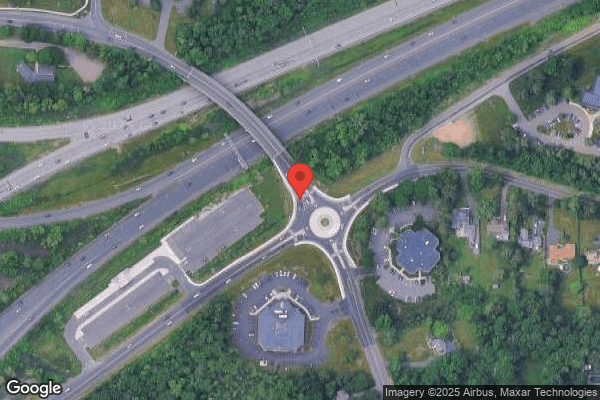
416 COLT HIGHWAY, FARMINGTON, CT 06032 (860) 677-1671
For profit - Limited Liability company 130 Beds Independent Data: November 2025
Trust Grade
55/100
#47 of 192 in CT
Last Inspection: December 2023

Within standard 12-15 month inspection cycle. Federal law requires annual inspections.

Overview

Amberwoods of Farmington has received a Trust Grade of C, which means it is considered average-neither great nor terrible. It ranks #47 out of 192 nursing homes in Connecticut, placing it in the top half, and #18 of 64 in Capitol County, indicating only 17 local options perform better. The facility is improving, as the number of reported issues decreased from 13 in 2023 to 6 in 2024. However, staffing is a concern, with a 2 out of 5 star rating and a 46% turnover rate, suggesting staff retention could be better. Additionally, fines of $30,952 are higher than 80% of Connecticut facilities, highlighting potential compliance issues. Specific incidents include a resident suffering serious injuries after slipping out of bed due to improper positioning and inadequate supervision that led to a resident-to-resident altercation resulting in injury. While the facility has a good overall rating of 4 out of 5 stars for quality measures, these weaknesses in care practices raise significant concerns for families considering this home for their loved ones.

Trust Score
C
55/100
In Connecticut
#47/192
Top 24%
Safety Record
Moderate
Needs review
Inspections
Getting Better
13 → 6 violations
Staff Stability
⚠ Watch
46% turnover. Above average. Higher turnover means staff may not know residents' routines.
Penalties
⚠ Watch
$30,952 in fines. Higher than 92% of Connecticut facilities. Major compliance failures.
Skilled Nurses
⚠ Watch
Each resident gets only 25 minutes of Registered Nurse (RN) attention daily — below average for Connecticut. Fewer RN minutes means fewer trained eyes watching for problems.
Violations
⚠ Watch
40 deficiencies on record. Higher than average. Multiple issues found across inspections.
★★★★☆
4.0
Overall Rating
★★☆☆☆
2.0
Staff Levels
★★★★★
5.0
Care Quality
★★★☆☆
3.0
Inspection Score
Stable
2023: 13 issues
2024: 6 issues

The Good

  • 5-Star Quality Measures · Strong clinical quality outcomes
  • Full Sprinkler Coverage · Fire safety systems throughout facility
  • No fines on record

Facility shows strength in quality measures, fire safety.

The Bad

Staff Turnover: 46%

Near Connecticut avg (46%)

Higher turnover may affect care consistency

Federal Fines: $30,952

Below median ($33,413)

Moderate penalties - review what triggered them

The Ugly 40 deficiencies on record

2 actual harm
Sept 2024 6 deficiencies 1 Harm
SERIOUS (G) 📢 Someone Reported This

A family member, employee, or ombudsman was alarmed enough to file a formal complaint

Actual Harm - a resident was hurt due to facility failures

Accident Prevention (Tag F0689)

A resident was harmed · This affected 1 resident

**NOTE- TERMS IN BRACKETS HAVE BEEN EDITED TO PROTECT CONFIDENTIALITY** Based on a review of clinical records, facility documentation and interviews for one (1) of three (3) residents, (Resident #3), ...

Read full inspector narrative →
**NOTE- TERMS IN BRACKETS HAVE BEEN EDITED TO PROTECT CONFIDENTIALITY** Based on a review of clinical records, facility documentation and interviews for one (1) of three (3) residents, (Resident #3), reviewed for accidents, the facility failed to properly position the resident in bed during the provision of care resulting in the resident slipping out of bed and sustained bilateral femur fractures. The finding includes: Resident #3's diagnoses included Multiple Sclerosis (MS), morbid obesity, and muscle weakness. The Resident Care Plan (RCP) dated 6/10/24 identified that Resident #3 was at risk for falls with interventions that included a Hoyer lift for transfers. The annual Minimum Data Set assessment dated [DATE] identified Resident #3 was cognitively intact and required extensive assistance for bed mobility and had impaired range of motion on both sides of the upper and lower extremities. A care plan update dated 8/18/24 identified that the resident was to have 4 siderails during positioning. A physician's order dated 8/1/24 directed the resident to have assistance of two (2) staff for all activities of daily living, a Hoyer lift for transfers and quarter side rails (2) for bed mobility. Review of the facility Reportable Event form dated 8/18/24 identified that at 2:15 PM, Resident #3 was observed lying on the floor on his/her back next to his/her bed. The resident was complaining of pain to bilateral (both) lower extremities, right side greater than the left, and bruising was noted to the right lower extremity on physical exam. The report indicated that the incident was witnessed by NA #4 and NA #5, and the resident was transferred to the Emergency Department (ED) for evaluation. Review of the hospital Discharge summary dated [DATE] identified Resident #3's primary discharge diagnosis included fractures of both the right and left femur and underwent surgical repair on 8/19/24 and 8/21/24. Interview with NA #5 on 9/11/24 at 10:54 AM identified that on 8/18/24, she and NA #4 had just finished doing incontinent care and went to place the Hoyer pad under the resident to prepare to get him/her up out of bed. She identified that she was on the resident's left side and went to turn Resident #3 on his/her right side towards NA #4 but had difficulty turning Resident #3 because the resident was dead weight. She identified that Resident #3 then told her to push harder and although the resident was already up against the upper side rail and on the edge of the bed, NA #5 pushed the resident as requested. NA#5 identified that the resident then started to slide out of the right side of the bed, NA#5 ran to the right side of the bed, and they both guided the resident to the floor. NA #4 stayed with the resident, and she ran to get LPN #3 and RN #2 (Nursing Supervisor). Additionally, she indicated that although the resident was too difficult to move with two 2 NA's, she did not request extra help at the time and continued trying to turn the resident. Interview with NA #4 on 9/11/24 at 11:44 AM identified that at around 1:00 PM on 8/18/24 Resident #3 requested incontinent care and to be changed. She indicated that NA #5 and herself performed incontinent care and then turned the resident onto his/her right side to put the Hoyer pad underneath him/her to get the resident out of bed. NA#4 identified that the resident was on his/her right side and up against the upper side rail and on the edge of the bed. She reported that NA #5 was on the resident's left side and turned the resident towards NA #4 who was on the resident's right side. NA #5 stated that she was having a difficult time positioning the resident onto the right side, and Resident #3 directed NA #5 to push him/her harder. When NA#5 pushed the Resident, Resident #3's left leg went over the side of the bed and the resident started to slide off of the bed. NA #5 ran over to the right side of the bed, and they both guided the resident to the floor. LPN #3 and RN #2 were notified and came to the room immediately. NA #4 indicated that when the resident had requested to be pushed harder onto his/her right side, the resident was already up against the right siderail and close to the edge of the right side of the bed. Interview with Licensed Practical Nurse (LPN) #3 on 9/11/24 at 10:16 AM identified that she was notified by a NA (could not recall which NA) on 8/28/24 that they went to turn Resident #3 on his/her side, his/her legs went over the edge of the bed and the resident had slid out of the bed and was on the floor. She indicated she went in Resident #3's room immediately and Resident #3 was lying on their back on the floor. Interview with Registered Nurse (RN) #2 (Nursing Supervisor) on 9/11/24 at 10:24 AM identified that on 8/23/24 NA #5 reported that Resident #3 had slid out of bed. The resident reported that she/he slid off the bed and was yelling that she/he could not breathe, and reported discomfort to the right leg, ankle and foot. RN #2 called the on-call provider who directed to have the resident transferred to the Emergency Department for further evaluation. Interview with the DNS on 9/11/24 at 12:12 PM identified that if the NA's were having difficulty repositioning Resident #3, she would have expected that they requested more help and not continue to turn him/her per the resident request. The DNS stated subsequent to Resident #3's fall, NA #4 was educated on the proper techniques on positioning a resident in bed. The DNS identified that NA #5 was from an agency therefore was unable to provide reeducation. The DNS further identified that the facility does not have a policy for repositioning.
CONCERN (D) 📢 Someone Reported This

A family member, employee, or ombudsman was alarmed enough to file a formal complaint

Potential for Harm - no one hurt, but risky conditions existed

Report Alleged Abuse (Tag F0609)

Could have caused harm · This affected 1 resident

**NOTE- TERMS IN BRACKETS HAVE BEEN EDITED TO PROTECT CONFIDENTIALITY** Based on clinical record review, facility documentation, interviews, and policy review, for one (1) of three (3) residents revie...

Read full inspector narrative →
**NOTE- TERMS IN BRACKETS HAVE BEEN EDITED TO PROTECT CONFIDENTIALITY** Based on clinical record review, facility documentation, interviews, and policy review, for one (1) of three (3) residents reviewed for abuse ( Resident #2), the facility failed to ensure that allegations of neglect and abuse were reported to the state agency in accordance with facility policy. The findings included: Resident #2 had diagnoses that included dementia. A quarterly Minimum Data Set assessment dated [DATE] identified that the resident had severely impaired cognition, required extensive assistance with activities of daily living, and refused care on a daily basis. A care plan dated 2/28/24 identified that the resident refuses care with interventions that included to notify the family when the resident refuses care. a) Review of a concern/complaint form dated 1/30/24 identified that Resident #2's family member had concerns that on 1/30/24 the resident was found in the same clothes from the day before, pants and the incontinent brief were saturated with urine. The concern form further identified that NA #6 had neglected to care for Resident #2 for three (3) days (1/27, 1/28, and 1/30/24). The investigation on the concern form identified that when a resident refuses care, a NA will report the refusal to the nurse, and the nurse will go in and re-approach. The resident often refuses care and the NA followed appropriate procedure when the resident refused care. The concern form resolution identified that NA#6 will no longer provide care for Resident #2. Interview with the Director of Nurses on 9/10/24 at 2:01 PM identified that she did not report the allegation of neglect because she had investigated it immediately. She further stated that she had interviewed the NA who stated that the resident was provided with care, however, she did not have any written statements or an investigation to provide. b) A concern form dated 8/13/24 from Resident #2's family member identified that h/she had heard NA#7 talking loudly in another residents room, the NA stated that she was sick of this s*it and the only time the resident is quiet is when h/she is sleeping. Interview with the DNS on 9/10/24 identified that she believed that the alleged incident happened in Resident #6's room, she could not interview the resident because h/she was confused and she did not think the resident had a roommate. The DNS did not report the allegation because she had asked NA#7 about the allegation and the NA denied it, further she asked the family member if there was anyone else around who could have heard it and the family member said no one else was around to hear it. Review of the abuse policy identified that all allegations involving abuse, neglect, and mistreatment will be reported to the state agency.
CONCERN (D) 📢 Someone Reported This

A family member, employee, or ombudsman was alarmed enough to file a formal complaint

Potential for Harm - no one hurt, but risky conditions existed

Investigate Abuse (Tag F0610)

Could have caused harm · This affected 1 resident

**NOTE- TERMS IN BRACKETS HAVE BEEN EDITED TO PROTECT CONFIDENTIALITY** Based on clinical record review, facility documentation, interviews, and policy review, for one (1) of three (3) residents revie...

Read full inspector narrative →
**NOTE- TERMS IN BRACKETS HAVE BEEN EDITED TO PROTECT CONFIDENTIALITY** Based on clinical record review, facility documentation, interviews, and policy review, for one (1) of three (3) residents reviewed for abuse ( Resident #2), the facility failed to ensure that allegations of neglect and abuse were investigated in accordance with facility policy. The findings included: Resident #2 had diagnoses that included dementia. A quarterly Minimum Data Set assessment dated [DATE] identified that the resident had severely impaired cognition, required extensive assistance with activities of daily living, and refused care on a daily basis. A care plan dated 2/28/24 identified that the resident refuses care with interventions that included to notify the family when the resident refuses care. a) Review of a concern/complaint form dated 1/30/24 identified that Resident #2's family member had concerns that on 1/30/24 the resident was found in the same clothes from the day before, pants and the incontinent brief were saturated with urine. The concern form further identified that NA #6 had neglected to care for Resident #2 for three (3) days (1/27, 1/28, and 1/30/24). The investigation on the concern form identified that when a resident refuses care with a NA a nurse will go in and approach, the resident often refuses care and the NA followed appropriate procedure when the resident refused care. The concern form resolution identified that NA#6 will no longer provide care for Resident #2. Interview with the Director of Nurses on 9/10/24 at 2:01 PM identified that she did investigate the allegation of neglect. She further stated that she had interviewed the NA who stated that the resident was provided with care, however, she did not have any written statements or an investigation to provide. b) A concern form dated 8/13/24 from Resident #2's family member identified that h/she had heard NA#7 talking loudly in another residents room, the NA stated that she was sick of this s*it and the only time the resident is quiet is when h/she is sleeping. Interview with the DNS on 9/10/24 identified that she believed that the alleged incident happened in Resident #6's room, she could not interview the resident because h/she was confused and she did not think the resident had a roommate. The DNS stated that she had investigated the allegation because she had asked NA#7 about the allegation and the NA denied it, further she asked the family member if there was anyone else around who could have heard it and the family member said no one else was around to hear it. The DNS identified that although she did do interviews, she did not have any documentation of these interviews. Review of the abuse policy identified that all allegations involving abuse, neglect, and mistreatment will be thoroughly investigated.
CONCERN (D) 📢 Someone Reported This

A family member, employee, or ombudsman was alarmed enough to file a formal complaint

Potential for Harm - no one hurt, but risky conditions existed

Deficiency F0745 (Tag F0745)

Could have caused harm · This affected 1 resident

**NOTE- TERMS IN BRACKETS HAVE BEEN EDITED TO PROTECT CONFIDENTIALITY** Based on review of the clinical record, facility documentation, facility policy and interviews for one (1) of two (2) residents ...

Read full inspector narrative →
**NOTE- TERMS IN BRACKETS HAVE BEEN EDITED TO PROTECT CONFIDENTIALITY** Based on review of the clinical record, facility documentation, facility policy and interviews for one (1) of two (2) residents (Resident #1) reviewed for mistreatment, the facility failed to ensure the residents were provided social services support timely after an allegation of abuse/neglect. The findings include: 1. Resident #1's diagnoses included down syndrome, type II diabetes mellitus and congestive heart failure. The admission Minimum Data Set (MDS) assessment dated [DATE] identified Resident #1 was severely cognitively impaired and required maximal assistance with bed mobility and transfers. The Resident Care Plan dated 7/26/24 identified that Resident #1 required assistance with Activities of Daily Living (ADLs). Interventions included transferring and ambulating with a handheld assist of one and a gait belt, encouraging the resident to do as much for themselves as possible and initiating a therapy consult as needed. Review of the facility Reportable Event Form dated 8/28/24 identified that Resident #1's family member called the DNS at 3:00 PM that day reporting neglect due to bruising noted on the resident's body. A body audit was conducted, and bruising was observed to Resident #1's right lower abdomen, right buttocks, right posterior (back) thigh and left inner calf. Review of social service notes from 8/28/24 through 8/30/24 failed to identify any documentation on Resident #1. Although attempted, both Social Worker #1 and Social Worker #2 were unavailable for interview. Interview and clinical record review with the DNS on 9/11/24 at 9:59 AM identified that there were no social service notes documented on Resident #1. She indicated that she was unable to locate any paper documentation and identified that Social Worker #1 was currently out on leave and her last day worked was 8/30/24 and Social Worker #2 resigned and her last day in the facility was on 8/30/24. Although she reported that both Social Worker #1 and Social Worker #2 worked on 8/28/24, 8/29/24 and 8/30/24, she was unable to identify if Resident #1 was offered support after the allegation of neglect. She identified that it was her expectation that following an allegation of abuse or neglect that the social worker would meet with the resident and/or resident representative within 24 hours and at least weekly until there are no further concerns to follow-up and offer support and that each encounter should be documented promptly in the clinical record. Review of the Abuse Prevention Program policy (undated) and the Abuse Investigation and Reporting policy (undated) fail to identify the social workers role in supporting the resident after an allegation of abuse/neglect. Review of the Social Worker job description identified that the Social Worker is responsible for identifying the social service needs of the residents upon admission and establishes an appropriate plan of treatment to ensure optimal achievable quality health care. The Social Worker is also responsible for the maintenance of regular progress notes indicating residents' needs, response to treatment and their adjustment to the environment.
CONCERN (D) 📢 Someone Reported This

A family member, employee, or ombudsman was alarmed enough to file a formal complaint

Potential for Harm - no one hurt, but risky conditions existed

Infection Control (Tag F0880)

Could have caused harm · This affected 1 resident

**NOTE- TERMS IN BRACKETS HAVE BEEN EDITED TO PROTECT CONFIDENTIALITY** Based on clinical record review, facility documentation, interviews, and policy review for one (1) of three (3) residents review...

Read full inspector narrative →
**NOTE- TERMS IN BRACKETS HAVE BEEN EDITED TO PROTECT CONFIDENTIALITY** Based on clinical record review, facility documentation, interviews, and policy review for one (1) of three (3) residents reviewed for infection control, (Resident #2), the facility failed to ensure isolation precautions were put into place in a timely manner. The findings include: Resident #2 had diagnoses that included dementia. A quarterly Minimum Data Set assessment dated [DATE] identified that the resident had severely impaired cognition, required extensive assistance with activities of daily living, and refused care on a daily basis. A care plan dated 9/4/24 identified that the resident was placed on Enhanced Barrier Precautions (EBP) related to a multi-drug resistant organism (MDRO) with interventions that included to follow precautions in accordance with facility policy and to ensure adequate hand washing. Observation of Resident #2's room failed to identify any signage to identify that the resident was on enhanced barrier precautions or any Personal Protective Equipment (PPE) was available. Interview with the Infection Control nurse on 9/11/24 at 12:30 PM identified that the resident had returned from the hospital on 9/4/24 with a diagnosis of Extended Spectrum Beta-Lactamase (ESBL) infection. This infection required enhanced barrier precautions, however, she had not read the discharge summary from the hospital upon the residents return on 9/4/24 so the precautions were not instituted until she read the discharge summary on 9/10/24 (6 days after the resident's return). Review of the enhanced barrier precautions policy identified that signage will be posted on the door outside the resident's room indicating the need for EBP. Carts with appropriate PPE will be placed outside the resident's room.
CONCERN (F) 📢 Someone Reported This

A family member, employee, or ombudsman was alarmed enough to file a formal complaint

Potential for Harm - no one hurt, but risky conditions existed

Deficiency F0657 (Tag F0657)

Could have caused harm · This affected most or all residents

**NOTE- TERMS IN BRACKETS HAVE BEEN EDITED TO PROTECT CONFIDENTIALITY** Based on clinical record review, facility documentation review, facility policy review, and interviews for two (2) of three (3) ...

Read full inspector narrative →
**NOTE- TERMS IN BRACKETS HAVE BEEN EDITED TO PROTECT CONFIDENTIALITY** Based on clinical record review, facility documentation review, facility policy review, and interviews for two (2) of three (3) residents, (Resident #1 and Resident #3), reviewed for care planning, the facility failed to ensure Resident Care Conferences in accordance with facility policy. The findings include: 1. Resident #1's diagnoses included down syndrome and personality disorder. The admission Minimum Data Set (MDS) assessment dated [DATE] identified Resident #1 was severely cognitively impaired, exhibited behaviors and required maximal assistance with bed mobility and transfers. The Resident Care Plan dated 7/26/24 identified that Resident #1 required assistance with Activities of Daily Living (ADLs) with interventions that included transferring and ambulating with a hand held assist of one and a gait belt, encouraging the resident to do as much for themselves as possible and initiating a therapy consult as needed. Review of the clinical record for Resident #1 failed to identify any documented Resident Care Conferences (RCC) since the resident's admission on [DATE] (approximately 1 year and 1 month). 2. Resident #3's diagnoses included Multiple Sclerosis (MS), personality disorder, anxiety disorder and obsessive-compulsive disorder. The annual Minimum Data Set assessment dated [DATE] identified Resident #3 was cognitively intact and required maximal assistance for bed mobility, transfers and toileting hygiene. The Resident Care Plan (RCP) dated 8/23/24 identified that Resident #3 has a behavior management problem with interventions that included providing emotional support regarding any new onset of disruptive behaviors, repetitive behaviors or withdrawal. Review of the clinical record for Resident #3 from 3/1/24 through 9/11/24 failed to identify any documented Resident Care Conferences (RCC) (6 months). Interview and clinical record review with the DNS on 9/11/24 at 1:00 PM identified that although Resident Care Conferences should be conducted on admission and quarterly, she was was unable to provide either paper or electronic documentation that they had been completed for Resident # 1 or Resident #3. Although attempted, neither Social Worker #1 or Social Worker #2 were available for interview. Review of the Care Conference policy dated (undated) directed, in part, that Resident Care Conferences (RCC) are to be held upon admission, quarterly and as needed. The RCC will be held within 3 (three) days after the resident's admission to the facility with the interdisciplinary team and encourage residents, family members and/or legally responsible party's participation as desired. The Social Worker completes an assessment note or assessment documentation concerning the RCC. The note will relay any changes in the resident's condition, care, approaches to providing care, etc. and have individual, measurable goals. Review of the Social Worker job description identified that the Social Worker is responsible for coordinating and participating in regular interdisciplinary team meetings in the review/reassessment of the resident's progress.
Dec 2023 9 deficiencies
CONCERN (D)

Potential for Harm - no one hurt, but risky conditions existed

Notification of Changes (Tag F0580)

Could have caused harm · This affected 1 resident

**NOTE- TERMS IN BRACKETS HAVE BEEN EDITED TO PROTECT CONFIDENTIALITY** Based on review of the clinical record, facility policy, and interviews for 1 of 1 sampled residents (Resident #95) receiving he...

Read full inspector narrative →
**NOTE- TERMS IN BRACKETS HAVE BEEN EDITED TO PROTECT CONFIDENTIALITY** Based on review of the clinical record, facility policy, and interviews for 1 of 1 sampled residents (Resident #95) receiving hemolytic (blood) treatments and who was on a fluid restriction, the facility failed to notify the medical provider when the fluid restriction exceeded physician orders. The findings include: Resident #95's diagnoses included end stage renal disease, hemolytic (blood) treatment, and diabetes. The admission Minimum Data Set assessment dated [DATE] identified Resident #95 was cognitively intact and required extensive assistance of 2 staff with bed mobility and transfers, and extensive assistance of 1 staff with eating. The Resident Care Plan dated 9/19/23 identified Resident #95 received hemolytic treatments. Interventions included providing treatment on Tuesdays, Thursdays, and Saturdays. The care plan failed to identify that Resident #95 was on a fluid restriction. A physician's order dated 11/1/23 through 12/13/23 directed to maintain a 1200 milliliter (ml) fluid restriction. Interview, review of the clinical record, and review of facility documented intake and output sheets with the ADNS on 12/13/23 at 10:22 AM identified a current physician order for a 1200 ml fluid restriction. Fluid amounts were noted to be recorded on both the facility handwritten worksheet and electronic health record. The total amounts on both records were different and the ADNS was unable to identify which document correctly represented the daily 24 hour totals. Total fluid intakes on the electronic health record were noted to exceed the fluid restriction of 1200 ml on 11/12/23, 11/13/23, 11/19/23, 11/25/23, 11/29/23, 12/1/23, 12/3/23, 12/4/23, and 12/6/23. Interview, review of the clinical record, and review of facility documented intake and output sheets with the DNS on 12/13/23 at 10:42 AM identified a physician's order directed a 1200 ml fluid restriction. The DNS indicated that she was unsure which record was being used to determine correct 24 hour totals. The DNS indicated that if Resident #95 exceeded his/her fluid restriction, the information was supposed to be written in the APRN book for review, or, on the weekends, the on-call provider was to be notified. Review of the APRN book failed to identify the APRN had been notified of the excess fluid intakes. Interview with APRN #1 on 12/13/23 at 11:05 AM identified that she had not been notified that Resident #95 had exceeded his/her 1200 ml fluid restriction and indicated that if she had been notified, she would have instructed the charge nurse to notify the hemolytic treatment facility and she would have documented an APRN progress note. Additionally, if a weekend provider had been notified via the third eye communication system, a notification note would have been generated in the clinical record. Review of the hemolytic procedure policy failed to address resident fluid restrictions or when the facility should notify the medical provider of excessive fluid intake.
CONCERN (D)

Potential for Harm - no one hurt, but risky conditions existed

Quality of Care (Tag F0684)

Could have caused harm · This affected 1 resident

**NOTE- TERMS IN BRACKETS HAVE BEEN EDITED TO PROTECT CONFIDENTIALITY** Based on staff interview, clinical record review and review of the facility policy for 1 of 2 sampled residents (Resident #62) r...

Read full inspector narrative →
**NOTE- TERMS IN BRACKETS HAVE BEEN EDITED TO PROTECT CONFIDENTIALITY** Based on staff interview, clinical record review and review of the facility policy for 1 of 2 sampled residents (Resident #62) reviewed for an alteration of skin condition, the facility failed to complete Braden scale assessments per policy. The findings include: Resident #62 was admitted to the facility on [DATE] with diagnosis that included pneumonia, heart failure, and cerebral vascular accident. The Resident Care Plan (RCP) dated 3/22/22 identified a problem with increased potential for skin breakdown and injuries related to incontinence. Interventions included providing an air mattress, ointment to testicles with each incontinent change, incontinent change every 2 hours to monitor bleeding until the area resolves. The RCP dated 1/27/23 identified Resident #62 may experience skin breakdown because of decreased mobility, and incontinence of bladder/bowel. Interventions included providing a pressure reduction mattress set at a weight for 250 pounds and a cushion for the chair, extensive assistance with bowel and bladder incontinent care as needed, and to inspect skin during care for signs of breakdown and/or irritation. A physician's progress note dated 5/16/23, 10/3/23, 10/17/23, 10/24/23, 10/31/23, 11/4/23, and 12/5/23 identified moisture associated skin damage (MASD) to the left buttocks. The quarterly Minimum Data Set (MDS) assessment dated [DATE] indicated Resident #62 was cognitively impaired and required maximal assistance for bed mobility, transfers, dressing, personal hygiene, and toilet use. The MDS further identified Resident #62 required being set up only for eating, was incontinent of bowel and bladder and was at risk for skin breakdown. The MDS also identified Resident #62 had a Braden scale assessment performed and lacked the identification of MASD. Interview and clinical record review with the DNS on 12/11/23 at 2:00 PM identified a Braden scale was completed on 1/28/23 which identified a Resident #62 was at risk but failed to identify subsequent Braden Scale assessments had been completed. The DNS indicated Braden Scale assessments should have been completed quarterly and the MDS Coordinator was responsible for performing the Braden Scale assessments. Interview on 12/11/23 at 2:35 PM with the MDS Coordinator identified he was not aware that he was responsible for completing Braden Scale assessments, had never completed a Braden Scale assessment and thought it was the nurse's responsibility. Facility policy regarding Pressure Injury Risk Assessment identified that a Braden scale will be done weekly for the first four weeks, if there is a significant change in condition, or as often as is required based on the resident's condition.
CONCERN (D)

Potential for Harm - no one hurt, but risky conditions existed

Deficiency F0685 (Tag F0685)

Could have caused harm · This affected 1 resident

Based on observations, review of the clinical record, and interviews for 1 of 2 residents (Resident #14) reviewed for communication and sensory issues, the facility failed to ensure services to replac...

Read full inspector narrative →
Based on observations, review of the clinical record, and interviews for 1 of 2 residents (Resident #14) reviewed for communication and sensory issues, the facility failed to ensure services to replace a broken hearing aide. The findings include: Resident #14's diagnoses included secondary multiple arthritis, right hand contracture and hyperlipidemia. A physician's order dated 1/22/22 directed to follow Resident #14 plan of care. The quarterly Minimum Data Set (MDS) assessments dated 7/13/23 and 10/2/23 identified Resident #14 was cognitively intact and required the use of a hearing aid. Additionally, Resident #14 required two person assistance with transfers and moderate assistance with showers and bathing. The Resident Care Plan dated 10/11/23 identified Resident #14 was hearing impaired. Interventions included providing assistance with cleaning, removing, and inserting hearing aids daily, and that hearing aids should be worn during waking hours. Interview with Resident #14 on 12/7/23 at 9:54 AM indicated that staff were assisting with care approximately 6 months ago and dropped his/her hearing aid which resulted in a broken, no longer functioning device. Resident #14 indicated the facility had not yet replaced his/her hearing aid and it had become increasingly challenging to hear. Resident #14 expressed staff was aware, as they were the ones who broke the hearing aid. Review of nursing documentation between 6/1/23 and 9/30/23 failed to identify when staff had dropped Resident #14's hearing aid. Interview with Social Worker #2 on 12/12/23 at 1:30 PM failed to identify documentation that the broken hearing aid had been reported, replaced, that Resident #14 had been seen for a hearing test, or that any efforts had been made by the facility to replace the broken hearing aid. Interview with LPN #5 on 12/12/23 at 1:30 PM indicated that she had been aware of the broken hearing aid but was under the impression that the facility had been working on a replacement. LPN #5 was not able to provide the name of the staff responsible for the damages to Resident #14's hearing aid. Re-interview with Social Worker #2 on 12/13/23 at 10:38 AM identified that the DNS had been informed of the broken hearing aid. Subsequent to surveyor inquiry, the facility would be scheduling an audiology appointment, steps would be taken to replace Resident #14's hearing aid, and that when the hearing aid was initially broken by the staff, measures to replace the hearing aid should have been taken immediately. Although requested, the facility failed to provide a hearing aid policy.
CONCERN (D)

Potential for Harm - no one hurt, but risky conditions existed

Pressure Ulcer Prevention (Tag F0686)

Could have caused harm · This affected 1 resident

**NOTE- TERMS IN BRACKETS HAVE BEEN EDITED TO PROTECT CONFIDENTIALITY** Based on staff interview, clinical record review and review of the facility policy for 1 of 2 sampled residents (Resident #36) r...

Read full inspector narrative →
**NOTE- TERMS IN BRACKETS HAVE BEEN EDITED TO PROTECT CONFIDENTIALITY** Based on staff interview, clinical record review and review of the facility policy for 1 of 2 sampled residents (Resident #36) reviewed for pressure ulcers, the facility failed to complete Braden scale assessments per policy. The findings include: Resident #36's diagnoses included dementia, type 2 diabetes, and hemiplegia (inability to move on left side). The Resident Care Plan (RCP) dated 9/14/23 identified Resident #36 was at risk for skin break down due to needing assistance with position changing and ability to respond to pressure. Interventions included to inspect skin during care, notify nurse of redness and irritation areas, offer to help with changing positions and offloading heels as needed. The RCP failed to indicate Resident #36 was refusing offloading. A physician order dated 9/14/23 directed to conduct a Braden scale for prediction of pressure scores risk to be completed weekly for four weeks. The admission Minimum Data Set (MDS) assessment dated [DATE] identified Resident #36 was moderately cognitively impaired required extensive assistance in bed mobility with one staff assist and extensive assistance with 2 staff in transfers and dressing. Additionally, the MDS identified Resident #36 was not at risk for pressure ulcer development, pressure reducing mattress and chair were in use, and was not on a turning and repositioning schedule. A nursing note dated 10/12/23 at 1:51 PM identified Resident #36 had bilateral heels that were noted to be slightly pink. The supervisor was updated and indicated the APRN and Resident Representative (RR) would be notified. Further review of the nursing notes failed to indicate the supervisor had assessed or notified the APRN and resident representative. Review of physician's orders and Resident #36 care plan failed to indicate new interventions were implemented to prevent the deterioration of the pink areas. A physician's order dated 10/14/23 directed to apply skin prep to bilateral heels, twice daily. Further review failed to identify a new physician order directing staff to implement interventions following the discovery of Resident #36's pink heels on 10/12/23. The Resident Care Plan dated 10/17/23 identified deep tissue injury on right and left heel. Interventions included to follow wound care orders per MD. Review of facility assessments identified Braden risk assessment completed on 9/24/23 with a score of 14 indicating moderate risk for pressure ulcer development. Although the physician order directed weekly Braden scores, review of the clinical record failed to identify any further risk assessments. A nurse's note dated 10/14/23 at 3:14 PM identified Resident #36 complained of bilateral foot pain. Discoloration was noted on bilateral heels. Supervisor was updated about the Resident #36 heels. Review of wound care documentation dated 10/14/23 identified a right heels pressure ulcer. Measurements dated 10/17/23 identified measurements of 5 centimeters (cm) by 6 cm. Review of left heel pressure ulcer identified a measurement of 3.5 cm by 4 cm. Review of the wound care documentation identified wound care was measured on a weekly basis. Review of nursing notes from 9/14/23 through 10/12/23 failed to indicate the residents refusal of offloading heels. Interview with Social Worker #2 on 12/11/23 at 10:43 AM indicated as of 12/9/23, Resident #36 was placed on hospice.
CONCERN (D)

Potential for Harm - no one hurt, but risky conditions existed

Deficiency F0697 (Tag F0697)

Could have caused harm · This affected 1 resident

**NOTE- TERMS IN BRACKETS HAVE BEEN EDITED TO PROTECT CONFIDENTIALITY** Based on interviews, review of the clinical record, facility documentation, and facility policy for 1 of 2 sampled residents (Re...

Read full inspector narrative →
**NOTE- TERMS IN BRACKETS HAVE BEEN EDITED TO PROTECT CONFIDENTIALITY** Based on interviews, review of the clinical record, facility documentation, and facility policy for 1 of 2 sampled residents (Resident #59) reviewed for pain, the facility failed to ensure the Resident Care Plan (RCP) was comprehensive to include pain. The findings include: Resident #59 was admitted to the facility on [DATE] with diagnosis that included a disabling disease of the central nervous system, diabetes, and end stage renal disease. A physician's order dated 4/15/22 and currently in effect directed Acetaminophen (Tylenol) 325 milligrams (mg) take 2 tablets every 4 hours as needed for pain. A physician's order dated 6/23/22 and currently in effect directed Lidocaine cream (an anesthetic cream) 4% applied topically to lower back every morning. The quarterly Minimum Data Set (MDS) assessment dated [DATE] identified Resident #59 was cognitively intact, required assistance of 1 for bed mobility and eating, dependent and assist of 1 for personal hygiene, and transferring was not attempted. The MDS further indicated Resident #59 received a scheduled pain medication. The quarterly MDS assessment dated [DATE] identified Resident #59 was cognitively intact and required set up for eating, toilet use, personal hygiene, and bed mobility. The MDS also identified Resident #59 had occasional pain with a rating of 3 (0 meaning no pain and 10 meaning severe pain) on the pain scale. Nursing notes dated 6/19/23, 7/7/23, 8/18/23, 8/28/23, 9/11/23, 9/25/23, 9/26/23, 9/27/23, 10/3/23, 10/6/23, 10/10/23, 10/11/23, 10/13/23, 10/14/23, 10/15/23, 10/16/23, 10/17/23, 10/18/23, 10/19/23, 10/20/23, 10/23/23, 10/24/23, 10/27/23, 10/31/23, 11/3/23, 11/15/23, 11/16/23, 11/17/23, 11/20/23, 11/24/23, 11/27/23, 11/29/23, 12/1/23, 12/4/23, 12/6/23, 12/8/23, 12/10/23, and 12/11/23 identified Resident #59 had complaints of pain, was offered as needed (PRN) pain medication which was effective and documented in the medication administration record. Interview and review of the RCP with the MDS Coordinator (MDS) on 12/11/23 at 1:15 PM failed to reflect the RCP was comprehensive to include a care plan to reflect Resident #59's pain and therefor lacked interventions to address/manage Resident #59's pain. The MDS Coordinator further identified that any resident who was admitted to the facility would have a care plan developed for pain and the admission nurse was to perform this task as it was part of the admission protocol. The MDS Coordinator stated he was unsure as to the reason Resident #59's care plan did not include pain. Subsequent to surveyor inquiry, a care plan was developed for pain on 12/11/23 with interventions that included offer to help Resident #59 to find a comfortable position, provide pain medication, evaluate effectiveness and offer Resident #59 non-pharmacological pain interventions, such as heat/cold.
CONCERN (D)

Potential for Harm - no one hurt, but risky conditions existed

Deficiency F0698 (Tag F0698)

Could have caused harm · This affected 1 resident

**NOTE- TERMS IN BRACKETS HAVE BEEN EDITED TO PROTECT CONFIDENTIALITY** Based on review of the clinical record, facility policy, and interviews for 1 of 1 sampled resident (Resident #95) receiving hem...

Read full inspector narrative →
**NOTE- TERMS IN BRACKETS HAVE BEEN EDITED TO PROTECT CONFIDENTIALITY** Based on review of the clinical record, facility policy, and interviews for 1 of 1 sampled resident (Resident #95) receiving hemolytic (blood) treatments and who was on a fluid restriction, the facility failed to accurately identify total fluid intakes over a 24 hour period, failed to ensure fluid restriction parameter amounts for meals, medications, and by shift to abide with the fluid restriction, and failed to ensure an accurate fluid restriction amount in the Dietary Department. The findings include: Resident #95's diagnoses included end stage renal disease, hemolytic (blood) treatment, and diabetes. The admission Minimum Data Set assessment dated [DATE] identified Resident #95 was cognitively intact and required extensive assistance of 2 staff with bed mobility and transfers, and extensive assistance of 1 staff with eating. The Resident Care Plan dated 9/19/23 identified Resident #95 received hemolytic treatments. Interventions included providing treatment on Tuesdays, Thursdays, and Saturdays. The care plan failed to identify that Resident #95 was on a fluid restriction. Review of the Nurse Aide care card directed a 1200 milliliter (ml) fluid restriction. Physician's order dated 11/1/23 through 12/13/23 directed to maintain a 1200 ml fluid restriction. A nurse's note dated 11/8/23 identified Resident #95 was encouraged to take fluids. Review of nursing notes from 11/9/23 through 12/13/23 identified that a fluid restriction was maintained on 11/20/23, 12/2/23 and 12/3/23. Nursing notes dated 11/26/23 and 11/27/23 indicated that Resident #95 was taking fluids well. Review of the Medication Administration Records identified that staff were signing that Resident #95 was maintaining his/her 1200 ml fluid restriction. Interview, review of the clinical record, and review of facility documented intake and output sheets with the ADNS on 12/13/23 at 10:22 AM identified a current physician order for a 1200 ml fluid restriction. The ADNS indicated that Resident #95 had been receiving a combination of tube feedings, intravenous therapy and fluids taken by mouth. Fluid amounts were noted to be recorded on both the facility handwritten worksheet and electronic health record. The total daily 24 hour amounts on both records were different and the ADNS was unable to identify how much of each fluid was taken in by each route and was unable to identify which document correctly represented the daily 24 hour totals. Review of Resident #95's 24 hour electronic fluid intake report identified that on 11/12/23 total fluid intake was 1800 ml (worksheet 1200 ml), on 11/13/23 fluid intake was 1500 ml (worksheet 1040 ml), on 11/19/23 fluid intake was 1990 ml (worksheet 1200 ml), on 11/20/23 fluid intake was 1300 ml (worksheet 1150 ml), on 11/23/23 fluid intake was 2020 ml (worksheet 1160 ml), on 11/25/23 fluid intake was 1640 ml (worksheet 1170 ml), on 11/29/23 fluid intake was 1560 ml (worksheet 1170 ml), on 12/1/23 fluid intake was 1440 ml (worksheet 1200 ml), on 12/3/23 fluid intake was 1540 ml (worksheet 1170 ml), on 12/4/23 fluid intake was 1400 ml (worksheet 1080 ml), and on 12/6/23 fluid intake was 1320 ml (worksheet 1080 ml). The ADNS indicated that she had been directed by a former employee to only use facility worksheets for fluid totals, not the electronic medical record, but was unable to distinguish if the worksheet included intravenous and tube feeding amounts. The ADNS indicated that she was only able to speculate which amounts were taken by which route. The ADNS was unsure who was responsible for the total amount of fluid tally in a 24 hour period. Interview, review of the clinical record, and review of facility documented intake and output sheets with the DNS on 12/13/23 at 10:42 AM identified a physician's order directed a 1200 ml fluid restriction. The DNS indicated that the 11:00 PM to 7:00 AM shift nurse was responsible to tally resident daily fluid totals in a 24 hour period but was unsure which record was being used to determine correct 24 hour totals. Further the DNS was unable to distinguish which total fluid amount reflected tube feedings, intravenous therapy, and total by mouth fluid intakes. The DNS indicated that the ADNS was responsible for the oversight of intake and output daily rounds, could not determine which record should be used for fluid totals, and could not explain why the facility had not identified Resident #95 had exceeded his/her fluid limits on the electronic health record. Interview with the Dietician on 12/13/23 at 1:55 PM identified that the facility staff and the APRN were responsible to ensure fluids amounts were designated for meals, medication pass, and per shift. The Dietician indicated that if there was an irregularity, they would notify her and the APRN. Additionally, the Dietician stated that resident fluid restrictions are communicated from nursing to the Dietary Department on a communication form. Interview with Nurese Aide #5 on 12/13/23 at 2:05 PM identified that although she kept a record on a piece of scrap paper as to how much fluid she had given Resident #95 and how much had been taken in, she was never given any direction from licensed staff as to how much fluid she was allowed to provide Resident #95 with meals or during her shift and had been estimating the amount on her own. Interview with the APRN on 12/13/23 02:21 PM identified that she would expect the resident to have a delineation of fluids for meals, shifts and medication pass. Additionally, she was unsure who was responsible for creating the parameters, but thought it was the dietician. Re-interview with the DNS on 12/13/23 3:12 PM identified that the Dietician was responsible to delineate the amount of fluids that should be provided for med pass and was responsible to ensure correct fluid restriction amount was documented in the kitchen. Further, the DNS identified that the NA's should not be deciding how much fluid a resident on a fluid restriction should be receiving during a shift. Review of the hemolytic procedure policy failed to address resident fluid restrictions.
CONCERN (E)

Potential for Harm - no one hurt, but risky conditions existed

Deficiency F0561 (Tag F0561)

Could have caused harm · This affected multiple residents

**NOTE- TERMS IN BRACKETS HAVE BEEN EDITED TO PROTECT CONFIDENTIALITY** Based on observations, review of the clinical record, facility policy, and interviews for 1 of 1 sampled resident (Resident #25)...

Read full inspector narrative →
**NOTE- TERMS IN BRACKETS HAVE BEEN EDITED TO PROTECT CONFIDENTIALITY** Based on observations, review of the clinical record, facility policy, and interviews for 1 of 1 sampled resident (Resident #25) reviewed for choices, the facility failed to honor an out of bed time preference to attend scheduled morning recreational activities. The findings include: Resident #25 's diagnoses included multiple sclerosis, obesity, and low back pain. A Resident Care Conference note dated 10/11/23 indicated Resident #25 expressed the desire to be out of bed in time to attend morning activities. The annual Minimum Data Set (MDS) assessment dated [DATE] identified Resident #25 as cognitively intact and required extensive 2 person assistance with bed mobility and transfers. The Resident Care Plan dated 11/7/23 identified an activities problem. Interventions included informing Resident #25 of available activities, offering assistance with transportation to and from activities, and encouraging the resident to attend therapeutic recreation programs. Observation on 12/11/23 at 10:38 AM identified Resident #25 was in bed. Interview with Resident #25 on 12/11/23 at 2:41 PM indicated that he/she had wanted to go to the morning activities, however, he/she was not assisted out of bed in time to attend either scheduled morning program. Resident #25 reported the same issue occurred on weekends and caused him/her to miss religious services. Review of the posted daily activity schedule for 12/11/23 identified Carol Calisthenics had started at 10:30 AM and Don't Say Bingo had started at 11:00 AM. Observation on 12/12/23 at 10:10 AM identified Resident #25 was in bed. Review of the posted daily activity calendar on 12/12/23 at 10:12 AM identified that the facility's first activity Festive Fitness would be starting at 10:30 AM. Interview with NA #3 on 12/12/23 at 10:12 AM indicated she would be going to Resident #25's room at 10:45 AM to assist with his/her care (15 minutes after the morning program was to begin). NA #3 reported staff were not able to get Resident #25 ready or out of bed any sooner due to the amount of assistance the resident required. Observation and interview with Resident #25 on 12/13/23 at 10:49 AM identified Resident #25 was in bed. Resident #25 indicated that he/she would have liked to have attended the 10:30 AM Rosary. Review of the facility daily activities calendar for 12/13/23 identified that Rosary had begun at 10:30 AM. Interview with NA #4 on 12/13/23 at 10:50 AM identified that Resident #25 was usually up and ready for 11:00 AM. Interview with Recreation Assistant #1 on 12/13/23 at 1:10 PM identified that Resident #25 missed the morning activities due to not being ready on time. Recreation Assistant #1 stated that she had encouraged Resident #25 to come to activities whenever he/she was dressed and ready. Recreation Assistant #1 expressed Resident #25 had missed a few morning activities this week. Although the Resident Care Conference note dated 10/11/23 indicated Resident #25 expressed the desire to be out of bed in time to attend morning activities, the facility failed to ensure Resident #25's preference was honored. Review of the facility Activities policy indicated that programs are scheduled to meet the needs of the residents in the facility.
CONCERN (E)

Potential for Harm - no one hurt, but risky conditions existed

Food Safety (Tag F0812)

Could have caused harm · This affected multiple residents

Based on observation, staff interviews, and policy review, the facility failed to ensure kitchen staff wore appropriate hair restraints and performed hand hygiene. The findings include: An initial tou...

Read full inspector narrative →
Based on observation, staff interviews, and policy review, the facility failed to ensure kitchen staff wore appropriate hair restraints and performed hand hygiene. The findings include: An initial tour of the facility kitchen on 12/6/23 at 10:45 AM with the Food Services Director. At 11:00 AM identified [NAME] #1 was standing in front of the stove, stirring a pot. [NAME] #1 had a hair net over her ponytail, but the top and front of their hair was not covered, exposing her hair. An interview with [NAME] #1 identified that she had forgotten to pull the hair net further forward to cover the rest of her hair. A review of the facility policy on hair coverings indicated that staff's hair should be covered entirely. Additionally, the facility policy indicated that if one hair covering is not enough to cover all of a staff member's hair, then the staff member can use a second hair covering. A second visit to the kitchen on 12/12/23 at 11:40 AM identified [NAME] #2 removing a tray of pork slices from the oven and placed the tray on a cart. [NAME] #2 took the temperature of the food and wiped the kitchen thermometer with a wipe, lifted a garbage lid and threw the wipe into the garbage. After throwing the wipe away and placing the lid back on the garbage, [NAME] #2 took the food tray from the cart and placed the tray on a heating cart without the benefit of washing his hands. An interview with the Food Service Director on 12/12/23 at 11:44 AM indicated that [NAME] #2 should have washed his hands after touching the garbage lid and before moving the food tray to the heating cart. An interview with [NAME] #2 on 12/12/23 at 11:45 AM identified that he had forgotten to wash his hands and was trying to ensure the cart left the kitchen on time.
MINOR (B)

Minor Issue - procedural, no safety impact

Deficiency F0657 (Tag F0657)

Minor procedural issue · This affected multiple residents

**NOTE- TERMS IN BRACKETS HAVE BEEN EDITED TO PROTECT CONFIDENTIALITY** Based on record review, resident and staff interviews and facility policy for 1 of 3 sampled residents (Resident #2) reviewed fo...

Read full inspector narrative →
**NOTE- TERMS IN BRACKETS HAVE BEEN EDITED TO PROTECT CONFIDENTIALITY** Based on record review, resident and staff interviews and facility policy for 1 of 3 sampled residents (Resident #2) reviewed for participation in care planning, the facility failed to ensure Resident #2 was invited to care plan meetings. The findings include: Resident #2 was admitted to the facility on [DATE] with a diagnosis of quadriplegic cerebral palsy, depression, and epilepsy. A quarterly Minimum Data Set (MDS) assessment dated [DATE] indicated Resident #2 was cognitively intact, had adequate hearing, had clear speech, was able to make themselves understood, and was able to understand others. The MDS assessment also indicated that Resident #2 was dependent on two people for bed mobility. The quarterly Care Conference Report dated 4/19/23 identified Resident #2's family member attended the care conference. Resident #2 did not attend and the report failed to indicate if Resident #2 had been invited to the care conference. Facility documentation for resident activities dated 4/19/23 identified Resident #2 actively participated in social and spiritual activities that day. A Social Work note dated 4/20/23 indicated Resident #2 was provided with written and verbal notification of a room change and that the resident accepted the change. The quarterly Care Conference Report dated 7/19/23 identified Resident #2's family member did not attend the conference. Resident #2 did not attend and the report failed to indicate if Resident #2 had been invited to the care conference. The report further indicated that Resident #2 had gotten out of bed more often and attended formal recreational events. Facility documentation for resident activities dated 7/19/23 identified Resident #2 actively participated in social and spiritual activities that day. An activities progress note dated 7/23/23 identified Resident #2 had been getting up to their custom wheelchair, attended karaoke activities and sang along to the songs. The quarterly Care Conference Report dated 10/4/23 identified Resident #2's family member attended the care conference. Resident #2 did not attend and the report failed to indicate if Resident #2 had been invited to the care conference. Facility documentation for resident activities dated 10/4/23 identified Resident #2 actively participated in social and spiritual activities that day. The Resident Care Plan (RCP) dated 10/18/23 identified Resident #2 had a potential for alteration in psychosocial well-being. Interventions included allowing the resident to voice concerns and emotions, encouraging the resident to attend recreational and social activities, and encouraging the resident to come out of their room. An interview with Resident #2 on 12/7/23 at 10:26 AM identified that the he/she was not notified of or included in care plan meetings and would like to attend. Interview with Social Worker (SW) #2 on 12/11/23 at 12:00 PM indicated that letters are sent to the resident's family notifying the family of the care plan meetings. Letters are not sent to the resident and residents are invited verbally. If a resident was bed-bound, then a care conference can be held in the resident's room. SW #2 also indicated that either the Social Worker, the MDS Coordinator, or the Recreation Director invited the resident to the care conference. SW #2 did not know when Resident #2 was last invited to a care conference or if Resident #2 had ever refused to attend. An interview with the MDS Coordinator (RN #1) on 12/11/23 indicated that family members received a letter inviting them to the care conferences, and residents were invited verbally. RN #1 indicated they remembered talking to Resident #2 about a care conference but did not know when. Additionally, RN #1 could not remember if Resident #2 had ever refused to attend a care conference. An interview with the Recreation Director on 12/12/23 at 1:52 PM indicated that they could not remember the last time Resident #2 attended a care conference and did not know when the last time the Recreation department had invited Resident #2 to a care conference. Record review indicated the last RCP meeting was held on 10/4/23, Resident #2's family member attended the meeting, but failed to identify Resident #2 was invited. Facility policy for care plan meetings identified that a resident and family will get a letter to attend the care conference.
Mar 2023 1 deficiency 1 Harm
SERIOUS (G) 📢 Someone Reported This

A family member, employee, or ombudsman was alarmed enough to file a formal complaint

Actual Harm - a resident was hurt due to facility failures

Accident Prevention (Tag F0689)

A resident was harmed · This affected 1 resident

**NOTE- TERMS IN BRACKETS HAVE BEEN EDITED TO PROTECT CONFIDENTIALITY** Based on clinical record review, facility documentation review, facility policy review, and interviews for two of three resident...

Read full inspector narrative →
**NOTE- TERMS IN BRACKETS HAVE BEEN EDITED TO PROTECT CONFIDENTIALITY** Based on clinical record review, facility documentation review, facility policy review, and interviews for two of three residents (Resident #1 and #2) reviewed for abuse, the facility failed to ensure adequate supervision for a resident #1 identified with a history of wandering and intrusive behaviors, to prevent a resident-to-resident altercation that resulted in a resident injury. The findings include: 1. Resident #1's diagnoses included dementia, bipolar disorder, restlessness and agitation and type II diabetes. The Minimum Data Set (MDS) assessment dated [DATE] identified Resident #2 had severe cognitive impairment and required supervision with locomotion on the unit, in his/her room, with transfers and had physical behaviors symptoms directed toward others such as hitting, public sexual acts, pacing, disrobing, or verbal/vocal symptoms one (1) to three (3) of the prior seven (7) days. The Resident Care Plan (RCP) dated 2/8/2023 identified Resident #1 had impaired cognition and frequently paced and walked into other's rooms. Interventions directed to redirect as needed when Resident #1 tries to enter other rooms and use simple direct communication along with verbal cues and task segmentation. Review of the physician's emergency certificate (PEC) dated 2/14/2023 identified Resident #1 had a history of dementia with behavioral disturbance, bipolar disorder with behaviors of constant pacing in the hallways, entering other resident rooms constantly and has had multiple altercations, and not sleeping at night, lying in his/her roommate's bed, agitated and not re-directable. Resident #1 was placed on one-to-one (1:1) and would be transferred to an acute care hospital. Review of the Geri-Psych Hospital Discharge summary dated [DATE] identified Resident #1 was alert to self only, wandering was part of Resident #1's dementia process, and Resident #1 was stable for discharge to the skilled nursing facility. Review of the behavior monitoring Treatment Administration Record (TAR) for March 2023 identified Resident #1 displayed wandering, pacing and was resistive to care on 3/4 and 3/5/2023. Interventions included redirection, one-to-one observation, ambulation, return to room, toileting, and encouragement to rest. 2. Resident #2's diagnoses included Alzheimer's disease, chronic kidney disease, dementia with psychotic disturbance, delusional disorders, and impulse disorders. The Minimum Data Set (MDS) assessment dated [DATE] identified Resident #2 had severe cognitive impairment and was independent with locomotion on the unit, his/her room, and transfers and had physical behaviors symptoms directed toward others such as hitting, public sexual acts, pacing, disrobing, or verbal/vocal symptoms one (1) to three (3) of the prior seven (7) days. The Resident Care Plan (RCP) dated 1/21/2022 identified Resident #2 had impaired social interaction related to impaired cognitive thinking and difficulty expressing feelings related to Alzheimer's disease and mood disorder. Interventions directed to remove from situations that trigger aggressive or inappropriate behaviors. A reportable event form and investigation dated 3/9/2023 identified Resident #1 was involved in a resident-to-resident event which resulted in injury to Resident #2. Resident #1 walked into Resident #2's room and began banging on Resident #2's window per Resident #2. Resident #2 got out of bed to try and make Resident #1 stop the behavior; Resident #1 pushed Resident #2 causing Resident #2 to fall, and Resident #2 sustained a hip fracture as a result of the fall. The investigation further indicated Resident #1 had a history of agitation with increased restless behavior and had recently been readmitted from a Geri-Psych facility by PEC for behaviors. Resident #1 record review identified after the incident, Resident #1 was placed on one-to-one (1:1) monitoring, and was subsequently transferred to the hospital. Further review identified nursing note dated 3/10/2022 at 11:03 PM indicated Resident #1 returned from the hospital at 10:45 PM and was identified not a risk of harm to self or others and was placed on every 15-minute checks upon readmission. Resident #2 record review identified the nurse's note dated 3/9/2023 at 5:29 PM identified the DNS was called by the charge nurse to Resident #2's room at 9:15 AM after a NA heard Resident #2 calling for help. The DNS observed Resident #2 crying and sitting on the floor near a corner below the window with his/her back against the closet and Resident #2 complained of right hip pain. Resident #2 indicated he/she was pushed when he/she tried to stop another resident from banging on his/her window. Assessment identified right leg external rotation, a bruise on the left wrist and a skin tear 5 centimeters (cm) by 3 cm on the right elbow, and Resident #2 was transferred to the hospital for evaluation. Review of the x-ray report for Resident #2, dated 3/9/2023, identified a intertrochanteric (bony protrusion of the hip) fracture involving the right hip with avulsion (pulling or tearing away) of the lesser trochanter (bony projection). Review of Resident #2's hospital Discharge summary dated [DATE] identified surgery could provide pain relief and therefore surgical treatment was provided, and Resident #2 was transferred back to the facility. A physician progress note dated 3/14/2023 at 3:17 PM identified Resident #2 had an Open Reduction and Internal Fixation (ORIF) procedure for a right hip fracture. Resident #2 tolerated the procedure well, plan to continue pain control, dressing changes, follow-up with Orthopedics and physical therapy. Resident #2 continues to have intermittent behaviors (delirium expected), presently controlled, and Geri-Psych will follow. Interview with the DNS on 3/29/2023 at 2:15 PM identified the investigation concluded Resident #1 wandered into Resident #2's room and was banging on his/her window. Resident #2 attempted to stop Resident #1, but subsequently Resident #1 pushed Resident #2 causing Resident #2 to fall and sustain a right hip fracture. The DNS indicated Resident #1 was known to wander and pace throughout the units and although had not displayed aggressive behavior toward other residents in the past, Resident #1 had exhibited aggressive behavior towards staff. Interview identified although Resident #1 had numerous care plan interventions for wandering (redirect, offer snacks, take back to his/her room), Resident #1 should not have been in Resident #2's room, and should not have been able to push Resident #2. The facility did not provide a policy regarding monitoring residents, resident supervision, or managing wandering residents.
Jan 2023 3 deficiencies
CONCERN (D) 📢 Someone Reported This

A family member, employee, or ombudsman was alarmed enough to file a formal complaint

Potential for Harm - no one hurt, but risky conditions existed

Comprehensive Care Plan (Tag F0656)

Could have caused harm · This affected 1 resident

**NOTE- TERMS IN BRACKETS HAVE BEEN EDITED TO PROTECT CONFIDENTIALITY** Based on observation, review of the clinical record, facility documentation, facility policy, and interviews for Resident #1 rev...

Read full inspector narrative →
**NOTE- TERMS IN BRACKETS HAVE BEEN EDITED TO PROTECT CONFIDENTIALITY** Based on observation, review of the clinical record, facility documentation, facility policy, and interviews for Resident #1 reviewed for pressure ulcer and an indwelling catheter, the facility failed to implement a care plan for Foley catheter use, and refusal of care. The findings include: 1. Resident #1 was admitted to the facility with diagnoses that included osteomyelitis, urine retention, neuromuscular dysfunction of bladder (weak urinary stream), heart failure and dementia. The MDS dated [DATE] identified Resident #1 had modified independence with cognitive skills for daily decision making, had an indwelling catheter,was always incontinent of bowel, had impairments to bilateral lower extremities, was an extensive assist with bed mobility and total assist with transfers which required two person physical assist. a. Physician's order dated 9/12/22 directed Resident #1 to [NAME] a foley catheter with an 18 FR catheter with a 10 cc balloon, to monitor output every shift, to provide Foley catheter care every shift, to change teh drainage sytem every month, to flush the Foley catheter with Normal saline twice daily, Review of Resident #1's care plan failed to identify Resident #1 had a care plan for his/her foley catheter and interventions until it was created on 1/24/23. The care plan dated 1/24/23 identified Resident #1 had an indwelling catheter. Interventions included to monitor output, provide foley care and monitor for UTI's. Interview and record review with the DNS on 1/24/23 at 2:30 PM identified Resident #1 did not have an indwelling catheter care plan until 1/24/23. She further identified she would expect Resident #1 to have a care plan for his/her indwelling catheter. She identified the MDS coordinator was responsible for updating care plans, but that posistion is vacant, so the DNS had been updating care plans. b. Review of the ADL report dated 11/25/22 - 12/30/22 identified it was documented Resident #1 transfer activity did not occur for day and night shifts for all the days Resident #1 was in the facility except for 12/12/22 night shift Resident #1 was a transfer of total dependance. A History and Physical dated 12/21/21 identified Resident #1 had physical deconditioning and was bed bound. Review of the ADL report dated 1/1/23 - 1/24/23 identified it was documented Resident #1 transfer activity did not occur for day and night shifts for all the days Resident #1 was in the facility except for 1/22/23 night shift Resident #1 was a transfer of total dependence. Observation of Resident #1 on 1/24/23 at 9:30 AM, 12:30 PM and 1:30 PM identified Resident #1 was in his/her bed. Interview with NA #1 on 1/24/23 at 1:30 PM identified she is usally assigned to Resident #1 on the 7:00 AM to 3:00 PM shift. NA #1 identified Resident #1 has a history of refusing to get out of bed. She identified on 1/24/23 she gave Resident #1 care, however, Resident #1 refused to get out of bed. Interview and record review with the DNS on 1/24/23 at 2:30 PM identified when Resident #1 first came to the facility he was able to walk and was more active. She identified he has had a steady decline and now refuses to get out of bed. She further identified Resident #1 does not have a care plan addressing his refusal of getting out bed, an should have. Although requested, a care plan facility policy was not provided.
CONCERN (D) 📢 Someone Reported This

A family member, employee, or ombudsman was alarmed enough to file a formal complaint

Potential for Harm - no one hurt, but risky conditions existed

Deficiency F0657 (Tag F0657)

Could have caused harm · This affected 1 resident

**NOTE- TERMS IN BRACKETS HAVE BEEN EDITED TO PROTECT CONFIDENTIALITY** Based on observation, review of the clinical record, facility documentation, facility policy, and interviews for Resident #1 rev...

Read full inspector narrative →
**NOTE- TERMS IN BRACKETS HAVE BEEN EDITED TO PROTECT CONFIDENTIALITY** Based on observation, review of the clinical record, facility documentation, facility policy, and interviews for Resident #1 reviewed for falls and pressure ulcers, the facility failed to update the care plan with interventions following a fall and changes in skin integrity. The findings include: 1. Resident #1 was admitted with diagnoses that included osteomyelitis, urine retention, neuromuscular dysfunction of bladder (weak urinary stream), heart failure, and dementia. The MDS dated [DATE] identified Resident #1 had modified independence with cognitive skills for daily decision making, was always incontinent of bowel and had an indwelling catheter. Resident #1 had impairments to bilateral lower extremities, was an extensive assist with bed mobility and total assist with transfers which required two person physical assist. A fall risk assessment dated [DATE] identified Resident #1 was a high risk for falls. A Braden Scale for prediction of pressure sore risk dated 10/10/22 identified Resident #1 was a moderate risk for pressure sores. The care plan dated 10/11/22 identified Resident #1 was at risk for skin breakdown because Resident #1 needed help changing position, had the inability to respond to pressure, was bowel and bladder incontinent and because of friction and shearing. Interventions included to inspect Resident #1's skin during care and notify the nurse of redness/irritation and open areas, offer assistance with toileting and or incontinent care as needed, offer to help with changing position and off-loading heels as needed, provide Resident #1 with a pressure reducing mattress and wash and dry skin. The care plan further identified Resident #1 was at risks for falls because Resident #1 was new to living at the facility, weak, had impaired safety awareness, impaired gait and balance and had fallen in the last 30 days. with interventions that included to encourage Resident #1 to call for help before getting up, encourage Resident #1 to use the call bell, to wear gripper socks or non-skid footwear, and provide assistance with transfers as needed. a. A Nurse's note dated 10/15/22 at 7:46 AM identified Resident #1 was found on the floor laying on his/her left side. Resident #1 sustained a skin tear to his/her left elbow and redness to left lateral leg. The care plan was updated on 10/15/22 with the intervention for clinical workup. The care plan failed to provide specific interventions to prevent a subsequent fall. A Nurse's note dated 11/6/22 at 10:48 PM identified Resident #1 was sitting on the floor mat at bedside, no injuries were noted and the APRN was updated with no new orders. The care plan was updated on 11/6/22 with the intervention for medical review due to decline and increased hallucinations. This intervention of a medical work-up was the same intervention as 10/15/22 and failed to identify an intervention to prevent subsequent falls. Interview with the DNS on 1/24/23 at 2:30 PM identified that a new intervention should be placed in the plan of care after each fall. Review of the Patient/Resident Fall policy directed that the resident's care plan will be updated regarding the fall with possible new interventions. c. A Physician's order dated 9/21/22 directed to apply bilateral boots while in bed. A Physician's order dated 10/3/22 directed air mattress with scoop cover in bed per weight setting and check the placement every shift. A Nurse's note dated 12/11/22 at 3:24 AM identified a wound was observed on Resident #1's coccyx measuring 5.5 x 1.5 x 0.3 cm. The supervisor was called to the room to assess and cleaned with normal saline and calcium alginate/optifoam applied. APRN #1 was updated. A Physician's order dated 12/11/22 directed hydroguard to bilateral buttocks three times a day and as needed. Review of the wound management report dated 12/12/22 identified Resident #1 had a coccyx wound identified on 12/12/22 at 12:00 PM measuring 3 cm x 0.6 cm x 0.1 cm. It further identified the wound had light serous exudate, granulation tissue, erythema and was stable. Review of the wound management report dated 12/13/22 identified Resident #1 had a right big toe pressure ulcer identified on 7/12/22. It further identified on 12/13/22 it was 3 cm x 2.5 cm x 0.5 cm and declining. It identified it had purulent drainage, odor, and a small bone was exposed. A Wound MD note dated 12/13/22 at 2:26 PM identified Resident #1 had a new open area to the coccyx 3 cm x 0.6 cm x 0.1 cm. On examination there was a well-delineated, partial-thickness open area with non-granular tissue to the wound bed and small serosanguinous drainage consistent with stage 2 pressure injury. Resident #1 was with overall clinical decline and air mattress was in place. The wound note further identified to clean the wound with normal saline, apply alginate, cover the wound with bordered foam, change daily and as needed and reposition patient every 2 hours. She further identified Resident #1 had a right hip stage 3 pressure ulcer 0.6 cm x 0.6 cm x 0.1 cm with the wound bed improving. She further identified Resident #1 had a right hallux wound with increased depth, visible bone and purulent drainage that was concerning for a wound infection and possible osteomyelitis. She recommended oral antibiotics and X-ray to rule out osteomyelitis. Review of Resident #1's care plan failed to identify the care plan was updated to include Resident #1's specific wounds and interventions. Interview with the Infection Control nurse on 1/24/23 at 12:15 identified she does weekly wound rounds with the wound MD, and that when a resident has a wound, the wound should be care planned. Review of the wound policy directed to initiate a care plan based on the residents' specific, individual risk factors. It further directed to document the plan for interventions on the residents' care plan, and include documentation of clinically valid reasons why interventions are not appropriate/feasible when indicated. Although requested, a care plan facility policy was not provided.
CONCERN (D) 📢 Someone Reported This

A family member, employee, or ombudsman was alarmed enough to file a formal complaint

Potential for Harm - no one hurt, but risky conditions existed

Incontinence Care (Tag F0690)

Could have caused harm · This affected 1 resident

**NOTE- TERMS IN BRACKETS HAVE BEEN EDITED TO PROTECT CONFIDENTIALITY** Based on observation, review of the clinical record, facility documentation, facility policy, and interviews for Resident #1 rev...

Read full inspector narrative →
**NOTE- TERMS IN BRACKETS HAVE BEEN EDITED TO PROTECT CONFIDENTIALITY** Based on observation, review of the clinical record, facility documentation, facility policy, and interviews for Resident #1 reviewed for Foley catheter use, the facility failed to ensure the resident had a urology consult appointment made and completed after recommendations were made by the physician. The findings include: Resident #1 was admitted to the facility with diagnoses that included osteomyelitis, urine retention, neuromuscular dysfunction of bladder (weak urinary stream), heart failure and dementia. Physician's order dated 9/12/22 directed Foley catheter 18 French with a 10 cc balloon. The MDS dated [DATE] identified Resident #1 had modified independence with cognitive skills for daily decision making, was always incontinent of bowel and had an indwelling catheter. A hospital Discharge summary dated [DATE] identified Resident #1 was brought in due to Foley catheter with blood return, but no urine, and further identified to follow up with urology outpatient for chronic Foley catheter use. The care plan dated 10/11/22 failed to identify a care plan for the Foley catheter. A Nurse's note dated 11/27/22 at 11:41 PM identified Resident #1 was observed lying on the floor with his/her Foley catheter disconnected, the balloon was still inflated with a scant amount of bleeding. The APRN was updated and recommended transfer to the hospital for evaluation. An APRN note dated 11/28/22 at 11:14 AM identified Resident #1 had a fall with restlessness and traumatic hematuria. The plan was to monitor the Foley catheter per facility protocol, and to flush the Foley catheter to avoid clogging and monitor for hematuria resolution. A Physician's order dated 11/28/22 directed to flush Foley catheter with 30 ml normal saline twice a day. A nurse's note dated 12/2/22 at 12:08 AM identified Resident #1's bladder was distended with complaints of pain. Resident #1's Foley catheter was flushed without issue, but still remained without output. A Bladder scan was done with 1000 milliliters was noted in the bladder. The APRN updated and ordered transfer to the hospital at 10:00 PM. A nurse's note dated 12/2/22 at 3:54 PM identified Resident #1 was brought back to the facility around 1:30 AM, with discharge paperwork, that identified that Resident #1 needed a follow up with urology within the next week. Resident #1's Foley catheter was found to be blocked but was able to be flushed in the hospital Nursing note dated 12/11/22 at 3:23 AM identified Resident #1's penis was red and irritated with erosion observed. The area was cleaned with normal saline and left open to air. The Foley catheter securement device was removed and the Foley catheter was taped in place to avoid tugging. An APRN #1 note dated 12/12/22 at 12:12 PM identified she was asked to see Resident #1 because the resident was noted to have evidence of penile erosion to meatus related to chronic Foley catheter use. The plan was to change the Foley to a 14 French catheter and arrange for a urology consult for ongoing management. Interview with the DNS on 1/24/23 at 2:30 PM identified it has been difficult to schedule an urology appointment for Resident #1 because he/she has been in and out of the hospital. She could not identify if a urology appointment was made for Resident #1 because it was not on the appointment calendar (although recommended by the hospital on 9/20 and 12/22/22, and by the APRN on 12/12/22). She identified if an appointment was made it should be on the calendar. Interview with APRN #1 on 1/24/23 at 11:04 AM identified Resident #1 had a chronic Foley catheter, and has had failed several attempts at removal due to urinary retention. She identified Resident #1's Foley catheter is to remain anchored to prevent excess tugging. She identified the penile erosion observed on 12/12/22 was due to the chronic use of the Foley catheter. She further identified she had asked for Resident #1 to have a urology consultation due to continued issues with the Foley catheter, she further identified that if Resident #1 continues to have complications, he/she needs to be assessed for another way for Resident #1 to empty his/her bladder such as a urostomy.
Oct 2021 14 deficiencies
CONCERN (D)

Potential for Harm - no one hurt, but risky conditions existed

Resident Rights (Tag F0550)

Could have caused harm · This affected 1 resident

**NOTE- TERMS IN BRACKETS HAVE BEEN EDITED TO PROTECT CONFIDENTIALITY** Based on observation, review of the clinical record and interviews for one of three residents reviewed for activities of daily l...

Read full inspector narrative →
**NOTE- TERMS IN BRACKETS HAVE BEEN EDITED TO PROTECT CONFIDENTIALITY** Based on observation, review of the clinical record and interviews for one of three residents reviewed for activities of daily living (Resident #72) the facility failed to ensure Resident #72 received assistance to maintain his/her dignity and for three residents (Resident #83, Resident #201, and Resident #337) who were in the vacinity during a NA to NA altercation, the facility failed to ensure 2 Nurse Aides conducted themselves professionally to provide a dignified environment for residents. 1. Resident #72's diagnoses included gastroesophageal reflux disease, dysphagia-oropharyngeal abnormal posture, mild cognitive impairment, and major depressive disorder. The Resident Care Plan (RCP) dated 10/15/21 identified Resident #72 as having a problem with alteration in health maintenance. Interventions included to maintain observation for complaints of abdominal pain, discomfort or vomiting. An annual MDS assessment dated [DATE] identified Resident #72 was moderately impaired for decision-making skills, had verbally abusive behavior towards others, rejected of care, and required total assistance from staff for dressing, eating, toilet use and personal hygiene. The MDS further identified Resident #72 was without signs or symptoms of possible swallowing disorders. On 10/19/21 from 9:00 AM to 9:10 AM (after breakfast), Resident #72 was observed lying in bed with the head of the bed raised to an approximate 40 degree angle, dressed in a hospital gown with his/her eyes closed and without the benefit of having a clothing protector in place. It was further noted that the top part or chest area of the resident's hospital gown and his/her chin were soiled with food matter (eggs and meat). On 10/19/21 at 9:12 AM during an observation and interview with LPN #1 related to Resident #72's soiled hospital gown and chin, LPN #1 indicated that Resident #72 should not have been left with food on his/her chin and clothing and that NA #3 who was assigned to provide care to Resident #72 was on break. On 10/19/21 at 9:18 AM an interview with NA #3 indicated that Resident #72 wasn't soiled with food when she retrieved Resident #72's meal tray (before taking a break) and knew that Resident #72 would have episodes of spitting up (reflux) after meals. NA #3 identified she did not ensure Resident #72 was left with a clothing protector in place and didn't report to LPN #1 that she was taking a break (so that LPN #1 could monitor Resident #72). An interview on 10/19/21 at 9:12 AM with the per diem RN Supervisor/Staff Development Nurse (RN#1) who also observed Resident #72 wearing a hospital gown soiled with food indicated Resident #72 should not have been left with food on his/her chin or clothing and would need to be cleaned and changed. Subsequent to surveyor's observation with LPN #1 and RN #1 on 10/19/21 at 9:16 AM, LPN #1 indicated Resident #72 had been cleaned and changed. 2a. Resident #83 was admitted to the facility on [DATE] and had a diagnosis of bipolar disorder. A readmission MDS assessment dated [DATE] identified Resident #83 had independent cognition. Nurse's notes dated 7/20/21 identified Resident #83 heard yelling, just wanted to go for a cigarette and denied distress. Social Service notes dated 7/20/21, 7/21/21 and 7/22/21 indicated no ill effects from a potential exposure to trauma/abuse on 7/20/21. 2b. Resident #201 was admitted to the facility on [DATE] and had diagnoses that included mood and anxiety disorders. The annual MDS assessment dated [DATE] identified independent cognition. Nurse's notes dated 7/20/21 identified Resident #201 was in the smoking area, heard yelling, and denied distress. Social Service notes dated 7/20/21, 7/21/21 and 7/22/21 indicated Resident #201 was aware of an incident on 7/20/21: altercation between two staff members. The notes further identified potential for exposure to trauma/abuse and no negative effects from the incident were reported/observed. 2c. Resident #337 was admitted to the first-floor unit (near kitchen and doors to the smoking area) on 7/20/21 at 1:00 PM with a diagnosis of cerebral vascular accident with hemiplegia. The initial nursing assessment and or narrative dated 7/20/21 identified Resident #337 was alert, oriented and Spanish speaking. Nurse's notes dated 7/20/21 indicated Resident #337 and two family members heard an argument, did not understand what it was about, and Resident #337 appeared to be in no distress. Social Service notes dated 7/20/21, 7/21/21 identified calm, no concerns and no effects from incident occurring on 7/20/21. Facility investigation dated 7/20/21 identified Agency NA #20 and Agency NA #21 had a verbal altercation that turned physical at approximately 6:15 PM outside of the kitchen that was heard by Resident #83, Resident #201 and Resident #337. The investigation further identified that the NAs were separated, police arrived, both NAs were escorted off the property and Staffing Agency #1 was notified. NAs #20 and #21 were terminated by Staffing Agency #1 on 7/20/21. Resident #337 was unavailable for interview on 10/22/21 and interview with Resident #83 on 10/22/21 at 1:06 PM identified Resident #83 did not recall the altercation between NA #20 and NA #21. Interview with Resident #201 on 10/22/21 at 1:13 PM identified that he/she heard a lot of cussing and two aides were really going at it. Resident #201 further noted that the altercation was not upsetting. Interview with the Social Worker Designee on 10/22/21 at 1:24 PM indicated that although Resident #337 felt safe, Resident #337's two family members heard and saw the altercation and were upset. NA's #20 and #21 were unavailable for interview at the time of the investigation. Interview with the DNS on 10/26/21 at 8:27 AM noted he was notified of the incident and went back to the facility on 7/20/21. He further identified that he did not feel this was elder abuse but that the altercation went against a patient's right for a safe home. The facility policy entitled Code of Conduct/Corporate Compliance identified a zero tolerance for any form of workplace violence and everyone must be aware of the words they use and their tone of voice when speaking to and around co- workers and residents.
CONCERN (D)

Potential for Harm - no one hurt, but risky conditions existed

Safe Environment (Tag F0584)

Could have caused harm · This affected 1 resident

Deficiency Text Not Available

Read full inspector narrative →
Deficiency Text Not Available
CONCERN (D)

Potential for Harm - no one hurt, but risky conditions existed

Deficiency F0659 (Tag F0659)

Could have caused harm · This affected 1 resident

**NOTE- TERMS IN BRACKETS HAVE BEEN EDITED TO PROTECT CONFIDENTIALITY** Based on observation, interviews, review of the clinical record and review of facility documentation for one of three residents ...

Read full inspector narrative →
**NOTE- TERMS IN BRACKETS HAVE BEEN EDITED TO PROTECT CONFIDENTIALITY** Based on observation, interviews, review of the clinical record and review of facility documentation for one of three residents (Resident #78) reviewed for accidents, the facility failed to provide assistance of one staff member for ambulation as per the plan of care. The findings include: Resident #78's diagnoses included dementia, atrial fibrillation and osteoarthritis. A fall risk assessment dated [DATE] identified Resident #78 was at a high risk for falls. Reportable Events from 8/5/21 to 10/18/21 identified: Resident #78 was found on the floor in the hallway on 8/5/21, had a fall in the dining room while trying to walk around a scale unassisted by staff on 8/16/21, had a witnessed fall while ambulating in the hallway on 8/25/21, was found on the floor in the hallway on 9/9/21 and sustained a bruise to the right hand, which was identified on 10/17/21 after the resident was observed independently pushing carts and wheelchairs in the hallway. A quarterly MDS assessment dated [DATE] identified Resident #78 had severely impaired cognition, had wandering behaviors daily, was independent in transfers, independent walking in his/her room, independent walking in the corridor, had one fall with injury and one fall without injury since the last assessment. A fall risk assessment dated [DATE] identified the resident was at high risk for falls. Physician's orders dated 9/10/21 directed assistance of one for transfers with hand-held assistance as needed and directed assistance of one for ambulation. The Resident Care Plan dated 9/14/21 identified a problem with being risk for falls related to dementia and non-compliance with assistance for transfers and ambulation. Interventions included assistance of one (hand-held) for ambulation and transfers, redirection as needed, and offer ambulation before breakfast. The Nurse Aide (NA) care card identified Resident #78 was to ambulate with the assist of one staff. Observation and interview on 10/19/21 at 3:01 PM with the ADNS identified Resident #78 walking independently down the unit hall. When asked if Resident #78 should be walking alone, the ADNS identified that the resident did walk at times without assistance, was non-compliant and this was noted in the resident's care plan. The Director of Recreation then came into the hallway and began walking with Resident #78 at 3:04 PM. Observation on 10/21/21 at 12:51 PM identified Resident #78 leaving the Dining Room with a clothing protector on and ambulating independently from the Dining Room, ambulating down the hall toward the nurse's station without the benefit of staff assistance. Observation continued, and on 10/21/21 at 12:53 PM, NA #6 came out of the Dining Room, walked past Resident #78 (who was in clear view of NA #6) and NA #6 went into the restroom at the Nurse's Station, while Resident #78 continued to walk down the hall without staff assistance. Observation continued, and on 10/21/21 at 12:55 PM, the Director of Rehabilitation came onto the unit through the double doors near the Nurse's Station, observed Resident #78, went to the resident and walked with Resident #78 to a bench in the hall and assisted the resident to sit. Interview with NA #6 at 12:57 PM identified that the resident should be walking independently, and did walk independently all over the unit, all the time. When asked how NA #6 would know the ambulation requirements for a resident, NA #6 identified that information was on the resident's care sheet on the back of the resident's room door. Review of the Care Card on the back of the resident's room door, with NA #6, on 10/21/21 at 12:59 PM, identified the Care Card directed assistance of one staff for ambulation. NA #6 identified he/she thought Resident #78 was independent in ambulation. Interview with the Director of Rehabilitation on 10/21/21 at 1:00 PM identified the ambulation orders directed assist of one for ambulation. Interview and review of the above observations with the DNS, with the ADNS present, on 1/21/21 at 1:06 PM identified NA #6 should have known the ambulation needs of the resident, should follow the care card, and should have assisted Resident #78 when he/she was observed ambulating without staff. The DNS identified there was no related policy and these were the expectations of nursing staff.
CONCERN (D)

Potential for Harm - no one hurt, but risky conditions existed

ADL Care (Tag F0677)

Could have caused harm · This affected 1 resident

**NOTE- TERMS IN BRACKETS HAVE BEEN EDITED TO PROTECT CONFIDENTIALITY** Based on observations, review of the clinical record, interviews and facility documentation for one of three residents (Resident...

Read full inspector narrative →
**NOTE- TERMS IN BRACKETS HAVE BEEN EDITED TO PROTECT CONFIDENTIALITY** Based on observations, review of the clinical record, interviews and facility documentation for one of three residents (Resident #58) reviewed for Activities of Daily Living (ADLs), the facility failed to ensure staff supervision for meals was provided as per the plan of care. The findings include: Resident #58's diagnoses included dementia and tremor. A Speech Therapy Discharge summary dated [DATE] identified: Nursing staff was educated in compensatory strategies and demonstrating adequate carryover of skills. Reduced signs and symptoms of aspiration was facilitated by single sips, slow rate, small bolus size, in addition to safe swallowing strategies including upright positioning and feeding the resident when alert/interested. A physician's order dated 4/5/21 directed diet level of NDD2 (National Dysphagia Diet, Level 2), thin liquids, and directed single sips, slow rate, alternate solids/liquids, feed when alert/interested. The quarterly MDS assessment dated [DATE] identified Resident #58 had a severe cognitive impairment, required extensive assistance of one for eating, had no signs or symptoms of a swallowing disorder, and required a mechanically altered diet. The Resident Care Plan dated 9/13/21 identified a problem with difficulty chewing/swallowing. Interventions included to assist with feeding as needed, single sips, slow rate, small bites/sips, feed when alert/interested, alternate liquids and solids, and check for complete oral clearance. Observation on 10/20/21 at 9:17 AM identified Resident #58 in his/her bedroom eating breakfast in bed with no staff present. Interview with NA #2 on 10/20/21 at 9:18 AM identified the resident could eat independently. Observation and interview with the ADNS on 10/20/21 at 9:22 AM identified the resident in his/her room eating independently. The ADNS identified Resident #58 could eat independently. Interview and record review on 10/22/21 at 9:38 AM with Speech-language-pathologist (SLP) #1 and the Director of Rehabilitation present, identified staff are to be present and were required to be able to see the resident while he/she was eating to be able to assist Resident #58 using the strategies provided. Interview and record review with the DNS and ADNS on 10/22/21 at 9:42 AM identified Resident #58's care card directed staff to feed Resident #58. The DNS identified staff should follow the care card and ask nursing if they have any questions or concerns or notice changes in the resident. The facility policy for Dining Program identified NAs at all dining sessions are responsible for cueing and assisting those residents requiring such.
CONCERN (D)

Potential for Harm - no one hurt, but risky conditions existed

Deficiency F0730 (Tag F0730)

Could have caused harm · This affected 1 resident

Deficiency Text Not Available

Read full inspector narrative →
Deficiency Text Not Available
CONCERN (D)

Potential for Harm - no one hurt, but risky conditions existed

Deficiency F0806 (Tag F0806)

Could have caused harm · This affected 1 resident

**NOTE- TERMS IN BRACKETS HAVE BEEN EDITED TO PROTECT CONFIDENTIALITY** Based on observation, interviews, review of the clinical record and facility documentation for two of two residents (Resident #5...

Read full inspector narrative →
**NOTE- TERMS IN BRACKETS HAVE BEEN EDITED TO PROTECT CONFIDENTIALITY** Based on observation, interviews, review of the clinical record and facility documentation for two of two residents (Resident #58 and Resident #78) reviewed for nutrition, the facility failed to ensure beverage substitutions were of similar nutritive value and failed to ensure beverages were provided as per meal card/plan of care. The findings include: 1. Resident #58's diagnoses included dementia and tremor. A physician's order dated 4/5/21 directed diet level of NDD2 (National Dysphagia Diet, Level 2), with thin liquids. The quarterly MDS assessment dated [DATE] identified Resident #58 was severely cognitively impaired, required extensive assistance of one for eating and required a mechanically altered diet. The Resident Care Plan dated 9/13/21 identified a problem with having a potential for alteration in nutrition related to difficulty chewing/swallowing and dementia. Interventions included providing a diet as ordered. Observation on 10/20/21 at 9:17 AM identified Resident #58 eating breakfast in bed, the meal had no juice present but there was a glass of a beverage with the appearance of water tinted slightly yellow. The breakfast dining card dated 10/20/21 and present on Resident #58's tray, identified the beverages for that meal were milk, coffee and juice. Interview and observation with NA #1 on 10/20/21 at 9:20 AM identified the reason there was no juice on the tray was because they were out of orange juice on the nursing unit and the staff had substituted lemon flavored water. NA #1 identified staff had not contacted anyone about the missing orange juice or any concerns. Observation and interview with the ADNS (in the presence of NA #1) on 10/20/21 at 9:23 AM identified Resident #58 should have had beverages as per the meal ticket. 2. Resident #78's diagnoses included dementia. Physician orders dated 5/28/21 directed NDD2 diet (National Dysphagia Diet, Level 2), with nectar thick liquids. The quarterly MDS assessment dated [DATE] identified Resident #78 had severely impaired cognition, had a weight loss of 5% or more in the last month or a loss of 10 % or more in the last six months, and required a mechanically altered diet. The Resident Care Plan dated 9/14/21 identified a problem with having the potential for alteration in nutrition related to dementia and weight loss. Interventions included providing a diet as ordered. The breakfast dining card dated 10/20/21 and present on Resident #78's breakfast tray identified the beverages for that meal were nectar thick orange juice and coffee. The breakfast tray failed to include any orange juice. Observation and interview with NA #1 on 10/20/21 at 9:20 AM identified the reason there was no juice on the tray was because they were out of orange juice and so the staff had substituted lemon flavored water. NA #1 identified staff had not contacted anyone about the missing orange juice. Observation and interview with the ADNS (in the presence of NA #1) on 10/20/21 at 9:23 AM identified Resident #78 should have had orange juice as per the meal ticket. Interview and observation of food storage with the Dining Facility Manager (DFM) on 10/20/21 at 9:30 AM identified they were not out of thickened orange juice or regular orange juice. The DFM identified if anything was needed, staff should call the kitchen and it would be brought down to the staff. The DFM identified flavored water was not a substitution for orange juice. The DFM further identified Dietary Aide (DA) #2 has brought the beverage cart to the unit that morning. Interview with DA #2 on 10/20/21 at 9:32 AM identified he/she had forgotten to put regular orange juice on the cart, but the cart did have a container of thickened orange juice, three-fourths full. The facility policy for Delivery of Meals identified in part: The nursing staff will add drinks as indicated by the list of preferences on each drink cart or by resident preference and following diet ticket.
CONCERN (D)

Potential for Harm - no one hurt, but risky conditions existed

Medical Records (Tag F0842)

Could have caused harm · This affected 1 resident

Deficiency Text Not Available

Read full inspector narrative →
Deficiency Text Not Available
CONCERN (E)

Potential for Harm - no one hurt, but risky conditions existed

Deficiency F0578 (Tag F0578)

Could have caused harm · This affected multiple residents

**NOTE- TERMS IN BRACKETS HAVE BEEN EDITED TO PROTECT CONFIDENTIALITY** Based on review of the clinical record, facility documentation, facility policy and interviews for 1 of 24 residents (Resident #...

Read full inspector narrative →
**NOTE- TERMS IN BRACKETS HAVE BEEN EDITED TO PROTECT CONFIDENTIALITY** Based on review of the clinical record, facility documentation, facility policy and interviews for 1 of 24 residents (Resident #5) reviewed for advance directives, the facility failed to ensure the physician's order honored Resident #5's health care instructions for advanced directives. The findings include: Resident #5's diagnoses included vascular dementia with behaviors, alcohol abuse, and a terminal condition. The Advance Directive Communication Form signed by Resident #5's responsible person and dated [DATE] identified that in the event of cardiopulmonary arrest, Resident #5 did not want Cardiopulmonary Resuscitation (CPR) administered. The quarterly Minimum Data Set (MDS) assessment dated [DATE] identified Resident #5 was moderately cognitively impaired, was independent with bed mobility, required extensive assistance of 1 with dressing, toilet use and personal hygiene, and extensive assistance of 2 with transfers. The Resident Care Plan dated [DATE] identified Resident #5's advanced directive as do not resuscitate (DNR). Interventions included to discuss advanced directives with the patient, family or legal representative at admission. Physician orders from [DATE] through [DATE] directed Resident #5 advanced directive order was Full Code (despite Resident #5's request of not wanting CPR administered) The physician's order dated [DATE] directed that Resident #5 was to be resuscitated (Full Code/attempt CPR). Interview with LPN #5 on [DATE] at 2:00 PM identified that should Resident #5 have an emergency, she would refer to the doctor's order and also look in the chart. LPN #5 further identified that if Resident #5 was found unresponsive and a discrepancy was found between the advanced directive communication form and the physicians order, she would follow the physician's order for the resident's code status. Review of the medical record and interview with LPN #5 at 2:06 PM identified that Resident #5's advanced directive form requested for Resident #5 to be a DNR but that Resident #5 physician's order directed a Full Code. Interview and record review with the DNS on [DATE] at 2:30 PM identified that Resident #5's advance directive form dated [DATE] was for Resident #5 to be a DNR and that Resident #5 physician's order dated [DATE] directed for a Full Code. The DNS further indicated that nursing staff would find a resident's code status on the advanced directive form and in the physician orders. Additionally, the DNS identified if a nurse found a discrepancy between the physician orders and the advanced directive form the expectation during an emergency was for the nurse to follow the physician's order as that was what the doctor had ordered. Subsequent to surveyor inquiry on [DATE], the physician's order for Full Code was discontinued and a new order was written for DNR. Review of the advanced directive policy directed that residents and/or their primary decision maker, have the right to formulate an advanced directive. The facility will ensure the resident's wishes are incorporated into treatment, care and services provided.
CONCERN (E)

Potential for Harm - no one hurt, but risky conditions existed

Quality of Care (Tag F0684)

Could have caused harm · This affected multiple residents

**NOTE- TERMS IN BRACKETS HAVE BEEN EDITED TO PROTECT CONFIDENTIALITY** Based on observation, interview, clinical record review, and review of facility policy for 1 of 4 residents reviewed for a non p...

Read full inspector narrative →
**NOTE- TERMS IN BRACKETS HAVE BEEN EDITED TO PROTECT CONFIDENTIALITY** Based on observation, interview, clinical record review, and review of facility policy for 1 of 4 residents reviewed for a non pressure wound (Resident #338), the facility failed to monitor a wound. The findings include: Resident #338 diagnoses included dementia and diabetes. The Resident Care Plan dated 5/23/20 identified Resident #338 had a potential for impaired skin integrity. Interventions included to check condition of skin daily and report changes, check condition of skin weekly on shower day, and to utilize a pressure relief mattress and chair pad as ordered. The quarterly MDS assessment dated [DATE] identified Resident #338 had severe cognitive impairment and required extensive assistance for toilet use, dressing, and personal hygiene. A physician's order dated 10/17/20 directed to cleanse a right shoulder abrasion with Normal Saline followed by Bacitracin ointment twice daily for seven days, leave open to air, and check every shift until healed. Nurse's notes dated 10/17/20 at 5:50 PM identified an abrasion was noted to the resident's right shoulder measuring 8.0 cm by 3 cm. The right shoulder abrasions was cleansed with Normal Saline followed by Bacitracin. The October 2020 Treatment Administration Record (TAR) identified Resident #338's right shoulder wound was cleansed with Normal Saline followed by Bacitracin per the physician order from 10/17/20 through 10/23/20. The weekly non-pressure wound tracking sheet 10/17/20 identified a right shoulder skin condition measuring 8.3 cm by 3 cm with a red wound bed. No drainage was present. Review of the clinical record failed to identify the right shoulder wound was monitored from 10/24/20 through 2/3/21. The wound care APRN note dated 2/3/21 identified an abnormal looking thick scab on the right should with peeling edges. The wound care APRN note further identified the right shoulder wound was a full thickness abrasion measuring 6 cm by 2 cm and the wound bed was 76-100% eschar. Additionally, the APRN note identified to apply Betadine daily and leave open to air. The wound consultant APRN note dated 2/10/21 identified thick eschar on the right shoulder wound with curling at the edges, no redness, one dot of purulence expressed, continue with Betadine. The wound consultant APRN note further identified eschar was adherent and may need to be debrided next visit. There was no change in the wound progression. The wound measured 6 cm by 2 cm with a scant amount of purulent drainage noted and the wound bed had 76% to 100% eschar. Interview with the ADNS on 10/25/21 at 1:00 PM identified Resident #338 was noted with an abrasion on his/her right shoulder on 10/17/20. The ADNS identified that she assessed the area and documented it on the weekly wound sheet and when she reassessed it one week later the abrasion appeared to be a dry, yellow patch and thought the wound was healed. The ADNS identified a nurse reported to him/her sometime around or on 2/3/21 that the area had a small amount of purulent drainage but could not recall who or when it was reported to her. The ADNS identified she assessed the wound with the wound consultant APRN on 2/3/21 and the area was unchanged from October 2020 with the exception of the purulent drainage. The ADNS identified the right shoulder was not assessed on weekly wound rounds because she considered the wound healed (although there was no documentation identifying the right shoulder area as healed). Interview with LPN #7 on 10/26/21 at 11:00 AM identified the area on Resident #338's right shoulder looked like a yellow scab or scar and was present and unchanged since she began working in the facility several months prior to the wound consultant's assessment of the wound on February 3, 2021. Interview with the wound consultant MD (MD #2) on 10/26/21 at 12:00 PM identified the eschar was dried exudate from the abrasion that formed a scab (or eschar as described by wound consultant note) over the underlying wound from 10/17/20. MD #2 identified he would not have ordered any treatment to the wound other than monitoring. MD #2 identified he would have waited for the scab to fall off without interventions unless there were signs of the wound worsening or infection. Interview with the DNS on 10/26/21 at 1:30 PM identified that the right shoulder wound should have been assessed weekly and documented on the weekly wound assessment sheet until the scab resolved. The facility wound policy identified the wounds are assessed weekly to ensure appropriate treatments are in place and services are consulted and directs to document treatments daily and document measurements weekly including undermining and tunneling.
CONCERN (E)

Potential for Harm - no one hurt, but risky conditions existed

Deficiency F0711 (Tag F0711)

Could have caused harm · This affected multiple residents

**NOTE- TERMS IN BRACKETS HAVE BEEN EDITED TO PROTECT CONFIDENTIALITY** Based on review of the clinical record and interviews for two of five residents reviewed for unnecessary medication (Resident #5...

Read full inspector narrative →
**NOTE- TERMS IN BRACKETS HAVE BEEN EDITED TO PROTECT CONFIDENTIALITY** Based on review of the clinical record and interviews for two of five residents reviewed for unnecessary medication (Resident #58 and Resident #78), the facility failed to ensure physician orders were signed, reviewed and dated timely. The findings include: 1. Resident #58's diagnoses included dementia. A significant change MDS assessment dated [DATE] identified Resident #58 had a severe cognitive impairment. Interview and record review with the DNS on 10/20/21 at 1:41 PM identified Resident #58's physician orders had not been signed since prior to 4/30/21. The DNS identified the orders should have been signed at least every 60 days, and the physician and nursing staff were responsible to ensure this. The DNS further identified the facility does not have a policy or procedure for the signing of physician's orders. 2. Resident #78 was admitted to the facility on [DATE] with diagnoses that included dementia, atrial fibrillation and osteoarthritis. The admission MDS assessment dated [DATE] identified Resident #78 had a severe cognitive impairment. Interview and record review with the DNS on 10/20/21 at 1:41 PM identified Resident #78's physician orders had not been signed since prior to 6/30/21. The DNS identified she believed the orders should have been signed at least every 60 days, the physician and nursing staff were responsible to ensure this, and further identified the facility did not have a policy or procedure for signing of the physician's orders. Interview with MD #1 on 10/21/21 at 10:34 AM identified MD #1 and the facility were trying to keep up with signing orders but fell behind and therefore not all orders were signed in the required timeframes. MD #1 identified there were several reasons the orders were not being signed timely, including that there was not an option for electronic signatures. MD #1 also noted that if there was an option for electronic signatures, she could review and sign without having to go through each page of the charts. Additionally, MD #1 identified the orders were not well consolidated and therefore many pages required signatures, which was time consuming.
CONCERN (E)

Potential for Harm - no one hurt, but risky conditions existed

Deficiency F0712 (Tag F0712)

Could have caused harm · This affected multiple residents

**NOTE- TERMS IN BRACKETS HAVE BEEN EDITED TO PROTECT CONFIDENTIALITY** Based on review of the clinical record and interviews for two of five residents (Resident #58 and Resident #78) reviewed for unn...

Read full inspector narrative →
**NOTE- TERMS IN BRACKETS HAVE BEEN EDITED TO PROTECT CONFIDENTIALITY** Based on review of the clinical record and interviews for two of five residents (Resident #58 and Resident #78) reviewed for unnecessary medication, the facility failed to ensure Resident #58's and Resident #78's total program of care was reviewed by the physician and progress notes written at the required intervals. The findings include: 1. Resident #58's diagnoses included dementia. A significant change MDS assessment dated [DATE] identified Resident #58 had a severe cognitive impairment. Interview and record review with the ADNS on 10/19/21 at 3:10 PM failed to identify any physician visits and progress notes since 12/28/20. Interview and record review with the DNS on 10/20/21 at 1:41 PM identified the record did not reflect any physician visits since 12/28/20, and identified visits should be done on admission, at 30, 60 and 90 days of stay, and then every 60 days, which can be alternated with APRN visits. The DNS further identified the facility does not have a policy or procedure for ensuring timely physician's visits and the physician was responsible for ensuring the visits are completed. 2. Resident #78 was admitted to the facility on [DATE] with diagnoses that included dementia, atrial fibrillation and osteoarthritis. The admission MDS assessment dated [DATE] identified Resident #78 had a severe cognitive impairment. Interview and record review with the ADNS on 10/19/21 at 3:10 PM identified the record reflected no physician visits and identified there was no admitting History and Physical examination in the clinical record. Interview and record review with the DNS on 10/20/21 at 1:41 PM identified the record did not reflect any physician visits or a History and Physical exam. The DNS further identified the facility did not have a policy or procedure for ensuring timeliness of physician's visits, and the physician was responsible for ensuring the visits were completed. Interview with MD #1 on 10/21/21 at 10:34 AM identified MD #1 believed she had seen Resident #58 once or twice this year, but indicated documentation was difficult to keep up, there was no electronic record, and MD #1 would need to look into each chart to determine when residents need to be seen. MD #1 identified she was behind in visits and attempting to catch up. MD #1 further identified there was a tracking system for visits for MD and APRNs which started last year but the facility stopped using it and there were no audits or reminders in place for visits.
CONCERN (E)

Potential for Harm - no one hurt, but risky conditions existed

Food Safety (Tag F0812)

Could have caused harm · This affected multiple residents

Based on observations, facility documentation and interviews the facility failed to ensure that foods were stored and prepared under sanitary conditions. The findings included: During tour and observa...

Read full inspector narrative →
Based on observations, facility documentation and interviews the facility failed to ensure that foods were stored and prepared under sanitary conditions. The findings included: During tour and observation of the kitchen with the Food Service Director (FSD) on 10/18/21 at 10:15 AM it was identified that the floor was noted to be soiled with patches of black dirt and pieces of frozen mixed vegetables (peas and carrots) were scattered on the floor, two small Styrofoam containers of ice cream were also noted on the floor. On 10/18/21 at 1:45 PM an interview with the FSD identified the dirt and debris on the floor of the freezer and subsequent to surveyor inquiry, the FSD indicated the freezer floor would be cleaned.
MINOR (B)

Minor Issue - procedural, no safety impact

Transfer Notice (Tag F0623)

Minor procedural issue · This affected multiple residents

**NOTE- TERMS IN BRACKETS HAVE BEEN EDITED TO PROTECT CONFIDENTIALITY** Based on clinical record review and interviews for two of two residents (Resident #12 and Resident #24) reviewed for hospitaliza...

Read full inspector narrative →
**NOTE- TERMS IN BRACKETS HAVE BEEN EDITED TO PROTECT CONFIDENTIALITY** Based on clinical record review and interviews for two of two residents (Resident #12 and Resident #24) reviewed for hospitalization, the facility failed to ensure the Ombudsman was notified of a hospital transfer. The findings include: 1. Resident #12's diagnoses included dementia. The quarterly MDS assessment dated [DATE] identified Resident #12 was severely cognitively impaired. A physician's order dated [DATE] directed to send Resident #12 to the hospital. A Situation, Background, Assessment, Recommendation (SBAR) Communication Form dated [DATE] identified APRN #2 evaluated Resident #12 for altered respiratory status and directed to send Resident #12 to the emergency room (ER) for further evaluation. A nurse's note dated [DATE] identified Resident #12 was sent to ER for evaluation at 1:50 PM. A nurse's note dated [DATE] identified Resident #12's family came to collect resident belongings and informed the facility that Resident #12 expired at the hospital. 2. Resident #24's diagnoses included dementia. The quarterly MDS assessment dated [DATE] identified Resident #24 was severely cognitively impaired. A Situation, Background, Assessment, Recommendation (SBAR) Communication Form dated [DATE] identified Resident #24 had a change in condition related to pain and elevated temperature. APRN #2 was notified and directed to send Resident #24 to the emergency room (ER) for further evaluation. An Inter-Agency Referral Report (W-10) form dated [DATE] identified Resident #24 was discharged to the Emergency Department due to complaints of pain and elevated temperature. A nurse's note dated [DATE] identified Resident #24 returned from the hospital at 9:30 AM for treatment of sepsis related to possible urinary tract infection (7 days after being transferred to the ER from the facility). Interview with the DNS and ADNS on [DATE] at 8:59 AM identified neither knew if the Ombudsman was being notified of facility hospitalizations. Interview with the Regional Ombudsman on [DATE] at 1:29 PM identified the last notification of hospitalizations from the facility was in January of 2020 for hospitalizations in [DATE]. Interview with the Administrator on [DATE] at 2:07 PM identified he/she would be sending notifications to the Ombudsman from now on and identified no notifications had been sent since [DATE]. The Administrator identified this was due to a change in administration staffing. The Administrator identified he/she did not believe there was a facility policy but would provide one if found. The Administrator identified the facility would follow related regulations. No policy for notification to the Ombudsman was provided.
MINOR (B)

Minor Issue - procedural, no safety impact

Staffing Information (Tag F0732)

Minor procedural issue · This affected multiple residents

Based on observations, a written statement, facility documentation and interviews for 6 of 24 nursing shifts, the facility failed to ensure daily nurse staffing information was posted consistently. On...

Read full inspector narrative →
Based on observations, a written statement, facility documentation and interviews for 6 of 24 nursing shifts, the facility failed to ensure daily nurse staffing information was posted consistently. On 10/14/21, Person #2 indicated that the facility had not been consistently completing and posting daily staffing sheets in entirety. Person #2 identified the facility was completing the staffing sheets on a shift by shift basis and not for a 24 hour period. Observation on 10/18/21 at 10:00 AM identified that the posted daily nurse staffing form only included the staffing level for the 7:00 AM to 3:00 PM shift and lacked nurse staffing hours for the 3:00 PM to 11:00 PM shift and 11:00 PM to 7:00 AM shift. Further observations of the daily nurse staffing forms from 10/11/21 through 10/17/21 identified a total of 6 shifts that did not have nurse staffing data posted. An interview with Person #2 on 10/20/21 at 2:45 PM identified that he/she visited the facility a couple of times and spoke with the DNS and Administrator to fill out the daily staffing sheets in entirety. Person #2 further identified the DNS was having the Nursing Supervisors complete the nursing staff posting form on a shift by shift basis and not for the projected 24 hour nursing schedule. Interview with the Administrator and DNS on 10/20/21 at 2:30 PM identified that the Nursing Supervisors were responsible for completing the nurse staffing hours for their shift. The DNS further identified that the facility did not have a 24 hour projected nurse staff schedule posted, that each shift fills out their own hours and writes the hours on the daily staffing form. The Administrator identified that they do not have a policy for posting nurse staffing and that it was the practice and regulation to have the nurse staffing hours posted for the projected 24 hours.
Jun 2019 7 deficiencies
CONCERN (D)

Potential for Harm - no one hurt, but risky conditions existed

Resident Rights (Tag F0550)

Could have caused harm · This affected 1 resident

**NOTE- TERMS IN BRACKETS HAVE BEEN EDITED TO PROTECT CONFIDENTIALITY** Based on review of the clinical record, facility documentation, facility policy, and interviews for 1 of 4 residents (Resident #...

Read full inspector narrative →
**NOTE- TERMS IN BRACKETS HAVE BEEN EDITED TO PROTECT CONFIDENTIALITY** Based on review of the clinical record, facility documentation, facility policy, and interviews for 1 of 4 residents (Resident #16) reviewed for abuse, the facility failed to ensure the resident was treated with respect and dignity during care. The findings include: Resident #16 was admitted to the facility on [DATE] with diagnoses that included multiple sclerosis, heart failure and generalized muscle weakness. The quarterly MDS dated [DATE] identified Resident #16 had intact cognition, was incontinent of bowel and bladder, and required total assistance with bed mobility, personal hygiene and toilet use. The care plan dated 3/25/19 identified Resident #16 had a deficit related to activities of daily living and self-care. Interventions included to assist the resident with activities he/she could not perform, provide the resident with positive reinforcement, and allow sufficient time for the resident to accomplish tasks. Additionally, the care plan identified that Resident #16 had a potential for an alteration in skin integrity related to decreased mobility and incontinence. Interventions included to offer incontinent care every 2 hours and to encourage and/or to assist the resident with repositioning every 2 hours. A physician's order dated 4/1/19 directed Resident #16 use a custom wheelchair, provide assistance of 2 staff for all care, and transfer with a hoyer lift. Additionally, the orders directed heel protectors (boots) be put on Resident #16 every shift when in bed. A reportable event form dated 4/3/19 identified that at 3:50 PM, Resident #16 reported that NA #2 refused to provide assistance to him/her during the 11:00 PM to 7:00 AM shift. An investigative statement by Resident #16 dated 4/3/19 identified that while Resident #16 was with NA #2 in the room, Resident #284 and NA #2 were arguing about a bedpan. NA #2 helped Resident #16 to put on his/her boots. When Resident #16 asked NA #2 to move his/her boots, she refused and rolled her eyes. NA #1 came back and cleaned Resident #16, and was going to use the slide sheet to reposition the resident. Resident #16 identified that NA #2 needed help from NA #1 with the repositioning so that no one would get hurt. NA #2 said I'm not going to help, I will not get hurt by you again. NA #1 tugged the sheet herself and repositioned Resident #16 to his/her side. Next Resident #16 identified that although NA #1 asked NA #2 to help her position the resident with pillows at his/her back, NA #2 refused saying Resident #16 was too big and she wasn't hurting her muscles. NA #1 apologized to Resident #16 and said she could not reposition the resident by herself. After a minute or two, NA #2 agreed to help with the positioning. An investigative statement by Resident #284 dated 4/3/19 identified although Resident #284 would not elaborate in the statement specifics, he/she identified that NA #2 refused care to Resident #16 and said mean things. A social worker note dated 4/3/19 identified that Resident #16 expressed a concern related to a caregiver's approach and resident's preferences. The DNS was aware and had removed the nurse aide from the assignment and handled the investigation. Psychiatric services was to follow up with the resident and the social worker was to continue to follow up with the resident. A written statement by NA #2 dated 4/4/19 identified that she went into Resident #16's room who was not on her assignment, to answer a call light, and gave care the best way she could. Additionally, NA #2's statement identified that Resident #16 asked to be boosted up in the bed when he/she was already up in the bed near the edge and NA #2 told the resident it was not possible to reposition him/her as he/she would hit the head on the wall. An investigative statement by NA #1 related to the incident of 4/3/19 identified Resident #16 wanted his/her protective boots in a certain way and NA #2 was fixing the resident's boots. NA #2 also had to go to fill oxygen tanks so she felt Resident #16 was wasting her time. Resident #16 became mad because NA #2 was not paying attention to what Resident #16 was asking. NA #1 identified that she fixed Resident #16's boots. Review of the DNS findings related to the investigation of the incidents on 4/3/19 identified that at 3:50 PM on 4/3/19 Resident #16 reported that at approximately 1:00 AM that day a nurse aide refused to assist with care. The investigation identified that the nurse aide refused to assist another nurse aide with repositioning the resident in bed. The nurse aide also became argumentative with the resident over how his/her booties were to be worn. Additionally, the co-worker acknowledged this to be accurate. The second staff member completed the care for Resident #16. The nurse aide is no longer employed by the facility. Customer service, resident's rights and abuse policies were reviewed with staff. A psychiatry note dated 4/4/19 identified the physician was asked to see Resident #16 related to having had a nurse aide that was not nice to him/her. Resident #16 was alert and oriented and able to share the events of the night in regards to the nurse aide and his/her roommate. Resident #16 had an appropriate affect, full range and congruent with mood. Additionally, psychiatry noted that Resident #16's associations were intact and logical with no apparent signs of hallucinations, delusions, bizarre behaviors or other indicators of psychotic process. The psychiatrist recommendations and plan identified that Resident #16 is able to advocate for self and encourages monitoring of mood, behavior and sleep. Review of the personnel file identified NA #2 was terminated effective 4/8/19. Interview with NA #1 on 6/24/19 at 10:00 AM identified she asked NA #2 to assist with positioning Resident #16 on 4/3/19 and NA #2 did not help with boosting up Resident #16 nor assist Resident #16 with the protective boots as she had been asked to do by the resident. Interview with NA #2 on 6/24/19 at 10:27 AM identified that although she was not assigned to Resident #16, she went to in to assist the resident. NA #2 identified that she declined to move Resident #16 independently as she had hurt her arm several weeks earlier and told the resident they would have to wait for NA #1. Additionally, NA #2 identified she declined to boost Resident #16 up in bed because she felt the Resident was too close to the edge to boost up. NA #2 identified that while she was putting boots on Resident #16, the resident had asked her to put a pillow under his/her neck and NA #2 continued to put on the protective boots. NA #2 identified that Resident #16 called her names and she found this to be upsetting and not acceptable. Review of resident rights identified that residents have a right to be treated with consideration, respect and full recognition of their dignity and individuality. Additionally, residents have the right to receive quality care and services with reasonable accommodation of individual needs and preferences. The facility failed to treat Resident #16, (who had no cognitive impairment and required total assistance of 2 staff with all care), with respect and dignity on 4/3/19 when the resident asked for help and during the interaction NA #2 rolled her eyes and said I'm not going to help, I will not get hurt by you again, and Resident #16 was too big and she wasn't hurting her muscles.
CONCERN (D)

Potential for Harm - no one hurt, but risky conditions existed

Safe Environment (Tag F0584)

Could have caused harm · This affected 1 resident

**NOTE- TERMS IN BRACKETS HAVE BEEN EDITED TO PROTECT CONFIDENTIALITY** Based on observation, review of the clinical record, facility documentation, facility policy, and interviews for 1 resident (Res...

Read full inspector narrative →
**NOTE- TERMS IN BRACKETS HAVE BEEN EDITED TO PROTECT CONFIDENTIALITY** Based on observation, review of the clinical record, facility documentation, facility policy, and interviews for 1 resident (Resident # 25) reviewed for skin conditions, the facility failed to ensure the resident's wheelchair was maintained in a clean and sanitary manner. The findings include: Resident #25 was admitted to the facility on [DATE] with diagnoses that included hypertensive heart disease, chronic obstructive pulmonary disease, diabetes and cellulitis of right lower limb. The quarterly MDS dated [DATE] identified Resident #25 had moderately impaired cognition, was continent of bowel and bladder, required extensive assistance with transfers, and was independent with locomotion on and off the unit using a wheelchair. Additionally, the MDS identified Resident #25 was at risk for developing pressure ulcers and/or injuries, and had 2 unstageable venous and/or arterial ulcers present. The care plan dated 4/2/19 identified Resident #25 had an alteration in skin integrity related to chronic cellulitis. Interventions included to review for risk factors that may lead to skin breakdown, and encourage and/or assist with repositioning every 2 hours and as needed. Additionally, the care plan identified Resident #25 had a custom wheelchair with sharp edges on the frame and interventions included assessing wheelchair padding applied to frame. A physician's order dated 6/4/19 directed to provide the assistance of 1 staff to transfer Resident #25 to a custom wheelchair, and to perform a body audit weekly on shower days. Observation on 6/18/19 at 10:26 AM identified Resident #25 was sitting in his/her custom wheelchair wearing shorts with dressings to both knees, and a dressing wrapped on one of his/her legs. Resident #25's legs were swollen and discolored. At the juncture where foot pedals attached to the wheelchair there were discolored/soiled gauzelike padding taped to both sides of the wheelchair frame. Observation of Resident # 25's wheelchair on 6/24/19 at 11:24 AM with Director of Rehabilitation identified that the frame of the resident's wheelchair where the pins hold the legs in place were padded with white gauze like material taped to the chair. A date was not noted on the padding. The Director of Rehabilitation identified that Resident #25 self-propels in the wheelchair, however, if the resident is transported, rehabilitation recommends that the feet be put on the wheelchair for safety. The Director of Rehabilitation further identified it is the responsibility of the facility to ensure the wheelchair is safe for the resident. The Director of Rehabilitation was not able to identify if there was another material available to ensure the resident did not scratch his legs on the pins, nor could she identify if OT had been contacted to check the wheelchair for safety concerns related to the pins. Interview and review of a photograph of the padding to Resident #25's wheelchair with DNS and Infection Control Nurse on 6/24/19 at 11:57 AM identified that the dirty padding was not acceptable as it was a potential risk for infection. The DNS identified that Resident #25 had a history of chronic cellulitis and it would be important to ensure a safe and clean environment. Although the DNS could not explain how the gauze was put on the wheelchair, she identified that she would expect an order for its application to the wheelchair and for it to be changed to ensure cleanliness. Review of facility policy for wheelchair repair identified that all wheelchairs are to be maintained in good repair.
CONCERN (D)

Potential for Harm - no one hurt, but risky conditions existed

Free from Abuse/Neglect (Tag F0600)

Could have caused harm · This affected 1 resident

**NOTE- TERMS IN BRACKETS HAVE BEEN EDITED TO PROTECT CONFIDENTIALITY** Based on review of the clinical record, facility documentation, facility policy, and interviews for 1 of 4 residents (Resident #...

Read full inspector narrative →
**NOTE- TERMS IN BRACKETS HAVE BEEN EDITED TO PROTECT CONFIDENTIALITY** Based on review of the clinical record, facility documentation, facility policy, and interviews for 1 of 4 residents (Resident #284) reviewed for abuse, the facility failed to ensure a resident was free from verbal and emotional abuse. The findings include: Resident #284 was admitted to the facility on [DATE] with diagnoses that included pneumonia, sepsis, and chronic pain. The admission MDS dated [DATE] identified Resident #284 had intact cognition, was frequently incontinent of bowel and bladder, and required extensive assistance with bed mobility, dressing, personal hygiene and toilet use. The care plan dated 2/7/19 identified Resident #284 had a deficit related to activities of daily living. Interventions included to assist the resident with activities he/she could not perform, provide positive reinforcement, and allow sufficient time to accomplish tasks. Additionally, the care plan identified that Resident #284 had a potential for an alteration in skin integrity related to decreased mobility and incontinence. Interventions included to offer the resident incontinent care every 2 hours and to encourage and/or to assist the resident with repositioning every 2 hours. A physician's order dated 4/1/19 directed to provide Resident #284 assistance of 1 staff and a rolling walker for ambulation. A reportable event form dated 4/3/19 identified that at 3:30 PM, Resident #284 reported that at approximately 1:00 AM, NA #2 refused to provide him/her a bed pan when requested. NA #2 was removed from the schedule pending investigation. The nurse's note dated 4/3/19 identified the DNS spoke with Resident #284 and his/her roommate, Resident #16, related to concerns of the recent room change and getting to know new staff. Resident #284 identified he/she had been asked to get out of bed to go to the toilet and refused because he/she wanted to use the bedpan due to leg pain. Resident #284 was educated that getting out of bed to the toilet would be beneficial toward recovery goals and agreed to try this during the day and evening shifts. Resident #284 identified that he/she did call staff names and was apologetic for this. Resident #284 identified that he/she would like to use the bed pan at night and not be challenged about it. An investigative statement by Resident #284 dated 4/3/19 identified that at approximately 1:00 AM, the resident activated the call light and NA #2 came into the room with a wheelchair. Resident #284 identified he/she needed to go to the bathroom. NA #2 pulled the sheet off the Resident #284, and the resident pulled it back on and tried to explain that he/she wanted the bedpan. Resident #284 identified he/she and NA #2 kept pulling the sheet back and forth fighting for it. NA #2 said that Resident #284 had to walk to the bathroom, and Resident #284 told her that he/she wanted the bedpan because his/her leg hurt and called her a foul name. Resident #284 identified that NA #2 threw the sheet back on him/her and said sit in your own filth, you better hope you are not on my assignment, because I am not answering your bell, you can just stay here, and then NA #2 left the room. NA #2 walked back into the room and went to the roommates (Resident #16's) bedside with NA #1 and said did you hear this (foul name) calling me a (foul name) referring to Resident #284. Resident #284 identified that after hearing that, he/she began to cry. Resident #284 identified that NA #2 said Resident #284 wanted to be all tough a minute ago, and now he/she's crying, you hear him/her, crying like a baby, listen to that baby cry. Resident #284's identified NA #1 assisted him/her with the bedpan and then went back to caring for Resident #16 with NA #2. An investigative statement by Resident #16 dated 4/3/19 identified that NA #2 was arguing with Resident #284 about using a bedpan. Resident #284 wanted to use the bedpan and NA #2 wanted the resident to go to the toilet. Resident #284 called NA #2 a foul name and NA #2 said she would not care for the resident and left the room. NA #1 was with Resident #16. NA #2 came back into the room and said to NA #1 over Resident #16, did you hear the (foul name) calling me a (foul name), referring to Resident #284, now you can hear him/her crying like a baby. An investigative statement by NA #2 dated 4/4/19 identified Resident #284 asked to go to the bathroom and as NA #2 was removing the sheets, and putting the bed in a low position, Resident #284 called her a foul name and identified that he/she wanted the bedpan. NA #2 identified Resident #284 had not mentioned wanting the bedpan only that he/she wanted to go to the bathroom. NA #2 identified she reported that Resident #284 called her names. Furthermore, NA #2 identified that NA #1 assisted Resident #284 by providing a bedpan and the resident apologized to her for calling NA #2 a name. An investigative statement by NA #1 related to the incident of 4/3/19 identified that Resident #284 wanted a bedpan and NA #2 told the resident to go to the bathroom. Resident #284 refused saying he/she cannot walk. NA #1 identified she was with Resident #16 at the time and heard Resident #284 call NA #2 a foul name and then begin crying. NA #1 identified she comforted the resident and told the resident she would assist him/her. The findings related to the investigation of the incident on 4/3/19 identified that Resident #284 wanted to use the bedpan and NA #2 wanted to walk the resident to the toilet. Resident #284 became frustrated and called NA #2 a foul name and NA #2 walked away from the resident. NA #1 provided care to Resident #284. NA #2 returned to the room to provide assistance to Resident # 284's roommate, Resident #16. Resident #284 identified that NA #2 called him/her names and the roommate, Resident #16 acknowledged that to be true. Interview with NA #1 on 6/24/19 at 10:00 AM identified that she was in the room assisting Resident #16 while NA #2 was assisting Resident #284 to go to the bathroom. Resident #284 could be heard saying he/she wanted the bedpan and the resident called NA #2 a foul name. NA #2 then left the room and Resident #284 cried. NA #1 comforted the resident and gave him/her a bedpan. When asked why Resident #284 was crying, NA #1 identified he/she was upset about the interaction with NA #2 and needed to go to the bathroom. Interview with NA #2 on 6/24/19 at 10:27 AM identified that although NA #2 answered Resident #284's call bell, she did not assist Resident #284 to use the bed pan. NA #2 identified that Resident #284 rang the light to use the bathroom and as NA #2 was taking the sheet off of the resident and lowering the bed to get the resident into the chair, Resident #284 called her a foul name. NA #2 identified she left the resident's room without providing care to the resident as it was unacceptable for a resident to speak in a foul manner and she was upset about the resident calling her a name. Interview with the DNS on 6/24/19 at 12:31 PM identified that abuse is not tolerated, and NA #2 seemed angry with the residents for basic care needs. Additionally, the DNS identified that Resident #16 and Resident #284's account of the events of 4/3/19 and behaviors of NA #2 correlated very closely although they were interviewed separately. Although the DNS identified that she felt she could not substantiate abuse, she and the administrator felt it was not in the best interest of the residents not to keep NA #2 employed at the facility so she was terminated. Interview and record review with Social worker on 6/25/19 at 8:59 AM identified that she was asked to follow up with Resident #284 following the incident of alleged abuse on 4/3/19. The Social Worker identified that the accusation made by Resident #284 in the investigative statement of Resident #284 and his/her roommate were allegations of verbal abuse. The documentation also identified that Resident #284 had a fear that NA #2 would retaliate if she cared for the resident again. Although the Social Worker did not interview the resident about specifics of the allegation, the social worker found the resident to be alert, oriented and credible. Interview with ADNS on 6/25/19 at 10:16 AM identified that he had been involved with the investigation related to Residents #284's concerns related to NA #2 on 4/3/19. The ADNS identified that Resident #284 was a quiet resident who didn't often voice concerns and when Resident #16, who was able to make his/her needs know spoke up, then we understood that there was an issue that needed to be addressed. The ADNS identified he went to the facility to provide LPN #1 education about investigation of resident concerns and identified he presented education to staff related to customer service, resident rights and the abuse policy on 4/3/19 and 4/4/19. Review of the abuse policy identified verbal abuse is oral or gestural language which is disrespectful or which may be construed as derogatory. Verbal abuse is to use insulting, course or contemptuous words. Additionally, the policy identified neglect as to intentionally disregard an individual's needs. This includes but is not limited to personal care. Mental abuse includes humiliation, threats, deprivation. The facility failed to ensure Resident #284 was free from verbal and emotional abuse when on 4/3/19 the resident called for assistance and during the interaction with NA #2, the resident and NA #2 kept pulling the sheet back and forth fighting for it and finally NA #2 threw the sheet back on the resident and said sit in your own filth, you better hope you are not on my assignment, because I am not answering your bell, you can just stay here, and NA #2 left the room. Subsequently, NA #2 walked back into the room to help the roommate and said to another staff member, (referring to Resident #284) did you hear this (foul name) calling me a (foul name) which resulted in Resident #284 crying. Further, NA #2 stated Resident #284 wanted to be all tough a minute ago, and now he/she's crying, you hear him/her, crying like a baby, listen to that baby cry.
CONCERN (D)

Potential for Harm - no one hurt, but risky conditions existed

Deficiency F0692 (Tag F0692)

Could have caused harm · This affected 1 resident

**NOTE- TERMS IN BRACKETS HAVE BEEN EDITED TO PROTECT CONFIDENTIALITY** Based on review of the clinical record, facility documentation, facility policy, and interviews for 1 resident (Resident #234) r...

Read full inspector narrative →
**NOTE- TERMS IN BRACKETS HAVE BEEN EDITED TO PROTECT CONFIDENTIALITY** Based on review of the clinical record, facility documentation, facility policy, and interviews for 1 resident (Resident #234) reviewed for a change in condition, the facility failed to monitor fluid intake in accordance with facility policy. The findings include: Resident #234 was admitted to the facility on [DATE] with diagnoses that included alcoholic cirrhosis of the liver without ascites, Diabetes Mellitus, chronic kidney disease, and major depressive disorder. A dehydration assessment dated [DATE] identified Resident #234 was not at risk for dehydration. The annual MDS dated [DATE] identified Resident #234 had moderately impaired cognition and required limited assistance with dressing and personal hygiene. Additionally, Resident #234 was independent with walking, eating, toileting, and transfers. The care plan dated 1/31/19 identified Resident #234 had a potential for alteration in nutrition related to food/fluid intake less than needs. Interventions included to encourage intake and assist as needed, and provide a liquid protein supplement 30 ml twice per day. Additionally, the care plan identified Resident #234 had an alteration in health maintenance as evidenced by renal disease, abdominal distention, and liver cirrhosis. Interventions included to monitor for signs and symptoms of dehydration, monitor for changes in weight, and monitor intake and output as needed. A physician progress note dated 3/7/19 identified Resident #234 had a poor appetite with a recommendation to increase the supplement (boost breeze) to twice per day. A physician's order dated 3/8/19 directed to obtain a chest x-ray and urine culture and sensitivity. A physician's order dated 3/10/19 directed to administer Doxycycline (antibiotic) 100mg twice daily for pneumonia, initiate the antibiotic protocol, and monitor intake and output every shift while on antibiotic. The intake and output record dated 3/10/19 identified Resident #234's estimated fluid needs were 2000 ml per day. The record included the following guidance: calculate the 3 day average, document if fluid goal met, if the resident's estimated fluid requirement is not met by the 3 day average, complete a dehydration assessment. Additionally, there is an area to document if the supervisor and APRN were notified. The intake and output record dated from 3/10/19 through 3/12/19 identified the 3 day average was 1383 ml's. A physician progress noted dated 3/13/19 identified Resident # 234's urine culture was growing with over 100,000 enterococcus faecalis present. A physician's order dated 3/13/19 directed to administer Nitrofurantoin 50mg by mouth twice per day for a urinary tract infection. The nurse note dated 3/14/19 identified the resident has a fair to poor appetite with fluids taken well. The intake and output record dated from 3/13/19 through 3/15/19 identified the 3 day average was left blank. The intake and output record dated from 3/16/19 through 3/18/19 identified the 3 day average and the evening intake columns were left blank. The intake and output record dated from 3/22/19 through 3/24/19 identified the 3 day average was 1893 ml's, and the (no) was circled for fluid goal met. The nurse note dated 3/22/19 identified the resident stated I am not hungry updated supervisor on poor skin turgor, blood pressure of 97/65 with electric cuff and 104/66 with manual cuff. APRN notified, in to see resident. A physician progress note dated 3/22/19 identified Resident #234 was seen for low blood pressure. An assessment indicated mild hypotension, skin warm and dry. Continue current medications, continue to monitor, and follow up with primary care physician. The nurse note dated 3/24/19 at 2:00 PM identified Resident # 234's blood pressure was 115/82. The nurse note dated 3/25/19 identified Resident # 234's blood pressure was 120/66. A physician's progress note dated 3/25/19 identified Resident # 234 continued with a poor appetite. An SBAR communication form dated 3/26/19 identified Resident #234 had a change in condition that started on 3/26/19 with acute mental status changes. Resident #234 was observed sitting in bed side chair with a blank stare, blood pressure 80/52, pulse 110, unable to obtain oxygen saturation level, no reading. Subsequent to APRN notification, Resident #234 was sent to the emergency room via ambulance. Interview and review of the clinical record with the DNS on 6/18/19 at 1:10 PM failed to reflect that dehydration assessments were completed and/or that the APRN and supervisor had been notified when Resident #234 did not meet his/her estimated fluid requirement of 2000ml's per day. The DNS indicated he/she would expect the intake output flow sheets to be completed every shift without blanks, the three day average should be calculated, and the physician/APRN should be notified when the resident does not meet the estimated fluid requirements. In addition, the DNS identified the dehydration assessment should have been completed. Review of the dehydration policy identified it is the policy of the facility to prevent dehydration of the residents. Estimated 24 hour fluid needs are calculated on each resident at risk, these include, but are not limited to: any resident receiving an oral antibiotic intake and output maintained until the antibiotic is completed.
CONCERN (D)

Potential for Harm - no one hurt, but risky conditions existed

Drug Regimen Review (Tag F0756)

Could have caused harm · This affected 1 resident

**NOTE- TERMS IN BRACKETS HAVE BEEN EDITED TO PROTECT CONFIDENTIALITY** Based on review of the clinical record, facility documentation, facility policy, and interviews for 1 of 5 residents (Resident #...

Read full inspector narrative →
**NOTE- TERMS IN BRACKETS HAVE BEEN EDITED TO PROTECT CONFIDENTIALITY** Based on review of the clinical record, facility documentation, facility policy, and interviews for 1 of 5 residents (Resident #3) reviewed for unnecessary medications, the pharmacy failed to report an irregularity regarding orthostatic blood pressures. The findings include: Resident #3 was admitted to the facility on [DATE] with diagnoses that included vascular dementia with behavioral disturbance, delusional disorder, visual hallucinations and post-traumatic stress syndrome. Physician's order dated 5/9/18 directed to complete orthostatic blood pressures monthly. A physician's order dated 9/27/18 directed to administer Quetiapine (Seroquel; an antipsychotic medication) 200 mg every night. The quarterly MDS dated [DATE] identified Resident #3 had moderately impaired cognition, required extensive assistance with transfers and walking in room, and did not walk in the corridor. A psychiatric consultation dated 2/20/19 identified Resident #3 was having increased hallucinations and using as needed (prn) Seroquel frequently. Recommendations included no medication changes at this time, will do literature review regarding possible alternatives to try distraction and behavioral interventions. A nurse's note dated 2/25/19 identified the APRN was in to see Resident #3 and wrote new orders. A physician's order dated 2/25/19 directed to discontinue Seroquel 200 mg at bedtime and to start Seroquel 75 mg every 8 hours. Review of the pharmacy medication regimen review dated 3/4/19 failed to reflect although Resident #3's Seroquel dose was increased on 2/25/19, the clinical record lacked a weekly orthostatic blood pressure. Review of the pharmacy medication regimen reviews dated 4/2/19 failed to reflect although Resident #3's Seroquel dose was increased on 2/25/19, the clinical record lacked weekly orthostatic blood pressures for 4 weeks. Although there was a physician's order to complete monthly orthostatic blood pressure, the pharmacy medication regimen review dated 5/5/19 and 6/10/19 failed to reflect that the monthly orthostatic blood pressure had been done in April 2019 or May 2019. The care plan dated 6/7/19 identified Resident #3 was a fall risk due to dementia, poor safety awareness and noncompliance with transfer status. The resident had falls on 5/2/19 and 6/11/19 with interventions that included call bell within reach, encourage gripper socks, call for assistance for transfers, and to pick up dropped items for the resident. The care plan further identified that Resident #3 had visual hallucinations, dementia with behaviors and paranoid ideation with interventions that included to monitor orthostatic blood pressures as ordered, to monitor for side effects of medications, administer prn Seroquel as ordered, and to allow resident to verbalize content of hallucinations. Further, the care plan identified that Resident #3 had impaired cognition due to vascular dementia noting an increased anger at staff and right eye blindness due to macular degeneration Interview and review of the clinical record with the ADNS on 6/24/19 at 12:50 PM identified that although Resident #3's Seroquel dosage was increased on 2/25/19, the clinical record failed to reflect that orthostatic blood pressure were monitored weekly for 4 weeks after the increase. Additionally, the clinical record failed to reflect that orthostatic blood pressures were completed in April and May, 2019. Interview with the DNS on 6/24/19 at 2:30 PM identified that when an antipsychotic medication dosage is increased, weekly orthostatic blood pressures should be monitored for 4 weeks then monthly and that physician orders should be followed. Interview with the Nursing Supervisor, (RN #2), on 6/25/19 at 11:30 AM identified that if a resident refuses to have his/her orthostatic blood pressure monitored, the nurse should document in the 24 hour report sheet or communicate the refusal in report so additional attempts could be completed. Review of the antipsychotic medication policy identified that when an antipsychotic medication is initiated and/or the dose is increased, orthostatic blood pressures will be monitored weekly times 4 and monthly thereafter. Review of the orthostatic blood pressure policy identified that it is the policy of the facility to monitor the orthostatic blood pressure of all residents receiving psychotropic drugs such as antipsychotics, tricyclics, antidepressants, anxiolytics or hypnotic medications. Although the facility did not monitor orthostatic blood pressures weekly for 4 weeks when Resident #3's Seroquel was increased, and did not consistently monitor orthostatic blood pressures monthly according to the physician's order, the pharmacist failed to report the irregularity. Although attempts to contact the consulting pharmacist were mad, an interview was not obtained.
CONCERN (D)

Potential for Harm - no one hurt, but risky conditions existed

Medication Errors (Tag F0758)

Could have caused harm · This affected 1 resident

**NOTE- TERMS IN BRACKETS HAVE BEEN EDITED TO PROTECT CONFIDENTIALITY** Based on observation, review of the clinical record, facility documentation, facility policy, and interviews for 2 of 8 resident...

Read full inspector narrative →
**NOTE- TERMS IN BRACKETS HAVE BEEN EDITED TO PROTECT CONFIDENTIALITY** Based on observation, review of the clinical record, facility documentation, facility policy, and interviews for 2 of 8 residents (Resident #3 and 35) reviewed for unnecessary medication and/or accidents, the facility failed to monitor orthostatic blood pressures per facility policy and physician orders. The findings include: 1. Resident #3 was admitted to the facility on [DATE] with diagnoses that included vascular dementia with behavioral disturbance, delusional disorder, visual hallucinations and post-traumatic stress syndrome. Physician's order dated 5/9/18 directed to complete orthostatic blood pressures monthly. A physician's order dated 9/27/18 directed to administer Quetiapine (Seroquel; an antipsychotic medication) 200 mg every night. The quarterly MDS dated [DATE] identified Resident #3 had moderately impaired cognition, required extensive assistance of 1 staff for locomotion in room, and independent on and off unit in wheelchair with set up help by staff. A psychiatric consultation dated 2/20/19 identified Resident #3 was having increased hallucinations and using as needed (prn) Seroquel frequently. Recommendations included no medication changes at this time, will do literature review regarding possible alternatives to try distraction and behavioral interventions. A nurse's note dated 2/25/19 identified the APRN was in to see Resident #3 and wrote new orders. A physician's order dated 2/25/19 directed to discontinue Seroquel 200 mg at bedtime and to start Seroquel 75 mg every 8 hours. The care plan dated 6/7/19 identified Resident #3 was a fall risk due to dementia, poor safety awareness and noncompliance with transfer status. The resident had falls on 5/2/19 and 6/11/19 with interventions that included call bell within reach, encourage gripper socks, call for assistance for transfers, and to pick up dropped items for the resident. The care plan further identified that Resident #3 had visual hallucinations, dementia with behaviors and paranoid ideation with interventions that included to monitor orthostatic blood pressures as ordered, to monitor for side effects of medications, administer prn Seroquel as ordered, and to allow resident to verbalize content of hallucinations. Further, the care plan identified that Resident #3 had impaired cognition due to vascular dementia noting an increased anger at staff and right eye blindness due to macular degeneration Interview and review of the clinical record with the ADNS on 6/24/19 at 12:50 PM identified that although Resident #3's Seroquel dosage was increased on 2/25/19, the clinical record failed to reflect that orthostatic blood pressure were monitored weekly for 4 weeks after the increase. Additionally, the clinical record failed to reflect that orthostatic blood pressures were completed in April and May, 2019. Interview with the DNS on 6/24/19 at 2:30 PM identified that when an antipsychotic medication dosage is increased, weekly orthostatic blood pressures should be monitored for 4 weeks then monthly and that physician orders should be followed. Interview with the Nursing Supervisor, (RN #2), on 6/25/19 at 11:30 AM identified that if a resident refuses to have his/her orthostatic blood pressure monitored, the nurse should document in the 24 hour report sheet or communicate the refusal in report so additional attempts could be completed. Review of the antipsychotic medication policy identified that when an antipsychotic medication is initiated and/or the dose is increased, orthostatic blood pressures will be monitored weekly times 4 and monthly thereafter. Review of the orthostatic blood pressure policy identified that it is the policy of the facility to monitor the orthostatic blood pressure of all residents receiving psychotropic drugs such as antipsychotics, tricyclics, antidepressants, anxiolytics or hypnotic medications. Although Resident #3's Seroquel dosage was increase on 2/25/19, the facility failed to monitor orthostatic blood pressures weekly for 4 weeks, according to the facility policy. Additionally, although the physician's order dated 5/9/18 directed to complete orthostatic blood pressures monthly, the facility failed to consistently follow the order as written. 2. Resident #35 was admitted on [DATE] with diagnosis that included chronic kidney disease, essential HTN, dementia with behaviors, glaucoma and arthritis. The care plan dated 4/7/18 identified Resident #35 was at risk for falls, was non complaint with transfer status and required the assistance of 1 person for ambulation. A physicians order dated 6/16/18 directed to administer Quetiapine (Seroquel; an antipsychotic medication), 25mg mg twice daily, and to administer Zoloft (an antidepressant medication) 50mg once daily. A fall Risk assessment dated [DATE] identified Resident #35 was high risk for falls. The quarterly MDS dated [DATE] identified Resident #35 had severely impaired cognition, was independent with set up help for transfers, was independent with ambulation in room and corridor, and required limited assist of 1 person for dressing and extensive assistance of 1 person for personal hygiene. Additionally, Resident #35 was continent of bowel and bladder, was independent with set up help for toileting and required supervision for bathing. A physician's order signed 11/2/18 directed to transfer and ambulate Resident #35 with assistance of 1 person and the rolling walker. Review of a psychiatric consultation dated 11/20/18 identified Resident #35 was experiencing increased nightmares and anxiety. Recommendations included to increase Zoloft to 100mg daily, maintain Seroquel at 25mg twice daily, and add Seroquel 50mg by mouth at bedtime for sleep or agitation. A physicians order dated 11/20/18 directed to increase the Zoloft to 100mg daily, maintain the current dose of Seroquel at 25mg twice daily, and add Seroquel 50mg by mouth at bedtime. A reportable event form dated 12/9/18 identified at 4:30AM, Resident #35 had an unwitnessed fall and was noted lying on the floor by the front of his bed. The report further identified Resident #35 reported that he hit his head and had a lot of low back pain. Subsequently, Resident #35 was transferred to the hospital. Review of a hospital Discharge summary dated [DATE] identified Resident #35 was admitted on [DATE] after an unwitnessed fall with a primary diagnosis of a closed fracture of the eleventh thoracic vertebra that required surgical intervention. Additionally, the discharge summary identified Resident #35 had difficulty with symptomatic hypotension during the hospital stay and was given a secondary diagnosis of orthostatic hypotension and medication adjustments were made. The hospital discharge medication list directed to discontinue the amlodipine (a medication used to treat high blood pressure), administer Midodrine (a medication used to treat orthostatic hypotension) 2.5mg by mouth 3 times daily at 6:00 AM, 10:00 AM and 2:00 PM hold for a systolic blood pressure less than 160, and decrease the Seroquel dosage to 12.5mg twice daily. A physicians order dated 12/20/18 directed to administer Midodrine 3 times daily and Seroquel 12.5mg by mouth twice daily. Additionally, the order directed to ambulate Resident #35 with physical therapy and assistance of 2 persons. The care plan dated 12/20/18 identified Resident #35 had a spinal fusion for a T11 thoracic spine fracture and required a TSLO brace at all times. Additionally, the care plan identified Resident #35 was readmitted with orthostatic hypotension and directed to monitor vital signs per physician's order The MDS dated [DATE] identified Resident #35 had severely impaired cognition, required extensive assistance of 1 person for bed mobility, transfers, dressing, personal hygiene and toilet use, and did not walk in room or corridor. Additionally, the MDS identified Resident #35 was dependent on staff for bathing, used a wheelchair device for mobility and had a new diagnosis of orthostatic hypotension, and vertebral fracture T11 - T12. Review of the clinical record, including the medication/treatment records, vital signs flow sheets and monthly behavior monitoring flow sheets from September 2018 through December 2018 failed to reflect that orthostatic blood pressures were monitored and/or documented. Interview with the DNS on 6/18/19 at 2:30 PM identified that orthostatic blood pressures were not monitored, according to the policy, after 11/20/18 when the Seroquel dosage was increased. The DNS indicated that orthostatic blood pressures were not monitored because the psychiatric provider did not write the order to monitor the orthostatic blood pressures when he/she wrote and or changed the orders for the psychotropic medications. Review of the facility policy for orthostatic blood pressure monitoring identified that it is the policy of the facility to monitor the orthostatic blood pressure of all residents receiving psychotropic drugs such as antipsychotics, tricyclics, antidepressants, anxiolytics or hypnotic medications. Additionally, the policy identified the orthostatic blood pressure would be taken once a month for three months, then quarterly and documented on the monthly antipsychotic flow record, and the yearly vital sign sheet. Further, if there is a drop of 20mm or more in the orthostatic blood pressure and/or a resident complains of dizziness and falls, the nurse should notify the physician for further orders. Review of the facility policy related for antipsychotic medication use identified that when an antipsychotic medication is initiated and/or the dose is increased, orthostatic blood pressures will be monitored weekly for 4 weeks and monthly thereafter. The facility failed to monitor orthostatic blood pressures, according to the facility policy, after the resident's dose of Seroquel was increased on 11/20/18. Subsequently, the resident fell on [DATE], 3 weeks later, and sustained a fracture of the thoracic spine, and was diagnosed with orthostatic hypotension which required medication to treat.
CONCERN (E)

Potential for Harm - no one hurt, but risky conditions existed

Infection Control (Tag F0880)

Could have caused harm · This affected multiple residents

**NOTE- TERMS IN BRACKETS HAVE BEEN EDITED TO PROTECT CONFIDENTIALITY** Based on observation, interview and review of facility policy for 5 of 12 bathrooms, the facility failed to ensure resident care...

Read full inspector narrative →
**NOTE- TERMS IN BRACKETS HAVE BEEN EDITED TO PROTECT CONFIDENTIALITY** Based on observation, interview and review of facility policy for 5 of 12 bathrooms, the facility failed to ensure resident care equipment was stored in a sanitary manner according to infection control practices. The findings include: Observation on 6/18/19 between 9:30AM and 12:00PM of resident bathrooms (double occupancy) on Unit 2A identified the following: room [ROOM NUMBER]: Two wash basins stacked on top of each other resting on the tile floor, uncovered and without resident name. room [ROOM NUMBER]: A urine measurement container stored between the wall and metal railing located behind the toilet, uncovered and without resident name. room [ROOM NUMBER]: A urine measurement container and urinal stored between the wall and metal railing located behind the toilet, uncovered and without resident name. room [ROOM NUMBER]: A wash basin stored on the floor, uncovered and without resident name. room [ROOM NUMBER]: Three wash basins stacked together stored on the floor under the sink, uncovered and without resident name. Interview and observation with RN #1 on 6/18/19 at 12:15 PM identified that resident's wash basins, urinals, bedpans and urine measurement containers should be labeled with the resident's name and stored in a plastic bag, not uncovered on the bathroom floor or between the wall and grab bar. RN #1 identified that all nurse aides had previously been educated about the proper storage of resident personal care items. Review of the facility policy for bedpan storage identified that all resident bedpans are stored in each resident's night stand at the bedside. Bedpans are stored in a paper or plastic bag. Additionally, if the resident insists, the bedpan may be stored in the bathroom, labeled with name, and hanging in plastic bag.
Understanding Severity Codes (click to expand)
Life-Threatening (Immediate Jeopardy)
J - Isolated K - Pattern L - Widespread
Actual Harm
G - Isolated H - Pattern I - Widespread
Potential for Harm
D - Isolated E - Pattern F - Widespread
No Harm (Minor)
A - Isolated B - Pattern C - Widespread

Questions to Ask on Your Visit

  • "Can I speak with families of current residents?"
  • "What's your RN coverage like on weekends and overnight?"

Our Honest Assessment

Strengths
  • • Licensed and certified facility. Meets minimum state requirements.
Concerns
  • • 40 deficiencies on record, including 2 serious (caused harm) violations. Ask about corrective actions taken.
  • • $30,952 in fines. Higher than 94% of Connecticut facilities, suggesting repeated compliance issues.
  • • Grade C (55/100). Below average facility with significant concerns.
Bottom line: Mixed indicators with Trust Score of 55/100. Visit in person and ask pointed questions.

About This Facility

What is Amberwoods Of Farmington's CMS Rating?

CMS assigns AMBERWOODS OF FARMINGTON an overall rating of 4 out of 5 stars, which is considered above average nationally. Within Connecticut, this rating places the facility higher than 99% of the state's 100 nursing homes. This rating reflects solid performance across the metrics CMS uses to evaluate nursing home quality.
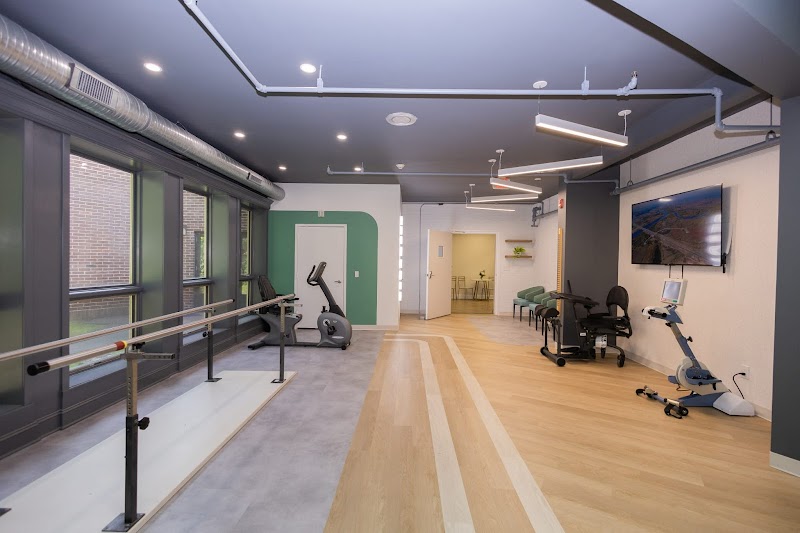
How is Amberwoods Of Farmington Staffed?

CMS rates AMBERWOODS OF FARMINGTON's staffing level at 2 out of 5 stars, which is below average compared to other nursing homes. Staff turnover is 46%, compared to the Connecticut average of 46%.

What Have Inspectors Found at Amberwoods Of Farmington?

State health inspectors documented 40 deficiencies at AMBERWOODS OF FARMINGTON during 2019 to 2024. These included: 2 that caused actual resident harm, 35 with potential for harm, and 3 minor or isolated issues. Deficiencies causing actual harm indicate documented cases where residents experienced negative health consequences.
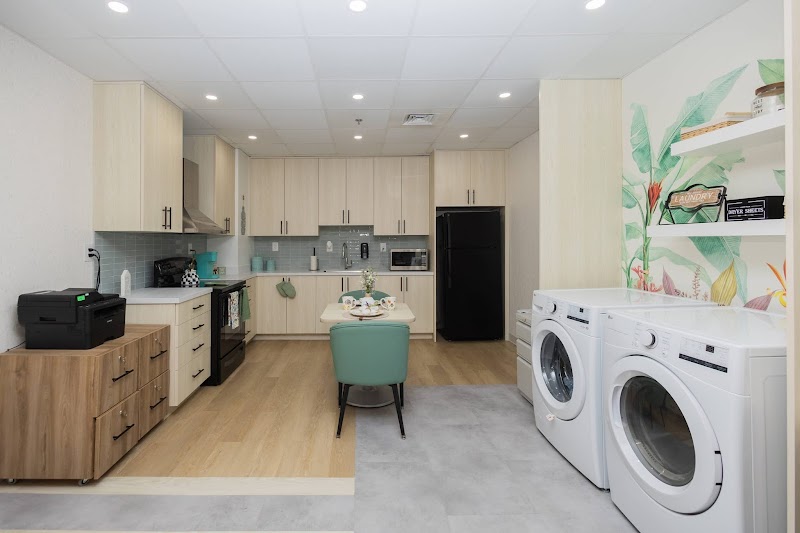
Who Owns and Operates Amberwoods Of Farmington?

AMBERWOODS OF FARMINGTON is owned by a for-profit company. For-profit facilities operate as businesses with obligations to shareholders or private owners. The facility operates independently rather than as part of a larger chain. With 130 certified beds and approximately 123 residents (about 95% occupancy), it is a mid-sized facility located in FARMINGTON, Connecticut.

How Does Amberwoods Of Farmington Compare to Other Connecticut Nursing Homes?

Compared to the 100 nursing homes in Connecticut, AMBERWOODS OF FARMINGTON's overall rating (4 stars) is above the state average of 3.0, staff turnover (46%) is near the state average of 46%, and health inspection rating (3 stars) is at the national benchmark.

What Should Families Ask When Visiting Amberwoods Of Farmington?

Based on this facility's data, families visiting should ask: "Can you walk me through typical staffing levels on day, evening, and night shifts?" "Can I visit during a mealtime to observe dining assistance and food quality?" "How do you handle medical emergencies, and what is your hospital transfer rate?" "Can I speak with family members of current residents about their experience?" These questions are particularly relevant given the below-average staffing rating.

Is Amberwoods Of Farmington Safe?

Based on CMS inspection data, AMBERWOODS OF FARMINGTON has a clean safety record: no substantiated abuse findings (meaning no confirmed cases of resident harm), no Immediate Jeopardy citations (the most serious violation level indicating risk of serious injury or death), and is not on the Special Focus Facility watch list (a federal program monitoring the lowest-performing 1% of nursing homes). The facility has a 4-star overall rating and ranks #1 of 100 nursing homes in Connecticut. While no facility is perfect, families should still ask about staff-to-resident ratios and recent inspection results during their visit.

Do Nurses at Amberwoods Of Farmington Stick Around?

AMBERWOODS OF FARMINGTON has a staff turnover rate of 46%, which is about average for Connecticut nursing homes (state average: 46%). Moderate turnover is common in nursing homes, but families should still ask about staff tenure and how the facility maintains care continuity when employees leave.

Was Amberwoods Of Farmington Ever Fined?

AMBERWOODS OF FARMINGTON has been fined $30,952 across 3 penalty actions. This is below the Connecticut average of $33,388. While any fine indicates a compliance issue, fines under $50,000 are relatively common and typically reflect isolated problems that were subsequently corrected. Families should ask what specific issues led to these fines and confirm they've been resolved.

Is Amberwoods Of Farmington on Any Federal Watch List?

AMBERWOODS OF FARMINGTON is not on any federal watch list. The most significant is the Special Focus Facility (SFF) program, which identifies the bottom 1% of nursing homes nationally based on persistent, serious quality problems. Not being on this list means the facility has avoided the pattern of deficiencies that triggers enhanced federal oversight. This is a positive indicator, though families should still review the facility's inspection history directly.