GLASTONBURY CENTER FOR HEALTH & REHABILITATION
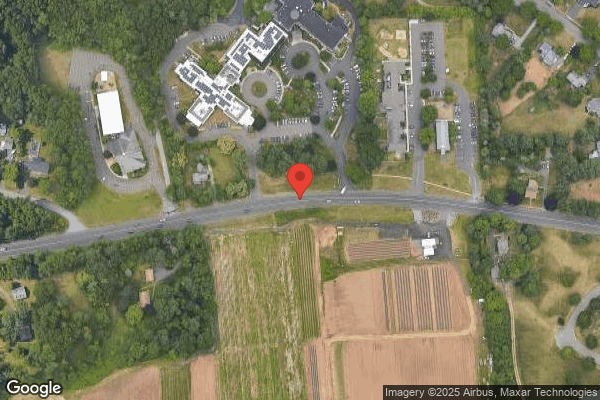
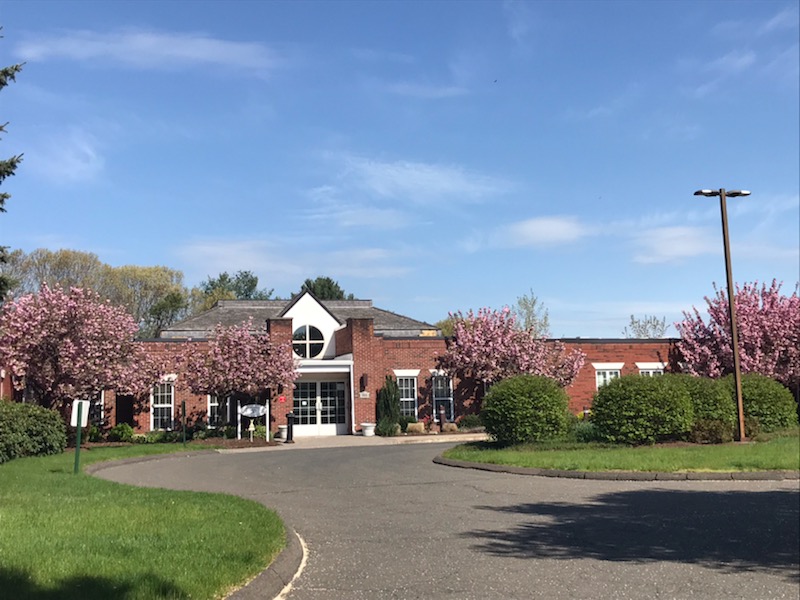
1175 HEBRON AVE, GLASTONBURY, CT 06033 (860) 659-1905
For profit - Corporation 105 Beds NATIONAL HEALTH CARE ASSOCIATES Data: November 2025
Trust Grade
70/100
#62 of 192 in CT
Last Inspection: February 2024

Within standard 12-15 month inspection cycle. Federal law requires annual inspections.

Overview

Glastonbury Center for Health & Rehabilitation has a Trust Grade of B, indicating it is a good facility, solid but not top-tier. It ranks #62 out of 192 facilities in Connecticut, placing it in the top half of the state, and #21 out of 64 in Capitol County, meaning only 20 local options are better. The facility is showing improvement, with issues decreasing from 15 in 2024 to just 3 in 2025. Staffing ratings are average at 3 out of 5 stars, and the turnover rate is 38%, which aligns with the state average. Notably, there have been no fines recorded, which is a positive sign. However, there are some concerns. Recent inspections revealed issues such as a lack of proper financial oversight for resident council funds and inadequate maintenance of the facility's environment, with damaged ceilings in multiple rooms. Additionally, food temperature was not maintained correctly during meal service, which could pose health risks. Overall, while there are strengths in the facility's staffing and lack of fines, families should be aware of these areas needing attention.

Trust Score
B
70/100
In Connecticut
#62/192
Top 32%
Safety Record
Low Risk
No red flags
Inspections
Getting Better
15 → 3 violations
Staff Stability
○ Average
38% turnover. Near Connecticut's 48% average. Typical for the industry.
Penalties
✓ Good
No fines on record. Clean compliance history, better than most Connecticut facilities.
Skilled Nurses
○ Average
Each resident gets 33 minutes of Registered Nurse (RN) attention daily — about average for Connecticut. RNs are the most trained staff who monitor for health changes.
Violations
⚠ Watch
40 deficiencies on record. Higher than average. Multiple issues found across inspections.
★★★★☆
4.0
Overall Rating
★★★☆☆
3.0
Staff Levels
★★★★★
5.0
Care Quality
★★★☆☆
3.0
Inspection Score
Stable
2024: 15 issues
2025: 3 issues

The Good

  • 5-Star Quality Measures · Strong clinical quality outcomes
  • Full Sprinkler Coverage · Fire safety systems throughout facility
  • No fines on record
  • Staff turnover below average (38%)

    10 points below Connecticut average of 48%

Facility shows strength in quality measures, fire safety.

The Bad

Staff Turnover: 38%

Near Connecticut avg (46%)

Typical for the industry

Chain: NATIONAL HEALTH CARE ASSOCIATES

Part of a multi-facility chain

Ask about local staffing decisions and management

The Ugly 40 deficiencies on record

May 2025 1 deficiency
CONCERN (D) 📢 Someone Reported This

A family member, employee, or ombudsman was alarmed enough to file a formal complaint

Potential for Harm - no one hurt, but risky conditions existed

Deficiency F0760 (Tag F0760)

Could have caused harm · This affected 1 resident

**NOTE- TERMS IN BRACKETS HAVE BEEN EDITED TO PROTECT CONFIDENTIALITY** Based on clinical record reviews, facility documentation, facility policies and interviews for one (1) of four (4) sampled resid...

Read full inspector narrative →
**NOTE- TERMS IN BRACKETS HAVE BEEN EDITED TO PROTECT CONFIDENTIALITY** Based on clinical record reviews, facility documentation, facility policies and interviews for one (1) of four (4) sampled residents (Resident #3) who were reviewed for medication administration, the facility failed to ensure Resident #3did not receive medications that were prescribed for another resident. The findings include: Resident #3's diagnoses included hypertension, depression, anxiety, and history of acute renal failure. The admission Minimum Data Set assessment dated [DATE] identified Resident #3 was alert and oriented to person, place, time and situation. A physician's order dated 3/3/25 directed to administer the following medications at 9:00 AM: Acetaminophen 500 milligrams (mg), Allopurinol 100 mg, Atorvastatin Calcium 20 mg, Buspirone HCI 10 mg, Duloxetine HCI 10 mg, Ferrous Sulfate 325 mg, Folic Acid 1 mg, Losartan 25 mg, Magnesium Oxide 400 mg, Multivitamin one (1) tablet, and Oxybutynin ER 5mg. The nurse's noted dated 3/21/25 at 2:12 PM identified the 7AM-3PM Nursing Supervisor, Registered Nurse (RN) #1, was called into Resident #3's room by the 7AM-3PM charge nurse, Licensed Practical Nurse (LPN) #1, due to a medication error. The note indicated upon assessment no adverse reactions were noted, Resident #3 was awake, alert, and oriented times four (4), was made aware of the error and verbalized understanding. The note identified the Advanced Practice Registered Nurse (APRN) was notified and directed to monitor Resident #3's vital signs every four (4) hours for three (3) days, to schedule lab work, and to monitor Resident #1 for bleeding or bruising each shift. The Nurse Practitioner's order dated 3/21/25 directed to hold the morning medications on 3/21/25. Review of the nurse's notes from 3/21/25 through 3/23/25 identified Resident #3 had no ill effects from receiving another resident's medication. The physician's progress notes dated 3/24/25 and 3/27/25 identified the APRN reviewed the lab work, and no further orders were given. The Facility Reported Incident form dated 3/21/25 identified Resident #3 received another resident's 9:00 AM medications on 3/21/25. The investigation identified the following medications were ordered for Resident #4 at 9:00 AM and administered to Resident #3: Vitamin B12 2000 mcg, Proscar 0.5 mg and Flomax 0.4 mg (medications to treat enlarged prostrate), Ferrous Gluconate 324 mg, Folic Acid 1 mg, Losartan 50 mg and Metoprolol 25 mg, (medications to treat hypertension), Protonix 40 mg (a medication to reduce the amount of acid in the stomach, and (blood thinner medications) Clopidogrel 75 mg and Eliquis 5 mg. Interview with the 7AM-3PM Nursing Supervisor, RN #1, on 5/14/25 at 9:50 AM identified on 3/21/25 at approximately 11:00 AM, the 7AM-3PM charge nurse, LPN #1, reported to her immediately after he had given another resident's, Resident #4, medications to Resident #3 in error. RN #1 identified LPN #1 did not follow the standards of practice or company policy when administering medications. Interview with the 7AM-3PM charge nurse, LPN #1, on 5/14/25 at 10:00 AM identified on 3/21/25 he had prepared Resident #4's medications to administer. Resident #4 was in the bathroom and it was taking a long time, so he proceeded to prepare the medications for Resident #3. LPN #1 explained while at the medication cart, a physical therapist, who was working with Resident #3, called for help because the therapist was having difficulty getting Resident #3 back to bed safely. LPN #1 stated he ran into the room, with both medication cups filled with Resident #3 and #4's medications, placed the cups down on the bedside table and proceeded to assist getting Resident #3 back into bed. LPN #1 identified once back in bed, Resident #3 asked for his/her medications and he administered the wrong pills that were at the bedside. LPN #1 identified he did not look at the medications before handing Resident #3 the pills and immediately realized the mistake and had RN #1 come to the room. LPN #1 indicated he should have locked Resident #4's medications up in the medication cart before proceeding to prepare Resident #3's medications and stated that he did not follow company protocol for the administration of medication. Interview with the Director of Nursing (DON) on 5/14/25 at 2:00 PM identified the APRN directed not to administer Resident #3 the 9:00 AM medications on 3/21/25. The DON identified LPN #1 did not follow company policy for the administration of medication. Review of the Medication Administration policy directed that the six (6) rights of a medication pass which included right resident, right drug, right dose, right dosage form, right route and right time would be followed.
Mar 2025 2 deficiencies
CONCERN (D) 📢 Someone Reported This

A family member, employee, or ombudsman was alarmed enough to file a formal complaint

Potential for Harm - no one hurt, but risky conditions existed

Notification of Changes (Tag F0580)

Could have caused harm · This affected 1 resident

**NOTE- TERMS IN BRACKETS HAVE BEEN EDITED TO PROTECT CONFIDENTIALITY** Based on clinical record review, facility documentation review, facility policy review, and interviews for one of three resident...

Read full inspector narrative →
**NOTE- TERMS IN BRACKETS HAVE BEEN EDITED TO PROTECT CONFIDENTIALITY** Based on clinical record review, facility documentation review, facility policy review, and interviews for one of three residents (Resident #1) reviewed for nutrition, the facility failed to ensure provider was notified timely of a weight loss. The findings include: Resident #1's diagnoses included dementia and nutritional deficiencies. The quarterly MDS Minimum Data Set (MDS) assessment dated [DATE] identified Resident #1 was alert and oriented, had a Brief Interview for Mental Status (BIMS) score of ten out of fifteen, indicative of moderate cognitive impairment, required set up for meals and received a mechanically altered diet. The Resident Care Plan (RCP) dated 11/4/2024 identified a nutrition and weight maintenance problem. Interventions directed to help with eating, provide dietary assessments and referrals as needed. Record review identified a weight on 11/26/2024 was 171.9 pounds (lbs). The next weight recorded on 12/10/2024 was 147.8 lbs, indicating a loss of weight loss of 24.1 pounds in 15 days. Review of nutrition/dietary note dated 12/13/2024 indicated a weight warning of a significant weight loss in 30, 90 and 180 days. The note indicated Resident #1 was [AGE] years old, recently treated for pneumonia, and working with speech therapy (ST) for dysphagia management. Resident #1 was receiving a mechanical soft consistency diet with variable intake. Accepts supplements of ensure clear and liquid protein supplements, nutritional needs increased and receives magic cup two times per day with meals. Physician note dated 12/16/2024 identified resolved pneumonia and nursing without concerns. Record review from November through December 2024, failed to identify the physician/APRN was notified of the weight loss identified on 12/10/2024. Additional weight recorded on 12/31/2024 was 146.8 lbs, indicating one (1) additional lb loss since 12/10/2024, and a total loss since 11/26/2024 of 25.1 lbs. On 3/6/2025 at 1:45 PM interview and clinical record review with APRN #1 and PA #1 identified they were not notified of Resident #1's weight loss of 24.1 pounds identified on 12/10/2024, and they were not notified of the weight loss identified on 12/31/2024 (total loss 25.1 pounds between 11/26 and 12/31/2024). Interview identified APRN #1 was first aware of the weight loss on 1/3/2025, and PA #1 was not aware of the loss. Interview identified APRN #1 and PA #1 should have been notified of the change in the resident's weight, and they would have wanted to be notified to review the plan. Interview, and review of clinical record and facility documentation on 3/6/2025 at 2:07 PM with DNS identified that the provider should have been notified of Resident #1's weight loss when it was identified. Interview failed to identify why the provider/APRN #1/PA #1 were not notified prior to 1/3/2025. Review of facility Change of Condition Notification policy directed in part, the facility will inform the resident, resident's healthcare provider, and the resident's family/legal representative when there is a change in condition. Facility documentation review identified staff education was initiated on 1/15/2025 and included to notify the physician of any weight discrepancy. Audits were initiated on 1/10/2025, and a QAPI meeting was held on 1/31/2025. Based on review of facility documentation, past non-compliance was identified.
CONCERN (D) 📢 Someone Reported This

A family member, employee, or ombudsman was alarmed enough to file a formal complaint

Potential for Harm - no one hurt, but risky conditions existed

Medical Records (Tag F0842)

Could have caused harm · This affected 1 resident

**NOTE- TERMS IN BRACKETS HAVE BEEN EDITED TO PROTECT CONFIDENTIALITY** Based on clinical record review, facility documentation review, facility policy review, and interviews for one of three resident...

Read full inspector narrative →
**NOTE- TERMS IN BRACKETS HAVE BEEN EDITED TO PROTECT CONFIDENTIALITY** Based on clinical record review, facility documentation review, facility policy review, and interviews for one of three residents (Resident #1) reviewed for ADLs, the facility failed to ensure the clinical record was complete and accurate to include personal care provided. The findings include: Resident #1's diagnoses included dementia, nutritional deficiencies, and unstageable pressure ulcer of sacral region. The quarterly MDS Minimum Data Set (MDS) assessment dated [DATE] identified Resident #1 was alert and oriented, had a Brief Interview for Mental Status (BIMS) score of ten out of fifteen, indicative of moderate cognitive impairment, required assistance with ADLs and transfers, and was incontinent of bowel and bladder. The Resident Care Plan (RCP) dated 11/4/2024 identified an Activities of Daily Living (ADL) deficit. Interventions directed to assist with care as needed. The Nurse Aide Care Card directed assistance of one with personal hygiene, bathing, transfers, wheelchair use, and limited assistance with mouth care. Review of ADL flowsheet dated 1/1 to 1/23/2025 failed to identify NA documentation for the following personal care: ADLs (bathing, bed mobility, dressing, toilet use, transfers) - the documentation was blank (missing to indicate care was provided) seven (7) times during the night shift, nine (9) times during the day shift, and eight (8) times during the evening shift (total blanks 24 out of 93 opportunities). Bed mobility - the documentation was blank (missing to indicate care was provided) seven (7) times during the night shift, nine (9) times during the day shift, and seven (7) times during the evening shift (total blanks 23 out of 93 opportunities). ADL dressing - the documentation was blank (missing to indicate care was provided) nine (9) times during the day shift and eight (8) times during the evening shift (total blanks 17 out of 93 opportunities). ADL oral hygiene - the documentation was blank (missing to indicate care was provided) nine (9) times during the day shift and eight (8) times during the evening shift (total blanks 17 out of 63 opportunities). ADL transfers - the documentation was blank (missing to indicate care was provided) nine (9) times during the day shift and eight (8) times during the evening shift (total blanks 17 out of 63 opportunities). Bladder elimination - the documentation was blank (missing to indicate care was provided) seven (7) times during the night shift, nine (9) times during the day shift, and seven (7) times during the evening shift (total blanks 23 out of 93 opportunities). ADL eating - the documentation was blank (missing to indicate care was provided) nine (9) times during the breakfast meal, ten (10) times during noon meal, and eight (8) times during the dinner meal (total blanks 27 out of 93 opportunities). Nutrition snack - - the documentation was blank (missing to indicate care was provided) eight (8) times during the month for the daily 2 PM snack (8 out of 31 opportunities). Interview and record review with the DNS on 3/6/2025 at 12:28 PM identified that NA staff provided the care scheduled to be provided during the month of January 2025, and the NAs should have documented the care provided, according to facility policy. Interview failed to identify why the documentation, as listed above, was blank. Review of facility Charting and Documentation policy directed in part, to shall document services provided in the patient's medical record. Further, the Policy directed documentation shall be completed at the time of service, but no later than the shift in which the care service occurred.
Sept 2024 2 deficiencies
CONCERN (D) 📢 Someone Reported This

A family member, employee, or ombudsman was alarmed enough to file a formal complaint

Potential for Harm - no one hurt, but risky conditions existed

Deficiency F0657 (Tag F0657)

Could have caused harm · This affected 1 resident

**NOTE- TERMS IN BRACKETS HAVE BEEN EDITED TO PROTECT CONFIDENTIALITY** Based on review of the clinical record, facility policy, and interviews for the one (1) of three (3) resident (Resident #3) revi...

Read full inspector narrative →
**NOTE- TERMS IN BRACKETS HAVE BEEN EDITED TO PROTECT CONFIDENTIALITY** Based on review of the clinical record, facility policy, and interviews for the one (1) of three (3) resident (Resident #3) reviewed for refusals, the facility failed to develop a comprehensive care plan indicating refusals related to wound and incontinent care. The findings include: Resident #3's diagnoses included pain, polyneuropathy (disease affecting multiple nerves throughout the body causing weakness, numbness and burning pain), severe malnutrition, anxiety disorder and depression. The admission Minimum Data Set (MDS) assessment dated [DATE] identified Resident #3 was cognitively intact, incontinent of bowel and bladder, and was dependent on staff for bed mobility and toileting hygiene. A care plan dated 4/11/24 identified that the resident had stage three (3) pressure ulcers on the bilateral heels and a stage three (3) pressure ulcer on the right medial and lateral buttock with interventions to provide incontinent care, administer treatments as ordered, and to assist with positioning changes. A Nurse Practitioner's (NP) note dated 5/21/24 at 12:00 AM identified Resident #3 had pressure ulcers to both the left and right heels and continued to be very non-compliant with getting out of bed on a regular basis. Education was provided regarding the importance of physical activity as well as frequent repositioning and its role in wound prevention and healing. A nurse's note dated 5/29/24 at 11:08 AM identified that Resident #3 was educated on the importance of offloading and was encouraged to use pillows but refused to offload at that time. Review of the Resident Care Plan (RCP) failed to include a care plan for behaviors indicating refusal of care, the resident frequently refused incontinent care, getting out of and re-positioning in bed. Interview with NP #1 on 9/16/24 at 10:22 AM identified that a contributing factor to Resident #3's pressure ulcers not improving was due to Resident #3's refusals. She indicated that the resident refused to let the staff get him/her out of bed and consistently refused to be repositioned in the bed. She identified that RN #2 had educated Resident #3 numerous times on the importance of offloading the pressure ulcers but that the resident continued to refuse. Interview with LPN #1 on 9/16/24 at 2:22 PM identified that he was Resident #3's nurse regularly on the 7:00 AM to 3:00 PM shift. He identified that although he did not document refusals, Resident #3 consistently refused personal care, incontinent care, repositioning, and dressing changes at times, and that NP #1 and RN staff were aware of the refusals. In an interview and clinical record review with the DNS on 9/16/24 at 2:25 PM, it was identified that the clinical record failed to reflect a care plan regarding Resident #3's refusals of dressing changes, incontinent care ,transfer out of bed and refusals to be repositioned and offload the pressure ulcers while in bed. She indicated that Resident #3 had a refusal care plan, however, unrelated to the pressure ulcers and incontinent care. Additionally, the DNS reported that the MDS nurse was responsible for the noncompliance care plan, and she was unsure why an RCP for Resident #3's refusals did not exist. Review of the Comprehensive Care Plan policy dated 11/2017 directed, in part, that the care plans are oriented towards preventing avoidable decline in clinical and functional levels, maintain a specific level of functioning and reflect resident preferences and the right to refuse certain services or treatment. Care plans include acute/chronic events, behaviors and/or illness. Based on the above, the Interdisciplinary Team develops a comprehensive Care Plan for each resident that includes measurable objectives and timelines to accommodate preferences, special medical, nursing and psychosocial needs. The Care Plan is evaluated and revised as needed, but at least quarterly.
CONCERN (D) 📢 Someone Reported This

A family member, employee, or ombudsman was alarmed enough to file a formal complaint

Potential for Harm - no one hurt, but risky conditions existed

Medical Records (Tag F0842)

Could have caused harm · This affected 1 resident

**NOTE- TERMS IN BRACKETS HAVE BEEN EDITED TO PROTECT CONFIDENTIALITY** Based on review of the clinical record, facility documentation, facility policy and interviews for 2 (two) of 2 (two) residents ...

Read full inspector narrative →
**NOTE- TERMS IN BRACKETS HAVE BEEN EDITED TO PROTECT CONFIDENTIALITY** Based on review of the clinical record, facility documentation, facility policy and interviews for 2 (two) of 2 (two) residents (Residents #2 and #3) reviewed for physician follow up appointments, the facility failed to document in the clinical record communications to outside provider offices regarding appointments. The findings include: 1. Resident #2's diagnoses included dissection of descending thoracic aorta (a tear in the wall of the aorta occurring in the descending section which runs through the chest and abdomen) and polyneuropathy (disease that affects multiple nerves throughout the body causing weakness, numbness and burning pain). The admission Minimum Data Set (MDS) assessment dated [DATE] identified Resident #2 was cognitively intact and required maximal assistance for bed mobility and was dependent for transfers. The Resident Care Plan dated 4/18/24 identified that Resident #2 requires assistance with Activities of Daily Living (ADLs) with interventions that included to participate in Physical Therapy (PT) and Occupational Therapy (OT) and provide staff assistance of 2 with a rolling walker for mobility. A physician's order dated 4/8/24 directed for Resident #2 to follow up with vascular surgery on 4/29/24 at 8:00 AM. Review of progress notes failed to identify that Resident #2 had been transported to the 4/29/24 appointment. Interview with the Appointment Scheduler on 9/13/24 at 12:35 PM identified that the 4/29/24 vascular surgery appointment was canceled by the vascular surgery staff stating that Resident #2 required a CT scan completed prior to the appointment and they would call to reschedule the appointment for after the CT was completed. An appointment for the CT scan was set up for a radiology facility in Glastonbury on 5/16/24. On 5/16/24, although the facility booked the transport as a wheelchair van, the transportation company sent a sedan to pick up the resident. When the facility called the radiology location to notify them, they reported that they could not accommodate a resident who required a Hoyer lift (mechanical lift), so the appointment was canceled. On 7/5/24, the Appointment Scheduler received a phone call from the vascular surgery office stating they needed new blood work sent to them prior to rescheduling the CT scan appointment. She reported that the labs were done in the facility on 7/7/24 and sent to Person #3 as requested. An appointment for the CT scan was scheduled for 7/19/24, but his/her transportation arrived late and the radiology facility was unable to accommodate the resident's late arrival so Resident #2 did not get transported to the appointment. On 8/19/24, the Appointment Scheduler and the DNS called and spoke with Person #3 and the CT scan was booked for 9/10/24. On 9/10/24, Resident #2 had the CT scan completed and the vascular surgery follow-up was scheduled for 9/19/24. Review of the progress notes failed to identify documentation regarding the canceled appointment on 4/29/24 due to the CT scan not being completed, the canceled appointment on 5/16/24 due to transportation, the canceled appointment on 7/19/24 due to transportation or the communication on 8/19/24 between Person #3 and the DNS. Review of facility documentation identified that Resident #2 had blood work completed on 4/16/24, 4/24/24, 4/30/24, 5/3/24, 7/7/24, 7/31/24 and 8/20/24. Interview with Person #3 (vascular surgery staff) on 9/13/24 at 1:14 PM confirmed that the 4/29/24 vascular surgery appointment was canceled by their office on 4/25/24 due to not having results of the CT scan prior to the appointment but reported that he/she had not communicated to the facility prior to that date. Person #3 reported that he/she then spoke with the Appointment Scheduler on 5/21/24 and requested new blood work be sent to them, as it had to be current within 30 days of the CT scan. He/she reported that they did not receive the blood work, so they reached out again on 6/21/24 and spoke with the Appointment Scheduler. He/she reported that they did not receive the blood work, so they reached out again on 6/26/24 and left a voicemail for the Appointment Scheduler. Person #3 reported that on 7/5/24 they reached out to the Appointment Scheduler again because they still had not received the blood work and again left a voicemail. He/she identified that they then notified their manager of the communication issues they were having with the facility. Person #3 reported that the received the blood work on 7/9/24 so he/she reached out to the Appointment Scheduler to schedule the CT scan for 7/19/24. He/she reported that the resident did not show up for the appointment on 7/19/24 so they reached out to the Appointment Scheduler again on 8/12/24 and left a voicemail and received no call back. Further, he/she identified that the DNS reached out to him/her on 8/19/24 and the CT scan was booked for 9/10/24, which the resident had completed. Person #3 identified that Resident #2 has an appointment scheduled for 9/19/24 at 9:00 AM for the vascular surgery follow-up. Interview with the DNS on 9/16/24 at 11:05 AM identified that the Appointment Scheduler does not have a voicemail within the facility and that the vascular surgery office never reached out to her reporting that they were having difficulty obtaining requested blood work. She reported that when she contacted them on 8/19/24, everything was sorted out and the CT scan was booked, but stated she was unaware of the issues prior to the Appointment Scheduler notifying her on 8/18/24. Re-interview with the Appointment Scheduler on 9/16/24 at 1:04 PM confirmed that she does not have a voicemail within the facility. She denied receiving any correspondence with Person #3 on 5/21/24, 6/21/24, 7/9/24 or 8/12/24. 2. Resident #3's diagnoses included pain, polyneuropathy (disease affecting multiple nerves throughout the body causing weakness, numbness and burning pain), severe malnutrition, anxiety disorder and depression. The Resident Care Plan dated 3/25/24 identified that Resident #3 had pain related to impaired mobility with interventions that included to assist with positioning changes as needed for comfort, administering pain medications as ordered and discussing with the resident factors that precipitate pain and how to reduce it. The admission Minimum Data Set (MDS) assessment dated [DATE] identified Resident #3 was cognitively intact and was dependent on staff for bed mobility and toileting hygiene. A physician's order dated 5/13/24 directed to schedule a non-joint Magnetic Resonance Imaging (MRI) of both heels to evaluate for osteomyelitis. A physician's order dated 5/15/24 directed to schedule an appointment for consultation with orthopedic surgery related to severe contractures of the left hip and knee and persistent pain, to call neurology and schedule appointment for consultation related to severe contractures to the left hip and knee, and to call sports medicine to schedule an appointment for a consultation related to severe contractures to the left hip and knee. Review of progress notes from 5/13/24 through Resident #3's discharge on [DATE] failed to identify that the resident was transported out of the facility for any appointments or that outside consultation appointments had been scheduled. Interview with Appointment Scheduler on 9/16/24 at 11:02 AM identified that she did schedule appointments for the MRI, the orthopedic and neurology. She identified that the resident had an orthopedic appointment on 5/20/24 and was seen by the provider. She reported that the resident had a neurology appointment scheduled for 6/5/24 but that the transportation could not accommodate a stretcher and it was canceled on 6/3/24. She reported that the MRI had been scheduled for 6/14/24 but that the resident canceled the appointment and subsequently discharged home the same day. She identified that she documented the appointments and their outcome on her spreadsheet but that it is not part of the clinical record. Interview with the DNS on 9/16/24 at 11:05 AM identified that she expects nursing staff to document in the clinical record any time a resident leaves the building for an appointment, any recommendations made from an outside provider appointment and any reasons as to why a resident is not seen or an appointment is canceled. She reported that she was unsure why they had not been documenting related to resident appointments. Further, she identified that the Appointment Scheduler does not currently have access to document in the electronic clinical record system and that corporate stated they are trying to develop an Appointment Scheduler note for documentation. She indicated that the Appointment Scheduler keeps a spreadsheet to track appointments but that she also did not write any paper notes that were then filed in the clinical record. Subsequent to surveyor interview, an in-service education on appointment documentation was initiated. Review of the Nursing Documentation policy dated 2/2016 directed, in part, that licensed nursing personnel documents information related to the resident's condition and care provided in the resident's medical record. All resident/patient record forms are kept in the resident's/patient's medical record. Although requested, a policy on outside provider appointments was not obtained.
Jun 2024 2 deficiencies
CONCERN (D) 📢 Someone Reported This

A family member, employee, or ombudsman was alarmed enough to file a formal complaint

Potential for Harm - no one hurt, but risky conditions existed

Quality of Care (Tag F0684)

Could have caused harm · This affected 1 resident

**NOTE- TERMS IN BRACKETS HAVE BEEN EDITED TO PROTECT CONFIDENTIALITY** Based on clinical record review, facility documentation review, and interviews for one of three residents (Resident #2) reviewed...

Read full inspector narrative →
**NOTE- TERMS IN BRACKETS HAVE BEEN EDITED TO PROTECT CONFIDENTIALITY** Based on clinical record review, facility documentation review, and interviews for one of three residents (Resident #2) reviewed for medication administration, the facility failed to ensure medications were administered in accordance with physician orders. The findings include: Resident #2's diagnoses included paranoid schizophrenia, schizoaffective disorder, depressive type and dementia. The annual Minimum Data Set (MDS) dated [DATE] identified Resident #2 had severe cognitive impairment, and required supervision/assistance with ADLs and transfers, and received antipsychotic and antidepressant medications. Physician orders dated 3/12/2022 directed Soothe XP solution (artificial tears) one drop both eyes two times a day, Lamotrigine (for schizophrenia) 100 mg by mouth two times a day, Clozapine (for schizoaffective disorder depressive type) 75 mg by mouth once a day, Ferrous Sulfate (iron deficiency anemia) 325 mg 1 tablet by mouth one time a day, Pepcid (for peptic ulcer) 20 mg 1 tablet by mouth in the morning, Timolol Maleate Solution 0.5% (for glaucoma) one drop to left eye, Vitamin C (for anemia) one tablet by mouth once a day, MiraLAX powder (for constipation) 17 gm by mouth every morning and bedtime for constipation, PreserVision AREDS tablet 1 tablet by mouth two times a day for eye health,Trazodone HCI (for paranoid schizophrenia/anxiety) 12.5 mg tablet by mouth every 12 hours as needed, Acetaminophen (pain) 500 mg 1 tablet one time a day for chronic left shoulder pain, administer a 4-ounce Dessert cup with lunch in the afternoon for supplement and Ensure clear 240 cc three (3) times per day for supplement and to monitor for paranoid behaviors every shift and behavior monitoring for auditory hallucinations every shift. The Resident Care Plan (RCP) dated 4/19/2022, identified Resident #2 had history of schizophrenia with paranoid delusions with anxiety. Interventions directed medicate as ordered, monitor and document response. Review of the Medication Administration Record (MAR) for April 2022 identified Resident #2 did not receive the following morning medications on 4/3/2022 at 7:30 AM: Soothe XP solution (artificial tears) one drop both eyes, at 8 AM, Lamotrigine 100 milligrams (mg) at 9 AM, Clozapine 75 mg, Ferrous Sulfate 325 mg, Pepcid 20 mg, Timolol Maleate Solution 0.5% one drop to left eye, Vitamin C one tablet, MiraLAX powder (for constipation) 17 gm, PreserVision AREDS one tablet, and Trazodone HCI 12.5 mg, at 10 AM: Acetaminophen 500 mg. Review of the Medication Administration Record (MAR) for April 2022 identified Resident #2 did not receive the following supplements on 4/3/2022: Ensure Clear 240 cc at 8 AM, a 4-ounce dessert cup with lunch for supplement at 12:30 PM, and Ensure Clear 240 cc at 2 PM. Review of the Medication Administration Record (MAR) for April 2022 identified behavior monitoring was not provided for Resident #2 on 4/3/2022 during the 7 AM to 3 PM shift for the following behaviors: auditory hallucinations, and behaviors: paranoid behavior. Facility documentation review identified LPN #2 was the charge nurse on 4/3/2022 when the medications, supplements were not administered, and behavior monitoring was not completed. Interview, review of clinical record with LPN #2 on 6/4/2024 at 10:58 AM identified that if she had given Resident #2 medications, supplements, and monitored behaviors she would have documented them in Resident #2's MAR. LPN #2 stated if she did not document the, it was not completed; she stated it could have been overlooked by accident. LPN #2 was unable to explain why the medications, supplements were not administered, and behavior monitoring was not completed. Interview, clinical record review, and facility documentation review with DNS on 6/5/2024 at 9:40 AM the DNS identified that a nurse should document as soon as a medication is given. The DNS stated she was aware that LPN #2 failed to document administration of medications, supplements or behavior monitoring on 4/3/2022. The DNS was unable to verify the medications, and supplements were administered and the behavior monitoring was completed, in accordance with physician orders, and indicated they should have been. Although requested, the facility did not provide a facility policy regarding medication administration for surveyor review during the survey.
CONCERN (D) 📢 Someone Reported This

A family member, employee, or ombudsman was alarmed enough to file a formal complaint

Potential for Harm - no one hurt, but risky conditions existed

Medical Records (Tag F0842)

Could have caused harm · This affected 1 resident

**NOTE- TERMS IN BRACKETS HAVE BEEN EDITED TO PROTECT CONFIDENTIALITY** Based on clinical record review, facility documentation review, facility policy review, and interviews for one of three resident...

Read full inspector narrative →
**NOTE- TERMS IN BRACKETS HAVE BEEN EDITED TO PROTECT CONFIDENTIALITY** Based on clinical record review, facility documentation review, facility policy review, and interviews for one of three residents (Resident #1) reviewed for change in condition, the facility failed to ensure the clinical record was complete and accurate to include notification of a positive lab result timely. The findings include: Resident #1's diagnoses included Myasthenia Gravis with acute exacerbation and clostridium difficile (C-Diff). Record review identified Resident #1 was responsible for him/herself. The admission Minimum Data Set (MDS) assessment dated [DATE] identified that Resident #1 was alert and oriented, and was always incontinent of bowel. The Resident Care Plan (RCP) dated 4/27/2024, interventions directed to provide incontinent care as indicated. Physician order dated 4/29/2024 directed to obtain a stool sample for C-diff. Nursing note dated 4/29/2024 at 11:55 PM identified a stool sample was obtained for C-diff. The APRN note dated 5/1/2024 at 10:49 AM identified Resident #1 had a history for C-Diff and watery stools on admission. The note further identified a stool sample for clostridium difficile (C-Diff) was obtained with results that were positive for C-Diff. The nursing note dated 5/1/2024 at 2:30 PM identified Resident #1 was moved to private room due to tested positive for C-Diff. Additional review failed to identify Resident #1 was notified of positive lab result. Record review failed to identify Resident #1 was notified of the positive C-Diff results. Interview, record review, and facility documentation review with the DNS on 6/5/2024 at 9:45 AM identified she was the RN supervisor on 5/1/2024, and she notified Resident #1 that he/she was being moved to another room due to the positive C-Diff results. The DNS further indicated it should have been documented in the nursing notes by either her, or she should have directed the charge nurse (LPN # 3) to document that the Resident #1 had been notified why he/she was moving. Interview failed to identify why the notification was not documented. Review of the facility Condition: Significant Change Policy dated 1/26/2024 directed in part, the facility professional staff will communicate with resident/patient, and family regarding change in condition to provide timely communication of resident/patient status change. Procedure direct in part this notification shall be documented in the clinical record.
Feb 2024 11 deficiencies
CONCERN (D)

Potential for Harm - no one hurt, but risky conditions existed

Deficiency F0559 (Tag F0559)

Could have caused harm · This affected 1 resident

**NOTE- TERMS IN BRACKETS HAVE BEEN EDITED TO PROTECT CONFIDENTIALITY** Based on review of the clinical record, facility documentation, facility policy and interviews for 1 resident (Residents #2), re...

Read full inspector narrative →
**NOTE- TERMS IN BRACKETS HAVE BEEN EDITED TO PROTECT CONFIDENTIALITY** Based on review of the clinical record, facility documentation, facility policy and interviews for 1 resident (Residents #2), reviewed for room change, the facility failed to provide written notice to the resident and/or resident representative, including the reason for the change, before the resident's room was changed. The findings included: Resident #2 was admitted to the facility in October 2020 with diagnoses that included atrial fibrillation, anxiety disorder, and chronic kidney disease stage 3. Review of a letter dated 10/16/23, from the Administrator to Resident #2 and his/her representative identified potential room changes based on the conditions noted in the CGS. The letter indicated the facility will first solicit volunteers for room change before proceeding within the statutes. The letter also included the steps that the facility is taking to address infection control practices and protocols. The facility was reviewing the placement of residents who meet the following conditions: residents with Multi-Drug Resistance Organism (MDRO), and residents with specific behaviors and/or diagnosis. The quarterly MDS dated [DATE] identified Resident #2 had intact cognition. The social service note dated 1/31/24 at 11:08 AM identified Resident #2 was planned to move from room [ROOM NUMBER] - P to room [ROOM NUMBER] - A due to medical necessity. The note identified Resident #2's representative was in agreement with no concerns noted. The social service note dated 1/31/24 at 2:51 PM identified the social worker updated Resident #2's representative on the room change status. All resident's belongings were transferred to the new room (111 - A) successfully and Resident #2 was adjusting. No concerns were noted. The social service department shall remain available. The nurse's note dated 1/31/24 at 3:18 PM identified the DNS met with Resident #2 about the room change. Resident #2 was happy that his/her friend was going to be his/her new roommate. The DNS indicated she explained to Resident #2 that the new room will be fixed to his/her liking. Resident #2 attended recreation and was now resting in the room. The nurse's note dated 1/31/24 at 4:31 PM identified Resident #2 was moved from room [ROOM NUMBER] to 111 - A after lunch. Resident #2 was brought to room [ROOM NUMBER] - A after all personal belongings were set up and organized. Resident #2 was pleased with the set-up; a tour was given to ensure comfort. Resident #2 indicated he/she was able to find everything he/she needed. Resident #2 and new roommate exchanged greetings; roommate expressed happiness of having Resident #2 in room. Resident #2 was adjusting well with no complaints after the move. No distress noted. A psychiatric APRN evaluation form dated 2/1/24 identified Resident #2 was alert and oriented to baseline. Resident #2 denied feelings of depression mood and anxiety. No delusions or paranoia. Resident #2 is adjusting well to her new roommate. Mood fair, affect appropriate, no complaints, denies low mood, anxiety. No change this evaluation. Continue psychotropic medications as ordered. The psychiatric LCSW note dated 2/5/24 at 1:17 PM identified Resident #2 recently moved from a private room to a double occupancy room. Resident #2 was having a difficult time adjusting to the change. During this session, Resident #2 is irritable and does not engage well in the therapeutic process. Outcome: no significant change in mood or adjustment. Resident #2 was seen as needed. Interview with Resident #2 on 2/5/24 at 2:31 PM identified she was recently moved from a private room to room a semiprivate room [ROOM NUMBER] - A. Resident #2 indicated he/she wanted to remain on the same unit with the same nurse aide. Resident #2 indicated he/she now has the bed next to the door and no longer sees the sun due to his/her roommate keeps the privacy curtain between the two beds pulled at all times. Resident #2 indicated he/she has stopped listening to the music and his/her state of mind has changed. Review of the clinical record on 2/7/24 at 11:00 AM identified although a room change note and a social service progress note was documented when Resident #2's room was changed, the documentation failed to reflect that written notice, including the reason for the room change, before the resident's room in the facility was changed had been provided to the resident and/or resident representative. Interview with the DNS on 2/8/24 at 12:13 PM identified she and the social worker had notified the Resident #2 and the resident representative on 1/31/24 prior to the Resident #2 moving out of the private room (room [ROOM NUMBER]) into room [ROOM NUMBER] - A. The DNS indicated the room change was due to a medical necessity for another resident at that time. The DNS indicated room [ROOM NUMBER] - A was the only semi-room available at the time of the move. The DNS indicated Resident #2 was placed in room [ROOM NUMBER] - A because he/she knew the resident in bed B and the both of them were friends. The DNS indicated Resident #2 had been placed on the waiting list for a room change and when a room is available the resident and the resident representative will be notified, and the available room will be showed to the resident and the resident representative. Review of facility documentation (action summary) dated 2/9/24 at 10:56 AM identified one resident was moved off the Apple Hill unit from room [ROOM NUMBER] (a private room) to Apple Hill unit room [ROOM NUMBER] - A (to a semi-room) on 1/31/24. Review of the facility room changes policy identified all room changes/transfers are made in accordance with the Resident's [NAME] of Rights. Voluntary Transfers Should a resident and/or their family member not object to a proposed room change, the transfer may be made at any time provided that the move is not medically contraindicated and promotes the resident's well-being. Documentation regarding contracts with the resident, family and others involved in the decision to transfer the resident must be maintained in the social service section of the medical record. A statement from the resident's attending physician reflecting that the move/transfer is not medically contraindicated should be obtained as often as possible. Involuntary Transfers The move is necessary to allow access to specialized medical equipment the resident no longer needs and which another resident needs. Formal and written notice is provided: The written notice must include: 1) The reason for the transfer 2) The location to which the resident is being transferred 3) The name, address, and phone number of the regional ombudsman The written notice must be given at least fifteen (15) days in advance of the move and after the consultation process is implemented, except for transfer due to a change in payment status (private to T-19, private room to semi-private room) or for physical plant renovation, which require thirty (30) days advance written notice. All room changes or proposed room changes will be documented by social service in the medical record. Copies of all letters to residents/families will be maintained in the social service file. Review of the Resident's [NAME] of Rights dated July 2021 identified: Transfer and Discharge You may be involuntarily transferred from one room to another within the facility if necessary due to repairs or renovations; irreconcilable incompatibility between you and roommate; the need to admit a person of the opposite sex; allowing another resident access to special medical equipment you no longer need; and a family member or other representative receive a copy of any such application.
CONCERN (D)

Potential for Harm - no one hurt, but risky conditions existed

Quality of Care (Tag F0684)

Could have caused harm · This affected 1 resident

**NOTE- TERMS IN BRACKETS HAVE BEEN EDITED TO PROTECT CONFIDENTIALITY** 2. Resident #56 was admitted to the facility on [DATE] with diagnoses that included congestive heart failure, specified nutriti...

Read full inspector narrative →
**NOTE- TERMS IN BRACKETS HAVE BEEN EDITED TO PROTECT CONFIDENTIALITY** 2. Resident #56 was admitted to the facility on [DATE] with diagnoses that included congestive heart failure, specified nutritional deficiencies, and dementia. A physician's order dated 6/5/19 directed to administer 600mg Calcium Carbonate (a mineral supplement), 1 tablet by mouth, daily with breakfast. The quarterly MDS dated [DATE] identified Resident #56 had moderately impaired cognition, nutritional approaches included a therapeutic diet, and required setup and cleanup assistance with eating and oral hygiene. The care plan dated 1/25/24 identified Resident #56 was at risk for aspiration related to dysphagia. Interventions included sitting upright for all oral intake and allowing for small sips, bites, and adequate swallow time, cueing resident, as needed. Observation with LPN #3 on 2/8/24 at 8:16 AM identified Resident #56 was asleep with a round orange tablet resting in his/her mouth. When LPN #3 asked Resident #56 what was in his/her mouth, Resident #56 chewed and swallowed the orange tablet. Review of the MAR dated 2/8/24 identified 600mg of Calcium Carbonate was administered at 6:48 AM. Interview with the Nurse Supervisor (RN #4) on 2/8/24 at 8:40 AM identified that she was not able to confirm what the round, orange table was resting on Resident #56's mouth but that the nurse who administered the medication should have remained at the bedside until the medication was taken. Interview and observation of the medications in the medication cart with LPN #8 on at 2/9/24 at 6:30 AM, identified that she had given Resident #56 his/her morning medications, which included TUMS from the bottle labeled 750mg Calcium Carbonate Antacid Table Extra Strength, (incorrect dose). LPN #8 further identified that 500mg and 750mg tablets were the only TUMS available in the medication cart and that during her medication pass on 2/8/24 she observed Resident #56 chew the tablet, but she did not wait to see if the mediation was swallowed. Interview and clinical record review with the ADNS on 2/9/24 at 9:05 AM identified that the facility keeps 3 Calcium Carbonate formularies on hand, 600mg in a non-chewable tablet and 500mg and 750mg in chewable form (TUMS). The ADNS indicated that, at this time, there is no 600mg Calcium Carbonate chewable tablet available on the medication carts. The ADNS further indicated that she would expect the nurse administering the medication to administer the correct dose, and if the prescribed dose was unavailable, she would expect the nurse to notify the pharmacy to see if that dose is something that could be obtained, if not then the charge nurse would notify the nursing supervisor to call the APRN for guidance or new orders. The facility's medication administration policy directs the nurse to verify the medication order on the MAR by checking against the physician's order, compare the label to the resident's MAR, verify that the medication is being administered at the proper time, in the prescribed dose and route, and stay with the resident until he/she has swallowed the medication. 3. Resident #7 was admitted to the facility on [DATE] with diagnoses that included moderate protein-calorie malnutrition, dysphagia, and vascular dementia. The quarterly MDS dated [DATE] identified Resident #7 had severely impaired cognition, nutritional approaches included a mechanically altered diet, had a weight loss of 5% or more in the last month or loss of 10% or more in the last 6 months, and was not on a physician- prescribed weight-loss regimen. The care plan dated 12/14/23 identified Resident #7 had potential for impaired nutritional status due to dementia. Interventions included documenting the percentage consumed of solids and liquids, and monitoring weight, as needed. A physician's order dated 12/7/23 directed to monitor Resident #7's weights weekly times 4 weeks, then monthly if stable, every Thursday on evening shift. A physician's order dated 1/30/24 directed to weigh Resident #7 weekly, every Tuesday on day shift. Review of the Weights and Vitals Summary and the Treatment Administration Record dated 12/8/23 through 2/6/24 failed to identify weekly weights were obtained during the following weeks: 12/14/23, 12/21/23, 12/29/23, and 1/30/24. The nurse's notes dated 12/8/23 through 2/6/24 failed to identify that Resident #7 or his/her Resident Representative had refused weekly weight monitoring. Interview and clinical record review with the Nursing Supervisor (RN #4) on 2/8/24 at 11:34 AM failed to identify weekly weights were obtained on Resident #7, in accordance with the physician's order. RN #4 identified that at the beginning of the shift the nurse should review each resident's MAR for scheduled treatments, including obtaining vital signs and weights and then delegates appropriately to the nurse aide; it is the responsibility of the nurse aide to complete the weights and then report the weight to the nurse, who will enter it into the MAR. Interview and clinical record review with the Dietitian on 2/8/24 at 12:28 PM identified that Resident #7 had experienced some areas of failure to thrive. The Dietitian further identified that in collaboration with the interdisciplinary team, multiple interventions have been implemented, resulting in Resident #7's improved appetite and recent stabilization of his/her weight. The Dietitian indicated that she would expect Resident #7 to be weighed weekly, per the physician's order. The Dietitian further indicated that when she reviews residents' weights she follows them as a trend, rather than if the staff are following the actual order. Interview and clinical record review with the ADNS on 2/9/24 at 8:56 AM identified that Resident #7's weights were not being monitored per the physician's order, and weekly weights were missing on 12/14/23, 12/21/23, 12/28/23 and 1/30/24. The ADNS further identified that weights should be completed in accordance with the physician's order, and the charge nurse is responsible for ensuring timely weights are completed. The ADNS indicated that if a resident refuses to be weighed then a reweight should be attempted later in the shift; if the resident continues to refuse to be weighed the charge nurse would update the nursing supervisor, who will then notify the medical provider of the refusal. Interview with NA #3 on 2/9/24 at 9:20 AM identified that if an assigned resident is due for a weekly or monthly weight, then that task is communicated to her at the beginning of or during that shift by either the charge nurse, supervisor, or ADNS and she will complete the task. Interview with LPN #6 on 2/9/24 at 9:50 AM identified that when the nurse aide reports the resident's weight, he will write it down on his assignment sheet and then enter the weight into the electronic health record; there may be times that he forgot to transcribe the weight from his sheet into the clinical record. LPN #6 further identified that there were days that Resident #7 did not want to get out of bed; on those days, he may have forgotten to communicate the incomplete task to the oncoming nurse during report. The facility's weight policy directs that a resident with a physician's order for weekly weights are to be weighed weekly. Interview with NA #3 on 2/9/24 at 9:20 AM identified that if an assigned resident is due for a weekly or monthly weight, then that task is communicated to her at the beginning of or during that shift by either the charge nurse, supervisor, or ADNS and she will complete the task. Interview with LPN #6 on 2/9/24 at 9:50 AM identified that when the nurse aide reports the resident's weight, he will write it down on his assignment sheet and then enter the weight into the electronic health record; there may be times that he forgot to transcribe the weight from his sheet into the clinical record. LPN #6 further identified that there were days that Resident #7 did not want to get out of bed; on those days, he may have forgotten to communicate the incomplete task to the oncoming nurse during report. The facility's weight policy directs that a resident with a physician's order for weekly weights are to be weighed weekly. 4. Resident #74 was admitted to the facility on [DATE] with diagnoses that included dementia, repeated falls, and hypertension. The quarterly MDS dated [DATE] identified Resident #74 had severely impaired cognition, was always incontinent of bowel and bladder and required the assistance of one staff member with transfers, eating, and toilet use. The care plan dated 8/28/23 identified Resident #74 was at risk for falls. Interventions included to offer toileting after meals and on first and last rounds and offering diversional activities. A reportable event form dated 9/29/23 at 5:40 PM identified the resident had an unwitnessed fall. Review of the clinical record identified a neurological check flowsheet was initiated, including every 15-minute checks, on 9/29/23 beginning at 5:45 PM following Resident #74's fall. A reportable event form dated 9/30/23 at 12:10 PM identified the resident had an unwitnessed fall. The nurse's note dated 9/30/23 at 12:53 PM identified that Resident #74 had an unwitnessed fall at 12:10 PM. The note identified Resident #74 was observed sitting on his/her buttocks with his/her back against the bed. The note further identified that a neurological check was within normal limits, and that neurological checks and vital signs would continue. Review of the clinical record failed to identify any neurological checks were conducted or completed on Resident #74 following the second unwitnessed fall on 9/30/23 from 12:10 PM until 3:30 PM, approximately 3 hours 2 minutes following Resident #74's second unwitnessed fall on 9/30/23. Further review of the clinical record failed to identify any neurological checks completed for Resident #74 on 9/30/23 from 3:30 PM until 11:30 PM. The clinical record also identified that neurological checks were discontinued on 10/1/23 at 3:30 PM, approximately 27 hours after Resident #74's second unwitnessed fall on 9/30/23. Interview with the DNS on 2/7/24 at 7:36 AM identified that the facility policy directed neurological checks for 72 hours for any resident with an unwitnessed fall. The DNS also identified that because Resident #74 had 2 falls less than 24 hours apart, neurological checks were continued, but not reinitiated following Resident #74's second unwitnessed fall. The DNS identified she did not believe there was an issue with the neurological checks continuing, based on the falls being close together, but identified they should have continued for 72 hours following the 2nd fall on 9/30/23. The DNS was unable to identify why Resident #74's neurological monitoring was not restarted following the unwitnessed fall on 9/30/23, which occurred approximately 22 hours after Resident #74 initial unwitnessed fall on 9/29/23. Review of the facility policy on falls management directed that a fall was defined as any incident in which a resident unintentionally had a change in elevation or plane, and unless there was evidence to suggest otherwise, anytime a resident was found on the floor, a fall was considered to have occurred. The policy further directed that neurological checks would be documented on the neurological flow sheet for 72 hours for any resident who had an unwitnessed fall and was an unreliable historian. The policy also directed documentation would also include assessment of any latent injury for 72 hours after a fall. The facility policy on neurological signs directed that any resident with a questioned or suspected head injury would have neurological signs monitored as follows: Every 15 minutes for one hour. Every 30 minutes for one hour. Every hour for four hours. Every 4 hours for 16 hours. Every 8 hours for 48 hours. The policy further directed that neurological signs would include pupil reaction to light, level of consciousness, change in mental status, speech, strength in extremities, nausea/vomiting, head pain, and vital signs including blood pressure, pulse, and respirations. Based on observations, review of the clinical record, facility documentation, facility policy and interview for 1 resident (Resident #68) reviewed for insulin administration, the facility failed to ensure that a RN assessment was completed when the resident required hospitalization for uncontrolled blood sugars and for 1 of 6 residents (Resident #56) reviewed for medication administration, the facility failed to ensure a medication was provided in accordance with the physician's order, and for 1 of 4 residents (Resident #7) reviewed for nutrition, the facility failed to ensure weekly weights were obtained in accordance with the physician's order, for a resident with a 13% weight loss over the prior 6 months, and for 1 resident (Resident #74) reviewed for accidents, the facility failed to ensure that neurological checks were completed in a timely manner and per facility policy following an unwitnessed fall. The findings include: 1. Resident #68 was admitted to the facility on [DATE] with diagnoses that included diabetes with diabetic ketoacidosis (DKA), chronic obstructive pulmonary disease, and urinary tract infection. The care plan dated 12/8/23 identified Resident #68 had insulin dependent diabetes. Interventions included blood glucose checks per physician's order, monitoring for signs of hyperglycemia including thirst, drowsiness, headache, and blurred vision, and monitoring for signs of hypoglycemia including shallow respirations, dizziness, and clammy skin. The admission MDS dated [DATE] identified Resident #68 had moderately impaired cognition, was frequently incontinent of bowel and bladder and required complete assistance with toileting, transfers, and supervision with eating. The MDS also identified Resident #68 required daily insulin. The physician's order dated 12/19/23 directed to administer Insulin Lispro (a fast-acting insulin) 10 units at 8:00 AM and 12:00 PM, administer Lispro 7 units at 5:00 PM, and sliding scale coverage with meals (8:00 AM, 12:00 PM, and 5:00 PM) with the following perimeters for blood sugars: 0 - 199: no coverage. 200 - 500: give 2 units. 251 - 300: give 4 units. 301 - 350: give 6 units. 351 - 400: give 8 units. 401 - 499: give 10 units. 500 - 999: give 12 units and call MD/APRN. Notify provider for any blood sugars below 70 and above 350. The nurse's note dated 1/27/24 at 2:29 PM identified Resident #68 had multiple high blood sugar readings throughout the morning and had refused meals, fluids, and morning medications. Further, Resident #68 was alert but seemed confused. The note identified that the APRN was notified and directed to administer 16 units of insulin before lunch and a follow up blood sugar one hour later, which was 538. The nurse's note dated 1/27/24 at 3:44 PM identified that Resident #68 had multiple high blood sugar readings, had refused to eat and drink, and was sent to the hospital. Review of the clinical record failed to identify any documentation related to an RN assessment of Resident #68's condition prior to his/her transfer to the hospital on 1/27/24. Further review of the clinical record identified Resident #68 was hospitalized from [DATE] - 2/2/24 for diabetic ketoacidosis (DKA). Interview with the DNS on 2/7/24 at 7:36 AM identified that it was the policy of the facility that an RN assessment should be completed on any resident with a change of condition and if a resident required hospital transfer. The DNS identified that many of the nurses in the facility documented summary notes at the end of their shift for any issues that occurred during the shift, instead of documenting during the event. The DNS identified that the RN assessment was typically documented in the electronic clinical record, however the facility also used paper document for hospital transfers that may also have the RN assessment included, as this was the document provided to ambulance staff and traveled with a resident requiring transfer to the hospital. Subsequent to surveyor inquiry, the DNS provided the document Nursing Home to Hospital transfer form related to Resident #68's transfer to the hospital on 1/27/24. Review of the transfer documentation and interview with the DNS on 2/7/24 at 10:45 AM identified that the documents included an SBAR communication form and progress note that indicated Resident #68 had a change of condition that required hospital transfer. Review of the entirety of the documents identified all documentation for Resident #68's transfer to the hospital was completed by a facility LPN and failed to identify any documentation or review by an RN. The DNS identified that it was the policy of the facility that the documents could be completed by an LPN but should have had an RN sign off as well. The DNS identified that she was unable to determine why there was no RN assessment documented for Resident #68 prior to his/her transfer to the hospital. The facility policy on Hyperglycemia directed that if a resident had a blood glucose level greater than 400 to recheck the reading and that if the blood sugar was not within acceptable range for high perimeters, to notify the provider. The policy further directed to document any relevant evaluations, interventions, and the resident's response to interventions in the medical record. Although requested, the facility failed to provide a policy related to RN assessments following a change of condition.
CONCERN (D)

Potential for Harm - no one hurt, but risky conditions existed

Accident Prevention (Tag F0689)

Could have caused harm · This affected 1 resident

**NOTE- TERMS IN BRACKETS HAVE BEEN EDITED TO PROTECT CONFIDENTIALITY** Based on observation, review of the clinical record, facility documentation, facility policy and interviews for 2 of 3 residents...

Read full inspector narrative →
**NOTE- TERMS IN BRACKETS HAVE BEEN EDITED TO PROTECT CONFIDENTIALITY** Based on observation, review of the clinical record, facility documentation, facility policy and interviews for 2 of 3 residents reviewed for accident hazards (Resident #28, and 87), the facility failed to ensure a resident was not self-administering medications not prescribed by the attending physician, failed to ensure medications were securely stored and failed to ensure the resident's call bell was positioned in reach in a safe manner. The findings include: 1. Resident #28 was admitted to the facility 8/17/21 with diagnosis that included open-angle glaucoma, legal blindness, and bilateral below knee amputee. The annual MDS dated [DATE] identified Resident #28 had moderately impaired cognition, has limb prostheses, manual wheelchair, vision highly impaired without corrective lenses. A care plan dated 11/22/23 identified Resident #28 has difficulty seeing because of primary open angle glaucoma, bilateral decreased visual acuity, legal blindness, macular degeneration with interventions that include arrange for vision exam as needed, keep call bell within reach. a. Observation on 2/5/24 at 10:40 AM identified Resident #28 was in bed, requesting care and the call bell was noted to be draped over the residents shoulders on back of his/her neck. Interview with NA #4 identified Resident #28 wears the call bell on the neck and it is usually clipped to the pillowcase for positioning. After failing to locate the positioning clip, NA #4 wrapped cord around the partial bed rail and placed the ringer component in Resident #28's lap and advised Resident # 28 of the location. b. Further observation in the room with LPN #7 at 10:43 AM identified a prescription bottle of Ammonium Lactate lotion in the room on the windowsill. LPN #7 identified the Ammonium Lactate lotion should not have been left in the room and should be secured in a locked cart when not in use. 2. Resident #87 was admitted to the facility 7/27/23 with diagnosis that included mild cognitive impairment, adjustment disorder, dizziness and giddiness. The quarterly MDS dated [DATE] identified Resident #87 has intact cognition, anemia, and hypertension. The care plan dated 11/16/23 identified Resident #87 had impaired cognition related to dementia with interventions including explaining all procedures and have call bell within reach. Observation on 2/5/24 at 10:45 AM identified a container of Flonase at the bedside table. Resident #87 identified the medication was brought to the facility yesterday (2/4/24) by his/her visitor to address nasal dryness as Resident #87 identified his/her nostrils are consistently dry. Interview with LPN #7 identified Resident #87 had been educated that he/she could not take medications without a physician's order. Resident #87 confirmed that he/she had self-administered a dosage earlier in the day to relieve nasal dryness and LPN #7 advised Resident #87 she would check with the APRN to secure an order. LPN #7 secured the medication from Resident #87's bedside table. Subsequent to surveyor inquiry, an order for Flonase Allergy Relief Nasal Spray 50 mcg/ACT for 2 puffs each nostril every morning was placed. Interview and clinical record review on 2/8/24 at 8:45 AM with the DNS identified it is her expectation that medications be secured in a locked medication cart. The policy for medication storage identified medications are stored primarily in a locked mobile medication cart which is accessible only to licensed nursing personnel.
CONCERN (D)

Potential for Harm - no one hurt, but risky conditions existed

Deficiency F0692 (Tag F0692)

Could have caused harm · This affected 1 resident

**NOTE- TERMS IN BRACKETS HAVE BEEN EDITED TO PROTECT CONFIDENTIALITY** Based on observation, review of the clinical record, facility documentation, facility policy and interviews for 1 resident (Resi...

Read full inspector narrative →
**NOTE- TERMS IN BRACKETS HAVE BEEN EDITED TO PROTECT CONFIDENTIALITY** Based on observation, review of the clinical record, facility documentation, facility policy and interviews for 1 resident (Resident #68) reviewed for insulin administration, the facility failed to ensure weight monitoring and a nutritional assessment were completed for a resident following readmission to facility after hospitalization for uncontrolled blood sugars. The findings include: Resident #68 was admitted to the facility on [DATE] with diagnoses that included diabetes with diabetic ketoacidosis (DKA), chronic obstructive pulmonary disease, and urinary tract infection. The physician's admission assessment dated [DATE] identified Resident #68 was admitted to the facility following hospitalization with intensive care unit stay for DKA. The note identified Resident #68 was 110.5 lbs. on admission. A physician's order dated 12/5/23 directed Resident #68 required weight on admission, then 4 consecutive weeks post admission, then weekly during the day shift on Monday for 4 weeks. A physician's order dated 12/7/23 directed Resident #68 required a carbohydrate-controlled diet. The care plan dated 12/8/23 identified Resident #68 had insulin dependent diabetes. Interventions included blood glucose checks per physician's order, monitoring for signs of hyperglycemia including thirst, drowsiness, headache, and blurred vision, and monitoring for signs of hypoglycemia including shallow respirations, dizziness, and clammy skin. The admission MDS dated [DATE] identified Resident #68 had moderately impaired cognition, was frequently incontinent of bowel and bladder and required complete assistance with toileting, transfers, and supervision with eating. A nutritional assessment dated [DATE] completed by the Dietitian identified Resident #68 was at risk of malnutrition, had low protein levels, and supplements were appropriate. Review of the clinical record failed to identify any additional nutritional assessments or follow up evaluations by the Dietician after 12/21/23. A physician's order dated 12/22/23 directed Resident #68 required dietary supplements including Glucerna 120cc 3 times daily for diabetes and Liquid Prosource 30 cc once daily. Review of the clinical record identified Resident #68 weighed 108.6 lbs. on 1/1/24, a 1.9 lb. or 1.72 % weight loss from admission on [DATE]. Review of the clinical record failed to identify any weights obtained or documented for Resident #68 after 1/1/24. Review of the clinical record identified Resident #68 was hospitalized from [DATE] - 2/2/24 for DKA. Review of the clinical record failed to identify documentation related to weights or nutritional assessments for Resident #68 following readmission to the facility on 2/2/24. Interview with the Dietitian on 2/6/24 at 1:20 PM identified that she was not notified of any need to re-evaluate Resident #68 following her initial assessment of Resident #68 on 12/21/23. The Dietitian identified that she would have followed up with Resident #68 based on quarterly MDS indicators, if Resident #68 had been flagged due to a significant weight loss, or if she was notified Resident #68 was not eating meals. The Dietitian further identified that resident care was individualized, and while Resident #68 had a history of uncontrolled blood sugars with hospitalization and readmission to the facility for DKA, that history alone would not be enough to warrant any dietary re-evaluation or interventions. The Dietitian also identified that it was the facility policy to obtain weights weekly for 4 weeks following readmission to the facility, that the facility staff was usually good about making sure this was done, and she was unsure why Resident #68 did not have any weights documented following readmission. Interview with the DNS on 2/7/24 at 7:36 AM identified that Resident #68 had weekly weights obtained until 1/1/24. The DNS identified that the policy of the facility was to check weekly weights on admission and readmission to the facility, and she was unsure why weekly weights had not been obtained following Resident #68's readmission to the facility on 2/2/24. The DNS was also unable to identify why weights had not been obtained or documented on Resident #68 after 1/1/24 despite the physician's order dated 12/5/23 directly weekly weights for 4 weeks, followed by weights every Monday for an additional 4 weeks. The facility policy on weights directed that newly readmitted residents of the facility would be weighed weekly for 4 weeks, unless clinically not indicated. The facility policy on food first-nutrition directed it was the policy of the facility to assess and identify residents who were at risk for weight loss and provide appropriate interventions. The policy further directed that upon readmission to the facility, a resident would be weighed within 24 hours, and would be assessed by a registered dietitian or diet technician within 7 days.
CONCERN (D)

Potential for Harm - no one hurt, but risky conditions existed

Respiratory Care (Tag F0695)

Could have caused harm · This affected 1 resident

**NOTE- TERMS IN BRACKETS HAVE BEEN EDITED TO PROTECT CONFIDENTIALITY** Based on observation, review of the clinical record, facility documentation, facility policy, and interviews for 2 of 2 resident...

Read full inspector narrative →
**NOTE- TERMS IN BRACKETS HAVE BEEN EDITED TO PROTECT CONFIDENTIALITY** Based on observation, review of the clinical record, facility documentation, facility policy, and interviews for 2 of 2 residents (Resident #68 and 150) reviewed for respiratory care, the facility failed to ensure a Resident #68 had a comprehensive respiratory assessment following identified respiratory issues; and for Resident #150 the facility failed to ensure that the resident's oxygen tubing was changed weekly per physician's order. The findings include: 1. Resident #68 was admitted to the facility on [DATE] with diagnoses that included diabetes with ketoacidosis, chronic obstructive pulmonary disease (COPD), and urinary tract infection. The care plan dated 12/8/23 identified Resident #68 had a diagnosis of COPD and required 2 liters of oxygen. Interventions included monitoring for signs and symptoms of exacerbation which included dyspnea (shortness of breath), wheezing, and diminished lunch sounds. The admission MDS dated [DATE] identified Resident #68 had moderately impaired cognition, was frequently incontinent of bowel and bladder and required complete assistance with toileting, transfers, and supervision with eating. A physician order dated 12/26/23 directed to check oxygen saturation and lung sounds every shift and titrate oxygen down as able related to COPD. A physician's order dated 12/28/23 directed to administer oxygen as needed to maintain an oxygen saturation of > 90% as needed for hypoxia. The nurse aide care card dated 1/25/24 identified Resident #68 required continuous oxygen at 2 liters. Review of Resident #68's clinical record identified the following documentation related to oxygen saturation levels on 1/25/24 between 12:00 PM to 11:59 PM. 5:57 PM - 94.0% on 2 L/Min Oxygen via Nasal Cannula. 12:11 PM - 95.0% Oxygen via Nasal Cannula. 12:10 PM - 95.0% Oxygen via Nasal Cannula. A nurse's note dated 1/25/24 at 11:37 PM identified Resident #68 was noted to have a blood sugar of 58, was lethargic, and an oxygen level in the 80s during the shift. The note further identified that Resident #68's vital signs included respirations of 17. The note identified Resident #68 was given insta-glucose, oxygen was increased to 3 liters with good effect, and that oxygen was then decreased to 2 liters via nasal cannula and Resident #6 had an oxygen saturation of 94% and had a repeat blood glucose of 107. Review of the clinical record failed to identify any documentation related to a comprehensive respiratory assessment on 1/25/24 including the timeline of when Resident #68's oxygen saturation fell below 90%, any clinical assessment related to lungs or airway, how long Resident #68's oxygen saturation was below 90%, actual oxygen saturation that was measured and in the 80's, how long Resident #68 required increased oxygen at 3 liters, and when Resident #68's oxygen was able to be titrated back to 2 liters. Further review of the clinical record identified Resident #68 was hospitalized from [DATE] - 2/2/24 for diabetic ketoacidosis. Observation on 2/5/24 at 12:15 PM identified Resident #68 sitting upright in bed with oxygen via nasal cannula being administered. Observation of the nasal cannula tubing identified a label attached to the tubing with the date 1/15/24, 3 weeks prior, written on the label. Observation and interview with LPN #2 on 2/5/24 at 12:17 PM identified that the date on the label would be the date the nasal cannula tubing was last changed. LPN #2 identified that the facility policy was that the tubing be changed weekly, usually on the 11:00 PM - 7:00 AM shift on Sundays, but that the tubing should have been changed. Subsequent to surveyor inquiry, LPN #2 changed Resident #68's nasal cannula tubing immediately following observation and interview on 2/5/24. Interview with the DNS on 2/7/24 at 7:36 AM identified that oxygen tubing should be changed weekly, but that due to Resident #68 being in the hospital from [DATE] - 2/2/24, the tubing change may have been missed. The DNS further identified that she was present during Resident #68's episode of low blood sugar and oxygen desaturation on 1/25/24. The DNS identified Resident #68's episode of oxygen desaturation didn't last long and only required oxygen at 3 liters for a short time but was unable to identify the timeframe or the actual measurement of the oxygen saturation in the 80s. The DNS identified she was assisting the clinical staff during this time and communicated with the APRN and Resident #68's resident representative but did not document in Resident #68's clinical record. The DNS also identified that while the documentation entered into the clinical record on 1/25/24 at 11:37 PM, the actual episode occurred more like around 5:00 or 6:00 PM. The DNS identified that many of the nurses in the facility documented summary notes at the end of their shift for any issues that occurred during the shift, instead of documenting during the actual event. The DNS identified that the actual measured oxygen saturation should have been documented and a lung assessment should have been completed and documented, for Resident #68 on 1/25/24. The facility policy on oxygen administration via nasal cannula directed that nasal cannula tubing would be replaced and dated weekly or when visibly damaged or soiled. The policy also directed that the oxygen flow rate along with the resident's condition and response should be documented in the medical record. The facility policy on vital signs directed that vital signs would include respirations, and would be done with a change of condition, at least every shift, or as ordered by a physician until the resident was clinically stable. Although requested, the facility failed to provide a policy on respiratory care of residents. Although requested, the facility failed to provide a policy on nursing assessments related to a change in condition. 2. Resident #150 was admitted to the facility on [DATE] with diagnoses that included heart failure, respiratory failure, hypoxia and chronic pulmonary embolism. The nursing admission assessment dated [DATE] identified Resident #150 was alert and able to respond appropriately to verbal responses and could understand. The physician's orders dated 1/23/24 directed to administer oxygen via nc at 2 Liters/minute and check pulse ox every shift. Observation on 2/5/24 at 1:07 PM identified that Resident #150's oxygen concentrator was turned off, the oxygen tubing was resting on the floor between the concentrator and the resident, and the resident had the nasal cannula in his/her nares. Resident #150 stated at that time, that the oxygen had been off for approximately 2 - 3 hours and he/she reported no shortness of breath. Interview with LPN #1 on 2/5/24 at 12:15 PM identified Resident #150's oxygen should not be turned off and she turned it back on. Further, LPN #1 indicated that the oxygen tubing should not be on the floor, and she replaced the oxygen tubing. Review of the oxygen administration nasal canula policy identified the nasal canula will be stored in a plastic bag and maintained off the floor.
CONCERN (D)

Potential for Harm - no one hurt, but risky conditions existed

Deficiency F0883 (Tag F0883)

Could have caused harm · This affected 1 resident

**NOTE- TERMS IN BRACKETS HAVE BEEN EDITED TO PROTECT CONFIDENTIALITY** Based on review of the clinical record, facility documentation, facility policy, and interviews for 3 of 5 residents (Resident #...

Read full inspector narrative →
**NOTE- TERMS IN BRACKETS HAVE BEEN EDITED TO PROTECT CONFIDENTIALITY** Based on review of the clinical record, facility documentation, facility policy, and interviews for 3 of 5 residents (Resident #64, 87, and 88) reviewed for vaccinations, the facility failed to obtained consent and offer vaccines timely. The findings include: 1. Resident #64 was admitted to the facility with diagnoses that included dementia and protein calorie malnutrition. The admission MDS dated [DATE] identified Resident #64 had severely impaired cognition and required totally dependent for dressing, toileting, and personal hygiene. Additionally, indicated that Resident #64's pneumococcal vaccines were not up to date and was not offered. The quarterly MDS dated [DATE] identified Resident #64 had severely impaired cognition. Additionally, indicated that Resident #64's pneumococcal vaccines were not up to date and was not offered. The care plan dated 12/21/23 did not reflect vaccination status. a. Review of progress notes dated 2/20/23 - 3/20/23 did not reflect the resident or resident representative were educated and offered the pneumococcal vaccines. Immunization report for Resident #64 did not reflect the pneumococcal vaccines. b. Review of the progress notes dated 10/20/23 - 11/1/23 did not reflect who had contacted the resident representative or when for consent for Resident #64. Interview with the Infection Control Nurse (RN #1) on 2/8/24 at 11:18 AM indicated that she keeps all the consents and declines for vaccines in her office in a 3-ring binder and not in each resident's personal medical file. RN #1 indicated that she did not have a pneumococcal vaccine form for Resident #64 but did have the Influenza vaccine form. RN #1 indicated she has not had a chance yet to call Resident #64's representative to educate and ask if they wanted the pneumococcal vaccine. 2. Resident #87 was admitted to the facility on [DATE] with diagnoses that included atrial fibrillation, hypothyroid, and hypertension. Review of progress notes dated 7/27/23 - 8/27/23 did not reflect that Resident #87 or resident representative was educated and offered the pneumococcal vaccine. The admission MDS dated [DATE] identified Resident #87 had severely impaired cognition and required extensive assistance with dressing, toileting, and personal hygiene. Additionally, influenza was not offered due to not during season and the pneumococcal vaccines were not up to date and were not offered. The care plan dated 11/3/23 does not identified vaccine status. Pneumococcal 23 vaccination form was dated 1/25/24 identifying Resident #87 declined the vaccine (182 days after admission). Interview with the Infection Control Nurse (RN #1) on 2/8/24 at 11:22 AM indicated that when a resident was admitted into the facility the Resident or resident's representative should be educated and offered the pneumococcal vaccine within the first week of admission. RN #1 indicated it would be documented on the consent form and in the progress notes. After clinical record review, RN #1 indicated that Resident #87 had a history of Prevnar 13 on 11/23/15 and should have been offered pneumococcal 23 per the CDC guidelines but was not offered after admission within 7 days. 3. Resident #88 was admitted to the facility on [DATE] with readmission on [DATE] with diagnoses that included diabetes with amputation, peripheral vascular disease, and hypertension. Review of progress notes dated 11/8/23 - 12/8/23 did not reflect that Resident #88 was educated and offered the pneumococcal vaccines. Review of progress notes dated 1/19/24 - 2/1/24 did not reflect that Resident #88 was educated and offered the pneumococcal vaccines. The care plan dated 1/22/24 did not reflect vaccinations. The admission MDS dated 1/24/24 identified Resident #88 had intact cognition and required moderate assistance with toileting and dressing. Immunization report for Resident #88 does not reflect any of the pneumococcal vaccines as given or declined. Interview with the Infection Control Nurse (RN #1) on 2/8/24 at 11:30 AM indicated from review of the clinical record and immunization record Resident #88 had no history of having or being offered the pneumococcal vaccines. RN #2 indicated that Resident #88 was able to sign his/her own consent or decline for the pneumococcal vaccine but had not been educated or offered yet. RN #1 indicated the pneumococcal vaccine should have been offered at admission and does not know why it was not offered. RN #1 indicated the charge nurses were responsible to offer the day of admission or by the next day and she was responsible to discuss it with the resident within a week. RN #1 indicated she does not know why she did not speak with Resident #88 within the first week, except that she was busy doing other things. RN #1 indicated if a resident had no history of any pneumococcal vaccines, then she would first offer the Prevnar 20 and based on history if a resident had Prevnar 13 at any year then would offer the Prevnar 23 if over the age of 65. Interview with the Infection Control Nurse (RN #1) on 2/8/24 at 11:40 AM indicated she reviews all new admission charts within a day or two and uses the computer to look up immunization history. RN #1 indicated she was responsible to educate and offer all vaccines to the resident within a week of admission. RN #1 indicated the charge nurses get the admission packet which included the forms for consent for all vaccines. RN #1 indicated the charge nurses should be offering vaccines on admission. RN #1 indicated she does not keep the vaccine forms in the resident's medial record that she keeps them all in her office in a binder. RN #1 indicated she was the only person with access to the immunization binder. RN #1 indicates that she was responsible to get the physician order for the vaccine and then she would give the vaccine when it arrives from the pharmacy. RN #1 indicated she prefers to give the vaccines so she can make sure all the information was filled out on the vaccine record accurately. RN #1 indicated she was still identifying which residents still needed to be educated and offered vaccines. RN #1 indicates she was aware she needed to get caught up with the vaccine consents and declines. Interview with the DNS on 2/8/24 at 12:10 PM indicated that on admission the charge nurse was responsible to ask the resident or resident representative regarding any history of vaccines. The DNS indicated the charge nurse in the admission packet has the consent or decline forms for the vaccines to have the resident or resident representative fill out on day of admission. The DNS indicated if the resident was alert and oriented, he/she could sign the forms and if not then RN #1 must call the family. The DNS indicated that if a resident representative was called 2 registered nurses must be on the call and sign that it was a verbal consent or decline from the resident representative. The DNS indicated that the expectation was that the call would be made and documented on the vaccine paper by 2 registered nurses and the vaccine should be given within the same week as the consent. Review of the facility Immunizations of Residents Policy identified all eligible residents will be offered the influenza and pneumococcal vaccines unless medically contraindicated. The resident or resident legal representative will be provided education regarding pros and cons of the vaccine prior to administration. Influenza will be offered during the influenza season by the CDC recommendations. Influenza vaccine will be offered between October and May. Review of the Pneumococcal Vaccine Policy identified each resident or resident's representative will be asked upon admission if they have previously had any pneumococcal vaccinations and their age at the time of the vaccinations. Adults aged 65 and over who have not previously received a pneumococcal vaccine or whose previous vaccination history is unknown should receive a pneumococcal vaccine either the PCV 20 or PVC 15. If PVC 15 is administered, this should be followed by a dose of PPSV23 23 in 1 year of less.
CONCERN (E)

Potential for Harm - no one hurt, but risky conditions existed

Deficiency F0568 (Tag F0568)

Could have caused harm · This affected multiple residents

Based on review of the facility documentation, facility policy, and interviews the facility failed to ensure resident council funds and the corresponding financials records were maintained according t...

Read full inspector narrative →
Based on review of the facility documentation, facility policy, and interviews the facility failed to ensure resident council funds and the corresponding financials records were maintained according to generally accepted accounting principles and were utilized per resident council policy and following the employee code of ethics policy. The findings include: 1. Review of the resident council meeting minutes dated 2/7/23 failed to reflect that the members of the resident council discussed/voted on or approved an Amazon purchase dated 2/9/23 (whiteboard for the recreation room). Resident council bank statement identified on 2/9/23 a purchase from Amazon in the amount of $141.25. Interview with the Director of Recreation on 2/6/24 at 1:55 PM indicated she had made the purchase for a whiteboard for the recreation room to do programs on 2/9/23. The Director of Recreation indicated it was for resident group activities like crossword games. The Director of Recreation did not recall if the committee discussed it or had approved the purchase of the whiteboard. Interview with Administrator #1 on 2/9/24 at 10:05 AM indicated if recreation needed a white board for activities the facility would have purchased it. Administrator #1 indicated he was not aware that the Director of Recreation used the resident council funds to purchase a whiteboard. Administrator #1 indicated that is why recreation has a petty cash fund provided by the facility to purchase items like that for recreation if it is reasonable. 2. Review of the resident council bank statement identified on 9/1/23 there was a withdrawal for $100.00. Interview with Director of Recreation on 2/6/24 at 10:25 AM indicated she was responsible for the resident's resident council funds but does not receive monthly statements from the bank. The Director of Recreation indicated she calls occasionally to get the balance of the resident council account. The Director of Recreation indicated she did not keep a log of when she called the bank. The Director of Recreation indicated she was not able to print out the monthly statements because there were 2 other facility accounts attached to the resident council account. Interview with the Director of Recreation on 2/6/24 at 11:37 AM indicated that Administrator #2 left the facility quickly on 8/25/23. The Director of Recreation indicated that there was $100 dollars taken out of the resident council money to purchase a gift card to a restaurant for Administrator #2 when he was leaving. The Director of Recreation indicated it was not discussed at resident council prior to or after getting the gift card. The Director of Recreation indicated the Resident Council President had approached her and asked her to get a gift card for Administrator #2. The Director of Recreation indicated there was nothing in writing per the policy, but it was done verbally. The Director of Recreation indicated she purchased the gift card on her personal credit card then went to the bank and withdrew the money from the resident council funds. Review of the resident council meeting minutes, the Director of Recreation indicated there was nothing written in the minutes for June, July, August, or September 2023 because it was never discussed the gift card at resident council and was not voted on or approved by the members of resident council. Interview with the Administrator on 2/6/24 at 2:30 PM indicated that staff should not receive gifts from residents or families. Administrator #1 indicated if a resident or resident council offered him a $100 gift card, he would not accept it. Administrator #1 indicated that all staff learn during general orientation about not accepting gifts and through corporate compliance training. Administrator #1 indicated he started at the facility in September 2023 was in possession of the resident council funds. Administrator #1 did not understand why he had resident council funds, so he gave it to the Director of Recreation. Administrator #1 did not know how much money he handed over to the Director of Recreation from the resident council funds. Administrator #1 indicated Resident council money can be used for anything the residents want if it was brought to the resident council meeting and all the residents discuss it and make a determination as a group to approve or deny it. Administrator #1 indicated he would expect to see all that in the resident council meeting minutes. Interview with Administrator #2 on 2/7/24 at 2:03 PM indicated he had started March 2022 and left the end of August 2023. Administrator #2 indicates he was educated on Resident Rights, corporate compliance, and ethics in general orientation. Administrator #2 indicated that no staff are allowed to receive money from the residents or resident families. Administrator #2 indicated his final day at the facility the management team had a party for him and there was a card from the residents, and the staff gave him a card, but he did not recall the residents giving him a $100 gift card. Administrator #2 indicated if there was a gift card from the residents, he would have given it back. Administrator #2 indicated he does recall getting a gift card, for a restaurant, but does not recall dollar amount. Interview with Admissions Director #1 on 2/7/24 at 2:54 PM identified on last day for Administrator #2 the staff gave him a cake. The Admissions Director #1 indicated she chipped in with Business Office Manager #1 for a $50 gift card to a restaurant. The Admissions Director #1 indicated she was not aware if the residents did anything, but staff got the cake. Interview with Resident #54 on 2/7/24 at 3:15 PM indicated he/she did remember that he/she was informed that the prior Administrator #2 was leaving and something about him getting a $100 gift card from the residents, but she does not recall how all that came about. Resident #54 does not know where or what the gift card was for and identified she did not instruct the Recreation Director or anyone else to get a gift card for Administrator #2. Resident #54 indicated she was told about it but does not recall that being discussed at resident council. Review of Administrator #2's personnel file indicated a hire date of 3/14/23. Further, corporate compliance section of the job description was signed on 3/14/23 indicating he would demonstrate adherence to the employee code of ethics and conduct. Review of the facility Code of Ethics Policy identified that an employee shall not exchange gifts or gratuities with residents or their families at the facility. 3. Review of a reservation request for a banquet hall dated 10/12/23 signed by the Director of Recreation indicated the facility was to hold a Thanksgiving lunch on 11/16/23. A check from the resident council fund dated 11/16/23 made out to a banquet hall for $75 signed by the Director of Recreation for Thanksgiving dinner. Review of the resident council bank statement identified on 11/22/23 a check withdrawal for $75. Additionally, the statement did not reflect the $75 had been returned to the account. Interview with the Director of Recreation 2/6/24 at 12:08 PM indicated in November usually the marketing team from the facility pay for a banquet hall for some for the residents and their families. The Director of Recreation indicated that the facility should pay for it, but the banquet hall would not take cash, so she decided to write a check from the resident council funds. The Director of Recreation indicated that Administrator #1 gave her the $75 in cash but instructed her to use the money to buy residents presents for Christmas instead. An interview with the Director of Recreation indicated she did not replace the $75 back in the resident council funds. Interview with the Administrator #1 on 2/6/24 at 12:45 PM indicated the facility was supposed to pay for the banquet hall for a Thanksgiving dinner event but the hall would not except the cash from the facility petty cash fund. Administrator #1 indicated that he instructed to write a check from the resident council account and reimbursed from the petty fund. Administrator #1 indicated he did not recall who wrote out the check from resident council fund. Administrator #1 indicated that he handed the money to the Recreation Director and did not recall the specifics of the transaction but believes it was to place the $75 back into the resident council funds bank account. Administrator #1 indicated he did not instruct the Recreation Director to purchase the residents Christmas presents using the resident council funds. 4. Interview with the Director of Recreation 2/6/24 at 12:14 PM indicated that every year just before Christmas the facility staff are asked to donate Christmas presents for the residents. The Director of Recreation indicated if there were residents left that did not have a present from the staff, recreation was responsible to purchase gifts for those residents. The Director of Recreation indicated she did not ask the resident council president or resident council if she could use their funds to buy presents for other residents, she followed the directive of Administrator #1. The Director of Recreation indicated that the Administrator told her to use the $75 (petty cash to pay back the resident council fund for the banquet hall) to go buy resident presents. The Recreation Director indicated there were 11 residents that she used the money to buy presents for. The Director of Recreation indicated she did not have the resident council approval to use the funds for the whiteboard, the administrators gift card, the banquet hall, or for the Christmas presents. Interview with the Administrator on 2/6/24 at 1:45 PM indicates he thinks there was confusion between the recreation director and himself. Administrator #1 indicated he did not realize that resident council had their own funds. Administrator #1 indicated he thought when he would tell the Recreation Director to use the resident funds and that the recreation director was using the residents petty cash funds that the facility provides, and he did not realize that she was using the resident council funds. 5. Interview with the Director of Recreation on 2/9/24 at 9:42 AM indicated that the resident council does fund raising, and she keeps the money they raise in her office. The Director of Recreation indicated she recalls Administrator #2 in the past would hold onto the resident council cash from the fundraisers and when she had received it in September 2023 from Administrator #1 there were no records of the money that had been raised. The Recreation Director indicated she does not keep track of how much money is made at each fundraiser and does not deposit the money into the resident council bank account. The Recreation Director indicated she does not know how much money she had in her office. Interview with the Director of Recreation on 2/9/24 at 10:00 AM indicated she had $170 and some coins in her office that were the resident council money. The Director of Recreation recalls there was an ice cream sale that made $60, a lemonade sale, a chocolate sale, a pretzel bite sale, a plant sale that made $35, a donut hole sale, and at Christmas a soda and chip sale. The Recreation Director indicated there were no records of what profits there were from any of the resident council fundraising. The Director of Recreation indicated that today Administrator #1 informed her that she must deposit the money she has in her office into the resident council fund bank account. Review of the facility Resident Council Funds Policy identified a checking account for the Resident Council shall be established. Authorized signatures for disbursements shall be the facility Administrator, Social Service Director, and Recreation Director, in accordance with bank policy. All expenditures shall be approved by a majority vote of residents at the scheduled meeting and documented in the minutes. The Resident Council President shall authorize all purchases in writing for which monies are withdrawn from the account. The Recreation Director shall keep all receipts from purchases, bank statements, cancelled checks, deposit receipts, and tax charges. Receipts for purchased items shall include date, check number, and reason.
CONCERN (E) 📢 Someone Reported This

A family member, employee, or ombudsman was alarmed enough to file a formal complaint

Potential for Harm - no one hurt, but risky conditions existed

Safe Environment (Tag F0584)

Could have caused harm · This affected multiple residents

**NOTE- TERMS IN BRACKETS HAVE BEEN EDITED TO PROTECT CONFIDENTIALITY** Based on observations, review of facility documentation, review of job descriptions, and interviews for 5 out of 5 units, the fa...

Read full inspector narrative →
**NOTE- TERMS IN BRACKETS HAVE BEEN EDITED TO PROTECT CONFIDENTIALITY** Based on observations, review of facility documentation, review of job descriptions, and interviews for 5 out of 5 units, the facility failed to ensure the environment was maintained in a good and a homelike manner. The findings include: Review of a roof contract invoice dated 6/21/23 identified roof assessment and work completed. Review of the maintenance repairs log for the month of August 2023 identified room [ROOM NUMBER] ceiling tile replacement was completed on 8/18/23. Observation during a tour on 2/8/24 at 7:15 AM through 7:40 AM with the DNS, and on 2/8/24 at 10:15 AM through 10:41 AM, identified the following. Damaged, cracked, and/or stained ceiling in bedroom on Apple Hill unit in rooms [ROOM NUMBER]. Cotton Hollow unit in rooms 100, 114, 117, 120, 122, and 123. [NAME] unit in rooms 128, 130, lounge, 134, 135, and 136. Strawberry unit in rooms 200, 201, conference room, 207, and hallway. Blueberry unit in rooms 210, and 213. Interview on 2/8/24 at 7:55 AM with the DNS identified she has been employed by the facility since November 2019. The DNS indicated she was not aware of the issue until yesterday (2/7/24). The DNS indicated she was not aware room [ROOM NUMBER] had stained ceilings. The DNS indicated she will be having a meeting with the maintenance department regarding the stained ceiling in resident bedrooms. Interview on 2/8/24 at 8:17 AM with RN #1 identified she has been employed by the facility since January 2024. RN #1 indicated she was aware of the issue. RN #1 indicated she had performed environmental rounds on 2/2/24 and identified stained ceilings in some of the resident rooms. RN #1 indicated she notified the Administrator of the issue on 2/2/24. Interview on 2/8/24 at 8:30 AM with the Administrator identified he has been employed by the facility since August 2023. The Administrator identified he was made aware on 2/2/24 of the environmental concerns regarding the stained bedroom ceilings. The Administrator indicated he was not aware of the stained ceiling in room [ROOM NUMBER]. Interview on 2/9/24 at 7:21 AM with the Maintenance Supervisor identified he has been employed by the facility since September 2022. The Maintenance Supervisor indicated he was aware some of the rooms had stained ceilings. The Maintenance Supervisor indicated he was aware of the issue in room [ROOM NUMBER]. The Maintenance Supervisor indicated the stained ceilings in room [ROOM NUMBER] was changed on 8/18/23. The Maintenance Supervisor indicated the facility has been having active roof issues and the department is addressing the roof issues. The Maintenance Supervisor indicated the facility had outside vendor come to assess the roof issues. The Maintenance Supervisor indicated that staff are responsible for notifying the maintenance department with issues or problems that require repair. The Maintenance Supervisor indicated that maintenance of the facility is ongoing. The Maintenance Supervisor indicated going forward the maintenance department will address the environmental issues in a timely manner. Subsequent to surveyor inquiry the stained ceiling in room [ROOM NUMBER] was addressed. Review of the facility environmental rounds policy identified it is the policy of the facility that the Infection Preventionist or his/her designee, charge nurses or supervisors, and department heads participate in environments rounds on a regular basis, but at least quarterly. Environmental rounds will be an integral part of daily routine and also will be performed regularly throughout the entire facility, with detailed reporting to all units and departments as needed. Environmental survey worksheets will be retained for review to illustrate the improvement of quality of life within the facility and for review/comparison purposes within the facility over a period of time. Review of the director of physical plant services job description identified the primary purpose of this position is to plan, organize, develop and direct the overall operation of the maintenance department in accordance with current federal, state and local standards, guidelines, and regulations governing the facility, and as may be directed by senior leadership to assure that the facility is maintained in a safe and comfortable manner.
CONCERN (E) 📢 Someone Reported This

A family member, employee, or ombudsman was alarmed enough to file a formal complaint

Potential for Harm - no one hurt, but risky conditions existed

Deficiency F0804 (Tag F0804)

Could have caused harm · This affected multiple residents

Based on observation, review of facility documents, facility policy and interviews, the facility failed to maintain an acceptable temperature of meals for resident consumption. The findings include: O...

Read full inspector narrative →
Based on observation, review of facility documents, facility policy and interviews, the facility failed to maintain an acceptable temperature of meals for resident consumption. The findings include: Observation with the FSD of lunch plating on 2/6/24 at 12:55 PM, from the steam table identified the following temperatures of foods directly taken and tested for temperature from the steam table and plated. Recorded temperatures were with surveyor thermometer with the FSD present, who did not have a thermometer at the steam table. Baked Chicken: 127 F. Spinach: 140 F. Sweet potatoes: 124.8 F. The FSD identified foods should be at 140 F for serving. Observation of lunch plating on 2/7/24 at 12:30 PM from the steam table identified the following temperatures of food directly taken from the steam table and plated. Ham: 128.4 F with surveyor thermometer, 120.0 F with facility thermometer. Fish: 159.9 F with surveyor thermometer, 120.0 F with facility thermometer. Potatoes: 162.8 F with surveyor thermometer, 142 F by facility thermometer. Zucchini: 127.4 F with surveyor thermometer, 120 F by facility thermometer. The Corporate Food Service Director identified the thermometers were calibrated the previous evening and would acquire new thermometers possibly digital for future readings as the ones available did not provide accurate readings. Observation of breakfast plating on 2/8/24 at 8:00 AM from the steam table identified the following temperatures of food as taken by [NAME] #1 on a digital thermometer provided by the facility while foods remained in the steam cart. Maple Oatmeal: 141.8 F. Fortified Oatmeal: 154.2 F. Eggs: 142.6 F. There were 2 plates of custom eggs identified; one plate fried, the other over easy. Continued observation of the breakfast of 2/8/24 at 8:25 AM identified the following temperatures of food as taken by [NAME] #1 on a digital thermometer provided by the facility while food remained in the steam cart. Maple Oatmeal: 148.5 F. Fortified Oatmeal: 147.2 F. Eggs: 124.9 F. There was 1 plate with a fried egg with a temperature of 95.7 F. The facility agreed to reheat the egg prior to serving. Observation of the breakfast tray distribution on 2/8/24 identified the nurse aides were donning gowns and gloves to enter resident's rooms, who were on enhanced barrier precautions, to deliver the meals. The donning and doffing of personal protective equipment (PPE) took approximately 2 minutes per room for residents on enhanced barrier precaution guidelines. Review of resident council minutes 1/1/2 3- 2/1/24 identified residents had concerns related to cold food twice. Interview with a member of the resident council on 2/7/24 identified concerns with cold food. An interview with the DNS and RN #1 (Infection Preventionist Nurse/ICN) on 2/8/24 at 8:30 AM identified per the DNS, PPE is not required for meal distribution as no care is being provided. However, RN #1/ICN identified she preferred the nurse aides Donn PPE in case the resident requested care so the nurse aide would be prepared even though the meal distribution would be delayed. The DNS indicated it is her expectation that the residents are served in a timely manner once the food is plated so they can enjoy their meal at an appropriate temperature. The policy for enhanced barrier precautions identified enhanced barrier precautions will be obtained for residents with wounds, indwelling medical devices (IVs, catheter, feeding tube, etc.), residents with multi-drug resistant organisms (MDRO) when contact precautions do not apply. Signage will be posted on the door or wall outside of the resident's room indicating the need for enhanced barrier precautions, the required PPE (gloves, gowns, etc.) and the high-contact resident care activities that require the use of gown and gloves. A policy for temperature of foods for the steam stable and service to residents was requested, but not provided.
CONCERN (E)

Potential for Harm - no one hurt, but risky conditions existed

Food Safety (Tag F0812)

Could have caused harm · This affected multiple residents

Based observation, review of facility documentation, review of facility policy and interviews, the facility failed to store foods safely, wear beard guards as appropriate, maintain food preparation eq...

Read full inspector narrative →
Based observation, review of facility documentation, review of facility policy and interviews, the facility failed to store foods safely, wear beard guards as appropriate, maintain food preparation equipment in a sanitary manner and ensure foods were prepared in an environment free of employee personal belongings. The findings include: Initial observation of facility kitchen with FSD on 2/5/24 at 10:00 AM identified the kitchen had 4 outerwear coats, 4 pairs of shoes, cloth napkins in an office chair, adjacent to a bureau with cloth napkins and tablecloths on top which contained blankets, 2 pairs of freezer gloves, a blanket, tablecloths and a bottle of antibacterial cleaning fluid, near an office paper shredding bin, inches away from the freezer used to store dairy products. Personal protective equipment (PPE)/surgical masks were on a counter near a food preparation station, and a box of gloves on floor also near food preparation station. The initial observation also identified both a large jar of parmesan salad dressing and a jar of crab flavoring/bullion which the FSD could not identify the initial date opened for use. Two containers consisting of salad tuna and chicken were identified on a cart unrefrigerated and the FSD indicated the items were to be discarded as the refrigerator was recently cleaned. At 11:30 AM later that morning, a Building Safety Fire Inspector (BSFI) surveyor identified chicken and tuna salad containers on a prep station and the temperature reading was noted to be 51 F. The FSD identified sandwiches were recently made, and the dietary staff failed to return the containers to the refrigerator and the remaining contents of the two containers were discarded. The initial observation also identified the industrial coffee maker had grounds on the exterior as well as a grimy dust, the area behind the stove/splash guard was heavily stained, a floor mixer was heavily soiled and spotted with dark grayish spots-covered with a layer grimy dust, and the ice machine was identified as having brown debris on the white plastic internal grates which the FSD was able to partially wipe away with a gloved hand. The kitchen cleaning schedule was requested of the FSD. The FSD responded, I'll just be honest with you, I don't have a schedule for cleaning. The food delivery vendor arrived with a hand truck filled with items, and identified it was a large delivery with many more items to come. Interview with Corporate FSD identified 2/5/24 at 12:00 PM she had a conversation with FSD last week regarding the concerns identified during the initial observation of the kitchen. It is her expectation that foods are dated when opened, items beyond their shelf life are discarded, and the kitchen is clean and free of debris. Observation on 2/6/24 at 12:22 PM the Regional Food Service Director identified had a beard and was plating lunch, however, was without the benefit of a beard guard. Regional FSD identified he does not normally work at this facility and was only here helping, because they are short staffed. He identified he should have been wearing the guard while plating lunch. Observation on 2/8/23 at 8:00 AM Dietary Aide #1 was observed with a beard and no beard guard. Subsequent to inquiry Dietary Aide #1, secured a beard guard and participated in the plating of breakfast for the facility's residents. Although requested, a facility for food storage policy was not provided. The uniform policy for kitchen staff identified beard guards will be worn at the discretion of the Director of Dining Services, and that all dining service staff must wear hair restraints at all times.
MINOR (B)

Minor Issue - procedural, no safety impact

MDS Data Transmission (Tag F0640)

Minor procedural issue · This affected multiple residents

Based on review of the clinical record, facility documentation, and interviews for 3 of 3 residents (Residents #6, 31, 70), reviewed for resident assessments, the facility failed to complete and trans...

Read full inspector narrative →
Based on review of the clinical record, facility documentation, and interviews for 3 of 3 residents (Residents #6, 31, 70), reviewed for resident assessments, the facility failed to complete and transmit the residents' discharged MDS assessments in a timely manner in accordance with regulatory requirements. The findings include: 1. Resident #6 was admitted to the facility in February 2023 with diagnoses that included congestive heart failure, chronic kidney disease stage 3, and hypertension. The discharge MDS had an ARD of 11/14/23 however, had not been completed (72 days overdue). 2. Resident #31 was admitted to the facility in August 2023 with diagnoses that included hypo-osmolality and hyponatremia, peripheral vascular disease, and history of falling. The discharge MDS had an ARD of 8/25/23 and had not been completed (153 days overdue). 3. Resident #70 was admitted to the facility in September 2023 with a diagnosis that included Alzheimer's disease, insomnia, and hypertension. The discharge MDS had an ARD of 10/6/23 but had not been completed (111 days overdue). Interview, clinical record review and facility documentation review with RN #5 on 2/8/24 at 8:50 AM identified she was not aware of the issues. RN #5 indicated Resident #6, 31, and 70's discharge MDS's were not on the schedule and not completed. Further, RN #5 indicated Resident #6, 31, and 70's discharge MDS were not transmitted to CMS as well. RN #5 indicated the MDS coordinator should have started and completed the discharge MDS's. Interview, clinical record review and facility documentation review with RN #6 on 2/8/24 at 9:04 AM identified she was not aware of Residents #6, 31, and 70's discharge MDS were not started or completed in a timely manner. Interview with the DNS on 2/8/24 at 9:10 AM identified she was not aware Residents #6, 31, and 70's discharge MDS was not started and completed timely. The DNS indicated that the expectation was that the discharge MDS should be completed and transmitted timely in accordance with CMS guidelines. Review of the facility Minimum Data Set (MDS) and transmission policy identified the comprehensive assessments must be transmitted electronically within 14 days of the care plan completion date. All other MDS assessments must be submitted within 14 days of the MDS completion date.
Sept 2021 10 deficiencies
CONCERN (D)

Potential for Harm - no one hurt, but risky conditions existed

Deficiency F0557 (Tag F0557)

Could have caused harm · This affected 1 resident

**NOTE- TERMS IN BRACKETS HAVE BEEN EDITED TO PROTECT CONFIDENTIALITY** Based on observation, review of the clinical record and interview, for 1 resident (Resident #26) the facility failed to ensure t...

Read full inspector narrative →
**NOTE- TERMS IN BRACKETS HAVE BEEN EDITED TO PROTECT CONFIDENTIALITY** Based on observation, review of the clinical record and interview, for 1 resident (Resident #26) the facility failed to ensure the resident was dressed in a dignified manner. The findings include: Resident #26 was admitted to the facility on [DATE] with diagnoses that included Parkinson's disease and failure to thrive. The significant change MDS dated [DATE] identified Resident #26 had severely impaired cognition, required extensive assistance with bed mobility, total two-person assistance with transfers, and was total dependence with dressing. The care plan dated 9/1/21 identified Resident #26 requires assistance with all ADL's. Interventions included to explain purpose and expected tasks, gather, provide, set up all materials, supplies and equipment needed. Provide privacy and promote dignity, converse with the resident while giving care. Observation on 9/9/21 at 12:00 PM identified Resident #26 was seated at the nurse's station wearing a green polo shirt. The shirt had writing on the collar in black marker that read, buck donation. Subsequent to surveyor inquiry at that time, the resident's shirt was changed. Interview with SW #4 on 9/9/21 at 1:29 PM identified the shirt came from a donation bag and was changed immediately. Interview with NA #9 on 9/13/21 at 2:00 PM identified the resident does not have many of his/her own clothing and the shirt came from a donation. NA #9 indicated she did not see the writing on the collar, or she would not have put the shirt on the resident.
CONCERN (D)

Potential for Harm - no one hurt, but risky conditions existed

ADL Care (Tag F0677)

Could have caused harm · This affected 1 resident

**NOTE- TERMS IN BRACKETS HAVE BEEN EDITED TO PROTECT CONFIDENTIALITY** Based on review of the clinical record and interviews for 1 of 3 resident's (Resident #18), reviewed for activities of daily liv...

Read full inspector narrative →
**NOTE- TERMS IN BRACKETS HAVE BEEN EDITED TO PROTECT CONFIDENTIALITY** Based on review of the clinical record and interviews for 1 of 3 resident's (Resident #18), reviewed for activities of daily living (ADL), the facility failed to ensure assistance with activities of daily living were provided. The findings included: Resident #18's diagnoses included a history of a stroke with hemiplegia and hemiparesis, diabetes and abnormality with gait and mobility. The quarterly MDS dated [DATE] identified Resident #18 had intact cognition, required extensive assistance with bed mobility, transfers, toilet use, dressing and bathing. The care plan dated 7/13/21 identified Resident #18 had an ADL deficit. Interventions included to provide assistance with ADL's and provide assistance or cueing to maximize current level of function. The nurse aid care card identified Resident #18's shower days were Mondays and Wednesdays. Review of the July 2021 physician's orders directed to provide baths/showers on Mondays during the 7:00 AM - 3:00 PM shift. Review of the July 2021 ADL flow sheet identified that although physician's orders directed Resident #18 was to receive a shower on Mondays during the 7:00 AM - 3:00 PM shift the ADL flow sheet noted that Resident #18 was to receive a shower on Mondays during the 3:00 PM - 11:00 PM shift, and on Wednesdays during 7:00 AM - 3:00 PM shift (i.e., twice weekly). Upon further review of the ADL flow sheet, it was noted that Resident #18 did not receive a shower as directed by the physician's order, or twice weekly as noted on the ADL flow sheet on 7/7, 7/12, 7/14, 7/19, and 7/28/21. Review of the August 2021 physician's orders directed to provide baths/showers on Mondays during the 3:00 PM - 11:00 PM shift. Review of the August 2021 ADL flow sheet identified that although physician's orders directed Resident #18 receive a shower on Mondays during the 3:00 PM - 11:00 PM shift, the ADL flow sheet noted that Resident #18 was to receive a shower on Mondays during the 3:00 PM - 11:00 PM shift, and on Wednesdays during 7:00 AM - 3:00 PM shift (i.e., twice weekly). Upon further review of the ADL flow sheet, it was noted that Resident #18 did not receive a shower as directed by the physician's order, or twice weekly as noted on the ADL flow sheet on 8/2, 8/9, 8/18 and 8/25/21. During a meeting with the resident council on 9/8/21 at 2:00 PM a concern was verbalized that a resident was not getting showers as he/she preferred. Interview and review of the clinical record on 9/14/21 at 12:15 PM with the DNS identified generally, the resident would receive a shower once a week, but because the resident would at times have other plans either in the morning or evenings, it was decided to give the resident a choice of having a shower twice weekly as noted on the ADL flow sheet so that he/she would not miss receiving his/her shower. The DNS further indicated she would have expected the staff to provide the showers per the resident preference. If the resident preferred 2 showers per week, the staff should give 2 showers per week.
CONCERN (D)

Potential for Harm - no one hurt, but risky conditions existed

Deficiency F0685 (Tag F0685)

Could have caused harm · This affected 1 resident

**NOTE- TERMS IN BRACKETS HAVE BEEN EDITED TO PROTECT CONFIDENTIALITY** Based on observation, review of the clinical record, facility documentation, facility policy, and interviews for 1 (Resident #12...

Read full inspector narrative →
**NOTE- TERMS IN BRACKETS HAVE BEEN EDITED TO PROTECT CONFIDENTIALITY** Based on observation, review of the clinical record, facility documentation, facility policy, and interviews for 1 (Resident #12) reviewed for vision/hearing, the facility failed to ensure that residents receive proper treatment and assistive devices to maintain hearing abilities. The findings include: Resident #12 was admitted to the facility on [DATE] with diagnoses that included anemia, hypertension and hypothyroidism. An audiology consult dated 2/11/20 identified Resident #12 had a clinical finding of mild to profound sensorineural hearing loss in both ears, with recommendations for hearing aids for both ears. An audiology hearing aid check progress note dated 6/16/20 identified Resident #12 was hearing well with the hearing aids. Recommendations included to provide assistance to Resident #12 with insertion and manipulation of hearing aids daily. Review of physician's orders failed to identify an order to assist R#12 with hearing aids placement. Review of the June 2021, July 2021 and August 2021 MAR's and TAR's failed to reflect documentation that staff were assisting Resident #12 with placement and manipulation of hearing aids daily. The quarterly MDS dated [DATE] identified Resident #12 had intact cognition, required extensive assistance with personal hygiene, had adequate hearing and did not have hearing aids. The corresponding care plan, originally dated 6/7/19, identified Resident #12 had a communication problem related to difficulty hearing. Interventions included to anticipate and meet needs, be conscious of resident position when in groups, activities, dining room to promote proper communication with others, allow adequate time to respond, repeat as necessary, do not rush, request clarification from the resident to ensure understanding, face when speaking, make eye contact, ask yes/no questions if appropriate, use simple, brief, consistent words/cues, use alternative communication tools as needed, monitor effectiveness of communication strategies and assistive devices. Interview with Resident #12 on 9/7/21 at 1:15 PM identified he/she is having a hard time hearing and wants hearing aids. Resident #12 indicated he/she has told everybody. Interview with RN #2 on 9/13/21 at 10:53 AM identified she is an agency nurse, and she is not sure if Resident #12 wears hearing aids. Additionally, RN #1 stated that she talked to Resident #12 when she gave her/his medication earlier in the shift and that she had a normal conversation. RN #1 indicated she is not aware where hearing aids are documented. Interview with NA #1 on 9/13/21 at 10:55 AM identified that she was aware that Resident #12 was supposed to have hearing aids and that they were usually kept in the medication cart. Additionally, NA #1 indicated that the nurse put the hearing aids on the resident, and sometimes the nurse aide would also help. NA #1 further identified that Resident #12 is alert and oriented and would be able to ask for the hearing aids to be put in. Interview with DNS on 9/13/21 at 11:05 AM identified that nursing staff should be getting in report if a resident has hearing aids. Additionally, DNS indicated that she is not sure if an order for the hearing aids to be put on was in the Resident #12's record. The DNS further identified that the hearing aids should be kept in the medication cart and that the nurse or the nurse aide can help the resident to put them in. Interview with NA #2 on 9/13/21 at 11:10 AM identified that she was not aware that Resident #12 uses hearing aids and indicated that if she had known, she would have put them in Resident #12's ears. Additionally, NA #2 indicated that she and Resident #12 had a conversation last night and that Resident #12 told her that he/she needs hearing aids. NA #2 indicated she had been taking care of Resident #12 since March of this year, and had mentioned about needing hearing aids, but NA #2 was not aware who to talk to and what the process was regarding requesting hearing aids. NA #2 indicated she has told the nurse about it. NA #2 also identified that information about putting hearing aids in the ears of Resident #12 was not on the care card. NA #2 showed the surveyor Resident #12's care card, which was placed in a plastic sleeve in a blue folder, and it failed to identify that the resident had hearing aids. Interview with APRN #1 on 9/14/21 at 12:05 PM identified that consults from the Audiologist go to her for review, and that nursing takes care of the rest. Additionally, APRN #1 indicated that if a resident has recommendations for hearing aids and assistance for application of them, she does not need to write an order for it because it is a nursing measure. APRN #1 further indicated that she will write an order only if nursing asks for a written order. Interview with DNS on 9/14/21 at 12:40 PM identified that the facility has no policy that addresses recommendations for hearing aids and assisting residents with assistive devices (i.e. hearing aids).
CONCERN (D)

Potential for Harm - no one hurt, but risky conditions existed

Accident Prevention (Tag F0689)

Could have caused harm · This affected 1 resident

**NOTE- TERMS IN BRACKETS HAVE BEEN EDITED TO PROTECT CONFIDENTIALITY** Based on observation, review of the clinical record, facility policy and interviews for 1 of 7 residents (Resident #52) reviewed...

Read full inspector narrative →
**NOTE- TERMS IN BRACKETS HAVE BEEN EDITED TO PROTECT CONFIDENTIALITY** Based on observation, review of the clinical record, facility policy and interviews for 1 of 7 residents (Resident #52) reviewed for accidents, the facility failed to ensure a wandering alert device was worn by the resident, per physicians orders, and failed to ensure a wandering elopement assessment was completed when a resident refused to wear the wandering alert device. The findings included: Resident #52 was admitted with diagnoses that included dementia with behavioral disturbance and mood disorder. The annual MDS dated [DATE] identified Resident #52 had moderately impaired cognition, transferred and walked independently with a walker and did not wander. The care plan dated 7/18/21 identified Resident #52 was at risk to leave nursing facility and expressed desires to go home. Interventions included to encourage participation in meaningful activity programs, provide diversional activities and apply a wander alert bracelet. The elopement assessment dated [DATE] identified Resident #52 was at risk for elopement (leaving the facility without staff knowledge). The physician's orders dated 8/1/21 directed a wander guard bracelet to be worn at all times, check for placement every shift and check the functioning of the device every night shift. A nurse's note dated 8/22/21 identified Resident #52 was transferred to the emergency room and returned the same day. The note failed to mention the wander guard bracelet. Review of nurse's notes dated 9/4/21 at 5:48AM and 9/7/21 at 6:04AM identified Resident #52 was not wearing and had refused to wear the wander guard bracelet. Observation and interview with Resident #52 on 9/9/21 at 9:00 AM identified the resident was not wearing a wander guard bracelet. Resident #52 indicated that the wander guard bracelet was removed when he/she went to the hospital a few weeks ago and it was not replaced when he/she returned. Additionally, Resident #52 indicated he/she did not refuse to wear the wander guard bracelet. Interview with NA #5, (the nurse aide assigned to Resident #52's care) on 9/9/21 at 9:13 AM identified she did not know if Resident #52 was supposed to wear a wander guard bracelet or why he/she did not have one in place. Interview with NA #3 on 9/9/21 at 9:15AM identified Resident #52 should wear a wander guard bracelet and did not know why the resident was not wearing it. Interview with LPN #4 on 9/9/21 at 9:17 identified the wander guard bracelet was cut off when Resident #52 was transferred to the hospital and she did not know why the resident was not wearing one now. Additionally, LPN #4 indicated she was new to the unit was not sure if Resident #52 required the wander guard bracelet. Observation and interview with the DNS on 9/9/21 at 9:20AM identified although the physician's order directed Resident #52 to wear the wander guard bracelet, Resident #52 did not have the wander guard bracelet on. Additionally, the DNS indicated it was cutoff when Resident #52 went to the hospital and should have been re-applied when the resident returned from the hospital. Further, when RN #3 documented Resident #52 refused to wear the wander guard bracelet, RN #3 should have completed a wandering evaluation to determine if Resident #52 was still at risk for elopement. Subsequent to surveyor inquiry the elopement assessment dated [DATE] identified Resident #52 was not at risk for wandering or elopement. Interview with the charge nurse and RN Supervisor (RN #3) on 9/14/21 at 8:30 AM identified that on 9/4/21 and 9/7/21, when she checked the wander guard bracelet, Resident #52 was not wearing the bracelet, and indicated that the resident removed the bracelet and declined to wear it. Additionally, RN #3 indicated she kept an eye on Resident #52, and although she did not complete a wandering assessment, she did not feel the resident was a risk for elopement. Further, RN #4 identified she should have completed a wander evaluation and did not because it slipped her mind. Interview with RN #4, on 9/14/21 at 10:25AM identified she did not recall if Resident #52 had a wander guard bracelet, or if it was removed or replaced when the resident returned from the hospital on 8/22/21, although the nursing note identified RN #4 was the charge nurse upon Resident #52's return from the hospital. Additionally, RN #4 indicated staff would usually remove a wander guard bracelet prior to a hospital transfer because it would set off the alarm. RN #4 was not aware Resident #52 refused to wear the wander guard bracelet and indicated it was the responsibility of the charge nurse to check the placement and function of the wander guard bracelet, and when a resident refused to wear the device the supervisor should be notified so that the resident would be closely monitored by staff and so administration could be updated to address the refusal. Further, elopement assessments were completed on admission and when resident attempts to exit the facility. Review of the Elopement policy identified that the facility strives to promote resident safety by maintaining a process to screen all residents for risk of elopement and implement preventative strategies for those at risk. Additionally, the licensed nurse will conduct an elopement risk screen on admission, readmission, annually, quarterly and upon change of condition.
CONCERN (D)

Potential for Harm - no one hurt, but risky conditions existed

Deficiency F0692 (Tag F0692)

Could have caused harm · This affected 1 resident

**NOTE- TERMS IN BRACKETS HAVE BEEN EDITED TO PROTECT CONFIDENTIALITY** Based on observation, review of the clinical record, facility documentation, facility policy, and interviews for 1 of 2 resident...

Read full inspector narrative →
**NOTE- TERMS IN BRACKETS HAVE BEEN EDITED TO PROTECT CONFIDENTIALITY** Based on observation, review of the clinical record, facility documentation, facility policy, and interviews for 1 of 2 residents (Resident #58) reviewed for nutrition, the facility failed to ensure weight monitoring was conducted in accordance with policies and failed to ensure a potential weight loss was addressed in a timely manner. The findings include: Resident #58 was admitted on [DATE] with diagnoses that included chronic inflammatory demyelinating polyneuritis and dysphagia. Physician's order dated 8/5/21 directed to obtain a weight on admission and for 4 consecutive weeks post admission, then reassess every Monday for 4 weeks (8/12, 8/19, 8/26 and 9/2/21). The weight record dated 8/9/21 identified Resident #58 weighed 200 lbs. The admission MDS dated [DATE] identified Resident #58 had intact cognition and required assistance with eating and personal care. The care plan dated 8/12/21 identified Resident #58 had a history of demyelinating polyneuropathy with variable intake. Interventions included to serve diet as ordered, provide food preferences and monitor labs as ordered. A Nutrition Therapy assessment dated [DATE] identified Resident #58 had variable intake. Protein supplementation was added for a healing skin integrity issue and Resident #58 was placed on a multivitamin tablet to help meet needs. No issues were noted with diet tolerance. The weight log identified the residents weighed 204 lbs. on 8/19/21, the weekly weight was omitted the week of 8/25/21, and the resident's weight was 184 lbs. on 9/7/21, a 9.80 % loss. A review of the nursing progress notes, nutritional notes and physician progress notes did not identify that the weight loss of 9.80% on 9/7/21 had been addressed. Interview 9/9/21 at 2:14 PM with RD #1 identified Resident #58 should have been re-weighed immediately when there was an identified weight discrepancy. RD #1 indicated she was not yet aware of the weight discrepancy so had not addressed the concern yet as the resident would first require a re-weight. Interview on 9/9/21 at 2:26 PM with the DNS identified the interdisciplinary team met weekly to discuss weight discrepancies and that Resident #58's weight discrepancy likely would have been addressed that day if true weight loss was confirmed through a re-weight. Re-weights should have been completed when the discrepancy was discovered, but with no specific time frame. The DNS indicated she would expect re-weights to be done immediately once loss was identified. Interview on 9/9/21 at 2:46PM and 9/13/21 at 10:08 AM with LPN #5 identified Resident #58 was receiving specialty services at an outside facility which made it difficult for him to obtain the weight and re-weight once a discrepancy was identified. LPN #5 indicated the re-weight should have been obtained once the discrepancy was identified. LPN #5 also indicated Resident #58 was transferred and subsequently admitted to an outside hospital. The weights policy directed residents to be weighed weekly for four weeks when newly admitted . A weight loss/gain of 5 lbs. or more on a resident weighing 100 lbs. or more requires a re-weight for verification. If a significant weight loss is identified (>5% in 30 days and >10% in 6 months), the IDT, dietician and family are notified. Significant weight loss is reviewed by the IDT and resident/responsible party and interventions implemented as appropriate and monitored weekly.
CONCERN (D)

Potential for Harm - no one hurt, but risky conditions existed

Pharmacy Services (Tag F0755)

Could have caused harm · This affected 1 resident

**NOTE- TERMS IN BRACKETS HAVE BEEN EDITED TO PROTECT CONFIDENTIALITY** Based on observation, review of the clinical record, facility documentation, facility policy and interview for 2 medication cart...

Read full inspector narrative →
**NOTE- TERMS IN BRACKETS HAVE BEEN EDITED TO PROTECT CONFIDENTIALITY** Based on observation, review of the clinical record, facility documentation, facility policy and interview for 2 medication carts, the facility failed to ensure eye drops were discarded after being opened according to professional standards and for 1 medication cart, the facility failed to ensure an accurate accounting of narcotic medications according to facility policy. The findings include: 1. Observation on 9/7/21 at 12:30 PM in the [NAME] medication cart identified Xalatan 0.005% eye drop for Resident #60 were dated as being opened 6/1/21, over 3 months ago. Interview with the DNS on 9/7/21 at 12:40 PM identified Resident #60 went out to the hospital and his/her medications should have been removed by the nurse at that time. Interview with Pharmacist #1 on 9/14/21 at 2:30 PM identified that once Xalatan and Latanoprost eye drops are opened, they must be discarded within 6 weeks. 2. Observation on 9/7/21 at 1:30 PM in the Strawberry medication cart narcotic book identified the narcotic count did not match narcotic cards for the following: a. Tramadol 50mg for Resident #50, the narcotic book identifies there are 26 left, however, the medication card only has 25. b. Alprazolam 0.25mg for Resident #84, the narcotic book identifies there are 19 left, however, the medication card only has 18. c. Tramadol 50mg for Resident #95, the narcotic book identifies there are 14 left, however, the medication card only has 12. d. Hydromorphone 2mg for Resident #298, the narcotic book identifies there are 2 left, however, the medication card only has 0. e. Pregabalin 200mg for Resident #82, the narcotic book identifies there are 13 left, however, the medication card only has 12. Interview with LPN #3 on 9/7/21 at 1:30 PM identified the medication pass is heavy and she is rushing to be in compliance with medications, so she signs the narcotic book after the medication pass. LPN #3 indicated she is supposed to sign the narcotic book once the medication is given. Interview with the DNS on 9/7/21 at 2:10 PM identified the expectation is that the nurses sign the medications in the narcotic book once administered to the resident. 3. Observation on 9/7/21 at 2:00 PM in the Cottonwood medication cart identified Latanoprost 0.005% for Resident #67, 2 vials, dated as opened 7/20/21 and 7/22/21, over 7 weeks ago. To be discarded 6 weeks after opening. Interview with Pharmacist #1 on 9/14/21 at 2:30 PM identified that once Xalatan and Latanoprost eye drops are opened, they must be discarded within 6 weeks. Review of the Controlled Substances Handling policy directed immediately after a dose is administered, the licensed nurse administering the drug enters all of the following information on the accountability record; date and time of administration, dose administered, signature of the nurse administering. Do not sign before actually administering the drug.
CONCERN (D)

Potential for Harm - no one hurt, but risky conditions existed

Infection Control (Tag F0880)

Could have caused harm · This affected 1 resident

**NOTE- TERMS IN BRACKETS HAVE BEEN EDITED TO PROTECT CONFIDENTIALITY** Based on observation, review of the clinical record, facility documentation, facility policy, and interviews for 1 resident (Res...

Read full inspector narrative →
**NOTE- TERMS IN BRACKETS HAVE BEEN EDITED TO PROTECT CONFIDENTIALITY** Based on observation, review of the clinical record, facility documentation, facility policy, and interviews for 1 resident (Resident #97) reviewed for transmission-based precautions (TBP), the facility failed to follow infections control practices for a resident on TBP. The findings include: Resident #97 was admitted on [DATE] with diagnoses that included enterocolitis due to clostridium difficile (C-Diff). The admission MDS dated [DATE] identified Resident #97 had intact cognition and required assistance with dressing, toileting and personal care. The care plan dated 9/2/21 identified Resident #97 was on antibiotics for C-diff with interventions that included to monitor for possible gastrointestinal distress as needed and monitor blood work as ordered. Observation on 9/8/21 at 10:05 AM identified signage for TBP was posted just outside Resident #97's room and an isolation cart with PPE was also located just outside the door. NA #4 was observed in Resident #97's room changing the bed linens without the benefit of PPE. Interview on 9/8/21 at 10:05AM with NA #4 identified she was an agency aide who worked on the unit and provided care to Resident #97 on several occasions previously. NA #4 had assisted Resident #97 to prepare for a shower prior to changing linens. NA #4 indicated she was not required to wear PPE when providing care to Resident #97 as the signage and cart had been left outside the door from a previous admission and not meant for Resident #97. NA #4 stated she was unaware Resident #97 was on TBP. Interview on 9/8/21 at 10:11AM with the DNS identified all staff entering the room are expected to follow directions according to TBP and don the appropriate PPE before entering the room. Review of the nursing schedule dated 8/22/21 through 9/8/21 identified NA #4 worked at the facility and on the same unit as Resident #97 on at least 6 occasions previously. The policies for TBP related to contact isolation direct gloves and gown be worn when clothing will have direct contact with the resident or potentially contaminated environmental surfaces or equipment in proximity of the resident. Mask, gown and gloves should be put on before entering the resident's room and removed when leaving the room followed by hand hygiene.
CONCERN (D)

Potential for Harm - no one hurt, but risky conditions existed

Room Equipment (Tag F0908)

Could have caused harm · This affected 1 resident

**NOTE- TERMS IN BRACKETS HAVE BEEN EDITED TO PROTECT CONFIDENTIALITY** Based on observation, review of the clinical record, facility documentation and interview the facility failed to maintain the el...

Read full inspector narrative →
**NOTE- TERMS IN BRACKETS HAVE BEEN EDITED TO PROTECT CONFIDENTIALITY** Based on observation, review of the clinical record, facility documentation and interview the facility failed to maintain the electrical bed control box in safe operating condition. The findings include: Resident #25 was admitted to the facility on [DATE] with diagnoses that included a history of TBI. The significant change MDS dated [DATE] identified Resident #25 had moderately impaired cognition and required extensive assistance with bed mobility. The care plan dated 7/8/21 identified Resident #25 had a self-care deficit with interventions to encourage self-performance, praise all attempts, keep call bell and needed items in reach, and provide assistance as needed. Observation on 9/7/21 at 1:15 PM identified Resident #25 was lying in bed holding onto the bed control box in his/her left hand, which had exposed wires of at least 2 inches in length. This was immediately reported to staff who disconnected the bed control box and replaced it. Interview and review of the maintenance log with the Physical Plant Director at that time identified he was not aware that the bed control box had exposed wires, and it was not logged into the maintenance book on the unit. The Physical Plant Director indicated that the bed control boxes are checked annually, and that if there is an issue, staff should notify him.
MINOR (B)

Minor Issue - procedural, no safety impact

Comprehensive Assessments (Tag F0636)

Minor procedural issue · This affected multiple residents

Based on review of the clinical record, facility documentation and interview for 3 sampled residents (Residents #3, 6 and 7) reviewed for resident assessment, the facility failed to ensure completion ...

Read full inspector narrative →
Based on review of the clinical record, facility documentation and interview for 3 sampled residents (Residents #3, 6 and 7) reviewed for resident assessment, the facility failed to ensure completion of the comprehensive MDS within 14 days of the ARD (Assessment Reference Date). The findings include: 1. Resident #3 had an annual MDS with an ARD date of 7/23/21. The completion date was 9/7/21. Interview with the Regional MDS Coordinator (RN #1) on 9/9/21 at 9:34 AM identified all resident assessments should be completed within 14 days of the ARD, and this MDS should have been completed by 8/5/21. 2. Resident #6 had a significant change MDS with an ARD date of 8/4/21. The completion date was 9/7/21. Interview with RN #1 on 9/9/21 at 9:34 AM identified the MDS should have been completed by 8/17/21. 3. Resident #7 had an annual MDS with an ARD date of 8/4/21. The completion date was 9/7/21. Interview with RN #1 on 9/9/21 at 9:34 AM identified the MDS should have been completed by 8/17/21. Review of facility policy entitled RAI Process: MDS Assessment Completion Policy directed to follow the regulatory requirements. Review of facility documentation entitled RAI Manual directed the MDS completion date must be within 14 calendar days of the ARD.
MINOR (B)

Minor Issue - procedural, no safety impact

Deficiency F0638 (Tag F0638)

Minor procedural issue · This affected multiple residents

Based on review of the clinical record, facility documentation and interview for 2 sampled residents (Residents #4, and 5) reviewed for resident assessment, the facility failed to ensure completion of...

Read full inspector narrative →
Based on review of the clinical record, facility documentation and interview for 2 sampled residents (Residents #4, and 5) reviewed for resident assessment, the facility failed to ensure completion of the quarterly MDS within 14 days of the ARD (Assessment Reference Date). The findings include: 1. Resident #4 had a quarterly MDS with an ARD date of 7/27/21. The completion date was 9/8/21. Interview with RN #1on 9/9/21 at 9:34 AM identified the MDS should have been completed by 8/10/21. 2. Resident #5 had a quarterly MDS with an ARD date of 7/28/21. The completion date was 9/7/21. Interview with RN #1 on 9/9/21 at 9:34 AM identified the MDS should have been completed by 8/11/21. Interview with the Regional MDS Coordinator (RN #1) on 9/9/21 at 9:34 AM identified all resident assessments should be completed within 14 days of the ARD. Review of facility policy entitled RAI Process: MDS Assessment Completion Policy directed to follow the regulatory requirements. Review of facility documentation entitled RAI Manual directed the MDS completion date must be within 14 calendar days of the ARD.
May 2019 12 deficiencies
CONCERN (D)

Potential for Harm - no one hurt, but risky conditions existed

Notification of Changes (Tag F0580)

Could have caused harm · This affected 1 resident

**NOTE- TERMS IN BRACKETS HAVE BEEN EDITED TO PROTECT CONFIDENTIALITY** Based on clinical record reviews, review of facility documentation and interviews for two of five sampled residents (Resident #...

Read full inspector narrative →
**NOTE- TERMS IN BRACKETS HAVE BEEN EDITED TO PROTECT CONFIDENTIALITY** Based on clinical record reviews, review of facility documentation and interviews for two of five sampled residents (Resident #202 and #502) who were reviewed for unnecessary medication and/or for a change in medical condition, the facility failed to inform the resident's responsible party when there was a medication change. The findings include: 1. Resident #202's diagnoses included hyperlipidemia and hypothyroidism. A physician's order dated 1/31/18 directed to administer Atorvastatin Calcium 10 milligrams (mg) every evening. The consultant pharmacist's recommendation dated 2/2/18 indicated to consider switching Atorvastatin 10mg daily for Simvastatin if possible for cost containment purpose. A physician's order dated 2/8/18 directed to administer Simvastatin 20mg at bed time. The admission Minimum Data Set assessment dated [DATE] identified Resident #202 with no cognitive impairments and required extensive assistance of one (1) person for bed mobility and personal hygiene. In an interview with the Assistant Director of Nursing (ADON) on 5/1/19 at 1:30 PM she indicated that a medication review was conducted by the pharmacist and a recommendation was made to consider Simvastatin 20mg instead of Atorvastatin 10mg due to a cost difference. The ADON stated that an order was written to change the medication however the resident and/or responsible party were not notified of the change. The ADON also indicated that whenever a change is made with any medication the charge nurse should inform the resident and/or the responsible party and also document the notification in the clinical record. 2. Resident #502 was admitted on [DATE] with diagnoses that included adrenocortical insufficiency, muscle weakness, chronic pain and Alzheimer's disease. The admission Minimum Data Set assessment dated [DATE] identified Resident #502 had moderate cognitive impairment and was totally dependent on two (2) staff for activities of daily living. A physician's order dated 4/27/18 directed to administer Prednisone 5 milligrams (mg) daily for an acute upper respiratory infection. A physician's order dated 4/30/18 directed to discontinue the Prednisone 5mg daily and administer Prednisone 2.5mg daily. Review of the April and May 2018 Medication Administration Records (MAR) identified the Prednisone was administered as directed. The Advanced Practice Registered Nurse (APRN) #3 progress note dated 4/27/18 identified that Resident #502 had an elevated white blood count. The progress identified that the Prednisone would be tapered to address the elevated white blood count. Review of the clinical record failed to reflect documentation that Resident #502's responsible party, Person #5, was informed when the Prednisone dose was changed. The nurse's note dated 5/2/18 at 1:25 AM identified Resident #502 was found to be lethargic, with a blood pressure of 76/42, a pulse of 102, the resident was sent out to the emergency department for an evaluation, admitted to the Intensive Care Unit that same day and later to a stepdown unit. The hospital documentation identified that the tapered dose of Prednisone could have contributed to Resident #502's symptoms and a left lower lobe pneumonia was the primary diagnosis. Resident #502 was treated with antibiotics, increased steroids and discharged back to the nursing home seven (7) days after being admitted to the hospital. Interview with APRN #3 on 5/2/19 at 11:40 AM indicated she could not recall discussing the tapering the Prednisone dose with Person #5. APRN #3 stated the facility usually informs the resident and/or the responsible person with changes to the plan of care and documents the communication in the clinical record. Interview with Person #5 on 4/25/19 at 3:00 PM indicated that the facility failed to inform him/her of the Prednisone dose change. Person #5 stated had staff consulted him/her of the planned changes for the Prednisone, he/she would have questioned it. A review of the facility's policy indicated the nurse was responsible for notifying the responsible party of any changes made to the plan of care. The policy indicated that the notification will be documented in the clinical record.
CONCERN (D)

Potential for Harm - no one hurt, but risky conditions existed

Comprehensive Care Plan (Tag F0656)

Could have caused harm · This affected 1 resident

**NOTE- TERMS IN BRACKETS HAVE BEEN EDITED TO PROTECT CONFIDENTIALITY** Based on clinical record review, observation and interviews for one of two sampled residents (Resident # 39) reviewed for pain, ...

Read full inspector narrative →
**NOTE- TERMS IN BRACKETS HAVE BEEN EDITED TO PROTECT CONFIDENTIALITY** Based on clinical record review, observation and interviews for one of two sampled residents (Resident # 39) reviewed for pain, the facility failed to ensure a comprehensive care plan was in place to reflect the resident's at risk for suicidal ideation related to uncontrolled pain. The findings included: Resident # 39's diagnosis included suicidal ideations, major depression, and dementia without behavioral disturbance, bipolar disorder and low back pain. The hospital Discharge summary dated [DATE] identified Resident # 39 had been transferred from another hospital on a PEC (Physicians Emergency Certificate) for recurrent major depressive disorder with suicide attempt and cognitive impairment. Resident # 39 drank rubbing alcohol at home because he/she was feeling severe chronic back pain. Further review identified chronic joint pain due to arthritis, prior suicide attempts, prior psychiatric hospitalization, and concluded suicidal behavior seems to be triggered by chronic pain. The care plan dated 2/07/2019 identified a Level l Positive outcome in Ascend and referred to level II with recommendations due to diagnosis of major depressive disorder and mild cognitive impairment. Interventions included to provide crisis intervention and ongoing evaluation of the effectiveness of current psychotropic educations on target symptoms. The admission Record identified Resident # 39 was admitted to the facility on [DATE]. The admission MDS assessment dated [DATE] identified Resident# 39 had moderate cognitive impairment, was frequently incontinent of bladder, continent of bowel and required extensive assist with most Activities of Daily Living (ADL), independent with eating with set up and noted the utilization of antipsychotic, antianxiety and antidepressant medications in the last 7 days. A review of Resident # 39's care plans dated 2/7/19 reviewed by surveyor on 4/29/19 failed to identify that the facility had developed and implemented a comprehensive person-centered care plan that includes measurable objectives and timeframes that address the resident's at risk for suicidal ideation secondary to chronic and /or increased pain that could not be controlled by medication. Interview and observation on 4/29/19 at 1:00 P.M. of Resident # 39 identified he/ she always has pain, (while rubbing right shoulder and lower back), stating arthritic pain for long time Resident # 39 stated he/she has had recent medicine changes and the pain makes me not want to do anything. Interview with Licensed Practical Nurse (LPN #2) on 4/29/19 at 1:30 P.M. identified he/she was aware of the recent change to Resident # 39' s pain regime and indicated he/she had thought Resident # 39's pain regime had been changed because it was at the request of the resident's family member. LPN # 2 also indicated Resident# 39 does have complaints of pain only when asked and has never requested or expressed / initiated a discussion of any complaints of pain. Interview and clinical record review with Registered Nurse (RN #1) and (RN # 3) on 5/1/19 at 2:30 P.M. identified although RN # 1 was aware of Resident # 39 's diagnosis of suicidal ideation he/she did not identify it as the primary admitting diagnosis secondary to Medicare coding/ reimbursement per directive of his/her supervisor. RN # 1 indicated the care plan should have reflected Resident # 39's diagnosis of suicidal ideation and interventions including crisis intervention. RN # 1 further indicated he/she had not been aware of Resident # 39's psychiatric history of prior suicide attempts, loss of immediate family due to suicide. RN # 1 further indicated he/she usually reviews hospital discharge summaries but could not recall if he/she reviewed Resident # 39's hospital discharge summary but may have been aware of the suicidal ideation.
CONCERN (D)

Potential for Harm - no one hurt, but risky conditions existed

Deficiency F0658 (Tag F0658)

Could have caused harm · This affected 1 resident

**NOTE- TERMS IN BRACKETS HAVE BEEN EDITED TO PROTECT CONFIDENTIALITY** Based on resident interview, clinical record review, staff interviews, review of facility documentation, and review of facility ...

Read full inspector narrative →
**NOTE- TERMS IN BRACKETS HAVE BEEN EDITED TO PROTECT CONFIDENTIALITY** Based on resident interview, clinical record review, staff interviews, review of facility documentation, and review of facility policy for one sampled resident (Resident # 44) reviewed for medication administration, the facility failed to ensure medications were administered according to professional standards of practice and/or facility policy. The findings include: Resident # 44's diagnoses included hemiplegia and hemiparesis following a cerebral infarction affecting his/her right dominant side, dysphagia, muscle weakness, and lack of coordination. The annual MDS assessment dated [DATE] identified Resident # 44 was without cognitive impairment, required extensive assist with transfer and locomotion on the unit, and did not walk. The Resident Care Plan (RCP) dated 3/13/19 identified a problem related to behaviors exhibited by being accusatory towards staff. Interventions included to provide a calm gentle approach, work slowly, ask for resident cooperation with task, and to provide for immediate safety of the resident. An interview on 4/29/19 at 11:29A.M. with Resident # 44 indicted that on Saturday (4/27/19) at about 4:00 P.M. a nurse brought in his/her medications and left the medications in a cup on his/her side table that were not in reach to him/her. The nurse never returned to give him/her the medications. Resident # 44 indicated he/she reported the incident to LPN#3. Additionally, the resident indicated that a few months ago another nurse left medications at his/her bedside and never returned to give them to him/her. An interview on 4/30/19 at 2:10 P.M. with LPN#3 indicated Resident#44 reported to him/her that medication was left at his/her bedside on Saturday (4/27/19). LPN#3 indicated he/she reported the incident to RN#1 and the DNS. An interview on 4/30/19 at 2:40 P.M. with RN#1 indicated LPN # 3 did report that medications had been left at Resident # 44's bedside. RN#1 indicated that he/she re-educated LPN # 2 on the facility's medication policies. An interview on 4/30/19 at 2:50 P.M. with the DNS indicated that he/she would have expected LPN # 2 not to leave medications at the resident's bedside. An interview on 4/30/19 at 3:00 P.M. with LPN #2 indicated that he/she left medications at Resident #44's bedside at 5:00 P.M. and at 9:00 P.M. on Saturday 4/27/19 without ensuring the resident had taken the medications before he/she left the room. He/she indicated the resident was awake and oriented x3 and at the time was not ready for his/her medications. LPN # 2 indicated the resident waved LPN#2 away with his/her hand. LPN # 2 indicated that he/she was re-educated on not leaving medications at the bedside of residents and to notification of the nursing supervisor if the resident refused to take his/her medications. Review of the facility policy on medication administration indicated to stay with the resident until he/she has swallowed the medication.
CONCERN (D)

Potential for Harm - no one hurt, but risky conditions existed

Deficiency F0676 (Tag F0676)

Could have caused harm · This affected 1 resident

**NOTE- TERMS IN BRACKETS HAVE BEEN EDITED TO PROTECT CONFIDENTIALITY** Based on observations, staff interviews and record review for 1 of 4 sampled residents (Resident #34) reviewed for nutrition, th...

Read full inspector narrative →
**NOTE- TERMS IN BRACKETS HAVE BEEN EDITED TO PROTECT CONFIDENTIALITY** Based on observations, staff interviews and record review for 1 of 4 sampled residents (Resident #34) reviewed for nutrition, the facility failed to provide adequate assistance with eating to a resident who required assistance with ADL. The finding include: Resident #34 was admitted on [DATE] with diagnoses that included vascular dementia without behavioral disturbance, CVA with left sided weakness, dysphagia, macular degeneration, and adjustment disorder with depressed mood. A physician's order dated 2/10/18 directed to provide a mechanical-soft ground texture diet with thin liquids. A physician's order dated 5/3/18 directed to provide assistance of one person for all meals. An OT Discharge summary dated [DATE] identified a recommendation to provide assistance of one person for feeding and to encourage Resident #34 to eat meals in the dining room. The quarterly MDS assessment dated [DATE] identified Resident #34 had severe cognitive impairment, required extensive assistance of two persons for transfers and toileting and did not walk. Additionally, Resident #34 required limited assistance of one person for eating. The care plan dated 3/3/19 identified Resident #34 was at risk for aspiration, had left sided weakness and required assistance of one person for meals. The care plan further identified Resident #34 required a plate guard (an adaptive spill guard that promotes independence and dignity with eating while minimizing food spillage) for all meals. Further, the interventions included to provide assistance and or cueing to maximize current level of functioning, encourage resident to take small sips and alternate liquids with solids, encourage small bites, and allow adequate swallow time. Additionally, the care plan included to monitor for symptoms of aspiration which may include coughing, fever, changes in mental status, gurgle sound to voice and congested cough and encourage meals in the dining room when the family was not present. Observation of Resident #34 on 4/30/19 8:55 A.M. identified Resident #34 sitting in the bedside chair in his/her room eating breakfast without assistance. Additionally, the plate guard was positioned to the right side, no food was observed on clothing. A physician's orders dated 4/30/19 directed Resident #34 to receive speech therapy 4 times per week for 4 weeks for dysphagia management and patient caregiver education. Interview with ST #1 on 4/30/19 at 1:05 P.M. identified Resident #34 preferred to eat independently and was resistive to assistance in the past and prefers to eat in his/her room. Additionally, ST #1 identified Resident #34 required cuing and intermittent supervision with meals and was not considered high risk for aspiration, however was last evaluated 2 years ago in 2017. Additionally ST #1 indicated that he/she had not received a request to evaluate Resident #34 for any concerns. Further, ST #1 indicated he/she would complete a new evaluation to clarify the aspiration risk and level of assistance required. Interview with LPN #2 on 4/30/19 2:58 P.M. identified Resident #34 did not require supervision or assistance with meals. Observation of Resident #34 on 4/29/19 at 12:30 P.M. identified Resident #34 was eating lunch in his/her room without assistance. The plate guard was in place and positioned at 12:00 o'clock, directly across from Resident #34. Additionally, ground beef and sauce was observed on Resident #34's sweater sleeve near his/her left wrist, on the clothing protector in his/her lap and on his/her left shoulder. Review of the NA care card on 4/29/19 at 12:30 P.M. undated identified Resident #34 was on aspiration precautions and required HOB to be elevated to 45 degrees. Additionally, the care card indicated Resident #34 eats in his/her room, was a total feed, and directed staff to check mouth for food pocketing to make sure mouth is clear of food. Interview with NA #2 on 4/29/19 at 12:30 P.M. identified he/she did not know where the plate guard should be positioned. An OT evaluation was conducted subsequent to surveyor inquiry on 4/29/19. The evaluation and plan of treatment form identified the plan was to correct the setup for the meal tray regarding the use of the plate guard to increase resident independence with self-feeding and to reduce spillage during meals. Additionally, photos were taken to educate staff regarding the correct set up. Review of a continuing education sign in sheet dated 4/29/19 identified training was provided to staff that included to position the plate guard to the left or right of Resident #34's plate to facilitate independence with feeding and not to place opening at 6 :00 o'clock. Additionally, the photos taken by OT identified the plate guard positioned to the left and right side of plate. b. Interview with NA #3 on 4/30/19 3:04 P.M. identified Resident #34 did not require staff supervision with meals at all times, however sometimes Resident #34 spills food and requires assistance. A speech therapy evaluation dated 4/30/19 identified Resident #34 demonstrates baseline oral phase deficits characterized by prolonged mastication and oral residue with no overt signs of aspiration. The evaluation further identified a recommendation for total assist with meals to cue for strategy use and allow Resident #34 to feed self and provide assistance as needed. Additionally, the evaluation identified to facilitate safety and efficiency it is recommended total assist for meals, upright for positioning during and at least 30 minutes after meals, encourage out of bed for meals, alternate solids and liquids, and monitor for pocketing and clear oral cavity as needed. 5/01/19 8:48 A.M. observation of Resident #34 identified the resident sitting in bed eating independently. NA #2 was at the bedside providing cues to Resident #34 to take drinks between bites, and no resistance was observed from the resident. The plate guard was positioned to left side and no food was observed on Resident #34's clothing. Interview with ST #1 on 5/01/19 at 9:30 A.M. identified Resident #34 was evaluated by ST #1 on 4/30/19 and recommended total assistance with meals. Additionally, ST #1 identified Resident #34 could feed him/herself with assistance as needed and required supervision for cues to alternate liquids and solid food to enable Resident #34 to clear his/her oral cavity to reduce the risk of pocketing food and aspiration. Review of the meal service policy identified it was the facility policy to assist the resident and or patient to reach his or her maximum potential for self-feeding and to arrange dishes and silver ware so they are easy for the resident and or patient to use. Additionally, the policy indicated to observe and provide whatever assistance the resident and or patient requires with eating. Although the plan of care identified Resident #34 had left sided weakness, required assist of one person with eating, was at risk for aspiration and required cues for alternating solid food and liquids, the facility did not provide the assistance and cues required for 2 of 3 meals observed.
CONCERN (D)

Potential for Harm - no one hurt, but risky conditions existed

Deficiency F0679 (Tag F0679)

Could have caused harm · This affected 1 resident

**NOTE- TERMS IN BRACKETS HAVE BEEN EDITED TO PROTECT CONFIDENTIALITY** Based on observations, staff interviews, and record review for one resident (Resident #75) reviewed for activities, the facility...

Read full inspector narrative →
**NOTE- TERMS IN BRACKETS HAVE BEEN EDITED TO PROTECT CONFIDENTIALITY** Based on observations, staff interviews, and record review for one resident (Resident #75) reviewed for activities, the facility failed to establish goals for the frequency activities, and/or failed to consistently provide and document resident centered activities that met the needs and preferences of Resident #75 in accordance to the resident's plan of care. The findings include: Resident #75 was admitted to the facility on [DATE] with diagnoses that included dementia without behavioral disturbance, malignant neoplasm of left breast, dysphagia, osteoporosis and essential hypertension. The quarterly recreation assessment dated [DATE] identified Resident #75 preferred 1:1 and independent activities and is actively engaged in her/his participation. Further, the assessment identified Resident #75 enjoys visits from staff, 1:1 sensory visits and/or watching and listening to Greek music and dance. The quarterly recreation assessment dated [DATE] identified Resident #75 enjoys when her son and friends visit her and speak in Arabic. Additionally, Resident #75 prefers to stay in his/her room and becomes restless when out of room. The quarterly recreation assessment dated [DATE] identified Resident #75 enjoys 1:1 visits from staff and family, enjoys sensory visits and sampling tasty treats. Additionally, Resident #75 prefers 1:1 and independent activities, prefers low lighting and noise levels and becomes restless and agitated when out of room. The care plan (originally dated 3/13/18), revised on 3/25/19 identified Resident #75 would be active in his/her independent leisure such as looking around and socializing daily and would accept 1:1 visits from staff and volunteers when available. Additionally, interventions included to encourage out of room participation, invite and escort to music programs, 1:1 sensory visits, and to put the television on the music channel. The quarterly recreation assessment dated [DATE] identified Resident #75 enjoys and is actively engaged in 1:1 activities, prefers visits from staff and family, enjoys sensory visits and sampling tasty treats. Additionally, Resident #75 prefers low lighting and noise levels and becomes restless and agitated when out of room. The quarterly MDS assessment dated [DATE] identified Resident #75 had severe cognitive impairment, required extensive assistance of two staff for bed mobility and transfers, and did not walk. Additionally, Resident #75 required extensive assistance of one staff for dressing, toileting, and personal hygiene and limited assistance of one person with eating. Review of the Nurse Aide (NA) care card undated did not identify Resident #75's activity preferences. Observations on 4/30/19 at 9:11 A.M., 10:49 A.M., and 2:51 P.M. identified Resident #75 was in his/her room by his/her self-yelling out to anyone walking by requesting them to come into the room. The TV was turned off, no music was playing and Resident #75 was not engaged in an activity. Observations on 4/29/19 at 11:42 A.M., identified Resident #75 in his/her room by his/her self-yelling out to staff members walking by, requesting them to come into the room. The TV was turned off, no music was playing and Resident #75 was not engaged in an activity. Observations on 4/30/19 10:11 A.M. identified Resident #75 sitting in his/her room in the chair, no activity, the TV and music were turned off and Resident #75's eyes were closed. Interview on 4/30/19 2:53 P.M. with NA #3 identified Resident #75 routinely yells out to staff in the hallway requesting food and drink and for staff to come in the room, however he/she never eat the food . Additionally, NA 3# indicated that Resident #75 does not like group activities and prefers to stay in her/his room and sometimes will listen to music. Observations on 5/01/19 8:11 A.M. identified Resident #75 in his/her room with the TV and music turned off and Resident #75 was yelling out to anyone walking by requesting them to come in the room. Interview and review of Resident #75's activity log with the Recreation Director on 5/1/19 at 1:15 P.M. identified Resident #75 attended 2 group activities in January 2019, 2 group activity in February 2019 and none in March, 2019 for a total of 4 group activities in 90 days. Resident #75 received (9) 1:1 visits during January 2019 which included one sensory visit, (7) 1:1 visits during February 2019 which included one sensory visit and (4) 1:1 visits during March 2019 which included one sensory visit for a total of (20) 1:1 visits with (3) being 1:1 sensory visits in 90 days. Additionally, Resident #75 participated in independent activities of socializing with family 2 times in January 2019, none in February 2019 and once in March 2019. Further, the Recreation Director indicated Resident #75 prefers 1:1 activities and likes to be in his/her room by his/herself, enjoys solitude and refuses group activities, however was unable to provide documentation of the refusal of activities. The Recreation Director further identified that Resident #75 calls staff into his/her room frequently to socialize and receives visits from a volunteer who speaks Greek, (Resident #75's) primary language approximately once a month or whenever available. Further the Recreation Director identified that the facility does not provide activities, music or TV in Resident #75's primary language Greek because Resident #75 understands English. Additionally, the Recreation Director identified there were no specific goals for the frequency of providing activities for the residents, and that the recreation staff try to make sure that everyone is getting activities and would not expect daily visits for Resident #75. The recreation Director further indicated that he/she believes that the recreation staff is completing visits that are not documented. Observation on 5/01/19 1:58 PM identified Resident #75 sitting in room in chair with no activity. The music and TV were turned off and his/her eyes were closed. Review of the facility recreation policy identified that the recreation department would provide leisure activities that promote the cultural, spiritual and physical growth and fulfillment of each resident. Additionally, each resident's needs would be evaluated within seven days of admission and identify measures to meet the objectives. Further, residents are encouraged to participate in activities of their choice and participation in these activities and progress will be documented in a timely manner using daily attendance records. This documentation would be maintained and used as a reference point for accurately assessing each resident's recreation plan. Although, Resident #75 prefers 1:1 and independent activities and becomes agitated when out of his/her room, the facility provided (20) 1:1 activities in 90 days and only (3) of the visits were sensory visits (an intervention included on the plan of care). Additionally, the TV and/or Music was not observed turned on, although the recreation assessment identified Resident #75 enjoyed watching and listening to Greek dance and music. Further, refusal of activities were not documented and daily attendance records were not maintained according to the facility policy.
CONCERN (D)

Potential for Harm - no one hurt, but risky conditions existed

Quality of Care (Tag F0684)

Could have caused harm · This affected 1 resident

**NOTE- TERMS IN BRACKETS HAVE BEEN EDITED TO PROTECT CONFIDENTIALITY** Based on clinical record review, review of facility documentation, review of facility policy and interviews for one sampled resi...

Read full inspector narrative →
**NOTE- TERMS IN BRACKETS HAVE BEEN EDITED TO PROTECT CONFIDENTIALITY** Based on clinical record review, review of facility documentation, review of facility policy and interviews for one sampled resident (Resident #24) reviewed for dental services, the facility failed to ensure a high-risk medication that the resident was receiving was communicated to a consulting physician prior to a surgical procedure. The Findings include: Resident #24's diagnoses included atrial fibrillation, heart failure and hypertension. The quarterly MDS assessment dated [DATE] identified Resident #24 was cognitively intact and required extensive assistance of 1 person for transfers and locomotion on and off unit. The care plan dated 2/27/19 identified that Resident #24 was prescribed medication that increases the time it takes for blood to clot related to atrial fibrillation. Interventions directed to monitor PT/INR and to observe for signs of bleeding in gums, urine, bowel movements and bruising. A nurse's note dated 3/6/19 identified Resident #24 went to the oral surgeon for a consultation, x-rays were to be taken for a future tooth extraction and the nurse was awaiting return of the resident and any new orders. The physician's orders dated 3/25/19 directed to administer Coumadin 2.5 Milligrams (Anticoagulant) by mouth for 7 days and the next PT/INR was scheduled for 4/1/19. Review of the March 2019 Medication Administration Record (MAR) identified that Coumadin 2.5 MG was administered daily from 3/25/19 through 4/31/19. Review of laboratory results identified on 3/25/19 a PT/INR result of 32.5/2.9 and on 4/1/19 a PT/INR result of 33.6/3.0. Review of the Consultation Report dated 4/1/19 identified Resident #24 had an appointment with MD#2 with indication for consultation documented as oral surgery. The consultant's report identified 8 teeth were extracted. Additional documentation on the consultation report identified (written in all capital letters) that no Coumadin was listed on the medication sheets and directed to hold Coumadin on 4/1/19 and 4/2/19 and to restart Coumadin on 4/3/19. Further instructions included to administer Tylenol as needed and to keep gauze in place until 12:20 P.M. and then change for another hour and to get rid of at 1:30 P.M. Interview with Resident #24 on 4/29/19 at 11:05 A.M. identified that he/she had 8 teeth extracted on 4/1/19 and was receiving Coumadin which was not held prior to the extractions. Resident indicated that and he/she had a problem with bleeding for 3 days afterwards. Interview and review of the clinical record with the ADNS on 5/1/19 at 9:00 A.M. identified that usually the Unit Coordinator prepares the paperwork and arranges the transportation for all resident appointments. The ADNS identified that he/she was not aware that the resident was having his/her teeth extracted on 4/1/19 and assumed it was only a consultation appointment. No other consultation forms from (MD#2) the oral surgeon were found in the clinical record. The ADNS identified that paperwork that accompanied the resident to the consultant appointment was printed from the computer and contained the resident face sheet and the current medication list. Further review of the clinical record with the ADNS identified that although Resident #24 was receiving Coumadin daily at the time of the appointment, the medication list which was printed on 4/1/19 did not include Coumadin. The ADNS indicated that when scheduled for PT/INR laboratory work, the Coumadin gets discontinued, and will be reordered by the physician after the results are reviewed. Interview and review of the resident appointment schedule with the Unit Coordinator on 5/1/19 at 9:25 A.M. identified that on 3/6/19, Resident #24 had a consultation with the oral surgeon. A subsequent interview with the Unit Coordinator on 5/2/19 at 8:30A.M. identified that when Resident #24 returned from the 3/6/19 appointment, the nurse on the unit received the consultation form indicating the resident would be having oral surgery at the next appointment scheduled for 4/1/19. The Unit Coordinator indicated he/she received the appointment card from the nurse, filled out the top portion of the consultation form documenting the indication for consultation as oral surgery and scheduled the transportation. The paperwork (face sheet and medication list) are printed out the day of the appointment. Interview with LPN#1 on 5/1/19 at 10:45 A.M. identified he/she knew Resident #24 was going out for an appointment on 4/1/19 but did not know the reason for the appointment until receiving a phone call from MD#2's office. LPN#1 identified he/she was asked why the resident's Coumadin had not been held and/or what the INR result was. LPN#1 identified he/she informed the office that an INR was drawn that morning but results would not be available until 1:00-2:00PM. LPN#1 indicated he/she notified the supervisor and DNS. A subsequent interview with Resident #24 on 5/1/19 at 12:15 P.M. identified that he/she brought the paperwork the facility provided, to both appointments to the oral surgeon. The resident identified he/she was aware of the upcoming appointment for oral surgery on 4/1/19 and spoke with his/her nurses about it in the weeks prior to the scheduled surgery. Resident #24 indicated that he/she had asked the nurse if the Coumadin was being reduced and was told that it was automatic. The resident identified that on 4/1/19 while the tooth extractions were already underway, he/she inquired whether MD#2 was aware he/she (resident) was on a blood thinner. Resident #24 further indicated that MD#2 then rechecked the facility paperwork indicating there was no documentation of resident receiving blood thinners. Resident # 24 identified that he/she returned to the facility with gauze in he/her mouth and that the Coumadin was held for 2 days. Interview with APRN #1 on 5/1/19 at 12:45 P.M. identified he/she was asked to see Resident #24 on 4/1/19 due to gum bleeding secondary to teeth extractions. APRN #1 identified that he/she was not aware that resident was having oral surgery but that there were no instructions from the surgeon prior to the appointment. APRN #1 identified that he/she was not aware that Coumadin was not included on the medication list for either consultation appointments. Additionally, had he/she been aware of resident's oral surgery appointment ahead of time, would have ordered to hold the Coumadin for 5 days prior to the procedure. Interview with MD#2 on 5/1/19 at 2:20 P.M. identified that there was no documentation on any of the facility paperwork that Resident #24 was receiving anticoagulants. Additionally, that had he/she been aware, he/she would have contacted the resident's cardiologist to discuss whether or not to hold the Coumadin prior to the extractions. MD#2 identified that he/she instructed the facility to hold the Coumadin for 2 days and then restart. Interview with the DNS on 5/2/19 at 10:00A.M. identified that the charge nurse should have known that the resident was having oral surgery on 4/1/19. Additionally, that the medication list provided to the oral surgeon (for the 3/6/19 consultation and the 4/1/19 surgical procedure) should have been checked for accuracy and should have included that the resident was receiving Coumadin daily. The DNS could not explain why the initial consultation from 3/6/19 was not in the clinical record. Review of the facility's consultant services policy identified that a note should be recorded on the consultation form by any health care consultant who sees the resident at the request of the MD or the family. The consultant should document findings and recommendations on this form. The charge nurse will then notify the attending physician of findings and he/she can then order the specific treatments as outlined by the consultant. A consultant's report or some form of documentation pertaining to the results will be retained in the clinical record.
CONCERN (D)

Potential for Harm - no one hurt, but risky conditions existed

Accident Prevention (Tag F0689)

Could have caused harm · This affected 1 resident

**NOTE- TERMS IN BRACKETS HAVE BEEN EDITED TO PROTECT CONFIDENTIALITY** Based on clinical record reviews, review of facility documentation and interviews for one of three sampled residents (Resident #...

Read full inspector narrative →
**NOTE- TERMS IN BRACKETS HAVE BEEN EDITED TO PROTECT CONFIDENTIALITY** Based on clinical record reviews, review of facility documentation and interviews for one of three sampled residents (Resident #551) who was reviewed for an injury of unknown origin, the facility failed to ensure care was provided in a manner to prevent an injury. The findings include: Resident #551's diagnoses include chronic venous hypertension, dementia and spinal stenosis. The quarterly Minimum Data Set assessment dated [DATE] identified Resident #551 had no short and long term memory deficits, no cognitive impairments, required extensive assistance of two (2) staff for turning and repositioning while in the bed, was totally dependent on two (2) staff for transfers in and/or out of the bed and chair, was non-ambulatory, utilized a wheelchair for mobility and had no history of falls. The Resident Care Plan dated 4/20/18 indicated resident required extensive assistance due to functional deterioration. Interventions directed a mechanical (Hoyer) lift for transfers. An April 2018 physician's order directed to transfer the resident out of bed after morning care, back to bed after lunch and out of bed for supper as tolerated. The Reportable Event Form dated 5/3/18 indicated Resident #551 was observed with a bruise to the outer aspect of the right lower extremity which measured 11 centimeters (cm) x 3.5cm, the area had swelling and the resident complained of pain. The Advance Practice Registered Nurse (APRN) progress note dated 5/3/18 indicated Resident #551 was evaluated secondary to reports of pain and swelling to the right lower extremity. The note identified the right lower extremity and calf were tender to palpation and the resident grimaced and screamed with slight movement of the right ankle and calf. Recommendations included to obtain a Doppler study and Oxycodone as needed. The 5/4/18 APRN progress note indicated Resident #551 was seen secondary to right lower extremity pain and an abnormal x-ray. The note identified the x-ray results indicated degenerative changes of a slightly depressed displaced fracture of the right distal femur. The hospital documentation dated 5/4/18 identified a fracture to the left femoral neck with superior lateral displacement of the distal fracture fragment, with sclerosis surrounding the femoral neck likely to indicate a subacute or chronic fracture and a medial condyle fracture to the right knee that tapers as it approaches the intercondylar region and moderate joint effusion. Review of the facility's investigation dated 5/4/18 identified a nurse aide, Nurse Aide (NA) #4, on the morning of 4/30/18 during morning care indicated Resident #551 complained of pain to right leg and RN #8 was notified of the resident's complaint and RN #8 assisted with turning and repositioning Resident #551. The investigation identified Resident #551 complained of pain during care on 5/1/18, 5/2/18 and again on 5/3/18 and the nurses were updated each day regarding Resident #551's complaint of pain with movement. In an interview with a 7AM-3PM nurse aide, Nurse Aide (NA) #4 on 5/1/19 at 2:00 PM, she indicated that on the morning of 4/30/18 while attempting to provide care to Resident #551, the resident was slapping the leg, pushing back and saying it hurts while she was trying to assist with care. NA #4 stated that she reported to the charge nurse that resident was in pain. NA #4 identified that Resident #551 continued to complain of pain during care on 5/1/18, 5/2/18 and 5/3/18 and she reported the resident's complaint to the charge nurse. In an interview with the Assistant Director of Nursing (ADON) on 5/2/19 at 12:20 PM she indicated that on 5/3/18 Resident #551's right knee was swollen, tender to touch and a bruise which measured 11cm x 3.5cm was also noted on the outer aspect of the right lower extremity. Although Resident #551 complained of a new onset of pain to the right lower extremity from 4/30/18 to 5/3/18, a total of four (4) days, the facility did not conduct a thorough assessment and/or change the plan of care. Subsequently, on 5/3/18 Resident #551 was transferred to an acute care hospital with diagnoses which included a fracture to the left femoral neck with superior lateral displacement of the distal fracture fragment and a medial condyle fracture to the right knee that tapers as it approaches intercondylar region and moderate joint effusion.
CONCERN (D)

Potential for Harm - no one hurt, but risky conditions existed

Deficiency F0697 (Tag F0697)

Could have caused harm · This affected 1 resident

**NOTE- TERMS IN BRACKETS HAVE BEEN EDITED TO PROTECT CONFIDENTIALITY** Based on clinical record reviews, review of facility documentation, observation and interviews for one resident reviewed for pai...

Read full inspector narrative →
**NOTE- TERMS IN BRACKETS HAVE BEEN EDITED TO PROTECT CONFIDENTIALITY** Based on clinical record reviews, review of facility documentation, observation and interviews for one resident reviewed for pain (Resident # 39), the facility failed to re-assess the resident's need for pain medication and/or for one of three sampled residents (Resident #551) who was reviewed for an injury of unknown origin, the facility failed to ensure a comprehensive pain assessment was conducted when a resident consistently complained of pain during care. The findings included: 1. Resident # 39's diagnosis included suicidal ideations, major depression, and dementia without behavioral disturbance, bipolar disorder and low back pain. The hospital Discharge summary dated [DATE] identified Resident # 39 had been transferred from another hospital on a PEC (Physicians Emergency Certificate) for recurrent major depressive disorder with suicide attempt and cognitive impairment. Resident # 39 drank rubbing alcohol at home because he/she was feeling severe chronic back pain. Further review identified chronic joint pain due to arthritis, prior suicide attempts, prior psychiatric hospitalization, and concluded suicidal behavior seems to be triggered by chronic pain. The admission Record identified Resident # 39 was admitted to the facility on [DATE]. The admission MDS assessment dated [DATE] identified Resident# 39 had moderate cognitive impairment, was frequently incontinent of bladder, continent of bowel and required extensive assist with most Activities of Daily Living (ADL), independent with eating with set up and noted the utilization of antipsychotic, antianxiety and antidepressant medications in the last 7 days. Review of the Medication Regimen Review by the pharmacist dated 3/11/19 identified Resident # 39 received the following : Acetaminophen ( Tylenol) 975 MG three times daily and Endocet ( Oxycodone and Acetaminophen) 2.5/325 MG one tablet daily- which exceeds the maximum recommended dosage of 3 grams per day. In addition, patient is also using PRN Tylenol and PRN Endocet for pain. Please consider tapering dose of scheduled Acetaminophen to 325MG, 3 tablets (975 mg) twice daily and discontinuing PRN Acetaminophen and PRN Endocet orders and adding an order for PRN Motrin if appropriate Additionally, noted a response from the physician that he/she agreed to the recommendations. Staff was directed on 3/14/19 to discontinue Endocet, prn Tylenol and to continue to administer Tylenol 975 MG by mouth prn every 8 hours. Interview and observation on 4/29/19 at 1:00 P.M. of Resident # 39 identified he/ she always has pain, (while rubbing right shoulder and lower back), stating arthritic pain for long time Resident # 39 stated he/she has had recent medicine changes and the pain makes me not want to do anything. Interview with Licensed Practical Nurse (LPN #2) on 4/29/19 at 1:30 P.M. identified he/she was aware of the recent change to Resident # 39' s pain regime and indicated he/she had thought Resident # 39's pain regime had been changed because it was at the request of the resident's family member. LPN # 2 also indicated Resident# 39 does have complaints of pain only when asked and has never requested or expressed / initiated a discussion of any complaints of pain. Interview and clinical record review with APRN # 1 on 5/2/19 at 2:50 P.M. identified she/he was unaware of Resident # 39's suicidal attempts related to chronic pain. APRN #1 indicated he/she did not know the resident well, and Resident # 39 had been followed by another APRN from an outside agency for pain management. Subsequent to surveyor inquiry, the ADNS conducted a pain assessment on 5/1/2019 that identified current, continuous pain rated # 8 (scale of 1-10). The APRN was notified and ordered Tramadol 25 MG by mouth every 6 hours as needed for 7 days for moderate to severe pain. 2. Resident #551's diagnoses include chronic venous hypertension, dementia and spinal stenosis. The quarterly Minimum Data Set assessment dated [DATE] identified Resident #551 had no short and long term memory deficits, no cognitive impairments, required extensive assistance of two (2) staff for turning and repositioning while in the bed, was totally dependent on two (2) staff for transfers in and/or out of the bed and chair, had no history of falls, and received a scheduled pain medication. The Resident Care Plan dated 4/20/18 identified Resident #1 has the potential for pain related to gout and spinal stenosis. Interventions directed assess characteristics of pain: location, severity on a scale of zero (10) to ten (10), and administer pain medication as ordered. An April 2018 physician's order directed to administer Acetaminophen Extra Strength 500 milligrams (mg), two (2) tablets daily in the morning. The Reportable Event Form dated 5/3/18 indicated Resident #551 was observed with a bruise to the outer aspect of the right lower extremity which measured 11 centimeters (cm) x 3.5cm, the area had swelling and the resident complained of pain. The Advance Practice Registered Nurse (APRN) progress note dated 5/3/18 indicated Resident #551 was evaluated secondary to reports of pain and swelling to the right lower extremity. The note identified the right lower extremity and calf were tender to palpation and the resident grimaced and screamed with slight movement of the right ankle and calf. Recommendations included to obtain a Doppler study and Oxycodone as needed. The 5/4/18 APRN progress note indicated Resident #551 was seen secondary to right lower extremity pain and an abnormal x-ray. The note identified the x-ray results indicated degenerative changes of a slightly depressed displaced fracture of the right distal femur. The hospital documentation dated 5/4/18 identified a fracture to the left femoral neck with superior lateral displacement of the distal fracture fragment, with sclerosis surrounding the femoral neck likely to indicate a subacute or chronic fracture and a medial condyle fracture to the right knee that tapers as it approaches the intercondylar region and moderate joint effusion. Review of the facility's investigation dated 5/4/18 identified a nurse aide, Nurse Aide (NA) #4, on the morning of 4/30/18 during morning care indicated Resident #551 complained of pain to right leg and RN #8 was notified of the resident's complaint and RN #8 assisted with turning and repositioning Resident #551. The investigation identified NA #5 that while providing afternoon care to Resident #551 on 5/1/18 and 5/2/18 the resident complained of pain with movement which was reported to the charge nurse. The investigation identified Resident #551 complained of pain during care on 5/1/18, 5/2/18 and again on 5/3/18 and the nurses were updated each day regarding Resident #551's complaint of pain with movement. In an interview with a 7AM-3PM nurse aide, Nurse Aide (NA) #4 on 5/1/19 at 2:00 PM, she indicated that on the morning of 4/30/18 while attempting to provide care to Resident #551, the resident was slapping the leg, pushing back and saying it hurts while she was trying to assist with care. NA #4 stated that she reported to the charge nurse that resident was in pain. NA #4 identified that Resident #551 continued to complain of pain during care on 5/1/18, 5/2/18 and 5/3/18 and she reported the resident's complaint to the charge nurse. In an interview with a 3-11PM charge nurse, Licensed Practical Nurse (LPN) #5, on 5/1/19 at 4:05 PM she indicated that it was brought to her attention on 5/2/18 that Resident #551 complained of pain with movement and although Tylenol 650mg was given a comprehensive pain assessment was not conducted. During an interview with the Assistant Director of Nursing (ADON) on 5/2/19 at 12:20 PM she indicated it was her understanding NA #4 and NA #5 reported to several charge nurses on 4/30, 5/1, 5/2, and 5/3/18 that Resident #551 complained of pain to right lower extremity during care. The ADON stated a comprehensive pain assessment was not performed when Resident #1 complained of pain. The ADON stated the charge nurses should have performed gentle range of motion and assessed Resident #1 with movement to determine extent and location of the resident's pain. Review of the facility pain management policy indicated that the facility is committed to assisting each resident to attain or maintain his/her highest practicable mental and psychosocial wellbeing which is done by evaluating pain and using interventions to prevent pain from interfering with eating, mobility and overall quality of life. The policy also indicated that when a resident reports new onset or worsening of pain, a pain evaluation is completed as well as a physical evaluation and notification of the physician. Although Resident #551 complained of a new onset of pain to the right lower extremity from 4/30/18 to 5/3/18, a total of four (4) days, the facility did not conduct a thorough assessment and/or change the plan of care. Subsequently, on 5/3/18 Resident #551 was transferred to an acute care hospital with diagnoses which included a fracture to the left femoral neck with superior lateral displacement of the distal fracture fragment and a medial condyle fracture to the right knee that tapers as it approaches intercondylar region and moderate joint effusion.
CONCERN (D)

Potential for Harm - no one hurt, but risky conditions existed

Deficiency F0745 (Tag F0745)

Could have caused harm · This affected 1 resident

**NOTE- TERMS IN BRACKETS HAVE BEEN EDITED TO PROTECT CONFIDENTIALITY** Based on clinical record review, review of facility documentation and staff interview for one sampled resident reviewed for Prea...

Read full inspector narrative →
**NOTE- TERMS IN BRACKETS HAVE BEEN EDITED TO PROTECT CONFIDENTIALITY** Based on clinical record review, review of facility documentation and staff interview for one sampled resident reviewed for Preadmission Screening and Resident Review (PASRR). The finding include: Resident # 39's diagnosis included suicidal ideations, major depression, and dementia without behavioral disturbance, bipolar disorder and low back pain. The hospital Discharge summary dated [DATE] identified Resident # 39 had been transferred from another hospital on a PEC (Physicians Emergency Certificate) for recurrent major depressive disorder with suicide attempt and cognitive impairment. Resident # 39 drank rubbing alcohol at home because he/she was feeling severe chronic back pain. Further review identified chronic joint pain due to arthritis, prior suicide attempts, prior psychiatric hospitalization, and concluded suicidal behavior seems to be triggered by chronic pain. The care plan dated 2/07/2019 identified a Level l Positive outcome in Ascend and referred to level II with recommendations due to diagnosis of major depressive disorder and mild cognitive impairment. Interventions included to provide crisis intervention and ongoing evaluation of the effectiveness of current psychotropic educations on target symptoms. The admission Record identified Resident # 39 was admitted to the facility on [DATE]. The admission MDS assessment dated [DATE] identified Resident# 39 had moderate cognitive impairment, was frequently incontinent of bladder, continent of bowel and required extensive assist with most Activities of Daily Living (ADL), independent with eating with set up and noted the utilization of antipsychotic, antianxiety and antidepressant medications in the last 7 days. A review of the clinical record on 4/29/19 at 1:00 P.M from 2/13/19 through 4/28/19 failed to reflect that an initial social service assessment had been completed. Interview and observation on 4/29/19 at 1:00 P.M. of Resident # 39 identified he/ she always has pain, (while rubbing right shoulder and lower back), stating arthritic pain for long time Resident # 39 stated he/she has had recent medicine changes and the pain makes me not want to do anything. Interview with Licensed Practical Nurse (LPN #2) on 4/29/19 at 1:30 P.M. identified he/she was aware of the recent change to Resident # 39' s pain regime and indicated he/she had thought Resident # 39's pain regime had been changed because it was at the request of the resident's family member. LPN # 2 also indicated Resident# 39 does have complaints of pain only when asked and has never requested or expressed / initiated a discussion of any complaints of pain. Interview and clinical record review with Social Worker (SW #1) and (RN # 3) on 5/1/19 at 2:50 P.M. identified that an initial social service assessment had not been completed within 7 days in accordance to facility practice. SW #1 also indicated although she/he noted the PASRR in the clinical record, she/he did not complete the initial social service assessment in error.
CONCERN (D)

Potential for Harm - no one hurt, but risky conditions existed

Deficiency F0810 (Tag F0810)

Could have caused harm · This affected 1 resident

**NOTE- TERMS IN BRACKETS HAVE BEEN EDITED TO PROTECT CONFIDENTIALITY** Based on observations, staff interviews and review of the clinical record for one resident (Resident #34) reviewed for dining wi...

Read full inspector narrative →
**NOTE- TERMS IN BRACKETS HAVE BEEN EDITED TO PROTECT CONFIDENTIALITY** Based on observations, staff interviews and review of the clinical record for one resident (Resident #34) reviewed for dining with adaptive equipment, the facility failed to properly position a plate guard to assist the resident with independent eating and to prevent food spillage. The findings include: Resident #34 was admitted on [DATE] with diagnoses that included vascular dementia without behavioral disturbance, CVA with left sided weakness, dysphagia, macular degeneration, and adjustment disorder with depressed mood. A physician's order dated 2/10/18 directed to provide a mechanical-soft ground texture diet with thin liquids. A physician's order dated 5/3/18 directed to provide assistance of one person for all meals. An OT Discharge summary dated [DATE] identified a recommendation to provide assistance of one person for feeding and to encourage Resident #34 to eat meals in the dining room. The quarterly MDS assessment dated [DATE] identified Resident #34 had severe cognitive impairment, required extensive assistance of two persons for transfers and toileting and did not walk. Additionally, Resident #34 required limited assistance of one person for eating. The care plan dated 3/3/19 identified Resident #34 was at risk for aspiration, had left sided weakness and required assistance of one person for meals. The care plan further identified Resident #34 required a plate guard (an adaptive spill guard that promotes independence and dignity with eating while minimizing food spillage) for all meals. Further, the interventions included to provide assistance and or cueing to maximize current level of functioning, encourage resident to take small sips and alternate liquids with solids, encourage small bites, and allow adequate swallow time. Additionally, the care plan included to monitor for symptoms of aspiration which may include coughing, fever, changes in mental status, gurgle sound to voice and congested cough and encourage meals in the dining room when the family was not present. Observation of Resident #34 on 4/29/19 at 12:30 P.M. identified Resident #34 was eating lunch in his/her room without assistance. The plate guard was in place and positioned at 12:00 o'clock, directly across from Resident #34. Additionally, ground beef and sauce was observed on Resident #34's sweater sleeve near his/her left wrist, on the clothing protector in his/her lap and on his/her left shoulder. Review of the NA care card on 4/29/19 at 12:30 P.M. undated identified Resident #34 was on aspiration precautions and required HOB to be elevated to 45 degrees. Additionally, the care card indicated Resident #34 eats in his/her room, was a total feed, and directed staff to check mouth for food pocketing to make sure mouth is clear of food. Interview with NA #2 on 4/29/19 at 12:30 P.M. identified he/she did not know where the plate guard should be positioned. Observation and interview with OT #1 on 4/29/19 12:30 P.M. identified the plate guard was not positioned properly. Additionally OT #1 identified the plate guard should be positioned to the left or right side of the plate to assist Resident #34 with scooping his/her food to reduce spillage. Further, OT # 1 identified instructions for placing the plate guard would be found on the NA care card or through education provided by OT staff. Review of the care card with OT # 1 identified that there was no information about the plate guard. Subsequent to surveyor inquiry, the OT Director identified that he/she would conduct an evaluation to correct the meal set up and educate staff. An OT evaluation was conducted subsequent to surveyor inquiry on 4/29/19. The evaluation and plan of treatment form identified the plan was to correct the setup for the meal tray regarding the use of the plate guard to increase resident independence with self-feeding and to reduce spillage during meals. Additionally, photos were taken to educate staff regarding the correct set up. Review of a continuing education sign in sheet dated 4/29/19 identified training was provided to staff that included to position the plate guard to the left or right of Resident #34's plate to facilitate independence with feeding and not to place opening at 6 :00 o'clock. Additionally, the photos taken by OT identified the plate guard positioned to the left and right side of plate. Observation of Resident #34 on 04/30/19 08:55 AM identified Resident #34 sitting in the bedside chair in his/her room eating breakfast by his/her self. Additionally the plate guard was positioned to the right side, no food was observed on clothing. Although requested the facility failed to provide a policy for adaptive equipment and the use of a plate guard. Review of the meal service policy identified it was the facility policy to assist the resident and or patient to reach his or her maximum potential for self-feeding and to arrange dishes and silver ware so they are easy for the resident and or patient to use. Additionally, the policy indicated to observe and provide whatever assistance the resident and or patient required with eating.
CONCERN (D)

Potential for Harm - no one hurt, but risky conditions existed

Medical Records (Tag F0842)

Could have caused harm · This affected 1 resident

**NOTE- TERMS IN BRACKETS HAVE BEEN EDITED TO PROTECT CONFIDENTIALITY** Based on clinical record reviews, review of facility documentation and interviews for one of three sampled residents (Resident #...

Read full inspector narrative →
**NOTE- TERMS IN BRACKETS HAVE BEEN EDITED TO PROTECT CONFIDENTIALITY** Based on clinical record reviews, review of facility documentation and interviews for one of three sampled residents (Resident #202) who was reviewed for admission, transfer and discharge, the facility failed to ensure that the admission dietary assessment was conducted and/or available in the clinical record . The findings include: Resident #202's diagnoses included hyperlipidemia and hypothyroidism. The admission Minimum Data Set assessment dated [DATE] identified Resident #202 had no cognitive impairments and required extensive assistance of one (1) person for bed mobility and personal hygiene. A physician's order dated 1/31/18 directed for a 2Gram Sodium, low fat and low cholesterol diet. The nurse's note dated 2/8/18 indicated Resident #202 requested to see the dietitian and a dietary consult was in place. A nutritional update note dated 2/12/18 indicated to refer to the nutritional assessment in the written medical record as needed dated 2/1/18. The nutritional note identified Resident #202 was stable from a nutritional standpoint and to consult the registered dietitian as needed. In an interview with the Assistant Director of Nursing (ADON) on 5/1/19 at 1:30 PM she indicated that a comprehensive nutritional assessment should be completed and available in the clinical record. The ADON stated she could not locate a nutritional assessment for Resident #202.
MINOR (B)

Minor Issue - procedural, no safety impact

Deficiency F0657 (Tag F0657)

Minor procedural issue · This affected multiple residents

**NOTE- TERMS IN BRACKETS HAVE BEEN EDITED TO PROTECT CONFIDENTIALITY** Based on clinical record review, review of facility documentation and interviews for one of three residents (Resident #30) revie...

Read full inspector narrative →
**NOTE- TERMS IN BRACKETS HAVE BEEN EDITED TO PROTECT CONFIDENTIALITY** Based on clinical record review, review of facility documentation and interviews for one of three residents (Resident #30) reviewed for care planning, the facility failed to provide Resident #30 the opportunity to participate in his/her plan of care. The findings include: Resident #30 was admitted to the facility on [DATE] with diagnoses that included spinal stenosis, essential hypertension, CVA, and mood disorder with depressive features. Review of the documentation of the quarterly Interdisciplinary Care Plan dated 8/28/18 identified that an interdisciplinary team meeting was held for Resident #30 and that the resident and his/her family were invited, however no one was in attendance. Additionally, the form identified that Social Worker (SW #1) and RN # 1 (2) staff members attended. The quarterly MDS assessment dated [DATE] identified Resident #30 had mild cognitive impairment, and required extensive assistance of 2 persons for bed mobility, and transfers. Additionally, Resident #30 did not walk and required extensive assistance of one person for dressing, toileting, personal hygiene, was independent with set up for eating and required total dependence of staff for bathing. Further, Resident #30 was always incontinent of bowel and bladder. Review of the documentation of the quarterly Interdisciplinary Care Plan dated 3/13/19 identified that an interdisciplinary team meeting was held for the resident and Resident #30 and his/her family were invited, however no one was in attendance. Additionally, the form identified that the SW and RN # 1 (2) staff members attended the meeting. Interview with Resident #30 on 4/30/19 at 10:31 A.M. identified he/she never was invited to attend and participate in Interdisciplinary Care Plan meetings. Additionally, Resident #30 identified that he/she would attend the meetings if he/ she was invited. Interview with RN #2 at 5/01/19 at 8:33 A.M. identified Resident #30 is invited to attend his/her care plan meetings 2 weeks prior to the meeting by leaving a copy of the invitation in the resident's room. Additionally, RN #2 indicated that he/she did not know why Resident #30 did not attend the care plan meetings and verbalized Resident #30 is forgetful and may have forgotten. Additionally RN #2 indicated that if a resident was in an activity or not in his/her room at the time of the meeting, the meeting would be held without the resident. Interview and review of a care plan meeting calendar with RN #2 and Resident Care Conference (RCC) Assistant #1 on 5/01/19 at 11:17 A.M. identified Resident #30 was scheduled for a quarterly Interdisciplinary Care Plan meeting on 11/21/18 at 2:00 P.M. Although requested, RN #2 could not provide documentation that the care plan meeting occurred and that Resident #30 attended the meeting. Additionally, the RCC Assistant #1 identified that letters are mailed to the responsible party once a month. Further, RN #2 and RCC Assistant #1 identified that a copy of the letter provided to the resident and family is not kept in the facility and indicated there is no system to show when and to whom the invitation was sent. Review of the facility policy for comprehensive care plans identified the Interdisciplinary Team develops a comprehensive care plan for each resident that include measureable objectives and timelines to accommodate preferences, special medical, nursing and psychosocial needs identified in the RAI and IDT. Additionally the care plan is evaluated and revised as needed, but at least quarterly.
Understanding Severity Codes (click to expand)
Life-Threatening (Immediate Jeopardy)
J - Isolated K - Pattern L - Widespread
Actual Harm
G - Isolated H - Pattern I - Widespread
Potential for Harm
D - Isolated E - Pattern F - Widespread
No Harm (Minor)
A - Isolated B - Pattern C - Widespread

Questions to Ask on Your Visit

  • "Can I speak with families of current residents?"
  • "What's your RN coverage like on weekends and overnight?"

Our Honest Assessment

Strengths
  • • No major safety red flags. No abuse findings, life-threatening violations, or SFF status.
  • • No fines on record. Clean compliance history, better than most Connecticut facilities.
  • • 38% turnover. Below Connecticut's 48% average. Good staff retention means consistent care.
Concerns
  • • 40 deficiencies on record. Higher than average. Multiple issues found across inspections.
Bottom line: Mixed indicators with Trust Score of 70/100. Visit in person and ask pointed questions.

About This Facility

What is Glastonbury Center For Health & Rehabilitation's CMS Rating?

CMS assigns GLASTONBURY CENTER FOR HEALTH & REHABILITATION an overall rating of 4 out of 5 stars, which is considered above average nationally. Within Connecticut, this rating places the facility higher than 99% of the state's 100 nursing homes. This rating reflects solid performance across the metrics CMS uses to evaluate nursing home quality.

How is Glastonbury Center For Health & Rehabilitation Staffed?

CMS rates GLASTONBURY CENTER FOR HEALTH & REHABILITATION's staffing level at 3 out of 5 stars, which is average compared to other nursing homes. Staff turnover is 38%, compared to the Connecticut average of 46%. This relatively stable workforce can support continuity of care.

What Have Inspectors Found at Glastonbury Center For Health & Rehabilitation?

State health inspectors documented 40 deficiencies at GLASTONBURY CENTER FOR HEALTH & REHABILITATION during 2019 to 2025. These included: 36 with potential for harm and 4 minor or isolated issues.

Who Owns and Operates Glastonbury Center For Health & Rehabilitation?

GLASTONBURY CENTER FOR HEALTH & REHABILITATION is owned by a for-profit company. For-profit facilities operate as businesses with obligations to shareholders or private owners. The facility is operated by NATIONAL HEALTH CARE ASSOCIATES, a chain that manages multiple nursing homes. With 105 certified beds and approximately 93 residents (about 89% occupancy), it is a mid-sized facility located in GLASTONBURY, Connecticut.

How Does Glastonbury Center For Health & Rehabilitation Compare to Other Connecticut Nursing Homes?

Compared to the 100 nursing homes in Connecticut, GLASTONBURY CENTER FOR HEALTH & REHABILITATION's overall rating (4 stars) is above the state average of 3.0, staff turnover (38%) is near the state average of 46%, and health inspection rating (3 stars) is at the national benchmark.

What Should Families Ask When Visiting Glastonbury Center For Health & Rehabilitation?

Based on this facility's data, families visiting should ask: "Can I visit during a mealtime to observe dining assistance and food quality?" "How do you handle medical emergencies, and what is your hospital transfer rate?" "Can I speak with family members of current residents about their experience?"

Is Glastonbury Center For Health & Rehabilitation Safe?

Based on CMS inspection data, GLASTONBURY CENTER FOR HEALTH & REHABILITATION has a clean safety record: no substantiated abuse findings (meaning no confirmed cases of resident harm), no Immediate Jeopardy citations (the most serious violation level indicating risk of serious injury or death), and is not on the Special Focus Facility watch list (a federal program monitoring the lowest-performing 1% of nursing homes). The facility has a 4-star overall rating and ranks #1 of 100 nursing homes in Connecticut. While no facility is perfect, families should still ask about staff-to-resident ratios and recent inspection results during their visit.

Do Nurses at Glastonbury Center For Health & Rehabilitation Stick Around?

GLASTONBURY CENTER FOR HEALTH & REHABILITATION has a staff turnover rate of 38%, which is about average for Connecticut nursing homes (state average: 46%). Moderate turnover is common in nursing homes, but families should still ask about staff tenure and how the facility maintains care continuity when employees leave.

Was Glastonbury Center For Health & Rehabilitation Ever Fined?

GLASTONBURY CENTER FOR HEALTH & REHABILITATION has no federal fines on record. CMS issues fines when nursing homes fail to meet care standards or don't correct problems found during inspections. The absence of fines suggests the facility has either maintained compliance or corrected any issues before penalties were assessed. This is a positive indicator, though families should still review recent inspection reports for the full picture.

Is Glastonbury Center For Health & Rehabilitation on Any Federal Watch List?

GLASTONBURY CENTER FOR HEALTH & REHABILITATION is not on any federal watch list. The most significant is the Special Focus Facility (SFF) program, which identifies the bottom 1% of nursing homes nationally based on persistent, serious quality problems. Not being on this list means the facility has avoided the pattern of deficiencies that triggers enhanced federal oversight. This is a positive indicator, though families should still review the facility's inspection history directly.