SALMON BROOK REHAB AND NURSING
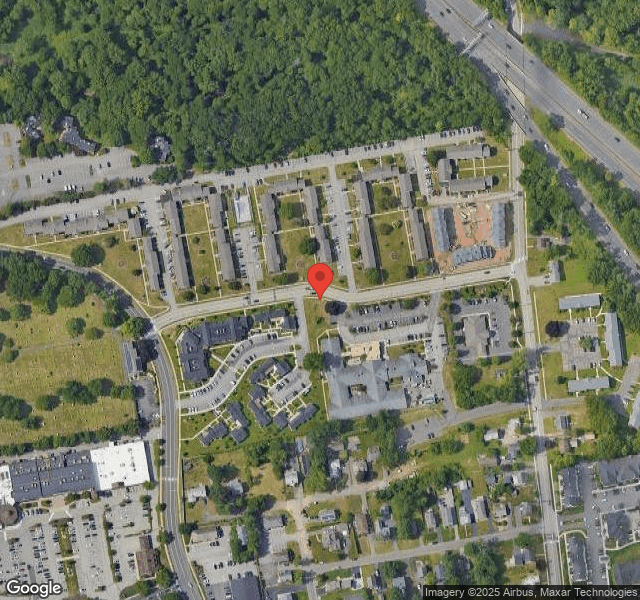

72 SALMON BROOK DRIVE, GLASTONBURY, CT 06033 (860) 633-5244
For profit - Limited Liability company 130 Beds Independent Data: November 2025
Trust Grade
35/100
#188 of 192 in CT
Last Inspection: June 2023

Over 2 years since last inspection. Current conditions may differ from available data.

Overview

Salmon Brook Rehab and Nursing has received a Trust Grade of F, indicating significant concerns about the facility's quality of care. They rank #188 out of 192 nursing homes in Connecticut, placing them in the bottom half statewide, and #63 out of 64 in Capitol County, meaning there is only one local option that is better. The facility is worsening, with issues increasing from 4 in 2024 to 11 in 2025. While staffing is rated average with a 3/5 star rating and a turnover rate of 37%-lower than the state average-there are concerning fines of $32,357, which are higher than 81% of Connecticut facilities. Specific incidents include residents not receiving their personal laundry for over a week due to maintenance issues with the washing machines, and complaints about the lack of clean washcloths and towels for bathing, indicating a neglect of basic hygiene and comfort standards. Overall, while there are some strengths in staffing, the significant compliance issues and poor ranking present serious concerns for families considering this home.

Trust Score
F
35/100
In Connecticut
#188/192
Bottom 3%
Safety Record
Low Risk
No red flags
Inspections
Getting Worse
4 → 11 violations
Staff Stability
○ Average
37% turnover. Near Connecticut's 48% average. Typical for the industry.
Penalties
✓ Good
$32,357 in fines. Lower than most Connecticut facilities. Relatively clean record.
Skilled Nurses
✓ Good
Each resident gets 49 minutes of Registered Nurse (RN) attention daily — more than average for Connecticut. RNs are trained to catch health problems early.
Violations
⚠ Watch
80 deficiencies on record. Higher than average. Multiple issues found across inspections.
★☆☆☆☆
1.0
Overall Rating
★★★☆☆
3.0
Staff Levels
★★☆☆☆
2.0
Care Quality
★☆☆☆☆
1.0
Inspection Score
Stable
2024: 4 issues
2025: 11 issues

The Good

  • Full Sprinkler Coverage · Fire safety systems throughout facility
  • No fines on record
  • Staff turnover below average (37%)

    11 points below Connecticut average of 48%

Facility shows strength in fire safety.

The Bad

1-Star Overall Rating

Below Connecticut average (3.0)

Significant quality concerns identified by CMS

Staff Turnover: 37%

Near Connecticut avg (46%)

Typical for the industry

Federal Fines: $32,357

Below median ($33,413)

Moderate penalties - review what triggered them

The Ugly 80 deficiencies on record

Jun 2025 1 deficiency
CONCERN (D) 📢 Someone Reported This

A family member, employee, or ombudsman was alarmed enough to file a formal complaint

Potential for Harm - no one hurt, but risky conditions existed

Employment Screening (Tag F0606)

Could have caused harm · This affected 1 resident

Based on a review of employee files and staff interviews for 1of 2 employees (Rehabilitation Aide # 2), the facility failed to provide evidence that a background check had been conducted for the emplo...

Read full inspector narrative →
Based on a review of employee files and staff interviews for 1of 2 employees (Rehabilitation Aide # 2), the facility failed to provide evidence that a background check had been conducted for the employee. The findings include: An interview and facility document review with the Administrator on 6/23/2025 at 11:00 AM indicated no background check information were found in employee for (Recreation Aide # 2). The Administrator also indicated the current Human Resource Manager for the facility only worked onsite a couple days a week. An interview with the Human Resource Manager on 6/23/2025 at 1:06 PM identified she/he only started the position a few months ago and had noticed files had not contained background checks. She/he was told the prior Human Resource Manager only worked remotely therefore the forms were never printed and placed into the employee files. The Human Resource Manager indicated s/he would be coming to the facility later in the afternoon and would print the forms from the electronic reporting system and leave with the administrative staff. An interview with the Administrator on 6/23/2025 at 2:30 PM indicated the prior owner of the facility would have obtained the background check for the employee and she/he would attempt to obtain it. On 6/25/2025 at 8:45 AM an interview and facility document review with the Assistant Director of Nursing Services (ADNS) indicated she/he was unable to provide a background check for Recreational Aide # 2. However, on 6/25/2025 at 3:00PM no background check documents were provided by the facility for Recreational Aide # 2.
May 2025 5 deficiencies
CONCERN (D) 📢 Someone Reported This

A family member, employee, or ombudsman was alarmed enough to file a formal complaint

Potential for Harm - no one hurt, but risky conditions existed

Quality of Care (Tag F0684)

Could have caused harm · This affected 1 resident

**NOTE- TERMS IN BRACKETS HAVE BEEN EDITED TO PROTECT CONFIDENTIALITY** Based on review of the clinical record, facility documentation, facility policy and interviews for one (1) of three (3) resident...

Read full inspector narrative →
**NOTE- TERMS IN BRACKETS HAVE BEEN EDITED TO PROTECT CONFIDENTIALITY** Based on review of the clinical record, facility documentation, facility policy and interviews for one (1) of three (3) residents (Resident #1) reviewed for falls, the facility failed to ensure a fall intervention was implemented according to the plan of care and according to physician order, after a resident who was identified as a high fall risk, sustained a fall out of bed. The findings include: Resident #1's diagnoses included altered mental status, muscle weakness, atherosclerotic heart disease (the build-up of plaque in the arteries limiting blood flow to the heart) and congestive heart failure (the hearts inability to pump blood as efficiently as it should). The admission Minimum Data Set (MDS) assessment dated [DATE] identified Resident #1 had moderately impaired cognition (Brief Interview for Mental Status (BIMS) score of 10), required substantial assistance for bed mobility and was dependent on staff for personal hygiene and transfers. The Resident Care Plan (RCP) dated 10/26/22 identified Resident #1 was at high risk for falls due to deconditioning and on 10/26/22 had a fall out of bed. Interventions included anticipating and meeting needs, ensuring the call bell was within reach, encouraging use of the call bell for assistance as needed and placing a floor mat to the left side of Resident #1's bed. A nurse's note dated 10/26/22 at 5:50 AM identified Resident #1 was observed lying supine (on the backside) on the floor next to his/her bed, incontinent of a large amount of stool. The note identified abrasions (superficial injury to the skin caused by scraping or rubbing) were noted to both knees and that the provider and family were notified. A facility Accident and Investigation (A&I) dated 10/26/22 identified that at 5:45 AM Resident #1 was observed lying supine on the floor next to his/her bed and stated he/she fell out of bed. The A&I identified Resident #1 could move all extremities, denied pain, and neurological signs were within normal limits. The report identified the interventions to be implemented included ensuring the call bell was within reach, encouraging the use of the call bell and a floor mat was to be placed to the left side of the bed. Review of physician's orders dated 10/26/22 through 10/31/22 failed to identify an order for a fall mat to be in place to the left side of bed. Review of the Medication Administration Record (MAR) and Treatment Administration Record (TAR) for October 2022 failed to identify that nursing was ensuring a floor mat was in place to the left side of the bed. A physician's order dated 11/1/22 (6-days after the fall) directed for a fall mat to be in place to the left side of the bed. Review of the Medication Administration Record (MAR) and Treatment Administration Record (TAR) for November 2022 failed to identify that nursing was ensuring the floor mat was in place to left side of the resident's bed. Interview with the DNS on 5/28/25 at 3:43 PM identified that following a resident fall, an intervention to prevent future falls should be initiated immediately which included obtaining and transcribing a physicians order for the intervention and ensuring the order displayed on the TAR each shift. He identified that obtaining a physician's order for the floor mat to the left side of Resident #1's bed six (6) days after the fall was not appropriate and reported that the intervention should have been on the TAR for the nurses to sign off every shift. Interview with RN #3 (Regional nurse) on 5/28/25 at 3:10 PM identified that a physician's order should have been obtained and transcribed for the floor mat to the left side of Resident #1's bed immediately after the provider was notified of the fall and should have been entered into the electronic medical record so that it displayed on the TAR for nursing staff to sign off every shift that it was in place. Interview with DNS #2 (previous DNS) on 5/28/25 at 3:28 PM identified she was responsible for checking all A & I's once completed by nursing staff and ensuring that all interventions were in place appropriately. She identified that for Resident #1, a physician's order should have been obtained and transcribed immediately after the fall and should have been on the TAR for nursing staff to sign off that the left floor mat was in place. Although attempted, an interview with RN #4 was not obtained. Review of the Accident and Incident Investigation policy dated 4/2016 directed, in part, that interventions to prevent further accidents/incidents have been identified and implemented and actions are initiated to prevent further accidents/incidents.
CONCERN (D) 📢 Someone Reported This

A family member, employee, or ombudsman was alarmed enough to file a formal complaint

Potential for Harm - no one hurt, but risky conditions existed

Pressure Ulcer Prevention (Tag F0686)

Could have caused harm · This affected 1 resident

**NOTE- TERMS IN BRACKETS HAVE BEEN EDITED TO PROTECT CONFIDENTIALITY** Based on review of the clinical record, facility documentation, facility policy and interviews for one (1) of three (3) resident...

Read full inspector narrative →
**NOTE- TERMS IN BRACKETS HAVE BEEN EDITED TO PROTECT CONFIDENTIALITY** Based on review of the clinical record, facility documentation, facility policy and interviews for one (1) of three (3) residents (Resident #1) reviewed for impaired skin integrity, the facility failed to ensure preventative interventions were initiated and implemented according to facility policy for a resident admitted to the facility with an active pressure injury and after the development of a facility acquired pressure injury. The findings include: Resident #1's diagnoses included altered mental status, muscle weakness, atherosclerotic heart disease (the build-up of plaque in the arteries limiting blood flow to the heart) and congestive heart failure (the heart's inability to pump blood as efficiently as it should). A nurse's note dated 9/29/22 at 1:01 PM identified that Resident #1 was admitted to the facility with a stage 2 pressure injury (partial thickness wound) to the coccyx measuring 2 centimeters (cm) by 1 cm. A Braden Scale assessment dated [DATE] identified that Resident #1 was at a high risk for the development of a pressure injury. The admission Minimum Data Set (MDS) assessment dated [DATE] identified Resident #1 had moderately impaired cognition (Brief Interview for Mental Status (BIMS) score of 10), required substantial assistance for bed mobility and was dependent on staff for personal hygiene and transfers. The MDS identified Resident #1 was at risk of developing injuries and identified Resident #1 had one (1) stage 2 pressure injury. The Resident Care plan (RCP) first initiated on 10/5/25 (5 days after admission to the facility) identified Resident #1 had a community acquired (developed outside of a healthcare setting) stage 2 pressure injury related to impaired mobility with interventions that included to follow facility policy/protocols for the prevention/treatment of skin breakdown and assist the resident with turning and repositioning every 2 hours. Review of physician's orders dated 9/29/22 through 10/6/22 failed to identify orders for an air mattress or a turning and repositioning schedule. Review of nurse's notes dated 9/29/22 through 10/6/22 failed to identify documentation that an air mattress was in place to Resident #1's bed or that a turning and repositioning schedule was being followed. A wound physician note dated 10/6/22 identified Resident #1 was seen for an initial wound consultation and Resident #1 had an unstageable pressure injury to the sacrum (triangular bone located below the lumbar vertebrae) measuring 9.5 cm by 7 cm by 0.3 cm. The note identified the area was compromised of 50 percent (%) subcutaneous tissue (deepest layer of skin below the dermis and epidermis) and 50 % slough (dead tissue within a wound appearing yellow, tan or white in color) and directed for the treatment to include cleansing the area, applying Medihoney (a gel that creates a moist wound environment and helps to remove slough or necrotic tissue to aide in wound healing) to the affected area followed by a dry dressing twice daily and for a pressure redistribution mattress per facility protocol. Review of physician's orders dated 10/7/22 through 10/24/22 failed to identify orders were in place for an air mattress or a turning and repositioning schedule. Review of nurse's notes dated 10/7/22 through 10/24/22 failed to identify documentation that an air mattress was in place to Resident #1's bed or that a turning and repositioning schedule was being followed. A Weekly Skin Observation Tool dated 10/12/22 identified no new skin areas were observed. Review of the clinical record failed to identify that a Weekly Skin Observation Tool was completed between 10/12/22 and 10/24/22. A nurse's note dated 10/24/22 at 3:55 PM indicated that therapy informed nursing of an area noted to Resident #1's left heel. The note identified that the left heel area measured 3.5 cm by 3.5 cm and contained 100 % eschar (dead tissue). Ther note further identified an area was noted to the right heel measuring 0.5 cm by 0.5 cm. The note identified both heels were offloaded, and the wound physician was notified. The RCP dated 10/26/22 identified Resident #1 was admitted to the facility with a stage 2 pressure injury that progressed to unstageable (when the base of the wound is obscured by dead tissue, making it impossible to determine the depth or stage) by 10/6/22 and Resident #1 had a facility acquired unstageable pressure injury to the left heel on 10/24/22 related to impaired mobility as a result of orthostatic hypotension (low blood pressure that happens when standing up from a sitting or lying down position). Interventions included following facility policy and protocol for the prevention of and treatment of skin breakdown, administering treatments as ordered and monitoring for effectiveness, monitoring/documenting/reporting any changes in skin status, assisting the resident with turning/repositioning at least every two (2) hours, completing weekly treatment documentation and providing an air mattress. Review of the clinical record identified no further pressure injury related revisions to the RCP after 10/26/22. A wound physician note dated 10/27/22 identified the sacral pressure injury remained unstageable and measured 7.4 cm by 4 cm by 1 cm with new undermining (a separation of the wound edges from the surrounding healthy tissue creating a pocket under the wound surface) from 10 o'clock to 2 o'clock measuring 2.1 cm with 50 % subcutaneous tissue, 20 % necrotic tissue and 30 % slough. The note identified the left heel as an unstageable pressure injury measuring 3 cm by 3.7 cm by 0.3 cm with 100 % slough. The note identified the right heel as erythema (redness) measuring 5 cm by 5 cm by 0 cm. It reported that both the sacrum and left heel areas were debrided (a procedure that removes dead or damaged tissue from a wound to promote healing). Wound treatments were ordered for all three (3) affected areas and directed for a pressure redistribution mattress to be put into place per facility protocol. Review of physician's orders dated 10/27/22 through 1/12/23 failed to identify that orders were in place for an air mattress or a turning and repositioning schedule. Review of nurse's notes dated 10/27/22 through 1/12/23 failed to identify documentation that an air mattress was in place to Resident #1's bed or that a turning and repositioning schedule was being followed. A wound physician note dated 1/12/23 identified that the unstageable pressure ulcers remained unhealed to Resident #1's sacrum and left heel. Review of the facility census identified that Resident #1 was discharged home from the facility on 1/17/23. Interview with the DNS on 5/28/25 at 1:46 PM identified that an air mattress should have been placed to Resident #1's bed from admission when it was identified that a pressure injury was present and then a physician's order should have been obtained and entered so that nursing was signing off and ensuring the placement of the mattress, that the settings were correct and that it was functioning properly. The DNS identified that per facility policy, once the wound progressed to an unstageable pressure injury, a physician's order should have been obtained for an every one (1) hour turning and repositioning schedule, that nursing is responsible for signing off that turning and repositioning is occurring on the Treatment Administration Record (TAR). The DNS was unable to identify why the policy was not followed for both the air mattress and the every 1 hour turning and repositioning schedule. Additionally, he identified that all residents are to have a full body skin check weekly and nursing is to document the results on the Weekly Skin Observation Tool. Interview with MD #2 (wound physician) on 5/28/25 at 2:17 PM identified that for residents identified as at risk for developing pressure injuries, skin integrity will deteriorate rapidly leading to negative outcomes, if interventions are not initiated timely. He identified that if a resident was admitted with a stage 2 pressure ulcer, an air mattress and a turning and repositioning schedule should be initiated immediately, and the facility should follow their skin policy. Interview with RN #1 (wound nurse) on 5/28/25 at 3:20 PM identified that if the Braden Scale assessment identified Resident #1 was at a high risk for developing a pressure injury on 9/29/22, an air mattress should have been placed to Resident #1's bed immediately. She identified that it was her responsibility to ensure interventions were in place and followed for residents with wounds to include air mattress placement and an every 1 hour turning and repositioning schedule. RN #1 was unable to explain why physician's orders were not in place and why there was no mention of the air mattress or the hourly turning and repositioning schedule in the nurse's notes. Interview with DNS #2 (previous DNS) on 5/28/25 at 3:28 PM identified the interdisciplinary team reviewed all resident's with wounds daily during morning report and weekly during at-risk meetings. She identified that failing to initiate the air mattress and a turning and repositioning schedule was an oversight by her and RN #1 and both interventions should have been initiated immediately upon admission and after the identified deterioration of the community acquired pressure injury on 10/6/22. Although attempted, an interview with LPN #1 was not obtained. Review of the Pressure Ulcer Prevention/Assessment Plan policy dated 4/2016 directed, in part, that for a resident with a stage 2 pressure ulcer, interventions are to include an air mattress to be placed to the bed and heels are to be elevated off the bed with pillows. For a resident with several stage 2's, and/or a stage 3 (a wound that extends through the skin into deeper tissue and fat) and/or a Deep Tissue Injury (DTI), interventions are to include an every one (1) hour turning and repositioning schedule and foot pillow boots to be worn in bed. Residents will have a weekly skin audit /evaluation completed by the charge nurse on the resident scheduled shower/bath day and document in the clinical record (Body Audit).
CONCERN (D) 📢 Someone Reported This

A family member, employee, or ombudsman was alarmed enough to file a formal complaint

Potential for Harm - no one hurt, but risky conditions existed

Medical Records (Tag F0842)

Could have caused harm · This affected 1 resident

**NOTE- TERMS IN BRACKETS HAVE BEEN EDITED TO PROTECT CONFIDENTIALITY** Based on review of the clinical record, facility documentation and interviews for one (1) of three (3) residents (Resident #4) r...

Read full inspector narrative →
**NOTE- TERMS IN BRACKETS HAVE BEEN EDITED TO PROTECT CONFIDENTIALITY** Based on review of the clinical record, facility documentation and interviews for one (1) of three (3) residents (Resident #4) reviewed for dependent care, the facility failed to ensure complete and accurate Nurse Aide documentation. The findings include: Resident #4's diagnoses included dementia, altered mental status, anxiety disorder and malnutrition. The quarterly Minimum Data Set (MDS) assessment dated [DATE] identified Resident #4 had moderately impaired cognition (Brief Interview for Mental Status (BIMS) score of 8), required setup assistance for eating and was dependent on staff for personal care, bed mobility and transfers. The Resident Care Plan (RCP) dated 4/29/25 identified Resident #4 required assistance with Activities of Daily Living (ADLs). Interventions included staff providing all Resident #4's care if he/she was unable to participate in ADLs. Observation on 5/28/25 at 12:34 PM identified Resident #4 was dressed and sitting in his/her wheelchair at the bedside. Resident #4 appeared clean, well dressed and had a bedside table over him/her with water and a book on the table. Observations of Resident #4 on 5/29/25 at 12:15 PM, identified Resident #4 dressed and sitting in his/her wheelchair at the bedside reading a book. Resident #4 appeared clean and well dressed and had a bedside table over him/her with water within reach. Review of the April 2025 Documentation Survey Report (Nurse Aide Documentation) for Resident #4 identified that for 24 out of 30 days (80 percent), there was inconsistent documentation every shift for the following tasks: behavior symptoms, transferring, bed mobility, bowel movements, toileting hygiene, intake and output and toilet use. For 18 out of 30 days (60 percent), there was inconsistent documentation on the day or evening shifts for the following tasks: oral hygiene, personal hygiene, showering/bathing self, snacks, eating and amount eaten. Review of the May 2025 Documentation Survey Report (Nurse Aide Documentation) for Resident #4 identified that for 26 out of 28 days (92.8 percent), there was inconsistent documentation every shift for the following tasks: behavior symptoms, transferring, bed mobility, bowel movements, toileting hygiene, intake and output and toilet use. For 26 out of 28 days (92.8 percent), there was inconsistent documentation on the day or evening shifts for the following tasks: oral hygiene, personal hygiene, showering/bathing self, snacks, eating and amount eaten. Interview and clinical record review with the DNS on 5/29/25 at 12:44 PM identified he was unaware the Nurse Aides were inconsistently documenting care for Resident #4. He identified the Nurse Aides should be documenting on all tasks every shift and did not know why the documentation for April and May 2025 was incomplete. Although requested, a facility policy for Nurse Aide documentation was not provided.
CONCERN (E) 📢 Someone Reported This

A family member, employee, or ombudsman was alarmed enough to file a formal complaint

Potential for Harm - no one hurt, but risky conditions existed

Safe Environment (Tag F0584)

Could have caused harm · This affected multiple residents

Based on observations, facility documentation and interviews, the facility failed to ensure that building equipment was maintained to provide a clean, comfortable, home-like environment for the reside...

Read full inspector narrative →
Based on observations, facility documentation and interviews, the facility failed to ensure that building equipment was maintained to provide a clean, comfortable, home-like environment for the residents. The findings include: Interview with Resident #15 on 5/28/25 at 12:19 PM identified staff complain there is not enough washcloths for care, it has taken weeks to get personal laundry back and staff have told him/her the facility has only one (1) working washing machine. Interview with Resident #2 on 5/28/25 at 12:24 PM identified his/her personal laundry was sent to laundry eight (8) days ago, he/she had not received it back, and he/she had to wear dirty clothing because he/she had no clean clothing left to wear. Resident #2 identified he/she reported the laundry delay to the Administrator a few days prior and inquired with the laundry staff who reported the facility had only one working washing machine. Interview with Resident #3 on 5/28/25 at 12:38 PM identified the facility does not have enough washcloths or towels for bathing, he/she has had to use sheets as towels, and staff told him/her they do not have washcloths or towels to provide. Interview with NA #1 on 5/28/25 at 12:41 PM identified the facility always had a shortage of washcloths and towels and if she did not rush in the morning to get what she needed for residents prior to starting care, she would be unable to find linens later in the shift. She identified that, at times, she needed to use more washcloths and towels when providing care to residents, but could not, due to the linen shortage, despite staff reporting the shortage to the Administrator. Observation of the B-wing laundry cart on 5/28/25 at 12:42 PM identified no washcloths and five (5) towels. Interview with NA #2 on 5/28/25 at 12:50 PM identified that it is difficult to find enough washcloths and towels for resident care on every shift. She reported that if staff needed additional linens for a resident after morning care, there was none left on the carts, and they were difficult to obtain from laundry. Interview with the Administrator on 5/28/25 at 12:46 PM identified there was only one reliable laundry equipment vendor in the area and at times it took months to get parts. She identified the equipment vendor was currently in the facility fixing a washer that was inoperable, after having looked at the washer a month ago. Further, she identified the facility had not sent any personal laundry to an outside facility to be washed while waiting on parts and was unable to explain why. She identified the facility could borrow linens from sister facilities if needed. Observation of the laundry area on 5/28/25 at 12:52 PM identified a vendor working on the leftmost washer, the middle washer was washing laundry, and the rightmost washer had an out of order sign on it. In the dryer area, dryer #2 had an out of order sign on it. Interview with Laundry Aide #1 on 5/28/25 at 12:53 PM identified the 3:00 PM to 8:00 PM shift stocked the linen carts for the following 7:00 AM to 3:00 PM shift, but due to shortages on washcloths and towels, staff were requesting more linens early into the shift. Laundry Aide #1 identified they frequently do not have more linens to provide and must launder before dispersing. She identified she reported the shortage to the Director of Housekeeping and the Administrator multiple times over the prior 6 months and they said they would order more but the supply never grew. She reported that personal laundry should have a 24-hour turnaround time but turnaround time was around 72-hours due to having only one consistently working washing machine. She identified that residents often asked where their personal laundry was and that she offered to work overtime and extended shifts to keep up with the dirty laundry but administration would not allow it. Subsequent to surveyor interview, an invoice was provided on 5/28/25 identifying 32 dozen bath towels and 32 dozen washcloths were ordered. Observation of the B-unit linen cart on 5/29/25 at 8:11 AM identified no washcloths or towels available. Observation with RN #2 (Regional) on 5/29/25 at 8:17 AM identified no available washcloths or towels in the C-unit linen closet. The D-unit linen closet identified 13 towels and twenty washcloths. She indicated staff reported they already took what they needed for morning care but was unable to identify when and if the empty linen closets would be restocked for care later in the shift or at mealtime. Re-interview with Laundry Aide #1 on 5/29/25 at 9:50 AM identified the middle washer was the only washer working for four (4) to five (5) months. She identified the units linen closets and carts were not restocked during the shifts unless staff specifically requested linens and restocking was contingent on clean linen availability. Interview with the Director of Housekeeping (also the Director of Maintenance) on 5/29/25 at 9:57 AM identified he was employed at the facility for three (3) months, and the leftmost washing machine had not consistently worked since he started. He identified he did not know how long the rightmost washing machine or dryer #2 had been out of order, but reported he was only directed to call about the leftmost washing machine by the Administrator. He identified he did not have the ability to view or approve invoices so was unsure exactly what needed to be repaired. He identified that he was unsure if the facility was short washcloths or towels, but was aware the facility could obtain extra linens from sister facilities. He identified that personal laundry had not been sent to a laundry facility to be laundered and identified that personal laundry should be laundered and returned within one (1) day. Interview with Laundry Aide #2 on 5/29/25 at 10:04 AM identified that prior to 5/28/25, the middle washing machine was the only consistently functioning washing machine for several months, and laundry staff were expected to do all facility linens and personal laundry in one machine. She further indicated it was not possible to return personal laundry to residents within one (1) day with only one washing machine in use. She reported there was a shortage of washcloths and towels, and facility staff were often upset about there not being enough linen to stock. Interview with Laundry Aide #3 on 5/29/25 identified the rightmost washing machine had not functioned for almost two (2) years, dryer #2 had not functioned for close to four (4) years, and administration said they are too expensive to fix. Observation of the laundry area with RN #2 (Regional) on 5/29/25 at 10:12 AM identified she was not aware of the out of order washing machine and dryer and that she would discuss the out-of-order machines with corporate staff. Review of the Residents Rights policy dated 6/2023 did not speak to ensuring residents the right to a clean, homelike environment. Although requested, a policy on resident laundry and facility environment were not provided.
CONCERN (F) 📢 Someone Reported This

A family member, employee, or ombudsman was alarmed enough to file a formal complaint

Potential for Harm - no one hurt, but risky conditions existed

Room Equipment (Tag F0908)

Could have caused harm · This affected most or all residents

Based on observations, facility policy and interviews, the facility failed to ensure that laundry equipment within the facility was maintained timely and in proper working order. The findings include:...

Read full inspector narrative →
Based on observations, facility policy and interviews, the facility failed to ensure that laundry equipment within the facility was maintained timely and in proper working order. The findings include: Interview with Resident #15 on 5/28/25 at 12:19 PM identified staff complain there is not enough washcloths for care, it has taken weeks to get personal laundry back and staff have told him/her the facility has only one (1) working washing machine. Interview with Resident #2 on 5/28/25 at 12:24 PM identified his/her personal laundry was sent to laundry eight (8) days ago, he/she had not received it back, and he/she had to wear dirty clothing because he/she had no clean clothing left to wear. Resident #2 identified he/she reported the laundry delay to the Administrator a few days prior and inquired with the laundry staff who reported the facility had only one working washing machine. Interview with Resident #3 on 5/28/25 at 12:38 PM identified the facility does not have enough washcloths or towels for bathing, he/she has had to use sheets as towels, and staff told him/her they do not have washcloths or towels to provide. Interview with NA #1 on 5/28/25 at 12:41 PM identified the facility always had a shortage of washcloths and towels and if she did not rush in the morning to get what she needed for residents prior to starting care, she would be unable to find linens later in the shift. She identified that, at times, she needed to use more washcloths and towels when providing care to residents, but could not, due to the linen shortage, despite staff reporting the shortage to the Administrator. Observation of the B-wing laundry cart on 5/28/25 at 12:42 PM identified no washcloths and five (5) towels. Interview with NA #2 on 5/28/25 at 12:50 PM identified that it is a struggle every shift to find enough washcloths and towels for resident care. She reported that if they need additional linens for a resident after morning care, there is none left in the carts, and they are difficult to obtain from laundry. Interview with the Administrator on 5/28/25 at 12:46 PM identified there was only one reliable laundry equipment vendor in the area and at times it took months to get parts. She identified the equipment vendor was currently in the facility fixing a washer that was inoperable, after having looked at the washer a month ago. Further, she identified the facility had not sent any personal laundry to an outside facility to be washed while waiting on parts and was unable to explain why. She identified the facility could borrow linens from sister facilities if needed. She identified that the facility did not have audits for linen levels but reported audits would be started twice weekly. Observation of the laundry area on 5/28/25 at 12:52 PM identified a vendor working on the leftmost washer, the middle washer was washing laundry, and the rightmost washer had an out of order sign on it. In the dryer area, dryer #2 had an out of order sign on it. Interview with Laundry Aide #1 on 5/28/25 at 12:53 PM identified the 3:00 PM to 8:00 PM shift stocked the linen carts for the following 7:00 AM to 3:00 PM shift, but due to shortages on washcloths and towels, staff were requesting more linens early into the shift. Laundry Aide #1 identified they frequently do not have more linens to provide and must launder before dispersing. She identified she reported the shortage to the Director of Housekeeping and the Administrator multiple times over the prior 6 months and they said they would order more but the supply never grew. She reported that personal laundry should have a 24-hour turnaround time but turnaround time was around 72-hours due to having only one consistently working washing machine. She identified that residents often asked where their personal laundry was and that she offered to work overtime and extended shifts to keep up with the dirty laundry but administration would not allow it. Subsequent to surveyor interview, an invoice was provided on 5/28/25 identifying 32 dozen bath towels and 32 dozen washcloths were ordered. Observation of the B-unit linen cart on 5/29/25 at 8:11 AM identified no washcloths or towels available. Observation with RN #2 (Regional) on 5/29/25 at 8:17 AM identified no available washcloths or towels in the C-unit linen closet. The D-unit linen closet identified 13 towels and twenty washcloths. She indicated staff reported they already took what they needed for morning care but was unable to identify when and if the empty linen closets would be restocked for care later in the shift or at mealtime. Re-interview with Laundry Aide #1 on 5/29/25 at 9:50 AM identified the middle washer was the only washer working for four (4) to five (5) months. She identified the units linen closets and carts were not restocked during the shifts unless staff specifically requested linens and restocking was contingent on clean linen availability. Interview with the Director of Housekeeping (also the Director of Maintenance) on 5/29/25 at 9:57 AM identified he was employed at the facility for three (3) months, and the leftmost washing machine had not consistently worked since he started. He identified he did not know how long the rightmost washing machine or dryer #2 had been out of order, but reported he was only directed to call about the leftmost washing machine by the Administrator. He identified he did not have the ability to view or approve invoices so was unsure exactly what needed to be repaired. He identified that he was unsure if the facility was short washcloths or towels, but was aware the facility could obtain extra linens from sister facilities. He identified that personal laundry had not been sent to a laundry facility to be laundered and identified that personal laundry should be laundered and returned within one (1) day. Interview with Laundry Aide #2 on 5/29/25 at 10:04 AM identified that prior to 5/28/25, the middle washing machine was the only consistently functioning washing machine for several months, and laundry staff were expected to do all facility linens and personal laundry in one machine. She further indicated it was not possible to return personal laundry to residents within one (1) day with only one washing machine in use. She reported there was a shortage of washcloths and towels, and facility staff were often upset about there not being enough linen to stock. Interview with Laundry Aide #3 on 5/29/25 identified the rightmost washing machine had not functioned for almost two (2) years and dryer #2 had not functioned for close to four (4) years. Additionally, he identified that the middle washing machine, the only consistently functioning washing machine, had a broken pressure line which is used for opening and closing the latch of the machine door. He reported that a pen is pushed into the mechanism to latch and unlatch the door which is hazardous to staff. He identified that the Director of Laundry was aware of the problem but that the washing machine had not been repaired. Observation of the middle washing machine door latch with RN #2 on 5/29/25 at 10:12 AM identified the only way to open and close the middle washing machine door was to forcefully push the back of a pen into the door latch to engage/disengage the latch. She identified she was not aware of the issue and it needed to be repaired. Additionally, she reported that she would discuss the out-of-order machines with corporate staff. Although repair invoices were requested, only one washing machine invoice, dated 4/28/25, was provided. Review of the Maintenance Department Infection Control policy dated 8/2023 directed, in part, that the Maintenance Supervisor is to maintain safe status of the physical plant systems and equipment.
Apr 2025 1 deficiency
CONCERN (D) 📢 Someone Reported This

A family member, employee, or ombudsman was alarmed enough to file a formal complaint

Potential for Harm - no one hurt, but risky conditions existed

Deficiency F0687 (Tag F0687)

Could have caused harm · This affected 1 resident

**NOTE- TERMS IN BRACKETS HAVE BEEN EDITED TO PROTECT CONFIDENTIALITY** Based on clinical record reviews, facility documentation, facility policy, and interviews for one (1) of five (5) sampled resid...

Read full inspector narrative →
**NOTE- TERMS IN BRACKETS HAVE BEEN EDITED TO PROTECT CONFIDENTIALITY** Based on clinical record reviews, facility documentation, facility policy, and interviews for one (1) of five (5) sampled residents (Resident #1) who were reviewed for podiatry services, the facility failed to ensure Resident #1 was added to the podiatrist's priority schedule following a diagnosis of an infection of the left great toe. The findings include: Resident #1's diagnoses included diabetes with polyneuropathy (nerve pain). The quarterly Minimum Data Set assessment dated [DATE] identified Resident #1 had a Basic Interview for Mental Status (BIMS) score of 10 out of 15 indicating some memory recall deficits and was dependent on staff for personal care. The current Resident Care Plan identified Resident #1 had diabetes mellitus. Interventions directed to wash the feet daily with mild soap and water, dry thoroughly, may use a light dusting powder or lotion, and do not apply lotion or powder between the toes, and to monitor skin and report any issues. A physician's order dated 2/1/25 directed diabetic foot checks daily and to report any redness or discolored areas. The nurse's note dated 2/25/25 at 10:07 PM identified a family member reported that Resident #1's left great toe was red, a little swollen, and painful. The nurse's note dated 2/26/25 at 11:48 PM identified the Advanced Practice Nurse evaluated Resident #1's left great toe, new orders were placed, and Resident #1 was to be placed on the podiatrist's priority schedule to be seen on 3/20/25. A physician's order dated 2/26/25 directed to apply warm soaks to the left great toe followed by bacitracin ointment every day and evening shifts and administer the antibiotic, Doxycycline 100 milligram tablet every twelve (12) hours for seven (7) days for an infection. Review of a correspondence from the facility to the podiatrist's office dated 3/17/25 identified a request that Resident #1 and another resident be added to the podiatrist's list and on 3/19/25 a follow up correspondence from the facility was sent to the podiatrist's office to add Resident #1 and two (2) other residents. Review of the facility's podiatry list that was provided to the podiatrist on 3/20/25 failed to reflect Resident #1 and the two (2) other residents names had been added to the facility's copy. A Grievance/Concern Form dated 3/24/25 identified Resident#1's Responsible party reported a concern that Resident #1 was not seen by the facility's podiatrist when Resident #1 was supposed to be scheduled. The form indicated the podiatrist's office was contacted and they explained Resident #1 was not seen on 3/20/25 per Medicare regulation and Resident #1 could be seen on 3/31/25. The grievance form identified Resident #1's responsible party declined the 3/31/25 visit and scheduled an appointment with a different provider in the community for 3/28/25. Interview with the facility's podiatrist, MD #1, on 4/23/25 at 10:48 AM identified that he had filed and cleaned Resident #1's left great toenail on 11/13/24 and 1/28/25 per the resident's toleration. MD #1 stated he was not made aware that the APRN evaluated and treated Resident #1 on 2/26/25 for an infection of the left great toe with antibiotics and warm soaks. MD #1 identified Resident #1 should have been scheduled for a priority visit on 3/20/25, that Medicare coverage was not a concern, and when necessary, he treats residents between the 60-day Medicare coverage period. Interview with the Advanced Practice Registered Nurse, APRN #1, on 4/23/25 at 12:25 PM identified on 2/26/25 she evaluated Resident #1's left great toe for inflammation, redness, and pain. APRN #1 stated she ordered antibiotics, warm soaks, and a podiatry consult. Interview with the community podiatrist, MD #2, on 4/23/25 at 1:17 PM identified he evaluated and treated Resident #1 after a left great toenail infection. MD #2 stated Medicare coverage was not a problem when Resident #1 had a recent infection, and he filed and drilled the toenail flat. Interview with the Director of Nurses (DON) on 4/23/25 at 2:30 PM identified that although he was aware the Responsible Party for Resident #1 was concerned over the treatment of the left great toe, it is the scheduling secretary who was responsible for ensuring the resident was added to the podiatry priority list. In an interview on 4/23/25 at 3:00 PM the Scheduling Secretary stated she emailed the podiatry office to include Resident #1 on the list for the visit on 3/20/25 with MD #1. The secretary stated that it was her responsibility to ensure Resident #1's name was added to the podiatrist's list at the facility, and she could not explain why she had not, therefore Resident #1 was not seen on 3/20/25 Attempts to interview Person #1 were unsuccessful Review of the Ancillary Physician revision date 6/23 policy directed routine and emergency optometry, podiatry, and audiology services are available to meet the residents' health services, by the residents' assessment, plan of care, and provide follow-up care.
Feb 2025 4 deficiencies
CONCERN (D) 📢 Someone Reported This

A family member, employee, or ombudsman was alarmed enough to file a formal complaint

Potential for Harm - no one hurt, but risky conditions existed

Free from Abuse/Neglect (Tag F0600)

Could have caused harm · This affected 1 resident

**NOTE- TERMS IN BRACKETS HAVE BEEN EDITED TO PROTECT CONFIDENTIALITY** Based on clinical record reviews, facility documentation, facility policy and interviews for one (1) of three (3) sampled reside...

Read full inspector narrative →
**NOTE- TERMS IN BRACKETS HAVE BEEN EDITED TO PROTECT CONFIDENTIALITY** Based on clinical record reviews, facility documentation, facility policy and interviews for one (1) of three (3) sampled residents (Resident #7) who were reviewed for an allegation of abuse, the facility failed to ensure a staff member did not video tape the resident and post the video on social [NAME]. The findings include: Resident #7's diagnoses included Alzheimer's, depression, and agitation. The annual Minimum Data Set assessment dated [DATE] identified Resident #7 had poor memory recall deficits, and was dependent on staff with transfers, personal hygiene, and dressing. The Resident Care Plan dated 11/5/24 identified Resident #7 had impaired thought processes related to Alzheimer's. Interventions directed to cue, anticipate needs, alleviate anxiety. The Facility Reported Incident report date1/14/25 at 12:00 PM identified a staff member reported that videos were recorded of a staff member interacting with residents in an unprofessional manner. The investigation identified in 1/14/25 a staff member brought to the Director of Nursing's attention that videos were posted online awhile back, the videos were shared with the Director of Nursing (DON) and then deleted from the staff member's phone. The report indicated the videos contained an unknown female being told they could not go into the dining room, a resident receiving care in which the resident's legs were in the video, and Resident #7 being spoken to inappropriately as Resident #7 was rummaging through things in the recreation room, and the staff member was saying to Resident #7 what are you thieving now. The psych progress note dated 1/14/25 identified Resident #7 was seen in a follow up visit and Resident #7 was unable to recall any details of the recent event and was doing perfectly fine. Interview with the Director of Nursing (DON) on 2/4/25 at 1:45 PM identified a housekeeper reported to him the recreation aide had made videos of residents and posted them to social media. The DON stated he reviewed the videos and identified the following: Video #1 identified the recreation aide had video recorded asking Resident#7 if Resident #7 was thieving while rummaging through the bins in the recreation room. Video #2 identified the recreation aide in a resident room recording personal care, and the resident's lower legs had been visible on the video. Video #3 identified the recreation aide recording a resident in the dining area telling the resident he/she had been banned from the dining area and all recreational activities. The video recorded an exchange of words between the resident and the recreation aide. The DON stated the recreation aide was terminated at the conclusion of the investigation, and the social media posts had been deleted. Although attempted, interviews with the housekeeper and the recreation aide were unsuccessful. Review of the Residents Photographs or Recording Policy dated 10/1/16 identified each resident has a right to privacy and confidentiality for all aspects of care and services. Review of the Abuse Policy dated 6/23 identified abuse includes verbal, sexual, physical, and mantal abuse, including abuse facilitated or enabled through the use of technology.
CONCERN (D) 📢 Someone Reported This

A family member, employee, or ombudsman was alarmed enough to file a formal complaint

Potential for Harm - no one hurt, but risky conditions existed

Investigate Abuse (Tag F0610)

Could have caused harm · This affected 1 resident

**NOTE- TERMS IN BRACKETS HAVE BEEN EDITED TO PROTECT CONFIDENTIALITY** Based on record review, facility documentation and staff interviews for 1 of 3 sampled residents reviewed for accidents (Residen...

Read full inspector narrative →
**NOTE- TERMS IN BRACKETS HAVE BEEN EDITED TO PROTECT CONFIDENTIALITY** Based on record review, facility documentation and staff interviews for 1 of 3 sampled residents reviewed for accidents (Resident #2), the facility failed to conduct a thorough investigation for an injury of unknown origin. The findings include: Resident #2 was admitted to the facility in August 2024 with diagnoses that included dementia with behaviors, adjustment disorder with mixed anxiety and depression. A Resident Care Plan dated 11/6/24 identified a problem with behaviors, being physically aggressive, destructive in his/her room, and was noted to take the television off of the wall in his/her room. Interventions included to allow Resident #2 to make decisions regarding treatment regimen, encourage participation during care and activities and praise the resident when behavior was appropriate. Nursing notes dated 12/3/24 through 12/10/24 identified that Resident #2 did not exhibit any negative behaviors or anxiety. The quarterly Minimum Data Assessment (MDS) assessment dated [DATE] identified Resident #2 was severely cognitively impaired and required total dependence from staff for washing, dressing, toileting, moderate assistance for walking short distances, and independent with eating. The APRN progress noted dated 12/10/24 identified Resident #2 was examined due to increased pain to the right wrist, swelling and decreased range of motion. The APRN ordered a stat (immediate) x-ray of the right wrist. A facility Accident and Incident Report dated 12/11/24 at 10:00 AM identified that Resident #2 complained of discomfort to the right wrist. An x-ray was obtained on 12/11/24 at 12:26 PM and at 7:01 PM results indicated a fracture of the right ulnar styloid process (right wrist). The APRN was notified at that time and directed to stabilize the wrist and pain management. A review of the facility investigation failed to identify a complete and thorough investigation was conducted following the diagnosis of a right wrist fracture on 12/11/24. A 72-hour look back was not completed (per facility policy) and statements were obtained from only (5) 7:00 AM to 3:00 PM nursing staff that worked on 12/10/24 and no other staff on other shifts were interviewed. All 5 staff member statements identified that no one witnessed Resident #2 hitting his/her hand, but Resident #2 had history of attempting to get up from wheelchair unassisted and flails his/her hands frequently. A change of condition nursing note dated 12/12/24 at 1:15 PM was completed with recommendations from the APRN to stabilize Resident #2's right wrist. The physician assessed Resident #2's right wrist on 12/16/24 (5 days after the x-ray report identifying the fracture) with a new physician's order to send Resident #2 to the emergency room (ER) for an Orthopedic evaluation and treatment. Resident # 2 was evaluated in the ER on [DATE] (5 days after being diagnoses with a right wrist fracture). The ER physician in consultation with orthopedics determined that findings were consistent with chronic fractures and not acute. Recommendations for Resident #2 to have a cock-up splint to the right wrist for comfort and outpatient follow up with orthopedic services. Resident #2 returned to the facility with a splint to the right wrist. An interview and a review of facility documentation with the DNS on 1/30/25 at 1:37 PM identified that the facility policy was to conduct interviews/and statements for a 72 hour look back period related to injuries of unknown origin. The DNS indicated that a 72 hour look back was not conducted and that the facility should have conducted a 72 hour look back. The DNS concluded that Resident #2 must have hit his/her hand on the hallway rail when sitting in his/her wheelchair.
CONCERN (D) 📢 Someone Reported This

A family member, employee, or ombudsman was alarmed enough to file a formal complaint

Potential for Harm - no one hurt, but risky conditions existed

Quality of Care (Tag F0684)

Could have caused harm · This affected 1 resident

**NOTE- TERMS IN BRACKETS HAVE BEEN EDITED TO PROTECT CONFIDENTIALITY** Based on record review, facility documentation, and staff interviews for 2 of 3 residents (Resident #1 and Resident #3) reviewed...

Read full inspector narrative →
**NOTE- TERMS IN BRACKETS HAVE BEEN EDITED TO PROTECT CONFIDENTIALITY** Based on record review, facility documentation, and staff interviews for 2 of 3 residents (Resident #1 and Resident #3) reviewed for accidents, the facility failed to complete neurological assessments following an unwitnessed fall, and for 1 of 3 residents reviewed for accidents (Resident #2), the facility failed to provide documentation of wrist stabilization per APRN recommendations following a fracture. The findings include: 1. Resident #1 had a diagnosis of dementia, falls, osteoporosis, and adjustment disorder. Quarterly Minimum Data Set (MDS) dated [DATE] identified Resident #1 had a Brief Interview for Mental Status (BIMS) score of 3 indicating severely impaired cognition, no behaviors, required maximal assistance with toileting, and was independent with ambulation. Resident Care Plan (RCP) dated 1/18/2025 identified a risk for falls and required assist with ADLs. Interventions directed to offer assistance with ADL's and was assist of one (1) for transfers. Facility incident report dated 1/18/2025 at 2:35 PM identified Resident #1 got up from her/his wheelchair to walk, lost his/her balance and sustained an unwitnessed fall with left knee pain and bruising. The APRN was updated and ordered an x-ray of the left knee. X-ray of the left knee reported on 1/19/2025 at 3:51 AM identified no evidence of acute fracture or dislocation and mild osteoarthritis. Record review failed to identify neurological signs were monitored after the unwitnessed fall on 1/18/2025. Interview and record review with the DNS and Administrator on 1/30/2025 at 2:02 PM identified he was unable to provide documentation that neurological assessments were completed after the unwitnessed fall on 1/18/2025. The DNS stated neurological assessments should have been completed and was unable to explain why they were not completed. Facility Accident and Incident Investigation policy dated June of 2023 directed that any resident that had an unwitnessed fall will be observed for neurological abnormalities by performing neurological checks after the incident occurs. Facility Neurological Vital Signs policy dated July of 2023 directed staff in cases of possible head injury, neuro vital signs are to be obtained and documented every 15 minutes times 4, every 30 minutes times 4, every hour times 4, and then every shift for the duration of a 72-hour period. 2. Resident #2 was admitted to the facility in August 2024 with diagnoses that included dementia with behaviors, adjustment disorder with mixed anxiety and depression and legally blind. A Resident Care Plan dated 11/6/24 identified a problem with behaviors, physically aggressive, destructive in his/her room, and was noted to take the television off of the wall in his/her room. Interventions included to allow Resident #2 to make decisions regarding treatment regimen, encourage participation during care and activities and praise resident when behavior was appropriate. Nursing notes dated 12/3/24 through 12/10/24 identified that Resident #2 did not exhibit any negative behaviors or anxiety. The quarterly Minimum Data Assessment (MDS) assessment dated [DATE] identified Resident #2 was severely cognitively impaired and required total dependence from staff for washing, dressing, toileting, moderate assistance for walking short distances, and independent with eating. The APRN progress notes dated 12/10/24 identified Resident #2 was examined due to increased pain to the right wrist, swelling and decreased range of motion. The APRN ordered a stat (immediate) x-ray of the right wrist. A facility Accident and Incident Report dated 12/11/24 at 10:00 AM identified that Resident #2 complained of discomfort to the right wrist. An x-ray was obtained on 12/11/24 at 12:26 PM and at 7:01 PM results indicated a fracture of the right ulnar styloid process (right wrist). The APRN was notified at that time and directed to stabilize the wrist and pain management. A nursing note dated 12/12/24 at 1:15 PM was completed for a change in condition with recommendations from the APRN to stabilize Resident #2's right wrist. Review of the physician orders from 12/11/24 through 12/26/24 failed to identify the APRN's recommendation to stabilize Resident #2's right wrist was written. Although Resident #2 did not report increased pain, review of nursing notes, physician orders, and Treatment Administration Record from 12/11/24 through 12/16/24 failed to identify how Resident #2's right wrist was being stabilized or that stabilization occurred. The physician assessed Resident #2's right wrist on 12/16/24 (6 days after the x-ray report identifying the fracture) with a new physician's order to send Resident #2 to the emergency room (ER) for an Orthopedic evaluation and treatment. Resident #2 was evaluated in the ER on [DATE]. The ER physician in consultation with orthopedics determined that findings were consistent with chronic fractures and not acute. Recommendations for Resident #2 to have a cock-up splint to the right wrist for comfort and outpatient follow up with orthopedic services. Resident #2 returned to the facility with a splint to the right wrist. Although the APRN directed to stabilize Resident #2's right wrist on 12/11/24, there was no documentation to indicate the manner Resident #2's right wrist was immobilized or that immobilization occurred. 3. Resident #3 was admitted to the facility in February 2022 with diagnoses that included Parkinson's, syncope and collapse, psychotic disorder with delusions and atrial fibrillation (irregular heartbeat). The annual Minimum Data Set (MDS) assessment dated [DATE] identified Resident #3 had intact cognition and required set up from staff for washing, dressing, toileting, and was independent for walking short distances and eating. Physician orders dated 11/14/24 directed to administer Eliquis (a blood thinner) 5 milligrams (mg) twice a day and to monitor for any signs and symptoms of bleeding or bruising once a shift as Resident #3 was on a blood thinner. The Resident Care Plan dated 12/1/24 through 1/30/25 identified a concern of being at risk for falls related to unsteadiness on feet, history of falls and Parkinson's disease. Interventions included to anticipate needs, respond promptly for all requests for assistance, keep area around the bed and wheelchair clutter and spill free. A facility Accident and Incident report dated 12/2/24 at 5:30 PM identified Resident #3 was found on the floor with his/her feet stretched out, and Resident #3 was sitting next to the wheelchair and bed with no injuries (an unwitnessed fall). Review of the neurological assessment documentation and nursing notes identified neurological assessments were not completed for 2 of 18 shifts (not completed on 12/4/24 on the 3:00 PM to 11:00 PM shift and on 12/5/24 on the 7:00 AM to 3:00 PM shift). A facility Accident and Incident report dated 1/23/25 at 6:30 PM identified Resident #3 attempted to transfer him/herself from the wheelchair without assistance and the wheelchair rolled away causing Resident #3 to sit on the floor (an unwitnessed fall). Review of the nursing notes (there was no neurological assessment form in the clinical record) failed to identify any neurological assessment had been completed after the unwitnessed fall on 1/23/25. A facility Accident and Incident report dated 1/24/25 at 2:10 PM identified that Resident #3 was found sitting on floor next to his/her wheelchair. Resident #3 verbalized he/she was leaning forward in the wheelchair getting dressed and slid off the wheelchair. Review of the neurological assessment documentation and nursing notes identified neurological assessments were not completed for 3 of 21 shifts (not completed on 1/26/25 for the 11:00 PM to 7:00 AM shift and 3:00 PM to 11:00 PM shift. Also not completed on 1/27/25 for the 11:00 PM to 7:00 AM shift). Interview with the DNS and review of facility documentation on 1/30/25 at 1:28 PM identified that neurological assessment for the fall on 12/2/24 were incomplete. The DNS indicated that medical records could not locate neurological assessment for the fall on 1/23/25. In addition, neurological assessments for the fall on 1/24/25 were incomplete. The DNS indicated that it was the facility policy to complete neurological checks on all unwitnessed falls. Review of the Accident and Incident Investigation policy revised in July 2023 directed, in part, the Administrator, DON or designee will review all accidents/incidents to determine if: 1. Required documentation is completed; and 2. Interventions to prevent further accidents/incidents have been identified and implemented 3. Make every effort to ascertain the cause of the accident/incident In addition, the policy directed that any resident that had an unwitnessed fall will be observed for neurological abnormalities by performing neurological checks after the incident occurs. Facility Neurological Vital Signs policy dated July 2023 directed staff in cases of possible head injury, neuro vital signs are to be obtained every 15 minutes times 4, every 30 minutes time 4, every hour times 4, and then every shift for the duration of a 72-hour period.
MINOR (B) 📢 Someone Reported This

A family member, employee, or ombudsman was alarmed enough to file a formal complaint

Minor Issue - procedural, no safety impact

Deficiency F0730 (Tag F0730)

Minor procedural issue · This affected multiple residents

Based on review of personnel files and interviews for two (2) of four (4) personnel (Nurse Aide #2 and Nurse Aide #3) the facility failed to conduct annual performance evaluations. The findings includ...

Read full inspector narrative →
Based on review of personnel files and interviews for two (2) of four (4) personnel (Nurse Aide #2 and Nurse Aide #3) the facility failed to conduct annual performance evaluations. The findings include: Review of Nurse Aide (NA) #2's employee file identified the last performance evaluation was completed in 2/23. Review of NA #3's employee file identified the last performance evaluation was completed in 2/23. Interview with the Regional Clinical Nurse, RN #2, on 2/4/25 at 2:30 PM identified performance evaluations should be completed annually. RN #2 stated there had been several changes within administration, and the facility was in the process of reviewing overdue performance evaluations. Interview with the Administrator on 2/4/25 at 2:40 PM identified performance evaluations should be conducted yearly, and she had not been made aware that they had not been completed as expected by the former Director of Nursing (DON). Although requested an employee performance evaluation policy was not provided.
Sept 2024 3 deficiencies
CONCERN (D) 📢 Someone Reported This

A family member, employee, or ombudsman was alarmed enough to file a formal complaint

Potential for Harm - no one hurt, but risky conditions existed

Investigate Abuse (Tag F0610)

Could have caused harm · This affected 1 resident

**NOTE- TERMS IN BRACKETS HAVE BEEN EDITED TO PROTECT CONFIDENTIALITY** Based on review of the clinical record, facility documentation, facility policy, and interviews for one (1) of three (3) residen...

Read full inspector narrative →
**NOTE- TERMS IN BRACKETS HAVE BEEN EDITED TO PROTECT CONFIDENTIALITY** Based on review of the clinical record, facility documentation, facility policy, and interviews for one (1) of three (3) residents (Resident #1) reviewed for allegation of neglect, the facility failed to conduct a thorough investigation for a resident with an allegation of neglect. The findings include: Resident #1 was admitted to the facility with diagnoses that included spina bifida, neurogenic bladder and spinal stenosis. A physician's order dated 4/25/24 directed to ensure Resident #1 was turned and repositioned every two hours every shift for wound prevention. Braden scale dated 4/26/24 identified Resident #1 was at risk for developing pressure sores. The MDS dated [DATE] identified Resident #1 had no impairments in cognition, no behaviors, was incontinent of bowel and bladder and required extensive assistance of one staff for toilet use and bed mobility. The care plan dated 7/23/24 identified Resident #1 had an ADL self-care performance deficit related to spina bifida. Interventions included to offer Resident #1 early care on the 7:00 AM - 3:00 PM shift prior to breakfast. The care plan further identified Resident #1 had the had a pressure ulcer due to decreased mobility with interventions that included assistance to turn and reposition at least every two hours and more often as needed. Review of Resident #1's care card identified Resident #1 was non-ambulatory, incontinent of bladder, required assistance of one staff for bathing, toileting and dressing at bed level and offer to get Resident #1 out of bed at breakfast time. Review of Resident #1's grievance form dated 8/26/24 identified Resident #1 had his/her call bell on for almost one and a half hours and nobody ever came in. It identified the grievance was resolved but failed to identify the resolution. Resident #1's statement identified on 8/26/24 at 8:33 AM Resident #1 but his/her call bell on. Resident #1 identified LPN #1 answered and stated his/her NA would not be in until 9:00 AM. At 9:30 AM Resident #1 put the bed to the floor, crawled over to his/her wheelchair in the bathroom and got into his/her wheelchair. The grievance form contained an unnamed statement, statement from Resident #1 and statement from LPN #1. The grievance form failed to conduct a thorough investigation of Resident #1's concerns including staff statements and look back at the care provided for Resident #1 on 8/26/24. Review of Resident #1's care flowsheets dated 8/26/24 identified for the 7:00 AM - 3:00 PM shift there was no documentation of care provided. Interview with Resident #1 on 9/5/24 at 10:00 AM identified he/she is supposed to be out of bed before breakfast time per his request, which he/she identified was put into his/her care plan. Resident #1 had documentation of his/her concerns from 8/26/24 that identified he/she had his/her call bell on at 8:33 AM to receive incontinent care and to get out of bed, and Resident #1 was not provided care. Resident #1 identified he/she had to pull his/herself out of bed and drag him/herself to the bathroom. Interview with the Rehab Director on 9/5/24 at 12:32 PM identified that the resident would not capable of dragging his lower body to the bathroom and getting himself into a wheelchair as he/she does not feeling from the waist down. Interview with LPN #1 on 9/5/24 at 10:30 AM identified she was Resident #1's nurse on 8/26/24 on the A wing during the 7:00 AM - 3:00 PM shift. She identified she came into Resident #1's room after breakfast around 9:30 AM and Resident #1 was screaming that he/she wanted a NA right at that moment. LPN#1 further identified there was one NA on the floor for her wing, A wing. Interview with NA #2 on 9/5/24 at 2:00 PM identified she was the only NA on 8/26/24 on the floor for A wing during the 7:00 AM - 3:00 PM shift (for 22 residents). However, she identified she was not assigned to Resident #1 and did not provide care for Resident #1. She further identified she was not interviewed in regard to Resident #1's concerns from 8/26/24. Interview with NA #3 on 9/5/24 at 2:09 PM identified on 8/26/24 she came in around 9:00 AM. She identified she provided care for Resident #1 between 10:30 AM and 11:00 AM, and the resident was still in bed when she provided care. Interview with the Administrator on 9/5/24 at 3:00 PM identified at 9:00 AM Resident #1 called her with concerns and stating he/she had been waiting for assistance for a while. She identified she spoke with LPN #1 and NA #1 and identified they were trying to care for other residents. Subsequent to surveyor inquiry, she was not aware NA #1 was not assigned to Resident #1 and not providing care for him/her. She further identified she spoke with LPN #1 to ensure Resident #1 would be out of bed for breakfast (however, Resident #1 was not out of bed for breakfast). The administrator was not able to identify why an investigation was not conducted into Resident #1's concerns. Review of the abuse reporting policy directed the facility will not condone resident abuse by anyone, including staff members, other residents, family members, legal guardians, sponsors, friends or other individuals. Any alleged violations involving mistreatment, neglect, or abuse must be reported to the administrator. It further identified neglect is defined as the failure of the facility, its employees or service providers to provide goods and services to a resident that are necessary to avoid physical harm, pain, mental anguish or emotional distress. It identified a completed copy of the reportable event form and written statements from witnesses, if any, must be provided to the administrator within
CONCERN (D) 📢 Someone Reported This

A family member, employee, or ombudsman was alarmed enough to file a formal complaint

Potential for Harm - no one hurt, but risky conditions existed

ADL Care (Tag F0677)

Could have caused harm · This affected 1 resident

**NOTE- TERMS IN BRACKETS HAVE BEEN EDITED TO PROTECT CONFIDENTIALITY** Based on review of the clinical record, facility documentation, facility policy, and interviews for one (1) of three (3) residen...

Read full inspector narrative →
**NOTE- TERMS IN BRACKETS HAVE BEEN EDITED TO PROTECT CONFIDENTIALITY** Based on review of the clinical record, facility documentation, facility policy, and interviews for one (1) of three (3) residents, (Resident #1), reviewed for activities of daily living, the facility failed to ensure a resident who required extensive assistance with activities of daily living was provided incontinent care and turning and repositioning in accordance with the plan of care and physician orders. The findings include: Resident #1 had diagnoses that included spina bifida, neurogenic bladder and spinal stenosis. A physician's order dated 4/25/24 directed to ensure Resident #1 was turned and repositioned every two hours, every shift for wound prevention. Braden scale dated 4/26/24 identified Resident #1 was at risk for developing pressure sores. The MDS dated [DATE] identified Resident #1 had no impairments in cognition, no behaviors, was incontinent of bowel and bladder and required extensive assistance of one staff for toilet use and bed mobility. The care plan dated 7/23/24 identified Resident #1 had an Activity of Daily Living (ADL) self-care performance deficit related to spina bifida with interventions that included to offer Resident #1 early care on the 7:00 AM to 3:00 PM shift prior to breakfast. The care plan further identified that the resident had stage 3 pressure ulcer on the sacrum and was at risk for further pressure ulcer development due immobility and incontinence with interventions that included assistance to turn and reposition at least every two hours and more often as needed and to keep skin clean and dry. Review of Resident #1's care card identified Resident #1 was non-ambulatory, incontinent of bladder, required assistance of one staff for bathing, toileting and dressing at bed level and offer to get Resident #1 out of bed at breakfast time. Review of Resident #1's grievance form dated 8/26/24 identified Resident #1 had his/her call bell on for almost one and a half hours and nobody ever came in. Resident #1's statement identified on 8/25/24 at 8:33 AM Resident #1 placed his/her call bell on to request incontinent care. Resident #1 identified LPN #1 answered and stated his/her NA would not be in until 9:00 AM. At 9:30 AM Resident #1 put the bed to the floor, crawled over to his/her wheelchair in the bathroom and got into his/her wheelchair. Review of Resident #1's care flowsheets dated 8/26/24 identified for the 7:00 AM to 3:00 PM shift there was no documentation of care provided. Review of a wound assessment dated [DATE] identified that the resident had a stage 3 pressure ulcer on his/her sacrum that measured 2.3 cm in length, 1 cm in width and 0.3 in depth. Interview with Resident #1 on 9/5/24 at 10:00 AM identified he/she is supposed to be out of bed before breakfast time per his request and his/her plan of care. Resident #1 had documentation of his/her concerns from 8/26/24 that identified he/she had his/her call bell on at 8:33 AM and Resident #1 was not provided care. Resident #1 identified he/she had to pull his/herself to the bathroom. Interview with the Rehab Director on 9/5/24 at 12:32 PM identified that the resident would not capable of dragging his lower body to the bathroom and getting himself into a wheelchair as he/she does not have feeling from the waist down. Interview with LPN #1 on 9/5/24 at 10:30 AM identified she was Resident #1's nurse on 8/26/24 on the A wing during the 7:00 AM to 3:00 PM shift. She identified she came into Resident #1's room after breakfast around 9:30 AM and Resident #1 was screaming that he/she wanted a NA right at that moment. She further identified there was one NA on the floor for her wing, A wing. Interview with NA #2 on 9/5/24 at 2:00 PM identified she was the only NA on 8/26/24 on the floor for A wing during the 7:00 AM to 3:00 PM shift (for 22 residents). She had not provided any care to the Resident #1 because that morning because she was not assigned to Resident #1. Interview with NA #3 on 9/5/24 at 2:09 PM identified on 8/26/24 she came in around 9:00 AM. She identified she provided care for Resident #1 while he/she was still in bed between 10:30 AM and 11:00 AM. She identified Resident #1 was incontinent of urine. (incontinent care was provided 2 hours after the resident initially rang the call bell for assistance). NA#3 further identified that Resident #1 was in bed when she provided care. The resident was not provided turning and repositioning or incontinent care from the start of the shift at 7:00 AM to 10:30 AM (3.5 hours) and when the resident requested incontinent care he/she was not provided incontinent care until 10:30 AM (2 hours after h/her request). Review of staffing on 8/26/24 identified the census was 100 and required 217 nursing and NA hours between 7:00 AM - 9:00 PM. The facility had 194 hours (a deficit of 23 hours). On A wing (Resident #1's unit), there was one NA for 22 patients, until 9 AM when NA #3 arrived to assist. On C wing, there was one NA for 26 patients, until 12:00 PM when a second NA arrived. Interview with the Administrator on 9/5/24 at 3:00 PM identified at 9:00 AM Resident #1 called her with concerns and stating he/she had been waiting for assistance for a while. She identified she spoke with LPN #1 and NA #1 and identified they were trying to care for other residents. She further identified she spoke with LPN #1 to ensure Resident #1 would be out of bed for breakfast (however, Resident #1 was not out of bed for breakfast). Review of the pressure ulcer treatment protocol directed the following interventions may be used for pressure areas; change position at least every two hours and render incontinence care as warranted.
CONCERN (D) 📢 Someone Reported This

A family member, employee, or ombudsman was alarmed enough to file a formal complaint

Potential for Harm - no one hurt, but risky conditions existed

Deficiency F0725 (Tag F0725)

Could have caused harm · This affected 1 resident

**NOTE- TERMS IN BRACKETS HAVE BEEN EDITED TO PROTECT CONFIDENTIALITY** Based on review of the clinical record, facility documentation, facility policy, and interviews for one (1) of three (3) residen...

Read full inspector narrative →
**NOTE- TERMS IN BRACKETS HAVE BEEN EDITED TO PROTECT CONFIDENTIALITY** Based on review of the clinical record, facility documentation, facility policy, and interviews for one (1) of three (3) residents (Resident #1) reviewed for neglect, the facility failed to ensure appropriate staffing to meet the needs of the resident. The findings include: Resident #1 had diagnoses that included spina bifida, neurogenic bladder and spinal stenosis. A physician's order dated 4/25/24 directed to ensure Resident #1 was turned and repositioned every two hours, every shift for wound prevention. Braden scale dated 4/26/24 identified Resident #1 was at risk for developing pressure sores. The MDS dated [DATE] identified Resident #1 had no impairments in cognition, no behaviors, was incontinent of bowel and bladder and required extensive assistance of one staff for toilet use and bed mobility. The care plan dated 7/23/24 identified Resident #1 had an Activity of Daily Living (ADL) self-care performance deficit related to spina bifida with interventions that included to offer Resident #1 early care on the 7:00 AM - 3:00 PM shift prior to breakfast. The care plan further identified Resident #1 had the potential for pressure ulcer development due immobility and incontinence with interventions that included assistance to turn and reposition at least every two hours and more often as needed and to keep skin clean and dry. Review of Resident #1's care card identified Resident #1 was non-ambulatory, incontinent of bladder, required assistance of one staff for bathing, toileting and dressing at bed level and offer to get Resident #1 out of bed at breakfast time. Review of Resident #1's grievance form dated 8/26/24 identified Resident #1 had his/her call bell on for almost one and a half hours and nobody ever came in. The grievance was resolved but failed to identify the resolution. Resident #1's statement identified on 8/25/24 at 8:33 AM Resident #1 but his/her call bell on. Resident #1 identified LPN #1 answered and stated his/her NA would not be in until 9:00 AM. At 8:20 AM Resident #1 was told by LPN #1 his/her NA called out and the replacement would not be in until 9:00 AM. At 9:30 AM Resident #1 put the bed to the floor, crawled over to his/her wheelchair in the bathroom and got into his/her wheelchair. Review of Resident #1's care flowsheets dated 8/26/24 identified for the 7:00 AM to 3:00 PM shift there was no documentation of care provided. Review of a wound assessment dated [DATE] identified that the resident had a stage 3 pressure ulcer on his/her sacrum that measured 2.3 cm in length, 1cm in width and 0.3 in depth. Interview with Resident #1 on 9/5/24 at 10:00 AM identified he/she is supposed to be out of bed before breakfast time per his request and his/her plan of care. Resident #1 had documentation of his/her concerns from 8/26/24 that identified he/she had his/her call bell on at 8:33 AM and Resident #1 was not provided care. Resident #1 identified he/she had to pull his/herself to the bathroom. Interview with LPN #1 on 9/5/24 at 10:30 AM identified she was Resident #1's nurse on 8/26/24 on the A wing during the 7:00 AM to 3:00 PM shift. She identified she came into Resident #1's room after breakfast around 9:30 AM and Resident #1 was screaming that he/she wanted a NA right at that moment. She identified she was trying to get a NA and that Resident #1 did not want her. She further identified there was one NA on the floor for her wing, A wing. Interview with NA #2 on 9/5/24 at 2:00 PM identified she was the only NA on 8/26/24 on the floor for A wing during the 7:00 AM to 3:00 PM shift (for 22 residents). She had not provided any care to the resident because that morning becuase she was not assigned to Resident #1. Interview with NA #3 on 9/5/24 at 2:09 PM identified on 8/26/24 she came in around 9:00 AM. She identified she provided care for Resident #1 while still in bed between 10:30 AM and 11:00 AM. She identified Resident #1 was incontinent of urine. (incontinent care was provided 2 hours after the resident initially rang the call bell for assistance). The resident was not provided turning and repositioning or incontinent care from the start of the shift at 7:00 AM to 10:30 AM (3.5 hours) and when the resident requested incontinent care he/she was not provided incontinent care until 10:30 AM (2 hours after h/her request). Review of staffing on 8/26/24 identified the census was 100 and required 217 nursing and NA hours between 7:00 AM - 9:00 PM. The facility had 194 hours (a deficit of 23 hours). On A wing (Resident #1's unit), there was one NA for 22 patients, until 9 AM when NA #3 arrived to assist. On C wing, there was one NA for 26 patients, until 12:00 PM when a second NA arrived. Interview with the Administrator on 9/5/24 at 3:00 PM identified at 9:00 AM Resident #1 called her with concerns and stating he/she had been waiting for assistance for a while. She identified she spoke with LPN #1 and NA #1 and identified they were trying to care for other residents. She further identified she spoke with LPN #1 to ensure Resident #1 would be out of bed for breakfast (however, Resident #1 was not out of bed for breakfast). Review of the Connecticut Public Health Code Section 19a-563h directed that in no instance shall a chronic and convalescent nursing home have total nursing and nurse's aid staff below 1.6 hours per resident during 7:00 AM - 9:00 PM and .50 hours per resident during 9:00 PM - 7:00 AM. Review of the pressure ulcer treatment protocol directed the following interventions may be used for pressure areas; change position at least every two hours and render incontinence care as warranted.
Mar 2024 1 deficiency
CONCERN (D) 📢 Someone Reported This

A family member, employee, or ombudsman was alarmed enough to file a formal complaint

Potential for Harm - no one hurt, but risky conditions existed

Quality of Care (Tag F0684)

Could have caused harm · This affected 1 resident

**NOTE- TERMS IN BRACKETS HAVE BEEN EDITED TO PROTECT CONFIDENTIALITY** Based on clinical record review, facility documentation review, facility policy review, and interviews for one of three resident...

Read full inspector narrative →
**NOTE- TERMS IN BRACKETS HAVE BEEN EDITED TO PROTECT CONFIDENTIALITY** Based on clinical record review, facility documentation review, facility policy review, and interviews for one of three residents (Resident #1) reviewed for a change in condition, the facility failed to ensure hospital discharge orders were acted on timely. The findings include: Resident #1 diagnoses included cellulitis and abscess of the mouth, Clostridium Difficile, malnutrition, and cerebral infarction (stroke). The Resident Care Plan dated 12/8/2023 identified a nutritional problem with a history of significant weight loss. Interventions directed to for signs and symptoms of dysphagia (difficulty swallowing) and to provide serve diet as ordered. Review of physician's orders dated 1/10/2024 directed regular texture diet, thin liquids. The quarterly Minimum Data Set (MDS) assessment dated [DATE] identified Resident #1 was alert and oriented. Nursing note dated 2/19/2024 at 10:02 AM identified Resident #1 presented with increased facial swelling, numbness, and left side facial droop, unable to smile or raise left eyebrow. Order obtained to transfer to hospital. A hospital Discharge summary dated [DATE] indicated Resident #1 had a dental procedure to drain a periodontal abscess and was diagnosed with Bell's Palsy with left sided facial droop (unexplained episode of facial muscle weakness or paralysis). Discharge instructions directed a Dysphagia Level 6 (solid food consistency: soft bite-sized) as tolerated per Speech Language Pathologist, and diet to be increased as tolerated after soft diet for three (3) days. Interview, clinical record review and hospital discharge summary review with the Dietitian on 3/15/2024 at 10:25 AM identified Resident #1 returned to the facility on 2/22/2024, after a hospital stay. The Dietician indicated she saw Resident #1 after readmission on [DATE] (six days after readmission). The Dietician indicated a Dysphagia Level 6 diet means mechanically altered soft diet, puree, ground foods. Interview identified although the hospital discharge orders directed Resident #1 to receive a dysphagia diet and after three (3) days the diet could be increased, she was unable to provide documentation that the diet orders were followed upon readmission, and they should have been followed. Interview, clinical record review and hospital discharge summary review with the ADNS and DNS on 3/15/2024 at 10:59 AM identified Resident #1 returned to the facility on 2/22/2024 with orders for a change in diet texture due to Bell's Palsy. The interview identified further identified although the new diet orders should have been acted upon, interview failed to identify why they were not acted upon. Interview with DNS on 3/15/2024 at 12:20 PM identified although the hospital ordered a change in diet texture, the facility could not provide meal tickets for the first three (3) days post hospital stay for Resident #1 to document the meal texture that was provided for meals served. The DNS indicated Resident #1 should have received the diet as ordered by the hospital, and was unable to explain why it was not provided. Review of facility dated 6/2023 titled admission Policy and Procedure identified the RN Supervisor calls the attending physician to obtain medical orders and verifies orders, enters orders into electronic medical record and documents a note under progress notes in the clinical record.
Jun 2023 38 deficiencies
CONCERN (D)

Potential for Harm - no one hurt, but risky conditions existed

Resident Rights (Tag F0550)

Could have caused harm · This affected 1 resident

**NOTE- TERMS IN BRACKETS HAVE BEEN EDITED TO PROTECT CONFIDENTIALITY** Based on observations, clinical record reviews and staff interviews for 3 of 4 sampled residents (Resident #29, Resident #32, Re...

Read full inspector narrative →
**NOTE- TERMS IN BRACKETS HAVE BEEN EDITED TO PROTECT CONFIDENTIALITY** Based on observations, clinical record reviews and staff interviews for 3 of 4 sampled residents (Resident #29, Resident #32, Resident #77, and Resident #86) reviewed for dining, the facility failed to provide a dignified dining experience by ensuring all residents were served at the same time. The finding included: 1. Resident #29's diagnoses included cerebral infarction, anemia, and seizure disorder. The quarterly Minimum Data Sheet (MDS) assessment dated [DATE] identified Resident #29 was severely cognitively impaired and required extensive assistance of one person for bed mobility, transfers, dressing, toilet use and personal hygiene, and independent with set up for meals. 2. Resident #32's diagnoses included hemiplegia, diabetes mellitus, anxiety, and depression. The quarterly MDS assessment dated [DATE] identified Resident #32 was alert and cognitively intact and required extensive assistance of two persons for transfers, and toilet use, extensive assistance of one person for bed mobility, dressing, and personal hygiene and supervision with set-up for meals. 3. Resident # 77's diagnoses included cerebral vascular accident (stroke), hemiplegia, and seizure disorder. The quarterly MDS assessment dated [DATE] identified the resident was cognitively intact, required supervision, oversight, encouragement and cueing with meal set up. The resident also required extensive one person assistance with personal hygiene. 4. Resident #86's diagnoses included ataxia (difficulty walking), anxiety, depression, and dysphagia (difficulty swallowing). The quarterly MDS assessment dated [DATE] identified Resident #86 was alert and cognitively intact and required extensive assistance of one person for bed mobility, transfers, dressing and toilet use, limited assistance of one person for personal hygiene, and independent for eating with meal set-up. Observation of dining during the lunch meal on the A Wing Rosewood Dining Room on 5/30/23 beginning at 11:39 AM identified the beverage cart arrived at 11:43 AM on the unit. At 12:00 PM food arrived on an open tray in an open cart and staff serving at 12:00 PM. The lunch meals were served by Recreation Staff/NA #1 and Recreation Staff #2 and Resident #29 was noted seated at the same table as Resident #32, #77, and #86. At 12:00 PM, Resident #77 was noted to have his/her meal in front of him/her in the presence of Resident #29, #32, #86 who did not have their meal served. At 12:04 PM, Resident #86 was noted to have his/her meal in front of him/her and in the presence of Resident #29 and Resident #32 who did not have a meal tray. At 12:05 PM Resident #32 was noted to have a meal in front of him/her and Resident #29 continued to have no meal present. At 12:07 PM Resident #29 was provided a meal (7 minutes after Resident #77 was provided his/her meal and Resident # 29 observed Resident # 77 consume his/her meal with out the benefit of having his/her Resident # 29's meal. Interview with Recreation staff/NA #1 at 12:10 PM identified that she had not been trained and was not aware that residents at the same table should be served at the same time. Interview with the ADNS on 5/31/23 at 12:50 PM identified staff is located in the dining room to assist residents with meals.
CONCERN (D)

Potential for Harm - no one hurt, but risky conditions existed

Deficiency F0553 (Tag F0553)

Could have caused harm · This affected 1 resident

**NOTE- TERMS IN BRACKETS HAVE BEEN EDITED TO PROTECT CONFIDENTIALITY** Based on clinical record review, facility documentation review, facility policy review, and interviews for 1 sampled resident (R...

Read full inspector narrative →
**NOTE- TERMS IN BRACKETS HAVE BEEN EDITED TO PROTECT CONFIDENTIALITY** Based on clinical record review, facility documentation review, facility policy review, and interviews for 1 sampled resident (Resident #7) reviewed for person-centered care planning, the facility failed to ensure interdisciplinary care plan meetings were held with the resident and/or Conservator of Person (COP) to ensure participation in the plan of care . The findings include: Resident #7's diagnoses included intracranial injury, transient cerebral ischemic attack, heart failure, depression, anxiety, and adjustment disorder with behavior disturbance. The Resident Care Plan dated 2/7/23 identified Resident #7 had behavior problems, refused care and was combative/accusatory towards staff at times. Interventions directed to anticipate, meet the residents needs and assist the resident to develop more appropriate methods of coping and interacting. The admission Minimum Data Set (MDS) assessment dated [DATE] identified Resident # 7 had intact cognition, required extensive assistance with bed mobility, locomotion, and dressing. Review of clinical record failed to provide documentation that interdisciplinary care plan meetings were held after the resident's admission to the facility, hospitalization and quarterly. Interview with Social Service Director #2 on 6/8/23 at 9:13 AM identified care plan meeting should be initiated 72 hours after admission, change in condition and then quarterly. Further interview identified that Resident #7 had no care plan meetings during admission to the facility. The Social Service Director #2 identified the resident, Conservator of Person (COP), nursing staff, social service, dietary, rehabilitation therapy and recreation staff should be included in the care planning process and are expected to attend scheduled care plan meetings. Further interview identified although care plan meeting was scheduled for 5/9/23, Resident #7's COP was not available, therefore there were no interdisciplinary care plan meeting held. The care plan was updated but was not reviewed with the resident and/or the residents COP. Interview with Director of Nursing Services (DNS) on 6/8/23 at 9:25 AM identified the residents interdisciplinary care plan meeting will be rescheduled as soon as possible. The facility will invite the resident and COP but if the COP are not available, the meeting will be rescheduled or will be held with the resident attending and the facility would update the residents COP after. The DNS further indicated if for some reason the resident and the residents COP were unable to attend, the meeting would be held as scheduled with facility staff in attendance and then the resident and COP would be updated. Review of Care Plans policy directs staff to ensure that each resident has a plan of care based on a comprehensive assessment that recognizes functional abilities and significant impairments. It is the policy of the facility to have an Interdisciplinary Care Plan to achieve and maintain optimal status for each resident. The Resident Care Plan will include the resident's needs, realistic goals, and the care and services needed to meet these goals. Additionally, review of Residents' [NAME] of Rights identified the resident has the right to participate in planning his/her care and treatment and to be fully informed in advance about changes in his/her care and treatment.
CONCERN (D)

Potential for Harm - no one hurt, but risky conditions existed

Deficiency F0568 (Tag F0568)

Could have caused harm · This affected 1 resident

**NOTE- TERMS IN BRACKETS HAVE BEEN EDITED TO PROTECT CONFIDENTIALITY** Based on a review of Resident Personal Funds Account statements and staff interviews for 2 sampled residents (Resident # 28 and ...

Read full inspector narrative →
**NOTE- TERMS IN BRACKETS HAVE BEEN EDITED TO PROTECT CONFIDENTIALITY** Based on a review of Resident Personal Funds Account statements and staff interviews for 2 sampled residents (Resident # 28 and Resident # 37), the facility failed to ensure the resident and /or responsible party received quarterly Personal Fund Account summaries. The findings included: 1. Resident # 28's diagnoses included heart failure, hypertension, and diabetes mellitus. The quarterly MDS assessment dated [DATE] indicated Resident #28 had slight cognitive impairment. 2. Resident #37's diagnoses included heart failure, cerebral vascular accident, hypertension, and dementia. The quarterly MDS assessment dated [DATE] indicated Resident #37 was cognitively impaired. During an interview on 5/31/23 at 2:54 PM with Resident #37's COP identified s/he had received Personal Funds Account quarterly statements a few times. Resident # 37's COP also indicated it had been over 4 months since s/he had received a quarterly statement therefore s/he had to call the facility to inquire about the statement. The facility was unable to provide evidence on 6/8/23 that Resident # 28 and Resident # 37 had received a quarterly statement for the last 6 months to a year. On 6/08/23 at 4:40 PM an attempt via telephone to the Business Office Manager (BOM) outsourced and works in the facility on Tuesday and Thursday was unsuccessful. On 6/08/23 at 4:45 PM a telephone call to the Corporate BOM identified Personal Funds Accounts summaries sent via mail quarterly to residents and responsible parties. The next quarterly statement would in July 2023. The Corporate BOM indicated Resident #28's account statement is mailed directly to the facility. Resident #37's statement is mailed directly to the COP. However, the BOM was unable to provide evidence of Resident # 28 and Resident # 37's quarterly statements prior to July 2023.
CONCERN (D)

Potential for Harm - no one hurt, but risky conditions existed

Deficiency F0578 (Tag F0578)

Could have caused harm · This affected 1 resident

**NOTE- TERMS IN BRACKETS HAVE BEEN EDITED TO PROTECT CONFIDENTIALITY** Based on clinical record reviews, facility documentation review, facility policy review, and interviews for 3 of 5 sampled resid...

Read full inspector narrative →
**NOTE- TERMS IN BRACKETS HAVE BEEN EDITED TO PROTECT CONFIDENTIALITY** Based on clinical record reviews, facility documentation review, facility policy review, and interviews for 3 of 5 sampled resident (Residents #1, #7 and # 61) reviewed for advance directives, the facility failed to review the resident's advanced directives to reflect the code status wishes of the resident and/or responsible party/conservator of person (COP) following admission and re-admission from the hospital. The findings included: 1.Resident #1's diagnoses included schizoaffective disorder, paranoid schizophrenia, and personality disorder. The quarterly Minimum Data Set assessment dated [DATE] identified Resident #1 as cognitively intact and required supervision with bed mobility, transfers, eating and personal hygiene. The current Resident Care Plan identified use of psychotropic, antipsychotic and antidepressant medications, a mood problem related to major depressive disorder, generalized anxiety disorder and suicidal ideation. Interventions directed to administer medications as ordered, monitor and document side effects, adverse reactions and effectiveness, and behavioral health consults as needed. Review of clinical records on 6/1/2023 at 11:51 AM identified Resident # 1's advanced directive was missing from the resident's electronic medical record and paper chart. Interview with DNS on 6/5/2023 at 6:35 AM identified advanced directives/Do Not Resuscitate (DNR) directive was missing from chart. Interview with DNS on 6/8/23 at 8:15 AM identified the nurses 'are responsible for asking residents for advanced directives and the nurses' are also responsible for following facility policy regarding advanced directives. The DNS further indicated s/he could not provide a reason why the advanced directive was not completed for Resident #1. 2 Resident #7's diagnoses included intracranial injury, transient cerebral ischemic attack, heart failure, depression, anxiety, and adjustment disorder with behavior disturbance. The hospital Discharge summary dated [DATE] identified Resident #7's code status order as full resuscitation (full code). The Resident Care Plan dated 2/1/23 identified Activities of Daily Living (ADL) performance deficit. Interventions directed to encourage the resident to do as much for himself/herself as able and if unable to participate in ADLs to provide all care. The admission Minimum Data Set (MDS) assessment dated [DATE] identified Resident #7 had intact cognition, required extensive assistance with bed mobility, locomotion, and dressing. The Medical Doctor (MD #1) Medical Visit Assessment/Evaluation dated 3/29/23 identified Resident #7 was full code. No physician's notes indicated a discussion had occurred with the resident and/or COP. The nurse's note dated 4/1/23 identified Resident # 7 had a change in condition evaluation. Further review identified that the code status and advance directives area was left blank. The resident was identified with behavioral symptoms and transferred to the emergency room for evaluation. The hospital Inter-Agency Patient Referral dated 4/3/23 identified code status information as full code, the resident returned to the facility. The nurse's note dated 4/14/23 identified a change in condition evaluation. Further review identified that the code status and advance directives area were blank. The resident was identified with continued behavioral symptoms and transferred to the emergency room. The hospital Inter-Agency Patient Referral dated 4/14/23 identified code status information as no active code status order, the resident returned to the facility. The monthly active physician's orders dated (February 1, 2023, through June 6, 2023) and the current residents profile failed to identify the resident's code status. The Medication Administration Record for June 2023 identified Advance Directive area was left blank and the resident's profile had no code status identified. Subsequent to inquiry on 6/1/23 the social worker left a voicemail for the resident's COP related code status and requested call back (four months after admission). Interview and clinical record review with DNS on 6/6/23 at 2:30 PM failed to provide evidence that Resident # 7's code status was addressed with the resident and/or COP. The DNS further identified the nursing staff and/or social service were responsible for ensuring that a code status and physician's order for code status are documented during admission and readmission process. The DNS was unable to provide the documentation of the resident's code status in the record and indicated a form for code status should have been completed and placed in the chart for the doctor to review. Interview with MD #1 on 6/7/23 at 2:31 PM identified he would expect the facility to follow up with the resident's COP related to the resident's code status and document on Resident Health Care Instructions form in the resident's clinical record. MD #1 stated that the information identifying the resident was full code was probably obtained from the resident's hospital discharge documentation. Further interview identified unfortunately there was no follow up related to the code status documented. Interview with Licensed Practical Nurse (LPN #2) on 6/7/23 at 4:10 PM identified although he attempted to contact the resident's COP multiple times, he was unable to provide documentation. LPN #2 further identified Normally social service would send a registered letter to the conservator and indicated s/he was not sure if that happened. Interview with Social Service Director #2 on 6/7/23 at 4:30 PM identified she was not aware the resident's code status was not addressed; therefore, she did not contact the resident's COP regarding code status request. Review of the clinical record on 6/7/23 identified an undated and unsigned Resident Health Care Instructions form directing staff to document the resident's goals and any preferences or decisions by a resident/health care decision maker about life-sustaining treatment options that might be considered in light of the resident's current circumstances. The resident's attending physician or another health care professional should discuss these options with the resident/health care decision maker. This is not an advanced directive, but this form can be used to clarify or apply an existing advance directive. The resident/health care decision maker should initial any decisions and sign the form; health care professional should also sign. When the resident's condition changes, the form should be reviewed to see if any changes are necessary. 3.Resident #61's diagnoses included schizophrenia, anxiety disorder, and bipolar II disorder. The quarterly Minimum Data Set assessment dated [DATE] identified Resident #61 as cognitively intact and required a one-person physical assist with dressing and personal hygiene. The Resident Care Plan dated 5/19/23 identified use of antidepressant, antipsychotic and antianxiety medications, a mood problem related to schizophrenia, bipolar II disorder, anxiety and depression, and a psychosocial well-being problem related to adjustment disorder. Interventions directed to observe mood, state, behavior, and report changes to MD, administer medications as ordered, monitor and document side effects and effectiveness, and to consult with psychiatric services and social work as needed. Review of clinical records on 6/1/2023 at 11:51 AM identified Resident # 61's advanced directives missing from the resident's electronic medical record and paper chart. Interview with DNS on 6/8/23 at 8:15 AM identified nurses are responsible for asking residents for advanced directives and following facility policy regarding advanced directives. The DNS indicated s/he could not explain why the advanced directive was not completed for Resident #61. Review of facility Advanced Directive policy identified adult have the fundamental rights to control the decisions relating to the rendering of their own medical care. Advance directives are a legally recognized written declaration specifying the person's wishes in directing future medical care. The policy further identified that all residents will be asked upon admission if they have Advance Directives, a copy of the Advanced Directives will be placed into the resident's chart and all residents will be asked to make a decision on resuscitation in the event of a severe medical situation. The DNR option form will be utilized for documentation.
CONCERN (D) 📢 Someone Reported This

A family member, employee, or ombudsman was alarmed enough to file a formal complaint

Potential for Harm - no one hurt, but risky conditions existed

Free from Abuse/Neglect (Tag F0600)

Could have caused harm · This affected 1 resident

**NOTE- TERMS IN BRACKETS HAVE BEEN EDITED TO PROTECT CONFIDENTIALITY** Based on clinical record reviews, observations, facility documentation, facility policy and interviews for 2 of 6 sampled reside...

Read full inspector narrative →
**NOTE- TERMS IN BRACKETS HAVE BEEN EDITED TO PROTECT CONFIDENTIALITY** Based on clinical record reviews, observations, facility documentation, facility policy and interviews for 2 of 6 sampled residents (Resident # 222) reviewed for abuse the facility failed to ensure the residents was free from verbal abuse and for ( Resident # 70), the facility failed to ensure the resident was free from physical abuse. The findings included: 1. Resident #222 was admitted to the facility on [DATE]. The resident's diagnoses included acute embolism and thrombosis, schizophrenia, vascular dementia with behavior disturbances, mood disturbances and anxiety. The nursing admission assessment dated [DATE] identified the resident smoke one pack of cigarettes daily. The nursing progress note dated 6/2/23 recorded at 3:59 PM identified Resident # 222 was involved in a verbal altercation with a staff member that included yelling and profanity. The resident and staff member were immediately separated, and the police and provider were updated. The conservatory, social worker and psychiatric were updated on the incident. The Reportable Event dated 6/2/23 at 11:45 AM identified an inappropriate verbal interaction occurred between the Assistant Director of Nursing Services and Resident # 222. The resident is alert and oriented and requires the assistance of one person for ADL. Additionally, noted the police and social worker and psychiatric were updated. The ADN was terminated from his/her position. Interview with Dietician #1 on 6/7/23 3:00 PM to 3:10 PM identified on 6/2/23 around noon time she observed Resident #222 attempting to exit the building at which time she immediately got out of her car and see what was happening. Resident # 222 was going very fast and tried to talk to him/her why s/he wanted to leave and to come back into the building. I called the DNS about what was happening, and she came quickly. The ADNS tried to push Resident # 222 wheelchair from behind back into the building. Resident # 222 started speaking profanity at the ADNS and the ADNS began to speak profanity back at the resident. The ADNS said to Resident # 222 you mother f***k or f**K. Resident # 222 stated to the ADNS f***k you and s/he was going to place where h/she could smoke. The DNS was present and tried to deescalate the situation and ask to use my cellular phone to call the resident's conservatory to convince him/her to come back into the building and not leave. The ADNS proceeded to get into Resident # 222 face at eye level in front of the wheelchair while holding on to the resident's wheelchair slightly tight and verbalizing you are conserved. The DNS instructed the ADNS a second time to move a side and finally did move a side and Resident # 222 went back into the building. An attempt to call the ADNS on 6/7/23 at 4:42 PM was unsuccessful. Interview with the DNS on 6/7/23 at 5:27 PM identified the Dietician #1 informed that she saw Resident # 222 outside and she wanted me to come outside. Dietician #1, the ADNS and myself followed Resident # 222 outside. The ADNS told Resident # 222 s/he could not leave because s/he was conserved and he the ADNS was going to call the police. Resident # 222 became agitated and the ADNS called Resident # 222 a f **k a***hole at which time Resident # 222 said f***k. The DNS further indicated after ADNS used profanity she told the ADNS to stop and move a side and positioned myself between Resident # 222 in the wheelchair and the ADNS to separate the two. The facility failed to ensure the resident was free from verbal abuse. The facility's Abuse and Neglect policy effective 11/17 identified the facility has the responsibility to ensure that each resident has a right to be free from abuse, corporal punishment, involuntary seclusion, psychosocial harm, neglect, and misappropriation of his or her property. Protection of Residents identified 1. Remove residents from alleged abuser. 2. Remove alleged abuser from the area of the resident. 3. Other actions as deemed necessary by administrative personnel. 2.a- Resident #70's diagnoses included spina bifida with hydrocephalus, depression, anxiety, and low back pain. The quarterly MDS assessment dated [DATE] identified Resident #70 was alert and cognitively intact, required extensive assistance with assistance of two for transfers, extensive assistance of one for bed mobility, dressing, toilet use, and personal hygiene, supervision with set up for eating and had no behavior symptoms. A Resident Care Plan dated 5/12/23 identified that at times the resident had a history of verbally inappropriate language as evidenced by accusations towards staff and other residents. Interventions included encouraging the resident to express his/her feelings, and for caregivers to provide opportunities for positive attention and interaction. b. Resident #99's diagnoses included traumatic brain injury, dementia, depression, and history of auditory hallucinations. The quarterly MDS assessment dated [DATE] identified Resident #99 was moderately cognitively impaired, required supervision and cueing for ambulation and locomotion on unit, limited assistance of one for bed mobility and transfers, and had no behavioral symptoms. A Resident Care Plan dated 3/10/23 with an update 5/12/23 for behavioral problems per history discharge summary of wandering other rooms, taking clothes off, urinating on the floor and sitting on the floor. However the plan had no interventions to address the resident's behavior A nurse's note dated 5/12/23 identified that Resident #70 reported that he/she was struck by another resident on the left side of the head at approximately 4:30 PM. A nurse's note dated 5/12/23 at 5:39 PM indicated the resident reported he/she had a headache and was medicated with pain medication. The MAR (Medication Administration Record) indicated the resident received medication ordered for pain or fever on 5/12/23 at 5:39 PM. The social worker progress notes 5/13, 5/15 and 5/16/3023 indicated social worker followed up with resident after alleged incident on 5/12/23 and indicated that Resident #70 was not showing any signs of distress. The Reportable Event Form dated 5/12/23 identified at 4:30 PM, identified Resident #70 indicated that another male resident (Resident #99) walked into his/her room and punched him/her on the left side of the head. The report further identified the residents were separated, the police and social worker were notified, and the psychiatric provider was updated. Additionally, the report indicates the incident was unwitnessed by NA #1 and NA#4, who worked on the unit at the time of the incident and indicated that they had not seen Resident #99 on the unit. A review of the facility investigation on 5/12/23 identified Resident #70 was last seen at 4:00 PM by staff. The facility failed to identify the location of Resident #99 at the time of the alleged allegation of physical abuse. The Psychological Services progress note dated 5/15/23 indicated Resident #70 identified that resident alleged a peer struck him/her over the weekend and he/she had no ill effects from incident and the resident feels safe in his/her current environment. A review of the state agency DPH FLIS Reportable Event Report dated 5/12/23 indicated that the form identified no signature from the Administrator. Interview with the Administrator on 6/6/23 at 12:35 PM identified that he was informed of the incident that occurred on 5/12/23 between Resident #70 and Resident #99. The facility's Abuse and Neglect policy effective 11/17 identified that the facility has the responsibility to ensure that each resident has a right to be free from abuse, corporal punishment, involuntary seclusion, psychosocial harm, neglect, and misappropriation of his or her property. Protection of Residents identified 1. Remove residents from alleged abuser. 2. Remove alleged abuser from the area of the resident. 3. Other actions as deemed necessary by administrative personnel.
CONCERN (D)

Potential for Harm - no one hurt, but risky conditions existed

Abuse Prevention Policies (Tag F0607)

Could have caused harm · This affected 1 resident

**NOTE- TERMS IN BRACKETS HAVE BEEN EDITED TO PROTECT CONFIDENTIALITY** Based on review of clinical records, facility documentation, facility policy and interviews for 1 of 6 residents reviewed for ab...

Read full inspector narrative →
**NOTE- TERMS IN BRACKETS HAVE BEEN EDITED TO PROTECT CONFIDENTIALITY** Based on review of clinical records, facility documentation, facility policy and interviews for 1 of 6 residents reviewed for abuse (Resident # 57), the facility failed to implement facility policy for investigating an allegation of physical abuse within 5 working days. The findings include: 1 a. Resident #57's diagnoses included Alzheimer's disease, Peripheral Vascular Disease (PVD), Post- Traumatic Stress Disorder (PTSD), schizophrenia, and anorexia. The quarterly MDS assessment dated [DATE] identified Resident #57 was alert and cognitively intact, required limited assistance of one person for dressing, toilet use and personal hygiene, independent with bed mobility, transfers, ambulation and locomotion, and supervision with set up for eating. The RCP dated 5/28/23 for resident alleges that s/he was hit in the face by Resident # 66 with no injury. However, further review of the 5/28/23 noted a revision for 6/1/23 but failed to identify new intervention for 5/28/23 and 6/1/23. b. Resident # 66's diagnoses included Congestive Heart Failure (CHF), Cerebrovascular Accident (CVA), seizure disorder and depression. The quarterly MDS assessment dated [DATE] identified the resident was severely cognitively impaired, no behavioral symptoms and noted independent with ADLs. The Reportable Event dated 5/28/23 on the evening shift with (no time noted) identified Resident # 57 alleged s/he was hit on the face by Resident # 66. Resident # 57 was noted with no injury. The report noted the police/ provider was updated and social worker and psychiatry to provided supportive care and follow up when necessary. Additionally, the form had not been signed by the administrator. The 24-hour nurse supervisor summary report dated 5/28 to 5/29/23 failed to identify that an altercation occurred between Resident #57 and Resident #66. A psychological services progress note dated 5/31/23 staff requested a visit secondary to Resident # 57 alleged physical abuse by Resident # 66. Additionally, the psychological service progress notes further identified the incident was witnessed by staff and no contact was made between the two residents. The nurse's notes dated 6/1/23 at 3:06 PM identified Resident # 57 alleges s/he was hit on the right side of the face by Resident # 66 on 5/28/23 in the evening. No injury marked bruises were noted upon assessment. Multiple attempts to contact the conservator with no option to leave a message, will continue to call and indicated the police was updated. The Summary of Investigation of Reportable Event dated 6/1/23 identified staff member intervened on 5/28/23 and separated Resident # 57 and Resident # 66 when the incident occurred. NA # 3's statement on 5/28/23 obtained by the LPN # 2 (in the supervisor section) identified she was present when Resident # 57 and Resident # 66 were arguing but did not see any physical altercation between the two residents. A social worker's note dated 6/1/23, identified for first follow up after alleged physical abuse by Resident #66 to Resident # 57 indicated the resident indicated that s/he was in pain, but in no apparent distress. A nurse practitioner's progress note dated 6/2/23 failed to demonstrate documented awareness of alleged abuse. Interview with DNS and ADN on 5/30/23 at 2:00 PM, identified the DNS and ADN were aware of the 5/28/23 resident to resident alleged altercation between Resident # 57 and Resident # 66, that a statement was written by NA #3, who identified no physical altercation occurred. The ADN further indicated Resident # 57 was not taking his/her medications and had a history of accusatory behavior. The ADN additionally indicated that the psychiatric APRN should have seen Resident # 57 by today (5/30/23). Additionally, upon inquiry, the DNS indicated that an Accident and Investigation had not been completed by the facility. Interview with DNS on 6/6/23 at 10:20AM, identified that she had completed the Accident and Investigation between Resident # 57 and Resident # 66. A review of facility documentation submitted to the DPH FLIS Summary Report identified the allegation of physical abuse was not submitted to the state agency until 6/6/23 at 7:19:56 AM (indicating allegation of physical abuse by Resident # 57 from Resident # 66 was not reported to the state agency until 6 days later). The DNS on 6/6/23 at 12:35 PM identified she could not provide evidence that alleged physical abuse between Resident # 57 and Resident # 66 had been reported to the state agency within 2 hours. Interview with DNS on 6/6/23 at 12:32 PM identified that she did not follow facility policy for the submission of an abuse allegation within 5 working days per facility policy. The facility Abuse and Neglect policy notes a report of the investigation results will contain the information by the Results of the Investigation Form and sent to DPH with 5 working days of the allegation of abuse.
CONCERN (D)

Potential for Harm - no one hurt, but risky conditions existed

Report Alleged Abuse (Tag F0609)

Could have caused harm · This affected 1 resident

**NOTE- TERMS IN BRACKETS HAVE BEEN EDITED TO PROTECT CONFIDENTIALITY** Based on review of clinical records, facility documentation, facility policy and interviews for 2 of 6 residents reviewed for ab...

Read full inspector narrative →
**NOTE- TERMS IN BRACKETS HAVE BEEN EDITED TO PROTECT CONFIDENTIALITY** Based on review of clinical records, facility documentation, facility policy and interviews for 2 of 6 residents reviewed for abuse (Resident #6 and # 57), the facility failed to implement facility policy for investigating and reporting an allegation of abuse to the state agency within 2 hours. The findings included: 1. Resident #6's diagnoses included major depressive disorder, anxiety disorder, and type 2 diabetes mellitus. The quarterly Minimum Data Set assessment dated [DATE] identified Resident #6 as cognitively intact and required limited assistance with bed mobility, dressing, toilet use, and personal hygiene. The current Resident Care Plan 6/2023 identified assistance needed in performing activities of daily living with a notation of an allegation that a nurse used derogatory language and responded to Resident #6 inappropriately. Interventions directed to provide encouragement to participate in physical therapy, occupational therapy and speech therapy as indicated, to anticipate and meet the resident's needs, and to provide reassurance and decrease anxiety. Interview with Resident #6 on 6/1/23 at 8:30AM identified a derogatory verbal exchange occurred with LPN# 3 to 4 weeks ago. Resident #6 identified Resident #48 was positioned awkwardly in a chair and s/he commented, I hope you can get up and walk after that. Resident #6 indicated that LPN#3 told Resident #6 to be quiet and leave Resident #48 alone because he/she was quiet for once. LPN #3 then called Resident #6 a troublemaker and an a**hole. Resident #6 indicated s/he reported the incident to LPN #2 shortly after the incident occurred. Interview with LPN#2 on 6/1/23 at 9:19 AM identified the incident between Resident #6 and LPN #3 occurred 3-4 weeks ago when Resident #6 reported LPN #3 was not nice to him/her and called him/her by name. LPN #2 investigated the incident and noted a witness, LPN #5, overheard the conversation that occurred between Resident #6 and LPN #3 and reported the claim Resident #6 made regarding LPN #3's derogatory statement did not occur. LPN #2 further indicated s/he reported the incident between Resident #6 and LPN #3 to the DNS. Interview with the Director of Nursing Services (DNS) on 6/1/23 at 9:30 AM failed to identified that LPN #2 reported derogatory statement between Resident #6 and LPN #3 within 2 hours. A review of the state agency FLIS reporting line on 6/1/23 failed to identify the allegation of potential verbal abuse between Resident #6 and LPN #3 was reported to the state agency within 2 hours of the allegation. 2. a. Resident #57's diagnoses included Alzheimer's disease, Peripheral Vascular Disease (PVD), Post- Traumatic Stress Disorder (PTSD), schizophrenia, and anorexia. The quarterly MDS assessment dated [DATE] identified Resident #57 was alert and cognitively intact, required limited assistance of one person for dressing, toilet use and personal hygiene, independent with bed mobility, transfers, ambulation and locomotion, and supervision with set up for eating. The RCP dated 5/28/23 for resident alleges that s/he was hit in the face by Resident # 66 with no injury. However, further review of the 5/28/23 noted a revision for 6/1/23 but failed to identify new intervention for 5/28/23 and 6/1/23. b. Resident # 66's diagnoses included Congestive Heart Failure (CHF), Cerebrovascular Accident (CVA), seizure disorder and depression. The quarterly MDS assessment dated [DATE] identified the resident was severely cognitively impaired, no behavioral symptoms and noted independent with ADLs.z The Reportable Event dated 5/28/23 on the evening shift with (no time noted) identified Resident # 57 alleged s/he was hit on the face by Resident # 66. Resident # 57 was noted with no injury. The report noted the police/ provider was updated and social worker and psychiatry to provided supportive care and follow up when necessary. Additionally, the form had not been signed by the administrator. The 24-hour Nurse Supervisor Summary report dated 5/28 to 5/29/23 failed to identify that an altercation occurred between Resident #57 and Resident #66. A psychological services progress note dated 5/31/23 identified staff requested a visit secondary to Resident # 57 alleged physical abuse by Resident # 66. Additionally, the psychological service progress notes further identified the incident was witnessed by staff and no contact was made between the two residents. The nurse's notes dated 6/1/23 at 3:06 PM identified Resident # 57 alleges s/he was hit on the right side of the face by Resident # 66 on 5/28/23 in the evening. No injury marked bruises were noted upon assessment. Multiple attempts to contact the conservator with no option to leave a message, will continue to call and indicated the police was updated. The Summary of Investigation of Reportable Event dated 6/1/23 identified staff member intervened on 5/28/23 and separated Resident # 57 and Resident # 66 when the incident occurred. NA # 3's statement on 5/28/23 obtained by the LPN # 2 (in the supervisor section) identified she was present when Resident # 57 and Resident # 66 were arguing but did not see any physical altercation between the two residents. A social worker's note dated 6/1/23, identified for first follow up after alleged physical abuse by Resident #66 to Resident # 57 indicated the resident indicated that s/he was in pain, but in no apparent distress. A nurse practitioner's progress note dated 6/2/23 failed to demonstrate documented awareness of alleged abuse. Interview with DNS and ADN on 5/30/23 at 2:00 PM, identified the DNS and ADNS were aware of the 5/28/23 resident to resident alleged altercation between Resident # 57 and Resident # 66, that a statement was written by NA #3, who identified no physical altercation occurred. The ADN further indicated Resident # 57 was not taking his/her medications and had a history of accusatory behavior. The ADNS additionally indicated that the psychiatric APRN should have seen Resident # 57 by today (5/30/23). Additionally, upon inquiry, the DNS indicated that an Accident and Investigation had not been completed by the facility. Interview with DNS on 6/6/23 at 10:20AM, identified that she had completed the Accident and Investigation between Resident # 57 and Resident # 66. A review of facility documentation submitted to the DPH FLIS Summary Report identified the allegation of physical abuse was submitted to the state agency until 6/6/23 at 7:19:56 AM (indicating allegation of physical abuse by Resident # 57 from Resident # 66 was not reported to the state agency until 6 days later). The DNS on 6/6/23 at 12:35 PM identified she could not provide evidence that alleged physical abuse between Resident # 57 and Resident # 66 had been reported to the state agency within 2 hours. Interview with DNS on 6/6/23 at 12:32 PM identified that she did not follow facility policy for the submission of an abuse allegation to the state DPH within 2 hours. Interview with Administrator on 6/6/23 at 12:35 PM identified he was not notified per facility policy that an incident occurred between Resident #57 and Resident #66. Additionally, the Administrator indicated he was not notified of the incident until Memorial Day 5/29/23, at 11:02AM which was not within the 2-hour window. Subsequent to inquiry, the DNS on 6/6/23 completed and submitted the report to the state agency for the allegation of abuse. A review of the facility's policy of In-House Reporting of witnessed or alleged report of abuse directs staff to report allegations of abuse within 2 hours by telephone to the state agency by the Administrator, Director of Nursing Services, or designee. The Abuse and Neglect policy notes an investigation of the witnessed or alleged abusive action will be initiated within 2 hours of its discover. A Reportable Event form will be started by the RN supervisor or designee.
CONCERN (D)

Potential for Harm - no one hurt, but risky conditions existed

Investigate Abuse (Tag F0610)

Could have caused harm · This affected 1 resident

**NOTE- TERMS IN BRACKETS HAVE BEEN EDITED TO PROTECT CONFIDENTIALITY** Based on review of clinical records, facility documentation, facility policy and interviews for 2 of 6 residents reviewed for ab...

Read full inspector narrative →
**NOTE- TERMS IN BRACKETS HAVE BEEN EDITED TO PROTECT CONFIDENTIALITY** Based on review of clinical records, facility documentation, facility policy and interviews for 2 of 6 residents reviewed for abuse (Resident #6 # and # 99), the facility failed to implement facility policy for protecting the resident during an investigation of allegation of abuse. The finding included: 1. Resident #6's diagnoses included major depressive disorder, anxiety disorder, and type 2 diabetes mellitus. The quarterly Minimum Data Set assessment dated [DATE] identified Resident #6 as cognitively intact and required limited assistance with bed mobility, dressing, toilet use, and personal hygiene. The current Resident Care Plan 6/2023 identified assistance needed in performing activities of daily living with a notation of an allegation that a nurse used derogatory language and responded to Resident #6 inappropriately. Interventions directed to provide encouragement to participate in physical therapy, occupational therapy and speech therapy as indicated, to anticipate and meet the resident's needs, and to provide reassurance and decrease anxiety. Interview with Resident #6 on 6/1/23 at 8:30AM identified a derogatory verbal exchange occurred with LPN# 3 3 to 4 weeks ago. Resident #6 identified Resident #48 positioned awkwardly in a chair and commented, I hope you can get up and walk after that. Resident #6 indicated that LPN#3 told Resident #6 to be quiet and leave Resident #48 alone because he/she was quiet for once. LPN #3 then called Resident #6 a troublemaker and an a**hole. Resident #6 indicated she reported the incident to LPN #2 shortly after the incident occurred. Interview with LPN#2 on 6/1/23 at 9:19 AM identified the incident between Resident #6 and LPN #3 occurred 3-4 weeks ago when Resident #6 reported LPN #3 was not nice to him/her and called him/her by name. LPN #2 investigated the incident and noted a witness, LPN #5, overheard the conversation that occurred between Resident #6 and LPN #3 and reported the claim Resident #6 made regarding LPN #3's derogatory statement did not occur. LPN #2 further indicated s/he reported the incident between Resident #6 and LPN #3 to the DNS. Interview with the (DNS) on 6/1/23 at 9:30 AM failed to indicate LPN #2 had reported the incident between Resident #6 and LPN #3. Interview with the DNS also indicated that she was unable to provide documentation and or evidence LPN # 3 had been removed from the unit to ensure Resident # 6 and other residents were protected from potential abuse. Review of the Neglect and Abuse policy identified removal of the resident from the alleged abuser and removal of the alleged abuser from the area of the resident as measures to be taken to protect the resident during the period of investigation of alleged abuse. 2. 1 a. Resident # 99's diagnoses included dementia with behavioral disturbances, metabolic encephalopathy, and adjustment disorder. The RCP 3/10/23 for resident has a behavioral wandering into other resident's rooms, taking his/her clothes off, and urinating on the floor: sitting on the floor as observed by the staff and throwing seasoning sauce at a resident. Intervention included anticipating and meeting needs and for caregivers to provide opportunity for positive interaction and attention, staff to stop and talk with the resident as passing by. The quarterly MDS assessment dated [DATE] identified the resident was moderately cognitively impaired, no physical or verbal abuse noted but noted wandering within the last 1 to 3 days. The assessment also noted the resident required limited assistance of one person for personal hygiene. The psychiatric evaluation dated 5/15/23 identified resident reported with increased agitation and attempting to touch female staff as reported by nursing. Chart and medical review with DNS and SW. Additionally, the evaluation also noted resident was seen and evaluated today for a capacity evaluation. Resident profoundly confused. Alert to person only, has significant cognitive impairment and decline. Limited executive functioning, very poor insight, and judgement. Poor overall attention skills. b. Resident # 70's diagnoses included spina bifida, depression, back pain, and anxiety. The RCP dated 1/6/23 for residents has behaviors of paranoia evidence of behavior problems. However, the care plan failed to provide interventions to address the resident paranoia. The quarterly MDS assessment dated [DATE] identified the resident cognition and memory were intact and required extensive assistance with ADLs. The Reportable Event dated 5/12/23 at 4:30 PM identified Resident # 99 allegedly walked into Resident # 70's and punched him/her on the left side of the head. No injury, the residents were separated and placed on 1 to 1 monitoring until cleared by psychiatry, Power of Attorney (POA) and police notified updated every 15-minute checks for 72 hours and SW and psychiatric to provide support. Interview with the DNS on 6/8/23 at 12:24 PM identified after the 3/10/23 indicated after the 3/10/23 incident Resident # 99 was seen by psychiatry and deemed not danger to self and others, seen by social work and mesh device was put in front of another resident's doorway to stop Resident # 99 for going into the room. The DNS also indicated Resident # 99 was not seen leaving his/her unit during the alleged timeframe. However, during the facility investigation of the incident the DNS was unable to provide the exact location of Resident # 99 at the time of Resident # 70's allegation of potential physical abuse and was unable to provide staff or resident interviews regarding the location of the resident at the time of the incident.
CONCERN (D)

Potential for Harm - no one hurt, but risky conditions existed

Comprehensive Care Plan (Tag F0656)

Could have caused harm · This affected 1 resident

**NOTE- TERMS IN BRACKETS HAVE BEEN EDITED TO PROTECT CONFIDENTIALITY** Based on clinical record review and interview for 1 of 3 sampled residents for (Resident # 118) reviewed for discharge, the faci...

Read full inspector narrative →
**NOTE- TERMS IN BRACKETS HAVE BEEN EDITED TO PROTECT CONFIDENTIALITY** Based on clinical record review and interview for 1 of 3 sampled residents for (Resident # 118) reviewed for discharge, the facility failed to ensure the resident had a discharge care plan at the time of admission. The findings included: Resident #118; s diagnoses included adjustment disorder with anxiety, muscle weakness, Urinary Tract Infection (UTI), lower back pain, osteoarthritis of the knee, schizoaffective disorder, and hypertension. Resident # 118 was admitted to the facility on [DATE]. Further review of the resident's clinical record failed to reflect an initial care for discharge planning at the time of admission. The nurse's note dated 3/20/23 at 12:47 PM identified Resident # 118 and the family requested the resident be discharged Against Medical Advice (AMA). Resident # 118 and family were educated regarding risk involved in leaving AMA. A review of Resident # 118 clinical record on 6/8/23 failed to identify a discharge care plan with short and long term goals and interventions. Record review and interview with the DNS on 6/8/23 at 1:57 PM identified she could not provide evidence of an initial discharge care plan to identify the resident's discharge wishes at the time of admission. The DNS also indicated she would look for the discharge care plan and get back to the state agency. However, at the time of exit conference on 6/8/23 no discharge care plan was provided for the state agency.
CONCERN (D)

Potential for Harm - no one hurt, but risky conditions existed

Deficiency F0657 (Tag F0657)

Could have caused harm · This affected 1 resident

**NOTE- TERMS IN BRACKETS HAVE BEEN EDITED TO PROTECT CONFIDENTIALITY** Based on clinical record review, observations, facility policy and interviews for 1 of 1 sampled resident (Resident# 59) reviewe...

Read full inspector narrative →
**NOTE- TERMS IN BRACKETS HAVE BEEN EDITED TO PROTECT CONFIDENTIALITY** Based on clinical record review, observations, facility policy and interviews for 1 of 1 sampled resident (Resident# 59) reviewed for specialized treatment, the facility failed to ensure the resident's care plan was revised to include a port in the right chest. The findings include: Resident # 59's diagnoses included in part, end stage renal disease, diabetes mellitus, atrial fibrillation, and syncope. The quarterly Minimum Data Set assessment dated [DATE] identified Resident # 59 was cognitively intact and received a specialized treatment. The Resident Care Plan dated 04/25/2023 identified Resident #59 received hemodialysis three times a week. Interventions included in part to check the left arm fistula for bruit and thrill every shift check and to change the dressing daily at the access site, and not to draw blood or take a blood pressure in the arm with the graft. On 5/30/2023 at 1:15 PM an interview and observation of Resident # 59 and the resident's room identified no clamp or dressing near the resident's bed side. Resident # 59 was observed with a right chest central line for his/her specialized treatment and was noted with an AV shunt in the left arm. An interview and clinical record review on 6/05/23 at 11:19 AM with RN #2 indicated Resident #59 had a left arm fistula and the physicians' orders indicated to check the left arm fistula for bruit and thrill. Resident#59 then proceeded to show RN#2 the left arm fistula and indicated the specialized treatment facility does not use the fistula they use the port in the right chest. RN #2 and surveyor went back to the computer at the nurse's station to review the physician's orders and care plan, RN#2 could not find any physician's orders that are related to the central line. Subsequent to inquiry the care plan for specialized treatment was revised on 6/1/2023 and 6/5/2023 to identify Resident # 59's right chest central port with no new interventions added interventions. Subsequent to inquiry a physician's order dated 6/5/2023 at 12:14 PM directed to monitor right chest port for signs and symptoms of infection or bleeding every shift and to report any changes to the physician. The facility policy for specialized treatment for evaluating access site dated 1/2021 directed the licensed nurse to evaluate the specialized treatment access site as ordered by the MD for functioning and for signs or symptoms of infection. The facility policy labeled Care of a Resident with End Stage Renal Disease dated 4/2022 indicated in part that resident's comprehensive care plan will reflect the resident's needs related to the ESRD/Specialized Treatment care.
CONCERN (D) 📢 Someone Reported This

A family member, employee, or ombudsman was alarmed enough to file a formal complaint

Potential for Harm - no one hurt, but risky conditions existed

Deficiency F0661 (Tag F0661)

Could have caused harm · This affected 1 resident

**NOTE- TERMS IN BRACKETS HAVE BEEN EDITED TO PROTECT CONFIDENTIALITY** Based on clinical record review and staff interview for 1 of 3 residents (Resident # 118) reviewed for discharge, the facility f...

Read full inspector narrative →
**NOTE- TERMS IN BRACKETS HAVE BEEN EDITED TO PROTECT CONFIDENTIALITY** Based on clinical record review and staff interview for 1 of 3 residents (Resident # 118) reviewed for discharge, the facility failed to ensure the resident received a discharge summary prior to the resident's wishes to be discharge Against Medical Advice. The finding include: Resident #118; s diagnoses included adjustment disorder with anxiety, muscle weakness, Urinary Tract Infection (UTI), lower back pain, osteoarthrosis of the knee, schizoaffective disorder, and hypertension. Resident # 118 was admitted to the facility on [DATE]. Further review of the resident's clinical record failed to reflect an initial care for discharge planning at the time of admission. A review of Resident # 118 clinical record failed to identify a discharge care plan. The admission MDS assessment dated [DATE] identified the resident was cognitively intact and required extensive assistance of one to two people with ADLs. The nurse's note dated 3/20/23 at 12:47 PM identified Resident # 118 and the family requested the resident be discharged Against Medical Advice (AMA). Resident # 118 and family were educated regarding risk involved in leaving AMA. Resident # 118 was alert and oriented at baseline at time of discharge, transportation provided by facility for resident to be taken home via wheelchair van. The resident appeared calm and cooperative and denied any pain or discomfort. Additionally, the nurse's note indicated AMA paper signed by resident and family. A review of the facility Electronic Medical Record and paper chart on 6/8/23 failed to reflect a discharge summary signed by the resident and /or family member prior to AMA indicating when the resident's medication treatment was last administered in the facility and any documentation regarding schedule appointments or notification of primary care physician in the community post AMA. Record review and interview with the DNS on 6/8/23 at 1:57 PM identified she could not provide evidence of the Intra-Agency Discharge Summary or list of medication or treatment last provided to the resident prior to AMA or documentation regarding primary physician notification of AMA and next scheduled appointment.
CONCERN (D)

Potential for Harm - no one hurt, but risky conditions existed

ADL Care (Tag F0677)

Could have caused harm · This affected 1 resident

**NOTE- TERMS IN BRACKETS HAVE BEEN EDITED TO PROTECT CONFIDENTIALITY** Based on clinical record review, observations, and interviews for 1 of 1 sampled resident, (Resident #64) reviewed for ADLs (Act...

Read full inspector narrative →
**NOTE- TERMS IN BRACKETS HAVE BEEN EDITED TO PROTECT CONFIDENTIALITY** Based on clinical record review, observations, and interviews for 1 of 1 sampled resident, (Resident #64) reviewed for ADLs (Activities of Daily Living), the facility failed to assist the resident with applying footwear. The findings include: Resident #64's diagnoses included dementia, spondylosis of lumbar (lower back) region, depression, anxiety disorder, transient cerebral ischemic attack (mini stroke), type 2 diabetes mellitus, and aphasia (inability to understand or express speech). A quarterly MDS assessment dated [DATE] identified Resident #64 as alert and severely cognitively impaired, the resident required extensive assistance of one for toilet use, dressing, and personal hygiene, limited assistance of one for bed mobility and transfers, and supervision with set-up for eating. A Resident Care Plan dated 12/16/22 for impaired cognitive function and thought function secondary to a communication problem related to aphasia. Interventions included asking yes/no questions to determine needs by using consistent, simple, directive sentences, and cueing, anticipating resident's needs, not rushing and the use of alternative communication tools when needed. A physician's progress note dated 4/5/23 indicated that the resident was walking without assistance with wide base gait, unable to provide history of present illness. A nurse's note dated 4/18/23 identified that the resident experienced a slip and fall from the Wheelchair. Upon review of the fall the resident was found to be tired secondary to wandering and indicated resident was brought back to his/her room via wheelchair. No injuries. A nurse's note dated 5/14/23 identified resident was up and walking in hallways. A nurse's note dated 5/24/23 identified the resident had a witnessed fall at 10:50AM, no injuries, tripped on monitoring equipment in hallway near nursing station. No injuries. A nurse's note dated 5/31/23 identified the resident was assisted by another resident's family member to the ground resulting in witnessed, assisted fall. A physician's order dated 5/6/22 directed regular diet, thin liquids, finger food and double portions. A physician's order dated 5/10/22 directed assistance of one for ADLs (Activities of Daily Living), and supervision for self-feeding. A physician's order dated 5/21/22 directed bed mobility level 1 (most assistance), supervision for transfers with no adaptive device, supervision with ambulation in hallway A nurse's note dated 6/5/22 identified the resident fell onto his/her bottom while walking, and no injuries observed. Interview and observation on 6/6/23 at 9:35 AM with LPN #1 identified Resident #64's shoes were missing and that is why he/she was wearing anti-slip socks. She further indicated Resident # 64 used to wear clogs, but that she (LPN # 1) had not seen the resident wear the clog since return from and a hospital visit, and she did not know why the resident had not wearing the clogs. Interview and observation on 6/7/23 at 8:27 AM with LPN #4 indicated the resident had clog (croc-like) shoes that helps the resident from tripping and indicate Resident # 64 takes the clogs off. LPN # 4 further indicated she did not know why the resident was wearing the clogs. Interview on 6/7/23 at 11:00 AM with DNS indicated Resident # 64's crocs were taken away because of an incident while wearing them, she also indicated the resident has several pairs of sneaker shoes, but he/she does not like to wear them. Subsequent to inquiry to DNS resident was observed wearing slip on sneaker-like shoes while ambulating in halls on 6/7 and 6/8/
CONCERN (D)

Potential for Harm - no one hurt, but risky conditions existed

Pressure Ulcer Prevention (Tag F0686)

Could have caused harm · This affected 1 resident

**NOTE- TERMS IN BRACKETS HAVE BEEN EDITED TO PROTECT CONFIDENTIALITY** Based on clinical record reviews, observations, review of facility and staff interview for 1 of 3 residents at risk for pressure...

Read full inspector narrative →
**NOTE- TERMS IN BRACKETS HAVE BEEN EDITED TO PROTECT CONFIDENTIALITY** Based on clinical record reviews, observations, review of facility and staff interview for 1 of 3 residents at risk for pressure ulcer development for( Resident # 89), the facility failed to ensure that the resident's air mattress was set according to the plan of care and for 1 of 3 residents at risk for skin break down (Resident # 356), the facility failed to provide evidence that staff consistently turn and repositioned and off loaded the residents heel to prevent further skin breakdown. The finding included: 1. Resident #89's diagnoses included dementia, cerebral infarction, anemia, iron deficiency, atrial fibrillation, and heart failure. A Resident Care Plan dated 12/16/22 identified Resident # 89 at increased for skin breakdown secondary to fragile skin, compromised nutritional status, decreased ability to perform activities of daily living (ADL's) and decreased mobility. Interventions included: the use of a pressure reducing mattress, turning, and repositioning frequently to reduce risk of breakdown and deterioration of impaired skin integrity, good nutrition, and hydration, as needed nutritional supplementation, and moisturizing skin to prevent scratching and trimmed fingernails. A physician order dated 2/1/23 directed to ensure air mattress is functioning properly and to set correct setting at 5 every shift. The Skin observation tool dated 3/1/23 through 5/11/23 indicated the resident had an ongoing rash. The quarterly MDS assessment dated [DATE] identified Resident #89 alert and cognitively intact, required total dependence of two persons for transfers, extensive assistance of one for bed mobility, dressing, toilet use and personal hygiene, and for eating supervision with setup. A nurse's note dated 5/31/23 directed nurses to ensure the air mattress was functioning properly and set to correct setting at #5 subsequent to surveyor inquiry. Interview and observation with LPN #1 on 6/1/23 at 10:34 AM identified that it was the responsibility of maintenance to inspect and maintain LAL (Low Air Loss) mattresses. Resident #89's LAL mattress electrical inspection sticker indicated that inspection was due in November 2022. Additionally, observation of mattress identified a setting at #4. Interview and observation with Maintenance Director on 6/1/23 at 10:34 AM confirmed that he was unaware of the overdue LAL mattress inspection, he further indicated he would follow up during room rounds. Interview and observation with LPN #1 on 6/1/23 at 12:27 PM identified LPN #1 was not aware of the physician's order for Resident # 89's air mattress setting at #5 and could not explain the mattress was not set at 5. Review of facility policy indicated that an alternating pressure pad will be provided for residents as ordered by the physician and to follow manufacturer guidelines and settings. Subsequent to surveyor inquiry, the DNS identified on 6/1/23 to the resident's mattress should be set at #5. 2 Resident # 356's diagnoses included blindness, hypertension, diabetes mellitus, Peripheral Vascular Disease (PVD), Benign Prostatic Hyperplasia (BPH) and venous insufficiency. The quarterly MDS 1/2/23 identified cognitively intact, extensive one-person physical assistance with bed mobility, supervision with set up for toileting, limited assistance with personal hygiene. Additionally, the assessment identified the risk for pressure no pressure ulcer but noted venous ulcer. The quarterly MDS assessment dated [DATE] identified the resident was cognitively impaired, required extensive assistance of one-person physical assistance for bed mobility and toilet use. The assessment noted for personal hygiene the resident required limited assistance one-person physical assistance. Additionally, the resident was noted at risk for pressure ulcer, but no pressure ulcer was identified. The RCP dated 5/25/23 resident has a facility acquired unstageable pressure ulcer of the left heel secondary to immobility. Interventions included: to administer medications as order and document side effects and to administer treatment as ordered and to educate resident and family on causes of skin breakdown; including transfers, positioning requirements, importance of ambulation and frequent positioning. Additionally, the at risk for skin break down care plan directed resident needs assistance to turn/reposition at least every 2 hours, more often as needed or requested. The wound assessment sheet dated 5-25-23 identified Resident # 356 had an unstageable pressure ulcer of the left heel (Facility acquired - 5/25/2023): The left heel area measured 4.8 Centimeter (CM) x 4.8 CM x 0.2 CM. The staff was directed to start Santyl and Calcium Alginate with a dry protective dressing daily. Start Santyl and calcium alginate with DPD daily. A review of the clinical record and Treatment Administration Record from 3/2023 through 5/24/23 failed to reflect evidence that staff consistently assisted the resident with turning and repositioning prior to the development of the 5-25-23 skin break down on the left heel. The physician's orders dated 6/2/23 directed Santyl External Ointment 250 units/Gm apple to left heel/left plantar topically every shift for unstageable pressure/ diabetic ulcer. Observation on 6/8/23 11:25 AM identified the resident with his/her right heel boot on while sitting up in the bed. Interview with the DNS on 6/7/23 at 5:48 PM identified on 5/20/23 the resident was observed with a discoloration to left heel during care; skin was intact the provider was updated by supervisor. A physician's order was obtained to apply skin prep foam dressing and staff was directed apply offloading boots and staff updated the family. There was also an order to elevated and off load heels on 5/21/23. Interview with the DNS on 6/8/23 at 11:30 AM identified the order to off the heels from 2020 had not been entered correctly in the facility electronic charting systems for March 2023 through May 2023 due to a technical issue.
CONCERN (D)

Potential for Harm - no one hurt, but risky conditions existed

Accident Prevention (Tag F0689)

Could have caused harm · This affected 1 resident

**NOTE- TERMS IN BRACKETS HAVE BEEN EDITED TO PROTECT CONFIDENTIALITY** Based on clinical record review and staff interviews for 1 sampled residents, (Resident #64), reviewed for accident, the facilit...

Read full inspector narrative →
**NOTE- TERMS IN BRACKETS HAVE BEEN EDITED TO PROTECT CONFIDENTIALITY** Based on clinical record review and staff interviews for 1 sampled residents, (Resident #64), reviewed for accident, the facility failed to the resident received the necessary supervision to prevent an accident and for for 1 of 3 residents (Resident # 77) who require assistance with mechanical lift for transfers, the facility failed to ensure the resident's skin was safe during a transfer to prevent an injury. The findings include: 1. Resident #64's diagnoses included dementia, spondylosis of lumbar (lower back) region, depression, anxiety disorder, transient cerebral ischemic attack (mini stroke), type 2 diabetes mellitus, and aphasia (inability to understand or express speech). A Resident Care Plan dated 12/16/22 identified the resident had impaired cognitive function and thought function, and a communication problem related to aphasia, and noted the resident wanders due to impaired safety awareness. Interventions included ensuring wander guard was in place, distract resident from wandering by offering diversions and structured activities, and to monitor for fatigue and weight loss. A quarterly MDS assessment dated [DATE] identified Resident #64 as alert and severely cognitively impaired, required extensive assistance of one for, toilet use, dressing, and personal hygiene, limited assistance of one for bed mobility and transfers, and noted supervision with set-up for eating. A nurse's note dated 5/14/23 identified resident was up and walking in hallways. A physician's order dated 5/21/22 directed bed mobility level 1 (most assistance), supervision for transfers with no adaptive device, supervision with ambulation in hallway. Observation on 5/30/23 at 11:32 AM with the Administrator identified Resident #64 in foyer between units and the front reception/office area during fire drill without staff providing re-direction to resident while state agency building inspector conduct the fire drill. The surveyor observed Resident #64 through window in door from A/B wing door. The resident's room was located on A/B unit where surveyor was located during fire drill. Further observations identified several staff members passing Resident # 64 to cross through the foyer area where the resident was standing and to proceed to go through another set of doors to head towards Rosewood Dining Room hall without the benefit of staff providing supervision and re-directing the resident a second time. 2. Resident # 77 's diagnoses included hemiplegia and hemiparesis following cerebral infarction, hypertension, and weakness. The NA Care Card dated 12/21/2021 to present directed to provide transfers with the assistance of 2 persons and to ensure Resident #77's arms remain down on trunk of body during transfer. The quarterly Minimum Data Set assessment (MDS) dated [DATE] identified Resident # 77 was cognitively intact and required total dependence of two persons for transfer to and from bed to wheelchair and noted functional limitation in range of motion to one upper and one lower extremity. The Care plan dated 12/16/2022 to present for ADL deficit related to left sided hemiparesis, impaired balance, limited mobility, musculoskeletal impairment, and stroke. Interventions included in part to transfer Resident # 77 via mechanical lift with 2 staff members. Interview on 5/30/2023 at 1:00 PM with Resident #77 indicated his/her right arm was pinched and stuck in the facility mechanical lift devise during a transfer back to bed by staff in the afternoon before supper. Resident # 77 indicated the incident occurred about a week ago on a Thursday or Friday afternoon. Resident #77 stated it took 3 people to get her /his arm unstuck from the lift device and the supervisor took a picture of the arm while it was stuck. Resident #77 further indicated the NA placed some oil on her/his arm to help free it from the device and once freed s/he washed the oil off with an alcohol wipe. Resident #77 indicated the incident was painful and showed the surveyor a small, scabbed line on his/her right forearm where he/she said the pinch occurred. Resident #77 indicated the pain was less once the pinched skin on the arm was released from the lift device. Interview with Resident # 98 on 5/30/2023 at 1:05 PM indicated he/she was in the room behind the pulled curtain and heard everything that happened on the day in question. Resident # 98 indicated s/he asked the nurse to provide ice for Resident #77 to place on the arm that was pinched because she/he Resident # 77 was in pain and nothing was provided. An interview on 5/30/23 at 1:30 PM with the DNS indicated she was unaware the incident occurred. The DNS identified she was just told by a staff nurse that there was nothing on Resident # 77's arm. Observation and interview with the DNS and Resident #77 at 1:33 PM identified Resident #77 verbalizing to the DNS the supervisor on duty was RN# 6 at the time of the incident. Resident # 77 identified the NA applied the oil to her/his skin to get the resident's skin out of the Hoyer lift. Interview and record review with the DNS on 5/30/2023 at 1:35 PM indicated there was no documentation of Resident#77's there was no incident report at this time. The DNS further indicated there should have been an incident report, assessment of Resident # 77 and documentation that the incident occurred. She also indicated she would have maintenance check the mechanical lift to be sure it is functioning properly and an RN assessment, physician notification and an incident report would be completed. On 5/30/23 at 1:40 PM an interview with the Assistant Maintenance Director, with the administrator present, indicated the supervisor last week had informed him that a resident sustained a skin tear and requested that I check the mechanical lift to be sure it was functioning properly. I did check the lift and it was functioning properly, so it did not have to be taken out of use. The ADNS on 6/6/23 at 12:21 PM identified the investigation summary dated 5/31/23 noted for corrective actions included: to have maintenance inspect the lift, provide staff education to ensure all extremities are clear of the swivel part of the lift prior to lifting and to encourage the resident to keep arms down on trunk of body during transfer. The ADNS also indicated the maintenance department did not find any problems with the mechanical lift at the time of incident. Interview and observation of the mechanical lift device with NA#6 on 6/8/23 identified the head portion of the arms that the lift straps attach to has a swivel area that can move up and down. NA # 6 indicated as he/she was removing the first strap to the upper right of the Hoyer lift pad Resident #77 lifted his/her left arm up using his/her good right arm at which time Resident # 77's forearm skin got pinched and caught in the small space of the device. NA #77 indicated she had a second nurse aide with her at the time of the transfer and that they called for the supervisor when the incident occurred. The supervisor RN # 6 took a picture and assisted with removal of the arm from the device. NA # 6 further indicated we had to put some oil on the resident's skin to assist with getting it out of the mechanical lift device. Interview via telephone call with RN#6 on 6/8/2023 at 9:57 AM indicated he/she was the RN supervisor on duty, and he/she was called into assess Resident #77 because the resident's arm had been pinched and stuck in a mechanical lift device.
CONCERN (D)

Potential for Harm - no one hurt, but risky conditions existed

Respiratory Care (Tag F0695)

Could have caused harm · This affected 1 resident

**NOTE- TERMS IN BRACKETS HAVE BEEN EDITED TO PROTECT CONFIDENTIALITY** Based on clinical record review, observation, facility policy and interviews for 1 resident (Resident # 6) reviewed for Respirat...

Read full inspector narrative →
**NOTE- TERMS IN BRACKETS HAVE BEEN EDITED TO PROTECT CONFIDENTIALITY** Based on clinical record review, observation, facility policy and interviews for 1 resident (Resident # 6) reviewed for Respiratory Care, the facility failed to ensure the physician's orders were followed regarding oxygen therapy. The findings include: 1. Resident #6's diagnoses included chronic obstructive pulmonary disease, acute respiratory failure with hypoxia and pulmonary hypertension. A physician's order dated 3/7/23 directed Resident # 6's oxygen to be worn continuously at two liters via nasal cannula and to keep oxygen saturation above 90% with titration, if needed, at hour of sleep. The quarterly Minimum Data Set assessment dated [DATE] identified Resident #6 as cognitively intact and required limited assistance with toilet use, personal hygiene, bed mobility and dressing. The current Resident Care Plan identified assistance needed in performing activities of daily living secondary to diagnosis of COPD, and oxygen therapy related to respiratory illness. Interventions directed to provide encouragement to participate in physical therapy, occupational therapy and speech therapy as indicated, to monitor for difficulty breathing on exertion, and oxygen via nasal cannula at 2 liters continuous. a. Observation on 6/1/23 at 9:00 AM identified Resident #6's oxygen setting was at 3 L/minute NC while resident was eating breakfast. Interview and review of clinical records with the DNS on 6/1/23 at 1:15 PM identified an order for Resident #6 directed oxygen to be worn continuously at two liters via nasal cannula with titration, if needed, at hour of sleep to keep oxygen saturation above 90%. The DNS identified the nurse assigned to the patient was responsible for ensuring the physician's order was followed for oxygen and indicated the reason why the oxygen was not 2 L NC was because the nurse forgot to check the oxygen concentrator per facility policy. b) A physician's order dated 10/13/21 indicated to check oxygen saturations every shift. Review of clinical records on 6/1/23 indicated oxygen saturation levels were not checked on each shift on various days from 5/1/23 through 5/31/23. Interview with the DNS on 6/1/23 at 1:15 PM identified the physician's order dated 10/13/21 for oxygen saturation directed to check every shift. The DNS further identified the nurse assigned to the patient as responsible for ensuring the physician's order was followed and could not explain by oxygen saturation level had not been checked from 5/1/23 to 5/31/23 per physician's order.
CONCERN (D)

Potential for Harm - no one hurt, but risky conditions existed

Deficiency F0698 (Tag F0698)

Could have caused harm · This affected 1 resident

**NOTE- TERMS IN BRACKETS HAVE BEEN EDITED TO PROTECT CONFIDENTIALITY** Based on clinical record review, observations, facility policy and interviews for 1 of 1 sampled resident (Resident# 59) reviewe...

Read full inspector narrative →
**NOTE- TERMS IN BRACKETS HAVE BEEN EDITED TO PROTECT CONFIDENTIALITY** Based on clinical record review, observations, facility policy and interviews for 1 of 1 sampled resident (Resident# 59) reviewed for specialized treatment, the facility failed to ensure the resident's plan of care included emergency measures. The findings included: 1a. Resident # 59's diagnoses included in part, end stage renal disease, diabetes mellitus, atrial fibrillation, and syncope. The quarterly Minimum Data Set assessment dated [DATE] identified Resident # 59 was cognitively intact and received a specialized treatment. The Resident Care Plan dated 04/25/2023 identified Resident #59 received hemodialysis three times a week. Interventions included in part to check the left arm fistula for bruit and thrill every shift check and to change the dressing daily at the access site, and not to draw blood or take a blood pressure in the arm with the graft. On 5/30/2023 at 1:15 PM an interview and observation of Resident # 59 and the resident's room identified no clamp or dressing near the resident's bed side. Resident # 59 was observed with a right chest central line for his/her specialized treatment and was noted with an AV shunt in the left arm. An interview and clinical record review on 6/05/23 at 11:19 AM with RN #2 indicated Resident #59 had a left arm fistula and the physicians' orders indicated to check the left arm fistula for bruit and thrill. Resident#59 then proceeded to show RN#2 the left arm fistula and indicated the specialized treatment facility does not use the fistula they use the port in the right chest. RN #2 and surveyor went back to the computer at the nurse's station to review the physician's orders and care plan, RN#2 could not find any physician's orders that are related to the central line. RN #2 further indicated that in an emergency if the central line cap came off or the line became damaged causing bleeding he/she would go to the box in the supervisors office to find a clamp, when no clamp was found he/she went to the Infection Preventionists treatment cart on the other wing, 2 hallways away from Resident #59's room, but the cart was locked. RN # 2 then indicated the Infection Preventionist had the key. RN#2 also indicated in an emergency she would call the physician and 911. An interview and review of the facility policy on 6/05/23 at 9:30 AM with the DNS indicated the policy only covers an AV shunt and not a central line catheter for dialysis. Although requested, no policy for a dialysis central line was provided. An interview with RN#5 on 6/05/23 at 11:30 AM indicated Resident #59 had a central line catheter with 2 ports which is not indicated in the orders with no direction as to how staff is to care for catheter in an emergency. RN#5 indicated that emergency bag was placed in the room the other day and when observed in Resident#59's room there was a clear bag on Resident's left side of bed held up by a tack with gaze tape and gloves but no clamp. Rn # 4 indicated he she would go get a clamp now. An interview on 6/06/23 at 9:04 AM with the Staff Development Nurse (RN #7) identified there was no staff education completed related to providing care for residents with specialized treatment. She also indicated she did not realize she need to educate the staff and added staff education for specialized treatment to the June 2023 calendar. b. An interview on 6/06/23 at 2:39 PM with the administrator indicated that he/she had been looking for the specialized treatment contracts and found one, but it is not a contract that is used by the current vendor for residents. The administrator had indicated he/she contacted the specialized treatment facilities that provide care to current residents, and each indicated they had a community contract, but it would take 5-8 days to obtain copies. It was concluded that the facility did not have any contracts between the nursing facility and the specialized care unit facility. Subsequent to surveyor inquiry a physician's order dated 6/5/2023 at 12:14 PM directed to monitor right chest port for signs and symptoms of infection or bleeding every shift and to report any changes to the physician. The facility policy specialized treatment for evaluating access site dated 1/2021 note a licensed nurse will evaluate the resident's hemodialysis access site as ordered by the MD for functioning and for signs or symptoms of infection. A facility policy labeled Care of a Resident with End Stage Renal Disease dated 4/2022 indicated in part that residents will be cared for according to currently recognized standards of care and staff caring for residents with end stage renal disease including residents receiving specialized treatment care outside the facility, the staff will be trained in the care and special needs of these residents that includes how to recognize and intervene in medical emergencies such as hemorrhages, the care of grafts and fistulas. The policy further notes agreements between the facility and the contracted specialized treatment facility include all aspects of how the resident's care will be managed including how the care plan will be developed and implemented, how information will be exchanged between the facilities and who would be responsible for waste handling, sterilization, and disinfection of equipment.
CONCERN (D)

Potential for Harm - no one hurt, but risky conditions existed

Deficiency F0725 (Tag F0725)

Could have caused harm · This affected 1 resident

Based on review of facility documentation, and interviews, the facility failed to ensure sufficient direct care staffing in accordance with quarterly Payroll Based Journal (PBJ) staffing data report. ...

Read full inspector narrative →
Based on review of facility documentation, and interviews, the facility failed to ensure sufficient direct care staffing in accordance with quarterly Payroll Based Journal (PBJ) staffing data report. The findings include: The PBJ Staffing Data Report for Quarter 4, 2022 (July 1- September 30) identified submitted weekend staffing data is excessively low. The PBJ Staffing Data Report for Quarter 1, 2022 (October 1-December 31) identified submitted weekend staffing data is excessively low. Interview with the Administrator on 6/8/23 at 1:18 PM identified he was new in the position and was presently responsible for ensuring that direct care staffing levels were adequate. The Administrator further identified that the facility was using staffing strategies to ensure residents care was provided timely. The facility scheduled adequate numbers of nursing staff but there were many staff call outs and although attempted, they were unable to replace all the call outs. The Administrator indicated the facility was working with corporate regarding nurse aide wages and bonuses, on call staff was utilized, the facility has placed advertisements seeking direct care staff, reinforced call-out policy, and signed contracts with three different staffing agencies. Review of the Facility Assessment Tool identified the charge nurse. RN supervisor continuously evaluates the assignments and reports to the ADNS/DNS if an assignment needs to be re-evaluated. Staffing and residents' conditions are reviewed daily at the morning report.
CONCERN (D)

Potential for Harm - no one hurt, but risky conditions existed

Staffing Information (Tag F0732)

Could have caused harm · This affected 1 resident

Based on review of facility documentation, review of facility policy and staff interviews, the facility failed to ensure nurse staffing information was available and was reflective of actual staff wor...

Read full inspector narrative →
Based on review of facility documentation, review of facility policy and staff interviews, the facility failed to ensure nurse staffing information was available and was reflective of actual staff worked. The findings include: Review of Daily Nurse Staffing information on 6/7/23 at 1:10 PM dated 5/19, 5/20 and 5/21/23 that was previously posted by the entrance to the facility identified: a. Daily Nurse Staffing Form dated 5/19/23 was not available for review. Interview with Scheduler #1 on 6/8/23 at 2:30 PM identified she was able to locate multiple Daily Nurse Staffing Forms at the front desk and in her office and indicated staffing data from 5/19/23 was missing. b. Daily Nurse Staffing Form dated 5/20/23 identified that 14 nurse aides were working during 7;00AM to 3:00PM shift. Review of the nursing daily staffing sheet identified that 12 nurse aides were actually working during that shift. Further review of the Daily Nurse Staffing Form identified that 12 nurse aides were working during the 3:00PM to 11:00 PM shift. Review of the nursing daily staffing sheet identified that 11 nurse aides were actually working during that shift. c. Daily Nurse Staffing Form dated 5/21/23 identified that 13 nurse aides were working during 3:00PM to 11:00PM shift. Review of the nursing daily staffing sheet identified that 10 nurse aides were actually working during that shift, including one nurse aide that was scheduled to work 5 hours. Interview with LPN #2 on 6/7/23 at 2:00 PM identified he was responsible for correcting the form posted by the front entrance on both days 5/20 and 5/21/23 when there were multiple staff callouts, and he was unable to find replacement staff, but he was busy, and he must have forgotten. Interview with the DNS on 6/7/23 at 2:00 PM identified Daily Nurse Staffing Form posted every morning included staffing information for the entire day. The nursing staff was responsible for updating the form to reflect call outs and actual staff that worked. Further interview the DNS identified she was not aware that the posted Daily Nurse Staffing Form did not include staff call-outs and the data from 5/19/23 was missing. Although requested, a facility policy was not provided.
CONCERN (D)

Potential for Harm - no one hurt, but risky conditions existed

Deficiency F0742 (Tag F0742)

Could have caused harm · This affected 1 resident

**NOTE- TERMS IN BRACKETS HAVE BEEN EDITED TO PROTECT CONFIDENTIALITY** Based on clinical record review and staff interviews for 1 resident (Resident # 98) reviewed for abuse, the facility failed to a...

Read full inspector narrative →
**NOTE- TERMS IN BRACKETS HAVE BEEN EDITED TO PROTECT CONFIDENTIALITY** Based on clinical record review and staff interviews for 1 resident (Resident # 98) reviewed for abuse, the facility failed to address the resident's Post Traumatic Stress Disorder (PTSD) regarding fear of residents entering the room. The findings include: Resident # 98's diagnosis includes PTSD. The quarterly Minimum Data Set (MDS) assessment dated [DATE] identified Resident # 98 as cognitively intact. Interview with Resident #98 on 5/30/23 at 10:54 AM identified s/he experienced Post Traumatic Stress Disorder (PTSD) after experiencing a traumatic event in her/his past and the residents wandering into her/his room scare her/him and s/he is afraid that they will come in at night. Resident #98 indicated he/she had asked facility staff to do something about her/his concern to reduce her/his fear, but they just put a black and white paper stop sign up outside Resident #98' door, but residents still wandered into the room. On 6/07/23 at 3:20 PM an interview and record review with the DNS indicated per the care plan the facility would continue to provide psychiatric support and medication adjustments. The DNS also indicated Resident # 98 was offered a room change but wanted to remain close to the nurse's station for safety. The DNS further indicated the full mesh stop signs that went across the door opening were tried in the past and there were no safety concerns noted with using them and they would just need to use them on every door. The DNS further indicated the interdisciplinary team could revisit using the full mesh stop signs and try to come up with other ways to assist Resident#98 with her/his fear of wandering residents. An interview on 6/08/23 at 10:00 AM with SW#3 indicated generally it is up to nursing to add interventions to care plans. SW#3 indicated a social worker did offer a room change on 3/29/23 but Resident#98 declined due to wanting to be near the nurse's station, like the roommate. SW #3 further indicated the resident's roommate did not want the door to the room to be closed therefore the team will have to work together to come up with other ideas to assist Resident#98. An interview with LPN#6 on 6/8/2023 at 2:15 PM indicated the stop signs do not help to deter wandering residents from entering Resident # 98's room because the wandering residents cannot read them. The facility failed to re- address Resident # 98's PTSD for fear of residents entering the room when the stop signs across the doorway did not prevent residents from Resident # 98's room.
CONCERN (D)

Potential for Harm - no one hurt, but risky conditions existed

Deficiency F0805 (Tag F0805)

Could have caused harm · This affected 1 resident

**NOTE- TERMS IN BRACKETS HAVE BEEN EDITED TO PROTECT CONFIDENTIALITY** Based on clinical record reviews, observations, and staff interview for 1 of 18 residents observed during dining, the facility f...

Read full inspector narrative →
**NOTE- TERMS IN BRACKETS HAVE BEEN EDITED TO PROTECT CONFIDENTIALITY** Based on clinical record reviews, observations, and staff interview for 1 of 18 residents observed during dining, the facility failed to ensure the residents diet consistency was followed according to the plan of care. The findings include: Resident #21's diagnoses included Myasthenia Gravis, Crohn's disease, and dementia. The resident's care plan dated 4/4/23 indicated Resident #21 had nutritional problems related to food preferences, fair oral intake history of wt. loss and the need for a mechanically altered diet texture. Intervention included: to provide diet as ordered, assist with feeding, and to provide double portions as resident #21 often reached for additional food items due to increased hunger. The care plan indicated Resident#21 had an alteration in gastrointestinal status related to the diagnosis of Crohn's disease. Interventions included in part to avoid foods or beverages that tend to irritate the esophageal lining like, acidic or spicy foods, chocolate, or caffeine. The quarterly Minimum Data Set (MDS) dated [DATE] identified Resident #21 had severe cognitive impairment and required supervision and set up for eating. On 5/31/23 at 12:40 PM an observation of Resident # 24 in the C/D unit lounge, revealed two of 3 residents seated at one table, where Resident #21 was eating lunch, whole, long, spaghetti. Resident #21's care card indicated Resident #21 was independent with eating but required set up and the diet was regular, thin liquids with puree meal consistency. Observation on 5/31/23 during the noon meal identified NA #2 sitting with the 3 residents at the table while Resident#21 was finishing eating and identified the resident eating whole long spaghetti. On 5/31/2023 at 3:05 PM RN #1 indicated the facility investigation concluded that NA#2 indicated she had provided the correct diet consistency to Resident #21 at the time the meals were served. Resident #21's care plan dated 5/31/2023 with no time, indicated Resident#21 had a behavior problem related to grabbing food from other resident's trays in the dining room with interventions that included in part to intervene as necessary, anticipate and meet the resident's needs. A physician's order dated 6/6/2023 at 12:29 PM for Resident #21 directed to provide speech therapy 1-2 times a week for 4 weeks for oral/pharyngeal swallowing evaluation due to swallowing dysfunction. Interview and record review with the ADNS on 5/31/23 at 1:52 PM indicated Resident #21 was on a puree diet but was eating whole spaghetti in the presence of NA #2 and LPN #2. The ADNS further indicated Resident #21 may have a history of taking food off other resident's trays which would indicated supervision should have been provided, and the facility was investigating the occurrence.
CONCERN (D)

Potential for Harm - no one hurt, but risky conditions existed

Social Worker (Tag F0850)

Could have caused harm · This affected 1 resident

**NOTE- TERMS IN BRACKETS HAVE BEEN EDITED TO PROTECT CONFIDENTIALITY** Based on clinical record reviews and staff interviews for 1 of 3 residents for (Resident # 118) reviewed for discharge, the faci...

Read full inspector narrative →
**NOTE- TERMS IN BRACKETS HAVE BEEN EDITED TO PROTECT CONFIDENTIALITY** Based on clinical record reviews and staff interviews for 1 of 3 residents for (Resident # 118) reviewed for discharge, the facility failed to ensure the social worker document a note regarding the resident's discharge status and failed to ensure the facility employed a social worker to assist with resident with resident psychosocial needs. The finding include: Resident #118; s diagnoses included adjustment disorder with anxiety, muscle weakness, Urinary Tract Infection (UTI), lower back pain, osteoarthrosis of the knee, schizoaffective disorder, and hypertension. Resident # 118 was admitted to the facility on [DATE]. Further review of the resident's clinical record failed to reflect an initial care for discharge planning at the time of admission. A review of Resident # 118 clinical record failed to identify a discharge care plan. The admission MDS assessment dated [DATE] identified the resident was cognitively intact and required extensive assistance of one to two people with ADLs. The nurse's note dated 3/20/23 at 12:47 PM identified Resident # 118 and the family requested the resident be discharged Against Medical Advice (AMA). Resident # 118 and family were educated regarding risk involved in leaving AMA. Resident # 118 was alert and oriented at baseline at time of discharge, transportation provided by facility for resident to be taken home via wheelchair van. The resident appeared calm and cooperative and denied any pain or discomfort. Additionally, the nurse's note indicated AMA paper signed by resident and family. A review of the facility Electronic Medical Record and paper chart on 6/8/23 failed to reflect a discharge note from social services regarding the resident's request to be discharge AMA. Record review and interview with the DNS on 6/8/23 at 1:57 PM identified she could not provide evidence of social service note at the time of or after Resident # 118 discharge AMA in the clinical record and indicated the facility had recently hired a new social worker to assist with social services needs because the previous social worker resigned from the position.
CONCERN (D)

Potential for Harm - no one hurt, but risky conditions existed

Deficiency F0865 (Tag F0865)

Could have caused harm · This affected 1 resident

Based on a review of the facilityQuality Assurance and Performance Improvement (QAPI) program, review of facility documentation, review of policy and interviews, the facility failed to implement and m...

Read full inspector narrative →
Based on a review of the facilityQuality Assurance and Performance Improvement (QAPI) program, review of facility documentation, review of policy and interviews, the facility failed to implement and maintain effective comprehensive, data driven QAPI program . The findings included: Interview on 5/30 2023 with the Medical Director at 2:00 PM indicated he attends the QAPI meetings that are held at the facility, and he is in contact with the DNS and the Administrator at least weekly regarding the facility issues. Interview with the DNS, the administrator and RN#1 on 6/8/2023 at 7:12 PM identified the Administrator and the DNS were new to their positions and the prior Administrator must have taken the QAPI paperwork when he/she left. The facility was able to produce a sign in sheets labeled medical staff meeting with the attendee's signatures including the medical director and all department heads who attended the quarterly meeting Although, the facility was unable to produce what issues or identified concerns had been previously worked on including the monitoring and evaluation of performance projects with initiation and outcomes, the DNS was able to verbalize that the facility found a correlation with staffing and resident falls, issues with oxygen and air mattresses and identified quarterly and annual MDS assessments were not timely submitted to the state agency. The DNS indicated she had conducted staff education and have audits in place. The DNS and the Administrator identfied the QAPI plan was last reviewed on 6/1 /2018 with a plan to revisit on an annual basis for revision and update if warranted. However, the facility could not provide evidence of a review of the facility's QAPI had been reviewed for 2021, 2022 to present. The facility Quality Assurance Performance Improvement plan policy notes in part the goals of the committee include identifying actual and potential negative outcomes related to resident care to be able to resolve them timely, support the root cause analysis, and to coordinate and facilitate communication regarding the delivery of quality resident care, within and among the departments and services and between facility staff, residents, and family.
CONCERN (D) 📢 Someone Reported This

A family member, employee, or ombudsman was alarmed enough to file a formal complaint

Potential for Harm - no one hurt, but risky conditions existed

Infection Control (Tag F0880)

Could have caused harm · This affected 1 resident

Based on observation, review of the facility infection control program,, facility policy and interviews, the facility failed to maintain measures to prevent growth of Legionella and other opportunisti...

Read full inspector narrative →
Based on observation, review of the facility infection control program,, facility policy and interviews, the facility failed to maintain measures to prevent growth of Legionella and other opportunistic waterborne pathogens in building systems according to facility practice and failed to perform hand hygiene after picking up a glove from the floor after disinfecting a glucometer. The findings included: 1. Review of facility documents for measures to prevent growth of Legionella and other opportunistic waterborne pathogens in building systems involved monthly/bimonthly system flushes in various areas of the facility per facility practice were not performed November 2022 through March 2023. Interview with Maintenance Director on 6/8/23 at 8:23 AM failed to indicate why the monthly/bimonthly water system flushes were not performed November 2022 through March 2023 per facility practice, however he did indicate there were staffing issues during that timeframe. Interview with the Facility Administrator on 6/8/23 at 8:29 AM failed to identify a policy related to performing monthly/bimonthly water system flushes, however previous owners with FCS (Facility Compliance Services) created a Legionella Facility Risk Assessment and Mitigation Plan which the facility has been following since 2017. 2. Observation of routine blood glucose testing with LPN# 1 on 6/5/23 at 7:35 AM identified LPN #1 dropping a glove on the floor, disposing of the glove, and donning new gloves without first using hand sanitizer or washing hands. LPN #1 was redirected, removed both gloves, and cleaned hands with hand sanitizer prior to donning new gloves. Interview with LPN #1 on 6/8/23 at 8:21 AM indicated he/she didn't wash his/her hands after disposing the glove that fell onto the floor and the facility policy directed to wash hands after contact with a contaminated item, before donning gloves, and after removing gloves. Interview with the Director of Nursing Services (DNS) on 6/8/23 at 8:13 AM identified everyone is responsible to maintain hand hygiene practices and facility policy directs to perform hand hygiene before donning and after doffing gloves. Review of the facility policy for hand hygiene notes alcohol-based hand rub may be used after caring for a resident including after the removal of gloves and after contact with the resident's environment.
CONCERN (D)

Potential for Harm - no one hurt, but risky conditions existed

Deficiency F0883 (Tag F0883)

Could have caused harm · This affected 1 resident

**NOTE- TERMS IN BRACKETS HAVE BEEN EDITED TO PROTECT CONFIDENTIALITY** Based on clinical record reviews, facility policy and interviews for 2 of 2 sampled residents (Resident #108 and Resident #43) r...

Read full inspector narrative →
**NOTE- TERMS IN BRACKETS HAVE BEEN EDITED TO PROTECT CONFIDENTIALITY** Based on clinical record reviews, facility policy and interviews for 2 of 2 sampled residents (Resident #108 and Resident #43) reviewed for Infection Control, the facility failed to offer flu and pneumococcal vaccinations. The findings included: 1. Resident #108's diagnoses included acute respiratory failure, depression, and anxiety disorder. The Resident Care Plan dated 12/4/22 identified needing assistance with activities of daily living and a self-care performance deficit. Interventions directed to assist resident with activities of daily living and provide all care if unable to participate in activities of daily living The annual Minimum Data Set assessment dated [DATE] identified Resident #108 as cognitively intact and required extensive assistance with toilet use and personal hygiene. 2. Resident #43's diagnoses included end stage renal disease, major depressive disorder, and type 2 diabetes mellitus. The annual Minimum Data Set assessment dated [DATE] identified Resident #43 as cognitively intact and required extensive assistance with bed mobility, dressing, toilet use and personal hygiene. The Resident Care Plan dated 2/16/22 identified needing assistance performing activities of daily living, dependence on renal dialysis, and moderate severe depression. Interventions directed to perform all of Resident #43's care if unable to perform activities of daily living, psychiatry, and social work to provide support as needed, and to monitor for signs and symptoms of renal insufficiency. Interviews and review of clinical records with RN #5 on 6/8/23 at 10:44 AM for Resident #108 and 6/6/23 at 2:30 PM for Resident #43 failed to identify Resident #108 and Resident #43 were offered the flu and pneumococcal vaccines upon admission to the facility. RN #5 indicated residents should be offered the flu vaccine upon admission to the facility during flu season and the pneumococcal vaccine upon admission. RN #5 further identified that policy directs staff to offer vaccinations to residents as appropriate upon admission and that he/she didn't follow through.
CONCERN (D)

Potential for Harm - no one hurt, but risky conditions existed

Deficiency F0885 (Tag F0885)

Could have caused harm · This affected 1 resident

**NOTE- TERMS IN BRACKETS HAVE BEEN EDITED TO PROTECT CONFIDENTIALITY** Based on clinical record review, facility documentation review, interview for 1 sampled resident (Resident #320) reviewed for CO...

Read full inspector narrative →
**NOTE- TERMS IN BRACKETS HAVE BEEN EDITED TO PROTECT CONFIDENTIALITY** Based on clinical record review, facility documentation review, interview for 1 sampled resident (Resident #320) reviewed for COVID-19 infection, the facility failed to timely inform the resident, and family representative by 5:00 PM the next calendar day following the occurrence of five confirmed COVID-19 infections. The findings include: Resident #320's diagnoses included diabetes, glaucoma, heart failure and chronic kidney disease. The admission Minimum Data Set assessment dated [DATE] identified that Resident #320 had moderately impaired cognition, required extensive assistance with transfer and locomotion on unit . Interview with Person #1 on 6/5/23 at 10 AM identified she/he had not been notified of residents who resided at the facility and tested positive for COVID-19 by 5/20/22. Interview with RN #5 Infection Preventionist (IP) on 6/6/23 at 10:48 AM identified during testing, symptomatic residents tested positive for COVID-19, as indicated by a rapid antigen test. Binax rapid antigen test was immediately done and transmission-based precautions were implemented. Positive test results for 5 residents were obtained on 5/20/23. All COVID-19 cases were resolved on 6/9/22, 10 days after last resident tested positive. Interview and facility documentation review with the Administrator on 6/6/23 at 2:05 PM identified residents and/or family representatives were not notified timely that residents tested positive for COVID-19 by 5:00 PM on 5/21/22 as required by CMS. The interview further identified that the update for facility website page with information that residents tested positive for COVID-19 on May 20, 2022, was sent on 5/23/22 at 8:53 AM. Further interview identified the undated letter to families, responsible parties and residents informing of COVID-19 positive residents on May 20, 2023, also included information that the facility was COVID-19 free at that time and all residents have recovered. The Administrator identified he was new in the position and was presently responsible for ensuring that CMS requirements were followed. The Administrator was unable to provide COVID-19 policy that included, when and how to notify residents and/or family representatives of a positive case of COVID-19 in the facility. Interview with the DNS on 6/7/23 at 10:50 AM identified she was new in the position and was aware of the requirement, to inform all residents, their family representatives by 5:00 PM the next calendar day following the occurrences of confirmed COVID-19 infection. Although she was aware, the DNS was unable to provide evidence that this was done.
CONCERN (D)

Potential for Harm - no one hurt, but risky conditions existed

Deficiency F0887 (Tag F0887)

Could have caused harm · This affected 1 resident

**NOTE- TERMS IN BRACKETS HAVE BEEN EDITED TO PROTECT CONFIDENTIALITY** Based on clinical record reviews, facility policy and interviews for 1 sampled resident (Resident #108) reviewed for Infection C...

Read full inspector narrative →
**NOTE- TERMS IN BRACKETS HAVE BEEN EDITED TO PROTECT CONFIDENTIALITY** Based on clinical record reviews, facility policy and interviews for 1 sampled resident (Resident #108) reviewed for Infection Control, the facility failed to offer the Covid-19 vaccine to the resident. The findings include: Resident #108's diagnoses included acute respiratory failure with hypoxia, depression, and anxiety disorder. The Resident Care Plan dated 12/4/22 identified needing assistance with activities of daily living and a self-care performance deficit. Interventions directed to assist resident with activities of daily living and provide all care if unable to participate in his/her activities of daily living. The annual Minimum Data Set assessment dated [DATE] identified Resident #108 as cognitively intact and required extensive assistance with toilet use and personal hygiene. Interview and review of clinical records with RN #5 on 6/8/23 at 10:44 AM failed to identify Resident #108 was offered the Covid 19 vaccine upon admission to the facility. RN #5 indicated residents should be offered the Covid 19 vaccine upon admission to the facility. RN #5 further identified the facility policy directs staff to offer vaccinations to residents as appropriate upon admission and that he/she didn't follow through. Interview with the Director of Nursing Services (DNS) on 6/8/23 at 11:28 indicated vaccines are to be offered upon admission to the facility as part of the admission paperwork. The DNS further indicated it is the infection control nurse's responsibility to offer and administer vaccines.
CONCERN (D)

Potential for Harm - no one hurt, but risky conditions existed

Room Equipment (Tag F0908)

Could have caused harm · This affected 1 resident

**NOTE- TERMS IN BRACKETS HAVE BEEN EDITED TO PROTECT CONFIDENTIALITY** Based on clinical record reviews, observation and staff interview for 1 of 3 residents at risk for pressure ulcer development fo...

Read full inspector narrative →
**NOTE- TERMS IN BRACKETS HAVE BEEN EDITED TO PROTECT CONFIDENTIALITY** Based on clinical record reviews, observation and staff interview for 1 of 3 residents at risk for pressure ulcer development for( Resident # 68), the facility failed to ensure that the resident's air mattress was check to ensure adequate and proper functioning of the mattress . The finding include: Resident #68's diagnoses included Alzheimer's disease, atrial fibrillation, heart failure, and acute kidney failure. A Resident Care Plan dated 2/3/23 identified Resident #68 at increased risk of skin breakdown and pressure ulcer development, secondary to incontinence, decreased bed mobility. Interventions included daily skin inspections, assisted routine scheduled toileting, turning and repositioning. A physician order dated 2/3/23 directed Braden (skin assessment of residents at risk for forming pressure sores) every shift. A podiatry physician progress note dated 2/23/23 indicated Resident #68 had dry, cracked, scaly, atrophic (frail skin), thin skinned feet and recommended moisturizing lotion to both feet to treat dry skin. The quarterly MDS assessment dated [DATE] identified Resident #68 as cognitively impaired and required extensive assistance of one for bed mobility, transfers, dressing, toilet use, and personal hygiene, and supervision with meal set up. A podiatry physician progress note dated 4/5/23 indicated Resident #68 had dry, cracked, scaly, thin skinned feet and recommended moisturizing lotion to both feet to treat dry skin. A physician wound progress note dated 5/4/23 indicated the resident had obtained a skin tear on a lower extremity. A nurse's note dated 6/1/23 identified a new skin tear wound to Right Lower Extremity (Leg). The nurse notes dated 5/3 to 5/15/23 identified the resident often had intermittent lower extremity skin tears. A physician wound progress note dated 6/1/23 indicated the resident had obtained a skin tear on the opposite lower extremity. The Skin observation tools dated 5/3/23 through 6/1/23 indicated the resident had intermittent skin tears. Interview and observation with LPN #1 on 6/1/23 at 10:34 AM identified maintenance department was responsible for inspection and maintaining LAL (Low Air Loss) mattresses. Resident #68's LAL mattress electrical inspection sticker indicated that inspection was due in November 2022. Additionally, observation of mattress identified a setting at #4. Interview and observation with Maintenance Director on 6/1/23 at 10:34 AM identified he was unaware of the overdue LAL mattress inspection, he further indicated that he would follow up during room rounds. Review of facility policy indicated that an alternating pressure pad will be provided for residents as ordered by the physician and directed staff to follow manufacturer guidelines and settings.
CONCERN (E)

Potential for Harm - no one hurt, but risky conditions existed

Safe Environment (Tag F0584)

Could have caused harm · This affected multiple residents

**NOTE- TERMS IN BRACKETS HAVE BEEN EDITED TO PROTECT CONFIDENTIALITY** Based on observations of the environment, review of facility documentation and staff interview, the facility failed to ensure th...

Read full inspector narrative →
**NOTE- TERMS IN BRACKETS HAVE BEEN EDITED TO PROTECT CONFIDENTIALITY** Based on observations of the environment, review of facility documentation and staff interview, the facility failed to ensure that resident areas , dinning room and equipment were maintained in a clean and comfortable homelike manner. The findings included: 1. Observation of Resident [NAME] room identified during the survey bath tile with chip paint. Please reference the following environment observations below: Observation during a tour to the facility on 5/30/23 of the environment identified on A C and D wings sink in need of repair, radiators in need of repair, toilets in need of repair, broken tiles on Resident [NAME] room, holes in walls, peeling paint, and wallpaper peeling. Interview with the DNS on 6/6/23 at 2:45 PM identified the facility maintenance staff conducted room audit for fixing and repairing walls, radiators toilet and other items that require repair on 6/5/23 and will begin completing repairs identified on the audit. 2. Observation on 6/1/2023 at 8:00 AM found the C/D Resident lounge and dining area to have dropped food squished into the floor, tabletops with sprinklings of white crystallized condiments, dried spilled liquid on the floor and the upholstered furnishings with food debris, floors that stick to the bottom of ones shoes when walking and a white substance smeared on both couches with one cushion of one couch on the floor revealing thick buildup of food substances in between the cushions. On 6/1/2023 at 8:15 AM observation and interview with the DNS indicated the condition of the C/D lounge dining area should have been cleaned by housekeeping or porter the evening prior and she indicated she would speak with the Director of Housekeeping. On 6/1/2023 at 8:25 AM observation and interview with the Director of housekeeping in the presence of the DNS present identified he apologized for the state the room was in and he would have someone clean it right away. The Director of Housekeeping further indicated that it would have been the porter's responsibility to have ensured the room was clean and ready the evening before for residents use area this AM. He further indicated that the upholstered couches were last cleaned about 4 weeks ago but would have them cleaned now due to the debris and smeared food on them. Attempt to reach [NAME] #1 via telephone on 6/1/2023 at 9:53 AM was unsuccessful. The facility policy labeled cleaning dated 1/2021 indicated in part that cleaning schedules are developed and implemented to assure that each area in the facility is maintained in a safe, clean and comfortable manner.
CONCERN (E)

Potential for Harm - no one hurt, but risky conditions existed

Transfer Notice (Tag F0623)

Could have caused harm · This affected multiple residents

**NOTE- TERMS IN BRACKETS HAVE BEEN EDITED TO PROTECT CONFIDENTIALITY** Based on a review of the facility admission/ transfer discharge and staff interview, the facility failed to provided evidence of...

Read full inspector narrative →
**NOTE- TERMS IN BRACKETS HAVE BEEN EDITED TO PROTECT CONFIDENTIALITY** Based on a review of the facility admission/ transfer discharge and staff interview, the facility failed to provided evidence of monthly notification to the state Regional Ombudsman Office of residents' transfers and discharge status in the facility. The finding include: A review of the facility admissions/ transfer and discharge on [DATE] from 3/2023 through 5/2023 failed to reflect that the facility had notified the state Regional Ombudsman Office of residents' transfers and discharge status in the facility monthly. Interview with the DNS on 6/8/23 at 1:57 PM identified she was unable to provide the missing documentation of monthly notification to the Regional Ombudsman Office of residents' transfers and discharge status from 3/2023 through 5/2023.
CONCERN (E)

Potential for Harm - no one hurt, but risky conditions existed

PASARR Coordination (Tag F0644)

Could have caused harm · This affected multiple residents

**NOTE- TERMS IN BRACKETS HAVE BEEN EDITED TO PROTECT CONFIDENTIALITY** Based on clinical record reviews, review of facility documentation and interviews for 1 of 2 sampled residents (Resident #11) re...

Read full inspector narrative →
**NOTE- TERMS IN BRACKETS HAVE BEEN EDITED TO PROTECT CONFIDENTIALITY** Based on clinical record reviews, review of facility documentation and interviews for 1 of 2 sampled residents (Resident #11) reviewed for Pre-admission Screening and Resident Review (PASSR), the facility failed to submit a PASSR level of care when a change in the resident's mental status The findings included: Resident # 11's diagnosis at the time of admission include dementia, hypertension, cancer heart failure and depression. A long-term approval of Nursing facility level of care for Resident # 11 dated 6/5/2020 indicated if serious mental illness is suspected or occurs and there is a change in treatment the facility needs to complete and submit and level of care. The readmission 5 day MDS assessment dated [DATE] identified the resident was moderately cognitively impaired and required limited assistance with ADLs. Resident #11's diagnosis list indicated a diagnosis of bipolar disorder (new diagnosis of serious mental illness) was added on 7/28/2022. Resident # 11's diagnoses included dementia, and bipolar disorder. A care plan initiated 9/2/2022 indicated Resident #11 uses antipsychotic medications related to bipolar disorder (36 days after the diagnosis). The annual Minimum Data Set assessment dated [DATE] identified Resident # 11 was cognitively impaired (146 days after diagnosis was entered into the medical record). The Resident Care Plan dated 3/15/2023 identified Resident #11 uses antipsychotic medications related to bipolar disorder and that Resident#11 uses psychotropic medication related to depression and anxiety. Interventions included: to administer medications as ordered, follow up with psychiatric services as indicated, observe and document behavior and any adverse effects. Interview and review of Resident #11's levels of care, PASSR level one screening, short-term and long-term approval for stay within the long term care facility and review of the clinical record with Social Worker #2 on 5/7/2023 at 2:55 PM indicated Resident #11 had the diagnosis of bipolar disorder added to the clinical record on 7/28/2022 at which time a new level of care and level one screening should have been submitted for approval. Subsequent to inquiry, Social Worker # 2 indicated s/he would follow up and submit the screening for Resident # 11. An interview and record review with SW#2 on 6/8/2023 at 10:15 AM indicated that since, the diagnosis of schizoaffective disorder, bipolar type was not previously known and submitted, she would submit a new level of care with the new diagnosis to the agency to determine if a PASSR level 2 screening is needed.
CONCERN (E)

Potential for Harm - no one hurt, but risky conditions existed

Quality of Care (Tag F0684)

Could have caused harm · This affected multiple residents

**NOTE- TERMS IN BRACKETS HAVE BEEN EDITED TO PROTECT CONFIDENTIALITY** Based on clinical record review, facility policy and interviews for 1 resident (Resident # 28) reviewed for Position, Mobility, ...

Read full inspector narrative →
**NOTE- TERMS IN BRACKETS HAVE BEEN EDITED TO PROTECT CONFIDENTIALITY** Based on clinical record review, facility policy and interviews for 1 resident (Resident # 28) reviewed for Position, Mobility, the facility failed to ensure the physician's orders were followed for a resting hand splint and for 1 of 5 residents observed dining ( Resident # 24), the facility failed to follow facility practice for staff supervision during meal time to meet profession practice. The findings included: 1.Resident #28's diagnoses included cerebrovascular disease, hemiplegia and hemiparesis, and neuralgia and neuritis. The quarterly Minimum Data Set assessment dated [DATE] identified Resident #28 as moderately cognitively intact and required one person assistance with toilet use, personal hygiene, bed mobility and transfers. The current Resident Care Plan a self-care deficit with activities of daily living, impaired cognitive function, and an alteration in musculoskeletal status related to right hand contracture. Interventions identified assistance needed in performing activities of daily living and with the use of supportive devices (resting hand splint to right hand) as recommended. A physician's order dated 2/4/22 directed caregivers to don right resting hand splint during PM hours and doff during AM care. Interview with Resident #28 on 6/7/2023 at 11:55 AM identified his/her splint has been missing for a prolonged period. Interviews with RN#2, LPN #2, LPN#7, and NA #8 at 11:55 AM, 11:55 AM, 1:28 PM, and 1:32 PM respectively failed to identify knowledge of, location of or physician order for Resident #28's right hand resting splint. Interview with DNS on 6/7/23 at 1:40 PM indicated the physician's order for the right resting hand splint for Resident #28 was entered as a standing order on 2/4/22 instead of being entered into the medication administration record/treatment administration record (MAR/TAR). The DNS further indicated that failure to enter the order correctly in the (MAR/TAR) prevented the nursing staff from seeing the order and therefore following the physician's order. Interview with OT#1 on 6/7/23 at 1:58 PM identified the recommendation was for Resident #28 to wear a resting right hand splint during PM hours to AM care. Interview with Medical Director on 6/7/23 at 2:12 PM identified there was no record that Resident #28 was wearing a resting right hand splint at night. The Medical Director further indicated the order for Resident #28's right resting hand splint is expected to be followed and if not, the justification needs to be documented and medical director notified. 2. Resident #24's diagnoses included dementia, hypertension, heart failure. and diabetes mellitus. The quarterly Minimum Data Set (MDS) dated [DATE] indicated Resident#24's cognitive function was severely impaired and required supervision and set up for eating. The current care plan for 4/2023 to present indicated Resident #24 required a regular consistency, low lactose carbohydrate controlled thin liquid diet requiring supervision. The care plan further indicated Resident #24 had nutritional problems related to dementia, additional diagnoses, and the need for a therapeutic and mechanically altered diet. Interventions included providing and serving meals as ordered. On 5/31/23 at 12:40 PM an observation of Resident # 24 in the C/D unit lounge revealed two of 3 residents seated at one table Resident #24 was drinking from a glass without the benefit of any staff member present in the dining room. Further observations identified a nurse with a medication cart in front of the nurse's station parked in front of a resident room then when the nurse finished the nurse pushed the medication cart to the opposite side of the lounge in front of a resident's room opposite the lounge entrance door the far side from one of the lounge entrance doors after 2 minutes with no licensed staff in the dinning room. Subsequent to inquiry, LPN #2 accompanied surveyor back to the C/D lounge where a group of residents were dining. Observation and interview at the time of the observation with LPN#2 identified a licensed staff member should have been present when the NA#2 left for 2 minutes to answer a call bell to ensure someone was in the dinning room and indicated she had been checking the dining. On 5/31/2023 at 12:43 PM an interview with NA #2 indicated he/she was assigned to the lounge dining area for lunch and left the dining room to turn off a call light in a resident room. LPN #2 then indicated to NA#2 that staff should have remained in the dining room as Resident # was still eating. LPN #2 further indicated that there are other staff members available who could have answered the call light. Interview on 5/31/23 at 12:50 PM with the DNS, ADNS and RN#1 indicated that there is no dining policy for staff presence in dining room. However, the DNS indicated she would have expected a staff member to remain in the lounge dining room area while residents were eating.
CONCERN (E)

Potential for Harm - no one hurt, but risky conditions existed

Deficiency F0745 (Tag F0745)

Could have caused harm · This affected multiple residents

**NOTE- TERMS IN BRACKETS HAVE BEEN EDITED TO PROTECT CONFIDENTIALITY** Based on clinical record review, facility documentation review, facility policy review, and interviews for 1 sampled resident (...

Read full inspector narrative →
**NOTE- TERMS IN BRACKETS HAVE BEEN EDITED TO PROTECT CONFIDENTIALITY** Based on clinical record review, facility documentation review, facility policy review, and interviews for 1 sampled resident (Resident #7) reviewed for discharge, the facility failed to timely assist the resident with request to transfer to another facility and for 1 of 2 sampled residents (Resident #51 and Resident # 369) reviewed for Hospice and /or death, the facility failed to ensure medically-related social services were provided. The findings included: The findings included: 1. Resident #7's diagnoses included intracranial injury, transient cerebral ischemic attack, heart failure, depression, anxiety, and adjustment disorder with behavior disturbance. The Resident Care Plan dated [DATE] identified Resident #7 had behavior problems, refused care and was combative/accusatory towards staff at times. Interventions directed to anticipate, meet the residents needs and assist the resident to develop more appropriate methods of coping and interacting. The admission Minimum Data Set (MDS) assessment dated [DATE] identified that Resident #7 had intact cognition, required extensive assistance with bed mobility, locomotion, and dressing. The social service note dated [DATE] identified social worker left voice message for conservator of person (COP) regarding the resident request to relocate to a different skilled nursing facility. The note further identified that the social worker would follow up as needed. The social service note dated [DATE] identified social worker and ADON followed up with the resident due to throwing of soiled brief at NA. The resident was adamant he/she did not want to be in the facility. The resident was informed that there was a call out to the conservator to discuss alternative living options. Attempted to provide education to resident but the resident was not receptive. The social service note dated [DATE] identified social worker emailed the resident's COP regarding a follow up the resident verbalizing he/she wants to relocate to a different skilled nursing facility. The nurse's note dated [DATE] identified a change in condition evaluation, the resident verbalized not wanting to be at that facility and saying he/she will break the window if he/she does not leave. The resident had been verbally abusive and made multiple threats towards staff. The resident was identified with behavioral symptoms and transferred to the emergency room for evaluation. The nurse's note dated [DATE] identified the resident arrived back at the facility and stated, I have told you all before, I do not want to be here. The social service note dated [DATE] identified social worker received email from the resident's COP's legal staff regarding the resident's wanting to move from the current facility. The social worker replied and was awaiting a response. The nurse's note dated [DATE] identified Resident #7 had probate hearing with DNS, COP, Administrator, ADNS and Social Service Director to discuss long term placement at a different facility that could accommodate the resident's desire and needs. The resident's COP agreed with the facility to start placement location. Facility social worker-initiated process for sending referrals for the resident's long-term placement. Resident #7 was made aware of the changes that occurred in the hearing. The resident voiced no signs and/or symptoms of distress or concerns at that time. The social service note dated [DATE] identified with permission from the resident's COP, social worker sent referral for the resident to be transferred to another facility (specializing in brain injury programs) since resident was requesting to relocate to another facility. Further review of social service notes identified the referral was denied on [DATE] and social worker will remain involved as needed. Interview with Social Service Director #2 on [DATE] at 2:32 PM identified Resident #7 had been asking to be transferred to another skilled nursing facility and during probate hearing on [DATE], the residents COP agreed to the transfer. Since that day there was only one referral sent on [DATE] and when the referral was declined, there were no other referrals sent. Further review identified social service was responsible for sending referrals to multiple facilities specializing in the care of residents with traumatic brain injuries, but she needed more help in the department. Further interview identified multiple referrals were being send on [DATE]. Review of Social Worker Job Description identified the social worker will work with Residents in the nursing home by identifying their psychosocial, mental and emotional needs along with providing, developing, and/or aiding in the access of services to meet those needs. The Social Worker is responsible for fostering a climate, policies and routines that enable residents to maximize their individuality, independence and dignity. This climate shall provide residents with the highest practical level of physical, mental and psychosocial well-being and quality of life. Review of Resident's [NAME] of Rights identified the resident has a right to be transferred to another facility that has agreed to accept the resident. 2. Resident # 51 was readmitted to the facility on [DATE] following an acute care hospitalization for treatment of pneumonia. The physician's orders dated [DATE] directed to provide a referral to Hospice services. The quarterly MDS assessment dated [DATE] identified short- and long-term memory deficits, severely impaired cognition for decision making and was totally dependent on staff for transfers, bathing and dressing. The care plan dated [DATE] identified Hospice services with interventions which included: work with nursing staff to provide maximum comfort for the resident, encourage support system of family and friends and work cooperatively with hospice team to ensure the residents spiritual, emotional, intellectual, physical and social needs are met. Interview and review of the clinical record with the Director of Social Services on [DATE] at 11:25AM failed to provide evidence of Social Service visits and/or notes since [DATE]. The Director of Social Services identified that although there was not a specific policy in place, documentation and Social Services visits should be completed at least quarterly. 3 Resident #369 was originally admitted to the facility on [DATE] and was readmitted to the facility on [DATE] following an acute care hospitalization for treatment of small bowel obstruction. The annual MDS assessment dated [DATE] identified intact cognition and required extensive assistance for toilet use, dressing and hygiene. The [DATE] care plan identified a mood problem related to anxiety disorder, depressive episodes with interventions which included monitoring and report signs of depression, anxiety or sad mood. The clinical record identified the resident expired on [DATE](3 days after readmission from the acute are setting) . Interview and review of the clinical record with the Director of Social Services on [DATE] at 11:25AM failed to provide evidence of Social Service visits and/or notes since [DATE]. The Director of Social Services identified that although there was not a specific policy in place, documentation and Social Services visits should be completed at least quarterly.
CONCERN (E)

Potential for Harm - no one hurt, but risky conditions existed

Drug Regimen Review (Tag F0756)

Could have caused harm · This affected multiple residents

**NOTE- TERMS IN BRACKETS HAVE BEEN EDITED TO PROTECT CONFIDENTIALITY** Based on review of the clinical records and interviews, for 2 of 5 sampled residents (Resident # 11), the facility failed to ens...

Read full inspector narrative →
**NOTE- TERMS IN BRACKETS HAVE BEEN EDITED TO PROTECT CONFIDENTIALITY** Based on review of the clinical records and interviews, for 2 of 5 sampled residents (Resident # 11), the facility failed to ensure pharmacy recommendations that were approved by the physician were implemented and for Resident # 64, the pharmacy failed to notify the physician the resident's laboratory work was not completed . The findings included: 1. Resident #11's diagnoses included diabetes mellitus, hypertension, heart failure, hyperlipidemia, and dementia. The annual Minimum Data Set (MDS) dated [DATE] identified Resident #11 had mild cognitive impairment. The consultant pharmacist recommendations to Prescriber form dated 12/12/2022 indicated as a result of the pharmacist review recommendations were made to consider monitoring a fasting lipid panel on the next laboratory day and then once yearly thereafter if they are within normal limits. The form further indicated the physician agreed with the recommendations, and signed the form 12/12/2022, indicating to obtain a Complete Blood Count (CBC), lipid panel, Complete Metabolic Panel (CMP), an A1C (glycated hemoglobin), Thyroid Stimulating Hormone, vitamin D level and a ferritin level. A physician order dated 12/12/2022 directed to obtain a CBC, lipid panel, CMP an A1C (glycated hemoglobin), Thyroid Stimulating Hormone, vitamin D level and a ferritin level. On 6/07/23 at 9:28 AM An interview and clinical record review with the DNS identified the monthly pharmacy reviews had been completed for the past 6 months with a pharmacy recommendation signed in agreement by the physician on 12/12/2022 to have laboratory work including a CBC, lipid panel, CMP, an A1C (glycated hemoglobin), Thyroid Stimulating Hormone, vitamin D level and a ferritin level. Although the resident clinical record was reviewed by the DNS and she contacted the laboratory vendor regarding the resident's laboratory work ordered on 12/12/2022, the DNS was unable to provide evidence the recommended laboratory work was completed. 2. Resident #64's diagnoses included dementia, spondylosis of lumbar (lower back) region, depression, anxiety disorder, transient cerebral ischemic attack (mini stroke), type 2 diabetes mellitus, and aphasia (inability to understand or express speech). A quarterly MDS assessment dated [DATE] identified Resident #64 as alert and severely cognitively impaired, extensive assistance of one for, toilet use, dressing, and personal hygiene, limited assistance of one for bed mobility and transfers, and supervision with set-up for eating. A physician's order dated 5/6/22 directed regular diet, thin liquids, finger food and double portions. Additionally, an order dated 5/6/22 directed laboratory work/diagnostics per MD order. A physician's order dated 7/21/22 directed Metformin HCI 250 Milligrams ( MG) two times per day for diabetes type 2. A physician's note dated 4/5/23 indicated the resident was walking without assistance with wide base gait, unable to provide history of present illness. Additionally, results of laboratory work results indicated glucose level = 132 mg/dl, high (normal range 70-120 mg/dl). Further documentation indicated 7/19/22 Hemoglobin A1c (blood test that measures your average blood sugar levels over the past 3 months = 6.0%, High (normal 4.8-5.6%). Review of Resident # 64's Results Report dated 7/19/22 indicate a glucose = 59 mg/dl, Low (reference range 70-120 mg/dl). Review of Blood Sugar vital signs log indicated that readings fluctuated 8/1/22 through 10/23/22 from 100 to 182 mg/dl at various times of the day and the last blood sugar for Resident #64 was on 10/23/22 at 5:10 PM and the resident's blood sugar was 152 mg/dl. Review of Resident # 64's Intake and Output (I & O) logs for May 2023, indicated recorded amounts and often one time per day of the resident's meal intake 26% of the time on 8 days out of 31 days, or 11% of the time, 10 opportunities out of 93 opportunities (3 meals/day) over 31 days. Interview with DNS on 6/7/23 at 8:36 AM identified the 3/9/23 on the Consultant Pharmacist Recommendations to Prescriber form did not include recommendations regarding laboratory work or medication changes related to diabetes mellitus or resident's diabetes medication management. The DNS further indicated that she was unable to locate any other pharmacist recommendations for Resident #64. The resident was listed as having been part of the pharmacist's Medication Record Review December 2022 through May 2023. Interview and clinical record review with DNS and Regional Nurse on 6/7/23 at 10:49 AM identified the resident's last A1c was drawn on 7/19/22 and his/her last blood sugar was checked on 10/23/22. The DNS was unable to identify an order for discontinuing blood glucose (sugar) monitoring and further identified an order for blood sugars daily for 3 days beginning 7/16/22 through 7/19/22, and indicated the resident was taking diabetes medication for blood sugar management. Interview with pharmacist on 6/7/23 at 3:49 PM indicated he did not identify that Resident #64 diabetes Hemoglobin A1c had not been drawn since July 2022. He further indicated that an A1c should be every 6 months or 1 time per year, he further indicated that they are expensive and if I see it in range, I would say, every 6 months. He further indicated he does not look to see when A1c was last drawn but just looks to see if the test was done. Interview with Medical Director on 6/7/23 at 3:55 PM indicated that a person with diabetes should have A1c and blood sugar monitoring if on oral controlled A1c should be every 6 months to 1 yr. He further indicated that if consistently good, sometimes fingersticks would not be done, if under control. Additionally, he indicated he would go into the record and review when the last A1c and glucose testing was done, and indicated that he was not sure why pharmacy, didn't pick that up. The Medical Director further indicated that sometimes missed communication occurs and confirmed that it was not possible to know if a resident, especially a wandering resident, is eating or the outcome of missed meal intake. Review of the facility's diabetes policy effective 4/17, revised 4/2022 identified the following : a resident on oral medication(s) who is well controlled: to monitor blood glucose levels at least twice weekly (or more frequently if there is a change in drugs or drug dosages); monitor A1c on admission (if no results from a previous test are available) or when diabetes is diagnosed and every 3 to 6 months thereafter. For the resident receiving oral medication(s) who is poorly controlled: monitor blood glucose levels twice to four times daily as needed; monitor A1C on admission (if no results from a previous test are available) or when diabetes is diagnosed, and every 3 months thereafter until stable. Subsequent to surveyor inquiry a Hemoglobin A1c was ordered on 6/7/23 and drawn on 6/8/23.
CONCERN (E)

Potential for Harm - no one hurt, but risky conditions existed

Deficiency F0804 (Tag F0804)

Could have caused harm · This affected multiple residents

Based on observations of the noon tray line, review of facility documentation and staff interview, the facility failed to provide food at an appetizing temperature . The findings included: Observatio...

Read full inspector narrative →
Based on observations of the noon tray line, review of facility documentation and staff interview, the facility failed to provide food at an appetizing temperature . The findings included: Observation with Dietary Director and Regional Food and Nutrition Service Director of the lunch tray line on 6/5/23 started at 12:20 PM identified the last cart left the kitchen at 12:55 PM and arrived at B Wing at 12:58 PM, serving began at 12:59 PM, and the last resident tray was served to Resident #88 at 1:05 PM. Tray line last tray's temperatures on 6/5/23 at 1:07 PM identified the following: that the main entry meal item (sausage) had a temperature (in degrees Fahrenheit) of 121.6/121. surveyor/Dietary Director temperatures _, potatoes at 121.5/117, corn at 130.8/130, and ice cream brought up to unit without being on ice had a somewhat liquid consistency in appearance at 19.4/19 . Review of Facility documentation of Holding Temperatures indicated sausage at 187 degrees, potatoes at 193 degrees, corn at 185 degrees and ice cream at freezer temperatures of 36-41 degrees.
CONCERN (E)

Potential for Harm - no one hurt, but risky conditions existed

Food Safety (Tag F0812)

Could have caused harm · This affected multiple residents

**NOTE- TERMS IN BRACKETS HAVE BEEN EDITED TO PROTECT CONFIDENTIALITY** Based on observations of kitchen, facility documentation, and interviews, the facility failed to properly label foods, discard e...

Read full inspector narrative →
**NOTE- TERMS IN BRACKETS HAVE BEEN EDITED TO PROTECT CONFIDENTIALITY** Based on observations of kitchen, facility documentation, and interviews, the facility failed to properly label foods, discard expired food, maintain, and rotate emergency food supply stock, and serve food at professional standards. The findings include: During the initial kitchen tour with the facility's Dietary Director on 6/5/2023 at 8:40 AM identified the following: a. The dry kitchen stock shelving contained 2 outdated thickened Apple Juice boxes. Additionally, contained several bags of oats with no expiration date, [NAME] grape jelly with no expiration or purchase date. b. The refrigerator contained bags of Milano's grated parmesan cheese (production date of 4/21/23), no expiration date, and cheddar cheese grated (production date of 4/26/23), no opened or expiration date. c. The shelving outside the refrigerator near the cooking prep area contained beef base with no label, and E &S brand chicken soup mix was in a bucket with no open or expiration dates. d. The canned goods area contained several cans of Port Royal Premium mushrooms with no expiration date. e. A biohazard spill kit hanging on wall near rear exit indicated an expiration date of 10/2022. f. The emergency food stock room at 9:19 AM identified outdated (1/29/23) 6 large cans of sliced pineapple, (2/8/23) 6 additional large cans of sliced pineapple, (2/2023) Chef Boyardee Ravioli 12 large cans, (12/22) 6 large cans of yellow waxed beans, and (12/22) 6 large cans of canned beets. Additionally, emergency stock contained canned peaches, with no expiration dates, Lucky Butterscotch pudding (arrival date 1/2023), no expiration date or codes, cream of wheat and box of oats in bags with no expiration date on box or bags. g. The back side of stove was heavily soiled with dark brown-black residue. h. The inside of 19 hot beverage mugs after dishwashing contained a filmy residue. i. The food serving hot meal plate covers showed signs of fading and flaking of material. j. Several dishwasher racks had residue flakes. k. The dishwasher temperature did not exceed 157 degrees Fahrenheit after several cycles and the last service sticker date for Innovative Enviro. indicated a due date of 11/2022. Observation and interview with dietary director on 6/5/23 at 9:11 AM identified several boxes of newly delivered bread, the Dietary Director indicated that the facility was changing bread vendors and further identified this as a corporate decision. Additionally, she indicated that she had not heard of resident concerns regarding running out of items like bread. She further indicated she would inquire about the resident concerns, and if there is an issue with bread, a purchase would be made at the local Stop & Shop or Shoprite for needed item. Additionally, she indicated that the stove was on order and would be replaced. Observation and interview with the Dietary Director on 6/5/23 at 11:30 AM indicated that new hot beverage mugs had been ordered the previous week, she did not did indicate she was aware of the faded and flaking hot plate meal covers or the film residue on the dishwasher racks prior to surveyor inquiry. Additionally, she indicated that a test plate came through at a temperature of 161.6 degrees and further indicated the gauge on the dishwasher must be wrong. She also indicated the facility would switch to either 3 bay-sink washing or chemical washing until dishwasher could be serviced for the safety of the residents and that she would follow up with management regarding the wash method. Subsequent to surveyor inquiry the facility served the resident's lunch meal on paper products and observed a service call to dishwasher on 6/5/23, followed by a [NAME] dishwasher manufacturer technician visit on 6/6/23.
MINOR (B)

Minor Issue - procedural, no safety impact

MDS Data Transmission (Tag F0640)

Minor procedural issue · This affected multiple residents

**NOTE- TERMS IN BRACKETS HAVE BEEN EDITED TO PROTECT CONFIDENTIALITY** Surveyor: [NAME], [NAME] Based on clinical record review, review of facility MDS submission report and staff interviews for 5 ou...

Read full inspector narrative →
**NOTE- TERMS IN BRACKETS HAVE BEEN EDITED TO PROTECT CONFIDENTIALITY** Surveyor: [NAME], [NAME] Based on clinical record review, review of facility MDS submission report and staff interviews for 5 out 9 Resident Assessment for (Residents # 32, # 53, # 61, # 64 and # 111), the facility failed to ensure the residents assessments were submitted to the state agency within 14 days. The findings included: 1, A review of Residents # 32, # 53 and #111 on 6/8/23 MDS Assessments submitted to the state agency with the DNS on 6/8/23 at 4:50 PM identified the residents' assessments were 120 days past the due date. Interview with the DNS on 6/8/23 identified the MDS Coordinator at the facility resigned back in April 2023 and the facility in has recently hired two new MDS Coordinator. The DNS also indicated the corporate MDS Coordinator will be assisting the facility with late MDS assessment to ensure timeliness. 2. Resident #61's diagnoses included schizophrenia, anxiety disorder, and bipolar II disorder. The quarterly Minimum Data Set assessment dated [DATE] identified Resident #61 as cognitively intact and required a one-person physical assist with dressing and personal hygiene. Review of Resident #61's clinical records on 6/7/2023 at 10:16 AM identified Resident # 61's annual MDS assessment scheduled for 5/19/23 was late. Interview with the Director of Nursing Services (DNS) on 6/8/23 at 8:10 AM identified Resident # 61's annual MDS assessment dated [DATE] was late. The DNS also indicated the Corporate MDS Coordinator was responsible for timely completion of the annual MDS assessment. 3. Resident #64's diagnoses included dementia, spondylosis of lumbar (lower back) region, depression, anxiety disorder, transient cerebral ischemic attack (mini stroke), type 2 diabetes mellitus, and aphasia (inability to understand or express speech). The clinical record identified Resident # 64 entered the facility on 5/2/22 to the facility. A quarterly MDS assessment dated [DATE] identified Resident #64 as alert and severely cognitively impaired, extensive assistance of one for, toilet use, dressing, and personal hygiene, limited assistance of one for bed mobility and transfers, and supervision with set-up for eating. However, further review of Resident # 64's MDS assessments failed to reflect on 6/8/23 that an annual MDS assessment was completed by the facility and submitted to the state agency within 14 days. Interview and observation on 6/6/23 with Corporate MDS Coordinator indicated Resident #64' assessment after 2/11/23 was late and the facility had hired a new MDS Coordinator to assist with MDS assessment.
MINOR (B)

Minor Issue - procedural, no safety impact

Garbage Disposal (Tag F0814)

Minor procedural issue · This affected multiple residents

Based on observations and interviews, the facility failed to properly dispose of garbage and refuse properly. The findings include: Interview and observation on 6/5/23 during initial kitchen tour whic...

Read full inspector narrative →
Based on observations and interviews, the facility failed to properly dispose of garbage and refuse properly. The findings include: Interview and observation on 6/5/23 during initial kitchen tour which began at 8:40 AM with Dietary Director identified an open uncovered, unattended garbage can containing disposed refuse near dishwashing area without staff being present. The Dietary Director was made aware of above for follow up.
MINOR (C)

Minor Issue - procedural, no safety impact

Deficiency F0570 (Tag F0570)

Minor procedural issue · This affected most or all residents

Based on review of facility's Resident Personal Fund Account and interview, the facility failed to ensure that a security bond was obtained in an amount substantial enough to cover the total amount of...

Read full inspector narrative →
Based on review of facility's Resident Personal Fund Account and interview, the facility failed to ensure that a security bond was obtained in an amount substantial enough to cover the total amount of the Resident Personal Fund Account in the event of financial loss. The findings include: Review of the facility's Resident Personal Funds Account summary dated 4/13/2023 identified a total amount of money in the Resident Personal Funds Account of $19,181.46. The facility surety bond signed on 4/14/2023 was for $50,000.00 coverage with a continuation and effective of 5/1/2023 and a termination date of 5/1/2024. However, further review of the Resident Personal Funds Account dated 6/8/23 identified a total amount of $66,096.52. The facility surety bond as of 5/1/23 was for $50,000.00 (indicating 16,000.00 less than the amount in the Resident Personal Funds Account. Interview with the Administrator on 6/14/2023 at 9:10 AM indicated that now that he has been made aware the Resident Personal Funds Account exceeds the level of coverage of the surety bond, he will contact the surety bond company and request the amount be increased from $50,000 to a larger amount to secure the total amount of the Resident Personal Funds.
Dec 2022 3 deficiencies
CONCERN (D) 📢 Someone Reported This

A family member, employee, or ombudsman was alarmed enough to file a formal complaint

Potential for Harm - no one hurt, but risky conditions existed

Free from Abuse/Neglect (Tag F0600)

Could have caused harm · This affected 1 resident

**NOTE- TERMS IN BRACKETS HAVE BEEN EDITED TO PROTECT CONFIDENTIALITY** Based on clinical record reviews, facility documentation, facility policy and interviews for one sampled resident (Resident #1) ...

Read full inspector narrative →
**NOTE- TERMS IN BRACKETS HAVE BEEN EDITED TO PROTECT CONFIDENTIALITY** Based on clinical record reviews, facility documentation, facility policy and interviews for one sampled resident (Resident #1) who was reviewed for an allegation of staff to resident verbal abuse, the facility failed to ensure Resident #1 was free from verbal abuse. The findings include: Resident #1's diagnoses included post-traumatic stress disorder, mood disorder and depression. The Resident Care Plan dated 8/23/22 identified Resident #1 had a behavioral problem related to being verbally abusive towards staff. Interventions directed if reasonable, discuss Resident #1's behavior, explain and reinforce why the behavior was inappropriate and/or unacceptable. The quarterly Minimum Data Set assessment dated [DATE] identified Resident #1 had no cognitive impairment, exhibited verbal behavioral symptoms directed toward others (e.g., threatening other, screaming at others, cursing at others), and the behavior of this type occurred one (1) to three (3) days per week, and required extensive assistance of two staff with turning and repositioning while in bed. A Facility Reported Incident dated 10/27/22 at 4:15 PM identified Resident #1 was provoking a staff member with profanities, sexual obscenities, and vulgarity and the staff member responded inappropriately. Subsequent to the incident the staff member was immediately sent home pending an investigation. The nurse's note dated 10/27/22 at 8:14 PM identified Resident #1 was provoking a staff member with profanities, sexual obscenities, and vulgarity and the staff member responded inappropriately. The note indicated psychiatric services offered emotional support. The psychiatric evaluation and consultation dated 10/27/22 identified this provider was notified by a Nursing Supervisor and requested to have a telephonic follow up with Resident #1 following episode of alleged verbal assault this evening. Resident #1 was reported to be visibly upset and voiced concerns of the staff member's retaliation. The note identified the alleged aggressor was a staff member, the incident was witnessed and reported by staff. The note indicated Resident #1 voiced feelings of guilt, was not currently aggressive or combative and Resident #1 had been separated from the staff member. Resident #1 did not require a one-to-one observation at this time and was not an acute risk to self or others at this time. The plan recommended to continue to monitor Resident #1's mood and behaviors daily. Interview with Resident #1 on 11/17/22 at 9:30 AM identified there were bad things said and he/she did not remember what he/she said to the staff member or what the staff member said to him/her. Resident #1 indicated maybe he/she blocked it and that was why he/she did not remember what was said. Interview with the Director of Environmental Services on 10/17/22 at 10:25 AM identified on 10/27/22 at approximately 4:15 PM she witnessed a verbal altercation between Resident #1 and the Maintenance Director. The Director of Environmental Services indicated Resident #1 was parked at the time in the hallway in a wheelchair due to his/her bed being exchanged for a new bed. The Director of Environmental Services identified Resident #1 saw the Maintenance Director who was coming to help with the bed exchange and said, finally the big, old, fat man is here and the Maintenance Director responded with shut-up you horrible human being. The Director of Environmental Services indicated Resident #1 was laughing and seemed very entertained. The Director of Environmental Services identified she was helping with the bed exchange, and she walked away for a bit to get a blanket for Resident #1's bed, Resident #1 was still making vulgar and inappropriate comments to the Maintenance Director, Resident #1 was offending and irritating the Maintenance Director. The Director of Environmental Services indicated the Maintenance Director continued to yell at Resident #1 in the hallway saying shut up numerous times. The Director of Environmental Services identified the Maintenance Director was told multiple times to stop from the Director of Nurses and herself, and at one point she was waving her hands to him to stop talking, however the Director of Maintenance was so irritated and did not hear or see her. The Director of Environmental Services indicated the Director of Maintenance continued with comments to Resident #1 you are a horrible human being, stop calling me and leaving me messages, he called Resident #1 a F ass , and bitch and was pointing his finger at Resident #1. The Director of Environmental Services identified the bed was finally ready, Resident #1 was taken back into his/her room and the altercation ended. Interview with the Director of Nurses (DON) on 11/17/22 at 11:15 AM identified she did not remember the first thing that precipitated the whole thing, however she heard bits and pieces because she was in and out of Resident #1's room helping with the exchange of beds. The DON indicated she heard the Maintenance Director say to Resident #1 you are a horrible human being, Resident #1 called the Maintenance Director a fat old men, there was shut the F . up between them, and finger pointing at each other. The DON identified between the Director of Environmental Services and herself, they were telling the Maintenance Director to stop, to walk away, however he was in another world and he was not having it. The DON indicated the allegation of abuse was substantiated and the Director of Maintenance resigned his position as of 10/31/22. Review of the Abuse and Neglect policy directed residents had the right to be free from abuse. Residents will not be subjected to abuse by anyone, including but not limited to facility staff. Attempts to interview the Maintenance Director were unsuccessful.
CONCERN (D) 📢 Someone Reported This

A family member, employee, or ombudsman was alarmed enough to file a formal complaint

Potential for Harm - no one hurt, but risky conditions existed

Investigate Abuse (Tag F0610)

Could have caused harm · This affected 1 resident

**NOTE- TERMS IN BRACKETS HAVE BEEN EDITED TO PROTECT CONFIDENTIALITY** Based on clinical record reviews, facility documentation, facility policy and interviews for one sampled resident (Resident #1) ...

Read full inspector narrative →
**NOTE- TERMS IN BRACKETS HAVE BEEN EDITED TO PROTECT CONFIDENTIALITY** Based on clinical record reviews, facility documentation, facility policy and interviews for one sampled resident (Resident #1) who was reviewed for an allegation of staff to resident verbal abuse, the facility failed to put immediate measures into place to separate the resident and staff member when a staff to resident verbal abuse incident was witnessed by other facility staff. The findings include: Resident #1's diagnoses included post-traumatic stress disorder, mood disorder and depression. The Resident Care Plan dated 8/23/22 identified Resident #1 had a behavioral problem related to being verbally abusive towards staff. Interventions directed if reasonable, discuss Resident #1's behavior, explain and reinforce why the behavior was inappropriate and/or unacceptable. The quarterly Minimum Data Set assessment dated [DATE] identified Resident #1 had no cognitive impairment, exhibited verbal behavioral symptoms directed toward others (e.g., threatening other, screaming at others, cursing at others), and the behavior of this type occurred one (1) to three (3) days per week, and required extensive assistance of two staff with turning and repositioning while in bed. A Facility Reported Incident dated 10/27/22 at 4:15 PM identified Resident #1 was provoking a staff member with profanities, sexual obscenities, and vulgarity and the staff member responded inappropriately. Subsequent to the incident the staff member was immediately sent home pending an investigation. The nurse's note dated 10/27/22 at 8:14 PM identified Resident #1 was provoking a staff member with profanities, sexual obscenities, and vulgarity and the staff member responded inappropriately. The note indicated psychiatric services offered emotional support. Interview with the Director of Environmental Services on 10/17/22 at 10:25 AM identified on 10/27/22 at approximately 4:15 PM she witnessed a verbal altercation between Resident #1 and the Maintenance Director. The Director of Environmental Services identified the Maintenance Director was told multiple times to stop from the Director of Nurses and herself, and at one point she was waving her hands to him to stop talking, however the Director of Maintenance was so irritated, he did not hear or see her. The Director of Environmental Services indicated the Director of Maintenance continued with comments to Resident #1 you are a horrible human being, stop calling me and leaving me messages, he called Resident #1 a F ass , bitch and was pointing his finger at Resident #. The Director of Environmental Services identified the bed was finally ready, Resident #1 was taken back into his/her room and the altercation ended. The Director of Environmental Services indicated although she and the Director of Nurses were telling the Maintenance Director to stop, they did not remove the Director of Maintenance away from Resident #1. The Director of Environmental Services identified they needed the Maintenance Director to finish, to get the bed out of the hallway, as there were no other men in the facility and the exchange of beds needed to be done. Interview with the Director of Nurses (DON) on 11/17/22 at 11:15 AM identified she did not remember the first thing that precipitated the whole thing, however she heard bits and pieces because she was in and out of Resident #1's room helping with the exchange of beds. The DON indicated she heard the Maintenance Director say to Resident #1 you are a horrible human being, Resident #1 called the Maintenance Director a fat old men, there was shut the F . up between them, and finger pointing at each other. The DON identified the Director of Environmental Services and herself were telling the Maintenance Director to stop, to walk away, however he was in another world, he was enraged and he was not having it. The DON indicated she told him right away to stop and walk away, however neither the Maintenance Director nor Resident #1 were removed before the situation escalated to the name calling. The DON indicated the allegation of abuse was substantiated and the Director of Maintenance resigned his position as of 10/31/22. Review of the Abuse and Neglect policy directed residents of facility will be protected from abuse by a combined process of employee selection, employee education and specific reporting and prevention means.
CONCERN (D) 📢 Someone Reported This

A family member, employee, or ombudsman was alarmed enough to file a formal complaint

Potential for Harm - no one hurt, but risky conditions existed

Deficiency F0943 (Tag F0943)

Could have caused harm · This affected 1 resident

Based on review of facility documentation and interviews, the facility failed to ensure the required abuse and neglect training was provided to the Maintenance Director annually. The findings include:...

Read full inspector narrative →
Based on review of facility documentation and interviews, the facility failed to ensure the required abuse and neglect training was provided to the Maintenance Director annually. The findings include: Review of facility documentation and interview with the Staff Development Nurse, Registered Nurse (RN) #1, on 11/17/22 at 12:55 PM identified the required abuse and neglect training was not provided for the Maintenance Director since 10/14/20. RN #1 indicated she provided abuse and neglect education to all facility staff in August 2022, however she did not see the Maintenance Director's signature as one of the abuse and neglect in-service attendees. RN #1 indicated she started in her position as a Staff Development Nurse in June 2022. Interview with the Director of Nurses (DON) on 11/21/22 at 1:38 PM identified the facility did not have a staff development nurse from August 2021 through June 2022. The DON indicated Resident rights, and abuse, neglect and exploitation inservices were scheduled for 12/1/22, 12/6/22 and 12/9/22. Review of the Abuse and Neglect policy directed resident abuse education was required on hire for all employees as a part of employee orientation process and annually thereafter.
Mar 2021 5 deficiencies
CONCERN (D)

Potential for Harm - no one hurt, but risky conditions existed

Notification of Changes (Tag F0580)

Could have caused harm · This affected 1 resident

**NOTE- TERMS IN BRACKETS HAVE BEEN EDITED TO PROTECT CONFIDENTIALITY** Based on clinical record review, facility policy review and interviews for one of two residents (Resident #89) reviewed for pres...

Read full inspector narrative →
**NOTE- TERMS IN BRACKETS HAVE BEEN EDITED TO PROTECT CONFIDENTIALITY** Based on clinical record review, facility policy review and interviews for one of two residents (Resident #89) reviewed for pressure ulcers, the facility failed to ensure the resident's representative was notified timely when a new pressure ulcer was identified. The findings include: Resident #89's diagnoses included type 2 diabetes mellitus, congestive heart failure and dementia. The Braden Scale for Predicting Pressure Sore Risk dated 11/10/20 identified a score of 16, which indicated Resident #89 was at risk for developing pressure sores (a score of 15-18 indicates At Risk, and 13-14 indicates Moderate Risk). The quarterly Minimum Data Set (MDS) assessment dated [DATE] identified Resident #89 had moderately impaired cognition, required extensive assistance of one person with bed mobility, was at risk for developing pressure ulcers, and had no unhealed pressure ulcers at the time of the assessment. The assessment further identified pressure reducing devices were in place for Resident #89's bed and chair. The care plan dated 12/2/20 identified Resident #89 had a potential for skin impairment due to impaired mobility. Interventions directed to perform weekly skin checks, and use of a pressure relieving/reducing mattress and a pressure relieving/reducing chair cushion to protect Resident #89's skin. A nurse's note dated 1/22/21 at 11:46 AM, written by LPN #4, identified a skin breakdown was observed on Resident #89's left heel and the RN supervisor was notified. A nurse's note dated 1/22/21 at 11:53 AM, written by RN #1, identified a left heel potential Deep Tissue Injury (DTI), an air mattress was to be applied to Resident #89's bed, and to float Resident #89's heels with use of a pillow. The note further indicated to apply Skin Prep to the area twice daily, and the wound doctor was to evaluate. A Braden Scale for Predicting Pressure Sore Risk dated 1/22/21 identified Resident #89 now had a score of 14, indicating moderate risk. A physician's order dated 1/22/21 directed an air mattress for a potential DTI on Resident #89's left heel, float heels with a pillow or folding blanket behind the calves while in bed every shift, and to apply Skin Prep to the left heel twice daily. Review of the clinical record failed to identify Resident #89's responsible party was notified of the new pressure ulcer (DTI) identified on 1/22/21. Interview and clinical record review with LPN #4 on 3/8/21 at 11:10 AM identified that she did not notify Resident #89's responsible party of the new pressure ulcer (DTI) identified on 1/22/21. She stated that although she could have notified the responsible party, she would rather have the RN who was assessing Resident #89 call the responsible party because she would have had more accurate information to provide. Interview and clinical record review with RN #1 (infection control/wound nurse) on 3/9/21 at 8:30 AM identified she did not call to update Resident #89's responsible party, and indicated the RN supervisor usually updates responsible parties. Interview with the DNS on 3/10/21 at 12:30 PM identified that Resident #89's responsible party should have been notified of the new pressure ulcer identified on 1/22/21. She stated that responsible parties should always be notified with any change in condition and any nurse can make the phone call; it did not have to be the supervisor. Review of the facility's policy entitled Change of Condition in a Resident Status identified the facility shall notify the resident, his or her attending physician, and representative (sponsor) of changes in the resident's medical/mental condition. Unless otherwise instructed by the resident, the Nurse Supervisor/Charge Nurse will notify the resident's family or representative (sponsor) when there is a significant change in the resident's physical, mental, or psychosocial status. Notifications will be made within twenty-four hours of a change occurring in the resident's medical/mental condition or status.
CONCERN (D)

Potential for Harm - no one hurt, but risky conditions existed

Investigate Abuse (Tag F0610)

Could have caused harm · This affected 1 resident

**NOTE- TERMS IN BRACKETS HAVE BEEN EDITED TO PROTECT CONFIDENTIALITY** Based on clinical record review, facility documentation review, facility policy review, and interviews for one of three resident...

Read full inspector narrative →
**NOTE- TERMS IN BRACKETS HAVE BEEN EDITED TO PROTECT CONFIDENTIALITY** Based on clinical record review, facility documentation review, facility policy review, and interviews for one of three residents reviewed for abuse (Resident #92), the facility failed to complete a thorough investigation for a resident injury of unknown origin. The findings include: Resident # 92's diagnoses included hemiplegia and hemiparesis following cerebral infarction affecting unspecified side, cerebral infarction, and intercostal pain. The annual MDS assessment dated [DATE] identified Resident #92 had severe cognitive impairment, and required extensive assistance with two people for all transfers. The Resident Care Plan (RCP) dated 8/31/20 identified an ADL self-care deficit. Interventions directed that Resident #92 was totally dependent on staff for dressing, personal hygiene and transfers. In addition, staff to don a right upper extremity sling when out of bed and off when in bed for a history of right sided weakness. Review of The Facility's Reportable Event for R#92 dated 9/4/20 identified that on 9/2/20 at 2:00 PM, NA#1 identified a large bruise on the right side of Resident #92's chest when providing care. NA#1 informed the nursing supervisor and an assessment was completed. The resident complained of pain in the right shoulder area. A large dark purple bruise to the right rib and breast were noted and Tylenol was given to the resident. The APRN was notified and assessed Resident #92. An X-Ray of the right arm and chest completed and results identified a suspected right shoulder fracture. The APRN was contacted and requested to send Resident #92 to the emergency department for further evaluation. The resident was sent to the emergency department and was sent back to the facility with a diagnoses of a right humeral neck fracture. An Accident and Injury Event was initiated by RN#1. Review of the facility incident report dated 9/3/20 at 3:51 PM for Resident #92 failed to provide documentation that a thorough investigation was completed for a resident with an injury of unknown origin. The review identified that although the facility substantiated Resident #92 had sustained a non-displaced osteoporotic fracture of the right humerus, statements were obtained only from LPN #3 and NA #1, which indicated that the bruise was identified and reported to the nursing supervisor. Additional review failed to identify additional staff were interviewed regarding the possible cause of the fracture and/or sling application was reviewed with staff. An interview and review of facility documentation with RN#1 on 3/9/21 at 1:30 PM indicated that he/she was the unit manager on that day, began the investigation, and obtained initial staff statements. RN#1 could not recall if any staff statements were obtained prior to identification of the bruise. RN #1 indicated that for any investigation, the usual process is to go back 72 hours before the incident or event and interview and retrieve statements to summarize the possible reason as to how and why the incident occurred. RN #2 and the previous Director of Nursing Services were not available for interview during the survey. Review of The Abuse Policy directed that an injury of unknown origin is investigated as if they could be a result of abuse. Further review of the Facility's Investigation of Accident and Incidents Policy directed that the individual conducting the investigation should interview staff members on all shifts who have had contact with the resident during the period of the alleged incident.
CONCERN (D)

Potential for Harm - no one hurt, but risky conditions existed

Pressure Ulcer Prevention (Tag F0686)

Could have caused harm · This affected 1 resident

**NOTE- TERMS IN BRACKETS HAVE BEEN EDITED TO PROTECT CONFIDENTIALITY** Based on clinical record review, facility policy review and interviews for one of two residents (Resident #89) reviewed for pres...

Read full inspector narrative →
**NOTE- TERMS IN BRACKETS HAVE BEEN EDITED TO PROTECT CONFIDENTIALITY** Based on clinical record review, facility policy review and interviews for one of two residents (Resident #89) reviewed for pressure ulcers, the facility failed to ensure weekly skin audits were completed in accordance with physician's orders, and the facility failed to ensure a thorough nursing assessment was completed when a new pressure ulcer was identified. The findings include: Resident #89's diagnoses included type 2 diabetes mellitus, congestive heart failure and dementia. The Braden Scale for Predicting Pressure Sore Risk dated 11/10/20 identified a score of 16, which indicated Resident #89 was at risk for developing pressure sores (a score of 15-18 indicates At Risk, and 13-14 indicates Moderate Risk). The quarterly Minimum Data Set (MDS) assessment dated [DATE] identified Resident #89 had moderately impaired cognition, required extensive assistance of one person with bed mobility, was at risk for developing pressure ulcers, and had no unhealed pressure ulcers at the time of the assessment. The assessment further identified pressure reducing devices were in place for Resident #89's bed and chair. The care plan dated 12/2/20 identified Resident #89 had a potential for skin impairment due to impaired mobility. Interventions directed to perform weekly skin checks, and use of a pressure relieving/reducing mattress and a pressure relieving/reducing chair cushion to protect Resident #89's skin. a. The monthly physician's orders for December 2020 directed skin audit and diabetic foot check weekly on shower day. Review of the clinical record failed to identify weekly skin audits were completed in accordance with physician's orders. Review of the Treatment Administration Record (TAR) for January 2021 identified the TAR directed weekly skin audits on Resident #89's shower day (every Thursday dayshift). Although LPN #5's initials were documented on the TAR indicating skin audits were completed on 1/7, 1/14, 1/21 and 1/28/21, the facility was unable to provide documentation that the weekly skin audits were completed January 2021. Additionally, review of the nurse's notes failed to reflect documentation that skin audits were completed in January. Interview and clinical record review with LPN #5 on 3/9/21 at 7:45 AM identified that although she did not recall observing any new skin concerns during Resident #89's weekly skin audits in January 2021, if she had, she would have documented them in the nurse's notes. When asked why she did not complete the skin observation tool used to document weekly skin audits, LPN #5 indicated she did sign the TAR but must have been busy and forgot to complete the form. b. A nurse's note dated 1/22/21 at 11:46 AM, written by LPN #4, identified a skin breakdown was observed on Resident #89's left heel and the RN supervisor was notified. A nurse's note dated 1/22/21 at 11:53 AM, written by RN #1, identified a left heel potential Deep Tissue Injury (DTI), an air mattress was to be applied to Resident #89's bed, and to float Resident #89's heels with use of a pillow. The note further indicated to apply Skin Prep to the area twice daily, and the wound doctor was to evaluate. A Braden Scale for Predicting Pressure Sore Risk dated 1/22/21 identified Resident #89 now had a score of 14, indicating moderate risk. A physician's order dated 1/22/21 directed an air mattress for a potential DTI on Resident #89's left heel, float heels with a pillow or folding blanket behind the calves while in bed every shift, and to apply Skin Prep to the left heel twice daily. Review of the clinical record failed to identify a wound assessment was completed to include wound measurements on 1/22/21 when the DTI was first observed. Interview with LPN #4 on 3/8/21 at 11:10 AM identified that although she usually measures newly identified skin areas, and she recalled observing resident's heel on 1/22/21, she did not measure Resident #89's new DTI. She stated that she knew RN #1 (who was the infection control/wound nurse) was assessing the wound and she assumed RN #1 would measure and document the assessment in the nurse's notes. Interview with RN #1, on 3/9/21 at 8:30 AM identified she was asked by LPN #4 to look at Resident #89's heel on 1/22/21. Although RN #1 could not recall the size of the area, she didn't believe the area was open. RN #1 identified she assumed, but was not sure, she had updated MD #1, but she had obtained treatment order. RN #1 did not recall measuring and documenting a description of Resident #89's left heel, but she identified if she had, they would be in the nurse's notes. Additionally, RN #1 identified she should have documented a thorough assessment on 1/22/21 to include measurements. She further identified the area should have been measured weekly, indicating she thought it had been. Interview with the DNS on 3/10/21 at 12:30PM identified that the pressure ulcer should have been measured described at the time it was identified by RN #1 on 1/22/21. Review of the facility's Wound Care Policy directed in part, for an initial assessment, a Registered Nurse or Registered Physical Therapist or Wound Physician will assess wound(s) as part of the comprehensive initial assessment and will document clinical findings. The Policy further directed that continued/ongoing treatment policy directs that at least every week, the wound assessment and documentation will include measurement of length, width, depth and undermining and tunneling if present.
CONCERN (D)

Potential for Harm - no one hurt, but risky conditions existed

Medication Errors (Tag F0758)

Could have caused harm · This affected 1 resident

**NOTE- TERMS IN BRACKETS HAVE BEEN EDITED TO PROTECT CONFIDENTIALITY** Based on clinical record review, facility documentation review, facility policy review and interviews for two of five residents ...

Read full inspector narrative →
**NOTE- TERMS IN BRACKETS HAVE BEEN EDITED TO PROTECT CONFIDENTIALITY** Based on clinical record review, facility documentation review, facility policy review and interviews for two of five residents reviewed for Unnecessary Medications, (Resident #76 and Resident #95), the facility failed to ensure consistent target behavior monitoring for a resident with dementia who received antipsychotic medication, and the facility failed to ensure monitor targeted behaviors in accordance with physician's orders for a resident on an antipsychotic medication. The findings include: a. Resident #76's diagnoses included traumatic brain injury, diabetes, and vascular dementia. The admission MDS dated [DATE] identified Resident #76 had severe cognitive impairment, exhibited physical behaviors towards others for four to six days out during the seven-day look-back period, and had received antipsychotic medication. The care plan dated 2/19/21 identified Resident #76 had a behavior problem related to history of agitation, self-inflicted scratches, yelling out, combative towards staff at times, and sexually inappropriate towards staff at times. Interventions included to administer medications as ordered, and to monitor and document side effects and effectiveness, to monitor/record occurrences of targeted behavior symptoms: agitation, and document per facility protocol. A physician's order dated 1/23/21 directed Quetiapine (an antipsychotic) 50 milligrams (mg) via j-tube two times daily for agitation/anxiety. Review of the Medication Administration Record (MAR) from 1/23/21 through 3/4/21 identified administration of Quetiapine 50 mg via j-tube two times daily for agitation/anxiety. The MAR and further identified: Behaviors - monitor for the following: Agitation, hold date from 1/24/21 through 3/4/21 (no monitoring was documented). Review of the clinical record failed to identify why Resident #76's behavior monitoring was identified on the MAR as on hold. Behavioral Health/psychiatric consults dated 1/22/21 and 1/26/21 recommended no medication changes, nursing to monitor and provide support, specific target behaviors were not reflected in the consultation. Behavioral Health/psychiatric consult dated 2/9/21 identified: asked by staff to see Resident #76 for aggressive behaviors toward staff, struck staff, using inappropriate finger gestures; no medication changes, nursing to continue to monitor and provided support. Specific target behaviors were not identified in the consultation. Although review of the nursing notes from 1/22/21 through 3/4/21 reflected twenty-one (21) incidents of behavior-related documentation, however, consistent documentation was not reflected in the clinical record. The behavior tracking was not completed on the MAR for 10 days in January, 28 days in February and 4 days in March 2021 (total of 42 days). Interview on 3/10/21 at 9:00 AM with LPN #1 identified there was no behavior monitoring for the resident, and further identified that this would be expected for a resident with dementia prescribed Seroquel (Quetiapine). LPN #1 further identified the resident regularly exhibits hitting or scratching behavior toward staff. Interview and record review with the DNS on 3/10/21 at 9:05 AM identified behavior monitoring for identified appropriate target behaviors related to antipsychotic medication use was not reflected in the record and should have been completed. The facility policy for Psychoactive Medication Use identified in part: The following diagnoses/conditions are appropriate use of Antipsychotics: Residents with a diagnosis of an organic mental syndrome (dementia, Alzheimer's delirium) with associated psychotic and/or agitated features demonstrated by specific behaviors which are quantifiable (number of episodes/occurrences) and objectively documented (hitting, kicking, biting, scratching). The behaviors must be persistent and must cause the resident to represent a danger to themselves or a danger to other (including staff). The policy further identified: Residents receiving antipsychotics with a diagnosis of an organic mental syndrome with agitated/psychotic behaviors must have their target behaviors identified and monitored. The behavior(s) must be documented at to the number of occurrences and/or the length of episode. The nursing staff will be responsible for this documentation. The facility policy for Psychoactive Medication Use identified in part: The following diagnoses/conditions are appropriate use of Antipsychotics: Residents with a diagnosis of an organic mental syndrome (dementia, Alzheimer's delirium) with associated psychotic and/or agitated features demonstrated by specific behaviors which are quantifiable (number of episodes/occurrences) and objectively documented (hitting, kicking, biting, scratching). The behaviors must be persistent and must cause the resident to represent a danger to themselves or a danger to other (including staff). The policy further identified: Residents receiving antipsychotics with a diagnosis of an organic mental syndrome with agitated/psychotic behaviors must have their target behaviors identified and monitored. The behavior(s) must be documented at to the number of occurrences and/or the length of episode. The nursing staff will be responsible for this documentation. b. Resident #95's diagnoses included metabolic encephalopathy, acute kidney disease and psychotic disorder. The care plan dated 12/9/20 identified resident had impaired cognitive function related to metabolic encephalopathy, confusion and hallucinations. Interventions directed to cue resident and supervise as needed. The admission MDS dated [DATE] identified the resident was severely cognitively impaired, and required extensive assistance of one with all activities of daily living (ADL's). A Physician's order dated 2/3/21 directed Risperidone (an antipsychotic) 0.25 milligrams (mg) by mouth two times a day for behavioral disturbance. A progress note written by APRN #1 on 2/3/21 identified Resident #95 was evaluated for a readmission to the facility. Per APRN #1's note, Resident #95 was evaluated by psychiatry and geriatrics at the hospital and was placed on an adjusted dose of Risperdal. Review of the Treatment Administration Record (TAR) for February 2021 failed to reflect target behaviors were identified and monitored after the Risperidone was prescribed on 2/3/21. A Physician's order dated 3/6/21 directed antipsychotic behaviors: continuous screaming/yelling, danger to self, extreme fear, restlessness, hallucinations/paranoia/delusions, striking out/hitting, chart the number of episodes every shift. Review of the TAR for March 2021 identified, starting on 3/6/21 (one month after the Risperidone was prescribed), target behaviors of continuous screaming/yelling, danger to self, extreme fear, restlessness, hallucinations/paranoia/delusions, striking out/hitting were being monitored. Interview with APRN #1 on 3/10/21 at 10:30 AM identified that although he was aware Resident #95 was on an antipsychotic medication and that target behaviors should be have monitored for residents with dementia and behavioral disturbances, they were not monitored for Resident #95 during February. He stated that it was an oversight and he should have ordered them to be monitored. Interview with APRN #2 on 3/10/21 at 12:30 PM identified her usual practice was to order monitoring of targeted behaviors when prescribing any antipsychotic medication for residents with dementia, however because she had not ordered the medication, she was not aware behaviors were not identified for monitoring until 3/6/21; the behaviors should have been monitored from 2/3/21 when the Risperidone was started. Review of the facility's policy entitled Medication Ordering and Prescribing Psychoactive Medications identified that residents receiving antipsychotics with a diagnosis of organic mental syndrome with agitated/psychotic behaviors must be documented as to the number of occurrences and/or length of episode. The nursing staff will be responsible for this documentation.
CONCERN (D)

Potential for Harm - no one hurt, but risky conditions existed

Infection Control (Tag F0880)

Could have caused harm · This affected 1 resident

Based on observations, clinical record review, and facility policy and procedures review for one sampled resident (Resident #68), the facility failed to place a resident with an active drug-resistant ...

Read full inspector narrative →
Based on observations, clinical record review, and facility policy and procedures review for one sampled resident (Resident #68), the facility failed to place a resident with an active drug-resistant infection on appropriate isolation precautions. The findings include: Resident #68's diagnoses included heart failure, enterocolitis (E. Coli) due to clostridium difficile (not specified as recurrent), and Extended Spectrum Beta-Lactamases (ESBL) infection in the urine. Review of the APRN note dated 2/25/21 at 1:27 PM noted that Resident #68 was being evaluated for follow-up regarding a urine culture, and Resident #68 was admitted for short term rehab with a history of congestive heart failure. Resident #68's urine culture returned positive for ESBL and E. Coli. Resident #68 was started on Ciprofloxacin empirically until the culture results returned, and plan to place Resident #68 on intravenous antibiotic (Imipenem) 1 gram every eight (8) hours for the next 1ten (10) days. Physician's orders dated 2/25/21 directed to place Resident #68 on Contact Precautions due to ESBL. Additional orders dated 2/25/21 directed to start Imipenem-Cilastatin (antibiotic) Solution Reconstituted 500 mg intravenously every six hours for urinary track infection/ESBL (UTI/ESBL) for ten (10) days. Observations of Resident #68's room on 3/3/21 between 10:00 AM to 12:00 PM and 3/4/21 from 12:00 PM to 1:50 PM noted that there was no isolation set-up and precautions signage outside Resident #68's room. Further observations during that time frame identified that staff were not observed entering into the resident's room with gloves and appropriate PPE (isolation gowns) when they provided care to Resident #68 and for room cleaning. Interview with RN #1 (unit manager) on 3/4/21 at 1:50 PM indicated that Resident #68 should be on Contact Precautions because the resident was receiving antibiotics for ESBL in his/her urine. RN #1 further indicated that he/she placed Resident #68 on precautions on 2/25/21 by putting an isolation set up outside of the resident's room with the appropriate signage. RN #1 further indicated that he/she does not know what happened to the sign and the isolation set up. Subsequent to surveyor inquiry, RN#1 placed an isolation precaution cart on the outside of Resident #68's room and signage was placed to alert staff that contact precautions were indicated. The facility also provided staff with a inservice regarding the required precautions. Review of the Facility's Policy on Contact Precautions indicated that effective contact precautions require the use of gloves and gowns by anyone having contact with the patient, the patient's support equipment, or items that have come in contact with the patient or the equipment. Furthermore, residents who are placed on Contact Precautions will remain so until a clear culture report has been obtained or until it is determined that they no longer present a risk of transmission.
Jul 2019 19 deficiencies
CONCERN (D)

Potential for Harm - no one hurt, but risky conditions existed

Deficiency F0578 (Tag F0578)

Could have caused harm · This affected 1 resident

**NOTE- TERMS IN BRACKETS HAVE BEEN EDITED TO PROTECT CONFIDENTIALITY** 2. Resident #338 was admitted to the facility on [DATE] with diagnoses that included diabetes mellitus, hypertension, anxiety di...

Read full inspector narrative →
**NOTE- TERMS IN BRACKETS HAVE BEEN EDITED TO PROTECT CONFIDENTIALITY** 2. Resident #338 was admitted to the facility on [DATE] with diagnoses that included diabetes mellitus, hypertension, anxiety disorder, and major depressive disorder. Care plan dated [DATE] failed to reflect information related to advanced directives/code status. The admission MDS dated [DATE] did not identify Resident #338's level of cognition but identified that Resident #338 required limited one person assist with personal hygiene. Interview and review of the clinical record with Licensed Practical Nurse (LPN) #3 on [DATE] at 12:15 PM identified the record failed to reflect documentation of completion or review of advanced directive information. LPN #3 identified that the advanced directive should have been completed by the admitting nurse upon admission and the physician should document an order of Resident #338's code status. LPN #3 identified that if Resident #338 was found pulseless and not breathing, cardiopulmonary rescusitation CPR would be initiated and a code would be called. Interview with LPN #4 on [DATE] at 12:45PM identified that he/she was the admitting nurse for Resident #338 on [DATE]. LPN #4 identified that he/she had no recollection of whether the advanced directive was discussed, or if an attempt was made to have the advanced directive signed. LPN #4 identified that it was the practice to discuss the advanced directive at the time of admission. Review of facility's Advanced Directives policy identified that, upon admission, the resident will be provided with written information concerning the right to refuse or accept medical or surgical treatment and to formulate an advanced directive if he or she chooses to do so. Based on clinical record review, review of facility documentation, review of facility policy, and interview for two of six sampled residents (Residents #85 and #338) reviewed for advance directives, the facility failed to review the residents right to formulate advance directives and/or failed to obtain a physician's order regarding advance directives. The findings include: 1. Resident #85 was admitted to the facility on [DATE] with diagnoses that included quadriplegia, major depressive disorder, and anxiety. A review of the physician's orders dated [DATE] through [DATE] did not reflect an order for Resident# 85's advance directive code status. The Resident Care Plan (RCP) dated [DATE] identified Resident #85 had to establish advanced directives with interventions that directed to provide information sufficient for resident/health care decision maker to make an informed decision regarding healthcare and advanced directives. A review of physician progress notes dated [DATE] and [DATE] identified the area titled Advanced Code Status for Resident #85 was left blank. The admission Minimum Data Set Assessment (MDS) assessment dated [DATE] identified Resident #85 was without cognitive impairment. Interview and clinical record review with the Director of Nurses (DNS) on [DATE] at 2:00 PM identified a blank Resident/Patient Health Care Instructions form was in Resident #85's paper chart with the resident's name on the form, however, the form was blank. The DNS was unable to provide documentation to reflect Resident #85 was provided with written information regarding his/her right to formulate an advance directive. The DNS indicated he/she would expect the advance directive form be filled out. Further interview identified the DNS would expect upon admission the advance directives should have been reviewed by the admission nurse. Review of facility policy titled Advance Directives identified upon admission, the resident will be provided with written information concerning the right to refuse or accept medical or surgical treatment and to formulate an advance directive if he or she chooses to do so.
CONCERN (D)

Potential for Harm - no one hurt, but risky conditions existed

Deficiency F0637 (Tag F0637)

Could have caused harm · This affected 1 resident

**NOTE- TERMS IN BRACKETS HAVE BEEN EDITED TO PROTECT CONFIDENTIALITY** Based on review of the clinical record and interviews, for one of twenty five residents reviewed for Resident Assessment (Reside...

Read full inspector narrative →
**NOTE- TERMS IN BRACKETS HAVE BEEN EDITED TO PROTECT CONFIDENTIALITY** Based on review of the clinical record and interviews, for one of twenty five residents reviewed for Resident Assessment (Resident #57), the facilty failed to ensure a significant change Minimum Data Set (MDS) was completed when the Resident had a significant change. The findings include: Resident #57 was admitted on [DATE] and diagnoses included dementia with behavioral disturbance and chronic obstructive pulmonary disease. A quarterly MDS dated [DATE] identitified Resident #57 had moderate cognitive impairment and required limited assistance of one staff for bed mobility, transfer, and toilet use. The care plan dated 2/13/19 identified a risk for decresed ability to perform Activities of Daily Living (ADL) related to chronic disease; interventions included to observe for change in condition. A quarterly MDS dated [DATE] identitified Resident #57 had severe cognitive impairment, required extensive assistance of two staff for bed mobility and transfer, and required extensive assistance of one staff for toilet use. Interview and record review with Licensed Practical Nurse (LPN) #2 on 6/27/19 at 9:21 AM identified the MDS dated [DATE] identified Resident #57 had a decline in three areas and review of the current ADL data identified that the decline remained, it was not a temporary decline. LPN #2 further identified that Resident #57 should have had a significant change MDS completed when the 4/12/19 MDS identified the decline. LPN #2 is not sure why this was not done, but the MDS coordinator left for another job in April 2019 and has not been replaced. The RAI manual page 2-16 identifed that a significant change MDS is to be completed no later than fourteen calendar days after the determination that a significant change in status had occured.
CONCERN (D)

Potential for Harm - no one hurt, but risky conditions existed

ADL Care (Tag F0677)

Could have caused harm · This affected 1 resident

**NOTE- TERMS IN BRACKETS HAVE BEEN EDITED TO PROTECT CONFIDENTIALITY** Based on observations, review of facility policy, and interviews, for one of three residents (Resident # 338), reviewed for acti...

Read full inspector narrative →
**NOTE- TERMS IN BRACKETS HAVE BEEN EDITED TO PROTECT CONFIDENTIALITY** Based on observations, review of facility policy, and interviews, for one of three residents (Resident # 338), reviewed for activities of daily living (ADL's), the facility failed to ensure the resident's nails were clean and trimmed. The findings include: Resident #338 was admitted to the facility on [DATE] with diagnoses that included diabetes mellitus, hypertension, anxiety disorder, and major depressive disorder. The admission Minimum Data Set (MDS) dated [DATE] identified Resident #338 required limited assistance of one staff for personal hygiene. Facility records did not address Resident #338's level of cognition. The care plan dated 6/11/19 identified that Resident #338 had a potential/actual impairment to skin integrity related to fragile skin. Interventions included, avoid scratching, keep hands and body parts from excessive moisture, and keep fingernails short. Occupational Therapy (OT) orders dated 6/11/19 recommended assist x1 for toileting, dressing, bathing, and grooming. Observations on 6/24/19 at 11:25 AM, 6/25/19 at 10:40 AM and 6/26/19 at 11:00 AM identified Resident #338 with jagged and untrimmed fingernails. Observation and interview with Licensed Practical Nurse (LPN) #3 and Nurse Aide (NA) #2 on 6/26/19 at 11:10 AM identified Resident #338 had long jagged nails that required clipping. NA #2 further identified that he/she was responsible for Resident #338's nail care. Subsequently, a nurse's note dated 6/26/19 at 4:41 PM identified that Resident # 338's nails were soaked and clipped by the NA. Review of the facility's nail care policy directed residents with no medical contraindications shall receive nail care on a regularly scheduled basis.
CONCERN (D)

Potential for Harm - no one hurt, but risky conditions existed

Quality of Care (Tag F0684)

Could have caused harm · This affected 1 resident

**NOTE- TERMS IN BRACKETS HAVE BEEN EDITED TO PROTECT CONFIDENTIALITY** b. Resident #337 was admitted to the facility on [DATE] with diagnoses that included chronic kidney disease, muscle weakness, ab...

Read full inspector narrative →
**NOTE- TERMS IN BRACKETS HAVE BEEN EDITED TO PROTECT CONFIDENTIALITY** b. Resident #337 was admitted to the facility on [DATE] with diagnoses that included chronic kidney disease, muscle weakness, abnormal coagulation, and need for assistance with personal care. The admission MDS dated [DATE] did not identify Resident #337's level of cognition, but identified that resident was independent with self- care and indoor mobility. Physician's order dated 6/9/19- 6/30/19 directed to apply Z guard paste to buttocks 2x/day. Observations of Resident #337 with LPN #3 on 6/26/19 at 10:07 AM identified Resident #337 with an occlusive foam dressing on the sacrum covering an area of rash. Interview and review of physician's orders for Resident #337 with LPN #3 identified that physician's orders for care of Resident #337's rash and the treatment that was currently being administered were not consistent. Interview with Resident #337 on 06/24/19 at 11:32 AM identified he/she had a rash that has gotten worst since admission to the facility. Resident #337 reported that he/she experienced discomforts hurts when he/she sits. Review of the clinical record with LPN #3 on 6/26/19 failed to reflect a physician's order and/or documentation for Resident #337's current treatment of the foam dressing. Interview with Nurse Aide (NA) #1, identified that Resident #337 takes care of all his/her toileting needs and was unaware that Resident #337 had a sacral rash. Review of the nurse's aide care card failed to reflect care of Resident # 337's sacral rash. Subsequently, the facility obtained physician's orders that directed to (1) discontinue Z guard paste, and to (2) cleanse skin with integrity or normal saline, pat dry, and apply foam dressing every 2 days. Observation of the dressing change performed by LPN #3 on 6/26/19 at 2:50PM identified a rash over the sacral area and buttocks measuring approximately 15cms x 10cms. The facility failed to provide care according to physician's orders and/or ensure that a physician's order was in place for a specific treatment. Based on clinical record review, observation, review of facility documentation, and interview for one of five residents, (Resident#15), observed during medication administration, the facility failed to ensure a medication was administered per physician order and/or for 1 resident (Resident #337) reviewed for a skin condition, the facility failed to follow physician's orders and/or obtain physician's orders to ensure resident's skin condition was addressed. The findings include: a. Resident #15's diagnoses include dementia and hypertension. A quarterly Minimum Data Set (MDS) assessment dated [DATE] identified Resident#15 with short and long term memory problems, with severe impairment in decision making, and requiring extensive to total assistance of one staff for Activities of Daily Living (ADLs). The resident care plan identified Resident#15 exhibits or is at risk for cardiovascular symptoms or complications included an intervention to administer medications as ordered. Physician's orders for 6/2019 included Klor-Con pak 20meq, take 2 packets (40meq) by mouth daily for supplement. Observation of medication administration on 6/26/19 at 7:30 AM with Licensed Practical Nurse (LPN) #6 identified Resident #15 was not given the Klor-Con medication. Interview and review of the medication administration record (MAR) with LPN #6 on 6/26/19 at 8:30 AM identified there were two orders for KLor-Con on the MAR, one for packets and one for capsules and both orders had lines through them with the words duplicate written in the date boxes. LPN #6 further indicated it appeared as if the medication was discontinued, therefore, LPN #6 (who was new to the unit), had not administered the medication and indicated such on the [NAME] on 6/21/19, 6/24/19, 6/25/19 and 6/26/19. Interview with Registered Nurse (RN) #3 on 6/26/19 at 9:00 AM indicated when the orders were edited on flip night, both of the orders were discontinued in error. The first order dated 4/30 for packets indicated duplicate and a line put through it and the second order dated 5/9 for capsules had single line through it and then squiggled through line and duplicate indicated in date area. RN #3 further indicated staff gave the medication except for 6/21/19, 6/24/19, 6/25/19 and 6/26/19 when the nurse interpreted the order was discontinued on those days. The facility facility to ensure a medication was administered per physician's order.
CONCERN (D)

Potential for Harm - no one hurt, but risky conditions existed

Pressure Ulcer Prevention (Tag F0686)

Could have caused harm · This affected 1 resident

**NOTE- TERMS IN BRACKETS HAVE BEEN EDITED TO PROTECT CONFIDENTIALITY** b. Resident #75 was admitted on [DATE] and had diagnoses including cerebral infarction and diabetes. The quarterly MDS dated [D...

Read full inspector narrative →
**NOTE- TERMS IN BRACKETS HAVE BEEN EDITED TO PROTECT CONFIDENTIALITY** b. Resident #75 was admitted on [DATE] and had diagnoses including cerebral infarction and diabetes. The quarterly MDS dated [DATE] identified Resident #75 had intact cognition, required extensive assistance of one staff for bed mobilty, and was at risk for pressure injuries. The care plan dated 4/12/19 identified Resident #75 was at risk for skin breakdown. Interventions included to obtain dietary consults as needed/ordered. Skin integrity reports identified an initial wound date of 5/28/19 for a right buttock wound measuring 0.3 cm x 0.2 cm x depth not measurable and a left buttock wound 1 cm x 1 cm x 0.2 cm. The reports further identified these wounds as stage 2 pressure ulcers on 6/3/19. Physician's orders dated 6/3/19 directed to cleanse open areas to bilateral buttock with wound cleanser/normal saline, pat dry, followed by hydrocolloid dressing and skin prep every 3 days. Nurses' notes reviewed from 5/23/19 to 6/25/19 did not identify any notification of pressure ulcer development to a dietician. Interview with the DNS on 6/27/19 at 2:00 PM identified that although he/she did notify the physician of Resident #75's pressure injuries, a dietician was not notified, as the facilty had not had a dietician since 5/1/19. The facilty policy for Pressure Ulcer Prevention identified that the dietician will assess nutrition and hydration and make recommendations based on the inividual Resident's assessment. Based on clinical record review, review of facility documentation, and interview, for two of two Residents, (Residents #41 and #75), reviewed for pressure ulcers, the facility failed to perform Braden assessments according to facility policy and/or failed to notify the dietician when a Resident developed pressure injuries. The findings include: a. Resident #41's diagnoses include Parkinson's disease, contractures, and dysphagia. A quarterly Minimum Data Set (MDS) assessment dated [DATE] identified Resident #41 with short and long term memory problems, with severe impairment in cognition, requiring total assistance of one to two staff for Activities of Daily Living (ADLs), was at risk for pressure ulcers, and no current pressure ulcers. Braden scale dated 12/28/18 identified a score of 15 indicating Resident #41 was at risk for skin breakdown. Facility skin report dated 1/30/19 identified a left heel blister measuring 2 x 1.5 cm. A care plan last revised on 1/30/19 identified Resident #41 was at risk for skin breakdown related to impaired mobility and incontinence. Interventions included Braden scale per policy. The resident care plan dated 2/1/19 identified actual skin breakdown (pressure wound to left heel) with interventions that included lower extremity protectors and off load/float heels Interview and review of the clinical record with the Director of Nurses (DNS) on 6/27/19 at 2:55 PM indicated the last Braden scale was completed on 12/28/18 and should have been completed after the blister was found and then quarterly. Although the facility did not provide a skin assessment policy as requested, the DNS indicated a Braden scale should be completed annually, quarterly, and with a change in skin integrity. A Braden scale was completed on 6/28/19 with a score of 14 indicating Resident #41 was at moderate risk for skin breakdown. The facilty policy for Pressure Ulcer Prevention identified that the facilty should have a system/procedure to assure assessments are timely and appropriate.
CONCERN (D)

Potential for Harm - no one hurt, but risky conditions existed

Deficiency F0691 (Tag F0691)

Could have caused harm · This affected 1 resident

**NOTE- TERMS IN BRACKETS HAVE BEEN EDITED TO PROTECT CONFIDENTIALITY** Based on clinical record review, review of facility documentation, review of facility policy, and interviews for one sampled res...

Read full inspector narrative →
**NOTE- TERMS IN BRACKETS HAVE BEEN EDITED TO PROTECT CONFIDENTIALITY** Based on clinical record review, review of facility documentation, review of facility policy, and interviews for one sampled resident (Resident #34) reviewed for bladder and bowel, the facility failed to provide the necessary care and treatment for a colostomy and/or ileostomy. The findings include: Resident #34 was admitted to the facility on [DATE] with diagnoses that included ileo loop neobladder, colostomy, paraplegia, anxiety, and type two diabetes mellitus. The annual Minimum Data Set (MDS) assessment dated [DATE] identified Resident #34 was without cognitive impairment and was dependent with toileting. In addition, Resident #34 was noted to have ostomies. The Resident Care Plan (RCP) dated 4/5/19 identified Resident #34 exhibited or was at risk for gastrointestinal complications related to colostomy/ileostomy/urostomy. Interventions directed to perform ostomy care daily and as needed, document frequency and consistency of stools, and monitor ostomy drainage and report changes to physician. A physician's progress note dated 5/2/19 identified a past surgical history of a colostomy and a ileo loop neobladder. A review of Resident #34's activities of daily record flow sheets dated 5/1/19 through 6/26/19 identified daily documentation under the bladder section was coded as either as foley catheter or ileostomy and the bowel section were coded as colostomy. A review of the physician's order dated 5/1/19 through 6/26/19 did not reflect orders for ileostomy care/treatment and/or colostomy care/treatment. Interview with LPN #5 on 6/26/19 at 10:55 AM identified the treatment administration record (TAR) was where the treatment for the ostomies would be ordered for type of appliance, stoma assessments, frequency of wafer/pouch/and bag changes and the nurses would sign off on the TAR's indicating treatment and/or assessments were done. LPN #5 was unable to provide documentation to reflect care and treatment for Resident # 34's ileo neobladder and colostomy sites were assessed and/or treatments were done. Interview with the Director of Nurses (DNS) on 6/26/19 at 11:15 AM identified he/she could not find any physician's orders for colostomy and/or ileostomy care and treatments for Resident #34. The DNS identified he/she had to locate Resident #34's medical records. Further interview identified the DNS would expect to see physician's orders for assessing Resident #34's stoma, the frequency of changing the drainage bags, and types of ostomy appliances to be used. Interview with LPN #1 on 6/26/19 at 12:55 PM identified he/she was caring for and familiar with Resident #34, however he/she could not identify the last time Resident #34's ileostomy or colostomy sites were assessed and/or when the last time the drainage bags and ostomy appliances were changed. LPN #1 indicated the facility did not have current policies in place for colostomy and ileostomy care. Interview and clinical record review with the DNS on 6/27/19 at 8:00 AM. identified he/she was unable to locate Resident #34's medical records and could not provide documentation to reflect physician's orders and/or nursing assessments of the stoma site. Subsequent to surveyor inquiry the DNS obtained physician's orders directing to provide colostomy care every shift and as needed, change the colostomy appliances every three days and as needed, change the urostomy appliance every three days and as needed, and empty the urostomy drainage bag every shift and as needed. The facility did provide a policy titled Colostomy and Ileostomy Care which directed to document the date and time the pouching system was changed or emptied and note the character of drainage, including color, amount, type, and consistency. Also describe the appearance of the stoma and the peri-stoma skin using a facility assessment tool if possible. The facility failed to ensure that this had occurred.
CONCERN (D)

Potential for Harm - no one hurt, but risky conditions existed

Deficiency F0692 (Tag F0692)

Could have caused harm · This affected 1 resident

**NOTE- TERMS IN BRACKETS HAVE BEEN EDITED TO PROTECT CONFIDENTIALITY** a. Resident #17 was admitted on [DATE] with diagnoses that included type II diabetes, hypertension, and psychiatric disorder wit...

Read full inspector narrative →
**NOTE- TERMS IN BRACKETS HAVE BEEN EDITED TO PROTECT CONFIDENTIALITY** a. Resident #17 was admitted on [DATE] with diagnoses that included type II diabetes, hypertension, and psychiatric disorder with delusions. The significant change Minimum Data Set (MDS) assessment dated [DATE] identified Resident #17 was severely cognitively impaired and required supervision with no set up with Activities of Daily Living (ADL) care. The physician's orders dated 5/2/19 (original order date 2/11/19) directed a regular, liberalized diet, dysphagia with advanced texture and house supplements 4 oz. twice daily. The care plan dated 5/21/19 identified Resident #17 was at nutritional risk secondary to suboptimal intake and recent unintentional weight loss. Interventions included provide and serve supplements as ordered, Registered dietician (RD) to monitor, and make changes as indicated. The clinical record noted a significant weight loss of 11.8 lbs from 4/2/19 until 5/10/19 reflecting a 9.61% significant weight loss. Further, a significant weight loss of 10% was noted between 11/18/18 where Resident #17's weight was 125 lbs. until 5/10/19 where the weight was 111 lbs., an overall 14 lb weight loss. A review of the activity of daily living (ADL) flow sheets dated 1/1/19 through 6/26/19 identified Resident #17 was independent with eating and required no set up assist. Meal intake was also reviewed that noted during the month of January 2019, 22/69 occasions (1/24/19 through 2/6/19 Resident #17 was hospitalized ), February 2019 4/78 occasions, March 2019 18/93 occasions, April 29/90 occasions, May 14/93 and June 2019 7/75 (6/16/19 through 6/20/19 Resident #17 was hospitalized ) occasions included documented meal intake which averaged 25%- 75%. An interview and clinical record review on 6/26/19 at 10:25 AM with the Director of Nurses (DNS) identified that he/she had been monitoring Resident #17's nutrition as the facility was without a dietician since change of ownership on May 1, 2019. He/She had noted a significant weight loss of greater than 10% in May from November 2018. The change was discussed with the Medical Director and Resident #17 was placed on weekly weights. While Resident #17's weight loss was largely thought to have been due to behavior concerns for which he/she was being followed by psychiatry, a speech screen was requested on May 23 to rule out any difficulty with swallowing. The DNS further stated Resident #17's nutritional values were low with a protein level of 5.1 (6.4-8.3g/dl) and albumin of 2.9 (3.2-5.2g/dl) in May, however his/her weight was stable at 115 lbs from 111bs and had no further weight loss. No further supplementation was added. While the DNS indicated ongoing monitoring was in place, he/she had not had a chance to monitor meal intake. Additionally, the DNS indicated he/she was aware of inconsistant charting by the nursing staff and had a meeting to address the expectation of consistent charting on 6/13/19. However, inconsistent documentation of meal intake continued beyond that date. A review of the clinical record failed to reflect that Resident #17 was evaluated by a dietician for weight loss. The facilty policy for Weight Assessment and Intervention identified that weights will be recorded in each unit's Weight Record chart and in the individual's medical record. The facility policy for Calorie Count dientified that Resident food intake will be monitored and recorded by direct care staff on a daily basis, in accordance with facility policy. b. Resident #34 was admitted to the facility on [DATE] with diagnoses that included major depressive disorder, paraplegia, anxiety, and type two diabetes mellitus. The annual MDS assessment dated [DATE] identified Resident #34 was without cognitive impairment and required supervision with eating, with no difficulty chewing or swallowing. The Resident Care Plan (RCP) dated 4/5/19 identified Resident #34 was at nutritional risk related to increased need for wound healing, poor intake, and weight loss. Interventions directed to monitor for changes in nutritional status (i.e. unplanned weight loss/gain, abnormal labs), monitor intake of all meals, alert the dietician and physician of any decline of intake, and administer house supplement as ordered. A physician's order dated 4/17/19 directed to administer protein liquid one ounce twice per day and house supplement four ounces, four times per day for poor intake and weight loss. A physician's order dated 4/22/19 directed to obtain weekly weights. The physician's history and physical note dated 5/2/19 identified Resident # 34 had underlying anorexia and directed to continue to monitor intake. Interview and clinical record review with DNS on 6/27/19 at 8:00 AM indicated since 5/1/19 he/she was responsible for monitoring residents who trigger for weight loss as the facility did not have a dietician. The DNS identified he/she was aware of Resident # 34's weight loss. The DNS indicated when he/she become aware of Resident# 34's weight loss he/she put Resident #34 on weekly weights and in addition on 5/23/19 put in a request in for a speech evaluation. However, as of 6/27/19, Resident #34 had not been evaluated by speech therapy. The DNS was unable to provide documentation that Resident #34 had a nutritional assessment by a dietician and/or a nutritionist. During interview a review of Resident # 34's weight log from 1/11/19 through 6/11/19 identified Resident #34 weight was recorded on 1/11/19 as 122.8lbs, on 1/14/19 as 122.4lbs, on 1/21/19 as 121.6lbs, on 1/22/19 as 121.6lbs, on 2/12/19 as 120.8lbs, on 2/28/19 as 121 lbs, on 3/13/19 as 116.8lbs, 4/16/19 as 105lbs, 5/7/19 as 107lbs, 5/20/19 as 106.6lbs, 6/4/19 as 105.4lbs, and 6/7/19 as 103.6lbs. Review over six months identified Resident #34 had a 15.64 % weight loss indicating a significant weight loss. A review of Resident 34's meal intake log dated 5/2/19 through 6/27/19 identified only 91 out of 174 meals were documented with the meal percentages. The DNS indicated he/she would expect when a resident has been triggered for weight loss, all meal percentages would be recorded with every meal and he/she would expect the weekly weights to be obtained. The DNS was could not explain why Resident # 34's weight had not been obtained weekly nor why the meal percentages were left blank. The facilty policy for Weight assessment and Intervention identified that weights will be recorded in each unit's Weight Record chart and in the individual's medical record. c. Resident #71 was readmitted on [DATE] with diagnoses that included congestive heart failure and dependence on renal dialysis. A significant change MDS dated [DATE] identied Resident #71 had no cognitive impairment, required supervision for bed mobility, transfers and eating, had no or unknown significant weight loss or gain in the past six months, was on a therapeutic diet, and received dialysis. The care plan dated 5/30/19 identified Resident #71 was at risk for complications related to hemodialysis. Interventions included to monitor for signs and symptoms of infection, monitor for signs of fluid overload including significant weight gain, and report to the physician as indicated. The care plan further identified Resident #71 was at risk for dehydration related to fluid restriction of 1200 cc/24 hours and interventions included to monitor for signs and symptoms of dehydration. Physician's orders dated 5/18/19 directed weights weekly for four times, then monthly and low residue diabetic diet, however did not order a fluid restriction. Nurses notes reviewed from 5/17/19 to 6/26/19 failed to reflect information regarding weights, fluid intake, or fluid restriction. The June 2019 Treatment Administration Record (TAR) and Medication Administration Record (MAR) did not reflect any fluid restriction. Interview and record review of the clinical record with the DNS on 7/1/19 at 9:15 AM identified that prior to the Resident's May 2019 hospitalizations, Resident #71 had physician's orders for fuid restiction 1200 ml daily, and for daily weights, and identified a Dialysis communication form dated 1/11/19 which identified that Resident #71 needed to be on 1200 ml fluid restriction. The DNS further identified that current orders do not reflect any fluid restriction. The DNS further identifed that upon readmission from the hospital Resident #71's previous orders not addressed in the hospital discharge orders were not reconciled/addressed with the physician and the revised orders were not reviewed with the Dialysis center staff/physician. The DNS further identified that the admitting Registered Nurse (RN) should have ensured that this was done. The DNS further identified that although the June 2019 TAR identified daily weights were initialled as completed on all days in June except for 6/28/19, which was not initialled, there were no weights documented in the clinical record for June 2018 other than the weight in kilograms from the dialysis center. The record does not reflect any review of these weights or recalculating into pounds. The DNS identified that these are nursing expectations and nursing should have addressed. Interview and record review of the clinical record with the DNS on 7/1/19 at 11:21 AM identified that the last nutrition assessment for Resident #71 was completed on 3/4/19 and there should have been one done in June, however it was not done as the facility had no dietician. The facilty policy for Weight assessment and Intervention identified that weights will be recorded in each unit's Weight Record chart and in the individual's medical record. Based on review of the clinical record, observation, interviews, and review of facility documentation, for three of three Residents reviewed for Nutrition, (Resident #17, Resident #34 and Resident #71), the facilty failed to ensure meal intake was monitored and recorded for a Resident with a significant weight loss and/or failed to ensure weights were monitored as ordered, and/or failed to ensure fluid restriction was monitored and/or ordered, and/or failed to ensure a quarterly nutrition assessment was completed in a timely manner. The findings include:
CONCERN (D)

Potential for Harm - no one hurt, but risky conditions existed

Deficiency F0730 (Tag F0730)

Could have caused harm · This affected 1 resident

Based on review of facility documentation and interviews, for three of three sampled Nursing Assistants (NA), the facilty failed to ensure annual performance appraisals were completed as required. The...

Read full inspector narrative →
Based on review of facility documentation and interviews, for three of three sampled Nursing Assistants (NA), the facilty failed to ensure annual performance appraisals were completed as required. The findings include: Interview and document review with the Administrator on 7/1/19 at 12:02 PM identified that no performance evaluations were located for NA #3 with a date of hire of 12/10/12; NA #4 with a date of hire of 4/29/1991; and/or NA #5 with a date of hire of 12/27/1993. The Administrator identified that he/she was aware that evaluations are required every year.
CONCERN (D)

Potential for Harm - no one hurt, but risky conditions existed

Deficiency F0825 (Tag F0825)

Could have caused harm · This affected 1 resident

**NOTE- TERMS IN BRACKETS HAVE BEEN EDITED TO PROTECT CONFIDENTIALITY** Based on observation, review of the clinical record, review of facility documentation, review of facility policy, and interviews...

Read full inspector narrative →
**NOTE- TERMS IN BRACKETS HAVE BEEN EDITED TO PROTECT CONFIDENTIALITY** Based on observation, review of the clinical record, review of facility documentation, review of facility policy, and interviews, for 1 of 3 residents (Resident #17) reviewed for nutrition, the facility failed provide specialized services for a resident experiencing weight loss in a timely manner. The findings include: Resident #17 was admitted on [DATE] with diagnoses that included type II diabetes, hypertension, and psychiatric disorder with delusions. The significant change Minimum Data Set (MDS) assessment dated [DATE] identified Resident #17 was severely cognitively impaired and required supervision with no set up with Activities of Daily Living (ADL) care. The physician's orders dated 5/2/19 (original order date 2/11/19) directed a regular, liberalized diet, dysphagia with advanced texture and house supplements 4 oz. twice a day. The care plan dated 5/21/19 identified Resident #17 was at nutritional risk secondary to suboptimal intake and recent unintentional weight loss with interventions that included provide and serve supplements as ordered, Registered Dietician (RD) to monitor and make changes as indicated. The clinical record noted a significant weight loss of 11.8lbs from 4/2/19 until 5/10/19 reflecting a 9.61% significant weight loss. Further, a significant weight loss of 10% was noted between 11/18/18 where Resident #17's weight was 125 lbs. until 5/10/19 where the weight was 111lbs., an overall 14lb weight loss. Resident #17 was admitted to an acute care hospital from [DATE] to 6/20/19. A Speech Therapy screen completed in the hospital dated 6/17/19 identified Resident #17 was presenting with functional oropharyngeal swallow mechanism except for prolonged bolus formation due to lack of dentation that Resident # 17 wore on past screens. Given the lack of dentation, Resident #17 was recommended to receive a soft solid diet with thin liquids. Recommendations included caregiver assist for feeding; needing assistance with tray set up, upright position during meals and at least 30-60 minutes after meals, decrease distractions during eating and care giver supervision required during eating. Alternate between small bites and sips/bites while eating; maintain upright posture during and after meals for 30 minutes. admission physician's orders dated 6/20/19 directed a regular soft diet with thin liquids. An interview and clinical record review on 6/26/19 at 10:25 AM with the Director of Nurses (DNS) identified that he/she had been monitoring Resident #17's nutrition as the facility was without a dietician since change of ownership on May 1, 2019. He/She had noted a significant weight loss of greater than 10% in May from November 2018. The change was discussed with the Medical Director and Resident #17 was placed on weekly weights. A Speech Therapy screen was requested on May 23, 2019 to rule out any difficulty with swallowing. Review of the clinical record failed to reflect documentaiton of a Speech Therapy screen . An interview and record review on 6/26/19 at 11:00 AM with the Speech Therapist (SLP) identified he/she began employment at the facility on May 28, 2019. At that time he/she was provided a list of residents in need of speech evaluations due to weight loss. He/She was instructed by the Rehabilitation Director to complete one evaluation at a time weekly until he was comfortable as he/she was a new graduate. The SLP added he/she had not gotten to Resident #17 yet due to admissions which were required to be completed on admission and a short leave. A subsequent interview on 6/26/15 at 12:20 PM with the SLP identified that although a chart review was completed, he was unaware that a speech evaluation had been completed during hospitalization. An interview on 6/26/19 at 12:43 PM with the Rehabilitation Director identified that while Resident #17's current diet was consistent with the hospital's recommendations, the Speech Evaluation should have been reviewed upon return from the hospital by nursing staff and rehabilitation services notified. If there are no immediate concerns, speech evaluations are completed 24 to 48 hours following admission. Subsequent to surveyor inquiry, a Speech Evaluation and Plan of Treatment dated 6/26/19 identified Resident #17 was evaluated for appropriateness of diet consistency. Prior diet level included regular textured solids with thin liquids. Due to lack of dentation, Resident was recommended to receive a regular ground diet with thin liquids. A subsequent diet order dated 6/27/19 was obtained and the care plan was revised to include a soft carb consistent diet with thin liquids with interventions that included encouragement to eat slowly, ensure proper positioning while eating, provide and serve meals as ordered, maintain an upright position 30 minutes after meals and set up for all meals. Subsequent to surveyor inquiry, the DNS provided documentation dated 6/28/19 detailing events surrounding weight loss adding Resident #17 was evaluated by the Dentist related to dentation concerns at the beginning of June and again on 6/26/19 which noted Resident #17 was not a candidate for adjustments to his/her dentures due to bone loss and that he/she would be followed by speech therapy to see if advancements can possibly be made to improve oral intake. The facility failed to ensure a Speech Therapist was available to meet the needs of the residents.
CONCERN (D)

Potential for Harm - no one hurt, but risky conditions existed

Infection Control (Tag F0880)

Could have caused harm · This affected 1 resident

Based on review of facility documentation, review of facility policy, and interviews, the facility failed to maintain a surveillance plan that identifies, tracks and monitors infections and/or employ ...

Read full inspector narrative →
Based on review of facility documentation, review of facility policy, and interviews, the facility failed to maintain a surveillance plan that identifies, tracks and monitors infections and/or employ a certified Infection Control Preventionist. The findings include: A review of the infection control facility documentation did not include current infection tracking and/or tracking of an active/colonized line list for residents with a history of multidrug resistant organisms (MDRO) and/or infection control surveillance since April 2019. An interview and facility documentation/policy review on 6/27/19 at 10:04 AM with the Director of Nurses (DNS) identified that while this information was reviewed with staff on admission from the discharge summary to ensure appropriate infection control practices were followed, guidance was verbal only without accompanying written surveillance. The DNS further identified that the facility has had no Infection Control Preventionist since the change of ownership in May of 2019 and he/she has been overseeing the task. The DNS indicated he/she was not certified as an Infection Control Preventionist. The facility policy for Infection Control for Surveillance directed an Infection Control Preventionist will conduct ongoing surveillance for Healthcare-Associated Infections (HAI's)and other significant infections that will have an impact on potential resident outcome and may require transmission based precautions and/or other preventative interventions. Surveillance of infections require daily, monthly and quarterly data collection and documentation. The facility failed to ensure that this had occurred.
CONCERN (D)

Potential for Harm - no one hurt, but risky conditions existed

Deficiency F0883 (Tag F0883)

Could have caused harm · This affected 1 resident

Based on review of facility documentation, review of facility policy, and interviews, the facility failed to maintain a system to ensure residents were offered and/or received immunizations. The findi...

Read full inspector narrative →
Based on review of facility documentation, review of facility policy, and interviews, the facility failed to maintain a system to ensure residents were offered and/or received immunizations. The findings include: A review of the infection control facility documentation did not include current immunization tracking since April 2019. An interview and facility documentation/policy review on 6/27/19 at 10:04 AM with the Director of Nurses (DNS) identified that while this information regarding immunizations was reviewed on admission, there was no documentation that supported ongoing tracking was in place since April 2019. The DNS added that the facility has had no Infection Control Preventionist since the change of ownership in May of 2019 and he/she has been overseeing the task. The facility policy for Influenza and or Pneumococcal vaccinations directed the facility to follow current guidelines and recommendations for the prevention and control of seasonal influenza and/or provide vaccination against pneumococcal disease to prevent spread of this type of infection and establish procedures for monitoring and reporting as necessary.
CONCERN (E)

Potential for Harm - no one hurt, but risky conditions existed

Drug Regimen Review (Tag F0756)

Could have caused harm · This affected multiple residents

**NOTE- TERMS IN BRACKETS HAVE BEEN EDITED TO PROTECT CONFIDENTIALITY** Based on observation, review of the clinical record, review of facility documentation, and review of facility policy, for one of...

Read full inspector narrative →
**NOTE- TERMS IN BRACKETS HAVE BEEN EDITED TO PROTECT CONFIDENTIALITY** Based on observation, review of the clinical record, review of facility documentation, and review of facility policy, for one of five Residents (Resident #17) reviewed for unnecessary medication, the facility failed to follow up on pharmacy reported irregularities. The findings include: Resident #17 was admitted [DATE] with diagnoses that included Type II diabetes, hypertension, and psychiatric disorder with delusions. The significant change Minimum Data Set (MDS) assessment dated [DATE] identified Resident #17 was severely cognitively impaired and required supervision with no set up with Activities of Daily Living (ADL) care. The care plan dated 5/21/19 identified Resident #17 exhibited symptoms of psychosis and behavioral outbursts, abusive behavior, depression, anxiety, and impaired cognition. Resident #17 was at risk for complications due to use of psychoactive medications related to diagnoses of depression, anxiety, and dementia. Interventions included to approach in a calm unhurried manner and to notify supervisor for behavioral changes. Pharmacy consults dated 8/9/19 through 3/31/19 identified the following irregularities and recommendations: Unsigned Pharmacy Consultation Reports dated 8/9/18 and 9/14/18 noted orders for as needed (PRN) acetaminophen was in place with directions not to exceed 3 grams in 24 hours. Also noted was s scheduled dose of acetaminophen (1 gram three times daily) which would exceed the maximum dose if given with the PRN order. Recommendations were made to discontinue the PRN order of acetaminophen. An unsigned Pharmacy Consultation Report dated 1/10/19 identified Resident #17 was receiving a psychotropic medication without specific target behaviors and monitoring on an ongoing basis. An unsigned Pharmacy Consultation Report dated 3/31/19 identified Resident #17 had a diagnosis of diabetes, but an A1C lab was not available in the medical record, recommending an A1C be obtained on the next available lab day and every six months thereafter. The facilty policy for Consultant Pharmacist Reports Medication Regimen Review (Monthly Report) identified that the pharmacist's findings are phoned, faxed or emailed within 24 hours to the Director of Nursing and documented in the Resident's record. The policy further identified that the prescriber and/or Medical director is notified if needed. Review of the clinical record failed to reflect that the Pharmacy recommendations were reviewed and/or addressed by the Director of Nurses and/or the Physician.
CONCERN (E)

Potential for Harm - no one hurt, but risky conditions existed

Medication Errors (Tag F0758)

Could have caused harm · This affected multiple residents

**NOTE- TERMS IN BRACKETS HAVE BEEN EDITED TO PROTECT CONFIDENTIALITY** Based on clinical record review, review of facility documentation, review of facility policy, and interviews for one of five sam...

Read full inspector narrative →
**NOTE- TERMS IN BRACKETS HAVE BEEN EDITED TO PROTECT CONFIDENTIALITY** Based on clinical record review, review of facility documentation, review of facility policy, and interviews for one of five sampled Residents (Resident #34) reviewed for unnecessary medications, the facility failed to identify and/or consistently monitor target behaviors for a Resident receiving psychotropic medication. The findings include: a. Resident #34 was admitted to the facility on [DATE] with diagnoses that included major depressive disorder and anxiety. The annual Minimum Data Set (MDS) assessment dated [DATE] identified Resident #34 was without cognitive impairment and was administered antidepressants and antianxiety medications over the last seven days. The Resident Care Plan (RCP) dated 4/5/19 identified Resident #34 was at risk for complications due to the use of psychoactive medication related to depression and anxiety with interventions that directed to complete behavior monitoring flow sheets, administer medications as ordered, and gradual dose reduction as ordered. A physician's order dated 4/25/19 directed to administer Abilify 2.5mg by mouth one time a day for depression/paranoia. Interview and clinical record review with the Director of Nurses (DNS) on 6/26/19 at 11:17 AM failed to identify documentation to reflect that Resident #34's targeted behaviors were monitored with the use of a psychotropic medication. The DNS further indicated he/she would expect to see targeted behaviors monitored every shift. Interview with the Pharmacist on 6/26/19 at 2:02 PM identified the pharmacist would expect any resident on psychotropic medications to have specific targeted behaviors monitored every shift as the data would reflect if a gradual dose reduction would or would not be appropriate. The facility policy titled Antipsychotics and Target Behavior Monitoring indicated target behaviors must be monitored: to obtain an objective quantifiable baseline, to assess if an intervention is working, and to assess changes from the current status when an intervention is changed.
CONCERN (E)

Potential for Harm - no one hurt, but risky conditions existed

Deficiency F0801 (Tag F0801)

Could have caused harm · This affected multiple residents

**NOTE- TERMS IN BRACKETS HAVE BEEN EDITED TO PROTECT CONFIDENTIALITY** Based on review of the clinical record, review of facility documentation, review of facility policy, and interviews, for 1 of 3 ...

Read full inspector narrative →
**NOTE- TERMS IN BRACKETS HAVE BEEN EDITED TO PROTECT CONFIDENTIALITY** Based on review of the clinical record, review of facility documentation, review of facility policy, and interviews, for 1 of 3 residents (Resident #17) reviewed for nutrition, the facility failed to employ sufficient staff with the appropriate competencies and skills sets to carry out the functions of nutritional service. The findings include: a. Review of facility documentation identified that the ownership of the facility was transferred on 5/1/19. The current administration identified that the Dietitian left the facility as of 5/1/19. Interview with the DNS on 6/27/19 at 2:00 PM identified that the facilty had not had a dietician since 5/1/19. See F686 and F692. b. Resident #17 was admitted on [DATE] with diagnoses that included type II diabetes, hypertension, and psychiatric disorder with delusions. The significant change Minimum Data Set (MDS) assessment dated [DATE] identified Resident #17 was severely cognitively impaired and required supervision with no set up with Activities of Daily Living (ADL) care. The physician's orders dated 5/2/19 (original order date 2/11/19) directed a regular, liberalized diet dysphagia with advanced texture and house supplements 4 oz. twice daily. The care plan dated 5/21/19 identified Resident #17 was at nutritional risk secondary to suboptimal intake and recent unintentional weight loss with interventions that included provide and serve supplements as ordered, Registered dietician (RD) to monitor, and make changes as indicated. The clinical record noted a significant weight loss of 11.8lbs from 4/2/19 until 5/10/19 reflecting a 9.61% significant weight loss. Further, a significant weight loss of 10% was noted between 11/18/18 where Resident #17's weight was 125 lbs. until 5/10/19 where the weight was 111lbs., an overall 14lb weight loss. A review of the activity of daily living (ADL) flow sheets dated 1/1/19 through 6/26/19 identified Resident #17 was independent with eating and required no set up assist. Meal intake was also reviewed that noted during the month of January 2019, 22/69 occasions (1/24/19 through 2/6/19 Resident #17 was hospitalized ), February 2019 4/78 occasions, March 2019 18/93 occasions, April 29/90 occasions, May 14/93 and June 2019 7/75 (6/16/19 through 6/20/19 Resident #17 was hospitalized ) occasions included documented meal intake which averaged 25%- 75%. A social worker progress note dated 5/21/19 identified nursing was following resident for weight loss. A nursing progress note dated 6/15/19 noted Resident #17's appetite was poor and refused meal at dinner time. An interview and clinical record review on 6/26/19 at 10:25 AM with the Director of Nurses (DNS) identified that he/she had been monitoring Resident #17's nutrition as the facility was without a dietician since change of ownership on May 1, 2019. He/She had noted a significant weight loss of greater than 10% in May from November 2018. A review of the clinical record failed to reflect that Resident #17 was evaluated by a dietician for weight loss.
MINOR (B)

Minor Issue - procedural, no safety impact

Transfer Notice (Tag F0623)

Minor procedural issue · This affected multiple residents

**NOTE- TERMS IN BRACKETS HAVE BEEN EDITED TO PROTECT CONFIDENTIALITY** Based on clinical record review and interview, for two of two residents, (Resident #31 and #287), reviewed for hospitalization, ...

Read full inspector narrative →
**NOTE- TERMS IN BRACKETS HAVE BEEN EDITED TO PROTECT CONFIDENTIALITY** Based on clinical record review and interview, for two of two residents, (Resident #31 and #287), reviewed for hospitalization, the facility failed to ensure the Ombudsman was notified of the Residents' discharge to hospitals. The findings include: a. Resident #31's diagnoses include cancer of the brain, hemiplegia, and convulsions. A significant change Minimum Data Set (MDS) dated [DATE] identified Resident #31 with intact cognition and required extensive assistance of one staff with Activities of Daily Living (ADLs). A nursing note dated 6/10/19 indicated Resident #31 was transferred to the hospital due to periods of unresponsiveness and and was admitted . b. Resident #287's diagnoses include diabetes mellitus and atrial fibrillation. A quarterly MDS assessment dated [DATE] identified Resident #287 had intact cognition and required extensive assistance of two staff with ADLs. A nursing note dated 4/15/19 identified Resident #287 was transferred to the hospital and admitted with bradycardia and AV heart block. Request for facility documentation and interview with Social Worker #1 on 6/27/19 at 11:30 AM indicated neither the Social Worker nor the Administrator have been notifying the Ombudsman of hospital discharges.
MINOR (B)

Minor Issue - procedural, no safety impact

Comprehensive Assessments (Tag F0636)

Minor procedural issue · This affected multiple residents

**NOTE- TERMS IN BRACKETS HAVE BEEN EDITED TO PROTECT CONFIDENTIALITY** Based on review of the clinical record and interviews, for four of twenty-five Residents reviewed for Resident Assessment (Resid...

Read full inspector narrative →
**NOTE- TERMS IN BRACKETS HAVE BEEN EDITED TO PROTECT CONFIDENTIALITY** Based on review of the clinical record and interviews, for four of twenty-five Residents reviewed for Resident Assessment (Residents #8, #10, #11, and #14), the facility failed to ensure timely completion of a comprehensive Minimum Data Set (MDS). The findings include: a. Resident #8 was admitted on [DATE]. The last Minimum Data Set (MDS) assessment in the clinical record was noted to be a quarterly assessment dated [DATE]. b. Resident #10 was admitted on [DATE]. The last Minimum Data Set (MDS) assessment in the clinical record was noted to be a quarterly assessment dated [DATE]. c. Resident #11 was admitted on [DATE]. The last Minimum Data Set (MDS) assessment in the clinical record was noted to be a quarterly assessment dated [DATE]. d. Resident #14 was admitted on [DATE]. The last Minimum Data Set (MDS) assessment in the clinical record was noted to be a quarterly assessment dated [DATE]. Interview with Licensed Practical Nurse (LPN) #2 on 6/27/19 at 8:44 AM identified that because of the change in ownership, the MDSs were late. LPN #2 identified that the Director of Nurses (DNS) and Administrator were aware the MDSs were late. LPN #2 further identified that he/she had retired this June and was working per diem two days a week, and that another full time MDS nurse had left the facility in April. The RAI Manual page 2-16 identified that Annual (comprehensive) assessments must be completed every twelve months.
MINOR (B)

Minor Issue - procedural, no safety impact

Deficiency F0638 (Tag F0638)

Minor procedural issue · This affected multiple residents

**NOTE- TERMS IN BRACKETS HAVE BEEN EDITED TO PROTECT CONFIDENTIALITY** Based on review of the clinical record and interviews, for seventeen of twenty-five Residents, (Resident #1, #2, #5, #6, #7, #9,...

Read full inspector narrative →
**NOTE- TERMS IN BRACKETS HAVE BEEN EDITED TO PROTECT CONFIDENTIALITY** Based on review of the clinical record and interviews, for seventeen of twenty-five Residents, (Resident #1, #2, #5, #6, #7, #9, #12, #13, #15, #17, #18, #19, #29, #22, #23, #24, and #25), reviewed for Resident Assessment, the facility failed toensure a quarterly assessment was conducted at least every three months. The findings include: a. Resident #1 was admitted on [DATE]. The last Minimum Data Set (MDS) assessment in the clinical record was noted to be a quarterly assessment dated [DATE]. b. Resident #2 was admitted on [DATE]. The last Minimum Data Set (MDS) assessment in the clinical record was noted to be a quarterly assessment dated [DATE]. c. Resident #5 was admitted on [DATE]. The last Minimum Data Set (MDS) assessment in the clinical record was noted to be an annual assessment dated [DATE]. d. Resident #6 was admitted on [DATE]. The last Minimum Data Set (MDS) assessment in the clinical record was noted to be a quarterly assessment dated [DATE]. e. Resident #7 was admitted on [DATE]. The last Minimum Data Set (MDS) assessment in the clinical record was noted to be a quarterly assessment dated [DATE]. f. Resident #9 was admitted on [DATE]. The last Minimum Data Set (MDS) assessment in the clinical record was noted to be a quarterly assessment dated [DATE]. g. Resident #12 was admitted on [DATE]. The last Minimum Data Set (MDS) assessment in the clinical record was noted to be a quarterly assessment dated [DATE]. h. Resident #13 was admitted on [DATE]. The last Minimum Data Set (MDS) assessment in the clinical record was noted to be a quarterly assessment dated [DATE]. i. Resident #15 was admitted on [DATE]. The last Minimum Data Set (MDS) assessment in the clinical record was noted to be a quarterly assessment dated [DATE]. j. Resident #17 was admitted on [DATE]. The last Minimum Data Set (MDS) assessment in the clinical record was noted to be significant change assessment dated [DATE]. k. Resident #18 was admitted on [DATE]. The last Minimum Data Set (MDS) assessment in the clinical record was noted to be significant change assessment dated [DATE]. l. Resident #19 was admitted on [DATE]. The last Minimum Data Set (MDS) assessment in the clinical record was noted to be a quarterly assessment dated [DATE]. m. Resident #20 was admitted on [DATE]. The last Minimum Data Set (MDS) assessment in the clinical record was noted to be an annual assessment dated [DATE]. n. Resident #22 was admitted on [DATE]. The last Minimum Data Set (MDS) assessment in the clinical record was noted to be an annual assessment dated [DATE]. o. Resident #23 was admitted on [DATE]. The last Minimum Data Set (MDS) assessment in the clinical record was noted to be an annual assessment dated [DATE]. p. Resident #24 was admitted on [DATE]. The last Minimum Data Set (MDS) assessment in the clinical record was noted to be a quarterly assessment dated [DATE]. q. Resident #25 was admitted on [DATE]. The last Minimum Data Set (MDS) assessment in the clinical record was noted to be an admission assessment dated [DATE]. Interview with Licensed Practical Nurse (LPN) #2 on 6/27/19 at 8:44 AM identified that because of the change in ownership, the MDSs were late. LPN #2 identified that the Director of Nurses (DNS) and Administrator were aware the MDSs were late. LPN #2 further identified that he/she had retired this June and was working per diem two days a week, and that another full time MDS nurse had left the facility in April. The Resident Assessment Instrument (RAI) Manual page 2-17 identified that quarterly assessments must be completed every three months.
MINOR (B)

Minor Issue - procedural, no safety impact

Assessment Accuracy (Tag F0641)

Minor procedural issue · This affected multiple residents

**NOTE- TERMS IN BRACKETS HAVE BEEN EDITED TO PROTECT CONFIDENTIALITY** Based on review of the clinical record, interview, and review of facility documentation, for two sampled Residents, (Residents #...

Read full inspector narrative →
**NOTE- TERMS IN BRACKETS HAVE BEEN EDITED TO PROTECT CONFIDENTIALITY** Based on review of the clinical record, interview, and review of facility documentation, for two sampled Residents, (Residents #65 and #75) reviewed for Resident Assessment, the facility failed to ensure the Minimum Data Set (MDS) assessment was coded correctly and/or failed to ensure the MDS was complete. The findings include: a. Resident #65 was admitted to the facility on [DATE] with diagnoses that included collapsed vertebra, muscle weakness, low back pain, and polyosteoarthritis. The quarterly MDS assessment dated [DATE] identified Resident #65 had a condition or chronic disease that may result in a life expectancy of less than 6 months and was receiving hospice care. A review of the physician's progress notes dated 5/4/19 through 6/8/19 did not reflect Resident #65 was receiving hospice services. An interview and a review of Resident #65's submitted MDS with the Director of Nurses (DNS) on 6/25/19 at 2:25 PM identified at the time Resident #65's quarterly MDS assessment dated [DATE], the DNS was responsible for completing and submitting the MDS assessments he/she further indicated Resident # 65 has not received hospice services in the past or currently. Subsequent to surveyor inquiry the DNS provided a copy of the corrected and submitted quarterly MDS assessment dated [DATE] for Resident #65 to reflect Resident # 65 was not receiving hospice. b. Resident # 75 was admitted on [DATE] and diagnoses included diabetes and cerebral infarction. The significant change MDS dated [DATE] identified that a Brief Interview for Mental Status should be conducted, and identified this was assessed; the assessment identified no information regarding cognitive patterns. Interview and record review with Social Worker #1 on 7/1/19 at 12:12 PM identified the significant change MDS dated [DATE] identified that the cognitive status was not assessed and this section was to be completed by the Social Worker. Social Worker #1 did not know why this was not done. Social Worker #1 identified that Licensed Practical Nurse (LPN) #2 had completed all sections of the MDS, per section Z of the MDS. The Social Worker identified that the assessment should have been completed. Interview with the Administrator on7/1/19 at 2:00 PM identified the facility has no policy or procedure for MDS completion.
MINOR (C)

Minor Issue - procedural, no safety impact

Deficiency F0838 (Tag F0838)

Minor procedural issue · This affected most or all residents

Based on review of facility documentation and interviews, the facility lacked documentation of a facility assessment. The findings include: Review of facility documentation identified that the ownersh...

Read full inspector narrative →
Based on review of facility documentation and interviews, the facility lacked documentation of a facility assessment. The findings include: Review of facility documentation identified that the ownership of the facility was transferred on 5/1/19. The current administration identified that they do not have access to several documents prior to 5/1/19. Interview with the Administrator on 6/27/19 at 9:00 AM identified that he/she was unable to locate the facility assessment and/or has not completed an assessment following the change ownership. The facilty provided no policy for facility assessment.
Understanding Severity Codes (click to expand)
Life-Threatening (Immediate Jeopardy)
J - Isolated K - Pattern L - Widespread
Actual Harm
G - Isolated H - Pattern I - Widespread
Potential for Harm
D - Isolated E - Pattern F - Widespread
No Harm (Minor)
A - Isolated B - Pattern C - Widespread

Questions to Ask on Your Visit

  • "Can I speak with families of current residents?"
  • "What's your RN coverage like on weekends and overnight?"

Our Honest Assessment

Strengths
  • • No major safety red flags. No abuse findings, life-threatening violations, or SFF status.
  • • 37% turnover. Below Connecticut's 48% average. Good staff retention means consistent care.
Concerns
  • • 80 deficiencies on record. Higher than average. Multiple issues found across inspections.
  • • $32,357 in fines. Higher than 94% of Connecticut facilities, suggesting repeated compliance issues.
  • • Grade F (35/100). Below average facility with significant concerns.
Bottom line: Trust Score of 35/100 indicates significant concerns. Thoroughly evaluate alternatives.

About This Facility

What is Salmon Brook Rehab And Nursing's CMS Rating?

CMS assigns SALMON BROOK REHAB AND NURSING an overall rating of 1 out of 5 stars, which is considered much below average nationally. Within Connecticut, this rating places the facility higher than 0% of the state's 100 nursing homes. A rating at this level reflects concerns identified through health inspections, staffing assessments, or quality measures that families should carefully consider.
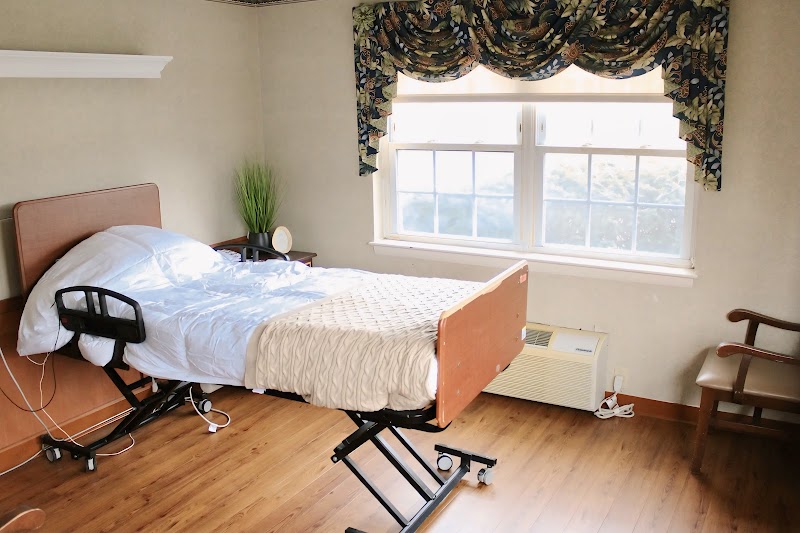
How is Salmon Brook Rehab And Nursing Staffed?

CMS rates SALMON BROOK REHAB AND NURSING's staffing level at 3 out of 5 stars, which is average compared to other nursing homes. Staff turnover is 37%, compared to the Connecticut average of 46%. This relatively stable workforce can support continuity of care. RN turnover specifically is 55%, which is notably high. RNs provide skilled clinical oversight, so turnover in this role can affect medical care quality.

What Have Inspectors Found at Salmon Brook Rehab And Nursing?

State health inspectors documented 80 deficiencies at SALMON BROOK REHAB AND NURSING during 2019 to 2025. These included: 71 with potential for harm and 9 minor or isolated issues. While no single deficiency reached the most serious levels, the total volume warrants attention from prospective families.
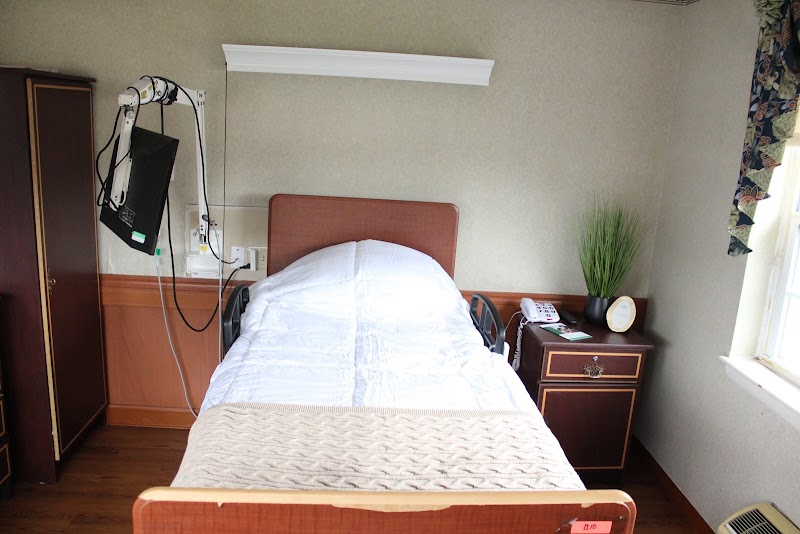
Who Owns and Operates Salmon Brook Rehab And Nursing?

SALMON BROOK REHAB AND NURSING is owned by a for-profit company. For-profit facilities operate as businesses with obligations to shareholders or private owners. The facility operates independently rather than as part of a larger chain. With 130 certified beds and approximately 98 residents (about 75% occupancy), it is a mid-sized facility located in GLASTONBURY, Connecticut.
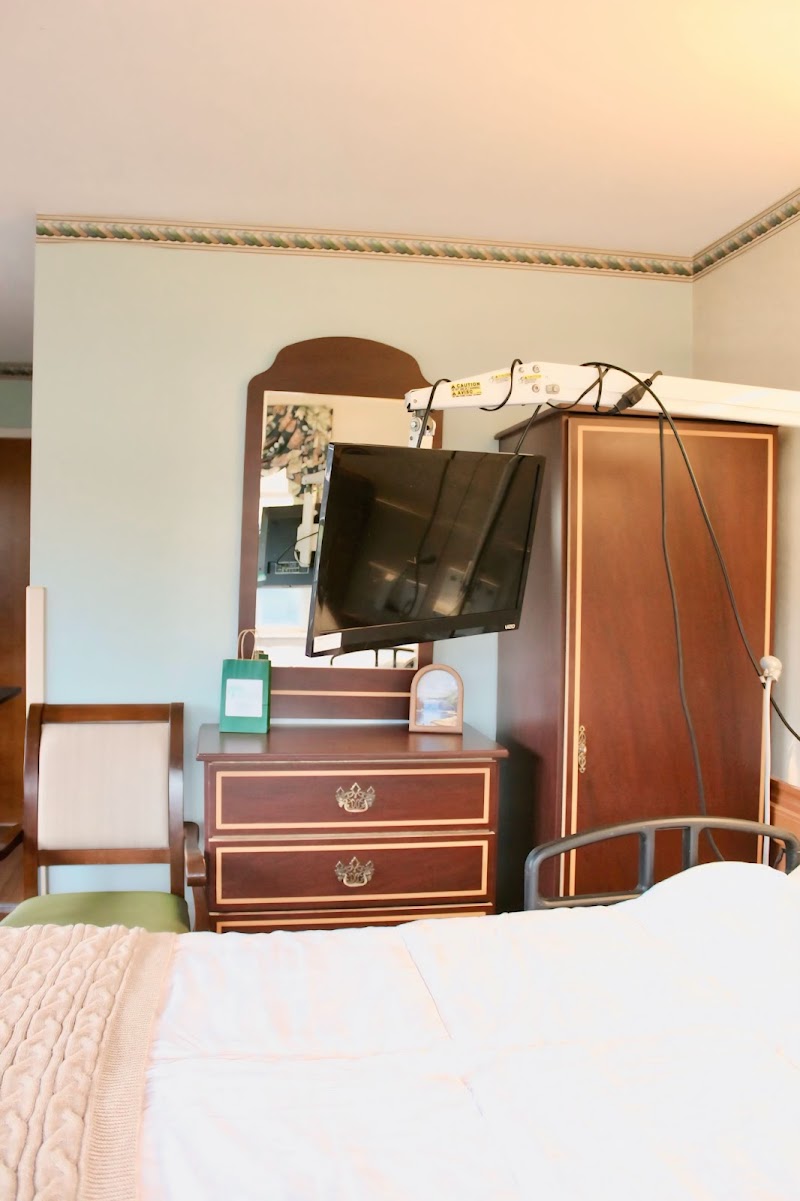
How Does Salmon Brook Rehab And Nursing Compare to Other Connecticut Nursing Homes?

Compared to the 100 nursing homes in Connecticut, SALMON BROOK REHAB AND NURSING's overall rating (1 stars) is below the state average of 3.0, staff turnover (37%) is near the state average of 46%, and health inspection rating (1 stars) is much below the national benchmark.

What Should Families Ask When Visiting Salmon Brook Rehab And Nursing?

Based on this facility's data, families visiting should ask: "Can I visit during a mealtime to observe dining assistance and food quality?" "How do you handle medical emergencies, and what is your hospital transfer rate?" "Can I speak with family members of current residents about their experience?"

Is Salmon Brook Rehab And Nursing Safe?

Based on CMS inspection data, SALMON BROOK REHAB AND NURSING has a clean safety record: no substantiated abuse findings (meaning no confirmed cases of resident harm), no Immediate Jeopardy citations (the most serious violation level indicating risk of serious injury or death), and is not on the Special Focus Facility watch list (a federal program monitoring the lowest-performing 1% of nursing homes). The facility has a 1-star overall rating and ranks #100 of 100 nursing homes in Connecticut. While no facility is perfect, families should still ask about staff-to-resident ratios and recent inspection results during their visit.

Do Nurses at Salmon Brook Rehab And Nursing Stick Around?

SALMON BROOK REHAB AND NURSING has a staff turnover rate of 37%, which is about average for Connecticut nursing homes (state average: 46%). Moderate turnover is common in nursing homes, but families should still ask about staff tenure and how the facility maintains care continuity when employees leave.

Was Salmon Brook Rehab And Nursing Ever Fined?

SALMON BROOK REHAB AND NURSING has been fined $32,357 across 3 penalty actions. This is below the Connecticut average of $33,402. While any fine indicates a compliance issue, fines under $50,000 are relatively common and typically reflect isolated problems that were subsequently corrected. Families should ask what specific issues led to these fines and confirm they've been resolved.

Is Salmon Brook Rehab And Nursing on Any Federal Watch List?

SALMON BROOK REHAB AND NURSING is not on any federal watch list. The most significant is the Special Focus Facility (SFF) program, which identifies the bottom 1% of nursing homes nationally based on persistent, serious quality problems. Not being on this list means the facility has avoided the pattern of deficiencies that triggers enhanced federal oversight. This is a positive indicator, though families should still review the facility's inspection history directly.