COMPLETE CARE AT GROTON REGENCY
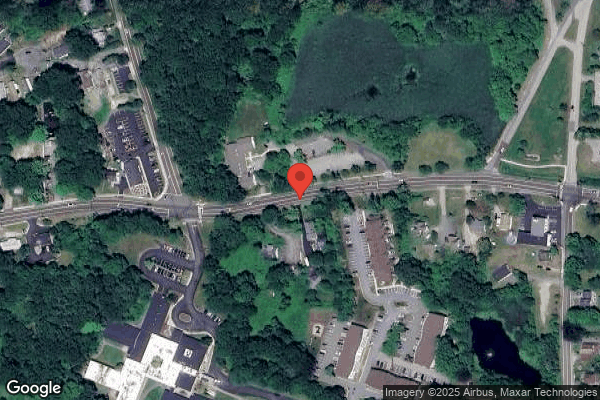
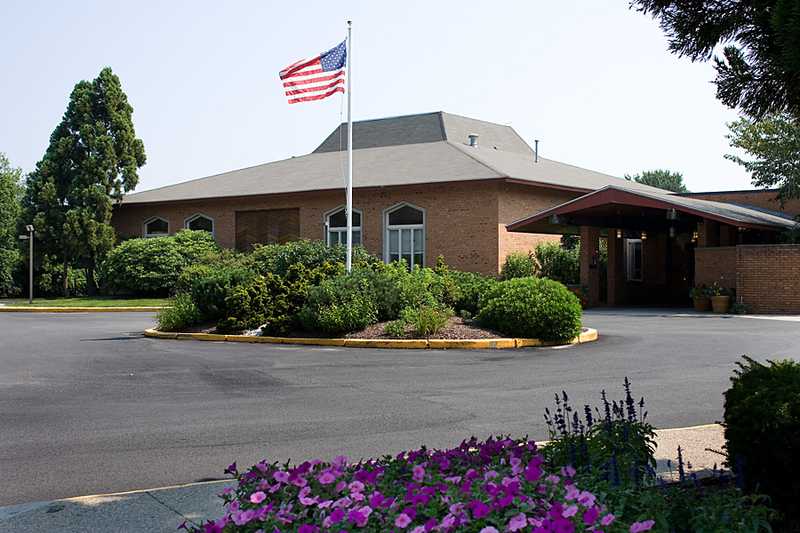
1145 POQUONNOCK RD, GROTON, CT 06340 (860) 446-9960
For profit - Limited Liability company 162 Beds COMPLETE CARE Data: November 2025
Trust Grade
85/100
#8 of 192 in CT
Last Inspection: March 2024

Within standard 12-15 month inspection cycle. Federal law requires annual inspections.

Overview

Complete Care at Groton Regency has received a Trust Grade of B+, indicating it is above average and recommended for families considering their options. It ranks #8 out of 192 facilities in Connecticut, placing it in the top half, and #3 out of 14 in its county, meaning only two local facilities are rated higher. However, the facility's trend is worsening, with the number of issues increasing from 4 in 2021 to 9 in 2024. Staffing is a relative strength, with a rating of 4 out of 5 stars, though turnover is at 46%, which is around the average for Connecticut. Notably, the facility has not incurred any fines, which is a positive sign. On the downside, there are specific concerns; for instance, the main dining room has been closed on weekends due to insufficient staff to transport residents, leading to meals being delivered to rooms instead. Additionally, expired food was found in the refrigerator, indicating potential lapses in food safety practices. These incidents highlight areas needing improvement, despite the facility's overall strengths.

Trust Score
B+
85/100
In Connecticut
#8/192
Top 4%
Safety Record
Low Risk
No red flags
Inspections
Getting Worse
4 → 9 violations
Staff Stability
⚠ Watch
46% turnover. Above average. Higher turnover means staff may not know residents' routines.
Penalties
✓ Good
No fines on record. Clean compliance history, better than most Connecticut facilities.
Skilled Nurses
○ Average
Each resident gets 39 minutes of Registered Nurse (RN) attention daily — about average for Connecticut. RNs are the most trained staff who monitor for health changes.
Violations
⚠ Watch
19 deficiencies on record. Higher than average. Multiple issues found across inspections.
★★★★★
5.0
Overall Rating
★★★★☆
4.0
Staff Levels
★★★★★
5.0
Care Quality
★★★★☆
4.0
Inspection Score
Stable
2021: 4 issues
2024: 9 issues

The Good

  • 4-Star Staffing Rating · Above-average nurse staffing levels
  • 5-Star Quality Measures · Strong clinical quality outcomes
  • Full Sprinkler Coverage · Fire safety systems throughout facility
  • No fines on record

Facility shows strength in staffing levels, quality measures, fire safety.

The Bad

Staff Turnover: 46%

Near Connecticut avg (46%)

Higher turnover may affect care consistency

Chain: COMPLETE CARE

Part of a multi-facility chain

Ask about local staffing decisions and management

The Ugly 19 deficiencies on record

Nov 2024 2 deficiencies
CONCERN (D) 📢 Someone Reported This

A family member, employee, or ombudsman was alarmed enough to file a formal complaint

Potential for Harm - no one hurt, but risky conditions existed

Quality of Care (Tag F0684)

Could have caused harm · This affected 1 resident

**NOTE- TERMS IN BRACKETS HAVE BEEN EDITED TO PROTECT CONFIDENTIALITY** Based on review of the clinical record, facility documentation, facility policy and interviews for one (1) of three (3) resident...

Read full inspector narrative →
**NOTE- TERMS IN BRACKETS HAVE BEEN EDITED TO PROTECT CONFIDENTIALITY** Based on review of the clinical record, facility documentation, facility policy and interviews for one (1) of three (3) residents (Resident #1) reviewed for falls, the facility failed to transport the resident to an orthopedic appointment per physician's order and failed to complete a fall risk assessment after a fall in accordance with facility policy. The findings include: Resident #1's diagnoses included repeated falls, right humerus fracture (a bone in the upper arm running from the shoulder to the elbow), bone density disorder, anxiety disorder and dementia with behavioral disturbances. The Resident Care Plan (RCP) dated 5/31/24 identified that Resident #1 is at risk for falls due to cognitive loss, lack of safety awareness and advanced Alzheimer's disease and had a history of falls and seizure like activity with interventions included to follow-up with the orthopedist for the right humerus fracture. The quarterly Minimum Data Set (MDS) assessment dated [DATE] identified Resident #1 was severely cognitively impaired and required moderate assistance with bed mobility and supervision assistance with transfers and ambulation. Review of the Department of Public Health Facility Licensing & Investigation Complaint Submission dated 7/11/24 identified that Resident #1 had a traumatic fall at the facility and sustained a fractured shoulder. Person #1 reported that he/she called the facility to ensure Resident #1 was on their way to his/her orthopedic surgeon appointment and was told that nothing had been arranged so he/she would be missing the appointment, despite Person #1 reporting that he/she had called the facility a few days prior to remind the staff of the appointment. Review of the facility Reportable Event (RE) dated 5/30/24 identified that at 7:55 AM, Resident #1 sustained an unwitnessed fall, reporting that staff heard a loud noise and observed the resident face down in the hallway. Staff rolled the resident onto his/her back and upon assessment he/she became unresponsive and involuntary jerking movements were observed. The resident was transferred to the Emergency Department (ED) for evaluation, returning to the facility with sutures to the chin but no imaging had been obtained. Shortly after the resident returned to the facility, staff observed the resident with facial grimacing, guarding his/her right arm and swelling was noted to the right shoulder. STAT x-rays were obtained in the facility and resulted with an acute displaced comminuted fracture (broken into more than two pieces caused by a significant amount of force) of the right humeral head (the junction of insertion into the shoulder). The resident was sent back to the ED and consulted with Orthopedics, where no surgical intervention had been scheduled at that time, but the resident was to follow-up with Orthopedics. A. Review of Report of Consultation notes for Resident #1 dated 6/19/24 and written by MD #2 (orthopedic doctor) identified that the resident was to follow-up with him/her again in three (3) weeks. A physician's order dated 6/19/24 directed to follow-up with orthopedics, MD #2 in 3-weeks on 7/11/24 at 3:45 PM. A nurse's note dated 7/11/24 at 4:00 PM, written by RN #2, identified that Resident #1 was unable to attend his/her follow-up orthopedic appointment due to transportation issues and the appointment was rescheduled for 7/26/24 at 10:30 AM. Interview with RN #2 on 11/07/24 at 12:44 PM identified that she could not recall the details of what the transportation issue was on 7/11/24 that caused Resident #1 to miss his/her appointment but identified that she rescheduled the appointment the same day. Interview with Person #2 (orthopedic office scheduler) on 11/07/24 at 1:10 PM identified that Resident #1 had an appointment with MD #2 on 7/11/24 at 3:45 PM that was rescheduled by the facility on 7/11/24 at 3:26 PM. Review of Report of Consultation notes for Resident #1 dated 7/26/24 identified that Resident #1 was seen by MD #2 on 7/26/24. Interview with the DNS on 11/07/24 at 3:51 PM identified that they were unable to confirm that transportation had been set up for Resident #1 for the 7/11/24 orthopedic appointment and she was unsure why, identifying that RN #2 was aware of the appointment and it should have been notated in the appointment book. She reported that although there was a physician's order for the orthopedic appointment on 7/11/24, and the resident did not attend. Although attempted, an interview with Person #1 was not obtained. Although requested, facility policies for following physician's orders and coordinating community appointments were not provided. B. Review of Resident #1's clinical record failed to identify that a fall risk assessment was completed after the 5/30/24 fall until 6/22/24 (23 days after the fall). Review of the Fall Risk assessment dated [DATE] at 7:20 PM identified that Resident #1 was a moderate fall risk. Interview with the DNS on 11/08/24 at 1:12 PM identified that a Fall Risk Assessment was not completed after the 5/30/24 fall because that is not the facility policy, reporting that the quarterly Fall Risk Assessments were completed on 3/22/24 and 6/22/24, but that there were not any completed between that time period. Review of the Fall Prevention Program policy dated 1/20/24 directed, in part, that each resident will be assessed for fall risk and will receive care and services in accordance with their individualized level of risk to minimize the likelihood of falls. A fall risk assessment is to be completed every 90 days and as indicated when the resident's condition changes. When any resident experiences a fall, the facility will complete a post-fall assessment.
CONCERN (D) 📢 Someone Reported This

A family member, employee, or ombudsman was alarmed enough to file a formal complaint

Potential for Harm - no one hurt, but risky conditions existed

Accident Prevention (Tag F0689)

Could have caused harm · This affected 1 resident

**NOTE- TERMS IN BRACKETS HAVE BEEN EDITED TO PROTECT CONFIDENTIALITY** Based on review of the clinical record, facility documentation, facility policy and interviews for one (1) of three (3) resident...

Read full inspector narrative →
**NOTE- TERMS IN BRACKETS HAVE BEEN EDITED TO PROTECT CONFIDENTIALITY** Based on review of the clinical record, facility documentation, facility policy and interviews for one (1) of three (3) residents (Resident #1) reviewed for falls, the facility failed to follow the plan of care to adequately supervise a resident who required assistance with ambulation resulting in falls. The findings include: Resident #1's diagnoses included repeated falls, right humerus fracture (a bone in the upper arm running from the shoulder to the elbow), right femur fracture (bone in the upper leg, spanning from the hip to the knee), bone density disorder, anxiety disorder and dementia with behavioral disturbances. The Resident Care Plan (RCP) dated 5/31/24 identified that Resident #1 is at risk for falls due to cognitive loss, lack of safety awareness and advanced Alzheimer's disease and had a history of falls and seizure like activity with interventions included to follow-up with the orthopedist for the right humerus fracture. The quarterly Minimum Data Set (MDS) assessment dated [DATE] identified Resident #1 was severely cognitively impaired and required moderate assistance with bed mobility and supervision assistance with transfers and ambulation. Further, it identified that since the last quarterly MDS on (4/22/24), Resident #1 sustained two (2) falls with no injuries, one (1) fall with injury and one (1) fall with major injury. Review of the facility Reportable Event (RE) dated 5/30/24 identified that at 7:55 AM, Resident #1 sustained an unwitnessed fall, reporting that staff heard a loud noise and observed the resident face down in the hallway. Staff rolled the resident onto his/her back and upon assessment he/she became unresponsive and involuntary jerking movements were observed. The resident was transferred to the Emergency Department (ED) for evaluation and was subsequently diagnosed with an acute displaced comminuted fracture (broken into more than two pieces caused by a significant amount of force) of the right humeral head (the junction of insertion into the shoulder). The RE identified was previously independent with ambulation and after the 5/30/24 fall, the resident was made an assist of one (1) for ambulation. a) A nursing note dated 7/24/24 at 8:15 AM identified that the resident was observed on the floor on his/her stomach bracing him/herself with their left arm. Upon assessment, the resident was able to move both lower extremities and the left arm without any difficulty or signs of pain. A Situation, Background, Assessment, Recommendation (SBAR) note dated 7/24/24 at 11:32 AM identified that LPN #1 walked into Resident #1's room and he/she was observed on his/her belly on the floor. The supervisor was notified, and an assessment was completed, identifying no new skin issues and no complaints of pain. The SBAR noted that Resident #1 was able to stand with an assist of one (1) and was then ambulating freely with no signs of distress. The resident was subsequently placed on a one-to one supervision with the nurse for the morning. Review of a facility Reportable Event (RE) form dated 7/24/24 identified that at 8:15 AM, Resident #1 had an unwitnessed fall in his/her room after receiving care and breakfast, reporting that no injuries were sustained. The RE identified that the resident was an assist of one (1) for mobility, eating, transferring, ambulation and toileting both prior to and after the event. The intervention for the fall included one-to-one supervision for the morning and for the resident to be out of the room after morning care. Interview and clinical record review with RN #2 on 11/07/24 at 12:44 PM identified that she assessed Resident #1 after the 7/24/24 fall and he/she appeared to be at baseline without any injuries or signs of pain. She reported that she didn't normally work on the unit that Resident #1 resided on, but identified that whenever she interacted with Resident #1, he/she was walking the halls independently. She identified that Resident #1 was a fall risk and had a history of falls and that it was all staff's responsibility to keep an eye on him/her to ensure his/her safety but reported she was not aware that Resident #1 was an assist of one (1) for ambulation. b) A nursing note dated 7/25/24 at 3:00 PM, written by RN #1, identified that he was called to Resident #1's room in the late morning and observed the resident lying on his/her back on the floor near the foot of his/her bed. He identified that the resident's range of motion was normal to all extremities and that he/she displayed no signs or symptoms of pain. He reported that Resident #1's pants were noted to be too long and loose around the waist, identifying that staff assisted resident up to a standing position and adjusted the pants and the nurse (LPN #1) called the family to request new better fitting clothing be brought in for the resident. Review of the facility Reportable Event (RE) form dated 7/25/24 identified that at 11:15 AM, Resident #1 had an unwitnessed fall in his/her bedroom due to ill-fitting pants (too long), with no injuries noted. The RE identified that the resident was an assist of one (1) for mobility, eating, transferring, ambulation and toileting both prior to and after the event. The intervention for the fall included that the nurse would call the family and request jogger style pants and the NA's would put the resident in the new pants when received to promote safety. Interview with RN #1 on 11/07/24 at 11:25 AM identified that he assessed Resident #1 after the fall he/she sustained on 7/25/24 and reported there were no signs of injury or pain, and that the resident was ambulating after the fall at baseline. He identified that Resident #1 paces and wanders around the unit at baseline and reported that although he/she is an assist of one (1) for ambulation, supervision at all times is not possible stating that the staff did the best they could to keep him/her in view. Interview and review of statements with LPN #1 on 11/07/24 at 11:50 AM identified that she was assigned to Resident #1 on a regular basis, the resident was frequently anxious, and his/her baseline was to pace and walk around the unit continuously, reporting she was aware that Resident #1 was an assist of one (1) for ambulation but reported that the staff couldn't walk around with him/her all day, as they wouldn't be able to care for any other residents. She reported that after the 7/24/24 fall, the intervention was for her to provide one-to-one supervision of Resident #1 for the morning, reporting that she tried to keep the resident close to her medication cart so that she could keep an eye on him/her but reported that it was impossible to keep eyes on him/her at all times and identified that the other NA's would also try and help but they also had residents to care for. She identified that for the 7/25/24 fall, she had set the resident up in the dining room with his/her horse books and then went on break, telling the NA's on the unit (unable to recall who). When she returned ten (10) minutes later to the resident on his/her bedroom floor. Although attempted, an interview with NA #1 (who was assigned to the resident on 7/25/24) was not obtained. Review of the facility Reportable Event (RE) form dated 7/27/24 identified that Resident #1 was noted with a decrease in mobility while ambulating and had pain to the right lower extremity. The RE identified that x-rays were obtained within the facility and resulted with an age indeterminate (unknown age) fracture of the right femoral neck (insertion of the upper thigh bone into the hip) and the resident was subsequently sent to the Emergency Department (ED) for evaluation. A nurse's note dated 7/27/24 at 2:30 PM identified that Resident #1 was noted to be limping on the left leg but could not verbalize pain scale or describe where the pain was located. The nursing supervisor was notified and x-rays to the left leg were ordered. A nurse's note dated 7/27/24 at 9:48 PM, written by RN #3, identified that x-rays resulted for a fracture to the right femoral neck. Resident #1 was sent to the hospital for evaluation at 9:30 PM. Review of the RE Summary Report dated 8/3/24 identified that prior to breakfast on 7/27/24, Resident #1 was resistive to standing on the side of the bed with staff, so they transferred him/her to the wheelchair and brought him/her to the dining room and then transferred the resident to a table chair. After breakfast the resident was observed having difficulty ambulating and limping, appearing as if he/she was avoiding bearing weight to the left lower extremity but did not appear to be in or express pain. The resident was transferred to the bed and the APRN was notified. X-rays were obtained in the facility on 7/27/24 and resulted around 7:30 PM which showed an age-indeterminate fracture of the right femoral neck, as well as osteopenia. The resident was sent to the ED and underwent surgical intervention to the right hip. Interview with APRN #1 on 11/07/24 at 2:11 PM identified that although the fracture that Resident #1 sustained to the right femoral neck was indeterminate in age and could have happened at any time, the resident had risk factors including being post-menopausal, and having osteopenia that was shown in the x-ray. She reported that although they are unable to give a definitive cause of the fracture, it could have been from the falls on either 7/24/24 or 7/25/24. Interview with the DNS on 11/07/24 at 3:51 PM identified that the plan of care directed that the resident was an assist of one (1) for ambulation due to prior falls, but that it wasn't always plausible because the resident would ambulate continuously throughout the unit. She reported the facility attempted to do what they could to prevent the falls of Resident #1 short of one-to-one observation, including placing the resident in common areas, placing the resident by the nurse's medication cart, providing him/her with books, animated cats and baby dolls to keep him/her from getting up unassisted and ambulating. She reported that recreation and therapy were involved but that due to his/her cognitive status, he/she couldn't follow direction and participation and involvement was difficult. Further, she identified that Resident #1 had not been on any increased supervision and that bed and chair alarms are not utilized within the facility. Although attempted, an interview with RN #3 was not obtained. Review of the Fall Prevention Program policy dated 1/20/24 directed, in part, that each resident will be assessed for fall risk and will receive care and services in accordance with their individualized level of risk to minimize the likelihood of falls. They will provide interventions that address unique risk factors measured by the risk assessment tool including medications, psychological, cognitive status or recent changes in functional status. Each resident's risk factors, and environmental hazards will be evaluated when developing the resident's comprehensive plan of care. Interventions will be monitored for effectiveness and the plan of care will be revised as needed.
May 2024 2 deficiencies
CONCERN (D) 📢 Someone Reported This

A family member, employee, or ombudsman was alarmed enough to file a formal complaint

Potential for Harm - no one hurt, but risky conditions existed

Free from Abuse/Neglect (Tag F0600)

Could have caused harm · This affected 1 resident

**NOTE- TERMS IN BRACKETS HAVE BEEN EDITED TO PROTECT CONFIDENTIALITY** Based on clinical record reviews, facility documentation, facility policies and interviews for two of four sampled residents (Re...

Read full inspector narrative →
**NOTE- TERMS IN BRACKETS HAVE BEEN EDITED TO PROTECT CONFIDENTIALITY** Based on clinical record reviews, facility documentation, facility policies and interviews for two of four sampled residents (Residents #1 and #2) who were reviewed for an allegation of resident-to-resident physical altercation, the facility failed to maintain the safety of Resident #1 who sustained bruises around the right forearm, wrist, and hand when facility staff intervened during the altercation. The findings include: Resident #1's diagnoses included dementia with behavioral disturbances, anxiety, abnormalities of gait, and history of stroke. The admission Minimum Data Set assessment dated [DATE] identified Resident #1 rarely or never made decisions regarding tasks of daily life, was independent with dressing, transfers, and ambulation, and utilized a walker for mobility. The Resident Care Plan dated 2/16/24 identified Resident #1 exhibited verbal behaviors due to dementia, had anxiety, and was on an anticoagulant. Interventions directed to monitor medications, evaluate for trigger of verbal outbursts, provide psych services as needed, explain care one step at a time, redirect resident in a gentle, calming voice, allow time for expression of feelings, if resident becomes combative or resistive, postpone care or activity and allow time for the resident to regain composure, and gently guide the resident from the environment while speaking in a calm reassuring voice if needed. The nurse's note dated 5/2/24 at 11:26 PM identified a skin check was completed and no skin injury or wounds were noted. The nurse's note dated 5/3/24 written at 6:05 PM identified Resident #1 had bruising on the right forearm and wrist area and Resident #1 was seen by the Advanced Practice Registered Nurse (APRN). The Advanced Practice Registered Nurse (APRN) progress note dated 5/3/24 identified she was asked to see Resident #1 for right hand bruising and pain. The note indicated Resident #1 was seen by the endocrinologist two (2) days earlier, blood work was drawn, and that the bruising could be related to needle puncture. The note identified the APRN directed to hold the blood thinner, Plavix, for three (3) days and administer pain medication as needed. The nurse's note dated 5/5/24 at 7:26 AM identified Resident #1 was very frustrated and angry regarding the roommate. The Facility Reported Incident form dated 5/6/24 identified a family member who reported to the facility that Resident #1 had reported to them a staff member grabbed Resident #1's wrist. The investigative summary report identified a light bruise to the right upper wrist and forearm were noted on 5/3/24, Resident #1 was seen by the APRN, and the bruising could not be ruled out from the venipuncture at the endocrinologist's visit on 4/30/24. The report indicated on 5/6/24 family reported during the visit, Resident #1 stated that someone came into his/her room, pulled his/her hair, and threw him/her on the bed and Resident #1 provided a description and name. The report identified after numerous interviews a nurse aide, Nurse Aide (NA) #1, explained on 5/2/24 she went into Resident #1's room and observed Resident #1 pulling on the roommate's (Resident #2) clothing to get Resident #2 off Resident #1's bed, and when she tried to intervene Resident #1 would not let go of the clothing. NA #1 attempted to quickly guide Resident #1's hand from the roommate at which time Resident #1 became more agitated and attempted to strike and scratch NA #1. NA #1 put her arm up to try to block Resident #1 from making contact with her face, tried to get the roommate into their own bed in which the roommate declined help and NA #1 then left the room. NA #1 explained she re-entered the room to find Resident #1 attempting to get the roommate out of their own bed and as NA #1 attempted to intervene again Resident #1 became angry, put both fists up in the air and attempted to swing at NA #1 and when NA #1 was trying to exit the room, Resident #1 grabbed NA #1's clothing. Interview with one of Resident #1's family member, Person #1, on 5/30/24 at 1:40 PM identified on 5/3/24 he/she was visiting Resident #1 and noticed a brace on Resident #1's hand and bruising under the brace. Person #1 stated he/she approached the 3-11PM Nursing Supervisor, Registered Nurse (RN) #1, to inquire about the bruise and RN #1 explained she was not aware of the bruise. Person #1 identified he/she and RN #1 asked Resident #1 what happened, and Resident #1 pointed to a 3-11PM nurse aide, NA #1. Interview with RN #1 on 5/29/24 at 12:00 PM identified on 5/3/24 between 5:00 and 6:00 PM Person #1 approached her regarding a bruise on Resident #1's right hand and arm. RN #1 stated when she asked Resident #1 how the bruise happened, Resident #1 went into the hallway and pointed to NA #1. Interview with the Director of Nursing (DON) on 5/29/24 at 4:45 PM identified she was made aware by staff on 5/3/24 Resident #1 had a bruise on his/her right hand and arm, the APRN assessed the bruise, and she looked in the EPIC (computer system which links health care facilities) system, she discovered on 4/30/24 Resident #1 had bloodwork done while at the endocrinologist's visit, and the APRN identified the bruising could be related to the needle puncture. The DON identified on 5/6/24 another of Resident #1's family member, Person #2, alerted her the bloodwork at the endocrinologist was obtained via a fingerstick and not a venipuncture. The DON stated she immediately began a seventy-two (72) hour look back to try to determine the cause of the bruising. The DON indicated Person #1 and Person #2 contacted her on 5/6/24 at approximately 8:30 PM and identified Resident #1 had told Person #1 someone had grabbed him/her and threw him/her against the closet. The DON identified NA #1 at first denied being assigned to the resident and then NA #1 informed her on 5/2/24 she heard yelling in Resident #1's room, the door was closed and when she went into the room, she found the Resident #1's roommate in Resident #1's bed and Resident #1 was trying to pull the roommate out of the bed. The DON stated NA #1 stated she attempted to intervene, and Resident #1 began yelling at her and attempting to hit her, so she blocked her own face. Review of the written statement from NA #1 identified on 5/2/24 around 8:00 PM she heard yelling from Resident #1's room and when entering the room saw Resident #1 attempting to pull the roommate out of the bed. NA #1 indicted she attempted to get Resident #1's hands off the roommate and Resident #1 attempted to scratch her and at that point she blocked her face. Review of the behavior tracking sheets and nurse's notes failed to identify any behaviors for Resident #1 were documented or reported on 5/2/24. Attempts to interview NA #1 were unsuccessful. Review of the facility policy for Abuse, Neglect, and Exploitation, date implemented 72023, directed, in part, that abuse includes the deprivation by an individual of goods or services that are necessary to attain or maintain physical, mental, and psychosocial well-being. The policy further directed identifying, correcting, and intervening in situations in which abuse is more likely to occur and to ensure all residents are protected from physical and psychosocial harm, as well as additional abuse including an examination of the alleged victim for any sign of injury.
CONCERN (D) 📢 Someone Reported This

A family member, employee, or ombudsman was alarmed enough to file a formal complaint

Potential for Harm - no one hurt, but risky conditions existed

Report Alleged Abuse (Tag F0609)

Could have caused harm · This affected 1 resident

**NOTE- TERMS IN BRACKETS HAVE BEEN EDITED TO PROTECT CONFIDENTIALITY** Based on clinical record reviews, facility documentation, facility policies and interviews for two of four sampled residents (Re...

Read full inspector narrative →
**NOTE- TERMS IN BRACKETS HAVE BEEN EDITED TO PROTECT CONFIDENTIALITY** Based on clinical record reviews, facility documentation, facility policies and interviews for two of four sampled residents (Residents #1 and #2) who were reviewed for an allegation of resident-to-resident physical altercation, the Nurse Aide that witnessed the physical altercation and tried to intervene failed to report the altercation to licensed staff. The findings include: Resident #1's diagnoses included dementia with behavioral disturbances, anxiety, abnormalities of gait, and history of stroke. The admission Minimum Data Set assessment dated [DATE] identified Resident #1 rarely or never made decisions regarding tasks of daily life, was independent with dressing, transfers, and ambulation, and utilized a walker for mobility. The Resident Care Plan dated 2/16/24 identified Resident #1 exhibited verbal behaviors due to dementia, had anxiety, and was on an anticoagulant. Interventions directed to monitor medications, evaluate for trigger of verbal outbursts, provide psych services as needed, explain care one step at a time, redirect resident in a gentle, calming voice, allow time for expression of feelings, if resident becomes combative or resistive, postpone care or activity and allow time for the resident to regain composure, and gently guide the resident from the environment while speaking in a calm reassuring voice if needed. The nurse's note dated 5/2/24 at 11:26 PM identified a skin check was completed and no skin injury or wounds were noted. The nurse's note dated 5/3/24 written at 6:05 PM identified Resident #1 had bruising on the right forearm and wrist area and Resident #1 was seen by the Advanced Practice Registered Nurse (APRN). The Advanced Practice Registered Nurse (APRN) progress note dated 5/3/24 identified she was asked to see Resident #1 for right hand bruising and pain. The note indicated Resident #1 was seen by the endocrinologist two (2) days earlier, blood work was drawn, and that the bruising could be related to needle puncture. The note identified the APRN directed to hold the blood thinner, Plavix, for three (3) days and administer pain medication as needed. Interview with one of Resident #1's family member, Person #1, on 5/30/24 at 1:40 PM identified on 5/3/24 he/she was visiting Resident #1 and noticed a brace on Resident #1's hand and bruising under the brace. Person #1 stated he/she approached the 3-11PM Nursing Supervisor, Registered Nurse (RN) #1, to inquire about the bruise and RN #1 explained she was not aware of the bruise. Person #1 identified he/she and RN #1 asked Resident #1 what happened, and Resident #1 pointed to a 3-11PM nurse aide, Nurse Aide (NA) #1. Interview with RN #1 on 5/29/24 at 12:00 PM identified on 5/3/24 between 5:00 and 6:00 PM Person #1 approached her regarding a bruise on Resident #1's right hand and arm. RN #1 stated when she asked Resident #1 how the bruise happened, Resident #1 went into the hallway and pointed to NA #1. RN #1 stated Person #1 asked if an investigation had been started and she directed Person #1 to the Director of Nursing (DON) or Administrator. RN #1 identified she did not report the bruise to the DON because she thought the DON was already aware of it. Interview with the DON on 5/29/24 at 4:45 PM identified she was made aware by staff on 5/3/24 Resident #1 had a bruise on his/her right hand and arm and initially the bruise was thought to have been caused by blood work that had been obtained on 4/30/24, however during the investigation it was discovered this was not the cause of the bruise. The DON indicated NA #1 approached her and informed her on 5/2/24 she heard yelling in Resident #1's room. The door was closed and when she went into the room, she found Resident #1's roommate in Resident #1's bed and Resident #1 was trying to pull the roommate out of the bed and when she attempted to intervene, and Resident #1 began yelling at her and attempting to hit NA #1, so NA #1 blocked her own face. The DON stated NA #1 did not report the altercation because she was scared. The DON identified NA #1 should have reported the altercation immediately. Attempts to interview NA #1were unsuccessful. Review of the facility policy for Abuse, Neglect, and Exploitation, date implemented 7/2023, directed, in part, reports of all violations will be given to the Administrator immediately, but not later than 2 hours after the allegation is made.
Mar 2024 5 deficiencies
CONCERN (E)

Potential for Harm - no one hurt, but risky conditions existed

Deficiency F0561 (Tag F0561)

Could have caused harm · This affected multiple residents

**NOTE- TERMS IN BRACKETS HAVE BEEN EDITED TO PROTECT CONFIDENTIALITY** Based on observation, review of facility documentation, review of facility policy, and interviews, the facility failed to ensure...

Read full inspector narrative →
**NOTE- TERMS IN BRACKETS HAVE BEEN EDITED TO PROTECT CONFIDENTIALITY** Based on observation, review of facility documentation, review of facility policy, and interviews, the facility failed to ensure the Main ([NAME]) dining room was open and utilized for resident dining consistently on the weekends. The findings include: Observation of the resident dining on 3/21/24 at 12:30 PM identified approximately 30 residents eating in the [NAME] dining room. The Resident Council Interview on 3/25/24 at 1:00 PM with Resident #6, Resident #10, Resident #64, Resident #72, and Resident #102 identified that the [NAME] dining room had been closed on the weekend for several weeks. Interview with Dietary Aide (DA) #1 and Dietary Aide #2 on 3/26/24 at 12:00 PM identified that the [NAME] dining room was closed on weekends. The residents' meals are delivered to the residents' rooms on the weekends. DA #1 and DA #2 identified that the [NAME] dining room had been closed on the weekends for several weeks. They further identified that the nursing staff did not have enough staff to transport the residents to the [NAME] dining room on the weekend. Interview with the Food Service Director (FSD) on 3/26/24 at 1:00 PM identified that the [NAME] dining room was closed on weekends. She further identified that dietary utilized tray service and delivered meals to the residents' rooms on weekends. She also identified that the nursing staff did not have enough staff on the weekends to transport the residents to the [NAME] dining room. Further, The FSD identified that she and the nursing department had collaborated and decided to close the [NAME] dining room on the weekends. Interview with NA #1 on 3/26/24 at 1:35 PM identified she worked on 3/24/24 (Sunday) on the 7AM -3PM shift on the E and F unit (dementia unit). She identified that the E and F unit had the residents listed at the nurses' station who were supposed to be transported to the [NAME] dining room for meals. She further identified that she had not transported any residents to the [NAME] dining room on 3/24/24 because it was closed. Interview with LPN #1 (charge nurse) on 3/26/24 at 2:15 PM identified the [NAME] dining room was closed on the weekends. She identified that the FSD notified the nursing department that the [NAME] dining room would be closed on the weekends due to the staffing shortage. Interview with the DNS on 3/27/24 at 10:00 AM identified that the [NAME] dining room was available to the residents every day; however, she identified that the [NAME] dining room had a low participation rate from the residents on the weekends. She further identified the facility had started a QAPI to increase the resident participation utilizing the [NAME] dining room on the weekends. The facility Quality Assurance (QA) and Performance Improvement (PI) documentation dated 2/20/24 identified the issue of re-opening the [NAME] dining room on the weekends. The goal was to re-open the dining room by 5/1/24. The facility plan of action was to reach safe staffing levels by holding nurses' aides (NA) classes and training new NAs for dining procedures and transport. Review of the facility QAPI materials with the DNS on 3/27/24 at 11:00 AM identified the facility problem was re-opening of the [NAME] dining room on the weekends and their action plan was safe staffing levels by holding NA class and to train NAs on the dining procedure and transport. She denied that the facility had a staffing shortage on the weekends after reviewing the QAPI for the re-opening of the [NAME] dining room. She further identified that the facility had not opened the [NAME] dining room on the weekends because the facility had until 5/1/24 to meet their goal. The Promoting and Maintaining Resident Dignity During Mealtime policy identified that the facility would treat each resident with respect and/or dignity and care for each resident in an environment that maintains or enhances the residents' quality of life.
CONCERN (E)

Potential for Harm - no one hurt, but risky conditions existed

Deficiency F0725 (Tag F0725)

Could have caused harm · This affected multiple residents

**NOTE- TERMS IN BRACKETS HAVE BEEN EDITED TO PROTECT CONFIDENTIALITY** Based on review of facility documentation, and interviews, the facility failed to ensure staff was available to transport reside...

Read full inspector narrative →
**NOTE- TERMS IN BRACKETS HAVE BEEN EDITED TO PROTECT CONFIDENTIALITY** Based on review of facility documentation, and interviews, the facility failed to ensure staff was available to transport residents to the [NAME] dining room on the weekends. The findings include: The Resident Council Interview on 3/25/24 at 1:00 PM with Resident #6, Resident #10, Resident #64, Resident #72, and Resident #102 identified that the [NAME] dining room had been closed on the weekend for several weeks. The facility Quality Assurance (QA) and Performance Improvement (PI) documentation dated 2/20/24 identified the issue of re-opening the [NAME] dining on the weekends and point of service. The goal was to re-open the [NAME] dining room by 5/1/24. The facility plan of action was to reach safe staffing levels by holding NA classes and training new NAs for dining procedures and transport. Review of staffing schedules on 3/16/24 (Saturday) identified there was 6 licensed nurses and 10 NA for the 7-3 shift and on 3/24/24 (Sunday) there was 6 licensed nurses and 9 NAs for the 7-3 shift. Interview with Dietary Aide (DA) #1 and Dietary Aide #2 on 3/26/24 at 12:00 PM identified that the [NAME] dining room was closed on weekends. The residents' meals are delivered to the residents' rooms on the weekends. DA #1 and DA #2 identified that the [NAME] dining room had been closed on the weekends for several weeks. They further identified that the nursing staff did not have enough staff to transport the residents to the [NAME] dining room on the weekend. Interview with the Food Service Director (FSD) on 3/26/24 at 1:00 PM identified that the [NAME] dining room was closed on weekends. She further identified that dietary utilized tray service and delivered meals to the residents' rooms on weekends. She also identified that the nursing staff did not have enough staff on the weekends to transport the residents to the [NAME] dining room. Further, The FSD identified that she and the nursing department had collaborated and decided to close the [NAME] dining room on the weekends. Interview with NA #1 on 3/26/24 at 1:35 PM identified she worked on 3/24/24 (Sunday) on the 7AM -3PM shift on the E and F unit (dementia unit). She identified that the E and F unit had the residents listed at the nurses' station who were supposed to be transported to the [NAME] dining room for meals. She further identified that she had not transported any residents to the [NAME] dining room on 3/24/24 because it was closed. Interview with LPN #1 (charge nurse) on 3/26/24 at 2:15 PM identified the [NAME] dining room was closed on the weekends. She identified that the FSD notified the nursing department that the [NAME] dining room would be closed on the weekends due to the staffing shortage. Interview with the DNS on 3/27/24 at 10:00 AM identified that the [NAME] dining room was available to the residents every day; however, she identified that the [NAME] dining room had a low participation rate from the residents on the weekends. She further identified the facility had started a QAPI to increase the resident participation utilizing the [NAME] dining room on the weekends. Review of the facility QAPI materials with the DNS on 3/27/24 at 11:00 AM identified the facility problem was re-opening of the [NAME] dining room on the weekends and their action plan was safe staffing levels by holding NA class and to train NAs on the dining procedure and transport. She denied that the facility had a staffing shortage on the weekends after reviewing the QAPI for the re-opening of the [NAME] dining room. She further identified that the facility had not opened the [NAME] dining room on the weekends because the facility had until 5/1/24 to meet their goal. Interview with RN #2 (unit Manager) on 3/27/24 at 1:00 PM identified that E and F (dementia unit) had residents who were encouraged to go to the [NAME] dining room for meals. He further noted that the nursing staff, recreation department and the administration personnel assist to transport residents to the [NAME] dining room during the week days but he identified that he could not speak for the weekends because he does not work on the weekends. Interview with the Scheduler on 3/27/24 at 1:50 PM identified that she was responsible for scheduling the staff for the facility. She identified that the facility staffing level would depend on the resident census and noted for a resident census of 122, she was instructed to staff the facility for 6 licensed nurses for 7-3 shift and 3-11 shift and 4 licensed nurses for the 11-7 shift. The facility would have 13 to 14 NAs for the 7-3 shift, 11 NAs for 3-11 shift, and 7 NAs for 11-7 shift. She further identified that the facility was short staffed on 3/16/24 and 3/24/24 due to staff call outs and noted facility administration was aware of the short staffing. Interview with the Administrator on 3/27/24 at 2:20 PM identified that other staff members are available to transport residents to the [NAME] dining room during the week days; however, staffing on the weekends is limited to the nursing staff making the transport more difficult and that is why it was a QAPI was developed to address the issue of the dining room being closed on the weekend related to having enough staff to transport the residents on the weekends.
CONCERN (E)

Potential for Harm - no one hurt, but risky conditions existed

Food Safety (Tag F0812)

Could have caused harm · This affected multiple residents

Based on observations, review of facility policy and interviews, the facility failed to ensure expired food was dated and removed from the refrigerator. The findings include: Observation during the in...

Read full inspector narrative →
Based on observations, review of facility policy and interviews, the facility failed to ensure expired food was dated and removed from the refrigerator. The findings include: Observation during the initial tour of the dietary department with the Food Service Director (FSD #2) on 3/20/24 at 9:54 AM identified 2 large plastic zip bags full of sliced ham with the date 3/11 handwritten on both bags. Two peaches in a plastic produce bag with two slices out of them that was undated. Interview with FSD #2 on 3/20/24 at 10:10 AM identified the two bags of sliced ham would be good for three days past the labeled date then should be discarded. The FSD #2 further identified that he did not know why the peaches were in an undated bag in the fridge. Interview with the Food Service Director (FSD #1) on 3/21/24 at 11:50 AM identified FSD #2 had told her about the expired foods, and she identified the ham would be good for seven days past the labeled date of 3/11/24. She noted that the ham should have been discarded by 3/18/24. She also could not explain why the peaches had been in an undated plastic bag in the fridge. FSD #1 further identified that she and/or the Dietary Manager in Training were responsible for going through the refrigerator daily and discarding outdated foods and noted that missing the ham and peaches were an oversight. Review of the Food Storage and Retention Guide directed ready to eat prepared foods that are edible without additional preparation to achieve food safety to be stored in the refrigerator up to 7 days with Day 1 as the day of preparation
MINOR (B)

Minor Issue - procedural, no safety impact

Deficiency F0637 (Tag F0637)

Minor procedural issue · This affected multiple residents

**NOTE- TERMS IN BRACKETS HAVE BEEN EDITED TO PROTECT CONFIDENTIALITY** Based on clinical record review and interviews for one sample resident (Resident #12) reviewed for hospice care, the facility fa...

Read full inspector narrative →
**NOTE- TERMS IN BRACKETS HAVE BEEN EDITED TO PROTECT CONFIDENTIALITY** Based on clinical record review and interviews for one sample resident (Resident #12) reviewed for hospice care, the facility failed to complete a Significant Change in Status MDS assessment when the resident was admitted to hospice. The findings include: Resident #12's diagnoses included dementia, adult failure to thrive, bipolar disorder and malignant neoplasm of the colon. The quarterly MDS assessment dated [DATE] identified Resident #12 had severe cognitive impairment, required extensive assistance with toileting, hygiene, dressing, transfers, and was non-ambulatory. The physician's order dated 6/27/23 directed to refer Resident #12 for hospice services and treatment as appropriate for late-stage dementia. Review of the electronic health record (resident census) identified Resident #12 was admitted to hospice on 6/28/23. The Resident Care Plan (RCP) dated 6/28/23 identified Resident #12 was admitted to hospice care with interventions that identified: recognize and respect resident decision of no tube feeding and/or intravenous fluid, provide companionship and activities of daily living (ADL) support, do not resuscitate (DNR) advance directive, and bereavement services provided by hospice. Review of Resident #12's MDS record from 6/28/23 to 7/11/23 failed to identify that a significant change MDS assessment was completed when the resident was admitted to hospice. Interview with RN #1 (MDS Coordinator) and LPN #1 on 3/25/24 at 10:00 AM identified they were responsible for the scheduling and completion of the MDS assessments. They both identified that a resident who was admitted to the hospice program should have a significant change MDS assessment completed within 14 days of being admitted to hospice. They identified that they started working at the facility in July of 2023 and identified that the facility did not have an MDS Coordinator at that time. They further identified that Resident #12 should have had a significant change MDS assessment completed by 7/12/23. Interview with the DNS on 3/25/24 at 10:15 AM identified that the facility did not have an MDS Coordinator at the time Resident #12 was admitted to hospice. The Resident Assessment Instrument (RAI) 3.0 manual identified that a (SCSA) must be completed after a resident's enrollment in a hospice program. The Assessment Reference Date (ARD) must be set within 14 days from the effective date of the hospice election.
MINOR (B)

Minor Issue - procedural, no safety impact

Medical Records (Tag F0842)

Minor procedural issue · This affected multiple residents

**NOTE- TERMS IN BRACKETS HAVE BEEN EDITED TO PROTECT CONFIDENTIALITY** Based on clinical record review, review of facility policy, and interviews for one of two sampled residents (Resident #119) revi...

Read full inspector narrative →
**NOTE- TERMS IN BRACKETS HAVE BEEN EDITED TO PROTECT CONFIDENTIALITY** Based on clinical record review, review of facility policy, and interviews for one of two sampled residents (Resident #119) reviewed for advanced directives, the facility failed to ensure the clinical record contained accurate documentation pertaining to advanced directives. The findings include: Resident #119's diagnoses included cerebrovascular disease, type 2 diabetes mellitus, and aphasia. The admission MDS assessment dated [DATE] identified Resident #119 had intact cognition, required moderate assistance with bed mobility, toileting hygiene, lower body dressing, was non-ambulatory, and utilized a wheelchair for mobility. The care plan dated 12/26/23 identified the resident's cardiopulmonary status as full code (if a person's heart stopped beating and/or they stopped breathing, all resuscitation procedures will be provided to keep them alive) with interventions that included activate resident's advance directive as indicated. The physician's order dated 12/21/23 directed Resident #119 had full code status. Review of Resident #119's clinical record failed to identify a completed Resident/Patient Health Care Instructions form identifying the resident's election of full code status. The record did contain Resident #379's Resident/Patient Health Care Instructions form which indicated a do not resuscitate (DNR) code status. Interview and clinical record review with the Unit Manager (RN #3) on 3/21/24 at 11:45 AM identified that Resident #379 was discharged from the facility and his/her records should not have been in Resident #119's clinical records. RN#3 also indicated that a copy of the resident's advanced directive consents are kept in the chart with a physician's order in the computer. She further noted Resident #119 had a completed Resident/Patient Health Care Instructions form that indicated Full Code which was found in Resident #379's chart. RN #3 further identified that the forms are filed by the unit coordinator. Interview with the Unit Coordinator on 3/21/24 at 2:20 PM identified that she is responsible for filing and scanning records into the computer and noted that the nurses also file documents at times. The Unit Coordinator further indicated that when she removes records from the resident's chart, and scans them into the computer, she does not check the names because she is taking the information directly from the resident's chart and assumes the records in the chart belong to that resident. Interview with the DNS on 3/26/24 at 10:15 AM identified that it is the responsibility of the nurse, unit manager, and the unit coordinator to file documents. The DNS identified that after the consent is obtained it is flagged in the chart for the provider to sign, then it is scanned into the electronic health record. The DNS further identified that the resident's name should be double checked especially if the names are similar prior to filling a document into the resident's records and a copy of the resident's advanced directives consent form should be kept in the resident's physical chart. The Maintenance of Clinical Record policy identified that the facility must maintain medical records on each resident that are completely and accurately documented.
Nov 2021 4 deficiencies
CONCERN (D)

Potential for Harm - no one hurt, but risky conditions existed

ADL Care (Tag F0677)

Could have caused harm · This affected 1 resident

**NOTE- TERMS IN BRACKETS HAVE BEEN EDITED TO PROTECT CONFIDENTIALITY** Based on observation, review of the clinical record, review of facility documentation, review of facility policy, and interviews...

Read full inspector narrative →
**NOTE- TERMS IN BRACKETS HAVE BEEN EDITED TO PROTECT CONFIDENTIALITY** Based on observation, review of the clinical record, review of facility documentation, review of facility policy, and interviews for 1of 2 sampled residents (Resident #15) reviewed for ADL's, the facility failed to carry out necessary services to maintain good grooming/personal hygiene. The findings include: Resident #15's had diagnoses that included; malignant neoplasm of bladder, diabetes mellitus, atrial flutter, dysthymic disorder, obstructive sleep apnea, hypothyroidism, morbid obesity, major depressive disorder, vitamin D deficiency, hypertension, muscle weakness, anxiety disorder and asthma. The quarterly MDS assessment dated [DATE] identified Resident #15 was moderately cognitively impaired, required limited assistance for personal hygiene and was frequently incontinent of bowel and bladder. The care plan dated 10/15/21 identified Resident #15 required assistance and was dependent for ADL care in bathing, grooming, personal hygiene, dressing, eating, bed mobility, transfers, locomotion, and toileting related to: weakness and respiratory condition. Observations on 11/8/21 at 11:30 AM and on 11/10/21 at 9:07 AM identified Resident #15 had long fingernails on both hands and there was brown colored debris underneath the fingernails. Interview on 11/10/21 at 9:10 AM with Resident #15 identified that he/she does not like her fingernails to be long and he/she was unable to indicate the last time his/her fingernails had been trimmed. An interview with Resident #15 on 11/10/21 at 9:45 AM indicated Resident #15 did not inform staff members that her fingernails needed to be trimmed. Additionally, Resident #15 indicated that he/she thinks the facility would charge her for having her fingernails trimmed. An interview with LPN #3 on 11/10/21 at 12:30 PM indicated that resident's fingernails should be trimmed at least one time a month with his/her shower day. Additionally, LPN #3 indicated that it is the NA responsibility to trim the resident's nails, but if the resident has diabetes, the nurse should trim the fingernails. An interview with the DNS on 11/10/21 at 12:41 PM identified that the resident should have their fingernails trimmed when they are long. Additionally, the DNS indicated that the staff should be checking during am and pm care and on the resident's shower day. The DNS further indicated that if a resident has a diagnosis of diabetes, both the nurse and/or the NA can trim the resident's fingernails, but they cannot trim the resident's toenails, which is a deviation from what the facility policy states. A review of the facility policy titled care of nails indicate it is the policy of the facility to clean and trim fingernails and toenails to provide cleanliness, to prevent the spread of infection, for comfort and to prevent skin problems.
CONCERN (D)

Potential for Harm - no one hurt, but risky conditions existed

Deficiency F0692 (Tag F0692)

Could have caused harm · This affected 1 resident

**NOTE- TERMS IN BRACKETS HAVE BEEN EDITED TO PROTECT CONFIDENTIALITY** Based on clinical record review, review of facility policy and interviews for 1 of 4 sampled residents (Resident #314) reviewed ...

Read full inspector narrative →
**NOTE- TERMS IN BRACKETS HAVE BEEN EDITED TO PROTECT CONFIDENTIALITY** Based on clinical record review, review of facility policy and interviews for 1 of 4 sampled residents (Resident #314) reviewed for weight loss, the facility failed to ensure reweights were obtained after a significant weight loss was identified and failed to follow physician's orders related to weights. The findings include: Resident #314's diagnoses included anemia, severe sepsis and right buttock stage 4 pressure ulcer. The quarterly MDS assessment dated [DATE] identified Resident #314 was cognitively intact and required supervision with eating. Resident #314's care plan dated 7/27/21 identified he/she had a nutritional risk with interventions that included; weigh as ordered, alert dietitian and physician to any significant loss or gain, provide large portion diet, and provide house supplement twice daily and at bedtime. Review of Resident #314's weight record identified a weight of 137.2 pounds (lbs.) on 8/23/21. The next recorded weight on 9/8/21 was 128 lbs. indicating a 6.71% loss in sixteen days. Further review of Resident #314's weights identified a weight of 117 lbs. on 10/4/21 indicating an additional 8.59% weight loss in less than a month. The weight record did not have any other weights documented. A physician's order dated 10/4/21 directed to obtain a reweight for weight discrepancy, 11 lbs. since 9/8/21. A physician's order dated 10/6/21 directed to reweigh to confirm weight loss. No reweight was obtained to confirm the weight loss. The next recorded weight in the clinical record was dated 10/18/21 (122.4 lbs). Review of the clinical record and the resident's weight record failed to identify that a re-weigh was completed. Further review of the clinical record identified resident had a hospital admission from 10/23/21-11/4/21. Physician's order dated 11/4/21 (readmission orders) directed to weigh every evening shift for 3 days, then every Monday on the evening shift; regular liberalized diet, large portions. Review of resident weights and clinical record with the DNS on 11/10/21 at 11:00 AM identified the last documented weight was dated 10/18/21 of 122 lbs. No other weights could be found. Interview with the DNS on 11/10/21 at 11:00 AM identified that reweights should be obtained the following day when a resident shows a 3lb weight change. She identified that they were well aware of Resident #314's continued weight loss, discussed it frequently at morning meetings and despite good intake and supplements he/she continued to lose weight. The DNS also identified that there is a CNA worksheet that unit A/B uses to document weights and vital signs, but unit C/D (where Resident #314 resides), does not currently utilize the worksheet. The DNS identified that they will start to use the CNA worksheet on unit C/D to hopefully get a better handle on weights. Further interview with the DNS on 11/10/21 at 11:00 AM identified that the resident should have been weighed upon readmission to the facility on [DATE] per physician's orders and their weight policy. Additionally, the resident should have been weighed on 11/5/21 and 11/6/21 per physician's orders. The DNS also noted that the charge nurses were responsible for following physician's orders and if a weight was unable to be obtained, they should inform her (DNS), the dietitian and the physician. She indicated that education will be provided to nursing staff and that they will begin using the CNA worksheet to ensure weights are obtained as required. Interview with the facility's former dietitian on 11/15/21 at 11:45 AM identified she was the dietitian up until 3 weeks ago and would be in the facility 2-3 days per week. She identified that anytime there is a weight change of 3 lbs. or more, a reweight should be obtained. The former Dietitian noted that when she identified a significant weight loss, she would inform the unit manager or have an order written that a reweight needed to be obtained; however, the follow through was inconsistent. Review of the facility's weight policy identified the nursing staff will measure resident weights upon admission on ce and weekly for four weeks. If no weight concerns are noted at this point, weights will be measured monthly thereafter. Any weight change of 5% or more since the last weight assessment will be retaken the next day for confirmation. If the weight is verified, nursing will immediately notify the Dietitian in writing. Verbal notification must be confirmed in writing.
CONCERN (E)

Potential for Harm - no one hurt, but risky conditions existed

Safe Environment (Tag F0584)

Could have caused harm · This affected multiple residents

**NOTE- TERMS IN BRACKETS HAVE BEEN EDITED TO PROTECT CONFIDENTIALITY** Based on observation, review of facility documentation and interviews for 2 of 6 nursing units (A & E), the facility failed to e...

Read full inspector narrative →
**NOTE- TERMS IN BRACKETS HAVE BEEN EDITED TO PROTECT CONFIDENTIALITY** Based on observation, review of facility documentation and interviews for 2 of 6 nursing units (A & E), the facility failed to ensure the environment was clean, comfortable and free from disrepair. The findings include: A. Observations on 11/16/21 at 9:30 AM with the Director of Maintenance of the A wing nursing unit identified the following: • Residents' rooms #1, #6, #10, #11, #12, and #16 contained wallpaper that had was peeled away from the wall. • Resident room [ROOM NUMBER]'s bathroom ceiling vent appeared to be coated with dust/debris and the bottom right corner of the wall located behind the toilet had cracked tiles and holes in the wall. • Resident room [ROOM NUMBER] contained a radiator that appeared rusted and dirty • Resident room [ROOM NUMBER] contained wall trim located behind the bed and dresser that was detached from the wall. Interview on 11/16/21 at the time the observations were made with the Director of Maintenance identified that although he conducts rounds once a week, he doesn't have a regular set schedule and indicated that he looks briefly for safety issues, bed clearance and anything that looks broken but doesn't document his rounds. He also indicated that the facility has a computer system in place for any concerns from staff that gets assigned according to priority. He further indicated that if something needs to be taken care of immediately, staff is aware to call him or have him paged immediately. The Director of Maintenance identified that he was unaware of the issues identified and noted that he would start keeping track and documenting his rounds moving forward. Interview on 11/16/21 at 11:30 AM with the DNS identified that she was aware that there should be a system in place for regularly scheduled inspections of units by maintenance so concerns can be addressed timely. The DNS further indicated that there used to be books on the units for staff to write in any identified concerns that maintenance could view daily; however, the books were discontinued when the facility started using an electronic (TELLS) system to track identified concerns. she also indicated that not all staff have access to the system. Review of the A/B Wing Housekeeping Daily Routine identified that the cleaning of the vents was included as part of the cleaning routine that should be performed daily. B. Observation on 11/16/21 at 10:15AM with the Director of Maintenance of the E nursing unit identified the following: Occupied residents' rooms #204, #205, #206, #210, #215 and #216 had bathroom ceiling vents that were coated with what appeared to be a thick coding of dirt, dust and debris. In addition, room [ROOM NUMBER] had a dent in the wall located near the bathroom and room [ROOM NUMBER] had a large crack in the bottom right corner of the window. Interview on 11/16/21 at the time the observations were made with the Director of Maintenance identified that he had been employed at the facility for three years. He identified that although he does do rounds on each room, he doesn't have a regular set schedule and indicated he looks briefly for safety issues, bed clearance and anything that looks broken but doesn't document his rounds. The Director of Maintenance further identified he was unaware of the dirty bathroom ceiling vents. In addition, the housekeeping staff should use a duster to clean the vents and notify him when there is an excessive amount of dirt and debris so the vent covers could be taken down and vacuumed. The Director of Maintenance also noted that he was going to start keeping track and documenting his rounds moving forward. Interview on 11/16/21 at 11:00 AM with the DNS identified that she was aware that there should be a system in place for regularly scheduled observations of the environment by maintenance so concerns can be addressed timely. Review of the E/F unit's housekeeping daily routine checklist identified that the cleaning of the vents was included as part of the cleaning routine that should be performed daily.
CONCERN (E)

Potential for Harm - no one hurt, but risky conditions existed

Deficiency F0657 (Tag F0657)

Could have caused harm · This affected multiple residents

**NOTE- TERMS IN BRACKETS HAVE BEEN EDITED TO PROTECT CONFIDENTIALITY** Based on clinical record, review of facility documentation, review of facility policy, and interviews for 1 sampled resident (Re...

Read full inspector narrative →
**NOTE- TERMS IN BRACKETS HAVE BEEN EDITED TO PROTECT CONFIDENTIALITY** Based on clinical record, review of facility documentation, review of facility policy, and interviews for 1 sampled resident (Resident #55) reviewed for care plan development, the facility failed to ensure the comprehensive care plan was reviewed and revised by the IDT team as well as failed to ensure the resident's representative was given the opportunity to take part in the comprehensive care plan review and revision. The findings include: Resident #55's diagnoses included chronic congestive heart failure, dementia with behavioral disturbances, schizoaffective disorder, depression, diabetes mellitus, hypertension, anemia, abnormality of gait and muscle weakness. The quarterly MDS assessment dated [DATE] identified Resident #55 had severely impaired cognition, was frequently incontinent of bowel and bladder and required extensive assistance of 1 staff member for bed mobility, dressing, toileting and personal hygiene, it further identified the resident required limited assistance for transfers. A care plan meeting note dated 6/22/20 at 10:50 AM identified the resident representative/family was called. A care plan meeting note dated 11/10/21 at 1:11 PM identified the resident representative was present. An interview with RN #2 on 11/15/21 at 12:30 PM identified RN #2 was responsible for setting up the care plan meetings in the EMR (electronic medical record), then the SW calls the family/resident representative to schedule the date and time. Additionally, RN #2 indicated that the SW position had been vacant for a long time and the long-term care residents' care plan meetings have fallen off. An interview with SW #1 on 11/16/21 at 9:24 AM indicated that she was responsible for setting up care plan meetings. SW #1 indicated that she had been running the social services department by herself for approximately one year and had placed focus on the short-term rehab residents and the long-term residents would be scheduled as requested. SW #1 indicated that care plan meetings are set up quarterly with the MDS and that she was responsible for calling the residents' representatives to schedule the meeting. Additionally, SW #1 indicated that for Resident #55 there were no care plan meetings scheduled from June of 2020 to November of 2021 due to the lack of another staff member in the social services department and she placed her focus on the short-term rehab residents. An interview with the DNS on 11/16/21 at 9:41 AM indicated that it was the responsibility of the SW to set up the care plan meetings quarterly, annually, at time of admission and with significant change of condition. Additionally, the DNS indicated the facility has not had two social workers for quite some time and the social service department was not able to get the care conferences done. A review of the facility's Care Planning-Interdisciplinary Team policy identified; the resident, the resident's family and/or the resident's legal representative/guardian or surrogate are encouraged to participate in the development of/and revisions to the resident's care plan as well as every effort will be made to schedule care plan meetings at the best time of the day for the resident and family. A review of the facility's policy entitled Care plans, Comprehensive Person-Centered identified in part the care plan process will facilitate resident and/or representative involvement. A review of the facility's policy entitled Person-Centered Care Plan identified in part the purpose is to facilitate inclusion of the resident/resident representative in planning care. Additionally, the policy identified to ensure resident/resident representative is notified of care plan date and to provide update to resident/resident representative if he/she is unable to attend and document in progress note.
May 2019 6 deficiencies
CONCERN (D)

Potential for Harm - no one hurt, but risky conditions existed

Resident Rights (Tag F0550)

Could have caused harm · This affected 1 resident

**NOTE- TERMS IN BRACKETS HAVE BEEN EDITED TO PROTECT CONFIDENTIALITY** Based on review of facility documentation, facility policy, and interview for one of three sampled resident (Resident # 18) revi...

Read full inspector narrative →
**NOTE- TERMS IN BRACKETS HAVE BEEN EDITED TO PROTECT CONFIDENTIALITY** Based on review of facility documentation, facility policy, and interview for one of three sampled resident (Resident # 18) reviewed for dignity, the facility failed ensure the resident received care in a dignified manner. The findings include: Resident # 18 was admitted on [DATE] with diagnoses that included Alzheimer's disease, colostomy, schizoaffective disorder, and hypothyroidism. The quarterly Minimum Data Set (MDS) dated [DATE] identified the resident was moderately cognitively impaired, required limited assist with bed mobility and extensive assistance with personal hygiene. The annual MDS assessment dated [DATE] noted moderately cognitively impaired, limited assistance with bed mobility and extensive assistance with personal hygiene. The Reportable Event dated 6/3/18 at 3:00 P.M. identified Resident # 18 alleged that Nurse Aide (NA#1) told him/her on the 11-7 A.M. during care that she/he was stupid, had no brain and shoved him/her around. The Reportable Event additionally note no injury to Resident #18 and indicated that NA #1 was counselled and suspended until post investigation. The resident's family and law enforcement was notified on 6/3/18. The state agency was notified via telephone on 6/11/18 at 6:00 P.M. A review of the facility investigation of the 6/3/18 incident identified interviews with Resident #18 were inconsistent in detail and were guarded. The resident was also inconsistent with the circumstances surrounding the incidents. Interview with NA # 1 on 6/13/18 identified she/he on 6/3/18 while on the cellular phone providing care to Resident # 18 called her/his family member stupid you don't have a brain so the family member would not miss the school bus. NA #1 indicated Resident # 18 thought she/he (NA#1) was speaking to her/him (Resident # 18) about being stupid and had no brain. Although abuse could not be substantiated NA #1 received education on the facility abuse policy. Interview with administrator and review of facility investigation documents on 5/29/19 at 1:52 P.M. identified she/he conducted the investigation and abuse could not be substantiated due to the inconsistencies reported by Resident #18 and NA#1's report that her/his use of the term stupid and use of the phrase you do not have a brain were used during a phone conversation with her/his family member while in close proximity to Resident #18. The Administrator also indicated NA #18 was reprimanded for using her/his cellular phone while in a resident care area and was re-educated in regard to using phones during working hours per facility policy. An attempt to contact NA #1 was attempted on 5/30/19 at 10:10 A.M. but was unsuccessful. Review of Use of Cellular Phone facility policy at the time of the incident on 5/30/19 identified the use of cell phones is prohibited in facility patient care areas and identified the purpose of the policy was to protect patient privacy and to comply with applicable law.
CONCERN (D)

Potential for Harm - no one hurt, but risky conditions existed

Report Alleged Abuse (Tag F0609)

Could have caused harm · This affected 1 resident

**NOTE- TERMS IN BRACKETS HAVE BEEN EDITED TO PROTECT CONFIDENTIALITY** Based on review of facility documentation, facility policy, and interview for one sampled resident (Resident # 18) reviewed for ...

Read full inspector narrative →
**NOTE- TERMS IN BRACKETS HAVE BEEN EDITED TO PROTECT CONFIDENTIALITY** Based on review of facility documentation, facility policy, and interview for one sampled resident (Resident # 18) reviewed for mistreatment, the facility failed to notify the state agency of the allegation of verbal abuse in accordance to Center for Medicare and Medicaid guidelines ( 2 hours). The findings include: Resident # 18 was admitted on [DATE] with diagnoses that included Alzheimer's disease, colostomy, schizoaffective disorder, and hypothyroidism. The quarterly Minimum Data Set (MDS) dated [DATE] identified the resident was moderately cognitively impaired, required limited assist with bed mobility and extensive assistance with personal hygiene. The annual MDS assessment dated [DATE] noted moderately cognitively impaired, limited assistance with bed mobility and extensive assistance with personal hygiene. The Reportable Event dated 6/3/18 at 3:00 P.M. identified Resident # 18 alleged that Nurse Aide (NA#1) told him/her on the 11-7 A.M. during care that she/he was stupid, had no brain and shoved him/her around. The Reportable Event additionally note no injury to Resident #18 and indicated that NA #1 was counselled and suspended until post investigation. The resident's family and law enforcement was notified on 6/3/18. The state agency was notified via telephone on 6/11/18 at 6:00 P.M. A review of the facility investigation of the 6/3/18 incident identified interviews with Resident #18 were inconsistent in detail and were guarded. The resident was also inconsistent with the circumstances surrounding the incidents. Interview with NA # 1 on 6/13/18 identified she/he on 6/3/18 while on the cellular phone providing care to Resident # 18 called her/his family member stupid you don't have a brain so the family member would not miss the school bus. NA #1 indicated Resident # 18 thought she/he (NA#1) was speaking to her/him (Resident # 18) about being stupid and had no brain. Although abuse could not be substantiated NA #1 received education on the facility abuse policy. Interview with administrator and review of facility investigation documents on 5/29/19 at 1:52 P.M. identified she/he conducted the investigation and abuse could not be substantiated due to the inconsistencies reported by Resident #18 and NA#1 indicated her/his use of the term stupid and use of the phrase you do not have a brain were used during a phone conversation with her/his family member while in close proximity to Resident #18.
CONCERN (D)

Potential for Harm - no one hurt, but risky conditions existed

Safe Transfer (Tag F0626)

Could have caused harm · This affected 1 resident

**NOTE- TERMS IN BRACKETS HAVE BEEN EDITED TO PROTECT CONFIDENTIALITY** Based on review of the clinical record, facility documentation, facility policy, and interviews for one of three residents (Resi...

Read full inspector narrative →
**NOTE- TERMS IN BRACKETS HAVE BEEN EDITED TO PROTECT CONFIDENTIALITY** Based on review of the clinical record, facility documentation, facility policy, and interviews for one of three residents (Resident #269) reviewed for hospitalization, the facility failed to re-admit the resident to the facility after his/her hospitalization. The finding include: Resident #269 was admitted to the facility on [DATE] with diagnoses that included dementia with behavioral disturbances and Traumatic Brain Injury (TBI). A psychiatric APRN progress note dated 7/5/18 identified Resident #269 was initially restless, attempted to disrobe, but was redirected and accepted assistance from staff. Later Resident #269 was calmer, but very forgetful, and mostly repeated the last word of the question rather than answering. Additionally, the psychiatric APRN progress note dated 7/5/18 indicated discussed recent behaviors with nursing staff. Agitated episodes and some aggressiveness reported. Aricept and Namenda were discontinued while in the hospital, and Lexapro decreased. Trial of as needed Zyprexa (Anti-psychotic) and Trazadone (Anti-depressant) also initiated in the hospital. Recommended to continue as needed Zyprexa and to discontinue as needed Trazadone to avoid polypharmacy. Staff was directed to monitor patterns and effectiveness during trial. The admission MDS assessment dated [DATE] identified Resident #269 had an acute onset of an acute change in mental status that was continuously present and did not fluctuate. The resident's behaviors included inattention, disorganized thinking and altered level of consciousness, potential indicators of psychosis included delusions (misconceptions or beliefs that are firmly held, contrary to reality), exhibited behavioral symptoms that occurred 4 to 6 days which included physical behavioral symptoms directed toward others (e.g., hitting, kicking, pushing, scratching, grabbing, abusing others sexually) and other behavioral symptoms not directed towards others (e.g., physical symptoms such as hitting or scratching self, pacing, rummaging, public sexual acts, disrobing in public, throwing or smearing food or bodily wastes or verbal/vocal symptoms like screaming, disruptive sounds). Additionally noted Resident # 269's overall presence of behavioral symptoms significantly interfered with resident's care, participation in activities or social interactions, significantly intrude or the privacy or activity of others, significantly disrupt care or living environment, rejection of care occurred 4 to 6 days (less than daily), resident wandered and behavior of this type occurred 4 to 6 days ( less than daily) and wandering significantly intruded on the privacy or activities of others, required supervision with walk in room and/or corridor, locomotion on unit, received antipsychotic, antianxiety and antidepressant medication. The care plan dated 7/9/18 identified Resident #269 had behaviors due to decline in cognition such as placing self on the floor, agitation and refusal of care. Interventions directed to redirect when less agitated, resident will put her/himself on the floor and sometimes sleep on the floor if he/she was wet and refuses care, if resident was in a safe place it is okay for her/him to be on the floor and redirect when less agitated. A psychiatric APRN progress note dated 7/10/18 identified Resident #269 was calm this morning, only minimally cooperative. The APRN discussed recent behaviors with nursing staff. Agitated episodes reported, more in the afternoon and at night. The progress note noted frequent use of as needed Zyprexa, would replace with routine dose and recommended would add midday Ativan dose to existing routine twice daily order and to add as needed Ativan for short term trial. The Nurse Practitioner (NP) progress note dated 7/11/18 identified Resident #269 was aggressive and violent towards staff and other residents. Staff was awaiting psychiatrist to come in to see Resident #269 today. APRN recommends restarting his/her Namenda. Resident #269 would not speak with NP. Resident #269 behaviors were not controlled, the resident was violent and aggressive, psychiatrist coming in to see Resident #269 today. Additionally, noted will continue Lexapro and Zyprexa for now and indicated will discussed with nursing to report any changes. The physician was consulted and Resident #269 will be transferred to the hospital for an evaluation. A nurse's note dated 7/11/2018 at 2:38 PM identified Resident #269 was very difficult with care this morning and combative with the nurse aide. Resident #269 refused to walk to the bathroom squatted to the floor and urinated on the floor. Resident #269 continued to open other residents doors and enter, resident was very difficult to redirect. Resident #269 removed the Velcro stop sign from one door and then opened the door and walked in on a resident who was getting dressed. When Resident #269 was asked to please leave, Resident #269 clenched his/her teeth and was very angry, then threw a sugar packet at the resident. Resident #269 went into another room where a resident was in the bathroom and when redirected threw a cup at a staff member. A unit manager was able to get Resident #269 a soda to utilize as a bribe to take scheduled medications after 2 hours of attempts. Resident #269 did take his/her medication. Resident #269 was incontinent of urine and was refusing care. Resident #269 had stuffed a bra with various items and refused to take them out. Resident #269 had taken items from other rooms today refused to return the items back. Resident #269 was in the recreation area and was attempting to take an ice cream cup from the recreation aide. The aide stated to Resident #269 that she/he had one already and to leave that one there please then Resident #269 slapped the aide on the arm. An aide asked Resident #269 to not hit please and Resident # 269 slapped the aide on the arm again. The aide then asked Resident #269 again to please keep his/her hands to her/himself and not to hit at which time the resident reached up and pulled the aide's hair. The Administrator was made aware of concerns of unsafe behaviors towards others and instructed staff to notify the physician of the resident's behavior. A unit manager notified the physician and new order was obtained to send Resident #269 to a hospital for evaluation. Transfer form dated 7/11/2018 at 2:47 P.M. identified Resident #269 came to facility on 7/4/18 and had increasing behaviors daily since admission, much more aggressive last 2 days. Resident #269 was seen by psychiatrist at facility with medication changes, scheduled Zyprexa 2.5 Milligram (MG) twice daily, Ativan 0.5 MG three times daily and daily as needed. At the hospital prior to admission to the facility, Resident #269 had Namenda ER 28 MG and Aricept abruptly stopped. A new order was obtained today for restarting Namenda ER 7MG daily, per psychiatric APRN. The Transer form also noted difficulty keeping other residents and staff safe related to resident increasing sudden changes, combative, angry, especially with redirection, throwing things, pulling hair, grabbing, striking at people and hitting walls with hands, fist. A physician's order dated 7/11/18 directed to send to hospital for evaluation related to episodes aggressive behavior toward staff and often residents. A nurse's note dated 7/11/2018 at 2:47 P.M. identified Resident #269 had an unplanned transfer. A referral report dated 7/31/18 identified Resident #269 went out to a hospital for agitation, hitting staff, and was difficulty to re-direct. Resident #269 was moved to an acute psychiatric hospital, and medications were adjusted. Resident #269 was seen onsite today by a liaison. Resident #269 was lethargic at the time of visit. The APRN indicated it was because Resident #269 just received his/her morning medications (including Depakote). Resident #269 speech was garbled. Resident #269 was not able to interact with liaison much, was not agitated, and was not interacting with others at all. A NA verbalized that Resident #269 allowed him/her to perform ADL care today with cues for each tasks. Long term care facility staff was concerned Resident #269 was sedated at this point and wanted more time for behaviors to stay extinguished and was fearful Resident #269 would be combative if he/she returned to the facility today. The information was given to the acute care hospital. The acute care hospital had initiated a referral to another long term facility as Resident #269 was ready for discharge. Resident #269's family member accepted a bed at another long term care facility. Interview with admission Director on 5/29/19 at 2:15 P.M. identified Resident #269 was admitted on [DATE] and throughout his/her course of stay he/she was sent out to a hospital due to increased behavior. Resident #269 was then transferred to acute psychiatric hospital and stayed there past his/her 15 days bed hold. Acting DNS was following Resident #269 with admission Director at acute psychiatric hospital. The hospital would sent weekly clinical updates and Resident #269 was not getting any better. Acting DNS made the decision not to take Resident #269 back because of the behaviors. The acute psychiatric hospital reported that Resident #269 was fine, however the clinical notes reflected differently. Resident #269 was receiving IM Haldol. The admission Director further identified that facility staff was in touch with Resident #269's family, so the family member was aware of everything. In addition admission Director stated that acting ADNS spoke with social worker at the acute psychiatric hospital and admission director was excluded from the conversation and no longer involved. Acting DNS took upon her/ himself to make the decision to decline Resident #269's return to the facility . Acting DNS did not follow the denial process. The Acting DNS should have brought this to the Administrator's attention and Regional Nurse should have been involved to review to make a determination if Resident #269 was going to be readmitted to the facility. Interview with Administrator on 5/29/19 at 2:20 P.M. identified the acting DNS did not consult the administrator regarding this denial of admission. The acting DNS was not expected to make the decision on her/his own. The Acting DNS should have had involved the Regional Nurse to make the determination, if Resident #269 was safe to return to the facility. Interview with Regional Nurse (RN #1) on 5/30/19 at 11:35 A.M. identified the Acting DNS was a 3:00 P.M. to 11:00 P.M. supervisor and not acting DNS. The Regional Nurse did information that Resident 269 was not return to the facility. The readmitting process was for the Regional Nurse to work with the liaison in the field to see if there were any problems or conditions and make the determination. The acute psychiatric hospital contacted facility staff and reported to the staff Resident #269 was lethargic and ready for discharge back to the facility. Facility staff stated that they needed more time to assess Resident #269 for behavior, however the acute psychiatric hospital staff stated Resident #269 was ready for discharge and family member accepted bed at another facility. Regional Nurse( RN #1) further identified that the facility took everybody back, however they tried to make sure that the resident was better before the readmission back to the facility. Regional Nurse (RN#1) further identified that facility just did not refuse the readmissions. Although the facility was notified Resident #269 was appropriate for discharge on [DATE], the facility failed to allow Resident #269 return to the facility due to lethargy and/or inability to assess behaviors.
CONCERN (D)

Potential for Harm - no one hurt, but risky conditions existed

Deficiency F0745 (Tag F0745)

Could have caused harm · This affected 1 resident

**NOTE- TERMS IN BRACKETS HAVE BEEN EDITED TO PROTECT CONFIDENTIALITY** Based on clinical record reviews, review of facility documentation and interviews for one of three sampled residents (Resident #...

Read full inspector narrative →
**NOTE- TERMS IN BRACKETS HAVE BEEN EDITED TO PROTECT CONFIDENTIALITY** Based on clinical record reviews, review of facility documentation and interviews for one of three sampled residents (Resident # 275) who were reviewed for allegations of abuse by a staff member, the facility failed to ensure social service followed up after an allegation of abuse. The findings include: Resident # 275's diagnoses included falls, encephalopathy, diabetes mellitus, osteoarthritis, and dementia. The admission Minimum Data Set (MDS) dated [DATE] identified Resident (R) # 275 had moderately impaired cognition, no behavioral symptoms, and required extensive assistance with bed mobility, transfers, toilet use, and personal hygiene. Additionally, Resident #275 required the assistance of one for ambulation. The Resident Care Plan (RCP) dated 4/26/18 identified the resident required assistance with activities of daily living related to dementia. Interventions directed to provide assistance to meet needs and provide cueing for safety and sequencing to maximize current level of function. The nurse's note dated 5/24/18 at 1:38 A.M. identified that Resident #275 was noted to have bruising to his/her bilateral hands and slight bruising the resident's left great toe. Resident #275 reported that a (NA) on the night shift, (NA#3), had caused the bruising. The facility initiated an investigation which included suspending NA#3 pending the results of the investigation and obtaining statements from staff. Resident #275's physician was notified in addition to local law enforcement and Person #3. The facility investigation identified that although Resident #275 initially reported that NA#3 pulled his/her hands and stepped on Resident #275's toe, when interviewed by local law enforcement at 5:00 P.M. on 5/24/18 Resident #275 had no recollection of the incident. The investigation concluded that the bruises on the resident's hands were the result of attempts to start an IV on 5/18/18. Additionally, the bruise on the toe may have occurred while ambulating on the unit. After a thorough investigation, the allegation of abuse was unsubstantiated. Interview, review of the clinical record and facility documentation on 5/31/19 at 9:00 A.M. with Registered Nurse (RN) #1, identified the facility's expectation is that when an allegation of abuse is reported the social worker would monitor the resident's feelings concerns regarding the incident for three days. In an interview and clinical record review on 5/31/19 at 10:30 A.M. with Social Worker (SW) #2 identified she/he was unable to provide documentation Resident #275 was evaluated and monitored subsequent to the incident on 5/24/18. Additionally, SW#2 indicated she/he is usually notified during the facility's morning meeting and/or will receive an email if an incident has occurred that requires social service intervention. SW#2 was unable to remember if she/he was made aware of the incident. The Facility's Abuse Prohibition Policy directs that a representative from social service will be assigned to monitor the resident's feelings concerning the incident as well as the resident's involvement in the investigation.
CONCERN (D)

Potential for Harm - no one hurt, but risky conditions existed

Deficiency F0808 (Tag F0808)

Could have caused harm · This affected 1 resident

**NOTE- TERMS IN BRACKETS HAVE BEEN EDITED TO PROTECT CONFIDENTIALITY** Based on observation, review of the clinical record, facility policy and interviews for one of three residents reviewed for nutr...

Read full inspector narrative →
**NOTE- TERMS IN BRACKETS HAVE BEEN EDITED TO PROTECT CONFIDENTIALITY** Based on observation, review of the clinical record, facility policy and interviews for one of three residents reviewed for nutrition (Resident # 114), the facility failed to provide the resident with thickened liquids as directed in the physician orders. The findings include: Resident # 114 was admitted to the facility on [DATE] with diagnoses that included difficulty swallowing, gastro-esophageal reflux disease, dementia and anxiety. A speech and language pathologist Discharge summary dated [DATE] identified nectar thick liquids would be the safest and least restrictive liquid consistency for Resident # 114. A physician's order dated 5/3/19 directed to provide Resident # 114 with thick liquids (nectar like/thick consistency). The Resident Care Plan (RCP) dated 5/6/19 identified Resident # 114 was at nutritional risk related to unintentional weight loss. Interventions included to provide a diet as directed in the physician orders. The quarterly Minimum Data Set (MDS) assessment dated [DATE] identified Resident # 114 had severely impaired cognition and required the assistance of one person to eat. The MDS assessment further identified Resident # 114 required his/her diet to be mechanically altered by changing the texture of food or liquids (e.g. thickened liquids). Interview and observation with NA # 2 on 5/28/19 at 1:05 P.M. identified Resident # 114 eating lunch in the second floor dining room with a cup of lemonade and a cup of milk that had not been thickened. Further interview with NA # 2 identified he/she had distributed the lemonade and milk to Resident # 114 prior to Resident # 114 receiving his/her lunch tray. NA #2 further indicated she/he did not know Resident # 114 required thickened liquids. NA # 2 identified he/she did not refer to the list of residents who require thickened liquids because he/she thought he/she knew which residents required thickened liquids without referring to the list. Subsequent to surveyor inquiry, thickener was added to Resident # 114's lemonade and milk, and the facility staff were provided education that directed to verify the resident's diet ticket for accuracy prior to serving the resident. A review of the facility policy for thickened liquids identified special request cold beverages, hot beverages and soups are thickened by trained staff members at the point of service.
MINOR (B)

Minor Issue - procedural, no safety impact

Safe Environment (Tag F0584)

Minor procedural issue · This affected multiple residents

**NOTE- TERMS IN BRACKETS HAVE BEEN EDITED TO PROTECT CONFIDENTIALITY** Based on observation, and staff interviews for one of three dining rooms observed, the facility failed to ensure table cloth lin...

Read full inspector narrative →
**NOTE- TERMS IN BRACKETS HAVE BEEN EDITED TO PROTECT CONFIDENTIALITY** Based on observation, and staff interviews for one of three dining rooms observed, the facility failed to ensure table cloth linens and/or ceiling tiles were maintained in a safe, clean and homelike environment and /or in good repair. The findings included: 1.Observations of the Darby Way dining room on 5/28/19 at 10:00 AM until 1:30 P.M. (at the conclusion of the lunch meal served) noted 4 out of 6 dining room tables covered with table cloths that were observed to be in disrepair, they were noted with multiple holes in the fabric, and frayed/tattered edges/hems. Interview with the Housekeeping Supervisor on 5/28/19 at 1:40 P.M. identified housekeeping is responsible for removing and reapplying clean table cloths after each meal. The Housekeeping Supervisor further indicated staff should not have used the torn/tattered table cloths. Subsequent to surveyor inquiry, the torn/tattered/frayed table cloths were permanently removed. 2. Observations on 5/28/19 at 9:30 A.M. identified in room [ROOM NUMBER] 3 brown stained tiles in residents living area, and 4 stained titles in the bathroom. Observation 5/29/19 2:00 P.M. identified brown stains remain in the bathroom and living area. Interview with Nursing Supervisor on 5/29/19 at 2:03 P.M. identified she/he was not aware of the ceiling tiles stains. The Nursing Supervisor further indicated that all staff is responsible for reporting maintenance concerns to the nursing and housekeeping. The Nursing Supervisor also indicated there is a new electronic system for reporting maintenance needs. Interview with Director of Maintenance on 5/30/19 at 2:00 P.M. identified she/he started about 6 months ago and was not aware of the ceiling tiles in room [ROOM NUMBER] being stained. She/he was aware of a leak above room [ROOM NUMBER] in room [ROOM NUMBER] from the toilet that was repaired about four months ago. The Director of Maintenance also indicated that someone had replaced some of the ceiling tiles but did not replace the ones in the corner of the living space or bathroom and indicated he/she could not explain why the others had not been replaced. The Director of Maintenance further identified that he/she does not keep a routine log of calls and since the electronic notification went live it has been difficult to call up maintenance repairs by room numbers. The Maintenance Director also indicated his/her expectation for maintenance repair would be that staff notified him/her of the ceiling tiles that needed to be replaced. Interview with Infection Control RN on 5/30/19 at 2:35 P.M. identified she/he conduct environmental rounds every month and enters every resident room. She/he does not recall specifically if room [ROOM NUMBER] had stained ceiling tiles and/or keeps a specific log of ceiling tiles that need replaced throughout the building secondary to there are too many titles. The Infection Control Nurse R.N. further identified that the ceiling tiles should be replaced from an environmental standpoint as well as a homelike environment. Review of environmental rounds from March 2019 through May 2019 failed to reflect stained ceiling tiles in room [ROOM NUMBER].
Understanding Severity Codes (click to expand)
Life-Threatening (Immediate Jeopardy)
J - Isolated K - Pattern L - Widespread
Actual Harm
G - Isolated H - Pattern I - Widespread
Potential for Harm
D - Isolated E - Pattern F - Widespread
No Harm (Minor)
A - Isolated B - Pattern C - Widespread

Questions to Ask on Your Visit

  • "Can I speak with families of current residents?"
  • "What's your RN coverage like on weekends and overnight?"

Our Honest Assessment

Strengths
  • • Grade B+ (85/100). Above average facility, better than most options in Connecticut.
  • • No major safety red flags. No abuse findings, life-threatening violations, or SFF status.
  • • No fines on record. Clean compliance history, better than most Connecticut facilities.
Concerns
  • • 19 deficiencies on record. Higher than average. Multiple issues found across inspections.
Bottom line: Generally positive indicators. Standard due diligence and a personal visit recommended.

About This Facility

What is Complete Care At Groton Regency's CMS Rating?

CMS assigns COMPLETE CARE AT GROTON REGENCY an overall rating of 5 out of 5 stars, which is considered much above average nationally. Within Connecticut, this rating places the facility higher than 99% of the state's 100 nursing homes. This rating reflects solid performance across the metrics CMS uses to evaluate nursing home quality.
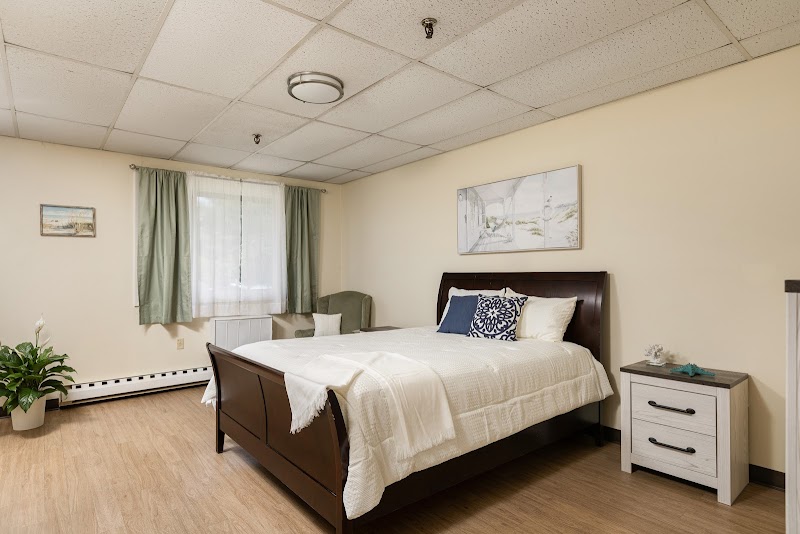
How is Complete Care At Groton Regency Staffed?

CMS rates COMPLETE CARE AT GROTON REGENCY's staffing level at 4 out of 5 stars, which is above average compared to other nursing homes. Staff turnover is 46%, compared to the Connecticut average of 46%. This relatively stable workforce can support continuity of care.

What Have Inspectors Found at Complete Care At Groton Regency?

State health inspectors documented 19 deficiencies at COMPLETE CARE AT GROTON REGENCY during 2019 to 2024. These included: 16 with potential for harm and 3 minor or isolated issues.
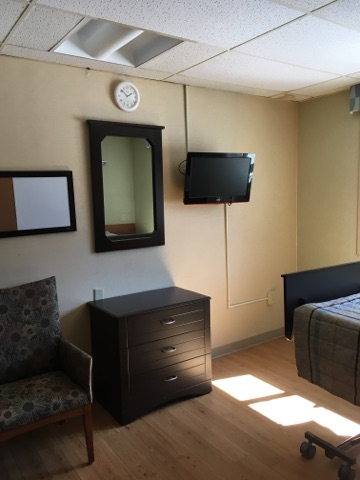
Who Owns and Operates Complete Care At Groton Regency?

COMPLETE CARE AT GROTON REGENCY is owned by a for-profit company. For-profit facilities operate as businesses with obligations to shareholders or private owners. The facility is operated by COMPLETE CARE, a chain that manages multiple nursing homes. With 162 certified beds and approximately 122 residents (about 75% occupancy), it is a mid-sized facility located in GROTON, Connecticut.
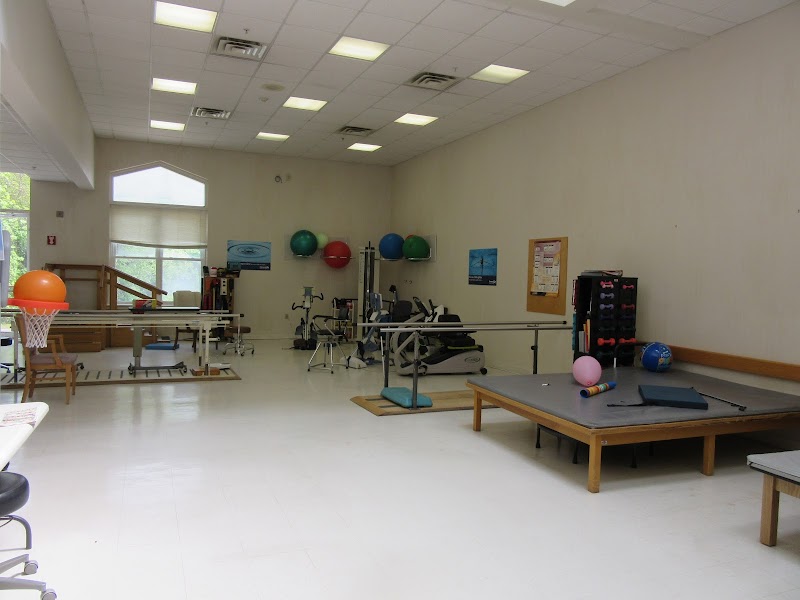
How Does Complete Care At Groton Regency Compare to Other Connecticut Nursing Homes?

Compared to the 100 nursing homes in Connecticut, COMPLETE CARE AT GROTON REGENCY's overall rating (5 stars) is above the state average of 3.1, staff turnover (46%) is near the state average of 46%, and health inspection rating (4 stars) is above the national benchmark.

What Should Families Ask When Visiting Complete Care At Groton Regency?

Based on this facility's data, families visiting should ask: "Can I visit during a mealtime to observe dining assistance and food quality?" "How do you handle medical emergencies, and what is your hospital transfer rate?" "Can I speak with family members of current residents about their experience?"

Is Complete Care At Groton Regency Safe?

Based on CMS inspection data, COMPLETE CARE AT GROTON REGENCY has a clean safety record: no substantiated abuse findings (meaning no confirmed cases of resident harm), no Immediate Jeopardy citations (the most serious violation level indicating risk of serious injury or death), and is not on the Special Focus Facility watch list (a federal program monitoring the lowest-performing 1% of nursing homes). The facility has a 5-star overall rating and ranks #1 of 100 nursing homes in Connecticut. While no facility is perfect, families should still ask about staff-to-resident ratios and recent inspection results during their visit.

Do Nurses at Complete Care At Groton Regency Stick Around?

COMPLETE CARE AT GROTON REGENCY has a staff turnover rate of 46%, which is about average for Connecticut nursing homes (state average: 46%). Moderate turnover is common in nursing homes, but families should still ask about staff tenure and how the facility maintains care continuity when employees leave.

Was Complete Care At Groton Regency Ever Fined?

COMPLETE CARE AT GROTON REGENCY has no federal fines on record. CMS issues fines when nursing homes fail to meet care standards or don't correct problems found during inspections. The absence of fines suggests the facility has either maintained compliance or corrected any issues before penalties were assessed. This is a positive indicator, though families should still review recent inspection reports for the full picture.

Is Complete Care At Groton Regency on Any Federal Watch List?

COMPLETE CARE AT GROTON REGENCY is not on any federal watch list. The most significant is the Special Focus Facility (SFF) program, which identifies the bottom 1% of nursing homes nationally based on persistent, serious quality problems. Not being on this list means the facility has avoided the pattern of deficiencies that triggers enhanced federal oversight. This is a positive indicator, though families should still review the facility's inspection history directly.