PENDLETON REHABILITATION AND NURSING CENTER
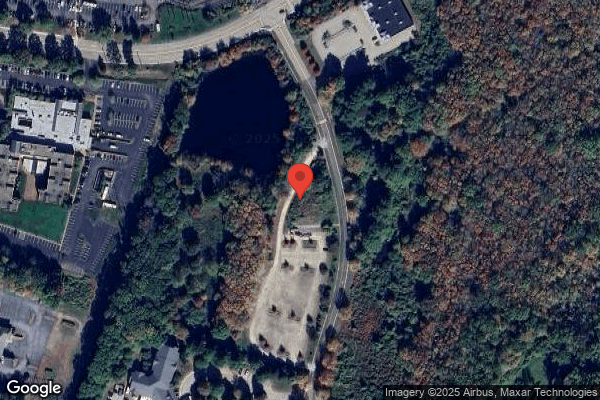

44 MARITIME DRIVE, MYSTIC, CT 06355 (860) 572-1700
For profit - Limited Liability company 120 Beds ATLAS HEALTHCARE Data: November 2025
Trust Grade
75/100
#32 of 192 in CT
Last Inspection: January 2025

Within standard 12-15 month inspection cycle. Federal law requires annual inspections.

Overview

Pendleton Rehabilitation and Nursing Center has a Trust Grade of B, indicating it is a good choice for care, but not without its concerns. It ranks #32 out of 192 facilities in Connecticut, placing it in the top half, and #5 out of 14 in its county, suggesting there are only a few better local options. However, the facility is experiencing a worsening trend, with issues increasing from 2 in 2024 to 8 in 2025. Staffing is average, rated 3 out of 5 stars, and turnover is at 38%, which aligns with the state average. Notably, there have been no fines recorded, which is a positive sign. On the downside, some specific incidents raised concerns, such as a resident falling when only one staff member was present for assistance, despite the care plan requiring two. Additionally, there were issues with medication management, as insulin vials were not properly labeled with opening dates, and the kitchen cleanliness did not meet standards, which could risk infection. While there are strengths in quality measures and no fines, families should weigh these concerns carefully when making their decision.

Trust Score
B
75/100
In Connecticut
#32/192
Top 16%
Safety Record
Moderate
Needs review
Inspections
Getting Worse
2 → 8 violations
Staff Stability
○ Average
38% turnover. Near Connecticut's 48% average. Typical for the industry.
Penalties
✓ Good
No fines on record. Clean compliance history, better than most Connecticut facilities.
Skilled Nurses
○ Average
Each resident gets 38 minutes of Registered Nurse (RN) attention daily — about average for Connecticut. RNs are the most trained staff who monitor for health changes.
Violations
⚠ Watch
37 deficiencies on record. Higher than average. Multiple issues found across inspections.
★★★★★
5.0
Overall Rating
★★★☆☆
3.0
Staff Levels
★★★★★
5.0
Care Quality
★★★★☆
4.0
Inspection Score
Stable
2024: 2 issues
2025: 8 issues

The Good

  • 5-Star Quality Measures · Strong clinical quality outcomes
  • Full Sprinkler Coverage · Fire safety systems throughout facility
  • No fines on record
  • Staff turnover below average (38%)

    10 points below Connecticut average of 48%

Facility shows strength in quality measures, fire safety.

The Bad

Staff Turnover: 38%

Near Connecticut avg (46%)

Typical for the industry

Chain: ATLAS HEALTHCARE

Part of a multi-facility chain

Ask about local staffing decisions and management

The Ugly 37 deficiencies on record

1 actual harm
Jan 2025 8 deficiencies
CONCERN (D)

Potential for Harm - no one hurt, but risky conditions existed

Notification of Changes (Tag F0580)

Could have caused harm · This affected 1 resident

**NOTE- TERMS IN BRACKETS HAVE BEEN EDITED TO PROTECT CONFIDENTIALITY** Based on observations, review of the clinical record, review of facility policy/procedures and interviews for one sampled reside...

Read full inspector narrative →
**NOTE- TERMS IN BRACKETS HAVE BEEN EDITED TO PROTECT CONFIDENTIALITY** Based on observations, review of the clinical record, review of facility policy/procedures and interviews for one sampled resident (Resident #88) who experienced a change in condition, the facility failed to ensure that the physician was notified when the resident experienced symptoms of pain and swelling of the left hand. The findings include: Resident #88 was admitted to the facility in October 2024 with diagnoses that included type 2 diabetes mellitus, gout, and atrial fibrillation. The admission MDS assessment dated [DATE] identified Resident #88 was cognitively intact, required maximum assistance with lower body dressing, bathing, and toileting. Physician's progress notes dated 11/19/24 identified the resident was seen for hand pain to the right hand and noted the resident had superficial thrombophlebitis to the Left hand while at the hospital and recommended that Coumadin be switched to Lovenox(anticoagulant) to minimize the pricks to the fingers required for blood testing as a result of being on Coumadin. The note identified that Resident #88 refused. The Care Plan dated 12/9/24 identified Resident #88 was being treated for a leg wound with interventions for wound care and pressure relieving interventions. Additionally, the care plan indicated that the resident was at risk for skin breakdown Psychotherapy progress notes dated 1/13/25 identified Resident #88 expressed frustration with making physical progress and then suffering a physical ailment making it difficult to participate in therapies. Review of the nursing notes from 12/20/24 to 1/12/25 identified the resident had improved in ADL performance and had no complaints of pain. Nursing progress notes dated 1/13/25 at 1:45 PM identified Resident #88's left fingers were swollen and painful. An occupational therapy note dated 1/14/25 identified Resident #88 had left hand edema, redness and impaired range of motion of the fingers. Further, the note identified that nursing was notified. The physical therapy note dated 1/14/25 identified Resident #88 had edema and pain to the left hand that impacted the resident's ability to complete transfers and noted Resident #88 had asked nursing to utilize the mechanical lift for transfers out of bed to the wheelchair due to the edema and pain to the left hand. Observation on 1/16/25 at 1:31 PM identified Resident # 88 had swelling, redness, pain, and the inability to move the fingers on the left hand. Interview with the DNS on 1/21/25 at 12:45 PM identified that when the nurse identifies that a resident has experienced a change in condition or needs someone to assess the resident, the nursing supervisor should be notified. Interview with RN #5 on 1/22/25 at 10:34 AM identified that there was no documentation that the physician was notified of the swelling, redness, and pain. RN#5 further noted that if the symptoms were important enough to mention in a nursing note, then the doctor should have been notified of the changes to the left hand. Interview with MD#1 on 1/22/25 at 11:54 AM identified that if the condition noted is persistent, then the doctor should be notified and given the resident was experiencing swelling, it should have been reported. Any return or change should be reported so the provider has the opportunity to reevaluate interventions and treatments. Interview with PT #2 and OTA#1 on 1/23/25 at 11:14 AM identified that on January 14th the left hand became swollen, and Resident #88 had a decline in the ability to grasp the walker. Interview with the DNS on 1/23/25 at 1:03 PM identified that if a resident presents with a change, a new presentation, or an exacerbation of a resolved issue the expectation is that the staff communicates that to the doctor via the telephone or the communication binder. Interview with the DNS on 1/23/25 at 1:41 PM identified that chronic conditions that needed interventions intermittently should be included in the care plan and should be reported to the MD. The facility policy for notification of changes identified that the purpose of the policy is to ensure the facility promptly consults the resident's physician when there is a change requiring notification. Additionally, the policy identified that circumstances requiring notification included circumstances that require a need to alter treatment and indicated that those circumstances may include a new treatment or discontinuation of current treatment due to adverse consequences, acute condition, or exacerbation of a chronic condition.
CONCERN (D)

Potential for Harm - no one hurt, but risky conditions existed

Deficiency F0657 (Tag F0657)

Could have caused harm · This affected 1 resident

**NOTE- TERMS IN BRACKETS HAVE BEEN EDITED TO PROTECT CONFIDENTIALITY** Based on review of the clinical record, review of facility policy/procedures and interviews for one of five sampled residents (R...

Read full inspector narrative →
**NOTE- TERMS IN BRACKETS HAVE BEEN EDITED TO PROTECT CONFIDENTIALITY** Based on review of the clinical record, review of facility policy/procedures and interviews for one of five sampled residents (Resident #88) reviewed for unnecessary medications and was receiving anticoagulant medication, the facility failed to ensure the care plan addressed the monitoring of possible side effects of anticoagulant medication and actions to take in the event of the need for emergent care. The findings included: Resident #88 was admitted to the facility in October 2024 with diagnoses that included type 2 diabetes mellitus, gout, and atrial fibrillation. The admission MDS assessment dated [DATE] identified Resident #88 was cognitively intact, required maximum assistance with lower body dressing, bathing, and toileting. It further identified the resident received anticoagulant medication. Review of Resident #88's care plan dated 10/31/24 failed to identify the resident was receiving anticoagulant medication and failed to have interventions in place to address monitoring for possible side effects and treatment in the event of an emergent occurrence. The physician's orders dated 12/28/24 directed to administer Coumadin (anticoagulant) in alternating doses of 3.5 mg and/or 4 mg by mouth one time a day. Review of the medication administration records (MAR) for November 2024, December 2024 and January 2025 (through 1/18/25) identified Resident #88 was administered Coumadin on a daily basis. Interview with the DNS on 1/21/25 at 8:02 AM identified that when a resident is receiving anticoagulant medication, the care plan should acknowledge the residents use of use of anticoagulant medication and interventions to address possible side effects of the medication as well as precautions that should be taken. The facility policy for high-risk medications- anticoagulants identified that the resident's plan of care shall alert staff to monitor for adverse consequences and indicated risks associated with anticoagulants to include bleeding and hemorrhage, fall in hematocrit or blood pressure, and thromboembolism. The policy further identified the plan of care should also include interventions to minimize the risk of adverse consequences. The facility policy for Comprehensive care plans identified it is the policy of the facility to develop and implement a comprehensive person-centered care plan for each resident that included measurable objectives and timeframes to meet a resident's medical and nursing needs identified in the resident's comprehensive assessment.
CONCERN (D)

Potential for Harm - no one hurt, but risky conditions existed

Deficiency F0658 (Tag F0658)

Could have caused harm · This affected 1 resident

**NOTE- TERMS IN BRACKETS HAVE BEEN EDITED TO PROTECT CONFIDENTIALITY** Based on observations, review of clinical records, review of facility policy/procedures and interviews for two of three sampled ...

Read full inspector narrative →
**NOTE- TERMS IN BRACKETS HAVE BEEN EDITED TO PROTECT CONFIDENTIALITY** Based on observations, review of clinical records, review of facility policy/procedures and interviews for two of three sampled residents (Resident #22 and Resident #101) observed with medications at the bedside, the facility failed to ensure that medications were administered according to acceptable standards of practice. The findings include: 1. Resident #22's diagnoses included respiratory failure, chronic obstructive pulmonary disease (COPD), unspecified asthma, and dependence on supplemental oxygen. The quarterly MDS assessment dated [DATE] identified Resident #22 was cognitively intact, required moderate assistance for dressing, personal hygiene, and transfers, was independent with toileting hygiene, bed mobility and utilized a wheelchair for mobility. The care plan dated 10/1/24 identified Resident #22 had oxygen therapy related to COPD with interventions that included give medications as ordered by physician and monitor for signs and symptoms of respiratory distress and report to provider as needed. The monthly physician's order for January 2025 directed Advair Diskus Inhalation (Fluticasone-Salmeterol) Aerosol Powder Breath Activated 500-50 micrograms (mcg) to inhale 1 puff orally twice daily and rinse after use for COPD and Fluticasone Propionate suspension 50 mcg one spray in both nostrils one time a day for allergies. Observation on 1/16/25 at 12:05 PM identified Resident #22 lying upright awake in bed wearing a nasal cannula and on the right side of the bed was a nightstand. The nightstand contained a plastic bag with a biohazard label containing: Fluticasone Propionate and Salmeterol 500/50 mcg (Advair Diskus) that was dispensed from the pharmacy used by the facility with the resident's name and a dispensed date of 10/1/2024, which indicated that there were 25 dosages left; Symbicort 160/4.5 mcg connected to a spacer which had no dosage remained; and Fluticasone Propionate 50mcg spray bottle with a label that identified the medication was dispensed from the hospital in which the resident was previously admitted from that was approximately half filled. Observation on 1/16/25 at 12:16 PM with the Unit Manager (RN #4) identified Resident #22 lying upright awake in bed wearing a nasal cannula and on the right side of the bed was a nightstand. The nightstand contained a plastic bag with a biohazard label containing: Fluticasone Propionate and Salmeterol 500/50 mcg (Advair Diskus) that was dispensed from the pharmacy used by the facility with the resident's name and a dispensed date of 10/1/2024, which indicated that there were 25 dosages remained; Symbicort 160/4.5 mcg connected to a spacer which had no dosage remained; and Fluticasone Propionate 50mcg spray bottle with a label that identified the medication was dispensed from the hospital where the resident was previously admitted from that was approximately half filled. RN #4 then took the bag containing the medications out of the resident's room. Resident #22 identified that the last time he/she used those medications were about a month ago and it was the nurses who left the medication there for convenience. Two of the medications within the bag (Fluticasone Propionate and Salmeterol 500/50 mcg (Advair Diskus) and Fluticasone Propionate suspension 50 mcg) was identified as Resident #22's prescribed medications. Review of Resident 22's clinical records failed to identify a physician's order directing self-administration of medication or a completed self-administration assessment. Review of the electronic Medication Administration Record (MAR) with the Charge Nurse LPN #3 on 1/16/25 at 12:25 PM identified Fluticasone Propionate suspension 50 mcg and Advair Diskus are scheduled for 9:00 AM were signed off as administered by LPN #3. Interview with LPN #3 on 1/16/25 at 12:25 PM identified that she had signed the MAR this morning after asking the resident if he/she had taken the inhaler and the nasal spray, as the resident is alert and could answer. LPN #3 further identified that she only administers Resident #22's oral (PO) medications, and the resident would administer the inhaler and the nasal spray (respiratory medications). LPN #3 identified she was aware that the medications were at the bedside as the resident prefers to administer his/her own inhaler and nasal spray. LPN #3 indicated she assumed the resident had an order for self-administration as the medications are left at the bedside for as long as the resident been on the unit since at least October of 2024. Interview with the Nursing Unit Manager (RN #4) on 1/16/25 at 12:16 PM identified medications should not be left at the resident's bedside without a physician's order and a self-administration assessment. RN #4 identified she was not aware of the resident having medications at the bedside as Resident #22 had never had a self-administration order since admission. Interview with the DNS on 1/17/25 at 1:35 PM identified on admission residents are screened for self-medication administration, in which Resident #22 had responded no to self-medication administration. The DNS added that if the resident wanted to self-administer medication an assessment is completed to assess what the resident can self-administer and whether the medication could be left at the bedside. The DNS added that if the medication was to be stored at the bedside, it should be in a locked box with both the resident and nurse having the key to the box. The further identified medications should not be stored at the bedside without having an order and an assessment completed. Interview with the Respiratory Therapist on 1/17/25 at 2:15 PM identified he was not aware that Resident #22 had the inhaler left at his/her bedside for the resident to self-administer and noted he/she requires the supervision of the nurse because the resident is non-complaint. He further identified that if the resident does not take the inhaler as ordered, it can result in bronchial spasm, decrease in saturation and increased shortness of breath. Review of the Resident Self-Administration of Medications policy identified that a resident may only self-administer medications, after the facility interdisciplinary team has determined which medication were safe to self-administer. Each resident is offered the opportunity to self-administer medications during the routine assessment by the facilities. The policy further identified that all nurses and aides are required to report to the charge nurse on duty on duty any medication found at the bedside not authorized for bedside storage. 2. Resident 101's diagnoses included kidney disease, high blood pressure and gout. The quarterly MDS assessment dated [DATE] identified Resident #101 was moderately cognitively impaired, required max assistance with bed mobility, transfers, dressings and personal hygiene. The assessment further identified that the resident required a mechanically altered diet. The care plan dated 11/12/24 identified Resident #101 was at risk for self-care deficit related to need for assistance, with interventions that included providing the resident assistance with dressing, bathing, bed mobility and assist of 2 for transfers. Physician's order(s) dated 9/5/24 directed to administer protein liquid 30 milliliters (ml) one time a day at 9:00 AM. The nurse's quarterly assessment dated [DATE] at 2:12 PM identified Resident #101 did not want to self-administer his/her own medications. Observation on 1/16/25 at 12:04 PM in Resident #65's room, identified a medication cup containing 30 milliliters (ml or 1.014 fluid ounces) of a red colored liquid left in front of the resident on the overbed table. The resident was found sleeping at that time. Also noted, mupirocin ointment 2% in a plastic zip lock bag with Resident #101's name on it left on the dresser. Interview with the DNS on 1/17/25 at 1:37 PM indicated the self-administration assessments were completed when a resident wants to self-administer and upon admission to the facility, and when a resident is assessed and able to self-administer, they are provided with a lock box which is kept at the bedside. The resident and nurse would each have a key to the lock box. Residents should be assessed for self-administration upon admission and if requested and should have a physician's order in place for self-administration. Interview with Resident #101 on 1/17/25 at 1:49 PM identified the only medication left at bedside daily is the red stuff. The resident also indicated the nursing staff stand and watch the resident take the medications, except the red stuff. Resident #101 was unable to recall what the red liquid was. The resident felt that it was o.k., as he/she was able to self-administer the red liquid. Resident #101 did not know what the ointment was in the plastic bag. Interview with the DNS on 1/22/25 at 11:03 AM, indicated the process for evaluating a resident for self-administration of medications, included an evaluation for safety, and education. If the resident is found to be safe/competent to self-administer, then a doctor's order is obtained identifying the resident may self-administer. A lock box is then kept in the resident's room containing the medications. Both the nurse and resident have a key. Review of the Resident Self-Administration of Medications policy directed, in part, that a resident may only self-administer medications, after the interdisciplinary team has determined which medications were safe to self-administer. Each resident was offered the opportunity to self-administer medications during the routine assessment by the facilities interdisciplinary team.
CONCERN (D) 📢 Someone Reported This

A family member, employee, or ombudsman was alarmed enough to file a formal complaint

Potential for Harm - no one hurt, but risky conditions existed

ADL Care (Tag F0677)

Could have caused harm · This affected 1 resident

**NOTE- TERMS IN BRACKETS HAVE BEEN EDITED TO PROTECT CONFIDENTIALITY** Based on review of clinical records, review of facility documentation, review of facility policy, and interviews for one of thre...

Read full inspector narrative →
**NOTE- TERMS IN BRACKETS HAVE BEEN EDITED TO PROTECT CONFIDENTIALITY** Based on review of clinical records, review of facility documentation, review of facility policy, and interviews for one of three sampled residents (Resident #44) reviewed for activities of daily living (ADL), the facility failed to ensure showers were provided as scheduled. The findings include: Resident #44's diagnoses included muscle weakness, difficulty walking, and abnormalities of gait and mobility. The annual MDS assessment dated [DATE] identified Resident #44 was moderately cognitively impaired, required supervision with bed mobility, supervision with toileting, required partial to moderate assistance with bathing and utilized a walker and wheelchair for mobility. The care plan dated 1/3/25 identified Resident #44 had an ADL self-care performance deficit with interventions that included: provide resident with level of care for bathing and showering, break tasks into sub tasks if needed, and shower and bath on specified day/shift. Interview with Resident #44 on 1/17/24 at 3:00 PM identified that in the last two months he/she has only received two showers. Review of the nurse aide care card indicated Resident #44 was scheduled for a shower every Tuesday and Saturday on the second shift. Review of the Nurse Aide (NA) charting documentation for November 2024, December 2024 and January 2025 identified Resident #44 was showered twice in the last three months when he/she is scheduled to be showered twice weekly. Additionally, the documentation failed to identify the reason why the showers were not conducted. Interview with NA#4 on 1/23/24 at 9:35 AM identified she works both 1st and second shift and that each day the Nurse Aide care tasks prompts them if a shower/bath is scheduled and if it is not given, they mark N/A. If the shower is conducted, they document yes and if the resident refuses the shower, there is an area to document the refusal. She further noted that if for any reason the resident is unavailable for the scheduled shower, there is an area to document that. Additionally, NA #4 noted that she has worked with Resident #44 and noted that the resident does not refuse showers. She further noted if a resident refuses a shower, he/she should be reapproached and that also should be documented. Interview with the DNS on 1/23/25 at 12:54 PM identified that she was unsure what the N/A meant in the nurse aide documentation but if a resident did not get showered on a specific day and time, the expectation would be that it was documented, and the resident reapproached. The nurse on the unit should also be notified. The DNS further identified that each resident is expected to be showered according to their scheduled shower day and time and if that cannot be done or a resident does not like their scheduled time, then they need to make efforts to accommodate the resident's request. The Activities of Daily Living (ADLs) policy identified care, and services will be provided for the following activities of daily living included bathing, dressing, grooming and oral care. The policy further identified that a resident who is unable to carry out activities of daily living will receive the necessary services to maintain good nutrition, grooming, and personal and oral hygiene.
CONCERN (D)

Potential for Harm - no one hurt, but risky conditions existed

Quality of Care (Tag F0684)

Could have caused harm · This affected 1 resident

**NOTE- TERMS IN BRACKETS HAVE BEEN EDITED TO PROTECT CONFIDENTIALITY** Based on observation, review of the clinical records, review of facility policy, review of facility documentation, and interview...

Read full inspector narrative →
**NOTE- TERMS IN BRACKETS HAVE BEEN EDITED TO PROTECT CONFIDENTIALITY** Based on observation, review of the clinical records, review of facility policy, review of facility documentation, and interviews for one of four sampled residents (Resident #22) reviewed for accidents, the facility failed to ensure that medications were administered as prescribed by the physician. The findings include: Resident #22's diagnoses included respiratory failure, chronic obstructive pulmonary disease (COPD), asthma, and dependence on supplemental oxygen. The quarterly MDS assessment dated [DATE] identified Resident #22 was cognitively intact, required moderate assistance for dressing, personal hygiene, transfers, and independent with toileting hygiene and bed mobility. The assessment further identified the resident utilized a wheelchair independently for mobility. The care plan dated 10/1/24 identified Resident #22 had oxygen therapy related to COPD with interventions that included give medications as ordered by physician and monitor for signs and symptoms of respiratory distress and report to provider as needed. Review of the physician's orders from October/2024 through January 17, 2025, directed to administer Advair Diskus Inhalation (Fluticasone-Salmeterol) Aerosol Powder Breath Activated 500-50 micrograms (mcg) to inhale 1 puff orally twice daily and rinse after use for COPD and Fluticasone Propionate suspension 50 mcg one spray in both nostrils one time a day for allergies. Observation on 1/16/25 at 12:16 PM with the Unit Manager (RN #4) identified Resident #22 lying upright awake in bed wearing a nasal cannula and on the right side of the bed was a nightstand. The nightstand contained a plastic bag with a biohazard label containing: Fluticasone Propionate and Salmeterol 500/50 mcg (Advair Diskus) that was dispensed from the pharmacy used by the facility with the resident's name and a dispensed date of 10/1/2024, which indicated that there were 25 dosages remained; Symbicort 160/4.5 mcg connected to a spacer which had no dosage remaining; and Fluticasone Propionate 50mcg spray bottle with a label that identified the medication was dispensed from the hospital where the resident was previously admitted from that was approximately half filled. RN #4 then took the bag containing the medications out of the resident's room. Resident #22 identified that the last time he/she used those medications were about a month ago and it was the nurses who left the medication there for convenience. Observation and review of the medication cart on the B wing unit with the Nursing Unit Manager (RN #4) on 1/16/25 at 12:17 PM identified Advair Diskus Inhalation (Fluticasone-Salmeterol) Aerosol Powder Breath Activated 500-50 mcg dispensed from the pharmacy on 12/1/24 with 59 dosages remaining but failed to identify Fluticasone Propionate suspension 50 mcg suspension spray. RN #4 and the Charge Nurse (LPN #3) reviewed the medication storage room which contained overstock supplies, also failed to identify any Fluticasone Propionate suspension 50 mcg spray and Advair Diskus Inhalation (Fluticasone-Salmeterol) Aerosol Powder Breath Activated 500-50 mcg belonging to Resident #22. Interview and review of the MAR with the Charge Nurse (LPN #3) on 1/16/25 at 12:25 PM identified that she had signed the MAR that morning after asking the resident if he/she had taken the inhaler and the nasal spray, as the resident is alert and could answer. LPN #3 further identified she only administered oral medication to the resident and that the resident does his/her respiratory medication such as the inhaler and the nasal spray. LPN #3 identified that when supplies are running low, the resident would let the nurse know to reorder the medication. Interview with the Pharmacy Technician on 1/21/25 at 10:21 AM identified Fluticasone Propionate 50mcg nasal spray was last dispensed to the facility on 7/10/24 for a physician order dated 7/10/24, however the order was discontinued on 7/22/24. She further identified that Fluticasone Propionate 50mcg spray was then reordered and dispensed on 1/17/25 and contains a total of 120 sprays, which would last a total of 2 months. The Pharmacy Technician further identified Advair Diskus Inhalation (Fluticasone-Salmeterol) Aerosol Powder Breath Activated 500-50 microgram was dispensed to the facility on [DATE] containing 60 quantity (dosage) and on 12/1/24 containing 60 dosages. She added each of the Fluticasone-Salmeterol medication dispensed contained a 30-day supply as the resident was ordered to receive the medication twice daily and medication is due to be reorder but the pharmacy has not received a refill order from the facility since the last dispense date of 12/1/24. The Pharmacy Technician further identified that medication is not automatically dispensed to the facility, and the facility must reorder medications via fax, telephone call or electronically. Review of Resident #22's Medication Administration Record (MAR) for Advair Diskus Inhalation (Fluticasone-Salmeterol) Aerosol Powder Breath Activated 500-50 microgram (mcg) is schedule to be administered at 9:00 AM and 9:00 PM identified the resident received the medication: • From October 2, 2024, through October 31, 2024, a total of 50 times • From November 1, 2024, through November 30, 2024, a total of 56 times • From December 1, 2024, through December 31, 2024, a total of 60 times. • From January 1, 2025, through January 16, 2025, a total of 31 times. Based on the MAR from October 2, 2024, to January 16, 2025, the resident received Advair Diskus Inhalation (Fluticasone-Salmeterol) Aerosol Powder Breath Activated 500-50 mcg a total of 196 dosages when the pharmacy dispensed only a total of 120 dosages to the facility from October 1, 2024, to January 16, 2025. Review of Resident #22's Medication Administration Record (MAR) for Fluticasone Propionate suspension 50 mcg identified it was scheduled to be administered at 9:00 AM identified the following: • From October 2, 2024, through October 31, 2024, a total of 26 times. • From November 1, 2024, through November 30, 2024, a total of 28 times • From December 2, 2024, through December 31, 2024, a total of 30 times. • From January 1, 2025, through January 16, 2025, a total of 16 times. Based on the MAR from October 2, 2024, to January 16, 2025, the resident received Fluticasone Propionate suspension 50 mcg a total of 100 dosages when the pharmacy last dispensed the medication on 7/10/24 a bottle containing a total of 120 spray to the facility. Interview with the Pharmacist on 1/21/25 at 10:38 AM identified that an adverse effect of the resident not taking his/her Advair Diskus Inhalation (Fluticasone-Salmeterol) Aerosol Powder Breath Activated 500-50 mcg as ordered can result in the worsening of the resident's COPD diagnosis. He further identified that if the resident is not taking the Fluticasone Propionate nasal spray as order that the resident allergies would not be resolved, his/her symptoms will continue. Interview with the DNS on 1/22/25 at 9:58 AM identified that the MAR should be signed at the time when the medication is administered to the resident. The DNS further identified that medications are ordered by the nurses on the unit. She indicated that Resident #22 would have other pharmacies delivery medication to the facility in the past and the resident was educated but is unable to identify if the resident had received any outside medications recently. The DNS added that the pharmacy was unable to provide a written dispensary report of the medications but when she called the pharmacy, they provided the same information that the nasal spray was not ordered until 1/17/25 and the inhaler was ordered on 10/1/24 and 12/1/24. Interview with the Charge Nurse (LPN #5) on 1/21/25 at 11:38 AM identified that when asked if she had administered Resident #22's inhaler and nasal spray as ordered, would the medications supply be completed and did she recall having to reorder any of the medications given that the pharmacy last sent the inhaler on 12/1/24, which she responded the supply on hand would have been completed and that she could not recall reordering any of those medications for the resident. She indicated that she was with the resident whenever she had administered his/her inhaler and nasal spray medication, and medications are ordered when the resident has only 3 days' supply left. Review of the Medication Administration policy identified medications are administered by licensed nurses, or other staff who are legally authorized to do so in this state as ordered by the physician and in accordance with professional standards of practice. The policy further identifies to observe resident consumption of medication and sign MAR after administration.
CONCERN (D)

Potential for Harm - no one hurt, but risky conditions existed

Deficiency F0883 (Tag F0883)

Could have caused harm · This affected 1 resident

**NOTE- TERMS IN BRACKETS HAVE BEEN EDITED TO PROTECT CONFIDENTIALITY** Based on review of clinical records, review of facility policy, review of facility documentation, and interviews for one of five...

Read full inspector narrative →
**NOTE- TERMS IN BRACKETS HAVE BEEN EDITED TO PROTECT CONFIDENTIALITY** Based on review of clinical records, review of facility policy, review of facility documentation, and interviews for one of five sampled residents (Resident #18), reviewed for immunizations, the facility failed to ensure that the pneumococcal vaccine was administered as requested by the resident upon admission. The findings include: Resident #18 was admitted to the facility in June of 2024 and had diagnoses that included cervical disc disorder with myelopathy, unspecified dementia, and chronic obstructive pulmonary disease (COPD) with exacerbation. The quarterly MDS assessment dated [DATE] identified Resident #18 was cognitively intact, and the assessment further identified Resident #18 pneumococcal vaccination was not up to date. Review of the Immunization Report identified Resident #18 received pneumococcal conjugate (PCV 13) historically (prior to admission to the facility) on 12/7/2015 and pneumococcal polysaccharide (PPV23) historical on 12/4/2017. Review of the Pneumococcal Immunization Informed Consent form for pneumococcal vaccination identified that Resident #18 legal representative gave the facility permission to administer the pneumococcal vaccine PCV 20 on 6/29/24. Review of Resident #18 clinical records failed to identify that he/she had received the vaccination at the facility or had change his/her decision. Interview with the Infection Preventionist Nurse (RN #2) and the Regional Clinical Manager (LPN #2) on 1/21/25 at 12:01 PM identified RN #2 was responsible for reviewing the immunization consent forms after they were signed by the resident or responsible party, obtain the physician's order for the appropriate vaccine and herself or the nurse on the resident unit would then administer the vaccine. Both RN #2 and LPN #2 identified that Resident #18 had not received the vaccine nor was the resident's pneumococcal vaccine history and request for the PCV 20 vaccine discussed with the physician. RN #2 identified that based on Resident #18's pneumococcal vaccination history he/she would be eligible for the PCV 20 vaccine, however she would need to consent with the physician given that the resident had received two of the pneumococcal series. RN #2 further identified she could not recall discussing Resident #18's pneumococcal vaccination with the resident's primary physician. Interview with MD #1 (Resident #18's primary physician) on 1/22/24 at 11:00 AM identified he had no recollection of anyone calling him regarding Resident #18's had requested to receive the PCV 20, as if he did, he would have approved the resident to receive the vaccine. MD #1 further added he would not go ahead an order a pneumococcal vaccine for a resident who had received two of the pneumococcal vaccine series but if the resident requested and consented, he would have approved the order for the resident to receive the vaccine as he is aware that the guidance have changed. Review of the Pneumococcal Vaccine (series) policy identified each resident will be offered a pneumococcal immunization unless it is medically contraindicated, or the resident has already been immunized. Also, following assessment for any medical contraindications the immunization may be administered in accordance with physician-approved standing orders. The policy further identified they can get PCV20 or PCV21 if they have received both PCV13 (but not PCV 15, PCV20, or PCV21) at any age and PPSV23 at or after the age [AGE] years old.
MINOR (B)

Minor Issue - procedural, no safety impact

Safe Environment (Tag F0584)

Minor procedural issue · This affected multiple residents

**NOTE- TERMS IN BRACKETS HAVE BEEN EDITED TO PROTECT CONFIDENTIALITY** Based on observation, review of the clinical record, review of facility documentation, review of facility policy and interviews ...

Read full inspector narrative →
**NOTE- TERMS IN BRACKETS HAVE BEEN EDITED TO PROTECT CONFIDENTIALITY** Based on observation, review of the clinical record, review of facility documentation, review of facility policy and interviews for one sampled resident (Resident #12) reviewed for respiratory care, the facility failed to ensure nebulizer equipment was stored/labeled properly and discarded when not in use. The findings included: Resident #12's diagnoses included high blood pressure, obesity, and depression. The quarterly MDS assessment dated [DATE] identified Resident #12 was cognitively intact, had no behaviors, required max assistance with bathing, dressing, and transfers. The assessment further identified that the resident did not ambulate and utilized a wheelchair for mobility. The care plan dated 1/13/25 identified Resident #12 had an inability to perform self-care, related to impaired mobility with interventions that included: aiding in any assistance when needed, providing quarter/half-length enablers (side rails) to assist with bed mobility and providing female caregivers. Observation of Resident #12's room on 1/16/25 at 11:50 AM identified a mask/tubing hanging from the light fixture above Resident #12's bed. The mask and tubing were attached to a nebulizer machine located in the resident's bedside table. Interview with Resident #12 indicated he/she had not had a breathing treatment in several months. Resident #12 was unable to recall a date or time frame of last nebulizer treatment received. Review of the Medication Administration Records (MAR) for the time periods of 11/1/24-11/30/24; 12/1/24-12/31/24 and 1/1/25-1/17/25, identified an order for Albuterol Sulfate solution 2.5 milligrams (mg) per 3 milliliters (ml). Give 3 milliliters, inhale orally every 6 hours as needed for shortness of breath had not been administered. Interview on 1/16/25 at 11:55 AM with LPN #1 identified Resident #12 had not been administered a nebulizer treatment since July of 2023. LPN #1 removed the mask/tubing and nebulizer machine from the room. Subsequently to surveyor inquiry, the order for the nebulizer medication-Albuterol sulfate nebulization solution (2.5mg/3ml) 0.083%-3ml, inhale orally via nebulizer every 4h as needed for shortness of breath (ordered on 6/30/23) was discontinued on 1/17/25. Interview on 1/22/25 at 9:55 AM with RN #1-unit manager of unit B2 and LPN #1, indicated no explanation of why the mask, tubing and nebulizer machine had been left in Resident #12's room, when it had not been used in months. Review of the Nebulizer Therapy policy directed, in part, that care of nebulizer equipment, include changing the tubing weekly or per facility policy. When not in use, once cleaned the equipment (mouthpiece/mask) should be stored in a zip lock bag.
MINOR (B)

Minor Issue - procedural, no safety impact

Assessment Accuracy (Tag F0641)

Minor procedural issue · This affected multiple residents

**NOTE- TERMS IN BRACKETS HAVE BEEN EDITED TO PROTECT CONFIDENTIALITY** Based on review of the clinical record, review of facility documentation, review of facility policy/procedures and interviews fo...

Read full inspector narrative →
**NOTE- TERMS IN BRACKETS HAVE BEEN EDITED TO PROTECT CONFIDENTIALITY** Based on review of the clinical record, review of facility documentation, review of facility policy/procedures and interviews for one sampled resident (Resident #67) reviewed for dialysis, the facility failed to ensure four Minimum Data Set (MDS) assessments were accurately coded for dialysis. The findings include: Resident #67's diagnoses included end stage kidney disease, heart failure and diabetes. A review of the physician's orders identified Resident #67 has had an order for hemodialysis from February 2024 through January 2025 for every Tuesday, Thursday, and Saturday in the afternoon at the dialysis center. Review of the following MDS assessments identified they did not reflect that the resident was receiving hemodialysis treatments. 1. admission MDS assessment dated [DATE] 2. Quarterly MDS assessment dated [DATE] 3. Quarterly MDS assessment dated [DATE] 4. admission MDS assessment dated [DATE] An interview on 1/23/25 at 12:33 PM with the MDS Coordinator (RN #3) indicated dialysis should have been coded on the MDS assessments for Resident #67. RN #3 could not give a reason as to why the assessments did not reflect that the resident received hemodialysis treatments. According to RN #3, the MDS assessment process includes reviewing the nurses' notes, physician orders, any recent paperwork or documentation from the hospital, morning report meetings and the weekly risk management meetings, and all the information garnered is utilized in completing the MDS assessments. Additionally, RN #3 further identified that the resident is interviewed as a part of the process. Review of the MDS 3.0 Completion policy identified that residents are assessed using a comprehensive assessment process, to identify care needs and to develop an interdisciplinary care plan. According to RAI guidance when assessing a resident requiring dialysis, the assessment should thoroughly document the resident's dialysis needs, including the type of dialysis, frequency, access site and any complication and how it impacts the resident's functional ability. This information is typically captured through specific items within the MDS section of the RAI assessment.
Sept 2024 1 deficiency
CONCERN (D) 📢 Someone Reported This

A family member, employee, or ombudsman was alarmed enough to file a formal complaint

Potential for Harm - no one hurt, but risky conditions existed

Quality of Care (Tag F0684)

Could have caused harm · This affected 1 resident

**NOTE- TERMS IN BRACKETS HAVE BEEN EDITED TO PROTECT CONFIDENTIALITY** Based on clinical record reviews, facility documentation, facility policy, and staff interviews for one of three sampled residen...

Read full inspector narrative →
**NOTE- TERMS IN BRACKETS HAVE BEEN EDITED TO PROTECT CONFIDENTIALITY** Based on clinical record reviews, facility documentation, facility policy, and staff interviews for one of three sampled residents (Resident #1) who was a recent admission, the facility failed to follow the physician's order for proper medication dosing and failed to follow the warning on the Medication Administration Record alerting staff to improper medication dosing. The findings include: Resident #1's diagnoses included congestive heart failure, mitral valve insufficiency, and prostate cancer. The admission Medication Regimen Review note dated 5/13/24 at 7:56 AM identified a dose alert for the medication Relugolix. A physician's order dated 5/15/24 directed to administer Relugolix 120 milligram (mg) tablet, take 360mg once on day one (1), 5/16/24, and then 120mg daily thereafter. The admission Minimum Data Set assessment dated [DATE] identified Resident #1 had no memory recall deficits and was oriented to person, place, and time. Review of the May, June, July, and August 2024 Medication Administration Records (MAR) identified the Relugolix was transcribed correctly and signed off by the nurses that had administered the medications. Review of the MARs indicated the Relugolix was administered a total of ninety-three (93) times. The pharmacy had confirmed the delivery of 120 tablets, therefore twenty-seven (27) tablets should have been left on 8/14/24. The medication variance report dated 8/15/24 identified on 8/14/24 the facility discovered the wrong dose of Relugolix had been administered to Resident #1 for an undetermined number of doses. The facility determined on some occasions three (3) tablets of 120mg Relugolix was administered instead of the prescribed one (1) tablet. A physician's order directed to hold the Relugolix from 8/14/24 to 8/16/24. The nurse's note dated 8/16/24 at 10:556 AM identified Resident #1's oncologist directed to obtain an EKG and a testosterone level, the results were forwarded to the oncologist's office and there were no new orders. The nurse's note dated 8/16/24 at 1:43 PM identified Resident #1 was discharged home. Interview with the 7AM-3PM unit manager, Registered Nurse (RN) #2, on 9/18/24 at 11:47 AM identified on 8/14/24 she was notified by the nurse who was administering medication that Resident #1 had run out of the Relugolix. RN #2 stated when she contacted the resident's family member to bring in more Relugolix because this was a medication being supplied through the oncologist's office, the family member indicated he/she had brought in a ninety (90) day supply in June and there should have had enough pills until September. Interview with RN #1 on 9/18/24 at 1:13 PM identified she investigated the missing medication, and one (1) nurse identified she had given three (3) tablets instead of one (1) tablet. RN #1 indicated although the MAR noted to administer one (1) tablet the original order remained in the computer which included to administer three (3) tablets for one (1) dose and then one (1) tablet thereafter and the nurse who had administered the wrong dose reported she misread the order. An interview with the pharmacist on 9/18/24 at 11:47 AM identified Resident #1's family member was sent a shipment of Relugolix 120mg quantity of thirty (30) tablets on 5/13/24 and ninety (90) tablets on 6/10/24 and the family member delivered all the bottles to the facility for use. Interview with the Director of Nursing (DON) on 9/18/24 at 2:50 PM identified the way the multi-step order was entered into the MAR led to confusion for the staff that had administered the medication. The DON explained with a multi-step order an end date would be put in and, in this case, we discovered the order for 360mg still showed up on the MAR for the nurses to see. The facility policy for Medication Administration identified in part that medications are administered by licensed nurses as ordered by the physician and in accordance with professional standards. The policy further identified the facility must ensure the right dosage is administered.
May 2024 1 deficiency
CONCERN (D) 📢 Someone Reported This

A family member, employee, or ombudsman was alarmed enough to file a formal complaint

Potential for Harm - no one hurt, but risky conditions existed

Resident Rights (Tag F0550)

Could have caused harm · This affected 1 resident

**NOTE- TERMS IN BRACKETS HAVE BEEN EDITED TO PROTECT CONFIDENTIALITY** Based on clinical record review, facility documentation review, facility policy review, and interviews for one of three resident...

Read full inspector narrative →
**NOTE- TERMS IN BRACKETS HAVE BEEN EDITED TO PROTECT CONFIDENTIALITY** Based on clinical record review, facility documentation review, facility policy review, and interviews for one of three residents (Resident # 1) reviewed for abuse or neglect, the facility failed to ensure care was provided with dignity and respect. The findings include: Resident #1 was admitted with diagnoses that included dementia with behavioral disturbance, dementia and nocturia. An admission MDS assessment dated [DATE] identified Resident #1 had severe cognitive impairment, can usually understand others, required limited assistance for transfers and bed mobility, and supervision for ambulation with a rolling walker. The RCP dated 6/2/2022 identified Resident #1 had impaired cognitive function and impaired thought processes due to dementia and a communication problem. The RCP directed for staff to ask yes/no questions to determine resident needs, cue/re-orient and supervise as needed, provide consistent caregivers to decrease confusion and to anticipate and meet needs validating resident's message by repeating, speaking clearly out loud. A facility incident report dated 6/22/2022 at 9:40 AM identified an allegation of staff to resident abuse (without injury). A family member alleged he/she observed on a camera monitor in Resident #1's room, that LPN #1 was rough when assisting Resident #1 to bed. Resident #1 was assessed, and identified to have no injury, distress or discomfort. LPN #1 was suspended pending investigation and appropriate notifications were completed. A facility summary report dated 6/29/2022 identified Resident #1 was alert, confused and oriented to name only at baseline. A family member called the facility and requested a meeting on 6/22/2022 to review the contents of the room monitor video. The investigation indicated that Resident #1 was restless throughout the shift and required frequent redirection for episodes of calling out for help and walking without an assistive device. LPN #1 by interview reported that on 6/22/2022 he had responded to Resident #1's call for help and found Resident #1 crouched at the bedside with half his/her body on the bed and grasping the bed rail. LPN #1 attempted to instruct Resident #1 for positioning/lift with transfer, but Resident #1 was unable to follow instructions. LPN #1 used a firm verbal approach with Resident #1 as Resident #1 was physically capable of assisting with repositioning. Interview and review of the facility summary dated 6/29/2022 with the Administrator on 5/14/2024 at 11:03 AM identified that her review of the video showed LPN #1 in Resident #1's room at 2:08 AM on 6/22/2022. The resident was noted to be hanging onto the bed rail and leaning off the side of the bed. LPN #1 could not reposition Resident #1 alone, and LPN #1 lowered the bed to the low position and was talking to the resident, attempting to cue the resident on how to transfer back to bed. The Administrator stated in the video, LPN #1 appeared to be frustrated and his tone was loud and degrading. The Administrator indicated LPN #1 was heard on the video to say to Resident #1, You don't want to listen to me. I can't do anything if you aren't going to listen to me and LPN #1 continued to attempt unsuccessfully to instruct Resident #1 to assist with the transfer. LPN #1 then straightened the resident's torso to a sitting position and proceeded to lift Resident #1 into bed by lifting under his/her legs and rolling him back onto the mattress. LPN #1 then left Resident #1 lying diagonally on the lower end of the bed, in a [NAME] but uncovered by blankets. As he was leaving the room the LPN #1 said in a frustrated and forceful voice If you aren't going to help, I can't do nothing. You stay like that. It was noted that an aide entered Resident #1's room at 2:15 AM and assisted Resident #1 to stand with a walker and then assisted Resident #1 into bed, covered Resident #1 with linens/blankets and left Resident #1 in a safe position. The Administrator stated although the allegation of abuse was not substantiated, LPN #1 had failed to treat Resident #1 with dignity and respect and LPN #1's employment at the facility was terminated in. Interview and review of the facility reportable summary dated 6/29/2022 with the former DON on 5/14/2024 at 1:36 PM identified LPN #1 acknowledged that Resident #1 was left in unsafe position and that his verbal comments were abrupt and forceful. The DON stated LPN #1 failed to treat the resident with dignity and respect and was unable to explain why the incident occurred. Attempts to contact LPN #1 during survey were unsuccessful. Residents' [NAME] of Rights Policy dated July 2021 directed in part, residents have the right to be treated with consideration, respect and full recognition of their dignity and individuality.
Nov 2023 2 deficiencies
CONCERN (D) 📢 Someone Reported This

A family member, employee, or ombudsman was alarmed enough to file a formal complaint

Potential for Harm - no one hurt, but risky conditions existed

Notification of Changes (Tag F0580)

Could have caused harm · This affected 1 resident

**NOTE- TERMS IN BRACKETS HAVE BEEN EDITED TO PROTECT CONFIDENTIALITY** Based on review of the clinical record, facility documentation, facility policy, and interviews for one (1) of three (3) residen...

Read full inspector narrative →
**NOTE- TERMS IN BRACKETS HAVE BEEN EDITED TO PROTECT CONFIDENTIALITY** Based on review of the clinical record, facility documentation, facility policy, and interviews for one (1) of three (3) residents, (Resident #1), reviewed for pressure ulcers, the facility failed to notify the physician of pressure injuries. The findings include: Resident #1 was admitted to the facility on [DATE] with diagnoses that included fracture of the left tibia, diabetes type II and morbid obesity. The care plan dated 6/9/23 identified Resident #1 had a fracture of the left tibia shaft with interventions that included to checking circulation, sensation and motion of the affected extremity every shift. A skin check dated 6/9/23 identified no skin alterations and a left lower extremity cast in place for fractured tibia surgery. Physician's orders dated 6/9/23 directed to monitor skin integrity under/around the cast every shift, monitor circulation, mobility, sensation and pulse to Left Lower Extremity (LLE) every shift, and directed diabetic foot checks every evening shift. A physician's order dated 6/10/23 directed to apply Vitamin A & D ointment to the feet and heels every evening shift in accordance with diabetes protocol. The admission MDS dated [DATE] identified Resident #1 had no impairments in cognition, required extensive assistance of two staff for bed mobility and transfers, did not have any unhealed pressure ulcers/injuries, was at risk of developing pressure ulcers/injuries and had a surgical wound. A subsequent care plan dated 6/20/23 identified Resident #1 was at risk of skin breakdown related to diabetes mellitus, impaired mobility and a surgical incision with interventions which included to assess for and provide pressure relieving devices as per PT/OT recommendations, complete skin risk assessments per facility policy and provide protective/preventative skin care. An outpatient orthopedic consultation report dated 6/22/23 identified Resident #1's sutures were removed, the cast was removed and a full cam boot was placed to the LLE, and to remove the boot for hygiene and Range Of Motion (ROM) and to follow up in four weeks. A skin check dated 6/23/23, completed by RN #1, identified no skin issues, Resident #1's cam boot was in place to the LLE and the surgical incision was clean, dry and intact. A nursing progress note written by RN #4 dated 7/1/23 at 2:29 AM identified no new skin issues. A skin check dated 7/2/23 identified Resident #1 refused the skin check. Review of the Treatment Administration Record for July 2023 identified that the facility was removing the cam boot every shift to check the skin integrity and the resident's bilateral heels were elevated while in bed. A skin check dated 7/5/23 identified a new skin impairment was noted, Resident #1 had a left heel abrasion, and left toe abrasion of 2nd and 3rd digit, the supervisor was made aware. A facility wound note dated 7/5/23 identified Resident #1 was seen for newly noted areas of impaired skin integrity. Resident #1 had an abrasion to the left dorsal foot measuring 1.1 centimeters (cm) x 0.9 cm with no drainage or odor. The Left heel measured 0.5 cm x 0.3 cm and Left toes measuring 0.3 cm x 0.2 cm with no drainage or odor noted. The physician ordered skin prep twice a day until the areas were resolved. A nursing progress note dated 7/6/23 identified a message was left for the orthopedic surgeon to notify him of the new skin irritation to Resident #1's left heel/toes/foot. An occupational therapy encounter note dated 7/12/23 identified Resident #1's family member reported skin integrity concerns about Resident #1's left foot, and identified nursing was made aware. A wound note dated 7/12/23 identified Resident #1's dorsal foot, left heel and left toes were resolved. Review of the clinical record for Resident #1 failed to identify any further documentation of wounds and/or pressure ulcers. Review of the out of facility release form for Resident #1 identified on 7/13/23 Resident #1's family member signed Resident #1 out of the facility and returned at 2:00 PM. An outpatient orthopedic consultation report dated 7/13/23 identified Resident #1 was seen in the clinic for follow up to a left leg injury. Resident #1 returned to the clinic earlier than scheduled because he/she reported pressure sores developing secondary to the cam boot. The note further identified a pressure ulcer noted to the dorsal mid-foot as well as a large pressure ulcer noted to the posterior heel which appeared to have eschar. Although review of Resident #1's medical record identified Resident #1 had no skin impairments documented after Resident #1's areas resolved on 7/12/23, Resident #1's orthopedic surgeon identified on 7/13/23 Resident #1 had a pressure ulcer on his/her's dorsal mid-foot and posterior heel. A skin check dated 7/16/23, completed by RN #3 identified Resident #1's skin was intact. Review of the out of facility release form for Resident #1 identified on 7/19/23 Resident #1's family member signed Resident #1 out of the facility and returned at 4:29 PM. Review of the after-visit summary from the outpatient wound clinic, maintained in Resident #1's medical records, dated 7/19/23 identified Resident #1 had a pressure injury of the left anterior foot and the left heel that was to be dressed 3 times a week with santyl and a foam cover. Review of the outpatient wound clinic consultation dated 7/19/23 identified Resident #1 had a pressure injury to the left anterior foot that was red, ecchymotic and measured 1.4 cm x 2 cm x 0.1 cm. Resident #1 also had a pressure injury to the left heel that was staged as a deep tissue pressure injury that was black and measured 4 cm x 4.7 cm x 0.1 cm. The discharge instructions identified for the left anterior foot to apply xeroform and foam three times a week and for the left heel to apply santyl and foam cover three times a week and to offload heels when in bed. Review of Resident #1's medical record failed to identify Resident #1 had a pressure ulcer to the dorsal mid-foot and posterior heel as identified in the consultation report on 7/13 and 7/19/23, failed to identify monitoring and treatment of the pressure ulcers. Review of the physician orders failed to identify the outpatient wound clinic recommendations for treatment of Resident #1's pressure ulcers were followed. Interview with the outpatient wound physician on 11/22/23 at 12:58 PM identified she assessed Resident #1 on 7/19/23. She identified Resident #1 had a thick, black, unstageable deep tissue injury to the left heel. She identified Resident #1's injury had a thick crusted black eschar that would not have developed in a few days and would have been present for a few weeks. She identified when she saw Resident #1 on 7/19/23 his/her pressure injury was deep, and they were just trying to salvage Resident #1's heel at that point. She identified Santyl was ordered as a debridement three times a week to allow for the scab to come off slowly and let the wound heal below. She identified the heel is close to bone and could have gotten worse if not treated properly. She further identified the visit report was sent with Resident #1. Interview with the facility Wound Care RN (WCRN) on 11/29/23 at 11:45 AM identified on 7/5/23 Resident #1 was seen after wound rounds for abrasions to the left dorsal foot, left heel and left toes. Resident #1 was not seen by MD #1, the wound physician. The WCRN further identified that she assessed the areas on the left foot to be resolved on 7/12/23. The WCRN further identified that she was not aware of the wound report from 7/19/23 did not see Resident #1 after his/her skin areas were resolved on 7/12/23 because no new skin issues were reported to her. Interview with MD #1, contracted wound physician, on 11/29/23 at 11:45 AM identified he did not see Resident #1 during Resident #1's stay in the facility. He identified he would made rounds one time a week and the facility nurses would tell him what residents needed consultations. Interview with Resident #1 on 11/29/23 at 12:30 PM identified on 7/12/23 physical therapy identified a black area on his/her heel. Resident #1's family member called the orthopedic surgeon on 7/12/23. Interview with OT #1 on 11/29/23 at 1:10 PM identified she worked with Resident #1 on 7/12/23 and identified the family member reported a new skin integrity concern to Resident #1's left foot, although could not remember if she saw Resident #1's left foot. OT #1 identified she told Resident #1's nurse, however, she could not remember who she told. Interview with RN #3, who completed the skin check dated 7/16/23 and was one of Resident #1's primary nurses during the 7:00 AM to 3:00 PM shift, on 11/29/23 at 2:26 PM identified she could not remember if she looked at Resident #1's heels when completing his/her skin check and diabetic foot checks, and further identified she could not remember if Resident #1 had any skin impairments. RN #3 identified that when doing a diabetic foot check the ideal process was to check the skin on the top of the foot, lift the foot and assess the bottom and in-between the toes. She further identified if a new skin concern was identified, a change in condition would be done and the wound team would be notified. Interview with LPN #3, who was one of Resident #1's primary nurses during the 3:00 PM - 11:00 PM shift, and Resident #1's nurse on 7/12/23 from 7:00 AM - 11:00 PM, on 11/29/23 at 2:30 PM identified she could not remember if Resident #1 had any skin concerns. She identified when completing a foot check she would look for open wounds, cuts, assess the toes. She would then hold the resident's legs up to apply the skin prep. She identified if there were new skin concerns identified, she would tell the supervisor and complete a change in condition form. Interview with the DNS on 11/29/23 at 10:00 AM identified she was not aware of Resident #1's medical appointments and consultations reports from 7/13/23 and 7/19/23. She identified Resident #1's post visit report from 7/19/23 was scanned into the resident's chart on 7/21/23 (a Friday) and Resident #1 was discharged on 7/24/23 (a Monday). She identified she does not know who Resident #1 and/or his/her family member gave the 7/19/23 wound consultation summary report to. She identified the process for the summary to be placed in the MD bin for review where it is then signed and uploaded into the resident's chart. She identified it was not signed by the physician; therefore it was never placed in the MD bin for review. She further identified a pressure ulcer/injury is different from a skin abrasion and would be a change in condition and although the physician should have been notified, the clinical record lacked the documentation. Review of the notification of changes policy directed the facility must inform the resident, consult with the resident's physician and/or notify the resident's family member or legal representative when there is a change requiring such notification.
CONCERN (D) 📢 Someone Reported This

A family member, employee, or ombudsman was alarmed enough to file a formal complaint

Potential for Harm - no one hurt, but risky conditions existed

Pressure Ulcer Prevention (Tag F0686)

Could have caused harm · This affected 1 resident

**NOTE- TERMS IN BRACKETS HAVE BEEN EDITED TO PROTECT CONFIDENTIALITY** Based on review of the clinical record, facility documentation, facility policy, and interviews for one (1) of three (3) residen...

Read full inspector narrative →
**NOTE- TERMS IN BRACKETS HAVE BEEN EDITED TO PROTECT CONFIDENTIALITY** Based on review of the clinical record, facility documentation, facility policy, and interviews for one (1) of three (3) residents (Resident #1) reviewed for pressure ulcers, the facility failed to assess, monitor, and treat the resident's pressure ulcer. The findings include: Resident #1 was admitted to the facility on [DATE] with diagnoses that included fracture of the left tibia, venous insuffiency, diabetes type II and morbid obesity. The care plan dated 6/9/23 identified Resident #1 had a fracture of the left tibia shaft with interventions that included to check circulation, sensation and motion of the affected extremity every shift. A skin check dated 6/9/23 identified no new skin alterations and Resident #1 had a left lower extremity cast in place for fractured tibia surgery. Physician's orders dated 6/9/23 directed to monitor skin integrity under/around the cast every shift, monitor circulation, motion, sensation and pulse to Left Lower Extremity and diabetic foot checks every evening shift. A physician's order dated 6/10/23 directed Vitamin A & D ointment to feet and heels every evening shift in accordance with diabetes protocol. The admission MDS dated [DATE] identified Resident #1 had no impairments in cognition, required extensive assistance of two staff for bed mobility and transfers, did not have any unhealed pressure ulcers/injuries, was at risk of developing pressure ulcers/injuries and had a surgical wound. The care plan dated 6/20/23 identified Resident #1 was at risk of skin breakdown related to diabetes mellitus, impaired mobility and a surgical incision. Interventions included to assess for and provide pressure relieving devices as per PT/OT recommendations, complete skin risk assessments per facility policy and provide protective/preventative skin care. An outpatient orthopedic consultation report dated 6/22/23 identified Resident #1's sutures were removed, the cast was removed and a full cam boot was placed to the left lower extremity (LLE). It identified Resident #1 could remove the boot for hygiene and ROM and to follow up in four weeks. A physician's order dated 6/22/23 directed tall cam boot in place to LLE, may remove for shower and hygiene and to monitor skin integrity every shift. A skin check dated 6/23/23, completed by RN #1, identified no new issues, Resident #1's cam boot was in place to the LLE and the surgical incision was clean, dry and intact. A nursing progress note written by RN #4 dated 7/1/23 at 2:29 AM identified no new skin issues. A skin check dated 7/2/23 identified Resident #1 refused the skin check. Review of the Treatment Administration Record for July 2023 identified that the facility was removing the cam boot every shift to check the skin integrity and the resident's bilateral heels were elevated while in bed. A skin check dated 7/5/23 identified a new impairment was noted, a left heel abrasion, left toe abrasion of 2nd and 3rd digit, the supervisor was made aware. A wound RN note dated 7/5/23 identified Resident #1 was seen for newly noted areas, an abrasion to the left dorsal foot measuring 1.1 cm x 0.9 cm with no drainage or odor. The note further identified areas to the left heel measuring 0.5 cm x 0.3 cm and left toes measuring 0.3 cm x 0.2 cm with no drainage or odor noted. The physician was notified and ordered skin prep twice a day until the areas were resolved. A physician's order dated 7/5/23 directed skin prep to left heel, left toes and top of foot every day and evening shift for abrasions to heel/toes/foot. A nursing progress note dated 7/6/23 at 11:49 AM identified a message was left for the orthopedic surgeon to notify him of the new skin irritation to Resident #1's left heel/toes/foot. An occupational therapy encounter note dated 7/12/23 identified Resident #1's family member reported skin integrity concerns with Resident #1's left foot. It identified nursing was made aware. A Wound RN note dated 7/12/23 identified Resident #1's dorsal foot, left heel and left toes were resolved. Resident #1 had no further documentation of wounds and/or pressure ulcers. Review of the out of facility release form for Resident #1 identified on 7/13/23 Resident #1's family member signed Resident #1 out of the facility and returned at 2:00 PM. An outpatient orthopedic consultation report dated 7/13/23 identified Resident #1 was seen in the clinic for follow up to a left leg injury. Resident #1 returned to the clinic earlier than scheduled because he/she reported pressure sores developing secondary to the boot. It further identified a pressure ulcer noted to the dorsal midfoot as well as a large pressure ulcer noted to the posterior heel and appeared to have eschar. Although the facility was doing skin checks every week, diabetic foot checks every day and daily skin checks around the area of the cam boot, review of Resident #1's clinical record identified Resident #1 failed to identify any skin impairments documented after Resident #1's areas resolved on 7/12/23 Resident #1's orthopedic surgeon identified on 7/13/23 Resident #1 had a pressure ulcer on his/her's dorsal mid-foot and posterior heel. A skin check dated 7/16/23, completed by RN #3, identified Resident #1's skin was intact. Review of the out of facility release form for Resident #1 identified on 7/19/23 Resident #1's family member signed Resident #1 out of the facility and returned at 4:29 PM. Review of the after-visit summary from the outpatient wound clinic, maintained in Resident #1's clinical record dated 7/19/23 identified Resident #1 had a pressure injury of the left anterior foot and the left heel that was to be dressed three (3) times a week with santyl and foam cover. Review of the outpatient wound clinic consultation dated 7/19/23 identified Resident #1 had a pressure injury to the left anterior foot that was red, ecchymotic and measured 1.4 cm x 2 cm x 0.1 cm. Resident #1 had a pressure injury to the left heel that was stage as a deep tissue pressure injury that was blanchable, black and measured 4 cm x 4.7 cm x 0.1 cm. The discharge instructions identified for the left anterior foot to apply xeroform and foam three times a week and for the left heel to apply santyl and foam cover three times a week and to offload heels when in bed. Review of Resident #1's medical chart failed to identify Resident #1 had a pressure ulcer to the dorsal midfoot and posterior heel and failed to identify monitoring of pressure ulcers. Review of the physician orders failed to identify the outpatient wound clinic recommendations for treatment of Resident #1's pressure ulcers were followed. Review of Resident #1's facility discharge packet dated 7/24/23 identified Resident #1 had special care instructions to apply skin prep to his/her left heel, left toes and top of left foot to protect his/her skin while in the CAM boot. It failed to identified Resident #1 had pressure ulcer/injuries concerns. Interview with RN #1 on 11/9/23 at 2:00 PM, who completed Resident #1's skin check on 6/23/23, identified she would take off Resident #1's cam boot daily to monitor his/her skin. She further identified there were no issues observed on 6/23/23. Interview with RN #4 on 11/14/23 at 2:00 PM, who worked on 7/1/23, identified although he could not remember the exact details of Resident #1's skin check on 7/1/23, his practice would be to remove the cam boot to assess the skin underneath. Interview with LPN #1 on 11/9/23 at 2:30 PM, who worked 7:00 AM - 3:00 PM on 7/4/23, identified there no were skin issues identified on 7/4/23. He further identified he would removed the cam boot to check the skin underneath and check for bogginess. Interview with the outpatient wound physician on 11/22/23 at 12:58 PM identified she saw and assessed Resident #1 on 7/19/23. She identified Resident #1 had a thick, black, unstageable deep tissue injury to Resident #1's left heel. She identified Resident #1's injury had thick crusted black eschar that would not have developed in a few days and would have been present for a few weeks. She identified when she saw Resident #1 on 7/19/23 his/her pressure injury was deep, and they were just trying to salvage Resident #1's heel at that point. She identified Santyl was ordered as a debridement three times a week to allow for the scab to come off slowly and let the wound heal below. She identified the heel is close to bone and could have gotten worse if not treated properly. She further identified the visit report was sent with Resident #1. Interview with the Wound RN on 11/29/23 at 11:45 AM identified on 7/5/23 Resident #1 was seen after wound rounds for abrasions to the left dorsal foot, left heel and left toes. She identified the wound physician, MD #1, did not see Resident #1 because he had already left the building. She identified on 7/12/23 Resident #1's left dorsal foot, left heel and left toes were resolved. She identified the MD #1 did not see Resident #1 on 7/12/23 because his/her areas were resolved. She further identified she was not aware of the wound report from 7/19/23 did not see Resident #1 after his/her skin areas were resolved on 7/12/23 because no new skin issues were reported to her. Interview with Resident #1 on 11/29/23 at 12:30 PM identified on 7/12/23 occupational therapy identified a black area on his/her heel with pain. Resident #1's family member called the orthopedic surgeon on 7/12/23. Interview with OT #1 on 11/29/23 at 1:10 PM identified she worked with Resident #1 on 7/12/23. She identified the wife reported a new skin integrity concern to Resident #1's left foot. She identified she could not remember if she saw Resident #1's left foot, she told Resident #1's nurse, however OT #1 could not remember who it was she told. Interview with RN #3, who completed the skin check dated 7/16/23 and was one of Resident #1's primary nurses during the 7:00 AM - 3:00 PM shift, on 11/29/23 at 2:26 PM identified she could not remember if she looked at Resident #1's heels when completing his/her skin check and diabetic foot checks. She further identified she could not remember if Resident #1 had any skin impairments. She identified when doing a diabetic foot check the ideal process was to remove the cam boot and check the skin on the top of the foot, lift the foot and assess the bottom and in-between the toes. She further identified if a new skin concern was identified, a change of condition form would be done and the wound team would be notified. Interview with LPN #3, who was one of Resident #1's primary nurses during the 3:00 PM - 11:00 PM shift, and Resident #1's nurse on 7/12/23 from 7:00 AM - 11:00 PM, on 11/29/23 at 2:30 PM identified she could not remember if Resident #1 had any skin concerns. She identified when completing a foot check she would look for open wounds, cuts, assess the toes. She would then hold the resident's legs up to apply the skin prep. She identified if there were new skin concerns identified, she would tell the supervisor and complete a change in condition Interview with the DNS on 11/29/23 at 10:00 AM identified she was not aware of Resident #1's medical appointments and consultations reports from 7/13/23 and 7/19/23. She identified Resident #1's post visit report from 7/19/23 was scanned into the resident's chart on 7/21/23 (a Friday) and Resident #1 was discharged on 7/24/23 (a Monday). She identified she does not know who Resident #1 and/or his/her family member gave 7/19/23 wound consultation summary report to. She identified the process for the summary to be placed in the MD bin for review where it is then signed and uploaded into the resident's chart. She identified it was not signed by the physician; therefore it was never placed in the MD bin for review. She further identified a pressure ulcer/injury is different from a skin abrasion and would be a change in condition. Review of the pressure injury prevention and management policy directed after completing a thorough assessment/evaluation, the interdisciplinary team shall develop a relevant care plan that includes measurable goals for prevention and management of pressure injuries with appropriate interventions. It further directed the treatment decisions will be based on the characteristics of the wound, including the stage, size, exudate (if present), presence of pain, signs of infection, wound bed, wound edge and surrounding tissue. The attending physician will be notified of the presence of a new pressure injury upon identification and the progression towards healing, or lack of healing, of any pressure injuries weekly. Review of the notification of changes policy directed the facility must inform the resident, consult with the resident's physician and/or notify the resident's family member or legal representative when there is a change requiring such notification. Review of the skin integrity foot care policy directed that the facility will use a systematic approach for the prevention and management of foot ulcers, including efforts to identify risk; stabilize, reduce or remove underlying risk factors; monitor the impact on the interventions; and modify the interventions as appropriate. It further directed RN's and LPN's will participate in the management of medical conditions by following physicians orders, assessment of residents, and reporting changes in condition to the residents' physicians. Referrals to other interdisciplinary team members will be made as appropriate.
Feb 2023 3 deficiencies
CONCERN (D) 📢 Someone Reported This

A family member, employee, or ombudsman was alarmed enough to file a formal complaint

Potential for Harm - no one hurt, but risky conditions existed

Free from Abuse/Neglect (Tag F0600)

Could have caused harm · This affected 1 resident

**NOTE- TERMS IN BRACKETS HAVE BEEN EDITED TO PROTECT CONFIDENTIALITY** Based on clinical record review, facility documentation review, facility policy review, and interviews for one (1) of three (3) ...

Read full inspector narrative →
**NOTE- TERMS IN BRACKETS HAVE BEEN EDITED TO PROTECT CONFIDENTIALITY** Based on clinical record review, facility documentation review, facility policy review, and interviews for one (1) of three (3) residents reviewed for mistreatment, (Resident #1), the facility failed to ensure the resident was free from neglect as the resident was not provided adequate supervision/positioning for resident who was dependent for eating. Resident #1 was left with the at bed at a high angle in preparation for meal time with the breakfast tray in front of h/her and experienced a subsequent fall. The findings include: Resident #1's was admitted on [DATE] with diagnoses that included dementia with behavioral disturbance, adult failure to thrive, COVID-19 and atrial fibrillation. An admission assessment dated [DATE] identified that the resident was confused, non-verbal, dependent on two (2) staff persons for bed mobility and was dependent for eating. The Baseline Resident Care Plan (RCP) dated 01/27/2023 identified Resident #1 was at risk for falls related to deconditioning, impaired balance and mobility, poor safety awareness due to cognitive impairment, place call bell within reach, anticipate needs, administer medications as ordered, evaluate for non-verbal indicators of pain i.e., flinching, frowning, grimacing and agitation. A reportable event form and investigation dated 01/30/2023 identified Resident #1 slid out of bed after breakfast tray was delivered and head of the bed elevated to facilitate assistance with feeding. NA #1 exited the room to deliver more trays and allow the resident to awaken but before NA #1 returned, Resident #1 had slid out of bed. Review of untimed video footage dated 01/30/23 identified Resident #1 was set up for breakfast by NA #1. NA #1 was observed to bring Resident #1's head of bed up to a high degree (appeared to be greater than 45 degrees) and continued to set up/prep Resident #1's tray to begin eating. Once finished setting up, NA #1 left Resident #1 unattended with his/her breakfast tray in front of the resident. Video footage identified that Resident #1's door became closed at an unidentified time, and an unidentified amount of time lapses (the videos lacked time stamps) before Resident #1 slowly continues to fall off the side of his/her bed, onto the floor, headfirst with the lower extremities remaining on the bed until found by staff. The SBAR Communication Form and Progress Note dated 01/30/23 at 4:34 PM identified Resident #1 was found with upper half of body lying on the floor. Bilateral lower extremities resting on the bed. The resident was alert, non-verbal. Neuro, vitals, and skin were intact. The initial assessment showed no lumps or bruising, however, small quarter sized lump noted to left scalp shortly after being found on the floor. The Resident was displaying non-verbal signs and symptoms of pain (tense, clenching fists). Post fall orders included bolsters for low air-loss mattress, fall mats and low bed. A written statement by NA #1 dated 01/30/23 identified she set up Resident #1's tray up on resident's table, and resident was sleeping comfortably, so NA #1 raised the head of the bed and then left the room to pass a few more trays to give Resident #1 some time to wake up. NA #1 was then notified Resident #1 fell out of bed. NA #1 assisted the nurses to get the resident safely back into bed, however the statement failed to identify the time frame of when she had left the resident with the tray and the time the resident was found on the floor. Attempts to contact NA#1 were unsuccessful. Interview with the DON on 02/16/23 at 10:15 AM identified that although the time frame was unclear, the food carts are delivered at approximately 7:50 AM for breakfast on Resident #1's unit. On 01/30/23, the day of the incident, nursing received a page overhead at 8:30 AM related to Resident #1's fall (approximately 40 minutes after the tray was delivered). The DON indicated NA #1 had brought Resident #1's tray and raised his/her head of bed up to help awaken the resident, and although Resident #1 was a total feed and remained sleepy, and NA #1 subsequently left the room to assist with passing other trays on the unit. DON identified NA #1 should have attempted to assist Resident #1 with feeding prior to leaving the resident unattended with the breakfast tray at bedside. Review of facility Abuse, Neglect and Exploitation Policy directed for neglect: means the failure of the facility, its employees, or service providers to provide goods and services to a resident that are necessary to avoid physical harm, pain, mental anguish, or emotional distress.
CONCERN (D) 📢 Someone Reported This

A family member, employee, or ombudsman was alarmed enough to file a formal complaint

Potential for Harm - no one hurt, but risky conditions existed

ADL Care (Tag F0677)

Could have caused harm · This affected 1 resident

**NOTE- TERMS IN BRACKETS HAVE BEEN EDITED TO PROTECT CONFIDENTIALITY** Based on clinical record review, facility documentation review, facility policy review, and interviews for one (1) of three (3) ...

Read full inspector narrative →
**NOTE- TERMS IN BRACKETS HAVE BEEN EDITED TO PROTECT CONFIDENTIALITY** Based on clinical record review, facility documentation review, facility policy review, and interviews for one (1) of three (3) residents reviewed for activities of daily living (ADL's), (Resident #1), the facility failed to provide assistance with meals in accordance with the plan of care. The findings include: Resident #1's was admitted with diagnoses that included dementia with behavioral disturbance, adult failure to thrive, COVID-19 and atrial fibrillation. An admission assessment dated [DATE] identified that the resident was confused, non-verbal, dependent on two (2) staff persons for bed mobility and was dependent for eating. The Baseline Resident Care Plan (RCP) dated 01/27/2023 identified Resident #1 had an ADL performance deficit for eating with interventions that included to feed the resident at mealtime. Review of the hospice evaluation progress note dated 01/26/23 at 2:30 PM identified recommendations included to assist Resident #1 with feeding. Review of untimed video footage dated 01/30/23 identified Resident #1 was set up for breakfast by NA #1. NA #1 was observed to bring Resident #1's head of bed up to a high degree (appeared to be greater than 45 degrees) and continued to set up Resident #1's tray to begin eating. Once finished setting up, NA #1 left Resident #1 unattended with his/her breakfast tray in front of the resident. Video footage identified that Resident #1's door became closed at an unidentified time, and an unidentified amount of time lapses (the videos lacked time stamps) before Resident #1 slowly continues to fall off the side of his/her bed, onto the floor, headfirst with the lower extremities remaining on the bed until found by staff. A reportable event form and investigation dated 01/30/2023 identified Resident #1 slid out of bed after breakfast tray was delivered and head of the bed elevated to facilitate assistance with feeding. NA #1 exited the room to deliver more trays and allow the resident to awaken but before NA #1 returned, Resident #1 had fallen out of bed. A Written statement by NA #1 dated 01/30/23 identified she set up Resident #1's tray up on resident's table and Resident #1 was sleeping comfortably, so NA #1 raised the head of the bed and then left the room to pass a few more trays to give Resident #1 some time to wake up. NA #1 was then notified Resident #1 fell out of bed. NA #1 assisted the nurses to get the resident safely back into bed. Interview with the DON on 02/16/23 at 10:15 AM identified that although the time frame was unclear, the food carts are delivered at approximately 7:50 AM for breakfast on Resident #1's unit. On 01/30/23, the day of the incident, nursing received a page overhead at 8:30 AM related to Resident #1's fall (approximately 40 minutes since the resident was given the food tray). The DON indicated NA #1 had brought Resident #1's tray and raised his/her head of bed up to help awaken the resident. Resident #1 remained sleepy, and NA #1 subsequently left the room to assist with passing other trays on the unit. DON identified NA #1 should have attempted to assist Resident #1 with feeding prior to leaving the resident unattended with the head of the bed elevated and the breakfast tray at bedside. Although requested, facility does not have a policy regarding feeding or positioning. Review of Resident Care Specialist (Certified Nursing Assistant) Job Description identified under essential duties and responsibilities: Providing personal care and services to Residents including but not limited to the following assisting with activities of daily.
CONCERN (D) 📢 Someone Reported This

A family member, employee, or ombudsman was alarmed enough to file a formal complaint

Potential for Harm - no one hurt, but risky conditions existed

Infection Control (Tag F0880)

Could have caused harm · This affected 1 resident

**NOTE- TERMS IN BRACKETS HAVE BEEN EDITED TO PROTECT CONFIDENTIALITY** Based on clinical record review, facility documentation review, facility policy review, and interviews for one resident (Residen...

Read full inspector narrative →
**NOTE- TERMS IN BRACKETS HAVE BEEN EDITED TO PROTECT CONFIDENTIALITY** Based on clinical record review, facility documentation review, facility policy review, and interviews for one resident (Resident #1) reviewed for Covid 19 , the facility failed to ensure use of specific PPE was implemented in accordance with infection control standards and with the facilities policies and procedures. The findings include: Resident #1's was admitted on [DATE] with diagnoses that included dementia with behavioral disturbance, adult failure to thrive, COVID-19 and atrial fibrillation. Review of the Hospital Discharge summary dated [DATE] identified Resident #1 had a Covid-19 test performed prior to discharge and subsequently, tested positive for Covid-19 upon admission to the facility. The Resident Care Plan (RCP) dated 01/30/2023 identified Resident #1 is COVID-19 positive with interventions directed to instruct staff to wear PPE when entering room, contact and droplet isolation precautions, isolate resident on dedicated wing/room, encourage resident to remain in room, and to provide all services in room. Review of the untimed video footage dated 01/30/23 identified Resident #1 was set up for breakfast by NA #1. NA #1's was noted with only a face mask. NA #1 was not observed to be wearing gloves, gown, face shield or N95 face mask as instructed per isolation guidelines. NA #1 was observed to bring Resident #1's head of bed up to a high degrees and continued to set up/prep Resident #1's tray to begin eating (closer than six feet in distance). Once finished setting up, NA #1 left Resident #1 unattended with his/her breakfast tray in front of the resident. Interview and review of the vidoe footage of NA#1 dated 1/30/23 with the DON on 02/16/23 at 12:15 PM identified it's her expectation that staff follow precautions/isolation guidelines for all residents. DON identified if staff need to enter a resident's room whom is on precautions for COVID-19 or any disease process, staff must adhere to the PPE precautions (N95, gown, eye protection, and gloves) indicated for that resident. Interview with RN #1 (Infection Preventionist) on 02/16/23 at 3:45 PM identified the nursing staff are expected to don PPE prior to entering a resident's room who is on precautions, including that of COVID-19. Review of facilities Coronavirus Prevention and Response Policy identified healthcare personnel who enter the room of a resident with suspected or confirmed SARS-CoV-2 infection should adhere to standard precautions and use a NIOSH-approved particulate respirator with N95 filters or higher, gown, gloves, and eye protection.
Dec 2022 19 deficiencies
CONCERN (D)

Potential for Harm - no one hurt, but risky conditions existed

Resident Rights (Tag F0550)

Could have caused harm · This affected 1 resident

**NOTE- TERMS IN BRACKETS HAVE BEEN EDITED TO PROTECT CONFIDENTIALITY** Based on review of the clinical record, observations, facility policy and interviews for one of two sampled residents (Resident ...

Read full inspector narrative →
**NOTE- TERMS IN BRACKETS HAVE BEEN EDITED TO PROTECT CONFIDENTIALITY** Based on review of the clinical record, observations, facility policy and interviews for one of two sampled residents (Resident #51) reviewed for a skin condition, the facility failed to provide care in a dignified manner and failed to ensure a privacy curtain was available. The findings include: Resident #51 ' s diagnoses included unspecified dementia with agitation, depressive episodes, and bipolar disorder. The quarterly Minimum Data Set (MDS) assessment dated [DATE] identified Resident # 51 was severely cognitively impaired and required extensive assistance dressing, toileting, and personal hygiene. The Resident Care Plan dated 11/7/22 identified Resident #51 had potential skin issues. Interventions included to provide preventative skin care and treatment as ordered. Physician ' s Order dated 10/31/22 directed to apply extra thick anti-fungal cream to bilateral buttocks with incontinent care every shift. 1. Observation on 11/29/22 at 12:25 PM identified Licensed Practical Nurse (LPN) #8 prepare to provide preventative care to Resident #51. LPN #8 pulled down Resident #51 ' s blankets, assisted him/her to lie on the right-side facing the window and undid his/her incontinent product. Resident #51 was positioned with his/her front side facing the window without the benefit of a privacy curtain being drawn or the shade being lowered. The shade was noted to be open approximately 18 inches and an individual was walking in from the parking lot toward the facility in view of the open shade. LPN #8 was stopped to close the window shade to ensure Resident #51 was provided with privacy. 2. Observations on 11/28/22 at 11:15 AM, 11/29/22 at 2:45PM and 11/30/22 at 12:25 PM identified Resident #51 in bed without an individual privacy curtain. Interview with LPN #8 on 11/29/22 at 12:45 PM indicated that it was the facility policy to provide privacy to residents by ensuring the shade was lowered and the privacy curtain was drawn. Additionally, LPN #8 had failed to identify Resident #51 ' s missing privacy curtain until brought to her attention and stated that she would ensure that the curtain was replaced by housekeeping. Interview with Director of Nursing Services (DNS) on 11/29/22 confirmed it was the facility policy to provide resident care with dignity in privacy, and that LPN #8 should have closed the privacy curtain and/or shade. Interview with Head of Housekeeping on 11/30/22 at 2:45 PM indicated there was no written policy in place regarding placement/replacement of individual privacy curtains and that he had not been made aware that Resident #51 ' s privacy curtain was missing. Review of the Resident Dignity and Personal Privacy Policy dated June 2007, directed, in part, to use a closed door, a drawn curtain, or both, to shield the resident during all personal care and treatment procedures.
CONCERN (D)

Potential for Harm - no one hurt, but risky conditions existed

Deficiency F0561 (Tag F0561)

Could have caused harm · This affected 1 resident

**NOTE- TERMS IN BRACKETS HAVE BEEN EDITED TO PROTECT CONFIDENTIALITY** Based on clinical record review, observation, and interviews for one of three sampled residents (Resident #42) reviewed for choi...

Read full inspector narrative →
**NOTE- TERMS IN BRACKETS HAVE BEEN EDITED TO PROTECT CONFIDENTIALITY** Based on clinical record review, observation, and interviews for one of three sampled residents (Resident #42) reviewed for choices, the facility failed to provide a shower per the resident ' s preference. The findings include: Resident #42 ' s diagnoses included Cerebral Vascular Accident (CVA), hemiplegia, and aphasia. The quarterly Minimum Data Set assessment dated [DATE] identified Resident #42 was moderately cognitively impaired, required the supervision of one staff with transfers, and was totally dependent on staff with bathing. The Resident Care Plan dated 9/27/22 identified Resident #42 had an Activities of Daily Living (ADL) self-care performance deficit related to a stroke. Interventions directed to encourage active participation in tasks, participate to the fullest extent possible, and praise all efforts. Observation on 11/28/22 at 12:10 PM, identified that Nurse Aide (NA) #8 offered Resident #42 a shower. Resident #42 declined and requested to have a shower the following day. NA #8 stated she could provide him/her with a shower after lunch. Resident #42 questioned NA #8 when he/she could next have a shower if a shower was not taken today. NA#8 responded to Resident #42 that he/she would have to wait until his/her scheduled shower day the following week. Interview with NA #8 on 11/28/22 at 2:45 PM identified she did not normally work on Resident #42 ' s unit. NA #8 indicated that Resident #42 had declined a morning shower, she had reported this to the charge nurse, and the charge nurse directed her to reapproach the resident after lunch. NA #8 identified she offered Resident #42 a shower in the afternoon, but he/she again declined. NA#8 indicated the facility policy was to offer showers on a weekly basis, but residents could request showers if desired. Although it was not the facility policy to make Resident #42 wait until the next week for a shower, NA #8 indicated that the facility was understaffed, and another opportunity may not have occurred until the following week. The nurse ' s note dated 11/28/22 at 3:51 PM identified that Resident #42 refused a shower today despite staff encouragement. Interview with Director of Nursing (DON) on 11/30/22 at 11:47 AM identified the policy was to re-approach the resident, and if she/he continued to refuse, try to accommodate his/her preference but not require the resident wait until the following week for a shower. Although requested, a facility policy for bathing was not provided.
CONCERN (D)

Potential for Harm - no one hurt, but risky conditions existed

Abuse Prevention Policies (Tag F0607)

Could have caused harm · This affected 1 resident

Deficiency Text Not Available

Read full inspector narrative →
Deficiency Text Not Available
CONCERN (D)

Potential for Harm - no one hurt, but risky conditions existed

Investigate Abuse (Tag F0610)

Could have caused harm · This affected 1 resident

Deficiency Text Not Available

Read full inspector narrative →
Deficiency Text Not Available
CONCERN (D)

Potential for Harm - no one hurt, but risky conditions existed

Comprehensive Care Plan (Tag F0656)

Could have caused harm · This affected 1 resident

**NOTE- TERMS IN BRACKETS HAVE BEEN EDITED TO PROTECT CONFIDENTIALITY** Based on clinical record review, observation, facility policy, and interviews for the only sampled resident (Resident #21) revie...

Read full inspector narrative →
**NOTE- TERMS IN BRACKETS HAVE BEEN EDITED TO PROTECT CONFIDENTIALITY** Based on clinical record review, observation, facility policy, and interviews for the only sampled resident (Resident #21) reviewed for restraints, the facility failed to review and revise the care plan to include the use of a wheelchair lap belt and for (Resident #342) reviewed for neglect, the facility failed to implement the comprehensive care plan for a resident requiring two person assist with transfers using a mechanical lift and for 1 resident (Resident # 89) reviewed for closed record review, the facility failed to ensure the resident had a comprehensive care plan for discharge. The findings include: 1. Resident #21 ' s diagnoses included polyarthritis, morbid obesity, and narcolepsy. Observation on 11/28/2022 at 2:00 PM identified Resident #21 seated in wheelchair with a lap belt fastened in place. The quarterly Minimum Data Set (MDS) assessment dated [DATE] identified Resident #21 was moderately cognitively impaired, required the assistance of 2 staff with bed mobility and transfers, was unable to ambulate, and was not restrained. Additionally, the MDS identified that Resident #21 utilized a wheelchair and was dependent on staff for movement within the facility. Review of the Resident Care Plan (RCP) indicated that although Resident #21 had an Activities of Daily Living (ADL) deficit and required the use of an adaptive custom wheelchair per the 24-hour positioning plan, the RCP failed to identify the use of the lap belt. Review of the Nurse Aid (NA) Care Card and Physician ' s orders failed to identify the use of a lap belt. Interview and review of the 24-hour positioning plan with the Director of Rehabilitation on 11/30/22 at 11:03 AM identified that Resident #21 was not currently receiving therapy services, however, since the 24-hour positioning program identified that hips have to be all the way back in the wheelchair, this inferred that the resident would use the lap belt while in the wheelchair. Review of rehabilitation documentation, Re-interview with the Director of Rehab, and interview with Physical Therapist (PT) #2 on 11/30/22 at 1:05 PM indicated that Resident #21 had a PT evaluation on 5/3/22 to treat muscle weakness, abnormal gait, and mobility. At that time, the resident ' s wheelchair fit was assessed, and it was noted that Resident #21 consistently remained positioned well in the tilt-in-space wheelchair. PT #2 identified that the 24-hour positioning plan described positioning in the wheelchair as hips back in seat, patient in midline in wheelchair, feet in footrest, however, the use of the lap belt was not included in the 24-hour positioning plan. The Rehab Director indicated that Resident #21 was unable to ambulate, therefore the lap belt did not stop Resident #21 from rising and that the lap belt did not stop the resident from accessing any part of his/her body so could not be considered a restraint and was used solely for positioning. Interview and review of the clinical record with Licensed Practical Nurse (LPN) #8 on 11/30/22 at 12:40 AM, identified that the only time a resident uses a restraint is if they can self-release. LPN #8 indicated that use of a lap belt should be included in the care plan, but Resident #21 ' s care plan failed to reflect documentation of the lap belt. Interview and review of the facility documentation and facility policy with the DNS on 11/30/22 at 2:50 PM identified that that the Rehabilitation Department is responsible to distribute all of the wheelchairs utilized in the facility and that a wheelchair equipped with a lab belt is not distributed to residents unless the use of the lap belt is required by the Resident. Further, the DNS indicated that the facility uses agency staff, and that the agency staff would utilize the NA care card and care plan in order to know if the lap belt was in use. The DNS indicated that the lap belt should have been included as part of Resident #21 ' s plan of care. Review of the facility Comprehensive Care Plan policy directed, in part, that the care plan will be reviewed and revised by qualified staff responsible initially and when changes are made. 2. Resident #342 was admitted on [DATE] with diagnoses that included malignant neoplasm of the of the lower third of the esophagus, liver and intrahepatic bile duct, dementia, and hypertension. Initial Care Plan dated 11/22/22 identified Resident #342 was cognitively impaired, Incontinent of urine and bowel, required one-person physical assist with eating, personal hygiene, dressing, bed mobility and two-person physical assist for transfer. The care plan did not indicate what mechanism was to be used to facilitate the transfer. Physician orders dated 11/22/22 directed activity as tolerated. Occupational Therapy (OT) Evaluation dated 11/23/22 noted Resident #342 required maximal assist with toileting, substantial maximal assist with lying to sitting on the side of the bed, and unable to stand without support and able to maintain balance while sitting with moderate support. Recommendations were made for occupational that included therapy 5 to 6 days a week to increase independence with ADL's and functional tasks. Physical Therapy (PT) Evaluation dated 11/23/22 noted Resident was able to roll left to right with partial moderate assist, sit to laying with substantial maximal assist, sit to stand with a moderate assist of two, and toilet transfers were not attempted due to medical conditions or safety concerns. Entry minimum data set (MDS) dated [DATE] identified Resident #342 has severe cognitive impairment and required extensive two person assist with bed mobility, transfers, and toileting. ADL Flow Sheet provided 11/30/22 noted between 11/23/22 and 11/29/22 noted Resident #342 was transferred using one-person physical assist on 11/23/22 7:00AM- 3:00PM shift and 11/27/22 11:00PM- 7:00AM shift. Care plan dated 11/29/22 identified Resident #342 required two persons and a mechanical lift for transfers. Care card dated 11/29/22 noted #342 required two persons and a mechanical lift for transfers. An interview on 11/29/22 at 11/29/22 2:03PM with RN #4 identified the care plan was updated to include transfer needs subsequent to surveyor inquiry with administrative staff. An interview on 11/29/22 at 2:40 PM with the Director of Rehabilitation identified Resident #342 was evaluated on 11/23/22 and determined to require physical assist of two with a mechanical lift. The information would have been passed onto the nursing staff. Physical Therapy Treatment Encounter note dated 11/23/22 with an addendum dated 11/30/22 9:49AM noted RN #2 was informed Resident #342 was a Hoyer mechanical lift at this time. An interview on 11/29/22 at 2:22 PM and 12/1/22 at 10:36 AM with NA #4 identified she had worked with Resident #342 during the early morning hours of 11:00PM to 7:00AM shift on 11/28/22. NA #4 brought Resident #342 into the bathroom using a rolling walker for assist to provide morning care and that Resident #342 did fine. NA #4 indicated had she been told by nursing Resident #342 required assist of two with a Hoyer for transfers, she would have completed the transfer according to resident need. An interview on 11/30/22 at 12:16PM with NA #6 identified she was not the assigned aide for Resident #342 and did not provide any assistance with transfers. An interview in 11/30/22 at 12:32PM with NA #7 identified she was the assigned NA for Resident #342 for that morning. NA #7 indicated she provided assist with personal care for Resident #342 before transferring him/her into a wheelchair using a Hoyer lift, removed the padding following the transfer and placed the pad into the laundry. NA #7 stated she completed the Hoyer transfer with the assistance of NA #6. Subsequent to being informed NA #6 stated she did not assist with a transfer with Resident #342, NA #7 stated she was new to the facility and had used a gait belt only to transfer Resident #342 from the bed to the chair the week prior and had transferred Resident #342 the same way. NA #7 indicated that although Resident #342's transfer status using a mechanical lift was on the Nurse Aide care card for reference she did not refer to it prior to transferring Resident #342. An interview on 11/30/22 at 11:56 AM and 12/6/22 at 2:24PM with RN #2 identified rehabilitation notified her of a resident's functional need on 11/23/22 and she added to the CNA list used by the aides when providing care. RN #2 indicated the CNA list was not linked to the electronic clinical record where the care plan and NA care card were maintained. An interview on 12/6/22 at 1:46PM with the DNS identified once evaluated by rehabilitation services, the care plan should include a residents transfer status. The Policy for Care Plan Revisions following status change direct the care plan to be reviewed and revised with a status change. Upon identification of a change in status, the nurse will notify the MDS coordinator, physician and resident representative, if applicable. The care plan will be updated with the news or modified interventions and communicated to all staff. 3. Resident # 89's diagnoses included acute osteomyelitis of the right ankle and foot and diabetes mellitus. The baseline care plan and summary dated 10/18/2022 indicated in part Resident #89's goal was to return to the community. The admission MDS assessment dated [DATE] identified Resident # 89 had no cognitive impairment and required extensive assistance of one person for bed mobility and transfer, limited assistance of one for toileting and supervision with set up for eating. The Resident Care Plan (RCP) dated 10/26/2022 failed to identify a baseline care plan had been developed for discharge plans for Resident #89. A social service progress note dated 10/26/2022 indicated in part that a care plan meeting was held, and a tentative discharge date was set for 11/09/2022. Interview and review of the resident's care plan with Social Worker #1 on 12/1/2022 at 12:05 PM indicated that there should have been comprehensive discharge care plan completed and that Social Worker #1 must have missed the care plan in error. A physician's order dated 11/8/2022 directed in part to discharge Resident #89 home with medications and services. Review of the facility policy dated 2022 for Comprehensive Care Plans indicated in part the comprehensive care plan will describe at a minimum discharge plan, as appropriate.
CONCERN (D)

Potential for Harm - no one hurt, but risky conditions existed

Deficiency F0657 (Tag F0657)

Could have caused harm · This affected 1 resident

**NOTE- TERMS IN BRACKETS HAVE BEEN EDITED TO PROTECT CONFIDENTIALITY** Based on clinical record review, observation, facility policy, and interviews for the only sampled resident (Resident #21) revie...

Read full inspector narrative →
**NOTE- TERMS IN BRACKETS HAVE BEEN EDITED TO PROTECT CONFIDENTIALITY** Based on clinical record review, observation, facility policy, and interviews for the only sampled resident (Resident #21) reviewed for restraints, the facility failed to review and revise the care plan to include the use of a wheelchair lap belt and for (Resident #342) reviewed for neglect, the facily failed to implement the comprehensive care plan for a resident requiring two person assist with transfers using a mechanical lift. The findings include: The findings include: 1.Resident #21 ' s diagnoses included polyarthritis, morbid obesity, and narcolepsy. Observation on 11/28/2022 at 2:00 PM identified Resident #21 seated in wheelchair with a lap belt fastened in place. The quarterly Minimum Data Set (MDS) assessment dated [DATE] identified Resident #21 was moderately cognitively impaired, required the assistance of 2 staff with bed mobility and transfers, was unable to ambulate, and was not restrained. Additionally, the MDS identified that Resident #21 utilized a wheelchair and was dependent on staff for movement within the facility. Review of the Resident Care Plan (RCP) indicated that although Resident #21 had an Activities of Daily Living (ADL) deficit and required the use of an adaptive custom wheelchair per the 24-hour positioning plan, the RCP failed to identify the use of the lap belt. Review of the Nurse Aid (NA) Care Card and Physician ' s orders failed to identify the use of a lap belt. Interview and review of the 24-hour positioning plan with the Director of Rehabilitation on 11/30/22 at 11:03 AM identified that Resident #21 was not currently receiving therapy services, however, since the 24-hour positioning program identified that hips have to be all the way back in the wheelchair, this inferred that the resident would use the lap belt while in the wheelchair. Review of rehabilitation documentation, Re-interview with the Director of Rehab, and interview with Physical Therapist (PT) #2 on 11/30/22 at 1:05 PM indicated that Resident #21 had a PT evaluation on 5/3/22 to treat muscle weakness, abnormal gait, and mobility. At that time, the resident ' s wheelchair fit was assessed, and it was noted that Resident #21 consistently remained positioned well in the tilt-in-space wheelchair. PT #2 identified that the 24-hour positioning plan described positioning in the wheelchair as hips back in seat, patient in midline in wheelchair, feet in footrest, however, the use of the lap belt was not included in the 24-hour positioning plan. The Rehab Director indicated that Resident #21 was unable to ambulate, therefore the lap belt did not stop Resident #21 from rising and that the lap belt did not stop the resident from accessing any part of his/her body so could not be considered a restraint and was used solely for positioning. Interview and review of the clinical record with Licensed Practical Nurse (LPN) #8 on 11/30/22 at 12:40 AM, identified that the only time a resident uses a restraint is if they can self-release. LPN #8 indicated that use of a lap belt should be included in the care plan, but Resident #21 ' s care plan failed to reflect documentation of the lap belt. Interview and review of the facility documentation and facility policy with the DNS on 11/30/22 at 2:50 PM identified that that the Rehabilitation Department is responsible to distribute all of the wheelchairs utilized in the facility and that a wheelchair equipped with a lab belt is not distributed to residents unless the use of the lap belt is required by the Resident. Further, the DNS indicated that the facility uses agency staff, and that the agency staff would utilize the NA care card and care plan in order to know if the lap belt was in use. The DNS indicated that the lap belt should have been included as part of Resident #21 ' s plan of care. Review of the facility Comprehensive Care Plan policy directed, in part, that the care plan will be reviewed and revised by qualified staff responsible initially and when changes are made. 2.Resident #342 was admitted on [DATE] with diagnoses that included malignant neoplasm of the of the lower third of the esophagus, liver and intrahepatic bile duct, dementia, and hypertension. Initial Care Plan dated 11/22/22 identified Resident #342 was cognitively impaired, Incontinent of urine and bowel, required one-person physical assist with eating, personal hygiene, dressing, bed mobility and two-person physical assist for transfer. The care plan did not indicate what mechanism was to be used to facilitate the transfer. Physician orders dated 11/22/22 directed activity as tolerated. Occupational Therapy (OT) Evaluation dated 11/23/22 noted Resident #342 required maximal assist with toileting, substantial maximal assist with lying to sitting on the side of the bed, and unable to stand without support and able to maintain balance while sitting with moderate support. Recommendations were made for occupational that included therapy 5 to 6 days a week to increase independence with ADL's and functional tasks. Physical Therapy (PT) Evaluation dated 11/23/22 noted Resident was able to roll left to right with partial moderate assist, sit to laying with substantial maximal assist, sit to stand with a moderate assist of two, and toilet transfers were not attempted due to medical conditions or safety concerns. Entry minimum data set (MDS) dated [DATE] identified Resident #342 has severe cognitive impairment and required extensive two person assist with bed mobility, transfers, and toileting. ADL Flow Sheet provided 11/30/22 noted between 11/23/22 and 11/29/22 noted Resident #342 was transferred using one-person physical assist on 11/23/22 7:00AM- 3:00PM shift and 11/27/22 11:00PM- 7:00AM shift. Care plan dated 11/29/22 identified Resident #342 required two persons and a mechanical lift for transfers. Care card dated 11/29/22 noted #342 required two persons and a mechanical lift for transfers. An interview on 11/29/22 at 11/29/22 2:03PM with RN #4 identified the care plan was updated to include transfer needs subsequent to surveyor inquiry with administrative staff. An interview on 11/29/22 at 2:40 PM with the Director of Rehabilitation identified Resident #342 was evaluated on 11/23/22 and determined to require physical assist of two with a mechanical lift. The information would have been passed onto the nursing staff. Physical Therapy Treatment Encounter note dated 11/23/22 with an addendum dated 11/30/22 9:49AM noted RN #2 was informed Resident #342 was a Hoyer mechanical lift at this time. An interview on 11/29/22 at 2:22 PM and 12/1/22 at 10:36 AM with NA #4 identified she had worked with Resident #342 during the early morning hours of 11:00PM to 7:00AM shift on 11/28/22. NA #4 brought Resident #342 into the bathroom using a rolling walker for assist to provide morning care and that Resident #342 did fine. NA #4 indicated had she been told by nursing Resident #342 required assist of two with a Hoyer for transfers, she would have completed the transfer according to resident need. An interview on 11/30/22 at 12:16PM with NA #6 identified she was not the assigned aide for Resident #342 and did not provide any assistance with transfers. An interview in 11/30/22 at 12:32PM with NA #7 identified she was the assigned NA for Resident #342 for that morning. NA #7 indicated she provided assist with personal care for Resident #342 before transferring him/her into a wheelchair using a Hoyer lift, removed the padding following the transfer and placed the pad into the laundry. NA #7 stated she completed the Hoyer transfer with the assistance of NA #6. Subsequent to being informed NA #6 stated she did not assist with a transfer with Resident #342, NA #7 stated she was new to the facility and had used a gait belt only to transfer Resident #342 from the bed to the chair the week prior and had transferred Resident #342 the same way. NA #7 indicated that although Resident #342's transfer status using a mechanical lift was on the Nurse Aide care card for reference she did not refer to it prior to transferring Resident #342. An interview on 11/30/22 at 11:56 AM and 12/6/22 at 2:24PM with RN #2 identified rehabilitation notified her of a resident's functional need on 11/23/22 and she added to the CNA list used by the aides when providing care. RN #2 indicated the CNA list was not linked to the electronic clinical record where the care plan and NA care card were maintained. An interview on 12/6/22 at 1:46PM with the DNS identified once evaluated by rehabilitation services, the care plan should include a residents transfer status. The Policy for Care Plan Revisions following status change direct the care plan to be reviewed and revised with a status change. Upon identification of a change in status, the nurse will notify the mDS coordinator, physician and resident representative, if applicable. The care plan will be updated with the news or modified interventions and communicated to all staff.
CONCERN (D)

Potential for Harm - no one hurt, but risky conditions existed

Deficiency F0658 (Tag F0658)

Could have caused harm · This affected 1 resident

**NOTE- TERMS IN BRACKETS HAVE BEEN EDITED TO PROTECT CONFIDENTIALITY** Based on clinical record reviews, facility policy review and interviews for two of three residents (Resident #56 and Resident #6...

Read full inspector narrative →
**NOTE- TERMS IN BRACKETS HAVE BEEN EDITED TO PROTECT CONFIDENTIALITY** Based on clinical record reviews, facility policy review and interviews for two of three residents (Resident #56 and Resident #64) reviewed for hospitalization, the facility failed to ensure that a registered nurse (RN) assessed the residents upon return from the acute care facility in accordance with the professional standard and facility practice. The findings included: 1. Resident #56's diagnoses included cerebral infarction, atrial fibrillation, type 2 diabetes mellitus, congestive heart failure, hyperkalemia, and chronic kidney disease stage 3. A nursing progress note dated 10/19/22 identified Resident #56 was sent to an acute care facility secondary to hyperkalemia and worsening of kidney function. A review of the census data dated 10/24/22 identified Resident #56 was re-admitted to the facility from acute care facility. The admission MDS assessment dated [DATE] identified Resident #56 had unknown cognitive status and required supervision with transfer, dressing, toileting, hygiene, and ambulation. Resident #56 's clinical record lacked documentation that a registered nurse assessed Resident #56 upon returned from the acute care facility. 2. Resident #64's diagnoses included acute and chronic respiratory failure with hypoxia, chronic obstructive pulmonary disease, type 2 diabetes mellitus, congestive heart failure, atrial fibrillation, and chronic kidney disease. The quarterly MDS assessment dated [DATE] identified Resident #64 with severe cognitive impair and required extensive assistance of 1 person with transfer, dressing, toileting, hygiene. A nursing progress note dated 8/4/22 identified Resident #64 had shortness of breath, decreased oxygenation, and was sent to acute care facility for evaluation. A review of the census data dated 8/8/22 identified Resident #64 was re-admitted to the facility from acute care facility. Resident #64s clinical record lacked documentation Resident #64 had a comprehensive assessed upon returned from the acute care facility. Interview with DNS on 11/30/22 at 2:10 PM identified the charge nurse would be responsible for completing a comprehensive assessment upon returned from the hospital. She further indicated that a Registered Nurse (RN) should conduct a comprehensive assessment of the resident upon return from the hospital. The facility failed to ensure that the resident's condition was comprehensively assessed upon re-admission in the facility to meet professional standards and facility practice. The facility policy, admission to the Center, in part directs that any resident admission process would be conducted in accordance with state and federal requirements. The policy further notes the license nurse will notify the attending physician of the resident's admission and complete an initial assessment of the resident using the nursing admission data collection.
CONCERN (D)

Potential for Harm - no one hurt, but risky conditions existed

ADL Care (Tag F0677)

Could have caused harm · This affected 1 resident

**NOTE- TERMS IN BRACKETS HAVE BEEN EDITED TO PROTECT CONFIDENTIALITY** Based on observations, review of the clinical record, facility documentation, facility policy, and interviews for one resident (...

Read full inspector narrative →
**NOTE- TERMS IN BRACKETS HAVE BEEN EDITED TO PROTECT CONFIDENTIALITY** Based on observations, review of the clinical record, facility documentation, facility policy, and interviews for one resident (Resident # 342) reviewed for neglect, the facility failed to ensure the resident was reproached after the resident refused ADL care. The findings include: Resident #342 was admitted on [DATE] with diagnoses that included malignant neoplasm of the of the lower third of the esophagus, liver and intrahepatic bile duct, dementia, and hypertension. Initial Care Plan dated 11/22/22 identified Resident #342 was cognitively impaired, incontinent of urine and bowel, required one-person physical assist with eating, personal hygiene, dressing, bed mobility and two-person physical assist for transfer. The physician's orders dated 11/22/22 directed activity as tolerated. The Activities of Daily Living (ADL) documentation received 11/29/22 for 11/27/22 failed to reflect documentation of ADL care for Resident #342 on the 3:00 PM to 11:00 PM shift and 11:00 PM to 7:00 AM shift (from 11/27/22 overnight to 11/28/22). An interview on 11/28/22 at 11:30 AM with Person #1 identified staff reported to him/her that Resident #342's clothes had not been changed from the previous day. An interview on 11/28/22 at 11:30 AM and 11/28/22 2:45 PM with Nurse Aide (NA #4) identified she had worked the first and second shift the day prior and had dressed Resident #342 in the morning on 11/27/22. When NA #4 returned to work for the 7:00 AM to 3:00 PM shift on 11/28/22, Resident #42 was in the same clothes from the day prior. NA #4 questioned if care had been provided to Resident #342 and reported the information to Registered Nurse (RN #3). A review of the Facility Licensing and Investigation (FLIS) Reportable Event Web site identified the allegation was not reported to the overseeing state agency of failure to provide care and services to Resident # 342 from 3:00 PM to 11:00 PM shift and 11:00 PM to 7:00 AM shift (from 11/27/22 overnight to 11/28/22). An interview on 11/28/22 at 2:22 PM with NA #2 identified he was the assigned aide working with Resident #342 on 11/27/22 on the 3-11:00 PM shift. NA #2 indicated it was the first time he had worked with Resident #342 and did not know the resident's cognitive status or functional care needs. NA #2 indicated this information was not provided by the nurse and he did not inquire. NA #2 had indicated he was scheduled to work with another aide, but that aide had called out leaving him alone to work the entire floor. NA #2 stated he asked Resident #342 if s/he needed to use the bathroom or needed a brief change throughout the shift and that Resident# 342 replied No. NA #2 stated he did not ask the nurse for assistance throughout the shift and skipped over Resident #342's care on the 3-11:00 PM shift. On 11/28/22 at 2:35 PM, the allegation was reported to the Administrator that Residents clothes had not been changed overnight and care was not rendered for Resident #342. The Administrator was advised to speak with Resident 342's family, the aide who worked the 7-3:00 PM shift on 11/28/22, the aide who worked the 3-11:00 PM shift on 11/27/22 and to follow up the following morning. Subsequent interview on 11/29/22 at 9:20 AM with the Administrator and Corporate Nurse identified the staff were spoken to immediately before the beginning of NA#2's shift on 11/28/22. NA #2 stated Resident #342 had refused care on the 3-11:00 PM shift on 11/27/22 and the 11:00 PM to 7:00 AM shift from 11/27/22 to 11/28/22. The nursing staff had also been spoken to and reported no concerns and Resident #342 had slept all night. Staff were being provided education on reporting refusal of care to nursing staff. A subsequent interview on 11/29/22 at 2:22 PM with NA #4 identified walking rounds were routinely completed between the aides shift to shift to report any concerns with the residents. The assigned aide on from the 11:00 PM to 7:00 AM 11/27/22 to 11/28/22 shift told NA #4 everything was fine from the third shift and did not report Resident #342 had refused care all night. An interview in 11/30/22 at 12:32 PM with NA #7 identified she was the assigned NA for Resident #342 for that morning. NA #7 indicated she provided assist with personal care for Resident #342 before transferring him/her into a wheelchair using a Hoyer lift. The facility failed to provided evidence that licensed staff was made aware that Resident # 342 from 3:00 PM to 11:00 PM shift and 11:00 PM to 7:00 AM shift (from 11/27/22 overnight to 11/28/22) had refused ADL care and or that the resident had been reproached for ADL care.
CONCERN (D)

Potential for Harm - no one hurt, but risky conditions existed

Pressure Ulcer Prevention (Tag F0686)

Could have caused harm · This affected 1 resident

**NOTE- TERMS IN BRACKETS HAVE BEEN EDITED TO PROTECT CONFIDENTIALITY** Based on review of the clinical record, facility policy and interviews for 1 resident (Resident #60) reviewed for pressure ulcer...

Read full inspector narrative →
**NOTE- TERMS IN BRACKETS HAVE BEEN EDITED TO PROTECT CONFIDENTIALITY** Based on review of the clinical record, facility policy and interviews for 1 resident (Resident #60) reviewed for pressure ulcers, the facility failed to ensure a dietary follow up for a resident with a newly developed pressure ulcer within facility practice. The findings include: Resident #60 was admitted on [DATE] with diagnoses that included dementia, failure to thrive and hypertension. The care plan dated 10/6/22 identified Resident #60 was at risk for skin breakdown and at nutritional risk due to dementia, impaired mobility and mechanically altered diet. Interventions included to elevate legs as needed, provide heel poseys and to provide a dietitian consult as needed. An admission Minimum Data Set (MDS) assessment dated [DATE] identified Resident #60 had severe cognitive impairment, required extensive one person assist with bed mobility and personal care, two persons assist with transfers and noted the resident did not have any unhealed pressure ulcers. A Head-to-Toe Skin checks dated 10/23/22 noted a newly opened 'skin tear' measuring 5 Centimeters (CM) x 4 CM. and the physician's orders obtained for heel lift foam boots every shift. The Wound Care Consultation dated 10/25/22 noted an unstageable decubitus ulcer to the left medial heel that measure 3.2 CM x 4.2 CM x 0.1 CM. Recommendations included dietitian consult in the setting of a full thickness wound to assess protein supplement needs. The nutritional consult dated 11/3/22 noted inadequate intake related to dementia and the need for mechanically altered diet as evidenced by adult failure to thrive and pressure injury. Left heel pressure injury, now stage 2, improved. Recommendations were made to add liquid protein supplement 30 ml twice daily and zinc 200 Milligrams (MG) daily for 14 days. An interview on 12/01/22 at 9:37 AM with Licensed Practical Nurse (LPN #2) identified the resident's skin was monitored weekly. Any new skin integrity issues were reported to the dietitian. An interview on 12/01/22 at 9:58 AM with the DNS identified the dietitian is notified by a communication log. The DNS indicated she would expect the dietitian to respond/follow up within a week of a newly identified skin condition. An interview on 12/1/22 at 12:42 PM with the Medical Director identified he would expect the dietitian to act on a newly identified skin issue according to policies and standards of care. An interview on 12/1/22 at 10:47 AM with Dietitian #1 identified she worked at the facility two days a week. The dietitian indicated s/he would be expected to respond within the month of a newly identified skin issue. The facility policy for Pressure Injury Prevention and Management notes any changes to pressure injury management processes will be communicated to relevant staff in a timely manner and care plan modified as needed. The job description for the Registered Dietitian identified the administrative duties of the Registered Dietitian included completing comprehensive assessments in accordance with current standards of practice and state regulatory guidance, consult with residents, family or interdisciplinary team as needed regarding the plan of care for residents. Although the communication log for notification of newly identified skin conditions was requested, none was provided.
CONCERN (D)

Potential for Harm - no one hurt, but risky conditions existed

Accident Prevention (Tag F0689)

Could have caused harm · This affected 1 resident

**NOTE- TERMS IN BRACKETS HAVE BEEN EDITED TO PROTECT CONFIDENTIALITY** Based on clinical record review, review of facility policy and interviews for one resident (Resident # 342) reviewed for abuse, ...

Read full inspector narrative →
**NOTE- TERMS IN BRACKETS HAVE BEEN EDITED TO PROTECT CONFIDENTIALITY** Based on clinical record review, review of facility policy and interviews for one resident (Resident # 342) reviewed for abuse, the facility failed to provide the necessary assistive devices to assist with ADL care to prevent a potential accident. The finding included: Resident #342 was admitted on [DATE] with diagnoses that included malignant neoplasm of the of the lower third of the esophagus, liver and intrahepatic bile duct, dementia, and hypertension. Initial Care Plan dated 11/22/22 identified Resident #342 was cognitively impaired, incontinent of urine and bowel, required one-person physical assist with eating, personal hygiene, dressing, bed mobility and two-person physical assist for transfer. The physician's orders dated 11/22/22 directed activity as tolerated. The Occupational Therapy (OT) Evaluation dated 11/23/22 identified Resident #342 required maximal assist with toileting, substantial maximal assist with lying to sitting on the side of the bed, and unable to stand without support and able to maintain balance while sitting with moderate support. Recommendations directed OT therapy 5 to 6 days a week to increase independence with ADL and functional tasks. The Physical Therapy Evaluation (PT) dated 11/23/22 noted Resident #342 was able to roll left to right with partial moderate assist, sit to laying with substantial maximal assist, sit to stand with a moderate assist of two, and toilet transfers were not attempted due to medical conditions or safety concerns. The care plan dated 11/29/22 identified Resident #342 required assist of two with a mechanical lift for transfers. Nurse Aide care card dated 11/29/22 identified Resident #342 required a mechanical lift for transfers. The ADL documentation received 11/30/22 noted on 11/27/22 11:00 PM - 7:00 AM, Resident #342 was transferred with one-person physical assist. An interview on 11/29/22 at 2:22 PM and 12/1/22 at 10:36 AM with NA #4 identified she had worked with Resident #342 during the early morning hours of 11:00 PM to 7:00 AM shift on 11/28/22. NA #4 brought Resident #342 into the bathroom using a rolling walker for assist to provide morning care and indicated Resident #342 did fine. NA #4 indicated if she had been told by nursing Resident 3424 required assist of two with a Hoyer transfer, she would have completed the transfer according to resident need. An interview on 11/30/22 at 11:56 AM with RN #2 identified a resident's transfer status was provided by the rehabilitation staff. RN #2 also indicated she was responsible for ensuring the transfer status is added to the NA care card. RN #2 further indicated that obtaining a physicians' orders for directing functional care was not required. On observation on 11/30/22 12:10 PM with the Rehabilitation Director identified Resident #342 was sitting in a wheelchair without a Hoyer pad under him/her. An interview with the Rehabilitation Director on 11/30/22 12:10 PM identified the Hoyer pad may be removed from beneath the resident following a transfer. An interview on 11/30/22 at 12:16 PM with NA #6 identified she was not the assigned aide for Resident #342 and did not provide any assistance with transfers. An interview in 11/30/22 at 12:32 PM with NA #7 identified she was the assigned NA for Resident #342 for that morning. NA #7 indicated she provided assist with personal care for Resident #342 before transferring him/her into a wheelchair using a Hoyer lift, removed the padding following the transfer and placed the pad into the laundry. NA #7 stated she completed the Hoyer transfer with the assistance of NA #6. Subsequent to being informed that NA #6 stated she did not assist with a transfer with Resident #342, NA #7 stated she was new to the facility and had used a gait belt only to transfer Resident #342 from the bed to the chair the week prior and had transferred Resident #342 the same way this morning. NA #7 indicated that although Resident #342's transfer status required the use of a mechanical lift on the Nurse Aide care card as reference she did not refer to the care card prior to transferring Resident #342. An interview on 12/1/22 at 2:30 PM with the DNS identified she would expect resident's transfers to be completed according to resident functional need. The facility policy, Safe Resident Handling and Transfers directs in part that two staff members must be utilized when transferring residents with a mechanical lift. The facility failed to ensure that the resident was transferred within accordance to the plan of care to prevent a potential accident.
CONCERN (D)

Potential for Harm - no one hurt, but risky conditions existed

Deficiency F0726 (Tag F0726)

Could have caused harm · This affected 1 resident

**NOTE- TERMS IN BRACKETS HAVE BEEN EDITED TO PROTECT CONFIDENTIALITY** Based on, review of the clinical record, facility policy and interviews for 1 resident (Resident # 342) reviewed for neglect, th...

Read full inspector narrative →
**NOTE- TERMS IN BRACKETS HAVE BEEN EDITED TO PROTECT CONFIDENTIALITY** Based on, review of the clinical record, facility policy and interviews for 1 resident (Resident # 342) reviewed for neglect, the facility failed to ensure sufficient staffing to assist the resident with ADL care and failed to ensure nurse aides were competent in reporting resident refusal of care. The findings include: Resident #342 was admitted on [DATE] with diagnoses that included malignant neoplasm of the of the lower third of the esophagus, liver and intrahepatic bile duct, dementia, and hypertension. Initial Care Plan dated 11/22/22 identified Resident #342 was cognitively impaired, incontinent of urine and bowel, required one-person physical assist with eating, personal hygiene, dressing, bed mobility and two-person physical assist for transfer. The physician's orders dated 11/22/22 directed activity as tolerated. Physical Therapy (PT) Evaluation dated 11/23/22 noted Resident was able to roll left to right with partial moderate assist, sit to laying with substantial maximal assist, sit to stand with a moderate assist of two, and toilet transfers were not attempted due to medical conditions or safety concerns. The Activities of Daily Living (ADL) documentation received 11/29/22 for 11/27/22 failed to reflect documentation of ADL care for Resident #342 on the 3:00 PM to 11:00 PM shift and 11:00 PM to 7:00 AM shift (from 11/27/22 overnight to 11/28/22). An interview on 11/28/22 at 2:22 PM with NA #2 identified he was the assigned aide working with Resident #342 on 11/27/22 on the 3-11:00 PM shift. NA #2 indicated it was the first time he had worked with Resident #342 and did not know the resident's cognitive status or functional care needs. NA #2 indicated this information was not provided by the nurse and he did not inquire. NA #2 had indicated he was scheduled to work with another aide, but that aide had called out leaving him alone to work the entire floor. NA #2 stated he asked Resident #342 if s/he needed to use the bathroom or needed a brief change throughout the shift and Resident# 342 replied No. NA #2 stated he did not ask the nurse for assistance throughout the shift and skipped over Resident #342's care on the 3-11:00 PM shift. An interview on 11/30/22 at 9:32 AM with NA #3 identified she was the assigned NA on 11:00PM to 7:00AM shift on 11/27/22 overnight to 11/28/22. NA #3 indicated she checked Resident #342 on 4 occasions during the night. Resident #342 was sleeping in her/his clothes, but was dry, so she did not wake him/her. During last rounds at 5:00AM, NA #3 indicated she attempted to provide incontinent care. Resident #342 repeatedly pulled up at his/her pants with attempts to remove them. NA #3 left the room without providing care and moved on to the next person and did not report the resident refusal to the nurse stating she only would if combative or excessively soiled. An interview on 11/30/22 at 10:58 AM with RN #3 identified she was the assigned charge nurse working on 11/27/22 on the 11:0PM to 7:00AM shift. RN #3 indicated Resident #342 had refused care the entire shift after going in to offer incontinent care on at least 4 occasions. RN #3 was unable to explain the discrepancy stating she would need to the clinical record. Additionally, RN #3 did not report the resident refusal to the RN supervisor as she did not see it as a nursing supervisor concern. An interview in 11/30/22 at 12:32 PM with NA #7 identified she was the assigned NA for Resident #342 for that morning. NA #7 indicated she provided assist with personal care for Resident #342 before transferring him/her into a wheelchair using a Hoyer lift, removed the padding following the transfer and placed the pad into the laundry. NA #7 stated she completed the Hoyer transfer with the assistance of NA #6. Subsequent to being informed NA #6 stated she did not assist with a transfer with Resident #342, NA #7 stated she was new to the facility and had used a gait belt only to transfer Resident #342 from the bed to the chair the week prior and had transferred Resident #342 the same way. NA #7 indicated that although Resident #342's transfer status using a mechanical lift was on the Nurse Aide care card for reference she did not refer to it prior to transferring Resident #342. Although a copy of education given to NA #2 for reporting and documenting refusal of care, there was no education submitted for documenting refusal of care for NA #3 and RN #3. Standards of care for NA Practice direct communicating any changes in resident behavior immediately to the licensed nurse. Efforts to reach NA #2 for a subsequent interview was unsuccessful.
CONCERN (D)

Potential for Harm - no one hurt, but risky conditions existed

Pharmacy Services (Tag F0755)

Could have caused harm · This affected 1 resident

Based on observation, facility policy review and interviews, the facility failed to label medications within accordance to professional standards. The findings include: Observation on 11/30/2022 at 9/...

Read full inspector narrative →
Based on observation, facility policy review and interviews, the facility failed to label medications within accordance to professional standards. The findings include: Observation on 11/30/2022 at 9/45 AM with LPN #5 indicated 1 opened insulin pen and 3 opened insulin vials without dates indicating when they were opened. Observation and interview with RN # 5 on 11/30/2022 at 9:50 AM identified insulin pens and insulin vials received and opened on 11/29/2022 should have been labeled by the nurse with the date the medication was opened. An interview with Pharmacist #1 on 11/30/2022 at 11:50 AM identified when insulin pens are opened it is the nurse's responsibility to write the date it was opened and to indicate the expiration date on the label. Interview with RN #5 on 11/30/2022 at 1:45 PM indicated the insulin was ordered and opened yesterday (11/29/2022) given once on the evening shift. RN # 5 also indicated agency nurse who has only worked in the facility a few times was on duty and did not label the insulin. RN #5 further indicated that she would provide in servicing to the agency nurse regarding labeling open insulin.
CONCERN (D)

Potential for Harm - no one hurt, but risky conditions existed

Drug Regimen Review (Tag F0756)

Could have caused harm · This affected 1 resident

**NOTE- TERMS IN BRACKETS HAVE BEEN EDITED TO PROTECT CONFIDENTIALITY** Based on clinical record review, review of facility documentation and interviews for one of five residents (Resident # 19) revie...

Read full inspector narrative →
**NOTE- TERMS IN BRACKETS HAVE BEEN EDITED TO PROTECT CONFIDENTIALITY** Based on clinical record review, review of facility documentation and interviews for one of five residents (Resident # 19) reviewed for unnecessary medications for utilization of psychotropic medication, the facility failed to ensure that pharmacy recommendations were reviewed and followed up by the physician. The findings include: Resident # 19's diagnoses included in part schizophrenia, dementia, hypomagnesemia, and hyperlipidemia. The quarterly MDS assessment dated [DATE] identified the resident with severe cognitive impaired, having trouble falling asleep, little or no energy, no behavioral symptoms and noted the utilization of antipsychotic medication within the last 7 days. The Pharmacy Consultation recommendation report dated 8/30/2022 noted to consider a trial dose reduction of one or more psychotropic medications listed to decrease Resident #19's risk for falls. The form indicated an area for the physician to respond and sign and date. However, no physician's response was indicated on the form as a follow up response. The Pharmacy Consultation recommendation report dated 8/31/2022 indicated to monitor a lipid panel (laboratory work recommended to evaluate effectiveness of treatment and assist in adjusting medication therapy) on the next convenient laboratory day, then yearly, thereafter. The form indicated an area for the physician to respond, sign and date. However, no physician's response or follow up was indicated on the form. The Pharmacy Consultation recommendation report dated 8/31/2022 indicated Resident #19 receives a magnesium supplement but does not have a serum magnesium concentration (laboratory work) documented in the medical record and recommends obtaining a serum magnesium level on the next laboratory day and every six months thereafter. The form indicated an area for the physician to respond, sign and date. However, no physician's response was indicated on the form. On 12/1/2022 at 9:45 AM surveyor made a request to the DNS to see the pharmacy recommendations for the following dates: 12/30/21, 1/30/22, 4/26/2022, 8/30/2022 and 9/30/2022 as they were not readily available to view in the resident chart. Interview and clinical record review on 12/1/2022 at 1:40 PM with the DNS identified although the pharmacy made recommendations on 9/30/22, 8/30/2022, and 8/31/2022, she was unable to provide evidence that the physician had reviewed and responded to the recommendations. The DNS also indicated e pharmacy recommendations were received by her then placed into the physician's folders to for review and completion. The DNS further indicated that sometimes the nurses will call the physician's directly then write the orders. The DNS also indicated she would continue to look for the responses from the physician. On 12/01/2022 at 2:00 PM the DNS indicated she was unable to provide the physician's response for 8/30/22, two recommendations on 8/31/2022, and one on 9/30/2022. Although the DNS could not indicate a reason why the pharmacy recommendations were not reviewed by the physician, she indicated she would continue to follow up.
CONCERN (D)

Potential for Harm - no one hurt, but risky conditions existed

Medication Errors (Tag F0758)

Could have caused harm · This affected 1 resident

**NOTE- TERMS IN BRACKETS HAVE BEEN EDITED TO PROTECT CONFIDENTIALITY** Based on review of the clinical record, facility policy and interviews for one of five Residents (Resident # 295) reviewed for u...

Read full inspector narrative →
**NOTE- TERMS IN BRACKETS HAVE BEEN EDITED TO PROTECT CONFIDENTIALITY** Based on review of the clinical record, facility policy and interviews for one of five Residents (Resident # 295) reviewed for unnecessary medications, the facility failed to ensure a physician's order for a psychiatric referral per resident's request was followed and the facility failed to ensure a baseline AIMS was obtained for a resident with a newly prescribed antipsychotic medication. The findings include: Resident #295 was admitted with diagnoses that included alcohol dependence, generalized anxiety disorder and depressive episodes. The physician's orders dated 10/20/22 directed Cymbalta (Anti-depressant) 60 MG daily, to provide behavioral health services per a contracted agency that provided evaluation and treatment as needed. The care plan dated 10/24/22 identified Resident #294 had been prescribed an antidepressant medication related to mood disorder, depression, and anxiety. Interventions included to monitor/ document and report signs of depression, provide psychiatry/psychology consult as needed. An admission Minimum Data Set (MDS) assessment dated [DATE] identified Resident #295 did not have a Preadmission Screening and Resident Review (PASRR) diagnosis of severe mental illness, was without cognitive impairment and required one person assist with personal care. An APRN progress note dated 10/27/22 identified Resident #295 was showing signs of possible serotonin syndrome. Plan for treatment included discontinuing Cymbalta (medication to treat depression) and noted psychiatry needs to evaluate for a second time of possible serotonin (a chemical in the body that carries messages between the body's nerve cells) syndrome with Effexor (medication to treat depression) and now Cymbalta. The physician's orders dated 10/27/22 directed a psychiatric evaluation for the discontinuation of Cymbalta (duloxetine) due to mild serotonin syndrome. An APRN progress note dated 11/1/22 identified Resident #295 reported feeling much better and showing no symptoms after previously showing signs of possible serotonin syndrome. Plan further noted Resident #295 needed a psychiatric evaluation for a second time of possible serotonin syndrome with Effexor and now Cymbalta. An APRN progress note dated 11/3/22 identified Resident #295 requested to re-start an antipsychotic with a plan to start Seroquel (medication to treat behaviors) 25 MG daily, further noting psychiatry needed to evaluate for a second time of possible serotonin syndrome with Effexor and now Cymbalta. The physician's orders dated 11/4/22 directed Seroquel 25 MG every evening. The physician's orders dated 11/15/22 directed Effexor HCL extended release 112.5 MG one time daily related to depressive episodes. The physician's orders dated 11/17/22 directed to discontinue Effexor HCL related to serotonin syndrome. A review of admissions and discharges noted Resident #295 was hospitalized [DATE] to 11/15/22 and 11/18/22 to 11/23/22. A review of the facility's psychiatric provider's referral log dated 10/24/22 through 11/28/22 identified no referral was made to the provider for behavioral health services. An interview on 11/28/22 at 11:40 AM with Resident #295 identified s/he had made a request to the medical APRN for a referral to psychiatric services for trouble sleeping. Resident #295 reported no one had come to see him/her and it had been two months. An interview on 12/01/22 at 11:17 AM with APRN #1 identified she had referred Resident #295 to psychiatric services after placing him/her on Seroquel. An interview on 12/01/22 at 11:24 AM with RN #2 identified when s/he was notified of the referral, orders were to be obtained and the referral placed in the psychiatric provider's communication log to be seen. RN #2 suggested perhaps there was an attempt made for Resident #295 to be seen but may have been missed due to hospitalizations. An interview on 12/1/22 at 12:34 PM with APRN #2 identified she could not recall ever having seen Resident #295. APRN #2 indicated she would have most likely documented in the referral book if she went to see the resident and s/he was not there. An interview on 12/1/22 at 12:45 PM with the DNS identified she would expect referrals for psychiatric services by physician have a follow up. b. Physician's orders dated 11/4/22 directed Seroquel 25 MG every evening. An interview on 12/01/22 at 11:17 AM with APRN #1 identified she did not obtain an (Abnormal Involuntary Movement Scale (AIMS) when starting Seroquel as she left the assessment for the facility staff to complete. An interview on 12/01/22 at 11:34 AM with RN #2 identified the psychiatric provider completes the AIMS for residents placed on an antipsychotic medication. The facility policy, Use of Psychotropic medication, in part directed the use of psychotropic medications when medically necessary to treat a specific condition. Residents who receive antipsychotic medication will have an Abnormal Involuntary Movement Scale (AIMS) performed on admission, quarterly or significant change in condition, change in antipsychotic medication, when needed or as facility policy. Subsequent to inquiry, a Psychotherapy Initial assessment dated [DATE] and AIMS dated 12/1 22 were completed for Resident #295.
CONCERN (D)

Potential for Harm - no one hurt, but risky conditions existed

Medical Records (Tag F0842)

Could have caused harm · This affected 1 resident

**NOTE- TERMS IN BRACKETS HAVE BEEN EDITED TO PROTECT CONFIDENTIALITY** Based on, review of the clinical record, facility policy and interviews for 1 resident (Resident # 342) reviewed for neglect, th...

Read full inspector narrative →
**NOTE- TERMS IN BRACKETS HAVE BEEN EDITED TO PROTECT CONFIDENTIALITY** Based on, review of the clinical record, facility policy and interviews for 1 resident (Resident # 342) reviewed for neglect, the facility failed to ensure a complete and accurate regarding the resident's refusal of care. The findings include: Resident #342 was admitted on [DATE] with diagnoses that included malignant neoplasm of the of the lower third of the esophagus, liver and intrahepatic bile duct, dementia, and hypertension. Initial Care Plan dated 11/22/22 identified Resident #342 was cognitively impaired, incontinent of urine and bowel, required one-person physical assist with eating, personal hygiene, dressing, bed mobility and two-person physical assist for transfer. The physician's orders dated 11/22/22 directed activity as tolerated. The Activities of Daily Living (ADL) documentation received 11/29/22 for 11/27/22 failed to reflect documentation of ADL care for Resident #342 on the 3:00 PM to 11:00 PM shift and 11:00 PM to 7:00 AM shift (from 11/27/22 overnight to 11/28/22). The ADL documentation received on 11/30/22 noted documentation on 11/27/22 that Resident #342 refused ADL care signed by NA #2. An interview on 11/28/22 at 11:30 AM with Person #1 identified staff reported to him/her that Resident #342's clothes had not been changed from the previous day. An interview on 11/28/22 at 11:30 AM and 11/28/22 2:45 PM with Nurse Aide (NA #4) identified she had worked the first and second shift the day prior and had dressed Resident #342 in the morning on 11/27/22. When NA #4 returned to work for the 7:00 AM to 3:00 PM shift on 11/28/22, Resident #42 was in the same clothes from the day prior. NA #4 questioned if care had been provided to Resident #342 and reported the information to Registered Nurse (RN #3). A review of the Facility Licensing and Investigation (FLIS) Reportable Event Web site identified the allegation was not reported to the overseeing state agency of failure to provide care and services to Resident # 342 from 3:00 PM to 11:00 PM shift and 11:00 PM to 7:00 AM shift (from 11/27/22 overnight to 11/28/22). An interview on 11/28/22 at 2:22 PM with NA #2 identified he was the assigned aide working with Resident #342 on 11/27/22 on the 3-11:00 PM shift. NA #2 indicated it was the first time he had worked with Resident #342 and did not know the resident's cognitive status or functional care needs. NA #2 indicated this information was not provided by the nurse and he did not inquire. NA #2 had indicated he was scheduled to work with another aide, but that aide had called out leaving him alone to work the entire floor. NA #2 stated he asked Resident #342 if s/he needed to use the bathroom or needed a brief change throughout the shift and that Resident# 342 replied No. NA #2 stated he did not ask the nurse for assistance throughout the shift and skipped over Resident #342's care on the 3-11:00 PM shift. On 11/28/22 at 2:35 PM, the allegation was reported to the Administrator that Residents clothes had not been changed overnight and care was not rendered for Resident #342. The Administrator was advised to speak with Resident 342's family, the aide who worked the 7-3:00 PM shift on 11/28/22, the aide who worked the 3-11:00 PM shift on 11/27/22 and to follow up the following morning. Subsequent interview on 11/29/22 at 9:20 AM with the Administrator and Corporate Nurse identified the staff were spoken to immediately before the beginning of NA#2's shift on 11/28/22. NA #2 stated Resident #342 had refused care on the 3-11:00 PM shift on 11/27/22 and the 11:00 PM to 7:00 AM shift from 11/27/22 to 11/28/22. The nursing staff had also been spoken to and reported no concerns and Resident #342 had slept all night. Staff were being provided education on reporting refusal of care to nursing staff. An interview on 11/30/22 at 10:58 AM with RN #3 identified she was the assigned charge nurse working on 11/27/22 on the 11:00PM to 7:00AM shift. RN #3 indicated the resident had refused care the entire shift after going in to offer incontinent care on at least 4 occasions. RN #3 was unable to explain the discrepancy stating she would need to the clinical record An interview in 11/30/22 at 12:32 PM with NA #7 identified she was the assigned NA for Resident #342 for that morning. NA #7 indicated she provided assist with personal care for Resident #342 before transferring him/her into a wheelchair using a Hoyer lift. A subsequent interview on 11/29/22 at 2:22 PM with NA #4 identified walking rounds were routinely completed between the aides shift to shift to report any concerns with the residents. The assigned aide on from the 11:00 PM to 7:00 AM 11/27/22 to 11/28/22 shift told NA #4 everything was fine from the third shift and did not report Resident #342 had refused care all night. An interview on 12/6/22 at 1:46PM with the DNS identified she would expect staff to re-approach a resident following refusal of care. If the resident continued to refuse staff are expected to notify the nurse and document the refusal. Attempts to interview NA #2 for a subsequent interview was unsuccessful. The facility policy for Documentation in the Medical Record directs each resident's medical record shall contain the actual experiences of the resident and include enough information to provide a picture of the resident's progress through complete, accurate and timely documentation.
CONCERN (E)

Potential for Harm - no one hurt, but risky conditions existed

Deficiency F0761 (Tag F0761)

Could have caused harm · This affected multiple residents

Based on observation, facility policy review and interviews, the facility failed to label and store medications in accordance with professional standards. The findings include: 1. Observation on 11/3...

Read full inspector narrative →
Based on observation, facility policy review and interviews, the facility failed to label and store medications in accordance with professional standards. The findings include: 1. Observation on 11/30/2022 at 9/45 AM with LPN #5 indicated 1 opened insulin pen and 3 opened insulin vials without dates indicating when they were opened. Observation and interview with RN # 5 on 11/30/2022 at 9:50 AM identified insulin pens and insulin vials received and opened on 11/29/2022 should have been labeled by the nurse with the date the medication was opened. An interview with Pharmacist #1 on 11/30/2022 at 11:50 AM identified when insulin pens are opened it is the nurse's responsibility to write the date it was opened and to indicate the expiration date on the label. Interview with RN #5 on 11/30/2022 at 1:45 PM indicated the insulin was ordered and opened yesterday (11/29/2022) given once on the evening shift. RN # 5 also indicated agency nurse who has only worked in the facility a few times was on duty and did not label the insulin. RN #5 further indicated that she would provide in servicing to the agency nurse regarding labeling open insulin. 2. Observations on 11/30/2022 at 10:05 AM identified the nurse's station on 2B identified 24 cards of medications left unattended on the nurse's station desk without the presence of a licensed staff. Further observation identified there was no barriers preventing access to the nurse's station desk area and no residents were noted near the nurse's station where the medication cards were left unattended. On 11/30/2022 at 10:10 AM (five minutes later) RN#2 came to the nursing station and sat down at the desk in front of the 24 medication cards. RN#2 indicated she had to go assess a resident who was sick and stated she had asked the social worker to keep an eye on the medications. Social Worker #1 walked up to the nurse's station and indicated RN#2 had returned to the nurse's station earlier, so she left. RN #2 further indicated she should not have left the medications unattended at the nurse's station. 3. On 11/30/2022 at 11:10 AM Interview and observation of medication room on B-1 with LPN#3 identified the medication refrigerator door was noted to be slightly ajar with a temperature of 59 degrees. LPN #3 indicated that an hour earlier she had checked the refrigerator temperature and it was 39 degrees and unsure why the medication refrigerator door was ajar. On 11/30/2022 at 11:20 AM interview and observation of the medication refrigerator contents with RN #1 indicated the refrigerator contained unopened insulin, one bottle of unopened eye drops and suppositories. RN#1 further indicated the refrigerator door pops open at times and that she would have maintenance look at it. Review of the refrigerator log indicated that the medication refrigerator temperature was to be maintained between 36 and 46 degrees. On 11/30/2022 at 11:21 AM observation and interview with the DNS in the medication room and refrigerator indicated that all the medications were to be disposed of and replaced and she would have maintenance check the refrigerator.
CONCERN (E)

Potential for Harm - no one hurt, but risky conditions existed

Food Safety (Tag F0812)

Could have caused harm · This affected multiple residents

**NOTE- TERMS IN BRACKETS HAVE BEEN EDITED TO PROTECT CONFIDENTIALITY** Based on observations of the kitchen, review of policy and interviews, the facility failed to ensure the kitchen was maintained ...

Read full inspector narrative →
**NOTE- TERMS IN BRACKETS HAVE BEEN EDITED TO PROTECT CONFIDENTIALITY** Based on observations of the kitchen, review of policy and interviews, the facility failed to ensure the kitchen was maintained in a clean and sanitary manner to prevent the spread of infection. The findings included: An observation of the kitchen on 11/28/22 at 10:20 AM identified the following: 1. Moderate amount gray matter buildup on knife holder. 2. Large amount of brown and gray matter buildup on the top of the utensil rack. 3. Moderate amount of dried brown spillage, green and orange crumb like debris, concentrated around the legs of the counters 4 bag ties under the food prep counter across from stove and center counter. 4. Large amount brown and white buildup on bottom shelf located on the far wall where the oven was located and on bottom shelf where serving containers were kept. 5. Moderate amount of brown spatter buildup along the face and beneath the stove vent. Cleaned [DATE], by outside contracted company. 6. Can opener with moderate amount congealed brown buildup around the blade. 7.(2) sanitation pales filled with sanitizing solution that measured 0-150 PPM. An interview on 11/28/22 at 10:20 AM with the Food Service Director (FSD) identified kitchen staff were responsible for the cleaning tasks in the kitchen. The Food Services Director (FSD) indicated they were short staffed in the kitchen making it difficult to complete all the tasks. The FSD also indicated the sanitation solution should be changed every two hours, tested prior to each use, measuring at 200 PPM. The FSD also indicated she was responsible for ensuring tasks were completed but was adjusting to a new role as FSD over the past two months. An interview on 11/28/22 at 10:20 AM with Dietary staff #1 indicated he had just finished using the sanitizer solution from one bucket to clean a food preparation are. Dietary staff #1 indicated he usually tests the solution prior to used but did not on this occasion. The facility policy for sanitary kitchen notes all food prep areas will be cleaned and maintained in a clean and sanitary condition including floors, walls ceilings ventilation, all food contact surfaces areas. The Food Service Director will ensure the kitchen is maintained in a clean and sanitary manner. Although a policy/manufacturer guideline was requested for the use of the sanitation solution and testing, none was provided.
CONCERN (E)

Potential for Harm - no one hurt, but risky conditions existed

Safe Environment (Tag F0921)

Could have caused harm · This affected multiple residents

Based on environmental observations and interviews for 6 of 7 residents reviewed for environment for (Residents # 2, # 4 and # 8, # 30 # 47 and # 63) bathrooms., the facility failed to maintain reside...

Read full inspector narrative →
Based on environmental observations and interviews for 6 of 7 residents reviewed for environment for (Residents # 2, # 4 and # 8, # 30 # 47 and # 63) bathrooms., the facility failed to maintain residents personal care items in a safe, sanitary, manner. The findings included: An in-service report titled Monthly N.A. Meeting dated 8/14/2022 identified under N.A. Responsibilities notes bedpans should be kept in a bag in the bathroom, labeled and not on the toilet or on the bathroom floor and basins should be labeled and placed in the bedside table of the resident it belongs to. Observations on 11/28/2022 at 10:30 AM of Residents #4 and #8 bathroom identified a urine leg bag without a label, draped over a towel rail with a small amount of urine within public view. Observations on 11/28/22 at 10:50 AM of Residents #30 and #47 bathroom identified a used urinal hung on the bathroom towel holder next to the sink with no name on it, personal care items were noted on a shelf above the toilet in a kidney shaped small basin with no name on it. Several basins noted to be piled on the floor left side of the sink next to the wall within public view. Observations and interview with LPN #9 on 11/28/2022 at 11:20 AM identified for Residents #2, #30, #47 and #63 bedpans and urinals should have been labeled and kept in bags in the resident's area of their room. LPN #9 further indicated he was unsure which resident the personal care items in the kidney basin in the bathroom of Residents #30 and #47 belong to. Observations of Residents #2 and #63 on 11/28/2022 at 11:40 AM bathroom noted several wash basins not labeled and located on the floor in the bathroom next to the sink and wall. Observation of Resident #6 on 11/28/2022 at 11:45 AM bathroom identified a bed pan in the bathroom with no label or bag wedged between the handrail next to the toilet and the wall. Observation and interview with the DNS on 11/28/2022 at 2:00 PM identified Residents #4 and #8 leg bag should have been kept in a bag labeled and the DNS directed another staff member to discard the personal care items. Observation and interview on 11/28/2022 at 2:03 PM in the bathroom of Resident #6, the DNS identified the bedpan should not be wedged between the rail and wall and should be in a bag. Observation and interview on 11/28/2022 at 2:05 PM in the bathroom of Residents #2 and #63, # 7 identified wash basins were found stacked on the left side of the toilet with no names. The DNS indicated the basins should have been in bags not on the floor and immediately removed the personal care items and brought them to the garbage in the dirty utility room. Observation and interview on 11/28/2022 at 2:18 PM with the DNS in the bathroom of Residents #30 and #47 identified the personal care items in the kidney basin had no name and should have been labeled and needed to be thrown away and replaced. A denture cup with one upper denture noted had no label on the cup and the DNS was unsure which resident the denture belonged to but would investigate and be sure the cup is labeled with its owner's name. The DNS further indicated that the 4 basins stacked on the left side of the toilet needed to be thrown removed. The DNS gathered the items (minus the denture cup) and disposed of them in the garbage in the dirty utility room. Interview on 11/28/2022 at 2:10 PM with the DNS identified she could not answer as to why the items were not kept in bags, labeled, or stored in a sanitary manner.
MINOR (C)

Minor Issue - procedural, no safety impact

Staffing Information (Tag F0732)

Minor procedural issue · This affected most or all residents

Based on observation, review of facility documents and staff interview, the facility failed to ensure daily posted nurse staffing information reflected actual licensed and unlicensed nursing staff hou...

Read full inspector narrative →
Based on observation, review of facility documents and staff interview, the facility failed to ensure daily posted nurse staffing information reflected actual licensed and unlicensed nursing staff hours worked was accurate and posted daily. The findings include: On 11/29/22 at 8:00 AM observation with the Director of Nursing (DNS) of the posted nurse staffing information and actual staffing schedule identified that the posted nursing staffing information did not match for licensed nursing and NA hours for the evening shift (3-11 PM) 11/28/22. The posted daily nurse staffing form dated 11/28/22 for the 3-11 PM shift identified the total staffing hours for licensed staff (RN and LPN) was 51 hours and for unlicensed staff (NAs) was 59 hours. The actual staffing hours per the corrected staff schedule identified the total hours for licensed staff was 48 hours and for unlicensed staff was 55.25 hours. The posted daily nurse staffing form dated 11/28/22 for the 11-7 AM shift identified the total staffing hours for licensed staff (RN and LPN) as 34 hours and for unlicensed staff (NAs) as 44 hours. The actual staffing hours per the corrected staff schedule identified the total hours for licensed staff was 32 hours and for unlicensed staff was 40 hours. Interview with the DNS on 11/29/22 at 8:00 AM identified the scheduler posts the daily staffing form in the morning for the day and updates the next morning based on the actual staff that worked the previous day. The staffing posting is not updated for changes that may occur during a shift and indicated she was unaware that it needed to reflect the actual staffing licensed and unlicensed nursing staff hours worked. The DNS further stated the supervisor was not expected to update the staffing form and that the scheduler was responsible for posting the staffing numbers daily. Interview with the Scheduler on 11/29/22 at 11:00 AM identified she completed the daily nurse staffing form in the morning based on the scheduled staff but that she was never directed to correct it for the actual staffing. She indicated that she only completes the daily staffing form on the days she works which would not include weekends and holidays. She was unaware if anyone else posted the actual daily licensed and unlicensed nursing staff hours worked when she was off and indicated she only retained the staffing sheets that she posts. A review of the requested prior 7-day daily nurse staffing forms identified forms were provided for 11/17/22, 11/18/22, 11/21/22, 11/22/22, 11/23/22, and 11/25/22. Interview with the Scheduler on 11/29/22 at 2 :00 PM identified as she indicated she did not complete the daily staffing forms when she was off. The last 7 days would not have included weekends or holidays. Additionally, she identified that she started the scheduler position in January 2022, and she never posted daily staffing forms when she was off since she started. The Scheduler further indicated she was never directed to correct the numbers to match actual nursing staffing. Although requested, the facility was unable to provide a policy about posting of daily nurse staffing.
Dec 2019 3 deficiencies 1 Harm
SERIOUS (G)

Actual Harm - a resident was hurt due to facility failures

Accident Prevention (Tag F0689)

A resident was harmed · This affected 1 resident

**NOTE- TERMS IN BRACKETS HAVE BEEN EDITED TO PROTECT CONFIDENTIALITY** Based on review of the clinical record, review of facility documentation and interviews for 1 of 3 sampled residents (Resident #...

Read full inspector narrative →
**NOTE- TERMS IN BRACKETS HAVE BEEN EDITED TO PROTECT CONFIDENTIALITY** Based on review of the clinical record, review of facility documentation and interviews for 1 of 3 sampled residents (Resident #283) reviewed for accidents and required the assistance of two staff members for care, the facility failed to ensure that two staff were in place when care was being provided, resulting in a fall with an injury. The findings include: Resident #283 diagnoses included depression, cerebral infarction, hemiplegia, morbid obesity, osteoarthritis, diabetes mellitus and hypertension. The quarterly MDS assessment dated [DATE] identified moderately impaired cognition, no behavioral symptoms, required extensive assistance of at least two persons for all ADL care with the exception of eating, did not ambulate, was unsteady with surface to surface transfers and only able to stabilize with staff assistance, had range of motion limitations on one side of the upper and lower extremities, utilized a wheelchair for mobility and had not fallen in the last three months. The care plan dated 8/21/19 identified an ADL self-care performance deficit related to hemiplegia with care plan interventions which identified the resident required two staff to turn and reposition in bed every two hours and as necessary. Review of a reportable event dated 9/3/19 at 8:30 PM identified the resident was receiving care in his/her bed and sustained a fall out of the bed. The report identified the resident sustained an abrasion to the left 2nd toe. A reportable event dated 9/4/19 at 7:30 PM identified the resident reported pain to the left knee. It further identified that an X-ray was obtained which identified an acute fracture of the left distal femur. Resident #283 was transferred to the emergency room for an evaluation and returned to the facility on 9/4/19 with an immobilizer to the left lower extremity and instructions to follow up with an orthopedic physician. Review of the radiology report dated 9/4/19 identified an acute fracture involving the left distal femur with modest displacement. A nurse's note dated 9/3/19 at 10:56 PM identified that the resident slid off of the bed to the floor while a nurse aide was providing care. RN assessment of resident and resident was Hoyer lifted (mechanical lift) off of the floor with the assistance of three staff. The note further identified an abrasion to the left 2nd toe and left anterior shin and no complaints of pain following the fall. A nurse's note dated 9/4/19 at 1:24 PM identified Resident #283 was complaining of increased left knee pain. The note identified that the knee was free of redness, swelling and bruising. It noted that the range of motion was at baseline. It further noted that the APRN also assessed the resident's left knee, following which an X-ray of the knee was ordered as well as Oxycodone HCL 10 mg every for hours as needed for pain. A review of the clinical record identified Oxycodone was administered five times between 9/5/19 and 9/6/19 with effect. A nurse's note dated 9/4/19 at 8:31 PM identified that the x-ray results were positive for a left distal femur fracture. The physician was notified and the resident was sent to the hospital to be evaluated. Interview on 12/10/19 at 11:23 AM with the DNS identified on 9/3/19 nurse aide (NA) #1 was in the resident's room to assist with repositioning a pillow behind the resident's back. She further identified the resident participated with re-positioning by grabbing onto the bed rail with his/her right hand and pulling him/herself over. The DNS identified the resident rolled off the bed to the floor. She identified NA #1 attempted to assist the resident down to the floor as he/she was falling but the resident slipped off the bed, while still holding onto the bed rail. She further noted that a mechanical lift was used to transfer the resident off the floor and the resident was placed back in bed following an RN assessment. Interview 12/10/19 at 3:45 PM with NA #1 identified on 9/3/19 at 8:30 PM Resident #283 called NA#1 into his/her room to reposition the pillow behind his/her back. NA #1 identified that she was familiar with the resident and had taken care of the resident on previous occasions and was aware that the resident required two staff for the majority of her care. NA#1 identified she was on one side of the bed behind the resident( without the benefit of another staff member ) and the resident used his/her right hand to grasp the side rail to pull himself/herself over in the bed towards the left and as the resident pulled, NA#1 pushed the pillow behind the resident's back. NA #1 identified Resident #283's legs and abdomen just kept going out of the bed and she rushed to the other side of the bed and guided the resident to the floor while the resident was still grasping the side rail. NA #1 identified that although she was aware Resident #283 required assist of two with care, she thought that just repositioning the pillow was a task that did not require two people. A review of the facility lift, transfer and repositioning policy identified direct care staff will be responsible for lifting and transferring residents in accordance with the plan of care. The facility failed to ensure that two staff members were utilized when the resident required repositioning in the bed resulting in a left femur fracture following the fall out of bed.
CONCERN (D)

Potential for Harm - no one hurt, but risky conditions existed

Deficiency F0578 (Tag F0578)

Could have caused harm · This affected 1 resident

**NOTE- TERMS IN BRACKETS HAVE BEEN EDITED TO PROTECT CONFIDENTIALITY** Based on clinical record review, review of facility documentation and interviews for one sampled resident (Resident #51) reviewe...

Read full inspector narrative →
**NOTE- TERMS IN BRACKETS HAVE BEEN EDITED TO PROTECT CONFIDENTIALITY** Based on clinical record review, review of facility documentation and interviews for one sampled resident (Resident #51) reviewed for advance directives, the facility failed to provide advance directive information following readmissions from the hospital. The findings include: Resident #51's diagnoses included acute embolism and thrombosis of right popliteal vein, systemic lupus erythematous and chronic myelomonocytic leukemia. The quarterly Minimum Data Set (MDS) assessment dated [DATE] identified Resident #51 was without cognitive impairment. A physician's order dated [DATE] denoted the resident's code status as a Do Not Resuscitate, Do Not Intubate, and Nurse May Pronounce (DNR/DNI/NMP). The Advance Directive/Medical Treatment Decisions Acknowledgement of Receipt dated [DATE] and initialed by Resident #51 identified a status of Do Not Resuscitate.The Resident Care Plan (RCP) dated [DATE] identified the resident's code status as full code, with interventions which included to begin cardiopulmonary resuscitation in the event of cardiac arrest. Review of the physician orders dated [DATE] identified Resident #51was a full code. Interview and review of the clinical record with RN #2 on 12/11/ at 10:10AM identified if Resident #51 coded, she would use the physician's order to identify the code status, and would perform CPR on Resident #51. She further noted that she would not refer to Resident #51's signed advance directive paperwork which identified a status of do not resuscitate. RN #2 identified when Resident #51 was transferred to the hospital on [DATE] he/she came back a full code on the discharge summary and that was when the facility changed Resident #51 to a full code. RN #2 was unable to provide documentation that Resident #51 had been given information about advance directives, or that a staff member had made attempts to discuss and obtain the resident's wishes related to advance directives. Although RN #2 thought that the APRN had documented the change in code status, APRN progress notes dated [DATE], [DATE], [DATE] and [DATE] identified a status of Do Not Attempt Resuscitation (DNR/no CPR). Subsequent to surveyor inquiry Resident #51 signed a new Advance Directive/Medical Treatment Decisions Acknowledgement of Receipt denoting that he/she wanted to be a full code. The facility Advance Directive policy identified, in part, that the facility uses its best efforts to comply with the wishes of a resident as expressed in an advance directive.
MINOR (B)

Minor Issue - procedural, no safety impact

Assessment Accuracy (Tag F0641)

Minor procedural issue · This affected multiple residents

**NOTE- TERMS IN BRACKETS HAVE BEEN EDITED TO PROTECT CONFIDENTIALITY** Based on clinical record review, review of facility documentation and interviews for four of four sampled residents (Resident's ...

Read full inspector narrative →
**NOTE- TERMS IN BRACKETS HAVE BEEN EDITED TO PROTECT CONFIDENTIALITY** Based on clinical record review, review of facility documentation and interviews for four of four sampled residents (Resident's #30 #40, #57 and #66) reviewed for Minimum Data Set (MDS) coding, the facility failed to ensure accurate coding. The findings include: 1. Resident #30 diagnoses included schizoaffective disorder, depressive disorder and anoxic brain injury. A level II preadmission screening and resident review summary of findings report (PASRR) dated 6/10/19 identified the resident was approved for long term care. An admission MDS assessment dated [DATE] identified Resident #30 was not considered by the state level II PASRR process to have serious mental illness and/or intellectual disability. The MDS further identified Resident #30 had severely impaired cognition and required extensive assistance to total dependence with Activities of Daily Living. Interview and clinical record review with the MDS Coordinator (RN #1) on 12/10/19 at 2:38 PM identified although Resident #30 had a positive level II PASRR dated 6/10/19, the information most likely was not available in the clinical record when the MDS assessment was conducted and she/he incorrectly coded the MDS. 2. Review of Resident #40's clinical record identified a level II PASRR (assessment) dated 6/15/19 identified the resident had diagnoses that included post-traumatic stress disorder, major depressive disorder and anxiety disorder. The outcome of the assessment noted the resident had long term care approval. An annual MDS assessment dated [DATE] identified Resident #40 was not currently considered a level II PASRR. Interview and review of the clinical record with the MDS Coordinator on 12/11/19 at 11:10 AM identified Resident #40's MDS assessment dated [DATE] had been inaccurately coded as Resident #40 did have a level II PASRR. 3. Resident #57's diagnosis included pericardial disease, hypertensive heart disease with heart failure and ischemic cardiomyopathy. A physician's order dated 9/13/19 directed to administer Brilinta 90 mg one tablet twice daily. The care plan dated 9/13/19 identified the use of an anticoagulant medication.The 5 day MDS assessment dated [DATE] and the annual MDS assessment dated [DATE] identified Resident #57 was receiving an anticoagulant medication. Interview with Pharmacist #1 on 12/11/19 at 11:17 AM identified that Brilinta is an antiplatelet medication and not an anticoagulant medication. Interview and review of the clinical record with the MDS Coordinator on 12/11/19 at 11:10 AM identified after calling the pharmacist, it was determined that Resident #57's MDS assessments dated 11/4/19 and 12/9/19 were incorrectly coded because the facility staff were not aware that Brilinta was an antiplatelet versus an anticoagulant medication. 4. Resident #66's diagnosis included cerebellar stroke syndrome, palliative care and adult failure to thrive. The physician's order dated 7/7/19 directed to discontinue Hospice services. The quarterly MDS assessment dated [DATE] and annual MDS assessment dated [DATE] identified Resident #66 was receiving Hospice services. Interview and review of the clinical record with the MDS Coordinator on 12/11/19 at 11:10 AM identified Resident #57's MDS assessments dated 8/12/19 and 11/10/19 had been incorrectly coded as the physician had discontinued Hospice services on 7/7/19, and that there must have been a miscommunication with staff.
Understanding Severity Codes (click to expand)
Life-Threatening (Immediate Jeopardy)
J - Isolated K - Pattern L - Widespread
Actual Harm
G - Isolated H - Pattern I - Widespread
Potential for Harm
D - Isolated E - Pattern F - Widespread
No Harm (Minor)
A - Isolated B - Pattern C - Widespread

Questions to Ask on Your Visit

  • "Can I speak with families of current residents?"
  • "What's your RN coverage like on weekends and overnight?"

Our Honest Assessment

Strengths
  • • No fines on record. Clean compliance history, better than most Connecticut facilities.
  • • 38% turnover. Below Connecticut's 48% average. Good staff retention means consistent care.
Concerns
  • • 37 deficiencies on record, including 1 serious (caused harm) violation. Ask about corrective actions taken.
Bottom line: Generally positive indicators. Standard due diligence and a personal visit recommended.

About This Facility

What is Pendleton Rehabilitation And Nursing Center's CMS Rating?

CMS assigns PENDLETON REHABILITATION AND NURSING CENTER an overall rating of 5 out of 5 stars, which is considered much above average nationally. Within Connecticut, this rating places the facility higher than 99% of the state's 100 nursing homes. This rating reflects solid performance across the metrics CMS uses to evaluate nursing home quality.

How is Pendleton Rehabilitation And Nursing Center Staffed?

CMS rates PENDLETON REHABILITATION AND NURSING CENTER's staffing level at 3 out of 5 stars, which is average compared to other nursing homes. Staff turnover is 38%, compared to the Connecticut average of 46%. This relatively stable workforce can support continuity of care.

What Have Inspectors Found at Pendleton Rehabilitation And Nursing Center?

State health inspectors documented 37 deficiencies at PENDLETON REHABILITATION AND NURSING CENTER during 2019 to 2025. These included: 1 that caused actual resident harm, 32 with potential for harm, and 4 minor or isolated issues. Deficiencies causing actual harm indicate documented cases where residents experienced negative health consequences.
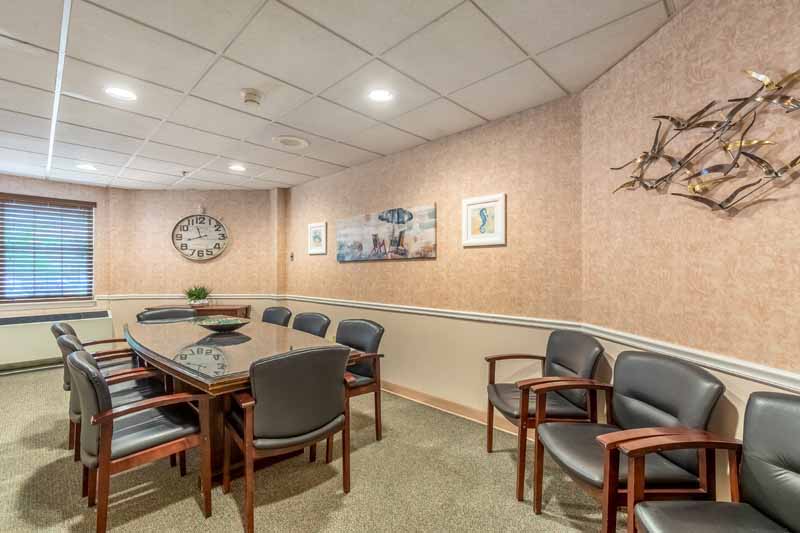
Who Owns and Operates Pendleton Rehabilitation And Nursing Center?

PENDLETON REHABILITATION AND NURSING CENTER is owned by a for-profit company. For-profit facilities operate as businesses with obligations to shareholders or private owners. The facility is operated by ATLAS HEALTHCARE, a chain that manages multiple nursing homes. With 120 certified beds and approximately 115 residents (about 96% occupancy), it is a mid-sized facility located in MYSTIC, Connecticut.

How Does Pendleton Rehabilitation And Nursing Center Compare to Other Connecticut Nursing Homes?

Compared to the 100 nursing homes in Connecticut, PENDLETON REHABILITATION AND NURSING CENTER's overall rating (5 stars) is above the state average of 3.1, staff turnover (38%) is near the state average of 46%, and health inspection rating (4 stars) is above the national benchmark.

What Should Families Ask When Visiting Pendleton Rehabilitation And Nursing Center?

Based on this facility's data, families visiting should ask: "Can I visit during a mealtime to observe dining assistance and food quality?" "How do you handle medical emergencies, and what is your hospital transfer rate?" "Can I speak with family members of current residents about their experience?"

Is Pendleton Rehabilitation And Nursing Center Safe?

Based on CMS inspection data, PENDLETON REHABILITATION AND NURSING CENTER has a clean safety record: no substantiated abuse findings (meaning no confirmed cases of resident harm), no Immediate Jeopardy citations (the most serious violation level indicating risk of serious injury or death), and is not on the Special Focus Facility watch list (a federal program monitoring the lowest-performing 1% of nursing homes). The facility has a 5-star overall rating and ranks #1 of 100 nursing homes in Connecticut. While no facility is perfect, families should still ask about staff-to-resident ratios and recent inspection results during their visit.

Do Nurses at Pendleton Rehabilitation And Nursing Center Stick Around?

PENDLETON REHABILITATION AND NURSING CENTER has a staff turnover rate of 38%, which is about average for Connecticut nursing homes (state average: 46%). Moderate turnover is common in nursing homes, but families should still ask about staff tenure and how the facility maintains care continuity when employees leave.

Was Pendleton Rehabilitation And Nursing Center Ever Fined?

PENDLETON REHABILITATION AND NURSING CENTER has no federal fines on record. CMS issues fines when nursing homes fail to meet care standards or don't correct problems found during inspections. The absence of fines suggests the facility has either maintained compliance or corrected any issues before penalties were assessed. This is a positive indicator, though families should still review recent inspection reports for the full picture.

Is Pendleton Rehabilitation And Nursing Center on Any Federal Watch List?

PENDLETON REHABILITATION AND NURSING CENTER is not on any federal watch list. The most significant is the Special Focus Facility (SFF) program, which identifies the bottom 1% of nursing homes nationally based on persistent, serious quality problems. Not being on this list means the facility has avoided the pattern of deficiencies that triggers enhanced federal oversight. This is a positive indicator, though families should still review the facility's inspection history directly.