AVERY NURSING HOME/NOBLE BUILDING
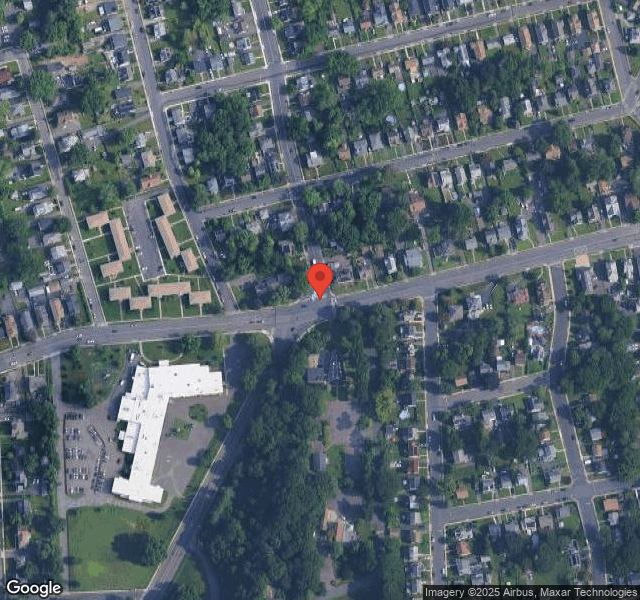

705 NEW BRITAIN AVE, HARTFORD, CT 06106 (860) 527-9126
Non profit - Church related 199 Beds Independent Data: November 2025 2 Immediate Jeopardy citations
Trust Grade
0/100
#120 of 192 in CT
Last Inspection: May 2025

Inspected within the last 6 months. Data reflects current conditions.

Overview

Avery Nursing Home in Hartford, Connecticut has a Trust Grade of F, which indicates significant concerns about the care provided-essentially, it is rated poorly. It ranks #120 out of 192 facilities in the state, placing it in the bottom half, and #43 out of 64 in the local county, meaning only a few options are better. While the facility shows an improving trend, as issues decreased from 21 in 2023 to 14 in 2025, it still has serious deficiencies. Staffing is a relative strength with a 4 out of 5 star rating and a turnover rate of 28%, lower than the state average, indicating staff tend to stay longer. However, the facility has accumulated $71,481 in fines, which is concerning and suggests compliance issues. Specific incidents include a resident who fell during a mechanical lift transfer due to insufficient staff assistance and another resident who developed pressure ulcers because necessary preventive measures were not taken. Overall, while there are some strengths, the significant issues raise red flags for potential residents and their families.

Trust Score
F
0/100
In Connecticut
#120/192
Bottom 38%
Safety Record
High Risk
Review needed
Inspections
Getting Better
21 → 14 violations
Staff Stability
✓ Good
28% annual turnover. Excellent stability, 20 points below Connecticut's 48% average. Staff who stay learn residents' needs.
Penalties
✓ Good
$71,481 in fines. Lower than most Connecticut facilities. Relatively clean record.
Skilled Nurses
○ Average
Each resident gets 37 minutes of Registered Nurse (RN) attention daily — about average for Connecticut. RNs are the most trained staff who monitor for health changes.
Violations
⚠ Watch
39 deficiencies on record. Higher than average. Multiple issues found across inspections.
★★☆☆☆
2.0
Overall Rating
★★★★☆
4.0
Staff Levels
★★★☆☆
3.0
Care Quality
★★☆☆☆
2.0
Inspection Score
Stable
2023: 21 issues
2025: 14 issues

The Good

  • 4-Star Staffing Rating · Above-average nurse staffing levels
  • Low Staff Turnover (28%) · Staff stability means consistent care
  • Full Sprinkler Coverage · Fire safety systems throughout facility
  • No fines on record
  • Staff turnover is low (28%)

    20 points below Connecticut average of 48%

Facility shows strength in staffing levels, staff retention, fire safety.

The Bad

2-Star Overall Rating

Below Connecticut average (3.0)

Below average - review inspection findings carefully

Federal Fines: $71,481

Well above median ($33,413)

Moderate penalties - review what triggered them

The Ugly 39 deficiencies on record

2 life-threatening 1 actual harm
May 2025 13 deficiencies
CONCERN (D)

Potential for Harm - no one hurt, but risky conditions existed

Deficiency F0578 (Tag F0578)

Could have caused harm · This affected 1 resident

**NOTE- TERMS IN BRACKETS HAVE BEEN EDITED TO PROTECT CONFIDENTIALITY** Based on review of the clinical record, review of facility documentation, review of facility policy, and interviews for one samp...

Read full inspector narrative →
**NOTE- TERMS IN BRACKETS HAVE BEEN EDITED TO PROTECT CONFIDENTIALITY** Based on review of the clinical record, review of facility documentation, review of facility policy, and interviews for one sampled resident (Resident #127) reviewed for advance directives, the facility failed to ensure there was a physician's order indicating the resident's wishes related to cardiopulmonary code status, hospitalization, and intravenous fluids. The findings include: Resident #127's diagnoses included dementia, hypertension, and muscle weakness. The annual MDS assessment dated [DATE] identified Resident #127 had severely impaired cognition and required maximal assistance with toileting hygiene, bathing dressing, personal hygiene and bed mobility. The care plan dated [DATE] identified Resident #127 had advance directives to be honored by staff per resident/family election of full code status with interventions that included CPR (Cardiopulmonary Resuscitation). A review of the clinical record identified an Advance Directive Consent Form that was signed by Resident #127's responsible party and the physician/APRN on [DATE] that identified the election of a code status of CPR/full code, hydration by intravenous fluids, nutrition by feeding tube, hospitalization to prolong life, antibiotic therapy and no to comfort measures. Review of physician's orders for the period of [DATE], through [DATE], failed to identify an order that addressed the elected choices identified on the Advance Directive Consent Form to have the status of CPR and/or the choice to accept hydration by intravenous fluids, feeding tube, nutrition by feeding tube, hospitalization to prolong life, antibiotic therapy and no to comfort measures. Interview with LPN #7 on [DATE] at 1:59 PM identified that if Resident #127 had a life-threatening emergency where the decision to administer CPR or withhold CPR, he indicated that there were several places to locate this information such as the banner on the computer screen in the electronic medical record system, the physician's order, the advance directive section of the paper chart and in the electronic medical records. However, he identified that the resident's code status should always be in the physician's orders which is written based on the Advance Directive Consent form. After reviewing the physician's orders with LPN #7, he noted that there were no orders addressing the resident's code status in the current physician's orders. Interview with the Assistant Director of Nursing (ADNS) on [DATE] at 2:10 PM identified that a physician's order should be in place to address the resident's selected code status. The ADNS further identified code status is obtained on admission after which a physician's order is obtained. She added that if the order is written in the physician's order in the physical chart it should be noted by the nurse and entered into the electronic medical record. Interview with the DNS on [DATE] at 3:00 PM identified the code status can be found in four different places such as the face sheet, consent, physical chart and physician orders, and the information should all match. She added it was the nursing supervisor's responsibility to obtain the order and input the order in the computer. She further identified that a physician's order should be in place directing the resident's elected code status. Review of the Advance Directives policy and procedures identified when a resident/patent is being admitted to the facility, a copy of the Withdrawing and Withholding Treatment and Your Rights to Make health Care Decisions will be given to them on or prior to admission. The policy and procedure further identified the responsibility of explaining Advance Directives will belong to a licensed nurse and the physician will write appropriate orders to indicate code status and this must be verified by nursing when reviewing the orders on admission.
CONCERN (D)

Potential for Harm - no one hurt, but risky conditions existed

Deficiency F0657 (Tag F0657)

Could have caused harm · This affected 1 resident

**NOTE- TERMS IN BRACKETS HAVE BEEN EDITED TO PROTECT CONFIDENTIALITY** Based on review of the clinical record, review of facility documentation, review of facility policy, and interviews for one samp...

Read full inspector narrative →
**NOTE- TERMS IN BRACKETS HAVE BEEN EDITED TO PROTECT CONFIDENTIALITY** Based on review of the clinical record, review of facility documentation, review of facility policy, and interviews for one sampled resident (Resident #427) who was a new admission, the facility failed to ensure an interdisciplinary care plan meeting was held and failed to develop the comprehensive care plan. The findings include: Resident #427 was admitted to the facility on [DATE] with diagnoses that included heart failure, peripheral vascular disease and gout. The baseline care plan dated 4/14/25 identified the following care plan focused areas: nutritional status, return to community referral and psychosocial well-being along with approaches for each identified area. The admission MDS assessment dated [DATE] identified Resident #427 was cognitively intact, dependent on staff for toileting hygiene, required moderate assistance with personal hygiene, upper body dressing, bed mobility and bathing, was occasionally incontinent of bladder and always continent of bowel. The assessment further identified that the following triggered areas would be included in the care plan: activities of daily living functional/rehabilitation potential, urinary incontinence and indwelling catheter, falls, nutritional status, dehydration/fluid maintenance, and pressure ulcer. Additionally, the completion date of the assessment was noted as 4/24/25. Review of the clinical record failed to identify that an interdisciplinary care plan meeting was held with the resident and review of the baseline care plan dated 4/14/25 failed to identify that all of the triggered areas that the assessment identified would proceed to the care plan were included on the care plan. The interdisciplinary care plan meeting should have taken place by May 1, 2025. This meeting should have resulted in the completion of the comprehensive care plan. Interview with the Unit Manager (RN #5) on 5/16/25 at 10:35 AM identified Resident #427 had a baseline care plan in place which was only good for 21 days. He further identified that the comprehensive care plan should have been developed and implemented within 21 day of the resident's admission date and acknowledged that the care plan was over two weeks late at this point in time. RN #5 identified that he was responsible for completing the comprehensive care plan and was unable to give a reason why it was not completed. He further noted that all of the triggered areas that were identified as being care planned for on the MDS should be included on the comprehensive care plan. The care plan should have included the triggered areas of activities of daily living, rehabilitation potential, urinary incontinence, falls, dehydration and fluid maintenance and pressure ulcers; none of which was included on the care plan. Review of the Resident Care Plan policy identified that a comprehensive care plan shall be developed for all residents utilizing an interdisciplinary approach within 21 days of admission. Based on review of the clinical record, review of facility policy/procedures and interviews for 1 of 4 sampled residents (Resident #10) reviewed for accidents, the facilit failed to ensure the care plan was reviewed and revised to reflect the resident's ADL status. The findings included: Resident #10 was admitted to the facility in March 2023 with diagnoses that included heart failure, unspecified osteoarthritis, left hand contracture, muscle weakness and hemiplegia and hemiparesis following cerebral infarction affecting unspecified site. The Quarterly MDS dated [DATE] identified Resident #10 had intact cognition, had impairment on one side to the upper extremity, required extensive assistance with bed-mobility, and transfers requiring 2 person assistance and indicated Resident #10 weighed 213 lbs. The Care plan dated 10/31/23 identified the resident had an alteration in self care deficit r/t depression and dementia with interventions for extensive assist of one with personal hygeine, bathing, and indicated Resident #10 transferred independently with walker, walked independently with walker on unit. This was the only mention of transfers/mobility until the care plan identified a fall on 12/19/23 due to decreased mobility and Fall risk Assessment with score of 7 or greater with interventions or an approach that the patient will be wheeled backwards when crossing thresholds for safety. The physician's orders dated 9/8/23 directed a weekly shower once a day on Tues. The physcian's orders did not direct a transfer status until 2/15/24 which directed Resident#10 was a hoyer lift with 2 person assist. Occupational Therapy Assistant notes dated 4/17/23 identified Resident #10 was dependent with bathing tasks and could participate in light grooming supine with verbal direction and some physical assistance due to hand contracture. Occupational therapy plan of care notes dated 12/7/23 identified Resident #10 was dependent for bed mobility, transfers and ADLs and utilized a hoyer lift for transfers. Physical Therapy progress notes dated 11/14/23 identified Resident #10 was dependent, 100% assist for transition from supine to sitting position and vice versa, and dependent, requires 100% assistance by one or more persons to transfer. Treatment administration histoy dated 12/1/23 through 12/31/23 identified transfers with a hoyer lidt a dn 2-person assist 3 times daily after 12/6/23 (after Resident#10 returned from a hospital stay) and were completed throguhout the month. Interview on 5/16/25 at 12:12 PM with ADNS identified the supervisors who do the admission or the unit managers are responsible for oversight of the care plans. Interview on 5/19/25 at 3:30 PM with RN#5 who identified that the care plan for Res #10 was incorrect and he did not know who entered the care plan. RN#5 indicated it did not reflect the resident status as the resident was a hoyer lift, had a deficit and did not self ambulate. RN#5 identified it was the responsibility of the unit manager to make sure the plan of care was updated and accurately reflected the resident status. The facility policy for development of the resident care plan identified the unit urse manager or the MDS coordinator will assume responsibility for coordinating and attesting to the completion of the comprehensive assessment and care plan. Resident #114 Pressure Ulcer/Injury Based on review of the clinical record, review of facility policy/procedures, and interviews for 1 of 3 sampled residents (Resident #114) reviewed for pressure injuries, the facility failed to ensure the care plan was reviewed and revised to reflect the resident status when the resident developed skin/pressure issues. Resident #114 diagnoses included Sacral pressure ulcer stage 3, pressure ulcer of left heel unstageable, Parkinson's disease with dyskinesia with fluctuations. The Quarterly MDS dated [DATE] identified Resident#114 had severely impaired cognition, and required partial/moderate assistance with rolling left and right, sit to lying, lying to sitting on side of bed and sit to stand. The MDS indicated Resident #114 was not at risk for developing pressure ulcers and didn't have any pressure ulcers/injuries. The care plan dated 12/01/24 identified Resident #114 was an assist of 2 with transfers via hoyer, hoyer for toileting and required assist with ADLs with interventions of consults as scheduled and rehab as ordered. The care plan indicated Resident #114 was at risk for impaired skin integrity , decreased mobility, incontinence, and decreased sensory perception with interventions to include a pressure redistribution device on bed and in wheelchair, assist with turning and repositioning every 2-3 hours per protocol, monitor skin integrity with AM and PM care and bathing and report any changes in skin condition to charge nurse. Physician's orders dated 11/7/2024 directed Resident #114 was an assist of one with rolling walker for transfers, mobility and toileting, and assist of one for upper/lower body dressing and washing. Nursing progress note dated 12/01/2024 at 3:33 PM identified Resident #114 was noted to have an excoriated area to the coccyx and added treatment of calmoseptine twice daily and indicated the APRN and supervisor had been notified. Nursing progress note dated 12/20/2024 at 8:59 PM identified Resident #114 had a noted open area to sacral 0.5 x 0.5 cm. The note indicated the on-call APRN updated and Supervisor notified. The note directed administration of calmoseptine cream to promote healing and protect the skin and indicated the concern was written in the APRN book for further assessment in the morning. [NAME] MD progress note dated 2/12/2025 identified Resident #114 was seen by the wound doctor for a wound to the left heel and a wound to the sacrum. The note indicated the treatment for the wound to the sacrum was changed to Calcium alginate and indicated this was the first time the sacrum wound was seen by the wound doctor and was identified as a stage 3 pressure wound (identified as Site 2) and measured 2.0.8x0.3 cm with moderate serous exudate. The note directed of off-load wound and reposition per facility protocol and turn side to side in bed every 1-2 hours if [NAME] and ordered a group 2 mattress. Interview on 5/19/25 at 2:10 PM with RN#5, unit manager, identified the unit managers are responsible to review the care plans to make sure they reflect the resident's status. RN#5 indicated that when a resident has a status change, such as a new wound, the care plan should reflect the current ADLs and presentation of the resident. RN#5 identified the skin status for Resident #114 could have been updated when the excoriation changed to an open pressure area. Subsequent to surveyor inquiry 5/15/25, wound areas 12/2/24 excoriation to sacral area, 12/5/24 left heel black area, 2/3/25 left heel open, scant drainage and 2/10/25 sacral wound noted were added to the care plan. The facility policy for baselin/comprehensice person centered care plans identified the care plan will be reviewed and revised quarterly, following a significant change and as the plan of care changes. ****NOTES***** F689 The facility failed to ensure Resident #74 was free from accidents/hazards. F657 The facility failed to ensure the care plan was reviewed and revised to reflect the resident's ADL status. 05/13/25 09:44 AM Resident had a reported incident from the facility regarding a fall from the wheelchair. The resident did not mention this at all. 05/13/25 12:42 PM discussion with resident fell from the shower chair. The resident stated that there was one aide who was pushing her through the hallway from the shower room and there used to be a metal threshhold in the doorway because there was carpet and she couldn't get the chair to go over that and I slid off of the chair and fell and hit my head. They sent me right to the hospital and they told me everything was okay. I still have some pain in the back of my head and sometimes in my neck. But, now they rub my neck with something to make it feel better. They don't like you to be in pain. Resident #10 was admitted to the facility 3/31/23 with diagnoses that included heart failure, unspecified osteoarthritis, left hand contracture, muscle weakness and hemiplegia and hemiparesis following cerebral infarction affecting unspecified site. The physician's orders dated 2/15/24 directed the resident be a hoyer lift with 2 person assist. The Care plan dated identified the resident had a fall on 12/19/23 due to decreased mobility and Fall risk Assessment with score of 7 or greater with interventions or an approach that the patient will be wheeled backwards when crossing thresholds for safety. The start date for this intervention was 12/19/23 The Quarterly MDS dated [DATE] identified Resident #10 had intact cognition, had impairment on one side to the upper extremity, required extensive assistance with bed-mobility, and transfers (requiring 2 person assistance) Nursing progress note dated 12/12/23 at 10:47 PM identified Approx 6:45pm CNA was transporting from shower room to her room via transport/shower chair. CNA stated she was going thru double doors and going over a raised area on the floor when resident slid out of the chair. Resident stated she hit the back of her head, but was unsure whether her head hit the floor or the chair. Full body audit was done. No swelling, no bumps, or redness to back of head noted at time of assessment. No apparent injuries and/or bruises . ROM to all extremities WNL. Resident denies pain and/or discomfort. On call [NAME] APRN was notified and updated including resident is on heparin. Daughter [NAME] was notified. [NAME] APRN stated it is worst to hit the back of head then it is to hit the front of head and internal bleeding can be present when back of head is hit. [NAME] APRN stated to call daughter back and inform her of this information. Also, [NAME] APRN instructed this writer to inform daughter if she does not want resident to go to hospital, she would have to come in tomorrow morning and sign a Do Not Transfer to Hospital form. This writer called daughter [NAME] back and updated her on the information received from B. [NAME] APRN, daughter [NAME] replied send to hospital and that her daughter (resident's grand daughter was coming to visit). Also, information from B. [NAME] was relayed to resident, resident was told her daughter [NAME] C. wants her sent to hospital and resident agreed with daughter's decision. Approx 7:30pm resident left building to Hartford Hospital via ambulance escorted by two EMT's. BP 180/90 P 70 T 97.6 RR 18 POX 99% RA. Supervisor updated. Review of the reportable events report dated 12/14/23 identified the fall occured in the hallway at 6:45 PM. The resident was A&Ox 3CNA ([NAME]) was pushing the shower chair through the double door when the resident slid out of the chair and hit the back of her head. A full body audit was completed and RN [NAME] stated no apparent injuries and/or bruises and denied pain. 05/14/25 03:14 PM [NAME] cna 37 yrs. shower chair. They have a regular shower chair which has a seatbelt. We are not allowed to use the seatbelt because it is a restraint. There is a bariatric chair that does not have a seat belt, and there is a reclined chair that we use for residents who are not able to sit up or residents who have had a stroke or can't move easily on their own .we are able to hoyer them into the shower chair and then back to bed. Unsure if it is on the resident care card or the care plan. 05/14/25 03:20 PM [NAME] Resident was in noble in 2023. Uncertain how it is decided which shower chair the residents should use. I am wondering if therapy assesses for that. 05/14/25 03:30 PM TC to cna [NAME] and # [PHONE NUMBER] and not taking calls/OOS?? 05/14/25 03:30 PM TC to [NAME] RN [PHONE NUMBER] and the mailbox is full. 05/16/25 08:35 AM [NAME] (COTA) Assistant Director of Rehab Dont normally provide education regarding the shower chairs unless there is a problem related to use. Looking back into the computer they use Nethealth and in 2023 they used cassamba. Logins weren't working because of a name change. Will print assessments from admission through the fall and anything that was done in response to the fall. 05/16/25 09:50 AM [NAME] CNA we used two people to hoyer her out of the bed .I used the shower chair with the leg lifts I rollled her into the shower successfully and then when rolling her back to her room I was alone. We did have inservice after that incident ( there is now 2 people to move people in the shower chair) We had carpet at the time and there was a threshhold and the two front wheels got stuck on the threshhold. The two back wheels went up and she began falling out of the chair. I did catch her head and made it safe while she was slipping. She did not hit her head and we should have used two people to move the resident but I just forgot about it. 05/16/25 10:07 AM [NAME] RN Staff Development 1.5 yrs .The facility does not do training on use of the shower chairs. There is not any training unless there is an incident. They go to school .and after orientation we monitor them closely to see how they do it. They usually bring the shower chair to the resident's room. and they roll the resident in the hallway to the shower and to the room there is only one staff required to transport in the shower chair. 05/16/25 11:45 AM [NAME] cna (5yrs) .we follow the assignment .if a resident is a hoyer lift they are an assist of two and when transportting to and from the shower in the chair it bis also two people. this has always been like that. F686 The facility failed to ensure the resident received care consistent with professional standards of practice or received necessary treatment and services to promote the healing of a pressure ulcer. F710 the facility failed to ensure a resident was evaluated and assessed by the physician related to the resident's skin status. F657 The facility failed to ensure the care plan was reviewed and revised when the resident developed skin/pressure issues. 05/12/25 02:36 PM Stage 3 on the Sacrum that is facility acquired. Resident # 114 05/16/25 11:42 AM Observation of wound care with [NAME] lpn and [NAME] cna (5 yrs) 05/12/25 02:40 PM Loss of over 11% in 6 weeks. (Jan/[DATE]) 05/13/25 12:39 PM Observation of resident laying in bed with pillow supporting the left arm. resident does not rouse when spoken to. 05/15/25 10:50 AM 05/16/25 8:50 AM 05/16/25 11:50 AM Observation of lpn setting up wound care items uses a towel as base .sodium chloride solution .wound dressing with silver, Gloves Removed old dressing gloves used ns and gauze to clean wound bed and removed old packing Gloves skin prep gloves silver dressing to wound bed f/b calcium alginate and covered with DCD. moved/boosted resident and got new gloves. took off ppe washed hands. Resident #114 was admitted to the facility 10/11/23 with diagnoses included Sacral pressure ulcer stage 3, pressure ulcer of left heel unstageable, Parkinson's disease with dyskenesia with fluctuations. The Quarterly MDS dated [DATE] identified Resident#114 had severely impaired cognition, 05/19/25 10:54 AM [NAME] RN 3 yrs - took over as wound nurse in July 2024. It looks like the first time we saw her for the sacrum was 2/13/25. If any areas come up in morning report or if staff sees something, they will come and tell me or the unit managers. When an area becomes open there should have been a notification to have the wound doctor see the resident. 05/19/25 11:33 AM Interview with APRN [NAME] who identified the first time she saw the resident was in January 22, 25. If I am seeing the resident for a specified complaint then I keep my notes succinct. I work mon, wed, and fri and when i finish something then i thin the book. If it was an excoriation then they need an order. 05/19/25 11:46 AM LM for [NAME] did weekly skin checks through [DATE] and made progress note regarding APRN notification. 05/19/25 11:48 AM I usually report it to the supervisor and put it in the APRN book and they are supposed to follow up. I need an order from some one to put a dressing or something more than a routine thing. i dont remember if i texted [NAME] (manager) but i am pretty sure I notified the supervisor but i remember the open areas i remember the aide notified me there was an open area. I sent a text w/picture [DATE] @7:53pm I am pretty sure it was [NAME]. [NAME] FNP 12/01/2024 03:33 PM Daily Note: Resident noted with excoriated area to coccyx Treatment calmoseptine BID. POA [NAME] updated. APRN updated and Supervisor. 12/09/2024 01:00 PM Date:12/09/2024 06:00 PM Encounter ID:11904284928003 Reason: Weakness Parkinson's Type: SNF Follow Up Location: [NAME] Heights Provider: [NAME], FNP NO MENTION OF THE SACRUM/COCCYX 12/20/2024 08:59 PM Resident is alert and verbal noted with open area to sacral 0.5 x 0.5 cm. On call APRN updated and Supervisor notified. Administered calmoseptine cream to promote healing and protect the skin , resident is laying on the side to relive pressure to the area, Concern written on APRN book for further assessment in the morning. All needs met at this time. Date:01/22/2025 04:30 PM Encounter ID:11904284928005 Type: Acute Visit Location: [NAME] Heights Provider: [NAME], FNP NO wound observations associated with visit 1st visit by this APRN Date:02/03/2025 02:30 PM Encounter ID:11904284928004 Reason: Dti To Left Heel Type: Acute Visit Location: [NAME] Heights Provider: [NAME], FNP Only wound reviewed was the wound to left heel Date:02/05/2025 02:45 PM Encounter ID:11904284928006 Reason: Acute Visit Type: SNF Follow Up Location: [NAME] Heights Provider: [NAME], FNP Only wound mentioned is ongoing treatment to the heel. 02/06/2025 11:52 AM Pt seen by the [NAME] MD, Dr. [NAME], per request of nursing for an area on her L heel. Area assessed and treatment ordered for Santyl and DCD QD. Call placed to [NAME] and consent obtained for Dr. [NAME] to mechanically debride the area as needed. Treatment completed per orders and tolerated well. Consult uploaded to chart. 02/13/2025 04:49 PM Pt seen by the [NAME] MD, Dr. [NAME], per request of nursing for an area on her L heel and sacrum. Areas assessed and treatment changed to Calcium Alginate for her sacrum and Medi-honey for her L heel and QD. Treatment completed per orders and tolerated well. Consult uploaded to chart. 02/20/2025 04:51 PM Pt seen by the [NAME] MD, Dr. [NAME], per request of nursing for an area on her L heel and sacrum. Areas assessed and treatment changed to Calcium Alginate for her sacrum and Medi-honey for her L heel and QD. Treatment completed per orders and tolerated well. Consult uploaded to chart. 02/26/2025 05:02 AM [Recorded as Late Entry on 02/27/2025 05:02 AM] Pt seen by the [NAME] MD, Dr. [NAME], per request of nursing for an area on her L heel and sacrum. Areas assessed and treatment changed to Dakins wet to moist for her sacrum and Medi-honey for her L heel and QD. Treatment completed per orders and tolerated well. Consult uploaded to chart. 03/05/2025 02:17 PM WOUND ROUNDS PROGRESS NOTE: wound culture recommended to Sacral area. Start Augmentin 500mg/125mg, PO every 12 hours x 7 days, after culture obtained. Then continue same treatment. 05/19/25 12:44 PM TC to Dr. Al .I would not have knowledge of the wound until it was brought to my attention. I don't know what was occuring with the resident, whether they were in or out or had some other issues will return call this afternoon. 05/19/25 02:07 PM [NAME] Nurse unit manager since 2023. Usually the supervisors are the 3-11 pm. I have to go see it. I would really like to see it if I am going to document on it. I assess and measure, write a nursing note, contact the doctor/APRN (usually call or put on the communication book if it is not emergent) and the wound team so the resident is seen weekly. The staging would be the doctor, I would do the measurement and any drainage, etc and document and notify the infection control nurse and if it can't wait then intervene until seen by the wound team. How often should the area be reassessed. If I put calmoseptine then the person who does the treatment should be evaluating. The nurse said she put it in the book, she would have seen it if it was in the book. 05/19/25 02:19 PM [NAME] RN supervisor 3-11pm when they call or text me, I go and check what the nurse needs. She was already in Station 3 at that time. I will check the phone, but I always send it to the APRN and put a treatment until they are seen the next day. I told them to put it in the APRN book or send it to the unit manager. I don't recall if I
CONCERN (D)

Potential for Harm - no one hurt, but risky conditions existed

Deficiency F0658 (Tag F0658)

Could have caused harm · This affected 1 resident

**NOTE- TERMS IN BRACKETS HAVE BEEN EDITED TO PROTECT CONFIDENTIALITY** Based on observation, review of the clinical records, review of facility policy/procedures and interviews for one of four sample...

Read full inspector narrative →
**NOTE- TERMS IN BRACKETS HAVE BEEN EDITED TO PROTECT CONFIDENTIALITY** Based on observation, review of the clinical records, review of facility policy/procedures and interviews for one of four sampled residents (Resident #149) reviewed for accidents, the facility failed to ensure medications were administered according to professional standards. The findings include: Resident #149's diagnoses included muscle weakness, primary open angle glaucoma bilateral, hypertensive heart and chronic kidney disease with heart failure and chronic kidney disease. The quarterly MDS assessment dated [DATE] identified Resident #149 was cognitively intact, had no behaviors, was independent with eating, was dependent for toileting, utilized a wheelchair for mobility, and received anticoagulant, antiplatelet, and hypoglycemic medications. The care plan dated 5/9/25 identified Resident #149 was at risk for pain related to limited mobility with interventions that included administer medications as ordered. The physician's order dated 5/1/25 directed Amlodipine 5mg 1 tablet every morning, Aspirin delayed release 81mg 1 tab every morning, Ferrous Sulfate 325mg 1 tab every morning, Flecainide 50mg 1 tablet to be administered every hours, multivitamin 1 tab every morning, Pioglitazone 30mg 1 tablet once a day, Metformin 1000mg 1 tab once a day, Metoprolol Succinate 50mg extended release once daily, Gabapentin 100mg 2 tablets once daily, Pataday once daily relief eye drops 0.2% 1 drop to each eye once a morning, Vitamin B-12 500mcg 1 tablet once daily. Observation on 5/12/25 at 11:15 AM identified Resident #149 in his/her room with a clear plastic medication cup containing four pills in it, administering the medication to himself/herself. Interview with Resident #149 at 11:15 AM identified that the nurse always leaves them for her to take when he/she is ready. Interview on 5/12/25 at 11:30 AM with RN#3 identified she leaves the medications often at Resident #149's bedside due to the fact the resident is not usually ready for them until sometime in the afternoon. She further identified that she should observe the resident take the medication and acknowledged that the resident does not have a self-administration order. Interview on 5/16/25 at 8:38 AM with the Nurse Manager (RN #5) identified medications for Resident#149 should not have been left at the bedside, and that when a nurse administers medication they should watch the resident swallow the medication to ensure it was administered appropriately. She further noted that even though Resident #149 was alert and oriented she did not have a self-medication order and therefore should not be administering the medication. Review of the medication administration record (MAR) for the 5/12/25 identified RN #3 had signed off the medications, but the resident had not taken the medication and RN #3 had not observed Resident #149 administer the medication. The facility did not provide a medication administration policy, although it was requested. The Self Administration of Medications by Resident policy identified that a resident may self-administer medications if the facility's interdisciplinary team has determined that the practice would be safe for the resident and other residents.
CONCERN (D)

Potential for Harm - no one hurt, but risky conditions existed

Quality of Care (Tag F0684)

Could have caused harm · This affected 1 resident

**NOTE- TERMS IN BRACKETS HAVE BEEN EDITED TO PROTECT CONFIDENTIALITY** Based on review of the clinical record, review of facility policy/procedures and interviews for one sampled resident (Resident #...

Read full inspector narrative →
**NOTE- TERMS IN BRACKETS HAVE BEEN EDITED TO PROTECT CONFIDENTIALITY** Based on review of the clinical record, review of facility policy/procedures and interviews for one sampled resident (Resident #26) reviewed for skin conditions, the facility failed to administer a treatment/medication as ordered. The findings include: Resident #26's diagnoses included heredity syndrome of bilateral lacrimal glands, dry eye disorder, and malignant melanoma of right upper eyelid. The quarterly MDS assessment dated [DATE] identified Resident #26 was cognitively intact, had no behaviors, required substantial/maximal assist with toileting, and was independent with eating. The care plan dated 4/24/25 identified Resident #26 was at risk for impaired skin integrity related to right upper eye lid malignant melanoma with interventions that included treatments as ordered with monitoring per protocol and as needed, and extremities to be assessed by the licensed staff daily on the 3pm -11pm shift. The physician's orders dated 5/1/25 directed Artificial Tears 1%, 1 drop to each eye twice daily; 8AM-11AM; 4 PM- 7PM. The orders further directed to cleanse the right shin and right calf with normal saline gently, pat dry, apply Adaptec (wound dressing) to the open areas followed by Hydrofera Blue (antibacterial wound dressing), cover with ABD gauze pad including top of foot and lightly wrap with kerlix. Interview with Resident #26 on 5/12/25 at 10:15 AM identified that on the second shift on 5/11/25 he/she did not receive his/her artificial tears or his/her treatment to the right leg. Resident #26 identified that he/she rang the call bell and when the call was answered someone said they would be back, and they never returned. After 11:00 PM when the third shift started Resident #26 rang the call bell again and told the third shift nurse that the eye drops and treatment had not been administered, and the third shift nurse completed the treatment for him/her. The Grievance/Complaint report dated 5/12/25 identified Resident #26 filed a complaint regarding not receiving the dressing change and eye drops as ordered on 5/11/25 and noted the 11PM-7AM nurse appeared frustrated that care was not performed on the prior shift. Review of the MAR for the month of May 2025 identified LPN #4 who worked the 3PM-11PM shift on 5/12/25 signed the MAR indicting that she had administered the eye drops and the treatment to the leg wounds. An interview with LPN #4 was attempted; however, LPN #4 did not return the phone call. Interview with the DNS on 5/14/25 at 12:25PM identified she was aware of Resident #26 not receiving care on 5/11/25 and processed the incident as a medication error. She further noted that LPN #4 was an agency nurse, and she had contacted the agency and requested LPN #4 not return to the facility Interview with RN #4 on 5/14/25 at 1:53 PM identified Resident #26 complained of not receiving the artificial tears and the treatment to the leg on 5/12/25 when he arrived on third shift. He identified that the dressing on the right leg reflected the date and time of the previous day, so he knew it had not been changed. He further identified that he completed the treatment to the left leg, but had not administered the eye drops because he was not made aware they had not been administered. Although a policy for medication administration was requested one was provided. The clean dry non-sterile dressing change policy directed dressing changes as ordered by the physician shall be performed by a licensed nurse.
CONCERN (D)

Potential for Harm - no one hurt, but risky conditions existed

Pressure Ulcer Prevention (Tag F0686)

Could have caused harm · This affected 1 resident

**NOTE- TERMS IN BRACKETS HAVE BEEN EDITED TO PROTECT CONFIDENTIALITY** Based on observation, review of the clinical record, review of facility policy/procedures, and interviews for two of three sampl...

Read full inspector narrative →
**NOTE- TERMS IN BRACKETS HAVE BEEN EDITED TO PROTECT CONFIDENTIALITY** Based on observation, review of the clinical record, review of facility policy/procedures, and interviews for two of three sampled residents (Residents #114 & #128) reviewed for pressure ulcers, the facility failed to ensure the necessary proper documentation of a pressure injury consistent with professional standards and failed to provide the necessary treatment and services to promote the healing of a pressure ulcer. The findings included: 1. Resident #114 has a diagnosis of Parkinson's disease. The significant change MDS assessment dated [DATE] identified Resident#114 had intact cognition, did not have behaviors, did not have range of motion impairments, required set up assistance with eating, required partial to moderate assistance with toileting hygiene, required substantial to maximal assistance with rolling to the left or right while in bed, did not ambulate, was at risk for the development of pressure ulcers but did not have any pressure ulcers. The assessment further identified that the resident weighed 155 pounds and had not experienced any weight loss within the past six months. The care plan dated 12/1/24 identified Resident #114 required the assistance of two staff members for transfers via Hoyer (mechanical lift) with an intervention for rehabilitation as ordered. The care plan further identified the risk for impaired skin integrity, due to decreased mobility, incontinence, and decreased sensory perception with interventions to include pressure redistribution devices on bed and wheelchair, assist with turning and repositioning every 2-3 hours per protocol, monitor skin integrity with morning care, evening care, bathing and report any changes in skin condition to charge nurse. Review of the treatment administration record (TAR) for the month of December/2024 directed to cleanse the coccyx with normal saline, pat dry, apply Calmoseptine twice per day. The nurse's note dated 12/1/24 at 3:33 PM identified Resident #114 was noted to have an excoriated area to the coccyx. The note further identified that the APRN was notified and an order to apply Calmoseptine (a multi-purpose moisture a barrier that protects and helps heal skin irritations) twice daily was obtained. The initial acquired wound report dated 12/20/24 completed by RN#9 identified Resident #114 had a Stage II pressure area to the sacral area that measured 0.5 cm in length by 0.5 cm in width. The area was further noted to have a small amount of drainage and mild pain. The nurse's note dated 12/20/24 at 8:59 PM identified the open area to the sacral area. The note further identified that the on-call APRN and nursing supervisor were notified. The note directed the administration of Calmoseptine cream to promote healing and protect the skin and indicated the concern was written in the APRN book for further assessment in the morning. Review of the TAR for the month of January/2025 identified a treatment order that directed to cleanse the coccyx (excoriation) with normal saline, pat dry and apply Calmoseptine twice daily. APRN #1's progress note dated 1/22/25 at 4:30 PM identified Resident #114 was seen. The note did not address the wound to the coccyx. APRN#1's progress note dated 2/3/2025 at 2:30 PM identified Resident #114 was seen for a DTI to the left heel. The only wound reviewed or mentioned in the note was the wound to the left heel. APRN progress note dated 2/5/2025 at 2:45 PM identified Resident #114 was seen for a follow up visit. The note mentioned ongoing treatment to the heel but failed to mention anything regarding the sacrum/coccyx. The wound Physician's progress note dated 2/5/2025 identified Resident #114 was seen for assessment of the left heel. The note did not address a wound to the coccyx/sacrum area. Review of the TAR for the month of February/2025 identified the treatment with the Calmoseptine was administered until a new order was implemented on 2/12/25. Facility wound tracking forms dated 12/27/24, 1/2/25, 1/9/25, 1/16/25, 1/23/25, 1/30/25 and 2/3/25 all identified a left heel wound but failed to identify a sacrum/coccyx wound inclusive of wound assessments. The wound Physician's progress note dated 2/12/25 identified Resident #114 was seen for the wound to the sacrum, and noted the treatment to the sacrum was changed to Calcium Alginate. The note further identified that this was the wound Physician's first time assessing the sacral/coccyx wound. Additionally, the wound was assessed to be a stage 3 pressure wound (a full-thickness skin loss injury that extends into the subcutaneous tissue, exposing fat) measuring 2.0 cm in length by 0.8 cm in width by 0.3 cm in depth with moderate serious exudate. The note further identified to turn side to side in bed every 1 to 2 hours and to order a group two mattress (a powered pressure reducing mattress used to treat pressure ulcers) if able. A physician's order dated 2/12/25 directed: clean the coccyx area with normal saline, dry, apply Calcium Alginate and cover with a dry clean dressing once daily. Review of the clinical record identified that the stage 2 pressure ulcer to the coccyx/sacrum was first identified on 12/20/24, but there was no weekly monitoring/assessment (inclusive of appearance, size, drainage) in place until the pressure ulcer was identified as a stage 3 on 2/12/25. The wound physician's progress note dated 2/19/25 identified the sacral/coccyx wound was unstageable (a full thickness tissue loss where the base of the wound is covered by a layer of dead tissue making it difficult to determine the actual depth and stage of the injury) due to necrosis, the measurements were noted as 4 cm by 4cm by 0.3cm. The treatment was changed from Calcium Alginate to Santyl with gauze island and a bordered dressing once daily. The wound physician's progress note dated 2/26/25 identified that a surgical excisional debridement was completed on the sacral/coccyx wound and the measurements were noted as 3.5cm by 4.0 cm by 0.4 cm with moderate serous exudate. The wound physician's progress note dated 3/5/25 identified a recommendation to culture the sacral/coccyx wound and to start Augmentin (antibiotic) 500mg/125mg by mouth every twelve hours. Observation on 5/13/25 at 12:39 PM identified Resident #114 laying turned slightly to the right side in bed with pillow supporting the left arm. Resident #114 did not move or respond when spoken to. Observation on 5/16/25 at 11:50 AM identified the treatment to wound was completed as ordered. A nurse aide assisted with positioning the resident during the wound care. Interview on 5/19/25 at 10:54 AM with the Wound Nurse (RN #6) identified that the first notification made to the wound team concerning the sacral/coccyx wound was 2/13/25. RN#6 could not identify how she was notified of the wound but indicated that If a wound is mentioned in morning report or if staff sees something, she or the unit managers are supposed to be notified. RN#6 further identified that when an area is identified the resident should be seen by the wound physician. Interview on 5/19/25 at 11:33 AM with APRN#1 identified that the first time she saw the resident was in January of 2025. APRN#1 indicated she was not notified of a wound or excoriation. APRN#1 also indicated that she does not keep the communication pages of the APRN communication book and when she sees a resident for a communicated problem, she discards the paper that the communication is written on once she addresses the concern and therefore, was not able to provide any communication regarding Resident #114 from the APRN communication book. Interview on 5/19/25 at 11:48 AM with RN#9 identified that when a new skin condition is found on a resident it is usually reported to the nursing supervisor and put in the APRN's book so they can follow up. RN#9 checked her phone history and indicated that a text message to the RN supervisor (RN #8) notifying her of the open area along with a picture of the area had been sent she sent on 12/20/24 at 7:53 PM. Interview on 5/19/25 at 12:44 PM with the wound Physician (MD #2) identified that he provides a contracted service and the facility has the responsibility to request that he assess a resident's wounds. Interview on 5/19/25 at 2:07 PM with the Unit Manager (RN #5) identified that when a wound is reported, the nursing supervisor should go and assess the wound and document the assessment findings, the physician/APRN should also be notified via phone call or put in the communication book. The wound physician should also be notified of the wound so that the resident could be seen weekly by the wound physician. RN#5 further identified that the staging would be done by the physician and there should be an interim treatment put in place right away. Interview on 5/19/25 at 2:19 PM with RN #8 identified that was the nursing supervisor that worked on the 3pm-11pm shift on 12/20/24. RN #8 identified that she told the staff to notify the APRN via communication in the APRN book. She did not confirm receiving a text concerning Resident #114's pressure wound. Interview on 5/19/25 at 3:32 PM with RN#5 identified that he had not initially assessed the sacral/coccyx wound but noted that when he did see the wound, he observed a hole. He noted that he felt they missed something regarding the treatment and assessment of the wound. Interview on 5/19/25 at 5:15 PM with MD#2 identified he was first notified of Resident #114's sacral wound on 2/12/25 and staged it as a stage 3. MD#2 indicated that based on this staging, it should have been referred to the wound team sooner, but that is at the discretion of the facility provider and staff. MD#2 indicated that usually when wounds are open and cannot be managed by a simple skin treatment, they are referred to the wound nurse, who adds it to his schedule of patients to be seen. MD#2 identified he was not able to speak of the wound prior to his assessment, but indicated it was classified as pressure. Review of the facility policy for wound care documentation identified the documentation of wound appearance will be accomplished on a regular basis to identify initial condition of the affected area followed by weekly progress of wound healing and indicated that all residents will be assessed by the charge nurse for risk of skin breakdown using the Braden Scale on admission, readmission, major change in condition and quarterly thereafter. The policy identified that once identified, all wounds will be observed daily and progress or lack thereof documented weekly. Failure of the wound to demonstrate improvement/healing within 2-3 weeks requires reassessment of the treatment plan and referrals for lack of improvement will be initially referred to the nurse manager of the unit and then to the wound assessment team or APRN. The policy specifically outlines documentation to include: a. Site/location b. Stage (for pressure ulcers only) Wound healing is to be described by changes in the wound appearance and size, not by reverse/down staging. c. Size, including length, width and depth measured in centimeters. The length is listed first and identifies the measurement of the wound that is head to toe. The width is second and identifies the measurement of the wound that is side to side. Depth is third and identifies the deepest area of the wound bed. d. Appearance of the wound bed. Describes the tissue present in the wound bed. When there is a combination of tissue types they should be identified by the percentage present. The facility policy for treating and reporting wound acquired in the facility identified that an incident/accident report shall be completed for each wound that occurs in the facility and forwarded to the Director of nursing as soon as completed and that pressure areas shall be treated according to treatment protocols. The policy indicated that the nurse will document the acquired wound on the Initial acquired wound report, completing each section, signing and dating the form and immediately delivering it to the unit manager's office. On off shifts, the nurse will notify the nursing supervisor as well as place the completed form in the unit manager's office. 2. Resident #128's diagnoses included pressure ulcer of the sacral region, vitamin B12 deficiency, hyperkalemia, and iron deficiency anemia. The significant change MDS assessment dated [DATE] identified Resident #128 was moderately cognitively impaired, had no behaviors, required substantial to maximal assistance with bed mobility, transfers, and dressings, was dependent on staff for personal hygiene. The assessment further identified the Resident utilized a walker and wheelchair for mobility, and was at risk for the development of pressure ulcers but did not currently have any pressure ulcers. The care plan dated 10/16/24 identified Resident #128 was at risk for skin breakdown related to decreased mobility with interventions that included low air loss mattress, treatments as order by doctor, and incontinent care every two hours and as needed. The nurse's note dated 12/4/24 at 2:36 PM identified Resident #128 was seen by the wound physician for two new stage 3 pressure wounds, one located on the left heel, and one located on the genitalia; new orders were placed. The dietary note dated 12/6/24 at 9:48 AM identified Resident #128 had increased nutritional needs due to the new pressure wound and a recommendation was made for 30ml of protein supplement to be given twice daily to promote wound healing. The dietary note dated 1/2/25 at 10:50 AM identified Resident #128 had increased nutritional needs due to the ongoing pressure wound and a second recommendation was made for 30ml of protein supplement to be given twice daily to promote wound healing. The physician's order dated 1/2/25 directed liquid protein fortifier 1gram/6ml 30ml twice daily. The order was discontinued on 1/5/25. The physician's order dated 1/8/25 directed liquid protein fortifier 1 gram/6ml 30ml twice daily. Interview on 5/19/25 at 12:10 PM with the Dietician identified that she made the original recommendation on 12/6/24, but it was not implemented until the second time she made the recommendation on 1/2/25. She further identified that recommendations were placed in the APRN's book for review and then nursing would enter the order into the electronic medical record (EMR). She noted that this process changed at some point but could not identify when it changed. Additionally, she identified that the current process is that you hand the recommendation to the unit supervisor and then they follow up with the APRN/physician. Interview on 5/19/25 at 12:45 PM with the Unit Manager (RN #5) identified that the current process is the dietician hands a recommendation to the unit manager and the unit manager obtains the order from the APRN or physician and enters the order into the EMR. RN #5 further identified that if she is not working the recommendation is left in the APRN book. The APRN book typically does not have notes in it regarding dietary as it would be a paper that would be signed and then placed in the chart. RN #5 did not know what happened with the original recommendation and why it was not followed up on and noted that if it had been given to him he would have followed up on it. Review of Resident #128's clinical record (physical chart) on 5/19/25 at 12:50 PM failed identify signed dietary recommendation from 12/6/24. Review of the APRN book on 5/19/25 at 12:55 PM did not contain and reference to the dietary recommendation from 12/6/25. A request was made for a policy that addressed how dietary recommendations are processed but a policy was not provided. Review of the Pressure Ulcer Policy treatment protocols directed the dietician will assess the nutritional status of the patient and recommend nutritional supplementation when appropriate.
CONCERN (D)

Potential for Harm - no one hurt, but risky conditions existed

Accident Prevention (Tag F0689)

Could have caused harm · This affected 1 resident

**NOTE- TERMS IN BRACKETS HAVE BEEN EDITED TO PROTECT CONFIDENTIALITY** Based on review of the clinical record, review of facility documentation, review of facility policy/procedures and interviews fo...

Read full inspector narrative →
**NOTE- TERMS IN BRACKETS HAVE BEEN EDITED TO PROTECT CONFIDENTIALITY** Based on review of the clinical record, review of facility documentation, review of facility policy/procedures and interviews for one of four sampled residents (Resident #10) reviewed for accidents, the facility failed to ensure Resident #10 was free from accidents when transported in a shower chair. The findings included: Resident #10 was admitted to the facility in March 2023 with diagnoses that included heart failure, unspecified osteoarthritis, left hand contracture, muscle weakness and hemiplegia and hemiparesis following cerebral infarction. The quarterly MDS assessment dated [DATE] identified Resident #10 had intact cognition, had impairment on one side to the upper extremity, required extensive assistance with bed-mobility, and transfers and had a weight of 213 pounds (lbs.). The care plan dated 10/31/23 identified Resident #10 had a self-care deficit with interventions that included: extensive assist of one with personal hygiene, and bathing, independent with transfers with a walker, and ambulates independently with walker on unit. Occupational therapy note dated 12/7/23 identified Resident #10 was dependent for bed mobility, transfers and activities of daily living (ADL) and utilized a Hoyer lift (mechanical lift) for transfers. The physical therapy progress note dated 11/14/23 identified Resident #10 was dependent and required total assistance for transitions from supine to sitting position, it also identified total assistance of one or more persons was required for transfers. A nurse's note dated 12/12/23 at 10:47 PM identified that at approximately 6:45pm Resident #10 was being transported from the shower room via shower chair and when pushed over a raised area on the floor (door threshold), the resident sustained a fall from the shower chair. The note further identified that Resident #10 identified he/she hit the back of his/her head but was unable to say if it was hit on the floor or the back of the shower chair. An assessment at the time identified no swelling, bumps or redness to the back of the head. The note identified there were no apparent injuries, and range of motion to all extremities were within normal limits. Resident #10 denied pain and was sent to the acute care hospital for evaluation. Following the accident, an intervention was added to the care plan on 12/13/25 that instructed that for safety purposes, Resident #10 should be wheeled backwards when crossing thresholds. Interview on 5/13/25 at 12:42 PM with Resident #10 identified NA #6 was pushing him/her in the shower chair shower when the chair hit a threshold in the hallway and he/she fell from the chair and hit his/her head on something. Resident #10 further noted that he/she was sent to the hospital and was told everything was okay but noted that he/she had a persistent pain in the back of the head and sometimes in the neck. Resident #10 indicated, NA#6 was very upset and apologized. Interview on 5/13/25 at 3:04 PM with the DNS identified the transport to and from the shower is included in the shower policy but could not identify what the requirement for staff is when using the reclining bariatric chair. Additionally, the DNS indicated the threshold on that unit had been replaced since the accident. Interview on 5/14/25 at 3:14 PM with NA#7 identified she worked at the facility for 37 years and indicated the facility utilized three different shower chairs: a regular shower chair with a seatbelt, a bariatric chair that does not have a seat belt, and a reclined chair used for residents who are not able to sit up or residents who have had a stroke or can't move easily on their own. NA#7 further identified that residents that require a Hoyer lift for transfers are transferred to the shower chair and transported to and from the shower room in the shower chair. NA#7 identified a Hoyer transfer requires 2 people and that sometimes the shower chairs are easier with 2 people but could not say with certainty that the shower chairs require 2 staff for transport. Interview on 5/14/25 at 3:20 PM with the Unit Manager (RN #5) identified he was uncertain how it is decided which shower chair the residents should use and indicated he was unsure if therapy assessed for shower chair use. Interview on 5/16/25 at 7:46 AM with NA#1 who has worked at the facility for 22 years, identified that all NA's receive training on shower chair use and that they had to sit in them to be moved so they would understand how it felt to the residents. NA#1 could not identify if any of the shower chairs required 2 staff to maneuver and indicated that she had worked on night shift for a long time and had not given showers in a long while. Interview on 5/16/25 at 8:35 AM with the Assistant Director of Rehabilitation (OT #1) identified therapy did not normally provide any education regarding shower chairs unless there was an identified problem related to use. OT #1 identified that he/she would print the assessments from admission through the fall and anything that was done in response to the fall. Interview on 5/16/25 at 9:50 AM with NA#6 identified she used the reclining shower chair to move Resident #10 to and from the shower room. NA#6 indicated that when rolling Resident #10 back to the room, the shower chair got caught on the threshold of the hallway where there used to be a rug and the back wheels went up and Resident #10 began falling out of the chair. NA#6 identified that after the incident the facility conducted an in-service and instructed that two people are required to move the reclining shower chair. The two back wheels went up and Resident #10 began falling out of the chair. NA#6 indicated that at the time of the incident, two people were required to move the shower chair but noted she had forgotten and moved Resident #10 by herself. Interview on 5/16/25 at 10:07 AM with the Staff Development Nurse (RN #7) identified that the facility does not do training on use of the shower chairs unless there is an incident. RN #7 indicated nursing assistants are trained to use shower chairs in school and after they are hired by the facility, they are monitored closely regarding job performance. RN #7 identified one staff is required to transport in the regular shower chair but was unable to identify staff needed for the bariatric or reclining shower chairs. Interview on 5/16/25 at 11:45 AM with NA#8 identified that if a resident is a Hoyer lift, they are an assist of two and when transporting to and from the shower in the chair it also requires two people and indicated this has always been like that. Resident #10's resident care card identified Resident #10 was non-ambulatory and required transfers via Hoyer lift with an assist of 2 staff. A review of the guide for use identified a 450 lb. weight capacity, but did not mention guidance for transporting residents in the chair. Although requested, the facility failed to provide education or competencies regarding shower chair use. The facility policy for bathing and grooming identified that residents who need a shower trolley should be transferred onto the shower trolley and transported to the shower room and when shower is completed, transport to residents room.
CONCERN (D)

Potential for Harm - no one hurt, but risky conditions existed

Deficiency F0761 (Tag F0761)

Could have caused harm · This affected 1 resident

Based on observations, review of facility policy and procedures, and interviews, the facility failed to ensure medication carts were secured when not in use. The findings include: Observation on 5/15/...

Read full inspector narrative →
Based on observations, review of facility policy and procedures, and interviews, the facility failed to ensure medication carts were secured when not in use. The findings include: Observation on 5/15/25 at 6:03 AM on Station 2 (the secured unit), identified the 2 South medication cart located in the hallway had the lock in the unlocked position and the top drawer slightly opened. There were oxygen tubing packets on the top of the cart. The 2 North medication cart's lock was also in the unlocked position. Additionally, one resident was wandering the North hallway near the common area approximately 10 feet from the medication cart. The charge nurse was in the nurses' office and could not see the carts. Interview on 5/15/25 at 6:10 AM with LPN #15 identified that the carts should be locked when not in use and not within the line of sight of the nurse. Interview on 5/15/25 at 6:15 AM with the night shift Nursing Supervisor (RN #15) identified that the medication carts should always be locked when not in use. RN#15 indicated that if the nurse is passing medications and the cart is facing in toward the room, the cart could remain unlocked because no one can access it, but the cart should be locked at other times. Interview on 5/16/25 at 12:12 PM with the ADNS identified the medication carts should be locked when not in use or out of sight. Review of the facility policy for medication storage identified medications are stored primarily in a locked mobile medication cart which is accessible only to licensed nursing personnel, and indicated the medication cart was to be kept locked at all times when not in use or in direct view of the nurse.
CONCERN (D)

Potential for Harm - no one hurt, but risky conditions existed

Menu Adequacy (Tag F0803)

Could have caused harm · This affected 1 resident

**NOTE- TERMS IN BRACKETS HAVE BEEN EDITED TO PROTECT CONFIDENTIALITY** Based on observation, review of the clinical record, review of facility documentation, review of facility policy/procedures and ...

Read full inspector narrative →
**NOTE- TERMS IN BRACKETS HAVE BEEN EDITED TO PROTECT CONFIDENTIALITY** Based on observation, review of the clinical record, review of facility documentation, review of facility policy/procedures and interviews for one of three sampled residents (Resident #106) reviewed for food, the facility failed to ensure menu choice items were available. The findings included: Resident #106's diagnoses included hyperlipidemia, dysphagia, gastro-esophageal reflux disease without esophagitis. The care plan dated 4/1/25 identified Resident #106 was at risk for potential nutritional risk related to advance age, nutritional related diagnoses including dementia, history of significant weight loss with interventions that included diet and snacks per physician orders, encourage and document intake of food and fluids, and offer appropriate/available substitutes if resident has problems with the food being served. The quarterly MDS assessment dated [DATE] identified Resident #106 was cognitively intact, was independent with eating, and had a mechanically altered, therapeutic diet. Physician's order dated 5/6/25 directed TLC (the therapeutic lifestyle changes diet is a dietary pattern recommended by the National Institutes of Health to lower cholesterol levels and reduce the risk of heart disease) diet, regular consistency, and nectar thick liquids. Observation on 5/12/25 at 12:05 PM identified Resident #106 in the main dining room with a plate with one hot dog on it, one apple juice and one cup of water. Review of the resident's meal ticket identified a printed ticket with Resident #106's name and the listed items of hot dog, [NAME] beans, potato chips, nectar thick apple juice and pickle. Interview on 5/12/25 at 12:10 PM with Resident #106 identified the kitchen is frequently out of stock of multiple items, the other items listed on the ticket were not available with no substitutions offered. Interview on 5/12/25 at 12:20 PM with [NAME] #1 who was serving from the steam table in Resident #106's dining room identified that there were no baked beans, no chips and no pickles available to serve to the resident(s). She was uncertain as to why the menu items were not available, she noted that she does not handle the ordering. Interview on 5/16/25 at 8:50 AM with the Food Service Director identified that Resident #106's chosen meal of hotdogs, baked beans chips and pickles were not on the menu as the main choice or the alternative for that day but rather the food items were selected from a menu of items that are always available. The choices are entered into meal tracker and then orders are ordered on Tuesday for a Friday delivery. There should have been chips delivered on Friday 5/9/25; however, he believed they were out of stock of them at that delivery. Review of the shipment delivered on 5/9/25 did not indicate that the items were ordered to be delivered with that delivery, nor did it show that the items were out of stock. He further noted that if when the person who entered the meal choice into the food tracker noted the items were not available, then the resident should have been notified. Interview on 5/19/25 at 12:01 PM with the Dietician identified that she attended the monthly food committee meetings and has heard of concerns from the residents regarding receiving their chosen menu items, but she identified that she mainly addresses nutritionally related concerns, such as why a resident can't have certain foods. She noted that if certain foods are unavailable, an appropriate substitution should be offered to the resident. Interview on 5/19/25 at 2:30 PM with the Administrator identified there is a monthly food committee meeting however no notes of the meetings were available because the Food Service Director did not take any. Although a Food ordering and Menu Choices policy was requested one was not provided.
CONCERN (D)

Potential for Harm - no one hurt, but risky conditions existed

Deficiency F0887 (Tag F0887)

Could have caused harm · This affected 1 resident

**NOTE- TERMS IN BRACKETS HAVE BEEN EDITED TO PROTECT CONFIDENTIALITY** Based on review of the clinical records, review of facility policy, facility documentation, and interview for two of five sample...

Read full inspector narrative →
**NOTE- TERMS IN BRACKETS HAVE BEEN EDITED TO PROTECT CONFIDENTIALITY** Based on review of the clinical records, review of facility policy, facility documentation, and interview for two of five sampled residents (Resident #36 and Resident #46) reviewed for immunizations, the facility failedd to ensure that the COVID-19 booster vaccine was administered as requested by the resident/responsible party and offered on admission. The findings include: Resident #36 was admitted to the facility in November of 2024 and had diagnoses that included anxiety, hypertension, and depression. The quarterly MDS assessment dated [DATE] identified Resident #36 had moderately impaired cognition. The assessment further identified that Resident #36 was not up to date with the COVID-19 vaccination. Review of the COVID-19 Vaccine Consent form provided to resident on admission identified Resident #36 gave the facility permission on 12/6/23 to administer the COVID-19 Pfizer-BioNTech vaccine, however no consent was identified for 2024-2025 covid booster vaccine. Review of Resident #36 clinical records on 5/16/25 failed to identify that he/she received the vaccination or documentation that the resident refused the vaccine. Review of Resident #36's immunization consent records, with the Infection Preventionist (RN #6) on 5/16/25 at 11:39 AM failed to identify that the COVID-19 booster vaccine for 2023-2024 was administered to the residnet and failed to identity that the COVID-19 booster for 2024-2025 was offered and administered to the resident. Interview with the Infection Preventionist (RN #6) on 5/16/25 at 11:39 AM identified she was responsible for ensuring consents were obtained, physician's orders were obtained, and the vaccine were administered to the resident. RN #6 was unable to state why the resident was not offered the COVID-19 booster vaccine nor why it was not administered to the resident. Review of the COVID-19 Prevention , Control and Treatment policy in the COVID-19 vaccination section identified in the event that a new patient or resident is admitted after a vaccine clinic has taken plan an opportunity for vaccination should be offered to the new resident after admission to the facility and vaccines will be given as proper paperwork regarding previous COVID-19 vaccinations are available to the facility staff. Resident #46's diagnoses included schizoaffective disorder, anemia, and nutritional deficiency. The quarterly MDS assessment dated [DATE] identified Resident #46 had moderately impaired cognition. The assessment further identified that Resident #46 was not up to date with the COVID-19 vaccination. Review of the COVID-19 24-25 Vaccine Consent and Administration Record form identified Resident #46's responsible party gave the facility permission on 1/21/25 to administer the COVID-19 (Spike Vax) 2024 -2025 vaccine. Review of Resident #46 clinical records on 5/16/25 failed to identify that he/she received the vaccination or documentation that the resident refused the vaccine. Interview with the Infection Preventionist (RN #6) on 5/16/25 at 11:39 AM identified she was responsible for ensuring consents were obtained, physician's orders were obtained, and the vaccine were administered to the resident. RN #6 was unable to state why the resident was not offered the COVID-19 booster vaccine nor why it was not administered to the resident. RN #6 further identified she had difficulty obtaining consent from the resident's responsible party, however when consent was received, she only had administered one vaccine and given the COVID-19 2024-2025 vaccine as requested. Review of the COVID-19 Prevention , Control and Treatment policy in the COVID-19 vaccination section identified in the event that a new patient or resident is admitted after a vaccine clinic has taken plan an opportunity for vaccination should be offered to the new resident after admission to the facility and vaccines will be given as proper paperwork regarding previous COVID-19 vaccinations are available to the facility staff.
CONCERN (E)

Potential for Harm - no one hurt, but risky conditions existed

Deficiency F0603 (Tag F0603)

Could have caused harm · This affected multiple residents

**NOTE- TERMS IN BRACKETS HAVE BEEN EDITED TO PROTECT CONFIDENTIALITY** Based on observations, review of clinical records, review of facility policy/procedure, review of facility documentation and int...

Read full inspector narrative →
**NOTE- TERMS IN BRACKETS HAVE BEEN EDITED TO PROTECT CONFIDENTIALITY** Based on observations, review of clinical records, review of facility policy/procedure, review of facility documentation and interviews for thee sampled residents (Residents #34, #38 and #158) residing on a secured unit, the facility failed to assess, care plan, demonstrate that the secured unit was the least restrictive setting, and obtain consents for residents who were selected to reside on the secured unit. The findings include: Observations on all days of the survey: 5/12/25, 5/13/25, 5/14/15, 5/15/25, 5/16/25 and 5/19/25 identified the secured unit was identified as Station 2 and noted that all doors that could be used to exit the unit required a code to be punched in to a key pad located on the wall by the egress doors. Resident #34 was admitted to the facility in 2018 with diagnoses that include schizophrenia, osteoarthritis, bipolar disorder, major depressive disorder, agoraphobia with panic disorder. In 2020 the diagnoses of dementia and anxiety were added. The quarterly MDS assessment dated [DATE] identified Resident #34 had moderately impaired cognition, did not utilize alarms or physical restraints, did not exhibit hallucinations, delusions, physical or verbal behavioral symptoms directed toward self or others, did not wander or reject care and was dependent with a 1 person assist for transfers and mobility. The physician's orders dated 4/21/25 directed psychiatric/mental health evaluation as needed, check patient every 2 hours on 3-11 and 11-7am shift for safety purposes, monitor mental status changes and if there is a change in condition send to the emergency department, monitor target behaviors of angry outbursts, kicking, and screaming at the end of each shift, monitor how often the behavior occurs and the response to redirection. The physician's orders did not identify that Resident #34 resided on a secured unit. The care plan dated 3/4/25 identified Resident #34 was involved in a verbal altercation with another resident; care plan interventions included redirect resident away to prevent harm, provide psychiatric consult, medicate as ordered, encourage resident to verbalize feelings, divert with activities to redirect attention away from agitation/anxiety, attempt to identify sources of agitation/anxiety and help to resolve where appropriate. The care plan further identified the Resident #34 had a mental disorder and interventions identified reinforce existing coping skills, monitor mood and r5eport any changes to the physician and/or APRN. Further review of the care plan did not identify that Resident #34 resided on a secured unit. The psychiatric provider's notes dated 2/6/25, 2/27/25, and 4/10/25 identified Resident #34 was not a danger to self or others, had no reports of manic behaviors and resided on a secure dementia unit. The notes did address the resident's residence on a secured unit. The physician's progress note dated 3/4/25 identified Resident #34 was stable and had no complaints. The note did not address the resident's placement on a secured unit or that the approach for placement was the least restrictive setting. Observation on 5/13/25 at 10:06 AM identified Resident#34 in his/her room which is located on the secured unit. Interview on 5/16/25 at 9:30 AM identified Resident #34 identified the inability to ambulate independently and indicated the need for help and the use of a walker. Resident #34 further identified his/her preference to stay in bed and indicated his/her unhappiness with living in the facility but indicated the inability to go home. Resident #38 was admitted to the facility in March 2024 with diagnoses that included Alzheimer's dementia, schizoaffective disorder bipolar type, chronic diastolic heart failure and generalized muscle weakness. The annual MDS assessment dated [DATE] identified Resident #38 had moderately impaired cognition was independent with position changes and ambulation, did not exhibit wandering behavior, but exhibited rejection of care 1 to 3 times in the last 7 days. The care plan dated 4/1/25 identified Resident #38 was at risk for wandering with interventions that included check wander-guard for placement each shift, elopement assessments to be completed on admission, quarterly, and as needed, and in the event an exit alarm is activated, staff should take special care to be sure that only one resident has triggered the alarm and return resident to unit. The physician's orders dated 4/21/25 directed psychiatric/mental health evaluations, and annual chart assessments for elopement. The orders did not address the resident residing on a secured unit. The psychiatric note dated 1/7/25 identified Resident #38 was alert, forgetful but overall organized, had no behavioral concerns and resided in a long-term care setting in a locked dementia unit but failed to identify criteria met for placement or that this was the least restrictive setting. The elopement and wandering assessment dated [DATE] identified Resident #38 was not at risk for elopement. Social services progress note dated 3/26/25 identified Resident #38 had one incident of rejection of care with no other behavioral concerns. Observation on 5/16/25 at 10:00 AM identified Resident #38 standing in the doorway to his/her room watching other residents in the hallway. Resident #38 resides on the secured unit. Resident #158 was admitted to the facility in April 2024 with diagnoses that included Lewy Body dementia, and mild neurocognitive disorder without behavioral disturbance. The annual MDS assessment dated [DATE] identified Resident #158 had severely impaired cognition, and did not exhibit wandering behaviors. Where is the resident's physical ability. The care plan dated 4/15/25 identified Resident #158 was at risk for wandering/elopement with an approach to assess for room change to secure unit. The physician's order report dated 4/21/25 directed Resident #158 was independent with ambulation. The physician's note dated 1/21/25 identified Resident #158 had very early dementia with depression and anxiety stable and poor prognosis. The physician's notes did not identify the need or assessment for placement on a secured unit. Elopement and wandering assessment dated [DATE] identified Resident #158 was not at risk for elopement. Social services note dated 2/10/25 at 11:56 AM identified Resident #158 had slight difficulty focusing at times with no new behaviors that quarter. The note indicated Resident #158 was adjusting well on station 2 although it did not identify the unit is a secured unit. The psychiatric note dated 2/18/25 identified Resident #158 had a chronic illness requiring continued care, with symptoms of delusions, paranoia, and restlessness. The note indicated Resident #158 was not currently a danger to self/others, had advancing dementia with the need for 24-hour supervision and assistance. The note did not mention that resident's placement on a secured unit. Further review of psychiatric notes dated 3/20/25 and 4/1/24 failed to address Resident #158's residence on the secured unit and/or if the secured unit was the least restrictive setting. The elopement and wandering assessment dated [DATE] identified Resident #158 was not at risk for elopement. Social service note dated 5/6/25 at 12:42 PM identified Resident #158 had no behavioral changes or instances of wandering over the quarter. Interview on 5/12/25 at 9:21 AM with Resident #158 identified the awareness of not being able to leave the unit. Interview on 5/13/25 at 3:00 PM with the DNS identified the facility did not have criteria for placement in the secured unit. The DNS indicated the unit is a long-term care unit and was not a dementia unit. She further identified the unit was open to anyone who wanders so they can roam the unit freely and be safe on the unit; however, it should not be considered a dementia or behavioral unit. The DNS reiterated the unit was a long-term unit and was not aware of any parameters for placement regarding secured units. Interview on 5/16/25 at 12:12 PM with the ADNS, identified that she, along with the Administrator, DNS, Admissions staff and Social Worker discuss the residents and decide who would be appropriate for admission to the secured unit. The ADNS indicated that the secured unit is appropriate for a resident who has issues with elopement or someone with a diagnosis of Alzheimer's or dementia. Additionally, behaviors are also a reason for placement on the unit. Interview on 5/19/25 at 2:40 PM with the Medical Director identified the secured unit was primarily dementia specific for residents who are more advanced and have a greater chance of wandering. The Medical Director indicated that making the decision for placement was a nursing task and placement was meant for safety or if a resident was a higher risk in a non-secured unit related to wandering. The Medical Director identified there was not a checklist or criteria for placement of residents on the secured unit. The Medical Director further identified that simply because he didn't identify the residents who belonged on the unit, doesn't mean he disagrees with the placement. The Medical Director indicated he was not aware of the regulatory guidance and documentation requirements for secured unit placement. Review of the facility assessment failed to identify a secured unit in the facility and failed to identify criteria for placement on the unit. Although requested the facility was unable to provide placement consents, assessments for placement or demonstration that the placement was the least restrictive approach for housing for the residents residing on the unit.
CONCERN (E)

Potential for Harm - no one hurt, but risky conditions existed

Infection Control (Tag F0880)

Could have caused harm · This affected multiple residents

Based on review of facility documentation, review of facility policy, and interview, the facility failed to provide documentation that environmental rounds were conducted on a quarterly basis. The fin...

Read full inspector narrative →
Based on review of facility documentation, review of facility policy, and interview, the facility failed to provide documentation that environmental rounds were conducted on a quarterly basis. The findings include: Review of the environmental rounds documentation for the period of August 2023 through April 0f 2025 with the Infection Preventionist (RN #6) on 5/16/25 at 11:39 AM failed to identify any documentation that the environmental rounds were completed for the first quarter of 2024 which includes the months of January, February and March. Interview with RN #6 on 5/16/25 at 11:39 AM identified that environmental rounds are completed quarterly by the infection control nurse. She identified it was the responsibility of the previous infection control nurse to ensure that the environmental rounds were completed, as she had only started working in the role of the Infection Preventionist nurse in June of 2024. RN #6 further identified that she was unable to locate any documentation of the environmental rounds for the first quarter in 2024 that was completed. Review of the Environmental Round policy identifies that environmental rounds will be completed on a regular basis, by the charge nurses, supervisors, and departmental heads on their own units/departments, as well as by the infection control practitioner. The policy further identifies that a report will be generated by the Infection Control Practitioner and will identify areas of noncompliance.
CONCERN (E)

Potential for Harm - no one hurt, but risky conditions existed

Deficiency F0883 (Tag F0883)

Could have caused harm · This affected multiple residents

**NOTE- TERMS IN BRACKETS HAVE BEEN EDITED TO PROTECT CONFIDENTIALITY** Based on review of clinical records, review of facility policy, review of facility documentation, and interviews for five of fiv...

Read full inspector narrative →
**NOTE- TERMS IN BRACKETS HAVE BEEN EDITED TO PROTECT CONFIDENTIALITY** Based on review of clinical records, review of facility policy, review of facility documentation, and interviews for five of five sampled residents (Residents #29, #36, #46, #91, and #161) reviewed for immunizations, the facility failed to ensure that the pneumococcal vaccine was assessed/and administered and failed to offer the influenza vaccine. The findings include: Resident #29 was admitted to the facility in February of 2025 and had diagnoses that included anemia, hypertension, and hyperlipidemia. The admission MDS assessment dated [DATE] identified Resident #29 had moderately impaired cognition. The assessment further identified Resident #29 had not received the pneumococcal vaccine. Review of the immunization consent form provided on admission under Pneumococcal vaccine consent section indicated that Resident #29 had received the pneumococcal vaccine 23 (PPSV23) in 2020 in the past and signed by responsible party on 2/20/25. Review of Resident #29's clinical records with the Infection Preventionist (RN #6) on 5/16/25 at 11:39 AM failed to identify that he/she had received any of the pneumococcal vaccines while at the facility. The records also did not contain any documentation that the resident had refused the vaccine. Interview with RN #6 on 5/16/25 at 11:39 AM identified she had not administered or offered the pneumococcal vaccine to the residents. She identified it was her responsibility to offer and ensure that the resident's pneumococcal vaccine was up to date, but she had been busy as she was new to the role of an Infection Preventionist nurse. She further identified that Resident #29 should have been offered and given the PCV 20 vaccine based on the resident's pneumococcal history. Resident #36 was admitted to the facility in November of 2024 and had diagnoses that included anxiety, hypertension, and depression. The quarterly MDS assessment dated [DATE] identified Resident #36 had moderately impaired cognition. The assessment further identified that Resident #36 had not received the influenza vaccine. Review of Resident #36 immunization consents and records with the Infection Preventionist (RN #6) on 5/16/25 at 11:39 AM failed to identify that the influenza vaccine was offered to the resident, or the resident had received the vaccine prior to admission. Interview with RN #6 on 5/16/25 at 11:39 AM identified she was unable to locate any records of Resident #36 receiving the influenza vaccine whether at the facility or outside of the facility. She identified it was her responsibility to offer and ensure that the resident's influenza vaccine was up to date. Review of the Influenza Prevention, Control, and Treatment policy identified if possible, all residents should receive inactivated influenza vaccine annually before influenza season, The policy further identifies in the event a new patient or resident is admitted after the influenza vaccination program has concluded in the facility, the benefits of vaccination should be discusses, educational materials should be provided and an opportunity for vaccination should be offered to the new resident as soon as possible after admission to the facility. Resident #46's diagnoses included schizoaffective disorder, anemia, and nutritional deficiency. The quarterly MDS assessment dated [DATE] identified Resident #46 had moderately impaired cognition. The assessment further identified that Resident #46 had not received the pneumococcal vaccine as it was not offered. Review of the immunization consent form provided on admission under Pneumococcal vaccine consent section dated 5/12/23 indicated that Resident #46 had received the pneumococcal vaccine 23 (PPSV23) on 11/25/25 in the past. Review of Resident #46's clinical records with the Infection Preventionist (RN #6) on 5/16/25 at 11:39 AM f failed to identify that he/she had received any of the pneumococcal vaccines while at the facility. The records also did not contain any documentation that the resident had refused the vaccine. Interview with RN #6 on 5/16/25 at 11:39 AM identified she had not administered or offered the pneumococcal vaccine to the residents. She identified it was her responsibility to offer and ensure that the resident's pneumococcal vaccine was up to date, but she had been busy given that she was new to the role of an Infection Preventionist nurse. She further identified it takes a while to get in contact with the resident's representative as she had made several attempts previous for other vaccine consent from them which took numerous attempts, however throughout those attempts she did not offer/ request consent for the pneumococcal vaccine. Resident #91's diagnoses included vascular dementia, nutritional deficiency, and epilepsy. The quarterly MDS assessment dated [DATE] identified Resident #91 had severely impaired cognition. Review of Resident #91's clinical records with the Infection Preventionist (RN #6) on 5/16/25 at 11:39 AM failed to identify that he/she had been offered/received any of the pneumococcal vaccines while at the facility. The records also did not contain any documentation that the resident had past pneumococcal vaccination history. Interview with RN #6 on 5/16/25 at 11:39 AM identified she had not administered or offered the pneumococcal vaccine to the residents. She identified it was her responsibility to offer and ensure that the resident's pneumococcal vaccine was up to date, but she had been busy given that she was new to the role of an Infection Preventionist nurse. She further identified that Resident #91 should have been offered and given the PCV 20 vaccine based on the resident's pneumococcal history. RN #6 identifies she will need to reapproach families as often they would refuse, then consent to administer the vaccine later. She added that she had planned to complete a facility audit of the pneumococcal vaccine immunization but had not done the audit. Resident #161 was admitted to the facility on [DATE] with diagnoses that included hypertension, hyperlipidemia, and diabetes mellitus. The quarterly MDS assessment dated [DATE] identified Resident #161 had intact cognition. Review of Resident #161 immunization consents and records with the Infection Preventionist (RN #6) on 5/16/25 at 11:39 AM failed to identify that the pneumococcal vaccine was offered to the resident or assessed for past pneumococcal vaccination history. Interview with RN #6 on 5/16/25 at 11:39 AM identified she had not administered or offered the pneumococcal vaccine to the residents. She identified it was her responsibility to offer and ensure that the resident's pneumococcal vaccine was up to date, but she had been busy given that she was new to the role of an Infection Preventionist nurse and plans to completed a facility wide pneumococcal vaccine audit. Review of the Pneumococcal Vaccination for Patients policy identified that each resident or their responsible party will be asked on admission id they have previously had the Pneumococcal Vaccination, would like to receive it or declines the vaccine at the time. The policy further identified that adults with a previous vaccination with PPSV23 only should receive one dose of either PCV20 or PCV15 one year after last dose of PPSV23. In addition, the policy identifies adults with previous vaccination with PCV14 only or in combination with PPSV23 vaccination with PCV20 or PCV15 is not recommended and to follow previous vaccination schedule for PPSV23 (if PPSV23 is not available, one dose of PCV20 may be used.
MINOR (B)

Minor Issue - procedural, no safety impact

MDS Data Transmission (Tag F0640)

Minor procedural issue · This affected multiple residents

**NOTE- TERMS IN BRACKETS HAVE BEEN EDITED TO PROTECT CONFIDENTIALITY** Based on review of the clinical record, review of facility documentation, review of facility policy/procedures and interviews fo...

Read full inspector narrative →
**NOTE- TERMS IN BRACKETS HAVE BEEN EDITED TO PROTECT CONFIDENTIALITY** Based on review of the clinical record, review of facility documentation, review of facility policy/procedures and interviews for five of five sampled residents (Resident #30; #62 #128 #151 and #159) reviewed for resident assessment, the facility failed to ensure the residents Minimum Date Set (MDS) Assessments were transmitted to CMS (Centers for Medicare & Medicaid Services) within 14 days of the MDS completion date and/or the care plan completion date. The findings include: Resident #30 had a quarterly MDS assessment dated [DATE] with a completion date of 4/16/25 (the assessment should be transmitted within 14 days of the completion date). The assessment was required to be submitted by 4/30/25. The facility's transmittal record identified the assessment was transmitted on 5/7/25, which made it seven days late. Resident #62 had a quarterly MDS assessment dated [DATE] with a completion date of 4/9/25 (the assessment should be transmitted within 14 days of the completion date). The assessment was required to be submitted by 4/23/25. The facility's transmittal record identified the assessment was transmitted on 5/7/25, which made it fourteen days late. Resident #128 had a quarterly MDS assessment dated [DATE] with a completion date of 4/10/25 (the assessment should be transmitted within 14 days of the completion date). The assessment was required to be submitted by 4/14/25. The facility's transmittal record identified the assessment was transmitted on 5/7/25, which made it thirteen days late. Resident #151 had a quarterly MDS assessment dated [DATE] with a completion date of 4/14/25 (the assessment should be transmitted within 14 days of the completion date). The assessment was required to be submitted by 4/28/25. The facility's transmittal record identified the assessment was transmitted on 5/7/25, which made it nine days late. Resident #159 had an annual MDS assessment dated [DATE] with a completion date of 4/16/25 (the assessment should be transmitted within 14 days of the completion date). The assessment was required to be submitted by 4/30/25. The facility's transmittal record identified the assessment was transmitted on 5/7/25, which made it seven days late. Interview on 5/16/25 at 4:48 PM with LPN #1 (Noble unit manager, MDS Coordinator) identified has been the MDS Coordinator for two years. LPN #1 was unable to provide an explanation or answer as to why the assessments were submitted late for Residents #30, #62, #128, #151, and #159. She noted that the facility hired a company to help with MDS's and sometimes they have sent reports to the facility, indicating that the MDS assessments were submitted, then the facility finds out later that a couple were not submitted as indicated. LPN #1 identified that it may be some type of glitch with the system. The facility's electronic medical record (EMR) system compiles a list of when MDS assessments are due and noted the assessments should be submitted within 14 days of the MDS completion date. Review of the Resident Assessment Instrument Manual (RAI) identified; comprehensive assessments must be submitted within 14 days of the care plan completion date. All other MDS assessments, including those for significant change in status or quarterly assessments, must be submitted with 14 days of the MDS completion date.
Jan 2025 1 deficiency
CONCERN (D) 📢 Someone Reported This

A family member, employee, or ombudsman was alarmed enough to file a formal complaint

Potential for Harm - no one hurt, but risky conditions existed

Deficiency F0657 (Tag F0657)

Could have caused harm · This affected 1 resident

**NOTE- TERMS IN BRACKETS HAVE BEEN EDITED TO PROTECT CONFIDENTIALITY** Based on clinical record review, interviews, and review of facility documentation for three (3) of six (6) patients (Patient #5,...

Read full inspector narrative →
**NOTE- TERMS IN BRACKETS HAVE BEEN EDITED TO PROTECT CONFIDENTIALITY** Based on clinical record review, interviews, and review of facility documentation for three (3) of six (6) patients (Patient #5, #6, and #7) reviewed for abuse, the facility failed to update the residents care plans following their physical altercations. The findings included: 1. a. Resident #4 had diagnoses which included Alzheimer's Disease, Schizoaffective Disorder, bipolar type, and Type 2 diabetes mellitus. Review of the quarterly Minimum Data Set (MDS) assessment dated [DATE] identified Resident #4 had a Brief Mental Interview for Mental Status (BIMS) of double zero (00) indicating severe impaired cognition. The MDS further identified Resident #4 required partial assistance with toileting hygiene and dressing, substantial assistance with showering and personal hygiene, and failed to identify any physical, verbal, or other behavioral symptoms. Review of Resident #4's Care Plan dated 7/23/24 identified difficulty communicating his/her needs due to a language barrier and psychotropic drug use, mental disorder, and mood state with interventions that directed to create a board with most common words in English and their native language that resident can point to communicate their needs, to encourage the resident to verbalize any feelings/concerns/needs as they arise and validate when expressed. b. Resident #5 had diagnoses which included vascular dementia with agitation, anxiety disorder and depression. Review of Resident #5's Care Plan dated 4/12/24 identified behavioral symptoms, mood/behavior - wandering. Interventions directed to redirect the resident from entering other resident's rooms and to redirect to the front of the nursing station for socialization with other residents. Review of the quarterly Minimum Data Set (MDS) assessment dated [DATE] identified Resident #5 had a Brief Mental Interview for Mental Status (BIMS) of ninety-nine (99) indicating the resident was unable to complete the interview, however noted Resident #5 had severely impaired cognition. Further review of the MDS assessment identified Resident #5 required supervision with oral hygiene, bathing, and dressing, and identified wandering behavior. Review of the Reportable Events Report (RE) dated 8/28/24 identified Resident #5 entered Resident #4's room at approximately 3:00 AM, had gone through Resident #5's dresser and had taken out one of his/her undergarments. The RE further identified that Resident #4 had ordered Resident #5 to get out of his/her room. Resident #5 then became angry, hit Resident #4, and Resident #4 responded by hitting Resident #5 back and pushed him/her out of his/her room. Interview with the Assistant Director of Nurses (ADNS) on 1/6/25 9:50 AM identified Resident #5 had entered Resident #4's room and was rummaging through Resident #5's belonging in his/her dresser when Resident #4 told Resident #5 to leave his/her room, that Resident #5 hit Resident #4 when he/she refused to leave, and that Resident #4 pushed her back. The ADNS further indicated Resident #5 had not presented with any similar behaviors prior to this incident, that he/she was seen by psych the following day and was prescribed Risperidone for two (2) weeks following the incident. The ADNS identified Resident #4 had his/her room changed and that no other incidences involving either resident have occurred since. Interview with RN #1 on 1/2/25 at 2:20 PM identified Resident #4's Care Plan was updated following the 8/28/24 incident, however, Resident #5's Care Plan was not updated with an intervention following the 8/28/24 altercation to protect the resident and/or prevent another incident from reoccurring. 2. a. Resident #6 had diagnoses that included Alzheimer's Disease, anxiety disorder, and depression. Review of Resident #6's quarterly Minimum Data Set (MDS) assessment dated [DATE] identified Resident #6 had a Brief Mental Interview for Mental Status (BIMS) of seven (7) indicating severe cognitive impairment. The MDS further indicated Resident #6 required moderate assistance with dressing and personal hygiene, was independent walking 150 feet once standing, and failed to identify physical, verbal or other behavioral symptoms. Review of the Resident Care Plan dated 8/23/24 identified a potential for wandering (moves with no rationale purpose, seemingly oblivious to needs or safety) and potential for alteration in mood secondary to diagnoses of Alzheimer's dementia with behavioral disturbance and mild situational depression with interventions that directed to maintain a calm environment and approach to the resident, and encourage the resident to verbalize their needs, concerns, and feelings. b. Resident #7 had diagnoses that included dementia with psychotic disturbance, neurocognitive disorder with Lewy bodies, and other specified anxiety disorders. Review of Resident #7's quarterly Minimum Data Set (MDS) assessment dated [DATE] identified Resident #7 had a Brief Mental Interview for Mental Status (BIMS) of nine (9) indicating moderate cognitive impairment. The MDS further indicated Resident #7 required moderate assistance with personal hygiene and bathing and was independent walking 150 feet once standing. Review of Resident #7's Care Plan dated 6/17/24 identified resident experiences wandering and potential for alteration in mood secondary to diagnoses/history of dementia with psychotic behaviors, anxiety, hallucinations, insomnia, and depression with interventions that directed to maintain a calm environment and approach to the residents and encourage the residents to verbalize needs, concerns, and feelings. Review of the Reportable Events Report (RE) dated 10/23/24 identified Resident #6 and Resident #7 were standing around the nurse's station when Resident #6 kicked Resident #7 in the foot. The RE further indicated Resident #7 had pushed Resident #6, causing Resident #6 to brush his/her right forearm against the doorway, causing a scrape measuring 5 centimeters by 0.3 centimeters. The residents were separated without further issue. Interview with the director of Nurses on 1/13/25 at 1:30 PM failed to identify both Resident #6 and Resident #7's care plans were not updated following the 10/22/24 altercation to protect the residents and/or prevent another incident from reoccurring. The DNS further indicated facility practice was to update the residents care plan immediately or to at least note the intervention on the incident report until staff could add it to the care plan(s). Review of the Development of the Resident Care Plan (DRCP) policy directed the interdisciplinary team at [NAME] Health Care Center collaborates to implement interventions in the plan of care that will help achieve optimal outcomes for each patient/resident based on their identified functional and psychosocial needs.
Dec 2023 3 deficiencies 2 IJ
CRITICAL (J) 📢 Someone Reported This

A family member, employee, or ombudsman was alarmed enough to file a formal complaint

Immediate Jeopardy (IJ) - the most serious Medicare violation

Free from Abuse/Neglect (Tag F0600)

Someone could have died · This affected 1 resident

**NOTE- TERMS IN BRACKETS HAVE BEEN EDITED TO PROTECT CONFIDENTIALITY** Based on clinical record review, facility documentation review, facility policy review and interviews for one of three residents...

Read full inspector narrative →
**NOTE- TERMS IN BRACKETS HAVE BEEN EDITED TO PROTECT CONFIDENTIALITY** Based on clinical record review, facility documentation review, facility policy review and interviews for one of three residents (Resident #1) reviewed for mechanical lift transfers, the facility neglected to utilize two staff members while operating the mechanical lift in accordance with physician orders and facility policy resulting in Resident #1 falling from the lift on [DATE] and [DATE]. The failures resulted in a finding of Immediate Jeopardy. The findings include: Resident #1's diagnoses included quadriplegia (partial or total loss of function in the arms, legs, trunk, and pelvis) due to a history of right cerebellar infarct stroke and right femoral neck fracture. a. Physician orders dated [DATE] directed (2) assist with mechanical lift transfers. The quarterly minimum data set (MDS) dated [DATE] identified Resident #1 was confused and was dependent on staff for transfers. Facility incident report dated [DATE] identified Resident #1 sustained a fall during a mechanical lift transfer. The report noted one NA had transferred the resident and not two (2) in accordance with facility policy. Clinical record review identified Resident #1 returned from the hospital with no injuries. Review of facility documentation dated [DATE] identified staff that worked on Resident #1's unit were provided education regarding two (2) staff are required for resident mechanical lift transfers in accordance with the facilities policy. The facility failed to ensure all staff that operate a mechanical lift were re-educated on the facility policy. Further review failed to identify any audits were conducted to ensure residents were transferred in accordance with facility policy and this incident was not reviewed during a QAPI meeting. b. Physician orders dated [DATE] directed (2) assist with mechanical lift (Hoyer lift) transfers. A facility incident report dated [DATE] identified Resident #1 slid from the Hoyer pad during transfer from the wheelchair, fell to the floor, and was subsequently identified to be unresponsive. CPR was initiated and Resident #1 was transferred to the hospital. Review of the facilities investigation dated [DATE] identified that NA #1 transferred the resident alone utilizing the mechanical lift. Review of facility documentation identified NA #1 worked on all units in the facility (float) and was not provided with re-education subsequent to the event on [DATE]. Further review identified NA #1's last mechanical lift transfer competency was completed on [DATE]. Review of facility documentation identified NA #1 was not provided the education after Resident #1's fall on [DATE], and failed to identify the facility conducted a QAPI review that included audits after [DATE] to ensure safe mechanical lift transfers were provided. Interview with NA #1 on [DATE] at 3:07 PM identified prior to transferring Resident #1 using the mechanical lift and she requested assistance from NA #3. NA #1 then prepared Resident #1 for the transfer from the wheelchair and she attached the lift hooks to the lift pad/sling and she began to transfer Resident #1 (lifted off the wheelchair) without waiting for NA #3 to be in the room. NA #1 indicated she was closing the legs of the mechanical lift when Resident #1 slid from the transfer pad onto the floor. NA #1 indicated she had incorrectly hooked the pad to the lift. NA #1 indicated the lift pad should have been crossed between Resident #1's leg and she did not cross pad between Resident #1's legs prior to attaching the pad to the lift hooks; she indicated she received education after the incident that she had applied the lift pad incorrectly. An interview with the DNS on [DATE] at 11:55 AM stated NA #1 should have had a second staff member present for the mechanical lift transfer on [DATE] in accordance with the physician orders and facility policy. The DNS was unable to explain why all staff were not provided the education after the fall on [DATE]. The facility neglected to utilize two staff members while operating the mechanical lift in accordance with physician orders and facility policy resulting in Resident #1 falling from the lift on [DATE] and [DATE]. A review of the facility Reportable Events Policy: Abuse Policy defined neglect as the failure to provide goods or services necessary to avoid physical harm. The Policy further directed all residents are to be free from neglect.
CRITICAL (J) 📢 Someone Reported This

A family member, employee, or ombudsman was alarmed enough to file a formal complaint

Immediate Jeopardy (IJ) - the most serious Medicare violation

Accident Prevention (Tag F0689)

Someone could have died · This affected 1 resident

**NOTE- TERMS IN BRACKETS HAVE BEEN EDITED TO PROTECT CONFIDENTIALITY** Based on clinical record review, facility documentation review, facility policy review and interviews for one of three residents...

Read full inspector narrative →
**NOTE- TERMS IN BRACKETS HAVE BEEN EDITED TO PROTECT CONFIDENTIALITY** Based on clinical record review, facility documentation review, facility policy review and interviews for one of three residents (Resident #1) reviewed for accidents, the facility failed to ensure adequate assistance was provided when operating a mechanical lift in accordance with the plan of care and facility policy, resulting in the resident falling to the floor on [DATE] and [DATE]. The failures resulted in a finding of Immediate Jeopardy. The findings include: Resident #1 diagnoses included quadriplegia (partial or total loss of function in the arms, legs, trunk, and pelvis) due to a history of right cerebellar infarct stroke and right femoral neck fracture. a. Physician orders dated [DATE] directed (2) assist with mechanical lift transfers. The quarterly minimum data set (MDS) dated [DATE] identified Resident #1 was confused and was dependent on staff for transfers. Facility incident report dated [DATE] identified Resident #1 sustained a fall during a mechanical lift transfer. The report noted one NA had transferred the resident and not two (2) in accordance with facility policy. Clinical record review identified Resident #1 returned from the hospital with no injuries. Review of facility documentation subsequent to Resident #1's fall, dated [DATE], identified staff that worked on Resident #1's unit were provided education that two (2) staff are required for resident mechanical lift transfers in accordance with the facilities policy. The facility failed to ensure all staff that operate a mechanical lift were re-educated on the facility policy. Further review failed to identify any audits were conducted to ensure residents were transferred in accordance with facility policy and this incident was not reviewed during a QAPI meeting. b. Physician orders dated [DATE] directed (2) assist with mechanical lift (Hoyer lift) transfers. A facility incident report dated [DATE] identified Resident #1 slid from the Hoyer pad during transfer from the wheelchair, fell to the floor, and was subsequently identified to be unresponsive. CPR was initiated and Resident #1 was transferred to the hospital. Review of the facilities investigation dated [DATE] identified that NA #1 transferred the resident alone utilizing the mechanical lift. Review of facility documentation identified NA #1 worked on all units in the facility (float) and was not provided with re-education subsequent to the event on [DATE]. Further review identified NA #1's last mechanical lift transfer competency was completed on [DATE]. Nursing note dated [DATE] 11:58 PM identified at 10:15 PM, RN #1 was called to the room, Resident #1 was unresponsive with no pulse and respirations, and CPR was initiated at 10:20 PM. The APRN and responsible party were notified, and Emergency Medical Services (EMS) arrived at 10:30 PM, and Resident #1 was transferred to the hospital at 10:55 PM. The hospital Critical Care Resident History and Physical dated [DATE] identified Resident #1 was admitted to the intensive care unit (ICU) post cardiac arrest (heart ceases to pump) and intubated with the cause of cardiac arrest unclear at the time of admission. Interview with NA #1 on [DATE] at 3:07 PM identified prior to transferring Resident #1 using the mechanical lift and she requested assistance from NA #3. NA #1 then prepared Resident #1 for the transfer from the wheelchair and she attached the lift hooks to the lift pad/sling and she began to transfer Resident #1 (lifted off the wheelchair) without waiting for NA #3 to be in the room. NA #1 indicated she was closing the legs of the mechanical lift when Resident #1 slid from the transfer pad onto the floor. NA #1 indicated she had incorrectly hooked the pad to the lift. NA #1 indicated the lift pad should have been crossed between Resident #1's leg and she did not cross pad between Resident #1's legs prior to attaching the pad to the lift hooks; she indicated she received education after the incident that she had applied the lift pad incorrectly. An interview with the DNS on [DATE] at 11:55 AM stated NA #1 should have had a second staff member present for the mechanical lift transfer on [DATE] in accordance with the physician orders and facility policy. NA #1 transferred resident #1 without the assistance of another staff and incorrectly applied the transfer pad to the mechanical lift. The DNS identified the Hoyer lift pad should have been crisscrossed between Resident #1's legs prior to lifting the resident with the Hoyer to prevent sliding out of the lift. Interview with the Medical Director on [DATE] at 4:06 PM identified he could not contribute the cardiac arrest was related to the fall. The facility failed to utilize two staff members while operating the mechanical lift in accordance with physician orders and facility policy resulting in Resident #1 falling from the lift on [DATE] and [DATE]. A review of the facility Mechanical Lift Policy directed that two (2) people be present during the transfer using the lift. The Policy further directed to crisscross the sides of the transfer pad ensuring that the outer side along the resident's body is smooth, not gaping and securely under each leg. One person operates the lift while the second person secures the lift around the resident and ensures resident safety and careful transfer to and from the appropriate seating.
CONCERN (D) 📢 Someone Reported This

A family member, employee, or ombudsman was alarmed enough to file a formal complaint

Potential for Harm - no one hurt, but risky conditions existed

Deficiency F0657 (Tag F0657)

Could have caused harm · This affected 1 resident

**NOTE- TERMS IN BRACKETS HAVE BEEN EDITED TO PROTECT CONFIDENTIALITY** Based on clinical record reviews, facility documentation, facility policy and interviews for one of three residents (Resident #1...

Read full inspector narrative →
**NOTE- TERMS IN BRACKETS HAVE BEEN EDITED TO PROTECT CONFIDENTIALITY** Based on clinical record reviews, facility documentation, facility policy and interviews for one of three residents (Resident #1) who were reviewed for accidents, the facility failed to ensure the plan of care was updated timely. The findings include: Resident #1's diagnoses included quadriplegia (partial or total loss of function in the arms, legs, trunk, and pelvis) due to a history of right cerebellar infarct stroke and right femoral neck fracture. The Resident Care Plan (RCP) dated [DATE] identified Resident #1 was at risk for falls due to impaired mobility and poor safety awareness. Interventions directed to keep the call bell within reach and to provide physical and occupational evaluation and treatment as indicated. The quarterly minimum data set (MDS) dated [DATE] identified Resident #1 was confused and was dependent on staff for transfers. Physician orders dated [DATE] directed (2) assist with mechanical lift transfers. The quarterly minimum data set (MDS) dated [DATE] identified Resident #1 was confused and was dependent on staff for transfers. Facility incident report dated [DATE] identified Resident #1 sustained a fall during a mechanical lift transfer. The report noted one NA had transferred the resident and not two (2) in accordance with facility policy. Review of the RCP failed to identify the plan of care was updated to reflect the fall on [DATE]. a. Physician orders dated [DATE] directed (2) assist with mechanical lift (Hoyer lift) transfers. A facility incident report dated [DATE] identified Resident #1 slid from the Hoyer pad during transfer from the wheelchair, fell to the floor, and was subsequently identified to be unresponsive. CPR was initiated and Resident #1 was transferred to the hospital. Review of the RCP failed to identify the plan of care was updated to reflect the fall on [DATE]. Additional review failed to identify the plan of care included mechanical lift transfers. Interview with the DNS on [DATE] at 1:55 PM identified the unit manager was responsible for ensuring the RCP was revised with transfer Resident #1's status and following the falls on 5/2 and [DATE]. The DNS indicated the care plan should have included Resident #1's transfer status (2 staff assist with mechanical lift) and the falls, and was unable to explain why they were not included. An interview with RN #3 on [DATE] at 9:51AM identified she and the MDS coordinator were responsible to develop and revise of the RCP. RN #3 indicated she did not revise Resident #1's care plan following the falls on 5/2 and [DATE] due to an oversight; the care plan should have included Resident #1's transfer status and the falls. Review of the facility Resident Care Plans Policy directed in part, that a comprehensive care plan shall be developed for all residents using an interdisciplinary approach and reviewed with any significant change in condition. Each responsible discipline will be designated for specific interventions and approaches they will utilize to achieve these goals. The unit nurse manager or MDS coordinator will assume responsibility for coordinating and attesting to the completion of the comprehensive assessment and care plan.
Aug 2023 18 deficiencies 1 Harm
SERIOUS (G)

Actual Harm - a resident was hurt due to facility failures

Pressure Ulcer Prevention (Tag F0686)

A resident was harmed · This affected 1 resident

**NOTE- TERMS IN BRACKETS HAVE BEEN EDITED TO PROTECT CONFIDENTIALITY** Based on clinical record review, observation, facility policy review, and interviews for one of two sampled residents (Resident ...

Read full inspector narrative →
**NOTE- TERMS IN BRACKETS HAVE BEEN EDITED TO PROTECT CONFIDENTIALITY** Based on clinical record review, observation, facility policy review, and interviews for one of two sampled residents (Resident #105) reviewed for facility acquired pressure ulcers, the facility failed to ensure interventions were implemented to prevent the development and worsening of a pressure ulcers/injury. The findings include: Resident #105 had diagnoses that included dementia, venous insufficiency, mood disturbance, dysphagia, anxiety, and type II diabetes mellitus. The admission MDS assessment dated [DATE] identified Resident #105 had severe cognitive impairment, required extensive assistance for bed mobility and eating, was non-ambulatory, required total assistance for transfers, hygiene, and toilet use. The assessment further identified Resident #105 was at risk for the development of pressure ulcers but did not have the presence of a pressure ulcer. The Braden Scale assessment (used to predict risk for pressure ulcer development) dated 2/21/23 identified the resident had a score of 15 which is indicative of mild risk for the development of a pressure ulcer. A physician's order dated 2/21/23 directed to check heels every shift for 3 days and on shower day with the weekly skin assessment. The nurse's noted dated 3/3/23 at 1:30 PM identified Resident #105 had a pressure ulcer to the right heel. The APRN was notified, and orders given to keep shoes off while in wheelchair, elevate heel on pillow while in bed and skin prep to the right heel. The initial wound evaluation and management summary dated 3/3/23 identified Resident #105 had an unstageable DTI to the right heel related to pressure. The wound size was documented as 2.0 centimeters (cm) in length by 2.0 centimeters (cm) in width and 0 centimeters (cm) in depth. The treatment plan directed to apply skin prep every shift to the right heel. A physician's order dated 3/3/23 directed to apply skin prep to the right heel every shift, keep the right foot elevated on a pillow related to the deep tissue injury to the right heel (DTI) and no shoes while sitting in the wheelchair. Resident #105's care plan dated 3/3/23 identified the resident had a deep tissue injury (DTI) to the right heel with an intervention to treatment as ordered and weekly wound rounds with the physician and wound nurse. The wound physician's evaluation dated 4/14/23 identified a right heel unstageable DTI and noted dementia could be a relevant condition that may affect wound healing. A physician's order dated 5/7/23 directed to keep bilateral feet elevated on pillow while in bed. The wound physician's evaluation dated 5/12/23 identified right heel necrosis that was surgically debrided to remove necrotic tissue. The evaluation further identified a new stage 2 pressure wound to the left heel and left medial ankle related to pressure. The documentation further identified that the left heel wound measured 3.0 cm by 2.0 cm with an unmeasurable depth due to tissue overgrowth and the left medial ankle pressure wound measured 1.0 cm by 1.0 cm by 0.2 cm. The wound physician's evaluation dated 5/21/23 identified the right heel wound had progressed from an unstageable DTI to a stage 3 pressure wound and had undergone repeat surgical debridement. A physician's order dated 6/14/23 directed to wear a blue padded boot to offload around ankle at bedtime to prevent heels from touching the bed. The wound physician's evaluation dated 6/16/23 identified the stage 2 left heel pressure ulcer deteriorated due to the general decline of the resident. The documentation noted that the left heel wound measured 3.0 cm by 2.0 cm by 0.2 cm. The wound physician's evaluation dated 7/1/23 identified the left heel worsened from a stage 2 to a stage 4 pressure wound with 100% eschar to the wound bed and measured 4.9 cm by 4.0 cm by 0.2 cm. The evaluation further noted that the left heel had undergone surgical debridement to remove necrotic tissue. The wound evaluation dated 7/29/23 identified stage the stage pressure ulcer to the right heel was a stage 3 and the pressure ulcer to the left heel was a stage 4. Review of the weekly wound physician's notes for the period of March/2023 through 7/29/23 identified recommendations to offload heels with a pillow. Interview and clinical record review with RN #2 (unit manager) on 8/4/23 at 11:00 AM identified that he is responsible for developing an initial care plan for newly admitted residents. He also identified that the charge nurse is responsible for assessing the resident upon admission and if the charge nurse is an LPN, then he as the unit manager would co-sign the LPN's assessment. After reviewing Resident #105's clinical record RN #2 identified that he could not provide a reason why there was no baseline care plan developed for Resident #105 and he could not identify any initial interventions put in place to prevent the development of pressure ulcers. In addition, although the Braden Scale did not identify the resident was at high risk for skin breakdown, RN #2 identified that Resident #105 was at high risk for skin breakdown related to immobility, dementia, non-ambulatory status, and incontinence. He further identified that he should have developed and implemented a resident care plan to include the resident's risk for skin breakdown with interventions of frequent turning and re-positioning, protect heels by elevating with pillow, and to manage moisture and friction. Observation of wound care on 8/4/23 at 1:15 PM with MD #1 (Wound Specialist) and RN #4 (infection control nurse) identified Resident #105 lying on a low air loss mattress with bilateral feet elevated with pillow and heel boots. Interview with MD #1on 8/4/23 at 1:40PM identified Resident #105 was at high risk for skin breakdown due to immobility, co-morbidities of medical diagnoses and incontinence. He further identified that the wounds to the left and right heels were due to pressure and a combination of medical diagnoses of dementia, venous insufficiency, and diabetes. Additionally, MD #1 identified that it was difficult to prevent the pressure ulcers of the heels because of the resident's muscle atrophy, but the facility should provide an appropriate intervention to prevent the development of the pressure injury to the bilateral heels. He further identified that the stage 3 to the right heel wound was healing well, but the stage 4 to the left heel had shown poor healing condition related to poor circulation in the left leg. Interview with NA #1 on 8/4/23 at 3:30 PM identified Resident #105 required a staff assistance to move or re-position while lying in bed and noted Resident #105 could not move independently. NA #1 further identified that Resident #105 gets out of bed to the wheelchair at times but is mostly in bed. She further identified that turning and re-positioning were routine care for any resident that required staff assistance, but elevating the legs was typically not a part of the routine care unless the nurse instructed the NA that the resident's legs need to be elevated. Interview with the DNS on 8/7/23 at 11:45 AM identified that the unit manager is responsible for developing resident care plans and noted that the care plan is developed and implemented upon the resident's admission to the facility. She further identified that the charge nurse would assess the resident condition and if the charge nurse was an LPN, the unit manager would also have to assess or co-sign the LPN assessment. The DNS further noted that although Resident #105's Braden Scale failed to identify the high risk for skin breakdown, he/she was at high risk for skin break down related to his/her immobility, incontinence, and dementia. She further identified that Resident #105's care plan should have addressed the prevention of pressure ulcer/injury and included interventions that addressed turning and re-positioning, elevation of the heels, and frequent monitoring of the resident's skin integrity. Review of the Pressure Ulcer Treatment Protocol identified that the nurse would perform a wound risk assessment using the Braden Scale on admission and care plan would be developed and updated. The facility failed assess the resident's risk for pressure ulcer development appropriately and failed to implement measures to prevent the development of pressure ulcers to the left and the right heels, resulting in the development and progression of pressure ulcers to a stage 3 to the right heel and a stage 4 to the left heel.
CONCERN (D)

Potential for Harm - no one hurt, but risky conditions existed

Resident Rights (Tag F0550)

Could have caused harm · This affected 1 resident

**NOTE- TERMS IN BRACKETS HAVE BEEN EDITED TO PROTECT CONFIDENTIALITY** Based on observation, review of the clinical record, review of facility policy, and interviews for one sampled resident (Residen...

Read full inspector narrative →
**NOTE- TERMS IN BRACKETS HAVE BEEN EDITED TO PROTECT CONFIDENTIALITY** Based on observation, review of the clinical record, review of facility policy, and interviews for one sampled resident (Resident #162) who utilized an indwelling urinary catheter (Foley), the facility failed to ensure the urinary collection bag was covered. The findings include: Resident #162 was admitted to the facility on [DATE] with diagnoses that included sepsis unspecified organism, urinary tract infection, benign prostatic hyperplasia with lower urinary tract symptoms and urinary retention. Resident #162's care plan dated 5/24/23 identified Resident #162 had an indwelling Foley catheter with interventions that included: encourage fluids by mouth, monitor for signs and symptoms of infection every shift, change the foley bag every two weeks, provide Foley care every shift, and change the Foley catheter every six weeks and as needed. The care plan failed to indicate that the foley bag should be covered. The quarterly MDS dated [DATE] indicated Resident #162 had moderately impaired cognition, required use of a wheelchair, had an indwelling urinary catheter, required extensive assistance with personal hygiene and was totally dependent with toilet use and bathing. Review of recreation progress notes dated 6/14/23 indicated Resident #162 refused to leave his/her room and preferred to stay in his/her room and do his/her own thing. A nursing progress note dated 8/2/23 at 3:16 PM identified Resident #162 refused to participate in physical therapy despite several attempts by nursing to encourage participation. The nursing progress note did not identify a reason for Resident #162's refusal. Observation on 8/3/23 at 10:52 AM identified Resident #162 lying in bed and the indwelling urinary catheter and collection bag could be seen from the corridor (doorway to resident's room). The urinary collection bag was covered with a pillowcase with the ends of the pillowcase tied in a knot over the tubing and resting on the floor under the resident's bed. Interview with Resident #162 on 8/3/23 at 10:55 AM identified that he/she was unable to get out of bed because of the catheter. He/she noted that he/she was not going to hang the catheter on the wheelchair. Interview with the Nursing Supervisor on 8/4/23 at 11:00 AM indicated that the resident did not like to get out of bed and often refused to participate in activities or therapy. After observing the resident in bed and the pillowcase covered urinary catheter tubing and collection bag, the nurse supervisor removed the pillowcase and covered the bag with a privacy bag intended for the use of maintaining a resident's dignity by not allowing the bag and its contents to be visibly seen by others. Additionally, the Nursing Supervisor noted that he expected all urinary catheter bags to be covered with the appropriate covering. He could not identify why a pillowcase had been utilized to cover the urinary collection bag. Interview with Resident #162's spouse on 8/8/23 at 11:35 AM indicated that the resident does not like the catheter bag. It is an issue and where he used to put it behind the chair where no one could see it, for some reason he is not able to do that, and noted that It just bothers him, it is an issue. The facility's policy and procedure for Foley catheter care dated October 1, 2016, indicated that residents with an indwelling Foley catheter will have daily catheter care provided. The policy indicated that the urinary drainage bag will be changed every two weeks and as needed. The policy did not address the covering of the Foley bag.
CONCERN (D)

Potential for Harm - no one hurt, but risky conditions existed

Deficiency F0655 (Tag F0655)

Could have caused harm · This affected 1 resident

**NOTE- TERMS IN BRACKETS HAVE BEEN EDITED TO PROTECT CONFIDENTIALITY** Based on clinical record review, facility policy review, and interviews for one of two sampled residents (Resident #105) reviewe...

Read full inspector narrative →
**NOTE- TERMS IN BRACKETS HAVE BEEN EDITED TO PROTECT CONFIDENTIALITY** Based on clinical record review, facility policy review, and interviews for one of two sampled residents (Resident #105) reviewed for facility acquired pressure ulcers, the facility failed to develop a baseline care plan to prevent pressure ulcer/injury on admission. The findings include: Resident #105 was admitted to the facility on [DATE] with diagnoses that included dementia, venous insufficiency, mood disturbance, dysphagia, anxiety, and type II diabetes mellitus. The admission resident assessment dated [DATE] identified Resident #105 had intact skin (no pressure ulcers present). The Braden Scale assessment (used to predict risk for pressure ulcer development) dated 2/21/23 identified the resident had a score of 15 which is indicative of mild risk for the development of a pressure ulcer. A physician's order dated 2/21/23 directed to check heels every shift for 3 days and on shower day with the weekly skin assessment. Resident #105's baseline care plan failed to identify areas of concern and/or goals of care and/or interventions to address the areas of concern. The care plan did not contain any resident care information (it was blank). The admission MDS assessment dated [DATE] identified Resident #105 had severe cognitive impairment, required extensive assistance for bed mobility, and eating, was non-ambulatory, required total assistance for transfers, hygiene, and toilet use. The assessment further identified Resident #105 was at risk for the development of pressure ulcers but did not have a pressure ulcer present. The nurse's noted dated 3/3/23 at 1:30 PM identified Resident #105 had a pressure ulcer to the right heel. The APRN was notified, and orders given to keep shoes off while in wheelchair, elevate heel on pillow while in bed and skin prep to the right heel. A physician's order dated 3/3/23 directed to apply skin prep to the right heel every shift, keep the right foot elevated on a pillow related to the deep tissue injury to the right heel (DTI) and no shoes while sitting in the wheelchair. Interview with the unit manager (RN #2) on 8/4/23 at 11:00 AM identified that he was responsible for completing the baseline care plan for newly admitted residents and after reviewing Resident #105's baseline care plan, he did not provide a reason for the blank care plan. He further identified that the baseline care plan should have been implemented on admission. Interview with the DNS on 8/7/23 at 11:45 AM identified that the unit manager was responsible for completing the resident baseline care plan. She further identified that the baseline care plan should have been started on admission and completed within 48 hours. Review of Resident Care Plan policy identified that an initial care plan would be written by the 7th day and each discipline shall complete an initial admission assessment within the first 7 days upon admission. An interim plan of care shall be developed to the resident's need until the initial care plan meeting.
CONCERN (D)

Potential for Harm - no one hurt, but risky conditions existed

Comprehensive Care Plan (Tag F0656)

Could have caused harm · This affected 1 resident

**NOTE- TERMS IN BRACKETS HAVE BEEN EDITED TO PROTECT CONFIDENTIALITY** Based on clinical record review, review of facility policy and interviews for 1 of 3 sampled residents (Resident #144) reviewed ...

Read full inspector narrative →
**NOTE- TERMS IN BRACKETS HAVE BEEN EDITED TO PROTECT CONFIDENTIALITY** Based on clinical record review, review of facility policy and interviews for 1 of 3 sampled residents (Resident #144) reviewed for care planning, the facility failed to ensure a comprehensive care plan was implemented. The findings include: Resident #144's diagnoses included acquired absence of left leg below knee, type 2 diabetes, and benign prostatic hyperplasia. The admission MDS assessment dated [DATE] identified Resident #144 had intact cognition, required limited assistance with dressing and toilet use, required extensive assistance with personal hygiene. Additionally, the assessment identified that it could not be determined if the resident had a history of falls. Further review of the MDS identified the following care areas were triggered and noted as being addressed in the care plan: ADL function/rehab potential, urinary incontinence, pressure ulcer, falls, dental care and pressure ulcer. The resident care plan dated 5/31/23 failed to identify that ADL function/rehabilitation potential, urinary incontinence, pressure ulcer, and dental care were addressed on the comprehensive care plan. Interview with RN #2 on 8/8/23 at 12:05 PM identified that he is responsible for completing the MDS and the care plan. RN #2 further noted that the triggered areas were not included in the comprehensive care plan and noted that it was an oversight on his part. Interview with the DNS on 8/8/23 at 1:05 PM identified that the unit managers are responsible for the completion of the MDS and the comprehensive care plan. Review of the Resident Care Plan policy identified that the comprehensive resident care plan would be developed for all residents utilizing an interdisciplinary approach. All residents would be scheduled for an initial care conference within 21 days of admission.
CONCERN (D)

Potential for Harm - no one hurt, but risky conditions existed

Deficiency F0658 (Tag F0658)

Could have caused harm · This affected 1 resident

**NOTE- TERMS IN BRACKETS HAVE BEEN EDITED TO PROTECT CONFIDENTIALITY** Based on clinical record review and interviews for one of two sampled residents (Resident #105) who had a facility acquired pres...

Read full inspector narrative →
**NOTE- TERMS IN BRACKETS HAVE BEEN EDITED TO PROTECT CONFIDENTIALITY** Based on clinical record review and interviews for one of two sampled residents (Resident #105) who had a facility acquired pressure ulcer, the facility failed to ensure the registered nurse assessed a newly admitted resident in accordance with professional standards of practice. The findings include: Resident #105 was admitted on [DATE] with diagnoses that included dementia, venous insufficiency, mood disturbance, dysphagia, anxiety, and type II diabetes mellitus. Review of the clinical record identified the following admission resident assessment forms: fall risk, dehydration risk, elopement/wandering, and Braden Scale (assessment of the risk for the development of pressure ulcers/injuries), all dated 2/21/23 were completed by an LPN. The completed assessments failed to reflect that Resident #105 had been assessed by an RN upon admission to the facility. The admission MDS assessment dated [DATE] identified Resident #105 had severe cognitive impairment, required extensive assistance for bed mobility and eating, was non-ambulatory, required total assistance for transfers, hygiene, and toilet use. The assessment further identified Resident #105 was at risk for the development of pressure ulcers but did no pressure ulcers present. Resident #105's care plan dated 3/3/23 identified the resident had a deep tissue injury (DTI) to the right heel with an intervention to treatment as ordered and weekly wound rounds with the physician and wound nurse. Interview with RN #2 (unit manager) on 8/4/23 at 11:00 AM identified that the charge nurse on the floor is responsible for assessing the resident on admission. He further identified that if the charge nurse is an LPN, then the unit manager co-signs the LPN's assessment to identify the RN assessment. Upon RN #2's review of the identified assessments, he could not provide documentation that Resident #105 was assessed by an RN on admission. He acknowledged that the assessments had not been co-signed by an RN. Interview with the DNS on 8/7/23 at 11:45 AM identified that the charge nurse on the floor is responsible for assessing the resident on admission. She also identified that if the charge nurse is an LPN, then the expectation would be for the unit manager to co-sign the LPN assessment to show that the resident was assessed by an RN. She further identified that Resident #105's assessment should have been signed by an RN because the charge nurse was an LPN. Interview with LPN #1 on 8/7/23 at 3:10 PM identified that Resident #105 was admitted late in the shift. He also identified that Resident #105 required staff assistance to move while in bed and his/her skin was intact on admission. He further identified that the facility practice was the unit manager would co-sign his assessment to show that an RN confirmed his assessment. The State Board of Examiners for Nursing issued a declaratory ruling in 1989 that addressed the LPN's role in the nursing process. It concluded that LPNs are properly allowed to participate in all phases of the nursing process under the direction of a registered nurse (RN), as outlined in its ruling. The board concluded that an LPN can contribute to the nursing assessment by collecting, reporting, and recording subjective and objective patient-related data in an accurate and timely manner. But an LPN cannot perform the assessment independently. State law defines the practice of nursing by an LPN as the performing of selected tasks and sharing of responsibility under the direction of a registered nurse or an advanced practice registered nurse and within the framework of supportive and restorative care, health counseling and teaching, case finding and referral, collaborating in the implementation of the total health regimen and executing the medical regimen under the direction of a licensed physician or dentist (CGS § 20-87a(c)).
CONCERN (D)

Potential for Harm - no one hurt, but risky conditions existed

ADL Care (Tag F0677)

Could have caused harm · This affected 1 resident

**NOTE- TERMS IN BRACKETS HAVE BEEN EDITED TO PROTECT CONFIDENTIALITY** Based on clinical record review, observations, and interviews for 1 sampled resident (Resident #144) who required extensive assi...

Read full inspector narrative →
**NOTE- TERMS IN BRACKETS HAVE BEEN EDITED TO PROTECT CONFIDENTIALITY** Based on clinical record review, observations, and interviews for 1 sampled resident (Resident #144) who required extensive assistance with hygiene, the facility failed to ensure the resident was provided the necessary level of assistance. The findings include: Resident #144's diagnoses included acquired absence of left leg, unsteadiness on feet, and benign prostatic hyperplasia. The admission MDS assessment dated [DATE] identified Resident #144 had intact cognition, required limited assistance with dressing and toilet use, and required extensive assistance with personal hygiene. The assessment further noted that ADL functional/Rehabilitation Potential triggered for this resident and the assessment noted and the decision to include this area on the care plan. Review of the resident care conference signature sheet identified that the resident's care conference was held on 5/31/23. Review of the corresponding care plan failed to identify that the area of ADL functional/Rehabilitation Potential as included I the plan of care. Interview with NA #4 on 8/7/23 at 3:30 PM identified that Resident #144 was thought to be more independent with his ADL's until July when the resident was noted to have an unpleasant odor, and they realized that Resident #144 needed more assistance. NA #4 further noted that this was reported to RN #2. Further review of the resident care plan identified that on 7/6/23 the problem of self-care deficit requiring assistance with activities of daily living (ADLs) related to changing brief, and assistance placing a prosthesis was added with interventions that included: wash hands and face twice daily, extensive assistance with personal hygiene, bathing, and transfers. Interview with RN #2 on 8/7/23 at 5:45 PM identified Resident #144 had an ADL change in July and was not able to complete his/her own hygienic care. RN #2 further noted that a screen should have been submitted for therapy to evaluate the resident but noted a referral for a therapy screen was never implemented. Interview with the DNS on 8/8/23 at 9:37 AM identified Resident #144 should have been submitted for a screen from therapy due to the noted decline immediately upon discovery, and if discovered during the evening then the following morning. She also noted the team should have discussed the change(s) during the morning care meeting held with the interdisciplinary team. Although an ADL policy was requested a policy specific to ADL decline was not received.
CONCERN (D)

Potential for Harm - no one hurt, but risky conditions existed

Quality of Care (Tag F0684)

Could have caused harm · This affected 1 resident

**NOTE- TERMS IN BRACKETS HAVE BEEN EDITED TO PROTECT CONFIDENTIALITY** Based on staff interview and record review for 1 of 5 sampled residents (Resident #18) reviewed for unnecessary medication, the ...

Read full inspector narrative →
**NOTE- TERMS IN BRACKETS HAVE BEEN EDITED TO PROTECT CONFIDENTIALITY** Based on staff interview and record review for 1 of 5 sampled residents (Resident #18) reviewed for unnecessary medication, the facility failed to complete bloodwork ordered by the physician. The findings include: Resident #18 was admitted to the facility on [DATE] with diagnoses that included vascular dementia with behavioral disturbance, hypothyroidism, and polyarthritis. The Resident Care Plan dated 8/29/22 through current identified a problem with Activities of Daily Living/functional status. Interventions included to administer medications, assess for fluid excess, diet as ordered, and monitor lab work as ordered. The quarterly Minimum Data Set (MDS) assessment dated [DATE] identified Resident #18 was severely cognitively impaired and required extensive assistance of 2 for bed mobility, dressing, toilet use, and personal hygiene. A written physician's order dated 3/7/23 directed laboratory testing consisting of a Basic Metabolic Profile (BMP), Free T4, HemoglobinA1C (HgbA1C) and Thyroid Stimulating Hormone (TSH) to be completed. An electronic physician order history dated 3/10/23 directed labwork to be drawn, consisting of a BMP, Free T4, HgbA1C, and TSH. Interview and clinical record review with RN #1 on 8/4/23 at 11:15 AM failed to reflect labwork had been drawn on 3/10/23 (BMP, Free T4, HgbA1C, and TSH). Additionally, RN #1 contacted the lab on 8/4/23 at 1:01 PM and verified that the labwork was not drawn on 3/10/23 or thereafter. Additionally, RN #1 indicated the facility utilized two staff members for blood draws at that time prior to changing laboratory services. RN #1 further indicated that the reason bloodwork was not drawn on 3/10/23 may have been because although there was an electronic physician order present, a requisition was not placed in the lab book. The facility indicated not having a written policy for laboratory testing, however RN #1 further identified the procedure was for the nurse to put the physician order in the system electronically, the 11:00 PM to 7:00 AM shift takes the order and puts it in the book for the lab to draw. Subsequent to surveyor inquiry on 8/7/23, a physician order was obtained which directed to complete a Complete Blood Count (CBC) and HgbA1C. The HgbA1C was 4.9 % (4.2-5.8 % within normal range).
CONCERN (D)

Potential for Harm - no one hurt, but risky conditions existed

Deficiency F0692 (Tag F0692)

Could have caused harm · This affected 1 resident

**NOTE- TERMS IN BRACKETS HAVE BEEN EDITED TO PROTECT CONFIDENTIALITY** Based on clinical record reviews, review of facility policy and interviews for one of six sampled residents (Resident #177) revi...

Read full inspector narrative →
**NOTE- TERMS IN BRACKETS HAVE BEEN EDITED TO PROTECT CONFIDENTIALITY** Based on clinical record reviews, review of facility policy and interviews for one of six sampled residents (Resident #177) reviewed for nutrition, the facility failed to perform weekly weights per physician's order and failed to ensure that the dietician assessed the resident's weight loss timely. The findings include: Resident #177 's diagnoses included epilepsy, type 2 diabetes mellitus, dementia, cerebral infarction, and anxiety. Physician's orders dated 6/6/23 directed to check weights weekly. Resident #177's care plan dated 6/6/23 identified Resident #177 had a focused are of nutrition related to hypertension, hyperlipidemia, and type 2 diabetes mellitus. Care plan intervention included: diet and snack per physician/dietician order, encourage and document food intake, obtain and document weight as ordered and alert charge nurse if meal intake less than fifty percent. Physician's orders dated 6/7/23 directed for Resident #177 to have a regular diet of regular texture and thin liquid. Review of Resident #177's weight record identified a weight of 193.2 pounds (lbs.) on 6/8/23 and a weight of 180 lbs. on 6/29/23 (weight loss of 13.2 lbs.). The admission MDS assessment dated [DATE] identified Resident #177 had moderate cognitive impairment, required extensive assistance with bed mobility, transfers, hygiene and toilet use. The assessment further identified Resident #177 was independent with eating with set-up assistance and did not identify a weight loss within the past six months. The nurse's note dated 6/29/23 at 10:16 PM identified Resident #177 had a weight loss of 10 lbs. since admission and was placed in the APRN book to be evaluated. The APRN progress note dated 6/30/23 identified Resident #177 was evaluated related to weight loss and indicated Resident #177 did not like the food being served in the facility and wanted his/her kind of food. The APRN recommended to have family bring food that the resident liked that was appropriate to his/her diet and a referral was made to the dietician. The physician's order dated 6/30/23 directed a referral to the dietician related to weight loss. The Dietician's note dated 7/20/23 at 10:37 AM identified Resident #177 received a consultation for poor appetite and an over 10 lbs. weight loss. The note further identified Resident #177 had a 5.7 percent weight loss in one month. Review of the clinical record identified that the resident's significant weight loss was not assessed until twenty days after the physician referral was made to the Dietician to evaluate the resident due to weight loss. A physician's orders dated 7/20/23 directed to add fortified cereal daily with breakfast. Interview with RN #3 on 8/4/23 at 3:30 PM identified Resident #177 had a weight loss of over 10 lbs., and she updated the APRN to evaluate resident for the weight loss. She also identified that the facility practice was to notify the APRN, family and the dietician of any significant weight loss. She further identified that the dietician should evaluate Resident #177 within 48 hours upon notification of a weight loss. Interview with the Dietician on 8/7/23 at 9:30 AM identified that she was responsible for assessing and evaluating resident weights and nutrition. She also identified that she runs a monthly report that identifies any weight loss, and the nursing staff also reports weight loss when it is identified. She further identified that a 10 lbs. or more weight loss in a month would be considered a significant weight loss and she would expect to be notified. She identified that she would assess the resident within a week, and would evaluate the resident's nutrition, eating habits and add supplements after a weight loss was identified. Additionally, she noted that she was aware of Resident #177's weight loss after she returned to work on 7/14/23. She identified that was on leave from 6/29/23 to 7/13/23; however, she was available to work remotely but could not identify whether the nursing staff was aware of her availability to work remotely. She further identified that the nursing staff made a diet requisition form on 7/1/23 to notify her of Resident #177's weight loss. Interview and clinical record review with the DNS on 8/7/23 at 11:30 AM identified that the dietician was responsible for assessing resident weights and nutrition and noted that she expected the dietician would evaluate resident weight loss within 48 hours after notification of resident weight loss. Clinical record review of nursing and dietician notes from 6/29/23 to 7/20/23 identified that the dietician was out of the facility for medical reasons. In addition, the DNS identified that she was aware that the dietician was available for consultation remotely, but she was not certain whether the nursing staff was aware. She further identified that the nursing staff should notify the dietician via e-mail of a weight loss, so that the weight loss can be evaluated timely. The Vital Signs and Weight policy identified that vital signs and weight would be used to facilitate monitoring of changes in resident's vital signs and weight on a regular basis. The charge nurse is responsible for comparing the current vital signs and weight with the previous result and take appropriate action when variances are noted.
CONCERN (D)

Potential for Harm - no one hurt, but risky conditions existed

Deficiency F0694 (Tag F0694)

Could have caused harm · This affected 1 resident

**NOTE- TERMS IN BRACKETS HAVE BEEN EDITED TO PROTECT CONFIDENTIALITY** Based on clinical record review, review of facility documentation, review of facility policy and interviews for 1 of 1 sampled r...

Read full inspector narrative →
**NOTE- TERMS IN BRACKETS HAVE BEEN EDITED TO PROTECT CONFIDENTIALITY** Based on clinical record review, review of facility documentation, review of facility policy and interviews for 1 of 1 sampled resident (Resident #152) reviewed for Intravenous (IV) Fluids, the facility failed to obtain a physician's order for placement and care of a midline catheter. The findings include: Resident #152 diagnosis included acute cholecystitis, essential hypertension, and anxiety disorder. The 5-day Minimum Data Set (MDS) assessment dated [DATE] identified Resident #152 had severe cognitive impairment, and required extensive assistance with bed mobility, walking, personal hygiene, and dressing. Nurse's notes dated 8/6/23 at 10:16 PM indicated Resident #152 was alert and confused and pulled out the PICC line. The covering APRN was notified and new orders directed the resident be transferred to the hospital for PICC line replacement. Nurse's notes dated 8/7/23 at 3:27 AM indicated Resident #152 returned from the hospital at 3:20 AM. Per Discharge Reference, Resident #152 was seen in the Emergency Department after partially removing his/her PICC line. The PICC line was no longer sterile therefore could not be used for IV access. At the hospital, a 20 gauge peripheral IV (PIV) was placed to Resident #152's anterior distal right upper arm (RUA). Nurse's notes dated 8/7/23 at 6:08 AM indicated that IV antibiotics, Cefazolin 2 grams were administered through the RUA PIV. Nurse's notes dated 8/7/23 at 9:32 PM indicated the pharmacy nurse inserted a midline IV with one lumen to Resident #152's right upper arm and the midline was intact and flushing with positive blood return. Dressing to the site was clean, dry and intact. Nurse's notes dated 8/8/23 at 6:09 AM indicated the midline to the RUA was intact and flushing with positive blood return and the dressing was clean, dry and intact. IV antibiotics, Cefazolin 2 grams were administered as ordered through the midline. Interview with LPN #4 on 8/8/23 at 12:20 PM indicated Resident #152 had pulled out the PICC and it was replaced with a PIV and then replaced with a midline catheter. Review of physician orders in the electronic (EMR) and paper chart and interview with LPN #3 on 8/8/23 at 12:45 PM failed to identify a physician order for a midline catheter and there was no documentation from the pharmacy regarding midline catheter placement. Interview with LPN #4 on 8/8/23 at 12:50 PM indicated that there was no order in the EMR for a midline catheter for Resident #152. In addition, LPN #4 noted that she does not look at physician orders for guidance but looks at the progress notes for information to provide care to residents. Interview with the DNS on 8/8/23 at 1:30 PM indicated that staff are required to follow provider orders and not the progress notes for resident care. In addition, the DNS noted that when a provider orders a midline catheter for a resident, the physician writes an order, the information is sent to the pharmacy and an the pharmacy nurse leaves paperwork confirming placement of midline. According to the DNS, the paperwork should be in the resident's paper chart.
CONCERN (D)

Potential for Harm - no one hurt, but risky conditions existed

Deficiency F0697 (Tag F0697)

Could have caused harm · This affected 1 resident

**NOTE- TERMS IN BRACKETS HAVE BEEN EDITED TO PROTECT CONFIDENTIALITY** Based on clinical record reviews, observations, and facility documentation for 1 of 1 sampled resident (Resident #83) reviewed f...

Read full inspector narrative →
**NOTE- TERMS IN BRACKETS HAVE BEEN EDITED TO PROTECT CONFIDENTIALITY** Based on clinical record reviews, observations, and facility documentation for 1 of 1 sampled resident (Resident #83) reviewed for pain, the facility failed to ensure a pain assessment was completed when Resident #83 complained of pain. The findings include: Resident #83's diagnosis included pain, displaced fracture of the left tibial tuberosity, and diabetes. The Resident Care Plan dated 2/15/23 identified a problem with pain. Interventions included to approach/complete a pain assessment, assess effectiveness and side-effects and report to MD/APRN. The Quarterly Minimum Data Set (MDS) assessment dated [DATE] identified Resident #83 was moderately cognitively impaired and required extensive assistance of 1 with bed mobility, toilet use, dressing and personal hygiene. The MDS further identified Resident #83 required extensive assistance of 2 for transfers, had pain and was receiving scheduled pain medication and as needed (prn) pain medication. A physician's order dated 5/29/23 directed to complete a pain assessment every shift (a score of 0 equals no pain, 1 to 3 equals mild pain, 4 to 6 equals moderate pain, and 7 to 10 equals severe pain). The physician orders also directed: if pain was present, document a full pain assessment in the progress notes every shift, nights, days and evenings. The nurse's note dated 7/11/23 on the 3:00 PM to 11:00 PM shift identified Resident #83's pain level was 2 ,7/22/23 on the 7:00 AM to 3:00 PM shift identified Resident's #83 pain level was 3, 7/24/23 on the 3:00 PM to 11:00 PM shift identified Resident #83's pain level was 6, on 7/25/23 on the 3:00 PM to 11:00 PM shift identified Resident #83's pain level was 3, on 7/26/23 on the 3:00 PM to 11:00 PM shift identified Resident #83's pain level was 5, but failed to include a complete pain assessment (location, origin, quality, intensity, onset, duration, effect and the psychosocial impact per facility's pain per policy). Interview with Resident #83 on 8/2/2023 at 12:30 PM identified he/she reported having pain. Interview and clinical record review with the DNS on 8/4/23 at 2:30 PM and second interview on 8/8/23 at 11:00 AM identified the clinical record failed to reflect documentation of a pain assessment with Resident #83's complaints of pain on 7/11/23, 7/22/23, 7/24/23,7/25/23, and 7/26/23. Facility policy regarding pain identified if pain is identified the entire pain form will be complete. Resident descriptors of the location, origin, quality, intensity, onset, duration, effect, and the psychosocial impact of their pain will be completed. Following this assessment, the interdisciplinary team will develop an initial care plan which incorporates the resident's specific pain management goals.
CONCERN (D)

Potential for Harm - no one hurt, but risky conditions existed

Deficiency F0726 (Tag F0726)

Could have caused harm · This affected 1 resident

Based on staff interview, review of facility documentation, facility policy, staff annual competencies, and Intravenous (IV) push medication competency for 5 of 6 Registered Nurses (RNs), the facility...

Read full inspector narrative →
Based on staff interview, review of facility documentation, facility policy, staff annual competencies, and Intravenous (IV) push medication competency for 5 of 6 Registered Nurses (RNs), the facility failed to provide documentation of staff competency for IV push medications and annual staff IV training. The findings include: The facility list of RNs that were trained to administer IV push medication indicated that there were 6 RNs that were trained to administer IV push medications, however, 5 of 6 RNs did not have a certificate of competency for administering IV push medications. An interview with the IV Educator from the pharmacy on 8/8/23 at 3:50 PM identified that all RNs that administer IV push medications must complete a training separate from their IV certification training in order to be considered competent to administer IV push medications. She indicated that she had copies of the certificates for IV push training for the 5 RN staff trained in IV push medications and would forward those. Additionally, on 8/8/23 at 3:50 PM, the IV Educator from the pharmacy also indicated staff that possess an IV certification and IV push training must complete annual IV education. She indicated that she teaches all the IV training classes, the initial IV certification class, IV push medication training and annual IV training. She indicated she would email the rosters for the annual IV education, but none were received. On 8/10/23 at 8:42 AM a phone message was left for the IV Educator from the pharmacy requesting copies of the IV push certificates and rosters for the annual IV education. The documents have not been received. A review of the pharmacy IV Policy Manual identified that there was no policy addressing staff development for RNs administering IV medications.
CONCERN (D)

Potential for Harm - no one hurt, but risky conditions existed

Medication Errors (Tag F0758)

Could have caused harm · This affected 1 resident

**NOTE- TERMS IN BRACKETS HAVE BEEN EDITED TO PROTECT CONFIDENTIALITY** Based on clinical record review, facility policy review, and interviews for 1 of 6 sampled residents (Resident #87) reviewed for...

Read full inspector narrative →
**NOTE- TERMS IN BRACKETS HAVE BEEN EDITED TO PROTECT CONFIDENTIALITY** Based on clinical record review, facility policy review, and interviews for 1 of 6 sampled residents (Resident #87) reviewed for unnecessary medications, the facility failed to ensure target behaviors were monitored and orthostatic blood pressures were monitored, and Abnormal Involuntary Movement Scale (AIMS) was completed. The findings include: Resident #87's diagnoses included right humerus fracture, hypertension, type 2 diabetes mellitus, depression, and anxiety. Physician's order dated 6/22/23 directed to administer Seroquel (antipsychotic medication) 25 milligram (mg) by mouth at bedtime. The care plan dated 6/22/23 identified Resident #87 had the potential for alteration in mood related to diagnosis of depression and anxiety. Care plan interventions included: monitor resident's mood and report changes to physicians, psychiatrist consult, provide emotional support and encourage resident to verbalize feeling. The admission MDS assessment dated [DATE] identified Resident #87 had moderate cognitive impairment, required extensive assistance for bed mobility, transfers, hygiene and toilet use. In addition, the MDS identified Resident #87 received anti-psychotic medication 7 of 7 days, and anti-depressant 7 of 7 days. Review of the medication administration record (MAR) from June/2023 to August 7, 2023, failed to identify that resident specific target behaviors were identified and/or monitored. It also failed to identify that orthostatic blood pressures were monitored. Further review of the clinical record failed to provide documentation that Resident #87 had a completed baseline AIMS related to the use of Seroquel. Interview with the DNS on 8/7/23 at 11:20 AM identified resident admitted with anti-psychotic medication would have target behaviors monitored, orthostatic blood pressure monitored, and resident would be referred to the psychiatrist for a baseline AIMS. She also identified that the unit manager is responsible for ensuring the interventions are in place and a referral made to the psychiatrist when a resident has an antipsychotic medication ordered. RN #5 (unit manager) was not available for interview during the survey. The Monitoring Requirements for Residents taking Anti-psychotic, Anti-depressant and Anxiolytic medications policy identified that residents would be monitored when receiving anti-psychotic medications for changes in orthostatic blood pressure, behavioral modification, and adverse side effects.
CONCERN (F)

Potential for Harm - no one hurt, but risky conditions existed

Food Safety (Tag F0812)

Could have caused harm · This affected most or all residents

Based on tour of the Dietary Department, staff interview, and review of facility policy, the facility failed to ensure the Dietary Department was maintained in a clean, sanitary manner and that food i...

Read full inspector narrative →
Based on tour of the Dietary Department, staff interview, and review of facility policy, the facility failed to ensure the Dietary Department was maintained in a clean, sanitary manner and that food items were consistently labeled and stored to reflect its age or shelf-life. The findings included. Tour of the Dietary Department on 8/2/22 at 10:35 AM during the initial walk-through of the kitchen with the Dietary Manager (DM) identified the following: a. The bumper rail, approximately 12 feet long wrapping around the ice cream freezer/ snacks and soda area was noted to be cracked and with open jagged areas. b. The 4-foot overhead fluorescent light above the ice cream freezer was noted to have a 9-inch crack and open plastic covering. c. The dry area, where the floor and the wall meet were noted to have a heavy accumulation of black grime with cracked flooring. d. The fluorescent light above the area where food gets plated was noted to have a heavy accumulation of black specs on the inside of the cover and a chipped corner to the plastic covering. e. In the cleaning cart area, 1 faucet was noted with a hose attached that was in the off position but dripping a moderate amount of water. A heavy accumulation of black grime with drip marks was noted on the walls in that area. The bumper was observed to have a heavy accumulation of black grime and dirt and was not attached to the wall. The 4 foot fluorescent light fixture above the area was noted to have a cracked plastic covering. f. The back splash in the clean dish area where a Dietary Aide was wrapping silverware, was observed to have a heavy accumulation of a reddish/brown substance staining the wall. g. The upstairs walk-in refrigerator was noted to have 3 vanilla shakes without an expiration date and not in their original packing. 1 package identified by the DM as sausage patties were open to the air and did not have an expiration date. Additionally, eggs and a piece of eye of the round meat were noted to be in their original packaging, but the DM could not identify an expiration date. h. Two 4-foot overhead fluorescent lights in the walk-in refrigerator were noted to have cracked plastic coverings. The small cylinder like light in the corner of the walk-in refrigerator was noted to have a heavy accumulation of black speckled debris and did not have a light bulb. i. The salad prep area was noted to have 13 of 22 ceiling tiles to be stained with a brownish substance with drip marks. 2 ceiling vents were noted to have a heavy accumulation of black debris and grime. The window and sill above the sink in the salad prep area was noted to have a large area of a white, peeling debris. j. Egg salad located in the condiment keeper was dated 7/24/23, the DM indicated that the egg salad was good for 3 days and was expired by 7 days. k. The reach-in freezer was noted to have 3 popsicles, 2 ½ lbs of chicken tenders, 2 ½ lbs of potato wedges, and 7 hash brown, all identified by DM but unlabeled, removed from the original packing and no expiration date. 1 loaf of gluten free bread was noted to have no expiration date. l. The Dietary Storage Room (located in the basement) was noted to have 2 cases of canned peas and corned beef hash that did not have a manufacturer expiration date. m. The Dietary Storage Room (located in the basement) windowsill was noted to have a heavy accumulation of dust and debris. n. The Dietary Storage Room (located in the basement) floor was littered with dust and debris. o. The freezer located in the #3 basement walk-refrigerator was noted to contain 1 tray of frozen beef stew with an expiration date of 5/3/21, 1 (4-lb) tray of Salisbury steak that did not have an expiration date, and identified by DM as approximately 40 double chocolate chip cookies that were not opened but did not have an expiration date and were not in the original packaging. Interview with the DM at that time indicated that it was the responsibility of himself and his Dietary staff to remove expired or outdated items from the Dietary Department. He also identified that it was the job of the maintenance department to repair the light fixtures, paint, repair faucets, and bumpers. The Dietary Manager also indicated that he kept a written communication log for the Maintenance Department and noted that the Dietary Department was scheduled to be painted . Additionally, the DM indicated that it was the responsibility of himself or his assistant to clean out the Dietary Storage room, but he could not identify the last time that it had been cleaned. The facility policy provided by Healthcare Services Group (the facility contracted Dietary Service) indicated that all food should be dated upon receipt before being stored, food labels must include: the food item name, date of preparation/receipt/removal from freezer and a use by date.
MINOR (B)

Minor Issue - procedural, no safety impact

Assessment Accuracy (Tag F0641)

Minor procedural issue · This affected multiple residents

**NOTE- TERMS IN BRACKETS HAVE BEEN EDITED TO PROTECT CONFIDENTIALITY** Based on review of the clinical record, and staff interviews for 2 of 6 sampled residents (Resident #38 & #160) reviewed for Pre...

Read full inspector narrative →
**NOTE- TERMS IN BRACKETS HAVE BEEN EDITED TO PROTECT CONFIDENTIALITY** Based on review of the clinical record, and staff interviews for 2 of 6 sampled residents (Resident #38 & #160) reviewed for Preadmission Screening and Resident Review (PASRR), the facility failed to ensure the MDS was accurately coded to reflect the status of PASRR level II. The findings include: 1. Resident #38 was admitted to the facility on [DATE] with diagnoses that included bipolar disorder, anxiety disorder, and unspecified congestive heart failure. Review of the clinical record identified Resident #38 had PASSAR Level II assessment dated [DATE] that identified that the assessment was performed while the resident was residing at a different nursing home. The admission MDS assessment dated [DATE] identified Resident #38 was admitted to the facility from another nursing home, had intact cognition, required supervision with bed mobility, transfers and ambulation. The assessment further identified that the resident had not been evaluated for a level II PASRR and determined to have a serious mental illness and/or mental retardation or a related condition. Interview with the Social Worker (SW#1) on 8/7/23 at 12:15 PM identified that a PASSAR Level I and Level II was completed on 10/29/20 prior to Resident #38's admission to the facility, but Resident #38 was never added to the facility's PASAR Level II list. SW #1 further identified that this was an oversight. Interview with the DNS on 8/7/23 at 2:40 PM identified the assistant nurse manager is responsible for completing the MDS for the residents residing on the unit, and the social worker is then responsible for making additions to specific sections such as the PASARR to ensure it is correctly coded. you talk to the person responsible for the MDS . If there is no MDS coordinator you speak with the person directly responsible for ensuring the completion for the MDS. The facility did not have a policy that addressed the coding of the MDS and staff responsible for the completion of the MDS assessment. 2. Resident #160 was admitted to the facility from another long-term care facility on 4/14/23. Resident #160 diagnoses included bipolar disorder, post-traumatic stress disorder (PTSD), and anxiety. Medications include escitalopram (a medication to treat depression and anxiety), divalproex (a medication to treat bipolar disorder), and trazodone (a medication to treat depression). A Resident Care Plan dated 4/14/23 identified Resident #160 was at risk for alteration in mood secondary to bipolar disorder, anxiety, and PTSD. Interventions included to assess resident's mood, report changes to MD, encourage choices when possible and pursue psychiatric consultation. Interview and review of Resident #160's admission Minimum Data Set (MDS) dated [DATE] with Social Worker (SW) #1 on 8/7/23 at 2:00 PM failed to identify Resident #160 was coded for the presence of a PASRR Level II. Additionally, SW #1 identified a PASRR Level II was completed on 1/4/22 which included a diagnosis of bipolar disorder, anxiety, and PTSD. SW #1 indicated that MDS coding was completed by the Manager or Assistant Manager of the unit where the resident resided. Interview and record review with the Assistant Manager (LPN #2) on 8/7/23 at 2:25 PM indicated that she had completed the admission MDS dated [DATE]. LPN #2 indicated that section A 1500 of the MDS was incorrectly coded and did not reflect Resident #160's PASRR Level 2 status. LPN #2 further indicated that the MDS should have been coded to reflect the resident's psychiatric diagnosis and might have been overlooked.
MINOR (B)

Minor Issue - procedural, no safety impact

Deficiency F0730 (Tag F0730)

Minor procedural issue · This affected multiple residents

Based on review of facility documentation and staff interviews for 2 of 3 Nurse Aides (NA #2 and NA #3) reviewed for personnel files, the facility failed to complete annual performance evaluations. Th...

Read full inspector narrative →
Based on review of facility documentation and staff interviews for 2 of 3 Nurse Aides (NA #2 and NA #3) reviewed for personnel files, the facility failed to complete annual performance evaluations. The findings include: 1. NA #2's date of hire was 2/1/08 and performance evaluations were completed in 2019 and September 2021. There were no subsequent yearly performance evaluations completed (due February 2020 and 2022). 2. NA #3's date of hire was 5/26/99 and performance evaluations were completed in August 2020 and August 2021. The facility was unable to locate any performance evaluations completed for August 2022. Interview with the Director of Nursing (DNS) on 8/8/23 at 10:50 AM indicated that the Unit Managers on the 7:00 AM-3:00 PM shift and shift supervisors for the 3:00 PM to 11:00 PM and the 11:00 PM to 7:00 AM shift were responsible for performing and submitting yearly performance evaluations and the DNS was responsible for reviewing them. The DNS indicated that she could not locate yearly performance evaluations for NA #2 and NA #3. Interview with the DNS on 8/8/23 at 10:50 AM indicated the facility does not have a written policy on completing yearly performance evaluations.
MINOR (B)

Minor Issue - procedural, no safety impact

Safe Environment (Tag F0921)

Minor procedural issue · This affected multiple residents

Based on staff interview, facility tour, and facility observation of the emergency 3-day water supply storage located in the basement, the facility failed to ensure the area was maintained, clean and ...

Read full inspector narrative →
Based on staff interview, facility tour, and facility observation of the emergency 3-day water supply storage located in the basement, the facility failed to ensure the area was maintained, clean and free from disrepair. The findings include: Observation and tour of the 3-day water supply storage area located in the basement with the Dietary Manager on 8/2/23 at 11:00 AM identified cracked and missing ceiling tiles, a heavy accumulation of dust and grime on all surfaces, and heavy accumulation of debris (torn cardboard/sheet rock like debris) and grime on floor. Interview with the Dietary Manager on 8/2/23 at 11:00 indicated that the 3-day storage area did not have functioning lights or switches and that the 3-day water supply was stored in an old maintenance room. Additionally, the Dietary Manger could not identify when the room had last been cleaned or who was responsible for the cleaning and upkeep of the room.
MINOR (C)

Minor Issue - procedural, no safety impact

Staffing Information (Tag F0732)

Minor procedural issue · This affected most or all residents

Based on observation and staff interview, the facility failed to ensure the daily nurse staffing information was posted in an area visible to residents. The findings include: On 8/7/23 at 1:30 PM inte...

Read full inspector narrative →
Based on observation and staff interview, the facility failed to ensure the daily nurse staffing information was posted in an area visible to residents. The findings include: On 8/7/23 at 1:30 PM interview and observation with the Director of Nursing (DNS) noted the nurse staff posting to be taped to the window of the outside door at the Noble 1 unit entrance, visible only to incoming personnel/visitors/residents entering the facility from the outside. Interview with the DNS on 8/7/23 at 1:30 PM identified she thought nurse staffing information was also posted on the resident unit Noble 1, but observation with the DNS at that time failed to identify posting was located on Noble 1 unit. The DNS further identified the facility consisted of having 3 entrances and 5 resident units, but nurse staff posting was only located on Noble 1 entrance into the facility. Additionally, the DNS identified it was the responsibility of the 11:00 PM to 7:00 AM Nursing Supervisor to complete and post nurse staffing information and identified it should be updated each shift as needed.
MINOR (C)

Minor Issue - procedural, no safety impact

Deficiency F0947 (Tag F0947)

Minor procedural issue · This affected most or all residents

Based on review of the clinical record, facility documentation, and staff interview, the facility failed to provide the required Dementia training for Nurse Aides. The findings include: Although requ...

Read full inspector narrative →
Based on review of the clinical record, facility documentation, and staff interview, the facility failed to provide the required Dementia training for Nurse Aides. The findings include: Although requested the facility was unable to provide documentation that the required 2 hours of yearly dementia competency validations/in-service training for Nurse Aides had been initiated or completed. Interview with the Staff Development Coordinator on 8/8/23 at 11:00 AM identified that he had completed the revalidation for Dementia training of regular staff and could provide an education board, but he was unable to locate any of the staff signed documentation for attendance. The education board consisted of 4 flyers related to dementia. Interview with the Director of Nursing (DNS) on 8/8/23 at 11:00 AM identified that the facility had a facility staff competency day but could not provide documentation for the mandatory 2 hours of Dementia training. The facility was unable to produce documentation of competency validation or in-service training for facility staff. The facility consisted of a locked dementia unit and 3 other units of long term care residents.
May 2021 4 deficiencies
CONCERN (D)

Potential for Harm - no one hurt, but risky conditions existed

Deficiency F0658 (Tag F0658)

Could have caused harm · This affected 1 resident

**NOTE- TERMS IN BRACKETS HAVE BEEN EDITED TO PROTECT CONFIDENTIALITY** Based on observation, review of the clinical record, facility documentation, facility policy and interview, the facility failed ...

Read full inspector narrative →
**NOTE- TERMS IN BRACKETS HAVE BEEN EDITED TO PROTECT CONFIDENTIALITY** Based on observation, review of the clinical record, facility documentation, facility policy and interview, the facility failed to ensure the narcotic count was done according to professional standards to identify a narcotic discrepancy. The findings include: Resident #141 was admitted to the facility 4/27/21 with diagnoses that included anxiety disorder, and lower back pain, and pain in the knee. Physician's order dated 4/27/21 directed to administer Diazepam 5mg every 12 hours at 9:00 AM and 9:00 PM. The admission MDS dated [DATE] identified Resident #141 had moderately impaired cognition and received antianxiety medication 6 of the 7 days in the reference period. Observation of the narcotic count at the change of shift on 5/26/21 at 7:15 AM by RN #1 (oncoming 7:00 AM - 3:00 PM nurse) and LPN #3 (off going 11:00 PM - 7:00 AM nurse) identified Resident #141's Diazepam 5mg Narcotic Face Sheet identified there were 6 tablets remaining, however, Resident #141's Diazepam 5mg blister pack contained 7 tablets, (an overage of 1 Diazepam tablet). Subsequently, the RN Supervisor, (RN #3), was notified of the discrepancy. Interview with RN #1, who worked the 7:00 AM - 3:00 PM shift on Monday 5/25/21 indicated the count was correct at 3:00 PM on 5/25/21. Interview with the DNS on 5/27/21 at 9:03 AM identified the expectation when administering a narcotic is the following: punch out the medication from the blister pack, sign for it, and administer it. The DNS indicated the narcotic count should involve one nurse looking at the blister pack, and one nurse looking at the Narcotic Face Sheet to match and double check the results. In the event of a discrepancy, the nurse is expected to notify the supervisor immediately. The DNS further indicated the nurses who did the narcotic count on 5/25/21 at 11:00 PM, (the change of shift) could have found the error prior to leaving yesterday and corrected it at that time. Interview with LPN #2 on 5/27/21 at 9:21 AM (who worked 3:00 PM - 11:00 PM on 5/25/21) indicated Resident #141 is a fairly new resident, there are 3 residents with a 9:00 PM scheduled narcotic with similar names, and LPN #2 indicated she was probably distracted and forgot to administer the Diazepam to Resident #141. LPN #2 indicated she cannot understand why the oncoming 11:00 PM - 7:00 AM nurse (LPN #3) did not catch the Diazepam discrepancy and identified LPN #3 must have overlooked it. LPN #2 indicates Resident #141 was at his/her baseline with no changes in behavior noted. Interview with LPN #3 on 5/27/21 9:30 AM indicated she arrived to work late on 5/25/21, did the narcotic count in an environment not very well lit and the Diazepam blister pack had a brown background. LPN #3 indicated she does not know how it happened and identified she looked at the medication in the blister pack and glanced at the Narcotic Face Sheet in the book. The procedure is to call the residents name, the medication and look in the book to reconcile the amount. LPN #3 indicated she and LPN #2 were both looking at the blister packs. When asked how this could have happened, she stated they did not know and attributed it to a darkened area. LPN 3 indicated that Resident #171 had no complications during the shift. Review of the Controlled Drugs and Accountability policy identified the facility will ensure proper accounting and documentation of use of all controlled drugs in the facility. The charge nurse on each shift shall count all controlled drugs both when coming on duty and going off duty. When counting controlled drugs the oncoming nurse will hold and visualize the container of medication and indicate to the off going nurse the name of the resident, the name of the drug, the dose of the drug and the amount remaining in the container. Although based on interview, LPN #2 (the nurse who worked 3:00 PM - 11:00 PM on 5/25/21) and LPN #3 (the nurse who worked 11:00 PM - 7:00 AM on 5/25/21) did the narcotic count on 5/25/21 at 11:00 PM, they failed to identify a discrepancy in the amount of Resident #141's Diazepam, which was in excess of one tablet.
CONCERN (D)

Potential for Harm - no one hurt, but risky conditions existed

Quality of Care (Tag F0684)

Could have caused harm · This affected 1 resident

**NOTE- TERMS IN BRACKETS HAVE BEEN EDITED TO PROTECT CONFIDENTIALITY** Based on observation, review of the clinical record, facility documentation, facility policy and interviews for 1 resident (Resi...

Read full inspector narrative →
**NOTE- TERMS IN BRACKETS HAVE BEEN EDITED TO PROTECT CONFIDENTIALITY** Based on observation, review of the clinical record, facility documentation, facility policy and interviews for 1 resident (Resident #67) who required Insulin, the facility failed to ensure Insulin was administered according to professional standards within its expiration, and for 1 resident (Resident #141) who had a diagnosis of anxiety, the facility failed to administer the controled according to the physician's order. The findings include: The findings include: 1. Resident #67 was admitted to the facility on [DATE] with diagnosis that included COPD and respiratory failure. The care plan dated [DATE] identified Resident #67 had a diagnosis of diabetes with interventions that included to administer Insulin as per the physician's order. Physician's order dated [DATE] directed to administer Lantus U-100 Insulin (100unit/ml), amount 5 units, subcutaneous at bedtime. The 5-Day MDS dated [DATE] identified Resident #67 received Insulin 7 days during the reference period and had a diagnosis of diabetes. Review of the medication cart on Noble 2 unit with LPN #1 on [DATE] at 1:58 PM identified an open vial of Lantus 100 unit/ml Insulin (for Resident #67) dated as opened on [DATE], with a discard date of [DATE], 23 days ago. A thorough search of the medication cart failed to reflect any additional Lantus 100 unit/ml vials available for Resident #67. LPN #1 indicated there was an unopened vial of Lantus 100 unit/ml in the refrigerator for Resident #67. Interview with LPN #1 at that time indicated the Lantus 100 unit/ml is administered at every night at bedtime. Interview with the Unit Manager, (RN #4), on [DATE] at 2:15 PM identified the expectation is for the bottle to be destroyed once the date of expiration has been reached. Interview with the DNS on [DATE] at 9:03 AM indicated the expectation is that the nurse administering the insulin should look at the date of expiration prior to administering any medication, and if the medication has expired, he/she should call the pharmacy to secure additional medication if additional the medication is not available. Interview with the nurse who worked the 3:00 PM - 11: 00 PM shift for 15 of the 23 days the expired Lantus was administered, (LPN #4) on [DATE] at 10:43 AM indicated she thought the vial was good until [DATE]. LPN #4 indicated she does not always check the insulin dates, and when questioned how the determination is made on expired bottles of insulin, she stated the vial is worn with frayed labeling, and this vial appeared new. LPN #4 indicated a vial of Lantus is good for 30 days after opening, and the responsibility to discard expired insulin rests with the nurse who identifies the vial has expired. Interview with Pharmacy Consultant #1 on [DATE] at 11:45 AM indicated that a vial of Lantus Insulin administered beyond 28 days after having been opened does lose its efficacy per the manufacturer and the residents glucose levels may be altered as a result. Facility documentation indicated the Lantus Insulin vial being used must be thrown away after 28 days, even if there is still insulin in it. The facility failed to administer Insulin within its expiration. 2. Resident #141 was admitted to the facility [DATE] with diagnoses that included anxiety disorder. Physician's order dated [DATE] directed to administer Diazepam 5mg every 12 hours at 9:00 AM and 9:00 PM. The admission MDS dated [DATE] identified Resident #141 had moderately impaired cognition and received antianxiety medication 6 of the 7 days in the reference period. Observation of the change of shift narcotic count on [DATE] at 7:15 AM by RN #1 (on coming 7:00 AM - 3:00 PM nurse) and LPN #3 (off going 11:00 PM - 7:00 AM nurse) identified Resident #141's Diazepam 5mg Narcotic Face Sheet identified there were 6 tablets, however, Resident #141's Diazepam 5mg blister pack contained 7 tablets, (an overage of 1 Diazepam tablet). Subsequently, the RN Supervisor, (RN #3), was notified of the discrepancy. Interview with RN #1 at that time, who worked the 7:00 AM - 3:00 PM shift on Monday [DATE] indicated the count was correct at 3:00 PM on [DATE]. Interview with LPN #2 on [DATE] at 9:21 AM (who worked 3:00 PM - 11:00 PM on [DATE]) indicated Resident #141 is a fairly new resident, there are 3 residents with a 9:00 PM scheduled narcotics with similar names, and LPN #2 indicated she was probably distracted and forgot to administer the Diazepam to Resident #141. LPN #2 indicated she cannot understand why the oncoming 11:00 PM - 7:00 AM nurse (LPN #3) did not catch the Diazepam discrepancy and identified LPN #3 must have overlooked it. LPN #2 indicates Resident #141 was at his/her baseline with no changes in behavior noted. Interview with LPN #3 (11:00 PM - 7:00 AM nurse) on [DATE] at 9:30 AM indicated she arrived to work late on [DATE], did the narcotic count in an environment not very well lit and the Diazepam blister pack had a brown background. LPN #3 indicated she does not know how the count missed the discrepancy. LPN 3 indicated that Resident #171 had no complications during the shift. The facility failed to administer Diazepam 5mg on [DATE] at 9:00 PM according to the physician's order.
CONCERN (D)

Potential for Harm - no one hurt, but risky conditions existed

Food Safety (Tag F0812)

Could have caused harm · This affected 1 resident

Based on observation and staff interviews the facility failed to ensure an air conditioner located in the food preparation and storage area was clean, and failed to develop a policy to address a clean...

Read full inspector narrative →
Based on observation and staff interviews the facility failed to ensure an air conditioner located in the food preparation and storage area was clean, and failed to develop a policy to address a cleaning schedule for the air conditioner. The findings include: Tour of the kitchen with the Director of Food Service on 5/24/21 at 10:50 AM identified a window unit air conditioner was blowing cool air toward the food preparation and food storage areas located directly across from the unit where 3 covered pans of prepared food were noted in steam pans. The air conditioning unit had brown debris coated inside the fan slats and was covered in dust. Interview with the Director of Food Service on 5/24/21 at 10:50 AM identified the air conditioning unit was stored in the kitchen window all winter and was turned on Tuesday 5/17/21 without the benefit of being cleaning when the weather became warm. Additionally, although the dietary department was responsible to clean the unit, no one person was assigned, and the task was not included in staff job descriptions or assignments. Further, the Director of Food Service identified the air conditioning unit should have been cleaned prior to use. Subsequent to surveyor inquiry, observation on 5/24/21 at 10:47 AM with the Director of Food Service identified the air conditioning unit had been cleaned and was free from dust and debris. Interview with the Director of Food Service identified the unit would remain in the window near the food preparation and storage area and would be cleaned and maintained by the maintenance department twice a year. Although requested, the facility did not have a policy for cleaning and maintaining the air-conditioner unit in the kitchen.
CONCERN (D)

Potential for Harm - no one hurt, but risky conditions existed

Infection Control (Tag F0880)

Could have caused harm · This affected 1 resident

**NOTE- TERMS IN BRACKETS HAVE BEEN EDITED TO PROTECT CONFIDENTIALITY** Based on observation, review of the clinical record, facility policy and interviews for 2 residents (Resident #62 and 68), revie...

Read full inspector narrative →
**NOTE- TERMS IN BRACKETS HAVE BEEN EDITED TO PROTECT CONFIDENTIALITY** Based on observation, review of the clinical record, facility policy and interviews for 2 residents (Resident #62 and 68), reviewed for infection control, the facility failed to follow infection control guidelines related to COVID-19. The findings include: 1. Resident #62's diagnoses included Alzheimer's disease, hypertension and Parkinson's disease. The quarterly MDS dated [DATE] identified the resident had severely impaired cognition. The clinical record identified Resident #63 received the COVID-19 Vaccine (Moderna) - 1st shot on 4/28/21. 2. Resident #68's diagnoses included dementia, peripheral vascular disease and hypertension. The quarterly MDS dated [DATE] identified the resident had severely impaired cognition. The clinical record identified Resident #68 received the COVID-19 Vaccine (Pfizer) 1st shot on 1/6/21; 2nd shot on 1/27/21. Observation on 5/20/21 at 11:30 AM on Station 2 identified NA #1 was in Resident #62 and Resident #68's room. Both residents were awake, dressed and seated in wheelchairs. NA #1 was seated in the bedside chair positioned approximately 6 feet behind Resident #68. NA #1 was unmasked with Resident #68's over bed table in front of her. On the table was NA #1's lunch bag and personal cup, and NA #1 was starting to eat her lunch. Interview with NA #1 at the time of the observation identified that although they were supposed to use the staff break room for meals, it was located downstairs and she thought it would just be easier to stay in the resident's room, where she could also keep an eye on the residents while she had her lunch. NA #1 indicated that during the pandemic, they took their breaks in the conference room which is located just outside of the unit. Additionally, NA #1 identified that prior to the pandemic she would often eat in the resident's room so she could remain on the unit. Although NA #1 indicated she has not been eating in resident rooms, she did today, was aware she should not and won't do it again. Interview with RN #1 on 5/20/21 at 11:35 AM identified she was not aware NA #1 was eating her lunch in the resident's room. Additionally, eating in resident rooms was not allowed and staff were to take their breaks downstairs in the staff break room. Interview with the Infection Control Nurse, (RN #2), on 5/24/21 at 8:00 AM identified that all staff were aware they are to use the designated staff break room for meals, and should certainly not be eating in resident rooms, especially with infection control concerns related to COVID-19. Additionally, although Station 2 was currently not having an outbreak and didn't have any residents currently on quarantine/precautions, infection control practices were important to maintain at all times, including wearing masks in the facility, especially in resident areas. Although a policy was requested, none was provided. RN #1 identified they follow the most current CDC guidelines.
Understanding Severity Codes (click to expand)
Life-Threatening (Immediate Jeopardy)
J - Isolated K - Pattern L - Widespread
Actual Harm
G - Isolated H - Pattern I - Widespread
Potential for Harm
D - Isolated E - Pattern F - Widespread
No Harm (Minor)
A - Isolated B - Pattern C - Widespread

Questions to Ask on Your Visit

  • "What changes have you made since the serious inspection findings?"
  • "What safeguards are in place to prevent abuse and neglect?"
  • "Can I speak with families of current residents?"
  • "What's your RN coverage like on weekends and overnight?"

Our Honest Assessment

Strengths
  • • 28% annual turnover. Excellent stability, 20 points below Connecticut's 48% average. Staff who stay learn residents' needs.
Concerns
  • • Multiple safety concerns identified: Federal abuse finding, 2 life-threatening violation(s), 1 harm violation(s), $71,481 in fines. Review inspection reports carefully.
  • • 39 deficiencies on record, including 2 critical (life-threatening) violations. These warrant careful review before choosing this facility.
  • • $71,481 in fines. Extremely high, among the most fined facilities in Connecticut. Major compliance failures.
  • • Grade F (0/100). Below average facility with significant concerns.
Bottom line: This facility has a substantiated abuse finding. Extreme caution advised. Explore alternatives.

About This Facility

What is Avery/Noble Building's CMS Rating?

CMS assigns AVERY NURSING HOME/NOBLE BUILDING an overall rating of 2 out of 5 stars, which is considered below average nationally. Within Connecticut, this rating places the facility higher than 0% of the state's 100 nursing homes. A rating at this level reflects concerns identified through health inspections, staffing assessments, or quality measures that families should carefully consider.

How is Avery/Noble Building Staffed?

CMS rates AVERY NURSING HOME/NOBLE BUILDING's staffing level at 4 out of 5 stars, which is above average compared to other nursing homes. Staff turnover is 28%, compared to the Connecticut average of 46%. This relatively stable workforce can support continuity of care.

What Have Inspectors Found at Avery/Noble Building?

State health inspectors documented 39 deficiencies at AVERY NURSING HOME/NOBLE BUILDING during 2021 to 2025. These included: 2 Immediate Jeopardy (the most serious level, indicating potential for serious harm or death), 1 that caused actual resident harm, 30 with potential for harm, and 6 minor or isolated issues. Immediate Jeopardy findings are rare and represent the most serious regulatory concerns. They require immediate corrective action.

Who Owns and Operates Avery/Noble Building?

AVERY NURSING HOME/NOBLE BUILDING is owned by a non-profit organization. Non-profit facilities reinvest revenue into operations rather than distributing to shareholders. The facility operates independently rather than as part of a larger chain. With 199 certified beds and approximately 170 residents (about 85% occupancy), it is a mid-sized facility located in HARTFORD, Connecticut.

How Does Avery/Noble Building Compare to Other Connecticut Nursing Homes?

Compared to the 100 nursing homes in Connecticut, AVERY NURSING HOME/NOBLE BUILDING's overall rating (2 stars) is below the state average of 3.0, staff turnover (28%) is significantly lower than the state average of 46%, and health inspection rating (2 stars) is below the national benchmark.

What Should Families Ask When Visiting Avery/Noble Building?

Based on this facility's data, families visiting should ask: "What changes have been made since the serious inspection findings, and how are you preventing similar issues?" "What safeguards and monitoring systems are in place to protect residents from abuse or neglect?" "Can I visit during a mealtime to observe dining assistance and food quality?" "How do you handle medical emergencies, and what is your hospital transfer rate?" These questions are particularly relevant given the facility's Immediate Jeopardy citations and the substantiated abuse finding on record.

Is Avery/Noble Building Safe?

Based on CMS inspection data, AVERY NURSING HOME/NOBLE BUILDING has documented safety concerns. The facility has 1 substantiated abuse finding (meaning confirmed case of resident harm by staff or other residents). Inspectors have issued 2 Immediate Jeopardy citations (the most serious violation level indicating risk of serious injury or death). The facility has a 2-star overall rating and ranks #100 of 100 nursing homes in Connecticut. Families considering this facility should ask detailed questions about what corrective actions have been taken since these incidents.

Do Nurses at Avery/Noble Building Stick Around?

Staff at AVERY NURSING HOME/NOBLE BUILDING tend to stick around. With a turnover rate of 28%, the facility is 17 percentage points below the Connecticut average of 46%. Low turnover is a positive sign. It means caregivers have time to learn each resident's needs, medications, and personal preferences. Consistent staff also notice subtle changes in a resident's condition more quickly. Registered Nurse turnover is also low at 23%, meaning experienced RNs are available to handle complex medical needs.

Was Avery/Noble Building Ever Fined?

AVERY NURSING HOME/NOBLE BUILDING has been fined $71,481 across 3 penalty actions. This is above the Connecticut average of $33,794. Fines in this range indicate compliance issues significant enough for CMS to impose meaningful financial consequences. Common causes include delayed correction of deficiencies, repeat violations, or care failures affecting resident safety. Families should ask facility leadership what changes have been made since these penalties.

Is Avery/Noble Building on Any Federal Watch List?

AVERY NURSING HOME/NOBLE BUILDING is not on any federal watch list. The most significant is the Special Focus Facility (SFF) program, which identifies the bottom 1% of nursing homes nationally based on persistent, serious quality problems. Not being on this list means the facility has avoided the pattern of deficiencies that triggers enhanced federal oversight. This is a positive indicator, though families should still review the facility's inspection history directly.