CHELSEA PLACE CARE CENTER LLC
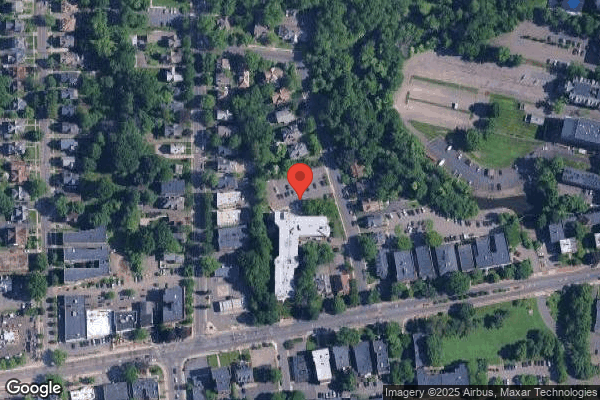
25 LORRAINE ST, HARTFORD, CT 06105 (860) 233-8241
For profit - Limited Liability company 234 Beds ICARE HEALTH NETWORK Data: November 2025
Trust Grade
38/100
#122 of 192 in CT
Last Inspection: November 2024

Within standard 12-15 month inspection cycle. Federal law requires annual inspections.

Overview

Chelsea Place Care Center LLC in Hartford, Connecticut, has received a Trust Grade of F, indicating significant concerns with care quality and safety. Ranking #122 out of 192 facilities in Connecticut places it in the bottom half, and #45 out of 64 in the local county suggests limited better options nearby. The facility is showing improvement, reducing issues from 24 in 2024 to just 3 in 2025. Staffing is a relative strength with a 3/5 rating and a low turnover rate of 26%, which is better than the state average. However, there are concerning incidents reported, such as a failure to ensure proper management of resident medications and unsafe conditions in bathrooms, which could jeopardize resident safety. While there have been no fines, the facility has less RN coverage than 77% of state facilities, which raises concerns about the adequacy of nursing oversight.

Trust Score
F
38/100
In Connecticut
#122/192
Bottom 37%
Safety Record
High Risk
Review needed
Inspections
Getting Better
24 → 3 violations
Staff Stability
✓ Good
26% annual turnover. Excellent stability, 22 points below Connecticut's 48% average. Staff who stay learn residents' needs.
Penalties
✓ Good
No fines on record. Clean compliance history, better than most Connecticut facilities.
Skilled Nurses
⚠ Watch
Each resident gets only 22 minutes of Registered Nurse (RN) attention daily — below average for Connecticut. Fewer RN minutes means fewer trained eyes watching for problems.
Violations
⚠ Watch
51 deficiencies on record. Higher than average. Multiple issues found across inspections.
★★☆☆☆
2.0
Overall Rating
★★★☆☆
3.0
Staff Levels
☆☆☆☆☆
0.0
Care Quality
★★☆☆☆
2.0
Inspection Score
Stable
2024: 24 issues
2025: 3 issues

The Good

  • Low Staff Turnover (26%) · Staff stability means consistent care
  • Full Sprinkler Coverage · Fire safety systems throughout facility
  • No fines on record
  • Staff turnover is low (26%)

    22 points below Connecticut average of 48%

Facility shows strength in staff retention, fire safety.

The Bad

2-Star Overall Rating

Below Connecticut average (3.0)

Below average - review inspection findings carefully

Chain: ICARE HEALTH NETWORK

Part of a multi-facility chain

Ask about local staffing decisions and management

The Ugly 51 deficiencies on record

May 2025 1 deficiency
CONCERN (D) 📢 Someone Reported This

A family member, employee, or ombudsman was alarmed enough to file a formal complaint

Potential for Harm - no one hurt, but risky conditions existed

Deficiency F0806 (Tag F0806)

Could have caused harm · This affected 1 resident

**NOTE- TERMS IN BRACKETS HAVE BEEN EDITED TO PROTECT CONFIDENTIALITY** Based on clinical record reviews, observations, facility documentation, and interviews for one (1) of four (4) sampled residents...

Read full inspector narrative →
**NOTE- TERMS IN BRACKETS HAVE BEEN EDITED TO PROTECT CONFIDENTIALITY** Based on clinical record reviews, observations, facility documentation, and interviews for one (1) of four (4) sampled residents (Resident #2) who had documented food allergies, the facility failed to provide meals that were free of the items Resident #2 was allergic to. The findings include: Resident #2's diagnoses included asthma, anxiety, and pulmonary embolism. A physician's order dated 3/31/25 directed a regular diet. The nursing admission assessment dated [DATE] and the nutritional assessment dated [DATE] did not address the topic of food allergies. The admission Minimum Data Set assessment dated [DATE] identified Resident #2 was alert and oriented to person, place, time, and situation, and was independent with eating. A physician's order dated 4/30/25 identified food allergies to mayonnaise and eggs were added. The May 2025 allergy report identified Resident #2 had food allegories to mayonnaise and eggs. The facility menu dated 5/9/25 identified the alternate dinner food items were tomato soup and a tuna fish sandwich. The facility menu dated 5/10/25 identified the lunch menu included potato salad. Interview with the Director of Food Service on 5/27/25 at 12:25 PM identified the process of being made aware of a resident's food allergies was that the nursing staff would alert the kitchen and then the allergies would be printed on the dietary ticket. The dietary aides on the food line were responsible for reading the tickets to ensure the residents were not served something they were allergic to and if food was plated that the resident was allergic to, the nurse aide or nurse should have identified that and notified the kitchen for a replacement. The Director of Food Services indicated she had been made aware Resident #2 was allergic to a food item that was served. The food allergy had not been listed on the resident's record and the record was updated on 4/30/25 to reflect the food allergies which consisted of eggs and mayonnaise. The Director of Food Service identified those items should not have been served after that point. Interview with Resident #2 on 5/27/25 at 1:15 PM identified on 5/10/25 he/she had been served potato salad for lunch and was allergic to mayonnaise. Resident #2 identified he/she had been served food he/she was allergic to on multiple occasions and had received tuna fish the day before. Resident #2 indicated he/she tried to address getting the wrong food with both the nurse aides and the nurses on the unit but got the same response from them that they could not do anything about it because it was an issue with the kitchen. Observations on 5/27/25 at 1:25 PM identified Resident #2 was served a meal consisting of macaroni and cheese, a roll, milk, and what appeared to be a ham salad sandwich. The Food Service Director came to the room after the nurse aide and charge nurse were not able to identify the sandwich as being ham salad, verified the sandwich was a ham salad which was made with mayonnaise, took the sandwich from Resident #2's room and got a peanut butter and jelly sandwich to substitute. Interview with the Director of Nursing (DON) on 5/27/25 at 2:40 PM identified if a resident had any issues with the food they were served it was the responsibility of the charge nurse to call the kitchen to resolve the issue. The DON indicated Resident #2 should not have been served a food he/she was allergic to.
Mar 2025 2 deficiencies
CONCERN (D) 📢 Someone Reported This

A family member, employee, or ombudsman was alarmed enough to file a formal complaint

Potential for Harm - no one hurt, but risky conditions existed

Deficiency F0697 (Tag F0697)

Could have caused harm · This affected 1 resident

**NOTE- TERMS IN BRACKETS HAVE BEEN EDITED TO PROTECT CONFIDENTIALITY** Based on clinical record reviews, facility documentation, facility policies and interviews for one (1) of three (3) sampled resi...

Read full inspector narrative →
**NOTE- TERMS IN BRACKETS HAVE BEEN EDITED TO PROTECT CONFIDENTIALITY** Based on clinical record reviews, facility documentation, facility policies and interviews for one (1) of three (3) sampled residents (Resident #1) who had chronic pain and required a controlled medication for relief, the facility failed to reorder the resident's pain medication to ensure the medication was available to be administered or administer an alternative medication in the absence. The findings include: Resident #1's diagnoses included stage four (4) pressure ulcer to coccyx and a surgical wound to the abdomen. A physician's order dated 2/20/25 directed Oxycodone HCL oral solution 5 milligrams (mg)/5 milliliters (ml) take 10 ml every four (4) hours as needed for abdominal pain, Tylenol 20.312 ml by mouth every six (6) hours as needed for pain, and pain monitoring every shift. The admission Resident Care Plan dated 2/21/25 identified that Resident #1 was at risk for impaired circulation. Interventions directed to administer pain medications per physician orders, follow non-medicated interventions as ordered, encourage and maintain bedrest with legs elevated, and evaluate pain level. The admission Minimum Data Set assessment dated [DATE] identified Resident #1 was alert and oriented to person, place, time, and situation, was independent with care, and experienced pain frequently, a level six (6) on the pian scale from zero (0) to ten (10). Review of the March 2025 Treatment Administration Record identified Resident #1's pain was assessed every shift and ranged from zero (0) to eight (8) from 3/9/25 through 3/11/25. The pain levels on 3/10/25 were documented as six (6) on the 7AM-3PM shift, eight (8) on the 3-11PM shift, and eight (8) on the 11PM-7AM. Review of the March 2025 Medication Administration Record (MAR) identified Resident #1 had pain and received Oxycodone on 3/9/25 at 3:08 AM and at 1:21 PM, the MAR identified the next dose of Oxycodone was not administered until 3/11/25 at 5:07 AM. The MAR failed to reflect documentation Resident #1 received any other medication for pain from 3/9/25 at 8:00 PM through 3/11/25 at 5:07 AM. The Control Substance Disposition Record identified the last dose of Oxycodone liquid from the bottle dispensed on 3/1/25 was on 3/9/25 at 1:21 PM. The Control Substance Disposition Record dated 3/10/25 identified a new bottle was received by the facility on 3/11/25 and the first dose was dispensed on 3/11/25 at 5:07 AM. The facility emergency backup medicine Disposition Record was reviewed from 3/9/25 through 3/11/25 and identified one (1) dose of Oxycodone 10 mg as dispensed for Resident #1 on 3/9/25 at 8:00 PM. Although the MAR and nurse's notes identified Resident #1 was given Oxycodone on 3/10/25 at 7:47 AM, neither set of Control Substance Disposition Records, (facility e-box or the resident's) reflected the Oxycodone had been administered. Interview with Resident #1 at on 3/14/25 at 12:40 PM identified the facility ran out of his/her pain medication on 3/9/25 and 3/10/25 and he/she was in a lot of pain. Interview with the 3-11PM charge nurse, Licensed Practical Nurse (LPN) #4, on 3/17/25 at 12:25 PM identified the facility run out of Resident #1's prescribed liquid Oxycodone and she asked the Nursing Supervisor to obtain Oxycodone from the emergency box so she could administer the medication. LPN #4 indicated she recalled crushing the pill and mixing it in liquid to administer to Resident #1. Interview with the Director of Nursing (DON) on 3/14/25 at 10:30 AM and 3/17/25 at 1:40 PM identified Resident #1 had made a complaint to her that he/she had not gotten his/her pain medication for three (3) days. The DON identified the expectation for as needed medications to be reordered when there were only seven (7) doses remaining. The DON identified it was against policy to document a med as administered when it was not given, and the facility should ensure residents' had medication available. The facility policy Medication Administration and Documentation identified the nurse is to notify the nursing supervisor if a medication is not available and the facility is to document all medications unavailable for medication administration.
MINOR (C) 📢 Someone Reported This

A family member, employee, or ombudsman was alarmed enough to file a formal complaint

Minor Issue - procedural, no safety impact

Deficiency F0804 (Tag F0804)

Minor procedural issue · This affected most or all residents

**NOTE- TERMS IN BRACKETS HAVE BEEN EDITED TO PROTECT CONFIDENTIALITY** Based on clinical record reviews, observations, facility documentation, facility policies and interviews for one (1) of three (3...

Read full inspector narrative →
**NOTE- TERMS IN BRACKETS HAVE BEEN EDITED TO PROTECT CONFIDENTIALITY** Based on clinical record reviews, observations, facility documentation, facility policies and interviews for one (1) of three (3) sampled residents (Resident #1) who had a diagnosis of severe protein malnutrition, the facility failed to provide meals that were palatable, attractive, and at an appetizing temperature for all residents. The findings include: Resident #1's diagnoses included severe protein malnutrition, stage four (4) pressure ulcer to the coccyx and a surgical wound to the abdomen. A physician's order dated 2/20/25 directed a regular diet with ensure plus high protein one (1) bottle three (3) times per day. The admission Resident Care Plan dated 2/21/25 identified Resident #1 had a nutritional problem. Interventions directed to serve supplements and diet as ordered, dietary to evaluate and make dietary changes as needed, and weights as ordered. The admission Minimum Data Set assessment dated [DATE] identified Resident #1 was alert and oriented to person, place, time, and situation, was independent with eating, and was five (5) feet five (5) inches and weighed ninety-one (91) pounds. The dietary mealtime delivery schedule identified meals were delivered between the following times on all units: breakfast from 7:35 AM to 8:55 AM, lunch from 11:50 AM to 1:05 PM, and dinner from 5:35 PM to 6:30 PM. Review of Resident Council Meeting Minutes from 9/10/24 through 2/11/25 identified Food Committee meetings took place and the Administrator and Director of Food Service did not attend the meetings. The concerns brought forth at the meetings included residents receiving food they did not like, condiments not being served with meals, the quality of food had decreased, the food lacked presentation, and the residents thought the food came from a can. The comments were addressed by the Administrator and the Administrator would conduct audits on quality and presentation. The 1/23/25 Food Committee meeting voiced concerns regarding wrong orders were sent, smaller portions than usual, and no bread available on three (3) dates. A Resident Grievance Report dated 2/11/25 identified the food service was not following the menu offering and selection regarding the menu choice or description because there was no bread for the grinder. The grievance was addressed with the facility cook and the roll for the grinder was sent to the resident. Observations conducted on 3/14/25 at 1:35 PM identified the meal consisting of fish with gravy, rice, mixed vegetables, canned pears, coffee, and milk. The food was served directly from the kitchen and was warm. A taste test of the meal identified the meal lacked seasoning, one was unable to initially identify the fish until breaking it up with a fork, the fish was presented as a loose, and formed pile of light brown sauce. The rice had a gummy texture, and the mixed vegetables were soggy, waterlogged and lacked flavor. The appearance of the overall meal was not appealing. Observations of the nourishment cart identified a variety of sandwiches, all on white bread and wrapped in cellophane and dated. Small amounts of filling were noted in each sandwich and nothing other than the filling were noted in the sandwiches. Interview with Resident #1 on 3/14/25 at 12:40 PM identified dinner at the facility had been served as late as 7:30 PM at least six (6) times since he/she was admitted to the facility. Resident #1 identified the hot foods were often served cold, the portion sizes were small, and he/she was often unable to identify the meat that was being served. Interview with the Resident Council President, Resident #2, on 3/14/25 at 1:00 PM identified the main, consistent and unresolved concern resident council members expressed during the meetings were related to dietary service. The complaints residents voiced included food that was not appealing to look at, lacked flavor, at times the food was cold, and served as late as 8:00 PM on a weekly basis. Resident #2 described the 3/14/25 breakfast served as toast and some other item that he/she could not identify and did not even try to eat. Resident #2 identified the facility had a nourishment cart which consisted of a variety of sandwiches and crackers. Resident #2 described the peanut butter and jelly sandwiches as being spread so thin the facility appeared to be on strike. Resident #2 identified they attempted to have a food committee but were unsuccessful on having a consistent meeting because either the Administrator or Director of Food Service were not available to attend the meetings. Interview with the Director of Food Service on 3/14/25 at 2:11 PM identified the dietary concerns she was made aware of included food choices and food temperatures, and she rectified those concerns by sending out menus weekly requesting residents make their meal selections and identify food preferences and utilizing different holding units to keep food warmer longer. The Director of Food Service identified the latest meals were served at night was 6:30 PM and she attended the Food Committee monthly. (The meeting minutes were not made available after multiple requests). Interview with the Administrator on 3/17/25 at 10:15 AM identified she stopped attending monthly Food Committee meetings around December 2024 because issues with dietary had improved. Although requested dietary audits and Food Committed meeting minutes were not provided. (requested minutes on 3/14/25 and upon arrival to facility on 3/17/25) Documentation identified that neither the Director of Nursing or the Administrator was present at each Resident Council meeting.
Nov 2024 4 deficiencies
CONCERN (D) 📢 Someone Reported This

A family member, employee, or ombudsman was alarmed enough to file a formal complaint

Potential for Harm - no one hurt, but risky conditions existed

Report Alleged Abuse (Tag F0609)

Could have caused harm · This affected 1 resident

**NOTE- TERMS IN BRACKETS HAVE BEEN EDITED TO PROTECT CONFIDENTIALITY** Based on review of the clinical record, facility documentation, facility policy and interviews for five of eleven (11) residents...

Read full inspector narrative →
**NOTE- TERMS IN BRACKETS HAVE BEEN EDITED TO PROTECT CONFIDENTIALITY** Based on review of the clinical record, facility documentation, facility policy and interviews for five of eleven (11) residents (Residents #1, 2, 3, 8, and 9) reviewed for misappropriation, the facility failed to ensure the State Agency was notified timely of an allegation of misappropriation when an alleged diversion was identified. The findings include: 1. Resident #1 was admitted with diagnoses that included osteomyelitis, and contractures. An annual Minimum Data Set (MDS) dated [DATE] identified Resident #1 had a Brief Mental Interview for Mental Status (BIMS) of eight (8) indicative of moderately impaired cognition, and occasionally experienced pain in the last five (5) days. The Resident Care Plan (RCP) dated 3/25/2024 identified Resident #1 was at risk for skin breakdown. RCP directed to assist with repositioning changes, offer right hand wrist splints and wound care as ordered. A physician order dated 5/2/2024 directed to administer Oxycodone (a narcotic pain medication) immediate release (IR) 10 milligram (mg) tablet by mouth every eight (8) hours. A review of the controlled substance distribution record (CDSR) #118721 received 5/7/2024, identified LPN #1 had documented on 5/7/2024 one tablet of Oxycodone IR 10 mg had been popped in error and on 5/8/2024, LPN #1 identified that another Oxycodone IR 10 mg tablet had been dropped. Neither had a co-signature that the tablet was destroyed. 2. Resident #2 was admitted with diagnoses that included polyneuropathy (damage of the peripheral nerves, affecting the skin, muscles and organs) and diabetes mellitus. The quarterly MDS assessment dated [DATE] occasionally experienced pain in the last five (5) days. The RCP dated 3/27/2024 identified that Resident #2 had pain due to neuropathy, scoliosis (curvature of the spine) and osteoporosis (bones become weak and brittle). A physician progress note dated 3/27/2024 identified Resident #2 was alert and oriented to person, place and time. A physician order dated 3/27/2024 directed to administer Oxycodone (a narcotic pain medication) immediate release (IR) 10 mg tablet, every night at bedtime. A review of Resident #2's medication administration record (MAR) and the copy of the facility yellow proof of receipt CSDR #128616, thirty (30) tablets of Oxycodone IR 10 mg tablet were delivered to the facility on 4/6/2024. A facility audit/reconciliation completed on 4/19/2024 identified six (6) tablets remained out of the original thirty (30). A review of Resident #2's April MAR identified that ten (10) doses were documented as administered (nightly from 4/6 to 4/16/2024), leaving 14 tablets not remaining in the card and were unaccounted for (not signed as administered). Although requested, the facility was unable to provide the actual white CSDR sheet #128613 (used by nurses to sign when the drug is removed from the card) that is required to track the disposition of Resident #2's Oxycodone IR 10 mg tablet to be given every night at bedtime, and indicated it was missing. 3. Resident #3 was admitted diagnoses that included multiple myeloma not in remission, chronic pain and sciatica (pain that radiated down the right leg from the back). The quarterly MDS assessment dated [DATE] identified Resident #3 had a Brief Mental Interview for Mental Status (BIMS) of fifteen (15) indication the resident was alert and oriented, and occasionally experienced pain in the last five (5) days. The RCP dated 3/20/2024 identified that Resident #3 needed help with activities of daily living (ADLs) due to melanoma cancer and a history of thoracic fracture. Interventions directed to follow up on unexplained pain. A physician order dated 5/6/2024 directed to administer Oxycodone immediate release (IR) 10 mg tablet, give one tablet by mouth every four hours as needed for pain. A review of Resident #3's MAR and CSDR #118644 provided by a Department of Consumer Protection (DCP) representative for Resident #3's Oxycodone IR 10 mg tablet (directions to give one tablet by mouth every four hours as needed for pain) indicated six (6) tablets were received by the facility on 4/30/2024. A review of Resident #3's MAR identified that on 5/13/2024, at 7:00 AM, one IR 10 mg tablet of Oxycodone was signed out on the CSDR #118644, but was not signed as administered by LPN on Resident #3's MAR. Although requested, the facility was unable to provide CSDR #118644 that is required to track the disposition Resident #3's Oxycodone immediate release (IR) 10 mg tablet, give one tablet by mouth every four hours as needed for pain and indicated it was missing. 4. Resident #8 was admitted with diagnoses that included arteriosclerosis (thickened and hardened arteries) of the right leg and lower left leg with ulcerations (open wounds) and opioid dependence. The quarterly MDS assessment dated [DATE] identified Resident #8 had a BIMS of fifteen (15) indicating the resident was alert and oriented. The RCP dated 3/20/2024 identified that Resident #8 had an alteration in skin left leg with a full thickness trauma wound reporting a pain level 8 on a scale of 1 to 10. The RCP directed to treatment as indicated. A physician's order dated 4/9/2024 directed to administer Oxycodone IR 5 mg tablet, give one tablet by mouth every eight hours as needed for pain. A review of Resident #8's MAR and CSDR #128899 for Resident #8's Oxycodone IR 5 mg tablet identified that LPN #1 signed out one (1) IR 5 mg tablet of Oxycodone on 4/14/2024 at 10:00 PM, 4/15/2024 at 6:00 AM and 4/22/2024 at 5:00 AM, but the three (3) doses were not signed as administered by LPN #1 on Resident #8's MAR. 5. Resident # 9's diagnoses included cancer and osteomyelitis. An admission MDS assessment dated [DATE] identified Resident #3 had a Brief Mental Interview for Mental Status (BIMS) of fifteen (15) indicating the resident was alert and oriented. The RCP dated 12/28/2024 identified Resident #9 had pain due to multiple surgeries, cancer and needed medication to manage the pain. Interventions directed to provide pain medication as ordered and observe effectiveness, and if breakthrough pain to offer another one of the prescribed pain medications. A physician's order dated 1/22/2024 directed to administer Oxycodone IR 10 mg tablet, give one tablet by mouth every eight hours as needed for pain. A review of Resident #9's MAR and CSDR numbered #117755 provided by DCP representative for Resident #9's Oxycodone IR 10 mg tablet, give one tablet by mouth every eight hours as needed for pain, identified that on 1/29/2024, at 6:00 PM, one (1) IR 10 mg tablet of Oxycodone was signed out on the CSDR #117755 and documented as dropped on the floor by LPN #1 but lacked a co-signature by another nurse to indicate that the tablet was destroyed or wasted. Although requested, the facility was unable to provide CSDR #117755 disposition tracking form during survey. Review of the State Agency Facility Licensing & Investigation Section (FLIS) Reportable Events website failed to identify the State Agency was notified. Interview and review of facility investigative documents on 11/18/2024 at 9:30 AM with the former DNS/RN #3 identified she completed an investigation on 5/2024 for suspected drug diversion. RN #3 identified the facility suspected drug diversion by LPN #1 and the results of the facility investigation led her to report LPN #1 to the Department of Consumer Protection (DCP) for possible narcotic diversion, and a representative of that Department was on site on 5/15/2024. The DNS stated she did not notify the State Agency FLIS and she was unaware that diversion of resident's medications was abuse/misappropriation. The facility Abuse CT Policy dated 3/20/2024 directed in part that misappropriation of resident property is prohibited. Misappropriation of Resident Property was defined as the deliberate misplacement, exploitation, or wrongful temporary or permanent use of a resident's belongings without the resident's consent. The Policy further directed allegations of abuse will be promptly reported, and misappropriation of property was to be reported to the Department of Public Health immediately but not more than 2 hours after the allegation is made.
CONCERN (D) 📢 Someone Reported This

A family member, employee, or ombudsman was alarmed enough to file a formal complaint

Potential for Harm - no one hurt, but risky conditions existed

Medical Records (Tag F0842)

Could have caused harm · This affected 1 resident

**NOTE- TERMS IN BRACKETS HAVE BEEN EDITED TO PROTECT CONFIDENTIALITY** Based on review of the clinical record, facility documentation, facility policy and interviews for one (1) of three (3) resident...

Read full inspector narrative →
**NOTE- TERMS IN BRACKETS HAVE BEEN EDITED TO PROTECT CONFIDENTIALITY** Based on review of the clinical record, facility documentation, facility policy and interviews for one (1) of three (3) residents (Resident #12) reviewed for accidents, the facility failed to ensure complete documentation regarding resident behaviors and failed to ensure that administered medications were signed off and the effectiveness of the medications were documented on in the clinical record. Resident #12's diagnoses included dementia, schizophrenia and anxiety disorder. The quarterly Minimum Data Set (MDS) assessment dated [DATE] identified Resident #12 had a Brief Mental Interview for Mental Status (BIMS) of twelve (12) indicative of a moderate cognitive impairment and required set-up assistance for bed mobility, transfers and ambulation. The Resident Care Plan (RCP) dated 10/3/24 identified that Resident #12 has altered mood and behavior secondary to schizophrenia and will often start speaking about God and asking for forgiveness with interventions that included to observe for an indication of increased anxiety and use a calm, gentle approach in attempting verbal redirection and support. A physician's order dated 9/4/24 directed to administer Ativan 2 milligram (mg) (an anti-anxiety medication) by mouth every six (6) hours as needed for anxiety or agitation. Review of facility Reportable Event (RE) dated 11/1/24 identified that at 10:30 PM Resident #12 was running uncontrollably in the hallway and accidentally hit his/her hand on the wall causing an injury. The RE identified that the APRN was notified, and the resident was sent to the Emergency Department (ED) for evaluation where he/she was found to have a partial traumatic amputation of the left ring finger through the phalanx (bone towards the tip of the finger). Review of a narcotic disposition log identified that Ativan 2 mg was administered to Resident #12 at 7:00 PM on 11/1/24. a. Review of the November 2024 Behavior Intervention Flow Record for Resident #12 identified that the resident has a history of behaviors including jumping over objects, paranoia, delusions, restlessness, physical aggression, pacing, running in the hallway, asking others if they can help him/her find God and insomnia, but failed to document any of those behaviors for the 3:00 PM to 11:00 PM shift on 11/1/24. b. A physician's order dated 9/4/24 directed to administer Ativan 2 mg, one (1) tablet by mouth every six (6) hours as needed for anxiety or agitation. Interview with LPN #4 on 11/22/24 at 3:33 PM identified that although she did not document on the MAR for Resident #12 and should have, she did administer Ativan 2 mg to Resident #4 on 11/1/24 at 7:00 PM, reporting that she forgot to document the administration, as a lot was going on that night, and she was very busy. She identified that although she also did not document the effectiveness of the medication, the Ativan was ineffective. She reported that looking back, she should have contacted the on-call provider and requested an additional order prior to 7:00 PM, stating that Resident #12 had behaviors for at least a few hours prior to the subsequent incident where he/she hurt their hand. Additionally, she identified that she should have documented the resident's behaviors on the Behavior Intervention Flow Record but stated that she also forgot due to all the commotion on the unit that shift. Interview and clinical record review with the DNS on 11/22/24 at 3:38 PM identified that LPN #4 should have documented the administration of the Ativan 2 mg to Resident #12 on the MAR for the 11/1/24 7:00 PM dose, as well as documenting behaviors. Review of the Behavior Monitoring policy dated 11/28/23 directed, in part, that the licensed nurse will monitor and document the number of behavioral episodes by shift with initials. A blank box indicates no behavior was present that shift. Although requested, a policy on Nursing Documentation was not provided.
CONCERN (E) 📢 Someone Reported This

A family member, employee, or ombudsman was alarmed enough to file a formal complaint

Potential for Harm - no one hurt, but risky conditions existed

Deficiency F0602 (Tag F0602)

Could have caused harm · This affected multiple residents

**NOTE- TERMS IN BRACKETS HAVE BEEN EDITED TO PROTECT CONFIDENTIALITY** Based on review of the clinical record, facility documentation, facility policy and interviews for five (5) of eleven (11) resid...

Read full inspector narrative →
**NOTE- TERMS IN BRACKETS HAVE BEEN EDITED TO PROTECT CONFIDENTIALITY** Based on review of the clinical record, facility documentation, facility policy and interviews for five (5) of eleven (11) residents (Residents #1, 2, 3, 8 and 9) reviewed for abuse, the facility failed to ensure the residents were free from misappropriation of the resident's medications. The findings include: 1. Resident #1 was admitted with diagnoses that included osteomyelitis, and contractures. An annual Minimum Data Set (MDS) dated [DATE] identified Resident #1 had a Brief Mental Interview for Mental Status (BIMS) of eight (8) indicative of moderately impaired cognition, and occasionally experienced pain in the last five (5) days. The Resident Care Plan (RCP) dated 3/25/2024 identified Resident #1 was at risk for skin breakdown. RCP directed to assist with repositioning changes, and wound care as ordered. A physician order dated 5/2/2024 directed to administer Oxycodone (a narcotic pain medication) immediate release (IR) 10 milligram (mg) tablet by mouth every eight (8) hours. A review of the controlled substance distribution record (CDSR) #118721 received 5/7/2024, identified LPN #1 had documented on 5/7/2024 one tablet of Oxycodone IR 10 mg had been popped in error and on 5/8/2024, LPN #1 identified that another Oxycodone IR 10 mg tablet had been dropped. Neither had a co-signature that the tablet was destroyed. Review failed to identify accounting for the Oxycodone tablets removed from the resident supply on 5/7 and 5/8/2024. 2. Resident #2 was admitted with diagnoses that included polyneuropathy (damage of the peripheral nerves, affecting the skin, muscles and organs) and diabetes mellitus. The quarterly MDS assessment dated [DATE] occasionally experienced pain in the last five (5) days. The RCP dated 3/27/2024 identified that Resident #2 had pain due to neuropathy, scoliosis (curvature of the spine) and osteoporosis (bones become weak and brittle). A physician progress note dated 3/27/2024 identified Resident #2 was alert and oriented to person, place and time. A physician order dated 3/27/2024 directed to administer Oxycodone (a narcotic pain medication) immediate release (IR) 10 mg tablet, every night at bedtime. A review of Resident #2's medication administration record (MAR) and the copy of the facility yellow proof of receipt CSDR #128616, thirty (30) tablets of Oxycodone IR 10 mg tablet were delivered to the facility on 4/6/2024. A facility audit/reconciliation completed on 4/19/2024 identified six (6) tablets remained out of the original thirty (30). A review of Resident #2's April MAR identified that ten (10) doses were documented as administered (nightly from 4/6 to 4/16/2024), leaving 14 tablets not remaining in the card and were unaccounted for (not signed as administered). Although requested, the facility was unable to provide the actual white CSDR sheet #128613 (used by nurses to sign when the drug is removed from the card) that is required to track the disposition of Resident #2's Oxycodone IR 10 mg tablet to be given every night at bedtime, and indicated it was missing. Review failed to identify accounting for the resident's 14 Oxycodone tablets. 3. Resident #3 was admitted diagnoses that included multiple myeloma not in remission, chronic pain and sciatica (pain that radiated down the right leg from the back). The quarterly MDS assessment dated [DATE] identified Resident #3 had a Brief Mental Interview for Mental Status (BIMS) of fifteen (15) indication the resident was alert and oriented, and occasionally experienced pain in the last five (5) days. The RCP dated 3/20/2024 identified that Resident #3 needed help with activities of daily living (ADLs) due to melanoma cancer and a history of thoracic fracture. Interventions directed to follow up on unexplained pain. A physician order dated 5/6/2024 directed to administer Oxycodone immediate release (IR) 10 mg tablet, give one tablet by mouth every four hours as needed for pain. A review of Resident #3's MAR and CSDR #118644 provided by a Department of Consumer Protection (DCP) representative for Resident #3's Oxycodone IR 10 mg tablet (directions to give one tablet by mouth every four hours as needed for pain) indicated six (6) tablets were received by the facility on 4/30/2024. A review of Resident #3's MAR identified that on 5/13/2024, at 7:00 AM, one IR 10 mg tablet of Oxycodone was signed out on the CSDR #118644, but was not signed as administered by LPN on Resident #3's MAR. Although requested, the facility was unable to provide CSDR #118644 that is required to track the disposition Resident #3's Oxycodone immediate release (IR) 10 mg tablet, give one tablet by mouth every four hours as needed for pain and indicated it was missing. Review failed to identify documentation that the Oxycodone tablet was administered to Resident #3 on 5/13/2024. 4. Resident #8 was admitted with diagnoses that included arteriosclerosis (thickened and hardened arteries) of the right leg and lower left leg with ulcerations (open wounds) and opioid dependence. The quarterly MDS assessment dated [DATE] identified Resident #8 had a BIMS of fifteen (15) indicating the resident was alert and oriented. The RCP dated 3/20/2024 identified that Resident #8 had an alteration in skin left leg with a full thickness trauma wound reporting a pain level 8 on a scale of 1 to 10. The RCP directed to treatment as indicated. A physician's order dated 4/9/2024 directed to administer Oxycodone IR 5 mg tablet, give one tablet by mouth every eight hours as needed for pain. A review of Resident #8's MAR and CSDR #128899 for Resident #8's Oxycodone IR 5 mg tablet identified that LPN #1 signed out one (1) IR 5 mg tablet of Oxycodone on 4/14/2024 at 10:00 PM, 4/15/2024 at 6:00 AM and 4/22/2024 at 5:00 AM, but the three (3) doses were not signed as administered by LPN #1 on Resident #8's MAR. Review failed to identify accounting for the three (3) Oxycodone tablets removed from the resident supply on 4/14, 4/15 and 4/22/2024. 5. Resident # 9's diagnoses included cancer and osteomyelitis. An admission MDS assessment dated [DATE] identified Resident #3 had a Brief Mental Interview for Mental Status (BIMS) of fifteen (15) indicating the resident was alert and oriented. The RCP dated 12/28/2024 identified Resident #9 had pain due to multiple surgeries, cancer and needed medication to manage the pain. Interventions directed to provide pain medication as ordered and observe effectiveness, and if breakthrough pain to offer another one of the prescribed pain medications. A physician's order dated 1/22/2024 directed to administer Oxycodone IR 10 mg tablet, give one tablet by mouth every eight hours as needed for pain. A review of Resident #9's MAR and CSDR numbered #117755 provided by DCP representative for Resident #9's Oxycodone IR 10 mg tablet, give one tablet by mouth every eight hours as needed for pain, identified that on 1/29/2024, at 6:00 PM, one (1) IR 10 mg tablet of Oxycodone was signed out on the CSDR #117755 and documented as dropped on the floor by LPN #1 but lacked a co-signature by another nurse to indicate that the tablet was destroyed or wasted. Although requested, the facility was unable to provide CSDR #117755 disposition tracking form during survey. Review failed to identify accounting for the resident's Oxycodone tablet removed from the resident supply on 1/29/2024. Interview and review of investigative documents on 11/18/2024 at 9:30 AM with the former DNS/RN #3, who completed a 5/2024 suspected drug diversion investigation for LPN #1, identified she met with LPN #1 on 5/10/2024 after a monthly audit that identified missing CDSR sheets, obscured signatures on some sheets and instances of failure of LPN #1 to follow facility policy for proper controls for narcotics. RN #3 indicated some resident's white CDSR sign out sheets for the narcotics were missing, some of the sheets contained illegible signatures and sheets that required two (2) nurse's signatures for destroyed drugs lacked a second signature. RN #3 indicated the questionable CDSR sheets involved LPN #1. RN #3 interviewed LPN #1 who identified she did not notify the supervisor or another nurse when another signature was required on the CDSR sheets when she popped a drug out in error or dropped a medication on the floor. The DNS identified the missing CDRS sheets, and the medication documentation issues led her to report LPN #1 to the DCP as she may have been diverting narcotics, and a representative of that department was on site on 5/15/2024. Review of LPN #1's employee file identified a employee corrective action form dated 5/10/2024 identified that LPN #1 had been found documenting several discrepancies in the controlled drug sheets. LLPN #1's employment was terminated because she did not respond to facility attempts to contact her regarding the discrepancies. Review of the Connecticut Consumer Protection report, Case Number 2024-1269 dated 9/26/2024 identified that two (2) Drug Control Agents met with LPN #1 on 9/12/2024, where LPN #1 admitted to diverting Oxycodone from the facility for her own personal use. Although attempted, an interview with LPN #1 was not obtained during the survey. The facility policy-controlled substance handling directed in part, that all controlled drugs were subject to special handling, storage and record keeping. A controlled drug accountability record (CDRS sheet) will be prepared and immediately following an administration of a dose, the licensed nurse will enter the date of time of administration, dose administered, signature of the nurse administering. If one or more doses of the controlled substance is removed from the container and cannot be returned to the blister pack it must be destroyed in the presence of two licensed nurses and documented by both nurses in the accountability record. All controlled substance accountability records and audit records on file for a period of no less than five years. The facility policy Abuse CT dated 3/20/2024 directed in part that abuse, neglect, exploitation, and/or mistreatment of residents or misappropriation of resident property is prohibited. Misappropriation of Resident Property was defined as the deliberate misplacement, exploitation, or wrongful temporary or permanent use of a resident's belongings without the resident's consent.
CONCERN (E) 📢 Someone Reported This

A family member, employee, or ombudsman was alarmed enough to file a formal complaint

Potential for Harm - no one hurt, but risky conditions existed

Pharmacy Services (Tag F0755)

Could have caused harm · This affected multiple residents

**NOTE- TERMS IN BRACKETS HAVE BEEN EDITED TO PROTECT CONFIDENTIALITY** Based on review of the clinical record, facility documentation, facility policy and interviews for nine of eleven residents (Res...

Read full inspector narrative →
**NOTE- TERMS IN BRACKETS HAVE BEEN EDITED TO PROTECT CONFIDENTIALITY** Based on review of the clinical record, facility documentation, facility policy and interviews for nine of eleven residents (Residents #1, 2, 3, 4, 5, 6, 7, 8 and 9) reviewed for misappropriation, the facility failed to maintain controlled drug accountability records controls sheets (CDSR) as required. The findings include: 1. Resident #1 was admitted with diagnoses that included osteomyelitis, and contractures. An annual Minimum Data Set (MDS) dated [DATE] identified Resident #1 had a Brief Mental Interview for Mental Status (BIMS) of eight (8) indicative of moderately impaired cognition, and occasionally experienced pain in the last five (5) days. The Resident Care Plan (RCP) dated 3/25/2024 identified Resident #1 was at risk for skin breakdown. RCP directed to assist with repositioning changes, offer right hand wrist splints and wound care as ordered. A physician order dated 5/2/2024 directed to administer Oxycodone (a narcotic pain medication) immediate release (IR) 10 milligram (mg) tablet by mouth every eight (8) hours. A review of the controlled substance distribution record (CDSR) #118721 received 5/7/2024, identified LPN #1 had documented on 5/7/2024 one tablet of Oxycodone IR 10 mg had been popped in error and on 5/8/2024, LPN #1 identified that another Oxycodone IR 10 mg tablet had been dropped. Neither had a co-signature that the tablet was destroyed. Interview and record review with the prior DNS/RN #3 on 11/18/2024 at 9:30 AM identified following CDSR forms were missing or illegible: The CDSR forms for Resident #1's Oxycodone IR 10 mg tablets every 8 hours • CDSR #118750 received 5/4/2024 had something spilled on it so signatures could not be clearly identified, and all signatures appeared to all belong to LPN #1. • CDSR sheet #129620 received 4/23/2024 was missing. RN #3 was unable to explain where the sheet was. • CDSR sheets #129340 received on 4/17/2024 was missing. 2. Resident #2 was admitted with diagnoses that included polyneuropathy (damage of the peripheral nerves, affecting the skin, muscles and organs) and diabetes mellitus. The quarterly MDS assessment dated [DATE] occasionally experienced pain in the last five (5) days. The RCP dated 3/27/2024 identified that Resident #2 had pain due to neuropathy, scoliosis (curvature of the spine) and osteoporosis (bones become weak and brittle). A physician progress note dated 3/27/2024 identified Resident #2 was alert and oriented to person, place and time. A physician order dated 3/27/2024 directed to administer Oxycodone (a narcotic pain medication) immediate release (IR) 10 mg tablet, every night at bedtime. A review of Resident #2's medication administration record (MAR) and the copy of the facility yellow proof of receipt CSDR #128616, thirty (30) tablets of Oxycodone IR 10 mg tablet were delivered to the facility on 4/6/2024. A facility audit/reconciliation completed on 4/19/2024 identified six (6) tablets remained out of the original thirty (30). A review of Resident #2's April MAR identified that ten (10) doses were documented as administered (nightly from 4/6 to 4/16/2024), leaving 14 tablets not remaining in the card and were unaccounted for (not signed as administered). Although requested, the facility was unable to provide the actual white CSDR sheet #128613 (used by nurses to sign when the drug is removed from the card) that is required to track the disposition of Resident #2's Oxycodone IR 10 mg tablet to be given every night at bedtime, and indicated it was missing. 3. Resident #3 was admitted diagnoses that included multiple myeloma not in remission, chronic pain and sciatica (pain that radiated down the right leg from the back). The quarterly MDS assessment dated [DATE] identified Resident #3 had a Brief Mental Interview for Mental Status (BIMS) of fifteen (15) indication the resident was alert and oriented, and occasionally experienced pain in the last five (5) days. The RCP dated 3/20/2024 identified that Resident #3 needed help with activities of daily living (ADLs) due to melanoma cancer and a history of thoracic fracture. Interventions directed to follow up on unexplained pain. A physician order dated 5/6/2024 directed to administer Oxycodone immediate release (IR) 10 mg tablet, give one tablet by mouth every four hours as needed for pain. A review of Resident #3's MAR and CSDR #118644 provided by a Department of Consumer Protection (DCP) representative for Resident #3's Oxycodone IR 10 mg tablet (directions to give one tablet by mouth every four hours as needed for pain) indicated six (6) tablets were received by the facility on 4/30/2024. A review of Resident #3's MAR identified that on 5/13/2024, at 7:00 AM, one IR 10 mg tablet of Oxycodone was signed out on the CSDR #118644, but was not signed as administered by LPN on Resident #3's MAR. Although requested, the facility was unable to provide CSDR #118644 that is required to track the disposition Resident #3's Oxycodone immediate release (IR) 10 mg tablet, give one tablet by mouth every four hours as needed for pain and indicated it was missing. Interview and record review with the prior DNS/RN #3 on 11/18/2024 at 9:30 AM identified the CSDR #129975 received on 4/30/2024 for Resident #3's Oxycontin Extended Release (ER) form was missing. 4. Resident #4 was admitted with diagnoses that included bipolar disorder and post-traumatic stress syndrome. An annual MDS assessment dated [DATE] identified Resident #4 had a BIMS of fifteen (15) indicating the resident was alert and oriented. The RCP dated 2/14/2024 identified Resident #4 had back pain. Interventions directed to provide a back brace and medication as ordered. A physician's order dated 3/25/2024 directed to administer Tramadol 50 mg, one (1) tablet by mouth every 24 hours as needed for pain. A CDSR sheet # 129043 for Resident #4's Tramadol 50 mg, one (1) tablet by mouth every 24 hours as needed for pain identified smudges that obscured signatures that prevented accurate tracking of distribution of the medication. Interview and record review with the prior DNS/RN #3 on 11/18/2024 at 9:30 AM identified the CDSR #129043 received for Resident #4 on 4/12/2024 was originally found to be missing had smudges that made it difficult to read. 5. Resident #5 was admitted with diagnoses that included fracture of the right lower leg. An admission MDS dated [DATE] identified Resident #5 required assistance with ADLs. A physician history and physical dated 4/8/2024 identified Resident #5 was alert and oriented to place, time and person. A physician order dated 3/30/2024 directed to administer Oxycodone IR 5 mg tablet, give one tablet by mouth every six (6) hours as needed for pain. Although requested, the facility was unable to provide CSDR #129063 that is required to track the disposition Resident #5's Oxycodone IR 5 mg tablet and indicated the form was missing. Interview and record review with the prior DNS/RN #3 on 11/18/2024 at 9:30 AM identified the CDSR #129063 form received on 4/12/2024 for Resident #5 for Oxycodone IR 5mg, was missing. 6. Resident #6 was admitted with diagnoses that included osteoarthritis qof the right shoulder. A quarterly MDS dated [DATE] identified Resident #6 had a BIMS of fifteen (15) (was alert and oriented) and was independent for mobility. A physician order dated 3/30/2024 directed to administer to administer Tramadol 50 mg, one (1) tablet via GT every 6 hours as needed for pain. Although requested, the facility was unable to provide CSDR #128518 that was required to track the disposition of Resident #6's Tramadol 50 mg; it was missing. Interview and record review with the prior DNS/RN #3 on 11/18/2024 at 9:30 AM identified the CDSR form #128518 received on 4/4/2024 for Resident #6 for Tramadol 50 mg, was missing. 7. Resident #7 was admitted with diagnoses that included chronic pain and a history of opioid abuse. A quarterly MDS dated [DATE] identified Resident #7 had a BIMS of fifteen (15) meaning (was alert and oriented) and required limited assistance for mobility. A physician's order dated 4/27/2024 directed Hydrocodone -APAP 5mg/325mg, 1 tablet by mouth every 12 hours as needed for pain. Although requested, the facility was unable to provide CSDR #129907 that is required to track the disposition Resident #7's hydrocodone -APAP 5mg/325mg, 1 tablet by mouth every 12 hours as needed for pain; it was missing. Interview and record review with the prior DNS/RN #3 on 11/18/2024 at 9:30 AM identified the CDSR form #129907 received for Resident #7 for Hydrocodone -APAP 5mg/325mg, was missing. 8. Resident # 9's diagnoses included cancer and osteomyelitis. An admission MDS assessment dated [DATE] identified Resident #3 had a Brief Mental Interview for Mental Status (BIMS) of fifteen (15) indicating the resident was alert and oriented. The RCP dated 12/28/2024 identified Resident #9 had pain due to multiple surgeries, cancer and needed medication to manage the pain. Interventions directed to provide pain medication as ordered and observe effectiveness, and if breakthrough pain to offer another one of the prescribed pain medications. A physician's order dated 1/22/2024 directed to administer Oxycodone IR 10 mg tablet, give one tablet by mouth every eight hours as needed for pain. A review of Resident #9's MAR and CSDR numbered #117755 provided by DCP representative for Resident #9's Oxycodone IR 10 mg tablet, give one tablet by mouth every eight hours as needed for pain, identified that on 1/29/2024, at 6:00 PM, one (1) IR 10 mg tablet of Oxycodone was signed out on the CSDR #117755 and documented as dropped on the floor by LPN #1 but lacked a co-signature by another nurse to indicate that the tablet was destroyed or wasted. Although requested, the facility was unable to provide CSDR #117755 disposition tracking form that is required to track the disposition Resident #9's oxycodone IR 10 mg tablet, give one tablet by mouth every eight hours as needed for pain; it was missing. Interview and review of investigative documents on 11/18/2024 at 9:30 AM with the former DNS/RN #3 identified CDSR sheets described above, used by the nurses to sign the medications out of the resident supply, were missing and stated she suspected the missing sheets were related to a drug diversion. RN #3 identified the controlled medications come with two (2) CDSR sheets: a white page for the nurses to sign the medications out of the resident supply, and a yellow copy that is kept in the DNS office and used to reconcile the medications to ensure the counts are accurate. RN #3 stated some of the white sheets had obscured signature, and some were missing a second signature required to verify when a medication is destroyed. Although attempted, an interview with LPN #1was not obtained during survey. The facility policy Controlled Substance Handling directed in part, that all controlled drugs were subject to special handling, storage and record keeping. A controlled drug accountability record (CDRS sheet) will be prepared and immediately following an administration of a dose, the licensed nurse will enter the date of time of administration, dose administered, signature of the nurse administering. If one or more doses of the controlled substance is removed from the container and cannot be returned to the blister pack it must be destroyed in the presence of two licensed nurses and documented by both nurses in the accountability record. All controlled substance accountability records and audit records on file for a period of no less than five years.
Nov 2024 10 deficiencies
CONCERN (D)

Potential for Harm - no one hurt, but risky conditions existed

Deficiency F0558 (Tag F0558)

Could have caused harm · This affected 1 resident

**NOTE- TERMS IN BRACKETS HAVE BEEN EDITED TO PROTECT CONFIDENTIALITY** Based on clinical record reviews, resident interview, observations and staff interviews for 1 of 6 residents ( Resident # 133) r...

Read full inspector narrative →
**NOTE- TERMS IN BRACKETS HAVE BEEN EDITED TO PROTECT CONFIDENTIALITY** Based on clinical record reviews, resident interview, observations and staff interviews for 1 of 6 residents ( Resident # 133) reviewed for respiratory care, the facility failed to ensure that call bells were answered timely and for 1 of 5 residents reviewed for Choices ( Resident # 140), the facility failed to ensure the call bell was accessible to the resident. The findings included: Resident #133 was admitted with diagnoses that included chronic respiratory failure, Chronic Obstructive Pulmonary Disease ( COPD), and anxiety. The quarterly Minimum Data Set ( MDS) assessment dated [DATE] identified Resident #133 was cognitively intact and required partial/moderate assistance for bed mobility. The MDS assessment also indicated the resident had experienced shortness of breath or trouble breathing when lying flat. A physician's order dated 9/18/2024 directed the administration of ipratropium-albuterol 0.5 milligrams (mg)-2.5 Milligrams ( MG) (a medication that increases airflow to the lungs) every six hours. The physician's order also directed the administration of albuterol inhaler 90 micrograms (mcg) every 4 to 6 hours as needed for shortness of breath or wheezing. A provider progress note dated 10/7/2024 indicated Resident #133 had frequent exacerbations of respiratory failure and had been declining with frequent hospital admissions. During an interview with Resident #133 on 1/5/2024, the resident indicated that on occasion, she/he would be calling for his/her breathing medication, and staff would take a long time to answer the call bell. Resident #133 indicated on one occasion, the resident was scared that no staff member was coming and had to start yelling for help. The resident could not recall the exact dates but indicated that it had occurred on the day and evening shifts. Resident #133 offered to ring his/her bell in the presence of the surveyor to demonstrate staff response time to the call bell. On 11/5/2024 at 10:23 AM, Resident #133 pushed the call bell button and agreed to have the surveyor wait with him/her in his/her room. At 10:46 AM, Nurse Aide ( NA) #4 entered the resident's room to ask what the resident needed (23 minutes after the resident had pushed the call bell. On 11/5/2024 at 10:53 AM, an interview with NA#4 and NA#5 indicated that although NA#4 was not the assigned nurse aide for the resident, she came into the room because she saw the call light outside the room. NA#5 indicated she was the assigned nurse aide to Resident #133 and had been helping NA#4 with another resident, but she had not seen the call bell light. On 1/5/24 at 11:14 AM an interview with Licensed Practical Nurse ( LPN)#3 indicated Resident #133 waiting 23 minutes for the call bell to be answered was not usual. LPN#3 indicated she was not aware of any specific time limit for call bells to be answered but indicated call bells are usually answered in five minutes or less. LPN#3 also indicated she did not see the residents call light because she must have been in a room passing medications. The facility policy for call lights indicated that all call lights would be answered promptly. 2. Resident #140's diagnoses included Chronic Obstructive Pulmonary Disease ( COPD), morbid obesity, and chronic respiratory failure with hypoxia. The admission Minimum Data Set assessment dated [DATE] identified Resident #140 was cognitively intact and requires two-person physical assist for bed mobility, transfers and toilet use. The care plan dated 9/3/24 identified Resident #140 at risk for falls, Interventions included to assist with 3-4 bed mobility and evaluate fall risk. Observation on 11/04/24 at 8:30 AM identified Resident #140's call bell was not within reach. The call bell was wrapped around the overbed table and dangling to the side. Resident #140 was unable to reach his/her call bell despite attempts. Interview with LPN #2 on 11/04/24 at 8:37 AM indicated the expectation is for staff to have the call bed within reach of the resident. However, LPN #2 was unable to explain why Resident #140 call bell was not within reach. The facility Call Light policy does not indicate staff expectations for the call bell in proximity to resident.
CONCERN (D)

Potential for Harm - no one hurt, but risky conditions existed

Comprehensive Care Plan (Tag F0656)

Could have caused harm · This affected 1 resident

**NOTE- TERMS IN BRACKETS HAVE BEEN EDITED TO PROTECT CONFIDENTIALITY** Based on clinical record review, facility policy review and interviews for 1 resident (Resident #12) reviewed for dental, the fa...

Read full inspector narrative →
**NOTE- TERMS IN BRACKETS HAVE BEEN EDITED TO PROTECT CONFIDENTIALITY** Based on clinical record review, facility policy review and interviews for 1 resident (Resident #12) reviewed for dental, the facility failed to ensure a comprehensive care plan was developed. The findings include Resident #12's diagnosis included depression and bipolar disorder. The Annual Minimum Data Set (MDS) assessment dated [DATE] indicated Resident #12 was severely cognitively impaired. An interview with charge nurse (RN #10) on 11/05/24 at 9:40 AM identified Resident #12 told the surveyor she/he had toothache and showed the surveyor her/his right lower jaw with broken and discolored teeth. RN #10 indicated Resident #12 was waiting for a tooth extraction and s/he would offer Resident # 12 medication and indicated the resident usually does not complain of discomfort. On 11/5/2024 at 9:45 AM of the clinical record identified an attempt made by the visiting dentist to see Resident #12 on 2/22/2018 but Resident#12 refused to be seen on that date. No other dental visits were found after the 2/22/2018 date until present 11/5/2024. An interview with Resident #12's responsible party, Person #3, on 11/07/24 at 9:58 AM identified Resident #12 had extraction of her/his teeth about 10 years ago and they tried to fit the resident for dentures, but it did not work out. In October 2024 Person# 3 signed a consent form for removal of the teeth but could not recall the date and indicates s/he was waiting for a notice of the date of the work to be done. Person #3 further indicated talking s/he speaks to Resident #12 daily and the resident had not voiced any concerns of oral pain. An interview and record review with the MDS Nurse (RN #8) on 11/08/24 from 8:45- 9:20 AM indicated the Annual Minimum Data Set, dated [DATE] indicated through the Care Area Assessments (CAA) Process of completing a comprehensive MDS (ex. Annual) the writer indicated to proceed with a dental care plan and to continue with the prior care plan, but no care plan for dental could be found in the older or present electronic documentation which started in 11/2024 per RN #8. RN # 8 further indicated the care plan should have been written and revised in the new system during the CAA completion dated 10/16/2024 but instead was 16 days overdue. The MDS Nurse RN #8, present during the interview indicated the care plans had been printed and were on the units, but no care plans were found or provided. The facility policy labeled Care Plan Policy dated 4/17/2024 notes in part within 7 days of completing MDS and CAAS, the interdisciplinary team develops, reviews and revises the plan of care to ensure it is person centered and individualized to meet the needs of the resident.
CONCERN (D)

Potential for Harm - no one hurt, but risky conditions existed

Deficiency F0657 (Tag F0657)

Could have caused harm · This affected 1 resident

**NOTE- TERMS IN BRACKETS HAVE BEEN EDITED TO PROTECT CONFIDENTIALITY** Based on clinical record reviews, review of facility policy and interviews for 1 of 1 resident ( Resident # 12) reviewed for den...

Read full inspector narrative →
**NOTE- TERMS IN BRACKETS HAVE BEEN EDITED TO PROTECT CONFIDENTIALITY** Based on clinical record reviews, review of facility policy and interviews for 1 of 1 resident ( Resident # 12) reviewed for dental and 2 of 4 residents (Residents # 25 and # 460 reviewed for abuse, the facility failed to revise the residents care plan timely. The findings included : 1. Resident #12's diagnosis included depression and bipolar disorder. The Annual Minimum Data Set assessment dated [DATE] indicated Resident #12 was severely cognitively impaired. The care plan dated 10/30/2024 for at risk for decline in wellbeing due to chronic medical and psychiatric conditions. Interventions included consulting with the social worker as needed, encouraging group activities and to report any changes to the physician. An interview and record review with the MDS Coordinator Nurse (RN # 8) on 11/08/24 from 8:45 AM to 9:20 AM identified the Annual Minimum Data Set assessment dated [DATE] indicated through the Care Area Assessments (CAA) Process of completing a comprehensive directed to proceed with a dental care plan and to continue with the prior care plan. However, review of the clinical record and Resident Assessments identified no care plan for dental found in the paper chart and the electronic medical documentation system started in 11/2024. RN #8 indicated the dental care plan should have been written and revised in the new system during the CAA completion dated 10/16/2024 but was not done until (16 days later). The facility policy labeled Care Plan Policy dated 4/17/2024 noted within 7 days of completing MDS and CAAS, the interdisciplinary team develops, reviews and revises the plan of care to ensure it is a person centered and individualized plan of care to meet the needs of the resident. 2. Resident #25 's diagnoses included hemiplegia, contractor to right hand and weakness. The quarterly Minimum Data Set assessment dated [DATE] identified Resident #25 was moderate impaired and required was dependent on staff for in bed mobility and lower body dressing. The resident also required set up assistance for eating. The care plan dated 9/4/24 with an update 11/6/24 identified resident was stuck by roommate. Interventions included to refer resident to psychiatry and social services for emotional support and to offer a room change. Interview on 11/07/24 12:02 PM interview with RN#5 indicated every discipline is responsible for filling out their part of care plan. Physical altercations are typically handled by DNS. Interview with DNS on 11/07/24 at 12:08 PM identified interventions are done immediately and residents are placed on 1-1 depending on severity. She also reported care plans should be updated the same day. DNS indicated she might have forgotten to update the care plan that day. 3. Resident #460 diagnosis included Major Depressive Disorder, opioid dependence and difficulty walking. The quarterly Minimum Data Set assessment dated [DATE] indicated Resident 460 was moderately impaired and independent with bed mobility, transfers and toilet use. The care plan dated 9/4/24 with an update on 11/6/24 noted interventions for Resident #460 to voice frustration and for staff to offer a room change. Interview on 11/07/24 12:02 PM with RN#5 indicated every discipline is responsible for filling out their part of care plan. Physical altercations are typically handled by DNS. Interview with DNS on 11/07/24 at 12:08 PM identified interventions are done immediately and residents are placed on 1-1 depending on severity.
CONCERN (D)

Potential for Harm - no one hurt, but risky conditions existed

Respiratory Care (Tag F0695)

Could have caused harm · This affected 1 resident

**NOTE- TERMS IN BRACKETS HAVE BEEN EDITED TO PROTECT CONFIDENTIALITY** Based on observations, clinical record reviews, facility policy and interviews for and 3 of 6 residents reviewed for Respiratory...

Read full inspector narrative →
**NOTE- TERMS IN BRACKETS HAVE BEEN EDITED TO PROTECT CONFIDENTIALITY** Based on observations, clinical record reviews, facility policy and interviews for and 3 of 6 residents reviewed for Respiratory Care( Residents.#65, #69, and #129), the facility failed to ensure oxygen supplies were stored and tabled properly and for 1 of 6 residents reviewed for Respiratory Care (Resident #196), the facility failed to provide tracheal suctioning in accordance with professional standards. The findings included: 1. Resident #65's diagnoses that included morbid obesity with alveolar hypoventilation (inadequate ventilation). The quarterly Minimum Data Set (MDS) assessment dated [DATE] identified Resident #65 was cognitively intact, required one to two person assist with activities of daily living (ADL), set up assist with eating and personal care. The Resident Care Plan (RCP) dated 10/30/24 identified Resident #65 had impaired respiratory status related to respiratory failure and pneumonia. Interventions directed to apply oxygen if saturation falls below parameters and administer respiratory treatments as ordered. The physician's orders dated 11/2/24 direct oxygen at 2L/min via nasal cannula continuously at bedtime, Change oxygen and nebulizer tubing weekly on Friday during the 3:00 PM - 11:00 PM shift. An observation with the Nursing Supervisor, RN #4 on 11/04/24 at 8:30 AM identified a nebulizing mask tucked under multiple miscellanies personal items without the benefit of a storage bag, no label affixed to the tubing /identifiable date on the tubing and oxygen tubing tucked under the bedside table with the nasal prongs in a garbage bag. An interview with RN #4 on 11/04/24 at 8:30 AM identified tubing should be stored in a clean bag and labeled with the date within the current week. Tubing was also should be labeled with the current date and changed every Friday during the 3:00 PM - 11:00 PM shift. An interview with the Director of Nursing Services on 11/6/24 at 2:05 PM identified her expectation is that respiratory equipment are stored in a clean bag when not in use and labeled within the current week. 2. Resident #69's diagnoses that included chronic obstructive pulmonary disease (COPD). The admission MDS assessment dated [DATE] identified Resident #69 was cognitively intact and independent with ADL care. The RCP dated 9/25/24 identified Resident #69 had impaired gas exchange and at risk for COPD complications. Interventions directed to monitor for changes in respiratory rate and symptoms of heart failure. An observation on 11/04/24 at 7:50 AM with Licensed Practical Nurse, LPN #2 identified a nebulizer mask directly on the bedside table and no label affixed to the tubing/identifiable date on the tubing. An interview with LPN #2 on 11/04/24 at 7:50 AM identified the nebulizer mask should be stored in a plastic bag when not in use with a current date affixed to the tubing within the week. An interview with the Director of Nursing on 11/6/24 at 2:05 PM identified her expectation is that respiratory equipment are stored in a clean bag when not in use and labeled within the current week. Although requested, physician orders were not provided. 3. Resident #129's diagnoses that included congestive heart failure (CHF) and COPD. The quarterly MDS assessment dated [DATE] identified Resident #129 was cognitively intact and independent with ADL care. The RCP dated 9/11/24 identified Resident #129 was at risk for shortness of breath related to COPD. Interventions directed to monitor oxygen as needed and nebulizer treatments as ordered to maintain adequate respiratory status. The physician's orders dated 11/6/24 directed oxygen at 2L/min continuously, Duoneb 0.5-2.5 (3) mg/ml every six hours as needed for shortness of breath. Change nebulizer tubing weekly and as needed, change oxygen tubing weekly on Friday and as needed. An observation on 11/04/24 at 7:50 AM with LPN #4 identified the resident's oxygen tubing with no affixed label/date written on the tubing. Humification tubing had an affixed label dated 10/9/24. An interview with LPN #4 on 11/04/24 at 7:50 AM identified the oxygen and humidification tubing should have a current date affixed to the tubing within the week. An interview with the Director of Nursing Services on 11/6/24 at 2:05 PM identified her expectation is that respiratory equipment are stored in a clean bag when not in use and labeled within the current week. A review of the facility policy for oxygen administration dated 4/17/2024 directed that masks and tubing are changed weekly. Although requested, a policy for the storage of respiratory equipment when not in use was not provided. 4. Resident #196 was admitted on [DATE] with diagnoses that included brain damage, pneumonia, and sepsis. A physician's order dated 9/19/2024 directed tracheostomy care every shift and suction as needed. The quarterly MDS assessment dated [DATE] identified Resident #196 was in a persistent vegetative state and dependent on facility staff for all self-care activities. The MDS assessment also indicated the resident required tracheostomy care and suctioning. On 11/6/2024 at 12:20 PM, LPN#4 was observed providing tracheal suction to Resident #196. LPN#4 donned clean gloves, poured sterile water into a non-sterile clear plastic cup, opened the drawer of the resident's nightstand, and retrieved a suction catheter from a clear plastic belongings bag. LPN#4 then proceeded to provide tracheal suctioning, obtaining pale yellow secretions; LPN#4 then placed the tip of the suction catheter into the clear plastic cup and suctioned some water to clear the catheter of secretions. LPN#4 then proceeded to provide the resident with tracheal suction again. Afterward, LPN#4 cleared the catheter with water and proceeded to store the used catheter in the clear plastic belongings bag on the resident's nightstand. In an interview on 11/6/2024 at 12:25 PM LPN #4 indicated that clean gloves were okay to use, and sterile gloves were not necessary. LPN #4 also indicated she would reuse the suction catheter until the end of her shift unless the catheter would get too soiled with secretions. On 11/6/2024 at 3:00 PM an interview with the DNS indicated for tracheal suctioning a new suction catheter should be used each time and the water used to clear the catheter in between suction passes should be sterile. The DNS further indicated sterile gloves would not be necessary as she did not think tracheal suctioning was a sterile procedure. The DNS indicated the expectation was for staff to follow the facility policy for tracheal suctioning. A review of the facility policy for tracheal suctioning identified the equipment required to perform endotracheal suctioning through a tracheostomy included: sterile suction catheter, sterile gloves, sterile drape, sterile water, and sterile cup for water. Additionally, the policy indicated that upon donning sterile gloves at least one hand is maintained sterile to remove the sterile suction catheter from the packages.
CONCERN (D)

Potential for Harm - no one hurt, but risky conditions existed

Deficiency F0726 (Tag F0726)

Could have caused harm · This affected 1 resident

**NOTE- TERMS IN BRACKETS HAVE BEEN EDITED TO PROTECT CONFIDENTIALITY** Based on observation, review of facility policy and staff interviews for 1 of 1 resident reviewed for tracheostomy care (Residen...

Read full inspector narrative →
**NOTE- TERMS IN BRACKETS HAVE BEEN EDITED TO PROTECT CONFIDENTIALITY** Based on observation, review of facility policy and staff interviews for 1 of 1 resident reviewed for tracheostomy care (Resident #196), the facility failed to ensure staff were competent in providing tracheal suctioning. The findings include: Resident #196 was admitted on [DATE] with diagnoses that included brain damage, pneumonia, and sepsis. A physician's order dated 9/19/2024 directed tracheostomy care every shift and suction as needed. The quarterly MDS assessment dated [DATE] identified Resident #196 was in a persistent vegetative state and required tracheostomy care and suctioning. On 11/6/2024 at 12:20 PM, LPN#4 was observed providing tracheal suction to Resident #196. LPN#4 donned clean gloves, poured sterile water into a non-sterile clear plastic cup, opened the drawer of the resident's nightstand, and retrieved a suction catheter from a clear plastic belongings bag. LPN#4 then proceeded to provide tracheal suctioning, obtaining pale yellow secretions; then LPN#4 placed the tip of the suction catheter into the clear plastic cup and suctioned some water to clear the catheter of secretions. LPN#4 then proceeded to provide the resident with tracheal suction again. Afterward, LPN#4 cleared the catheter with water and proceeded to store the used catheter in the clear plastic belongings bag on the resident's nightstand. In an interview on 11/6/2024 at 12:25 PM, LPN #4 indicated that clean gloves were okay to use and sterile gloves were not necessary. LPN #4 also indicated that she would reuse the suction catheter until the end of her shift unless the catheter would get too soiled with secretions. LPN #4 further indicated tracheal suctioning was not taught in her formal nursing education. LPN #4 indicated that she learned suctioning from the nursing supervisors at the facility and that a respiratory therapist who came to the facility had also shown her how to manage the equipment. On 11/6/2024 at 2:43 PM an interview with the nursing supervisor (RN#6), indicated that a new suction catheter would be needed each time the resident would be suctioned and it would not be appropriate to reuse a catheter for a later time. RN#6 also indicated that she thought tracheal suctioning was not a sterile procedure and therefore sterile gloves would not be required. On 11/6/2024 at 3:00 PM an interview with the DNS indicated that for tracheal suctioning a new suction catheter should be used each time and that water used to clear the catheter in between suction passes should be sterile. The DNS further indicated that sterile gloves would not be necessary as she did not think tracheal suctioning was a sterile procedure. The DNS indicated that the expectation was for staff to follow the facility policy for tracheal suctioning. On 11/7/2024 at 12:26 PM, an interview with the Director of Respiratory Therapist contracted by the facility indicated tracheal suctioning is a sterile procedure that requires a sterile catheter, sterile gloves, and sterile water. Additionally, the Director of Respiratory Therapist indicated that he did some in-servicing with staff at the facility when the resident had recently arrived, which included how to use the bedside equipment. The Head Respiratory Therapist indicated that he did not have a sign-in sheet because sign-in sheets are only used when providing competencies, and the bedside demonstrations he covered were not considered competencies. On 11/7/2024 at 3:17 PM, an interview with the Regional Infection Preventionist (RN#3) indicated she oversaw the clinical skills day of the new employee orientation. The Nurse Skills Day Checklist dated 6/6/2024 for LPN#4 was reviewed with RN#3. RN#3 indicated the tracheostomy care sign-off in the checklist consisted of an 8-minute video showing how to cleanse a tracheostomy site and change the dressing but did not include suctioning through a tracheostomy. RN# 3 indicated that any hands-on practice of a skill would be the responsibility of each individual facility. Although requested, the facility was unable to provide documentation of staff competencies related to tracheal suctioning prior to 11/6/2024. Subsequent to the surveyor's inquiry, the facility provided education to RNs and LPNs on the policy for tracheostomy care and suctioning and started a suctioning competency. A review of the facility policy for tracheal suctioning identified the equipment required to perform endotracheal suctioning through a tracheostomy included: sterile suction catheter, sterile gloves, sterile drape, sterile water, and sterile cup for water. Additionally, the policy indicated that upon donning sterile gloves at least one hand is maintained sterile in order to remove the sterile suction catheter from the packaging.
CONCERN (D)

Potential for Harm - no one hurt, but risky conditions existed

Food Safety (Tag F0812)

Could have caused harm · This affected 1 resident

**NOTE- TERMS IN BRACKETS HAVE BEEN EDITED TO PROTECT CONFIDENTIALITY** Based on the tour of the kitchen, observations and staff interviews, the facility failed to ensure food storage equipment was fr...

Read full inspector narrative →
**NOTE- TERMS IN BRACKETS HAVE BEEN EDITED TO PROTECT CONFIDENTIALITY** Based on the tour of the kitchen, observations and staff interviews, the facility failed to ensure food storage equipment was free of hard black matter and food was stored in an organized manner and the facility failed to ensure staff applied a beard guard while preparing food. The findings included: Tour of the initial walk through of the kitchen on 11/4/24 at 6:35AM with the Food Service Director identified the following: 1. An observation of the [NAME] Refrigerator identified hard black matter in the corners of the refrigerator. Interview with the Director of Food Service on 11/4/24 at 6:42AM identified all staff are responsible to cleaning and maintaining the refrigerator area. After inquiry, kitchen staff was directed to mop/ clean the [NAME] Refrigerator. 2. Observation of the dry food storage area identified stacks of boxes (empty and filled) were on the floor and some noted falling over. Boxes were also blocking the emergency stock. Interview with the Director of Food Services on 11/4/24 at 6:48 AM indicated the boxes should not be stored in that manner. She/he further indicated the expectation is that boxes are stored in an organized manner so they can be readily accessible. The Director of Food Services also reported, empty boxes should not be on the floor. She/he indicated Dietary Aide / person assigned to stocking is responsible for ensuring boxes are stocked appropriately. 3 Observation on 11/4/24 at 6:35 AM of the of Dietary Aide #1 (with facial hair) in the kitchen identified Dietary Aide # 1 preparing breakfast juice and coffees without the benefit of bread coverage. Interview with the Director of Food Services on 11/4/24 at 6:45AM indicated staff with facial hair should have on a beard guard while in the kitchen or handling food items. The Director of Food Services was unable to explain why staff did not have beard guard on.
CONCERN (D)

Potential for Harm - no one hurt, but risky conditions existed

Infection Control (Tag F0880)

Could have caused harm · This affected 1 resident

**NOTE- TERMS IN BRACKETS HAVE BEEN EDITED TO PROTECT CONFIDENTIALITY** Based on clinical record review, observations and staff interviews for 1 of 1 resident reviewed for tracheostomy care (Resident ...

Read full inspector narrative →
**NOTE- TERMS IN BRACKETS HAVE BEEN EDITED TO PROTECT CONFIDENTIALITY** Based on clinical record review, observations and staff interviews for 1 of 1 resident reviewed for tracheostomy care (Resident #196), the facility failed to ensure that staff used appropriate Personal Protective Equipment (PPE) when providing tracheal suctioning and failed to ensure linen was stored in sanitary manner. The findings include: 1. Resident #196 was admitted on [DATE] with diagnoses that included brain damage, pneumonia, and sepsis. A physician's order dated 9/19/2024 directed tracheostomy care every shift and suction as needed. The quarterly MDS assessment dated [DATE] identified Resident #196 was in a persistent vegetative state and required tracheostomy care and suctioning. On 11/6/2024 at 12:20 PM, LPN#4 was observed providing tracheal suction to Resident #196. Prior to entering the room, an orange sign for enhanced barrier precautions was noted on top of an isolation cart that contained gowns and masks. The enhanced barrier precautions indicated that staff performing high-contact care, such as care of or use of a tracheostomy, should wear gloves and a gown. LPN#4 entered the resident's room, donned clean gloves, and proceeded to perform tracheal suctioning. LPN #4 was observed performing two suction passes; with each pass, the resident coughed several times, and LPN#4 suctioned pale-yellow sputum. In an interview at 12:25 PM, LPN#4 indicated that she/he had not been told she/he needed to wear a gown. LPN#4 also indicated s/he did not realize the residents' enhanced barrier precautions included the use of a tracheostomy. . On 11/6/2024 at 2:43 PM an interview with (RN#6) Nursing Supervisor indicated that she was aware staff needed to wear a gown and gloves for tracheostomy suctioning. 2. An observation in the hallway outside the shower room on unit 2 behavioral unit across from the nurse's station at 11/04/24 7:10 AM identified soiled towels on the floor in hall outside the entrance to the resident shower area several feet from a laundry bin which contains laundry to be washed. The 7-3 PM charge nurse, RN #9 was noted at the nurse's station with the 11:00 PM to 7:00 AM shift charge nurse who indicated the the 11:00 AM to 7:00 AM staff must have left the soiled linen on the floor that should have place in the soiled laundry bin. After inquiry, RN # 9 instructed one of the nurse aides to place the soiled towels into the laundry bin.
CONCERN (E)

Potential for Harm - no one hurt, but risky conditions existed

Safe Environment (Tag F0584)

Could have caused harm · This affected multiple residents

**NOTE- TERMS IN BRACKETS HAVE BEEN EDITED TO PROTECT CONFIDENTIALITY** Based on observations of the Environment, review of facility documentation, review of facility policy and staff interviews, the ...

Read full inspector narrative →
**NOTE- TERMS IN BRACKETS HAVE BEEN EDITED TO PROTECT CONFIDENTIALITY** Based on observations of the Environment, review of facility documentation, review of facility policy and staff interviews, the facility failed to ensure toilets in 2 shower rooms were maintained in a safe manner and the facility failed failed to ensure a safe and sanitary environment to promote a home like environment and for 1 of 8 residents reviewed for the environment for (Resident #79), the facility failed to maintain a homelike environment by ensuring the resident bathroom was free of holes and peeling paint and for 1 sampled resident ( Resident # 193), the facility failed to ensure the resident's personal clothing was labeled according to facility practice and not missing. The findings included: 1. An observation and interview on 11/04/24 at 7:10 AM of unit 2 behavioral unit shower room bathroom with RN #9 identified the toilet with the toilet seat on the floor next to the side of the toilet. Further observations identified the toilet with small amount of floating bowel movement and a dried-out miss-shaped used face cloth on the handrail next to the toilet. RN # 9 indicated she/he was not aware of the condition of the bathroom and indicated s/he would call maintenance to come fix the toilet. The off going 11-7 AM Nurse, LPN # 5 was unaware of the shower area bathroom condition during the third shift. An observation and interview with Housekeeper #1 on 11/04/24 at 7:45 AM of the shower room on second floor next to the nurse station (A/B wing) identified the toilet had moved slightly off the base not allowing for one to sit straight on the toilet seat, but slightly skewed to the left. The bolts holding the toilet base were still attached and the sewer hole was not exposed. Housekeeper #1 indicated s/he did know the condition of the toilet and would make maintenance aware of the concern. 2. On 11/4/24 6:50 AM observations of the environment identified the following: a. 11 wheelchairs, 1 geriatric chair, 2 Hoyer lifts, 1 walker, and a set of leg rests for a wheelchair in the dinning/activities room. Observed the equipment in the dinning/activity room daily from 11/4/24 through 11/7/24. b. Observation and interview with the Director of Maintenance of rooms 223, 232, 238, 240, 242 on 11/6/24 at 2:00 PM identified the following issues: room [ROOM NUMBER] a hole in the wall behind the headboard that tunneled approximately 4 inches. room [ROOM NUMBER] the ceiling in the bathroom had brown stains and was peeling. Holes in the wall behind the headboard and an outlet behind the headboard did not have a cover. room [ROOM NUMBER] the vanity upper part in the bathroom was warped and wood was rough with pieces missing. room [ROOM NUMBER] there were holes in the wall behind the headboard. room [ROOM NUMBER] there was a hole in the wall behind the headboard. There was also no cover on the telephone outlet. The Maintenance Director at the time of the observations identified he does environmental rounds 2 times per week and enter every room. The Maintenance Director further stated he does not do a comprehensive assessment of each room every time, he focuses on one area, for example the beds. Upon further interview with the Maintenance Director on 11/6/24 identified that he was not notified about issues in the resident rooms, he discovers the issues on rounds. He also indicated he has fixed the holes in the walls numerous times but the residents keep pushing the beds against the walls causing more damage. Interview on 11/7/24 at 9:41 AM with Activity Aide #1 identified resident equipment is left in the dinning/activity room until the residents wake up and start their day. She identified items are not stored there, she said they are just there when the residents are in bed. Observation on 11/7/24 at 11:00 AM identified that there were 3 wheelchairs, 1 walker, and 1 set of leg rests in the dinning/activities room when an activity was in process. Although requested policies for environment and for equipment storage were not provided. 3. Resident #79's diagnoses included dementia, weakness and falls. The quarterly MDS assessment dated [DATE] identified Resident #79 had short-term and long-term memory problems and was frequently incontinent. The MDS assessment also indicated the resident required set-up or clean-up assistance for toileting and required partial/moderate assistance with personal hygiene. On 11/04/2024 at 9:42 AM observation identified an outlet cover near the foot of Resident #79's bed and next to the baseboard heater. The cover was missing the top screw, was tilted to one side, and did not cover the hole in the wall. Additionally, the resident's bathroom was observed to have a hole in the wall by the exit. Between the sink and the toilet, the bathroom wall was noted to have yellow paint peeling, exposing a green and gray surface. On 11/7/2024 at 1:15 PM, an observation and interview with the Maintenance Director indicated the cover was not an electrical cover, but it may have been a cover used to close the hole left over from a piece of equipment related to the baseboard heat. Additionally, the Maintenance Director identified the green surface exposed from the peeling paint in the bathroom was most likely the old paint and indicated s/he thought the paint was peeling off due to the soap dispenser being directly over the area and not having a tray to catch the excess soap. The Maintenance Director also indicated that when s/he does environmental rounds s/he may go to the bathrooms but if they are being occupied s/he will not go into the bathroom. Additionally, the Maintenance Director identified that if staff noted something in need of repair, they could place the need for the repair into the computer, and it would prompt maintenance to repair it. 4. Resident #193 was admitted on [DATE] with diagnoses that included unspecified bacterial infection, diabetes mellitus, and Post-Traumatic Stress Disorder (PTSD). The admission MDS assessment dated [DATE] identified Resident #193 was cognitively intact and indicated things such as choosing what clothes to wear and taking care of their personal belongings were very important to the resident. On 11/5/2024 at 12:05 PM during an interview with Resident #193 identified s/he had sent her/his clothes to the laundry during the first week of being a resident at the facility. Resident #193 identified s/he had sent a navy-blue sweatshirt and sweatpants, as well as three t-shirts. Resident #193 indicated s/he had received the t-shirts back but not the sweatshirt and sweatpants. Additionally, Resident #193 indicated NA#4 had helped her/him pack his/her clothes in a plastic bag and placed a note in the bag requesting that the clothes be labeled. Resident #193 further indicated s/he spoke to a social worker and filed a grievance. On 11/5/2024 at 11:52 AM, an interview with Social Worker (SW) #2 indicated she was aware of the resident's missing belongings, she/he reported it to the Director of the Laundry, and that a laundry assistant had spoken with the resident. However, SW #2 could not recall the name of the laundry assistant. Social Worker #2 indicated some of the resident's items were found and that others were still missing but staff was still looking for the items. Social Worker #2 was unable to locate a Missing Personal Property form, or a grievance related to the missing belongings. On 11/6/2024 at 12:32 PM, an interview with NA#4 identified she had written the resident's name on the tags of the resident's blue sweatshirt and sweatpants and helped Resident #193 place his/her clothes in a bag. Additionally, NA#4 indicated she had placed a paper note asking for the clothes to be labeled inside the laundry bag. NA#4 indicated that she had not been informed by the laundry regarding a particular process for having residents' clothing labeled and indicated the nurse aides had come up with the process of placing a note in the bag and there had not been any problems. On 11/7/2024 at 1:46 PM, an interview with the Director of the Laundry indicated she was not aware Resident #193 was missing her/his blue sweatshirt and sweatpants. The Director of the Laundry also indicated the process for getting residents' clothes labeled was for the resident or nursing staff to hand-deliver the clothes to the laundry and request that a label be placed. The Director of Laundry indicated that laundry staff would not be able to go through every piece of paper that is placed in a laundry bag because staff are sorting laundry, they may miss notes that may be placed in the laundry bag. The Director of the Laundry indicated she did not know if the staff on the units had been educated regarding the process. The facility policy for Personal Clothing did not identify a process specific to for managing resident's clothing, however the policy did indicate that follow up is needed to ensure that any clothing brought in by families after the resident's admission is labeled properly.
CONCERN (E)

Potential for Harm - no one hurt, but risky conditions existed

Safe Environment (Tag F0921)

Could have caused harm · This affected multiple residents

**NOTE- TERMS IN BRACKETS HAVE BEEN EDITED TO PROTECT CONFIDENTIALITY** Based on observations, review of facility policy, facility documentation and interviews, the facility failed to provide a safe, ...

Read full inspector narrative →
**NOTE- TERMS IN BRACKETS HAVE BEEN EDITED TO PROTECT CONFIDENTIALITY** Based on observations, review of facility policy, facility documentation and interviews, the facility failed to provide a safe, functional, sanitary, and comfortable environment and for 1 of 2 showers, the facility failed to ensure that sharp containers were emptied to ensure a safe environment. The findings included: 1. Observations on initial tour on 11/04/24 at 7:35 AM and again during the survey on 11/7/24 at 9:55 AM with the Director of Maintenance identified the following: a. room [ROOM NUMBER]. Marred mirror in the bathroom, marred walls in the resident room, broken tile under the bed near the window and in front of bathroom. b. room [ROOM NUMBER]. Broken/ marred wall strip/baseboard. Broken wall/baseboard strip on the side of closet. [NAME] buildup around toilet. Broken tile under the bed near the window. Garbage on the floor including (2) peanut butter jars, various pieces of cardboard, 2 cracker boxes. c. Room#304. Stained tile on ceiling. d room [ROOM NUMBER]. Marred/ missing baseboard to closet. Broken tile on the threshold of bathroom. e. room [ROOM NUMBER]. Marred bathroom door, missing baseboard wall strip just outside the bathroom door. f. room [ROOM NUMBER]. Marred bathroom door, unmarked basins on the back of the toilet with dry white spatter on the inside an out (room is occupied by two residents). g. room [ROOM NUMBER]. Stained ceiling in the bathroom. h. room [ROOM NUMBER]. Broken bottom drawer to the wardrobe, marred entrance door to the room, marred walls under light switch. i. room [ROOM NUMBER]. Broken tile in the threshold of the bathroom. j. room [ROOM NUMBER]. Hole in ceiling in bathroom dripping water, a hole covered up with foil tape outside next to bathroom, compounded unpainted walls in room. k. Sharps container not secured to wall. Found in tub (room is locked when not in use). An interview with the Director of Maintenance on 11/7/24 at 9:55 AM identified he was responsible for conducting environmental rounds twice weekly. Any environmental concern was addressed once identified. The Director of Maintenance identified that when conducting rounds, some areas of concern may be missed as an oversight. 2. Observations of room [ROOM NUMBER] on 11/4/24 7:35 AM,11/5/24 11:15AM and on 11/6/24 2:12 PM with the Director of Nursing identified a strong smell of urine from inside the room permeating the hallways even with the door closed. An interview with the Director of Nursing Services on 11/6/24 at 2:12 PM identified she was unclear why there was an ongoing urine smell coming from room [ROOM NUMBER] and that perhaps it was from a previous resident. The room was subsequently cleaned on 11/7/24 and remained with a odor of urine. Although requested, a policy on ensuring a safe clean and comfortable environment was not provided. A review of the Maintenance Director Job Description identified duties and responsibilities included ensuring the facility was maintained in a safe and comfortable manner. 3. Observation of Residents # 7, #49's and #310's and interview with RN # 11 on 11/5/2024 at 10:45 AM identified the outside of all the resident chart binders with layers of soil. When the chart binders were handled by surveyor hands the hands had to be washed with soap and water to remove the film left behind that could not remove with the use of hand sanitizer. RN #11 identified she/he did not know who was responsible for wiping down the resident chart binders to keep them clean and indicated nursing was not responsible. 4. Observation and interview of the second floor nurse station with Housekeeper #1 on 11/6/2024 at 9:00 AM identified as a housekeeper the charts are removed from the chart racks when the racks are scheduled to be cleaned monthly. Housekeeper #1 further indicated the housekeeping manager might be able to provide more information. An observation and interview with the Housekeeping Department Manager on 11/6/2024 at 9:05 AM indicated the housekeeping department does not clean the resident chart binders only the chart racks and indicated she/he did not know who was assigned the task. 5. On 11/5/2024 at 11:28 AM, during resident screening, observation, and interview with the nursing supervisor (RN#6), identified an overfilled sharps container in the locked shower room of unit 4 C. It was observed that the container had the handles of two blue shaving razors protruding out of the top. RN #6 identified the sharps container needed to be changed. RN#6 indicated that housekeeping or maintenance would change the sharps container. 6. An observation on 11/5/2024 at 11:40 AM identified RN#6, LPN #3 removed the filled sharps container and Housekeeper #1 opened the dirty utility room so RN#6 and LPN #3 could dispose of the sharps container. On 11/5/2024 at 11:50 AM an interview with the Housekeeper #1 identified housekeeping does not change the sharps containers and the nurses were responsible for the task. Housekeeper #1 indicated that she helped the nurses unlock the dirty utility room because the nurses were having trouble finding their keys for it. Housekeeper #1 indicated both she and the nursing supervisor have keys to the dirty utility room. A follow up interview with RN#6 on 11/5/2024 at 11:55 AM identified housekeeping is not responsible for swapping out full sharps containers and nursing is responsible for the task. RN# 6 indicated she did not know why the sharps container had gotten overfilled but indicated LPN #6 was new and had not seen the sharps container was overfilled. An observation and interview with Maintenance Worker #1 on 11/06/24 at 9:10 AM identified Resident #310's room with a towel draped across the over bed light fixture (turned off at this time), a sheet was hanging over one of the window shades and two coats hung on hangers were hanging from the shade. The wood trim that met the ceiling in the right top corner of the room above the shade was noted to be pulling away from the ceiling. Maintenance Worker #1 indicated the resident had only been at the facility for about a month and on several occasions the facility has indicated to Resident #310 that the towel could not be over the light fixture, the sheet and coats could not be hung on the window shades, but the resident just keeps putting the items back. Maintenance Worker #1 further indicated s/he informed the Maintenance Director of the problems but had not informed the nursing supervisor, Director of Nursing Service (DNS) or administrator. An interview and observation with the Maintenance Director on 11/06/24 at 9:15AM who walked up to the surveyor and Maintenance Worker #1 indicated having talked to Resident #310, but the resident still puts the item back, and further indicated s/he did not inform the nursing supervisor or the administrator of the issues. On 11/6/2024 at 9: 30 AM an interview and observation with the nursing supervisor RN #1 identified the Maintenance Worker gone and the towel removed from the overbed light fixture and no items hanging from the shade and the wood trim back in place at the corner of the wall and ceiling. However, Resident #310 was not in the room. RN #1 indicated never seeing the issues in Resident #310's room or being notified of the concerns. RN #1 was asked and agreed to talk with Resident #310 about the reason s/he tries to block the light from the fixture and the window as a solution may be found. An interview on 11/7/2024 at 2:00 PM with the Administrator indicated s/he was not informed of the issue with Resident #310's room but was made aware the shade needs to be replaced and the item was ordered today. An interview with the charge nurse, RN #9 on 11/8/2024 at 9:15 AM identified in Residents #7 and #39 urinate on the floor in the room, the residents refuse to wear incontinent briefs and sometime refuse toileting. RN # 9 indicate the residents had behaviors with urinating on the floor. 7.11/08/24 09:30 AM an observation and interview with the Maintenance Director identified the unit hallway down to Resident #7 and #39's room were shared bedroom with the door closed with a foul odor increased in its intensity while walking down the hall toward the room. Once the bedroom door was opened an overpowering odor presence within the room was noted. Further observation also noted the window was open but not changing the intensity of the foul odor. The beds in the room were stripped and one mattress was on the floor, floor tiles were noted to be chipped and curling at the edges coming up from what can be seen as another layer of old tiles below this layer. One bed had hand cranks at the foot of the bed that were found to be operational as demonstrated by the Maintenance Director the other bed was an updated electric bed. The older bed had rust on the surfaces of the legs and the side rails and some of the springs under where a mattress location. The Maintenance Director indicated the residents urinate on the floor and housekeeping washes the floor several times a day, the Maintenance Director further indicated the floor tiles were replaced 1.5 years ago and last month s/he was trying to obtain some quotes to have the bedroom floor redone. He/she also indicated changing the room will not resolve the urine smell if the behavior continues to exist. An observation and interview with Resident #7 on 11/8/2024 at 9:45 in the lounge near the resident room indicated when asked if the odor in the bedroom bother him/her and s/he indicated yes. The resident was odor free, clothing dry and able to ambulate independently. An interview on 11/08/24 at 9:45AM with the Director of Housekeeping indicated the room is cleaned 3-4 times a day and more if needed. The room is on a monthly room cleaning schedule and showed the schedule with to room on this day for a deep clean. A special cleaner is used on the tiles to try to cut down on the urine odor that is within the layers of the floor tiles, but it does not improve the odor in the room much.
MINOR (B)

Minor Issue - procedural, no safety impact

Deficiency F0868 (Tag F0868)

Minor procedural issue · This affected multiple residents

Based on review of facility documents and interviews, the facility failed to ensure the Medical Director attended the monthly QAPI meetings for the years of 2022, 2023 and 2024. The findings include: ...

Read full inspector narrative →
Based on review of facility documents and interviews, the facility failed to ensure the Medical Director attended the monthly QAPI meetings for the years of 2022, 2023 and 2024. The findings include: An interview and facility document review with the Administrator on 11/8/2024 at 2:30 PM identified the Medical Director was a member of the QAPI Committee but did not attend the QAPI monthly meeting therefore she/he did not sign the attendance sheets at the meetings for the years of 2022, 2023 and 2024. The Administrator indicated the Medical Director is in the facility weekly and is up-to-updated regarding the QAPI meeting done monthly. Although, the Medical Director attends the quarterly Medical Rounds Meetings the facility was unable to provide any meetings with the Medical Director signature of attendance which identified the Medical Rounds meetings also included the QAPI meetings for the years of 2022, 2023 or 2024. The facility Policy labeled LTC Integrity QAPI Program Plan dated 11/4/2024 indicated in part, Th facility will maintain a QAPI Committee consisting of at least the Director of Nurses the Medical Director or designee and at least three other members of the facilities staff at least one being the Administrator, owner a board member or other with a leadership role and the Infection Preventionist. The committee must meet at least quarterly and as needed and may operate singly or in collaboration with the Compliance and Ethics Committee.
Oct 2024 2 deficiencies
CONCERN (D) 📢 Someone Reported This

A family member, employee, or ombudsman was alarmed enough to file a formal complaint

Potential for Harm - no one hurt, but risky conditions existed

Resident Rights (Tag F0550)

Could have caused harm · This affected 1 resident

**NOTE- TERMS IN BRACKETS HAVE BEEN EDITED TO PROTECT CONFIDENTIALITY** Based on clinical record review, facility documentation, observations and interviews, for two (2) of six (6) residents reviewed ...

Read full inspector narrative →
**NOTE- TERMS IN BRACKETS HAVE BEEN EDITED TO PROTECT CONFIDENTIALITY** Based on clinical record review, facility documentation, observations and interviews, for two (2) of six (6) residents reviewed for resident rights (Resident #1 and Resident #2), the facility failed to ensure that language used within close proximity of residents was appropriate. The findings included: 1. Resident #1 had a diagnoses that included paranoid schizophrenia. A quarterly Minimum Data Set (MDS) dated [DATE] identified that the resident had a Brief Interview for Mental Status (BIMS) of three (3), indicative of severe cognitive impairment and required set-up with Activities of Daily Living (ADLs). A care plan dated 9/20/24 identified that the resident required assistance with ADL's with interventions including explanation of care, and to report any decline in ADLs to the therapy department. 2. Resident #2 had diagnoses that included encephalopathy. A quarterly MDS dated [DATE] identified a Brief Interview for Mental Status (BIMS) of three (3), indicative of severe cognitive impairment and required extensive assistance with ADLs. A care plan dated 7/20/24 identified that the resident required assistance with ADLs with interventions including explanation of care, and to report any decline in ADLs to the therapy department. Observation on 10/21/24 at 8:40 AM identified that Resident #1 and Resident #2 were seated adjacent from the nurse's station. Social Worker #1 was noted to exit a residents room and approach the nurse's station saying in a loud voice No, No, No, its too early for this F**king S**t. Interview with a psychiatric practioner on 10/21/24 at 8:42 AM identified that she had heard the inappropriate comment that SW#1 had made in the presence of residents while she was charting at the nurse's station. Interview with SW#1 on 10/21/24 at 8:45 AM identified that she never should have used swear words in the presence of residents. She explained that Resident #8 was being discharged that morning and none of h/her things had been packed up yet, she was upset and that is why she made the comment. Interview with the Director of Nurses (DON) on 10/21/24 at 9:15 AM identified that the language that was used by SW #1 in the presence of residents was inappropriate. The Resident's [NAME] of Rights directed the residents have the right to be treated with consideration, respect and full recognition of the resident dignity and individuality. The residents had a right to receive quality care and services with reasonable accommodation of resident individual needs and preferences, except when resident health or safety or the health of safety of others would be endangered by such accommodation.
CONCERN (D) 📢 Someone Reported This

A family member, employee, or ombudsman was alarmed enough to file a formal complaint

Potential for Harm - no one hurt, but risky conditions existed

Free from Abuse/Neglect (Tag F0600)

Could have caused harm · This affected 1 resident

**NOTE- TERMS IN BRACKETS HAVE BEEN EDITED TO PROTECT CONFIDENTIALITY** Based on review of the clinical record review, facility documentation, facility policy and interviews for one (1) of four (4) re...

Read full inspector narrative →
**NOTE- TERMS IN BRACKETS HAVE BEEN EDITED TO PROTECT CONFIDENTIALITY** Based on review of the clinical record review, facility documentation, facility policy and interviews for one (1) of four (4) residents (Resident #4) reviewed for abuse, the facility failed to ensure the residents were free from physical abuse within the facility. The findings include: Resident #4's diagnoses included anxiety disorder, mood disorder and dementia. The quarterly Minimum Data Set (MDS) assessment dated [DATE] identified Resident #4 had a Brief Mental Interview for Mental Status (BIMS) of seven (7) indicative of impaired cognition, exhibited no behaviors and required extensive assistance with bed mobility, transfers and toileting. The Resident Care Plan (RCP) dated 9/25/24 identified that Resident #4 has the potential for a mood problem related to the allegation of physical abuse by a caregiver with interventions that included to obtain behavioral health consults as needed, monitor/document/report any risk for harm to self, monitor/record mood, social service support visits per policy and the resident is to always receive two staff for care. Review of the facility Reportable Event (RE) dated 9/25/24 identified that a staff member (LPN #1) reported that on 9/25/24 at 2:30 PM she responded to screaming from Resident #4's room and observed another staff member (NA #1) holding Resident #4 by the wrists and both Resident #4 and NA #1 were screaming at each other. The RE reported that when the resident was asked what happened, he/she stated that NA #1 twisted his/her wrists and pulled his/her hair and subsequently complained of pain to the left wrist. NA #1 was redirected out of Resident #1's room and sent home pending investigation, the police were notified, the APRN was notified, and x-rays were ordered and obtained to both of Resident #4's wrists with negative results. Interview with Resident #4 on 10/23/24 at 2:55 PM identified that Resident # 4 had pointed out NA #1 to the surveyor in the hallway stating, the one in the red, she hurt me. The resident reported that it caused her pain and hurt her feelings. Interview with LPN #1 on 10/25/24 at 12:36 PM identified that she was sitting at the nurse's station charting when she heard yelling from down the hall (although she could not understand what was being said). She reported that when she approached Resident #4's room, Resident #4 was sitting in his/her wheelchair outside of the bathroom door and NA #1 was holding Resident #4 by both of his/her wrists. She identified that when NA #1 saw that she was standing there, she let go of the resident and walked out of the room as Resident #4 yelled, I hate you and I'm going to call the police. She reported that Resident #1 then reported to her that NA #1 got angry because h/she was trying to toilet him/herself, and NA #1 hurt his/her wrists. LPN #1 identified that NA #1 then re-entered the room yelling at Resident #1 exclaiming that the resident was lying and that he/she did not do any of that. LPN #1 reported that she told NA #1 that she needed to leave the room immediately, accompanied her out into the hallway and called the nursing supervisor (RN #1). Interview with NA #1 on 10/23/24 at 10:55 AM identified that on 9/25/24 at around 2:40 PM she heard Resident #4 yelling, so she went to respond and when she entered the room, she observed Resident #4 in his/her wheelchair in the bathroom and reported that she checked his/her brief and it was soiled so she told the resident she was going to put him/her in the bed to change their brief, to which the resident agreed. She identified that she pushed the resident in the wheelchair into the room and he/she started to get upset and yell at NA #1 not to touch him/her. NA #1 reported that Resident #4 then started to hit and scratch her, so she yelled for NA #2 to help and then grabbed his/her arms to stop him/her and then LPN #1 and NA #2 entered the room and she stepped back from the resident and left the room, identifying that she did not touch the resident's hair, hit him/her, twist his/her arms or yell at the resident, she was only yelling for help. Additionally, she reported that although she should have immediately backed away from the resident, she was trying to prevent the resident from scratching her, as Resident #4 had a history of hitting and scratching staff. Interview with RN #1 on 10/23/24 at 10:01 AM identified that LPN #1 called her following LPN #1's observation of the incident and Resident #4's allegation towards NA #1 on 9/25/24. She reported that she immediately responded to the resident's room, where Resident #4 reported that a NA#1 held her wrists and pulled her hair. She reported that she assessed the resident, and no swelling or discoloration was noted to either wrist, but that the resident was complaining of wrist pain so she notified the APRN and obtained an order for x-rays to be completed of both wrists. She identified that she did not talk with NA #1, as RN #2 (Prior DNS) came to the unit to retrieve her and sent her home pending investigation. Interview with the Administrator on 10/23/24 at 11:45 AM identified that the facility unsubstantiated the abuse allegation as they believed that NA #1 held Resident #4's wrists to protect herself from harm and although it may not have been the best decision, NA #1 did what she needed to do in the moment and the Administrator reported that she did not believe there was any malicious intent, as Resident #4 had a history of hitting and scratching staff during care. She identified that she believed that LPN #1 misinterpreted what she saw and reported that when the social worker met with Resident #4, his/her description of the event differed from his/her original statement. She reported that subsequent to the 9/25/24 allegation, Resident #4 is now a two-person assist for all care. Although attempted, an interview with RN #2 (Prior DNS) was not obtained. Review of the Abuse CT policy dated 3/20/24 directed, in part, that residents will not be subjected to abuse by anyone, including, but not limited to, facility staff, other residents, consultants, volunteers, and staff of other agencies serving the resident, family members or legal guardians, friends or other individuals. It identified that the residents have the right to be free from abuse and neglect.
Jul 2024 5 deficiencies
CONCERN (D) 📢 Someone Reported This

A family member, employee, or ombudsman was alarmed enough to file a formal complaint

Potential for Harm - no one hurt, but risky conditions existed

Resident Rights (Tag F0550)

Could have caused harm · This affected 1 resident

**NOTE- TERMS IN BRACKETS HAVE BEEN EDITED TO PROTECT CONFIDENTIALITY** Based on clinical record reviews, facility documentation, facility policies and interviews for one of two sampled residents (Res...

Read full inspector narrative →
**NOTE- TERMS IN BRACKETS HAVE BEEN EDITED TO PROTECT CONFIDENTIALITY** Based on clinical record reviews, facility documentation, facility policies and interviews for one of two sampled residents (Resident #2) who had a history of substance abuse, the facility failed to ensure the resident's rights regarding a leave of absence, a urine screen upon return from a leave of absence, restriction of visitors and by making a leave of absence contingent on identified behaviors were not violated. The findings include: Resident #2's diagnoses included psychoactive substance abuse, alcohol use, schizoaffective disorder, bipolar type and post-traumatic stress disorder. The Resident Care Plan dated 1/3/24 identified that Resident #2 had a history of alcohol abuse. Interventions directed counseling and education regarding substance abuse and implementation of non-invasive search upon return from leave of absence (LOA) and visits as indicated. The quarterly Minimum Data Set assessment dated [DATE] identified Resident #2 had no memory deficits and was independent in activities of daily living. A physician's order dated 2/22/24 directed to administer Methadone daily for opioid dependence and obtain urine specimen for drug screens every second Wednesday of the month with supervised urine specimen collection. A physician's order dated 3/5/24 directed to discontinue the Methadone 15 milligrams daily and administer Methadone 85 milligrams daily. The 3/18/24 lab results identified Resident #2 tested positive for cocaine in the urine. The psychiatric note dated 3/22/24 identified the facility had asked the Advanced Practice Registered Nurse (APRN) to evaluate Resident #2's LOA and visitor status because Resident #2 may have contraband in his/her possession and was on every fifteen (15) minute checks, and Resident #2 had recently tested positive for substance use. The note indicated Resident #2 denied contraband on his/her possession. The APRN note identified Resident #2 was not safe for LOA's or visitors at this and to continue 15-minute checks. A physician's order dated 3/29/24 at 12:45 PM directed Resident #2 may go on LOA on 3/31/24 with Conservator of Person (COP) from 10:00 AM to 9:00 PM and on return obtain a urine toxicology screen. Resident #2 had to wait over one (1) week to go on a LOA. Review of the facility policy for Leave of Absence identified a resident can spend time away from the facility visiting family and friends during the day or overnight. The policy did not address denying a resident a LOA. Review of the facility policy for Leave of Absence did not identify LOA refusals.
CONCERN (D) 📢 Someone Reported This

A family member, employee, or ombudsman was alarmed enough to file a formal complaint

Potential for Harm - no one hurt, but risky conditions existed

Deficiency F0557 (Tag F0557)

Could have caused harm · This affected 1 resident

**NOTE- TERMS IN BRACKETS HAVE BEEN EDITED TO PROTECT CONFIDENTIALITY** Based on clinical record reviews, facility documentation, facility policies and interviews for two of two sampled residents (Res...

Read full inspector narrative →
**NOTE- TERMS IN BRACKETS HAVE BEEN EDITED TO PROTECT CONFIDENTIALITY** Based on clinical record reviews, facility documentation, facility policies and interviews for two of two sampled residents (Resident #2) who had a history of substance abuse, the facility failed to ensure the resident's rights was not violated by searching the resident's room for suspected contraband because Resident #2 had tested positive for cocaine on a urine toxicology test. The findings include: Resident #2's diagnoses included psychoactive substance abuse, alcohol use, schizoaffective disorder, bipolar type and post-traumatic stress disorder. The Resident Care Plan dated 1/3/24 identified that Resident #2 had a history of alcohol abuse. Interventions directed counseling and education regarding substance abuse and implementation of non-invasive search upon return from leave of absence (LOA) and visits as indicated. The quarterly Minimum Data Set assessment dated [DATE] identified Resident #2 had no memory deficits and was independent in activities of daily living. A physician's order dated 2/22/24 directed to administer Methadone daily for opioid dependence and obtain urine specimen for drug screens every second Wednesday of the month with supervised urine specimen collection. A physician's order dated 3/5/24 directed to discontinue the Methadone 15 milligrams daily and administer Methadone 85 milligrams daily. The 3/18/24 lab results identified Resident #2 tested positive for cocaine in the urine. The nurse's note dated 3/18/24 at 10:31 PM identified Resident #2's urine specimen tested positive for cocaine and the Advanced Practice Registered Nurse (APRN) was notified. The note indicated a room search every shift was initiated until further notice as a nursing measure. The room search was done by a security guard and nurse aide and no contraband was found. Review of the nurse's notes and Resident Room Search Work Sheets from 3/19/24 through 3/21/24 identified although Resident #2 refused to sign the resident room search worksheets, room searches were conducted, and no contraband was found. Although requested, the facility failed to produce a signed consent for room search approval. Interview with the Administrator on 7/10/24 at 1:10 PM identified staff should not have searched Resident #2's room because Resident #2 was not posing a serious risk. The Administrator identified if they felt a resident was at serious risk and the resident refused a room search, the facility would place the resident on one (1) to one (1) and call the police to evaluate. The facility policy for Room Searches identified if there is reasonable cause to suspect the presence of hazardous or precautionary items, and with the consent of the resident or their representative, the facility may institute a resident room search. The facility policy for Safety Search identified the facility staff should not conduct searches of a resident or their personal belongings, unless the resident, or resident representative agrees to a voluntary search.
CONCERN (D) 📢 Someone Reported This

A family member, employee, or ombudsman was alarmed enough to file a formal complaint

Potential for Harm - no one hurt, but risky conditions existed

Transfer Requirements (Tag F0622)

Could have caused harm · This affected 1 resident

**NOTE- TERMS IN BRACKETS HAVE BEEN EDITED TO PROTECT CONFIDENTIALITY** Based on clinical record reviews, facility documentation, facility policies and interviews for one sampled resident (Resident #1...

Read full inspector narrative →
**NOTE- TERMS IN BRACKETS HAVE BEEN EDITED TO PROTECT CONFIDENTIALITY** Based on clinical record reviews, facility documentation, facility policies and interviews for one sampled resident (Resident #1) who was removed from the facility by the local authorities, the facility failed to issue a thirty (30) day discharge notice. The findings include: Resident #1's diagnoses included hemiplegia, type 2 diabetes mellitus, abnormalities of gait and disability, and depression. The annual Minimum Data Set assessment dated [DATE] identified Resident #1was cognitively intact, required set up or clean up assistance with eating, hygiene, showers, dressing, and transfers, and utilized a wheelchair for mobility. The last psychiatric visit note dated 4/27/24 identified Resident #1 was not currently a danger to self/others and there were no prominent mood features noted. The Resident Care Plan dated 5/15/24 identified Resident #1 had a past criminal history and was responsible to report to the location of a state agency. Interventions directed for social work to assist and educate the resident with his/her legal responsibilities as requested, supervise the resident as needed to ensure safety of the resident and others, provide behavioral health services as needed, and to report any crimes to the local police. Review of the nurse's notes for May 2024 failed to identify Resident #1 used any drugs or alcohol and failed to identify any concerns with Resident #1's behavior. The nurse's note dated 5/20/24 at 7:43 PM identified Resident #1 was escorted out of the facility by two (2) police officers and an Emergency Medication Technician due to legal matters. The hospitals case management's progress note dated 5/30/24 identified the case manager met with Resident #1 and updated on call placed to the long term care facility Resident #1 was a resident at for personal belongings and request to accept back to the facility. The note indicated the case manager spoke with the security guard, who informed her that Resident #1's belongings would be held until 6/20/24. The Emergency Department physician documents dated 6/1/24 identified Resident #1 was admitted to the hospital on [DATE] with complaints of nausea, vomiting, and dizziness and had not received Methadone for five (5) days. The note indicated Resident #1 was not allowed to go back to the prior nursing facility he was staying at. The hospital's case management Progress Note dated 6/3/24 identified the Case Manager spoke with the Director of Social Service at the facility to request Resident #1 be accepted back into the facility. The Director of Social Services stated the facility was unable to accept the resident back due to ongoing drug use and alcohol use in the building and felt this was a safety issue for the building and all of Resident #1's belongings would be held until June 20, 2024. Review of facility documents and the clinical record failed to identify Resident #1 was served a thirty (30) day involuntary discharge notice when Resident #1 was removed from the facility by the police and when the facility learned Resident #1 was at a hospital. An interview with the Administrator on 7/17/24 at 1:16 PM identified the facility was not planning on readmitting Resident #1 and Resident #1 was considered discharged when the police removed Resident #1 from the facility. The facility Resident's [NAME] of Rights directed that except in an emergency, the resident must be given thirty (30) days' notice of a transfer or discharge from the facility.
CONCERN (D) 📢 Someone Reported This

A family member, employee, or ombudsman was alarmed enough to file a formal complaint

Potential for Harm - no one hurt, but risky conditions existed

Transfer Notice (Tag F0623)

Could have caused harm · This affected 1 resident

**NOTE- TERMS IN BRACKETS HAVE BEEN EDITED TO PROTECT CONFIDENTIALITY** Based on clinical record reviews, facility documentation, facility policies and interviews for one sampled resident (Resident #1...

Read full inspector narrative →
**NOTE- TERMS IN BRACKETS HAVE BEEN EDITED TO PROTECT CONFIDENTIALITY** Based on clinical record reviews, facility documentation, facility policies and interviews for one sampled resident (Resident #1) who was removed from the facility by the local authorities, the facility failed to issue a thirty (30) day discharge notice. The findings include: Resident #1's diagnoses included hemiplegia, type 2 diabetes mellitus, abnormalities of gait and disability, and depression. The annual Minimum Data Set assessment dated [DATE] identified Resident #1was cognitively intact, required set up or clean up assistance with eating, hygiene, showers, dressing, and transfers, and utilized a wheelchair for mobility. The last psychiatric visit note dated 4/27/24 identified Resident #1 was not currently a danger to self/others and there were no prominent mood features noted. The Resident Care Plan dated 5/15/24 identified Resident #1 had a past criminal history and was responsible to report to the location of a state agency. Interventions directed for social work to assist and educate the resident with his/her legal responsibilities as requested, supervise the resident as needed to ensure safety of the resident and others, provide behavioral health services as needed, and to report any crimes to the local police. Review of the nurse's notes for May 2024 failed to identify Resident #1 used any drugs or alcohol and failed to identify any concerns with Resident #1's behavior. The nurse's note dated 5/20/24 at 7:43 PM identified Resident #1 was escorted out of the facility by two (2) police officers and an Emergency Medication Technician due to legal matters. The hospitals case management's progress note dated 5/30/24 identified the case manager met with Resident #1 and updated on call placed to the long term care facility Resident #1 was a resident at for personal belongings and request to accept back to the facility. The note indicated the case manager spoke with the security guard, who informed her that Resident #1's belongings would be held until 6/20/24. The Emergency Department physician documents dated 6/1/24 identified Resident #1 was admitted to the hospital on [DATE] with complaints of nausea, vomiting, and dizziness and had not received Methadone for five (5) days. The note indicated Resident #1 was not allowed to go back to the prior nursing facility he was staying at. The hospital's case management Progress Note dated 6/3/24 identified the Case Manager spoke with the Director of Social Service at the facility to request Resident #1 be accepted back into the facility. The Director of Social Services stated the facility was unable to accept the resident back due to ongoing drug use and alcohol use in the building and felt this was a safety issue for the building and all of Resident #1's belongings would be held until June 20, 2024. Review of facility documents and the clinical record failed to identify Resident #1 was served a thirty (30) day involuntary discharge notice when Resident #1 was removed from the facility by the police and when the facility learned Resident #1 was at a hospital. An interview with the Administrator on 7/17/24 at 1:16 PM identified the facility was not planning on readmitting Resident #1 and Resident #1 was considered discharged when the police removed Resident #1 from the facility. The facility Resident's [NAME] of Rights directed that except in an emergency, the resident must be given thirty (30) days' notice of a transfer or discharge from the facility.
CONCERN (D) 📢 Someone Reported This

A family member, employee, or ombudsman was alarmed enough to file a formal complaint

Potential for Harm - no one hurt, but risky conditions existed

Safe Transfer (Tag F0626)

Could have caused harm · This affected 1 resident

**NOTE- TERMS IN BRACKETS HAVE BEEN EDITED TO PROTECT CONFIDENTIALITY** Based on clinical record reviews, facility documentation, facility policies and interviews for one sampled resident (Resident #1...

Read full inspector narrative →
**NOTE- TERMS IN BRACKETS HAVE BEEN EDITED TO PROTECT CONFIDENTIALITY** Based on clinical record reviews, facility documentation, facility policies and interviews for one sampled resident (Resident #1) who was removed from the facility by the local authorities, the facility failed to permit the resident to return to the facility after the resident received medical treatment in a hospital and was ready for discharge to a long-term care facility. The findings include: Resident #1's diagnoses included hemiplegia, type 2 diabetes mellitus, abnormalities of gait and disability, and depression. The annual Minimum Data Set assessment dated [DATE] identified Resident #1was cognitively intact, required set up or clean up assistance with eating, hygiene, showers, dressing, and transfers, and utilized a wheelchair for mobility. The last psychiatric visit note dated 4/27/24 identified Resident #1 was not currently a danger to self/others and there were no prominent mood features noted. The Resident Care Plan dated 5/15/24 identified Resident #1 had a past criminal history and was responsible to report to the location of a state agency. Interventions directed for social work to assist and educate the resident with his/her legal responsibilities as requested, supervise the resident as needed to ensure safety of the resident and others, provide behavioral health services as needed, and to report any crimes to the local police. Review of the nurse's notes for May 2024 failed to identify Resident #1 used any drugs or alcohol and failed to identify any concerns with Resident #1's behavior. The nurse's note dated 5/20/24 at 7:43 PM identified Resident #1 was escorted out of the facility by two (2) police officers and an Emergency Medication Technician due to legal matters. The hospitals case management's progress note dated 5/30/24 identified the case manager met with Resident #1 and updated on call placed to the long term care facility Resident #1 was a resident at for personal belongings and request to accept back to the facility. The note indicated the case manager spoke with the security guard, who informed her that Resident #1's belongings would be held until 6/20/24 The Emergency Department physician documents dated 6/1/24 identified Resident #1 was admitted to the hospital on [DATE] with complaints of nausea, vomiting, and dizziness and had not received Methadone for five (5) days. The note indicated Resident #1 was not allowed to go back to the prior nursing facility he was staying at. The hospital's case management Progress Note dated 6/3/24 identified the Case Manager spoke with the Director of Social Service at the facility to request Resident #1 be accepted back into the facility. The Director of Social Services stated the facility was unable to accept the resident back due to ongoing drug use and alcohol use in the building and felt this was a safety issue for the building and all of Resident #1's belongings would be held until June 20, 2024. An interview with the Administrator on 7/17/24 at 1:16 PM identified the facility was not planning on readmitting Resident #1, Resident #1 was considered discharged when the police removed Resident #1 from the facility. Review of the facility Bed Reservation Policy identified the facility will reserve the bed of a Resident who has been hospitalized or otherwise absent from the facility in accordance with state and federal law. The policy further identified the facility will hold the bed for up to fifteen (15) days. The facility Resident's [NAME] of Rights directed the resident had the right to be allowed to stay in the facility unless the needs and welfare cannot be met or the health or safety of individuals in the facility is endangered.
Feb 2024 3 deficiencies
CONCERN (D) 📢 Someone Reported This

A family member, employee, or ombudsman was alarmed enough to file a formal complaint

Potential for Harm - no one hurt, but risky conditions existed

Deficiency F0657 (Tag F0657)

Could have caused harm · This affected 1 resident

**NOTE- TERMS IN BRACKETS HAVE BEEN EDITED TO PROTECT CONFIDENTIALITY** Based on clinical record review, facility documentation review, facility policy review and interviews for one sampled resident (...

Read full inspector narrative →
**NOTE- TERMS IN BRACKETS HAVE BEEN EDITED TO PROTECT CONFIDENTIALITY** Based on clinical record review, facility documentation review, facility policy review and interviews for one sampled resident (Resident #1) reviewed for pressure wounds, the facility failed to ensure a comprehensive care plan for a resident with refusals of care. The findings include: Resident #1's diagnoses included non-pressure chronic ulcers, diabetes mellitus, and dysphagia. The admission Minimum Date Set (MDS) assessment dated [DATE] identified Resident #1 had moderately impaired cognition and required partial/moderate assistance with bathing and lower body dressing. The Resident Care Plan (RCP) dated 12/6/2023 identified Resident #1 was at risk for skin breakdown related to bilateral wounds on heels on admission. Interventions directed a pressure reduction mattress as appropriate, encourage/assist resident with repositioning and off-loading heels, treatment as ordered, monitor for worsening condition/infection, and wound tracking per protocol. Clinical record review identified the following: • Review of nursing notes for the month of December 2023 identified Resident #1 refused medications three (3) times on 12/13 and twice on 12/14/2023. • Review of wound notes dated 12/20/2023 at 3:18 PM identified Resident #1 requested to not be followed by the wound care team. • Review of nursing notes for the month of January 2024 identified Resident #1 refused medications five (5) times on 1/6, 1/7, 1/8, 1/9, and 1/17/2024. • Review of nursing notes for the month of January 2024 identified Resident #1 refused wound care four (4) times on 1/4, 1/14, 1/21, and 1/24/2024. • Review of nursing notes for the month of February 2024 identified Resident #1 refused medications two (2) times on 2/10 and 2/11/2024. Review of the RCP failed to identify a care plan for refusals of care, and refusals of medications or wound care treatment. Interview with the DON on 2/20/2024 at 3:15 PM identified if a resident is exhibiting behaviors of repetitive refusals, the resident should be care planned for refusing care and interventions to include refusals. The DON identified she was unaware that Resident #1 refused medications and wound dressing changes and indicated the care plan should include refusals of care. Review of the Care Plan Policy dated 11/16/2023 directed in part, to develop a comprehensive person-centered plan of care for residents and contains interventions to be utilized.
CONCERN (D) 📢 Someone Reported This

A family member, employee, or ombudsman was alarmed enough to file a formal complaint

Potential for Harm - no one hurt, but risky conditions existed

Deficiency F0692 (Tag F0692)

Could have caused harm · This affected 1 resident

**NOTE- TERMS IN BRACKETS HAVE BEEN EDITED TO PROTECT CONFIDENTIALITY** Based on clinical record review, facility documentation review, facility policy review, and interviews for one resident (Residen...

Read full inspector narrative →
**NOTE- TERMS IN BRACKETS HAVE BEEN EDITED TO PROTECT CONFIDENTIALITY** Based on clinical record review, facility documentation review, facility policy review, and interviews for one resident (Resident #1) reviewed for nutrition, the facility failed to ensure a reweight was obtained timely for a resident and failed to ensure the dietician and physician were notified timely of a significant weight loss. The finding includes: Resident #1's diagnoses included diabetes mellitus, severe protein-calorie malnutrition, chronic non-pressure ulcers, dysphagia, and adjustment disorder. The admission Minimum Data Set (MDS) assessment dated [DATE] identified Resident #1 had moderately impaired cognition and was independent for eating. The Resident Care Plan (RCP) dated 12/6/2023 identified Resident #1 was at risk for alteration in nutritional status related to diabetes, malnutrition, hyperlipidemia, and dysphagia. Interventions directed to provide diet and supplements as ordered, offer alternate meal choice as indicated, obtain weights as order, monitor diet tolerance, monitor for aspiration/symptoms of hyper/hypoglycemia, provide assistance with meals as needed and referral to dietician as indicated. Review of Resident #1's weights identified the following: a. An admission weight obtained by RN #1 for Resident #1 dated 12/2/2023 identified Resident #1's weight was 148.6 lbs. b. A weight obtained by the DON for Resident #1 dated 12/6/2023 identified Resident #1's weight as 134 lbs. A difference of 12.6 lbs. or a 10.33% difference. Review of the clinical record and facility documentation failed to identify a re-weight was performed on after the weight was obtained on 12/6/2023, and failed to identify documentation of significant weight change or notifications to the physician and dietician. Review of the nursing progress notes from 12/2 to 12/27/2023 failed to reflect information regarding Resident #1's significant weight loss. Interview with the DON on 2/20/2024 at 3:15 PM identified if a resident has a significant weight loss, the dietician and physician should be notified of the change. The DON indicated Resident #1 was on weekly weights, and the dietician reviews the weights on a weekly basis. The DON identified she did not notify the dietician or physician of Resident #1's weight change on 12/6/2023, but believed she delegated the task to the nursing staff but was unsure of whom she delegated too, and it should have been reported. The DON was unable to provide documentation that a reweight was obtained or the physician and dietician were notified of the loss on 12/6/2023. Interview with the Registered Dietician (RD) #1 on 2/20/2024 at 3:35 PM identified if a resident experiences a gain or loss of five (5) pounds, she expects the nursing staff to perform a re-weight and to notify her of the change in weight. RD #1 identified she was not notified of Resident #1's 12.6 lb. weight loss on 12/6/2023 and indicated because she was on leave at that time the facility brought all weight related concerns to the Medical Director or APRN #1. Interview with APRN #1 on 2/21/2024 at 10:05 AM identified if a resident experiences a significant weight loss, the facility staff will notify her and RD #1 of the change in condition. APRN #1 identified in most cases, a resident will be placed on weekly weights and will order additional supplementation to promote weight gain. APRN #1 identified while reviewing her progress notes, there was no indication or areas of concerns related to weight loss during the period of 12/6/2023 for Resident #1. APRN #1 identified she did not recall the facility notifying her regarding the significant weight loss for Resident #1 on 12/6/2023 and indicated she would have written a progress note addressing the weight loss concern if she was notified. Review of the Weight Policy dated 11/19/2023 identified residents with a weight variance of 5% more or less than the previous month will be re-weighed. The charge nurse will notify the dietician when a 5% more or less variance is noted. The Policy further directed to notify the physician and responsible party when there is a significant weight fluctuation of 5% more or less and update the resident plan of care.
CONCERN (D) 📢 Someone Reported This

A family member, employee, or ombudsman was alarmed enough to file a formal complaint

Potential for Harm - no one hurt, but risky conditions existed

Medical Records (Tag F0842)

Could have caused harm · This affected 1 resident

**NOTE- TERMS IN BRACKETS HAVE BEEN EDITED TO PROTECT CONFIDENTIALITY** Based on clinical record review, facility documentation review, facility policy review and interviews for one resident (Resident...

Read full inspector narrative →
**NOTE- TERMS IN BRACKETS HAVE BEEN EDITED TO PROTECT CONFIDENTIALITY** Based on clinical record review, facility documentation review, facility policy review and interviews for one resident (Resident #1) reviewed for nutrition, the facility failed to ensure the clinical record was complete and accurate to include accurate treatment documentation, and failed to ensure medical record access was maintained to ensure records were available timely. The findings include: a. Resident #1's diagnoses included non-pressure chronic ulcers, diabetes mellitus, and dysphagia. The admission Minimum Date Set (MDS) assessment dated [DATE] identified Resident #1 had moderately impaired cognition and required partial/moderate assistance with bathing and lower body dressing. The Resident Care Plan (RCP) dated 12/6/2023 identified Resident #1 was at risk for skin breakdown related to bilateral wounds on heels on admission. Interventions directed a pressure reduction mattress as appropriate, encourage/assist resident with repositioning and off-loading heels, treatment as ordered, monitor for worsening condition/infection, and wound tracking per protocol. An APRN order dated 12/2/2023 directed the left heel wound to be cleanse daily with normal saline, fluff gauze, packing 4x4 inch gauze, cover with 4x4 inch gauze, abdominal pad, wrap with kerlix wrap and ace bandage. An APRN order dated 12/2/23 directed the right heel wound to be cleanse daily with normal saline, peri (area around wound) wound care barrier spray, apply calcium alginate with silver dressing, cover with 4x4 inch gauze, abdominal pad, kerlix wrap, ace bandage daily. A physician's order dated 12/30/23 directed to cleanse wound left and right heel daily with normal saline, pat dry, apply Mesalt to wound bed, cover with 4x4 inch gauze, abdominal pad, wrap with kerlix wrap, ace bandage daily on 7:00 AM to 3:00 PM shift and as needed. Review of the Treatment Administration Record (TAR) for December 2023 failed to reflect that staff provided wound treatments on 12/11, 12/14 and 12/31/23 in accordance with physician orders. Review of the Treatment Administration Record (TAR) for January 2024 failed to reflect that staff provided treatment on 1/29/2024 as ordered. Interview and review of clinical documentation with DNS and RN #2 on 2/20/2024 at 3:18 PM indicated the blank areas on the December TAR for 12/11, 12/14, 12/31/2023 and January TAR for 1/29/2024 for wound care treatments to the left and right heels were not documented, but should have been and that if wound care was not documented on the TAR, it should be documented in the progress notes. RN #2 indicated the facility does not have a documentation policy. Interview with LPN #1 on 2/21/2024 at 8:39 AM identified that she performed the treatment on 12/14/2023 and it was possible that she forgot to document it on the TAR. Interview with RN #1 on 2/21/2024 at 8:44 AM identified that she could not remember if she performed or documented providing wound care on 12/11/2023 and that she would chart in the computer if she provided care. RN #1 indicated that if the resident refused care, she would document the refusal. Interview with LPN #3 on 2/21/2024 at 9:03 AM identified that she may have forgotten to chart that she performed wound care on Resident #1's left and right heels on the 1/29/2024. Interview with LPN #2 on 2/21/2024 at 9:22 AM identified that she documents wound care treatment on the TAR. Review of the blank areas for the left and right heel wound care on 12/31/2023, LPN #2 indicated she forgot to chart the treatment was provided, and that it was an oversight. b. Review of the clinical record for Resident #1, the facility failed to provide the Medication Administration Record (MAR) for December 2023. Interview with DNS and RN #2 on 2/21/24 at 10:30 AM indicated that the facility could not locate the December 2023 MAR, but identified the facility should have the records. Although a policy for documentation was requested, RN #2 indicated that the facility did not have a policy.
Jul 2023 2 deficiencies
CONCERN (D) 📢 Someone Reported This

A family member, employee, or ombudsman was alarmed enough to file a formal complaint

Potential for Harm - no one hurt, but risky conditions existed

Resident Rights (Tag F0550)

Could have caused harm · This affected 1 resident

**NOTE- TERMS IN BRACKETS HAVE BEEN EDITED TO PROTECT CONFIDENTIALITY** Based on clinical record reviews, facility documentation, facility policy and interviews for one (1) of three (3) sampled reside...

Read full inspector narrative →
**NOTE- TERMS IN BRACKETS HAVE BEEN EDITED TO PROTECT CONFIDENTIALITY** Based on clinical record reviews, facility documentation, facility policy and interviews for one (1) of three (3) sampled residents (Resident #1) who was alert and oriented, the facility failed to be respectful and ensure the staff did not use inappropriate language when speaking with the resident. The findings include: Resident #1's diagnoses included post-traumatic stress disorder, anxiety, and adjustment disorder. The admission Minimum Data Set assessment dated [DATE] identified Resident #1 made reasonable and consistent decisions regarding tasks of daily living and required supervision when walking in the corridor and on the unit. The social service progress note dated 6/19/23 at 4:19 PM identified Social Worker #1 was told by the Assistant Director of Nurses (ADON) that Resident #1 had a verbal argument with a nurse aide on the 3-11PM shift and Social Worker #1 went to speak to Resident #1 about the incident. The note indicated Resident #1 stated he/she wanted ice and the nurse aide said she was busy and Resident #1 stated she was sitting behind the nurse's desk on her phone not doing anything. The note identified Resident #1 stated the nurse aide was rude and disrespectful to him/her, Social Worker followed up with a grievance and reported the incident to the Director of Nurses (DON). The Facility Reported Incident form dated 6/20/23 at 2:45 PM identified Resident #1 alleged a nursing assistant used foul language towards him/her when Resident #1 asked her for ice, Resident #1 stated she used foul language in reference to his/her mother also, which upset Resident #1. The report identified Resident #1 stated the incident happened on 6/15/23 on the 3-11:00 PM shift. The nurse's note dated 6/20/23 at 4:40 PM identified Resident #1 reported to the DON at 2:45 PM that on 6/15/23, on the 3-11PM shift, a nursing assistant used foul language towards Resident #1 and in reference to his/her mother, Resident #1 stated the nurse aide become angry when he/she asked for ice. Resident #1 was calm and had no signs or symptoms of altered mood state regarding the allegation. Review of the Corrective Action Record Performance/Employee Conduct form dated 6/30/23 identified the Nurse Aide, (NA) #1, was observed speaking unprofessionally to a resident, observed using profanity towards a resident and making derogatory comments violating the rules of respect and dignity for all people, quality care for residents, residents' rights, professional relationship with residents and providing excellent customer service and NA #1 was suspended from 6/20/23 through 6/28/23. Interview with a 3-11PM nurse aide, NA #3, on 7/11/23 at 1:45 PM identified she was at the nurse's station, and NA #1 was in the area of the ice machine. NA #3 indicated Resident #1 asked NA #1 for ice, and NA #1 said No. NA #3 identified NA#1 said she pressed the button, and no ice was coming out. NA #3 indicated when she got up from the desk Resident #1 turned around and said to her Can I have some ice because it seems as if she doesn't want to give me any? NA #3 identified then NA #1 started to argue with Resident #1. NA #3 indicated NA #1 said she pressed the button, and nothing was coming. NA #3 identified NA #1 and Resident #1 started to argue. NA #3 indicated she did not remember everything word for word, but she remembered Resident #1 said to NA #1 you can suck my dick and NA #1 said you go suck your own dick. NA #3 identified she did not remember exactly everything, and the argument went on for a little bit. Interview with a 3-11PM nurse aide, NA #1, on 7/11/23 at 2:42 PM identified she was in the break room warming up her supper and the ice machine was beeping which meant there was no ice. NA #1 indicated Resident #1 told her to flip the switch buttons and she told Resident #1 she already did and that it did not matter because the ice machine needed time to build up the ice. NA #1 identified Resident #1 stated to her You are the mean F king bitch. NA #1 indicated she walked up to the nurse's station and Resident #1 walked up to the elevator and stated, You are the mean F king bitch and suck my dick. NA #1 indicated she was just repeating everything Resident #1 said, that it was rude to say to her go ahead and suck my dick. NA #1 identified she reported the incident to the charge nurse and the charge nurse directed her to speak with the Assistant Director of Nurses (ADON) or the Social Worker. NA #1 indicated she reported to the ADON that Resident #1 was rude to her and the ADON directed her to write a statement, however she did not write a statement. NA #1 identified she was educated to walk away and not to say anything to a resident and report the incident to the charge nurse or the supervisor. Interview with a 3-11PM nurse aide, NA #2, on 7/11/23 at 3:15 PM identified she was standing right there at the nurse's station, and she witnessed the incident when NA #1 and Resident #1 were arguing. NA #2 indicated Resident #1 asked NA #1 for some ice and NA #1 said no ice is there. NA #2 identified NA #3 was also at the nurse's station and she went and brought some ice for Resident #1. NA #2 indicated Resident #1 stated to NA #1 that she was lazy and swore at NA #1. NA #2 identified Resident #1 stated to NA #1 to suck my dick and NA #1 stated to Resident #1 go suck your dick and suck your mother. NA #2 indicated somebody stated to stop it, to calm down and NA#1 stated I do not give a F .k in the presence of Resident #1. NA #2 identified Resident #1 and NA #1 were arguing back and forth and this was not the first time it happened. Interview with the Director of Nurses (DON) on 7/12/23 at 3:05 PM identified the language NA #1 allegedly used should not have been used. The Resident's [NAME] of Rights directed the residents have the right to be treated with consideration, respect and full recognition of the resident dignity and individuality. The residents had a right to receive quality care and services with reasonable accommodation of resident individual needs and preferences, except when resident health or safety or the health of safety of others would be endangered by such accommodation.
CONCERN (D) 📢 Someone Reported This

A family member, employee, or ombudsman was alarmed enough to file a formal complaint

Potential for Harm - no one hurt, but risky conditions existed

Report Alleged Abuse (Tag F0609)

Could have caused harm · This affected 1 resident

**NOTE- TERMS IN BRACKETS HAVE BEEN EDITED TO PROTECT CONFIDENTIALITY** Based on clinical record reviews, facility documentation, facility policy and interviews for one (1) of three (3) sampled reside...

Read full inspector narrative →
**NOTE- TERMS IN BRACKETS HAVE BEEN EDITED TO PROTECT CONFIDENTIALITY** Based on clinical record reviews, facility documentation, facility policy and interviews for one (1) of three (3) sampled residents (Resident #1) who was reviewed for an allegation of verbal abuse, the facility failed to report the allegation to the Administrator or on-call designee or the Director of Nursing at the time the allegation of abuse was identified. The findings include: Resident #1's diagnoses included post-traumatic stress disorder, anxiety, and adjustment disorder. The admission Minimum Data Set assessment dated [DATE] identified Resident #1 made reasonable and consistent decisions regarding tasks of daily living and required supervision when walking in the corridor and on the unit. The social service progress note dated 6/19/23 at 4:19 PM identified Social Worker #1 was told by the Assistant Director of Nurses (ADON) that Resident #1 had a verbal argument with a nurse aide on the 3-11PM shift and Social Worker #1 went to speak to Resident #1 about the incident. The note indicated Resident #1 stated he/she wanted ice and the nurse aide said she was busy and Resident #1 stated she was sitting behind the nurse's desk on her phone not doing anything. The note identified Resident #1 stated the nurse aide was rude and disrespectful to him/her, Social Worker followed up with a grievance and reported the incident to the Director of Nurses (DON). The Facility Reported Incident form dated 6/20/23 at 2:45 PM identified Resident #1 alleged a nursing assistant used foul language towards him/her when Resident #1 asked her for ice, Resident #1 stated she used foul language in reference to his/her mother also, which upset Resident #1. The report identified Resident #1 stated the incident happened on 6/15/23 on the 3-11:00 PM shift. The nurse's note dated 6/20/23 at 4:40 PM identified Resident #1 reported to the DON at 2:45 PM that on 6/15/23, on the 3-11PM shift, a nursing assistant used foul language towards Resident #1 and in reference to his/her mother, Resident #1 stated the nurse aide become angry when he/she asked for ice. Resident #1 was calm and had no signs or symptoms of altered mood state regarding the allegation. Interview with the Assistant Director of Nurses (ADON) on 7/11/23 at 11:20 AM identified NA #1 approached her as she was doing in-services on 6/14/23 or 6/15/23 and reported Resident #1 was cursing at her when she told Resident #1 when the ice machine made the ice, she would give it to him/her. The ADON indicated NA #1 just reported Resident #1 was cursing at her and was using profanities at her. The ADON identified she did not speak with Resident #1 when NA #1 reported the incident to her. The ADON indicated she instructed NA #1 to write a statement and it will be discussed in the morning report, however NA #1 never wrote a statement and Resident #1 must have filed a complaint. Interview with NA #3 on 7/11/23 at 1:45 PM identified she did not report the incident to the charge nurse or the supervisor at the time the incident happened. Interview with NA #2 on 7/11/23 at 3:15 PM identified she was standing right there at the nurse's station, and she witnessed the incident when NA #1 and Resident #1 were arguing. NA #2 indicated she did not report the incident to anybody because when you report something, nothing happens, and she returns to work after three (3) days. Interview with the Director of Nurses (DON) on 7/12/23 at 3:05 PM identified the nursing staff should have immediately reported the allegation of verbal abuse to her or to somebody else if she was not there on 6/15/23. Review of the Abuse Reporting policy directed whenever there was a witness, suspected or alleged abusive action involving a resident, as defined above the following was indicated: the staff member who hears an allegation of abuse, or suspects or witnesses abuse will report immediately to their supervisor.( If the allegation involves the employee's immediate supervisor, then the employee shall take the allegation to the next higher supervisory level.) The Administrator or on-call designee and Director of Nursing Services were to be notified immediately. The facility Administrator and Director of Nursing (or their designee) will be responsible for as needed reporting as described in the facility reporting allegations and incident policy and procedure.
Jun 2023 1 deficiency
CONCERN (D) 📢 Someone Reported This

A family member, employee, or ombudsman was alarmed enough to file a formal complaint

Potential for Harm - no one hurt, but risky conditions existed

Grievances (Tag F0585)

Could have caused harm · This affected 1 resident

**NOTE- TERMS IN BRACKETS HAVE BEEN EDITED TO PROTECT CONFIDENTIALITY** Based on observation, review of the clinical record, facility documentation, facility policy, and interviews for one (1) of two ...

Read full inspector narrative →
**NOTE- TERMS IN BRACKETS HAVE BEEN EDITED TO PROTECT CONFIDENTIALITY** Based on observation, review of the clinical record, facility documentation, facility policy, and interviews for one (1) of two (2) residents reviewed for an allegation of neglect, (Resident #1), the facility failed to do a complete investigation into a grievance involving an allegation of neglect. The findings include: Resident #1 was admitted to the facility with diagnoses that included methicillin resistant staph infection, bacteremia and adjustment disorder. The admission Minimum Data Set, dated [DATE] identified Resident #1 had no impairments in cognition, was occasionally incontinent of bowel, had an external catheter and was an extensive assist that required two staff with Activities of Daily Living (ADL's). The care plan dated 5/9/23 identified a Resident #1 was incontinent of bladder and bowel and used an external catheter at times with interventions that included to the check Resident #1's skin during incontinent care for signs of redness, maceration, or irritation, apply barrier cream as needed, offer to help Resident #1 to that bathroom as needed, and provide Resident #1 with incontinent care as needed The grievance report dated 5/17/23 identified Resident #1 stated that 4/29 and 5/6/23 he/she asked to be changed he/she identified that h/she had stool in his/her incontinent brief and was not changed when requested and had to wait. The resident identified this occurred on 4/29 6:30 AM - 8:30 AM and 5/6 11:15 PM - 12:10 AM, 2:40 AM - 3:40 AM, 5:30 AM - 6:35 AM. The form identified that on 5/22/23 the actions taken were that Resident #1 had been discharged . Resident #1's charge nurse indicated Resident #1 would often refuse care. Education was given to staff on incontinent care and individual education given to NA #2 about customer service and residents rights. It further identified the follow up communication with the resident did not occur because resident was discharged to home and it was unknown if Resident #1 was satisfied with the solution. The grievance report failed to document that Resident #1's concerns about being left soiled on 4/29/23 and 5/6/23 were investigated. Interview with the Administrator on 6/29/23 at 2:17 PM identified the specific staff that worked on the dates Resident #1 identified were not investigated because Resident #1 stated multiple dates and times. She identified the DNS had met with Resident #1 during his/her admission multiple times and he/she never communicated concerns with care and then filed a grievance going back a few weeks. She identified Resident #1's regular care staff were interviewed, and it was identified that Resident #1's wife provided care for Resident #1 or he/she would refuse care. She further identified all staff were provided with incontinent care education. Although requested, documentation that an investigation was conducted for Resident #1's grievance was not produced. Interview with the DNS on 7/11/23 at 3:10 PM identified the ombudsman spoke with her about Resident #1's concerns. She identified she then went and spoke with Resident #1 and filed a grievance on 5/17/23. She identified the Administrator spoke to one of Resident #1's regular 11:00 PM - 7:00 AM NA's because the majority of Resident #1's concerns were during the 11:00 PM - 7:00 AM shift. She identified the NA could not remember specifics about dates and times, so the Administrator had all staff be provided with education on incontinent care. She further identified no staff were interviewed for Resident #1's concerns on 4/29/23. She further identified when a resident has a concern of neglect or abuse, the concern is investigated and education provided to staff based on what is found during the investigation. Review of the Resident Grievance policy directed that grievances should have actions initiated as soon as possible with a goal of resolution no later than 7 days. It identified the grievance official should communicate with other departments or staff in order to ensure that prompt efforts are implemented towards resolution of a resident grievance and ensure that corrective actions are implemented.
Mar 2022 8 deficiencies
CONCERN (D)

Potential for Harm - no one hurt, but risky conditions existed

ADL Care (Tag F0677)

Could have caused harm · This affected 1 resident

**NOTE- TERMS IN BRACKETS HAVE BEEN EDITED TO PROTECT CONFIDENTIALITY** Based on observations, review of the clinical record, facility documentation, facility policy and procedures and interviews for ...

Read full inspector narrative →
**NOTE- TERMS IN BRACKETS HAVE BEEN EDITED TO PROTECT CONFIDENTIALITY** Based on observations, review of the clinical record, facility documentation, facility policy and procedures and interviews for two of three residents (Resident #18 and Resident #118) reviewed for activities of daily living (ADLs), the facility failed to ensure care and services were provided to maintain good grooming or personal hygiene. The findings included: 1. Resident #18's diagnoses included schizoaffective disorder, osteopenia, bilateral knee pain and bipolar disorder. An annual MDS assessment dated [DATE] identified Resident #18 was severely cognitively impaired, required total assistance from staff for all ADLs and had no impairment in functional limitations for range of motion to the upper and lower extremities. The Resident Care Plan dated 9/30/21 identified a problem with ADLs with interventions that included to provide total assistance for ADLs. On 3/8/22 at 11:47 AM it was noted upon observation that Resident #18's fingers and thumb of the left hand were swollen in the joint areas, his/her fingernails were overgrown with dirt (dark black matter) beneath the free edge of Resident #18's fingernails. Subsequent to surveyor request, Resident #18 turned his/her right hand so that surveyor could observe Resident #18's fingernails. It was noted at that time that Resident #18's right hand was contracted and his/her fingernails which were long and soiled were pressed against the palm of Resident #18's right hand. Although the resident was identified as severely impaired cognitive wise, Resident #18 was able to understand and follow directions from this writer during the inspection of his/her fingernails. On 3/9/22 at 10:11 AM interview with Resident #18 (in the presence of the ADNS) identified the last time there was an attempt to cut his/her fingernails it was painful and he/she pulled his/her hand away to get the nurse aide to stop. The ADNS inquired to Resident #18 if he/she would allow the staff to soak his/her fingernails (in water) prior to any attempts to trim his/her fingernails. In response, Resident #18 agreed, but indicated he/she would prefer the staff to perform nail care on the following day (3/10/22). On 3/9/22 at 10:21 AM interview with LPN#2 assigned to Resident #18 regarding the condition of the resident's long fingernails and complaints of pain indicated that she had not been made aware of Resident #18's complaints of pain with nail trimming. On 3/9/22 10:24 AM interview with NA #2 assigned to regularly care for Resident #18 indicated that she attempted to cut Resident #18's fingernails about a month ago, but due to the resident' complaints of pain and bleeding of the nail she stopped making attempts at cutting Resident #18's fingernails. Although NA #2 indicated that he/she reported the concern to the nurses, NA #2 could not provide the names of the nurses she reported the matter to. On 3/10/22 at 12:25 PM, subsequent to the surveyor's observations and inquiry and the ADNS intervention, it was noted that Resident #18's fingernails to both the right and left hands were trimmed and cleaned. On 3/10/22 at 12:32 PM an interview with NA#2 indicated that she groomed the resident's fingernails after pre-treating his/her fingernails by soaking them in water as the ADNS suggested. 2. Resident #118's diagnoses included dementia, schizoaffective disorder, status epilepticus, obesity and weakness. A quarterly MDS assessment dated [DATE] identified Resident #118 was moderately impaired for decision-making skills, without behaviors, and required total assistance from staff for personal hygiene and grooming. The Resident Care Plan dated 12/9/21 identified a problem with requiring assistance with ADLs with interventions that included to provide assistance with ADL's as indicated and encourage Resident #118 to participate in his/her care. On 3/8/22 at 11:56 AM observation of Resident #118's fingernails noted that the free edges on the right and left hands were identified as being long and thick with a yellowish tinge. The thumbnail of the right hand was noted as having a small black circular area beneath the nail. An interview with the resident at that time regarding the status of his/her fingernails indicated that he/she could not recall the last time his/her fingernails were cut or groomed, but if the staff offered to provide nail care he/she was agreeable. On 3/9/22 at 10:16 AM observation and interview with Resident #118 regarding the inspections of the fingernails and right thumbnail in the presence of the ADNS indicated that he/she believed the small black circular area beneath the free edge of the resident's thumbnail of the right hand may be fungus. It was further noted that during the inspection of the resident's fingernails, the ADNS indicated to R#118 his/her fingernails can be soaked (in water) prior to cutting and filing them down. Resident #118 further indicated he/she was agreeable with the offer made by the ADNS. On 3/9/22 at 10:24 AM, interview with LPN #2 indicated she had not been made aware of the concerns regarding the condition of Resident #118's fingernails by the nurse's aide staff. On 3/9/22 at 10:24 AM, interview with the NA #2 who was assigned to regularly care for Resident #118 indicated the resident had refused nail care, but offered no date as to when the refusal had taken place. It was further noted that NA #2 further indicated that he/she reported Resident #118's refusal to have his/her nails groomed, NA #2 could not provide the names of the nurses she reported the matter to. On 3/10/22 at 12:25 PM, observation and interview with Resident #118 regarding his/her nail care identified that Resident #118's nails were cleaned and trimmed neatly with no jagged edges due to the ADNS intervention. It was further noted that the small, circular discolored area of the right thumb nail was diminished in size and color due to the nail being cleaned and trimmed and the resident noted he/she was pleased that his/her nails were cut and clean. _
CONCERN (D)

Potential for Harm - no one hurt, but risky conditions existed

Deficiency F0688 (Tag F0688)

Could have caused harm · This affected 1 resident

**NOTE- TERMS IN BRACKETS HAVE BEEN EDITED TO PROTECT CONFIDENTIALITY** Based on observations, review of the clinical record, facility policy/procedures and interviews for one of three residents (Resi...

Read full inspector narrative →
**NOTE- TERMS IN BRACKETS HAVE BEEN EDITED TO PROTECT CONFIDENTIALITY** Based on observations, review of the clinical record, facility policy/procedures and interviews for one of three residents (Resident #18) reviewed for activities of daily living (ADLs), the facility failed to ensure care/treatment to Resident #18's swollen hand joint/hand contracture was completed. The findings included: Resident #18's diagnoses included schizoaffective disorder, osteopenia, bilateral knee pain and bipolar disorder. An annual MDS assessment dated [DATE] identified Resident #18 was severely cognitively impaired, required total assistance from staff for all activities of daily living and had no impairment in functional limitations for range of motion to the upper and lower extremities. The Resident Care Plan (RCP) dated 9/30/21 identified a problem with ADLs with interventions that included to provide total assistance for ADLs. On 3/8/22 at 11:47 AM Resident #18 was observed lying in bed watching television. Upon observation of Resident #18's left hand, it was noted that his/her fingers and thumb were swollen in the joint areas and the right hand was contracted or closed with his/her fingernails pressed against the palm of the resident's hand. Subsequent to surveyor request, Resident #18 turned his/her right hand so that surveyor could observe Resident #18's fingernails. It was noted at that time that Resident #18's right hand was contracted and his/her fingernails which were long and soiled were pressed against the palm of Resident #18's right hand. Although the resident was identified as severely impaired cognitive wise, Resident #18 was able to understand and follow directions from this writer during the inspection of his/her fingernails. Although Resident #18 was identified as severely cognitively impaired, Resident #18 was able to appropriately respond to surveyor questions, understood what said and was able to follow surveyor directions upon request during the observation. On 3/10/22 at 12:25 PM an interview and review of the clinical record with the Director of Rehabilitation (DOR) in the Rehab office regarding Resident #18's upper extremities range of motion (ROM) status indicated that at the present time, Resident #18 was not receiving rehab services and that there were no recent screens or documentation associated with Resident #18;s current ROM status on file in the facility's rehab office. The DOR further indicated that if there were a problem with Resident #18's functional status, the expectation would be for nursing to request a screen. Subsequent to surveyor interview, on 3/10/22 at 12:44 PM the DOR was observed screening the resident's swollen left hand and the resident's contracted right hand. The DOR asked Resident #18 if he/she would allow the DOR to place a rolled hand towel in the palm area of the resident's right hand and Resident #18 agreed. On 3/10/22 at 12:57 PM following the rehab screen, a review of Resident #18's clinical record with the DOR failed to reflect documentation of the current or any prior rehab screens regarding Resident #18's ROM status were completed. An interview and review of the clinical record with the DOR indicated that she wasn't aware of the change in Resident #18's upper extremities (hands) until today (3/10/22) and would have expected nursing to have notified the rehab department with a request for a rehab screen. The DOR further indicated that Resident #18 wasn't currently on the case load and for residents who are not on the rehab case load, the rehab screening process would be implemented on admission, annually and quarterly as a way to monitor the resident for any possible decline or improvement. The DOR further indicated that she believed the change in Resident #18's status was overlooked due to room and unit changes and a change in the resident's caregiver during the Covid-19 pandemic. On 3/10/22 at 1:00 PM, subsequent to surveyor's observation and inquiry with the DOR, the DOR ordered an Occupational Therapy (OT) evaluation for bilateral hand contracture regarding Resident #18. According to the facility policy and procedures for rehab screening, procedure #7 noted it part, that residents will be screened with the interdisciplinary screening form on admission, readmission, annually and quarterly.
CONCERN (E)

Potential for Harm - no one hurt, but risky conditions existed

Safe Environment (Tag F0584)

Could have caused harm · This affected multiple residents

**NOTE- TERMS IN BRACKETS HAVE BEEN EDITED TO PROTECT CONFIDENTIALITY** Based on observations, interviews and review of facility documentation for 1 of 13 rooms on the 2A unit (room [ROOM NUMBER]) and...

Read full inspector narrative →
**NOTE- TERMS IN BRACKETS HAVE BEEN EDITED TO PROTECT CONFIDENTIALITY** Based on observations, interviews and review of facility documentation for 1 of 13 rooms on the 2A unit (room [ROOM NUMBER]) and for 2 of 13 rooms on the 2 B unit (room [ROOM NUMBER] and #224), for 1 of 15 rooms on the 4 A unit (room [ROOM NUMBER]), and for 1 of 13 rooms on the 4 B unit (room [ROOM NUMBER]), the facility failed to ensure the residents' rooms and furnishings were maintained in a clean, safe, homelike and sanitary manner and in good repair. The findings included: 1. On 3/7/22 from 12:25 PM to 12:46 PM, observation of a room [ROOM NUMBER] where Residents #3 and #166 reside on the 4 B unit identified the following: a. A floor tile off-white in color, in the area of the room where Resident #3 resided was noted as having a pinkish-red stain on the floor, at the right side of the resident's bed. b. The surface of the wall which was facing Resident #166's bed and being just below the headboard was marred and scarred with black linear marks on the wood panel section of the wall. c. An area of the wall above the head board of Resident #166's bed, below the overbed light was observed with a 3 inch, dark-brown, crusted, linear stain. An interview with Resident #166's at the time regarding the cause of the stain indicated that an insect was smashed on the wall months ago and in spite of the fact that the Housekeeping staff would enter the room daily to sweep the floor and remove the trash, the stain continued to remain on the wall. d. Observation of room [ROOM NUMBER] near the window, identified that an air conditioner was installed in the window and secured in place with the use of the window's olive colored drapes/curtain and black electrical and gray duct tape was utilized to maintain a seal. It was further noted that due to utilizing the curtain around the air conditioner unit, the top portion of the curtain became detached from its rod at the top of the window, to the right the resident's bed. e. A large linear hole about 5-6 inches long was observed in the wall above the headboard of the Resident #3's bed. A floor tile, off white in color, positioned to the left of Resident #3's bed was noted as having a missing corner, leaving an indentation soiled with black dirty/grime. f. An electrical outlet utilized to support a television and an oxygen concentrator utilized by Resident #166 was noted as being indented in the wall with cracks noted around the wall supporting the electrical outlet. 2. On 3/8/22 at 11:00 AM during tour of the facility, an observation of the overbed tray table utilized by Resident #130 was identified as having approximately 1/3 of its veneer missing with the particle board exposed. On 3/8/22 at 11:02 AM an interview with Resident #130 indicated he/she had been utilizing the overbed table in this condition for the past 6 months, felt that the overbed table was unsanitary and hard to clean properly, was only able to utilize half of the table because it was damaged and that he/she voiced his/her concerns to staff in hopes of getting the overbed table replaced, but nothing had been done. On 3/8/22 at 11:15 AM an interview with NA #3 indicated that Resident #130 made her aware of concerns regarding the damaged overbed table awhile ago and that she put a ticket in the maintenance book located at the nurse's station shared by units 4A and 4 B with a request for a new overbed table for the resident. Interview with Maintenance Director on 3/8/22 at 12:30 PM indicated that each day, Monday through Friday, the maintenance logs are looked at on each unit to see what the staff have identified as maintenance issues on the unit. The Maintenance Director further identified that these issues are noted on a ticket and placed in the maintenance book/log. The Maintenance Director further indicated that rounds are made on each unit noting the disrepair and the repair or replacement of damaged to the rooms or furnishing on each unit. On 3/10/22 at 11:30 AM an interview with the Charge Nurse (LPN #3) indicated that she also placed a ticket in the maintenance log regarding the damaged overbed table for Resident #130. On 3/10/22 from 10:18 AM to 11:01 AM a tour of rooms on the 2nd and 4th floors of the facility was conducted by the survey team with the Director of Maintenance (DOM) and the Director of Housekeeping (DOH) regarding concerns of uncleanliness and disrepair of the resident rooms and furnishings. The DOM acknowledged the damaged overbed table and indicated it would be replaced. It was further noted that although throughout the survey on 3/8/22, 3/9/22, and 3/10/22 multiple requests were made by the survey team requesting the DOM to provide documentation related to the maintenance log for all units of the facility, the information was not forthcoming. Tour of the facility with the Director of Maintenance and Director of Housekeeping on 3/10/22 at 11:30 AM identified the following: 3. a. room [ROOM NUMBER]'s green privacy curtain between the beds was heavily soiled with flaky debris and drip stains. b. room [ROOM NUMBER]'s both sets of window blinds were observed with a heavy build up of dust and mildew appearance, a triangle piece (approx 1) of sheet rock was missing below the left windowsill. c. room [ROOM NUMBER] D was observed with the facility owned tall bureau with drip marks (that were easily removed with a fingertip) on the side of the bureau and visible from the doorway. d. room [ROOM NUMBER] W: a veneer strip around the top of the nightstand exposed bare wood, the vertical blinds (new wood type) with a heavy accumulation of dust. e. room [ROOM NUMBER] D: tall facility bureau was marred and nicked. On 3/10/22 from 10:18 AM to 11:01 AM a tour of rooms on the 2nd, 3rd and 4th floors of the facility was conducted by the survey team with the Director of Maintenance (DOM) and the Director of Housekeeping (DOH) regarding concerns of uncleanliness and disrepair of the residents rooms. Following observations of room [ROOM NUMBER] with the DOM, the DOH and with the survey team, an interview with the DOM regarding the marred and scarred walls, the electrical outlet, the installation of the air conditioner and the chipped floor tile indicated, the marred walls were probably related to the Resident #166's wheelchair making contact with the wall. The DOM offered no explanation for the indented electrical outlet, for the hole in the wall above the headboard of Resident #3's bed or for the chipped floor but was observed digging the toe of his shoe to check the depth of the indentation in the floor tile. In regards to the installation of the air conditioner, the DOM indicated that he didn't install the air conditioner using the curtain and the tape to secure it in place and further indicated Resident #3 was responsible for applying the tape. After hearing the DOM explanation regarding the air conditioner unit, Resident #3 indicated that he/she had no access to the tape that was utilized to secure the air conditioner unit and was not responsible for how it was installed. Following an observation of the uncleanliness of Room # 429, an interview with the DOH indicated that the pinkish-red stain was related to the spillage of juice and although this type of juice stain was most difficult to clean, the housekeeping staff would attempt to remove it. The DOH indicated that both Resident #3 and Resident #166 are usually unwilling to allow the housekeeping staff to enter their room to clean. Subsequent to surveyor's inquiry in the presence of the DOH and the survey team, Resident #3 and Resident #166 indicated he/she had never denied the housekeeping staff access to his/her room for cleaning who had been in to service the room earlier. In addition, Resident #166 indicated although a housekeeper had just provided services to the room (i.e., sweeping the floor and emptying the trash) prior to the tour with the surveyor team and the facility staff; the juice stain on the floor and the residue of a smashed insect continued to remain on the surfaces of the floor and the wall without the benefit of being cleaned. In lieu of a tour conducted by the survey team with the DOH regarding the lack of cleanliness of the residents' rooms on the 2nd, 3rd and 4th floor of the facility, on 3/10/22 at 1:40 PM a review of facility documentation submitted by the DOH identified a cleaning schedule/staff education signature sheet for the residents' rooms throughout the facility, recently initiated for the months of December 2021 and January 2022. An interview with the DOH at the time indicated that once a day and everyday, one room in the facility is selected to undergo a thorough cleaning by the housekeeping staff. The DOH further indicated he had just started the process of scheduling of rooms to be cleaned daily and had nothing further to offer in terms of additional documentation for months prior to December 2021 or after January 2022. In addition, an interview with the DOM on 3/10/22 at 10:02 AM indicated he does not conduct environmental rounds due to Covid-19 and although there are maintenance logs on each unit of the facility for staff to document issues or concerns, he doesn't utilize the maintenance log and prefers to write the environmental concerns on a piece of paper when called to a resident's room by staff to address any issue or concern related to maintenance.
CONCERN (E)

Potential for Harm - no one hurt, but risky conditions existed

Food Safety (Tag F0812)

Could have caused harm · This affected multiple residents

**NOTE- TERMS IN BRACKETS HAVE BEEN EDITED TO PROTECT CONFIDENTIALITY** Based on observations, staff interviews and review of facility policy, the facility failed to ensure dishware and utensils were ...

Read full inspector narrative →
**NOTE- TERMS IN BRACKETS HAVE BEEN EDITED TO PROTECT CONFIDENTIALITY** Based on observations, staff interviews and review of facility policy, the facility failed to ensure dishware and utensils were cleaned and sanitized according to facility policy and manufacture's recommendations. The findings include: 1. An initial tour of the kitchen on 3/7/22 at 10:20 AM noted Dietary Assistant (DA) #1 loading breakfast soiled dishware and utensils into the dishwasher. DA #1 identified the dishwasher final rinse temperature at 172-degree Fahrenheit. Interview with the Food Service Director (FSD) at that time identified the dishwasher as a hot water sanitizing machine. The FSD further identified that sanitizing rinse acceptable temperature was above 180 degree F (the final rinse cycle was noted to be 172 degrees F) and DA #2 checked the dishwasher temperature and documented on the Hot Temp Dishwasher- Temperature sheet before staff had begun washing dishware in the morning. Review of the Hot Temp Dishwasher-Temperature sheet identified after each meal from 3/2/22 breakfast time through 3/7/22 breakfast time, the rinse temperature varied between 158-degree F and 176-degree F (15 times dishwasher rinse temperature was below 180-degree F and once the rinse temperature was not documented). Interview with DA #2 on 3/8/22 at 11:25 AM identified although he recorded that dishwasher rinse temperatures were below the required 180-degree F, he failed to notify the FSD because he thought the FSD was checking the documentation herself. Follow up interview with the FSD on 3/8/22 at 11:30 AM identified she was not aware of dishwasher sanitizing rinse temperatures to be below acceptable range of minimum 180-degree F until observation on 3/7/22. FSD identified that the facility called the repair company, switched to disposable dishware and three step process sink use to sanitize reusables on 3/7/22 when she was made aware that the facility dishwasher machine was not sanitizing properly. Interview with [NAME] Dishwasher Application Engineer #1 on 3/8/22 at 2:49 PM identified the required water temperature for hot water sanitizing dishwasher final rinse was at least 180-degree F to achieve high enough water temperature to ensure proper sanitization of dishware and utensils. Review of a manufacture recommendation for [NAME] Dishwasher identified machine designed to clean and sanitize with hot water 160-degree F wash and 180-degree F (minimum) final rinse. 2. An observation on 3/8/22 at 11:00 AM noted Dietary Assistant #4 (DA #4) and Dietary Assistant #5 (DA #5) sanitizing trays, cups and adaptive dining equipment in a three-step process sink. Interview with DA #5 at that time indicated he had not tested the dilution in the sanitizer sink prior to the cleaning process because there were no testing strips. FSD located testing strips and the water was tested at that time and was noted to have a concentration over 100 parts per million (PPM). FSD identified that it was difficult to determine the accurate reading. Follow up interview with FSD on 3/8/22 at 11:40 AM identified the water with added sanitizer should be tested before the cleansing and sanitizing process was started. She indicated that the concentration should be between 200-300 Parts Per Million (PPM). FSD further identified although the sanitizer three step process sink had been in use since 3/7/22 lunch time, there was no sanitizer solution PPM log. FSD identified that she will locate a new bottle with testing strips and will start testing and documenting three-step sink sanitizer dilution immediately. Review of the facility policy on Pot Sink use indicated to note and log checked sanitizer level to ensure it meets recommended level and to submerge the rinsed item in the sanitizing bay for a minimum of 30 seconds or according to manufacturer's recommendations.
MINOR (B)

Minor Issue - procedural, no safety impact

Assessment Accuracy (Tag F0641)

Minor procedural issue · This affected multiple residents

**NOTE- TERMS IN BRACKETS HAVE BEEN EDITED TO PROTECT CONFIDENTIALITY** Based on review of the clinical record, facility policy and procedures and interviews for 1 of 4 residents reviewed (Resident #1...

Read full inspector narrative →
**NOTE- TERMS IN BRACKETS HAVE BEEN EDITED TO PROTECT CONFIDENTIALITY** Based on review of the clinical record, facility policy and procedures and interviews for 1 of 4 residents reviewed (Resident #18) for activities of daily living (ADLs) and for 2 of 4 (Resident #70 and Resident #91) reviewed for Preadmission Screening and Resident Reviews (PASRR), the facility failed to ensure the coding of the MDS assessment information was accurate. The findings included: 1. Resident #18's diagnoses included osteopenia, left knee contracture and bilateral knee pain. An Annual MDS assessment dated [DATE] identified Resident #18 was severely cognitively impaired, required total assistance from staff for all ADLs and had no impairment in functional limitations for range of motion to the upper and extremities (i.e., elbow, hands, and wrist) and lower extremities (i.e. hip, knee, ankle, feet). On 3/10/22 at 11:47 AM observation of Resident #18 identified the resident as having swollen joints to the fingers and thumbs of the left hand and a contracture of the right hand. It was further noted up clinical record review that the resident had a left knee contracture. Although upon observation it was noted that Resident #18's upper extremities were impaired as well as his/her lower extremities, the annual MDS assessment dated [DATE] was coded in error reflecting Resident #18 as being without impairments in functional range of motion for the upper and lower extremities. On 3/10/22 at 1:45 PM an interview and review of the clinical record with the MDS Coordinator (RN #3) regarding the coding error for functional range of motion regarding Resident #18's upper and lower extremities for the annual MDS assessment dated [DATE] indicated that she wasn't aware of the error because she obtained her information from the caregiving staff and she was not required to conduct a visual assessment of the resident. RN #3 further indicated that she would look into the matter and if an error was determined she would submit a correction. On 3/11/22 at 10:48 AM an interview and review of the clinical record with RN #3 indicated that she filed a correction for the coding error and transmitted Resident #18's pending quarterly assessment dated [DATE] on 3/11/22 with the correct coding to reflect Resident #18's upper and lower extremities were impaired for functional range of motion status. 2a. A Level II PASRR assessment dated [DATE] identified Resident #70's diagnoses included bipolar disorder and polysubstance dependence disorder. The assessment further identified Resident #70 was determined to meet PASRR assessment requirements and may be admitted to reside long term in a nursing facility. The annual MDS assessment dated [DATE], 7/25/18, 6/26/19, 5/20/20, and 4/21/21 identified Resident #70 had intact cognition and was independent with activities of daily living (ADLs). The MDS assessment further identified that Resident #70 was not considered by the state Level II PASRR process to have a serious mental illness, intellectual disability or a related condition (despite having documentation of bipolar disorder). Subsequent to surveyor inquiry, RN #3 submitted an MDS correction to reflect Resident #70's positive Level II PASRR status on 3/9/2022. b. A Level II PASRR assessment dated [DATE] identified Resident #91's diagnoses included schizoaffective disorder, cognitive disorder, bipolar disorder, depression and anxiety. The assessment further identified that Resident #91 was determined to meet PASRR assessment requirements and may be admitted to reside long term in a nursing facility. The annual MDS assessments dated 10/21/15, 10/5/16, 9/13/17, 9/5/18, 1/29/20, 4/27/21, a significant change assessment dated [DATE], and an admission assessment dated [DATE] all identified that Resident #91 was not considered by the state Level II PASRR process to have a serious mental illness, intellectual disability or a related condition (despite having diagnoses of schizoaffective disorder, bipolar disorder, and depression). Subsequent to surveyor inquiry, RN #3 submitted an MDS correction on 3/9/22 to reflect Resident #91's positive Level II PASRR status. Interview with the MDS Coordinator (RN #2) on 3/9/22 at 12:35 PM identified that although Resident #70 and Resident #91 had positive Level II PASRR and the information was available in the clinical record, the facility MDS Coordinator incorrectly coded their MDS assessments. RN #2 further identified that to obtain a PASRR evaluation outcome she was directed to use a spread sheet that was completed by Social Service. RN #2 identified that the spread sheet was just recently updated with revised information, but she was not sure how to obtain the information directly from the Ascend Management Innovations form.
MINOR (B)

Minor Issue - procedural, no safety impact

Deficiency F0645 (Tag F0645)

Minor procedural issue · This affected multiple residents

**NOTE- TERMS IN BRACKETS HAVE BEEN EDITED TO PROTECT CONFIDENTIALITY** Based on clinical record review, review of facility documentation and staff interview for one sampled resident (Resident #123) a...

Read full inspector narrative →
**NOTE- TERMS IN BRACKETS HAVE BEEN EDITED TO PROTECT CONFIDENTIALITY** Based on clinical record review, review of facility documentation and staff interview for one sampled resident (Resident #123) approved for short term, 60 days convalescent stay, the facility failed to apply for Level II Preadmission Screening and Resident Review (PASRR) when Resident #123 required more than the 60 day stay. The findings included: The PASRR assessment dated [DATE] identified Resident #123 had diagnoses that included hypertension, coronary artery disease, atrial fibrillation, pneumonia, polysubstance abuse, hepatitis C, depression, schizoaffective disorder and required daily ongoing monitoring of all diagnoses. The assessment further identified that Resident #123's Level of Care (LOC) outcome was approved for short term-60 days. The rational identified Resident #123 was medically admitted and was psychiatrically stable, he/she met the criteria for a 60-day Convalescent Stay. Should his/hers stay require more than 60 days, or he/she developed any signs of psychiatric decompensation, please submit a Conclusion of a Time Limited approval Level I and LOC and a Level II referral would be initiated. The admission MDS assessment dated [DATE] identified Resident #123 had intact cognition and was independent with Activities of Daily Living. The MDS assessment further identified that Resident #123 was not considered by the state Level II PASRR process to have a serious mental illness, intellectual disability or a related condition (despite having a diagnoses of schizoaffective disorder). Review of psychiatric assessment dated [DATE] identified Resident #123 presented to be in pleasant mood, no evidence of depression or anxiety noted. A Notice of Level of Care Determination dated 2/19/22 identified PASRR Level I Determination was canceled. Further review identified explanation that the request for screening was closed because the state contracted PASSR review service provider (Maximus) did not receive requested information to perform Resident #123's PASRR Level I screen or Level II evaluation in order to determine need for nursing facility level care. Interview with Social Worker (SW) #1 on 3/10/22 at 10:13 AM identified although Resident #123 currently resided at the facility, Maximus request for additional information was not completed and the facility missed the deadline. SW #1 further identified that upon surveyor inquiry on 3/9/22 the facility filed an appeal, sent Resident #123's information and request for review to Maximus.
MINOR (B)

Minor Issue - procedural, no safety impact

Deficiency F0657 (Tag F0657)

Minor procedural issue · This affected multiple residents

Based on review of the clinical record, facility documentation, facility policy, and interviews for 1 of 2 residents (Resident #25) reviewed for Resident Care Planning (RCP), the facility failed to in...

Read full inspector narrative →
Based on review of the clinical record, facility documentation, facility policy, and interviews for 1 of 2 residents (Resident #25) reviewed for Resident Care Planning (RCP), the facility failed to invite and include Resident #25 in the RCP process. The findings include: Resident #25 was admitted to the facility with diagnoses that included a degenerative disease, dysphasia, and trigeminal neuralgia. Interview with Resident #25 on 3/7/22 at 9:55 AM indicated he/she was not invited to any quarterly care plan meetings in the last year. Resident #25 indicated he/she was self responsible and would have attended if he/she was made aware. Interview with Resident #25 on 3/9/22 at 12:09 PM indicated he/she had not been offered to attend any meetings with the interdisciplinary team to discuss his/her care, wishes, goals, or concerns and would like to attend. Interview with the MDS Coordinator #1 (LPN #4) on 3/9/22 at 12:33 PM indicated she was in charge of scheduling and notification for all residents in the facility but did not have any documentation of who received notification (either the resident or conservator). LPN #4 identified she sends out the invitation letters via email to conservators and if a resident had a BIMS of 15 (cognitively intact), she would hand the letter to the resident, but would not tell the resident about the meeting unless the conservator invited the resident. LPN #4 indicated she didn't think she ever gave Resident #25 a letter to attend RCPs and thought she emailed Resident #25's conservator (but could not locate the emails to provide to the surveyor). Interview with RN #2/MDS Coordinator #2 on 3/9/22 at 12:45 PM indicated since Covid-19 she had not had RCPs with residents. RN #2 indicated if a conservator called her she would discuss the resident with the conservator and if the conservator wanted something changed then she would speak to the resident. RN #2 indicated for the RCP meetings regarding Resident #25, she and the Social Worker would meet and review the medical record and sign the RCP meeting signature sheet but would not meet with Resident #25 during or after the RCP to discuss what occurred in the RCP. RN #2 indicated she did not invite Resident #25 or any other resident to participate in RCP meeting since Covid-19 started in March of 2020. RN #2 indicated she did not think she was assigned Resident #25 for very long, had just been assigned to Resident #25's unit but review of the RCP signature sheet identified RN #2's signature was present going back to 11/4/20. Interview with the DNS on 3/9/22 at 2:30 PM indicated her expectation was residents were invited to the RCP meetings even if they had a conservator. The DNS further identified the MDS nurse was responsible to invite residents and conservators/family to RCP meetings, would check off if the resident attended, the reason why if the resident did not attend and the resident should sign the form. Review of Resident #25's Care Plan Signature Sheet dated 11/4/20, 1/27/21, 4/14/21, 7/14/21, and 10/4/21 with the DNS indicated she was not able to verify if Resident #25 was invited because there was not a check mark indicating yes or no to indicate if Resident #25 had been invited and attended. The DNS indicated the only documentation to verify attendance/notification was on the RCP signature sheet. The DNS indicated they were not required to write a progress note of what was discussed at the meeting, the only copies of the signature sheet and care plan would be in the chart, and the facility was in the process of including the care plans on the computer. Clinical record review of the RCP and RCP signature sheets that were provided to the surveyor on 3/7/22 by LPN #1 at 1:30 PM failed to reflect signatures/comments from staff that attended Resident #25's RCP meetings on 11/4/20, 1/27/21, 4/14/21, 7/14/21, 10/4/21 and 12/29/21 (The RCP Signature Sheet dated 11/4/20 through 10/6/21 provided to surveyor from the chart on 3/7/22 at 1:30 PM noted on 11/4/20, 1/27/21, 4/14/21, and 10/6/21 the section to mark/check off if the resident was invited was blank and the resident's signature was blank). The same RCP signature sheets subsequently provided by the Corporate Nurse/RN #4 on 3/8/22 contained signatures and comments added from RCPs held on 11/4/20, 1/27/21, 4/14/21, 7/14/21, 10/4/21 and 12/29/21 that were not present on the copies obtained on 3/7/22 (the MDS Coordinator and Social Service signatures were added). The DNS indicated all documentation on the RCP signature form should be signed only at the time of the RCP meeting. The DNS indicated she did not know who added the comments, signatures subsequently to surveyor obtaining the copies. A date of 12/29/21 and signatures were added at some point between 3/7/21 at 1:30 PM until 3/8/22 at 3:30, when the surveyor originally received documents from Corporate Nurse/RN#4. The DNS indicated that should not have occurred, that was falsifying legal documents and she would investigate to find out who did that. Review of facility Care Plan Policy identified the policy was to develop a comprehensive person-centered plan of care for the resident consistent with residents rights in order to maintain the residents highest practicable level of physical, mental or psychosocial well-being. Residents have the right to participate in the development and implementation of the person-centered care plan. The care planning process will facilitate the inclusion of the resident including the residents needs, strengths, goals, life history, preferences, and personal and cultural preferences. The IDT (interdisciplinary team) develops, in collaboration with the resident a comprehensive care plan. Residents and or representatives are invited to attend at least quarterly and annually to participate and if not practicable the rational will be documented in the medical record. The Resident Care Conference with the IDT to ensure both the team and resident and representative understands the care plan and goals. The Resident will be asked which individuals should be included in the planning process. A letter indicating the conference date and time was sent to the resident and/or representative.
MINOR (C)

Minor Issue - procedural, no safety impact

Garbage Disposal (Tag F0814)

Minor procedural issue · This affected most or all residents

Based on observation, review of facility documentation and interviews, the facility failed to maintain the dumpster and compactor area in a clean and sanitary manner. The findings include: Observation...

Read full inspector narrative →
Based on observation, review of facility documentation and interviews, the facility failed to maintain the dumpster and compactor area in a clean and sanitary manner. The findings include: Observation of outside dumpster and compactor on 3/7/22 at 10:44 AM identified the area was littered with multiple inverted disposable gloves, discarded disposable surgical masks, plastic utensils, papers and other waste products. Some of the garbage was partially frozen to layers of melting, dirty snow. Further observation identified multiple cardboard boxes accumulated outside between the dumpster and the compactor and some of the boxes were spilling out onto wet asphalt. The dumpster was approximately quarter filled with cardboard boxes and the side door of the dumpster was opened. Further observation identified multiple metal hospital beds that were partially covered with a blue tarp against the building wall on left side of the back entrance door and multiple stackable black plastic containers with black plastic bag and some dry leaves on top, a hospital bed with a broken chair on top, second hospital bed with a sink on top, walker and wheelchair against the building wall on the right side of the entrance door. Observation and interview with Director of Maintenance on 3/7/22 at 10:50 AM identified that there was an issue with the contracted recycling removal service, but the service was reinstated, and they emptied a full container with cardboard boxes early in the morning, however new boxes accumulated. The Director of Maintenance further identified that every morning during the week he cleaned and picked up litter around the dumpster and compactor because some of the plastic bags with garbage may break during loading. All the beds and metal items against the walls were waiting to be picked up by a person that collected recyclable metal. The Director of Maintenance was unable to identify who was responsible to clean the area during weekends (observations were made on a Monday). Interview with the ADNS on 3/9/22 at 9:00 AM identified she completed environmental rounds quarterly, but the rounds did not include observation of the outside dumpster and compactor area. The ADNS further identified that starting immediately she would include the dumpster area in environmental rounds. Interview with the Administrator on 3/9/22 at 10:35 AM identified the dumpster and compactor area could be more organized. The Administrator further identified that Maintenance department was responsible to clean the area every morning during the week but on weekends maintenance was on call and although housekeeping was in the building, they were not responsible to clean the outside area. Subsequent to surveyor inquiry the garbage and cardboard were picked up and the area around the dumpster and compactor was cleaned.
Jan 2019 13 deficiencies
CONCERN (D)

Potential for Harm - no one hurt, but risky conditions existed

Notification of Changes (Tag F0580)

Could have caused harm · This affected 1 resident

**NOTE- TERMS IN BRACKETS HAVE BEEN EDITED TO PROTECT CONFIDENTIALITY** Based on clinical record review, review of facility documentation, review of facility policy, and interviews for one of two samp...

Read full inspector narrative →
**NOTE- TERMS IN BRACKETS HAVE BEEN EDITED TO PROTECT CONFIDENTIALITY** Based on clinical record review, review of facility documentation, review of facility policy, and interviews for one of two sampled residents (Resident #70) reviewed for abuse, the facility failed to ensure timely physician notification of an injury of unknown origin and/or for one sampled resident (Resident #175) reviewed for edema, the facility failed to ensure a significant weight gain was reported to the Physician/Advanced Practice Registered Nurse (APRN) and/or a significant change in condition was reported to the Physician/APRN. The findings include: a. Resident #70 ' s diagnoses included schizoaffective disorder and dementia. The quarterly Minimum Data Set (MDS) assessment dated [DATE] identified Resident #70 had both long and short term memory problems, showed constant signs of delirium behaviors including hallucinations and delusions, and was totally dependent on staff for all Activities of Daily Living (ADL's) including bed mobility and transfers. The Resident Care Plan (RCP) dated 10/18/18 identified Resident #70 as a risk or may exhibit verbally aggressive and inappropriate behaviors and language to staff and peers, has a history of kicking, hitting self in face and other body parts, also hitting staff during care and peers while sitting in hallway or dining room, and does sometimes become combative. Interventions directed to encourage seeking staff support, provide 1:1 with Resident #70 when anxious and/or upset, psych evaluate as needed, redirect as needed, encourage not to hit self and staff, monitor skin, and re-approach as needed. A physician ' s order dated 8/30/18 directed to take the resident out of bed to the custom wheelchair with Hoyer lift and assist of two staff. Review of the mood and behavior sheets dated 10/1/18 through 10/7/18 failed to identify any combative or restless behaviors. The nurse ' s note dated 10/5/18 at 6:45 AM identified that the resident complained of discomfort to the left upper thigh with slight edema. Positive circulation, motion and sensation (CMS) and was given Acetaminophen (APAP) 650 mg and a note was placed in the APRN book. The untimed late entry nurse's note dated 10/5/18 identified Resident #70 was alert and confused with slight discomfort noted to the left upper thigh with movement, no bruise noted, skin intact, APAP 650 mg given with good effect. The nurse's noted dated 10/5/18 at 3:18 PM identified that the resident did not complain of left upper thigh discomfort. Positive CMS. The nurse's note dated 10/6/18 at 7:00 AM identified no complaints of pain or discomfort and no swelling/redness was noted to left upper thigh. The nurse's note dated 10/6/18 at 10:00 AM identified that Resident #70 was assessed in follow up of the above narrative nurses notes and per charge nurse request secondary to notable swelling left upper posterior thigh. Swelling not apparent at this time or perhaps decreased in size. Resident #70 response to questions pertaining to pain was inconsistent. Resident #70 agreed to pain with a yes/no answer giving same response to both questions. The skin appeared dry and intact without redness or signs/symptoms of inflammation small bulk outline seemed to represent out of previously swollen area. The posterior thigh area otherwise relatively unremarkable. APRN updated, see physician's orders. The nurse's note dated 10/6/18 at 2:00 PM identified that Resident #70 complained of left upper leg pain upon assessment without redness noted, slight swelling noted, range of motion positive. Supervisor updated. New order noted, x-ray, conservator of person called. The nurse's note dated 10/6/18 at 11:00 PM identified that the resident complained of left lower leg pain and was given APAP with good effect. X-ray of the left lower extremity obtained at 7:30 PM, results obtained at 11:00 PM, faxed to physician (MD), negative for fracture or dislocation. Supervisor updated. The untimed nurse ' s note dated 10/7/18 identified another fax came from the x-ray provider and a femoral head fracture was noted, the MD was notified, and Resident #70 was transferred to the hospital. The x-ray result signed on 10/6/18 at 9:55 PM identified an impression of a femoral neck fracture of uncertain age. The x-ray signed on 10/7/18 at 9:46 AM identified a femoral neck fracture of uncertain age. The x-ray signed on 10/22/18 identified an acute to subacute femoral neck fracture with complete displacement compatible with a Garden classification IV and to clinically correlate, mild osteopenia. Review of the Reportable Event (RE) dated 10/6/18 at 2:00 PM with a written over event date of 10/15/18 identified that Resident #70 was noted with left thigh edema, complaint of pain, and x-ray revealed left femur fracture and this was identified as an injury of unknown origin. An APRN note dated 10/8/18 identified that the resident presented to the ED with left hip pain. X-ray at the facility showed an intramedullary rod with chronic fracture of the distal femoral diaphragm and fracture of the femoral neck. Patient doesn't know what happened, unable to obtain secondary to dementia, no surgery per conservator. Interview and clinical record review with Registered Nurse (RN) #5 on 1/18/19 at 11:20 AM identified that, although the documentation identified the first change in the resident's condition occurred on 10/5/18 in a nurse ' s note timed at 6:45 AM, he/she was first notified of the change in condition was on 10/6/18. RN #5 failed to provide documentation that the MD/APRN was notified. RN #5 identified that after his/her assessment on 10/6/18 at 10:00 AM, another step needed to be taken, an x-ray, due to the resident ' s condition, and the APRN was notified. Interview and review of the clinical record with LPN #1 identified that he/she worked 10/5/18 on the 12:00 AM to 8:00 AM shift, early Friday morning and that he/she saw the resident after being told that the resident was complaining of pain by the Nursing Assistant (NA) after the provision of care. LPN #1 identified that he/she gave Tylenol which was effective. LPN #1 identified that the resident did not often complain of discomfort and that this particular complaint was unusual and that is why he/she called RN #7. LPN #1 identified that he/she did not roll the resident over the look at the leg until RN #7 came to assist him/her and that Resident #70 groaned in pain. LPN #1 identified that he/she wrote in the APRN book for the resident to be seen because he/she did not feel the resident had a significant change. Interview with RN #7 on 1/17/19 at 9:48 AM identified that he/she worked the 12:00 AM-8:00AM shift early on Friday morning on 10/5/18. RN #7 identified he/she was called to assess Resident #70 by LPN #1 and that when he/she assessed Resident #70 there was no swelling or bruising and was informed the Tylenol given to Resident #70 was effective. Additionally, he/she identified that despite the resident having new pain, and that since Tylenol was effective, he/she did not need to notify the physician. Interview with LPN #6 on 1/17/19 at 11:16 AM identified that the resident moved around a lot in bed and never complained of pain a lot but that day was grimacing when moved. He/she identified that there was a new onset of edema pain on repositioning. LPN #6 identified that he/she had given Tylenol (10/5/18), it only helped a little, the resident still had pain on movement and that when the leg was touched the resident would grimace, which he/she had not done before. Interview with MD #3 on 1/18/19 at 2:13 PM identified that he/she had looked back at his/her notifications and there was a record of a page from 10/6/18 at 11:48 PM that the RN Supervisor needed to speak with him/her. Interview and review of the clinical record with the DNS on 1/17/19 at 3:19 PM identified that the Physician/APRN should have been notified of the change in condition sooner, at least by 10/5/18 on the 3-11 shift when the Tylenol failed to totally relieve the resident ' s pain. Review of the physician notification/change of condition policy identified, in part, that when a resident ' s condition or status changes unexpectedly or substantially the policy will ensure that the physician is kept informed of changes in an appropriate and timely manner. Additionally, that a change in condition is a significant clinical symptom which requires assessment and intervention, the RN Supervisor on duty will be notified, the RN Supervisor will do a follow up assessment to ensure that the assessment is documented and reported to the physician, the nurse will document in the nurses notes regarding assessments, findings, changes, physician notification and resident and/or responsible party notification. b. Resident #175 ' s diagnoses included fluid volume overload (Congestive Heart Failure (CHF)), insulin dependent diabetes, and mild dementia. The quarterly MDS assessment dated [DATE] identified Resident #175 was without cognitive impairment and was independent with ADL's. The Resident Care Plan (RCP) dated 12/8/18 identified CHF. Interventions directed to weigh weekly and notify the physician for a weight gain of 2 pounds in a day or 5 pounds in a week, dry cough, dizziness, feeling more tired, and/or increased swelling of feet ankles, legs or stomach. A physician ' s order dated 12/18/18 directed to discontinue Lasix 40 mg daily and start Lasix 40 mg twice daily, weigh on Wednesdays 7-3. Observation on 1/14/19 at 11:48 AM identified Resident #175 had edema of both feet, and was wearing slippers that kept falling off as he/she propelled his/her wheelchair. LPN #2 was notified. Observation on 1/15/19 at 10:45 AM identified the resident was wearing shoes. The left foot was noted to be edematous. The right foot was more edematous than the left, the Resident ' s shoe was noted to be untied, the tongue of the shoe was hanging out of the shoe and the foot was noted to be too edematous to enable the resident ' s shoe to be tied. Interview and review of the clinical record with LPN #2 on 1/17/19 at 1:03 PM identified that the resident refused to be weighed daily so the physician changed the schedule to weekly. According to LPN #2 the resident refused the weight on 1/2/18. An undated weight in the January 2019 weight book identified a December weight of 253.4 pounds. An undated January weight of 274.4 and reweight of 274.4 and was identified with the previous months weight. A review of the 1/9/18 weight identified 271.6 pounds. LPN #2 as unable to find documentation that the physician was notified of the weight change, and that the last nursing note with regards to the resident ' s CHF was dated 12/18/18 when the physician ' s orders changed. Interview with RN #5 identified that if a resident has CHF the resident should be on continued weekly weights and should still be weighed according to the physician ' s order and per the CHF protocol. Review of the December weight sheets and MAR's identified that, although the resident had an order for weekly weights on Wednesdays 7-3 and the [NAME] had been signed off that that weights were completed, both the weekly weight book and the clinical record lacked documentation of the actual weights on 12/5/18, 12/12/18, and 12/19/18 and for 12/26/18 the weekly weight was noted to be unsigned as completed. An undocumented weight was identified in December on the monthly weight sheets. Interview and review of the clinical record with APRN #1 on 1/17/18 at 2:10 PM failed to reflect that he/she was notified of the approximately 20 pound weight gain, but that he/she would see the resident today. An interview and review of the clinical record with the DNS on 01/17/19 at 01:38 PM identified the DNS was unable to provide documentation of the December 2018 weekly weight and/or that the APRN/MD was notified of the weight gain and/or that the resident was reweighed following the 1/9/19 weight but noted he/she should have been. The DNS was unable to provide documentation that the resident was weighed on 1/16/18 as scheduled. The DNS identified that the resident was weighed today, weighed 278 pounds, an additional gain of 6.4 pounds since 1/9/18 and a total gain of 26 pounds since the December weight. Interview with MD #1 on 01/17/19 at 3:16 PM identified that he/she had ordered weekly weights and that the expectation would be that the resident would have been weighed weekly. Additionally, he/she does not remember being notified of the 20 pound weight gain since December. Review of facility weight policy identified that all residents with a weight variance of 5% more or less than the previous month will be re-weighed, and that the Dietician, MD, responsible party will be notified.
CONCERN (D)

Potential for Harm - no one hurt, but risky conditions existed

Safe Environment (Tag F0584)

Could have caused harm · This affected 1 resident

**NOTE- TERMS IN BRACKETS HAVE BEEN EDITED TO PROTECT CONFIDENTIALITY** Based on observation, review of facility documentation, review of facility policy, and interviews, for 1 resident (Resident #66)...

Read full inspector narrative →
**NOTE- TERMS IN BRACKETS HAVE BEEN EDITED TO PROTECT CONFIDENTIALITY** Based on observation, review of facility documentation, review of facility policy, and interviews, for 1 resident (Resident #66) reviewed for cleanliness of environment, the facility failed to maintain the cleanliness of Resident #66's customized wheelchair (CWC). The findings include: Resident #66 was admitted to the facility on [DATE] with diagnoses that included acute hypoxic respiratory failure, atelectasis, hypertension, mood disorder, cerebrovascular accident, and spastic hemiplegia. The annual Minimum Data Set (MDS) dated [DATE] identified Resident #66 had absence of spoken words, was always incontinent of bowel and bladder and required total dependence on two staff for transfers, and required extensive assistance of one for eating. The care plan dated 12/11/17 identified Resident #66 had a customized electric wheelchair. Interventions directed to transfer to CWC with assist of 2 using Hoyer Lift. The care plan dated 11/1/18 identified Resident #66 was at risk for skin breakdown. Interventions directed to provide resident with pressure reduction cushion for the wheelchair. Observation on 01/14/19 at 06:30AM identified Resident #66's CWC was parked in the hallway against wall. Resident #66's CWC was covered with old, crusted food and crumbs scattered throughout cushion area. Further observation identified a small pouch on right side of the CWC covered in old food and dirt, and white dried splattered substance and dried food particles on armrests and area around mechanical device at the base of the CWC. Interview on 1/14/19 8:05 AM with LPN #3 identified that the housekeeping supervisor is in charge of cleaning the wheelchairs and they are on a schedule to be cleaned. LPN #3 further identified that she had not seen Resident #66's CWC that day, but that it was always covered in food as he/she was very messy. Interview on 1/14/19 9:05 AM with the Housekeeping Supervisor identified that wheelchair cleaning is on a schedule, or the Housekeeping Supervisor is notified if wheelchairs need to be cleaned. The facility cleans up to four wheelchairs a night and they are cleaned on evening shift. The Housekeeping Supervisor further identified that she was aware of Resident ' s #66 CWC, and that this CWC has food on it quite a bit. The Housekeeping Supervisor also identified that it was due to be cleaned on 1/9/19 but was not done because the housekeeper called out sick on that day. Resident #66 was now on the schedule for 1/14/19. Review of facilities wheelchair cleaning schedule identified Resident #66 CWC was scheduled to be cleaned on 1/9/19. Review of facility wheelchair assignment sheet/sign off sheet for 1/9/19 identified that Resident #66's CWC was assigned to be cleaned, however the document failed to reflect proper sign off for completion of task. Review of facility wheelchair assignment sheet/sign off sheet for 1/14/19 identified that Resident #66's CWC was assigned to be cleaned, however his/her room # was changed on the document to a different room. The document failed to reflect proper sign off for completion of task for Resident #66 room. Review of facility wheelchair assignment sheet/sign off sheet for 1/15/19 identified that Resident #66's CWC was assigned to be cleaned, and that the task was signed as done. Review of facility policy for housekeeping policy and procedure identified that monthly wheelchair cleaning is to be done on a rotating schedule. If wheelchairs needs to be cleaned more often it is the unit Nurses responsibility to inform the Housekeeping supervisor that a specific chair needs cleaning.
CONCERN (D)

Potential for Harm - no one hurt, but risky conditions existed

Report Alleged Abuse (Tag F0609)

Could have caused harm · This affected 1 resident

**NOTE- TERMS IN BRACKETS HAVE BEEN EDITED TO PROTECT CONFIDENTIALITY** Based on clinical record review, review of facility documentation, review of facility policy, and interviews for two of two samp...

Read full inspector narrative →
**NOTE- TERMS IN BRACKETS HAVE BEEN EDITED TO PROTECT CONFIDENTIALITY** Based on clinical record review, review of facility documentation, review of facility policy, and interviews for two of two sampled residents (Residents #33 and 70) reviewed for abuse, the facility failed to ensure an injury of unknown origin was reported to the state agency in a timely manner. The findings include: a. Resident #33's diagnoses included Dementia, Mood Disorder, Seizure Disorder, Traumatic Brain Injury, and Spastic Quadriplegia. The resident care plan for Activities of Daily Living (ADLs) updated on 8/09/18 indicated spastic and frequent movements, at risk for skin breakdown and bruising, and history of osteoporosis and fractures. Approaches included two padded half rails on bed, observe for any bruising, and transfer to wheelchair with Hoyer lift. The Minimum Data Set (MDS) dated [DATE] indicated Resident #33 had severe cognitive impairment, had severely impaired vision, was unable to speak, and had limited ability to make self understood. It further identified that Resident #33 was totally dependent on facility staff for movement, personal hygiene, toileting, dressing, and eating and that Resident #33's mobility was limited to either being in bed or in a wheelchair. Physician's order signed on 9/16/18 directed resident to be out of bed to wheelchair with Hoyer lift and two person assist. The nurse's note dated 9/29/18 at 8:00 a.m. indicated Resident #33's left thigh was swollen and hard to touch, seemed to be in pain, moaning during care, left thigh very swollen compared to right, did not move extremity, suspecting a possible fracture; Transferred to emergency room and admitted with left thigh hematoma/?Deep Vein Thrombosis (DVT). Review of facility documentation dated 9/29/2018 identified the left thigh swelling with hard induration. However, the documentation identified a report date and Department of Public Health (DPH) notification date of 10/15/2018. An interview with the Director of Nurses (DNS) on 1/17/19 at 10:30 a.m. indicated that the DNS reviewed and considered this event to be a medical change of condition, and therefore did not complete the state reporting procedure. Not until a discussion with the Dept. of Social Services representative, did the DNS classified the event as a B and notified the state agency. (15 days after the event). b. Resident #70's diagnoses included schizoaffective disorder and dementia. The quarterly MDS assessment dated [DATE] identified Resident #70 had both long and short term memory problems, showed constant signs of delirium behaviors including hallucinations and delusions, and was totally dependent on staff for all ADL's including bed mobility and transfers. The Resident Care Plan (RCP) dated 10/18/18 identified a risk or may exhibit verbally aggressive and inappropriate behaviors and language to staff and peers, has a history of kicking, hitting self in face and other body parts, also hitting staff during care and peers while sitting in hallway or dining room, and does sometimes become combative. Interventions directed to encourage seeking staff support, provide 1:1 supervision when anxious and/or upset, psych evaluate as needed, redirect as needed, encourage not to hit self and staff, monitor skin, and re-approach as needed. A physician's order dated 8/30/18 directed to take the resident out of bed to the custom wheelchair with Hoyer lift and assist of two staff. Review of the mood and behavior sheets dated 10/1/18 through 10/7/18 failed to identify any combative or restlessness behaviors. The nurse's note dated 10/5/18 at 6:45 AM identified that Resident #70 complained of discomfort to the left upper thigh with slight edema. Positive circulation, motion and sensation (CMS) and was given APAP 650 mg and and a note was placed in the Advanced Practice Registered Nurse (APRN) book. The nurse's note dated 10/6/18 at 2:00 PM identified that the resident complained of left upper leg pain upon assessment without redness noted, slight swelling noted, range of motion positive. Supervisor updated. New order noted, x-ray, conservator of person called. The nurse's note dated 10/6/18 at 11:00 PM identified that the resident complained of left lower leg pain, was given APAP with good effect. X-ray of the left lower extremity obtained at 7:30 PM, results obtained at 11:00 PM, faxed to MD, negative for fracture or dislocation. Supervisor updated. The nurse's note dated 10/7/18 untimed identified another fax came from the x-ray provider and was positive for a femoral head fracture, the MD was notified and the resident was transferred to the hospital. The x-ray result signed on 10/6/18 at 9:55 PM identified an impression of a femoral neck fracture of uncertain age. The x-ray signed on 10/7/18 at 9:46 AM identified a femoral neck fracture of uncertain age. Review of the Reportable Event (RE) dated 10/6/18 at 2:00 PM with a written over event date of 10/15/18 identified that the resident was noted with left thigh edema, complaint of pain and x-ray revealed left femur fracture and was an injury of unknown origin. Review of the investigative statements identified staff had dated the statements from 10/12/18 to 10/24/18 (beginning 5 days after the diagnosis of femur fracture was identified). An APRN note dated 10/8/18 identified that the resident presented to the Emergency Department (ED) with left hip pain. X-ray at the facility showed an intramedullary rod with chronic fracture of the distal femoral diaphragm and fracture of the femoral neck. Patient doesn't know what happened, unable to obtain secondary to dementia, no surgery per conservator. Interview and clinical record review with RN #5 on 1/18/19 at 11:20 AM identified that, although the documentation identified the first change in the resident's condition occurred on 10/5/18 in a nurse's note timed at 6:45 AM, he/she was first notified of the change in condition was on 10/6/18. RN #5 identified that he/she did not do a reportable event because the extent of the injury was not known. Interview and clinical record review with LPN #2 on 1/16/19 at 11:40 AM identified the RE was dated 10/15/18, the event occurred on 10/6/18 and that he/she identified he/she was asked to do the RE late. LPN #2 then identified facility staff directed him/her to complete the RE on 10/7/18, could not remember who, but knew a RE was not done when he/she left on 10/6/18. Interview and review of the clinical record with LPN #1 identified that he/she worked 10/5/18 on the 12:00 AM to 8:00 AM shift, early Friday morning and that he/she saw the resident after being told that the resident was complaining of pain by the NA after the provision of care. LPN #1 identified that he/she gave Tylenol which was effective. LPN #1 identified that the resident did not often complain of discomfort and that this particular complaint was unusual and that is why he/she called RN #7. LPN #1 identified that he/she did not roll the resident over the look at the leg until RN #7 came to assist him/her and that Resident #70 groaned in pain. LPN #1 identified that he/she wrote in the APRN book for the resident to be seen because he/she did not feel the resident had a significant change. Interview with LPN #6 on 1/17/19 at 11:16 AM identified that the resident moved around a lot in bed and never complained of pain a lot but that day was grimacing when moved. He/she identified that there was a new onset of edema pain on repositioning. LPN #6 identified that he she had given Tylenol (10/5/18), it only helped a little, the resident still had pain on movement and that when the leg was touched the resident would grimace, which she had not done before. LPN #6 identified that on 10/4/18 he/she had received in report that the resident had pain and that the staff knew about the resident's pain. Interview and review of the clinical record with the DNS on 1/17/19 at 3:19 PM identified that he/she had classified the RE as a serious injury and not abuse, because he/she talked to the staff and the resident was combative with care, kicks and flails his/her left leg so he/she concluded that the resident might have bumped his/her thigh area. The DNS identified that he/she had directed a RE to be completed after being notified that the resident had a fracture. The DNS identified that he/she had written over the event date of 10/6/18 which was when a discoloration was noted but that he/she submitted the report on 10/15/18 to DPH (8 days after the initial finding of the fracture). The DNS identified that the dates of the facility statements from 10/12/18 through 10/24/18 were late because he/she had already spoken to staff regarding the incident but did not ask the staff to write the statements until beginning on 10/12/18. The DNS identified that when he/she came back to work on 10/8/18, he/she spoke with staff, noted that the resident had a history of a fracture and determined that the resident does kick and flair his/her legs and tries to kick staff so, at that moment, concluded that the resident might have bumped his/her leg and done something to the old fracture. He/she identified that the resident was non-ambulatory and had edema and pain. The DNS identified that in looking back, all injuries of unknown origin should be called in to the DPH immediately and that he/she reported the injury of unknown origin to DPH on 10/15/18 and that is why the date was changed. Review of facility abuse police identified, in part, that injuries of unknown origin must be reported to the Department of Public Health immediately, but not less than 2 hours after the allegation is made OR result in serious bodily injury and/or that a reportable event form is to be completed at the time of the identification of the incident and/or that a class B incident is an injury of unknown origin and/or an injury of unknown origin should be considered a potential for abuse if the injury is serious in nature, was not observed by anyone, could not be explained by the resident and is suspicious because of the location and/or that an investigation is to be initiated immediately (within 24 hours) of the event and or the investigation is to be concluded within 72 hour except for injuries of unknown origin for which 5 days is allowed.
CONCERN (D)

Potential for Harm - no one hurt, but risky conditions existed

Investigate Abuse (Tag F0610)

Could have caused harm · This affected 1 resident

**NOTE- TERMS IN BRACKETS HAVE BEEN EDITED TO PROTECT CONFIDENTIALITY** Based on clinical record review, review of facility documentation, review of facility policy, and interviews for two of two samp...

Read full inspector narrative →
**NOTE- TERMS IN BRACKETS HAVE BEEN EDITED TO PROTECT CONFIDENTIALITY** Based on clinical record review, review of facility documentation, review of facility policy, and interviews for two of two sampled residents (Residents #33 and #70) reviewed for abuse, the facility failed to ensure an injury of unknown origin was investigated in a timely manner. The findings include: a. Resident #33 diagnoses included Dementia, Mood Disorder, Seizure Disorder, Traumatic Brain Injury, and Spastic Quadriplegia. The resident care plan for ADLs updated on 8/09/18 indicated spastic and frequent movements, at risk for skin breakdown and bruising, and history of osteoporosis and fractures. Approaches included two padded half rails on bed, observe for any bruising, and transfer to wheelchair with Hoyer lift. The Minimum Data Set (MDS) dated [DATE] indicated Resident #33 had severe cognitive impairment, had severely impaired vision, was unable to speak, and had limited ability to make self understood. It further identified Resident #33 was totally dependent on facility staff for movement, personal hygiene, toileting, dressing, and eating and Resident #33's mobility was limited to either being in bed or in a wheelchair. Physician's order signed on 9/16/18 directed Resident #33 to be out of bed to wheelchair with Hoyer lift and two person assist. The nurse's note dated 9/29/18 at 8:00 a.m. indicated Resident #33's left thigh was swollen and hard to touch. Resident #33 seemed to be in pain, moaning during care, left thigh very swollen compared to right, did not move extremity, suspecting a possible fracture. Transferred to emergency room and admitted with left thigh hematoma/?Deep Vein Thrombosis (DVT). Review of facility documentation dated 9/29/18 identified the left thigh swelling with hard induration. However, the documentation identified a report date and DPH notification date of 10/15/2018. Review of the Investigation of reportable event interview forms completed after the hematoma was identified indicated the majority of the interviews were completed from 10/10/18 to 10/15/18, (11 or more days after the event), with many additional forms undated. An interview with the Director of Nurses (DNS) on 1/17/19 at 10:30 a.m. indicated that the DNS reviewed and considered this event to be a medical change of condition, initially interviewed the staff who were on during the shift when the hematoma was identified, but did not initially interview the rest of caregivers in the previous 72 hours until after the resident returned from the hospital on [DATE]. In addition the DNS initially considered this to be a bruise investigation and did not complete a reportable event form. b. Resident #70's diagnoses included schizoaffective disorder and dementia. The quarterly MDS assessment dated [DATE] identified Resident #70 had both long and short term memory problems, showed constant signs of delirium behaviors including hallucinations and delusions, and was totally dependent on staff for all ADL's including bed mobility and transfers. The Resident Care Plan (RCP) dated 10/18/18 identified a risk or may exhibit verbally aggressive and inappropriate behaviors and language to staff and peers, has a history of kicking, hitting self in face and other body parts, also hitting staff during care and peers while sitting in hallway or dining room, and does sometimes become combative. Interventions directed to encourage seeking staff support, provide 1:1 supervision when anxious and/or upset, psych evaluate as needed, redirect as needed, encourage not to hit self and staff, monitor skin, and re-approach as needed. A physician's order dated 8/30/18 directed to take the resident out of bed to the custom wheelchair with Hoyer lift and assist of two staff. Review of the mood and behavior sheets dated 10/1/18 through 10/7/18 failed to identify any combative or restlessness behaviors. The nurse's note dated 10/5/18 at 6:45 AM identified that Resident #70 complained of discomfort to the left upper thigh with slight edema. Positive circulation, motion and sensation (CMS) and was given APAP 650 mg and and a note was placed in the Advanced Practice Registered Nurse (APRN) book. The nurse's note dated 10/6/18 at 2:00 PM identified that the resident complained of left upper leg pain upon assessment without redness noted, slight swelling noted, range of motion positive. Supervisor updated. New order noted, x-ray, conservator of person called. The nurse's note dated 10/6/18 at 11:00 PM identified that the resident complained of left lower leg pain, was given APAP with good effect. X-ray of the left lower extremity obtained at 7:30 PM, results obtained at 11:00 PM, faxed to MD, negative for fracture or dislocation. Supervisor updated. The nurse's note dated 10/7/18 untimed identified another fax came from the x-ray provider and was positive for a femoral head fracture, the MD was notified and the resident was transferred to the hospital. The x-ray result signed on 10/6/18 at 9:55 PM identified an impression of a femoral neck fracture of uncertain age. The x-ray signed on 10/7/18 at 9:46 AM identified a femoral neck fracture of uncertain age. Review of the Reportable Event (RE) dated 10/6/18 at 2:00 PM with a written over event date of 10/15/18 identified that the resident was noted with left thigh edema, complaint of pain and x-ray revealed left femur fracture and was an injury of unknown origin. Review of the investigative statements identified staff had dated the statements from 10/12/18 to 10/24/18 (beginning 5 days after the diagnosis of femur fracture was identified). An APRN note dated 10/8/18 identified that the resident presented to the Emergency Department (ED) with left hip pain. X-ray at the facility showed an intramedullary rod with chronic fracture of the distal femoral diaphragm and fracture of the femoral neck. Patient doesn't know what happened, unable to obtain secondary to dementia, no surgery per conservator. Interview and clinical record review with RN #5 on 1/18/19 at 11:20 AM identified that, although the documentation identified the first change in the resident's condition occurred on 10/5/18 in a nurse's note timed at 6:45 AM, he/she was first notified of the change in condition was on 10/6/18. RN #5 identified that he/she did not do a reportable event because the extent of the injury was not known. Interview and clinical record review with LPN #2 on 1/16/19 at 11:40 AM identified the RE was dated 10/15/18, the event occurred on 10/6/18 and that he/she identified he/she was asked to do the RE late. LPN #2 then identified facility staff directed him/her to complete the RE on 10/7/18, could not remember who, but knew a RE was not done when he/she left on 10/6/18. Interview and review of the clinical record with LPN #1 identified that he/she worked 10/5/18 on the 12:00 AM to 8:00 AM shift, early Friday morning and that he/she saw the resident after being told that the resident was complaining of pain by the NA after the provision of care. LPN #1 identified that he/she gave Tylenol which was effective. LPN #1 identified that the resident did not often complain of discomfort and that this particular complaint was unusual and that is why he/she called RN #7. LPN #1 identified that he/she did not roll the resident over the look at the leg until RN #7 came to assist him/her and that Resident #70 groaned in pain. LPN #1 identified that he/she wrote in the APRN book for the resident to be seen because he/she did not feel the resident had a significant change. Interview with LPN #6 on 1/17/19 at 11:16 AM identified that the resident moved around a lot in bed and never complained of pain a lot but that day was grimacing when moved. He/she identified that there was a new onset of edema pain on repositioning. LPN #6 identified that he she had given Tylenol (10/5/18), it only helped a little, the resident still had pain on movement and that when the leg was touched the resident would grimace, which she had not done before. LPN #6 identified that on 10/4/18 he/she had received in report that the resident had pain and that the staff knew about the resident's pain. Interview and review of the clinical record with the DNS on 1/17/19 at 3:19 PM identified that he/she had classified the RE as a serious injury and not abuse, because he/she talked to the staff and the resident was combative with care, kicks and flails his/her left leg so he/she concluded that the resident might have bumped his/her thigh area. The DNS identified that he/she had directed a RE to be completed after being notified that the resident had a fracture. The DNS identified that he/she had written over the event date of 10/6/18 which was when a discoloration was noted but that he/she submitted the report on 10/15/18 to DPH (8 days after the initial finding of the fracture). The DNS identified that the dates of the facility statements from 10/12/18 through 10/24/18 were late because he/she had already spoken to staff regarding the incident but did not ask the staff to write the statements until beginning on 10/12/18. The DNS identified that when he/she came back to work on 10/8/18, he/she spoke with staff, noted that the resident had a history of a fracture and determined that the resident does kick and flair his/her legs and tries to kick staff so, at that moment, concluded that the resident might have bumped his/her leg and done something to the old fracture. He/she identified that the resident was non-ambulatory and had edema and pain. The DNS identified that he/she was still investigating and requested that a corporate staff also investigate the incident to ensure all items were complete, but that he/she knows that the incident was reported late. Review of facility abuse police identified, in part, that injuries of unknown origin must be reported to the Department of Public Health immediately, but not less than 2 hours after the allegation is made OR result in serious bodily injury and/or that a reportable event form is to be completed at the time of the identification of the incident and/or that a class B incident is an injury of unknown origin and/or an injury of unknown origin should be considered a potential for abuse if the injury is serious in nature, was not observed by anyone, could not be explained by the resident and is suspicious because of the location and/or that an investigation is to be initiated immediately (within 24 hours) of the event and or the investigation is to be concluded within 72 hour except for injuries of unknown origin for which 5 days is allowed.
CONCERN (D)

Potential for Harm - no one hurt, but risky conditions existed

PASARR Coordination (Tag F0644)

Could have caused harm · This affected 1 resident

**NOTE- TERMS IN BRACKETS HAVE BEEN EDITED TO PROTECT CONFIDENTIALITY** Based on review of the clinical record, review of facility documentation and interviews, for one of four residents reviewed for ...

Read full inspector narrative →
**NOTE- TERMS IN BRACKETS HAVE BEEN EDITED TO PROTECT CONFIDENTIALITY** Based on review of the clinical record, review of facility documentation and interviews, for one of four residents reviewed for Pre-admission Screening and Resident Review (PASRR), (Resident #208), the facility failed to request an extension for medical needs and/or failed submit a referral for a level II assessment in a timely manner. The findings include: Resident #208's diagnoses included bipolar disorder, generalized anxiety disorder, opioid with dependence, right foot fracture with surgical repair, degenerative arthritis, and a history for cellulitis. A quarterly assessment dated [DATE] identified Resident #208 as cognitively intact, without behaviors, and independent for most activities of daily. The Resident Care Plan (RCP) updated [DATE] identified a problem Pre-admission screening for services. Intervention included reviewing recommended services with resident and provided and/or make referral for services as ordered and/or as indicated. Review of the clinical record identified the resident was re-admitted to the facility on [DATE] following a surgical repair of a right foot fracture. A review of PASRR documentation identified a review date of [DATE] with a short term approval of 236 days effective [DATE] and with an end date of [DATE]. It was further noted in part, if more time is required, the nursing facility staff should provide clear documentation of the medical need for placement and a repeat level II evaluation will need to be conducted for an admission extension. Upon further review of the documentation it was noted that evidence was lacking to reflect the facility requested an extension at the end of the short term approval dated of [DATE] and/or obtained a repeat level II evaluation in a timely manner. On [DATE] at 9:50 A.M. an interview and review of the clinical record and facility documentation with Social Worker (SW) #1 indicated he/she didn't request an extension for Resident #208 after the resident's short term approval expired on [DATE]. SW #1 further indicated he/she did not obtain a referral for a level II assessment prior to and/or immediately following the resident's re-admission to the facility on [DATE], but recently submitted a request for a level II assessment on [DATE]. On [DATE] at 11:40 A.M. an interview and review of PASRR documentation with Person#4 indicated Resident #208's short-term approval ended on [DATE]. The facility applied for an extension on [DATE] after the resident was out of compliance. Person #4 further indicated addition document for Resident #208 was submitted on [DATE] by the facility requesting a level II assessment as well.
CONCERN (D)

Potential for Harm - no one hurt, but risky conditions existed

Deficiency F0645 (Tag F0645)

Could have caused harm · This affected 1 resident

**NOTE- TERMS IN BRACKETS HAVE BEEN EDITED TO PROTECT CONFIDENTIALITY** Based on review of the clinical record, review of facility documentation and interviews, for one of four residents reviewed for ...

Read full inspector narrative →
**NOTE- TERMS IN BRACKETS HAVE BEEN EDITED TO PROTECT CONFIDENTIALITY** Based on review of the clinical record, review of facility documentation and interviews, for one of four residents reviewed for Pre-admission Screening and Resident Review (PASRR), (Resident #208), the facility failed to request an extension for medical needs and/or failed submit a referral for a level II assessment in a timely manner. The findings include: Resident #208's diagnoses included bipolar disorder, generalized anxiety disorder, opioid with dependence, right foot fracture with surgical repair, degenerative arthritis, and a history for cellulitis. A quarterly assessment dated [DATE] identified Resident #208 as cognitively intact, without behaviors, and independent for most activities of daily. The Resident Care Plan (RCP) updated [DATE] identified a problem Pre-admission screening for services. Intervention included reviewing recommended services with resident and provided and/or make referral for services as ordered and/or as indicated. Review of the clinical record identified the resident was re-admitted to the facility on [DATE] following a surgical repair of a right foot fracture. A review of PASRR documentation identified a review date of [DATE] with a short term approval of 236 days effective [DATE] and with an end date of [DATE]. It was further noted in part, if more time is required, the nursing facility staff should provide clear documentation of the medical need for placement and a repeat level II evaluation will need to be conducted for an admission extension. Upon further review of the documentation it was noted that evidence was lacking to reflect the facility requested an extension at the end of the short term approval dated of [DATE] and/or obtained a repeat level II evaluation in a timely manner. On [DATE] at 9:50 A.M. an interview and review of the clinical record and facility documentation with Social Worker (SW) #1 indicated he/she didn't request an extension for Resident #208 after the resident's short term approval expired on [DATE]. SW #1 further indicated he/she did not obtain a referral for a level II assessment prior to and/or immediately following the resident's re-admission to the facility on [DATE], but recently submitted a request for a level II assessment on [DATE]. On [DATE] at 11:40 A.M. an interview and review of PASRR documentation with Person#4 indicated Resident #208's short-term approval ended on [DATE]. The facility applied for an extension on [DATE] after the resident was out of compliance. Person #4 further indicated addition document for Resident #208 was submitted on [DATE] by the facility requesting a level II assessment as well.
CONCERN (D)

Potential for Harm - no one hurt, but risky conditions existed

Quality of Care (Tag F0684)

Could have caused harm · This affected 1 resident

**NOTE- TERMS IN BRACKETS HAVE BEEN EDITED TO PROTECT CONFIDENTIALITY** Based on clinical record review, review of facility documentation, review of facility policy, and interviews, for 1 resident (Re...

Read full inspector narrative →
**NOTE- TERMS IN BRACKETS HAVE BEEN EDITED TO PROTECT CONFIDENTIALITY** Based on clinical record review, review of facility documentation, review of facility policy, and interviews, for 1 resident (Resident # 41) reviewed for quality of care, the facility failed to follow a physician's order and/or one sampled resident (Resident #175) reviewed for edema, the facility failed to ensure a resident's weight was monitored per the physician's order. The findings include: a. Resident # 41 was admitted to the facility on [DATE] with diagnoses that included, small bowel obstruction, dementia with delusional psychosis, multiple sclerosis, asthma, traumatic brain injury, Vitamin D deficiency, hyperlipidemia, hypothyroidism, and developmental delays. According to the medication management assessment from dated 10/9/18, no recent neurology consult was noted in the record and input from Neurology would be helpful in asessment. A physician ' s order dated 10/9/18 at 12 PM identified neurology consult requested related to multiple sclerosis. Evaluate propulsive gait, periods of freezing and current treatment. Question of idiopathic Parkinson ' s or Parkinsonism. Interview and clinical record review with the Director of Nursing (DNS) on 1/16/19 at 2:10PM identified Resident #41 did not receive a neurology consult per physician's order. The DNS further identified that the facility will follow up and get one scheduled for the Resident #41. b. Resident #175's diagnoses included fluid volume overload (CHF), insulin dependent diabetes and mild dementia. The quarterly Minimum Data Set (MDS) assessment dated [DATE] identified Resident #175 was without cognitive impairment and was independent with Activities of Daily Living (ADL's). The Resident Care Plan (RCP) dated 12/8/18 identified CHF. Interventions directed to weigh weekly notify the physician for a weight gain of 2 pounds in a day or 5 pounds in a week, dry cough, dizziness, feeling more tired, and/or increased swelling of feet ankles, legs or stomach. The physician's order dated 10/16/18 directed to discontinue daily weights and continue weekly weights. A physician's order dated 12/18/18 directed to discontinue Lasix 40 mg daily and start Lasix 40 mg twice daily, weigh on Wednesdays 7-3 shift. Observation on 1/14/19 at 11:48 AM identified Resident #175 had edema of both feet, and was wearing slippers that kept falling off as he/she propelled his/her wheelchair. LPN #2 was notified. Observation on 1/15/19 at 10:45 AM identified Resident #175 was wearing shoes. The left foot was noted to be edematous. The right foot was more edematous than the left, the Resident's shoe was noted to be untied, the tongue of the shoe was hanging out of the shoe and the foot was noted to be too edematous to enable the resident's shoe to be tied. Interview and review of the clinical record with Licensed Practical Nurse (LPN) #2 on 1/17/19 at 1:03 PM identified that Resident #175 refused to be weighed daily so the physician changed the schedule to weekly. According to LPN #2 Resident #175 refused the weight on 1/2/18. An undated weight in the January 2019 weight book identified a December weight of 253.4 pounds. An undated January weight of 274.4 and reweight of 274.4 and was identified with the previous month's weight. A review of the 1/9/18 weight identified 271.6 pounds. LPN #2 as unable to find documentation that the physician was notified of the weight change, and that the last nursing note with regards to the resident's CHF was dated 12/18/18 when the physician's orders changed. Interview with RN #5 identified that if a resident has CHF the resident should be on continued weekly weights and should still be weighed according to the physician's order and per the CHF protocol. Review of the December weight sheets and the clinical record identified that, although the resident had an order for weekly weights on Wednesdays 7-3 and the [NAME] had been signed off that that weights were completed, both the weekly weight book and the clinical record lacked documentation of the actual weights on 12/5/18, 12/12/18, 12/19/18 and for 12/26/18 the weekly weight was noted to be unsigned as completed. An undocumented weight was identified in December on the monthly weight sheets. Interview and review of the clinical record with Advanced Practice Registered Nurse (APRN) #1 on 1/17/18 at 2:10 PM failed to identify that he/she was notified of the approximately 20 pound weight gain, but that he/she would see the resident that day. An interview and review of the clinical record with the Director of Nurses (DNS) on 01/17/19 at 01:38 PM noted that the DNS was unable to provide documentation of the December 2018 weekly weight and/or that the APRN/MD was notified of the weight gain and/or that the resident was reweighed following the 1/9/19 weight but noted he/she should have been. The DNS was unable to provide documentation that the resident was weighed on 1/16/18 as scheduled. Interview with MD #1 on 01/17/19 at 3:16 PM identified that he/she had ordered weekly weights and that the expectation would be that the resident would have been weighed weekly. Additionally, he/she does not remember being notified of the 20 pound weight gain since December. Review of facility weight policy identified that all residents with a weight variance of 5% more or less than the previous month will be re-weighed, and that the Dietician, MD, responsible party will be notified.
CONCERN (D)

Potential for Harm - no one hurt, but risky conditions existed

Accident Prevention (Tag F0689)

Could have caused harm · This affected 1 resident

**NOTE- TERMS IN BRACKETS HAVE BEEN EDITED TO PROTECT CONFIDENTIALITY** Based on observations, clinical record review, review of facility documentation, review of facility policy, and interviews for o...

Read full inspector narrative →
**NOTE- TERMS IN BRACKETS HAVE BEEN EDITED TO PROTECT CONFIDENTIALITY** Based on observations, clinical record review, review of facility documentation, review of facility policy, and interviews for one of five sampled resident (Resident # 72) reviewed for falls, the facility failed to ensure the necessary services were provided to prevent an accident. The findings include: Resident #72 was admitted to the facility on [DATE] with diagnoses that included cerebrovascular accident, non-Alzheimer's dementia, depression, and obesity. A falls risk assessment dated [DATE] identified Resident #72 was at risk for falls. The quarterly MDS assessment dated [DATE] identified Resident #72 was without cognitive impairment, required extensive assistance with transfers, and with the use of a wheelchair for locomotion. A nurse aide assignment information sheet for Resident #72 dated 11/13/18 instructed to use a customized wheelchair (CWC) and to remind Resident #72 to sit in his/her own chair. A physician's order dated 12/3/18 directed Resident #72 to be out of bed to custom wheelchair with the assistance of one. The nurse's note dated 1/7/19 identified Resident #72 was observed on the floor after a sound was heard. The resident stated that he/she slid out of the wheelchair, no injury observed, and supervisor to assess. Notified the physician, supervisor, and COP. A Registered Nurse (RN) assessment of incident dated 1/7/19 identified Resident #72 slid out of the wheelchair observed in front of the entrance to the dining room. Resident #72 was not using his/her CWC. A complete body audit revealed no injuries; new implementation of care interventions included to remind the staff to use and transfer Resident #72 into his/her customized wheelchair. The Resident Care Plan (RCP) dated 1/7/19 identified Resident #72 had a fall with interventions that directed to remind staff to transfer and use the CWC. A quarterly custom wheelchair review dated 1/11/19 indicated facility compliance with the use of Resident #72's customized wheelchair. An observation on 1/14/2019 at 8:31 AM in the dining room identified Resident #72 was seated at the table in a regular wheelchair with both feet dependent on the floor. An interview with the Administrator on 1/16/19 at 11:15 AM identified if a resident has an order to use a CWC he/she would expect the resident to be in the CWC when out of bed. An interview with Licensed Practical Nurse (LPN) #4 on 1/16/19 at 11:25 AM identified Resident #72 has a CWC. LPN #4 further indicated when Resident #72 is out of bed he/she is to be in a CWC. An interview with Physical Therapist (PT) #1 on 1/16/19 at 12:35 PM identified Resident #72's out of bed activity is to use a CWC. PT #1 further indicated when a resident has a CWC there is a therapeutic reason for the use of CWC and the only time the standard wheelchair is to be used would be if the resident's CWC was not operable. An interview and review of incident for Resident #72 with the Director of Nursing (DNS) on 1/16/19 at 2:40 PM identified Resident #72 was not in the CWC when he/she slid on to the floor. The DNS further indicated Resident #72 requested to use the CWC. The facility did not provide a policy for use of customized wheelchair.
CONCERN (D)

Potential for Harm - no one hurt, but risky conditions existed

Incontinence Care (Tag F0690)

Could have caused harm · This affected 1 resident

**NOTE- TERMS IN BRACKETS HAVE BEEN EDITED TO PROTECT CONFIDENTIALITY** Based on observations, clinical record review, review of facility documentation, review of facility policy, and interviews for o...

Read full inspector narrative →
**NOTE- TERMS IN BRACKETS HAVE BEEN EDITED TO PROTECT CONFIDENTIALITY** Based on observations, clinical record review, review of facility documentation, review of facility policy, and interviews for one sampled resident, (Resident #144) reviewed for an indwelling urinary catheter, the facility failed to consistently monitor daily urinary output and/or notify the physician that the urinary catheter was not changed as ordered. The findings include: Resident #144 was admitted to the facility on [DATE] with diagnoses that included retention of urine, unspecified hydronephrosis, urinary tract infection, and hematuria. A current physician's order originally dated 10/18/18 directed to change the indwelling foley catheter monthly on the 15th of every month with a 16 French catheter and monitor intake and output every shift. The quarterly Minimum Data Set (MDS) assessment dated [DATE] identified Resident #144 had severely impaired cognition and required extensive assistance with bathroom use. The Resident Care Plan (RCP) dated 12/15/18 failed to include that Resident #144 had an indwelling foley catheter or identify Resident #144 had impaired bladder function. The nurse report dated 11/16/18 identified staff tried to insert foley catheter but had met resistance and the catheter was unable to be changed on 11/15/18. The nurse's note 12/15/18 identified Resident #144's foley catheter was unable to be changed due to refusal. A request for Resident #144's urinary output logs dated 10/18/18 through 1/16/19 was made to the facility. The facility provided Resident #144's urinary output logs dated 10/20/18 thru 1/14/19. A review of Resident #144's urinary output logs dated 10/20/18 thru 1/14/19 identified the urinary output was not recorded 83 out of 135 shifts. A review of the December 2018 and January 2019 Treatment Administration Records (TAR's) on 1/16/19 identified that on 12/15/18 and 1/15/19 the columns were left blank under change indwelling foley catheter once per month on the 15th of every month with a 16 French catheter. Interview and clinical record review with Registered Nurse (RN) #6 on 1/16/19 at 2:10 PM, failed to refelct documentation that the physician had been notified that Resident #144's indwelling foley catheter was not changed per the physician's orders on 12/15/18 or 1/15/19. Subsequent to surveyor inquiry, RN #6 obtained a new physician order dated 1/16/19 that directed Resident #144 to have indwelling foley catheter changed at urologist's office.
CONCERN (D)

Potential for Harm - no one hurt, but risky conditions existed

Deficiency F0757 (Tag F0757)

Could have caused harm · This affected 1 resident

**NOTE- TERMS IN BRACKETS HAVE BEEN EDITED TO PROTECT CONFIDENTIALITY** Based on observation, review of the clinical record, review of facility documentation, review of facility policy, and interviews...

Read full inspector narrative →
**NOTE- TERMS IN BRACKETS HAVE BEEN EDITED TO PROTECT CONFIDENTIALITY** Based on observation, review of the clinical record, review of facility documentation, review of facility policy, and interviews, for 1 of 6 residents (Resident #41) reviewed for unnecessary medications, the facility failed to monitor orthostatic blood pressures per physician's orders. The findings include: Resident #41 was admitted to the facility on [DATE] with diagnoses that included, small bowel obstruction, dementia with delusional psychosis, multiple sclerosis, asthma, traumatic brain injury, Vitamin D deficiency, hyperlipidemia, hypothyroidism, and developmental delays. A physician's order originally dated 12/7/17 directed to check orthostatic blood pressures monthly on Monday on 7-3 shift. A physician's order dated 5/8/18 directed to administer Risperidone 2mg by mouth at bedtime and Risperidone 3mg by mouth in the morning. Care plan dated 5/25/18 identified Resident #41 had impaired cognition due and received psychotropic medications. Interventions directed to call resident by first name, use interpreter as needed, observe for lethargy, mood and/or behavior changes, psychiatric consult as needed, redirect if wandering, and encourage to vent feelings. The quarterly MDS dated [DATE] identified Resident #41 had severely impaired cognition, was always continent of bowel and bladder and required extensive assistance of one for personal hygiene, and independent with ambulation and transfers. Review of medication administration record from August 2018 through January 2019 identified only one orthostatic BP documented in November 2018. The facility documentation failed to reflect orthostatic blood pressures were monitored according to physician's order in August 2018, September 2018. October 2018, December 2018, and January 2019. Interview on 1/16/19 at 1:26pm with Licensed Practical Nurse (LPN) #5 identified that orthostatic blood pressures are documented on the medication administration record and it is the charge nurses responsibility to make sure they are completed. LPN #5 clarified that orthostatic blood pressures for Resident #41 are to be completed on the first Monday of the month during the day shift. LPN #5 also identified orthostatic blood pressures were not completed in December 2018 or January 2019 per the physician's order.
CONCERN (D)

Potential for Harm - no one hurt, but risky conditions existed

Medication Errors (Tag F0758)

Could have caused harm · This affected 1 resident

**NOTE- TERMS IN BRACKETS HAVE BEEN EDITED TO PROTECT CONFIDENTIALITY** Based on review of the clinical record, review of facility policy and procedures, and interviews for one of five residents revie...

Read full inspector narrative →
**NOTE- TERMS IN BRACKETS HAVE BEEN EDITED TO PROTECT CONFIDENTIALITY** Based on review of the clinical record, review of facility policy and procedures, and interviews for one of five residents reviewed for unnecessary medications (Resident #109), the facility failed to document targeted behaviors for the purpose of monitoring behavioral symptoms. The findings include: Resident #109's diagnoses included anxiety, major depression disorder, dementia, epilepsy, psychosis, alcohol dependency, and insomnia. An admission assessment dated [DATE] and a quarterly assessment dated [DATE] both identified Resident #109 as without cognitive impairment, was independent for all activities of daily living, and was receiving antipsychotic, anti-anxiety, and anti-depression medications within the past 7 days. The Resident Care Plan (RCP) dated 8/30/18 and updated on 12/4/18 identified a problem for dementia, anxiety, mood, and alcohol dependency. Interventions included counseling, 1:1 visit as needed, psych visits for medication and symptom management, and look for signs of depression, sad mood, increase in sleep inability to sleep, poor appetite, c/o dry mouth feeling tired, or having a rapid pulse rate. Review of physician orders from August 2018 to January 2018 directed in part the following medications: Melatonin 3 mg at bedtime for insomnia; Mirtazapine 15 mg at bedtime for major depression; and Zyprexa 15 mg at bedtime for anxiety. A review of the clinical record during the period August 20, 2018 to January 16, 2019 failed to reflect lack documentation of the monitoring for the identified behavioral symptoms. On 1/16/18 at 3:05 P.M. interview and review of the clinical record and facility policy for behavioral monitoring with RN #2 failed to reflect documentation of monitoring and that the nurse's should be writing the behaviors on the resident's behavior [NAME] and monitoring the number of occurrences for each behavior on every shift.
CONCERN (D)

Potential for Harm - no one hurt, but risky conditions existed

Dental Services (Tag F0791)

Could have caused harm · This affected 1 resident

**NOTE- TERMS IN BRACKETS HAVE BEEN EDITED TO PROTECT CONFIDENTIALITY** Based on observation, review of facility documentation, review of facility policy, and interviews for 1 resident (Resident #66) ...

Read full inspector narrative →
**NOTE- TERMS IN BRACKETS HAVE BEEN EDITED TO PROTECT CONFIDENTIALITY** Based on observation, review of facility documentation, review of facility policy, and interviews for 1 resident (Resident #66) reviewed for dental, the facility failed to follow up on denture appointments in a timely manner. The findings include: Resident #66 was admitted to the facility on [DATE] with diagnoses that included acute hypoxic respiratory failure, atelectasis, hypertension, mood disorder, cerebrovascular accident, spastic hemiplegia, and polysubstance abuse. The Minimum Data Set, dated [DATE] identified Resident #66 was cognitively impaired and was totally dependent on facility staff for Activities of Daily Living. Consult note dated 5/16/18 identified for Resident #66, extracted all remaining maxillary and mandibular teeth. Disposable sutures in place. One week follow up requested. Nurses note dated 5/17/18 at 11:40 AM identified resident very happy and looking forward to dentures. Record failed to reflect that the follow up was completed in one week. Nurses note dated 7/9/18 identified Resident #66 returned from Dental consult and it was identified that that office was unable to offer Resident #66 any further services due to being in need of an alveoplasty (has sharp bony prominence in mouth) and Resident #66 was referred to a hospital dental clinic for an x-ray and full treatment. Nurses note dated 7/13/18 11:45 AM identified a denture consult was scheduled for 7/31/18 at 3:45 PM. Nurse practitioner progress note dated 7/13/18 identified Resident #66 would like dentures and stated referral to be made to the dental clinic. Resident had teeth extracted in May. Nurses note dated 7/31/18 at 10:35 AM identified Resident #66 returned from appointment at the dental clinic and a new appointment for denture consult was made. Nurses note dated 8/1/18 identified faxed dental paperwork to responsible party for appointment to dental clinic. Review of the clinical record failed to reflect documentation of further follow up appointments. The care plan dated 10/24/18 identified potential for alteration in nutrition status related weight loss, therapeutic diet, and mechanical altered diet. Interventions directed to provide meal alternatives as needed, monitor tolerance, and monitor for signs and symptoms of aspiration. The care plan failed to reflect a plan of care related to oral surgery/dentures. Observation on 1/15/19 at 10:30 AM, and interview with Resident #66 identified that Resident #66 still did not have the dentures. Interview with LPN #3 on 1/15/19 at 12:30 PM identified that resident had been seen for dentures. His/her next appointment was scheduled for 1/28/19. Interview with Person #3, at the dental clinic on 1/15/19 at 2:50PM identified Resident #66 had a comprehensive exam on 7/31/18, with a follow up visit on 8/15/18 when 1st impressions were started for dentures. On 11/5/18 she identified a failed visit which meant no call no show, and a 12/11/18 visit that was cancelled due to transportation issue. There was currently no scheduled visits in the future for Resident #66. Interview with Unit Secretary on 1/16/19 at 8:42 AM identified that she/he is the person who coordinates the dental appointments. Unit Secretary also identified that Resident #66 did not have a 1/28/19 dental appointment as originally thought, and she/he failed to make follow up appointment for Resident #66 ' s dentures since 8/15/19.
CONCERN (D)

Potential for Harm - no one hurt, but risky conditions existed

Room Equipment (Tag F0908)

Could have caused harm · This affected 1 resident

**NOTE- TERMS IN BRACKETS HAVE BEEN EDITED TO PROTECT CONFIDENTIALITY** Based on observation, interviews, and review of documentation, for one resident (Resident # 139) the facility failed to maintain...

Read full inspector narrative →
**NOTE- TERMS IN BRACKETS HAVE BEEN EDITED TO PROTECT CONFIDENTIALITY** Based on observation, interviews, and review of documentation, for one resident (Resident # 139) the facility failed to maintain mechanical wheelchair in safe operating condition. The findings include: Resident #139's diagnoses included anemia, hemiplegia, and dysphagia. The Minimum Data Set, dated [DATE] identified Resident #139 as cognitively impaired but able to make needs known, required assistance with Activities of Daily Living, and was independent with locomotion on and off the unit. On 01/14/2019, at 9:10 AM, Resident #139 was observed in a wheelchair and it was noted that there was no arm rest on left side of wheelchair, just metal bar and a screw. Resident #139 identified that there has not been an arm rest for a while, more than a week. Resident #139 identified that he/she reported it to staff but no person did anything. Resident # 139 further identified that he/she has pain in left arm because there is no arm rest. On 1/14/2019, at 9:30 AM interview with LPN #2, indicated that the procedure for having resident equipment repaired requires that the nurse and/or Nurse Aide (NA) write the required repair in the Maintenance Log Book on the unit, and the maintenance staff checks the book every day and repairs and fixes things. In an interview on 1/14/2019 at 11:45 AM, with NA #3 identified that the arm rest was missing from the wheelchair of Resident #139, could not recall how long there was no arm rest, but it was more than the weekend. NA #3 identified that he/she believed that the Resident #139, told the staff, the arm rest was not there. The Maintenance Log book on the 4th unit was reviewed for documentation and there was no written request to have the arm rest of the wheelchair for Resident # 139 repaired. On 1/14/2019, Resident #139 was observed during lunch and the left arm rest had been replaced. On 1/15/2019 at 11:10 AM, the Director of Maintenance, identified that he/she was the person who replaced the arm rest for Resident #139 on 1/14/2019, in the morning, as a staff person saw the Director of Maintenance on the unit and told him about the missing arm rest. There was no explanation as to why there was a lapse in the replacement of the arm rest. Director of Maintenance identified the procedure of staff writing in the Maintenance Log Book, to request repairs.
Understanding Severity Codes (click to expand)
Life-Threatening (Immediate Jeopardy)
J - Isolated K - Pattern L - Widespread
Actual Harm
G - Isolated H - Pattern I - Widespread
Potential for Harm
D - Isolated E - Pattern F - Widespread
No Harm (Minor)
A - Isolated B - Pattern C - Widespread

Questions to Ask on Your Visit

  • "What safeguards are in place to prevent abuse and neglect?"
  • "Can I speak with families of current residents?"
  • "What's your RN coverage like on weekends and overnight?"

Our Honest Assessment

Strengths
  • • No fines on record. Clean compliance history, better than most Connecticut facilities.
  • • 26% annual turnover. Excellent stability, 22 points below Connecticut's 48% average. Staff who stay learn residents' needs.
Concerns
  • • Multiple safety concerns identified: Federal abuse finding. Review inspection reports carefully.
  • • 51 deficiencies on record. Higher than average. Multiple issues found across inspections.
  • • Grade F (38/100). Below average facility with significant concerns.
Bottom line: This facility has a substantiated abuse finding. Extreme caution advised. Explore alternatives.

About This Facility

What is Chelsea Place Llc's CMS Rating?

CMS assigns CHELSEA PLACE CARE CENTER LLC an overall rating of 2 out of 5 stars, which is considered below average nationally. Within Connecticut, this rating places the facility higher than 0% of the state's 100 nursing homes. A rating at this level reflects concerns identified through health inspections, staffing assessments, or quality measures that families should carefully consider.
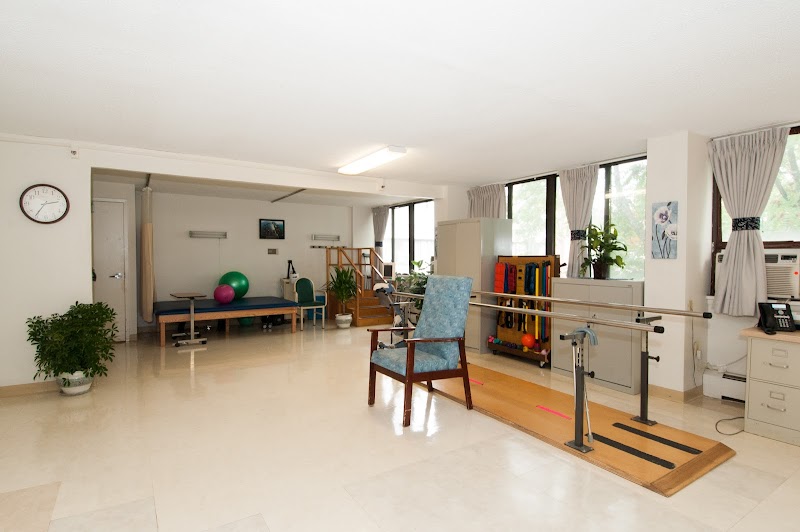
How is Chelsea Place Llc Staffed?

CMS rates CHELSEA PLACE CARE CENTER LLC's staffing level at 3 out of 5 stars, which is average compared to other nursing homes. Staff turnover is 26%, compared to the Connecticut average of 46%. This relatively stable workforce can support continuity of care.

What Have Inspectors Found at Chelsea Place Llc?

State health inspectors documented 51 deficiencies at CHELSEA PLACE CARE CENTER LLC during 2019 to 2025. These included: 45 with potential for harm and 6 minor or isolated issues. While no single deficiency reached the most serious levels, the total volume warrants attention from prospective families.
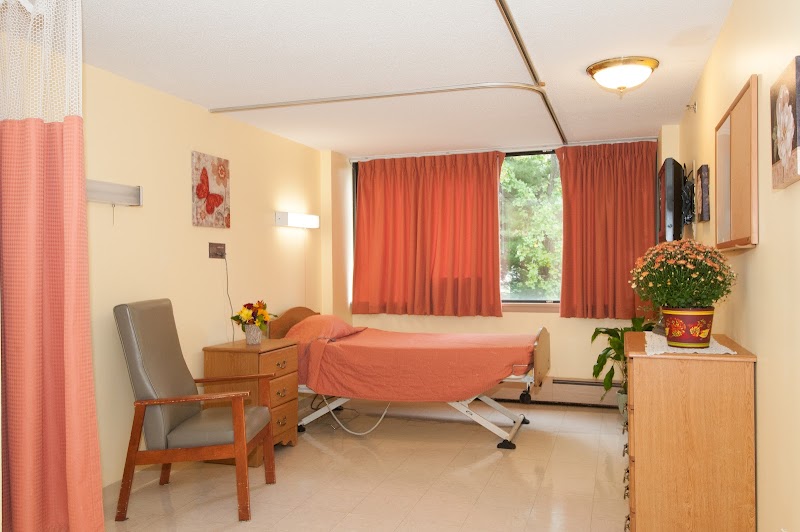
Who Owns and Operates Chelsea Place Llc?

CHELSEA PLACE CARE CENTER LLC is owned by a for-profit company. For-profit facilities operate as businesses with obligations to shareholders or private owners. The facility is operated by ICARE HEALTH NETWORK, a chain that manages multiple nursing homes. With 234 certified beds and approximately 199 residents (about 85% occupancy), it is a large facility located in HARTFORD, Connecticut.

How Does Chelsea Place Llc Compare to Other Connecticut Nursing Homes?

Compared to the 100 nursing homes in Connecticut, CHELSEA PLACE CARE CENTER LLC's overall rating (2 stars) is below the state average of 3.0, staff turnover (26%) is significantly lower than the state average of 46%, and health inspection rating (2 stars) is below the national benchmark.

What Should Families Ask When Visiting Chelsea Place Llc?

Based on this facility's data, families visiting should ask: "What safeguards and monitoring systems are in place to protect residents from abuse or neglect?" "Can I visit during a mealtime to observe dining assistance and food quality?" "How do you handle medical emergencies, and what is your hospital transfer rate?" "Can I speak with family members of current residents about their experience?" These questions are particularly relevant given the substantiated abuse finding on record.

Is Chelsea Place Llc Safe?

Based on CMS inspection data, CHELSEA PLACE CARE CENTER LLC has documented safety concerns. The facility has 1 substantiated abuse finding (meaning confirmed case of resident harm by staff or other residents). The facility has a 2-star overall rating and ranks #100 of 100 nursing homes in Connecticut. Families considering this facility should ask detailed questions about what corrective actions have been taken since these incidents.

Do Nurses at Chelsea Place Llc Stick Around?

Staff at CHELSEA PLACE CARE CENTER LLC tend to stick around. With a turnover rate of 26%, the facility is 20 percentage points below the Connecticut average of 46%. Low turnover is a positive sign. It means caregivers have time to learn each resident's needs, medications, and personal preferences. Consistent staff also notice subtle changes in a resident's condition more quickly.

Was Chelsea Place Llc Ever Fined?

CHELSEA PLACE CARE CENTER LLC has no federal fines on record. CMS issues fines when nursing homes fail to meet care standards or don't correct problems found during inspections. The absence of fines suggests the facility has either maintained compliance or corrected any issues before penalties were assessed. This is a positive indicator, though families should still review recent inspection reports for the full picture.

Is Chelsea Place Llc on Any Federal Watch List?

CHELSEA PLACE CARE CENTER LLC is not on any federal watch list. The most significant is the Special Focus Facility (SFF) program, which identifies the bottom 1% of nursing homes nationally based on persistent, serious quality problems. Not being on this list means the facility has avoided the pattern of deficiencies that triggers enhanced federal oversight. This is a positive indicator, though families should still review the facility's inspection history directly.