PARKVILLE CARE CENTER
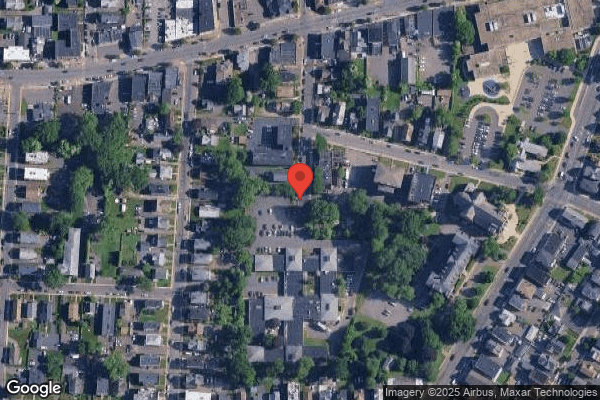
5 GREENWOOD STREET, HARTFORD, CT 06106 (860) 236-2901
For profit - Limited Liability company 150 Beds ICARE HEALTH NETWORK Data: November 2025
Trust Grade
73/100
#73 of 192 in CT
Last Inspection: April 2025

Within standard 12-15 month inspection cycle. Federal law requires annual inspections.

Overview

Parkville Care Center in Hartford, Connecticut has a Trust Grade of B, indicating it's a solid choice for families looking for care, though it is not without its issues. It ranks #73 out of 192 facilities in Connecticut, placing it in the top half, and #24 out of 64 in Capitol County, suggesting that there are only a few local options that are better. Unfortunately, the facility is trending worse, with issues increasing from 5 in 2024 to 15 in 2025. Staffing is a concern, with a rating of 2 out of 5 stars and RN coverage lower than 97% of state facilities, raising questions about the level of care. However, the center has no fines on record, which is a positive sign, and its staff turnover rate of 25% is better than the state average. Specific incidents noted during inspections include a failure to ensure a homelike environment for residents, with one resident's room not adequately maintained and common areas cluttered with wheelchair storage. Additionally, concerns were raised about the food quality, with meals being served that appeared unappetizing and not meeting proper temperature standards. Another issue was the improper storage of food items, with open dry goods not sealed correctly, which could pose safety risks. Overall, while Parkville Care Center has some strengths, families should be aware of the notable weaknesses that need addressing.

Trust Score
B
73/100
In Connecticut
#73/192
Top 38%
Safety Record
Low Risk
No red flags
Inspections
Getting Worse
5 → 15 violations
Staff Stability
✓ Good
25% annual turnover. Excellent stability, 23 points below Connecticut's 48% average. Staff who stay learn residents' needs.
Penalties
✓ Good
No fines on record. Clean compliance history, better than most Connecticut facilities.
Skilled Nurses
⚠ Watch
Each resident gets only 17 minutes of Registered Nurse (RN) attention daily — below average for Connecticut. Fewer RN minutes means fewer trained eyes watching for problems.
Violations
⚠ Watch
45 deficiencies on record. Higher than average. Multiple issues found across inspections.
★★★★☆
4.0
Overall Rating
★★☆☆☆
2.0
Staff Levels
★★★★★
5.0
Care Quality
★★★☆☆
3.0
Inspection Score
Stable
2024: 5 issues
2025: 15 issues

The Good

  • 5-Star Quality Measures · Strong clinical quality outcomes
  • Low Staff Turnover (25%) · Staff stability means consistent care
  • Full Sprinkler Coverage · Fire safety systems throughout facility
  • No fines on record
  • Staff turnover is low (25%)

    23 points below Connecticut average of 48%

Facility shows strength in quality measures, staff retention, fire safety.

The Bad

Chain: ICARE HEALTH NETWORK

Part of a multi-facility chain

Ask about local staffing decisions and management

The Ugly 45 deficiencies on record

Apr 2025 15 deficiencies
CONCERN (D)

Potential for Harm - no one hurt, but risky conditions existed

Deficiency F0658 (Tag F0658)

Could have caused harm · This affected 1 resident

**NOTE- TERMS IN BRACKETS HAVE BEEN EDITED TO PROTECT CONFIDENTIALITY** Based on clinical record review, observation, facility policy review and staff interviews for the only resident reviewed for ADL...

Read full inspector narrative →
**NOTE- TERMS IN BRACKETS HAVE BEEN EDITED TO PROTECT CONFIDENTIALITY** Based on clinical record review, observation, facility policy review and staff interviews for the only resident reviewed for ADL (Resident # 77), the facility failed to ensure the resident who utilized an anticoagulant was assessed for change in condition when the resident was cut by a razor. The findings include:Resident #77's diagnoses included vascular dementia, cerebral infarction, long term (current) use of anticoagulants.The Resident Care plan dated 2/11/25 identified the resident was on an anticoagulant and at risk for bleeding. Interventions included staff reporting any bruising or bleeding from gums, nose, mouth or with bowel movements.The quarterly Minimum Data Set assessment dated [DATE] identified Resident #77 as severely cognitively impaired, and required total assistance for bathing, personal hygiene and ADL.Observation on 4/7/25 at 11:30 AM identified Resident # 77 had a cut on the right side of his/her face with a small amount of blood. It appeared to be a razor cut. Interview with Nurse Aide ( NA#1) on 4/7/25 at 11:30 AM identified she was shaving the resident with a disposable razor and cut him/her as she/he was resisting. NA #1 further stated she/he Resident # 77 was resistive to care, and she told the nurse about the resident.A telephone interview on 4/10/2025 with Licensed Practical Nurse ( LPN #2) at 12:15 PM identified she was the agency nurse on unit 2 on Monday 4/7/25. She identified NA#1 told her that Resident # 77 was bleeding from a razor cut. When asked her what she did about it, LPN # 2 stated she gave NA#1 an alcohol pad because she asked for it. When asked if she assessed Resident # 77 after the cut she stated no, she was too busy, and she was running late. When asked what she would normally do if a resident had a change in condition, she identified she would write a note. However, she did not write a note on Resident #77 because she was too busy. Further questioning of the incident identified LPN 3 2 did not know Resident # 77 was on an anticoagulant and indicated she would not normally review the record to determine if a resident was on an anticoagulant even if the resident was bleeding. When asked what she would do if a resident was bleeding from his/her gums, or a cut or anywhere, LPN # 2 stated she would write a note, but she would not review the record.On 4/10/25 at 12:25 PM an telephone interview with LPN#2 in the presence of Regional Nurse #1 and the Director of Nursing Services ( DNS) identified the facility expectation would be for the nurse to assess any change in condition with a resident. They also identified agency nurses complete an on-line orientation prior to reporting to work.On 4/11/25 an interview with NA #1 to clarify what actions were related to the razor cut. NA #1 stated she cleaned the area around the cut with the alcohol pad the nurse gave her and then applied A&D ointment around the cut. NA 31 further LPN #2 nurse on duty did not give her any direction, however from previous experiences she knew to hold pressure on the area until the bleeding stopped.Review of the Anticoagulation Therapy policy dated 3/20/24, directed in part the resident should be observed for any possible signs of bleeding, including hematuria, hemoptysis, bleeding gums, epistaxis, bruising, dark/tarry stools. Additionally, the policy directed to notify the practitioner of the findings as soon as possible.Review of the Physician Notification-Change of Condition policy dated 6/10/24, in effect at time of survey, directed in part, a change in condition is a significant clinical symptom(s) or development, which requires assessment and intervention.
CONCERN (D) 📢 Someone Reported This

A family member, employee, or ombudsman was alarmed enough to file a formal complaint

Potential for Harm - no one hurt, but risky conditions existed

Deficiency F0660 (Tag F0660)

Could have caused harm · This affected 1 resident

Deficiency Text Not Available

Read full inspector narrative →
Deficiency Text Not Available
CONCERN (D)

Potential for Harm - no one hurt, but risky conditions existed

Quality of Care (Tag F0684)

Could have caused harm · This affected 1 resident

Deficiency Text Not Available

Read full inspector narrative →
Deficiency Text Not Available
CONCERN (D)

Potential for Harm - no one hurt, but risky conditions existed

Deficiency F0688 (Tag F0688)

Could have caused harm · This affected 1 resident

**NOTE- TERMS IN BRACKETS HAVE BEEN EDITED TO PROTECT CONFIDENTIALITY** Based on clinical record review, observations, facility policy and staff interview for one sampled resident ( Resident # 97), th...

Read full inspector narrative →
**NOTE- TERMS IN BRACKETS HAVE BEEN EDITED TO PROTECT CONFIDENTIALITY** Based on clinical record review, observations, facility policy and staff interview for one sampled resident ( Resident # 97), the facility failed to follow physician's orders regarding the application of hand splints as directed. The findings include: Resident #97's diagnosis included contracture of muscles, multiple sites. The physician's orders dated 7/28/2024 directed to check skin before and after application of the left-hand Orthotic and to apply the left-hand orthotic with HS (bedtime care) care and with AM(morning) care. The quarterly Minimum Data Set ( MDS) assessment dated [DATE] indicated Resident #97 had severe cognitive impairment. The care plan dated 3/10/2025 indicated Resident #97 utilized splints. Intervention included : to check skin before and after application of the left-hand orthotic, to apply with bedtime (HS) care and remove with morning(AM) care. An observation on 4/07/25 at 12:00 PM identifed Resident #97 sleeping in bed covered up with the exception of her/his feet. On the bed side table were multiple splints in a wall mounted basket with laminated instructions to use splints to feet, left elbow and left hand. A physician's order dated 4/08/2025 directed patient will tolerate left elbow extension splint to be donned with AM care and doff with PM care with skin checks performed before and after. On 4/08/2025 at 12:20 PM an observation and interview with the Regional Therapy Director identified Resident #97 up in an adaptive wheelchair wearing an elbow splint and the left hand was flexed downward from the wrist. The Regional Therapy Director identified the hand splint is worn overnight as the elbow and hand splint cannot be worn at the same time. An interview and record review with the Director of Nursing Services(DNS) on 4/9/2025 at 11:21 AM identified it is the nurse aide's responsibility to apply splints, and the charge nurse signs off in the Kardex after verifying splints have been applied. On 4/9/2025 at 5:45 AM an interview and record review with NA#9 ( regular nurse aide on the unit) identified she/he was training a new employee and indicated Resident #97 have had issue with the left hand and did not wear any splints. NA#9 hand wrote the assignment on a roster sheet since there were no assignments left in the book and gave the sheet to the new employee to reference the next time working on the assignment. The Roster made no indication of any splints to be utilized for Resident #97 or any other resident. NA#9 identified charting is done electronically which tells nurse aides what care to provide for a resident and to sign off the task. However, the documentation page made no mention of splints. NA#9 further indicated there was no mention of splints for any other resident in her electronic charting assignment. On 4/09/2025 at 11:20 AM an interview and observation with the DNS, Regional RN#2 and the Regional Therapy Director were updated regarding Resident #97 not having his/her left-hand splint in place this morning at 5:30 AM and the nurse aide assigned to the resident on the 11:00 PM-7:00 AM shift indicating Resident #97 did not wear splints. The DNS, reviewing the clinical record, indicated a physician's order was present to apply a left-hand splint with HS (bedtime) care and to remove with AM (morning) care(7-3 PM shift). The Regional RN #2 indicated she and the DNS had been working diligently with the Regional Therapy Director regarding splints, placing pictures of the splints inside the closet doors as well as laminated directions for all residents. RN #2 further indicated they were working to get the physician's orders into the facility software and indicated they would educate the Nurse Aide on the 11:00 PM-7:00AM (11-7 AM) shift. Further review of the clinical record for the 11-7 AM shift for the charge nurse electronic documentation identified no mention Resident #97 wearing a splint overnight, which would have alerted the charge nurse to check to the physician's orders to ensure the application of the splits at HS on Resident # 97 to prevent further contracture. After the surveyor inquiry, the Regional Therapy Director indicated Resident #97's left hand remained unchanged from previous evaluations and there was no need to evaluate the hand at this time. On 4/9/2025 at 11:45 AM an interview with the 3:00PM -11:00 PM nurse( LPN #8) who worked 4/8/2025, indicated the nurse aide applied the splint at around 8:30 PM when providing care to Resident #97. She/he also indicated the splint was on Resident #97's left hand. The facility policy labeled Splints, dated 9/18/2024, indicated splints are applied per the physician orders and the order would include the extremity to be applied and a schedule for use (time on-off).
CONCERN (D)

Potential for Harm - no one hurt, but risky conditions existed

Deficiency F0698 (Tag F0698)

Could have caused harm · This affected 1 resident

**NOTE- TERMS IN BRACKETS HAVE BEEN EDITED TO PROTECT CONFIDENTIALITY** Based on review of the clinical record, facility documentation, review of facility policy and interviews for 1 sampled resident ...

Read full inspector narrative →
**NOTE- TERMS IN BRACKETS HAVE BEEN EDITED TO PROTECT CONFIDENTIALITY** Based on review of the clinical record, facility documentation, review of facility policy and interviews for 1 sampled resident ( Resident # 57), who received specialized treatment services, the facility failed to ensure staff was knew the location of the emergency kit and the facility failed to obtain physician's orders for vital signs, weight monitoring and evaluation of specialized treatment site and failed to maintained the specialized treatment communication book. The findings included: Resident #57's diagnosis includes end stage renal disease. A physician's order dated 7/28/2024 directed: dialysis site and central venous catheter. A physician's order dated 7 /28/2024 directed not use the access arm to take blood samples, administer intravenous fluids, give injections or to take blood pressure every shift. A physician's order dated 7/28/2024 directed if bleeding occurs from the Access site (post dialysis) apply pressure to the insertion site, call the physician, and call 911 as needed. A physician's order dated 7/28/2024 directed to keep the emergency kit nearby every shift. A physician's order dated 7/28/2024 directed to check site for bleeding and signs or symptoms of infection every shift. The admission nursing assessment note dated 1/8/2025 indicated Resident #57 was admitted with specialized treatment port in the left chest. A physician's order dated 2/14/2025 directed to monitor the left upper arm wound site for signs of infection and swelling, to keep the dressing in place and do not remove until seen by the surgeon. If bleeding occurs reinforce the dressing and notify the supervisor. A physician's order dated 3/05/2025 directed to cleanse the left arm surgical site with normal saline and apply a dry protective dressing daily. The quarterly Minimum Data Set (MDS) assessment dated [DATE] indicated Resident #57's cognitive status was not assessed and the resident had received specialized treatment. The care plan dated 3/31/2025 indicated Resident #57 needed Hemodialysis related to renal failure and noted specialized treatment device access located in the left chest. Interventions included in part; to change the dressing daily at the access site and document, do not draw blood or take blood pressure in arm with graft, monitor for signs of infection to the access site. a.An observation and interview on 4/10/2025 at 11:55 AM with LPN #6 identified part of the care provided for Resident #57 was to check for bruit and thrill of the left arm fistula, nothing was done for the catheter in the chest and an emergency kit was located in the resident's room. Although LPN #6 was unable to locate an emergency kit in Resident #57's room including the bedside stand, the surveyor asked what the clear plastic bag on the bulletin board was and LPN #6 indicated the bag contained a rolled gauze and a dressing. LPN #6 indicated s/he would use a dressing to the left arm access site if bleeding occurred but was unsure how to stop the Permcath (central line) from bleeding. On 4/10/25 at 01:25 PM an interview and record review was conducted with the Director of Nursing Services (DNS), the Assistant Director of Nursing Services (ADNS), the Administrator and Regional RN #2. The DNS and RN #2 indicated Resident #57 had an arm fistula and a central line catheter (Permcath). The DNS indicated dialysis was using the Permcath for specialized treatment access as the AV- fistula was surgically placed in February 2025. The DNS indicated s/he would expect the nurses to check the Permcath for signs of bleeding and infection and have the emergency pack available with a clamp and gauze. The DNS further indicated the clamp would be used to clamp off the Permcath if it started to bleed. Although the emergency kit in Resident #57's room did not include a clamp, the ADNS verbalized conducting rounds weekly and noting a black bag labeled with the resident's name was on the wall but not label of the bag did not indicate contents. On 4/10/25 at 1:45 PM the ADNS indicated the black emergency bag was found in the bedside stand but usually kept on the wall and had no label with contents. The DNS also indicated the bag could be mistaken for personal items of Resident #57. The ADNS further indicated a need to clearly label emergency items and have a consistent location for the kit and provided verbal education for LPN #6. b.On 4/11/2025 at 10:15 AM an interview and record review and facility policy review with the DNS, the ADNS, Regional RN#2, and LPN #3 (the Infection Preventionist) identified vital signs including weight were required to be taken and documented prior to leaving for a specialized treatment appointment. Upon review of the clinical record identified vital signs including weights were not documented in the clinical record on specialized treatment days and the facility was unable to provide a copy of the facility communication sheets containing facility information sent with the resident to the specialized appointments from 4/01/2025 through 04/10/2025. Documentation of the evaluation of the access site upon return from specialized treatment center did not include the access site used (the Permcath, central venous catheter). The DNS indicated the physician orders flow into the electronic Medication Administration Record (MAR) and the Treatment Administration Record (TAR) where the nurse would be made aware of the care needed to be provided and sign off if it was or was not completed. The DNS further indicated documentation should also be completed in the specialized treatment communication book, the progress notes, and the vital signs and weight tabs. However, there was no physician's order to obtain vital signs and weight prior to specialized treatment or the evaluation of the access site after specialized treatment were found, leaving licensed nursing staff without the benefit of a prompt to complete the needed tasks as required by the facility policy for a resident who received specialized treatment. While reviewing the physician's orders there was no indication of the name of the access sites, and location of the AV Fistula were found and the physician's orders only indicated the access site not distinguishing between the two separate access sites Resident #57 had or physician's orders for care and evaluation of the two separate sites. Further review of the facility policies, Hemodialysis and Hemodialysis-Care of the Access Site only mentioned 3 types of Access sites: AV Fistula, a graft or shunt. Neither policy contained the use of a Permcath for specialized treatment along with the care needed to be provided by the facility staff. Review of the care plan noted Resident #57 had a Permcath. Intervention indicated to change the dressing daily without clearance from the specialized treatment physician or an physician's order to do so. Regional( RN #2) indicated the facility would review and update the policies and orders as necessary. The facility labeled Hemodialysis reviewed 6/19/2024 indicated in part notes the dialysis communication form would be utilized each time a resident is to receive a dialysis treatment documenting the resident's blood pressure, pulse, respirations, temperature and weight before leaving for the treatment. The policy further indicated upon return of the resident from the dialysis center the communication form would be reviewed for any new recommendations and licensed staff were directed to evaluate the resident upon return from their treatment to include an evaluation of their access site. The facility policy labeled Hemodialysis- Care of the Access Site reviewed 6/19/2024, indicated in part to determine the type of access site the resident has: A-V Fistula, A-V graft, or AV-shunt, to report any signs of infection, bruit and thrill of the fistula, signs of swelling in the distal part of the extremity with the fistula, changes in circulation sensation and functional mobility of the extremity and if the shunt fistula or graft ruptures or bleeds to apply pressure call 911 and if the access site is an external shunt, to use serrated clamps to the ruptured shunt. Neither policy contains how to care for a Permcath(central line) used for dialysis treatment or what to do in an emergency.
CONCERN (D)

Potential for Harm - no one hurt, but risky conditions existed

Safe Environment (Tag F0921)

Could have caused harm · This affected 1 resident

**NOTE- TERMS IN BRACKETS HAVE BEEN EDITED TO PROTECT CONFIDENTIALITY** Based on observations of the environment and interviews, the facility failed to ensure emergency exits and an emergency response...

Read full inspector narrative →
**NOTE- TERMS IN BRACKETS HAVE BEEN EDITED TO PROTECT CONFIDENTIALITY** Based on observations of the environment and interviews, the facility failed to ensure emergency exits and an emergency response cart were readily accessible in a resident lounge. The findings include. An observation on 4/9/2025 at 5:45 AM of the [NAME] Webster lounge located behind the nurse's station was seen with 18 wheelchairs lined up in rows obstructing the access to emergency exit doors and a standard chair and a charging electric wheelchair obstructing ease of access to the facility emergency response cart. On 4/9/2025 at 5:50 AM an observation and interview of the [NAME] Webster lounge behind the nurse's station with RN #3 indicated the room the wheelchairs used to be kept in was now under construction and staff are keeping the wheelchairs in this lounge overnight. RN # 3 further verbalized the wheelchairs should not be in front of the emergency exit or the emergency cart. After surveyor inquiry, RN # 3 indicated she/he would rearrange wheelchairs and chairs at this time and will educate the staff. On 4/9/25 at 6:50 AM an observation and interview with the Administrator who was provided with pictures of the lounge with wheelchairs and chairs obstructing the emergency exit and the emergency cart and made aware of the interview with RN #3 earlier that she/he would rearrange the wheelchairs and chairs and educate staff. The Administrator indicated the wheelchairs used to be in a room that is under construction but there is another room next to the conference room where the wheelchairs should have been stored overnight. The Administrator indicated after being asked about resident access and use of the lounge overnight in the case residents wanted to use the lounge, the Administrator indicated residents should have access to the lounge on their unit. On 4/9/25 at 08:07 AM an interview with the Administrator indicated the facility plan to in-service staff to bring the wheelchairs to the storage room next to the conference room, however some chairs may need to remain in the lounge overnight without obstructing the emergency exits, the emergency cart or resident access to the television or use of the lounge overnight.
CONCERN (D)

Potential for Harm - no one hurt, but risky conditions existed

Smoking Policies (Tag F0926)

Could have caused harm · This affected 1 resident

Based on observations, review of facility policy and staff interviews, the facility failed to consistently implement their smoking policy regarding appropriate disposal of smoking materials. The findi...

Read full inspector narrative →
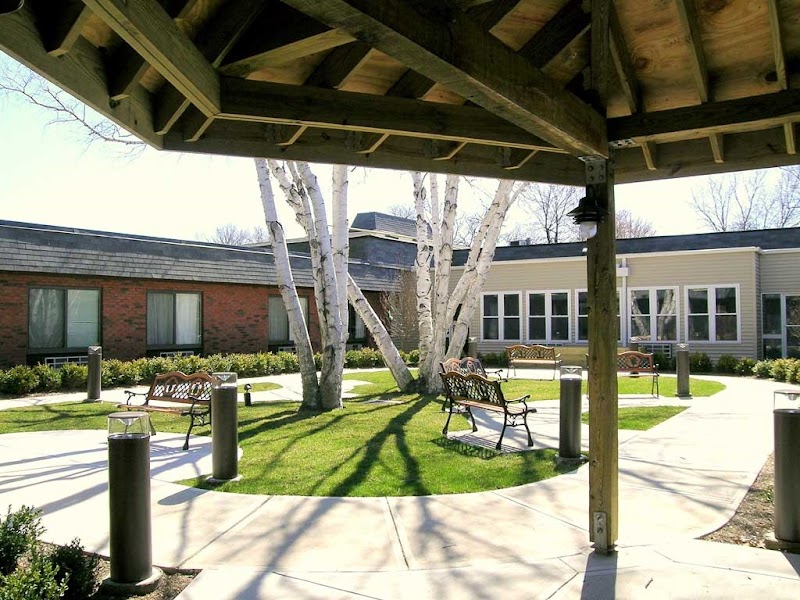
Based on observations, review of facility policy and staff interviews, the facility failed to consistently implement their smoking policy regarding appropriate disposal of smoking materials. The findings include: On 4/9/2025 at 10:19 AM observation of supervised smoking of residents with NA#5. Four residents participated in supervised smoking. There were four black cigarette disposal containers. On 4/9/2025 at 10:30 AM, after the smoking session had ended, an observation was made with NA#5 of the smoking area. The observation identified three cigarette butts on the concrete smoking patio by the door and next to a disposal container. Four additional cigarette butts were noted scattered along the remainder of the concrete smoking patio near the building. Additionally, over 50 cigarette butts were observed on the pathways of the courtyard and on gravel flower beds next to the building. On the gravel beds, there were green leafy plants and brown dried leaves. An interview with NA#5 indicated she did not know why there were cigarette butts scattered in the patio and courtyard. NA#5 indicated that smoking supervision is rotated among nurse aides from each nursing unit. NA#5 also indicated she believed residents can smoke in the courtyard with family but would need to obtain smoking materials from the receptionist. On 4/9/2025 at 10:40 AM, an interview with the Receptionist indicated residents may not smoke with family unless they are going on leave of absence. Residents on leave of absence are required to leave the building and not use the courtyard for smoking. The Receptionist further indicated visitors would not smoke in the courtyard because she can see them through video surveillance. An observation with the Receptionist of the video screens identified the smoking patio visible but the rest of the courtyard was not. On 4/9/2025 at 11:00 AM, an observation was made of housekeeping cleaning the concrete smoking patio. An interview with the Director of Housekeeping indicated the housekeeping staff cleans the patio daily and there are not usually a lot of cigarette butts. On 4/9/2025 at 11:15 AM, an observation and interview with the Administrator identified the cigarette butts on the concrete smoking patio had been cleaned. However, the cigarette butts in the gravel beds and the courtyard pathway were still there. The Administrator indicated the smoking patio should be cleaned every day and she/he could not explain why the cigarette buts had been on the patio and the gravel beds of the courtyard. Additionally, the Administrator indicated staff were not allowed to use the courtyard for smoking. The facility policy for smoking given during the survey identified safety standards for resident smoking including smoking materials must be extinguished safely.
CONCERN (E)

Potential for Harm - no one hurt, but risky conditions existed

Safe Environment (Tag F0584)

Could have caused harm · This affected multiple residents

**NOTE- TERMS IN BRACKETS HAVE BEEN EDITED TO PROTECT CONFIDENTIALITY** Based on observations, review of facility documentation, facility policy and interviews for 1`of 6 residents reviewed for enviro...

Read full inspector narrative →
**NOTE- TERMS IN BRACKETS HAVE BEEN EDITED TO PROTECT CONFIDENTIALITY** Based on observations, review of facility documentation, facility policy and interviews for 1`of 6 residents reviewed for environment (Resident #76), the facility failed to ensure a homelike environment in resident rooms and for 1 resident (Resident #237) who utilized the resident lounge on 200-300 unit failed to ensure the home-like environment to ensure the area was free of wheelchair storage to promote easy resident access. The findings included: 1. Resident #76's diagnoses included morbid obesity and heart failure. The annual MDS assessment dated [DATE] identified Resident #76 was cognitively intact and noted it was very important for the resident to choose what clothes to wear and to take care of the resident's personal belongings. Additionally, the MDS assessment identified Resident #76 utilized a wheelchair for mobility and noted independent for upper body dressing. The resident required supervision or touching assistance for lower body dressing.The care plan revised on 1/29/2025 indicated Resident #76 was at risk for self-care performance deficit related to shortness of breath and limited mobility. Interventions included encouraging the resident to participate to the fullest extent possible in each interaction.On 4/7/2025 at 11:12 AM, an observation and interview in Resident #76's room identified a bariatric bed in a double room. The distance between the foot of the bed and the wall appeared to be less than 3 feet. Resident #76 indicated she/he was unable to wheel him/herself through the space between the wall and the foot of the bed to get to the closet. With permission from Resident #76, the closet was observed to contain hangers with four shirts, three pairs of pants, five sweaters, one comforter, and one large pink bag. The drawer under the closet contained undergarments. Resident #76 indicated she/he had spoken to the facility Administrator regarding turning his/her bed sideways several months ago but could not recall the date. The resident indicated at the time, she/he was informed the facility would require a special permit. In the meantime, Resident #76 indicated she/he keep the majority of his/her personal items outside the closet to the side of the bed for convenience, and when she/he need an item of clothing from the closet. Resident # 76 needed to ask staff for help despite being independent.On 4/10/2025 at 11:48 AM, an interview with NA#6 identified Resident #76 kept his/her clothes in boxes and the resident was independent with dressing. NA#6 indicated she was not aware the resident had difficulty getting around the room. NA#6 also indicated Resident #76 would call if she/he required assistance, such as obtaining items from the closet.On 4/10/2025 at 1:52 PM, an observation with the Director of Maintenance identified the space between the foot of the bed and the wall was 28 inches and the distance between the bed frame of Resident #76's bed to the bed frame of their roommate was 16 inches.On 4/10/2025 at 2:57 PM, an interview with the Administrator indicated she had not spoken to the resident about turning his/her bed in a different position for more room and the conversations she had with the resident was regarding placing some of her/his belongings in storage to make more space in the resident's room.2 Resident #237's diagnoses included muscle weakness, unspecified abnormalities of gait and mobility, and depression.The Resident Care plan dated 3/21/25 identified the resident has limited physical mobility. Interventions included ambulation and transfers with assist of one.The admission Minimum Data Set assessment dated [DATE] identified Resident #237 as cognitively intact and requiring partial assistance with bathing, personal hygiene and supervision with toileting.Observation on 4/8/2025 at 11:00 AM of the 200-300-unit lounge identified there were 10 wheelchairs and a crash cart in the resident lounge. Resident #237 was sitting at the table reading and stated he/she likes to go in the lounge in the early AM to read because he/she doesn't want to turn on his/her room light and wake up his/her roommate. Resident # 237 further indicated she/he cannot get into the lounge room that early because it is full of wheelchairs causing difficulty to move his/her wheelchair and get to the table.Observation on 4/9/2025 5:45 AM of the 200-300 unit resident lounge identified 18 wheelchairs, obstructing both exits and a chair obstructing the crash cart. No residents in the lounge at that time. Interview and observation made with MDS Coordinator #1 at 5:50 AM on 4/9/2025 identified wheelchairs were kept in a different room, however, with the construction taking place in that room wheelchairs are now stored in the 200-300 resident lounge. She also indicated the crash cart was blocked by a chair.In an interview and observation with the DNS verified that the chairs were stored in the room that is now under construction and that an in-service would be provided for the staff to ensure the emergency exits and the crash cart are accessible. Further she stated that if a resident wants to watch television in the early hours they can watch in their room or go to an alternate lounge off the unit. When questioned further she confirmed that the residents should be able to access the lounge on their floor. Based on observations, review of facility documentation, facility policy and interviews for 2 of 6 residents reviewed for environment (Resident #56 and #76), the facility failed to ensure a homelike environment in resident rooms andfor 1 resident ( Resident #237) who utilized the resident lounge on 200-300 unit failed to ensure the home-like environment to ensure the area was free of wheelchair storage to promote easy resident access. The findings included:1. Resident #56's diagnoses included dementia and chronic obstructive pulmonary disease. The quarterly MDS assessement dated 2/4/2025 identified Resident #56 had moderate cognitive impairment, independent with toileting and ambulation. An observation on 4/7/2025 at 1:21 PM identified four ceiling tiles in the resident's bathroom with large black and brown stains. A piece of the ceiling grid that holds the ceiling tiles in place was observed to be detached and hanging from one end. An observation and interview with the Director of Maintenance on 4/10/2025 identified the black and brown stains on the ceiling tiles may have been caused by the air vent sweating and it would take some time for the stains to attain size and color. The Director of Maintenance further indicated the ceiling tiles are observed as part of Environmental Rounds with the Infection Control Nurse and indicated Resident #56's bathroom may not have been one of the rooms observed at during the last Environmental Rounds. On 4/11/2025 at 1:00 PM, an interview with the Infection Prevention nurse (LPN#3) identified Environmental Rounds are done quarterly and two to three rooms are observed on each unit are. However, a record of which rooms were selected for observation during rounds were not maintained. A review of the facility's Environmental Rounds dated 2/13/2025 identified Environmental Rounds of resident rooms were performed. There was no indication of which resident rooms were observed/ reviewed during the rounds. The facility policy for Environmental Rounds identified rounds are to be completed quarterly and any corrective action would be completed by the supervisor or department head. 2. Resident #76's diagnoses included morbid obesity and heart failure. The annual MDS assessment dated [DATE] identified Resident #76 was cognitively intact and noted it was very important for the resident to choose what clothes to wear and to take care of the resident's personal belongings. Additionally, the MDS assessment identified Resident #76 utilized a wheelchair for mobility and noted independent for upper body dressing. The resident required supervision or touching assistance for lower body dressing. The care plan revised on 1/29/2025 indicated Resident #76 was at risk for self-care performance deficit related to shortness of breath and limited mobility. Interventions included encouraging the resident to participate to the fullest extent possible in each interaction. On 4/7/2025 at 11:12 AM, an observation and interview in Resident #76's room identified a bariatric bed in a double room. The distance between the foot of the bed and the wall appeared to be less than 3 feet. Resident #76 indicated she/he was unable to wheel him/herself through the space between the wall and the foot of the bed to get to the closet. With permission from Resident #76, the closet was observed to contain hangers with four shirts, three pairs of pants, five sweaters, one comforter, and one large pink bag. The drawer under the closet contained undergarments. Resident #76 indicated she/he had spoken to the facility Administrator regarding turning his/her bed sideways several months ago but could not recall the date. The resident indicated at the time, she/he was informed the facility would require a special permit. In the meantime, Resident #76 indicated she/he keep the majority of his/her personal items outside the closet to the side of the bed for convenience, and when she/he need an item of clothing from the closet. Resident # 76 needed to ask staff for help despite being independent. On 4/10/2025 at 11:48 AM, an interview with NA#6 identified Resident #76 kept his/her clothes in boxes and the resident was independent with dressing. NA#6 indicated she was not aware the resident had difficulty getting around the room. NA#6 also indicated Resident #76 would call if she/he required assistance, such as obtaining items from the closet. On 4/10/2025 at 1:52 PM, an observation with the Director of Maintenance identified the space between the foot of the bed and the wall was 28 inches and the distance between the bed frame of Resident #76's bed to the bed frame of their roommate was 16 inches. On 4/10/2025 at 2:57 PM, an interview with the Administrator indicated she had not spoken to the resident about turning his/her bed in a different position for more room and the conversations she had with the resident was regarding placing some of her/his belongings in storage to make more space in the resident's room. 3. Resident #237's diagnoses included muscle weakness, unspecified abnormalities of gait and mobility, and depression.The Resident Care plan dated 3/21/25 identified the resident has limited physical mobility. Interventions included ambulation and transfers with assist of one. The admission Minimum Data Set assessment dated [DATE] identified Resident #237 as cognitively intact and requiring partial assistance with bathing, personal hygiene and supervision with toileting.Observation on 4/8/2025 at 11:00 AM of the 200-300-unit lounge identified there were 10 wheelchairs and a crash cart in the resident lounge. Resident #237 was sitting at the table reading and stated he/she likes to go in the lounge in the early AM to read because he/she doesn't want to turn on his/her room light and wake up his/her roommate. Resident # 237 further indicated she/he cannot get into the lounge room that early because it is full of wheelchairs causing difficulty to move his/her wheelchair and get to the table.Observation on 4/9/2025 5:45 AM of the 200-300 unit resident lounge identified 18 wheelchairs, obstructing both exits and a chair obstructing the crash cart. No residents in the lounge at that time. Interview and observation made with MDS Coordinator #1 at 5:50 AM on 4/9/2025 identified wheelchairs were kept in a different room, however, with the construction taking place in that room wheelchairs are now stored in the 200-300 resident lounge. She also indicated the crash cart was blocked by a chair. In an interview and observation with the DNS verified that the chairs were stored in the room that is now under construction and that an in-service would be provided for the staff to ensure the emergency exits and the crash cart are accessible. Further she stated that if a resident wants to watch television in the early hours they can watch in their room or go to an alternate lounge off the unit. When questioned further she confirmed that the residents should be able to access the lounge on their floor.
CONCERN (E)

Potential for Harm - no one hurt, but risky conditions existed

Deficiency F0804 (Tag F0804)

Could have caused harm · This affected multiple residents

Based on observation of a test tray, review of facility policy and interviews, the facility failed to ensure food items were attractive, palatable, and at an appetizing temperature. The findings inclu...

Read full inspector narrative →
Based on observation of a test tray, review of facility policy and interviews, the facility failed to ensure food items were attractive, palatable, and at an appetizing temperature. The findings include: Observation of the dietary tray line (preparation of individualized meals for each resident) on 4/9/2025 at 7:30 AM through 8:20 AM with the Dietary Manager identified the main entrée of waffles coming out of the oven slightly overlapping each other in the pan, then placed into a steamer to bring up to temperature before placed on the steam table. The appearance of the waffles was pale, appeared uncooked and were noted to be floppy. The Dietary Manager indicated s/he cannot use the type of toaster the kitchen is equipped with as it cannot accommodate frozen items, so they do not get browned. During a meeting with Resident Council members on 4/9/2025 at 1:30 PM, Resident #6, one of many residents voiced concerns they had said to the Dietary Director during Resident Council meetings, regarding food being either over or under cooked and nothing had changed. An observation and interview on 4/9/2025 at 8:45 AM of a test tray last tray on the last served breakfast unit with the Dietary Manager identified the waffle was noted at 100 degrees Fahrenheit (F). After a couple attempts to provide a higher temperature of the waffle the Dietary Manager was unsuccessful. The Dietary Manager agreed the appearance of the waffles were very pale, floppy and did not hold a temperature. She/he further indicated the waffles should come off the menu. On 4/10/2025 a test tray for surveyors to taste was provided at 12:00 PM. Two surveyors tasted the food items and observed the visual appearance, finding the main entrée of ham pale without browning on the sides or edges. However, the ham tasted like ham and was soft. Although the ham was noted at an appropriate temperature had the appearance of being undercooked and not visually appealing. The sweet potatoes were somewhat visually appealing and noted with lumps of potato with a spicy taste (allspice) that was left in the mouth and throat for several minutes after eating them. The green peas had a basic visual appearance, were soft to the bite and tasted like peas. The fruit which was not visually appealing initially was difficult to determine the type of fruit it was, having a translucent appearance with accentuated dots throughout all the fruit pieces. Some of the fruit was very hard and difficult to chew. The fruit tasted like pears, but the texture was inconsistent, varying from very soft to hard. An interview and observation with the Dietary Manager on 4/10/2025 at 2:45 PM of the pears with the Director of Dietary in the kitchen indicated the pears were canned pears and agreed the textures may be difficult for some residents secondary some hard pieces. He indicated the fruit was packed in water which might cause the fruit to become translucent and the dot areas to be accentuated. The facility policy labeled Meal Presentation/Refusal Policy indicated in part; food will be served attractively, and at a palatable temperature within the resident's prescribed dietary orders. The policy further indicated palatable food temperatures included cold foods equal to or less than 41 degreesF and hot foods equal to or greater than 135 degrees F at the point of receiving the meal.
CONCERN (E)

Potential for Harm - no one hurt, but risky conditions existed

Food Safety (Tag F0812)

Could have caused harm · This affected multiple residents

Based on observations of the kitchen, facility policy and interviews, the facility failed to ensure staff items stored in the dry storage area contained name of its contents, stored open dry goods in ...

Read full inspector narrative →
Based on observations of the kitchen, facility policy and interviews, the facility failed to ensure staff items stored in the dry storage area contained name of its contents, stored open dry goods in air-tight containers, ensured syrup was stored to prevent leakage, and failed to ensure items in the freezer were labeled with content and dated. The findings included: An observation and interview on 4/07/2025 from 9:45 AM through 10:30 AM with the Dietary Director identified dry goods including a bag of powdered thickener for drinks left open to air, a box of cornstarch with a loose-fitting piece of plastic wrap surrounding the top of the box with access to its side opening, a large bag of enriched rice was loosely rolled in an attempt to close the bag, and an open box of new sugar free syrup was on its side on a shelf with one bottle leaking its contents onto the cardboard box with drops of the syrup noted on the floor. Two bags of what was identified by the Dietary Manager as unopened frozen taco meat, were in the freezer without labels or dates. The Dietary Manager indicated the items that were not sealed or closed should have been closed without access to air, the leaking sugar free syrup bottle was removed and discarded, and the frozen taco meat was placed in a box located in the freezer area that had the name of its contents and dated. The Dietary Manager was unsure why the bags were out of the original box. The facility policy labeled Food Storage indicated in part; all dry storage items are required to have a date in which the product is delivered or the manufacturer's best by date and opened food items need to be labeled to maintain an expiration date or use by dating system.
CONCERN (E)

Potential for Harm - no one hurt, but risky conditions existed

Infection Control (Tag F0880)

Could have caused harm · This affected multiple residents

Deficiency Text Not Available

Read full inspector narrative →
Deficiency Text Not Available
MINOR (B)

Minor Issue - procedural, no safety impact

Deficiency F0568 (Tag F0568)

Minor procedural issue · This affected multiple residents

**NOTE- TERMS IN BRACKETS HAVE BEEN EDITED TO PROTECT CONFIDENTIALITY** Based on review of clinical records, review of facility documentation, review of facility policy and interviews for two 2 of 2 s...

Read full inspector narrative →
**NOTE- TERMS IN BRACKETS HAVE BEEN EDITED TO PROTECT CONFIDENTIALITY** Based on review of clinical records, review of facility documentation, review of facility policy and interviews for two 2 of 2 sample residents (Resident #6 and Resident #51), reviewed for personal funds, the facility failed to provide quarterly statements for personal funds account. The findings include: 1. Resident #51's diagnoses that included chronic kidney disease stage 3, hypertensive heart disease with heart failure, depression, and dementia. The quarterly Minimum Data Set (MDS) assessment dated [DATE] identified Resident #51 as severely cognitively impaired, dependent (required assistance of 2 or more helpers) with toileting hygiene, lower body dressing, personal hygiene and chair and shower transfers. The assessment further identified Resident #51 was non-ambulatory and utilized a wheelchair for mobility. Interview with Person #3 on 4/8/25 at 9:11 AM identified quarterly statements for personal funds account were not provided to them by the facility. Further, Person #3 indicated that he/she has never received a quarterly statement for personal funds account and did not realize that they should have received one. 2. Resident #6's diagnoses included chronic kidney disease stage 3, hypertensive heart disease with heart failure, peripheral vascular disease, and type 2 diabetes mellitus. The quarterly MDS assessment dated [DATE] identified Resident #6 as cognitively intact, dependent on care with toileting hygiene, putting on and taking off footwear, and required maximal assistance with shower, lower body dressing, and chair and shower transfers. The assessment further identified Resident #6 was non-ambulatory and utilized a wheelchair for mobility. Interview with Resident #6 on 4/7/25 at 12:08 PM identified he/she does have the personal funds the facility manages and has not received any quarterly statements since he/she has been at the facility. Interview with the Business Office Manager on 4/8/25 at 1:47 PM identified she is responsible for mailing quarterly statements for personal funds to the parties responsible and the Recreation Department delivers to residents in the facility. The Business Office Manager was unable to provide evidence or verification that quarterly statements for personal funds were mailed out or printed and/ or given to the Recreation Department for delivery to residents. She indicated that she would develop a process to ensure residents receive quarterly statements. On 4/8/25 at 3:30 PM, after surveyor inquiry, the Business Office Manager initiated the mailing of personal funds quarterly statements, printing and the delivery to residents in the facility. Review of the facility's Resident Trust Policy dated 01/11/2019 indicated the facility will provide residents and responsible parties with a quarterly accounting of their individual accounts and quarterly statements are printed and sent to the family/responsible party at the end of every quarter. (March, June, September, December of the year).
MINOR (B)

Minor Issue - procedural, no safety impact

Deficiency F0657 (Tag F0657)

Minor procedural issue · This affected multiple residents

**NOTE- TERMS IN BRACKETS HAVE BEEN EDITED TO PROTECT CONFIDENTIALITY** Based on review of the clinical record reviews, facility policy and interviews for 3 of 3 residents (Residents #12) reviewed for...

Read full inspector narrative →
**NOTE- TERMS IN BRACKETS HAVE BEEN EDITED TO PROTECT CONFIDENTIALITY** Based on review of the clinical record reviews, facility policy and interviews for 3 of 3 residents (Residents #12) reviewed for care planning and (Resident # 36 and Resident # 79) reviewed for restraints, the facility failed to hold quarterly care planning meetings. The findings included: 1. Resident #12 's diagnoses included hypertensive heart disease, chronic kidney disease, and heart failure. The quarterly Minimum Data Set (MDS) assessment dated [DATE] identified Resident #12 as cognitively intact and dependent for personal hygiene, bathing, and Activities of Daily Living (ADL). The Resident Care Plan (RCP) with a revision date of 2/13/25 identified the resident had an ADL self-care performance deficit. Interventions included to assist with personal care and ADL. Interview with Resident #12 on 4/7/2025 during the screening process identified he/she has not been involved in a care planning meeting in a long time. Resident #12 was unable to quantify specifically what the time frame was. A physician's order dated 4/10/25 directed to provide care as outlined in the care plan. Resident Care conference documentation for 5/1/24 and 8/15/24 were present in the record. No further care conferences were documented in Resident # 12's record for 2024 and 2025. 2. Resident #36's diagnoses included Gastrointestinal Hemorrhage, dysphagia, and hemiplegia. The Resident Care Plan with a revision date of 1/27/25 identified the resident required tube feedings. Interventions included monthly evaluations by the Registered Dietician. The annual Minimum Data Set assessment dated [DATE] identified Resident #36 as cognitively impaired and dependent for all personal care and ADL. Resident Care Conference documentation for 5/22/25 and 8/7/24 were present in the record. However, no further care conferences were documented in Resident # 36's record for 2024 and 2025. 3. Resident #79's diagnoses included Hereditary Spastic Paraplegia, depression, and dysphagia. The quarterly Minimum Data Set assessment dated [DATE] identified Resident #79 as cognitively impaired and dependent for personal hygiene and ADL. The Resident Care Plan with a revision date of 2/3/25 identified the resident required tube feedings. Interventions included monthly evaluations by the Registered Dietician. Resident Care Conference documentation for 5/15/24, 7/17/24, and 2/24/25 were present in the resident record. However, no further care conferences were documented Resident # 79's record for 2024 and 2025. In an interview with Regional Nurse #1 on 4/9/2025 at 10:00 AM identified care conferences should be held quarterly, after the quarterly MDS is completed. Regional Nurse # 1 also stated that the MDS staff schedules the meetings. She was unsure why the meetings hadn't occurred for the residents and indicated the facility had a change in social workers which could be the reason. Review of the Care Plan Policy dated 4/17/24, currently in effect, directed in part, Resident Care Conference is held within 7 days of completion of the admission MDS, at least quarterly, annually, and when a significant change in status assessment when needed.
MINOR (C)

Minor Issue - procedural, no safety impact

Deficiency F0565 (Tag F0565)

Minor procedural issue · This affected most or all residents

Based on observations, review of facility documents, facility policy and interviews, the facility failed to act promptly on residents' grievance and ensure grievance forms were within reach of residen...

Read full inspector narrative →
Based on observations, review of facility documents, facility policy and interviews, the facility failed to act promptly on residents' grievance and ensure grievance forms were within reach of residents who utilized a wheelchair. The findings include: Review of Residents Council 3/26/25 minutes indicated Grievance forms run out on resident units. The residents stated we would like staff to introduce themselves and explain the grievance process to residents. On 4/9/25 at 1:30 PM a meeting was held during Resident Council. during the meeting residents expressed their concerns that grievances and recommendations were not responded to timely. Resident# 6 and Resident #76 identified prior to attending Resident Council meeting the forms were still not replenished. Observation on 4/9/25 at 2:11 PM on units 5 and 6 identified the forms were not replenished. Resident #6 pointed out information related to how to fill out grievance was out of reach for residents who are wheelchair bound. Observation on 4/9/25 at 3:43 PM identified the grievance form being replenished. Interview with Regional Director of Behavioral Health on 4/11/25 at 11:53 AM identified the replacement of grievance forms is an collective process for all social work staff. She also reported staff should be replacing the forms when empty. Facilities Resident Grievances policy (reviewed on 1/26/24) indicated in part Facility residents have the right to have prompt effort made by the facility to attempt to resolve grievances. The facility will make prompt efforts to attempt to resolve grievances within 7 business days.
MINOR (C)

Minor Issue - procedural, no safety impact

Deficiency F0725 (Tag F0725)

Minor procedural issue · This affected most or all residents

Deficiency Text Not Available

Read full inspector narrative →
Deficiency Text Not Available
Dec 2024 1 deficiency
CONCERN (D) 📢 Someone Reported This

A family member, employee, or ombudsman was alarmed enough to file a formal complaint

Potential for Harm - no one hurt, but risky conditions existed

Report Alleged Abuse (Tag F0609)

Could have caused harm · This affected 1 resident

**NOTE- TERMS IN BRACKETS HAVE BEEN EDITED TO PROTECT CONFIDENTIALITY** Based on clinical record reviews, facility documentation, facility policy and interviews for one (1) of three (3) sampled reside...

Read full inspector narrative →
**NOTE- TERMS IN BRACKETS HAVE BEEN EDITED TO PROTECT CONFIDENTIALITY** Based on clinical record reviews, facility documentation, facility policy and interviews for one (1) of three (3) sampled residents (Resident #1) who were reviewed for an allegation of staff to resident verbal abuse, the facility failed to report an allegation of abuse to the State Agency when the incident was reported to the facility pending the investigation. The findings include: Resident #1's diagnoses included Cerebral palsy, anxiety, depression, and disruptive mood disorder. The annual Minimum Data Set assessment dated [DATE] identified Resident #1 rarely or never made decisions regarding tasks of daily life, was independent with ambulating, transferring, and required set up for dressing and eating. The Resident Care Plan dated 10/31/24 identified observe for signs of anxiety. Interventions directed at identifying triggers, approach calmly, encourage diversional activities. The nurse's note dated 10/24/24 at 8:59 PM identified Resident #1 was transferred to the hospital after he/she became very verbally and physically aggressive towards other residents, staff, and a family member. Correspondence to the facility dated 11/14/24 at 8:25 AM identified an accusation of verbal staff abuse on 10/24/24. The documentation identified information was reported that a nurse aide went through the hallway towards the front desk verbalizing if you don't get him/ her the f**k out of here I'm going to leave. The information indicated several residents, visitors, and staff had witnessed this unprofessional behavior. A Reportable Event had not been submitted to the state agency as per policy. In an interview with the Director of Nursing (DON) on 12/19/24 at 10:00 AM identified on 11/13/24 she was made aware of the alleged staff to resident verbal abuse following the incident with Resident #1 on 10/24/24. The DON stated she investigated the allegation with statements and could not substantiate the allegation, and therefore did not report the incident as per policy. Review of the abuse policy dated 3/20/24 identified all allegations of abuse will be reported promptly and thoroughly investigated.
Nov 2024 2 deficiencies
CONCERN (D) 📢 Someone Reported This

A family member, employee, or ombudsman was alarmed enough to file a formal complaint

Potential for Harm - no one hurt, but risky conditions existed

Grievances (Tag F0585)

Could have caused harm · This affected 1 resident

**NOTE- TERMS IN BRACKETS HAVE BEEN EDITED TO PROTECT CONFIDENTIALITY** Based on review of the clinical record, facility documentation, facility policy and interviews for one (1) of three (3) resident...

Read full inspector narrative →
**NOTE- TERMS IN BRACKETS HAVE BEEN EDITED TO PROTECT CONFIDENTIALITY** Based on review of the clinical record, facility documentation, facility policy and interviews for one (1) of three (3) residents (Resident #1) reviewed for abuse and/or neglect, the facility failed to provide evidence that three (3) allegations of abuse were investigated. The findings include: Resident #1's diagnoses included traumatic subarachnoid hemorrhage (a head injury that causes bleeding in the space between the brain and the thin tissues that cover it), traumatic brain injury, muscle contractures, urinary incontinence, need for assistance with personal care, muscle weakness, cognitive communication deficit, gastrostomy (a surgical procedure that creates an opening in the abdomen into the stomach providing a route for nutritional support/feeding tube), insomnia (difficulty sleeping), depression and anxiety disorder. The annual Minimum Data Set (MDS) assessment dated [DATE] identified Resident #1 was unable to be assessed for the Brief Mental Interview for Mental Status (BIMS) however, exhibited both short-term and long-term memory problems, was severely cognitively impaired and required maximum assistance with bed mobility and was dependent on staff for transfers and toileting hygiene. The Resident Care Plan (RCP) dated 1/17/24 identified that Resident #1 is incontinent of bladder and bowel with interventions that included providing incontinent care as needed, checking skin during incontinent care for signs of redness, maceration or irritation and applying barrier cream as needed and providing the resident with an adult brief. a. Review of facility grievance dated 3/7/24 identified that per a visitor, there had been two (2) occasions where there had been urine under the area where Resident #1 sits, but did not identify the dates or time of day that these observations had been made. The grievance form identified that a statement had been collected from the 7:00 AM to 3:00 PM primary NA (NA #11) and the resident had been identified as being a heavy and frequent wetter with urinary incontinence. It identified that education and reminders were provided to all shifts on ensuring that the resident is changed on both rounds, as well as changed last on the 7:00 AM to 3:00 PM shift and first on the 3:00 PM to 11:00 PM shift. Review of NA #11's statement dated 3/8/24 at 2:00 PM identified that when she takes care of Resident #1, he/she is incontinent of a large amount of urine, so she always changes him/her at 2:00 PM before the end of shift because she knows that he/she will be wet. The statement reported that she never checks the wheelchair to see if it's wet and assumes that it's dry because he/she is changed on both rounds. Review of facility sign-in dated 3/8/24 identified that staff was educated that when residents are in a wheelchair they should be turned and positioned every two (2) hours, as well as toileted on both rounds. Interview with the DNS on 11/18/24 at 3:17 PM identified that there was no facility Accident & Investigation (A & I) associated with the 3/7/24 grievance on Resident #1, stating that she did not believe it was an allegation of abuse/neglect, as incontinence was expected with Resident #1. She reported that although she obtained a statement from the NA that was on duty when the complaint was made (NA #11), she did not ask NA #11 when Resident #1 had last received incontinent care before the allegation. Additionally, she identified that she was unsure the date when the first observation was made by the visitor and did not obtain any additional statements, reporting that the grievance should have been more detailed. b. Review of Department of Public Health Facility Licensing & Investigations Section Complaint Submission dated 10/23/24 identified that Person #1 emailed Administrator #2 (prior Administrator) on 6/6/24 regarding an incident on 6/1/24, where Resident #1 was found laying in his/her own feces and the lack of attention a family member received when they requested assistance with Resident #1. Review of the email from Person #1 to Administrator #2 dated 6/6/24 identified, in part, that on 6/1/24 at approximately 12:00 PM, another family member went to visit Resident #1 and found him/her laying in his/her own feces and despite the family member's repeated attempts to seek assistance from the attending aide, his/her pleas were met with indifference and neglect. Person #1 requested that Administrator #1 conduct a thorough investigation into the neglectful incident on 6/1/24. Review of the facility grievance dated 6/7/24 identified that the Conservator of Person (Person #1) expressed concerns of care over the weekend. The grievance form identified that the NA, charge nurse and nurse supervisor were interviewed and reported that Resident #1 had been incontinent of bowel and the NA had been gathering supplies to provide care when the family came in. It reported that the resident's room was changed back to station 5 per Person #1's request. Review of the facility census identified that Resident #1's room was changed on 6/7/24. Review of LPN #7's statement dated 6/7/24 identified that she was in Resident #1's room about to administer his/her bolus nutritional feeding when she noticed that Resident #1 had been incontinent. She reported that she held off on the feeding so that the resident could receive care and went to notify NA #12, who was in the shower room. Review of RN #3's statement dated 6/7/24 identified, in part, that she had received a call from Person #1 regarding Resident #1, but that had been in the middle of attending to an emergent matter, so she told Person #1 she would call him/her back. RN #3 reported that when she was complete, she went down to Resident #1's unit and spoke with LPN #7 who identified that the resident had been incontinent of stool when his/her visitors came and that they had been upset but that Resident #1 had since been cleaned up and provided care. Review of NA #12's statement dated 6/10/24 identified that she had been gathering linens so that she could provide care to Resident #1, when LPN #7 walked up to her and reported that Resident #1 needed to be changed. NA #12 identified that Resident #1's family member then also walked up to her and asked if anyone was going to provide care to Resident #1 and asked why he/she had not been changed yet to which she responded that she would be doing it right then. Interview with Social Worker #1 (Director of Social Services) on 11/14/24 at 12:15 PM identified that all concerns and grievances are discussed daily in morning report, reporting that she gives both the Administrator and DNS copies of all grievances to investigate. She identified that she communicates to all residents and families the need to bring up all concerns immediately and not to wait, educating them on residents' rights. Social Worker #1 identified that both the 3/7/24 and 6/7/24 allegations related to Resident #1 could be interpreted as allegations of abuse and/or neglect and identified that both the Administrator and DNS had been notified at the time of the allegations. Interview with Administrator #2 on 11/14/24 at 1:11 PM identified that he received the email from Person #1 on 6/6/24, reporting that the allegations did not sound like neglect to him but that he forwarded it to the DNS, and she should have done an investigation. He identified that he could not recall the 3/7/24 allegation, but identified that there should have been an investigation completed. Interview with the DNS on 11/18/24 at 3:17 PM identified that there was no facility Accident & Investigation (A & I) associated with the 6/7/24 grievance on Resident #1, stating that she was aware of the allegation and did not believe it was abuse/neglect, as she interviewed the staff, and incontinence was expected with Resident #1. She reported that although the allegation should have been fully investigated, she did not ask NA #12 the last time that Resident #1 had received incontinent care prior to the allegation and did not address the allegation that the family member had made repeated attempts to seek assistance from the attending aide that were met with indifference and neglect. c. Review of Department of Public Health Facility Licensing & Investigations Section Complaint Submission dated 10/23/24 identified that during a family visit, Resident #1 was found sitting in front of a television that was off, and it was also reported to Person #1 (does not identify who the reporter was) that Resident #1 was in bed all day on 10/19/24. Review of the grievance book failed to identify the 10/19/24 or 10/20/24 allegations. Interview with Social Worker #1 on 11/14/24 at 3:01 PM identified that she received an email from Person #1 on 10/21/24 alleging that on 10/19/24, Resident #1 was laying in bed all day without a television and on 10/20/24, Resident #1 was found sitting in front of a television that was turned off. She identified that she spoke with Person #1 and communicated that family is responsible for providing a television for the resident, if desired for long term care residents and Person #1 reported that she was unaware and agreed. She reported that she noticed that the email from Person #1 included a previous Administrator that had not worked at the facility for a long time, so she notified and forwarded the email to the current Administrator but reported that she did not make it a grievance because she thought the Administrator was handling it. Interview with the Administrator on 11/14/24 at 3:33 PM identified that she received the email from Person #1 regarding the 10/19/24 and 10/20/24 allegations and reported that the DNS stated that it wasn't possible that Resident #1 was kept in bed all day. She identified that although an investigation was not done and statements were not obtained on the allegations, she stated that she thought they were written up as a grievance and was unsure why they were not. Interview with the DNS on 11/14/24 at 3:44 PM identified that there was no facility Accident & Investigation (A & I) associated with the 10/19/24 or 10/20/24 allegations, stating that she was aware of the allegations but that it was impossible that Resident #1 stayed in bed all day, as he/she is a fall risk and tries to crawl out of bed. She reported that she spoke with the staff, but was unable to provide statements or documentation that an investigation was completed. Review of the facility schedule dated 10/19/24 identified that LPN #2, NA #7 and NA #6 were assigned to Resident #1 on the 7:00 AM to 3:00 PM shift and LPN #1, NA #3 and NA #4 were assigned to Resident #1 on the 3:00 PM to 11:00 PM shift. Interview with NA #6 on 11/18/24 at 1:09 PM identified that she has never placed Resident #1 in front of a television or seen Resident #1 in front of a television that was turned off. She reported that although she could not recall the details of 10/19/24, Resident #1 is usually up out of bed for the day around 10:00 AM and only goes back to bed for care and then gets back up to the wheelchair. She identified that she has never observed Resident #1 in bed the entire shift. Although attempted, interviews with Person #1, LPN #1, LPN #2, NA #3, NA #4 and NA #7 were not obtained. Review of the grievance policy identified that any allegations regarding abuse or neglect will be immediarely reported to the Administrator or designated manager. Review of the Abuse CT policy dated 3/20/24 directed, in part, that allegations of abuse will be reported promptly and thoroughly investigated. An investigation of the witnessed or alleged abusive action or neglect will be initiated within 24 hours of its discovery. It is the responsibility of the facility Administrator or designee to initiate the investigation.
CONCERN (D) 📢 Someone Reported This

A family member, employee, or ombudsman was alarmed enough to file a formal complaint

Potential for Harm - no one hurt, but risky conditions existed

Report Alleged Abuse (Tag F0609)

Could have caused harm · This affected 1 resident

**NOTE- TERMS IN BRACKETS HAVE BEEN EDITED TO PROTECT CONFIDENTIALITY** Based on review of the clinical record, facility documentation, facility policy and interviews for one (1) of three (3) resident...

Read full inspector narrative →
**NOTE- TERMS IN BRACKETS HAVE BEEN EDITED TO PROTECT CONFIDENTIALITY** Based on review of the clinical record, facility documentation, facility policy and interviews for one (1) of three (3) residents (Resident #1) reviewed for abuse and/or neglect, the facility failed to ensure that two (2) allegations of abuse/neglect were reported immediately to the State Agency as required. The findings include: Resident #1's diagnoses included traumatic subarachnoid hemorrhage (a head injury that causes bleeding in the space between the brain and the thin tissues that cover it), traumatic brain injury, muscle contractures, urinary incontinence, need for assistance with personal care, muscle weakness, cognitive communication deficit, gastrostomy (a surgical procedure that creates an opening in the abdomen into the stomach providing a route for nutritional support/feeding tube), insomnia (difficulty sleeping), depression and anxiety disorder. The annual Minimum Data Set (MDS) assessment dated [DATE] identified Resident #1 was unable to be assessed for the Brief Mental Interview for Mental Status (BIMS) but exhibited both short-term and long-term memory problems, was severely cognitively impaired and required maximum assistance with bed mobility and was dependent on staff for transfers and toileting hygiene. The Resident Care Plan (RCP) dated 1/17/24 identified that Resident #1 is incontinent of bladder and bowel. Interventions included providing incontinent care as needed, checking skin during incontinent care for signs of redness, maceration or irritation and applying barrier cream as needed and providing the resident with an adult brief. a. Review of facility grievance dated 3/7/24 identified that per a visitor, there had been two (2) occasions where there had been urine under the area where Resident #1 sits, but did not identify the dates or time of day that these observations had been made. The grievance form identified that a statement had been collected from the 7:00 AM to 3:00 PM primary NA (NA #11) and the resident had been identified as being a heavy and frequent wetter with urinary incontinence. It identified that education and reminders were provided to all shifts on ensuring that the resident is changed on both rounds, as well as changed last on the 7:00 AM to 3:00 PM shift and first on the 3:00 PM to 11:00 PM shift. b. Review of Department of Public Health Facility Licensing & Investigations Section Complaint Submission dated 10/23/24 identified that Person #1 emailed Administrator #2 (prior Administrator) on 6/6/24 regarding an incident on 6/1/24, where Resident #1 was found laying in his/her own feces and the lack of attention a family member received when they requested assistance with Resident #1. Review of the email from Person #1 to Administrator #2 dated 6/6/24 identified, in part, that on 6/1/24 at approximately 12:00 PM, another family member went to visit Resident #1 and found him/her laying in his/her own feces and despite the family member's repeated attempts to seek assistance from the attending aide, his/her pleas were met with indifference and neglect. Person #1 requested that Administrator #1 conduct a thorough investigation into the neglectful incident on 6/1/24. Review of the facility grievance dated 6/7/24 identified that the Conservator of Person (Person #1) expressed concerns of care over the weekend. The grievance form identified that the NA, charge nurse and nurse supervisor were interviewed and reported that Resident #1 had been incontinent of bowel and the NA had been gathering supplies to provide care when the family came in. It reported that the resident's room was changed back to station 5 per Person #1's request. Interview with Social Worker #1 (Director of Social Services) on 11/14/24 at 12:15 PM identified that all concerns and grievances are discussed daily in morning report, reporting that she gives both the Administrator and DNS copies of all grievances to investigate, and they decide what is reportable to the State Agency. She identified that she communicates to all residents and families the need to bring up all concerns immediately and not to wait, educating them on residents' rights. Social Worker #1 identified that both the 3/7/24 and 6/7/24 allegations could be interpreted as allegations of abuse and/or neglect and identified that both the Administrator and DNS had been notified at the time of the allegations. Interview with Administrator #2 on 11/14/24 at 1:11 PM identified that he received the email from Person #1 on 6/6/24, reporting that the allegations did not sound like neglect, so it was not reported to the State Agency. He identified that he could not recall the 3/7/24 allegation but identified that the allegation wasn't necessarily a reportable incident, as the resident was incontinent. Interview with the DNS on 11/18/24 at 3:17 PM identified that although she was aware that allegations of abuse and/or neglect are to be reported to the State Agency and then investigated, she reported that she did not substantiate either the 3/7/24 or 6/7/24 allegations of abuse/neglect, as incontinence was expected with Resident #1, therefore they did not report either the 3/7/24 or 6/7/24 allegations. Review of the Abuse CT policy dated 3/20/24 directed, in part, that allegations of abuse will be reported promptly and thoroughly investigated. Allegations of abuse or neglect are to be reported to the Department of Public Health immediately but not later than two (2) hours after the allegation is made if the allegations involve abuse. An investigation of the witnessed or alleged abusive action or neglect will be initiated within 24 hours of its discovery. It is the responsibility of the facility Administrator or designee to initiate the investigation.
Apr 2024 2 deficiencies
CONCERN (D) 📢 Someone Reported This

A family member, employee, or ombudsman was alarmed enough to file a formal complaint

Potential for Harm - no one hurt, but risky conditions existed

Notification of Changes (Tag F0580)

Could have caused harm · This affected 1 resident

**NOTE- TERMS IN BRACKETS HAVE BEEN EDITED TO PROTECT CONFIDENTIALITY** Based on clinical record review, facility documentation review, facility policy review, and interviews for one of three resident...

Read full inspector narrative →
**NOTE- TERMS IN BRACKETS HAVE BEEN EDITED TO PROTECT CONFIDENTIALITY** Based on clinical record review, facility documentation review, facility policy review, and interviews for one of three residents (Resident #12) reviewed for accidents, the facility failed to ensure the responsible party was notified timely of a change in condition. The findings include: Review of the admission assessment dated [DATE], identified Resident #12 was admitted to the facility during 2/2024 with an admission diagnosis of a fall with a subdural hematoma and had intermittent confusion. The note further identified Resident #1 had an intact head laceration with seven (7) staples, a laceration to the right forearm, and multiple bruising noted over his/her body. The nursing note dated 3/4/2024 at 5:54 AM identified Resident #12 had a fall at 3:31 AM. The note indicated that while staff were providing care to Resident #12's roommate the NA heard a sound, turned, and saw Resident #12 lying on the floor. An RN assessment was completed with no injury identified. Neurological checks and vital signs (temperature, blood pressure, pulse, and respirations) were initiated. The responsible party was called, and the phone number was incorrect. Review of facility incident report dated 3/4/2024 at 3:30 AM identified Resident #12 had an unwitnessed fall and was observed on the floor in his/her room, in a prone position (lying face down). The report indicated the responsible party was notified. Although clinical record review identified additional contact phone numbers for the responsible party, the record failed to identify additional attempts to contact the responsible party. Interview, clinical record review and facility documentation review with SW #1 on 4/2/2024 at 12:13 PM identified Resident #12's emergency contact (responsible party) had two (2) phone numbers listed in the record. Interview, clinical record review, and facility documentation review with the DNS and Regional Nurse #1 on 4/2/2024 at 12:26 PM identified after Resident #12 fell, the RN supervisor/RN #5 called Resident #12's responsible party but was unsuccessful reaching them. The DNS indicated although the clinical record listed two (2) phone numbers (and the hospital discharge paperwork listed alternate emergency contacts with phone numbers), the supervisor only called one (1) number. The DNS further indicated the second phone number should have been used to contact the responsible party, and she did not know why it was not done. Although attempted, an interview with RN #5 was not obtained during the survey. During interview and facility documentation review with the DNS on 4/2/2024 at 1:05 PM, the DNS was unable to provide documentation that staff attempted to reach the responsible party with the alternate numbers or attempted to reach alternate emergency contacts. Review of facility Physician Notification - Change of Condition Policy directed in part, the responsible party will be notified of a change in condition. Review of the facility Fall Management Program dated 10/2/2023 directed in part, to notify the family/responsible party (of a fall).
CONCERN (D) 📢 Someone Reported This

A family member, employee, or ombudsman was alarmed enough to file a formal complaint

Potential for Harm - no one hurt, but risky conditions existed

Quality of Care (Tag F0684)

Could have caused harm · This affected 1 resident

**NOTE- TERMS IN BRACKETS HAVE BEEN EDITED TO PROTECT CONFIDENTIALITY** Based on clinical record review, facility documentation review, facility policy review, for one of three residents reviewed for ...

Read full inspector narrative →
**NOTE- TERMS IN BRACKETS HAVE BEEN EDITED TO PROTECT CONFIDENTIALITY** Based on clinical record review, facility documentation review, facility policy review, for one of three residents reviewed for accidents (Resident #13) the facility failed to ensure the resident was not moved after a fall without direction by the RN, and for one of three residents (Resident #13) the facility failed to ensure the resident was transferred timely after a fall with injury, and for one of three residents (Resident #14) the facility failed to ensure neurological checks were monitored timely after an unwitnessed fall. The findings include: 1. Resident #13's diagnoses included syncope, vascular dementia, history of traumatic injury and history of falls. The annual Minimum Data Set (MDS) assessment dated [DATE] identified Resident #13 had severe cognitive impairment and required substantial/moderate assistance for ADLs. The Resident Care Plan (RCP) dated 1/3/2024 identified a risk for falls. Interventions directed to observe for decreased balance, leaning, dizziness or fatigue, and to keep call bell in reach. A nurse aide card directed assist of one (1) for transfers, out of bed to wheelchair with assist of one (1), and to ambulate with rolling walker with one (1) assist. The nursing note dated 3/24/2024 at 2:34 PM identified Resident #13 had gotten up independently and fallen in the hallway. RN #3 assessed Resident #13, Resident #13 was alert and responding, a call was placed to the on-call provider, the family was updated, and an order was obtained to call 911 and transfer Resident #13 to the hospital. A facility Reportable Event Form dated 3/24/2024 identified Resident #13 fell on 3/24/2024 at 2:30 PM when self-ambulating. Resident #13 was observed lying on his/her back on the floor with a cut noted to the back of the head. The investigation completed by RN #3 identified Resident #13 lost his/her balance while ambulating and fell in the hallway. The physician was notified, and new orders were obtained. Interview, facility documentation and clinical record review with the DNS and NA #1 on 4/3/2024 at 11:55 AM identified she assisted LPN # 2 when Resident #13 was on the floor in the hallway across the hall and one (1) room away from Resident #13's room. NA #1 stated there were other residents in the hallway that were redirected away from the area, and another resident who had come out of his/her room. NA #1 stated that LPN #2 directed they were going to use a sheet and roll Resident #13 side to side to get the sheet under Resident #13, and then she and LPN #2 used the sheet to drag Resident #13 across the hall, to the next room down and onto the floor in his/her room. Interview, facility documentation and clinical record review with LPN #2 on 4/3/2024 at 12:36 PM identified after RN #3 assessed Resident #13 and had gone to the nursing station to make phone calls, LPN #2 made the decision to place a sheet under Resident #13 and then she and LPN #2 used the sheet to drag Resident #13 across the hall, to the next room down and into his/her room. LPN #2 stated she made the decision to drag Resident #13 across the hall and down one (1) room, back to his/her room without consulting with the RN. Interview, facility documentation and clinical record review with RN #3 on 4/3/2024 at 12:56 PM identified she did not direct LPN #2 and NA #1 to use a sheet to drag Resident #13 back to his/her room. RN #3 stated she would not have directed Resident #13 to be moved, she would not have directed staff to drag Resident #13 on the floor using a sheet, and other residents should have been redirected from the area while waiting for transportation to the hospital. Interview, facility documentation and clinical record review with the DNS and Regional Nurse #1 on 4/3/2024 at 2:47 PM identified LPN #2 made the decision to move Resident #13 using a sheet to drag him/her across the hall and down one (1) room and into his/her own room, and was not directed by the RN. Interview identified although LPN #2 made the independent decision to move of Resident #13 without consult with the RN, the DNS and Regional Nurse #1 indicated no other resident in the facility had previously been moved by dragging across the hall using a sheet, and the DNS and Regional Nurse #1 had never moved a resident who had fallen using a sheet to drag them in the hallway. No facility policy was provided for surveyor review regarding LPN independent decision to move Resident #13 after the fall. a. Review of the clinical record identified Resident #13's fall on 3/24/2024 occurred at 2:30 PM. Clinical record review failed to identify the time Resident #13 was transferred to the hospital. Review of Emergency Medical Services (EMS) run sheet identified dispatch was notified (call from the facility) at 3:30 PM (1 hour after the fall), and EMS was at the resident at 3:39 PM. The report indicated family was present and reported Resident #13 had fallen in the hall, had bleeding from the back of the head, and staff had dragged Resident #13 on a sheet into his/her room because he/she was blocking the hallway. EMS assessment identified dried blood in Resident #13's hair, Resident #13 was placed in a c-collar (cervical collar) because EMS was unable to appropriately clear the c-spine. Resident #13 was transferred to the stretcher and transported to the hospital. Additional clinical record review failed to identify why Resident #13 was not transported to the hospital until one (1) hour after the fall. Interview, clinical record review, and facility documentation review with RN #3 on 4/3/24 at 12:56 PM identified RN #3 assessed Resident #13 after the fall and identified bleeding from the top of the head. Ice was applied, and she left Resident #13 with LPN #2 while she went to call the physician. RN #3 stated she could not send Resident #13 to the hospital without a physician's order, and while Resident #13 was laying on the floor, she waited for a call back before calling 911. RN #3 was unable to provide documentation regarding the time she called the on-call service, the time the on-call service called back, how long she waited, and the time Resident #13 was transferred to the hospital. RN #3 stated she should have sent Resident #13 to the hospital immediately after the fall. Interview and clinical record with APRN #2 on 4/3/2024 at 8:25 PM identified that the on-call service received an in-bound call from the facility at 3:33 PM (one hour after the fall) on 3/24/2024. The staff member reported a resident on aspirin therapy had a fall with bleeding from the occipital (back) area of the head and the facility requested an order for transfer to the hospital. Interview, record review and facility documentation review with the DNS and Regional Nurse #1 on 4/3/24 at 2:47 PM identified the facility policy was to obtain a physician/APRN order prior to transferring a resident to the hospital. Although the interview identified the fall occurred at 2:30 PM, interview failed to identify why the resident was not transferred to the hospital until 3:39 PM. Although requested, a facility policy regarding emergency hospital transfers was not provided for surveyor review during survey. 2. Resident #14's diagnoses included alcohol abuse, and depression. The admission Minimum Data Set (MDS) assessment dated [DATE] identified that Resident #14 had no cognitive impairment and was independent with ADL care. The Resident Care Plan (RCP) dated 2/18/2024 identified Resident #14 was at risk for falls. Interventions directed to observe for signs and symptoms of decreased balance, leaning, dizziness, or fatigue, remind to ask for assistance, therapy eval and treat as ordered, and medication review due to anxiety. A facility incident report dated 2/24/2024 at 12:40 AM indicated Resident #14 was observed laying on the floor and had last received care at 12:35 AM. The nurse's note dated 2/24/2024 at 2:34 AM identified Resident #14 was observed laying on the floor outside the dietary entrance at 12:40 AM by a NA. Resident #14 indicated I will sleep here. Resident #14 was assisted back to his/her room, an assessment was completed and no injuries were identified. Review of facility documentation identified neurological checks were initiated on 2/24/2024 at 12:45 AM. Additional review identified two of the designated times were not completed. The space dated 2/24/2024 at 2:30 PM was blank and marked Resident sleeping. The space marked 2/25/2024 at 10:30 PM was blank. Review of the nursing notes failed to identify the neurological checks were completed on 2/24 at 2:30 PM and 2/25/2024 at 10:30 PM. Interview, facility documentation review and facility policy review with the DNS on 4/3/2024 at 10:53 AM identified neurological checks are completed after a fall as per facility policy. Interview identified the two (2) blank spaces on the neurological form for 2/24 at 2:30 PM and 2/25/2024 at 10:30 PM were not completed as per policy, and they should have been completed. The DNS was unable to locate documentation that the neurological checks were completed and was unable to explain why the checks were not completed. Review of facility Fall Management Program Policy dated 10/2/2023 directed in part, if a fall is unwitnessed or a head injury is suspected, to monitor neurological signs. Review of facility Neurological Checks Policy dated 2/12/2023 directed in part residents with suspected head injury will have neurological signs monitored and recorded for seventy-two (72) hours per policy unless otherwise ordered by a physician.
Jun 2023 10 deficiencies
CONCERN (D) 📢 Someone Reported This

A family member, employee, or ombudsman was alarmed enough to file a formal complaint

Potential for Harm - no one hurt, but risky conditions existed

Notification of Changes (Tag F0580)

Could have caused harm · This affected 1 resident

**NOTE- TERMS IN BRACKETS HAVE BEEN EDITED TO PROTECT CONFIDENTIALITY** Based on review of the clinical record, facility documentation, facility policy, and interviews for 1 of 4 residents (Resident #...

Read full inspector narrative →
**NOTE- TERMS IN BRACKETS HAVE BEEN EDITED TO PROTECT CONFIDENTIALITY** Based on review of the clinical record, facility documentation, facility policy, and interviews for 1 of 4 residents (Resident #17) reviewed for nutrition, the facility failed to ensure the physician, APRN, and resident representative were updated, according to the facility policy and physician's order, when the residents weight changed (increase or decrease) 5% or more, for the only sampled resident (Resident #64) reviewed for dialysis, the facility failed to notify the physician with blood sugar readings outside of the specified parameters, and for 1 of 2 residents (Resident #70) reviewed for accidents, the facility failed to ensure the resident representative was notified of a transfer to the hospital. The findings include: 1. Resident #17 was admitted to the facility in June 2020 with diagnoses that included diabetes, dysphagia, dysthymic disorder, and schizoaffective disorder. The Weight and Vital Signs Grid dated 3/9/23 at 9:00 AM identified Resident #17 weighed 246 lbs. Review of the dietary progress note dated 4/1/23 at 1:13 PM identified Resident #17 had a significant weight loss of 14 lbs. (6%) in 30 days. Resident #17's intake had decreased during illness of acute kidney injury. Resident #17 received intravenous (IV) fluids. Will start Hi-Cal 120 ml twice a day until appetite resumes. Review of nurse's notes and APRN notes dated 4/5/23 through 4/20/23 failed to reflect that the physician, APRN, or resident representative had been notified that Resident #17 lost 14 lbs. (6%) in 30 days. The quarterly nutritional assessment dated [DATE] at 1:05 PM identified Resident #17's current body weight is 249.0 lbs. Resident #17 had a significant weight change of 10% weight gain in 180 days. Resident #17 had a significant weight gain, continues to be at risk for weight gain due to medications side effects. Encourage diet compliance when possible and continue to monitor. The significant correction to prior comprehensive assessment MDS dated [DATE] identified Resident #17 had severely impaired cognition, was independent with eating and had a weight of 249 lbs. Additionally, Resident #17 had a weight increase of 5% or more in the last month or gain weight of 10% or more in the last month 6 months. Physician's orders for June 2023 directed to provide consistent carbohydrate, renal, soft consistency diet and obtain a weight three times weekly, Monday, Wednesday, and Friday. Notify APRN with a change greater than 2 lbs. in 24 hours, 3 lbs. in 48 hours, or 5 lbs. in 5 days. The Weight and Vital Signs Grid dated 6/5/23 at 7:00 AM identified Resident #17 weighed 235.8 lbs., a loss of 13.2 lbs. within one month. Review of the dietary progress note dated 6/21/23 at 12:12 PM identified Resident #17 had a significant weight loss of 17 lbs. (6.7%) times 30 days. Resident #17 had a weight loss of 10 lbs. in the last week, currently has shingles with decrease in intake. Resident #17 weight continues to be in the morbidly obese range. Will add Sugar Free House Shake 120 ml three times a day until appetite returns. Continue to monitor. A physician's order dated 6/21/23 directed to administer Sugar Free House Shake 120 ml three times a day. A revised care plan dated 6/21/23 identified Resident #17 has diabetes, chronic kidney disease, and congestive heart failure. Resident #17 had a significant weight gain greater than 10% times 180 days on 2/6/23. Resident #17 was morbidly obese and at risk for weight gain due to the side effects of medication and was on a mechanically altered diet. On 6/21/23 Resident #17 had a significant weight loss 6.7% times 30 days. Interventions included to provide meals as ordered and monitor diet tolerance. Weigh as ordered. Review of the dietary progress note dated 6/26/23 at 3:56 PM identified Resident #17 is refusing Sugar Free House Shakes, intake 100%, current weight 229 lbs. Resident had a weight loss of 6 lbs. since last week. Resident #17's weight has been fluctuating due to fluid, overall weight has been on a downward trend which is beneficial. Will discontinue Sugar Free House Shakes. Continue to monitor. Review of the nursing progress notes dated 6/1/23 through 6/24/23 failed to reflect that the physician, APRN, or resident representative had been notified of Resident #17 weight loss of 13.2 lbs. in 30 days. Interview and review of the clinical record with the DNS on 6/26/23 at 10:35 AM identified she was not aware the resident had a 13.2 lbs. weight loss and the record failed to reflect that the physician, APRN, or resident representative had been notified of such. The DNS indicated the expectation of the facility is that the Dietitian should have notified her of Resident #17's weight loss. The DNS indicated the monthly weights were to be done by the end of each month. The DNS indicated the Dietitian gives her the weights for standard of care form on a monthly basis and the month of June form failed to reflect Resident #17. The DNS indicated the Dietitian would be involved with the discussion to determine if weekly weights were needed. The DNS indicated if a resident had a significant weight loss, the resident would go onto weekly weights to be able to monitor the resident. The DNS indicated that the charge nurse was responsible to notify the physician, APRN, and resident representative. The DNS indicated the clinical record failed to reflect that the physician/APRN and resident representative had been notified. The DNS indicated Resident #17's representative is unavailable at this time. The DNS indicated she spoke to APRN #2 who indicated she had not been notified by staff or the Dietitian that Resident #17 had lost weight. Interview with APRN #2 on 7/13/23 at 12:56 PM identified she was not aware of Resident #17's weight loss. APRN #2 indicated Resident #17's weights fluctuates, and he/she orders take-out meals. APRN #2 indicated weight loss is encouraged due to morbid obesity. APRN #2 indicated she sees Resident #17 on a monthly basis. APRN #2 indicated she is not concerned with Resident #17 losing weight, the weight loss is beneficial. APRN #2 indicated she would be more concerned if Resident #2 had gained weight due to his/her diagnosis of congestive heart failure. APRN #2 indicated she would have expected that the nurses and the Dietitian would have notified her Resident #17 weight lost. Interview with the Dietitian on 7/13/23 at 1:32 PM identified she was aware of Resident #17's weight lost for the month of June. The Dietitian indicated she fills out the weight for standard of care form twice a month and that form goes out to the DNS. The Dietitian indicated the 6/23/23 documentation was filled out and Resident #17 was on the list and the list was given to the DNS. The Dietitian indicated it is not her role to notify the physician, APRN, and resident representative of weight loss. Review of the facility weight policy identified to assure that residents maintain acceptable parameters of nutritional status. All residents will be weighed at a minimum monthly unless there is a physician's order in place to discontinue. Residents with a weight variance of 5% more or less than the previous month will re-weighed. The charge nurse will notify the dietitian when a 5% more or less variance is noted. Notify the physician and responsible party when there is a significant weight fluctuation of 5% more or less and update the resident care plan of care. Review of the facility physician notification-change of condition policy identified it is the policy of this facility to notify the physician when the residents' condition or status changes unexpectedly or substantially. This will ensure that the physician will be kept informed of changes in an appropriate and timely manner. The resident and/or responsible party will be notified. The nurse will document in the nurse's notes regarding assessments, findings, changes, physician notification and resident and/or responsible party notification. 2. Resident #64 was admitted to the facility on [DATE] with diagnoses that included end-stage renal disease and type 2 diabetes mellitus. A physician's order dated 4/11/22 directed facility nursing staff to notify the physician of blood sugars less than 60 or greater than 300. The quarterly MDS dated [DATE] identified Resident #64 had intact cognition and required dialysis. The care plan dated 5/23/23 identified Resident #64 was a diabetic, on hemodialysis, obese, and non-compliant with his/her diet. Interventions included monitoring for signs and symptoms of hyper/hypoglycemia. Review of the 6/15/23 Daily Blood Sugar Checks record identified Resident #64 had a blood sugar of 325 at 6:30 AM and a blood sugar of 401 at 11:30 AM. Review of the nurse's note dated 6/15/23 failed to reflect the physician or APRN had been notified of the elevated blood sugar readings. Interview with LPN #13 on 6/27/23 at 11:35 AM identified that she should have reported the blood sugar readings of 325 and 401 to the physician. LPN #13 further identified that she did not have a reason for not notifying the physician. Interview and review of the clinical record with the DNS on 6/27/23 at 12:49 PM failed to provide documentation that LPN #13 notified the physician of the 325 and 401 blood sugar readings, on 6/15/23. The DNS indicated that she would expect the physician's orders to be followed and a notification be made to the physician of blood sugars greater than 300. Interview with MD #1 on 6/27/23 at 1:04 PM identified that he would have expected the medical provider to have been notified of blood sugar readings of 325 and 401. MD #1 further identified that those readings were out of control, and something should have been done about them, such as altering the treatment regimen. Review of the facility Physician Notification-Change of Condition policy directed a change in condition is a significant clinical symptom(s) or development, which requires assessment and intervention, the physician (or alternate) will be contacted to report findings, the nurse will obtain new orders as warranted from the physician, the nurse will document in the nurses notes regarding assessments, findings, changes, physician notification and resident and/or responsible notification. 3. Resident #70 was admitted to the facility with diagnoses that included dementia, osteoarthritis, and diabetes. The quarterly MDS dated [DATE] identified Resident #70 had severely impaired cognition, had no behaviors, ambulated independently with a walker, and required supervision for personal hygiene. A nurse's note, written by LPN #3, dated 9/19/22 at 11:21 PM identified Resident #70 was alert and verbal status post fall and sent to hospital for evaluation. The nurses note written by RN #2 dated 9/20/22 at 7:22 AM (a late entry note) identified on 9/19/22 at 3:00 PM the resident was found lying on the floor after a fall. On assessment found trauma in the left ear and left side of head. Resident #70 was alert at all times and was even able to walk back to bed. Resident #70 was sent to the hospital for evaluation. Family and physician were updated. (This is in conflict with interviews from Person #1 and the grievance filed by Person #1 that he/she was not notified of the hospital transfer). A Grievance Report dated 9/20/22 identified the resident's representative (Person #1) filed a concern that he/she was not notified when Resident #70 was sent to the emergency room. The DNS response was that the RN supervisor confirmed notifying another family member since Person #1 was not available. Hospital Discharge summary dated [DATE] identified Resident #70 sustained a left temporal lobe contusion with intraparenchymal blood products from an unwitnessed fall. CT scan report identified left temporal cerebral contusion with scattered lateral/inferior temporal intraparenchymal blood products. The area of hemorrhage measures 2.3 x 1.6 cm. Follow up with outpatient head injury clinic in 4-6 weeks. Additionally, hold aspirin for 2 weeks. Interview with the DNS on 6/26/23 at 7:40 AM indicated she could not find the reportable event form and investigation from 9/19/22 for Resident #70's fall or the neurological assessment form. The DNS indicated she had completed the grievance and through the investigation RN #2 had called Person #1 and there was no answer, so Person #1 was notified by the hospital. Interview with Person #1 on 6/26/23 at 9:31 AM indicated Resident #70 had fallen about 5:00 PM and the supervisor had sent Resident #70 to the emergency room. Person #1 indicated she did not receive a call from the facility to inform him/her that Resident #70 had fallen and was sent to the emergency room, but the emergency room had called to notify him/her between 9:00 PM - 9:30 PM that night (4 hours after the fall). Person #1 indicated he/she had checked the cell phone and verified he/she did not miss any calls and the other family member verified he/she did not receive any calls that day from the facility. Person #1 indicated after she spoke with the hospital, he/she tried multiple times to call the facility, and no one answered the phones. Person #1 indicated finally about 10:30 PM the supervisor, RN #2, answered the phone and Person #1, who was upset, asked RN #2 why no one had called him/her when Resident #70 fell and was sent to the hospital. Person #1 indicated RN #2 apologized and said it was a communication problem between himself, RN #2 and LPN #3. RN #2 thought that the nurse, LPN #3, would call, and LPN #3 had thought RN #2 would call. Person #1 indicated he/she had filed a grievance, but no one had called him/her with a resolution. Interview with RN #2 on 6/26/23 at 2:03 PM identified on 9/19/22 Resident #70 fell and the charge nurse called him. RN #2 indicated when he arrived on the unit, Resident #70 had fallen in his/her room and was already sitting upright. RN #2 indicated he noticed blood in the residents ear. RN #2 indicated he then assessed Resident #70 and he/she was at base line with cognition and RN #2 helped Resident #70 to get up and walked to the bed to lay down. RN #2 indicated he cleaned the blood from the ear and called the physician. RN #2 indicated he could not recall if he tried to call Person #1 or another family member. RN # 2 indicated he thinks he might have called after the resident had gone out within an hour or 2. Interview with LPN #3 on 6/26/23 at 2:38 PM indicated Resident #70 had multiple falls in his/her room. LPN #3 indicated she did not remember when Resident #70 had fallen during the shift on 9/19/23 whether it was at the beginning or end of the second shift. LPN #3 indicated the supervisor, or the charge nurse were responsible to call the resident representative. LPN #3 indicated RN #2 does the reportable event form, so RN #2 would have called the resident representative. LPN #3 indicated she did not call the resident representative. Interview with the DNS on 6/26/23 at 4:00 PM indicated she was not able to find nor have a reportable event form for Resident #70's fall on 9/19/22 and being sent to the emergency room. The DNS indicated she thought she had a reportable event form for that fall but couldn't find it. The DNS indicated based on the progress notes she did not know exactly what time Resident #70 had fallen or when he/she was sent to the emergency room. Although attempted, an interview with SW #3 multiple times was not obtained. Review of the facility Fall Management Program identified in the event resident falls conduct a physical assessment to determine if there are any injuries, notify the supervisor immediately, notify the attending physician and family or responsible party, if a head injury is suspected monitor neurological signs per physician orders and neurological assessment policy.
CONCERN (D)

Potential for Harm - no one hurt, but risky conditions existed

Report Alleged Abuse (Tag F0609)

Could have caused harm · This affected 1 resident

**NOTE- TERMS IN BRACKETS HAVE BEEN EDITED TO PROTECT CONFIDENTIALITY** Based on review of the clinical record, facility documentation, facility policy, and interviews for 1 of 3 residents (Resident #...

Read full inspector narrative →
**NOTE- TERMS IN BRACKETS HAVE BEEN EDITED TO PROTECT CONFIDENTIALITY** Based on review of the clinical record, facility documentation, facility policy, and interviews for 1 of 3 residents (Resident #15) reviewed for an allegation of abuse, the facility failed to report the allegation of abuse according to their policy. The findings: Resident #15 was admitted to the facility with diagnoses that included congestive heart failure, systolic heart failure, and hypertension. The quarterly MDS dated [DATE] identified Resident #15 had intact cognition and was independent with care. Review NA #5's employee file identified a Corrective Action Record for Job Performance dated 10/4/22. Incident description identified Resident #15 reported he/she went to station 4 to use the scale and get weighed. NA #5 rudely scowled at him/her stating no you can't come over here, go back to where you came from. Interview with the DNS on 6/26/23 at 3:35 PM indicated she did not have a reportable event form for the 10/4/22 report by Resident #15. After review of NA #5's Corrective Action Record for Job Performance form, the DNS indicated it was the ADNS that had filled out that form. The DNS indicated if Resident #15 reported that the nurse aide was rude and shouted at him/her, it should have been a reportable event and had a thorough investigation done at that time, but she did not have one. The DNS indicated she did not know why the ADNS did not do the reportable event form and notify her of the allegation at that time. The DNS indicated her expectation would have been the ADNS would have immediately notified her and started the reportable event form for an allegation of abuse. The DNS indicated the ADNS should have followed the abuse policy. Interview with the ADNS on 6/26/23 at 3:41 PM indicated she was the person who wrote up the nurse aide on 10/4/22. The ADNS indicated she only spoke with Resident #15 and the nurse aide involved. The ADNS indicated she had not spoken with other staff to find out if anyone overheard the confrontation. The ADNS indicated she had spoken with Resident #15 and explained he/she was not allowed on the locked unit to weigh him/herself anymore. The ADNS indicated that Resident #15 indicated he/she understood and that was it, but it was how the nurse aide had said it to Resident #15. The ADNS indicated she did not witness the confrontation, but that Resident #15 had reported to her that this nurse aide had rudely scowled at him/her to not come over here, and to go back to where you came from. The ADNS indicated she spoke with Resident #15 and the nurse aide and that was her investigation. The ADNS did not recall if she had informed the DNS on that day of the incident what had occurred. The ADNS indicated she did the education and the plan of correction with the nurse aide that was involved. The ADNS indicated she did not suspend the nurse aide pending an investigation. The ADNS indicated she spoke with Resident #15 and spoke with NA # 5 and that was her investigation. Interview with the DNS on 6/26/23 at 4:00 PM indicated the allegation should have been reported within 2 hours of when first reported on 10/4/22. The DNS indicated she would report it to the state agency and start the investigation now. After surveyor inquiry, Reportable Event Form dated 6/26/23 identified on 10/4/22 at 4:00 PM Resident #15 had reported on 2 different occasions that 2 different nurse aides were rude to him/her. Resident #15 reported a nurse aide shouted at him/her to not come over here and to go back to where you came from. The Department of Public Health was notified on 6/26/23 at 4:41 PM. Although attempted, an interview with NA #5 and SW #3 was not obtained. Review of the facility Abuse Policy identified residents will not be subjected to abuse by anyone, including, but not limited to, facility staff, other residents, consultants, volunteers', family members, friends, or other individuals. Investigation and preventable measures include an investigation of the witnessed or alleged abusive action, neglect, mistreatment, or an injury of unknown origin will be initiated within 24 hours of its discovery. It is the responsibility of the Administrator or designee to initiate the investigation. The following measures will be taken to protect the resident during the investigation of alleged abuse: if employee was alleged abuser, he/she will be removed from the care of the resident and removed from the schedule pending the outcome of the investigation. An investigation of the alleged abuse will begin. This may include statements from witnesses and staff, consultation with family, physician, Department of Public Health, and other state agencies as required.
CONCERN (D)

Potential for Harm - no one hurt, but risky conditions existed

Investigate Abuse (Tag F0610)

Could have caused harm · This affected 1 resident

**NOTE- TERMS IN BRACKETS HAVE BEEN EDITED TO PROTECT CONFIDENTIALITY** Based on review of the clinical record, facility documentation, facility policy, and interviews for 1 of 3 residents (Resident #...

Read full inspector narrative →
**NOTE- TERMS IN BRACKETS HAVE BEEN EDITED TO PROTECT CONFIDENTIALITY** Based on review of the clinical record, facility documentation, facility policy, and interviews for 1 of 3 residents (Resident #15) reviewed for an allegation of abuse, the facility failed to investigate the allegation of abuse according to their policy. The findings: Resident #15 was admitted to the facility with diagnoses that included congestive heart failure, systolic heart failure, and hypertension. The quarterly MDS dated [DATE] identified Resident #15 had intact cognition and was independent with care. Review NA #5's employee file identified a Corrective Action Record for Job Performance dated 10/4/22. Incident description identified Resident #15 reported he/she went to station 4 to use the scale and get weighed. NA #5 rudely scowled at him/her stating no you can't come over here, go back to where you came from. Interview with the DNS on 6/26/23 at 3:35 PM indicated she did not have a reportable event form for the 10/4/22 report by Resident #15. After review of NA #5's Corrective Action Record for Job Performance form, the DNS indicated it was the ADNS that had filled out that form. The DNS indicated if Resident #15 reported that the nurse aide was rude and shouted at him/her, it should have been a reportable event and had a thorough investigation done at that time, but she did not have one. The DNS indicated she did not know why the ADNS did not do the reportable event form and notify her of the allegation at that time. The DNS indicated her expectation would have been the ADNS would have immediately notified her and started the reportable event form for an allegation of abuse. The DNS indicated the ADNS should have followed the abuse policy. Interview with the ADNS on 6/26/23 at 3:41 PM indicated she was the person who wrote up the nurse aide on 10/4/22. The ADNS indicated she only spoke with Resident #15 and the nurse aide involved. The ADNS indicated she had not spoken with other staff to find out if anyone overheard the confrontation. The ADNS indicated she had spoken with Resident #15 and explained he/she was not allowed on the locked unit to weigh him/herself anymore. The ADNS indicated that Resident #15 indicated he/she understood and that was it, but it was how the nurse aide had said it to Resident #15. The ADNS indicated she did not witness the confrontation, but that Resident #15 had reported to her that this nurse aide had rudely scowled at him/her to not come over here, and to go back to where you came from. The ADNS indicated she spoke with Resident #15 and the nurse aide and that was her investigation. The ADNS did not recall if she had informed the DNS on that day of the incident what had occurred. The ADNS indicated she did the education and the plan of correction with the nurse aide that was involved. The ADNS indicated she did not suspend the nurse aide pending an investigation. The ADNS indicated she spoke with Resident #15 and spoke with NA # 5 and that was her investigation. Interview with the DNS on 6/26/23 at 4:00 PM indicated the allegation should have been reported within 2 hours of when first reported on 10/4/22. The DNS indicated she would report it to the state agency and start the investigation now. After surveyor inquiry, Reportable Event Form dated 6/26/23 identified on 10/4/22 at 4:00 PM Resident #15 had reported on 2 different occasions that 2 different nurse aides were rude to him/her. Resident #15 reported a nurse aide shouted at him/her to not come over here and to go back to where you came from. The Department of Public Health was notified on 6/26/23 at 4:41 PM. Although attempted, an interview with NA #5 and SW #3 was not obtained. Review of the facility Abuse Policy identified residents will not be subjected to abuse by anyone, including, but not limited to, facility staff, other residents, consultants, volunteers', family members, friends, or other individuals. Investigation and preventable measures include an investigation of the witnessed or alleged abusive action, neglect, mistreatment, or an injury of unknown origin will be initiated within 24 hours of its discovery. It is the responsibility of the Administrator or designee to initiate the investigation. The following measures will be taken to protect the resident during the investigation of alleged abuse: if employee was alleged abuser, he/she will be removed from the care of the resident and removed from the schedule pending the outcome of the investigation. An investigation of the alleged abuse will begin. This may include statements from witnesses and staff, consultation with family, physician, Department of Public Health, and other state agencies as required. Review of facility Resident [NAME] of Rights identified residents have the right to be treated with consideration, respect, and full recognition of their dignity and individuality.
CONCERN (D)

Potential for Harm - no one hurt, but risky conditions existed

PASARR Coordination (Tag F0644)

Could have caused harm · This affected 1 resident

**NOTE- TERMS IN BRACKETS HAVE BEEN EDITED TO PROTECT CONFIDENTIALITY** Based on review of the clinical record, facility documentation, facility policy, and interviews for 2 of 5 residents (Resident #...

Read full inspector narrative →
**NOTE- TERMS IN BRACKETS HAVE BEEN EDITED TO PROTECT CONFIDENTIALITY** Based on review of the clinical record, facility documentation, facility policy, and interviews for 2 of 5 residents (Resident #106) reviewed for PASARR, the facility failed to submit a new application for PASARR when a resident received a new psychiatric diagnosis. The findings: Resident #106 was admitted to the facility on [DATE] with diagnoses that included atrial fibrillation, dementia, diabetes, hypertension, stroke, pacemaker. The quarterly MDS dated [DATE] identified Resident #106 had severely impaired cognition and required extensive assistance with care. A physician's order dated 10/27/20 directed to add a diagnosis of schizoaffective disorder. The psychiatric APRN note dated 10/27/20 identified that Resident #106 was evaluated for response to medication changes. The APRN indicated she would update diagnosis to reflect schizoaffective disorder and increase the Olanzapine (antipsychotic medication) to 10 mg at 5:00 PM. Interview with SW #1 on 6/26/23 at 9:48 AM identified the social workers are responsible to complete the Level I and Level II PASARR's for all residents in the facility. SW #1 indicated if a resident was admitted with a Level 1 PASARR, and had dementia as the primary diagnoses, they would still need to complete a Level II if the resident receives a new psychiatric diagnosis like schizophrenia, schizoaffective disorder or bipolar. SW #1 indicated Resident #10 only had a Level 1 PASARR completed and did not have a Level 2 PASARR completed after the new diagnosis of schizoaffective disorder. SW #1 indicated she does not know why a Level 2 was not completed. SW #1 indicated the diagnosis of schizoaffective disorder was not on the Level 1 PASARR done at the hospital. SW #1 indicated when Resident #106 received the new diagnosis on 10/27/20 of schizoaffective disorder, the social worker should have updated Ascend to determine if resident was dementia exempt. Interview with SW #1 on 6/26/23 at 4:55 PM indicated she had submitted for a Level 2 PASARR for Resident #106 with the new diagnosis of schizoaffective disorder on 6/26/23 at 4:15 PM. Review of the facility PASARR Policy identified facility staff will follow procedures for screening, authorization verification, change reporting, and recommendations follow-up as required of the Ascend Maximus Assessment Pro PASARR Screening and Reporting System. Upon a change in a resident's condition the facility will provide as needed information to Maximus, in accordance with State and Federal PASARR procedures.
CONCERN (D)

Potential for Harm - no one hurt, but risky conditions existed

Deficiency F0688 (Tag F0688)

Could have caused harm · This affected 1 resident

**NOTE- TERMS IN BRACKETS HAVE BEEN EDITED TO PROTECT CONFIDENTIALITY** Based on observation, review of the clinical record, facility documentation, facility policy, and interviews for 3 of 3 resident...

Read full inspector narrative →
**NOTE- TERMS IN BRACKETS HAVE BEEN EDITED TO PROTECT CONFIDENTIALITY** Based on observation, review of the clinical record, facility documentation, facility policy, and interviews for 3 of 3 residents (Resident #48, 79 and 98) reviewed for range of motion, the facility failed to ensure splints were applied per physician's order. The findings: 1. Resident #48 was admitted to the facility on [DATE] with diagnoses that included functional quadriplegia and osteoarthritis. A physician's order dated 5/18/22 directed facility staff to apply bilateral hand orthotics after morning care and remove at evening care. A physician's order dated 3/6/23 directed facility staff to apply BK elbow splints in the evening and removal in the morning. The quarterly MDS dated [DATE] identified Resident #48 had severely impaired cognition and was dependent requiring a 2 person assist with personal hygiene, eating and bed mobility. Resident #48 had bilateral ROM limitations to his/her upper and lower extremities. The care plan dated 5/16/23 identified Resident #48 had contractures to his/her bilateral hands and elbows. Interventions included applying right and left-hand splints during morning care and removal at evening care and applying right and left elbow splints during evening care and removal at morning care. Observations on 6/25/23 at 9:30 AM and 10:57 AM identified Resident #48 was without the benefit of the hand or elbow splints. Observations on 6/26/23 at 7:07 AM identified Resident #48 was without the benefit of hand or elbow splints. Interview, observation, and review of the orthotic donning and doffing schedule with the DNS on 6/26/23 at 7:22 AM identified that Resident #48 was not wearing his/her bilateral hand or elbow splints. The DNS indicated that she would expect to see either the hand or elbow splints in place, per the physician's order. Although attempted, an interview with the 6/25/23 with the 11:00 PM-7:00 AM charge nurse was not obtained, a voicemail was left with no call back. Review of facility Splint policy, directed facility staff to apply splints per the physician's order. The physician order would include which extremity and a schedule for use. 2. Resident #79 was admitted to the facility on [DATE] with diagnoses that included glaucoma, rheumatoid arthritis, and type 2 diabetes. The quarterly MDS dated [DATE] identified Resident #79 had moderately impaired cognition, required an interpreter to communicate in Spanish, (preferred language), limited assistance with dressing, and extensive assistance with personal hygiene, a limitation of range of motion on one side and wheelchair bound. The care plan dated 5/16/23 identified a focus to improve or maintain current range of motion with interventions that included to wear splints on bilateral hands and wrists, ulnar deviation braces after morning care and remove at evening care. A physician's order dated 9/15/22 directed to put on bilateral hand wrists and ulnar deviation braces after morning care and remove at evening care. Observations of Resident #79 his/her electronic wheelchair, after morning care, identified the resident was not wearing the ulnar deviation braces on, 6/25/23 at 10:30 AM, 6/25/23 at 2:30 PM and on 6/26/23 at 9:50 AM. On 06/27/23 at 9:35 AM Resident #79 was observed without bilateral splints. LPN #14 asked Resident #79 in his/her preferred language of Spanish why the braces were not on, and Resident #79 identified he/she did not like to wear the braces they are painful to put on. LPN #14 was unable identify a referral was made to physical therapy for re-evaluation of the hands and braces or to the physician or APRN for pain. Interview and review of the clinical record with the Director of Physical Therapy on 6/27/23 at 1:10 PM identified she was not aware Resident #79 identified it was too painful to wear the braces and chose to no longer wear them. The Director of Physical Therapy indicated she educated the facility on the how to place the braces on, remove them with evening care, and further identified she would expect notification from nursing regarding the pain and refusal to wear the braces to prevent harm. The Director of Physical Therapy identified she was also on the unit today and noticed the braces were not on and indicated she will assess Resident #79 to determine current range of motion and pick up for case load to refit for new braces, and possibly initiate exercises to sustain or increase range of motion. The policy for splints effective 8/1/22 indicates splints are applied per physician order. Physician order will include which extremity and schedule for use (time on-time off). 3. Resident #98 was admitted to the facility with diagnoses that included stoke, left hand/elbow/wrist contractures, and dementia. The quarterly MDS dated [DATE] identified Resident #98 had severely impaired cognition and required total assistance with care. The care plan dated 4/3/23 identified left elbow and hand contractures. Interventions included to have left elbow splint put on with evening care and taken off with morning care. Additionally, a left-hand splint on with morning care and off with evening care. A physician's order dated 5/31/23 directed to apply left elbow splint at evening care and remove with morning care then apply left hand splint at morning care and remove with evening care. Review of progress notes dated 6/1/23 - 6/26/23 did not reflect the resident had refused or was missing the left hand and elbow splints. Review of the June 2023 TAR dated 6/1/23 - 6/25/23 identified that on 6/22, 6/23, 6/24, and 6/25/23 staff did not sign to indicate that they removed the left elbow splint with morning care or put on the left-hand splint with morning care. Observation on 6/25/23 at 8:20 AM identified Resident #98 was lying in bed, the left hand was contracted, and no splints were on either the left elbow or left hand. Observation on 6/25/23 at 2:08 PM identified Resident #98 was sitting in the hallway in the wheelchair without the benefit of the elbow or hand splint. Interview with NA #12 on 6/25/23 at 2:17 PM indicated she puts the splints on her residents, and she knows who needs to wear the splints because there is a sheet in the residents closet door. NA #12 indicated Resident #98 had been missing both the nighttime and the daytime splints yesterday and today. NA #12 indicated she had told LPN #10 on 6/24/23. Interview with LPN #10 on 6/25/23 at 2:23 PM indicated the nurse aides put the splints on the residents and she was responsible to make sure the splints were on and sign off in the TAR. LPN #10 indicated she did not realize that Resident #98 did not have his/her splints on yesterday and today until right now after surveyor inquiry. LPN #10 indicated NA #12 had just informed her right now that Resident #98 did not have the splint on yesterday or today because they were missing. LPN #10 indicated she had not reported that both of Resident #98's splint for the left hand and elbow were missing because she had not looked. Interview with NA #7 on 6/25/23 at 3:04 PM indicated last Thursday there was one splint on the resident's nightstand but she forgot to put it on Resident #98 at bedtime. NA #7 indicated she was Resident #98's full time nurse aide. NA #7 indicated the last time she saw Resident #106 wear the splints was at least 2 weeks ago. At 3:15 PM NA #7 indicated she searched the room she was not able to find the elbow or the hand splints. The surveyor requested to search room and NA #7 found the elbow splint behind the nightstand on the floor with dust on it. NA #7 indicated she still was not able to find the hand splint and indicated she had not seen the hand splint in a very long time. Interview with LPN #11 on 6/25/23 at 3:23 PM indicated she just signs off on the splints being applied for Resident #98 because she trusts her nurse aides to do their jobs, so it was her fault that she was signing off in the TAR that the resident was wearing the splints when they had been missing. LPN #11 indicated it was her responsibility to check and make sure the splint was on before signing it off, but she trusts her aides. LPN #11 indicated she knew Resident #98's splints were missing since at least last week and she had informed a man in rehab. LPN #11 indicated she had not followed up to see if the splints were found or if rehab had brought new ones. Observation on 6/26/23 at 8:00 AM identified Resident #98 was lying in bed without the hand or elbow splints on. Observation on 6/26/23 at 2:10 PM Resident #98 sitting in wheelchair in the hallway did not have on any left hand or elbow splints. Interview with Director of Rehab on 6/27/23 at 12:04 PM indicated Resident #98 had physician's orders for a left elbow splint to be applied with evening care and remove with morning care and a left-hand splint apply with morning care and remove with evening care. The Director of Rehab indicated Resident #98 would have one splint on at all times. Director of Rehab indicated the left-hand splint was custom molded and if it was missing would have to be special ordered. Director of Rehab indicated she was not aware that Resident #98 was missing the elbow or the hand splints. The Director of Rehab indicated the expectation was nursing would fill out the nursing communication for and send it to rehab for any missing splints or if a splint doesn't fit any longer. The Director of Rehab indicated they had not received a slip for Resident #98. The Director of Rehab indicated the nursing communication screen was to be used if the splints don't fit, red areas, missing, or resident refuses to wear them. The director of Rehab indicated she would look for the hand splint and rescreen the resident for the elbow splint and would evaluate the 2 splints to see if they still fit appropriately. Interview with PT #1 on 6/27/23 at 12:09 PM indicated no one from nursing had reported anything to him about Resident #98 having splints missing. Interview with DNS on 6/27/23 at 12:20 PM indicated if a resident was missing their splints, then the nurse aide would report it to the charge nurse. The DNS indicated the charge nurses were responsible to make sure the splints were put on and removed per the physician's orders and sign off in the TAR. The DNS indicated the charge nurse would report a missing splint to therapy. The DNS indicated the nurse aide can put on the splint, but the nurse must look to make sure they are on before signing on the TAR. The DNS indicated she was aware that she needed to educate the nurses to not just sign off on splints unless they physically look to see they were on the resident and if missing how to report it. The DNS indicated she needed to educate all nursing staff on the whole process. Review of the facility Splints Policy identified splints were to maintain the extremities of a resident in a functional position. Splints are applied per physician's orders.
CONCERN (D)

Potential for Harm - no one hurt, but risky conditions existed

Accident Prevention (Tag F0689)

Could have caused harm · This affected 1 resident

**NOTE- TERMS IN BRACKETS HAVE BEEN EDITED TO PROTECT CONFIDENTIALITY** Based on observation, review of the clinical record, facility documentation, facility policy, and interviews for 1 of 2 resident...

Read full inspector narrative →
**NOTE- TERMS IN BRACKETS HAVE BEEN EDITED TO PROTECT CONFIDENTIALITY** Based on observation, review of the clinical record, facility documentation, facility policy, and interviews for 1 of 2 residents (Resident #30) reviewed for positioning, the facility failed to ensure the resident was positioned for meals in a safe manner. The findings: Resident #30 was admitted to the facility with diagnoses that included repeated fall, weakness, and dementia. A Physical Therapy Discharge summary dated [DATE] identified Resident #30 needed supervision and touch assistance for lying to sitting on the side of bed, sitting to lying, sitting to standing, and transfers. A Customized Wheelchair 24 Hour Positioning Plan dated 12/2022 identified Resident #30 was to wear a pelvic positioning device, leg rests with an attached calf pad, cushion, headrest in a tilt in space wheelchair. Further, to be out of bed at 9:00 AM, 12:00 PM, upright for meals, and 5:00 PM upright for meals, and 8:00 PM back to bed. Additionally, reposition every 2 hours and provide care. The annual MDS dated [DATE] identified Resident #30 had severely impaired cognition and required extensive assistance with transfers, dressing, and total assistance with toileting and personal hygiene. Resident #30's height was 58 inches (4 feet 8 inches tall). A physician's order dated 5/31/23 directed to stand pivot to custom wheelchair for abnormal posture, no slippers resident to always wear non slid socks, position resident with headrest, cushion, and leg rests and pelvic positioning belt for sacral sitting. The care plan dated 6/19/23 identified the resident was at risk for falls related to dementia and limited mobility. Interventions included when awake to be brought into the common area. Additionally, Resident #30 has a custom wheelchair for deficits with his/her ability to balance or position him/herself appropriately while sitting when out of bed. Tilt and reposition resident when in wheelchair to provide optimal alignment. Observation on 6/25/23 at 9:10 AM identified LPN #10 sat Resident #30 up on the edge of the bed on the right side (the other side was against the wall). Resident #30 was able to touch the floor with his/her feet but the overbed table was above Resident #30's face with the breakfast tray. LPN #10 raised the level of the bed and Resident #30 was able to access the breakfast tray on the overbed table. Resident #30's feet were approximately 12 - 16 inches above the floor. Resident #30 fell over to his/her right side and LPN #10 assisted Resident #30 back to the upright position and continued cutting up the waffles. LPN #10 attempted to take a blood pressure with a wrist cuff on the left wrist but Resident #30 was slowly falling over to the right. LPN #10 indicated the blood pressure read as an error and she would get another wrist blood pressure cuff. LPN #10 left the room with Resident #10 on the edge of the bed. Resident #30's feet were not able to touch the floor. LPN #10 returned at 9:15 AM and attempted another blood pressure cuff on the left wrist. LPN #10 indicated this wrist blood pressure cuff did not work either. LPN #10 indicated she would go off unit and find another blood pressure cuff and exited room. LPN #10 returned at 9:20 AM straightened Resident #30 back to an upright position and took the blood pressure in the left wrist. Observation and interview with the DNS on 6/25/23 at 9:25 AM indicated Resident #30 was a fall risk and does use an adaptive wheelchair with a seat belt when out of bed. The DNS indicated Resident #30 was usually up in his/her custom wheelchair for all meals. The DNS indicated Resident #30's feet should touch the floor when eating and not be dangling like that. The DNS called LPN #10 into the room and asked her if Resident #30 should be up in the wheelchair for breakfast and asked if staff would be putting Resident #30 in the adaptive wheelchair. LPN #10 indicated when Resident #30 is awake they put him/her in the adaptive wheelchair but when Resident #30 was sleepy they set him/her up on the edge of the bed and raise the bed up like this so Resident #30 can reach the food. LPN #10 noted Resident #30's feet don't reach the floor for Resident #10 to sit high enough to reach the breakfast tray. Observation while the DNS and LPN #10 were having this discussion, Resident #30 fell over to the right side onto the bed twice and the DNS repositioned Resident #30 back into the upright position. The third time the DNS laid Resident #30 on the bed and raised Resident #30's legs onto the bed and instructed LPN #10 to get assistance and get Resident #30 up in his/her adaptive wheelchair now. Observation on 6/25/23 at 9:30 AM Resident #30 was in the adaptive wheelchair and was in the dining room at a table. Interview with NA #6 on 6/27/23 at 11:18 AM indicated Resident #30 eats breakfast daily on the edge of the bed because he/she doesn't like the head of bed raised. NA #6 indicated every day that she works, and she was full time on this unit, she had Resident #30 and sets Resident #30 up for breakfast on the edge of the bed. NA #6 indicated Resident #30 cannot reach the floor when bed is elevated for the resident to be able to reach his/her food. Interview with Rehab Director on 6/27/23 at 11:55 AM indicated Resident #30 needed a custom wheelchair with a seat belt for positioning due to fatigue and leans forward and hip position. Additionally, Resident #30 thrusts hips forward and slides forward. The Director of Rehab indicated Resident #30 should be in his/her wheelchair for meals because he/she would do better. The Director of Rehab indicated if Resident #30 was to eat in bed the head would have to be elevated in a good upright position to self-feed. The Director of Rehab indicated she did not recommend Resident #30 to eat on the edge of the bed because the resident needs back support. Additionally, the Director of Rehab indicated when a resident sits on the edge of the bed the feet should touch the floor and not dangle for a base of support to prevent falls. Although requested, a facility policy for positioning during meals was not provided.
CONCERN (D)

Potential for Harm - no one hurt, but risky conditions existed

Respiratory Care (Tag F0695)

Could have caused harm · This affected 1 resident

**NOTE- TERMS IN BRACKETS HAVE BEEN EDITED TO PROTECT CONFIDENTIALITY** Based on observations, review of the clinical record, facility documentation, facility policy and interview for 1 resident (Resi...

Read full inspector narrative →
**NOTE- TERMS IN BRACKETS HAVE BEEN EDITED TO PROTECT CONFIDENTIALITY** Based on observations, review of the clinical record, facility documentation, facility policy and interview for 1 resident (Resident #125) reviewed for oxygen therapy, the facility failed to ensure that the resident's oxygen tubing was changed per physician's orders. The findings include: Resident #125 was admitted to the facility on [DATE] with diagnoses that included abdominal wall cellulitis, dependence on supplemental oxygen, and failure to thrive. A physician's order dated 5/8/23 directed to administer oxygen at 2 liters per minute via nasal cannula continuously and to change the oxygen tubing weekly on Sunday during the 11:00 PM - 7:00 AM shift, and as needed. The admission MDS dated [DATE] identified Resident #125 had moderately impaired cognition, was occasionally incontinent of bladder, had a colostomy, and required the assistance of 1 staff member with bathing, toileting, and personal hygiene. The care plan dated 6/19/23 identified Resident #125 may need assistance with ADLs related to chronic obstructive pulmonary disease. Interventions included to monitor status for any changes and report to the physician. Observation on 6/25/23 at 9:50 AM identified that Resident #125's nasal cannula oxygen tubing was dated 6/11/23, 2 weeks prior. Review of the TAR for June 2023 on 6/25/23 failed to identify that Resident #125's oxygen tubing was changed after 6/11/23 and per the physician's order. Interview and observation with RN #1 on 6/25/23 at 11:01 AM identified that Resident #125's oxygen tubing was dated for 6/11/23 and the TAR was last signed off for a tubing change on 6/11/23. RN #1 identified at Resident #125's tubing was supposed to be changed weekly on Sundays during the 11:00 PM - 7:00 AM shift but it had not been changed since 6/11/23 based on the date reflected on the tubing. Interview with the DNS on 6/25/23 at 11:18 AM identified she was unsure why Resident #125's oxygen tubing had not been changed, and the tubing should have been changed weekly based on the physician's order. The facility policy on nasal cannula oxygen administration directed that the procedure included verifying the physician's order and review the resident's chart. Although requested, the facility failed to provide a policy on respiratory care.
CONCERN (D)

Potential for Harm - no one hurt, but risky conditions existed

Drug Regimen Review (Tag F0756)

Could have caused harm · This affected 1 resident

**NOTE- TERMS IN BRACKETS HAVE BEEN EDITED TO PROTECT CONFIDENTIALITY** Based on review of the clinical record, facility documentation, facility policy, and interviews for 1 of 5 residents (Resident #...

Read full inspector narrative →
**NOTE- TERMS IN BRACKETS HAVE BEEN EDITED TO PROTECT CONFIDENTIALITY** Based on review of the clinical record, facility documentation, facility policy, and interviews for 1 of 5 residents (Resident #106) reviewed for unnecessary medications, the facility failed to respond to a pharmacy recommendation for an extended time (6 months). The findings: Resident #106 was admitted to the facility on [DATE] with diagnoses that included atrial fibrillation, dementia, and hypertension. A physician's order dated 12/5/22 directed to give Xarelto (a blood thinner) 20mg once daily scheduled at 9:00 AM. The quarterly MDS dated [DATE] identified Resident #106 had severely impaired cognition and required total assistance with care. Additionally, Resident #106 was on an anticoagulant 7 days a week. The care plan dated 12/19/22 identified anticoagulant use. Interventions included to educate resident and staff to report any bruises or bleeding from his/her gums, nose, or with bowel movements. A Medication Regimen Review dated 1/6/23 identified that Resident #106 was receiving Xarelto once in the morning. Recommendation to be given once daily after dinner to improve absorption. Please consider switching to once daily after dinner. Review of the Medication Administration Record from 1/6/23 until 6/26/23 indicated Resident #106 received Xarelto 20 mg tablet daily at 9:00 AM, (not after dinner per the pharmacy recommendation dated 1/6/23). Interview with the DNS on 6/26/23 at 4:44 PM identified she and the ADNS receive the pharmacy recommendations each month. The DNS indicated the ADNS was responsible to print the recommendations out and place them on the APRN or physicians clip boards in the supervisor's office. The DNS indicated the pharmacy recommendations must be completed prior to the next month pharmacy review. The DNS indicated the providers are getting better and only miss one or 2 now. The DNS indicated she called APRN #2 today and she said she does not remember seeing it in January or February. The DNS indicated APRN #2 has not been timely with her pharmacy recommendations. The DNS indicated she reprinted the pharmacy recommendation from 1/6/23 and did a verbal order from APRN #2. Interview with APRN #2 on 6/26/23 at 5:10 PM indicated she receives the monthly pharmacy recommendations but sometimes they are given to her late from the date the pharmacist had signed them by approximately 10 days. APRN #2 indicated it was her responsibility to review the monthly pharmacy recommendations. APRN #2 indicated she was told by her supervisor she had a month to complete them, but the pharmacist informed her she had 2 weeks to complete them. APRN #2 indicated she did not see any recommendation for Resident #106 in January or February because if she did, she would have signed it right away and would had given it to the supervisor, ADNS or the DNS. APRN #2 indicated she was not aware of the January 2023 pharmacy recommendation until today 6/26/23 when the DNS called her this morning after surveyor inquiry, and she had agreed to change the time of the Xarelto per pharmacy recommendation. Interview with Pharmacist #1 on 6/27/23 at 8:38 AM indicated she notifies the DNS right away when a recommendation was not completed so she had notified the DNS in February and March 2023 that the 1/6/23 recommendation for Resident #106 had not been addressed by the APRN or physician. Pharmacist #1 indicated recommendations must be responded to by the provider no later than 14 days from the date she reviews the chart. Pharmacist #1 indicated the benefit for changing the time of the Xarelto was to take it after the largest meal with food in the evening because it is better for absorption of the medication, and that is the manufacturer's recommendation. Interview and review of the clinical record with the DNS on 6/27/23 at 9:00 AM identified that the 1/6/23 pharmacy recommendation had not been addressed until after surveyor inquiry on 6/26/23. Review of the Xarelto Manufactures highlights of prescribing information identified the absolute absorption of Xarelto is dose dependent. Coadministration of Xarelto with food increases the absorption of the 20 mg dose from 39% to 76% with food. Review of the facility Drug Regimen Review Monthly identified the consultant pharmacist shall review the medical record of each resident and perform a Drug Regimen Review at least once each calendar month. The Consultant Pharmacist will identify, document, and report possible medication irregularities for review and action by the attending physician or designee within 7-14 days or more promptly, whenever possible. The licensed provider shall document on the drug regimen review form whether he/she agrees or disagrees with the recommendation and provide a brief clinical rationale if no change was to be made.
CONCERN (E)

Potential for Harm - no one hurt, but risky conditions existed

Resident Rights (Tag F0550)

Could have caused harm · This affected multiple residents

**NOTE- TERMS IN BRACKETS HAVE BEEN EDITED TO PROTECT CONFIDENTIALITY** Based on review of facility policy and interview, the facility failed to develop policies and procedures that encourage the resi...

Read full inspector narrative →
**NOTE- TERMS IN BRACKETS HAVE BEEN EDITED TO PROTECT CONFIDENTIALITY** Based on review of facility policy and interview, the facility failed to develop policies and procedures that encourage the residents to exercise their rights regarding leave of absences and smoking without interference, coercion, discrimination, or reprisal from the facility. According to Appendix PP §483.10(b) Exercise of Rights. The resident has the right to exercise his or her rights as a resident of the facility and as a citizen or resident of the United States. §483.10(b)(1) The facility must ensure that the resident can exercise his or her rights without interference, coercion, discrimination, or reprisal from the facility. §483.10(b)(2) The resident has the right to be free of interference, coercion, discrimination, and reprisal from the facility in exercising his or her rights and to be supported by the facility in the exercise of his or her rights as required under this subpart. Review of the Travel Pass for Leave of Absence policy, dated 11/13/2014, provided to the survey team upon request, identified it is the policy of iCARE Management that all patients will be considered for a Travel Pass for an authorized leave of absence from the facility. A physician's order will be required for consideration for a travel pass. The physician's order shall read: patient is eligible for a travel pass. The licensed nurse or social worker will complete the travel pass request form upon each request made by a patient and/or conservator who desires to leave the facility grounds on a travel pass for leisure. All patients and/or conservators will need to provide a 72-hour notice for each request to be reviewed for consideration by the interdisciplinary team. (Consideration will be given on a case-by-case basis for approval with shorter notice). Once authorized by the physician and signed by the patient and/or conservator, the request shall be honored, and a travel pass will be issued for the specified date and time. b. Upon request, the survey team was provided the current smoking policy dated 9/19/2016 and the smoking agreement dated 12/6/21. Review of the smoking policy identified the purpose was to provide a guide of action to ensure a safe smoking environment for residents who smoke. Smoking is not allowed within the facility or in other areas on facility property that are not designated as smoking areas. On admission, a facility representative will review the smoking agreement with a resident who is an active smoker or was smoking up to the time of hospitalization and/or the conservator and obtain appropriate signatures. Smoking evaluations will be [NAME] upon admission/readmission and after a significant change in a residents condition. All resident smoking at the facility is supervised by staff. In the event of a policy infraction, each residents individual needs/capabilities will be taken into account to determine the most appropriate revision to the residents plan of care/course of action. Corrective actions to promote and ensure safety will be applied by the facility in a progressive manner based on an evaluation of the severity of the infraction and the residents needs. Examples of interventions are re-education on the smoking policy, safety search, smoking cessation program, psychiatric assessment for mental status changes, individualized behavior plan, smoking schedule modification. Review of the smoking agreement, which requires a signature from each resident and/or resident representative, indicated violation of the policies may result in the following. May be placed on frequent checks. A progress modification of smoking schedules up to and including elimination of smoke breaks. Restriction of leave of absence privileges may be necessary if resident continues to return with smoking materials. Smoking privileges may be suspended. Immediate temporary termination of smoking privileges may occur if and when the resident puts other residents or the environment at serious risk. Issuance of a 30-day discharge notice. Interview with RN #6 on 6/27/23 at 11:00 AM identified that the Travel Pass Policy, dated 11/13/2014, provided to the surveyor, is the current policy, and identified that all residents are required to obtain a travel pass to leave the facility. Further, the physician does not write leave of absence orders in advance of a request. RN #6 indicated that although the policy says that 72-hour notice is required for each request to be reviewed for consideration, the policy also states that consideration will be given on a case-by-case basis for approval with shorter notice.
CONCERN (E)

Potential for Harm - no one hurt, but risky conditions existed

Quality of Care (Tag F0684)

Could have caused harm · This affected multiple residents

**NOTE- TERMS IN BRACKETS HAVE BEEN EDITED TO PROTECT CONFIDENTIALITY** Based on observations, review of the clinical record, facility documentation, facility policy and interview for 5 of 5 residents...

Read full inspector narrative →
**NOTE- TERMS IN BRACKETS HAVE BEEN EDITED TO PROTECT CONFIDENTIALITY** Based on observations, review of the clinical record, facility documentation, facility policy and interview for 5 of 5 residents (Residents #37, 47, 130, 133, and 137) reviewed for medication administration, the facility failed to ensure that blood glucose levels were obtained and Insulin was administered per the physician's order, and for 1 resident (Resident #291) reviewed for bowel regimen, the facility failed to transcribe a physician's order accurately. The findings include: The findings include: 1. Resident #37 was readmitted to the facility on [DATE] with diagnosis that included diabetes type 2, legal blindness, and chronic kidney disease. The readmission MDS dated [DATE] identified Resident #37 had moderately impaired cognition, utilized a walker and wheelchair for mobility, and was Insulin dependent. A care plan dated 5/2/23 with a focus of diabetes had interventions that included to administer Insulin or other diabetic medications as ordered. Physician's order dated 6/1/23 directed to administer the following diabetic medications; Trulicity 0.75mg weekly, Humalog 12 units 3 times a day 8:00 AM, 12:00 PM, 5:00 PM if blood sugar is greater than 100mg/dl or Humalog 6 units 3 times a day if blood sugar is less than 100mg/dl and hold if blood sugar is less than 70mg/dl, and Levemir 70 units (long-acting Insulin) at bedtime. Also, check Resident #37's blood sugar at 7:30 AM, 11:30 AM, 4:30 PM, and 9:00 PM daily. Interview with Resident #37 on 6/26/23 at 11:15 AM the resident indicated he/she did not get his/her scheduled Insulin on 6/24/23 and 6/25/23 in the evening. Resident #37 was concerned and stated the importance of maintaining stable blood sugar levels as required for pending optical surgery. Review of a copy of the June 2023 MAR indicated blood sugar readings for 6/24/23 at 9:00 PM and 6/25/23 at 4:30 PM and 9:00 PM were not documented. Further, the MAR identified there was no signature to indicate that Levemir 70 units had been administered on 6/24/23 at 9:00 PM and 6/25/23 at 9:00 PM. Interview and review of the clinical record with the DNS 6/27/23 at 11:20 AM identified she would look into the issue. Further, the DNS indicated it is her expectation that medications are administered as ordered. Interview and review of the clinical record with the Medical Director on 6/27/23 at 1:05 PM identified it is his expectation that diabetic medications are administered as ordered and if there is a complication that he or the APRN be notified. Although the first copy of the June 2023 MAR failed to reflect a signature on 6/24/23 at 9:00 PM to indicate that the Levemir 70 units had been administered, the facility provided a second copy of the June 2023 MAR on 6/27/23 which now noted that Levemir 70 units had been administered on 6/24/23 at 9:00 PM. No explanation was provided on why documentation now reflected the Insulin was administered on 6/24/23. Although attempted an interview with the clinical staff on duty 6/24/23 and 6/25/23 on the evening shift were not obtained. Although requested, a policy for insulin administration was not provided. 2. Resident #47 was admitted to the facility on [DATE] with diagnoses that included cardiomyopathy, hypertension, and diabetes. The physician's orders dated 3/17/23 directed for Resident #47 to have Lispro 6 units (a rapid acting Insulin) to be administered subcutaneously (sc) with meals at 7:30 AM, 11:30 AM and 4:30 PM, Lantus 34 units (a long-acting insulin) sc at 9:00 PM, blood glucose checks three times daily and at bedtime (7:30 AM, 11:30 AM, 4:30 PM and 9:00 PM). The care plan dated 3/17/23 identified that Resident #47 was diabetic. Interventions included to complete blood sugar checks and administer Insulin as ordered. The quarterly MDS dated [DATE] identified Resident #47 had intact cognition, required the assistance of one staff member with bathing, was independent with dressing, toileting, and needed set up help only for meals. Interview with Resident #47 on 6/25/23 at 9:30 AM identified that he/she had not had a blood glucose check prior to eating breakfast this morning. Resident #47 identified that it was normally checked before meals. Interview and observation with LPN #2 on 6/25/23 at 9:38 AM identified that she had not completed the blood glucose checks or Insulin administration for Resident #47, (over 2 hours late). Immediately following the interview, LPN #2 was observed obtaining a blood glucose and administering insulin to Resident #47. 3. Resident #130 was admitted to the facility on [DATE] with diagnoses that included bilateral lower extremity amputations, stroke and diabetes. The physician's orders dated 5/1/23 directed for Resident #130 to have Humalog 8 units sc (a rapid acting Insulin) to be administered with breakfast, Humalog 6 units sc with lunch and supper, Lantus 14 units sc at bedtime, and blood glucose checks three times daily and at bedtime. The quarterly MDS dated [DATE] identified Resident #130 had intact cognition, had an indwelling urinary catheter and colostomy in place, and required the assistance of one staff member with transfers, dressing and bathing and needed set up help only for meals. The care plan dated 6/8/23 identified that Resident #130 would have no ill effects related to choices regarding treatments and medications. Interventions included educate and counsel Resident #130 on benefits and risks, and approach Resident #130 later if he/she chose to not accept care or treatment. Interview with LPN #2 on 6/25/23 at 10:50 AM identified that Resident #130 also should have had a blood glucose check this morning, but didn't. 4. Resident #133 was admitted to the facility on [DATE] for orthopedic aftercare following amputation, pain, and diabetes. The admission MDS dated [DATE] identified Resident #133 had intact cognition, was occasionally incontinent of bladder and always continent of bowel and required the assistance of one staff member with transfers, dressing and bathing and needed set up help only for meals. The physician's order dated 6/22/23 directed to complete blood glucose checks three times daily and at bedtime; sliding scale Lispro sc with meals for blood glucose readings of 150 or greater, and Lantus 20 units sc at bedtime. The care plan dated 6/23/23 identified that Resident #133 was diabetic. Interventions included to monitor for signs and symptoms of hypoglycemia. Interview with Resident #133 on 6/25/23 at 10:20 AM identified that he/she had not had a blood glucose check completed this morning. Resident #133 identified that he/she had a 30-year history of Insulin dependent diabetes and had orders for sliding scale insulin along with meals. Resident #133 identified that although the blood glucose checks and insulin sometimes ran late, he/she had never had any issues with low or high blood glucose levels while at the facility. Interview with LPN #2 on 6/25/23 at 10:50 AM identified that Resident #130 also should have had a blood glucose check but didn't. 5. Resident #137 was admitted to the facility on [DATE] with diagnoses that included stroke, congestive heart failure, and diabetes. The physician's order dated 5/18/23 directed to complete blood glucose checks three times daily and at bedtime; sliding scale Lispro sc with meals for blood glucose readings of 150 or greater, and Lantus 5 units sc at bedtime. The care plan dated 5/19/23 identified that Resident #137 was diabetic. Interventions included to complete blood sugar checks and administer Insulin as ordered. The admission MDS dated [DATE] identified Resident #137 had severely impaired cognition, was always incontinent of bowel and bladder, required the assistance of one to two staff member with transfers, dressing and toileting, and needed set up help only for meals. Interview with LPN #2 on 6/25/23 at 10:50 AM identified she had also not completed blood glucose checks or Insulin administration for Resident #133. When asked if there were any other residents that should have had a blood glucose check and Insulin, LPN #2 identified that Resident #130 also should have had a blood glucose check but didn't. LPN #2 identified that she had been told by a staff member from the 11:00 PM - 7:00 AM shift the blood glucose checks had been done, although she was unable to provide the readings or the name of the staff member. LPN #2 identified she was a new nurse and that she only recently completed orientation training the week prior, and that if a resident needed Insulin, it was not passed on in morning report. LPN #2 identified that each nurse had to review all of the MAR orders to determine if any assigned residents had blood glucose checks and/or required Insulin. LPN #2 identified that she was responsible to make sure the blood glucose checks, and Insulin were administered and that she would notify her nursing supervisor and the APRN of the issues. Immediately following this interview, LPN #2 was observed attempting to obtain blood glucose checks for Resident #133 and #137. Interview with RN #1 (nursing supervisor) on 6/25/23 at 10:58 AM identified that she was unsure why the blood glucose checks and Insulins for Residents #47, 133, and 137 had not been completed. RN #1 also identified she would check into the policy regarding blood glucose and Insulin orders. Interview with the DNS on 6/25/23 at 11:18 AM identified that she did not expect that the nurses reported the need for blood glucose checks or Insulin orders at shift change, and that it was the nurses responsibility to review the medication and treatment orders for the residents they were assigned. A follow up observation on 6/26/23 at 8:52 AM for blood glucose monitoring and Insulin administration identified that Resident #130 received his/her blood glucose check and Insulin after the scheduled time. LPN #4 was observed obtaining Resident #130's blood glucose level then administering 8 units of Humalog sc at 8:52 AM. Resident #130 was observed to have a nearly empty breakfast tray at the bedside and identified that he/she had eaten breakfast a little while ago. Immediately following the observation, interview with LPN #4 identified that the blood sugar checks for Resident #130 were ordered 4 times daily at 7:30 AM, 11:30 AM, 4:30 PM and 9:00 PM to coincide with the scheduled Insulin orders. LPN #4 identified that Resident #130's blood glucose was checked by the 11:00 PM - 7:00 AM shift at 6:00 AM and was 140, and this was done to help our shift out. LPN #4 indicated the census and acuity on this unit is very heavy and sometimes we do end up running late with the medications. During the interview, a review of the paper MAR with LPN #4 identified the blood glucose check and Humalog were signed off as having been done/administered at 7:30 AM despite it having been given at almost 9:00 AM, over an hour later. LPN #4 identified the areas in the paper MAR are signed off for the scheduled time with no annotations on the MAR for late administrations. Additional review of the MARs for Residents #47, 133, and 137 identified that the blood glucose checks and Insulin for 6/25/23 were signed off as administered at 7:30 AM despite having been done/administered over 2 hours late. Interview with APRN #1 on 6/26/23 at 1:17 PM identified that she was notified on 6/25/23 regarding the late blood glucose checks and Insulin administration for Residents #47, 133, and 137, and she had also been notified earlier on 6/26/23 by LPN #4 regarding the late blood glucose check and Insulin for Resident #130. APRN #1 identified that she would expect to be notified regarding late medications and treatments like blood glucose checks. APRN #1 identified that her expectation would be if the blood glucose check and Insulin was late (more than 2 hours past the administration time), that the facility contact her since there may need to be follow up. Interview with MD #1 on 6/27/23 at 1:22 PM identified that while he was not aware of any issues related to late blood glucose checks or Insulin administration, his expectation would be that the facility would notify him at a certain point if it was an ongoing issue. MD #1 identified the APRNs in the facility are the ones typically notified. MD #1 identified that late administration of Insulin would be a medication error and the documentation in the resident's chart, specifically related to the blood glucose readings, should accurately reflect the actual time the blood glucose reading was obtained. MD #1 identified that if the documentation reflected that a blood glucose reading was elevated because it was obtained after a meal but was documented in the MAR with a time prior to the meal, this could affect the resident's treatment as it would not accurately reflect the correct blood glucose reading prior to a meal. MD #1 identified that inaccurate documentation of the time the blood glucose readings were obtained could directly impact how the resident's Insulin orders are managed. The facility policy on blood glucose monitoring directed that a resident's blood glucose shall be monitored as ordered by a physician. The facility policy on medication administration and documentation directed that medication administration and documentation should occur in a timely and accurate manner, and medications were to be administered within a 2-hour time frame (i.e one hour before or after the medication order time). The policy further directed that the facility staff use prudent professional judgement by informing the physician in a timely manner when medications were refused, held, or otherwise unavailable. 6. Resident #291 was admitted to the facility on [DATE] with diagnoses that included hepatic encephalopathy, type 2 diabetes, and hepatitis C. The care plan dated 6/21/23 identified a concern with soft stool. Interventions included a bowel regimen as ordered and observe bowel habits. A physician's order dated 6/22/23 directed a goal of 2-3 bowel movements per day with Lactulose (laxative and ammonia reducer). When transcribed to the MAR, the staff did not document the goal of 2 - 3 bowel movements per day. The Physician History & Physical dated 6/22/23 indicated Lactulose with reports for 2-3 bowel movements per day. An interview with Resident #291 on 6/27/24 at 10:45 AM identified staff do not ask about daily bowel movements so he/she has not told anyone their frequency and because he/she goes to the bathroom by myself. Interview and review of the clinical record with DNS on 6/27/23 at 11:20 AM identified the Lactulose was identified in the MAR as being for a diagnosis of constipation and did not reflect the goal of 2 - 3 bowel movements per day. The DNS at that time was not able to provide documentation of monitoring of bowel movements in the clinical record. Interview with the Medical Director 6/27/23 at 1:00 PM identified the Lactulose was prescribed to remove ammonia related to the diagnosis of hepatic encephalopathy. The Medical Director stated it is his expectation that the order not be assumed by staff that it was for constipation. If the Lactulose was held due to loose stools, the desired ammonia levels would not be attained. The Medical Director also stated the bowel movements needed to be documented as ordered to ensure the desired results were achieved and if the Lactulose order needed to be changed to meet the bowel movement goal. The policy for physician orders-transcription dated 8/1/2007 identified that the clinician is to review the orders on the physician's order sheet and transcribe the orders onto appropriate worksheets (medication sheet, treatment sheet, care plan, diet slip, etc.), the licensed nurse signs off the orders example: 1/8/07 2:00pm Noted C. Stone RN. Subsequent to the recertification survey exit conference, a bowel monitoring document dated 6/22/23 - 6/27/23, 6 days, identified the resident had a bowel movement one time per day on 6/24, 6/25 and 6/26/23, 3 of 6 days, which is not in line with the physician's goal of 2 - 3 times daily.
Jun 2021 15 deficiencies
CONCERN (D)

Potential for Harm - no one hurt, but risky conditions existed

Resident Rights (Tag F0550)

Could have caused harm · This affected 1 resident

**NOTE- TERMS IN BRACKETS HAVE BEEN EDITED TO PROTECT CONFIDENTIALITY** Based on review of the clinical record, review of facility documentation, interviews and review of facility policy for one of th...

Read full inspector narrative →
**NOTE- TERMS IN BRACKETS HAVE BEEN EDITED TO PROTECT CONFIDENTIALITY** Based on review of the clinical record, review of facility documentation, interviews and review of facility policy for one of three residents reviewed for abuse (Resident #43), the facility failed to ensure the resident was treated with dignity and respect. Additionally, for one of three sampled residents (Resident# 112) reviewed for potential abuse, the facility failed to ensure the resident was treated in a dignified manner. The findings include: 1. Resident #43 diagnoses included diabetes mellitus and hypertension. The quarterly Minimum Data Set (MDS) assessment dated [DATE] identified the resident had no cognitive impairment, had no behaviors, the resident was dependent on one staff for bed mobility and toileting, and was occasionally incontinent of urine. The care plan dated 4/12/21 identified a problem with impaired mobility and sitting balance, interventions included to provide me assistance and repositioning. The physician's orders dated 5/22/21 directed to transfer the resident with a mechanical lift and the assistance of two staff. The facility Reportable Event form dated 6/22/21 identified Resident #43 reported that an aide told a resident to urinate in their brief and then use the call bell when he/she is done, for incontinence care. Interview with the Director of Nursing Services (DNS) on 6/23/21 at 1:43 P.M. identified the Nurse Aide (NA) should have provided a bedpan when requested by the resident, and should not have directed the resident to urinate in the brief. Interview with NA #3 on 6/23/21 at 2:15 P.M. identified when the resident wanted the bedpan, NA #3 would ask if the resident needed to urinate. If the resident wanted the bedpan just for urination, NA #3 would tell the resident to urinate in his/her brief, and then call the aide, who would then provide incontinence care when the resident was done. NA #3 identified that the reason he/she did this was because for this resident using the bedpan for urination would make the bed wet and NA #3 felt it made sense to use the brief instead, so the bed would stay dry. Facility policy for Resident Rights identified a resident had the right to be treated with consideration, respect, and full recognition of their dignity and individuality. 2. Resident #112's diagnoses included spinal bifida, scoliosis, paraplegia, retention of urine, mood disorder and anxiety disorder. Resident #112's care plan dated 5/31/2020 identified the resident had alteration in mood state and behavior with interventions that included; observe for signs and symptoms of increased anxiety and/or situational depression, encourage resident to verbalize concerns to staff of choice, use calm gentle approach to redirect to quiet environment, validate feelings and concerns and psychiatric consult and follow up as needed. The quarterly MDS assessment dated [DATE] identified Resident #112 was cognitively intact without short or long term memory deficits, did not have behaviors, was independent with activities of daily living and utilized a wheelchair for mobility. Facility documentation (written statement by the DNS) dated 6/29/2020 identified that at 7:30 AM the DNS received a text video from LPN #6 where a male was heard yelling, using expletives and threatening language. The documentation identified that the DNS recognized the voice as Resident #112 and conveyed to LPN #6 to not engage with the resident and to not attempt to redirect the resident. Further review of the documentation identified that Resident #112 went to see the DNS on the morning of 6/29/2020 and alleged that LPN #6 was rude, a liar, and noted that he/she had not refused his/her medications. The statement further identified that the resident was told that he/she would be changing rooms and noted the resident declined to complete a grievance and/or to speak to social services. The DNS's documentation identified that after speaking with Resident #112 she spoke to LPN #6 regarding the facility's policy of not recording residents and noted that LPN #6 was educated regarding the customer service policy and the abuse policy. A resident grievance report dated 9/16/2020 identified that Resident #112 filed a grievance regarding the incident that occurred on 6/29/2020. Resident #112 noted that LPN #6 had told him/her that she would not argue with a child and announced that she was taking her phone out to record him/her and verbalized that she was sending the recording to the DNS. He further identified that he felt that his/her rights were violated and waited until corporate was in the facility before filing the grievance. Facility documentation (statement by the former ADNS) dated 9/16/2020 identified that the former ADNS was stopped in the parking lot by LPN #6 at approximately 7:30 AM on 6/29/2020. LPN #6 identified that she had had an issue with Resident #112 during her shift with a report that Resident #112 was rude and disrespectful towards her. LPN #6 further noted that she recorded the resident with her cell phone and sent the video to the DNS. Further review of facility documentation identified that the staff was provided education on abuse and fear of retaliation. Interview on 6/22/2021 at 9:45 AM with Resident #112, identified that he/she recalled the incident that occurred on 6/29/2020. The resident noted that when LPN #6 told him/her that she was going to record him/her, he/she conveyed to LPN #6 that he/she was going to file a grievance related to LPN #6 recording him/her. He further noted that he/she was upset and pissed. Interview on 6/22/2021 at 10:21 AM with the DNS identified that on 6/29/2020, when she spoke with Resident #112, she did not discuss the video with the resident. She further noted that she was aware that any recordings of a resident requires the resident to be aware and that the resident must give permission in order to be recorded. She further noted that she offered Resident #112 the opportunity to file a resident grievance, but the resident declined. Interview on 6/22/21 at 12:40 PM with LPN #6 identified that she recorded the resident's voice and sent it to the DNS and told the DNS that the resident was disrespectful and that she felt threatened. LPN #6 denied videoing the resident and denied referring to the resident as a child. Interview on 6/22/2021 at 1:00 PM with the former ADNS identified that when she viewed the video, she was able to clearly see and hear the resident. She also noted that she could tell that LPN #6 was recording the resident from behind the nursing station. She further noted that when she spoke with the DNS, the DNS communicated that she was going to take care of it and confirmed that she had received the video from LPN #6. Interview on 6/24/2021 at 10:30 AM with the DNS identified that when the incident occurred on 6/29/2020, she had not considered the incident to be a potential abuse situation. She also noted that when the resident filed a grievance in relation to the incident on 9/16/2020, the administrative staff discussed the incident and decided to leave it at the grievance level. She further noted that she had not completed an incident report or reported the incident to the state survey agency as an occurrence of potential staff to resident abuse. Review of the facility's Resident's [NAME] of Rights (October 2019) identified that residents have the right to privacy in written, spoken, telephonic and electronic communications including email and video communications and in internet research. Review of the facility's Cell Phone Usage policy (dated 7/1/19) identified in part: personal cell phones shall be placed in an employee storage area for personal belongings during the employee's shift. It further identified that any employee found using his or her cell phone in a patient care area or while caring for residents will be disciplined up to and including termination. Review of the facility's abuse policy (last revision date of 1/23/18) identified technology facilitated abuse includes photographing or recording a resident or using a photograph or recording of a resident in a manner that demeans or humiliates a resident, constitutes abuse with examples that include, agitating a resident to solicit a response, derogatory statements directed to the resident to use inappropriate language and showing the resident in a compromised position.
CONCERN (D)

Potential for Harm - no one hurt, but risky conditions existed

Free from Abuse/Neglect (Tag F0600)

Could have caused harm · This affected 1 resident

**NOTE- TERMS IN BRACKETS HAVE BEEN EDITED TO PROTECT CONFIDENTIALITY** Based on clinical record review, review of facility documentation, review of facility policy and interviews for one of three sam...

Read full inspector narrative →
**NOTE- TERMS IN BRACKETS HAVE BEEN EDITED TO PROTECT CONFIDENTIALITY** Based on clinical record review, review of facility documentation, review of facility policy and interviews for one of three sampled residents (Resident# 112) rev iewed for the potential for potential abuse, the facility failed to ensure the resident was free of mistreatment. The findings include: Resident #112's diagnoses included spinal bifida, scoliosis, paraplegia, retention of urine, mood disorder and anxiety disorder. Resident #112's care plan dated 5/31/2020 identified the resident had alteration in mood state and behavior with interventions that included; observe for signs and symptoms of increased anxiety and/or situational depression, encourage resident to verbalize concerns to staff of choice, use calm gentle approach to redirect to quiet environment, validate feelings and concerns and psychiatric consult and follow up as needed. The quarterly MDS assessment dated [DATE] identified Resident #112 was cognitively intact without short or long term memory deficits, did not have behaviors, was independent with activities of daily living and utilized a wheelchair for mobility. Facility documentation (written statement by the DNS) dated 6/29/2020 identified that at 7:30 AM the DNS received a text video from LPN #6 where a male was heard yelling, using expletives and threatening language. The documentation identified that the DNS recognized the voice as Resident #112 and conveyed to LPN #6 to not engage with the resident and to not attempt to redirect the resident. Further review of the documentation identified that Resident #112 went to see the DNS on the morning of 6/29/2020 and alleged that LPN #6 was rude, a liar, and noted that he/she had not refused his/her medications. The statement further identified that the resident was told that he/she would be changing rooms and noted the resident declined to complete a grievance and/or to speak to social services. The DNS's documentation identified that after speaking with Resident #112 she spoke to LPN #6 regarding the facility's policy of not recording residents and noted that LPN #6 was educated regarding the customer service policy and the abuse policy. A resident grievance report dated 9/16/2020 identified that Resident #112 filed a grievance regarding the incident that occurred on 6/29/2020. Resident #112 noted that LPN #6 had told him/her that she would not argue with a child and announced that she was taking her phone out to record him/her and verbalized that she was sending the recording to the DNS. He further identified that he felt that his/her rights were violated and waited until corporate was in the facility before filing the grievance. Facility documentation (statement by the former ADNS) dated 9/16/2020 identified that the former ADNS was stopped in the parking lot by LPN #6 at approximately 7:30 AM on 6/29/2020. LPN #6 identified that she had had an issue with Resident #112 during her shift with a report that Resident #112 was rude and disrespectful towards her. LPN #6 further noted that she recorded the resident with her cell phone and sent the video to the DNS. Further review of facility documentation identified that the staff was provided education on abuse and fear of retaliation. Interview on 6/22/2021 at 9:45 AM with Resident #112, identified that he/she recalled the incident that occurred on 6/29/2020. The resident noted that when LPN #6 told him/her that she was going to record him/her, he/she conveyed to LPN #6 that he/she was going to file a grievance related to LPN #6 recording him/her. He further noted that he/she was upset and pissed. Interview on 6/22/2021 at 10:21 AM with the DNS identified that on 6/29/2020, when she spoke with Resident #112, she did not discuss the video with the resident. She further noted that she was aware that any recordings of a resident requires the resident to be aware and that the resident must give permission in order to be recorded. She further noted that she offered Resident #112 the opportunity to file a resident grievance, but the resident declined. Interview on 6/22/21 at 12:40 PM with LPN #6 identified that she recorded the resident's voice and sent it to the DNS and told the DNS that the resident was disrespectful and that she felt threatened. LPN #6 denied videoing the resident and denied referring to the resident as a child. Interview on 6/22/2021 at 1:00 PM with the former ADNS identified that when she viewed the video, she was able to clearly see and hear the resident. She also noted that she could tell that LPN #6 was recording the resident from behind the nursing station. She further noted that when she spoke with the DNS, the DNS communicated that she was going to take care of it and confirmed that she had received the video from LPN #6. Interview on 6/24/2021 at 10:30 AM with the DNS identified that when the incident occurred on 6/29/2020, she had not considered the incident to be a potential abuse situation. She also noted that when the resident filed a grievance in relation to the incident on 9/16/2020, the administrative staff discussed the incident and decided to leave it at the grievance level. She further noted that she had not completed an incident report or reported the incident to the state survey agency as an occurrence of potential staff to resident abuse. Review of the facility's Resident's [NAME] of Rights (October 2019) identified that residents have the right to privacy in written, spoken, telephonic and electronic communications including email and video communications and in internet research. Review of the facility's Cell Phone Usage policy (dated 7/1/19) identified in part: personal cell phones shall be placed in an employee storage area for personal belongings during the employee's shift. It further identified that any employee found using his or her cell phone in a patient care area or while caring for residents will be disciplined up to and including termination. Review of the facility's abuse policy (last revision date of 1/23/18) identified technology facilitated abuse includes photographing or recording a resident or using a photograph or recording of a resident in a manner that demeans or humiliates a resident, constitutes abuse with examples that include, agitating a resident to solicit a response, derogatory statements directed to the resident to use inappropriate language and showing the resident in a compromised position.
CONCERN (D)

Potential for Harm - no one hurt, but risky conditions existed

Investigate Abuse (Tag F0610)

Could have caused harm · This affected 1 resident

Deficiency Text Not Available

Read full inspector narrative →
Deficiency Text Not Available
CONCERN (D)

Potential for Harm - no one hurt, but risky conditions existed

Deficiency F0658 (Tag F0658)

Could have caused harm · This affected 1 resident

**NOTE- TERMS IN BRACKETS HAVE BEEN EDITED TO PROTECT CONFIDENTIALITY** Based on clinical record reviews, review of facility policy and interviews for one of three residents (Resident #46) reviewed fo...

Read full inspector narrative →
**NOTE- TERMS IN BRACKETS HAVE BEEN EDITED TO PROTECT CONFIDENTIALITY** Based on clinical record reviews, review of facility policy and interviews for one of three residents (Resident #46) reviewed for nutrition and for one of five residents (Resident # 87) observed during medication administration , the facility failed to ensure the resident's medication order was transcribed and administered in accordance to professional standards . The findings included: 1.Resident #46's diagnoses included dementia, pulmonary fibrosis, adult failure to thrive and severe malnutrition. The quarterly MDS assessment dated [DATE] identified resident was cognitively intact and required total one-person assistance with bathing, dressing, grooming and toilet use, extensive one-person assistance with bed mobility, transfers and ambulation and was independent with eating after setting up. The care plan dated 4/7/21 identified nutritional risk related to potential for weight loss, depression, dementia, and weight less than ideal body weight (IBW). Interventions included to follow diet as ordered, weights, laboratory work and supplements as ordered and record/report any concerns/changes to MD, family/conservator as needed. The physician's orders dated 6/1/21 directed to discontinue Remeron (Anti-depressant) 15 MG by mouth at bedtime daily (originally ordered on 3/16/21) and start Remeron 7.5 MG by mouth at bedtime daily. The Medication Administration Record (MAR) for June 2021 identified Remeron 15 MG at bedtime daily was discontinued on 6/1/21. However, further review identified Remeron 15 MG, not the reduced dose of 7.5 MG was transcribed on the MAR. Remeron 15 MG had been administered at bedtime daily for the last 3 weeks instead of the prescribed dose of 7.5 MG. The Psychiatric Evaluation & Consultation documentation written by APRN#1 on 6/1/21 identified Resident #46 was seen post readmission from hospital for treatment of sepsis status post urinary tract infection. Resident was alert, lethargic, minimal engagement with shortness of breath. Plan to decrease Remeron to 7.5 MG at bedtime, Celexa to 10 MG and Aricept to 5 MG and will follow up to evaluate response. Interview with APRN#1 on 6/22/21 at 1:45 P.M. identified she had decreased several medications including Remeron on 6/1/21 due to Resident #46's recent lethargy and overall decline. APRN#1 identified she wanted to monitor resident to see if the lowered doses would decrease the lethargy, indicating that Remeron can cause daytime lethargy. APRN#1 identified she did not think resident's current state of lethargy and decline was due to the Remeron not administered at the reduced dose, indicating she felt resident has had an overall decline and was simply failing. Review of the clinical record and interview with LPN#7 on 6/23/21 at 8:25A.M. identified that she was the nurse who had noted the order and discontinued the Remeron 15 MG at bedtime per the 6/1/21 APRN order. Upon review of the MAR, LPN#7 identified she transcribed the new order incorrectly, indicating that she had meant to write 7.5 MG but it appeared that she wrote 1.5 MG. Additionally, LPN#7 and surveyor checked the medication cart and identified 2 medication blister packs containing Remeron 15 MG. One blister pack was dated/dispensed on 5/28/21 and contained 21 15 MG tablets, indicating 9 tablets had been dispensed. The second blister pack was dated/dispensed on 6/20/21 containing 27 tablets, indicating 3 tablets had been dispensed. Although the new Remeron 7.5 MG order had been received by pharmacy, Remeron 15 MG was sent. LPN#7 identified that the newly transcribed (incorrect) Remeron order on the MAR probably looked like 15 MG and no one questioned it and continued to give the 15MG dose. LPN#7 identified she does not work the evening shift when Remeron is administered but might have noted the error if she was responsible for administering the medication regularly. LPN#7 identified that physician's orders in all charts are checked on the 11:00P.M.-7:00A.M. shift to verify that all orders were transcribed correctly for the previous 24 hours. Review of the resident's physician's orders failed to reflect a second nurse's notation/signature that the orders were checked on 6/1/21 or 6/2/21 on the 11:00 P.M-7:00A.M. shift. LPN#7 identified that the transcription error may have been found if the chart check was completed on 6/1/21 or 6/2/21. Interview and review of the clinical record with the DNS on 6/23/21 at 9:00A.M. identified that when a new physician's order is written by a provider, the order is flagged up for review by the licensed nurse. An RN or LPN can transcribe the written order by updating the MAR/TAR or whatever needs to be updated. Then the nurse transcribing the order signs and dates the order as completed. DNS also identified a second check of all physician orders for the previous 24 hours (24-hour check) is completed by a licensed nurse on the 11:00 PM-7:00AM shift. Review of the physician's orders with the DNS failed to show evidence that the 24-hour check had been completed after the 6/1/21 orders were noted/transcribed by LPN#7. The DNS identified that the error probably would have been found if the 24-hour check had been done. 2. Resident #87 's diagnoses included major depressive disorder and anxiety. The quarterly Minimum Data Set (MDS) assessment dated [DATE] identified Resident #87 had a Brief Interview for Mental Status (BIMS) score of 12 out of fifteen, indicative of moderate cognitive impairment and was independent with ambulation, eating and toilet use and required limited assistance for dressing and personal hygiene. The Resident Care Plan (RCP) dated 3/8/21 identified lower back pain that radiates down leg and places me at risk for falls. Interventions include to encourage Resident #87 to inform the nurse when pain starts. Additionally, identified chronic condition of depression. Intervention include psychiatric consultant as needed. A physician's order dated 6/14/21 directed Tylenol 500 MG two capsules two to equal 1000 MG three times a day and directed to increase Cymbalta (Anti-depressant) 60 MG every day. The Medication Administration Record (MAR) dated June 2021 identified that Resident #87 received Cymbalta 40 MG daily at 8:30 A.M. from 6/1- 6/21/21 and received Cymbalta 60 MG daily at 8:30 P.M. on 6/15, 6/16, 6/17, and 6/19/21. Additionally, Resident # 87 received Tylenol 1000 MG three times a day from 6/1 through 6/21/21. Observations on 6/21/21 at 9:45 A.M. identified LPN #2 preparing medications for Resident #87. LPN #1 prepared 1 tablet of Tylenol 500 MG and Cymbalta 40 MG for Resident #87. After LPN #2 gave Resident #87 the medications surveyor inquired regarding the physician order for 2 tablets of Tylenol per the paper MAR and LPN #2 indicated she made an error and should have given 2 tablets. LPN #2 indicated she thought Resident #87 only received one tab of Tylenol but now realized the order read 2 tabs and LPN #2 poured a second tablet of Tylenol and brought it into Resident #87 and explained she had made an error and he/she should have received 2 tablets of Tylenol. Resident #87 indicated he/she was supposed to get 2 tablets of Tylenol three times a day. Interview and clinical record review with LPN #2 on 6/21/21 at 11:30 A.M. identified she was not aware the physician had increased the Cymbalta from 40 MG to 60 MG on 6/14/21 per the physician order sheet. LPN #2 indicated the nurse that transcribed the medication had changed the time from 8:30 A.M. to 8:30 P.M. and did not discontinue the order for Cymbalta 40 MG. LPN #2 indicated Resident #87 was receiving 100 milligrams a day instead of 60 milligrams a day since 6/15/21. LPN #2 indicated the Tylenol and Cymbalta were both medication errors. LPN #2 indicated the 11-7 A.M. nurse should have picked up on the transcription error the night the order was written and indicated the licensed staff had missed it. Interview, clinical record review, and facility documentation review with the DNS on 6/21/21 at 2:35 P.M. noted if there was a medication error identified or found there was a Medication Error Report Form that the supervisor would need to fill out and inform the physician and the responsible party. The DNS indicated supervisor was responsible for completing the form. The DNS during clinical record review indicated the 11-7 A.M. nurse was responsible to do the 24-hour check of the physician orders and make sure the new orders are transcribed correctly. The DNS indicated the night nurse on 6/15/21 was responsible and would be educated and will receive a corrective action done. The DNS indicated f Resident #87's physician will be notified that Resident #87 received the Cymbalta 40 MG each morning and since 6/14/21 received an evening dose of 60 MG except for this evening. The DNS at 3:00 P.M. indicated the physician was notified and ordered laboratory work to be done and directed monitoring of the resident. The nurse's note dated 6/21/21 at 3:30 P.M. identified physician was notified of Cymbalta medication order error. Electrolytes ordered and staff was directed to monitor the resident for 72 hours and to notify the physician regarding any change. No ill effects. Notification to family attempted let a message. Medication Error Reporting for Resident #87 dated 6/21/21 indicated date of error was 6/15/2 through 6/21/21. Cymbalta 40 MG discontinued on 6/14/21 and transcribed on 6/14/21 but Cymbalta 40 MG was not discontinued. Resident #87 received both doses on 6/15, 6/16, 6/17, and 6/19/21. Interview with LPN #5 on 6/23/21 at 1:45 PM indicated she was the nurse that transcribe the order for Resident #26 on 6/14/21 for Cymbalta 60 MG daily and because she works evenings, she scheduled the medication to start the next day in the evening. LPN #5 indicated she did not look through the rest of the MAR to discontinue prior order and indicated she/he did not know why she did not review the MAR prior to adding the new physician's order. LPN #5 noted the 3-11 P.M. shift is very busy and indicated she/he was possibly distracted causing the error. An interview with LPN #8 on 6/24/21/ at 12:50 P.M. indicated she was confused with the Cymbalta physician's order, so she flagged the order and expected first shift nurse to get the physician's order clarified. LPN # 8 also indicated that was why she scheduled the medication administration for evening so there would be time to clarify the order. .
CONCERN (D)

Potential for Harm - no one hurt, but risky conditions existed

Deficiency F0688 (Tag F0688)

Could have caused harm · This affected 1 resident

Deficiency Text Not Available

Read full inspector narrative →
Deficiency Text Not Available
CONCERN (D)

Potential for Harm - no one hurt, but risky conditions existed

Accident Prevention (Tag F0689)

Could have caused harm · This affected 1 resident

Deficiency Text Not Available

Read full inspector narrative →
Deficiency Text Not Available
CONCERN (D)

Potential for Harm - no one hurt, but risky conditions existed

Deficiency F0711 (Tag F0711)

Could have caused harm · This affected 1 resident

**NOTE- TERMS IN BRACKETS HAVE BEEN EDITED TO PROTECT CONFIDENTIALITY** Based on clinical record reviews, review of facility policy for one of five residents reviewed for unnecessary medication for ( ...

Read full inspector narrative →
**NOTE- TERMS IN BRACKETS HAVE BEEN EDITED TO PROTECT CONFIDENTIALITY** Based on clinical record reviews, review of facility policy for one of five residents reviewed for unnecessary medication for ( Residents # 66 and #70), the facility failed to ensure the resident physician's orders were signed in timely. The findings included: 1. Resident # 66's diagnoses included diabetes mellitus, major depression, hypertension and anemia. The admission MDS dated [DATE] identified the resident was cognitively intact, required total dependence with personal hygiene The physician's orders dated 5/1/2021 through 6/22/21 directed to administer Levemir 100 unit/ml to inject 68 units at hour of sleep, rotate sites and to discard 28 days after use. A review of the Resident # 66's physician's orders dated the resident's physician's orders were last signed by physician for 4/1/21 through 5/30/21. Further review of the resident's physician's orders dated 5/1/21 through 6/22/21 lacked evidence the physician had reviewed and signed the resident's physician's orders since 4/1/2021 through 4/30/21. Interview with the DNS on 6/22/21 at 10:48 A.M. identified nurses are not required to notify the physician for physician order renewals. 2 Resident #70's diagnoses included dementia and psychotic disorder with hallucinations. The quarterly MDS assessment dated [DATE] identified the resident had moderate cognitive impairment and noted the resident received insulin, antipsychotic and antidepressant medications. A review of Resident # 70's physicians orders identified the resident's physician's orders from 1/1/2021 through 1/30/21 was last signed by the physician on 1/12/21. Further review of the physician's orders identified Resident # 70's physician's orders from 2/1/21 through 6/22/21 had not been reviewed and signed by the physician. The quarterly MDS assessment dated [DATE] identified the resident had severe cognitive impairment and noted utilization of insulin, antipsychotic, antidepressant, and opioid medications. Interview and record review with the DNS on 6/22/21 at 10:48 A.M. identified there were no physician's order renewal by the physician after 1/12/21. The DNS identified that the physician should have signed physician's orders from 2/1/21 through 6/22/21 prior to today. The DNS was also unable at the time of the interview to identify if the resident's physician's orders were 60-day orders. The DNS indicated nurses are not required to notify physicians when orders need renewal. Interview with MD #1 on 6/24/21 at 11:23 A.M. identified MD #1 would expect nurses to notify him/her when orders were due to be signed and indicated he/she also check to see that physician's orders are signed, but must have missed signing the resident's physician's order that required renewal. A policy for signing orders was requested but not provided.
CONCERN (D)

Potential for Harm - no one hurt, but risky conditions existed

Deficiency F0728 (Tag F0728)

Could have caused harm · This affected 1 resident

Deficiency Text Not Available

Read full inspector narrative →
Deficiency Text Not Available
CONCERN (D)

Potential for Harm - no one hurt, but risky conditions existed

Unnecessary Medications (Tag F0759)

Could have caused harm · This affected 1 resident

**NOTE- TERMS IN BRACKETS HAVE BEEN EDITED TO PROTECT CONFIDENTIALITY** Based on clinical record reviews, observations,, review of facility policy review and interviews for two of four residents (Resi...

Read full inspector narrative →
**NOTE- TERMS IN BRACKETS HAVE BEEN EDITED TO PROTECT CONFIDENTIALITY** Based on clinical record reviews, observations,, review of facility policy review and interviews for two of four residents (Resident # 66 and # 87) reviewed for Medication Administration, the facility failed to ensure the medication error rate was not greater than 5%. The findings included: 1. Resident # 66's diagnoses include coronary artery disease, renal insufficiency and anemia. The quarterly MDS assessment dated [DATE] identified no cognitive impairment, the resident required extensive assistance with personal hygiene. Observation of the medication administration on 6/22/21 at 8:00 A.M. identified the charge nurse administering one multivitamin to the resident instead of one multivitamin with mineral per physician's order. Interview with the DNS on 6/22/21 at 11:30 A.M. identified the charge should have administered the multivitamin with mineral per physician orders. The DNS also notified the physician of the resident receiving a multivitamin instead of multivitamin with mineral. 2. Resident #87 's diagnoses included major depressive disorder and anxiety. The quarterly Minimum Data Set (MDS) assessment dated [DATE] identified Resident #87 had a Brief Interview for Mental Status (BIMS) score of 12 out of fifteen, indicative of moderate cognitive impairment and was independent with ambulation, eating and toilet use and required limited assistance for dressing and personal hygiene. The Resident Care Plan (RCP) dated 3/8/21 identified lower back pain that radiates down leg and places me at risk for falls. Interventions include to encourage Resident #87 to inform the nurse when pain starts. Additionally, identified chronic condition of depression. Intervention include psychiatric consultant as needed. A physician's order dated 6/14/21 directed Tylenol 500 MG two capsules two to equal 1000 MG three times a day and directed to increase Cymbalta (Anti-depressant) 60 MG every day. The Medication Administration Record (MAR) dated June 2021 identified that Resident #87 received Cymbalta 40 MG daily at 8:30 A.M. from 6/1- 6/21/21 and received Cymbalta 60 MG daily at 8:30 P.M. on 6/15, 6/16, 6/17, and 6/19/21. Additionally, Resident # 87 received Tylenol 1000 MG three times a day from 6/1 through 6/21/21. Observations on 6/21/21 at 9:45 A.M. identified LPN #2 preparing medications for Resident #87. LPN #1 prepared 1 tablet of Tylenol 500 MG and Cymbalta 40 MG for Resident #87. After LPN #2 gave Resident #87 the medications surveyor inquired regarding the physician order for 2 tablets of Tylenol per the paper MAR and LPN #2 indicated she made an error and should have given 2 tablets. LPN #2 indicated she thought Resident #87 only received one tab of Tylenol but now realized the order read 2 tabs and LPN #2 poured a second tablet of Tylenol and brought it into Resident #87 and explained she had made an error and he/she should have received 2 tablets of Tylenol. Resident #87 indicated he/she was supposed to get 2 tablets of Tylenol three times a day. Interview and clinical record review with LPN #2 on 6/21/21 at 11:30 A.M. identified she was not aware the physician had increased the Cymbalta from 40 MG to 60 MG on 6/14/21 per the physician order sheet. LPN #2 indicated the nurse that transcribed the medication had changed the time from 8:30 A.M. to 8:30 P.M. and did not discontinue the order for Cymbalta 40 MG. LPN #2 indicated Resident #87 was receiving 100 milligrams a day instead of 60 milligrams a day since 6/15/21. LPN #2 indicated the Tylenol and Cymbalta were both medication errors. LPN #2 indicated the 11-7 A.M. nurse should have picked up on the transcription error the night the order was written and indicated the licensed staff had missed it. Interview, clinical record review, and facility documentation review with the DNS on 6/21/21 at 2:35 P.M. indicated Resident #87's physician will be notified that Resident #87 received the Cymbalta 40 MG each morning and since 6/14/21 received an evening dose of 60 MG except for this evening. The DNS at 3:00 P.M. indicated the physician was notified and ordered laboratory work to be done and directed monitoring of the resident. Medication Error Reporting for Resident #87 dated 6/21/21 indicated date of error was 6/15/2 through 6/21/21. Cymbalta 40 MG discontinued on 6/14/21 and transcribed on 6/14/21 but Cymbalta 40 MG was not discontinued. Resident #87 received both doses on 6/15, 6/16, 6/17, and 6/19/21. Interview with LPN #5 on 6/23/21 at 1:45 PM indicated she was the nurse that transcribe the order for Resident #26 on 6/14/21 for Cymbalta 60 MG daily and because she works evenings, she scheduled the medication to start the next day in the evening. LPN #5 indicated she did not look through the rest of the MAR to discontinue prior order and indicated she/he did not know why she did not review the MAR prior to adding the new physician's order. LPN #5 noted the 3-11 P.M. shift is very busy and indicated she/he was possibly distracted causing the error. An interview with LPN #8 on 6/24/21/ at 12:50 P.M. indicated she was confused with the Cymbalta physician's order, so she flagged the order and expected first shift nurse to get the physician's order clarified. LPN # 8 also indicated that was why she scheduled the medication administration for evening so there would be time to clarify the order. The Medication Error Report indicated a medication error or variance shall be defined as any preventable event that may cause or lead to inappropriate medication use or harm while the medication is in the control of the health care professional. Medication error and adverse drug reactions are considered significant if they require discontinuing a medication or modifying the dose.
CONCERN (D)

Potential for Harm - no one hurt, but risky conditions existed

Deficiency F0761 (Tag F0761)

Could have caused harm · This affected 1 resident

**NOTE- TERMS IN BRACKETS HAVE BEEN EDITED TO PROTECT CONFIDENTIALITY** Based on observation, interviews and review of facility policy, the facility failed to ensure that sharp medical equipment and m...

Read full inspector narrative →
**NOTE- TERMS IN BRACKETS HAVE BEEN EDITED TO PROTECT CONFIDENTIALITY** Based on observation, interviews and review of facility policy, the facility failed to ensure that sharp medical equipment and medication were secure. The findings include: Observation on 6/21/2021 at 12:15 P.M. on Unit 3 the surveyor observed the medication cart parked in the hallway between resident rooms, 308 and 310. The door was closed to room [ROOM NUMBER]. Further observed on 6/21/21 identified the top right side of the medication cart with eight lancets loosely scattered, and in the center of the cart there was a blister card with the medication( Eliquis (Anti-coagulant) tablets) without the benefit of licensed staff presence and a pharmacy delivery sheet. The surveyor continued to monitor the medication cart for five minutes. No licensed staff was noted near the cart, however two ambulatory residents and three residents using wheelchairs passed by the cart with the lancets and medication on top. Surveyor notified the DNS on 6/21/21 at 12:20 P.M. of the observation at which time LPN #5 came out of one of the rooms 310 and indicated she left the medication cart because she had an emergency and needed to assist a resident. Interview on 6/21/21 at 12:30 P.M. with LPN # 4 identified that a resident's foley catheter was leaking, and she needed to go immediately into the room. LPN #4 also indicated the pharmacy gave her the medication blister card before so went into room [ROOM NUMBER] so left the medication on top of the medication cart. LPN # 4 could not answer why the lancets were left unsecure on the medication cart. An interview at 12:40 P.M. with the DNS identified that LPN # 4 would receive re-education regard not leaving medications and lancets unattended on top of the medication cart and indicated that the staff development nurse will process for accepting medication from pharmacy and securing the medication . Review of the facility policy for Medication Storage identified in section 3 that medications and medication supplies should remain locked when not in use or attended by persons with authorized access.
CONCERN (D)

Potential for Harm - no one hurt, but risky conditions existed

Deficiency F0790 (Tag F0790)

Could have caused harm · This affected 1 resident

**NOTE- TERMS IN BRACKETS HAVE BEEN EDITED TO PROTECT CONFIDENTIALITY** Based on clinical record review, observations, facility documentation review, facility policy review, and interviews for one res...

Read full inspector narrative →
**NOTE- TERMS IN BRACKETS HAVE BEEN EDITED TO PROTECT CONFIDENTIALITY** Based on clinical record review, observations, facility documentation review, facility policy review, and interviews for one resident (Resident #26) reviewed for dental, the facility failed to ensure the resident had adequate transportation for an appointment in a timely manner. The findings include: Resident #26 's diagnoses included hemiplegia following cerebral infraction, dysphagia, seizures, and dementia. The quarterly Minimum Data Set (MDS) assessment dated [DATE] identified that Resident #26 had a Brief Interview for Mental Status (BIMS) score of 99 out of fifteen, indicative of severe cognitive impairment and indicated the resident required total assistance for Activities of Daily Living. The Resident Care Plan (RCP) dated 4/7/21 identified a risk for malnutrition. Interventions directed to monitor for chocking, aspiration, and vomiting. A physician's order dated 4/14/21 at 10:00 A.M. directed a referral to the oral surgeon for extraction of #10, #11, #24 and #25 teeth secondary being very loose and an aspiration risk. Additionally, the resident would need a stretcher for transportation. Resident #26 was on a mechanically altered diet with thin liquids. The Dental Consultation Form dated 4/12/21 dental recommendation for Resident #26 noted to see the oral surgeon for extraction of #10, 11, 24, and 25. Teeth are very loose aspiration risk. Interview with Person #1 on 6/22/21 at 10:41 A.M. identified he/she was not aware that Resident #26 was seen by the Dentist at the facility on 4/12/21 and had a recommendation to be seen by an oral surgeon for extraction of 4 teeth and that Resident #26 was at risk for aspiration secondary to teeth. Person #1 indicted he/she would talk to the oral surgeon about risks and if the surgeon recommended extractions, he/she would agree for the resident's safety. Interview and review of the clinical record with Licensed Practical Nurse ( LPN #2) on 6/22/21 at 11:00 A.M. indicated she was the full time day charge nurse and was not made aware of the dental recommendation or the physician order for the consultation for the oral surgeon for 4 teeth to be extracted due to aspiration risk on 4/12/21. An interview and review of the clinical record with Assistant Director of Nursing Services (ADNS) on 6 /22/21 at 11:10 A.M. indicated she had called the Advanced Practice Registered Nurse (APRN) to receive the order for Resident #26 and she noted the order. The ADNS also indicated she did recall faxing a request to an oral surgeon to make an appointment for Resident #26. The ADNS indicated Resident #26 did get an appointment with an oral surgeon on 5/28/21 but on that day a wheelchair service came for transportation instead of a stretcher, so the appointment was rescheduled for 8/26/21. A review of an interview with Person #2 at 11:40 A.M. during review of facility documentation on 6/22/21 indicated she/he had received the Appointment Request Form dated 4/19/21 at 8:00 A.M. with a copy of the physician order sheet for Resident #26 which identified that there was an appointment for the oral surgeon for dental extractions on 5/28/21 at 9:00 AM. Person #2 was aware the physician's order and the check off box on request form indicated a stretcher was needed for transportation, but she indicated she did not ask anyone from nursing if she could change from the stretcher to the wheelchair. Person #2 indicated she knew Resident #26 had always went to appointments in a wheelchair, so she ordered a wheelchair van for pick up. Person #2 indicated on 5/28/21 the charge nurse called her/him and indicated the appointment would have to be cancelled and rescheduled because Resident #26 could not go in a wheelchair and had to have a stretcher. Person #2 indicated she cancelled the appointment and the earliest appointment would be 8/26/21 with a stretcher. Person #2 informed DNS she/he knew Resident #26 had always went out via wheelchair. The DNS informed Person #2 if she had any questions regarding the mode of transportation to call the DNS or email her. An interview with Doctor of Dental Surgery (DDS #1) on 6/24/21 at 9:37 A.M. indicated Resident #26 had 4 teeth that was very loose, and Resident #26 could inhale a tooth or teeth which could go into the lung. DDS #1 indicted the DNS informed her that she could not extract teeth at the facility at that time, so DDS #1 indicated she put in the recommendation to have the resident see an oral surgeon as soon as possible. DDS #1 also indicated Resident #26 should have been seen by an oral surgeon within 5-6 weeks. DDS #1 indicated if Resident #26 were to inhale a tooth Resident #26 would have to go to the hospital and have the tooth retrieved from the lungs probably through endoscopy. DDS #1 indicated since Resident #26 had not had the 4 teeth removed since April 2020 she would recommend if any tooth was missing out of the 4 teeth the facility would need to do a chest x-ray to make sure if the resident did not swallow the teeth or aspirated the teeth into his/her lungs and would need them retrieved/removed. Interview and review of the clinical record with DNS on 6/22/21 at 1:40 PM recommendations or the consultation for the oral surgeon. The DNS indicated she was not aware the dental consult sheet dated 4/12/21 noted Resident #26 was at risk from aspiration from the 4 loose teeth. The DNS indicated the appointment scheduled for 8/26/21 was too far out and she would try to get an earlier appointment.
CONCERN (E)

Potential for Harm - no one hurt, but risky conditions existed

Notification of Changes (Tag F0580)

Could have caused harm · This affected multiple residents

**NOTE- TERMS IN BRACKETS HAVE BEEN EDITED TO PROTECT CONFIDENTIALITY** Based on clinical record reviews, review of facility documentation review, facility policy review and interviews for one reside...

Read full inspector narrative →
**NOTE- TERMS IN BRACKETS HAVE BEEN EDITED TO PROTECT CONFIDENTIALITY** Based on clinical record reviews, review of facility documentation review, facility policy review and interviews for one resident (Resident # 26) reviewed for dental and (Resident # 93) reviewed for change in condition the facility failed to ensure the responsible party was notified of a change in treatment in accordance to facility policy. The findings included: 1.Resident #26 's diagnoses included hemiplegia following cerebral infraction, dysphagia, seizures, and dementia. The quarterly Minimum Data Set (MDS) assessment dated [DATE] identified that Resident #26 had a Brief Interview for Mental Status (BIMS) score of 99 out of fifteen, indicative of severe cognitive impairment and indicated the resident required total assistance for Activities of Daily Living. The Resident Care Plan (RCP) dated 4/7/21 identified a risk for malnutrition. Interventions directed to monitor for chocking, aspiration, and vomiting. A physician's order dated 4/14/21 at 10:00 A.M. directed a referral to the oral surgeon for extraction of #10, #11, #24 and #25 teeth secondary being very loose and an aspiration risk. Additionally, the resident would need a stretcher for transportation. Resident #26 was on a mechanically altered diet with thin liquids. The Dental Consultation Form dated 4/12/21 dental recommendation for Resident #26 noted to see the oral surgeon for extraction of #10, 11, 24, and 25. Teeth are very loose aspiration risk. Interview with Person #1 on 6/22/21 at 10:41 A.M. identified he/she was not aware that Resident #26 was seen by the Dentist at the facility on 4/12/21 and had a recommendation to be seen by an oral surgeon for extraction of 4 teeth and that Resident #26 was at risk for aspiration secondary to teeth. Person #1 also indicated no one from the facility had called him/her and he/she had records of all calls. Person #1 indicted he/she would talk to the oral surgeon about risks and if the surgeon recommended extractions, he/she would agree for the resident's safety. Interview and review of the clinical record with Licensed Practical Nurse ( LPN #2) on 6/22/21 at 11:00 A.M. indicated she was the full time day charge nurse and was not made aware of the dental recommendation or the physician order for the consultation for the oral surgeon for 4 teeth to be extracted due to aspiration risk on 4/12/21. LPN #2 indicated it was the charge nurse or the supervisor's responsibility to call the conservator/responsibility party for consent for an oral surgeon and to inform them about the recommendations. LPN #2 indicated the clinical record did not reflect the recommendations were done. An interview and review of the clinical record with Assistant Director of Nursing Services (ADNS) on 6 /22/21 at 11:10 A.M. indicated she had called the Advanced Practice Registered Nurse (APRN) to receive the order for Resident #26 and she noted the order. The ADNS indicated she was responsible for calling the responsible party or someone from nursing should have could and indicated after clinical record review there was no indication the responsible party was notified. The ADNS indicated if she had called and spoke with the responsible party, she would have documented it in the clinical record and indicated there was nothing documented. The ADNS also indicated she did recall faxing a request to an oral surgeon to make an appointment for Resident #26. The ADNS indicated Resident #26 did get an appointment with an oral surgeon on 5/28/21 but on that day a wheelchair service came for transportation instead of a stretcher, so the appointment was rescheduled for 8/26/21. A review of an interview with Person #2 at 11:40 A.M. during review of facility documentation on 6/22/21 indicated she/he had received the Appointment Request Form dated 4/19/21 at 8:00 A.M. with a copy of the physician order sheet for Resident #26 which identified that there was an appointment for the oral surgeon for dental extractions on 5/28/21 at 9:00 AM. Person #2 was aware the Physician order and the check off box on request form indicated a stretcher was needed for transportation, but she indicated she did not ask anyone from nursing if she could change from the stretcher to the wheelchair. Person #2 indicated she knew Resident #26 had always went to appointments in a wheelchair, so she ordered a wheelchair van for pick up. Person #2 indicated on 5/28/21 the charge nurse called her/him and indicated the appointment would have to be cancelled and rescheduled because Resident #26 could not go in a wheelchair and had to have a stretcher. Person #2 indicated she cancelled the appointment and the earliest appointment would be 8/26/21 with a stretcher. Person #2 informed DNS she/he knew Resident #26 had always went out via wheelchair. The DNS informed Person #2 if she had any questions regarding the mode of transportation to call the DNS or email her. An interview with SW #1 on 6/22/21 at 9:35 AM PM indicated for Resident #26 dental recommendations for oral surgeon was a nursing responsibility to call the responsible party. An interview with Doctor of Dental Surgery (DDS #1) on 6/24/21 at 9:37 A.M. indicated Resident #26 had 4 teeth that was very loose, and Resident #26 could inhale a tooth or teeth which could go into the lung. DDS #1 indicted the DNS informed her that she could not extract teeth at the facility at that time, so DDS #1 indicated she put in the recommendation to have the resident see an oral surgeon as soon as possible. DDS #1 also indicated Resident #26 should have been seen by an oral surgeon within 5-6 weeks. DDS #1 indicated if Resident #26 were to inhale a tooth Resident #26 would have to go to the hospital and have the tooth retrieved from the lungs probably through endoscopy. DDS #1 indicated since Resident #26 had not had the 4 teeth removed since April 2020 she would recommend if any tooth was missing out of the 4 teeth the facility would need to do a chest x-ray to make sure if the resident did not swallow the teeth or aspirated the teeth into his/her lungs and would need them retrieved/removed. 2. Resident #93 was admitted to the facility on [DATE] with diagnoses that included schizophrenia, dementia with behavioral disturbance, psychosis, anxiety disorder. The annual Minimum Data Set (MDS) assessment dated [DATE] identified Resident #93 had severely impaired cognition and required limited assistance and one-person physical assist with personal hygiene. A nurse's note dated 5/12/21 at 3:00 P.M. identified Resident #93 refused to have blood drawn for laboratory work. The clinical record failed to identify the Conservator of Person (COP) had been notified. A nurse's note dated 5/14/21 at 2:00 P.M. identified Resident #93 refused bloodwork drawn this morning. Resident #93 was very drowsy and unable to be convinced to allow bloodwork to be drawn. The Psychiatric APRN was in the facility and informed. A new physician's order was obtained which directed to medicate the resident at 6:00 A.M. on Wednesday 5/19/21 and re-attempt bloodwork. The clinical record failed to identify the COP had been notified. A physician's interim orders dated 5/14/21 directed to on Wednesday 5/19/21 to administer Clonazepam (Anti-anxiety) 1.0 Milligrams (MG) by mouth at 6:00 A.M. in preparation for blood drawn for Lithium level and valproic acid level. On Wednesday 5/19/21 directed to hold the 8:00 A.M. dose of Clonazepam 1.0 MG (due to being given at 6:00 A.M.). A nurse's note dated 5/18/21 at 3:00 P.M. identified Resident #93 was seen by the psychiatric APRN and a new physician's order for Haldol 2 MG (Anti-psychotic) medication to be given by mouth one time a day during daytime hours as needed for increase agitation and aggression times 14 day. No behavior issues this shift. The clinical record failed to identify the COP had been notified. A physician's interim orders dated 5/18/21 directed to discontinued time change of Clonazepam and blood drawn scheduled for Wednesday 5/19/21. Blood drawn was success fully drawn on 5/17/21. Haldol 2 MG by mouth one time a day during daytime hours as needed for increase agitation and aggression times 14 days. Interview and review of the clinical record with the DNS on 6/23/21 at 3:19 P.M. failed to identify the COP was notified of the new physician's orders. The DNS identified she was not aware of the issue. The DNS indicated the COP should have been notified. Further the DNS indicated the nurses are responsible for notifying the COP or the responsible party. Review of the physician notification given during the survey for change of condition policy identified it is the policy of this facility to notify the physician when the resident's condition or status changes unexpectedly or substantially. This will ensure that the physician will be kept informed of changes in an appropriate and timely manner. The nurse will obtain new physician's orders as warranted from the physician. The resident and/or responsible party will be notified. The nurse will document in the nurses notes regarding assessments, findings, changes, physician notification and resident and/or responsible party notification. The facility failed to notify the COP of new physician's orders. [NAME], [NAME] A. (42117)
CONCERN (E)

Potential for Harm - no one hurt, but risky conditions existed

Report Alleged Abuse (Tag F0609)

Could have caused harm · This affected multiple residents

Deficiency Text Not Available

Read full inspector narrative →
Deficiency Text Not Available
CONCERN (E)

Potential for Harm - no one hurt, but risky conditions existed

Quality of Care (Tag F0684)

Could have caused harm · This affected multiple residents

**NOTE- TERMS IN BRACKETS HAVE BEEN EDITED TO PROTECT CONFIDENTIALITY** Based on clinical record reviews, observation, review of facility policy and interviews for one of three residents (Resident #4...

Read full inspector narrative →
**NOTE- TERMS IN BRACKETS HAVE BEEN EDITED TO PROTECT CONFIDENTIALITY** Based on clinical record reviews, observation, review of facility policy and interviews for one of three residents (Resident #46) reviewed for nutrition and for one of five residents observed during medication administration ( Resident # 87), the facility failed to ensure medication orders were transcribed and administered per physician's orders and for one resident who utilized a foley catheter ( Resident # 114) , the facility failed to follow physician's orders. The findings included: 1.Resident #46's diagnoses included dementia, pulmonary fibrosis, adult failure to thrive and severe malnutrition. The quarterly MDS assessment dated [DATE] identified resident was cognitively intact and required total one-person assistance with bathing, dressing, grooming and toilet use, extensive one-person assistance with bed mobility, transfers and ambulation and was independent with eating after setting up. The care plan dated 4/7/21 identified nutritional risk related to potential for weight loss, depression, dementia, and weight less than ideal body weight (IBW). Interventions included to follow diet as ordered, weights, laboratory work and supplements as ordered and record/report any concerns/changes to MD, family/conservator as needed. The physician's orders dated 6/1/21 directed to discontinue Remeron (Anti-depressant) 15 MG by mouth at bedtime daily (originally ordered on 3/16/21) and start Remeron 7.5 MG by mouth at bedtime daily. The Medication Administration Record (MAR) for June 2021 identified Remeron 15 MG at bedtime daily was discontinued on 6/1/21. However, further review identified Remeron 15 MG, not the reduced dose of 7.5 MG was transcribed on the MAR. Remeron 15 MG had been administered at bedtime daily for the last 3 weeks instead of the prescribed dose of 7.5 MG. The Psychiatric Evaluation & Consultation documentation written by APRN#1 on 6/1/21 identified Resident #46 was seen post readmission from hospital for treatment of sepsis status post urinary tract infection. Resident was alert, lethargic, minimal engagement with shortness of breath. Plan to decrease Remeron to 7.5 MG at bedtime, Celexa to 10 MG and Aricept to 5 MG and will follow up to evaluate response. Interview with APRN#1 on 6/22/21 at 1:45 P.M. identified she had decreased several medications including Remeron on 6/1/21 due to Resident #46's recent lethargy and overall decline. APRN#1 identified she wanted to monitor resident to see if the lowered doses would decrease the lethargy, indicating that Remeron can cause daytime lethargy. APRN#1 identified she did not think resident's current state of lethargy and decline was due to the Remeron not administered at the reduced dose, indicating she felt resident has had an overall decline and was simply failing. Review of the clinical record and interview with LPN#7 on 6/23/21 at 8:25A.M. identified that she was the nurse who had noted the order and discontinued the Remeron 15 MG at bedtime per the 6/1/21 APRN order. Upon review of the MAR, LPN#7 identified she transcribed the new order incorrectly, indicating that she had meant to write 7.5 MG but it appeared that she wrote 1.5 MG. Additionally, LPN#7 and surveyor checked the medication cart and identified 2 medication blister packs containing Remeron 15 MG. One blister pack was dated/dispensed on 5/28/21 and contained 21 15 MG tablets, indicating 9 tablets had been dispensed. The second blister pack was dated/dispensed on 6/20/21 containing 27 tablets, indicating 3 tablets had been dispensed. Although the new Remeron 7.5 MG order had been received by pharmacy, Remeron 15 MG was sent. LPN#7 identified that the newly transcribed (incorrect) Remeron order on the MAR probably looked like 15 MG and no one questioned it and continued to give the 15MG dose. LPN#7 identified she does not work the evening shift when Remeron is administered but might have noted the error if she was responsible for administering the medication regularly. LPN#7 identified that physician's orders in all charts are checked on the 11:00P.M.-7:00A.M. shift to verify that all orders were transcribed correctly for the previous 24 hours. Review of the resident's physician's orders failed to reflect a second nurse's notation/signature that the orders were checked on 6/1/21 or 6/2/21 on the 11:00 P.M-7:00A.M. shift. LPN#7 identified that the transcription error may have been found if the chart check was completed on 6/1/21 or 6/2/21. Interview and review of the clinical record with the DNS on 6/23/21 at 9:00A.M. identified that when a new physician's order is written by a provider, the order is flagged up for review by the licensed nurse. An RN or LPN can transcribe the written order by updating the MAR/TAR or whatever needs to be updated. Then the nurse transcribing the order signs and dates the order as completed. DNS also identified a second check of all physician orders for the previous 24 hours (24-hour check) is completed by a licensed nurse on the 11:00 PM-7:00AM shift. Review of the physician's orders with the DNS failed to show evidence that the 24-hour check had been completed after the 6/1/21 orders were noted/transcribed by LPN#7. The DNS identified that the error probably would have been found if the 24-hour check had been done. The DNS also identified that the pharmacy had received the new physician's order for Remeron 7.5 MG but had sent Remeron 15 MG on 6/20/21, indicating the error might have been noticed if the correct dose had been sent. Additionally, the monthly pharmacy consultant review had not been completed for June yet. Interview with Pharmacy Consultant #1 on 6/23/21 at 11:05 A.M. identified that she was the consultant for the facility but did not work at the pharmacy and was not responsible for dispensing medications to the facility, indicating the pharmacy dispensary was responsible. Pharmacy Consultant #1 identified that she had not been to the facility this month (June) 2021 yet and was scheduled to complete the monthly reviews next week. Pharmacy Consultant #1 identified that during her review she checks all physician's orders and if there were any changes in medication dosage or frequency, she checks the MAR indicating she would have found the error with the Remeron. Attempts to contact the Director of Pharmacy were unsuccessful 2 .Resident #87 's diagnoses included major depressive disorder and anxiety. The quarterly Minimum Data Set (MDS) assessment dated [DATE] identified Resident #87 had a Brief Interview for Mental Status (BIMS) score of 12 out of fifteen, indicative of moderate cognitive impairment and was independent with ambulation, eating and toilet use and required limited assistance for dressing and personal hygiene. The Resident Care Plan (RCP) dated 3/8/21 identified lower back pain that radiates down leg and places me at risk for falls. Interventions include to encourage Resident #87 to inform the nurse when pain starts. Additionally, identified chronic condition of depression. Intervention include psychiatric consultant as needed. A physician's order dated 6/14/21 directed Tylenol 500 MG two capsules two to equal 1000 MG three times a day and directed to increase Cymbalta (Anti-depressant) 60 MG every day. The Medication Administration Record (MAR) dated June 2021 identified that Resident #87 received Cymbalta 40 MG daily at 8:30 A.M. from 6/1- 6/21/21 and received Cymbalta 60 MG daily at 8:30 P.M. on 6/15, 6/16, 6/17, and 6/19/21. Additionally, Resident # 87 received Tylenol 1000 MG three times a day from 6/1 through 6/21/21. Observations on 6/21/21 at 9:45 A.M. identified LPN #2 preparing medications for Resident #87. LPN #1 prepared 1 tablet of Tylenol 500 MG and Cymbalta 40 MG for Resident #87. After LPN #2 gave Resident #87 the medications surveyor inquired regarding the physician order for 2 tablets of Tylenol per the paper MAR and LPN #2 indicated she made an error and should have given 2 tablets. LPN #2 indicated she thought Resident #87 only received one tab of Tylenol but now realized the order read 2 tabs and LPN #2 poured a second tablet of Tylenol and brought it into Resident #87 and explained she had made an error and he/she should have received 2 tablets of Tylenol. Resident #87 indicated he/she was supposed to get 2 tablets of Tylenol three times a day. Interview and clinical record review with LPN #2 on 6/21/21 at 11:30 A.M. identified she was not aware the physician had increased the Cymbalta from 40 MG to 60 MG on 6/14/21 per the physician order sheet. LPN #2 indicated the nurse that transcribed the medication had changed the time from 8:30 A.M. to 8:30 P.M. and did not discontinue the order for Cymbalta 40 MG. LPN #2 indicated Resident #87 was receiving 100 milligrams a day instead of 60 milligrams a day since 6/15/21. LPN #2 indicated the Tylenol and Cymbalta were both medication errors. LPN #2 indicated the 11-7 A.M. nurse should have picked up on the transcription error the night the order was written and indicated the licensed staff had missed it. Interview, clinical record review, and facility documentation review with the DNS on 6/21/21 at 2:35 P.M. noted if there was a medication error identified or found there was a Medication Error Report Form that the supervisor would need to fill out and inform the physician and the responsible party. The DNS indicated supervisor was responsible for completing the form. The DNS during clinical record review indicated the 11-7 A.M. nurse was responsible to do the 24-hour check of the physician orders and make sure the new orders are transcribed correctly. The DNS indicated the night nurse on 6/15/21 was responsible and would be educated and will receive a corrective action done. The DNS indicated f Resident #87's physician will be notified that Resident #87 received the Cymbalta 40 MG each morning and since 6/14/21 received an evening dose of 60 MG except for this evening. The DNS at 3:00 P.M. indicated the physician was notified and ordered laboratory work to be done and directed monitoring of the resident. The nurse's note dated 6/21/21 at 3:30 P.M. identified physician was notified of Cymbalta medication order error. Electrolytes ordered and staff was directed to monitor the resident for 72 hours and to notify the physician regarding any change. No ill effects. Notification to family attempted let a message. Medication Error Reporting for Resident #87 dated 6/21/21 indicated date of error was 6/15/2 through 6/21/21. Cymbalta 40 MG discontinued on 6/14/21 and transcribed on 6/14/21 but Cymbalta 40 MG was not discontinued. Resident #87 received both doses on 6/15, 6/16, 6/17, and 6/19/21. Interview with Medical Doctor (MD #1) on 6/22/21 at 10:30 A.M. indicated the medication error with Cymbalta with Resident #87 receiving 100 MG instead of 60 MG could cause serious side effect leading to irritation of the liver. MD #1 indicated that was why he ordered electrolytes because the liver would be affected right away, and the electrolytes would change right away. MD #1 indicated Resident #87 could also experience diarrhea, anxiety, and dizziness so he ordered the 72-hour monitoring. Interview with LPN #5 on 6/23/21 at 1:45 PM indicated she was the nurse that transcribe the order for Resident #26 on 6/14/21 for Cymbalta 60 MG daily and because she works evenings, she scheduled the medication to start the next day in the evening. LPN #5 indicated she did not look through the rest of the MAR to discontinue prior order and indicated she/he did not know why she did not review the MAR prior to adding the new physician's order. LPN #5 noted the 3-11 P.M. shift is very busy and indicated she/he was possibly distracted causing the error. Interview and clinical review of laboratory results with MD #1 on 6/24/21 at 10:45 A.M. indicted the laboratory work completed on 4/16/21 compared to the laboratory work completed on 6/23/21 noted Resident # 87's the alkaline and phosphate level was lower than the normal range but he was concerned if the electrolytes were elevated and caused an irritation to the liver. MD #1 indicated for the nursing home population the normal dose of Cymbalta would be between 20 MG and 60 MG. MD #1 indicated the maximum dose was 120 MG, but you usually see doses from 60 MG - 120 MG in younger people that are depressed not the elderly. An interview with LPN #8 on 6/24/21/ at 12:50 P.M. indicated she was confused with the Cymbalta physician's order, so she flagged the order and expected first shift nurse to get the physician's order clarified. LPN # 8 also indicated that was why she scheduled the medication administration for evening so there would be time to clarify the order. The Medication Error Report by the facility reviewed during the survey indicated a medication error or variance shall be defined as any preventable event that may cause or lead to inappropriate medication use or harm while the medication is in the control of the health care professional. Medication error and adverse drug reactions are considered significant if they require discontinuing a medication or modifying the dose. 3. Resident # 114's diagnoses included Benign Prostatic Hyperplasia and urinary retention. The 5-day MDS assessment dated [DATE] identified the residents was cognitively intact, required total dependence with toileting and utilized a foley catheter. The urologist consultation dated June 2, 2021 directed to change the resident's foley catheter after 6/14/21. A review of the physician's orders and nurses' notes dated 6/15/21 through 6/23/21 failed to identify that Resident # 114's foley catheter had not been changed per urologist consultation recommendation. Interview with the APRN on 6/24/21 at 11:45 A.M. identified the DNS called her on 6/23/21 to state that the resident required a foley catheter change per urology recommendation. The APRN also indicated that the facility should have notified the physician before 6/23/21 if the foley catheter had been changed. .
MINOR (C)

Minor Issue - procedural, no safety impact

Deficiency F0882 (Tag F0882)

Minor procedural issue · This affected most or all residents

Based on review of facility documentation, facility policy and interviews, the facility failed to designate a specific individual (with the required training and qualification) to oversee the infectio...

Read full inspector narrative →
Based on review of facility documentation, facility policy and interviews, the facility failed to designate a specific individual (with the required training and qualification) to oversee the infection control program. The findings include: A review of the facility Infection Control program on 6/23/21 failed identify that the facility had a Infection Preventionist staff with the appropriate education and training as outlined byThe Centers for Medicare and Medicaid Services. Interview with the DNS on 6/23/21 at 11:00 A.M. identified she oversees the infection control program with LPN #9. The DNS identified LPN #9 assist her with the infection control program. Interview with the DNS on 6/23/21 at 2:00 PM identified she did not take the infection preventionist course. The DNS indicated she applied for the course last fall 9/20 and did not complete the course. The DNS indicated she is in the process of taking the course. Although requested, documentation detailing the infection preventionist courses completed by the DNS was not provided. The DNS failed to provide the completed courses that she had completed. Review of the Director of Nursing services job description for the infection preventionist identified Overview: Planning, organizing, developing clinical programs and directing the overall operation, including financial overview, of the Facility's Nursing Service Department in accordance with all Federal and State regulations as well as company policies, procedures, goals and objectives. The DNS is responsible for overseeing the standards of nursing practice and participates with other clinical staff, including the Medical Director, in the development of patient care programs, policies and procedures. Provides the leadership for all state surveys and completing and implementing plans of correction. Review of the Infection Preventionist job description identified qualifications and requirements: educational degree: BS or AS in health-related field preferred. License: CT RN or LPN license. Job Overview: This position is responsible for oversight of the Infection Prevention Program in collaboration with the Director of Nursing Services in an accordance with government guidelines, regulations, and company policies. Advises and consults with physicians, nurses and staff concerning precautions to be taken to protect patients, staff and visitors from possible contamination or infection. Investigates infection control problems and follows up on the care for persons exposed to infection or disease. Is required to manage multiple priorities. Oversees wound care requirements and all affiliated regulations to meet the highest standard of care for outcomes regarding wounds. Requires work on evening and night shifts as needed to ensure program compliance. Review of The Centers for Disease Control and Prevention Nursing Homes and Assisted Living (Long-term Care Facilities LTCF's) identified The Nursing Home Infection Preventionist Training course is designed for individuals responsible for infection prevention and control (IPC) program in nursing home. The facility failed to designate a specific individual (with the required training and qualification) to oversee the infection control program.
Understanding Severity Codes (click to expand)
Life-Threatening (Immediate Jeopardy)
J - Isolated K - Pattern L - Widespread
Actual Harm
G - Isolated H - Pattern I - Widespread
Potential for Harm
D - Isolated E - Pattern F - Widespread
No Harm (Minor)
A - Isolated B - Pattern C - Widespread

Questions to Ask on Your Visit

  • "Can I speak with families of current residents?"
  • "What's your RN coverage like on weekends and overnight?"

Our Honest Assessment

Strengths
  • • No major safety red flags. No abuse findings, life-threatening violations, or SFF status.
  • • No fines on record. Clean compliance history, better than most Connecticut facilities.
  • • 25% annual turnover. Excellent stability, 23 points below Connecticut's 48% average. Staff who stay learn residents' needs.
Concerns
  • • 45 deficiencies on record. Higher than average. Multiple issues found across inspections.
Bottom line: Mixed indicators with Trust Score of 73/100. Visit in person and ask pointed questions.

About This Facility

What is Parkville's CMS Rating?

CMS assigns PARKVILLE CARE CENTER an overall rating of 4 out of 5 stars, which is considered above average nationally. Within Connecticut, this rating places the facility higher than 99% of the state's 100 nursing homes. This rating reflects solid performance across the metrics CMS uses to evaluate nursing home quality.
How is Parkville Staffed?

CMS rates PARKVILLE CARE CENTER's staffing level at 2 out of 5 stars, which is below average compared to other nursing homes. Staff turnover is 25%, compared to the Connecticut average of 46%. This relatively stable workforce can support continuity of care.

What Have Inspectors Found at Parkville?

State health inspectors documented 45 deficiencies at PARKVILLE CARE CENTER during 2021 to 2025. These included: 40 with potential for harm and 5 minor or isolated issues.
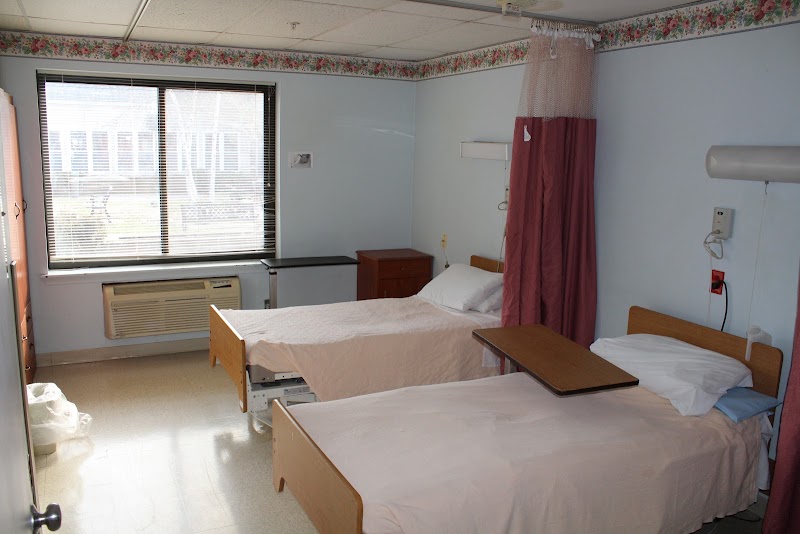
Who Owns and Operates Parkville?

PARKVILLE CARE CENTER is owned by a for-profit company. For-profit facilities operate as businesses with obligations to shareholders or private owners. The facility is operated by ICARE HEALTH NETWORK, a chain that manages multiple nursing homes. With 150 certified beds and approximately 137 residents (about 91% occupancy), it is a mid-sized facility located in HARTFORD, Connecticut.
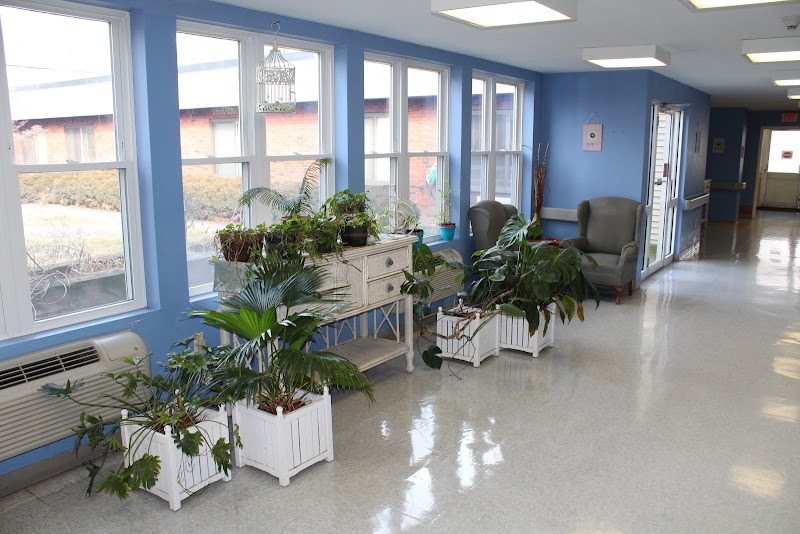
How Does Parkville Compare to Other Connecticut Nursing Homes?

Compared to the 100 nursing homes in Connecticut, PARKVILLE CARE CENTER's overall rating (4 stars) is above the state average of 3.0, staff turnover (25%) is significantly lower than the state average of 46%, and health inspection rating (3 stars) is at the national benchmark.

What Should Families Ask When Visiting Parkville?

Based on this facility's data, families visiting should ask: "Can you walk me through typical staffing levels on day, evening, and night shifts?" "Can I visit during a mealtime to observe dining assistance and food quality?" "How do you handle medical emergencies, and what is your hospital transfer rate?" "Can I speak with family members of current residents about their experience?" These questions are particularly relevant given the below-average staffing rating.

Is Parkville Safe?

Based on CMS inspection data, PARKVILLE CARE CENTER has a clean safety record: no substantiated abuse findings (meaning no confirmed cases of resident harm), no Immediate Jeopardy citations (the most serious violation level indicating risk of serious injury or death), and is not on the Special Focus Facility watch list (a federal program monitoring the lowest-performing 1% of nursing homes). The facility has a 4-star overall rating and ranks #1 of 100 nursing homes in Connecticut. While no facility is perfect, families should still ask about staff-to-resident ratios and recent inspection results during their visit.

Do Nurses at Parkville Stick Around?

Staff at PARKVILLE CARE CENTER tend to stick around. With a turnover rate of 25%, the facility is 21 percentage points below the Connecticut average of 46%. Low turnover is a positive sign. It means caregivers have time to learn each resident's needs, medications, and personal preferences. Consistent staff also notice subtle changes in a resident's condition more quickly.

Was Parkville Ever Fined?

PARKVILLE CARE CENTER has no federal fines on record. CMS issues fines when nursing homes fail to meet care standards or don't correct problems found during inspections. The absence of fines suggests the facility has either maintained compliance or corrected any issues before penalties were assessed. This is a positive indicator, though families should still review recent inspection reports for the full picture.

Is Parkville on Any Federal Watch List?

PARKVILLE CARE CENTER is not on any federal watch list. The most significant is the Special Focus Facility (SFF) program, which identifies the bottom 1% of nursing homes nationally based on persistent, serious quality problems. Not being on this list means the facility has avoided the pattern of deficiencies that triggers enhanced federal oversight. This is a positive indicator, though families should still review the facility's inspection history directly.