TRINITY HILL CARE CENTER
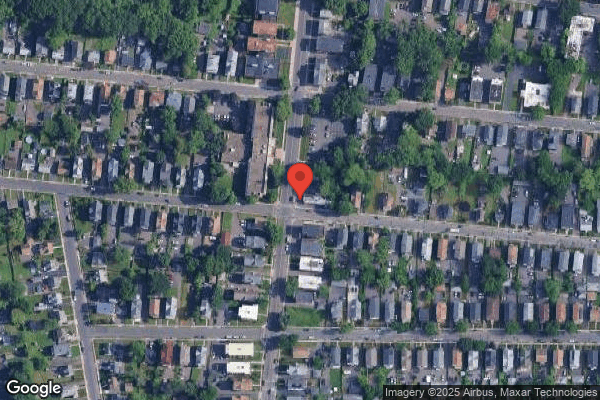

151 HILLSIDE AVE, HARTFORD, CT 06106 (860) 951-1060
For profit - Limited Liability company 144 Beds ICARE HEALTH NETWORK Data: November 2025 1 Immediate Jeopardy citation
Trust Grade
16/100
#146 of 192 in CT
Last Inspection: October 2024

Within standard 12-15 month inspection cycle. Federal law requires annual inspections.

Overview

Trinity Hill Care Center has received a Trust Grade of F, indicating poor performance with significant concerns for residents. Ranking #146 out of 192 facilities in Connecticut places it in the bottom half, and #53 out of 64 in Capitol County suggests that there are only a few local options that are better. While the facility is improving, having reduced issues from 14 to 4 in the past year, the overall situation remains concerning with a history of serious deficiencies. Staffing appears to be a moderate strength with a 3/5 rating and a turnover rate of 30%, which is lower than the state average, but the nursing coverage is worrisome as it falls below 83% of state facilities. There have been serious incidents, including a failure to prevent a resident-to-resident altercation that resulted in injury, and a lack of adequate supervision, which suggests a need for better oversight and care practices. Additionally, the facility has accrued $58,994 in fines, indicating compliance issues that should be taken seriously.

Trust Score
F
16/100
In Connecticut
#146/192
Bottom 24%
Safety Record
High Risk
Review needed
Inspections
Getting Better
14 → 4 violations
Staff Stability
✓ Good
30% annual turnover. Excellent stability, 18 points below Connecticut's 48% average. Staff who stay learn residents' needs.
Penalties
✓ Good
$58,994 in fines. Lower than most Connecticut facilities. Relatively clean record.
Skilled Nurses
⚠ Watch
Each resident gets only 22 minutes of Registered Nurse (RN) attention daily — below average for Connecticut. Fewer RN minutes means fewer trained eyes watching for problems.
Violations
⚠ Watch
36 deficiencies on record. Higher than average. Multiple issues found across inspections.
★★☆☆☆
2.0
Overall Rating
★★★☆☆
3.0
Staff Levels
★★★★★
5.0
Care Quality
★☆☆☆☆
1.0
Inspection Score
Stable
2024: 14 issues
2025: 4 issues

The Good

  • 5-Star Quality Measures · Strong clinical quality outcomes
  • Low Staff Turnover (30%) · Staff stability means consistent care
  • Full Sprinkler Coverage · Fire safety systems throughout facility
  • No fines on record
  • Staff turnover is low (30%)

    18 points below Connecticut average of 48%

Facility shows strength in quality measures, staff retention, fire safety.

The Bad

2-Star Overall Rating

Below Connecticut average (3.0)

Below average - review inspection findings carefully

Federal Fines: $58,994

Above median ($33,413)

Moderate penalties - review what triggered them

Chain: ICARE HEALTH NETWORK

Part of a multi-facility chain

Ask about local staffing decisions and management

The Ugly 36 deficiencies on record

1 life-threatening
May 2025 4 deficiencies 1 IJ
CRITICAL (J) 📢 Someone Reported This

A family member, employee, or ombudsman was alarmed enough to file a formal complaint

Immediate Jeopardy (IJ) - the most serious Medicare violation

Free from Abuse/Neglect (Tag F0600)

Someone could have died · This affected 1 resident

**NOTE- TERMS IN BRACKETS HAVE BEEN EDITED TO PROTECT CONFIDENTIALITY** Based on a review of clinical records, facility documentation, facility policy, and interviews for one of three residents (Resi...

Read full inspector narrative →
**NOTE- TERMS IN BRACKETS HAVE BEEN EDITED TO PROTECT CONFIDENTIALITY** Based on a review of clinical records, facility documentation, facility policy, and interviews for one of three residents (Resident #3) reviewed for abuse, the facility failed to ensure the residents were free from abuse and failed to ensure adequate supervision to prevent a resident-to-resident altercation with an injury. These failures resulted in a finding of Immediate Jeopardy. The findings include: a. Resident #1's diagnoses included anxiety and schizophrenia. The quarterly Minimum Data Set (MDS) assessment dated [DATE] identified Resident #1 had a Brief Interview for Mental Status (BIMS) score of ten out of fifteen, indicative of moderate cognitive impairment, and was self-mobile in a wheelchair. The Resident Care Plan (RCP) dated 11/25/2024 identified Resident #1 had a potential for aggressive behaviors toward other residents. Interventions directed every 15-minute checks as indicated, administer medications as ordered, counseled to seek assistance of staff for issues with peers, psychiatric and social services follow up as indicated, when resident becomes agitated intervene before agitation escalates, guide away from source of distress, and if aggressive to staff to walk away calmly and reapproach later. Record review identified Resident #1 had prior resident-to-resident altercations. On 9/16/2023 Resident #1 hit his/her roommate, in a bathroom that was shared by both residents, on the head with a trash bin causing the bin to break into pieces and caused two (2) abrasions to the other resident's leg. The care plan was updated to move the roommate to another room. On 12/3/2023 Resident #1 slapped another resident, at the nursing station, and a scratch was noted on the other resident. The care plan was updated to include every 15-minutes checks until cleared by psychiatry and social work was to follow up. On 2/19/2024 Resident #1 slapped another resident at the nurse's station. The care plan was updated to direct every 15-minute checks until cleared by psychiatry, staff to monitor Resident #1 by constant community awareness, and psychiatry and social service follow up as needed. On 11/25/2024 when Resident #1 attempted to transfer into a chair at the nurse's station, another resident moved the chair and Resident #1 then pushed the other resident. The care plan was updated to direct every 15-minute monitoring, and the chair was removed from the nurse's station. b. Resident #2's diagnoses included anxiety, dementia, schizoaffective disorder, and bipolar disorder. The annual Minimum Data Set (MDS) assessment dated [DATE] identified Resident #2 had a BIMS score of ten out of fifteen, indicative of moderate cognitive impairment, and was self-mobile in a wheelchair. The RCP dated 11/14/2024 identified dementia. Interventions directed to administer medications as directed and ask yes/no questions to determine resident needs. Facility reportable event dated 1/20/2025 at 4:30 PM identified Resident #1 reported Resident #2 said bad words and Resident #1 hit Resident #2, then Resident #2 hit Resident #1. Resident #1 was noted with an abrasion to the left side of his/her face, and orders were obtained for bacitracin to the area and left open to air. The residents were immediately separated and placed on every 15-minute monitoring. Resident #2 was moved to another unit. Record review identified that every 15-minute monitoring was discontinued by psychiatry on 1/25/2025. The facility summary dated 1/22/2025 identified no additional interventions. c. Resident #3's diagnoses included atrial fibrillation and dementia. The quarterly (MDS assessment dated [DATE] identified that Resident #3 had a BIMS score of five out of fifteen, indicative of severe cognitive impairment, had no behaviors, required assistance with wheelchair mobility, and identified English was not Resident #3's preferred language. The RCP dated 4/15/2025 identified impaired cognition and a pacemaker due to atrial fibrillation. Interventions directed to administer medications as ordered and ask yes/no questions to determine resident needs. Physician order dated 4/9/2025 directed Eliquis (blood thinner) 5 milligrams (mg) tablet, one (1) tablet by mouth, two (2) times a day, and Clopidogrel (Plavix) (blood thinner prevents blood clotting) 75 mg, one (1) tablet by mouth, one time a day. Facility reportable event dated 4/20/2025 at 12:30 PM identified Resident #3 was hit in the face by Resident #1 (unwitnessed by staff). Staff responded to both residents talking loudly in the hallway and noted Resident #3 had a two (2) centimeter (cm) laceration to the temporal area (near the ear) with bleeding. Resident #1 stated he/she hit Resident #3 because Resident #3 stole toilet paper from his/her bathroom. The report further indicated that Resident #3 was dependent on staff for bathroom use and unable to use the bathroom independently. The residents were separated. Resident #1 was placed on 1:1 monitoring until transfer to the hospital for evaluation. Neurological assessment was completed for Resident #3, who was transferred to the hospital for evaluation. Nursing note for Resident #1 dated 4/20/2025 at 12:14 PM identified Resident #3 was in Resident #1's way in the hallway. Resident #3 did not move, and Resident #1 hit Resident #3 in the face causing an open area to the temporal area. Nursing note for Resident #3 dated 4/20/2025 at 1:42 PM identified that an RN assessment was completed after the resident-to-resident physical altercation. Resident #3 was alert, oriented to self with confusion at baseline, and did not state what happened. Redness was noted to the left eye and left upper eyelid. Unequal pupillary reaction/constriction was noted during assessment, the right eye had a brisk response, the left eye had a sluggish response, and active bleeding was observed from the left temporal region and oozing/running down the left side of face. A left temporal region laceration was noted, measuring approximately 2 by 0.1 cm and 0.75 cm in depth. Direct pressure was applied to the lacerated area, but persistent bleeding. The APRN was notified, and Resident #3 was transferred to the hospital for evaluation. Facility incident summary dated 4/24/2025 identified the facility as unable to substantiate that abuse occurred because there was no willful or deliberate action against Resident #3. The summary identified Resident #3 was admitted to the hospital with a subdural hematoma (bleeding near the brain that can occur after trauma), related to medication regime of anticoagulants. The summary further indicated that upon Resident #1's return from the hospital with a no harm letter, Resident #1 was placed on enhanced observation. A virtual APRN visit was conducted on 4/21/2024 with medication adjustments and a plan for continued enhanced monitoring. Education was also provided to residents to have staff assist with resident-to-resident conflicts. Record review identified that monitoring (1:1 monitoring and every 15-minute checks) was discontinued as of 4/28/2025. Review of Resident #3's hospital history and physical dated 4/20/2025 identified Resident #3 was diagnosed with a hyperacute right temporo-parieto-occipital subdural hematoma (a complex area where the temporal, parietal and occipital brain lobes meet; area has a crucial role in integrating sensory information, attention, language, reasoning and memory) and was admitted to the intensive care unit (ICU). Hospital records identified Resident #3 was treated with a craniotomy (surgical opening into the skull to relieve pressure on the brain/remove the hematoma) on 4/28 and 5/6/2025. Further review identified that Resident #3 remained at the hospital during the time of the survey (30 days after the incident). Hospital medicine progress note dated 5/19/2025 identified Resident #3 had a principle problem of subdural hematoma. Resident #3 underwent craniotomy with evacuation of the subdural hematoma followed by MMA embolization (Middle Meningeal Artery embolization is a minimally invasive procedure used to block blood supply to the area affected by a subdural hematoma). Resident #3 was still encephalopathic (medical term that describes a general condition where the brain does not function properly). Interview with Resident #1 on 5/14/2025 at 12:58 PM identified that he/she had garbled speech and stated he/she hit a resident in the bathroom in the past. Resident #1 denied hitting another resident in the hallway or near the nurse's station. Interview, clinical record review, and hospital record review with MD #1/attending MD on 5/14/2025 at 11:29 AM identified that trauma, such as a hit to the head, could cause a subdural hematoma, and Resident #3 had a visible injury to the left side of the head. MD #1 stated an injury on the left side of the head could cause an injury on the right side of the brain (the opposite side) as the brain moves within the skull in a coup and contrecoup effect (rebound/recoil effect with the internal injury on the opposite side of the external force). Further, MD #1 stated Resident #3's injury was caused by the hit on the side of the head, because of how quickly Resident #3 had the bleeding after the injury occurred, he stated in his opinion, the hyperacute right temporo-parieto-occipital subdural hematoma was likely ninety percent certain caused by the trauma. Interview, clinical record review, and facility documentation review on 5/14/2025 at 2:39 PM with the DNS identified that Resident #1 admitted to hitting Resident #3 on 4/20/2025. The DNS stated Resident #1 was initially unable to provide a clear explanation regarding the incident, and then Resident #1 indicated Resident #3 took toilet paper from Resident #1's bathroom, however, Resident #3 did not use the bathroom and required total care for toileting. The DNS stated Resident #1 should not have hit Resident #3, and the facility did not substantiate abuse because Resident #1 did not willfully seek out Resident #3, and because Resident #1's story of the incident changed. The interview failed to identify the facility substantiated the abuse based on Resident #1 hitting Resident #3, and the subsequent diagnosed injury that required an extensive hospital admission. Interview, review of clinical record on 5/14/2025 at 8:55 AM with APRN #1 identified that Resident #1 had good motor control and did not have a lack of coordination or issues with swinging his/her arms. APRN #1 indicated Resident #1 was able to navigate hallways independently in a wheelchair and had full purposeful use of extremities (did not have uncontrolled movements of his/her extremities). Subsequent to surveyor inquiry, Resident #1 was placed on one-to-one (1:1) observations on 5/14/2025. Review of the facility Abuse Policy dated 3/20/2024 directed in part, physical abuse included hitting, slapping, pinching, kicking, etc. The Policy further directs that residents will not be subjected to abuse by anyone, including other residents.
CONCERN (D) 📢 Someone Reported This

A family member, employee, or ombudsman was alarmed enough to file a formal complaint

Potential for Harm - no one hurt, but risky conditions existed

Comprehensive Care Plan (Tag F0656)

Could have caused harm · This affected 1 resident

**NOTE- TERMS IN BRACKETS HAVE BEEN EDITED TO PROTECT CONFIDENTIALITY** Based on clinical record review, facility documentation review, facility policy review, and interviews for one of three residen...

Read full inspector narrative →
**NOTE- TERMS IN BRACKETS HAVE BEEN EDITED TO PROTECT CONFIDENTIALITY** Based on clinical record review, facility documentation review, facility policy review, and interviews for one of three residents (Resident #3) reviewed for abuse, the facility failed to develop a comprehensive care plan for a resident receiving anticoagulant medication (blood thinners). The findings include: Resident #3's diagnoses included atrial fibrillation. Physician's order for Resident #3 dated 4/9/2025 directed Eliquis (blood thinner) 5 mg tablet, one (1) tablet orally two (2) times a day related to atrial fibrillation and Clopidogrel (Plavix) (prevents blood clotting) 75 mg, one (1) tablet orally, one time a day related for atrial fibrillation. Record review identified Resident #3 was on Eliquis and Plavix upon admission to the facility during 5/2024. The quarterly MDS assessment dated [DATE] identified Resident #3 was admitted during 5/2024, had a BIMS score of five out of fifteen, indicative of severe cognitive impairment, had no behaviors, and received anticoagulants during the prior seven (7) days. The RCP dated 4/15/2025 identified impaired cognition and a pacemaker due to atrial fibrillation. Interventions directed to administer medications as ordered and ask yes/no questions to determine resident needs. Additional record review failed to identify Resident #3 had a care plan for Eliquis and Plavix use and risk of bleeding. Interview and record review with the DON on 5/20/2025 at 1:15 PM identified Resident #3 should have a care plan for bleeding risk related to the anticoagulant use, and was unable to identify a care plan for Eliquis and Plavix use and risk of bleeding. Subsequent to surveyor inquiry, the DON provided a care plan for Eliquis and Plavix use and risk of bleeding and was unable to identify when the care plan was written. Interview, clinical record and facility documentation review on 5/20/2025 at 2:04 PM with (RN #2)/MDS Coordinator identified when Resident #3 was admitted to the facility, he/she was receiving Eliquis and Plavix. RN #2 stated Resident #3 should have a care plan for risk of bleeding. Interview identified RN #2 created the risk of bleeding care plan on 5/20/2025. RN #2 stated during prior admissions, Resident #2 had a care plan for risk of bleeding due to Eliquis and Plavix use, but stated the facility had a different electronic medical record system at that time. RN #2 stated the electronic medical record system in use currently did not have an option for risk of bleeding, and he did not create the care plan for Resident #3. RN #2 stated he should have created the care plan, and he forgot to do it. Review of facility Care Plan Policy directed in part, to develop a comprehensive person-centered plan of care. The Policy further directed, within seven days of completing the MDS and CAA's (Care Area Assessments), to develop and review the plan of care to ensure it is person-centered and individualized to meet the needs of the resident.
CONCERN (D) 📢 Someone Reported This

A family member, employee, or ombudsman was alarmed enough to file a formal complaint

Potential for Harm - no one hurt, but risky conditions existed

Accident Prevention (Tag F0689)

Could have caused harm · This affected 1 resident

**NOTE- TERMS IN BRACKETS HAVE BEEN EDITED TO PROTECT CONFIDENTIALITY** Based on a review of clinical records, facility documentation, facility policy, and interviews for one of three residents (Resid...

Read full inspector narrative →
**NOTE- TERMS IN BRACKETS HAVE BEEN EDITED TO PROTECT CONFIDENTIALITY** Based on a review of clinical records, facility documentation, facility policy, and interviews for one of three residents (Resident #3) reviewed for abuse, the facility failed to ensure adequate supervision for a resident with known aggressive behaviors directed toward others, and to prevent a resident-to-resident incident with a resident injury. The findings include: a. Resident #1's diagnoses included anxiety and schizophrenia. The quarterly Minimum Data Set (MDS) assessment dated [DATE] identified Resident #1 had a Brief Interview for Mental Status (BIMS) score of ten out of fifteen, indicative of moderate cognitive impairment, and was self-mobile in a wheelchair. The Resident Care Plan (RCP) dated 11/25/2024 identified Resident #1 had a potential for aggressive behaviors toward other residents. Interventions directed every 15-minute checks as indicated, administer medications as ordered, counseled to seek assistance of staff for issues with peers, psychiatric and social services follow up as indicated, when resident becomes agitated intervene before agitation escalates, guide away from source of distress, and if aggressive to staff to walk away calmly and reapproach later. Record review identified Resident #1 had prior resident-to-resident altercations. On 9/16/2023 Resident #1 hit his/her roommate in a bathroom that was shared by both residents on the head with a trash bin causing the bin to break into pieces and caused two (2) abrasions to the other resident's leg. The care plan was updated to move the roommate to another room. On 12/3/2023 Resident #1 slapped another resident, at the nursing station, and a scratch was noted on the other resident. The care plan was updated to include every 15-minutes checks until cleared by psychiatry and social work was to follow up. On 2/19/2024 Resident #1 slapped another resident at the nurse's station. The care plan was updated to direct every 15-minute checks until cleared by psychiatry, staff to monitor Resident #1 by constant community awareness, and psychiatry and social service follow up as needed. On 11/25/2024 when Resident #1 attempted to transfer into a chair at the nurse's station, another resident moved the chair and Resident #1 then pushed the other resident. The care plan was updated to direct every 15-minute monitoring, and the chair was removed from the nurse's station. On 1/20/2025 Resident #1 reported another resident said bad words in the hallway, and both residents hit each other. Resident #1 was noted with an abrasion on the left side of his/her face. The residents were placed on every 15-minute monitoring and the other resident was moved to another unit. Record review identified Resident #1's every 15-minute monitoring was discontinued by psychiatry on 1/25/2025. b. Resident #3's diagnoses included atrial fibrillation and dementia. The quarterly (MDS assessment dated [DATE] identified Resident #3 had a BIMS score of five out of fifteen, indicative of severe cognitive impairment, had no behaviors, required assistance with wheelchair mobility, and identified English was not Resident #3's preferred language. The RCP dated 4/15/2025 identified impaired cognition and a pacemaker due to atrial fibrillation. Interventions directed to administer medications as ordered and ask yes/no questions to determine resident needs. Physician order dated 4/9/2025 directed Eliquis (blood thinner) 5 milligrams (mg) tablet, one (1) tablet by mouth, two (2) times a day, and Clopidogrel (Plavix) (blood thinner prevents blood clotting) 75 mg, one (1) tablet by mouth, one time a day. Facility reportable event dated 4/20/2025 at 12:30 PM identified Resident #3 was hit in the face by Resident #1 (unwitnessed by staff). Staff responded to both residents talking loudly in the hallway and noted Resident #3 had a two (2) centimeter (cm) laceration to the temporal area (near the ear) with bleeding. Resident #1 stated he/she hit Resident #3 because Resident #3 stole toilet paper from his/her bathroom. The report further indicated that Resident #3 was dependent on staff for bathroom use and unable to use the bathroom independently. The residents were separated. Resident #1 was placed on 1:1 monitoring until transfer to the hospital for evaluation. Neurological assessment was completed for Resident #3, who was transferred to the hospital for evaluation. Nursing note for Resident #1 dated 4/20/2025 at 12:14 PM identified Resident #3 was in Resident #1's way in the hallway. Resident #3 did not move, and Resident #1 hit Resident #3 in the face causing an open area to the temporal area. Nursing note for Resident #3 dated 4/20/2025 at 1:42 PM identified an RN assessment was completed after the resident-to-resident physical altercation. Resident #3 was alert, oriented to self with confusion at baseline, and did not state what happened. Redness was noted to the left eye and left upper eyelid. Unequal pupillary reaction/constriction was noted during assessment, the right eye had a brisk response, the left eye had a sluggish response, and active bleeding was observed from the left temporal region and oozing/running down the left side of face. A left temporal region laceration was noted, measuring approximately 2 by 0.1 cm and 0.75 cm in depth. Direct pressure was applied to the lacerated area, but persistent bleeding. The APRN was notified, and Resident #3 was transferred to the hospital for evaluation. Facility incident summary dated 4/24/2025 identified the facility as unable to substantiate that abuse occurred because there was no willful or deliberate action against Resident #3. The summary identified Resident #3 was admitted to the hospital with a subdural hematoma (bleeding near the brain that can occur after trauma), related to medication regime of anticoagulants. The summary further indicated that upon Resident #1's return from the hospital with a no harm letter, Resident #1 was placed on enhanced observation. A virtual APRN visit was conducted on 4/21/2024 with medication adjustments and a plan for continued enhanced monitoring. Education was also provided to residents to have staff assist with resident-to-resident conflicts. Record review identified that monitoring (1:1 monitoring and every 15-minute checks) was discontinued as of 4/28/2025. Review of Resident #3's hospital history and physical dated 4/20/2025 identified Resident #3 was diagnosed with a hyperacute right temporo-parieto-occipital subdural hematoma (a complex area where the temporal, parietal and occipital brain lobes meet; area has a crucial role in integrating sensory information, attention, language, reasoning and memory) and was admitted to the intensive care unit (ICU). Hospital records identified Resident #3 was treated with a craniotomy (surgical opening into the skull to relieve pressure on the brain/remove the hematoma) on 4/28 and 5/6/2025. Further review identified that Resident #3 remained at the hospital during the time of the survey (30 days after the incident). Hospital medicine progress note dated 5/19/2025 identified Resident #3 had a principle problem of subdural hematoma. Resident #3 underwent craniotomy with evacuation of the subdural hematoma followed by MMA embolization (Middle Meningeal Artery embolization is a minimally invasive procedure used to block blood supply to the area affected by a subdural hematoma). Resident #3 was still encephalopathic (medical term that describes a general condition where the brain does not function properly). Please cross reference F600. Interview with Resident #1 on 5/14/2025 at 12:58 PM identified that he/she had garbled speech and stated he/she hit a resident in the bathroom in the past. Resident #1 denied hitting another resident in the hallway or near the nurse's station. Interview, clinical record review, and hospital record review with MD #1/attending MD on 5/14/2025 at 11:29 AM identified that trauma, such as a hit to the head, could cause a subdural hematoma, and Resident #3 had a visible injury to the left side of the head. MD #1 stated an injury on the left side of the head could cause an injury on the right side of the brain (the opposite side) as the brain moves within the skull in a coup and contrecoup effect (rebound/recoil effect with the internal injury on the opposite side of the external force). Further, MD #1 stated Resident #3's injury was caused by the hit on the side of the head, because of how quickly Resident #3 had the bleeding after the injury occurred, he stated in his opinion, the hyperacute right temporo-parieto-occipital subdural hematoma was likely ninety percent certain caused by the trauma. Interview, clinical record review, and facility documentation review on 5/14/2025 at 2:39 PM with the DNS identified that Resident #1 admitted to hitting Resident #3 on 4/20/2025. The DNS stated Resident #1 was initially unable to provide a clear explanation regarding the incident, and then Resident #1 indicated Resident #3 took toilet paper from Resident #1's bathroom, however, Resident #3 did not use the bathroom and required total care for toileting. The DNS stated Resident #1 should not have hit Resident #3, and the facility did not substantiate abuse because Resident #1 did not willfully seek out Resident #3, and because Resident #1's story of the incident changed. The interview failed to identify if adequate supervision was provided for a resident with known behaviors directed toward others to prevent a resident injury. Subsequent to surveyor inquiry, Resident #1 was placed on one-to-one (1:1) observations on 5/14/2025. Review of the facility Close Observation Policy dated 4/17/2024 directed in part, the facility will provide staff with guidance in applying close observation levels for the purpose of ensuring resident safety. The Policy further directed, there are several conditions or circumstances that may indicate a possible risk of harm or injury to the resident or others; risk factors include de-compensated mental status (i.e. impulsivity, impaired judgment, agitation).
CONCERN (D) 📢 Someone Reported This

A family member, employee, or ombudsman was alarmed enough to file a formal complaint

Potential for Harm - no one hurt, but risky conditions existed

Deficiency F0711 (Tag F0711)

Could have caused harm · This affected 1 resident

**NOTE- TERMS IN BRACKETS HAVE BEEN EDITED TO PROTECT CONFIDENTIALITY** Based on clinical record review, facility documentation review, facility policy review, and interviews for two of three resident...

Read full inspector narrative →
**NOTE- TERMS IN BRACKETS HAVE BEEN EDITED TO PROTECT CONFIDENTIALITY** Based on clinical record review, facility documentation review, facility policy review, and interviews for two of three residents (Resident #1 and #2) reviewed for abuse, the facility failed to ensure the residents were seen by a physician/designee with orders reviewed and renewed at least once every 60 days. The findings included: a. Resident #1's diagnoses included anxiety and schizophrenia. The quarterly Minimum Data Set (MDS) assessment dated [DATE] identified that Resident #1 had a Brief Interview for Mental Status (BIMS) score of ten out of fifteen, indicative of moderate cognitive impairment and was self-mobile in wheelchair. The Resident Care Plan (RCP) dated 11/25/2024 identified Resident #1 had a potential to be aggressive. Interventions directed every 15-minute checks, administer medications as ordered, counseled to seek assistance of staff for issues with peers, psychiatric and social services follow up, when resident becomes agitated intervene before agitation escalates, guide away from source of distress, if aggressive to staff walk away calmly and approach later. Record review identified Resident #1 was on a 60-day schedule for review and renew of physician orders. Record review identified although physician orders were signed by MD #1 on 11/2/2024, review identified the record had no additional physician orders signed until 3/8/2025 (127 days after they were last signed). b. Resident #2's diagnoses included anxiety, dementia, bipolar disorder and schizoaffective disorder. The annual Minimum Data Set (MDS) assessment dated [DATE] identified that Resident #2 had a Brief Interview for Mental Status (BIMS) score of ten out of fifteen, indicative of moderate cognitive impairment and was self-mobile in wheelchair. The Resident Care Plan (RCP) dated 11/14/2024 identified Resident #2 had a self-care performance deficit related to dementia. Interventions directed encourage to participate to the fullest extent possible. Record review identified Resident #1 was on a 60-day schedule for review and renew physician orders. Record review identified although physician orders were signed by MD #1 on 11/2/2024, review identified the record had no additional physician orders signed until 3/8/2025 (127 days after they were last signed). Interview and review of record with DNS and Administrator on 5/14/2025 at 2:39 PM DNS identified the facility was unable to provide documentation that Resident #1 and Resident #2's physician orders were signed at least every 60 days. The DNS stated the orders should have been signed and was unable to identify why the orders were not signed timely. Interview and record review with MD #1/Medical Director on 5/14/2025 at 11:29 AM identified that he signs the resident orders monthly, and that he began signing orders electronically as of November 2024. He indicated that Resident #1 and Resident #2's orders should have been signed, but it was possible that he missed them. MD #1 further indicated he had not signed the April 2025 orders yet and was behind in signing resident orders. Although the surveyor requested a policy regarding medical visits, a policy was not provided for surveyor review.
Oct 2024 14 deficiencies
CONCERN (D)

Potential for Harm - no one hurt, but risky conditions existed

Deficiency F0578 (Tag F0578)

Could have caused harm · This affected 1 resident

**NOTE- TERMS IN BRACKETS HAVE BEEN EDITED TO PROTECT CONFIDENTIALITY** Based on review of the clinical record, review of facility policy and interviews for one of twenty-four sampled residents (Resid...

Read full inspector narrative →
**NOTE- TERMS IN BRACKETS HAVE BEEN EDITED TO PROTECT CONFIDENTIALITY** Based on review of the clinical record, review of facility policy and interviews for one of twenty-four sampled residents (Resident #377) reviewed for advance directives, the facility failed to ensure the physician's order accurately reflected the resident's chosen code status. The findings include: Resident #377's diagnoses included osteomyelitis, viral hepatitis C and major depressive disorder. The Nursing admission assessment dated [DATE] identified Resident #377 was cognitively intact. Resident #377's Advance Directives/Code Status Consent form indicated the resident elected a code status of Do Not Resuscitate (DNR), which means to withhold cardiopulmonary resuscitation (CPR)in the event that the resident stops breathing. The form was signed by APRN #1 on [DATE]. Review of the MD Order/Progress Note form dated [DATE] and also located in the same location of the clinical record as the advance directives/code status consent form identified APRN #1 reviewed advance directives with Resident #377 and determined that the resident's medical condition and prognosis were appropriate for the code status of do not resuscitate (DNR). The form was signed by APRN #1. The physician's order dated [DATE] identified a code status of full code (rather than DNR). A full code means that if a person's heart stopped beating and/or they stopped breathing, all resuscitation procedures will be provided to keep them alive. Interview with the Charge Nurse (LPN #5) on [DATE] at 11:55 AM identified that if Resident #377 had a life-threatening emergency where it would be necessary to provide CPR or withhold CPR, she would look in the clinical record under the advance directive section and review the advance directive/code status form, and the physician's order in the clinical record and she would also check the resident's status in the electronic health record. After reviewing the advance directive/code status consent form, the physician's orders and the electronic health record with LPN #5, she noted that the physician's order and the electronic health record indicated full code while the advance directive/code status consent form indicated DNR. Additionally, LPN #5 identified that the physician's order should match the advance directive/code status consent form. LPN #5 identified that after the provider reviews and signs the advance directive/code status consent form, the form is flagged in the chart for the charge nurse/nursing supervisor on the unit to transcribe the order. Interview with APRN #1 on [DATE] at 12:10 PM identified that she reviewed and discussed the advance directive/code status consent form with Resident #377 on [DATE] due to his/her selection of the DNR status. After reviewing the advance directive/code status form and the physician's order for full code with APRN #1, she noted that it was her signature on the consent form dated [DATE] and the physician's order directing a code status of full code which she signed on [DATE] after discussing with Resident #377. APRN #1 identified that she signed the advanced directive/code status consent form, then flagged the form in the resident's chart for the nurses to transcribe and note the order. APRN #1 further added that although she reviewed and signed the order for full code, she acknowledged that it was done in error and should have reflected that the resident had a code status of DNR. Review of the Code Status policy identified that the upon admission and thereafter the Code Status is established identifying decisions regarding cardiopulmonary resuscitation. The policy further identified that once the resident's preferred status has been established, the attending physician will document the order of either CPR or DNR in the resident's clinical record.
CONCERN (D) 📢 Someone Reported This

A family member, employee, or ombudsman was alarmed enough to file a formal complaint

Potential for Harm - no one hurt, but risky conditions existed

Deficiency F0620 (Tag F0620)

Could have caused harm · This affected 1 resident

**NOTE- TERMS IN BRACKETS HAVE BEEN EDITED TO PROTECT CONFIDENTIALITY** Based on review of the clinical record, review of facility policy and interviews for one of two sampled residents (Resident #59)...

Read full inspector narrative →
**NOTE- TERMS IN BRACKETS HAVE BEEN EDITED TO PROTECT CONFIDENTIALITY** Based on review of the clinical record, review of facility policy and interviews for one of two sampled residents (Resident #59) reviewed for choices, the facility failed to ensure the implementation of the admissions policy when the resident was admitted to the facility. Resident #59 was admitted to the facility on [DATE] with diagnoses that included major depressive disorder recurrent severe with psychotic symptoms, schizoaffective disorder, polyneuropathy, and extrapyramidal symptoms. The admission face sheet located in the electronic health record identified Resident #59 was conserved and indicated the conservator's contact information. The baseline care plan dated 6/18/24 identified Resident #59 was at risk for behaviors related to psychiatric disorders. Interventions included: encourage participation in behavioral program and recreational groups, residence on a secured unit, monitor behaviors, and provide mental health professional services as indicated The admission MDS assessment dated [DATE] identified Resident #59 was cognitively intact, had no behaviors, was independent with hygiene, dressing, eating, transfers and mobility. The assessment further identified Resident #59 was taking antipsychotic, antianxiety and antidepressant medication. Review of Resident #59's clinical record on 10/21/24 at 10:00 AM identified the following forms were not completed: the behavioral program unit resident review, behavioral health program individualized assessment of resident safety status and the behavioral program unit resident review. Further review failed to identify other admission consent forms outlined in the admission's checklist were completed. The record did contain a consent to voluntarily reside on a secured unit dated 6/18/24 that was signed by the resident and a witness. Review of the social services progress notes from 6/18/24 through 10/24/24 failed to identify that contact with Resident #59's conservator was attempted. Review of nurse's notes from 6/18/24 through 10/24/24 failed to identify that notification was made to Resident #59's conservator regarding the resident's admission to the facility. Observation on 10/21/24 at 11:07 AM identified Resident #59 resided on the secured unit in the facility. Interview on 10/22/24 at 2:00 PM with the Regional Clinical Director identified the facility consent admission paperwork is supposed to be completed by the RN supervisor. Interview on 10/23/24 at 10:23 AM with SW #2 (designated social worker for the secured unit), identified that when a resident is conserved, the RN supervisor is responsible for reviewing and getting the admission forms signed by the resident's conservator. Following SW #2's review of the clinical record, she identified that the admission paperwork in the chart should include the completion of the following forms: advance directive, consent for treatment, and consent for residing on the secured unit. Interview on 10/23/24 at 10:46 AM with Resident #59's Conservator identified that she was unaware of Resident #59's admission to the facility and that the facility had not contacted her regarding admission paperwork or admission consent forms that required her attention. Interview on 10/23/24 at 10:57 AM with the DNS identified the facility had not contacted Resident #59's Conservator regarding the resident's admission to the facility and had not elicited the Conservator's permission's and consents required on admission. Additionally, she indicated that regardless of the resident's cognitive status, if the resident is conserved, the paperwork should be signed (completed) by the conservator. Interview on 10/24/24 at 10:14 AM with the MDS Coordinator identified that the Social Worker is responsible for obtaining the conservator's signature on the admission paperwork. Interview on 10/24/24 at 10:40 AM with SW#1, the Social Work Director, identified the admission paperwork is discussed with the resident, although, if the resident is conserved the paperwork gets emailed or faxed to the conservator. The Social Work Director was unable to identify that the conservator was contacted for admission signatures. The facility admission policy identified that the nurse is responsible for completing the admission documentation and it should be completed within 24 hours. The policy further identified the admission checklist identified consents to be signed on admission include the following: • Consent to treat • Vaccine Pneumonia/Flu • Vaccine Covid • Advance Directive • Privacy Act Notification statement • Receipt of Privacy Practices • Use and Disclosure - Facility Directory • Harvest Consent • Supportive Care Consent • Health Drive Consent • SUD program if applicable (substance use disorder) • Secure unit Residency if applicable • GHMCC disclosure statement if applicable Additionally, the admission checklist identified the completion of the admission was the responsibility of all three shifts, not just the shift that the resident arrives on and directed to pass the checklist on from supervisor to supervisor.
CONCERN (D) 📢 Someone Reported This

A family member, employee, or ombudsman was alarmed enough to file a formal complaint

Potential for Harm - no one hurt, but risky conditions existed

Deficiency F0658 (Tag F0658)

Could have caused harm · This affected 1 resident

**NOTE- TERMS IN BRACKETS HAVE BEEN EDITED TO PROTECT CONFIDENTIALITY** Based on observation, review of the clinical record, review of facility policy and interviews for one sampled resident (Resident...

Read full inspector narrative →
**NOTE- TERMS IN BRACKETS HAVE BEEN EDITED TO PROTECT CONFIDENTIALITY** Based on observation, review of the clinical record, review of facility policy and interviews for one sampled resident (Resident #377) reviewed for antibiotic use, the facility failed to ensure admission orders were verified prior to administration and failed to ensure that a physician's orders directing the treatment and care a a central line catheter. The findings include: Resident #377 was admitted to the facility on [DATE], with diagnoses that included osteomyelitis, viral hepatitis C and major depressive disorder. The Nursing admission assessment dated [DATE] identified Resident #377 was cognitively intact and had a peripherally inserted central catheter (PICC). Review of the Inter-Agency Referral Report (W-10) from the hospital dated 10/11/24 identified the following discharge medications: 1. Bisacodyl 5milligram (mg) Enteric Coated (EC) give 10mg by mouth daily as needed 2. Bisacodyl 10mg suppository rectally daily as needed 3. Ceftriaxone 1 gram give 2 grams intravenous daily 4. Folic Acid 1mg by mouth daily 5. Gabapentin 300mg, give 900mg by mouth three times daily 6. Milk of Magnesia 30 milliliters (ml) daily as needed 7. Melatonin 3mg by mouth at bedtime (nightly) as needed 8. Methocarbamol give 500mg by mouth four times daily 9. Nicotine 21mg/24 hour apply one patch daily 10. Nicotine Polacrilex 4mg gum by mouth every 2 hours as needed 11. Oxycodone 10mg by mouth every 8 hours 12. Glycolax 17gram by moth twice daily 13. Seroquel 100mg give 100mg by mouth at bedtime 14. Senokot-S 8.6-50 mg, give 2 tabs by mouth at bedtime (nightly) 15. Thiamine 100mg by mouth daily 16. Trazadone 50mg by mouth nightly as needed 17. Vancomycin in 0.9% sodium chloride give 1500 mg intravenous every 12 hours 18. Methadone 10mg/ml solution 130mg by moth daily 19. Epclusa 400-100 mg give one tablet daily 20. PICC line care 21. Flush non-valved when not in use daily 22. Intermittent access minimum 5ml normal saline (NS) pre -administration of medication minimum 5ml NS post administration 23. Volume before and after blood draw: 5ml NS pre-draw and 10 ml post-draw 24. Volume before and after blood product: 5ml NS pre transfusion 10 ml post transfusion 25. Heparin locking for non-valved PICC: 5ml 10unit/ml Heparin 26. Heparin locking for valved PICC: 5ml NS -DO not use Heparin The physician's orders in the physical chart failed to identify that the discharge medications listed on the W-10 were verified with the provider at the time of admission on [DATE] and that flushes and care of the central line catheter were ordered. Observation on 10/23/24 at 9:49 AM identified Resident #377 self-propelling his/her wheelchair in the hallway while antibiotic was infusing via PICC line with 2 lumen that had a clamp which indicates the catheter was a non-valve catheter. Review of Resident #377's Medication Administration record identified the following medications were administered on 10/11/24 to 10/13/24: 1. Ceftriaxone 1 gram give 2 grams intravenous daily 2. Vancomycin in 0.9% sodium chloride give 1500 mg intravenous every 12 hours 3. Folic Acid 1mg by mouth daily 4. Gabapentin 300mg, give 900mg by mouth three times daily 5. Methocarbamol 500mg by mouth 4 time daily 6. Seroquel 100mg give 100mg by mouth at bedtime 7. Thiamine 100mg by mouth daily 8. Senokot-S 8.6-50 mg, give 2 tabs by mouth at bedtime (nightly) 9. Methadone 10mg/ml solution 130mg by moth daily 10. Tylenol 650mg by moth every six hours for pain or elevated temperature 11. Oxycodone 10mg by mouth every 8 hours as needed for pain 12. Trazadone 50mg by mouth nightly as needed for insomnia 13. Melatonin 3mg by mouth at bedtime (nightly) as needed for insomnia 14. Intermittent access minimum 5ml normal saline (NS) pre -administration of medication minimum 5ml NS post administration. 15. Change of the changing of the tubing every 24 hours 16. Change dressing weekly Interview with the Nursing Supervisor (RN #3) on 10/23/24 at 8:21 AM identified that Resident #377 arrived at the facility on the day shift. RN #3 identified that she received the hospital paperwork from the Infection Preventionist (IP) nurse and the ADNS was still in the facility. RN #3 identified that she did not verify the orders with the provider as she had received the paperwork from the IP nurse and the ADNS and thought they had verified the orders as she was just told to input the orders in the electronic medical record system. She indicated that she was assisting the 3:00 PM to 11:00 PM nursing supervisor as they were both agency staff and was new to the facility. RN #3 indicated that the communication was poor at the facility and that she was not told to write the orders on the paper physician's order sheet. Interview with APRN #1 on 10/23/24 at 9:48 AM identified she did not verify any orders for Resident #377 as she was not working on 10/11/24. The APRN #1 identified that she verified the orders on 10/14/24 and thought that was the date that the resident was admitted to facility as the physician's order sheet read new admission. Interview with the Infection Preventionist (LPN #2) on 10/23/24 at 10:02 AM identified she did not verify the admission orders when the resident arrived at the facility. LPN #2 identified that she only took the hospital discharge summary which was in the Methadone box so that she could pick-up the Methadone and bring to the facility on Saturday. Interview with the ADNS on 10/23/24 at 10:48 AM identified that she was in the building when Resident #377 arrived at the facility. The ADNS identified that she did not verify the admission orders on 10/11/24 as it was the responsibility of the nursing supervisor on duty to verify the orders. The ADNS identified that the DNS had reviewed the chart on 10/14/24 and identified that the admission orders were not written on the paper physician order sheet and asked her to follow-up. The ADNS indicated that she utilized the W-10 and review the orders and have APRN #1 verify the orders and sign the physician's order sheet on 10/14/24. Interview with the DNS on 10/24/24 at 10:19 AM identified that she had reviewed Resident #377 chart on 10/14/24 and identified that the orders were not written on the paper physician order sheet and asked the ADNS to follow-up. The DNS identified that there is a notice in the supervisor's office that indicates that all admission and re-admission orders must be put into the electronic medical record as well as written in the physical physician orders as well as on the paper medication administration record and the treatment administration record. Interview with APRN #2 on 10/25/24 at 10:56 AM identified that she was not working on 10/11/24. Interview with MD #1 on 10/25/24 at 3:31 PM identified that he is always on call but did not verify any orders for Resident #377 on 10/11/24. He identified that probably an on-call physician would have verified the order. MD #1 was asked when does the answering service started, which he responded at 5:00 PM. MD #1 was made aware that the resident arrived at the facility at 2:00 PM, then he responded that the on-call provider would have then not been called to verify the admission orders. Review of the Physician Orders Transcription policy identified that physician orders would be transcribed by a licensed staff and followed through in a manner consistent with quality standard of care practices. The policy further identified that admission orders will be transcribed from the W-10 or discharge order to the facility's physician's order sheet, followed by calling the attending physician to confirm orders, then add the date, time, and sign physician's name, your name and orders confirmed on the physician's order sheet. Review of the Central Line Catheter protocol identified the flushing protocol for non-valved catheters 5ml of NS before Medication administration and 5ml of NS after medication administration then 5ml of 10units/ml heparin flush. For unused lumen of PICC line non-valved catheter to be flushed every 12 hours each lumen with 5ml of NS then 5ml of 10units/ml heparin flush. Treatment protocol includes change tubing 24 hours of primary intermittent, change needless connection on admission, every week and as needed, change dressing every week and as needed.
CONCERN (D)

Potential for Harm - no one hurt, but risky conditions existed

Respiratory Care (Tag F0695)

Could have caused harm · This affected 1 resident

**NOTE- TERMS IN BRACKETS HAVE BEEN EDITED TO PROTECT CONFIDENTIALITY** Based on observations, review of the clinical record, review of facility policy, and interviews for one sampled resident (Reside...

Read full inspector narrative →
**NOTE- TERMS IN BRACKETS HAVE BEEN EDITED TO PROTECT CONFIDENTIALITY** Based on observations, review of the clinical record, review of facility policy, and interviews for one sampled resident (Resident #70) reviewed for respiratory care, the facility failed to ensure a physician's order was in place directing the use of oxygen therapy for a resident utilizing oxygen. The findings included: Resident #70s diagnoses included end stage renal disease, chronic obstructive pulmonary disease, anxiety, and heart failure. The quarterly MDS assessment dated [DATE], identified Resident #70 was cognitively intact, required moderate assistance with transfers, toileting, personal hygiene, and identified that the resident utilized a wheelchair for mobility. The assessment did not indicate the use of oxygen. The care plan dated 8/31/24 identified Resident #70 was at risk for breathing problems related to chronic pulmonary disease, with interventions that included providing oxygen as needed to maintain oxygen levels. Elevating the head of the bed to prevent shortness of breath, and to monitor for any symptoms of difficulty breathing. Observation on 10/23/24 at 10:10 AM in Resident #70's room, identified oxygen was being administered at 2 liters via nasal cannula. The oxygen tubing was labeled, and dated 10/17/24, and appeared clean. Interview at the time of the observation with Resident #70, identified he/she utilized oxygen on a regular basis for shortness of breath. Interview on 10/23/24 at 10:39 AM with LPN #1 Unit/medication nurse 3rd floor identified that there should be an order for oxygen. Resident #70 usually uses the oxygen upon return from dialysis, and it used as needed. The oxygen order must have fallen off the medication administration record (MAR). The 11-7 nurse changes the oxygen tubing weekly, labels and dates the tubing. LPN #1 was unable to locate a physician's order for oxygen in the resident's medical record (paper chart, or in the electronic medical record) and an order was not located on either the MAR or on the treatment administration record (TAR). Subsequent to surveyor inquiry; observation on 10/24/24 at 1:06 PM with LPN #4 third floor unit/medication nurse, identified a new order dated 10/23/24 for oxygen 2 liters via nasal cannula every shift as needed, change oxygen tubing every week on Sunday 11-7 shift, and check oxygen levels (pulse oximetry) every shift. Orders had been transcribed onto the treatment administration record (TAR). Review of the Medication Order Transcription policy-Paper Systems, directed in part, that prescribers' medication orders will be accurately transcribed and executed in a timely manner to ensure accurate administration of all physicians' orders. Review of the Oxygen Administration policy dated 4/17/24, directed in part, to verify that there is a physician's order in place for this procedure or facility protocol.
CONCERN (D)

Potential for Harm - no one hurt, but risky conditions existed

Deficiency F0697 (Tag F0697)

Could have caused harm · This affected 1 resident

**NOTE- TERMS IN BRACKETS HAVE BEEN EDITED TO PROTECT CONFIDENTIALITY** Based on review of the clinical record, review of facility documentation, review of facility policy/procedure and interviews for...

Read full inspector narrative →
**NOTE- TERMS IN BRACKETS HAVE BEEN EDITED TO PROTECT CONFIDENTIALITY** Based on review of the clinical record, review of facility documentation, review of facility policy/procedure and interviews for one sampled resident (Resident #115) reviewed for pain, the facility failed to administer pain medication in a timely manner. The findings included: Resident #115's diagnoses included puncture wound without foreign body of the right thigh, and muscle weakness. The admission MDS assessment dated [DATE] identified Resident #115 was cognitively intact, had no behaviors, required set up or clean up assistance with eating, oral hygiene, utilized partial to moderate assistance with toileting, showers, personal hygiene and dressing. The assessment further identified Resident #115 utilized a wheelchair for mobility, and almost constantly was in pain with a rating of 10 in pain intensity on a scale of 0-10 with 10 being the most intense. The care plan dated 7/16/24 identified Resident #115 had pain related to a gunshot wound with interventions that included provide pain medication as ordered and observe effectiveness, for complaints of break through pain offer another one of the medications ordered for pain and offer to help find a comfortable position. Physician's order dated 7/18/24 directed Oxycodone 5mg tab by mouth every 6 hours as needed for pain for 1 week then Oxycodone 5mg tab by mouth every 8 hours for pain as needed. Physician's order dated 8/13/24 directed to start Ibuprofen 800mg by mouth every 8 hours as needed for 14 days. Review of facility documentation (interview form) dated 8/14/24 at 11:00 PM identified LPN #3 indicated she went to the break room around 10:45 PM and when she returned Resident #115 was waiting for medication and spoke to her using profanity. Review of facility documentation (interview form) dated 8/14/24 at 11:45 PM identified Resident #115 indicated he/she rang the call bell twice around 9:00 PM and spoke with the same NA#1 who said she had notified the nurse that he/she was wanted pain medication. After waiting over two and a half hours the nurse finally showed up after a fall out of bed onto the floor. The documentation further noted that LPN#3 conveyed she wasn't going to give the medication. A grievance form dated 8/14/24 identified Resident #115 asked LPN #3 after ringing the call bell twice and waiting for more than two hours, her response was that she was not giving the resident anything and to get it from the supervisor, and who did the resident think they were for telling her when to give medication, this grievance was turned into a reportable event. Interview form dated 8/15/24 at 2:37 PM from NA#1 indicated that she told the charge nurse twice that Resident#115 needed pain medication as the resident was ringing the call bell requesting medication, once around 7:30 PM and once around 8:30 PM. Review of the MAR for the month of August 2024 identified no PRN Oxycodone 5mg or Ibuprofen 800mg was signed off as passed to Resident #115 on 8/14/24. Review of the Control Substance Disposition record for Oxycodone IR 5mg identified 1 tab was passed at 1:50 PM therefore the next dose could be passed 8 hours later meaning any time after 9:50 PM. The medication was signed off passed on 8/14/24 at 11:12 PM. Interview with Resident #115 on 10/21/24 at 10:15 AM indicated he/she was in severe pain on 8/14/24 and had told NA#1 twice to let the nurse know about the pain, once around 8:00 PM and a second time closer to 9:00 PM. Resident #115 identified he/she fell while trying to move to the bed due to the intense pain. Resident #115 identified that LPN#3 could not be located for a period and that NA#1 was trying to help locate the nurse to get him/her the medication. By the time LPN#3 was located Resident #115 admitted he/she was frustrated and was in severe pain. A formal grievance was written, and Resident #115 stated he/she never received a reply from the grievance, but that LPN #3 had been back to work on his/her unit. Interview on 10/24/24 at 11:04 AM with NA#1 identified the nurse that evening seemed annoyed and or frustrated as another patient had said a bandage was too tight and she told them she only gets paid for 8 hours and that she was not putting it on again. Resident #115 did ring the call bell twice once around 7:30 PM and once around 8:30 PM and each time she notified the nurse that he wanted his PRN pain medication, she seemed annoyed after the second time I told her. The third time Resident #115 rang the call bell NA#1 said she would find the nurse however could not locate the nurse for approximately 45 minutes to 1 hour. She went back to resident #115 and said LPN #3 must be on break. Resident #115 self-reported a fall after coming out of his/her room towards the nurses station towards the end of the shift when the nurse was getting back to the unit, however no one witnessed it. Interview on 10/24/24 at 11:19 AM with LPN #3 indicated that she was very busy that evening of 8/14/24 because there was a new admission, and that she did go off the floor towards the end of the night for a phone call. She knew Resident #115 could have received pain medication between 9-10pm, however said she wasn't aware from the NA#1 that he was in pain and no PRN medications were passed to Resident #115 on her shift on 8/14/24, including the Ibuprofen 800mg PRN. When she returned to the unit Resident #115 was very upset wanting medication and angry. She said she would not pass Resident #115 his/her medications because he/she was so angry, she requested the supervisor pass the requested medication. Interview with the DNS on 10/29/24 at 10:15 AM identified if a NA tells a nurse that a resident is in pain it is the nurse's responsibility to assess the pain and administer medications as ordered. Review of the Medication Administration and Documentation policy directed The Medication Administration Record (MAR) is the form onto which all medication orders are transcribed, from which medications are poured and administered and on which medication doses are charted. The MAR is a permanent part of the residents' record. Review of the Pain Management policy directed pain strategies to include as applicable, pharmacologic, and non-pharmacologic interventions.
CONCERN (D)

Potential for Harm - no one hurt, but risky conditions existed

Pharmacy Services (Tag F0755)

Could have caused harm · This affected 1 resident

**NOTE- TERMS IN BRACKETS HAVE BEEN EDITED TO PROTECT CONFIDENTIALITY** Based on observations, review of the clinical record, review of facility documentation, review of facility policy and procedures...

Read full inspector narrative →
**NOTE- TERMS IN BRACKETS HAVE BEEN EDITED TO PROTECT CONFIDENTIALITY** Based on observations, review of the clinical record, review of facility documentation, review of facility policy and procedures and interviews for one sampled resident reviewed for hospitalization, the facility failed to ensure access to emergency supply medication and failed to ensure the implementation of a system to account for the receipt, usage, disposition, and reconciliation. The findings include: 1. Resident #73's diagnoses included unspecified open wound left foot, anxiety disorder, and post-traumatic stress disorder. The admission MDS assessment dated [DATE] identified Resident #1 was cognitively intact, had no behaviors, required set up or clean up assistance with eating, toileting hygiene, and supervision with shower bathing and dressing. The assessment further identified the resident utilized a wheelchair for mobility Physicians order dated 10/18/24 directed Lorazepam 1mg by mouth every 4 hours as needed for anxiety. The nurse's note dated 10/18/24 at 3:16 PM identified Resident #73 was very aggressive. The nurse's note dated 10/18/24 at 10:28 PM identified Resident #73 punched the wall with his right hand and the APRN was notified, and an x-ray was ordered. The nurse's note dated 10/19/24 at 10:57 AM identified Resident #73 reported punching the wall on 10/18/24 as he/she was upset about his/her medications when he/she returned from the hospital. Review of the MAR for the month of October 2024 identified one dose of PRN Lorazepam signed for 10/18/24. No control drug receipt disposition for October 2024 for Lorazepam 1mg PRN for Resident #73 could be located in the facility. Interview on 10/21/24 at 10:40 AM with Resident #73 identified that the day the resident returned from the hospital 10/18/24 there was no Lorazepam 1mg PRN available for him/her when requested on second shift. It took 2-3 hours to get the medication, and it resulted in Resident #73 becoming agitated and punching the nurses station with his/her right hand. Review of the Omni-cell access list received from the ADNS identified LPN#9 and Supervising RN #5 did not have access to the Omni-cell access list. Interview on 10/25/24 at 10:27 AM with LPN #9 identified she was the nurse on the unit that evening and the Lorazepam 1mg PRN was not available for Resident #73 to receive. The Supervisor RN #5 was notified and could not get into the E-box to get any because he was an agency nurse and was not granted access. Approximately 1-2 hours after Resident #73 requested the medication the supervisor RN#5 brought over the medication that he borrowed from another resident, however unsure whom. Interview with MD#1 on 10/24/24 at 12:11 PM identified he was not contacted regarding any medication issues upon return from the hospital for Resident #73 and was notified the following day while in the building. Interview with Supervisor RN#5 was attempted on 10/25/24 at 11:31 AM and a message was left. Interview with ADNS on 10/25/24 at 2:35 PM identified access can be added for nurses in the omni cell however currently no agency nurses had access to the omni cell for emergency medication. The ADNS identified she was on call this evening and never received a phone call with an issue from the Supervisor RN#5. Interview with the DNS on 10/25/24 at 2:45 PM identified the receipt and disposition for administration of the Lorazepam 1mg PRN for Resident #73 could not be located in the facility, and that if there was no access to the omni-cell that evening a stat medication order could have been called from pharmacy. Medications should never be borrowed from another resident in any instance. Review of the Electronic Interim Box policy directed the Director of Nursing to be responsible for developing and maintaining a confidential system for assigning access codes and system privileges for nursing personnel. Review of the medication unavailable policy directed that a nurse upon identification that is medication is unavailable they should notify the supervisor immediately. The Nursing Supervisor should check all areas where meds are stored to ensure medication is actually not available. Upon determining that the required medication is not available contact the pharmacy, inform the prescriber, attending; and if necessary, contact the pharmacy to advise of any new orders. 2. Interview on 10/24/24 at 1:30 PM with the ADNS identified the process for receiving medications into the facility. She identified the delivery slip is checked for accuracy by the supervisor, is signed and given back to the delivery person. There are not delivery slips kept in the facility. The medication and the Controlled Substance Disposition Record (CSDR) are brought to the respective units and counted, and the medication is placed in the narcotic box on the medication cart and the white copy of the CSDR is placed in a binder that is kept with the cart. The CSDRs are duplicate forms, and the yellow copy is placed in a bin in the reception office. The ADNS indicated the receptionist was responsible for the CSDRs after that and the ADNS was not aware the yellow CSDRs were placed in binders in the reception area. Additionally, the ADNS indicated that as the white CSDR sheets were completed on the units, the sheets were placed in the receptionist inbox and the receptionist was responsible for matching the sheets up. At this time the ADNS identified that a narcotic audit was when she went to the units and counted the controlled substances in the unit medication carts with the working nurse. Observation on 10/24/24 at 1:45 PM identified the reception area had a door accessible from the administration area of the facility. This door was not secured, and all employees of the facility had access to this area. The reception area also had a window with a sliding glass door that faced the entrance to the facility and was not secured. Additionally, there was a window sized opening on the wall directly across from the door, that was accessible to the hallway. The inbox where the yellow CSDR slips were present was on a shelf directly to the left of the window. Interview on 10/24/24 at 1:49 PM with the Regional Nurse and ADNS identified 20 yellow CSDR sheets that were taken out of the reception inbox and presented to the surveyor as the active controlled substances at use in the facility. Review of the CSDR sheets with medications in the facility identified the medications were all accounted for. After review, the Regional Nurse and the ADNS indicated that there were other controlled substances in use in the facility that did not have corresponding yellow CSDR sheets. Interview on 10/24/24 at 1:50 PM with the ADNS identified two binders that contained yellow CSDR sheets were located by the Regional Nurse. The ADNS indicated that the receptionist was responsible for filing the yellow sheets and that she had never looked at or taken the binders out of the reception area. The ADNS identified that she was responsible for the controlled substance audits and her interpretation of an audit was simply counting the medication carts with the nurses assigned to them. She identified that she had been the ADNS for two years and although she rounded twice monthly for the purpose of controlled substance audits, the carts were simply counted. Interview on 10/24/24 at 2:13 PM with Pharmacist #1 identified the facility was responsible for keeping track of the controlled substances and completing audits twice a month. The pharmacist identified the pharmacy had copies of the delivery slips and was able to provide the policies, contract, and delivery slips for the facility. Interview on 10/25/24 at 10:22 AM with the ADNS, subsequent to surveyor inquiry, identified the binders with the yellow CSDR sheets were being relocated to the ADNS office and would be under the ADNS control. Additionally, the ADNS identified that a facility audit was completed, and all controlled substances were accounted for. Interview on 10/25/24 at 12:16 PM with a representative from the DEA identified that a controlled substance audit would consist of comparing the delivery slips with the yellow CSDR sheets and the white CSDR sheets to ensure that every substance received in the facility was accounted for as being in use in the facility or had been destroyed by the facility. Additionally, it was identified that the yellow CSDR binders should not be kept in an accessible area of the facility, but under lock and key. Observation on 10/25/24 at 1:13 PM of the DNS and ADNS identified that neither person was able to obtain a controlled substance report from the Pyxis machine and indicated that the pharmacy consultant did the controlled substance audits when in the facility. Interview on 10/25/24 at 3:00 PM with the Pharmacy Consultant identified that she conducted audits and reorders of non-controlled substances, and that the facility was responsible for auditing the controlled substances. Review of the facility policy for storage of controlled substances accountability identified that staff will follow pharmacy policies as they relate to the receipt, storage, control and disposal of controlled substances. In addition to requirements outlined in pharmacy policies, controlled drug audits will be completed two times per month of the current inventory to ensure all controlled substances are reconciled. Review of the Pharmacy contract with the facility identified that controlled medications are restocked on an as needed basis as ordered by the Medical Director. Additionally, the contract identified the Director of Nursing Services, or their specified designee will generate a report of all controlled substance emergency stock transactions on a daily basis. This report would be reviewed, audited, and documented by the DNS for drug diversion at least weekly. Review of the pharmacy policy titled Receiving Controlled Substances identified controlled substance inventory sheets would be filed appropriately. The policy identified a hard-bound log book, or in accordance with facility policy, is utilized to track the controlled substance from delivery to disposition.
CONCERN (D) 📢 Someone Reported This

A family member, employee, or ombudsman was alarmed enough to file a formal complaint

Potential for Harm - no one hurt, but risky conditions existed

Medical Records (Tag F0842)

Could have caused harm · This affected 1 resident

**NOTE- TERMS IN BRACKETS HAVE BEEN EDITED TO PROTECT CONFIDENTIALITY** Based on review of clinical records, review of facility policy and interviews for two of five sampled residents (Resident #59 an...

Read full inspector narrative →
**NOTE- TERMS IN BRACKETS HAVE BEEN EDITED TO PROTECT CONFIDENTIALITY** Based on review of clinical records, review of facility policy and interviews for two of five sampled residents (Resident #59 and Resident #78) reviewed for unnecessary medications and for one of five sampled residents (Resident #32), reviewed for abuse, the facility failed to ensure resident medical records were complete, accurately documented and readily accessible. The findings include: 1. Resident #32's diagnoses included alcohol induced dementia, anxiety disorder and adjustment disorder. The quarterly MDS assessment dated [DATE] identified Resident #32 had moderate cognitive impairment, had no behaviors, required moderate assistance with personal hygiene, dressing, independent with bed mobility, transfers and ambulation. The physician's orders dated 6/3/24 directed to discontinue one to one constant observation and start every 15 minutes checks for 48 hours. The physician's order dated 6/11/24 directed every 15 minutes checks for 48 hours until 6/12/24 at 3:00 PM. The nurse's note dated 6/11/24 at 1:47 PM identified that Resident #32 remains on every 15 minutes checks until 6/12/24 at 3 pm. Review of the nurse's noted dated 6/11/24 at 11:01 PM and 6/13/24 at 11:10PM identified that Resident #32 continued every 15minute checks. A request was made to the facility on [DATE] throughout the day for the one-to-one observation and every 15 minutes check for Resident #32 for the incidents that occurred in June 2024, which the facility failed to provide. Another request was made on 10/24/24 at 8:11 AM to the DNS and at 8:15 AM to the ADNS. The DNS at 3:20 PM indicated that they were unable to locate the flowsheets. Another request was made on 10/25/24 at 11:31 AM for the for the one-to-one observation and every 15 minutes check for Resident #32 in which the facility only provided flowsheets dated from 6/3/24 to 6/9/24. Interview with the ADNS on 10/23/24 at 2:00 PM identified that one-to-one observation and every 15 minutes check sheets are stored in the physical chart. The ADNS reviewed the physical chart thoroughly with the surveyor and was unable to locate the flowsheets. The ADNs then indicated that she would check with the medical records department. Interview with NA #3 on 10/23/24 at 2:35 PM identified that when a resident is placed on one-to-one observation and every 15-minute checks the sheet is placed on a clipboard for the nurse aides to document after which the nurse would review the paperwork and place it in a binder. on the unit and file then in the resident's chart. Interview with the charge nurse LPN #7 on 10/25/24 at 10:31 AM identified that after the on one-to-one observation and every 15-minute check the sheet was completed it was placed into a bin and in front of the binder on the unit for medical records to file in the resident's chart. Review of the Close Observation policy identified that initiation checks must be documented in an appropriate location in the clinical records. Review of the facility policy for chart order and thinning/retention guidelines identified active residents' paperwork should be kept on the unit. 2. Resident #59's was admitted to the facility on [DATE] and had diagnoses that included Major Depressive Disorder recurrent severe with psychotic symptoms, Schizoaffective Disorder, Polyneuropathy, and Extrapyramidal and movement disorder unspecified. The admission Minimum Data Set (MDS) assessment dated [DATE] identified Resident #59 was cognitively intact, had no behaviors, was independent with all hygiene, dressing, eating, transfers antianxiety and antidepressant medication. The care plan dated 6/18/24 (this resident has not had an RCC to date) identified Resident #59 was at risk for behaviors related to psychiatric disorders and taking therapeutic psychotropic medications. Interventions to encourage participation in behavioral program and recreational groups, to reside on a secured unit, to monitor behaviors, and to provide Mental Health Professional services as indicated. Physician's orders dated October 2024 directed to administer clonazepam, an antianxiety medication, 0.5mg one time in the morning, clonazepam 1mg one time at bedtime, Escitalopram, an antidepressant medication, 20mg one time each day, mirtazapine, an antidepressant medication, 15mg once nightly, Quetiapine, an antipsychotic medication, 400mg once nightly. Review of social services progress notes dated 6/19/24 through 10/24/24 failed to identify contact made with Resident #59's conservators of person regarding completion of admission paperwork to include code status, consents for treatment, vaccinations, secured unit residency consent, and Psychiatric consent. Review of nursing progress notes dated 6/19/24 through 10/24/24 failed to identify any contact with the resident's conservator regarding admission to the facility. Review of the Resident's clinical chart on 10/22/24, which included the paper chart and two electronic health records, failed to contain conservator paperwork, signed copies of the admission paperwork, behavioral program unit resident review, and behavioral program participation agreement. Interview on 10/23/24 at 10:23 AM with SW#2 identified the RN supervisor was responsible to have the consent paperwork signed by the conservator on admission. Following her review of the clinical record SW#2 identified the admission paperwork, to include the advance directive, consent for treatment, consent for residing on a secured unit and behavioral unit assessments were not present in the resident's chart. Interview on 10/24/24 at 10:40 AM with SW#1, Social Work Director, identified all assessments and admission paperwork should be present in the clinical chart. Subsequent to surveyor inquiry on 10/25/24 at 3:00 PM, SW#2 provided copies the consent to voluntarily reside on a secure unit dated 6/19/24 with verbal consent written in on the conservator signature line. SW#2 identified she had completed the admission paperwork the day after admission and had placed them in an individual file in SW#2's office. The paperwork provided included the behavioral program unit resident review, signed copies of the admission paperwork, and behavioral program participation review. She identified there should be copies in the clinical record. Additionally, she provided conservator paperwork from the court of probate that was signed by the judge 10/24/24. 3. Resident #78 was admitted to the facility 10/14/20. Diagnosis included Diffuse traumatic Brain injury without loss of consciousness, Vascular dementia unspecified severity with other behavioral disturbance, anxiety disorder due to known physiological condition. The quarterly MDS dated [DATE] identified the resident had severely impaired cognition, did not exhibit inattention, disorganized thinking, or altered level of consciousness. The Care plan dated 9/13/24 identified Resident #78 was at risk for Behavioral Health and participated in the Behavioral Health Program related to depressive disorder, bi-polar, and anxiety. Interventions included placement on a secured unit, and to monitor for psychotropic medication side effects. Physician's orders dated 10/12/24 directed to administer 50 mg of trazodone every night at bedtime, 1mg of risperidone twice per day, 850 mg of Metformin once a day, 200 mg of Lamotrigine once a day, 0.1 mg Fludrocortisone once a day, 250 mg Divalproex Delayed Release once every 12 hours, 1mg of Clonazepam three times a day, 2.5 mg Bromocriptine once a day, 40 mg of atorvastatin once a day, and 100 mg of amantadine twice a day. Additional medications included over the counter medications. Review of the Pharmacy progress notes dated 3/3/26/24, 4/16/24, 7/22/24, and 9/25/24 identified the Pharmacy review was completed, and recommendations were made to the provider. Review of the clinical chart on 11/23/24 at 12:00 PM, included the paper chart and 2 electronic health records, failed to produce the above listed pharmacy reviews with the recommendations, and failed to contain lab results for the resident. Interview on 10/25/24 at 11:15 AM with the DNS and Regional Clinical Director identified the recommendations were not all in the charts at that time and the facility was in the process of redoing the process for the processing of pharmacy recommendations. They identified the process for pharmacy recommendations was as follows: a. The recommendations are emailed to the DNS and ADNS. b. Whomever is reviewing prints the recommendation, makes a copy and gives a copy to the APRN c. The APRN will sign off on them and agree or disagree with the recommendations and give it back to the DNS. d. The DNS makes a copy, keeps one copy and places the other into the resident chart. e. The APRN makes changes, if needed, and the DNS checks for implementation. Interview on 10/25/24 at 1:31 PM with the Regional Clinical Director identified that the recommendations were reprinted and indicated they were not signed by the APRN. She identified that she was reviewing the charts to see if the recommendations were implemented. The facility policy for chart order and thinning/retention guidelines identified active residents' paperwork should be kept on the unit. Advance directives, consents to treat for the facility or psych group, and all care plans are permanent and should not be removed from the clinical chart. Pharmacy recommendations should include the current 1 year. The Consultant Pharmacist Service Agreement identified the pharmacy consultant shall be responsible for the performance of each resident's drug regimen review monthly, with reports of all findings or irregularities to the Director of Nursing for distribution to the attending Physician.
CONCERN (E)

Potential for Harm - no one hurt, but risky conditions existed

Deficiency F0565 (Tag F0565)

Could have caused harm · This affected multiple residents

Based on review of resident council minutes, review of facility policy, and interviews, the facility failed to provide documentation of the facility's response to resident council's grievances. The fi...

Read full inspector narrative →
Based on review of resident council minutes, review of facility policy, and interviews, the facility failed to provide documentation of the facility's response to resident council's grievances. The findings include: Review of the monthly resident council group meeting minutes from May 2024 to September 2024 identified the following concerns: In the May 2024 resident council meeting minutes residents voiced concerns regarding staff not folding or hanging cleaned clothing up after it was laundered, staff using cellphones while providing care, and residents not being able to choose when to be put back to bed. The June 2024 resident council minutes identified the facility's documented resolution to the expressed concerns were to provide staff education concerning the hanging and folding of resident clothing, storage of the clothing neatly, no cellphone usage in resident care areas, and giving residents the choice to decide the time they want to go to bed. In the August 2024 resident council meeting minutes, the concern about the staff's usage of cellphones was again voiced. The September 2024 resident council minutes identified the facility's resolution was that staff would again receive education regarding cellphone usage. The completed staff education was requested, and the facility provided documentation that the cellphone usage was addressed in June of 2024. There was no other education provided regarding the in-servicing of the staff regarding cell phone usage in resident areas. Interview with Recreation Director (RD #1) on 10/24/24 at 10:20 AM identified he is responsible for scheduling and organizing the monthly resident council meetings. He further identified that during the meetings he reviews the previous month's minutes and concerns with the resolution to the concern. He further identified that the department head of each department is responsible for resolving the expressed residents' concerns brought up during the meetings. Interview with the Staff Development Nurse (LPN #2) on 10/24/24 at 10:45 AM identified she is responsible for staff education. She noted that she was not aware that the staff required education on ensuring resident clothing is folded and hung up, or respecting the resident's choice of when to go to bed or staff cellphone usage in resident areas. She further identified the former DNS may have addressed the documented concerns. Interview with the former DNS (RN #1) on 10/24/24 at 11:00 AM identified that when she was the DNS, she was responsible for providing the resolution for nursing concerns voiced in the monthly resident council meetings. She also identified that depending on LPN #2 the issue/concern she would initiate staff education and pass it on to LPN #2 to continue the staff education. She further identified that she could not remember whether or not she communicated to LPN #2 that the staff needed to be educated on ensuring resident clothing was folded and stored properly, the residents' choice of when to go back to bed, and staff cellphone usage in resident care areas. Additionally, she identified that she had not conducted the staff education regarding the concerns. The Resident and Family Council policy identified that any issues raised at the resident council meeting would be addressed by the respective department head and responses to a concern would be forwarded for review at the subsequent council meeting.
CONCERN (E) 📢 Someone Reported This

A family member, employee, or ombudsman was alarmed enough to file a formal complaint

Potential for Harm - no one hurt, but risky conditions existed

Free from Abuse/Neglect (Tag F0600)

Could have caused harm · This affected multiple residents

**NOTE- TERMS IN BRACKETS HAVE BEEN EDITED TO PROTECT CONFIDENTIALITY** Based on observations, review of clinical records, review of facility documentation, review of facility policy, and interviews f...

Read full inspector narrative →
**NOTE- TERMS IN BRACKETS HAVE BEEN EDITED TO PROTECT CONFIDENTIALITY** Based on observations, review of clinical records, review of facility documentation, review of facility policy, and interviews for two of five sampled residents (Residents #30, #31, #35 and #51) reviewed for abuse, the facility failed to ensure the residents were free from abuse. The findings include: 1. Resident #30's diagnoses included dementia, anxiety and schizophrenia. The quarterly MDS assessment dated [DATE] identified Resident #30 had moderate cognitive impairment, no behaviors, and was independent with ambulation. The care plan dated 5/3/24 identified Resident #30 had an altercation with another resident with interventions that directed to assist in keeping the residents separated, encourage resident to voice his/her frustrations to staff and to have close observation levels applied as indicated. The care plan further identified Resident #30 was admitted to the behavioral health program located on the secured unit due to the diagnoses of schizophrenia and behaviors and symptoms such as delusions, verbal aggression, physical aggression, social disruptiveness, inappropriate acts towards others, sexually inappropriate comments towards staff with interventions that included resident would not be involved in altercations with others, provide increased attention/observation when needed and provide mental health professional services as indicated or ordered. Review of the behavioral intervention monthly flow record for the month of May through June 2024 identified Resident #30 was monitored for inappropriate sexual behaviors and agitation. Resident #32's diagnoses included alcohol induced dementia, anxiety disorder and adjustment disorder. The quarterly MDS assessment dated [DATE] identified Resident #32 had moderate cognitive impairment, no behaviors, required moderate assistance with personal hygiene, independent with bed mobility, and ambulation. The care plan dated 4/24/24 identified Resident #32 had a history of resident-to-resident altercations due to being unable to recognize appropriate boundaries with interventions that included if resident is bothered by the presence of another resident, assist in keeping them separated, encourage resident to voice his/her frustrations to staff and to have resident seen by psychiatry for medication and symptom management. The care plan further identified Resident #32 was at risk for psychosocial well-being due to chronic medical and/or psychological conditions with interventions that included refer to facility's social worker for any newly identified psychosocial concerns as needed and refer to psychiatric consultants as needed for significant impaired coping or psychosocial complications. Review of the behavioral intervention monthly flow record for the month of May through June 2024 identified Resident #32 was monitored for depression and physical aggression. The Reportable Event Report dated 6/3/24 identified at 9:30 AM LPN #7 witnessed Resident #32 throw a chair at Resident #30 hitting the resident on the right lower extremity resulting in a skin tear to the right ankle that measured 1.0 centimeter (cm) by 0.5 cm. The report further noted Resident #30 complained of pain to the left ankle. Resident #32 identified that he/she was annoyed that Resident #30 was walking up and down the hall singing. Resident #32 was placed on one-to-one observation until seen by psychiatry. The Reportable Event Report further identified Resident #32 was moved to a different unit with less stimulation and both residents were seen by the psychiatric service provider. The facility's investigation dated 6/3/24 identified Resident #32 was agitated with the housekeeper for emptying the garbage and was last seen in his/her room at 8:50 AM. Resident #30's physician's order dated 6/3/24 directed to wash the excoriated area to the right lower extremity with normal saline, pat dry, apply Bactroban and cover with a bordered gauze on a daily basis and as needed for 10 days and to monitor the area for any signs or symptoms of infection. The Psychiatric evaluation and consultation dated 6/3/24 identified Resident #30 was pleasant, loud, engaged in conversation and offered no memory or report of the event that took place in the AM. The note further noted to continue to offer supportive nursing care and behavioral monitoring. Social Worker #2's progress note dated 6/3/24 at 9:59 AM identified she was notified that Resident #30 was involved in a resident-to resident altercation. The note further identified Resident #30 was doing well and sitting in a chair by the nurse's station in good spirits. Observation on 10/23/24 at 2:30 PM identified Resident #30 seated in a wheelchair near other residents close to the nursing station and appeared pleasant and engaging with staff. Interview with LPN #7 on 10/25/24 at 10:31 AM identified at the time of the incident, he observed Resident #30 walking ahead of Resident #32 in the hallway and heard both residents talking but was unable to understand what the conversation was about. LPN #7 further noted he then saw Resident #32 pick up a chair that was in front of the nurse's station and walk towards Resident #30. LPN #7 further identified that he ran down the hallway calling out to Resident #32 and when he got to Resident #32, the resident threw the chair and hit Resident #30 on the ankle. LPN #7 indicated that he made it to Resident #32 just in time and stated that Resident #30's injury would have been worse had he not attempted to stop Resident #32 while the resident was in the process of trying to hit Resident #30 with the chair. In addition, LPN #7 identified Resident #32 had a history of displaying aggressive behaviors toward others, and he/she was unpredictable with his/her actions. Review of the Abuse policy identified that abuse, neglect, exploitation, and/or mistreatment of residents or misappropriation of resident property was prohibited. The policy further identified that residents would not be subjected to abuse by anyone including not limited to facility staff, other residents, consultants, volunteers, staff of other agencies serving the resident, family members or legal guardians, friends or other individuals. 2. Resident #31's diagnoses included vascular dementia, major depressive disorder and heart failure. The quarterly MDS assessment dated [DATE] identified resident #31 had severe cognitive impairment, no behaviors, required maximal assistance with personal hygiene, was non-ambulatory and utilized wheelchair for mobility. The care plan dated 4/24/24 identified Resident #31 was admitted to the behavioral health program located on the secured unit due to the diagnoses of dementia with behavioral disturbances, due to the following behaviors and symptoms of delusions, intrusions, social disruptiveness, and attempts to leave the unit. Interventions included monitor resident in common areas, provide increased attention/observation when needed, redirect when needed/direct and provide mental health professional services as indicated or ordered. Review of the behavioral intervention monthly flow record for the month of May through June 2024 identified Resident #31 was monitored for restlessness and tearfulness. Resident #32's diagnoses included alcohol induced dementia, anxiety disorder and adjustment disorder. The quarterly MDS assessment dated [DATE] identified Resident #32 had moderate cognitive impairment, no behaviors, required moderate assistance with personal hygiene, independent with bed mobility, and ambulation. The Reportable Event Report dated 6/8/24 identified that at 10:15 AM NA #2 witnessed Resident #32 hit Resident #31 in the face. Resident #31. Resident #31 was not noted to have any visible injuries and vital signs, and neurological assessments were ordered for the next 72 hours. Resident #32 was placed on one-to-one observation prior to being transfer to the emergency room for evaluation. NA #2's written statement dated 6/8/24 at 10:15 AM identified Resident #32 was ambulating in the hallway then screamed and punched Resident #31 in the face and appeared very agitated and upset. The Reportable Event report summary dated 6/14/24 identified Resident #32 was moved to another unit when he/she returned from the hospital. The nurse's note dated 6/8/24 at 10:15 AM identified Resident #31 was hit in the face by another resident with no obvious painful distress, no redness, swelling or open areas noted. The note further identified that neurological checks were initiated, and resident remained at baseline. Social Worker #2's progress note dated 6/10/24 at 1:17 PM identified she met with Resident #31, and he/she was doing well after the incident with Resident #32. The note further identified the resident was provided with emotional support. The psychiatric evaluation and consultation dated 6/12/24 identified Resident #31 was seen after being involved in a peer-to-peer altercation wherein the resident was not the aggressor, nor did he/she retaliate according to the nursing staff. The note further identified Resident #31 offered no meaningful information during the visit, made eye contact when name called with no vocalization. The note further noted to continue supportive nursing care and psycho pharmacotherapies as prescribed. Observation on 10/25/24 at 10:25 AM identified Resident #31 in his/her room lying in bed and attempts to interact with the resident identified he/she was not communicative. An interview was attempted with NA #2 on 10/25/24 which was unsuccessful. The DNS on 10/25/24 identified that she was unable to reach NA #2 after several attempts. Interview with LPN #7 on 10/25/24 at 10:31 AM identified Resident #31 does not speak much and only responds when his/her name is called and was unaware of any prior incidents between Resident #31 and Resident #32. Review of the Abuse policy identified that abuse, neglect, exploitation, and/or mistreatment of residents or misappropriation of resident property was prohibited. The policy further identified that residents would not be subjected to abuse by anyone including not limited to facility staff, other residents, consultants, volunteers, staff of other agencies serving the resident, family members or legal guardians, friends or other individuals. 3. Resident #31's diagnoses included vascular dementia, traumatic brain injury, and adjustment disorder. The quarterly Minimum Data Set (MDS) assessment dated [DATE] identified Resident #31 had a Brief Interview for Mental Status (BIMS) score of one out of fifteen (1/15), indicative of severe impaired cognition and required supervision for mobility with a wheelchair. The Resident Care Plan (RCP) dated 9/11/2024 identified Resident #31 was at risk for altered mood and behaviors related to dementia with behavioral disturbances and wandering. Interventions directed to redirect with minimal cues if exhibiting socially inappropriate behavior, allow to vent feelings in a non-confrontational manner, and offer unit programs/times as directed by resident's safety level/status. Resident #112's diagnoses included vascular dementia with agitation, anxiety disorder, and depression. The admission MDS assessment dated [DATE] identified Resident #112 had a BIMS score of six out of fifteen (6/15), indicative of severe impaired cognition and required partial assistance for mobility with a wheelchair. The RCP dated 9/10/2024 identified Resident #112 was at risk for altered mood and behaviors related to vascular dementia and a history of threatening to inflict physical injury on residents/staff. Interventions directed to encourage appropriate and therapeutic expression of emotions, use calming/gentle approach due to a low frustration level. A facility reportable event form and investigation dated 10/2/2024 at 7:15 PM identified LPN #9 and LPN #10 witnessed a physical altercation between Resident #112 and Resident #31; Resident #112 slapped Resident #1 in the face, punched him/her in the neck and kicked him/her on the left side of the chest and staff immediately separated the residents. Resident #112 reported that he/she was upset because Resident #31 went into his/her drawer. Resident #112 was immediately placed on a one-to-one (1:1) observation until transferred to the hospital. Resident #31 complained of head/back and neck pain, with two (2) scratches noted to the left chest and left side of the face. Resident #31 was transferred to the hospital and returned without any further interventions/treatment plans. A nursing note dated 10/2/2024 at 10:44 PM written by RN #6 identified she was called to the unit at approximately 7:15 PM. Resident #112 was upset that Resident #31 entered his/her room and went into his/her bureau, and staff witnessed Resident #112 hit Resident #31. Resident #31 was in the hallway, when Resident #112 came into the hallway yelling and poured urine on Resident #31 and started punching him/her in the back of neck/head, slapping him/her in the face and kicking him/her on the side of the body and the residents were immediately separated. Resident #112 appeared agitated, and RN #6 spoke with Resident #112 to try to calm him/her down. Resident #112 reported that he/she was going to hit Resident #31 anytime he/she sees Resident #31 and reported that he/she doesn't care if the nursing staff calls the police. Resident #112 placed on a 1:1 until transferred to the hospital. Interview with LPN #10 on 10/29/2024 at 11:25 AM identified on 10/2/2024, LPN #10 witnessed Resident #112 poured urine on Resident #31 and began hitting and kicking him/her and staff immediately separated the residents. Resident #112 identified that he/she was upset because Resident #31 went into his/her bureau, and alleged Resident #31 took unidentified belongings. LPN #10 identified that Resident #112 had a stop sign on his/her door, but Resident #31 had removed it prior to entering the room. LPN #10 indicated Resident #31 had a reddened area to the right side of his/her neck/face and was transferred to the hospital for evaluation and Resident #112 was placed on a 1:1 monitoring until transferred to the hospital. Although attempted, interview with LPN #9 was unable to be obtained during survey. Interview with the DON and Administrator on 10/29/2024 at 2:30 PM identified the incident involved a physical interaction between the residents. Interview further identified the facility did not substantiate the incident as abuse because the residents were confused. 4. Resident #51's diagnoses included vascular dementia, schizoaffective disorder, post-traumatic stress disorder, and depression. The annual MDS assessment dated [DATE] identified Resident #51 had a BIMS score of fourteen out of fifteen (14/15), indicative of being alert and oriented and was supervision for mobility with a wheelchair. The RCP dated 9/20/2024 identified Resident #51 was at risk for psychotic symptoms such as delusions, hallucinations, and disorganization of thoughts and behaviors related to schizoaffective disorder, depression, and post-traumatic stress disorder. Interventions directed to encourage to voice frustrations to staff, and to offer support and kindness. Resident #35's diagnoses included vascular dementia with behavior disturbances, schizoaffective disorder, and anxiety disorder. The RCP dated 9/25/2024 identified Resident #35 was at risk for altered mood and behaviors related to schizoaffective disorder and dementia with behavioral disturbances, as evidence by exhibiting symptoms such as verbal and physical aggression, intrusion, socially disruptive, and combative with care. Interventions directed use calm and gentle approaches to redirect resident to a quiet environment, encourage diversional activities and psychiatric/social services as needed. The annual MDS assessment dated [DATE] identified Resident #35 had a BIMS score of three out of fifteen (3/15), indicative of severe impaired cognition and was dependent for mobility with a wheelchair. A facility reportable event form and investigation dated 10/3/2024 at 7:00 PM identified LPN #11 and NA #3 witnessed Resident #51 in his/her wheelchair wheeling past Resident #35, when Resident #35 grabbed Resident #51's arm and hit him/her. Both residents then began to hit each other. The residents were immediately separated, and Resident #35 was placed on a 1:1 observation until he/she was transferred to a different unit and floor. Psych and social services to followed up with both residents and no injuries were noted on either resident. A nursing note dated 10/4/2024 at 1:53 AM written by RN #6 identified on 10/3/2024 about 7 PM, Residents #51 and #35 were involved in a physical altercation and the residents were immediately separated. Resident #35 indicated he/she hit Resident #51 first, and his/her flexed muscles. Resident #35 complained of right wrist pain, redness was noted to the right side of the face and a scratch was noted to right nose crease, right hand and wrist. APRN #1 notified, an x-ray was obtained of Resident #35's right wrist and results were negative. Review of LPN #11's written statement dated 10/3/2024 at 7:00 PM identified LPN #11 witnessed Resident #51 and #35 grabbing and hitting each other in the hallway. Staff intervened, both residents stopped, and they were separated. Review of NA #3's written statement dated 10/3/2024 without a timeframe identified NA #3 heard Resident #35 screaming, and NA #3 looked over and saw Resident #51 and #5 grabbing each other's arms. Although attempted, interview with LPN #11 and NA #3 was unable to be obtained during survey. Interview with the DON and Administrator on 10/29/2024 at 2:30 PM identified the incident involved a physical interaction between the residents. Interview further identified the facility did not substantiate the incident as abuse because the residents were confused. Review of facility Abuse Policy dated 3/20/2024 directed in part, abuse of residents is prohibited. Residents will not be subjected to abuse by anyone, including, but not limited to, facility staff, other residents, consultants, volunteers, and staff of other agencies serving the residents, family members or legal guardians, friends, or other individuals.
CONCERN (E) 📢 Someone Reported This

A family member, employee, or ombudsman was alarmed enough to file a formal complaint

Potential for Harm - no one hurt, but risky conditions existed

Deficiency F0657 (Tag F0657)

Could have caused harm · This affected multiple residents

**NOTE- TERMS IN BRACKETS HAVE BEEN EDITED TO PROTECT CONFIDENTIALITY** Based on review of clinical records, review of facility documentation, review of facility policy/procedures and interviews for t...

Read full inspector narrative →
**NOTE- TERMS IN BRACKETS HAVE BEEN EDITED TO PROTECT CONFIDENTIALITY** Based on review of clinical records, review of facility documentation, review of facility policy/procedures and interviews for three of five sampled residents (Resident #30, Resident #31, Resident #32) reviewed for abuse, and one of two residents reviewed for choices, the facility failed to ensure that the residents' care plan was reviewed and revised following an incident of abuse and failed to ensure interdisciplinary care plan meetings were conducted following the completion of the admission and quarterly MDS. The findings include: 1. Resident #30's diagnoses included dementia, anxiety and schizophrenia. The quarterly MDS assessment dated [DATE] identified Resident #30 had moderate cognitive impairment, had no behaviors, and was independent with personal hygiene and ambulation. The care plan dated 5/3/24 identified Resident #30 had an altercation with another resident with interventions that directed to assist in keeping the residents separated, encourage resident to voice his/her frustrations to staff and to have close observation levels applied as indicated. The care plan further identified Resident #30 was admitted to the behavioral health program located on the secured unit due to the diagnoses of schizophrenia and behaviors and symptoms such as delusions, verbal aggression, physical aggression, social disruptiveness, inappropriate acts towards others, sexually inappropriate comments towards staff with interventions that included resident would not be involved in altercations with others, provide increased attention/observation when needed and provide mental health professional services as indicated or ordered. The Reportable Event Report dated 6/3/24 identified at 9:30 AM LPN #7 witnessed Resident #32 throw a chair at Resident #30 hitting the resident on the right lower extremity resulting in a skin tear to the right ankle that measured 1.0 centimeter (cm) by 0.5 cm. The report further noted Resident #30 complained of pain to the left ankle. Resident #32 identified that he/she was annoyed that Resident #30 was walking up and down the hall singing. Resident #32 was placed on one-to-one observation until seen by psychiatry. The Reportable Event Report further identified Resident #32 was moved to a different unit with less stimulation and both residents were seen by the psychiatric service provider. Review of Resident #30's care plan failed to identify the resident-to-resident altercation that took place on 6/3/24 and failed to identify interventions put in place as a result of the altercation that resulted in an injury. Interview on 10/25/24 at 11:34 AM with the DNS, the Regional Nurse (RN #6) and the Regional Clinical Director failed to identify why Resident #30's care plan was not reviewed and/or revised to reflect the resident-to-resident altercation and interventions to address how to provide support and/or protection of Resident #30. Interview with the DNS on 10/25/24 at 11:34 AM identified that it was the responsibility of the Social Worker to develop and implement the care plan for both the victim and the perpetrator. The DNS further identified that it is the responsibility of the DNS and the Administrator to review the reportable event reports to ensure that the state agency was updated, investigation was completed, summary and care plan was completed. Interview with the Director of Social Services (SW #1) and SW #2 on 10/25/24 at 1:12 PM identified that it is the Social Worker's responsibility to update the resident's care plan following a resident-to-resident incident and to review and revise the psychosocial care plans quarterly and annually. SW #1 and SW #2 identified that both the victim and the perpetrator care plans would be updated. SW #1 further identified that Resident #30's care plan should have been updated to identify the date of the incident, the initials of the abuser, brief information about the altercation and what it was related to with interventions that were specific to the incident such as social worker one to one visits and psychiatric team for therapy. Additionally, interview with SW #2 on 10/25/24 at 2:55 PM identified that she had failed to address Resident #30's care plan following the incident with Resident #32. 2. Resident #31's diagnoses included vascular dementia, major depressive disorder and heart failure. The quarterly MDS assessment dated [DATE] identified resident #31 had severe cognitive impairment, had no behaviors, required maximal assistance with personal hygiene, and did not ambulate. The assessment further identified that Resident #31 utilized a wheelchair for ambulation. The care plan dated 4/24/24 identified Resident #31 was admitted to the behavioral health program located on the secured unit due to the diagnoses of dementia with behavioral disturbances, due to the following behaviors and symptoms of delusions, intrusions, social disruptiveness, and attempts to leave the unit. Interventions included monitor resident in common areas, provide increased attention/observation when needed, redirect when needed/direct and provide mental health professional services as indicated or ordered. The Reportable Event report summary identified Resident #31 was seated in his/her wheelchair in the hallway when Resident #32 walked by Resident #31 and struck the resident on the head unprovoked. The summary further identified that both residents were separated, Resident #31 did not sustain any injury while Resident #32 was place on one-to-one observation pending transfer to hospital, and upon return from the hospital was moved to another unit. Resident #31's care plan dated 3/27/24 was reviewed with the DNS, the Regional Nurse (RN #6) and Regional Clinical Director Nurse on 10/25/24 at 11:34 AM failed to identify the resident-to-resident altercation incident that occurred on 6/8/24 between Resident #30 and Resident #32. Interview with the DNS on 10/25/24 at 11:34 AM identified that it was the responsibility of the Social Worker to develop and implement the care plan for both the victim and the perpetrator. The DNS further identified that it was the responsibility of the DNS and the Administrator to review accidents and incident reports to ensure that the state agency was updated, investigation was completed, summary and care plan was completed. Interview with the Director of Social Services (SW #1) and SW #2 on 10/25/24 at 1:12 PM identified that it was the Social Worker's responsibility to update the resident's care plan following a resident-to-resident incident and to review and revised the psychosocial care plans quarterly and annually. The SW #1 and SW #2 identified that both the victim and the perpetrator care plans would be updated. SW #1 further identified that the incident that occurred on 6/8/24 was the first resident to resident incident for Resident #31, hence the care plan would had identified that Resident #31 was treated in an abusive manner by peer (Resident #32) with goal to feel safe from risk of physical harm or mental anguish while receiving care at the facility, and the interventions would include psychiatric team for therapy, one to one visit with the social worker, provide counseling approaches that focus on comfort and satisfaction and to remove resident from individuals know to bother the resident. Interview with SW #2 on 10/25/24 at 2:55 PM identified that after reviewing Resident #31's care plan she failed to identify any mention or interventions implemented following the incident that occurred on 6/8/24 between Resident #31 and Resident #32. 3. Resident #32's diagnoses included alcohol induced dementia, anxiety disorder and adjustment disorder. The quarterly MDS assessment dated [DATE] identified Resident #32 had moderate cognitive impairment, had no behaviors, required moderate assistance with personal hygiene, dressing, independent with bed mobility, transfers and ambulation. The care plan dated 4/24/24 identified Resident #32 had a history of resident-to-resident altercations due to being unable to recognized appropriate boundaries with interventions that included if the resident was bothered by the presence of some to assist in keeping them separated, encourage resident to voice his/her frustrations to staff and to have resident seen by psychiatry for medication and symptom management. The care plan further identified Resident #32 at risk for psychosocial well-being due to chronic medical and/or psychological conditions with interventions that included nursing staff would refer to facility's social worker for any newly identified psychosocial or concerns as needed and would refer to the facility's contracted psychiatric consultants as needed for significant impaired coping or psychosocial complications. The Reportable Event dated 6/3/24 identified that at 9:30 AM Resident #32 threw a chair hitting Resident #30 on the right lower extremity which was witnessed by one of the charge nurses on the floor, LPN #7. When asked what occurred Resident #32 stated he was annoyed that Resident #30 was walking up and down the hall singing. The report further identified that Resident #30 was noted to have a skin tear to the right ankle that measured 1.0 centimeter (cm) by 0.5 cm and complained of pain to the left ankle. In addition, the report further identified that both residents were separated, Resident #32 was placed on one-to-one observation until the he/she was cleared by psychiatry. Resident #32' care plan dated 4/24/24 was reviewed with the DNS, the Regional Nurse (RN #6) and Regional Clinical Director Nurse on 10/25/24 at 11:34 AM failed to identify that resident had a room change related to the resident-to-resident altercation incident that occurred on 6/3/24 between Resident #30 and Resident #32. The Reportable Event report summary identified Resident #31 was seated in his/her wheelchair in the hallway when Resident #32 walked by Resident #31 and struck the resident on the head unprovoked. The summary further identified that both residents were separated, Resident #31 did not sustain any injury while Resident #32 was place on one-to-one observation pending transfer to hospital, and upon return from the hospital was moved to another unit. Resident #32's care plan dated 4/24/24 was reviewed with the DNS, the Regional Nurse (RN #6) and Regional Clinical Director on 10/25/24 at 11:34 AM failed to identify any resident-to-resident altercation incident that occurred on 6/8/24 between resident #31 and resident #32. Interview with the DNS on 10/25/24 at 11:34 AM identified that it was the responsibility of the Social Worker to develop and implement the care plan for both the victim and the perpetrator. The DNS further identified that it was the responsibility of the DNS and the Administrator to review accidents and incident reports to ensure that the state agency was updated, investigation was completed, summary and care plan was completed. Interview with the Director of Social Services (SW #1) and SW #2 on 10/25/24 at 1:12 PM identified that it was the Social Worker's responsibility to update the resident's care plan following a resident-to-resident incident and to review and revised the psychosocial care plans quarterly and annually. The SW #1 and SW #2 identified that both the victim and the perpetrator care plans would be updated. SW #1 identified that since this was not Resident #32's first resident to resident altercation that the date of the incident along with the initial of the resident would be added with the new interventions such as Resident #32 was sent to the hospital and room change to the exiting care plan. Interview with SW #2 on 10/25/24 at 2:55 PM identified that after reviewing Resident #32's care plan she failed to identify any mention or interventions implemented following the incident that occurred on 6/8/24 between Resident #31 and Resident #32 and the incident occurred on 6/3/24 did not include all the interventions that was implemented. Review of the Care Plan policy identified that the facility to develop a comprehensive person-centered plan of care for its residents that is consistent with residents' rights for them to attain and/or maintain their highest practicable level of physical, mental, and psychosocial well-being. 4. Resident #59 was admitted to the facility on [DATE] with diagnoses that included major depressive disorder, schizoaffective disorder, polyneuropathy, and extrapyramidal symptoms. The baseline care plan dated 6/18/24 identified Resident #59 was at risk for behaviors related to psychiatric disorders, with interventions that included: consult with conservator of person regarding the exercise resident's rights, encourage participation in behavioral program and recreational groups, residence on secured unit, monitor behaviors, provide mental health professional services as indicated, and the care plan noted that the resident/representative was involved and/or informed of the plan of care. The admission MDS assessment dated [DATE] identified Resident #59 was cognitively intact, had no behaviors, was independent with hygiene, dressing, eating, transfers and mobility. The assessment further identified the resident was taking antipsychotic, antianxiety and antidepressant medication. The resident also had a quarterly MDS assessment dated [DATE]. Review of Resident #59's clinical record failed to identify that an interdisciplinary team care plan conference meeting inclusive of the resident and/or the resident's responsible party took place between 6/18/24 and 10/24/24. Review of the and social service progress notes from 6/18/24 through 10/24/24 failed to identify documentation notification of Resident #39's admission to the facility was made to the resident's conservator and or that the conservator was invited to participate in the care plan process, it also failed to identify that the resident was included in the care planning process. Interview on 10/24/24 at 10:14 AM with the MDS Coordinator identified there had not been an interdisciplinary care plan meeting held for Resident #59 after the completion of the admission MDS or the quarterly MDS.
CONCERN (E)

Potential for Harm - no one hurt, but risky conditions existed

Drug Regimen Review (Tag F0756)

Could have caused harm · This affected multiple residents

**NOTE- TERMS IN BRACKETS HAVE BEEN EDITED TO PROTECT CONFIDENTIALITY** Based on review of the clinical record, review of facility policy/procedures and interviews for one of five sampled residents (R...

Read full inspector narrative →
**NOTE- TERMS IN BRACKETS HAVE BEEN EDITED TO PROTECT CONFIDENTIALITY** Based on review of the clinical record, review of facility policy/procedures and interviews for one of five sampled residents (Resident #78) reviewed for unnecessary medications, the facility failed to ensure the pharmacy recommendations were reviewed by the provider, and present in the resident clinical chart. Additionally, the facility did not have an established policy and procedure for processing of the pharmacy recommendations. The findings included: Resident #78's diagnoses included traumatic brain injury, vascular dementia and, anxiety disorder. The quarterly MDS dated [DATE] identified the resident had severely impaired cognition, did not exhibit inattention, disorganized thinking, or altered level of consciousness. The Care plan dated 9/13/24 identified Resident #78 was at risk for Behavioral Health and participated in the Behavioral Health Program related to depressive disorder, bi-polar, and anxiety. Interventions included placement on a secured unit, and to monitor for psychotropic medication side effects. Physician's orders dated 10/12/24 directed to administer 50 mg of Trazodone every night at bedtime, 1mg of Risperidone twice per day, 850 mg of Metformin once a day, 200 mg of Lamotrigine once a day, 0.1 mg Fludrocortisone once a day, 250 mg Divalproex Delayed Release once every 12 hours, 1mg of Clonazepam three times a day, 2.5 mg Bromocriptine once a day, 40 mg of atorvastatin once a day, and 100 mg of amantadine twice a day. Additional medications included over the counter medications. Review of the Pharmacy progress notes dated 3/3/26/24, 4/16/24, 7/22/24, and 9/25/24 identified the Pharmacy review was completed, and recommendations were made to the provider. Review of the clinical chart on 11/23/24 at 12:00 PM, included the paper chart and 2 electronic health records, failed to produce the above listed pharmacy reviews with the recommendations, and failed to contain lab results for the resident. Interview on 10/25/24 at 11:15 AM with the DNS and Regional Clinical Director identified the recommendations were not all in the charts at that time and the facility was in the process of redoing the process for the processing of pharmacy recommendations. They identified the process for pharmacy recommendations was as follows: 1. The recommendations are emailed to the DNS and ADNS. 2. Whomever is reviewing prints the recommendation, makes a copy and gives a copy to the APRN 3. The APRN will sign off on them and agree or disagree with the recommendations and give it back to the DNS. 4. The DNS makes a copy, keeps one copy and places the other into the resident chart. 5. The APRN makes changes, if needed, and the DNS checks for implementation. Interview on 10/25/24 at 1:31 PM with the Regional Clinical Director identified that the recommendations were reprinted and indicated they were not signed by the APRN. She identified that she was reviewing the charts to see if the recommendations were implemented. Pharmacy recommendations reviewed on 10/25/24 at 2:00 PM, after they were provided by the facility included the following: Drug Regimen Review dated 3/26/24 that indicated the resident was taking Metformin and the pharmacist was unable to locate recent HbA1C in the chart. Additionally, it was indicated that this test was recommended every 6 months. The Prescriber response was Agree; will do and was signed by the APRN 3/27/24. Drug Regimen Review dated 4/15/24 identified HBA1C was ordered on 3/27/24, results not located on chart. Please follow up and obtain a duplicate copy, or consider reordering, if necessary. The follow up comments indicated the test was re-ordered. This form was signed by an RN and dated 4/16/24. Drug Regimen Review dated 7/22/24 identified the resident was receiving Atorvastatin (Lipitor) for dyslipidemia. Unable to locate recent serum lipid profile in chart. Recommended 3 months after start then annually thereafter. Please consider ordering. This recommendation was not reviewed and not signed by the provider. Unable to locate blood test results. Drug Regimen Review dated 9/25/24 identified a 2nd request that indicated the resident was receiving Atorvastatin (Lipitor) for dyslipidemia. The consultant identified the serum lipid profile was not able to be located and recommended the serum be obtained 3 months after start and annually thereafter. Additionally, a second recommendation identified the resident was receiving Metformin and the HbA1C was unable to be located in the chart and recommended this test every 6 months. This review was not signed by the provider. Interview on 10/29/24 at 10:10 AM with APRN identified that the Drug Regimen Reviews are printed and placed in her inbox. The APRN indicated she addressed them and sometimes gave a verbal order or sometimes wrote on the Physician Order sheets. She identified that with the new electronic health record, the orders would be put directly into the resident's chart. Additionally, the APRN identified she was notified about the 7/22/24 and 9/25/24 Drug regimen reviews this day and had placed orders for a blood draw to obtain a lipid panel and an A1C or blood glucose test. The APRN identified there were no negative effects by delaying these tests. The facility policy for chart order and thinning/retention guidelines identified active residents' paperwork should be kept on the unit. Advance directives, consents to treat for the facility or psych group, and all care plans are permanent and should not be removed from the clinical chart. Pharmacy recommendations should include the current 1 year. The Consultant Pharmacist Service Agreement identified the pharmacy consultant shall be responsible for the performance of each resident's drug regimen review monthly, with reports of all findings or irregularities to the Director of Nursing for distribution to the attending Physician. Although requested the facility did not provide a policy that identified the procedure for processing the Drug Regimen Reviews.
CONCERN (E)

Potential for Harm - no one hurt, but risky conditions existed

Dental Services (Tag F0791)

Could have caused harm · This affected multiple residents

**NOTE- TERMS IN BRACKETS HAVE BEEN EDITED TO PROTECT CONFIDENTIALITY** Based on review of the clinical record, review of facility documentation, review of facility policy/procedure and interviews for...

Read full inspector narrative →
**NOTE- TERMS IN BRACKETS HAVE BEEN EDITED TO PROTECT CONFIDENTIALITY** Based on review of the clinical record, review of facility documentation, review of facility policy/procedure and interviews for one of two sampled residents (Resident #119) reviewed for dental, the facility failed to ensure the resident was seen by a dentist/hygienist. The findings include: Resident #119 was admitted to the facility in May of 2024 with diagnoses that included fracture of right femur, fracture of left tibia and fibula, depression and anxiety. The admission MDS assessment dated [DATE] identified Resident #119 was cognitively intact, required total dependence with oral hygiene, dressing, personal hygiene, transfers and did not ambulate. The assessment further identified that the resident had obvious or likely cavity or broken natural teeth. The care plan dated 6/11/24 identified Resident #119 required assistance with ADL's related to bilateral lower extremity fractures with interventions that included monitor resident's status for any changes, improvement, decline and report to MD and therapy, and allow resident to do as much of ADL's as he/she can. The nurse's note dated 6/22/24 at 3:45 PM identified Resident #119 complained of pain and discomfort to teeth. Review of the monthly physician's orders for June/2024 identified an order that directed that the resident be referred to dental for evaluation and Chlorhexidine 0.12 % solution to take 15 milliliters (ml) by mouth and swish for 30 seconds twice a day for a total of 14 days with origination date of 6/24/24 at 11:04 AM. Review of the monthly physician's orders for August/2024 identified an order that directed that the resident be referred to dental for evaluation and Chlorhexidine 0.12 % solution to take 15 milliliters (ml) by mouth and swish for 30 seconds and spit twice a day with origination date of 8/14/24 at 10:25 AM. Review of the clinical records failed to identify any dental or hygienist evaluation and/or notes that Resident #119 refused any dental visits. APRN #1's medical progress note dated 6/27/24 at 3:54 PM identified that resident's teeth were examined, which noted no discoloration, healthy gums, minimal gingivitis no fracture or chip tooth with a plan to follow up with dental. The nurse's note dated 8/13/24 at 11:07 PM identified Resident #119 complained of pain to teeth. APRN #1's medical progress note dated 8/14/24 identified resident complained of dental pain and was referred to dental on 6/24/24 but has not been seen yet. The progress noted further identified resident had missing teeth, and some gingivitis with a plan to refer resident to dental and start chlorhexidine 0.12 % solution to take 15ml by mouth and swish for 30 seconds and spit twice daily. Interview with the Charge Nurse LPN #5 on 10/23/24 at 9:30 AM identified when asked if Resident #119 had requested to see the dentist in which LPN #5 identified that the resident did request to see a dentist and was seen by APRN #1 who had written orders for mouthwash and to see the dentist. LPN #1 identified that she was on schedule at the when the orders were written for a dental consult, however, was not the nurse who noted the physician's order. LPN #5 further identified that it was the responsibility of the nurse who noted the order to contact the unit secretary via phone call or write the request on a paper and place it in her mailbox. After which, the unit secretary would then make and schedule the appointment for the resident. LPN #5 identified that she could not recall if the resident had seen the dentist or the hygienist. Request was made to the DNS for the contact information of the nurse who noted the physician's order on 6/24/24 for Resident #119, on 10/24/24 at 10:15 AM, the DNS indicated that the nurse was an agency staff and would provide the number, however, the facility failed to provide the contact information. Another request was made to the DNS on 10/25/24 at 8:11 AM and throughout the day which the DNS facility failed to provide the contact information and the facility indicated that were unable to contact the staff. Interview with Unit Secretary #1 on 10/23/24 at 12:14 PM identified that Resident #119 was not seen by the dentist or hygienist since being admitted to the facility. The Unit Secretary identified that she never received any request from nursing that Resident #119 had a referral for dental, as if she had received the request for the referral, it would have been made. She further identified that the process for sending referral to her was that the nurse on the unit would complete the consult form indicating the type of consultation needed then leave it in my mailbox located on the first floor and the nurses would also call or let me know directly. Unit Secretary #1 further identified that she had only received a request for podiatry early last week from nursing and checks her mailbox daily for any request. Interview with the Infection Preventionist (LPN #2) on 10/23/24 at 12:30 PM identified she had not received any request from nursing that Resident #119 needed a dental evaluation. LPN #2 further identified that she had completed a facility audit on dental, podiatry and vision, which identified that Resident #119 had not being seen by either of the providers from the outside company since admission. Interview with APRN #1 on 10/24/24 at 10:10 AM identified that she had written an order for Resident #119 for dental evaluation and mouth was on 6/24/24 and flag the order for the nursing to note the order. The APRN #1 was asked if she followed up on orders in which she responded that she does especially when the resident states it was not done and receives complain from nursing about the same issue. The APRN #1 identified that she did not receive any further complaints from staff, or the Resident #119 complaining of teeth pain and assumed it was resolved until August of 2024 when another complaint about tooth pain was made, then she made another referral for a dental evaluation and an order of the same mouthwash ordered in June. APRN #1 indicated that she had mentioned of the follow-up on dental evaluation in her notes in July but knew the company who does the evaluation may have not had seen the resident due to certain requirements. Interview with the DNS on 10/24/24 at 10:14 AM identified she was new to the facility, but the expectation was that the nurse who noted the physician's order for dental evaluation would ensure that the individual(s) responsible for making the appointment at the facility was made aware of the referral whether by phone or by completing the consult sheet. A review of the Dentist's and Dental Hygienist's service dates at the facility for the period of June 18, 2024, to October 17, 2024, identified that the Dentist visited the facility a total of 6 times and the Dental Hygienist visited the facility a total of 3 times to provide dental services. Interview with LPN #2 on 10/25/24 at 12:30 PM identified that Resident #119 was not seen by the Dentist nor the Dental Hygienist at any of their visits to the facility from June 2024 to present time. Review of the Oral Health Evaluation policy identified that a dental examination and evaluation would be performed by a qualified professional such as dentist, dental hygienist. Review of the Physician Orders-Transcription policy identified that physician would be transcribe by a licensed nurse and followed through in a manner consistent with quality-of-care practices. The policy and procedure further identified that the orders would be reviewed on the physician order sheet and transcribe onto the appropriate worksheets and the licensed staff signs off the order.
CONCERN (E)

Potential for Harm - no one hurt, but risky conditions existed

Infection Control (Tag F0880)

Could have caused harm · This affected multiple residents

Based on review of facility documentation, review of facility policy and interviews, reviewed for the infection control and prevention program, the facility failed to ensure that the annual water mana...

Read full inspector narrative →
Based on review of facility documentation, review of facility policy and interviews, reviewed for the infection control and prevention program, the facility failed to ensure that the annual water management plan meeting was conducted. The findings include: Review of the facility Water Management Plan for 2023 to 2024 with the Director of Maintenance on 10/24/24 at 2:23 PM failed to identify that the facility had a water management meeting to review the updated and revised plan provided by the company that was contracted by the facility to manage the facility's water management plan. Review of the safety committee meeting minutes dated 5/29/24 identified that the water management meeting (quarterly) was schedule to be completed on 7/12/2024. Interview with the Director of Maintenance on 10/24/24 at 3:27 PM identified that it was the policy of the facility to have an annual meeting to discuss and review the water management plan revision and update provided by the contracted company. The Director of Maintenance identified that the meeting was not done as he lost track of time, as the meeting was to be held in July. Interview with the Administration on 10/25/24 at 1: 54 PM identified that the water management was not completed, as it was the practice that in the safety committee meeting minutes, the minutes would have identified what was discussed regarding the water management plan based on his experience in working for this company. Review of the Annual Water Management Plan Revision and Updates dated 7/12/23 and 7/11/24 that was provided to the facility by the contracted company identified that the water committee shall meet and review the water management plan, record the topics discussed and record meeting minutes with signatures of attendees, which meeting minutes are conducted by the facility. Review of the Water Management Plan policy identified that environmental assessments shall be updated annually.
MINOR (C)

Minor Issue - procedural, no safety impact

Food Safety (Tag F0812)

Minor procedural issue · This affected most or all residents

Based on observations during the kitchen tour, review of facility policy and interviews, the facility failed to ensure food items were appropriately labeled and dated when opened or stored and removed...

Read full inspector narrative →
Based on observations during the kitchen tour, review of facility policy and interviews, the facility failed to ensure food items were appropriately labeled and dated when opened or stored and removed once expired. The findings include: Observations during a tour of the kitchen on 10/21/24 at 9:51 AM identified the following: 5 brown bags identified in the walk-in refrigerator, with no identifiable information, dates or resident names. Interview on 10/21/24 at 9:55 AM with the Food Service Director (FSD), indicated the brown bags were lunches prepared the evening before or early morning for dialysis resident's and should be labeled and dated and include each resident's name. Observations during a tour of the kitchen on 10/22/24 at 11:32 AM identified the following: 4 large bins, two containing white rice, one dated 10/3, and one without a date. One bin with powdered thickener for liquids, dated 8/11/24, and the remaining bin with a white powder (flour) was without a label or date. Interview on 10/22/24 at 11:36 AM with the FSD identified, all the bins should be labeled once opened or filled. The powdered thickener is good for 2 months once opened and is expired, and the flour is good, for one month once opened. The FSD removed the 4 bins from circulation and directed the kitchen staff to clean, and refill the bins, then label/date them per facility policy. Observation on 10/25/24 at 10:30 AM identified the 4 bins; 2 rice bins and one powdered thickener and one flour, were all labeled with food names and dated 10/22/24 when opened/filled. Review of the Food Storage and Marking policies dated 4/29/20, directed in part, that dry food items should have a date including the month, date and year, in which the product was delivered or a manufacturer's printed Best By/Use by date. The date marking system is a process to identify, how old foods are and when those foods must be discarded. Refrigerated, ready-to-eat, potentially hazardous foods opened or prepared, shall be clearly marked at the time of preparation to indicate the date of preparation. Ready-to-eat food items should be discarded within 72 hours of the date opened.
Aug 2023 1 deficiency
CONCERN (D) 📢 Someone Reported This

A family member, employee, or ombudsman was alarmed enough to file a formal complaint

Potential for Harm - no one hurt, but risky conditions existed

Quality of Care (Tag F0684)

Could have caused harm · This affected 1 resident

**NOTE- TERMS IN BRACKETS HAVE BEEN EDITED TO PROTECT CONFIDENTIALITY** Based on clinical record review, facility documentation review, facility policy review and interviews for one of four residents,...

Read full inspector narrative →
**NOTE- TERMS IN BRACKETS HAVE BEEN EDITED TO PROTECT CONFIDENTIALITY** Based on clinical record review, facility documentation review, facility policy review and interviews for one of four residents, (Resident #1), reviewed for medication administration, the facility failed to ensure insulin was administered and blood sugar monitoring was performed in accordance with physician orders. The findings include: Resident #1 was admitted during 12/2022 with diagnoses that included insulin dependent Diabetes Mellitus (DM) and end stage renal disease. The admission Minimum Data Set (MDS) assessment dated [DATE] identified that Resident #1 had a diagnosis of diabetes and received no insulin injections during the prior seven (7) days. Review of the clinical record identified admission orders dated 1/2/2023 directed Lantus (insulin used to manage diabetes) 100 units/milliliter (u/ml) 16 units (0.16 ml) subcutaneously every day at bedtime. Review of the Medication Administration Record (MAR) dated 1/2/2023 failed to identify the physician order dated 1/2/2023 for Lantus insulin 100u/ml: 16 units (0.16 ml) subcutaneously every day at bedtime was transcribed into the MAR and administered during 1/2023 in accordance with physician orders. Interview with RN #1 on 1/2/2023 at 12:00 PM identified although she was the supervisor on 1/2/2023 on the evening shift when Resident #1 was admitted , she could not recall Resident #1's admission process. RN #1 identified as the RN supervisor, the usual process for her would be do do an assessment of the resident, assist to settle them on their unit, notify the APRN/physician and review the orders from the referring facility. She would then be responsible to write the medication and treatment orders on the physician order sheet and transcribe the orders as well to the MAR although the unit charge nurse could also transcribe the orders. RN #1 was unable to explain why the Lantus insulin order was not transcribed onto the MAR for nurses to administer the insulin as ordered. Interview and review of Resident #1's 1/2/2023 medication administration record (MAR) with the DON on 8/28/2023 at 12:30 PM identified Lantus insulin order dated 1/2/2023 was not transcribed onto the MAR. The DON identified Resident #1 should have received the Lantus insulin 16 units nightly, starting on 1/2/2023. The DON indicated it was the responsibility of the RN supervisor to transcribe the orders and enter them onto the MAR for the nurse to administer the medication. The DON was unable to explain why the order was not transcribed and entered onto the MAR. Interview and clinical record review with RN #1 on 8/28/2023 at 3:30 PM identified although it was her handwriting on the 1/2/2023 physician orders and the transcription to Resident #1's MAR, she was unable to explain why the Lantus insulin was not included on the MAR. Further, RN #1 indicated there was no facility process for another nurse to double check the orders. The facility Medication Order Transcription Process - Paper Systems Policy directed in part, the prescriber's medication orders will be accurately transcribed and executed in a timely manner to ensure accurate administration of all physician's orders. a. APRN note dated 1/3/2023 indicated Resident #1 was newly admitted to the facility for rehab, and had Type 1 DM. Plan to continue 16 units Lantus every evening and start finger stick twice a day. A physician's order dated 1/3/2023 at 10:25 AM directed to start fingerstick blood sugars (fsbs) twice a day and to notify MD/APRN if less than 70 or greater than 300. Review of the MAR failed to identify Resident #1 received finger stick monitoring during 1/2023. Interview and review of Resident #1's 1/2/2023 MAR with the DON on 8/28/2023 at 12:30 PM identified although the MAR directed to obtain a fingerstick twice a day, the MAR was blank; missing the nurse's initials and fingerstick results. The DON indicated although the order was transcribed onto the MAR, and she was unable to explain why the MAR was blank. The DON identified the nurse should initial the MAR to identify they obtain a fingerstick and then list the result. The DON indicated the MAR should have been signed by the nurse and the results listed, and was unable to explain why the MAR was blank. Facility documentation review identified LPN #3 was the nurse scheduled on 1/3/2023 during the evening shift (3 to 11 PM). Although attempted, and interview with LPN #3 was unable to be obtained during survey. The facility, Capillary Blood Glucose Monitoring Policy dated 8/15, directed in part, a resident's blood glucose level shall be monitored through capillary blood glucose testing by a licensed nurse as ordered by a physician.
May 2023 2 deficiencies
CONCERN (D) 📢 Someone Reported This

A family member, employee, or ombudsman was alarmed enough to file a formal complaint

Potential for Harm - no one hurt, but risky conditions existed

Safe Environment (Tag F0584)

Could have caused harm · This affected 1 resident

**NOTE- TERMS IN BRACKETS HAVE BEEN EDITED TO PROTECT CONFIDENTIALITY** Based on observation, review of the clinical record, facility documentation, facility policy, and interviews the facility failed...

Read full inspector narrative →
**NOTE- TERMS IN BRACKETS HAVE BEEN EDITED TO PROTECT CONFIDENTIALITY** Based on observation, review of the clinical record, facility documentation, facility policy, and interviews the facility failed to maintain a clean and sanitary environment. The findings include: Resident #1 had diagnoses that included quadriplegia, pneumonia, and chronic respiratory failure. The care plan dated 4/9/23 identified Resident #1 may have needed assistance with activities of daily living (ADL's) related to the diagnosis of quadriplegia. The Minimum Data Set (MDS) dated [DATE] identified Resident #1 had no impairments in cognition, required total dependence of two staff Activities of Daily Living. Review of Resident #1's grievance dated 4/17/23 identified Resident #1 had a complaint of mice issues. The actions taken were that Resident #1 was educated on food storage, the exterminator visits weekly and that housekeeping cleans daily. Observations conducted on 5/22/23 at 9:40 AM of Resident #1's room identified the following: What appeared to be rodent droppings throughout the edges of Resident #1's room, on the windowsill, on top of Resident #1's plastic food container storage, and on the unoccupied bed in the room that contained Resident #1's dressing and treatment supplies. Interview with Resident #1 on 5/22/23 at 9:40 AM identified he/she has seen a mouse on him/her in the past. Observations conducted on 5/22/23 at 10:10 AM with the Administrator identified Resident #1's room had been mopped, however, what appeared to be rodent droppings were still present on the floor of Resident #1's room. It was further observed there remained rodent droppings on the resident unoccupied bed that contained Resident #1's dressing and treatment supplies and rodent droppings on Resident #1's supplies. Further interview with the Administrator identified she would have housekeeping come in and clean Resident #1's room again and all supplies on the bed in Resident #1's room would be discarded, and the facility will create an enclosed storage solution for Resident #1's treatment supplies. The Administrator further identified that the exterminator comes to the facility on a weekly basis. Subsequent observations conducted on 5/22/23 at 2:45 PM of Resident #1's room identified that the rodent droppings had been removed from the resident's room.
CONCERN (D) 📢 Someone Reported This

A family member, employee, or ombudsman was alarmed enough to file a formal complaint

Potential for Harm - no one hurt, but risky conditions existed

Deficiency F0919 (Tag F0919)

Could have caused harm · This affected 1 resident

**NOTE- TERMS IN BRACKETS HAVE BEEN EDITED TO PROTECT CONFIDENTIALITY** Based on observation, review of the clinical record, facility documentation, facility policy, and interviews for one (1) of thre...

Read full inspector narrative →
**NOTE- TERMS IN BRACKETS HAVE BEEN EDITED TO PROTECT CONFIDENTIALITY** Based on observation, review of the clinical record, facility documentation, facility policy, and interviews for one (1) of three (3) residents reviewed for call bell accessibility, (Resident #1), the facility failed to keep the resident's call bell within reach when an alternative option was not in use. The findings include: Resident #1 had diagnoses that included quadriplegia, pneumonia, and chronic respiratory failure. A physician's order dated 4/9/23 directed to assist Resident #1 with cough assistive device every 2 hours and as needed for increased secretions. A nursing note dated 4/9/23 at 6:55 PM identified Resident #1 continued with needing frequent suctioning/cough device for mobilization of secretions. A Minimum Data Set, dated [DATE] identified Resident #1 had no impairments in cognition, was a total dependence of two staff for bed mobility, transfers, dressing, was a total dependence of one staff for eating and personal hygiene and had an indwelling catheter and ostomy. Review of Resident #1's grievance dated 4/17/23 identified Resident #1 had a complaint of the front receptionist not answering his/her phone calls. The grievance further identified the action taken was a care plan meeting to be arranged. The care plan meeting dated 5/1/23 identified Resident #1 may choose not to accept the use of the call bell for help with interventions that included if Resident #1 choose not to accept any treatment/medication/appointment/care, please re-approach later. Resident #1 may have impaired respiratory status related to COPD with interventions that included to administer breathing treatments as ordered/needed, encourage Resident #1 to report any shortness of breath at onset and suction Resident #1 every 2 hours as needed for increased secretions. Observations conducted on 5/22/23 at 9:40 AM of Resident #1's room identified he/she was lying in bed. Resident #1's call bell was on the wall, behind Resident #1, which was out of reach. Interview with Resident #1 at the time of the observation identified he/she cannot push a regular call bell button, and he/she had used the flat bell before, but it would fall off the side of the bed. Resident #1 identified if needed help he would call out and/or call the facility phone number with his/her cell phone with voice controls. Resident #1 identified he/she gets directed straight to voicemail many of the times he/she calls the facility phone number to request assistance. Resident #1 called the facility phone number in the presence of the surveyor and the phone call went straight to the facility voice message. Resident #1 identified if when he/she calls the facility phone and there is no answer, he/she would call out for help and if no one responds or he/she would call 911, which he/she had done in the past. Interview with Licensed Practical Nurse (LPN) #1, Resident #1's charge nurse, on 5/22/23 at 9:49 AM identified Resident #1 calls for help by calling the facility on his/her cell phone. She further identified Resident #1 is on 30-minute checks due to Resident #1's complaint that no one was coming to help him/her. Observations conducted on 5/22/23 at 10:05 AM with the Administrator and Resident #1 of Resident #1's room identified Resident #1's call bell was hanging on the wall behind Resident #1. Resident #1 identified when he/she calls the facility number it goes straight to voice message. Resident #1 called the facility phone number with the Administrator and Resident #1 was unable to reach someone as it went straight to voice message. The administrator placed Resident #1's flat bell in Resident #1's reach and Resident #1 was able to activate the call bell. Interview with the Administrator on 5/22/23 at 10:15 AM identified Resident #1 refused to use his/her call bell and uses his/her cell phone to call the facility when he/she needs help. Resident #1 has complained of his/her calls to the facility going straight to voice message and the Administrator told Resident #1 to check with his/her phone company. She further identified Resident #1 had 30 minutes checks that started on 5/5/23 because of the care plan meeting from the grievance reported on 4/17/23. Resident #1 identified there was no issue with his/her phone company as to why the call was going to voice message. The Administrator identified she would reach out to the facility's phone company to figure out why Resident #1's calls are going to voice message and resolve it by the end of the week. Review of the call light policy identified all call lights would be answered promptly. It further identified if a resident is unable to manipulate or work the call bell system, an alternate type of bell will be provided.
Apr 2022 5 deficiencies
CONCERN (D)

Potential for Harm - no one hurt, but risky conditions existed

Safe Environment (Tag F0584)

Could have caused harm · This affected 1 resident

**NOTE- TERMS IN BRACKETS HAVE BEEN EDITED TO PROTECT CONFIDENTIALITY** Based on observation, review of facility documentation, facility policy and interviews, the facility failed to provide and maint...

Read full inspector narrative →
**NOTE- TERMS IN BRACKETS HAVE BEEN EDITED TO PROTECT CONFIDENTIALITY** Based on observation, review of facility documentation, facility policy and interviews, the facility failed to provide and maintain a clean, sanitary and homelike environment. The findings included: 1. Observations on the first floor on 3/7/22 between 10:30 - 10:45 AM, on 3/8/22 at 9:30 AM and 3/9/22 at 1:30 PM identified the following: a. room [ROOM NUMBER] D had scuffed marks, pen scribbling, paint chipping and an approximate 2-inch hole in the wall of the bathroom door. There were two approximately 1-inch holes on the wall facing the resident's bed with scuffed marks. There was a line, approximately 36 inches long, of dirt and caked on brown substance coated on the floor underneath the resident's bed. b. room [ROOM NUMBER] W had an approximate 4-inch hole close to the floor on the wall against the head of the resident's bed. There were rodent droppings on the floor at the base of the hole. c. room [ROOM NUMBER] N had ceiling tiles in the bathroom and over the bed with stain. 2. Observation on the 2nd floor on 3/7/22 between 10:30AM and 11:00AM identified the following: a. room [ROOM NUMBER] had 2 holes in wall/sheet rock above a window where the curtain rod/curtain were; curtain rod and curtain were on the floor between the dresser and wall. b. room [ROOM NUMBER] B had a large area of marred wall and 2 holes measuring approximately 8 inches by 1.5 inches & 3 inches by 2 inches. Review of the Maintenance Log Form dated 7/7/21 to present, failed to reflect the identified environmental issues. Interview with the Director of Maintenance on 3/8/22 at 11:00 AM identified that although there was no entry in the maintenance log, he was aware and was going to repair the wall in room [ROOM NUMBER] above the window and rehang the curtain. Interview, observation and documentation review of the second-floor maintenance log on 3/10/22 at 10:00 AM with LPN #1 identified that she was not aware of the wall damage, but had she known about the damaged wall in the resident's room, she would have informed maintenance staff or written it in their maintenance book so it could be repaired. No entry was identified in maintenance log pertaining to the damaged wall. Subsequent to surveyor inquiry, LPN #1 informed the Director of Maintenance about the damaged wall. Interview and review of the January 2022 Infection Control Nursing Unit rounds with LPN #2, (Infection Preventionist), on 3/10/22 at 12:30 PM identified the environmental rounds documentation was organized by unit and department, but did not contain bedroom identifiers. LPN #2 further identified that the department heads were responsible for the issues identified during environmental rounds. The environmental rounds documentation identified holes in residents' rooms scattered throughout the building and that maintenance director was aware. Follow up interview with the Maintenance Director on 3/10/22 at 1:30 PM identified there are always holes in the building, and several residents have behaviors that cause damage to walls, such as a resident who bangs their wheelchair back and forth. The Maintenance Director has a staff member that repairs holes and paints daily and issues reported to him are fixed right away. The Maintenance Director further identified all staff are responsible for reporting concerns to maintenance staff, staff will tell the maintenance director verbally concerns identified and/or will document on the Maintenance Log. The Maintenance Director indicated he does not have documentation on completed work done in the facility, as that would take about the entire day just to document all areas that were fixed and identified during environmental rounds with the Infection Preventionist he takes notes and let's his staff know immediately the issues and they get fixed that day. The Maintenance Director further identified there is no maintenance documentation of concerns identified during environmental rounds but going forward there will be a list of all the issues identified during environmental rounds that will be sent to all department heads. The Maintenance Director identified the facility will be looking into wall protection for high contact and predictable areas that can and get damaged. The maintenance director job description identifies the facility maintenance director manages maintenance staff and ensures assigned buildings, grounds and facilities are maintained at all times. It further identifies the facility maintenance director ensures that all repair work is completed on wheelchairs, beds, furniture, dryers, air conditioning units, refrigerators, freezers, floors and ceilings. Although a maintenance policy was requested, none were provided.
CONCERN (D)

Potential for Harm - no one hurt, but risky conditions existed

Report Alleged Abuse (Tag F0609)

Could have caused harm · This affected 1 resident

**NOTE- TERMS IN BRACKETS HAVE BEEN EDITED TO PROTECT CONFIDENTIALITY** Based on clinical record review, review of facility documentation, review of facility policy and procedures and interviews for o...

Read full inspector narrative →
**NOTE- TERMS IN BRACKETS HAVE BEEN EDITED TO PROTECT CONFIDENTIALITY** Based on clinical record review, review of facility documentation, review of facility policy and procedures and interviews for one sampled resident (Resident #2) reviewed for misappropriation of resident property, the facility failed to report an allegation of misappropriation of resident property to the State Agency. The findings include: Resident #2's diagnoses included diabetes mellitus, mood disorder, anxiety disorder, and opioid abuse. The annual Minimum Data Set assessment dated [DATE] identified Resident #2 had no short or long-term memory problems, was independent with daily activities of living, and received opioid medication daily. The Resident Care Plan dated 11/17/21 identified independent with daily activities of living. Interventions directed to observe for any changes in independent daily activities of living status. On 12/2/21 Resident #2 was discharged to the hospital due to a significant change in status. The hospital medicine progress note dated 12/2/21 noted Resident #2 appeared to be functioning at his/her mobility baseline and will be able to be discharged home independently with the use of a manual wheelchair. Resident #2 returned to the facility (date not documented) to pick up his/her personal belongings. Social Worker #1 provided Resident #2 with the items that were removed from his/her room when he/she was discharged . Social Worker #1 provided Resident #2 with a grievance form to complete if he/she noted there were any missing items. Resident #2 did not complete a grievance form and/or report any missing items at that time. Based on Resident #1 not reporting and/or documenting any missing items at that time Social Worker #1 determined Resident #2 had all of his/her belongings. On 12/22/21 the facility received a call from the Ombudsman office with a concern reported by Resident #2 that he/she was missing $3000.00 dollars and various items from his/her belongings. The facility initiated a grievance form identifying the reported missing items and obtained written statements from staff. The facility policy for abuse identifies each resident has the right to be free from abuse. Abuse, neglect, exploitation and or mistreatment of residents or misappropriation of resident property is prohibited. Allegations of abuse will be reported promptly and thoroughly investigated. Residents of this facility will be protected from abuse by a combined process of appropriate employee selection, employee education, and specific reporting and prevention means. Interview with the Administrator on 4/6/22 at 12:00 PM identified after Resident #2 was discharged back to the community he/she came to the facility to retrieve his/her belongings. The Administrator identified at that time Resident #2 was provided with a grievance form and an opportunity to report and document any missing items, Resident #2 did not report anything was missing and did not complete a grievance form indicating any missing items. The Administrator indicated once the facility was notified by the Ombudsman's office, the facility initiated a grievance and conducted interviews with facility staff. The Administrator identified although the facility did a grievance of the reported missing items, they failed to report the allegation of misappropriation to the State Agency in accordance with state and federal requirements.
CONCERN (D)

Potential for Harm - no one hurt, but risky conditions existed

Safe Transfer (Tag F0626)

Could have caused harm · This affected 1 resident

**NOTE- TERMS IN BRACKETS HAVE BEEN EDITED TO PROTECT CONFIDENTIALITY** Based on clinical record reviews, review of facility documentation, review of facility policy and procedure and interviews for t...

Read full inspector narrative →
**NOTE- TERMS IN BRACKETS HAVE BEEN EDITED TO PROTECT CONFIDENTIALITY** Based on clinical record reviews, review of facility documentation, review of facility policy and procedure and interviews for three sampled residents (Residents #2, #7, and #8) who were reviewed for a transfer to the Emergency Department, the facility failed to allow the resident to return to the facility after being provided with a thirty (30) day involuntary discharge notice prior to the hospital transfer and failed to readmit residents identified with active COVID-19 infections. The findings include: 1. Resident #2's diagnoses included diabetes mellitus, mood disorder, anxiety disorder, and opioid abuse. The annual Minimum Data Set assessment dated [DATE] identified Resident #2 had no memory recall problems, was independent with activities of daily living, and received opioid medication daily. The nurse's note dated 12/1/21 at 4:21 PM identified Resident #2 was observed unconscious on the bathroom floor, upon assessment Resident #2 was breathing and had a pulse, sternal rub provided without effect, Narcan 4 milligrams was administered nasally without effect, another dose of Narcan was administered and the resident became more responsive. The note indicated the Advanced Practice Registered Nurse (APRN) was notified and directed to send Resident #2 to the hospital for further evaluation. The nurse's note dated 12/2/21 at 8:10 AM identified Resident #2 had returned to the facility last evening 12/1/21 at 11:00 PM. The social worker's progress note dated 12/2/21 at 4:22 PM identified SW #1, LSCW, and a village case manager met with Resident #2 and the resident was provided with a thirty (30) day involuntary discharge notice and Resident #2 indicated he/she will appeal the case. The nurse's note date 12/2/21 at 10:46 PM identified at approximately 8:30 PM security and a staff member conducted a room search of the resident's belongings and identified contraband. The APRN was notified and directed to send Resident #2 to the Emergency Department as he/she poses a threat to himself and other residents. The hospital medicine progress note dated 12/2/21 noted the social work and case management were consulted, patient will not be accepted back to his group home, will need to go back to a shelter or warming home. The note identified that Resident #2 required a wheelchair for mobility and had utilized the long-term care facility's wheelchair. The note indicated Resident #2 was discharged to a respite bed at a shelter with a rolling walker and medications. The facility nurse's note dated 12/3/21 at 8:44 AM noted Resident #2 was discharged to the community from the hospital and would not return, physician aware and in agreement. Review of the facility policy and procedure for involuntary transfer/discharge noted any resident discharged from the facility, being initiated by the facility, and not voluntarily approved by the affected resident and/or responsible party, shall be initiated and arranged in accordance with all applicable state and federal statutes and regulations. The resident must receive by hand delivery, and the responsible party/family member and the attending physician must be mailed a 30-day Notice of Intent to transfer or Discharge containing the following information: The reason for the discharge, the effective date of the discharge, the destination/facility to which the patient/resident will be discharged to (if known) or the appropriate type of setting recommended for the patient/resident. A statement that the resident has the right to appeal the discharge to the CT Department of Social Services within 20 days of the notice, the name, mailing address of the State Ombudsman. A copy of any notice of an involuntary transfer or discharge must be emailed to the CT Long Term Ombudsman ' s office. The resident and/or responsible party must request a hearing within 10 days of receiving the DSS notice. The CT Department of Social Services will provide separate notice of appeal rights to the resident after receipt of a written request for appeal. The hearing must be held not earlier than 10 days or not later than 30 days after receipt of the request by DSS. A decision must be issued by the hearing officer no later than 90 days after the dated of the request. If the hearing has not taken place within the 30 days, submit another involuntary discharge notice, reaffirming the original anticipated discharge date . Interview and review of the clinical record with the Administrator on 4/6/22 at 2:40 PM identified Resident #2 had a history of noncompliance with facility rules and regulations related to smoking, illegal drugs, and possessing drug paraphernalia. On 12/2/21 Resident #2 was transferred to the Emergency Department (ED) for evaluation. The Administrator indicated she thought when Resident #2 was sent to the hospital on [DATE] and did not return to the facility she assumed Resident #2 went against medical advice (AMA) from the hospital. Interview and review of the clinical record with the [NAME] President of Business Development (VP #1) on 4/6/22 at 12:30 PM identified Resident #2 had multiple significant health safety risks and violations while a resident at the facility and when Resident #2 was sent to the ED on 12/2/21 the facility informed the hospital that prior to taking Resident #2 back the facility needed to conduct an investigation. VP #1 indicated Resident #2 was discharged to the community from the hospital within a few hours of admission to the ED. Interview and review of the clinical record with SW #1 on 4/6/22 at 2:05 PM identified Resident #2 received an involuntary thirty (30) day discharge notice due to a violation with contraband. SW #1 noted at the time of receiving the thirty (30) day involuntary discharge notice Resident #2 identified he/she would be appealing the involuntary discharge. SW #1 identified on 12/2/21 during the 3-11 PM shift Resident #2 was sent to the ED for evaluation and did not return to the facility. 2. Resident #7's diagnoses included thalamic stroke, diabetes Mellitus, and COVID-19 infection. The quarterly Minimum Data Set assessment dated [DATE] identified Resident #7 had some memory recall deficits and was independent with activities of daily living. The nurse's note dated 12/19/21 at 5:27 PM identified Resident #7's was antigen tested for COVID-19 today, results positive, symptoms mild to moderate, vital signs 100.2, pulse 100/minute, respirations are 18-20, blood pressure 192/85, body aches and weakness. The note indicated Resident #7 was transferred to the hospital for acute care. The ED documentation dated 12/19/21 identified Resident #7 was sent to the hospital because he/she tested positive for COVID-19 and the facility does not care for COVID positive patients. The report indicated Resident #7 was accepted as a new extended stay status, the long-term care is unable to care for COVID positive patients and was sent to the ED for new placement. The updated noted according to the case coordinator identified Resident #7 unfortunately cannot return to secondary to the COVID-19 status, therefore the case coordinator was working on disposition for placement. The nurse's note dated 12/24/21 at 4:45 PM, five (5) days after Resident #7 was transferred to the ED, identified Resident #7 was readmitted to the original long -term care facility. 3. Resident #8's diagnoses included schizophrenia and COVID-19. The quarterly Minimum Data Set assessment dated [DATE] identified Resident #8 had no memory deficits and was alert and oriented and was independent or required some supervision with activities of daily living. The nurse's note dated 12/18/21 at 8:47 PM identified Resident #8 presented with a temperature of 103.3 and complaining of cough. Tylenol was given and the recheck temperature was 102, blood pressure 151/82, pulse 109, respiratory rate 20, oxygen saturation 95% on room air, lungs diminished, shortness of breath notes. The note identified the Advanced Practice Registered Nurse (APRN) updated and directed to send to the ED for evaluation and treatment, Resident #8 was transferred to hospital at 7:00 PM. The nurse's note dated 12/19/21 at 9:18 AM identified the facility called the hospital at approximately 7:20 AM to check Resident #8's status and per the ED nurse, Resident #8 was being discharged back to facility, lab results and COVID results discussed. The note indicated Resident #8's COVID-19 PCR and antigen test were positive, discharge back to facility was placed on hold, the Director of Nursing (DON) and the Assistant Director of Nursing (ADON) were notified, and new updates pending. The ED patient care report dated 12/19/21 identified the facility staff reported patient tested positive for COVID-19 this afternoon and the facility was unable to have Resident #8 stay at the facility if he/she was positive. The report indicated since Resident #8 was tested COVID-19 the facility would like the resident transferred to the hospital for possible reassignment. The nurse's note dated 12/30/21, twelve (12) days after Resident #8 had been transferred to the ED, identified Resident #8 had been admitted to another long-term care facility on 12/20/21 from the hospital and was now being readmitted to back to the original facility. Review of facility COVID-19 log identified on 12/19/21 Residents #7 and #8 were identified with a positive PCR test. Interview and review of the clinical records with the Administrator and acting the Director of Nursing (DON) on 4/14/22 at 2:00 PM identified in December 2021 there was a surge of the new COVID-19 variant cases in the community and the building was attempting to be diligent to prevent the occurrence and spread of the new COVID-19 variant in the facility. The Administrator indicated once Residents #7 and #8 were identified as positive COVID-19, the facility transferred them to the hospital due to the population in the facility and concerns related to proper co-horting. The Administrator identified the facility decided they would not be able to contain the virus adequately, and it would spread very quickly and because there were skilled nursing facilities that were accepting COVID-19 patients, the facility thought it was best that residents who tested positive would be transferred to one of those facilities. Interview and review of the clinical record with [NAME] President of Business Development on 4/14/22 at 2:25 PM identified back in December 2021 there were only a handful of COVID-19 cases and the guidance that was available at that time wasn't clear. The [NAME] President of Business Development identified the population at the facility could be very challenging due the residents' behavior health status, some residents are very social, and non-compliant with infection prevention interventions. The [NAME] President of Business Development indicated the facility would have a difficult time trying to contain the spread of COVID-19 and in December 2021 the facility had one (1) resident positive and the facility as well as the corporation felt they would not be able to treat in place therefore although the facility had available vacant rooms and available beds for appropriate co-horting of positive COVID-19 residents, the facility transferred the residents to the hospital.
CONCERN (D)

Potential for Harm - no one hurt, but risky conditions existed

Quality of Care (Tag F0684)

Could have caused harm · This affected 1 resident

**NOTE- TERMS IN BRACKETS HAVE BEEN EDITED TO PROTECT CONFIDENTIALITY** Based on clinical record reviews, interviews, review of facility documentation, and review of facility policy and procedure for ...

Read full inspector narrative →
**NOTE- TERMS IN BRACKETS HAVE BEEN EDITED TO PROTECT CONFIDENTIALITY** Based on clinical record reviews, interviews, review of facility documentation, and review of facility policy and procedure for one of three sampled residents (Resident #1) who had a significant change in condition, the facility failed to ensure an assessment was conducted by a Registered Nurse when the resident was noted to have a change in status. The findings include: Resident #1's diagnoses included schizophrenia, personality disorder and diabetes mellitus. The annual Minimum Data Set assessment dated [DATE] identified Resident #1 made reasonable and consistent decisions regarding tasks of daily life, did not exhibit behavioral symptoms, was independent or required supervision with activities of daily living, and received psychotropic medications daily. The Resident Care Plan dated 12/16/21 identified I have a diagnosis of Schizophrenia, I may have psychotic symptoms such as delusions, hallucinations and disorganization of thought and behavior. Interventions included I take medication that may cause me to have muscle movements that I can not control, especially my lips, face, tongue, extremities, and trunk. The nurses note written by the charge nurse, a Licensed Practical Nurse (LPN), dated 2/13/22 at 11:04 AM identified Resident #1 had slight confusion, and just staring not really saying anything. The note indicted while attempting to do an assessment Resident #1 showed the charge nurse a brown discharge in his/her undergarments. The note identified she reported this change to the Nursing Supervisor and then she notified the on-call physician who directed to transfer Resident #1 to the hospital for an evaluation. The clinical record failed to reflect documentation a Registered Nurse assessment was completed when the resident was noted with a significant change in status. Interview and review of the clinical record with the charge nurse, LPN #1, on 4/6/22 at 11:05 AM identified Resident #1 was usually talkative, friendly and sociable with other residents and when she noted Resident #1 had confusion, not talking, and there was a brown discharge in Resident #1's undergarment she knew something was wrong. LPN #1 indicated she called the Nursing Supervisor, Registered Nurse (RN) #2 to complete an assessment and then called the on-call physician who directed her to send Resident #1 to the hospital for evaluation. LPN #1 identified although she reported her findings to RN #2, she assumed RN #2 had checked Resident #1 and was unable to recall if RN #2 completed and/or documented an assessment when Resident #1 had exhibited a significant change in status. Interview with RN #2 on 4/6/22 at 11:30 AM identified although she was notified by LPN #1 that Resident #1 was exhibiting a significant change in status on 2/13/22, she was unable to document an assessment because she did not have access to the electronic health record. Interview and review of the clinical record with the Director of Nursing (DON) on 4/6/22 at 12:30 PM identified all nursing staff especially the Nursing Supervisors have access to the electronic health record. The DON indicated when Resident #1 exhibited a significant change in status, she would have expected the Nursing Supervisor to conduct a thorough assessment and document her assessment in the clinical record and the clinical record failed to reflect documentation RN #2 had conducted an assessment when Resident #1 exhibited a significant change in status prior to the transfer to the hospital.
CONCERN (D)

Potential for Harm - no one hurt, but risky conditions existed

Medication Errors (Tag F0758)

Could have caused harm · This affected 1 resident

**NOTE- TERMS IN BRACKETS HAVE BEEN EDITED TO PROTECT CONFIDENTIALITY** Based on clinical record reviews, review of facility documentation, review of facility policy and procedures and interviews for ...

Read full inspector narrative →
**NOTE- TERMS IN BRACKETS HAVE BEEN EDITED TO PROTECT CONFIDENTIALITY** Based on clinical record reviews, review of facility documentation, review of facility policy and procedures and interviews for one of three sampled residents (Resident #1) who received anti psychotropic medications daily, the facility failed to complete behavior monitoring in accordance with the facility policy. The findings include: Resident #1's diagnoses included schizophrenia, personality disorder and diabetes mellitus. The annual Minimum Data Set assessment dated [DATE] identified Resident #1 made reasonable and consistent decisions regarding tasks of daily life, did not exhibit behavioral symptoms, was independent or required supervision with activities of daily living, and received psychotropic medications daily. The Resident Care Plan dated 12/16/21 identified I have a diagnosis of Schizophrenia, I may have psychotic symptoms such as delusions, hallucinations and disorganization of thought and behavior. Interventions directed to monitor the resident for muscle movements the resident cannot control, especially my lips, face, tongue, extremities, and trunk. A physician's order dated 2/2/22 direct to apply Asenapine patch 3.8 mg/24-hour (an atypical antipsychotic medication) apply one (1) patch topically to the arms or back every twenty-four (24) hours for the diagnosis of paranoid schizophrenia. Interview and review of the clinical record with the Director of Nursing (DON) on 4/6/22 at 10:45 AM identified residents receiving antipsychotic medications are to have specific targeted behaviors documented on the behavior tracking flow sheet and nursing was responsible for documenting those targeted behaviors on the behavior tracking form. The DON identified no behavior and intervention tracking form was located for the month of March 2022, and the April behavior and intervention flow record was noted to be blank. The facility policy for Behavior monitoring identifies a behavioral and intervention monthly flow record will be used on residents who are taking psychotropic medications that require monitoring and will be continued for as long as the resident is taking the medication. Staff will enter a target behavior in one on the behavior sections, enter the intervention codes, and will record the number of behavioral episodes by shift with initials.
Jan 2019 10 deficiencies
CONCERN (D)

Potential for Harm - no one hurt, but risky conditions existed

Deficiency F0552 (Tag F0552)

Could have caused harm · This affected 1 resident

**NOTE- TERMS IN BRACKETS HAVE BEEN EDITED TO PROTECT CONFIDENTIALITY** Based on clinical record review and interviews for 1 of 2 sampled residents reviewed for hospice (Resident #54), the facility fa...

Read full inspector narrative →
**NOTE- TERMS IN BRACKETS HAVE BEEN EDITED TO PROTECT CONFIDENTIALITY** Based on clinical record review and interviews for 1 of 2 sampled residents reviewed for hospice (Resident #54), the facility failed to honor Resident #54's right to refuse hospice services after hospice services were initiated. Resident #54's diagnoses included an autoimmune disease, encephalopathy, sepsis and dementia with behavioral disturbances. The hospital Discharge summary dated [DATE] identified Resident #54 was noncompliant with medications and had a conservator. The discharge summary further identified that Resident #54 was unwilling to receive care, had a poor prognosis and was made palliative care. The quarterly Minimum Data Set (MDS) assessment dated [DATE] identified Resident #54 was moderately cognitively impaired and required extensive assistance of two for bed mobility and transfers. The MDS further identified Resident #54 required total assistance of two for toileting, personal hygiene and ambulation in the room/corridor did not occur. The resident care plan dated 11/8/18 identified Resident #54 had a terminal prognosis. Interventions directed staff to offer emotional support, evaluate and/or assess and/or assist the resident in meeting his/her physical and/or spiritual and/or emotional needs. A physician order dated 11/28/18 directed a hospice consult. A Social Service note dated 11/29/18 at 5:17 PM identified Resident #54 met with MD #1 and resident's respresentative and indicated he/she wanted hospice services. Hospice Physician's Certification dated 12/4/18 identified that Resident #54 had a prognosis for a life expectancy of six months or less if the terminal illness runs its normal course. Review of a Psychosocial Hospice note dated 12/8/18 identified Resident #54 reported he/she did not want to be on hospice anymore. Review of Hospice Interdisciplinary note dated 12/31/18 identified Resident #54 again mentioned he/she wanted to come off hospice. Interview with Resident #54 on 1/6/19 at 11:30 AM identified that he/she agreed to hospice services but wanted to discontinue the services, be able to receive therapy within the facility and go to the hospital if needed. Resident #54 identified that he/she notified staff about the request to come off hospice services but there were no changes. Interview with Licensed Practical Nurse (LPN) #2 on 1/6/19 at 12:00 PM identified that in the beginning of last week, Resident #54 told her/him that he/she does not want to receive hospice services anymore. LPN #2 stated that she/he notified the hospice agency but was told that Resident #54 needed the services. Review of the clinical record failed to identify Person #1/resident's representative and/or MD #1 were notified of the resident's request to discontinue hospice services. Interview with MD #1 on 1/8/19 at 10:30 AM identified that he/she was not made aware that Resident #54 changed his/her decision to discontinue hospice services. MD #1 further identified that Resident #54's prognosis did not change and continued to receive the same treatment, including his/her medications (when he/she agreed to take them). Additionally, MD #1 identified there were opportunities for improvement in the residents health and hospice was an additional benefit to provide support and care. MD #1 stated that if he/she had been notified of Resident #54's wishes to discontinue hospice, he/she would have a discussion with the resident's representative. Interview with Person #1 on 1/8/19 at 2:34 PM identified Resident #54 was receiving hospice services that he/she agreed to previously. Person #1 further indicated he/she was not notified when Resident #54 requested to discontinue hospice services, and stated under court guidelines for conservators he/she had to respect the resident's wishes and discontinue the services as of today. Person #1 further identified that Resident #54 was capable and had a right to change his/her decision, although it may not be the best decision and probably he/she had to petition the court for assistance. Although Resident #54 conveyed to staff and the hospice agency the desire to discontinue hospice services, interview and clinical record review with DNS on 1/9/19 at 10:00 AM failed to provide evidence that the resident's representative and/or physician were made aware and therefore did not address the possiblity of discontinuing hospice.
CONCERN (D)

Potential for Harm - no one hurt, but risky conditions existed

Notification of Changes (Tag F0580)

Could have caused harm · This affected 1 resident

**NOTE- TERMS IN BRACKETS HAVE BEEN EDITED TO PROTECT CONFIDENTIALITY** Based on observations, clinical record review, review of facility documentation, review of facility policy, and interviews for 1...

Read full inspector narrative →
**NOTE- TERMS IN BRACKETS HAVE BEEN EDITED TO PROTECT CONFIDENTIALITY** Based on observations, clinical record review, review of facility documentation, review of facility policy, and interviews for 1 of 1 sampled resident reviewed for edema (Resident #124), the facility failed to notify the physician that the resident refused laboratory blood work testing. The findings include: Resident #124 was admitted to the facility on [DATE] with diagnoses that included schizophrenia, primary essential hypertension, and anxiety. An annual Minimum Data Set, dated [DATE] identified Resident #124 with mildly impaired cognition, independent with eating, totally dependent on staff for bed mobility, transfers, dressing, and personal hygiene. The resident care plan (RCP) dated 1/2/19 identified Resident #124 had a problem with hypertension with interventions to observe for signs and symptoms of cardiac distress, chest pain, and any changes in heart rate. A Situation, Background, Assessment, Recommendation (SBAR) assessment nursing progress note dated 1/2/19 completed by RN #2 identified Resident #124 presented with a sudden onset of +3 pitting edema to the bilateral lower extremities, with mildly coarse lung sounds, a heart rate of 52 beats per minute with an occasional flutter. Resident #124 had refused lunch and complained of malaise. RN #2 questioned a cardiac issue. Additionally, the SBAR note identified RN #2 notified Advanced Practice Registered Nurse (APRN) #1. APRN #1 directed blood work which included a complete blood count (CBC), comprehensive metabolic profile (CMP), and a B-type natriuretic peptide test (BNP), and a STAT EKG. Further review of the SBAR note identified Resident #124 refused to have blood work drawn on 1/2/19 (but failed to identify the MD/APRN was notified). The physician orders dated 1/2/19 directed to administer Lasix 40 milligrams (mg) now and administer once per day, discontinue Oxybutynin 5mg, obtain a STAT EKG, obtain blood work for a CBC, CMP, BNP, obtain weekly weights for four weeks, and to obtain vital signs every shift for seven days. APRN #1's progress noted dated 1/4/19 identified he/she had seen Resident #124 related to swelling of both legs and weight gain. A review of the findings identified Resident #124 had +2 pitting edema to the bilateral lower extremities. The plan of care was to continue to administer Lasix 40mg once per day, obtain vital signs every shift with pulse oximetry, obtain weekly weights, and continue to elevate legs on pillow while in bed. Results of blood work pending. A review of the laboratory log book identified on 1/2/19 a phlebotomy/courier laboratory form from the phlebotomist documented Resident #124 refused the blood draw. A Laboratory Record Sheet (located in the laboratory log book to direct the phlebotomist for blood draws) dated 1/4/19 identified Resident #124 was scheduled for a CMP, CBC, BNP and a HgA1C, but failed to identify the laboratory work was completed (phlebotomist had not initialed as complete. Review of a laboratory report dated 1/4/19 identified results for a CMP and HgbA1C but failed to identify a CBC and BNP had been drawn. An interview with Registered Nurse (RN) #2 on 1/8/2019 at 2:40 PM identified that Resident #124 had not had the physician ordered laboratory blood tests completed (CMP and BNP) and could not explain the reason all the ordered laboratory blood tests were not completed. Interview and clinical record review with RN #3 on 1/8/2019 at 3:10 PM identified on 1/4/2019 a laboratory blood test was completed for a CMP; however, RN #3 was unable explain and/or provide documentation to reflect that Resident #124's had all the laboratory blood tests ordered by APRN #1 on 1/2/2019 completed. An interview with the DNS on 1/9/2019 at 9:00 AM identified he/she was unaware that Resident #124 had refused to have laboratory blood tests drawn on 1/2/2019 per RN #2's SBAR assessment. Additionally, the DNS was unaware on 1/4/2019 Resident #124 did not have all the ordered laboratory blood tests completed and would have expected the nurse to notify APRN #1 that Resident #124 had refused to have the ordered laboratory blood tests done. An interview with APRN #1 on 1/9/2019 at 2:00 PM identified he/she was waiting for the laboratory results from 1/2/19 and was unaware that Resident#124's laboratory blood tests were not completed. APRN #1 further identified that he/she was especially waiting for the BNP result as it relates to cardiac status. APRN #1 further indicated he/she would expect a call from the nurse reporting that the ordered laboratory blood tests had not yet been completed because Resident #124 refused on 1/2/19. The facility policy titled Physician notification for change in condition identified the policy will ensure that the physician's will be kept informed of changes in an appropriate and timely manner. The nurses will document in the nurses notes regarding assessments, findings, physician notification, and resident and/or responsible party.
CONCERN (D)

Potential for Harm - no one hurt, but risky conditions existed

Report Alleged Abuse (Tag F0609)

Could have caused harm · This affected 1 resident

**NOTE- TERMS IN BRACKETS HAVE BEEN EDITED TO PROTECT CONFIDENTIALITY** Based on observation, review of the clinical record, facility documentation, facility policy, and interviews for 1 of 3 resident...

Read full inspector narrative →
**NOTE- TERMS IN BRACKETS HAVE BEEN EDITED TO PROTECT CONFIDENTIALITY** Based on observation, review of the clinical record, facility documentation, facility policy, and interviews for 1 of 3 residents (Resident # 5) reviewed for abuse, the facility failed to identify and/or report a potential incident involving mistreatment to the State Agency. The findings include: Resident #5 was admitted to the facility on [DATE] with diagnoses that included chronic systolic and diastolic heart failure, atrial fibrillation and major depressive disorder. The quarterly Minimum Data Set assessment dated [DATE] identified Resident #5 was cognitively intact, was independent with activities of daily living and required set up supervision only with personal care. The resident care plan dated 7/10/18 identified Resident #5's psychological well-being was at risk secondary to a diagnosis of depression and morbid obesity. Interventions included social services as needed for any concerns and psychiatric consultation as needed. A Resident Grievance Report dated 9/17/18 identified on 9/12/18 at 12:30 PM, Resident #5 reported he/she was waiting to be transported to an appointment by Nurse Aide (NA) #4. Resident #5 further identified that NA #4 told him/her that he/she smelled and would not take Resident #5 to the appointment. Resident #5 further indicated that NA #4 made the statement loudly and in front of others. Resident #5 stated he/she felt embarrassed and hoped proper action would be taken. Resident #5's requested that NA #4 not provide any further care to him/her. An interview with the DNS on 1/7/19 at 12:45PM and 1/8/19 8:45AM identified that he/she had also asked Resident # 5 if he/she wished to shower prior to his/her appointment earlier in the morning and Resident #5 had declined. The DNS further indicated that while he/she was later in the area where the alleged incident took place, she was not there the entire time and therefore did not hear NA #4 make the comment to Resident #5 about being odorous. The DNS further identified that he/she had discussed this with the Administrator and was determined not to be a concern, therefore an investigation was not initiated. Subsequent to surveyor inquiry, the DNS indicated it could have been viewed as an incident of mistreatment. An interview with Resident #5 on 1/7/19 at 1:00 PM identified that he/she was scheduled for an appointment on 9/12/18 and NA #4 refused to take him/her to the appointment. Resident #5 further indicated that NA #4 stated he/she smelled and made the comment in front of others. Resident #5 indicated he/she felt verbally mistreated as this statement was made in a common area in front of others. Resident #5 stated the DNS was present and did not do anything. The policy for abuse defined verbal abuse as any use of oral, written or gestured language that include disparaging or derogatory terms to a resident within their hearing distance to describe a resident regardless of age, ability to understand or disability. The policy directed all incidents of mistreatment be reported to the State Agency no less than 24 hours for no injuries and that an investigation and preventative measures be implemented.
CONCERN (D)

Potential for Harm - no one hurt, but risky conditions existed

Investigate Abuse (Tag F0610)

Could have caused harm · This affected 1 resident

**NOTE- TERMS IN BRACKETS HAVE BEEN EDITED TO PROTECT CONFIDENTIALITY** Based on observation, review of the clinical record, facility documentation, facility policy, and interviews for 1 of 3 resident...

Read full inspector narrative →
**NOTE- TERMS IN BRACKETS HAVE BEEN EDITED TO PROTECT CONFIDENTIALITY** Based on observation, review of the clinical record, facility documentation, facility policy, and interviews for 1 of 3 residents (Resident #5) reviewed for abuse, the facility failed to investigate a potential incident involving mistreatment. The findings include: Resident #5 was admitted to the facility on [DATE] with diagnoses that included chronic systolic and diastolic heart failure, atrial fibrillation and major depressive disorder. The quarterly Minimum Data Set assessment dated [DATE] identified Resident #5 was cognitively intact, was independent with activities of daily living and required set up supervision only with personal care. The resident care plan dated 7/10/18 identified Resident #5's psychological well-being was at risk secondary to a diagnosis of depression and morbid obesity. Interventions included social services as needed for any concerns and psychiatric consultation as needed. A Resident Grievance Report dated 9/17/18 identified on 9/12/18 at 12:30 PM, Resident #5 reported he/she was waiting to be transported to an appointment by Nurse Aide (NA) #4. Resident #5 further identified that NA #4 told him/her that he/she smelled and would not take Resident #5 to the appointment. Resident #5 further indicated that NA #4 made the statement loudly and in front of others. Resident #5 stated he/she felt embarrassed and hoped proper action would be taken. Resident #5's requested that NA #4 not provide any further care to him/her. An interview with the DNS on 1/7/19 at 12:45PM and 1/08/19 8:45AM identified that he/she had also asked Resident # 5 if he/she wished to shower prior to his/her appointment earlier in the morning and Resident #5 had declined. The DNS further indicated that while he/she was later in the area where the alleged incident took place, she was not there the entire time and therefore did not hear NA #4 make the comment to Resident #5 about being odorous. The DNS further identified that he/she had discussed this with the Administrator and was determined not to be a concern, therefore an investigation was not initiated. Subsequent to surveyor inquiry, the DNS indicated it could have been viewed as an incident of mistreatment. An interview with Resident #5 on 1/7/19 at 1:00 PM identified that he/she was scheduled for an appointment on 9/12/18 and NA #4 refused to take him/her to the appointment. Resident #5 further indicated that NA #4 stated he/she smelled and made the comment in front of others. Resident #5 indicated he/she felt verbally mistreated as this statement was made in a common area in front of others. Resident #5 stated the DNS was present and did not do anything. The policy for abuse defined verbal abuse as any use of oral, written or gestured language that include disparaging or derogatory terms to a resident within their hearing distance to describe a resident regardless of age, ability to understand or disability. Additionally, the facility policy on abuse identified an investigation of the alleged action will be initiated within 24 hours of its discovery. It is the responsibility of the facility Administrator or designee to initiate the investigation.
CONCERN (D)

Potential for Harm - no one hurt, but risky conditions existed

Quality of Care (Tag F0684)

Could have caused harm · This affected 1 resident

**NOTE- TERMS IN BRACKETS HAVE BEEN EDITED TO PROTECT CONFIDENTIALITY** Based on observations, clinical record review, review of facility documentation, review of facility policy, and interviews for 1...

Read full inspector narrative →
**NOTE- TERMS IN BRACKETS HAVE BEEN EDITED TO PROTECT CONFIDENTIALITY** Based on observations, clinical record review, review of facility documentation, review of facility policy, and interviews for 1 of 1 sampled resident reviewed for edema (Resident #124), the facility failed to follow physician orders for obtaining bloodwork and/or and for 1 of 3 sampled residents reviewed for nutrition (Resident #141), the facility failed to obtain daily weights as per physician ordered. The findings include: 1. Resident #124 was admitted to the facility on [DATE] with diagnoses that included schizophrenia, primary essential hypertension, and anxiety. An annual Minimum Data Set, dated [DATE] identified Resident #124 with moderately impaired cognition, independent with eating, totally dependent on staff for bed mobility, transfers, dressing, and personal hygiene. The resident care plan (RCP) dated 1/2/19 identified a problem with hypertension with interventions that included to observe for signs and symptoms of cardiac distress, chest pain, and any changes in heart rate. A Situation, Background, Assessment, Recommendation (SBAR) assessment nursing progress note dated 1/2/19 and completed by Registered Nurse (RN) #2 identified Resident #124 presented with a sudden onset of +3 pitting edema to bilateral lower extremities, with mildly coarse lung sounds, a heart rate of 52 beats per minute with an occasional flutter. Resident #124 had refused lunch and complained of malaise. RN #2 notified Advanced Practical Registered Nurse #1 and directed blood work which included a complete blood count (CBC), comprehensive metabolic profile (CMP), and a B-type natriuretic peptide test (BNP), and a STAT EKG. Further review of the SBAR note identified Resident #124 refused to have blood work drawn. The physician order dated 1/2/19 directed to administer Lasix 40 milligrams (mg) now and administer once per day, discontinue Oxybutynin 5mg, obtain a STAT EKG, obtain blood work for a CBC, CMP, BNP, obtain weekly weights for four weeks, and to obtain vital signs every shift for seven days including pulse oximetry. A review of the nursing progress notes identified four progress notes were entered for Resident #124 from 1/2/19 through 1/9/19: 1. The nurse progress note dated 1/3/19 at 6:55 AM identified Resident #124 had his/her legs up on pillows while in bed, continued with +2 pitting edema. 2. The nurse progress note dated 1/3/19 at 11:49 AM marked as a late entry for 1/2/19 identified Resident #124 presents with +3 pitting edema to bilateral upper and lower extremities. Mildly coarse lung sounds, heart rate of 52 beats per minute with an occasional flutter, complaints of feeling more tired than usual APRN #1 notified. 3. The nurse progress note dated 1/4/19 at 6:58 AM identified Resident #124 was alert able to express his/her needs had +3 pitting edema to the bilateral upper and lower extremities. 4. The nurse progress note dated 1/4/2019 at 10:38 PM identified Resident # 124 continued with swelling to the bilateral lower extremities. The APRN progress noted dated 1/4/19 identified APRN #1 had seen Resident #124 for a follow up visit related to swelling of both legs and weight gain. Resident #124 presented with + 2 pitting edema to the bilateral lower extremities. APRN #1's plan of care was to continue to administer Lasix 40mg once per day, obtain vital signs every shift including pulse oximetry, obtain weekly weights, and continue to elevate legs on pillow while in bed. APRN #1's concluded her progress note stating results of blood work pending. Review of a laboratory report dated 1/4/19 identified results for a CMP and HgbA1C but failed to identify a CBC and BNP had been drawn. A review of Resident #124's weight log identified on 1/7/19 Resident #124's weight was 246 pounds (lb) which identified a 37 lb weight gain in 11 days. Interview and clinical record review with RN #3 on 1/8/19 at 3:10 PM failed to provide documentation to reflect that all the blood work ordered by APRN #1 on 1/2/19 had been completed. An interview with the DNS on 1/9/19 at 9:00 AM identified he/she was unaware that Resident #124 had refused to have blood work drawn on 1/2/19, had a weight gain of 16 lbs in 12 days, no pulse oximetry obtained, and that Resident #124 continued with + 2 pitting. Observation on 1/9/19 at 9:50 AM identified Resident #124 lying in bed with the his/her bilateral extremities uncovered + 2 pitting edema to bilateral ankles, lower calves, and pedal areas not elevated on pillows. An interview with APRN #1 on 1/9/19 at 2:00 PM indicated he/she was awaiting the results of the blood tests especially the BNP as it relates to cardiac status and/or identification of congestion heart failure. 2. Resident #141 was admitted to the facility on [DATE] with diagnoses that included severe sepsis with septic shock, acute respiratory failure, pneumonia, and acute congestive heart failure (CHF) and chronic obstructive pulmonary disease (COPD). The resident care plan dated 12/28/18 identified a problem with a nutritional risk related to being extremely cachexic, drug use, and edentulous. Interventions included to serve double portions, obtain weekly weights, and weights as ordered. A physician order dated 12/28/18 directed daily weights per CHF/COPD guidelines. Interview and record review of the weight record with LPN #4 on 1/9/19 at 11:11 AM identified no daily weights were reflected on the Treatment Administration Record (TAR), Medication Administration Record (MAR) or in the clinical record. LPN #4 further identified that daily weights were ordered and should be completed and documented on the TAR. Additionally, LPN #4 identified that the admitting Registered Nurse was responsible for transcribing the daily weight physician order to the December 2018 TAR on admission. The facility policy for Weight identified in part that the frequency of weights will be determined by the interdisciplinary team post admission based on the resident's individual needs.
CONCERN (D)

Potential for Harm - no one hurt, but risky conditions existed

Incontinence Care (Tag F0690)

Could have caused harm · This affected 1 resident

**NOTE- TERMS IN BRACKETS HAVE BEEN EDITED TO PROTECT CONFIDENTIALITY** Based on review of the clinical record, interviews and review of facility policy for 1 of 1 sampled resident reviewed for urinar...

Read full inspector narrative →
**NOTE- TERMS IN BRACKETS HAVE BEEN EDITED TO PROTECT CONFIDENTIALITY** Based on review of the clinical record, interviews and review of facility policy for 1 of 1 sampled resident reviewed for urinary catheter/urinary tract infections (Resident #118), the facility failed to provide appropriate care for a resident with a supra-pubic tube by ensuring the resident seen by the physician in accordance to the plan of care. The findings include: Resident #118's diagnoses included diabetes, quadriplegia, bipolar disorder and neurogenic bladder. The urology consultation report dated 3/26/18 directed that staff schedule Resident # 118 for a follow up visit on 3/30/18. However a review of the clinical record identified the resident was not seen on 3/30/18 but the appointment was re-scheduled for 4/13/18. However, a review of the clinical record failed to reflect the resident had been seen by urologist on 4/13/18. A quarterly Minimum Data Set (MDS) assessment dated [DATE] identified Resident #118 as having intact cognition and requiring extensive assistance of two for bed mobility. The MDS further identified Resident #118 required total dependence of two for transfers, dressing, toilet use and personal hygiene. Additionally, the MDS assessment identified the presence of an indwelling urinary catheter. The resident care plan (RCP) dated 10/2/18 identified Resident #118 had a supra-pubic tube. Interventions included to change the catheter and bag/tubing as ordered. A review of the clinical record identified Resident #118 was sent to the emergency room on [DATE] because his/her supra-pubic tube was unable to be flushed. The hospital Discharge summary dated [DATE] identified Resident #118's diagnoses included a blocked supra-pubic catheter and a urinary tract infection. The hospital discharge summary also recommended that Resident #118 be scheduled for a urology consult as soon as possible. A physician order dated 11/29/18 directed to provide an 18 French supra-pubic catheter and to flush the catheter twice a day with 120 milliliters of sterile water. Physician orders from 12/1/18 through 1/8/19 failed to direct how often the supra-pubic catheter, tubing and bag should be changed. An Advanced Practice Registered Nurse (APRN) order dated 1/4/19 directed to obtain a urine culture and sensitivity. An APRN order dated 1/7/19 directed to administer Augmentin (an antibiotic) 875 milligrams by mouth twice a day for seven days. Interview with Resident #118 on 1/7/19 at 9:40 AM identified his/her suprapubic catheter was supposed to be changed every month and it had not been changed for at least two months. Additionally, Resident #118 identified at times his/her suprapubic catheter was not flushed properly and/or as often as it should be flushed. Interview with the DNS on 1/9/19 at 10:20 AM identified Resident #118's suprapubic catheter was not changed at the facility because Resident #118 has the catheter changed at the Uroglogist office. At the time of the interview, Resident #118's next scheduled appointment with the Urologist was in November of 2019. The DNS further identified it would be his/her expectation that Resident #118 be seen by the Urologist before November of 2019 for a catheter change. The facility failed to schedule a sooner appointment with the Urologist because when the cystoscopy was done in November of 2018 the consult indicated to follow up in one year. The DNS further identified that in November 2018 the facility should have identified that in addition to a cystoscopy in one year Resident #118 needed to have routine appointments scheduled with the Urologist for supra-pubic catheter changes. The DNS further identified the facility was unable to provide any documentation that Resident #118 had been seen by an Urologist and/or had a supra-pubic change from 2/26/18 until Resident #118 was transferred to the emergency room on [DATE] for a blocked supra-pubic tube. Subsequent to surveyor inquiry, an appointment was scheduled for Resident #118 to be seen by the Urologist on 1/14/19. Review of the facility's suprapubic catheter policy identified suprapubic catheters should be changed per physician order.
CONCERN (D)

Potential for Harm - no one hurt, but risky conditions existed

Deficiency F0712 (Tag F0712)

Could have caused harm · This affected 1 resident

**NOTE- TERMS IN BRACKETS HAVE BEEN EDITED TO PROTECT CONFIDENTIALITY** Based on clinical record review, interviews and review of facility policy for 7 of 53 residents reviewed for physician visits (R...

Read full inspector narrative →
**NOTE- TERMS IN BRACKETS HAVE BEEN EDITED TO PROTECT CONFIDENTIALITY** Based on clinical record review, interviews and review of facility policy for 7 of 53 residents reviewed for physician visits (Resident #25, Resident #51, Resident #104, Resident #130, Resident #142, Resident #292, and Resident #293), the facility failed to ensure physician visits were timely. The findings include: 1. Resident #25 was admitted to the facility on [DATE]. Review of the clinical record on 1/8/19 lacked documentation of a physician visit during 2018. 2. Resident #51 was re-admitted to the facility on [DATE]. Review of the clinical record on 1/8/19 identified Resident #51 was last seen by physician (MD) #2 on May 31, 2018 and APRN #1 on 1/4/19. The clinical record lacked documentation of physician/APRN visits from 5/31/18 to 1/4/19. 3. Resident #104 was re-admitted to the facility on [DATE]. Review of the clinical record on 1/8/19 identified Resident #104 was last seen by MD #2 on 8/16/18 and APRN #1 on 1/7/19. The clinical record lacked documation for physician/APRN visits from 8/16/18 to 1/7/19. 4. Resident #130 was admitted to the facility on [DATE]. Review of the clinical record on 1/8/19 identified Resident #130 was last seen by MD #2 on 5/31/18 and APRN # 1 on 12/24/18. The clinical record lacked documentation of physician/APRN visits from 5/31/18 to 12/24/18. 5. Resident # 142 was admitted on [DATE]. Review of the clinical record on 1/8/19 identified Resident #142 was last seen by MD #2 on 8/4/18. 6. Resident # 292 was admitted to the facility on [DATE]. Review of the clinical record on 1/8/19 failed to identify an admission history and physical exam by a physician and/or documentation of a physician visit was completed since admission to the facility. 7. Resident # 293 was admitted to the facility on [DATE]. Review of the clinical record on 1/8/19 failed to identify an admission history and physical exam by a physician and/or documentation of a physician visit since admission to the facility. Subsequent to surveyor inquiry, Resident # 104 and Resident # 130 were seen by MD # 2 on 1/8/19. Resident # 25 and Resident # 51 were seen by MD # 2 on 1/9/19. A physician progress note dated 1/9/19 identified MD # 2 ordered an X-Ray of Resident # 25's hand due to swelling. Interview with RN #3 on 1/9/19 at 1:44 PM identified that physician visits were not done timely as required, RN #3 does not know the reason this was not done. RN #3 further identified it was the responsibility of the physician to ensure timely visits were completed. Additionally, RN #3 identified there was no facility policy regarding physician visits and the facility follows the public health code and federal regulations. Interview with MD # 2 on 1/9/19 at 3:37 PM identified that on 1/8/19 he/she became aware that he/she was behind in physician visits for some of the residents at the facility. MD # 2 identified because he/she was on vacation an APRN had done some of the resident's admission history and physical exams. Interview with RN # 3 on 1/9/19 at 4:00 PM identified the facility does not have a policy for physician visits and/or review of physician orders however the expectation would be that residents are seen per CMS regulations.
CONCERN (D)

Potential for Harm - no one hurt, but risky conditions existed

Medical Records (Tag F0842)

Could have caused harm · This affected 1 resident

**NOTE- TERMS IN BRACKETS HAVE BEEN EDITED TO PROTECT CONFIDENTIALITY** Based on review of the clinical record, interviews and review of facility documentation for 1 of 1 sampled resident reviewed for...

Read full inspector narrative →
**NOTE- TERMS IN BRACKETS HAVE BEEN EDITED TO PROTECT CONFIDENTIALITY** Based on review of the clinical record, interviews and review of facility documentation for 1 of 1 sampled resident reviewed for death (Resident #142), the facility failed to ensure a complete and/or accurate clinical record. The findings include: Resident #142 was admitted on [DATE] with diagnoses that included diabetes, major depressive disorder, suicidal ideation, cocaine abuse, traumatic brain injury, weakness, acquired absence of left leg below knee, and bipolar disorder. The quarterly Minimum Data Set assessment dated [DATE] identified Resident #142 had moderate cognitive impairment, required limited assistance for transfers, toilet use and personal hygiene and was independent in eating. The most recent signed physician order renewals dated [DATE] directed full code. The resident care plan dated [DATE] identified Resident #142's code status was full code. A nurses note dated [DATE] at 8:23 AM identified Resident #142 was found unresponsive at 6:50 AM, backboard placed in position, CardioPulmonaryResuscitation (CPR) was started and 911 was called. The Fire Department arrived soon after and took over the next cycle of CPR. Additionally,the nurses note failed to identify an assessment for the abscence of blood pressure, pulse, respiration and/or pupillary reaction prior to beginning CPR. A Certificate of Death identified the date and time of pronouncement by the physician was [DATE] at 1:57 PM. A nurses note dated [DATE] at 6:03 PM identified that the body was received by the funeral home at 5:55 PM. No further information regarding code information was reflected in the record. Interview and review of the clinical record with RN #3 on [DATE] at 3:29 PM identified that required code documentation was not found in electronic or paper record, additional code information should have been documented, nursing was responsible. The facility policy for Emergency Interventions-Cardiopulmonary Resuscitation (CPR) identified that staff are to document date and time of procedure; why CPR was initiated and type of arrest (cardiac or respiratory). Note length of time victim received CPR, his/her response and any interventions taken to correct complications.
CONCERN (E)

Potential for Harm - no one hurt, but risky conditions existed

Deficiency F0578 (Tag F0578)

Could have caused harm · This affected multiple residents

**NOTE- TERMS IN BRACKETS HAVE BEEN EDITED TO PROTECT CONFIDENTIALITY** Based on review of the clinical record, interviews and review of facility policy for 4 of 5 residents reviewed (Resident #76, Re...

Read full inspector narrative →
**NOTE- TERMS IN BRACKETS HAVE BEEN EDITED TO PROTECT CONFIDENTIALITY** Based on review of the clinical record, interviews and review of facility policy for 4 of 5 residents reviewed (Resident #76, Resident #104, Resident #118, and Resident #141) for advanced directives (a written instruction, such as a living will or durable power of attorney for health care, relating to the provision of health care when the individual is incapacitated), the facility failed to review advanced directives with the resident and/or failed to ensure the physician orders reflected the resident's choice of code status and/or failed to ensure the resident's choice of advance directive was identified. The findings include: 1. Resident #76 was admitted to the facility on [DATE] with diagnoses that included discitis, kidney failure, and infections of the bone and blood. The quarterly Minimum Data Set assessment dated [DATE] identified Resident #76 had no cognitive impairment and was independent with set up help for dressing, eating, toilet use, and personal hygiene. The resident care plan (RCP) dated 11/29/18 identified to provide a full code in the event of cardiac arrest. A physician order dated 1/9/19 directed to provide a full code. A review of the Code Status/Advanced Directives Physician Orders Form failed to identify that Advanced Directives had been reviewed with Resident #76. Subsequent to surveyor inquiry, an Advanced Directives/Code Status Consent form was reviewed with and signed by Resident #76 on 1/9/19 that identified Resident #76 would want to receive cardiopulmonary resuscitation (full code status). 2. Resident #104 was re-admitted to the facility on [DATE] with diagnoses that included paraplegia, respiratory failure, bradycardia, diabetes, morbid obesity and anxiety. The quarterly Minimum Data Set assessment dated [DATE] identified Resident #104 had no cognitive impairment and was totally dependent on the assistance of two for bed mobility, dressing, toilet use and personal hygiene. A review of the Advance Directives section of Resident #104's clinical record failed to identify any documentation regarding Advance Directives. A review of monthly physician orders for January 2019 and signed by the physician on 1/8/19 failed to direct a code state (what measures should be implemented) should Resident #104 experience a cardiac arrest . Interview on 1/7/19 at 11:06 AM with Licensed Practical Nurse (LPN) #4 identified if Resident #104 were to experience a respiratory/cardiac arrest he/she did not know if resuscitation efforts should be provided to Resident #104. LPN #4 further identified Resident #104's face sheet identified Code Status (DNR/Full Code/Pending) and Resident #104's physician orders did not direct a code status. An Advanced Practice Registered Nurse (APRN) progress note dated 1/7/19 identified Resident #104 was seen by the APRN regarding code status. The APRN note further identified Resident #104 was without a code status/advanced directives and the APRN discussed advanced directives with Resident #104. Subsequent to surveyor inquiry, a MD/Order/ progress note form dated 1/7/19 and signed by APRN #1 identified Resident #104 understands advanced directives and directed to provide cardiopulmonary resuscitation to Resident #104 in the event of cardiac arrest. 3. Resident #118 was re-admitted to the facility on [DATE] with diagnosis that included diabetes, quadriplegia, bipolar disorder and neurogenic bladder. A review of the clinical record identified a Code Status/Advanced Directives Physician order sheet dated 3/24/16 that failed to identify advanced directives had been reviewed with Resident #118 nor had the form been signed by a physician. The quarterly Minimum Data Set (MDS) assessment dated [DATE] identified Resident #118 had no cognitive impairment. The MDS further identified Resident #118 did not walk and was totally dependent on the assistance of one to two people for all activities of daily living. The resident care plan dated 1/2/18 failed to identify Resident # 118's code status. The physician orders dated 11/29/18 directed to provide a full code. Subsequent to surveyor inquiry, an Advance Directives/Code Status consent form dated 1/9/19 identified Resident #118 did not have a conservator and/or healthcare representative and that Resident #118 did not want to be resuscitated in the event of a cardiac arrest. 4. Resident #141 was admitted to the facility on [DATE] with diagnoses that included congestive heart failure, kidney failure, cerebrovascular disease, malnutrition, and chronic obstructive pulmonary disease. The interim resident care plan (RCP) dated 12/28/18 failed to identify advance directives and/or code status. The physician orders dated 12/28/18 directed to provide a full code. The admission Minimum Data Set assessment dated [DATE] identified Resident #141 had moderately impaired cognition and required extensive assistance of one person for bed mobility, transfers, dressing, toilet use and personal hygiene. The Advance Directives/Code Status Consent form dated and signed by Resident #141 on 12/28/18 failed to identify Resident #141's choice of Do Not Resuscitate or to provide CardioPulmonaryResuscitation (full code status) should Resident #141 experience a cardiac arrest. Subsequent to surveyor inquiry an Advance Directives/Code Status Consent form dated 1/9/19 was completed that indicated Resident #141 wanted to receive cardiopulmonary resuscitation. Interview with the DNS on 1/7/19 at 3:00 PM identified it would be her expectation that Advance Directives and/or code status be complete and accurate in all clinical records. The DNS further identified it was the responsibility of the admitting nurse and/or social worker to ensure all advance directive paperwork was complete and the physician orders are reflective of the resident's choice. Interview on 1/9/19 at 12:30 PM with Social Worker (SW) #3 and Registered Nurse #3 identified when residents are admitted to the facility, it was the responsibility of the admitting nurse and/or Social Worker to review advance directives with residents. Additionally, SW #3 and RN #3 identified Advance Directives should also be reviewed quarterly at the resident care plan meeting. SW #3 and RN #3 further identified the facility had revised the Advance Directive policy this year but were unable to identify the reason advance directive/code status information was not complete in several clinical records. A review of the facility's Code status policy identified the purpose of the policy is to maintain and follow code status instructions for all residents consistent with the resident's wishes. The policy further identified upon admission and at all times thereafter, Code status will be established which identifies decisions regarding cardiopulmonary resuscitation.
MINOR (B)

Minor Issue - procedural, no safety impact

Comprehensive Assessments (Tag F0636)

Minor procedural issue · This affected multiple residents

**NOTE- TERMS IN BRACKETS HAVE BEEN EDITED TO PROTECT CONFIDENTIALITY** Based on clinical record review, facility documentation review, facility policy review, and interviews for one of two residents ...

Read full inspector narrative →
**NOTE- TERMS IN BRACKETS HAVE BEEN EDITED TO PROTECT CONFIDENTIALITY** Based on clinical record review, facility documentation review, facility policy review, and interviews for one of two residents reviewed for dialysis (R #542), the facility failed to ensure an MDS assessment was completed for a resident entry and/or the facility failed to ensure an MDS assessment was completed for a resident discharge. The finding includes: Resident #542 had diagnoses that included in part, end stage renal dialysis and major depression. The Resident Care Plan (RCP) dated 10/27/17 identified frequent hospitalizations with an intervention to observe for changes. The discharge MDS assessment dated [DATE] identified that R #542 had moderately impaired cognition and was independent with personal hygiene. Review of hospital admission history and physical dated 1/11/18 identified R #542 was admitted to the hospital on [DATE]. Review of hospital discharge report identified R #542 was discharged from the hospital on 1/14/18, back to the facility. Review of the clinical record and facility documentation failed to identify a discharge MDS assessment was completed for the discharge on [DATE], and failed to identify a re-entry MDS tracker was completed on 1/14/18 when R #542 was readmitted to the facility. Interview, clinical record review and facility documentation review with LPN #5 on 1/9/19 at 10:50 AM identified no discharge MDS assessment was completed for R #542's discharge on [DATE], and no entry MDS was completed when R #542 was readmitted to the facility. LPN #5 further stated that the discharge MDS assessment and entry MDS should have been completed when R #542 was discharged to the hospital and readmitted to the facility. Review of CMS RAI 3.0 Manual identified in part, a discharge assessment must be completed when a resident is discharge from the facility. Additional review of the Manual identified an entry tracking record must be completed every time a resident is admitted or readmitted . The Manual further directed for a resident discharge to a hospital who comes in and out of the facility on a relatively frequent basis, a discharge assessment is required each time the resident is discharged and requires an entry tracking record each time the resident returns to the facility.
Understanding Severity Codes (click to expand)
Life-Threatening (Immediate Jeopardy)
J - Isolated K - Pattern L - Widespread
Actual Harm
G - Isolated H - Pattern I - Widespread
Potential for Harm
D - Isolated E - Pattern F - Widespread
No Harm (Minor)
A - Isolated B - Pattern C - Widespread

Questions to Ask on Your Visit

  • "What changes have you made since the serious inspection findings?"
  • "What safeguards are in place to prevent abuse and neglect?"
  • "Can I speak with families of current residents?"
  • "What's your RN coverage like on weekends and overnight?"

Our Honest Assessment

Strengths
  • • 30% annual turnover. Excellent stability, 18 points below Connecticut's 48% average. Staff who stay learn residents' needs.
Concerns
  • • Multiple safety concerns identified: Federal abuse finding, 1 life-threatening violation(s), $58,994 in fines. Review inspection reports carefully.
  • • 36 deficiencies on record, including 1 critical (life-threatening) violation. These warrant careful review before choosing this facility.
  • • $58,994 in fines. Extremely high, among the most fined facilities in Connecticut. Major compliance failures.
  • • Grade F (16/100). Below average facility with significant concerns.
Bottom line: This facility has a substantiated abuse finding. Extreme caution advised. Explore alternatives.

About This Facility

What is Trinity Hill's CMS Rating?

CMS assigns TRINITY HILL CARE CENTER an overall rating of 2 out of 5 stars, which is considered below average nationally. Within Connecticut, this rating places the facility higher than 0% of the state's 100 nursing homes. A rating at this level reflects concerns identified through health inspections, staffing assessments, or quality measures that families should carefully consider.
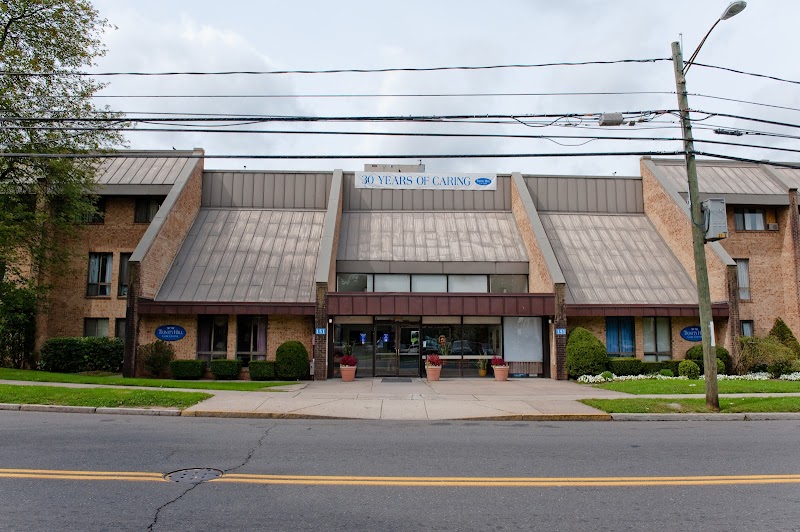
How is Trinity Hill Staffed?

CMS rates TRINITY HILL CARE CENTER's staffing level at 3 out of 5 stars, which is average compared to other nursing homes. Staff turnover is 30%, compared to the Connecticut average of 46%. This relatively stable workforce can support continuity of care.

What Have Inspectors Found at Trinity Hill?

State health inspectors documented 36 deficiencies at TRINITY HILL CARE CENTER during 2019 to 2025. These included: 1 Immediate Jeopardy (the most serious level, indicating potential for serious harm or death), 33 with potential for harm, and 2 minor or isolated issues. Immediate Jeopardy findings are rare and represent the most serious regulatory concerns. They require immediate corrective action.
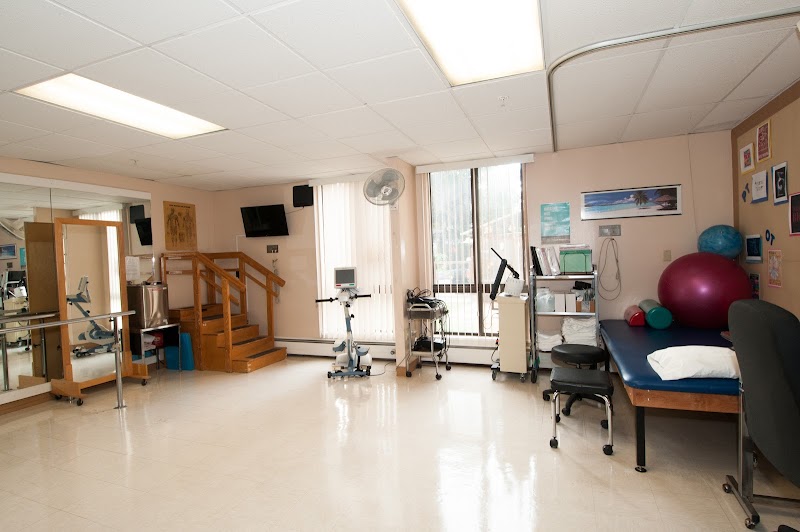
Who Owns and Operates Trinity Hill?

TRINITY HILL CARE CENTER is owned by a for-profit company. For-profit facilities operate as businesses with obligations to shareholders or private owners. The facility is operated by ICARE HEALTH NETWORK, a chain that manages multiple nursing homes. With 144 certified beds and approximately 122 residents (about 85% occupancy), it is a mid-sized facility located in HARTFORD, Connecticut.
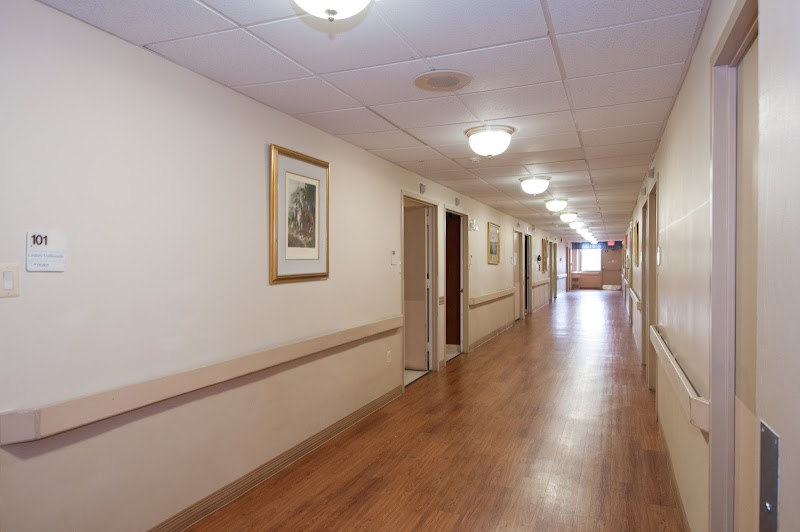
How Does Trinity Hill Compare to Other Connecticut Nursing Homes?

Compared to the 100 nursing homes in Connecticut, TRINITY HILL CARE CENTER's overall rating (2 stars) is below the state average of 3.0, staff turnover (30%) is significantly lower than the state average of 46%, and health inspection rating (1 stars) is much below the national benchmark.

What Should Families Ask When Visiting Trinity Hill?

Based on this facility's data, families visiting should ask: "What changes have been made since the serious inspection findings, and how are you preventing similar issues?" "What safeguards and monitoring systems are in place to protect residents from abuse or neglect?" "Can I visit during a mealtime to observe dining assistance and food quality?" "How do you handle medical emergencies, and what is your hospital transfer rate?" These questions are particularly relevant given the facility's Immediate Jeopardy citations and the substantiated abuse finding on record.

Is Trinity Hill Safe?

Based on CMS inspection data, TRINITY HILL CARE CENTER has documented safety concerns. The facility has 1 substantiated abuse finding (meaning confirmed case of resident harm by staff or other residents). Inspectors have issued 1 Immediate Jeopardy citation (the most serious violation level indicating risk of serious injury or death). The facility has a 2-star overall rating and ranks #100 of 100 nursing homes in Connecticut. Families considering this facility should ask detailed questions about what corrective actions have been taken since these incidents.

Do Nurses at Trinity Hill Stick Around?

Staff at TRINITY HILL CARE CENTER tend to stick around. With a turnover rate of 30%, the facility is 16 percentage points below the Connecticut average of 46%. Low turnover is a positive sign. It means caregivers have time to learn each resident's needs, medications, and personal preferences. Consistent staff also notice subtle changes in a resident's condition more quickly.

Was Trinity Hill Ever Fined?

TRINITY HILL CARE CENTER has been fined $58,994 across 1 penalty action. This is above the Connecticut average of $33,669. Fines in this range indicate compliance issues significant enough for CMS to impose meaningful financial consequences. Common causes include delayed correction of deficiencies, repeat violations, or care failures affecting resident safety. Families should ask facility leadership what changes have been made since these penalties.

Is Trinity Hill on Any Federal Watch List?

TRINITY HILL CARE CENTER is not on any federal watch list. The most significant is the Special Focus Facility (SFF) program, which identifies the bottom 1% of nursing homes nationally based on persistent, serious quality problems. Not being on this list means the facility has avoided the pattern of deficiencies that triggers enhanced federal oversight. This is a positive indicator, though families should still review the facility's inspection history directly.