LEDGECREST HEALTH CARE CENTER

154 KENSINGTON RD, KENSINGTON, CT 06037 (860) 828-0583
For profit - Corporation 60 Beds APPLE REHAB Data: November 2025
Trust Grade
70/100
#65 of 192 in CT
Last Inspection: August 2024

Within standard 12-15 month inspection cycle. Federal law requires annual inspections.

Overview

Ledgecrest Health Care Center has a Trust Grade of B, indicating it is a good choice for families looking for care, as it ranks in the top half of facilities in Connecticut at #65 out of 192. The nursing home is improving, with issues decreasing from five in 2024 to just one in 2025. Staffing is average with a 3/5 star rating and a 48% turnover rate, similar to the state average, which suggests some staff consistency but room for improvement. There have been no fines recorded, which is a positive sign, and the RN coverage is average, meaning residents have adequate access to registered nurses who can address health concerns. However, there have been specific incidents of concern, such as failing to designate a full-time Infection Preventionist, not revising a care plan for a resident with significant health needs, and inadequate discharge planning for another resident, indicating areas that require attention for better resident care.

Trust Score
B
70/100
In Connecticut
#65/192
Top 33%
Safety Record
Low Risk
No red flags
Inspections
Getting Better
5 → 1 violations
Staff Stability
⚠ Watch
48% turnover. Above average. Higher turnover means staff may not know residents' routines.
Penalties
✓ Good
No fines on record. Clean compliance history, better than most Connecticut facilities.
Skilled Nurses
○ Average
Each resident gets 40 minutes of Registered Nurse (RN) attention daily — about average for Connecticut. RNs are the most trained staff who monitor for health changes.
Violations
⚠ Watch
22 deficiencies on record. Higher than average. Multiple issues found across inspections.
★★★★☆
4.0
Overall Rating
★★★☆☆
3.0
Staff Levels
★★☆☆☆
2.0
Care Quality
★★★★☆
4.0
Inspection Score
Stable
2024: 5 issues
2025: 1 issues

The Good

  • Full Sprinkler Coverage · Fire safety systems throughout facility
  • No fines on record

Facility shows strength in fire safety.

The Bad

Staff Turnover: 48%

Near Connecticut avg (46%)

Higher turnover may affect care consistency

Chain: APPLE REHAB

Part of a multi-facility chain

Ask about local staffing decisions and management

The Ugly 22 deficiencies on record

Jun 2025 1 deficiency
CONCERN (D) 📢 Someone Reported This

A family member, employee, or ombudsman was alarmed enough to file a formal complaint

Potential for Harm - no one hurt, but risky conditions existed

Deficiency F0658 (Tag F0658)

Could have caused harm · This affected 1 resident

**NOTE- TERMS IN BRACKETS HAVE BEEN EDITED TO PROTECT CONFIDENTIALITY** Based on clinical record review, facility documentation, facility policy, and interviews for one of three residents (Resident #1...

Read full inspector narrative →
**NOTE- TERMS IN BRACKETS HAVE BEEN EDITED TO PROTECT CONFIDENTIALITY** Based on clinical record review, facility documentation, facility policy, and interviews for one of three residents (Resident #1) reviewed for accidents, the facility failed to ensure staff did not move a resident with visible head injuries after an unwitnessed fall with major injuries (closed head injuries and multiple fractures). The findings include: Resident #1's diagnoses included heart failure, anxiety and chronic pain. The admission Minimum Data Set (MDS) assessment dated [DATE] identified Resident #1 had moderate cognitive impairment (Brief Interview for Mental Status (BIMS) score of 10). The Resident Care Plan (RCP) dated [DATE] identified a risk for falls. Interventions directed to transfer with an assist of one (1) and rolling walker, ensure call bell was within reach and encourage use of a call bell for assistance. A Physician order dated [DATE] directed siderails: two (2) half up for bed mobility, elevate head of bed to prevent hypoxia while lying flat, assist of one for transfers with rolling walker, and Aspirin 81 mg (milligrams) one tablet at bedtime for heart health. A psychotherapy note dated [DATE] identified Resident #1 was alert, oriented to person, place, time and situation, forgetful, goal directed with good to fair attention, judgment and insight. Review of the Reportable Event dated [DATE] at 4:30 AM indicated Resident #1 had an unwitnessed fall. Resident #1 was observed lying face down next to his/her bed with his/her head under the overbed table on the side of bed closest to bedroom door. Resident #1 was noted to have a large lump to the back of the head and to the left forehead, a cut to the outer corner of the left eye, an abrasion to the left neck and complained of discomfort to the left wrist. The APRN was notified, Resident #1 sent to the Emergency Department (ED) for evaluation, and an investigation was initiated. Review of the Situation Background Assessment Request (SBAR) and nurse progress note dated [DATE] identified Resident #1 had a fall with a change in condition. Resident #1 fell from bed and was found lying face down on the floor with a large lump to the left forehead, back of head, a cut on outer corner of the left eye, abrasion to the left neck and complained of pain to the left wrist. Resident #1's description of the event, I was going to the bathroom. The call light was within reach. Resident #1 was on an anticoagulant and was transferred to the hospital. Emergency Medical Services (EMS) run sheet dated [DATE] identified EMS was called at 4:28 AM. The run sheet identified Resident #1 had been assisted back to bed via mechanical left after an unwitnessed fall out of bed, facial injuries, and injuries to the neck and left wrist. Resident #1 was placed in a cervical collar and moved to a stretcher, edema and ecchymosis (bruising) was noted to the right femur, and Resident #1 had complaints of nausea en-route to the hospital. Hospital documents dated [DATE] identified Resident #1 was diagnosed with traumatic subdural hematoma, subarachnoid hemorrhage, left maxillary sinus fracture, left distal radius and ulnar fracture, scattered contusions, hematoma inferior to platysma (platysma muscle is a thin, sheet-like muscle located in the neck, primary functions of lowering the lower lip and mouth corner, and assisting in facial expressions like frowning, smiling, and grimacing) and a T8 (thoracic spine) fracture, was placed on spine precautions, neuro checks, monitoring of airway given the location of platysma hematoma and was admitted to the surgical intensive care unit. Further review indicated CT Scan of thoracic/lumbar spine T8 level spine new discontinuity of unknown chronicity, but new from [DATE], and [DATE] CT scan of thoracic spine re-demonstrated acute/recent appearing fracture involving the anterior (front) and posterior (back) of T8 vertebral body, extending to the T8-9 disk posteriorly, increased displacement of fracture fragments both in superior-inferior and anterior and posterior directions, and widening of T8-9 facet joint, also new from prior. Further indicated was Resident #1 expired [DATE]. Interview and record review with LPN #1 on [DATE] at 11:18 AM identified she last observed Resident #1 at 1:30 AM in his/her bedroom for as needed medication administration, the call bell was within reach and clamped to the blanket, she elevated Resident #1's head of bed, bed rails were up, and at the time of Resident #1's fall, she was on break. Interview on [DATE] at 11:32 AM with NA #2 identified she last saw Resident #1 at 4 AM lying in bed with bed rails up. NA #2 indicated when she arrived to the room after the fall incident, Resident #1 was on the floor and indicated he/she was trying to go to the bathroom. NA #2 indicated RN #1 (RN supervisor), directed her (NA #2) to assist RN #1 and two (2) other aides to assist Resident #1 back to bed via the mechanical lift. Interview and record review on [DATE] at 11:52 AM with RN #1 identified she last saw Resident #1 during rounds at 4 AM, laying on his/her back, asleep in bed, with the bed rails up. RN #1 further indicated she was called to the room around 4:30 AM when Resident #1's roommate called for help. Resident #1 was observed face down on the floor near his/her bed, his/her head was near the head of the bed under the bedside table and his/her neck was on the bar under the bedside table. She rolled Resident #1 over for assessment, called 911, and assisted Resident #1 back into bed with assistance from NAs. She identified that they rolled Resident #1 to the side, tucked the mechanical lift sling under Resident #1, and used the mechanical lift to transfer Resident #1 into bed. RN #1 indicated that, based on her assessment, Resident #1 had head injuries, left wrist pain, and could have injured his/her back/spine but she wanted to make Resident #1 comfortable, therefore, transferred Resident #1 back to bed. RN #1 indicated she should have made Resident #1 comfortable on the floor while awaiting EMS. Interview with APRN #1 on [DATE] at 12:32 PM identified Resident #1 should not have been moved while awaiting EMS arrival after the fall out of bed on [DATE]. Interview with NA #1 on [DATE] at 12:45 PM identified she was responsible for providing care for Resident #1 on [DATE], last provided incontinence care at 2:30 AM, and last observed Resident #1 lying in bed at 4 AM with the call bell within reach and bed rails up. She further indicated that around 4:30 AM she assisted RN #1 and other NAs to roll Resident #1 onto the mechanical lift sling and transfer Resident #1 to bed. Interview on [DATE] at 2:15 PM with the DNS identified she could not determine if the staff working on [DATE] should have transferred Resident #1, who sustained a visible head injury and potential spinal injury, back to bed, or if Resident #1 should have been made comfortable and remained on the floor while waiting for EMS arrival. Review of facility Falls: Minimizing Risk of Injury Policy directed, in part, its purpose is to minimize injuries when a fall occurs. Review of Taber's Medical Dictionary directed in part, when a resident falls with a head strike, to assess the severity of the head impact and evaluate for injuries. Observe for mental status changes, neurological abnormalities or bleeding.
Aug 2024 5 deficiencies
CONCERN (D)

Potential for Harm - no one hurt, but risky conditions existed

Free from Abuse/Neglect (Tag F0600)

Could have caused harm · This affected 1 resident

**NOTE- TERMS IN BRACKETS HAVE BEEN EDITED TO PROTECT CONFIDENTIALITY** Based on clinical record review, facility documentation review, facility policy and interviews for 1 of 3 sample residents (Resi...

Read full inspector narrative →
**NOTE- TERMS IN BRACKETS HAVE BEEN EDITED TO PROTECT CONFIDENTIALITY** Based on clinical record review, facility documentation review, facility policy and interviews for 1 of 3 sample residents (Resident #149) reviewed for abuse, the facility failed to ensure Resident # 149 was free from physical abuse by Resident #28. The findings include: 1. Resident #28 's diagnoses included Alzheimer's disease, mood disorder due to known physiological condition with depressive features, and type 2 diabetes mellitus. The quarterly Minimum Data Set (MDS) assessment dated [DATE] identified Resident #28 had severe cognitive impairment and noted independent with bed mobility, toileting, dressing, hygiene, transfer, and ambulation without use of assistive device. The Resident Care Plan (RCP) dated 1/10/24 identified Resident #28 had chronic and progressive decline in intellectual functioning related to Alzheimer's disease. Interventions directed to introduce yourself to the resident, explain each activity or care procedure prior to starting the procedure, repeat communications to the resident more than one method such as: words, gestures, and facial expressions, and to administered medications per physician orders. The nurse's notes dated 3/8/24 at 2:00 PM identified Resident #28 hit Resident #149 on the left arm and left leg with a plate cover with spilled drink. Resident #28 was also noted to scatter personal belongings on the floor. Resident #28 was placed on 1 to 1 direct observation. The Advanced Practice Registered Nurse (APRN) psychiatrist, medical APRN, Administrator, responsible party and police department were all notified. Resident #28 was evaluated via telehealth by the APRN psychiatrist with new physician's orders to discontinue 1 to 1 direct observation, administered Trazodone(anti-depressant) 50 Milligrams (MG) by mouth for one dose, Trazodone 25 MG by mouth daily for 7 days, Trazodone 25 MG by mouth every 8 hours as needed for 7 days, collect urine for urinalysis and culture. Resident #28's family members went to the facility to provide support to the resident. The psychiatrist APRN progress note dated 3/8/24 identified Resident #28 was evaluated via telehealth related to striking another resident (Resident # 149). The evaluation identified Resident #28 became upset when someone came into his/her house and took out his/her belongings. Resident #28 had assumed Resident #149 removed his/her belongings out of the room and subsequently hit Resident #149. Resident #28 has a history of yelling out and packing belongings. However, Resident # 28 had no history of physical aggression toward others. The APRN identified Resident # 28's belief that his/her belonging was moved out of the room was the exacerbating factor that resulted to hitting Resident # 149. The social worker progress notes written by Social Worker (SW #2) on 3/11/24 at 12:30 PM identified s/he spoke to Resident #28 related to the incident that had occurred with Resident #149. Resident #28 was receptive to the SW #2 visit and Resident #28 had difficulty recalling the incident that occurred. Resident #28's demeanor was calm, laughing, and engaging. 2. Resident #149's diagnoses included lymphedema, low back pain, spinal stenosis, type 2 diabetes mellitus, and morbid obesity. The RCP dated 1/10/24 identified Resident #149 needs staff assistance with Activity Daily Living (ADL's). Interventions directed to assist resident with toileting as needed, keep commonly used items within resident reach, delivered meal and set-up as needed, and transfer per physician orders. The admission MDS assessment dated [DATE] identified Resident #149 with intact cognition and dependent for bed mobility, toileting, dressing, hygiene, and transfer. The nurse's note dated 3/8/24 at 2:11 PM identified Resident #149 had been hit on the left arm and leg with a plate cover by Resident #28. Resident #149 was assessed and noted with redness to the left arm and denied any pain. Resident #149 was moved to another room and was adjusting well to the new room. A Reportable Event form dated 3/8/24 identified Resident #149 was lying in his/her bed when Resident #28 walked across the room and hit him/her on the left arm with a breakfast plate cover. The revised RCP dated 3/9/24 identified Resident #149 was hit with a plate cover by another resident (Resident # 28). Intervention directed to move resident to another room. The nurse's note dated 3/10/24 at 2:30 PM identified Resident #149 had a bruise to the left arm and left pinky finger. Resident #149 had denied any pain or discomfort and indicated s/he was adjusting well to his/her new room. The social worker progress note written by SW #2 on 3/11/24 at 9:06 AM identified Resident #149 had an incident with Resident #28. Resident #149 was able to recall the incident with Resident #28 and s/he reported bruising to the left arm. Resident #149 reported s/he was emotionally fine, and s/he was not afraid of Resident #28. Resident #149 was aware that Resident #28 had cognitive issue and s/he would not retaliate, but s/he did curse in frustration at the time of the incident. Interview with Nurse Aide (NA #1) on 8/8/24 at 1:30 PM identified Resident #28 became upset when s/he (NA#1) cleaned out Resident # 28's room and took out the old linen from his/her room. NA #1 further identified Resident #28 alleged his/her roommate told her/him to clean out his/her room. NA #1 further indicated s/he did not witness when Resident #28 hit Resident #149 with a plate cover. NA#1 also identified that s/he did not let Resident #28 know s/he would take out the old linen and NA #1 did not expect Resident #28 to become upset and hit Resident #149 with a plate cover. NA #1 further identified this was the first time Resident #28 hit another resident. Interview with SW #2 on 8/12/24 at 12:50 PM identified s/he was filling in at the facility at the time of the altercation between Resident #28 and Resident #149. SW#2 could not recall the details of the altercation between Resident #28 and Resident #149; however, SW#2 identified Resident #149 was able to recall that Resident #28 hit him/her with a breakfast plate cover and Resident #149 had a bruise to left arm after s/he got hit with a plate cover. Interview with the Administrator on 8/12/24 at 1:00 PM identified Resident #28 was in the bathroom and NA#1 was cleaning and fixing his/her room. When Resident #28 came out from the bathroom, Resident #28 became upset and alleged his/her roommate (Resident # 149) told NA #1 to clean out his/her room. The Administrator identified Resident #149 had no cognitive impairment and was able to report and recall the hitting incident. Resident #149 reported that s/he got hit with a plate cover on his/her left arm and left leg. The Administrator confirmed that Resident #149 developed a bruise to the left arm after s/he was hit with a plate cover. The Administrator further identified Resident #149 requested a room change after the incident and was immediately removed from his/her room. The facility failed to protect Resident #149 from physical abuse by Resident # 28. A review of facility nursing policy titled Abuse/Resident identified the facility will ensure that each resident is treated with kindness, compassion, and in a dignified manner. Abuse Prevention notes residents have the right to be free from verbal, sexual, physical, mental, corporal punishment, mistreatment, neglect and misappropriation of property. The facility staff will monitor and supervise the delivery of resident care and services to assure the care was provided as needed. The facility will identify, correct and intervene in situations in which abuse has occurred. The facility would take appropriate action to treat all consequent ill effects experienced by the resident for the alleged incident and to safeguard the resident from further incident re-occurrence.
CONCERN (D)

Potential for Harm - no one hurt, but risky conditions existed

Pressure Ulcer Prevention (Tag F0686)

Could have caused harm · This affected 1 resident

**NOTE- TERMS IN BRACKETS HAVE BEEN EDITED TO PROTECT CONFIDENTIALITY** Based on review of the clinical record, review of facility policy and interviews for 1 of 4 Residents (Resident #31) reviewed fo...

Read full inspector narrative →
**NOTE- TERMS IN BRACKETS HAVE BEEN EDITED TO PROTECT CONFIDENTIALITY** Based on review of the clinical record, review of facility policy and interviews for 1 of 4 Residents (Resident #31) reviewed for Pressure Ulcers, the facility failed to ensure staff obtained a physician's order for the use of fastening offloading boot devices, monitoring the effectiveness of the boot devices as a nursing measure and failed to ensure all staff was made aware of the wound physician's recommendation to stop using the green offloading boots. The findings include. Resident #31's diagnosis included Parkinson's Disease, severe protein-calorie malnutrition, failure to thrive and Stage 3 Pressure ulcer. The annual Minimum Data Set (MDS) assessment dated [DATE] indicated Resident #31 as severely cognitively impaired and dependent on 2 staff members for bed mobility, transfer and dressing and noted limited mobility of both arms and legs. The RCP dated 8/2/2024 for Resident #31 identified at risk for skin breakdown due to immobility, incontinence, poor nutrition, pronounced body prominence, poor circulation altered sensation and mechanical forces. Interventions included: to inspect skin when providing care for signs and symptoms of skin breakdown, off load heels while in bed, pressure reducing mattress on bed and in the wheelchair, and to turn and reposition per standards of nursing practice. Further interventions included inspecting skin during care for signs of skin breakdown. A wound physician's progress note dated 8/6/2024 directed to hold off using the heel booties as increasing pressure to the lateral foot may be contributing to the declining wound. An observation on 8/7/2024 at 10:17 AM identified two puffy green boots each with a strap on Resident #31's bedside table while Resident #31 was in bed. An interview with NA#3 indicated s/he had worked the 3-11 PM shift and now works 7-3 PM and noted the utilization of the boots. NA#3 indicated hearing from the nurse or the off going NA if the boots were to be used or not used. NA #3 also indicated s/he did not recall if the booties were listed on Resident #31's assignment and could not explain why Resident # 31's booties were not applied today. An interview with charge nurse LPN #1 on 8/8/2024 at 2:55 PM identified the boots have been used for quite some time. LPN #1 indicated the boots were used while up in the wheelchair but not in bed. LPN #1 further indicated s/he did not know who recommended the use of the booties but thought it may have been the therapy department. An interview and record review with Physical Therapist (PT #1) on 8/8/2024 at 2:58 PM indicated Resident #31 remained on therapy and was evaluated 3/21/2024 with the mention of offloading boots in a long-term goal. PT #1 indicated the therapy notes from 7/19/2024 through 8/1/2024 indicated the donning of the green booties to Resident #31's bilateral feet. PT #1 also indicated therapy never recommended the use of the green booties as it was nursing who implemented the use. S/he also indicated PT #1 was unaware of the 8/6/2024 wound physician recommendation to use the green booties. PT #1 indicated the Rehabilitation Director who is currently off are made aware of changes during morning report. However, a review of the clinical record from 7/19/24 through 8/6/24 failed to reflect a physician's order and nursing measures for the utilization of the green booties. The clinical on 8/6/24 failed to reflect the physician's order and recommendation not to utilize the booties due to wound worsening. An interview and clinical record review with the DNS and RN#6 on 8/8/2024 at 1:15 PM indicated there was no physician's orders for use of the booties and RN #6 indicated the booties were used as a nursing measure to off load heels. Although, the use of nursing measures is not a standard of professional nursing practice, the DNS and RN #6 indicated they would look for facility policies for use of offloading boots and the use of nursing measures. However, no policies were found. An interview with Medical Doctor (MD #2) on 8/8/2024 at 2:01 PM indicated Resident #31's stage 3 pressure ulcer was becoming worse and on 8/6/2024 s/he recommended holding off using the boots due to pressure as the lateral foot might be contributing to the wounds decline. MD#2 further indicated Resident #31's foot had become red and swollen and the resident was started on antibiotic therapy and was being evaluated for osteomyelitis (bone infection) which could be a large contributing factor to the wounds decline. MD #2 further indicated s/he did not recommend the booties this was a nursing measure. MD#2 also indicated s/he could not say that using the booties without specific orders for use and monitoring could have caused the wound to decline. An interview with the DNS on 8/13/2024 at 10:15 AM indicated his/her understanding was that booties used in the facility were a nursing measure for offloading. The facility policy labeled Wound and Skin Care Protocols indicated in part the interdisciplinary plan of care would address interventions directed toward the prevention and/or treatment of pressure ulcers.
CONCERN (D) 📢 Someone Reported This

A family member, employee, or ombudsman was alarmed enough to file a formal complaint

Potential for Harm - no one hurt, but risky conditions existed

Incontinence Care (Tag F0690)

Could have caused harm · This affected 1 resident

**NOTE- TERMS IN BRACKETS HAVE BEEN EDITED TO PROTECT CONFIDENTIALITY** Based on review of the clinical record, review of facility policy and interviews for the 1 of 1 sampled resident (Resident #45))...

Read full inspector narrative →
**NOTE- TERMS IN BRACKETS HAVE BEEN EDITED TO PROTECT CONFIDENTIALITY** Based on review of the clinical record, review of facility policy and interviews for the 1 of 1 sampled resident (Resident #45)) reviewed for urinary retention, the facility failed to follow their policy regarding the maximum amount of urine to be removed at one time. The findings include: Resident #45's diagnoses included retention of urine, neuromuscular dysfunction of the bladder, chronic kidney disease Stage 3A and malignant neoplasm of prostate. A physician's order dated 7/1/24 directed to straight catheterize Resident #45 every shift for urinary retention. A nurse's note dated 7/1/24 at 6:19 PM identified Resident # 45 was straight catheterized in the morning and 1300 cubic centimeters (cc) of urine was removed. A nurse's note dated 7/2/24 at 11:00 PM written by RN#5 identified Resident # 45 was straight catheterized during the 3:00-11:00 PM shift and 1200 cc of urine was removed. The discharge Minimum Data Set assessment dated [DATE] identified Resident #45 as cognitively intact and required moderate assistance for personal hygiene, toileting, and maximal assistance for bathing. Interview with RN #5 on 8/8/24 at 3:33 PM identified s/he was aware of the facility policy on catheterization; however, s/he was unaware that there was a maximum amount of urine that could be removed at any one time. RN# 5 further stated you keep going until the bladder is empty and no more urine is coming out. In an interview and clinical record review with the DNS on 8/8/24 at 3:40 PM, 1000 cc's is the maximum amount of urine that could be removed from the bladder at a time. Upon review of the clinical record documentation, the DNS identified 2 separate occasions where more than 1000 cc' were removed from the bladder. Review of the Catheterization policy undated directed, in part, not to remove more than 1000 cc at one time.
CONCERN (D)

Potential for Harm - no one hurt, but risky conditions existed

Deficiency F0692 (Tag F0692)

Could have caused harm · This affected 1 resident

**NOTE- TERMS IN BRACKETS HAVE BEEN EDITED TO PROTECT CONFIDENTIALITY** Based on clinical record reviews, review of facility policy and interviews for 2 of 4 residents (Resident#31) reviewed for press...

Read full inspector narrative →
**NOTE- TERMS IN BRACKETS HAVE BEEN EDITED TO PROTECT CONFIDENTIALITY** Based on clinical record reviews, review of facility policy and interviews for 2 of 4 residents (Resident#31) reviewed for pressure ulcers and (Resident # 44) reviewed for nutrition, the facility failed to ensure the residents were reweigh for potential weight loss per the facility policy and the dietician was notified of a weight loss. The findings included. 1. Resident #31's diagnoses included Parkinson's Disease, severe protein-calorie malnutrition, failure to thrive, dementia and stage 3 pressure ulcer. A physician's order dated 5/15/2024 directed to obtain a weekly weight every Tuesday. The annual Minimum Data Set (MDS) assessment dated [DATE] indicated Resident #31 as severely cognitively impaired and dependent on 2 staff members for bed mobility, transfer and dressing and noted limited mobility of both arms and both legs. The RCP dated 4/10/2024 indicated Resident #31 received an artificial means of nutrition related to weight loss and swallowing difficulty. Interventions included: monitoring weights, laboratory blood work and toleration of the feedings. The dietitians note dated 6/19/2024 at 10:19 2024 indicated in part questioned the accuracy of the 6/5 and 6/18/2024 weights as Resident #31's weights had been in the low 100's. On 8/8/2024 at 1:48 PM a call was placed to the dietician with no response. An interview and record review with the DNS and RN # 6 on 8/8/2024 at 1:40 PM indicated on 6/11/2024 Resident #31's weight was 101.4 pounds. The next weight on 6/18/2024 was 75.6 pounds (a weight loss of 25.0 pounds) and on 6/25/2024 the weight was 76.5 and the next day on 6/26/2024 the weight was 100.00 pounds (a gain of 23.5 pounds). The DNS and Regional RN both indicated Resident #31 should have been reweigh on 6/18/2024 and 6/26/2024 and indicated they could not explain why Resident #31 was not reweigh to determine an accurate weight. The facility policy labeled Weight Monitoring indicated in part if there is a 5 pound weight discrepancy (plus or minus), a reweight should be obtained, the charge nurse is to compare the weight to last previous weight and determine if there was a 5 percent change in weight in 30 days or 10 percent over 180 days and if so to notify the MD, responsible party, dietitian, the DNS/ Assistant Director of Nursing Services (ADNS) and the Care Plan Coordinator. 2. Resident #44 's diagnoses included dysphagia, Gastro-Esophageal Reflux Disease and Multiple Sclerosis. The RCP dated 7/3/24 indicates potential for nutritional decline related to medical problems. Interventions included to provide my diet as ordered and to weigh as ordered The admission MDS assessment dated [DATE] identified the resident as cognitively impaired, requiring supervision or touching assistance for eating. The assessment also noted dependent for sitting to laying and maximum in bed mobility and no swallowing issues. A physician's order dated 7/2/24 directed to give regular diet regular texture, thin liquids consistency, for all meats cut into soft bite size. The nutritional assessment dated [DATE] indicated admission weight as 186 pounds. Additionally, noted recorded intake 25-75%. A review of Resident #44's Electronic Medical Record (ER) records identified Resident #44 weight was 186 pounds on admission and on 8/2/24 weighed 161 pounds indicating the resident had a 25 pound or 13 % weight loss in 1 month. However, the clinical record failed to identify a reweight was conducted Interview with LPN #1 on 8/8/24 at 1:48 PM identified once a weight discrepancy is determined then the facility usually will do a reweight to ensure the weight was accurate. LPN #1 further indicated the dietician would be informed via dietician book. Review of the Dieticians Book on 8/8/24 at 1:50 PM for the month of July 2024 and August 2024 failed to indicate Resident #44 weight change was reported to the dietitian and a reweight was conducted. Interview with RN #2 on 8/08/24 at 1:54 PM, indicated s/he would notify Dietician of changes via weight book or Point Click Care (PCC). RN #2 identified Resident #44 has a weight warning on her/his profile. RN # 2 reported once a weight discrepancy is identified then a reweight would be done, s/he was unable to identify that Resident #44 was reweigh. RN # 2 reported s/he was unable to locate Resident # 44's weight for the last 4 weeks. After surveyor inquiry, the staff reweigh Resident # 44 Interview with Dietician on 8/08/24 at 3:00 PM indicated there was a weight discrepancy. The Dietician also reported s/he was at the facility on 8/7/24 and was not informed of Resident # 44's weight loss. S/he would expect to be notified via book or consults in PCC and or during risk meeting. The Dietician reported if s/he was informed, s/he would have asked for a re weight, put interventions in place and would notify the MD and family. Facility policy indicates Residents will be weighted weekly for 4 weeks on upon admission. The policy further indicated if 5 lbs weight discrepancy a reweight should be obtained, the charge nurse should then review the weight and compare the weight to the previous weights to determine if a 5% weight change occurred in 30 days. This should be reported to physicians/APRN, responsible party, Registered Dietician, DNS/ADNS and Care Plan Coordinator.
CONCERN (D)

Potential for Harm - no one hurt, but risky conditions existed

Drug Regimen Review (Tag F0756)

Could have caused harm · This affected 1 resident

**NOTE- TERMS IN BRACKETS HAVE BEEN EDITED TO PROTECT CONFIDENTIALITY** Based on clinical record review and staff interviews for 1 of 5 residents for (Resident #41) reviewed for Unnecessary Medication...

Read full inspector narrative →
**NOTE- TERMS IN BRACKETS HAVE BEEN EDITED TO PROTECT CONFIDENTIALITY** Based on clinical record review and staff interviews for 1 of 5 residents for (Resident #41) reviewed for Unnecessary Medications, the facility failed to ensure monthly Medication Regimen Reviews (MRR) were completed for a resident on psychotropic medications. The findings include: Resident #41 's diagnoses included anxiety disorder, unspecified dementia with other behavioral disturbances and type 2 diabetics mellitus. A physician's order dated 2/28/24 directed to start Lorazepam 5 MG by mouth when needed for 60 days. On 7/10/24 a physician's order for when needed Lorazepam was ordered for anxiety and combativeness. The annual Minimum Data Set (MDS) assessment dated [DATE] identified Resident #41 as cognitively impaired and required (full) dependent assistance with eating, transfers and bed mobility. The MDS also identified Resident #41 received antipsychotic and anti-anxiety medications. The RCP dated 7/19/24 identified psychotropic drug use. Interventions included to monitor routinely for medication specific side effects and to have Medical Doctor (MD) evaluate effectiveness and side effects of medications for possible decrease/elimination of psychotropic drugs. A review of the pharmacy consultations from February 2024 to July 2024 identified Resident #41 did not receive monthly Medication Regimen Reviews (MRR) by the pharmacy consultant for the months of May 2024 and June 2024. Interview with DNS on 8/08/24 at 12:45 PM indicated s/he was unable to locate the Medication Regimen Reviews (MRR) and s/he would contact the pharmacist to request the information.
Sept 2023 2 deficiencies
CONCERN (D) 📢 Someone Reported This

A family member, employee, or ombudsman was alarmed enough to file a formal complaint

Potential for Harm - no one hurt, but risky conditions existed

Deficiency F0557 (Tag F0557)

Could have caused harm · This affected 1 resident

**NOTE- TERMS IN BRACKETS HAVE BEEN EDITED TO PROTECT CONFIDENTIALITY** Based on clinical record reviews, observations, facility documentation review, facility policy review and interviews for one of ...

Read full inspector narrative →
**NOTE- TERMS IN BRACKETS HAVE BEEN EDITED TO PROTECT CONFIDENTIALITY** Based on clinical record reviews, observations, facility documentation review, facility policy review and interviews for one of three residents (Resident #1), reviewed for abuse, the facility failed to ensure the resident was treated in dignified manner. The findings include: Resident #1's diagnoses included cerebral infarction with hemiplegia, vascular dementia, malignant neoplasm of bladder, anxiety disorder, and depression. The quarterly Minimum Data Set (MDS) assessment dated [DATE] identified Resident #1 had severely impaired cognition and was dependent of two (2) person assistance with ADLS, bed mobility, transfers, dressing, toilet use, and personal hygiene. The Resident Care Plan (RCP) dated 6/15/2023 identified Resident #1 was at risk for skin breakdown due to decreased mobility and incontinence. Interventions directed to provide incontinent care as indicated. A reportable event form and investigation dated 6/22/2023 at 10:00 AM identified during AM care, nursing staff overheard Resident #1 saying God, my back and NA #1 responded you are calling on God for your back, but you are the devil. The investigation summary identified NA #1 did not communicate in a dignified manner to Resident #1, and NA #1 was subsequently terminated from her position. Review of statement written by NA #1, dated 6/22/2023 identified when Resident #1 complained of back pain, NA #1 responded to Resident #1 by saying you are calling on God for your back, but you are the devil. NA #1 indicated she said it in a joking way to try to calm Resident #1. Interview with NA #6 on 9/15/2023 at 1:15 PM identified on 6/22/2023 when she and NA #7 were at the nurse's station she heard Resident #1 calling in a loud voice, help me, help me. NA #6 indicated she then heard NA #1 respond you are the devil or something similar with the word devil in the sentence. Interview with the DON on 9/10/2023 at 2:40 PM identified on 6/22/2023 NA #1 was alleged staff heard Resident #1 complain of back pain and NA #1 responded you are calling on God for your back, but you are a devil. The DON indicated the facility substantiated the comments and indicated NA #1 should not have spoken in that manner toward a resident; she indicated it was a dignity issue. Although attempted, interviews with NA #1, and NA #7 were unable to be obtained during survey. Review of the Resident Rights Policy identified residents have the right to be treated with consideration, respect and full recognition of your dignity and individuality.
CONCERN (D) 📢 Someone Reported This

A family member, employee, or ombudsman was alarmed enough to file a formal complaint

Potential for Harm - no one hurt, but risky conditions existed

ADL Care (Tag F0677)

Could have caused harm · This affected 1 resident

**NOTE- TERMS IN BRACKETS HAVE BEEN EDITED TO PROTECT CONFIDENTIALITY** Based on clinical record reviews, facility documentation review, facility policy review, and interviews for one of three residen...

Read full inspector narrative →
**NOTE- TERMS IN BRACKETS HAVE BEEN EDITED TO PROTECT CONFIDENTIALITY** Based on clinical record reviews, facility documentation review, facility policy review, and interviews for one of three residents (Resident #2), reviewed for quality of care, the facility failed to ensure the resident was provided a weekly shower per the plan of care. The findings include: Resident #2's diagnoses included multiple sclerosis, left femur fracture, osteoarthritis, and depression. Review of the Hospital Discharge summary dated [DATE] identified Resident #2 may shower. The admission Minimum Data Set assessment dated [DATE] identified Resident #2 was alert and oriented, and required extensive assistance for personal hygiene. The Resident Care Plan (RCP) dated 7/14/2023 identified Resident #2 required assistance with ADL's (activities of daily living). Interventions directed to provide care as indicated. Additional review failed to identify a care plan that indicated Resident #2 refused care. Interview with Resident #2 on 9/15/2023 at 10:50 AM identified he/she did not receive a weekly shower since admission into the facility in July 2023 until 9/14/2023 after he/she requested the shower. Review of the facility shower schedule identified Resident #2 was scheduled to receive showers on the 3:00 PM to 11:00 PM shift weekly, on Tuesdays. Review of the nursing progress notes for the months of July, August, and September 2023, identified Resident #2 had no documented refusals of care/showers during the time from 7/1/2023 through 9/15/2023. Clinical record review of the NA Documentation in the electronic charting system for the month of July 2023, failed to identify showers were provided on Tuesdays during the 3 to 11 PM shift, in accordance with the weekly shower schedule for Resident #2. Further review failed to identify any date in July that Resident #2 was provided a shower. Although clinical record review of the NA documentation in the electronic charting system for the month of August 2023 identified NA #2 provied Resident #2 a shower/bath on 8/8, 8/11, 8/12, 8/17, 8/26 and 8/28/2023 during the 7 AM to 3 PM shift, review failed to identify showers were provided on 8/1, 8/8, 8/15, 8/22, and 8/29/2023, in accordance with the weekly shower schedule for Resident #1. Further review identified any date in Review of facility documentation identified NA #4 and NA #5 were assigned to Resident #2 on 8/1, 8/8, 8/15, 8/22 and 8/29/2023 on the evening shift (3:00 PM to 11:00 PM). Interview with NA #2 on 9/15/2023 at 11:20 AM identified she has never given Resident #2 a shower or bath. NA #2 indicated the documentation reflects that she gave Resident #2 a bed bath, likely with morning care, but verified she did not bring Resident #2 into the shower room and perform a regular shower/bath. Interview with NA #3 on 9/15/2023 at 11:35 AM identified NA #3 has never given Resident #2 a shower or bath. NA #3 indicated the documentation reflects that she gave Resident #2 a bed bath, likely with morning care, but verified she did not bring Resident #2 into the shower room and perform a regular shower/bath. Interview with NA #4 on 9/15/2023 at 12:30 PM identified she had never given Resident #2 a shower. NA #4 noted she will give Resident #2 bed baths as needed, but confirmed she has not provided a shower to Resident #2 during his/her stay at the facility. Interview with NA #5 on 9/15/2023 at 2:25 PM identified she has never given Resident #2 a shower but indicated he/she did refuse a shower one time about 2-3 months ago. NA #5 was unable to recall what day is Resident #2's shower day, but indicated she would follow the shower schedule to ensure residents receive a shower during her shift. Interview with DON on 9/15/2023 at 2:40 PM identified although showers are provided weekly, the DON was unable to explain why Resident #2 did not receive weekly showers. The DON indicated if a resident refuses a shower, it should be documented, and if it is not documented, it would be identified as not performed. Review of the Bathing/Shower Policy identified the facility will provide/offer each resident a full bath/shower at least weekly.
Jun 2022 9 deficiencies
CONCERN (D)

Potential for Harm - no one hurt, but risky conditions existed

Comprehensive Care Plan (Tag F0656)

Could have caused harm · This affected 1 resident

**NOTE- TERMS IN BRACKETS HAVE BEEN EDITED TO PROTECT CONFIDENTIALITY** Based on observation, review of the clinical record, facility documentation, facility policy, and interviews for 1 of 1 resident...

Read full inspector narrative →
**NOTE- TERMS IN BRACKETS HAVE BEEN EDITED TO PROTECT CONFIDENTIALITY** Based on observation, review of the clinical record, facility documentation, facility policy, and interviews for 1 of 1 resident (Resident #38) reviewed for rehabilitation and restorative needs, the facility failed to develop a comprehensive care plan related to the use of a customized wheelchair and a 24 hour positioning plan. The findings include: Resident #38 was admitted to the facility on [DATE] with diagnoses that included Alzheimer's disease, dysphagia, and pain in the left knee. A physician's order dated 10/28/21 directed for Resident #38 to be out of bed into a wheelchair for all meals daily. A quarterly MDS assessment dated [DATE] identified Resident #38 had a short/long term memory problem and required extensive assistance of 2 for bed mobility, transfers and toilet use. The MDS further identified Resident #38 required total assistance of 1 for dressing, eating, personal hygiene and walking in room/corridor did not occur. A Resident Care Plan (RCP) dated 1/27/22 identified a problem with being at risk for falls due to impaired safety awareness, impaired balance and a history of falls. Interventions included to keep call bell within reach when in bed or bedside wheelchair, offer a nap after breakfast, offer to lay down in bed after lunch and offer a nap in the afternoon. Additional interventions include to sit in recliner after breakfast, and to seat in recliner when out of bed in his/her room. A physician's order dated 1/31/22 directed to transfer Resident #38 with assist of 2, without devices, Resident #38 was non-ambulatory. A positioning plan dated 1/31/22 instructed to offer Resident #38 out of bed prior to lunch meal into a custom wheelchair (CWC), offer back to bed after lunch and offer out of bed for evening meal into CWC. A Physical Therapy (PT) note dated 2/1/22 indicated Resident #38 was seated comfortably in a new CWC with adjustment of headrest needed and therapist would continue to monitor resident while seated in CWC and develop a 24-hour positioning plan. A PT note dated 2/3/22 indicated Resident #38 was seated in the CWC in the morning with no adjustments needed and a 24-hour positioning plan still to be developed. A PT note dated 2/9/22 indicated passive range of motion was provided to Resident #38's bilateral lower extremities to maintain strength and extension for functional mobility. The PT note further indicated Resident #38 was maximum assistance of 2 persons for bed mobility for positioning to prevent contractures and maintain skin integrity (there was no mention of the development of a 24 hour positioning plan). A PT note dated 2/12/22 indicated passive range of motion was provided to bilateral lower extremities while seated to maintain highest level of functional mobility and to prevent contractures (there was no mention of the development of a 24 hour positioning plan). A Quarterly Rehab review for a CWC and 24-hour positioning plan dated 3/30/22 indicated that Resident #38 was to transfer out of bed to a CWC daily via a stand-pivot transfer and would remain in the CWC (but failed to identify the amount of time Resident #38 was to be seated in the CWC) daily with repositioning as per facility policies and procedures which shall include removing devices that are attached to the chair. Additionally, the CWC and 24-hour positioning plan identified Resident #38 was to return to bed via a stand pivot transfer for rest periods and for PM care with repositioning every two hours initial position when returning to bed should be supine. Comfort and correct positioning will be evidenced by facial expression, verbal expression and increased interest/awareness of environmental surroundings as expressed by caregivers. If any meals were eaten in the CWC, the wheelchair must be positioned fully upright. All other position changes to follow nursing policy and procedures as determined by each facility. Interview on 6/7/22 at 1:10 PM with PT #1 indicated the wheelchair Resident #38 was currently using was a CWC and the 24-hour positioning plan that Resident #38 was using was the same as an adaptive wheelchair positioning plan. Review of the 24-hour positioning plan with PT #1 included to offer Resident #38 out of bed prior to lunch meal into CWC, offer back to bed after lunch, offer out of bed after lunch, offer out of bed for evening meal into the CWC (which was the positioning plan from 1/31/22 and not the updated positioning plan from the Quarterly Rehab review for a CWC and 24-hour positioning plan dated 3/30/22). The Nurse Aide (NA) care card indicated Resident #38 was to be seated in a recliner chair, and was out of bed for all meals, and back to bed after lunch. The NA care card failed to identify Resident #38 utilized a CWC or was on a 24-hour positioning plan. The facility Positioning Policy indicated the purpose was to ensure each resident who was unable to reposition themselves was repositioned in accordance with his/her individual needs. The Policy further indicated that residents who were unable to reposition themselves would be repositioned at least every two hours and/or as needed, would be repositioned on the left side right side and back. Additionally, the residents care plan and Nurse Aide care card would indicate that the resident needs assistance with positioning. Review of the RCP failed to reflect a comprehensive care plan which identified Resident #38 utilized a CWC and failed to include a therapy directed 24-hour positioning plan.
CONCERN (D)

Potential for Harm - no one hurt, but risky conditions existed

Quality of Care (Tag F0684)

Could have caused harm · This affected 1 resident

**NOTE- TERMS IN BRACKETS HAVE BEEN EDITED TO PROTECT CONFIDENTIALITY** Based on observation, review of the clinical record, facility documentation, facility policy, and interviews for 1 resident (Res...

Read full inspector narrative →
**NOTE- TERMS IN BRACKETS HAVE BEEN EDITED TO PROTECT CONFIDENTIALITY** Based on observation, review of the clinical record, facility documentation, facility policy, and interviews for 1 resident (Resident #36) reviewed for pressure ulcers, the facility failed to follow physician orders for the continuous application of bilateral heel protectors. The findings include: Resident #36's diagnoses included unspecified dementia with behavioral disturbances, major depressive disorder, polyneuropathy, and a pressure ulcer of the right heel. An original physician order dated 6/22/21 and currently in effect directed bilateral offloading booties around the clock and to check placement every shift. The Quarterly Minimum Data Set (MDS) assessment dated [DATE] identified Resident #36 had severely impaired cognition, was frequently incontinent of bowel and bladder and required extensive assistance with bed mobility and transfers with total dependence of two people. Resident #36 required extensive assistance of one with eating. The MDS further identified Resident #36 was at risk for developing pressure ulcers and currently had 1 Unstageable pressure ulcer. The Resident Care Plan dated 4/28/22 identified Resident #36 was at risk for impaired skin related to immobility and incontinence. Interventions included heel protector booties as ordered, air mattress, check placement and settings as ordered, turn and reposition per standards of nursing practice, treatments as ordered, monitor the affected area for changes and report as needed. a. Observation on 6/2/22 at 11:03 AM identified Resident #36 laying in bed without the benefit of heel protectors in place. Interview with Nurse Aide (NA) #2 on 6/2/22 indicated that Resident #36 had his/her legs elevated earlier, however she would be getting Resident #36 out of bed soon and Resident #36 could not stand with the heel booties on. (Resident #36 was a total assist of two for transfers). Interview and observation with Licensed Practical Nurse (LPN)#2 on 6/2/22 at 11:06 AM identified Resident #36 should always have heel booties on, however they were not on at this time. LPN#2 indicated that the nurse's aides are responsible for putting them on and we check to make sure they are in place. LPN #2 indicated that she had not had the time to check that they were put on Resident #36. b. Observation on 6/6/22 at 8:00 AM noted Resident #36 lying in bed with one heel protector on the right heel awaiting breakfast without the benefit of a heel protector on the left foot, his/her feet were elevated on a pillow. c. Observation and interview with NA #1 on 6/6/22 at 1:50 PM noted Resident #36 out of bed to a custom wheelchair seated in the dining room for lunch and was observed to have a heel protector to the left foot, and no heel protector to the right foot (Resident #36 had a Stage 3 ulcer to the right heel). NA #1 stated when he got Resident #36 out of bed for breakfast, he could only find one boot and believed that one was better than none. NA #1 also indicated the boot was on the left foot versus the right because he had forgotten about the right heel wound and should have put it on that foot. NA #1 also indicated that he let the Charge Nurse know about the missing heel boot. Interview with LPN #1 (Charge Nurse) on 6/6/22 at 2:15 PM indicated that she was unaware of the heel boot missing and that it should be on at all times. d. Observation and interview on 6/6/22 identified Resident #36 was placed back into bed after an activity, feet elevated on a pillow with no heel protectors in place. LPN #1 identified that she does not know the reason the NA had taken the one heel protector off but said that it was acceptable because the foot was elevated. Physician orders for the application of bilateral heel booties around the clock was reviewed with LPN #1 and she indicated she does check to make sure they are in place on the resident, however it was very busy and did not have a chance to check. Interview with Director of Nurses (DNS) on 6/6/22 at 2:21 PM indicated it was the responsibility of the Charge Nurse to make ensure the heel booties were applied since they have to sign it off, however the NA can apply them. Subsequent to surveyor inquiry, bilateral heel booties were applied. The facility failed to follow physician orders for the application of continuous bilateral heel booties.
CONCERN (D)

Potential for Harm - no one hurt, but risky conditions existed

Deficiency F0688 (Tag F0688)

Could have caused harm · This affected 1 resident

**NOTE- TERMS IN BRACKETS HAVE BEEN EDITED TO PROTECT CONFIDENTIALITY** Based on observation, review of the clinical record, facility documentation, facility policy, and interviews for 1 of 1 resident...

Read full inspector narrative →
**NOTE- TERMS IN BRACKETS HAVE BEEN EDITED TO PROTECT CONFIDENTIALITY** Based on observation, review of the clinical record, facility documentation, facility policy, and interviews for 1 of 1 resident (Resident #38) reviewed for rehabilitation and restorative needs, the facility failed to ensure a 24-hour positioning plan was comprehensive related to the amount of time Resident #38 was to be out of bed in the customized wheelchair (CWC), failed to communicate the CWC 24-hour positioning plan to nursing and failed to ensure monthly documentation was completed related to CWC compliance as per facility policy. Resident #38 was admitted to the facility on [DATE] with diagnoses that included Alzheimer's disease, dysphagia, and pain in the left knee. A physician's order dated 10/28/21 directed for Resident #38 to be out of bed into a wheelchair for all meals daily. A quarterly MDS assessment dated [DATE] identified Resident #38 had a short/long term memory problem and required extensive assistance of 2 for bed mobility, transfers and toilet use. The MDS further identified Resident #38 required total assistance of 1 for dressing, eating, personal hygiene and walking in room/corridor did not occur. A Resident Care Plan (RCP) dated 1/27/22 identified a problem with being at risk for falls due to impaired safety awareness, impaired balance and a history of falls. Interventions included to keep call bell within reach when in bed or bedside wheelchair, offer a nap after breakfast, offer to lay down in bed after lunch and offer a nap in the afternoon. Additional interventions include to sit in recliner after breakfast, and to seat in recliner when out of bed in his/her room. A physician's order dated 1/31/22 directed to transfer Resident #38 with assist of 2, without devices, Resident #38 was non-ambulatory. A positioning plan dated 1/31/22 instructed to offer Resident #38 out of bed prior to lunch meal into a custom wheelchair (CWC), offer back to bed after lunch and offer out of bed for evening meal into CWC. A Physical Therapy (PT) note dated 2/1/22 indicated Resident #38 was seated comfortably in a new CWC with adjustment of headrest needed and therapist would continue to monitor resident while seated in CWC and develop a 24-hour positioning plan. A PT note dated 2/3/22 indicated Resident #38 was seated in the CWC in the morning with no adjustments needed and a 24-hour positioning plan still to be developed. A PT note dated 2/9/22 indicated passive range of motion was provided to Resident #38's bilateral lower extremities to maintain strength and extension for functional mobility. The PT note further indicated Resident #38 was maximum assistance of 2 persons for bed mobility for positioning to prevent contractures and maintain skin integrity (there was no mention of the development of a 24 hour positioning plan). A PT note dated 2/12/22 indicated passive range of motion was provided to bilateral lower extremities while seated to maintain highest level of functional mobility and to prevent contractures (there was no mention of the development of a 24 hour positioning plan). A Quarterly Rehab review for a CWC and 24-hour positioning plan dated 3/30/22 indicated that Resident #38 was to transfer out of bed to a CWC daily via a stand-pivot transfer and would remain in the CWC (but failed to identify the amount of time Resident #38 was to be seated in the CWC daily) with repositioning as per facility policies and procedures which shall include removing devices that are attached to the chair. Additionally, the CWC and 24-hour positioning plan identified Resident #38 was to return to bed via a stand pivot transfer for rest periods and for PM care with repositioning every two hours initial position when returning to bed should be supine. Comfort and correct positioning will be evidenced by facial expression, verbal expression and increased interest/awareness of environmental surroundings as expressed by caregivers. If any meals were eaten in the CWC, the wheelchair must be positioned fully upright. All other position changes to follow nursing policy and procedures as determined by each facility. Interview on 6/7/22 at 1:10 PM with PT #1 indicated the wheelchair Resident #38 was currently using was a CWC and the 24-hour positioning plan that Resident #38 was using was the same as an adaptive wheelchair positioning plan. Review of the 24-hour positioning plan with PT #1 included to offer Resident #38 out of bed prior to lunch meal into CWC, offer back to bed after lunch, offer out of bed after lunch, offer out of bed for evening meal into the CWC (which was the positioning plan from 1/31/22 and not the updated positioning plan from the Quarterly Rehab review for a CWC and 24-hour positioning plan dated 3/30/22). The Nurse Aide (NA) care card indicated Resident #38 was to be seated in a recliner chair, and was out of bed for all meals, and back to bed after lunch. The NA care card failed to reflect Resident #38 utilized a CWC and was on a 24-hour positioning plan. Further interview on 6/7/22 at 1:10 PM with PT #1 failed to identify that nursing was made aware of a Resident #38's positioning plan from 6/7/22 even though that positioning plan was non-specific as to the amount of time Resident #38 was to be out of bed in the CWC. Interview with APRN #1 on 6/8/22 at 11:15 AM identified that the facility policy was that a monthly CWC note needed to be completed by the DNS or designee, but was unable to provide documentation a monthly note was completed. The facility policy for CWCs indicated the purpose was to provide proper body alignment for residents who are unable to be positioned in a standard wheelchair. Additionally, the policy indicated that the therapist would identify the need for a CWC for which an orthopedist/physiatrist assessment was required, the attending physician would order the CWC, and then the Physical Therapist would implement a plan for use by the resident. The policy further indicated that Physical Therapy trains staff in proper use of the CWC and the Director of Nursing or designee was responsible for a monthly note and overall compliance. The facility Positioning Policy indicated the purpose was to ensure each resident who was unable to reposition themselves was repositioned in accordance with his/her individual needs. The Policy further indicated that residents who were unable to reposition themselves would be repositioned at least every two hours and/or as needed, ,would be repositioned on the left side right side and back. Additionally, the residents care plan and Nurse Aide care card would indicate that the resident needs assistance with positioning. In conclusion, although the facility instituted a 24-hour positioning plan for Resident #38, the plan failed to include the amount of time Resident #38 was to be out of bed in the CWC, failed to include the use of a CWC/positioning plan into the Resident Care Plan, failed to reflect monthly documentation to review Resident #38's compliance with the CWC and failed to ensure the nursing staff were made aware that Resident #38 was on a 24-hour positioning plan.
CONCERN (E)

Potential for Harm - no one hurt, but risky conditions existed

Deficiency F0657 (Tag F0657)

Could have caused harm · This affected multiple residents

**NOTE- TERMS IN BRACKETS HAVE BEEN EDITED TO PROTECT CONFIDENTIALITY** Based on observation, review of the clinical record, facility documentation, and interviews for 1 of 2 residents (Resident #17) ...

Read full inspector narrative →
**NOTE- TERMS IN BRACKETS HAVE BEEN EDITED TO PROTECT CONFIDENTIALITY** Based on observation, review of the clinical record, facility documentation, and interviews for 1 of 2 residents (Resident #17) reviewed for pressure ulcers, the facility failed to revise the care plan to meet the needs of the resident. The findings include: Resident #17 was admitted to the facility on [DATE] with diagnoses that included history of cerebral infarction, dysphagia, hemiplegia, hemiparesis right side (paralysis of one side of body) and history of below the knee amputation of left lower leg. The Resident Care Plan (RCP) dated 10/22/21 indicated Resident #17 required staff assistance with activities of daily living. Interventions included to assist Resident #17 as needed to meet toileting needs, assist with oral care, ensure glasses were clean and available for use, provide incontinent care per policy, keep commonly used articles within reach, use side rails as ordered by MD to assist with bed mobility and transfers per MD orders. The care plan further indicated to transfer per MD orders and turn and reposition per standards of nursing practice. A quarterly MDS assessment dated [DATE] identified Resident #17 was moderately cognitively impaired and required extensive assistance of 1 for bed mobility, toilet use and personal hygiene. The MDS further identified Resident #17 required total assistance of 2 for transfers, total assistance of 1 for dressing and supervision with eating. Physician's order dated 1/31/22 directed a slide board to transfer Resident #17 from bed to wheelchair and wheelchair to bed with assistance of 2 for safety. The quarterly MDS assessment dated [DATE] identified Resident #17 had moderately impaired cognition, required extensive assistance of 2 persons for bed mobility/transfers, and was independent with set up for eating. The MDS further indicated Resident #17 required extensive assistance of one person for toileting and was dependent on one person for bathing. Observations on 6/1/22 at 11:05 AM identified Resident #17 to be in bed positioned on his/her back watching television. Observations on 6/6/22 at 10:17 AM identified Resident #17 to be lying in bed with a pillow on his/her right side watching television. Interview with Nurse Aide (NA) #1 on 6/6/22 at 2:44 PM indicated that Resident #17 gets out of bed with therapy and that he had not been trained in transferring the resident using the slide board. On 6/6/22 at 2:55 PM, interview with Registered Nurse (RN) #1 indicated he/she had been employed for several weeks and had never seen Resident #17 get out of bed and had not seen therapy work with Resident #17 to help transfer him/her out of bed. On 6/7/2022 at 1:15 PM, interview with Physical Therapist (PT) #1 identified Resident #17 transfers with assistance of 2 person with the use of a slide board that was usually kept behind the door in the resident's room. PT #1 further indicated that NAs were inserviced on transferring Resident #17 with a slide board and provided a copy of the signature sheet with 6 signatures dated 12/22/21. Additionally, PT #1 could not provide documentation that newer employed NAs were inserviced on transferring Resident #17 with the use of a slide board and noted that the use of a slide board is part of NA training and if the NA was new they would be orienting with another NA who would show them how to do it. Interview and review of the clinical record with RN #2 on 6/8/22 at 9:40 AM failed to reflect the NA care card and RCP had been updated to reflect the physician order dated 1/31/22 regarding transfer status for use of slide board transfer. Additionally, RN #2 stated she could not recall the last time Resident #17 was transferred out of bed, that Resident #17 could use his/her left arm to assist with positioning and would expect a positioning direction to be on the NA care card and included in the RCP. The NA care card indicated that Resident #17 required assistance of 2 persons with the use of a mechanical lift and did not indicate any needs for assistance with positioning. In conclusion, the facility failed to review and revise the RCP to include the physician directive for utilizing a slide board for transfers and therefore Resident #17 was not transferred out of bed.
CONCERN (E)

Potential for Harm - no one hurt, but risky conditions existed

Deficiency F0660 (Tag F0660)

Could have caused harm · This affected multiple residents

**NOTE- TERMS IN BRACKETS HAVE BEEN EDITED TO PROTECT CONFIDENTIALITY** Based on review of the clinical record, facility documentation, facility policy and interviews for one of 3 residents (Resident ...

Read full inspector narrative →
**NOTE- TERMS IN BRACKETS HAVE BEEN EDITED TO PROTECT CONFIDENTIALITY** Based on review of the clinical record, facility documentation, facility policy and interviews for one of 3 residents (Resident #44) reviewed for discharge, the facility failed to develop and implement a comprehensive plan of care with interventions to address the resident's discharge needs and failed to ensure application to community housing was completed in a complete and accurate manner. The findings included: Resident #44 was admitted to the facility on [DATE] with diagnoses that included generalized anxiety disorder, obesity, dysphagia, and terminal illness and status/post fracture of the third lumbar vertebrae on 5/25/22. A significant change MDS assessment dated [DATE] identified Resident #44 was cognitively intact and independent for most activities of daily living. a. On 6/1/22 at 1:58 PM during a resident interview, Resident #44 and Resident #31's (R#44's spouse) indicated that they were in the process of waiting for an apartment in the community and although they are repeatedly told by the facility that their concerns were being addressed or followed up on, both Resident #44 and Resident #31 believe that they were being passed along and the process for the apartment search continued to be restarted due to different individuals handling their case. Review of the clinical record lack documentation to reflect that a discharge plan was developed with goals and interventions to address Resident #44's discharge housing needs, Money Follows the Person (MFP) agency involvement, and the changes in the resident's marital status. On 6/8/22 at 10:10 AM an interview and review of the clinical record and facility documentation with the facility's Director of Social Services (SW #1) indicated that she had been assisting Resident #44 in finding an apartment for more than a year and that MFP had also been involved in the process of helping Resident #44 with community housing. SW #1 further indicated that although Resident #44 and Resident #31 recently married and that the plan was for both of the residents to discharge together once an apartment was found, she was unable to locate or provide evidence that a discharge plan for Resident #44 was developed. SW #1 could offer no explanation for the lack of a discharge plan, but indicated that she should have developed a discharge plan and would begin to develop a plan immediately. A review of the Director of Social Services/SW#1's functions under care plan and assessment identified in part that the Director of Social Services was responsible for a written initial assessment of residents, interim notes regarding resident changes, MDS assessment sheets and documents the discharge plan. b. Review of rental application filled out by Resident #44 and Resident #31 with the assistance of SW #1 noted the following instructions in part, under section #2 -complete all sections by completing in ink. Please do not leave any section blank. Additional instructions were further noted in part, under section #3 - all information must be complete and correct. False incomplete or misleading information will cause your household's application to be declined. On 6/8/22 at 10:10 AM an interview and review of the clinical record and facility documentation (i.e. rental application) with SW #1 identified that although the application was completed and signed by both Resident #44 and Resident #31, a date was lacking next to both of the residents' signatures to reflect the date the application was completed as instructed. An interview with SW #1 at the time indicated she believed that she assisted Resident #44 in completing and submitting the application in November of 2021 and as of 6/8/22 she was not aware of the status of the rental application. Subsequent to further inquiry, SW #1 indicated that although instructions on the rental/housing application noted that incomplete information would cause the application to be declined, SW #1 didn't know if the lack of a date (which should have been written next to both Resident #44's and Resident #31's signatures as noted) may be holding up the processing or the decline of the housing application. SW #1 further indicated that she would look into the status of the rental application at this particular rental agency, follow up with MFP and would ensure that if any future applications were completed by Resident #44 and Resident #31, that a date would be applied next to their signatures if it's requested or needed on the rental application.
CONCERN (F)

Potential for Harm - no one hurt, but risky conditions existed

Deficiency F0882 (Tag F0882)

Could have caused harm · This affected most or all residents

Based on review of the facility Infection Control program, review of facility documentation, review of facility policy and interviews, the facility failed to designate one or more individual(s) as the...

Read full inspector narrative →
Based on review of the facility Infection Control program, review of facility documentation, review of facility policy and interviews, the facility failed to designate one or more individual(s) as the Infection Preventionist (IP) on a full time basis. The findings include: Interview with the interim DNS on 6/7/22 at 10:30 AM identified the previous IP (RN #4) took the position of DNS on 1/16/22 until 4/10/22, when she then went out on a medical leave of absence. RN #4 had not returned to the role of DNS as of currently, but the Interim DNS (Corporate Nurse) identified she was returning by next week. Additionally, the Interim DNS identified the facility had not had an official IP RN since RN #4 left the role as an Infection Control RN in January 2022. Additionally, the Interim DNS indicated the facility had been utilizing their corporate staff to fill in the role of IP but could not verify the role was filled on a full time basis. The Infection Control Coordinator job description identified the Infection Control Nurse plans, controls, and executes the facilities procedures for Infection Control in accordance with current company policies, as well as federal, state, and local regulations and was required to foster employee involvement in the quality management process and actively participates in various committees and meetings at the facility and corporate office and provides education to staff.
MINOR (B)

Minor Issue - procedural, no safety impact

PASARR Coordination (Tag F0644)

Minor procedural issue · This affected multiple residents

**NOTE- TERMS IN BRACKETS HAVE BEEN EDITED TO PROTECT CONFIDENTIALITY** Based upon clinical record review and interview for 1 of 1 resident (Resident #41) reviewed for PASRR, the facility failed to en...

Read full inspector narrative →
**NOTE- TERMS IN BRACKETS HAVE BEEN EDITED TO PROTECT CONFIDENTIALITY** Based upon clinical record review and interview for 1 of 1 resident (Resident #41) reviewed for PASRR, the facility failed to ensure the Level of Care Utilization Review Agency was notified when Resident #41 was diagnosed with a new onset of mental illness. The findings include: Resident #41's was admitted to the facility on [DATE] with diagnoses that included anxiety disorder, borderline personality disorder, post-traumatic stress syndrome, and paraplegia. A record review for PASSR noted an initial Notice of Action Long-Term Approval of Nursing Facility Level of Care dated 9/22/20 from a long term care facility where Resident #41 previously resided identified Resident #41 was approved for long term care. The Long-Term Approval document further identified a medical history with various physical diagnoses, without any mention of mental disorders or intellectual disability. An admission History and Physical dated 11/9/20 did not identify any history or current psychiatric illness. A Psychiatric consultation dated 11/19/20 identified Resident #41 exhibited behavioral outbursts, flooded his/her bathroom, etc. Resident #41 presented with Borderline traits and adjustment reaction. The consultation further identified Resident #41 had a psychiatric history. A Psychiatric consultation dated 1/14/21 identified Resident #41 was throwing tantrums, kicking the door, unwilling to be directed, and was overly dramatic. The consultation indicated Resident #41 exhibited behavioral dysregulation and mood lability due to prominent Borderline traits, Gabapentin was increased due to mood stabilizing properties. The Resident Care Plan (RCP) initiated 6/14/21 and updated quarterly identified a concern with feelings of sadness, emptiness, anxiety, uneasiness or depression due to diagnosis of anxiety. Interventions included to beware of and report any changes in mental status and beware of mental status/mood state changes when new medication are added. Also encouragement to converse and express feelings, and to follow up with psych as required or needed as well as provide medications as physician ordered. A physician's order dated 4/5/22 directed to send Resident #41 to a psychiatric hospital on a Physicians Emergency Certificate (PEC) psychiatric evaluation due to behaviors. The Quarterly Minimal Data Set (MDS) assessment dated [DATE] identified Resident #41 had a Brief Interview for Mental Status (BIMS) score of thirteen out of fifteen, indicating moderate cognitive impairment, and required assistance with toileting. The MDS further identified Resident #41 had a diagnoses of borderline personality disorder, anxiety disorder and post traumatic stress disorder. On 6/9/22 at 10:45 AM, interview and clinical record review with the Social Worker (SW) failed to identify the Level of Care Utilization Review Agency was notified of Resident #41's onset of a mental illness diagnoses from 11/19/20 through 4/5/22 in order to complete an evaluation for a Level 2 determination of stay. Additionally, the SW indicated it was her responsibility to notify the Utilization Review Agency, could not identify the reason it was not done, but would update the agency to include Resident #41's mental illness diagnosis.
MINOR (B)

Minor Issue - procedural, no safety impact

Deficiency F0694 (Tag F0694)

Minor procedural issue · This affected multiple residents

Based on review of the clinical record, facility documentation, facility policy, and interviews reviewed for infection control, the facility failed to complete Intravenous (IV) competencies for licens...

Read full inspector narrative →
Based on review of the clinical record, facility documentation, facility policy, and interviews reviewed for infection control, the facility failed to complete Intravenous (IV) competencies for licensed staff on a yearly basis. The findings include: Interview and record review with the Interim DNS on 6/7/22 at 11:00 AM identified she and all staff involved were unable to locate IV competencies for licensed staff. Additionally, the Interim DNS identified she believed during a clean out of the room which held many of the infection control documents, it was possible the books containing competencies were mistakenly discarded. Review of the Education for Infusion Therapy Policy identified the policy was to ensure education was provided to nursing staff in according to the Connecticut Department of Public Health and respective pharmacy IV department. All licensed and CNA staff would receive continuing education related to IV therapy on hire, annually and/or as needed thereafter.
MINOR (C)

Minor Issue - procedural, no safety impact

Infection Control (Tag F0880)

Minor procedural issue · This affected most or all residents

Based on review of the facility Infection Control program, facility documentation, facility policy, and interviews, the facility failed to perform environmental rounds per facility policy. The finding...

Read full inspector narrative →
Based on review of the facility Infection Control program, facility documentation, facility policy, and interviews, the facility failed to perform environmental rounds per facility policy. The findings include: Interview and record review with the Interim DNS on 6/7/22 at 11:30 AM identified being unable to locate environmental round documentation. Additionally, the Interim DNS identified she believed during a clean out of the room which held many of the Infection Control documents, that it was possible the books were mistakenly discarded. Review of the Infection Control Surveillance and Safety Rounds identified to observe facility compliance with infection Control policies and procedures. Surveillance rounds were to be conducted on a quarterly basis by the Infection Control Nurse (ICN) or his/her designee. Surveillance rounds forms: The ICN will coordinate times to conduct surveillance rounds. Rounds will be conducted as planned. Rounds will be documented on Surveillance Rounds Forms and maintained by the ICN. Each department head will be responsible for correcting issues identified during the surveillance process and documenting these corrections on the Surveillance Rounds Forms. The ICN will compare and analyze the data to formulate the quarterly report and training needs of staff. The quarterly report will be presented at the quarterly medical staff meeting.
Sept 2019 5 deficiencies
CONCERN (D)

Potential for Harm - no one hurt, but risky conditions existed

Deficiency F0658 (Tag F0658)

Could have caused harm · This affected 1 resident

**NOTE- TERMS IN BRACKETS HAVE BEEN EDITED TO PROTECT CONFIDENTIALITY** Based on review of the clinical record, facility documentation, facility policy, and interviews for 1 of 2 residents (Resident #...

Read full inspector narrative →
**NOTE- TERMS IN BRACKETS HAVE BEEN EDITED TO PROTECT CONFIDENTIALITY** Based on review of the clinical record, facility documentation, facility policy, and interviews for 1 of 2 residents (Resident #43) reviewed for enteral nutrition, the facility failed to ensure staff provided care according to professional standards. The findings include: Resident #43 was admitted to the facility on [DATE] with diagnoses that included a stroke, high blood pressure, chronic kidney disease stage III, and dysphagia. The care plan dated 2/4/19 identified Resident #43 was at risk for aspiration related to the use of a feeding tube. Interventions included to provide Resident #43 with a diet as ordered by the physician and via the feeding tube. The quarterly MDS dated [DATE] identified Resident #43 had severely impaired cognition, required extensive assistance with personal care and received tube feedings. Physician's order dated 4/24/19 directed to administer Nephro (therapeutic nutrition) 240ml bolus 5 times daily with a 150ml water flush before and after bolus feeding at 6:00 AM, 10:00 AM, 2:00 PM, 6:00 PM and 10:00 PM. Discontinue Nephro by mouth and provide puree comfort food and nectar thick liquids by request. Physician's order dated 5/15/19 directed to discontinue Nephro bolus of 240ml 5 times daily, start Nephro bolus 275ml via peg tube 5 times daily, and continue water flushes. Review of an APRN telephone order dated 5/20/19, written by RN #1, from APRN #1, directed to discontinue Nephro bolus of 275ml 5 times a day, start Nephro bolus 427ml at 12:30 AM and 237 ml 4 times a day. Review of the May 2019 MAR identified Nephro bolus 427ml was administered via peg tube daily at 12:30 AM on 5/20, 5/21 and 5/22/19. An APRN telephone order dated 5/22/19 directed to discontinue the current bolus feeding order. Start Nephro 275ml via peg tube 5 times daily, obtain a chest x ray, 2 views, related to cough. A nurse's note dated 5/22/19 identified that Resident #43's bolus feeding was 275ml five times a day per the dietitian and APRN #1, a chest x-ray was completed and the results were negative for any active disease. The bolus feedings were administered as order at 275ml per feeding with no residuals noted. An addendum, written by APRN #1 identified on 5/24/19, she did not verbally give the 5/20/19 order to discontinue Nephro bolus of 275ml 5 times a day, start Nephro bolus 427ml at 12:30 AM and 237 ml 4 times a day. Interview with RN #1 on 9/23/19 at 2:30 PM identified that on the night of 5/20/19 he wrote a telephone order to change the volume and time of Resident #43's tube feed without speaking with APRN #1. RN #1 identified that he made the change in the volume and time of the tube feed in order to reduce the amount of work the day shift nurses had to complete. Interview with APRN #1 on 9/24/19 at 11:19 AM identified that on the night of 5/20/19 she did not speak to RN #1 to provide a verbal order. APRN #1 identified that she would not have agreed to the order written by RN #1 as a 427cc bolus at 12:30 AM would have placed Resident #43 at risk for aspiration. Review of the facility's eternal feeding via gastrostomy policy identified that enteral feedings are to be administered by licensed nursing personnel per physician's order.
CONCERN (D)

Potential for Harm - no one hurt, but risky conditions existed

Quality of Care (Tag F0684)

Could have caused harm · This affected 1 resident

**NOTE- TERMS IN BRACKETS HAVE BEEN EDITED TO PROTECT CONFIDENTIALITY** Based on observation, review of the clinical record, facility documentation, facility policy, and interviews for 1 resident (Res...

Read full inspector narrative →
**NOTE- TERMS IN BRACKETS HAVE BEEN EDITED TO PROTECT CONFIDENTIALITY** Based on observation, review of the clinical record, facility documentation, facility policy, and interviews for 1 resident (Resident #1) reviewed for positioning, the facility failed to ensure a resident at risk for aspiration was positioned properly during consumption of a meal. The findings include: Resident #1 was admitted to the facility on [DATE] with diagnoses that included unspecified dementia, difficulty in walking, abnormal posture, and muscle weakness. The quarterly MDS dated [DATE] identified Resident #1 had severely impaired cognition, required extensive assistance with bed mobility, transfers, dressing, and required supervision and physical assistance of one person for eating. A speech therapy evaluation dated 8/22/19 identified Resident #1 had a medical history that included multiple falls, muscle weakness, dementia, and clavicle fracture. Resident #1 was evaluated to rule out aspiration and ST #1 recommended initiation of aspiration precautions. A physician's order dated 8/22/19 directed Resident #1 be placed on aspiration precautions, encouraged to dine in dining room, provide set up assistance with each meal, and regular solid diet with thin liquids. A physician's order dated 9/10/19 directed Resident #1 have assistance of 2 staff for all transfers. The care plan dated 9/18/19 identified Resident #1 had a decline in the ability to complete activities of daily living and required extensive assistance. Interventions included to provide assistance with turning while in bed and repositioning. A nurse's note dated 9/20/19 at 3:45 PM identified that Resident #1 was spitting out food, the APRN was notified, and the resident was referred to speech therapy. A COTA note, by COTA #1 dated 9/20/19 at 3:34 PM identified Resident #1 was seen at lunch secondary to speech pathology and nursing concern that resident was having difficulties with feeding. Resident #1 was not positioned well and food was not set up for resident. Therapist repositioned the resident and cut all of the food into manageable pieces. Therapist educated nurse aide responsible for Resident #1 related to optimal positioning of resident in bed during a meal. Therapist explained and demonstrated that one pillow is to be placed under Resident #1's right arm for support and one behind the head. Therapist had aide demonstrate positioning. A speech therapy screening form dated 9/20/19 identified Resident #1 was referred by an APRN after vomiting to ensure the resident not having trouble with swallowing. The screen identified that Resident #1 was observed to have poor positioning in bed and not set up to eat. The screen further identified that the resident's feeding problem appeared to be related to Resident #1 being positioned poorly in bed. Observation on 9/24/19 at 8:21 AM identified Resident #1 was on his/her back in bed with the head of bed at a 45 degree angle. Resident #1's neck was flexed forward, and his/her chin was touching his/her chest. Two pillows were visible behind the resident's neck. Resident #1 was leaning to the right side with the right elbow touching the mattress of the bed. The over bed table was positioned at Resident #1's chin level. Resident #1 grasped a bowl of cream of wheat cereal one hand, and dropped it onto the mattress spilling some of the contents, and reached to grasp the bowl to continue to feed him/herself. Observation on 9/24/19 at 8:33 AM identified the RN Supervisor, (RN #3), entered Resident #1's room, removed pillows from behind the resident's back, and repositioned the resident in the bed. Interview with RN #3 at that time identified Resident #1 was as at risk for aspiration and as such the resident had not been positioned properly for feeding. RN #3 identified that nursing staff was responsible to ensure the resident was properly positioned for feeding. Interview with NA #3 on 9/24/19 at 8:33 AM identified she had been assigned to Resident #1, who typically ate in his/her wheelchair in the dining room. NA #3 identified her normal work hours were during the evening shift. NA #3 identified that although she did not position Resident #1 for breakfast, she provided Resident #1 with beverages and cream of wheat. NA #3 identified she did not look at the resident care card nor identify Resident #1 was at risk for aspiration necessitating an upright position for feeding. Interview with OT #1 on 9/24/19 at 11:44 AM identified that Resident #1 required assistance to right self to an upright position in bed. Furthermore, OT #1 identified that COTA #1 provided education to nursing staff related to proper resident positioning recently. Interview with COTA #1 on 9/24/19 at 11:45 AM identified that she provided education to nursing staff related to proper positioning of Resident #1 for feeding. COTA #1 noted although she could not recall the nurse aides she worked with, she identified she took nurse aides to the resident's room and demonstrated positioning Resident #1 in a correct manner for dining which included placing a pillow beside the resident on the right side to prevent the resident's tilting to the right side. Interview with the Director of Therapy, (PT #2), on 9/26/19 at 10:50 AM identified that when a resident is at risk for aspiration they should not have their bed at a 45 degree angle, and their head should be upright. PT #2 identified Resident #1 should not be tilting sideways in the bed with chin flexed toward chest during feeding. PT #2 identified that Resident #1 might be able to right him/herself from that position in bed but the expectation would be for the resident to be in proper position for feeding if the resident is consuming food. Interview with APRN #2 on 9/26/19 at 10:55 AM identified that proper positioning of Resident #1 during feeding was important to prevent aspiration. APRN #2 identified that Resident #1 should not be tilted to his/her side in bed with a flexed neck and an overbed table at the level of the resident's chin. APRN #2 identified Resident #1 should be in an upright position with good alignment when feeding to prevent aspiration. Review of the policy for aspiration precautions identified resident's at risk for aspiration will be identified and interventions will be put into place to prevent aspiration including elevation of the head of the bed and positioning resident as needed. Although requested, a facility policy on ADLS was not obtained.
CONCERN (D)

Potential for Harm - no one hurt, but risky conditions existed

Accident Prevention (Tag F0689)

Could have caused harm · This affected 1 resident

**NOTE- TERMS IN BRACKETS HAVE BEEN EDITED TO PROTECT CONFIDENTIALITY** Based on observation, review of the clinical record, facility documentation, facility policy and interview for 2 of 3 residents ...

Read full inspector narrative →
**NOTE- TERMS IN BRACKETS HAVE BEEN EDITED TO PROTECT CONFIDENTIALITY** Based on observation, review of the clinical record, facility documentation, facility policy and interview for 2 of 3 residents (Resident #19 and 26) reviewed for accidents, the facility failed to provide padded side rails according to the plan of care, and/or failed to ensure position change alarms were functioning to prevent accidental harm. The findings include: 1. Resident #19 was admitted to the facility on [DATE] with diagnoses that included dementia with behavioral disturbance, Alzheimer's disease, abnormal posture, and anxiety disorder. Physician's order dated 5/27/15, (renewed 8/26/19) directed 2 half-rails up for safety, padded rails. A side rail assessment dated [DATE] identified Resident #1 had impaired safety awareness, with recommendations to use 2 side rails in bed. The quarterly MDS dated [DATE] identified Resident #19 had severely impaired cognition, was always incontinent of bowel and bladder, and required extensive assistance with bed mobility and transfers The care plan dated 7/23/19 identified Resident #19 was at risk for falls related to impaired safety awareness. Interventions included the use of 2 half side rails up on the resident's bed to assist with bed mobility and transfers. Intermittent observations of Resident #19 on 9/23/19 at 10:30 AM, 9/24/19 at 8:35AM, and on 9/24/19 at 1:08 PM identified Resident #19 was in bed with 2 half unpadded side rails elevated. Observation of Resident #19 and interview with LPN #2 on 9/24/19 at 1:46 PM failed to reflect that the side rails were padded on the resident's bed. Furthermore, LPN #2 was unable to locate the side rail pads that belonged to Resident #19 in the resident's room. LPN #2 indicated that she was unsure of the reason the resident's side rail pads were not in place. Interview with RN #3 on 9/24/19 at 1:51 PM indicated that padded side rails are used for Resident #19 to prevent the resident form getting hurt on the side rails during turning or if the resident becomes combative. Interview with APRN #2 on 9/24/19 at 2:05 PM indicated that she would expect that Resident #19 have the side rails padded. Furthermore, APRN #2 indicated that since the order was not discontinued at the time the resident was examined at her last visit (8/30/19), Resident #19 has a need for padded side rails. Review of the facility's side rails policy directed the use of side rails should be evaluated for medical needs and documented clearly. The facility failed to follow the physician's order to pad the half-rails to prevent the resident form getting hurt on the half-rails during turning or if the resident becomes combative. 2. Resident #26 was admitted to the facility on [DATE] with diagnoses that included cerebral infarction, hemiplegia affecting right non-dominant side, muscle weakness and repeated falls. A physician's order dated 10/4/18 directed to monitor motion sensor placement once daily on 11:00 PM to 7:00 AM shift. Motion sensor alarm on at bedtime, remove daily at 7:00 AM. The care plan dated 5/6/19 identified the resident was a high fall risk related to having right sided hemiparesis. Interventions included to check the function of the motion sensor and bathroom alarm, check placement and function per policy. Set motion sensor alarm to zero second delay. When offering toileting, check motion sensor alarm and bathroom alarm for function. Room change closer to the nurse's station. The annual MDS dated [DATE] identified Resident #26 had severely impaired cognition, required extensive assistance with transfers and utilized a motion sensor alarm. Interview and clinical record review with RN #3 on 9/25/19 at 12:40 PM identified Resident #26 has had a total of 6 falls since 5/25/19. a. A reportable event form dated 5/25/19 at 7:00 PM identified Resident #26 had an unwitnessed fall while self-transferring from the wheelchair to the bathroom. Resident #26 sustained a bruise and skin tear on the back. Interview and clinical record review with RN #3 on 9/25/19 at 12:40 PM identified the facility interventions instructed staff to change the setting on sensor alarm from (delay), which equals 2 seconds, to 0 seconds delay. b. A reportable event form dated 6/13/19 at 2:15 PM identified Resident #26 had an unwitnessed fall while self-transferring from the wheelchair to the bathroom. Resident #26 sustained an abrasion on the back, and a skin tear on the right elbow. Interview and clinical record review with RN #3 on 9/25/19 at 12:40 PM identified the motion sensor alarm did not activate because the resident was able to remove/change position of alarm in place. The facility interventions instructed staff to place a bathroom alarm out of reach from resident. Rehab services to include anti-roll back device. A physician's order dated 6/13/19 directed to utilize a bathroom door alarm, and to check function every shift. c. A reportable event form dated 7/5/19 at 4:40 PM identified Resident #26 had an unwitnessed fall while self-transferring from the wheelchair to the bathroom. Interview and clinical record review with RN #3 on 9/25/19 at 12:40 PM identified the motion sensor alarm was not positioned correctly to face he doorway, and the bathroom door alarm was off. Facility interventions instructed staff to toilet resident every 2 hours and to check the functions of the bathroom alarm and motion sensor alarm when offering toileting. d. A reportable event form dated 8/17/19 at 1:00 AM identified Resident #26 had an unwitnessed fall while self-transferring next to the bathroom door. Interview and clinical record review with RN #3 on 9/25/19 at 12:40 PM identified Resident #26 did not reach the bathroom in order to trigger both the motion sensor and bathroom door alarm. Facility intervention instructed staff to offer to toilet to Resident #26 every hour for 72 hours until a pattern is established. RN #3 identified that no pattern was established with this intervention. e. A reportable event form dated 8/23/19 at 10:00 AM identified Resident #26 had an unwitnessed fall in his/her room. Resident #26 sustained a right elbow skin tear and an abrasion to the mid back. Interview and clinical record review with RN #3 on 9/25/19 at 12:40 PM identified the resident was being assisted by a CNA. Resident #26 was instructed to wait while CNA obtained additional help. Upon CNA's arrival within one minute, Resident #26 was found on the floor next to bed and wheelchair. Facility interventions referred Resident #26 to therapy for anti-rollbacks attached to the wheelchair. f. A reportable event form dated 9/3/19 at 11:30 AM identified Resident #26 had an unwitnessed fall while self-transferring from the wheelchair to the bathroom. Resident #26 sustained a left forearm skin tear. Interview and clinical record review with RN #3 on 9/25/19 at 12:40 PM identified the bathroom door alarm was set to (chime), which only alerts once and then stops. Facility intervention instructed staff to conduct a room change for the resident to be closer to the nurse's station. Interview with NA #2 on 9/25/19 at 1:15 PM, identified that Resident #26 has both the motion sensor alarm and bathroom alarm in place for the resident's safety. Review of the alarms/motion sensor policy identified nursing staff should utilize an alarm to help identify trends and patterns of behaviors which may assist in determining the continuing or discontinuing use of an alarm. The policy identifies that staff will document the placement and function of the alarm on the resident's TAR. Review of the falls policy identified each time a resident experiences a fall, an interdisciplinary fall assessment tool will be completed in order to identify the potential causes of the fall. The care plan will be revised with any interim interventions to minimize risk of injury. Residents who are at risk shall have a care plan that addresses interdisciplinary measures to prevent falls and any environmental/equipment recommendations to prevent injuries. According to the clinical record, between March 2019 to September 2019, Resident #26 had a total of 6 falls, 3 which occurred in the bathroom related to preventive equipment failure and/or equipment not in use at the time of the occurrence. Additionally, although an intervention dated 6/13/19 directed rehab services to include anti-roll back device on the wheelchair, this intervention was repeated on 8/23/19 after the resident fell.
CONCERN (D)

Potential for Harm - no one hurt, but risky conditions existed

Respiratory Care (Tag F0695)

Could have caused harm · This affected 1 resident

**NOTE- TERMS IN BRACKETS HAVE BEEN EDITED TO PROTECT CONFIDENTIALITY** Based on observation, review of the clinical record, facility documentation and interviews for 1 of 2 residents (Resident #18) r...

Read full inspector narrative →
**NOTE- TERMS IN BRACKETS HAVE BEEN EDITED TO PROTECT CONFIDENTIALITY** Based on observation, review of the clinical record, facility documentation and interviews for 1 of 2 residents (Resident #18) reviewed for respiratory care, the facility failed to follow physician orders related to care of respiratory equipment. The findings include: Resident #18 was admitted to the facility on [DATE] with diagnoses that dementia, anxiety, chronic obstructive pulmonary disease and chronic ischemic heart disease. The quarterly MDS dated [DATE] identified Resident #18 had severely impaired cognition and required extensive assistance with with personal hygiene. The care plan dated on [DATE] identified Resident #18 had a medical history of chronic obstructive pulmonary disease (COPD). Interventions included to provide medications as per physician's order, if Resident #18 complaints of shortness of breath, provide as needed (prn) nebulizer treatment and notify the physician. A physician's order dated [DATE] directed to administer Albuterol Sulfate 2.5mg/3ml vial via nebulizer every 4 hours prn for shortness of breath and wheezing. Additionally, change the nebulizer tubing on the night shift when in use, and change oxygen tubing every week. Review of the [DATE] MAR/TAR identified Resident #18 last received a prn nebulizer treatment on [DATE] at 12:45 PM. Observation on [DATE] at 11:36 AM identified Resident #18's oxygen tubing at the bedside was dated [DATE]. The oxygen tubing was attached to a nebulizer mask inside a bag dated [DATE]. Interview with RN #3 on [DATE] at 11:58 AM identified that oxygen tubing should be dated and changed once a week. RN #3 identified the respiratory bag should also be dated when not in use. RN #3 identified it's the nurses responsibility during the night shift to ensure tubing is adequate for intended use. RN #3 identified placing the oxygen tubing and nebulizer component in the bag will help reduce respiratory infections. Observation of Resident #18's room on [DATE] at 8:00 AM identified Resident #18's oxygen tubing at his/her bedside was dated [DATE]. The oxygen tubing was attached to a nebulizer mask inside a bag dated [DATE]. Interview with LPN #1 on [DATE] at 8:15 AM identified she threw away Resident #18's oxygen tubing because it was expired/past intended use for safe usage. LPN #1 identified she made RN #3 aware of current situation. Although requested, a policy regarding oxygen tubing maintenance was not provided.
CONCERN (D)

Potential for Harm - no one hurt, but risky conditions existed

Deficiency F0700 (Tag F0700)

Could have caused harm · This affected 1 resident

**NOTE- TERMS IN BRACKETS HAVE BEEN EDITED TO PROTECT CONFIDENTIALITY** Based on review of the clinical record, facility documentation, policy and interview for 1 of 3 residents (Resident #7), reviewe...

Read full inspector narrative →
**NOTE- TERMS IN BRACKETS HAVE BEEN EDITED TO PROTECT CONFIDENTIALITY** Based on review of the clinical record, facility documentation, policy and interview for 1 of 3 residents (Resident #7), reviewed for accidents the facility failed to ensure the resident was assessed for the use of bed rails. The findings include: Resident #7 was admitted to the facility on [DATE] with diagnoses that included vascular dementia, epilepsy, hypertension and anemia. A side rail assessment dated [DATE] identified Resident #7 had impaired safety awareness and had 2 half side rails. The quarterly MDS dated [DATE] identified the resident had severely impaired cognition, required total assistance of 2 staff with transfers, total assistance of 1 staff with bathing, dressing and grooming and extensive assistance of 2 staff with bed mobility and toilet use. Resident #7 had behaviors of fluctuating inattention and no physical restraints were used. The care plan dated 7/10/19 identified Resident #7 required assistance with activities of daily living (ADL's). Interventions included 3 half side rails up to assist with independent bed positioning (date initiated 4/12/19). The physician's order dated 7/16/19 directed 2 half side rails up (original date 3/23/19). The physician's order dated 9/6/19 directed 3 half rails up in bed when resident in bed. Interview with NA #1 on 9/25/19 at 9:30 AM identified she has been the primary nurse aide for Resident #7, and indicated that 3 half side rails have been on the resident's bed for a long time. Interview with the Director of Maintenance on 9/25/19 at 11:10 AM identified that the DNS requested a 3rd half side rail be added to Resident #7's bed. Although documentation was not available that identified the date the side rail was applied, the Director of Maintenance indicated that it was applied shortly after the resident was admitted to the facility back in March. Interview with the MDS Coordinator, (RN #2), on 9/25/19 at 11:15 AM identified that residents have a standard physician's order upon admission for 2 half side rails. Side rail assessments are completed for all residents upon admission, quarterly and with any changes. RN #2 identified that although she usually completes the quarterly side rail assessments, any nurse can complete an assessment as needed. Additionally, a side rail assessment should have been completed when the 3rd half side rail was added to the bed, shortly after admission. Further, that the side rail assessment completed on 6/20/19 should have reflected that Resident #7 had 3 half side rails, not 2, and was documented incorrectly. RN #2 could not explain why the assessment was inaccurate. The facility's policy for side rails identified that an evaluation is completed to identify potential benefit from utilizing side rails and minimizing injury; decisions to use or discontinue the use of side rails should be made in the progress notes and/or care planned; the use of side rails should be evaluated for medical needs and documented clearly; side rail effectiveness should be reviewed on admission, change in condition, quarterly and annually. Resident #7 was admitted [DATE] and although based on interview had a 3rd half side rail had been added by maintenance shortly after admission, the facility failed to complete a side rail assessment and/or obtain a physician's order for the 3rd rail until 9/6/19. Additionally, although a physician's order was obtained for the use of the 3rd rail, an assessment was not completed.
Understanding Severity Codes (click to expand)
Life-Threatening (Immediate Jeopardy)
J - Isolated K - Pattern L - Widespread
Actual Harm
G - Isolated H - Pattern I - Widespread
Potential for Harm
D - Isolated E - Pattern F - Widespread
No Harm (Minor)
A - Isolated B - Pattern C - Widespread

Questions to Ask on Your Visit

  • "Can I speak with families of current residents?"
  • "What's your RN coverage like on weekends and overnight?"

Our Honest Assessment

Strengths
  • • No major safety red flags. No abuse findings, life-threatening violations, or SFF status.
  • • No fines on record. Clean compliance history, better than most Connecticut facilities.
Concerns
  • • 22 deficiencies on record. Higher than average. Multiple issues found across inspections.
Bottom line: Mixed indicators with Trust Score of 70/100. Visit in person and ask pointed questions.

About This Facility

What is Ledgecrest Health's CMS Rating?

CMS assigns LEDGECREST HEALTH CARE CENTER an overall rating of 4 out of 5 stars, which is considered above average nationally. Within Connecticut, this rating places the facility higher than 99% of the state's 100 nursing homes. This rating reflects solid performance across the metrics CMS uses to evaluate nursing home quality.

How is Ledgecrest Health Staffed?

CMS rates LEDGECREST HEALTH CARE CENTER's staffing level at 3 out of 5 stars, which is average compared to other nursing homes. Staff turnover is 48%, compared to the Connecticut average of 46%. RN turnover specifically is 62%, which is notably high. RNs provide skilled clinical oversight, so turnover in this role can affect medical care quality.

What Have Inspectors Found at Ledgecrest Health?

State health inspectors documented 22 deficiencies at LEDGECREST HEALTH CARE CENTER during 2019 to 2025. These included: 19 with potential for harm and 3 minor or isolated issues.
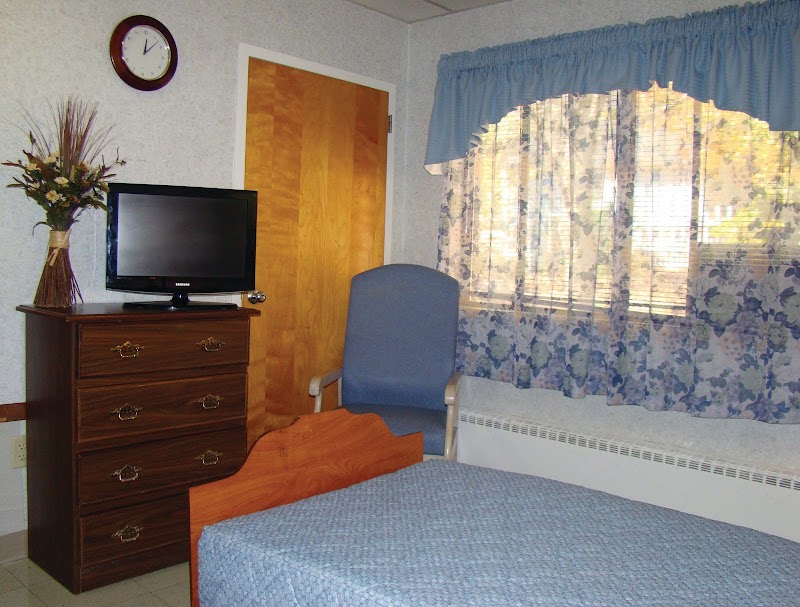
Who Owns and Operates Ledgecrest Health?

LEDGECREST HEALTH CARE CENTER is owned by a for-profit company. For-profit facilities operate as businesses with obligations to shareholders or private owners. The facility is operated by APPLE REHAB, a chain that manages multiple nursing homes. With 60 certified beds and approximately 47 residents (about 78% occupancy), it is a smaller facility located in KENSINGTON, Connecticut.
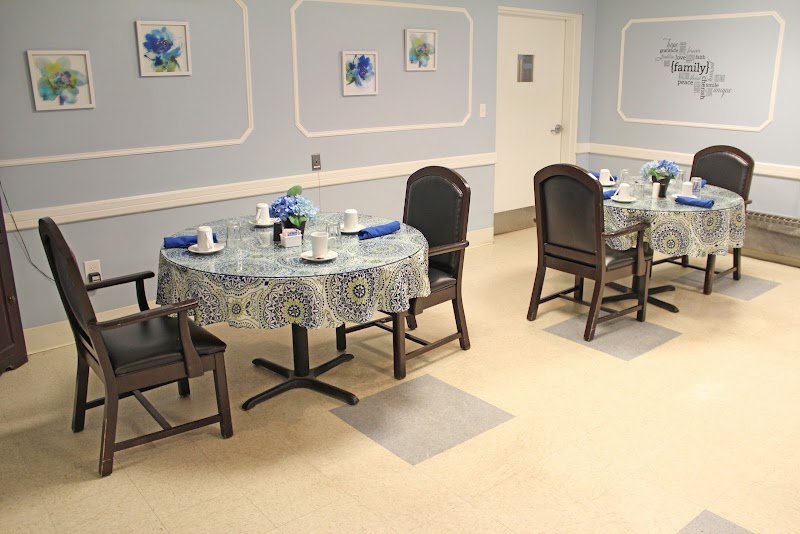
How Does Ledgecrest Health Compare to Other Connecticut Nursing Homes?

Compared to the 100 nursing homes in Connecticut, LEDGECREST HEALTH CARE CENTER's overall rating (4 stars) is above the state average of 3.0, staff turnover (48%) is near the state average of 46%, and health inspection rating (4 stars) is above the national benchmark.

What Should Families Ask When Visiting Ledgecrest Health?

Based on this facility's data, families visiting should ask: "Can I visit during a mealtime to observe dining assistance and food quality?" "How do you handle medical emergencies, and what is your hospital transfer rate?" "Can I speak with family members of current residents about their experience?"

Is Ledgecrest Health Safe?

Based on CMS inspection data, LEDGECREST HEALTH CARE CENTER has a clean safety record: no substantiated abuse findings (meaning no confirmed cases of resident harm), no Immediate Jeopardy citations (the most serious violation level indicating risk of serious injury or death), and is not on the Special Focus Facility watch list (a federal program monitoring the lowest-performing 1% of nursing homes). The facility has a 4-star overall rating and ranks #1 of 100 nursing homes in Connecticut. While no facility is perfect, families should still ask about staff-to-resident ratios and recent inspection results during their visit.

Do Nurses at Ledgecrest Health Stick Around?

LEDGECREST HEALTH CARE CENTER has a staff turnover rate of 48%, which is about average for Connecticut nursing homes (state average: 46%). Moderate turnover is common in nursing homes, but families should still ask about staff tenure and how the facility maintains care continuity when employees leave.

Was Ledgecrest Health Ever Fined?

LEDGECREST HEALTH CARE CENTER has no federal fines on record. CMS issues fines when nursing homes fail to meet care standards or don't correct problems found during inspections. The absence of fines suggests the facility has either maintained compliance or corrected any issues before penalties were assessed. This is a positive indicator, though families should still review recent inspection reports for the full picture.

Is Ledgecrest Health on Any Federal Watch List?

LEDGECREST HEALTH CARE CENTER is not on any federal watch list. The most significant is the Special Focus Facility (SFF) program, which identifies the bottom 1% of nursing homes nationally based on persistent, serious quality problems. Not being on this list means the facility has avoided the pattern of deficiencies that triggers enhanced federal oversight. This is a positive indicator, though families should still review the facility's inspection history directly.