MANCHESTER REHABILITATION AND HEALTHCARE CENTER
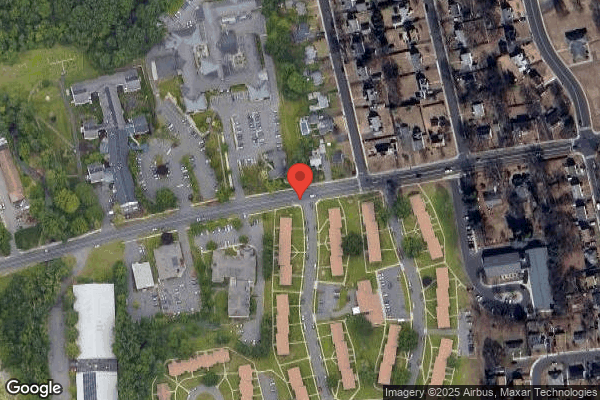
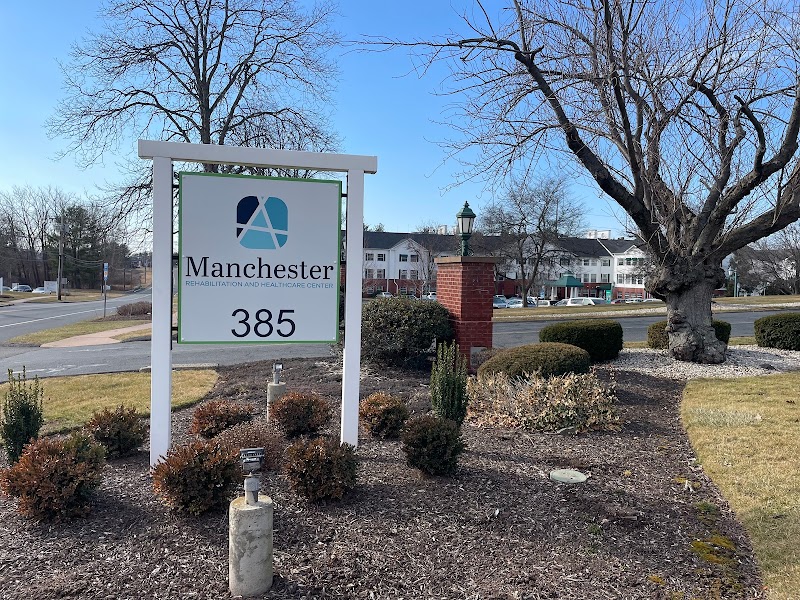
385 W CENTER ST, MANCHESTER, CT 06040 (860) 647-7828
For profit - Corporation 126 Beds ATLAS HEALTHCARE Data: November 2025
Trust Grade
85/100
#25 of 192 in CT
Last Inspection: May 2024

Within standard 12-15 month inspection cycle. Federal law requires annual inspections.

Overview

Manchester Rehabilitation and Healthcare Center has a Trust Grade of B+, indicating it is above average and generally recommended. It ranks #25 out of 192 facilities in Connecticut, placing it in the top half, and #9 out of 64 in Capitol County, meaning only eight local options are better. However, the facility is experiencing a worsening trend, with issues increasing from 1 in 2023 to 9 in 2024. Staffing is a mixed bag, with a 3/5 rating and a turnover rate of 34%, which is below the state average, but it has concerning RN coverage, being lower than 87% of state facilities. While the facility has no fines on record, which is a positive sign, there were some significant concerns during inspections. For example, staff failed to moisten a dressing before removal, risking damage to a resident's skin graft. Additionally, they did not inform a resident's representative about a worsening skin condition for eight days, which hindered timely intervention. Finally, there was a failure to ensure that a resident’s advanced directive choices were properly reviewed and honored, raising further concerns about the quality of care. Overall, while there are strengths in staffing stability and no fines, the increasing number of issues and specific incidents of concern should be carefully considered by families.

Trust Score
B+
85/100
In Connecticut
#25/192
Top 13%
Safety Record
Low Risk
No red flags
Inspections
Getting Worse
1 → 9 violations
Staff Stability
○ Average
34% turnover. Near Connecticut's 48% average. Typical for the industry.
Penalties
✓ Good
No fines on record. Clean compliance history, better than most Connecticut facilities.
Skilled Nurses
⚠ Watch
Each resident gets only 26 minutes of Registered Nurse (RN) attention daily — below average for Connecticut. Fewer RN minutes means fewer trained eyes watching for problems.
Violations
⚠ Watch
13 deficiencies on record. Higher than average. Multiple issues found across inspections.
★★★★★
5.0
Overall Rating
★★★☆☆
3.0
Staff Levels
★★★★☆
4.0
Care Quality
★★★★★
5.0
Inspection Score
Stable
2023: 1 issues
2024: 9 issues

The Good

  • 4-Star Quality Measures · Strong clinical quality outcomes
  • Full Sprinkler Coverage · Fire safety systems throughout facility
  • No fines on record
  • Staff turnover below average (34%)

    14 points below Connecticut average of 48%

Facility shows strength in quality measures, fire safety.

The Bad

Staff Turnover: 34%

12pts below Connecticut avg (46%)

Typical for the industry

Chain: ATLAS HEALTHCARE

Part of a multi-facility chain

Ask about local staffing decisions and management

The Ugly 13 deficiencies on record

Sept 2024 1 deficiency
CONCERN (D) 📢 Someone Reported This

A family member, employee, or ombudsman was alarmed enough to file a formal complaint

Potential for Harm - no one hurt, but risky conditions existed

Pressure Ulcer Prevention (Tag F0686)

Could have caused harm · This affected 1 resident

**NOTE- TERMS IN BRACKETS HAVE BEEN EDITED TO PROTECT CONFIDENTIALITY** Based on clinical record reviews, facility documentation, facility policy and interviews for one (1) of three (3) sampled reside...

Read full inspector narrative →
**NOTE- TERMS IN BRACKETS HAVE BEEN EDITED TO PROTECT CONFIDENTIALITY** Based on clinical record reviews, facility documentation, facility policy and interviews for one (1) of three (3) sampled residents (Resident #2) who were reviewed for wound care, the facility failed to moisten the adhered dressing prior to removing the dressing to ensure the Stravix skin graft that was sutured to the right Achilles Stage 4 pressure ulcer was not removed. The findings include: Resident #2's diagnoses included Stage 4 pressure ulcer of the right heel, paraplegia, chronic pain syndrome, and anxiety. The hospital Discharge summary dated [DATE] identified the right heel dressing was intact, the dressing was changed on 7/24/24 and the Stravix graft was adhered to the wound bed. The nursing admission or readmission evaluation dated 7/25/24 identified Resident #1 was oriented to person, place, time, and situation, experienced frequent pain due to the right heel wound and received pain medications. A physician's order from the hospital discharge paperwork dated 7/25/24 directed to cleanse the right heel with normal saline, apply hydrogel followed by Adaptic, cover with an ABD pad, secure loosely with kerlix wrap followed by an ace wrap, every other day, last change was done in the hospital on 7/24/24. The admission Resident Care Plan dated 7/26/24 identified Resident #2 had a pressure ulcer to the right heel. Interventions directed to offload heels while in bed, observe for signs of infection or wound deterioration and provide wound care as ordered. The nurse's weekly wound evaluation note dated 7/26/24 at 10:22 AM identified the wound care nurse, Registered Nurse (RN) #1, changed the dressing to the right foot and there was a moderate amount of serosanguineous drainage. The nurse's noted dated 7/26/24 at 11:35 AM identified a call was placed to the podiatrist to inform to update on the wound status. The note at 12:57 PM identified the treatment order frequency was changed to daily. A document provided by Resident #2 dated 7/26/24 identified he/she took pictures of the right foot ulcer and sent a message to the podiatrist regarding the wound care he/she received on 7/26/24. Resident #2 identified in the note the wound nurse commented the dressing was dry, it was stuck, she did not soak it with saline to get it off and just pulled the dressing off. The nurse's weekly wound evaluation note dated 7/29/24 at 1:09 PM identified RN #1 provided wound care and Resident #2 stated the graft was ripped off. RN #1 contacted the wound clinic and sent photos of the wound to the wound center. A telephone encounter by the wound care center dated 7/29/24 at 3:48 PM identified the wound center staff spoke with RN #1 and RN #1 confirmed the Stravix was gone, and it was likely removed over the weekend. The note indicated the podiatrist was notified and ordered adaptic and hydrogel. The podiatrist's progress note dated 8/1/24 identified Resident #2 was seen for surgical follow-up after the right heel debridement and the application of Stravix. The note indicated the Stravix was inadvertently removed by someone at the nursing facility despite the Stravix graft being sutured in with 3-0 chromic sutures. The note identified the wound had a fair amount of granulation and did not look terrible. The recommendation was to continue to dress the wound with hydrogel and Adaptic three (3) times a week until the wound vac is approved. Interview with the AM-3PM charge nurse, Licensed Practical Nurse (LPN) #1, on 9/30/24 at 11:45 AM identified he had changed the resident's dressing on 7/28/24 and did not recall seeing a skin graft. LPN #1 indicated Resident #2 thought the graft had come off, so he reported Resident #1's concern to the supervisor. Interview with Resident #2 on 10/1/24 at 1:45 PM identified on 7/26/24 RN #1 changed the dressing. Resident #2 indicated he/she could feel that the dressing was stuck. Resident #1 stated after the dressing change, he/she was in a lot of pain and noted a large amount of blood on the pillow. Review of the facility policy Pressure Injury Prevention and Management identified the facility is committed to provide treatment and services to heal the pressure ulcer. The policy further identified they should utilize a systematic approach for management including prompt assessment and treatment and notify the physician of any complications.
Aug 2024 1 deficiency
CONCERN (D) 📢 Someone Reported This

A family member, employee, or ombudsman was alarmed enough to file a formal complaint

Potential for Harm - no one hurt, but risky conditions existed

Deficiency F0552 (Tag F0552)

Could have caused harm · This affected 1 resident

**NOTE- TERMS IN BRACKETS HAVE BEEN EDITED TO PROTECT CONFIDENTIALITY** Based on clinical record reviews, facility documentation, facility policies and interviews for one (1) of three (3) sampled resi...

Read full inspector narrative →
**NOTE- TERMS IN BRACKETS HAVE BEEN EDITED TO PROTECT CONFIDENTIALITY** Based on clinical record reviews, facility documentation, facility policies and interviews for one (1) of three (3) sampled residents (Resident #2) who required wound care, after Resident #2 developed a breakdown in skin integrity, the facility failed to inform the resident's representative of the worsening progression, for eight (8) days, to discuss additional treatment options to prevent a further decline of the skin. The findings include: Resident #2's diagnoses included dementia, bullous pemphigoid, restlessness and agitation. The quarterly Minimum Data Set assessment dated [DATE] identified Resident #2 rarely or [NAME] made decisions regarding tasks of daily life, was dependent on staff for hygiene, toileting, bathing, dressing, bed mobility, and transfers and there was no identified skin breakdown. The Resident Care Plan dated 7/10/24 identified Resident #2 had the potential for skin breakdown, related to dementia and a self-care deficit. Interventions directed padded wheelchair, lotion to both arms twice per day, geri-sleeves all day, incontinent care every two (2) hours, to assist with activities of daily living and monitor for decline, allow for sufficient time to accomplish tasks, and encourage resident participation as much as possible. The nurse's note dated 7/28/24 at 9:41 PM identified a new skin impairment was noted on the right and left thighs and the Nursing Supervisor and wound care nurse were notified. The Nurse Practitioner's progress note dated 7/29/24 identified Resident #2 had multiple blisters on the hands, fingers, and legs with edema to the right hand. The resident also had multiple old scratches on the hands, chest, and leg areas. The note indicated the fluid filled blisters were identified as bullous pemphigoid which was an auto immune condition, and orders directed to elevate the right hand for seven (7) days, Hydrocortisone cream 2 % to the hands twice a day and Prednisone (a steroid) 10 milligrams (mg) one (1) daily for five (5) days. The Nurse Practitioner's progress note dated 8/2/24 identified Resident #2 was seen due to worsening blisters that spread to various areas of the body. The Nurse Practitioner directed to start cortisol cream to the hands and thighs daily, Hydroxyzine HCL 25 mg daily for itch and Prednisone taper 40 mg one (1) daily for three (3) days. The wound care Nurse Practitioner's progress note dated 8/5/24 at 12:13 PM identified she was asked to see the resident for wound evaluation. The note indicated there were painful blisters to bilateral hands and thigh areas, possibly bullous pemphigoid and directed to begin Clobetasol cream (topical corticosteroid) twice a day, obtain a dermatology consult, and the plan of care was coordinated with the resident, staff and Assistant Director of Nursing. The Nurse Practitioner's progress note dated 8/5/24 identified the Nurse Practitioner was asked by nursing staff to speak with Resident #2's responsible party (Person #2). Person #2 inquired about the blisters and treatment and was informed that a dermatology referral had been made. Resident #2's condition was worsening, and the Nurse Practitioner directed to continue with current treatment and to add Trazadone 25 mg every twelve (12) hours for agitation. Review of the nurse's notes and physician progress notes from 7/28/24 through 8/5/24 failed to identify Resident #2's responsible party was notified of the significant change in condition. Interview with the Assistant Director of Nursing (ADON) on 8/26/24 at 2:30 PM identified the facility is supposed to notify the responsible party of any change in condition and the facility failed to notify the responsible party of the change in condition and prescribed treatment for Resident #2. The facility did not follow their policy on Notification of Changes. Review of the facility policy for Notification of Changes directed the facility to promptly inform the resident's representative when there is a change in condition requiring notification which included the need to start a new treatment regimen. Review of the facility policy for Resident Rights identified the resident (or representative) had the right to be fully informed about his/her health status and to participate in planning care and treatment.
May 2024 7 deficiencies
CONCERN (D)

Potential for Harm - no one hurt, but risky conditions existed

Deficiency F0578 (Tag F0578)

Could have caused harm · This affected 1 resident

**NOTE- TERMS IN BRACKETS HAVE BEEN EDITED TO PROTECT CONFIDENTIALITY** Based on review of the clinical record, facility documentation, facility policy, and interviews for 1 of 1 residents (Resident #...

Read full inspector narrative →
**NOTE- TERMS IN BRACKETS HAVE BEEN EDITED TO PROTECT CONFIDENTIALITY** Based on review of the clinical record, facility documentation, facility policy, and interviews for 1 of 1 residents (Resident #48) reviewed for advanced directives, the facility failed to ensure advanced directive choices were reviewed with the resident/resident representative to ensure their choices were honored. The findings include: Resident #48 was admitted to the facility on [DATE] with diagnoses that included dementia, femur fracture, and pneumonia. The hospital discharge paperwork dated 4/11/24 directed Resident #48 was a do not resuscitate (DNR). A physician's order dated 4/11/24 directed Resident #48 to be a do not resuscitate (DNR), do not intubate (DNI), and a registered nurse may pronounce (RNP). The Advanced Directive form in the clinical record dated 4/11/24 identified Resident #48 (with severe cognitive impairment) had signed him/herself as a full code. Additionally, the form had not been signed by a witness/nurse or the physician. The admission MDS assessment dated [DATE] identified Resident #48 had severely impaired cognition. The care plan dated 4/29/24 identified impaired cognition due to dementia. Interventions included discussing and educating the advanced directives with resident and/or resident responsible party and notifying physician of residents wishes regarding advanced directives. Follow the physicians order for advanced directive. Review of the clinical record dated 4/11/24-5/6/24 did not identify that Resident #48's resident representative was contacted, educated, and offered to make wishes known regarding the advanced directives for Resident #48. Interview with the Resident Representative on 5/6/24 at 8:46 AM indicated that no one at the facility has spoken to him/her regarding Resident #48's wishes for the code status since admission to the facility on 4/11/24 (26 days later). The Resident Representative indicated that he/she would speak with Resident #48 but was sure Resident #48 wishes were to be a DNR. S/he also indicated s/he visits daily. Interview with the DNS on 5/6/24 at 8:51 AM indicated that the hospital code status is used for the first 24 hours, and she would expect the charge nurse or supervisor to get the wishes for the code status from the resident or resident representative within the first 24 hours. The DNS indicated that on admission if the resident was not cognitively intact like Resident #48 that two nurses, one nurse and a social worker, or the APRN/MD would call the resident representative, and both would sign the advance directive form. The DNS indicated if unable to reach the resident representative she would expect a note in the progress section stating that they tried to reach the resident representative to discuss legal matters. The DNS indicated if unable to reach resident representative within 24 hours the resident would then become a full code until the resident representative was reached to decide. The DNS indicated that after 24 hours if nursing cannot reach the resident representative, then social services would be asked to help. S/he indicated that Resident #48 had a BIMS of 2 meaning severe cognitive impairment and the resident representative would have to be called. The DNS indicated that the nurse should call the resident representative for resident ID #48 on the day of admission. After review of the clinical record, the DNS indicated she did not see a progress note that someone called the resident representative regarding their wishes for the advanced directive. The DNS indicated that the advanced directive form was signed by Resident #48 who was not the decision maker. The DNS indicated that the current code status form signed by the resident is not valid because he was not cognitively intact. The DNS indicated that Resident #48 was a full code from 24 hours after admission until the resident representative signs the advanced directive form. Interview with case manager (LPN #1) on 5/6/24 at 10:04 AM indicated that she was responsible to coordinate the care conferences. LPN #1 indicated that she had conducted the first care conference for Resident #48 on 4/25/24 with Resident #48, resident representative, and another family member. LPN #1 indicated that she does not bring the paper chart into the conference she just goes by the physician orders in the electronic medical record to review at the meeting. LPN #1 indicated she nor anyone else asked the resident representative to sign any forms although the resident's representative was responsible to sign all legal forms. Resident #48 was not able to sign any legal forms with a BIMS of 2. LPN #1 indicated that the code status should be signed at admission and that her first care conference was held between day 14-21 from admission. LPN #1 indicated that she sees the resident representative in the facility visiting every day that she works. Review of the facility Advanced Directive Policy identified it was the policy of the facility to provide each resident with appropriate high quality medical and nursing care. The facility recognizes the right of each resident, if capable, to make decisions regarding his/her treatment and to execute advanced directives. The resident who is not capable to make decisions will have a resident representative on their behalf make the decision for the advanced directive. At the time of admission, the facility will provide each resident or resident representative with a copy of the policy regarding advanced directives. The facility will abide by the decision made by the resident or resident representative with the respect to order a do not resuscitate and the withholding and withdrawal of life sustaining measures. Such decisions made, and consent documented in accordance with facility procedures.
CONCERN (D) 📢 Someone Reported This

A family member, employee, or ombudsman was alarmed enough to file a formal complaint

Potential for Harm - no one hurt, but risky conditions existed

Comprehensive Care Plan (Tag F0656)

Could have caused harm · This affected 1 resident

**NOTE- TERMS IN BRACKETS HAVE BEEN EDITED TO PROTECT CONFIDENTIALITY** Based on clinical record review, facility documentation review, facility policy review, and interviews for one of three resident...

Read full inspector narrative →
**NOTE- TERMS IN BRACKETS HAVE BEEN EDITED TO PROTECT CONFIDENTIALITY** Based on clinical record review, facility documentation review, facility policy review, and interviews for one of three residents (Resident #118) reviewed for accidents, the facility failed to ensure care was provided in accordance with the plan of care. The findings include: Resident #118's diagnoses included degenerative disease of the nervous system, obesity, and dementia. The quarterly Minimum Data Set (MDS) assessment dated [DATE] identified Resident #118 had severe cognitive impairment and required extensive assistance of two (2) for ADLs. The Resident Care Plan (RCP) dated 2/11/2024 identified Resident #118 had a self-care deficit. Interventions directed maximum assist of two (2) with ADLs and one-quarter bedrails for enabler. The nurse aide care card directed Resident #118 required assist of two (2) staff with ADLs. Facility incident report dated 3/11/2024 at 10:15 PM identified Resident #118 rolled or slid out of bed and was observed lying on the floor next to his/her bed. Investigation completed by the DNS identified Resident #118 had been attempting to raise the head of the bed. Review identified NA #5's written statement indicated she had provided care for Resident #118, left the room to obtain additional supplies and upon return observed Resident #118 on the floor. Review failed to identify any additional NA statements. Facility documentation review identified LPN #5 was the charge nurse and there were four (4) NAs (NA #5, #6, #7 and #8) working on Resident #118's unit during the evening shift on 3/11/2024. Interview, clinical record and facility documentation review with LPN #5 (charge nurse) on 5/8/2024 at 3:02 PM identified she did not assist NA #5 with any care for Resident #118 prior to the fall. Interview on 5/22/2024 at 11:31 AM with NA #8 identified that she did not provide any care for Resident #118 and had not seen the resident during the 3 PM to 11 PM shift on 3/11/2024. Interview on 5/22/2024 at 11:42 AM with NA #7 identified she did not provide any care for Resident #118 during the 3 PM to 11 PM shift on 3/11/2024 except to deliver the dinner meal and collect the tray after the meal. Interview on 5/22/2024 at 12:59 PM with NA #6 identified that she did not provide any care for Resident #118 during the 3 PM to 11 PM shift on 3/11/2024. Although attempted, an interview with NA #5 was not obtained during survey. Interviews and facility documentation review failed to identify NA #5 had a second NA with her when providing Resident #118's care, in accordance with the plan of care. During an interview and facility documentation review with the DNS on 5/22/2024 at 3:16 PM, the DNS was unable to identify a second staff member who assisted with providing care on 3/11/2024 for Resident #118 prior to the fall. The DNS indicated a second staff member should have assisted with care, in accordance with the plan of care. Review of facility Comprehensive Care Plans Policy directed in part, to implement a comprehensive plan of care.
CONCERN (D)

Potential for Harm - no one hurt, but risky conditions existed

Deficiency F0676 (Tag F0676)

Could have caused harm · This affected 1 resident

**NOTE- TERMS IN BRACKETS HAVE BEEN EDITED TO PROTECT CONFIDENTIALITY** Based on record review and interview for 1 of 1 residents (Resident #80) reviewed for Activities of daily living, the facility f...

Read full inspector narrative →
**NOTE- TERMS IN BRACKETS HAVE BEEN EDITED TO PROTECT CONFIDENTIALITY** Based on record review and interview for 1 of 1 residents (Resident #80) reviewed for Activities of daily living, the facility failed to provide the necessary care and services to maintain or improve mobility. The findings include: Resident #80 was admitted to the facility with diagnoses that included falls, hip replacement, and chronic pain. The care plan dated 12/12/23 identified decreased functional activity. Interventions included to ambulate Resident #80 150 feet with rolling walker and minimal assistance. The annual MDS assessment dated [DATE] identified Resident #80 had intact cognition and needs assistance for transfers and ambulation with a walker. Review of the physician orders dated 3/1/24-5/5/24 directed to ambulate Resident #80 150 feet with rolling walker with assist x 1 twice a day with a wheelchair to follow. Review of the progress notes dated 3/1/24-5/5/24 did not reflect Resident #80 had refused to ambulate or that the APRN /physician were notified that Resident #80 was not being ambulated per physician orders. Review of the 3/1/24 to 3/31/24 nursing assistant flow sheets for Resident #80 identified there were 34 out of 62 opportunities that Resident #80 was not ambulated. Six (6) opportunities for ambulation were not documented, and 28 out of 62 opportunities identified Resident #80 did not ambulate with no rational. Review of the 4/1/24 to 4/30/24 nursing assistant flow sheets for Resident #80 identified there were 25 out of 60 opportunities that Resident #80 was not ambulated. Eleven (11) opportunities for ambulation were not documented, and 14 out of 60 opportunities identified Resident #80 did not ambulate with no rational. Review of the 5/1/24 to 5/5/24 nursing assistant flow sheets for Resident #80 identified there were 7 out of 12 opportunities that Resident #80 was not ambulated. One (1) opportunity for ambulation that was not documented, and 6 out of 12 opportunities that identified Resident #80 did not ambulate with no rational. During an interview on 5/5/24 at 12:36 PM Resident #80 indicated the nursing staff are supposed to walk him/her in the hallway every day twice a day, but that does not happen. Resident #80 indicated that sometimes the therapist will walk him/her to the recreation room for a program, but they are not walking me every day. Resident #80 indicated that he/she was supposed to ambulate two times a day with staff, and it does not occur. Resident #80 indicated that the nursing staff are in a hurry and don't have time to ambulate him/her all the time. Resident #80 indicated that he/she has brought this concern to nursing staff, but nothing has changed. Resident #80 indicated that he/she really wants to be ambulated 2 times a day so he/she can get stronger to be independent and go home. Interview with Director of Rehabilitation Department on 5/6/24 at 3:10 PM indicated that each therapist puts in a physician order for nursing to continue with ambulating the residents while on therapy or when coming off therapy. The Director of Rehab indicated that Resident #80 is being seen by therapy 3 times a week privately. The Director of Rehab indicated that therapy had put in a physician's order for the physician to sign off on and the order for Resident #80 was to ambulate with someone from nursing 2 times a day up to 150 feet with a rolling walker and the wheelchair to follow. S/he indicated that nursing was responsible to document how far and how many times Resident #80 ambulates and that no one had reported to her that Resident #80 was not being ambulated by nursing twice a day as ordered by the physician. Interview with NA #2 on 5/7/24 at 8:16 AM indicated that she works 6:00 AM to 2:00 PM full time 4 days a week and she was Resident #80's regular nursing assistant. NA #2 indicated that when she gets done washing Resident #80 in the morning the therapy people take Resident #80 for a couple of hours to therapy. NA #2 indicated after lunch Resident #80 usually goes to recreation, so she does not offer to ambulate Resident #80. NA #2 indicate that she does not inform the charge nurses that he does not ambulate Resident #80 on the days that she works. Interview with the DNS and Administrator on 5/7/24 at 9:23 AM indicated if there was a physician order to ambulate Resident #80 twice a day their expectation was that the nursing staff would ambulate Resident #80 twice a day. The DNS indicated that the nursing assistants would document if they ambulate Resident #80 and document the number of feet ambulated. The DNS expectation is if a resident refuses or does not get walked the nursing assistant must tell the charge nurse. The DNS indicated that if the nursing staff are not following the physician's order the physician must be notified. The Administrator indicated that the resident should ambulate per the physician's order. Interview with APRN #2 on 5/7/24 at 11:15 AM indicated that Resident #80 has a physician order to ambulate two times a day and that her expectation was if Resident #80 was not walked for one day she would want to be notified. APRN #2 indicated she would expect to be notified because she would be able to monitor if there were refusals versus if the nursing staff just were not ambulating Resident #80 and to see if the resident had a decline. APRN #2 indicated that no one had notified her since she started in February 2024 that Resident #80 had not been ambulated.
CONCERN (D) 📢 Someone Reported This

A family member, employee, or ombudsman was alarmed enough to file a formal complaint

Potential for Harm - no one hurt, but risky conditions existed

Quality of Care (Tag F0684)

Could have caused harm · This affected 1 resident

**NOTE- TERMS IN BRACKETS HAVE BEEN EDITED TO PROTECT CONFIDENTIALITY** 2) Resident #37 was admitted to the facility in March 2021 with diagnoses that included dementia, schizophrenia, and muscle weak...

Read full inspector narrative →
**NOTE- TERMS IN BRACKETS HAVE BEEN EDITED TO PROTECT CONFIDENTIALITY** 2) Resident #37 was admitted to the facility in March 2021 with diagnoses that included dementia, schizophrenia, and muscle weakness. Review of the clinical record identified Resident #37 had a weight of 173.4 lbs on 10/11/23. The clinical record also identified Resident #37 was placed on hospice from 10/11/23-1/8/24, and then had a change in status to comfort measures only (CMO). Further review of the clinical record failed to identify any additional weights recorded for Resident #37. The quarterly MDS assessment dated [DATE] identified Resident #37 had severely impaired cognition, was always incontinent of bowel, utilized a urinary catheter, and was dependent on staff assistance with bathing, dressing, and eating. The care plan dated 4/18/24 identified Resident #37 had a history of skin growths and bowel incontinence. Interventions included use of a low air loss mattress, and that the mattress should be checked for placement, settings (set to weight) and function every shift, and adjust for comfort as needed. A physician's order dated 4/23/24 directed Resident #37 required a low air loss mattress. The order further identified that the placement, settings (set to weight) and function were to be checked every shift and may be adjusted to resident's comfort as needed. Observations on 5/5-5/6/24 identified Resident #37's low air loss mattress was not set to his/her last recorded weight. Observation on 5/5/24 at 8:10AM identified the low air loss mattress was set at the midpoint of the 240-279 lb setting ( approximately 260 lbs), 86.6 lbs above Resident #37's last recorded weight of 173.4 lbs. A follow up observation on 5/6/24 at 1:08 PM identified the low air loss mattress setting was unchanged. 3) Resident # 47 was admitted to the facility on [DATE] with diagnoses that included congestive heart failure, dementia, and cardiomegaly. Review of the clinical record identified that Resident #47 had a weight of 196 lbs on 6/14/23. The clinical record also identified that Resident #47 was placed on comfort measures only (CMO) on 7/19/23. Further review of the clinical record failed to identify any additional weights recorded for Resident #47. The care plan dated 4/17/24 identified Resident #47 was at risk for alteration in skin integrity related to decreased mobility. Interventions included use of a low air loss mattress. The quarterly MDS assessment dated [DATE] identified Resident #47 had moderately impaired cognition, was always incontinent of bowel and bladder and was dependent on staff assistance with bathing, dressing, and toileting. A physician's order dated 4/23/24 directed Resident #47 required a low air loss mattress. The order further identified that the placement, settings (set to weight) and function were to be checked very shift and may be adjusted to resident's comfort as needed. Observations on 5/6/24 identified Resident #47's low air loss mattress was not set to his/her last recorded weight. Observation on 5/6/24 at 8:26 AM identified the low air loss mattress was set at the midpoint of the 200-239 lb setting (approximately 220 lbs), 24 lbs above Resident #47's last recorded weight of 196 lbs. A follow up observation on 5/6/24 at 1:08 PM identified the low air loss mattress setting was unchanged. Review of the operation manual for the Emerald Supply low air loss mattress, the air mattress in place for Resident #37 and #47, identified the setting for the pressure adjustment knob included adjustment to the mattress by weight, with lower weight settings increasing softness and higher weight settings increasing firmness. Additional information received from Emerald Supply identified that the knob on the pump would be set to the resident's weight, and once the resident was on the mattress, the weight setting could be adjusted to allow for additional firmness or softness but should be kept around the resident's weight level. Interview with RN #1 (IP/wound nurse) on 5/6/24 at 1:00 PM identified that the facility had recently started using new low air loss mattresses with weight settings. RN #1 identified that the facility had recently done audits of all the air mattresses in the last 2 weeks and based on the audits, the residents with the low air loss mattresses that required weight settings had orders added to their clinical records. RN #1 identified that the low air loss mattresses with weight setting were supposed to be set to the resident's weight and not to softness or firmness. Interview with APRN #2 and LPN #3 on 5/6/24 at 1:27 PM identified that the facility had recently changed the low air loss mattresses used for residents which may have been the issue identified with the mattress settings. APRN #2 identified that if the orders included setting the mattress to the resident's weight, she would expect that order directions would be followed. APRN #2 also identified that Resident #37 and #47 were both on CMO, and this typically included no longer checking weights or vital signs as part of the treatment plan for the resident, but given how long it had been since the residents had been weighed, it may be a good idea to obtain a reweigh of the residents to ensure that the mattress settings were correct. LPN #3 identified that the low air loss mattresses that included the weight setting were new equipment to the facility in the past couple of months, and that the facility previously used a low air loss mattress that was set to firmness or softness only and did not have any settings related to weight. The facility policy on use of supportive surfaces directed that a support surface included specialized mattresses designed to manage pressure, shear, or friction forces on tissues. The policy also directed that support surfaces were chosen by matching the potential therapeutic benefits with the resident's specific situation and consideration would for utilizing specialized support surfaces would include the resident's size and weight. The policy further directed that any guidelines for support surfaces did not supersede the physician's orders. 4) Resident # 79 was admitted to the facility on [DATE] with diagnoses that included dementia, heart failure, and venous hypertension. Review of the clinical record identified that Resident #79 was placed on comfort measures only (CMO) on 5/17/23. The quarterly MDS dated [DATE] identified Resident # 79 had severely impaired cognition. The care plan dated 4/1/24 identified Resident #79 was receiving comfort measures. Interventions included to administer medications as ordered. A physician's order dated 4/2/24 directed to administer Lasix (a diuretic medication used for fluid retention) 20 mg by mouth one time daily for edema. The order further directed to check blood pressure with administration. Review of the clinical record failed to identify any blood pressures obtained on documented on Resident #79 on or after 4/2/24. Interview with APRN #2 and LPN #3 on 5/6/24 at 1:27 PM identified that residents on CMO did not typically have vital signs monitored unless it was included for a specific medication. APRN #2 identified that Resident #79 should have had his/her blood pressure monitored with administration of Lasix as this was part of the order, however Resident #79's CMO status may have caused confusion as residents on CMO did not have vital sign monitoring. LPN #3 identified that while CMO residents did not have vital sign monitoring, if there was a specific order in place for monitoring, it was supposed to be done regardless of CMO status. Interview with the DNS on 5/7/24 at 11 AM identified that Resident #79 should have had blood pressure monitoring with his/her Lasix administration. The facility policy on vital signs directed that vital signs would be obtained by a nurse or therapist as indicated when administering certain medications or when monitoring for effectiveness of medications or therapies. Based on record review and interviews for 1 of 3 residents (Resident #80 ) reviewed for Activities of daily living, the facility failed to follow the physician order for ambulation, and for 2 of 2 sampled residents (Resident #37 and 47) reviewed for mobility, the facility failed to ensure that a low air loss mattress was set to resident's weight per physician's order and manufacturer recommendations; and for 1 of 25 residents (Resident #79) reviewed for medication administration, the facility failed to ensure blood pressures were monitored per the physician's order with administration of a prescribed medication. The findings include: 1. Resident #80 was admitted to the facility with diagnoses that included falls, hip replacement, and chronic pain. The care plan dated 12/12/23 identified decreased functional activity. Interventions included ambulating Resident #80 150 feet with rolling walker and minimal assistance. The annual MDS assessment dated [DATE] identified Resident #80 had intact cognition and requires touching assistance for transfers and ambulation with a walker. Review of the physician orders dated 3/1/24-5/5/24 reflected Resident #80 to ambulate 150 feet with rolling walker with assist x 1 twice a day with a wheelchair to follow. Review of the progress notes dated 3/1/24-5/5/24 did not reflect Resident #80 had refused to ambulate. Review of the 3/1/24 to 3/31/24 nursing assistant flow sheets for Resident #80 identified there were 34 out of 62 opportunities that Resident #80 was not ambulated. Six (6) opportunities for ambulation were not documented, and 28 out of 62 opportunities identified Resident #80 did not ambulate with no rational. Review of the 4/1/24 to 4/30/24 nursing assistant flow sheets for Resident #80 identified there were 25 out of 60 opportunities that Resident #80 was not ambulated. Eleven (11) opportunities for ambulation were not documented, and 14 out of 60 opportunities identified Resident #80 did not ambulate with no rational. Review of the 5/1/24 to 5/5/24 nursing assistant flow sheets for Resident #80 identified there were 7 out of 12 opportunities that Resident #80 was not ambulated. One (1) opportunity for ambulation that was not documented, and 6 out of 12 opportunities that identified Resident #80 did not ambulate with no rational. The Grievance Form dated 3/19/24 identified that Resident #80 would like to be walked two times a day. Resident #80's goal was to be ambulated with walker independently. The follow up plan was Resident #80 will continue to work with therapy and the floor staff will ambulate Resident #80 to and from activities or in the hallway on the other days. During an interview on 5/5/24 at 12:36 PM with Resident #80 indicated the nursing staff are supposed to walk him/her in the hallway every day twice a day, but that does not happen. Resident #80 indicated that sometimes the therapist will walk him/her to the recreation room for a program, but they are not walking him/her every day. Resident #80 indicated that he/she was to ambulate two times a day with staff, and it does not occur. Resident #80 indicated that the nursing staff are in a hurry and don't have time to ambulate him/her all the time. Resident #80 indicated that he/she has brought this concern to nursing staff, but nothing has changed. Resident #80 indicated that he/she really wants to be ambulated two times a day so he/she can get stronger to be independent and go home. Interview with Resident Representative on 5/5/24 at 12:45 PM indicated that when he/she visits the staff do not ambulate Resident #80 and he/she had written a grievance on Resident #80's behalf and had met with staff about Resident #80 needing to be ambulated twice a day in the hallway. The Resident Representative indicated that things have not gotten any better since they wrote the grievance about Resident ID#80's ambulation. Interview with Director of Rehabilitation Department on 5/6/24 at 3:10 PM indicated that each therapist puts in a physician order for nursing to continue with ambulating the residents while on therapy or when coming off therapy. The Director of Rehab indicated that Resident #80 is being seen by therapy 3 times a week privately. The Director of Rehab indicated that therapy had put in a physician's order for the physician to sign off on and the order for Resident #80 was to ambulate with someone from nursing 2 times a day up to 150 feet with a rolling walker and the wheelchair to follow. S/he indicated that nursing was responsible to document how far and how many times Resident #80 ambulates and that no one had reported to her that Resident #80 was not being ambulated by nursing twice a day as ordered by the physician. Interview with NA #2 on 5/7/24 at 8:16 AM indicated that she works 6:00 AM to 2:00 PM full time 4 days a week and she was Resident #80's regular nursing assistant. NA #2 indicated that when she gets done washing Resident #80 in the morning the therapy people take Resident #80 for a couple of hours to therapy. NA #2 indicated after lunch Resident #80 usually goes to recreation, so she does not offer to ambulate Resident #80. NA #2 indicate that she does not inform the charge nurses that he does not ambulate Resident #80 on the days that she works. Interview with the DNS and Administrator on 5/7/24 at 9:23 AM indicated if there was a physician order to ambulate Resident #80 twice a day their expectation was that the nursing staff would ambulate Resident #80 twice a day. The DNS indicated that the nursing assistants document if they ambulate Resident #80 and document the number of feet ambulated. The DNS expectation is if a resident refuses or does not get walked the nursing assistant must tell the charge nurse. The Administrator indicated that Resident #80 is on and off therapy, and that therapy ambulates Resident #80 on those days. The DNS indicated that if the nursing staff are not following the physician's order the physician must be notified. The Administrator indicated that the resident should ambulate per the physician's order. Interview with APRN #2 on 5/7/24 at 11:15 AM indicated that Resident #80 has a physician order to ambulate two times a day and that her expectation was if Resident #80 was not walked for one (1) day she would want to be notified. APRN #2 indicated she would expect to be notified because she would be able to monitor if there were refusals versus if the nursing staff just were not ambulating Resident #80 and to see if the resident had a decline. APRN #2 indicated that no one had notified her since she started in February 2024 that Resident #80 had not been ambulated.
CONCERN (D)

Potential for Harm - no one hurt, but risky conditions existed

Deficiency F0730 (Tag F0730)

Could have caused harm · This affected 1 resident

Based on review of facility documentation, facility policy, and interviews for 2 of 6 certified nurse aide personnel files (NA #3 and NA #4), the facility failed to complete performance reviews, annua...

Read full inspector narrative →
Based on review of facility documentation, facility policy, and interviews for 2 of 6 certified nurse aide personnel files (NA #3 and NA #4), the facility failed to complete performance reviews, annually. Review of NA #4's personnel filed identified that she was hired on 6/13/1995 and failed to identify documentation that an annual performance review was completed for the year of 2023. NA #4's personnel file further identified her last documented employee performance review was dated 6/13/22. Review of NA #3's personnel filed identified that she was hired on 6/14/22 and failed to identify documentation that an annual performance review was completed for the year of 2023. Interview and review of facility documentation with the Director of Human Resources (HR) on 5/7/24 at 6:50 AM identified that the facility was undergoing a process change for completing annual evaluations last summer, and during that time-period a couple evaluations were missed. The Director of HR failed to provide documentation that NA #3 and NA #4 had received an annual performance review in 2023, around the time of their anniversary hire dates or after the facility identified staff members had missed their annual evaluation. Interview with the Administrator on 5/7/24 at 1:10 PM identified that the expectation is that annual evaluations are to be completed within a month of the employee's anniversary of hire date. Interview with the Director of Nursing (DNS) on 5/7/24 at 1:38 PM identified that she was not the DNS during the time that the annual evaluations were missed, and during her time as the DNS she has completed nurse and nurse aide annual evaluations around the employee's anniversary of hire date. The DNS further identified that the evaluation process for nurse and nurse aides is as follows: the Director of HR will notify her whose annual evaluations are due for the upcoming month; once the evaluation is completed, she will return it to the Director of HR to be placed in the individual personnel file. The facility's Performance Evaluation policy directs that employees receive an annual review to measure their position goals, provide constructive feedback, and coach for professional growth. Performance evaluations are conducted at the following intervals: annually on or about the anniversary of hire/rehire date and interim at the discretion of management.
CONCERN (D)

Potential for Harm - no one hurt, but risky conditions existed

Medication Errors (Tag F0758)

Could have caused harm · This affected 1 resident

**NOTE- TERMS IN BRACKETS HAVE BEEN EDITED TO PROTECT CONFIDENTIALITY** Based on record review and interviews for 1 of 5 residents (Resident #48) reviewed for unnecessary medications, the facility fai...

Read full inspector narrative →
**NOTE- TERMS IN BRACKETS HAVE BEEN EDITED TO PROTECT CONFIDENTIALITY** Based on record review and interviews for 1 of 5 residents (Resident #48) reviewed for unnecessary medications, the facility failed to ensure behavior monitoring was conducted for a resident on antipsychotic medications. The findings include: Resident #48 was admitted to the facility on [DATE] with diagnoses that included dementia, femur fracture, and depression. A physician's order dated 4/11/24 directed to give Seroquel (antipsychotic/mood stabilizer medication) 25 mg once a day and Seroquel 50mg at bedtime. The admission MDS assessment dated [DATE] identified Resident #48 had severely impaired cognition and required total assistance dressing, toileting, bed mobility, and transfers. Additionally, Resident #48 had a diagnosis of dementia and was taking antipsychotic medications on a routine daily basis and a gradual dose reduction was not attempted. The care plan dated 4/18/24 identified Resident #48 was utilizing antipsychotic medications. Interventions directed to administer medications per physician orders, observe for behaviors, observe for therapeutic effects of medication, and observe for adverse drug related to signs and symptoms. The Pharmacy Consultation Report to the Prescriber for Resident #48 dated 4/29/24 recommended to please update the current antipsychotic order, with a diagnosis, to include a specific behavior that can be quantitative and objectively documented by the nursing staff. The behavior must cause the resident to be a danger to themselves and/or others including staff or actually interfere with the staff's ability to provide care. The following are adequate reasons for use if documented causing impairment in function capacity: psychotic symptoms such as hallucinations, paranoid, delusions, and/or continuous crying out, screaming, yelling, or pacing. The APRN #4 replied on 5/2/24 that the medication was for dementia with insomnia at home and resident representative did not want medications changed. Interview with psychiatric APRN #4 on 5/6/24 at 9:40 AM indicated that when she replied to the pharmacy recommendation on 5/2/24, she had used the psychiatric physicians note dated 4/12/24 that documented he had spoken to the resident representative who discussed the medications taken at home and did not want them changed. APRN #4 indicated that Resident #48 had a daytime dose of Seroquel and a nighttime dose that she had written should be monitored for anxiety. APRN #4 indicated that for Resident #48's antipsychotic at bedtime there must be monitoring for severe insomnia, severe agitation, and yelling out behaviors. APRN #4 indicated that the behavior monitoring orders are to be put in on admission when someone was admitted from the hospital on antipsychotics by nursing for the use of antipsychotics. APRN #4 indicated that it was nursing's responsibility to make sure the behavior monitoring flow sheets were being put in place and the resident was being monitored because the APRN/MD does not write orders for the behavior monitoring. Interview with the DNS on 5/6/24 at 10:39 AM indicated that all antipsychotic medications must have behavior monitoring flow sheets. The DNS indicated the targeted behavior that would be put in place on admission for Resident #48 would come from the behaviors documented on the hospital record, family history, and observed behaviors. The DNS indicated that the nurse supervisor was responsible to make sure the behavior monitoring was put in on admission. After clinical record review, the DNS indicated that the behavior monitoring was not on the physician orders, medication administration record, or the treatment record. The DNS indicated that there should have been behavior monitoring for the Seroquel from admission but indicated she did not know why it was not done. The DNS indicated that she would make sure a behavior monitoring flow sheet was put in place. Review of the facility Use of Psychotropic Medications Policy identified residents are not given psychotropic medications unless the medication is necessary to treat a specific condition, as diagnosed and documented in the clinical record, and the medication is beneficial to the resident, as demonstrated by monitoring and documentation of the resident's response to the medication. Residents will have targeted behavior monitoring for psychotropic medications. Residents who use psychotropic drugs shall also receive non-pharma logical interventions to facilitate reduction or discontinuation of the psychotropic medications.
MINOR (B)

Minor Issue - procedural, no safety impact

Safe Environment (Tag F0584)

Minor procedural issue · This affected multiple residents

Based on observation, review of facility documentation, and interviews, the facility failed to maintain a homelike environment as a call bell system malfunction resulted in call bells ringing in 2 of ...

Read full inspector narrative →
Based on observation, review of facility documentation, and interviews, the facility failed to maintain a homelike environment as a call bell system malfunction resulted in call bells ringing in 2 of 3 units throughout the facility for several days. The findings include: Observations on 5/6/24 at 1:40 PM identified continuous call bell ringing on the North unit. Interview with LPN #4 on 5/6/24 at approximately 1:40 PM identified the call bell system sound was malfunctioning. She identified the call bell system began malfunctioning on Friday 5/3/24 and continued to malfunction. An interview and review of an e-mail from the Maintenace Director dated 5/2/24 with the Principal Partner, Administrator, Maintenance Director, and Clinical Nurse Consultant on 5/6/24 at 3:00 PM, identified the call bell system on both the North Wing and East Wing nurse's station continuously rang keeping residents from sleeping and annoyed staff. The email further identified an adapter that arrived on Friday 5/3/24 was installed by the Maintenance Director and failed to resolve the problem and he attempted to notify the vendor of the continued problem. The Maintenance Director further indicated the vendor returned the call, however the vendor had left for the day; as the call bells continued to ring over the weekend (5/4/24-5/5/24). The Administrator acknowledged the call bell system malfunctioned on 2 of 3 units, and agreed with the Maintenance Director the vendor would be contacted again for an immediate resolution. Review of the facility April 2014 policy titled Noise Control identified resident care and services should be provided in a manner that promotes calm. organized and comfortable sound levels.
Dec 2023 1 deficiency
CONCERN (D) 📢 Someone Reported This

A family member, employee, or ombudsman was alarmed enough to file a formal complaint

Potential for Harm - no one hurt, but risky conditions existed

Comprehensive Care Plan (Tag F0656)

Could have caused harm · This affected 1 resident

**NOTE- TERMS IN BRACKETS HAVE BEEN EDITED TO PROTECT CONFIDENTIALITY** Based on observation, review of the clinical record, facility documentation, facility policy, and interviews for one (1) of four...

Read full inspector narrative →
**NOTE- TERMS IN BRACKETS HAVE BEEN EDITED TO PROTECT CONFIDENTIALITY** Based on observation, review of the clinical record, facility documentation, facility policy, and interviews for one (1) of four (4) residents, (Resident # 1), reviewed for accidents, the facility failed to ensure that interventions were in the plan of care to address non-compliant behaviors. The findings include: Resident #1 was admitted to the facility on [DATE] with diagnoses that included acute on chronic diastolic heart failure, chronic obstructive pulmonary disease, and atrial fibrillation. The Care Card dated [DATE] identified Resident #1 has a history of falls and is a fall risk. A physician's order dated [DATE] directed Resident #1 to be transferred with the assistance of one and a rolling walker. The admission MDS dated [DATE] identified Resident #1 intact cognition, was continent of bowel and bladder and required assist of one with bed mobility, transfers, and toilet use. Review of the Facility's Reportable Event form dated [DATE] at 1:45 P.M. identified Resident #1 was noted sitting on his/her buttocks next to the toilet no injuries noted. The fall scene investigation dated [DATE] at 1:45 P.M. identified Resident #1 did not call for assistance to use the bathroom, was rushing to the bathroom because he/she had to move his/her bowels and missed the toilet. The intervention to prevent future falls was to review Resident #1's bowel regimen, the APRN reviewed the current bowel regimen and discontinued Senna-S two tablets at bedtime. Review of the Facility's Reportable Event form dated [DATE] at 3:45 A.M. identified Resident #1 was observed on the floor in his/her room no injuries noted. The fall scene investigation dated [DATE] at 3:45 A.M. identified Resident #1 self-transferred out of the wheelchair attempting to get into bed. The contributing factors to the fall identified Resident #1 was non-compliant with calling for help and self-transferred out of wheelchair attempting to get back to bed. The interventions to prevent future falls were for Resident #1 to have a medical work up, UTI protocol, and laboratory orders for a blood draw. Review of the Facility's Reportable Event form dated [DATE] at 3:30 A.M. identified Resident #1 was observed on the floor in his/her room with his/her head towards the doorway. Resident #1 had a small opening to his/her right forehead. The fall scene investigation dated [DATE] at 3:30 A.M. identified Resident #1 self-transferred out of bed, found on the floor, and had gripper socks on. The contributing factors identified Resident #1 was confused and self-transferred out of bed. Resident #1 was last provided with incontinent care at 1:30 A.M. Resident #1 was last seen by LPN #1 at 3:10 A.M. lying in his/her bed with his/her eyes closed with the bed in the lowest position with call bell within his/her reach. Resident #1 became unresponsive, CPR was initiated, 911 called, and Resident #1 was transferred to the hospital. Interview with LPN #1 on [DATE] at 10:10 A.M. she identified Resident #1 was non-complaint with calling for help and would often get up alone. LPN #1 indicated Resident #1 was as assist of one with transfers. Interview with NA #1 on [DATE] at 10:35 A.M. she identified Resident #1 was a fall risk and required the assistance of one with transfers and toileting. NA #1 identified Resident #1 would often not call for help and get out of bed by himself/herself. NA #1 indicated when she was assigned care for Resident #1, she would chart close to Resident #1's room because he/she had to be watched to prevent falls. Interview with NA #2 on [DATE] at 11:50 A.M. she identified Resident #1 was at risk for falls with interventions on place that directed to keep bed in the low position and use of gripper socks. NA #2 identified Resident #1 did not always call for help when getting out of bed or out of his/her wheelchair. Interview and clinical record review with the DNS on [DATE] at 12:20 P.M., failed to provide documentation that Resident #1 had a care plan in place with appropriate interventions to address his/her non-compliance with calling for assistance prior to transferring. The DNS identified Resident #1 should of had a care plan in place for non-compliance with calling for assistance with appropriate interventions. Although requested, a facility care plan policy was not provided.
Mar 2022 1 deficiency
CONCERN (D)

Potential for Harm - no one hurt, but risky conditions existed

Resident Rights (Tag F0550)

Could have caused harm · This affected 1 resident

**NOTE- TERMS IN BRACKETS HAVE BEEN EDITED TO PROTECT CONFIDENTIALITY** Based on observation, review of the clinical record, facility policy and interviews for one of three residents (Resident #23) ob...

Read full inspector narrative →
**NOTE- TERMS IN BRACKETS HAVE BEEN EDITED TO PROTECT CONFIDENTIALITY** Based on observation, review of the clinical record, facility policy and interviews for one of three residents (Resident #23) observed during dining, the facility failed to ensure that a Nothing by Mouth (NPO) resident was treated in a dignified manner during dining. The findings include: Resident #23 was admitted to the facility on [DATE] with diagnoses that included dysphagia, stroke, heart failure and Alzheimer's disease. The physician's order dated 3/26/21 directed PEG tube feeding. The physician's order dated 7/12/21 directed nothing by mouth. The quarterly Minimum Data Set (MDS) assessment dated [DATE] identified Resident #23 had severely impaired cognition, required total assistance with Activities of Daily Living (ADL) care and 51% or more total calories were received through parenteral or tube feeding. The care plan dated 1/11/22 identified a potential for alteration in nutrition secondary to difficulty chewing and swallowing. Interventions included tube feeding via peg tube, nothing by mouth and tube feeding would provide nutrition and hydration. The Medical Doctor (MD) note dated 3/22/22 identified Resident #23's judgement and insight was not appropriate. Observation on 3/23/22 at 11:55-12:20 PM of the east wing dining room for lunch identified there was a steam table and seven residents seated in the dining room. The cook first prepared the meal trays for the resident's being served in their rooms by plating the trays and placing them on a wheeled cart that were then taken out to the unit to be served. The cook then prepared the trays for the dining room. Resident #23 was seated 10-15 feet away from the steam table. After the cook completed serving all the trays, she left with the stream table. Six residents in the dining room were served meal trays and Resident#23 was not served a meal tray. Resident#23 was observed seated at a table with his/her head down, with nothing in front of him/her with another resident seated directly across from him/her eating lunch. There were two Nurse Aide (NAs) present in the dining room, sitting down feeding two other residents. Interview with NA #1 on 3/23/22 at 12:20 PM indicated that Resident #23 was a tube feed and was in the dining room because his/her room was getting cleaned. NA #1 indicated while the room was getting cleaned the resident would be in the dining room. She further identified she was given the direction to place Resident#23 in the dining from the charge nurse. Interview with Licensed Practical Nurse (LPN#1) unit charge nurse, on 3/23/22 at 12:30 PM identified Resident #23 was just given his/her tube feeding prior to coming into the dining room. She further identified Resident #23 usually sits in his/her room, but the resident's room was currently getting deep cleaned therefore Resident #23 was placed in the dining room. When asked if the Resident #23 expressed any concern with being placed in the dining room during lunch and unable to eat, she identified Resident #23 is confused at baseline and English was the resident's second language. She further identified the dining room is the place for Resident #23 to sit while the room is being cleaned because there was nothing currently going on for activities. On 3/23/22 at 12:35 PM subsequent to surveyor inquiry, Resident #23 was observed being [NAME] back into her /his room by LPN#1. Interview with the Director of Nursing Services (DNS) on 3/23/22 at 1:49 PM identified it depends on the resident and how they feel about it to determine if it is appropriate for a NPO resident to be sitting in the dining room while other residents are being served and eating lunch. She further identified Resident #23 could have been placed at the nursing station while his/her room was being cleaned during lunch. Resident's [NAME] of Rights identified residents have the right to be treated equally with other residents in receiving care and services.
Oct 2019 2 deficiencies
CONCERN (D)

Potential for Harm - no one hurt, but risky conditions existed

Deficiency F0711 (Tag F0711)

Could have caused harm · This affected 1 resident

**NOTE- TERMS IN BRACKETS HAVE BEEN EDITED TO PROTECT CONFIDENTIALITY** Based on a review of the clinical record, staff interviews and a review of facility documentation, for two of six residents revi...

Read full inspector narrative →
**NOTE- TERMS IN BRACKETS HAVE BEEN EDITED TO PROTECT CONFIDENTIALITY** Based on a review of the clinical record, staff interviews and a review of facility documentation, for two of six residents reviewed for physician's visits ( Resident # 2 and #32) , the facility failed to ensure physician orders were signed timely. The findings include: 1. Resident #2 was admitted to the facility on [DATE] with diagnoses that included dementia and anxiety disorder. The census list for Resident #2 identified the resident was absent discharges since admission. The evaluations electronic record for the physician history and physicals, annual or admission, since admission, identified Resident #2 had a physical examination on 6/5/18 and 6/29/18. The most recent signed physician's orders were dated 9/5/18. 2. Resident #32 was originally admitted to the facility on [DATE] with diagnoses that included cerebral vascular disease, dementia, mood disorder, anxiety and cardiovascular disease. An Advanced Practice Registered Nurse (APRN) note dated 3/20/19 identified the resident was seen for a lesion of the forearm. Subsequent notes dated 5/4/19, 5/10/19, 9/5/19, 9/23/19, and 9/30/19 identified the resident was seen for various problems including falls, eye drainage, etc., however, review of the clinical record identified physician orders had not been signed from May 2019 to present. Interview and review of the clinical record with the Director of Nursing Service (DNS) on 10/17/19 at 11:25 AM identified the physician's visits and the annual physician health and physical examination were not completed timely. The DNS further identified it was the physician's responsibility to ensure timely visits, the nurses are responsible to track this and inform the physician of when evaluations are due. The DNS further identified the facility failed to have a policy for physician's visits. Interview with the Assistant Director of Nursing Service (ADNS) on 10/17/19 at 12:15 PM identified it was the unit secretary's responsibility to track annual examinations, 60 day visits and orders and notify the physician's. The ADNS further identified that none of the physicians sign any orders electronically. Interview with Secretary #1 on 10/17/19 at 12:40 PM identified she/he was sending notices to inform the physician when annual examinations, 60 day visits and orders were due, but stopped some time ago as his/her job became too busy.
CONCERN (D)

Potential for Harm - no one hurt, but risky conditions existed

Deficiency F0712 (Tag F0712)

Could have caused harm · This affected 1 resident

**NOTE- TERMS IN BRACKETS HAVE BEEN EDITED TO PROTECT CONFIDENTIALITY** Based on a clinical record review, staff interviews and a review of the facility policy for three of six residents reviewed for ...

Read full inspector narrative →
**NOTE- TERMS IN BRACKETS HAVE BEEN EDITED TO PROTECT CONFIDENTIALITY** Based on a clinical record review, staff interviews and a review of the facility policy for three of six residents reviewed for physician visits, (Resident # 2, Resident #32 and Resident # 58 ), the facility failed to ensure practitioner visits were conducted timely. The findings include: 1. Resident #2 was admitted on [DATE] with diagnoses that included included dementia and anxiety disorder. The census list for Resident #2 identified the absence of discharges since admission. The evaluations electronic record for physician history and physicals, annual or admission, since admission, identified Resident #2 had a physical examination on 6/5/18 and 6/29/18. The most recent signed physician's orders were dated 9/5/18. The evaluations electronic record for practitioner medical evaluations dated 6/19/18 to 10/17/19 identified an MD visit on 9/5/18 and 4/30/19. 2. Resident#32 was originally admitted on [DATE] with diagnoses that included cerebral vascular disease, dementia, mood disorder, anxiety and cardiovascular disease. Review of the clinical record identified a physician note dated 9/27/18 and a subsequent problem note dated 3/20/19, (approximately 6 months later). An annual physician history and physical was completed on 4/10/19. Additional Advanced Practice Registered Nurse (APRN) problem notes were dated 5/4/19 and 5/10/19 and then a series of APRN notes were dated 9/5/19, 9/23/19, and 9/30/19. Review of the clinical record failed to identify alternating 60-day visit notes by the MD or APRN since the last survey date of 9/11/18. 3. Resident # 58 was admitted on [DATE] with diagnoses that included congestive heart failure, diabetes, cardiomyopathy, dementia, and chronic kidney disease. The quarterly Minimum Data Set (MDS) dated [DATE] identified Resident #58 had severe cognitive impairment and required extensive assistance of one staff for bed mobility and transfers. The care plan dated 9/5/19 identified a potential for decreased cardiac output with interventions that included to update the physician as needed. The census list for Resident # 58 identified the resident was readmitted on [DATE] and was absent discharges since prior to that day. The evaluations electronic record for physician history and physicals, annual or admission, identified Resident # 58 had an annual physical on 8/9/17 and on 8/30/18. The evaluations electronic record for Contracted Service #1 evaluations from 9/19/18 to 10/16/19 identified no physician visits. The evaluations electronic record for physician and/or APRN medical evaluations from 9/12/19 to 10/17/19 identified a physician visit on 4/10/19 and 9/12/19. Interview and review of the clinical record with the DNS on 10/17/19 at 11:25 AM identified the physician's visits and the annual physician health and physical examination were not completed timely. The DNS further identified it was the physician's responsibility to ensure timely visits, and the nurses track this and inform the physician of when evaluations are due. The DNS further identified there was no specific policy for physician's visits. Interview with the ADNS on 10/17/19 at 12:15 PM identified that was the unit secretary's responsibility to track annual examinations, 60 day visits and orders and notify the physician's. The ADNS further identified that none of the physicians sign any orders electronically. Interview with Secretary #1 on 10/17/19 at 12:40 PM identified she/he was sending notices to inform the physician when annual examinations, 60 day visits and orders were due, but stopped some time ago as he/she became to busy to complete this task. The facility guidelines related to physician services indicated physician visits, frequency of visits, emergency care of residents, etc. are provided in accordance with current Omnibus Budget Reconciliation Act (OBRA) regulations and the facility policy.
Understanding Severity Codes (click to expand)
Life-Threatening (Immediate Jeopardy)
J - Isolated K - Pattern L - Widespread
Actual Harm
G - Isolated H - Pattern I - Widespread
Potential for Harm
D - Isolated E - Pattern F - Widespread
No Harm (Minor)
A - Isolated B - Pattern C - Widespread

Questions to Ask on Your Visit

  • "Can I speak with families of current residents?"
  • "What's your RN coverage like on weekends and overnight?"

Our Honest Assessment

Strengths
  • • Grade B+ (85/100). Above average facility, better than most options in Connecticut.
  • • No major safety red flags. No abuse findings, life-threatening violations, or SFF status.
  • • No fines on record. Clean compliance history, better than most Connecticut facilities.
  • • 34% turnover. Below Connecticut's 48% average. Good staff retention means consistent care.
Concerns
  • • 13 deficiencies on record. Higher than average. Multiple issues found across inspections.
Bottom line: Generally positive indicators. Standard due diligence and a personal visit recommended.

About This Facility

What is Manchester Rehabilitation And Healthcare Center's CMS Rating?

CMS assigns MANCHESTER REHABILITATION AND HEALTHCARE CENTER an overall rating of 5 out of 5 stars, which is considered much above average nationally. Within Connecticut, this rating places the facility higher than 99% of the state's 100 nursing homes. This rating reflects solid performance across the metrics CMS uses to evaluate nursing home quality.
How is Manchester Rehabilitation And Healthcare Center Staffed?

CMS rates MANCHESTER REHABILITATION AND HEALTHCARE CENTER's staffing level at 3 out of 5 stars, which is average compared to other nursing homes. Staff turnover is 34%, compared to the Connecticut average of 46%. This relatively stable workforce can support continuity of care.

What Have Inspectors Found at Manchester Rehabilitation And Healthcare Center?

State health inspectors documented 13 deficiencies at MANCHESTER REHABILITATION AND HEALTHCARE CENTER during 2019 to 2024. These included: 12 with potential for harm and 1 minor or isolated issues.
Who Owns and Operates Manchester Rehabilitation And Healthcare Center?

MANCHESTER REHABILITATION AND HEALTHCARE CENTER is owned by a for-profit company. For-profit facilities operate as businesses with obligations to shareholders or private owners. The facility is operated by ATLAS HEALTHCARE, a chain that manages multiple nursing homes. With 126 certified beds and approximately 121 residents (about 96% occupancy), it is a mid-sized facility located in MANCHESTER, Connecticut.
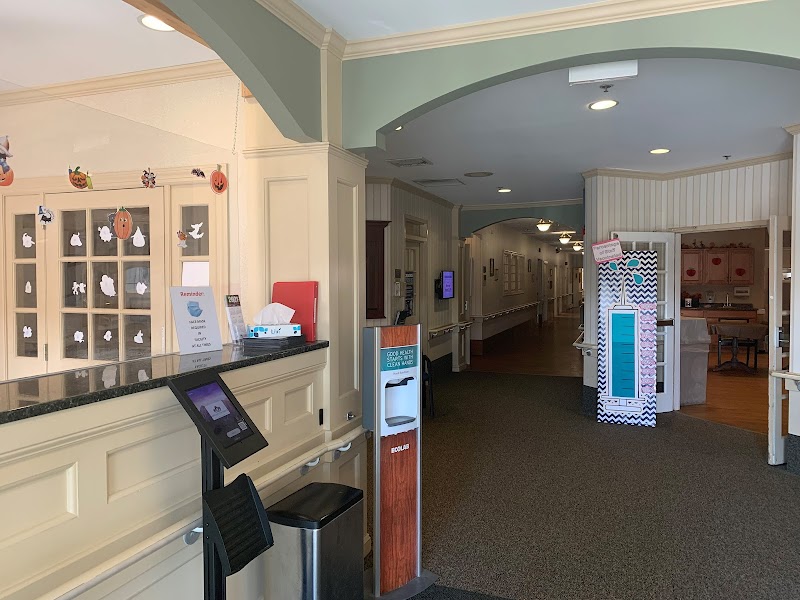
How Does Manchester Rehabilitation And Healthcare Center Compare to Other Connecticut Nursing Homes?

Compared to the 100 nursing homes in Connecticut, MANCHESTER REHABILITATION AND HEALTHCARE CENTER's overall rating (5 stars) is above the state average of 3.1, staff turnover (34%) is significantly lower than the state average of 46%, and health inspection rating (5 stars) is much above the national benchmark.

What Should Families Ask When Visiting Manchester Rehabilitation And Healthcare Center?

Based on this facility's data, families visiting should ask: "Can I visit during a mealtime to observe dining assistance and food quality?" "How do you handle medical emergencies, and what is your hospital transfer rate?" "Can I speak with family members of current residents about their experience?"

Is Manchester Rehabilitation And Healthcare Center Safe?

Based on CMS inspection data, MANCHESTER REHABILITATION AND HEALTHCARE CENTER has a clean safety record: no substantiated abuse findings (meaning no confirmed cases of resident harm), no Immediate Jeopardy citations (the most serious violation level indicating risk of serious injury or death), and is not on the Special Focus Facility watch list (a federal program monitoring the lowest-performing 1% of nursing homes). The facility has a 5-star overall rating and ranks #1 of 100 nursing homes in Connecticut. While no facility is perfect, families should still ask about staff-to-resident ratios and recent inspection results during their visit.

Do Nurses at Manchester Rehabilitation And Healthcare Center Stick Around?

MANCHESTER REHABILITATION AND HEALTHCARE CENTER has a staff turnover rate of 34%, which is about average for Connecticut nursing homes (state average: 46%). Moderate turnover is common in nursing homes, but families should still ask about staff tenure and how the facility maintains care continuity when employees leave.

Was Manchester Rehabilitation And Healthcare Center Ever Fined?

MANCHESTER REHABILITATION AND HEALTHCARE CENTER has no federal fines on record. CMS issues fines when nursing homes fail to meet care standards or don't correct problems found during inspections. The absence of fines suggests the facility has either maintained compliance or corrected any issues before penalties were assessed. This is a positive indicator, though families should still review recent inspection reports for the full picture.

Is Manchester Rehabilitation And Healthcare Center on Any Federal Watch List?

MANCHESTER REHABILITATION AND HEALTHCARE CENTER is not on any federal watch list. The most significant is the Special Focus Facility (SFF) program, which identifies the bottom 1% of nursing homes nationally based on persistent, serious quality problems. Not being on this list means the facility has avoided the pattern of deficiencies that triggers enhanced federal oversight. This is a positive indicator, though families should still review the facility's inspection history directly.