TOUCHPOINTS AT MANCHESTER
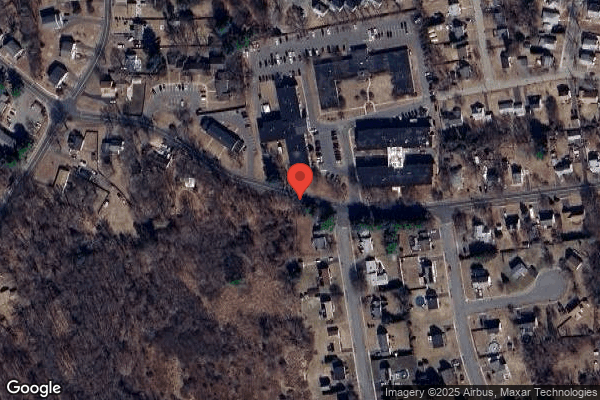

333 BIDWELL ST, MANCHESTER, CT 06040 (860) 533-3086
For profit - Corporation 127 Beds ICARE HEALTH NETWORK Data: November 2025
Trust Grade
53/100
#145 of 192 in CT
Last Inspection: July 2023

Over 2 years since last inspection. Current conditions may differ from available data.

Overview

Touchpoints at Manchester has received a Trust Grade of C, which means it is average and falls in the middle of the pack compared to other nursing homes. It ranks #145 out of 192 facilities in Connecticut, placing it in the bottom half, and #52 out of 64 in Capitol County, indicating that there are better local options. The facility is improving, as it has reduced the number of issues from 24 in 2023 to 6 in 2025. Staffing is a relative strength with a turnover rate of 25%, which is better than the state average, and there have been no fines reported, which is a positive sign. However, there have been several concerning incidents, such as failing to ensure that a resident's care plan for weight monitoring was followed and not adequately honoring residents' smoking rights, which could pose risks to safety. Overall, while there are some strengths, families should consider both the positive trends and the areas of concern.

Trust Score
C
53/100
In Connecticut
#145/192
Bottom 25%
Safety Record
Low Risk
No red flags
Inspections
Getting Better
24 → 6 violations
Staff Stability
✓ Good
25% annual turnover. Excellent stability, 23 points below Connecticut's 48% average. Staff who stay learn residents' needs.
Penalties
✓ Good
No fines on record. Clean compliance history, better than most Connecticut facilities.
Skilled Nurses
○ Average
Each resident gets 31 minutes of Registered Nurse (RN) attention daily — about average for Connecticut. RNs are the most trained staff who monitor for health changes.
Violations
⚠ Watch
40 deficiencies on record. Higher than average. Multiple issues found across inspections.
★★☆☆☆
2.0
Overall Rating
★★★☆☆
3.0
Staff Levels
☆☆☆☆☆
0.0
Care Quality
★★☆☆☆
2.0
Inspection Score
Stable
2023: 24 issues
2025: 6 issues

The Good

  • Low Staff Turnover (25%) · Staff stability means consistent care
  • Full Sprinkler Coverage · Fire safety systems throughout facility
  • No fines on record
  • Staff turnover is low (25%)

    23 points below Connecticut average of 48%

Facility shows strength in staff retention, fire safety.

The Bad

2-Star Overall Rating

Below Connecticut average (3.0)

Below average - review inspection findings carefully

Chain: ICARE HEALTH NETWORK

Part of a multi-facility chain

Ask about local staffing decisions and management

The Ugly 40 deficiencies on record

Sept 2025 1 deficiency
CONCERN (D) 📢 Someone Reported This

A family member, employee, or ombudsman was alarmed enough to file a formal complaint

Potential for Harm - no one hurt, but risky conditions existed

Medical Records (Tag F0842)

Could have caused harm · This affected 1 resident

**NOTE- TERMS IN BRACKETS HAVE BEEN EDITED TO PROTECT CONFIDENTIALITY** Based on review of clinical records, interviews, and review of facility documentation and policies for one of three residents (R...

Read full inspector narrative →
**NOTE- TERMS IN BRACKETS HAVE BEEN EDITED TO PROTECT CONFIDENTIALITY** Based on review of clinical records, interviews, and review of facility documentation and policies for one of three residents (Resident #1) reviewed for change of condition, the facility failed to ensure the clinical record was complete and accurate to include timely notification of a change in condition. The findings included: Based on review of clinical records, interviews, and review of facility documentation and policies for one of three residents (Resident #1) reviewed for change of condition, the facility failed to ensure the clinical record was complete and accurate to include timely notification of a change in condition. The findings included: Resident #1 had diagnoses that included anxiety disorder, and chronic systolic heart failure. Review of the medical record on 9/2/2025 identified Person #1 was the court appointed Conservator of Person (COP). Review of the Quarterly Minimum Data Set (MDS) assessment dated [DATE] identified Resident #1 had a Brief Mental Interview for Mental Status (BIMS) score of zero (0), indicating severe cognitive impairment and was dependent for personal hygiene. Review of the Resident Care Plan dated 7/23/2025 identified a self-care deficit. Interventions directed to provide assistance as indicated, and to discuss with resident/family/power of attorney any concerns. Respiratory Therapist's note dated 7/30/2025 identified Resident #1 was scratching his/her eyes and they were red. Physician order dated 7/30/2025 directed to instill one (1) drop of Artificial Tears Ophthalmic Solution (Artificial Tear Solution) in both eyes every four (4) hours as needed for reddened sclera (white area of the eye) to both eyes. Review of the nursing notes dated 7/30 and 7/31/2025 failed to identify the COP was notified Resident #1's eyes were noted to be red and failed to identify the COP was notified of the new order for Artificial Tear eye drops. Nursing note dated 7/31/2025 at 7:43 PM identified the COP requested Resident #1 be transferred to the hospital for evaluation of his/her eyes. Resident #1 was transferred to the hospital at 8:07 PM. Review of a hospital Discharge summary dated [DATE] identified Resident #1 was seen for eye swelling and was diagnosed with conjunctivitis (infection of the eye). The hospital administered Ofloxacin (an antibiotic used to treat eye infections) eye drops and was discharged with an order for Ofloxacin 0.3% eyedrops, one drop to both eyes four (4) times daily. Nursing note dated 8/1/2025 at 7:16 PM identified Resident #1 returned to the facility with a new order for Ofloxacin 0.3% eyedrops. Record review failed to identify Resident #1's COP was notified of the conjunctivitis diagnosed at the hospital, and failed to identify he/she was notified of the new orders for Ofloxacin eye drops. Interview with APRN #1 on 9/2/2025 at 9:11 AM identified on 7/30/2025 he/she was notified that Resident #1's eyes were red and irritated. APRN #1 stated she gave a new order to administer Artificial Tears, and informed staff that he/she would see Resident #1 on 8/1/2025. Interview with RN #1 on 9/2/25 at 10:40 AM identified Resident #1 was readmitted from the hospital on Ofloxacin eye drops. Further, the interview failed to identify the COP was notified of the diagnosis of conjunctivitis and the new orders for eye drops. Although RN #1 stated the facility practice was to inform the family/resident of new orders, and she may have called the COP to inform him/her, she stated she did not document any call was made. Interview failed to identify why the COP was not notified. Interview with the ADNS on 9/2/25 at 11:02 AM identified the facility should have contacted the COP regarding the new diagnosis and new eye drop orders, and it should have been documented in the resident's chart. Interview failed to identify why the COP was not notified. Interview with the Director of Nursing Services (DNS) on 9/2/2025 at 4:16 PM identified the COP had contacted the facility prior to Resident #1's return from the hospital and informed him/her of Resident #1's conjunctivitis diagnosis and treatment, however the DNS stated she did not write a nursing note to indicate she had notified the COP. The DNS indicated a note should have been written in the resident's medical record. Review of the undated Change of Condition Policy directed in part, the resident and/or responsible party will be notified of a resident change of condition, and document in the nurse's notes regarding changes, physician notification, and resident and/or responsible party notification.
Aug 2025 1 deficiency
CONCERN (D) 📢 Someone Reported This

A family member, employee, or ombudsman was alarmed enough to file a formal complaint

Potential for Harm - no one hurt, but risky conditions existed

Investigate Abuse (Tag F0610)

Could have caused harm · This affected 1 resident

**NOTE- TERMS IN BRACKETS HAVE BEEN EDITED TO PROTECT CONFIDENTIALITY** Based on review of the clinical record, review of facility documentation, review of facility policy and interviews for one sampl...

Read full inspector narrative →
**NOTE- TERMS IN BRACKETS HAVE BEEN EDITED TO PROTECT CONFIDENTIALITY** Based on review of the clinical record, review of facility documentation, review of facility policy and interviews for one sampled resident (Resident #107) with a fracture to the right ankle of unknown origin and who required the use of a total mechanical lift for transfers, the facility failed to complete a thorough investigation inclusive of determining that two staff members were utilized when the resident was transferred. The findings include:Resident #107 ‘s diagnoses included dementia, stiffness in bilateral knees, and reduced mobility.The quarterly Minimum Data Set assessment dated [DATE], identified Resident #107 was severely cognitively impaired, had no behaviors and was dependent for activities of daily living and transfers.A nurses note dated 12/23/24 at 2:43 PM identified Resident #107 complained of right ankle pain with movement, swelling and mild bruising around the outer ankle, and a yellow discoloration noted to the left shin. The APRN was updated, evaluated the resident and ordered x-rays. The note further identified that Tylenol 650mg was administered with good effect.A physician's order dated 12/23/24 directed to have an x-ray of the right ankle completed.The x-ray results dated 12/24/24, at 1:11 AM identified that the right ankle had an acute right bimalleolar (bony area on the side of the ankle) fracture with minimal displacement (slightly out of alignment) and associated swelling and modest osteoporosis (weak, brittle bones). It further noted that the ankle alignment was anatomical (normal straight position). The reportable event report dated 12/24/24 at 9:00 AM identified NA #2 last observed Resident #107 at 3:00 PM and had provided incontinent care and a change of clothes. The resident was noted to be in bed. And had no complaints. No bruising or nonverbal cues to pain identified. It also indicated NA #2 transferred Resident #107 utilizing a Hoyer lift (mechanical lift). The report did not identify who assisted NA #2 with the Hoyer transfer. Investigation of Reportable Event form dated 12/24/24 at 9:00 AM, indicated Resident #107 was unable to recall what happened to the ankle, if it was hit by something or hit during transfer. The resident acknowledged it was painful. The Reportable Event report (investigation documentation) dated 12/25/24 at 2:30 PM indicated NA #3 observed Resident #107 at 10:30 AM on 12/24/24. The resident was resting and had no behaviors, however, did complain of pain. NA #3 observed a bruise to the left leg on 12/21/24. No mention of the right leg or ankle in the report. Or where the bruise was on the left leg. NA #3 repositioned Resident #107 on 12/20/24 at which time the resident complained of pain. No identification of where Resident #107 was having pain. The form also indicated NA #3 transferred the resident on 12/20/24 with another staff member. NA #3 took care of Resident #107 on 12/20, 12/21 & 12/22/24. The care plan dated 3/11/25 identified the resident's functional status was an extensive assist with a 2-person physical assist for transfers, via a mechanical lift to an adaptive wheelchair. It also indicated a self-care deficit with interventions that included assistance for eating, personal hygiene, oral care, toileting and transferring. Interview on 8/12/25 at 10:03 AM with LPN #3-unit nurse, indicated while administering medications to Resident #107 the resident was complaining of pain in the right ankle. The LPN #3 then contacted the APRN on call to report the change. An x-ray was ordered and completed, looks like the 11-7 nurse received the results and reported them. The resident was not sent to the hospital as she was on hospice at the time. Hospice was updated on 12/24/24 as both the nurse and aide were on site at bedside. Recommendations were made for a wrap, ice and pain management. I'm not sure how the fracture happened, I thought about it, and I'm not sure. Interview on 8/12/25 at 2:06 PM with NA #3, identified that there was a bruise or discoloration found on the resident, so I reported it to the nurse. I think the nurse on was one of the weekend nurses. I can't really remember a lot, that was awhile back. I do remember the resident was an assist of 2 with a Hoyer lift for transfers. I transferred to Resident #07 with one of the nurses that weekend. Interview on 8/12/25 at 2:12 PM with Person #1, indicated that the Person #1 received an email from a staff member from hospice, explaining that Resident #107 had an ankle fracture. I was not updated by the facility. I'm looking at notes I have from that time. Hospice told me that the facility was managing the care, with an ace wrap, ice and elevation. The hospice staff added an ointment (arnica) for pain management. No mention of how the injury occurred. The resident was fragile, and I received no explanation from the facility. Most of the updates were from the hospice provider. The resident has declined, had weight loss; however, did not meet criteria to continue hospice and was discharged a few months ago from hospice. Interview on 8/12/25 at 3:10 PM with NA #2 identified she could not recall all the details due to the events occurring a while ago. She noted that when she arrived to work, she was told by the nurse that Resident #107 had an injury and then she observed the wrapped ankle. NA #2 further noted that the resident required two staff for transfers and conveyed that she would not transfer the resident without assistance. She further noted that she was not sure why she had not documented who assisted with the transfer and could not recall at the time of the interview who had assisted her. Additionally, she noted she was made aware that the resident had a fracture but did not know what caused the fracture. Interview on 8/13/25 at 7:51 AM with the DNS identified that she conducted the investigation into Resident #107's fracture of unknown origin. She could not recall why she did not ascertain who assisted NA #2 with the transfer because that is a stated question on the investigation form and it would have been important in determining if the transfer had been conducted appropriately or whether there was a chance that the fracture could have occurred during the transfer. The DNS could not identify whether or not the resident had been transferred appropriately and did not give an explanation of how the fracture to Resident #107's right ankle may have occurred. The Mechanical Lift policy indicated that there should always be two people to perform the transfer procedure. One to operate the lift and one person at the resident's feet to guide the resident's lower body during a transfer.
Jun 2025 1 deficiency
CONCERN (D) 📢 Someone Reported This

A family member, employee, or ombudsman was alarmed enough to file a formal complaint

Potential for Harm - no one hurt, but risky conditions existed

Notification of Changes (Tag F0580)

Could have caused harm · This affected 1 resident

**NOTE- TERMS IN BRACKETS HAVE BEEN EDITED TO PROTECT CONFIDENTIALITY** Based on clinical record reviews, facility documentation, facility policies and interviews for one (1) of four (4) sampled resid...

Read full inspector narrative →
**NOTE- TERMS IN BRACKETS HAVE BEEN EDITED TO PROTECT CONFIDENTIALITY** Based on clinical record reviews, facility documentation, facility policies and interviews for one (1) of four (4) sampled residents (Resident #2) who had a witnessed fall with no initial injuries noted, the facility failed to notify the physician after a change in condition was identified. The findings include: Resident #2's diagnoses included malignant neoplasm of the oropharynx, anxiety, and depression. The quarterly Minimum Data Set assessment dated [DATE] identified Resident #2 had poor short- and long-term memory recall. The nurse's note dated 1/9/25 at 3:08 PM identified Resident #2 had a witnessed fall at 2:45 PM in the hallway. Resident #2 was ambulating in the hallway, lost his/her balance and fell. Resident #2 complained of right hip and knee pain, there were no bruises or discoloration seen at that time and Resident #2 had positive range of motion (ROM) to all extremities. The note identified the Advanced Practice Registered Nurse (APRN) #1 was updated and directed a stat x-ray order for the right knee and hip along with neurological checks for seventy-two (72) hours. The nurse's note dated 1/9/25 at 10:16 PM identified the x-ray was done. The physician's progress noted dated 1/10/25 at 2:45 PM identified APRN #1 evaluated Resident #2 for follow-up after the fall on 1/9/25 and reviewed the x-ray results. APRN #1 identified Resident #2 continued to report right hip pain at ten (10) out of ten (10), Resident #2 had full ROM in all joints, there was no bruising, upper extremity deformity, normal muscle bulk and tone, edema, joint swelling, or deformity, Resident #2 moved all extremities equally, and had tenderness on exam. The right hip x-ray dated 1/9/25 identified mild osteoarthritis and right knee x-ray identified modest osteoarthritis and no acute fracture was identified on the x-ray. APRN #1 directed to continue the pain medication Resident #2 was currently on for palliative care, monitor pain levels and mobility, and encourage use of the walker and assist with ambulation as needed. APRN #1 directed to monitor for any delayed symptoms or complications from the fall. The 7AM-3PM nurse's note dated 1/11/25 at 3:09 PM identified Resident #2 continued to complain of right hip pain and was unable to fully extend his/her leg, Morphine was given with good effect and the Nursing Supervisor was made aware. The nurse's note dated 1/12/25 at 4:15 PM identified Resident #2 complained of right hip pain at 10 out of 10 not relieved by pain management. The physician on call was notified and the physician directed to increase the Morphine dose for two (2) days and have APRN #1 follow-up the next day. The physician's progress note dated 1/12/25 at 4:40 PM from the on-call physician identified Resident #2 continued to complain of right hip and knee pain and given the limitation of ambulation at baseline, questionable to repeat or escalate the imaging to a CT or MRI. Plan to increase analgesia coverage and have primary team reassesses. Review of the clinical record from 1/11/25 through 1/13/25 failed to reflect documentation the provider was notified when Resident #2 was unable to fully extend his/her leg. The physician's progress note dated 1/13/25 at 4:45 PM identified APRN #1 evaluated Resident #2 for increased right hip pain with swelling. Previously on 1/10/25 Resident #2 had pain 10 out of 10 and full ROM. The note indicated Resident #2 was now identified with swelling and tenderness to the proximal right femur, decreased ROM in the right leg, unable to lift the right leg or bear weight on leg, and due to worsening symptoms APRN #1 directed to send Resident #2 to the Emergency Department (ED) for further evaluation and treatment. The nurse's note dated 1/17/25 at 7:33 PM identified Resident #2 returned to the facility after being diagnosed with a right hip proximal femoral fracture. Interview with the 7AM-3PM charge nurse, Licensed Practical Nurse (LPN) #1, on 6/20/25 at 11:45 AM identified on 1/11/25 Resident #2 complained of pain and was unable to extend his/her right leg and after administering Morphine, Resident #2 was more comfortable but was still unable to extend his/her leg. LPN #1 identified that she notified the Nursing Supervisor but could not recall the response. Interview with the Assistant Director of Nursing (ADON) on 6/20/25 at 11:55 AM identified she was called to the unit on 1/9/25 when Resident #2 fell. The ADON indicated although Resident #2 complained of right hip pain but had no noted abnormalities and she along with the nurse aide and charge nurse assisted Resident #2 up and walk back to his/her room with no difficulty. Interview with APRN #1 on 6/20/25 at 12:40 PM identified she evaluated Resident #2 on 1/10/25 and although Resident #2 had a high pain level which was not uncommon for Resident #2 to have due to her chronic co-morbidities. APRN #1 indicated although Resident #2's x-rays were negative, Resident #2 should be monitored and staff needed to notify her if there was any change in status or symptoms so that further testing could be ordered. APRN #1 identified the staff should have notified her on 1/11/25 when Resident #2 was unable to extend his/her leg and if she had been notified, she would have sent Resident #2 out for further evaluation at that time. Interview with the 7AM-3PM Nursing Supervisor, Registered Nurse (RN) #2, on 6/20/25 at 1:45 PM identified she was the Supervisor working on 1/11/25. RN #2 explained she could not recall being notified Resident #2 was unable to extend his/her leg and if she had been notified, she would have assessed Resident #2, documented the assessment, and called the physician for further direction. Interview with the Director of Nursing (DON) on 6/20/25 at 2:12 PM identified if a nurse noted a change in condition, they need to inform the Nursing Supervisor who would assess then update the physician to get direction. The DON indicated that on 1/11/25 when Resident #2 no longer had full range of motion in his/her right leg, that would have been classified as a change in condition. Review of the facility policy Change of Condition identified it was the facility's policy to notify the physician when the residents' condition or status changed. The policy further identified if the resident is evaluated by a charge nurse to have a changed in condition, the charge nurse would notify the RN supervisor on duty who would do a follow-up assessment. The follow-up assessment would be documented and reported to the physician. Although attempted, an interview with the 3-11PM Nursing Supervisor was not obtained.
Feb 2025 3 deficiencies
CONCERN (D) 📢 Someone Reported This

A family member, employee, or ombudsman was alarmed enough to file a formal complaint

Potential for Harm - no one hurt, but risky conditions existed

Notification of Changes (Tag F0580)

Could have caused harm · This affected 1 resident

**NOTE- TERMS IN BRACKETS HAVE BEEN EDITED TO PROTECT CONFIDENTIALITY** Based on review of the clinical record, facility documentation, facility policy and interviews for one (1) of three (3) resident...

Read full inspector narrative →
**NOTE- TERMS IN BRACKETS HAVE BEEN EDITED TO PROTECT CONFIDENTIALITY** Based on review of the clinical record, facility documentation, facility policy and interviews for one (1) of three (3) residents (Resident #2) reviewed for medication administration, the facility failed to notify the Advanced Practice Registered Nurse (APRN) timely of medication omissions. The findings include Please cross reference F 684. Resident #2's diagnoses included cellulitis (bacterial skin infection) and spondylosis of the lumbar region (degeneration of the bones and disks in the lower spine). The Resident admission Profile dated 8/16/24 identified that Resident #2 was alert and oriented to person, place and time and was independent with eating and required assistance with transfers and mobility. Review of Resident #2's Face sheet identified that the resident was admitted to the facility on [DATE] at 6:30 PM. Review of Resident #2's admission orders dated 8/16/24 directed that the resident was to be administered: 1) Tylenol (pain reliever) 500 milligrams (mg), 2 tablets (1000 mg) by mouth three times daily at 6:00 AM, 2:00 PM and 10:00 PM. 2) Lipitor (used to lower blood cholesterol and fat) 10 milligrams (mg), 1 tablet daily in the evening at 5:00 PM. 3) Clonazepam (used to treat anxiety, prevent seizures and promote relaxation) 1 milligram (mg) tablet by mouth four times daily at 9:00 AM, 1:00 PM, 5:00 PM and 9:00 PM. 4) Zanaflex (muscle relaxer) 2 milligram (mg) tablet by mouth every eight (8) hours around the clock at 6:00 AM, 2:00 PM and 10:00 PM. 5) Albuterol (relaxes and opens air passages to the lungs to make breathing easier) 108 micrograms (mcg) inhaler, inhale 1 puff every eight (8) hours around the clock at 6:00 AM, 2:00 PM and 10:00 PM. 6) Keflex (antibiotic) 500 milligram (mg) capsule by mouth four times daily at 9:00 AM, 1:00 PM, 5:00 PM and 9:00 PM. 7) Robaxin (muscle relaxer) 750 milligrams (mg) 1 tablet by mouth three times daily at 9:00 AM, 1:00 PM and 5:00 PM. 8) Lyrica (used to treat nerve and muscle pain and seizures) 75 milligram (mg) capsule by mouth twice daily at 9:00 AM and 5:00 PM. 9) Lyrica 150 milligram (mg) capsule, administer 2 capsules (300 mg) by mouth at bedtime (9:00 PM). 10) Metformin (used to treat high blood sugar levels) 500 milligrams (mg) tablet by mouth twice daily at 8:00 AM and 8:00 PM. 11) Remeron (used to treat depression) 15 milligram (mg) tablet by mouth at bedtime (9:00 PM). 12) Flonase (used to relieve allergic and non-allergic nasal symptoms) 50 microgram(mcg) nasal spray, administer 2 sprays each nostril every morning at 8:00 AM. 13) Breo Ellipta (used to treat asthma and chronic obstructive pulmonary disease) 100/25 micrograms (mcg) inhaler, inhale 1 puff daily at 9:00 AM. 14) Cozaar (used to treat high blood pressure) 25 mg tablet by mouth daily at 9:00 AM. Resident Grievance Report dated 8/19/24 identified, in part, that Resident #2 reported that his/her medications were not in from the pharmacy in a timely manner. The report identified that nursing responded (no staff name identified) stating the Medication Administration Record (MAR) was inspected and the resident received all medications on 8/17/24 and upon arrival on 8/16/24 at 6:30 PM, his/her medications were faxed to the pharmacy and arrived at 3:00 AM on 8/17/24. The report identified that the resident received pain medication and diabetic medication on admission. No supporting documentation was attached to the Grievance Report. Review of the Medication Administration Record (MAR) for August 2024 identified that Resident #2's Tylenol 1000 mg tablets were not administered on 8/16/24 at 10:00 PM or on 8/17/24 at 6:00 AM, Clonazepam 1 mg tablet was not administered on 8/16/24 at 9:00 PM or on 8/17/24 at 9:00 AM or 1:00 PM, Zanaflex 2 mg tablet was not administered on 8/16/24 at 10:00 PM, Albuterol 108 mcg inhaler was not administered on 8/16/24 at 10:00 PM, Keflex 500 mg capsule was not administered on 8/16/24 at 9:00 PM, , Lyrica 75 mg capsule was not administered on 8/17/24 at 9:00 AM, Lyrica 300 mg capsules were not administered on 8/16/24 at 9:00 PM, Metformin 500 mg tablet was not administered on 8/16/24 at 8:00 PM, Remeron 15 mg tablet was not administered on 8/16/24 at 9:00 PM, Flonase 50 mcg nasal spray was not administered on 8/17/24 at 8:00 AM, Breo Ellipta 100/25 mcg inhaler was not administered on 8/17/24 at 9:00 AM and the Cozaar 25 mg tablet was not administered on 8/17/24, 8/18/24 or 8/19/24 at 9:00 AM. Review of the hospital discharge paperwork dated 8/16/24 identified that all the above medications were to be taken upon transfer to the facility and that Resident #2 was last administered medications at 1:33 PM in the hospital. Review of the nurse's notes dated 8/16/24, 8/17/24, 8/18/24 and 8/19/24 failed to identify that the above medications were unavailable, and that the provider was notified of the missed doses of medications. Interview with LPN #2 (Resident #2's charge nurse for 3:00 PM to 11:00 PM on 8/16/24) on 3/3/25 at 9:18 AM identified that in August 2024, she was new to the facility and stated she could not recall Resident #2. She reported that for new admissions, the Nursing Supervisor will obtain the physician's orders and then gather the medications available within the facility and give them to the charge nurse responsible for the new admission to administer. She identified that if any medications are unavailable, the Nursing Supervisor contacts the provider to notify them, reporting that she (LPN #2) will then sign off the medications that she administers in the MAR. Interview with RN #1 (3:00 PM to 11:00 PM Nursing Supervisor on 8/19/24) on 2/28/25 at 1:57 PM identified that after she finishes an admission and faxes the physician's orders, she will attempt to gather the resident's medications that are available within the facility and the Omnicell. She reported that if the medications are unavailable, she will communicate to the resident that they are awaiting the pharmacy delivery and that medications usually arrive on the overnight run, and they will administer the medication(s) when available. RN #1 identified that the Tylenol and the Clonazepam should have been available but was unsure if she had attempted to obtain the Clonazepam from the Omnicell. She reported that if the medications are more than one hour past their administration time, she should have contacted the APRN or the Medical Director to get a new order or an order to administer the medication once it was available but stated she was unsure if she had done that, stating she should have documented the notification in the clinical record if she had. Interview with APRN #1 on 2/28/25 at 2:05 PM identified that if medications are ever not available for a resident, nursing should be contacting the facility provider or on-call provider to report that the medication(s) is/are unavailable. She reported that although she was unsure if she had been contacted regarding Resident #2, she stated that if she was, she would have adjusted or given new orders for alternative medications or given an order to administer the medication when it arrived from the pharmacy. Additionally, she identified that with all the medications that were omitted for Resident #2, she did not attribute any of them as significant medication errors and was unaware of any change in condition that occurred due to the medication omissions. Interview and review of the August 2024 MAR for Resident #2 with the DNS on 2/28/25 at 1:39 PM identified that the facility utilizes an Omnicell (an automatic medication dispensing system) for overflow prescription and emergency medications, stating that the Nursing Supervisors are responsible for notifying the provider of any medications that are not available as either house stock or in the Omnicell on admission, as nursing has one hour after the administration is due to administer the medication before the provider must be notified. She reported that in August of 2024, the 3:00 PM to 11:00 PM Nursing Supervisors would have faxed the admission physician's orders to the pharmacy and if the medications were unavailable within the facility, their night delivery would usually arrive between 10:00 PM and 1:00 AM from the pharmacy. The DNS identified that although the resident should have received his/her medications on admission, if nursing didn't sign off on the Medication Administration Record (MAR) that the medications were given and there were no nursing notes indicating that the provider was notified of the missed doses, she would have classified that as a medication error, stating she was unaware that the Resident did not receive his/her medications and had medication omissions on the MAR. Additionally, she stated she was unsure why the 8/19/24 Grievance Report identified that Resident #2 received all of their medications on 8/17/24 and did not validate that he/she was not administered all of his/her medications on 8/16/24, when according to the documentation he/she did not. She identified that she was unable to pull reports from the Omnicell back to August 2024 but stated she would contact the pharmacy to see if any of Resident #2's medications were pulled from the Omnicell on 8/16/24 or 8/17/24. .Documentation provided by the DNS on 3/3/25 at 10:20 AM via email failed to identify that any of Resident #2's omitted medications were pulled/obtained through the Omnicell by staff on 8/16/24 or 8/17/24. Although requested, facility policies for Medication Errors and Provider Notification was not provided.
CONCERN (D) 📢 Someone Reported This

A family member, employee, or ombudsman was alarmed enough to file a formal complaint

Potential for Harm - no one hurt, but risky conditions existed

Deficiency F0657 (Tag F0657)

Could have caused harm · This affected 1 resident

**NOTE- TERMS IN BRACKETS HAVE BEEN EDITED TO PROTECT CONFIDENTIALITY** Based on review of the clinical record, facility policy, and interviews for the one (1) of three (3) residents (Resident #1) rev...

Read full inspector narrative →
**NOTE- TERMS IN BRACKETS HAVE BEEN EDITED TO PROTECT CONFIDENTIALITY** Based on review of the clinical record, facility policy, and interviews for the one (1) of three (3) residents (Resident #1) reviewed for diabetes management, the facility failed to revise the care plan to include the resident's diagnosis and concerns related to his/her diabetic plan of care. The findings include: Resident #1's diagnoses included Congestive Heart Failure (CHF) and Chronic Kidney Disease (CKD). The 5-day Minimum Data Set (MDS) assessment dated [DATE] identified Resident #1 had a Brief Mental Interview for Mental Status (BIMS) of fifteen (15) indicative of intact cognition and required moderate assistance with showering/bathing self, bed mobility and transfers. Review of Resident #1's hospital Discharge summary dated [DATE] identified that Resident #1 had a diagnosis of diabetes mellitus, type II and was discharged to the facility on insulin glargine (lantus) 100 units per milliliter (mL) directing to inject 12 units under the skin at bedtime. A physician's order dated 1/25/25 directed to continue Lantus 12 units daily at bedtime and implement blood glucose monitoring before meals and notify provider if blood glucose is <70 or >400. Advanced Practice Registered Nurse (APRN) note dated 1/27/25 at 8:00 AM identified that Resident #1 was on 36 units of Lantus at home, but it was decreased due to some hypoglycemia (low blood sugar) in the hospital. He/she has a monitor in place for the blood sugar. He/she does not use short acting insulin at home. A Resident Care Conference note dated 2/7/25 at 1:15 PM identified that diabetic education as well as teaching was discussed. Interview with the DNS on 2/28/25 at 2:30 PM identified that per the policy, a Comprehensive Care Plan for Resident #1 should have been developed by the Interdisciplinary Team (IDT) within seven (7) days of the completion of the MDS dated [DATE]. She identified that although a Resident Care Conference for Resident #1 was held on 2/7/25 and diabetic teaching and education was discussed, she was unsure why a Care Plan was not developed for the resident's diabetic care. Review of the Care Plan policy dated 4/17/24 directed, in part, that within seven (7) days of completing the MDS, the Interdisciplinary Team (IDT) develops, reviews and revises the plan of care to ensure it is person-centered and individualized to meet the needs of the resident.
CONCERN (D) 📢 Someone Reported This

A family member, employee, or ombudsman was alarmed enough to file a formal complaint

Potential for Harm - no one hurt, but risky conditions existed

Quality of Care (Tag F0684)

Could have caused harm · This affected 1 resident

Based on review of the clinical record, facility documentation, facility policy and interviews for one (1) of three (3) residents (Resident #2) reviewed for medication administration, the facility fai...

Read full inspector narrative →
Based on review of the clinical record, facility documentation, facility policy and interviews for one (1) of three (3) residents (Resident #2) reviewed for medication administration, the facility failed to ensure that a newly admitted resident was provided with medications in accordance with hospital discharge summary directions and physician's orders. The findings includePlease cross reference F 580Resident #2's diagnoses included cellulitis (bacterial skin infection) and spondylosis of the lumbar region (degeneration of the bones and disks in the lower spine).The Resident admission Profile dated 8/16/24 identified that Resident #2 was alert and oriented to person, place and time and was independent with eating and required assistance with transfers and mobility.Further Review of the Resident admission Profile identified that RN #1 completed Resident #2's admission assessment on 8/16/24 at 6:16 PM.Review of Resident #2's admission orders dated 8/16/24 directed that the resident was to be administered:1) Tylenol (pain reliever) 500 milligrams (mg), 2 tablets (1000 mg) by mouth three times daily at 6:00 AM, 2:00 PM and 10:00 PM.2) Lipitor (used to lower blood cholesterol and fat) 10 milligrams (mg), 1 tablet daily in the evening at 5:00 PM.3) Clonazepam (used to treat anxiety, prevent seizures and promote relaxation) 1 milligram (mg) tablet by mouth four times daily at 9:00 AM, 1:00 PM, 5:00 PM and 9:00 PM.4) Robaxin (muscle relaxer) 750 milligrams (mg) 1 tablet by mouth three times daily at 9:00 AM, 1:00 PM and 5:00 PM.5) Lyrica (used to treat nerve and muscle pain and seizures) 75 milligram (mg) capsule by mouth twice daily at 9:00 AM and 5:00 PM.6) Lyrica 150 milligram (mg) capsule, administer 2 capsules (300 mg) by mouth at bedtime (9:00 PM).7) Flonase (used to relieve allergic and non-allergic nasal symptoms) 50 microgram(mcg) nasal spray, administer 2 sprays each nostril every morning at 8:00 AM.9) Breo Ellipta (used to treat asthma and chronic obstructive pulmonary disease) 100/25 micrograms (mcg) inhaler, inhale 1 puff daily at 9:00 AM. 10) Cozaar (used to treat high blood pressure) 25 mg tablet by mouth daily at 9:00 AM.A Resident Grievance Report dated 8/19/24 identified, in part identified that Resident #2 reported that his/her medications were not in from the pharmacy in a timely manner. The report identified that nursing responded (no staff name identified) stating the Medication Administration Record (MAR) was inspected and the resident received all medications on 8/17/24 and upon arrival on 8/16/24 at 6:30 PM, his/her medications were faxed to the pharmacy and arrived at 3:00 AM on 8/17/24. The report identified that the resident received pain medication and diabetic medication on admission. No supporting documentation was attached to the Grievance Report.Review of the Medication Administration Record (MAR) for August 2024 identified that Resident #2's Tylenol 1000 mg tablets were not administered on 8/16/24 at 10:00 PM or on 8/17/24 at 6:00 AM (which was available as a house stock medication), Clonazepam 1 mg tablet was not administered on 8/16/24 at 9:00 PM (which was stocked in the Omnicell and available) or on 8/17/24 at 9:00 AM or 1:00 PM, Lyrica 75 mg capsule was not administered on 8/17/24 at 9:00 AM, Flonase 50 mcg nasal spray was not administered on 8/17/24 at 8:00 AM, Breo Ellipta 100/25 mcg inhaler was not administered on 8/17/24 at 9:00 AM and the Cozaar 25 mg tablet was not administered on 8/17/24, 8/18/24 or 8/19/24 at 9:00 AM.Review of the hospital discharge paperwork dated 8/16/24 identified that all the above medications were to be taken upon transfer to the facility and that Resident #2 was last administered medications at 1:33 PM at the hospital.Review of the nurse's notes dated 8/16/24, 8/17/24, 8/18/24 and 8/19/24 failed to identify that the above medications were unavailable, and that the provider was notified of the missed doses of medications.Interview with LPN #2 on 3/3/25 at 9:18 AM (nurse who was working on 8/16/24 when the resident was admitted ) identified that in August 2024, she was new to the facility and stated she could not recall Resident #2. She reported that for new admissions, the Nursing Supervisor will obtain the physician's orders and then gather the medications available within the facility and give them to the charge nurse responsible for the new admission to administer. She identified that if any medications are unavailable, the Nursing Supervisor contacts the provider to notify them, reporting that she (LPN #2) will then sign off the medications that she administers in the MAR.Interview with RN #1 (the 3:00 PM to 11:00 PM Nursing Supervisor on 8/16/24) on 2/28/25 at 1:57 PM identified that after she finishes an admission and faxes the physician's orders, she will attempt to gather the resident's medications that are available within the facility and the Omnicell. She reported that if the medications are unavailable, she would communicate to the resident that they are awaiting the pharmacy delivery and that medications usually arrive on the overnight run, and they will administer the medication(s) when available. RN #1 identified that the Tylenol and the Clonazepam should have been available on the medication cart and in the omnicell, however, she was unsure if she had attempted to obtain the Clonazepam from the Omnicell. She reported that if the medications are more than one hour past their administration time, she should have contacted the APRN or the Medical Director to get a new order or an order to administer the medication once it was available but stated she was unsure if she had done that, stating she should have documented the notification in the clinical record if she had.Interview with APRN #1 on 2/28/25 at 2:05 PM identified that the medication omissions would not be considered significant medication errors and was unaware of any change in condition that occurred due to the medication omissions.Interview and review of the August 2024 MAR for Resident #2 with the DNS on 2/28/25 at 1:39 PM identified that the facility utilizes an Omnicell (an automatic medication dispensing system) for overflow prescription and emergency medications, stating that the Nursing Supervisors are responsible for notifying the provider of any medications that are not available as either house stock or in the Omnicell on admission, as nursing has one hour after the administration is due to administer the medication before the provider must be notified. She reported that in August of 2024, the 3:00 PM to 11:00 PM Nursing Supervisors would have faxed the admission physician's orders to the pharmacy and if the medications were unavailable within the facility, their night delivery would usually arrive between 10:00 PM and 1:00 AM from the pharmacy. The DNS identified that although the resident should have received his/her medications on admission, if nursing didn't sign off on the Medication Administration Record (MAR) that the medications were given and there were no nursing notes indicating that the provider was notified of the missed doses, she would have classified that as a medication error, stating she was unaware that the Resident did not receive his/her medications and had medication omissions on the MAR. Additionally, she stated she was unsure why the 8/19/24 Grievance Report identified that Resident #2 received all of their medications on 8/17/24 and did not validate that he/she was not administered all of his/her medications on 8/16/24, when according to the documentation he/she did not. She identified that she was unable to pull reports from the Omnicell back to August 2024 but stated she would contact the pharmacy to see if any of Resident #2's medications were pulled from the Omnicell on 8/16/24 or 8/17/24.Documentation provided by the DNS on 3/3/25 at 10:20 AM via email failed to identify that any of Resident #2's omitted medications were pulled/obtained through the Omnicell by staff on 8/16/24 or 8/17/24.Although requested, facility policies for Medication Errors was not provided.
Jul 2023 24 deficiencies
CONCERN (D)

Potential for Harm - no one hurt, but risky conditions existed

Deficiency F0565 (Tag F0565)

Could have caused harm · This affected 1 resident

Based on observations, review of facility documentation and staff interviews, the facility failed to act on recommendations from Resident Council concerns. The findings include: Review of Resident Cou...

Read full inspector narrative →
Based on observations, review of facility documentation and staff interviews, the facility failed to act on recommendations from Resident Council concerns. The findings include: Review of Resident Council meeting minutes dated 4/27/23 indicated the residents requested to receive silverware and drinks before getting their meals. Facility's response indicated they would communicate to Nurse Aides (NAs) and kitchen staff to improve timing and that silverware and drinks would be passed earlier to ensure residents receive them before the meal. Observation of dining on the first floor A Wing on 7/18/23 at 11:20 AM identified a steam table was brought to the unit by Dietary staff, food was plated and served to residents eating in their room (by Dietary staff). Additionally, a NA was observed to be passing juices from a cart and another NA was passing out silverware, however, residents had to wait to receive juices/silverware because they were not delivered with the meal. Interview with the Food Service Director on 7/18/23 at 11:40 AM identified that NAs are responsible for passing out silverware and drinks. He was not aware of how it was timed and indicated that this was the process they use. Interview with NA #1 on 7/18/23 at 2:13 PM indicated NAs are were responsible for handing out silverware and drinks prior to meals being served, but if the NAs were providing resident care, the silverware and drinks would be passed after the meal was served. During the Resident Council meeting on 7/19/23 at 10:05 AM, residents indicated that silverware and drinks were still being passed out after the meal was served. The Resident Council noted that nothing had improved since their request at the 4/27/23 Resident Council meeting. Interview with the Administrator on 7/20/23 at 10:33 AM failed to identify NAs/dietary staff had been educated on the timeliness of passing juices/silverware as a result of facility interventions from 4/27/23. The facility began staff education regarding passing out silverware and drinks prior to meals being served after they were made aware of the concern during the survey. Education was provided to staff by the Infection Control Nurse and the Director of Food Services beginning on 7/20/23.
CONCERN (D)

Potential for Harm - no one hurt, but risky conditions existed

Safe Environment (Tag F0584)

Could have caused harm · This affected 1 resident

**NOTE- TERMS IN BRACKETS HAVE BEEN EDITED TO PROTECT CONFIDENTIALITY** Based on observations, review of facility documentation, and staff interviews, the facility failed to ensure the environment was...

Read full inspector narrative →
**NOTE- TERMS IN BRACKETS HAVE BEEN EDITED TO PROTECT CONFIDENTIALITY** Based on observations, review of facility documentation, and staff interviews, the facility failed to ensure the environment was maintained in good repair and in a homelike manner. The findings include: Observations on 7/21/23 at 1:04 PM through 1:45 PM with the Administrator, Director of Operations, Director of Maintenance and the Regional Director of Housekeeping identified the following issues: a. A curtain rod was observed to be bent causing the [NAME] to sag in the second floor East lounge. b. Approximately 24 tiles were observed with linear zigzag cracking located from the doorway to the far wall in the second floor East lounge. c. The ceiling between 2 windows were noted with a black stain and drip marks, paint was observed to be peeling on the wall below the drip marks in the second floor East lounge. d. The second floor Social dining room was observed missing the cove base molding on all 5 walls, exposing peeling, chipped sheetrock. Debris and dust was noted where tile meets the wall. In addition, a light cover was missing over the light closest to the doorway, dust and debris was noted inside other light covers. e. room [ROOM NUMBER], #226 and #227 were observed with window blinds with broken slats. f. room [ROOM NUMBER] was observed with a wardrobe bureau which was damaged and chipped, the baseboards and walls were observed to be soiled, and broken cabinets were noted. g. room [ROOM NUMBER] B was observed to have trim above the head of the bed pulled away from the wall with the tips of 8 screws exposed. h. room [ROOM NUMBER] was observed with a black substance noted in the vents of the window unit air conditioner. i. room [ROOM NUMBER] was observed with peeling paint on the walls. Quality Rounds were completed on 5/4/23 by the Director of Maintenance but none of the surveyor identified areas were on the list. Quality Rounds were completed on 6/29/23 but none of the surveyor identified areas were on the list. Interview with the Director of Maintenance on 7/17/23 at 1:05 PM indicated that maintenance of the facility was ongoing. The Director of Maintenance indicated that staff were responsible to notify the maintenance department with issues or problems that require repair via a work log binder that was kept at the Nurses Station. The Director of Maintenance indicated he checks this log daily and completed repair orders were filed in a binder in his office. The Director of Maintenance indicated he does Quality Audits every 2 weeks and this month they were focusing on furniture in the Quality Audits. Interview with the Administrator on 7/21/23 at 1:10 PM indicated he was aware of the issues identified with the environment during the survey. The Administrator indicated it was the responsibility of the maintenance department to oversee the repairing of any issues regarding the facility. The Administrator indicated a contract had been signed for renovations on the second floor, which included the second floor East lounge and second floor Social dining room which would include painting (walls and ceiling) and replacing furniture. In addition, the resident rooms would be painted and furniture replaced. The Administrator identified that the contract for renovations had been signed, a deposit placed for the renovations and the renovations were scheduled to begin the end of August 2023.
CONCERN (D)

Potential for Harm - no one hurt, but risky conditions existed

Deficiency F0657 (Tag F0657)

Could have caused harm · This affected 1 resident

Deficiency Text Not Available

Read full inspector narrative →
Deficiency Text Not Available
CONCERN (D)

Potential for Harm - no one hurt, but risky conditions existed

Deficiency F0658 (Tag F0658)

Could have caused harm · This affected 1 resident

**NOTE- TERMS IN BRACKETS HAVE BEEN EDITED TO PROTECT CONFIDENTIALITY** Based on clinical record review and interviews for 1 of 2 sampled residents (Resident # 79) reviewed for Accidents, the facility...

Read full inspector narrative →
**NOTE- TERMS IN BRACKETS HAVE BEEN EDITED TO PROTECT CONFIDENTIALITY** Based on clinical record review and interviews for 1 of 2 sampled residents (Resident # 79) reviewed for Accidents, the facility failed to ensure physician's orders were verified for daily weights to meet professional standards and facility practice. The findings include: Resident # 79's diagnoses included heart disease, pulmonary hypertension, and dementia. The annual Minimum Data Set assessment dated [DATE] identified Resident # 79 was severely cognitively impaired and required one-person limited assistance with bed mobility and locomotion on the unit, and one-person extensive assistance with dressing, toilet use, and personal hygiene. The Resident Care Plan dated 6/4/23 identified a diagnosis or history of coronary artery disease and pulmonary hypertension, nutritional risk secondary to medical condition, and need of more assistance with activities of daily living related to diagnosis, decline in mobility and right hip fracture. Interventions directed weight as ordered and to monitor status for any changes. A physician's order dated 6/4/2023 directed to weigh resident daily per CHF/COPD guidelines. A review of Resident #79's weight record identified weights taken once weekly on 6/6/23 at 115 lbs., 6/13/23 at 114 lbs., 6/20/23 at 115 lbs., and 6/27/23 at 113 lbs. However, further review of the resident's weight record on 7/19/23 failed to reflect daily weights were conducted on 6/5/23, 6/7/23 through 6/12/23, 6/14/23 through 6/19/23, 6/21/23 through 6/26/23 and 6/28/23 through 7/18/23. Interview with RN#1 on 7/19/23 at 2:07 PM indicated the 11:00 PM to 7:00 AM nurse on flip night (the night physician's orders are reviewed for the following month) is responsible for reviewing the physician's orders, ensuring the accuracy of the physician's orders, and implementing the orders into the plan of care. Interview with the Director of Nursing Services (DNS) on 7/19/23 at 2:47 PM identified the nurse that obtain a telephone order and verify the physician's orders are responsible for reviewing and ensuring the accuracy of the physician's order. The DNS identified Resident #79 was never on the heart failure program, which required daily weights, as Resident #79 had stable weights and experienced no exacerbations during her/his stay at the facility. Subsequent to inquiry, a physician's order for daily weights was discontinued. Interview with RN #2 on 7/20/23 at 7:40 AM identified the responsibility of reviewing physician's orders for accuracy and implementing them into the plan of care was primarily the charge nurse's responsibility. RN #2 further indicated the physician's order for daily weights for Resident #79 could have been overlooked, but s/he was unsure, and policy directed to check the physician's orders for accuracy and to correct errors. Although requested, a facility policy for physician's orders was not provided.
CONCERN (D)

Potential for Harm - no one hurt, but risky conditions existed

Deficiency F0661 (Tag F0661)

Could have caused harm · This affected 1 resident

Deficiency Text Not Available

Read full inspector narrative →
Deficiency Text Not Available
CONCERN (D)

Potential for Harm - no one hurt, but risky conditions existed

Quality of Care (Tag F0684)

Could have caused harm · This affected 1 resident

**NOTE- TERMS IN BRACKETS HAVE BEEN EDITED TO PROTECT CONFIDENTIALITY** Based on clinical record review, facility policy review and interviews for 1 of 1 sampled resident (Resident # 120) who was revi...

Read full inspector narrative →
**NOTE- TERMS IN BRACKETS HAVE BEEN EDITED TO PROTECT CONFIDENTIALITY** Based on clinical record review, facility policy review and interviews for 1 of 1 sampled resident (Resident # 120) who was reviewed for death, the facility failed to ensure licensed staff were CPR Certified, obtain a physician order to release a body to a funeral home, failed to date and time a physician's order for IV therapy and staff failed to transcribe a physician's order. The findings included: 1 a. Resident #120 was admitted on [DATE], diagnoses included Type 2 diabetes mellitus, sepsis, and pressure ulcer of the sacral region. The admission MDS assessment dated [DATE] identified the resident was severely cognitively impaired, required extensive to total care with ADLs and noted the resident utilized 6 antibiotics in the last 7 days. The care plan dated [DATE] indicated in part for Resident #120 at risk for alteration in nutritional status with interventions that included: to monitor diet tolerance, assist with meals as needed/accepted and to obtain weights and laboratory blood work as ordered. The care plan further indicated that Resident #120 had skin alteration that included a stage 4 pressure ulcer of the right ischium and an unstageable pressure ulcer of the right heal. Interventions included providing treatments, pressure relieve devices as ordered and repositioning as indicated. A physicians noted dated [DATE] at 6:43 PM indicated Resident #120 had a history of infection, presumably of the sacral pressure ulcer, treated in the hospital. Resident#120 was at baseline and has poor oral intake. Resident # 120, due to elevated white blood cells was started on a 5-day course of 2 antibiotics. A physician's order on [DATE], no time indicated, directed to start a peripheral IV (PIV) and to start D5(dextrose 5%) 1/2 normal saline solution at 100 cc per hour intravenously for a total of 2 liters. The order further directed to obtain a Basic Metabolic Panel (BMP) and Complete Blood count (CBC) on [DATE], and to limit out of bed to chair to no more than 2 hours a day. A review of physician's orders failed to reflect a date and time the physician's order on [DATE] for D5(dextrose 5%) 1/2 normal saline solution at 100 cc per hour intravenously for a total of 2 liters was obtained by the physician. An interview and clinical record review with the DNS on [DATE] at 4:02 PM indicated there was no physician orders on [DATE] with date and time for Intravenous (IV) fluids for hydration or evidence that the IV order for hydration was transcribed by the nursing staff. b. Resident #120 was admitted on [DATE], diagnoses included Type 2 diabetes mellitus, sepsis, and pressure ulcer of the sacral region. The advanced directives dated [DATE] indicated Resident #120's code status decision was for Cardiopulmonary Resuscitation (CPR) and signed by the physician on [DATE]. The admission MDS assessment dated [DATE] identified the resident was severely cognitively impaired, required extensive to total care with ADLs. A physicians noted dated [DATE] at 6:43 PM identified Resident # 120's advanced directives as a full code status (provide CPR). The 24-hour Report sheet dated [DATE] for A unit completed for the 7-3 PM shift with a notation under admissions identified Resident #120 passed away at 4:30 PM and the body was released to the funeral home. No notes were entered on the 24-hour Report sheet for the 3-11 PM shift. A progress note dated [DATE] at 6:55 PM indicated in part that Resident #120 was observed unresponsive at 3:30 PM, CPR was initiated, 911 called and CPR continued until emergency medical technicians (EMT's) arrived, took charge of the resident providing care later pronouncing asystole. The progress notes further indicated the funeral home of family's choice was notified and Resident #120's body was released to the funeral home at 7:40 PM. A telephone call with RN #8 on [DATE] at 3:00 PM indicated that once Resident #120 was found to be unresponsive CPR was started by the unit manager, while RN #8 and the DNS brought the emergency cart and Automated Electronic Defibrillator (AED) to the bedside and provided CPR until the EMT's arrived and took over. RN #8 indicated Resident #120 was being treated for an infection of the sacral wound and RN#8 had cared for Resident #120 on a full-time basis and no changes in status occurred during that time that would have been indicative of requiring CPR on [DATE]. RN #8 further indicated he/she received report at the change of shift and was told that the family had been visiting daily and that the responsible party wanted Resident #120 to continue with advanced directives to provide CPR in the event it was needed. An interview and clinical record review with the DNS on [DATE] at 4:02 PM indicated there was no physician notification of change in condition, no physician order to release the body to the funeral home and no progress note written by APRN #1 and no nurses note regarding when APRN #1 visit. The DNS further identified that there was no order for removal of the body to a funeral home and no physician notification of change in condition (death). The DNS also indicated there were no nurse's notes by nursing staff and no progress note made by the APRN regarding the orders written on [DATE] directing to start an IV to provide 2 liters of IV fluid and to obtain a BMP and CBC on [DATE] per facility practice. Although a request for CPR certification for licensed staff, particularly the licensed personnel who provided CPR for Resident #120 was requested, the facility was unable to provide documents of CPR certification as these documents are not kept in the facility by the staff development nurse but are kept at the corporate office. The DNS further indicated her CPR card was at home. The facility policy labeled Emergency Intervention-CPR, Cardiopulmonary Resuscitation Policy revision date [DATE] indicated in part that licensed staff are required to be certified in CPR. The procedure indicated in part to activate EMS, obtain the code cart and the AED machine, verify code status of the resident and if Full Code/CPR to begin CPR and use the AED.
CONCERN (D)

Potential for Harm - no one hurt, but risky conditions existed

Pressure Ulcer Prevention (Tag F0686)

Could have caused harm · This affected 1 resident

**NOTE- TERMS IN BRACKETS HAVE BEEN EDITED TO PROTECT CONFIDENTIALITY** Based on review of clinical records, review of facility policy and interviews for 1 of 2 residents (Resident #222) reviewed for ...

Read full inspector narrative →
**NOTE- TERMS IN BRACKETS HAVE BEEN EDITED TO PROTECT CONFIDENTIALITY** Based on review of clinical records, review of facility policy and interviews for 1 of 2 residents (Resident #222) reviewed for pressure ulcers, the facility failed to ensure a resident's air mattress was set at the appropriate settings. The finding include: Resident #222's diagnoses included atrial fibrillation, patella fracture, arthritis, osteoporosis, anxiety, anemia, and unstageable pressure ulcer of the coccyx. The resident was admitted to the facility on [DATE]. The admission Minimum Data Set assessment dated [DATE] indicated the resident was alert with moderately impaired cognition, and required extensive assistance of two for bed mobility, limited assistance of one for transfers, dressing, toilet use, personal hygiene, and independent with set-up for eating. Additionally, the assessment indicated the resident weighed 110 pounds. The baseline care plan dated 7/1/23 for at risk for skin breakdown secondary to incontinence and wound on coccyx, heels, and right buttocks. Interventions directed to apply a pressure reduction mattress and cushion, to offer to assist resident with changing positions every two hours as needed, to off load heels as appropriate and to offer a Low Air Loss (LAL) mattress. A physician's order dated 7/4/23 directed to apply LAL mattress, check setting, and function every shift while resident in bed and to place your hand between LAL mattress bed frame to ensure appropriate inflation. However, the physician's order failed to identify what the setting of the LAL should be for the resident. The Treatment Administration Record (TAR) for July 2023 directed LAL air mattress, check settings and functioning every shift while resident in bed and to place your hand between LAL mattress However, the July 2023 TAR order failed to identify what the setting of the LAL should be for the resident The wound consultation dated 7/5/23 for the pressure ulcer on the left buttocks identified the area measured 3.5 Centimeters (CM) by 1.5 CM by 0.10 depth with small amount of serosanguinous drainage. Observation on 7/17/23 at 8:22 AM identified Resident #222 was lying on a LAL (Low Air Loss) mattress in his/her bed, with no staff present. Observation and interview with ADNS, RN #1 on 7/17/23 at 8:24 AM identified Resident #222 lying in bed on a LAL mattress pump settings indicated the mattress was set at static, firm, and at 485 pounds (with resident weight at 110 lbs.). Subsequent to inquiry, on at 8:24 AM and prior to interview and observation with DNS at 8:32 AM the mattress setting was set to 150 lbs. Observation and interview with DNS on 7/17/23 at 8:32 AM regarding observation made with ADNS 7/17/23 at 8:24 AM about setting of 485 identified setting of mattress could have been related to nurse aides providing care. She also indicated the setting should be at 150 pounds. The DNS also could not identify when was the last time the resident's LAL mattress was inspected. A review of the Medline Advantage Select Pressure Redistribution Mattress given to surveyor on site of the residents LAL mattress notes in part for Single Site Stage 11 the most advanced pressure redistribution mattress features our thickest three-layer design to completely conform to your resident's body. The soft sculpted top layer of our finest high-quality foam redistributes pressure for residents up to 450 lbs while maintaining its comfort and durability.
CONCERN (D)

Potential for Harm - no one hurt, but risky conditions existed

Accident Prevention (Tag F0689)

Could have caused harm · This affected 1 resident

Deficiency Text Not Available

Read full inspector narrative →
Deficiency Text Not Available
CONCERN (D)

Potential for Harm - no one hurt, but risky conditions existed

Incontinence Care (Tag F0690)

Could have caused harm · This affected 1 resident

Deficiency Text Not Available

Read full inspector narrative →
Deficiency Text Not Available
CONCERN (D)

Potential for Harm - no one hurt, but risky conditions existed

Deficiency F0694 (Tag F0694)

Could have caused harm · This affected 1 resident

**NOTE- TERMS IN BRACKETS HAVE BEEN EDITED TO PROTECT CONFIDENTIALITY** Based on clinical record review, observations and interviews for 1 of 1 sampled resident (Resident #221) reviewed for intravenou...

Read full inspector narrative →
**NOTE- TERMS IN BRACKETS HAVE BEEN EDITED TO PROTECT CONFIDENTIALITY** Based on clinical record review, observations and interviews for 1 of 1 sampled resident (Resident #221) reviewed for intravenous therapy the facility failed to follow professional standards of practice of assessing and maintaining parenteral access. The findings include: Resident #221's diagnoses included: heart failure, respiratory failure, peripheral vascular disease, diabetes mellitus, and osteomyelitis. A Resident Care Plan dated 7/5/23 indicated the resident had a chronic disease process that required a continuous intravenous infusion of medication to sustain organ function and was at risk for worsening symptoms of organ failure. Interventions included monitoring his/her level of shortness of breath, swelling, increased tiredness, weight changes, providing education regarding signs and symptoms of organ failure, what to do if signs and symptoms occurred, and directed facility staff to report symptoms to the clinic. However, the RCP failed to identify care planning interventions specific for intravenous site care and maintenance. An Inter-Agency Patient Referral Report (W-10) dated 7/5/23 indicated the resident had been hospitalized [DATE] through 7/5/23 for a revisional procedure and was returning to skilled nursing facility. The hospital Discharge summary dated [DATE] indicated resident was discharged with a continuous intravenous catheter infusion to aide in organ function, and intermittent intravenous infusion of antibiotics to treat infection of that organ and his/her wound. A nursing note dated 7/5/23 at 3:30 PM indicated the resident returned from the hospital with an intravenous drip catheter with a double lumen. A physician's order dated 6/14/23 directed Vancomycin every 12 hours in 250 ml and directed to discontinued on 7/8/23. A quarterly MDS assessment dated [DATE], identified Resident #221 as alert and cognitively intact, and required limited assistance of one for dressing, supervision of one for bed mobility, toilet use, personal hygiene, and independence with set up for transfers and meals. Observation and interview on 7/17/23 at 8:42 AM with DNS of Resident #221's IV (intravenous) catheter dressing identified the dressing was last changed on 7/4. The DNS further indicated she expected staff to change the IV dressing one time per week. Additionally, the DNS identified that the date on dressing was 7/4, infusion via Computerized Ambulatory Delivery Device (CADD) pump also noted to be on a continuous infusion. A physician's order dated 6/14/23 for Vancomycin every 12 hours in 250 ml, was to be discontinued on 7/8/23. Interview and review of facility documentation on 7/21/23 at 11:39 AM with the Regional Staff Educator indicated the policy on Intravenous Manual was last reviewed on 2/10/23. Additionally, she indicated that policy 1.2 Introduction: Requirements for Licensed Nurses Relating to Infusion Therapy, 2.9 Infusion Therapy Procedures: CADD Patient -Controlled Analgesia Pump ( PCA Pump), 3.5 Administration Procedures: continuous Infusion, 4.5 Peripheral Venous Access Devices: Peripherally Inserted Central Catheters Modified Seldinger Technique for Insertion, and 5.2 Central Venous Access Devices, and Site Care and Dressing Change were reviewed on 2/10/23. Review of facility Pharmscript Continuous Infusion manual section titled Administration Procedures identified venous access devices are to be flushed as ordered, assess venous access site per facility policy, and documentation in the medical record includes, but is not limited to date and time, medication/solution, rate, and method of infusion, prescribed flushing agent(s), site assessment, complications and interventions, and resident response to procedure and/or medication. Review of the facility's Annual Review of Policy and Procedure Manuals identified the Intravenous Manual was reviewed on 2/10/23 and was signed by the Administrator, Director of Nursing Services, Medical Director, Infection Preventionist and the Maintenance Director. Review of the facility's Guidelines for Inotropic Therapies indicated that inotropic therapy is continuous and should not be stopped. Review of the facility's Policy Number 3.5 Administration Procedures Policy: Continuous Infusion indicated checking the IV site for any signs and or symptoms of IV complications. If these are present, discontinue IV device, and re-access a new IV site following IV insertion guidelines. If these are not present, continue with the administration of the solutions. Additionally, observe IV insertion site for redness, pain or swelling to assure proper placement of catheter, and document initiation of infusion including the patient's tolerance to the procedure and insertion site assessment, and frequently reassess the infusion site, drip rate, and patient condition. Review of the facility's Policy Number 5.2 Central Venous Access Devices: Site Care and Dressing Change indicated considerations for the catheter insertion site as a potential entry site for bacteria that may cause a catheter-related infection, a transparent dressing is the preferred dressing, and that licensed nurses caring for residents receiving infusion therapies are expected to follow infection control and safety compliance procedures. Guidance indicated that dressing changes using a transparent dressing are performed 24 hours post-reinsertion, at least weekly, and if the integrity of the dressing has been compromised (wet, loose, or soiled).
CONCERN (D)

Potential for Harm - no one hurt, but risky conditions existed

Respiratory Care (Tag F0695)

Could have caused harm · This affected 1 resident

**NOTE- TERMS IN BRACKETS HAVE BEEN EDITED TO PROTECT CONFIDENTIALITY** Based on clinical record review, observations, review of facility documentation, review of facility policy and interviews for 1...

Read full inspector narrative →
**NOTE- TERMS IN BRACKETS HAVE BEEN EDITED TO PROTECT CONFIDENTIALITY** Based on clinical record review, observations, review of facility documentation, review of facility policy and interviews for 1 of 2 sampled residents (Resident #2) reviewed for oxygen therapy, the facility failed to assess the resident for competency to apply/remove oxygen independently and failed to ensure a physician's order identified the frequency for monitoring oxygen saturation levels. The findings include: Resident #2 's diagnoses included chronic respiratory failure with hypoxia, acute and chronic systolic (congestive) heart failure and morbid obesity with alveolar hypoventilation. A Quarterly Minimum Data Set (MDS) assessment dated [DATE] identified Resident #2 had intact cognition, and required supervision of 1 for bed mobility, transfers, dressing, toilet use and personal hygiene. The MDS further identified Resident #2 utilized oxygen while in the facility. A Resident Care Plan (RCP) dated 4/27/22 identified a problem with respiratory status with interventions that included to provide oxygen per physician's order and report signs and symptoms of respiratory distress. A physician's order dated 4/28/22 through 7/19/23 directed oxygen (O2) continuous at 2 liters (L) during the day. A physician's order dated 8/26/22 through 7/19/23 directed supplemental O2 at 3L/minute via nasal cannula (NC) during the day. A RCP dated 7/20/23 identified a problem with respiratory status and the use of supplemental oxygen with interventions that included to provide oxygen per physician order and report oxygen saturation below the parameters outlined by provider. Medication Administration Record (MAR) and Treatment Administration Record (TAR) for May 2023, June 2023 and July 2023 indicated that oxygen was used continuously at 2L during the day from 5/1/23 through 7/20/23. a. Interview with Resident #2 on 7/20/23 at 10:55 AM indicated that he/she felt comfortable applying and removing his/her oxygen and switching to a portable tank by him/herself without staff assistance. Resident #2 further identified he/she does remove and apply his/her own oxygen, and further identified he/she calls a nurse if he/she has any problems. Interview with Licensed Practical Nurse (LPN) #4 on 7/20/23 at 12:20 PM indicated that there was no formal assessment to identify if Resident #2 was competent to independently apply and remove his/her nasal cannula and confirm the oxygen setting was appropriate. Interview with the DNS on 7/20/23 at 2:10 PM indicated that the facility preferred that residents do not apply oxygen independently and it should always be done by a nurse. b. A physician's order initiated on 5/27/22 and continuously active through 7/19/23 directed to titrate O2 to keep saturation (sats) over 88% to 92% every shift (but failed to reflect how often to monitor O2 sats to ensure parameters were met). The MAR and TAR for May 2023, June 2023 and July 2023 identified O2 sats were charted daily from 5/1/23 through 7/20/23. Interview with the DNS on 7/21/23 at 10:05 AM indicated that she was not aware how staff know when to check oxygen saturations on a resident without a physician's order indicating the frequency. She indicated that she would check into it. She also identified that there was not a written policy regarding oxygen saturation monitoring. Review of the facility oxygen policy indicated that there was no guidance for assessment of a resident's competency to apply/remove their own oxygen.
CONCERN (D)

Potential for Harm - no one hurt, but risky conditions existed

Deficiency F0698 (Tag F0698)

Could have caused harm · This affected 1 resident

**NOTE- TERMS IN BRACKETS HAVE BEEN EDITED TO PROTECT CONFIDENTIALITY** Based on clinical record review, facility documentation, policy review and staff interviews for o1 of 1 sampled resident (Reside...

Read full inspector narrative →
**NOTE- TERMS IN BRACKETS HAVE BEEN EDITED TO PROTECT CONFIDENTIALITY** Based on clinical record review, facility documentation, policy review and staff interviews for o1 of 1 sampled resident (Resident #33) reviewed for specialized treatment, the facility failed to ensure that treatment site monitoring, weight monitoring, and communication with the treatment center was consistent and within the plan of care. The findings included: Resident # 33's diagnoses included: Acute and Chronic Respiratory Failure, diabetes mellitus, depression, Heart Failure, Congestive Heart Failure (CHF), COPD, End Stage Renal Failure, and Kidney Transplant with Rejection. An admission MDS assessment dated [DATE] identified Resident #33 as alert and cognitively intact, the resident required limited assistance of one for transfers, dressing, toilet use, and personal hygiene, supervision with assistance of one for bed mobility, and independent with set-up for eating. The Treatment Administration Record (TAR) for the month of June 2023 indicated daily weights per CHF/COPD guidelines, if over 2 pounds in 24 hours or 5 pounds in 1 week, notify MD. A physician's order dated 7/10/23 indicated weigh weekly x 4, then monthly. A Resident Care Plan dated 7/10/23 identified the resident was at risk for device failure related to chronic conditions. Interventions included: monitoring weights and vital signs pre and post specialized treatment, sending resident out with special treatment communication book when out for treatments as a means of communicating with the staff from both the center and the nursing home, monitoring for worsening of symptoms of a weight gain of 2 pounds in a day or 5 pounds in a week should be reported, weights daily, at the same time and in the same amount of clothing, ideally in the morning after using the bathroom and before breakfast and a fluid restriction as indicated. a The TAR dated 4/28/23 and for month of June 2023 directed to monitor left arm site every shift for thrill and bruit. The facility failed to assess the left arm site from 6/1 through 6/30/23 on 7 occasions. Additionally, the TAR dated 7/10/23 failed to indicate monitoring of left arm site. Further review of the clinical record and EMR for Resident # 33 identified the facility failed to consistently monitor the resident's weight monitoring for fluctuations within accordance to the plan of care. The TAR dated 4/28/23 and for the month of June 2023 indicated daily weights per CHF/COPD guidelines, if over 2 pounds in 24 hours or 5 pounds in 1 week, notify MD. A physician's order dated 7/10/23 indicated weigh weekly x 4, then monthly. The TAR dated 7/10/23 failed to indicate weight monitoring for the resident per plan of care. A dietitian's order dated 7/11/23 directed renal diet restriction. A physician's order dated 7/12/23 directed 1200 fluid restriction. A review of the Specialized Treatment Communication forms dated 7/11, 13, 18 and 20, 23 failed to include the resident's weights. A dietitian's progress note dated 7/14/23 (late entry for 7/11/23) identified the resident had a significant weight gain associated with hospitalization, the weight gain was secondary to fluid retention, visible increase in edema, and noted that a fluid restriction was not added upon readmission and indicated written referral to APRN to assess for fluid restriction. Additionally, the dietitian indicated that laboratory work, weights, intake should be monitored. Interview and review of facility documentation on 7/20/23 at 2:22 PM with RN #1 identified monthly weights are placed in a binder at the nursing station, she was also unable to provide information how often Resident # 33's weights are to be checked. Interview and clinical record review on 7/20/23 at 2:59 PM with MDS Coordinator #1 identified Resident #33's care plan interventions indicated monitoring and reporting a weight gain of 2 pounds in 24 hours or 5 pounds in a week. Review of the Facility's Specialized Treatment- Care of the Access Site (policy review dated 2/10/23) policy directs in part residents undergoing specialized treatment will have the access device (A-V fistula, A-V graft, or A-V shunt) monitored every shift by a licensed nurse, or per physician's order. Additionally, the Procedure item #9 to observe for signs of arterial steal syndrome- caused by too little blood in the extremity. c.A review of the facility Dialysis Communication Form(s) provided by the facility located in the Communication binder included forms dated 7/11, 7/13, 7/15, 7/18 and 7/20/23, and identified the facility provided the residents vital signs, and the nurse's signature. The areas on the form completed by the Specialized Treatment Center failed to provide vital signs, pre and post treatment weights, care provided/recommendations, a provider's signature, or date of signature. Interview and review of facility documentation review with DNS identified the last weight change history in the EMR was dated 7/10, and further indicated the care plan identified weights were to be obtained daily and were to be reported if weight gain was noted of 2 pounds in a day or 5 pounds in a week. She additionally indicated that she felt it was the physician's decision and should not be because of an automatic enrollment in a program. Interview and review of facility documentation on 7/21/23 at 10:04 AM with the Regional Clinical Educator identified there should be a communication book from the Specialized Treatment Center, and that she could not identify where in the Specialized Treatment Center Communication Book for Resident #33, the pre and post dialysis weights. She further indicated that she would ask the DNS if it was in the nursing notes, the facility failed to provide this information. Interview via telephone on 7/21/23 at 10:55 AM with the RN, Specialized Treatment Center Facility Administrator identified Resident #33 attends the center. She further indicated that the nursing facility and the center communicate using pre-populated from (provided by the facility) that includes weights, vital signs, medications administered, and anything about how the visit went, and how the resident tolerated the visit. Additionally, she indicated that the center sends the communication form back along with the resident.
CONCERN (D)

Potential for Harm - no one hurt, but risky conditions existed

Deficiency F0726 (Tag F0726)

Could have caused harm · This affected 1 resident

Deficiency Text Not Available

Read full inspector narrative →
Deficiency Text Not Available
CONCERN (D)

Potential for Harm - no one hurt, but risky conditions existed

Deficiency F0730 (Tag F0730)

Could have caused harm · This affected 1 resident

Based on interviews and employee record review, the facility failed to complete annual performance evaluations for 1 of 3 sampled Nurses Aides (NA #3) reviewed. The findings include: NA #3's date of h...

Read full inspector narrative →
Based on interviews and employee record review, the facility failed to complete annual performance evaluations for 1 of 3 sampled Nurses Aides (NA #3) reviewed. The findings include: NA #3's date of hire was 3/12/15. One performance evaluation was present in the employee record dated 3/16/23. Although requested, the facility was unable to provide annual evaluations prior to 2023 for NA #3. Interview with the Administrator on 7/20/23 at 1:30 PM indicated that administration provides the Nursing Supervisors an evaluation form to complete with the NAs being evaluated. Once completed, the form is returned to the DNS and Administrator for signatures. The Administrator was unable to indicate a reason for the absence of evaluations prior to 2023 for NA #3 and indicated that follow up to incomplete evaluations for NAs is done by the DNS. Interview with the DNS on 7/20/23 at 1:40 PM indicated that performance evaluations are completed yearly on the date of hire. The DNS was not able to indicate a reason for the absence of evaluations prior to 2023 for NA #3. The DNS identified that there is no written facility policy for performance evaluations.
CONCERN (D)

Potential for Harm - no one hurt, but risky conditions existed

Deficiency F0757 (Tag F0757)

Could have caused harm · This affected 1 resident

Deficiency Text Not Available

Read full inspector narrative →
Deficiency Text Not Available
CONCERN (D)

Potential for Harm - no one hurt, but risky conditions existed

Deficiency F0761 (Tag F0761)

Could have caused harm · This affected 1 resident

Based on observation and staff interview for 2 of 2 units, the facility failed to ensure staff ensure that treatment carts were secure. The findings included. 1. Observations on 7/17/23 6:15 AM on the...

Read full inspector narrative →
Based on observation and staff interview for 2 of 2 units, the facility failed to ensure staff ensure that treatment carts were secure. The findings included. 1. Observations on 7/17/23 6:15 AM on the first floor, noted the treatment cart located on left side of hall across from the nursing station was unlocked and unattended Interview with the charge nurse, LPN # 8 indicated the treatment cart should have been locked and proceeded to immediately lock the cart. LPN #8 further indicated a staff member had just been in it a few minutes ago. Observation further identified no other staff member or resident in the vicinity of the unsecured treatment cart. 2. Observations on 7/17/2023 at 6: 25 AM on the second floor identified the treatment cart was found unlocked and unattended to the right side of the nurse's station in the hall leading to resident rooms. The charge nurse LPN# 7 was noted sitting at the opposite side of the nurse's station using the computer. LPN # 7 indicated the treatment cart should have been locked and s/he did not know who left the cart unlocked and proceeded to get up walk over the location of the treatment cart and immediately locked it. On 7/17/2023 at 8:30 AM the DNS was made aware that the treatment carts were found unlocked and unattended. The DNS indicated staff should have locked the treatment carts.
CONCERN (D)

Potential for Harm - no one hurt, but risky conditions existed

Infection Control (Tag F0880)

Could have caused harm · This affected 1 resident

Based on observation, review of the facility infection control program and interviews, the facility failed to perform hand hygiene following glove removal and failed to properly label, cover, and stor...

Read full inspector narrative →
Based on observation, review of the facility infection control program and interviews, the facility failed to perform hand hygiene following glove removal and failed to properly label, cover, and store a bedpan to prevent the spread of infection. The findings included: 1. Observation and interview with RN #4 on 7/17/23 at 11:42 identified failure to perform hand hygiene after removing his/her gloves following a blood glucose test. RN#4 indicated she did not perform hand hygiene after removing her gloves, policy directed to perform hand hygiene following glove removal, and she forgot to perform hand hygiene following glove removal. Interview with the Director of Education and the Director of Nursing Services on 7/20/23 at 2:48 PM indicated the nurse should perform hand hygiene following the removal of his/her gloves. Review of the Hand Hygiene Policy directed to utilize hand sanitizer after removing gloves. 2. Observation and interview with Nurse Aid (NA) #8 on 7/20/23 at 7:45 AM identified an unlabeled and uncovered bedpan in Resident # 15, 47, 70, 102, and 117's shared bathroom between the grab rail and the wall on the right side of the toilet, with the bedpan opening facing the wall. Interview with NA#8 identified h/she was unsure why the bedpan was in the shared bathroom and staff were responsible for cleaning, drying, covering, and storing labeled bedpan. NA #8 also indicated the Residents # 15, 47, 70, 102, and 117 were independent with bathroom use. Interview with the Director of Nursing Services (DNS) on 7/21/23 at 8:48 AM identified a used bedpan that should be cleaned, covered, and stored. Furthermore, the DNS indicated the bathroom was shared by residents who used the facilities and would not use bedpans.
CONCERN (D)

Potential for Harm - no one hurt, but risky conditions existed

Room Equipment (Tag F0908)

Could have caused harm · This affected 1 resident

**NOTE- TERMS IN BRACKETS HAVE BEEN EDITED TO PROTECT CONFIDENTIALITY** Based on observations, review of facility documentation, and staff interviews, the facility failed to maintain resident equipmen...

Read full inspector narrative →
**NOTE- TERMS IN BRACKETS HAVE BEEN EDITED TO PROTECT CONFIDENTIALITY** Based on observations, review of facility documentation, and staff interviews, the facility failed to maintain resident equipment in a safe operating condition. The findings include: Observations on 7/21/23 at 1:04 PM through 1:45 PM with the Administrator, Director of Operations, Director of Maintenance and the Regional Director of Housekeeping identified resident beds in room [ROOM NUMBER] B, room [ROOM NUMBER] A and room [ROOM NUMBER] B had all four bed wheels propped on top of wooden blocks, which rendered the bed incapable of moving. Interview with the Director of Operations on 7/19/23 at 1:00 PM identified that he was unaware beds were risen on blocks, and would inquire with the Director of Maintenance. Interview with the Director of Operations on 7/19/23 at 2:30 PM identified the Director of Maintenance placed the beds on wooden blocks in order to prevent them from moving because the wheel locks did not function well. Subsequently, he directed the Director of Maintenance to order new beds. Interview with Director of Maintenance on 7/21/23 at 1:15 PM indicated that the beds were put on wooden blocks because the wheels did not lock, and in order to move the bed, the frame would need to be lifted and the blocks kicked out. Additionally, the Director of Maintenance identified the facility had purchased 10 new beds and planned to replace all the beds that were on blocks with the new beds.
CONCERN (D)

Potential for Harm - no one hurt, but risky conditions existed

Safe Environment (Tag F0921)

Could have caused harm · This affected 1 resident

Based on observations and interviews the facility failed to ensure the resident lounge on the second-floor unit was clean and odor free. The findings include: Observations on 7/17/2023 at 6:02 AM whil...

Read full inspector narrative →
Based on observations and interviews the facility failed to ensure the resident lounge on the second-floor unit was clean and odor free. The findings include: Observations on 7/17/2023 at 6:02 AM while walking up the staircase to the second floor identified strong odor of urine. Upon entering the locked unit, the smell of urine was present a short distance across the hall from the staircase doorway to the resident lounge where two residents were noted: one lying down on the couch and the other sitting on another small couch. The strong odor of urine was noted in the lounge and neither resident was noted to have soiled clothing, no trash cans that contained any trash would account for the smell. Additionally, there were a few food wrappers under the couch but without smell. Observation and interview with the Administrator on 7/17/2023 at 7:30 AM of the second-floor lounge area indicated the lounge needed a deep cleaning. The Administrator further indicated that cleaning of the lounge was done as needed. However, the Administrator could not provide a date when the deep cleaning was done. Subsequent to inquiry, the Administrator indicated a cleaning of the area would occur today. The Administrator further indicated he would look further into the revision of the cleaning schedule. The Administrator also indicated that his requested plan for some redecorating of the resident rooms and lounge areas include flooring, which may help with the odor but had no date when the improvements should begin. Observation on 7/17/2023 at 11:30 AM of the second-floor lounge identified a cleaned area with reduced odor of urine.
CONCERN (D)

Potential for Harm - no one hurt, but risky conditions existed

Deficiency F0943 (Tag F0943)

Could have caused harm · This affected 1 resident

**NOTE- TERMS IN BRACKETS HAVE BEEN EDITED TO PROTECT CONFIDENTIALITY** Based on review of facility documentation and interviews, the facility failed to ensure the therapy department staff received ma...

Read full inspector narrative →
**NOTE- TERMS IN BRACKETS HAVE BEEN EDITED TO PROTECT CONFIDENTIALITY** Based on review of facility documentation and interviews, the facility failed to ensure the therapy department staff received mandatory annual training that included in part abuse and dementia training. The findings included: The Facility assessment dated [DATE] indicated in part the facility training plan upon on hire and annually staff training which included: Effective Communication, Resident Rights, Abuse, Neglect, and Exploitation (part of the annual in-service and a test is completed), Infection Control, Compliance with Ethics, Nurse Aide Competency, Behavioral Health, and Non-pharmacological Interventions. Interview with the Director of Rehabilitation PT#1, on 7/18/2023 at 8:30 AM identified the therapy department staff has 53 licensed staff who follows, the facility in servicing schedule of mandatory in-service training that is provided by the facility for staff in all other departments. Review of the in-service binders and signature sheets for 2021, 2022, and 2023 with the staff development nurse, LPN #2 indicated that the Director of Rehabilitation, PT #1's signature was the only therapy department signature found and no other therapy department staff members who attended the mandatory in servicing were noted. An interview on 7/21/23 at 12:05 PM with the Corporate Nurse RN #6, the Director of Operations and the facility Administrator identified they were unable to find any annual in-servicing material for the therapy department, the staff indicated they completed the in-services, but the signature sheets have not been found. RN#6 further indicated the in-servicing for the therapy staff is the responsibility of the facility and that staff members in-service attendance and is placed with the in-service material binders in the Staff Development office which could not t be found at this time.
CONCERN (E)

Potential for Harm - no one hurt, but risky conditions existed

Resident Rights (Tag F0550)

Could have caused harm · This affected multiple residents

Based on review of facility smoking policy and Leave of Absence (LOA) policy and staff interviews, the facility failed to ensure that facility policies honored the resident's rights. The findings incl...

Read full inspector narrative →
Based on review of facility smoking policy and Leave of Absence (LOA) policy and staff interviews, the facility failed to ensure that facility policies honored the resident's rights. The findings included: 1. On 7/21/2023 at 1:00 PM an interview and policy review with the Administrator, the [NAME] President of Operations, Registered Nurse (RN #6), and the Director of Nursing Services (DNS) identified the smoking policy and smoking agreement signed by the resident/responsible party indicated in part a potential removal of smoking privileges from a resident who was not complied with the facility smoking rules. The Administrator and [NAME] President of Operations further indicated the smoking rules were in place to ensure that residents who smoke adhere to the rules to prevent a potential emergent situation of all residents if a fire was started by a resident who was not following the rules, kept smoking items in their own possession and started a fire in the facility. The Administrator further indicated to his knowledge smoking privileges have yet to be taken away from any residents in the facility. The Administrator also indicated it is the hopes of the facility that by having the rules in place and signing the agreement that would prevent any unexpected outcomes. RN #6 indicated that the determination of need for changes in a resident's smoking privileges would be reviewed by the Interdisciplinary Team including an infraction sheet kept for those residents who do not follow the policy rules for smoking. The [NAME] President of Operations indicated that although it may seem punitive to take away smoking privileges if all facility smoking is supervised by staff members in an approved location with smoking materials kept by the facility until time of distribution, the goal is to provide a safe environment for all the residents. RN #6 indicated smoking privileges suspension is decided by the physician. On 7/21/2023 at 1:20 PM a telephone call with the facility Medical Director (MD # 3) indicated he/she is only involved in the medical aspect of residents who smoke and is not involved in the actual determination of removal of smoking privileges. The Medical Director (MD #) further indicated he would meet with any smoker and discuss smoking is not healthy and offer the use of a smoking patch to assist in cessation, reinforce smoking materials used during the supervised smoking sessions cannot be brought back into the facility by the residents. MD #3 also indicated to his/her knowledge the facility has not had to provide a 30-day notice of discharge to any resident due to frequent reminders by staff to follow the smoking policies. The MD #3 further indicated that he/she is not actively involved in the decision process regarding whether a resident's smoking privileges would be taken away but to the contrary is informed by facility staff of issues that have occurred. The Medical Director did indicate he/she is involved with review of the facility policies and to his/her knowledge no smoking privileges have been suspended. The facility Smoking Agreement revised 12/6/2021 indicated in part that violation of the smoking policies may result in being placed on frequent checks, a progressive modification of smoking schedules up to and including the elimination of smoking breaks, restriction of LOA privileges, smoking privileges being suspended, immediate termination of smoking privileges if the resident places other residents or the environment at risk and the issuance of a 30 day notice of discharge. 2. A review of the facility Leave of Absence (LOA) policy with RN #6 on 7/21/2023 at 1:00 PM in the presence of the Administrator and [NAME] President of Operations identified the Leave of Absence policy requires residents to give a 72-hour notice so that staff has adequate time to obtain medications for residents LOA period and for the Interdisciplinary Team to decide if the resident is appropriate to leave the facility. RN#6 indicated a short notice LOA would be considered on a case-by-case basis. On 7/21/2023 at 1:20 PM a telephone call with the facility Medical Director (MD #3) identified that his/her role in the Leave of Absence policy which requires the provision of 72-hour notice to the facility is to determine whether the nursing home resident is physiologically, psychologically, and emotionally ready to safely go into the community or home for a LOA. The Medical Director further indicated it is necessary that the caretaker understands the medical conditions and can identify changes in the residents and to screen residents to see if they are safe and medically stable to have an LOA. The Medical Director further indicated that being a smoker is not a hard stop to not providing the ability to have a LOA of but is part of determining safety. The Medical Director also indicated the facility informs him/her of the resident circumstances of violation of policy and the residents are provided with instructions for safety but if they had a repeated violation, the facility would decide the next step. He further indicated that the Medical Director is involved with the medical aspect of the resident to determine if any testing, laboratory work or new orders might be needed based on any changes of the resident upon return from an LOA. The facility policy labeled Smoking-Resident, last revised 9/19/2016 presented as the current policy in effect, indicated in part on admission a facility representative would review the smoking agreement with the resident (or responsible party) who is an active smoker or smoking up to the time of hospitalization and would obtain appropriate signatures on the agreement form. The policy further indicated that if a smoker who has LOA privileges may request his/her smoking material for the LOA the resident must return them for safe storage by the facility upon return. The policy further indicated that the Interdisciplinary Team may suspend a resident's leave of absence (LOA) privileges when the resident's safety or the environment is at risk. The policy further indicated that in the event of a policy infraction(examples: failure to extinguish cigarette/smoking materials appropriately, lighting cigarette from another resident's cigarette, improper sharing of cigarettes, collecting cigarette butts, shoving /pushing in line, bringing smoking materials into the facility, smoking in the facility, smoking in unsupervised areas and/or any unsafe behavior related to smoking) corrective action to promote and ensure safety will be applied in a progressive manner based on the severity of the infraction and the resident's needs with examples of interventions that included in part an individualized behavior plan and smoking schedule modification. The facility policy for Travel Pass for Leave of Absence dated 12/8/2022 presented as the most current policy indicated in part that all patient's and or the Conservator will need to provide a 72-hour notice for each request to be reviewed for consideration by the interdisciplinary team, but consideration will be given on a case-by-case basis for approval with shorter notice. The interdisciplinary team will review each request in accordance with the individual resident's needs and make recommendations based on that review. The physician will then sign off or deny the request for a travel pass.
CONCERN (E)

Potential for Harm - no one hurt, but risky conditions existed

Deficiency F0578 (Tag F0578)

Could have caused harm · This affected multiple residents

Deficiency Text Not Available

Read full inspector narrative →
Deficiency Text Not Available
CONCERN (E)

Potential for Harm - no one hurt, but risky conditions existed

Comprehensive Care Plan (Tag F0656)

Could have caused harm · This affected multiple residents

**NOTE- TERMS IN BRACKETS HAVE BEEN EDITED TO PROTECT CONFIDENTIALITY** Based on clinical record review, facility documentation, and policy review and interviews for 1 of 1 sampled resident (Resident ...

Read full inspector narrative →
**NOTE- TERMS IN BRACKETS HAVE BEEN EDITED TO PROTECT CONFIDENTIALITY** Based on clinical record review, facility documentation, and policy review and interviews for 1 of 1 sampled resident (Resident #33) reviewed for specialized treatment, the facility failed to ensure the resident's care plan for weight monitoring was followed. The finding include: Resident # 33's diagnoses included: Acute and Chronic Respiratory Failure, diabetes mellitus, depression, Heart Failure, Congestive Heart Failure (CHF), COPD, End Stage Renal Failure, and Kidney Transplant with Rejection. An admission MDS assessment dated [DATE] identified Resident #33 as alert and cognitively intact, the resident required limited assistance of one for transfers, dressing, toilet use, and personal hygiene, supervision with assistance of one for bed mobility, and independent with set-up for eating. The Treatment Administration Record (TAR) for the month of June 2023 indicated daily weights per CHF/COPD guidelines, if over 2 pounds in 24 hours or 5 pounds in 1 week, notify MD. A physician's order dated 7/10/23 indicated weigh weekly x 4, then monthly. A Resident Care Plan dated 7/10/23 identified the resident was at risk for device failure related to chronic conditions. Interventions included: monitoring weights and vital signs pre and post specialized treatment, sending resident out with special treatment communication book when out for treatments as a means of communicating with the staff from both the center and the nursing home, monitoring for worsening of symptoms of a weight gain of 2 pounds in a day or 5 pounds in a week should be reported, weights daily, at the same time and in the same amount of clothing, ideally in the morning after using the bathroom and before breakfast and a fluid restriction as indicated. The TAR dated 7/10/23 failed to indicate weight monitoring for a resident with chronic disease processes. According to the Journal of Cardiac Failure Volume 29, Issue 1, January 2023, heart failure fluctuations in weight can provoke symptoms, worsen outcomes and is responsible for almost half of the deaths of patients on dialysis. The facility Dialysis Communication Form(s) provided by the facility located in the Communication binder included forms dated 7/11, 7/13, 7/15, 7/18 and 7/20/23, and identified the facility provided the residents vital signs, and the nurse's signature. However, the dialysis complete forms dated 7/11, 13, 18 and 20, 23 failed to include the resident's weights. The areas on the form completed by the Specialized Treatment Center failed to provide vital signs, pre and post treatment weights, care provided/recommendations, a provider's signature, or date of signature. Interview and review of facility documentation on 7/20/23 at 2:22 PM with RN #1 identified monthly weights are kept in a binder at the nursing station, she was unable to provide information how often the weights were to be checked for Resident #33. Interview and review of facility documentation review with DNS identified the last weight change history in the EMR was dated 7/10, and further indicated the care plan identified weights were to be obtained daily and were to be reported if weight gain was noted of 2 pounds in a day or 5 pounds in a week. She additionally indicated that she felt it was the physician's decision and should not be because of an automatic enrollment in a program. Interview and clinical record review on 7/20/23 at 2:59 PM with MDS Coordinator #1 identified Resident #33's care plan interventions indicated monitoring and reporting a weight gain of 2 pounds in 24 hours or 5 pounds in a week. He further indicated that he used a template typical for a specific disease process, but failed to identify if staff were following the care plan.
CONCERN (E)

Potential for Harm - no one hurt, but risky conditions existed

Food Safety (Tag F0812)

Could have caused harm · This affected multiple residents

Deficiency Text Not Available

Read full inspector narrative →
Deficiency Text Not Available
Jun 2021 4 deficiencies
CONCERN (D)

Potential for Harm - no one hurt, but risky conditions existed

Deficiency F0554 (Tag F0554)

Could have caused harm · This affected 1 resident

**NOTE- TERMS IN BRACKETS HAVE BEEN EDITED TO PROTECT CONFIDENTIALITY** Based on observations, review of the clinical record, review of facility policy and procedures and interviews for one of six sam...

Read full inspector narrative →
**NOTE- TERMS IN BRACKETS HAVE BEEN EDITED TO PROTECT CONFIDENTIALITY** Based on observations, review of the clinical record, review of facility policy and procedures and interviews for one of six sampled residents (Resident #26) reviewed for unnecessary medications the facility failed to ensure the resident was assessed to self-administer a medication. The findings included: Resident #26's diagnoses included auditory hallucinations, schizoid personality disorder, mild cognitive impairment, bipolar disorder and history of ETOH dependence. An annual MDS assessment dated [DATE] identified the resident as cognitively intact and required supervision to limited assistance from staff for activities of daily living. The RCP updated on 4/20/21 identified concerns with risk for skin breakdown with an intervention of treatment as indicated. Physician's order dated 6/22/21 at 3:35 PM directed to apply antifungal powder to affected area under bilateral breasts twice daily for ten days. On 6/24/21 at 12:29 PM a medication cup with a white powdery substance was observed on the Resident #26's over bed table next to the resident's lunch tray. The ADNS was asked to identify the substance in the medication cup following its discovery. The ADNS, after speaking with Resident #26, indicated that it was powder for the resident's bilateral breast area. On 6/24/21 at 12:35 PM an interview and review of the clinical record with the E-wing unit charge nurse (LPN#5) indicated and confirmed that the white substance in the medication cup was an antifungal powder but identified that she didn't know how the resident gained access to the medication. On 6/24/21 at 12:35 PM an interview and review of the clinical record with the ADNS failed to reflect that Resident #26 had been assessed to self-administer the antifungal powder to the affected areas of the resident's skin per physician's order. Subsequent to surveyor's inquiry on 6/24/21 at 1:38 PM, the ADNS indicated that she had educated the resident on the with utilization of the anti-fungal powder as well as conducted a self-administration of medication evaluation with the resident. The ADNS further indicated that the self-administration medication evaluation should have been completed prior to the medication being left with Resident #26 to use independently. The facility's policy for Self-Administration of a Medication identified in part; If the interdisciplinary team determines that a resident is safe to self-administer a medication, the nurse will obtain a written order from the attending physician, the medication shall be packaged in the manufacturer's original container or pharmacy prescription container, and all medications shall be labeled in accordance with established professional principles.
CONCERN (D)

Potential for Harm - no one hurt, but risky conditions existed

Safe Environment (Tag F0584)

Could have caused harm · This affected 1 resident

**NOTE- TERMS IN BRACKETS HAVE BEEN EDITED TO PROTECT CONFIDENTIALITY** Based on observations, facility documentation and interviews for 1 of 14 resident rooms (room [ROOM NUMBER]) on the E-wing, the ...

Read full inspector narrative →
**NOTE- TERMS IN BRACKETS HAVE BEEN EDITED TO PROTECT CONFIDENTIALITY** Based on observations, facility documentation and interviews for 1 of 14 resident rooms (room [ROOM NUMBER]) on the E-wing, the facility failed to ensure the bathroom was in good repair and failed to ensure electrical equipment located in a resident's room was utilized safely. The findings include: Observations with the Physical Plant Manager (PPM) on 6/29/21 at 12:44 of room [ROOM NUMBER] identified that the lower areas at the base of the door frame of the bathroom door was marred and rusty. There were also missing bathroom tiles and the ceiling tile was detached and out of alignment. Subsequent to surveyor's inquiry, the PPM indicated, he/she would replace the bathroom tiles and touch up the rusted areas with paint. The PPM was further observed adjusting the ceiling tile causing it to fall back into alignment. Further observations of room [ROOM NUMBER] identified an electrical outlet located to the right of Resident #105's bed. The outlet contained a surge protector/power strip that had the cable television router, the air conditioner and the resident's television plugged into it. An interview with the PPM at the time of the observation identified that he was unaware that the surge protector was in use and he didn't know how it was missed and believed that R#105's family member may have provided the power strip. The PPM further indicated that the power strip/surge protectors were not allowed in the facility. The PPM immediately disconnected the power strip and plugged the electoral cords for the television, the cable TV router and the air conditioner into electrical outlets that were mounted on the wall. A review of environmental rounds provided by the facility and the maintenance log for 6/12/21 did not include the areas of disrepair observed in room [ROOM NUMBER].
CONCERN (D)

Potential for Harm - no one hurt, but risky conditions existed

Respiratory Care (Tag F0695)

Could have caused harm · This affected 1 resident

**NOTE- TERMS IN BRACKETS HAVE BEEN EDITED TO PROTECT CONFIDENTIALITY** Based on observation, review of the clinical record, review of facility documentation, review of facility policy and interviews ...

Read full inspector narrative →
**NOTE- TERMS IN BRACKETS HAVE BEEN EDITED TO PROTECT CONFIDENTIALITY** Based on observation, review of the clinical record, review of facility documentation, review of facility policy and interviews for 1 sampled resident (Resident #32) reviewed for respiratory care, the facility failed to maintain infection control measures related to the cleaning and storage of a nebulizer mask. The findings include: Resident #32 was admitted to the facility with the diagnosis of chronic obstructive pulmonary disease (COPD), dementia and depression. The quarterly MDS assessment dated [DATE] identified Resident #32 had moderately impaired cognition, required limited assistance of one staff member for personal hygiene, supervision for bed mobility, ambulation, toileting and eating. In addition, the MDS further identified Resident #32 required extensive assistance with assistance of one staff member for dressing. Physician's order dated 5/23/21 directed to administer Pulmicort (corticosteroid medication) 0.5 mg/2 ml respule, 1 vial via nebulizer every 12 hours, DuoNeb (used to prevent bronchospasm in people with COPD) 0.5-2.5 mg per 3 ml four times a day, DuoNeb 0.5-2.5 mg per 3 ml one vial every two hours as needed (not to exceed six vials per day); and albuterol sulfate (inhaler) 90 mcg/act HFA one puff every four hours as needed for wheezing. A physician's order 6/15/21 identified an order for Performist (used to treat COPD) 20 mcg via nebulizer every twelve hours. The care plan dated 6/1/21 identified Resident #32 had COPD, respiratory failure and congestive heart failure (CHF) with interventions that included; daily weights, administer nebulizer treatments, encourage rest periods, check pulse oximeter as indicated, encourage use of Trilogy ventilator at bedtime and naps, follow up with respiratory therapy, keep oxygen available and staff to set up with supplies. Observation with LPN #1 on 6/24/21 at 12:17 PM identified the nebulizer mask for Resident #32 was on the bedside table and not in the designated bag which was also on the bedside table near the mask. Interview at the time with LPN #1 indicated that it was the facility policy to clean the nebulizer mask after use and then store the mask in the designated bag. Observation with LPN #2 on 6/29/21 at 8:53 AM again identified Resident #32's nebulizer mask lying on the bedside table without the benefit of being enclosed in the designated bag. Interview at the time with LPN #2 indicated it was the facility policy to clean the nebulizer mask after use and then store it in the designated bag. Interview with the nursing supervisor/ADNS (RN #1) on 6/29/21 at 10:20 AM indicated that she was not aware of the specifics of the nebulizer policy and would have to refer to the policy. Interview with the DNS on 6/29/21 at 10:23 AM identified that it is the facility policy that the nebulizer mask be cleaned and put in the designated bag after use. Additionally, the DNS indicated that Resident #32 at times takes the nebulizer mask off independent of the nurse. The DNS acknowledged that the resident was not assessed as being able to self-administer the nebulizer treatments. Interview with the DNS on 6/30/21 at 10:16 AM identified that the facility does not have a policy on the cleaning and storage of the nebulizer mask. Additionally, the DNS indicated that the medication administration record (MAR) indicates to change it weekly and store it in the designated bag. Review of the MAR identified that Resident #32 received nebulizer treatments at 9:00 AM, 1:00 PM, 5:00 PM and 9:00 PM (four times a day). The MAR failed to identify to clean and store the nebulizer mask in the designated bag after each use. Review of the aerosol nebulizer treatment policy did not address the cleaning and/or storage of the nebulizer mask.
CONCERN (E)

Potential for Harm - no one hurt, but risky conditions existed

Deficiency F0578 (Tag F0578)

Could have caused harm · This affected multiple residents

**NOTE- TERMS IN BRACKETS HAVE BEEN EDITED TO PROTECT CONFIDENTIALITY** Based on review of the clinical record, review of facility documentation, review of facility policy, and interviews for one of t...

Read full inspector narrative →
**NOTE- TERMS IN BRACKETS HAVE BEEN EDITED TO PROTECT CONFIDENTIALITY** Based on review of the clinical record, review of facility documentation, review of facility policy, and interviews for one of three sampled residents (Resident #42) reviewed for advanced directives, the facility failed to ensure monthly physician's orders corresponded with the resident's wishes and advanced directive documents. The findings include: Resident #42's diagnoses included arthritis, osteoporosis, adult failure to thrive, dysphagia, dementia and depression. The annual MDS assessment dated [DATE] identified Resident #42 had intact cognition, was independent with walking, and required supervision with personal hygiene. The quarterly MDS assessment dated [DATE] identified Resident #42 had moderately impaired cognition, was independent with transfers and ambulation, required supervision with bed mobility, eating and toilet use, and required limited assist with dressing and hygiene. The Advance Directives/Code Status Consent forms dated [DATE] and [DATE] were signed by the resident's Conservator of Person (COP #1) and identified Resident #42's code status as Cardiopulmonary Resuscitation (CPR) which is indicative of the resident being a full code which means that when the heart stops, CPR is to be initiated. The care plan dated [DATE] (and was also in place on [DATE]) identified the resident was admitted to the facility for skilled nursing care on a long term basis and behavioral care programming. Care plan interventions included; assist with all rights regarding discharge and recognize my preferences and choices. Review of the care plan meeting signature sheets identified that care plan meeting were held on the following days; [DATE], [DATE], [DATE], [DATE] [DATE] and [DATE] identified that COP #1 attended via telephone conferences. Review of the MD Order/Progress Note (a separate form from the monthly physician's orders) dated [DATE] identified Advance Directives have been reviewed with the resident and/or resident's responsible party. In the event of a cardiac/respiratory arrest, this resident's wishes will be honored, and the order directed to perform CPR (Cardiopulmonary Resuscitation/Full Code). Review of monthly physician's orders from [DATE] through [DATE] identified the following orders: Do Not Resuscitate (DNR), Register Nurse May Pronounce and Do Not Intubate (DNI) code status. Review of the monthly medication administration records and treatment administration records from [DATE] through [DATE] identified orders for DNR, RN may pronounce and DNI. Interview with LPN #3 on [DATE] at 3:04 PM identified if she found Resident #42 not breathing and pulseless she would refer to the information documented on the medication administration record (MAR) and would follow the physician's order as noted on the MAR. LPN #3 further noted that she would not initiate CPR because the order on the MAR notes the resident has a status of DNR. Interview with LPN #4 (MDS Coordinator) on [DATE] at 3:20 PM identified, that during the care plan conference with COP #1 on [DATE], she documented Resident #42's code status as DNR, she was unable to recall if the code status was reviewed with COP #1. LPN #4 further identified that she did not routinely review advance directives at care plan conferences. Interview with the DNS on [DATE] at 2:00 PM indicated it was her expectation that advanced directives were reviewed quarterly at the care plan meetings by the MDS coordinator and further noted; subsequent to surveyor's inquiry on [DATE] she verified with APRN #1 and COP #1 that Resident #42's code status remained CPR/full code. Interview with APRN #1 on [DATE] at 4:10 PM identified the residents code status was definitely a full code/CPR and while reviewing monthly physician's orders she focused more on the medications but starting immediately she will double check the code status section of orders. Review of Resident #42's clinical record identified MD Order/Progress Note and Advanced Directives/Code Status consents noted CPR/full code; however, the monthly signed physician's orders and the MAR identified the resident had a status of DNR and failed to reflect the resident's code status as CPR/full code. Review of the facility's Advanced Directive-Decision-Making policy directed to honor the resident's health care decisions, including those expressed by the resident, verbally and in the resident's advance directives, and by certain authorized decision makers, in accordance with existing laws and acceptable medical practices.
Mar 2019 6 deficiencies
CONCERN (D)

Potential for Harm - no one hurt, but risky conditions existed

PASARR Coordination (Tag F0644)

Could have caused harm · This affected 1 resident

**NOTE- TERMS IN BRACKETS HAVE BEEN EDITED TO PROTECT CONFIDENTIALITY** Based on a review of the clinical record, staff interviews, a review of the facility documentation, observations, and a review o...

Read full inspector narrative →
**NOTE- TERMS IN BRACKETS HAVE BEEN EDITED TO PROTECT CONFIDENTIALITY** Based on a review of the clinical record, staff interviews, a review of the facility documentation, observations, and a review of the facility policy, for one resident (Resident # 7) reviewed for Pre admission Screen and Resident Review (PASRR), the facility failed to refer to an appropriate state-designated agency for evaluation when there was a newly diagnosed mental illness. The findings include: Resident # 7 was admitted to the facility on [DATE] with diagnoses that included end stage chronic obstructive pulmonary disease (COPD), psychoactive substance abuse and chronic Hepatitis C. The PASRR screen dated 9/29/17 indicated Resident # 7 did not have a serious mental illness that included major depression and or a diagnosis of intellectual disability with a level 1 negative outcome. The care plan dated 10/20/17 identified Resident # 7 had a history of altered mood or behavior. Interventions included the provision of one to one services, provide psychiatric services as needed, provide a calm and quiet environment. A behavioral health follow up note dated 9/4/18 identified Resident # 7 was being monitored for history of alcohol (ETOH) abuse, heroin abuse, COPD and anxiety. A psychiatric consult dated 11/16/18 identified Resident # 7 had a new diagnosis of Depressive Disorder. Subsequent psychiatric consults dated 12/5/18 through 12/18/18 identified Resident # 7 was being treated for Major Depressive Disorder. The significant change Minimum Data Set (MDS) dated [DATE] identified Resident # 7 was cognitively intact with a diagnosis of depression and required a one person staff assistance with personal care. An interview on 3/26/19 at 1:40 PM with SW #1 identified while she was aware that any resident with a newly diagnosed serious mental illness must be referred to an appropriate state agency for further evaluation, she was unaware Resident # 7 had a change in diagnosis as she was normally informed by psychiatry. SW #1 indicated she had not been informed of Resident #7's new diagnosis. The policy for PASRR in part directed facility staff would follow procedures for the screening, authorization verification, change reporting, and recommendations as required by Ascend Management Innovations.
CONCERN (D)

Potential for Harm - no one hurt, but risky conditions existed

Deficiency F0761 (Tag F0761)

Could have caused harm · This affected 1 resident

Based on an observation, a review of the facility policy, and staff interviews, the facility failed to store all drugs and biological's in locked compartments and permit only authorized personnel to h...

Read full inspector narrative →
Based on an observation, a review of the facility policy, and staff interviews, the facility failed to store all drugs and biological's in locked compartments and permit only authorized personnel to have access to the medication storage room. The findings include: Observations on 3/26/19 at 9:30 AM identified a maintenance staff member exited the secure, locked second floor medication storage room, no other staff were observed in the room with worker. An interview with LPN #1 on 3/26/19 at 10 AM identified that the maintenance worker had been in the second floor medication storage room for at least an hour and stated she knew he was not supposed to be in there alone but she needed to complete passing medications to the residents and could not stand there the whole time. LPN #1 further stated she was unsure of what else she could do. Subsequent to the surveyor's inquiry, on 3/26/19 at 11:00 AM, LPN #1 was observed to be in attendance while maintenance was continuing to work in the second floor medication storage room. Interview with RN #1 (ADNS) identified licensed staff should be present in medication storage rooms if unauthorized staff are present in the room as it is a secured area in which only licensed staff are permitted. Observation with LPN #1 on 3/26/19 at 1:30 PM identified the Medication refrigerator contained 10 vials of insulin stored for resident use and 3 vials of vaccines. Cabinets inside the medication room contained multiple tuberculin syringe boxes, insulin syringe boxes, respiratory supplies that included respiratory medications and tubing/masks for delivery of oxygen and respiratory medications. Additional items included multiple boxes of sterile gauze for dressings, sterile catheter supplies, multiple tubes of topical creams and multiple bottles of over the counter vitamins and supplements. In addition there were more than 30 sleeves of 30 day supplies of Resident's prescribed medications and there were 12 sleeves of prescribed Resident medications in an open basin waiting for appropriate disposal on the counter directly adjacent to maintenance work area. Review of facility Storage of Medication Policy identified that only licensed nurses, pharmacy personnel, and those lawfully authorized to administer medications are permitted to access medications, medication rooms, carts, and medication supplies that are locked when not attended by persons with authorized access.
CONCERN (D)

Potential for Harm - no one hurt, but risky conditions existed

Deficiency F0883 (Tag F0883)

Could have caused harm · This affected 1 resident

**NOTE- TERMS IN BRACKETS HAVE BEEN EDITED TO PROTECT CONFIDENTIALITY** Based on a clinical record review, staff interview and a review of facility policy for 4 of 5 sampled residents reviewed for imm...

Read full inspector narrative →
**NOTE- TERMS IN BRACKETS HAVE BEEN EDITED TO PROTECT CONFIDENTIALITY** Based on a clinical record review, staff interview and a review of facility policy for 4 of 5 sampled residents reviewed for immunizations (Resident #37, Resident #65, Resident #76 and Resident #78), the facility failed to administer a pneumococcal vaccine timely and/or according to facility policy. The findings include: 1. Resident #37 was admitted to the facility on [DATE] and re-admitted on [DATE]. On 3/27/19 at 2:00 PM, review of the Resident Vaccination Education Form (no date listed) and interview with the Infection Control Nurse (ICN) identified Resident #37 requested to receive the pneumococcal vaccine. Additionally, the ICN had not obtained information regarding Resident #37's prior pneumococcal vaccination history. Further interview with the ICN identified Resident #37 was administered the Pneumococcal Polysaccharide (PPSV23) at the facility on 12/18/18. 2. Resident #65 was admitted to the facility on [DATE] and re-admitted on [DATE]. On 3/27/19 at 2:00 PM, review of the Resident Vaccination Education Form dated 10/3/16 and interview with the ICN identified Resident #65 requested to receive the Pneumococcal Polysaccharide (PPSV23). Additionally, the ICN had not obtained information regarding Resident #65's prior pneumococcal vaccination history. Further interview with the ICN identified that Resident #65 was administered the Pneumococcal Polysaccharide (PPSV23) at the facility on 12/9/18 (2 years and 2 months after obtaining Resident #65's consent). 3. Resident #76 was admitted to the facility on [DATE]. On 3/27/19 at 2:00 PM, review of the Resident Vaccination Education Form dated 10/16/16 and interview with the Infection Control Nurse (ICN) identified Resident #76 gave permission to receive the pneumonia vaccine. Additionally, the ICN had not obtained information regarding Resident #76's prior pneumococcal vaccination history. Further interview with the ICN identified that Resident #76 was administered the Pneumococcal Polysaccharide (PPSV23) at the facility on 12/18/18 (2 years and 2 months after obtaining Resident #76's consent). 4. Resident #78 was admitted to the facility on [DATE] and re-admitted on [DATE]. On 3/27/19 at 2:00 PM, review of the Resident Vaccination Education Form dated 9/29/16 and interview with the Infection Control Nurse (ICN) identified Resident #78 gave permission to receive the pneumonia vaccine. Additionally, the ICN had not obtained information regarding Resident #78's prior pneumococcal vaccination history. Further interview with the ICN identified Resident #78 was administered the Pneumococcal Polysaccharide (PPSV23) at the facility on 12/9/18 (2 years and 2 months after obtaining Resident #78's consent). The facility policy for Pneumococcal Vaccination of Residents identified that each resident/responsible party would be asked on admission if they have previously had the PPSV23 and the Pneumococcal Conjugate (PCV13) and their age at the time of vaccination. If there is no prior evidence, the PCV13 vaccine would be offered to the resident. (Resident #37, Resident #65, Resident #76 and Resident #78 were offered the PPSV23 and not the PCV13). Additionally, the facility policy identified the PPSV23 would then be offered one year later. If one or more doses of PPSV23 had been received previously, the PCV13 would be offered one year after the last PPSV23. The recommendation was to receive a dose of PCV13 first, followed by a dose of PPSV23 (12 months later). On 3/27/19 at 2:00 PM, interview with the ICN failed to identify Resident #37, Resident #65, Resident #76 and Resident #78 were offered a dose of PCV13 one year after receiving the PPSV23 vaccine and could not identify the reason re-vaccination did not occur.
CONCERN (E)

Potential for Harm - no one hurt, but risky conditions existed

Deficiency F0578 (Tag F0578)

Could have caused harm · This affected multiple residents

**NOTE- TERMS IN BRACKETS HAVE BEEN EDITED TO PROTECT CONFIDENTIALITY** Based on clinical record reviews and interviews for two of twenty four residents reviewed for advanced directives, (Residents #1...

Read full inspector narrative →
**NOTE- TERMS IN BRACKETS HAVE BEEN EDITED TO PROTECT CONFIDENTIALITY** Based on clinical record reviews and interviews for two of twenty four residents reviewed for advanced directives, (Residents #17 and #21), the facility failed to ensure the copies of the resident's advanced directives were maintained in the same section of the resident's medical record readily retrievable by any facility staff. The findings include: 1. Resident #17's last readmission was [DATE] with diagnoses which included chronic pain, seizure disorder and depression. The resident's care plan for code status/advanced directives dated [DATE] identified a code status of DNR/DNI. A quarterly Minimum Data Set (MDS) assessment dated [DATE] identified moderate cognitive impairment and extensive assistance of one staff for activities of daily living (ADL). Physician orders for 3/2019 included a do not resuscitate order (DNR), do not intubate (DNI), RN may pronounce order was originally dated [DATE]. Review of the clinical record, however, identified an advanced directives/code status consent form signed by the resident on [DATE] indicating cardiopulmonary resuscitation (CPR). Interview with RN#1 on [DATE] at 11:30 AM also identified the advanced directives form and physician orders contained conflicting code status information. In response to surveyor inquiry, RN#1 contacted the physician's conservator who completed an advanced directives/code status consent form indicating DNR, DNI, and the nurse may pronounce. 2. Resident# 21 was last readmitted on [DATE] with diagnoses which included schizophrenia and chronic obstructive pulmonary disease. A quarterly MDS assessment dated [DATE] identified intact cognition and extensive assistance of one staff with ADLs. Physician orders for March of 2019 identified a full code. Interview and review of the clinical record with RN#1 on [DATE] at 11:30 AM failed to identify a completed advanced directive/code status consent in the resident's chart. In response to surveyor inquiry, the resident's conservator was contacted and a CPR code status consent was completed. The facility policy entitled Advanced Directives/Decision Making indicates upon admission, the facility designee will ask whether the resident has completed any other advance directive documents and review and place any documents in the medical record.
CONCERN (E)

Potential for Harm - no one hurt, but risky conditions existed

Deficiency F0744 (Tag F0744)

Could have caused harm · This affected multiple residents

**NOTE- TERMS IN BRACKETS HAVE BEEN EDITED TO PROTECT CONFIDENTIALITY** Based on clinical record review and interviews for one of five residents, (Resident # 84), reviewed for unnecessary medications,...

Read full inspector narrative →
**NOTE- TERMS IN BRACKETS HAVE BEEN EDITED TO PROTECT CONFIDENTIALITY** Based on clinical record review and interviews for one of five residents, (Resident # 84), reviewed for unnecessary medications, the facility failed to ensure behavioral monitoring was completed with the use of an antipsychotic medication. The findings include: Resident # 84's was readmitted to the facility on [DATE] with diagnoses of dementia with behaviors, depression and anxiety. Physician orders dated 2/20/19 identified Seroquel 100 milligrams (mg) at bedtime. The resident care plan dated 2/21/19 identified dementia was a problem and indicated Resident #84 was easily agitated, with a history of accusatory behaviors and refuses care/treatments. A psychiatric note dated 2/26/19 indicated a recent hospitalization for resistance to care, delusional's, paranoia, and visual hallucinations. Nursing reported the resident can be angry at times, no behaviors, accepting care and medically compliant. Review of nursing notes failed to consistently contain documentation of resident behaviors or lack of behaviors. An admission Minimum Data Set (MDS) assessment dated [DATE] identified moderate cognitive impairment and extensive assistance of one to two staff with activities of daily living (ADL). Interview and review of the clinical record with LPN#2 on 3/27/19 at 11:15 AM failed to identify that behavioral monitoring was completed. Additional interview with LPN#2 on 3/28/19 at 12:30 PM identified the staff was unable to locate the behavioral logs for Resident #84. In response to surveyor inquiry, a behavioral log was initiated with behaviors of yelling, hitting and aggressive behavior to be monitored for Resident #84. The facility behavior policy and procedure indicated a behavior/intervention monthly flow record would be used with patients who are taking psychotropic medications that require monitoring.
CONCERN (E)

Potential for Harm - no one hurt, but risky conditions existed

Food Safety (Tag F0812)

Could have caused harm · This affected multiple residents

Based on a review of facility documentation, staff interviews, and a review of facility policy, the facility failed to properly discard expired food items and/or maintain the kitchen in a clean and sa...

Read full inspector narrative →
Based on a review of facility documentation, staff interviews, and a review of facility policy, the facility failed to properly discard expired food items and/or maintain the kitchen in a clean and sanitary manner. The findings include: a. An initial tour of the kitchen on 3/25/19 at 9:34 AM identified the refrigerator contained a large serving container labeled chicken salad with a date of 3/21/19, a serving container labeled peaches dated 3/19/18 and a serving container labeled scalloped potatoes with an expiration date of 3/21/19. An interview on 3/25/19 at 9:34 AM with the Food Services Director (FSD) identified the chicken salad, peaches and scalloped potatoes should be discarded after three days and were not. The policy for discarding foods directed that foods would be dated when produced and discarded according to the 'Quick Reference List'. Although a Quick Reference List was requested, none was provided. b. A tour of the kitchen on 3/2519 at 9:43 AM identified 2 fans (operating at the time) contained a moderate amount of gray buildup on the safety grill. A food rack containing clean coffee/soup type cups had a moderate amount of gray matter buildup along the rack and hanging down from a rack above the tray containing the coffee cups. Dials on the steam table had brown crusted buildup on 5 temperature knobs and on the surrounding face front of the steam table. A moderate amount of brown red dried spatter was noted on the wall between the cooking stove and warmer. The entire side of the convection oven adjacent to the stove was covered with a moderate amount of white, tan, and brown crusted matter. A moderate amount of dark brown buildup with embedded white matter and a milk seal adhered in the matter was noted on the floor to the left side of the walk in refrigerator. An interview on 3/25/19 at 9:34 AM with the Food Services Director (FSD) identified the facility failed to have a policy pertaining to cleaning however, a cleaning list was posted for employees to follow for guidance. The FSD indicated the aforementioned areas should have been cleaned as assigned and were not. A subsequent tour of the kitchen on 3/26/19 noted, with the exception of the fans, the previously identified soiled areas were unchanged. The Cleaning List directed cleaning tasks are assigned by the FSD, or designee and are to be completed by the end of the shift or designated days. Any task not completed must be reported to the supervisor/FSD as to why the task was not completed. The Cleaning List directed the steam table and dish storage areas were to be cleaned daily. The sides of the convection oven, walk in fridge and walls were to be cleaned on Mondays and Thursdays. The fans were to be cleaned as needed by maintenance.
Understanding Severity Codes (click to expand)
Life-Threatening (Immediate Jeopardy)
J - Isolated K - Pattern L - Widespread
Actual Harm
G - Isolated H - Pattern I - Widespread
Potential for Harm
D - Isolated E - Pattern F - Widespread
No Harm (Minor)
A - Isolated B - Pattern C - Widespread

Questions to Ask on Your Visit

  • "Can I speak with families of current residents?"
  • "What's your RN coverage like on weekends and overnight?"

Our Honest Assessment

Strengths
  • • No major safety red flags. No abuse findings, life-threatening violations, or SFF status.
  • • No fines on record. Clean compliance history, better than most Connecticut facilities.
  • • 25% annual turnover. Excellent stability, 23 points below Connecticut's 48% average. Staff who stay learn residents' needs.
Concerns
  • • 40 deficiencies on record. Higher than average. Multiple issues found across inspections.
  • • Grade C (53/100). Below average facility with significant concerns.
Bottom line: Mixed indicators with Trust Score of 53/100. Visit in person and ask pointed questions.

About This Facility

What is Touchpoints At Manchester's CMS Rating?

CMS assigns TOUCHPOINTS AT MANCHESTER an overall rating of 2 out of 5 stars, which is considered below average nationally. Within Connecticut, this rating places the facility higher than 0% of the state's 100 nursing homes. A rating at this level reflects concerns identified through health inspections, staffing assessments, or quality measures that families should carefully consider.
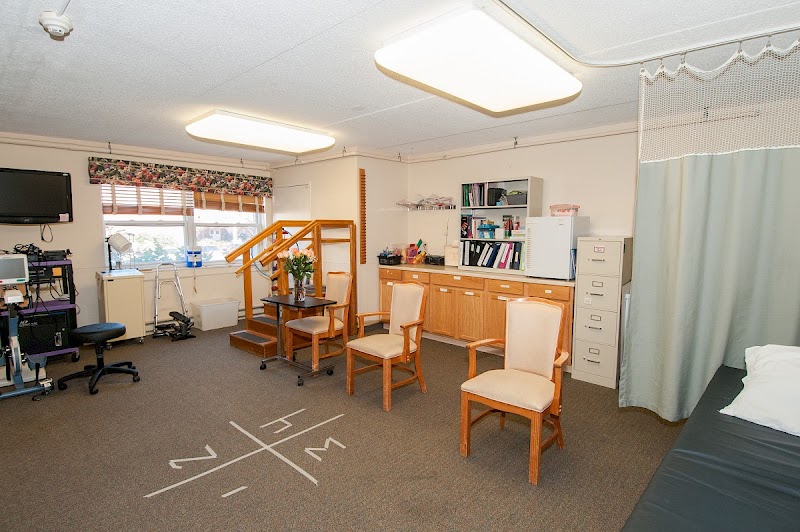
How is Touchpoints At Manchester Staffed?

CMS rates TOUCHPOINTS AT MANCHESTER's staffing level at 3 out of 5 stars, which is average compared to other nursing homes. Staff turnover is 25%, compared to the Connecticut average of 46%. This relatively stable workforce can support continuity of care.

What Have Inspectors Found at Touchpoints At Manchester?

State health inspectors documented 40 deficiencies at TOUCHPOINTS AT MANCHESTER during 2019 to 2025. These included: 40 with potential for harm.
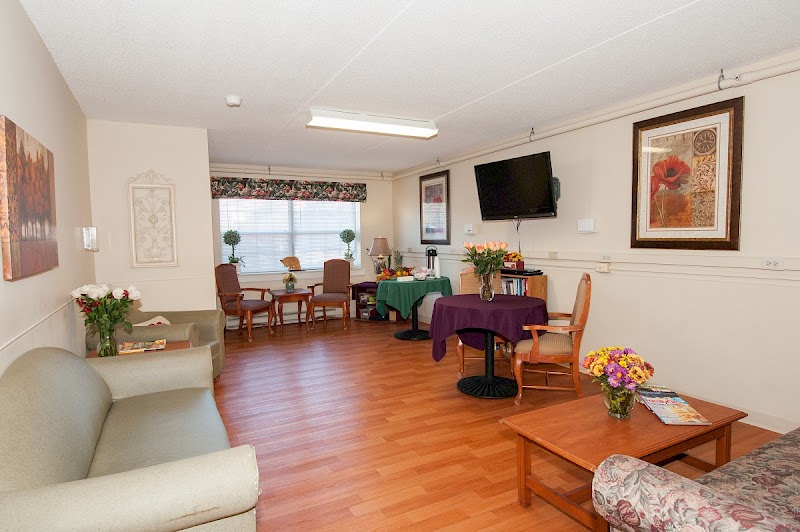
Who Owns and Operates Touchpoints At Manchester?

TOUCHPOINTS AT MANCHESTER is owned by a for-profit company. For-profit facilities operate as businesses with obligations to shareholders or private owners. The facility is operated by ICARE HEALTH NETWORK, a chain that manages multiple nursing homes. With 127 certified beds and approximately 114 residents (about 90% occupancy), it is a mid-sized facility located in MANCHESTER, Connecticut.

How Does Touchpoints At Manchester Compare to Other Connecticut Nursing Homes?

Compared to the 100 nursing homes in Connecticut, TOUCHPOINTS AT MANCHESTER's overall rating (2 stars) is below the state average of 3.0, staff turnover (25%) is significantly lower than the state average of 46%, and health inspection rating (2 stars) is below the national benchmark.

What Should Families Ask When Visiting Touchpoints At Manchester?

Based on this facility's data, families visiting should ask: "Can I visit during a mealtime to observe dining assistance and food quality?" "How do you handle medical emergencies, and what is your hospital transfer rate?" "Can I speak with family members of current residents about their experience?"

Is Touchpoints At Manchester Safe?

Based on CMS inspection data, TOUCHPOINTS AT MANCHESTER has a clean safety record: no substantiated abuse findings (meaning no confirmed cases of resident harm), no Immediate Jeopardy citations (the most serious violation level indicating risk of serious injury or death), and is not on the Special Focus Facility watch list (a federal program monitoring the lowest-performing 1% of nursing homes). The facility has a 2-star overall rating and ranks #100 of 100 nursing homes in Connecticut. While no facility is perfect, families should still ask about staff-to-resident ratios and recent inspection results during their visit.

Do Nurses at Touchpoints At Manchester Stick Around?

Staff at TOUCHPOINTS AT MANCHESTER tend to stick around. With a turnover rate of 25%, the facility is 21 percentage points below the Connecticut average of 46%. Low turnover is a positive sign. It means caregivers have time to learn each resident's needs, medications, and personal preferences. Consistent staff also notice subtle changes in a resident's condition more quickly.

Was Touchpoints At Manchester Ever Fined?

TOUCHPOINTS AT MANCHESTER has no federal fines on record. CMS issues fines when nursing homes fail to meet care standards or don't correct problems found during inspections. The absence of fines suggests the facility has either maintained compliance or corrected any issues before penalties were assessed. This is a positive indicator, though families should still review recent inspection reports for the full picture.

Is Touchpoints At Manchester on Any Federal Watch List?

TOUCHPOINTS AT MANCHESTER is not on any federal watch list. The most significant is the Special Focus Facility (SFF) program, which identifies the bottom 1% of nursing homes nationally based on persistent, serious quality problems. Not being on this list means the facility has avoided the pattern of deficiencies that triggers enhanced federal oversight. This is a positive indicator, though families should still review the facility's inspection history directly.