MARLBOROUGH HEALTH & REHABILITATION CENTER
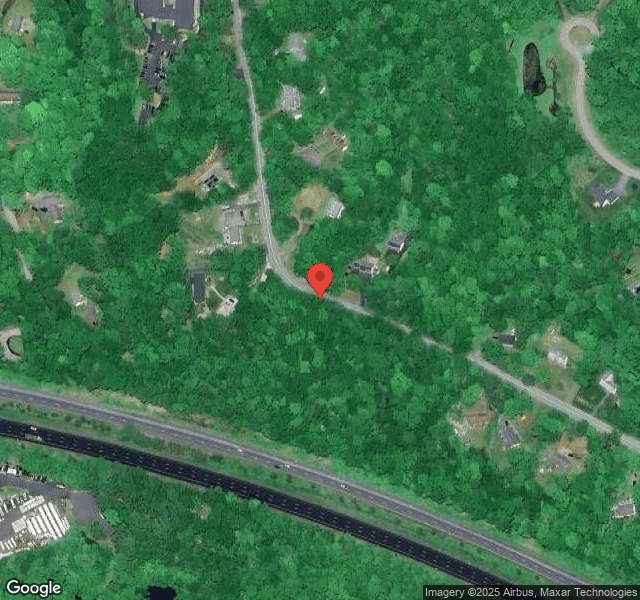

85 STAGE HARBOR ROAD, MARLBOROUGH, CT 06447 (860) 295-9531
For profit - Corporation 120 Beds NATIONAL HEALTH CARE ASSOCIATES Data: November 2025 1 Immediate Jeopardy citation
Trust Grade
0/100
#134 of 192 in CT
Last Inspection: August 2023

Over 2 years since last inspection. Current conditions may differ from available data.

Overview

Marlborough Health & Rehabilitation Center has received a Trust Grade of F, indicating significant concerns about its quality of care. With a state rank of #134 out of 192 facilities, they are in the bottom half of nursing homes in Connecticut, and they rank #48 out of 64 in their county, suggesting limited local options. The facility is worsening, with the number of issues reported doubling from 2 in 2024 to 4 in 2025, and they have incurred $224,087 in fines, which is higher than 99% of Connecticut facilities, indicating serious compliance problems. Staffing is below average with a rating of 2 out of 5 and a turnover rate of 42%, while RN coverage is concerning with less RN presence than 81% of state facilities. Specific incidents of concern include a resident who was not properly monitored for wandering behaviors, leading to potential abuse, and another resident who fell from a wheelchair due to improper positioning, resulting in serious injuries. While the facility does have excellent ratings in quality measures, the numerous deficiencies and serious incidents raise considerable red flags for potential residents and their families.

Trust Score
F
0/100
In Connecticut
#134/192
Bottom 31%
Safety Record
High Risk
Review needed
Inspections
Getting Worse
2 → 4 violations
Staff Stability
○ Average
42% turnover. Near Connecticut's 48% average. Typical for the industry.
Penalties
⚠ Watch
$224,087 in fines. Higher than 79% of Connecticut facilities, suggesting repeated compliance issues.
Skilled Nurses
⚠ Watch
Each resident gets only 25 minutes of Registered Nurse (RN) attention daily — below average for Connecticut. Fewer RN minutes means fewer trained eyes watching for problems.
Violations
⚠ Watch
33 deficiencies on record. Higher than average. Multiple issues found across inspections.
★★☆☆☆
2.0
Overall Rating
★★☆☆☆
2.0
Staff Levels
★★★★★
5.0
Care Quality
★☆☆☆☆
1.0
Inspection Score
Stable
2024: 2 issues
2025: 4 issues

The Good

  • 5-Star Quality Measures · Strong clinical quality outcomes
  • Full Sprinkler Coverage · Fire safety systems throughout facility
  • No fines on record
  • Staff turnover below average (42%)

    6 points below Connecticut average of 48%

Facility shows strength in quality measures, fire safety.

The Bad

2-Star Overall Rating

Below Connecticut average (3.0)

Below average - review inspection findings carefully

Staff Turnover: 42%

Near Connecticut avg (46%)

Typical for the industry

Federal Fines: $224,087

Well above median ($33,413)

Significant penalties indicating serious issues

Chain: NATIONAL HEALTH CARE ASSOCIATES

Part of a multi-facility chain

Ask about local staffing decisions and management

The Ugly 33 deficiencies on record

1 life-threatening 2 actual harm
Jun 2025 1 deficiency
CONCERN (D) 📢 Someone Reported This

A family member, employee, or ombudsman was alarmed enough to file a formal complaint

Potential for Harm - no one hurt, but risky conditions existed

Free from Abuse/Neglect (Tag F0600)

Could have caused harm · This affected 1 resident

**NOTE- TERMS IN BRACKETS HAVE BEEN EDITED TO PROTECT CONFIDENTIALITY** Based on clinical record review, review of facility documentation, review of facility policy and interviews for one sampled resi...

Read full inspector narrative →
**NOTE- TERMS IN BRACKETS HAVE BEEN EDITED TO PROTECT CONFIDENTIALITY** Based on clinical record review, review of facility documentation, review of facility policy and interviews for one sampled resident (Resident #6) reviewed for a resident-to-resident altercation, the facility failed to ensure Resident #6 was free from physical abuse. The findings include:Resident #6's diagnoses included post-traumatic stress disorder, anxiety disorder, major depressive disorder, dementia, psychotic disorder with delusions, and moderate intellectual disabilities. The RCP dated 7/4/24 identified Resident #6 is selective with leisure time pursuits and needs moderate encouragement. Interventions identified: provide in room activities to promote mental stimulation and added socialization, resident may have childlike personality, may be attention seeking, and likes to hold stuffed animals/toys. The quarterly MDS assessment dated [DATE] identified Resident #6 had severe cognitive impairment and required supervision or touching assistance for bed mobility and transfers, required substantial/maximal assistance with toileting and hygiene, partial to moderate assistance with dressing, transfers and ambulation. The nurse's note dated 10/15/24 at 2:32 PM identified Resident #6 had been hit on the cheek by Resident #74. Resident #6 let out a yell but was easily calmed. The residents were separated and notifications made to the psychiatric provider, APRN, police, family and social worker. The note further identified Resident #6 was assessed and noted no redness, bruising or open areas to the face. A Reportable Event report dated 10/15/24 identified Resident #6 was in the doorway to his/her room when Resident #74 was walking by and slapped him/her on the cheek. The incident was witnessed by the Recreation Director Resident #74's diagnoses included adjustment disorder with anxiety, unspecified dementia without behavioral disturbance, and anxiety disorder. The quarterly Minimum Data Set (MDS) assessment dated [DATE] identified Resident #74 had severe cognitive impairment, was independent with bed mobility, toileting, dressing, hygiene, transfer, and ambulation. The Resident Care Plan (RCP) dated 10/4/24 identified Resident #74 had the potential to be physically aggressive scratching pinching related to being angry. Interventions directed to evaluate and address for contributing sensory deficits, when the resident becomes agitated intervene before agitation escalates, guide away from source of distress, engage calmly in conversation, if response is aggressive, staff is to walk calmly away and approach later. The nurse's note dated 10/15/24 at 2:07 PM identified that around 10:55 AM the Recreation Director notified the nurse that Resident #74 was walking past Resident #6 who was standing in the doorway to his/her room when Resident #74 slapped him/her on the cheek. The residents were separated, and Resident #74 was placed on 1:1 observation. The psychiatric provider, APRN, police, family, and social work were notified. Resident assessed. An investigation statement dated 10/15/24 at 10:55 AM by Recreation Aide #1 identified Resident #74 was agitated, aggressive, impulsive, and continued to grab residents/items and not let go. Interview on 6/24/25 at 7:30 AM with the Recreation Director identified she witnessed Resident #74 trying to go into Resident #6's room. Resident #6 is very protective of her room and all of her stuff and does not like people in his/her room. Resident #6 was standing in the doorway when Resident #74 tried to enter the room and Resident #74 slapped Resident #6 on the cheek. Resident #6 was crying following the incident and was upset at what had transpired, she needed to be calmed down. Both residents were separated, and the supervisor was contacted. No marks were noticed at the time of the incident. Although she saw what transpired she did not intervene at the time of the incident as she was down the hall. Interview on 6/24/25 at 9:30 AM with Regional Nurse #1 identified that every resident in the facility has the right to be free from abuse. The facility failed to protect Resident #6 from physical abuse by Resident #74. A review of facility Abuse Policy each resident has the right to be free from abuse, neglect and misappropriation of resident property and exploitation. Abuse means the willful infliction of injury, unreasonable confinement, intimidation, or punishment resulting in physical harm, pain or mental anguish.
Jun 2025 2 deficiencies 1 Harm
SERIOUS (G) 📢 Someone Reported This

A family member, employee, or ombudsman was alarmed enough to file a formal complaint

Actual Harm - a resident was hurt due to facility failures

Accident Prevention (Tag F0689)

A resident was harmed · This affected 1 resident

**NOTE- TERMS IN BRACKETS HAVE BEEN EDITED TO PROTECT CONFIDENTIALITY** Based on review of the clinical record, facility documentation, facility policy and interviews for one (1) of three (3) resident...

Read full inspector narrative →
**NOTE- TERMS IN BRACKETS HAVE BEEN EDITED TO PROTECT CONFIDENTIALITY** Based on review of the clinical record, facility documentation, facility policy and interviews for one (1) of three (3) residents (Resident #1) reviewed for falls, the facility failed to ensure that a resident was properly positioned in a wheelchair while being transported by staff. The resident fell from the wheelchair and suffered multiple serious injuries including a fractured tibia and fibula. The findings include: Resident #1's diagnoses included dementia without behavioral disturbances, difficulty in walking, abnormalities of gait (walking) and mobility (the ability to move or be moved from one place to another) and muscle weakness. A Fall Evaluation dated 8/5/23 identified that although Resident #1 was not a fall risk, he/she had the potential for a fall with/without injury. The annual Minimum Data Set (MDS) assessment dated [DATE] identified Resident #1 had moderately impaired cognition (Brief Interview for Mental Status (BIMS) score of 8), required substantial assistance for toileting, personal hygiene and transfers and required partial assistance for bed mobility. The MDS identified Resident #1 did not exhibit behaviors. The Resident Care Plan (RCP) dated 5/31/25 identified Resident #1 was at risk for falls related to increased weakness to the lower extremities and a history of falls. Interventions included encouraging Resident #1 to be out of his/her room when awake for socialization and/or recreation and applying Dycem (a plastic silicone mat that creates a non-slip surface) under the wheelchair cushion to prevent sliding. The facility Reportable Event (RE) dated 5/31/25 identified that at 8:30 PM Resident #1 had a witnessed fall (by NA #1) out of the wheelchair, landing in a prone position (face first) on the floor of the bedroom and resulting in a contusion to the right forehead, a bruise to the right arm and pain to the right ankle. The RE identified the family was notified, the provider was notified, and an order was obtained to transfer Resident #1 to the Emergency Department (ED) for evaluation. A Situation, Background, Assessment and Recommendation (SBAR) note dated 5/31/25 at 9:16 PM by RN #1 identified Resident #1 was observed on the floor of his/her bedroom. Resident #1 reported sliding out of the wheelchair resulting in the fall. A bump was noted to Resident #1's right forehead, a bruise to the right arm and Resident #1 complained of pain to the right ankle on assessment. A Fall Evaluation dated 5/31/25 at 9:51 PM identified Resident #1 was a low fall risk. Review of the Prehospital Care Report (ambulance run sheet) dated 5/31/25 identified Emergency Medical Services (EMS) was called by the facility at 9:27 PM (57-minutes after the fall) and responded to the facility at 9:45 PM. The report indicated that the facility reported Resident #1 was being helped from the bathroom when he/she fell, and hit his/her right forehead, right forearm and lower right leg on a dresser. It identified that when EMS arrived Resident #1 was in bed, was oriented to person, place, time and event and was observed with a one (1) inch by two (2) inch raised contusion (bruise) to the right forehead that stopped bleeding, as well as a 1 inch by 2 inch raised contusion to the right forearm, and Resident #1 complained of right lower leg pain. Review of hospital ED documentation dated 5/31/25 identified Resident #1 was seen subsequent to a witnessed fall where Resident #1 hit a dresser with his/her head but did not lose consciousness and was complaining of right arm and right lower leg pain that was worse on palpation. It identified that an abrasion (a superficial skin injury caused by scraping or rubbing) was noted to Resident #1's right forehead, swelling, tenderness and bruising was noted to the right forearm and tenderness was noted to the right lower leg. It identified that imaging was completed of the head, right forearm and right tibia fibula (lower leg bones) which identified small right frontal scalp soft tissue swelling and hematoma (a closed wound where blood pools and fills a space at a point of injury because it cannot flow or drain out) as well as acute displaced oblique fractures of the distal shaft of the tibia and fibula (a broken shinbone and calf bone near the ankle, with the break occurring at an angle and the bone fragments are slightly out of alignment). The note identified that due to Resident #1 being non-ambulatory, surgery was not an option, Resident #1 was placed in a splint, and was to be non-weightbearing until he/she followed up with outpatient orthopedics. Interview and observation of Resident #1 on 6/20/25 at 10:21 AM identified that on 5/31/25, NA #1 was assisting him/her to get ready for bed in the bedroom bathroom. Resident #1 identified that NA #1 was rushed and indicated he did not assist him/her into the wheelchair correctly, as he/she was on the edge of the seat and not positioned back. NA #1 then started to push Resident #1 too fast into the room. Resident #1 reported that he/she told NA #1 to stop because he/she felt like he/she was going to fall, but NA #1 did not listen and Resident #1 fell forward out of the wheelchair. Resident #1 indicated the next thing he/she remembered was being on the floor in pain. Resident #1 identified Resident #2 (roommate) was sitting on his/her bed and witnessed the fall as the fall occurred right next to Resident #2's bed. Resident #1 was observed with a bump to his/her right mid forehead, bruising to the right mid-arm and a pink cast was in place from below the knee to above the toes. Interview with Resident #2 (intact cognition: BIMS score of 15 on 3/20/25 and 6/20/25) on 6/20/25 at 10:32 AM identified he/she was sitting on the edge of his/her bed facing the bathroom door when he/she observed NA #1 pushing Resident #1 in his/her wheelchair out of the bathroom. Resident #2 identified Resident #1 was on the edge of the wheelchair and yelled, stop, stop but NA #1 did not stop, and Resident #1 fell forward out of the wheelchair, hit his/her head on Resident #2's dresser and the wheelchair fell on top of Resident #1. Resident #2 reported that the bedroom door was closed at the time of the fall and NA #1 pushed the wheelchair aside and attempted to lift Resident #1 up from the floor, as Resident #1 yelled in pain, but was unsuccessful, so he sat Resident #1 up and Resident #2 started to yell for help. Resident #2 identified that NA #1 did not use the call bell or attempt to get staff assistance following the fall, but staff responded after Resident #2 yelled for help. Three (3) staff members stood Resident #1 up and assisted him/her into bed. Resident #2 identified that OTA #1 (Rehab Manager) spoke with him/her and Resident #1 regarding the incident but neither the DNS nor any nursing staff interviewed him/her as a witness to the incident. Interview with NA #1 on 6/20/25 at 11:12 AM identified that on 5/31/25, he brought Resident #1 into the bathroom to get him/her ready for bed and when he was finished, assisted Resident #1 back into the wheelchair and was not certain if Resident #1 was positioned all the way back in the wheelchair. He started to push Resident #1 in the wheelchair and identified Resident #1 yelled, stop, so he stopped, and thinks Resident #1 then self-propelled and quickly fell forward out of the wheelchair and hit his/her head on something. He identified the incident happened fast and he was unsure of what had happened. NA #1 identified the wheelchair fell on top of Resident #1 and he pushed it aside and moved Resident #1 onto his/her back because his/her face was pushed into the floor. He denied attempting to pick Resident #1 up but was unable to explain how Resident #1 got into a sitting position. NA #1 identified that Resident #1 was moaning in pain following the fall. Interview with OTA #1 (Rehab Director) on 6/20/25 at 12:20 PM identified Resident #1 was discharged from Physical Therapy (PT) services on 4/9/25 and, at that time, there were no safety concerns. He indicated therapy worked with Resident #1 in the wheelchair and if there were concerns of the cushion sliding, that would have been addressed prior to discharging Resident #1 from services. OTA #1 identified Resident #1 was safe to self-propel in the wheelchair, and if Resident #1 was positioned upright and all the way back in the wheelchair with his/her hips positioned correctly, it would be unlikely for Resident #1 to slip off the edge of the wheelchair if self-propelling from the doorway of the bathroom to the roommates dresser (five (5) to ten (10) feet away). OTA #1 identified Resident #1 did not have a history of slipping out of the wheelchair. OTA #1 further identified Resident #1 had overall decreased strength and he did not believe Resident #1 had the ability of moving from a stomach or back lying position to sitting up at 90 degrees independently, especially following a fall. Resident #1 required partial to moderate assistance at the time of therapy discharge on [DATE]. OTA #1 identified that following any resident fall, he speaks with the resident, and identified he spoke with both Resident #1 and Resident #2 after Resident #1's fall out of the wheelchair. He identified that both Resident #1 and Resident #2 reported Resident #1 was on the edge of the wheelchair seat while NA #1 was pushing him/her and that Resident #1 requested NA #1 stop pushing him/her but NA #1 continued to push Resident #1 which resulted in the fall. OTA #1 identified he reported both Resident #1 and Resident #2's account of the incident to the DNS and also spoke about it in morning report the following day and thought the information he provided should have been investigated. An Occupational Therapy Evaluation & Plan of Treatment note dated 6/3/25 identified Resident #1 was referred following a witnessed fall out of his/her wheelchair. The note identified that per Resident #1 and Resident #2, a Nurse Aide (NA #1) was assisting Resident #1 out of the bathroom in his/her wheelchair, but Resident #1 was sitting at the edge of the wheelchair, the Nurse Aide went too fast, and Resident #1 fell out of the wheelchair and hit his/her head on a dresser. The note identified that on evaluation, Resident #1 presented below his/her baseline and required a Hoyer lift assist of two (2) staff for transfers out of bed and bed level Activities of Daily Living (ADLs) and Resident #1 was previously an assist of one (1) for toileting and ADLs at the wheelchair level. Interview with LPN #1 and review of statement dated 5/31/25 on 6/20/25 at 12:40 PM identified he was the first licensed nurse on scene following the incident. He reported that when he entered the room, Resident #1 was sitting on the floor in an upright position between the bathroom door and Resident #2's dresser, with a bleeding area to his/her right forehead and Resident #1's wheelchair was on its side next to Resident #1. He identified that NA #1 reported Resident #1 slid out of his/her wheelchair and hit his/her head and he (LPN #1) did not think Resident #1 had the ability to move from a lying to sitting position independently. He identified that after an RN assessment, NA #1, himself and a third staff member stood Resident #1 and assisted him/her into the wheelchair and then into bed. He reported he did not know how long Resident #1 was in bed prior to EMS arriving. Review of NA #2's statement dated 5/31/25 identified that on 5/31/25, she was in the hallway when she heard Resident #2 screaming for help. She identified she knocked on the door and when she opened it, Resident #1 was on the ground accompanied by NA #1. Interview with the DNS on 6/20/25 at 1:05 PM identified her investigation revealed Resident #1 told NA #1 to stop while he was pushing him/her in the wheelchair out of the bathroom, and she thought he stopped and Resident #1 self-propelled prior to sliding out of the wheelchair. She identified it was reported by OTA #1 that Resident #1 and Resident #2 reported Resident #1 was on the edge of the wheelchair and NA #1 continued pushing Resident #1 after he/she told him to stop. She identified she spoke with OTA #1 about the incident and spoke with Resident #2, but could not recall the specifics except that Resident #2 reported he/she was in bed at the time of the incident. The DNS indicated she did not believe Resident #2 could see the fall from where he/she (Resident #2) was positioned so did not further investigate. The DNS was unable to provide documentation of the conversation with Resident #2 or a statement from Resident #2 which she indicated should have been documented as part of the investigation. The DNS identified she did not question NA #1 on whether he moved Resident #1 after the fall and was unaware that staff transferred Resident #1 into the wheelchair and then into the bed following the fall. She reported that when she conducted her interviews staff reported Resident #1 was never moved. The DNS identified she was unsure why EMS was not called until 57-minutes after the fall. Although attempted, interviews with RN #1 and NA #2 were not obtained. Review of the Accident/Incident policy dated 6/2024 directed, in part, that staff will notify the nursing supervisor /licensed nurse when an incident occurs. The licensed nurse or the nursing supervisor will complete and document the evaluation of the resident's condition. The licensed nurse will complete an investigation for accidents/incidents. The investigation will include written statements from staff members caring for the resident and from people having knowledge of the event. If the resident makes a statement, their statement is to be included. The licensed nurse or nursing supervisor records their investigative findings and conclusions in RMS. The DNS reviews RMS events to ensure accurate and complete documentation of the incident, and to determine if there is credible evidence to substantiate the allegations of abuse, neglect or mistreatment. The RMS and investigation will be reviewed by the Administrator, DNS and the Medical Director when completed. Review of the Fall Prevention Program policy dated 3/2023 directed, in part, that if a fall occurs, keep the resident immobile until the resident is examined and determined to be free from fractures.
CONCERN (D) 📢 Someone Reported This

A family member, employee, or ombudsman was alarmed enough to file a formal complaint

Potential for Harm - no one hurt, but risky conditions existed

Deficiency F0658 (Tag F0658)

Could have caused harm · This affected 1 resident

**NOTE- TERMS IN BRACKETS HAVE BEEN EDITED TO PROTECT CONFIDENTIALITY** Based on review of the clinical record, facility documentation, facility policy and interviews for one (1) of three (3) resident...

Read full inspector narrative →
**NOTE- TERMS IN BRACKETS HAVE BEEN EDITED TO PROTECT CONFIDENTIALITY** Based on review of the clinical record, facility documentation, facility policy and interviews for one (1) of three (3) residents (Resident #1) reviewed for falls, the facility failed to ensure the resident was assessed by a Registered Nurse (RN), after a fall with major injury, prior to being moved by staff. The findings include: Resident #1's diagnoses included dementia without behavioral disturbances, difficulty in walking, abnormalities of gait (walking) and mobility (the ability to move or be moved from one place to another) and muscle weakness. The annual Minimum Data Set (MDS) assessment dated [DATE] identified Resident #1 had moderately impaired cognition (Brief Interview for Mental Status (BIMS) score of 8), required substantial assistance for toileting, personal hygiene and transfers and required partial assistance for bed mobility. The MDS identified Resident #1 did not exhibit behaviors. The Resident Care Plan (RCP) dated 5/31/25 identified Resident #1 was at risk for falls related to increased weakness to the lower extremities and a history of falls. Interventions included encouraging Resident #1 to be out of his/her room when awake for socialization and/or recreation and applying Dycem (a plastic silicone mat that creates a non-slip surface) under the wheelchair cushion to prevent sliding. The facility Reportable Event (RE) dated 5/31/25 identified that at 8:30 PM Resident #1 had a witnessed fall (by NA #1) out of the wheelchair, landing in a prone position (face first) on the floor of the bedroom and resulting in a contusion to the right forehead, a bruise to the right arm and pain to the right ankle. The RE identified the family was notified, the provider was notified, and an order was obtained to transfer Resident #1 to the Emergency Department (ED) for evaluation. A Situation, Background, Assessment and Recommendation (SBAR) note dated 5/31/25 at 9:16 PM by RN #1 identified Resident #1 was observed on the floor of his/her bedroom. Resident #1 reported sliding out of the wheelchair resulting in the fall. A bump was noted to Resident #1's right forehead, a bruise to the right arm and Resident #1 complained of pain to the right ankle on assessment. Review of the Prehospital Care Report (ambulance run sheet) dated 5/31/25 identified Emergency Medical Services (EMS) was called by the facility at 9:27 PM (57-minutes after the fall) and responded to the facility at 9:45 PM. The report indicated that the facility reported Resident #1 was being helped from the bathroom when he/she fell, and hit his/her right forehead, right forearm and lower right leg on a dresser. It identified that when EMS arrived Resident #1 was in bed, was oriented to person, place, time and event and was observed with a one (1) inch by two (2) inch raised contusion (bruise) to the right forehead that stopped bleeding, as well as a 1 inch by 2 inch raised contusion to the right forearm, and Resident #1 complained of right lower leg pain. Review of hospital ED documentation dated 5/31/25 identified Resident #1 was seen subsequent to a witnessed fall where Resident #1 hit a dresser with his/her head but did not lose consciousness and was complaining of right arm and right lower leg pain that was worse on palpation. It identified that an abrasion (a superficial skin injury caused by scraping or rubbing) was noted to Resident #1's right forehead, swelling, tenderness and bruising was noted to the right forearm and tenderness was noted to the right lower leg. It identified that imaging was completed of the head, right forearm and right tibia fibula (lower leg bones) which identified small right frontal scalp soft tissue swelling and hematoma (a closed wound where blood pools and fills a space at a point of injury because it cannot flow or drain out) as well as acute displaced oblique fractures of the distal shaft of the tibia and fibula (a broken shinbone and calf bone near the ankle, with the break occurring at an angle and the bone fragments are slightly out of alignment). The note identified that due to Resident #1 being non-ambulatory, surgery was not an option, Resident #1 was placed in a splint, and was to be non-weightbearing until he/she followed up with outpatient orthopedics. Interview with Resident #1 on 6/20/25 at 10:21 AM identified that on 5/31/25, NA #1 was assisting him/her to get ready for bed in the bedroom bathroom. Resident #1 identified that NA #1 was rushed and indicated he did not assist him/her into the wheelchair correctly, as he/she was on the edge of the seat and not positioned back. NA #1 then started to push Resident #1 too fast into the room. Resident #1 reported that he/she told NA #1 to stop because he/she felt like he/she was going to fall, but NA #1 did not listen and Resident #1 fell forward out of the wheelchair. Resident #1 indicated the next thing he/she remembered was being on the floor in pain. Resident #1 identified Resident #2 (roommate) was sitting on his/her bed and witnessed the fall as the fall occurred right next to Resident #2's bed. Interview with Resident #2 (intact cognition: BIMS score of 15 on 3/20/25 and 6/20/25) on 6/20/25 at 10:32 AM identified he/she was sitting on the edge of his/her bed facing the bathroom door when he/she observed NA #1 pushing Resident #1 in his/her wheelchair out of the bathroom. Resident #2 identified Resident #1 was on the edge of the wheelchair and yelled, stop, stop but NA #1 did not stop, and Resident #1 fell forward out of the wheelchair, hit his/her head on Resident #2's dresser and the wheelchair fell on top of Resident #1. Resident #2 reported that the bedroom door was closed at the time of the fall and NA #1 pushed the wheelchair aside and attempted to lift Resident #1 up from the floor, as Resident #1 yelled in pain, but was unsuccessful, so he sat Resident #1 up and Resident #2 started to yell for help. Resident #2 identified that NA #1 did not use the call bell or attempt to get staff assistance following the fall, but staff responded after Resident #2 yelled for help. Three (3) staff members stood Resident #1 up and assisted him/her into bed. Resident #2 identified that OTA #1 (Rehab Manager) spoke with him/her and Resident #1 regarding the incident but neither the DNS nor any nursing staff interviewed him/her as a witness to the incident. Interview with NA #1 on 6/20/25 at 11:12 AM identified that on 5/31/25, he brought Resident #1 into the bathroom to get him/her ready for bed and when he was finished, assisted Resident #1 back into the wheelchair and was not certain if Resident #1 was positioned all the way back in the wheelchair. He started to push Resident #1 in the wheelchair and identified Resident #1 yelled, stop, so he stopped, and thinks Resident #1 then self-propelled and quickly fell forward out of the wheelchair and hit his/her head on something. He identified the incident happened fast and he was unsure of what had happened. NA #1 identified the wheelchair fell on top of Resident #1 and he pushed it aside and moved Resident #1 onto his/her back because his/her face was pushed into the floor. He denied attempting to pick Resident #1 up but was unable to explain how Resident #1 got into a sitting position. NA #1 identified that Resident #1 was moaning in pain following the fall. Interview with OTA #1 (Rehab Director) on 6/20/25 at 12:20 PM identified Resident #1 was discharged from Physical Therapy (PT) services on 4/9/25 and, at that time, there were no safety concerns. OTA #1 further identified Resident #1 had overall decreased strength and he did not believe Resident #1 had the ability of moving from a stomach or back lying position to sitting up at 90 degrees independently, especially following a fall. Resident #1 required partial to moderate assistance at the time of therapy discharge on [DATE]. Interview with LPN #1 and review of statement dated 5/31/25 on 6/20/25 at 12:40 PM identified he was the first licensed nurse on scene following the incident. He reported that when he entered the room, Resident #1 was sitting on the floor in an upright position between the bathroom door and Resident #2's dresser, with a bleeding area to his/her right forehead and Resident #1's wheelchair was on its side next to Resident #1. He identified that NA #1 reported Resident #1 slid out of his/her wheelchair and hit his/her head and he (LPN #1) did not think Resident #1 had the ability to move from a lying to sitting position independently. He identified that after an RN assessment, NA #1, himself and a third staff member stood Resident #1 and assisted him/her into the wheelchair and then into bed. He reported he did not know how long Resident #1 was in bed prior to EMS arriving. Review of NA #2's statement dated 5/31/25 identified that on 5/31/25, she was in the hallway when she heard Resident #2 screaming for help. She identified she knocked on the door and when she opened it, Resident #1 was on the ground accompanied by NA #1. Interview with the DNS on 6/20/25 at 1:05 PM identified that LPN #1's written statement identified Resident #1 was observed on the floor in a sitting position after the fall, but she did not question NA #1 regarding whether he moved Resident #1 and was unaware that staff transferred Resident #1 into the wheelchair and then into the bed following the fall. She reported that when she conducted her interviews staff reported Resident #1 was never moved. Although attempted, interviews with RN #1 and NA #2 were not obtained. Review of the Accident/Incident policy dated 6/2024 directed, in part, that staff will notify the nursing supervisor /licensed nurse when an incident occurs. The licensed nurse or the nursing supervisor will complete and document the evaluation of the resident's condition. The licensed nurse or nursing supervisor records their investigative findings and conclusions in RMS. The DNS reviews RMS events to ensure accurate and complete documentation of the incident, and to determine if there is credible evidence to substantiate the allegations of abuse, neglect or mistreatment. The RMS and investigation will be reviewed by the Administrator, DNS and the Medical Director when completed. Review of the Fall Prevention Program policy dated 3/2023 directed, in part, that if a fall occurs, keep the resident immobile until the resident is examined and determined to be free from fractures.
Jan 2025 1 deficiency 1 IJ
CRITICAL (J) 📢 Someone Reported This

A family member, employee, or ombudsman was alarmed enough to file a formal complaint

Immediate Jeopardy (IJ) - the most serious Medicare violation

Free from Abuse/Neglect (Tag F0600)

Someone could have died · This affected 1 resident

**NOTE- TERMS IN BRACKETS HAVE BEEN EDITED TO PROTECT CONFIDENTIALITY** Based on review of the clinical record, facility documentation, facility policy and interviews for one (1) of three (3) resident...

Read full inspector narrative →
**NOTE- TERMS IN BRACKETS HAVE BEEN EDITED TO PROTECT CONFIDENTIALITY** Based on review of the clinical record, facility documentation, facility policy and interviews for one (1) of three (3) residents (Resident #1) reviewed for abuse, the facility failed to ensure that a cognitively impaired resident who had wandering behaviors that included wandering into other resident's rooms, and laying in other residents beds had interventions in place to ensure the resident was free from sexual abuse. The failures resulted in a finding of Immediate Jeopardy. The findings include: 1. Resident #2 had diagnoses including vascular dementia with anxiety, major depressive disorder and post-traumatic stress disorder. A care plan dated 11/6/24 identified that the resident had a behavior problem because of using sexual language at times with interventions that directed to encourage the resident to express feelings appropriately, monitor behavioral episodes and determine underlying cause, administer medications as ordered, and psychiatric consults as needed. The quarterly Minimum Data Set (MDS) assessment dated [DATE] identified Resident #2 had a Brief Mental Interview for Mental Status (BIMS) of ten (10) indicative of moderately impaired cognition and was independent with bed mobility and transfers and utilized a wheelchair independently for mobility. 2. Resident #1 had diagnoses including dementia with agitation, anxiety and restlessness with agitation. The quarterly Minimum Data Set (MDS) assessment dated [DATE] identified Resident #1 had a Brief Mental Interview for Mental Status (BIMS) of three (3) indicative of severely impaired cognition and was independent with ambulation. Review of an undated facility face sheet identified Person #1 as the resident's next of kin and health care proxy (court appointed to make health care decisions). The Resident Care Plan (RCP) dated 11/6/24 identified that Resident #2 was at risk for wandering and entering other resident's rooms and lying in other resident's beds due to a diagnosis of dementia with interventions to distract the resident by providing diversional activities, and a wander alert bracelet (a bracelet worn to alert staff when the resident is near an exit). The care plan further identified that the resident hugs, strokes hands and arms and kisses staff and other residents with interventions that included medications as ordered, provide baby doll to hold, encourage the resident to express feelings, and if attempts to kiss other male residents, redirect. Review of the facility Reportable Event (RE) dated 12/14/24 identified that Resident #1 was observed in Resident #2's bed, under the covers. The nurse removed the covers and noted that Resident #1 did not have his/her brief on, and his/her gown was pulled up to the chest. Resident #2's hand was noted between Resident #1's legs just above his/her knees, and Resident #2 quickly removed his/her hand once uncovered. The residents were separated, Resident #1 was placed on every fifteen (15) minute checks, Resident #2 was placed on one-to-one staff observation. The RE further identified that Resident #1 reported no pain, and a body audit was completed with no injuries noted. The RE summary identified that Resident #1 has severe A psychiatric Advanced Practice Registered Nurse (APRN) note dated 12/15/24 at 6:15 PM identified Resident #1 was involved in a resident-to-resident inappropriate interaction. Recommendations included continuing every fifteen (15) minute checks due to potential wandering into other residents' rooms which may increase the risk of altercation and inappropriate interaction due to the resident's poor insight and judgement related to dementia. A nurse's note dated 12/15/24 at 10:22 PM identified that Resident #1 remained on every 15-minute checks with attempts to enter other residents' rooms but was redirected. The Resident Care Plan (RCP) update on 12/16/24 identified that Resident #1 has a history of hugging, stroking and kissing other staff and residents on the hands and face and that the resident is approved by the Power of Attorney (POA) to have intimate relationships with peers with interventions that included to encourage the resident to express feelings appropriately, staff is to complete every fifteen (15) minute checks, and that family consented to initiation and acceptance of affection and intimate relationships. A nurse's note dated 12/17/24 at 10:12 PM identified that Resident #1 was attempting to enter other residents' rooms and was redirected multiple times. A nurse's note dated 12/19/24 at 10:52 PM identified that Resident #1 attempted to enter other residents' rooms and was redirected. Review of the December 2024 and January 2025 Medication Administration Record (MAR) for Resident #1 identified that Resident #1 was being monitored for impulsivity, restlessness, entering peers' rooms, removing items from carts, verbal outbursts and unprovoked crying but did not differentiate each behavior. The charting identified that these behaviors were observed intermittently on all shifts. Interview with Registered Nurse (RN) #4 (Regional Nurse) on 1/7/25 at 12:10 PM identified that the facility was unable to locate healthcare proxy paperwork for Resident #1 and placed a follow-up call to Person #1 (Resident #1's listed health care proxy on the face sheet) and it was reported by Person #1 that there was no legal paperwork and that Person #1 was the next of kin, not the healthcare proxy, therefore, it should not have been documented in Resident #1's clinical record that Person #1 could make decisions regarding Resident #1's intimate relationships within the facility. Interview with the Director of Nursing Services (DNS) and Assistant Director of Nursing Services (ADNS) on 1/7/24 at 9:02 AM identified that Resident #2 had a doorway stop sign as a deterrent to keep wandering residents out of specific rooms that were identified as frequently visited by wandering residents. The stop signs do not require a physician's order, as they are a nursing measure, and they do not input their use into the plan of care for specific residents. Interview and Observation with Nurse Aide (NA) #2 on 1/6/25 at 12:50 PM identified that Resident #1 will often enter Resident #2's room, reporting that there is supposed to be a stop sign at the doorway to prevent wandering residents, however, upon observation with the surveyor the stop sign was not in place to Resident #2 ' s doorway. Interview with Licensed Practical Nurse (LPN) #2 on 1/6/25 at 12:09 PM identified that on 12/14/24 she observed Resident #1 in Resident #2's bed both covered with a sheet. She reported that when she entered, the stop sign was not in place at the doorway. She identified that she observed Resident #2's hand under the sheet move from between Resident #1's legs to visible above the sheet and Resident #1 was naked from the waist down. LPN #2 identified that Resident #1 had a history of wandering into other residents' rooms. Interview with LPN #1 on 1/6/25 at 10:50 AM identified that Resident #1 had a history of entering Resident #2's room prior to the incident on 12/14/24, as well as other residents' rooms, Resident #1 would either push through or crawl under the stop sign on the doorways and lay down on other residents' beds when he/she gets tired. LPN #1 identified that on 12/14/24 at 9:45 PM she entered Resident #2's room and observed Resident #1 in Resident #2's bed under the sheet. LPN #1 stated that she observed Resident #2's arm movement under the sheet move from Resident #1's groin area to out from under the sheet, Resident #2 stated Am I in trouble? Resident #1 was noted with his/her gown lifted to the chest area and was naked from the waist down, Resident #2 had underwear on, but no shirt. LPN #1 further identified that since the 12/14/24 incident, she has observed Resident #1 crawl under the stop sign to Resident #2's room and she has had to remove Resident #1 from Resident #2's bathroom one time that she could recall. LPN #1 further identified that she did not report Resident #1's behaviors both prior to and after the incident on 12/14/24 because all staff were aware. Interview with Registered Nurse (RN) #1 (3:00 PM to 11:00 PM nursing supervisor) on 1/6/25 at 2:19 PM identified that on 12/14/24 Resident #1 and Resident #2 were observed in Resident #2's bed and when the sheet was removed Resident #1 was without a brief or clothing from the waist down. When Resident #2 was questioned he/she stated that Resident #1 had gotten into his/her bed while he/she was sleeping. RN #1 stated that prior to the 12/14/24 incident, she had seen Resident #1 crawl under the stop sign at the doorway of Resident #2's room and other residents who have a stop sign at the doorway, reporting that the stop sign is an ineffective intervention at keeping Resident #1 out of other residents' rooms, however, did not report this to the DNS. Interview with NA #1 on 1/6/25 at 11:25 AM identified that Resident #1 had always wandered into Resident #2's room prior to the incident on 12/14/24. NA #1 identified that subsequent to the incident between Resident #1 and Resident #2 on 12/14/24, Resident #1 continues to crawl under the stop sign at Resident #2's door and he has found Resident #1 in Resident #2's room numerous times and had to redirect him/her out of the room. NA#1 identified that he didn't report these behaviors to anyone prior to or subsequent to the incident because all licensed nurses and NAs had also observed Resident #1 going under the stop sign and have found the resident in Resident #2's room. Interview with Social Worker #1 on 1/6/25 at 11:36 AM identified that Resident #1 had a history of wandering throughout the unit and when he/she would get tired, he/she would lay down in other residents' beds. Social Worker #1 identified that due to Resident #1's cognition, it was unknown if he/she consented to any intimacy with other residents within the facility. She reported that the staff continued to redirect the resident out of rooms as needed and continued to utilize the stop sign in Resident #2's doorway to deter the resident from entering Resident #2's room but identified that it wasn't effective in keeping Resident #1 out of Resident #2's room but would slow him/her down. Interview with the DNS on 1/6/25 at 1:04 PM identified that the 12/14/24 incident involving both Resident #1 and Resident #2 were found to be unsubstantiated following the investigation, as Resident #1 had a history of becoming aggressive and agitated when he/she didn't want to do something and stated he/she was calm on assessment, had no injuries and could not prove that intimate relations took place as the sheet was covering the residents on initial observation. The DNS identified that she was unaware prior to the incident that Resident #1 was going under the stop sign and entering Resident #2's room frequently. Subsequent to 12/14/24, the resident was placed on every fifteen (15) minute observations which she believed to be effective, as staff had not reported to her that Resident #1 had been continuing to go into Resident #2's room and that the stop sign in Resident #2's doorway was ineffective. She identified that if she had been aware she was unsure of what interventions she would have put into place, stating that she would have to do an investigation to determine the best interventions to implement. Additionally, she identified that although not reflected in the Plan of Care (POC) the doorway stop sign should have been in place to Resident #2's doorway to prevent wandering residents from entering Resident #2's room but she was unsure why it was not in place on observation on 1/6/24 or on 12/14/24 when the incident occurred, however stated they do their best to reapply the stop sign as soon as it's identified that it's not in place. Review of the Abuse policy dated 01/2023 directed, in part, that each resident has the right to be free from abuse. Sexual abuse means non-consensual sexual contact of any type with a resident. Sexual abuse includes but is not limited to sexual harassment, sexual coercion, or sexual assault. Staff training should include appropriate interventions to deal with aggressive and/or catastrophic reactions of residents, what constitutes abuse, that abuse allegations require immediate action and how to identify residents who have the potential for becoming victims of abuse. The facility will continue to provide individualized care plans that identify risk factors of residents as well as plans for protecting their rights. After the incident occurs the interdisciplinary team will update the person-centered care plan with appropriate interventions.
Sept 2024 2 deficiencies
CONCERN (D) 📢 Someone Reported This

A family member, employee, or ombudsman was alarmed enough to file a formal complaint

Potential for Harm - no one hurt, but risky conditions existed

Resident Rights (Tag F0550)

Could have caused harm · This affected 1 resident

**NOTE- TERMS IN BRACKETS HAVE BEEN EDITED TO PROTECT CONFIDENTIALITY** Based on clinical record review, facility documentation review, facility policy review, and interviews for one of three resident...

Read full inspector narrative →
**NOTE- TERMS IN BRACKETS HAVE BEEN EDITED TO PROTECT CONFIDENTIALITY** Based on clinical record review, facility documentation review, facility policy review, and interviews for one of three residents (Resident #1) reviewed for abuse, the facility failed to ensure a resident was treated with respect and dignity. The findings include: Resident #1's diagnoses included dementia, anxiety and bipolar disorder. The quarterly MDS Minimum Data Set (MDS) assessment dated [DATE] identified that Resident #1 was alert and oriented, with no behaviors and required maximal assistance with ADLs. The Resident Care Plan (RCP) dated 6/26/2024 identified Resident #1 had an ADL self-care performance deficit related to weakness, cognitive impairment and dementia. Interventions directed assist with ADLs. Review of facility Reportable Events Form dated 9/4/2024 identified that while the ADNS was providing care to another resident across the hall from Resident #1, the ADNS overheard an aide tell the resident, I can say hi to whoever I want. Shut up! NA #1's written statement dated 9/4/2024 identified that he was walking into work and having a bad day, a resident said hello and the resident's roommate told him/her to be quiet and that only he/she could only talk to NA #1. NA #1 statement further indicated that he told the resident to shut up, and indicated he acted inappropriately; he was out of line to make the comment. The nursing note dated 9/4/2024 at 4:33 PM identified that the writer was assisting another resident across the hall from the resident's room when writer overheard a NA tell the resident I can say hi to whoever I want. Shut up! The NA was removed from the unit and sent home immediately. Psych provider was updated, and an evaluation was completed with resident. Resident expressed that being told to shut up did not make him/her feel good and emotional support was provided. Interview and facility documentation review on 9/26/2024 at 2:33 PM with NA #2 identified that she heard NA #1 tell Resident #1 to shut up. Interview, clinical record and facility documentation review on 9/26/2024 at 1:17 PM with ADNS identified that when she overheard NA #1, she asked him to come to her office and along with the DNS, obtained an interview with NA #1. The ADNS identified that NA #1 indicated he was having a stressful day and acknowledged that he should not have said shut up and that it had just come out. Interview, clinical record and facility documentation review on 9/26/2024 at 2 PM with the DNS identified NA #1 admitted he told Resident #1 to shut up and he realized that he was inappropriate. NA #1 was removed from the scheduled and his was terminated from the facility. Although attempted, interview with NA #1 was unsuccessful. Review of facility Code of Conduct directed in part, residents are treated with courtesy, respect, and dignity.
CONCERN (D) 📢 Someone Reported This

A family member, employee, or ombudsman was alarmed enough to file a formal complaint

Potential for Harm - no one hurt, but risky conditions existed

Medical Records (Tag F0842)

Could have caused harm · This affected 1 resident

**NOTE- TERMS IN BRACKETS HAVE BEEN EDITED TO PROTECT CONFIDENTIALITY** Based on clinical record review, facility documentation review, facility policy review, and interviews for one of three resident...

Read full inspector narrative →
**NOTE- TERMS IN BRACKETS HAVE BEEN EDITED TO PROTECT CONFIDENTIALITY** Based on clinical record review, facility documentation review, facility policy review, and interviews for one of three residents (Resident #1) reviewed for abuse, the facility failed to ensure the clinical record was complete and accurate to include social service visits provided. The findings include: Resident #1's diagnoses included dementia, anxiety and bipolar disorder. The quarterly MDS Minimum Data Set (MDS) assessment dated [DATE] identified that Resident #1 was alert and oriented, with no behaviors and required maximal assistance with ADLs. The Resident Care Plan (RCP) dated 6/26/2024 identified Resident #1 had an ADL self-care performance deficit related to weakness, cognitive impairment and dementia. Interventions directed assist with ADLs. Review of facility Reportable Events Form dated 9/4/2024 identified that while the ADNS was providing care to another resident across the hall from Resident #1, the ADNS overheard an aide tell the resident, I can say hi to whoever I want. Shut up! NA #1's written statement dated 9/4/2024 identified that he was walking into work and having a bad day, a resident said hello and the resident's roommate told him/her to be quiet and that only he/she could only talk to NA #1. NA #1 statement further indicated that he told the resident to shut up, and indicated he acted inappropriately; he was out of line to make the comment. Record review identified SW #1 saw Resident #1 on 9/4 and SW #2 saw Resident #1 on 9/5/2024 after the incident. Interview and clinical record review with SW #1 on 9/26/2024 at 1:32 PM identified she saw Resident #1 on 9/4/2024, and that SW #2 saw Resident #1 on 9/5/2024. She further indicated that she also provided support visits to Resident #1 on 9/5 and 9/6, and she did not document the visits. Interview failed to identify why the visits were not documented.
Aug 2023 3 deficiencies
CONCERN (D) 📢 Someone Reported This

A family member, employee, or ombudsman was alarmed enough to file a formal complaint

Potential for Harm - no one hurt, but risky conditions existed

Notification of Changes (Tag F0580)

Could have caused harm · This affected 1 resident

**NOTE- TERMS IN BRACKETS HAVE BEEN EDITED TO PROTECT CONFIDENTIALITY** Based on clinical record review, facility documentation review, facility policy review, and interviews for one of three resident...

Read full inspector narrative →
**NOTE- TERMS IN BRACKETS HAVE BEEN EDITED TO PROTECT CONFIDENTIALITY** Based on clinical record review, facility documentation review, facility policy review, and interviews for one of three residents (Resident #1) reviewed for medication review, the facility failed to ensure the health care representative was notified timely of new orders for the use of a psychotropic medication. The findings include: Resident #1 had diagnoses that included vascular dementia with behavioral disturbances, dysphagia, osteoporosis, and a fracture of the left femur. Review of Resident #1's advance directives dated 9/1/2020 identified Person #1 as their designated health care representative. The health care representative was authorized to make any and all health care decisions for Resident #1, including the decision to accept or refuse any treatment, service, or procedure used to diagnose or treat Resident #1's physical or mental conditions and the decision to provide, withhold, or withdraw life support systems. The quarterly Minimum Data Set (MDS) assessment dated [DATE] identified Resident #1 had severely impaired cognition and required extensive assistance of one (1) to two (2) persons with all ADLs. The Resident Care Plan (RCP) dated 4/19/2023 identified Resident #1 used antidepressant medications. Interventions directed to administer Trazodone as ordered by physician. Review of the physician orders dated 5/16/2023 directed to administer Lorazepam (anti-anxiety) oral tablet 0.5 milligrams (mg), every four (4) hours, as needed for agitation. Review of the physician orders dated 5/25/2023 directed to administer Trazodone (anti-depressant) oral tablet 25 mg, two times a day, for restlessness. Review of the clinical record failed to identify Resident #1's designated health care representative was notified of the physician orders obtained on 5/16 for Lorazepam and on 5/25/2023 for Trazodone. Review of the physician orders identified Resident #1 had Lorazepam dosage changes throughout the months of May, June, July, and August 2023, and and Trazodone dosage changes during May, July and August 2023. Review of the medication administration record (MAR) identified Resident #1 has received Lorazepam and Trazodone scheduled (routine) doses and as needed doses throughout the months of May, June, July and August 2023. Interview with DON on 8/29/2023 at 3:10 PM identified facility notifies the first contact listed in the clinical record on the face sheet, and the first person listed would be the legal representative. The DON further indicated although Person #1 should have been notified, the face sheet listed Person #2 as the contact in error. The DON was unable to explain why the legal representative was not listed as the person to contact (first emergency contact). The DON indicated the facility was aware of the issue and performed a QAPI to address the concern. Review of the facility Change of Condition Notification Policy dated 4/2023 directed in part, the facility will inform the resident, resident's healthcare provider, and the resident's family/legal representative when there is a change of condition. Review of the facilities Quality Improvement Plan dated 8/15/2023 identified staff education was provided regarding notification to the responsible party, legal representative, obtaining consent for antipsychotic medications, audits were conducted, with QAPI oversight.
CONCERN (D) 📢 Someone Reported This

A family member, employee, or ombudsman was alarmed enough to file a formal complaint

Potential for Harm - no one hurt, but risky conditions existed

Report Alleged Abuse (Tag F0609)

Could have caused harm · This affected 1 resident

**NOTE- TERMS IN BRACKETS HAVE BEEN EDITED TO PROTECT CONFIDENTIALITY** Based on clinical record review, facility documentation review, facility policy review, and interviews for one of three resident...

Read full inspector narrative →
**NOTE- TERMS IN BRACKETS HAVE BEEN EDITED TO PROTECT CONFIDENTIALITY** Based on clinical record review, facility documentation review, facility policy review, and interviews for one of three residents (Resident #1) reviewed for abuse, the facility failed to correctly classify an incident report, and the facility failed to ensure the State Agency was notified in a timely manner of an allegation of mistreatment. The findings include: Resident #1 had diagnoses that included vascular dementia with behavioral disturbances, dysphagia, osteoporosis, and a fracture of the left femur. The quarterly Minimum Data Set (MDS) assessment dated [DATE] identified Resident #1 had severely impaired cognition and required extensive assistance of one (1) to two (2) persons with all ADLs. The Resident Care Plan (RCP) dated 4/19/2023 identified Resident #1 used antidepressant medications. Interventions directed to administer Trazodone as ordered by physician. The Resident Care Plan (RCP) dated 7/15/2023 identified Resident #1 used anti-anxiety medications. Interventions directed to administer medications as ordered, monitor for side effects/adverse reactions, and monitor for confusion and disorientation. A facility reportable event form and investigation dated 8/9/2023 at 10:00 AM, classified as an Class E event, identified Resident #1 had an injury of unknown origin: noted with bruising to the left eye and left shoulder. The left eye brused area measured 1.2 centimeters (cm), had a dark purple line, purplish to outer corner and the left shoulder bruise measured 3.5 cm x 2.0 cm. Review of CT Department of Public Health FLIS Events Report Tracking System failed to identify the State Agency was notified of the injury of unknown origin identified on 8/9/2023. Interview with the DON on 8/29/2023 at 3:10 PM identified prior to the investigation, Resident #1 had exhibited behaviors such as leaning on the bedrails. The DON indicated the investigation summary concluded that the injuries were sustained from the resident behaviors. The DON indicated that although she did not know what the cause of the injuries when they were identified on 8/9/2023, and she was aware a Class A, B, C or D required notification to the State Agency, she did not notify the State Agency. The DON was unable to explain why the incident was classified as a Class E. Review of the CT Public Health Code identified a Class B event directed in part, a complaint of patient abuse or an event that involves an abusive act to a patient by any person. Further, a Class B event requires immediate notice to the Department. Review of the facility Abuse Policy and Procedures dated 1/2023 directed in part, the facility must ensure that all injuries of unknown source are reported immediately.
CONCERN (D) 📢 Someone Reported This

A family member, employee, or ombudsman was alarmed enough to file a formal complaint

Potential for Harm - no one hurt, but risky conditions existed

Medical Records (Tag F0842)

Could have caused harm · This affected 1 resident

**NOTE- TERMS IN BRACKETS HAVE BEEN EDITED TO PROTECT CONFIDENTIALITY** Based on review of the clinical record, facility documentation review, facility policy review and interviews for one of three re...

Read full inspector narrative →
**NOTE- TERMS IN BRACKETS HAVE BEEN EDITED TO PROTECT CONFIDENTIALITY** Based on review of the clinical record, facility documentation review, facility policy review and interviews for one of three residents (Resident #1) reviewed for medication review, the facility failed to ensure the clinical record was completed and accurate to include documentation of targeted behaviors. The findings include: Resident #1 had diagnoses that included vascular dementia with behavioral disturbances, dysphagia, osteoporosis, and a fracture of the left femur. The quarterly Minimum Data Set (MDS) assessment dated [DATE] identified Resident #1 had severely impaired cognition and required extensive assistance of one (1) to two (2) persons with all ADLs. The Resident Care Plan (RCP) dated 4/19/2023 identified Resident #1 used antidepressant medications. Interventions directed to administer Trazodone as ordered by physician. The Resident Care Plan (RCP) dated 7/15/2023 identified Resident #1 used anti-anxiety medications. Interventions directed to administer medications as ordered, monitor for side effects/adverse reactions, and monitor for confusion and disorientation and behaviors. Review of the physician orders dated 5/16/2023 directed to administer Lorazepam (anti-anxiety) oral tablet 0.5 mg, every four (4) hours, as needed for agitation, and to monitor targeted behaviors: swearing, spitting, punching, and kicking at staff. Review of the Medication Administration Record (MAR) for June 2023, identified Resident #1 received Lorazepam 0.5 mg for agitation on the following dates: 6/1, 6/2, 6/4, 6/7, 6/9, 6/10, 6/12, 6/13, 6/14, 6/18, 6/20, 6/23, 6/24, 6/25, 6/26, 6/27, 6/28 and 6/29/2023. Additional review identified the Treatment Administration Record (TAR) for June 2023, identified the documented targeted behaviors were signed to indicate no behaviors noted on the dates listed. Review of the MAR for July 2023 identified Lorazepam 0.5 mg every four hours for agitation was administered as needed on the following dates: 7/3, 7/5, 7/11, 7/12, 7/21, 7/22, 7/24, 7/25, 7/27, 7/28, 7/29, and 7/31/2023. Additional review identified the Treatment Administration Record (TAR) for July 2023, identified the documented targeted behaviors were signed to indicate no behaviors noted on the dates listed. Review of the nursing progress notes for the months of June and July 2023 failed to identify nursing notes indicated behaviors were noted on the dates listed. Interview with LPN #1 on 8/29/2023 at 1:10 PM identified he documents targeted behaviors at the beginning of his shift (2 hours after his shift begins), and the documentation may not be accurate. LPN #1 further indicated if a resident exhibits behavior after he completes the documentation for targeted behaviors, he should re-document the behaviors. Interview with LPN #2 on 8/29/2023 at 2:05 PM identified at the time she documented the targeted behaviors Resident #1 was not exhibiting any behaviors, but most likely he/she displayed them later in the shift which required the medication administration. LPN #2 indicated she should wait until the end of the shift to document the behaviors ensure accurate documentation. Although attempted, interviews with LPN #3 and LPN #4 were unable to be obtained during survey. Interview with DON on 8/29/2023 at 3:10 PM identified it's her expectation that the nursing staff document targeted behaviors accurately (to justify the reason to administer as needed psychotropic medication). The DON further indicated she was aware of the issue and performed a QAPI addressing the documentation of targeted behaviors in the electronic health record. Review of the facility Medical Records Policy dated 4/2023 directed in part, the facility will ensure it maintains accurate and complete clinical information about each resident. Review of the facilities Quality Improvement Plan dated 8/15/2023 identified facility provided staff with education regarding documenting targeted behaviors, accurate documentation, performed audits with QAPI oversight.
Aug 2023 10 deficiencies
CONCERN (D)

Potential for Harm - no one hurt, but risky conditions existed

Deficiency F0578 (Tag F0578)

Could have caused harm · This affected 1 resident

**NOTE- TERMS IN BRACKETS HAVE BEEN EDITED TO PROTECT CONFIDENTIALITY** Based on clinical record reviews, facility policy and interviews for 1 of 4 sampled residents (Resident #64) reviewed for Advanc...

Read full inspector narrative →
**NOTE- TERMS IN BRACKETS HAVE BEEN EDITED TO PROTECT CONFIDENTIALITY** Based on clinical record reviews, facility policy and interviews for 1 of 4 sampled residents (Resident #64) reviewed for Advanced Directives, the facility failed to update the advanced directive consent form for a code status change. The findings include: Resident #64's diagnoses included dementia, cognitive communication deficit, and psychotic disorder. A review of Resident #64's Advanced Medical Directive form dated [DATE] directed to perform Cardiopulmonary Resuscitation (CPR) and artificial respiration. A physician's order dated [DATE] directed to not Intubate, resuscitate, or tube feed. The quarterly Minimum Data Set (MDS) assessment dated [DATE] identified Resident #64 as moderately cognitively impaired and required extensive assistance with dressing, eating, and personal hygiene. A review of Advanced Practice Registered Nurse (APRN#1) note dated [DATE] at 12:49 PM indicated the advanced care plan date was reviewed/completed and directed to not resuscitate, Intubate, or tube feed. Interview with Registered Nurse (RN#4) on [DATE] at 11:33 AM identified advanced directives were reviewed during the care plan meeting on [DATE] at 12:43 PM with no changes made to Resident #64's advanced directives. RN#4 referred to the banner in the computerized chart when referring to Resident #64's code status, which directs to not Intubate, resuscitate, or tube feed. Furthermore, RN#4 identified a discrepancy of what the advanced directive consent form, dated [DATE], indicated in the paper chart and what the advanced directive orders indicated in the electronic medical record. Interview with the Director of Nursing Services on [DATE] at 12:00 PM identified an updated and signed advanced directive consent form was required with any changes to a resident's advanced directive and could not provide evidence why the form was not updated. Review of the Advanced Directive Policy given during the survey indicated surrogate consent for a Do Not Resuscitate Order (DNR). order must be in writing, signed in the presence of two witnesses [AGE] years of age or older, who must sign the consent/Medical Orders for Life Sustaining Treatment/Physician Orders for Life Sustaining Treatment/Clinician Orders for Life Sustaining Treatment form.
CONCERN (D) 📢 Someone Reported This

A family member, employee, or ombudsman was alarmed enough to file a formal complaint

Potential for Harm - no one hurt, but risky conditions existed

Free from Abuse/Neglect (Tag F0600)

Could have caused harm · This affected 1 resident

**NOTE- TERMS IN BRACKETS HAVE BEEN EDITED TO PROTECT CONFIDENTIALITY** Based on clinical record review, facility documentation, and interviews for 1 of 3 residents (Resident #35) reviewed for an alle...

Read full inspector narrative →
**NOTE- TERMS IN BRACKETS HAVE BEEN EDITED TO PROTECT CONFIDENTIALITY** Based on clinical record review, facility documentation, and interviews for 1 of 3 residents (Resident #35) reviewed for an allegation of abuse, the facility failed to ensure that resident was free from physical abuse. The findings include: Resident #35 's diagnoses included Parkinson's Disease, olecranon bursitis, and dystonia. The 5-day Minimum Data Set assessment dated [DATE], identified Resident #35 was cognitively intact and required extensive assistance for bed mobility, toileting, and personal hygiene, and was totally dependent on staff for transfers. The Resident Care Plan dated 2/15/22 identified Resident #35 had an activities of daily living deficit. Interventions included assistance of 1-2 for all activities of daily living. Review of the Nurses Note dated 2/15/22 at 4:09 PM, identified that during a Resident Care Plan (RCP) meeting Resident #35 informed Social Worker #1 that on 2/14/22, during the 3:00 PM to 11:00 PM shift, at approximately 9:30 PM, NA #3, had taken Resident #35's blood pressure with a wrist blood pressure cuff and tried to twist his/her wrist to which s/he replied that hurt and his/her wrist did not turn that way. Additionally, Resident # 35 told Social Worker #1 that NA #3 refused to empty his/her fecal containment bag, and s/he rang the call bell too much. Resident #35 indicated this caused him/her mental distress and increased anxiety. Review of Reportable Event form dated 2/15/22 indicated that Resident #35 reported NA#3 twisted his/her wrist while using a wrist blood pressure cuff and hurt his/her wrist. Additionally, Resident #35 requested NA#3 to empty his/her ostomy bag. NA#3 refused and stated that Resident #35 rang the call bell too much. Review of the Nursing Pain Tool dated 2/14/22 and signed on 2/18/22 identified Resident # 35 complained of mild right wrist pain. Review of NA #3's (undated) investigation statement failed to identify a problem with any of the residents or that she had failed to answer call lights. Review of LPN #4's investigation statement dated 2/15/22 identified during an RCP meeting, NA #3 had twisted his/her right arm during a blood pressure check and refused to empty his fecal collection bag. Resident #35 indicated NA #3 was intentionally being mean, and s/he no longer wanted NA #3 to care for him/her. Interview with LPN #4 on 8/10/23 at 3:22 PM identified that she was unable to recall any details of the incident, despite reading her statement to her. Review of LPN #1's investigation statement dated 2/15/22, identified that Resident #35 informed her that s/he was upset because his/her fecal collection bag was not emptied by NA #3. LPN #1 indicated that she emptied Resident #35's bag and spoke with NA #3 to notify her when the bag needed to be emptied. Interview with LPN #1 on 8/10/23 at 3:15 PM identified that she emptied Resident #35's fecal collection bag but could not remember details from that far back, or how long Resident #35 had to wait. Review of Social Worker #1's investigation statement dated 2/15/22 identified that during an RCP meeting, Resident #35 informed her s/he had requested NA #3 empty his fecal collection bag multiple times, but NA #3 refused. Additionally, NA #3 twisted his/her right arm during a blood pressure check and that s/he felt NA #3 was intentionally being mean, rude, and hurt him/her. Interview with Social Worker #1 on 8/15/23 at 3:15 PM identified that she could not remember the details of the allegation of abuse, however she would check her notes and return the call. Social Worker #1 failed to return the call. Attempts to interview NA #3 (who was no longer employed at the facility), and RN #3 were unsuccessful. Review of the facility summary dated 2/18/22 identified that the facility had found the allegation to be true. Review of facility's Abuse policy, revised on 1/2023 identified, in part, that each resident has the right to be free of abuse. Physical abuse includes hitting, slapping, pinching, and kicking, and that staff would refrain from all actions that could be considered abuse.
CONCERN (D)

Potential for Harm - no one hurt, but risky conditions existed

Deficiency F0657 (Tag F0657)

Could have caused harm · This affected 1 resident

**NOTE- TERMS IN BRACKETS HAVE BEEN EDITED TO PROTECT CONFIDENTIALITY** Based on clinical record reviews, review of facility documentation, facility policy, and interviews for 2 of 4 sampled residents...

Read full inspector narrative →
**NOTE- TERMS IN BRACKETS HAVE BEEN EDITED TO PROTECT CONFIDENTIALITY** Based on clinical record reviews, review of facility documentation, facility policy, and interviews for 2 of 4 sampled residents (Resident #20 and #64) reviewed for Advanced Directive, for 2 of 3 sampled residents (Resident # 34 and Resident #55) reviewed for accidents, and for the only sampled resident (Resident #4) reviewed for hearing impairment, the facility failed to review and revise the Resident Care Plan. The findings included: 1.Resident #20's diagnosis included Chronic Obstructive Pulmonary Disease, diabetes mellitus Type 2, and chronic kidney disease. A Resident Care Plan dated [DATE] for Advanced Directives code status as DNI/DNR/RNP (Do Not Intubate/Do Not Resuscitate/RN May Pronounce). Interventions included honoring advanced directives as directed by resident or designated power of attorney. A Care Plan Meeting note dated [DATE] indicated no documentation showing that the advance directive was or was not reviewed. A physician's order dated [DATE] directed Cardiopulmonary Resuscitation (CPR). A Significant Change in Status MDS assessment dated [DATE], identified Resident #20 as alert and moderately cognitively impaired, and required total dependence of two for transfers, extensive assistance of two for bed mobility, toilet use, extensive assistance of one for dressing, personal hygiene, and independence with set up for eating. An Advanced Practice Registered Nurse (APRN)'s progress notes dated 5/24, 5/25, 7/27, and [DATE] indicated code status as DNR/DNI, RNP (Do Not Resuscitate/Do Not Intubate/Do Not Resuscitate). A Transfer/Discharge Report provided dated [DATE] indicated Advanced Directives: Cardiopulmonary Resuscitation; RN Pronouncement, death is anticipated due to illness, infirmity, or disease, any registered nurse employed by this facility is hereby authorized to pronounce death, this order must be renewed every 120 days. Interview and clinical record review with DNS on [DATE] at 8:28 AM identified Resident #20's hard chart copy identified two copies of Advanced Directives, one copy dated [DATE] which indicated DNR, and the copy dated [DATE] indicated CPR was to be administered. The DNS indicated she would remove the older copy and file the information in the medical records. Interview and multiple clinical record reviews of Resident # 20's advanced directives with LPN # #3 on [DATE] at 9:28 AM indicated she would first look in the resident's hard chart for Advanced Directives and compare it to what the gray area of clinical software indicated. She further identified Resident #20's record indicated Cardiopulmonary Resuscitation according to the gray area, and the paper Advanced Directives which were signed and dated by the resident. Interview with DNS on [DATE] at 10:22 AM identified that a nurse is aware of the code status once an advanced directive physician order is uploaded and transferred directly to the face sheet gray area. She further indicated that advanced directives are reviewed every quarter with the Power of Attorney (POA)/conservator/resident. She further indicated she was not able to provide the last staff education on advanced directives/code status as it is a standard of practice, there is a Medical Doctor (MD) order uploaded into PCC (Point Click Care (clinical charting software)) and reviewed at care plan meetings with the resident and family. She further indicated that a nurse would look at the face sheet first, then MD orders, and then the care plan if still unsatisfied. She further stated that at care plan meetings the MDS Coordinator and social worker are present, if changes are made in resident's advanced directives, the MD is notified and then we make changes. Interview and clinical record review with Registered Nurse (RN #2) on [DATE] at 8:50 AM identified that if a resident was found unresponsive, she would go to the face sheet, or to the document or sticker on the front of the chart. She proceeded to go into clinical software and indicated the care profile (gray area), and the MAR (Medication Administration Record) showed code status. She further indicated that sometimes she uses the hard copy chart as the doctor sometimes puts an order in there that may not have been transferred to clinical software yet. She indicated her first step is to look in the computer as well as on the Transfer/Discharge paper for this software system. Interview and clinical record review with APRN #1 on [DATE] at 1:55 PM identified the code status for Resident #20 in The Profile (gray banner area), and primary physician's note dated [DATE] directed code status as cardiopulmonary resuscitation (CPR). She further indicated that her [DATE] note indicated the resident as a DNR. Subsequent to inquiry, APRN #1 indicated that she would fix her notes to reflect that resident's code status to administer CPR. Interview and clinical record review with Licensed Practical Nurse (LPN #4) on [DATE] at 2:47 PM identified Resident #20's face sheet (gray banner), and physician's note dated [DATE] directed code status for cardiopulmonary resuscitation. Additionally, she identified the APRN's notes dated [DATE], and [DATE] indicated DNR/DNI RNP (RN may pronounce). She further noted that the care plan was last reviewed at the Resident Care Plan Meeting at the end of [DATE], was due this month ([DATE]), and the care plan dated [DATE] indicated Do Not Resuscitate. Interview and clinical record review with DNS on [DATE] at 2:57 PM identified code status for Resident #20's care plan indicated DNR/RNP, she further indicated the resident's care plan should indicate CPR. She additionally indicated that once an advanced directive is changed the care plan should be updated. Review of the facility policy dated 4/2023, titled Advanced Care Planning Code Status indicated that a resident or surrogate may, at any time, revoke their consent to a D.N.R. order by making a written or oral declaration to a facility representative. The policy also indicated when the consent of the resident or surrogate has been obtained and the D.N.R. decision has been made, the directive shall be written as a formal order by the attending physician on the healthcare provider order sheet. The facts and considerations relevant to the D.N.R. decision shall be recorded by the attending physician in the progress notes. 2. Resident #64's diagnoses included dementia, cognitive communication deficit, and psychotic disorder. A physician's order dated [DATE] directed do not intubate, resuscitate, or tube feed. Review of APRN #3's progress note dated [DATE] at 11:43 AM indicated Resident # 64's and family's wish were to change the resident's advanced directive to DNR. The quarterly Minimum Data Set (MDS) assessment dated [DATE] identified Resident #64 as moderately cognitively impaired and required extensive assistance with dressing, eating, and personal hygiene. Review of Resident #64's care plan dated [DATE] identified full code status. Interventions directed to refer to advanced directives for guidance and review advanced directives with resident and/or Power of Attorney on admission and at least quarterly. Interview with RN#4 on [DATE] at 11:33 PM identified advanced directives were reviewed during the care plan meeting on [DATE] at 12:43 PM with no changes made to Resident #64's advanced directives. RN#4 referred to the banner in the computerized chart when referring to Resident #64's code status, which directs to not intubate, resuscitate, or tube feed. Furthermore, RN#4 identified Resident #64's code status on the care plan dated [DATE] was not updated. Interview with the Director of Nursing Services (DNS) on [DATE] at 7:23 AM indicated changes to an advanced directive during a care plan meeting would be updated by one of the RN who attended the meeting. Furthermore, if the request to change the advanced directive was done via phone communication, two registered nurses would have to sign off on the change as well as update the advanced directive consent form. The DNS failed to identify why Resident #64's care plan was not updated with the new code status. Review of the Comprehensive Person-Centered Care Plan policy given onsite identified the care plan was developed to include information necessary to properly care for the resident and will address the resident's preferences, goals, and desired outcomes and would be periodically reviewed and revised by a team of qualified persons after each assessment or reassessment. 3. Resident #34's diagnosis included Neuropathy, diabetes mellitus, adjustment disorder with mixed anxiety and depressed mood. The quarterly MDS assessment dated [DATE] indicated Resident #34 was cognitively intact. The Resident Care plan dated [DATE] indicated Resident #34 was independent for meeting emotional, intellectual, physical, and social needs and may independently go out of the facility on leave of absences (LOA) and is self-responsible. Observation on [DATE] at 12:15 PM noted a small clear orange fluid filled device with a black trigger like at the top which Resident # 34 indicated was a butane lighter which was a memento from when he/she used to smoke but no longer smokes. The Administrator was immediately notified of the finding and the surveyor stayed outside the resident room until the administrator arrived who indicated s/he would investigate into the issue. On [DATE] at 2:00PM an interview with the Administrator indicated that after speaking with Resident #34 the lighter was removed. The Administrator also indicated letters went out to all families and responsible parties to inform them of items, including lighters were not allowed in the facility. The Administrator further indicated that Resident #34 signed a form that he/she was aware that lighters were not allowed in the facility. An interview with the DNS on [DATE] at 12:30 PM indicated that the resident care plan was updated to include an independent LOA order but was not revised to include having a lighter in the resident's possession. The DNS also indicated there was no documentation in the nurses' notes regarding the incident but would update the care plan regarding safety to reflect the occurrence. The care plan was revised on [DATE] to include an intervention Resident # 34 would not return from LOA with any contraband upon return to the facility. Interview with the DNS on [DATE]at 2:00 PM indicated upon return from LOA the receptionist asks residents if they have any items and if have items that are not allowed, they are asked to give to the receptionist for safe storage. The DNS further indicated there is a list of Independent LOA residents to have non-intrusive belongings search upon return from LOA and Resident #34 is included on that list. The facility policy labeled Clinical Services: Safe Unsupervised LOA Policy dated 3/2023 indicated in part; the resident will be educated on the LOA policy, a list of residents with Independent Unsupervised LOA's will be kept by the supervisors and any resident found to be participating in potentially dangerous situations while on LOA a change may be needed to the resident's plan of care. 4. Resident #55's diagnosis' included Parkinson's disease, muscle weakness, and hemiplegia (paralysis of one side). The quarterly Minimum Data Set assessment (MDS) dated [DATE] identified Resident #55 was severely cognitively impaired and required extensive assist of 1 person for transfers, toilet use and personal hygiene. The Resident Care Plan dated [DATE], identified that Resident #55 was at risk for falls. Review of facility Reportable Event documentation between [DATE] and [DATE] identified that Resident #55 had fallen 29 times. Review of the Reportable Event dated [DATE] identified that Resident #55 had fallen on [DATE]. A new intervention to move Resident #55 closer to the nursing station, which would be in a high traffic area, was implemented. Although Resident #55 fell on [DATE], review of the Resident Care Plan dated [DATE] failed to identify that the new intervention to move Resident #55 had been added to the care plan prior to [DATE]. Observation of Resident #55's current room on [DATE] at 1:38 PM identified he/she resided approximately two thirds of the way down the hall from the nursing station. Interview on [DATE] at 2:14 PM with the DNS, identified that Resident #55's room had been changed to his/her current location (two thirds of the way down the hallway from the nursing station) on [DATE] due to the ineffectiveness of the intervention to prevent falls and to free up a short-term rehabilitation room. The DNS indicated that the care plan had been updated the previous day on [DATE] to reflect the change. Review of the paper copy of the Resident Care Plan for falls indicated that the intervention to keep Resident #55 close to the nursing station had discontinued (revised) on [DATE] which had been subsequent to surveyor inquiry. Re-interview with the DNS and interview with the ADNS on [DATE] at 3:08 PM, failed to identify why the care plan revision date, according to the previous interview, had been dated on [DATE], but the paper care plan copy reflected an updated care plan on [DATE]. The DNS was unable to explain the discrepancy. 5. Resident #4's diagnoses included bilateral hearing loss, anxiety, and dementia. The quarterly Minimum Data Set assessment dated [DATE] identified Resident #4 was moderately cognitively impaired, had moderate hearing loss, and did not utilize hearing aids. Additionally Resident #4 required extensive assistance with bed mobility, transfers, and personal hygiene. The care plan dated [DATE] identified that Resident #4 had moderate difficulty hearing but chose not to wear hearing aids. Interventions included allowing adequate time to respond, repeat as necessary, and turn off the TV/radio to reduce environmental noise. Observation and interview with Resident #4 on [DATE] at 10:03 AM identified s/he would like his/her ear wax cleaned out and would like hearing aids. Resident #4 indicated that s/he told a NA, however, could not remember which one. Interview with NA #2 on [DATE] at 9:35 AM, identified she cared for Resident #4 regularly and Resident #4 did not wear, use, or have hearing aids. Interview with the DNS on [DATE] at 11:30 AM identified Resident #4 did not currently have hearing aids, did not have hearing aids upon admission, and could not identify why Resident #4 had a refusal to wear hearing aids since s/he did not wear or use hearing aids. Interview with the ADNS on [DATE] at 9:00 AM identified she had spoken with Resident #4's resident representative who indicated that Resident #4 had never had hearing aids. Resident #4's resident representative subsequently gave permission for an audiology (hearing) evaluation. Review of the Baseline/Comprehensive Person-Centered Care Plan policy, dated 3/2023, identified, in part, that the care plan would be periodically reviewed and revised and kept current by all disciplines on an on-going basis.
CONCERN (D)

Potential for Harm - no one hurt, but risky conditions existed

Deficiency F0658 (Tag F0658)

Could have caused harm · This affected 1 resident

**NOTE- TERMS IN BRACKETS HAVE BEEN EDITED TO PROTECT CONFIDENTIALITY** Based on observations, clinical record review, facility policy and interviews for 1 of 4 residents (Resident # 27) reviewed duri...

Read full inspector narrative →
**NOTE- TERMS IN BRACKETS HAVE BEEN EDITED TO PROTECT CONFIDENTIALITY** Based on observations, clinical record review, facility policy and interviews for 1 of 4 residents (Resident # 27) reviewed during the medication pass, the facility failed to ensure a medication was available for the resident as ordered by the physician to meet professional standards and for 1 of 3 residents reviewed for advance directives (Resident #134), the facility failed to ensure the code status was correctly reflected in the clinical record to meet professional standards. The findings include: 1. Resident # 27's diagnoses included in part, Chronic Obstructive Pulmonary Disease, hypokalemia (low potassium), hypertension and diabetes mellitus. The care plan dated [DATE] indicated that Resident # 27 had potential for an altered cardiovascular status related to hypertension and prolonged QT wave. Interventions included in part to observe changes in breathing and skin color, changes in weight or swelling and for symptoms of coronary heart disease. A physician's order dated [DATE] directed to administer Potassium Chloride Liquid 20 MEQ/15 ml, (10%) by mouth twice daily for hypokalemia (low potassium). The quarterly MDS assessment dated [DATE] indicated Resident # 27 was cognitively intact. Observation during the medication administration for Resident #27 on [DATE] at 8:30 AM with LPN #1 indicated s/he was unable to find potassium in the medication cart or in the medication room. LPN #1 indicated the pharmacy records indicated delivery of the medication at the end of [DATE] and would need to call them regarding the issue. No potassium was available to be given at the scheduled time as directed by the physician. Interview and record review with RN # 1 in the presence of APRN #1 on [DATE] at 1:25 PM indicated she was not made aware that there was no potassium for the 8:00 AM dose for Resident # 27 and the potassium was not administered as scheduled on [DATE] at 8:00 AM as ordered and would inform the APRN of the omission. RN #1 also indicated she would call the pharmacy to obtain the needed medication. APRN #1 indicated that he/she had not been informed by LPN #1 regarding the omission of the medication. A progress note dated [DATE] at 8:37 AM indicated in part that Potassium Chloride liquid to be given twice daily for hypokalemia (low potassium) was not available and the nurse would notify the pharmacy. Subsequent to inquiry, a progress note dated [DATE] at 1:39 PM indicated the missing medication was found in the medication cart and the writer spoke with the APRN who gave an order to administer the 8:00AM dose of potassium now. The APRN also directed staff to continue with the evening dose of potassium as ordered. The note further indicated the medication administration nurse was updated and administered the medication as ordered. An interview with RN #1 on [DATE] at 1:55 PM indicated if LPN #1 had informed him/her the potassium was not available he/she could have rechecked the medication cart and found the needed medication so it would have been administered timely. RN #1 further indicated that upon finding the potassium, she notified the APRN of the missed dose and obtained orders to administer a dose of potassium now and to continue with the scheduled dose due later this afternoon. The facility failed to ensure the resident's 8:00 AM administer Potassium Chloride Liquid 20 MEQ/15 ml as ordered by the physician on [DATE] at 8 AM and not administered 5 and a half hours after scheduled to meet professional standards. 2. Resident #134's diagnoses included cerebral palsy, septicemia, diabetes mellitus, malnutrition, and pressure ulcers. Another state agency form identified the Skilled Nursing Facility (SNF) required process for change in code status for Resident #134 dated [DATE] identified This document is NOT a Do Not Resuscitate (DNR) order. Further review identified individual is placed or treated under the direction of the another state agency Commissioner, which requires that any change in the individual's code status from full code to a DNR shall be completed with section 17a-238 of the Connecticut General Statues and the other state agency procedure I.E.PR.007c. Withholding Cardiopulmonary Resuscitation requires following the other state agency DNR Review process by contacting the other state agency case manager and the Appropriate Regional Health Services Director. Review of the Advanced Directive Consent/Acknowledgement and Release Form dated [DATE] identified that Resident #134's choices regarding the administration of life support systems were Cardiopulmonary Resuscitation and Artificial Respiration. The consent form was signed by power of attorney (POA), witnessed by registered nurse (RN) and on [DATE] signed by Nurse Practitioner (APRN #1). A physician's order dated [DATE] directed Cardiopulmonary Resuscitation (CPR) and Registered Nurse Pronouncement (RNP). Review of APRN #1 progress note dated [DATE] identified extensive discussion was held with Residents #134's POA regarding code status, advanced directives, end-of-life requests. POA confirmed she/he wanted the resident to be full code (CPR). The admission Minimum Data Set assessment dated [DATE] identified Resident #134 had severely impaired cognition, required extensive assistance with bed mobility, dressing and personal hygiene. Review of Resident #134's electronic clinical record 72 Hour/Initial Meeting dated [DATE] identified Resident #134's code status as DNI, DNR (Do Not Intubate/Do Not Resuscitate). Further review identified other state agency case manager will forward plan of care documents to facility, due to their role as guardian. The Resident Care Plan dated [DATE] identified Resident #134's advanced directives guidelines, code status as CPR and RNP. Interventions directed to honor advanced directives as directed by resident and/or power of attorney (POA) and to review advanced directives with the resident and/or POA on admission and at least quarterly. Further review of Residents #134's electronic clinical record Summary of Baseline Care Plan dated [DATE] identified Resident #134's code status as DNI, DNR. The meeting with facility staff included Social Worker #2, Resident #134, the residents POA and other state agency staff. Interview with Social Worker #2 on [DATE] at 11:05 AM identified other state agency was the resident's guardian and the primary decision maker and should be contacted with any changes. She stated that she misread directions given by other state agency regarding Resident #134's code status. She could not remember if the resident's code status was reviewed with the attending participants during the care plan meetings on [DATE] and [DATE]. However, she incorrectly documented the resident's code status as DNI, DNR. Social Worker #2 further identified the documentation of code status for the resident should have been identified as full code, but she did not realize that until today. Interview with the DNS on [DATE] at 11:30 AM identified that meeting notes dated [DATE] and [DATE] were permanent records of Resident #134's electronic clinical record. During emergency situations, nursing staff does not review the meeting notes but instead follows the physician orders and residents wishes for advanced directives. Further review with the DNS identified the resident's clinical record, including meeting notes, should include correct documentation identifying that the resident's code status was full code. This was to prevent any possible mistakes or confusion regarding resident's code status. DNS identified that Social Worker #2 will receive in-services regarding accurately documenting residents code status following other state agency requirements, physician order and POA wishes. Review of the facility Medical Records policy directed the facility must maintain clinical records on each resident in accordance with accepted professional standards. Further review identified to assure that the facility maintains accurate, complete, and organized clinical information about each resident that is readily available for resident care.
CONCERN (D) 📢 Someone Reported This

A family member, employee, or ombudsman was alarmed enough to file a formal complaint

Potential for Harm - no one hurt, but risky conditions existed

Accident Prevention (Tag F0689)

Could have caused harm · This affected 1 resident

**NOTE- TERMS IN BRACKETS HAVE BEEN EDITED TO PROTECT CONFIDENTIALITY** Based on observations and interview for 2 of 3 sampled residents (Resident #52 and Resident #55) reviewed for accidents, the fac...

Read full inspector narrative →
**NOTE- TERMS IN BRACKETS HAVE BEEN EDITED TO PROTECT CONFIDENTIALITY** Based on observations and interview for 2 of 3 sampled residents (Resident #52 and Resident #55) reviewed for accidents, the facility failed to ensure the bathroom heating element was free from a fire hazard and failed to ensure a resident care plan intervention for falls was being implemented. The findings include: 1. Resident #52's diagnoses include bipolar disorder, depression, and anxiety. The quarterly Minimum Data Set assessment dated [DATE] identified Resident #52 was alert and oriented and required extensive assistance with toilet use and personal hygiene. The Resident Care Plan (RCP) dated 7/14/23 identified Resident #52 was at risk for attention seeking behavior and impaired cognitive function. Interventions included assisting the resident to develop appropriate coping, interacting skills, and understanding limit setting. Observation on 8/7/23 at 11:00 AM of Resident #52's bathroom identified toilet tissue was wedged into the bathroom heating element. The heat was not in use. A second observation on 8/8/23 at 10:11 AM identified the toilet tissue remained in the same position in the heating element of the resident's bathroom. The heat was not in use. Interview with Housekeeper #1 on 8/8/23 at 10:14 AM indicted that housekeeping was responsible for maintaining the safe, clean environment in the resident's room and bathroom. Housekeeper #1 stated that, although, he cleaned the room the day before, he did not see the toilet tissue in the heating element. Housekeeper #1 immediately removed the toilet tissue from the heating element. The facility failed to ensure the Resident's environment is free from accident hazards by not ensuring the cleanliness and safety of the Resident's bathroom. 2. Resident #55' s diagnoses included Parkinson's disease, muscle weakness, and hemiplegia (paralyzed on one side) The quarterly Minimum Data Set assessment dated [DATE] identified Resident #55 was severely cognitively impaired and required the extensive assist of 1 person for transfers, toilet use, and personal hygiene. The Resident Care Plan dated 6/12/23 identified that Resident #55 was at risk for falls. Interventions directed to leave 2 urinals, at the bedside, at all times. Review of Reportable Event documentation between 11/30/22 and 8/7/23 identified that Resident #55 had 29 falls. Review of the Reportable Event dated 7/3/23 identified that Resident #55 had fallen on 7/3/23 and that the new intervention to prevent future falls, was to place 2 urinals at the bedside at all times. Observations on 8/9/23 at 01:38 PM and 8/10/23 at 1:50 PM identified 1 urinal at the bedside. Observation and interview with NA #6 on 8/10/23 at 3:19 PM identified that Resident #55 had 1 urinal at the bedside. Interview with Resident #55 on 8/10/23 at 3:26 PM identified that s/he had 1 urinal at the beside and s/he was unable to locate a second urinal, including inside of his/her bed side stand or in his/her bathroom. Review of the facility ' s policy on the fall prevention program identified that the facility would develop interventions and incorporate them into the Resident Care Plan, as well as implementing an individualized activity plan.
CONCERN (D)

Potential for Harm - no one hurt, but risky conditions existed

Deficiency F0761 (Tag F0761)

Could have caused harm · This affected 1 resident

Based on observations, review of facility documentation, facility policy and interviews for 2 of 2 medication refrigerators, the facility failed to ensure the medication refrigerator temperature guide...

Read full inspector narrative →
Based on observations, review of facility documentation, facility policy and interviews for 2 of 2 medication refrigerators, the facility failed to ensure the medication refrigerator temperature guideline was accurately monitored to meet regulatory requirements. The findings included: 1a. Observation and interview with LPN # 3 at 10:47 AM of the B- South medication room refrigerators indicated 2 separate refrigerator logs one for the medication refrigerator and one for the medication room nourishment refrigerator for the month of July 2023. The medication and nourishment refrigerator logs indicated a temperature guideline of 32-39 degrees Fahrenheit(F) and directed if temperatures were not within appropriate levels to notify the supervisors immediately and to document action taken. A sign posted with the nourishment refrigerator indicated to maintain refrigerator temperatures between 36- 46 degrees F. On 8/9/2023 at 11:15 AM interview and facility document review with LPN #3 noted the medication refrigerator log for July 2023 indicated on July 28, 2023, the medication refrigerator temperature was 34 degrees which was below the guideline on the posted sign (36-46) degrees, but within normal range on the refrigerator/freezer temperature log (32-39 degrees F.) Interview and facility document review with the DNS on 8/9/2023 at 11:30 AM and again at 12:00 Noon indicated the temperature log instructions were not accurate and s/he would investigate as well as consult with the pharmacist regarding the medications currently stored in the refrigerator under the recorded temperature conditions. The DNS further indicated the medication refrigerator should be kept between 32-39 degrees F. and indicated s/he would consult with the pharmacist regarding the status of the medications currently stored in the medication refrigerator. b. 8/10/2023 at 11:50 AM interview and observation of the Passport/A wing medication room with Nursing Supervisor, RN #1 indicated that the medication refrigerator log was recorded at 30 degrees on July 12, 2023, and the temperature log indicated that the medication temperature guideline was 32-39 degrees F. Nursing supervisor, RN# 1 Indicated he/she would consult with the DNS. On 8/10/2023 at 12:40 AM interview with the DNS who was made aware by the surveyor that the Passport/A wing Medication refrigerator had a temperature of 30 degree on one day. The DNS indicated she is in the process of producing new logs and would consult with the pharmacist regarding the medication stored in this medication refrigerator. On 8/10/2023 at 2:00 PM an interview with the DNS indicated he/she was still waiting to hear back from the pharmacist regarding the status of the medications stored in the med refrigerators on both the units. On 8/11/2023 at 10:30 AM the DNS provided written information from the pharmacist regarding the medications and the current medications are not affected. After surveyor inquiry, the DNS revised the medication temperature logs for the medication rooms and indicated he/she was in the process of in-servicing staff. On 8/14/2023 at 12:00PM an interview with Pharmacist #1 indicated his/her investigation of the medications that were stored in the medication refrigerators in both medication rooms, found no evidence in the prescribing information or literature for a temperature below 34 degrees for less than 24 hours that did not result in freezing and would have any effect medication stability of efficacy. Pharmacist #1 also indicated the medication that was stored in both medication refrigerators was able to be used. Pharmacist #1 further indicated that the medication refrigerator should be kept between 36 and 46-degrees F.
CONCERN (E)

Potential for Harm - no one hurt, but risky conditions existed

Deficiency F0809 (Tag F0809)

Could have caused harm · This affected multiple residents

Based on interviews with residents, review of policy and staff interviews for 1 of 18 residents (Residents #' 34 and #44), the facility failed to ensure the residents were offered snacks. The finding ...

Read full inspector narrative →
Based on interviews with residents, review of policy and staff interviews for 1 of 18 residents (Residents #' 34 and #44), the facility failed to ensure the residents were offered snacks. The finding include: Interview with Resident #22 on 8/9/23 at 12:01 PM indicated snacks were not being brought to floor and identified Resident #34 and Resident #44 had previously voiced their concerns regarding snacks. Resident #22 went to kitchen on 8/4/22 to address this issue and was told by kitchen staff it was too late to bring snacks to the floor and no one was available to bring snacks. Resident #22 was unable to identify the name of the kitchen staff s/he reported this to. Interview with NA #11 on 8/10/23 at 3:02 PM identified snacks have been coming late (9:00 PM) on the 300's unit. When the cart arrives, the NA's go around the unit and ask residents if they want a snack. NA #11 indicated snacks have been arriving on the unit late recently and residents were asleep by the time the NA's came around to offer snacks. Furthermore, NA # 11 indicated the snack basket was late on 8/7/23 and sometimes during the prior week and some residents were not offered a snack. NA #11 indicated if a resident were to come and ask for a snack, the NA would get them a snack if the snack basket was not brought to the unit. However, if a resident doe does not ask, the NAs would wait for the snack basket/cart to arrive before offering resident's a snack. An interview with the Dietary Services Manager on 8/14/23 at 10:50 AM identified snacks is available on a cart in each resident's wing and are brought out at 10:00 AM, 2:00 PM, and 8:00 PM. The Dietary Services Manager further indicated the cook will bring snacks to the resident's wing prior to leaving, each wing having their own snack cart which included cookies, graham crackers, ginger ale, and other beverages, and have sandwiches available in the kitchen refrigerator as well. The Dietary Services Manager also indicated residents will come to the kitchen if snacks are not brought to the resident's wings and that snacks are also left behind the nurse's station. Interview with Resident #34 on 8/14/23 at 11:18 AM identified snacks were hardly served on weekends and there was an issue with snacks being offered on second shift. Resident #34 indicated sometimes you don't get any snacks or hardly any snacks are sent to the unit, which frequently occurs on weekends. Interview with Resident #44 on 8/14/23 at 11:26 AM indicated there was an issue with snacks not being offered and with options. Resident # 44 residents was only offered graham crackers. Review of the Meal Frequency policy indicated snacks are offered to residents at bedtime and per their request.
CONCERN (E)

Potential for Harm - no one hurt, but risky conditions existed

Food Safety (Tag F0812)

Could have caused harm · This affected multiple residents

Based on observations, interviews, and facility policy, during the kitchen tour, the facility failed to ensure dishware was stored in a sanitary manner, failed to maintain the ice machine in a sanitar...

Read full inspector narrative →
Based on observations, interviews, and facility policy, during the kitchen tour, the facility failed to ensure dishware was stored in a sanitary manner, failed to maintain the ice machine in a sanitary manner, failed to ensure the snack/nourishment refrigerator temperature was taken daily, and failed to ensure perishable food items in the snack/nourishment refrigerator were dated and labeled, to prevent the potential for foodborne illness. The findings include: 1. During the initial kitchen inspection, in the dishwashing area, with the Food Service Director, on 8/7/23 at 9:59 AM, newly washed dishes were observed stored in a dish rack. The clean dishware was noted to be directly in front of a running fan which was coated in dark debris clinging to both the exterior and interior of the fan blade guard blowing on the clean dishes. Interview with the Food Service Director on 8/7/23 at 10:15 AM identified that a dietary aid was responsible for the cleaning of the fan. The Food Service Director stated that the fan was cleaned by the dietary aid in the prior week and that the expectation was the fan would be cleaned weekly. The Food Service Director, however, identified that there was no policy pertaining to the cleaning of fans within the kitchen and that the dark debris needed to be cleaned from the fan. Interview on 8/7/23 at 10:20 AM with Dietary Aide #1 identified that her process for cleaning the fan would have been to remove the outer cage, clean the cage, and clean the blades of the fan. Dietary Aide #1 stated that she cleaned the fan last week, however, she could not remove the outer cage of the fan and could only wipe the outside of the cage. Dietary Aide #1 identified that she was not able to clean the inner cage guard. Dietary Aide #1 indicated that the fan was dirty and not properly cleaned. Subsequent to surveyor inquiry, the fan was turned off and cleaning of the fan was added to the list of kitchen cleaning duties. 2. Observation and interview on 8/7/23 at 12:00 PM with the Food Service Director identified the ice machine in the kitchen to have a black substance inside the upper lip of the door. The Food Service Director identified that the ice machine needed to be cleaned, immediately stopped all use of the ice machine, emptied the bin, and contacted the ice machine vendor for cleaning. Re-interview on 8/8/23 at 11:30 AM with the Food Service Director identified that the ice machine vendor was a new company, the ice machine was less than 6 months old, and cleaning was scheduled for every 6 months. The Food Service Director was unable to provide the date that the last cleaning was completed or when the machine was delivered. 3. Observation on 8/7/23 at 10:58 AM of the snack/nourishment refrigerator, in the Passport Hallway, identified the temperature log failed to include documentation of refrigerator temperatures being recorded between the dates of 8/3/23-8/6/23. Additionally, inside of the refrigerator, 4 resealable perishable food containers and 2 opened 2-liter bottles of soda were not labeled with a date and resident name. Interview on 8/7/23 at 11:08 AM with the Director of Housekeeping identified that it is the responsibility of the unit housekeeping staff to record daily temperatures on the refrigerator log sheet and to ensure that any food or drink in the refrigerator was dated and labeled. Interview on 8/7/23 at 11:15 AM with Housekeeper #2 identified that she had the responsibility of performing the daily snack/nourishment refrigerator temperature checks and for ensuring all perishable food items in the refrigerator were dated and labeled. Housekeeper #2 indicated she had not monitored the refrigerator temperatures from 8/3/23-8/6/23 (4 days), because she had forgotten to take the temperatures. The facility policy for refrigerators and freezers revised on 1/2009 indicated, in part, that temperature readings will be taken and recorded on the daily refrigerator and freezer log. The facility policy on use and storage of food brought to residents by family and visitors, revised on 3/2022, indicated, in part, that perishable foods must be stored in the nursing unit kitchen nourishment refrigerator and identified with the resident's name, food item, and used by date.
CONCERN (E)

Potential for Harm - no one hurt, but risky conditions existed

Infection Control (Tag F0880)

Could have caused harm · This affected multiple residents

**NOTE- TERMS IN BRACKETS HAVE BEEN EDITED TO PROTECT CONFIDENTIALITY** Based on clinical record reviews, observations, and interviews for 1 sampled resident ( Resident #35) reviewed for Foley cathete...

Read full inspector narrative →
**NOTE- TERMS IN BRACKETS HAVE BEEN EDITED TO PROTECT CONFIDENTIALITY** Based on clinical record reviews, observations, and interviews for 1 sampled resident ( Resident #35) reviewed for Foley catheter use, the facility failed to ensure the Foley catheter drainage bag was not on the floor, for 1 of 3 residents (Resident #134) reviewed for pressure ulcers, the facility failed to ensure that resident pressure ulcer treatment supplies were stored in a sanitary manner according to infection control practices and for 1 of 2 observed dining rooms during lunch meal service, the facility failed to ensure a clean environment .The findings included: 1.Resident #35 Diagnoses included in part Neuromuscular dysfunction of the bladder, Parkinsons disease, weakness, and hypertension. A Physicians order dated [DATE] directed to cleanse the suprapubic tube site with normal saline pat dry and cover with split gauze dressing and tape daily and as needed for displaced or soiled dressing. The quarterly MDS dated [DATE] indicated that Resident #35 was cognitively intact and had an indwelling urinary catheter (suprapubic tube). A Physicians order dated [DATE] directed to administer Macrobid oral capsule(antibiotic) 100 mg twice daily for urinary tract infection for 7 days. The care plan dated [DATE] for Resident # 35 indicated an Activity of Daily Living self-care deficit related to Parkinson's disease, weakness, and dystonia. The intervention included in part to provide extensive assistance of one person for toilet use. Observation on [DATE] at 6:35 AM Resident #35's urinary drainage bag was noted to be touching the floor while resident was sleeping in bed. Interview with LPN #2 on [DATE] at 6:38 AM indicated that the urinary drainage bag should not be touching the floor and would correct it immediately. Observation on [DATE] at 6:43 AM noted NA #1 adjusting the height of the urinary drainage bag on the bed frame, so it did not touch the floor. The facility policy titled Clinical Services, dated 1/2023 indicated in part that a sterile, continuously closed drainage system should be maintained for indwelling and suprapubic catheter systems and that care should be taken to keep the outlet valve from becoming contaminated. 2. Resident #134's diagnoses included cerebral palsy, septicemia, diabetes mellitus, malnutrition, and pressure ulcers. The 5-day scheduled Minimum Data Set assessment dated [DATE] identified Resident #134 had severely impaired cognition, required total dependence with two staff members with transfers, locomotion, dressing and personal hygiene. The Resident Care Plan dated [DATE] identified Resident #134 had an actual alternation in skin integrity. Interventions directed to monitor for signs and symptoms of infection (redness, swelling, drainage, odor, etc.), monitor wound vacuum for intactness and provide treatment as ordered. A physician's order dated [DATE] directed to cleanse sacrum wound treated with wound vacuum (negative pressure wound therapy) with normal saline, pat dry, pack wound with black foam, follow up Tegaderm dressing (transparent adhesive film dressing) then bridge with black foam every evening shift on Monday, Wednesday, Friday and as needed for soiling or dislodgment. The wound consultant Doctor of Osteopathic (DO)#2 pressure ulcer evaluation dated [DATE] identified Resident #134 with sacral stage IV pressure ulcer, measuring 7 centimeters (cm) by 7 cm by 0.5 cm and undermining measuring 1.5 cm. The pressure ulcer was noted with moderate amount of serous exudate and 70% granulation tissue. The evaluation further identified improvement, evidenced by decreased depth, increased granulation with directions to continue negative pressure wound therapy. Observation of Resident #134's room on [DATE] at 12:51 PM identified an opened carton box with multiple opened/exposed treatment supplies. The opened carton box was covering another carton box that was resting on the floor in the resident's room. Further observation identified next to the open carton box with exposed treatment supplies was a soiled laundry hamper. On top of the soiled laundry hamper was a plastic wash basin containing additional exposed treatment supplies and opened box of exposed vinyl exam gloves. Interview with LPN #6 (7:00AM-3:00PM shift charge nurse for Resident #134) on [DATE] at 1:10 PM identified she never provided wound dressing treatment to the resident so she did not pay attention to the supplies stored in the resident's room. LPN #6 further identified that treatment supplies should have been stored in the treatment cart but maybe staff left them in the resident's room for easy access. Interview with wound consultant DO #2 on [DATE] at 2:35 PM identified Resident #134 with sacral stage IV pressure ulcer and newly identified left ischium unstageable deep tissue injury that reopened again and required treatments. The resident had a history of wound infection and completed last antibiotics therapy on [DATE]. DO #2 identified that together with LPN #8, they completed a wound treatment to the resident's open areas before lunch time but used treatment supplies stored in the treatment cart. DO #2 further identified treatment supplies should not have been stored in the resident's room especially next to hamper containing soiled laundry due to potential infection problems. DO #2 instructed LPN #8 to throw away all treatment supplies in the garbage. Observation and interview with LPN #8 on [DATE] at 2:44 PM identified the opened boxes with exposed treatment supplies on the floor and on top of the soiled laundry hamper belonging to Resident #134. LPN #8 further identified when she completed the resident's wound treatment before lunch time, she used the supplies from the treatment cart, although the treatment supplies in the resident's room were designated to be used for wound treatments for Resident #134 to be done as ordered by the physician. Further observation identified Resident #134's roommate was propelling himself/herself and stopped to watch television while in his/her wheelchair placed directly next to open treatment supplies. LPN #8 identified opened treatment supplies included: multiple large sheets of Tegaderm, pack of woven gauze sponges, package of sterile barrier island dressing, tube of Triad Hydrophilic wound dressing with missing cover (screw top), two 250 ml plastic bottles of sterile Normal Saline irrigation solution that were undated, one 250 ml plastic bottle of sterile Normal Saline irrigation solution that was dated [DATE], one 100 ml plastic bottle of sterile water for irrigation that was undated when opened, piston irrigation syringe with teared packaging. LPN #8 identified the treatment supplies should have been stored in the secured treatment cart, sterile water and sterile Normal Saline irrigation solution should have been dated and disposed of after being opened for 24 hours. LPN #8 immediately disposed of all treatment supplies in the resident's room. Interview with DNS on [DATE] at 3:10 PM identified she expected nurses to use treatment supplies stored in Resident #134's room because they were specifically ordered for the resident's wound dressing change and to reapply negative pressure wound therapy. Further interviews with DNS identified charge nurses were responsible to ensure residents' treatment supplies were stored in a sanitary manner, covered in sealed packaging, dated when opened and not expired and never stored directly on the floor. Interview with LPN #9 (3:00PM-11:00PM shift charge nurse for Resident #134) on [DATE] at 3:30 PM identified for treatments provided to Resident #134's wounds, she used the treatment supplies stored in the resident's room because they were designated for the resident. Review of facility Infection Control Wound Management Policy directed in part, various types of wounds, including pressure ulcers, diabetic, vascular, and surgical wounds, may be encountered and cared for in the facility. Implementing infection prevention practices during wound care is important to reduce the development of infections and the transmission of pathogens. 3. Observation on at [DATE] at 12:30 PM identified residents eating lunch in the dining room. A plastic sheathing was had been erected within the dining area and housed the following construction materials: Insulation Batting Dry wall Dry wall dust The plastic sheathing was noted to have gaps at the ceiling and a vertical tear allowing any particles of dust, debris, and insulation material to escape to where the residents were dining. Interview with the Adminisistrator on [DATE] at 1:45 PM identified that the sheathing did not serve as a sufficient barrier due to several openings and was not a material that could be cleaned. The Administrator indicated that the sheathing would be removed and the dining area would be terminally cleaned.
MINOR (C)

Minor Issue - procedural, no safety impact

Staffing Data (Tag F0851)

Minor procedural issue · This affected most or all residents

Based on staff interview and review of Payroll Based Journal (PBJ) submissions for Quarter 2 and 3, the facility failed to ensure staff was not excessively low on the weekend. The findings include: Th...

Read full inspector narrative →
Based on staff interview and review of Payroll Based Journal (PBJ) submissions for Quarter 2 and 3, the facility failed to ensure staff was not excessively low on the weekend. The findings include: The PBJ Staffing Data Report for Quarter 3, 2022 (April 1, 2022 - June 30, 2022) and Quarter 2, 2022 (January 1 - 2022 March 31, 2022) identified submitted weekend staffing data was excessively low. Interview with the Director of Nursing Services (DNS) on 8/14/23 at 10:58 AM identified the facility was working with two staffing agencies and was actively hiring staff, mostly certified nurse's aides. The DNS indicated the facility was also utilizing unit helpers to perform non-nursing care duties, such as making resident's beds, responding to call bells, and communicating residents needs to licensed and certified staff. The DNS also indicated the facility has implemented an all-hands-on deck approach in assisting with resident care duties and responsibilities and the facility has implemented a bonus/incentive program for staff who pick up an extra eight-hour work shift. The DNS further indicated s/he will be meeting with the scheduler weekly on Wednesdays to discuss staffing needs and continued to utilize staffing agencies to secure staffing for weekend coverage.
Jul 2023 3 deficiencies
CONCERN (D) 📢 Someone Reported This

A family member, employee, or ombudsman was alarmed enough to file a formal complaint

Potential for Harm - no one hurt, but risky conditions existed

Free from Abuse/Neglect (Tag F0600)

Could have caused harm · This affected 1 resident

**NOTE- TERMS IN BRACKETS HAVE BEEN EDITED TO PROTECT CONFIDENTIALITY** Based on clinical record review, facility documentation, and interviews, for one (1) of three (3) residents reviewed for allegat...

Read full inspector narrative →
**NOTE- TERMS IN BRACKETS HAVE BEEN EDITED TO PROTECT CONFIDENTIALITY** Based on clinical record review, facility documentation, and interviews, for one (1) of three (3) residents reviewed for allegations of abuse, the facility failed to ensure that residents were free from verbal abuse. The findings include: Resident # 1 had diagnoses that included dementia and a mood disturbance. An admission Minimum Data Set, dated [DATE] identified that the resident had severe cognitive impairment, required extensive assistance with Activities of Daily Living, and exhibited physical behavioral symptoms directed towards others. A care plan dated 4/6/23 identified a behavior problem of hitting and grabbing staff related to a diagnosis of dementia with interventions to medicate as ordered and utilize two (2) staff members as needed because of combative behaviors during care. Review of a grievance form dated 6/20/23 identified that the resident was resistive to care during toileting. The action taken was to re-approach at another time when the resident is combative. The follow up section identified that the facility followed up with the resident, the resident was in a good mood, felt safe and had no concerns. Review the grievance forms identified a written statement by NA#1 dated 6/20/23 identified that on Saturday June 17, 2023, NA #1 and NA#2 were in the hallway with staff and a few residents, Resident #1 identified that NA #2 was S**t. NA #2 responded to Resident #1's statement by saying I hate h/her, I wish I could punch h/her in the face and kill her. This incident happened around 12:00 PM, prior to this around 9:30 AM the resident had come out of h/her room in tears, NA #1 asked Resident #1 what was wrong, and Resident #1 stated that man is so mean to me, he comes in doesn't say anything and makes me get up, I don't like him, at this time Resident #1 was pointing at NA#2. NA#1 identified that NA#2 made these statements again on 6/17/23 and in the presence and in hearing distance of other residents. Interview with NA #1 on 7/17/23 at 10:02 AM identified that she had seen Resident #1 coming out of his/her room in tears, when she asked Resident #1 what was wrong she stated that man is so meant to me, he comes in and doesn't say anything and makes me get up, I don't like him, pointing at NA # 2. Later in the shift Resident #1 told NA #1 that NA #2 was S**t, and NA #2 responded by saying I hate h/her, I wish I could punch h/her in the face and kill her. NA #1 identified that there were residents in the hallway (including Resident #1) when NA#2 made those statements. Interview with NA #2 on 7/17/23 at 2:01 PM identified that he was completing morning care along with NA#3 for Resident #1, the resident became agitated and so he and NA#3 left and came back and tried to perform care again, and during the course of care Resident #1 hit NA#2 in the face. NA#2 stated that he exited Resident #1's room and stated my face hurts so bad, I could kill somebody, and stated that he may have said a swear word in that statement. NA#2 further identified this comment was made in the presence of residents who were in the hallway. NA #2 identified that he was aware that he should not make such statements in front of the residents, however, he was frustrated and in pain. Interview with the Social Worker on 7/17/23 at 10:36 AM identified that she was asked to interview Resident #1, Resident #2 and Resident #3, because they were in the hallway when NA#2 made the statement. The Social Worker identified that all three residents were cognitively impaired and had no recollection of the incident. Interview with the Director of Nurses (DON) on 7/17/23 at 12:02 PM identified that on 6/20/23 it came to her attention that these statements were allegedly made by NA#2 on 6/17/23. The DON identified that she had taken a statement from NA #2 and identified that these statements were made, although not directed to any residents they were made in the presence of residents on the unit. NA #2 was suspended for three (3) days for being verbally unprofessional and education was provided on professional conduct and avoiding making derogatory statements during working hours. Review of a counseling form identified that NA#2 was given a final warning for being verbally inappropriate in the hallway and allegedly swearing while walking down the hallway. NA #2 was given a 3 day suspension. Review of the abuse policy identified that verbal abuse if defined as use of oral, written, or gestured language that willfully include disparaging and derogatory terms to residents or within hearing distanceof residents. Examples of verbal abuse include but are not limited to threats of harm.
CONCERN (D) 📢 Someone Reported This

A family member, employee, or ombudsman was alarmed enough to file a formal complaint

Potential for Harm - no one hurt, but risky conditions existed

Report Alleged Abuse (Tag F0609)

Could have caused harm · This affected 1 resident

**NOTE- TERMS IN BRACKETS HAVE BEEN EDITED TO PROTECT CONFIDENTIALITY** Based on clinical record review, facility documentation, and interviews, for one (1) of three (3) residents reviewed for allegat...

Read full inspector narrative →
**NOTE- TERMS IN BRACKETS HAVE BEEN EDITED TO PROTECT CONFIDENTIALITY** Based on clinical record review, facility documentation, and interviews, for one (1) of three (3) residents reviewed for allegations of abuse, the facility failed to report an allegation of abuse in a timely manner, and failed to report an allegation of abuse to the state agency. The findings include: Resident # 1 had diagnoses that included dementia and a mood disturbance. An admission Minimum Data Set, dated [DATE] identified that the resident had severe cognitive impairment, required extensive assistance with Activities of Daily Living, and exhibited physical behavioral symptoms directed towards others. A care plan dated 4/6/23 identified a behavior problem of hitting and grabbing staff related to a diagnosis of dementia with interventions to medicate as ordered and utilize two (2) staff members as needed r/t combative behaviors during care. Review of a grievance from dated 6/20/23 identified that the resident was resistive to care during toileting. The action taken was to re-approach at another time when the resident is combative. The follow up section identified that the facility followed up with the resident, the resident was in a good mood, felt safe and had no concerns. Review the grievance forms identified a written statement by NA#1 dated 6/20/23 identified that on Saturday June 17, 2023, NA #1 and NA#2 were in the hallway with staff and a few residents, Resident #1 identified that NA #2 was S**t. NA #2 responded by saying I hate h/her, I wish I could punch h/her in the face and kill her. This incident happened around 12:00 PM, prior to this around 9:30 AM the resident had come out of h/her room in tears, NA #1 asked Resident #1 what was wrong, and Resident #1 stated that man is so mean to me, he comes in doesn't say anything and makes me get up, I don't like him, at this time Resident #1 was pointing at NA#2. NA#1 identified that NA#2 made these statements again on 6/17/23 in the presence and in hearing distance of other residents ( Resident #1, 2, and 3). Interview with NA #1 on 7/17/23 at 10:02 AM identified that she had seen Resident #1 coming out of his/her room in tears, when she asked Resident #1 what was wrong she stated that man is so meant to me, he comes in and doesn't say anything and makes me get up, I don't like him, pointing at NA # 2. Later in the shift Resident #1 told NA #1 that NA #2 was S**t, and NA #2 responded by saying I hate h/her, I wish I could punch h/her in the face and kill her. NA #1 identified that there were residents in the hallway (including Resident #1) when NA#2 made those statements. Interview with NA #2 on 7/17/23 at 2:01 PM identified that he was completing morning care along with NA#3 for Resident #1, the resident became agitated and so he and NA#3 left and came back and tried to perform care again, and during the course of care Resident #1 hit NA#2 in the face. NA#2 stated that he exited Resident #1's room and stated my face hurts so bad, I could kill somebody, and stated that he may have said a swear word in that statement. NA#2 further identified this comment was made in the presence of residents who were in the hallway. Interview with RN #2 on 7/17/23 identified that NA#1 had come to her on 6/20/23 (3 days after the incident) and reported to her that NA#2 had come out of Resident #1's room into the hallway saying that Resident #1 had slapped him and then stated that I wish I could kill that B*tch, I wish I could slap her like h/she slapped me. NA#1 also reported that earlier in the shift the resident had been crying and stated that NA#2 was mean to h/her and tossed the resident around during care. RN #2 stated that she reported the incident immediately to the DON. Interview with the Director of Nurse's on 7/17/23 at 12:02 PM identified that on 6/20/23 it came to her attention that these statements were allegedly made by NA#2 on 6/17/23, the allegation should have been reported immediately to the nursing supervisor. She had interviewed all staff on the nursing unit that day, however, she did not complete an accident and incident report, report to the state agency because the statement that NA#2 allegedly made was not towards any certain resident. The DON further stated that she did not report the allegation of NA#2 being mean to Resident #1 because she had been focusing on the statement that NA #2 had made on the unit. Review of the abuse policy identified an allegation of abuse should be immediately reported to administrative staff or the nursing supervisor, and should be reported to the state agency per state requirements.
MINOR (B) 📢 Someone Reported This

A family member, employee, or ombudsman was alarmed enough to file a formal complaint

Minor Issue - procedural, no safety impact

Medical Records (Tag F0842)

Minor procedural issue · This affected multiple residents

**NOTE- TERMS IN BRACKETS HAVE BEEN EDITED TO PROTECT CONFIDENTIALITY** Based on clinical record review, facility documentation, and interviews, for one (1) of three (3) residents reviewed for allegat...

Read full inspector narrative →
**NOTE- TERMS IN BRACKETS HAVE BEEN EDITED TO PROTECT CONFIDENTIALITY** Based on clinical record review, facility documentation, and interviews, for one (1) of three (3) residents reviewed for allegations of abuse, the facility failed to ensure documentation was completed by the social worker after an allegation of abuse was identified. The findings include: Resident # 1 had diagnoses that included dementia and a mood disturbance. An admission Minimum Data Set, dated [DATE] identified that the resident had severe cognitive impairment, required extensive assistance with Activities of Daily Living, and exhibited physical behavioral symptoms directed towards others. A care plan dated 4/6/23 identified a behavior problem of hitting and grabbing staff related to a diagnosis of dementia with interventions to medicate as ordered and utilize two (2) staff members as needed r/t combative behaviors during care. Review of a grievance from dated 6/20/23 identified that the resident was resistive to care during toileting. The action taken was to re-approach at another time when the resident is combative. The follow up section identified that the facility flowed up with the resident, the resident was in a good mood, felt safe and had no concerns. Review of a written statement by NA#1 dated 6/20/23 identified that on Saturday the 17th NA #1 and NA#2 were in the hallway with staff and a few residents, Resident #1 identified that NA #2 was S**t. NA #2 responded by saying I hate h/her, I wish I could punch h/her in the face and kill her. This incident happened at Noon, prior to this around 9:30 AM the resident had come out of h/her room in tears, NA #1 asked Resident #1 what was wrong, and Resident #1 stated that man is so mean to me, he comes in doesn't say anything and makes me get up, I don't like him, at this time Resident #1 was pointing at NA#2. NA#1 identified that NA#2 made these statements again on 6/17/23 and on 6/18/23 in the presence of other residents. Review of the clinical record failed to identify that the social worker had assessed the resident after the allegation of abuse were made. Interview with the social worker on 7/17/23 at 10:00 AM identified that she had been made aware of the allegations and had met with Resident #1 who had no concerns with care and seemed to be in good spirits. The social worker identified that although she is aware that a social service note should be written in the clinical record when an abuse allegation is identified, she could not give a reason why this wasn't done. Review of the abuse policy identified that social service will be notified and responsible for the counseling residents and monitoring their response.
Apr 2023 2 deficiencies
CONCERN (D) 📢 Someone Reported This

A family member, employee, or ombudsman was alarmed enough to file a formal complaint

Potential for Harm - no one hurt, but risky conditions existed

Resident Rights (Tag F0550)

Could have caused harm · This affected 1 resident

**NOTE- TERMS IN BRACKETS HAVE BEEN EDITED TO PROTECT CONFIDENTIALITY** Based on clinical record reviews, facility documentation, facility policy and interviews for one (1) of three (3) sampled reside...

Read full inspector narrative →
**NOTE- TERMS IN BRACKETS HAVE BEEN EDITED TO PROTECT CONFIDENTIALITY** Based on clinical record reviews, facility documentation, facility policy and interviews for one (1) of three (3) sampled residents (Resident #2) who was alert and oriented, the facility failed to be respectful and ensure the staff did not use inappropriate language when speaking with the resident. The findings include: Resident #2's diagnoses included dependent personality disorder and narcissistic personality disorder. The quarterly Minimum Data Set assessment dated [DATE] identified Resident #2 had no memory recall deficits, exhibited verbal behavioral symptoms directed towards others (e.g., threatening others, screaming at others, cursing at others), required extensive two (2) person assistance with turning and repositioning when in bed, dressing, and toilet use and was occasionally incontinent of urine. The Resident Care Plan dated 10/12/22 identified Resident #2 had a behavior problem, accusatory behaviors, and called 911 for non-emergent issues. Interventions directed two (2) staff for care due to accusatory behaviors. The Facility Reportable Event form dated 11/16/22 at 3:30 PM identified Resident #2 reported he/she was pushed today by the nurse aide who provided care. Resident #2 stated it was not physical but more so that he/she felt rushed during care. Resident #2 also reported NA #1 told him/her to stop being a pain in the ass. Resident #2 stated he/she felt abused by the staff member. The nurse's noted dated 11/16/22 at 4:44 PM identified Resident #2 reported the nurse aide on the day shift was rude to him/her calling Resident #2 a pain in the ass. Also, Resident #2 stated he/she was pushed by the nurse aide. The note indicated when asked if Resident #2 was physically pushed, Resident #2 stated no, Resident #2 felt rushed, a body assessment was completed, and no injuries were noted. Resident #2 stated he/she did not want the nurse aide taking care of him/her again. Interview with the 7AM-3PM nurse aide, Nurse Aide (NA) #1 on 4/12/23 at 9:30 AM, identified she stated to Resident #2 to sit down and I do not want you to bust your ass when transferring Resident #2 from the toilet to the wheelchair. NA #1 indicated she now knows she should not have said that to Resident #2. Interview with the Clinical Specialist, Registered Nurse (RN) #1, on 4/12/23 at 10:00 AM identified the former Director of Nursing (DON) asked NA #1 if she should have used the word ass and NA #1's response was that she should not have used it. RN #1 indicated there were more polite ways to say it and more polite words to use. RN #1 identified NA #1 was an agency aide and the facility chose not to use her anymore. The Resident's [NAME] of Rights directed the residents have the right to be treated with consideration, respect and full recognition of the resident dignity and individuality. The residents had a right to receive a quality care and services with reasonable accommodation of resident individual needs and preferences, except when resident health or safety or the health of safety of others would be endangered by such accommodation.
CONCERN (D) 📢 Someone Reported This

A family member, employee, or ombudsman was alarmed enough to file a formal complaint

Potential for Harm - no one hurt, but risky conditions existed

Comprehensive Care Plan (Tag F0656)

Could have caused harm · This affected 1 resident

**NOTE- TERMS IN BRACKETS HAVE BEEN EDITED TO PROTECT CONFIDENTIALITY** Based on clinical record reviews, facility documentation, facility policy and interviews for one (1) of three (3) sampled reside...

Read full inspector narrative →
**NOTE- TERMS IN BRACKETS HAVE BEEN EDITED TO PROTECT CONFIDENTIALITY** Based on clinical record reviews, facility documentation, facility policy and interviews for one (1) of three (3) sampled residents (Resident #2) who had accusatory behaviors, the facility failed to implement the plan of care and physician's order when care was provided. The findings include: Resident #2's diagnoses included dependent personality disorder and narcissistic personality disorder. A monthly physician order dated 8/13/22 directed two (2) caregivers with care every shift, document behaviors. The quarterly Minimum Data Set assessment dated [DATE] identified Resident #2 had no memory recall deficits, exhibited verbal behavioral symptoms directed towards others (e.g., threatening others, screaming at others, cursing at others), required extensive two (2) person assistance with turning and repositioning when in bed, dressing, and toilet use and was occasionally incontinent of urine. The Resident Care Plan dated 10/12/22 identified Resident #2 had a behavior problem, accusatory behaviors, and called 911 for non-emergent issues. Interventions directed two (2) staff for care due to accusatory behaviors. The Facility Reportable Event form dated 11/16/22 at 3:30 PM identified Resident #2 reported he/she was pushed today by the nurse aide who provided care. Resident #2 stated it was not physical but more so that he/she felt rushed during care. Resident #2 also reported NA #1 told him/her to stop being a pain in the ass. Resident #2 stated he/she felt abused by the staff member. Interview with the 7AM-3PM nurse aide, Nurse Aide (NA) #1, on 4/12/23 at 9:30 AM identified Resident #2 was not on her assignment, however Resident #2's call light was on and she went to answer the call light. NA #1 indicated Resident #2 was in the bathroom and she transferred Resident #2 from the toilet to the wheelchair and wheeled Resident #2 next to his/her bed. NA #1 identified she did not know Resident #2 required two (2) staff for care due to Resident #2's accusatory behaviors. Interview with the Clinical Specialist, Registered Nurse (RN) #1, on 4/12/23 at 10:00 AM identified Resident #2 had a long history of accusatory behaviors and care issues. RN #1 indicated NA #1 should not have been alone with Resident #2.
Mar 2023 1 deficiency 1 Harm
SERIOUS (G) 📢 Someone Reported This

A family member, employee, or ombudsman was alarmed enough to file a formal complaint

Actual Harm - a resident was hurt due to facility failures

Accident Prevention (Tag F0689)

A resident was harmed · This affected 1 resident

**NOTE- TERMS IN BRACKETS HAVE BEEN EDITED TO PROTECT CONFIDENTIALITY** Based on review of the clinical record, facility documentation, facility policy, and interviews for one (1) of three (3) residen...

Read full inspector narrative →
**NOTE- TERMS IN BRACKETS HAVE BEEN EDITED TO PROTECT CONFIDENTIALITY** Based on review of the clinical record, facility documentation, facility policy, and interviews for one (1) of three (3) residents reviewed for accidents, (Resident #1), the facility failed to implement the plan of care for a resident who was identified as high fall risk and had a fall with an injury. The findings include: Resident #1 was admitted to the facility with diagnoses that included stroke, chronic heart failure, major depressive disorder, and myocardial infarction (heart attack). The care plan dated 2/10/23 identified Resident #1 was at risk for falls related to increased weakness and advanced age with interventions that included for Resident #1 to wear appropriate footwear (non-skid socks, non-slip soles on shoes/sneakers) when ambulating. Resident #1's undated Nurse Aide (NA) [NAME] identified for the category safety to have appropriate footwear (non-skid socks, non-slip soles on shoes/sneakers) when ambulating. A fall risk assessment dated [DATE] identified Resident #1 was at risk for falls and identified when Resident #1 walked forward he/she has loss of balance while standing, balance problems when walking, decrease in muscular coordination and use of assistive device. The admission Minimum Data Set, dated [DATE] identified Resident #1 had no impairments in cognition, was occasionally incontinent of urine and always continent of bowel, was an extensive assistance of one staff for toilet use. A Nursing note dated 3/2/23 at 3:02 AM identified she was called in to assess Resident #1 at 4:15 AM for a witnessed fall in the room. Resident #1 was coming out of the bathroom and NA #4 was to the right of the walker and Resident #1 fell towards his/her left into the wall and then to floor, the resident had tripped on his/her slippers. Resident #1's legs were equal and symmetrical with no shortening or lengthening of limbs, however the resident complained of pain. The APRN was notified with new order for stat (immediate) x-ray of left hip/pelvis and bilateral wrists. Resident #1's daughter was updated and agreed with the plan of care. The accident & incident report dated 3/2/23 identified Resident #1 had a witnessed fall in his/her room. Nurse Aide (NA) #4's investigation statement identified at 4:00 AM she assisted Resident #1 to the bathroom, NA #4 transferred Resident #1 with the use of Resident #1's walker. When Resident #1 was leaving the bathroom, he/she slipped on his/her slippers and fell forward on his/her left side hitting the wall and floor. A Physician's order dated 3/2/23 directed stat X-ray to left hip/pelvis. A Radiology report dated 3/2/23 identified Resident #1 had an X-ray of left hip and unilateral pelvis with 2-3 views due to pain. A total his prosthesis was in place without fracture or loosening and no acute process demonstrated. An APRN note dated 3/2/23 identified she assessed Resident #1 following a fall in the bathroom and Resident #1 thought his/her walker got caught on a slight elevation on the floor that separated the bathroom from the room. Resident #1 complained of intense pain in left hip, X-rays of left hip were done and unremarkable with no fractures or dislocations. Resident #1 reported 10/10 pain and acetaminophen was given with no effect, and a new order for Tramadol 25 mg every 4 hours as needed for pain for two weeks. Physician's order dated 3/2/23 directed Tramadol 25 mg every 4 hours as needed for pain for fourteen (14) days. Review of the medication administration record from 3/2/23 through 3/8/23 identified Resident #1 was medicated with tramadol for hip pain eight (8) times on the 7:00 AM to 3:00 PM shift, two (2) times on the 3:00 PM to 11:00 PM shift and one (1) time on the 11:00 PM to 7:00 AM shift, all with good effect. An APRN note dated 3/8/23 identified that the resident was noted with increased confusion and increased pain in the Left hip, repeat X-rays and blood work were ordered. A Physician's order dated 3/8/23 directed repeat the Left hip X -ray. A radiology reported dated 3/8/23 identified Resident #1 had an x-ray of left hip and unilateral pelvis with 2-3 views due to pain. No acute fracture of focal osseous lesion observed, diffuse osteopenia seen with no dislocation of joints A SBAR note dated 3/9/23 identified Resident #1 had worsening pain in the Left hip, the physician was notified at 8:30 AM with a new order to send Resident #1 to the emergency room. Review of hospital paperwork dated 3/9/23 identified that the resident had a fall at the skilled nursing facility approximately ten (10) days prior and had been complaining of left hip pain, two (2) X-rays were ordered with no acute findings, the resident continued to complain of pain and was therefore sent to the emergency department. A computed tomography (CT) scan at the hospital identified an overlapping displaced fracture of the Left inferior ramus and two (2) fractures of the superior ramus (pelvic fractures), the resident was managed with oral pain medication and discharged with an order for physical therapy. Interview with APRN #2 on 4/6/23 at 1:53 PM identified Resident #1's X-ray completed on 3/2/23 after the fall had no findings, and tramadol was ordered for pain. She further identified that a repeat X-ray was ordered on 3/8/23 due to Resident #1's complaint of increasing pain, which also had no findings. She identified she was not the practitioner that received the call on 3/9/23 for Resident #1's worsening pain, but assumed she was sent to the ED for further imaging due to the increase in pain. Interview with the facility contracted radiology company radiologist on 4/6/23 at 2:30 PM identified although portable x-rays are usually accurate, due to Resident #1's osteopenia, hardware in hips, and limited positioning, small fractures may not have been identified on the previous portable X-rays taken at the facility. Interview with Maintenance Person #1 on 3/28/23 at 10:00 AM identified he assessed Resident #1's room after the fall occurred on 3/2/23 and identified there were no raised structures from the threshold of the room to the bathroom and no maintenance work had to be done. Interview with the DNS on 3/28/23 at 11:00 AM identified Resident #1 was care planned to have non-skid socks on for ambulation prior to the fall on 3/2/23. Resident #1 was not wearing non-skid socks at the time of the fall, the slippers that the resident was wearing had no grip on them, therefore they were removed from Resident #1's room after the fall. She identified Resident #1's care plan was updated after the fall to remove Resident #1's slippers from his/her room, and the resident is to wear non-skid socks at all times even when not ambulating. Multiple attempts were made to contact NA #4 without success. Review of the fall prevention program policy directed for residents at risk for falls to develop interventions and incorporate them into the resident's care plan.
Feb 2020 3 deficiencies
CONCERN (D)

Potential for Harm - no one hurt, but risky conditions existed

Free from Abuse/Neglect (Tag F0600)

Could have caused harm · This affected 1 resident

**NOTE- TERMS IN BRACKETS HAVE BEEN EDITED TO PROTECT CONFIDENTIALITY** Based on review of the clinical record, facility documentation and staff interviews for one of three residents (Resident #509) r...

Read full inspector narrative →
**NOTE- TERMS IN BRACKETS HAVE BEEN EDITED TO PROTECT CONFIDENTIALITY** Based on review of the clinical record, facility documentation and staff interviews for one of three residents (Resident #509) reviewed for abuse the facility failed to ensure a resident was free from abuse. The findings include: Resident # 509 was admitted [DATE] with diagnosis that included Dementia with behavioral disturbance, bilateral hearing loss, diabetes mellitus and Cerebrovascular Accident (CVA). The quarterly Minimum Data Set (MDS) dated [DATE] identified Resident # 509 had severe cognitive impairment, and required extensive assistance of one person for bed mobility, transfers, toileting, personal hygiene, dressing and did not walk. Additionally, the MDS identified Resident #509 did not exhibit behaviors. The care plan dated 8/4/2019 identified a problem of allegation of abuse and a nurse had poured cold water on Resident #509's head and interventions included 1:1 visits with social services, provide emotional support and follow up with psychiatric services as needed. The nurse's notes dated 8/4/2019 at 7:00 P.M. identified Resident #509 was noted with wet head and the back of her/his shirt and Resident #509 stated CNA poured cold water on my head. Additionally, there was no signs of distress and the Advanced Practical Registered Nurse (APRN), police and family were notified. The Reportable Event (RE) form dated 8/4/2019 identified Resident # 509 was observed with a wet head and shirt on 8/4/19 at 7:00 P.M. and Resident # 509 # stated she/he was scared of NA #1. The RE summary form dated 8/4/2020 submitted to the state agency identified Resident # 509's head and back of shirt was noted to be wet and Resident # 509 stated Nurse Aide ( NA #1) poured cold water on his/her head. The summary report identified a thorough investigation was completed which included staff and resident interviews and also indicated NA # 1 admitted to squeezing a washcloth with water over Resident # 509's head to motivate him/her to stand up. NA # 1 was immediately suspended and subsequently terminated from employment. Additionally emotional support was provide to Resident # 509 and interventions included psychiatric follow up, and social service follow up as needed. The investigation statement written by NA # 1 identified Resident #509 was brought from the dining room to her/him ( NA #1) by another aide and Resident # 509 requested to be taken to the bathroom. Additionally, Resident # 509 sat for a period of time on the toilet, and did nothing but void and would not get up. Further review of the investigation statement written by NA #1 indicated she made the mistake of putting cold water on Resident # 509 with a wash cloth. The investigation statement written by NA # 2 on 8/4/2019 identified Resident # 509 had to go to the bathroom and informed NA #2 that NA #1 told her/him she would take her/him several times but had not. Additionally, NA #2 started to change Resident #509 and NA #1 stormed in the room and started yelling at Resident #509 stating I just changed you and you always say you have to go and you don't even go. NA #1 insisted NA #2 leave the room and she would take care of Resident # 509 and 10 minutes later NA #2 observed NA #1 wheeling Resident #509 down the hall fast in a wheelchair and Resident # 509 had a soaked shirt and hair. NA #1 looked at NA #2 and said fire me I don't care. I always pour water on her/his head if Resident # 509 does not get up in the time, I need her/him too get off the toilet. The investigation statement written by NA # 3 on 8/4/2019 identified NA #3 asked NA #1 why she looked so upset and NA #1 told NA #3 she had brought Resident #509 back to his/ her room to toilet him/her and Resident #509 refused to get off the toilet so she sprinkled cold water on Resident # 509's head to get her/him to stand up. The investigation statement written by Registered (RN # 3) on 8/4/2019 identified NA #2 notified RN #3 that Resident # 509 had a wet shirt and hair because NA #1 poured cold water on Resident # 509's head because Resident #509 was sitting on the toilet for too long. Additionally, RN #1 interviewed Resident #509 who told her NA #1 poured cold water on her/his head and he/she was afraid of NA #1. Review of a time card report dated 8/4/2019 identified NA #1 had been terminated for resident abuse. A nurse's note dated 8/5/2019 identified no visible bruises, or palpated bumps on Resident # 509's head. The Investigation statement written by the Administrator on 8/5/2019 identified an interview with NA #1. NA #1 told the administrator Resident # 509 was on the toilet for a while trying to have a bowel movement and did not , so NA #1 told Resident # 509 to get up and the resident refused. NA #1 waited a few more minutes and told Resident #509 to get up again and Resident # 509 did not so NA #1 took a washcloth and sprinkled cold water on Resident # 509's head. Additionally, NA #1 informed the administrator she had a lapse in judgement and now realized it was not the right thing to do. The social service progress notes dated 8/6/2019 identified the social worker visited R #509 on 8/5 and 8/6 and Resident #509 was in the room both days alert, appeared to be comfortable with no signs of distress when asked about her feelings of staff and NA #1 and no other concerns or issues voiced. The social work progress note dated 8/7/2019 identified the social worker visited with R #509 and no further issues or concerns voiced and there were no signs of anxiety or distress. The termination notice dated 8/9/2019 identified NA #1 was terminated for resident abuse and was not eligible for rehire. A Psych Consult by APRN #1 dated 9/5/2020 identified R#509 was alert, had a vacant stare, answered a question in 1-2 words and was intermittently refusing care with a distressed mood and anxiety. Review of the facility policy entitled abuse identified each resident has the right to be free from abuse, neglect, misappropriation of residents property, and exploitation. Additionally, abuse means willful infliction of injury, unreasonable confinement, intimidation or punishment with resulting physical harm, pain or mental anguish. Mental abuse includes but is not limited to humiliation, harassment, and threats of punishment and or deprivation. Further, the reporting timeline for all allegations of abuse is immediate to the supervisor. Interview with NA # 1 on 2/25/2020 at 2:02 P.M. identified NA #1 used poor judgment and was constantly short staffed. NA #1 knew Resident #509 would not do something if she/he did not want to do it. NA #1 identified Resident #509 was constipated and sat on the toilet for 20 minutes and did not want to get off the toilet so NA #1 dipped a washcloth under the tap water and splashed water on Resident #509's head so she would get up. Additionally, NA #1 identified she had done this two other times, once when Resident # 509 refused to get in the shower chair, and once after recreation when Resident #509 was over stimulated and would not stand to get out of the wheelchair. However, NA #1 could not remember the dates the incidents occurred. Further, NA # 1 indicated she/he had done this to motivate Resident #509 to move and knew it was wrong and considered to be elder abuse and indicated she/he has learned from the experience. Interview with the Administrator on 2/25/2020 at 1:45 P.M. identified NA #1 admitted to pouring cold water on Resident #509's head to motivate him/her to move and stand up from the toilet. The Administrator identified the supervisor (RN #3) sent NA #1 home immediately and based on the investigation abuse was substantiated and not tolerated by the facility and indicated NA #1 was terminated on 8/9/2019. Interview with NA # 3 on 2/26/2020 at 8:50AM identified she was in the hallway on 8/4/2019 when NA#1 brought Resident #509 down the hall to the dining room with a soaking wet shirt and hair. Additionally, NA #3 asked NA #1 why Resident #509's hair was wet and NA #1 informed NA #3 Resident #509 would not get off the toilet so she poured water on his/her head. NA #3 informed NA # 1 she could not do that and NA #2 who was present reported the incident to the supervisor (RN #3). Further NA #3 identified Resident # 509 refused care and did not always want to get out of his/her chair frequently and staff often had to walk away and come back later and work around the resident. Interview with the social worker #1 on 2/26/20 08:57 A.M. identified she was informed by the staff that water was poured on Resident #509's head and she made 1:1 visits with Resident #509 for several days and the resident's mood was stable with no change from baseline and Resident #509 could not recall the incident. Additionally, the social worker indicated Resident #509 occasionally refused care, however she did not feel there were mood and behavior changes that required psychiatric intervention. Interview with the Administrator on 2/26/20 11:17 A.M identified when NA #1 came into Resident #509's room frustrated and yelling at Resident #509 although NA #1 told NA #2 to leave and she would take care of Resident #509, NA #2 should not have left Resident #509 alone with NA #1 and should have requested NA #1 leave the room and reported the yelling incident to the supervisor immediately. Additionally, the administrator provided 1:1 education for NA #2 on 8/5/2019 as well as educated the entire staff on the abuse policy. Interview with the psychiatric APRN #1 on 2/26/20 3:38 P.M. identified she was not notified Resident #509 had cold water poured on his/her head to motivate him/her to get off the toilet on 8/4/2019 and further indicated had she been aware she would have provided emotional support and had the social worker follow up as needed. Additionally, on 9/5/2109 APRN #1 was asked to evaluate Resident # 509 for intermittently refusing care and increased Resident #509's Lexapro (Anti-depressant) from 5 Milligrams (MG) daily to 10 MG daily because Resident # 509 had advanced dementia and Lexapro was used to boost serotonin levels. Interview with RN# 3 on 2/27/20 9:37 A.M. identified NA #2 notified RN #3 on 8/4/2020 immediately after she observed NA #1 wheeling Resident #509 down the hall with a wet shirt and hair. RN # 1 assessed Resident #509 and Resident # 509 told her NA #1 poured water on his/her head. Additionally, RN #3 interviewed NA #1 who admitted to pouring water on Resident #509's head when she would not get off the toilet. Further RN #3 indicated NA#2 did not inform her when NA #1 went in the room and began yelling at Resident #509 prior to when NA #1 poured water on Resident #509's head and RN #1 would have expected NA #2 to notify her immediately so she could intervene. Although multiple phone call attempts were made to contact NA #2 but were unsuccessful.
CONCERN (D)

Potential for Harm - no one hurt, but risky conditions existed

Deficiency F0697 (Tag F0697)

Could have caused harm · This affected 1 resident

Based on clinical record review , review of facility documentation and staff interview for one of two sampled residents (Resident #359) reviewed for pain, the facility failed to ensure Resident #359 w...

Read full inspector narrative →
Based on clinical record review , review of facility documentation and staff interview for one of two sampled residents (Resident #359) reviewed for pain, the facility failed to ensure Resident #359 was assessed when he/she complained of right lower quadrant pain. The finding include: Resident #359's diagnoses included alcoholic hepatitis with ascites. A physician's order dated 11/27/19 directed to conduct a pain evaluation every shift. The Resident Care Plan dated 11/27/19 identified Resident #359 had actual and the potential for pain related to the ascites. Interventions directed to anticipate the resident's need for pain relief and respond immediately to any complaint of pain, notify the physician if the interventions were unsuccessful or if the current complaint was a significant change from the resident's past experience of pain. The nursing admission or readmission evaluation dated 11/27/19 at 2:06 PM identified Resident #359 was peasant, oriented, had ascites and abdominal girth was to be measured daily, bowel sounds were present in all quadrants of the abdomen, the abdomen was soft, non-tender and Resident #359 had no pain, the pain level was zero (0). The nurse's note dated 11/28/19 at 10:24 PM, approximately eight (8) hours later, identified that Resident #359 complained of right lower quadrant pain. Review of the medication administration record identified Resident #359's pain level during 3-11PM shift on 11/28/19 was zero (0). Review of the clinical record failed to reflect documentation a comprehensive pain assessment was conducted when the resident complained of right lower quadrant pain on 11/28/19. Interview and clinical record review with the 3-11PM charge nurse, Licensed Practical Nurse (LPN) #3, on 2/25/20 at 12:33 PM identified that he reported to the Nursing Supervisor that Resident #359 complained of abdominal pain. LPN #3 indicated at the beginning of the shift Resident #359 initially had no pain at that time and documented that in the clinical record. LPN #3 identified although later in the shift Resident #359 complained of abdominal pain however the record failed to reflect the pain assessment. Interview with the 3-11PM Nursing Supervisor, Registered Nurse (RN) #6, on 2/25/20 at 2:25 PM indicated that LPN #3 could have had reported to her that Resident #359 complained of right lower quadrant pain, however she did not remember. RN #6 identified that if LPN #3 reported the right lower quadrant pain, she would have notified the APRN and documented that in the nurse's note. Interview and clinical record review with the Assistant Director of Nursing (ADON) on 2/26/20 at 11:00 AM identified that the expectation was for the nurse to assess Resident 3359's pain, per pain scale, and upon that assessment determine if Resident #359 needed a pain medication or repositioning. The ADON identified that when Resident #359 complained of abdominal pain, there should have been assessment of the pain. The pain management policy identified that it was the policy of this facility to monitor residents for symptoms of pain and when identified, provide a detailed pain evaluation and develop a care plan to provide treatment and services to prevent, minimize, and alleviate pain.
CONCERN (E)

Potential for Harm - no one hurt, but risky conditions existed

Pressure Ulcer Prevention (Tag F0686)

Could have caused harm · This affected multiple residents

**NOTE- TERMS IN BRACKETS HAVE BEEN EDITED TO PROTECT CONFIDENTIALITY** Based on observations, review of the clinical record and staff interviews for one sampled resident (Resident # 92) reviewed for ...

Read full inspector narrative →
**NOTE- TERMS IN BRACKETS HAVE BEEN EDITED TO PROTECT CONFIDENTIALITY** Based on observations, review of the clinical record and staff interviews for one sampled resident (Resident # 92) reviewed for pressure ulcer/injuries, the facility failed to implement measures to off load heels for a resident who was at risk for skin breakdown and developed a pressure ulcer/injury. The findings include: Resident # 92's diagnoses included anxiety, generalized muscle weakness, cardiac murmur Rectal Cancer and Iron deficiency anemia. The admission MDS assessment dated [DATE] identified the resident's cognition was intact, required extensive two person physical assistance with ADL and noted no behaviors. The care plan dated 8/29/2019 identified Resident #92 had a stage 2 pressure injury on the right buttock and had the potential for pressure ulcer development. Interventions included to provide an air mattress and administer treatments as ordered. Resident # 92 was readmitted to the facility on [DATE] with diagnosis that include Congestive Heart Failure. The physician's orders dated 10/20/19 directed to complete skin integrity checks weekly and document in the medical record. The nursing admission assessment dated [DATE] identified Resident #92 had a laceration to the coccyx area and heels were intact. The weekly skin checks dated 10/21/19 identified Resident #92's heels were intact. The significant change minimum data set (MDS) dated [DATE] identified Resident #92 had no cognitive impairment, and did not reject care. Additionally, the assessment noted Resident # 92 required extensive assistance of two persons with bed mobility, transfers, dressing, toilet use and personal hygiene and did not walk. Further indicated Resident #92 had weight loss and was at risk for developing pressure ulcers/injuries, and noted no pressure injury. The Braden risk assessment dated [DATE] identified Resident #92 was at risk for pressure ulcer development. A physician's orders dated 10/29/19 directed to apply an air mattress to Resident #92's bed. The 5 day readmission MDS assessment dated [DATE] identified Resident #92 was at risk for pressure ulcers and had 1 stage 2 pressure ulcer/injury present on admission. The weekly skin check dated 11/6/19 and 11/13/19 identified Resident #92's heels were intact. A nurse's note dated 11/15/2019 at 12:55 P.M. identified Resident #92 was observed with a scabbed area on the left heel that was tender to touch and Resident #92 identified his/her heel hurt when she/he was in bed. Additionally, the APRN was notified and directed to place a foam dressing to the left heel and a heels up device on the bed. The investigative report for pressure ulcers dated 11/15/2019 identified Resident #92 had a left heel ulcer that was not present prior to admission to the facility and was previously identified high risk for pressure ulcer development. Additionally, the report identified Resident #92 had a callous of left heel in the past from rubbing his/her heels on the bed. An investigation statement identified Resident #92 indicated his/her left heel hurt when on the radiation table and in bed at night, although radiation was completed. The care plan dated 11/15/2020 identified a problem of increased potential for skin break down secondary to cancer, compromised nutrition and decreased ability to perform ADL and included and intervention to elevate heels in bed. A physician's order dated 11/15/2019 directed to apply a heels up pad in bed every shift. The care plan dated 11/20/2019 identified Resident #92 had a stage 3 pressure ulcer on the left heel secondary to disease process cancer, history of ulcers, immobility, and heel pressure from the radiation table during treatments and included interventions to keep the bed as flat as possible to reduce shear and repositioned with a slider, apply a regular mattress with sloping foot area and send a pillow to radiation to offload heels on radiation table. A physicians order dated 11/20/2019 directed to send a pillow to radiation to offload heels on the radiation table. A physicians order dated 11/21/2019 directed to apply blue boots in bed and remove for care. Review of the initial wound and evaluation and management summary dated 11/22/2019 and written by The Wound Physician (MD #1) identified Resident #92 had an unstageable area of the left heel due to necrosis and the wound measured 1Centimeter (CM) x 1CM x 0.1CM, was covered with thick adherent necrotic tissue and light serous drainage was noted. Additionally MD #1 used a surgical blade to remove the necrotic tissue and recommended to float heels while in bed, offload wound, reposition per facility policy and apply Santyl ointment (an enzyme debriding ointment) to the wound daily. The wound evaluation and management summary dated 12/5/2019 identified Resident #92 had a stage 3 pressure ulcer to the left heel for at least 13 days duration. Additionally the wound was debrided secondary to slough, biofilm and subcutaneous fat and recommended to apply calcium alginate with silver to the wound once daily. A physicians order dated 1/25/2020 identified to offload heels with a pillow under calf. Review of the facility policy untitled identified it is the policy of the facility to maintain the highest degree of skin and tissue integrity at all times and the goal of the facility is to identify residents at risk, devise individual care plans and initiate preventative measure and promote healing. Although Resident #92 was identified at high risk for skin breakdown, had a history of pressure ulcers poor nutrition, decreased mobility and could not turn and reposition him/herself, the facility failed to implement measures to offload heels in bed to prevent the development of a stage 3 pressure ulcer/injury. Interview with Licensed Practical Nurse ( LPN # 2) on 2/26/20 at 7:05 A.M. identified Resident #92 did not have interventions in place to elevate heels off the bed prior to the development of the pressure injury/ulcer. LPN # 2 indicated Resident #92's heels were placed on top of a pillow rather than hanging over the pillow to offload the heels. Additionally, LPN # 2 identified Resident #92 tried heel boots after the wound developed and did not like them, and a pillow was placed under Resident #92's calves to off load his/her heels in bed. Interview with the Wound Physician (MD #1) on 2/27/2020 at 8:06 A.M. identified Resident # 92 had a stage 3 pressure ulcer of the left heel that started with unstageable necrosis. Additionally MD #1 indicated Resident #92 had medical and nutritional issues that made him high risk for pressure ulcer and were contributing factors to the development of the heel ulcer. Additionally MD #1 indicated that offloading Resident #92's heels in bed would have been a reasonable intervention to help prevent the pressure ulcer/injury. MD #1 further indicated he/she was not aware of pressure from the radiation table. Interview with Resident #92 on 2/27/20 8:35 A.M. identified staff did not elevate his/her heel off the bed prior to finding the pressure ulcer on his/her heel and indicated his/her feet were always flat on the bed. Additionally, Resident #92 indicated he/she tried heel boots after the wound developed, and did not like them. Resident #92's indicated staff place a pillow under his/her calves to elevate the heels off the bed and he/she has a mattress with a heel slope that was provided after the wound was found. Interview with the Wound Nurse RN # 4 on 2/27/20 9:05 A.M. identified he/she thought the wound was caused by pressure from the radiation table when Resident #92 would go to radiation treatments. Additionally, RN # 4 also indicated he did not know if Resident #92's heels were elevated prior to the development of the wound and would have expected the heels to be offloaded in bed. Further, RN #4 identified once he was aware of Resident #92's heel ulcer, RN #4 implemented heel offloading interventions.
Jan 2019 5 deficiencies
CONCERN (D)

Potential for Harm - no one hurt, but risky conditions existed

Deficiency F0578 (Tag F0578)

Could have caused harm · This affected 1 resident

**NOTE- TERMS IN BRACKETS HAVE BEEN EDITED TO PROTECT CONFIDENTIALITY** Based on a review of the clinical record, staff interviews, and a review of facility policies, for three of thirty two residents...

Read full inspector narrative →
**NOTE- TERMS IN BRACKETS HAVE BEEN EDITED TO PROTECT CONFIDENTIALITY** Based on a review of the clinical record, staff interviews, and a review of facility policies, for three of thirty two residents reviewed for advanced directives (Residents #67, #77, and #78), the facility failed to ensure each resident had a complete and signed advanced directive in a timely manner. The findings include: a. Resident #67 was admitted on [DATE] with diagnoses that included syncope, osteoarthritis and multiple fractures. An admission Minimum Data Set (MDS) dated [DATE] identified intact cognition and extensive assistance of two staff for activities of daily living (ADL). The resident care plan dated 1/9/19 for advanced directives guidelines directed a full code, and to honor advanced directives as requested by the resident and/or responsible party. Review of the clinical record with LPN#1 on 1/23/19 at 2:45 PM failed to identify a completed level of treatment option form (resuscitation status) in the chart. Interview with LPN#1 indicated the form was typically signed by the resident or responsible party on admission, and if the responsible party was not available, the nursing staff would call the responsible party for their level of care preference. In response to the surveyors inquiry, a level of treatment option form was completed by the responsible party on 1/25/19, forty five days after admission, that identified the residents cardiopulmonary resuscitation status in the event of cardiopulmonary arrest. b. Resident # 77 was admitted to the facility on [DATE] with diagnoses that included diabetes, hypertension, dementia, and kidney disease. The resident care plan dated 12/23/17 for advanced directives guidelines directed the residents resuscitation status would be honored and followed by the legal surrogate. The quarterly MDS dated [DATE] identified severe cognitive impairment, extensive assistance with activities of daily living and mobility, and the resident utilized a walker and/or wheelchair for mobility. Review of physician orders dated 1/12/19 directed do-not-resuscitate (DNR). Interview and review of the clinical record with the Director of Nursing Service (DNS) on 01/28/19 at 9:41 AM identified the facility staff was unable to locate an advanced directive document for Resident #77. The DNS indicated the social worker identified he/she had no recall of any information relating to advanced directive documentation for Resident #77. The DNS further identified the conservator was contacted by telephone and indicated he had no recall of signing and discussing advanced directives, but did recall agreeing that Resident #77 should have a DNR status. The DNS identified the conservator agreed to complete the advanced directive process with the facility promptly. c. Resident#78 was admitted to the facility on [DATE] with diagnoses of dementia and cerebral infarction. An admission MDS assessment dated [DATE] identified severe cognitive impairment and extensive assistance for ADL's with the physical assistance of two staff members. The resident care plan for advanced directive guidelines dated 1/9/19 included interventions to honor advanced directives as directed by the resident or responsible party, and to review advanced directives on admission and at least quarterly. Interview and review of the clinical record with LPN#1 on 1/23/19 at 2:45 PM failed to identify a completed level of treatment options form in the chart. Subsequent to the surveyors inquiry, a level of treatment options form was completed by the responsible party on 1/23/19, forty eight days following admission, that indicated the resident's DNR status. The facility policy entitled Facility Advanced Directives directed in part, that nursing staff was responsible for completing the advance directives form with resident or family within the first seventy two hours of admission.
CONCERN (D)

Potential for Harm - no one hurt, but risky conditions existed

Accident Prevention (Tag F0689)

Could have caused harm · This affected 1 resident

**NOTE- TERMS IN BRACKETS HAVE BEEN EDITED TO PROTECT CONFIDENTIALITY** Based on a review of the clinical record, staff interviews, and a review of facility documentation, for one of three residents r...

Read full inspector narrative →
**NOTE- TERMS IN BRACKETS HAVE BEEN EDITED TO PROTECT CONFIDENTIALITY** Based on a review of the clinical record, staff interviews, and a review of facility documentation, for one of three residents reviewed for accidents (Resident #84), the facility failed to ensure the resident's diet was free from a food allergy that resulted in an allergic reaction. The findings include: Resident #84 was admitted to the facility on [DATE] with diagnoses that included a cinnamon allergy, type two diabetes mellitus, leukemia, mild cognitive impairment and major depressive disorder. The resident care plan (RCP) dated 6/20/18 identified self-care deficits, with interventions that directed the provision of food set up assistance. A nutritional evaluation dated 9/22/18 identified Resident #48 had a Cinnamon allergy. The quarterly Minimum Data Set (MDS), dated [DATE] identified Resident # 84 was cognitively intact and required limited assistance for transfer and toileting, and was independent for eating. The nurse's note dated 12/23/18 at 7:40 PM identified Resident #84 requested NA #1 to provide him/her with an alternate dessert during the supper meal because he/she did not like the dessert that was sent on the tray. The resident was provided a cake that contained cinnamon. Resident #84 had a tingling sensation in his/her mouth after eating the cake and subsequently received Benadryl 50 milligrams orally. The reportable event form dated 12/27/18 identified on 12/23/18 at 6:30 PM Resident #84 requested a piece of cake. The top layer of the cake included cinnamon which the resident was allergic to. Further review of the reportable event form indicated NA #1 was educated to check with the charge nurse when the resident requested an alternate food option to ensure the correct diet. Interview with Director of Dietary Services on 1/28/19 at 2:45 PM identified that he/she was responsible for entering the food allergies into the system once notification was received from the nursing staff. The Director of Dietary Services further stated, that he/she was aware of the incident with Resident #84 and indicated NA #1 did not state who the food was for when it was requested in the kitchen. Interview with NA#1 on 01/29/19 at 9:11 AM identified the resident's food allergy was listed on the [NAME] and on the food slip when the tray was distributed to the room. NA #1 identified that Resident #84 already had his/her tray at that time, and he/she did not check the food slip again for an allergy prior to obtaining a piece of cake from the kitchen. Additionally NA#1 indicated he/she could not be confident that s/he identified who the cake was for when requesting it from the kitchen staff. NA#1 also identified that s/he notified the charge nurse immediately when Resident #84 complained of a tingling throat. The facility failed to have a policy related to food allergies.
CONCERN (D)

Potential for Harm - no one hurt, but risky conditions existed

Deficiency F0744 (Tag F0744)

Could have caused harm · This affected 1 resident

**NOTE- TERMS IN BRACKETS HAVE BEEN EDITED TO PROTECT CONFIDENTIALITY** Based on review of the clinical record, interviews and a review of the facilities policy for one of five residents reviewed for ...

Read full inspector narrative →
**NOTE- TERMS IN BRACKETS HAVE BEEN EDITED TO PROTECT CONFIDENTIALITY** Based on review of the clinical record, interviews and a review of the facilities policy for one of five residents reviewed for unnecessary medications (Resident # 48), the facility failed to properly monitor target behaviors. The findings include: Resident #48 was admitted to the facility on [DATE] with diagnoses that included, delusional disorder, generalized anxiety, major depressive disorder, and lewy body dementia. The Resident Care Plan (RCP) dated 3/23/18 identified dementia and impaired cognitive function as a problem with interventions that included supervision as needed. An addition RCP dated 3/23/18 identified Resident #48 was administered psychotropic medications related to anxiety, depression, and psychosis. Interventions included the administration of psychotropic medications as ordered, monitor for side effects and effectiveness of medications every shift, monitor and record occurrences of target behavior symptoms and document per facility protocol (hallucinations, delusions, wandering, restlessness), and to monitor and document new onset of confusion and/or sleepiness. A physician's order dated 4/20/18 directed to administer Lorazepam 1 milligram (mg) orally at bedtime for anxiety. The RCP dated 6/8/18 identified Resident #48 to be monitored for the behavioral problem of hallucinations related to Lewy Body Dementia. Interventions directed to administer medications as ordered, and monitor/document for side effects and effectiveness. A physician's order dated 9/4/18 directed to administer Trazadone 25 mg orally in the afternoon for anxiety; A physician's order dated 9/14/18 directed Depakote sprinkles 125 mg orally every 12 hours for anxiety; A physicians order dated 9/21/18 directed Quetiapine 75 mg orally at bedtime for hallucinations and 25 mg daily at 9:00 AM for hallucinations, and 50 mg daily at 4:00 PM for delusions. The target behavior monitoring sheets dated 10/1/18-10/31/18 failed to reflect any documented episodes of the targeted behaviors including hallucinations, wandering, anxiety, and restlessness. The medication administration record dated 10/1/18-10/31/18 identified Resident #48 received all scheduled doses of medication. The medication administration record dated 10/26/18 identified Resident #48 was medicated with Trazadone 25 mg PRN for agitation/anxiety. The nurse's note dated 10/26/18 failed to reflect specific behaviors from Resident #48. A physician's order dated 11/2/18 directed to administer Zoloft 25 mg one time a day for major depressive disorder and give 50 mg one time a day for major depressive disorder. The quarterly Minimum Data Set (MDS) dated [DATE] identified Resident # 48 had severe cognitive impairment, was frequently incontinent of bowel and bladder and required limited assistance of one for transfer, dressing, and extensive assistance of one for bathroom use. The target behavior monitoring sheets dated 11/1/18-11/30/18 failed to reflect any documented episodes of the targeted behaviors including hallucinations, wandering, anxiety, and restlessness, however, the medication administration record dated 11/1/18-11/30/18 identified Resident #48 received all scheduled doses of medication. The medication regimen review dated 12/3/18 identified Resident #48 was currently receiving Lorazepam 1 mg daily for anxiety, and there were minimal recent episodes documented in clinical record. A physician's order dated 12/4/18 directed to administer Trazadone 25 mg every 12 hours as needed for anxiety. The target behavior monitoring sheet dated 12/10/18 identified that delusions were added to the behaviors. The target behavioral monitoring sheets dated 12/1/18-12/31/18 identified one behavior on 12/23/18 at 12:34 PM. The behavior monitoring sheet failed to identify the specific behavior elicited by Resident #48 on 12/23/18 at 12:34 PM. The medication administration record dated 12/24/18 at 1:22 AM identified resident received Trazadone 25 mg for anxiety. The nurse's note dated 12/24/18 at 1:22 AM identified Resident #48 received Trazadone 25 mg for anxiety with restlessness. The behavioral monitoring sheet dated 12/24/18 failed to reflect any behavior from Resident #48. The target behavior monitoring sheet dated 1/1/19-1/31/19 identified one targeted behavior noted on 1/1/19. The nurses note dated 1/1/19 at 10:49 AM identified that Resident #48's family stated Resident #48 was anxious on the telephone and requested the medication to be given. The nurse spoke to resident, and resident stated I guess I am a little anxious, medication given at that time. Observation of Resident #48 on 01/23/19 at 10:30 AM identified Resident #48 was asleep on bed with his/her legs dangling off the side of the bed. On 1/23/19 at 12:00 PM indicated Resident #48 was asleep in bed covered with blankets. On 1/23/19 at 2:30 PM Resident #48 was asleep in bed with blankets on. On 1/24/19 at 9:45 AM Resident #48 was asleep in his/her bed with blankets on. Interview with Resident #48's family on 01/24/19 at 11:12 AM identified Resident #48 was up for shorter periods of times but does have anxious periods and has needed Trazadone. The family identified Resident #48 has had hallucinations more often. Observation on 01/24/19 at 01:32 PM identified Resident #48 was sound asleep in bed, and on 1/28/19 at 10:05 AM Resident #48 was observed sound asleep in bed. Interview with LPN #2 on 01/28/19 at 10:16 AM identified that s/he is familiar with the resident but does not remember if the resident has been more tired. Interview and review of the clinical record with DNS on 1/28/19 at 10:20 AM identified that the codes on the behavioral monitoring sheet are identified as: 0 means no behaviors observed, n/a indicates no behaviors, X identifies that there is nothing to document on and no PRN was given, and identifies no adverse effects as an outcome. Interview with the DNS on 01/28/19 at 1:55 PM identified that on the December 2018 MAR there were zero behaviors documented for the month, and one behavior documented for January 2019. The DNS further identified that the Psychiatric APRN had access to the residents MAR, behavior monitoring, and nurses notes when conducting their assessments. DNS could not identify why anxiety was written in as a behavior instead of the cause of the anxiety to be monitored. Interview with APRN #2 on 1/29/19 at 10:15 AM identified that s/he had worked with Resident #48 since April 2018 and was very familiar with his/her case. Resident #48 has had significant agitated around 4:00 PM-5:00 PM including screaming at family. APRN #2 could not identify why these behaviors were not documented on the monitoring sheet or elsewhere. The facility policy for Psychoactive Drug System directed in part that a monthly behavior monitoring would be instituted for each resident receiving antipsychotic, antiolytics, sedative/hypnotics, and other medications prescribed for mental illness or specific target behaviors. Behavior monitoring should evaluate number of occurrences/episodes, intervention attempted, outcome of the interventions, and any side effects. Review of the clinical record failed to reflect that the monitoring of specific behaviors was consistently documented in the clinical record.
CONCERN (E)

Potential for Harm - no one hurt, but risky conditions existed

Deficiency F0804 (Tag F0804)

Could have caused harm · This affected multiple residents

Based on an observation and staff interviews, the facility failed to ensure hot food temperatures were maintained upon serving meals to the residents. The findings include: Interviews with residents i...

Read full inspector narrative →
Based on an observation and staff interviews, the facility failed to ensure hot food temperatures were maintained upon serving meals to the residents. The findings include: Interviews with residents indicated hot foods were not hot when served at meal times. Observation and interview with the Director of Dietary on 1/28/19 at 12:00 PM identified the meal cart arrived to the resident care unit at 12:00 PM. The last tray was passed at 12:30 PM. Temperatures were taken of the last tray and identified the temperature of the chicken was 128 degrees Fahrenheit. The temperature of the rice and spinach were 129 degrees Fahrenheit. Further interview with Dietary Director on 1/28/19 at 12:30 PM identified the expectation was that the federal guidelines relating to food temperatures are observed. The Dietary Director indicated a temperature of 128 and 129 degrees Fahrenheit was not acceptable, and meal trays should be taken off the carts and served to Residents in a timely manner. Interview with the Director of Nursing Service (DNS) on 01/29/19 identified the facility failed to have a written policy for acceptable food temperatures when served to residents. Further interview with the DNS indicated it was the expectation that federal guidelines should be met and temperatures of 128 and 129 degrees Fahrenheit for hot food items are not acceptable. Hot foods should be served at a temperature of at least 135 degrees Fahrenheit.
MINOR (C)

Minor Issue - procedural, no safety impact

Transfer Notice (Tag F0623)

Minor procedural issue · This affected most or all residents

Based on a clinical record review, staff interviews, and a review of facility documentation, for one sampled resident (Resident #84) reviewed for hospitalization, the facility failed to provide notifi...

Read full inspector narrative →
Based on a clinical record review, staff interviews, and a review of facility documentation, for one sampled resident (Resident #84) reviewed for hospitalization, the facility failed to provide notification to the Ombudsman. The finding included: Review of the clinical record identified Resident #84's diagnoses included chronic respiratory failure, pneumonia, and acute respiratory failure with hypoxia. Review of the nurses notes dated 12/31/18 at 4:30 PM identified Resident #84 was lying in bed, lethargic, his/her color was pale with a brief response to his/her name being called. Audible congestion was noted with expiratory rhonchi in four lung fields. A blood pressure of 72/20 mmHg (Normal blood pressure 120/80), a pulse of 85 beats/minute (Normal pulse rate is 60-100), a respiratory rate of 24 breaths/minute (Normal respiratory rate is 14-20), a pulse oximetry reading of 67% on room air (Normal oxygen saturation is 90-100%), was noted. Oxygen was administered via nasal cannula at 2 liters per minute with subsequent pulse oximetry readings of 80 to 82%. Resident #84 remained lethargic. The nursing supervisor was updated and the Assistant Director of Nursing Services (ADNS) evaluated the resident, and placed him/her on non-re-breather with pulse oximetry readings that improved to 90%. Resident #84 was transferred to an acute care setting on 12/21/18 at 5:45 PM. Interview and review of facility documentation with the Administrator on 1/29/19 at 12:00 PM failed to reflect documentation that the Ombudsman was notified of Resident #84's transfer out of the facility.
Understanding Severity Codes (click to expand)
Life-Threatening (Immediate Jeopardy)
J - Isolated K - Pattern L - Widespread
Actual Harm
G - Isolated H - Pattern I - Widespread
Potential for Harm
D - Isolated E - Pattern F - Widespread
No Harm (Minor)
A - Isolated B - Pattern C - Widespread

Questions to Ask on Your Visit

  • "What changes have you made since the serious inspection findings?"
  • "What safeguards are in place to prevent abuse and neglect?"
  • "Can I speak with families of current residents?"
  • "What's your RN coverage like on weekends and overnight?"

Our Honest Assessment

Strengths
  • • 42% turnover. Below Connecticut's 48% average. Good staff retention means consistent care.
Concerns
  • • Multiple safety concerns identified: Federal abuse finding, 1 life-threatening violation(s), 2 harm violation(s), $224,087 in fines. Review inspection reports carefully.
  • • 33 deficiencies on record, including 1 critical (life-threatening) violation. These warrant careful review before choosing this facility.
  • • $224,087 in fines. Extremely high, among the most fined facilities in Connecticut. Major compliance failures.
  • • Grade F (0/100). Below average facility with significant concerns.
Bottom line: This facility has a substantiated abuse finding. Extreme caution advised. Explore alternatives.

About This Facility

What is Marlborough Health & Rehabilitation Center's CMS Rating?

CMS assigns MARLBOROUGH HEALTH & REHABILITATION CENTER an overall rating of 2 out of 5 stars, which is considered below average nationally. Within Connecticut, this rating places the facility higher than 0% of the state's 100 nursing homes. A rating at this level reflects concerns identified through health inspections, staffing assessments, or quality measures that families should carefully consider.

How is Marlborough Health & Rehabilitation Center Staffed?

CMS rates MARLBOROUGH HEALTH & REHABILITATION CENTER's staffing level at 2 out of 5 stars, which is below average compared to other nursing homes. Staff turnover is 42%, compared to the Connecticut average of 46%. This relatively stable workforce can support continuity of care. RN turnover specifically is 57%, which is notably high. RNs provide skilled clinical oversight, so turnover in this role can affect medical care quality.

What Have Inspectors Found at Marlborough Health & Rehabilitation Center?

State health inspectors documented 33 deficiencies at MARLBOROUGH HEALTH & REHABILITATION CENTER during 2019 to 2025. These included: 1 Immediate Jeopardy (the most serious level, indicating potential for serious harm or death), 2 that caused actual resident harm, 27 with potential for harm, and 3 minor or isolated issues. Immediate Jeopardy findings are rare and represent the most serious regulatory concerns. They require immediate corrective action.

Who Owns and Operates Marlborough Health & Rehabilitation Center?

MARLBOROUGH HEALTH & REHABILITATION CENTER is owned by a for-profit company. For-profit facilities operate as businesses with obligations to shareholders or private owners. The facility is operated by NATIONAL HEALTH CARE ASSOCIATES, a chain that manages multiple nursing homes. With 120 certified beds and approximately 110 residents (about 92% occupancy), it is a mid-sized facility located in MARLBOROUGH, Connecticut.

How Does Marlborough Health & Rehabilitation Center Compare to Other Connecticut Nursing Homes?

Compared to the 100 nursing homes in Connecticut, MARLBOROUGH HEALTH & REHABILITATION CENTER's overall rating (2 stars) is below the state average of 3.0, staff turnover (42%) is near the state average of 46%, and health inspection rating (1 stars) is much below the national benchmark.

What Should Families Ask When Visiting Marlborough Health & Rehabilitation Center?

Based on this facility's data, families visiting should ask: "What changes have been made since the serious inspection findings, and how are you preventing similar issues?" "What safeguards and monitoring systems are in place to protect residents from abuse or neglect?" "Can you walk me through typical staffing levels on day, evening, and night shifts?" "Can I visit during a mealtime to observe dining assistance and food quality?" These questions are particularly relevant given the facility's Immediate Jeopardy citations, the substantiated abuse finding on record, and the below-average staffing rating.

Is Marlborough Health & Rehabilitation Center Safe?

Based on CMS inspection data, MARLBOROUGH HEALTH & REHABILITATION CENTER has documented safety concerns. The facility has 1 substantiated abuse finding (meaning confirmed case of resident harm by staff or other residents). Inspectors have issued 1 Immediate Jeopardy citation (the most serious violation level indicating risk of serious injury or death). The facility has a 2-star overall rating and ranks #100 of 100 nursing homes in Connecticut. Families considering this facility should ask detailed questions about what corrective actions have been taken since these incidents.

Do Nurses at Marlborough Health & Rehabilitation Center Stick Around?

MARLBOROUGH HEALTH & REHABILITATION CENTER has a staff turnover rate of 42%, which is about average for Connecticut nursing homes (state average: 46%). Moderate turnover is common in nursing homes, but families should still ask about staff tenure and how the facility maintains care continuity when employees leave.

Was Marlborough Health & Rehabilitation Center Ever Fined?

MARLBOROUGH HEALTH & REHABILITATION CENTER has been fined $224,087 across 3 penalty actions. This is 6.3x the Connecticut average of $35,320. Fines at this level are uncommon and typically indicate a pattern of serious deficiencies, repeated violations, or failure to correct problems promptly. CMS reserves penalties of this magnitude for facilities that pose significant, documented risk to resident health or safety. Families should request specific documentation of what issues led to these fines and what systemic changes have been implemented.

Is Marlborough Health & Rehabilitation Center on Any Federal Watch List?

MARLBOROUGH HEALTH & REHABILITATION CENTER is not on any federal watch list. The most significant is the Special Focus Facility (SFF) program, which identifies the bottom 1% of nursing homes nationally based on persistent, serious quality problems. Not being on this list means the facility has avoided the pattern of deficiencies that triggers enhanced federal oversight. This is a positive indicator, though families should still review the facility's inspection history directly.