BRADLEY HOME INFIRMARY/PAVILION
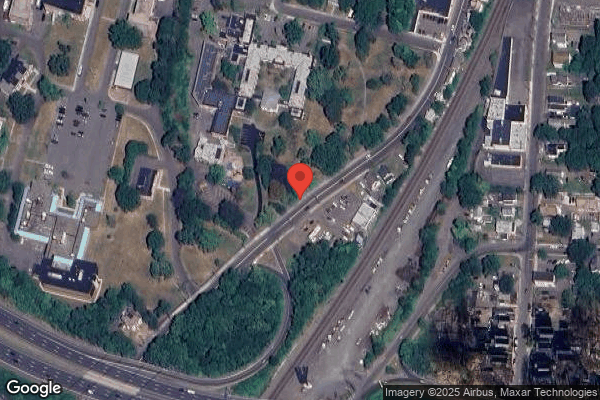
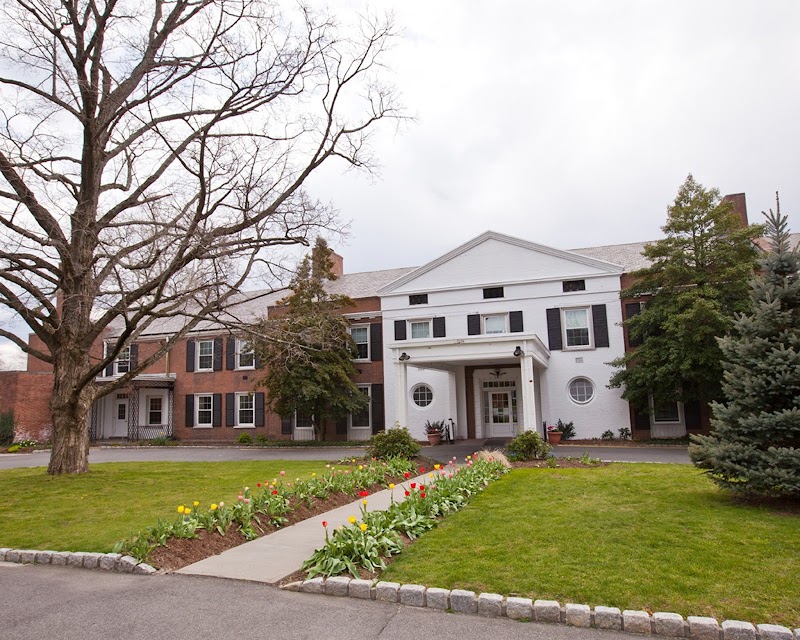
320 COLONY STREET, MERIDEN, CT 06451 (203) 235-5716
Non profit - Corporation 30 Beds Independent Data: November 2025
Trust Grade
90/100
#4 of 192 in CT
Last Inspection: March 2025

Within standard 12-15 month inspection cycle. Federal law requires annual inspections.

Overview

Bradley Home Infirmary/Pavilion has earned a Trust Grade of A, indicating it is an excellent option for care and highly recommended. With a state rank of #4 out of 192 facilities and #3 out of 64 in the county, it is clearly among the top choices in Connecticut. The facility is improving, having reduced its number of issues from 8 in 2023 to 5 in 2025, which is a positive trend. Staffing is a strength here, with a 5/5 star rating and only a 15% turnover rate, much lower than the state average, which helps maintain consistency in resident care. While there are no fines to report, which is reassuring, the inspection findings revealed some concerns, such as serving food at unsafe temperatures and failing to ensure residents had identification bands during medication administration, which could lead to medication errors. Overall, while there are areas needing attention, the facility demonstrates strong staffing and a good track record, making it a viable option for families considering care for their loved ones.

Trust Score
A
90/100
In Connecticut
#4/192
Top 2%
Safety Record
Low Risk
No red flags
Inspections
Getting Better
8 → 5 violations
Staff Stability
✓ Good
15% annual turnover. Excellent stability, 33 points below Connecticut's 48% average. Staff who stay learn residents' needs.
Penalties
✓ Good
No fines on record. Clean compliance history, better than most Connecticut facilities.
Skilled Nurses
✓ Good
Each resident gets 70 minutes of Registered Nurse (RN) attention daily — more than 97% of Connecticut nursing homes. RNs are the most trained staff who catch health problems before they become serious.
Violations
⚠ Watch
15 deficiencies on record. Higher than average. Multiple issues found across inspections.
★★★★★
5.0
Overall Rating
★★★★★
5.0
Staff Levels
★★★★☆
4.0
Care Quality
★★★★☆
4.0
Inspection Score
Stable
2023: 8 issues
2025: 5 issues

The Good

  • 5-Star Staffing Rating · Excellent nurse staffing levels
  • 4-Star Quality Measures · Strong clinical quality outcomes
  • Low Staff Turnover (15%) · Staff stability means consistent care
  • Full Sprinkler Coverage · Fire safety systems throughout facility
  • No fines on record
  • Staff turnover is low (15%)

    33 points below Connecticut average of 48%

Facility shows strength in staffing levels, quality measures, staff retention, fire safety.

The Bad

No Significant Concerns Identified

This facility shows no red flags. Among Connecticut's 100 nursing homes, only 1% achieve this.

The Ugly 15 deficiencies on record

Mar 2025 5 deficiencies
CONCERN (D)

Potential for Harm - no one hurt, but risky conditions existed

Deficiency F0561 (Tag F0561)

Could have caused harm · This affected 1 resident

**NOTE- TERMS IN BRACKETS HAVE BEEN EDITED TO PROTECT CONFIDENTIALITY** Based on clinical record review, review of facility policy, and interviews for 1 of 1 resident (Resident #14) reviewed for choic...

Read full inspector narrative →
**NOTE- TERMS IN BRACKETS HAVE BEEN EDITED TO PROTECT CONFIDENTIALITY** Based on clinical record review, review of facility policy, and interviews for 1 of 1 resident (Resident #14) reviewed for choices, the facility failed to honor a resident's right to choose. The findings include: Resident #14 was admitted to the facility in September of 2024 with diagnoses that included dementia, chronic kidney disease, muscle weakness, and dysphagia. The quarterly Minimum Data Set (MDS) assessment dated [DATE] identified Resident #14 was cognitively intact (Brief Interview for Mental Status (BIMS) score of 13), independent with eating, oral hygiene and toileting, required supervision or touching assistance for personal hygiene and was independent for bed mobility and transfers. The MDS identified that Resident #14 and his/her family participated in assessment and goal setting. The MDS did not identify Resident #14 with a swallowing disorder, coughing or choking during meals or when swallowing medications, or complaints of difficulty or pain with swallowing. The Resident Care Plan dated 1/2/25 identified Resident #14 was at risk for an alteration in nutrition related to changes in oral intake. Interventions included a no added salt diet, low cholesterol, soft and bite sized texture (level 6), mildly thick liquid (level 2) consistency, availing menu alternative, references at prescribed textures and monitoring and documenting oral intake. A Physicians order dated 2/20/25 directed a no added salt diet (NAS), low cholesterol, soft and bite sized texture (level 6), mildly thick liquid (level 2) consistency. Interview with Resident #14 on 3/5/25 at 11:45 AM identified that he/she was forced , by the facility, to drink thickened liquids and eat foods that were different from what his/her spouse ate. Resident #14 indicated that he/she was accompanied by his/her spouse for meals and had a difficult time enjoying meal times because of the diet he/she was served. Resident #14 identified that he/she had radiological and swallowing tests done in October of 2024 which identified he/she was at risk of aspiration and was subsequently started on thickened liquids. Resident #14 identified he/she developed diarrhea, due to the thickener, which caused frequent trips to the bathroom. Resident #14 indicated that he/she understood the consequences of not adhering to the recommended diet but preferred to not follow the recommendation. Resident #14 further indicated that the facility provided him/her thickened liquids and soft foods despite multiple discussions and requests to be placed on a regular diet and thin liquids. Resident #14 indicated that he/she is of advanced age and is most concerned about having a quality of life and would like his/her wishes to be honored by the facility. An Advanced Registered Nurse Practitioner's (APRN) note dated 2/4/25 by APRN #1 identified that Resident #14's spouse, who was also his/her first emergency contact person, had approached her requesting that Resident #14 be placed on palliative comfort measures only (CMO) to liberalize fluids. The note further indicated that the responsible party/power of attorney (POA) would need to be involved. The note identified that Resident #14 was readmitted to the facility due to cognitive and physical decline and he/she was being monitored for dysphagia and diarrhea possibly related to the thickener used in fluids. A Physician ' s order dated 12/11/24 directed to administer 2 milligrams of Loperamide Hydrochloride by mouth every 24 hours as needed for Diarrhea. Interview with Social Worker (SW) #1 on 3/5/25 at 12:20 PM identified that she was aware of Resident #14's food complaints. SW #1 identified that Resident #14 was started on thickened liquids due to choking concerns. SW #1 indicated that APRN #1 was responsible for addressing CMO requests and indicated she had no discussions with APRN #1 regarding Resident #14's food complaints. SW #1 identified there had been no meeting with the facility interdisciplinary team, Resident #14, or Resident #14 ' s family to discuss goals of care. Review of the clinical record failed to identify documentation of a meeting or collaboration between the facility interdisciplinary team, Resident #14, or Resident #14 ' s family to discuss goals of care Review of the clinical record identified Resident #14 was his/her own decision maker and did not have a named representative or POA. Interview with APRN #1 on 3/7/25 at 12:15 PM identified that she had a meeting with Resident #14 and his/her spouse to discuss the risks versus benefits of stopping the dysphagia diet and further discussed a CMO status. APRN #1 indicated that she did not think Resident #14, or his/her spouse were capable of making decisions because they lacked the insight to understand the benefit of the Speech and Language Pathologists (SLP) recommendations. APRN #1 identified that she thought Resident #14's daughter was Resident #14 ' s legal decision maker but indicated that she had not contacted or reached out to Resident #14's daughter to discuss goals of care. APRN #1 indicated that the facility did not want to cause harm to Resident #14 by advancing his/her diet per his/her request. APRN #1 identified that she informed the DNS and the nursing supervisor of Resident #14's and his/her family ' s requests for a transition to CMO and diet change. APRN #1 further indicated that it was the facility's responsibility to make decisions based on goals of care. Interview with the DNS on 3/7/25 at 1:00 PM, identified that the facility did not advance Resident #14's diet because a diet change would be unsafe. The DNS further identified that Resident #14's daughter requested a waiver in order for Resident #14 ' s diet to be changed but the facility did not provide any form of waiver. The DNS indicated that Resident #14 was not appropriate for a CMO status since he had not experienced a decline. Interview with SLP #1 on 3/10/25 at 9:20 AM identified that Resident #14 voiced concerns regarding the dysphagia diet recommendation. SLP #1 identified that Resident #14 received SLP services in October of 2024, was discharged in November of 2024, and no further referrals had been made after the November discharge. Facility's Residents [NAME] of Rights identified that residents have a right to refuse treatment . and residents rights would be honored. Review of facility policy titled, Palliative Care, identified, in part, that, the physician and staff will identify individuals who desire or are likely candidates for palliative care, for example, those with a known terminal illness or end-stage condition (that is, a condition that has resulted in substantial functional dependency, impairment and/or medical instability and continued decline anticipated, regardless of whether medical treatments are rendered.
CONCERN (D)

Potential for Harm - no one hurt, but risky conditions existed

Comprehensive Care Plan (Tag F0656)

Could have caused harm · This affected 1 resident

**NOTE- TERMS IN BRACKETS HAVE BEEN EDITED TO PROTECT CONFIDENTIALITY** Based on clinical record review, review of facility policy, and interviews for 1 of 3 residents (Resident #14) reviewed for elop...

Read full inspector narrative →
**NOTE- TERMS IN BRACKETS HAVE BEEN EDITED TO PROTECT CONFIDENTIALITY** Based on clinical record review, review of facility policy, and interviews for 1 of 3 residents (Resident #14) reviewed for elopement, the facility failed to develop a comprehensive care plan for a resident at risk of elopement. The findings include: Resident #14 was admitted to the facility in September of 2024 with diagnoses that included dementia, chronic kidney disease and hypertension. An Elopement Risk assessment dated [DATE] identified Resident #14 was at low risk for elopement. The admission Minimum Data Set (MDS) assessment dated [DATE] identified Resident #14 was severely cognitively impaired (Brief Interview for Mental Status (BIMS) score of 6), required assistance for eating, supervision or touching assistance for personal hygiene and was independent for bed mobility and transfers. The MDS identified that Resident #14 ambulated with a walker. Resident Care Plan dated 10/9/24 identified Resident #14 had cognitive loss related to dementia. Interventions included reorienting and supervising as needed, giving choices regarding care, asking questions, rephrasing as needed for confusion or agitation and use of task segmentation to support short term memory deficits. A Nursing progress note by RN #1 on 10/15/24 at 7:00 PM identified that Resident #14 was exit seeking multiple times, was redirected by staff, and a new order for a Wander guard (monitoring device applied on residents who wander and are risk of elopement) to the walker was obtained for safety. An Advanced Practice Registered Nurse (APRN) progress note by APRN #1 dated 10/21/24 identified Resident #14 presented with periods of confusion, disorientation, exit-seeking and wandering behaviors. The note further identified that Resident #14 was often looking for his wife, who lived on the assisted living side of the facility, and that Resident #14 had a Wander guard in place. Review of the clinical record identified there was no repeat Elopement Risk assessment performed for Resident #14 until 12/31/24. An Elopement Risk assessment dated [DATE] identified Resident #14 was at risk for elopement. Observation of Resident #14 on 3/4/25 at 11:00cAM and 3/5/24 at 11:51 AM, identified a Wander guard attached to Resident #14's walker. Review of the RCP failed to identify a basic or comprehensive care plan with interventions directing care for Resident #14's elopement/wandering risk. Interview with LPN #1 (MDS Coordinator) on 3/6/25 at 12:31 PM identified that she was not notified in October of 2024 that a Wander guard was ordered for Resident #14 due to wandering behavior but was made aware in December of 2024 during Resident #14's quarterly MDS assessment. LPN #1 indicated that she forgot to develop an RCP with interventions directing care for Resident #14 ' s wandering behavior. Subsequent to surveyor inquiry, LPN #1 revised the RCP to identify Resident #14's Wander guard order with interventions to check placement every shift and for a Wandering assessment to be performed quarterly and with any change. Interview with the DNS on 3/7/25 at 9:16 AM identified that LPN #1 was responsible for updating RCPs and that RCPs are updated quarterly and with changes in condition. The DNS further identified that LPN #1 should have updated the RCP when the Wander guard was applied in October of 2024. Review of facility policy titled, Care Plans, identified, in part, that the care plan will be developed no later 7 days after the completion of the comprehensive MDS. The RCP of each resident is completed and reviewed by the 21st day after admission and quarterly thereafter at the Resident Care Conference. RCPs can also be revised, as needed at any time, on an interim basis. The MDS coordinator is responsible for ensuring that all new items, wounds, falls etc., are care-planned.
CONCERN (D)

Potential for Harm - no one hurt, but risky conditions existed

Deficiency F0657 (Tag F0657)

Could have caused harm · This affected 1 resident

**NOTE- TERMS IN BRACKETS HAVE BEEN EDITED TO PROTECT CONFIDENTIALITY** Based on observations, review of the clinical record, facility policy and interviews for 1 of 2 residents (Resident #10) reviewe...

Read full inspector narrative →
**NOTE- TERMS IN BRACKETS HAVE BEEN EDITED TO PROTECT CONFIDENTIALITY** Based on observations, review of the clinical record, facility policy and interviews for 1 of 2 residents (Resident #10) reviewed for skin conditions and 1 of 1 residents (Resident #11) reviewed for Urinary Tract Infections (UTI), the facility failed to revise resident care plans (RCP) after changes in condition occurred. The findings include: 1. Resident #10 was admitted to the facility in August of 2023 with diagnoses that included Chronic Obstructive Pulmonary Disease (COPD), hypoosmolality and hyponatremia (excess water in the body and low sodium levels) and chronic kidney disease. The quarterly Minimum Data Set (MDS) assessment dated [DATE] identified Resident #10 was severely cognitively impaired (Brief Interview for Mental Status (BIMS) score of 3), required set up assistance for eating, supervision for bed mobility, and partial/moderate assistance for toileting and transfers. The RCP dated 1/16/25 identified Resident #10 was at risk for impaired skin integrity. Interventions included ensuring properly fitting shoes, observing feet for redness or skin breakdown with care, treatments as ordered, observing for edema, warmth, induration, redness, drainage, updating the physician as needed, observing skin for breakdown with care, redness, excessive moisture, raised areas, open areas and drainage. A nurse's note dated 2/25/25 at 10:27 PM by RN #6 identified an area of purpura to Resident #10's left lower shin opened with a scant amount of bleeding and a dressing was applied. A progress note dated 2/28/25 at 10:15 AM by Advanced Practice Registered Nurse (APRN) #1 identified a new wound to the left shin which was suspected of having a traumatic etiology as it was located on the extensor surface. Review of the clinical record identified there were no revisions to the RCP to include the new wound to the left lower shin or protective/preventative interventions. 2. Resident #11 was admitted to the facility in June of 2022 with diagnoses that included Dementia, falls and UTI. The Quarterly MDS assessment dated [DATE] identified Resident #11 as severely cognitively impaired (Brief Interview for Mental Status (BIMS) score of 4), was independent with bed mobility, required supervision for transfers, and required partial/moderate assistance for toileting. The RCP dated 1/30/25 identified potential for activities of daily living/self-care deficit related to weakness and confusion. Interventions included vital signs as needed, labs as ordered, observing for changes in mental status and observing for UTI: abdominal/flank/back pain/discomfort, fever, changes in urine color, clarity or odor. A progress note dated 2/24/25 at 3:00 PM by APRN #1 identified dark concentrated urine with a history of UTI and that urinary frequency had subsided significantly with medication. A Physicians order dated 2/24/25 directed 72-hour monitoring for UTI and monitoring for dysuria for 3 days. A urine culture dated 2/25/25 identified greater than 100,000 colonies per milliliter of Klebsiella Pneumoniae in the urine. A physician's order dated 2/27/25 directed to administer Sulfamethoxazole -Trimethoprim (antibiotic) tablet 800-160 milligrams twice a day for a UTI for 7 days. Review of the clinical record identified the RCP was not revised to include the confirmed UTI, monitoring or treatment. Subsequent to surveyor inquiry, the RCP was revised to include an actual UTI and antibiotic treatment. Interventions included to encourage fluids, provide peri care, intake and output as needed, medication as ordered, labs as ordered, observe for signs and symptoms of UTI: mental status changes, fever, dysuria, frequency, urgency, increased incontinence, abdominal/flank/back pain/discomfort, toilet every 2 hours and as needed, prompt incontinent care. Interview with LPN #1 on 3/6/25 at 12:44 PM identified the facility interdisciplinary team (IDT) should update RCPs. Interview with the Director of Nursing Services (DNS) on 3/7/25 at 9:20 AM identified LPN #1 (MDS Coordinator) is responsible for updating RCPs and that RCPs should be updated after clinical meetings, risk meetings, after changes in condition and quarterly by the IDT. Review of the Care Plan policy dated 6/23, directed, in part, care plans will be updated at a minimum of quarterly when the resident has an MDS to be completed. The MDS Coordinator is responsible for ensuring all new items, wounds, falls, etc. are care planned.
CONCERN (D)

Potential for Harm - no one hurt, but risky conditions existed

Deficiency F0745 (Tag F0745)

Could have caused harm · This affected 1 resident

**NOTE- TERMS IN BRACKETS HAVE BEEN EDITED TO PROTECT CONFIDENTIALITY** Based on clinical record review, review of facility policy, and interviews for 1 of 1 resident (Resident #14) reviewed for choic...

Read full inspector narrative →
**NOTE- TERMS IN BRACKETS HAVE BEEN EDITED TO PROTECT CONFIDENTIALITY** Based on clinical record review, review of facility policy, and interviews for 1 of 1 resident (Resident #14) reviewed for choices, the facility failed to identify and promote individualized care for a resident who voiced goals of care requests. The findings include: Resident #14 was admitted to the facility in September of 2024 with diagnoses that included dementia, chronic kidney disease, muscle weakness, and dysphagia. The quarterly Minimum Data Set (MDS) assessment dated [DATE] identified Resident #14 was cognitively intact (Brief Interview for Mental Status (BIMS) score of 13), independent with eating, oral hygiene and toileting, required supervision or touching assistance for personal hygiene and was independent for bed mobility and transfers. The MDS identified that Resident #14 and his/her family participated in assessment and goal setting. The MDS did not identify Resident #14 with a swallowing disorder, coughing or choking during meals or when swallowing medications, or complaints of difficulty or pain with swallowing. The Resident Care Plan dated 1/2/25 identified Resident #14 was at risk for an alteration in nutrition related to changes in oral intake. Interventions included a no added salt diet, low cholesterol, soft and bite sized texture (level 6), mildly thick liquid (level 2) consistency, availing menu alternative, references at prescribed textures and monitoring and documenting oral intake. Interview with Resident #14 on 3/5/25 at 11:45 AM identified that he/she was forced , by the facility, to drink thickened liquids and eat foods that were different from what his/her spouse ate. Resident #14 indicated that he/she was accompanied by his/her spouse for meals and had a difficult time enjoying meal times because of the diet he/she was served. Resident #14 identified that he/she had radiological and swallowing tests done in October of 2024 which identified he/she was at risk of aspiration and was subsequently started on thickened liquids. Resident #14 identified he/she developed diarrhea, due to the thickener, which caused frequent trips to the bathroom. Resident #14 indicated that he/she understood the consequences of not adhering to the recommended diet but preferred to not follow the recommendation. Resident #14 further indicated that the facility provided him/her thickened liquids and soft foods despite multiple discussions and requests to be placed on a regular diet and thin liquids. Resident #14 indicated that he/she is of advanced age and is most concerned about having a quality of life and would like his/her wishes to be honored by the facility. An Advanced Registered Nurse Practitioner's (APRN) note dated 2/4/25 by APRN #1 identified that Resident #14's spouse, who was also his/her first emergency contact person, had approached her requesting that Resident #14 be placed on palliative comfort measures only (CMO) to liberalize fluids. The note further indicated that the responsible party/power of attorney (POA) would need to be involved. The note identified that Resident #14 was readmitted to the facility due to cognitive and physical decline and he/she was being monitored for dysphagia and diarrhea possibly related to the thickener used in fluids. A Physician ' s order dated 12/11/24 directed to administer 2 milligrams of Loperamide Hydrochloride by mouth every 24 hours as needed for Diarrhea. Interview with Social Worker (SW) #1 on 3/5/25 at 12:20 PM identified that she was aware of Resident #14's food complaints. SW #1 identified that Resident #14 was started on thickened liquids due to choking concerns. SW #1 indicated that APRN #1 was responsible for addressing CMO requests and indicated she had no discussions with APRN #1 regarding Resident #14's food complaints. SW #1 identified there had been no meeting with the facility interdisciplinary team, Resident #14, or Resident #14 ' s family to discuss goals of care. Review of the clinical record failed to identify documentation of a meeting or collaboration between the facility interdisciplinary team, Resident #14, or Resident #14 ' s family to discuss goals of care. Review of the clinical record identified Resident #14 was his/her own decision maker and did not have a named representative or POA. Interview with APRN #1 on 3/7/25 at 12:15 PM identified that she had a meeting with Resident #14 and his/her spouse to discuss the risks versus benefits of stopping the dysphagia diet and further discussed a CMO status. APRN #1 indicated that she did not think Resident #14, or his/her spouse were capable of making decisions because they lacked the insight to understand the benefit of the Speech and Language Pathologists (SLP) recommendations. APRN #1 identified that she thought Resident #14's daughter was Resident #14 ' s legal decision maker but indicated that she had not contacted or reached out to Resident #14's daughter to discuss goals of care. APRN #1 indicated that the facility did not want to cause harm to Resident #14 by advancing his/her diet per his/her request. APRN #1 identified that she informed the DNS and the nursing supervisor of Resident #14's and his/her family ' s requests for a transition to CMO and diet change. APRN #1 further indicated that it was the facility's responsibility to make decisions based on goals of care. Interview with the DNS on 3/7/25 at 1:00 PM, identified that the facility did not advance Resident #14's diet because a diet change would be unsafe. The DNS further identified that Resident #14's daughter requested a waiver in order for Resident #14 ' s diet to be changed but the facility did not provide any form of waiver. The DNS indicated that Resident #14 was not appropriate for a CMO status since he had not experienced a decline. Although requested, a policy on the provision of social services was not provided.
CONCERN (E)

Potential for Harm - no one hurt, but risky conditions existed

Food Safety (Tag F0812)

Could have caused harm · This affected multiple residents

Based on the tour of the Dietary Department, observations, facility documentation, facility policy, and interviews, the facility failed to ensure the Dietary Department served food at temperatures out...

Read full inspector narrative →
Based on the tour of the Dietary Department, observations, facility documentation, facility policy, and interviews, the facility failed to ensure the Dietary Department served food at temperatures outside of the danger zone and failed to ensure foods reheated by nursing staff were served at safe temperatures. The findings included: 1. Observation of the tray line on 3/6/2025 at 11:42 AM identified a test tray was placed on the only Pavilion meal delivery cart at 12:02 PM and the cart was brought through the dining room onto the nursing unit. The meal delivery cart was observed to be a Bunn rack and was covered with a zippered clear plastic cover that went over the top of the Bunn rack and zipped along the front corners of the rack. The meal plates on the trays inside the rack were covered with clear hard plastic covers that did not contain warming pellets. All meal trays were delivered to the residents by Nurse Aide (NA) #2. Interview with the Assistant Food Service Director (Asst Food Service Dir) on 3/6/2025 at 12:05 PM identified that for breakfast meal service, all residents ate in their rooms, and the Cambro meal delivery cart (insulated meal delivery cart) was used because it had room to hold all trays. The Asst Food Service Dir indicated that for the lunch meal service, some residents ate in their room, but most ate in the dining room, so there wasn't a need for the Cambro meal delivery cart for delivering the meals. On 3/6/2025 at 12:15 PM the test tray was the last tray served on the nursing unit, was brought to the nursing unit kitchenette, and the following temperatures were obtained: Sweet potatoes: surveyor- 107.6 degrees Fahrenheit, Asst Food Service Dir- 105 degrees Fahrenheit Chopped spinach: surveyor- 114.5 degrees Fahrenheit, Asst Food Service Dir- 114 degrees Fahrenheit Pork: surveyor- 97.2 degrees Fahrenheit, Asst Food Service Dir- 95.6 degrees Fahrenheit Interview with the Asst Food Service Dir on 3/6/2025 at 12:16 PM identified the food temperatures were low. Observation on 3/7/2025 at 11:48 AM identified a test tray was placed on the only Pavilion meal delivery cart and the cart was brought through the hallway of the Residential Care Home (RCH), through the double doors into the hallway of the Pavilion and delivered to the nursing unit. The meal delivery cart was a Cambro meal delivery cart with a door that closed and latched in the front. The meal plates on the trays inside the cart were within a blue, hard plastic, heated pellet thermal container which fully enclosed the meal plate. The Asst Food Service Dir and Registered Nurse #1 assisted the NAs in delivering the meal trays. The test tray was the last tray served on the nursing unit. On 3/7/2025 at 11:52 AM the test tray was brought to the nursing unit kitchenette on the unit and the surveyor observed the Asst Food Service Dir obtain temperatures of the test tray food which identified safe food temperatures. Interview with the Food Service Director and Asst Food Service Dir on 3/7/2025 at 12:00 PM identified after the low temperature food readings of the test tray on 3/6/25, they decided to initiate the blue heated pellet thermal system for the meal plates and to use the Cambro meal delivery cart rather than the Bunn rack with zippered cover for delivery of meal trays during lunch. Review of the Food Transportation policy identified food would be maintained at a temperature outside the food safety danger zone of 41 to 135 degrees Fahrenheit. Plates and bowls would be covered by foil, plastic wrap, snap-on covers or domes during transportation and holding, and trays would be placed into covered carts for delivery. 2. Observation on 3/6/2025 at 12:11 PM identified NA #2 brought Resident #24's tray into the kitchenette to reheat the food per Resident #24's request. Interview with NA #2 on 3/6/2025 at 2:00 PM identified she asked residents if they needed any items or their food reheated when delivering meal trays, and if a resident requested food to be reheated, she would use the microwave in the kitchenette to heat the food for 40 to 50 seconds. NA #2 identified there was not a thermometer in the kitchenette to check food temperatures, instead, she tried not to overheat food. NA #2 further identified that she reheated food less during breakfast when meal trays were delivered in the Cambro meal delivery cart, and more often for meals delivered on the Bunn rack. Observation of the kitchenette on 3/7/2025 at 9:15 AM identified a thermometer with alcohol wipes for cleaning was located in the drawer furthest from the door on the left side of the room. Interview with NA #5 on 3/7/2025 at 9:30 AM identified she reheated food as requested by residents and tried not to overheat food to prevent residents from burning their mouth. She indicated she reheated food for 25-30 seconds at a time, or longer, as requested. NA #5 identified she did not have a thermometer for checking the temperature of the food but instead would place her hand above the food to gauge how warm the food was. Interview with the Food Service Director on 3/7/2025 at 11:47 AM identified that nursing staff were permitted to reheat food for residents. She identified the food was reheated in the microwave in the kitchenette, food was to be heated until the temperature was 165 degrees Fahrenheit and verified by the thermometer in the kitchenette, and after reheating the food, the food was to sit for at least 1 minute before being served. The Food Service Director further identified she provided the DNS with a new thermometer the previous day. Review of the On-Unit Food Reheating policy, identified, foods may be reheated by facility staff only using the nourishment kitchen's microwave and provided thermometer. Further identified was reheated foods must reach an internal temperature of 165 degrees Fahrenheit for 15 seconds, microwaved food must be let to rest for at least 1 minute, and to prevent injury reheated foods must be retested to ensure the temperature has reduced to approximately 135 degrees Fahrenheit prior to serving to the resident.
May 2023 8 deficiencies
CONCERN (D)

Potential for Harm - no one hurt, but risky conditions existed

Comprehensive Care Plan (Tag F0656)

Could have caused harm · This affected 1 resident

**NOTE- TERMS IN BRACKETS HAVE BEEN EDITED TO PROTECT CONFIDENTIALITY** Based on staff interviews and record review for 1 sampled resident (Resident #9) reviewed for alcohol use, the facility failed t...

Read full inspector narrative →
**NOTE- TERMS IN BRACKETS HAVE BEEN EDITED TO PROTECT CONFIDENTIALITY** Based on staff interviews and record review for 1 sampled resident (Resident #9) reviewed for alcohol use, the facility failed to ensure a comprehensive care plan was implemented for a resident who consumed alcohol during recreational activities. The findings include: Resident #9's diagnoses included vascular dementia, atrial fibrillation, Major Depressive Disorder, heart failure and diabetes mellitus. A quarterly Minimum Data Set assessment (MDS) dated [DATE] identified Resident #9 as cognitively intact and required no assistance with transfers, dressing, and eating. Additionally, the MDS identified Resident #9 required set up assistance with bed mobility and toilet use. The care plan dated 5/4/23 identified Resident # 9 at risk for bleeding related to use of Xarelto (anticoagulation therapy). Interventions included to obtain laboratory blood work as ordered, provide medications as ordered, check neurological status as needed, observe for mental status changes, and to monitor for difficulty with speaking, walking, weakness, fainting, headaches, seizures, and light sensitivity. Interview with the Assistant Director of Nursing Services (ADNS) on 5/9/23 at 10:38 AM identified Resident #9 participate in recreational activities involving wine drinking and indicated the resident has the right to participate. Interview with the Registered Pharmacist (RPH) on 5/9/23 at 2:42 PM identified that alcohol consumption while on anticoagulation therapy could thin the blood and would require physician oversight. Interview with Medical Doctor (MD #2) on 5/9/23 at 2:52 PM identified he was aware that the facility served alcohol during recreational activities to residents. MD # 2 further identified Resident #9 was educated on the pros and cons of alcohol usage. Additionally, MD #2 identified he was not concerned for adverse effects with Resident #9's anticoagulation therapy and alcohol usage because the setting was controlled and monitored by the licensed nursing staff. Interview and record review with the DNS on 5/9/23 at 3:22 PM identified Resident #9 did not have a care plan with interventions for alcohol use during recreational activities. The DNS further identified there should have been a care plan with interventions in the medical record for licensed staff to review. The DNS also identified that without the care plan in place, licensed staff would not know what interventions to follow for Resident #9 alcohol consumption. A facility policy (no date) for resident care plans identified the facility will develop a comprehensive care plan for residents to identify problems, risks, needs and strengths with approaches and interventions that include measurable objectives that will be evaluated for effectiveness. Subsequent to inquiry, interview with the DNS on 5/11/23 at 4:00 PM identified Resident #9's medical record was updated to include a physician order and care plan for participation in recreational activities with alcohol usage as of 5/10/23.
CONCERN (D)

Potential for Harm - no one hurt, but risky conditions existed

Pressure Ulcer Prevention (Tag F0686)

Could have caused harm · This affected 1 resident

**NOTE- TERMS IN BRACKETS HAVE BEEN EDITED TO PROTECT CONFIDENTIALITY** Based on clinical record review and staff interview for one resident (Resident # 8) reviewed for at risk for pressure ulcer, the...

Read full inspector narrative →
**NOTE- TERMS IN BRACKETS HAVE BEEN EDITED TO PROTECT CONFIDENTIALITY** Based on clinical record review and staff interview for one resident (Resident # 8) reviewed for at risk for pressure ulcer, the facility failed to accurately assess and stage the resident's pressure ulcer. The finding include: Resident # 8's diagnoses included acute kidney failure, Urinary Tract Infection (UTI), type 2 diabetes mellitus and hypertension. Resident # 8 was admitted to the facility on [DATE]. The admission MDS assessment dated [DATE] identified the resident was cognitively intact, required limited one-person physical assistance with bed mobility, transfers, and personal hygiene. The assessment also noted the resident was at risk for pressure ulcer and noted one stage 2 pressure ulcer. The physician's order dated 5/1/23 directed to apply air boots to left foot while in bed every shift. The care plan at risk for skin breakdown secondary diabetes mellitus dated 5/7/23 included interventions to apply air boot to left foot in bed, to check placement of boot while in bed, to off load heels every shift and assess wound with measurement weekly and notify dietician when needed. A review of the facility wound documentation with the Infection Preventionist on 5/9/23 at 10:12 AM identified Resident # 8 had a facility acquired unstageable left heel pressure ulcer that developed a blister upon return from the hospital. The blister area was not identified by the facility within 48 hours of the resident's readmission. The physician's order dated 5/12/23 directed to apply left heel Santyl External ointment 250 units/gram daily to Left heel topically one time a day. Additionally, directed to apply ointment [NAME] thick edge to edge on the eschar/ scabbing only followed by calcium alginate then a foam dressing. Interview RD #1 on 5/11/23 identified she was unaware the resident had a pressure ulcer on the resident's left heel until 17 days after 4/24/23 when the pressure ulcer was identified. Interview with the Infection Preventionist on 5/11/23 at 11:20 AM identified she could not provide evidence that the dietician had been notified of the resident pressure ulcer on the heel before 5/11/23.
CONCERN (D)

Potential for Harm - no one hurt, but risky conditions existed

Deficiency F0692 (Tag F0692)

Could have caused harm · This affected 1 resident

**NOTE- TERMS IN BRACKETS HAVE BEEN EDITED TO PROTECT CONFIDENTIALITY** Based on clinical record reviews, review of policy and interviews for 1 of 3 residents ( Resident# 5), reviewed for nutrition, t...

Read full inspector narrative →
**NOTE- TERMS IN BRACKETS HAVE BEEN EDITED TO PROTECT CONFIDENTIALITY** Based on clinical record reviews, review of policy and interviews for 1 of 3 residents ( Resident# 5), reviewed for nutrition, the facility failed to meal supplement to the resident as directed by the physician and for 1 of 3 resident (Resident #11) reviewed for weight loss, the facility failed to follow a recommendation for weekly weights and the facility policy for weight management for a resident at risk for nutritional problems and for (Resident #12) reviewed for weight loss, the facility failed to consistently monitor weekly weights as ordered for a resident identified with significant weight loss. The findings included: 1. Resident # 5's diagnoses included dementia, major depressive disorder, and anxiety disorder. The quarterly Minimum Data Set assessment dated [DATE] identified Resident # 5 as severely cognitively impaired, and required oversight, encouragement or cueing when eating. The Resident Care Plan dated 2/23/2023 identified the potential for alteration in nutrition related to a decrease in oral intake. Interventions directed to encourage adequate intake of foods and fluids, provide food and fluid preferences as available, and offer 240mls of Ensure following meal intake of 50% or less. A physician's order dated 9/23/22 directed to give 8oz of Ensure when Resident #5 consumed less than 50% of her meal. Observation on 5/8/23 at 6:13PM identified Resident # 5 consumed less than 50 percent of his/her dinner and the resident was not offered Ensure supplement as ordered by the physician. An interview and clinical record review with Dietician #1 on 5/11/23 at 11:15AM identified Resident #5 should receive 8oz of Ensure to supplement her/his meals when intake is less than 50%. Interview Dietician # 1 on 5/11/23 at 11:15 AM with the ADNS identified a physician's order dated 9/23/22 for 8oz of Ensure to be given for meal supplement for consuming less than 50 percent of his/her meal had not been transcribed by staff on the Medication Administration Record Interview with APRN #1 at 2:08 PM on 5/11/23 identified her expectation is that all physician's orders were to be followed. 2 a Resident #11's diagnoses included Chronic Obstructive Pulmonary Disease (COPD), Heart Failure, dementia, Paroxysmal Atrial Fibrillation, and Acute Kidney Failure. The quarterly Minimum Data Set (MDS) assessment dated [DATE] identified Resident #11 was severely cognitively impaired and required extensive assistance with two persons for bed mobility, transfers, and toilet use. Additionally, the MDS identified Resident #11 required extensive assistance with one person for eating and dressing. The Nutritional Quarterly Assessments (completed by the dietician) dated 1/11/23 and 3/30/23 identified Resident #11's plan of care included weekly weights. The care plan dated 4/6/23 identified Resident #11 as at risk for fluid volume overload related to hypertension and history of edema. Interventions directed to encourage the resident to follow therapeutic diet, update dietician as needed, and obtain weights as ordered and as needed. However, the Electronic Medical Record (EMR) for Resident #11 failed to identify weekly weights was ordered for January 2023 to March 30, 2023. The facility weight book dated 1/2023 through 5/2023 for Resident #11 failed to identify weekly weights were obtained according to the dietician's recommendation. Interview and record review with the Registered Dietician (RD #1) on 5/11/23 at 12:20 PM identified Resident #11 had a recommendation for weekly weights, and indicated she would have expected the weekly weights to be obtained. RD #1 further identified she had communicated to the DNS and ADNS about weights not being obtained for residents including Resident #11. RD #1 also identified that she was not responsible for obtaining physician's orders for weights and indicated the licensed staff was responsible for weight which management was aware at the time. Additionally, RD #1 identified recommendations are communicated directly to the licensed staff, ADNS and DNS. Interview and record review with the DNS on 5/11/23 at 1:02 PM identified RD #1 communicated her/his recommendations verbally to the licensed staff including the DNS. The DNS further identified the licensed staff was responsible for obtaining physician's order for weekly weights for Resident #11. The DNS also identified that she would have expected the weekly weights to be obtained for Resident #11 according to RD #1's recommendations. Additionally, the DNS failed to identify weekly weights and a physician order for Resident #11 from January 2023 through March 30, 2023. b. The clinical record identified Resident #11's weight on 2/1/23 was 154.6 pounds (lbs.), weight on 3/1/23 was 155 lbs., and weight on 4/5/23 was 133.6 lbs. which indicated a weight loss of 21.4 lbs. The Nutritional Quarterly Assessments (completed by the dietician) dated 1/11/23 identified Resident #11's most recent weight was 138.1 lbs., and the assessment dated [DATE] identified the resident's most recent weight was 155 lbs. which identified a weight gain of 16.9 lbs. Interview and record review with RD #1 on 5/11/23 at 12:20 PM identified Resident #11's weight was consistent and stable. RD #1 indicated she was not aware of Resident #11's weight of 133.6 lbs. on 4/5/23. RD #1 further identified that she was unsure if the weight was accurate, and she would have expected to be notified by staff with a re-weight to determine accuracy to address any concerns. Additionally, RD #1 also identified that although she was unable to assess Resident # 11 for weight loss without additional weights, she was able to identify Resident #11's meal intakes have been averaging 50-75%, the resident had no abnormal laboratory, nutritional supplement currently administered, and the resident's body mass index was considered overweight with no concerns at this time. Interview and record review with the DNS on 5/11/23 at 1:02 PM failed to identify documentation of weight refusals, contraindications or reweight within the Electronic Medical Record and the facility weight book for Resident #11's weight of 133.6 lbs. on 4/5/23. The DNS also identified that she would have expected the licensed staff to reweigh Resident #11 according to facility policy and notify RD #1. Facility policy dated 6/13/22 for Obtaining Weights notes residents are to be reweigh for discrepancies of 3 lbs. or more and directed the licensed staff to report any weight loss/gain to dietitian. 3. Resident #12's diagnoses included Pick's Disease, vascular dementia, aphasia, hypothyroidism, and diabetes mellitus Type 2. The admission Minimum Data Set (MDS) assessment dated [DATE] identified Resident #12 was severely cognitively impaired and required extensive assistance with two persons for bed mobility, transfers, dressing, and toilet use. The MDS further identified Resident #12 also required extensive assistance with one person for eating. A physician's order dated 1/3/23 for Resident # 12 directed to start weekly weights on 1/10/23 for decreased by mouth (PO) intake. The admission Nutrition assessment dated [DATE] identified Resident #12's plan of care included weekly weights. The Resident Care Plan (RCP) dated 1/6/23 identified Resident #12 had potential for alteration in nutrition related to decreased PO intake as evidenced by weight loss with significant decrease for 180 days. Interventions included weekly weights, monitoring and documenting food and fluid intakes daily, obtain laboratory as ordered, provide supplements and nutrition consult as needed. The Advanced Practice Registered Nurse (APRN #1)'s progress noted dated 1/8/23 identified Resident #12 had poor by mouth intake and weekly weights were pending. Interview with APRN #1 on 5/10/23 at 1:57 PM identified Resident #12 had weekly weights ordered and she would have expected the facility staff to follow the order as directed and communicate any weight loss. Interview and record review with the DNS on 5/10/23 at 2:07 PM identified she would have expected for Resident #12's weekly weights to be obtained as ordered. The DNS further identified the order was supposed to start on 1/10/23 and weights would have been entered in either the Electronic Medical Record (EMR) or in facility weight book. The DNS also identified that although weekly weights were obtained on 1/12/23 and 1/31/23; (a total of 19 days between both dates), and on 2/22/23; (a total of 22 days from last date weighed) she could not provide documentation or evidence to identify weekly weights were done. Additionally, the DNS identified Resident #12's weight should have been obtained on 3 different occasions but were not. Facility policy on Obtaining Weights dated 6/13/22 identified residents shall have their weights obtained in a timely manner and the charge nurse and/or supervisor are responsible for accuracy of weights obtained.
CONCERN (D)

Potential for Harm - no one hurt, but risky conditions existed

Respiratory Care (Tag F0695)

Could have caused harm · This affected 1 resident

**NOTE- TERMS IN BRACKETS HAVE BEEN EDITED TO PROTECT CONFIDENTIALITY** Based on clinical record review, observations, review of facility policy and interviews for 1 sampled resident (Resident #11) re...

Read full inspector narrative →
**NOTE- TERMS IN BRACKETS HAVE BEEN EDITED TO PROTECT CONFIDENTIALITY** Based on clinical record review, observations, review of facility policy and interviews for 1 sampled resident (Resident #11) reviewed for oxygen usage, the facility failed to ensure the physician's order was followed for oxygen setting and Nursing Assistant (NA) provided care within scope of practice. The findings include: Resident #11's diagnoses included Chronic Obstructive Pulmonary Disease (COPD), Heart Failure, Dementia, Paroxysmal Atrial Fibrillation, and Acute Kidney Failure. The quarterly Minimum Data Set (MDS) assessment dated [DATE] identified Resident #11 was severely cognitively impaired and required extensive assistance with two persons for bed mobility, transfers, and toilet use. Additionally, the MDS identified Resident #11 required extensive assistance with one person for eating and dressing. A Resident Care Plan dated 4/6/23 identified Resident #11 was on oxygen therapy related to COPD. Interventions included to keep head of the bed elevated at least 30 degrees, monitoring for signs and symptoms of respiratory distress and reporting to MD as needed, oxygen use via nasal cannula as ordered by MD. a A physician order summary sheet dated 5/2023 directed to apply oxygen at 2 liters per minute (LPM) at all times as of 12/13/22. Observation on 5/8/23 at 4:42 PM identified Resident #11's oxygen setting was at 1.5 LPM via nasal cannula. Observations on 5/10/23 at 8:05 AM and 9:00 AM identified Resident #11's oxygen setting was at 1.5 LPM via nasal cannula. Interview and record review with LPN #3 on 5/10/23 at 9:03 AM identified that Resident #11's oxygen setting should be at 2 LPM at all times. LPN #3 further identified that she was responsible for checking the oxygen setting during the shift. Interview and observation with the DNS, LPN #3, and NA #4 on 5/10/23 at 9:05 AM identified Resident #11's oxygen setting was changed from 1.5 LPM to 2 LPM by NA #4. NA #4 identified that the oxygen setting was at 1.5 LPM and she had changed it to 2 LPM prior to surveyor's entrance with the DNS and LPN #3. b. Interview with NA #4 on 5/10/23 at 9:05 AM identified that the oxygen setting was at 1.5 LPM and that she had changed it to 2 LPM. NA #4 further identified she was not aware that NAs could not change oxygen settings and that she had done so in the past for Resident #11. Interview with the DNS on 5/10/23 at 9:05 AM identified that NAs are not licensed to change oxygen settings and indicated nurses are responsible for managing oxygen therapy. Review of NA job description failed to identify duties for oxygen handling. The Oxygen Administration Policy (undated) identified a licensed clinician is responsible for verifying physician's order, set up the equipment, perform a patient assessment and document oxygen settings with liters per minute in the medical record every 8 hours when oxygen therapy is ordered.
CONCERN (D)

Potential for Harm - no one hurt, but risky conditions existed

Infection Control (Tag F0880)

Could have caused harm · This affected 1 resident

**NOTE- TERMS IN BRACKETS HAVE BEEN EDITED TO PROTECT CONFIDENTIALITY** Based on observations and interviews for 1 sampled resident (Resident #17) who was reviewed for infection control, the facility ...

Read full inspector narrative →
**NOTE- TERMS IN BRACKETS HAVE BEEN EDITED TO PROTECT CONFIDENTIALITY** Based on observations and interviews for 1 sampled resident (Resident #17) who was reviewed for infection control, the facility failed to dispose of an expired sanitizing agent. The findings included: Resident #17's diagnosis included varicella zoster without complications. The Minimum Data Set assessment dated [DATE] identified Resident #17 as cognitively intact and requiring supervision or touching assistance with toileting and dressing. The Resident Care Plan dated [DATE] identified shingles on the right buttock. Interventions directed to monitor the right buttock for signs and symptoms of infection each shift and to maintain contact precautions when providing direct care. A physician's order dated [DATE] directed to administer Valtrex 500 MG, 2 tablets, by mouth every 12 hours for 7 days. The nurse's note dated [DATE] at 10:49 PM identified contact and droplet precautions for shingles per the medical doctor and infection control nurse. An observation made outside of Resident #17's room on [DATE] at 5:40 PM identified posted droplet and contact precaution signage, an infection control supply cart, and an opened Germ-x hand sanitizer bottle with an expiration date of 10/22 on top of the cart. Interview with RN #1 and Assistant Director of Nursing (ADNS) on [DATE] at 6:24 PM identified a bottle of Germ-x hand sanitizer with an expiration date of 10/22 on top of the infection control supply cart outside of Resident #17's room. RN #1 further identified expired hand sanitizer should not be used or available for use and disposed of. RN #1 did inquire about an emergency order extending the use of hand sanitizer past the expiration date. Although requested, specific instructions related to the use and disposal of the expired Germ-x hand sanitizer were not provided. Subsequent to inquiry, the hand sanitizer was disposed of.
CONCERN (E)

Potential for Harm - no one hurt, but risky conditions existed

Deficiency F0658 (Tag F0658)

Could have caused harm · This affected multiple residents

**NOTE- TERMS IN BRACKETS HAVE BEEN EDITED TO PROTECT CONFIDENTIALITY** Based on clinical record reviews, review of polices and interviews for 6 of 9 residents (Resident #3, #8, #9, #12, #22 and #26) ...

Read full inspector narrative →
**NOTE- TERMS IN BRACKETS HAVE BEEN EDITED TO PROTECT CONFIDENTIALITY** Based on clinical record reviews, review of polices and interviews for 6 of 9 residents (Resident #3, #8, #9, #12, #22 and #26) reviewed for medication administration, the facility failed to ensure the residents had identification bands during medication administration and for 3 of 9 residents (Residents #8, #12, #22), the facility failed to follow safe medication administration practices when identifying the right resident through electronic health record picture. The findings included: 1. Resident #3 was admitted to the facility on [DATE] with diagnoses that included chronic obstructive pulmonary disease, vascular dementia, and anxiety disorder. 2. Resident #8 was admitted to the facility on [DATE] with diagnoses that included acute kidney failure, diabetes mellitus type 2, hearing loss and depressive disorder. 3. Resident # 9 was admitted to the facility on [DATE] with diagnoses that included chronic obstructive pulmonary disease, depressive disorder, and vascular dementia. 4. Resident #12 was admitted to the facility on [DATE] with diagnoses that included vascular dementia, pick's disease (neurodegenerative disease), and aphasia (inability to speak). 5 Resident #22 was admitted to the facility on [DATE] with diagnoses that included dementia, myositis (inflammation in muscles), and mononeuropathy of lower limb (nerve damage). 6. Resident #26 was admitted to the facility on [DATE] with diagnoses that included anxiety disorder, depressive disorder, and schizophrenia. Observation and interview of medication administration with LPN #1, on 5/8/23 from 4:30 PM through 6:16 PM, identified Residents #3, #8, #9, #12, #22, #26 had no identification bands on his/her person. In addition to the residents not having identification bands. Further observation of the LPN #1's medication administration on 5/8/23 from 4:30 PM to 6:16 PM identified Residents #8, #12, #22 had no electronic health record picture identification in the facility software system. LPN #1 indicated at the time of the observation she knew the residents. Interview and policy review with the DNS on 5/11/23 at 11:45 AM with the DNS indicated the nurse on the unit had reported missing identification bands and that she had instructed the night shift staff to check for resident identification bands. The DNS also indicated she could not confirm that all residents now have identification bands. Additionally, the DNS identified the policy for Administration of Medications, item #5 notes the nurse identifies residents by name and by the facility identification system in place identification bracelet, photo, etc.). The DNS revised the policy at the time of the interview by handing writing a notation which directed the nurse may get a second staff member to ID the resident.
CONCERN (E)

Potential for Harm - no one hurt, but risky conditions existed

Medical Records (Tag F0842)

Could have caused harm · This affected multiple residents

**NOTE- TERMS IN BRACKETS HAVE BEEN EDITED TO PROTECT CONFIDENTIALITY** Based on record reviews, review of policy and staff interviews for 7 of 7 sampled residents (Resident #6, Resident #9, Resident ...

Read full inspector narrative →
**NOTE- TERMS IN BRACKETS HAVE BEEN EDITED TO PROTECT CONFIDENTIALITY** Based on record reviews, review of policy and staff interviews for 7 of 7 sampled residents (Resident #6, Resident #9, Resident #10, Resident #16, Resident #21, Resident #24, and Resident #26) reviewed for clinical documentation, the facility failed to maintain an accurate medical record regarding residents' alcohol consumption during recreational activities. The findings included: 1. Resident #6's diagnoses included Altered Mental Status, Alzheimer's Disease, Transient Cerebral Ischemic Attack, Obstructive Sleep Apnea and Supraventricular Tachycardia. An Annual Minimum Data Set (MDS) assessment dated [DATE] identified Resident #6 as severely cognitively impaired and required extensive assistance with one person for bed mobility, transfers, and toilet use. Additionally, the MDS identified Resident #6 required limited assistance with one person for dressing and set up assistance for eating. An RCP dated 5/10/23 identified Resident #6 was at risk for bleeding related to Aspirin use with interventions to obtain laboratory as ordered, provide medications as ordered, check neurological status as needed, observe for mental status changes, monitor for difficulty with speaking, walking, weakness, fainting, headaches, seizures, and light sensitivity. 2. Resident #9's diagnoses included vascular dementia, Atrial Fibrillation, major depressive disorder, Heart Failure, and diabetes mellitus. A quarterly MDS assessment dated [DATE] identified Resident #9 was cognitively intact and required no assistance with transfers, dressing, and eating. Additionally, the MDS identified Resident #9 required set up assistance with bed mobility and toilet use. The RCP dated 5/4/23 identified Resident #9 was at risk for bleeding related to use of Xarelto anticoagulation therapy with interventions to obtain laboratory as ordered, provide medication as ordered, check neurological status as needed, observe for mental status changes, monitor for difficulty with speaking, walking, weakness, fainting, headaches, seizures, and light sensitivity. 3. Resident #10's diagnoses included Altered Mental Status, aphasia, Gastrointestinal Hemorrhage, Transient Cerebral Ischemic Attack, and chronic pancreatitis. An Annual MDS assessment dated [DATE] identified Resident #10 was cognitively intact and required supervision with one person for bed mobility and transfers, and with set up only for eating. Additionally, the MDS identified Resident #10 required limited assistance with one person for dressing and toilet use. The RCP dated 3/27/23 identified Resident #10 was at risk for bleeding related to Aspirin use and history of gastrointestinal bleeding with interventions to obtain labs as ordered, provide medication as ordered, check neurological status as needed, observe for mental status changes, monitor for difficulty with speaking, walking, weakness, fainting, headache, seizures, and light sensitivity. 4. Resident #16's diagnoses included Unspecified Dementia, Chronic Kidney Disease Stage 3, Alzheimer's disease, hypertension, and muscle weakness. The RCP dated 10/23/22 identified Resident #16 had cognitive loss related to Alzheimer's disease, psychotropic medication usage and cognitive communication deficit with interventions to cue, reorient and supervise as needed, observe for changes in cognition, redirect and reassure as needed, and observe for side effects and effectiveness of psychotropic medications per protocol. A quarterly MDS assessment dated [DATE] identified that Resident #16 was severely cognitively impaired and required limited assistance with one person for bed mobility, and required extensive assistance with one person for transfers, dressing, and toilet use. Additionally, the MDS identified Resident #16 required supervision with one person for eating. 5. Resident #21's diagnoses included essential hypertension, Cognitive Communication Deficit, Left Bundle Branch Block, repeated falls, and macular degeneration. An Annual MDS assessment dated [DATE] identified Resident #21 was severely cognitively impaired and required extensive assistance with one person for dressing, required set up only for eating and toilet use, and required no assistance with bed mobility or transfers. The RCP dated 5/10/23 identified Resident #21 was at risk for cardiac/respiratory distress related to hypertension and left bundle branch block with interventions to observe for signs and symptoms of mental status changes, and observe for a facial droop, one-sided weakness, slurred speech, difficulty ambulating, complaints of numbness, tingling and headache. 6. Resident #24's diagnoses included hypertension, Chronic Obstructive Pulmonary Disease, Congenital Stenosis of Aortic Valve, unspecified dementia, and Chronic Respiratory Failure with Hypoxia. An Annual MDS assessment dated [DATE] identified Resident #24 was severely cognitively impaired and required extensive assistance with one person for bed mobility, transfers, dressing and toilet use. Additionally, the MDS identified Resident #24 required set up only for eating. The RCP dated 4/24/23 identified Resident #24 had altered respiratory status related to Chronic Obstructive Pulmonary Disease and Respiratory Failure with Hypoxia with interventions to administer medications/puffers as ordered, maintain a clear airway, monitor for changes in orientation, and monitor for increased restlessness, anxiety, and air hunger. Additionally, the RCP identified to monitor for signs and symptoms of respiratory distress and abnormal breathing patterns. 7. Resident #26's diagnoses included hyperglycemia, Schizophrenia, Acute Respiratory Failure with Hypoxia, repeated falls, and muscle weakness. The RCP dated 1/2/23 identified Resident #26 was at risk for hyperglycemia related to disease process with interventions to monitor for signs and symptoms of hyperglycemia such as increased thirst and hunger, frequent urination, weight loss, fatigue, dry skin, poor wound healing, and muscle cramps. Additionally, the resident care plan identified to monitor for labored breathing, monitor vital signs, and check fasting blood sugar as ordered. A quarterly MDS assessment dated [DATE] identified Resident #26 was cognitively intact and required supervision with one person for bed mobility, transfers and toilet use, and limited assistance with one person for dressing. Additionally, the MDS identified Resident #26 required set up only for eating. Interview with the ADNS on 5/9/23 at 10:38 AM identified that some residents do participate in wine drinking at happy hour. The ADNS further identified that the facility policy for alcohol use identified that residents have the right to participate. Interview with Registered Pharmacist (RPH) on 5/9/23 at 2:42 PM identified that certain amounts of alcohol consumption with insulin and anticoagulation use could cause thinning of the blood, and the combination could potentially lower blood sugar. Additionally, the RPH indicated that someone who was on anticoagulation medication should have physician oversight with alcohol usage. Interview with MD #2 on 5/9/23 at 2:52 PM identified that he was aware of the facility serving alcohol at recreation and happy hour to residents. MD #2 further identified that if residents were not in a controlled setting, then he would have been concerned about the amount of alcohol consumption while on anticoagulation therapy and insulin. MD #2 further identified that since it was a controlled setting with residents being monitored by trained nursing staff, and receiving limited alcohol, he was not concerned for any adverse effects with medications. Interview with the DNS on 5/9/23 at 3:22 PM identified that with the current policy there were no mechanisms in place to assess residents for appropriateness of alcohol consumption or to determine interactions with medications. The DNS also identified that there should be a resident assessment done prior to allowing residents to consume alcohol, and a care plan with interventions. A facility policy dated 5/2023 for alcohol use identified that a resident would be able to consume alcohol if they are not taking medications that would interact poorly with medication and do not have a medical condition that needs to have special considerations. An interview with the DNS on 5/11/23 at 4:00 PM identified Resident #6, #9, #10, #16, #21, #24, and #26, who participate in recreational alcohol use have physician orders and care plans in place as of 5/10/23. The DNS further identified that although there are no completed assessments within the resident's medical record to determine alcohol consumption appropriateness.
MINOR (B)

Minor Issue - procedural, no safety impact

Safe Environment (Tag F0584)

Minor procedural issue · This affected multiple residents

Based on observations, review of facility documentation and interviews, the facility failed to maintain a clean and comfortable homelike environment. The findings included: Observation during the surv...

Read full inspector narrative →
Based on observations, review of facility documentation and interviews, the facility failed to maintain a clean and comfortable homelike environment. The findings included: Observation during the survey of the environment identified the following: 1.Wall damage and/or chipped paint in rooms 4, 5, 6, 7, 10, 11, 12, 18 and 19. 2. Damage to the floor where the bathroom linoleum contacted the wood grain linoleum in rooms 6, 8, 10, 15, and 17. Interview with the Director of Nursing Services (DNS) on 5/11/23 at 9:35 AM identified any issues or damages related to the physical environment are communicated to the maintenance staff via communications book located on the counter of the nursing station. The DNS further indicated both housekeeping staff and nursing staff are educated on the use of the communications book, and she would expect them to report environmental and physical building issues in the communication. Furthermore, the DNS indicated she was not aware of the damage to the rooms listed above. Subsequent to interviews with the DNS, Administrator and Registered Nurse (RN #1) on 5/11/23 at 9:35 AM identified they could not provide any documentation or evidence that any concerns were reported regarding wall damage /or chip paint in rooms 4, 5, 6, 7, 10, 11, 12, 18 and 19. and damage to bathroom floor and linoleum in rooms 6, 8, 10, 15, and 17. The Administrator identified the chipped paint and minor wall damage are common in any household. The facility's communications book for maintenance repair failed to indicate entries related to wall damage /or chip paint and damage to bathroom floor. the issues from January 2023 through 5/11/23. A review of the facility's environmental round / infection control surveys dated 4/28/23, 3/31/23, and 2/27/23 failed to identify wall damage, chipped paint, or damage to the floor wall damage /or chip paint and damage to bathroom floor.
Jul 2021 2 deficiencies
CONCERN (D)

Potential for Harm - no one hurt, but risky conditions existed

Safe Environment (Tag F0921)

Could have caused harm · This affected 1 resident

Based on observations and interviews for one room containing a laundry chute, the facility failed to ensure the laundry chute room doors self-closed and latched. The findings include: Observation of ...

Read full inspector narrative →
Based on observations and interviews for one room containing a laundry chute, the facility failed to ensure the laundry chute room doors self-closed and latched. The findings include: Observation of the laundry room on 7/8/21 at 1:15 PM identified that the door to the laundry room chute did not close and latch after opening. Interview with Housekeeper #1 at the time, indicated the weight which hangs to self-close the door has not been working recently. Housekeeper #1 further indicated she knew to close the door after removing the laundry and to keep it closed. Observation of the laundry chute door on the independent unit hallway, (which is utilized by the skilled nursing staff) on 7/8/21 at 1:25 PM identified that the door did not latch when closed. Interview with the Director of Housekeeping at the time confirmed the door did not latch and indicated staff knows to close the door. Observation of the laundry chute door on the independent unit hallway and interview with the Director of Maintenance on 7/8/21 at 1:45 PM indicated the Director was not aware that both doors were not working properly and would be fixed today. The Director further indicated he relies on the staff to inform him of equipment that is not functioning properly, does not perform period checks of the doors, and did not provide a policy for monitoring the doors.
CONCERN (E)

Potential for Harm - no one hurt, but risky conditions existed

Food Safety (Tag F0812)

Could have caused harm · This affected multiple residents

Based on observation, review of facility documentation, review of facility policy and interviews, the facility failed to ensure dietary staff donned hair restraints, date and label opened food items, ...

Read full inspector narrative →
Based on observation, review of facility documentation, review of facility policy and interviews, the facility failed to ensure dietary staff donned hair restraints, date and label opened food items, discard expired food, sanitize the food thermometer before use, maintain clean dish storage and ensure staff performed hand hygiene when necessary,. The findings include: A. Observation in the kitchen on 7/8/21 at 10:12 AM identified [NAME] #1 in the kitchen without the benefit of a hair restraint. Interview with [NAME] #1 on 7/8/21 at 10:14 AM identified he does not always wear a hair net while in the kitchen because he maintains short hair; additionally, [NAME] #1 also indicated that he was unaware of the requirement to wear a hair net at all times while in the kitchen. Interview with the Dietary Director on 7/8/21 at 11:17 AM identified staff are not supposed to be in the kitchen without the benefit of a hair restraint. B. Observation on 7/8/21 at 11:36 AM of Dietary Aid (DA) #1 and DA #2 during tray line service identified that their hair nets did not cover all of their hair. The hair net was placed on top of the head and did not extend to the sides or cover the front of the head leaving that hair exposed. Observation on 7/8//21 at 11:41 AM identified the Dietary Director verbally instructed all staff in the kitchen to properly position their hair restraints and perform hand hygiene. The facility's policy regarding hair restraints in the kitchen identified: anyone in the kitchen having close contact with food preparation or service, food storage areas or equipment will keep hair appropriately restrained. C. Observation on 7/8/21 at 10:14 AM identified the following items were stored in the walk-in refrigerator without the benefit of a date: tray with sugar free cake, three opened bags of whipped cream, an opened container of bulk horseradish, an opened container of bulk mayonnaise, an opened container of bulk fresh garlic, and an open container of liquid whole eggs. The dry storage area contained an opened container of rainbow sprinkles. Observation on 7/8/21 at 2:25 PM of the resident dining room identified seven bottles of mustard located on the dining room tables with an expiration date of 6/8/21. Interview with the Dietary Director on 7/8/21 at 11:17 AM identified that staff should mark food with the date opened in magic marker and discard the products as identified on the Date Marking Reference Guide. Additionally, the Dietary Director identified that condiments located on the resident dining room tables should be checked daily for expiration dates. Review of Proper Handling of Leftover Food policy identified: all leftovers are to be covered, identified, dated and placed under refrigeration above any raw food products. Review of the Date Marking Quick Reference guide identified that facility prepared food is to be dated on date prepared and used within 3 days. Condiments other than mayonnaise are to be in the original container and dated upon opening and discarded in 90 days, Liquid eggs are to be dated upon date received and discarded within 14 days of delivery. Review of the expired condiments policy identified that all condiments should contain a date when it was received as well as once it is opened and be refrigerated until expiration date. D. Observation during the beginning of tray line service on 7/8/21 at 11:45 AM identified [NAME] #1 removed a thermometer from his pocket and used it to check the temperature of the chicken cordon bleu, kielbasa, potatoes, green beans and baked chicken. Additionally, cook #1 used his apron to wipe the thermometer in between each food item temperature check. Additionally [NAME] #1 was observed to stick the thermometer into the plastic wrap cover of the beets and use the thermometer to remove the cover for serving. Interview with [NAME] #1 on 7/8/21 at 11:45 AM identified he usually uses his apron to clean the thermometer when he doesn't have a cleaning wipe, and cleaning wipes are always available. Interview with the Dietary Director on 7/8/21 at 12:10 AM identified staff should use a cleansing wipe in between foods during temping, not an apron. Further, according to the Dietary Director, thermometer probe wipes were available for use. Review of Thermometer Policy directed for thermometers to be cleaned and then sanitized before and after each use with a prepared chemical sanitizing solution, alcohol swab or swab designed for that purpose. E. Observation on 7/8/21 at 10:20 AM identified a scoop covered in flour on the clean storage cart with flour noted on clean equipment. Interview with [NAME] #1 on 7/8/21 at 10:20 AM identified the scoop on the clean storage cart was dirty with flour Interview with the Dietary Director on 7/8/21 at 11:17 AM identified that used or dirty items are not to be placed on the clean storage cart. Interview with the Infection Control Nurse on 7/8/21 at 12:15PM identified dirty or used items are not to be stored on a clean cart. Review of facility policy entitled Dish and Utensil storage directed in part all wares properly cleaned and sanitized, air-dried and stored in a manner are free from biological, chemical, or physical contamination. F. Observation on 7/8/21 at 11:45 AM identified [NAME] # 1 placed his gloved hands in his pockets, then removed them and began to serve food items without the benefit of removing the soiled gloves and performing hand hygiene. Interview with the Infection Control nurse on 7/8/21 at 12:15PM identified there is no dietary specific hand hygiene policy. Review of facility policy entitled Tray line and Alternative Meal Preparation Service Area identified that during food preparation, hand washing should take place prior to distributing food. Review of facility documentation identified [NAME] # 1 was certified in SERV Safe (food safety course) practices Review of facility documentation entitled Relias Transcript identified [NAME] #1 was educated regarding hand hygiene on 9/22/20 and 1/16/21.
Understanding Severity Codes (click to expand)
Life-Threatening (Immediate Jeopardy)
J - Isolated K - Pattern L - Widespread
Actual Harm
G - Isolated H - Pattern I - Widespread
Potential for Harm
D - Isolated E - Pattern F - Widespread
No Harm (Minor)
A - Isolated B - Pattern C - Widespread

Questions to Ask on Your Visit

  • "Can I speak with families of current residents?"
  • "What's your RN coverage like on weekends and overnight?"

Our Honest Assessment

Strengths
  • • Grade A (90/100). Above average facility, better than most options in Connecticut.
  • • No major safety red flags. No abuse findings, life-threatening violations, or SFF status.
  • • No fines on record. Clean compliance history, better than most Connecticut facilities.
  • • 15% annual turnover. Excellent stability, 33 points below Connecticut's 48% average. Staff who stay learn residents' needs.
Concerns
  • • 15 deficiencies on record. Higher than average. Multiple issues found across inspections.
Bottom line: Generally positive indicators. Standard due diligence and a personal visit recommended.

About This Facility

What is Bradley Home Infirmary/Pavilion's CMS Rating?

CMS assigns BRADLEY HOME INFIRMARY/PAVILION an overall rating of 5 out of 5 stars, which is considered much above average nationally. Within Connecticut, this rating places the facility higher than 99% of the state's 100 nursing homes. This rating reflects solid performance across the metrics CMS uses to evaluate nursing home quality.

How is Bradley Home Infirmary/Pavilion Staffed?

CMS rates BRADLEY HOME INFIRMARY/PAVILION's staffing level at 5 out of 5 stars, which is much above average compared to other nursing homes. Staff turnover is 15%, compared to the Connecticut average of 46%. This relatively stable workforce can support continuity of care.

What Have Inspectors Found at Bradley Home Infirmary/Pavilion?

State health inspectors documented 15 deficiencies at BRADLEY HOME INFIRMARY/PAVILION during 2021 to 2025. These included: 14 with potential for harm and 1 minor or isolated issues.

Who Owns and Operates Bradley Home Infirmary/Pavilion?

BRADLEY HOME INFIRMARY/PAVILION is owned by a non-profit organization. Non-profit facilities reinvest revenue into operations rather than distributing to shareholders. The facility operates independently rather than as part of a larger chain. With 30 certified beds and approximately 27 residents (about 90% occupancy), it is a smaller facility located in MERIDEN, Connecticut.

How Does Bradley Home Infirmary/Pavilion Compare to Other Connecticut Nursing Homes?

Compared to the 100 nursing homes in Connecticut, BRADLEY HOME INFIRMARY/PAVILION's overall rating (5 stars) is above the state average of 3.1, staff turnover (15%) is significantly lower than the state average of 46%, and health inspection rating (4 stars) is above the national benchmark.

What Should Families Ask When Visiting Bradley Home Infirmary/Pavilion?

Based on this facility's data, families visiting should ask: "Can I visit during a mealtime to observe dining assistance and food quality?" "How do you handle medical emergencies, and what is your hospital transfer rate?" "Can I speak with family members of current residents about their experience?"

Is Bradley Home Infirmary/Pavilion Safe?

Based on CMS inspection data, BRADLEY HOME INFIRMARY/PAVILION has a clean safety record: no substantiated abuse findings (meaning no confirmed cases of resident harm), no Immediate Jeopardy citations (the most serious violation level indicating risk of serious injury or death), and is not on the Special Focus Facility watch list (a federal program monitoring the lowest-performing 1% of nursing homes). The facility has a 5-star overall rating and ranks #1 of 100 nursing homes in Connecticut. While no facility is perfect, families should still ask about staff-to-resident ratios and recent inspection results during their visit.

Do Nurses at Bradley Home Infirmary/Pavilion Stick Around?

Staff at BRADLEY HOME INFIRMARY/PAVILION tend to stick around. With a turnover rate of 15%, the facility is 30 percentage points below the Connecticut average of 46%. Low turnover is a positive sign. It means caregivers have time to learn each resident's needs, medications, and personal preferences. Consistent staff also notice subtle changes in a resident's condition more quickly. Registered Nurse turnover is also low at 22%, meaning experienced RNs are available to handle complex medical needs.

Was Bradley Home Infirmary/Pavilion Ever Fined?

BRADLEY HOME INFIRMARY/PAVILION has no federal fines on record. CMS issues fines when nursing homes fail to meet care standards or don't correct problems found during inspections. The absence of fines suggests the facility has either maintained compliance or corrected any issues before penalties were assessed. This is a positive indicator, though families should still review recent inspection reports for the full picture.

Is Bradley Home Infirmary/Pavilion on Any Federal Watch List?

BRADLEY HOME INFIRMARY/PAVILION is not on any federal watch list. The most significant is the Special Focus Facility (SFF) program, which identifies the bottom 1% of nursing homes nationally based on persistent, serious quality problems. Not being on this list means the facility has avoided the pattern of deficiencies that triggers enhanced federal oversight. This is a positive indicator, though families should still review the facility's inspection history directly.